Students will investigate the delicate balance between gravity and velocity that allows objects like the Moon and satellites to maintain an orbit without crashing into Earth or flying off into space.
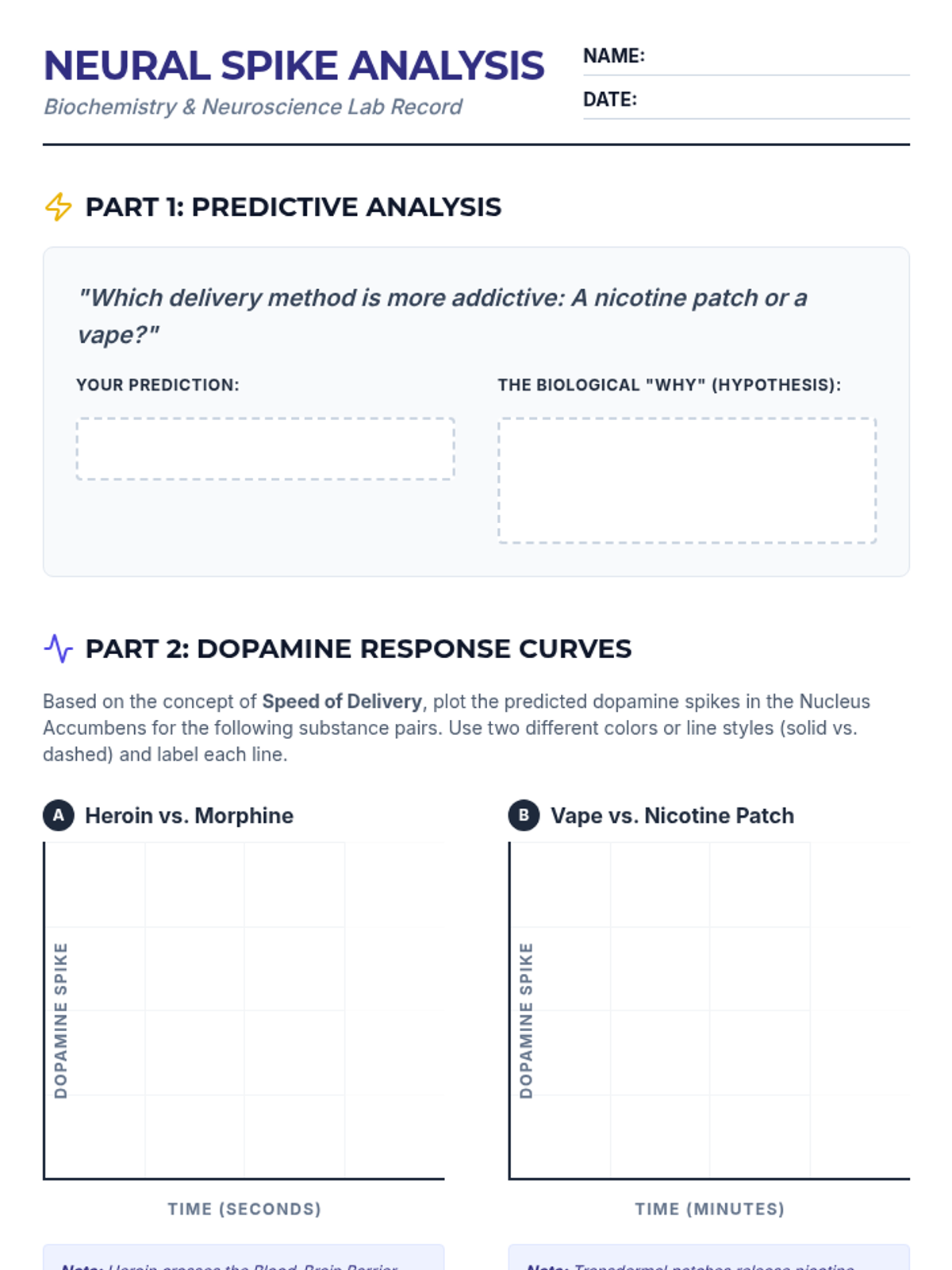
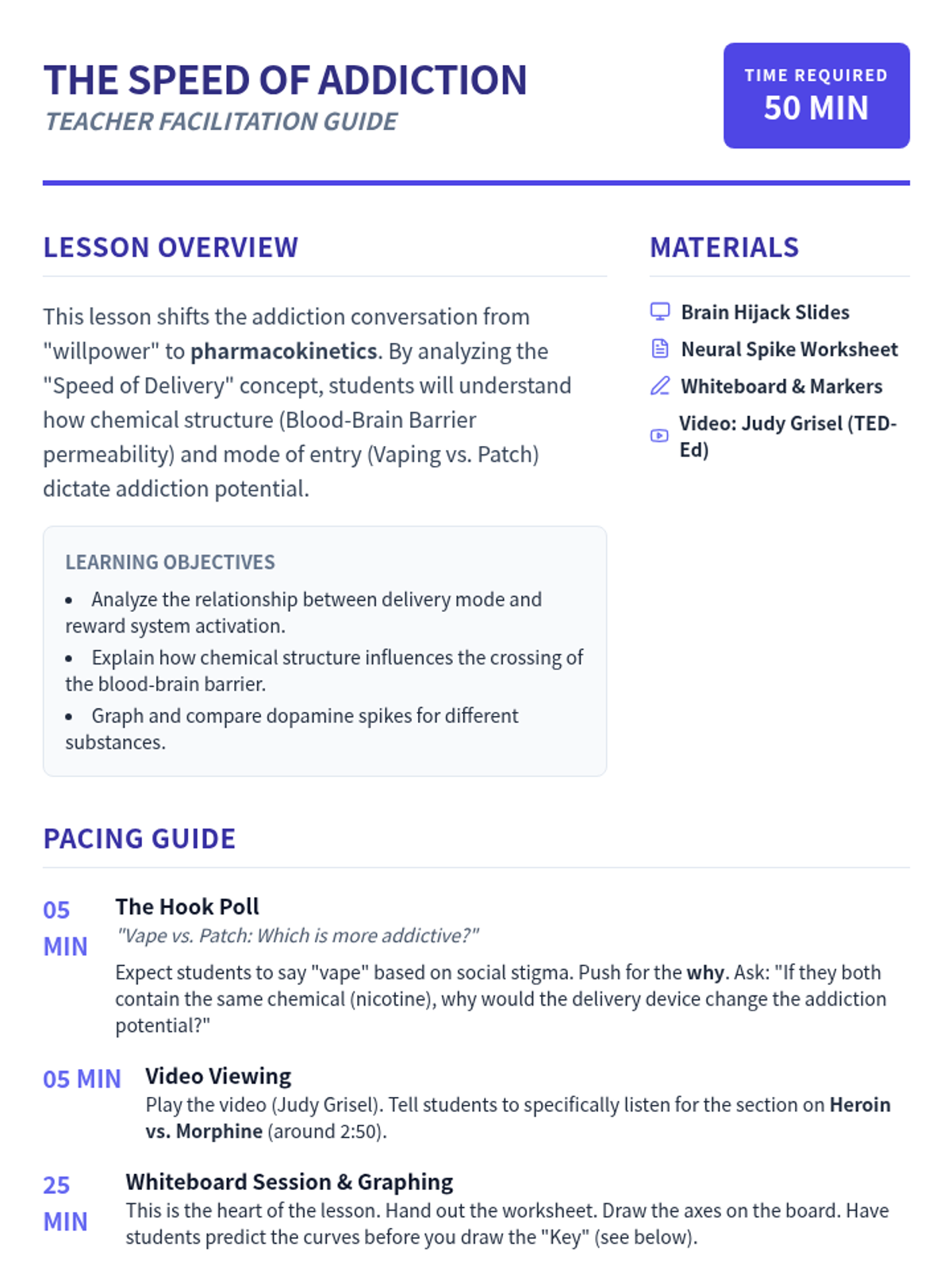
Students analyze the relationship between chemical structure, mode of delivery, and addiction potential using the 'Speed of Delivery' concept. The lesson features a comparative analysis of substances like heroin vs. morphine and vaping vs. nicotine patches to understand the biological 'why' behind addiction.
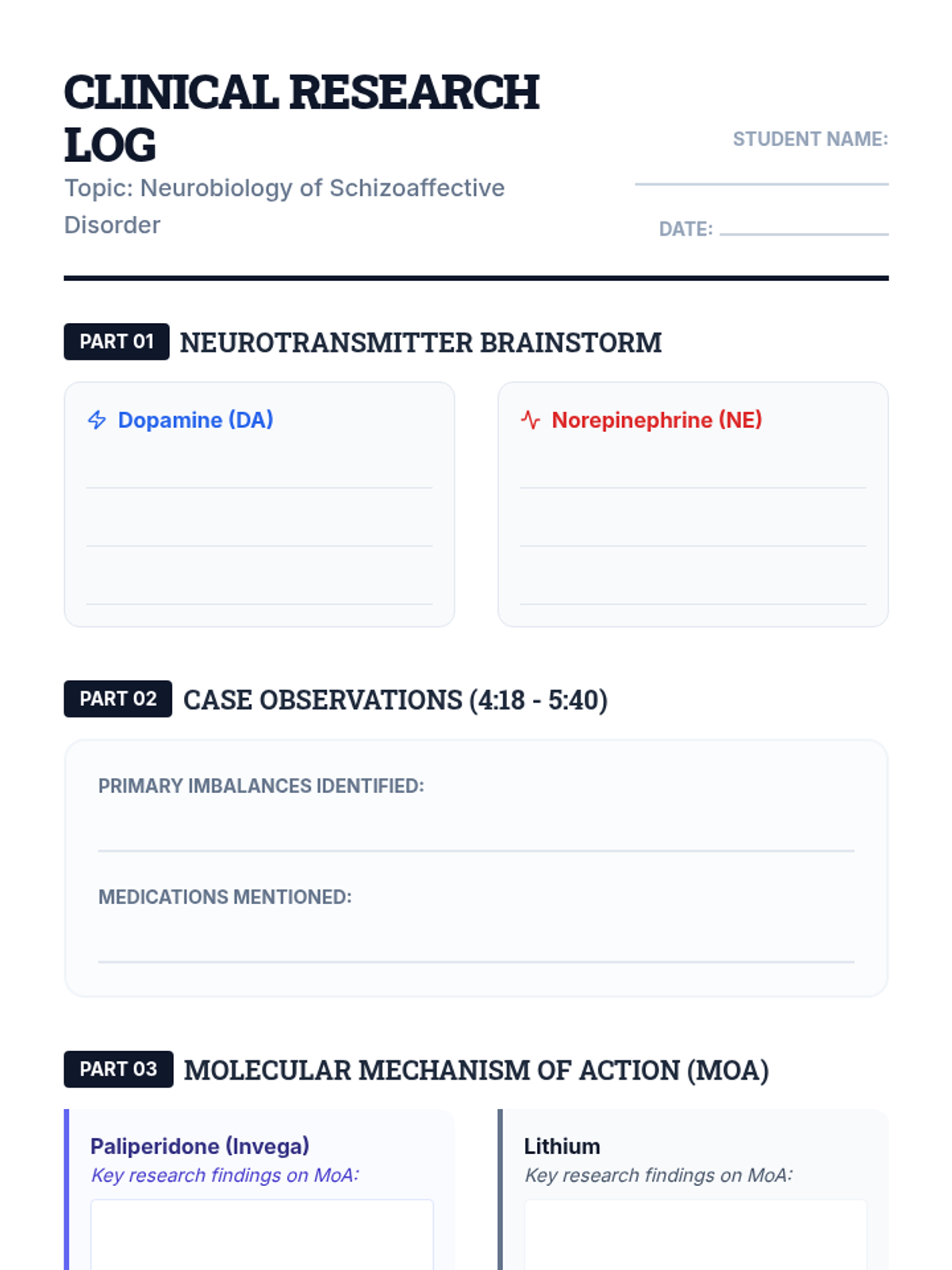
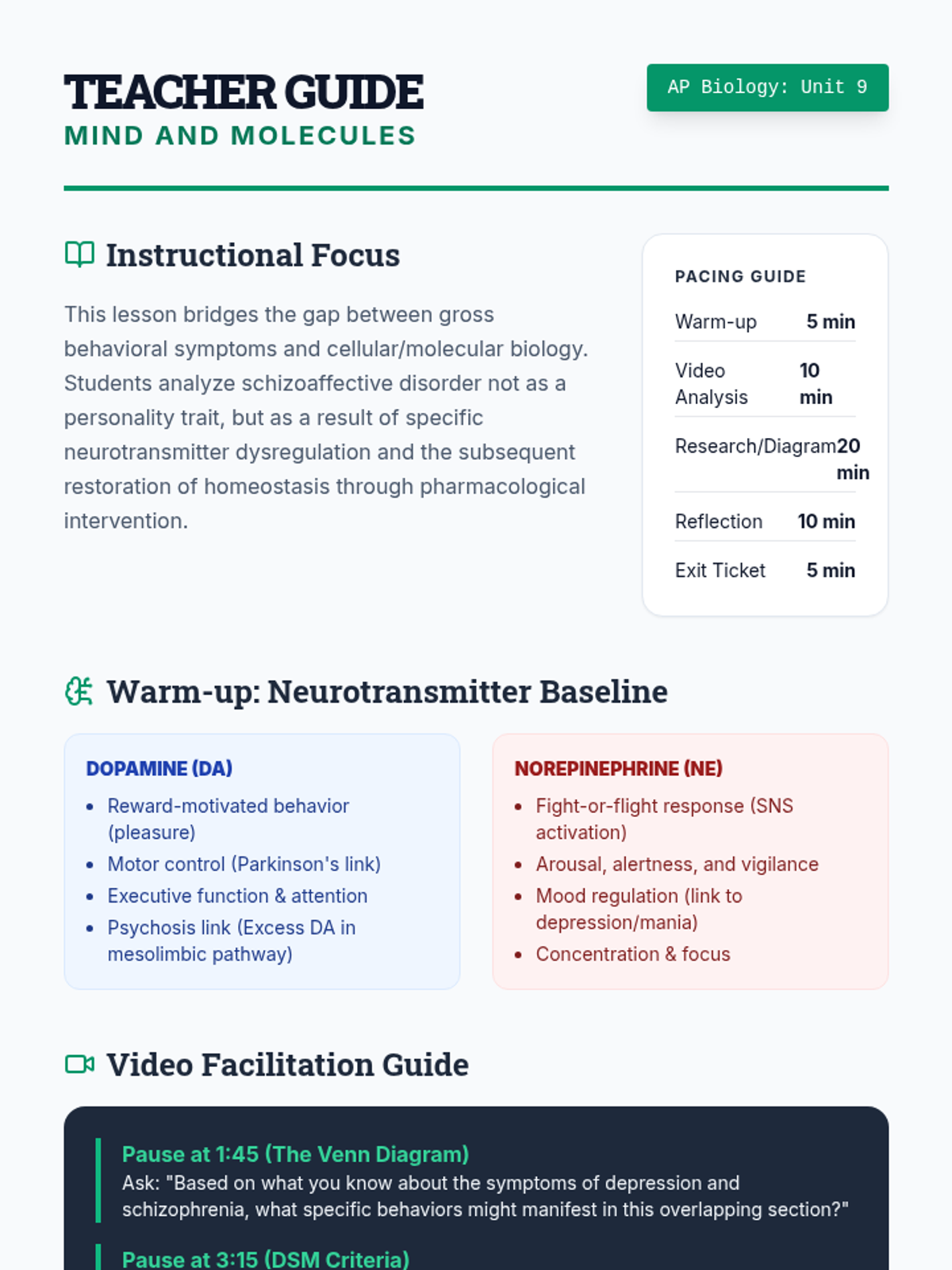
This lesson connects behavioral symptoms of schizoaffective disorder to neurotransmitter imbalances and explores the pharmacological mechanisms of antipsychotics and mood stabilizers through research and diagramming.
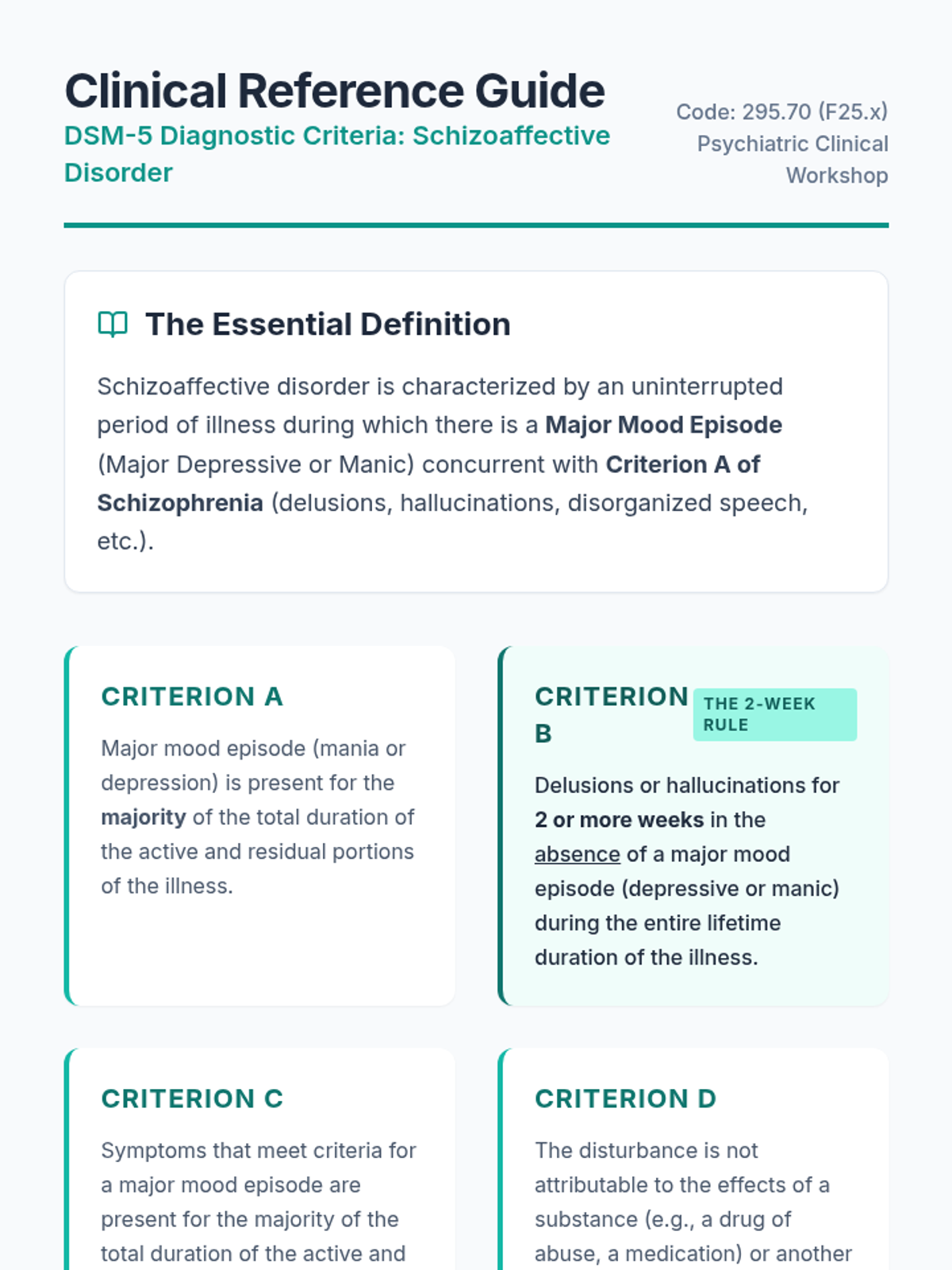
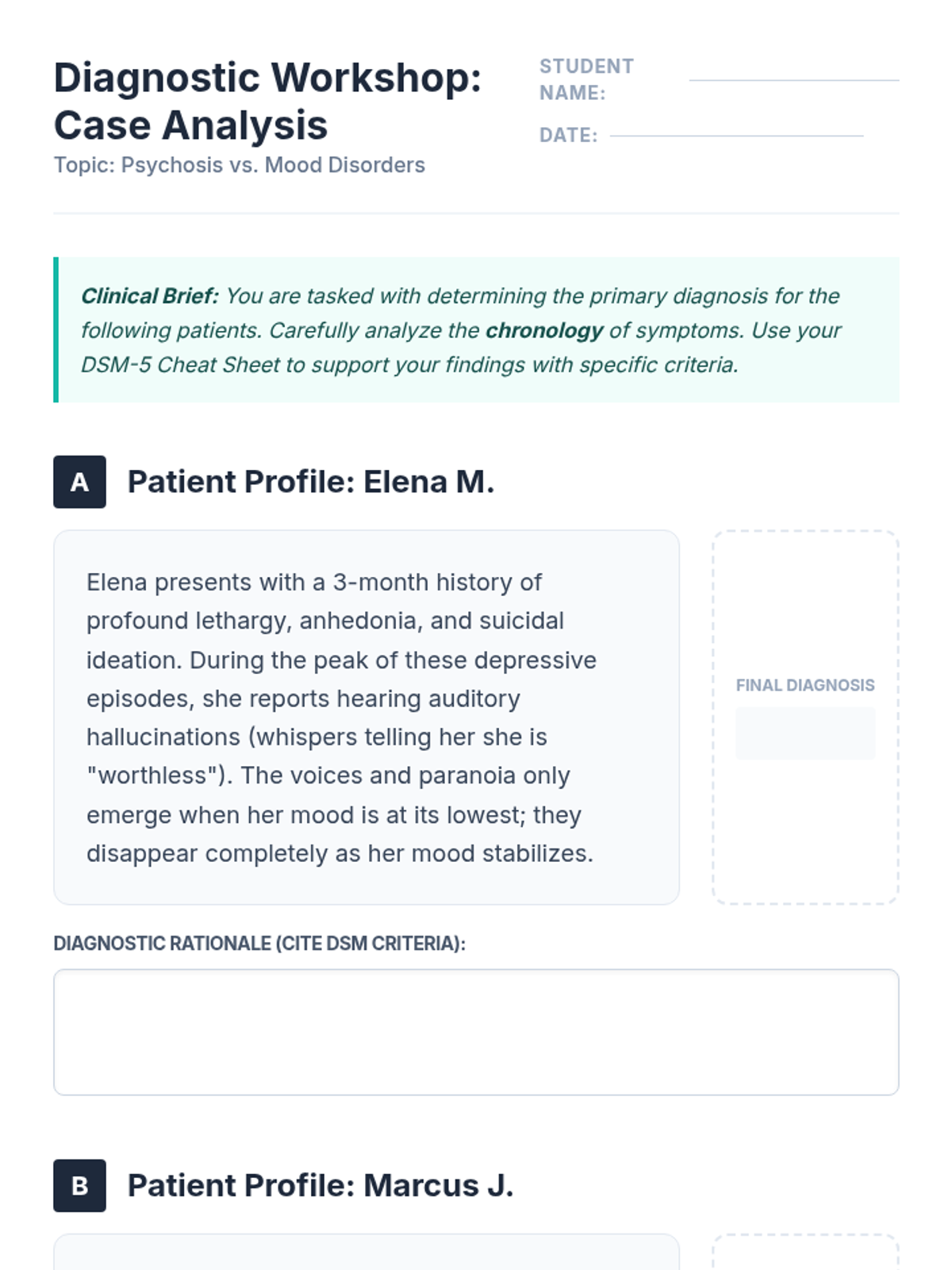
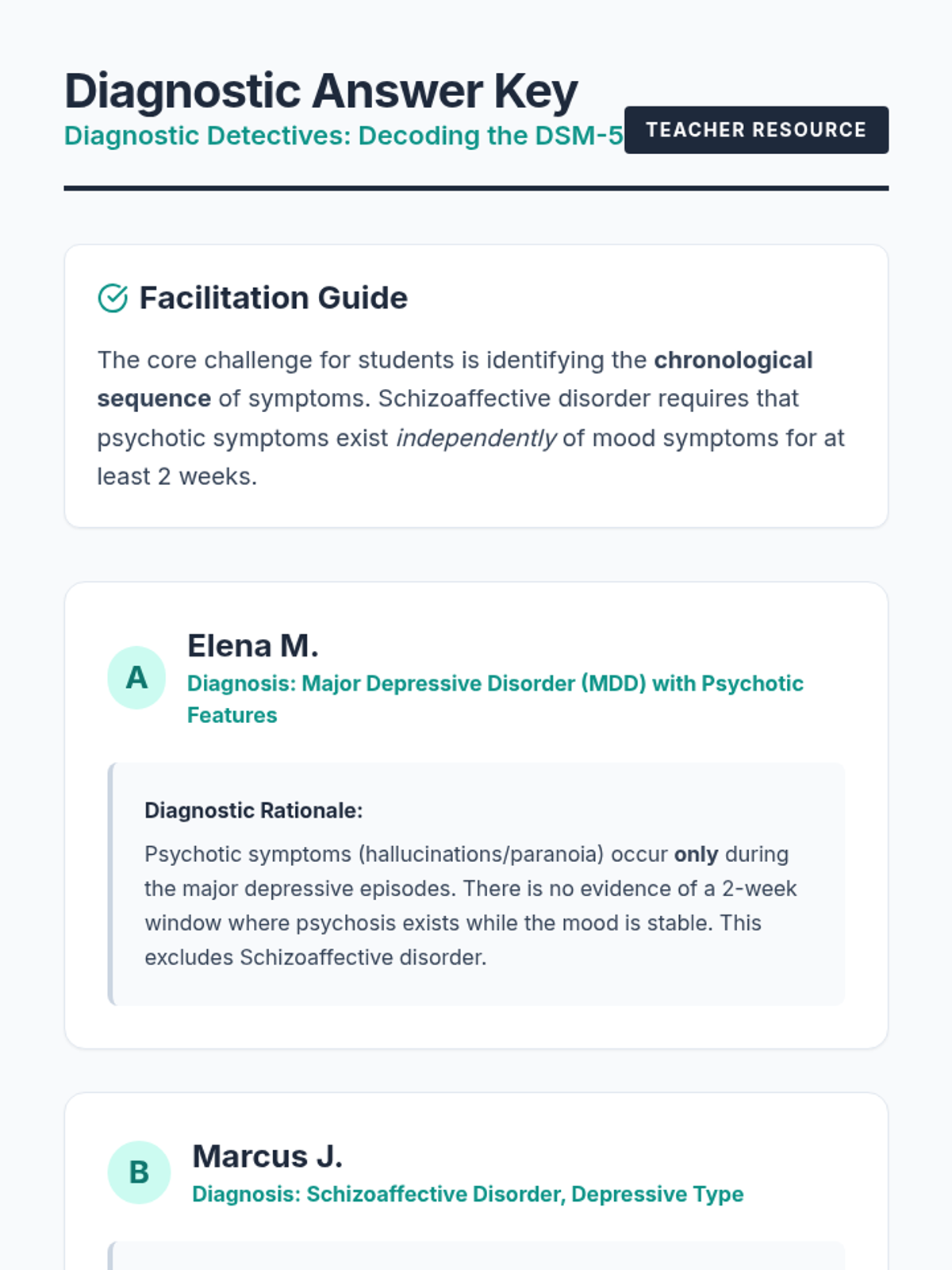
A clinical diagnostic workshop for nursing and pre-med students focused on applying DSM-5 criteria to differentiate schizoaffective disorder from other mood and psychotic disorders. Students analyze patient case studies and use evidence-based criteria to reach accurate diagnoses.
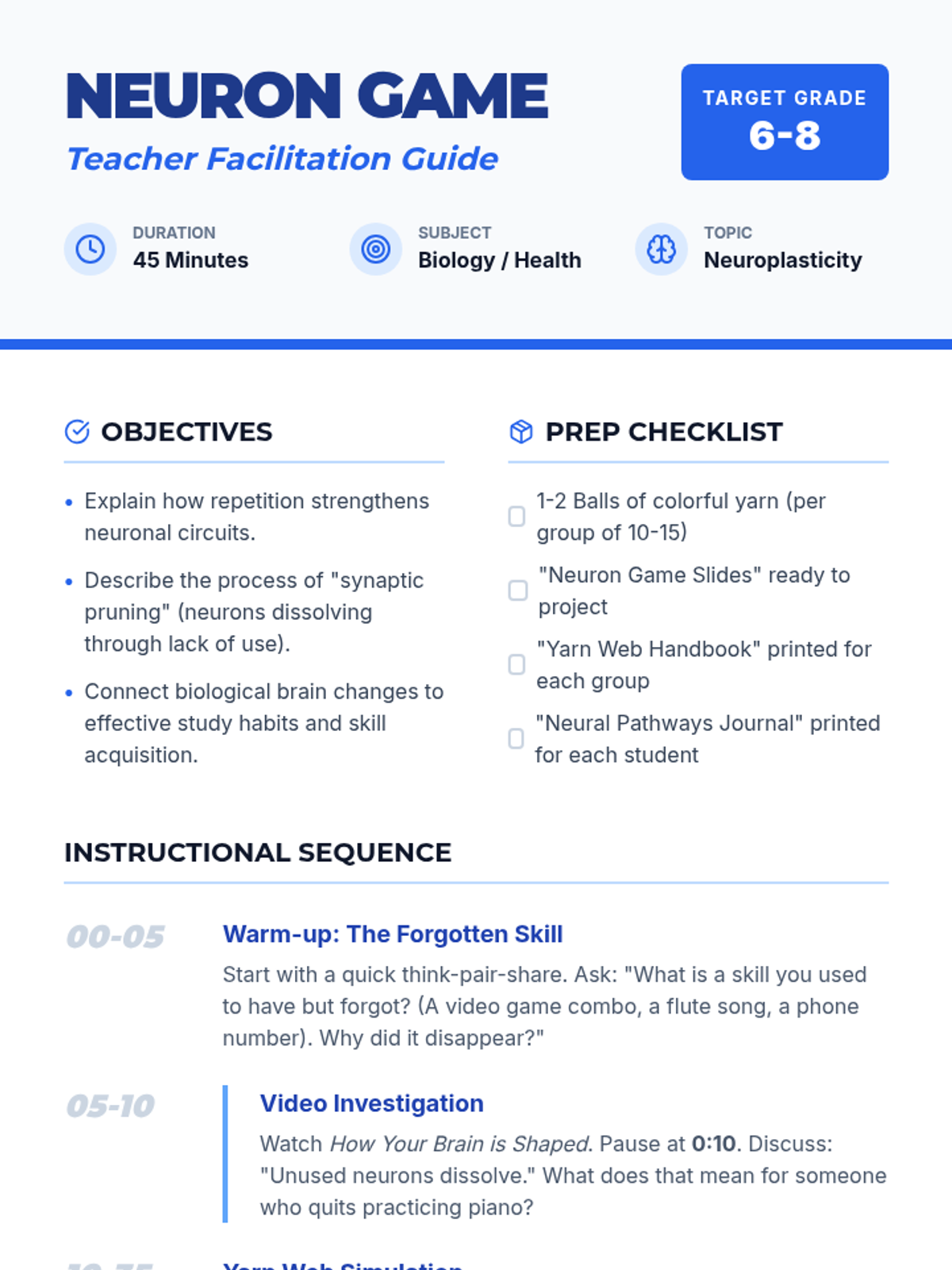
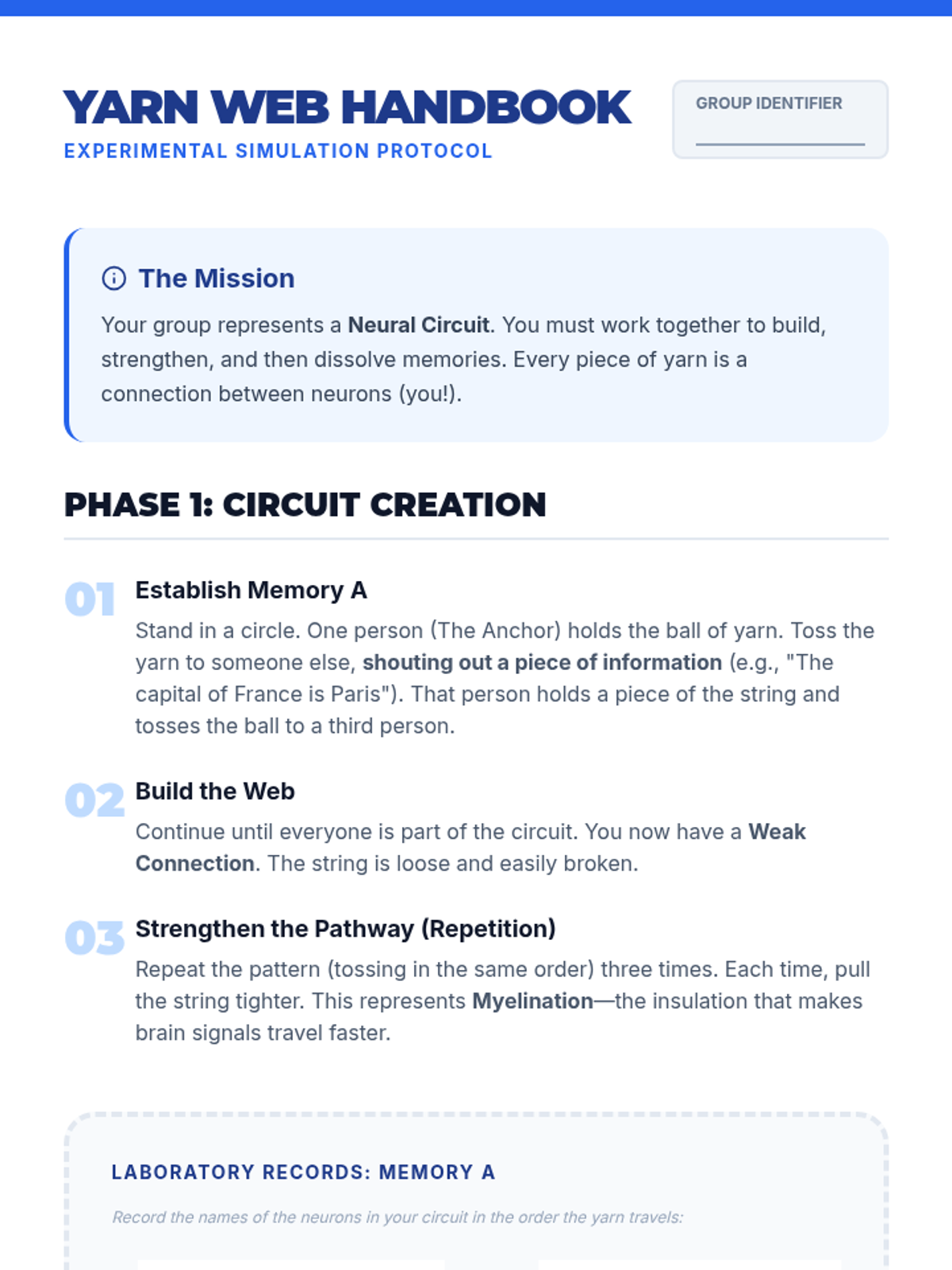
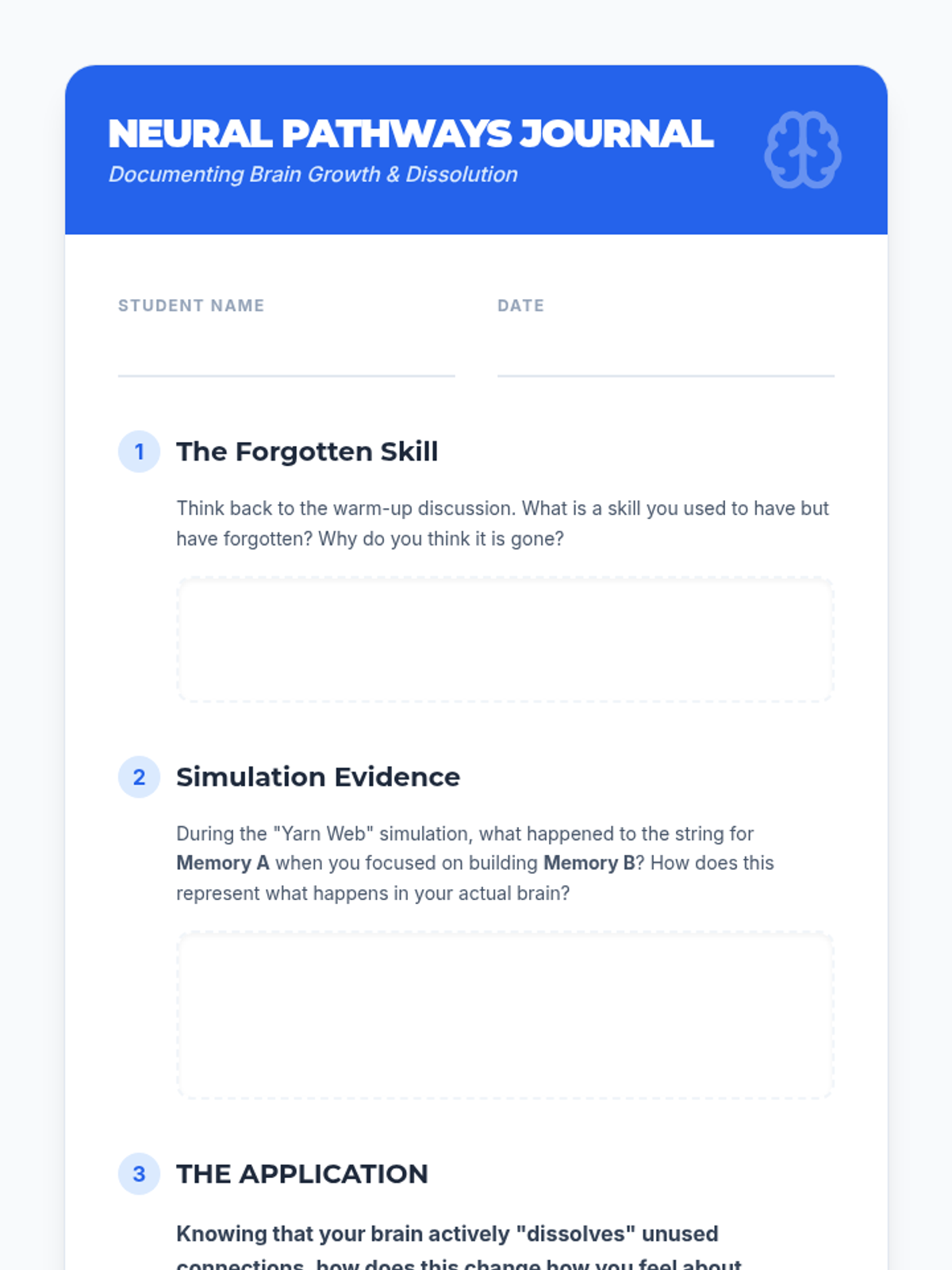
A 6th-8th grade science and health lesson exploring neuroplasticity through a hands-on yarn simulation and a video-based discussion. Students learn how neural pathways strengthen through use and dissolve through neglect.
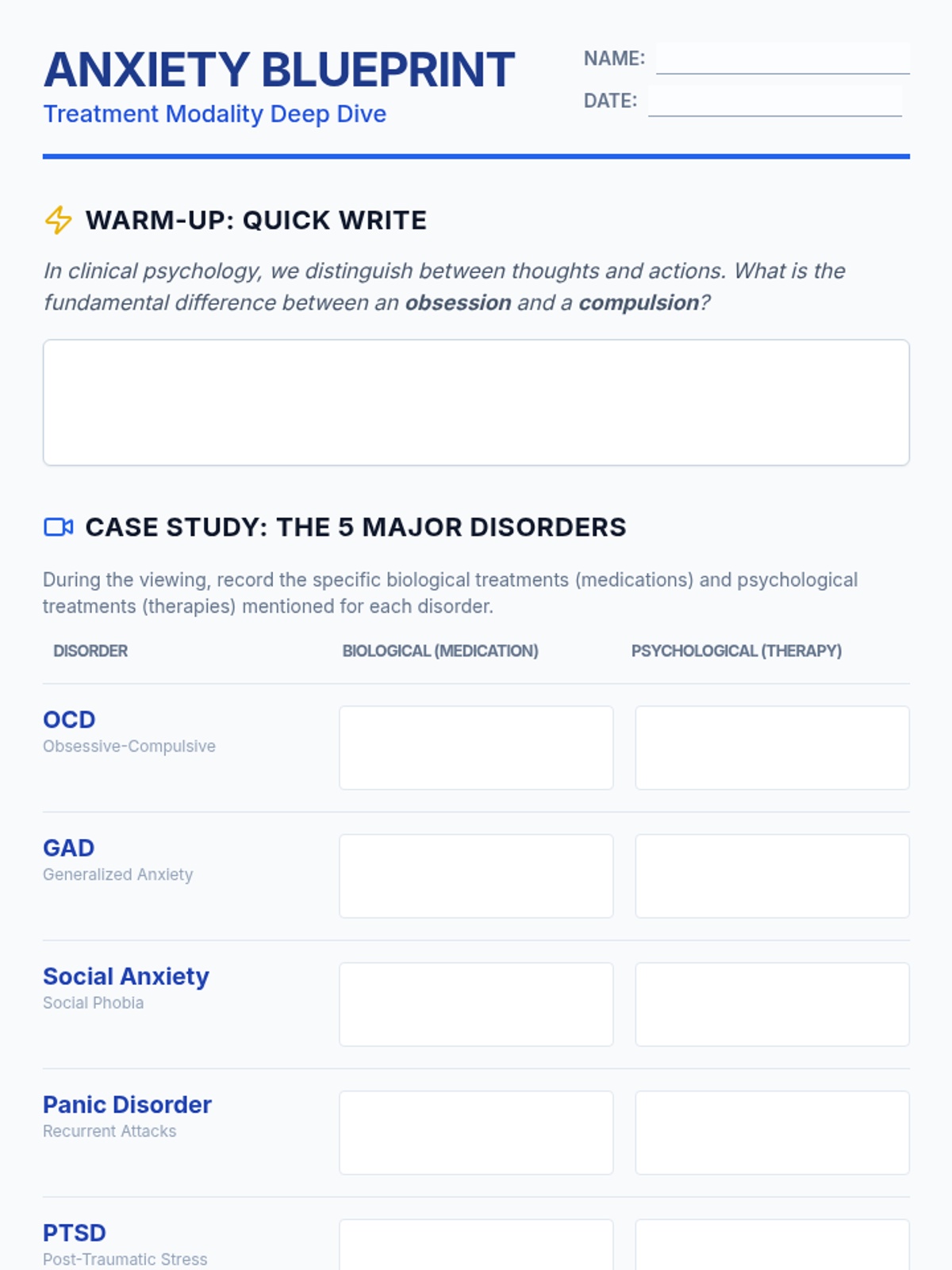
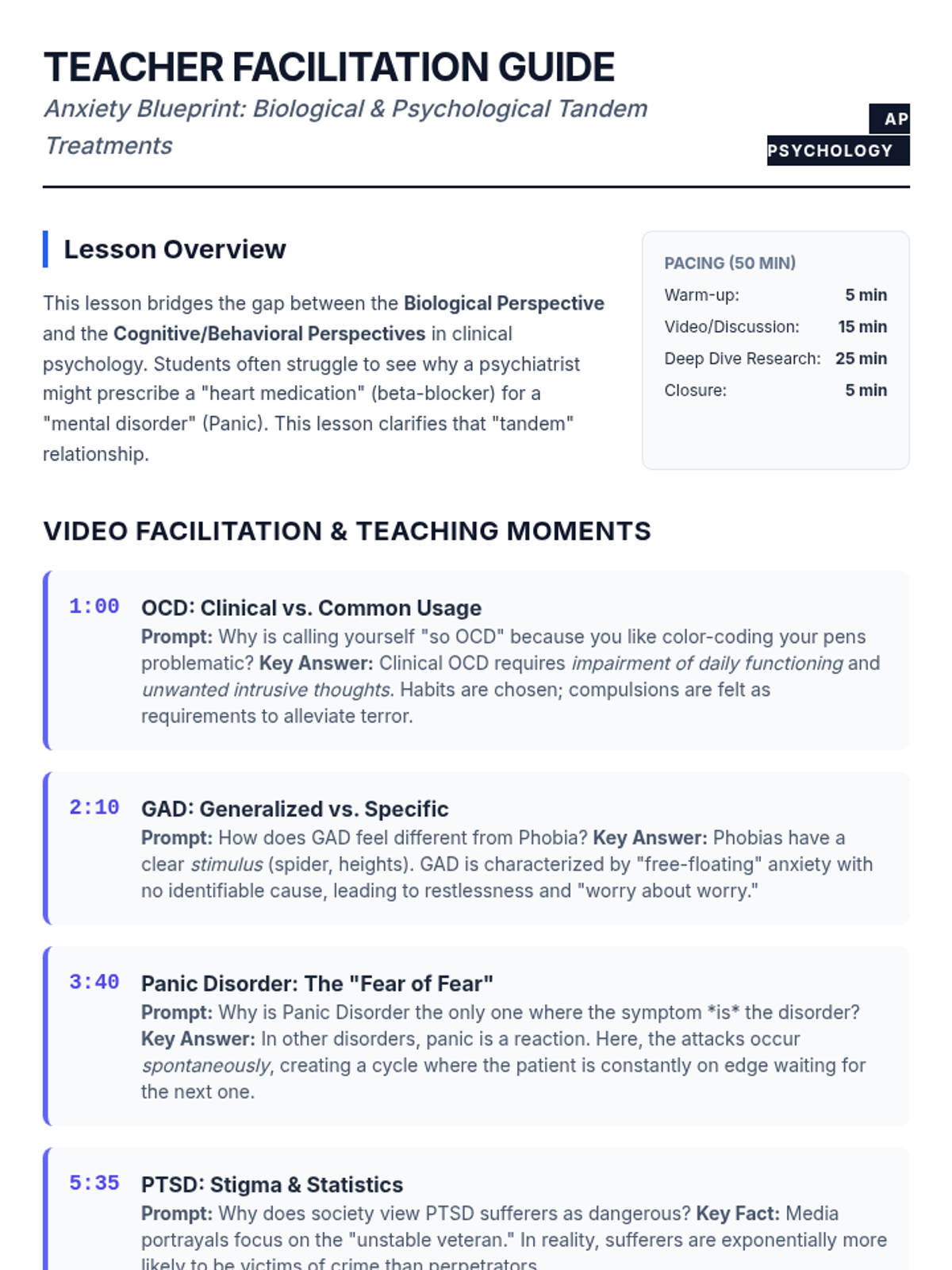
This lesson explores the dual approach to treating the five major anxiety disorders, focusing on the physiological mechanisms of medications (SSRIs, Benzos, Beta-blockers) and the cognitive-behavioral shifts of psychotherapy. Students will analyze the 'tandem' treatment model to understand why biological and psychological interventions are often used together for optimal patient outcomes.
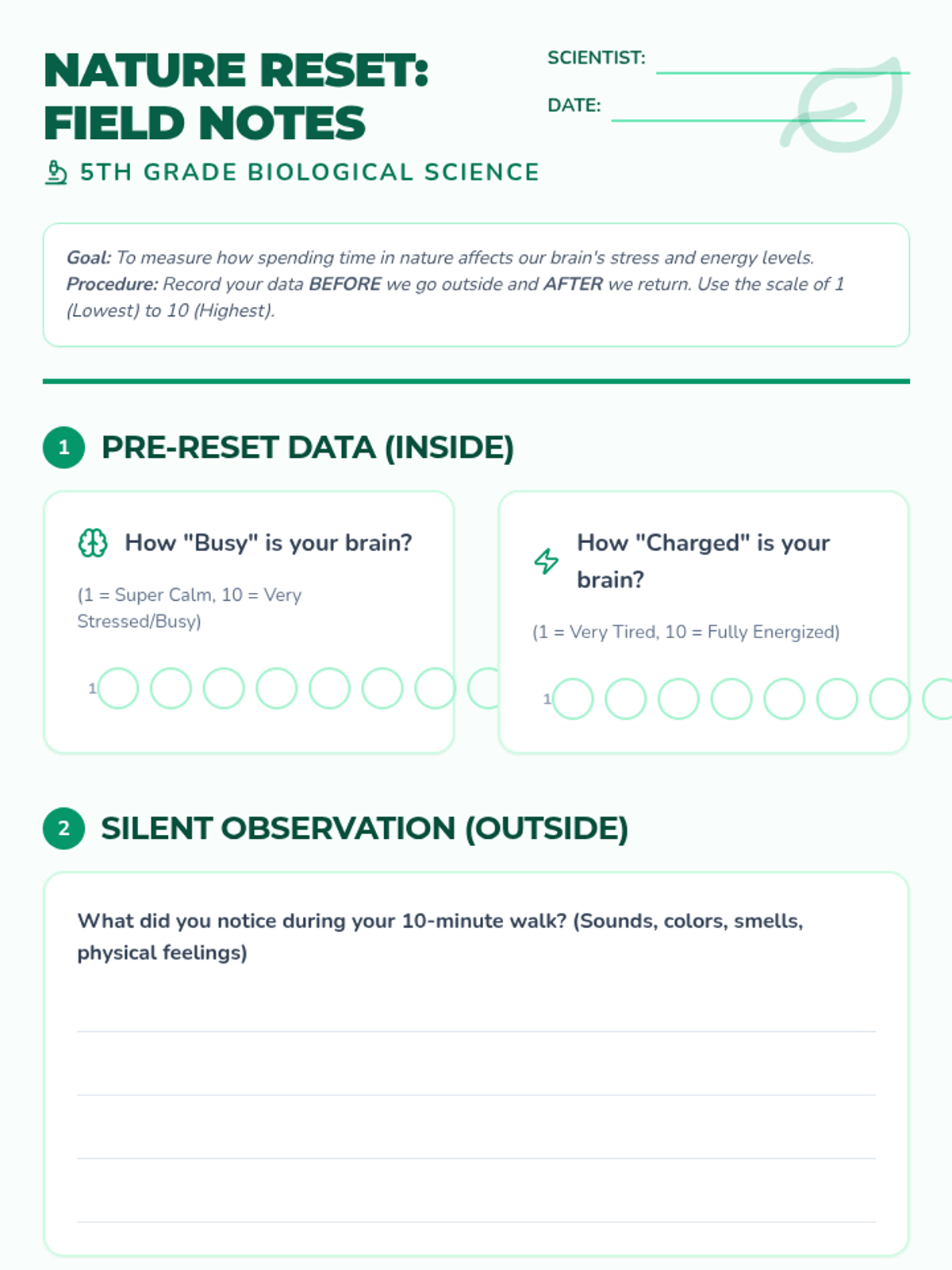
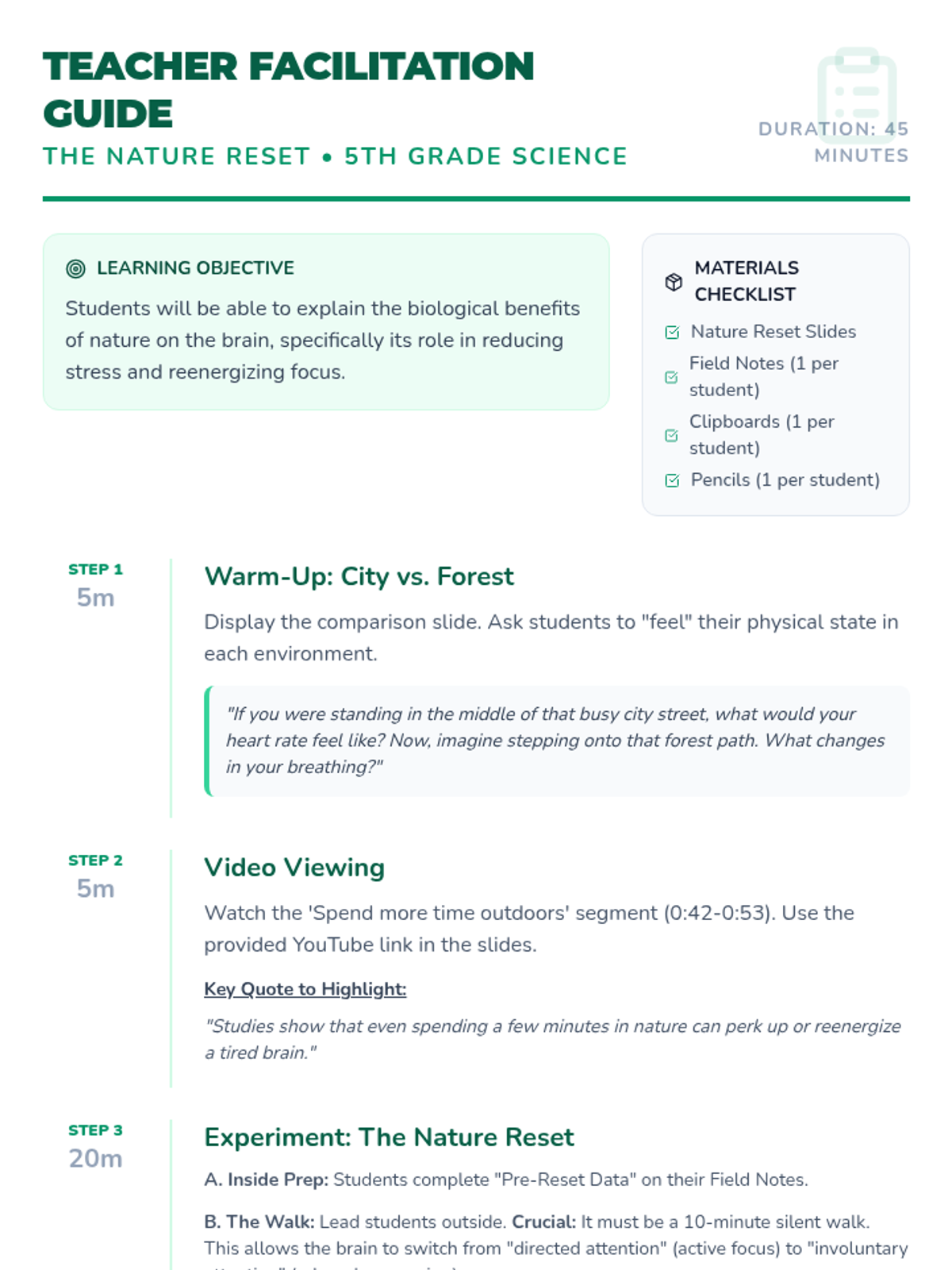
A 5th-grade science lesson exploring the biological impact of nature on the human brain, featuring a hands-on outdoor experiment to measure stress levels.
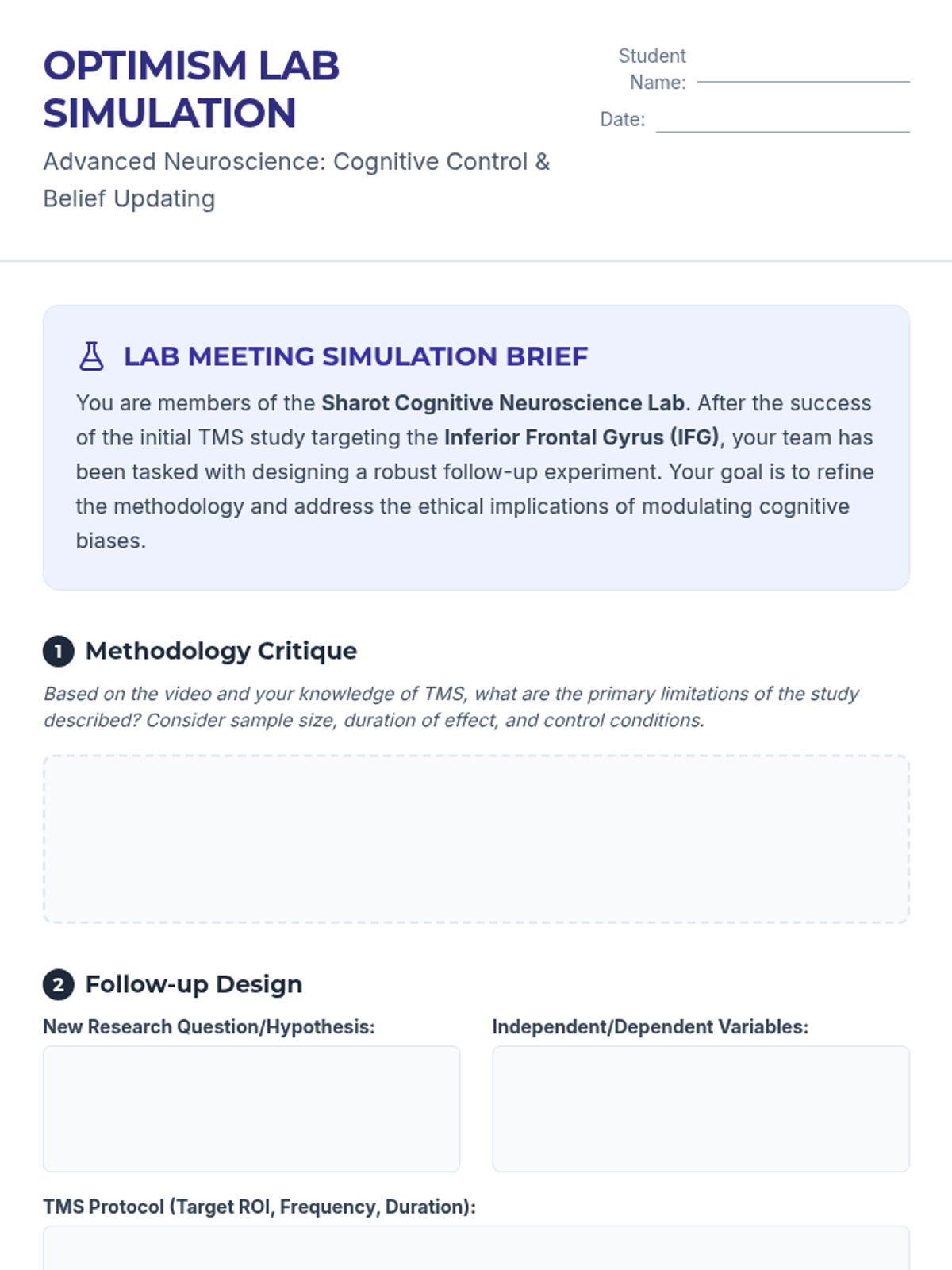
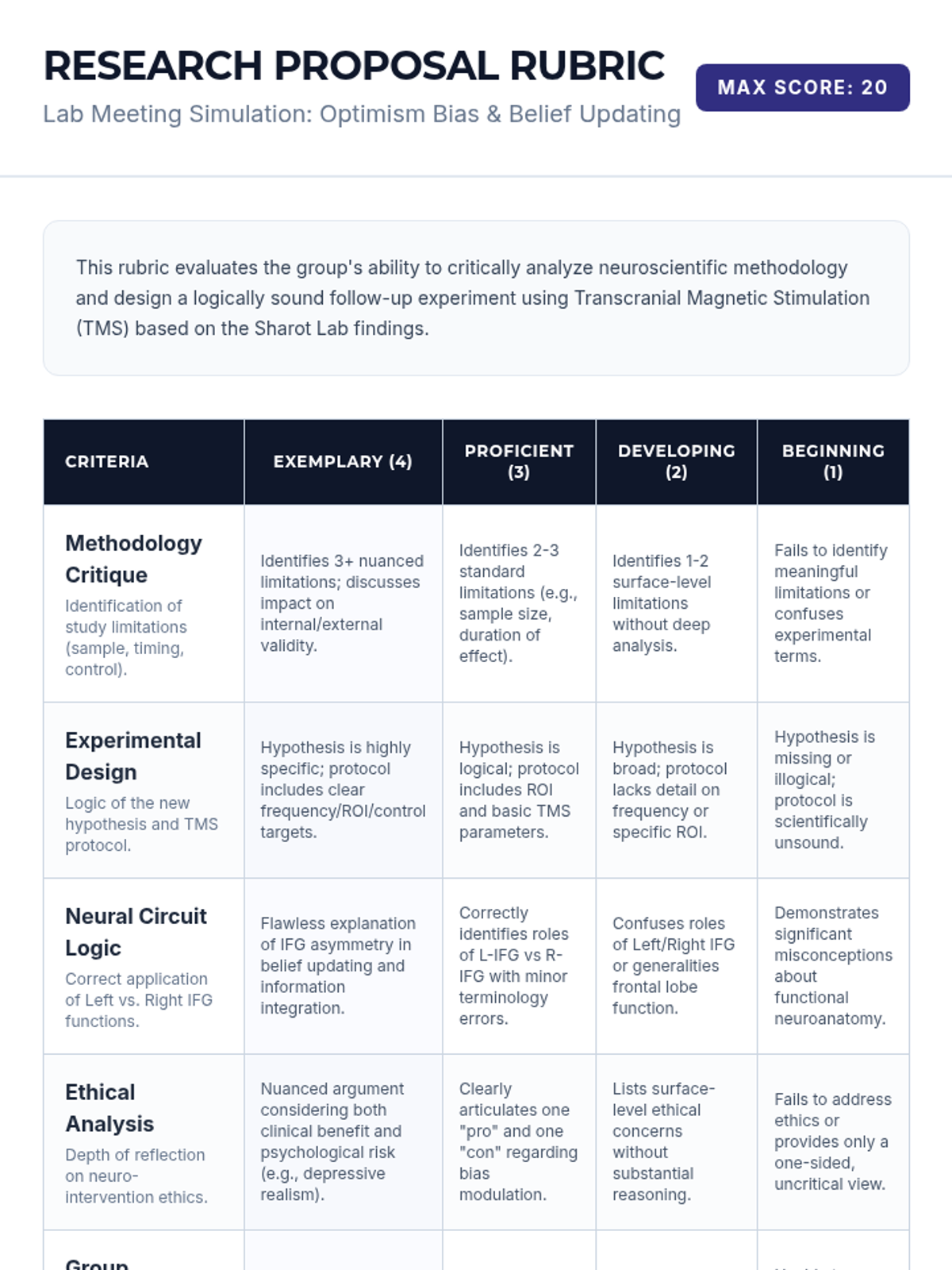
This lesson explores the neurological basis of the optimism bias, focusing on the role of the Inferior Frontal Gyrus in belief updating. Students analyze fMRI and TMS data from Tali Sharot's research and simulate a research group to design follow-up experiments while critiquing current neuro-intervention methodologies.
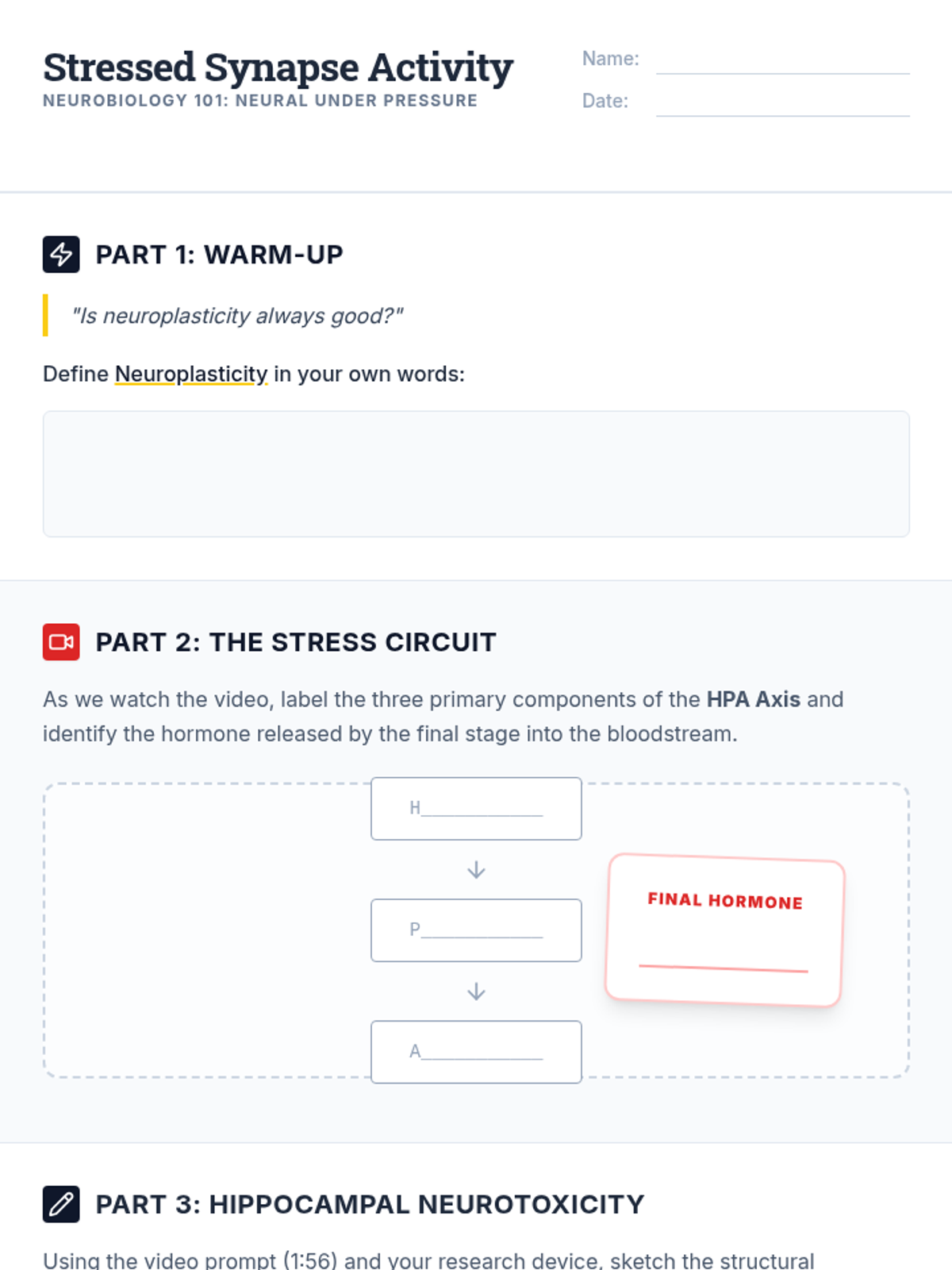
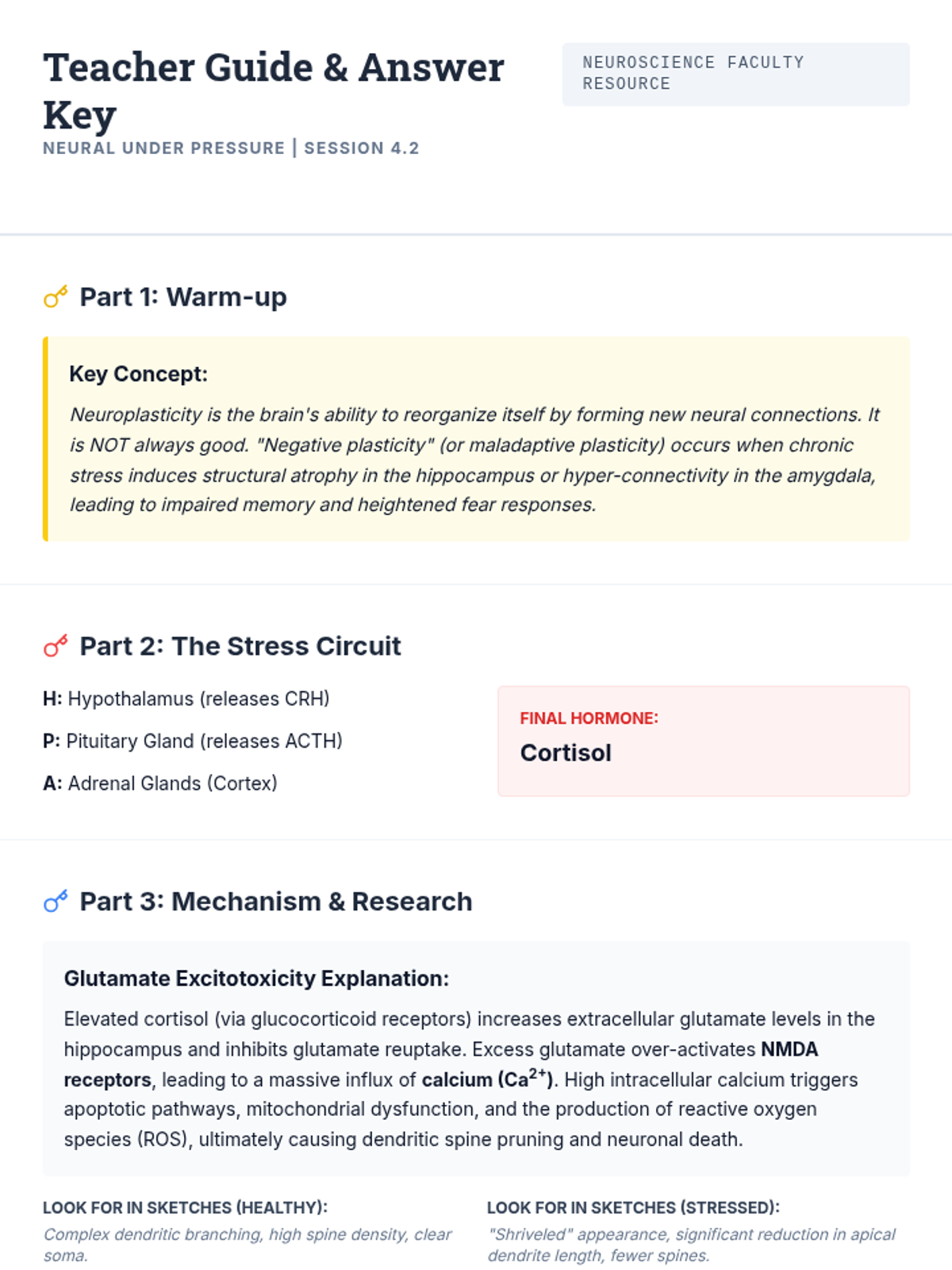
An undergraduate-level neuroscience lesson exploring the physiological and cellular impacts of chronic stress on the brain, specifically focusing on the HPA axis, cortisol-induced neurotoxicity, and the role of BDNF in neuroplasticity.
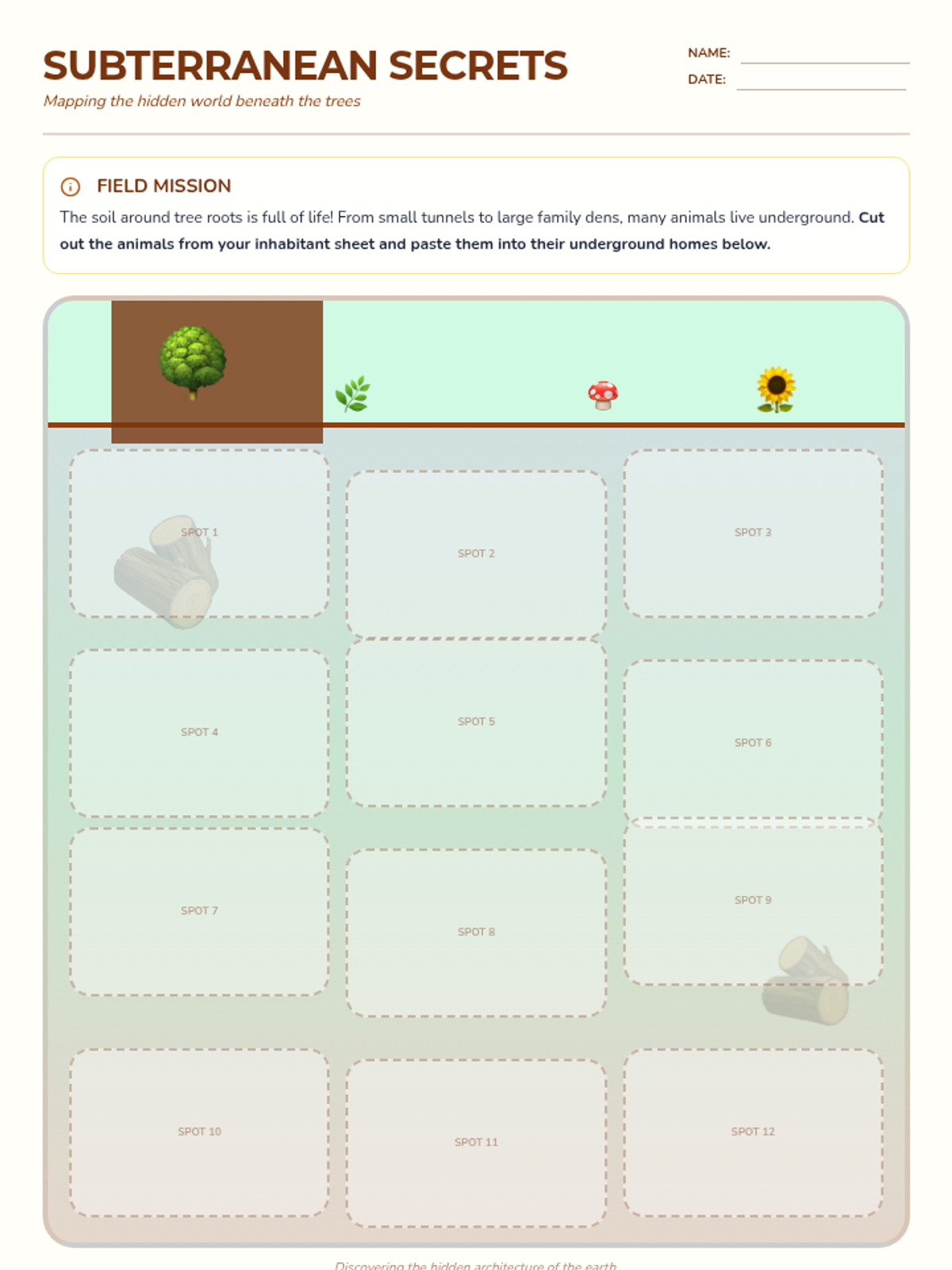
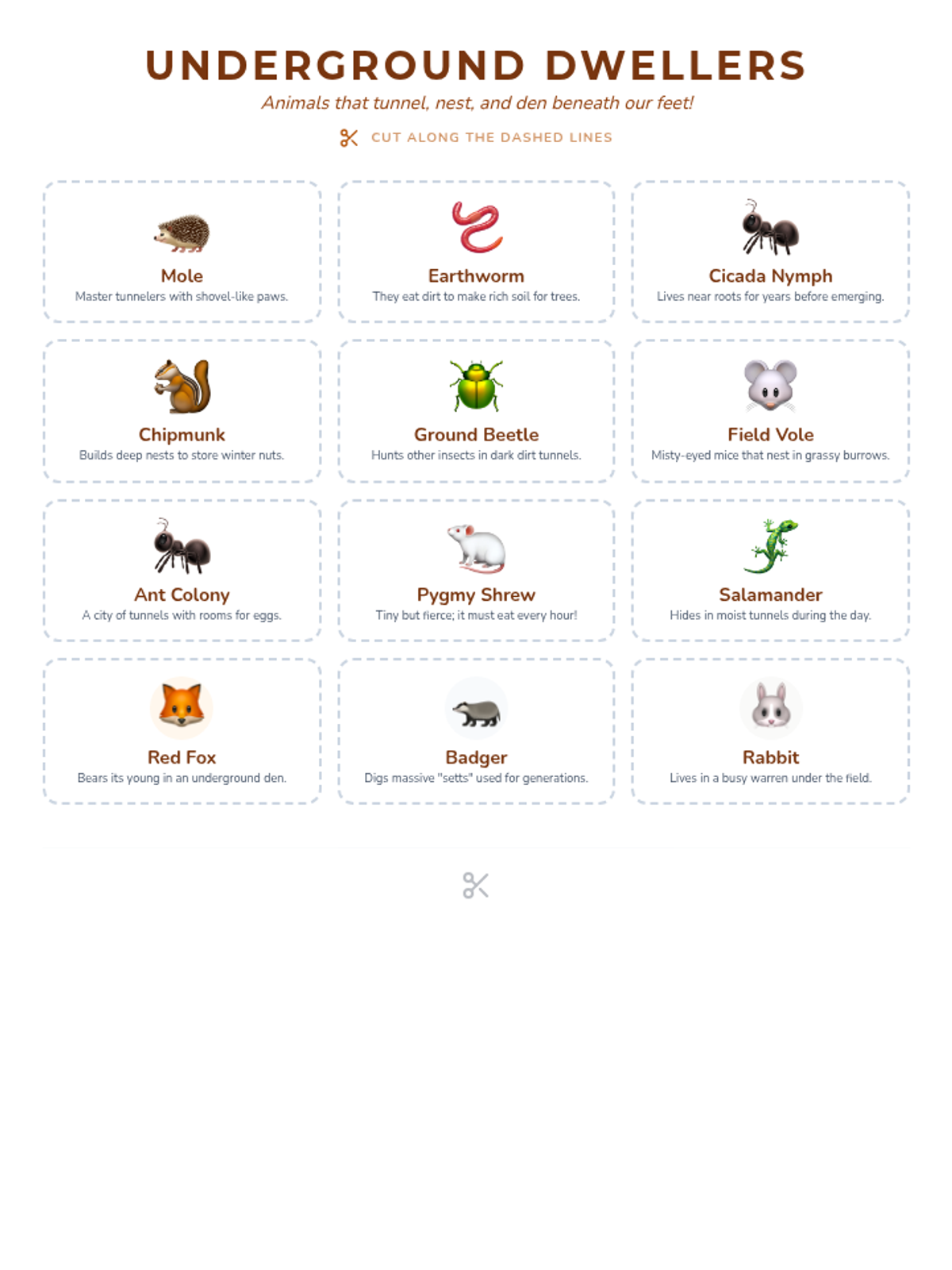
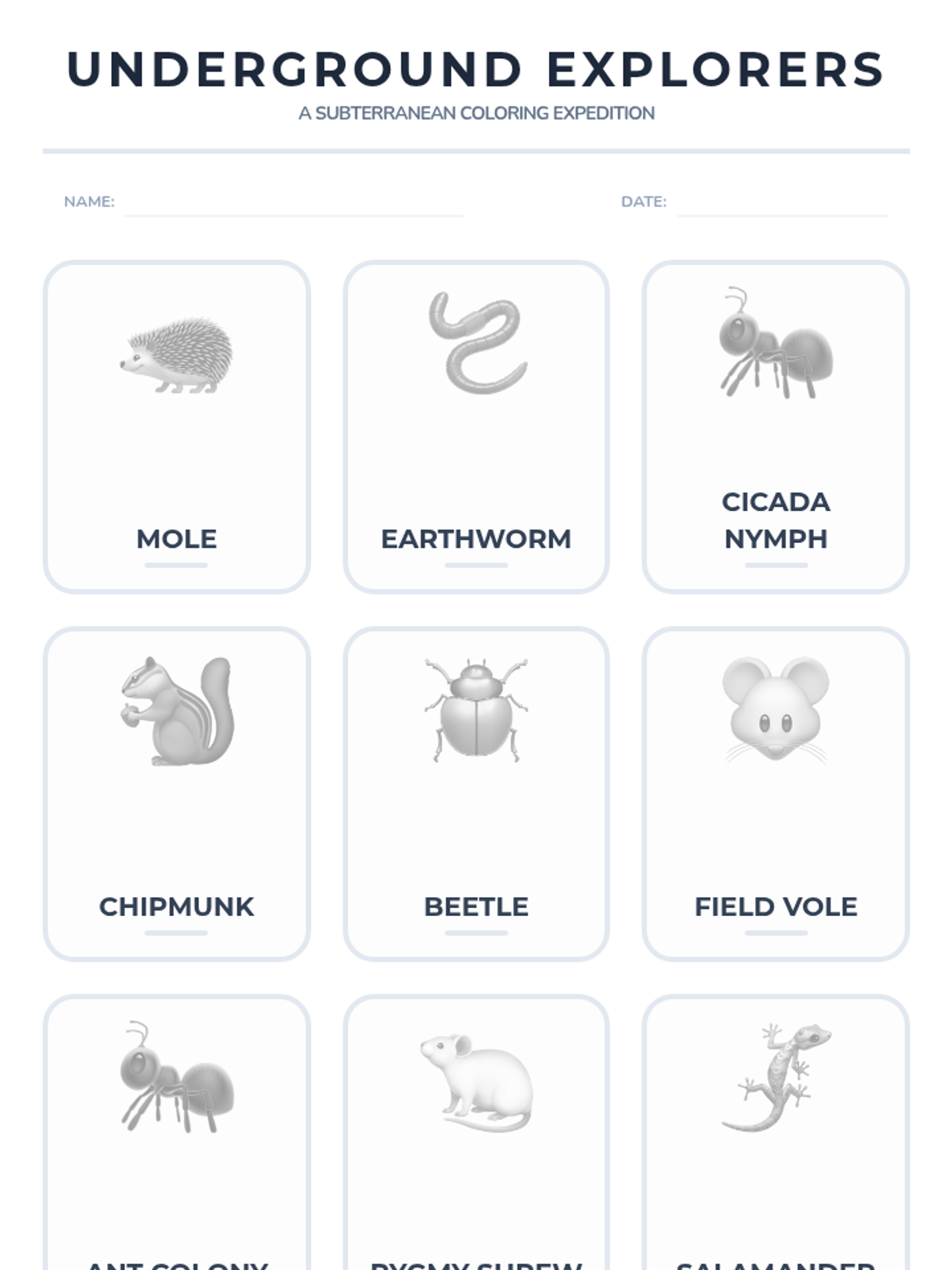
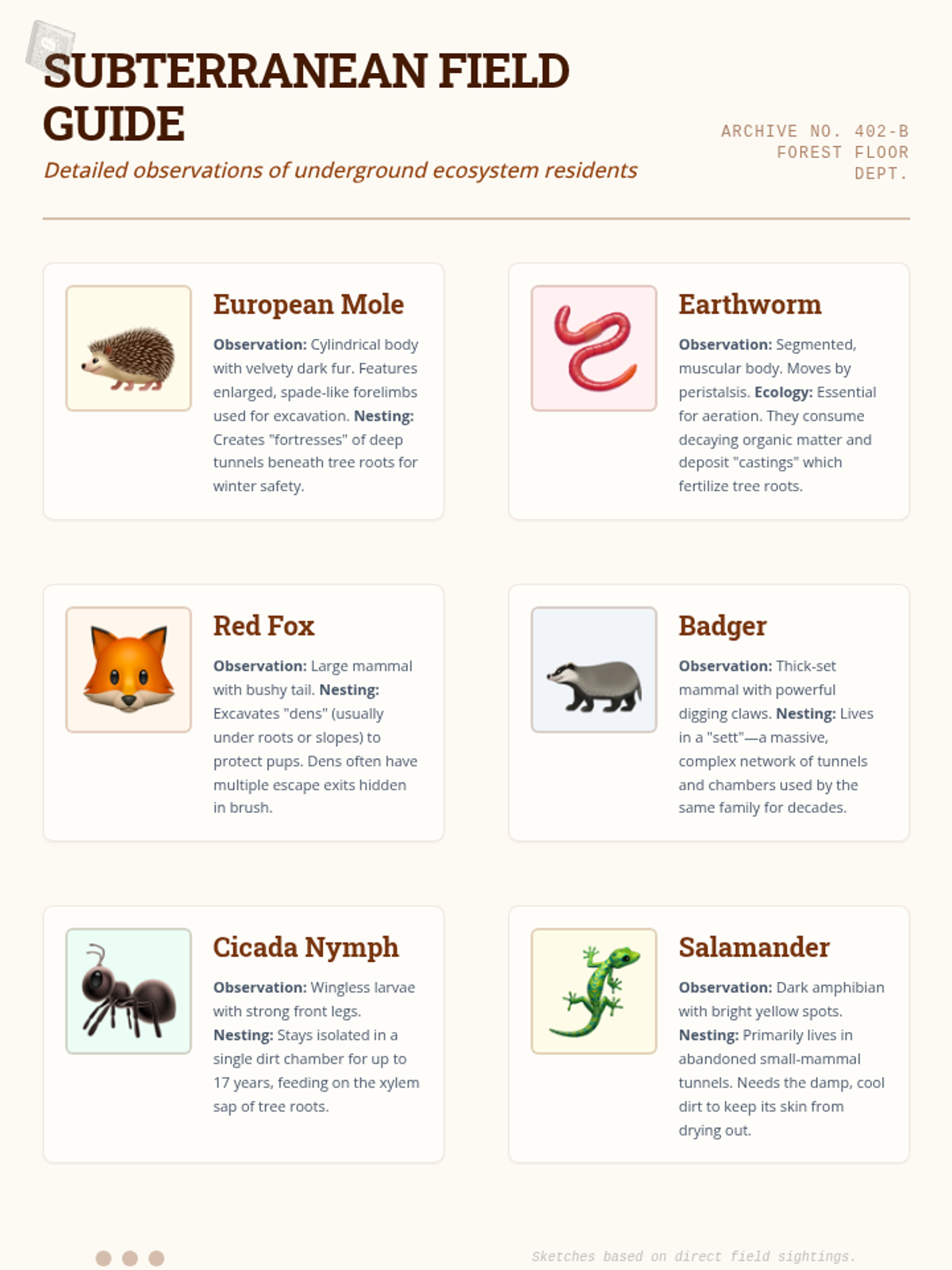
Students explore the ecosystem beneath the forest floor, focusing on animals that create tunnels and live among tree roots.
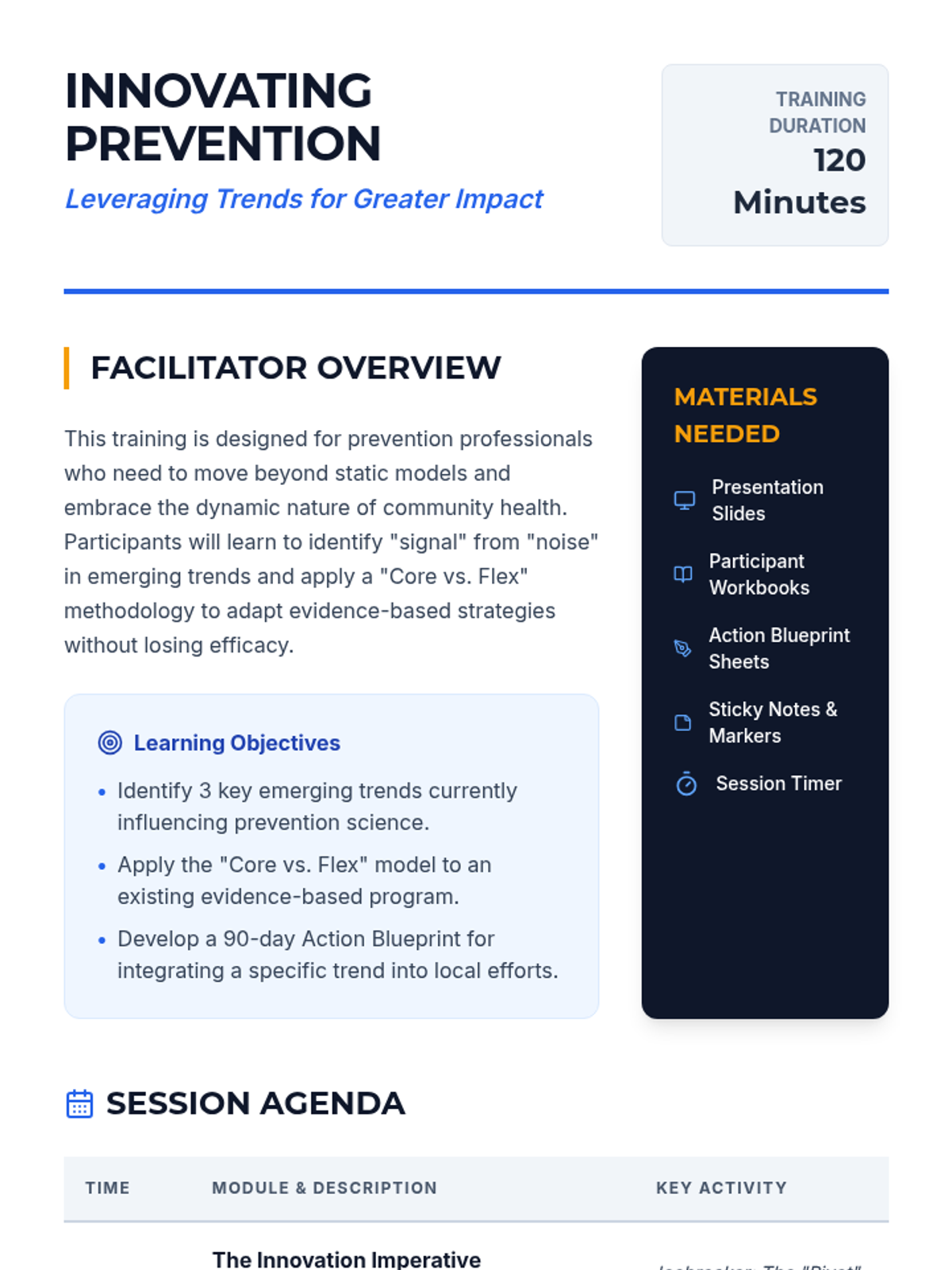
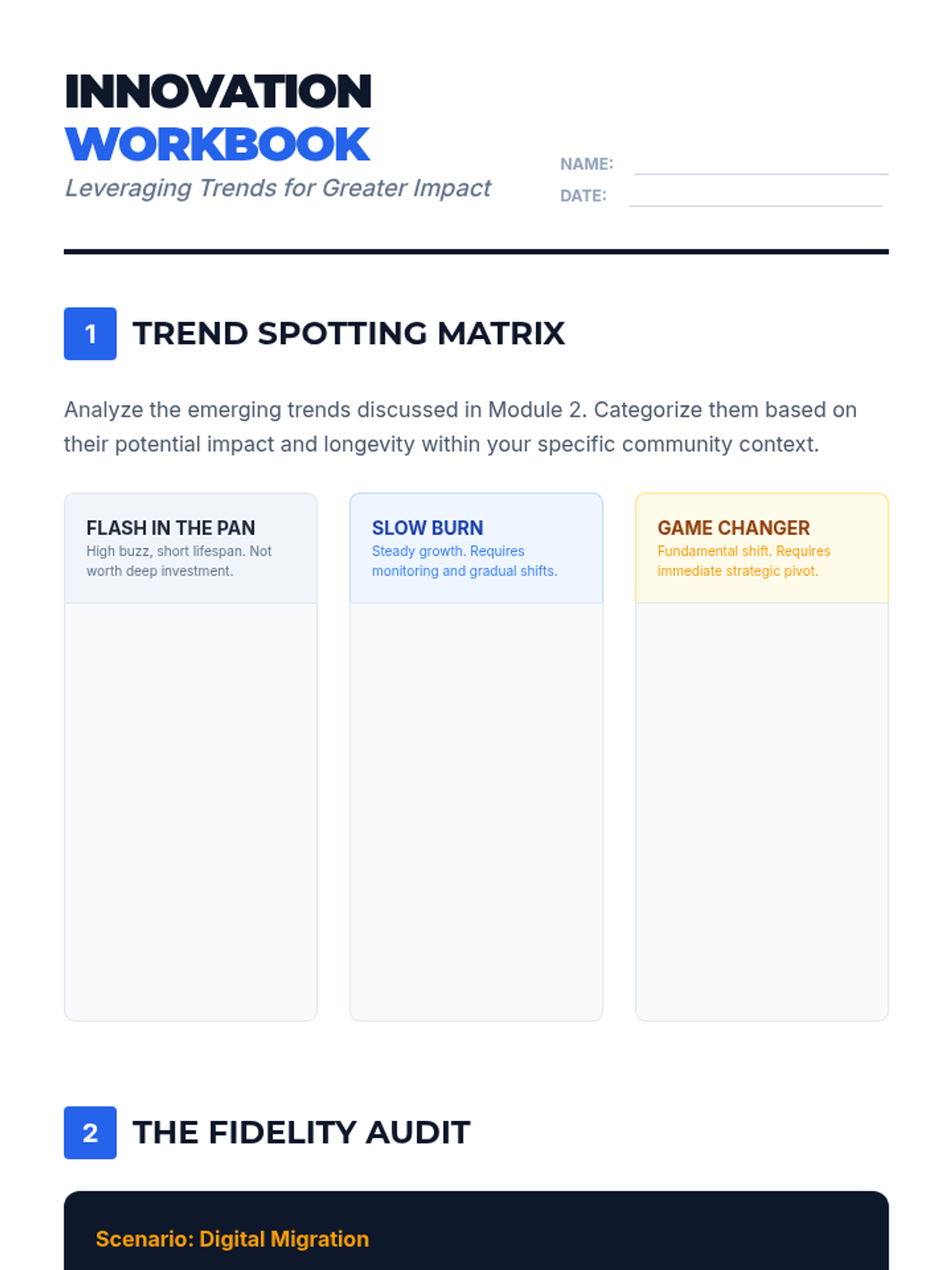
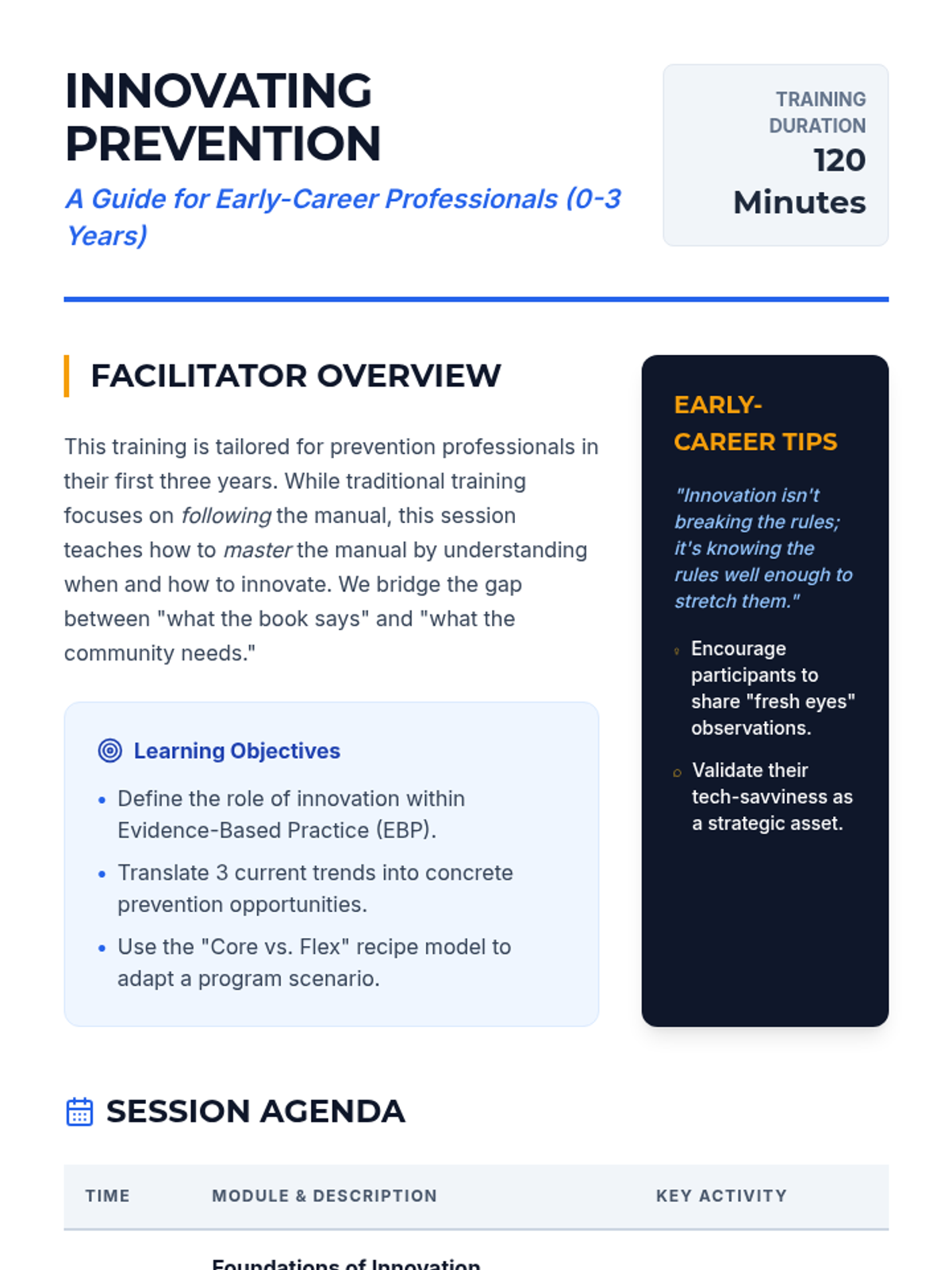
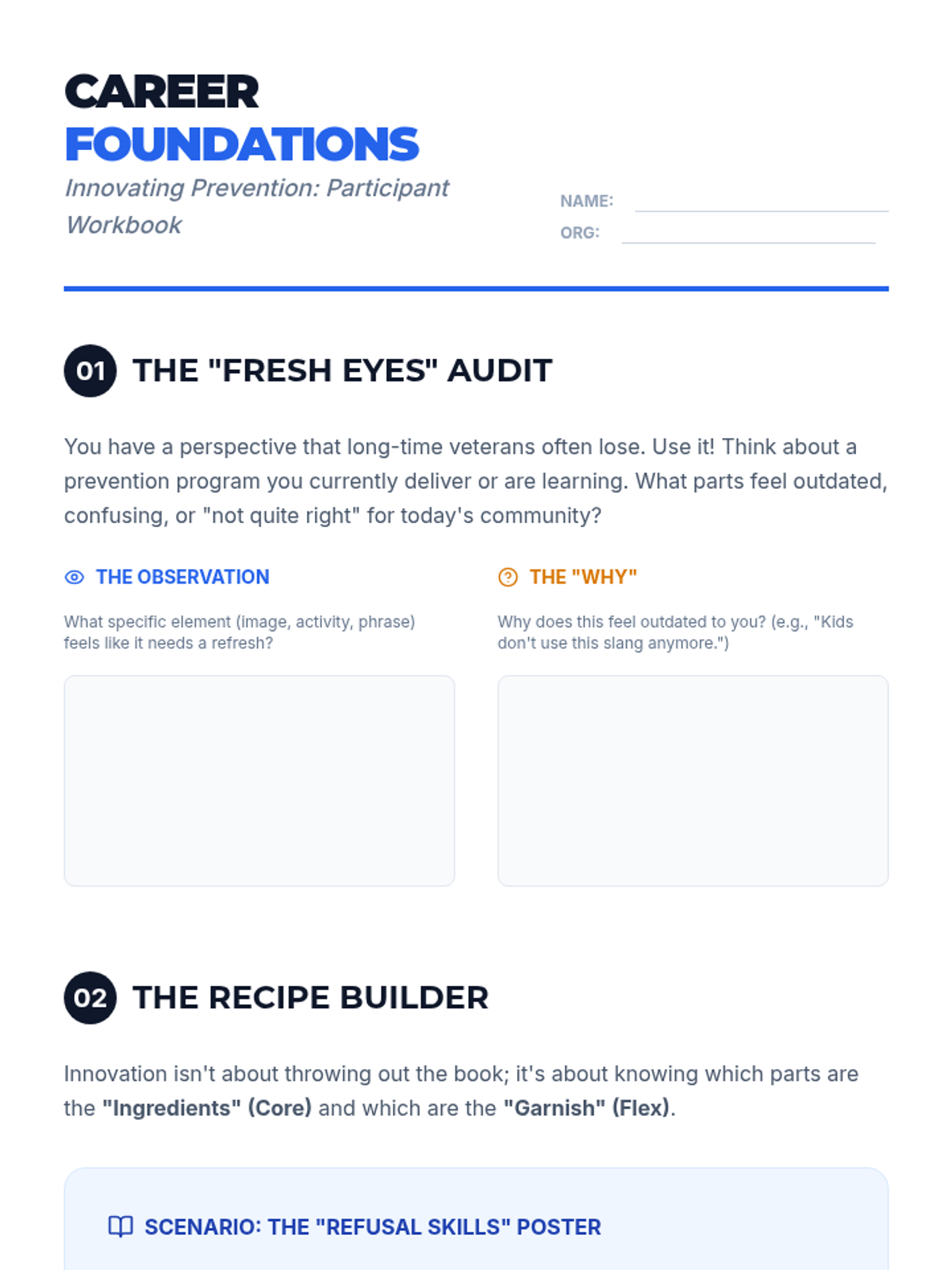
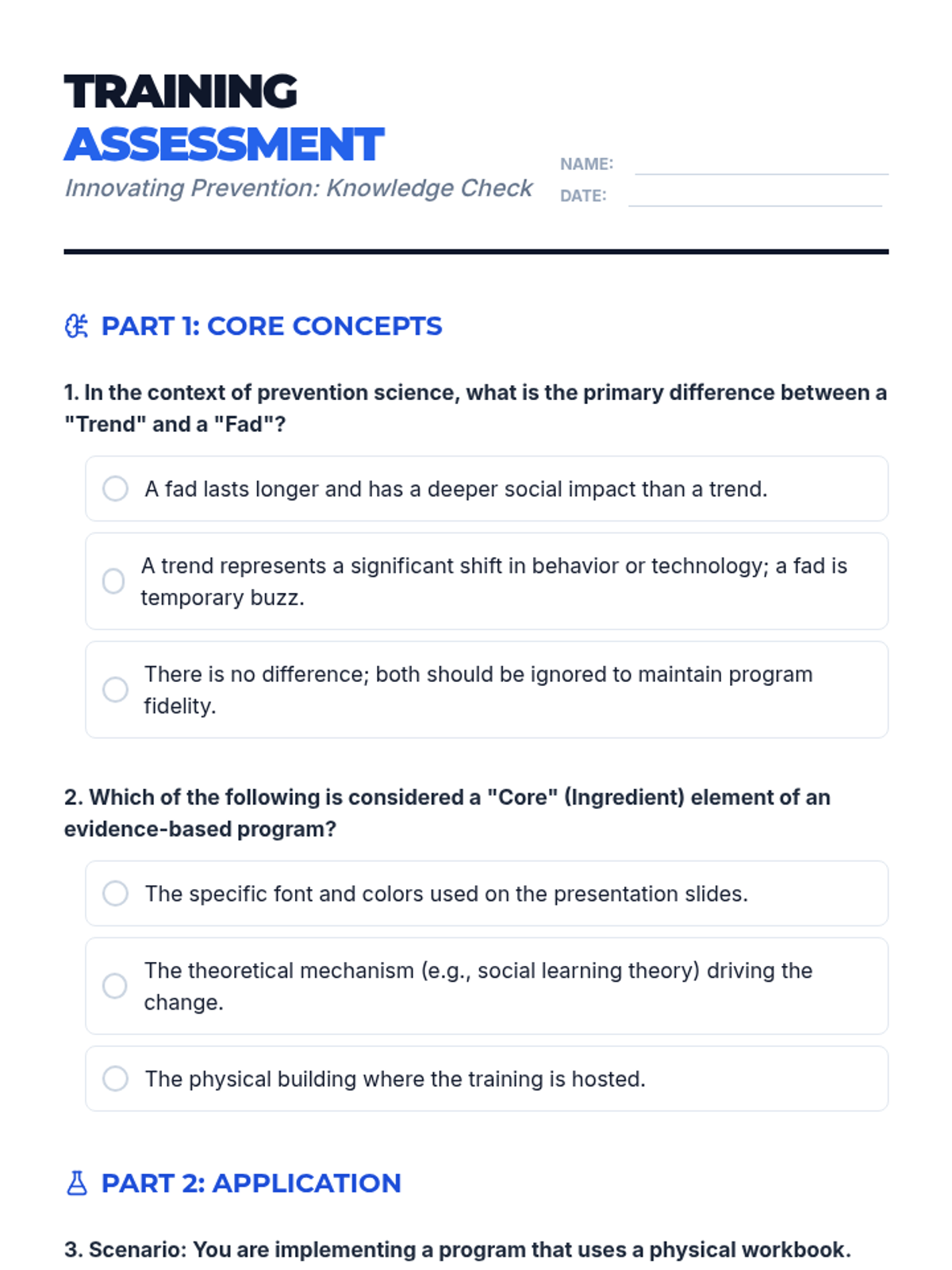
A comprehensive 2-hour training focused on identifying emerging trends in prevention science and integrating them into evidence-based strategies to maximize community impact.
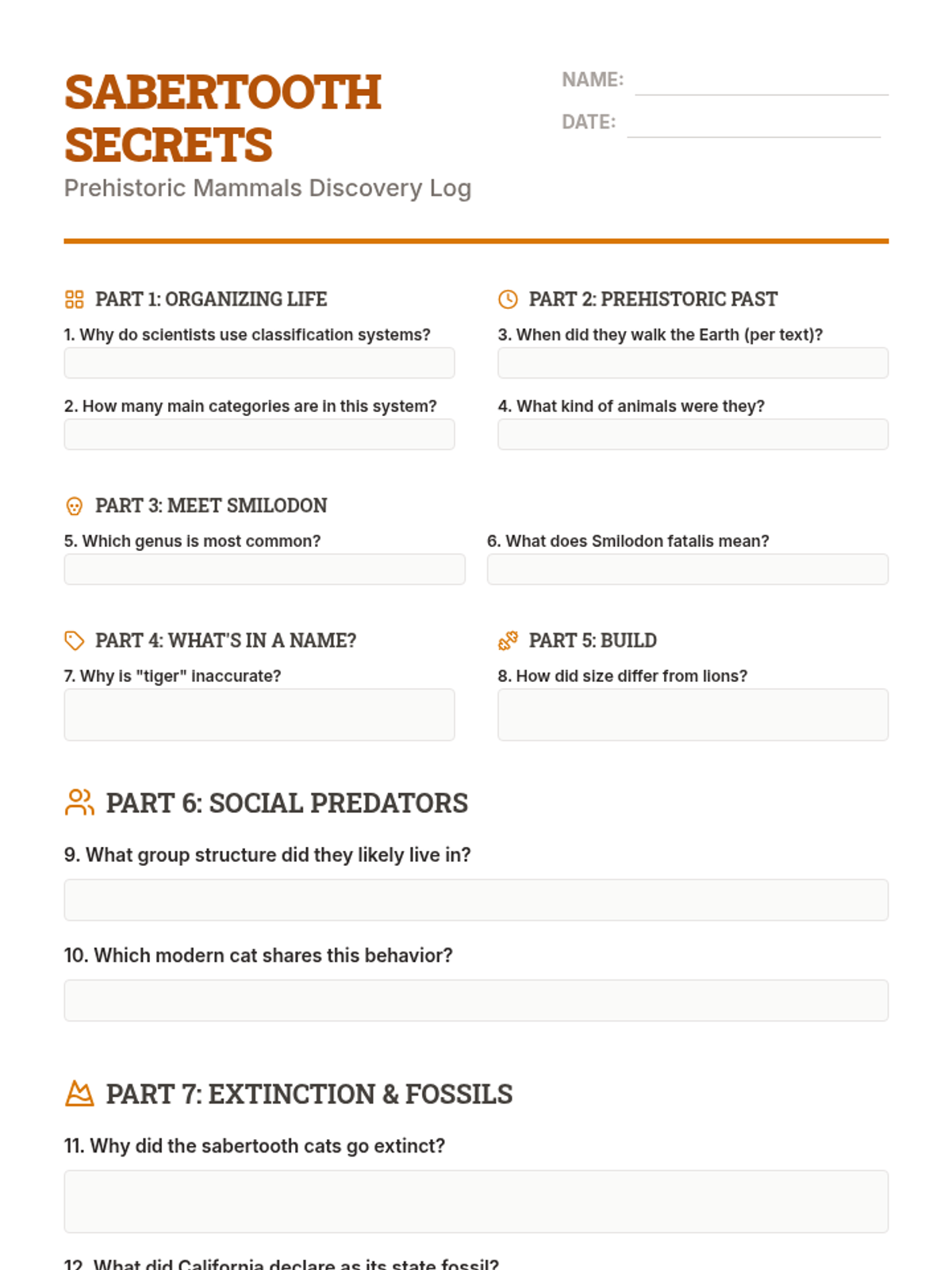
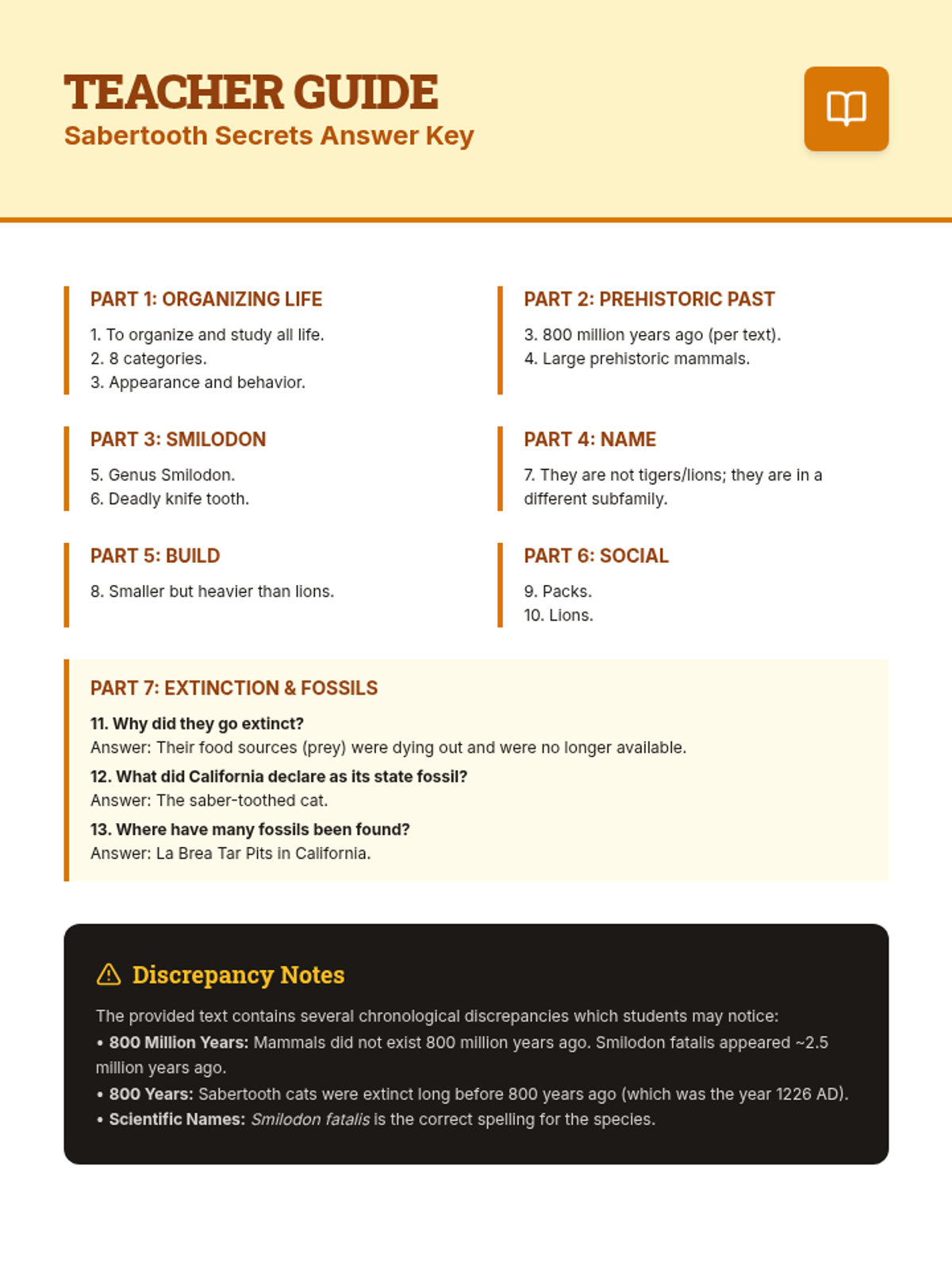
A lesson exploring the characteristics, classification, and social behavior of prehistoric Sabertooth cats.
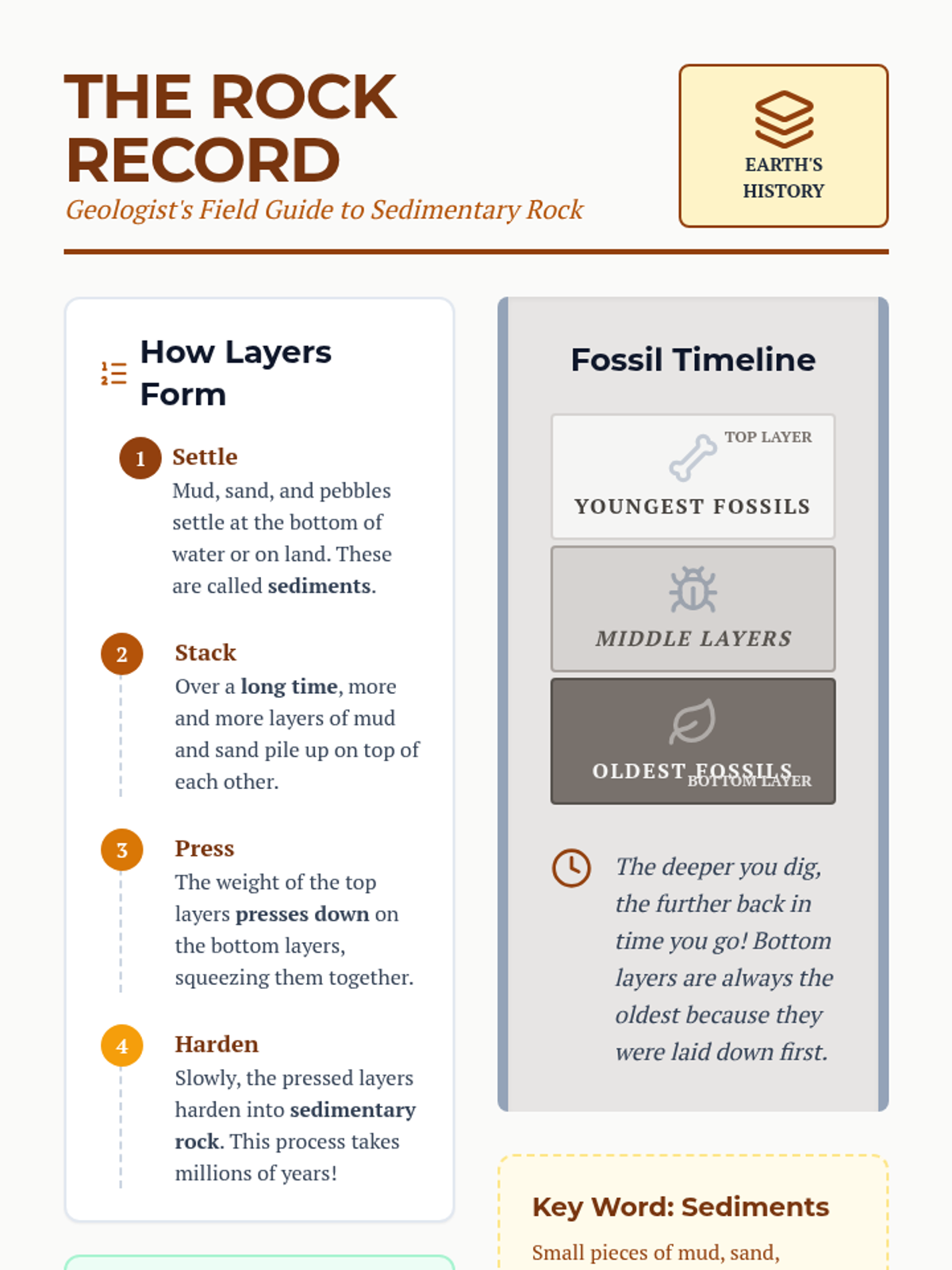
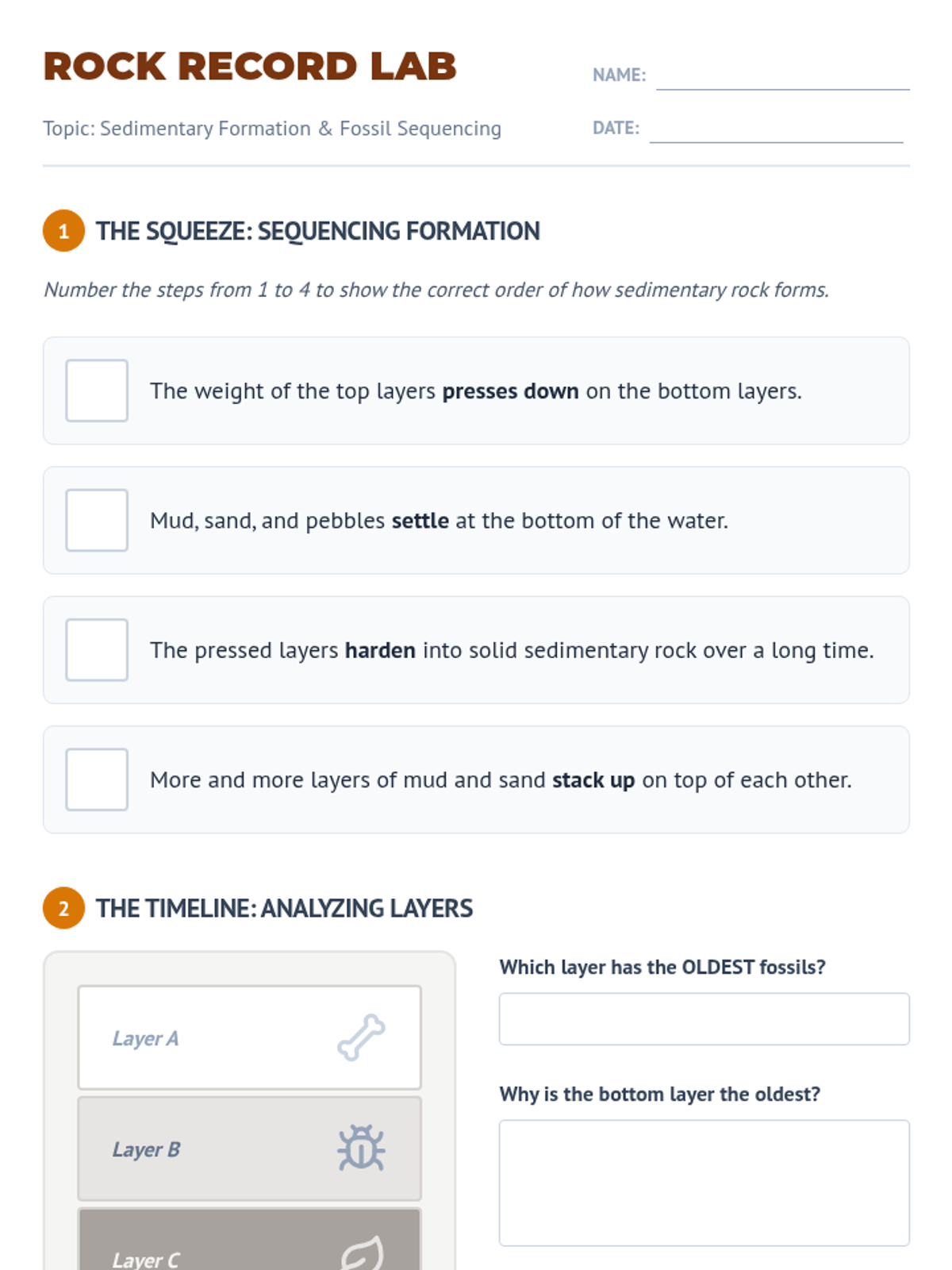
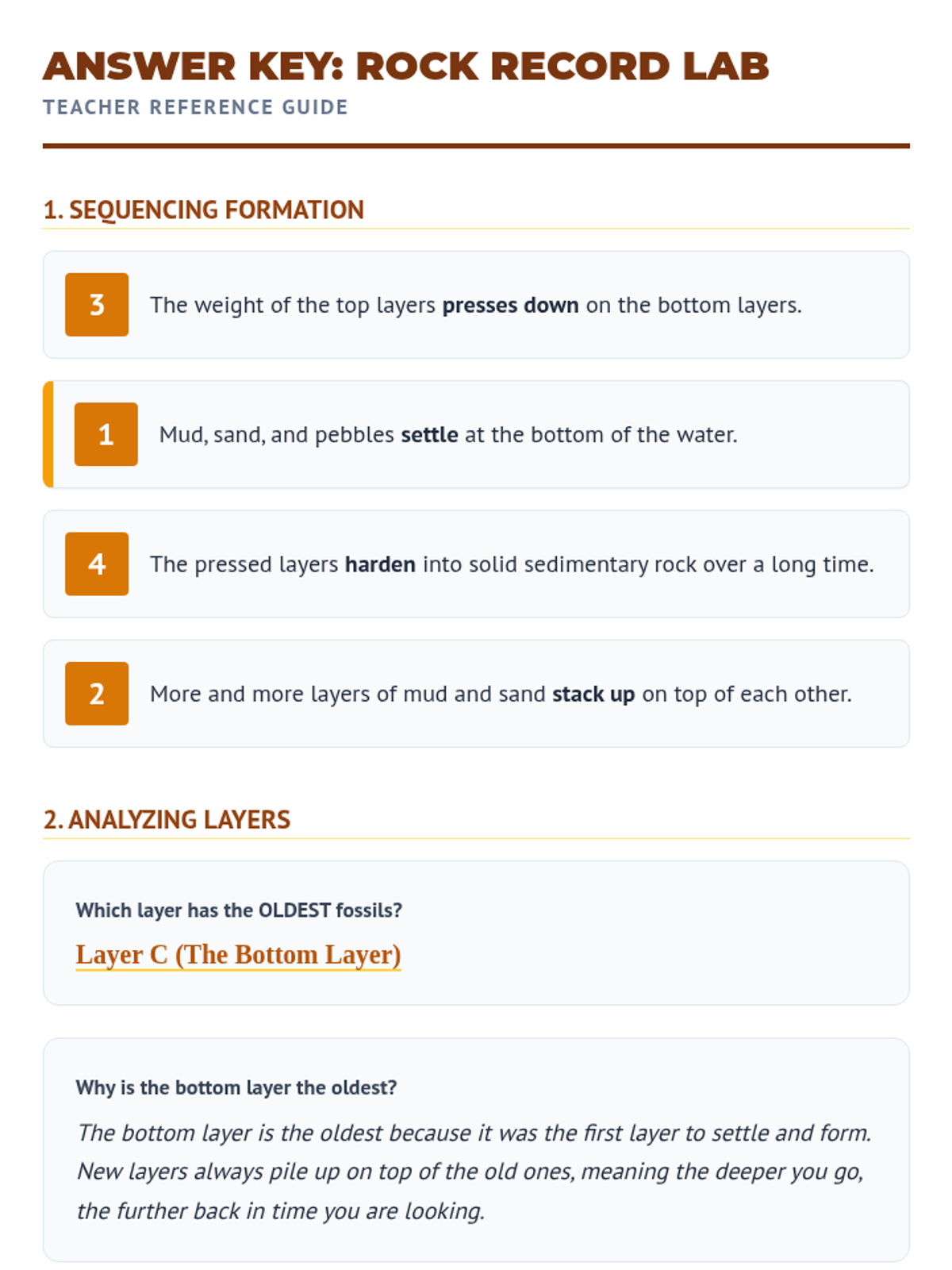
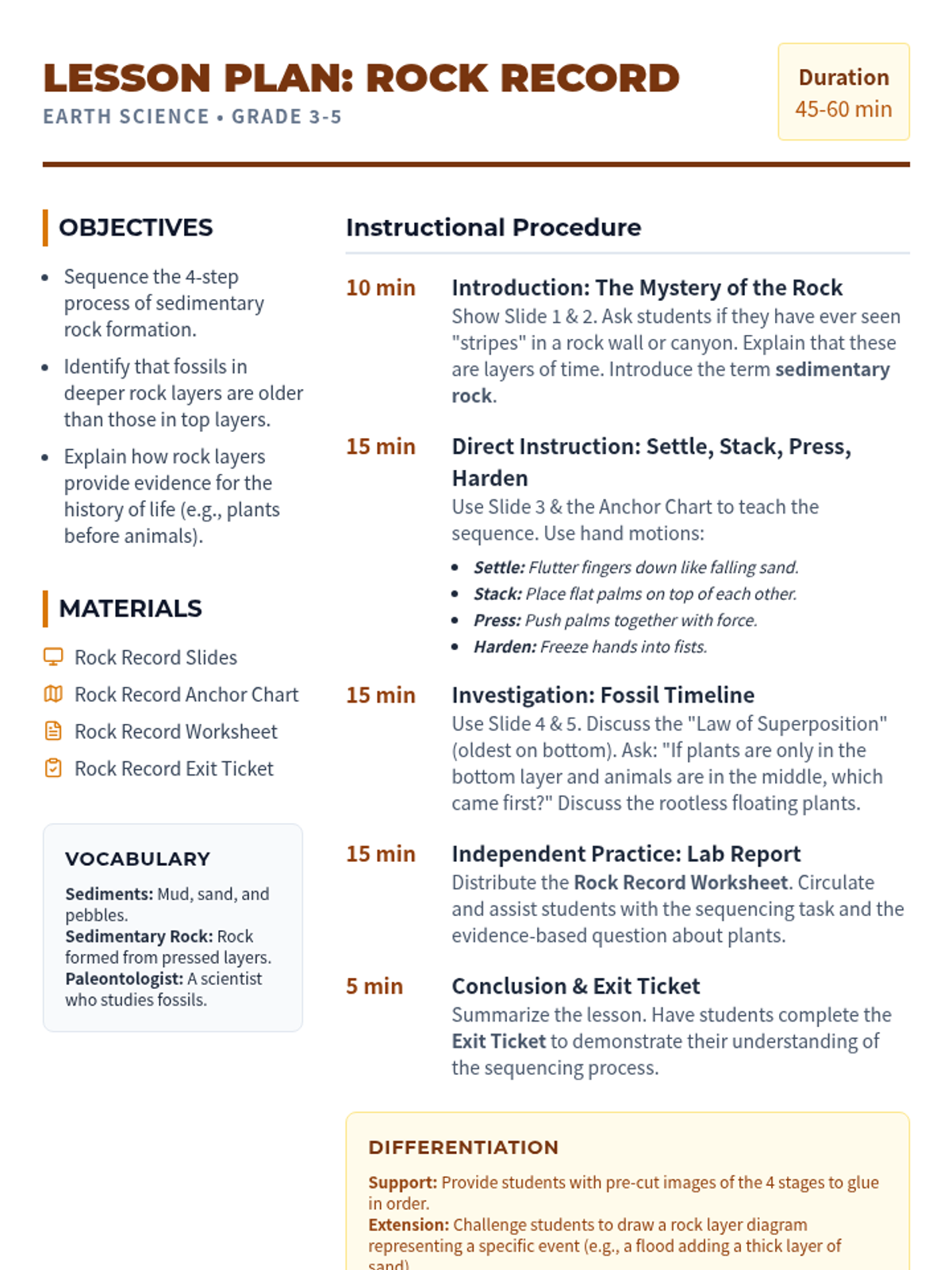
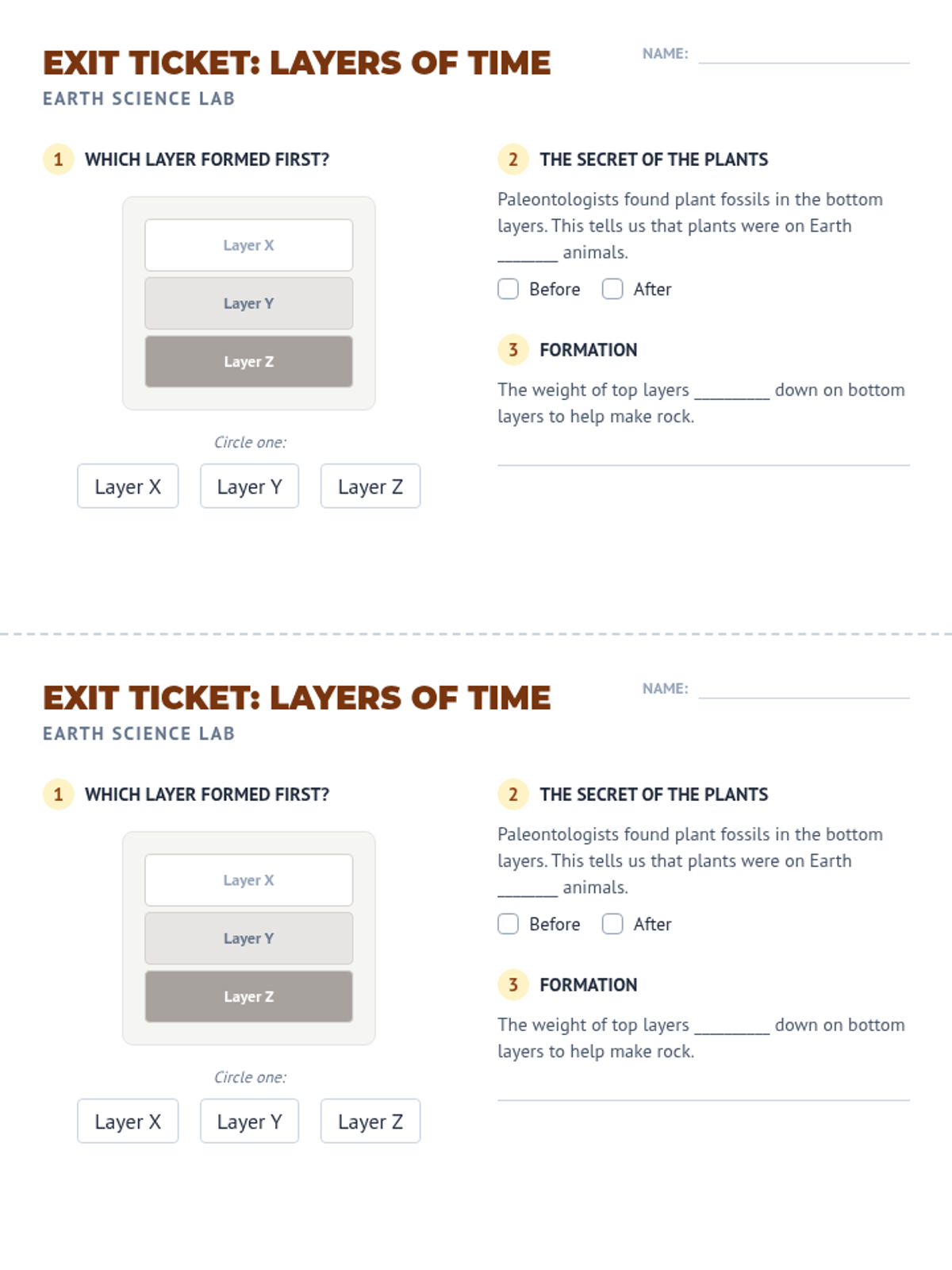
A lesson focused on the formation of sedimentary rocks and how their layers serve as a timeline for life on Earth, specifically focusing on the sequence of formation and fossil aging.
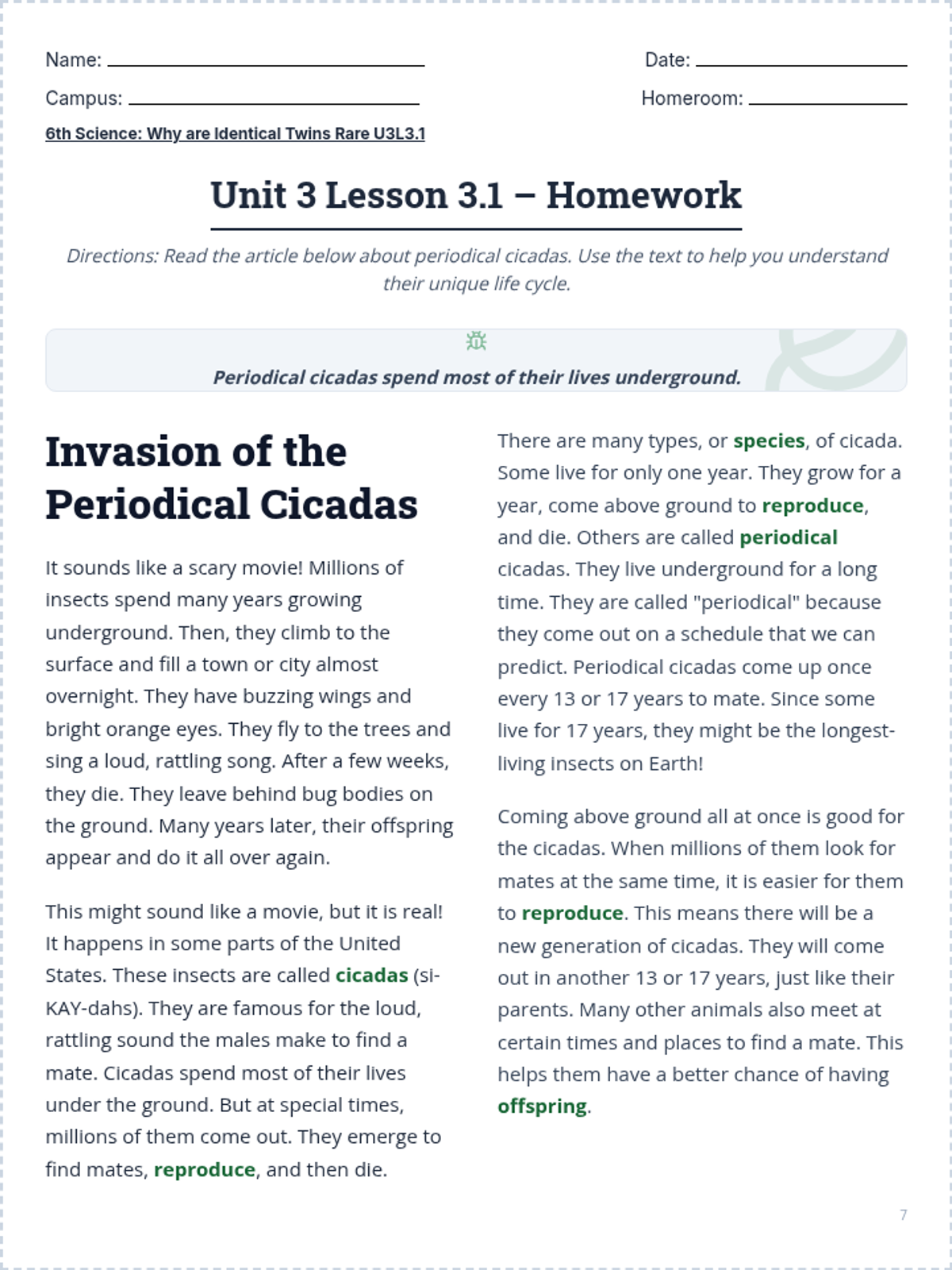
A lesson exploring the unique life cycle of periodical cicadas and how their emergence patterns help them survive and reproduce.
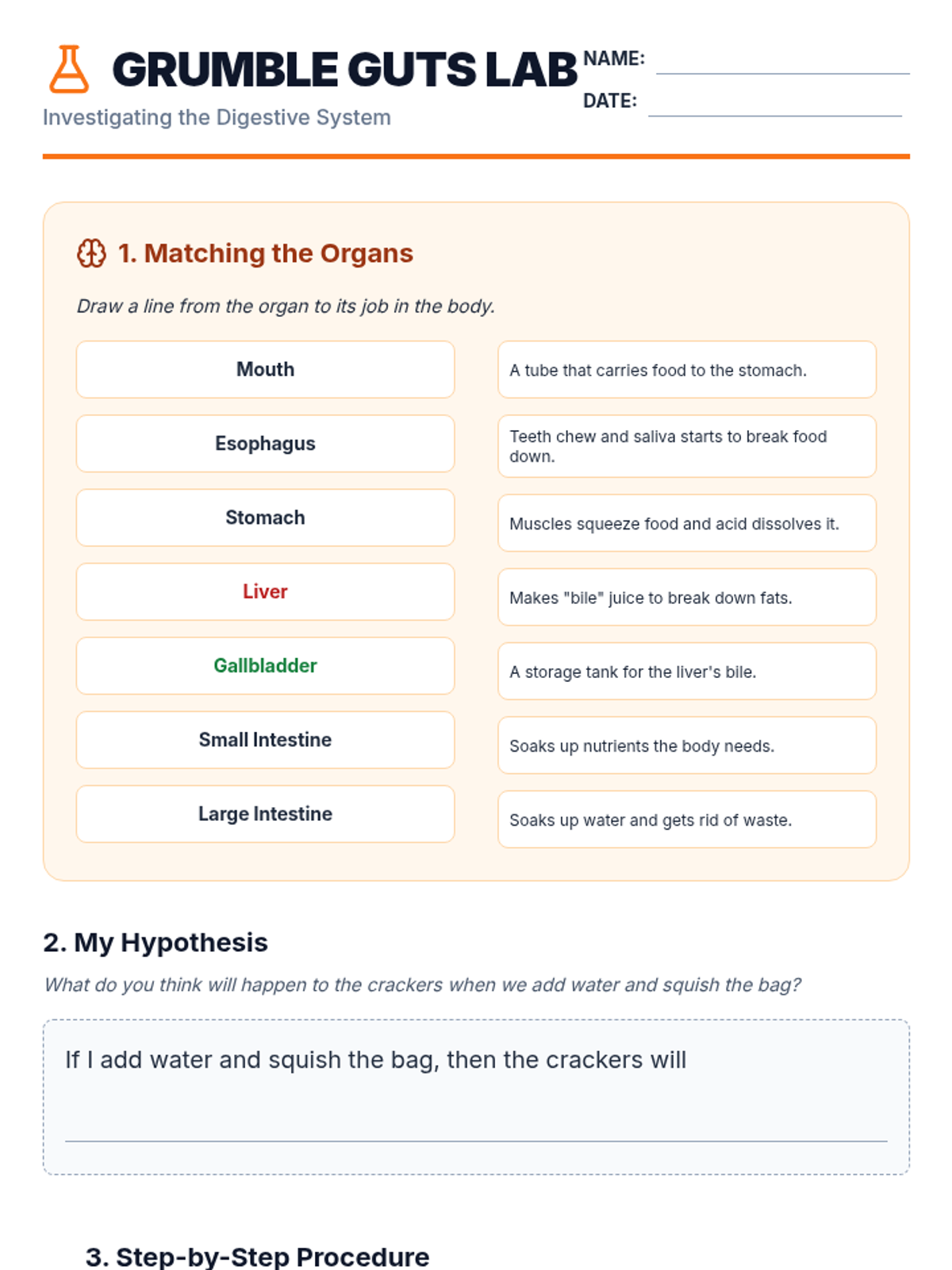
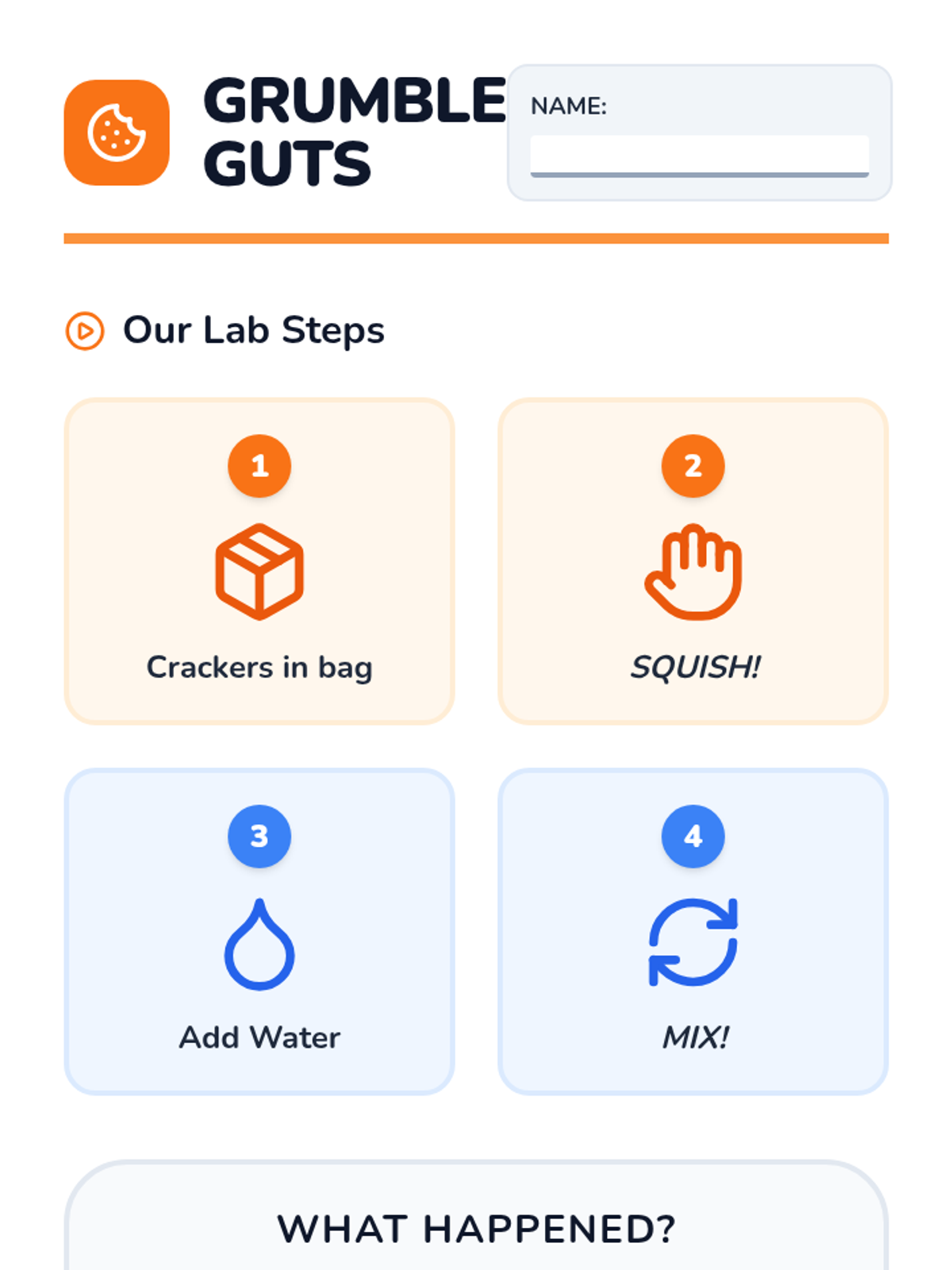
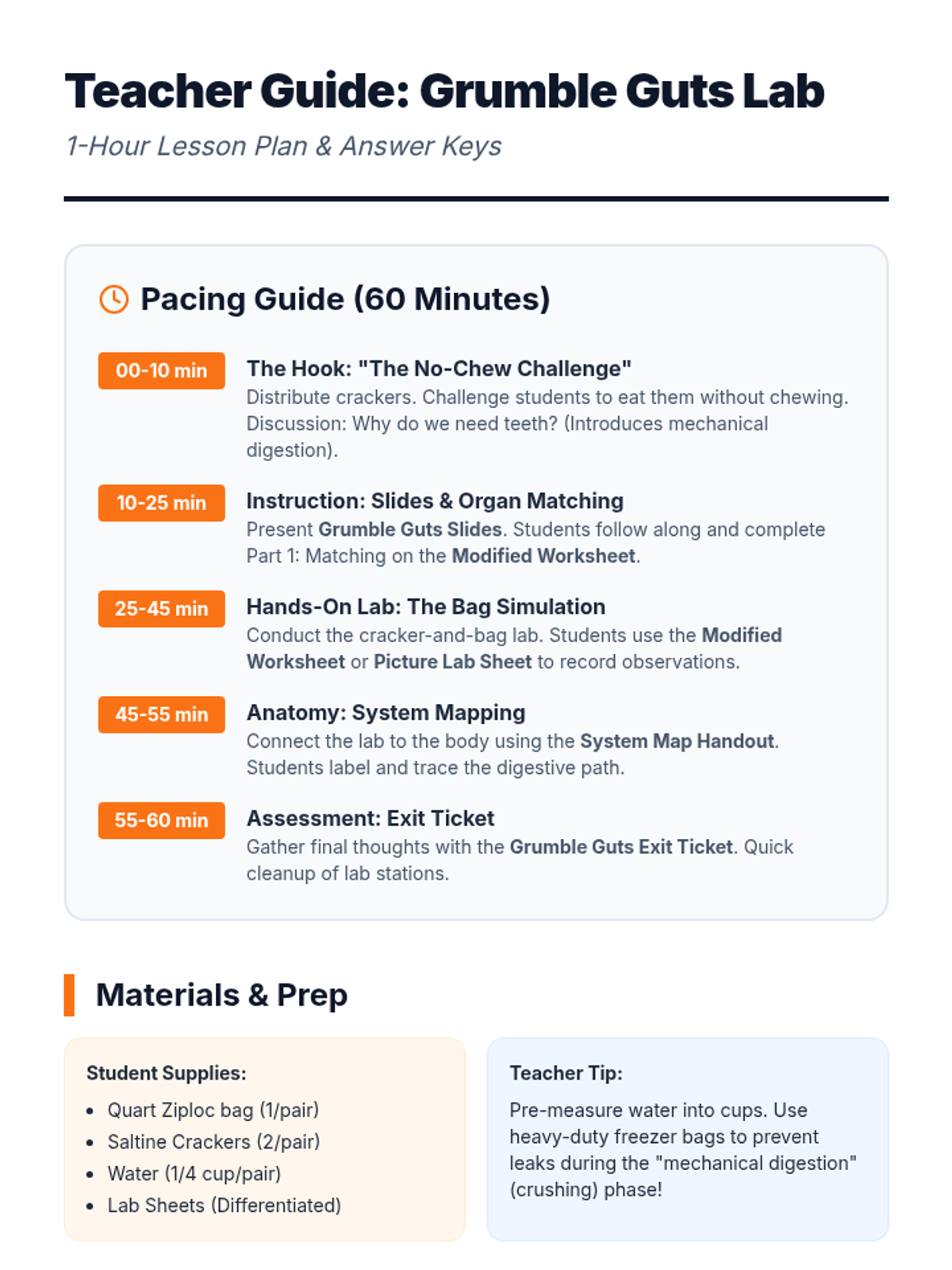
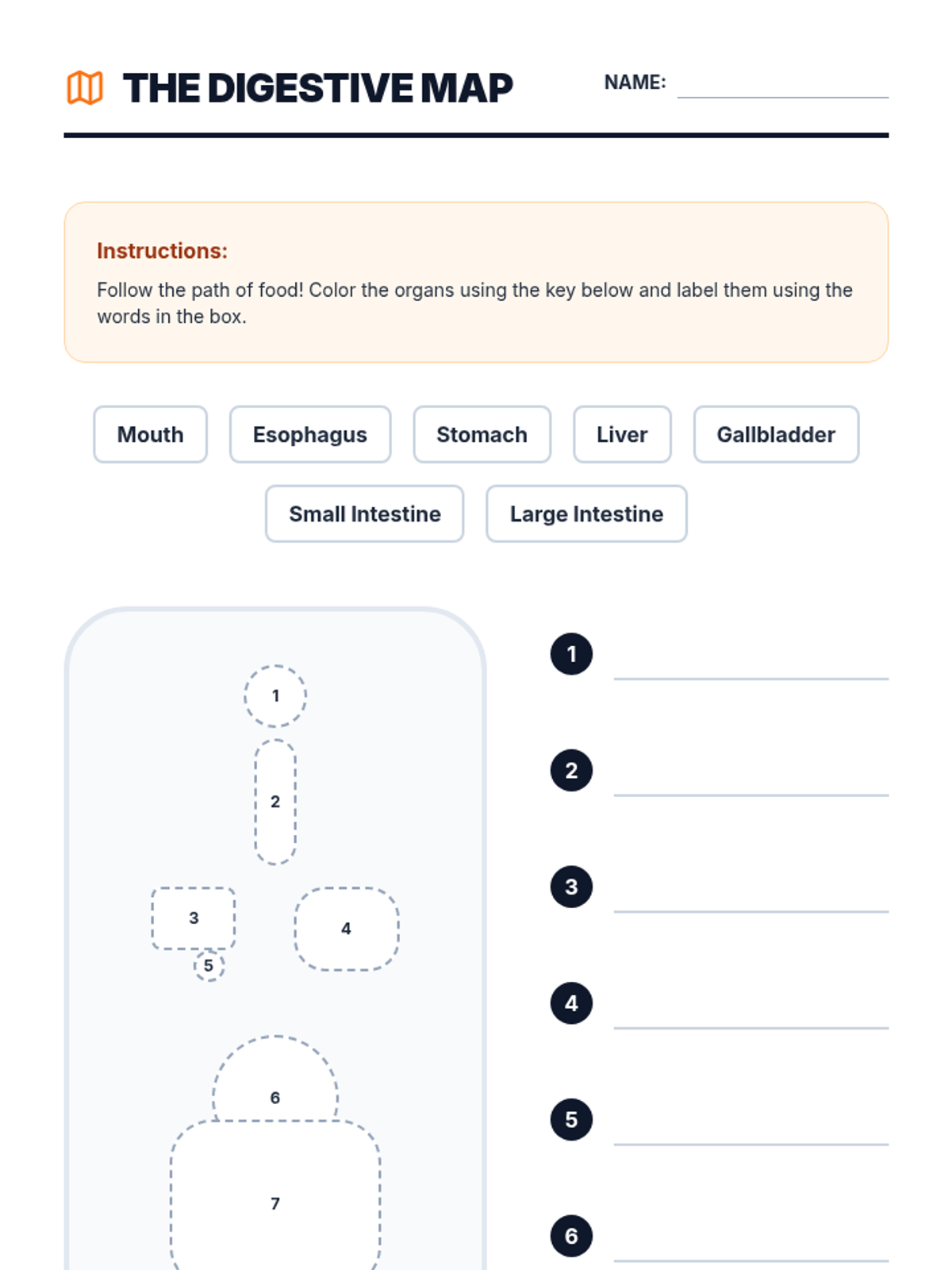
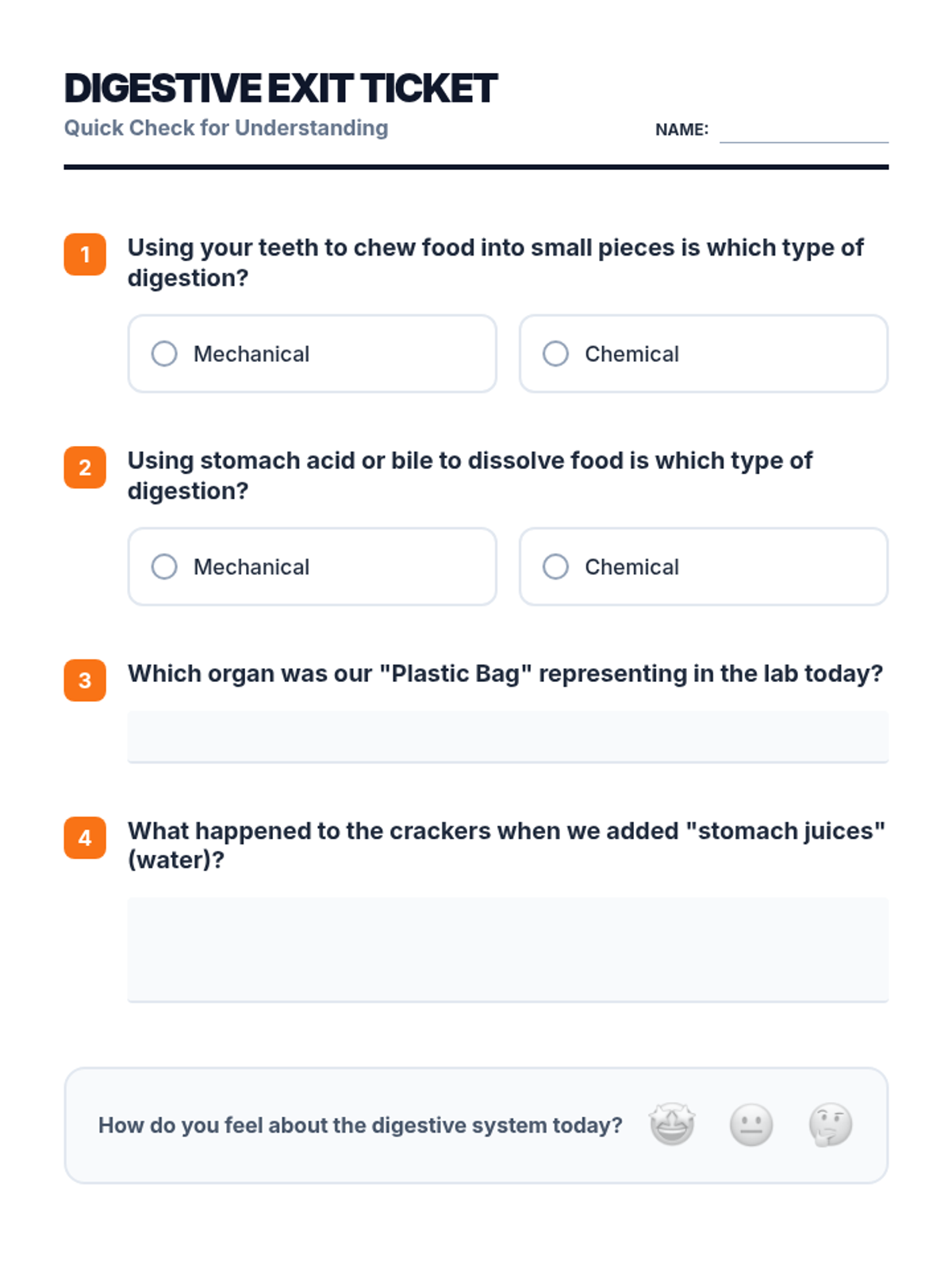
A hands-on science lab using crackers, water, and plastic bags to simulate the digestive process, with differentiated materials for various learner needs.
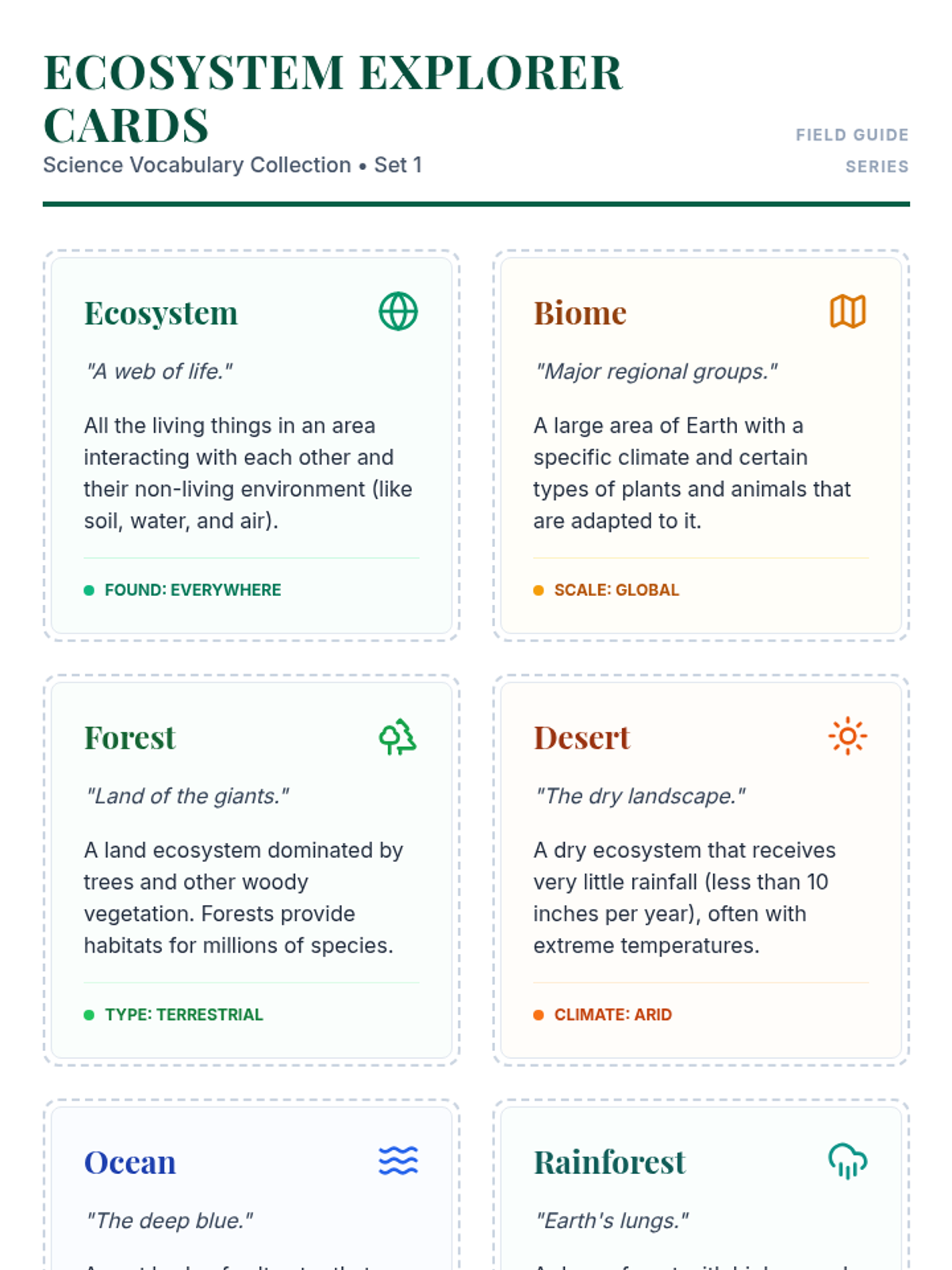
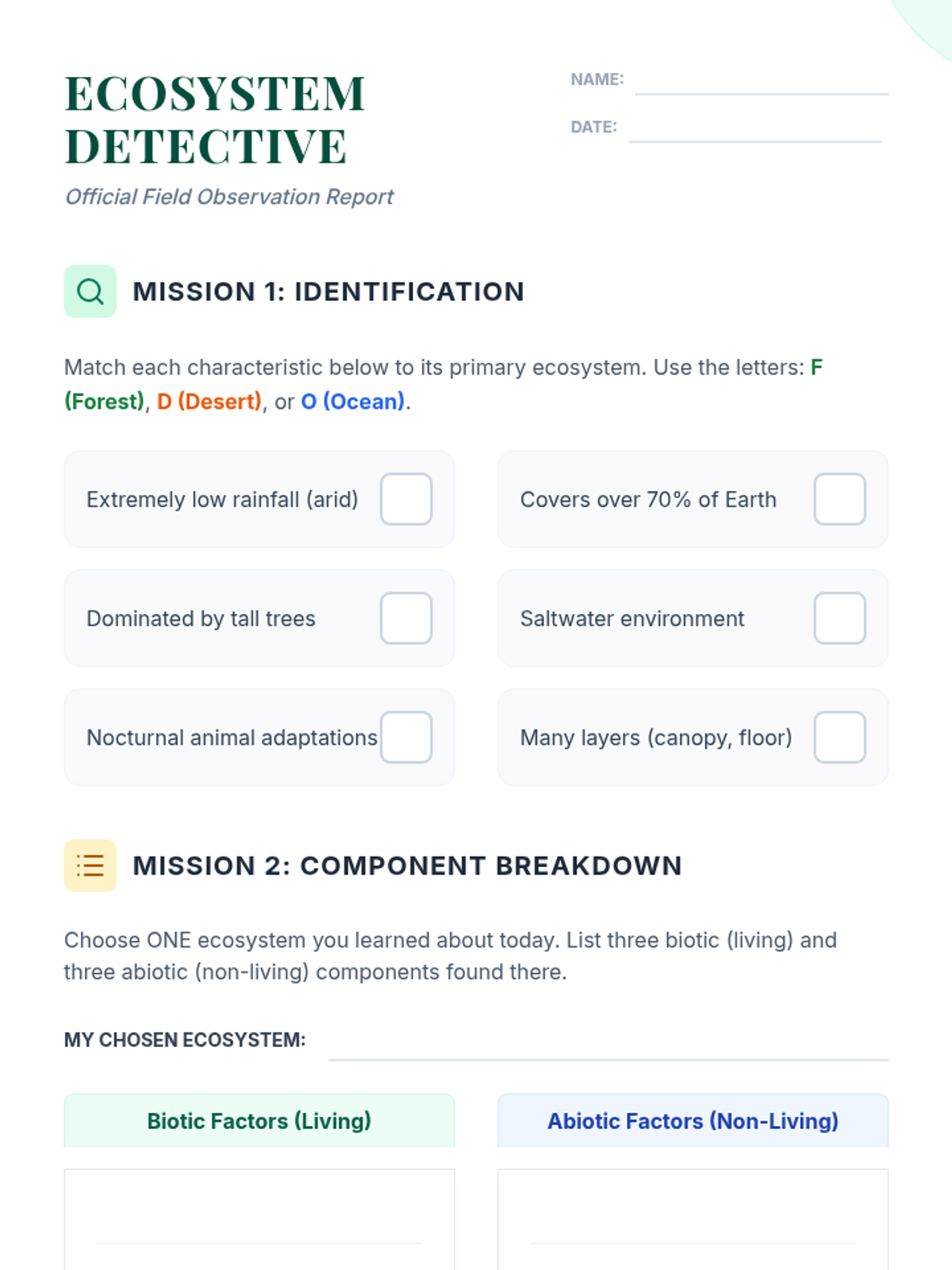
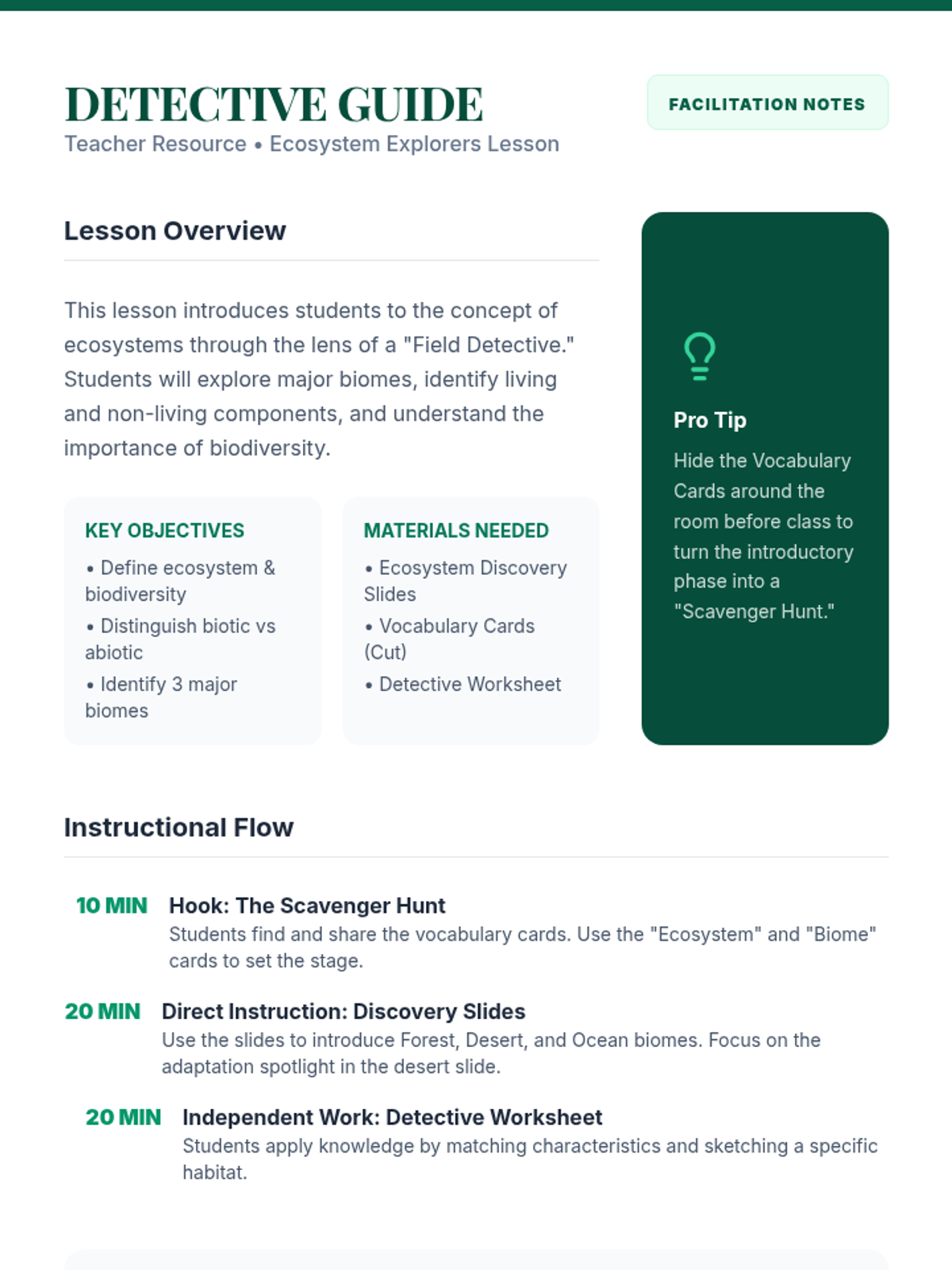
A lesson introducing students to various ecosystems through vocabulary and visual identification. Students will learn the key characteristics of different biomes including forests, deserts, and oceans.
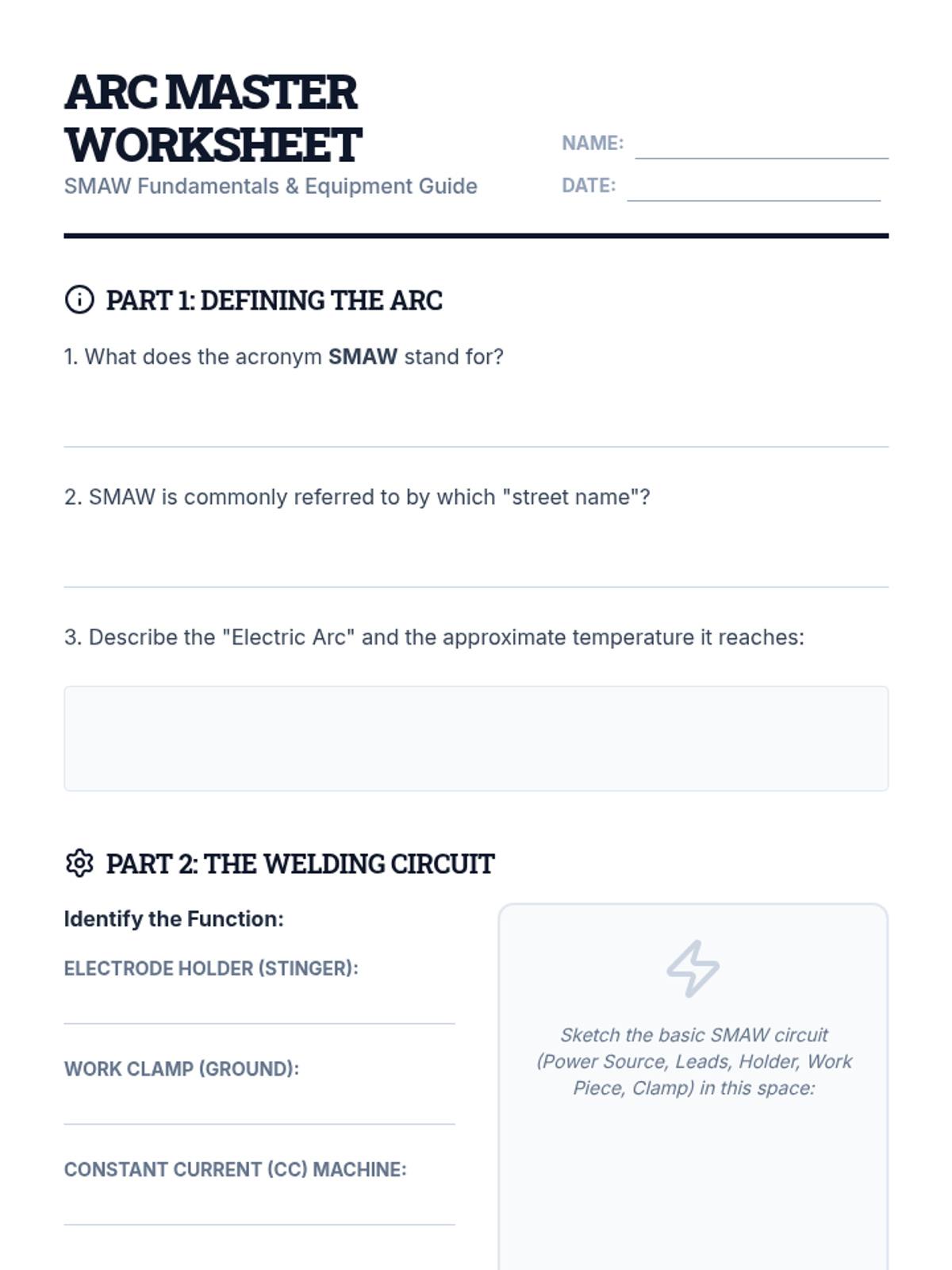
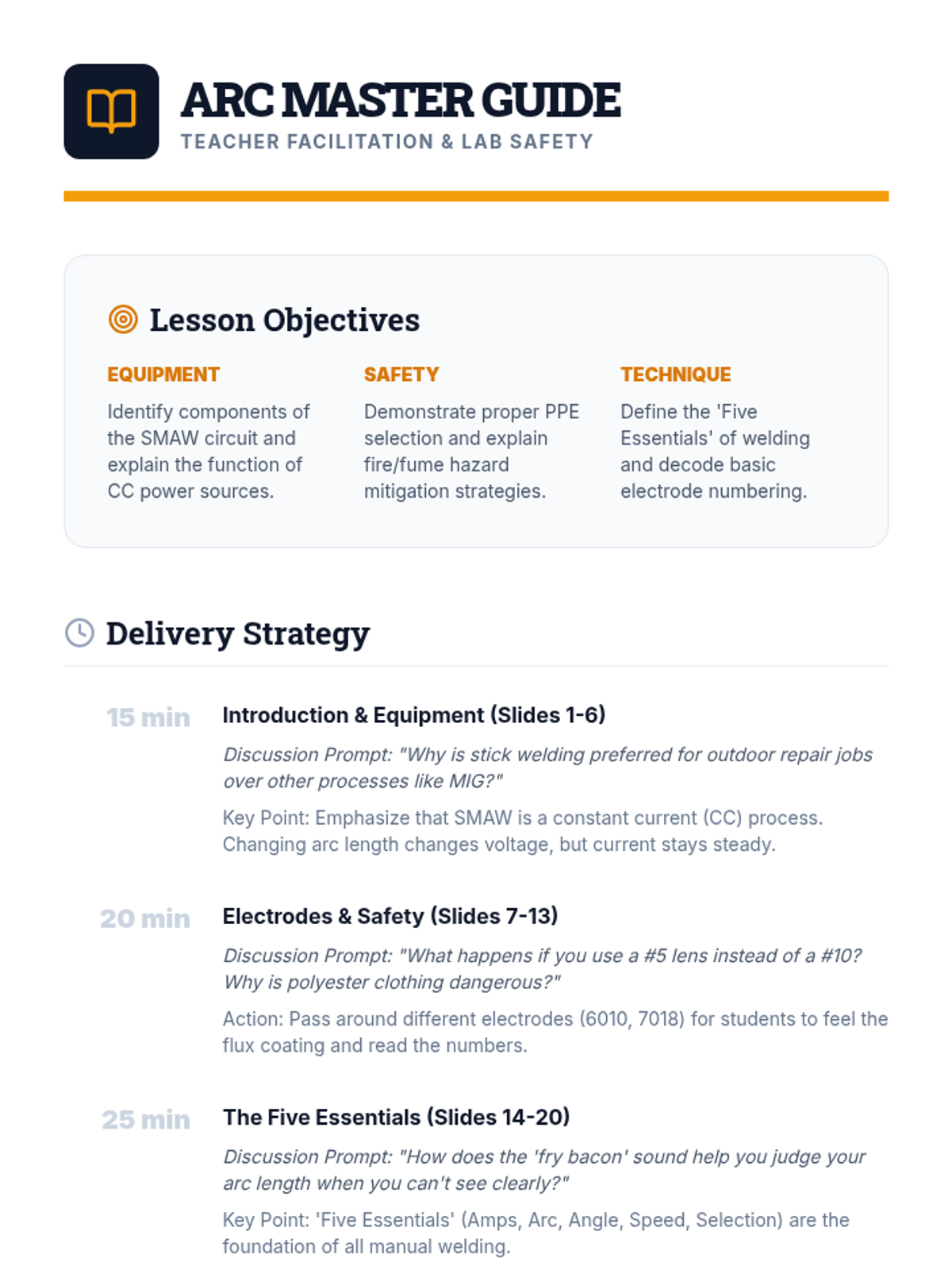
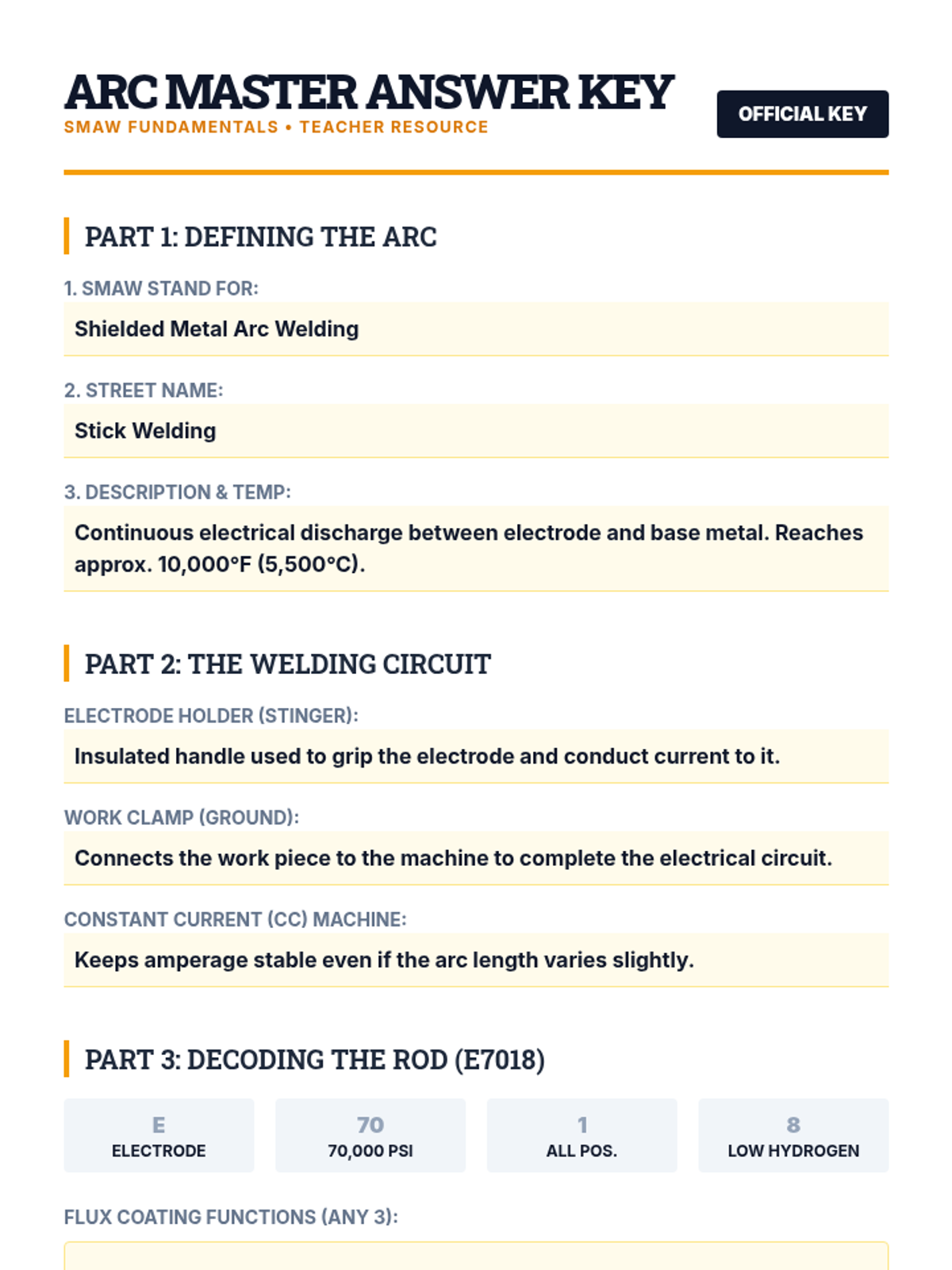
This lesson covers the fundamental principles of Shielded Metal Arc Welding (SMAW), including equipment operation, safety protocols, and core welding techniques for beginners.
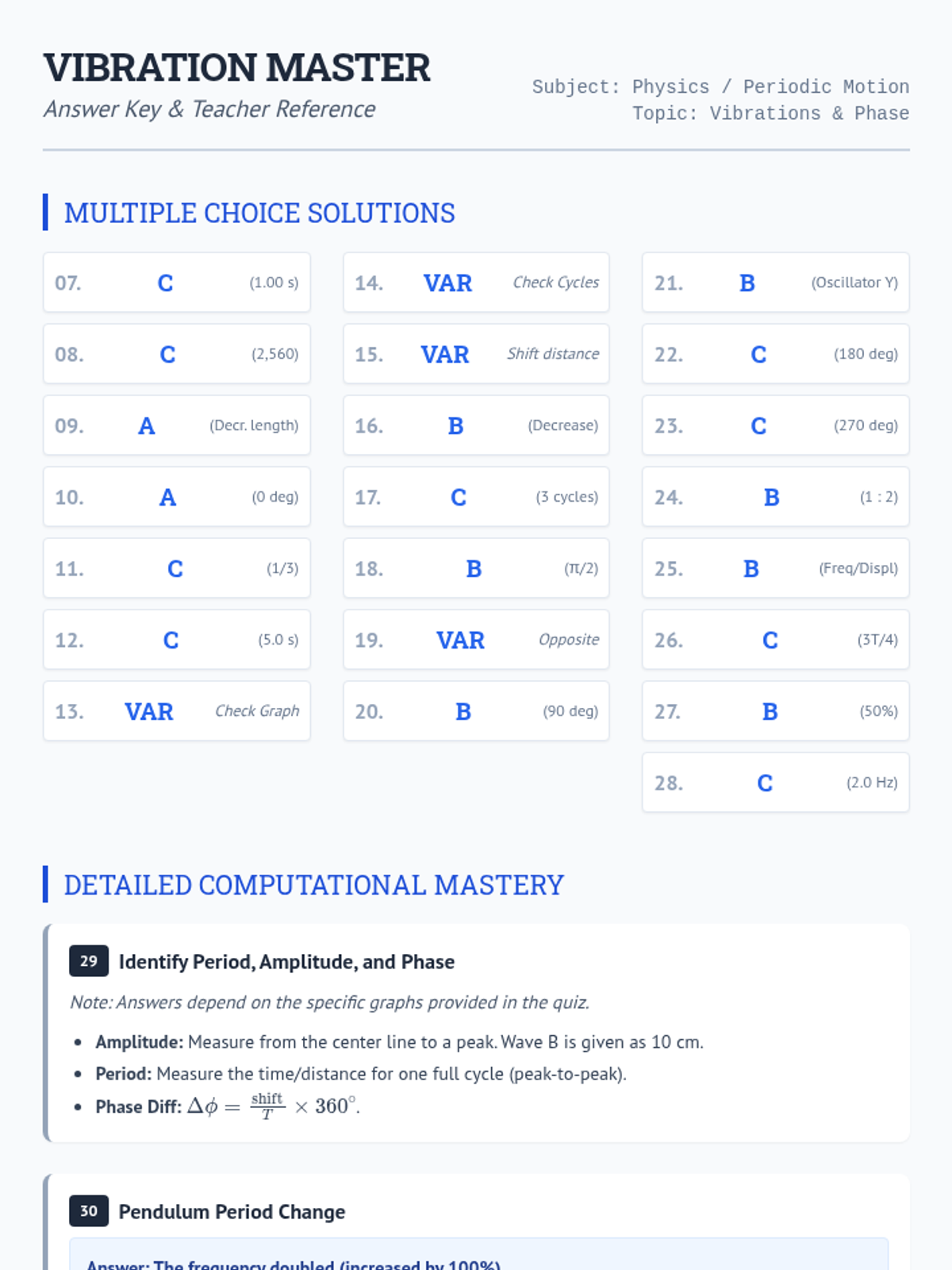
A lesson focused on the properties of periodic motion, including frequency, period, and phase relationships in oscillators like pendulums and tuning forks.
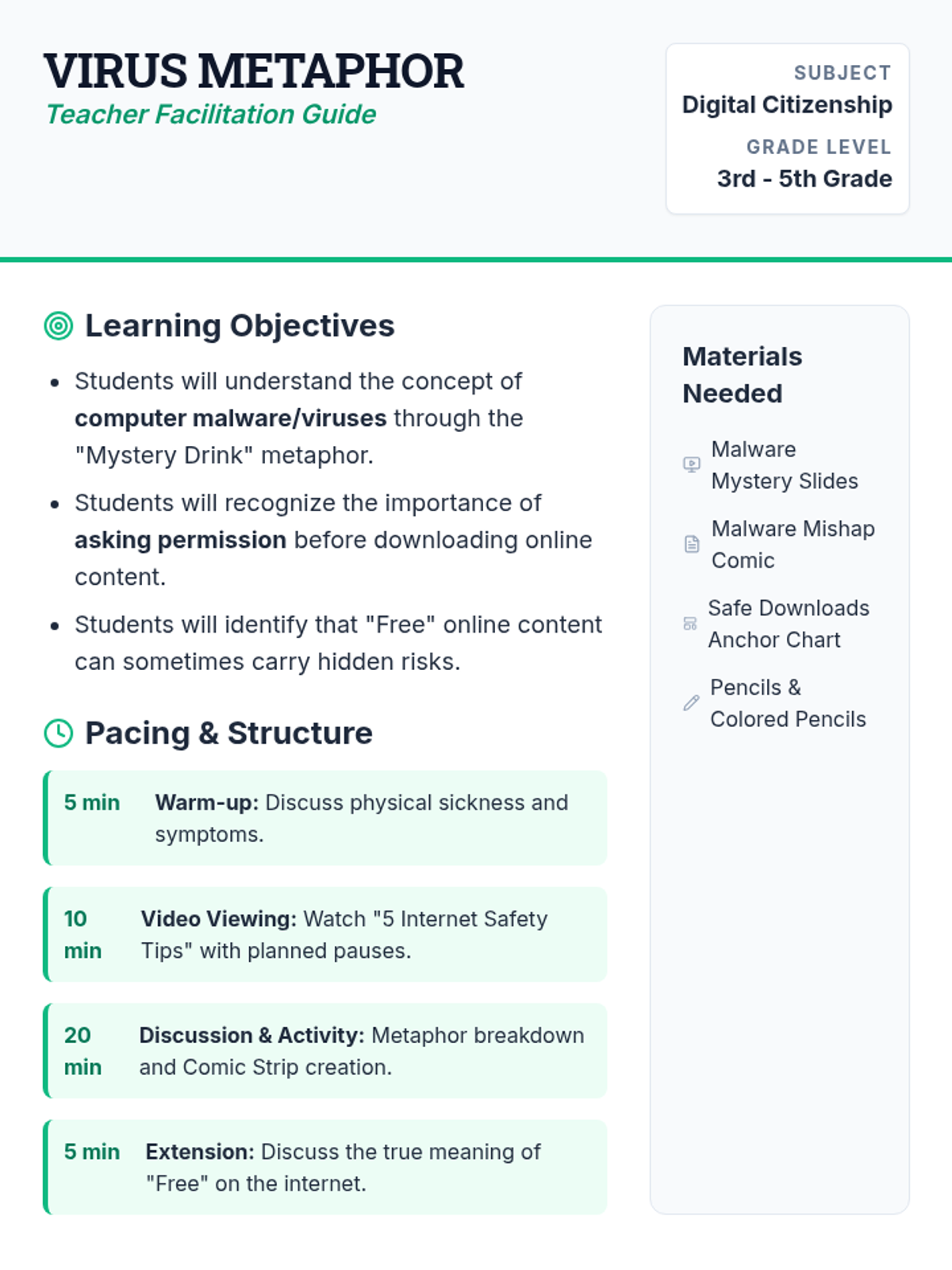
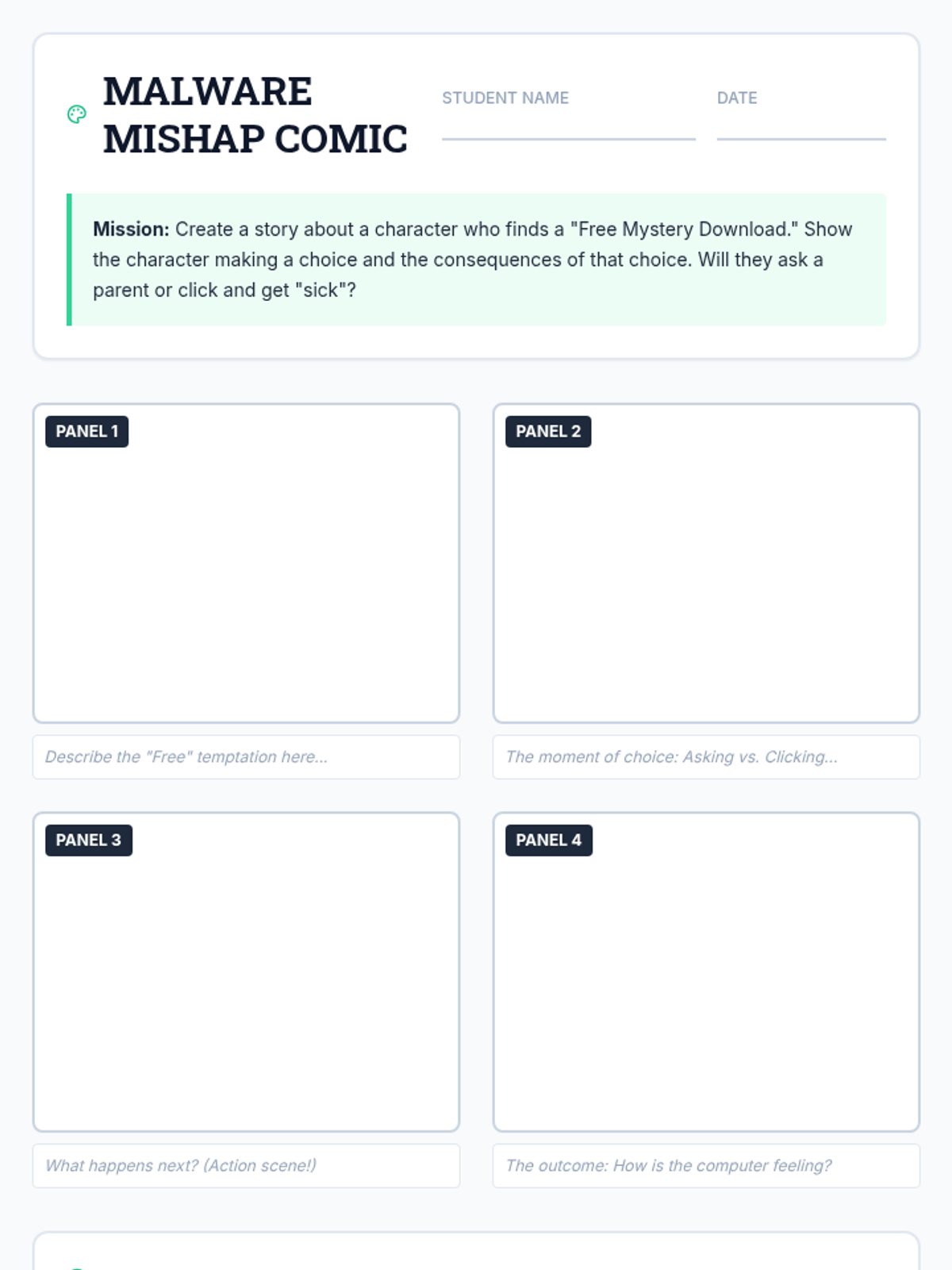
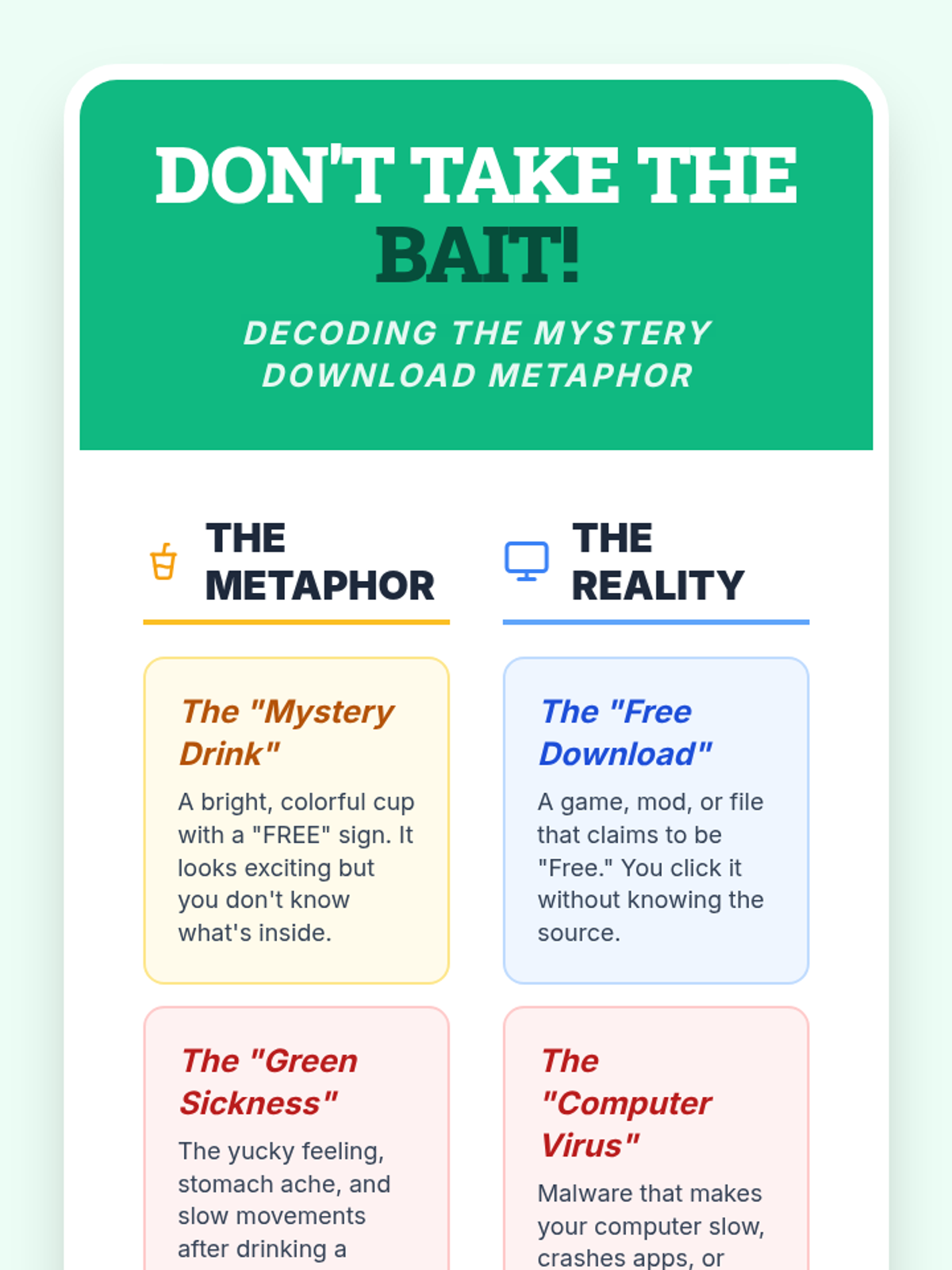
A lesson that uses a 'mystery drink' metaphor to teach students about computer viruses and the critical importance of asking for permission before downloading files from the internet.
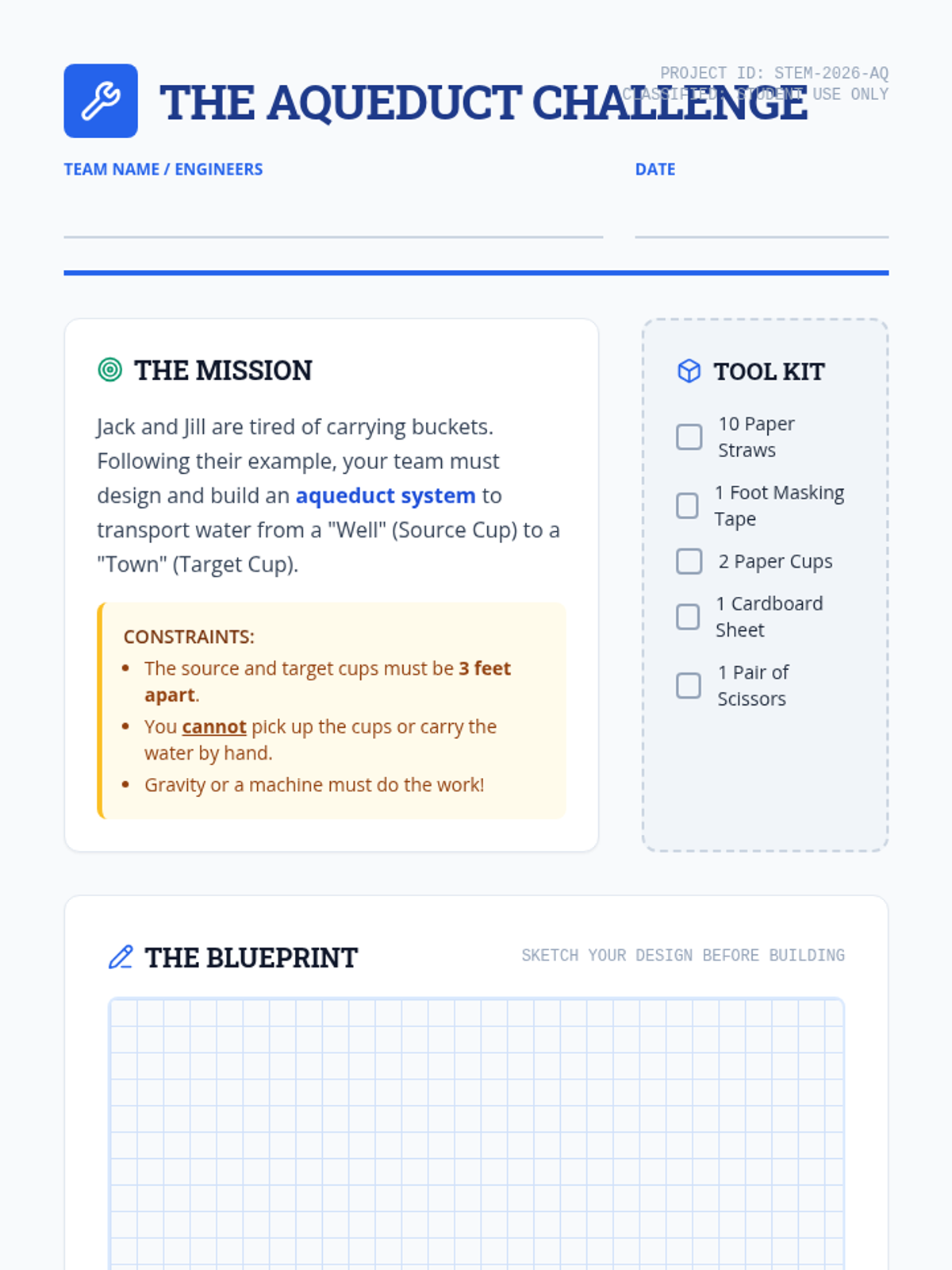
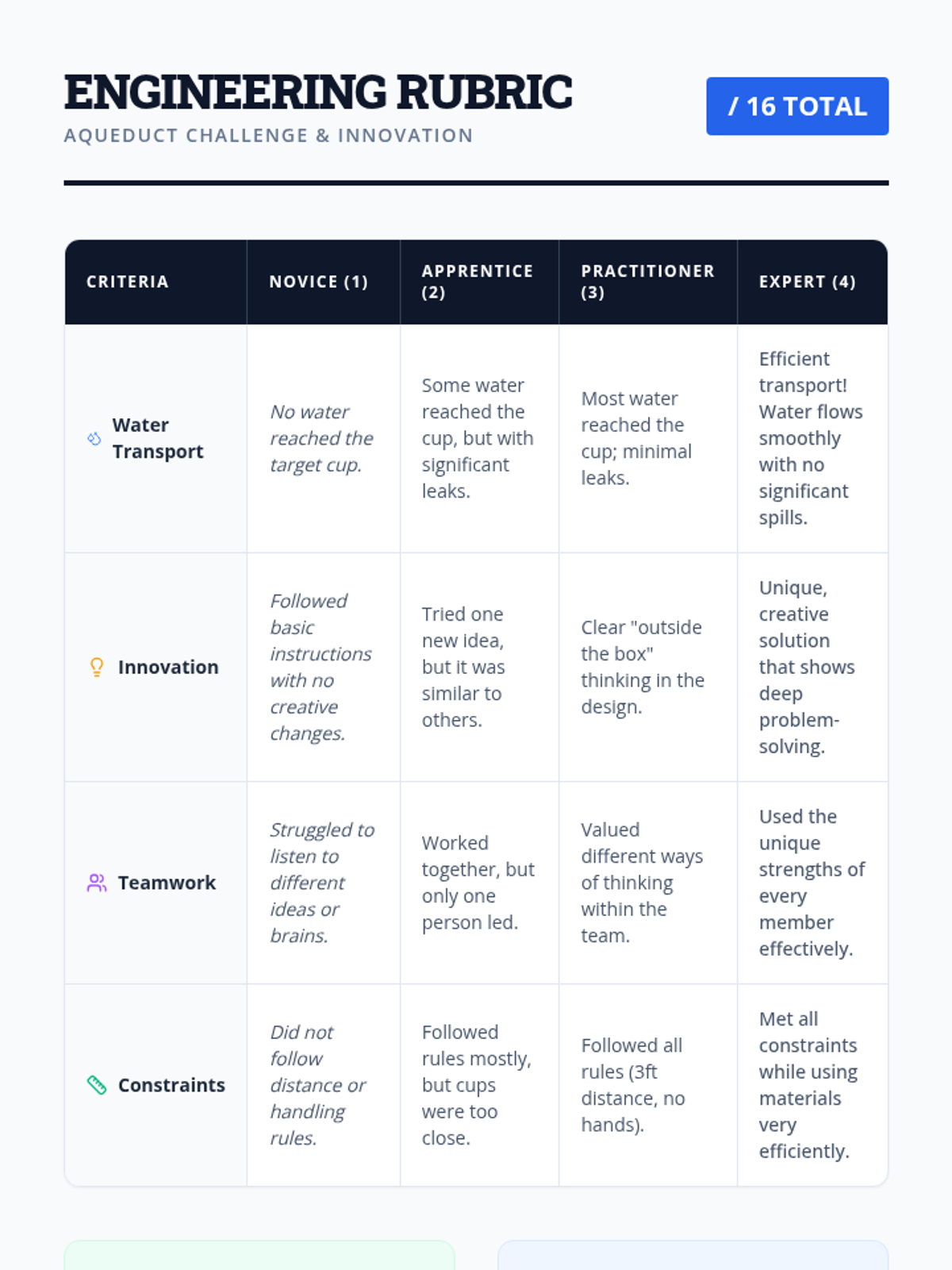
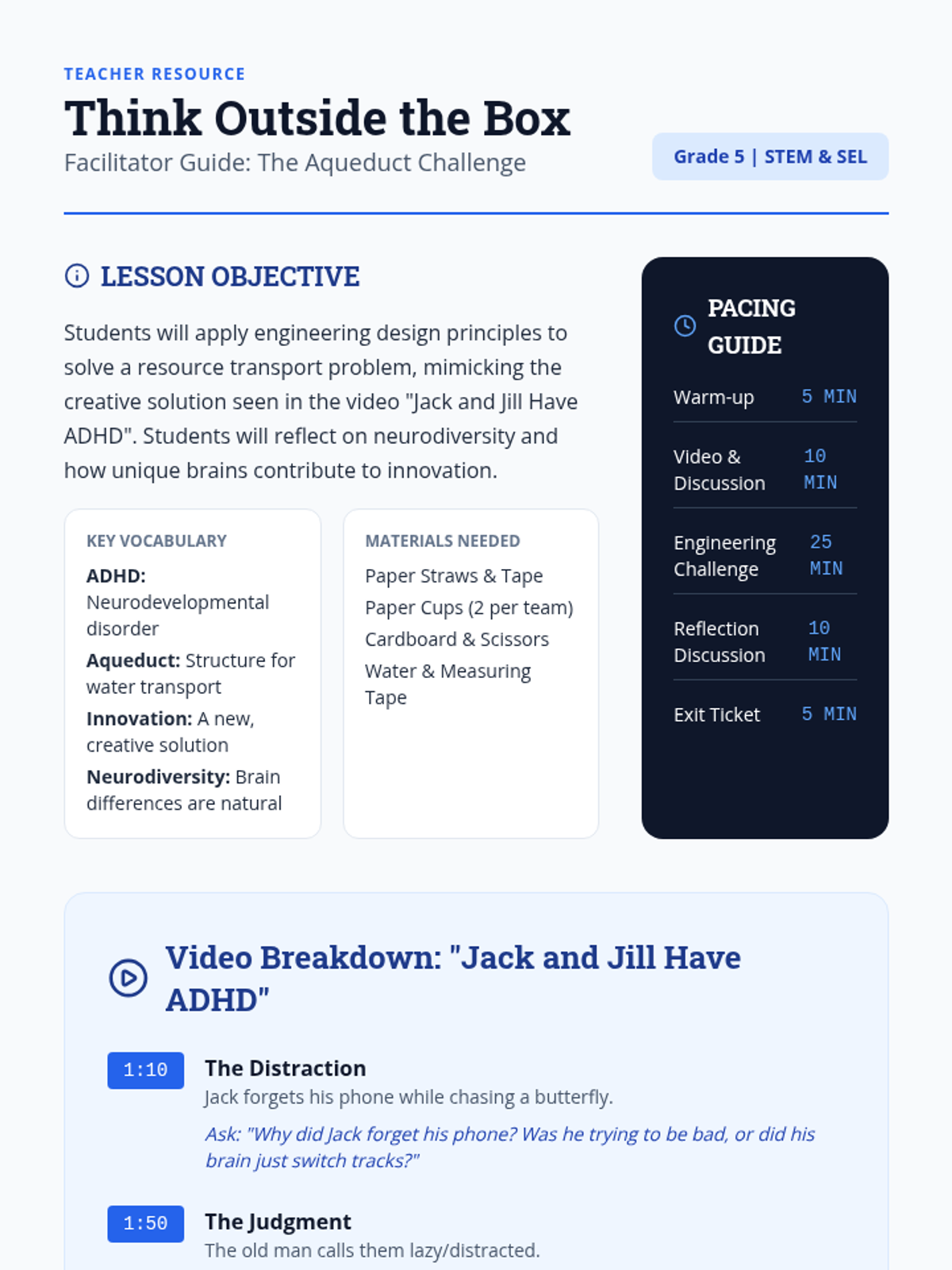
A 5th-grade STEM lesson where students explore the concept of neurodiversity and engineering through the lens of Jack and Jill's creative solution to a water transport problem. Students will design and build their own aqueducts to move water without carrying it, reflecting on how 'thinking outside the box' leads to innovation.
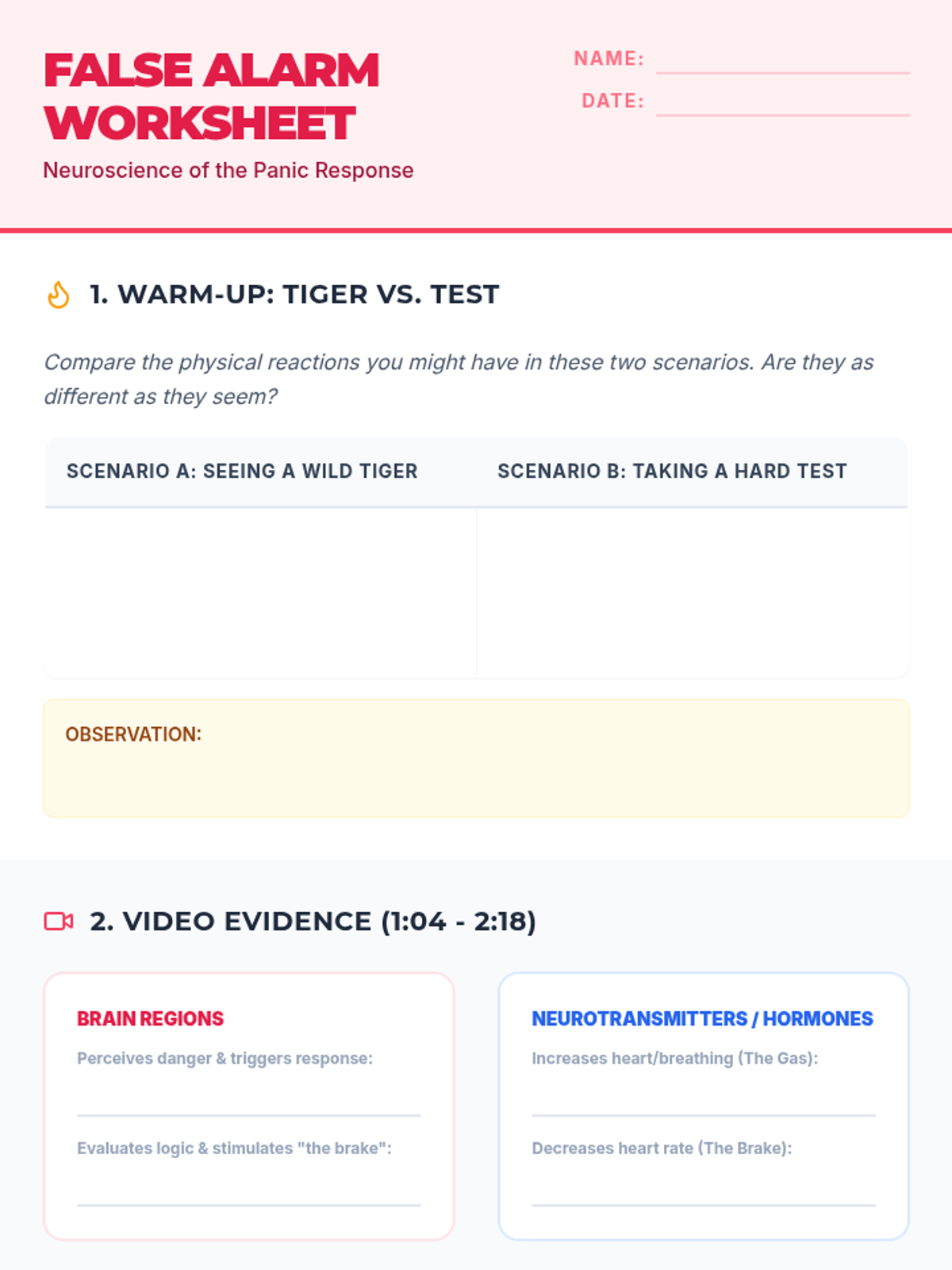
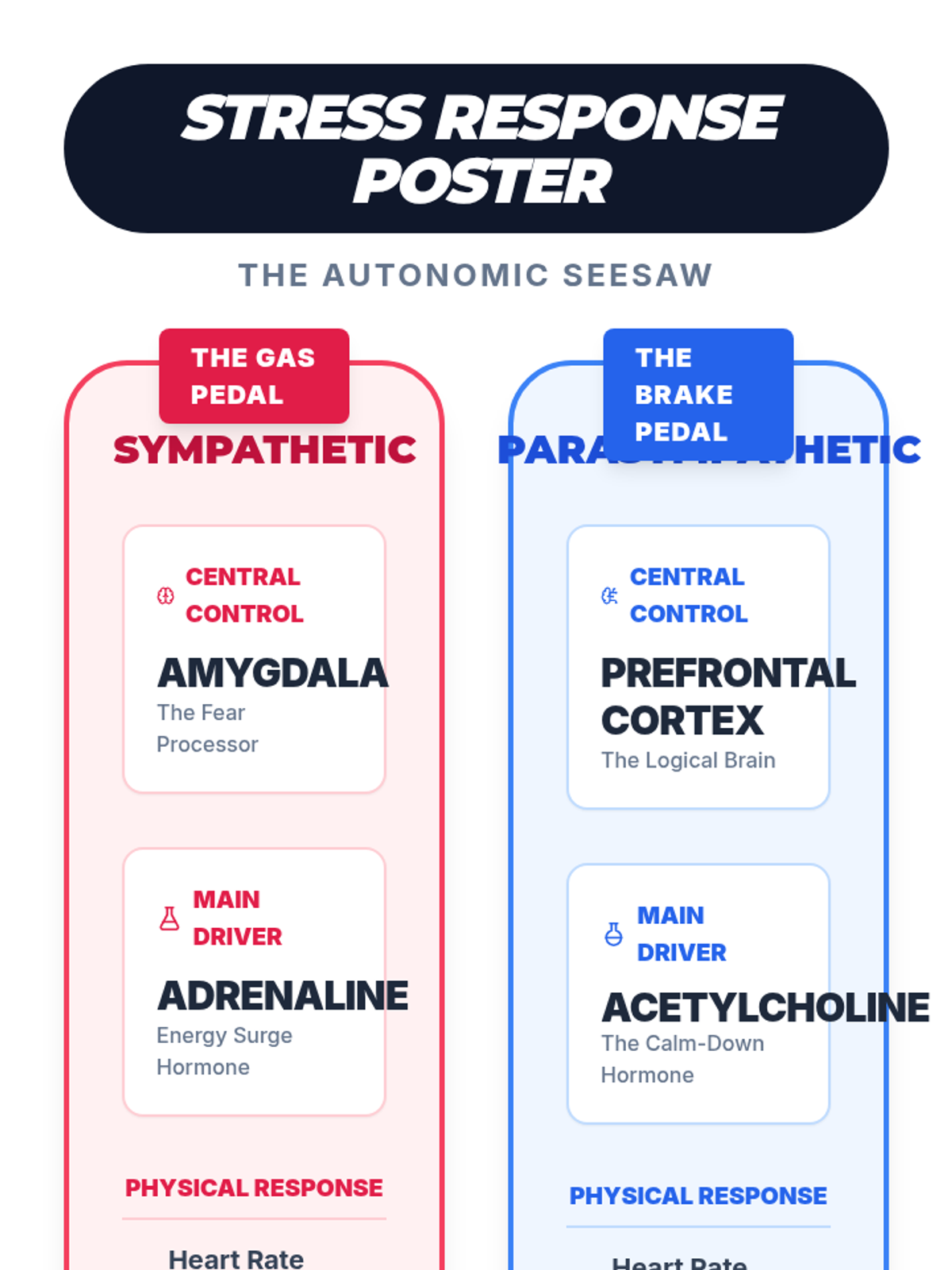
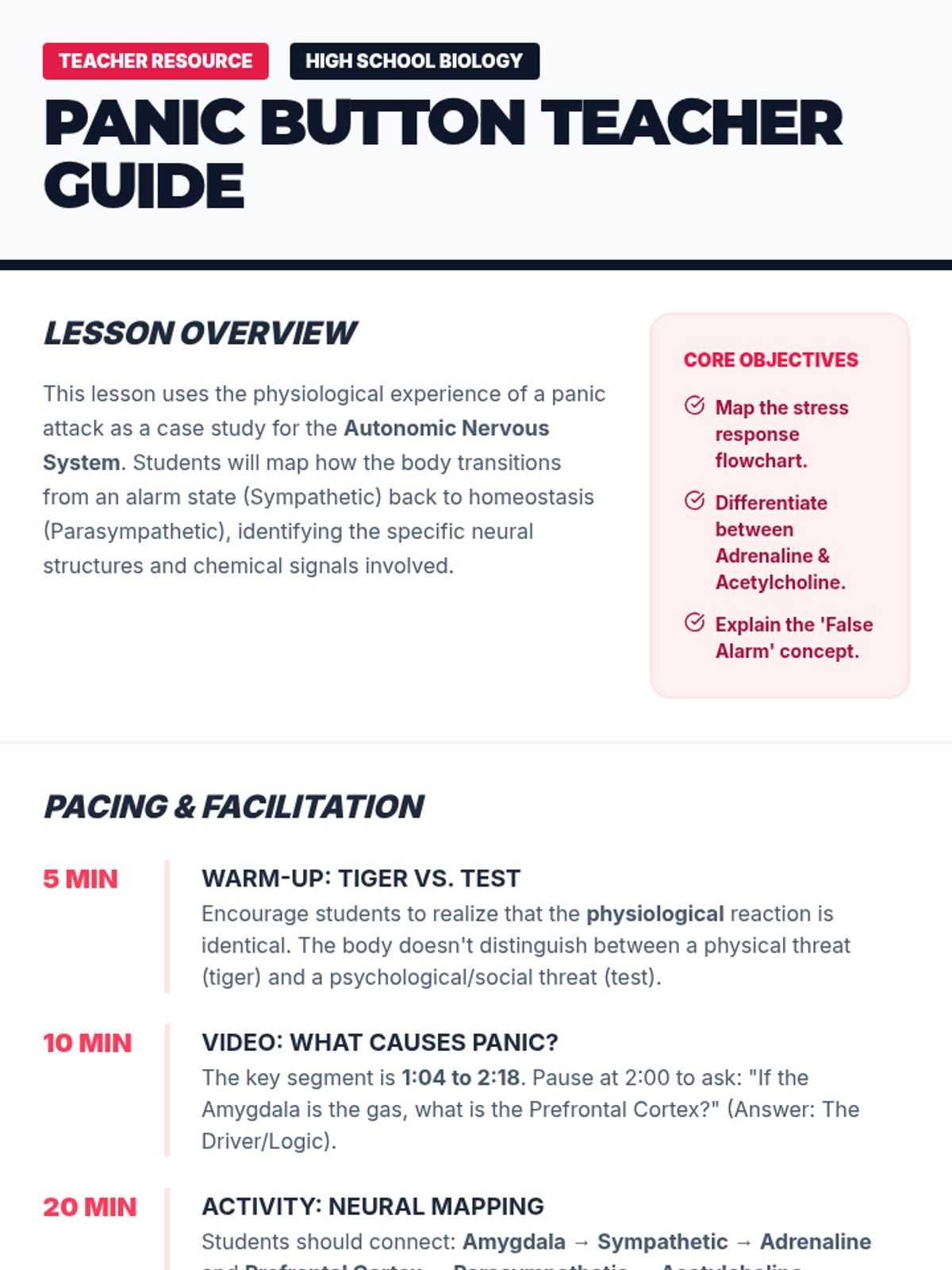
Students explore the neuroscience of panic attacks, mapping the sympathetic and parasympathetic nervous system responses. They will identify the roles of the amygdala, prefrontal cortex, adrenaline, and acetylcholine in the body's 'false alarm' stress response.
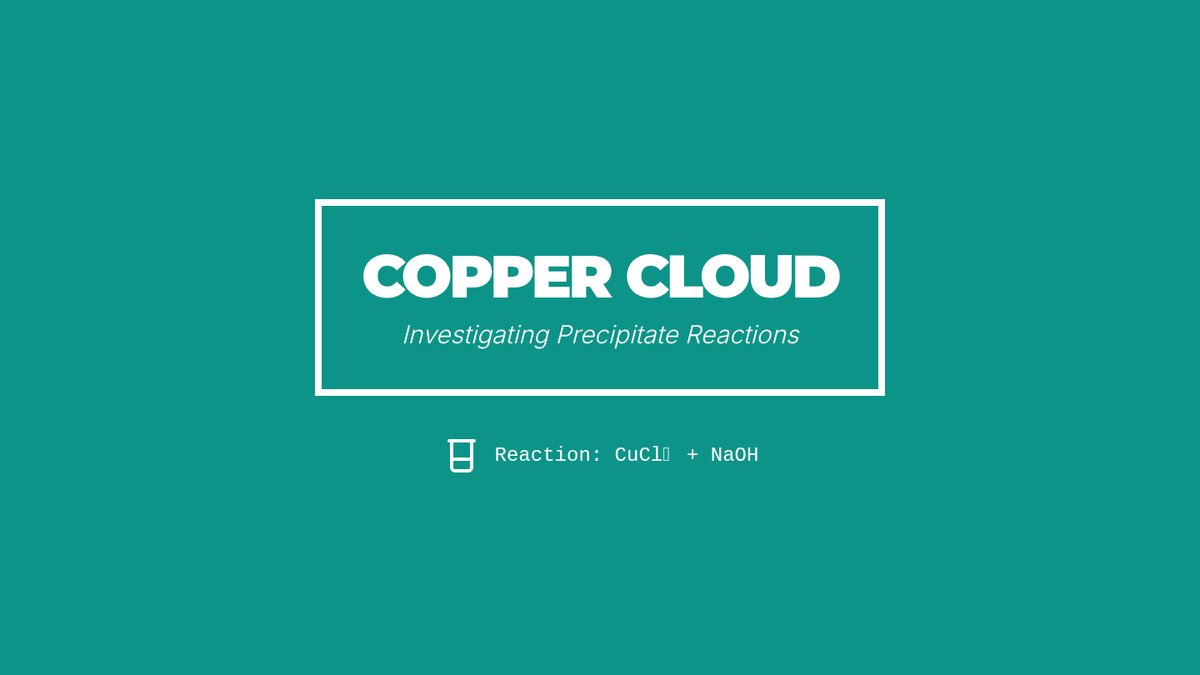
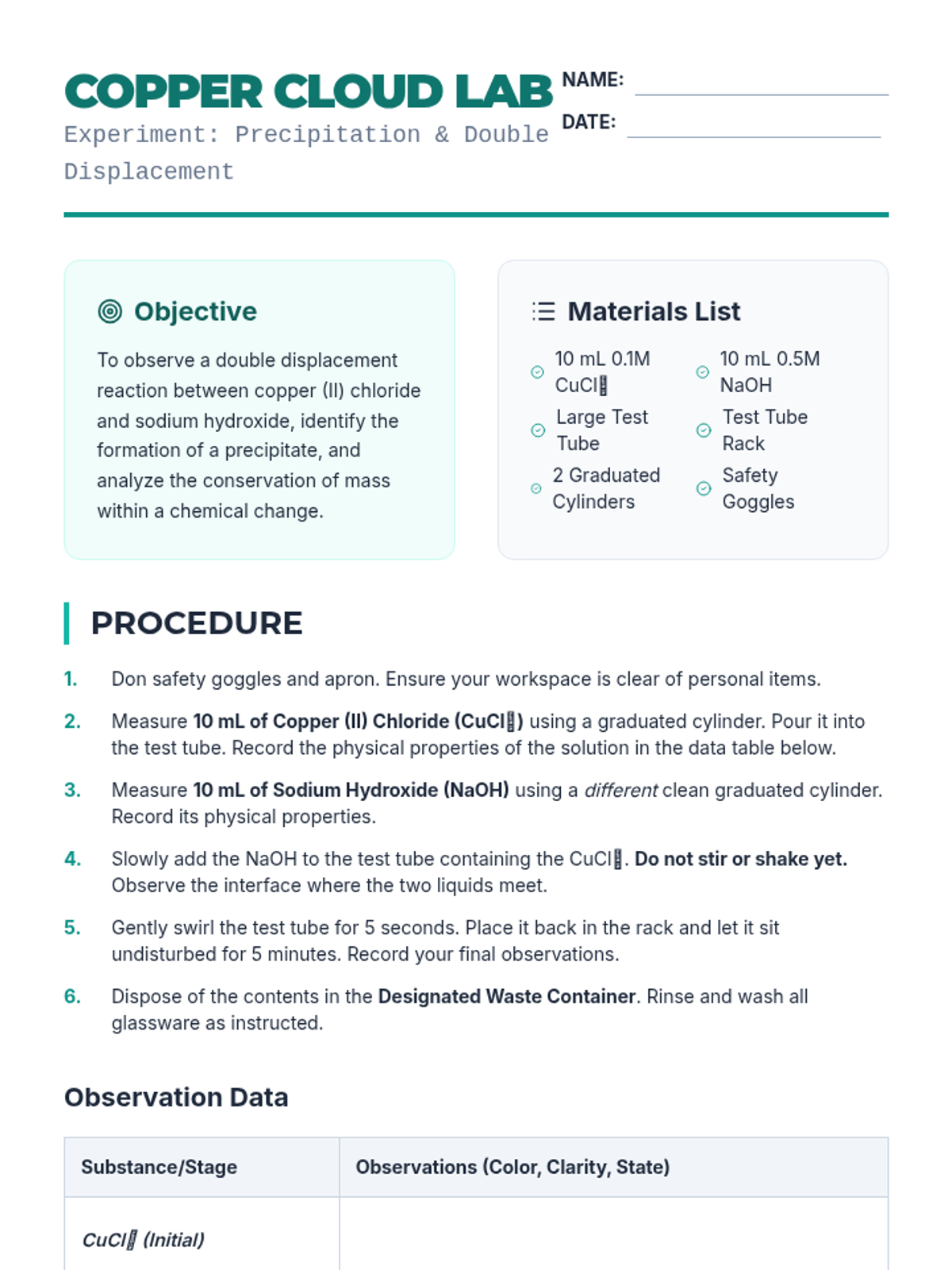
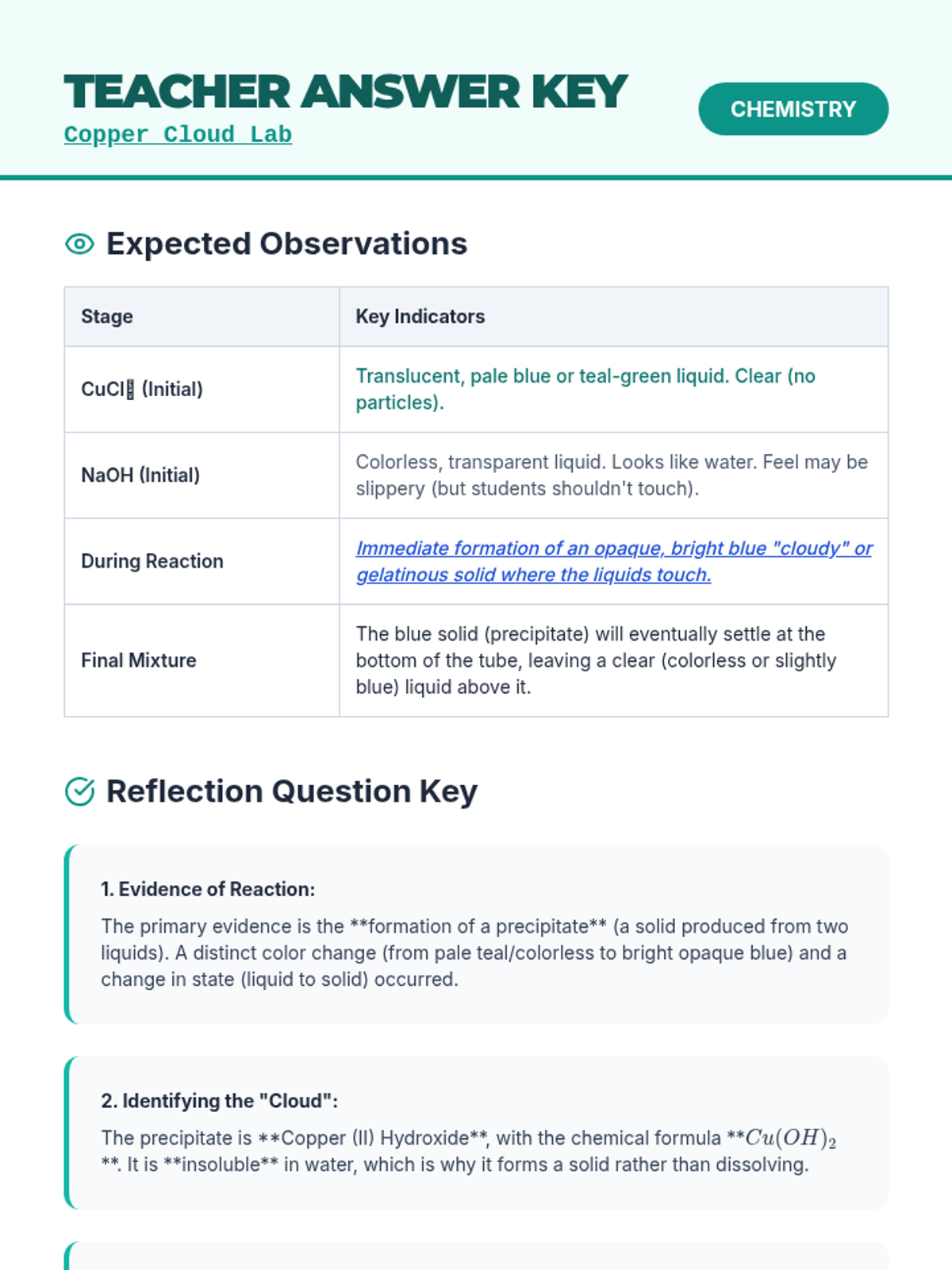
A 90-minute chemistry lab focused on the precipitation reaction between copper (II) chloride and sodium hydroxide, featuring a complete lab guide and instructional slides.
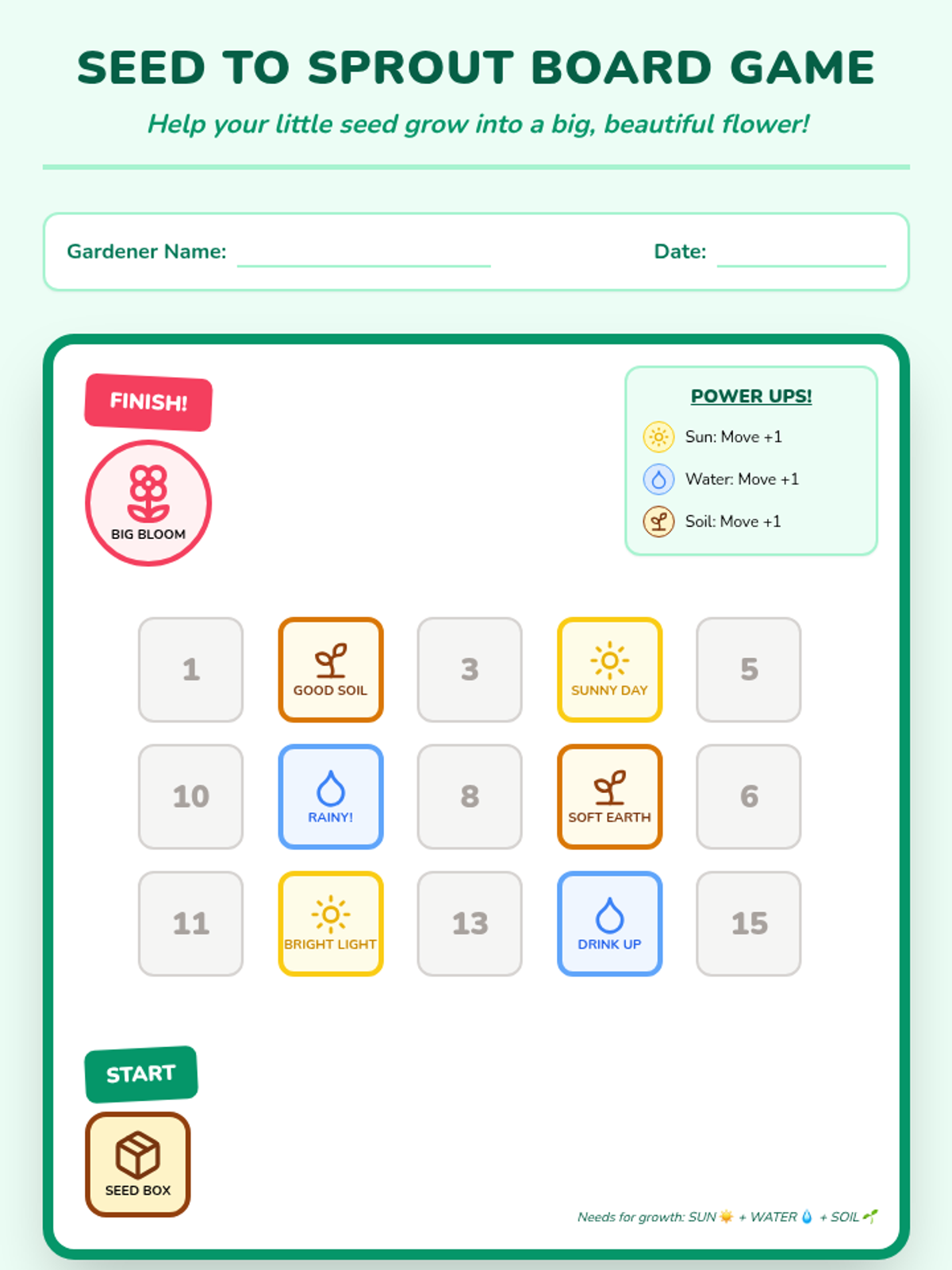
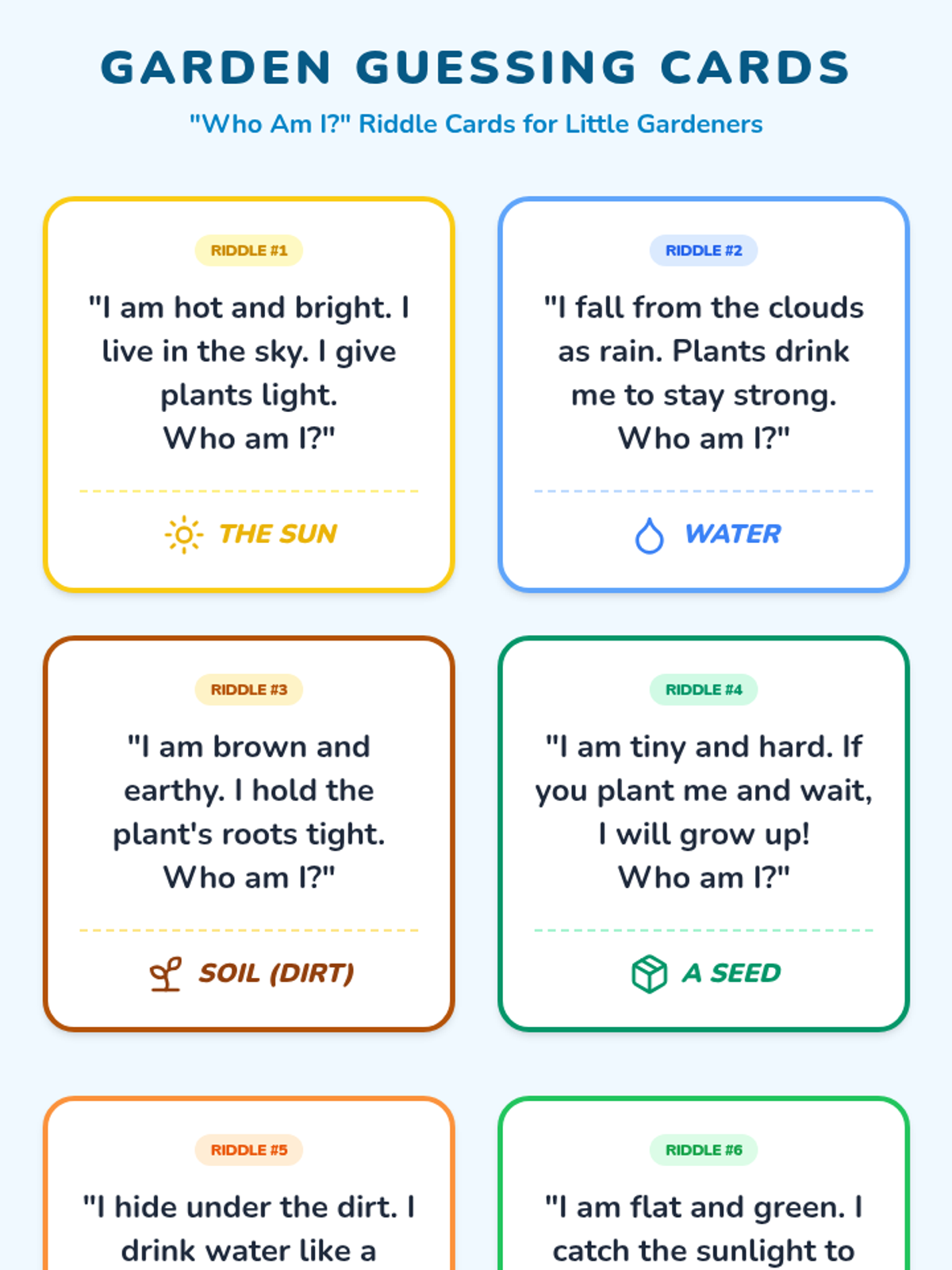
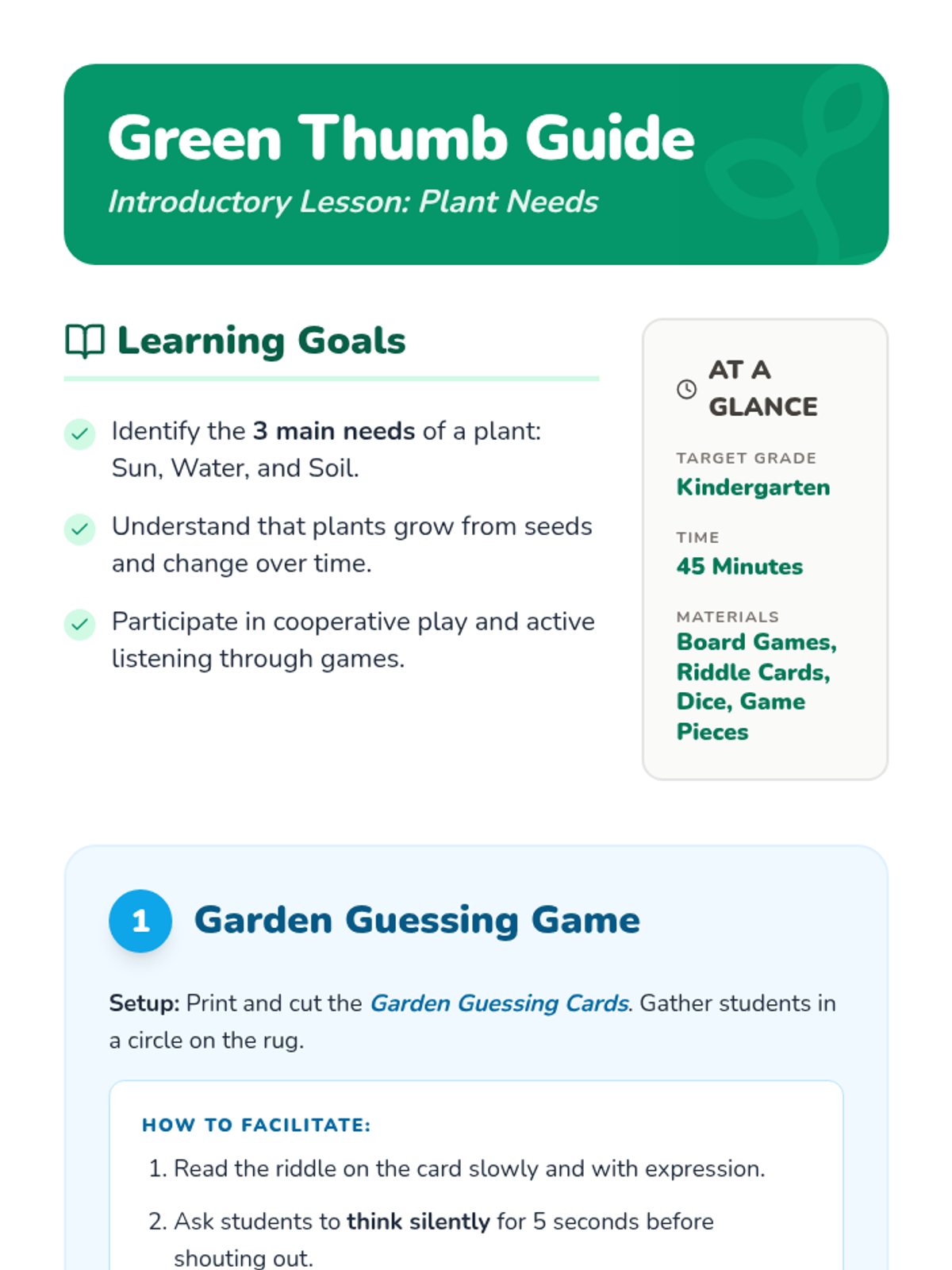
An introductory lesson for kindergarten students to learn about the basic needs of plants (sun, water, soil) through interactive play.
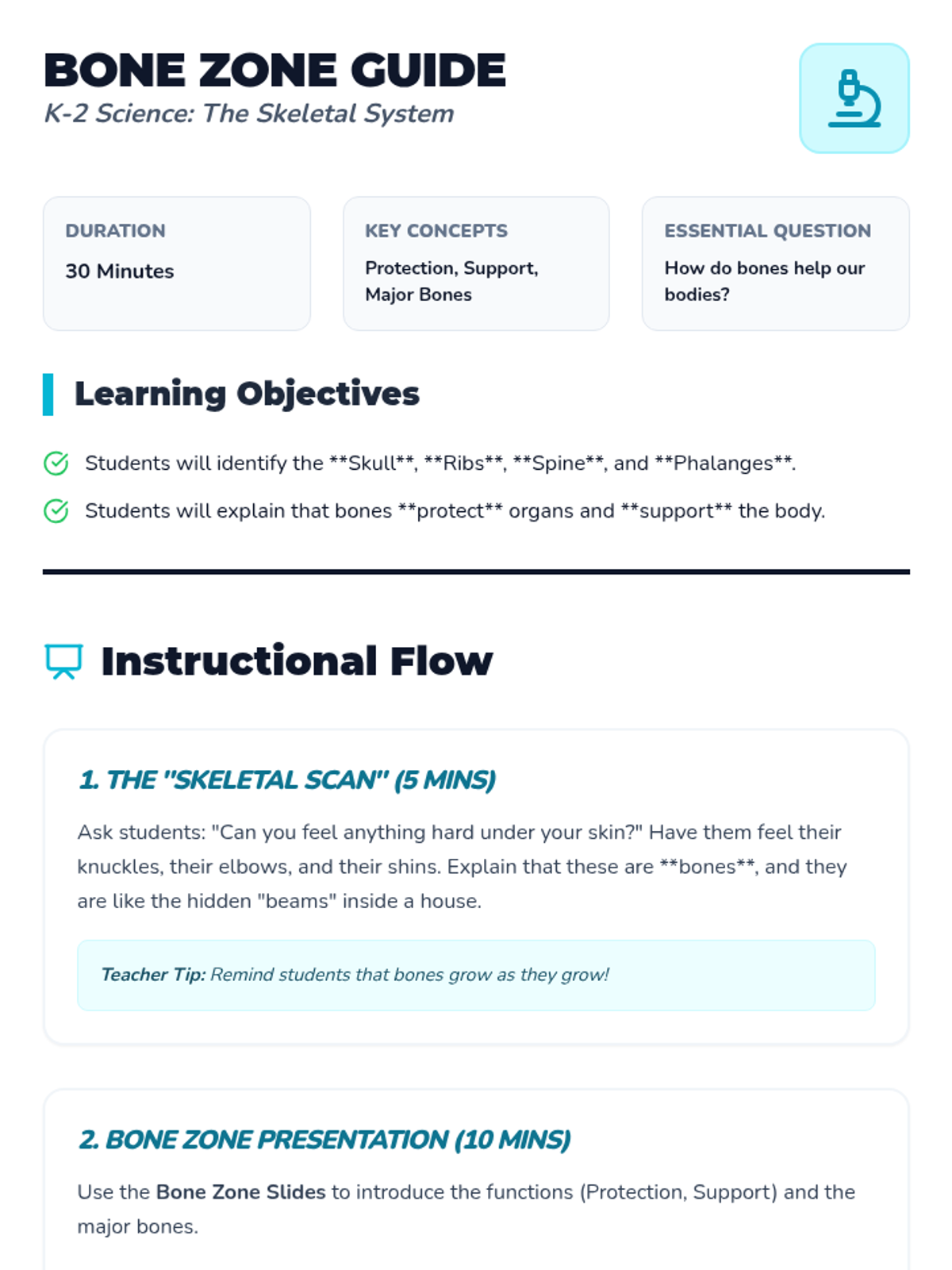
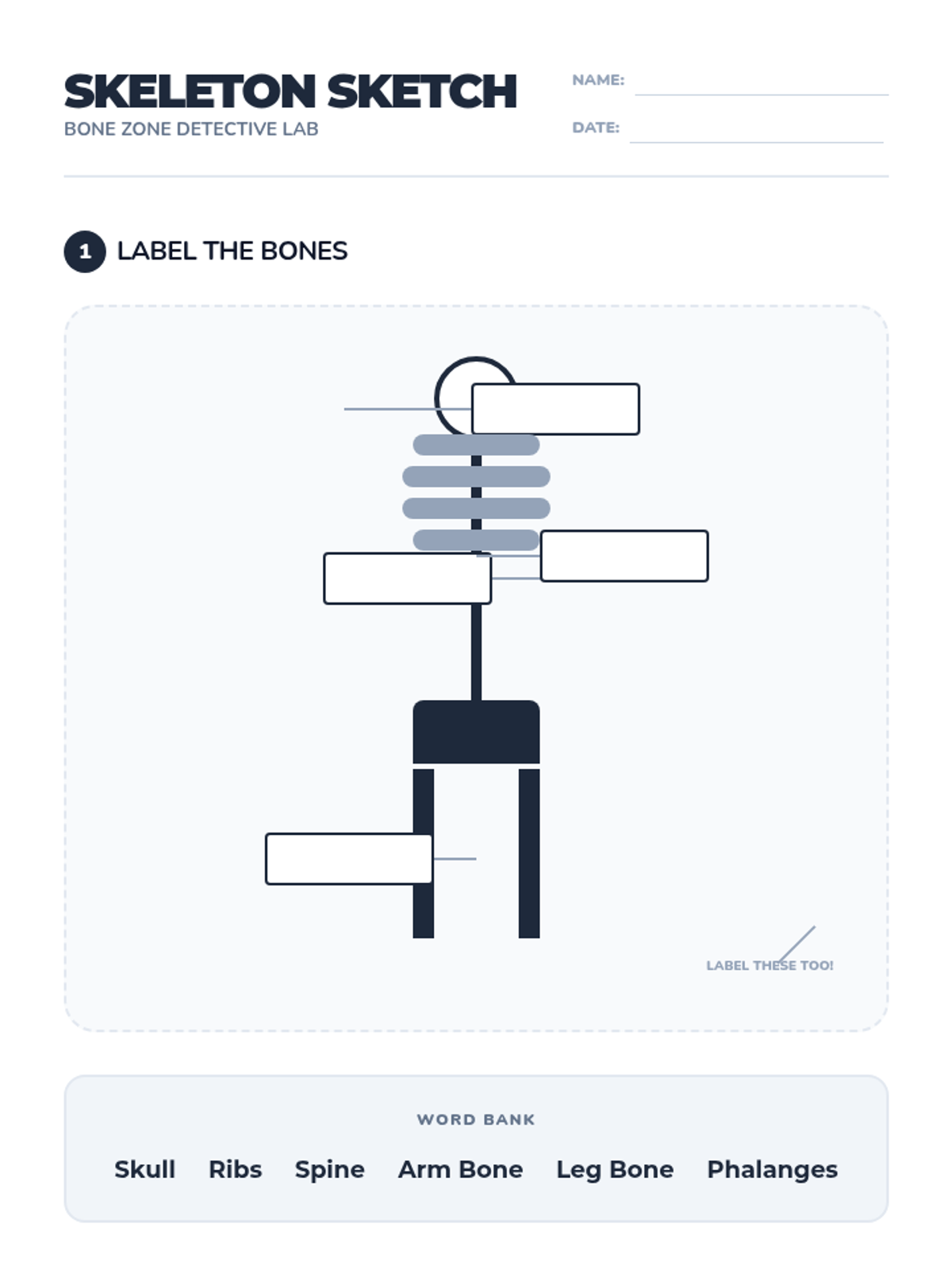
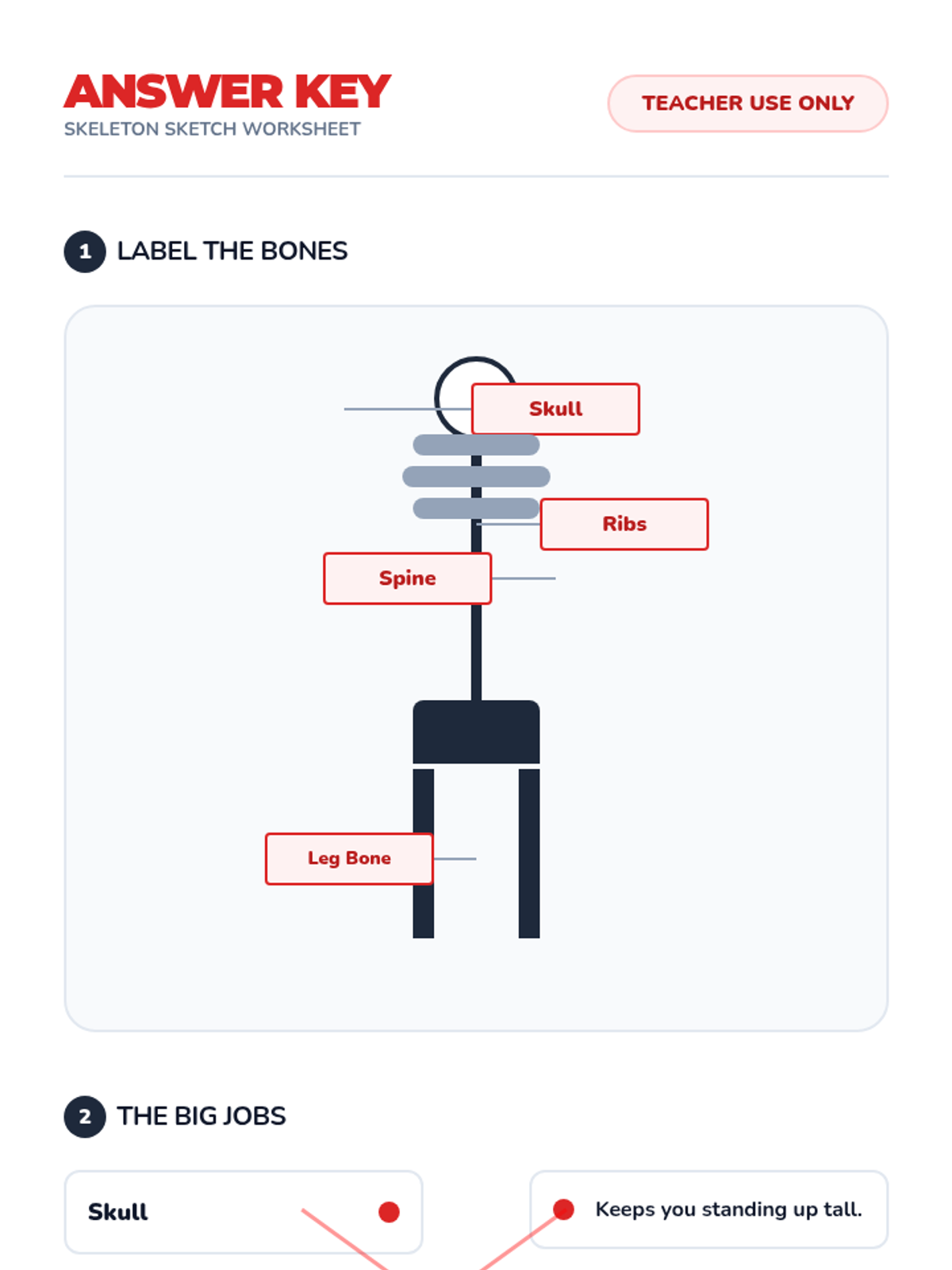
An introductory lesson for K-2 students focusing on the major bones of the human body and their primary functions through movement and visual labeling.
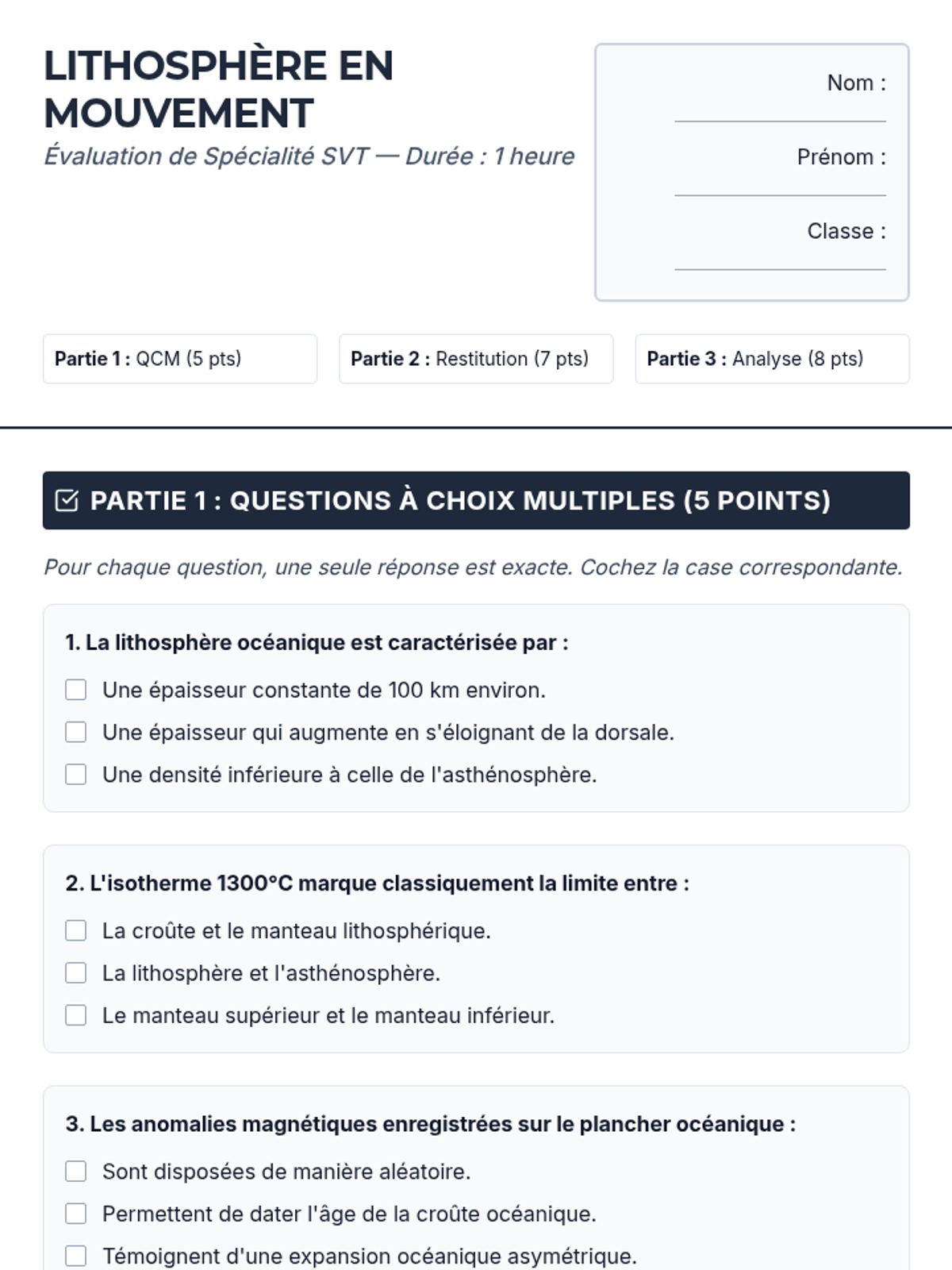
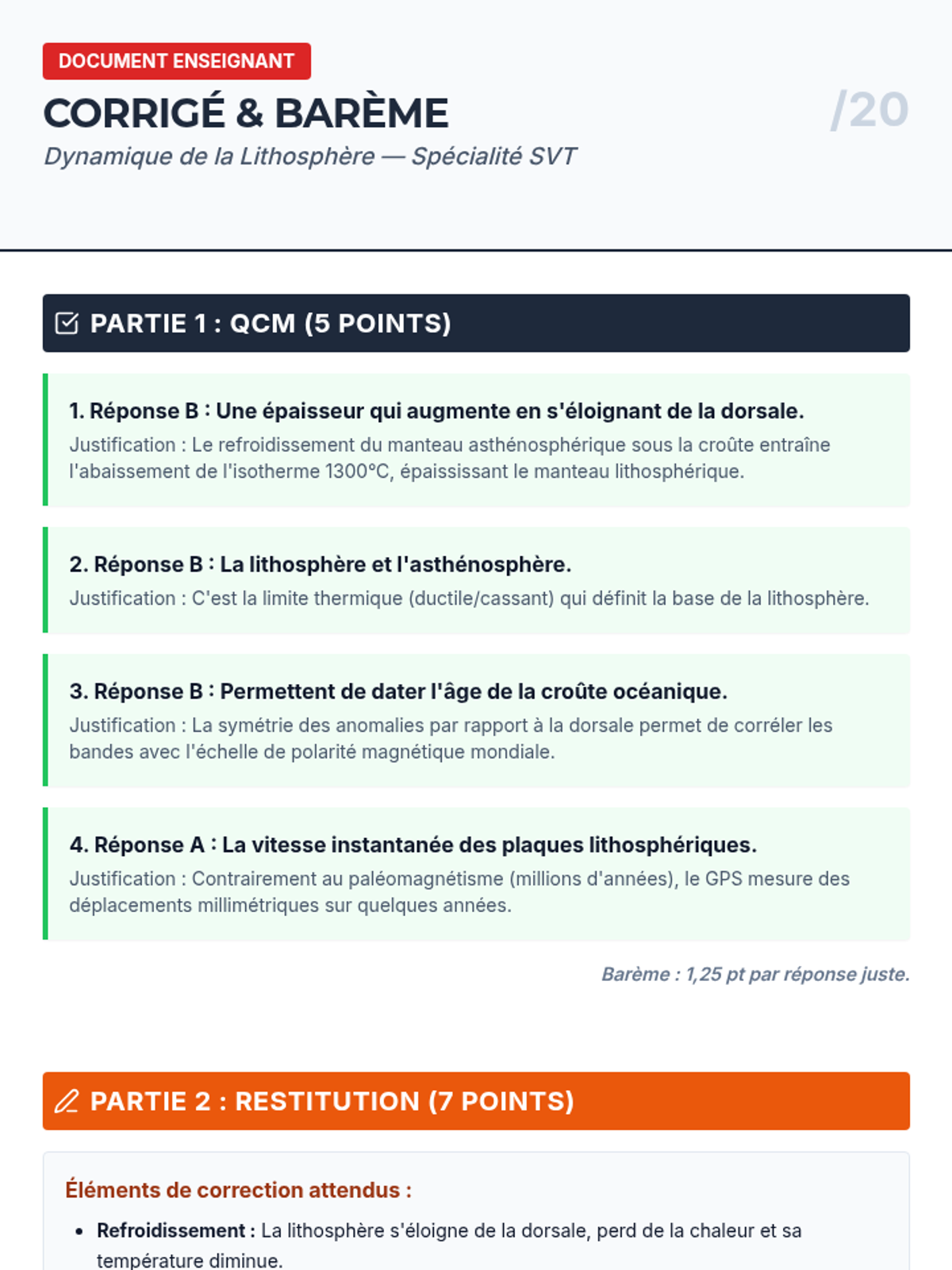
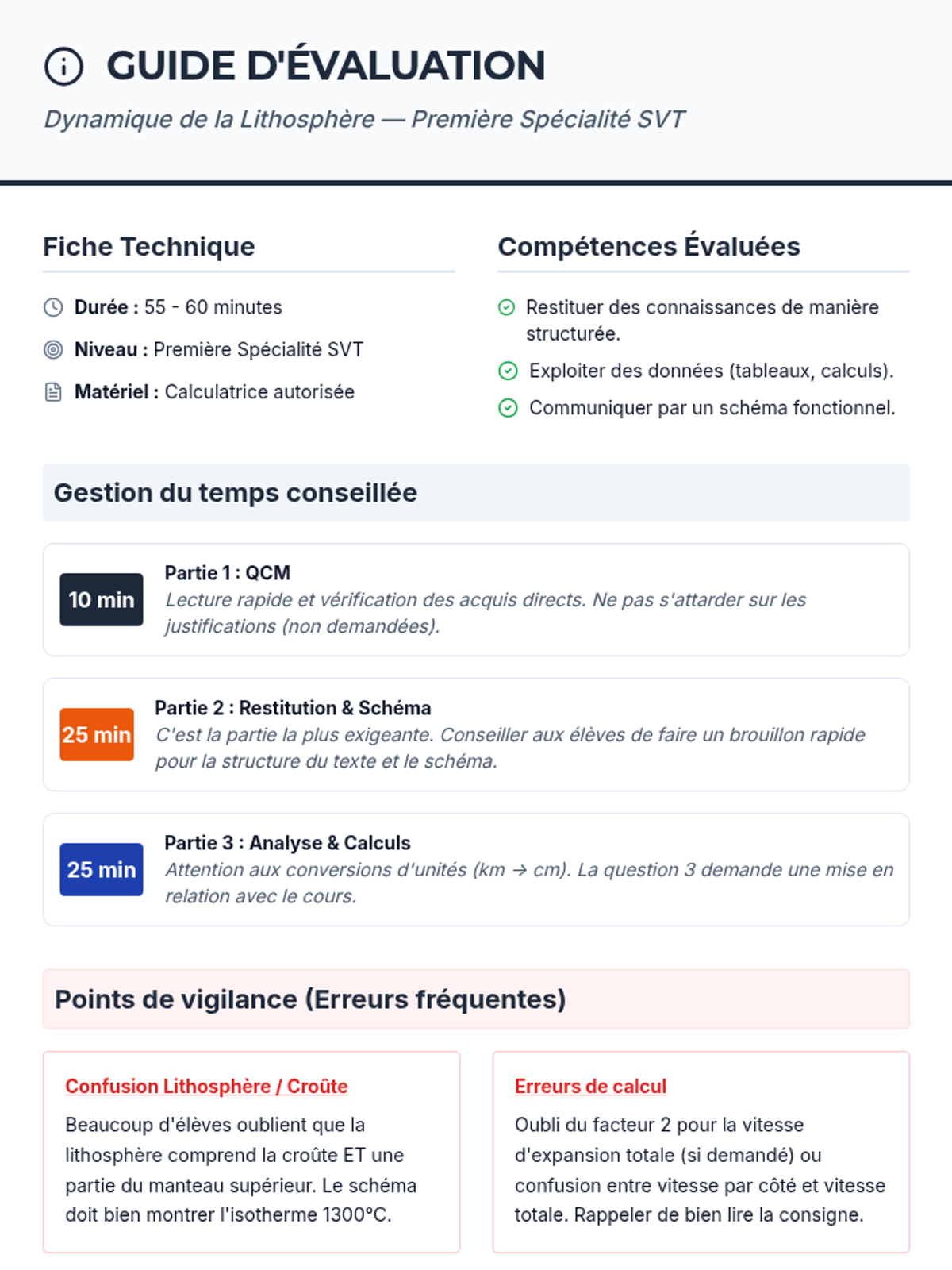
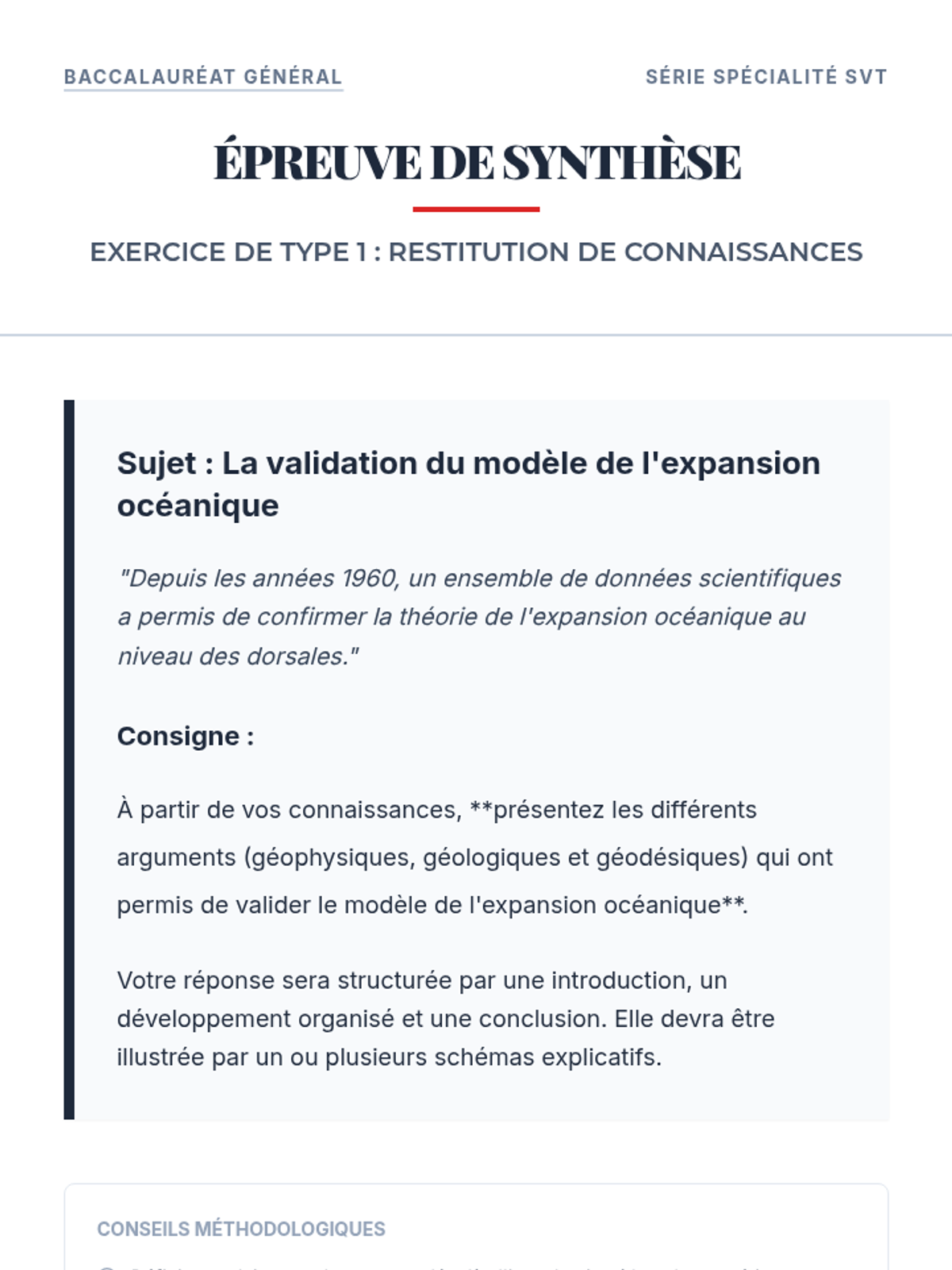
Une évaluation d'une heure pour les élèves de première spécialité SVT portant sur la dynamique de la lithosphère, incluant des questions de connaissances et d'analyse de documents.
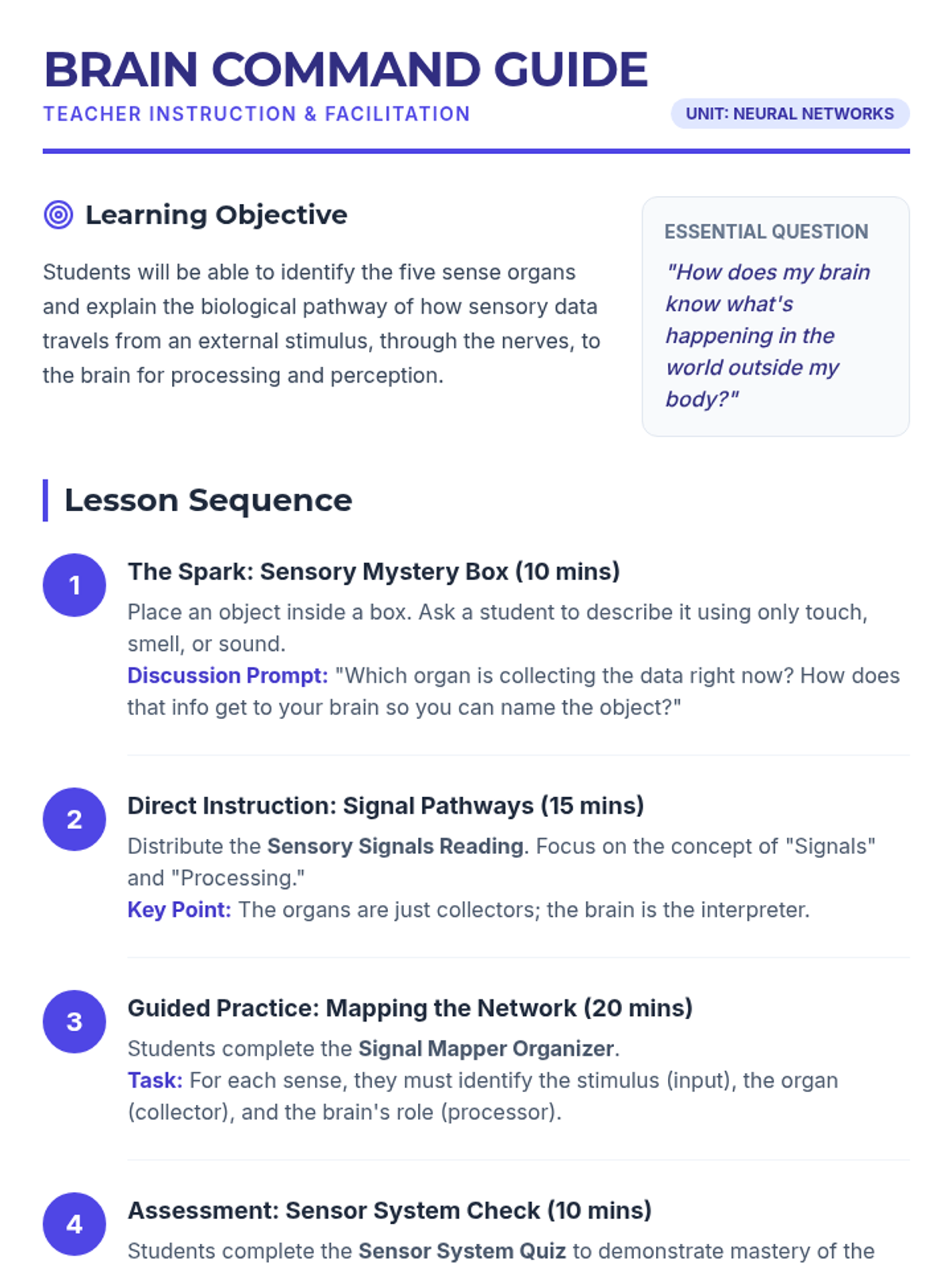
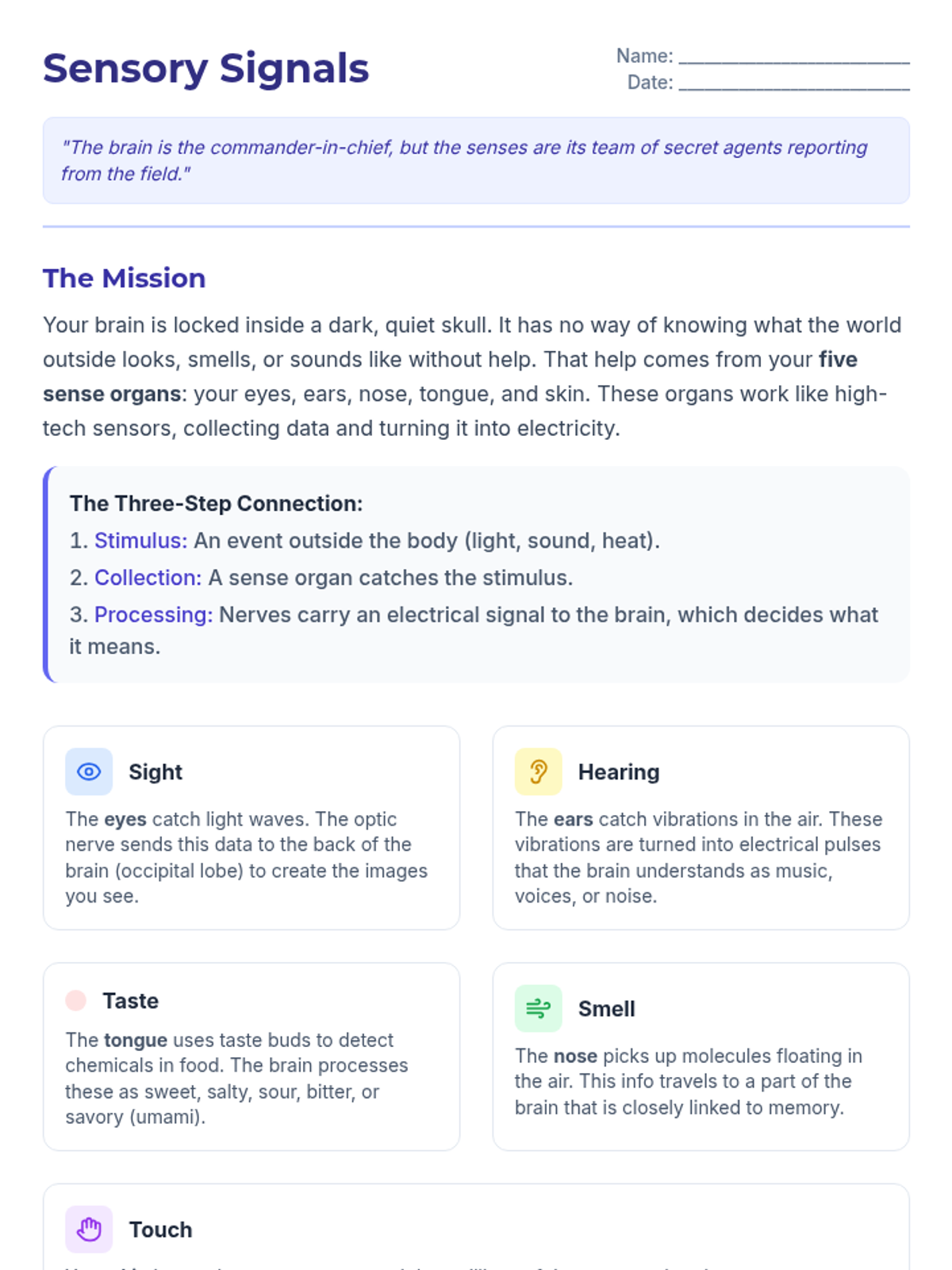
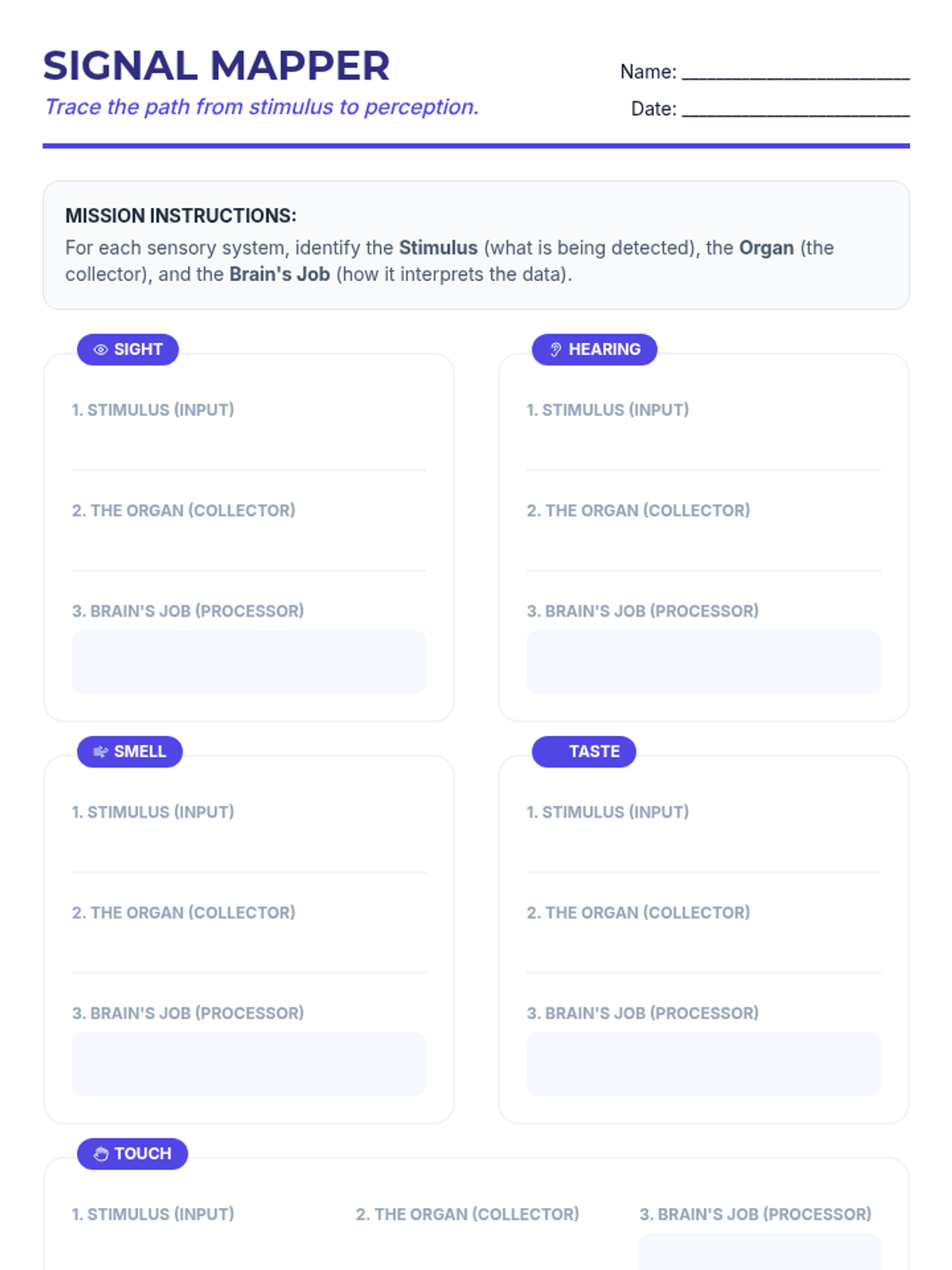
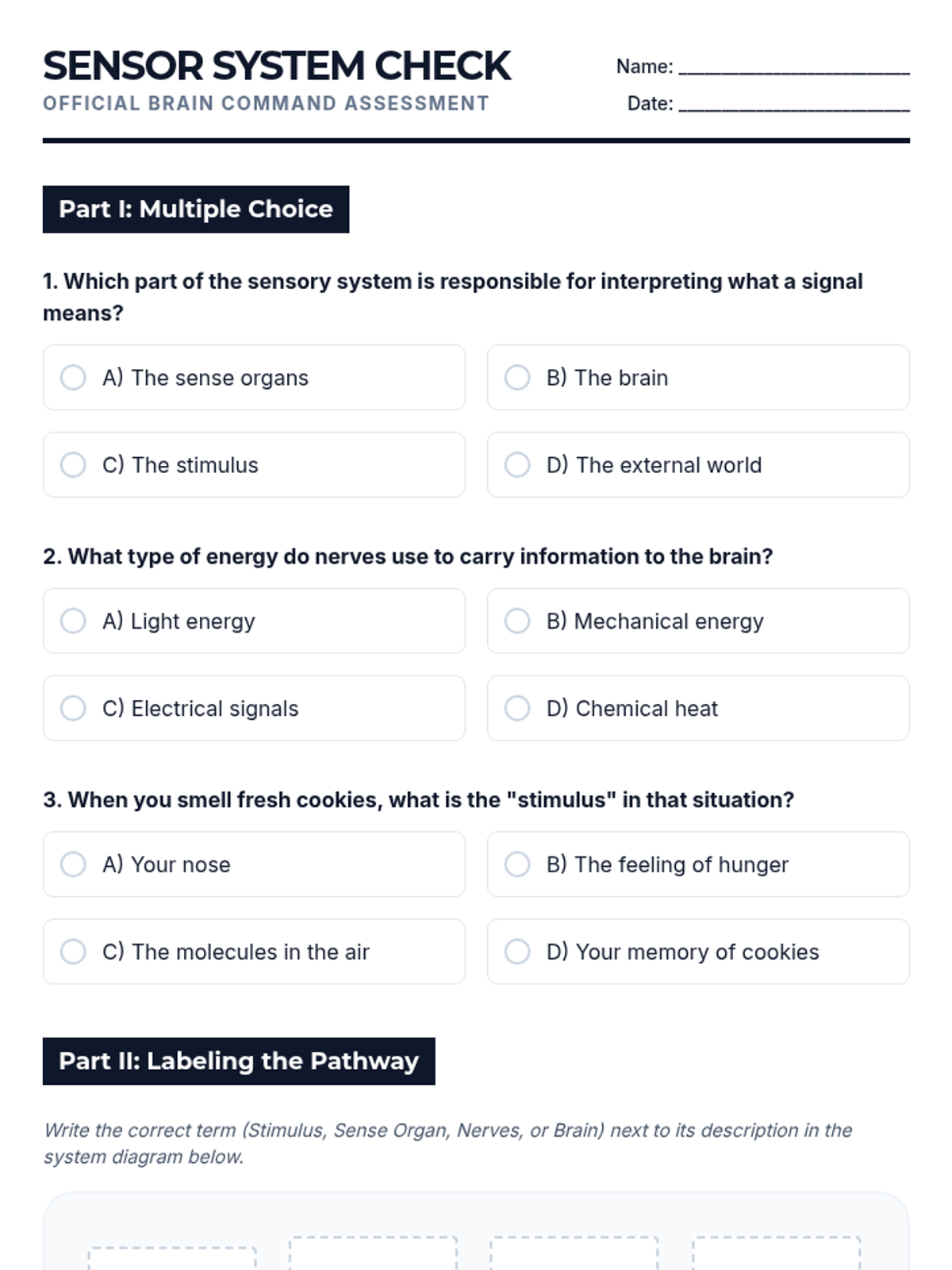
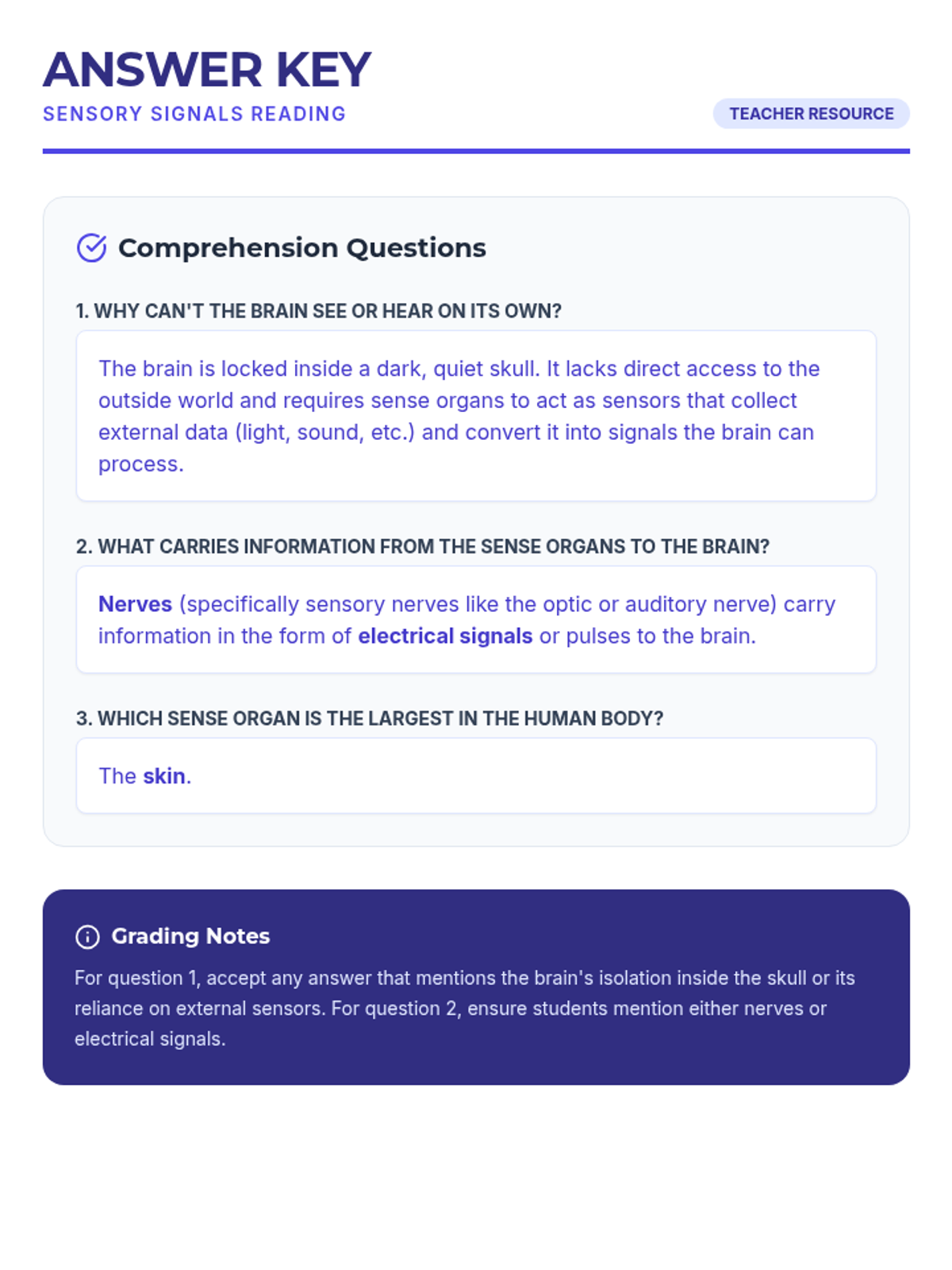
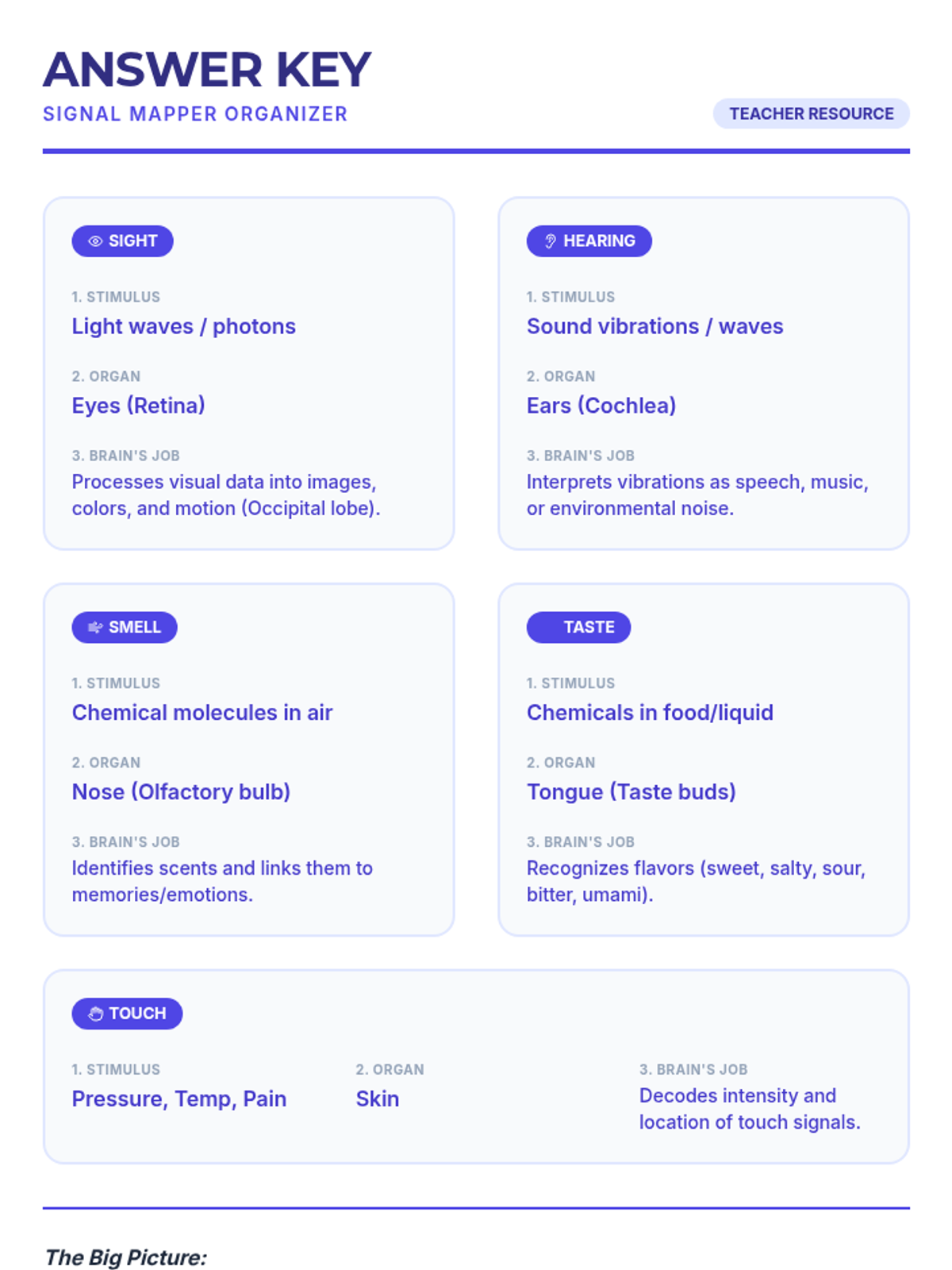
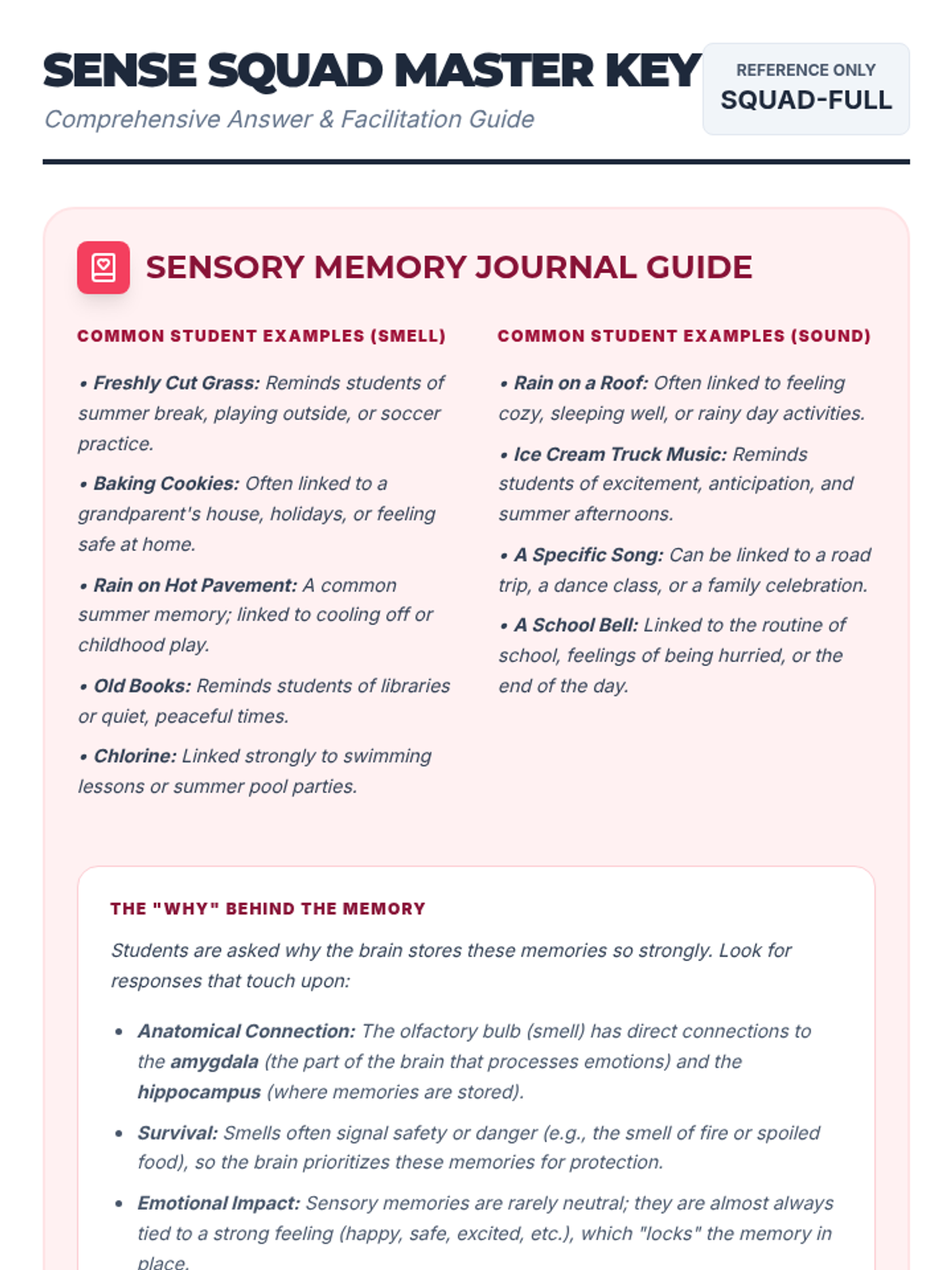
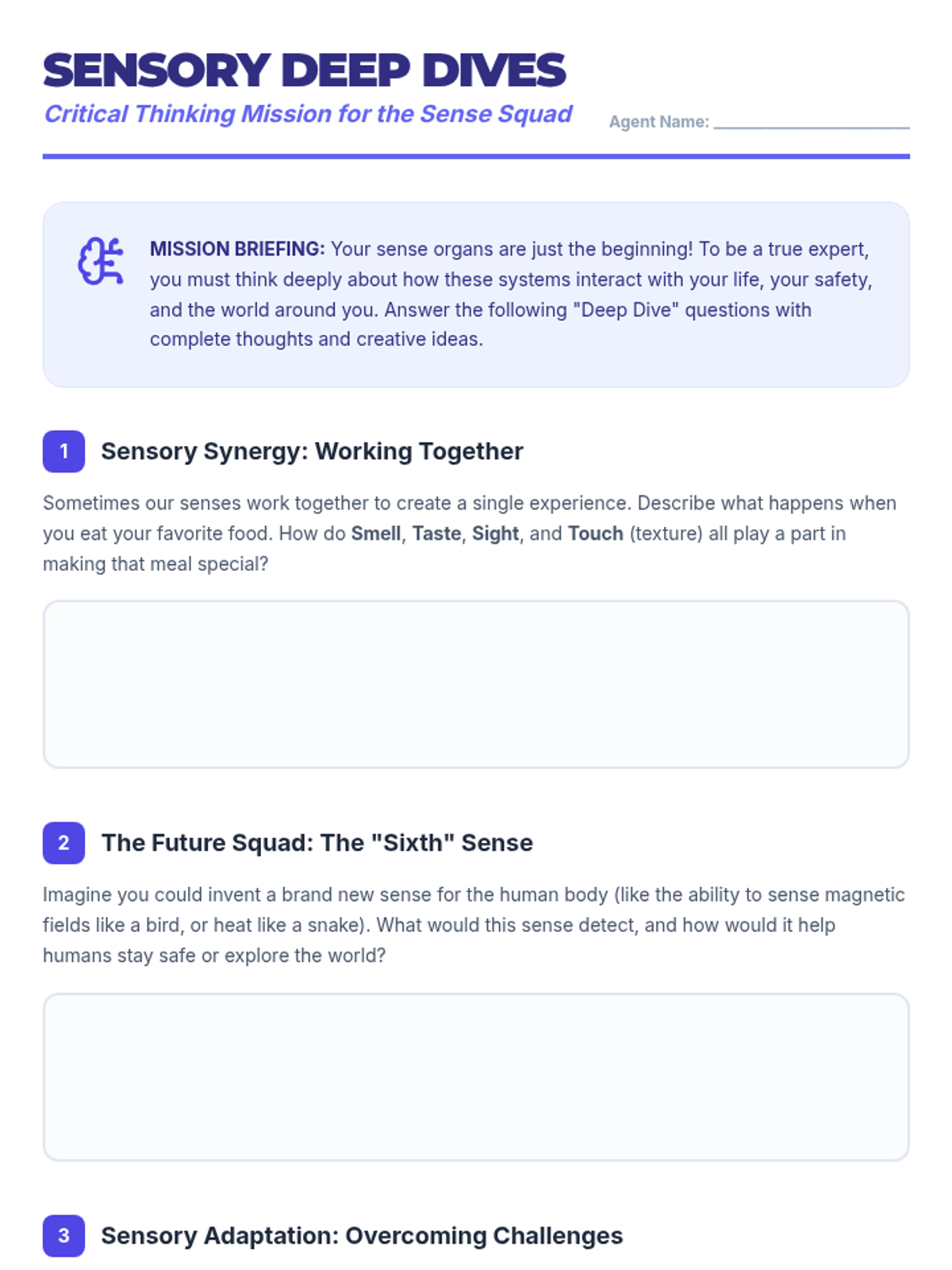
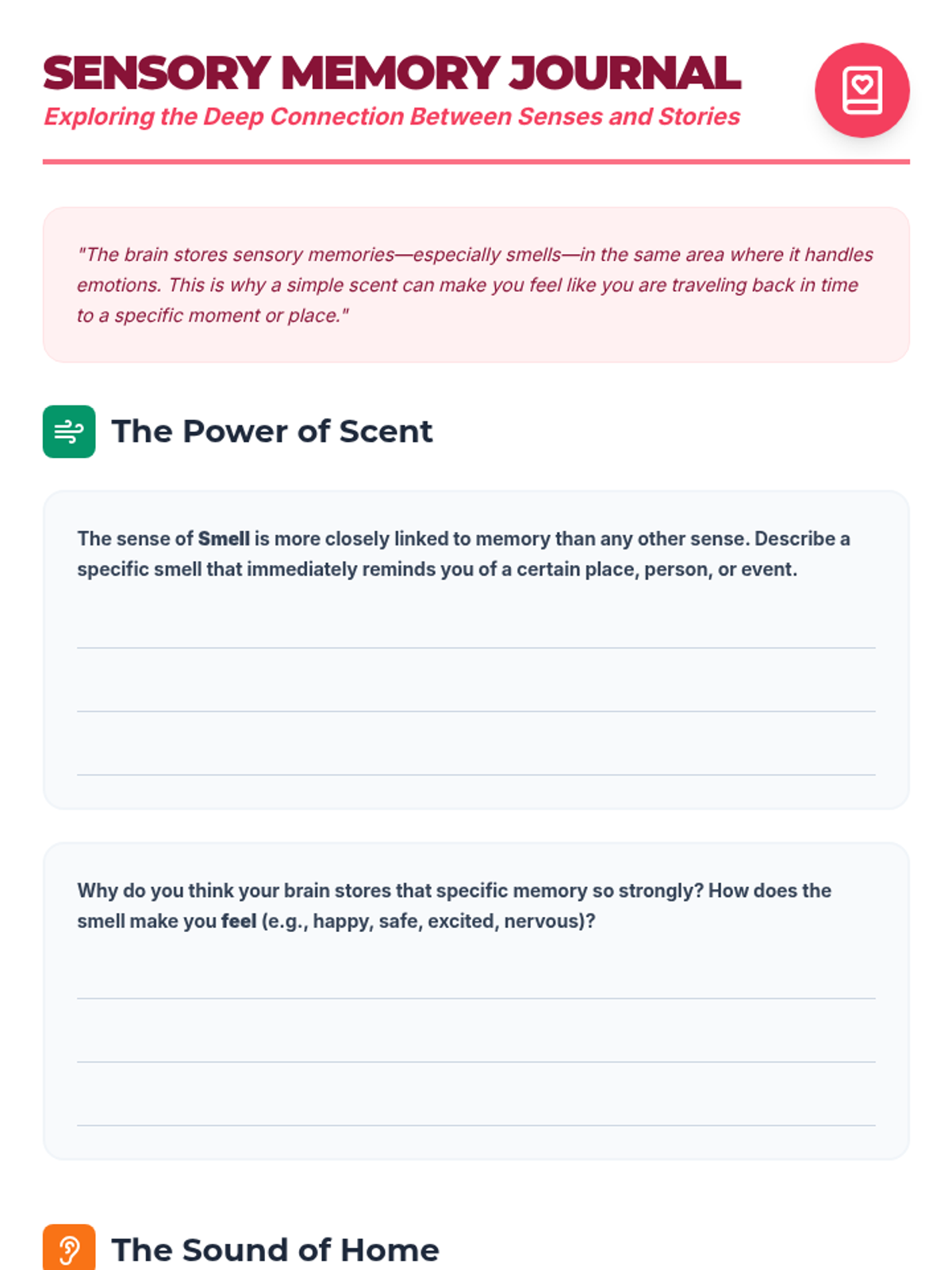
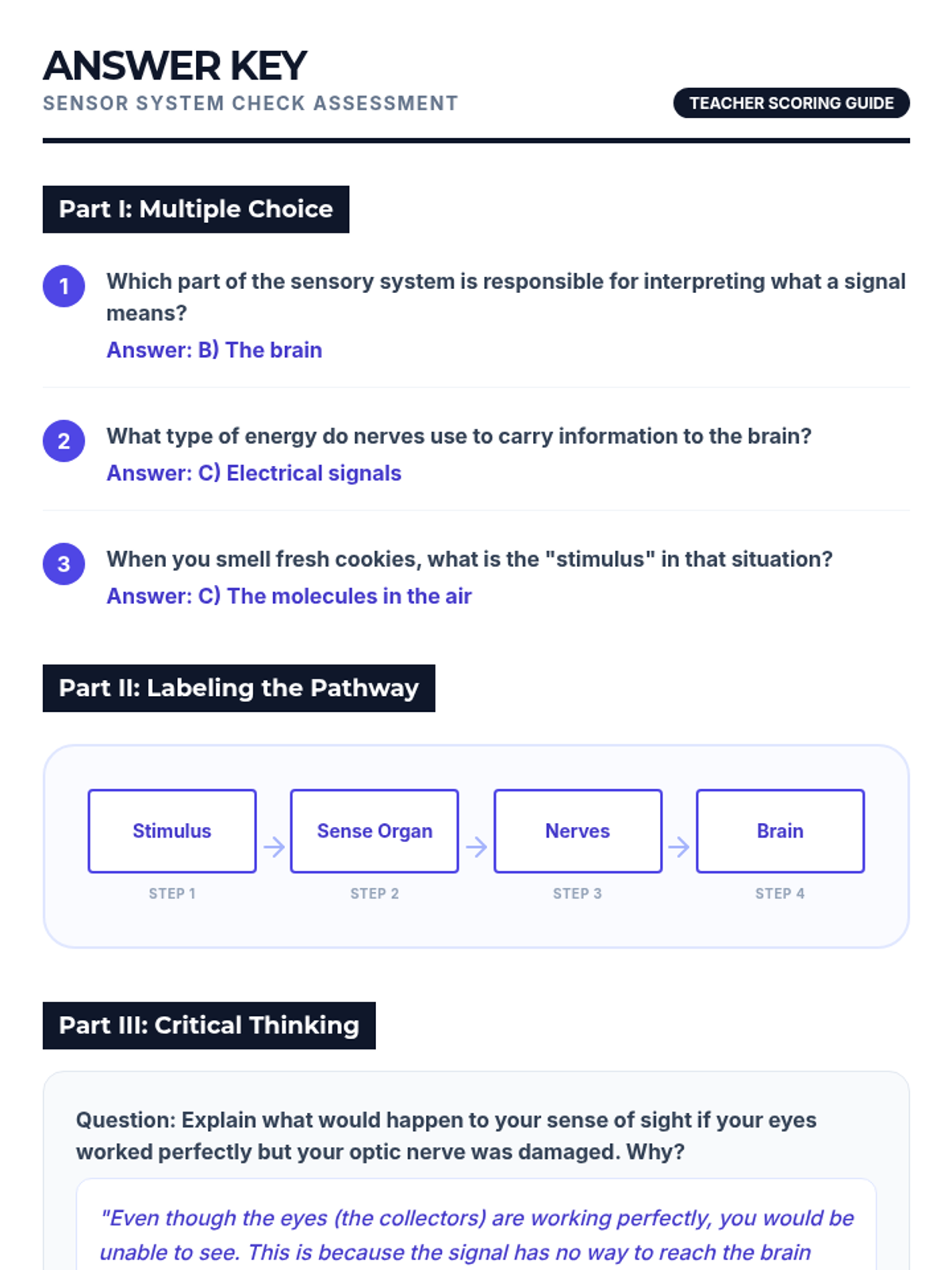
A comprehensive lesson exploring how the five sense organs collect data and send signals to the brain for processing. Students will learn the pathway from stimulus to perception through reading, mapping, and assessment.
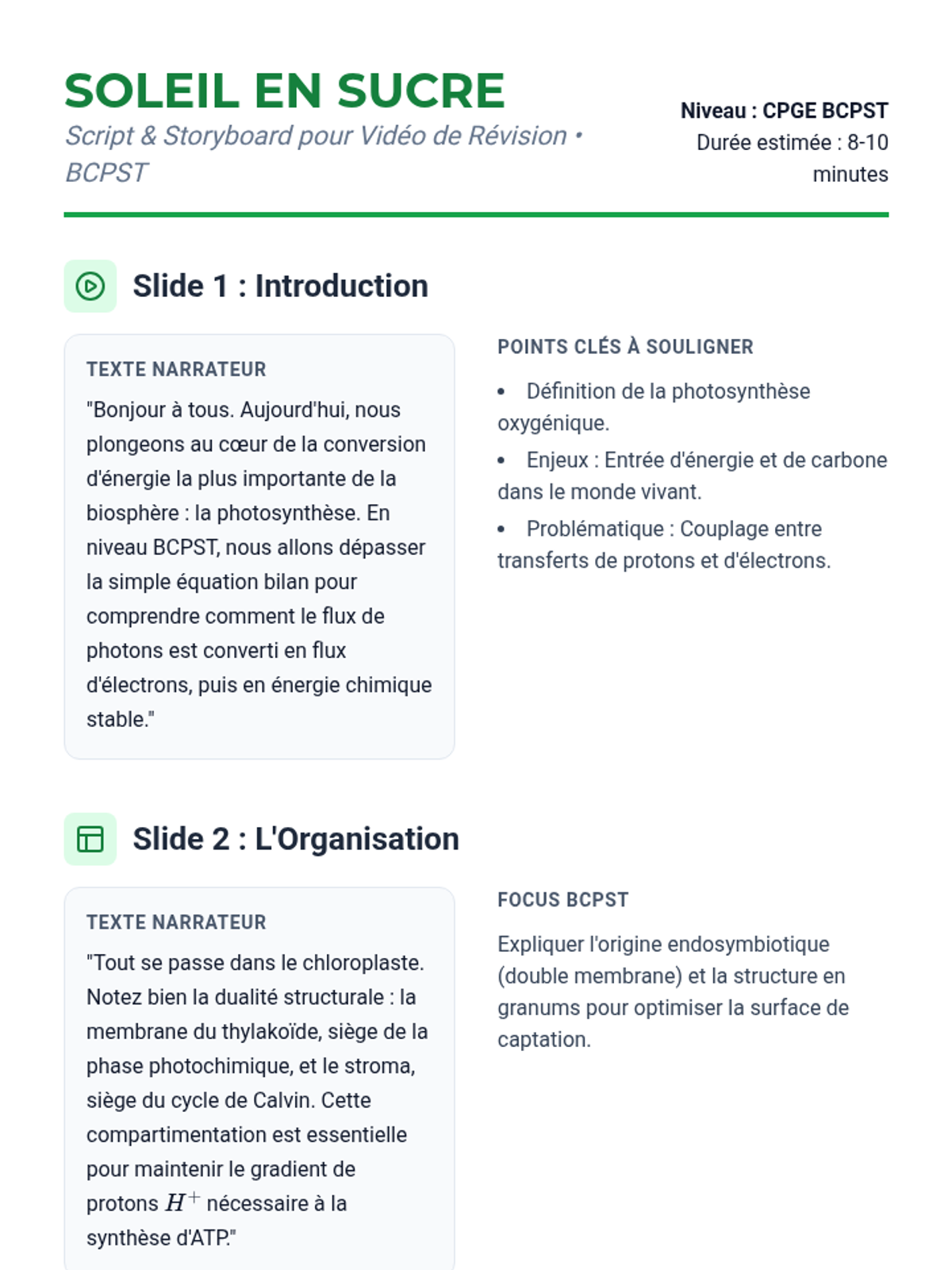
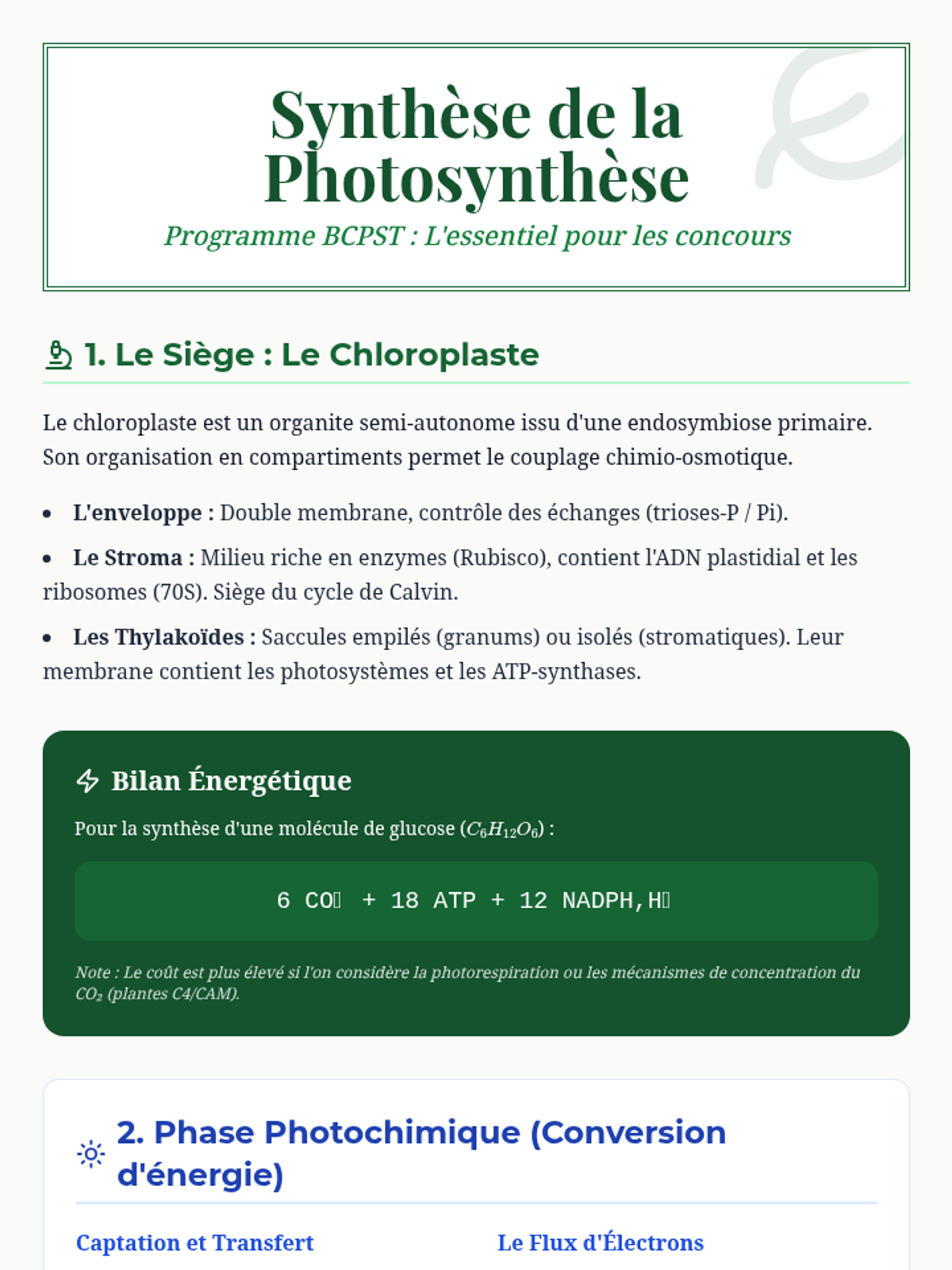
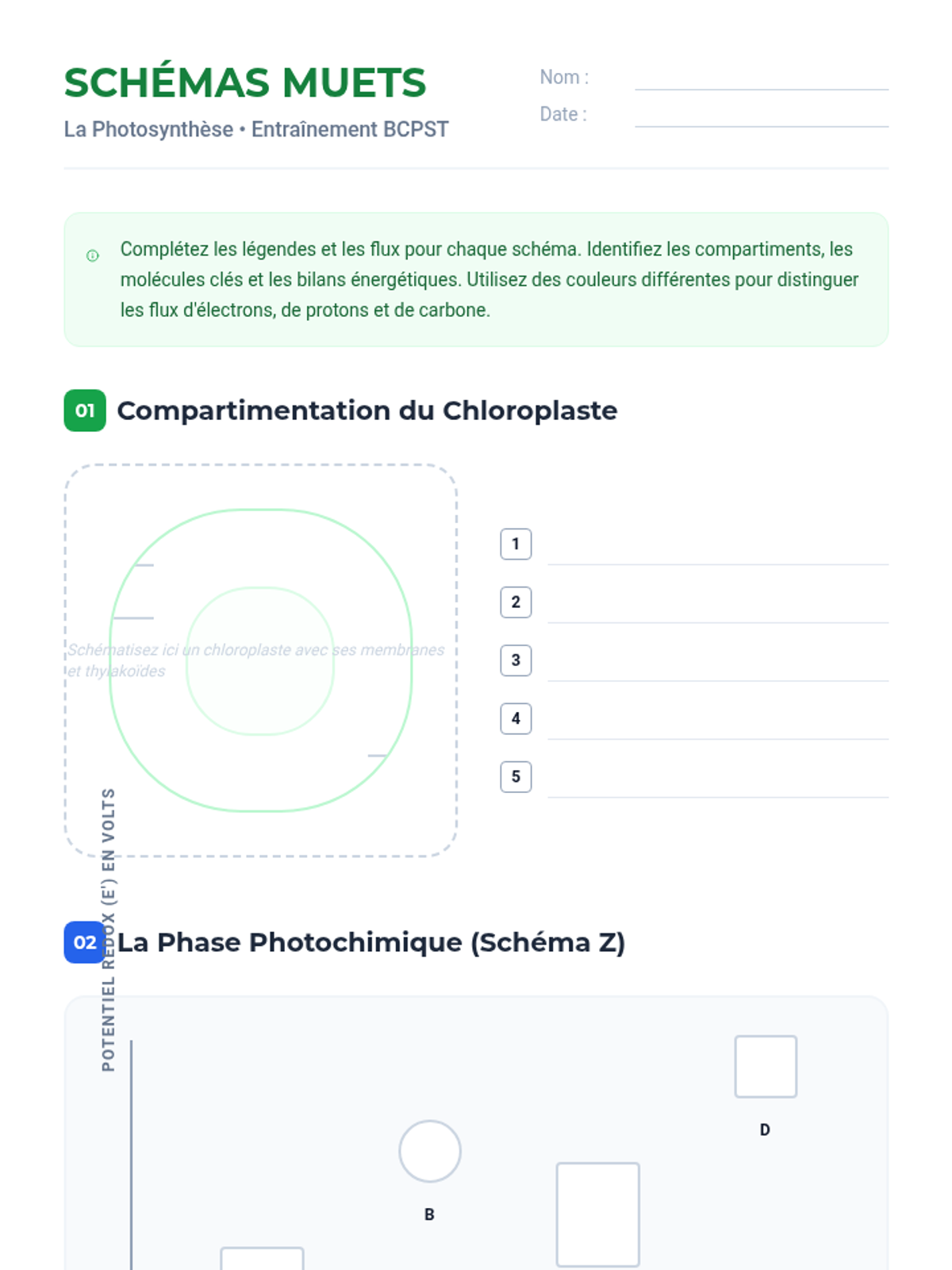
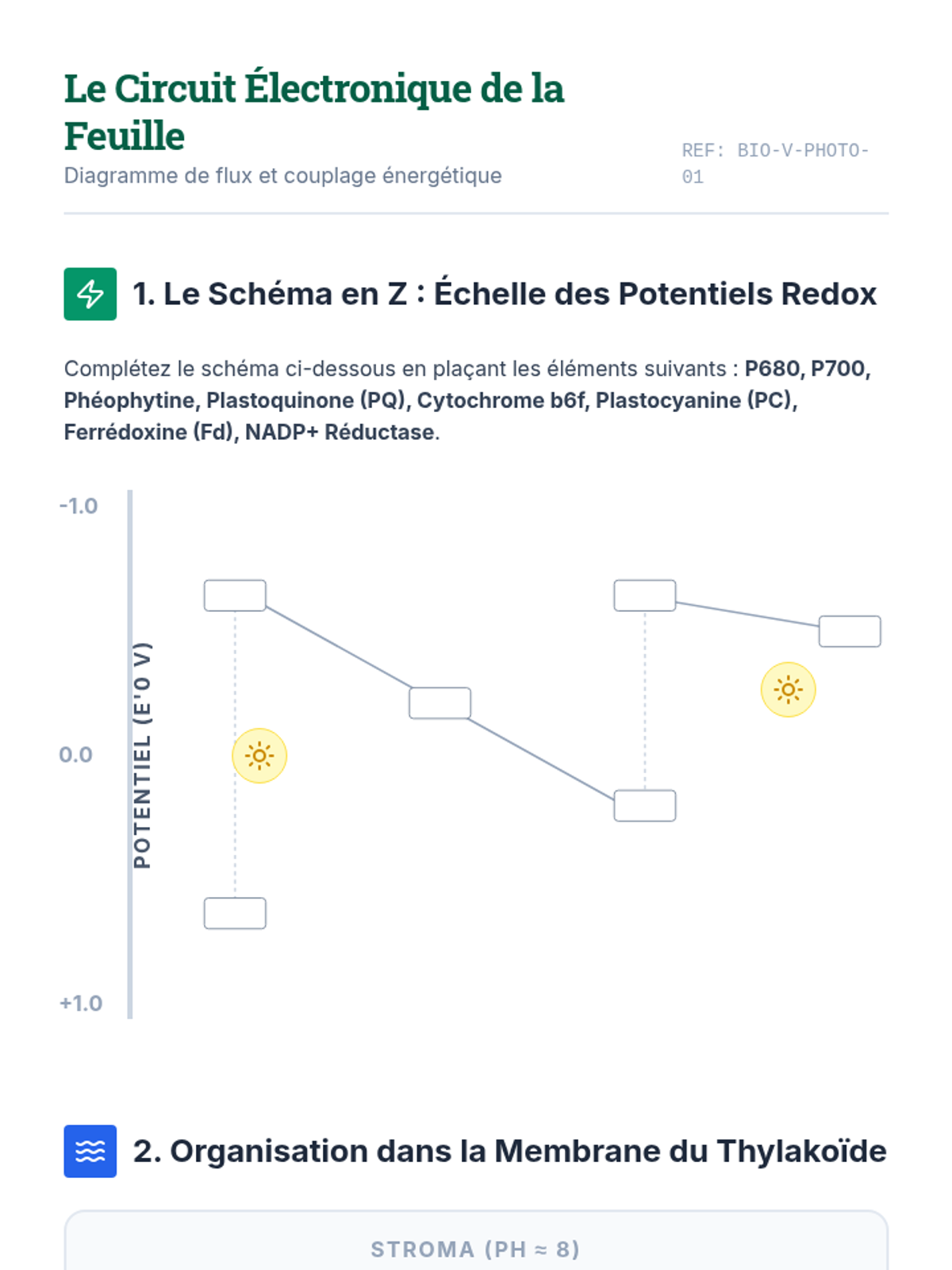
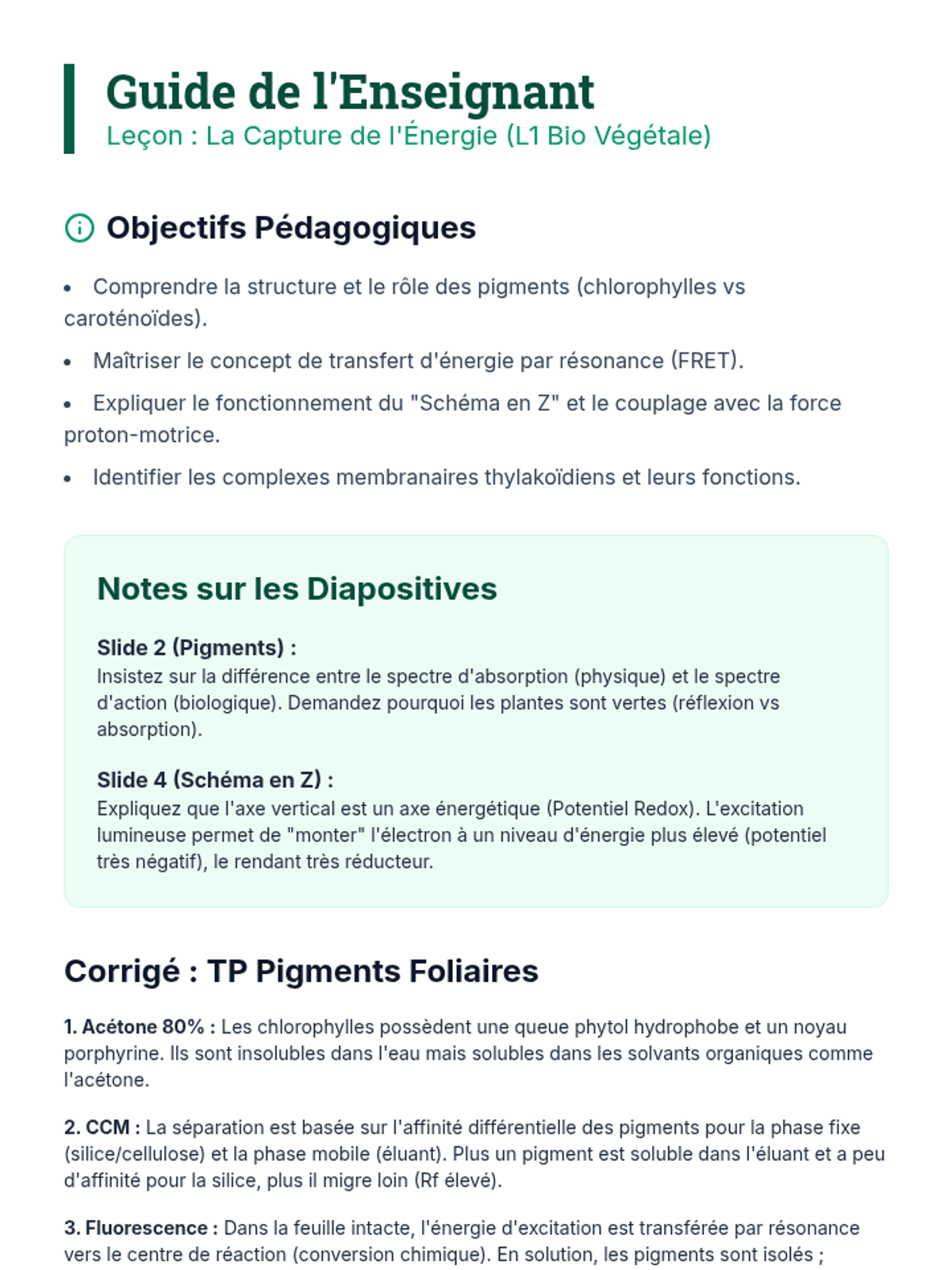
Une leçon complète sur la photosynthèse pour le niveau BCPST, couvrant les phases photochimique et chimique, l'organisation du chloroplaste et les bilans énergétiques. Conçue pour servir de base à une révision intensive ou à la création d'un support vidéo.
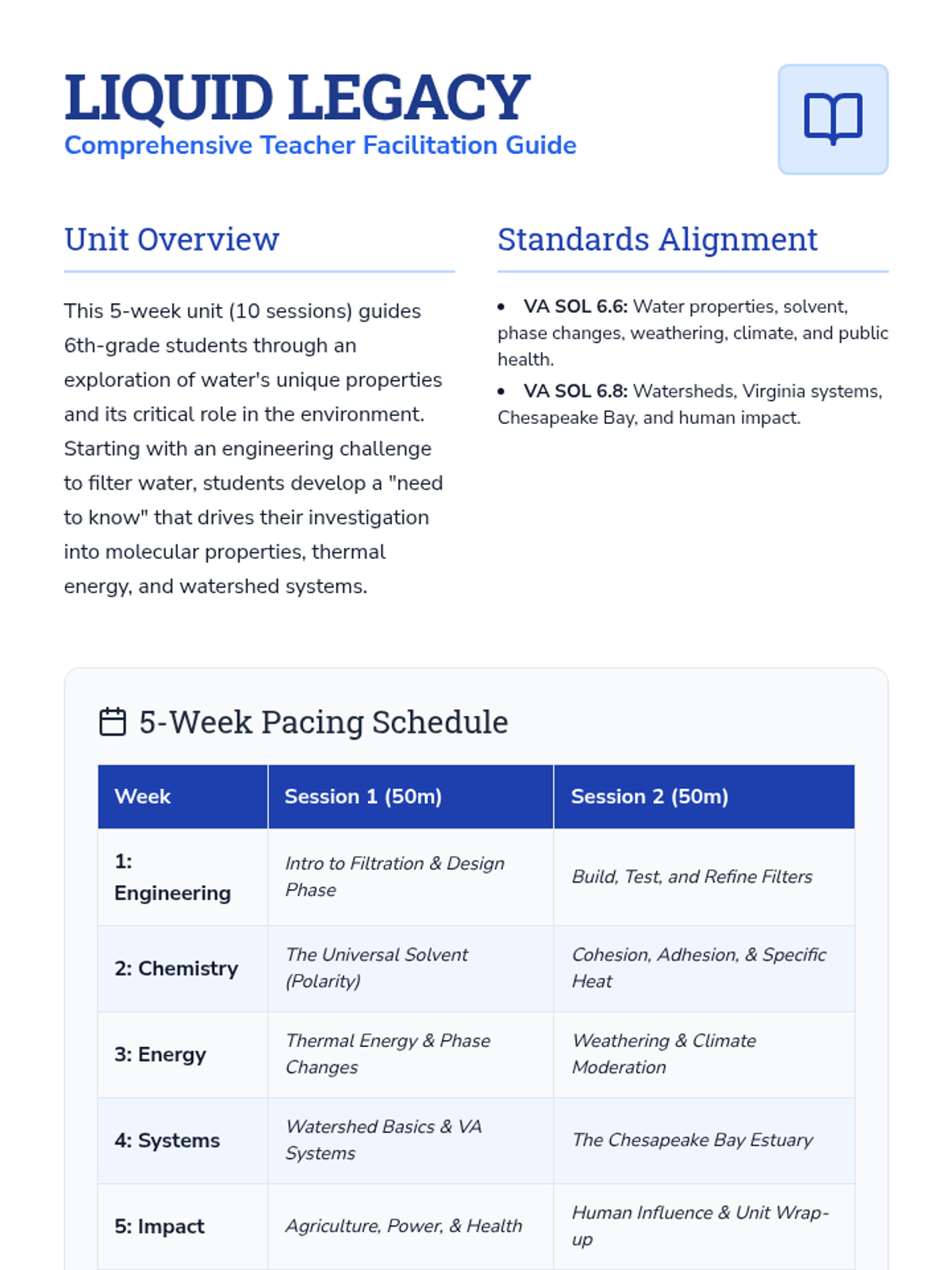
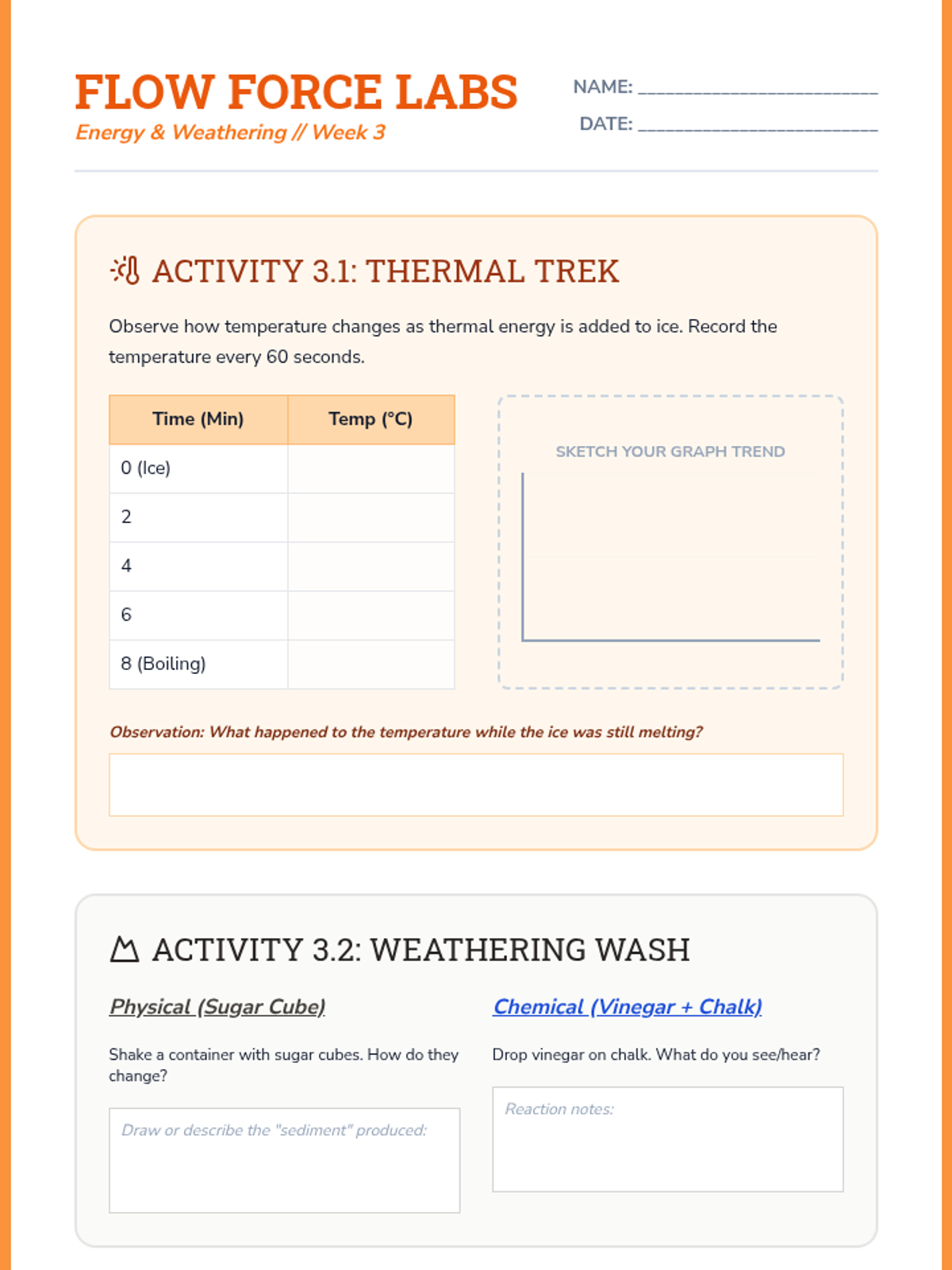
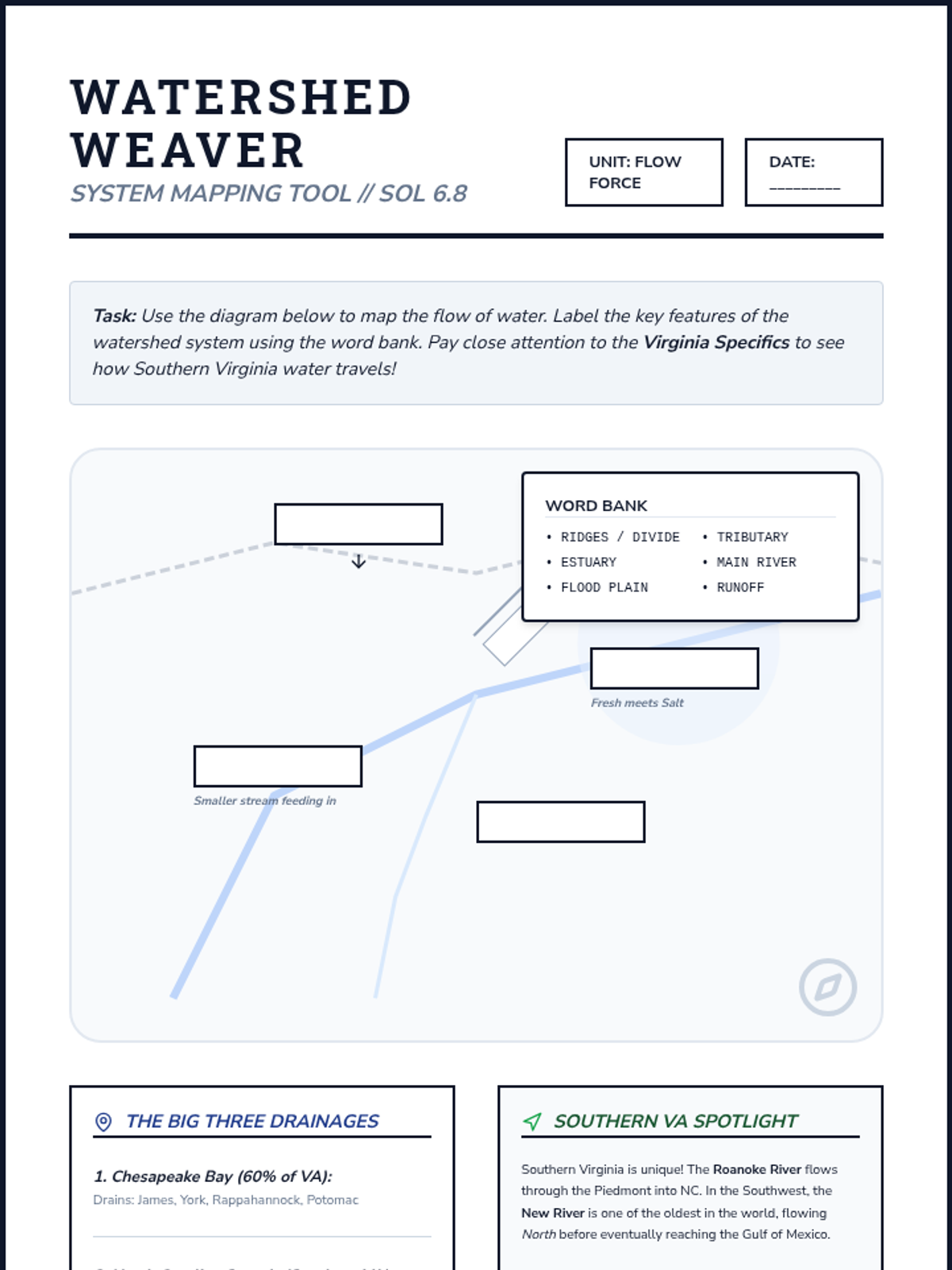
A 10-session unit covering Virginia Standards 6.6 and 6.8, beginning with a water filter engineering challenge and progressing through water chemistry and watershed systems.
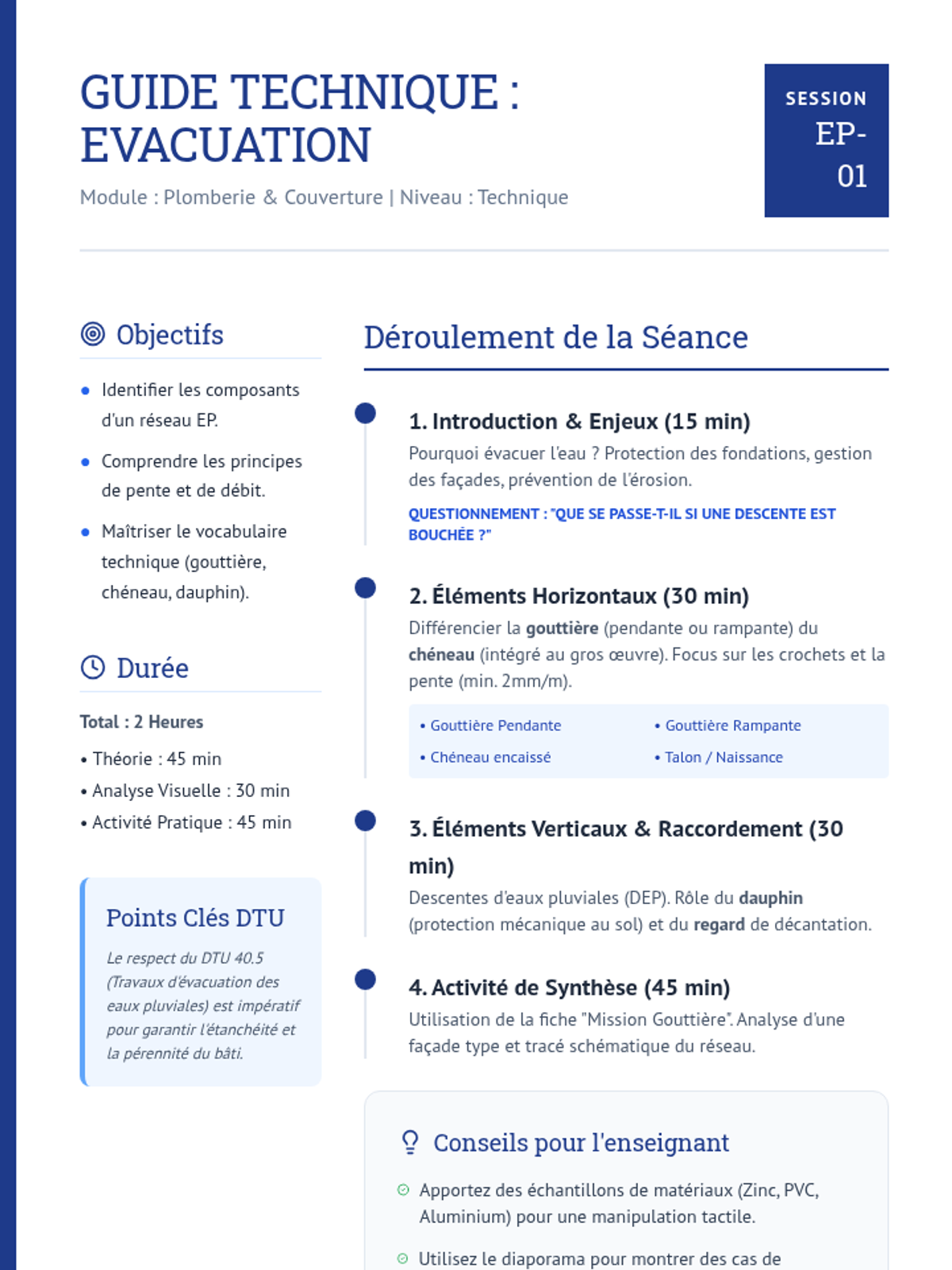
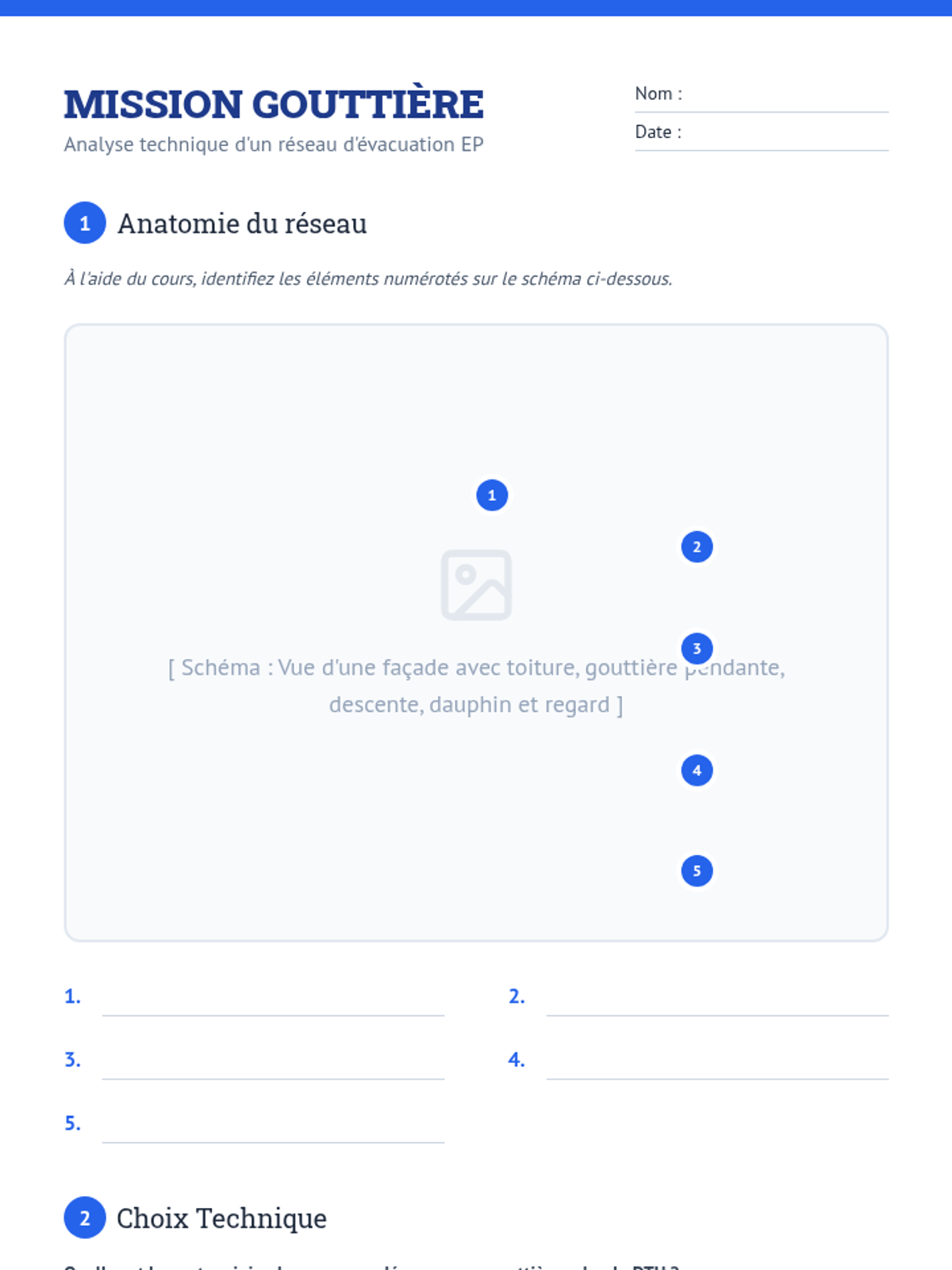
Ce cours complet aborde la conception et les éléments constitutifs des systèmes d'évacuation des eaux pluviales pour les bâtiments, incluant les aspects techniques, normatifs et pratiques.
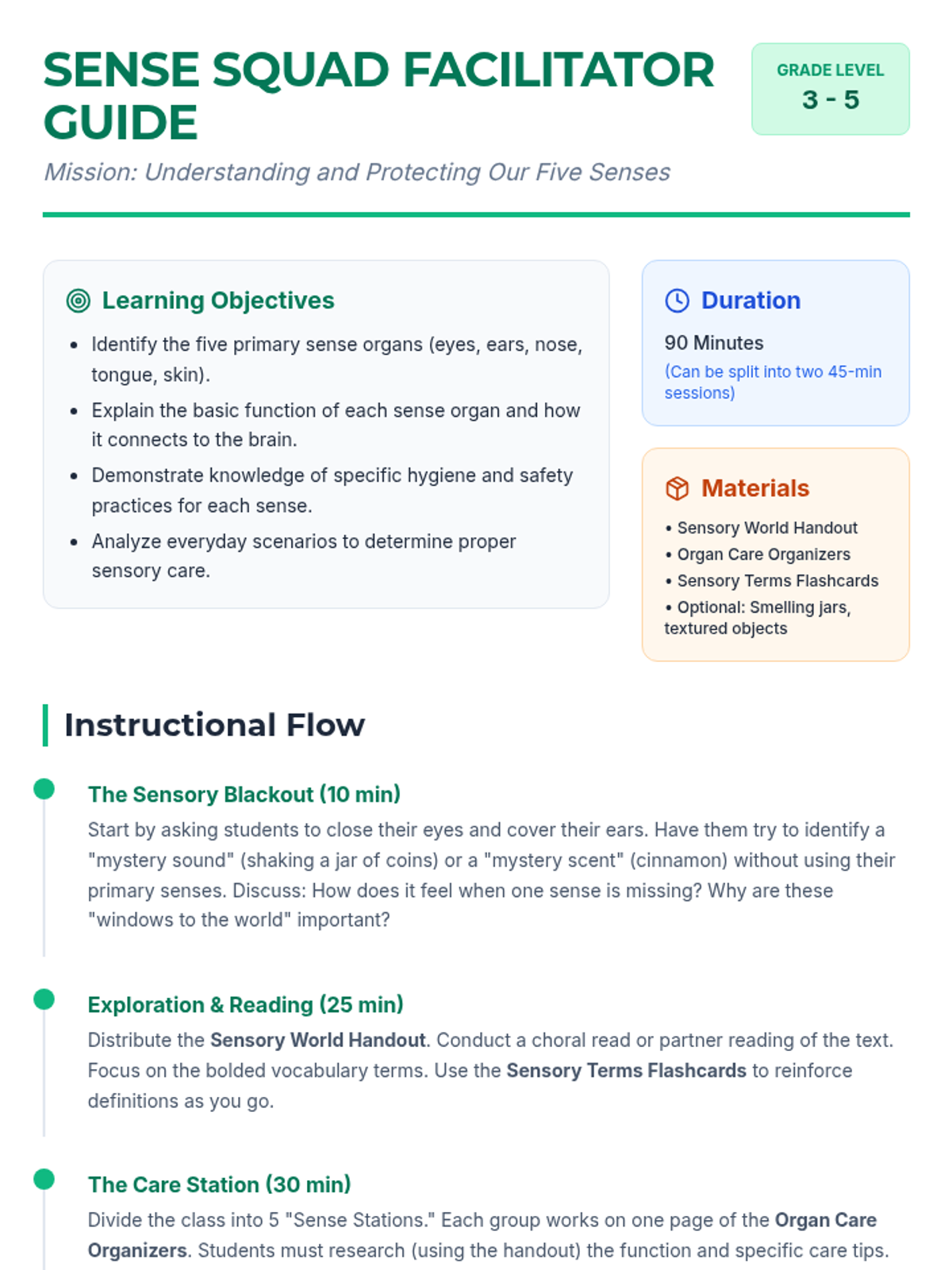
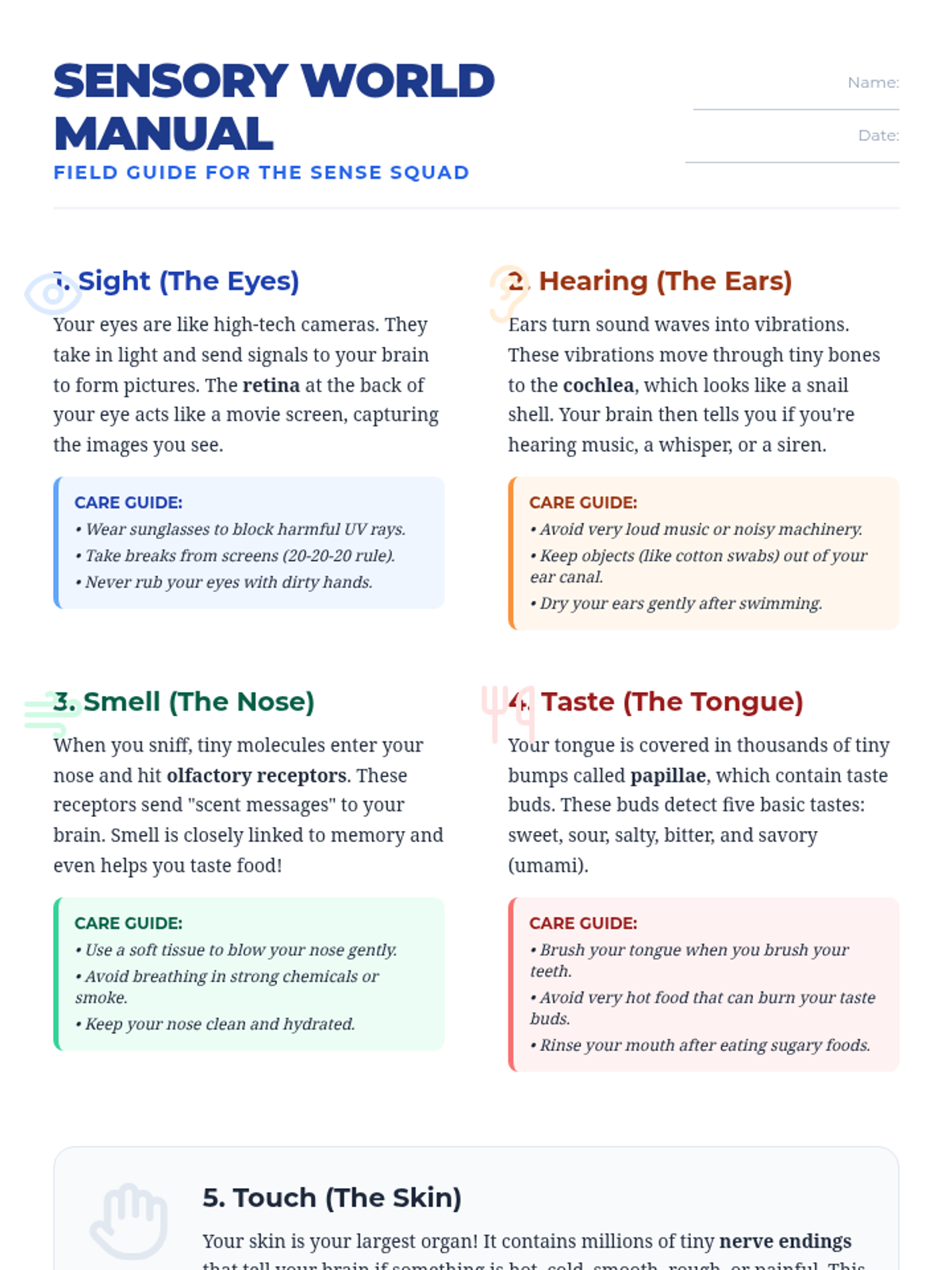
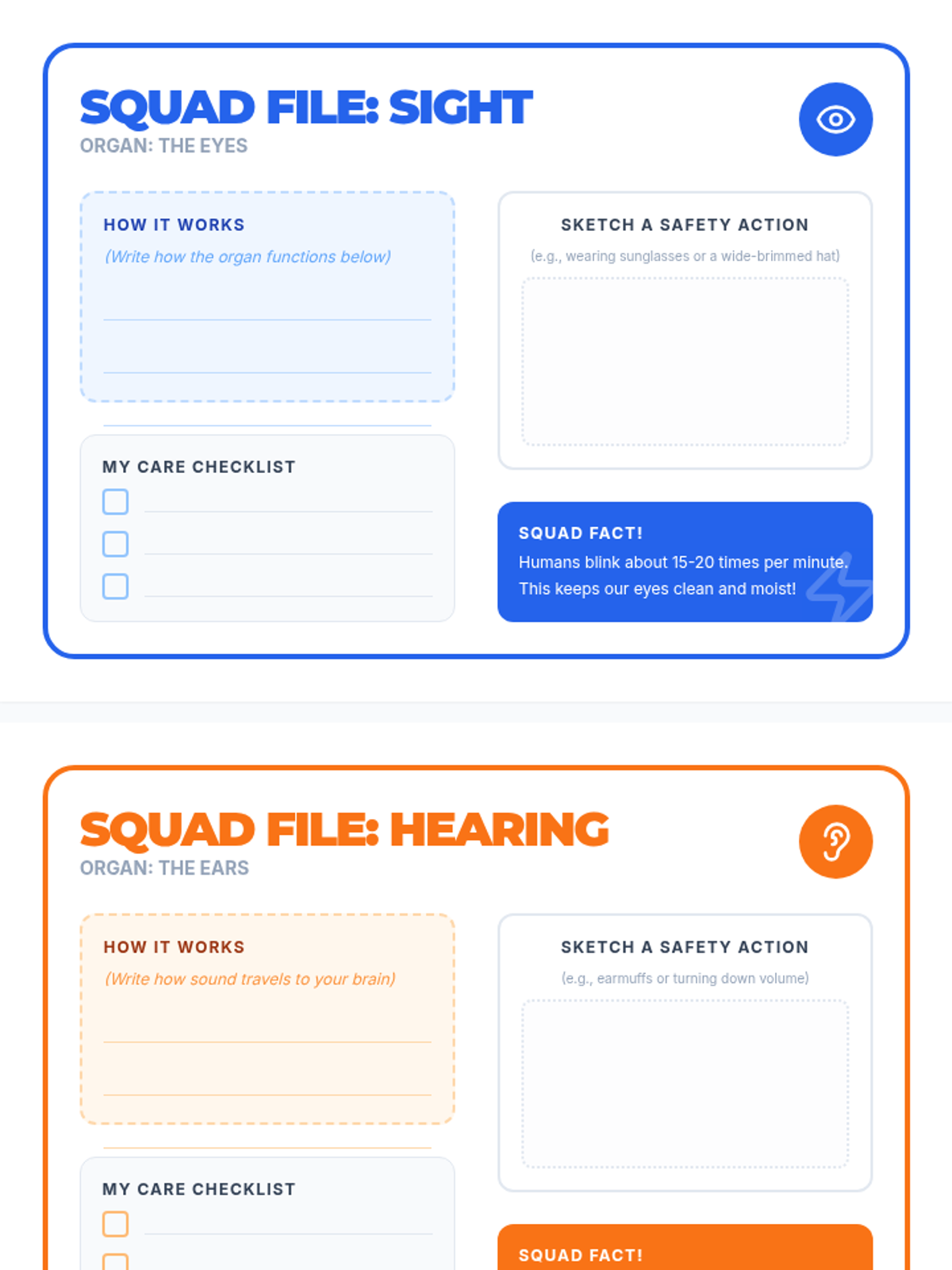
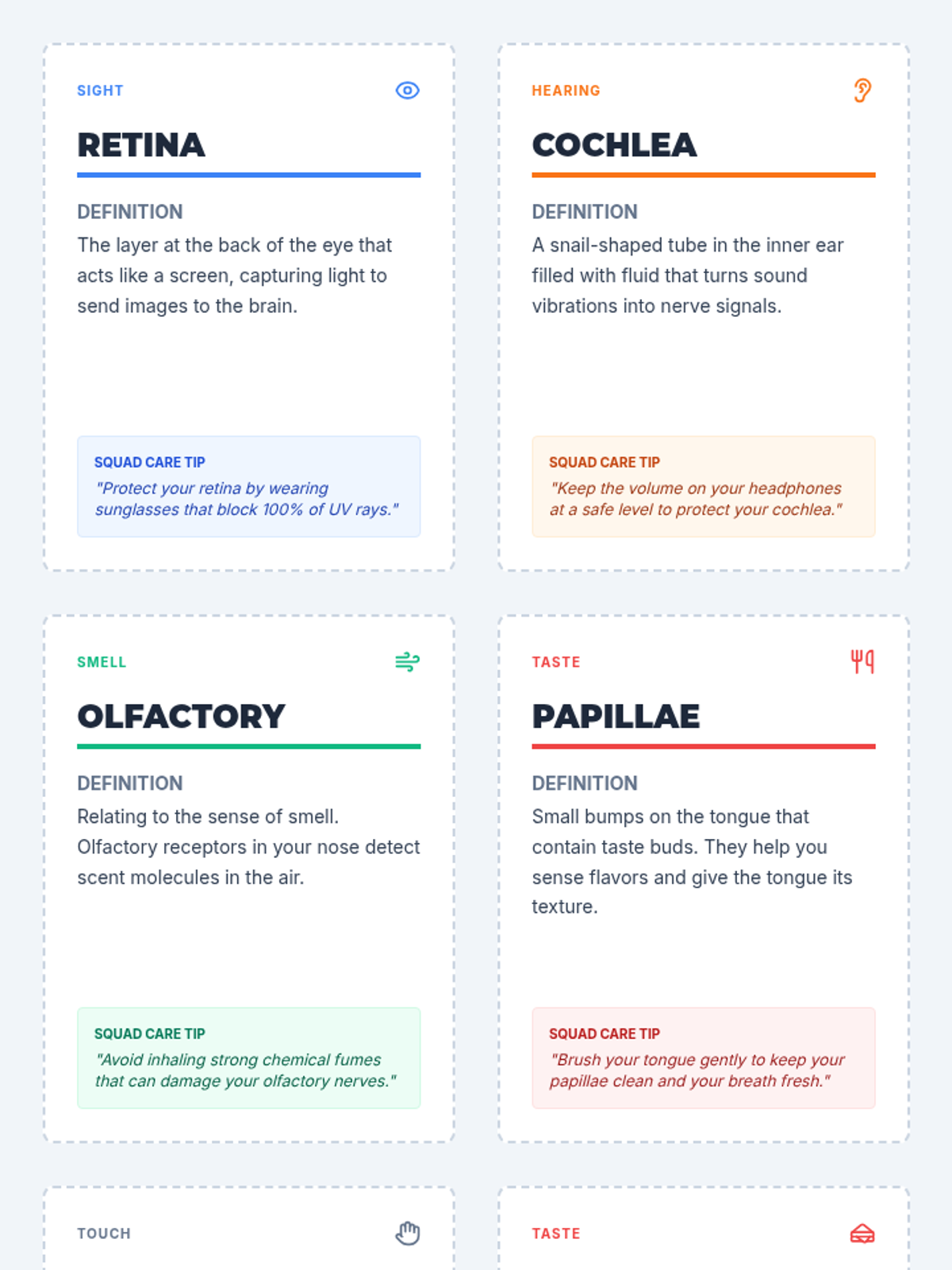
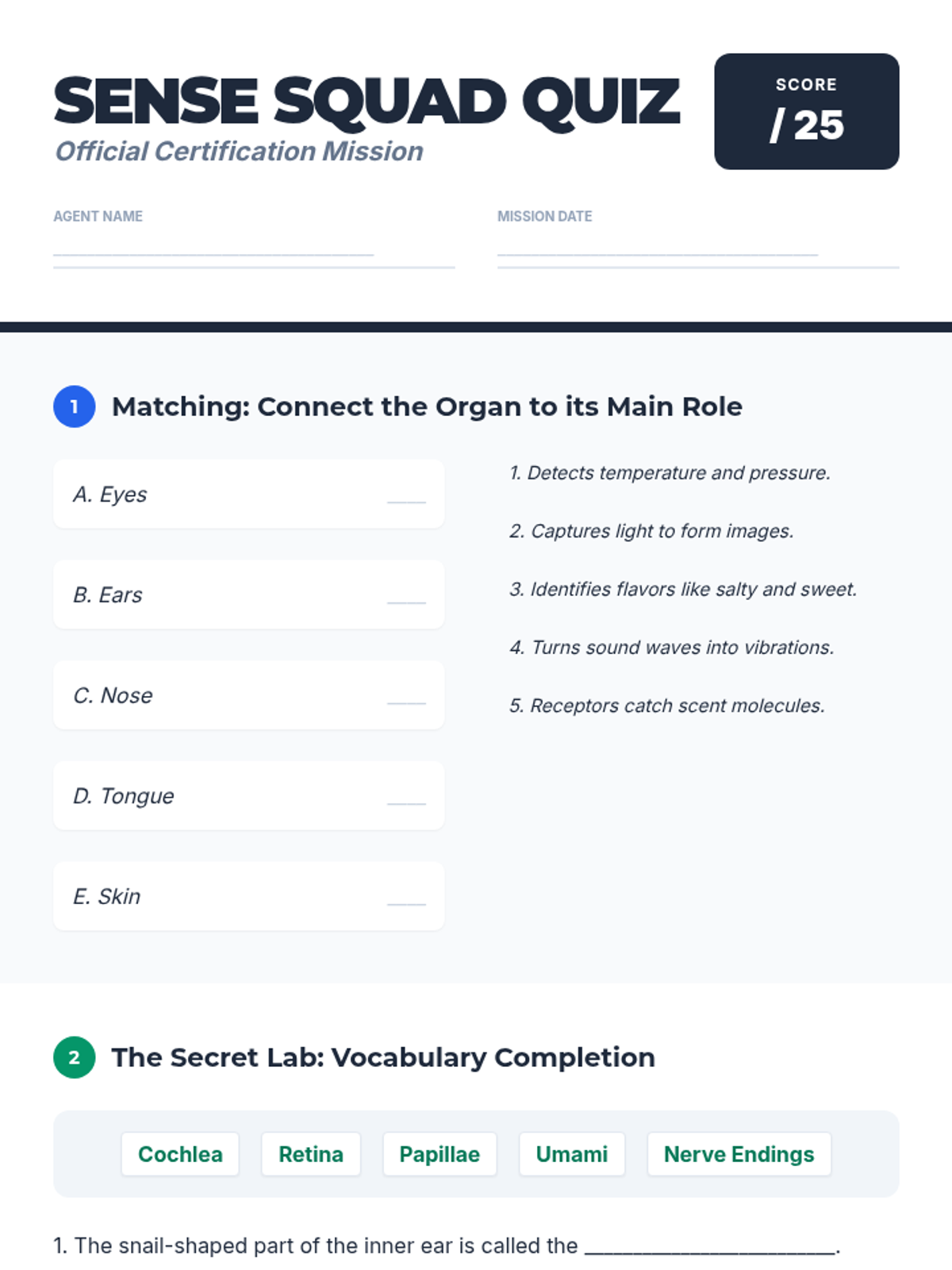
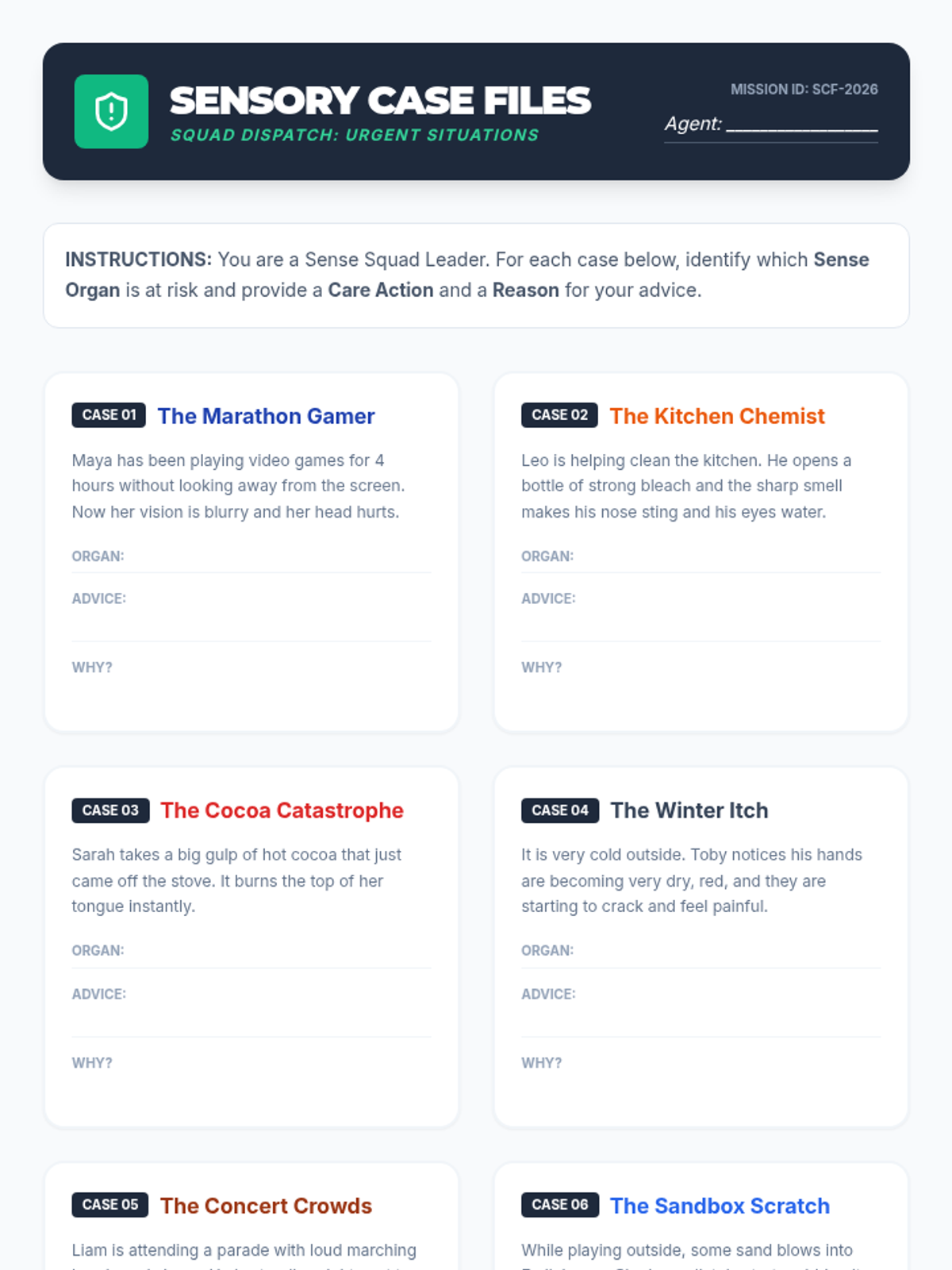
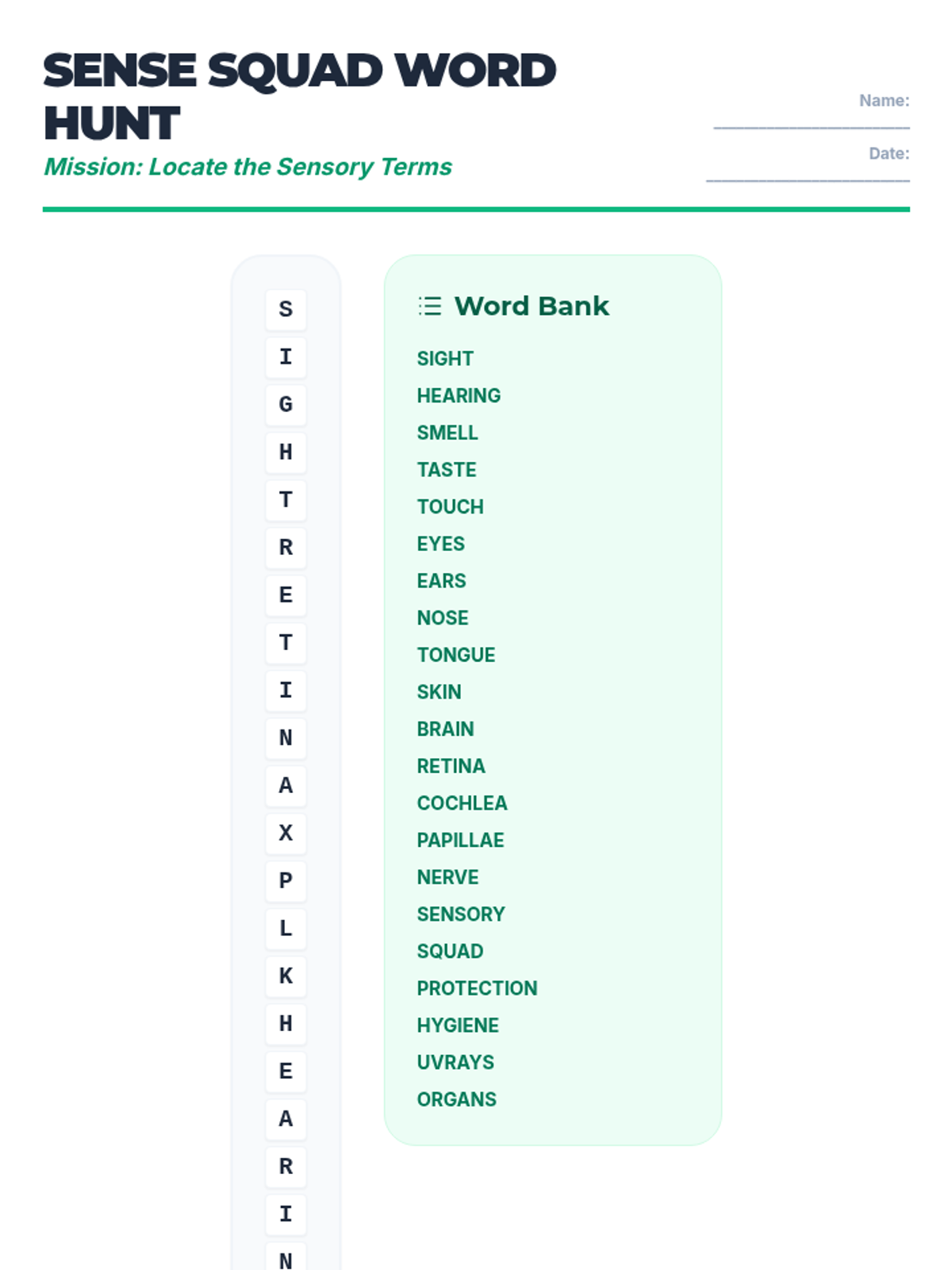
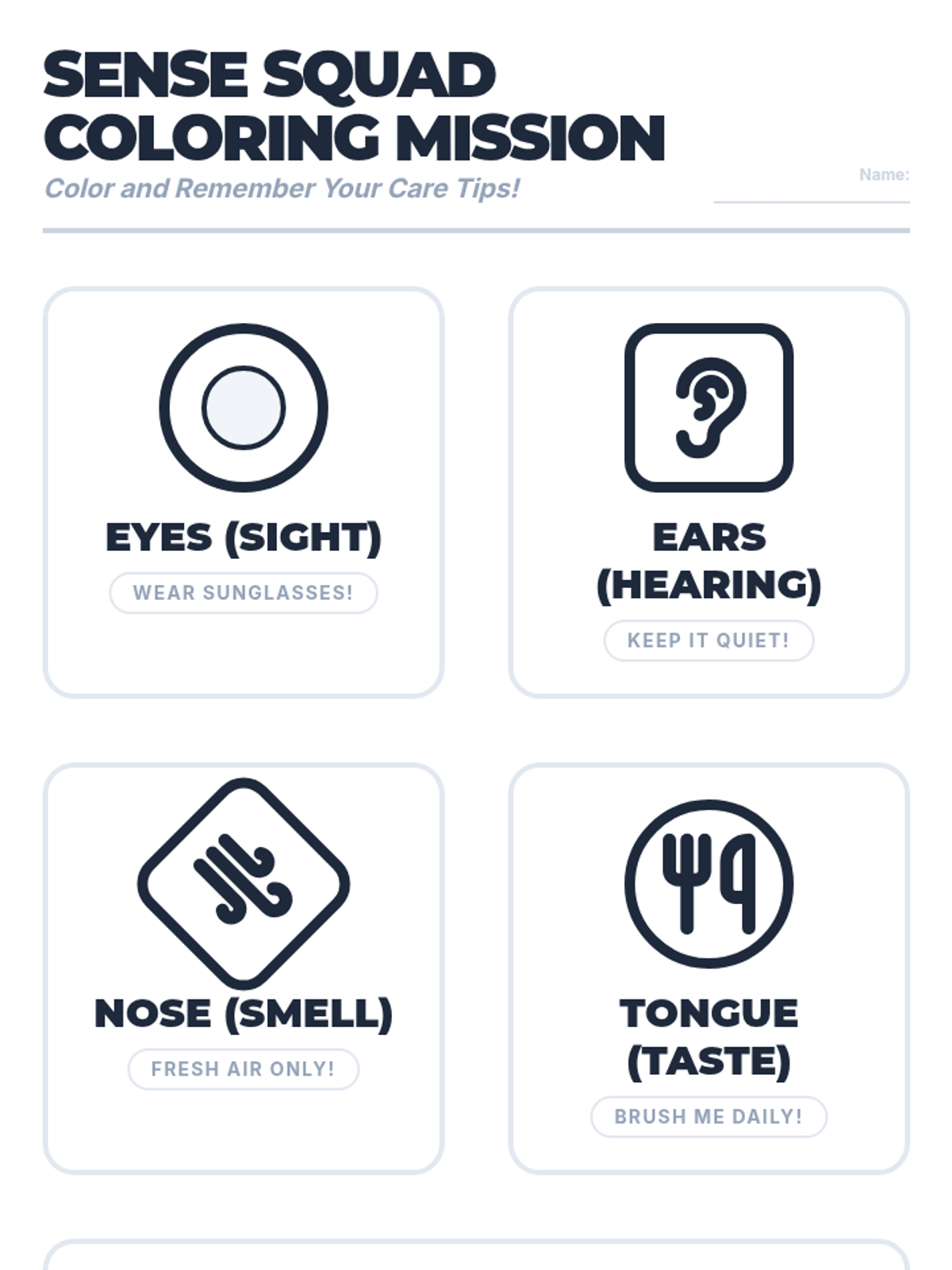
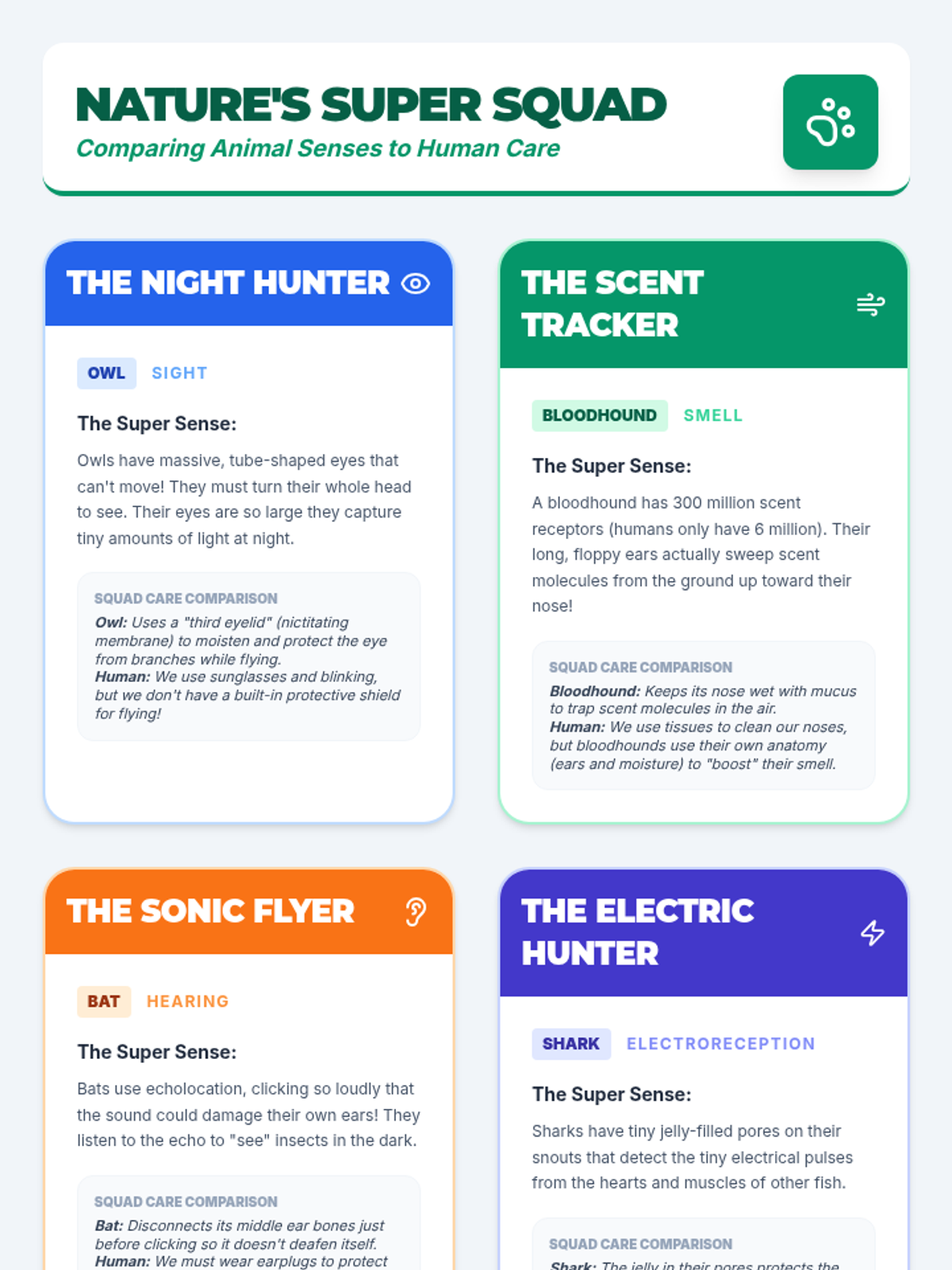
A comprehensive lesson exploring the five human sense organs, their functions, and essential care practices to maintain sensory health.
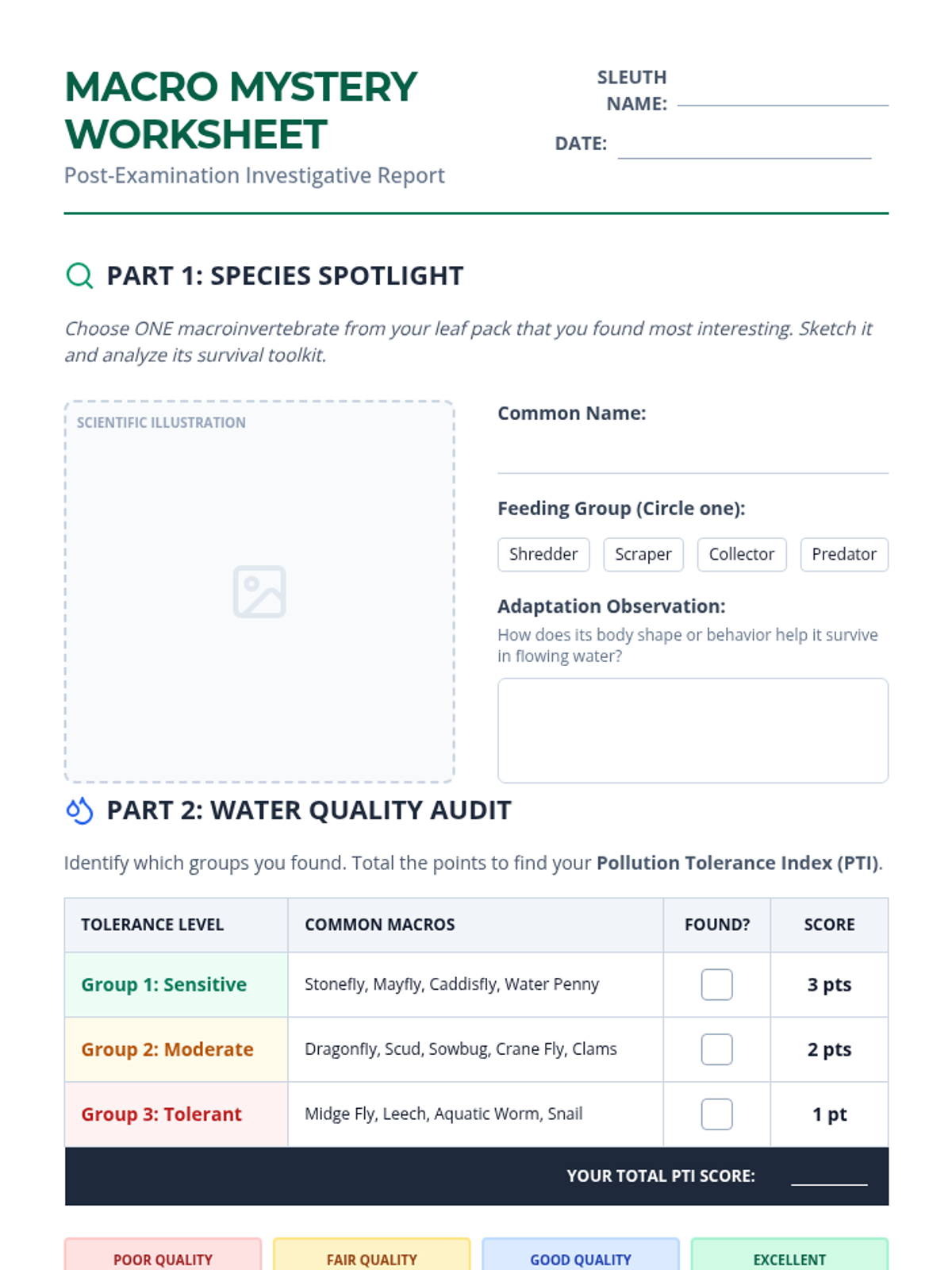
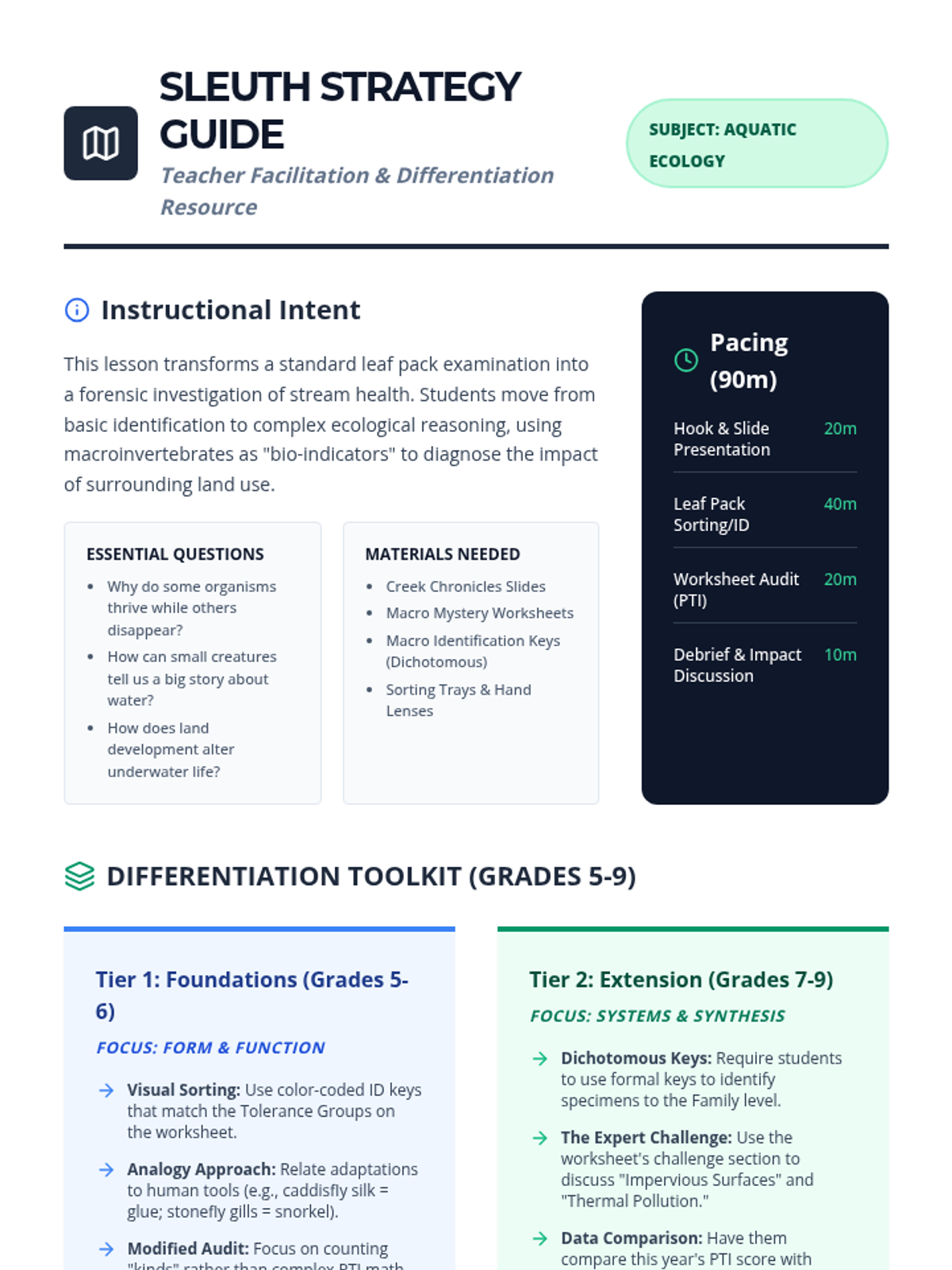
A comprehensive lesson investigating aquatic ecosystems through leaf pack analysis. Students identify macroinvertebrates, explore their specialized adaptations, and evaluate how human activities impact water quality and biodiversity.
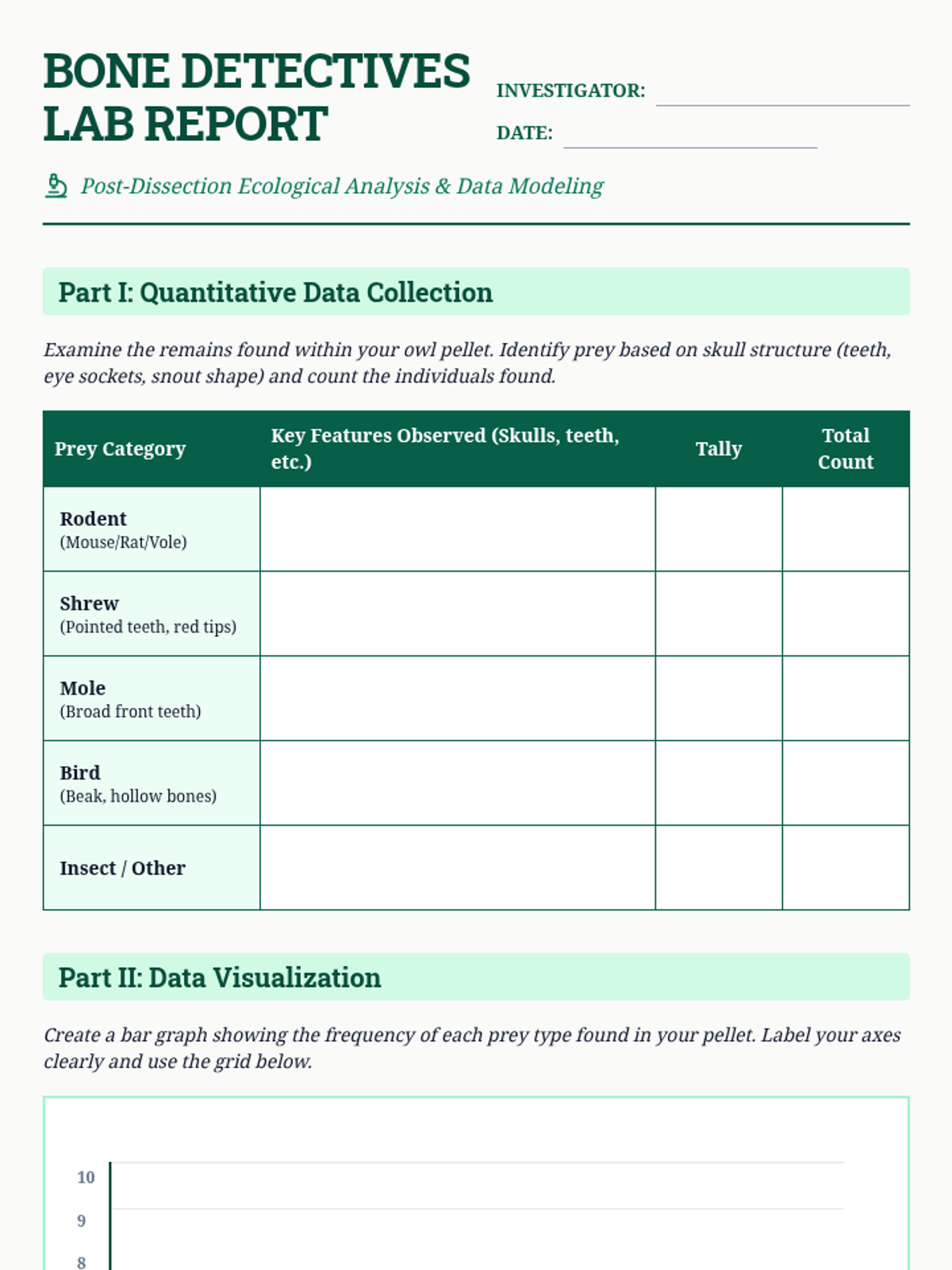
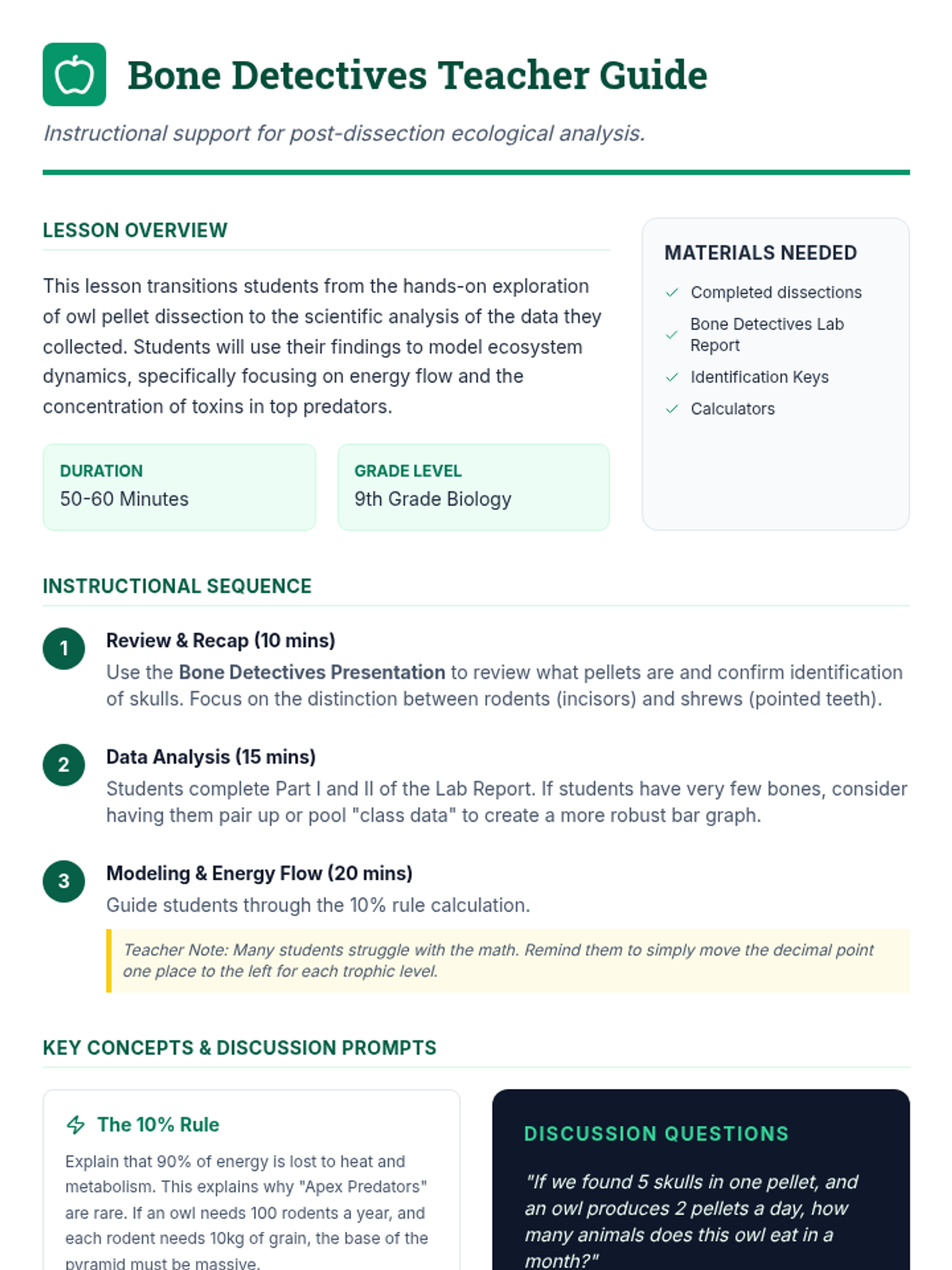
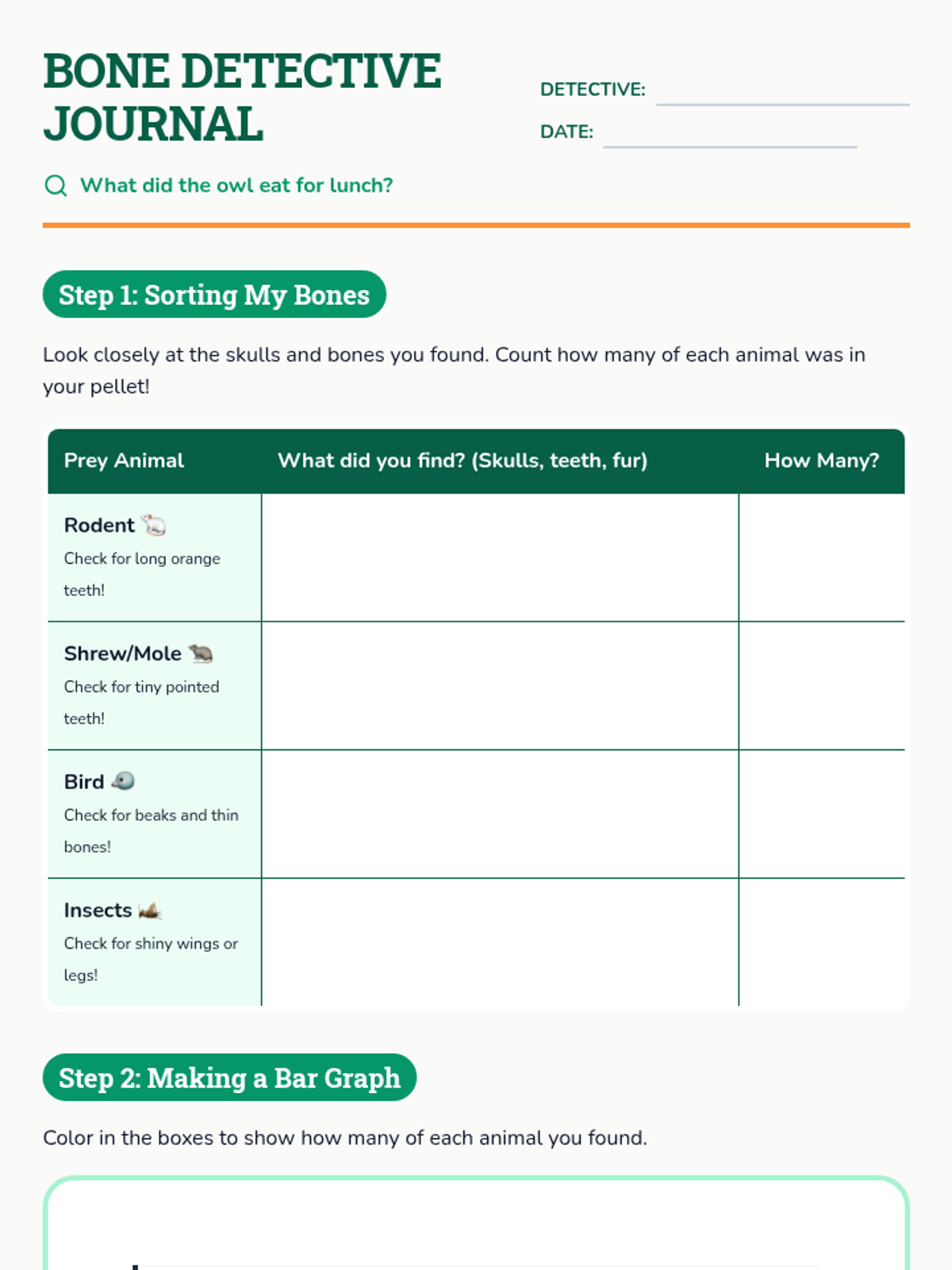
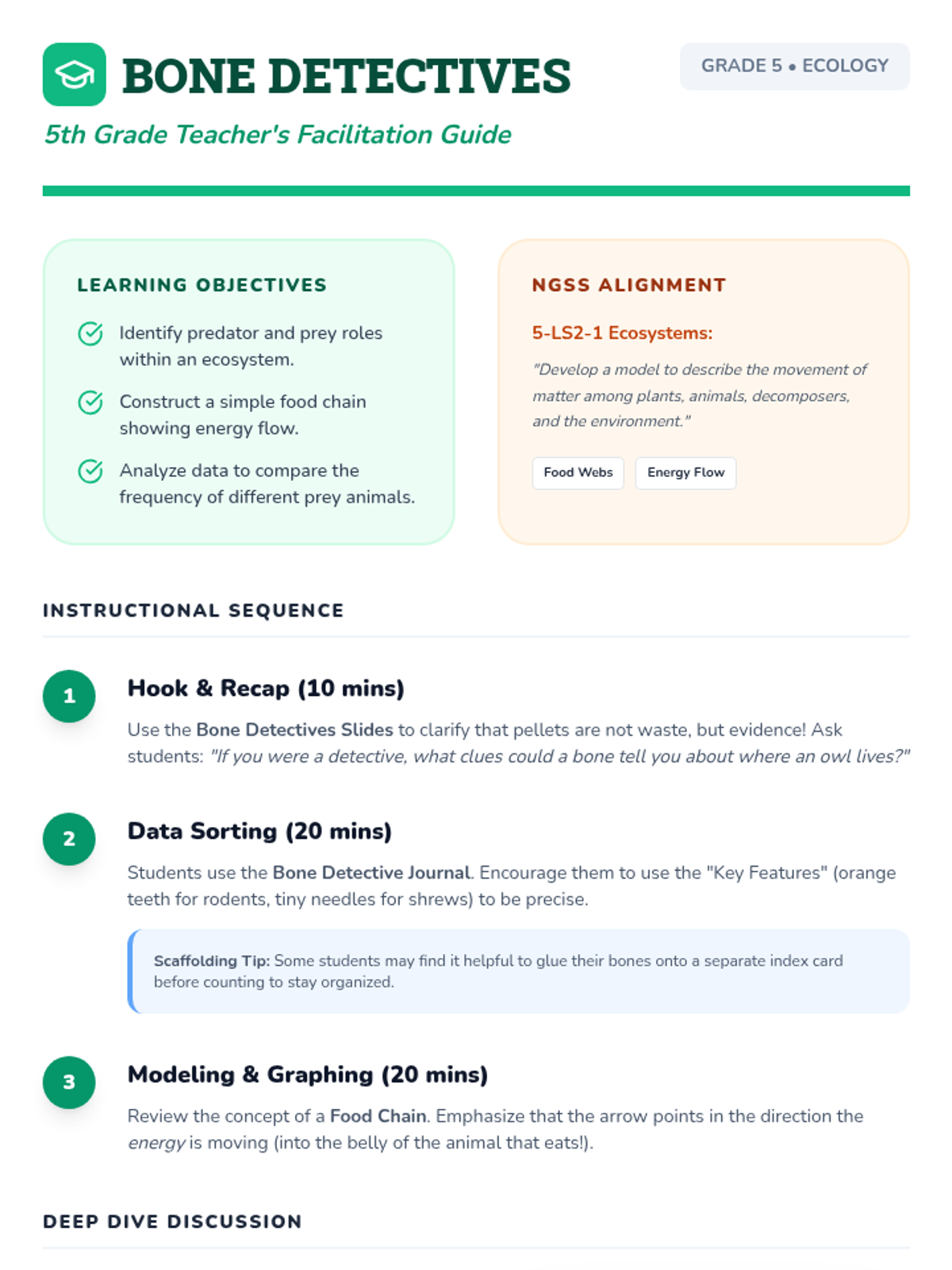
A post-dissection lesson focused on analyzing owl pellet data to understand ecological relationships and energy flow, with materials specifically designed for both 9th grade (quantitative analysis) and 5th grade (qualitative observation and basic food chains).
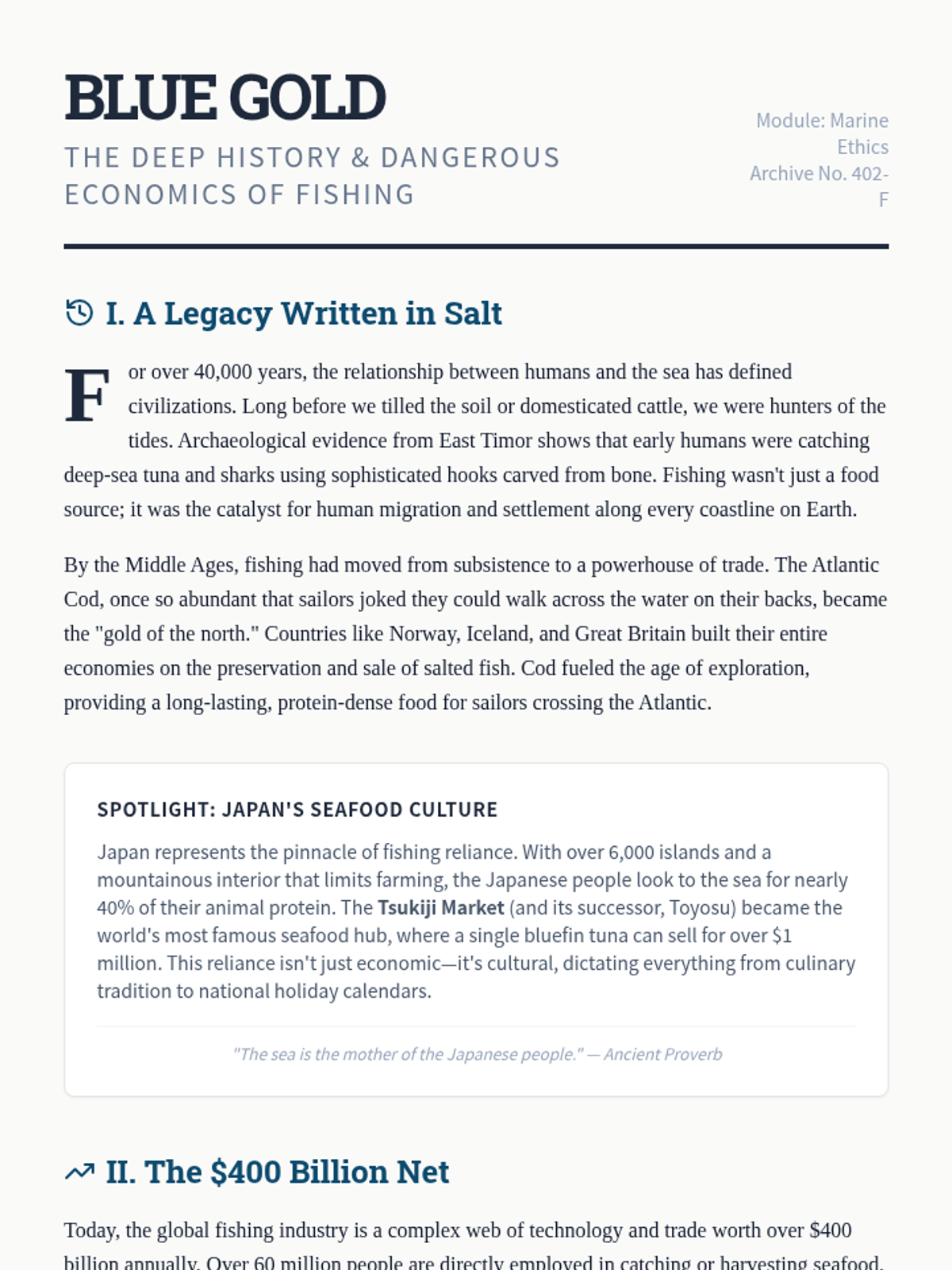
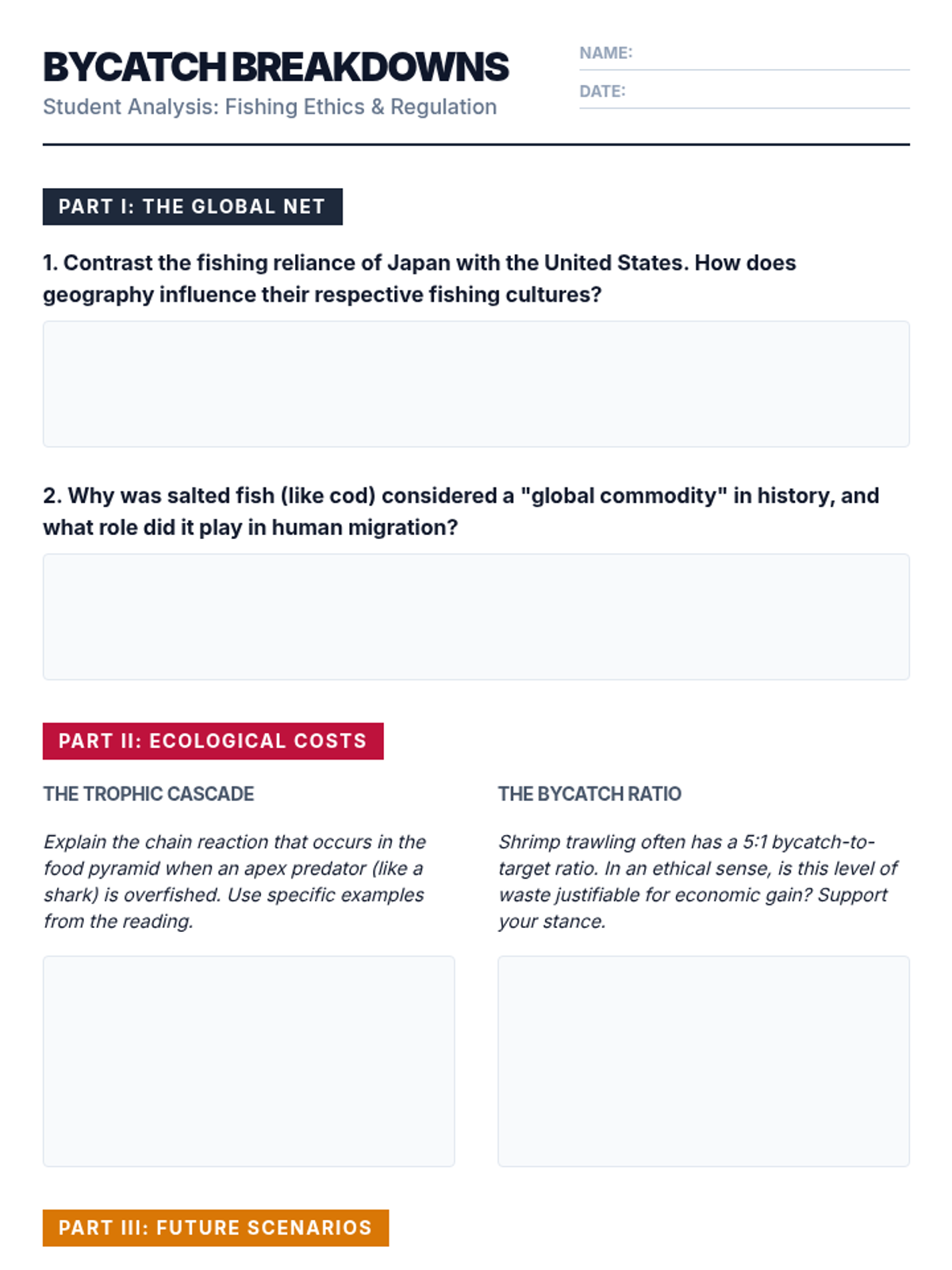
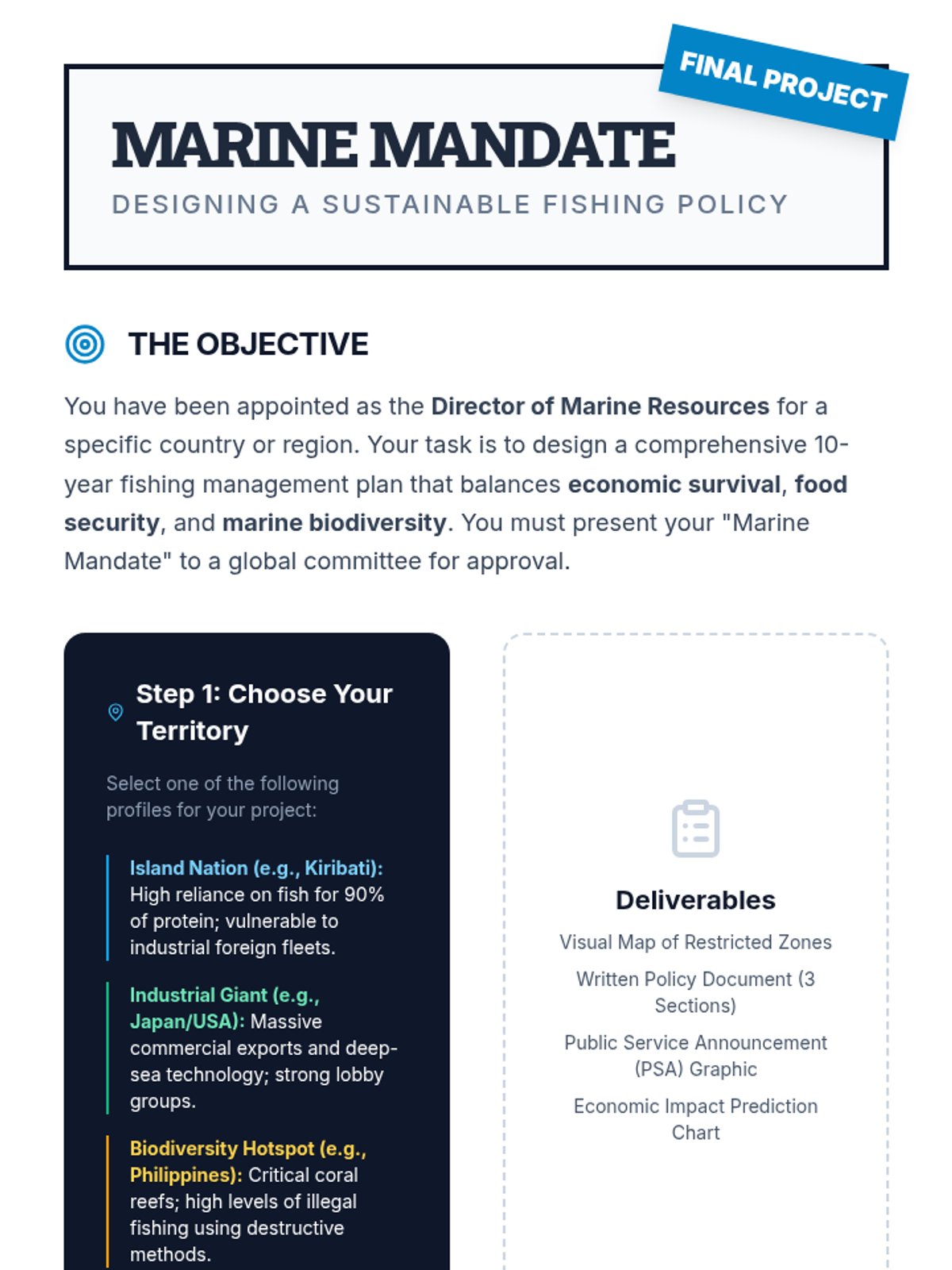
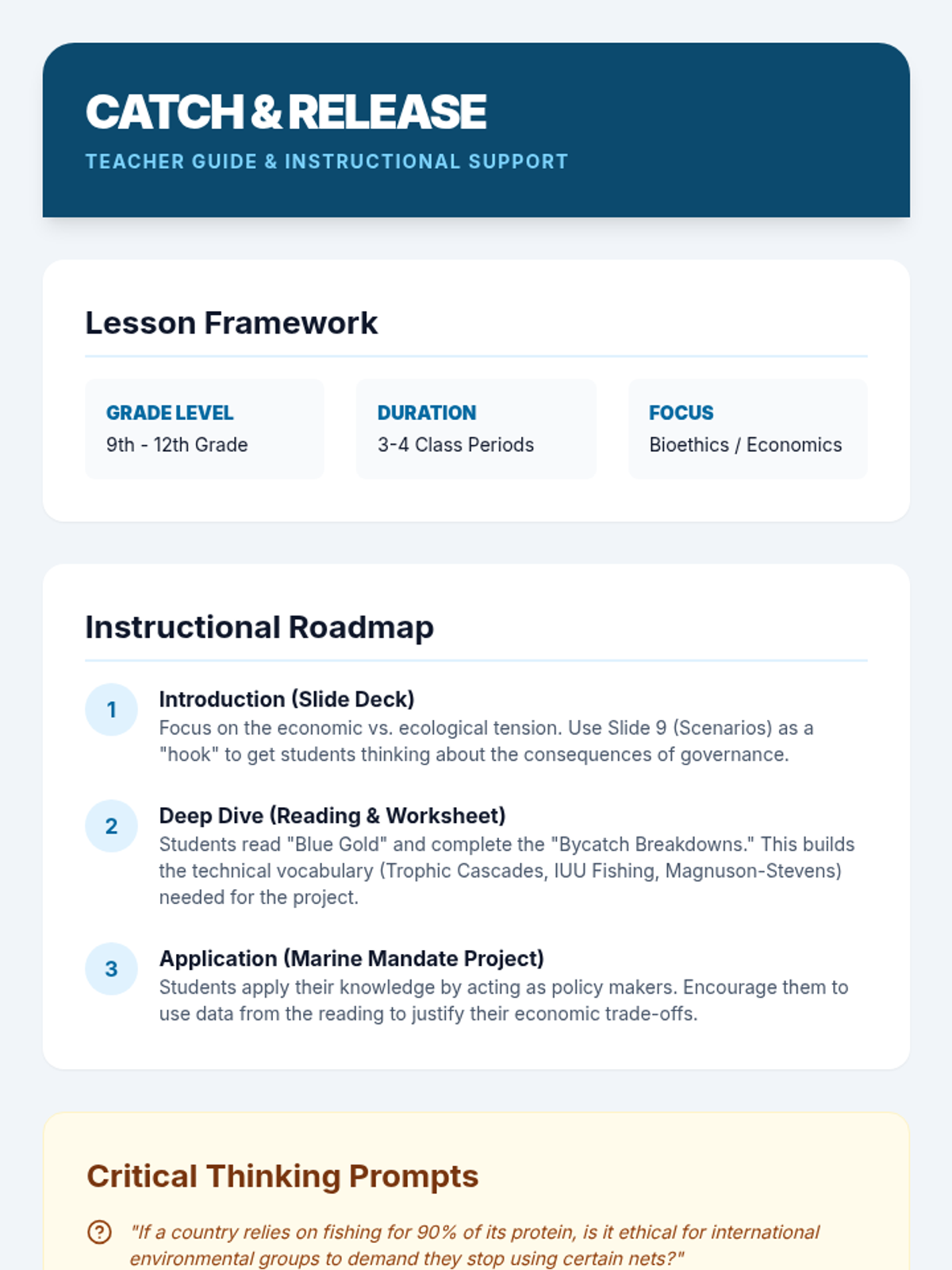
A comprehensive lesson exploring the history, economics, biodiversity impacts, and ethical dilemmas of global fishing. Students will analyze commercial and recreational practices, examine international regulations, and debate the socio-ecological consequences of various fishing management scenarios.
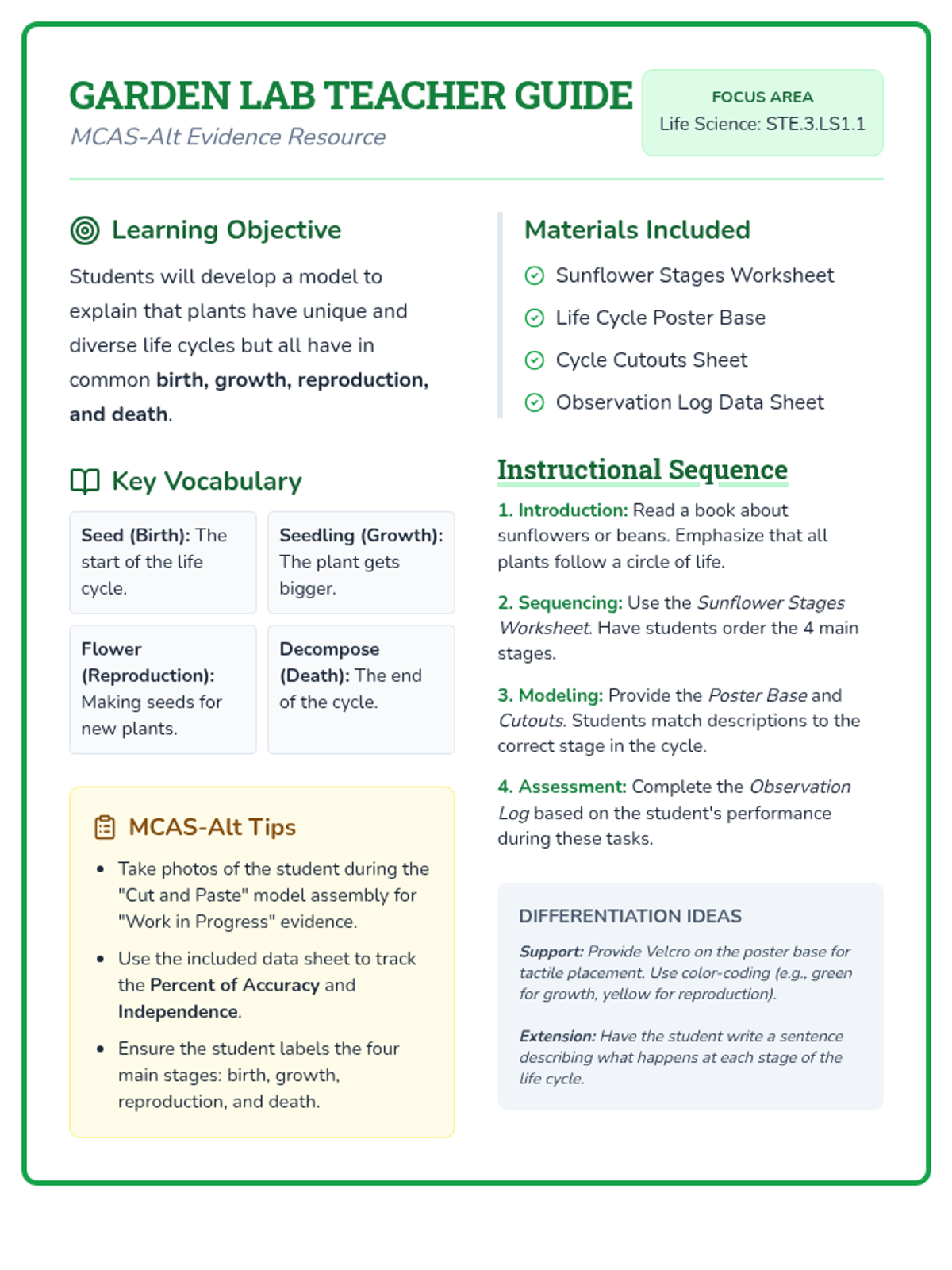
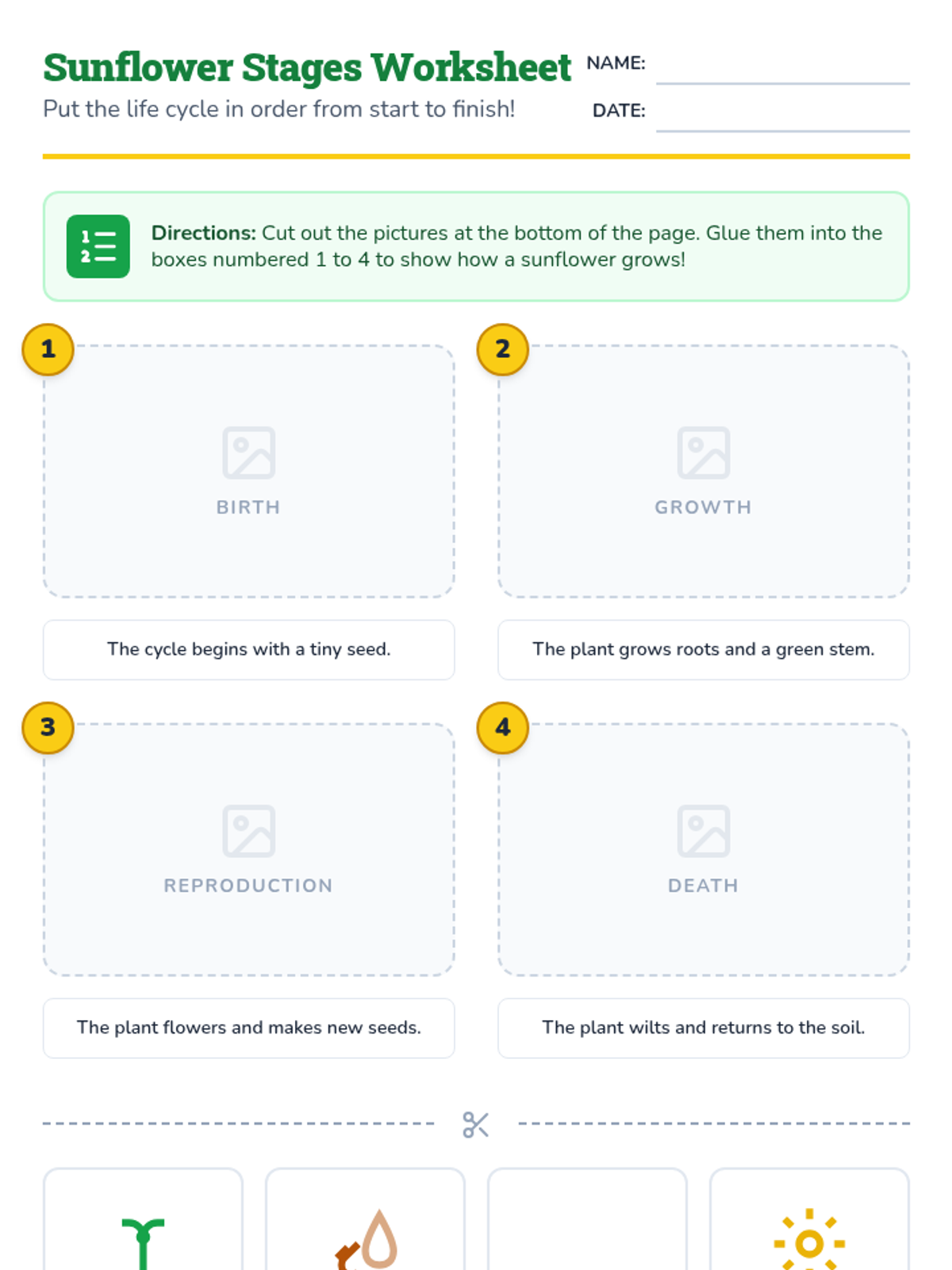
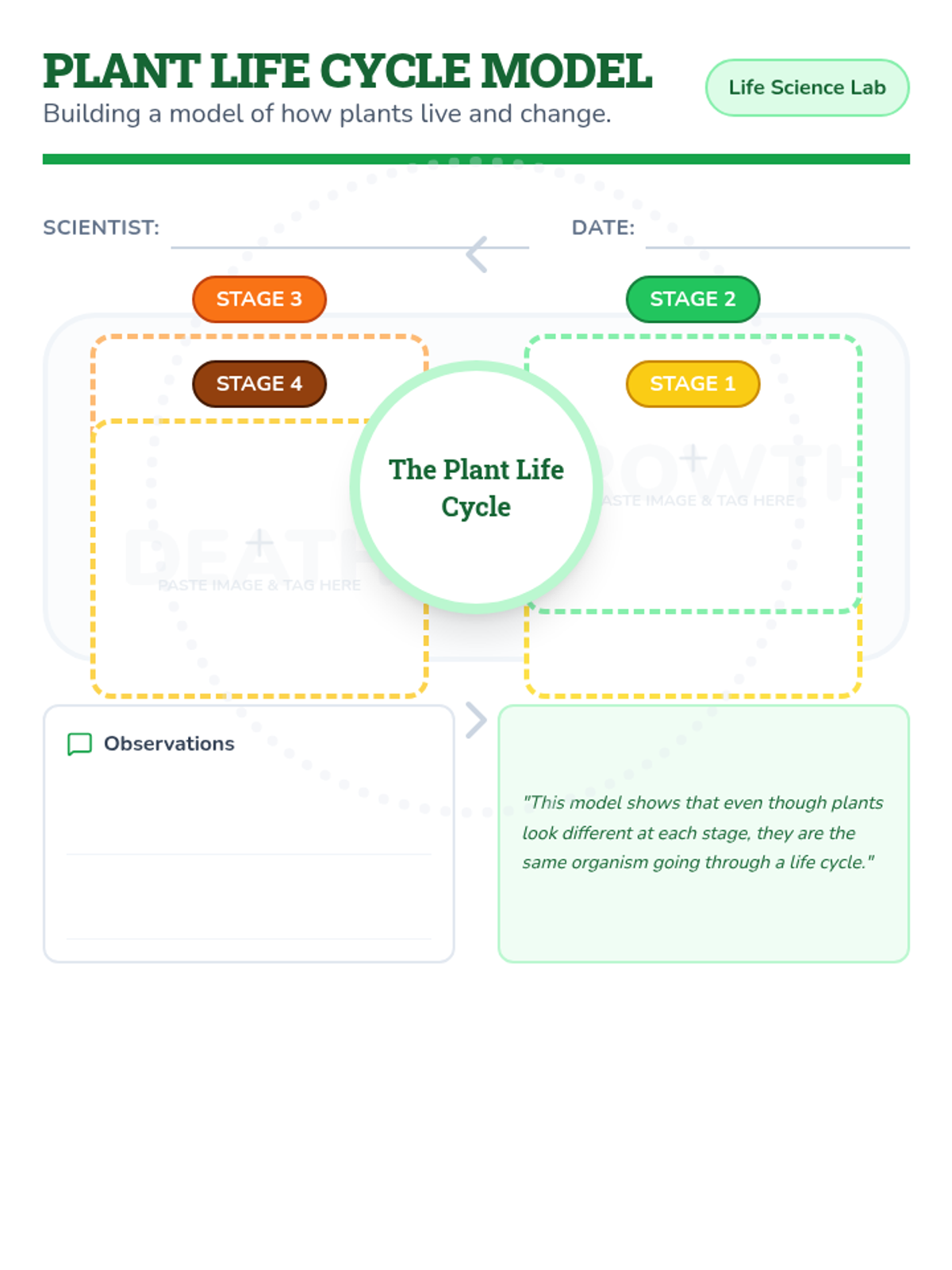
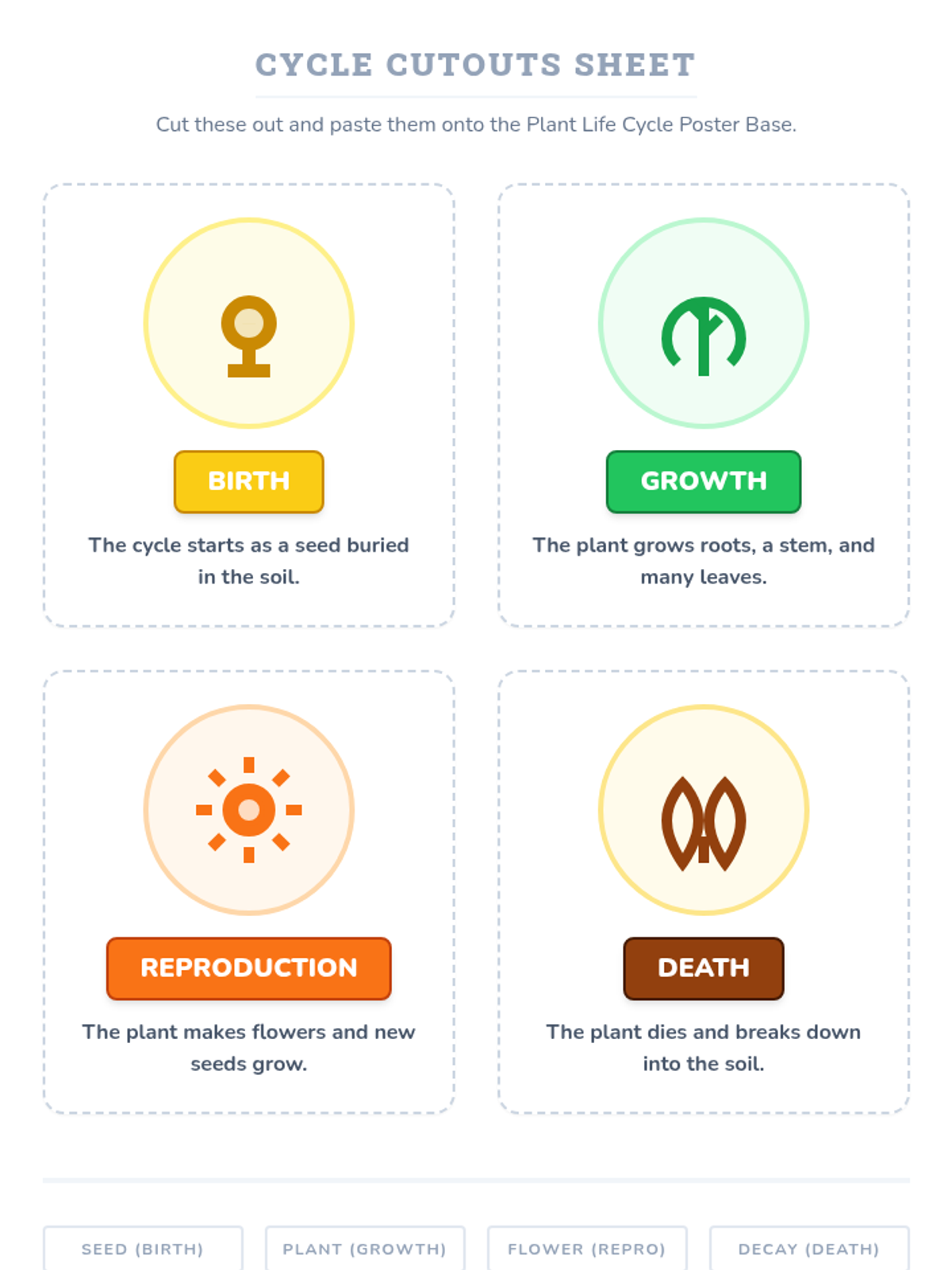
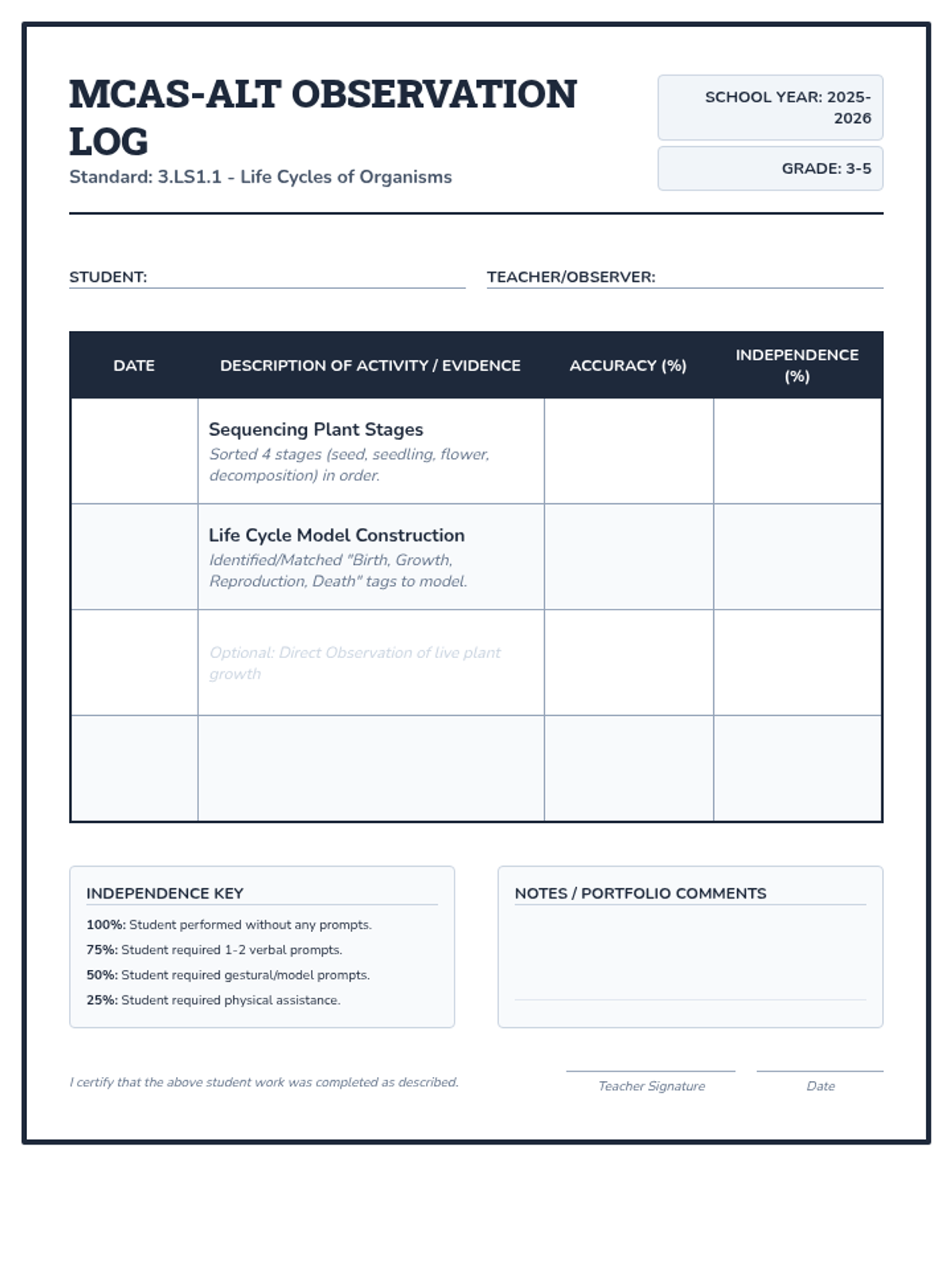
A comprehensive set of materials designed for MCAS-Alt portfolios, focusing on the plant life cycle (birth, growth, reproduction, and death) through sequencing and model-building.
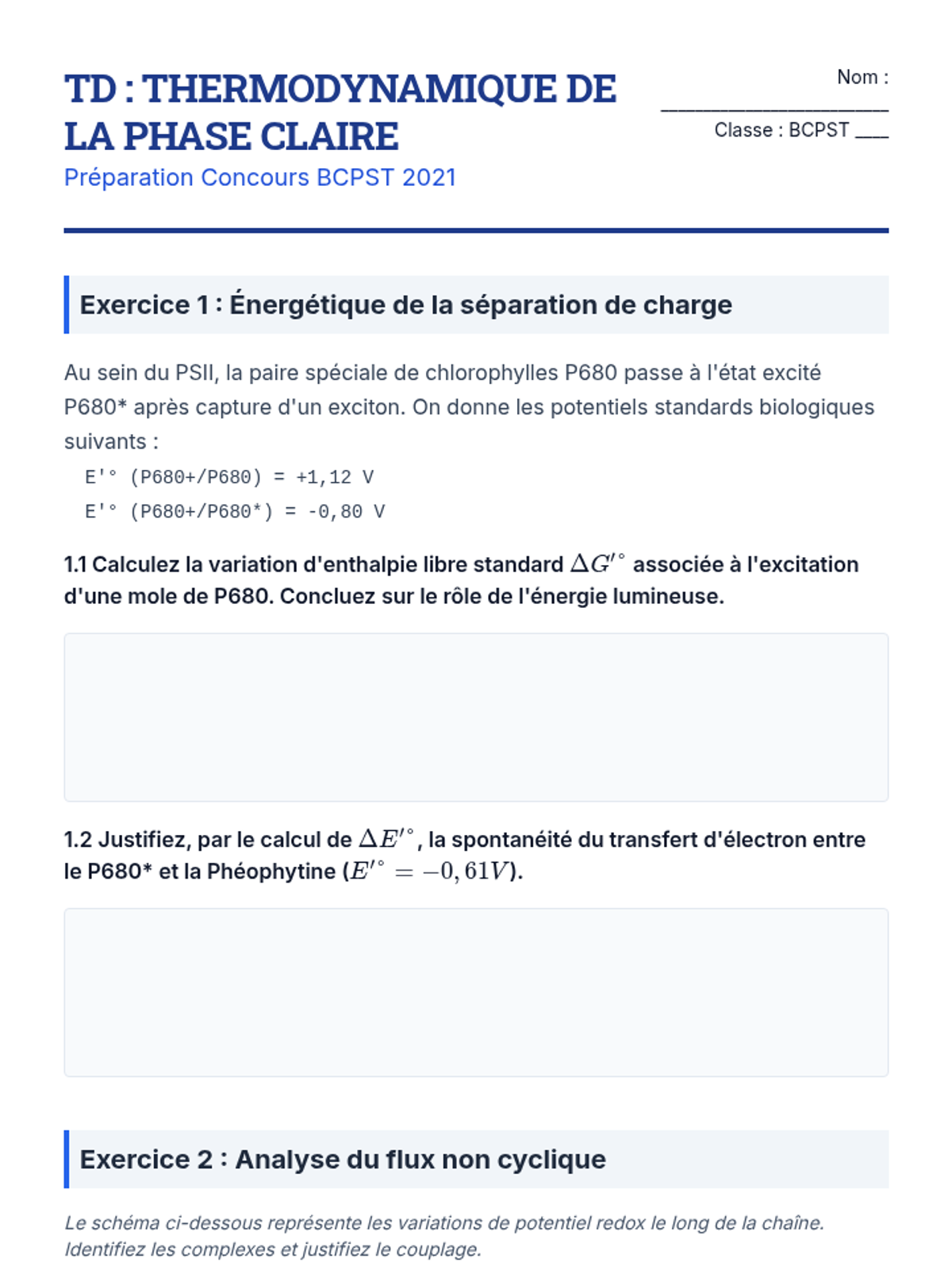
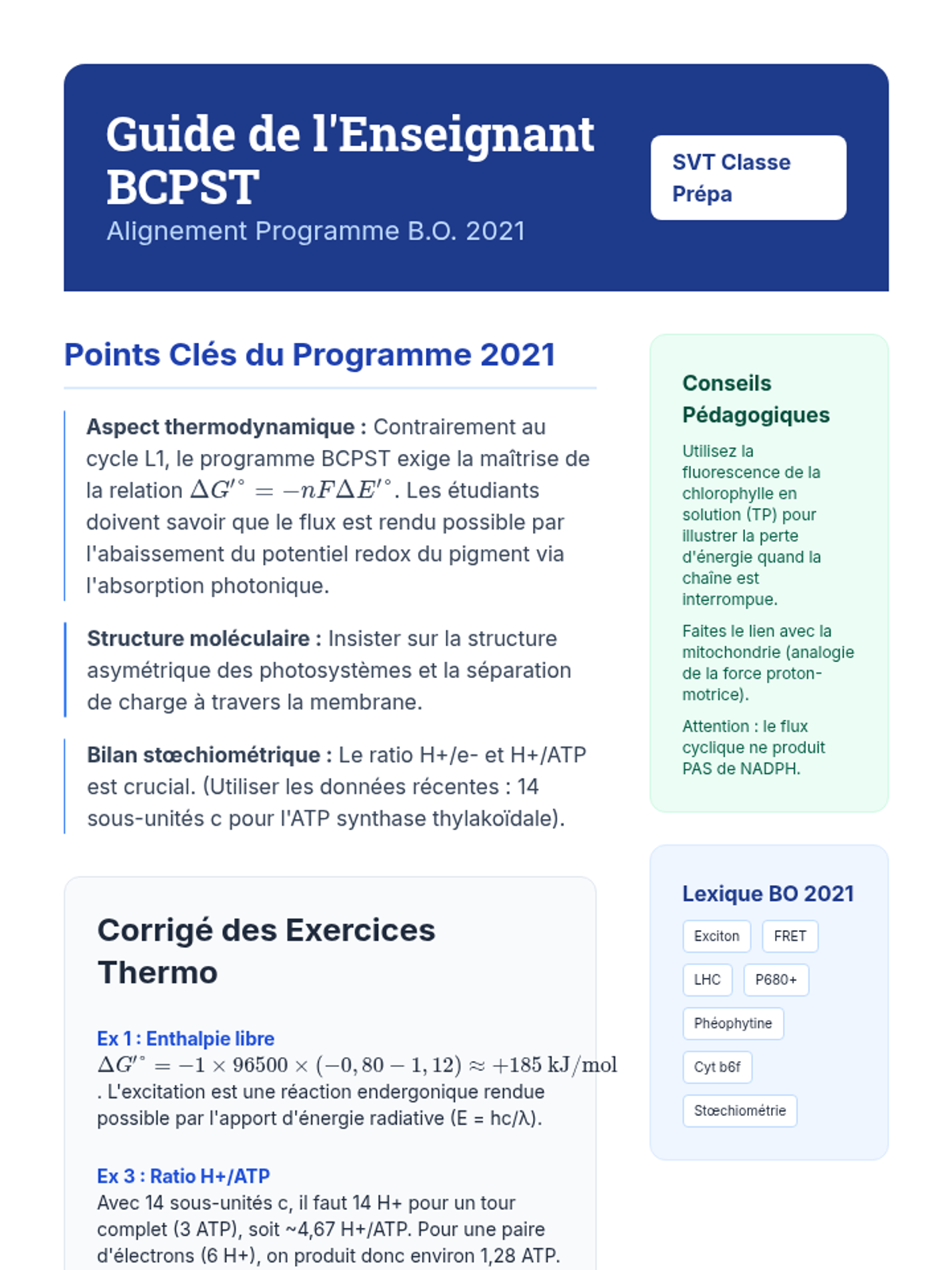
Focus sur la phase photochimique : structure des photosystèmes, capture et transfert de l'énergie d'excitation, chaîne de transporteurs d'électrons et couplage osmo-chimique pour la synthèse d'ATP et de NADPH. Approche conforme aux exigences du concours BCPST.
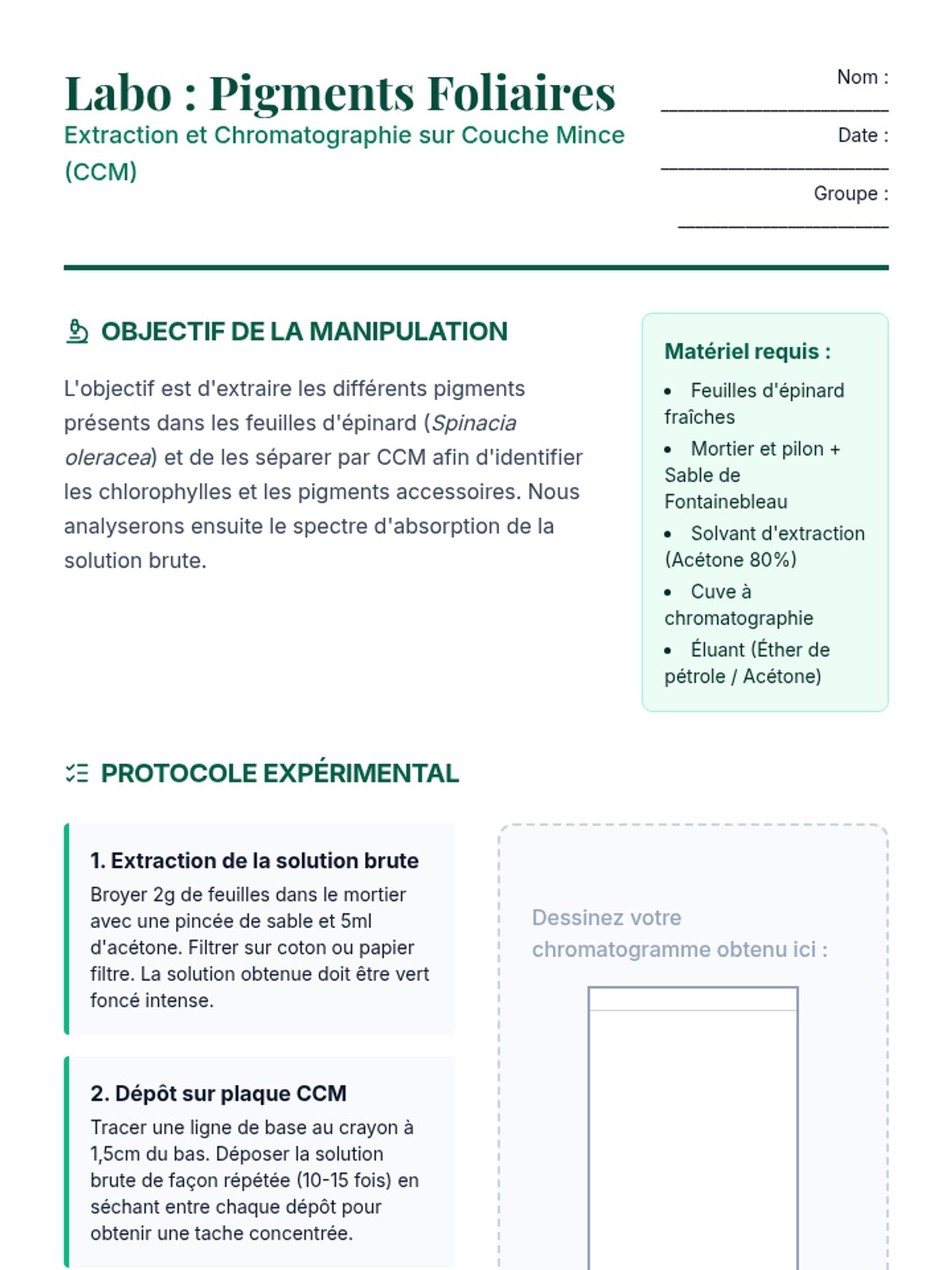
Cette leçon explore les mécanismes moléculaires de la phase photochimique : de l'excitation des pigments à la formation de l'ATP et du NADPH. Elle inclut des supports théoriques visuels et une approche expérimentale.
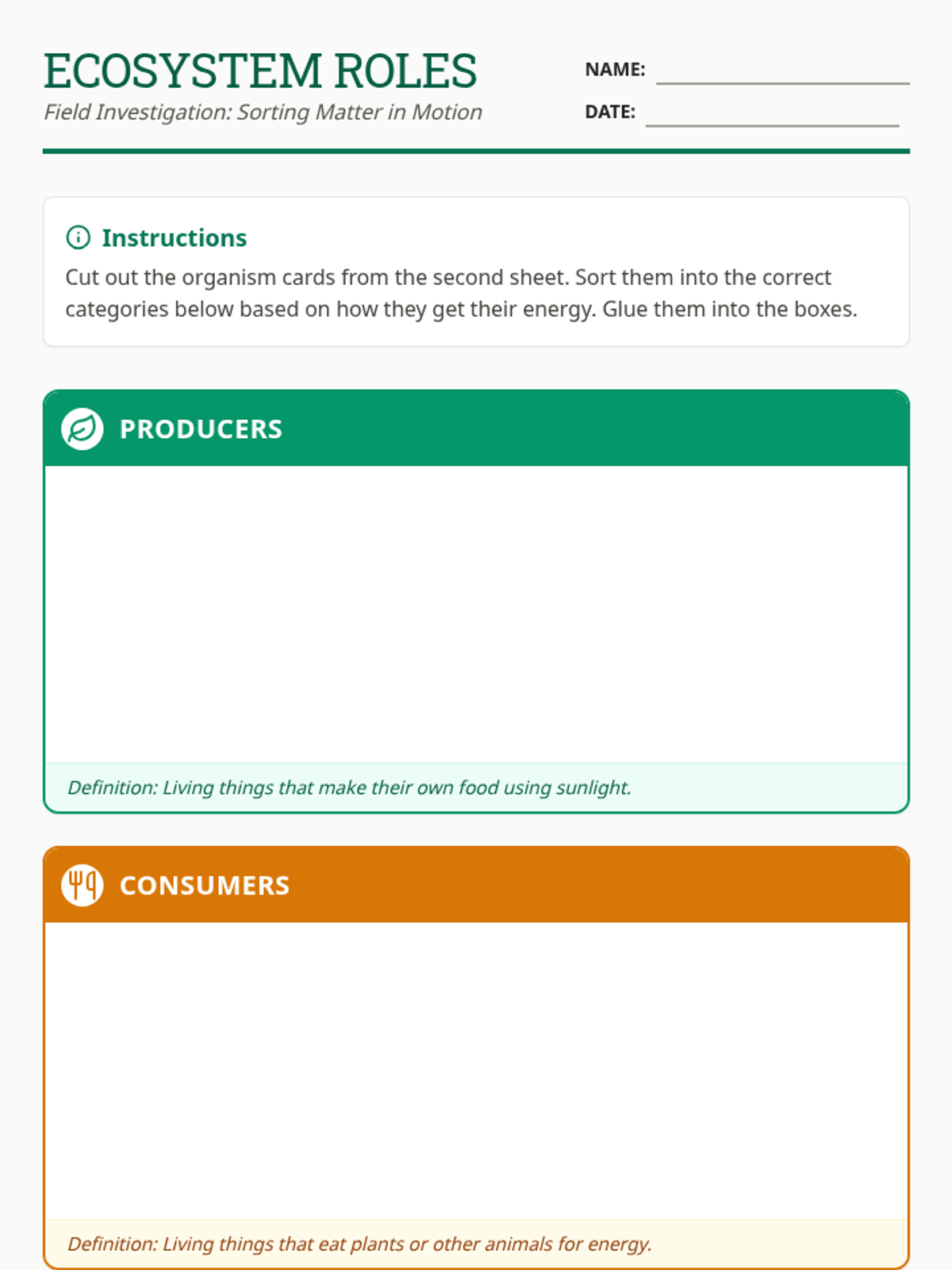
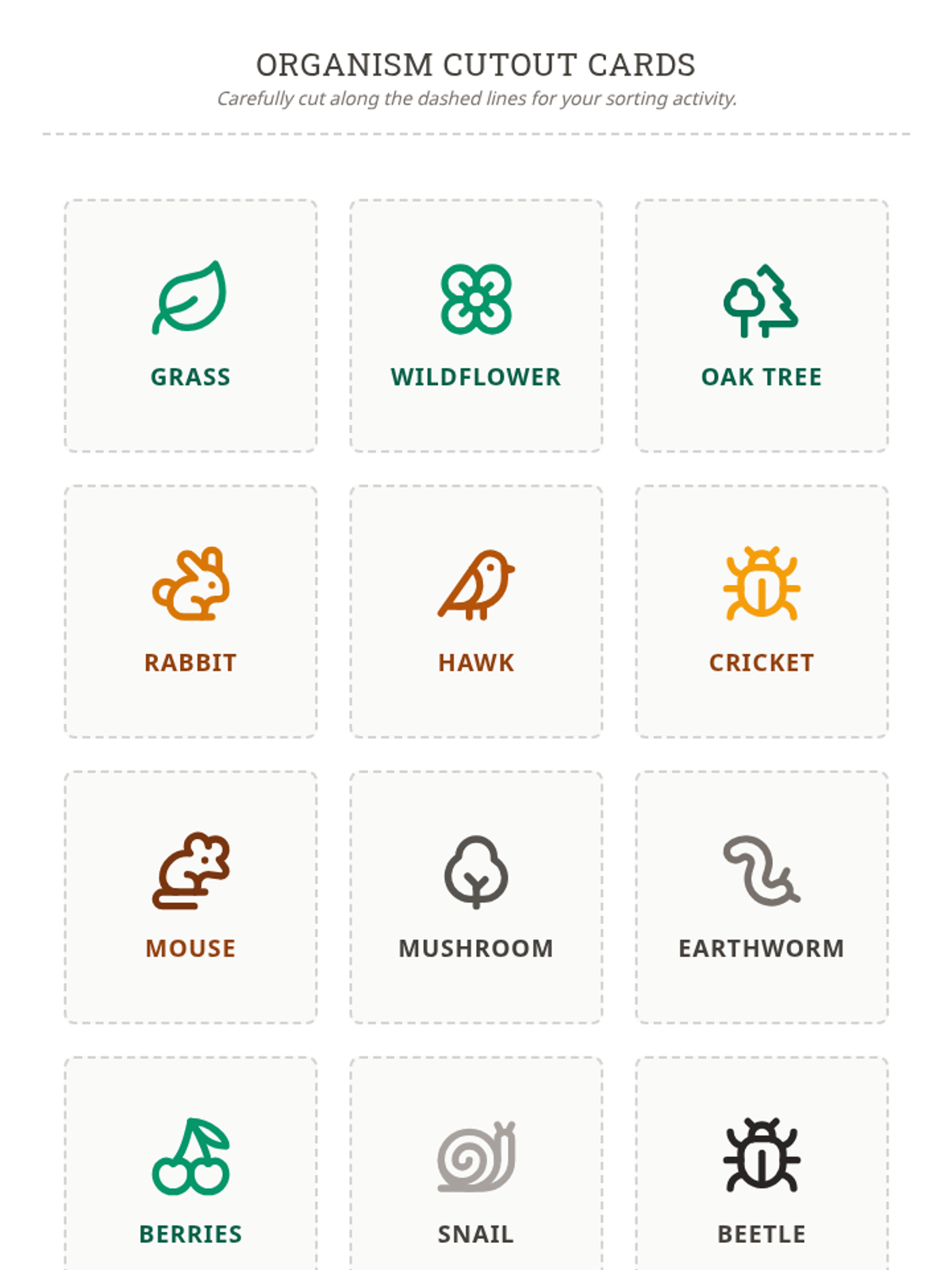
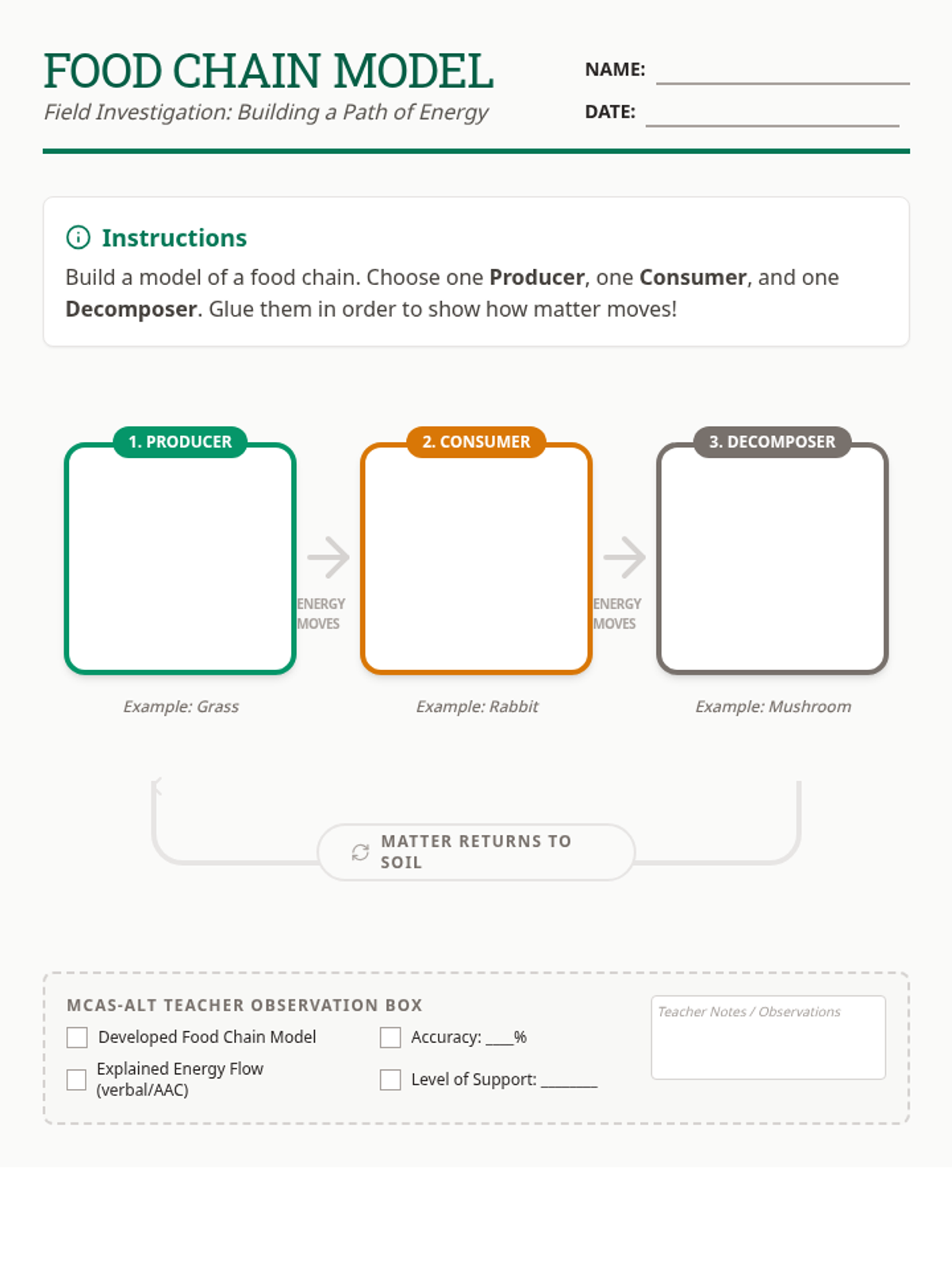
A comprehensive resource set for teaching and assessing the flow of matter in ecosystems, specifically designed for MCAS-Alt data collection. Students will identify roles (producer, consumer, decomposer) and build models of energy flow using food chains.
Étude des organismes utilisant des composés minéraux comme source d'énergie et de pouvoir réducteur, avec un focus sur les cycles biogéochimiques.
Exploration des mécanismes d'assimilation du nitrate et de la fixation de l'azote atmosphérique par les symbioses bactériennes.
Analyse des phases claire et sombre de la photosynthèse, incluant la photolyse de l'eau, le transport d'électrons et le cycle de Calvin.
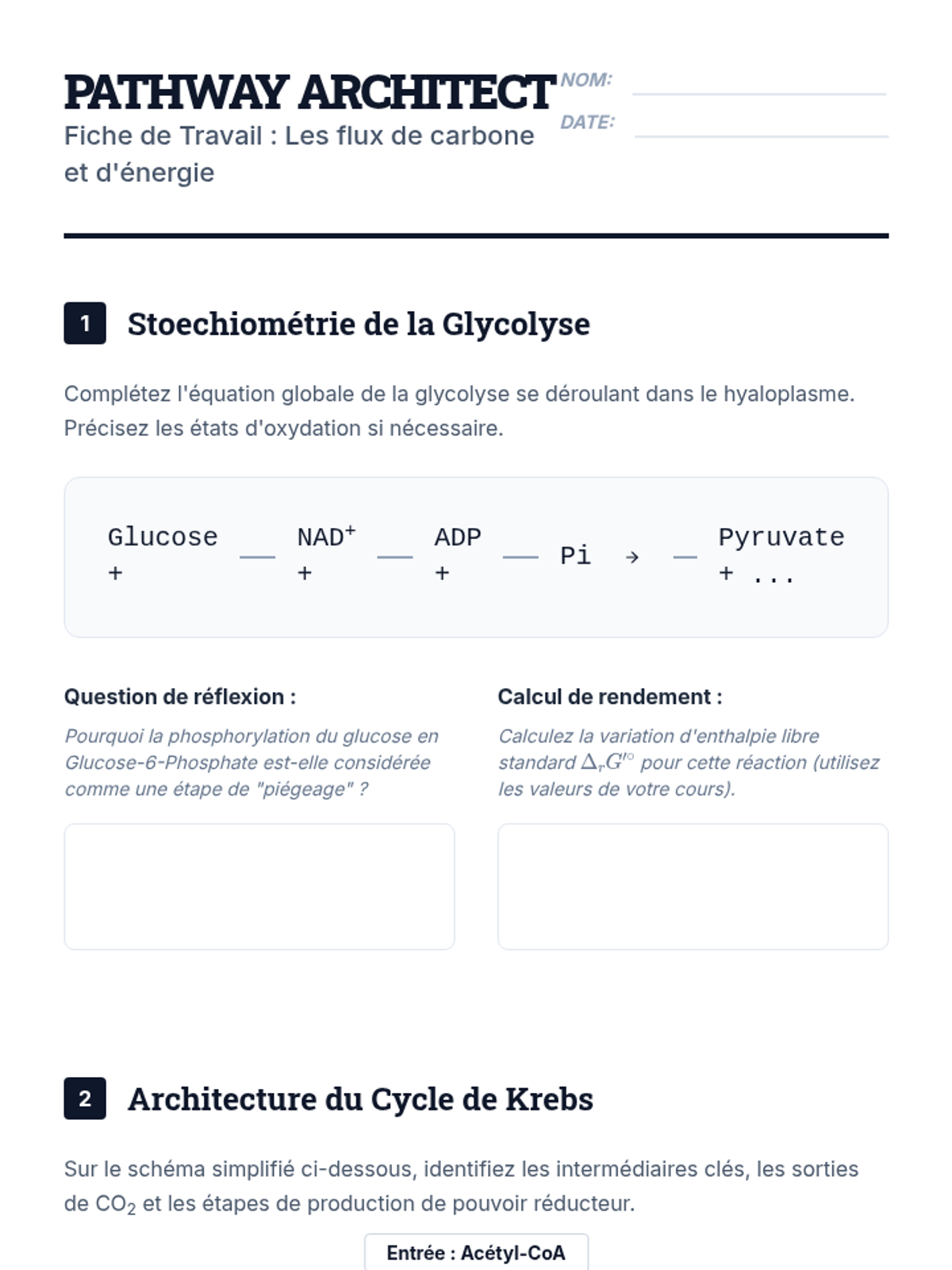
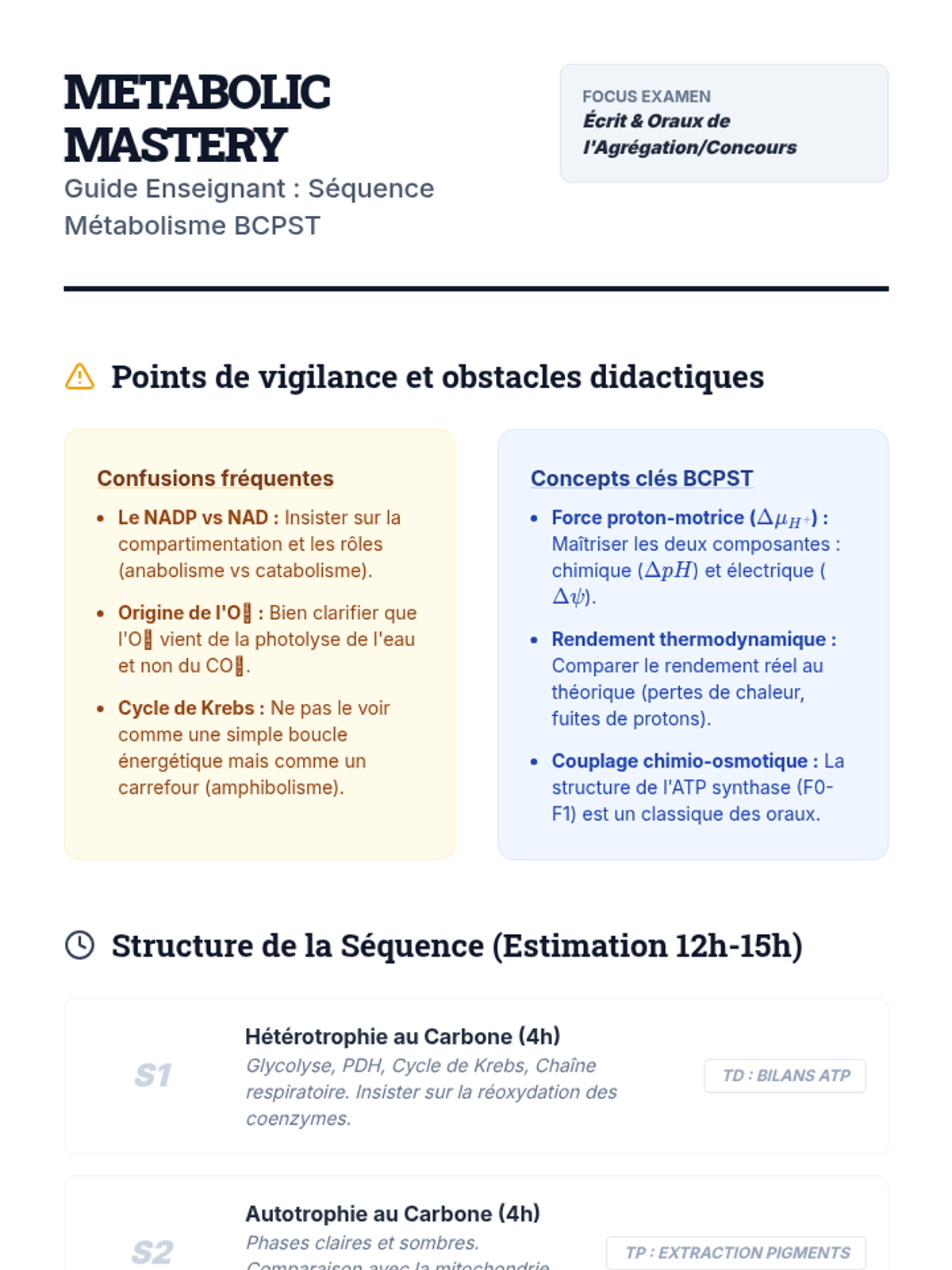
Étude approfondie de l'oxydation du glucose, de la glycolyse au cycle de Krebs, et de la phosphorylation oxydative. Focus sur les rendements en ATP et le rôle des coenzymes.
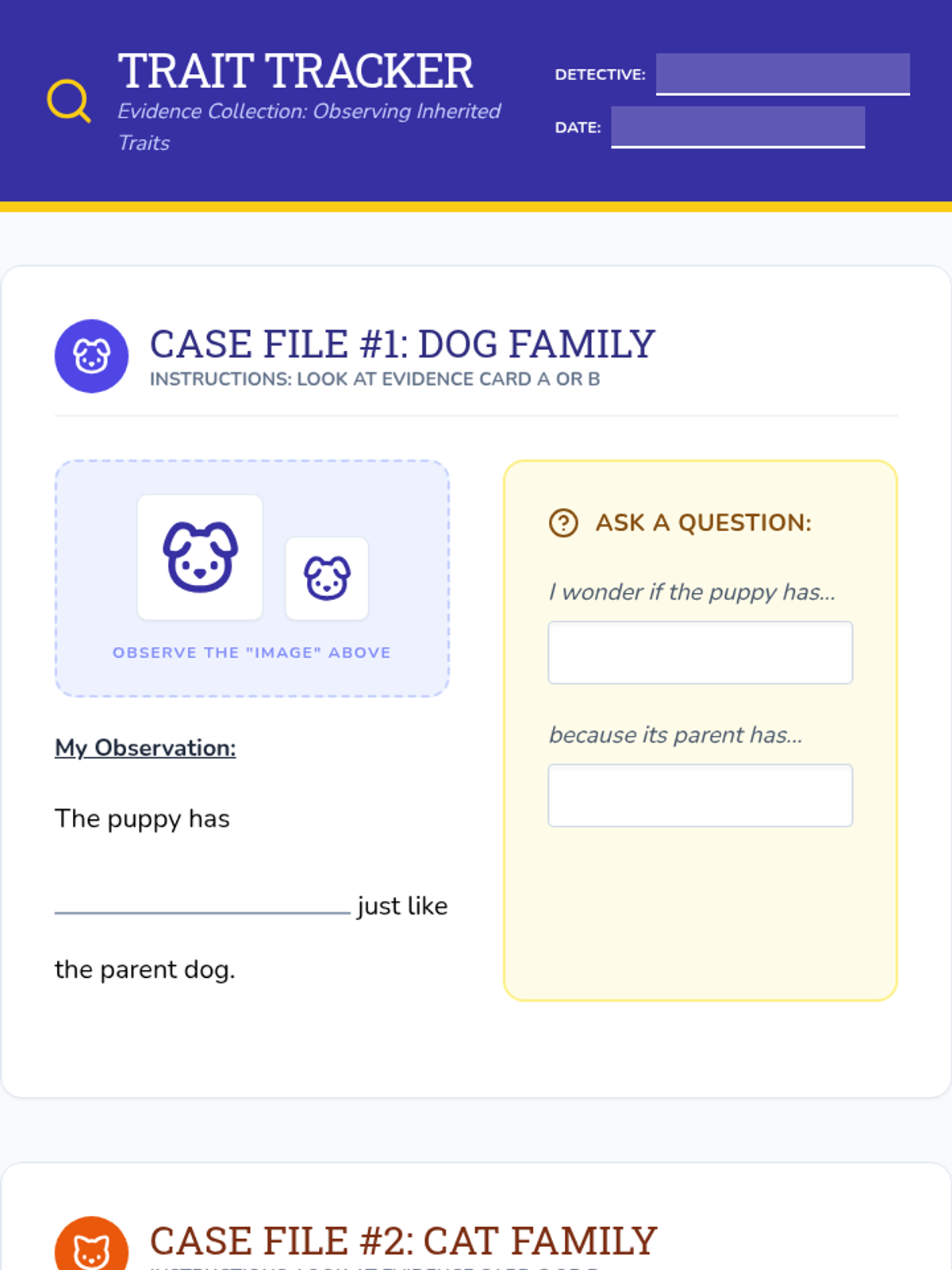
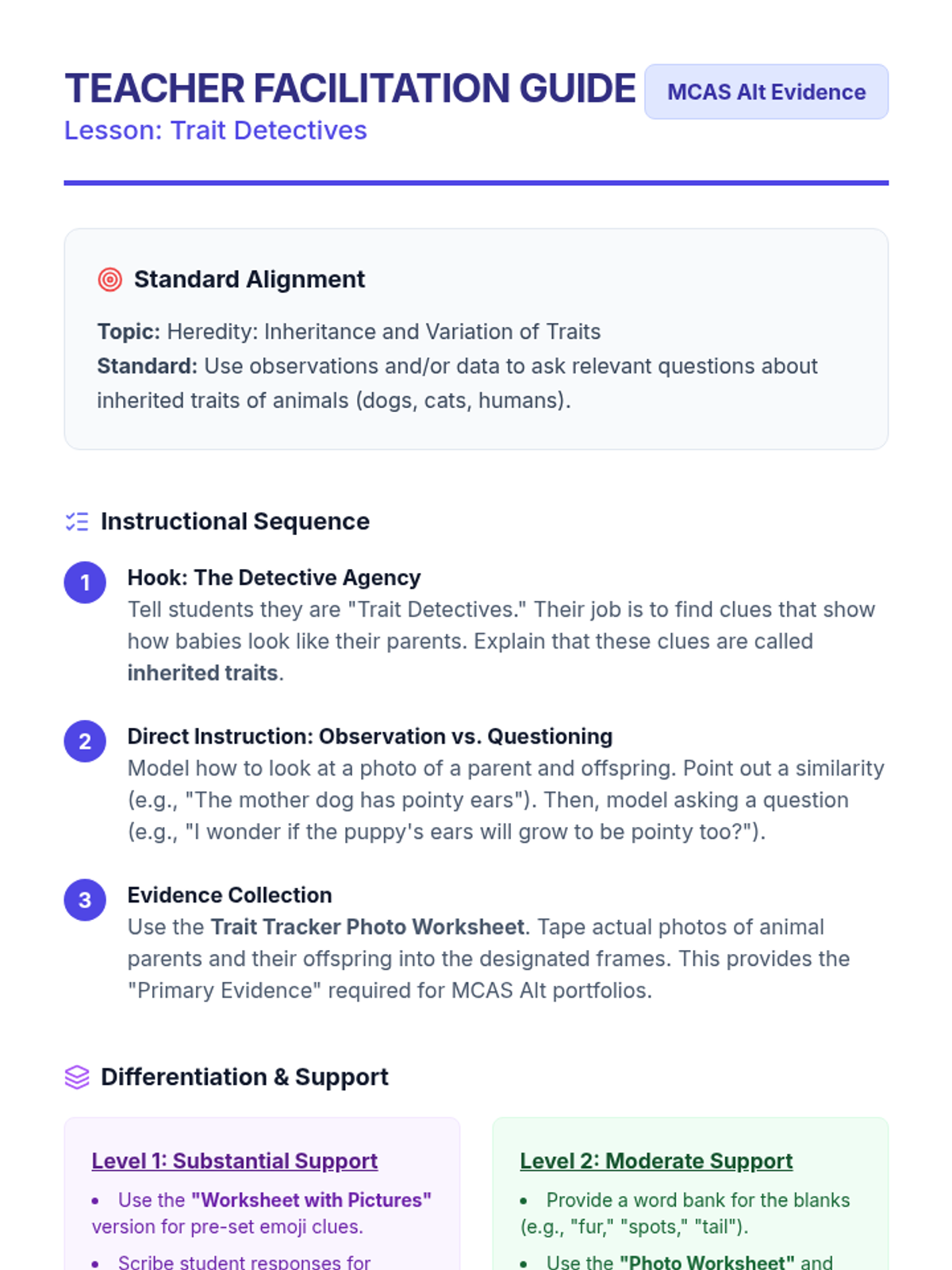
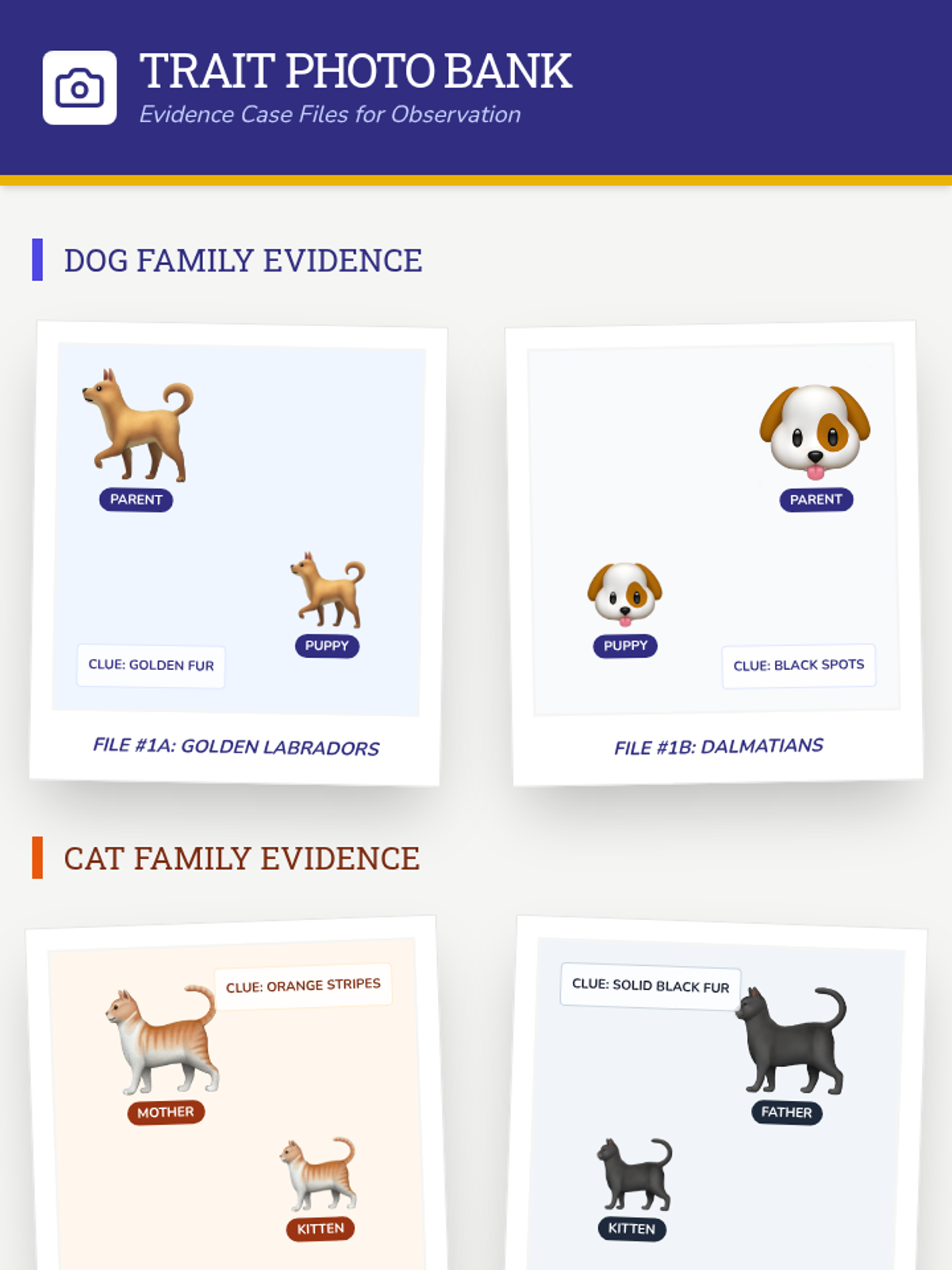
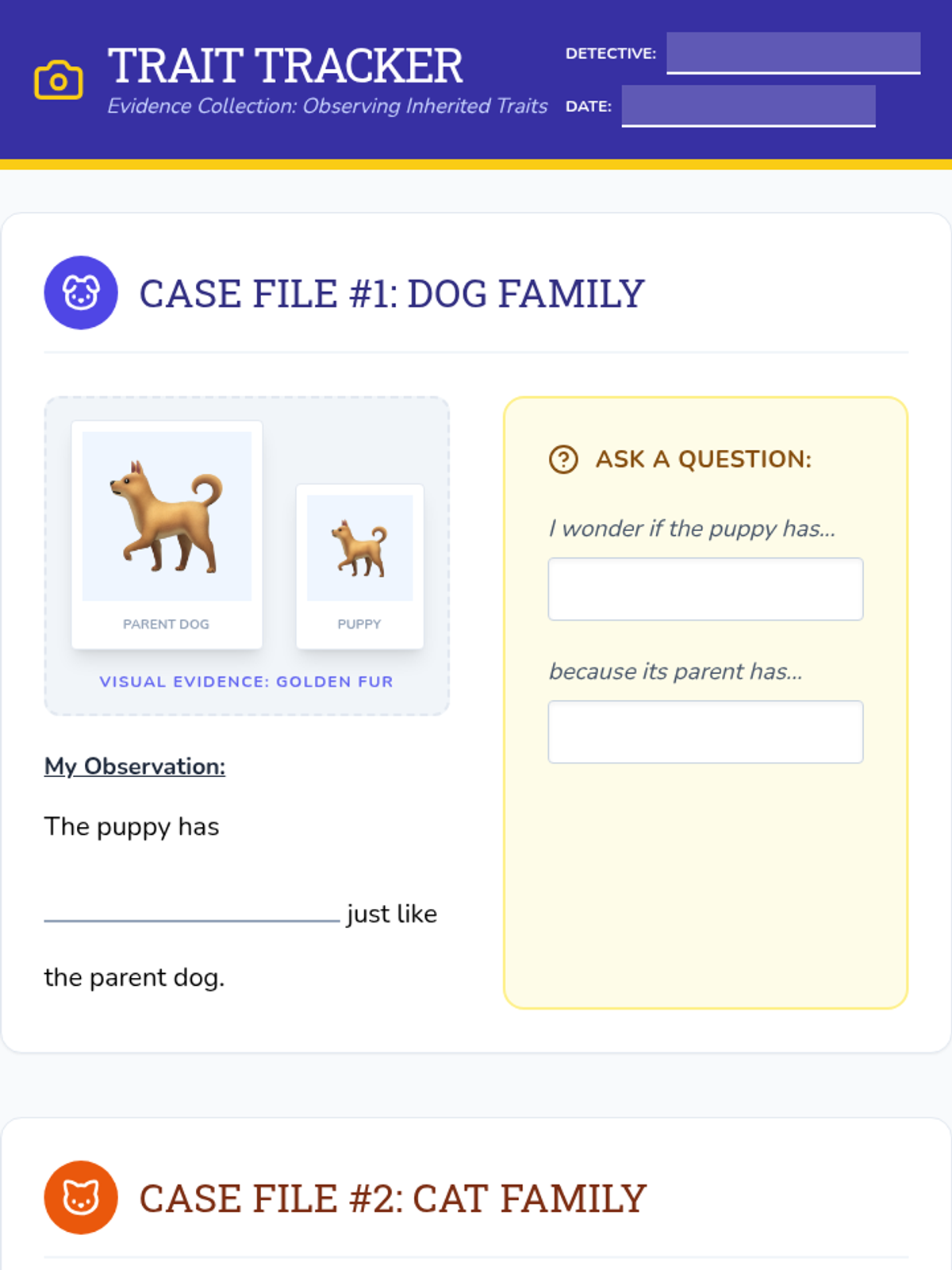
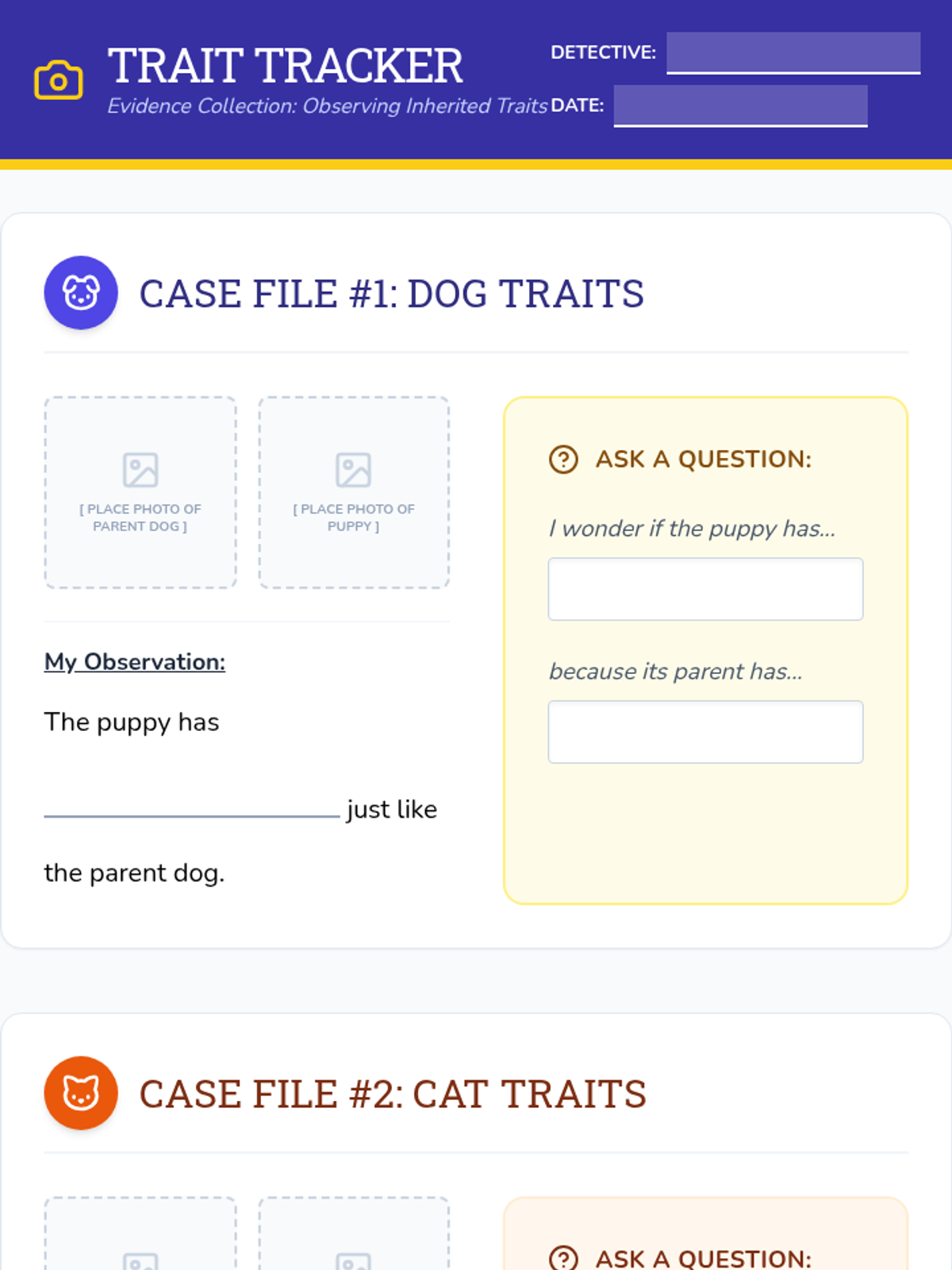
A lesson focused on observing and questioning inherited traits in animals (dogs, cats, and humans) designed for MCAS Alt evidence collection. Students use structured sentence stems to record observations and develop inquiry questions about how traits are passed from parents to offspring.
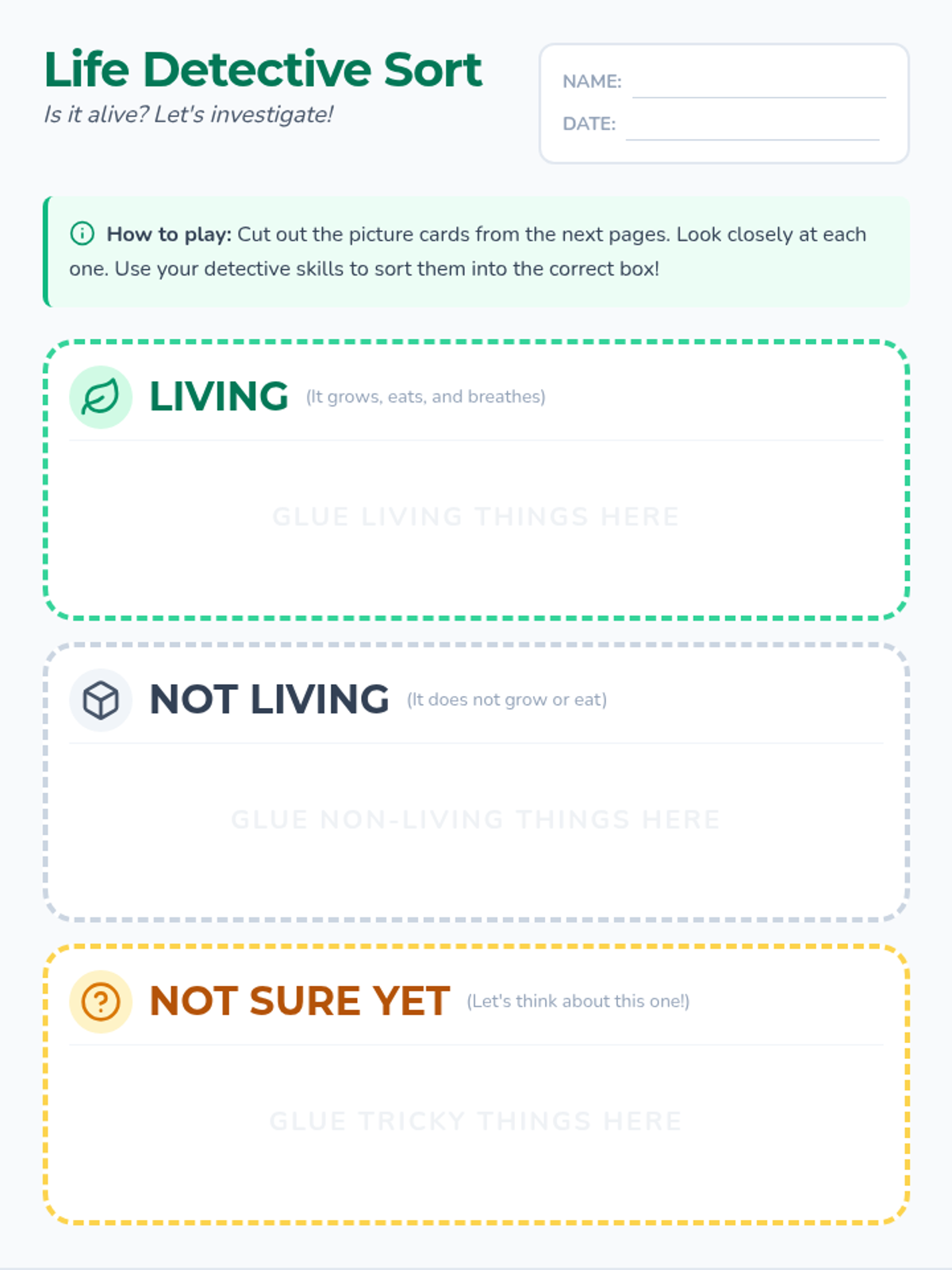
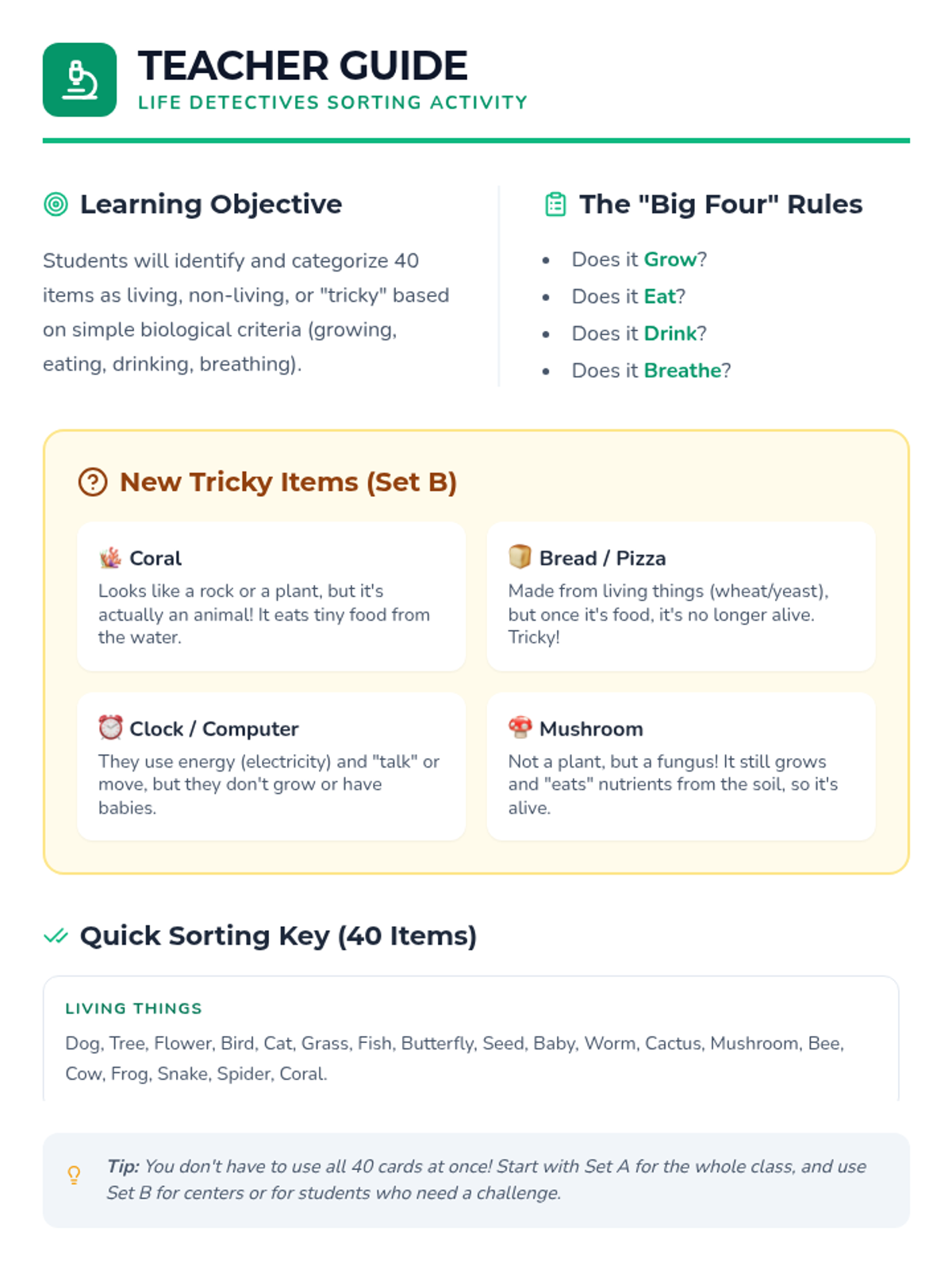
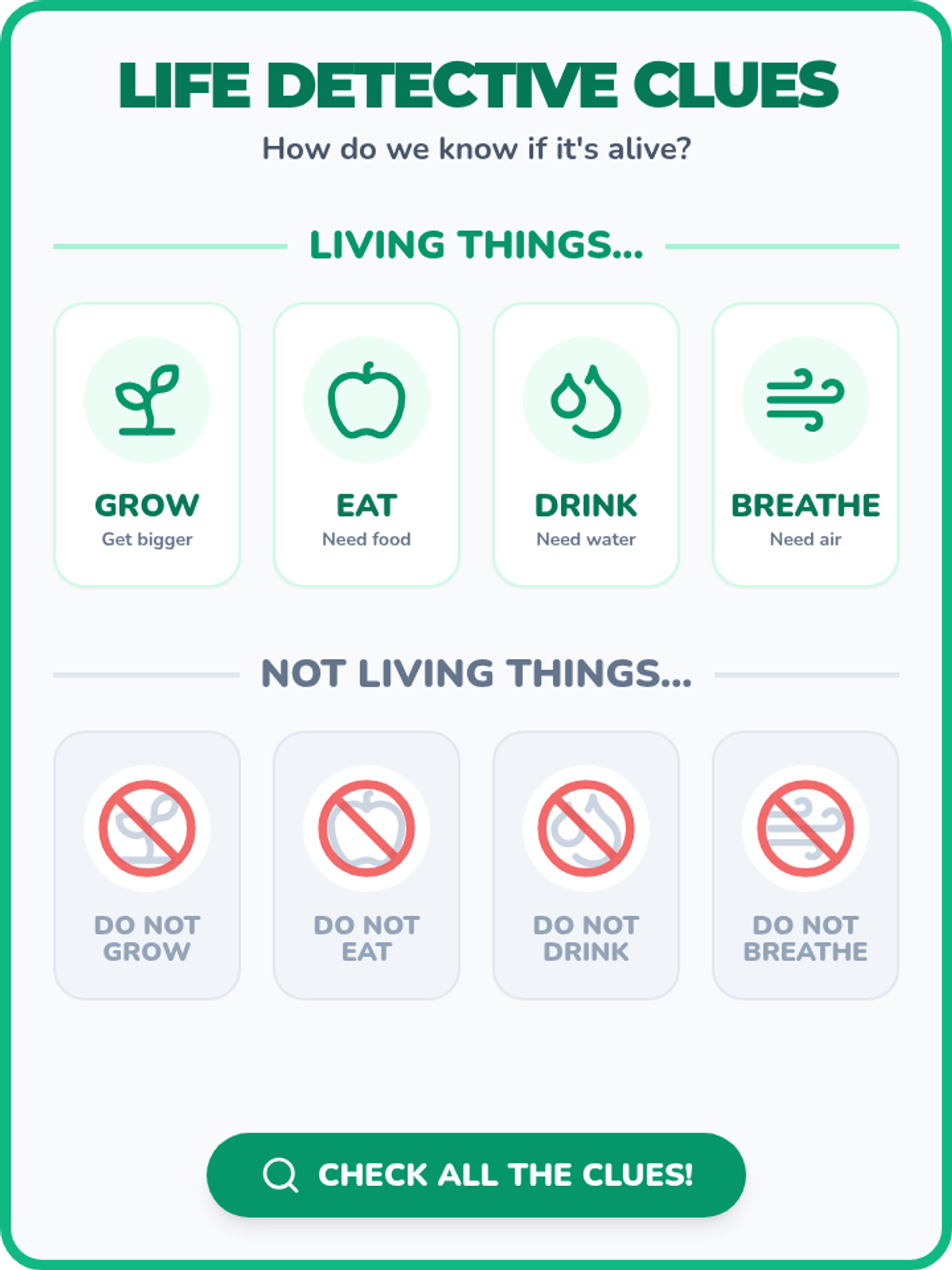
A kindergarten lesson exploring the characteristics of living things through observation and sorting. Students use 'detective skills' to categorize items and discuss tricky cases like seeds and fire.