Étude approfondie de l'oxydation du glucose, de la glycolyse au cycle de Krebs, et de la phosphorylation oxydative. Focus sur les rendements en ATP et le rôle des coenzymes.
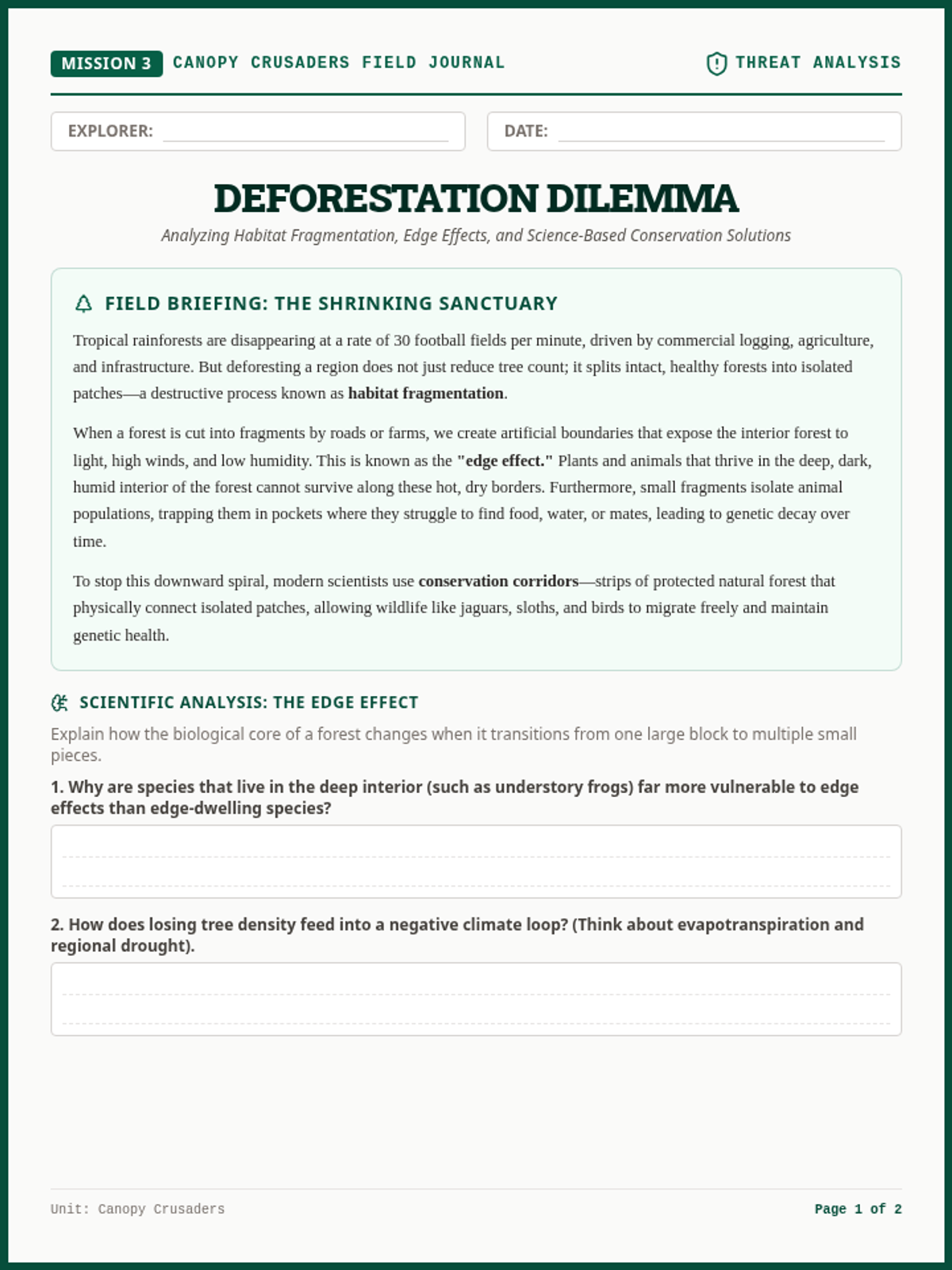
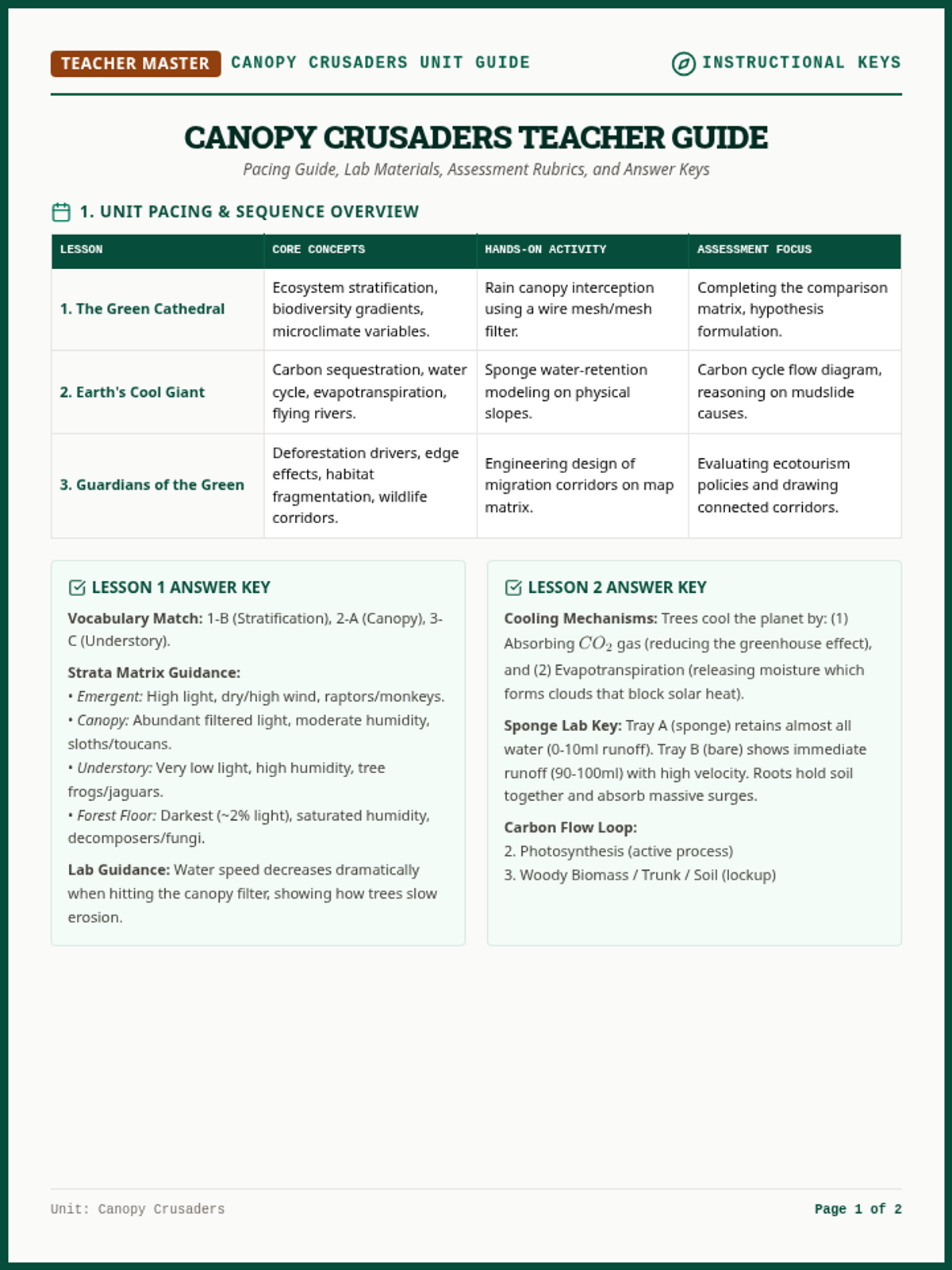
Students analyze the causes and consequences of deforestation, mapping habitat fragmentation and designing collaborative, science-based conservation solutions.
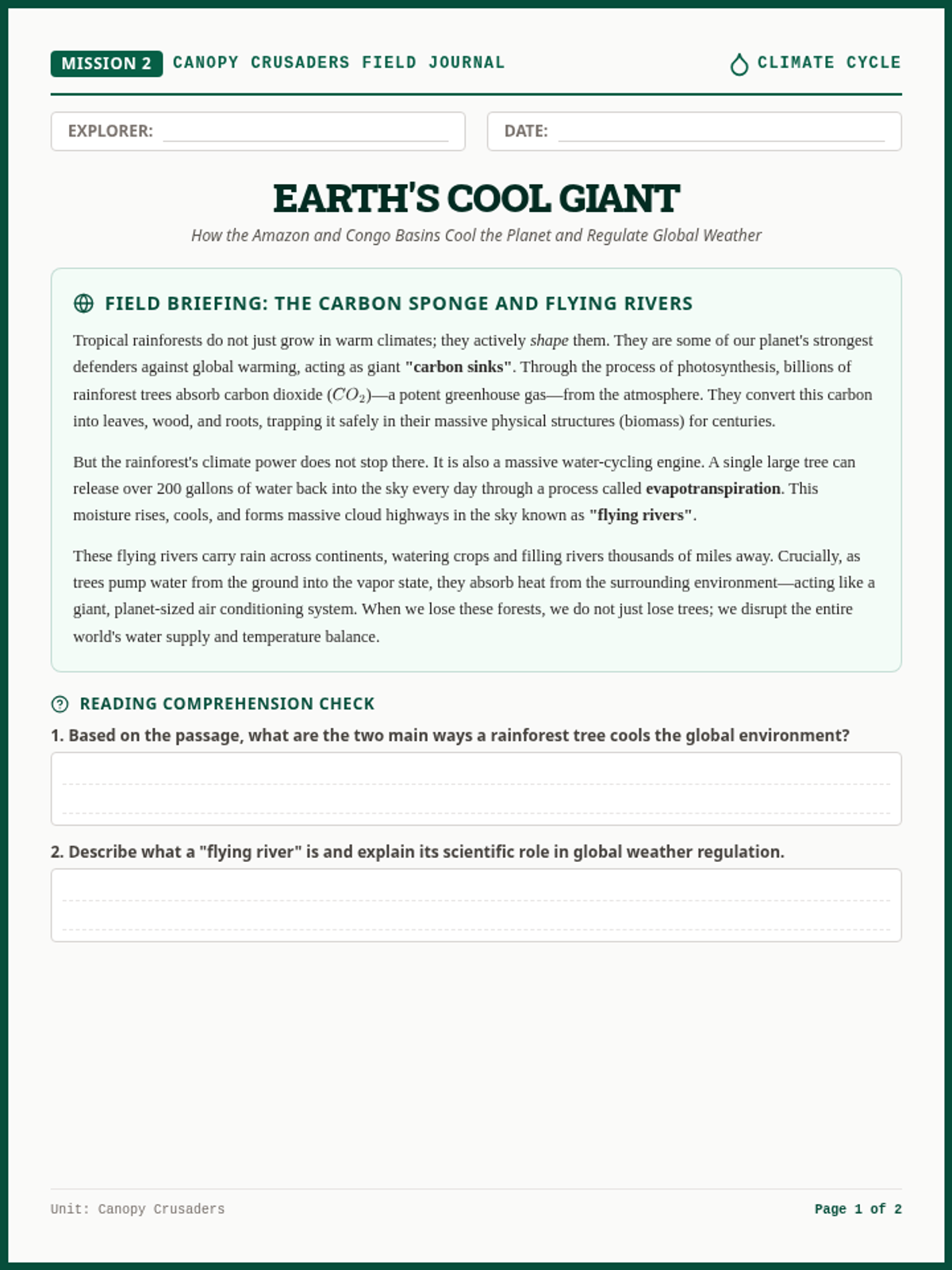
Students investigate the rainforest as a massive climate-control engine, analyzing how evapotranspiration regulates weather and how trees act as vital global carbon sinks.
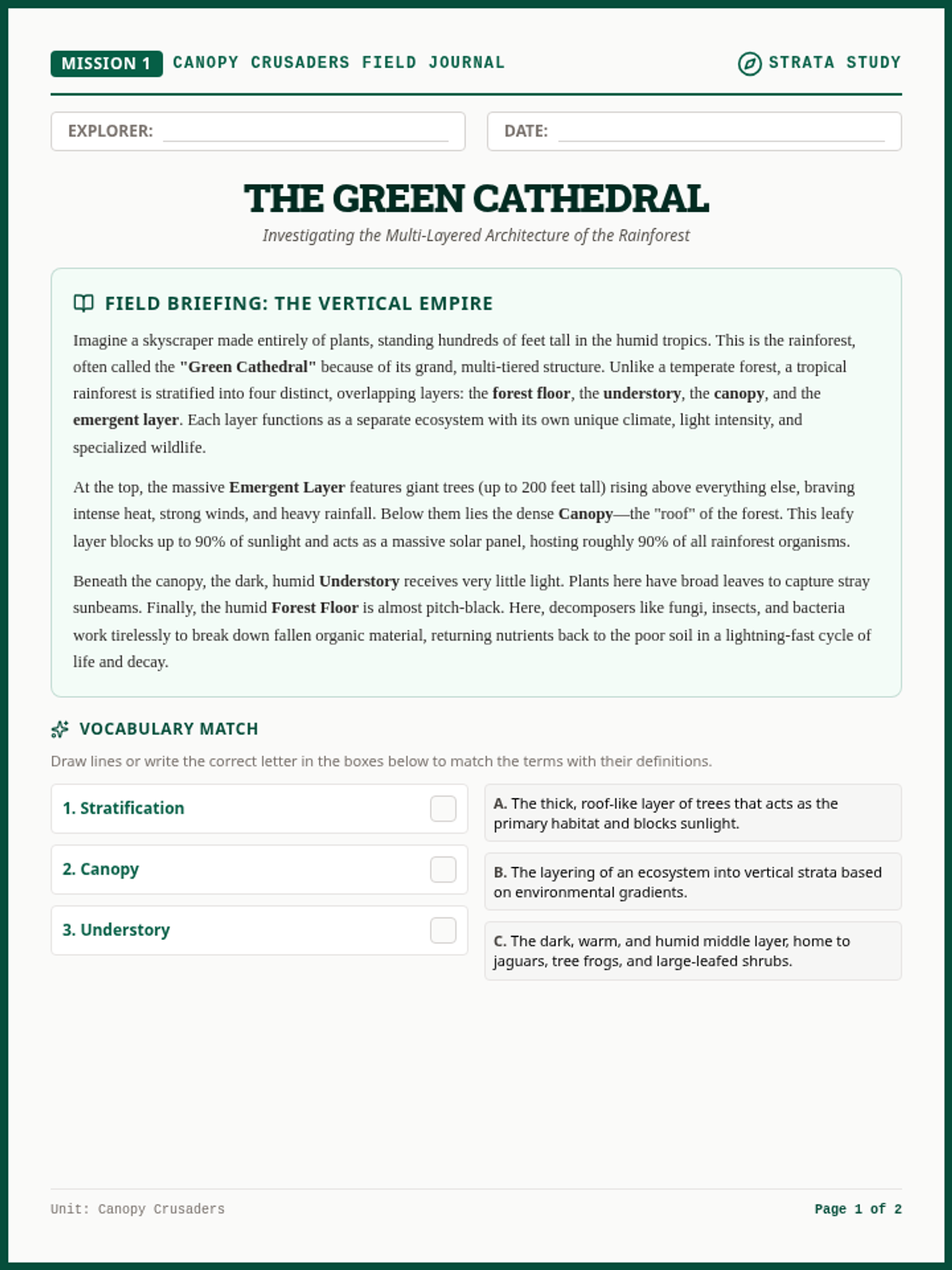
Students explore the structural layers of the rainforest (forest floor, understory, canopy, emergent layer) and model biodiversity and physical conditions across these strata.
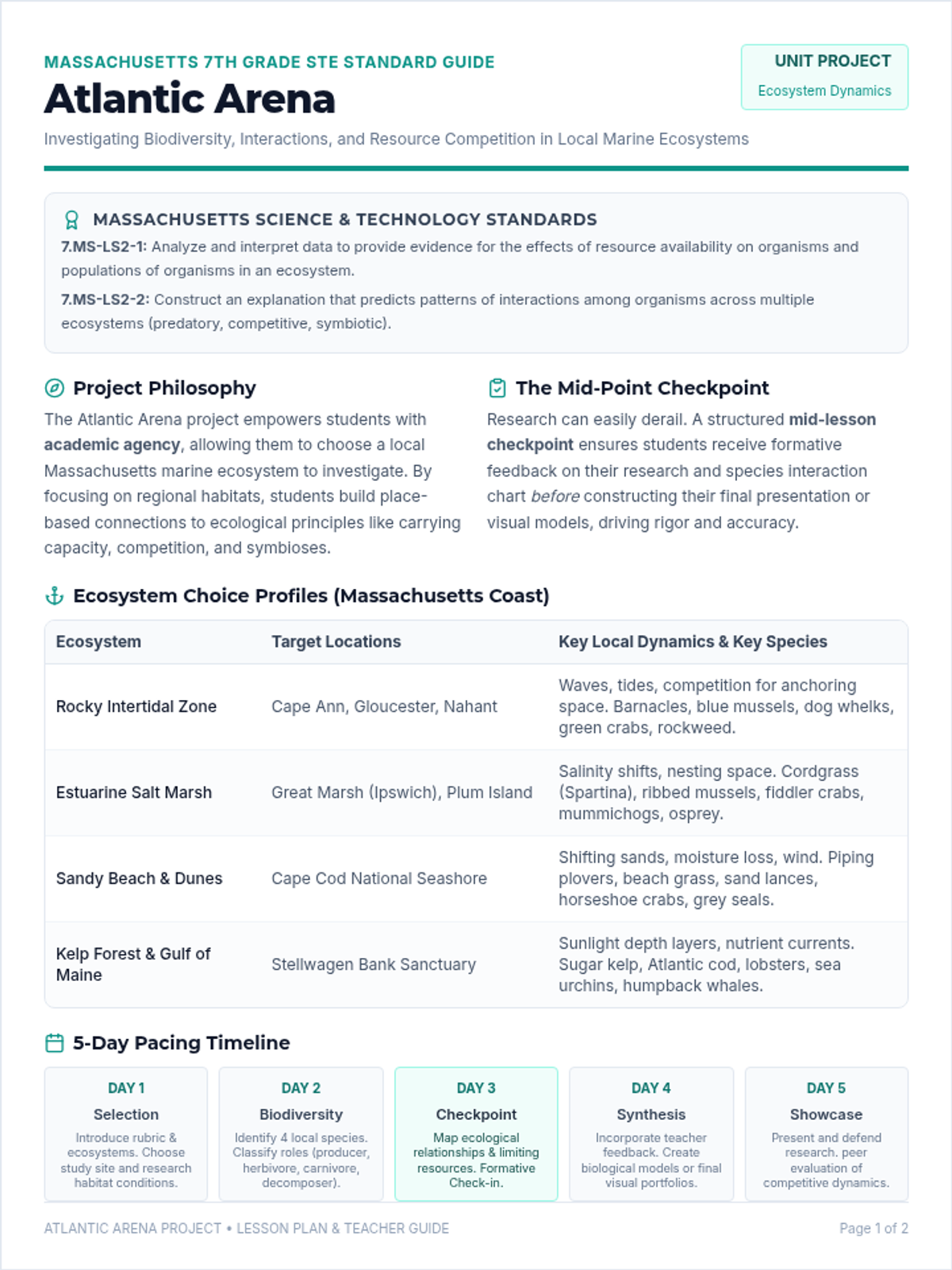
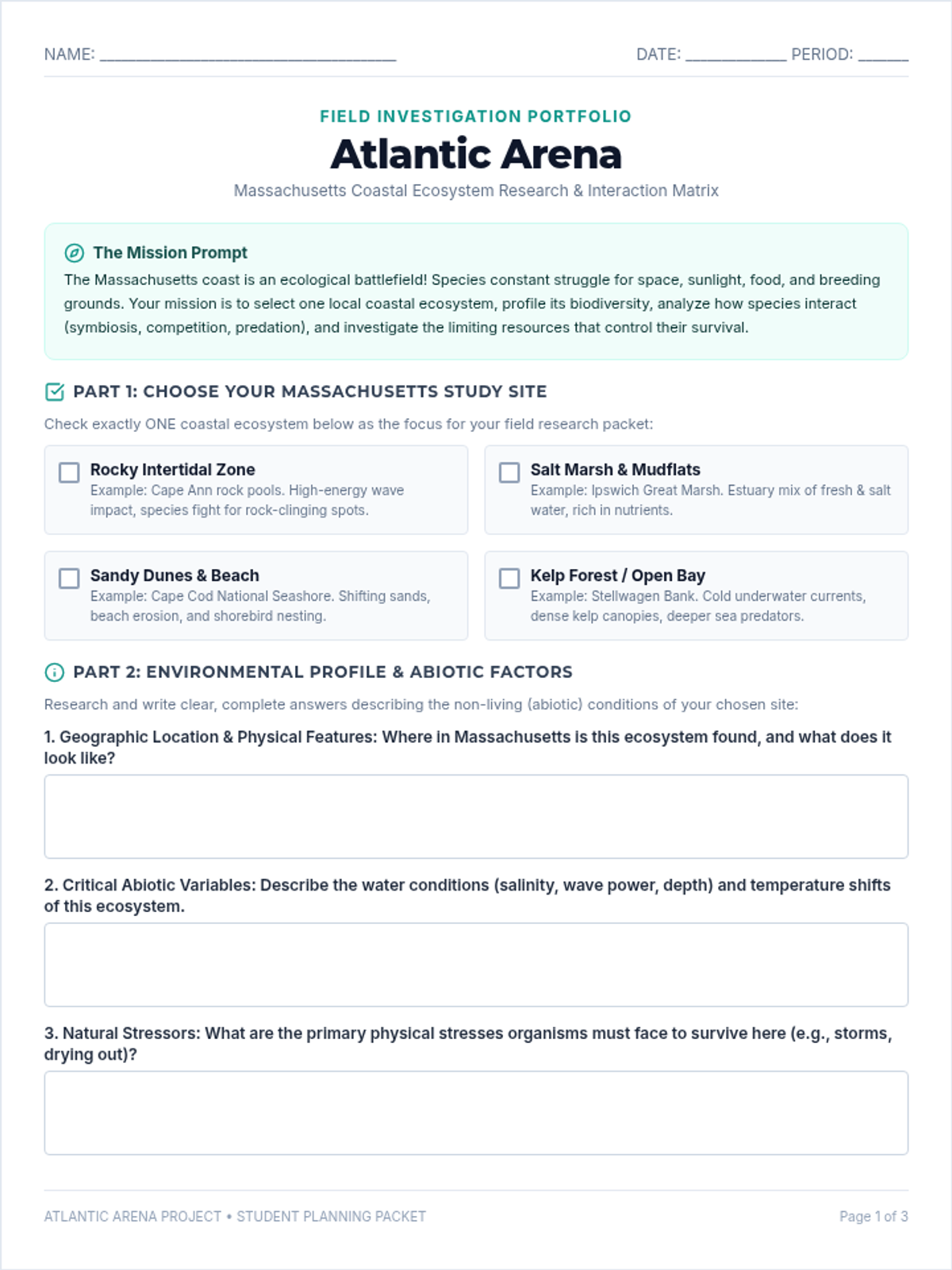
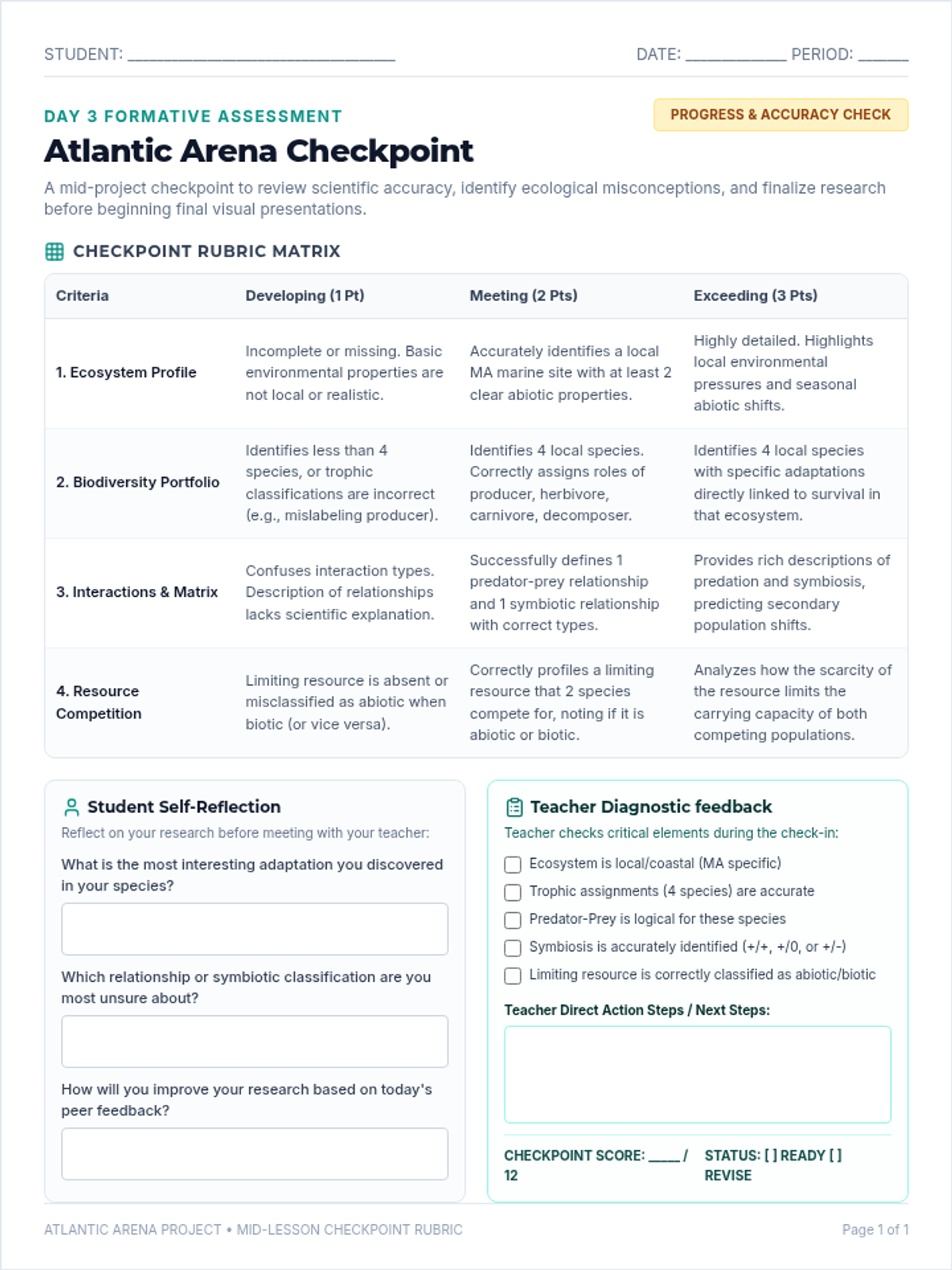
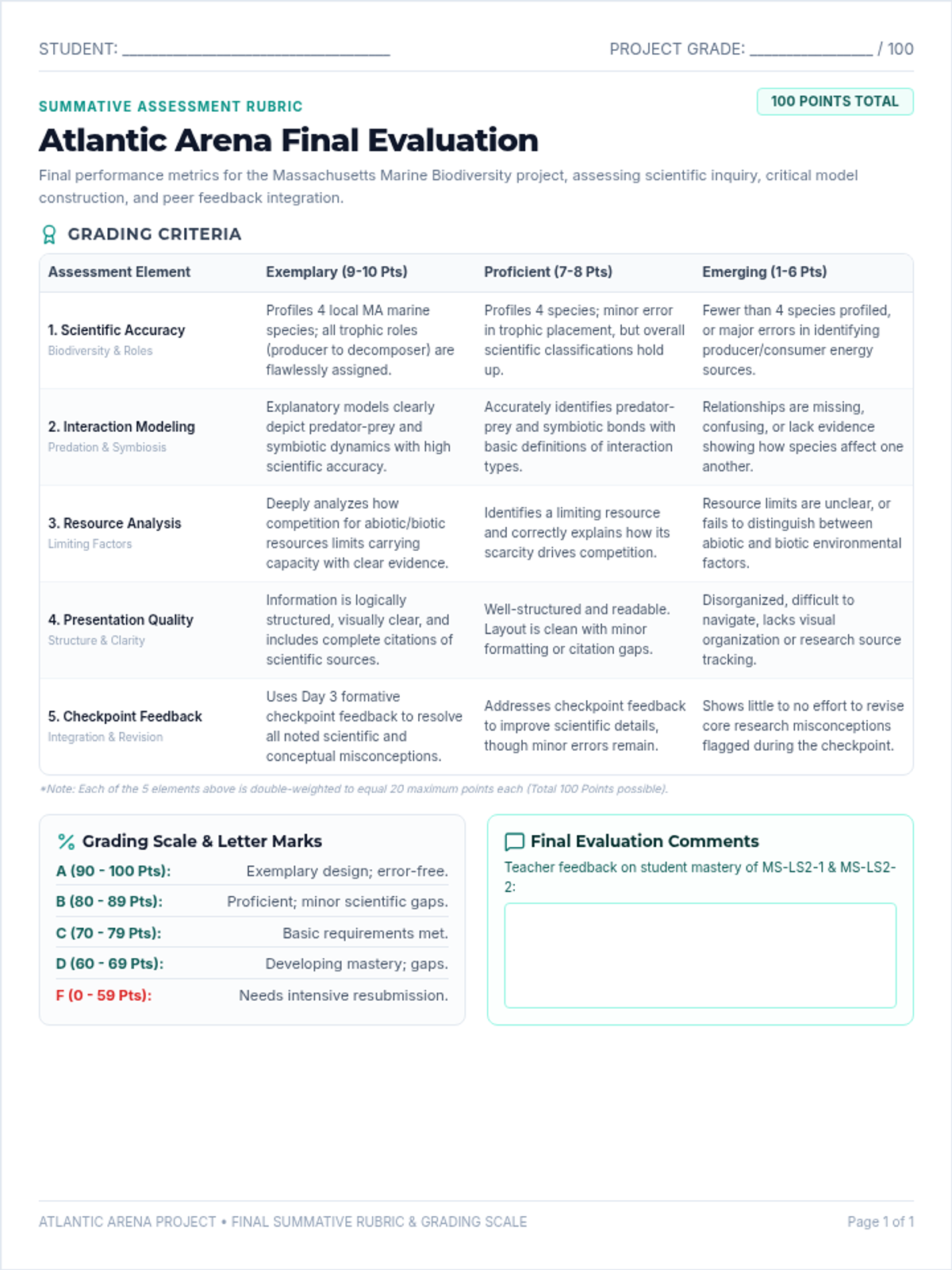
An investigative project-based lesson for 7th-grade students exploring Massachusetts marine ecosystems. Students choose a local coastal ecosystem, research resident species, analyze competitive and symbiotic interactions, and demonstrate understanding of resource availability.
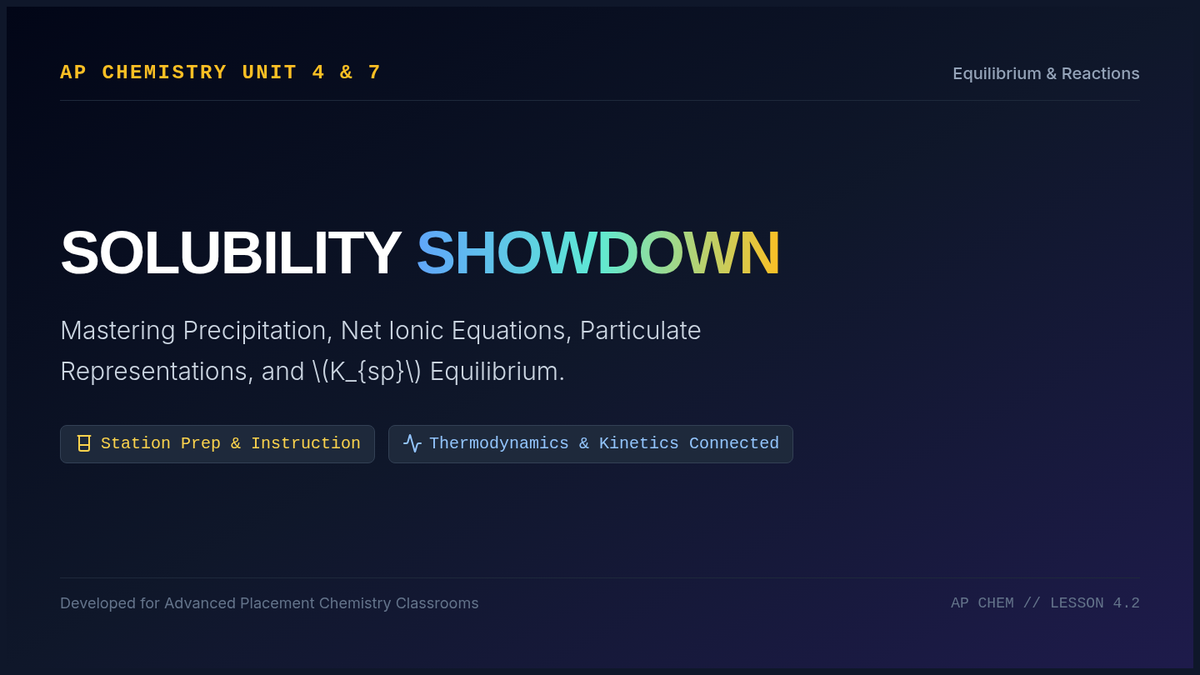
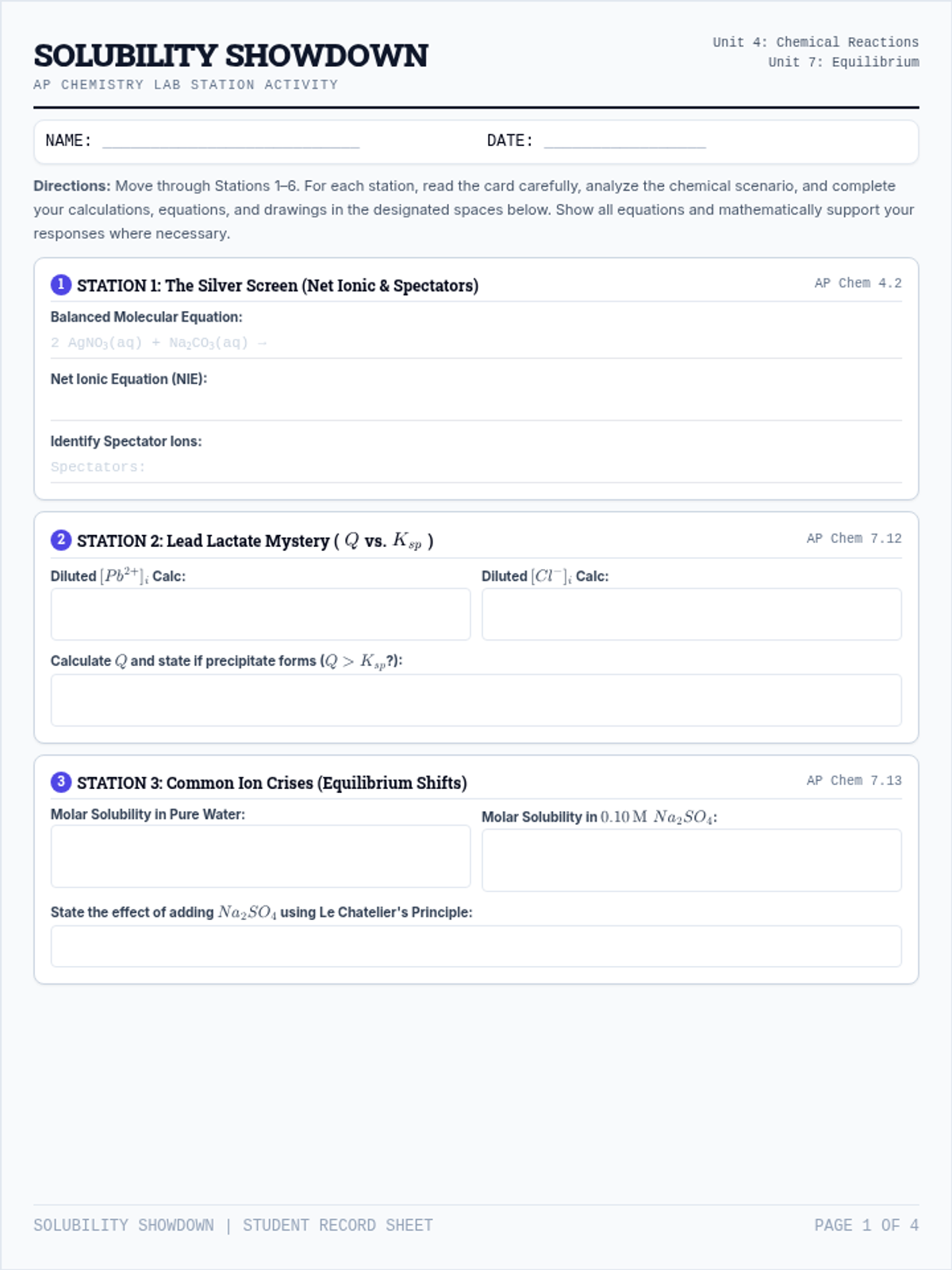
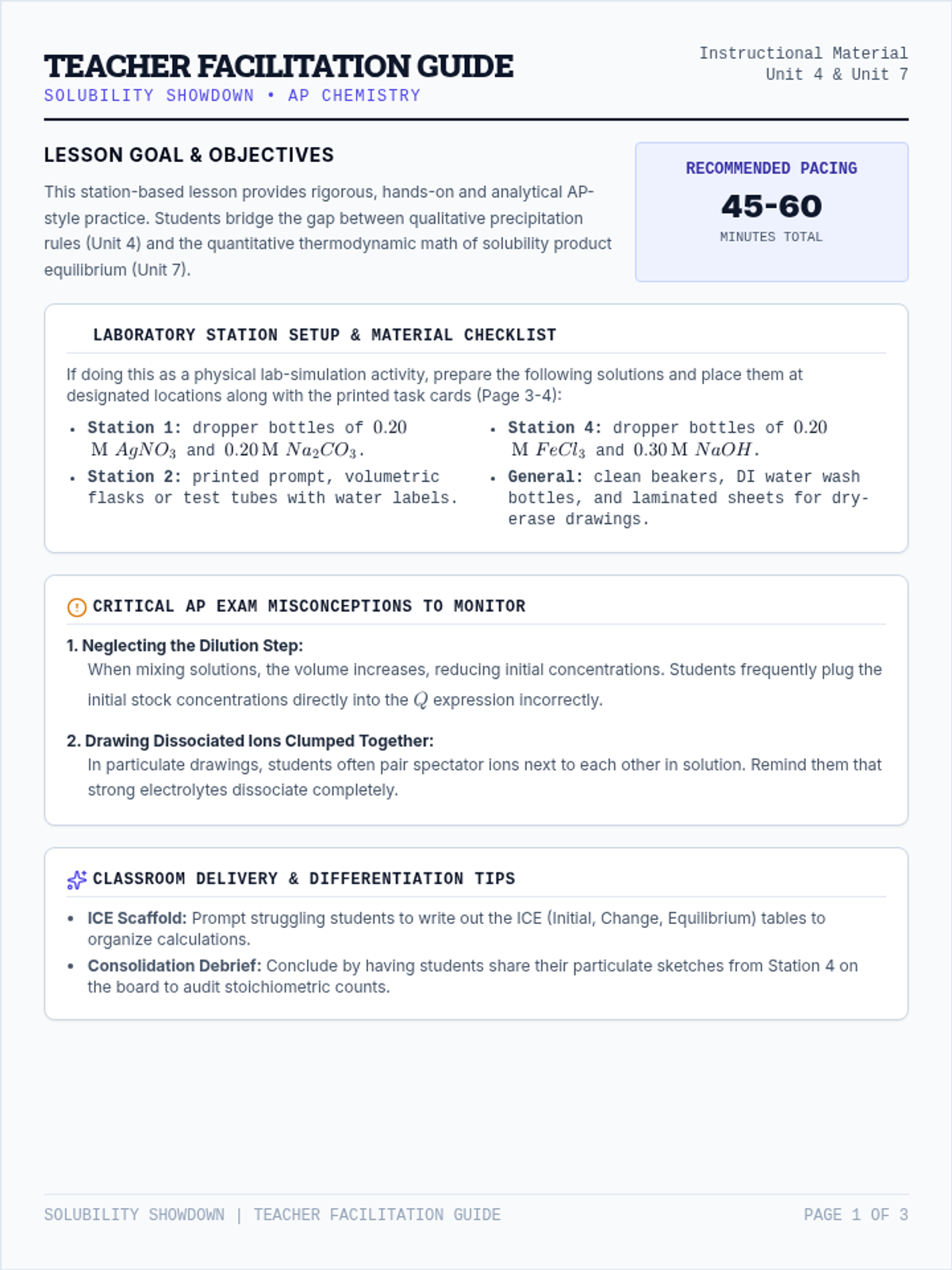
An AP Chemistry lesson exploring solubility rules, net ionic equations, particulate representations, and the mathematical link to Ksp and equilibrium shifts. Students engage with interactive station-based task cards simulating real laboratory precipitates.
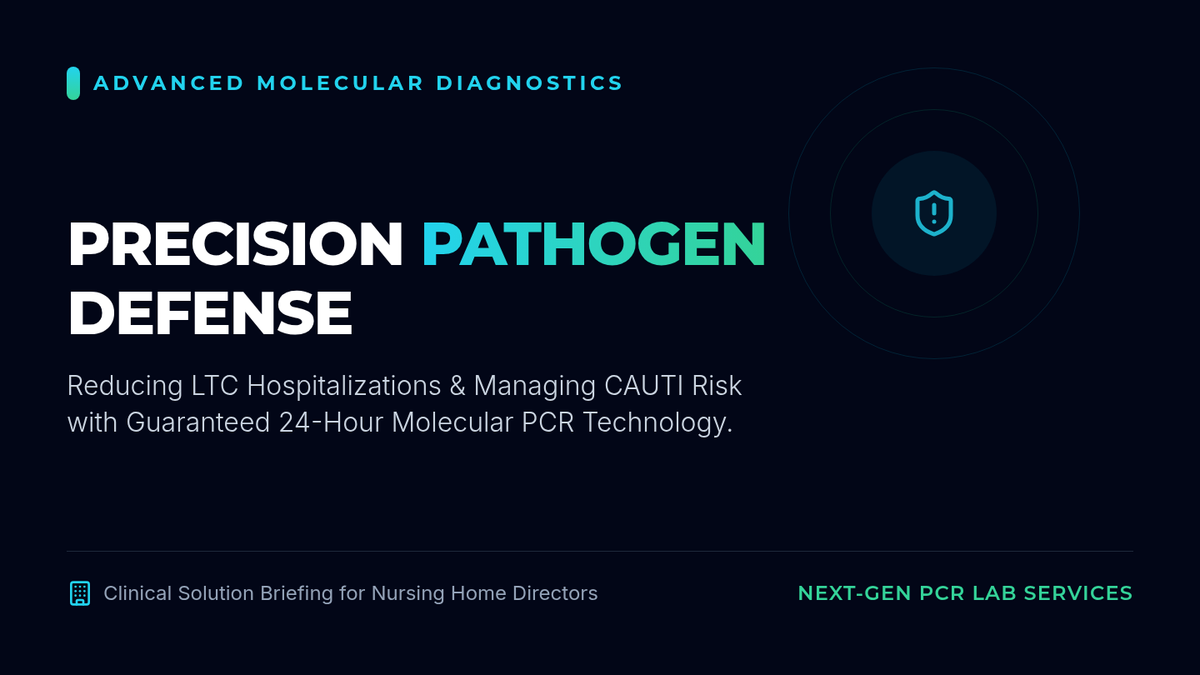
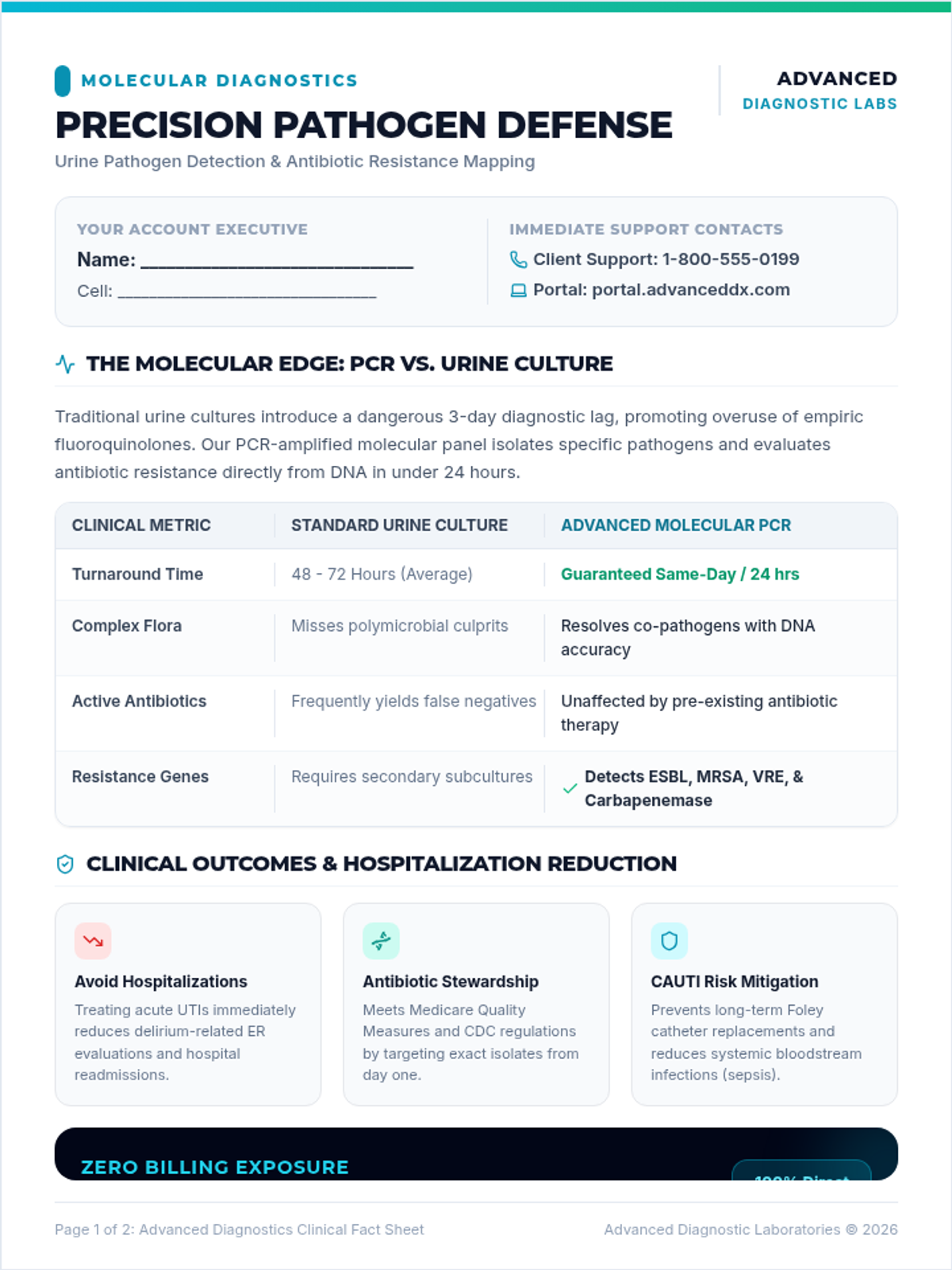
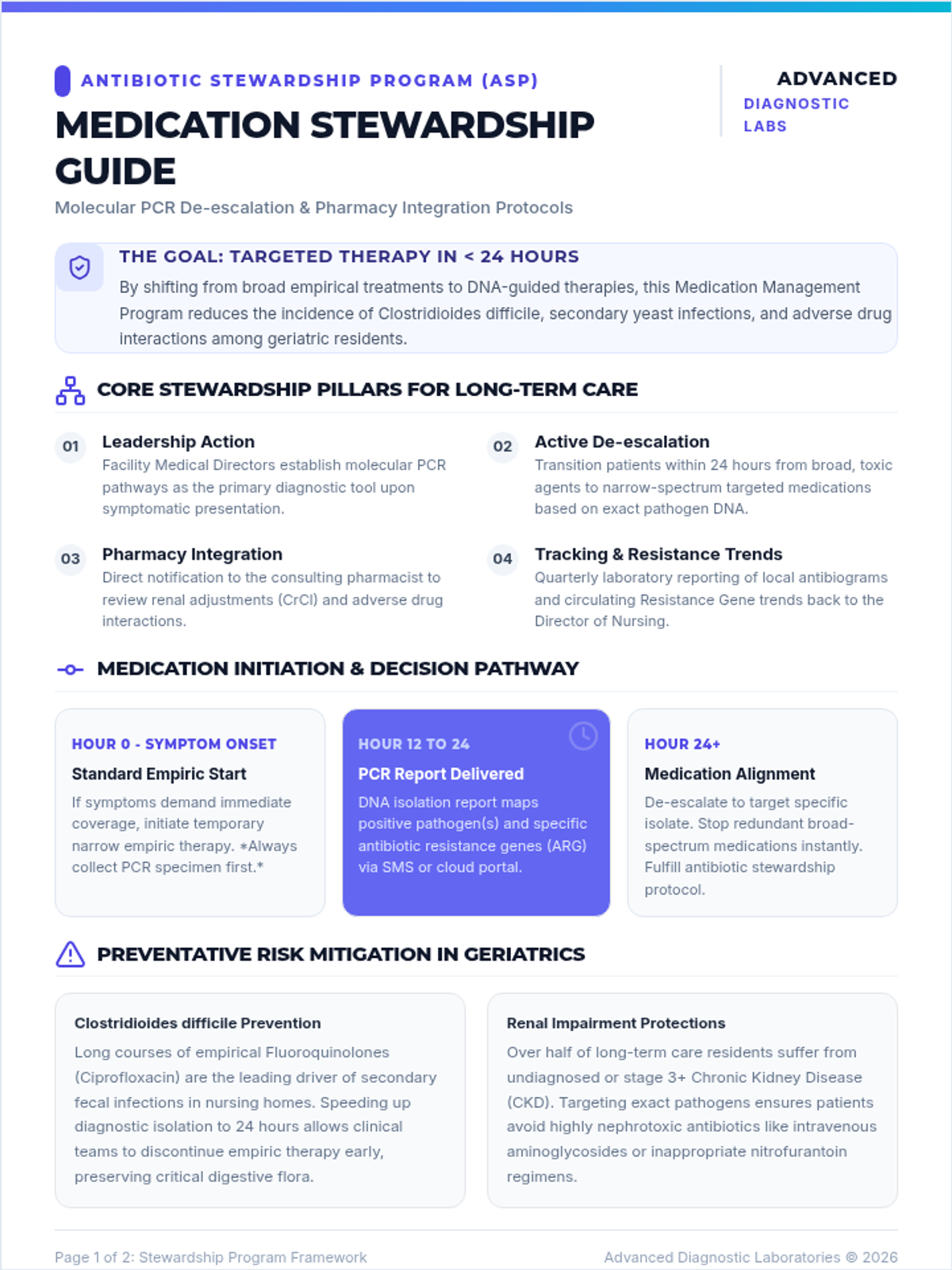
A comprehensive sales and educational package designed to pitch advanced molecular UTI testing services to long-term care and nursing home administrators, highlighting clinical and operational benefits.
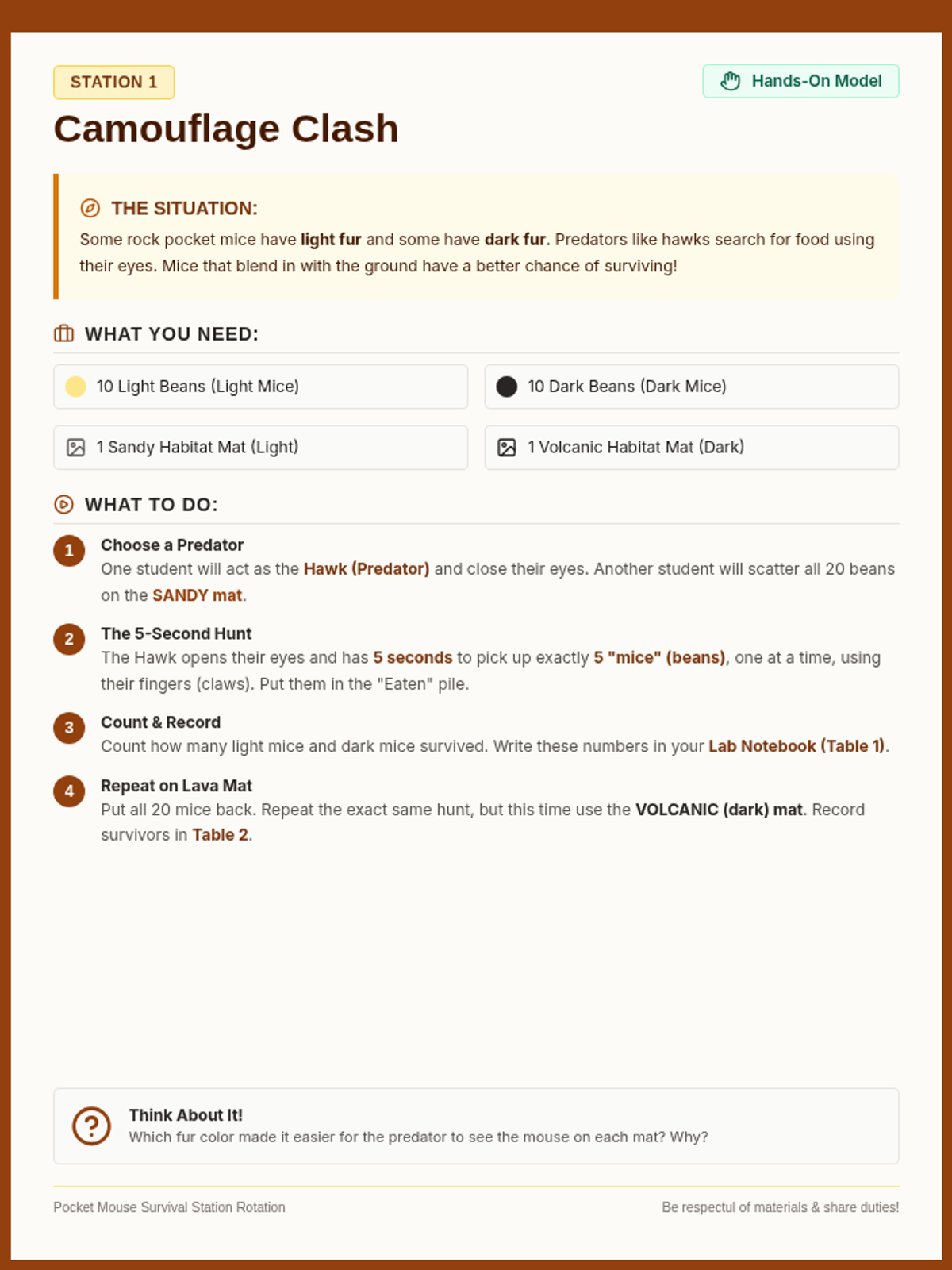
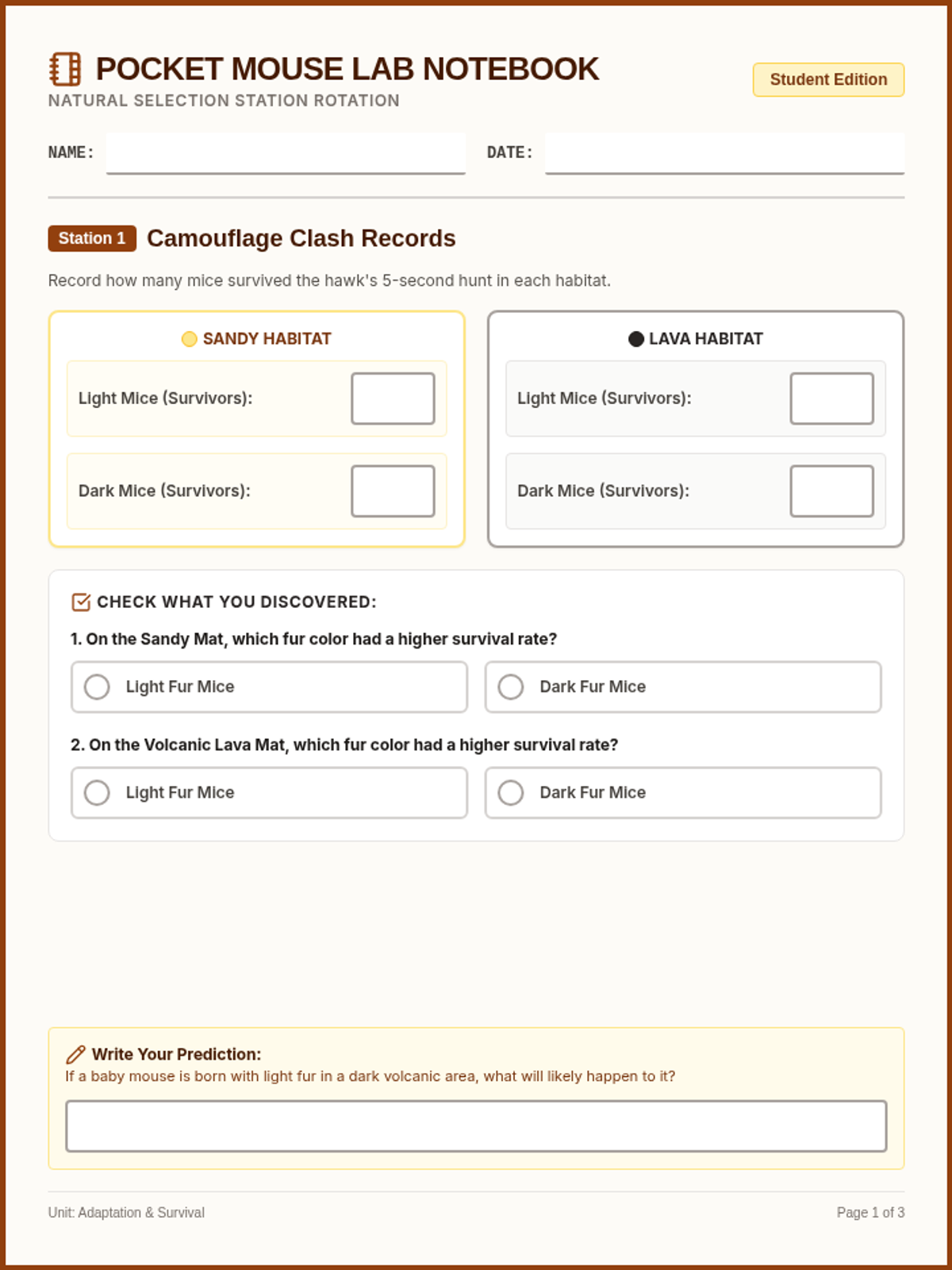
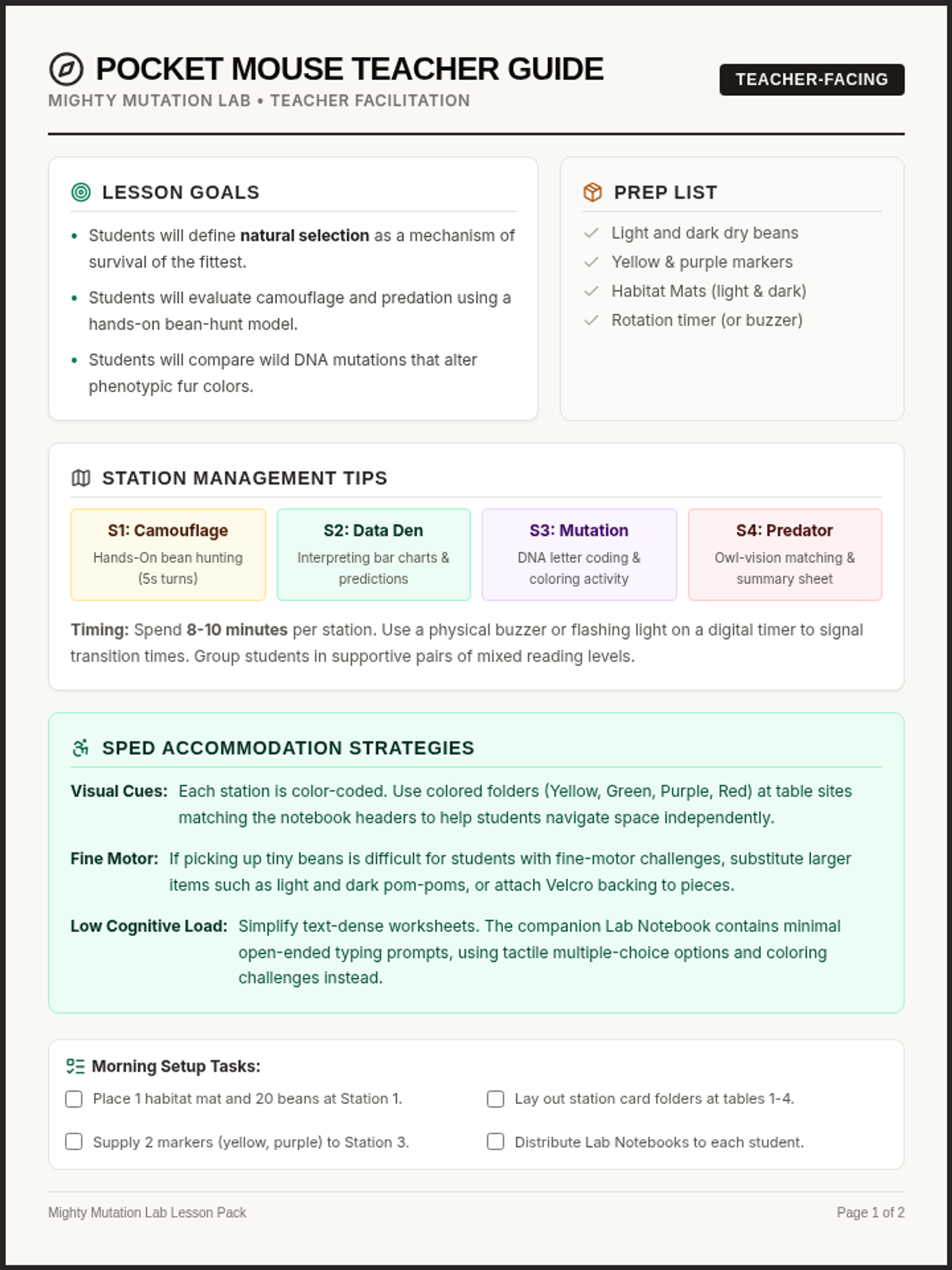
A Station Rotation Lab lesson focusing on natural selection and survival of the fittest using the real-world Rock Pocket Mouse scenario, designed to be high school special education friendly.
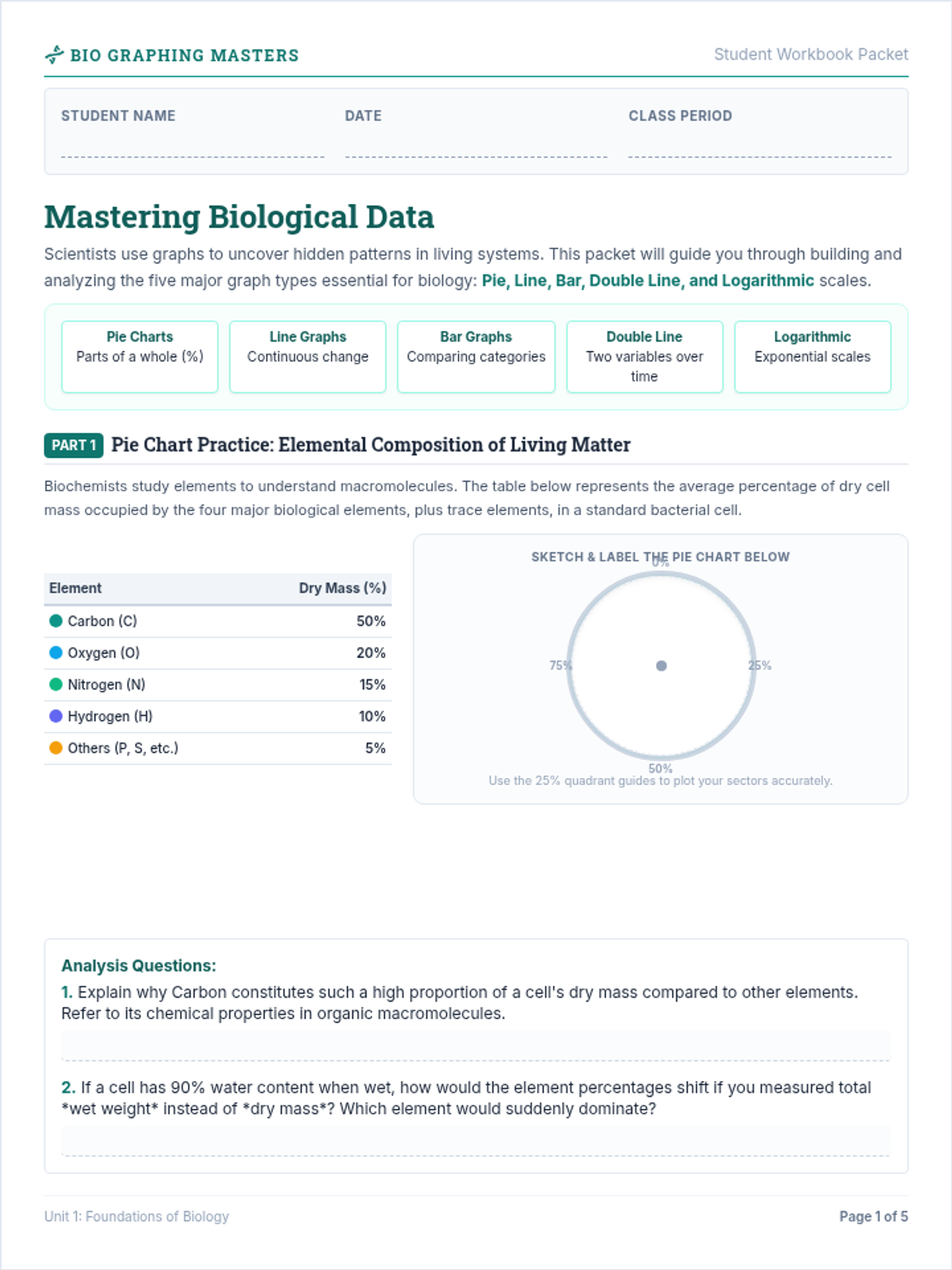
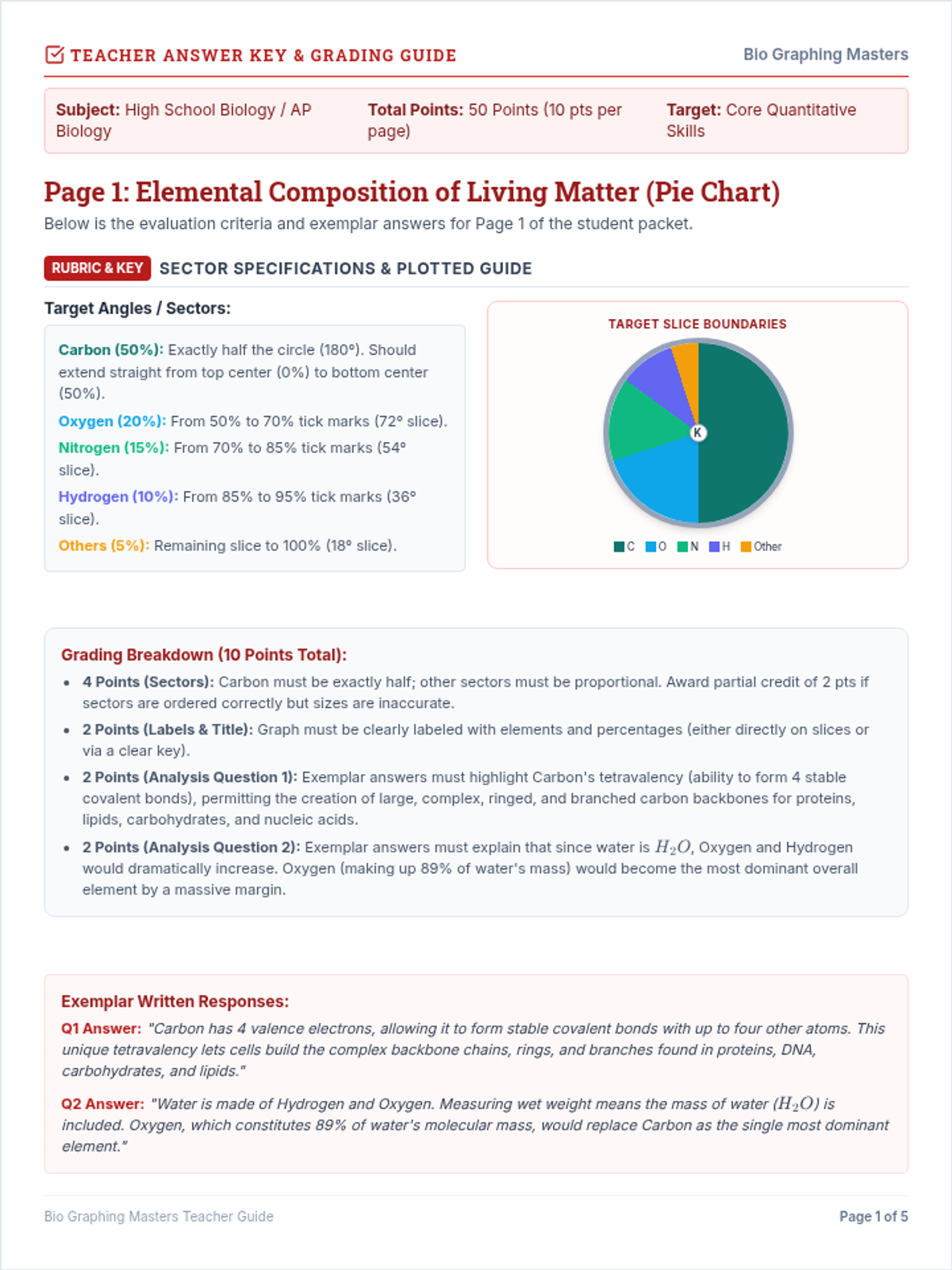
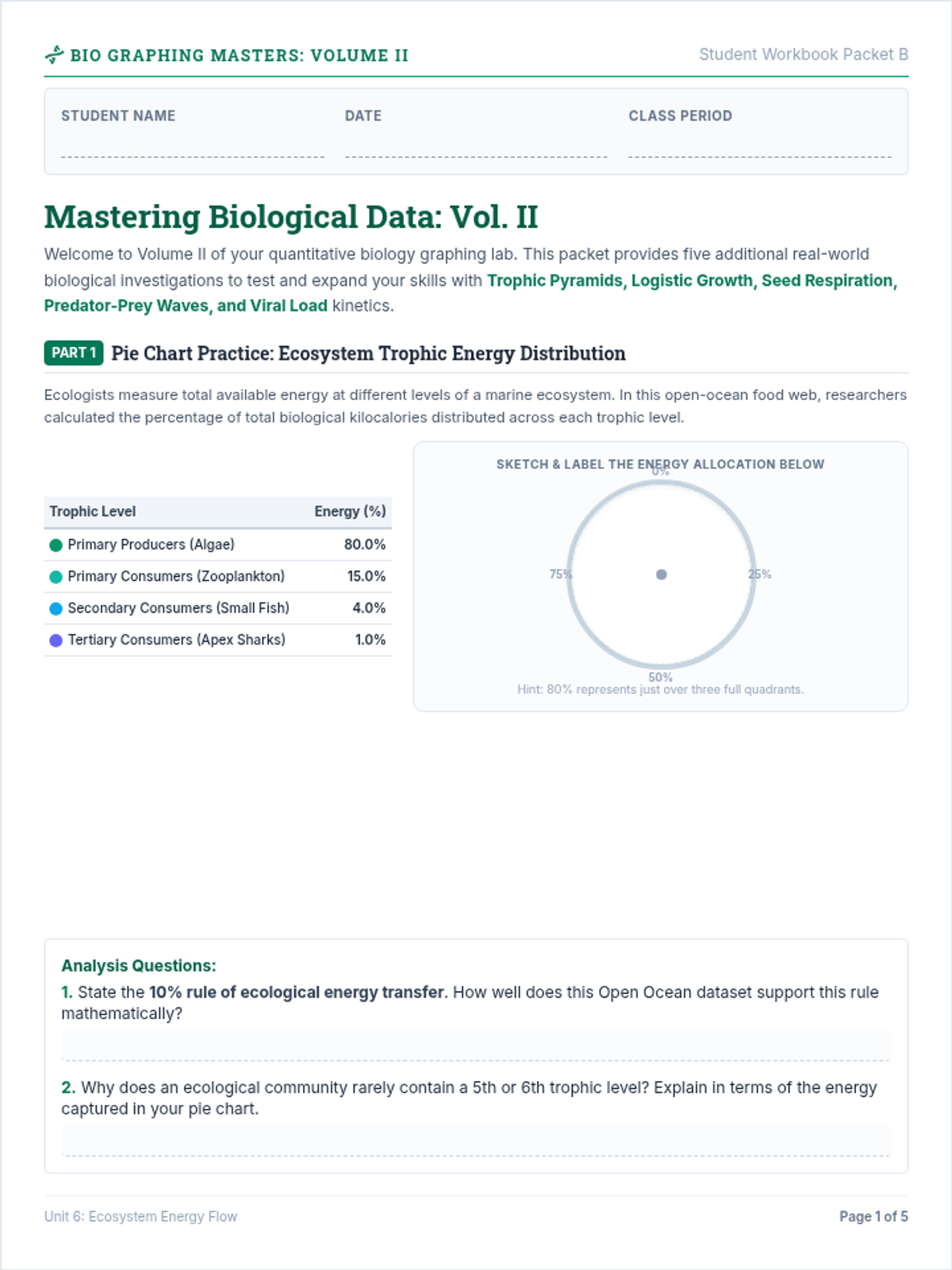
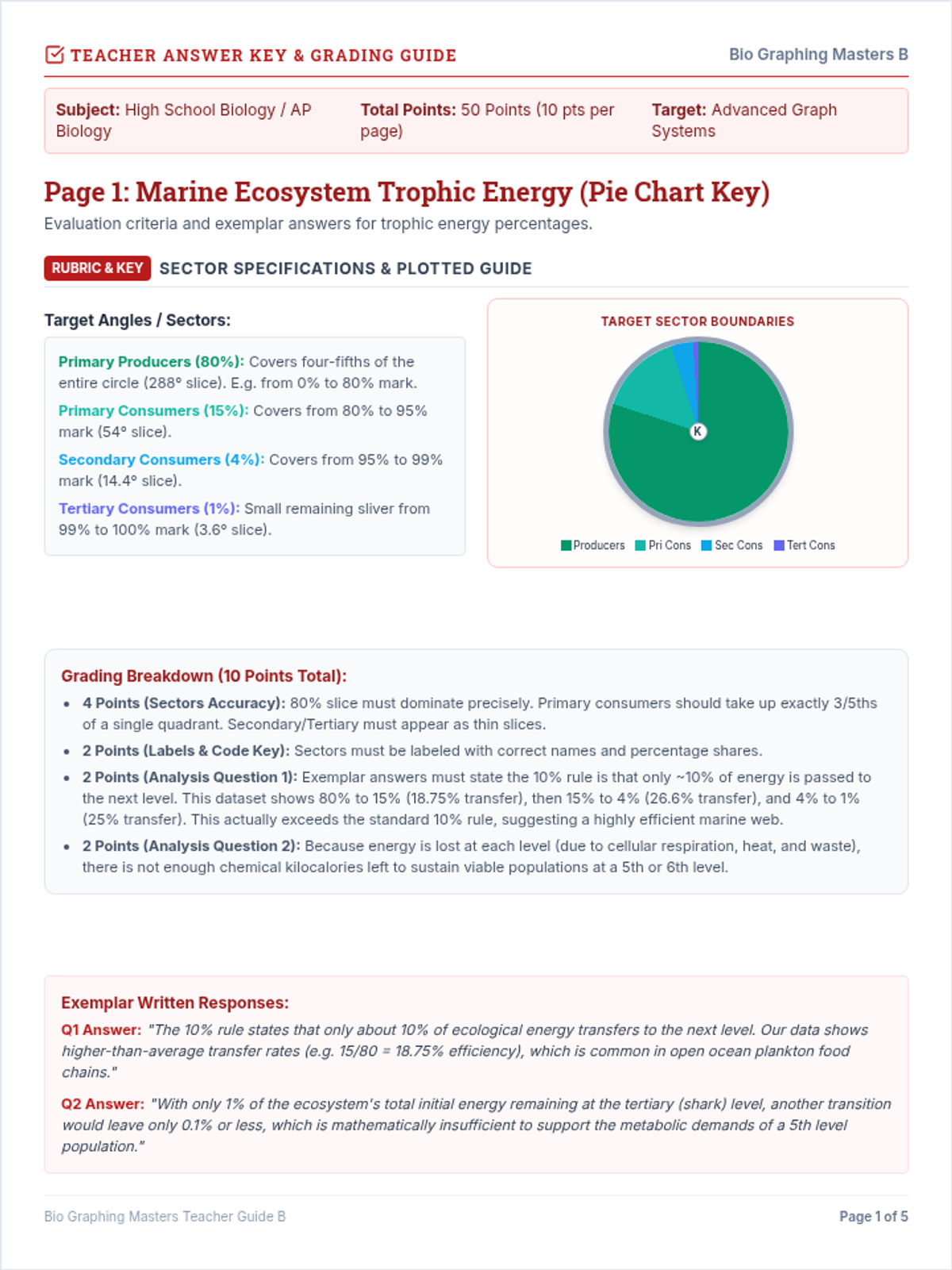
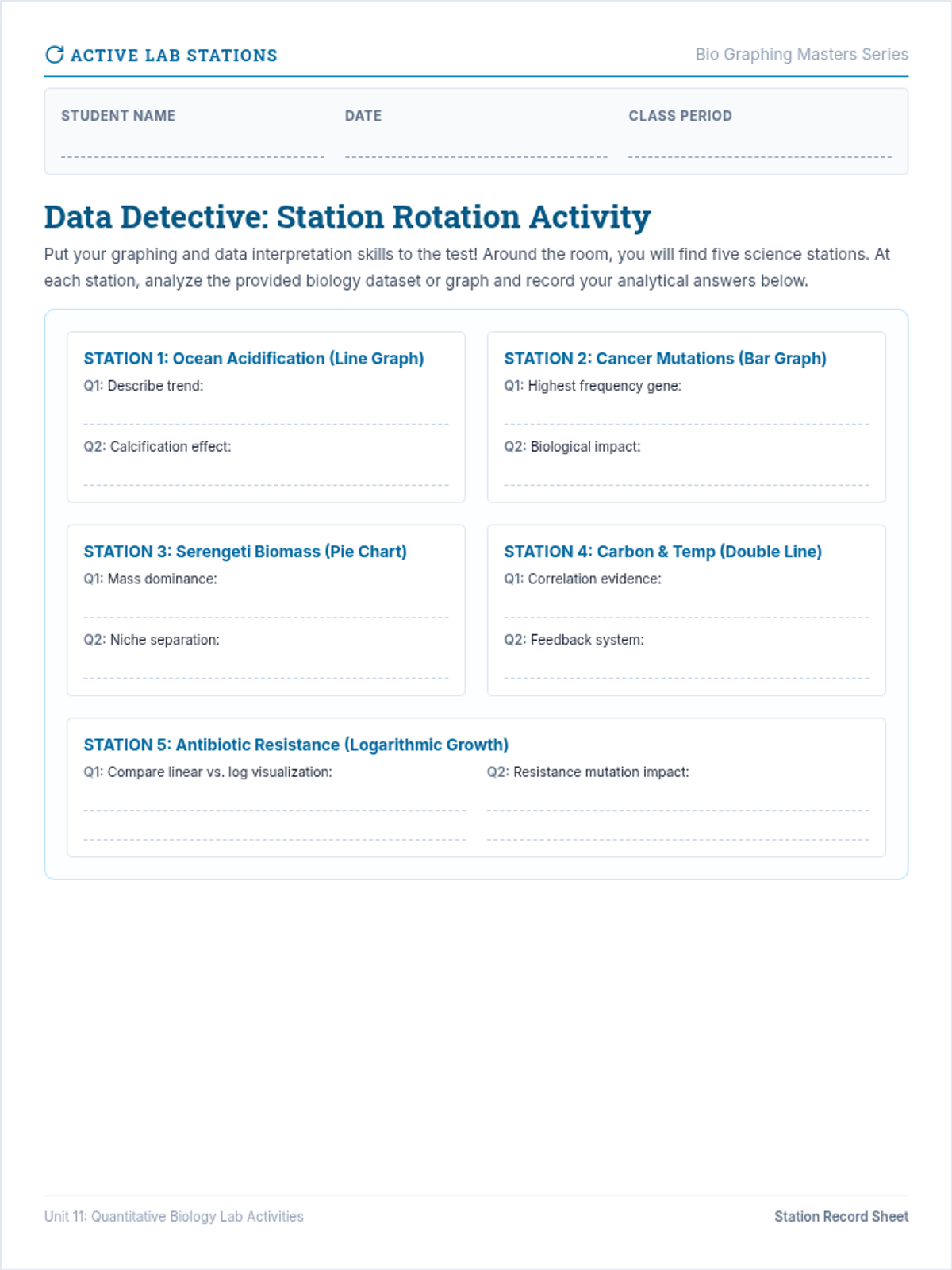
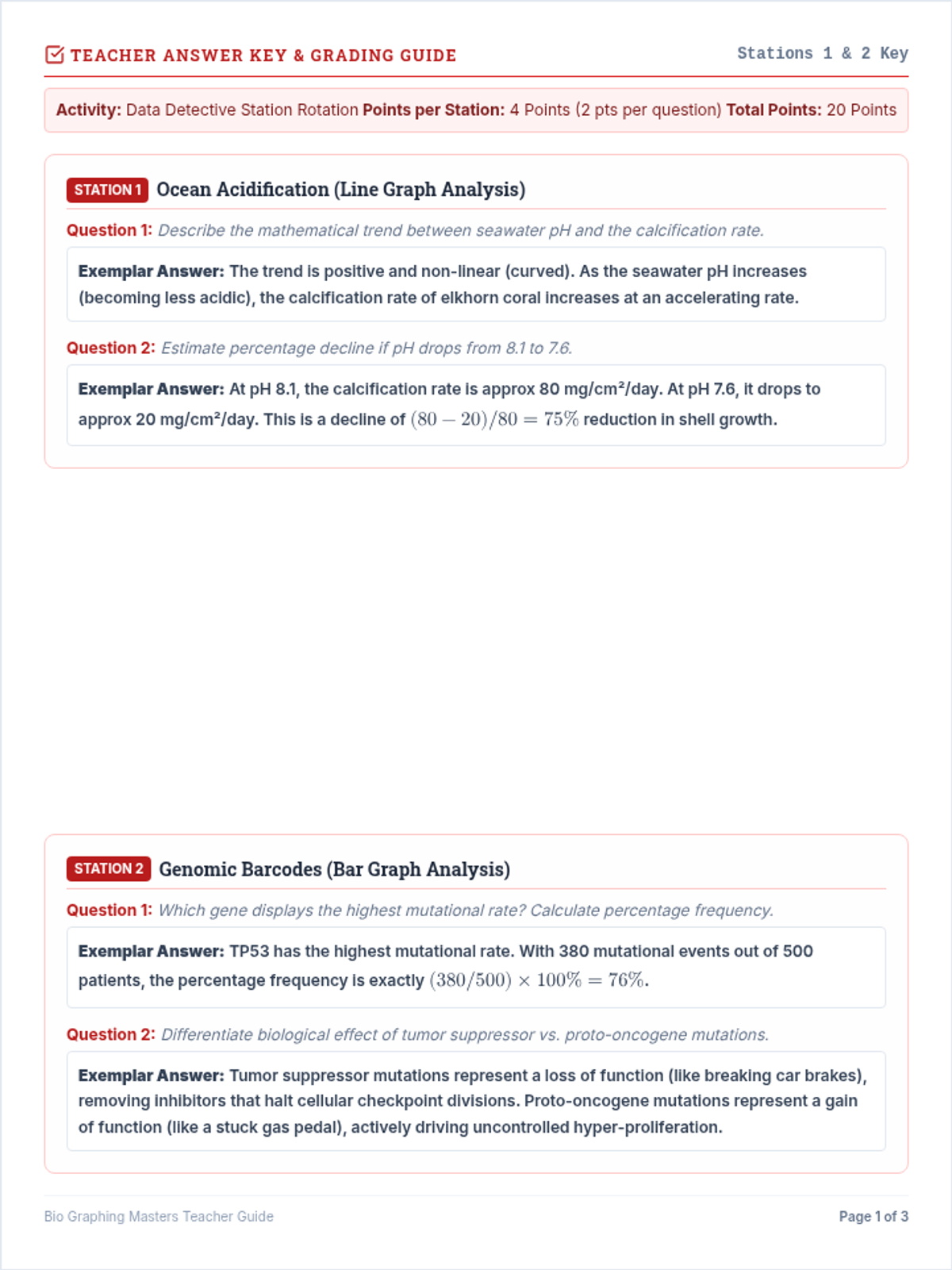
A comprehensive graphing skills lesson in biology. Students will learn how to parse, select, and construct five key graph types (pie, line, bar, double line, and logarithmic graphs) using authentic biological datasets.
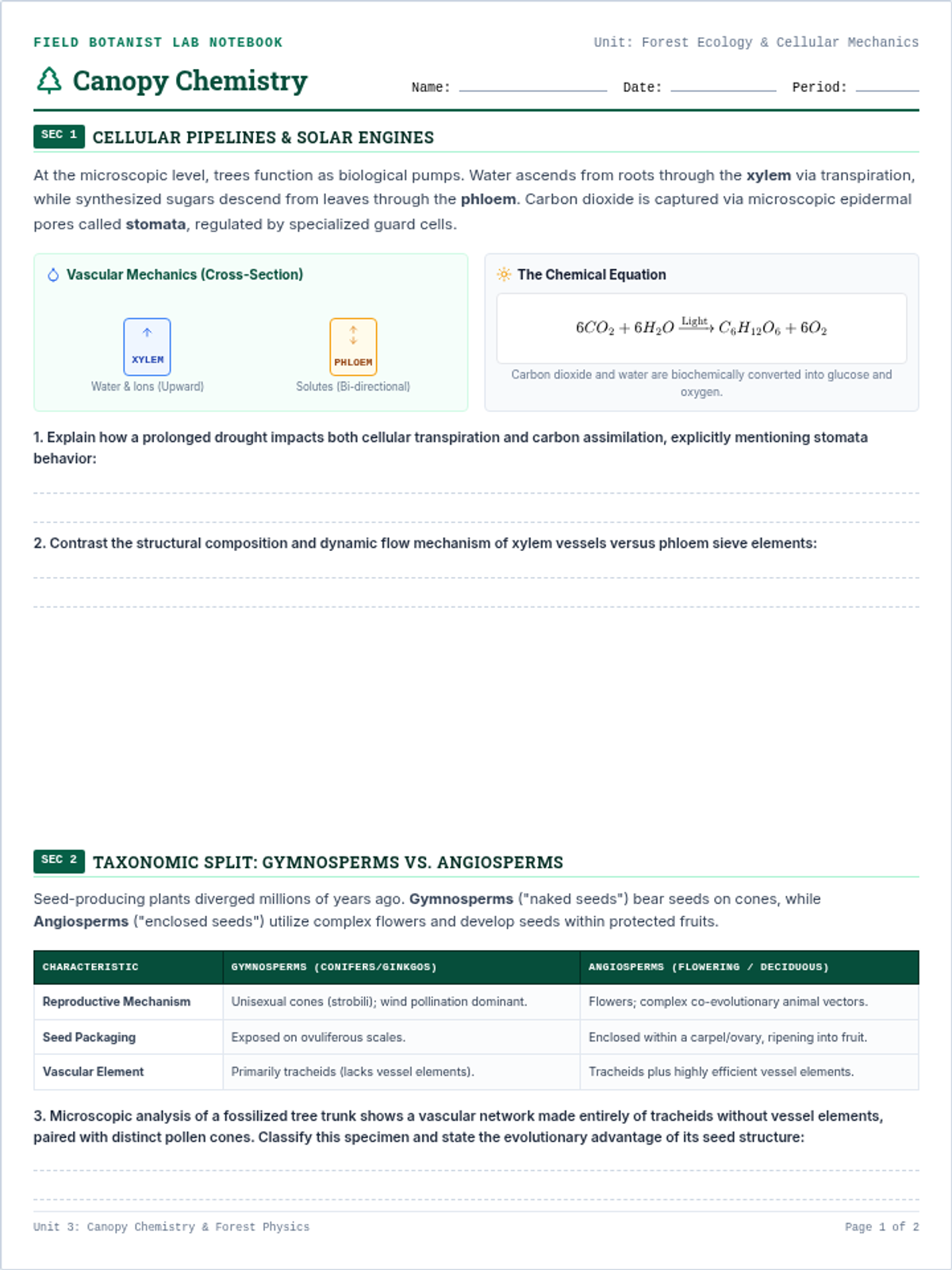
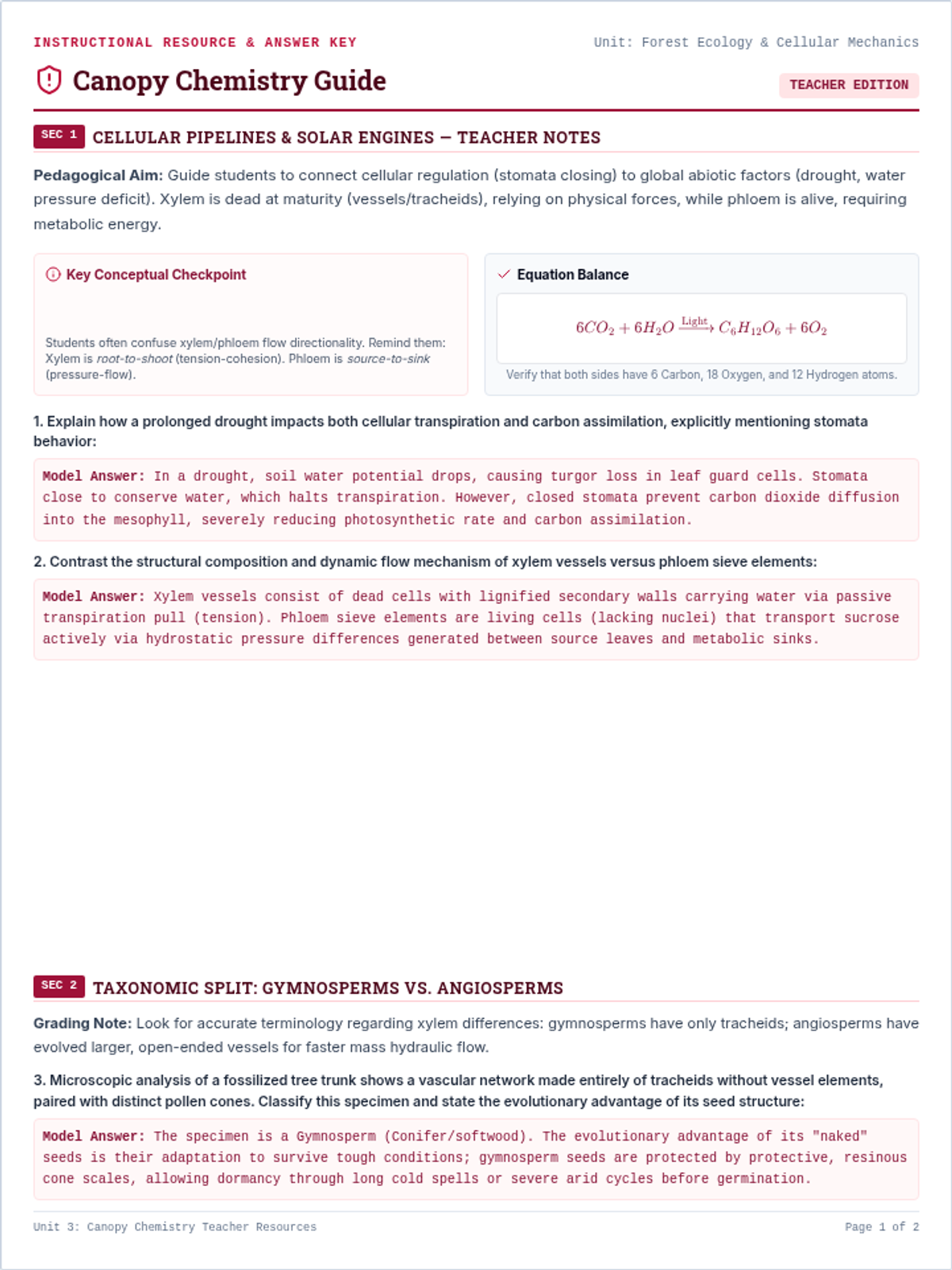
An in-depth investigation into the ecological, cellular, and evolutionary mechanics of trees. Students analyze carbon sequestration, vascular transport, angiosperm vs. gymnosperm taxonomy, and design conservation strategies.
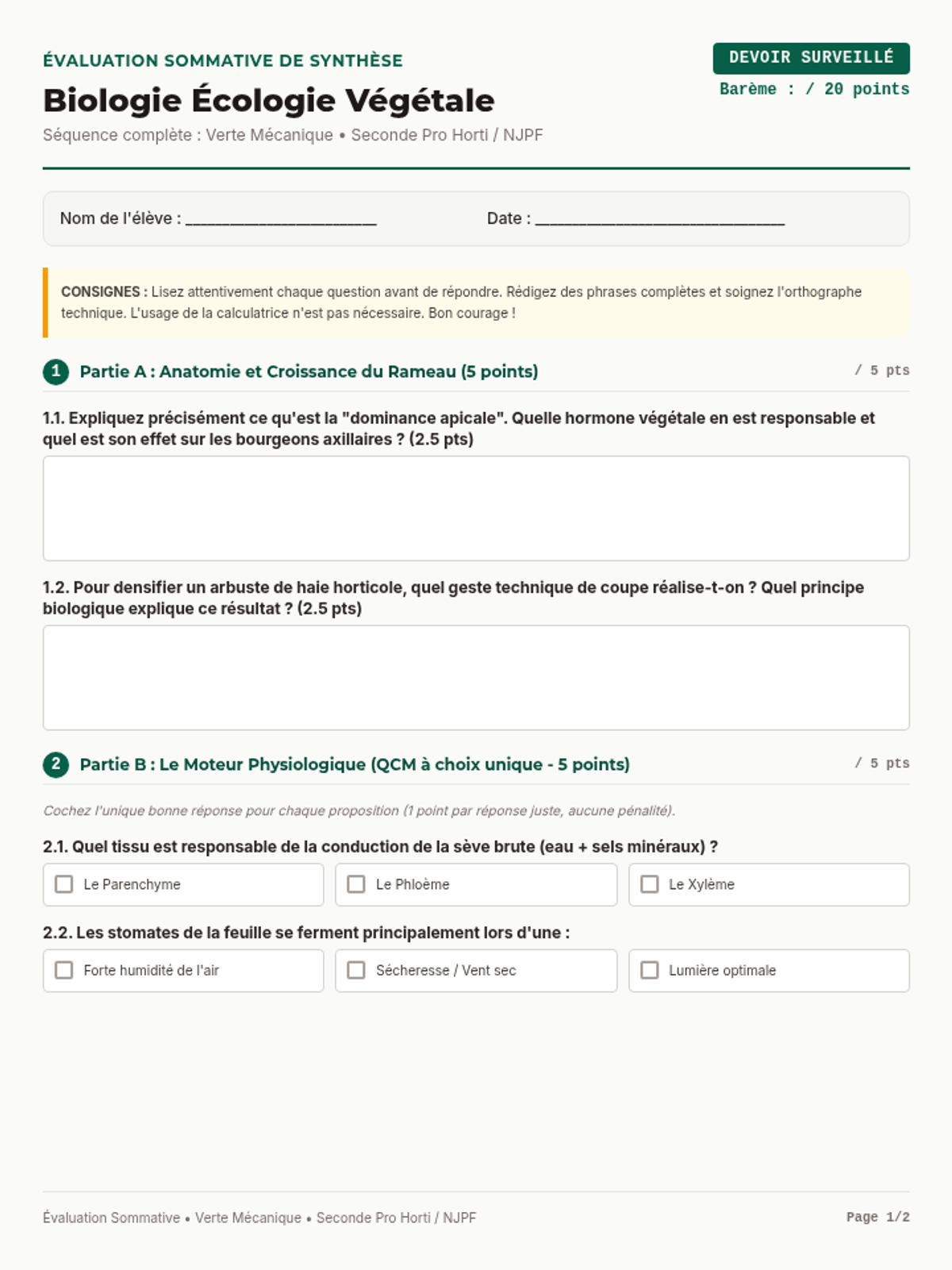
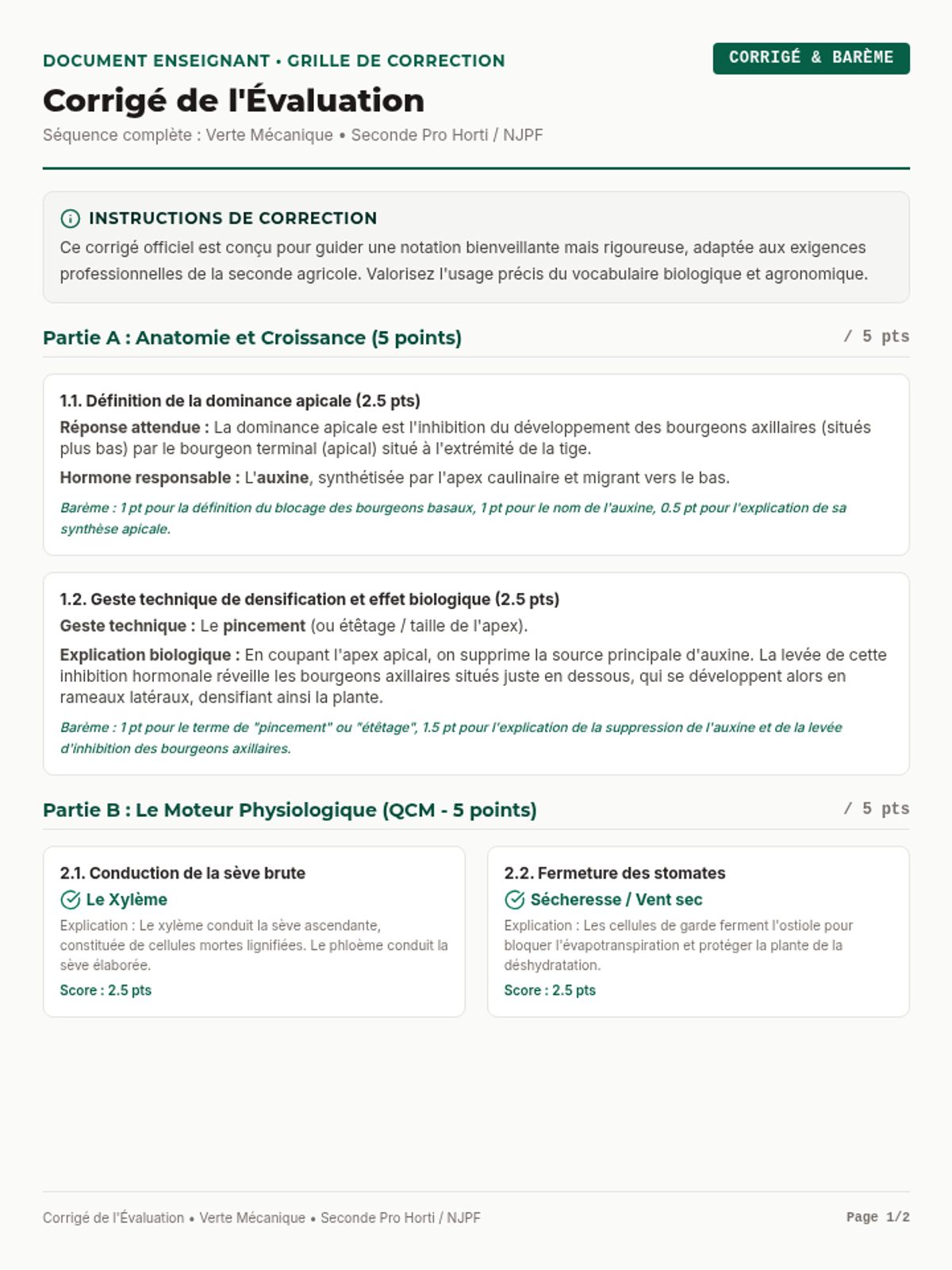
Étude de l'écophysiologie végétale, de la classification et des critères de reconnaissance des végétaux. Ce module montre comment les plantes s'adaptent aux contraintes environnementales (stress hydrique, sol, climat) et comment ces connaissances guident les choix professionnels d'aménagement et de culture.