Students distinguish between concrete and abstract nouns through a descriptive mentor text, analyzing how concrete nouns provide physical grounding while abstract nouns offer thematic depth.
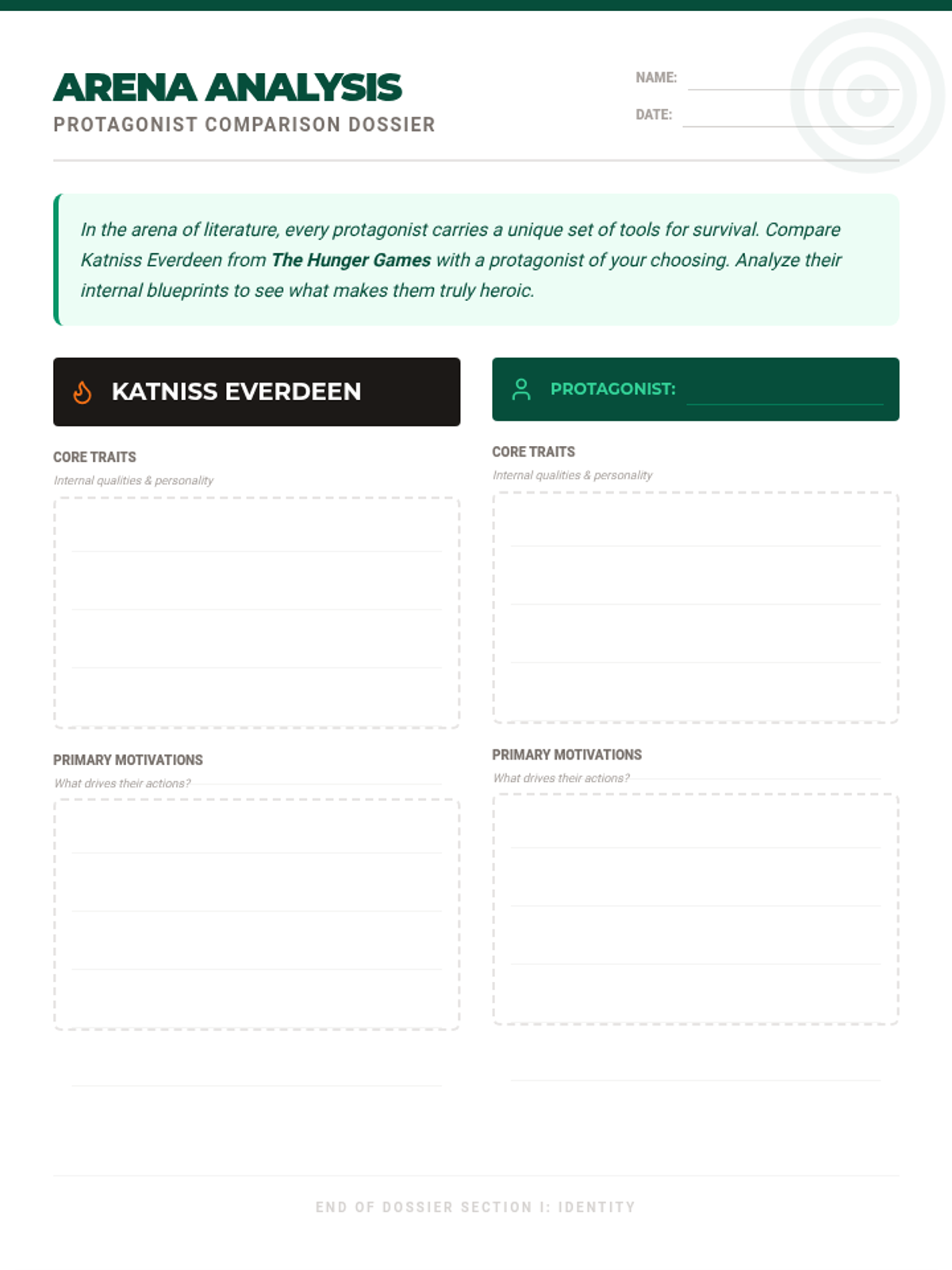
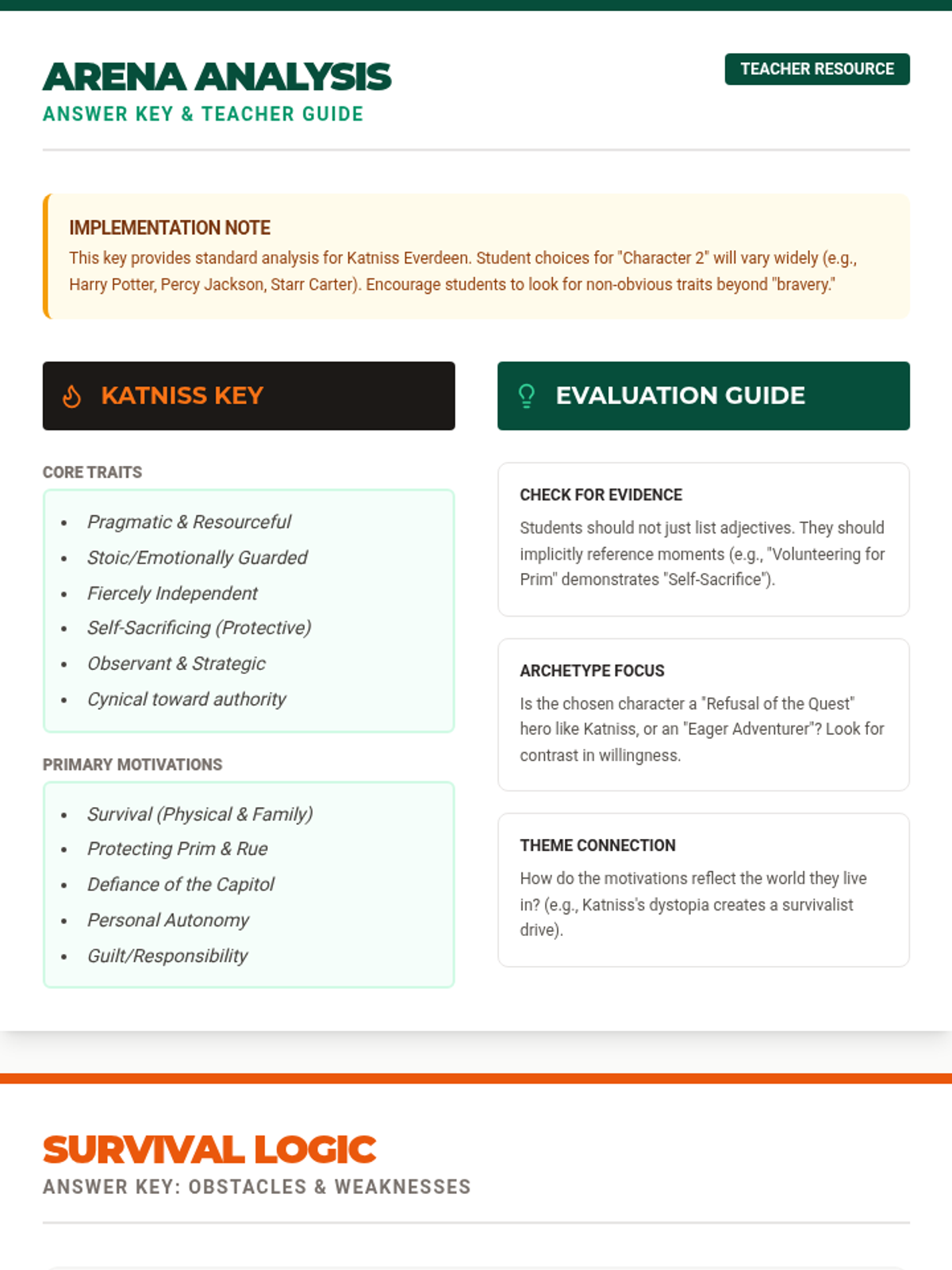
A deep-dive character analysis lesson comparing Katniss Everdeen with other literary protagonists to explore universal hero archetypes and character development.
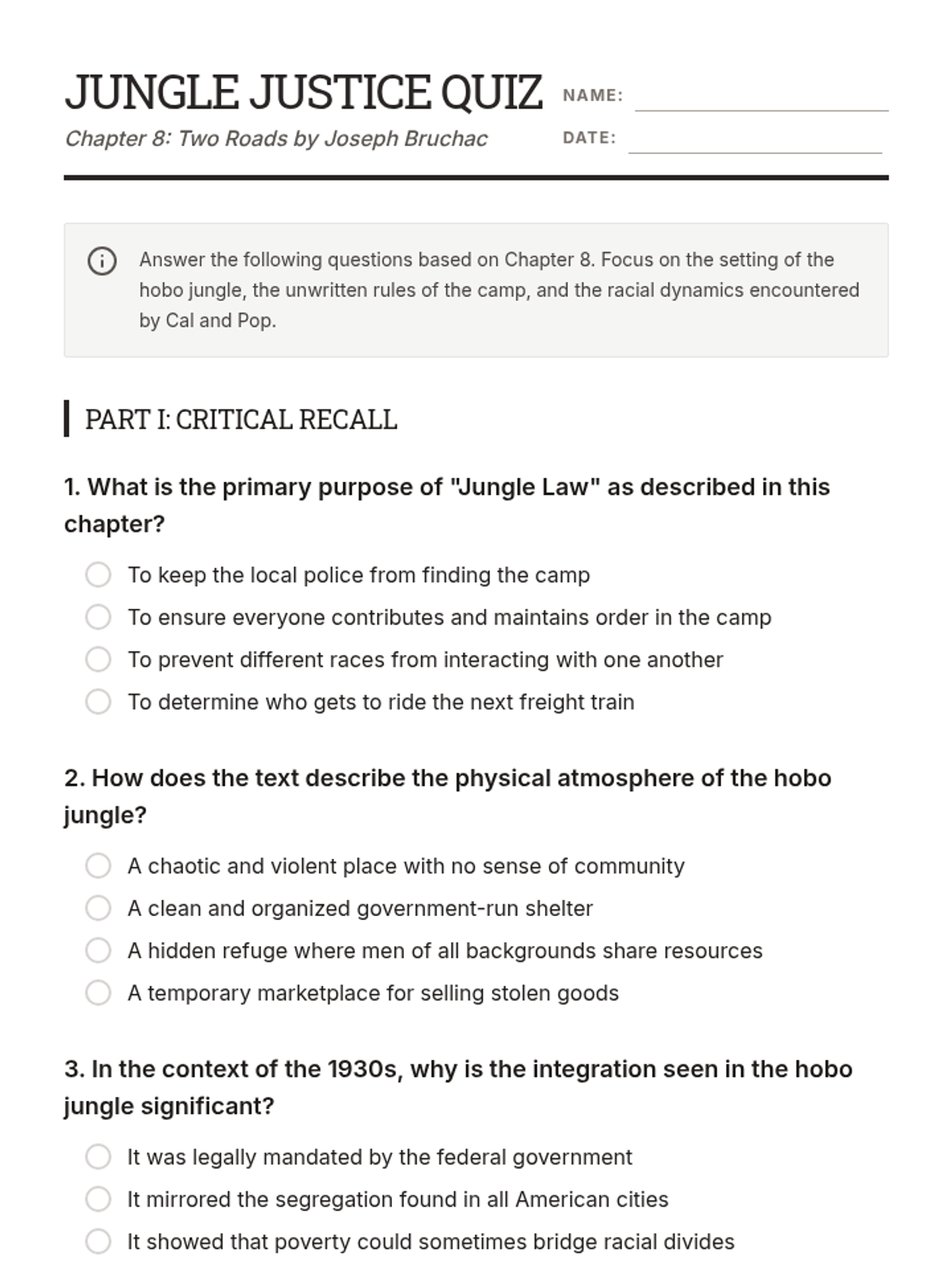
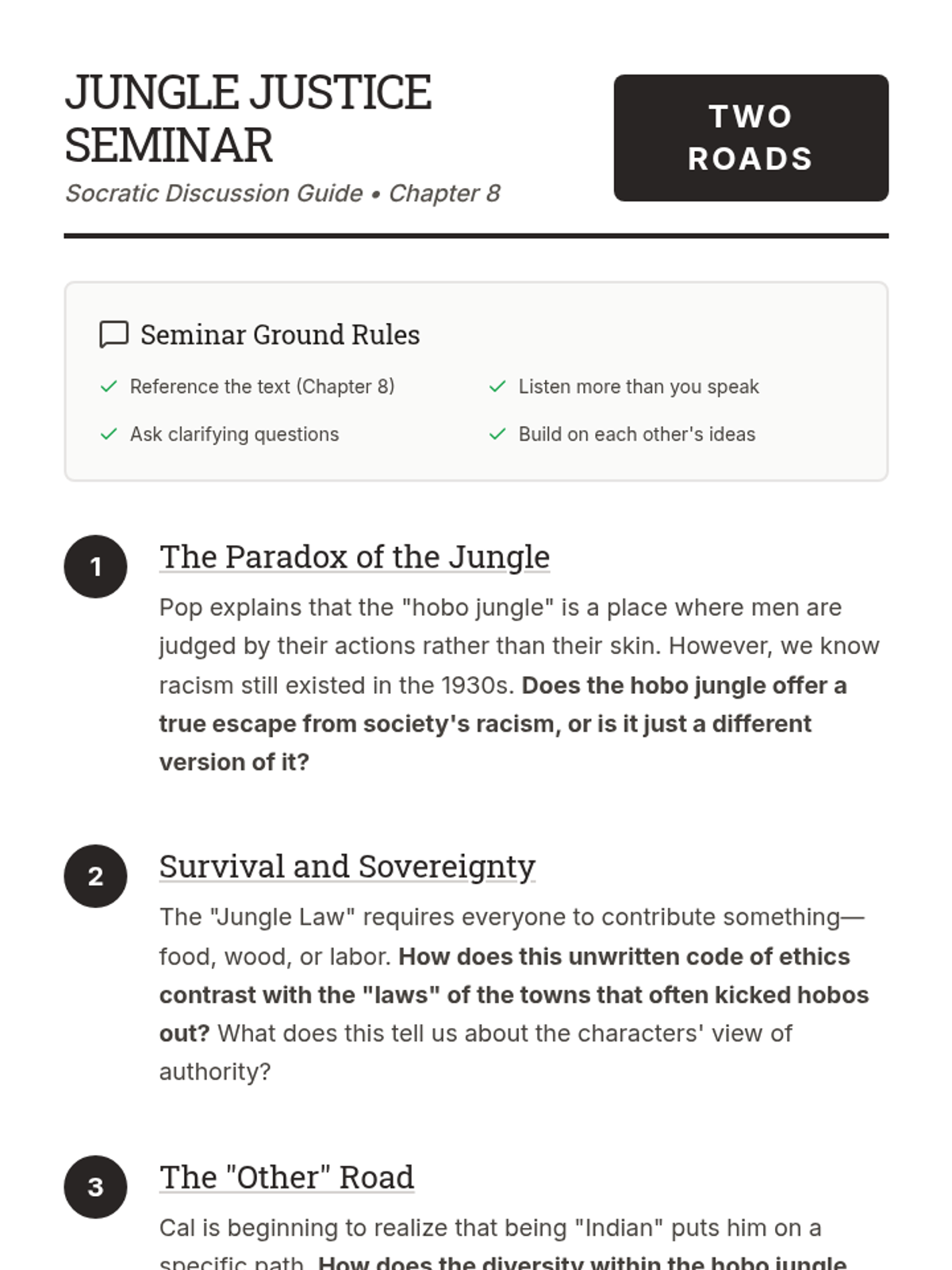
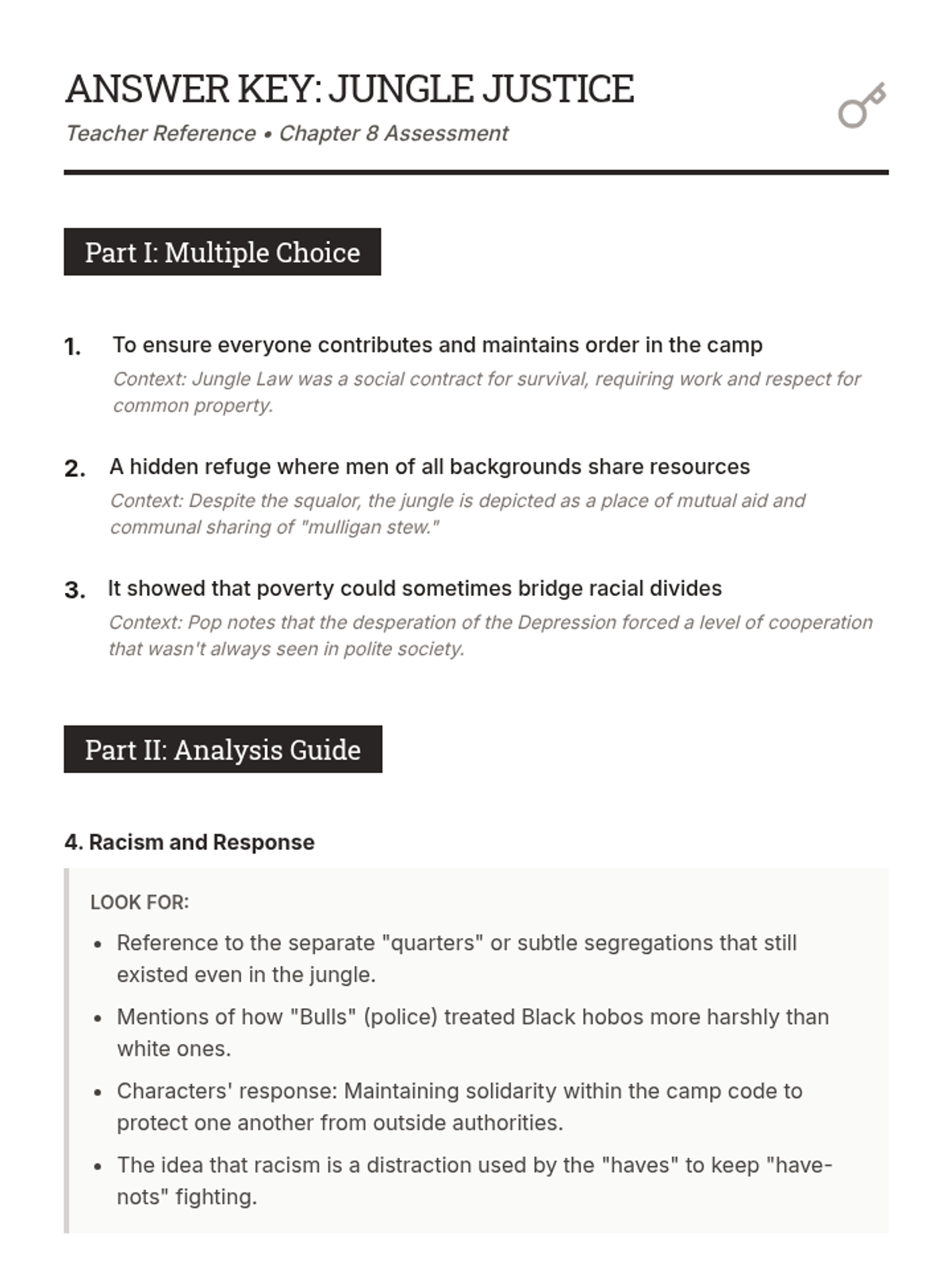
A lesson exploring Chapter 8 of 'Two Roads', focusing on the socio-economic and racial dynamics of hobo jungles during the Great Depression.
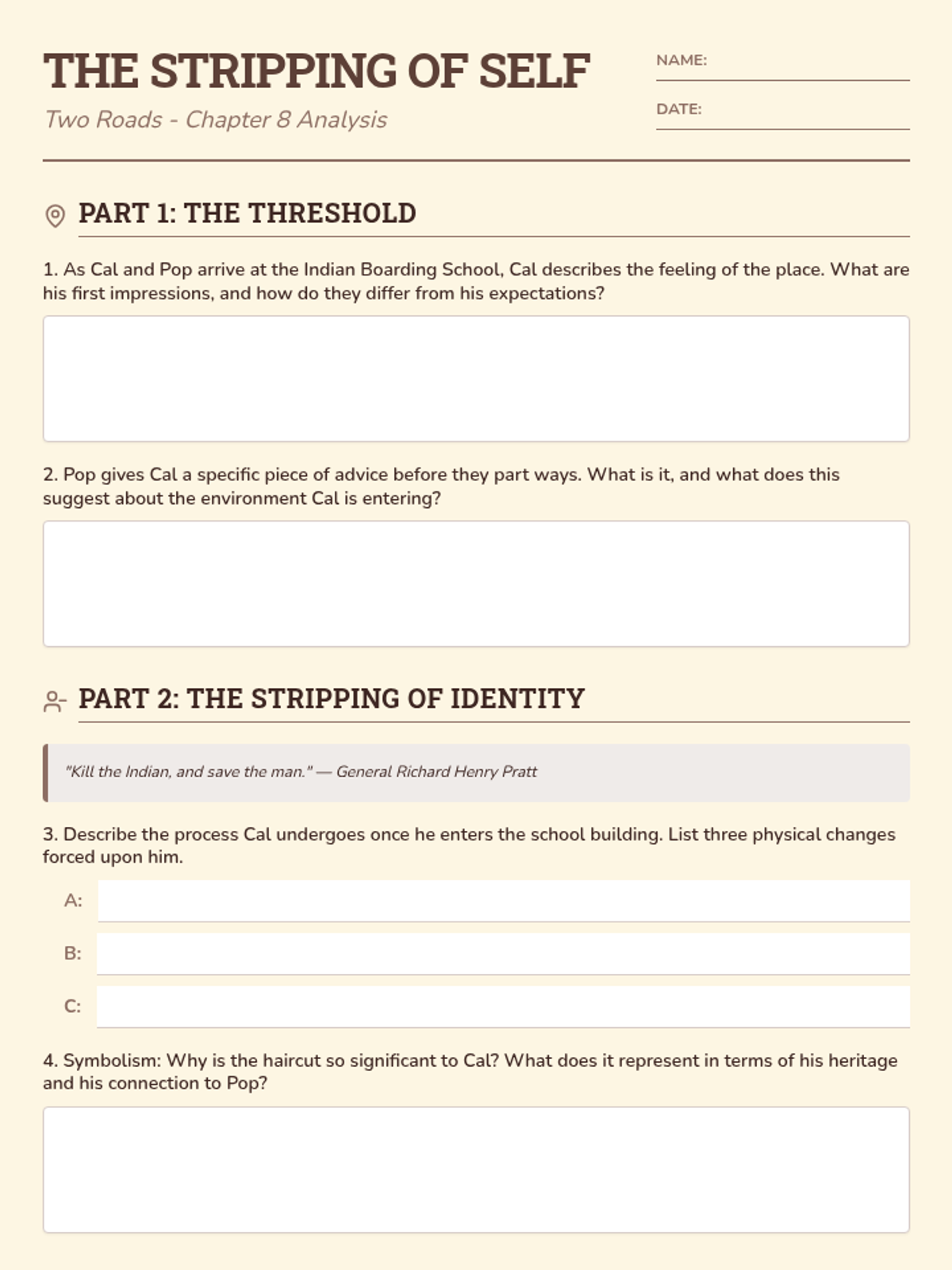
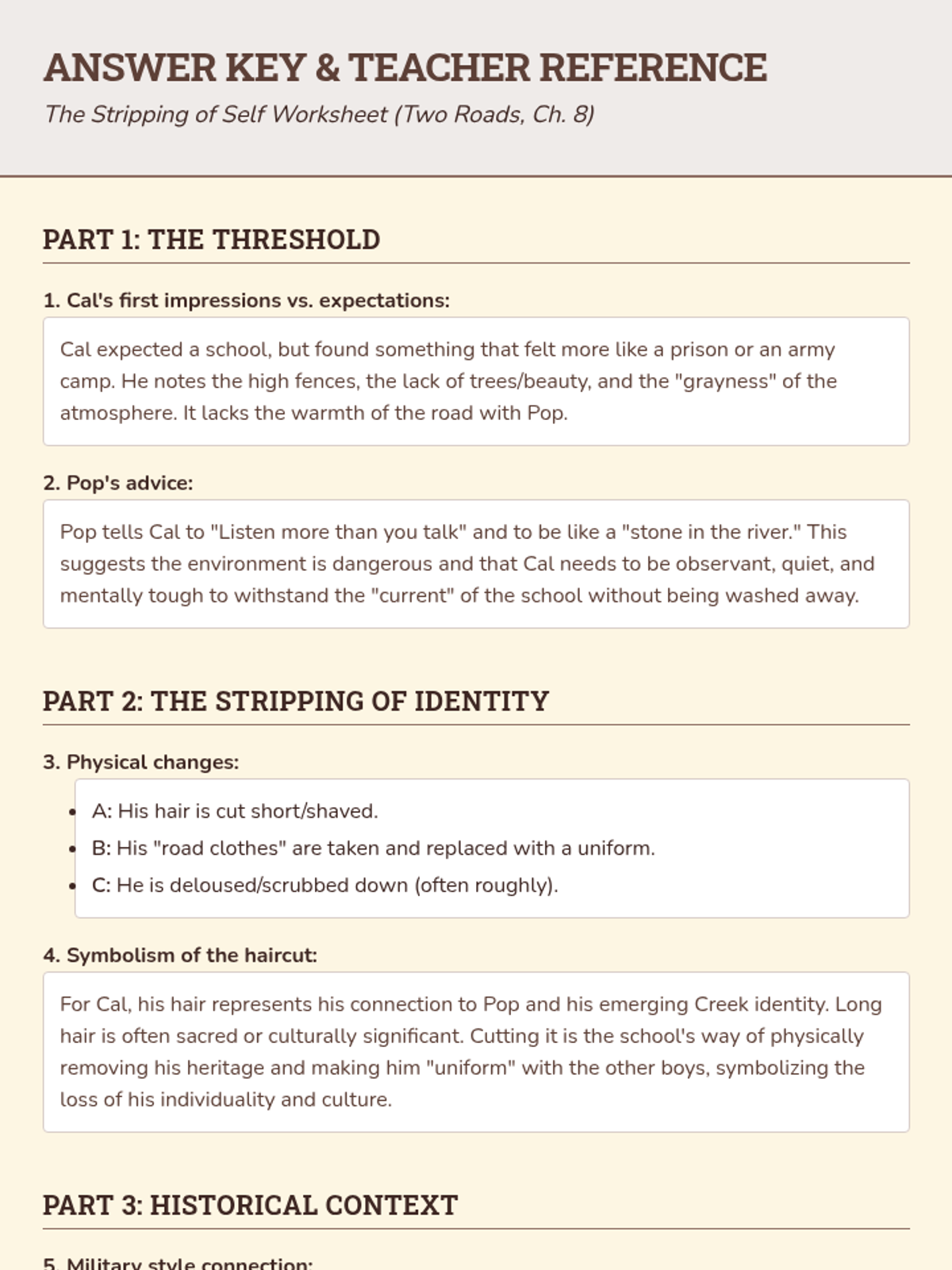
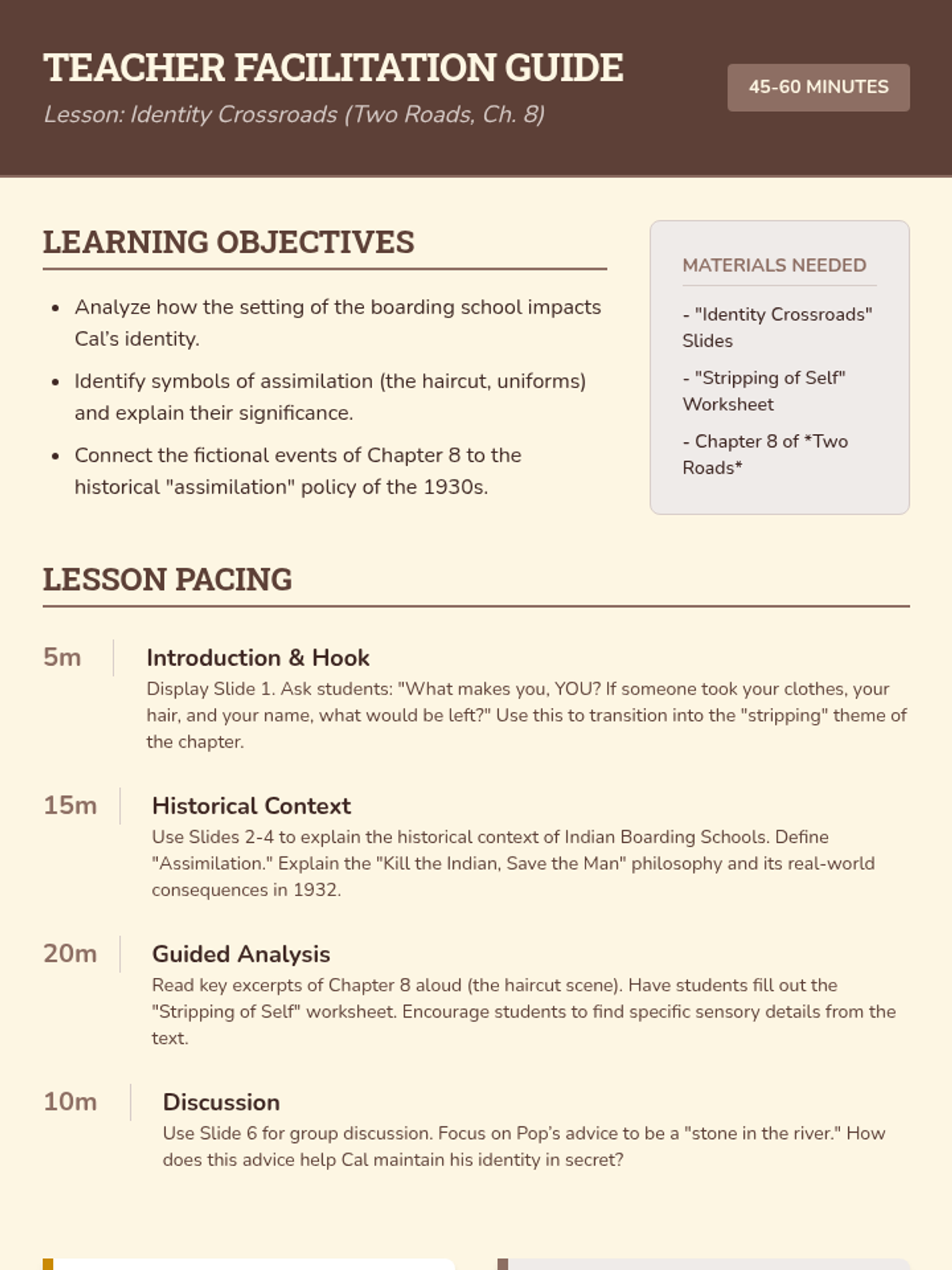
A focused exploration of Chapter 8 of Joseph Bruchac's 'Two Roads,' examining the historical reality of Indian Boarding Schools and the impact of forced assimilation on Cal's identity. Students will analyze the symbolic 'stripping' of identity and the historical context of the 1930s.
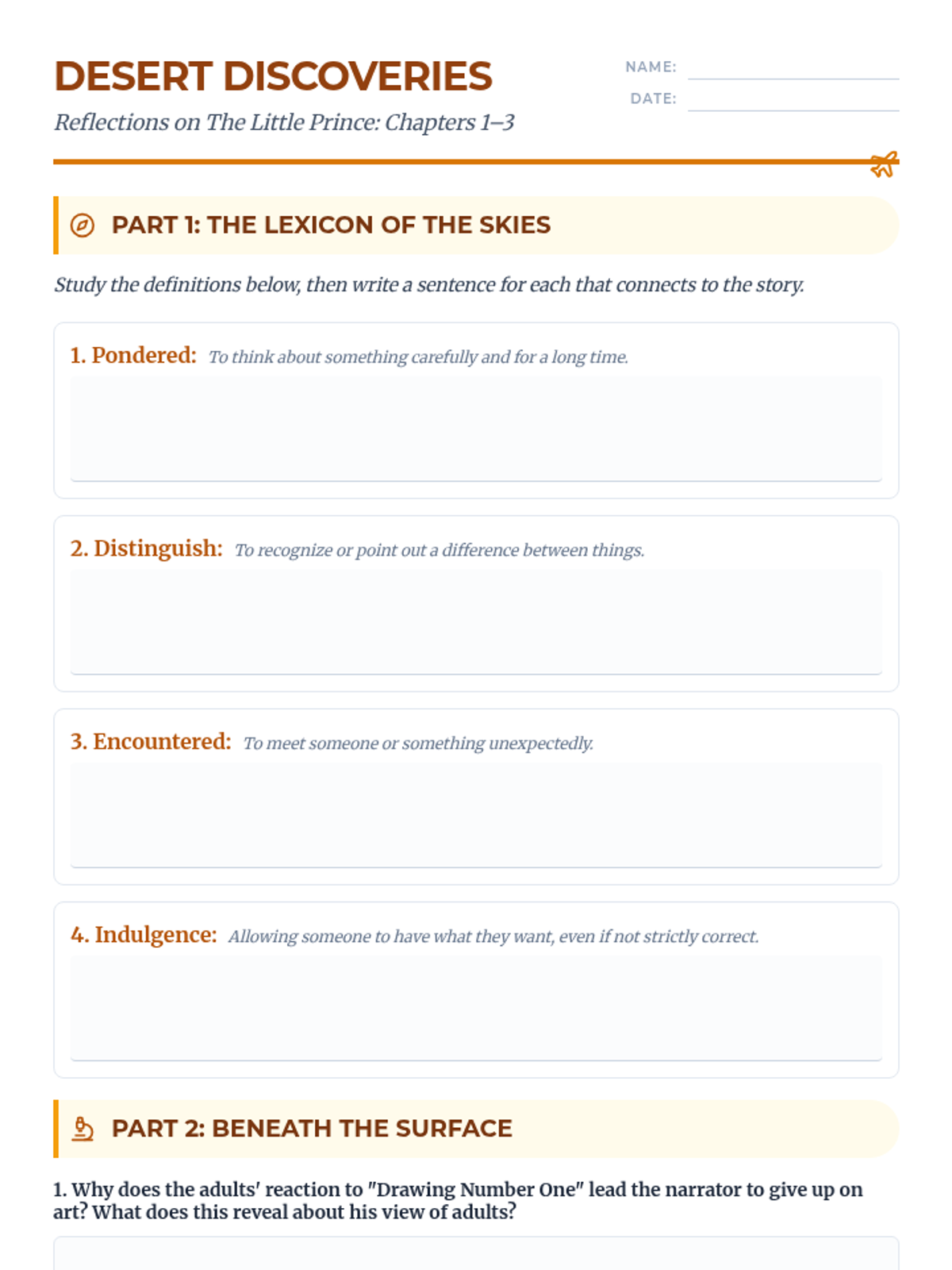
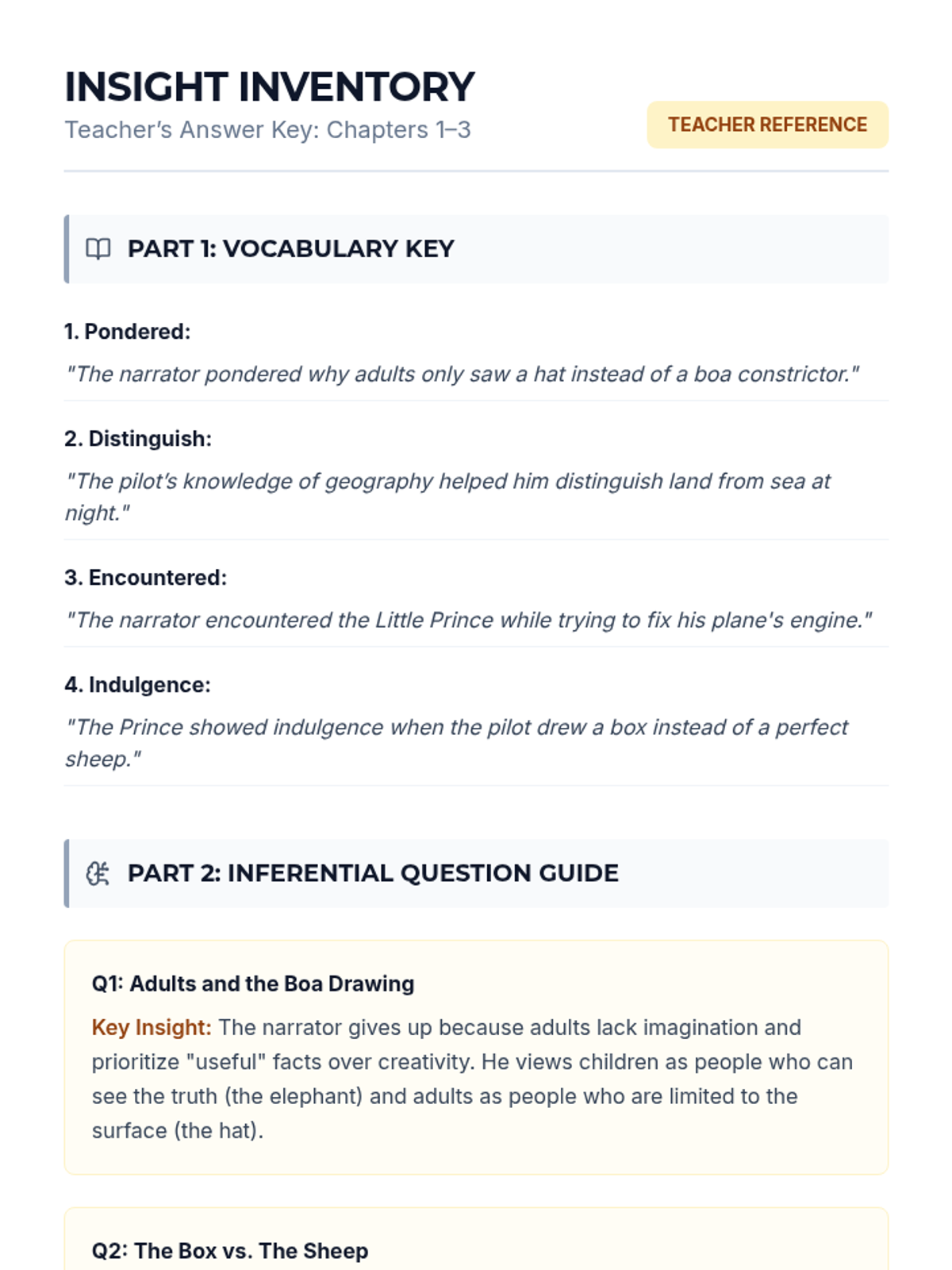
A deep dive into the opening chapters of The Little Prince, focusing on the narrator's childhood perspective and his fateful meeting with the prince in the Sahara. Students will analyze academic vocabulary and practice high-level inferential thinking.
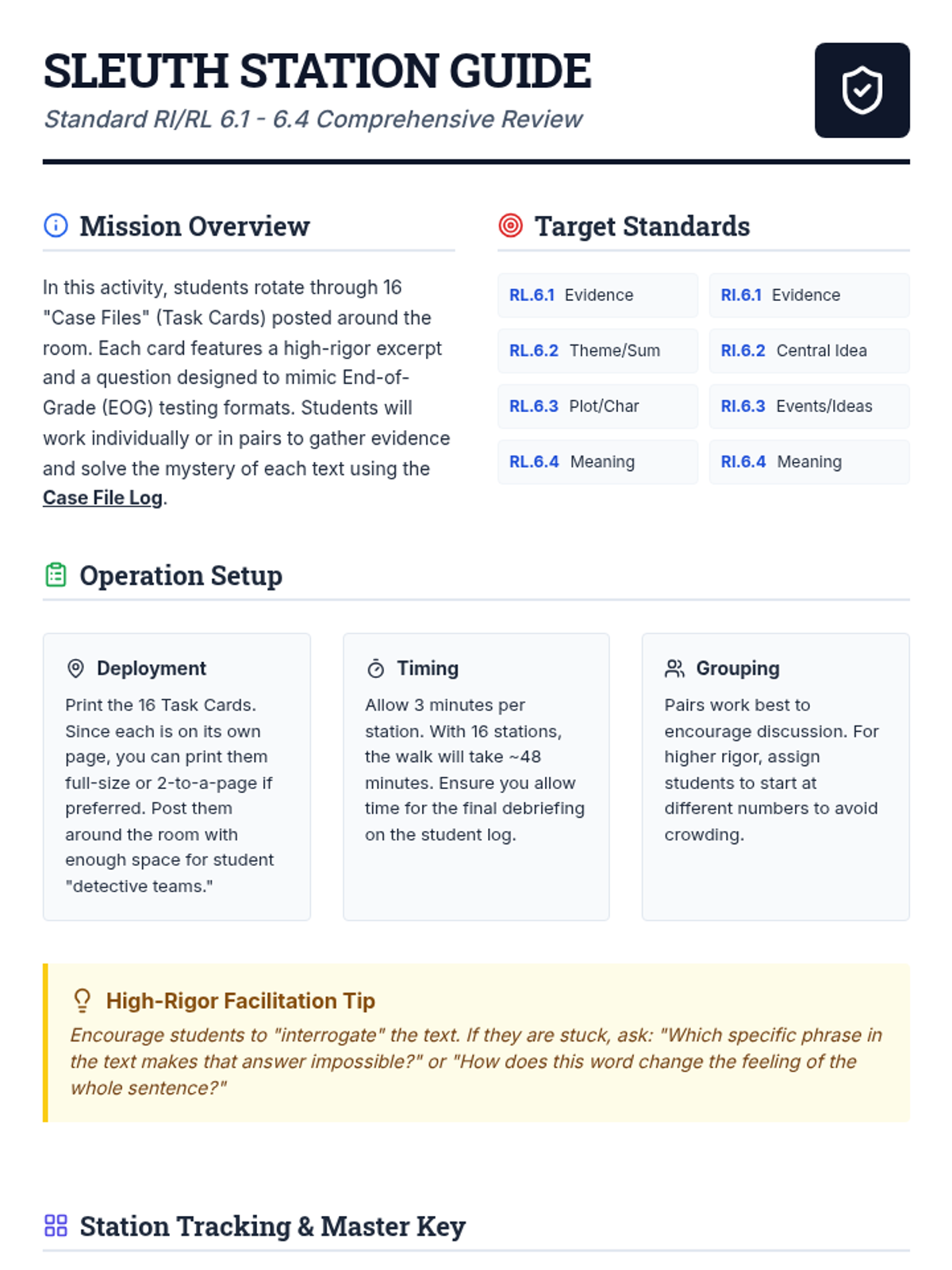
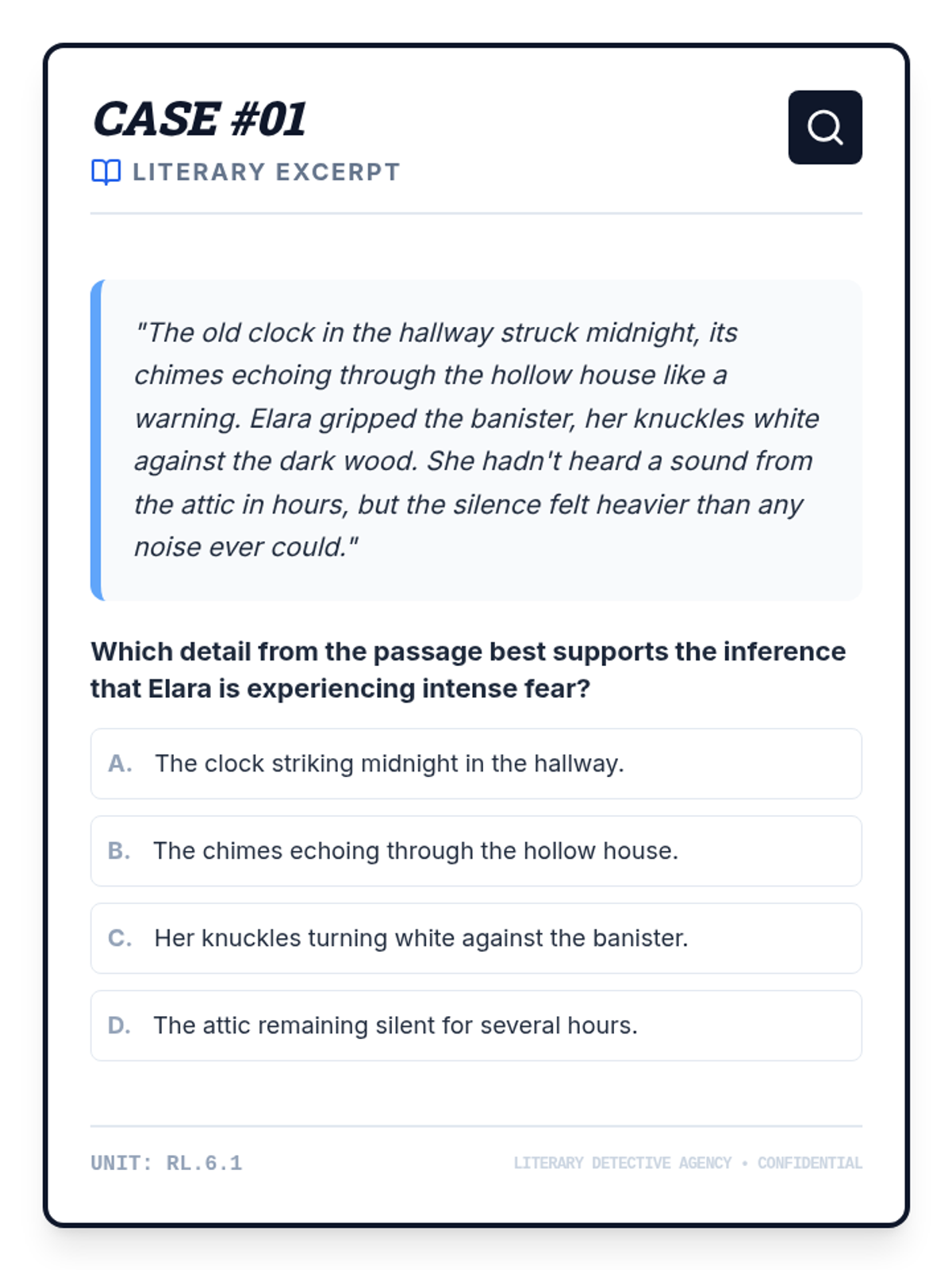
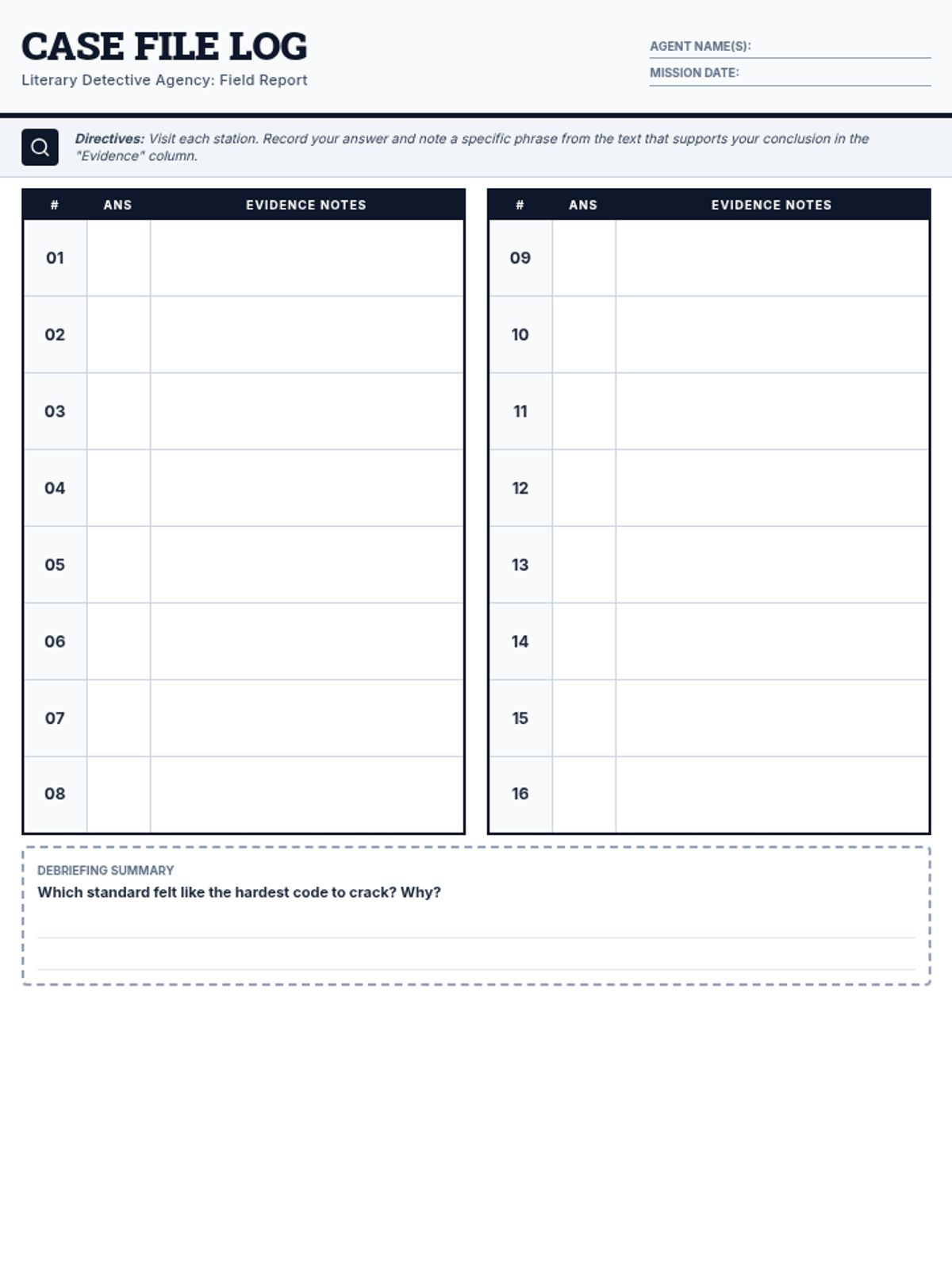
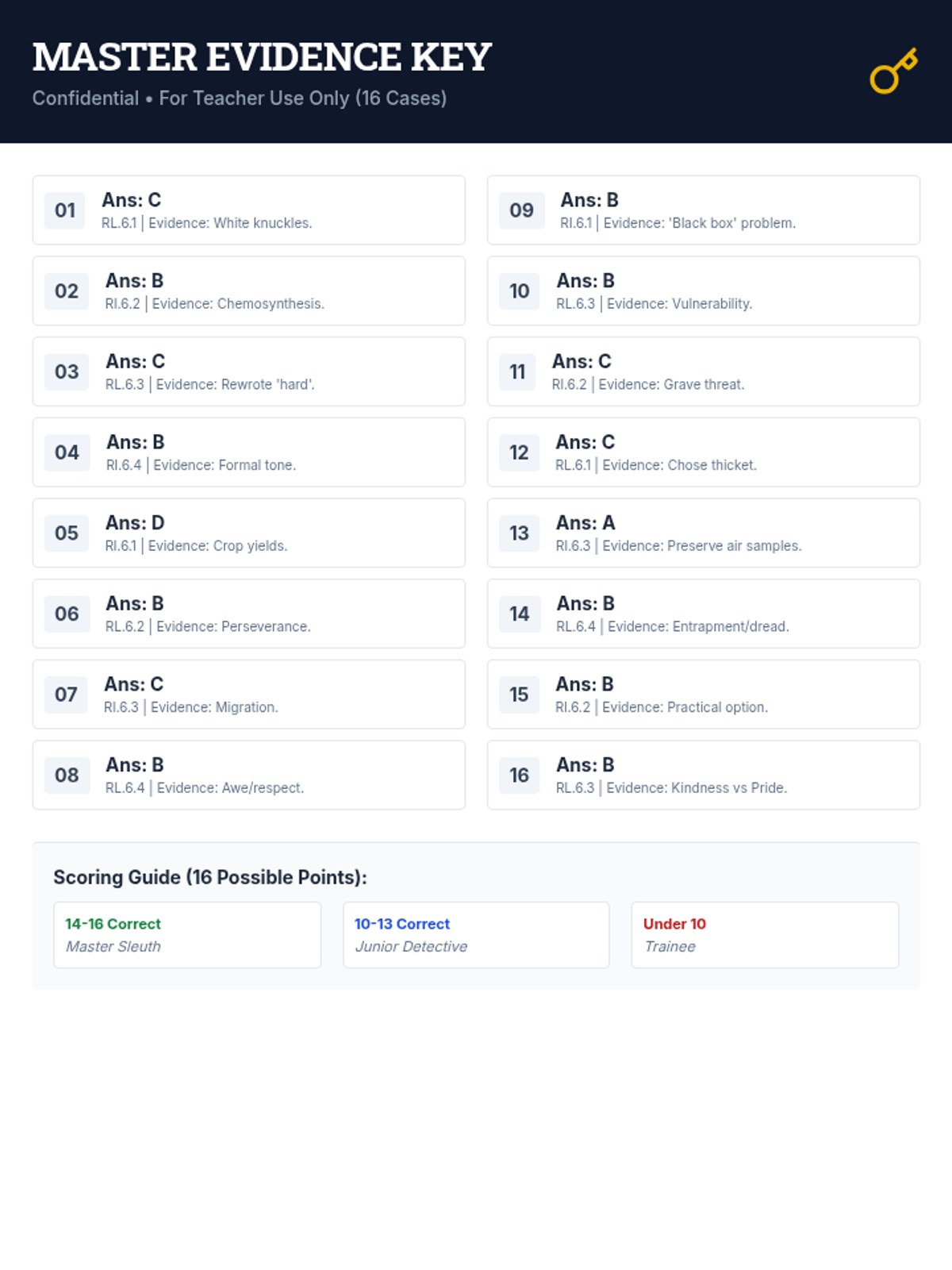
A high-energy Gallery Walk activity where students act as literary detectives to analyze short excerpts and solve complex questions aligned with 6th-grade Reading standards.
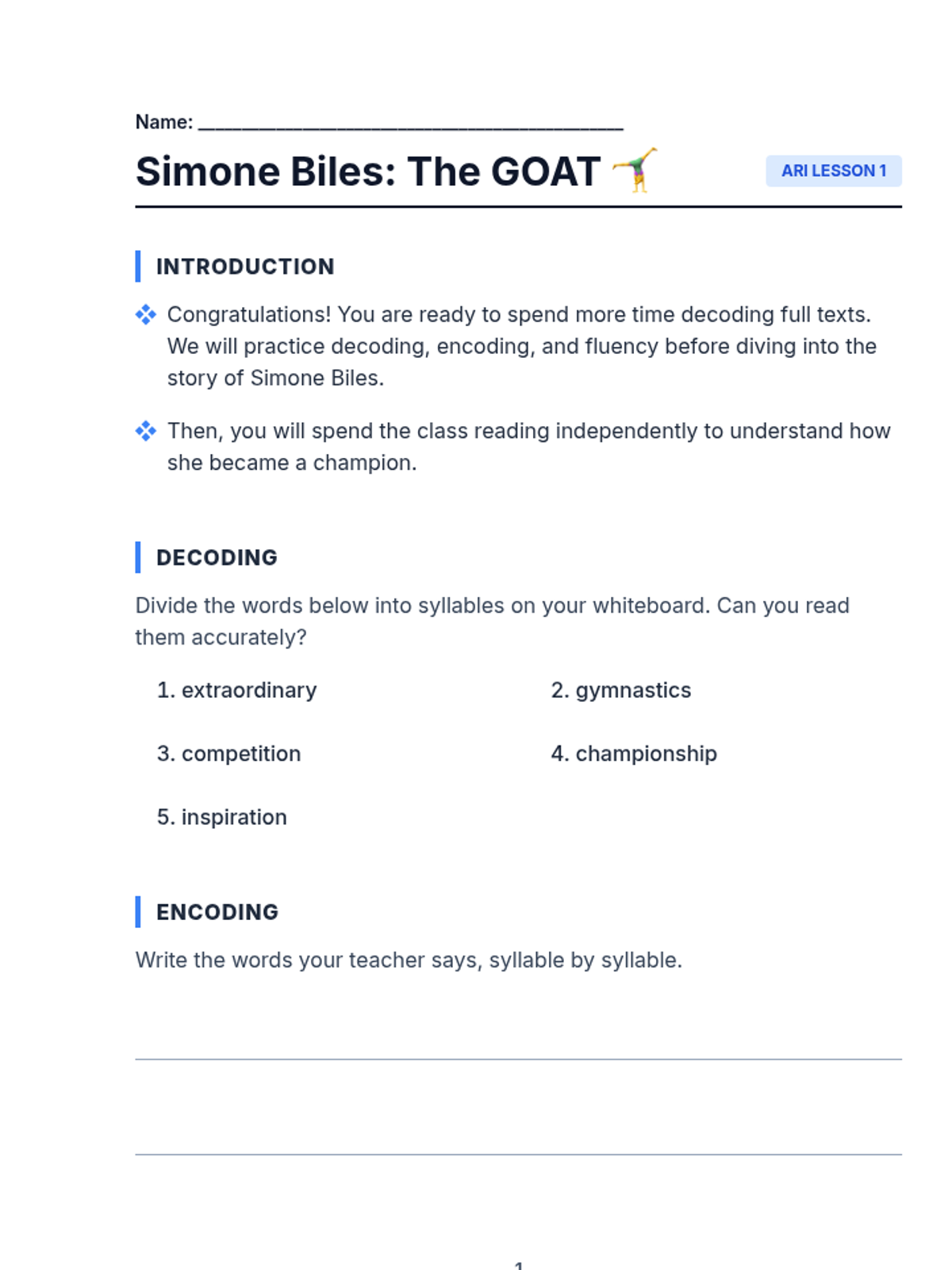
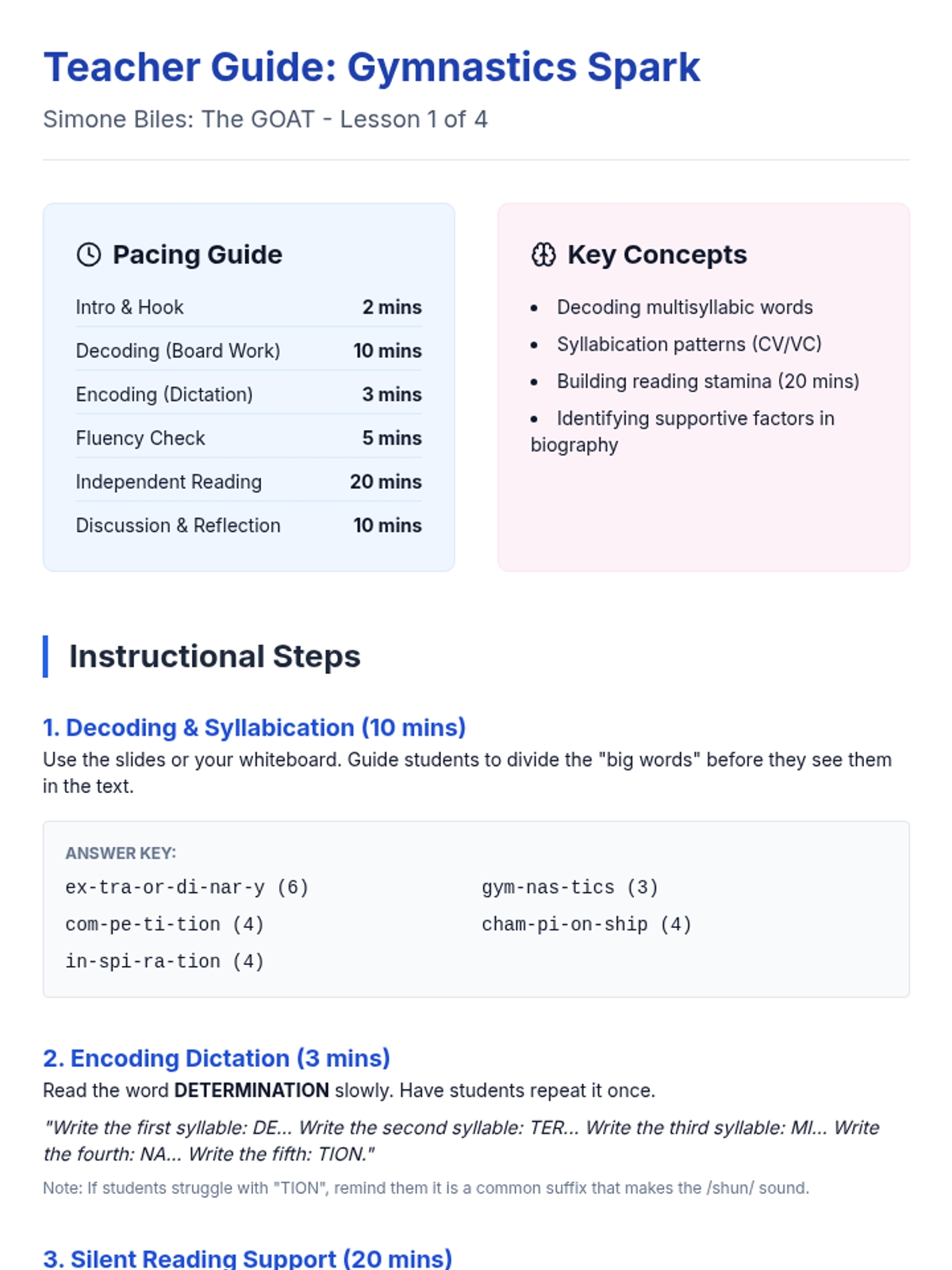
The first lesson in a series about Simone Biles, focusing on her early life, discovery of gymnastics, and the impact of her training. Students practice decoding multisyllabic words before engaging in a 20-minute silent reading session.
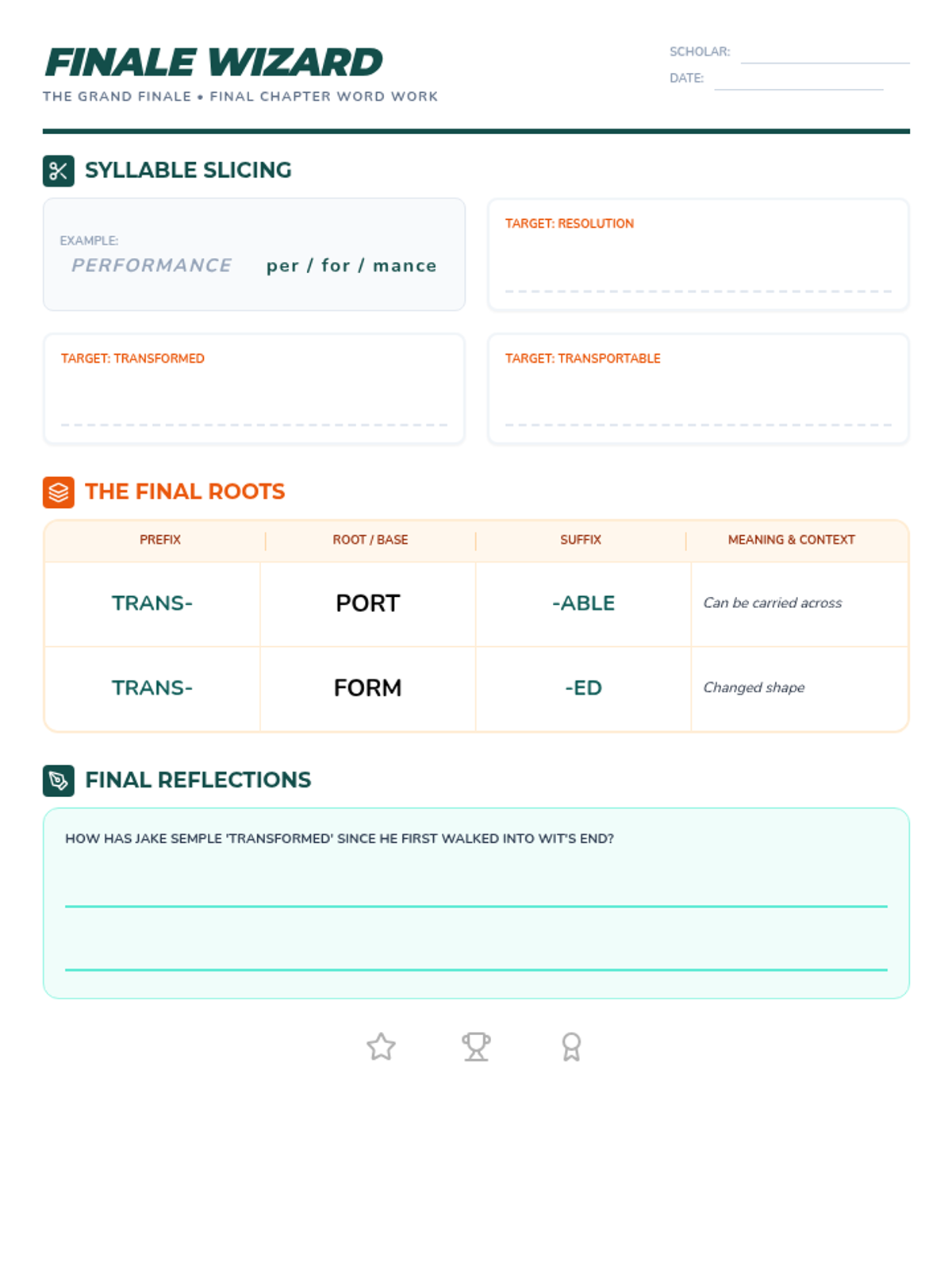
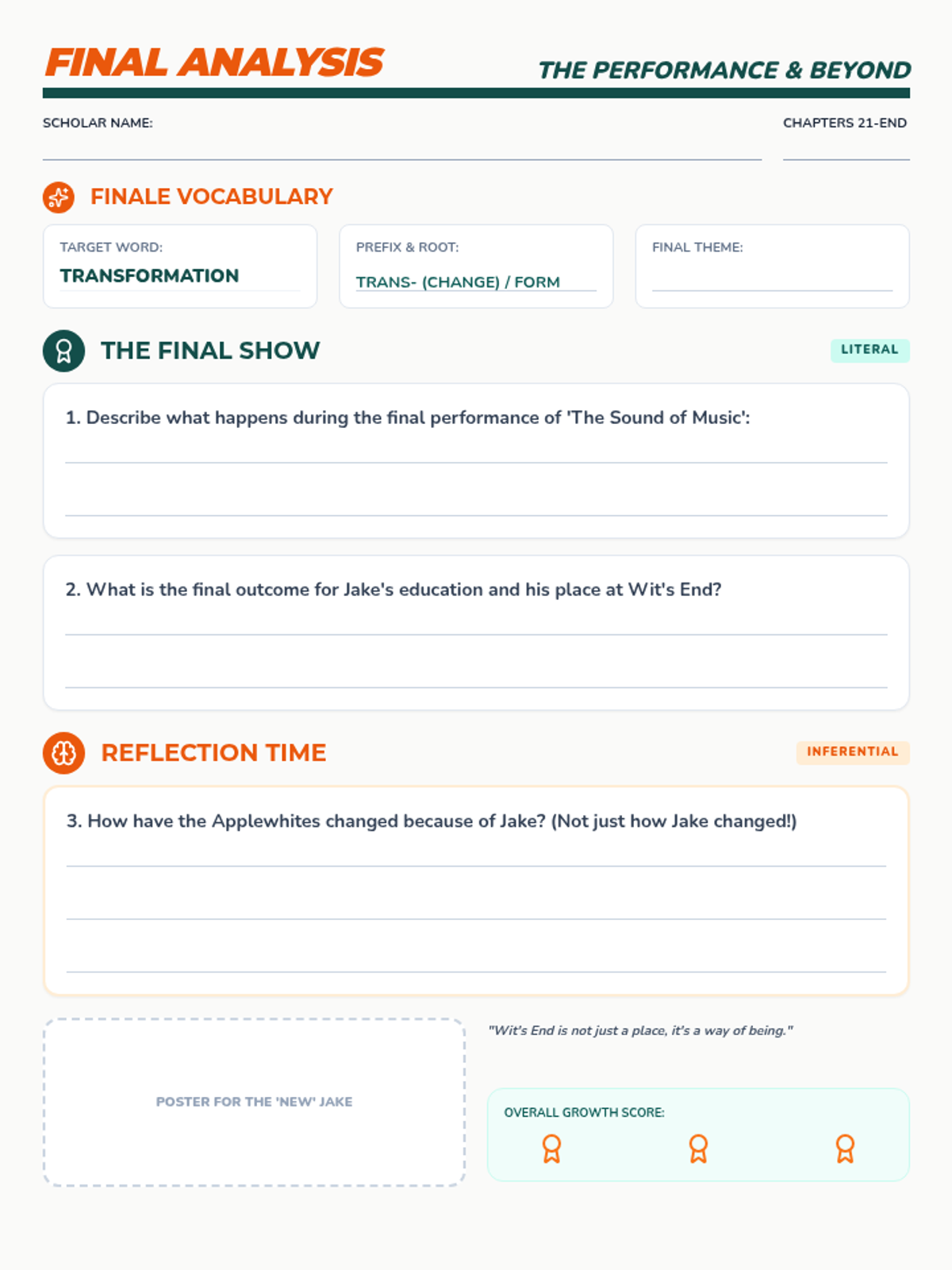
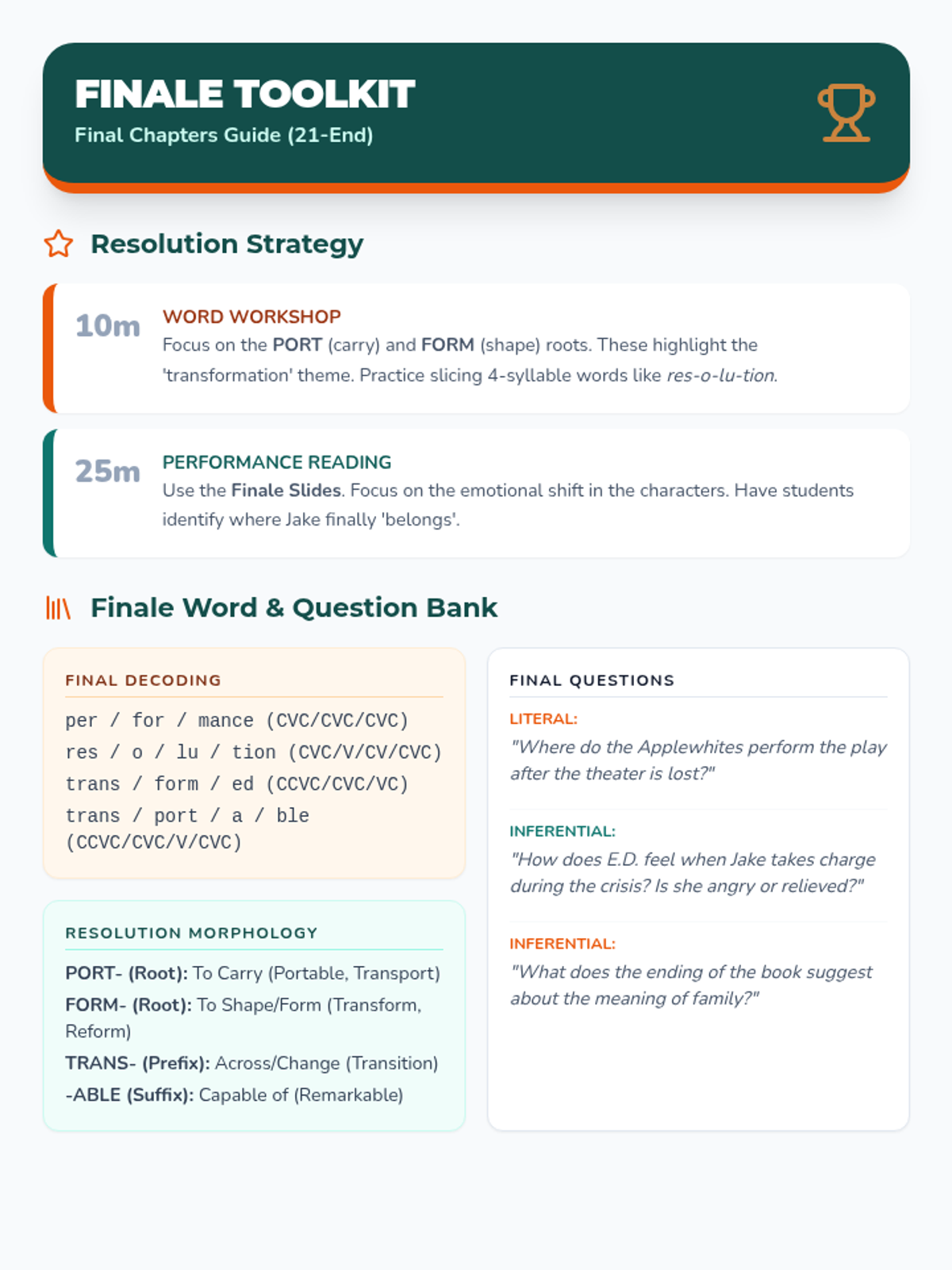
The concluding phase of the routine, focusing on the final performance, the resolution of the novel's conflicts, and the lasting changes in Jake and the Applewhites.
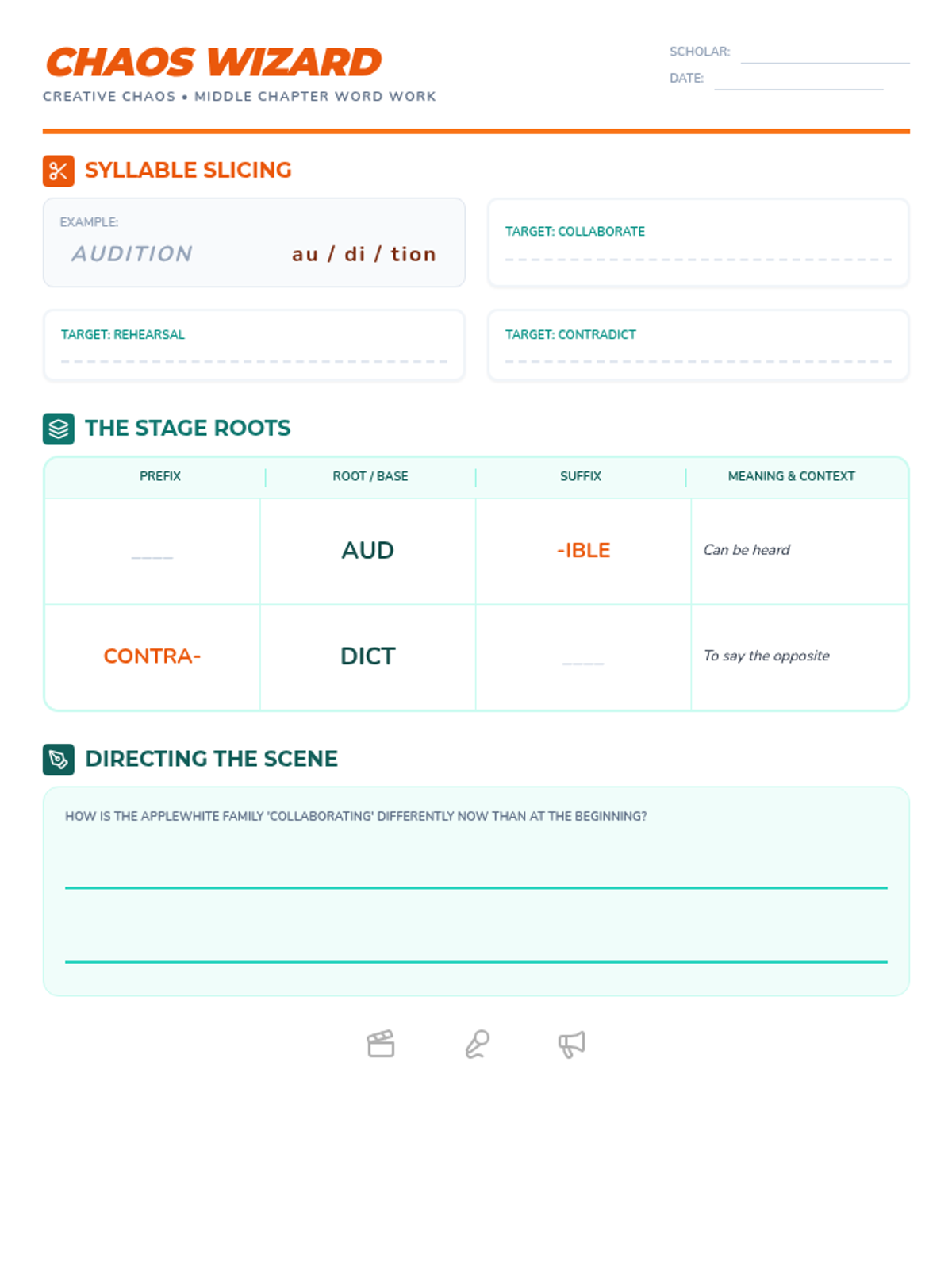
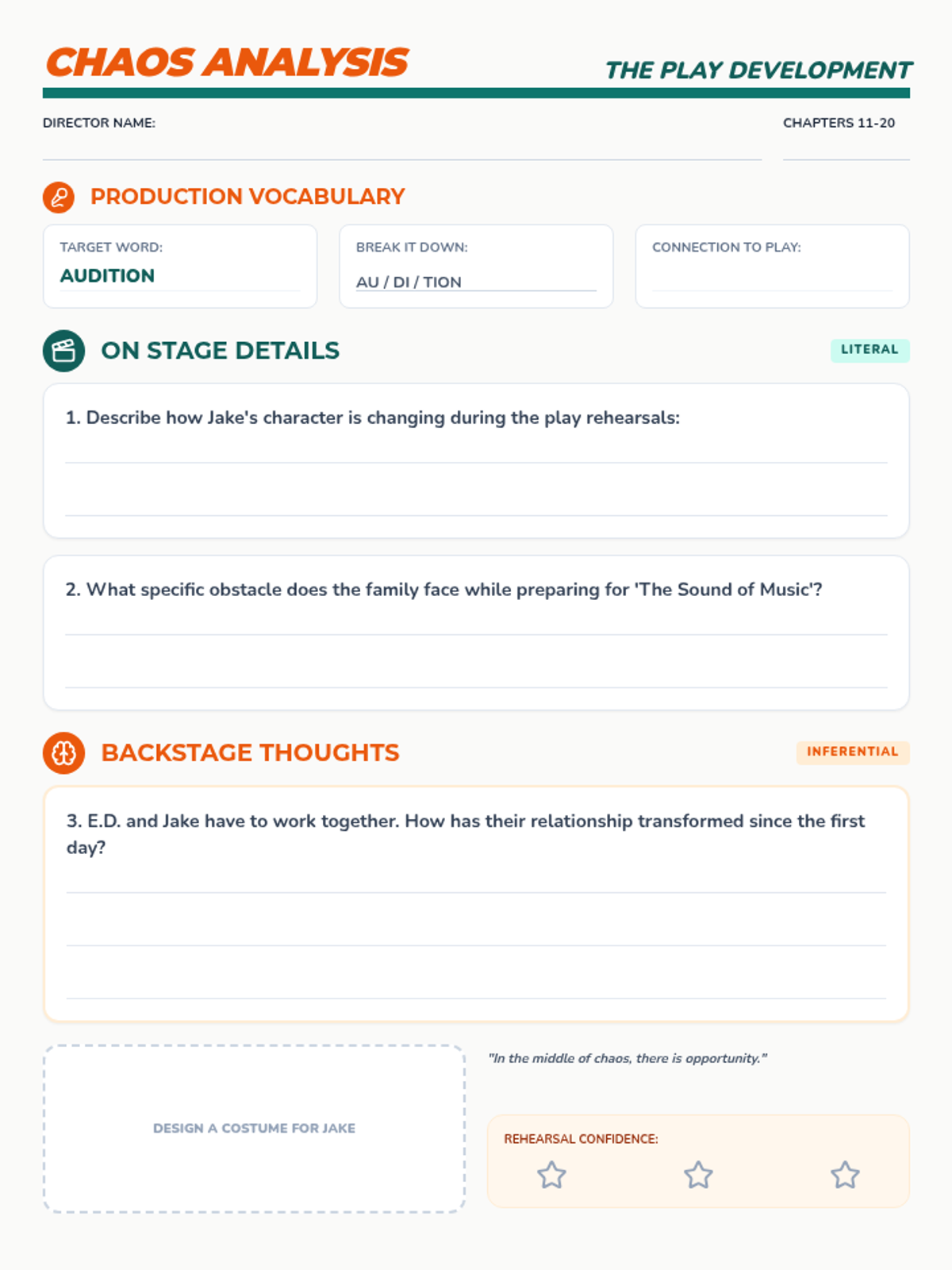
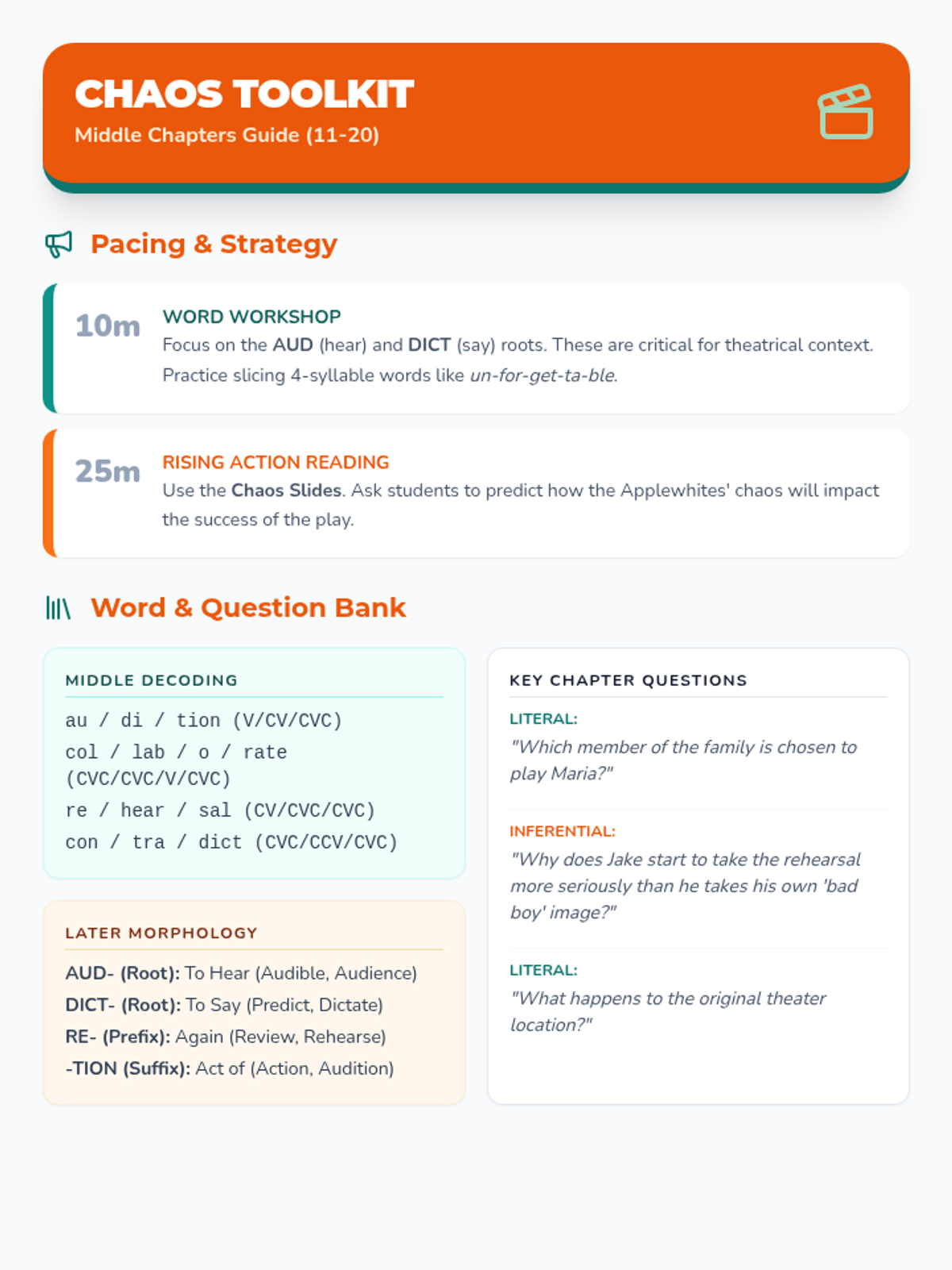
The middle phase of the routine, focusing on the development of the play 'The Sound of Music' and the increasing cooperation between the eccentric family members.
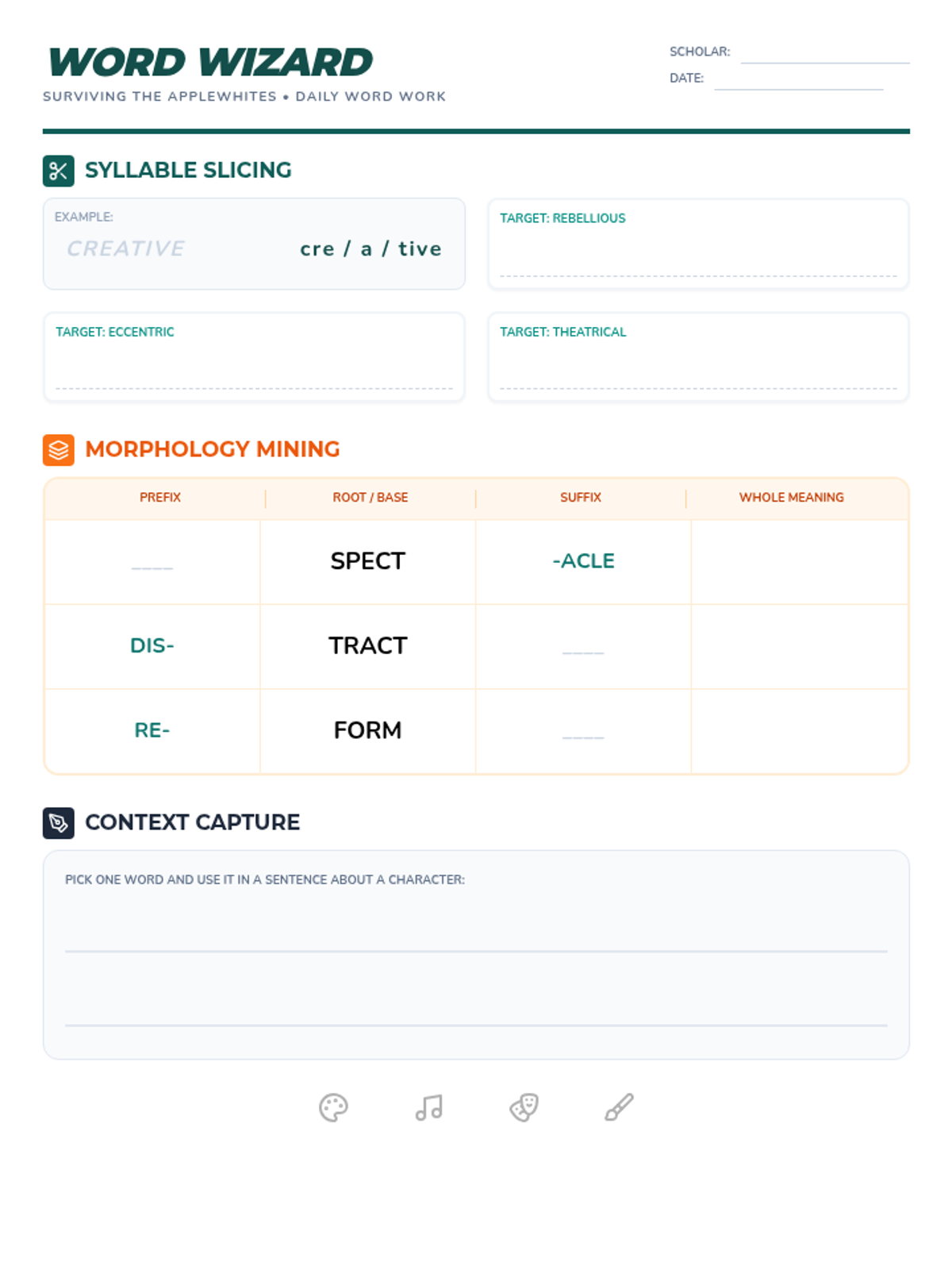
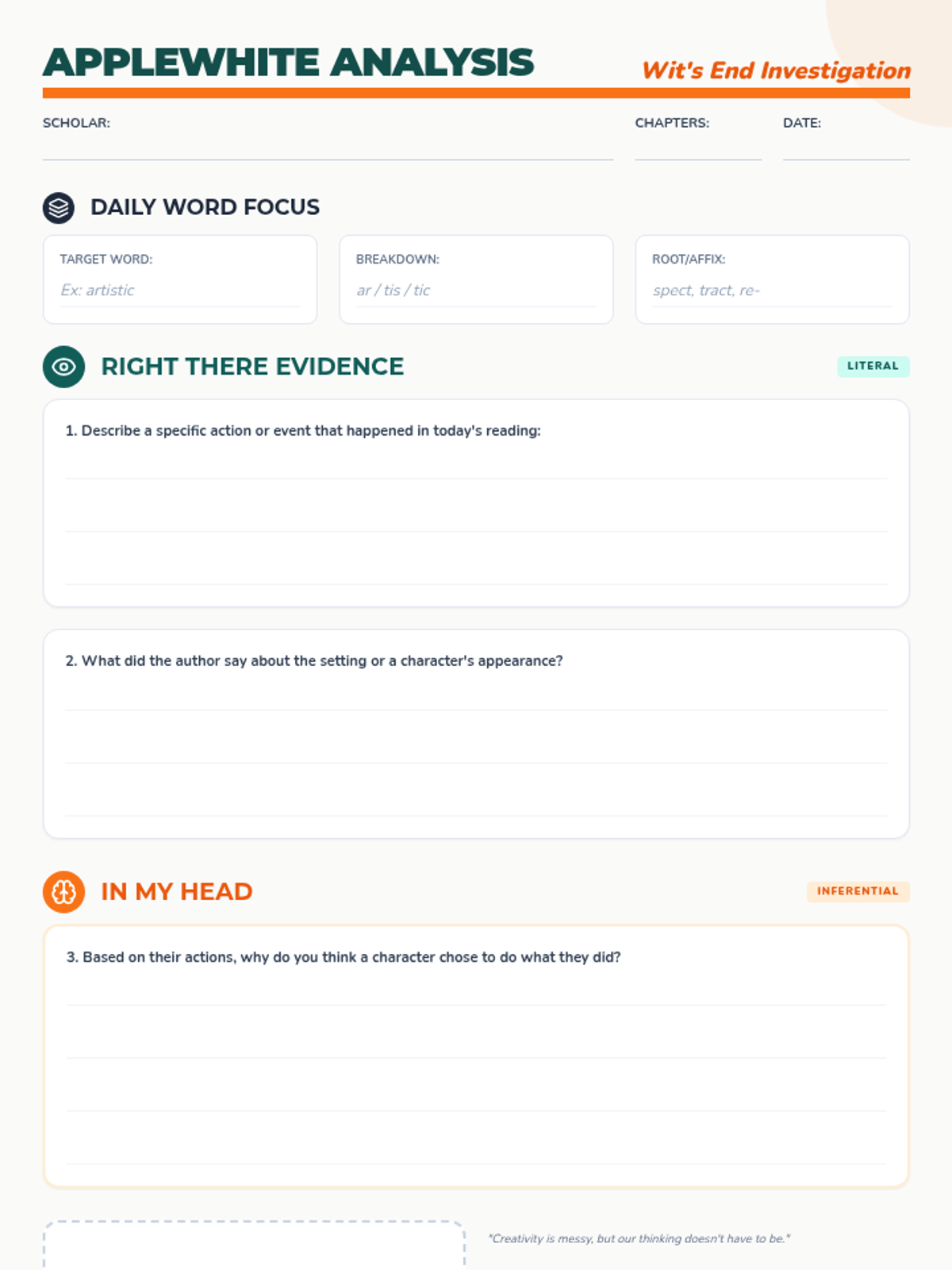
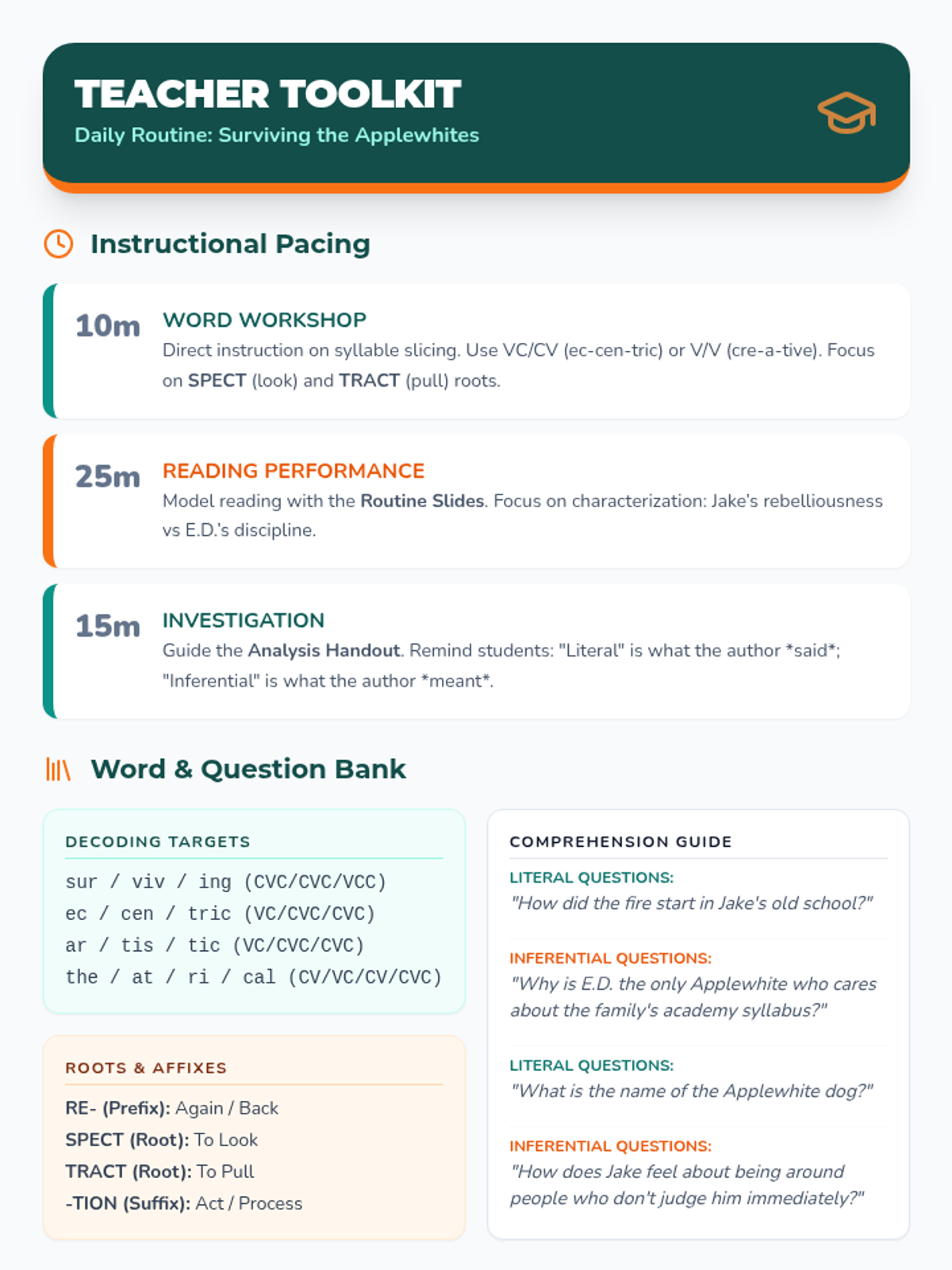
The introductory phase of the daily routine, focusing on character introductions, the setting of Wit's End, and the initial clash of personalities between Jake and E.D.
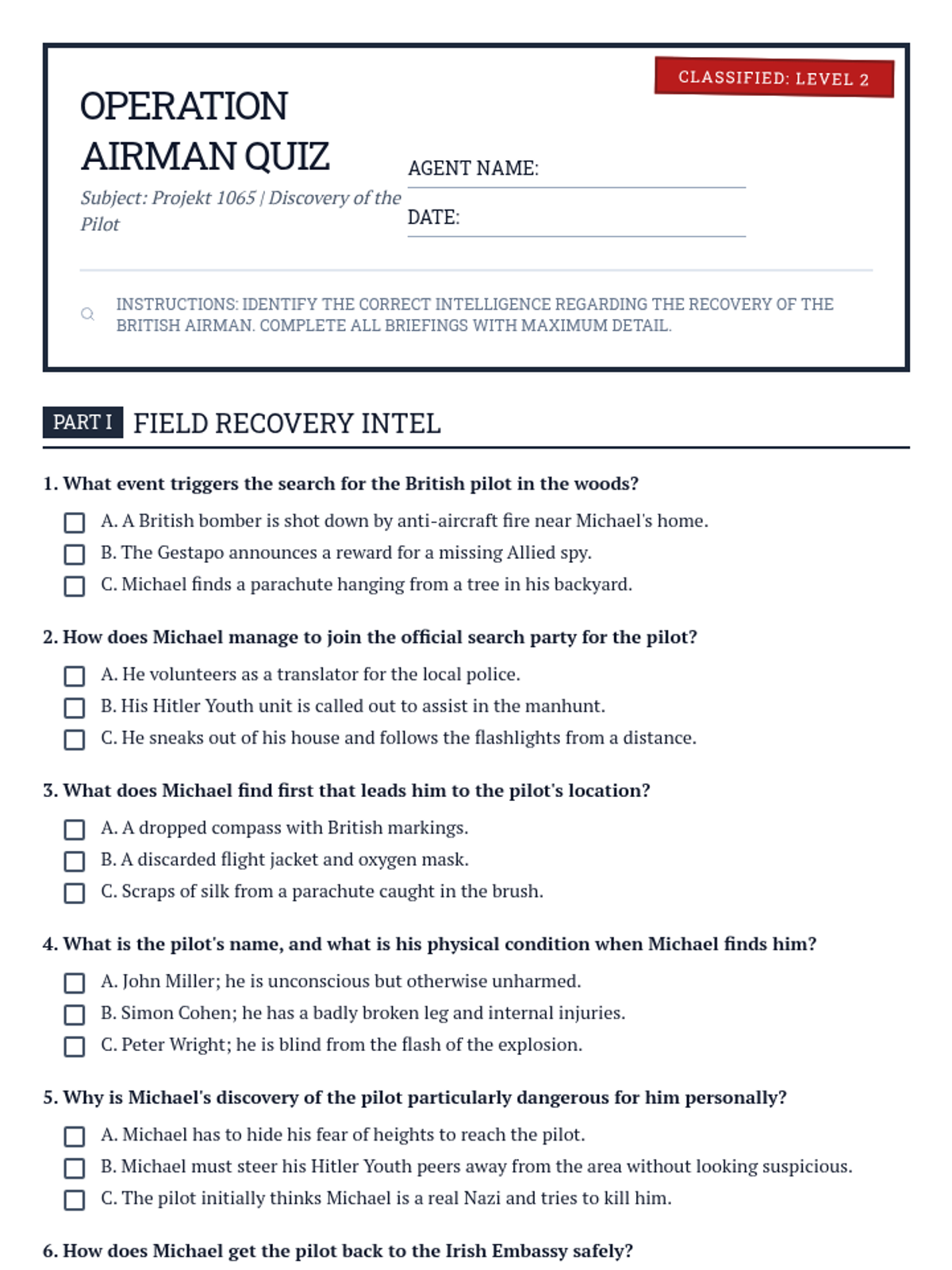
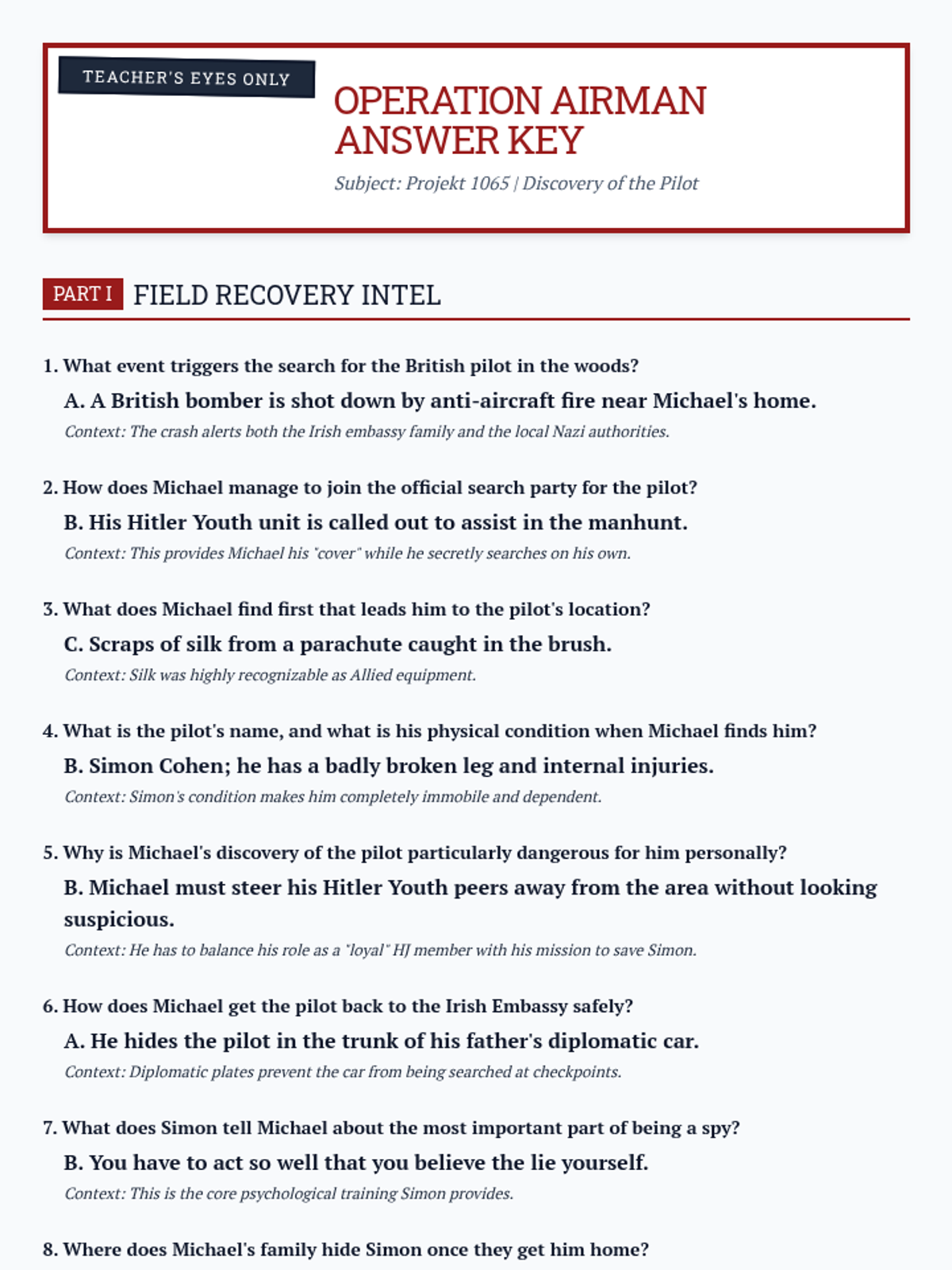
A comprehensive assessment covering chapters 7 through 21 of Alan Gratz's 'Projekt 1065', focusing on Michael's initiation into the Hitler Youth and the discovery of the jet plane blueprints.
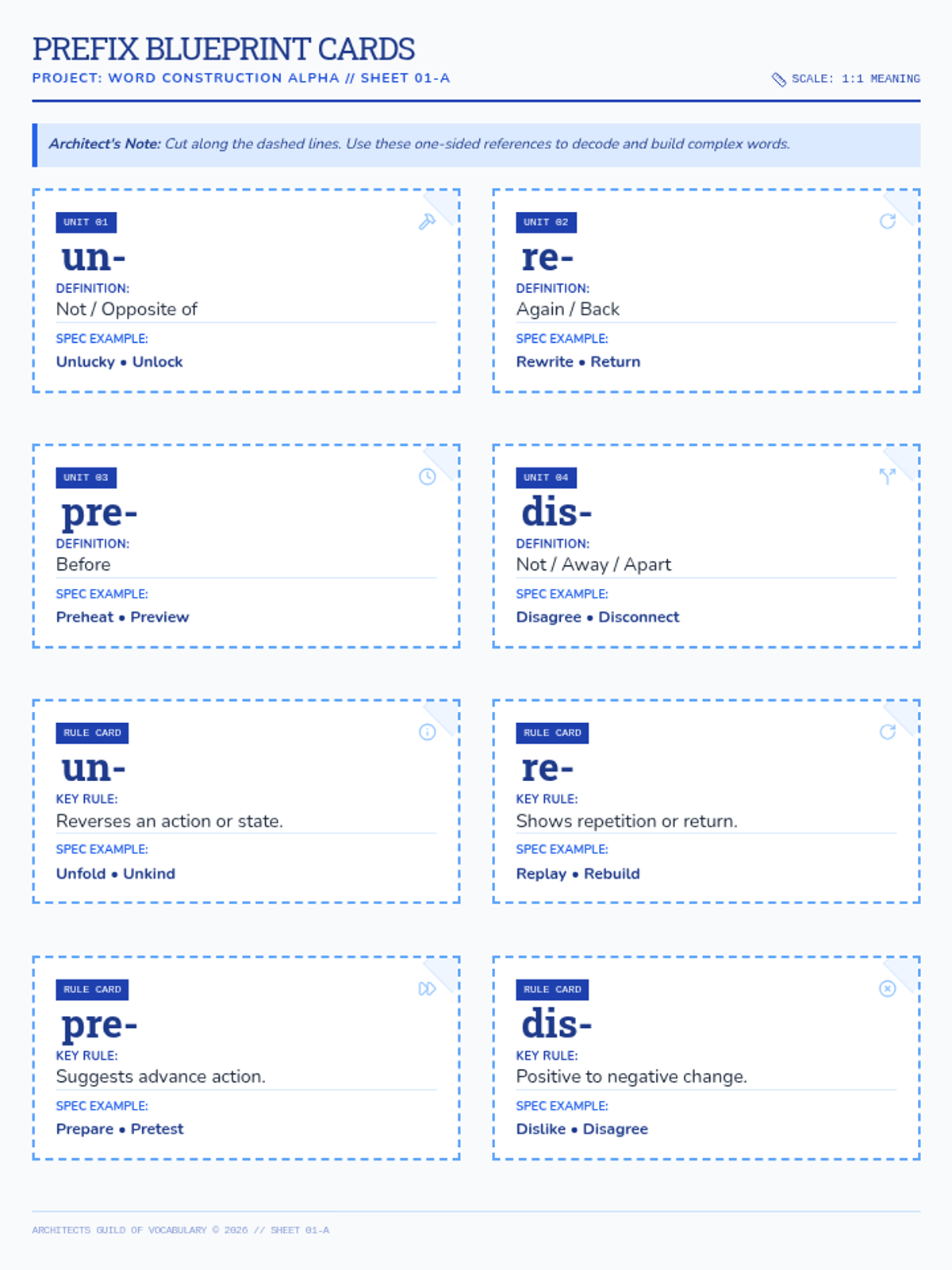
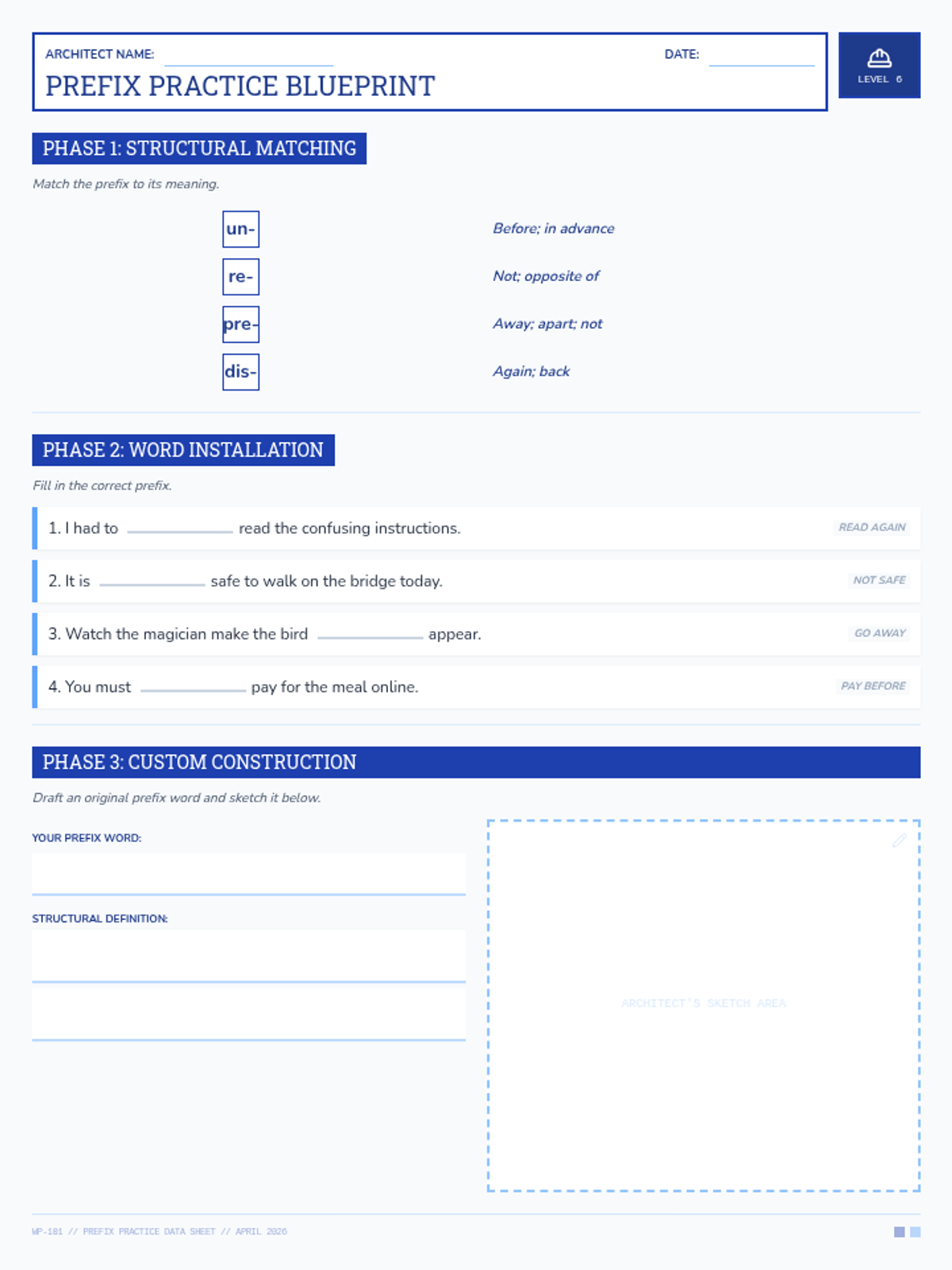
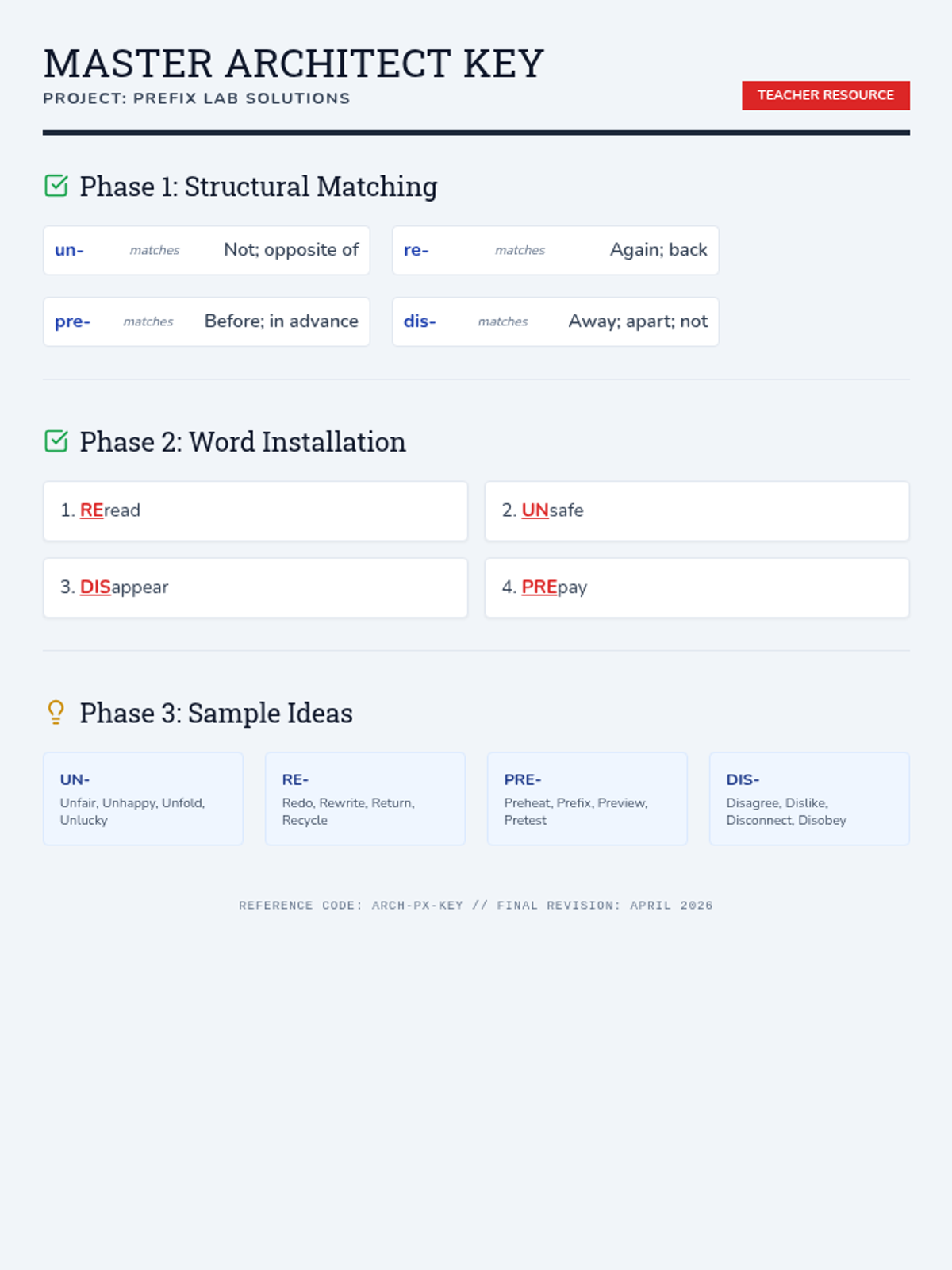
A foundational lesson on common prefixes (un-, re-, pre-, dis-) where students act as 'Word Architects' to build and deconstruct words.
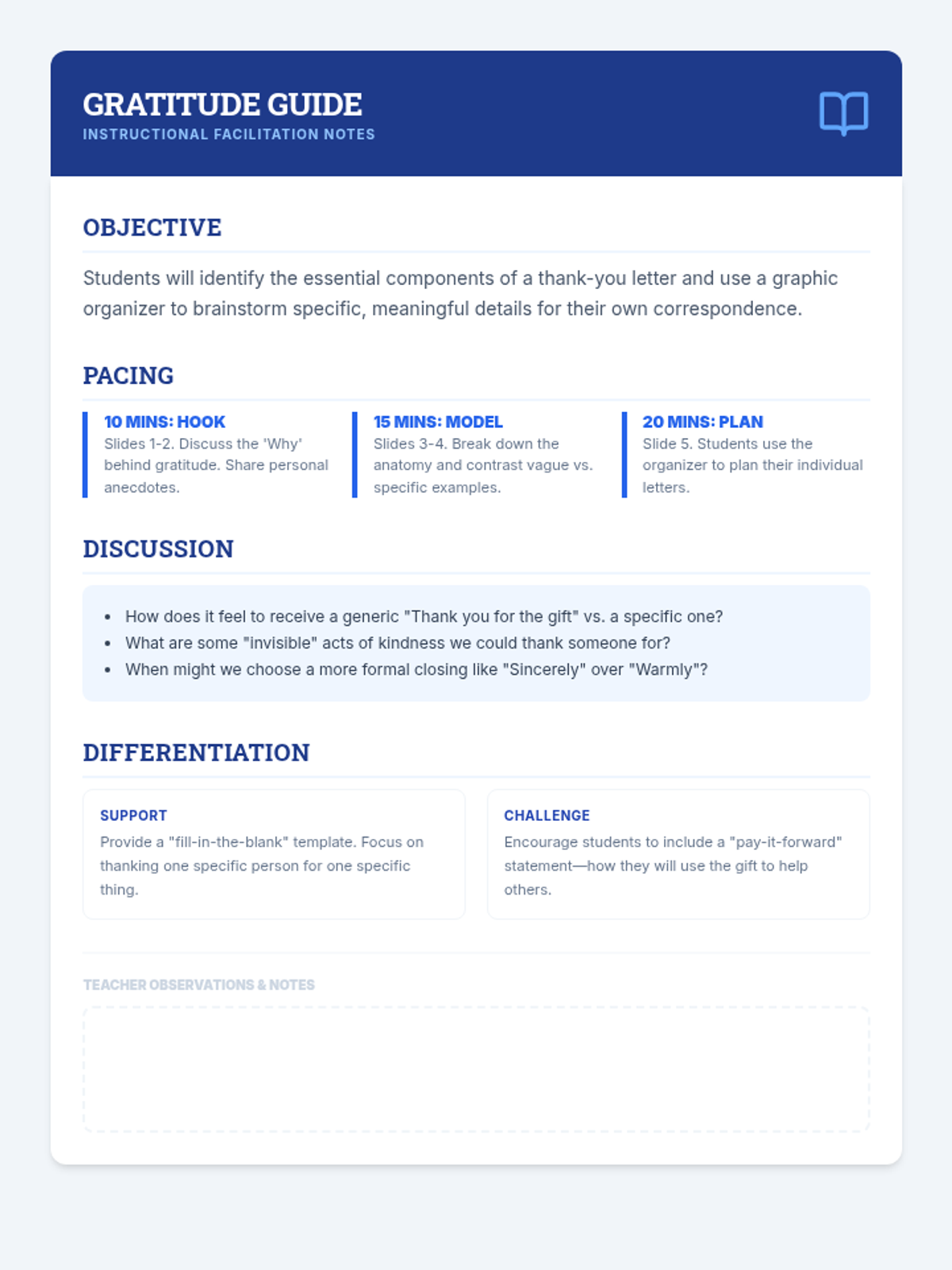
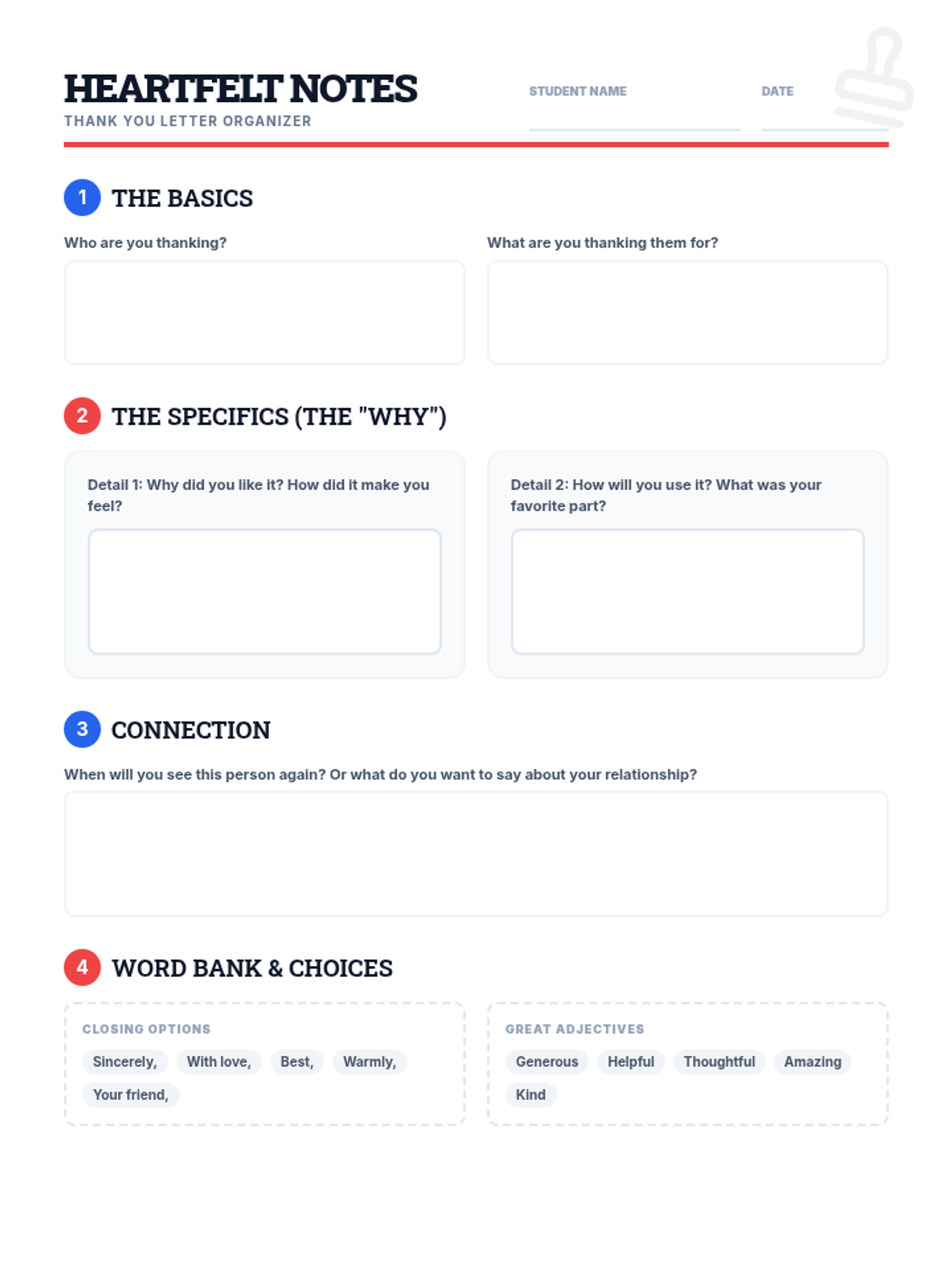
A lesson focused on the art of writing sincere thank-you letters, covering the essential components and the emotional impact of expressing gratitude.
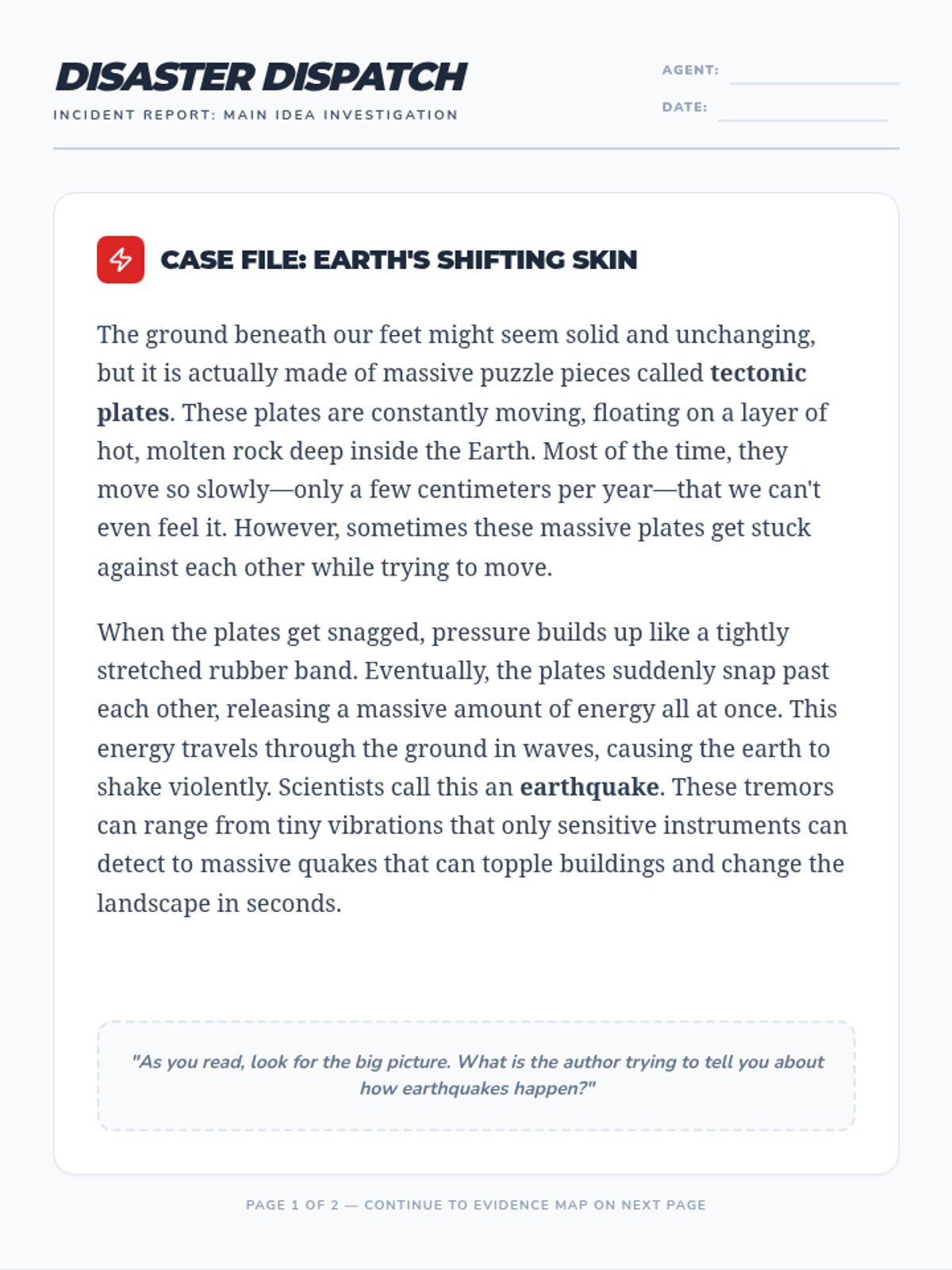
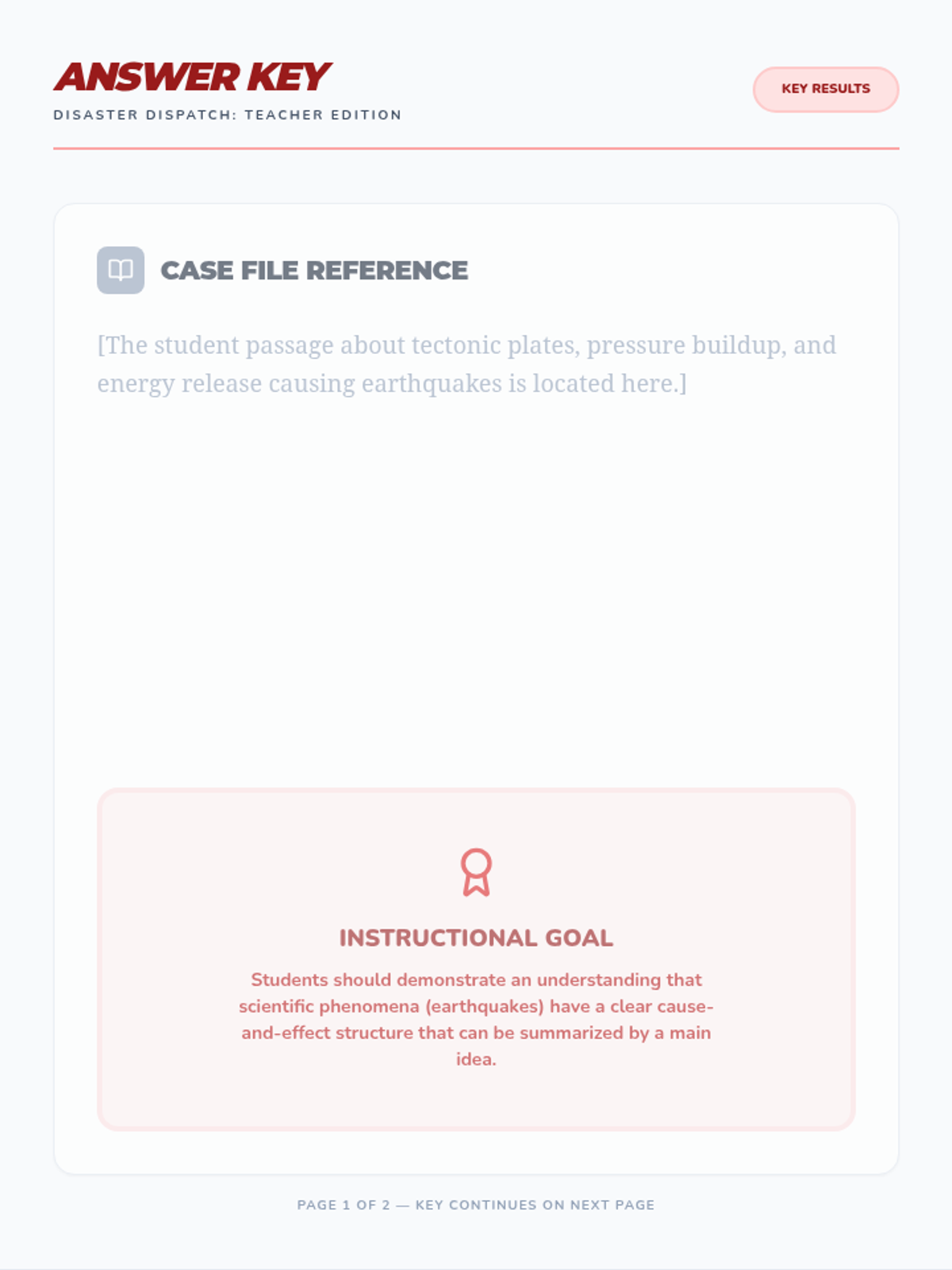
In this lesson, students practice identifying the main idea and supporting details in non-fiction texts about natural disasters. They will use a graphic organizer to map out the structure of a passage about earthquakes.
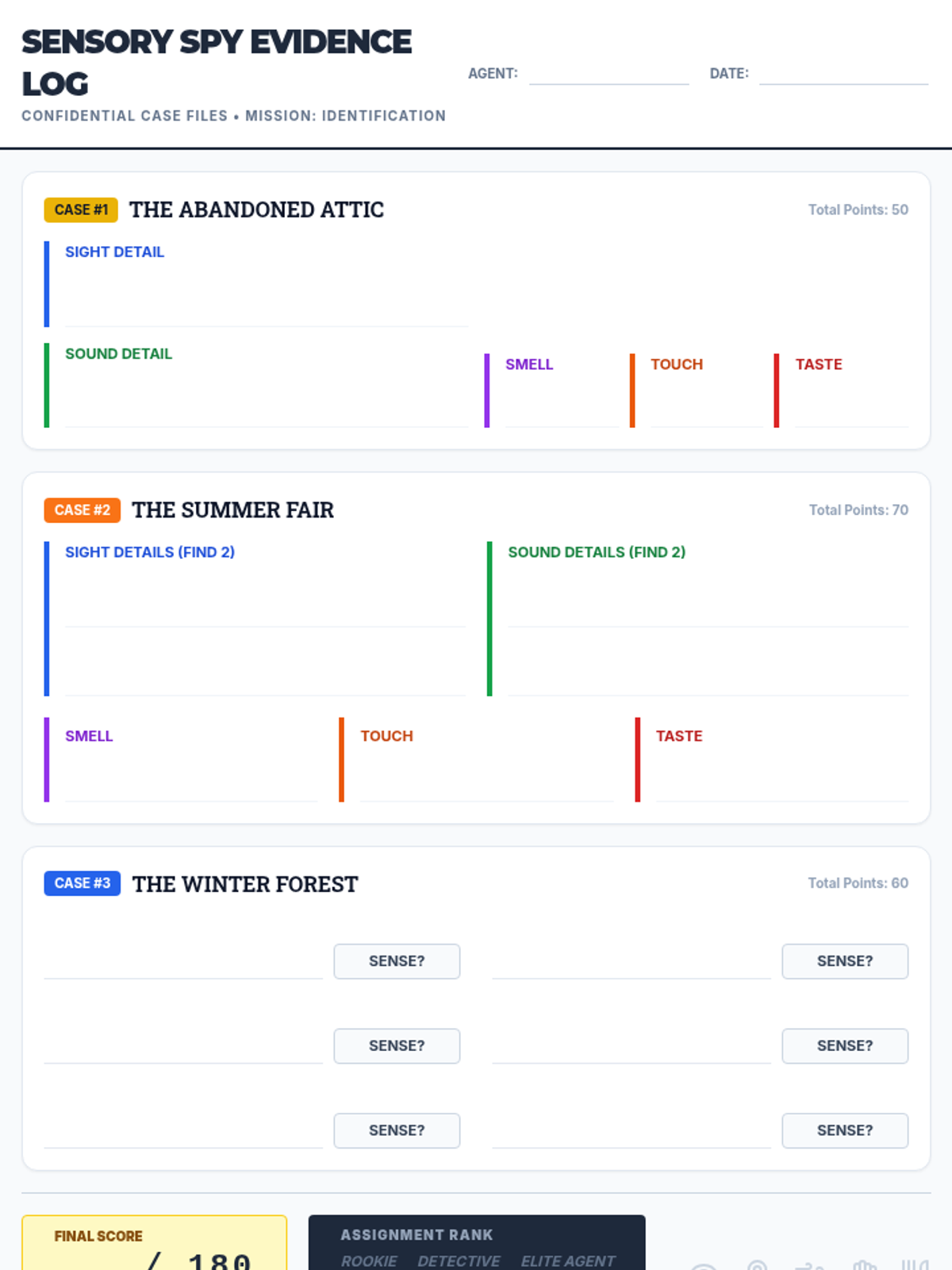
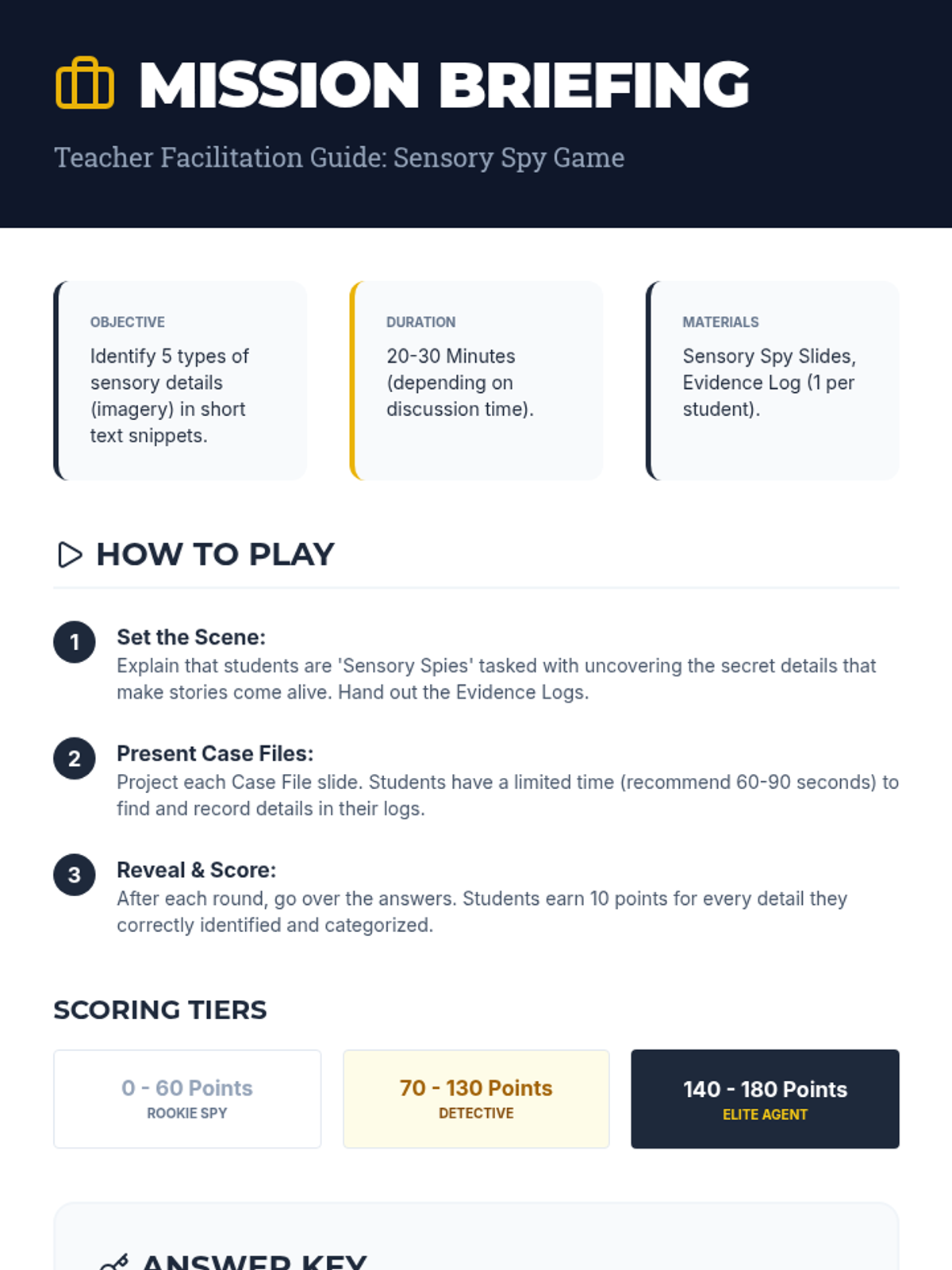
A fast-paced, interactive game where students become 'Sensory Spies' to track down descriptive language in high-interest short story snippets. Students compete to identify sights, sounds, smells, tastes, and textures hidden within case files.
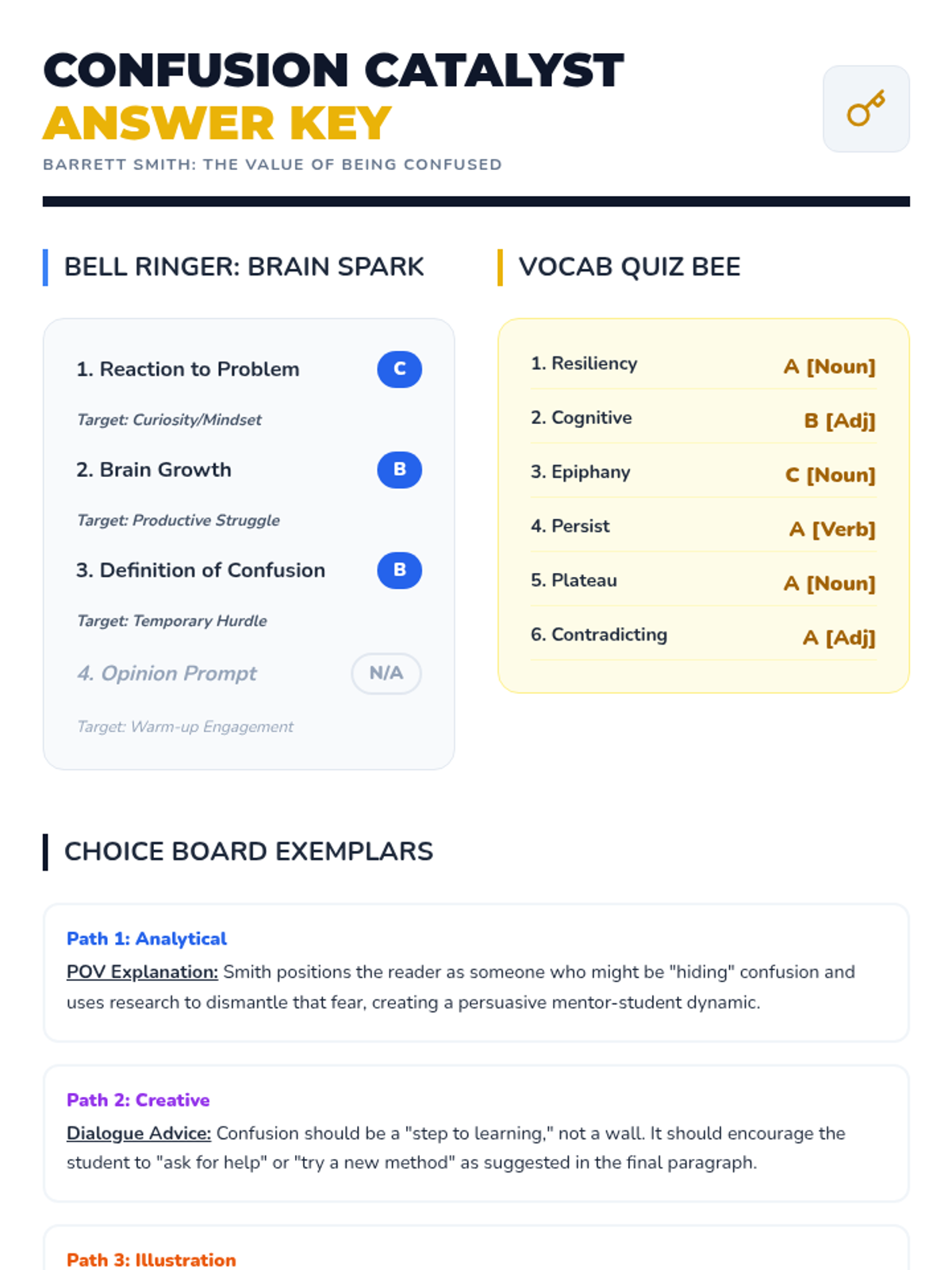
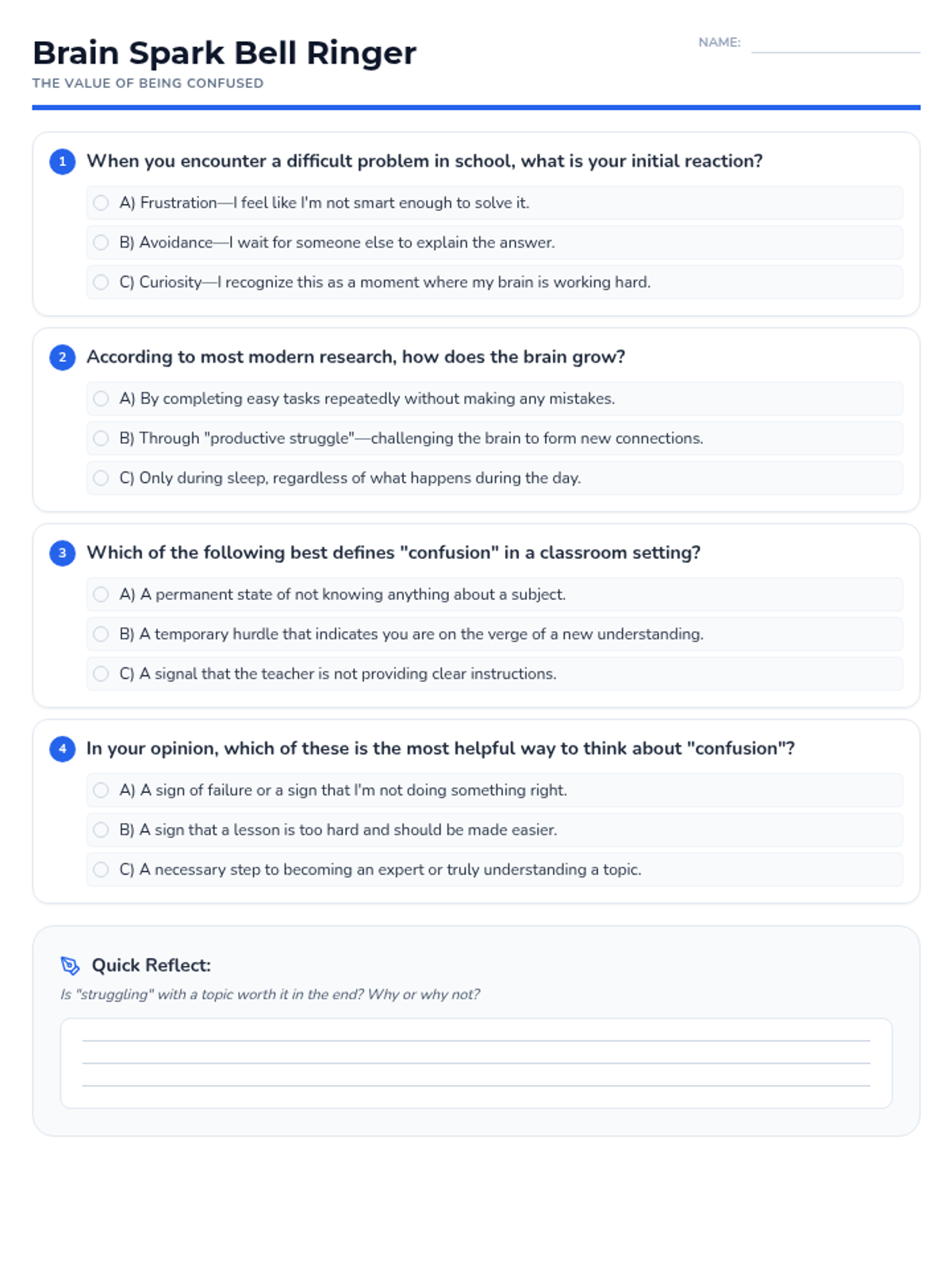
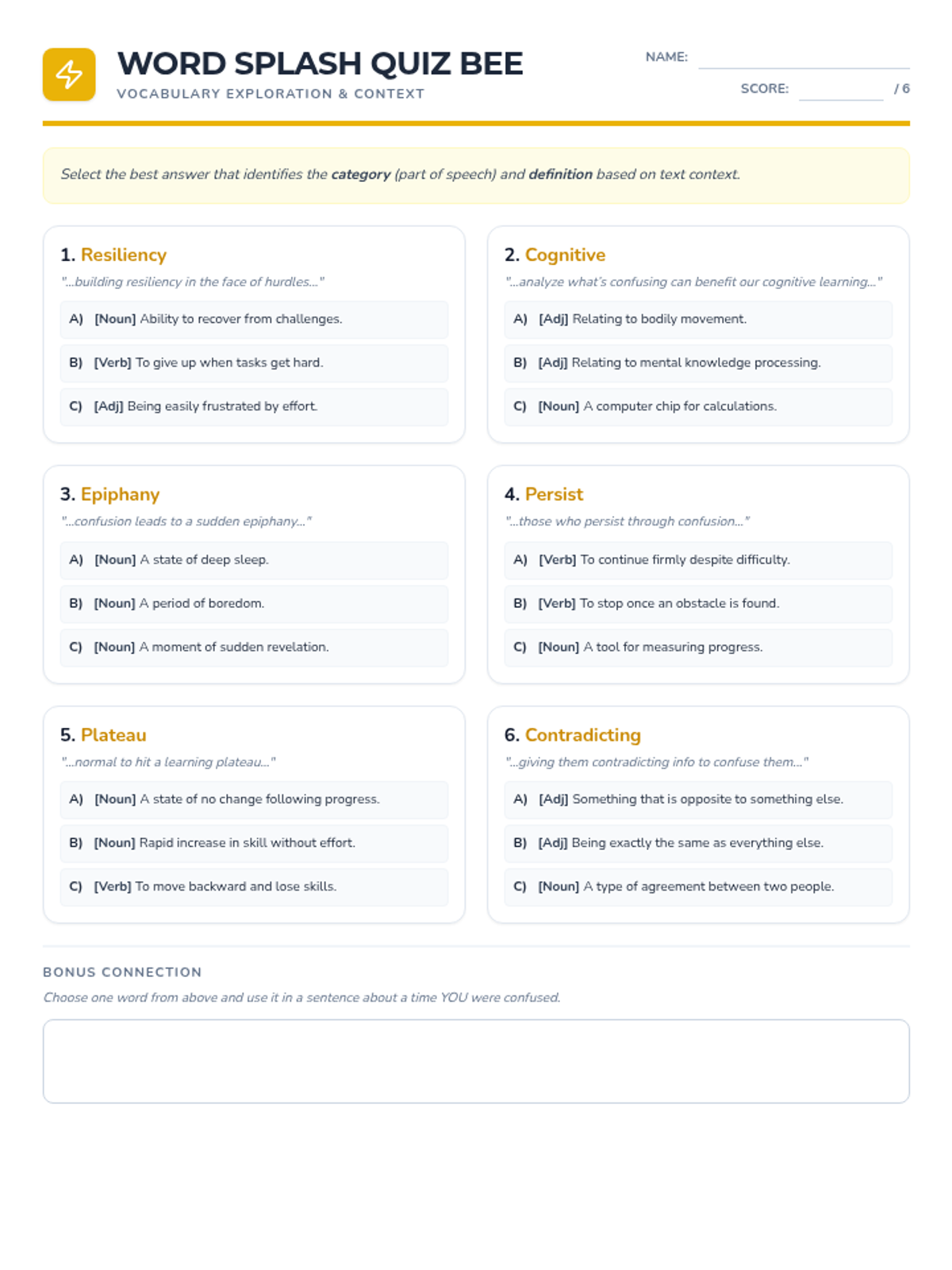
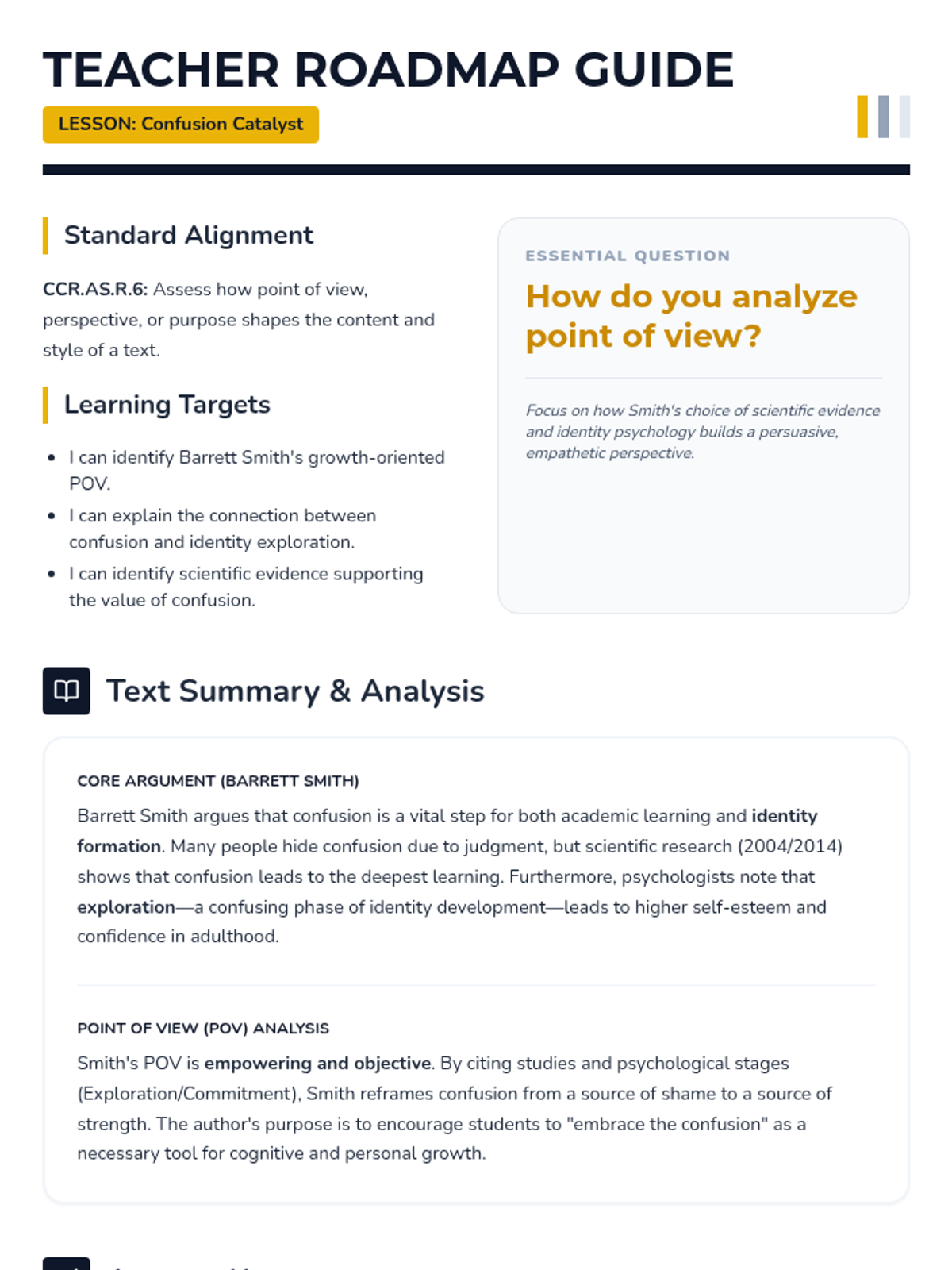
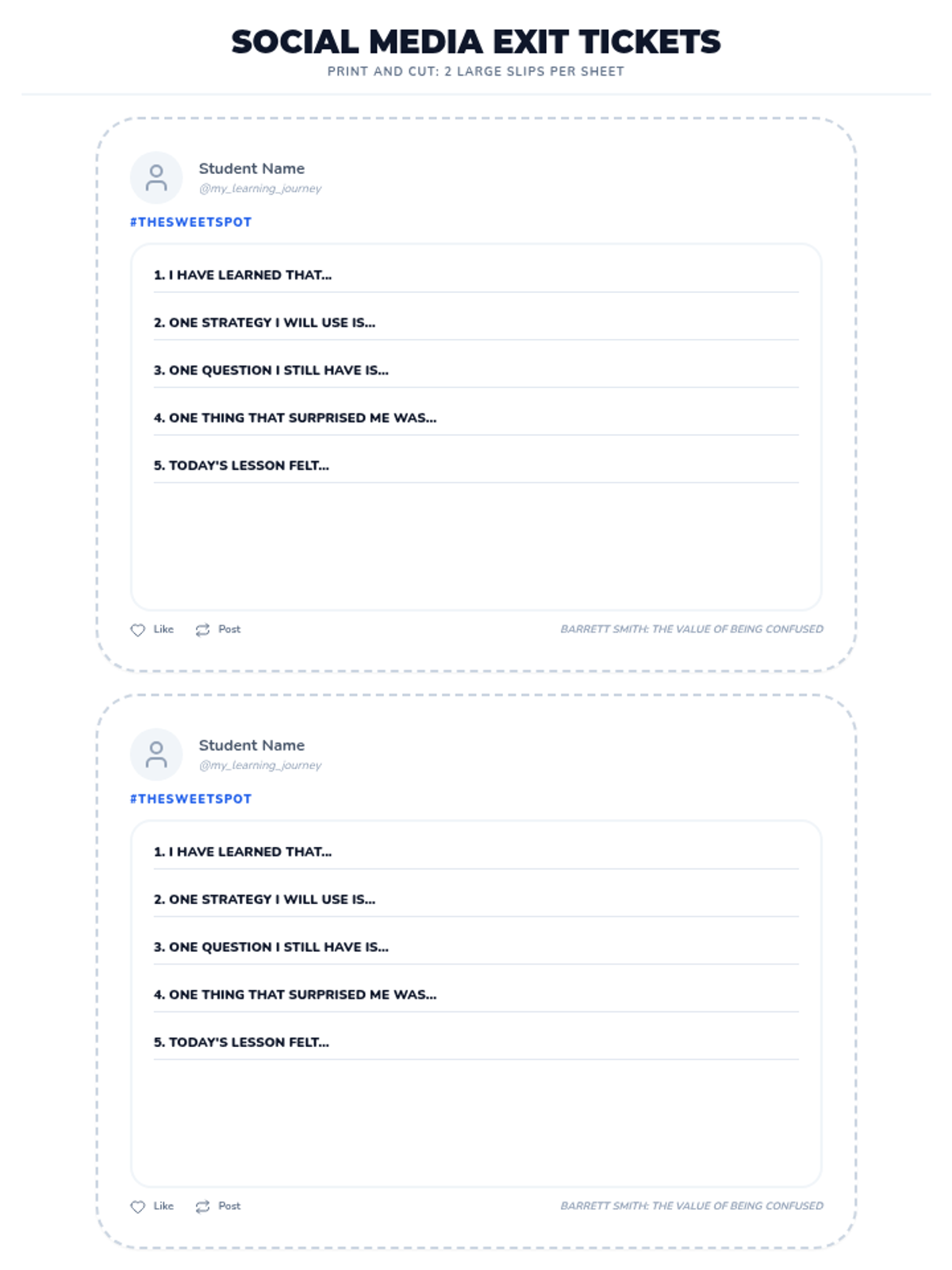
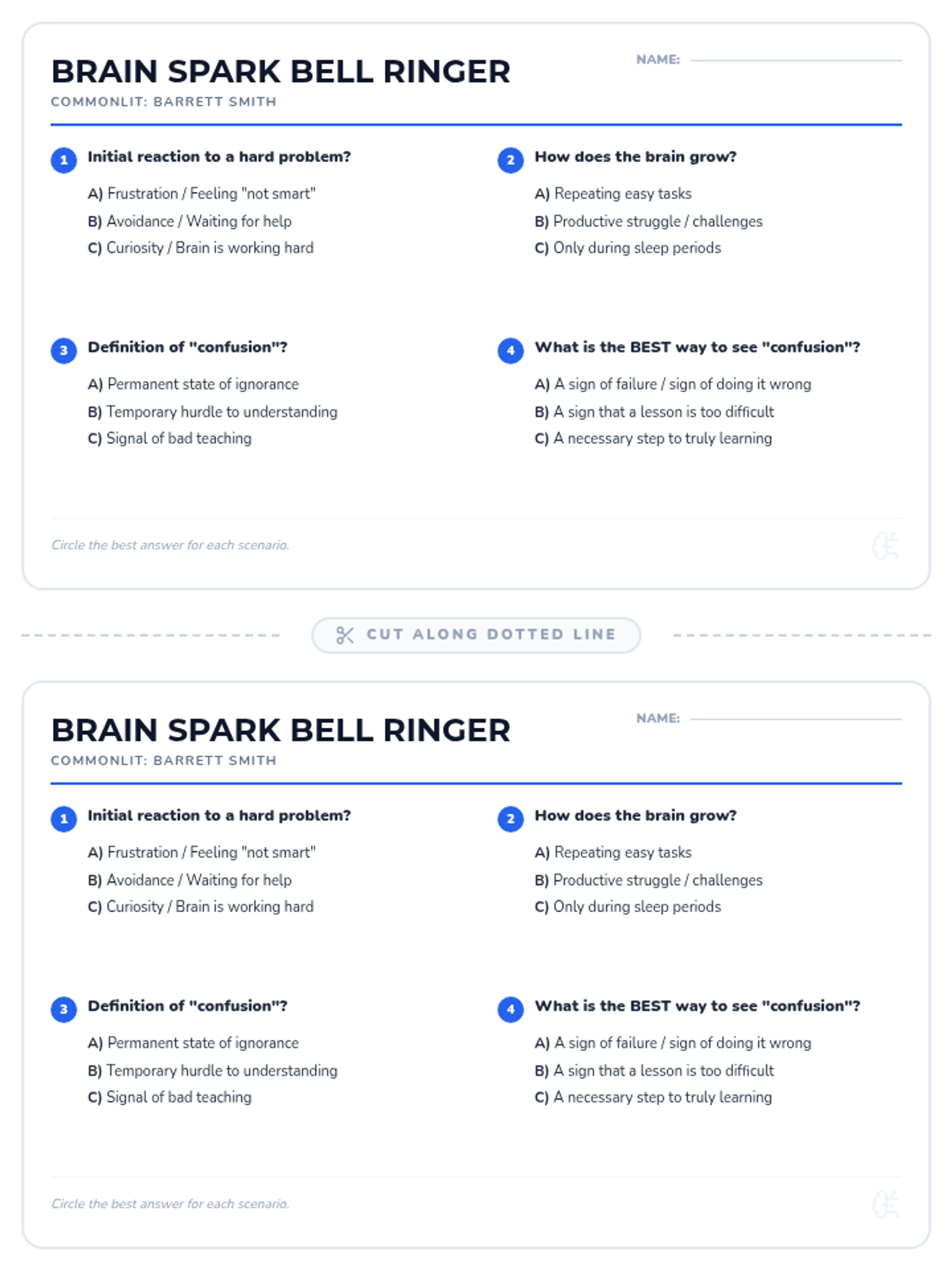
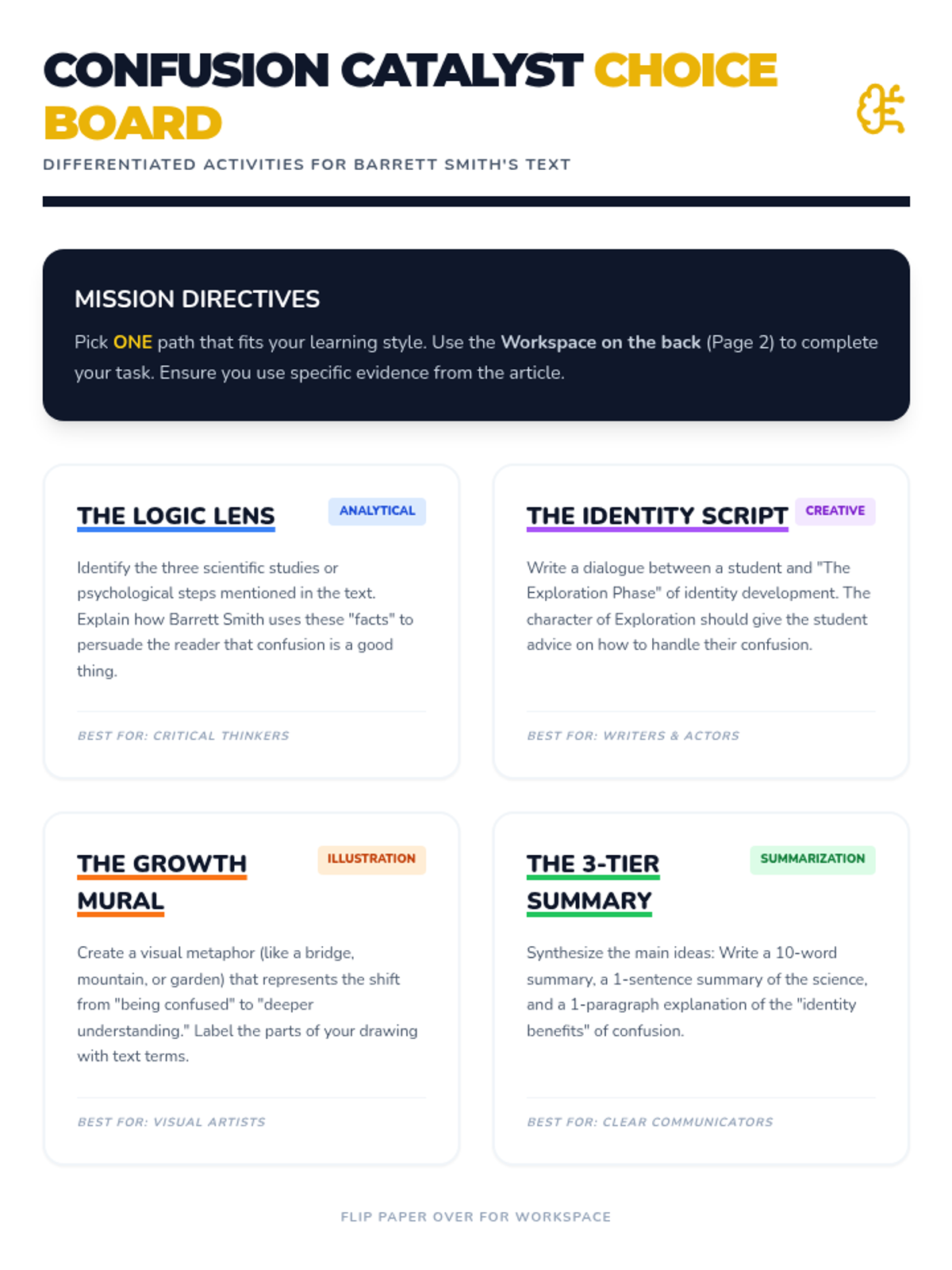
An analysis of Kimberly Tyson's 'The Value of Being Confused' focusing on how the author uses perspective to reframe confusion as a learning tool. Includes vocabulary development, collaborative discussion, and creative choice-based assessment.