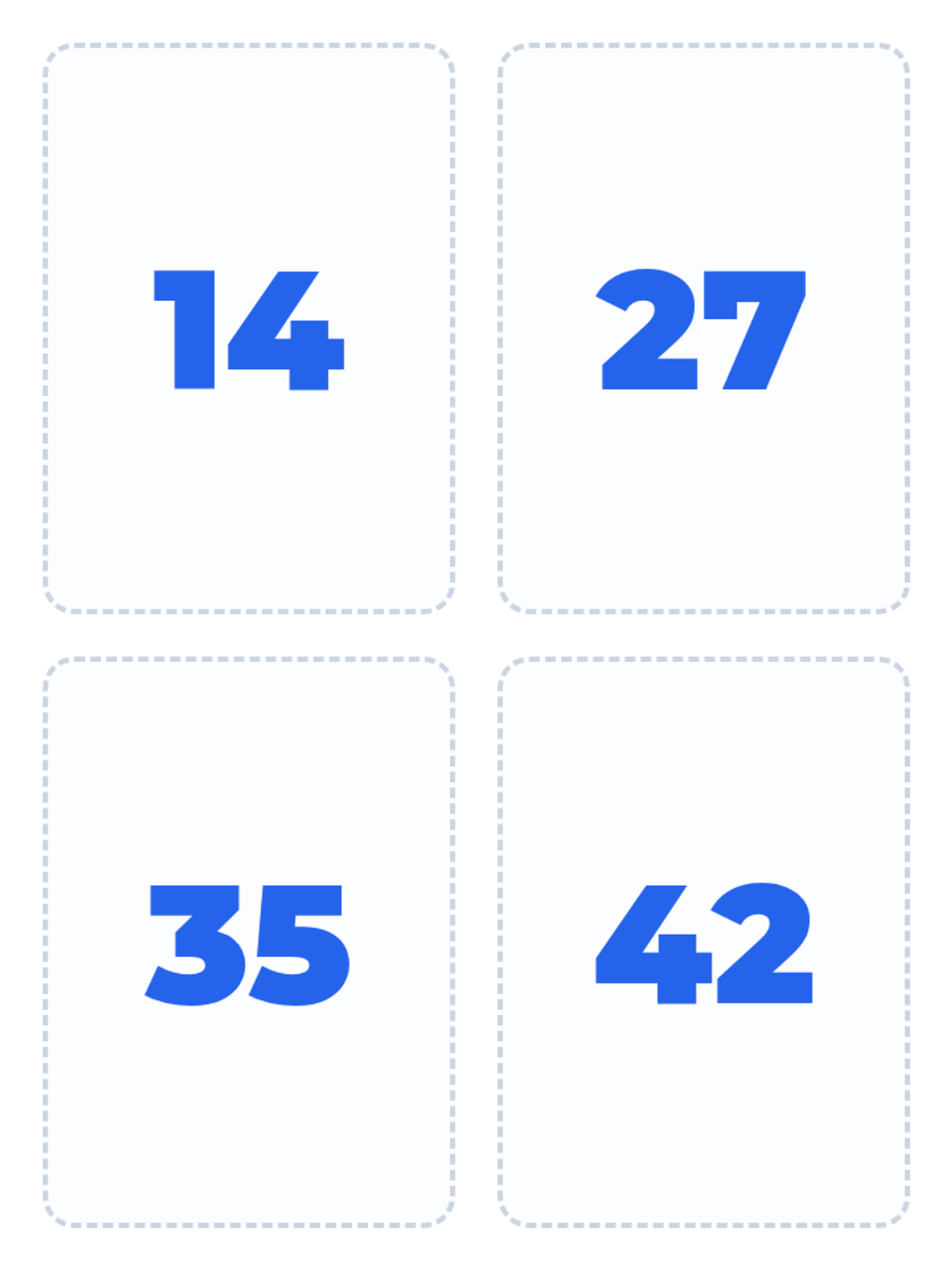
A lesson focused on reading digital time in various fonts and styles, covering every hour and half-hour. Students practice identifying digits across different typefaces to build fluency in reading digital displays.

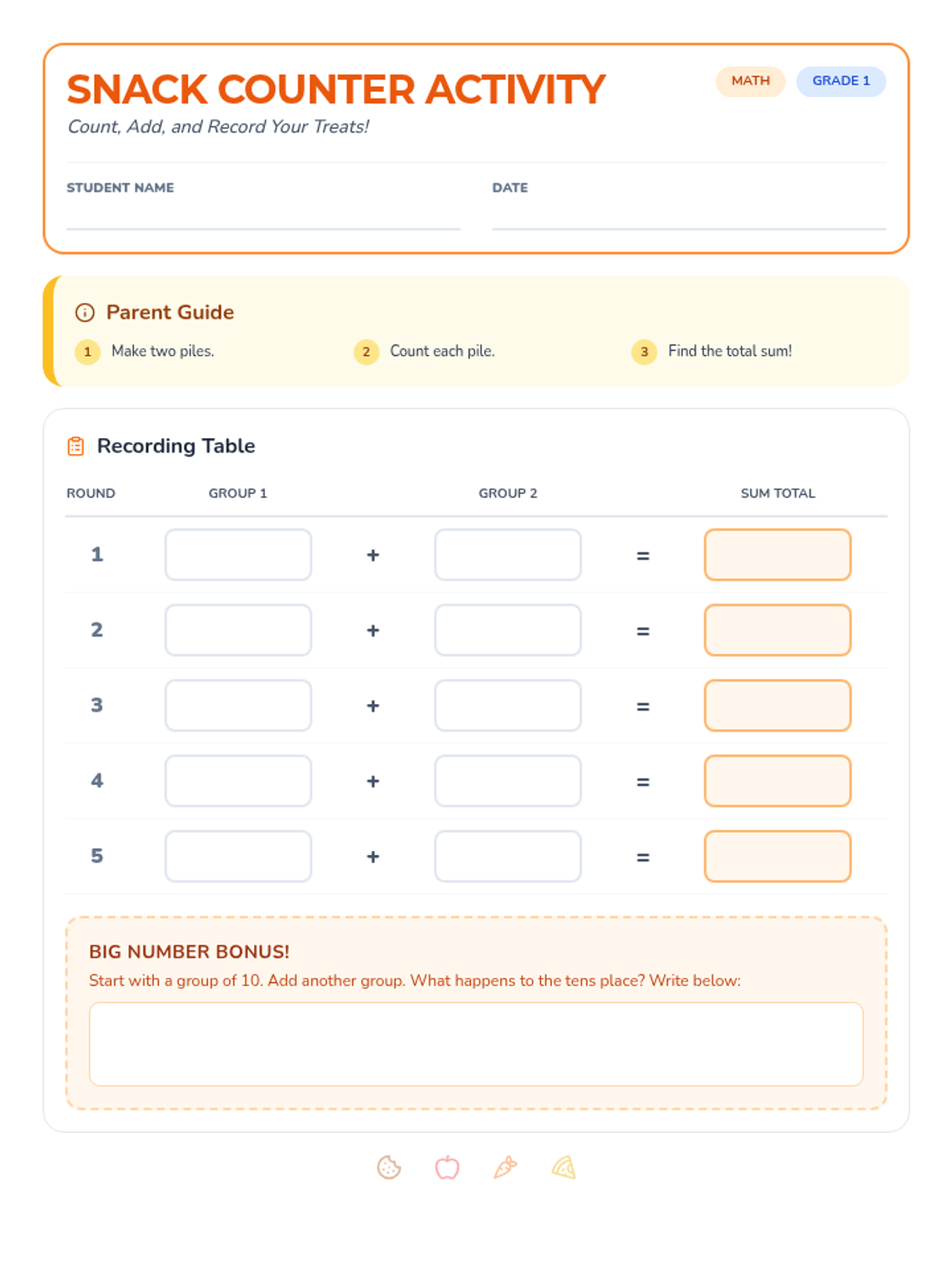
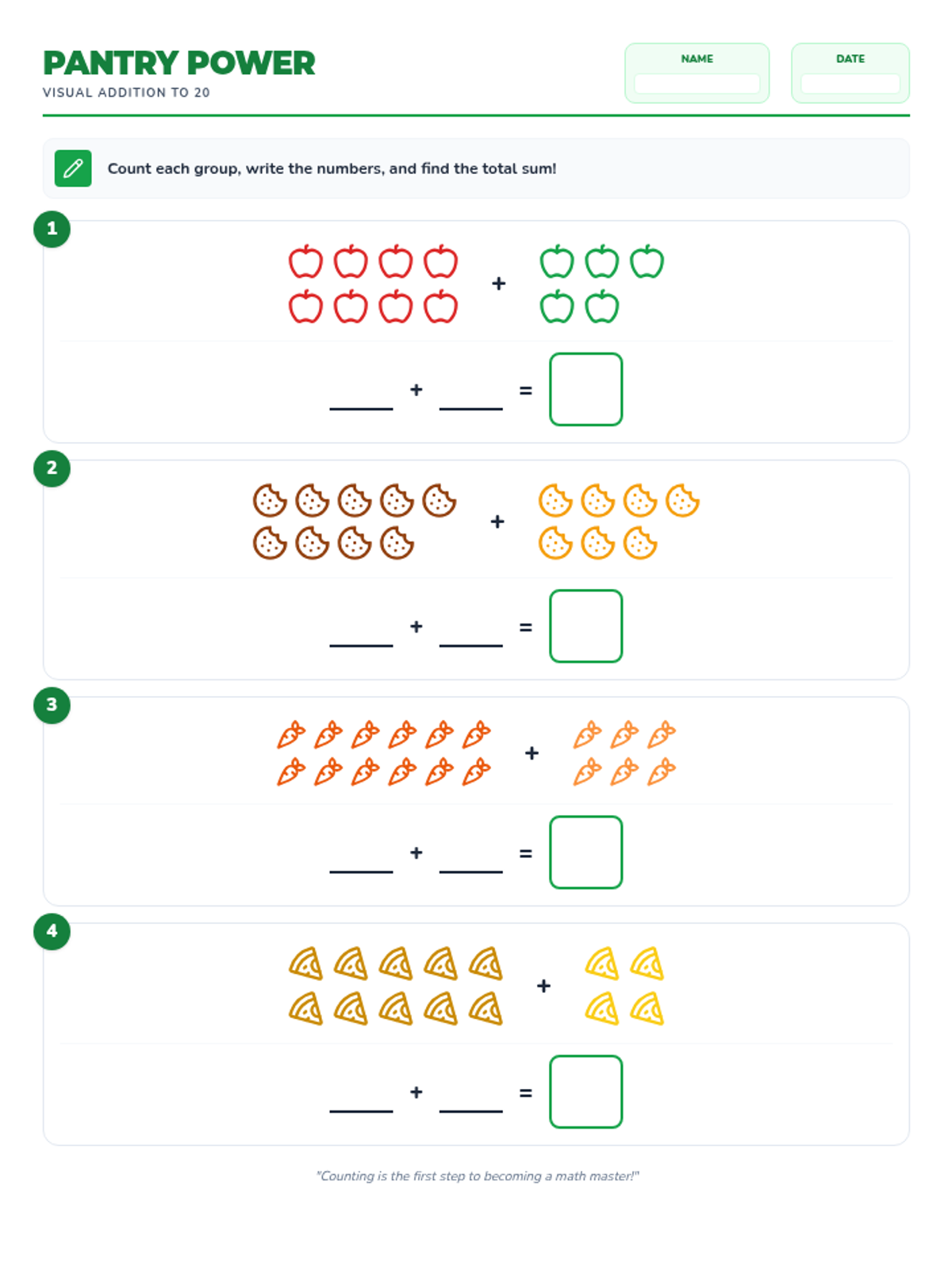
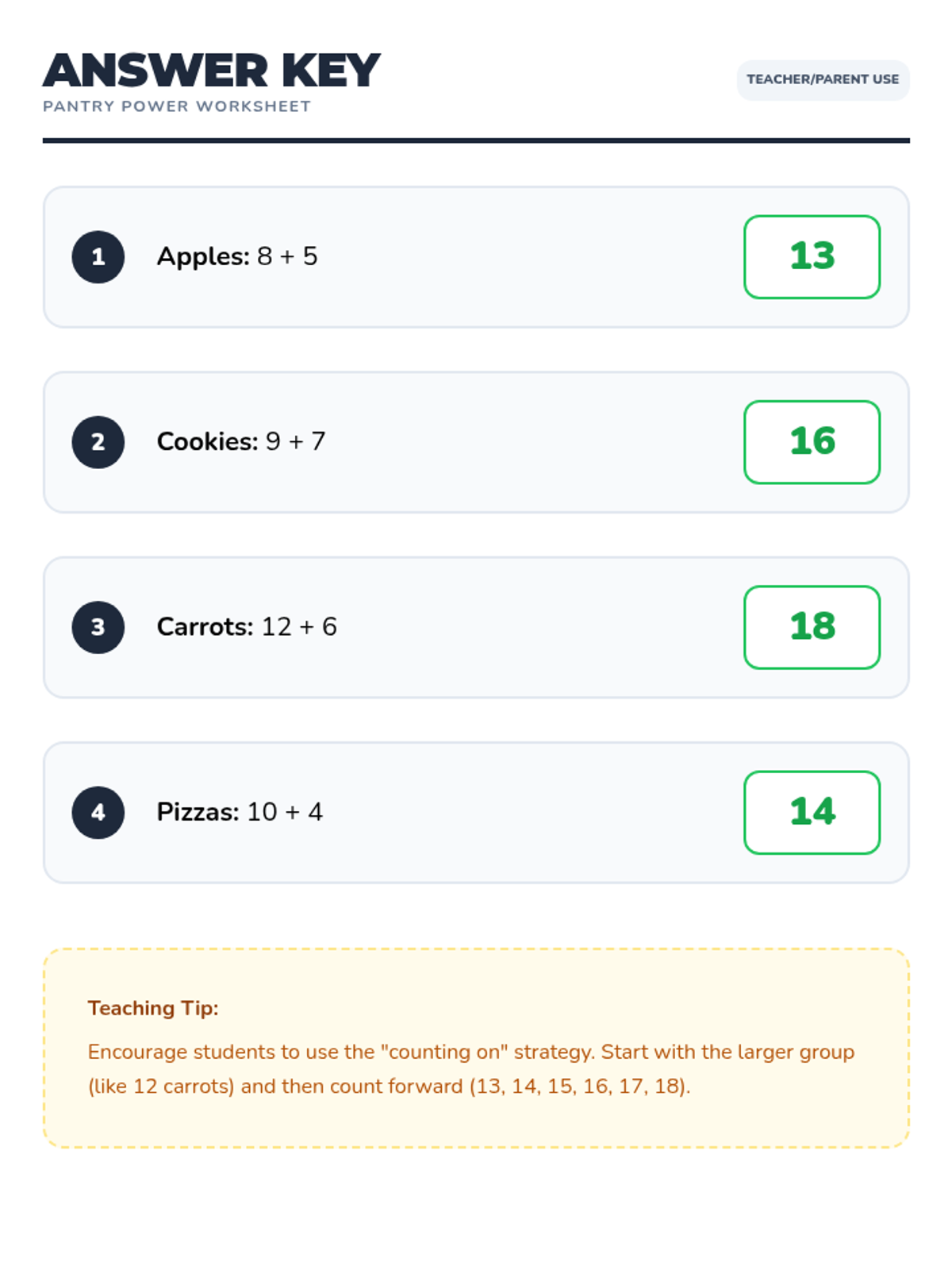
A hands-on addition lesson for first graders using household snacks to master adding two groups up to 20. Ideal for home learning and parent-child interaction.
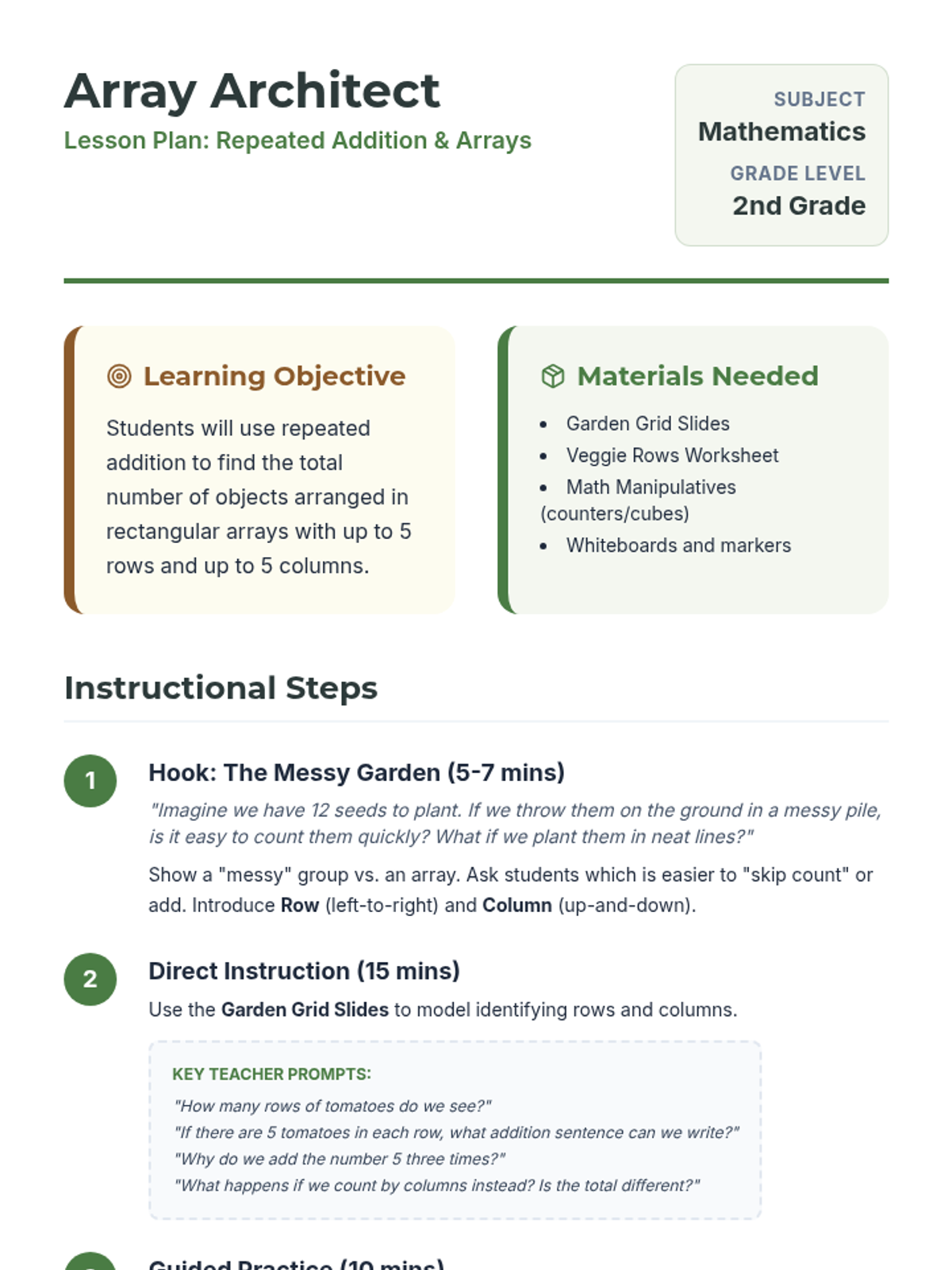
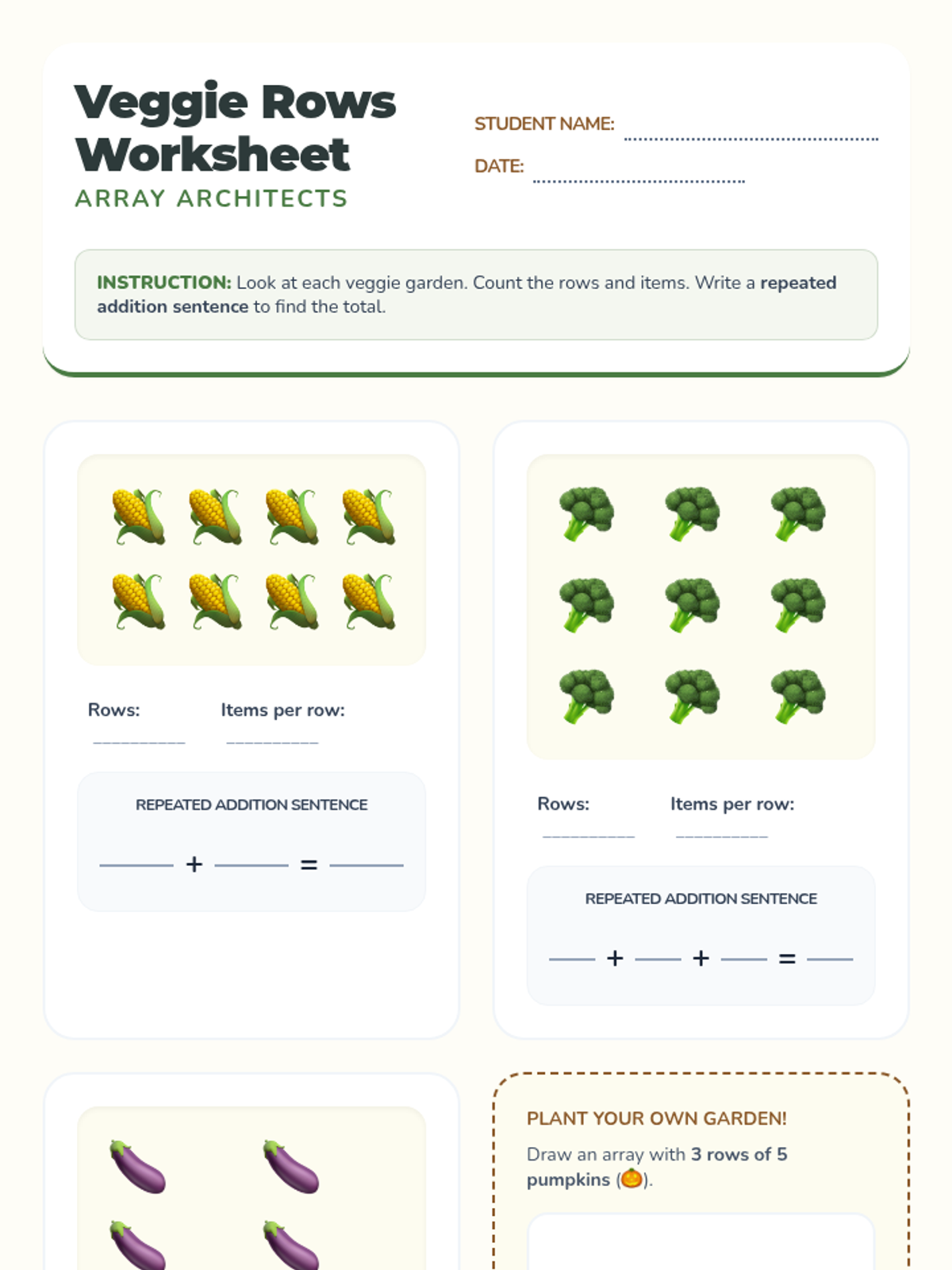
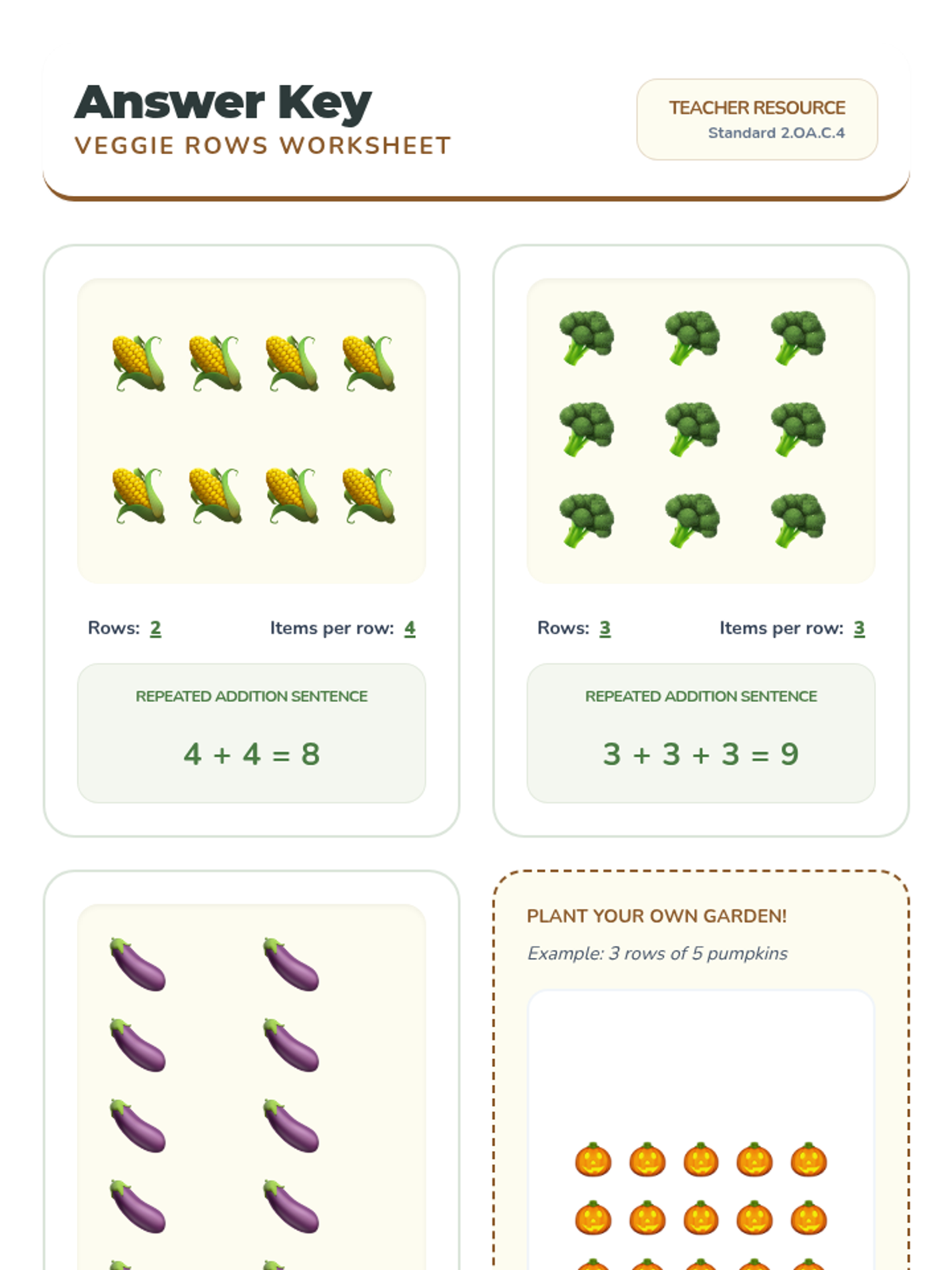
In this lesson, students explore the connection between arrays and repeated addition by organizing 'garden' items into rows and columns. They will learn to identify the number of items in each row/column and write corresponding addition sentences to find the total.
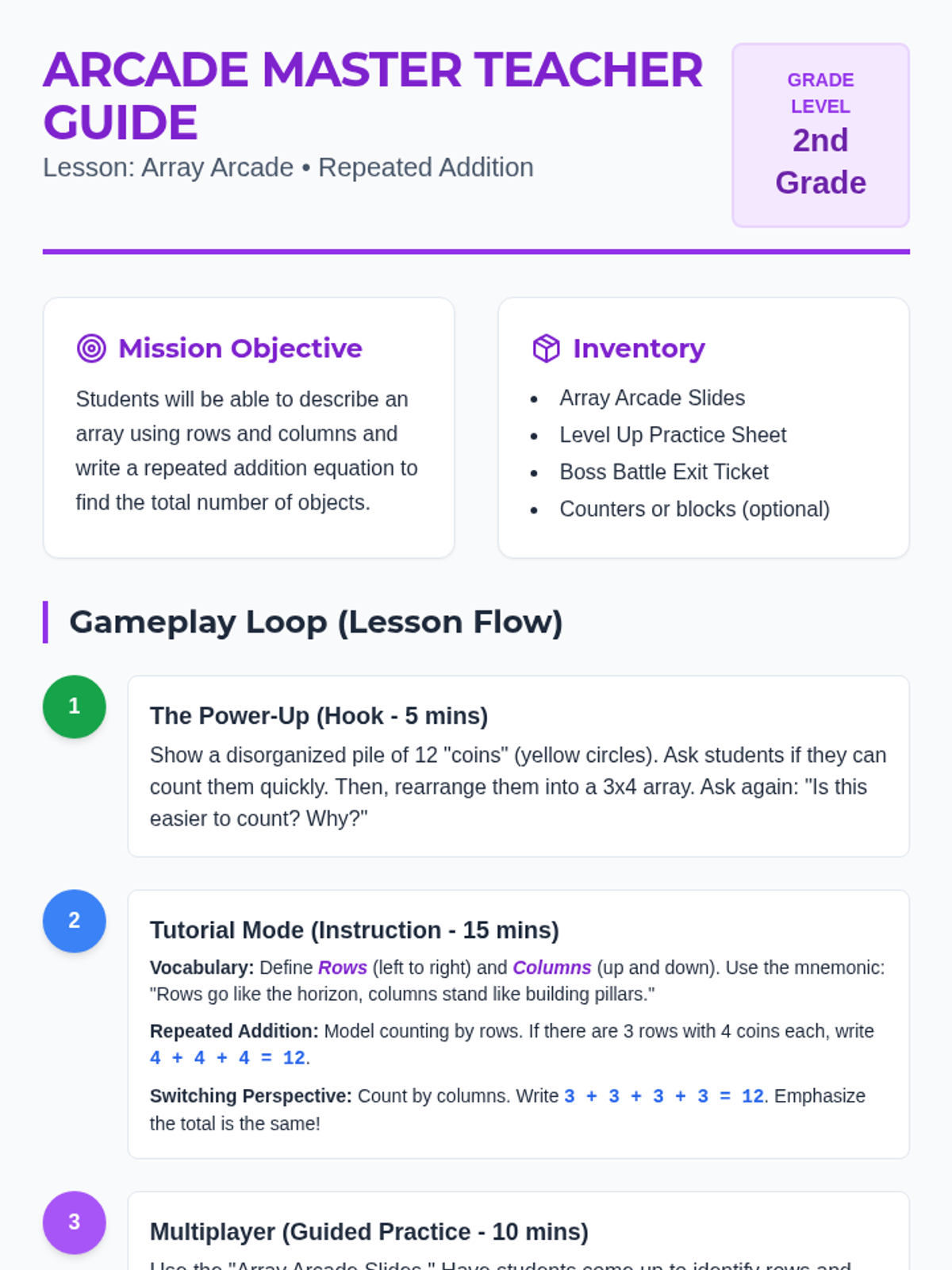
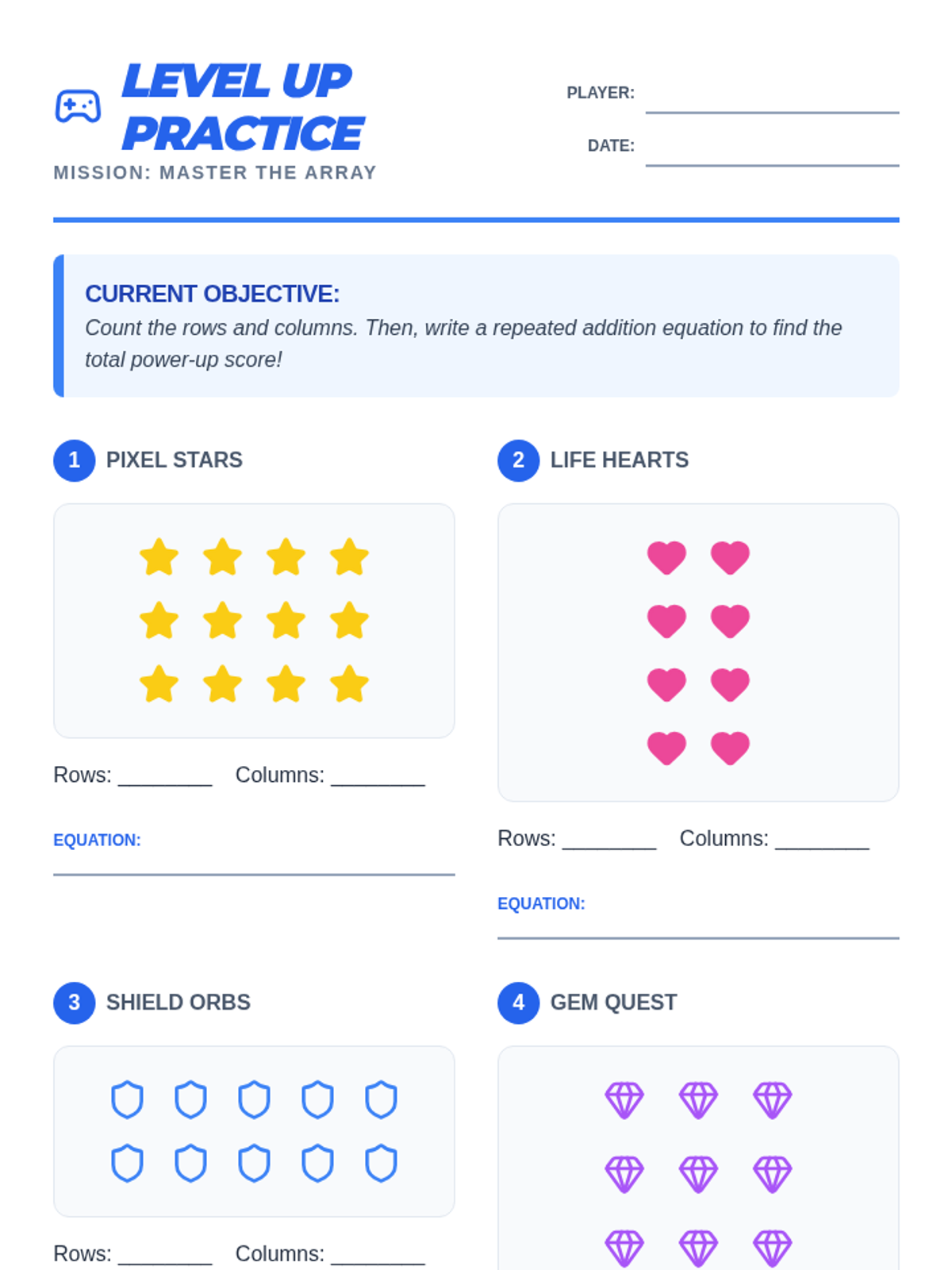
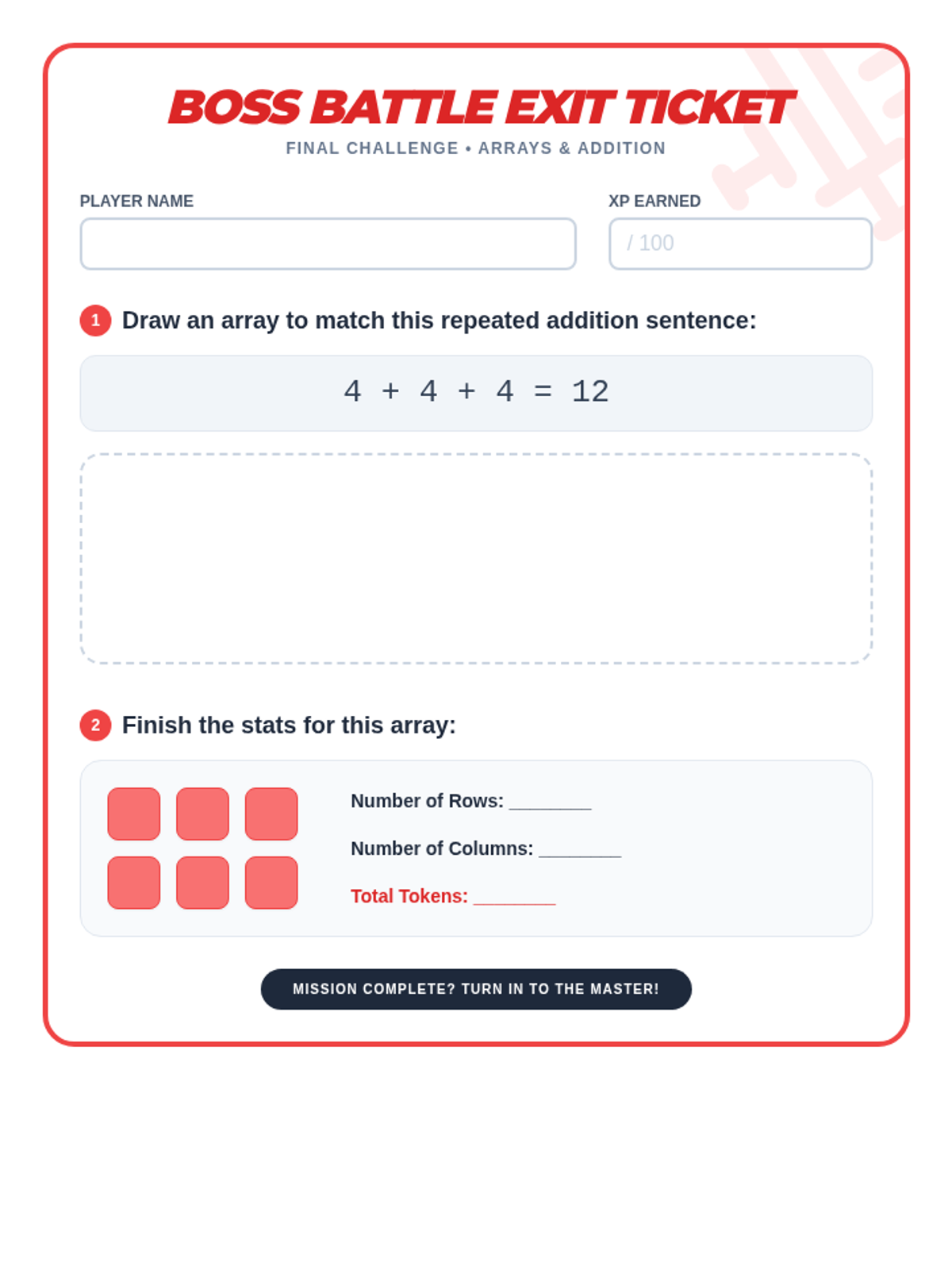
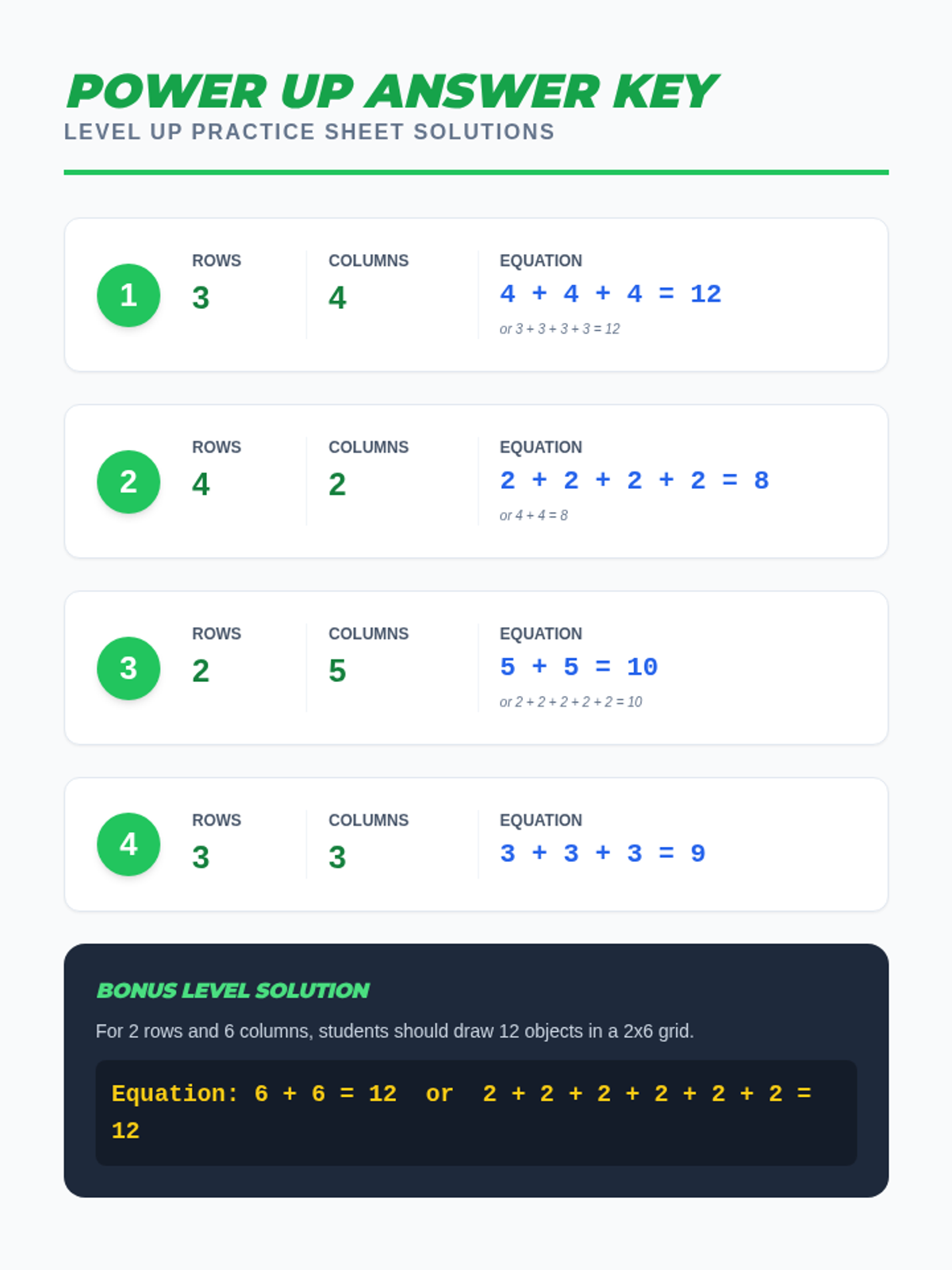
A high-energy introduction to arrays where students learn to identify rows and columns and relate them to repeated addition.
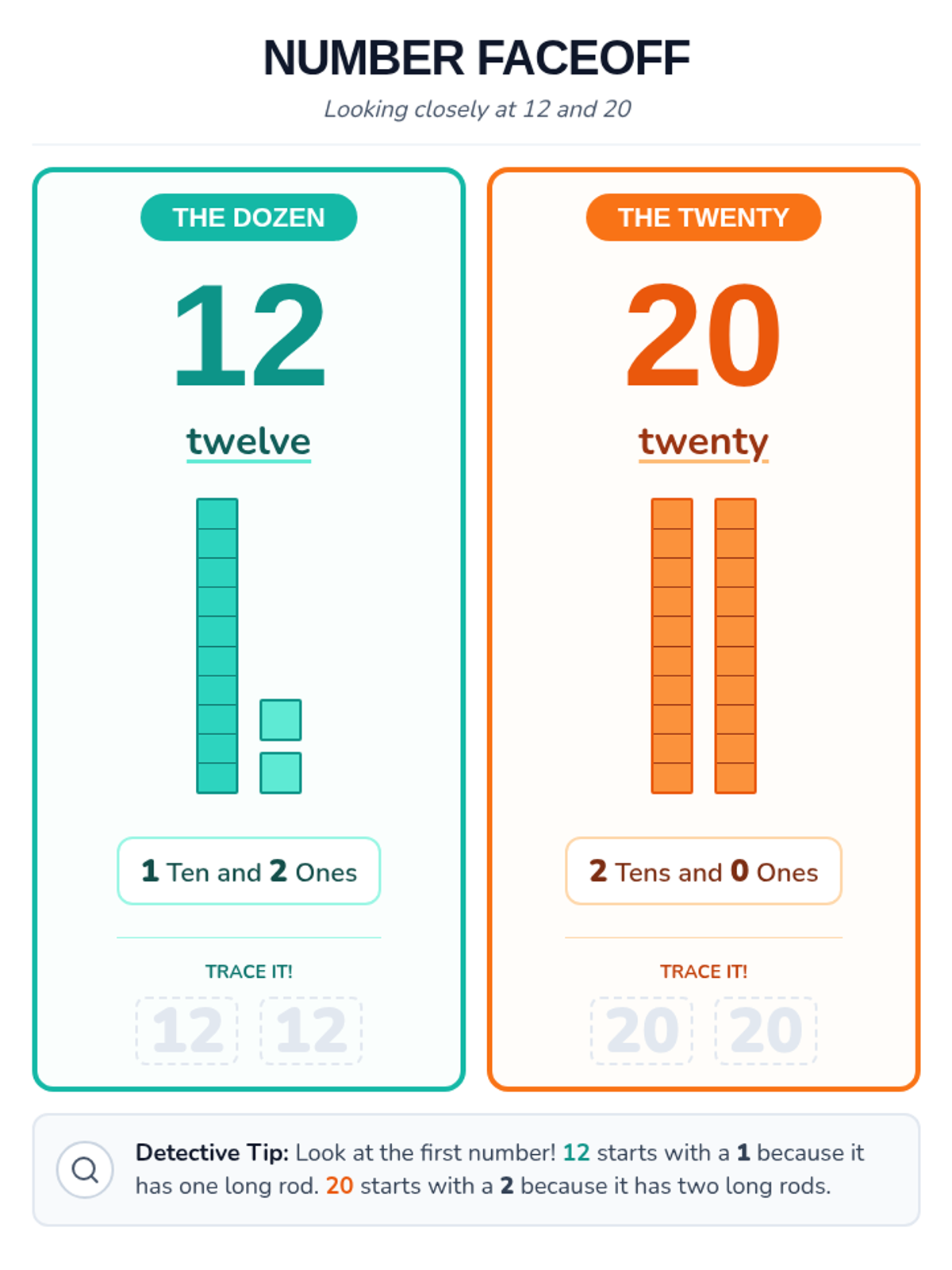
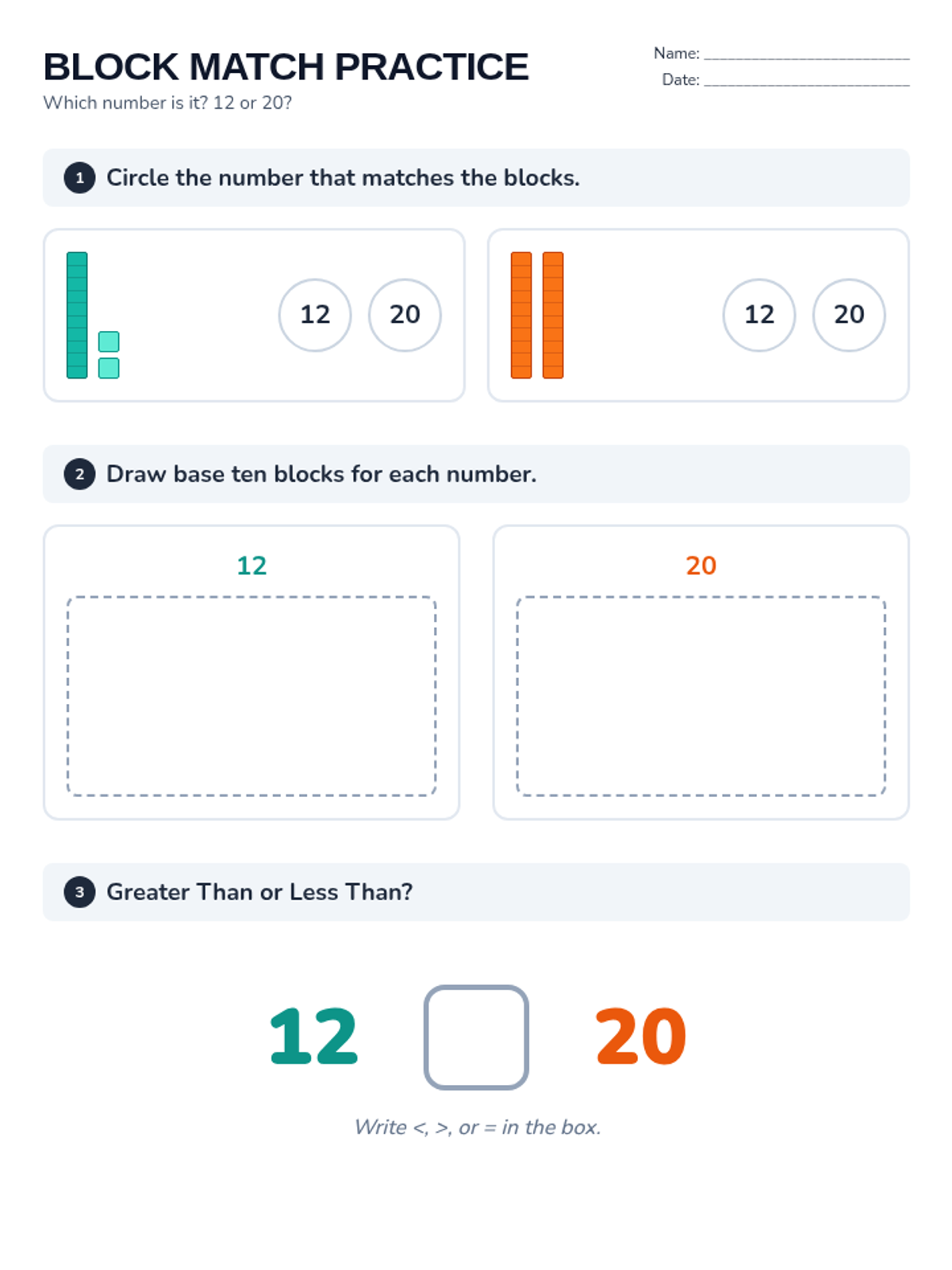
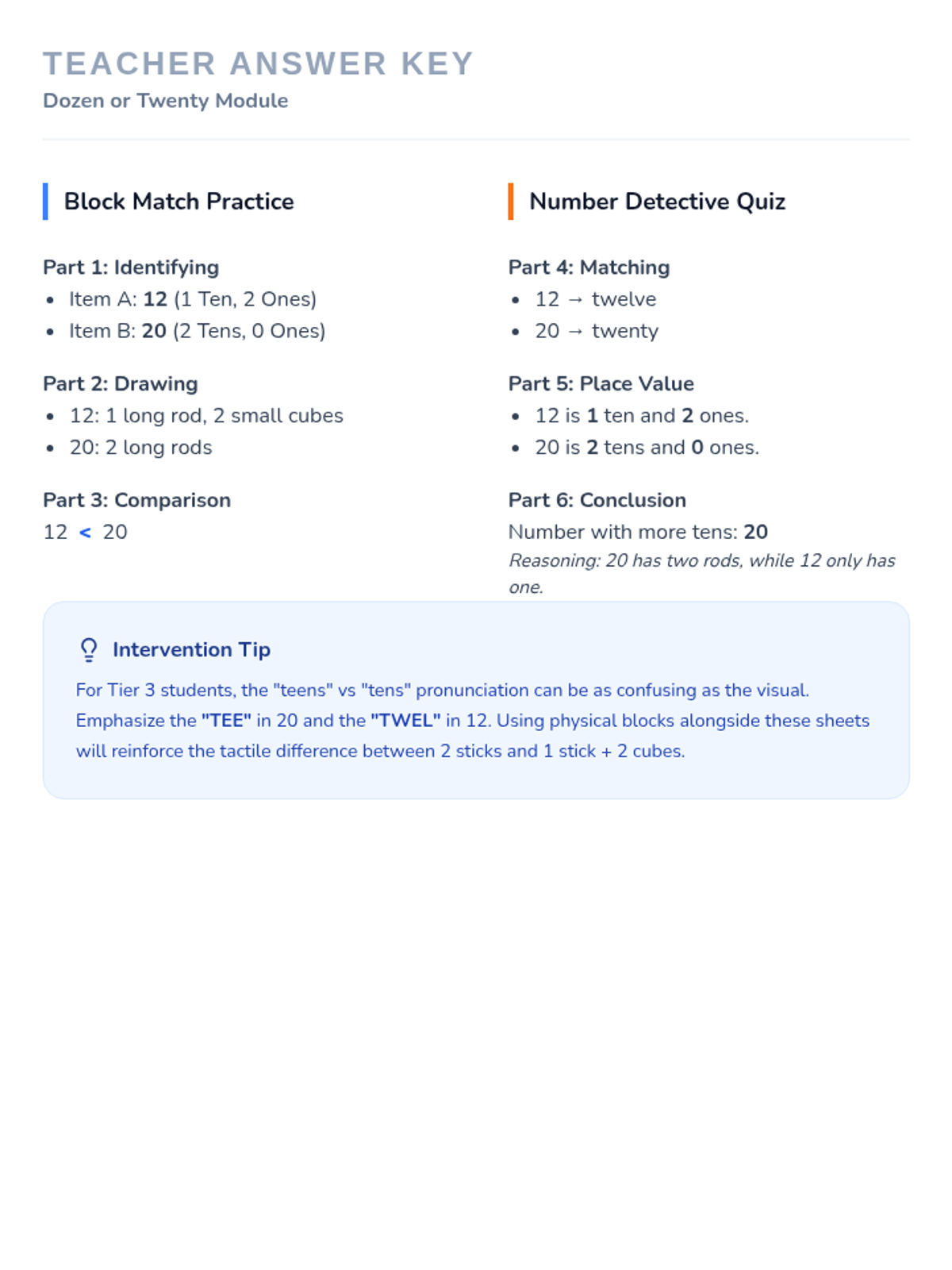
A targeted intervention lesson to help students distinguish between the numbers 12 and 20 using base ten block visualizations and comparative practice.
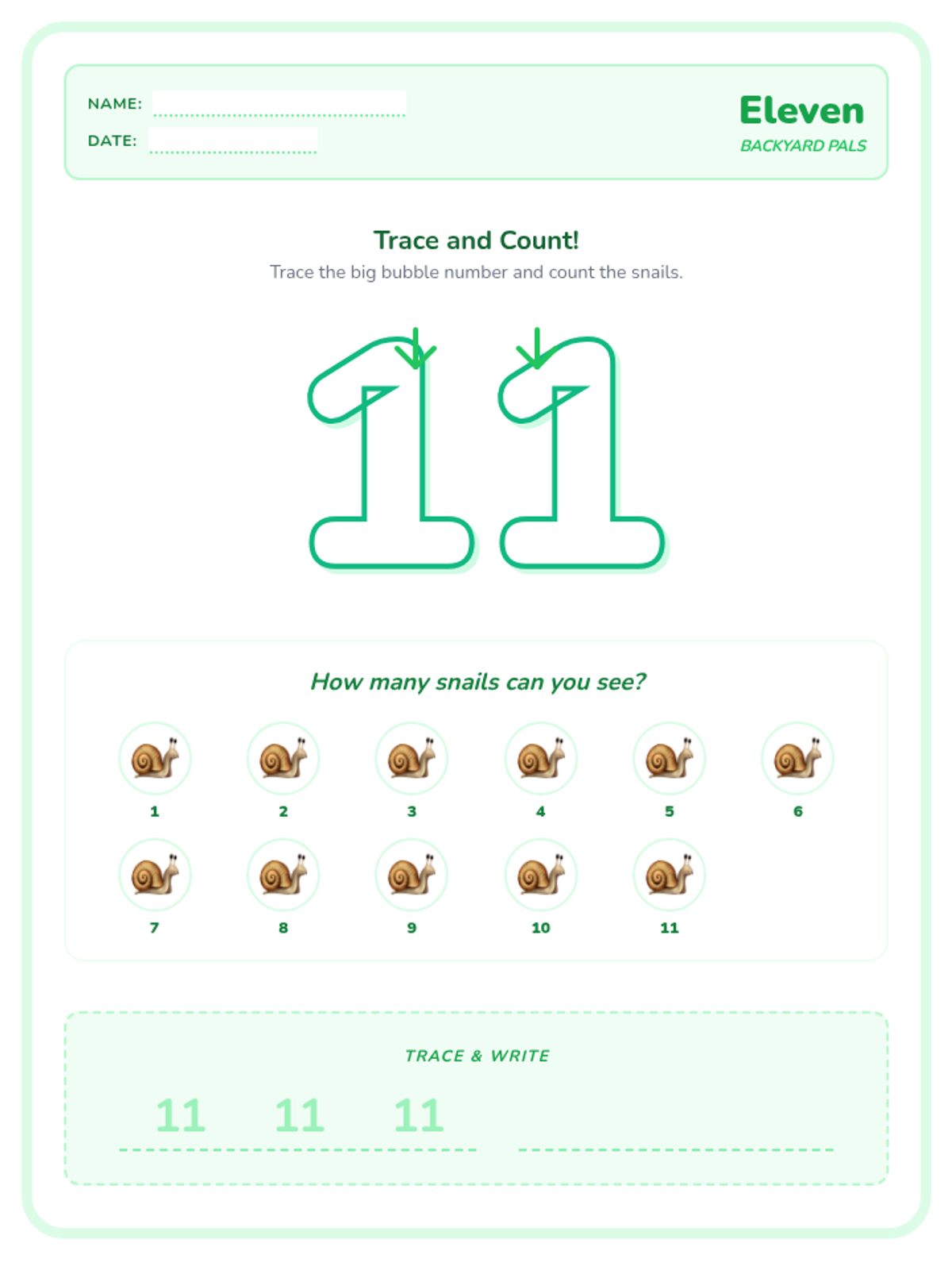
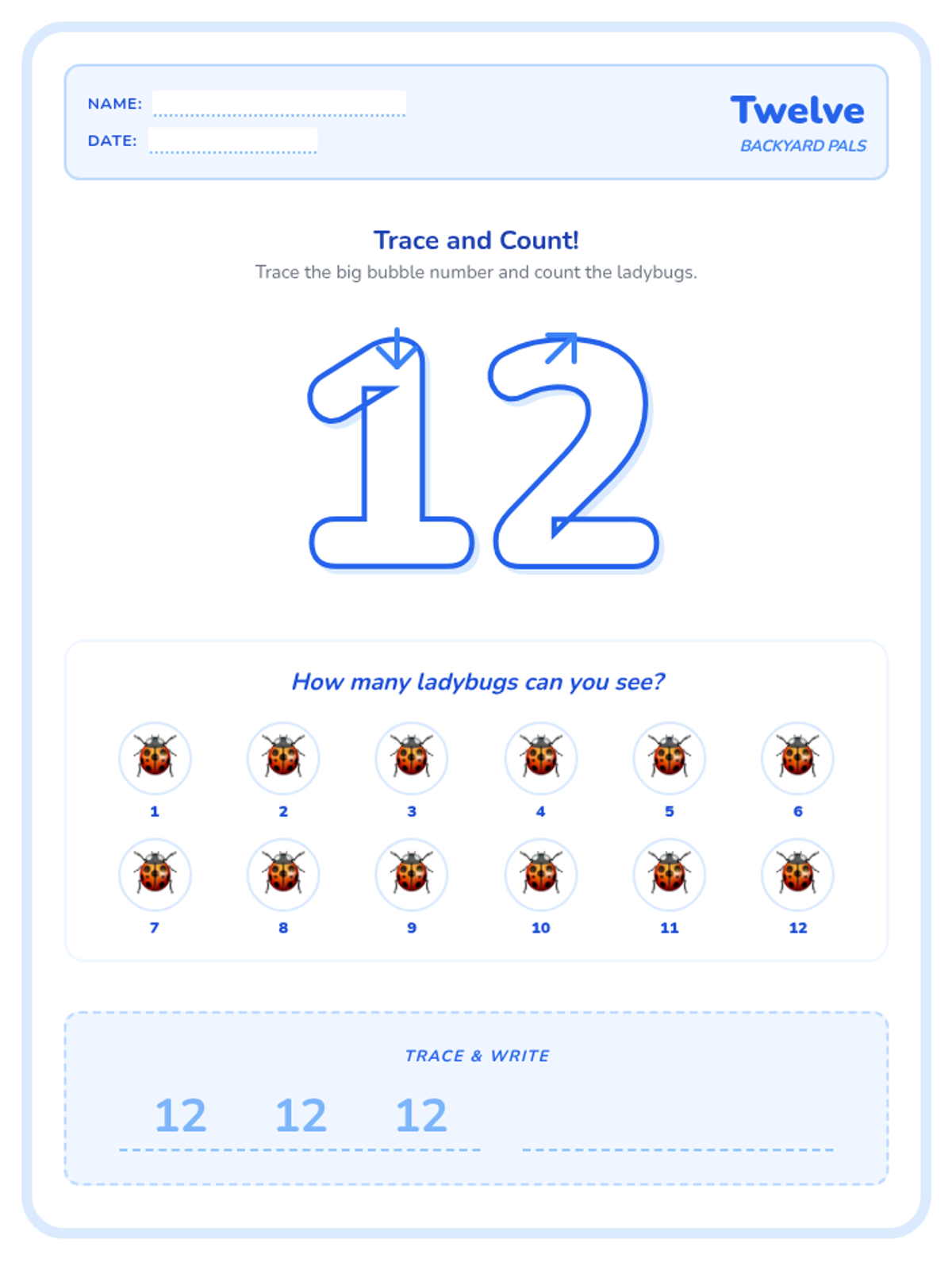
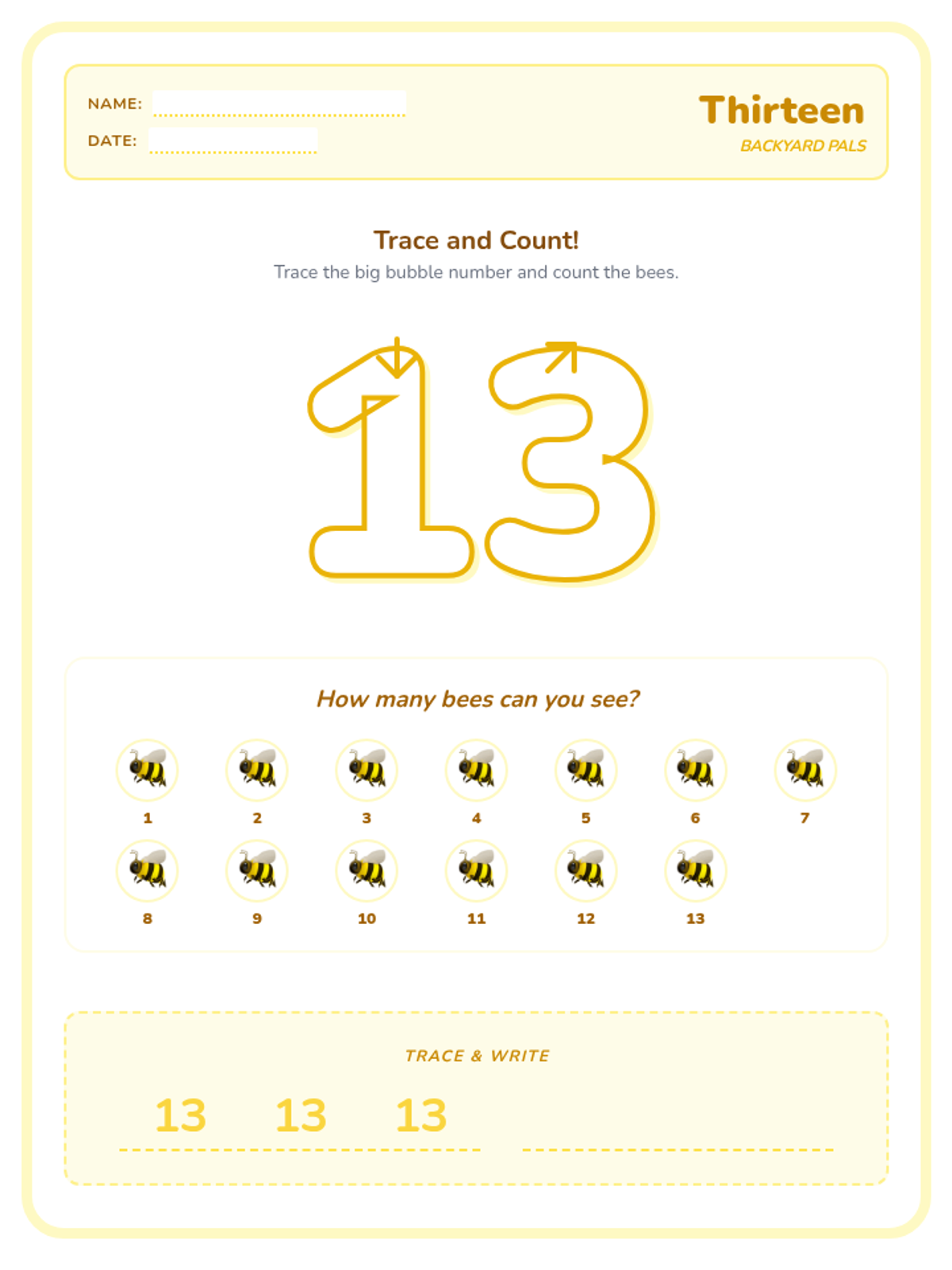
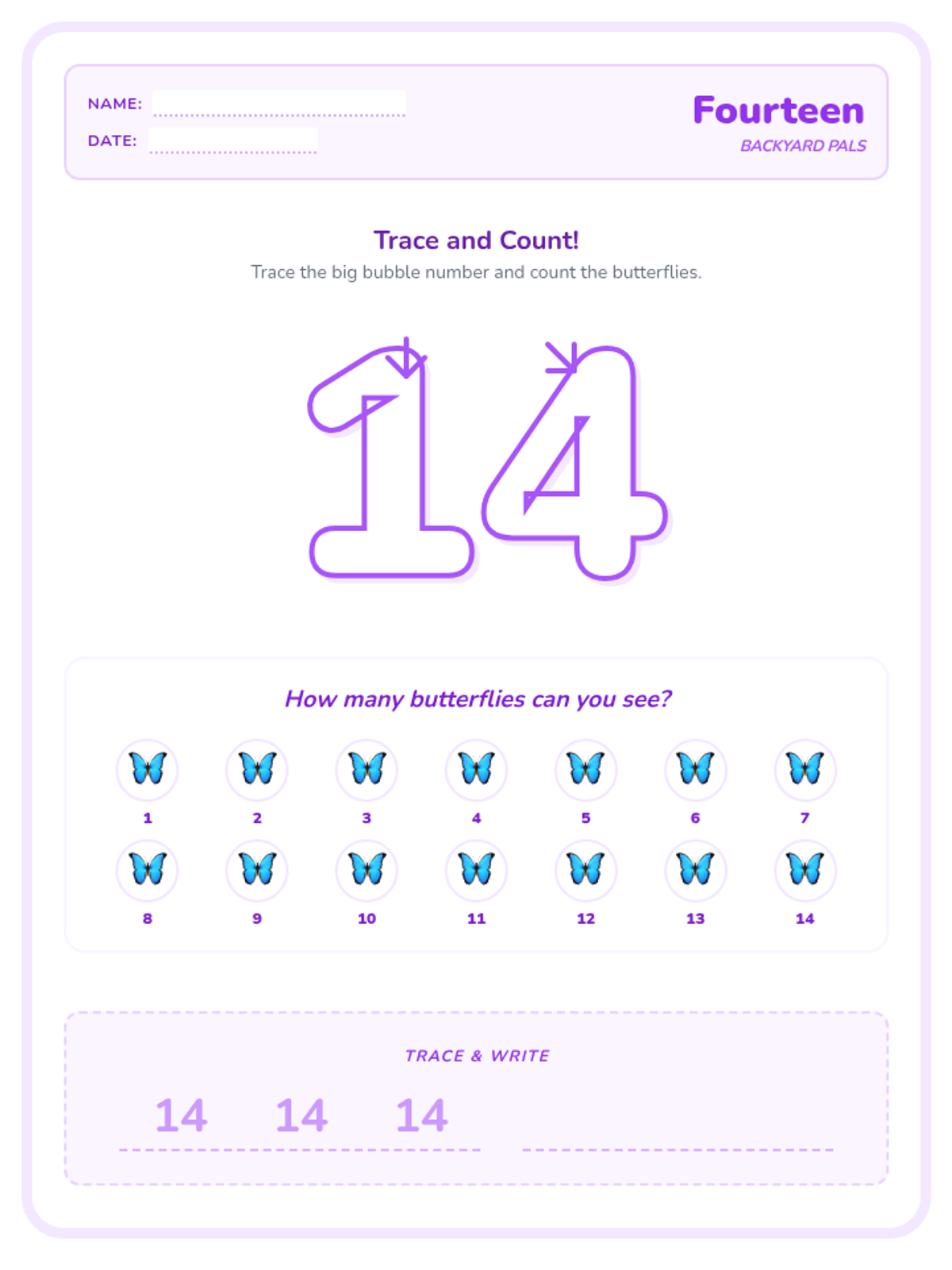
A series of tracing and counting worksheets for numbers 11 through 14, featuring large bubble numbers for tactile practice and garden-themed objects for counting.
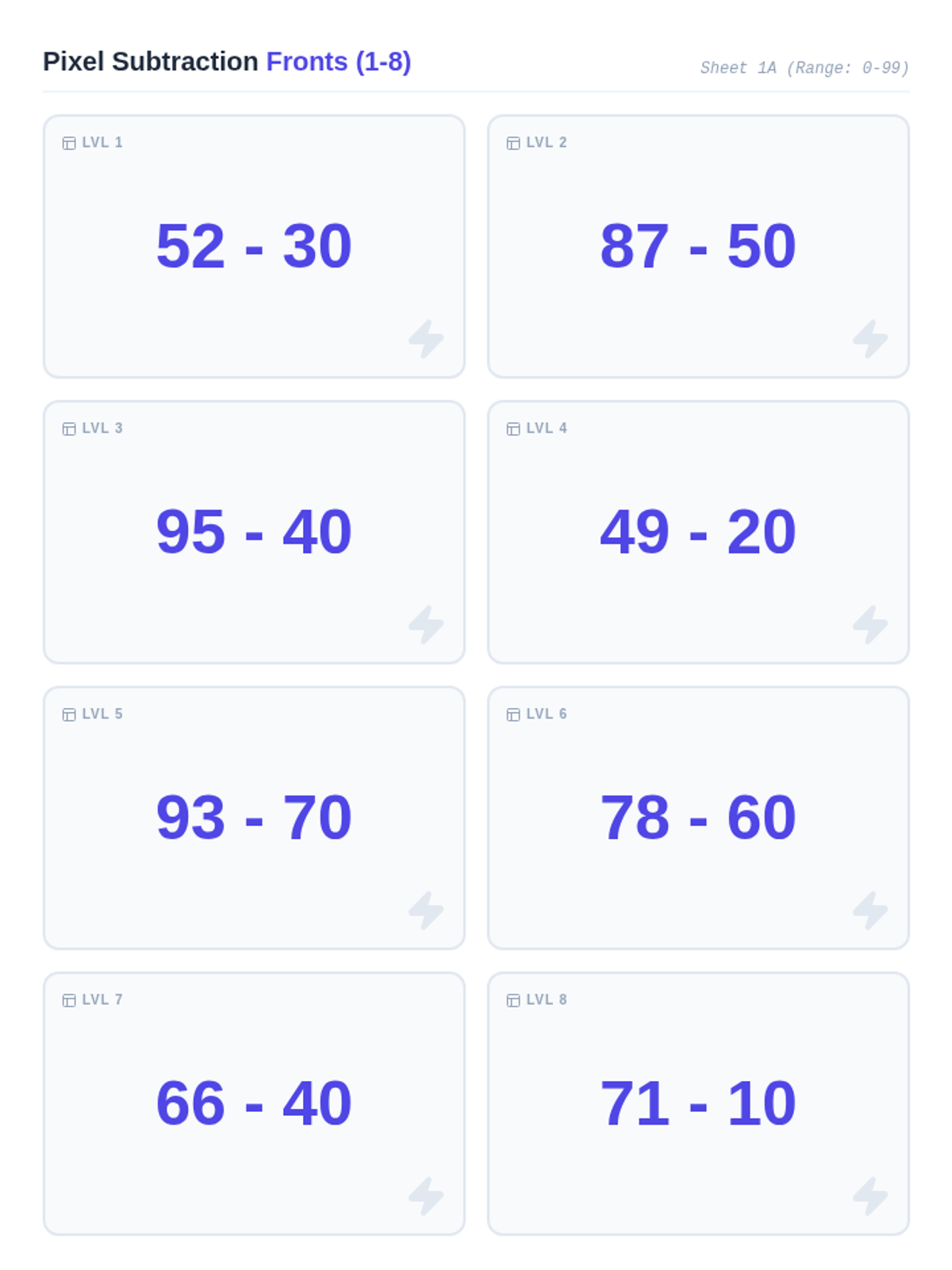
A lesson focused on mental math strategies for subtracting multiples of ten from numbers up to 120.
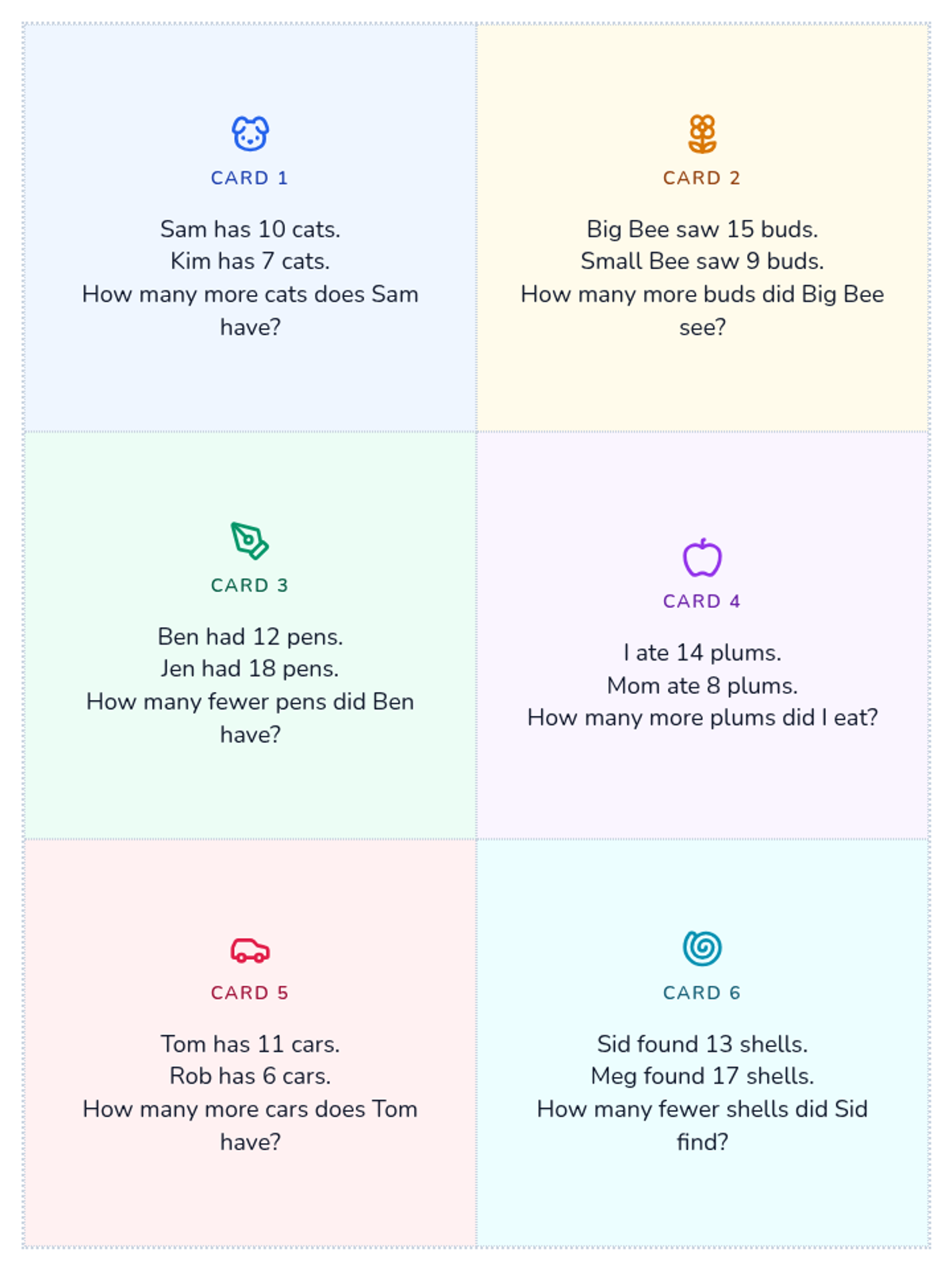
A focused set of activities to help first graders master 'how many more' and 'how many fewer' comparison word problems using simple, decodable text and engaging themes.

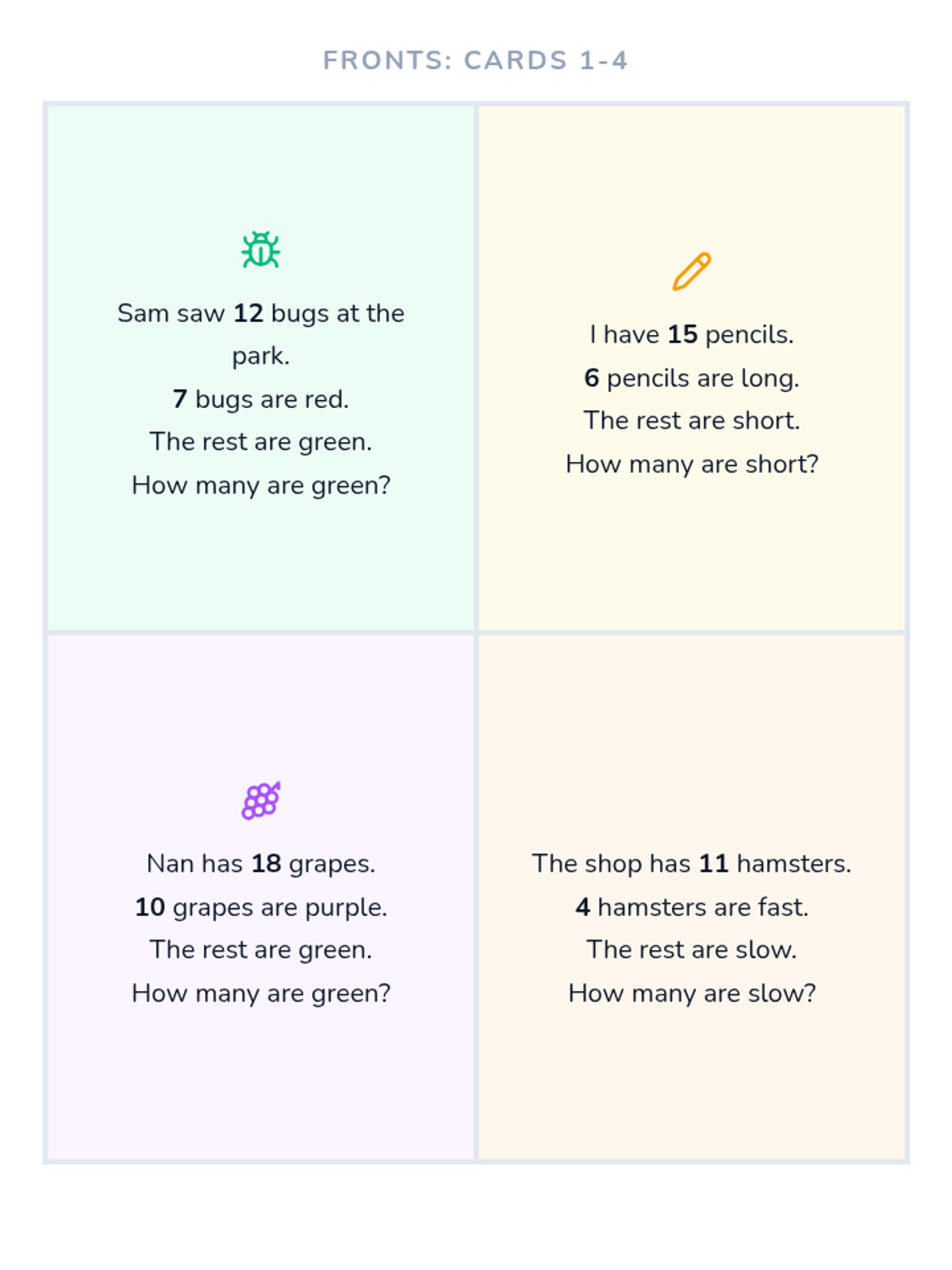
A set of printable math flashcards focusing on subtraction within 20 to find missing parts, featuring decodable text and high-frequency words for first-grade learners.
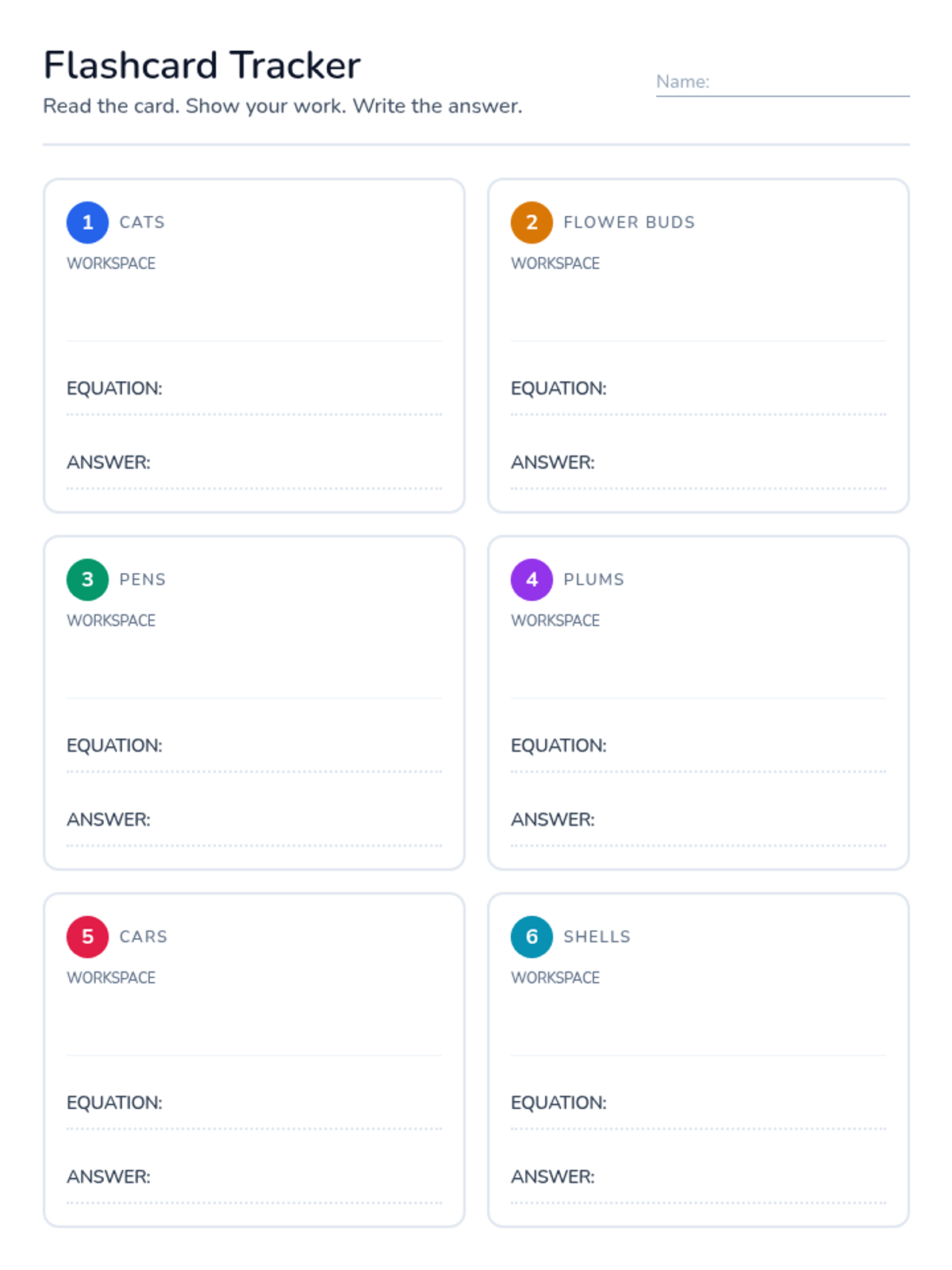
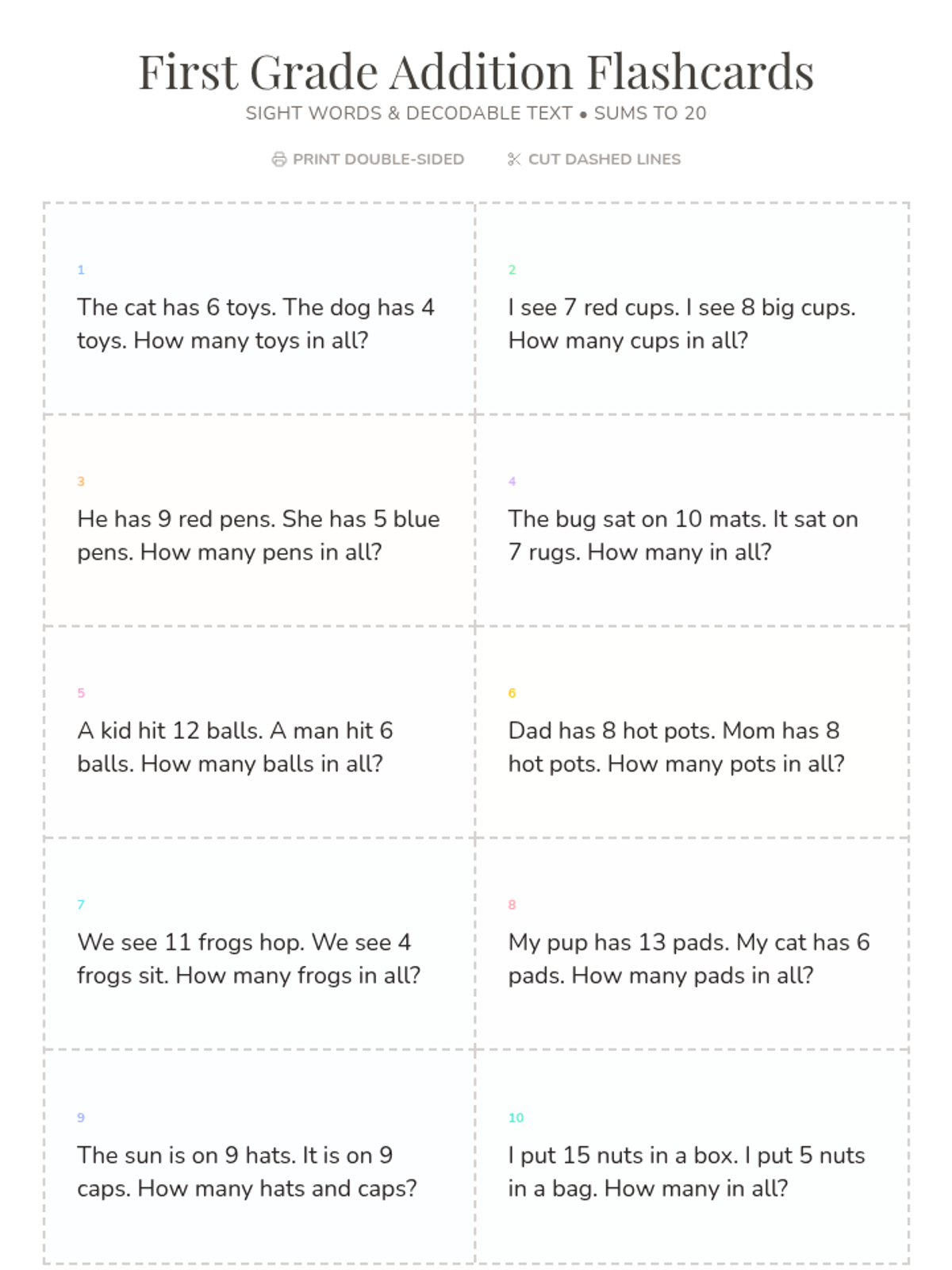
Foundational addition word problems within 20 using controlled vocabulary for first-grade readers, covering themes like pets, school, and play.
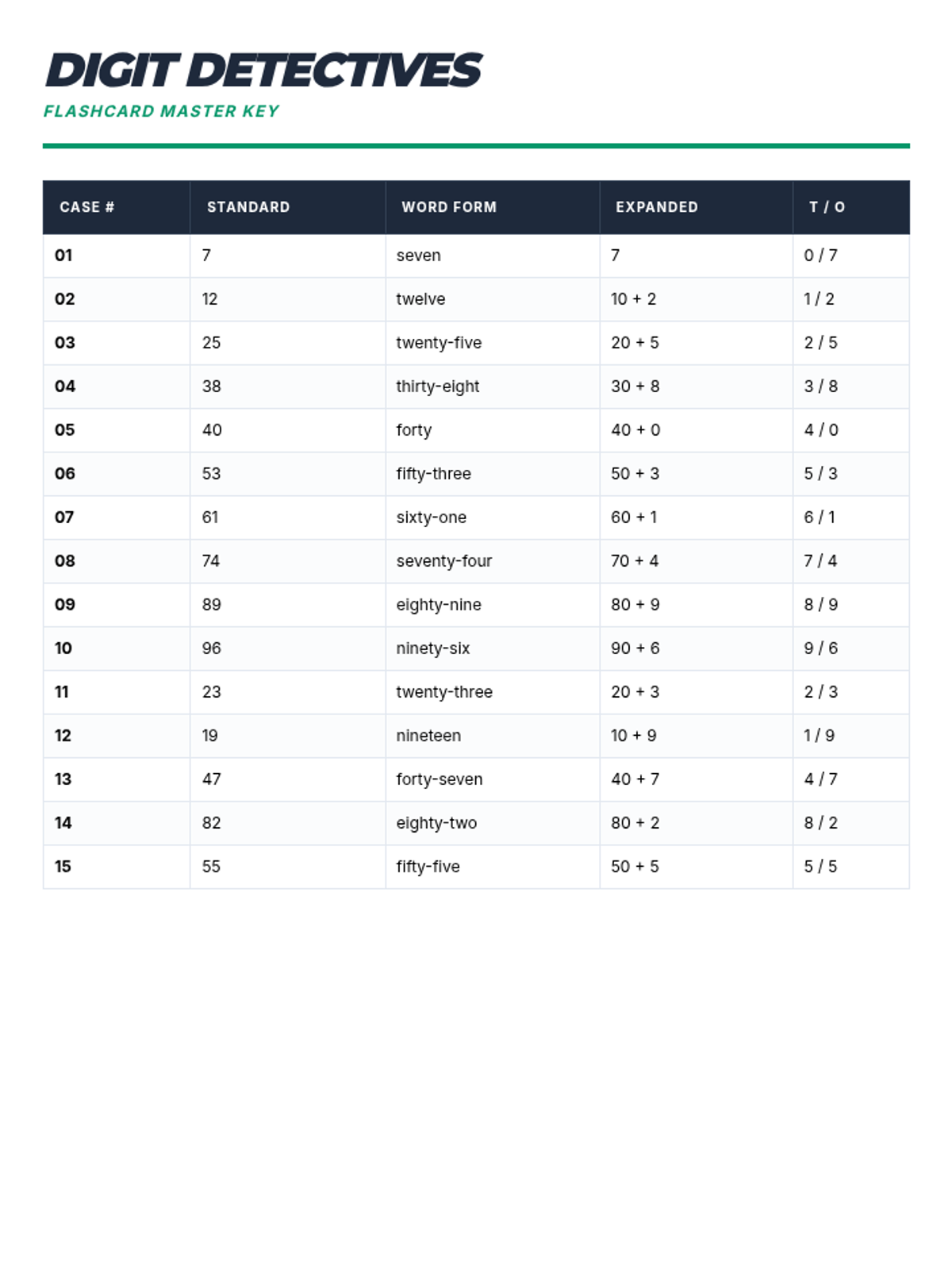
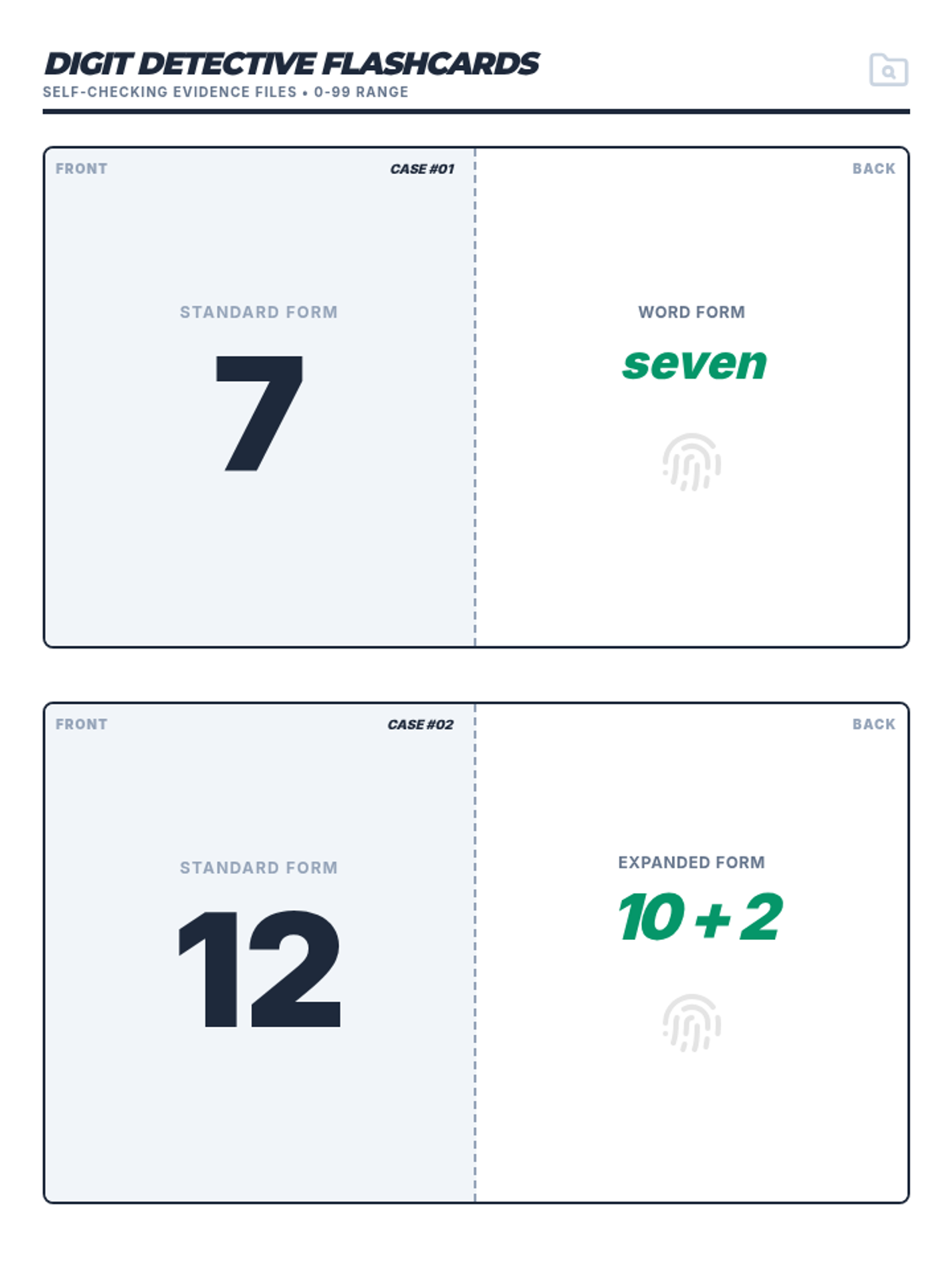
A lesson focused on representing numbers 0-99 in various forms including standard, word, expanded, and place value. Students act as 'Digit Detectives' to solve number cases.
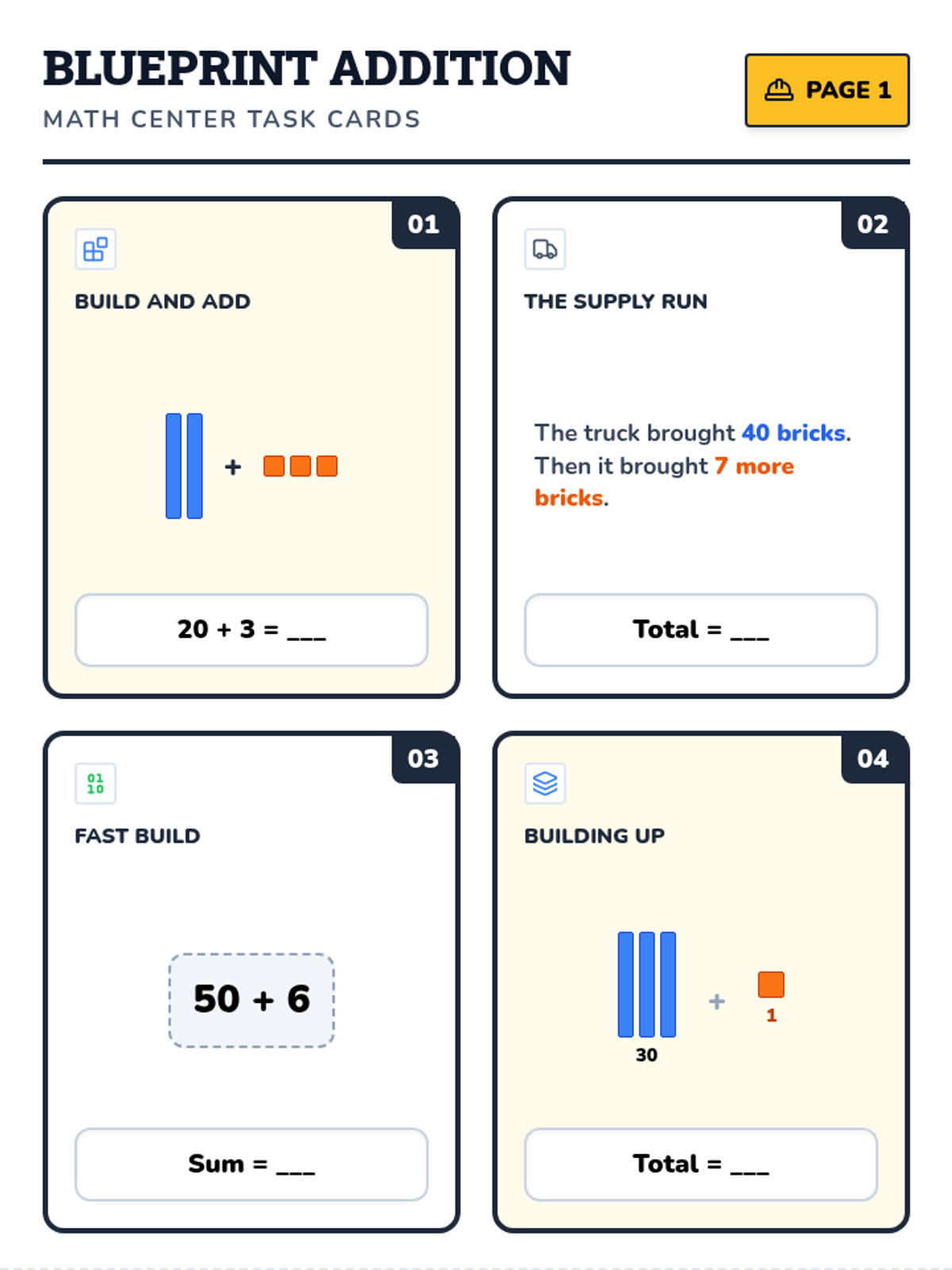
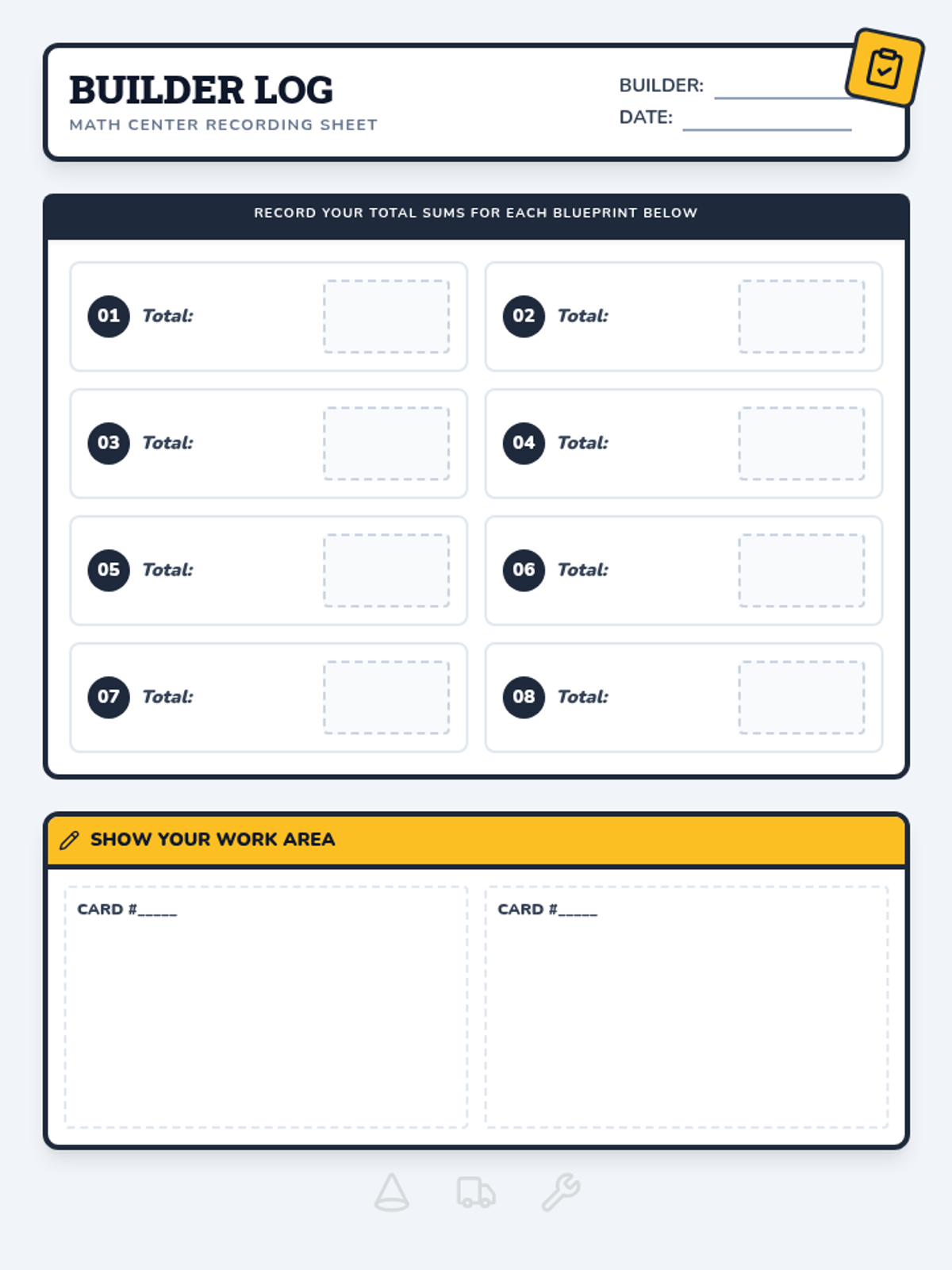
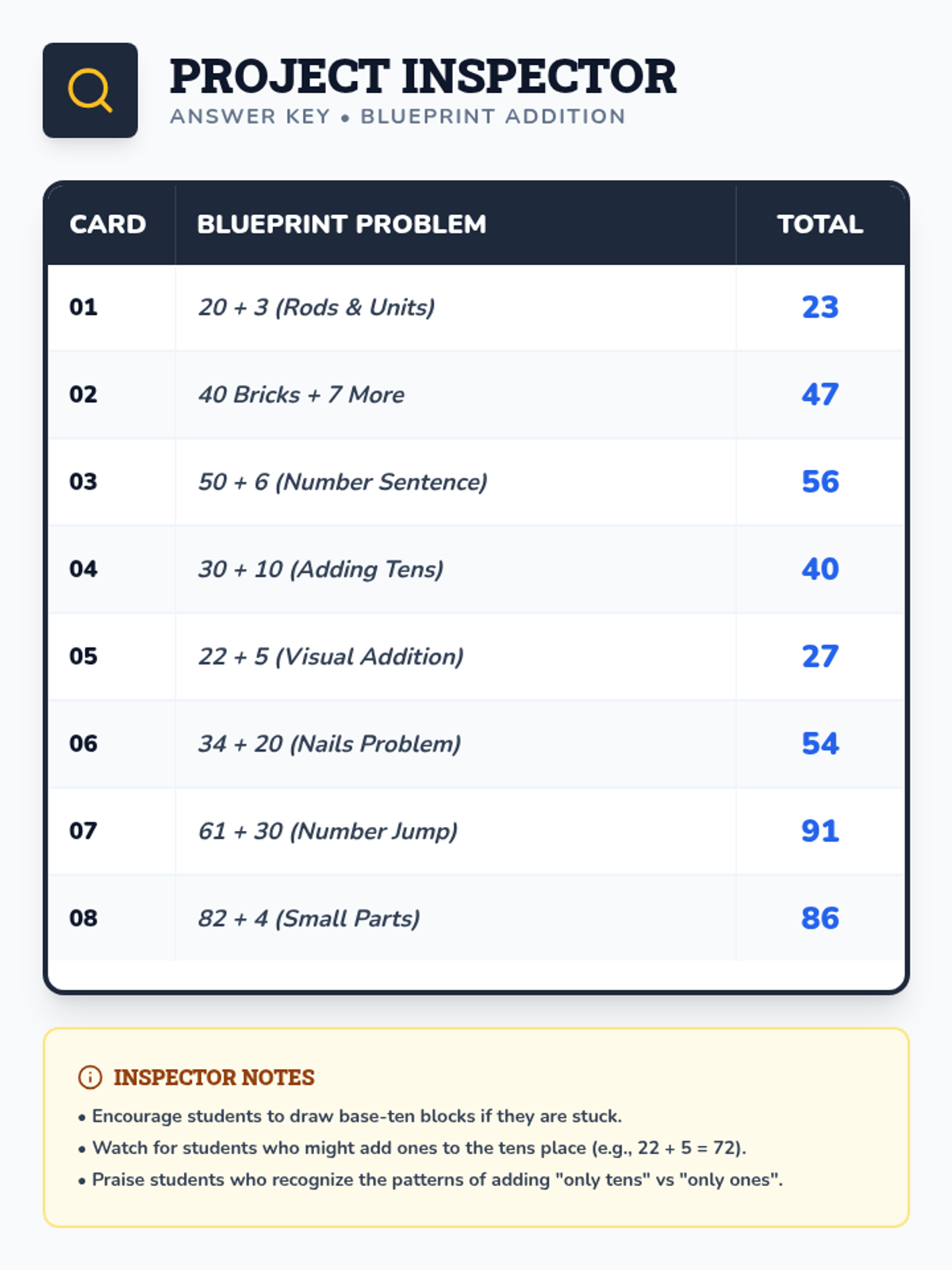
A foundational math lesson for 1st graders focusing on adding tens and ones using base-ten models and numerical strategies. Students will explore how to combine groups of ten and single units to build larger numbers.
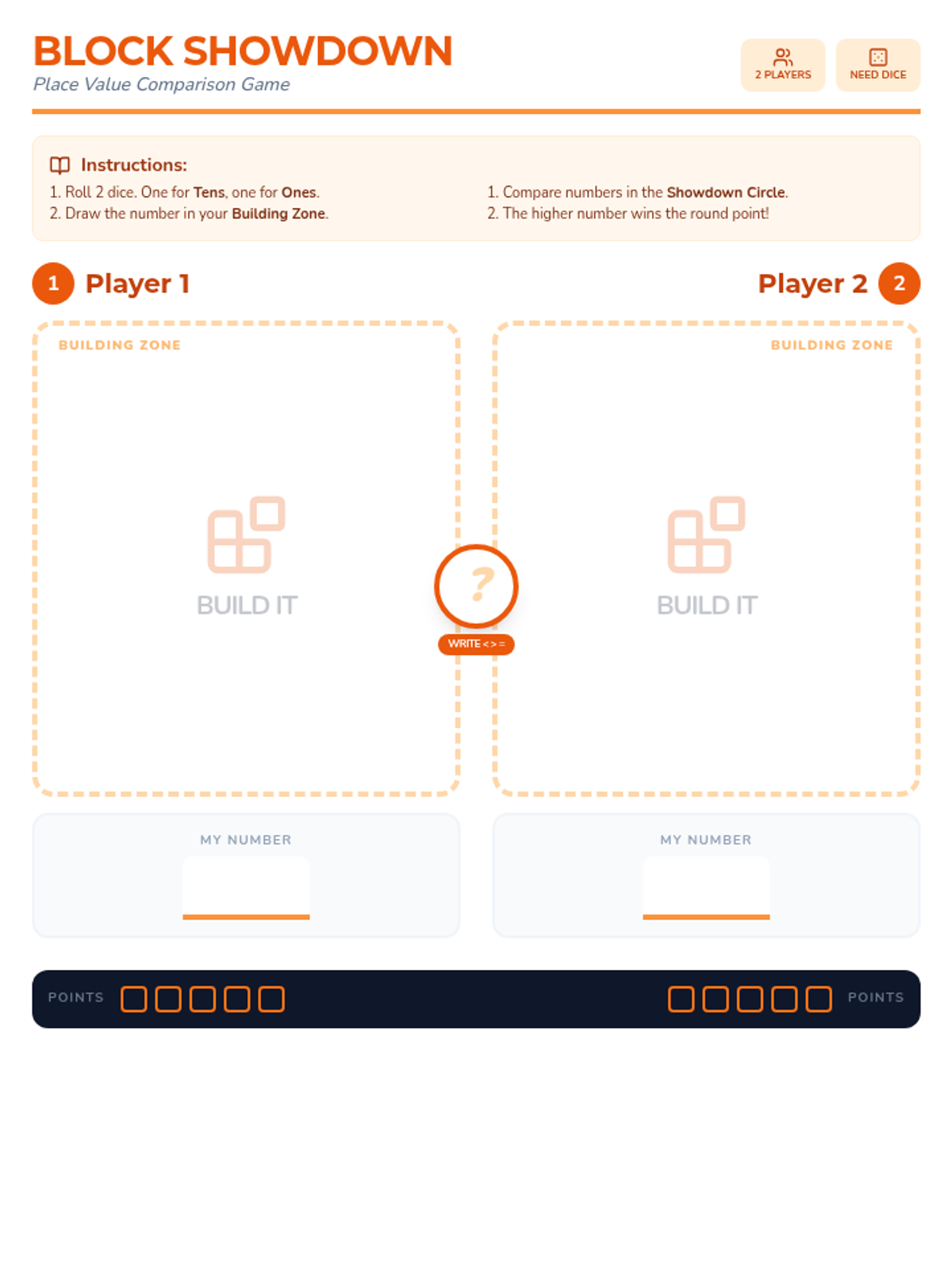
A foundational lesson on representing two-digit numbers using base ten blocks and word forms to build place value fluency.
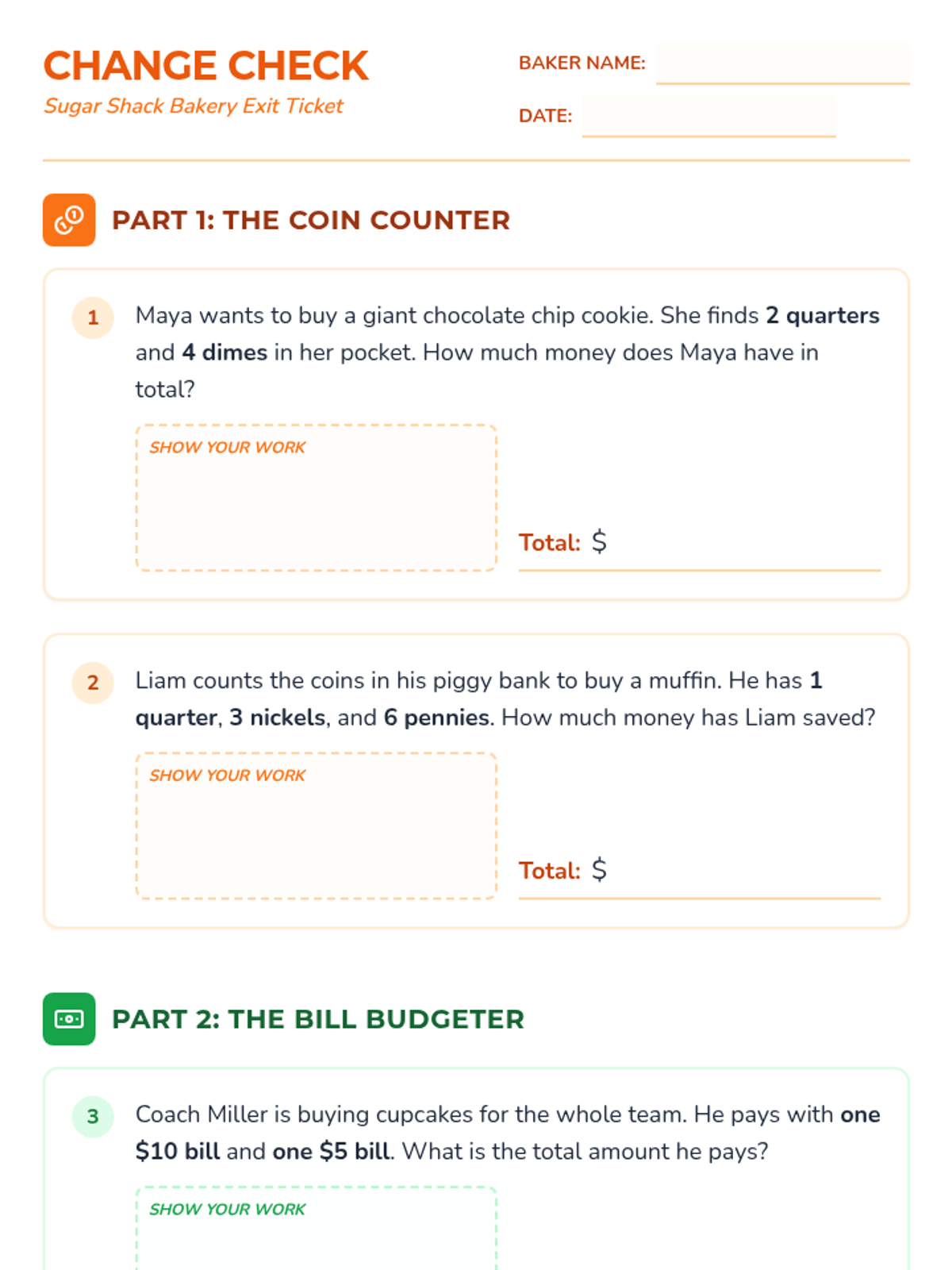
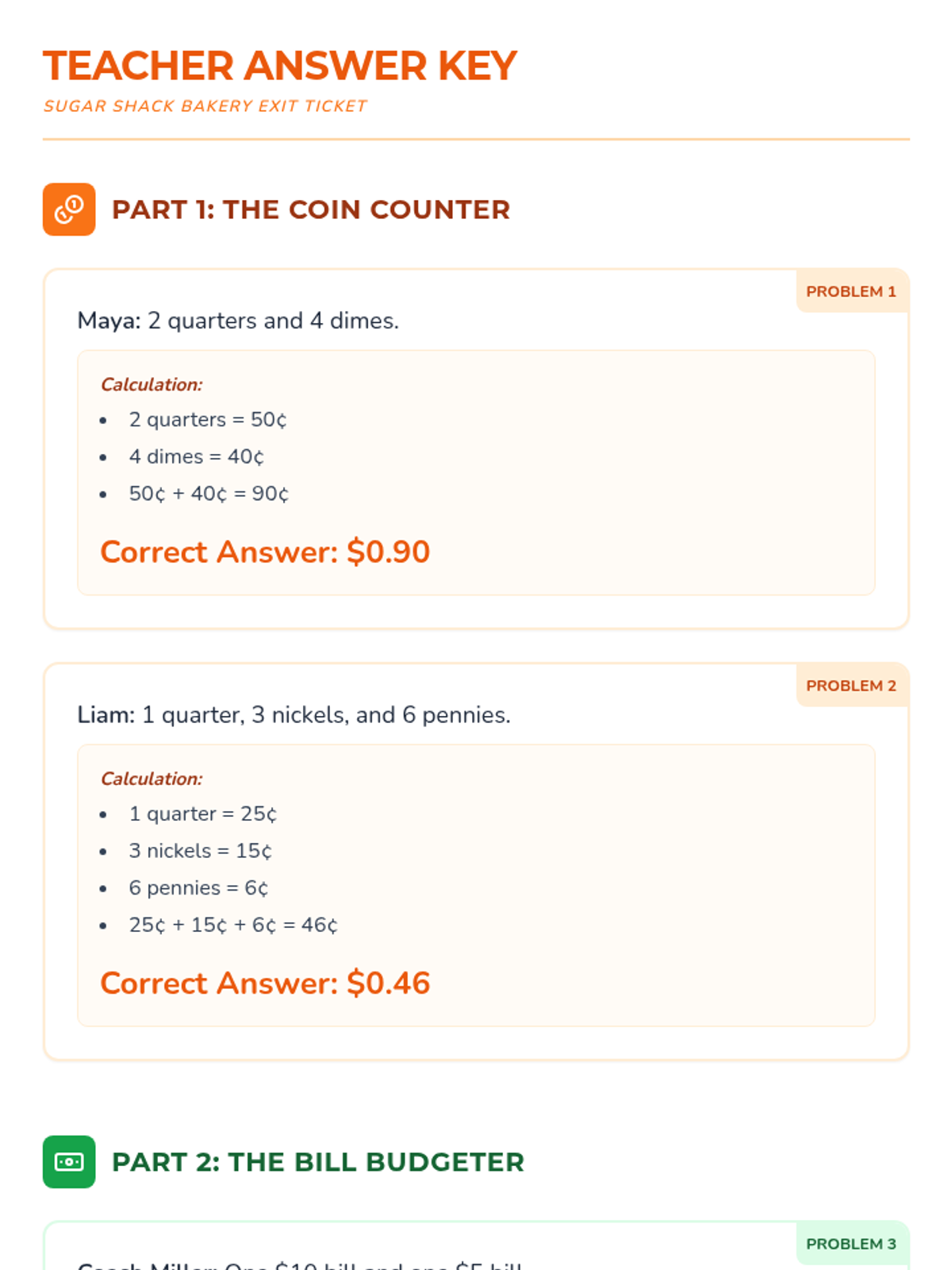
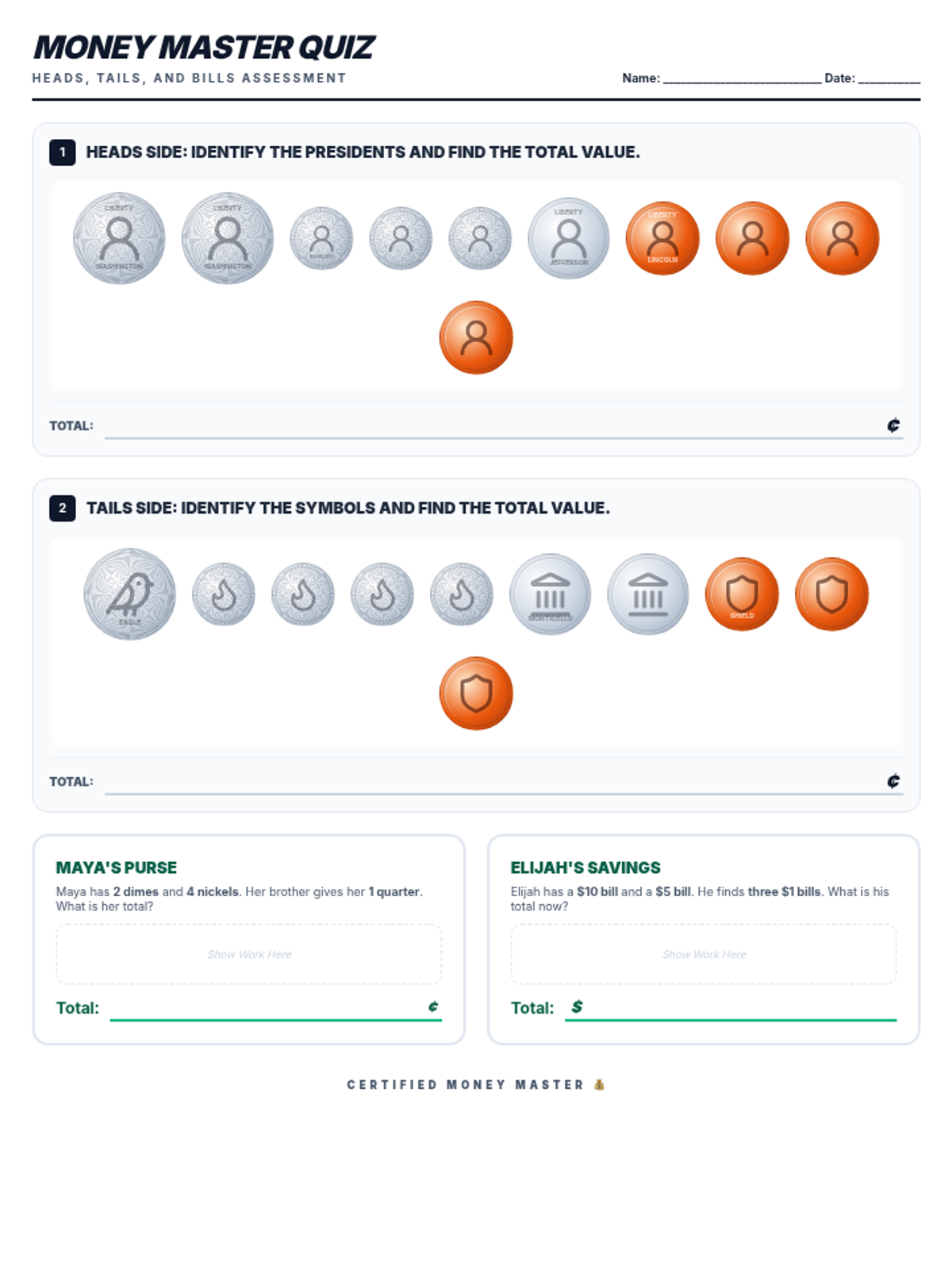
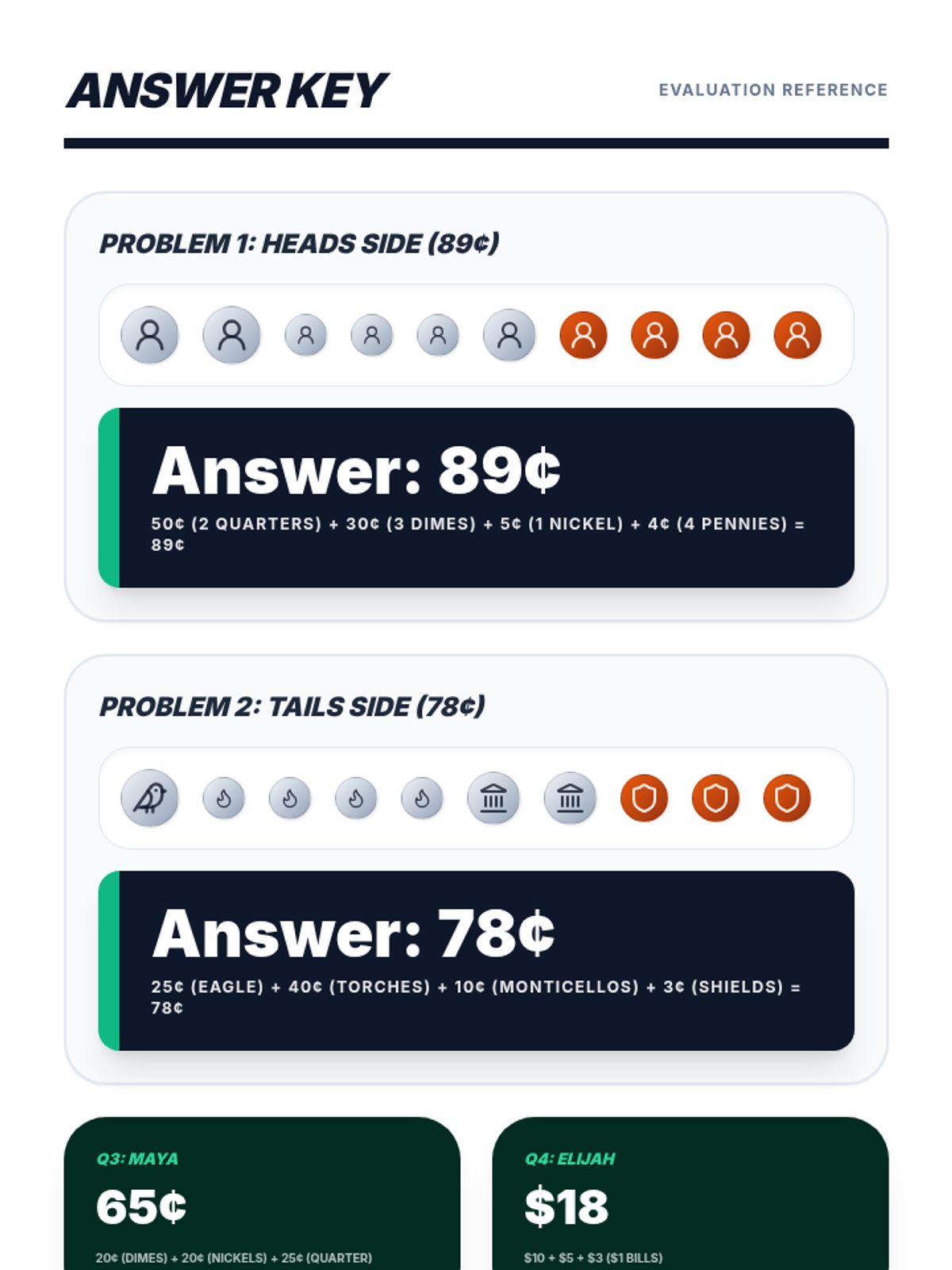
A quick assessment lesson on adding coins (up to $1) and bills (up to $20) within a fun bakery context.
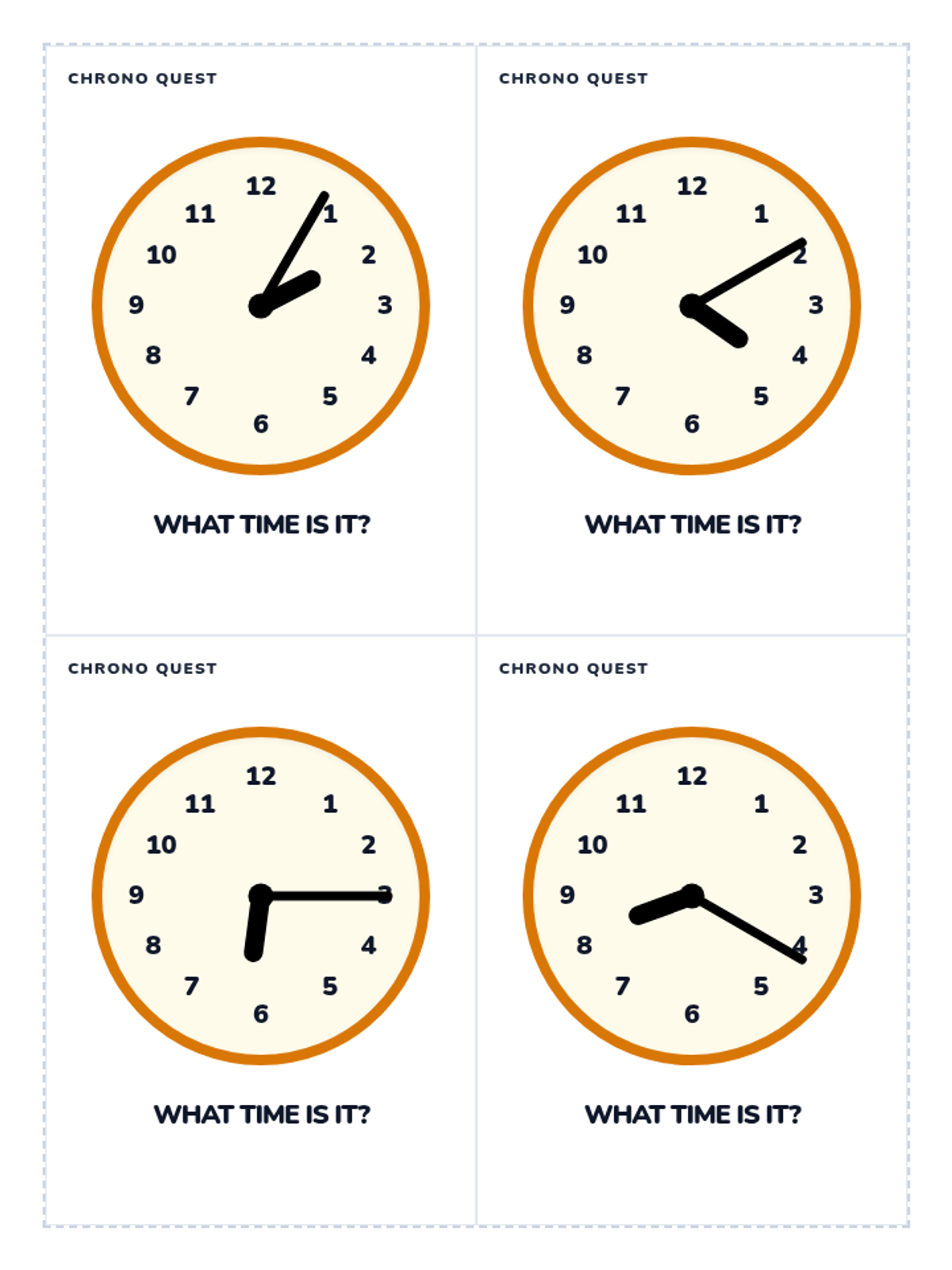
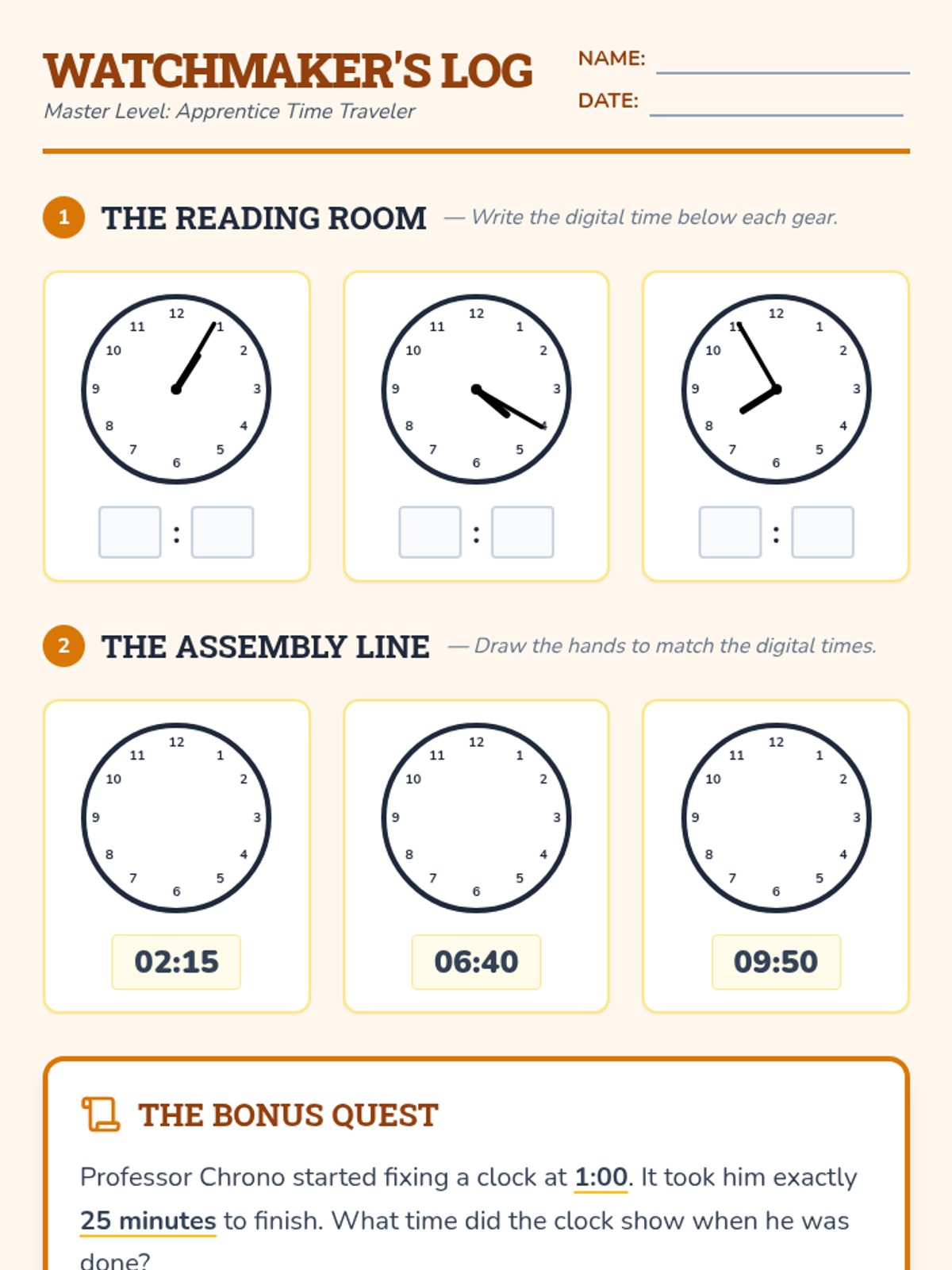
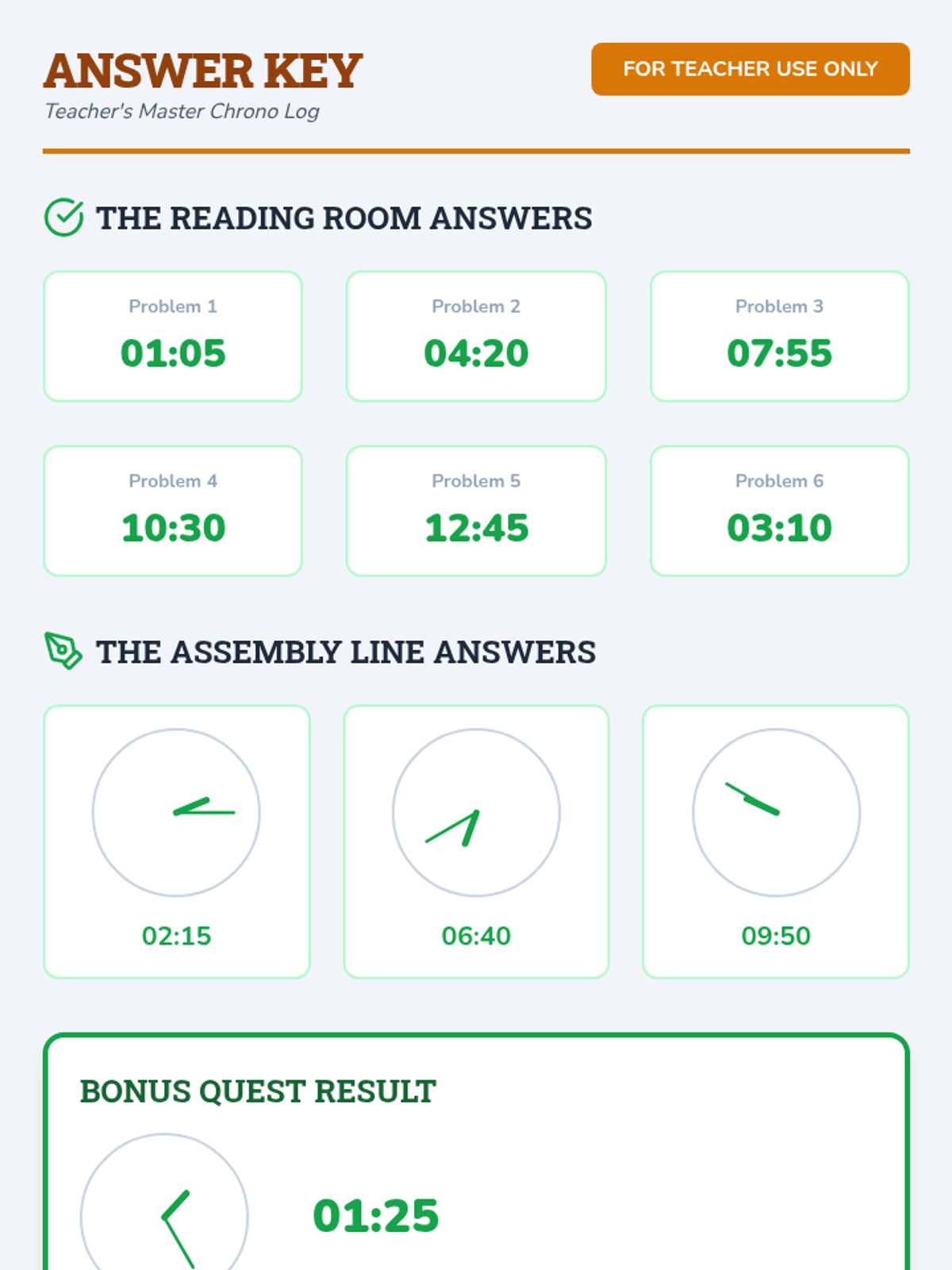
A fun and visual introduction to telling time to the nearest 5 minutes, featuring a vintage watchmaker theme. Students will learn to read analog clocks and convert them to digital format.
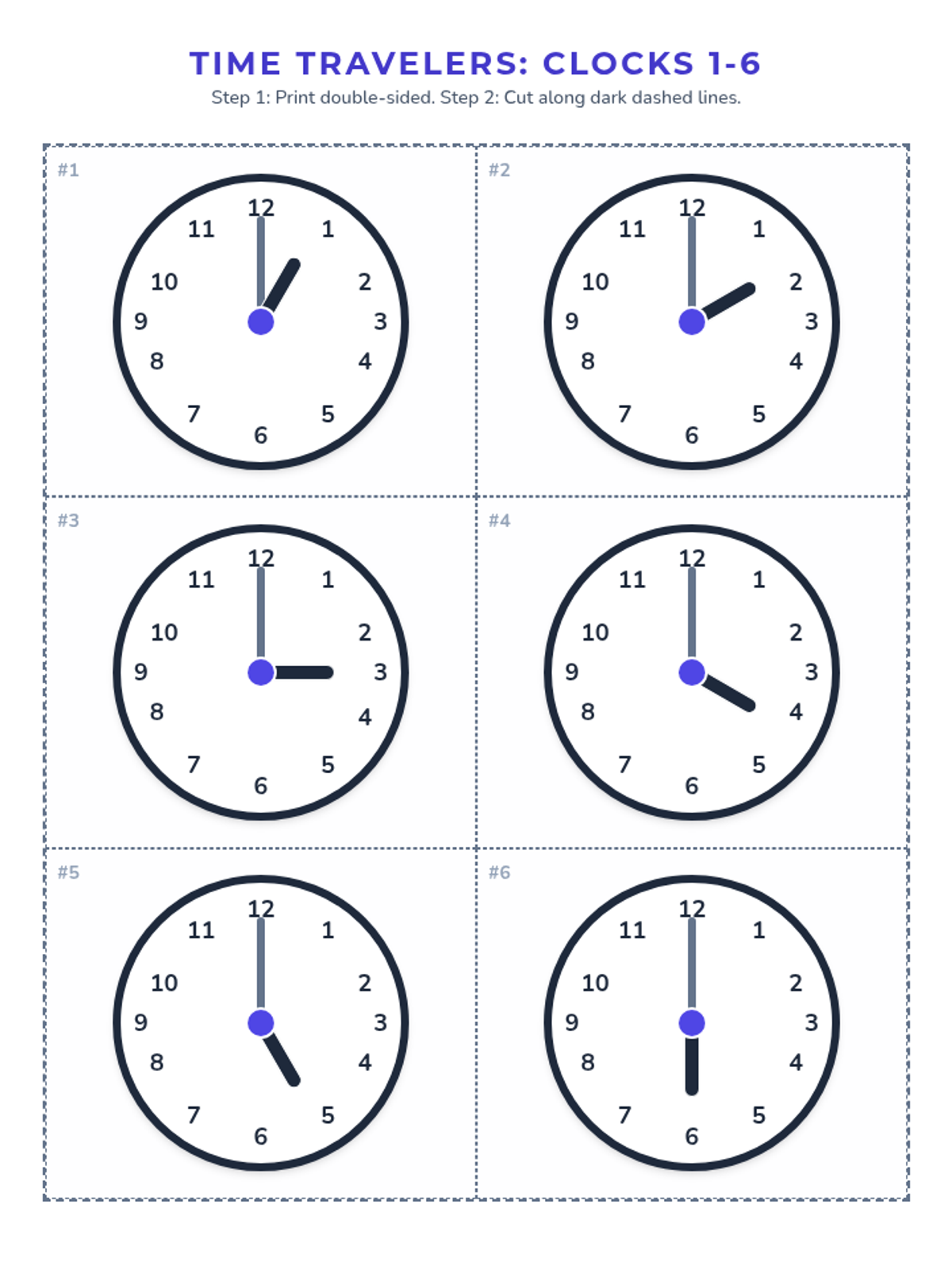
A foundational lesson for 1st graders to master telling time to the nearest hour using analog and digital formats.
A practical math lesson focused on identifying, counting, and solving word problems involving coins and dollar bills up to $20. Students will practice visual counting and real-world application through word problems.
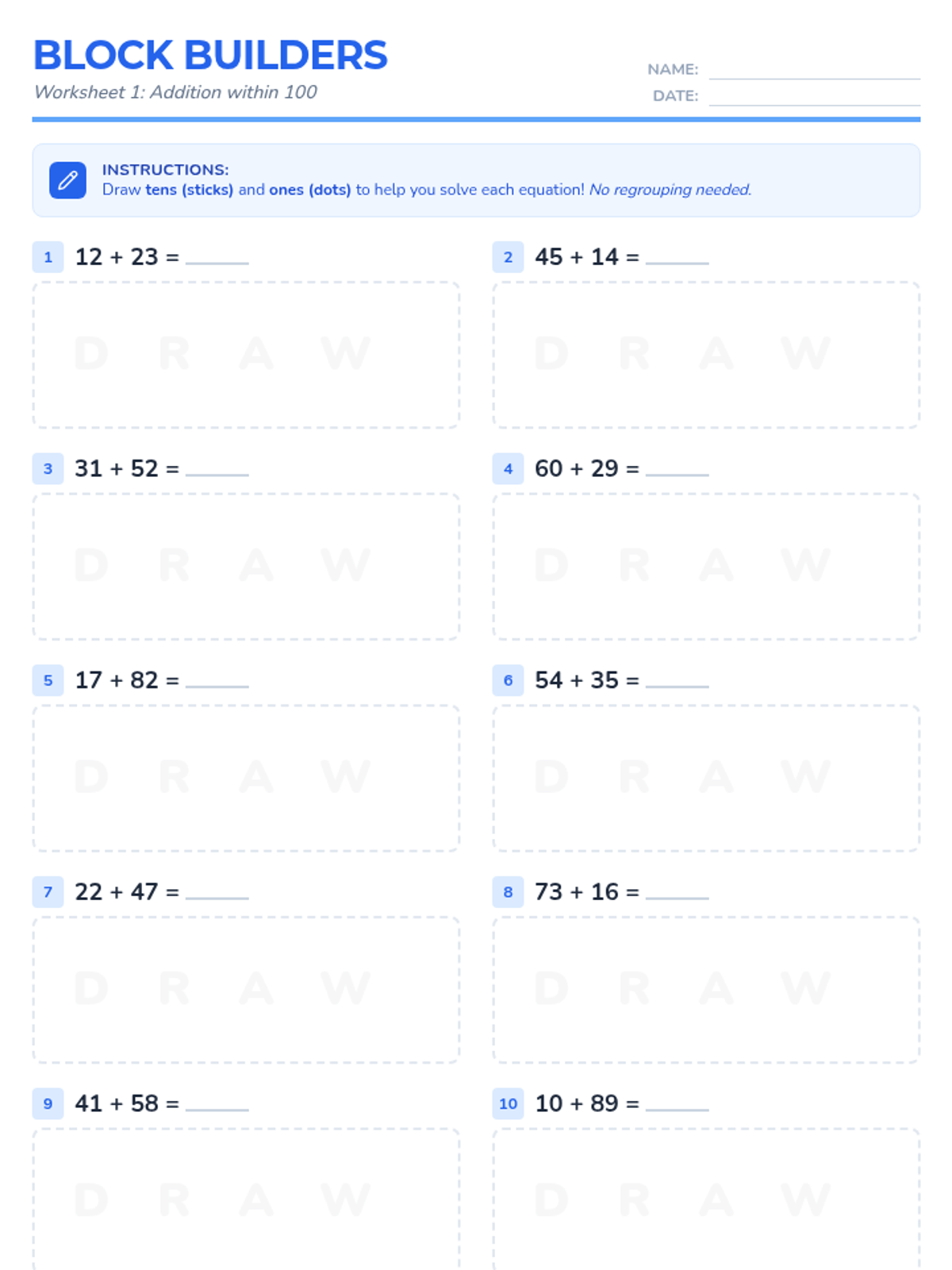
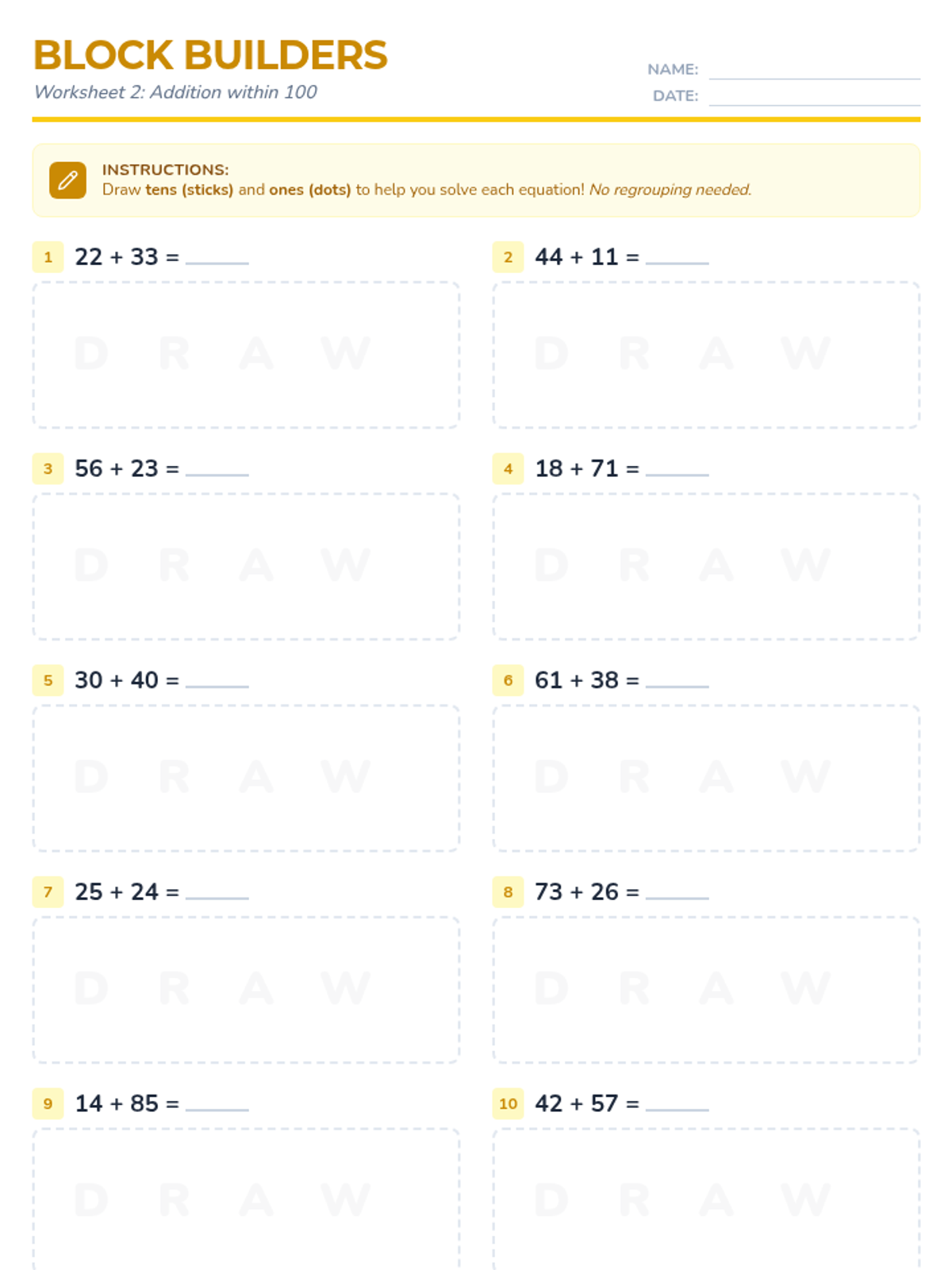
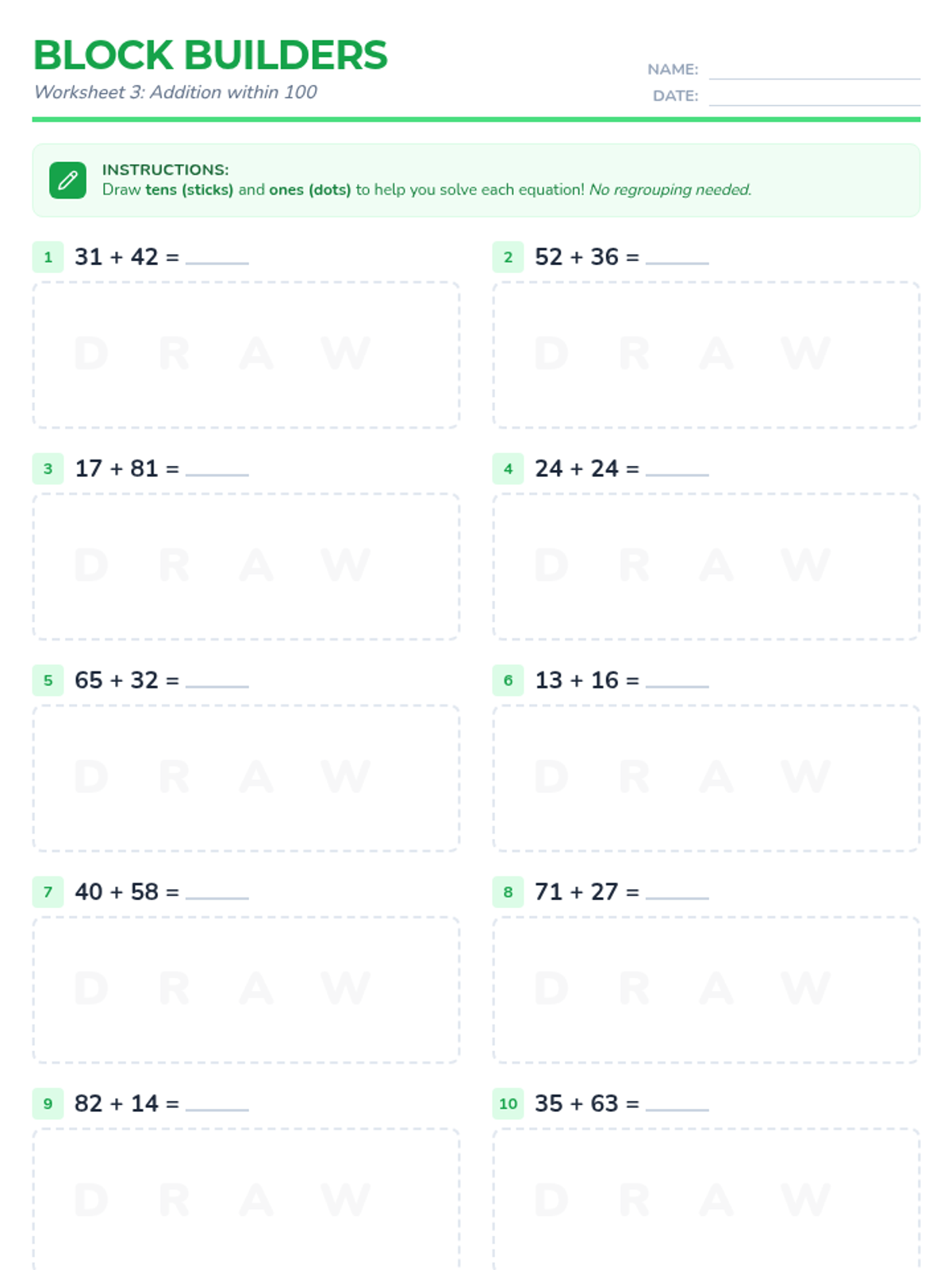
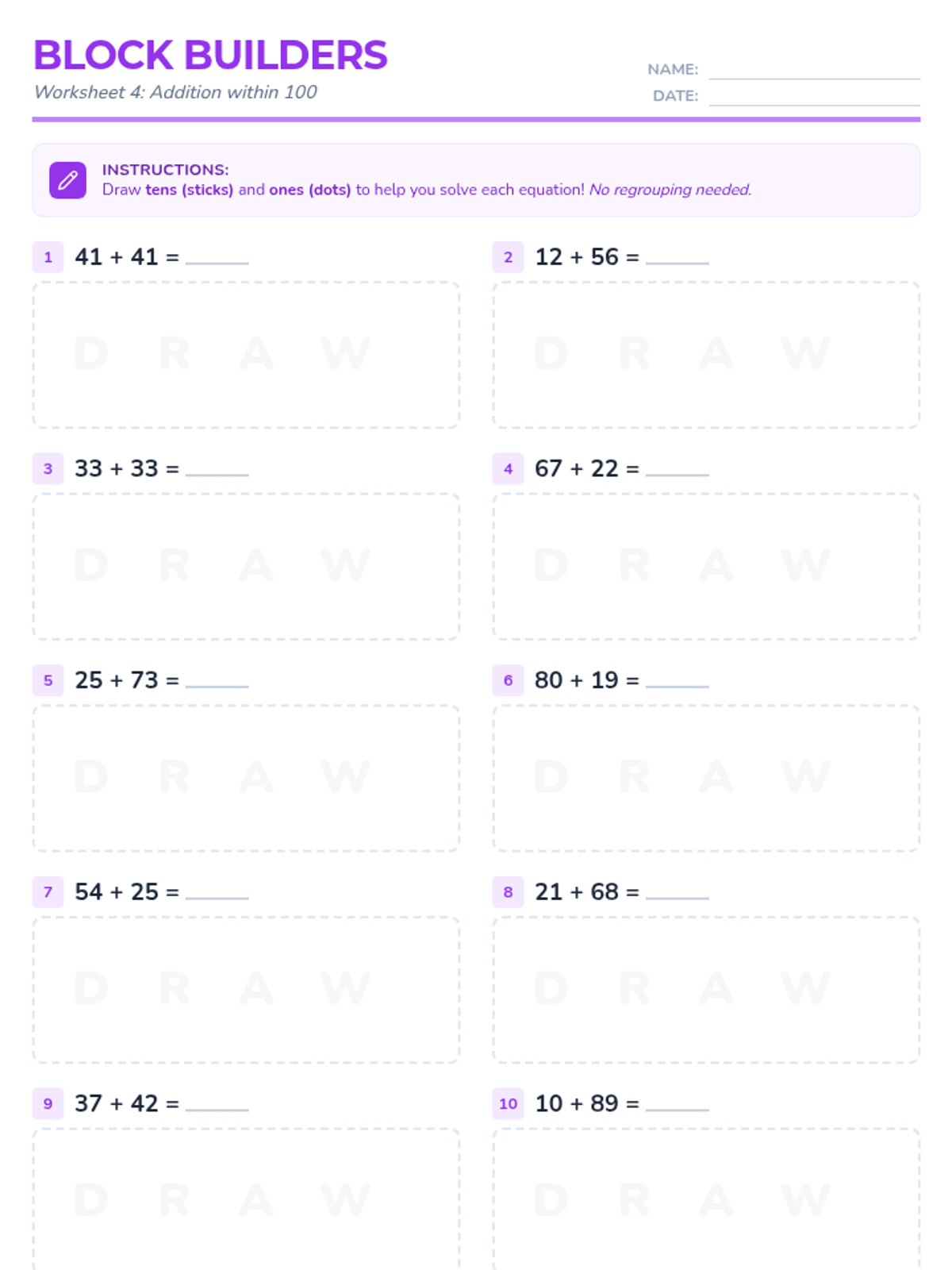
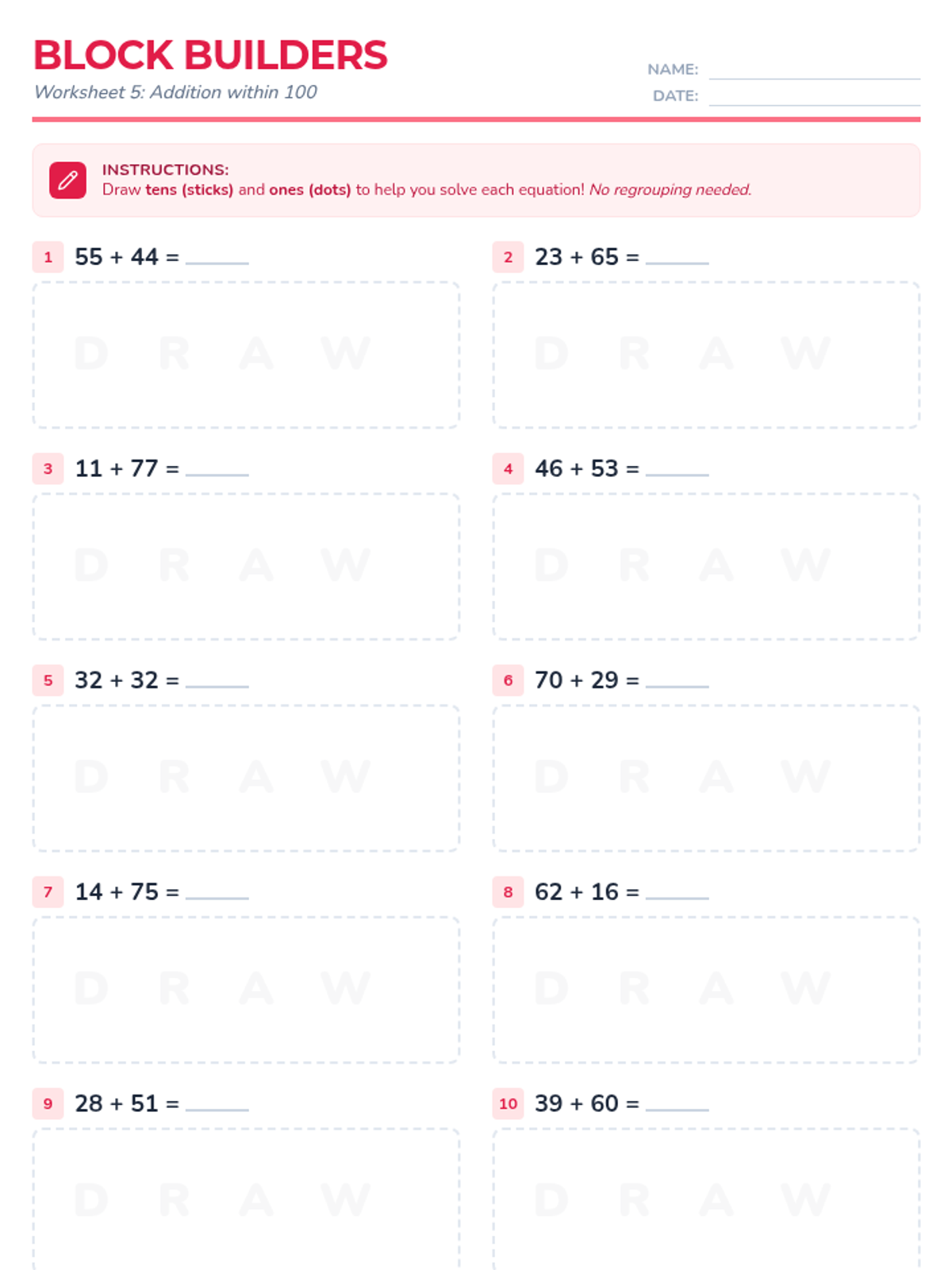
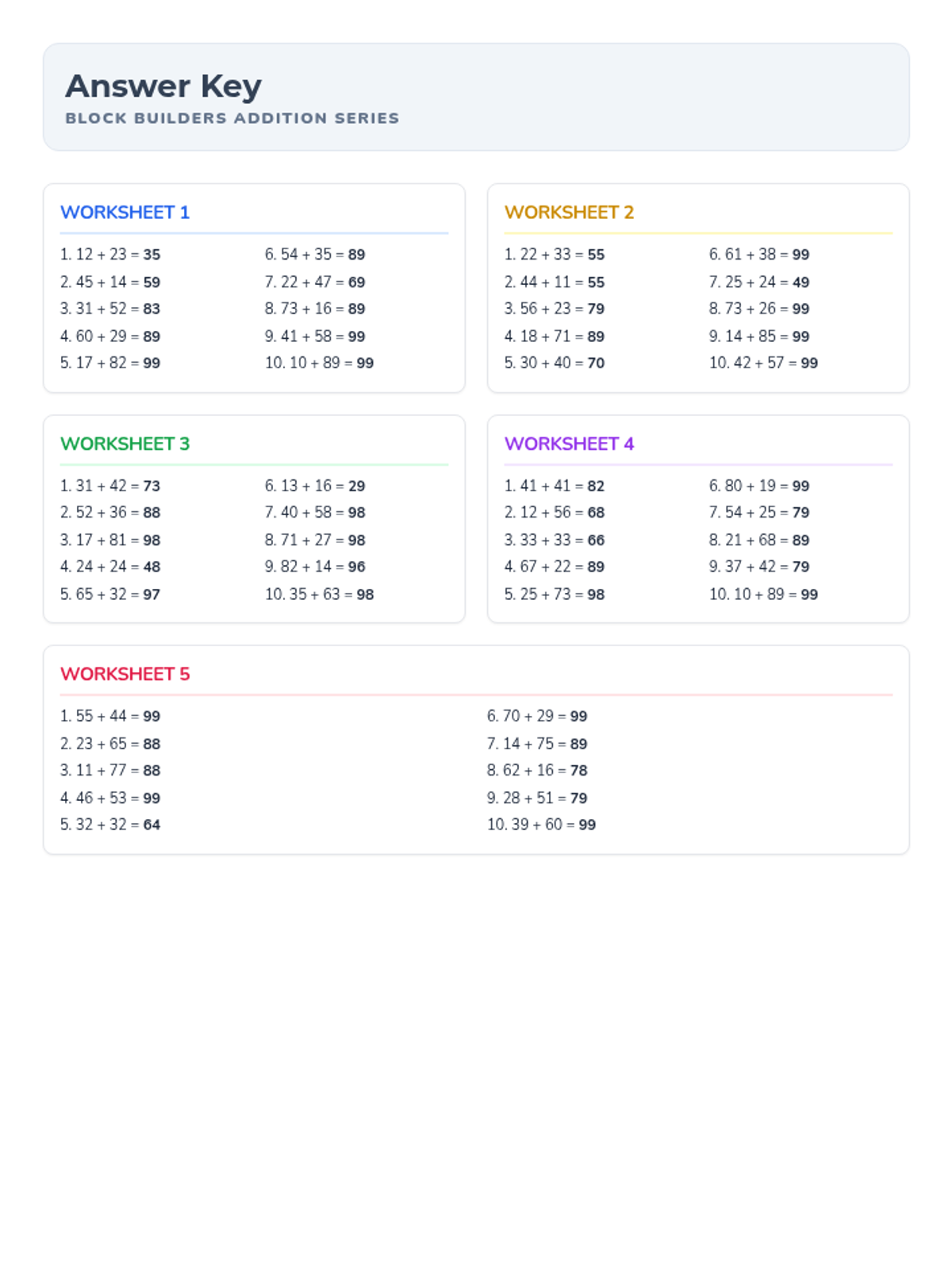
A series of worksheets designed to help first-grade students practice two-digit addition without regrouping using the visual aid of base ten blocks. Students will 'build' numbers with tens and ones to solve horizontal equations.
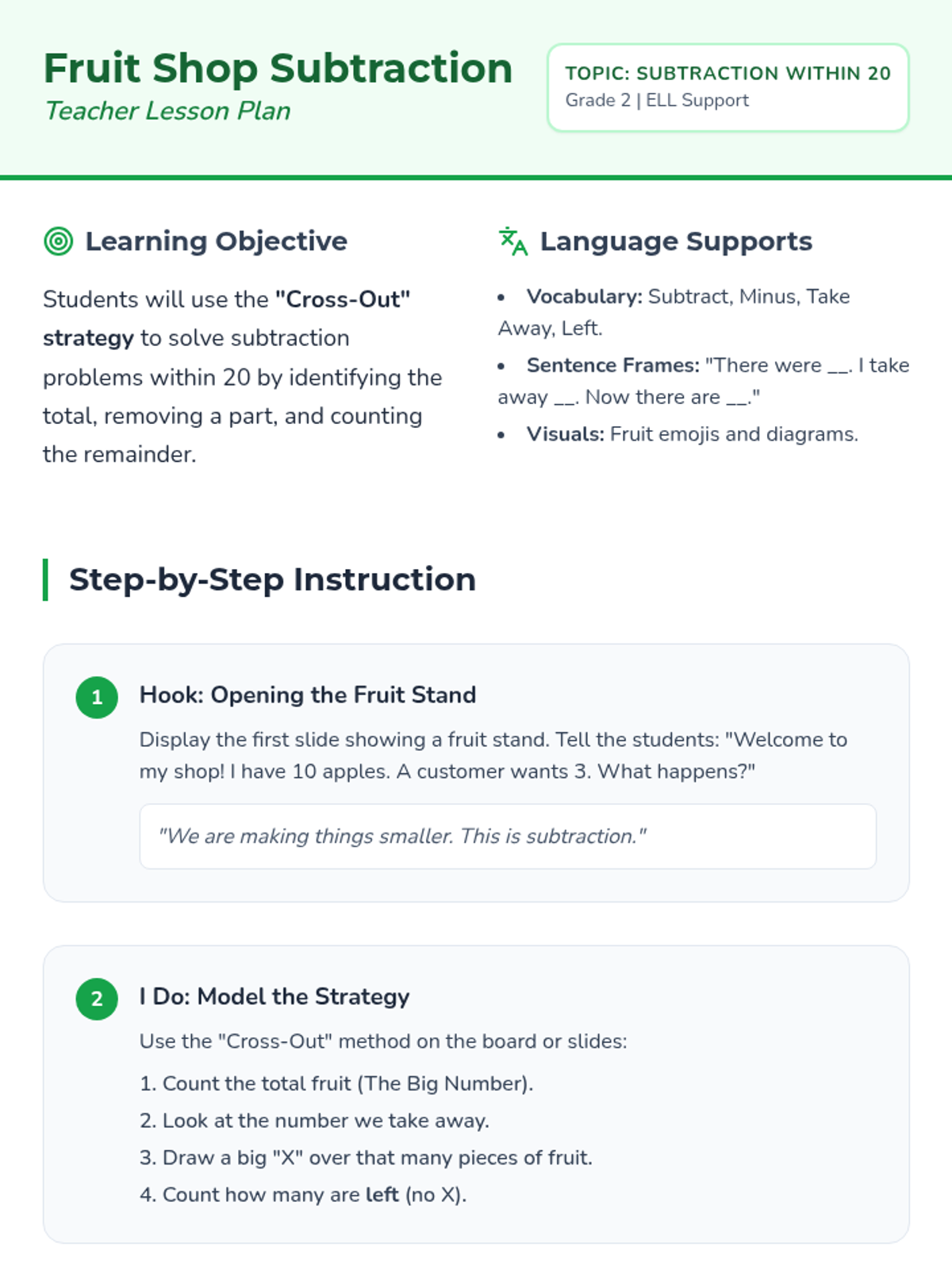
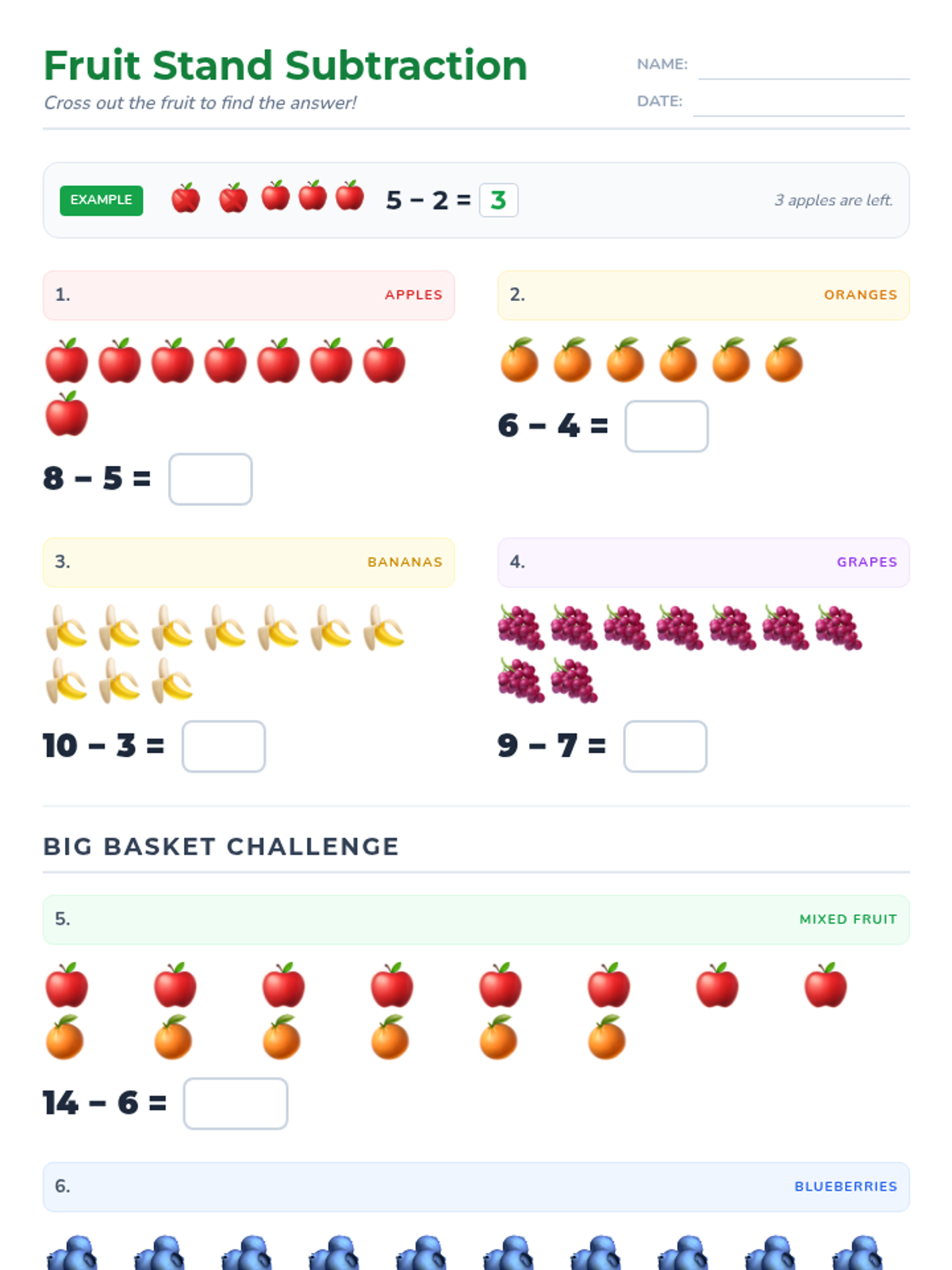
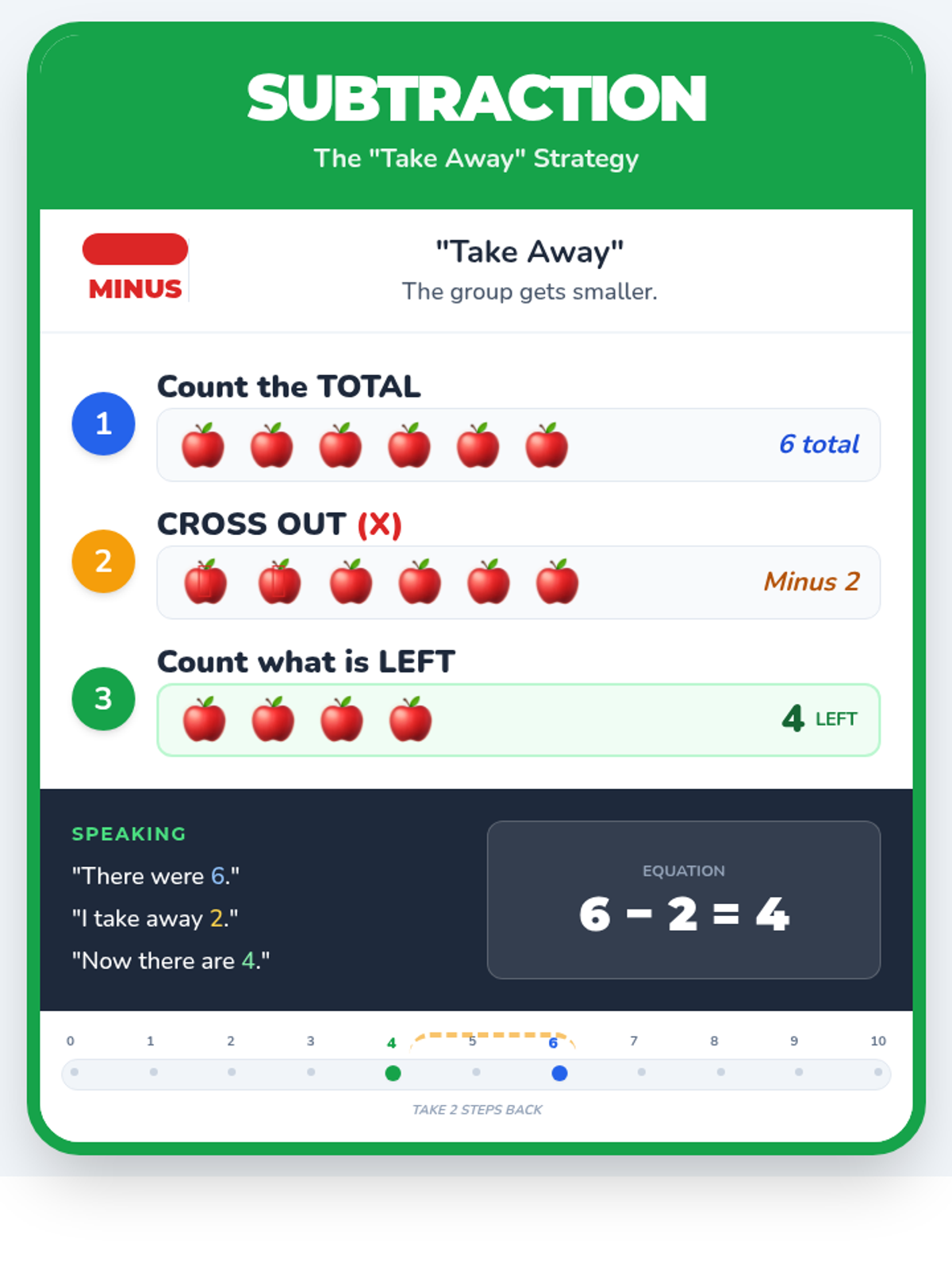
A foundational subtraction lesson for 2nd grade ELL students, focusing on the 'cross-out' strategy within 10 and 20 using fruit-themed visuals.
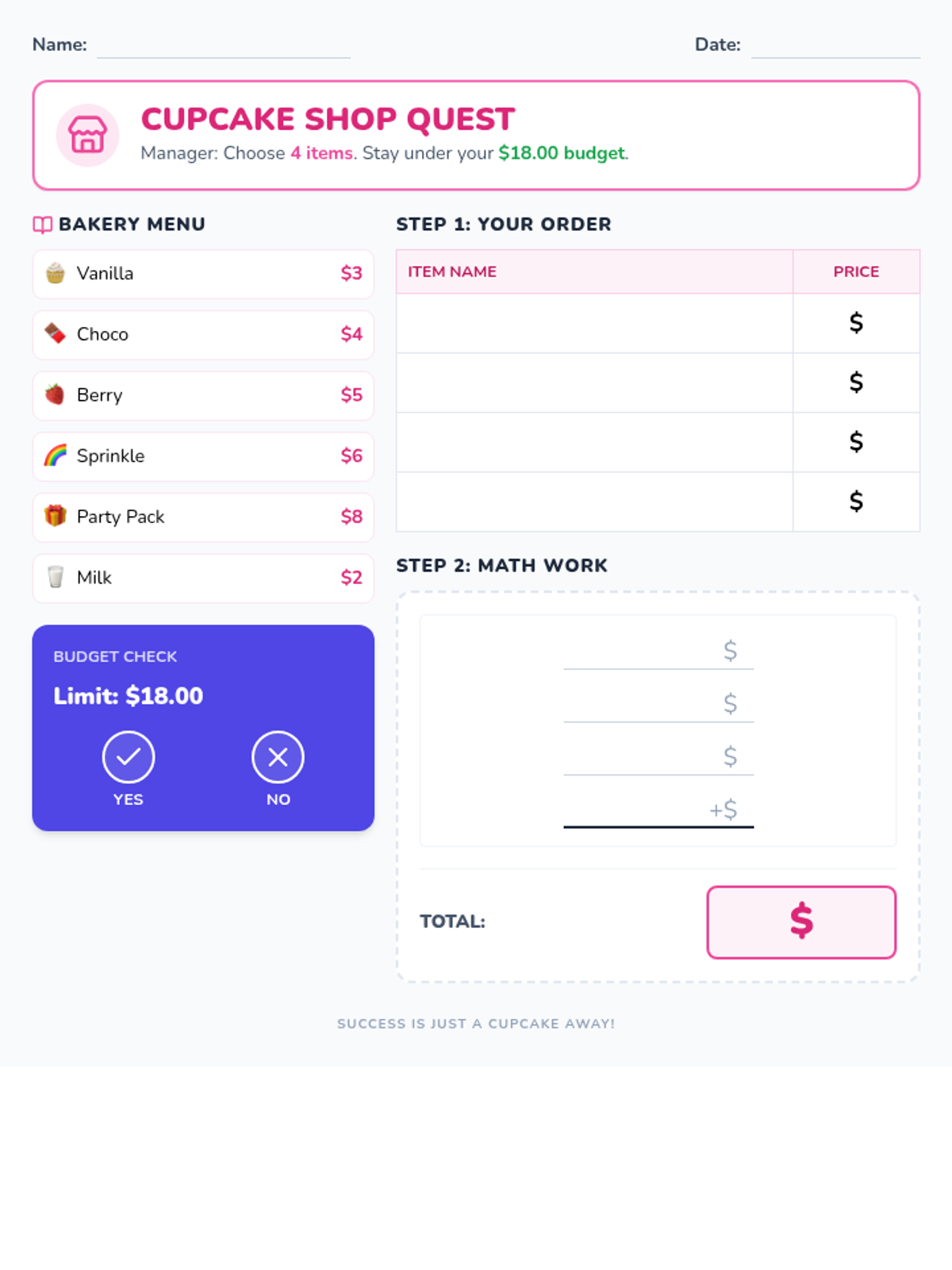
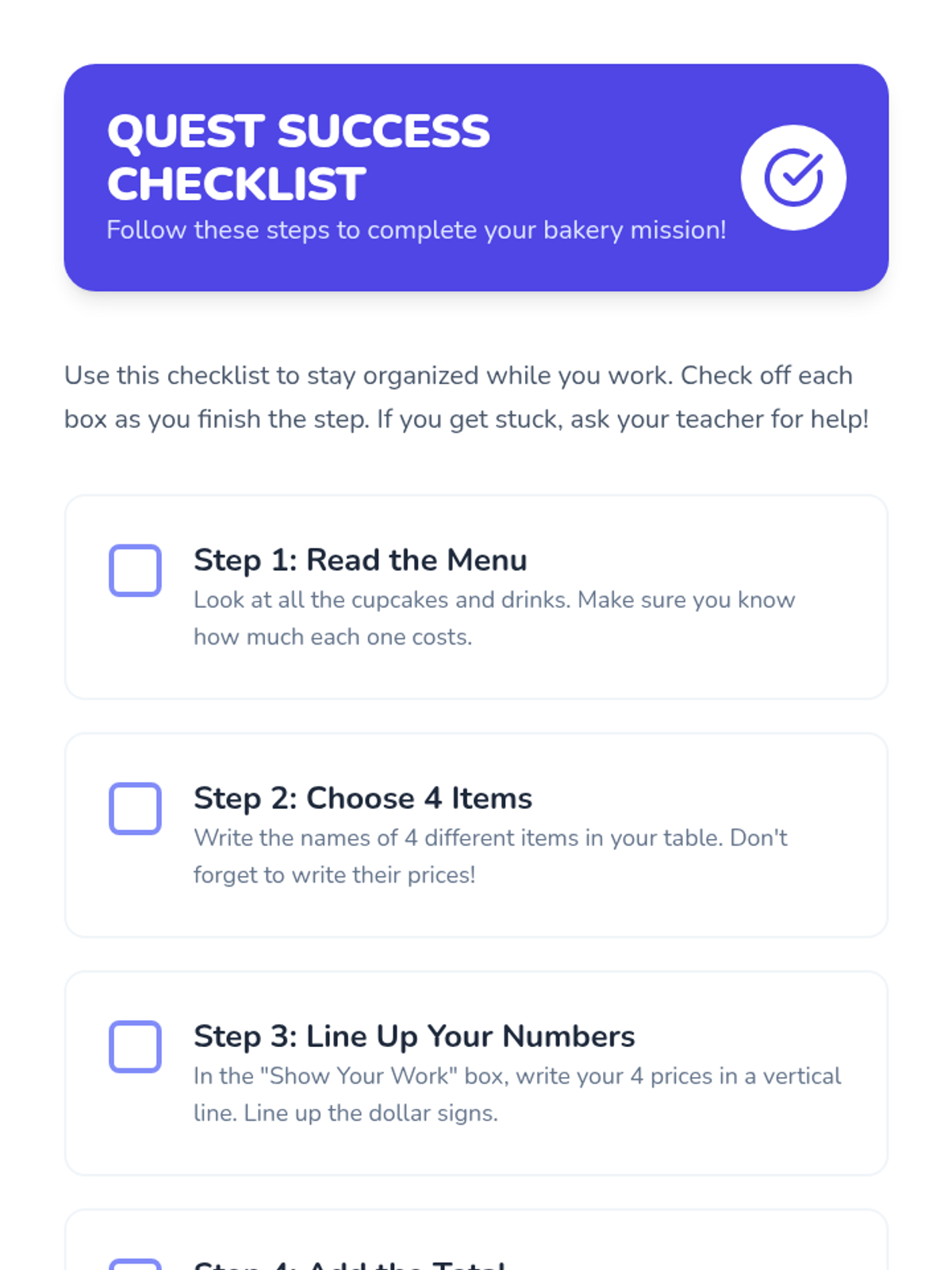
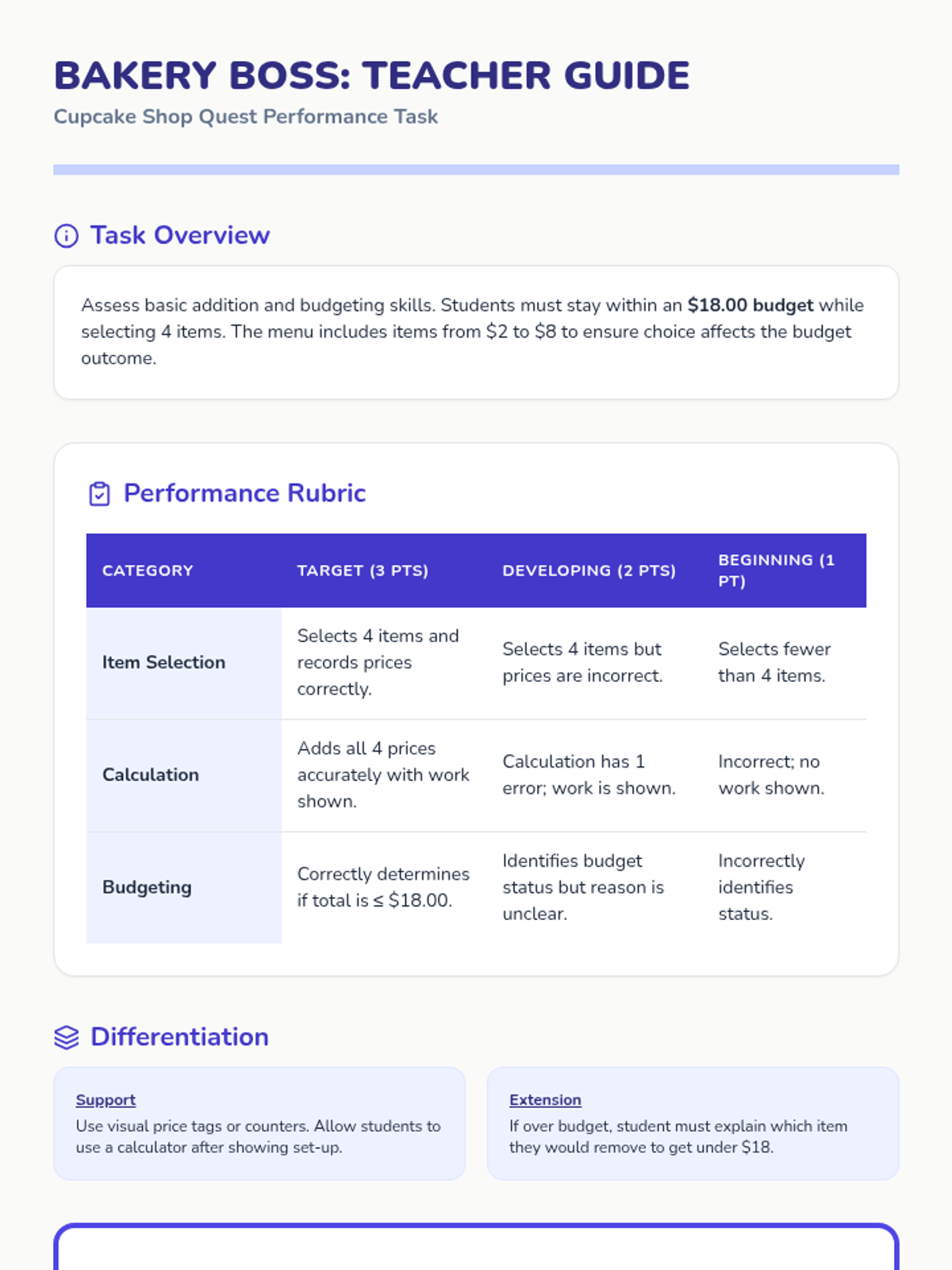
A real-world math performance task where students manage a bakery order, calculate costs, and stay within a budget. Designed with heavy scaffolding and visual support for special education students.
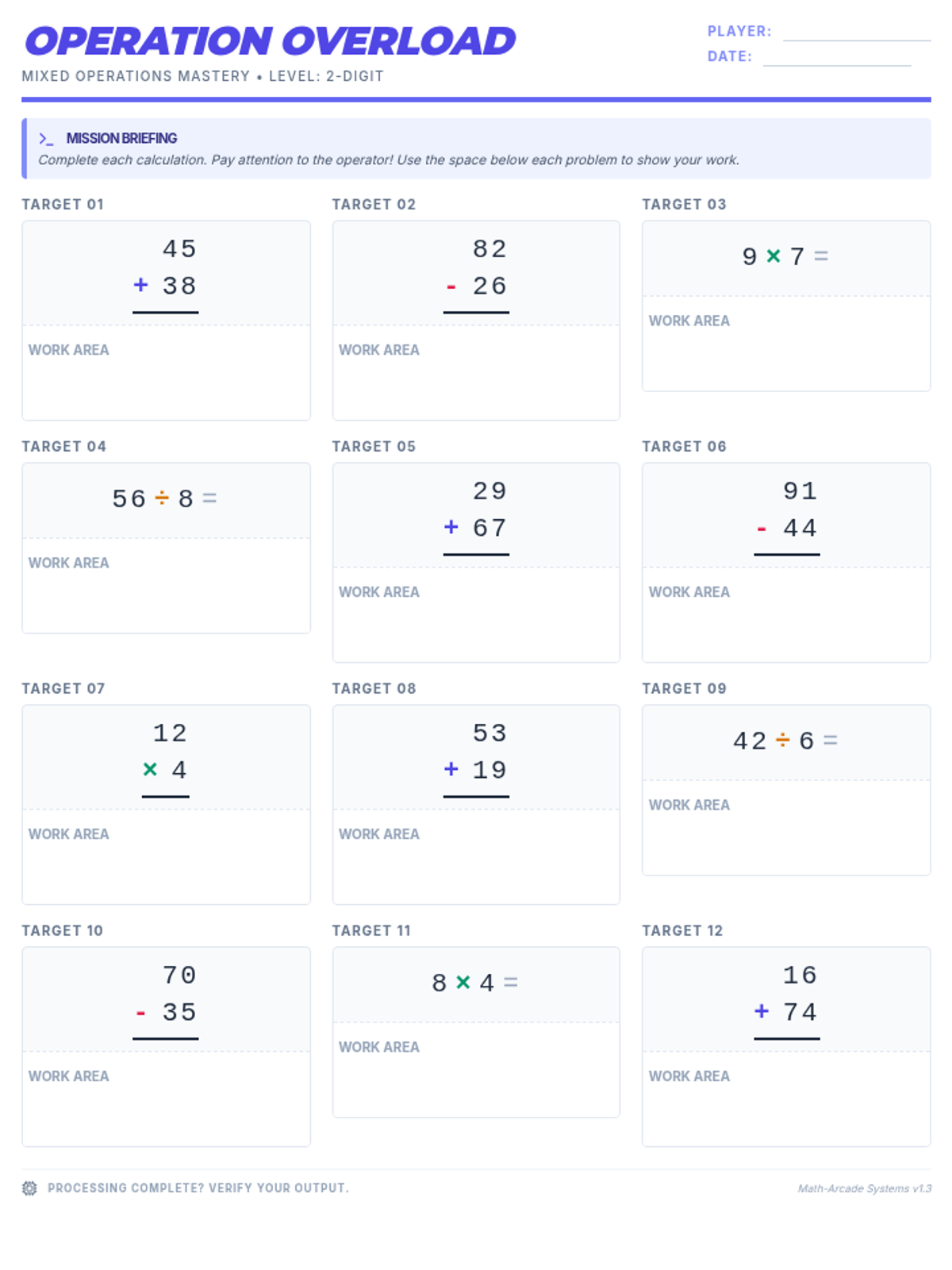
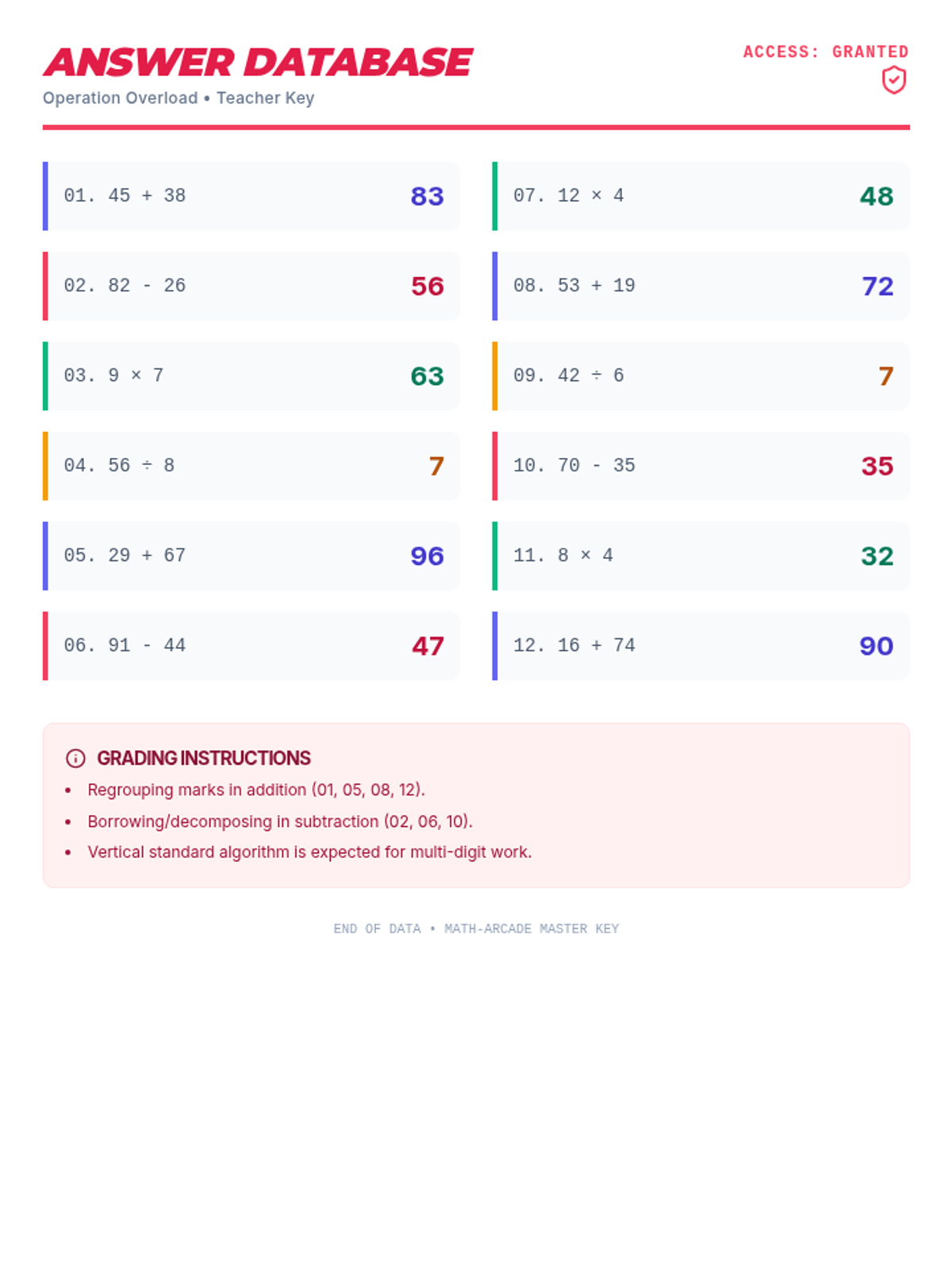
A focused lesson on switching between the four basic operations, with a primary focus on 2-digit addition and subtraction proficiency.
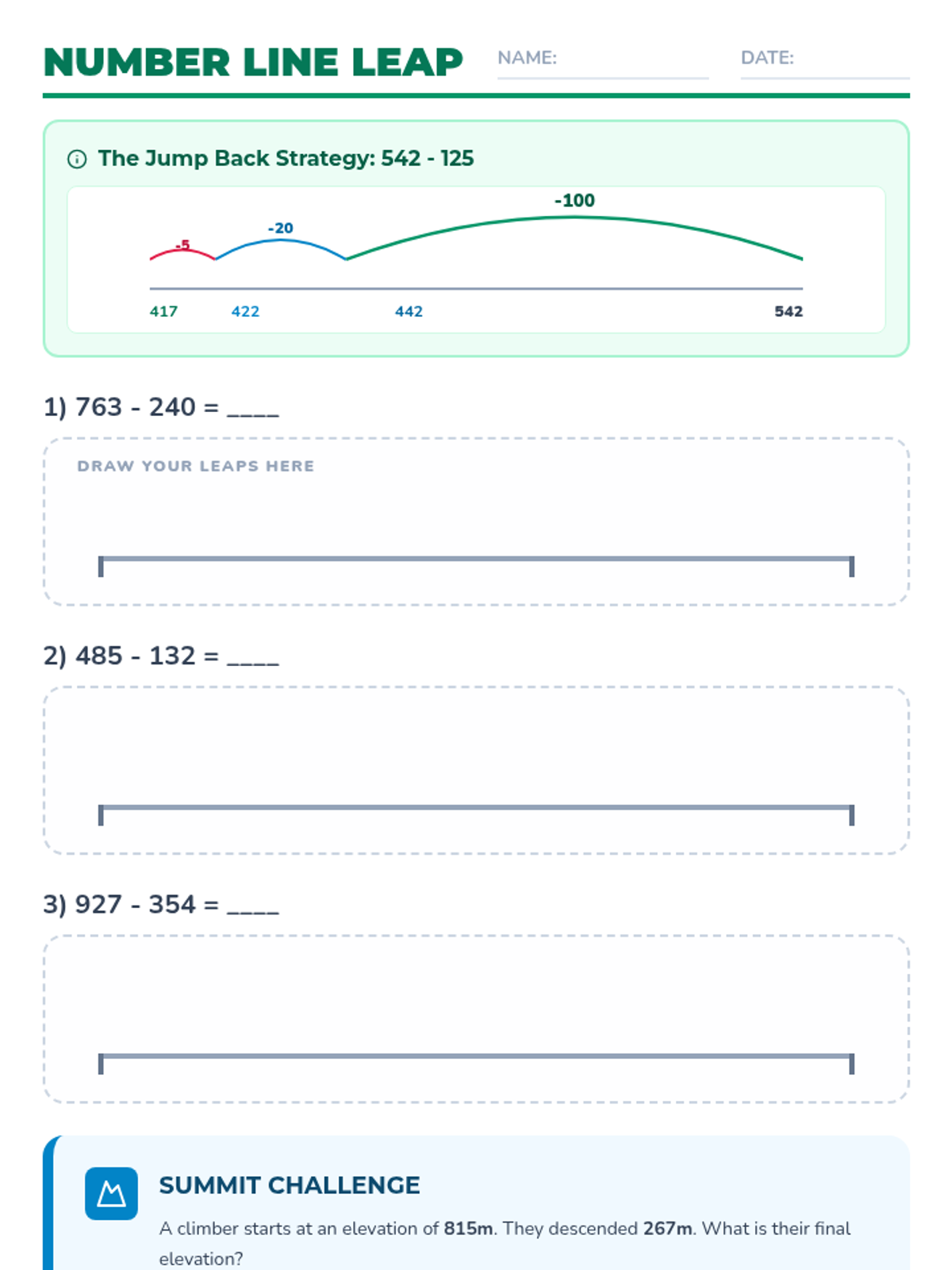
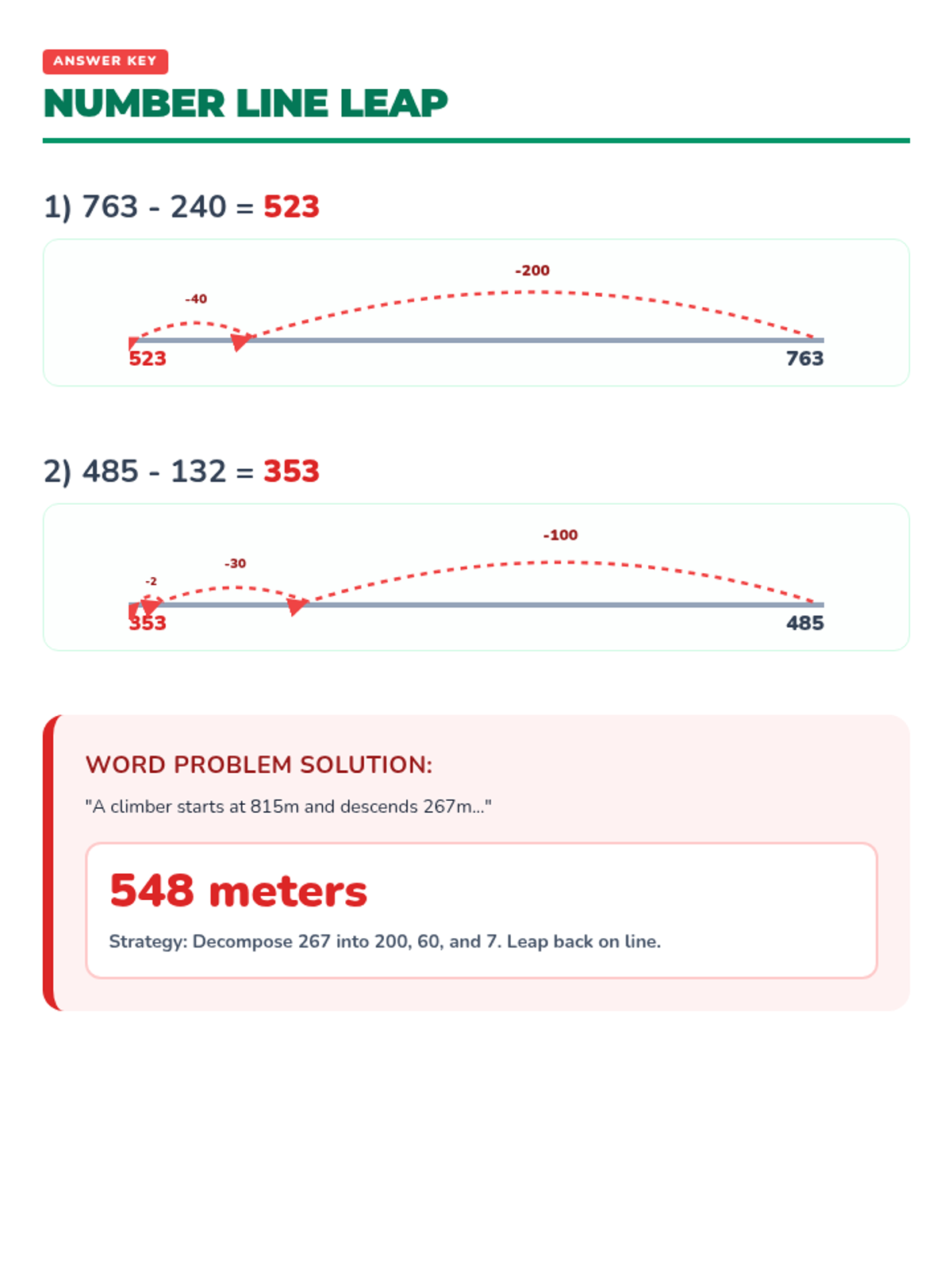
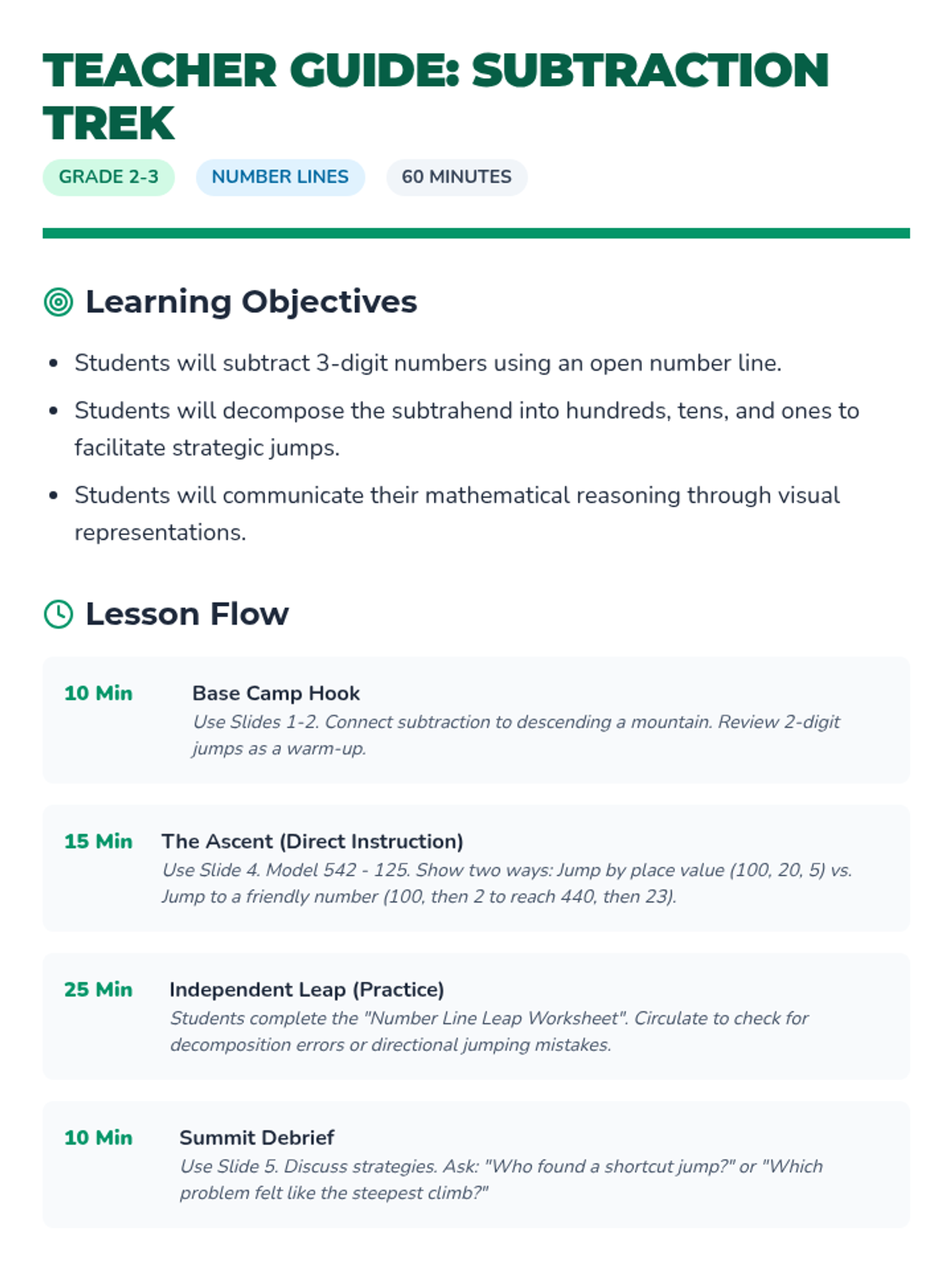
A comprehensive lesson on using open number lines to subtract three-digit numbers up to 1,000, featuring a mountain climbing theme to engage students in strategic mathematical 'jumps'.
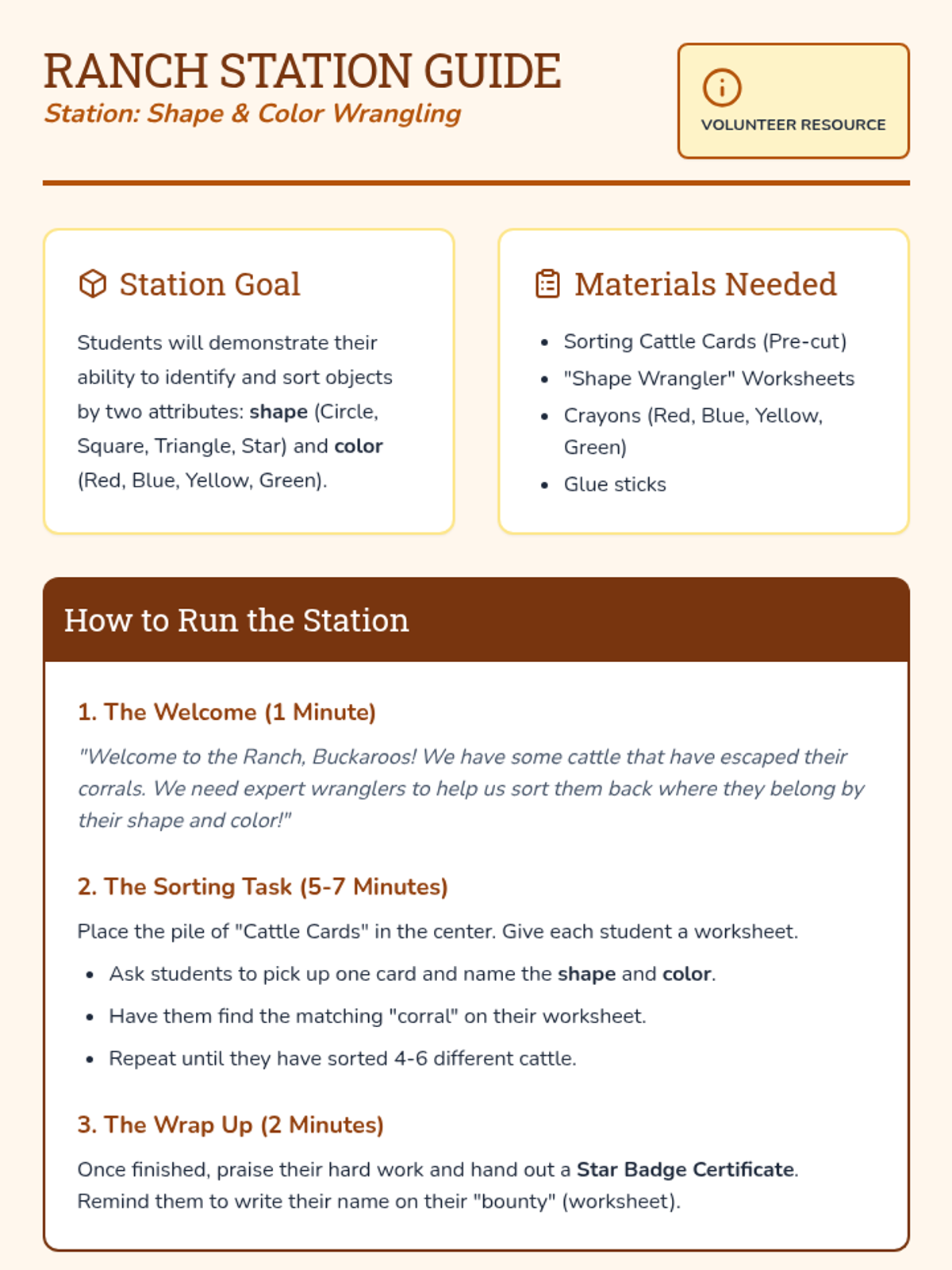
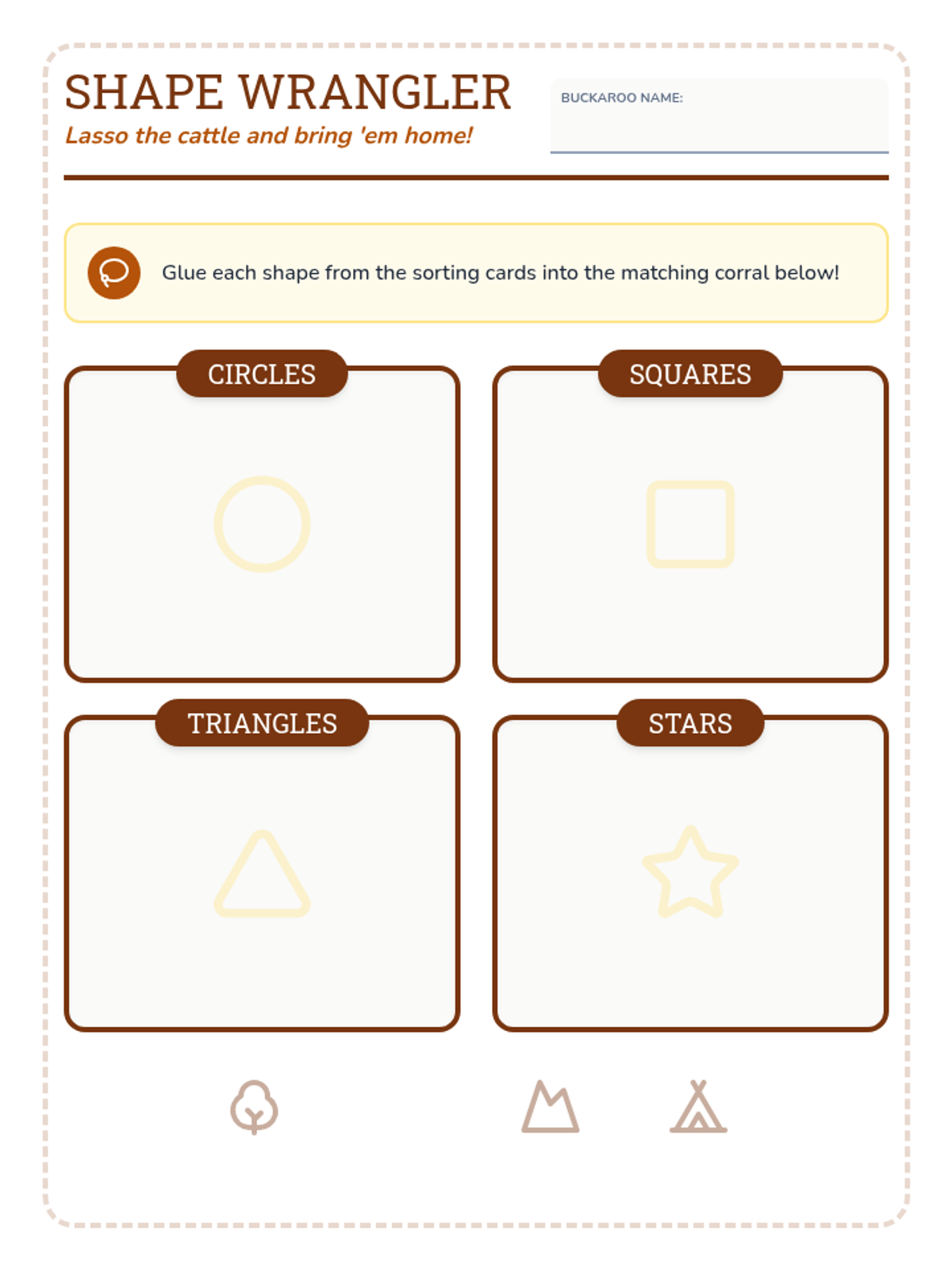
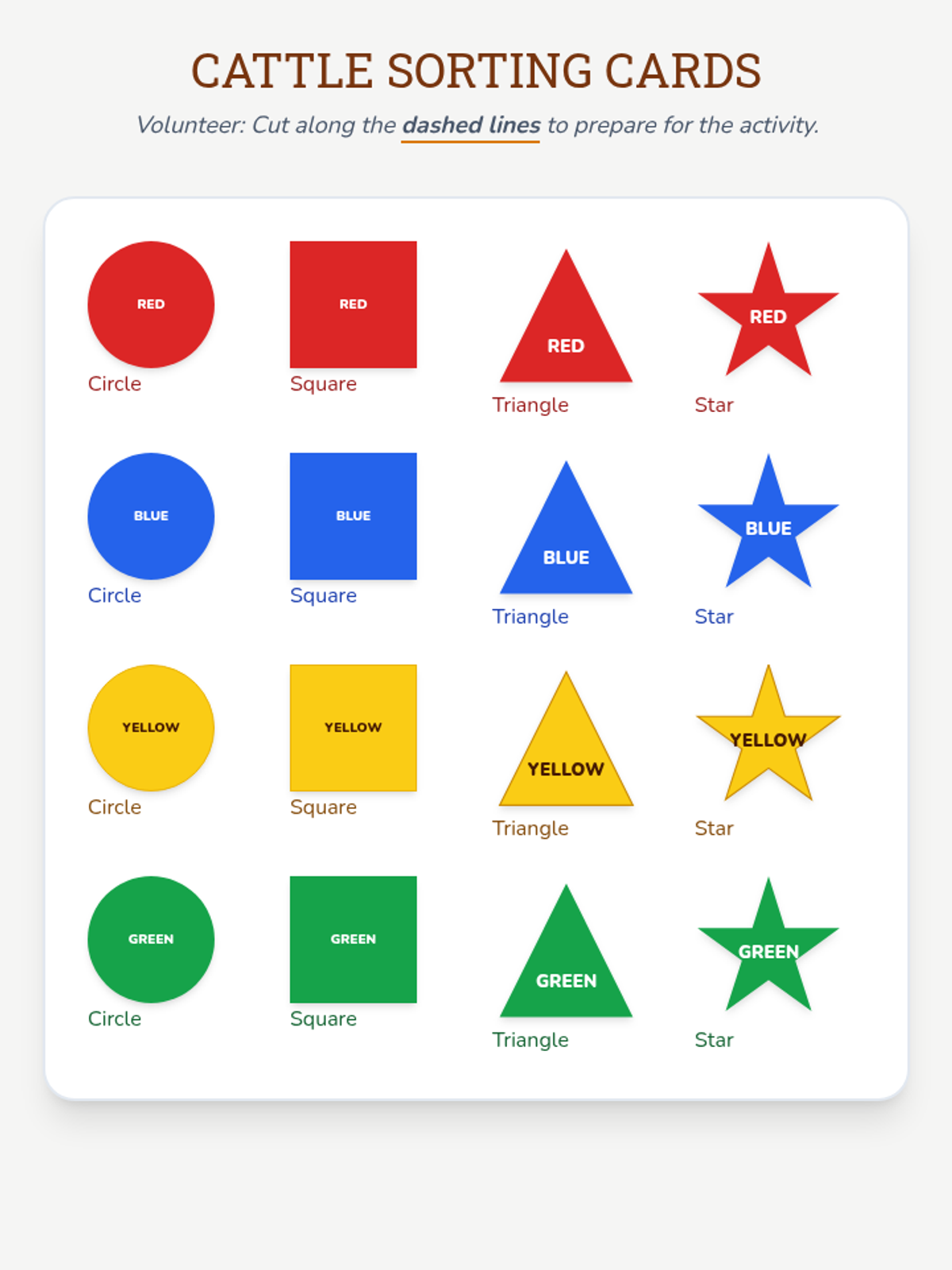
A collection of Western-themed activities for a Kindergarten Round Up, focusing on fundamental color and shape identification through engaging hands-on "ranch" tasks.
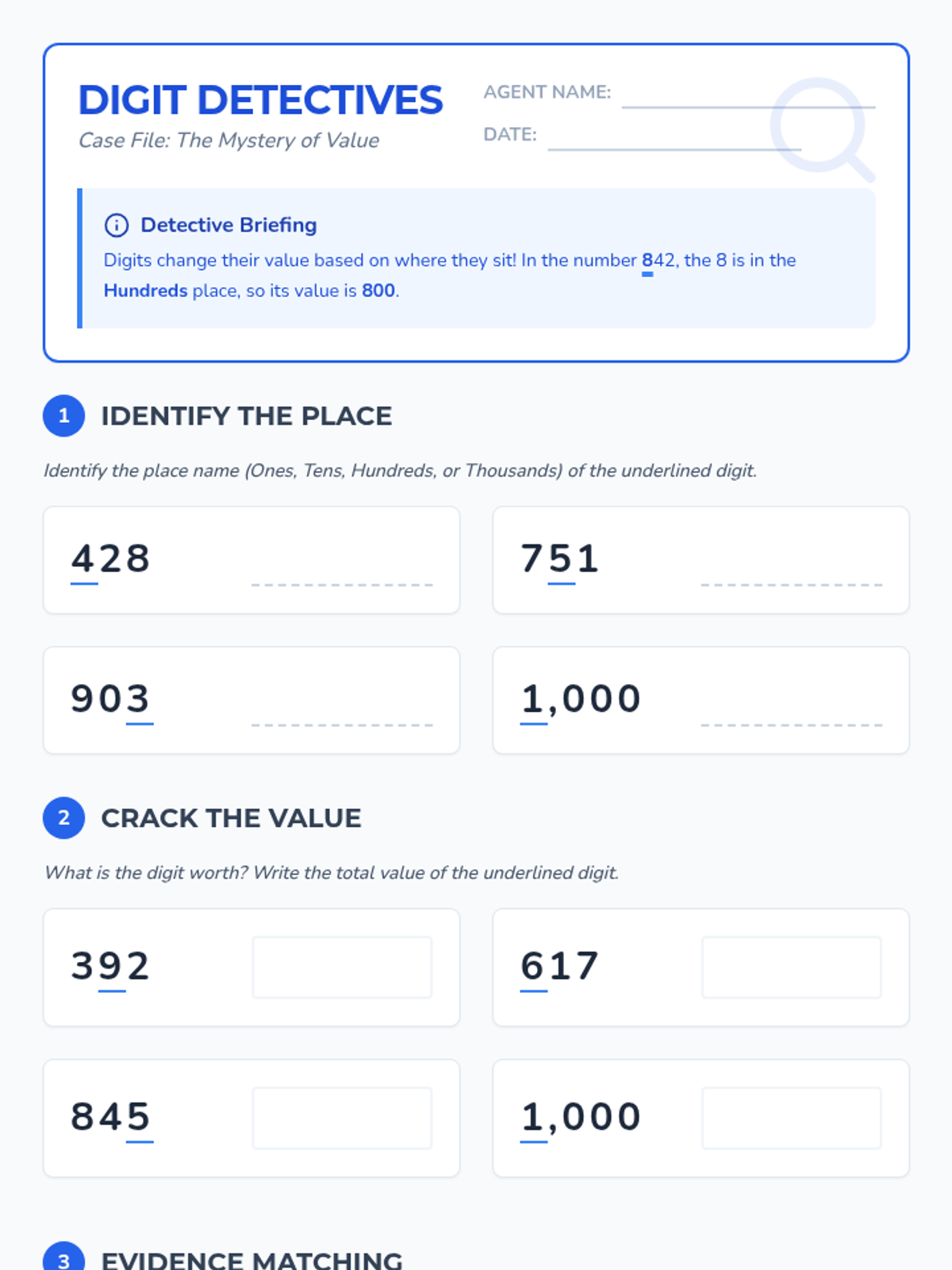
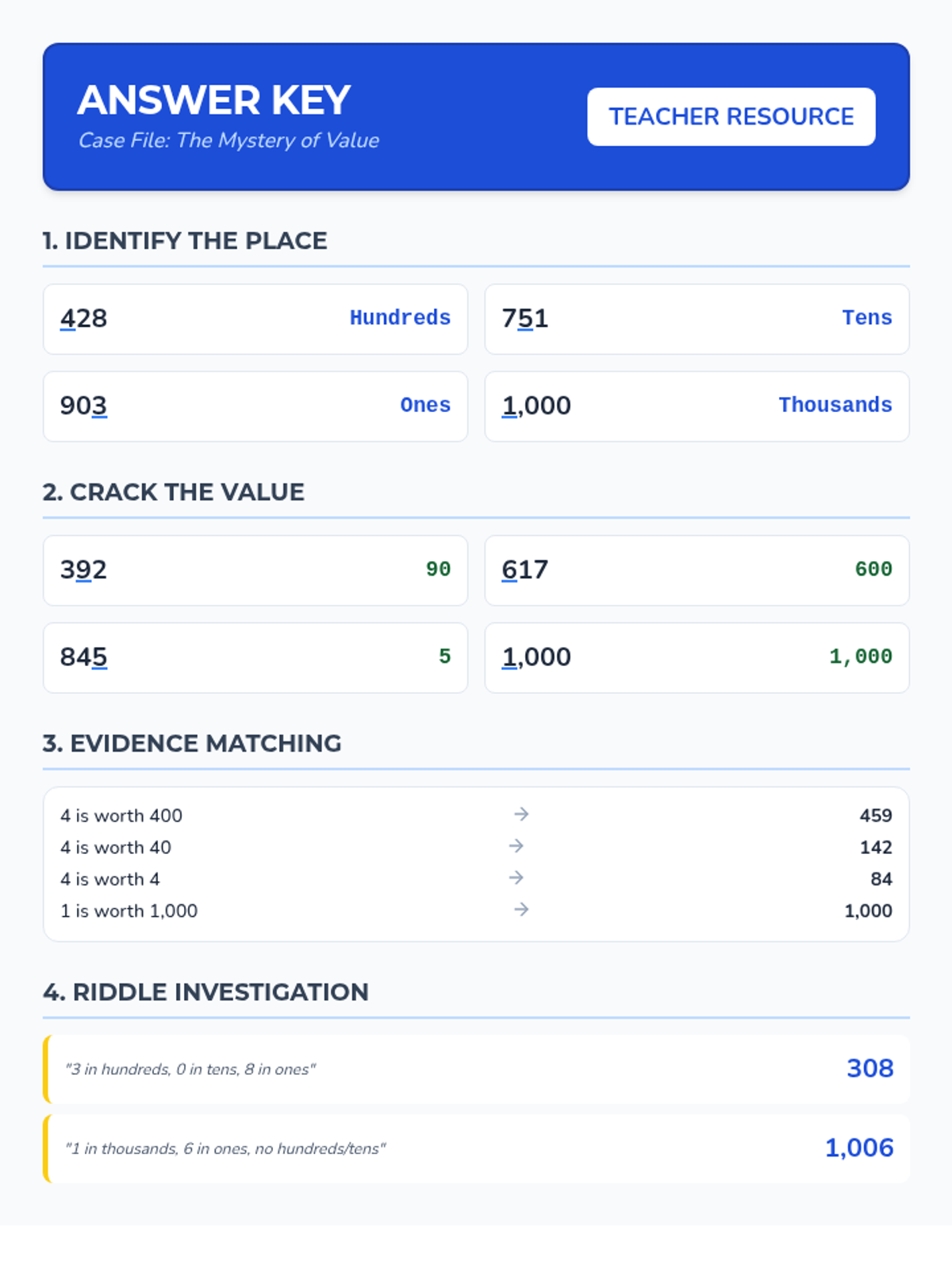
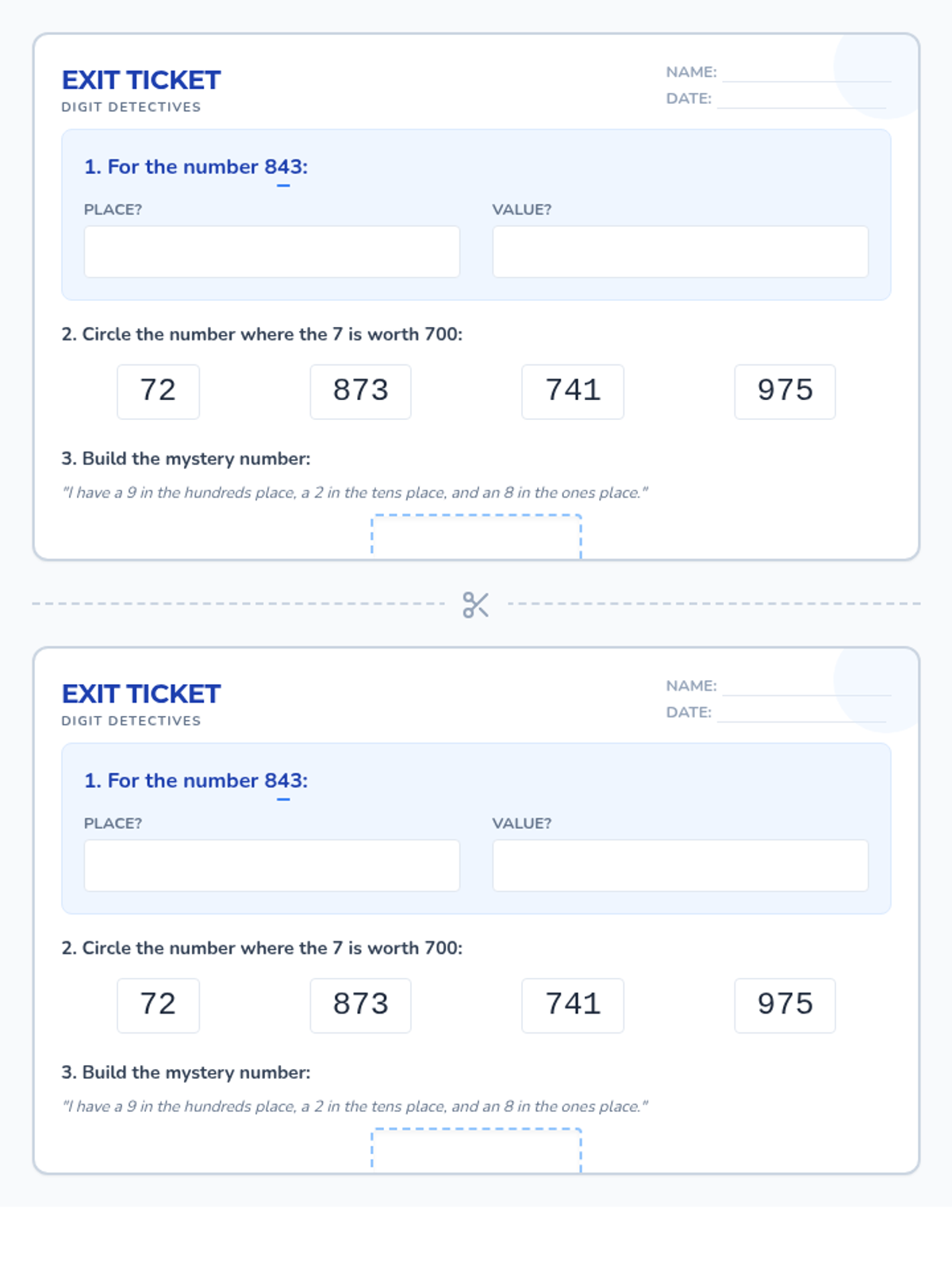
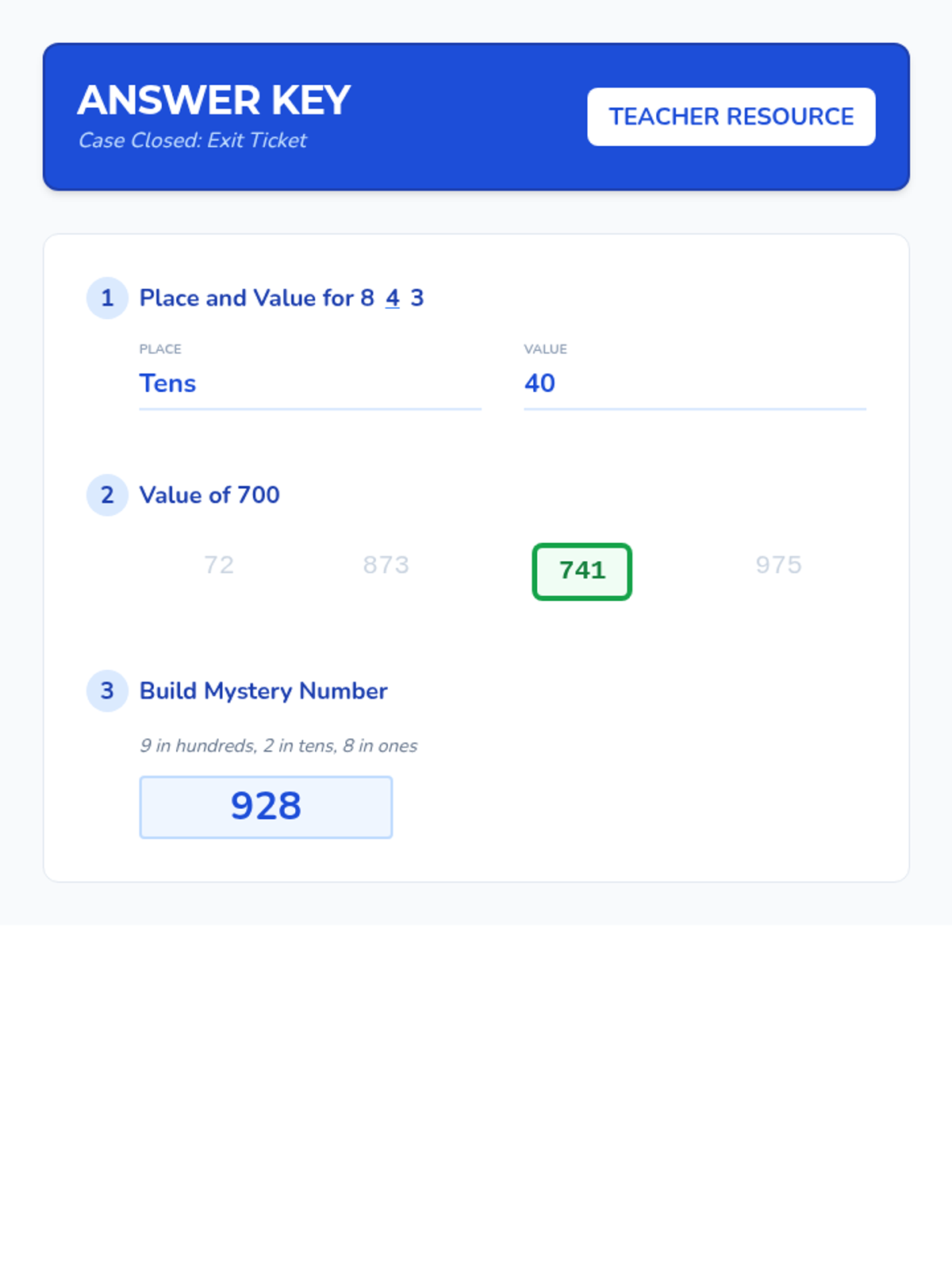
Students will identify the place value and actual value of digits in numbers up to the thousands place using a detective-themed investigation.
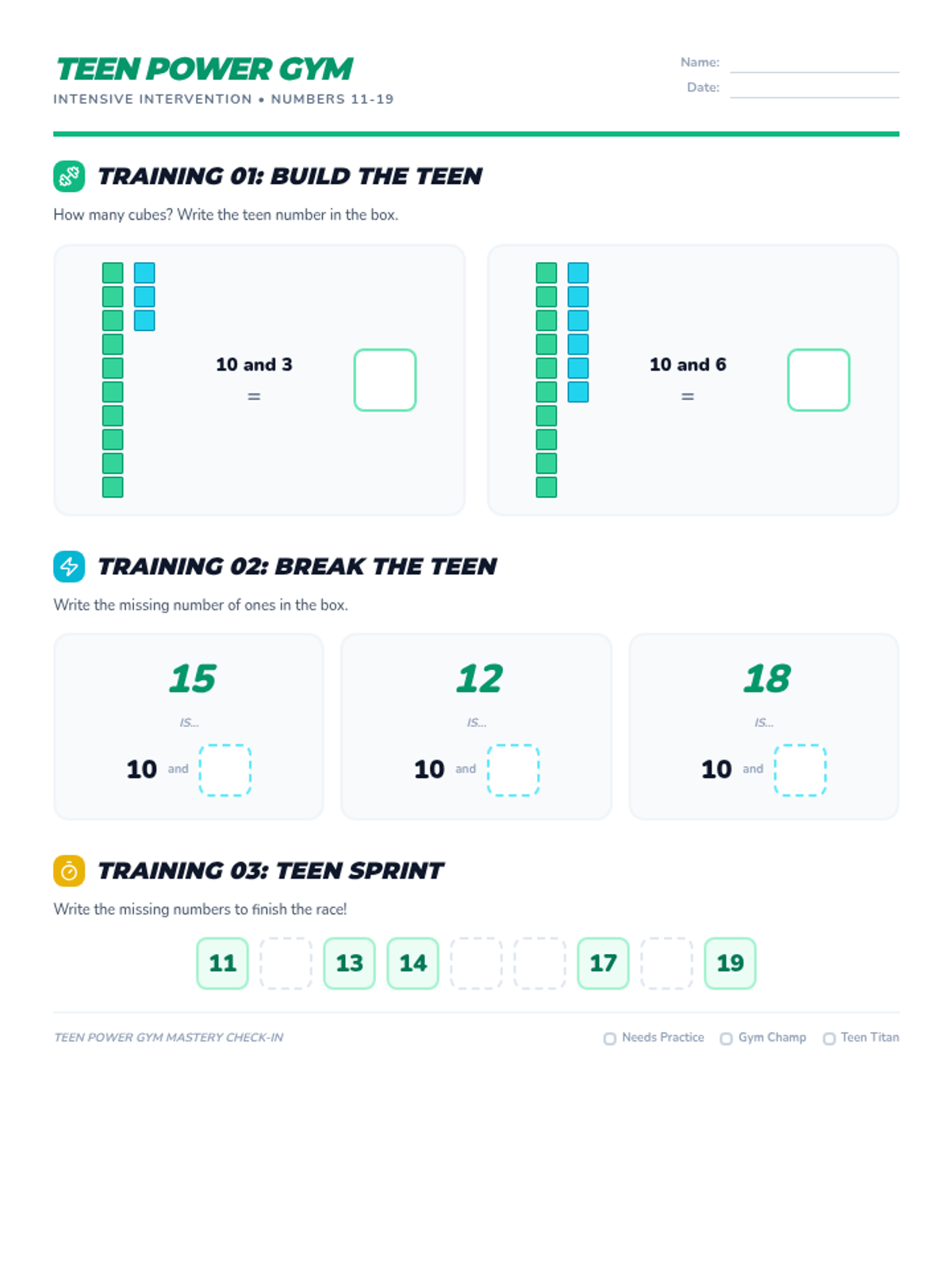
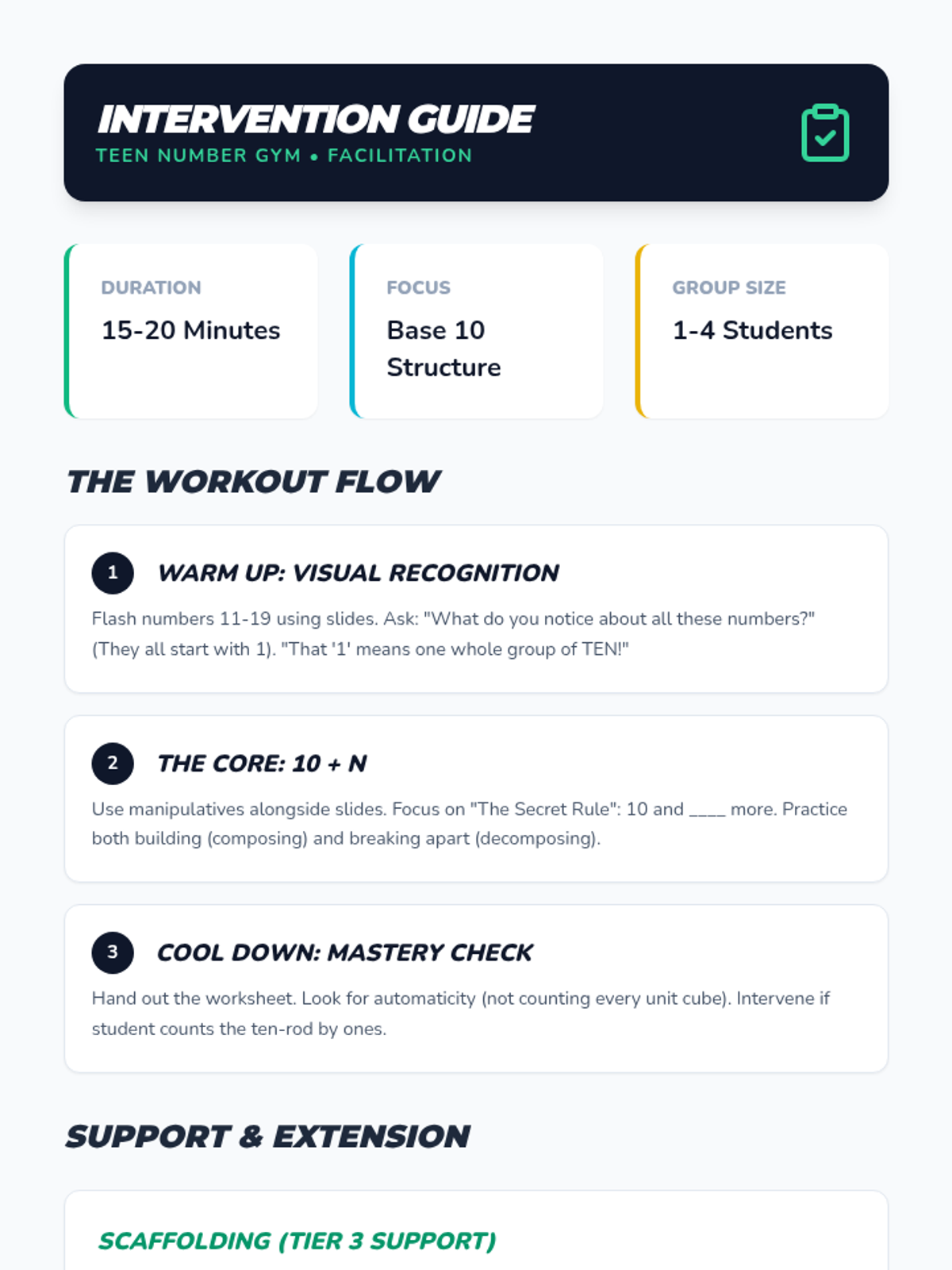
A high-energy intensive intervention designed to help kindergarten students master teen numbers through the lens of a "number gym," focusing on composition, decomposition, and identification.
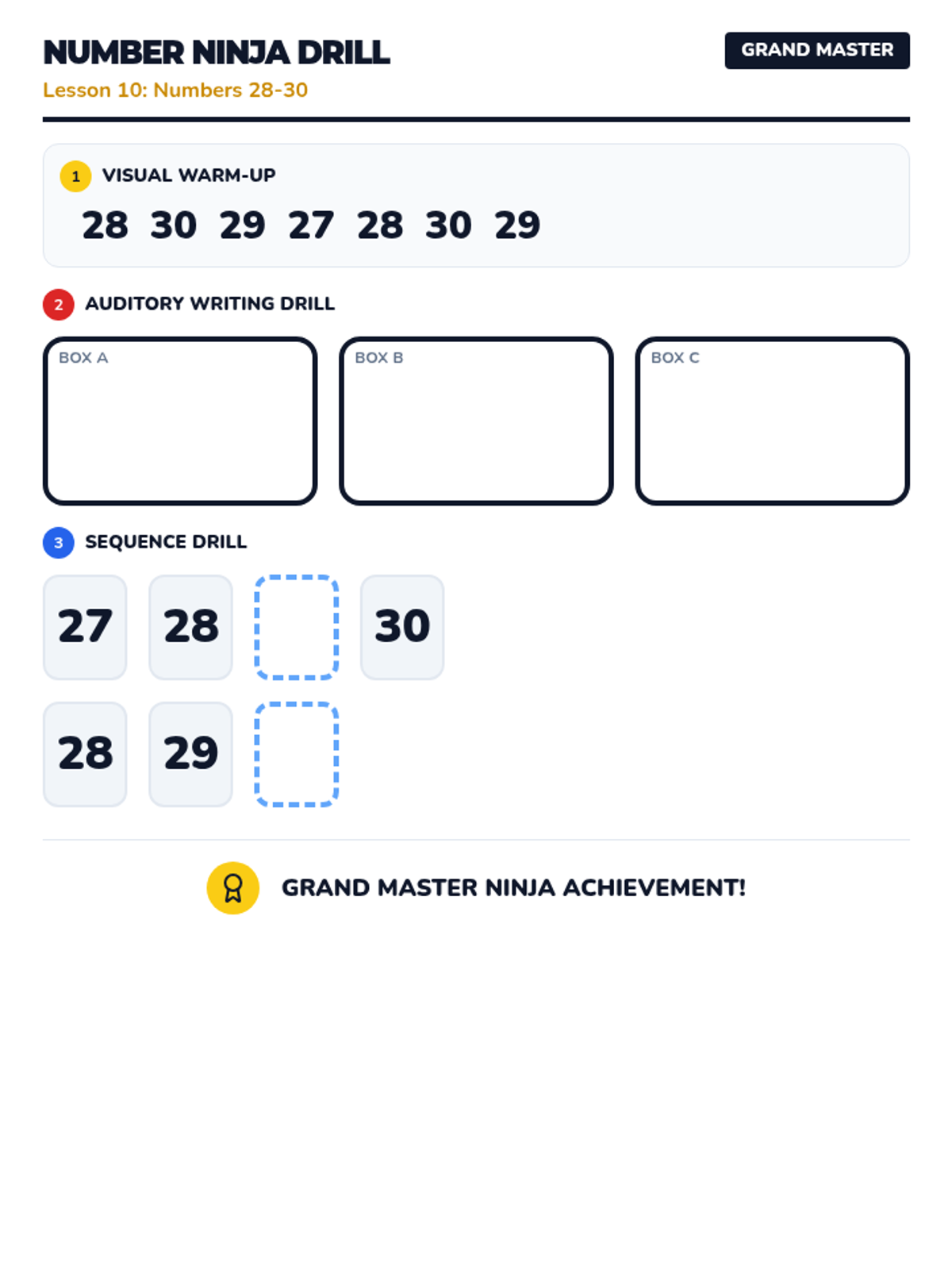
Focuses on numbers 28-30 and a comprehensive review of all numbers 1-30.
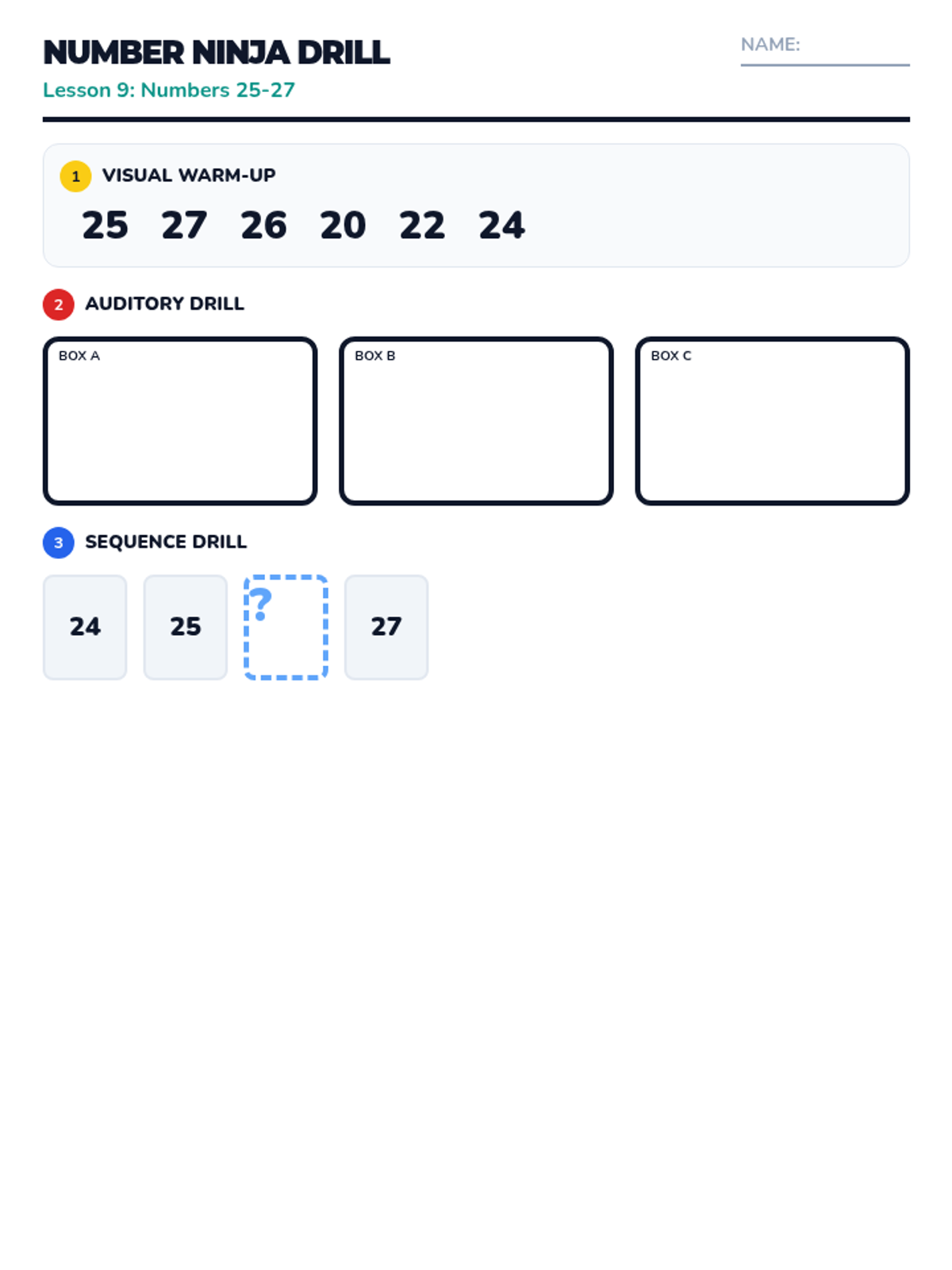
Focuses on numbers 25-27 with cumulative review of 1-24.
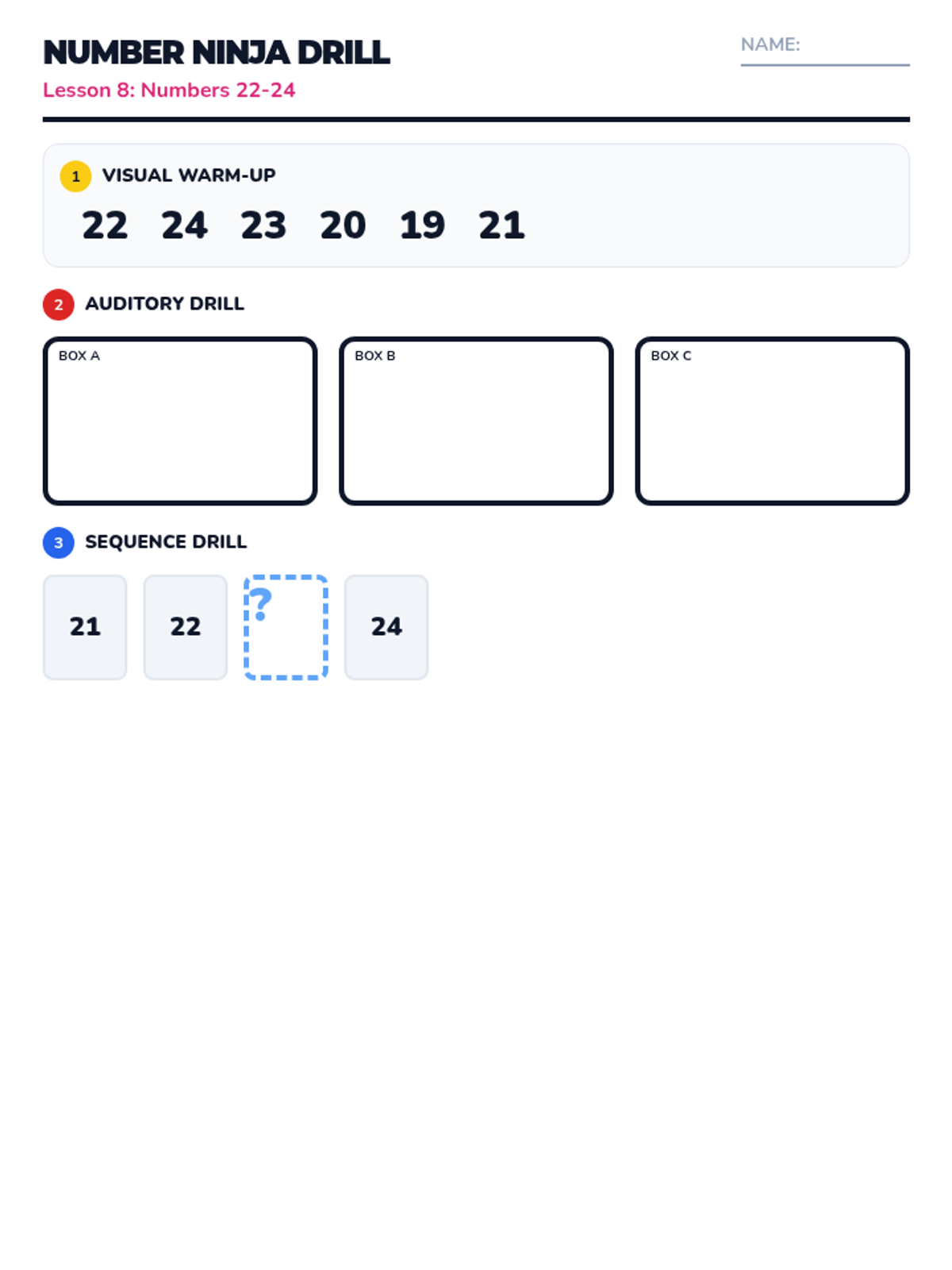
Focuses on numbers 22-24 with cumulative review of 1-21.
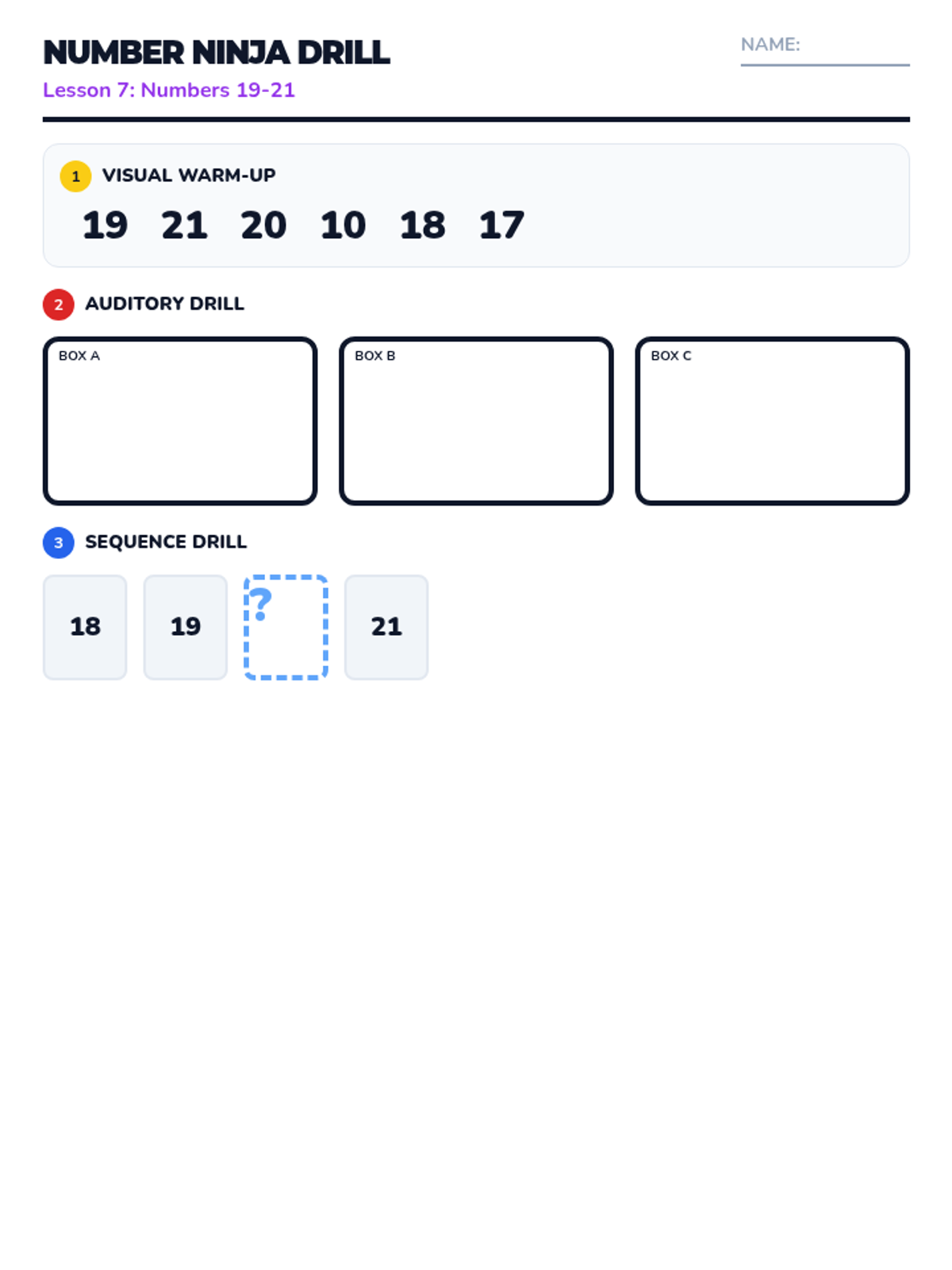
Focuses on numbers 19-21, crossing the bridge into the twenties and reviewing 1-18.
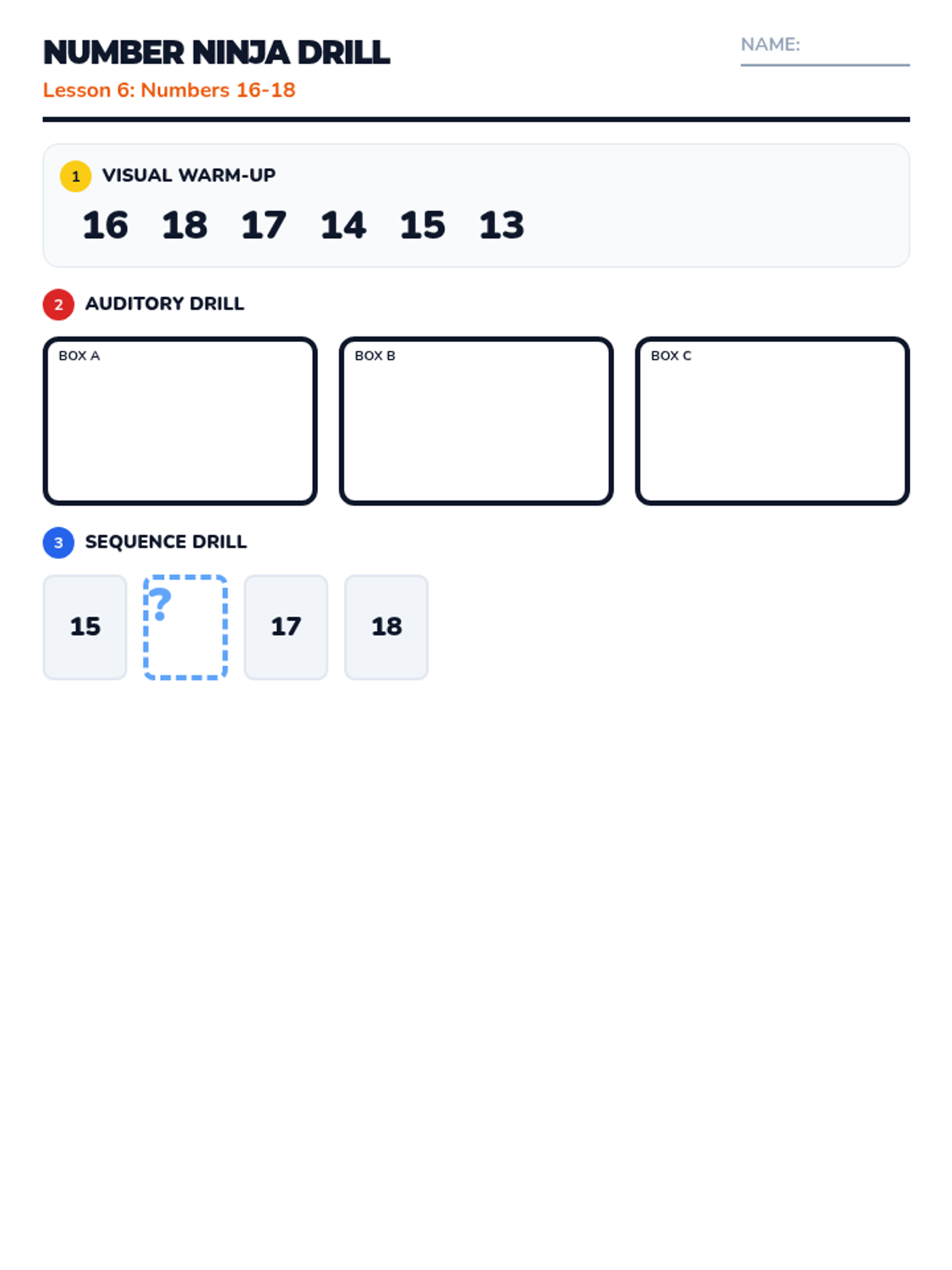
Focuses on numbers 16-18 and cumulative review of 1-15.
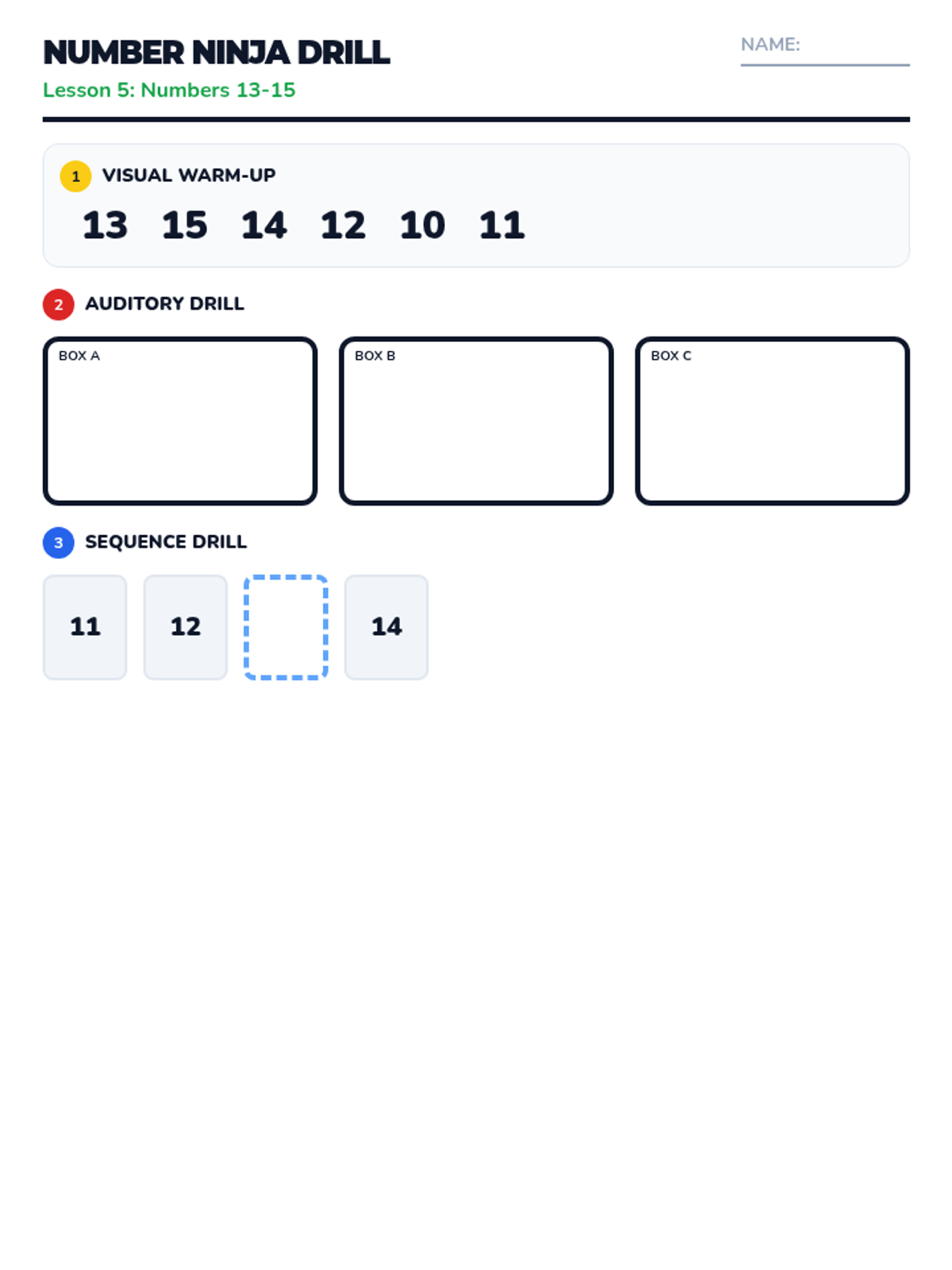
Focuses on numbers 13-15, emphasizing the 'teen' suffix and reviewing numbers 1-12.
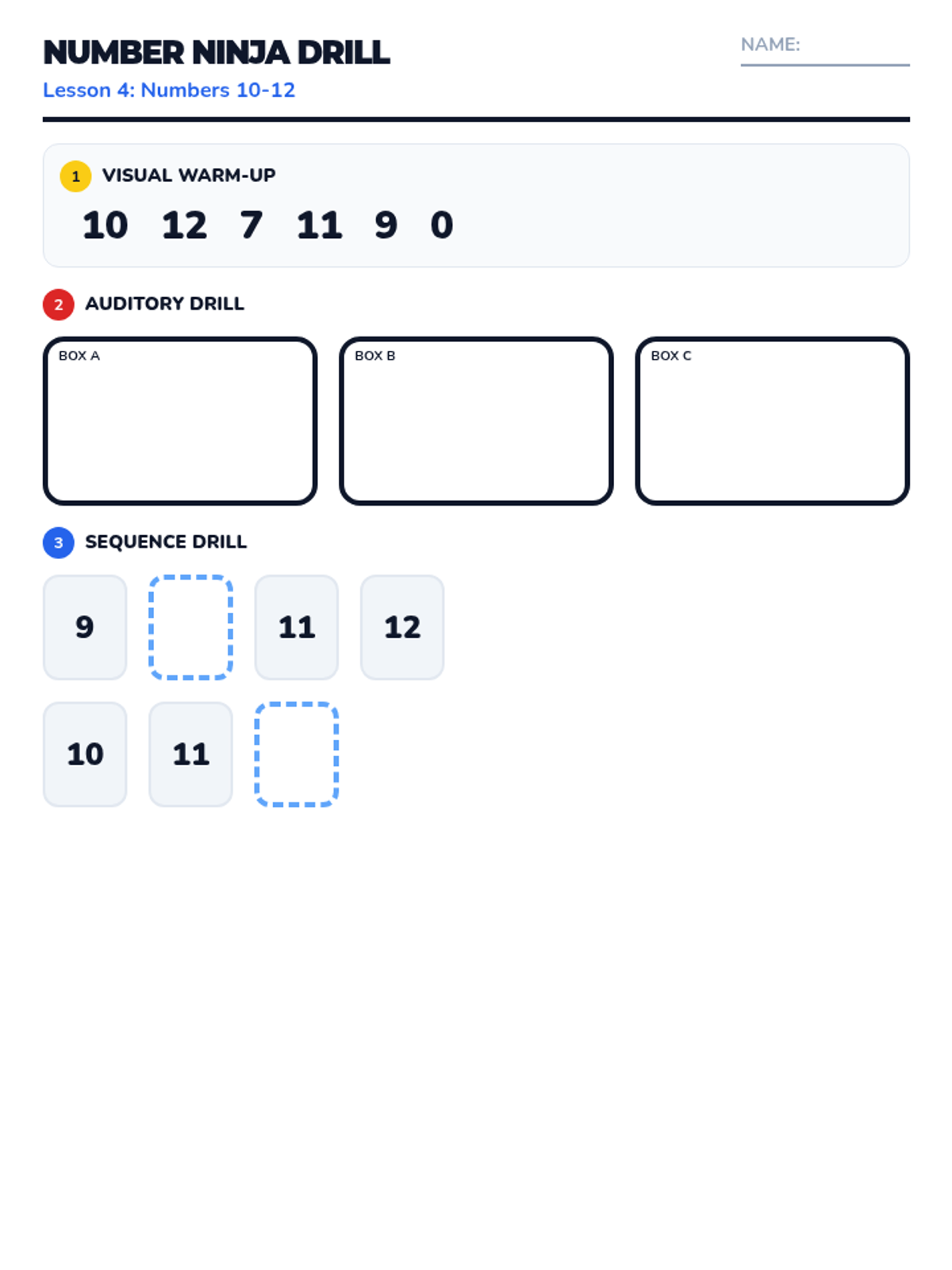
Focuses on numbers 10-12, introducing the teen number structure while reviewing 1-9.
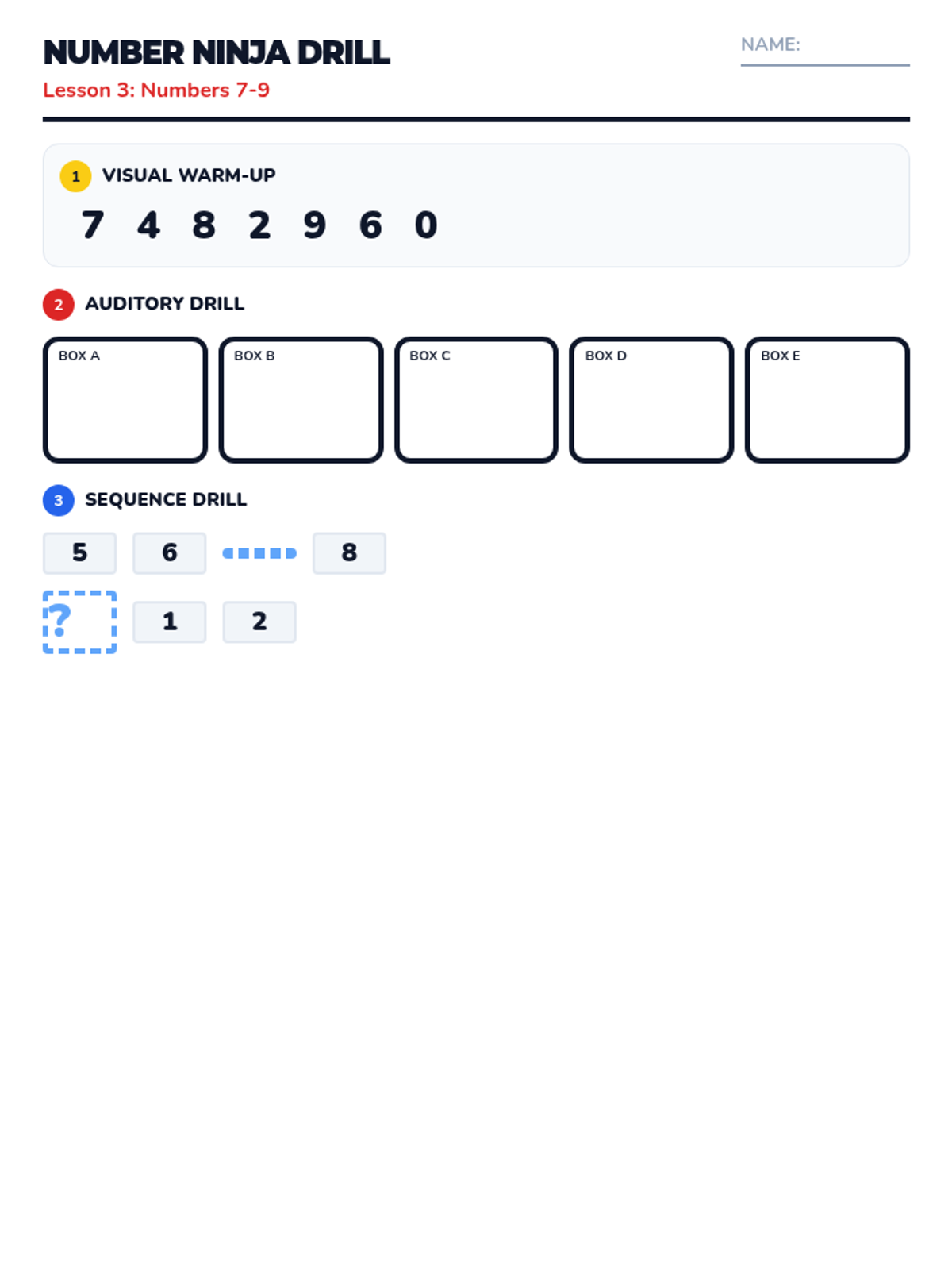
Focuses on numbers 7-9 with review of 1-6. Introduces teen precursors and zero conceptualization.
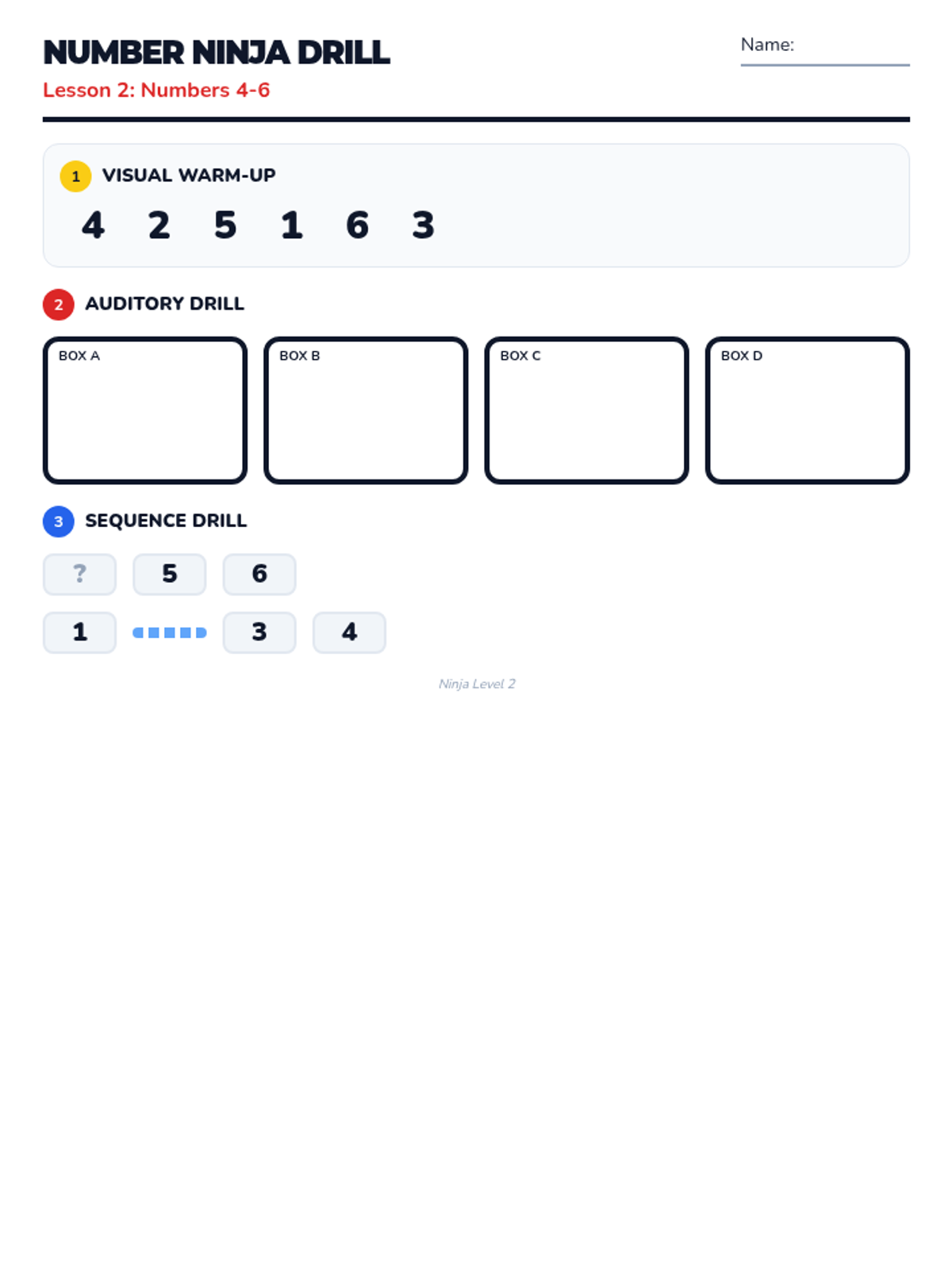
Focuses on numbers 4-6 with review of 1-3. Includes cumulative visual drill and writing practice.
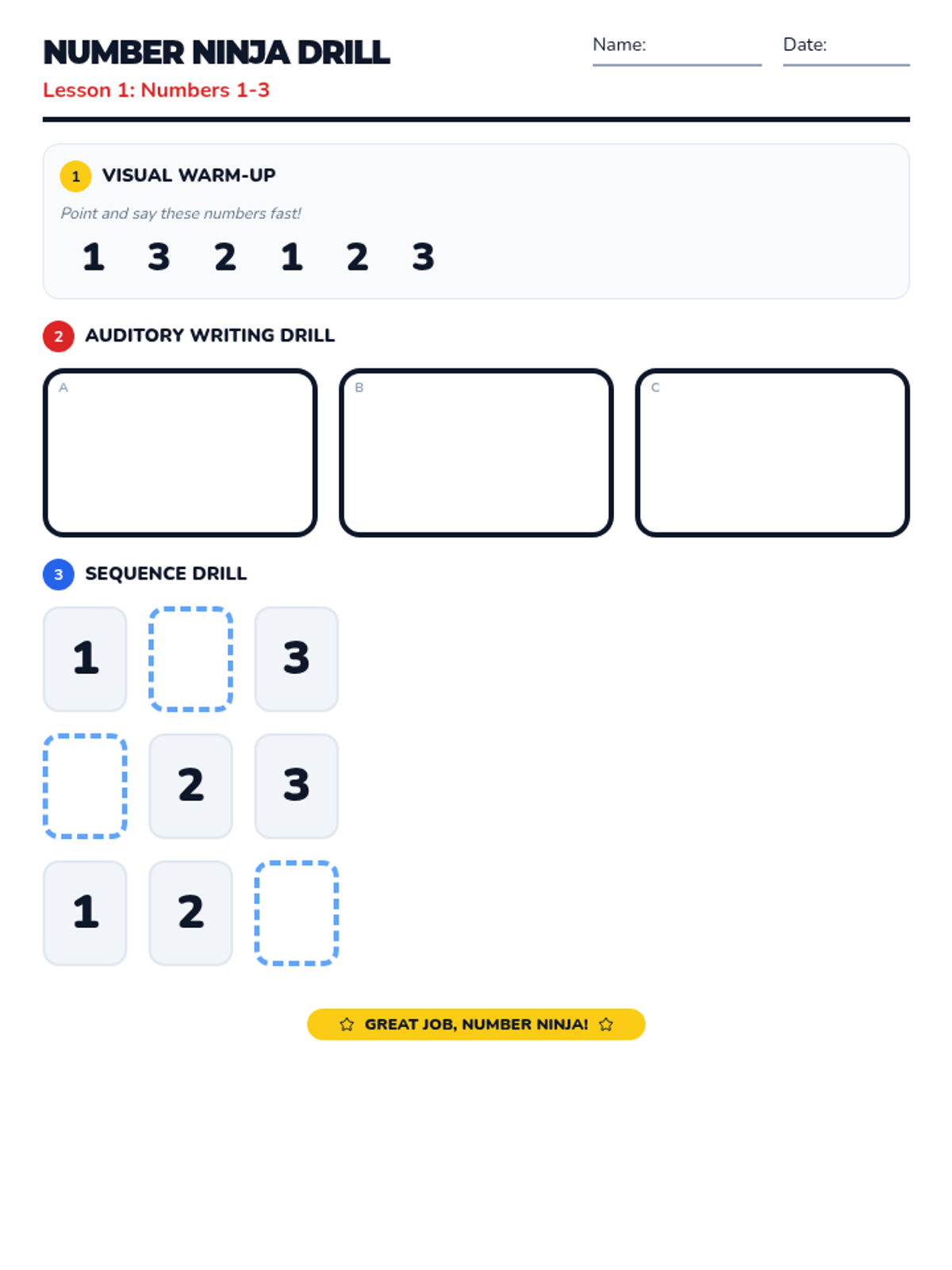
Focuses on numbers 1-3. Includes visual identification, writing practice, and basic sequence identification.
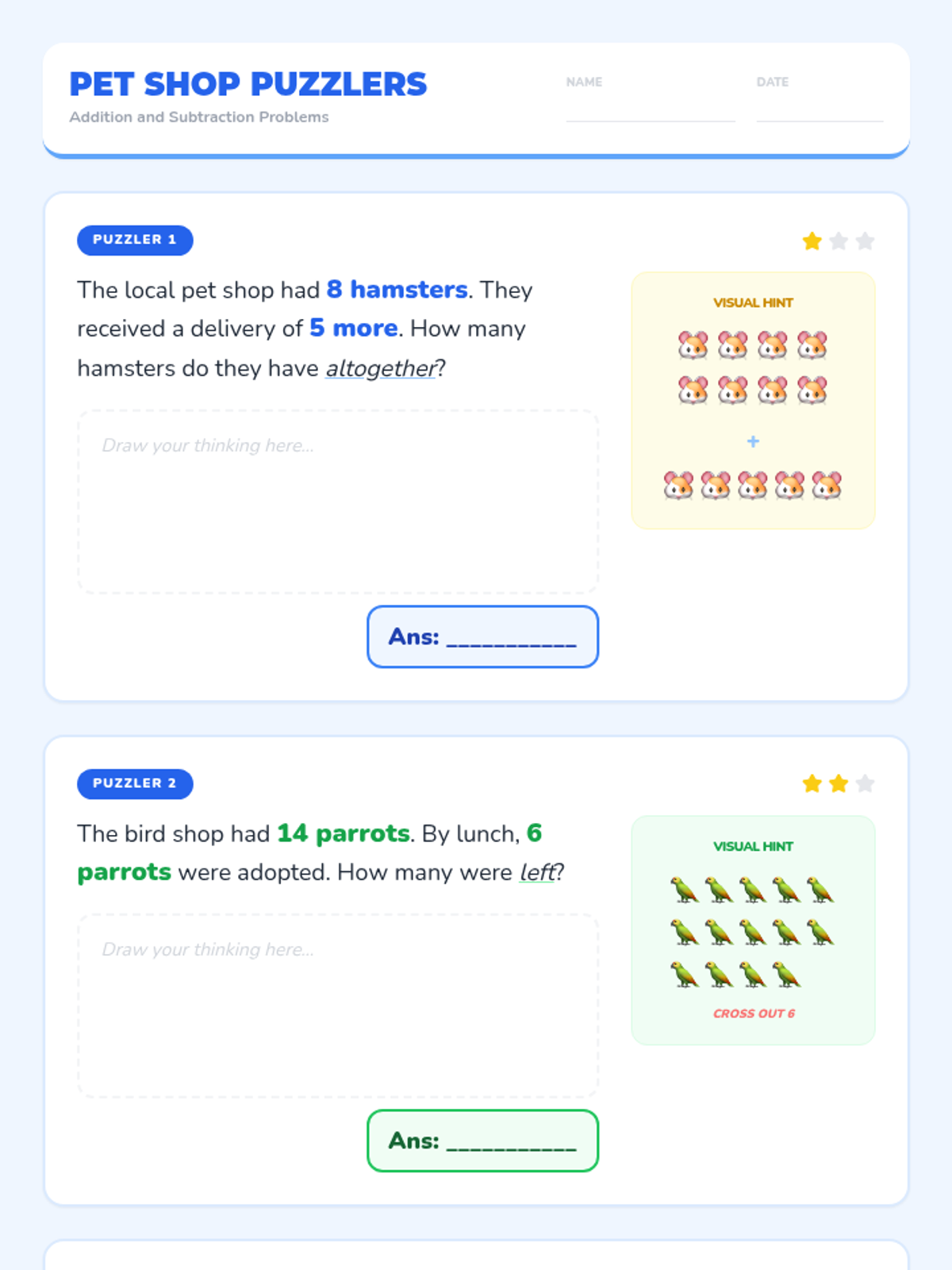
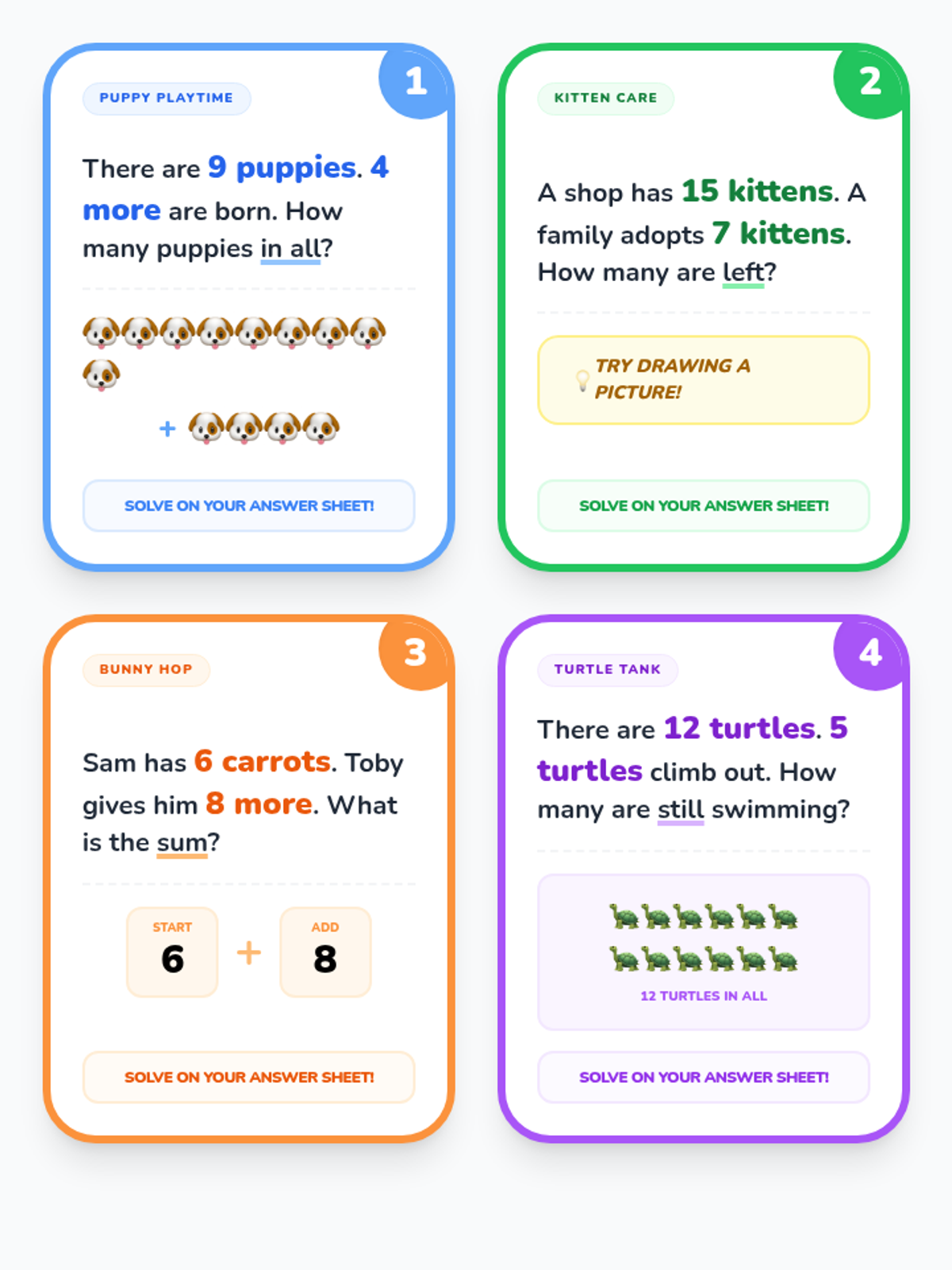
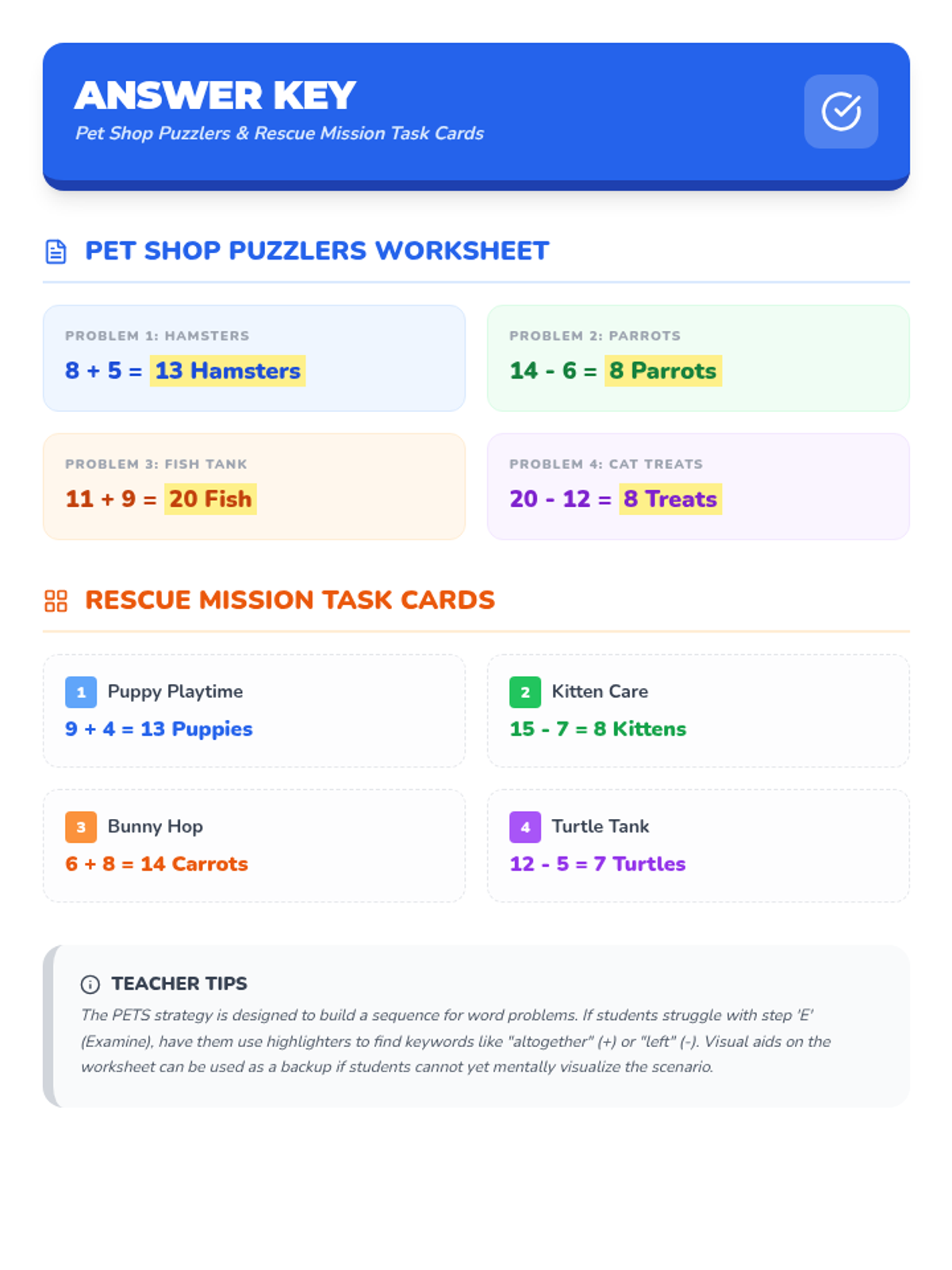
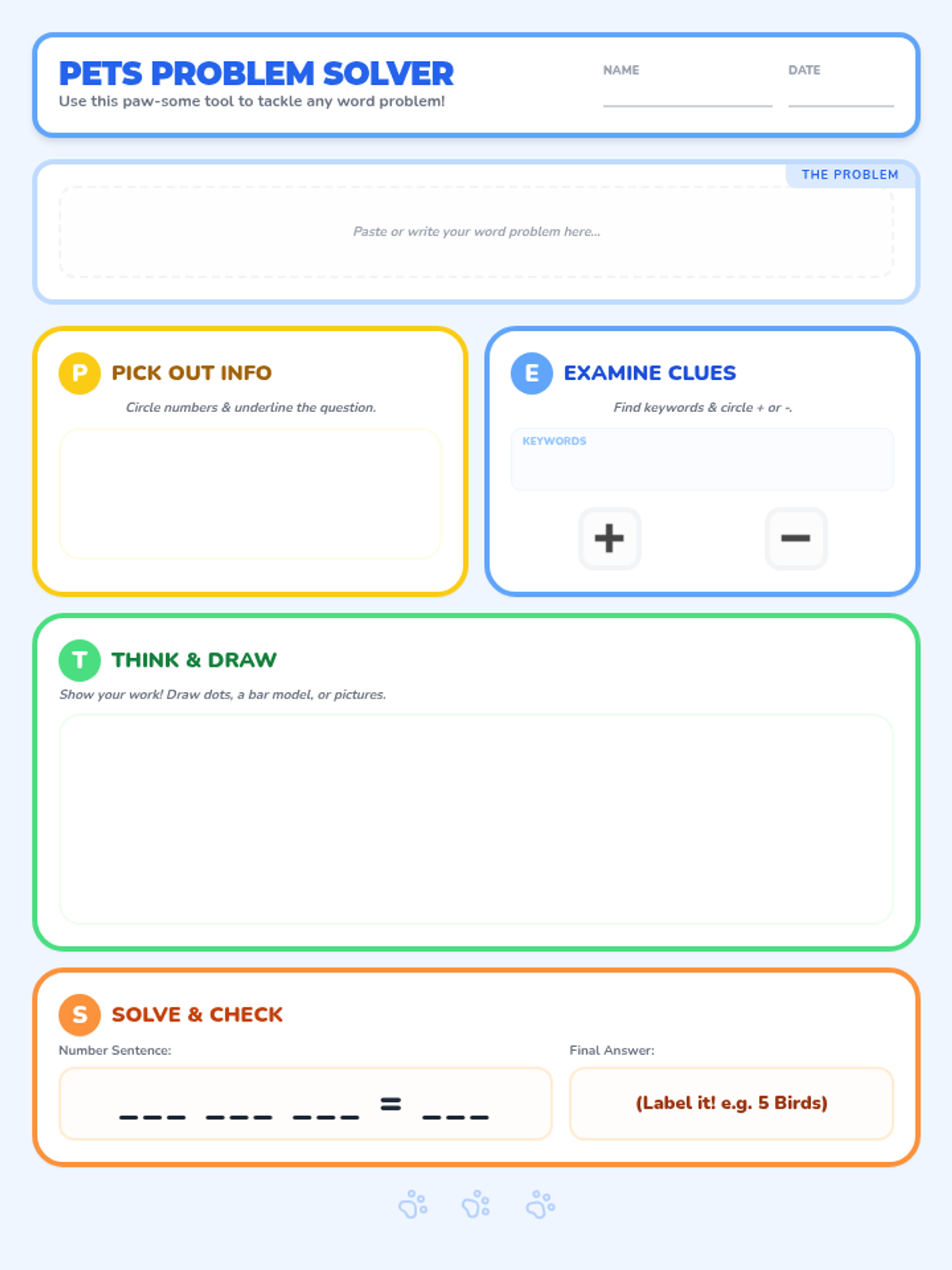
Students will learn to identify key information in word problems and apply the 'PETS' strategy to solve one-step addition and subtraction scenarios.
Final cumulative review of all numbers 1-20 in all drill parts.
Focus on the larger sequence of 10-20 to build teen fluency.
Advanced practice with numbers 1-15 in mixed order.
Deep dive into the often-confused teen numbers 11-15.
Completing the numbers up to 20 with 17, 18, 19, and 20.