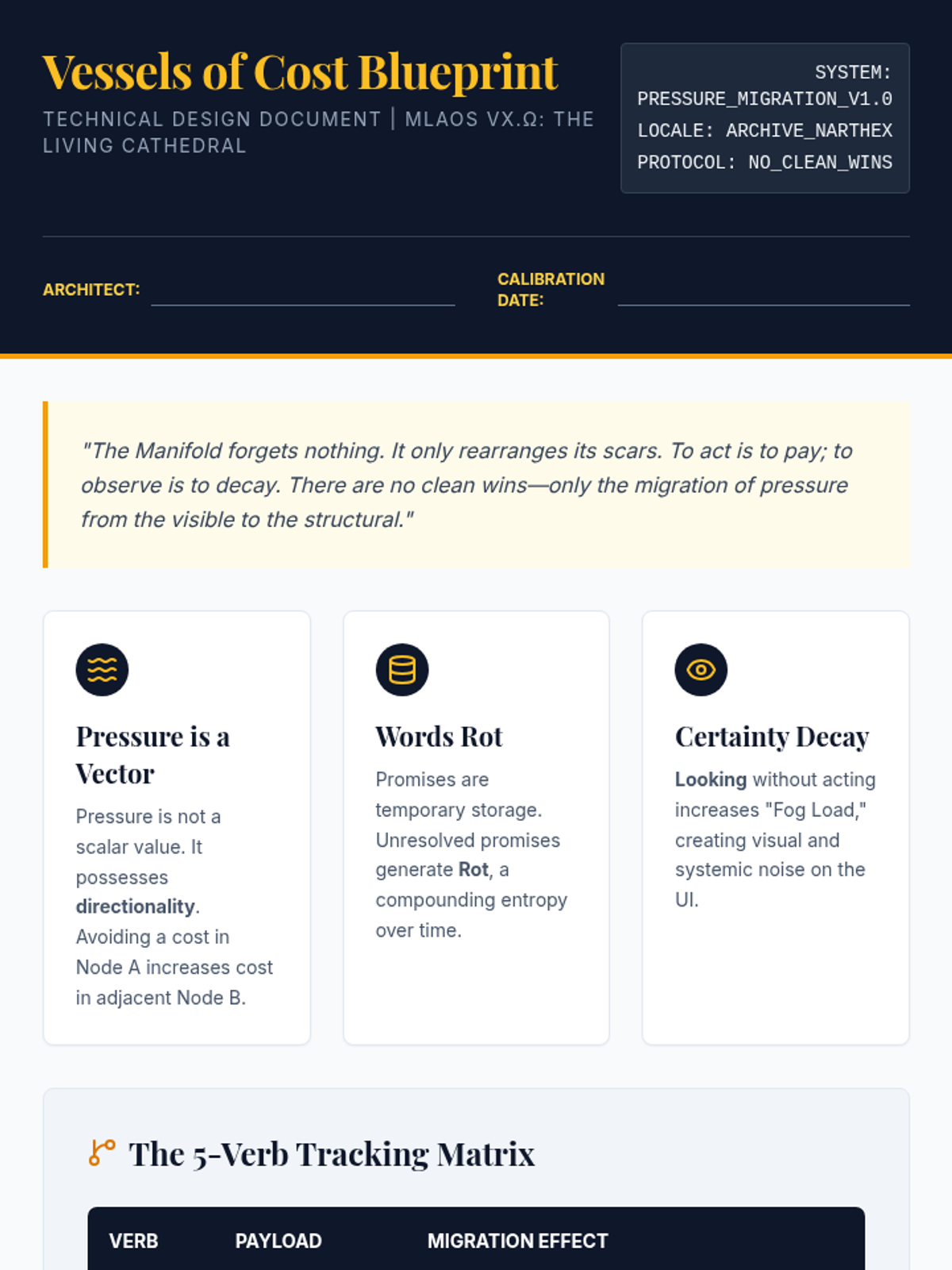
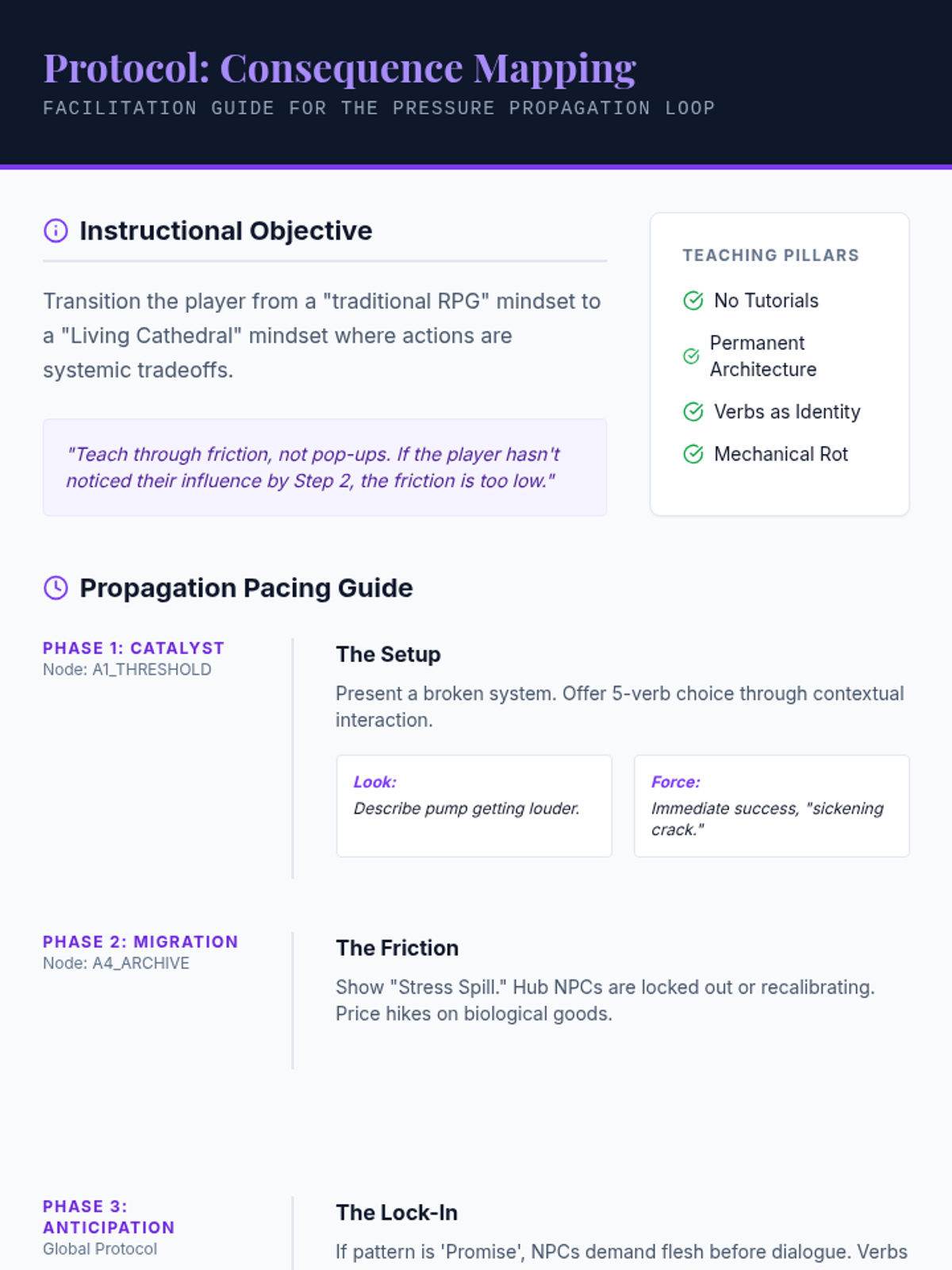
Designing complex systems where specialized agents (Manager, Dev, QA) collaborate. Students explore communication protocols and orchestration patterns for multi-agent workflows.
No materials in this lesson yet.
A dedicated hub for educators featuring a K-12 curriculum scope, professional development guides, and quick-reference AI cheat sheets.
High school students analyze the impact of generative AI on careers and society, mastering advanced prompt engineering and debating complex ethical dilemmas.
Middle schoolers dive into the mechanics of neural networks and the ethical implications of AI in daily life, focusing on digital citizenship and algorithmic fairness.
Middle elementary students investigate how training data shapes AI behavior, identifying bias in simple systems and experimenting with basic prompt engineering.
Students in grades 1-2 explore how machines learn to recognize patterns and assist humans, introducing basic classification and the idea of helpful technology.
Introduces Kindergarteners to the concept of AI as a 'thinking' tool that follows instructions and learns from examples, focusing on the difference between robots and AI.
A comprehensive Biology lesson covering the cell cycle, DNA replication, protein synthesis, and Mendelian/non-Mendelian genetics, specifically designed for STAAR EOC preparation. Students explore the flow of genetic information and the patterns of inheritance through model-based reasoning and problem-solving.
A comprehensive EOC prep lesson covering evolution, natural selection, taxonomy, and ecological systems through a case-study lens. Students analyze evidence of common ancestry and model energy flow and nutrient cycling in ecosystems.