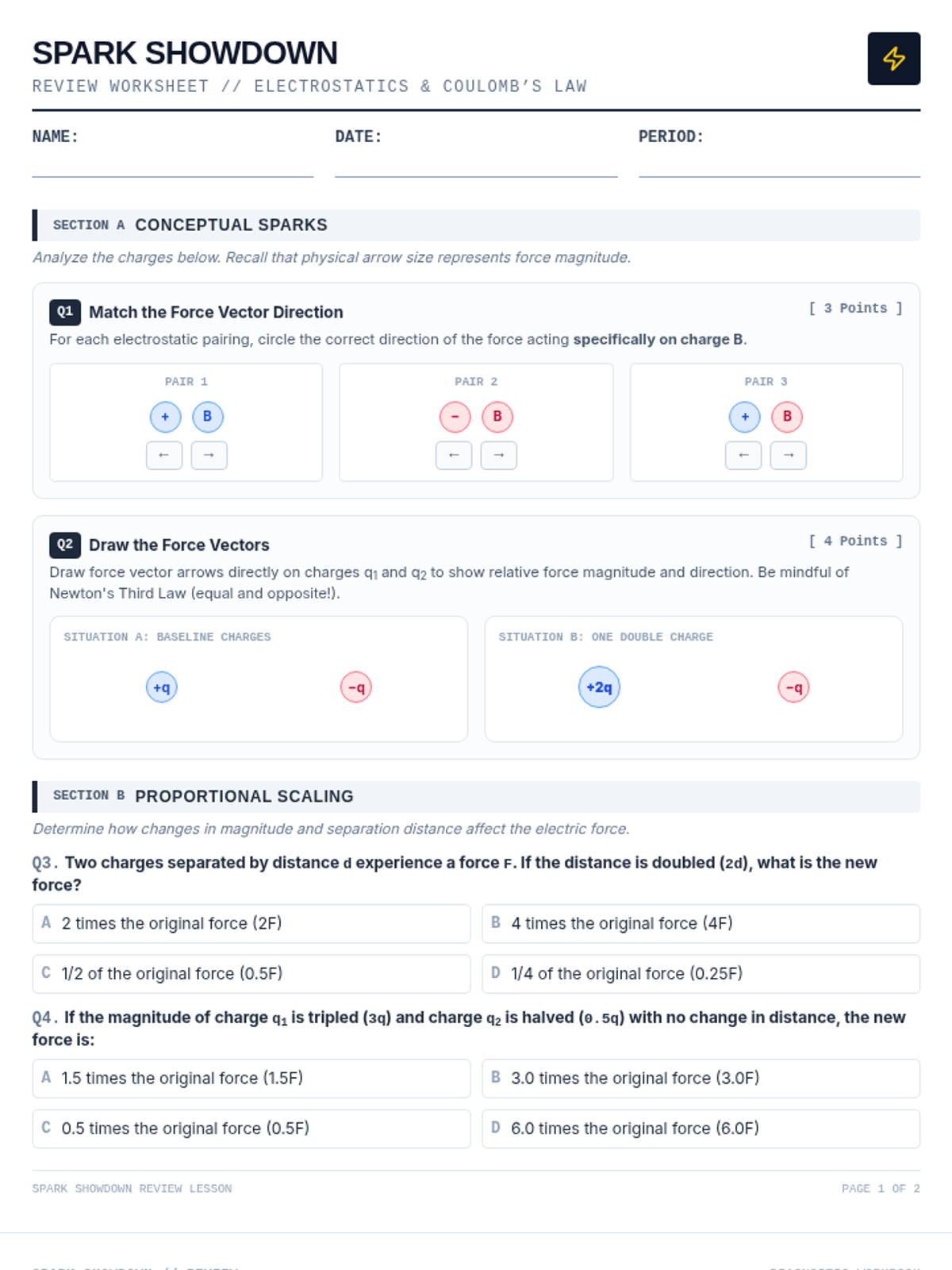
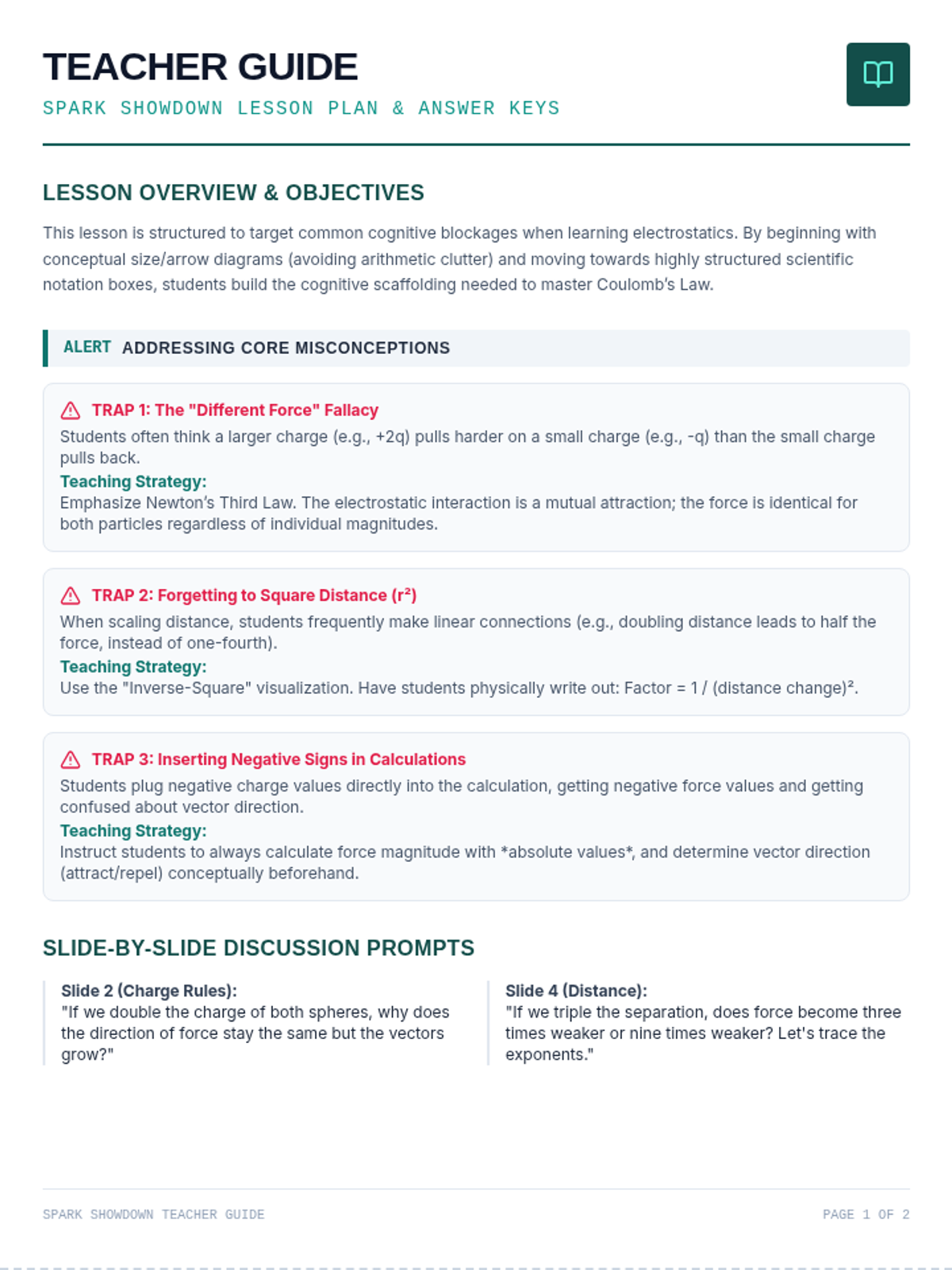
An advanced exploration of linear momentum, impulse, and the conservation laws governing isolated systems, designed for AP Physics students.
A two-block exploration of animal systems, focusing on homeostasis, nutrient absorption, reproduction, and defense mechanisms.
A two-block investigation into plant tissue systems, vascular transport, reproductive adaptations, and environmental responses.
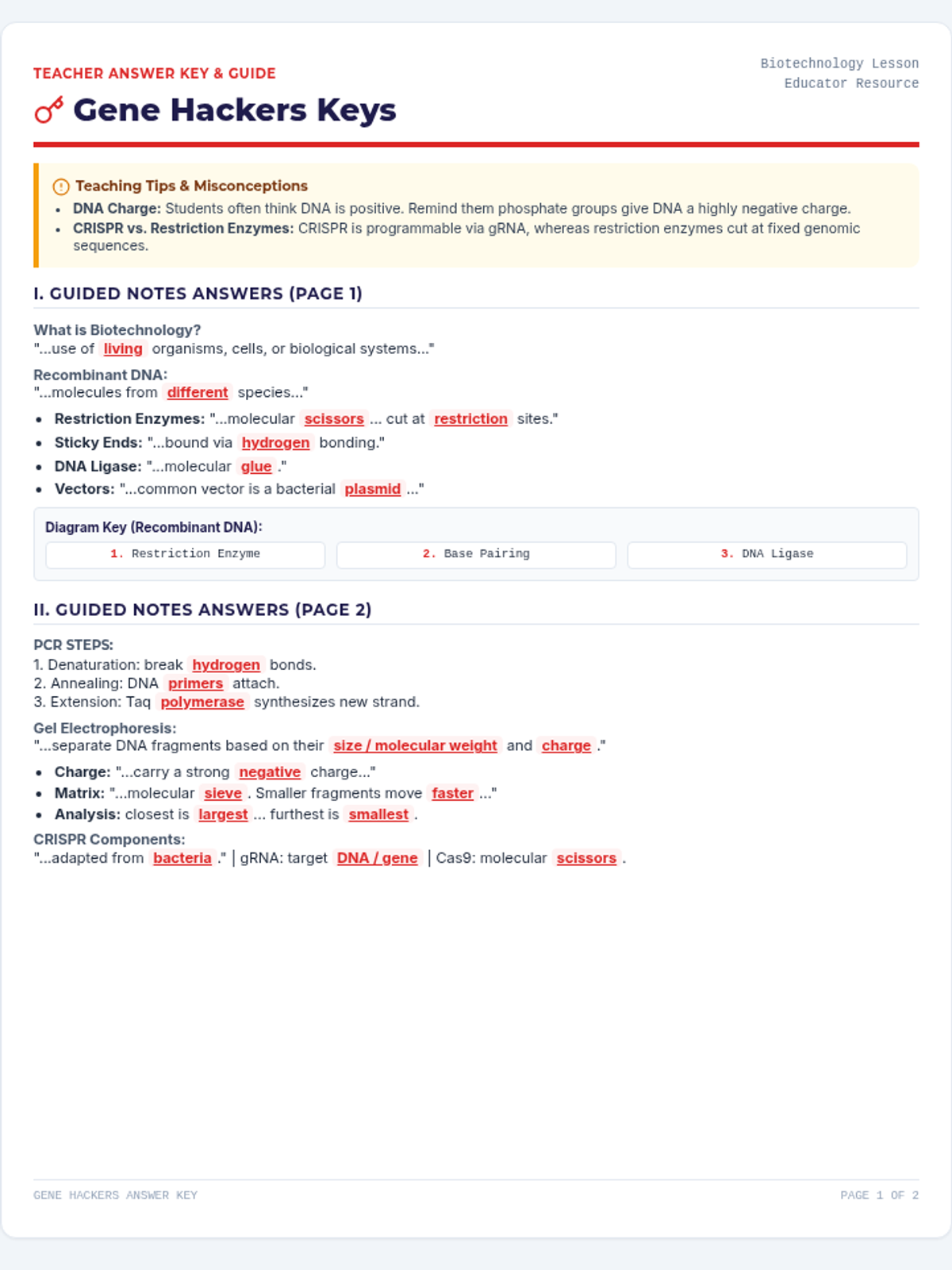
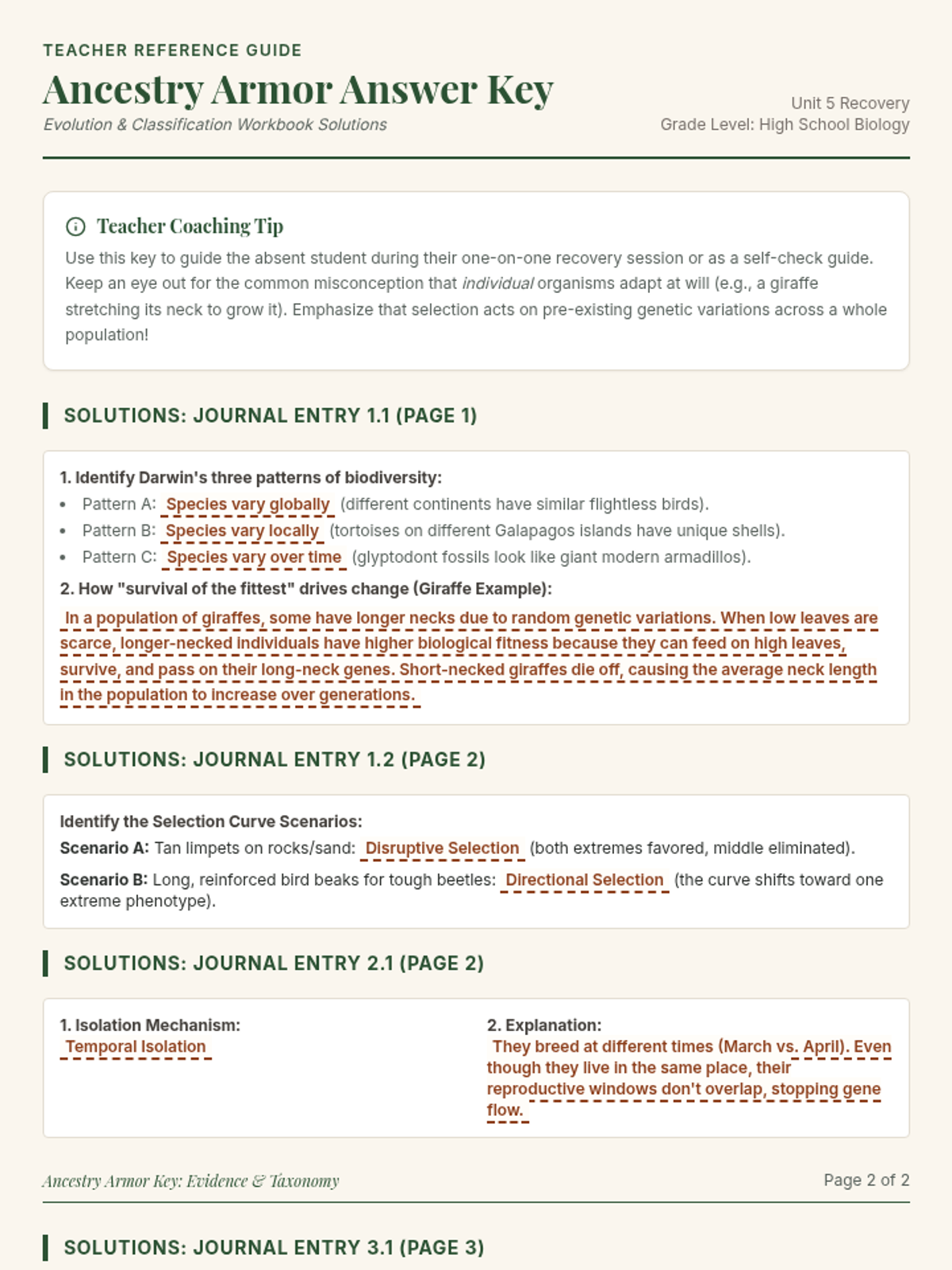
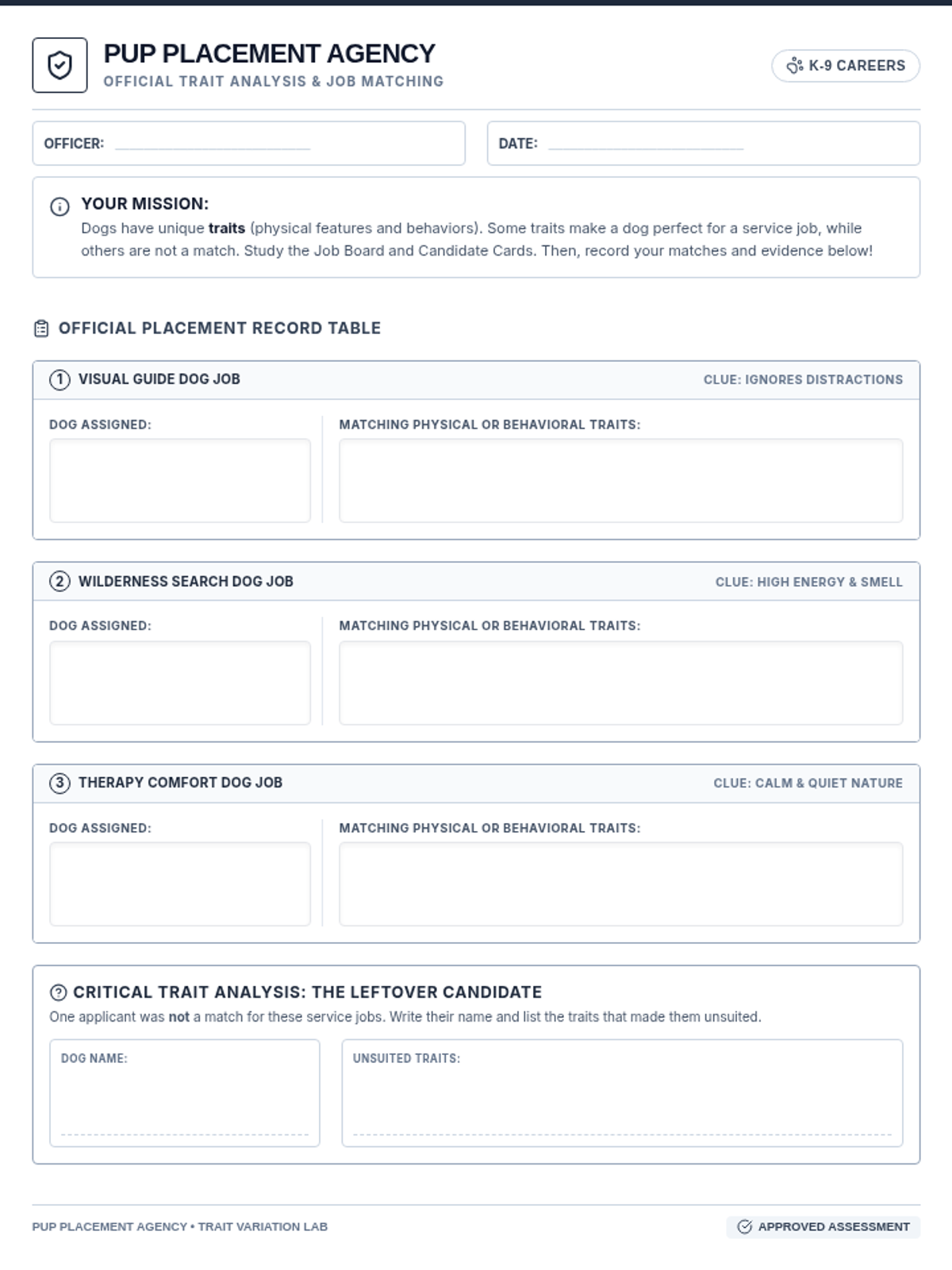
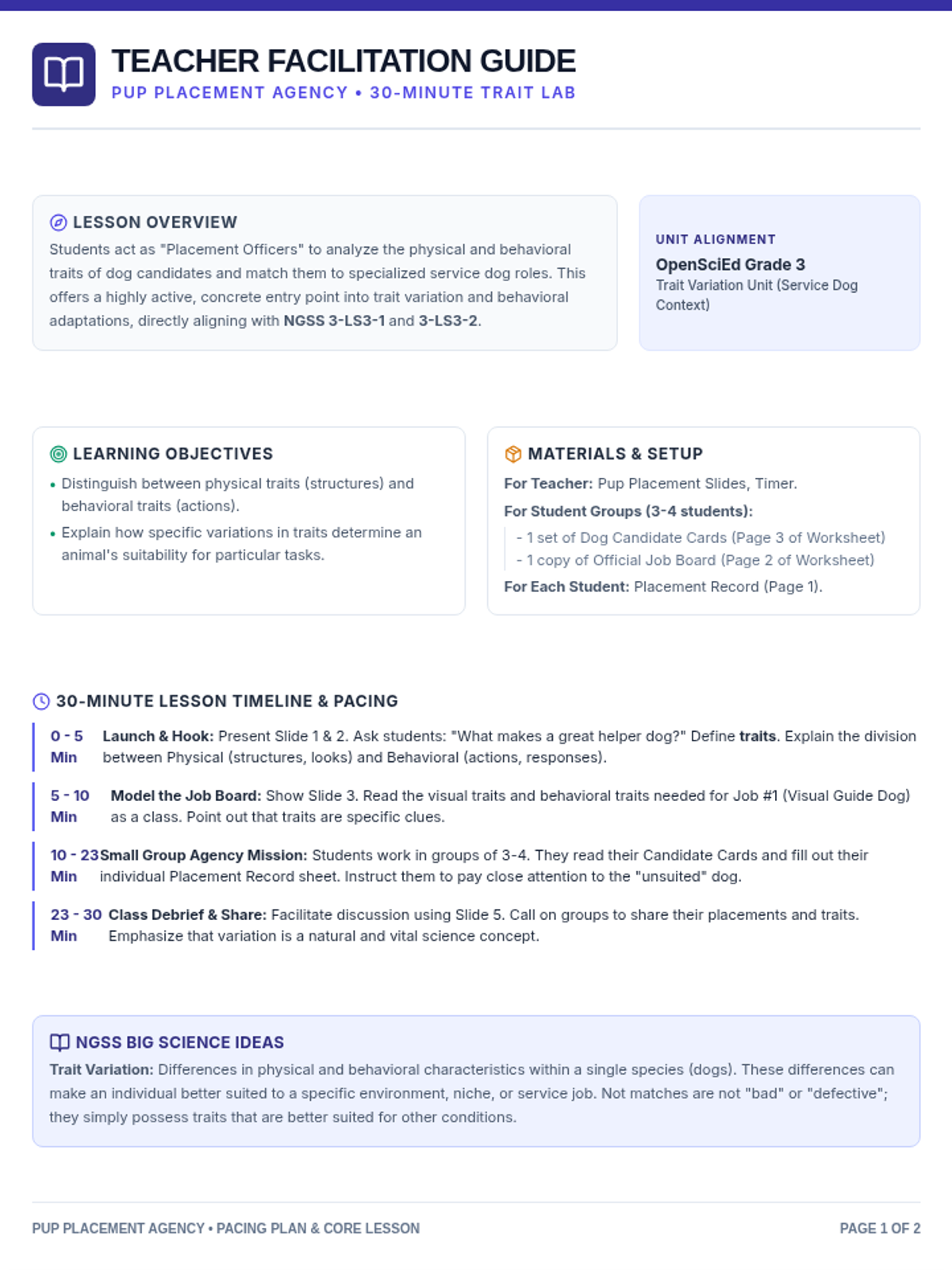
Students analyze the relationship between chemical structure, mode of delivery, and addiction potential using the 'Speed of Delivery' concept. The lesson features a comparative analysis of substances like heroin vs. morphine and vaping vs. nicotine patches to understand the biological 'why' behind addiction.
This lesson connects behavioral symptoms of schizoaffective disorder to neurotransmitter imbalances and explores the pharmacological mechanisms of antipsychotics and mood stabilizers through research and diagramming.
A clinical diagnostic workshop for nursing and pre-med students focused on applying DSM-5 criteria to differentiate schizoaffective disorder from other mood and psychotic disorders. Students analyze patient case studies and use evidence-based criteria to reach accurate diagnoses.
A 6th-8th grade science and health lesson exploring neuroplasticity through a hands-on yarn simulation and a video-based discussion. Students learn how neural pathways strengthen through use and dissolve through neglect.
This lesson explores the dual approach to treating the five major anxiety disorders, focusing on the physiological mechanisms of medications (SSRIs, Benzos, Beta-blockers) and the cognitive-behavioral shifts of psychotherapy. Students will analyze the 'tandem' treatment model to understand why biological and psychological interventions are often used together for optimal patient outcomes.
Students investigate the intersection of neurobiology and external substances, analyzing how drugs and hormones alter neurotransmitter function to change a person's perception of reality.
This lesson explores the neurological basis of the optimism bias, focusing on the role of the Inferior Frontal Gyrus in belief updating. Students analyze fMRI and TMS data from Tali Sharot's research and simulate a research group to design follow-up experiments while critiquing current neuro-intervention methodologies.
A high-level genetics lesson exploring how environmental factors like maternal care and stress trigger epigenetic modifications that influence gene expression across generations. Students analyze the classic Meaney rat study to understand the molecular mechanisms beyond DNA sequences.
An undergraduate-level neuroscience lesson exploring the physiological and cellular impacts of chronic stress on the brain, specifically focusing on the HPA axis, cortisol-induced neurotoxicity, and the role of BDNF in neuroplasticity.
A high school psychology lesson exploring the physiological impact of chronic stress on brain structures like the amygdala, hippocampus, and prefrontal cortex, featuring a video analysis and case study application.
A high school biology lesson exploring the endocrine system's stress response via the HPA axis, the physiological role of cortisol, and the impact of chronic stress on brain structure and homeostasis. Students analyze feedback loops and the brain's neuroplasticity through video analysis and diagramming.
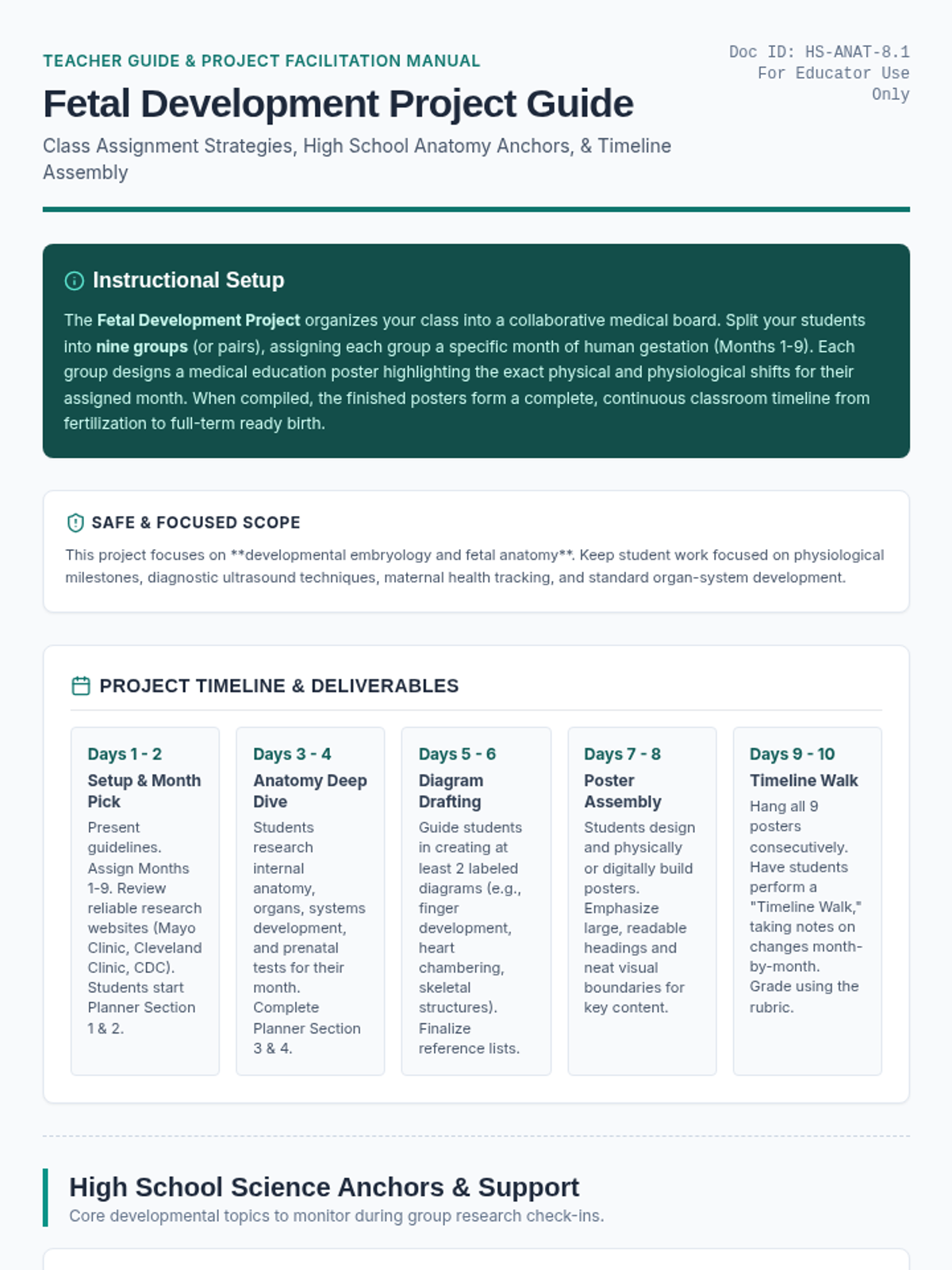
A comprehensive 2-hour training focused on identifying emerging trends in prevention science and integrating them into evidence-based strategies to maximize community impact.
A comprehensive lesson exploring the evolution of hunting from ancient survival to modern conservation, including economic impacts and ethical debates surrounding biodiversity.
This lesson explores the technical differences between Class A and Class B fire alarm circuits, focusing on wiring topology, fault tolerance, and industry standards like NFPA 72. Students will analyze diagrams and compare the reliability and cost-effectiveness of each system configuration.
Focuses on reading security logs, understanding time formats (24h vs 12h), and using logic to follow a suspect's movement through keycard data.
Focuses on descriptive language, memory reliability, and the 'mugshot' process. Students learn to describe suspects and identify inconsistencies in witness stories.
A simplified murder mystery investigation. Students use a detective dossier with B1-level text to solve the crime of Professor Thorne. Includes sentence frames for final accusations.
Students explore how fingerprints and DNA help identify people. The lesson uses clear, visual steps to explain identification techniques and Locard's Exchange Principle.
Students learn essential crime-solving vocabulary (alibi, evidence, suspect) and practice categorizing physical vs. testimonial clues using simplified English and visual supports.
An exploration of specialized forensic techniques, focusing on fingerprint classification, DNA profiling basics, and the microscopic analysis of hair and fibers to connect suspects to a scene.
Students master the foundational vocabulary of forensic science, including terms like alibi, chain of custody, and trace evidence, while learning to categorize different types of physical and testimonial evidence.
A 90-minute immersive murder mystery experience where students apply forensic techniques to solve the death of a prominent professor. They will analyze evidence, evaluate witness statements, and build a case based on deductive reasoning.
This lesson covers the fundamental principles of Shielded Metal Arc Welding (SMAW), including equipment operation, safety protocols, and core welding techniques for beginners.
A lesson focused on the properties of periodic motion, including frequency, period, and phase relationships in oscillators like pendulums and tuning forks.
A deep dive into advanced harmonic motion concepts, including differential equations, energy conservation, and system variables for pendulums and springs.
Students explore the neuroscience of neural pruning, simulating how the brain maintains efficient networks and investigating how disruptions in this process contribute to the symptoms of bipolar disorder.
A 5th-grade STEM lesson where students explore the concept of neurodiversity and engineering through the lens of Jack and Jill's creative solution to a water transport problem. Students will design and build their own aqueducts to move water without carrying it, reflecting on how 'thinking outside the box' leads to innovation.
Students explore the neuroscience of panic attacks, mapping the sympathetic and parasympathetic nervous system responses. They will identify the roles of the amygdala, prefrontal cortex, adrenaline, and acetylcholine in the body's 'false alarm' stress response.
A high school biology lesson exploring the physiological and chemical basis of clinical depression, focusing on brain structures, neurotransmitters, and the medical validity of the disorder.
A 90-minute chemistry lab focused on the precipitation reaction between copper (II) chloride and sodium hydroxide, featuring a complete lab guide and instructional slides.
A comprehensive exploration of mechanical vibrations, simple harmonic motion, and the mathematical relationships between frequency, period, and amplitude.
An introductory lesson for kindergarten students to learn about the basic needs of plants (sun, water, soil) through interactive play.
An introductory lesson for K-2 students focusing on the major bones of the human body and their primary functions through movement and visual labeling.
Une évaluation d'une heure pour les élèves de première spécialité SVT portant sur la dynamique de la lithosphère, incluant des questions de connaissances et d'analyse de documents.
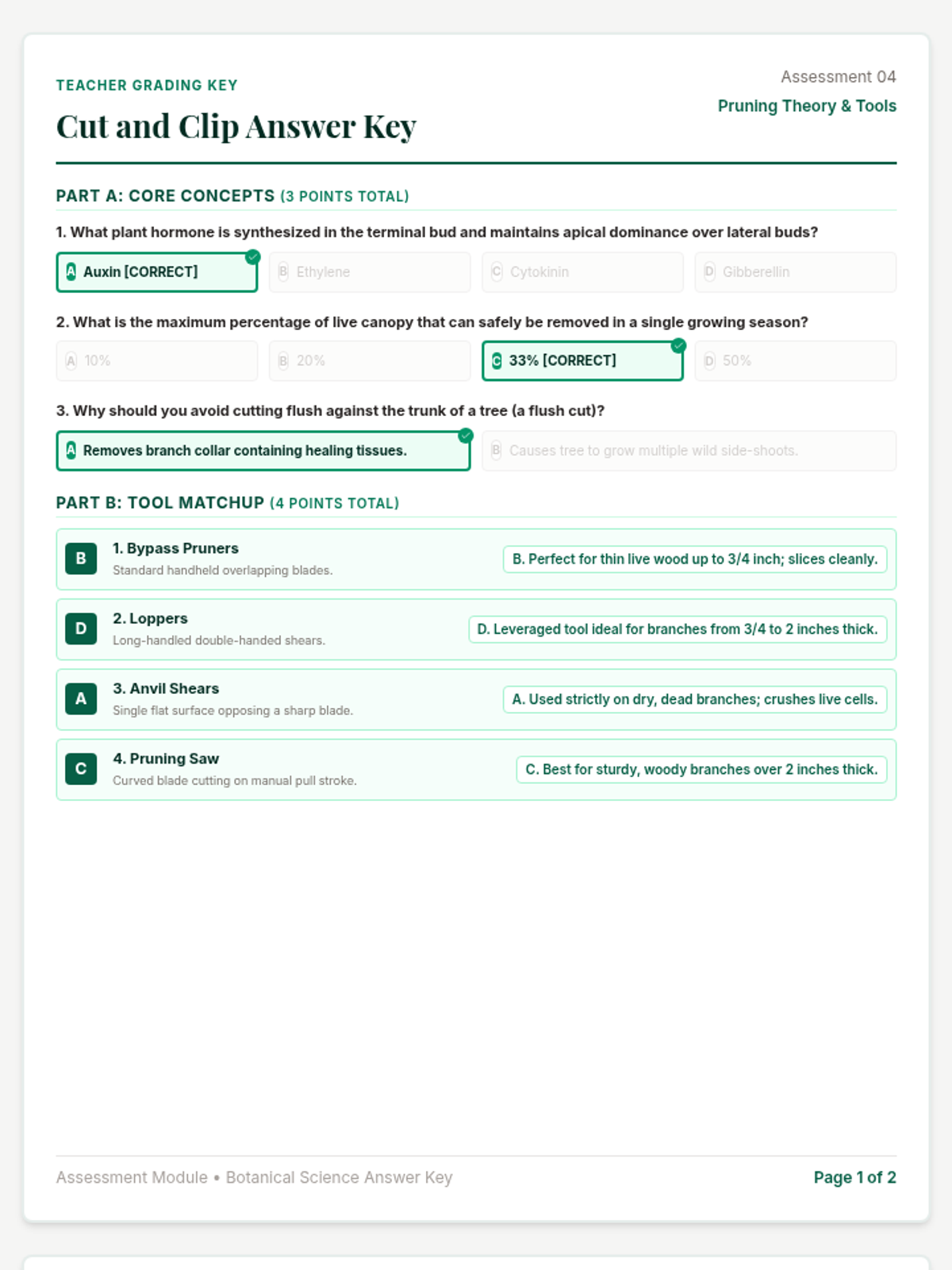
Une leçon complète sur la photosynthèse pour le niveau BCPST, couvrant les phases photochimique et chimique, l'organisation du chloroplaste et les bilans énergétiques. Conçue pour servir de base à une révision intensive ou à la création d'un support vidéo.
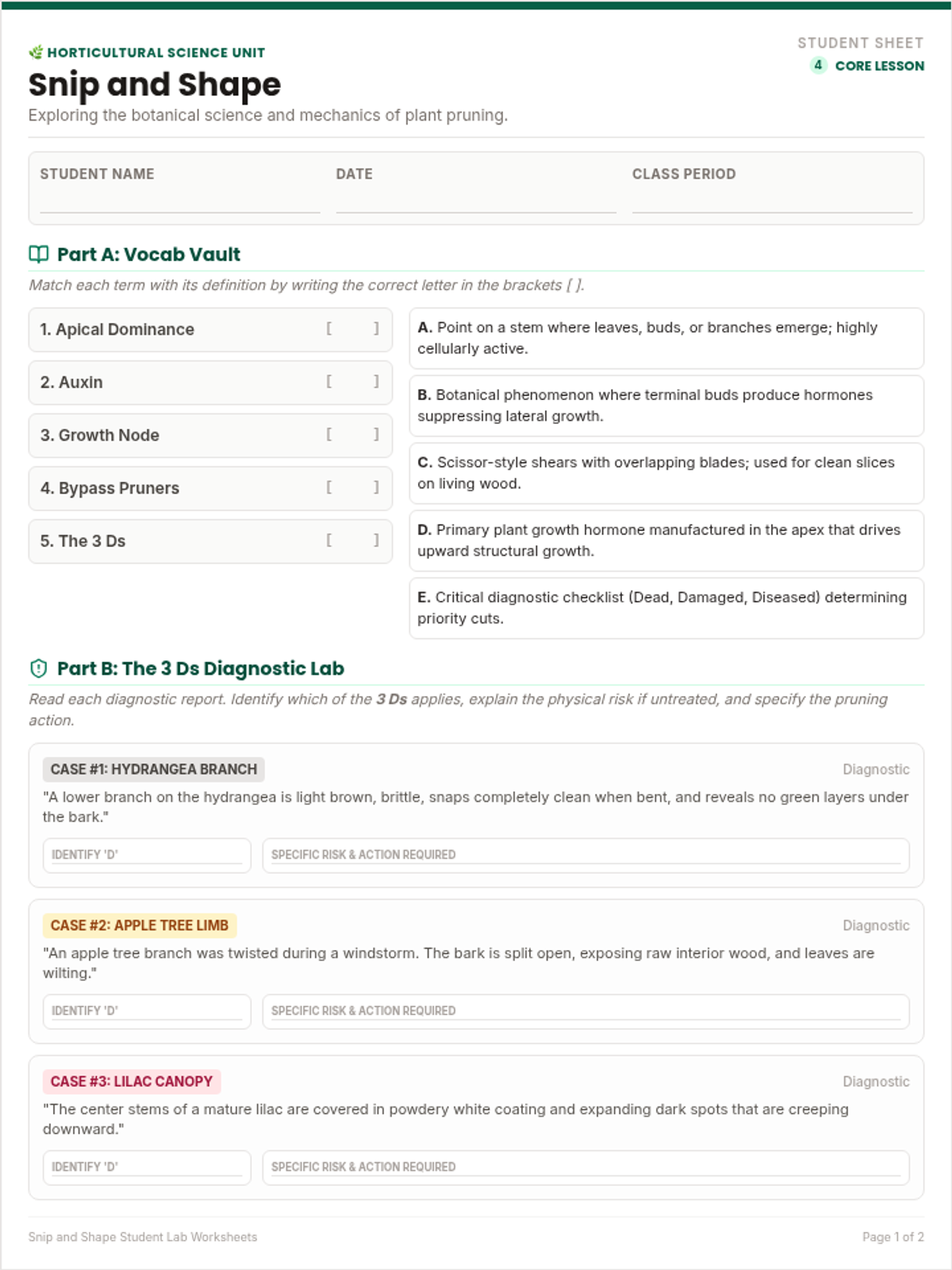
Cette séance finale aborde les conséquences du réchauffement climatique (boucles de rétroaction, montée des eaux) et les leviers d'action pour l'atténuation et l'adaptation.
Cette séance analyse les données historiques du climat, le lien entre activités humaines et augmentation du forçage radiatif, ainsi que les perturbations du cycle du carbone.
Cette séance de 2 heures détaille le fonctionnement physique de l'effet de serre, le bilan radiatif terrestre et le rôle spécifique des gaz à effet de serre dans le maintien de la température terrestre.
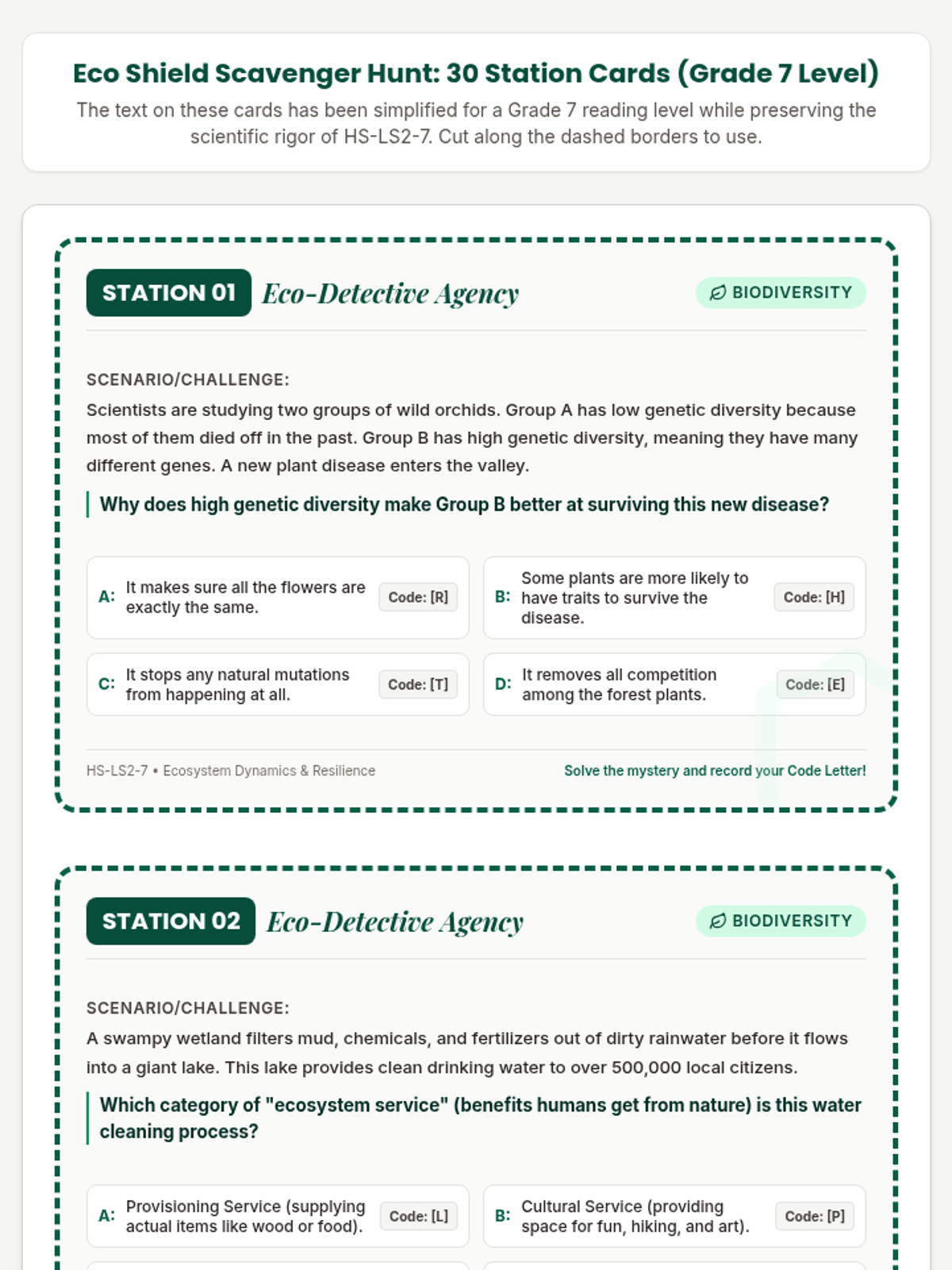
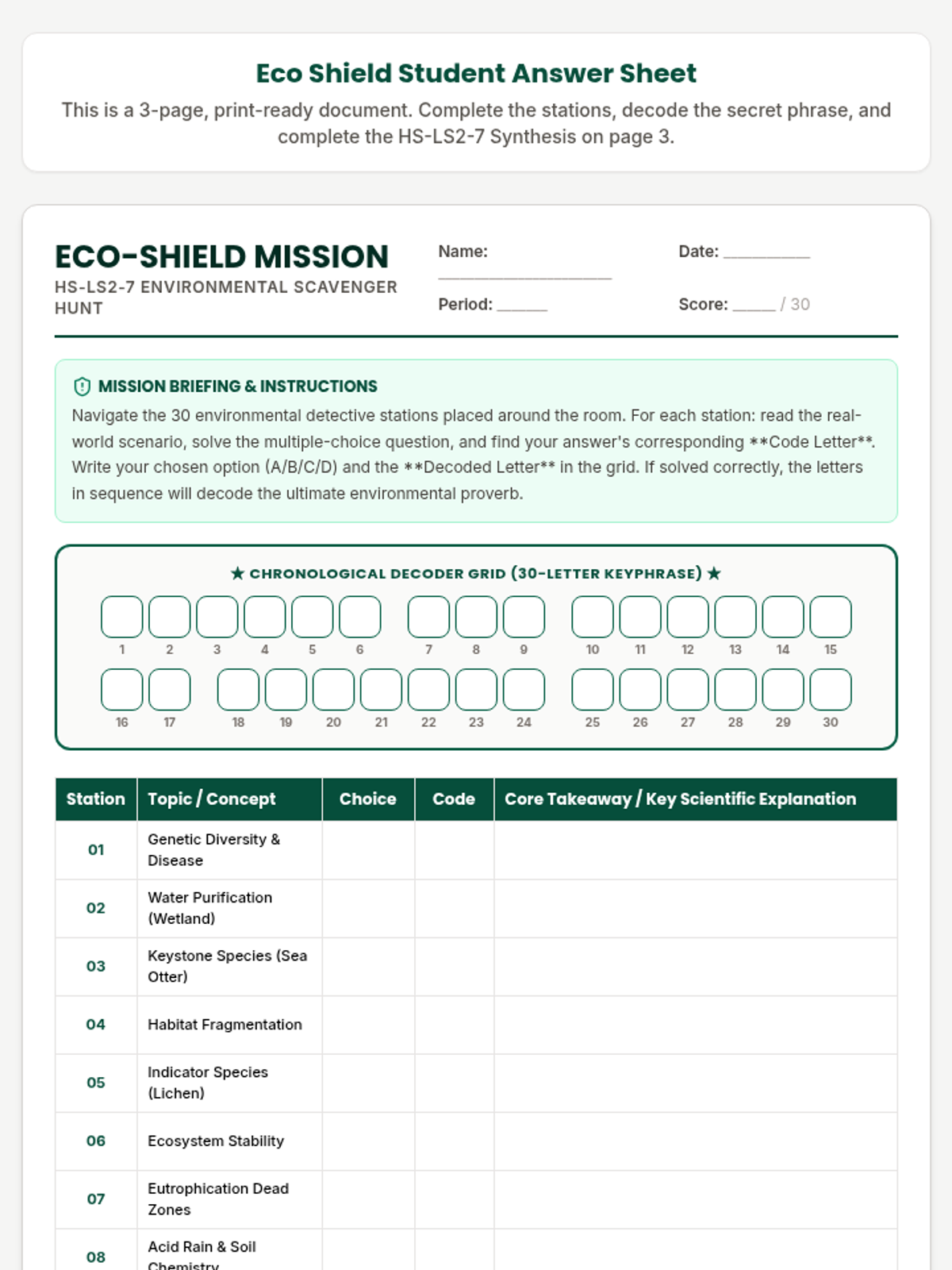
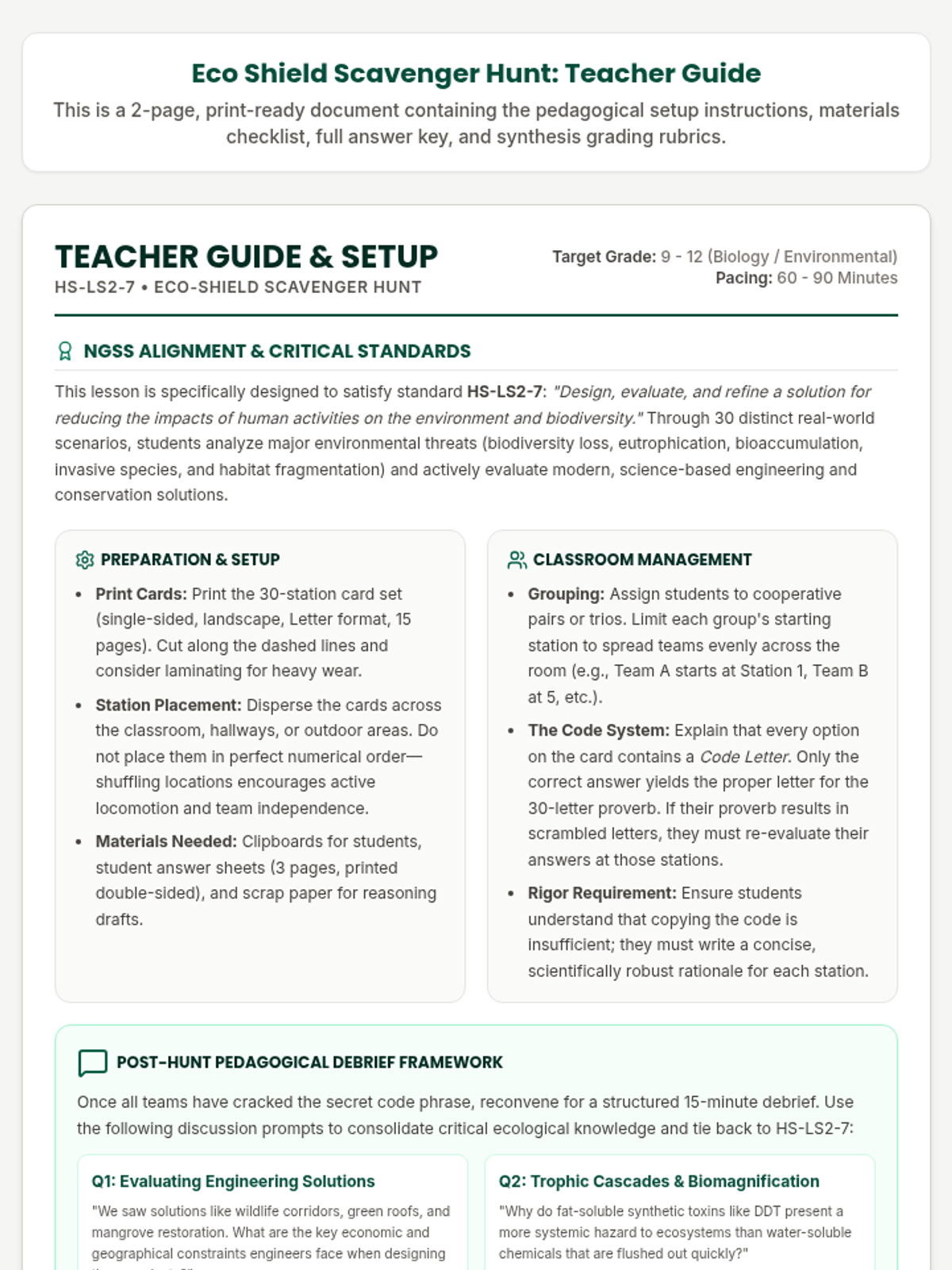
A 10-session unit covering Virginia Standards 6.6 and 6.8, beginning with a water filter engineering challenge and progressing through water chemistry and watershed systems.
A comprehensive introduction to web application security, teaching students to identify and mitigate common vulnerabilities like SQL injection and cross-site scripting through hands-on detective scenarios.