Students analyze Richard White's 'Middle Ground' theory by examining the fur trade in the Great Lakes region and the cultural accommodations between French and Indigenous peoples.
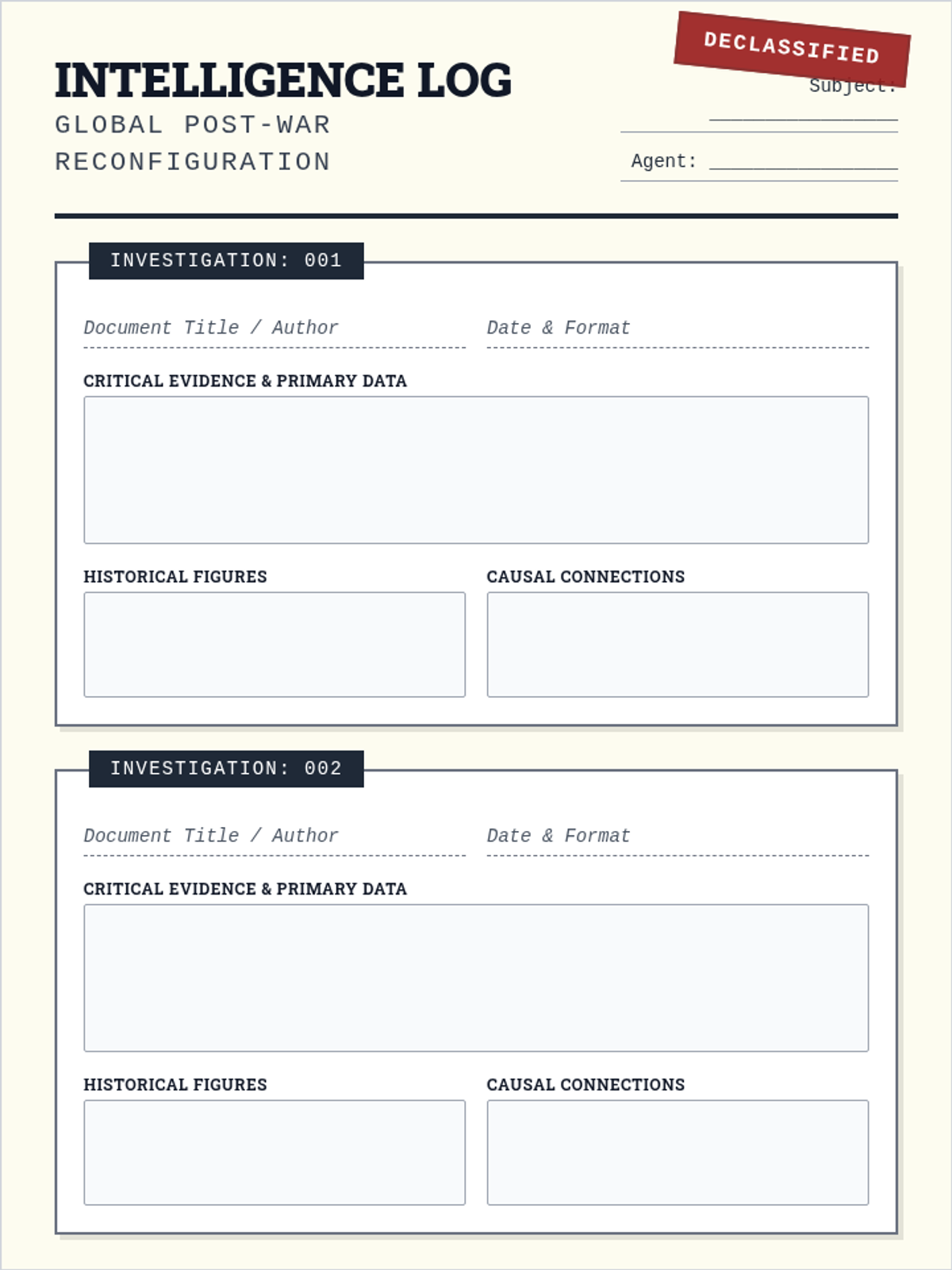
A lesson focused on independent research techniques for investigating the complex geopolitical and social shifts following World War II. Students will learn to synthesize information from multiple sources into a coherent historical narrative.
A comprehensive review of the course concepts applied to complex logic problems. Includes the course Posttest.
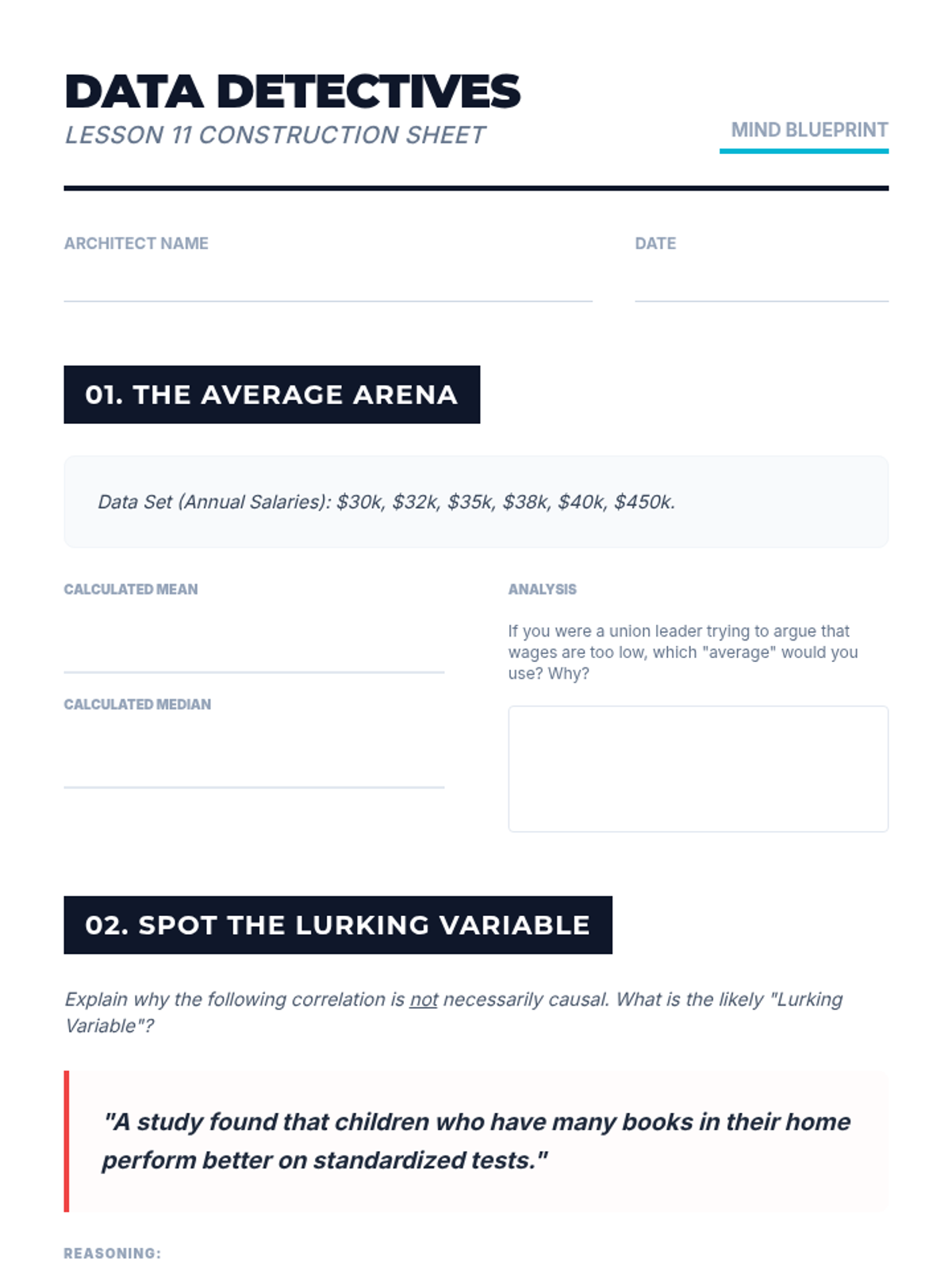
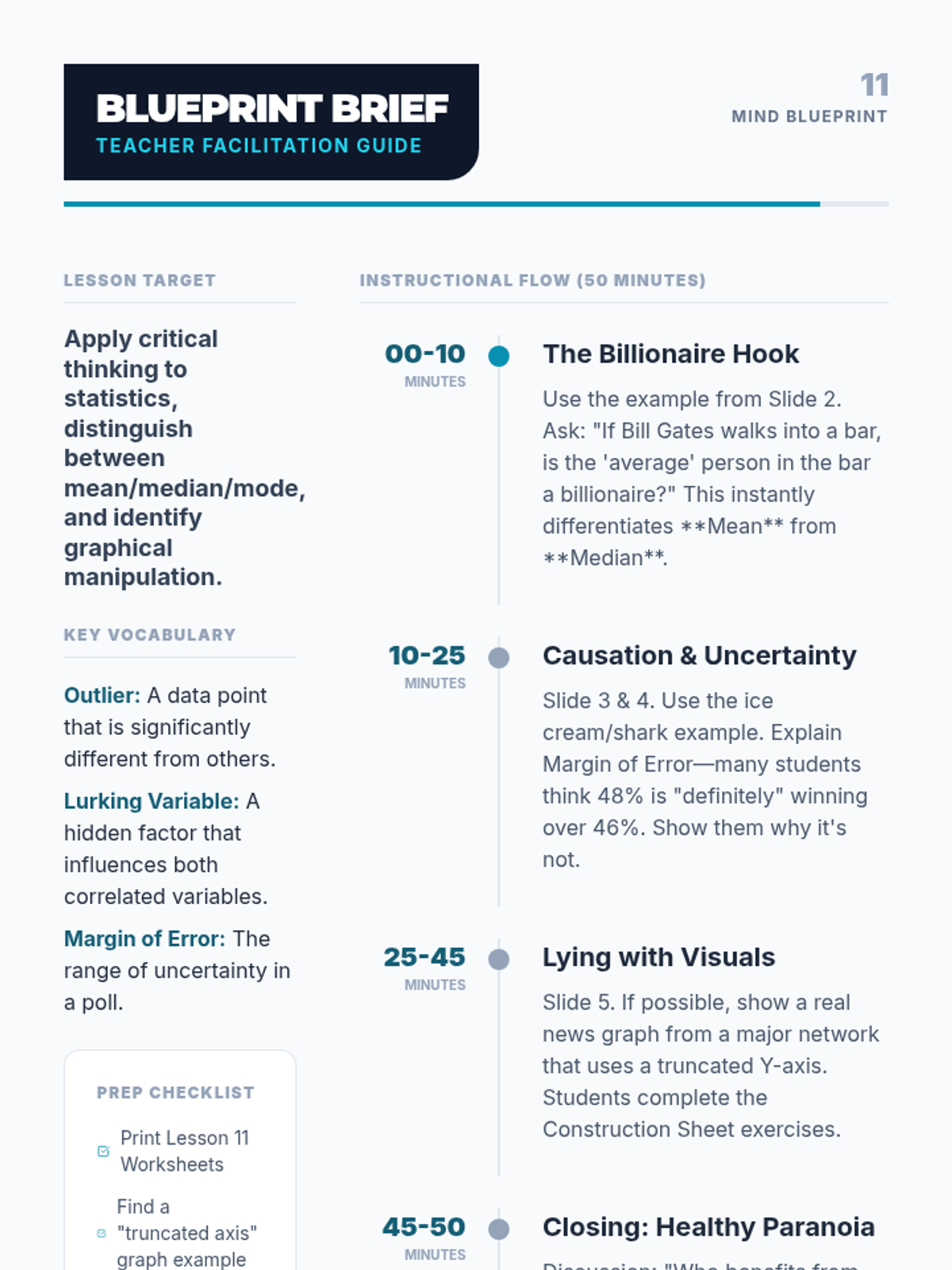
Analyzing statistics for reliability, sample size, and representative quality, while identifying the misuse of averages and partial claims.
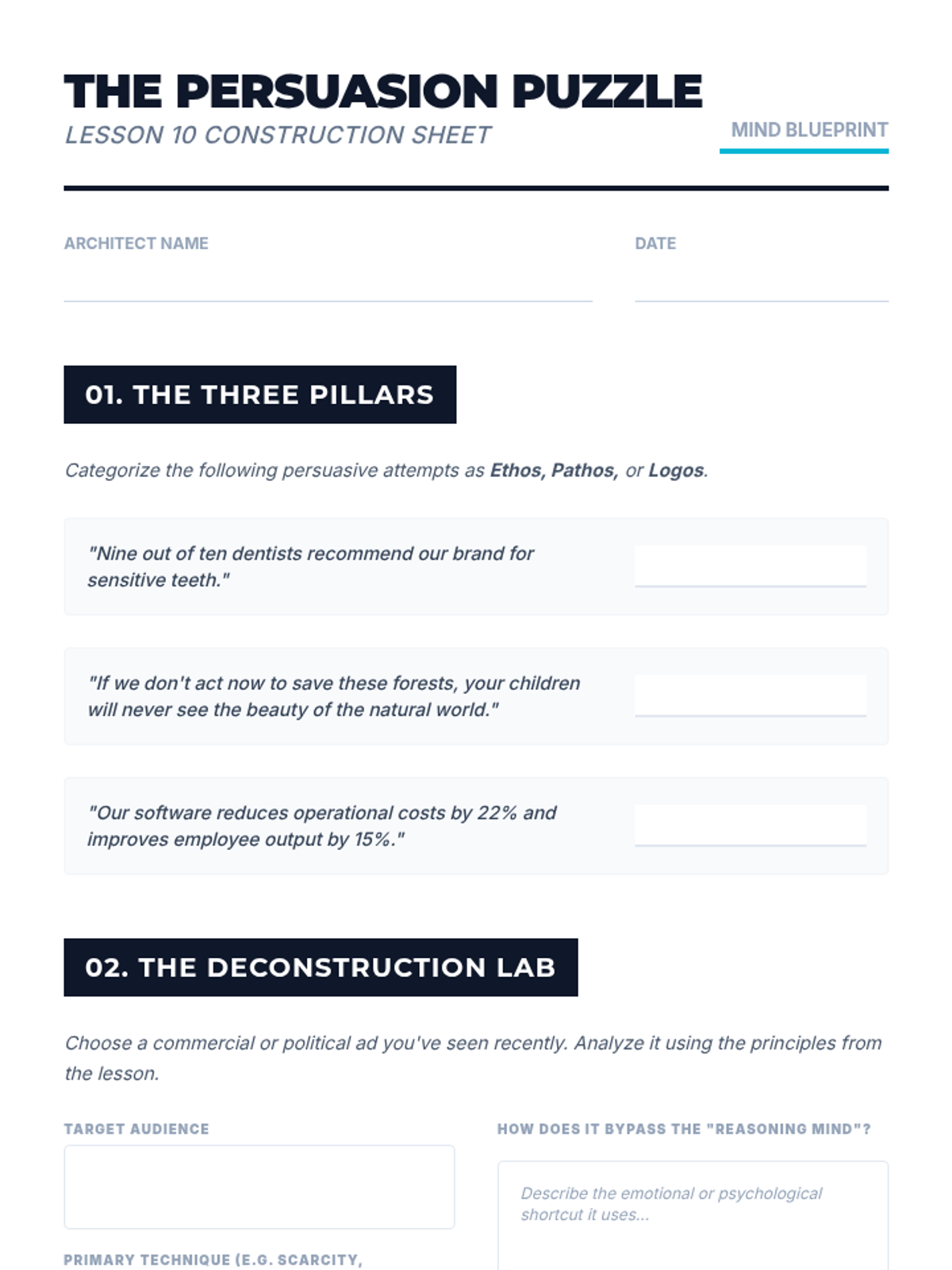
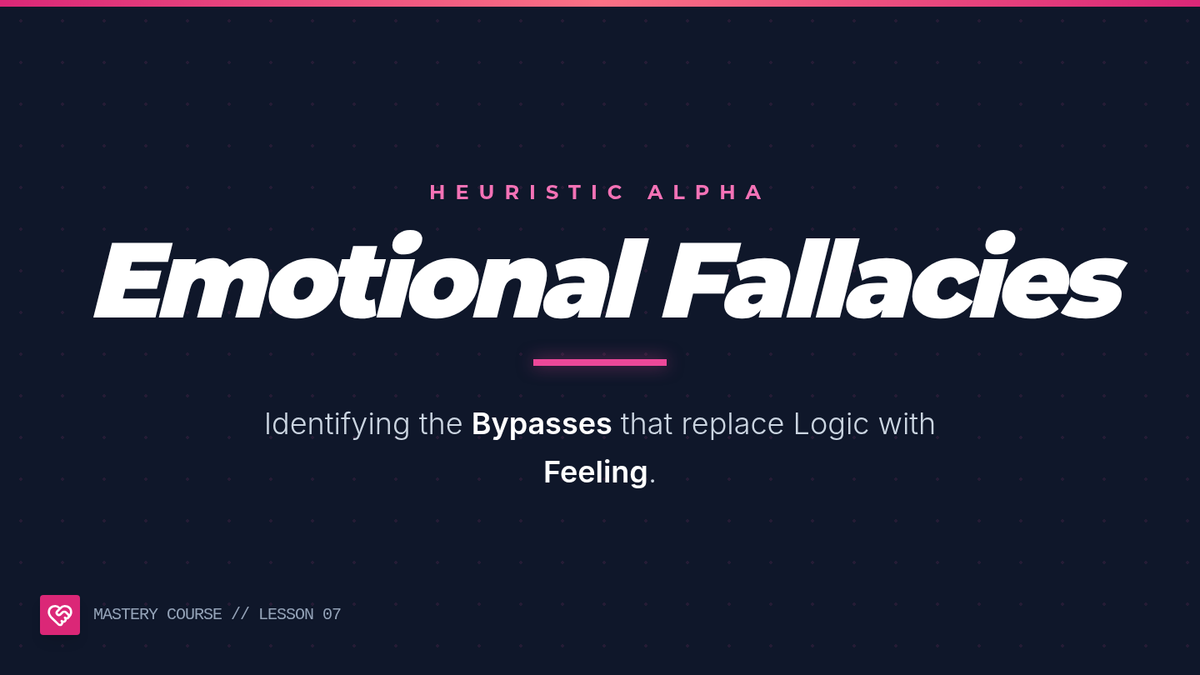
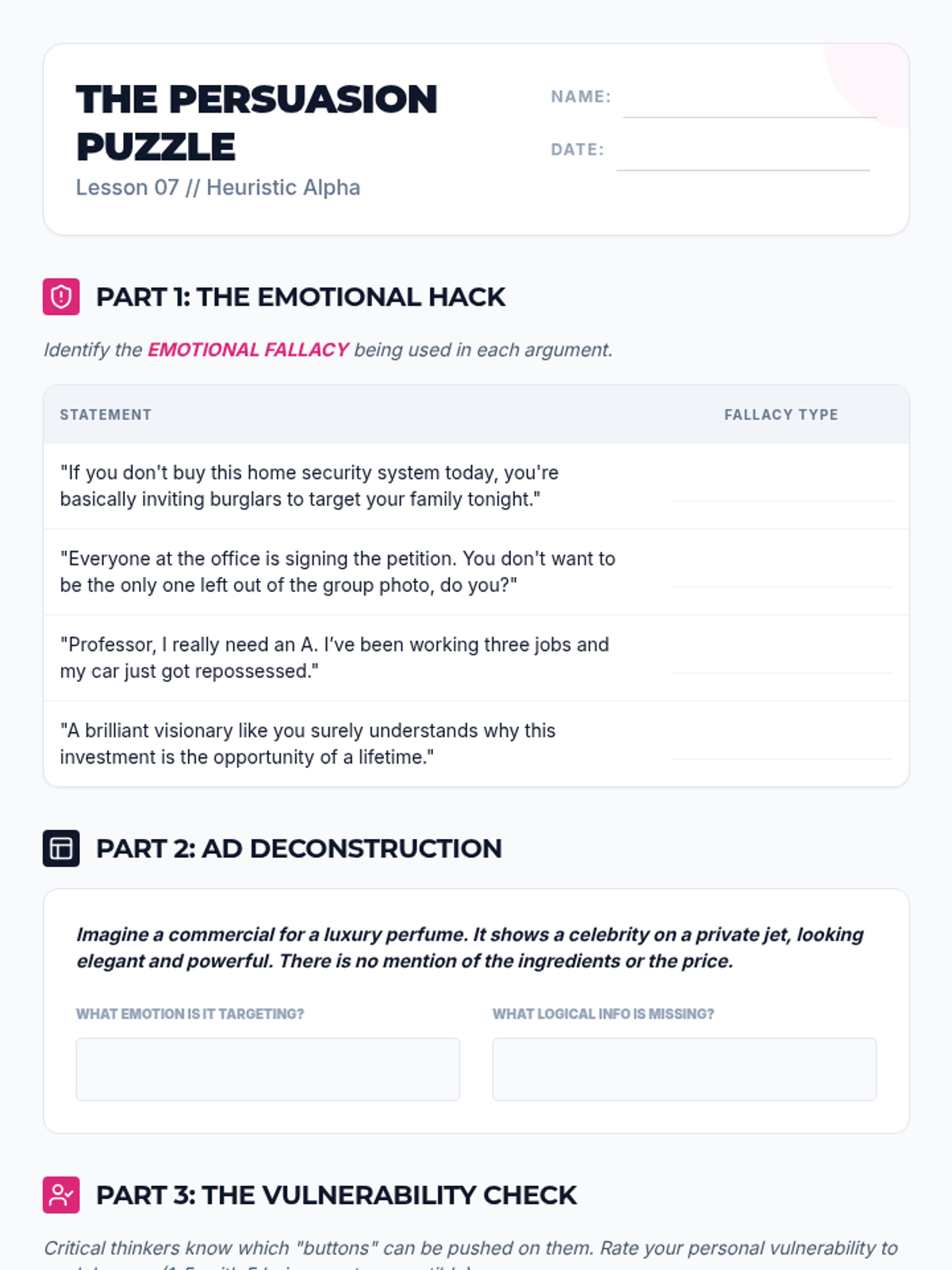
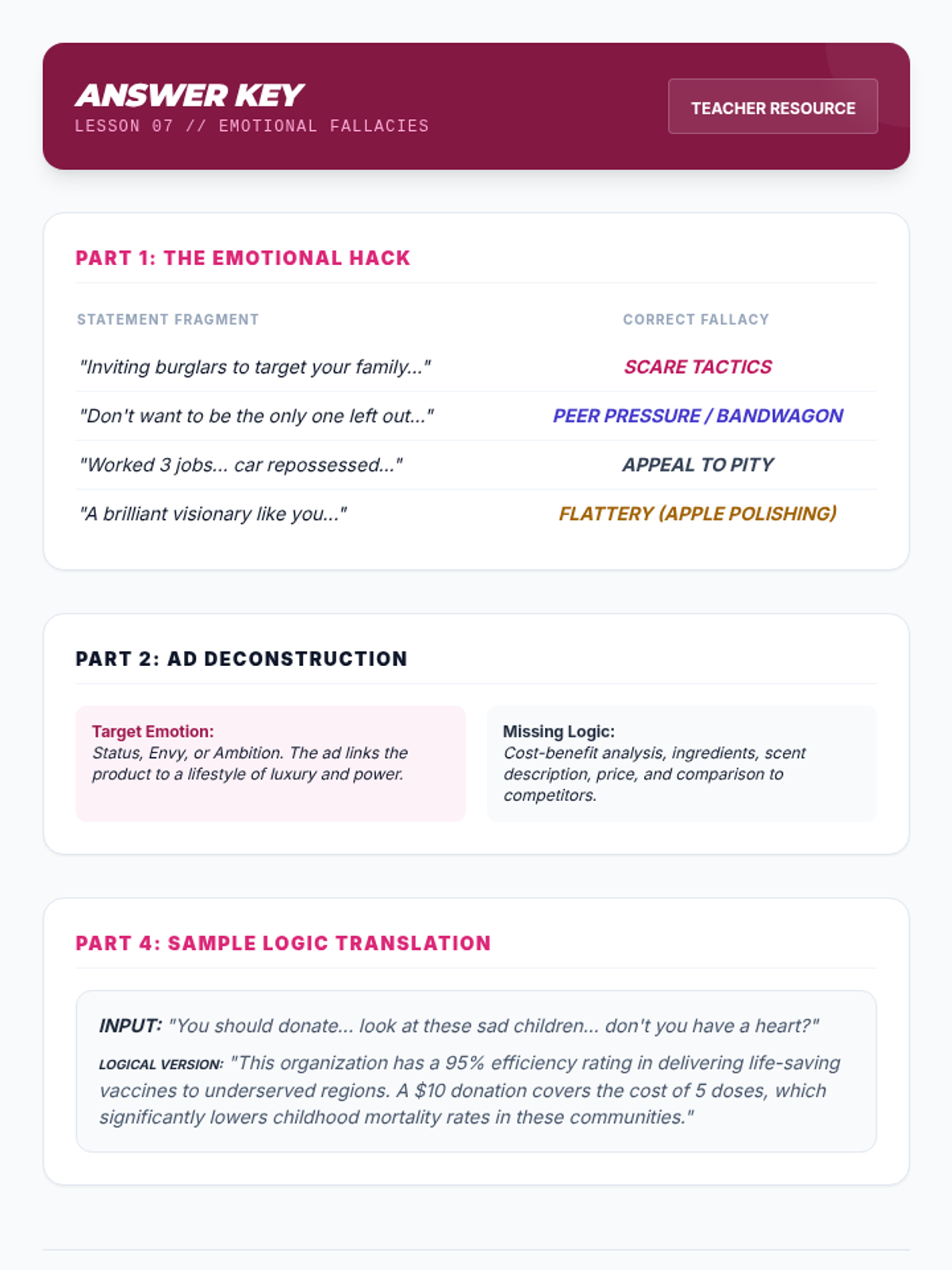
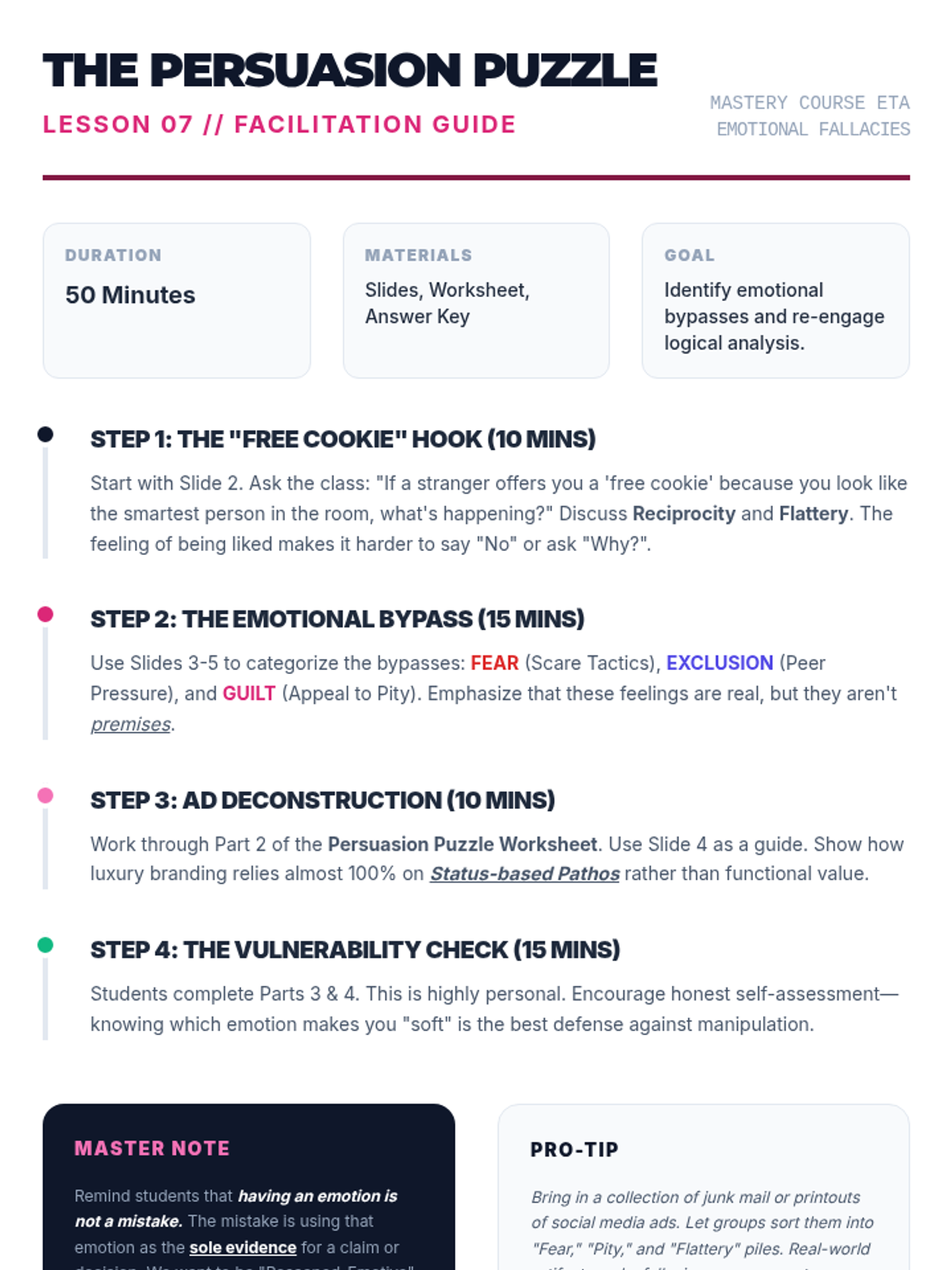
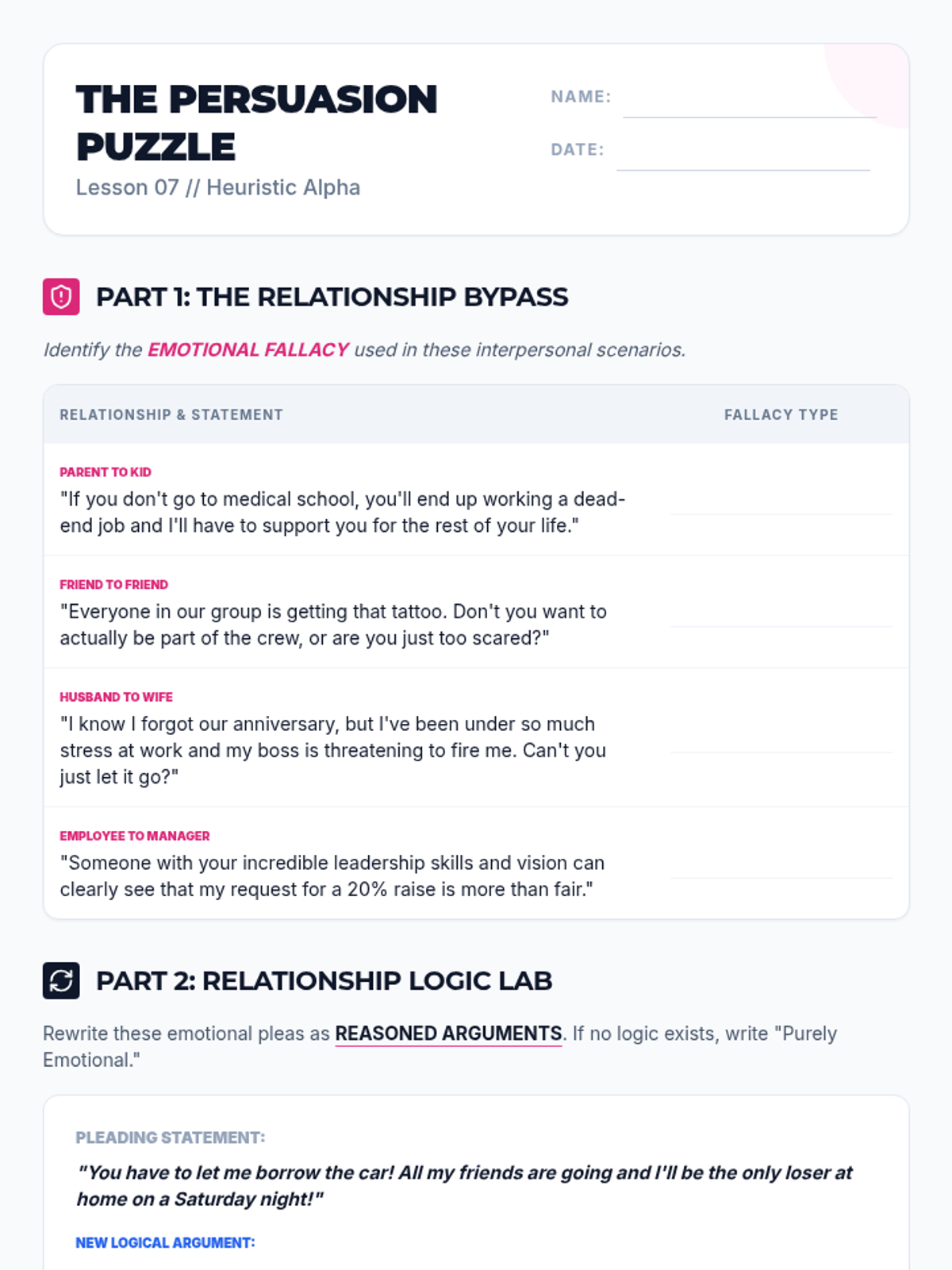
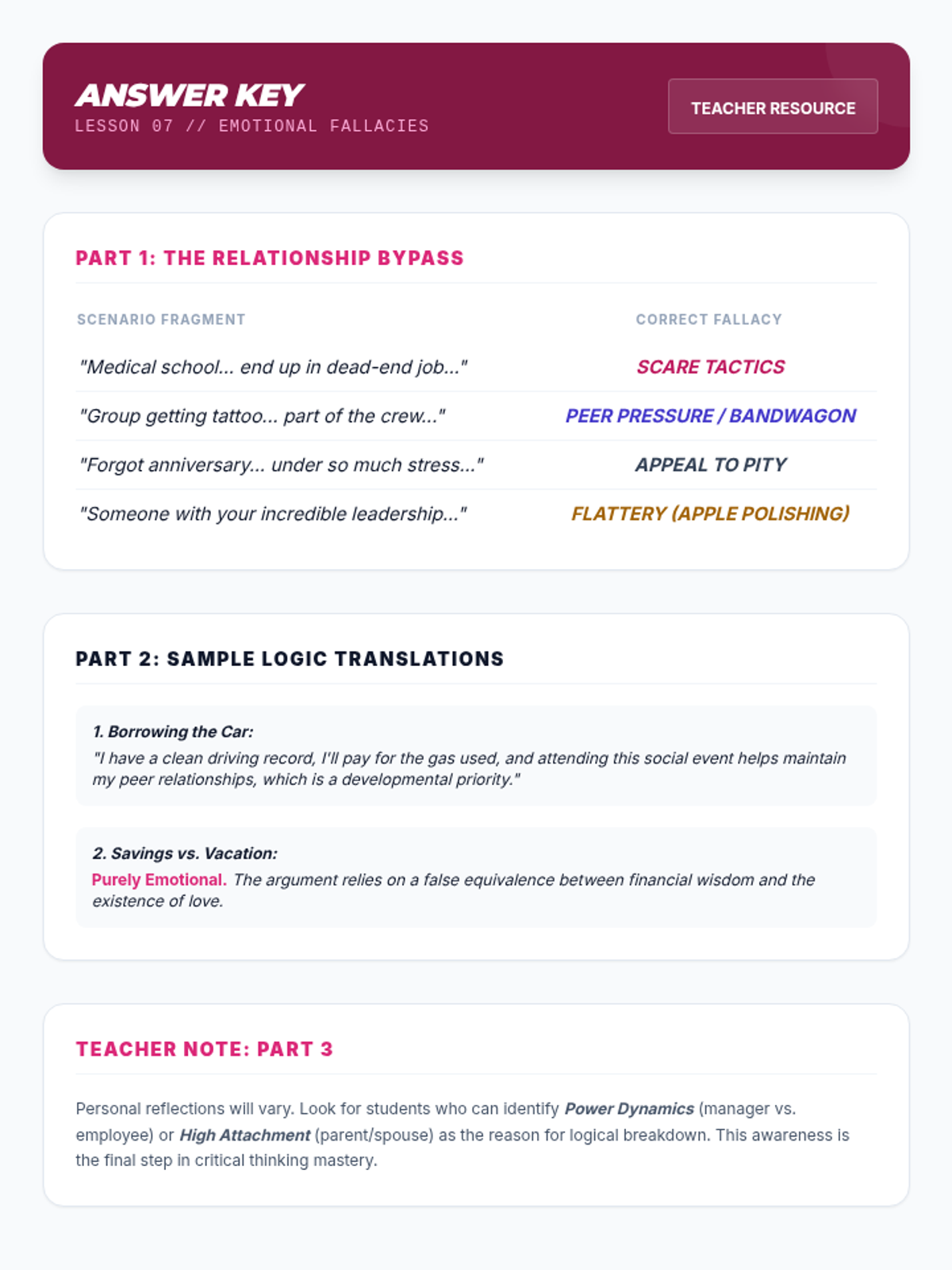
Identifying fallacies that bypass logic to target emotions: scare tactics, flattery, peer pressure, and appeals to pity.
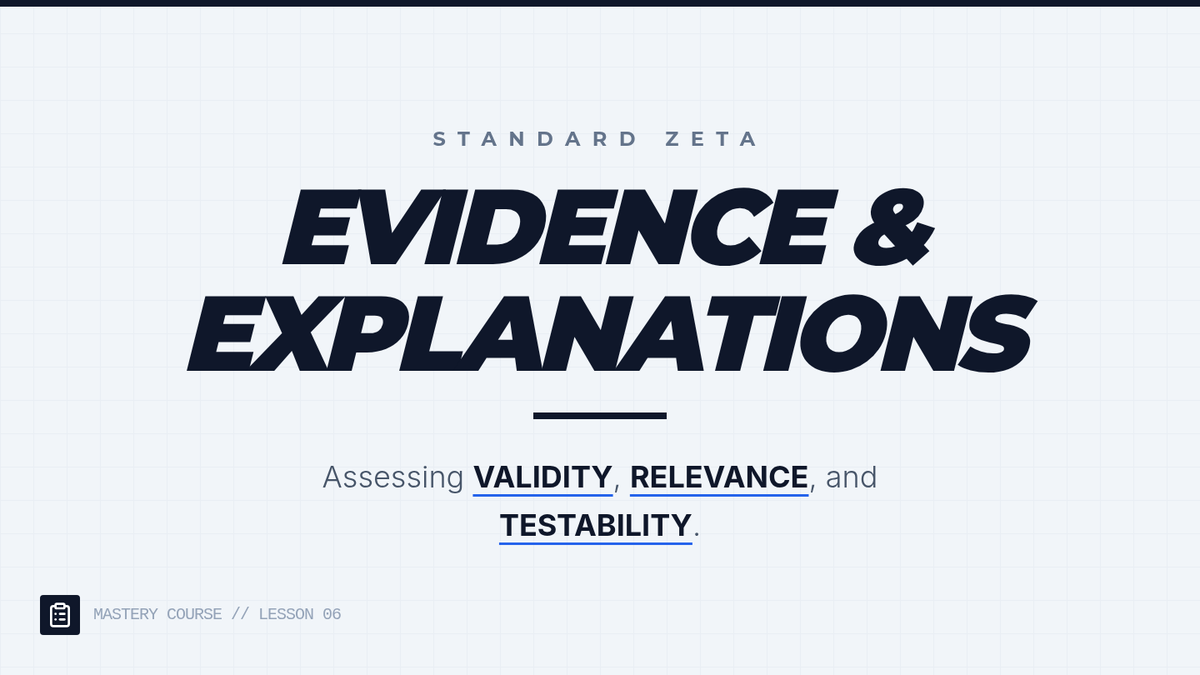
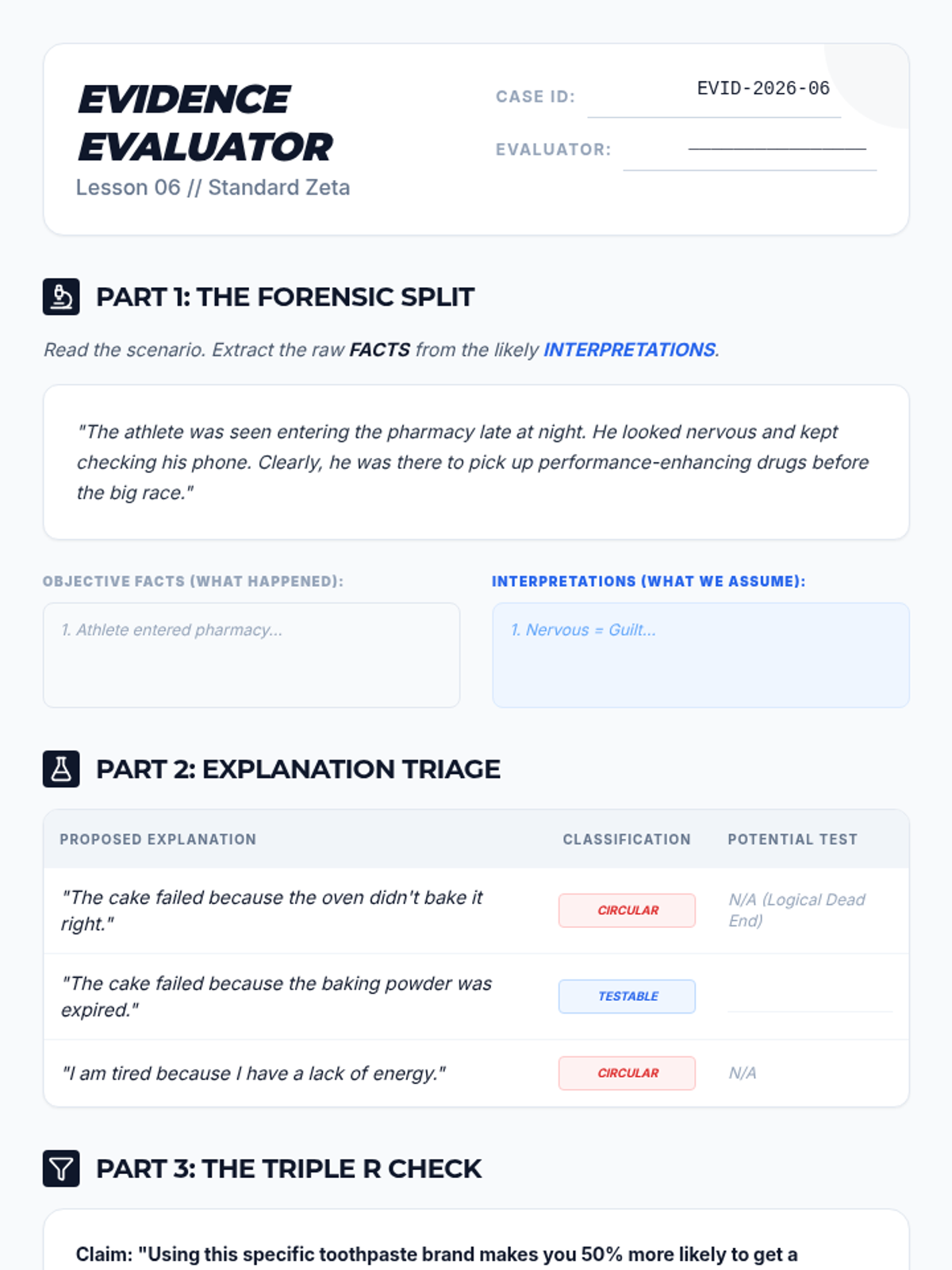
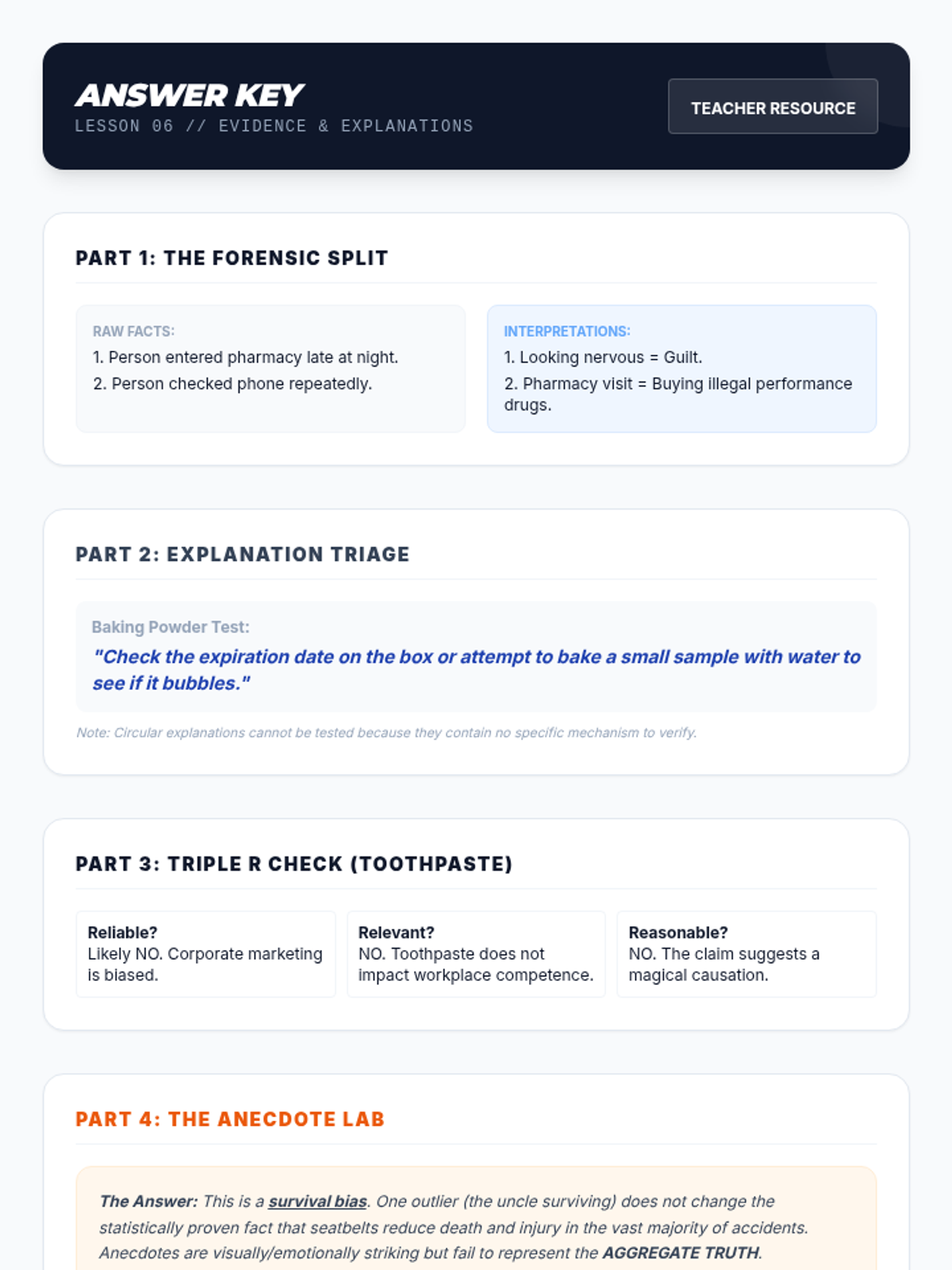
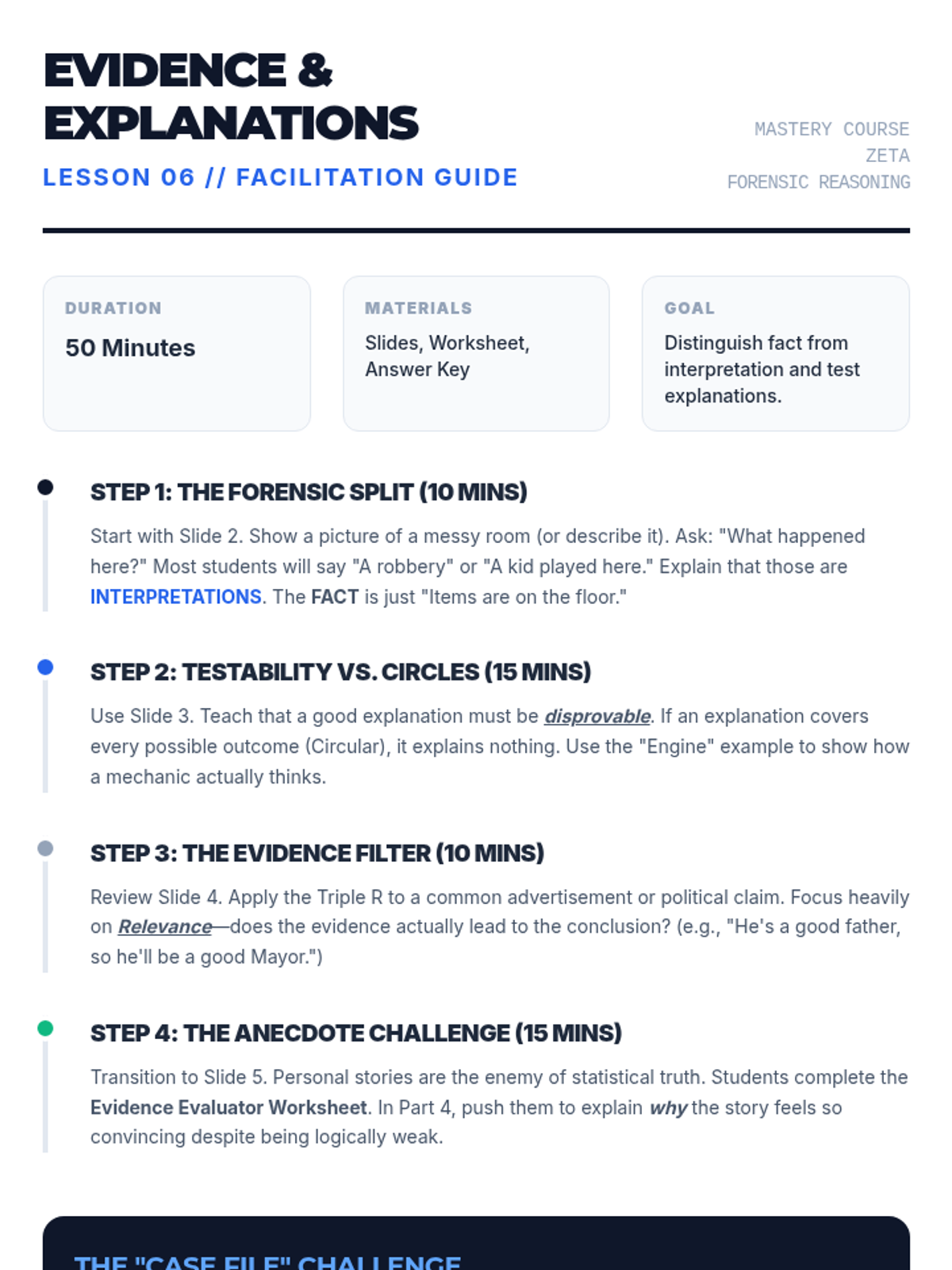
Developing the skills to assess the validity and reasonableness of evidence, and ensuring explanations are relevant and testable.
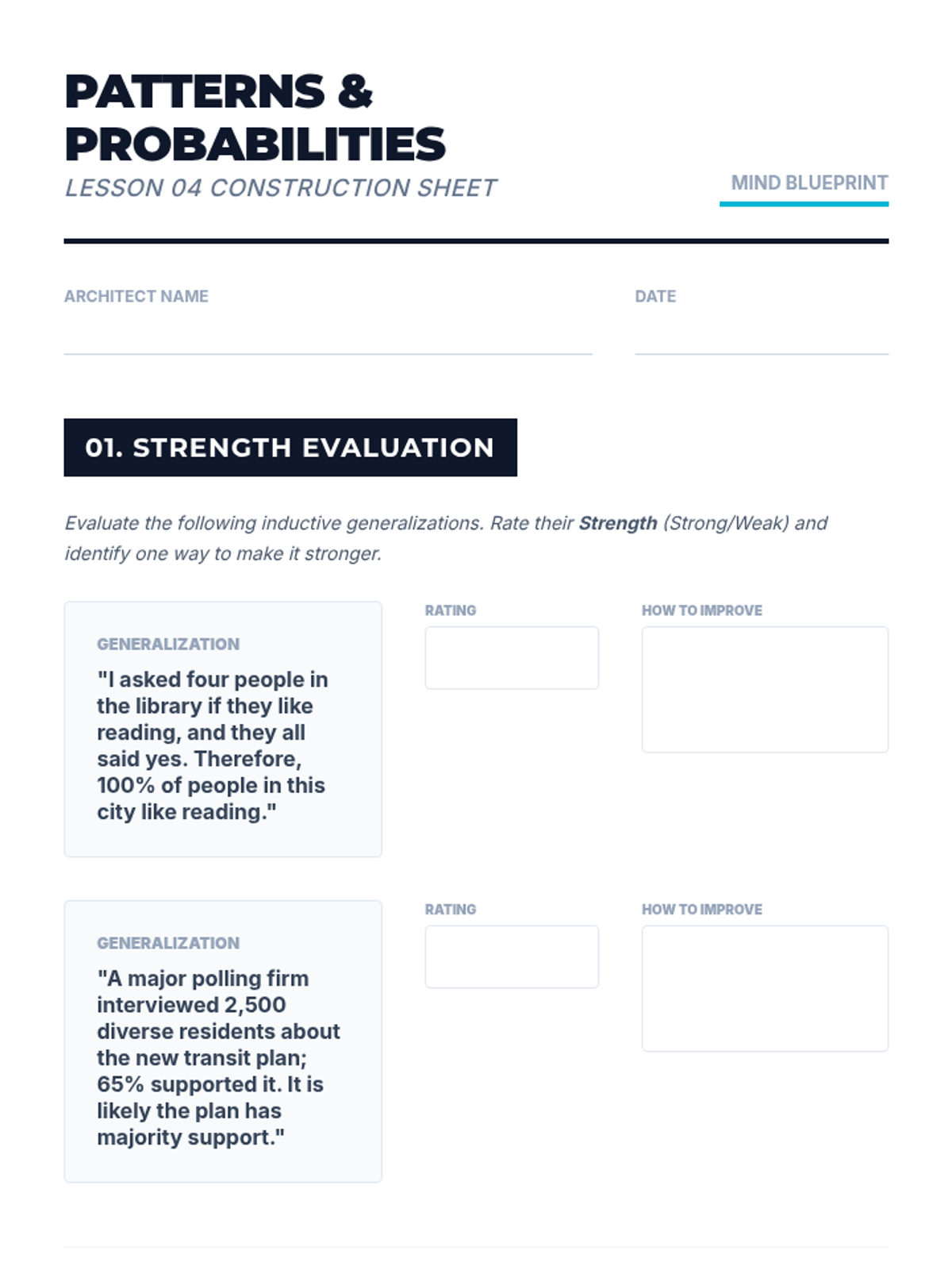
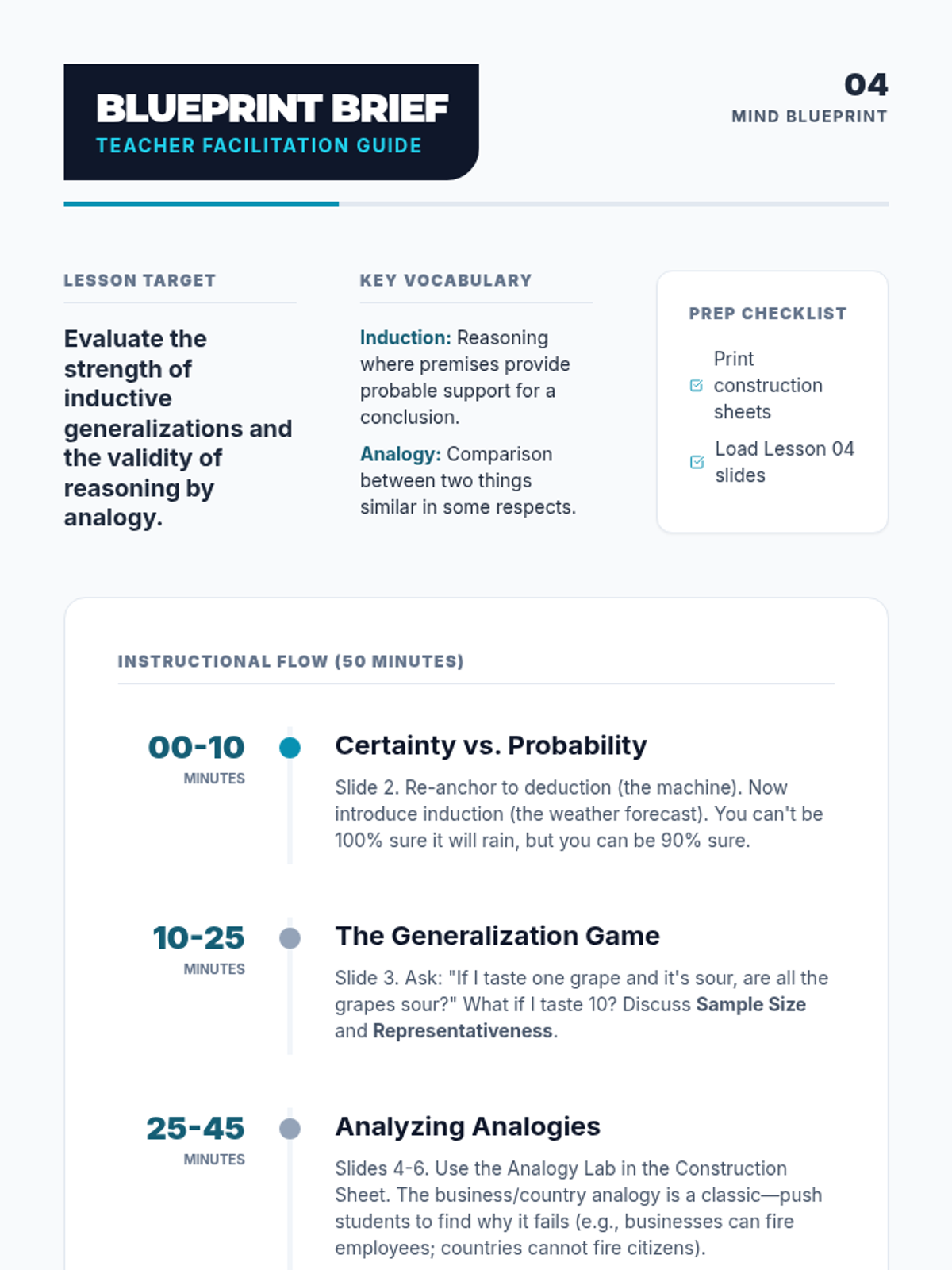
Recognizing errors in inductive logic: hasty generalizations, biased generalizations, and non sequiturs.
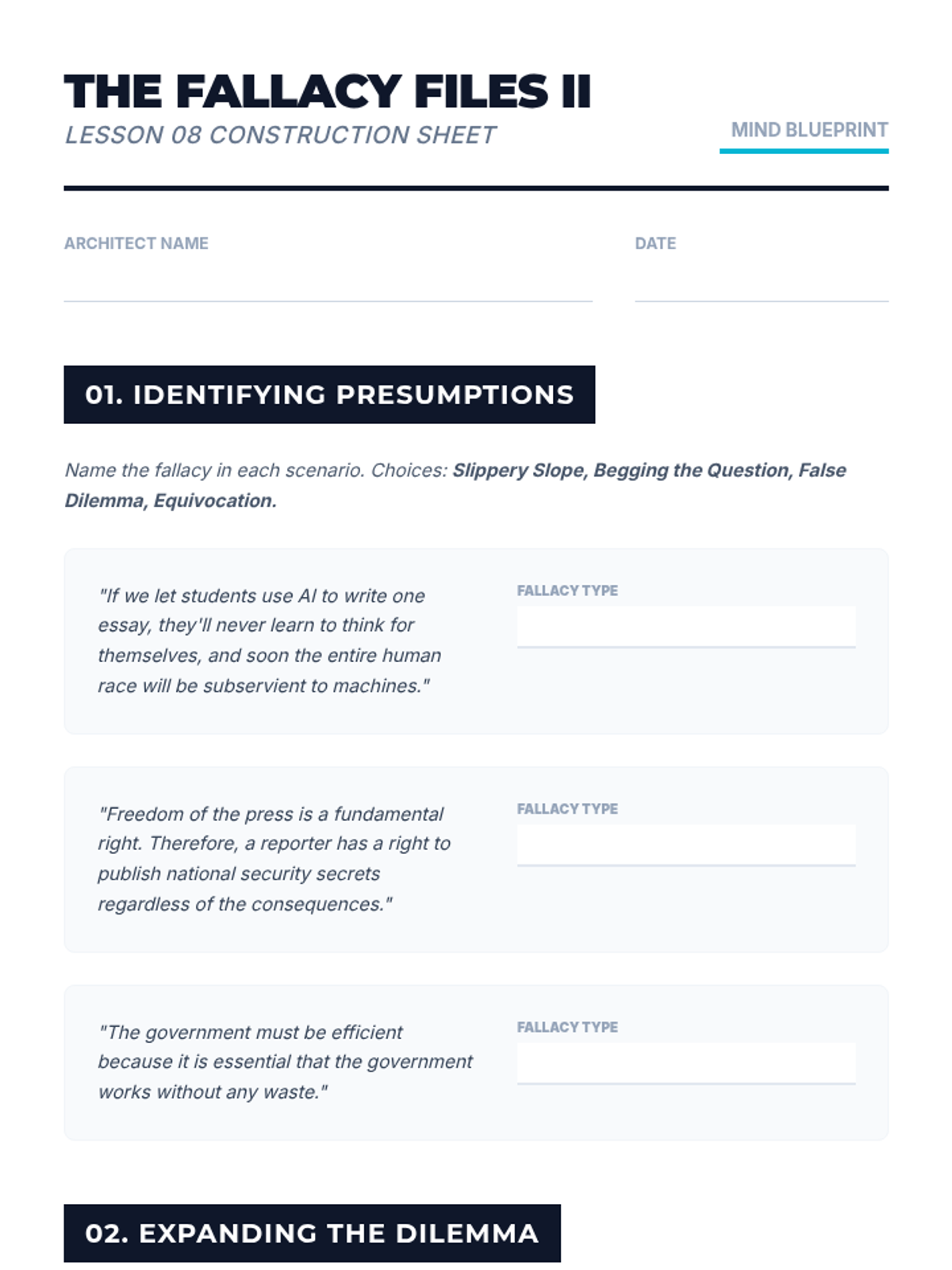
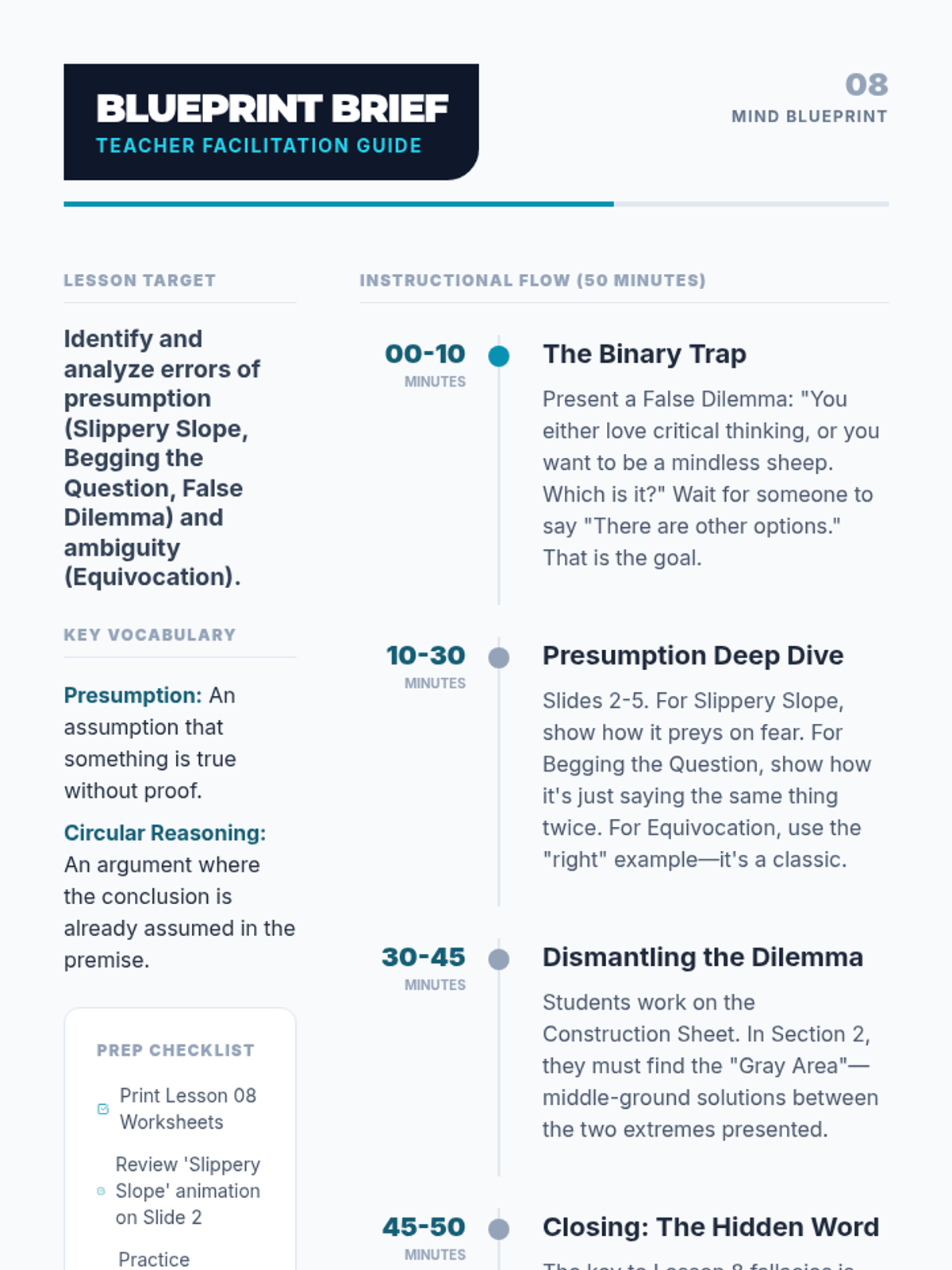
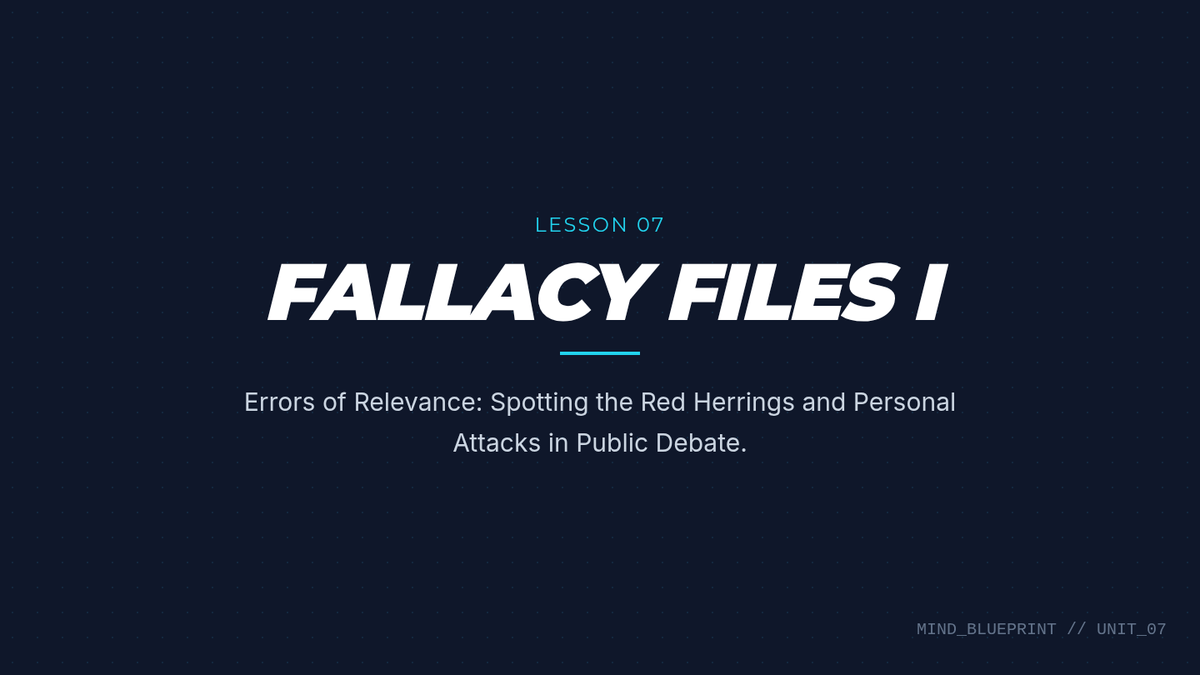
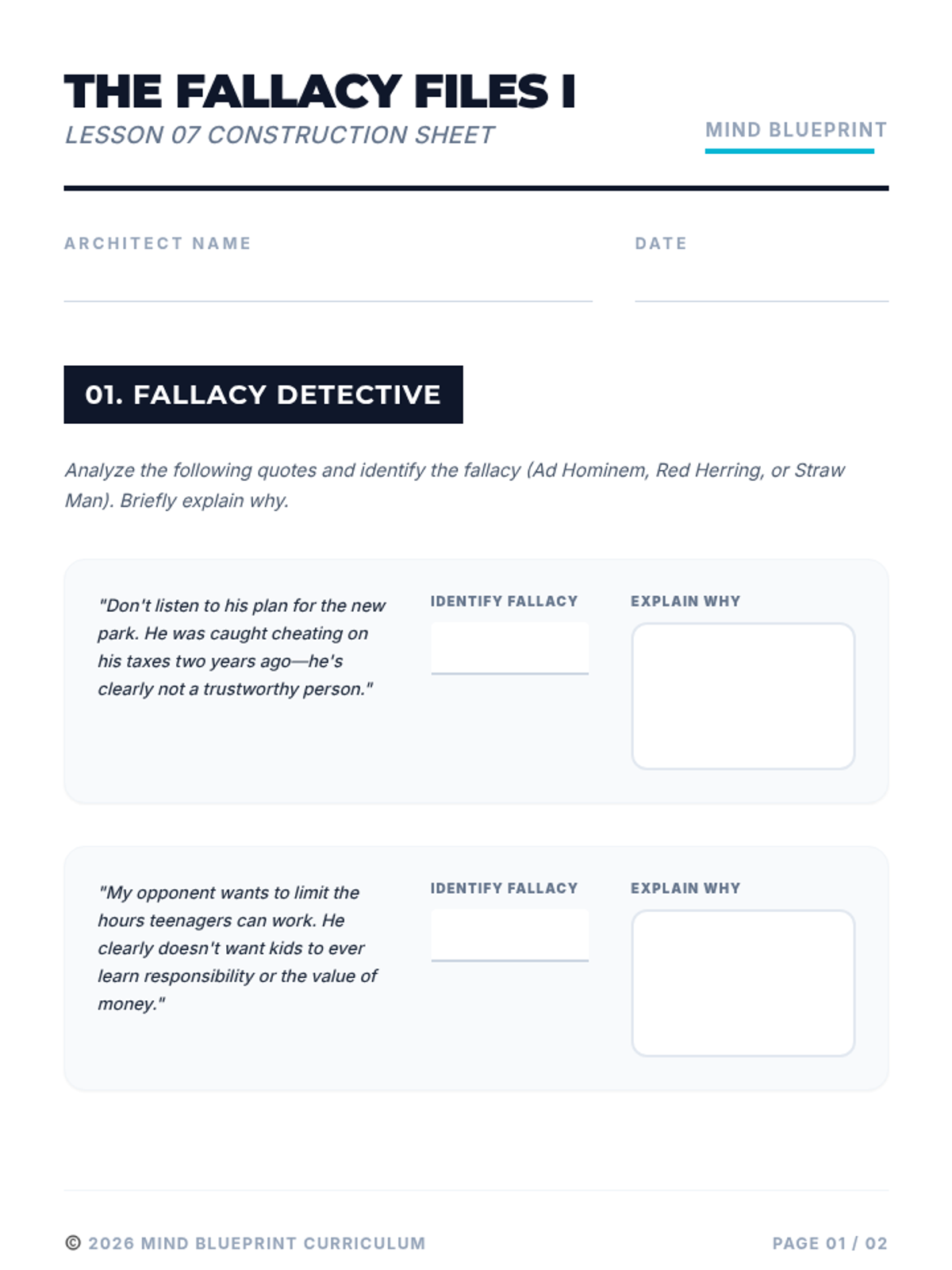
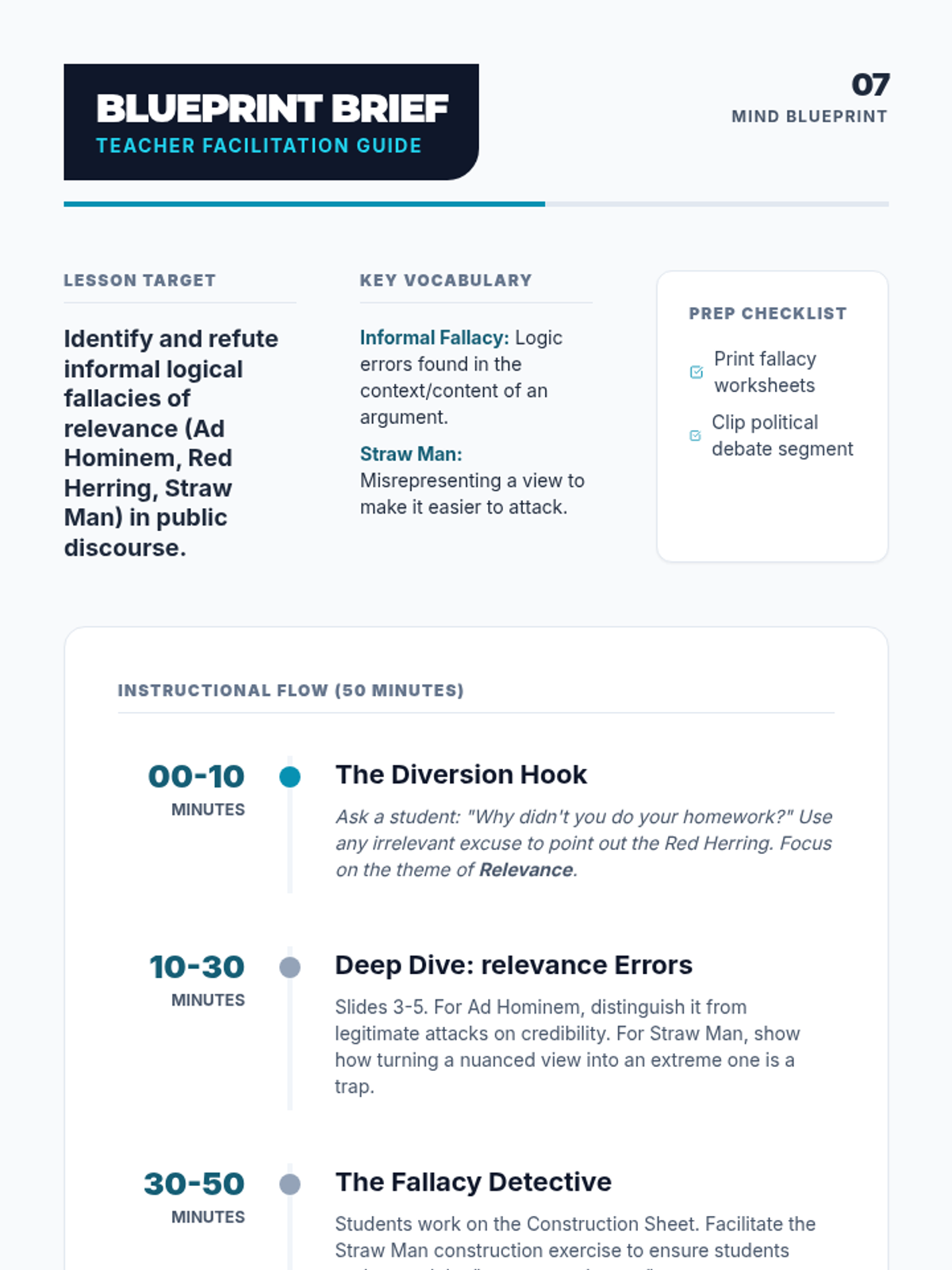
A deep dive into common logical errors: Slippery Slope, Circular Reasoning, Ad Hominem, Red Herring, and the Straw Man.
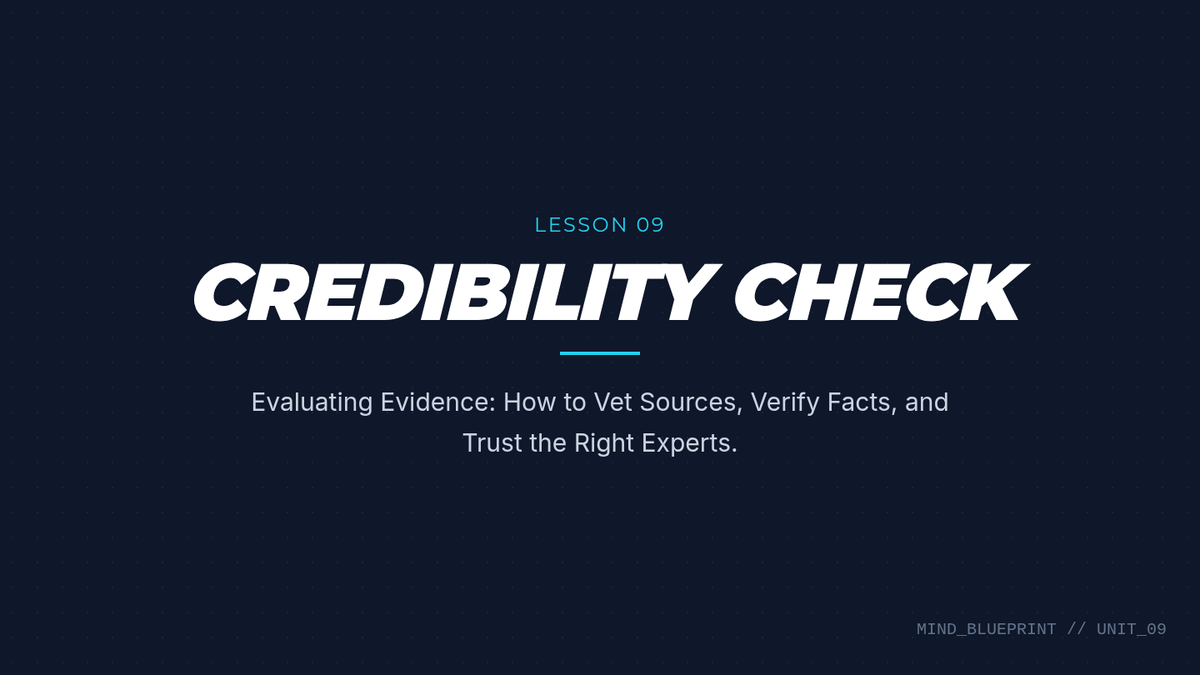
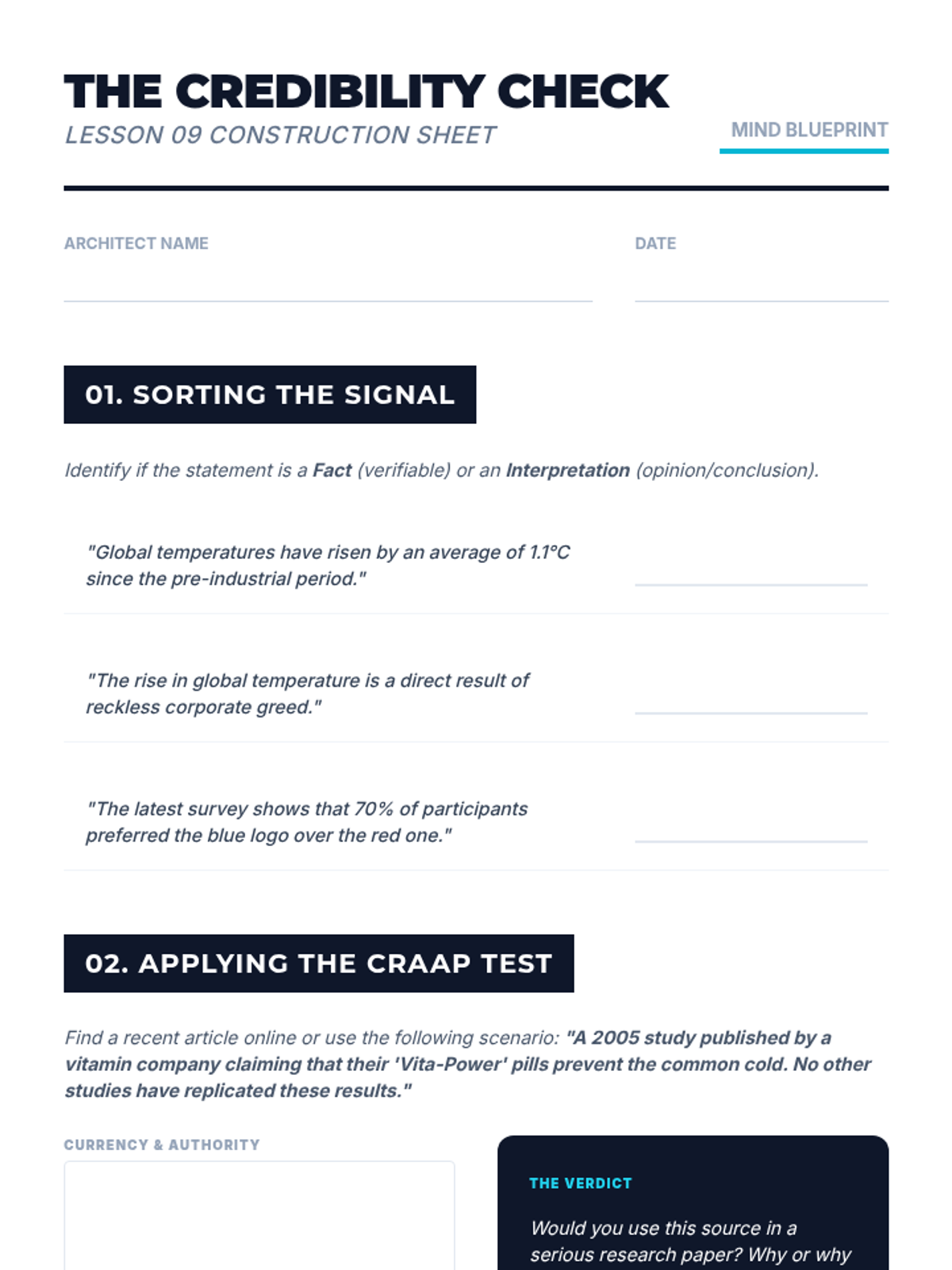
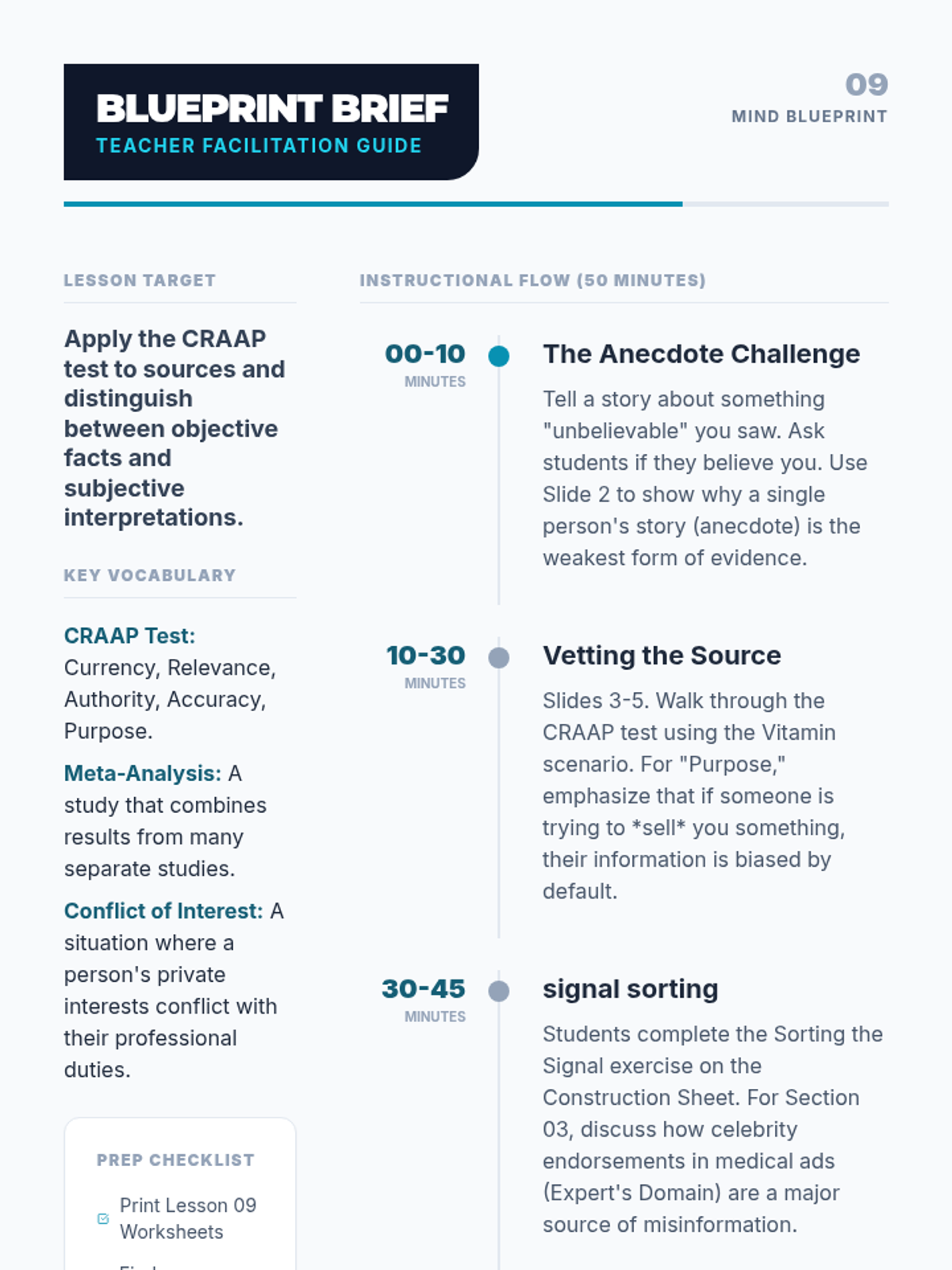
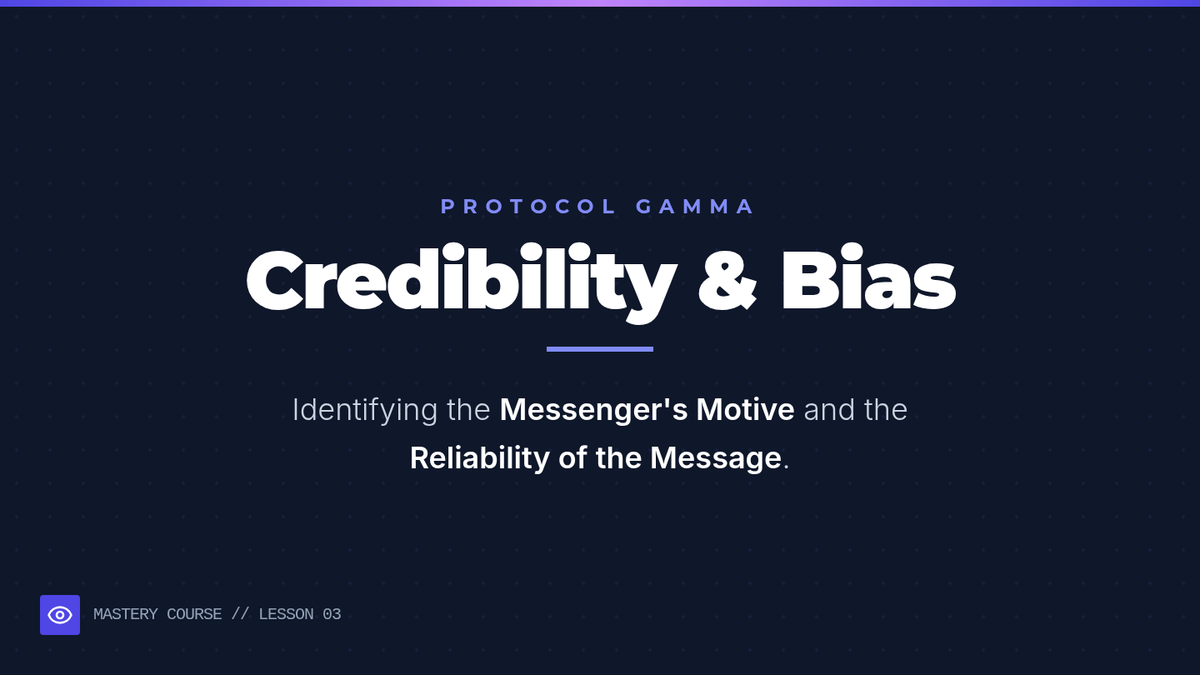
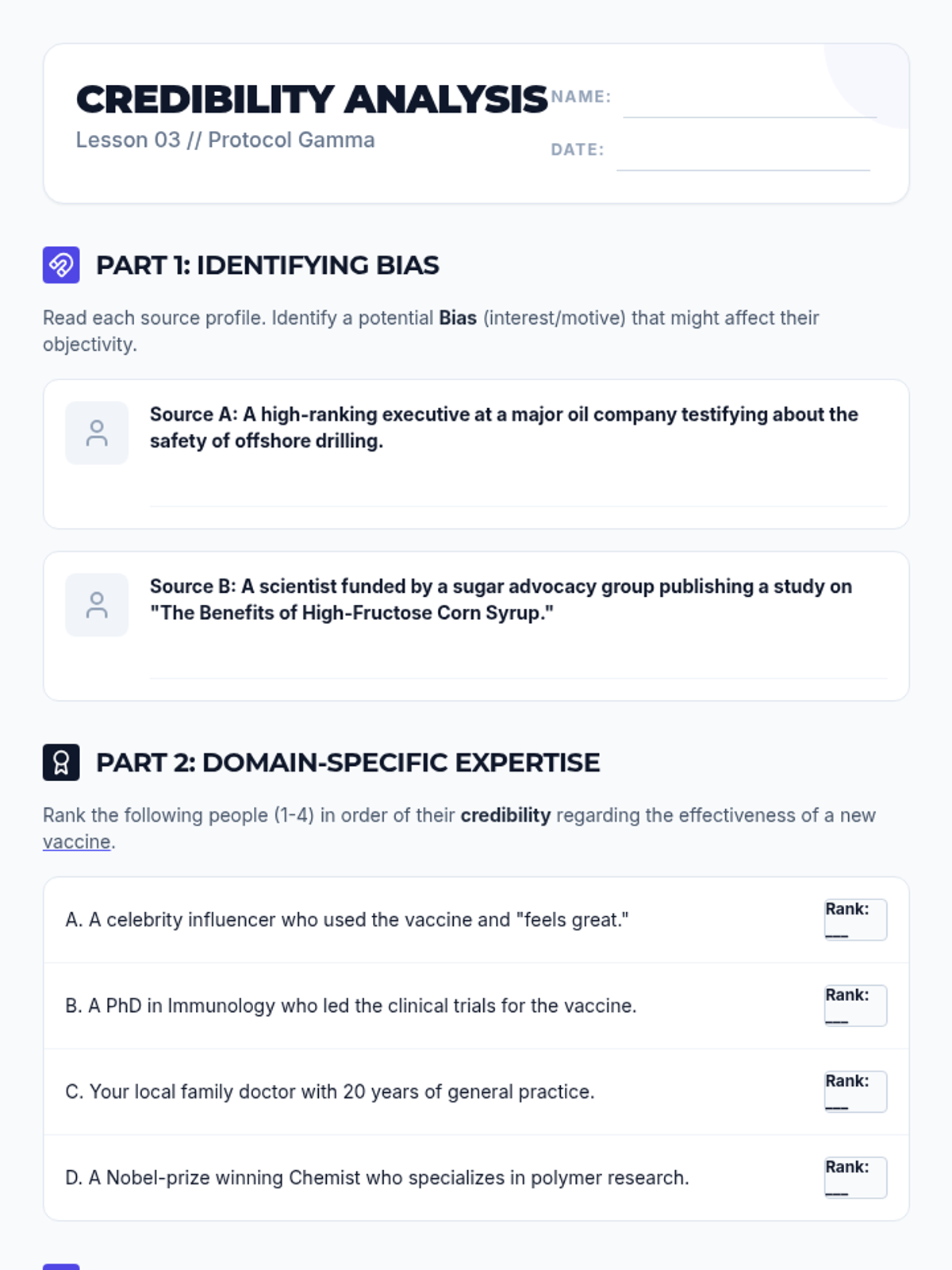
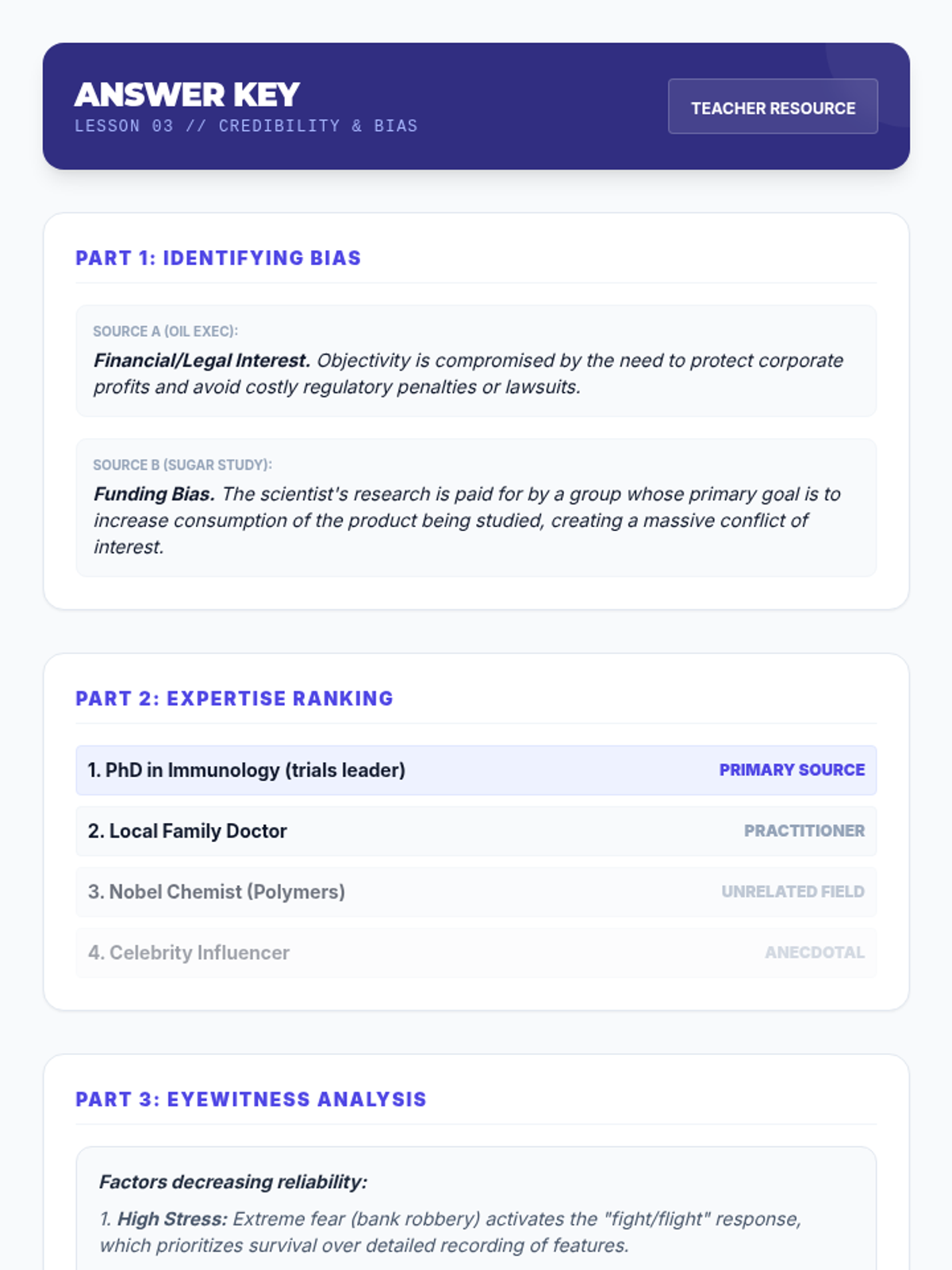
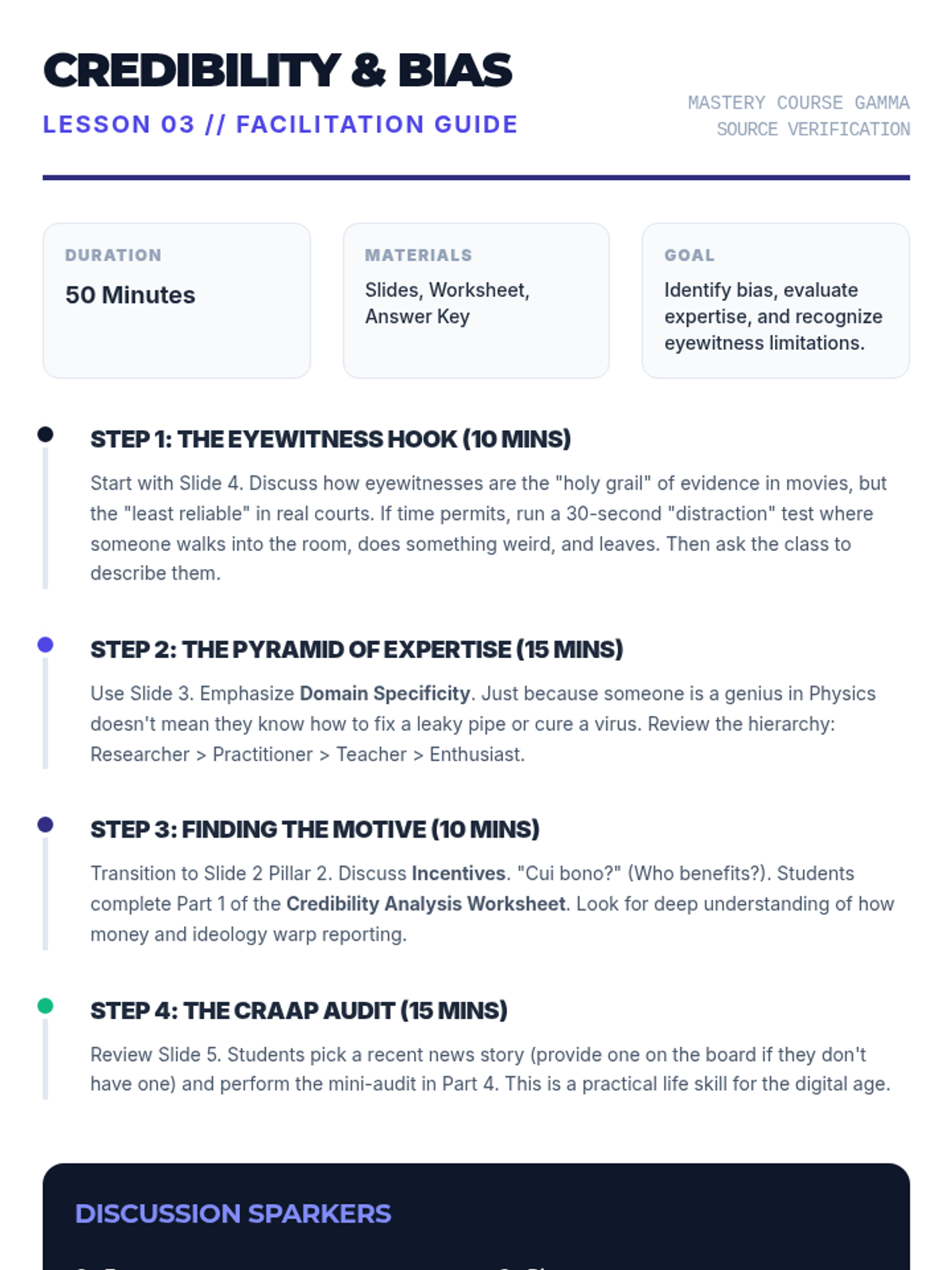
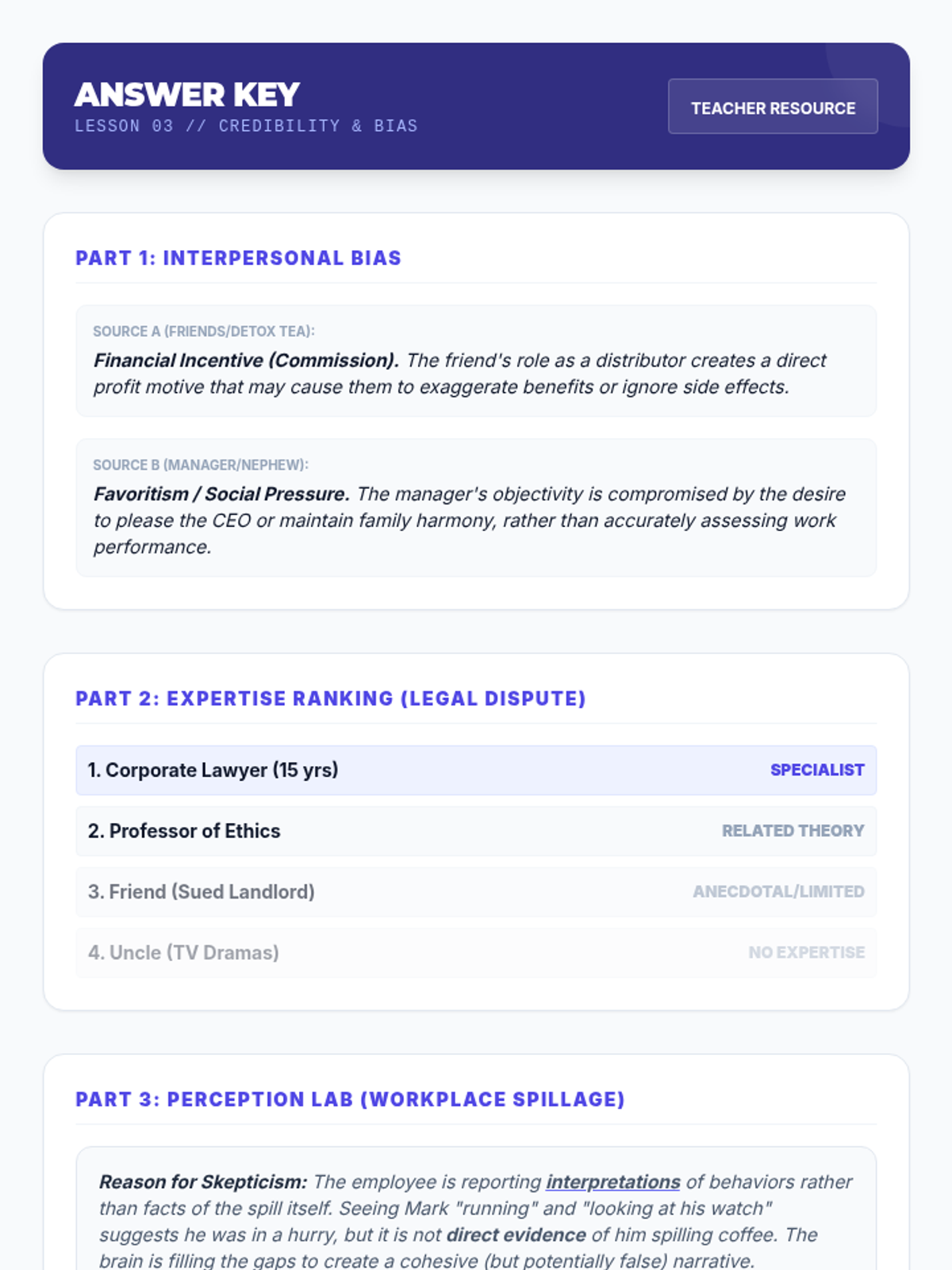
Evaluating source reliability by recognizing bias, determining levels of expertise, and understanding the specific challenges of eyewitness testimony.
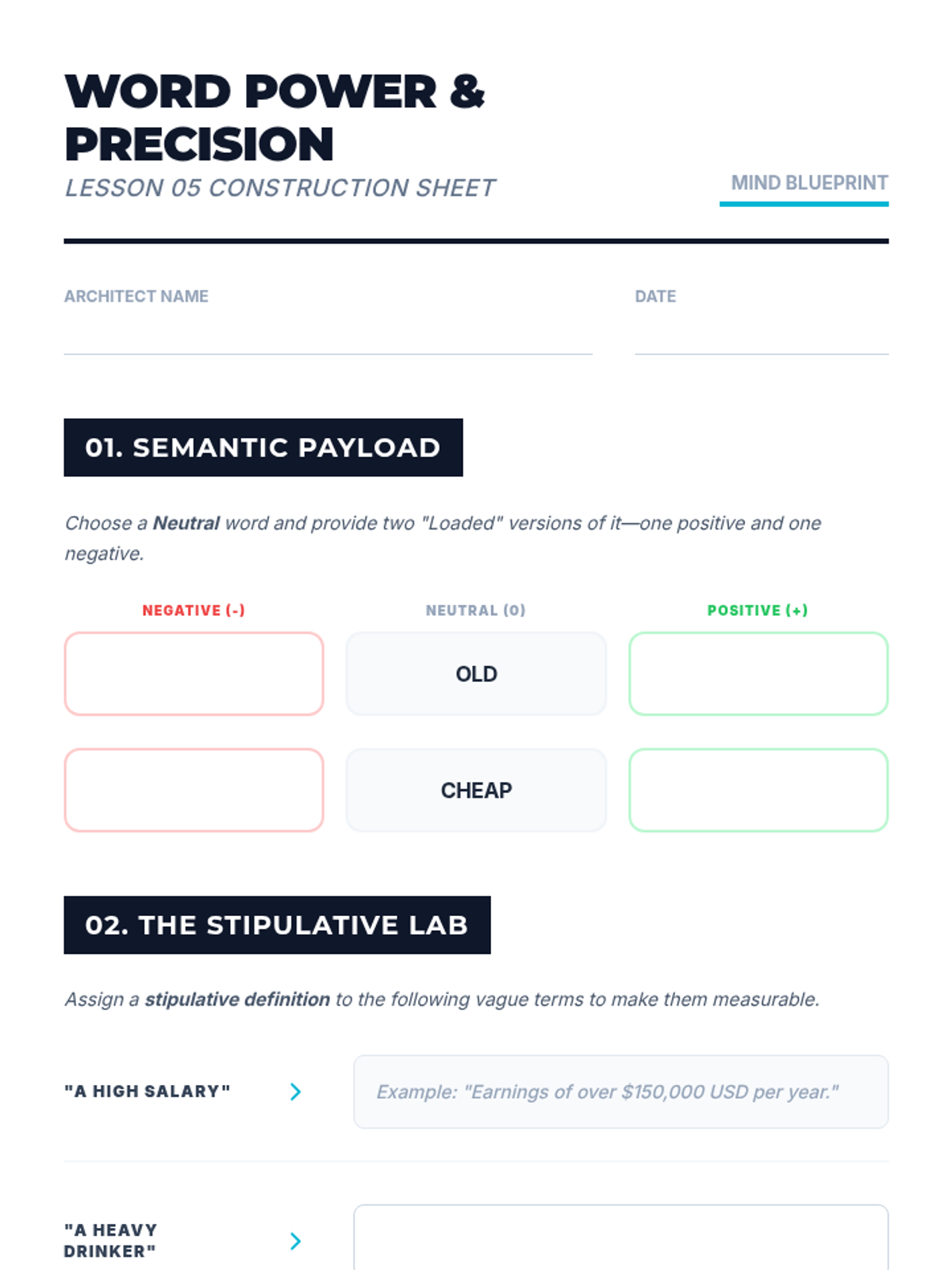
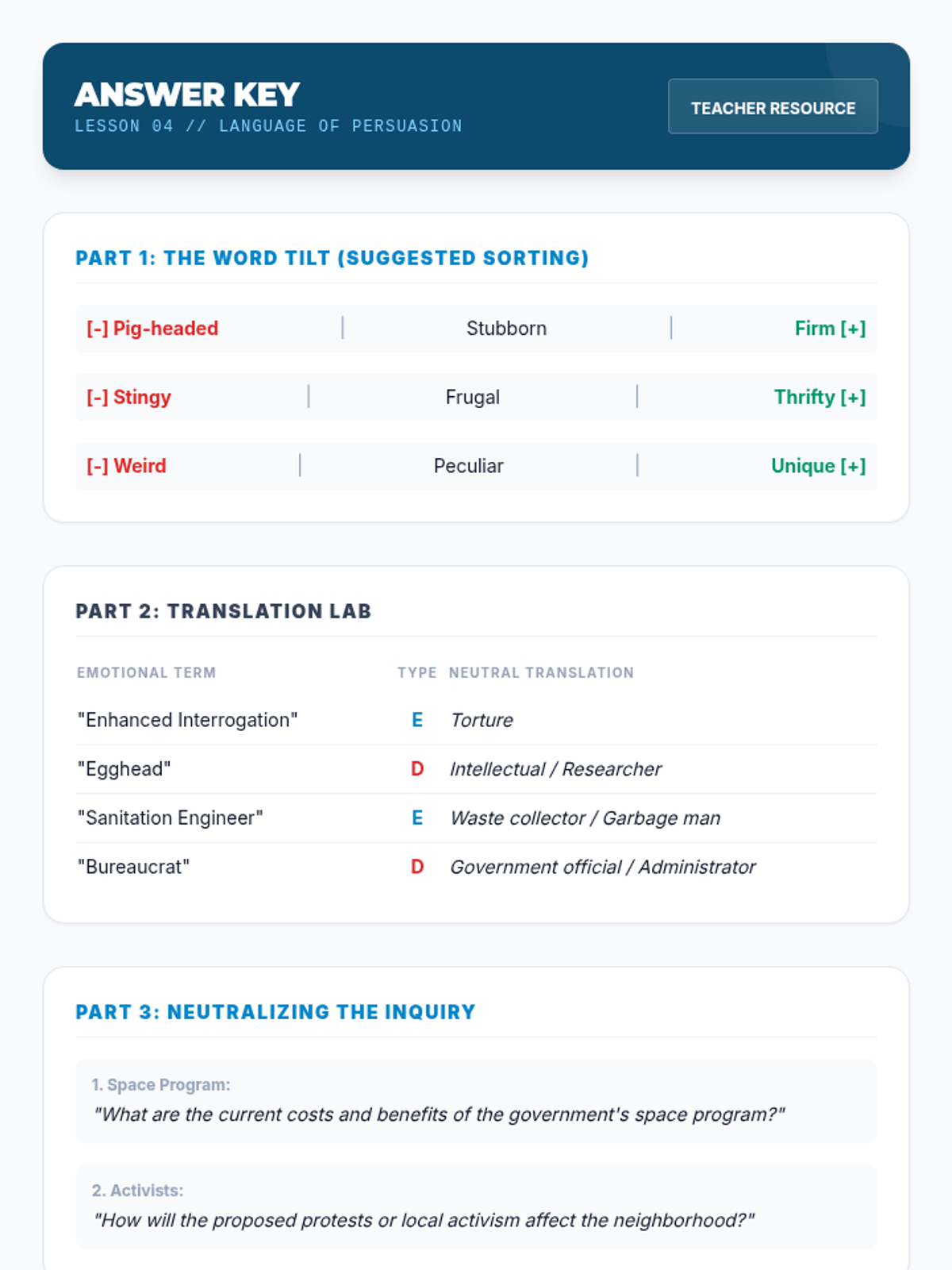
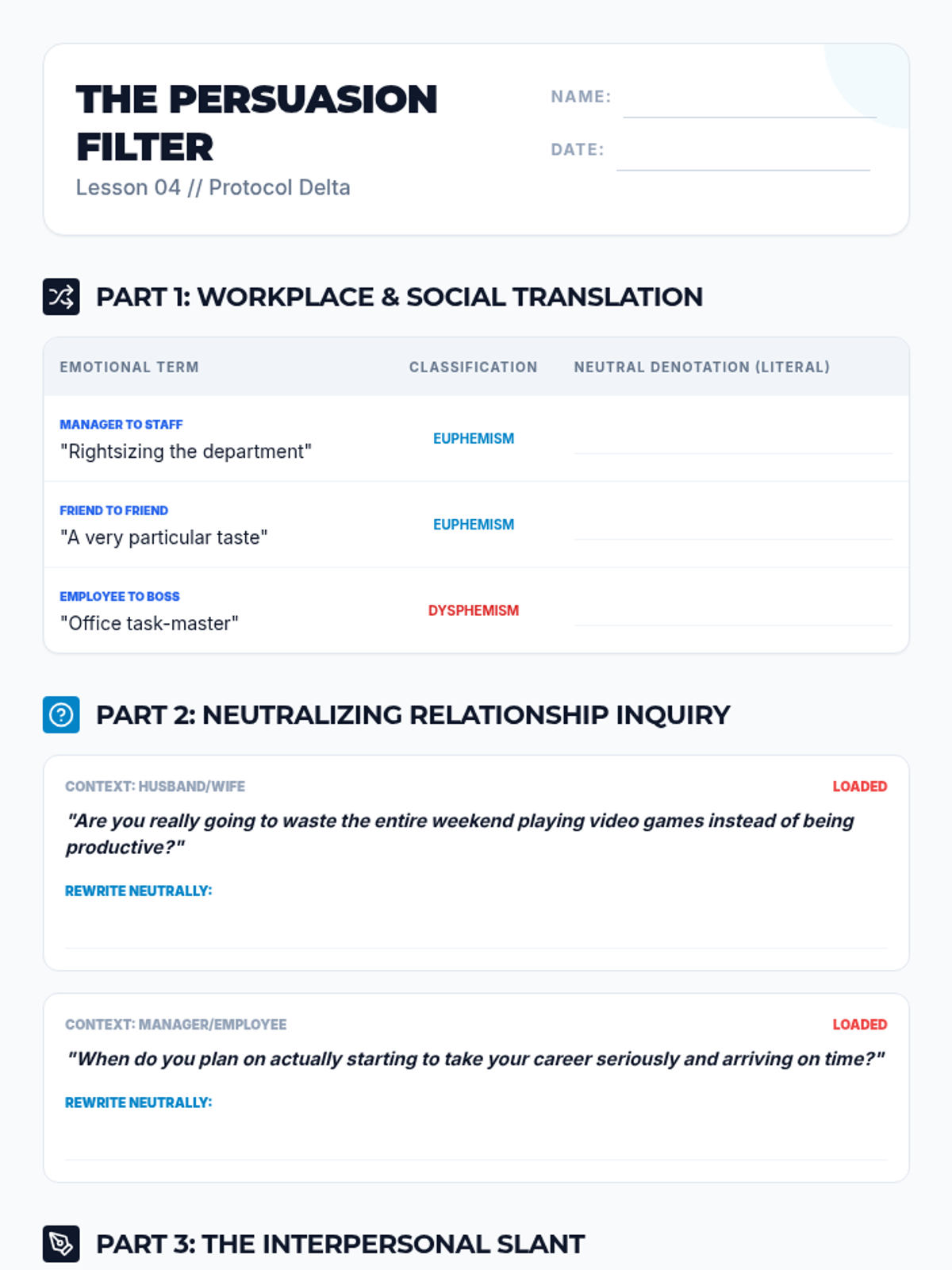
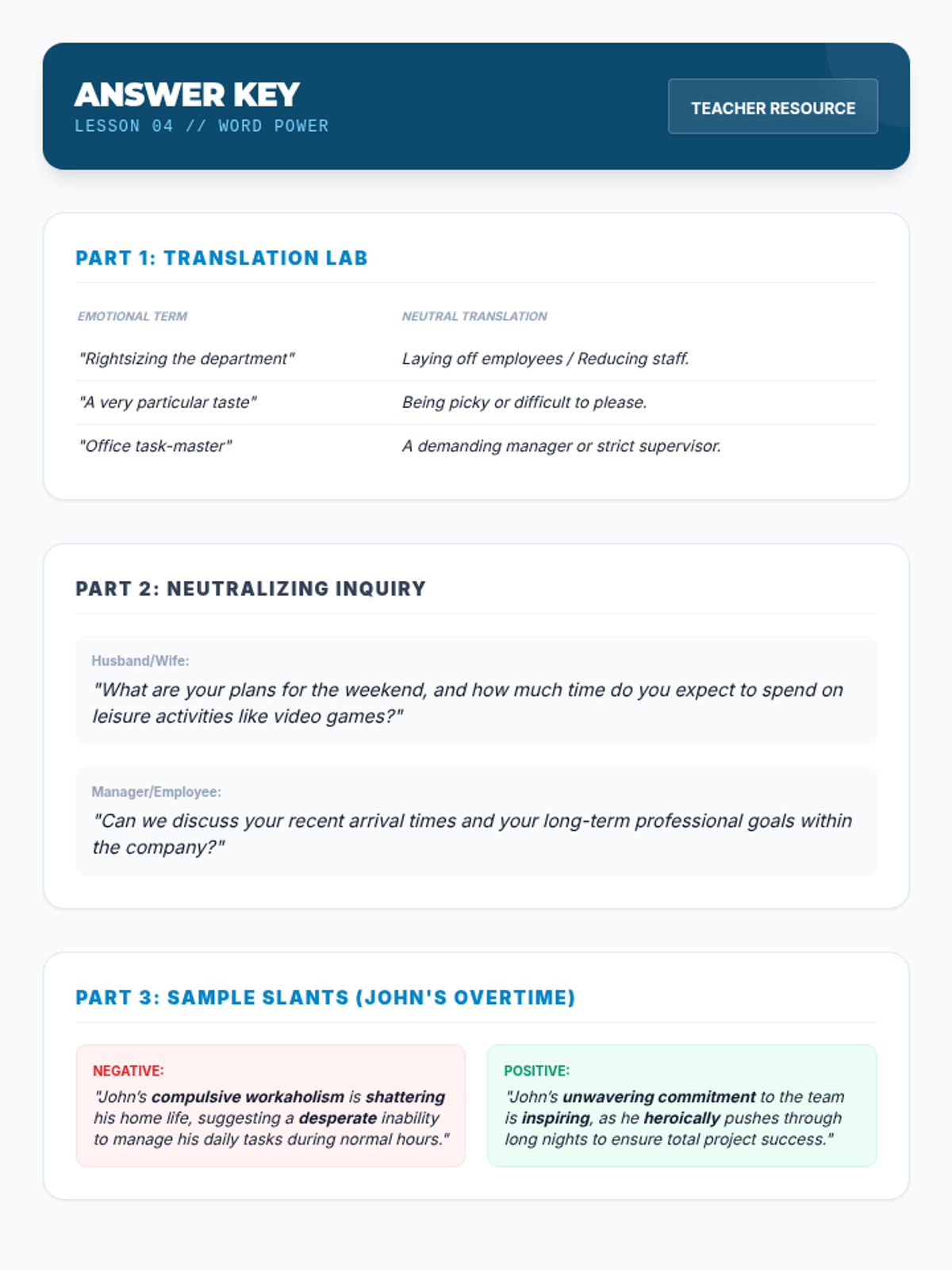
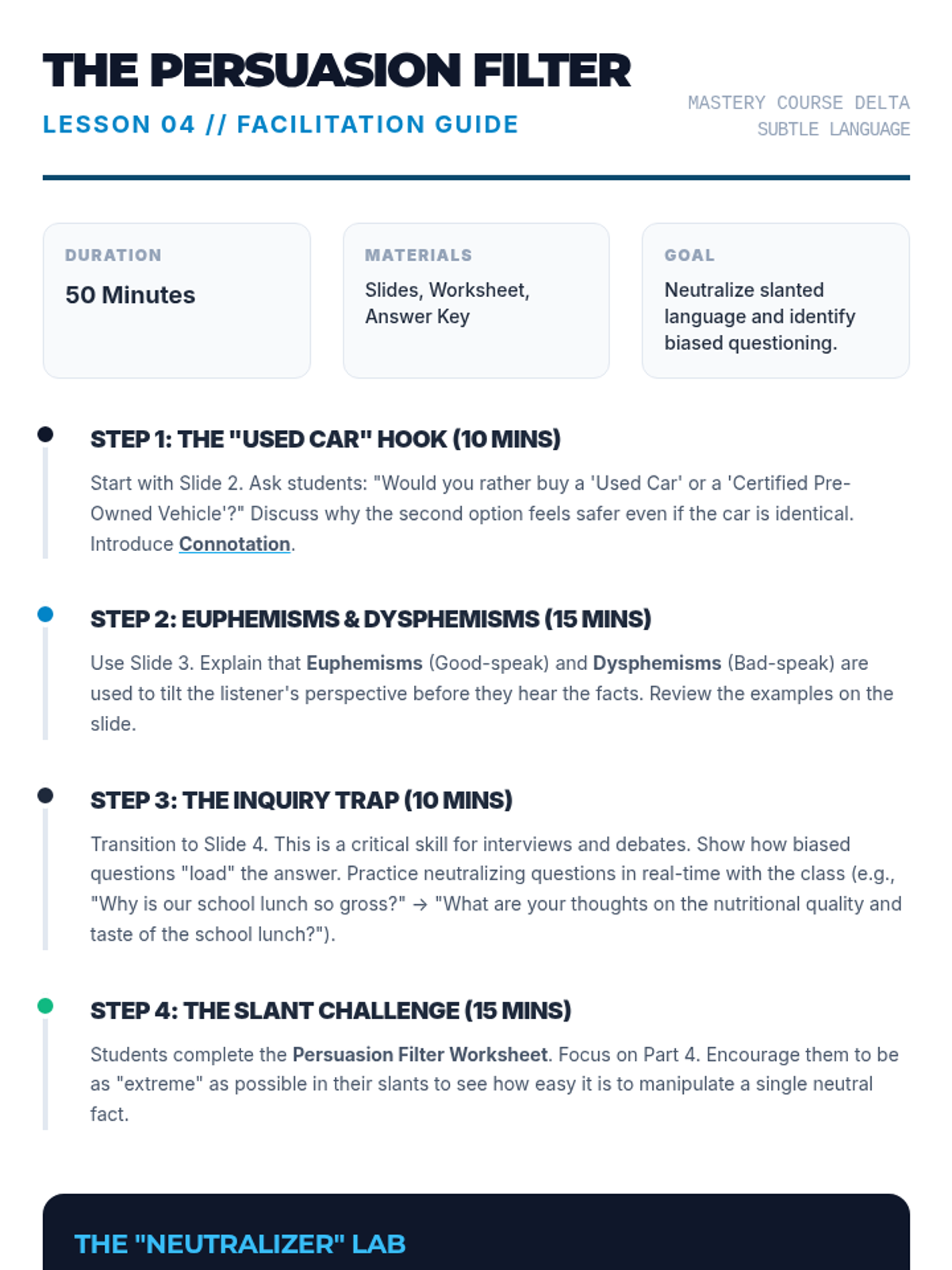
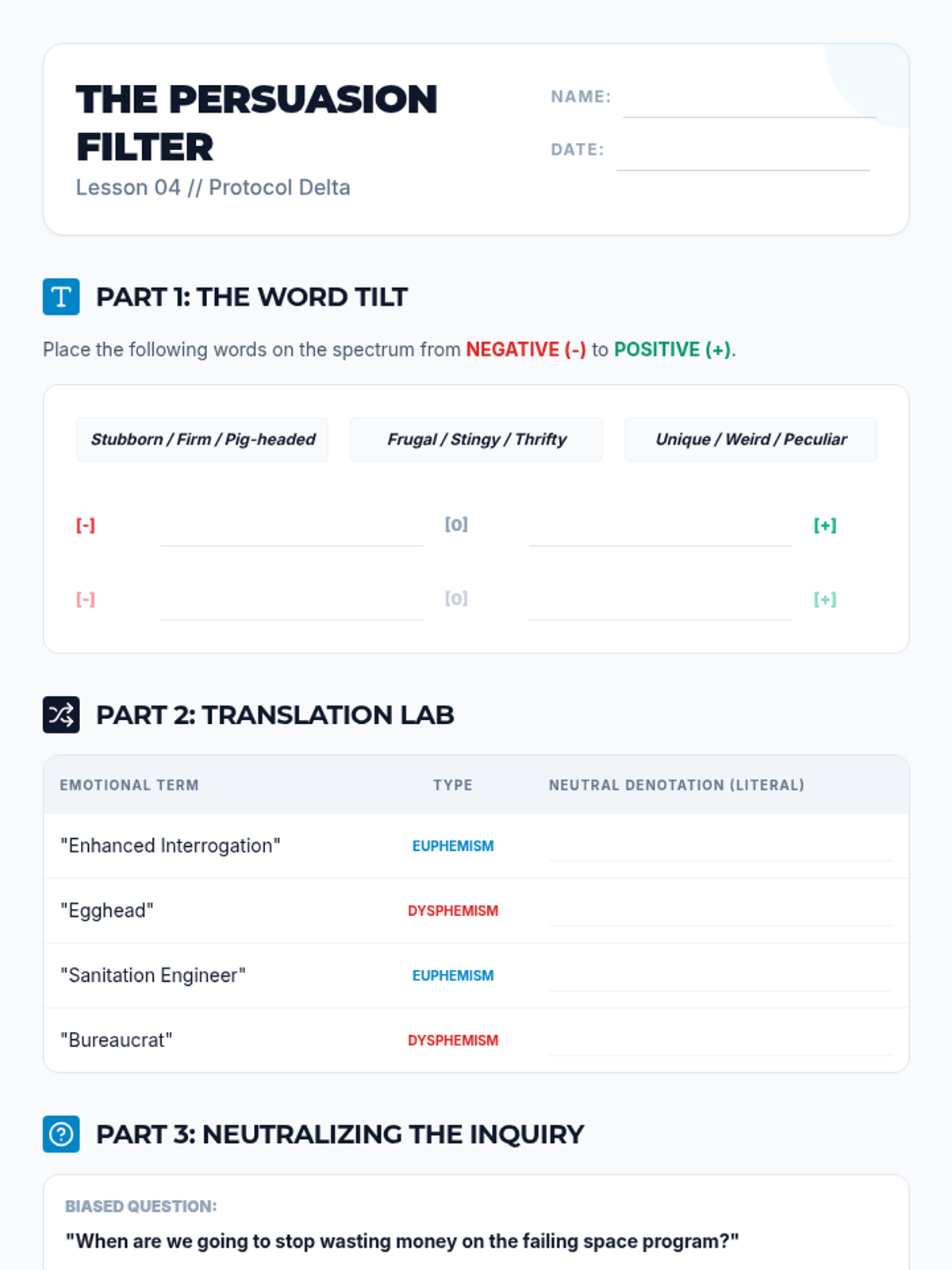
Analyzing how language is used to influence: euphemisms, dysphemisms, and the subtle power of biased questioning.
Building logical conclusions from evidence and identifying causal relationships, including 'post hoc' and 'chicken or the egg' errors.