A resource kit for teachers to track and support student progress across three distinct tiers of mastery, specifically tailored for Narrative Writing skills.
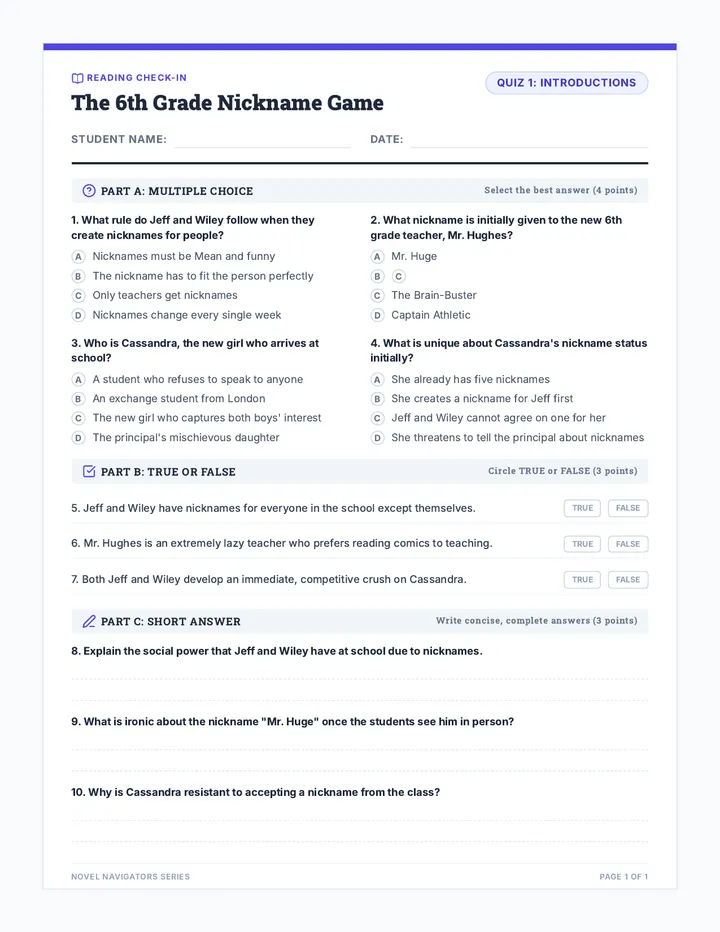
A comprehensive set of reading comprehension check-in quizzes for five popular middle-grade novels. Each novel features two specialized quizzes—one focusing on initial character introductions and the other on major plot resolutions.
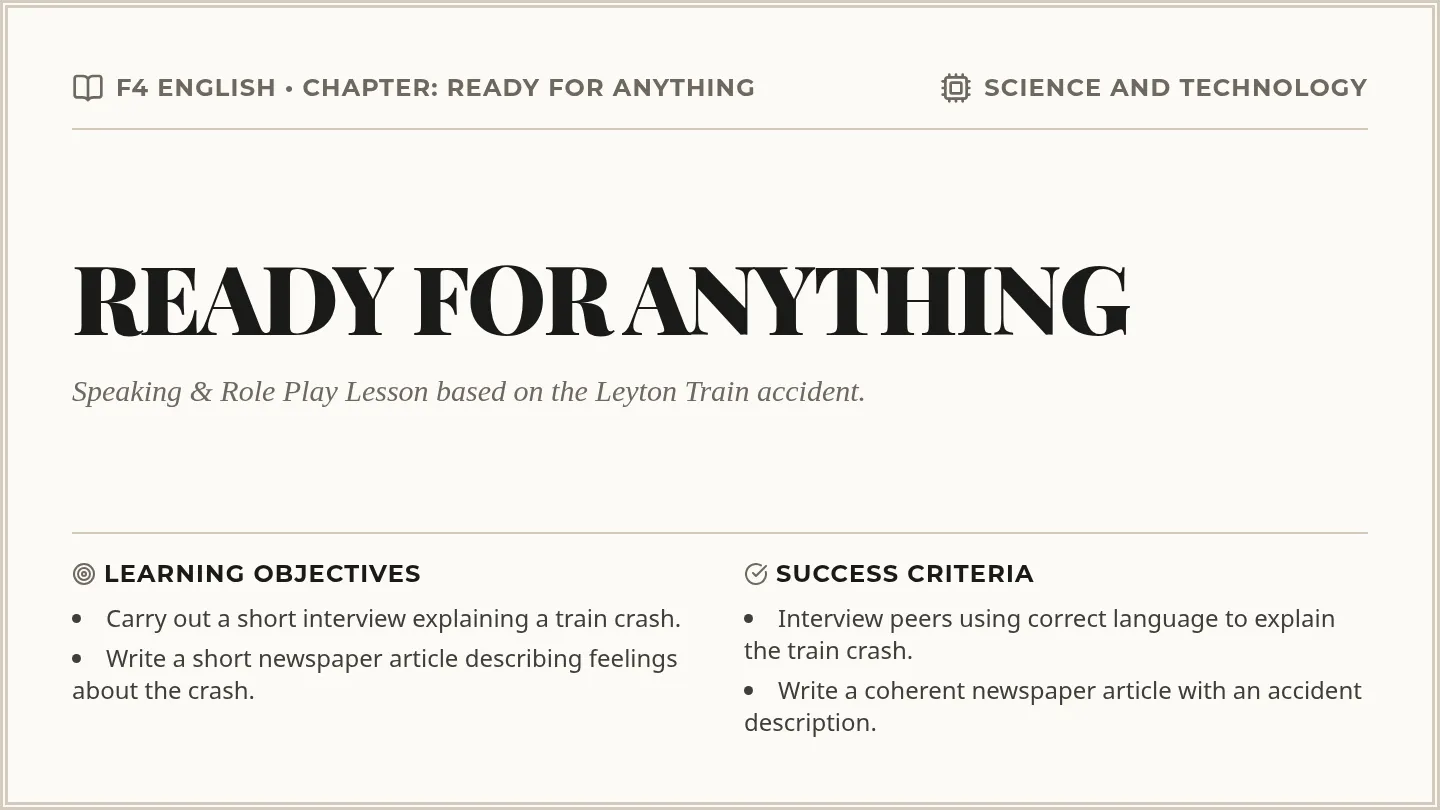
A structured high-school English lesson focused on speaking and role-play based on a train derailment scenario. Students analyze a news article, take on roles of reporters, eyewitnesses, and the train driver, and practice interviewing and reporting.
A vintage newspaper-style slide deck designed for the "Ready for Anything" speaking lesson. Features elegant serif headings, warm cream backgrounds, and classic print borders that keep the newspaper article prominent during student speaking tasks.
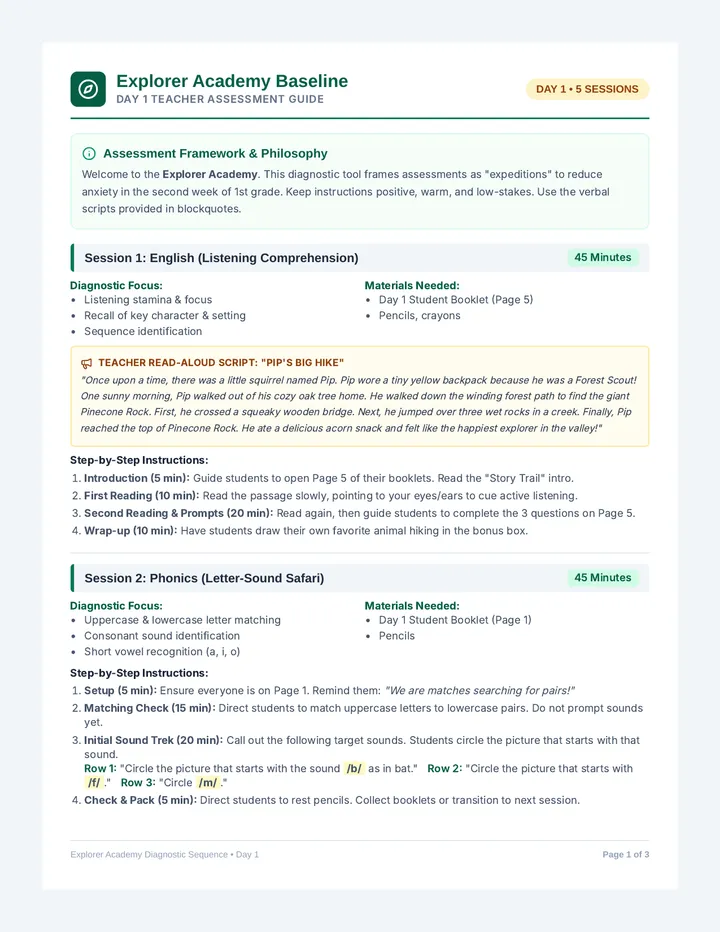
A comprehensive diagnostic assessment sequence designed for the second week of first grade. Spanning two days, it evaluates Kindergarten readiness and first-grade baseline performance across English, Phonics, Writing, Math, and Science in structured 45-minute sessions.
An interactive and engaging 1st-grade sight word adventure where students search for, identify, and write high-frequency words ('the', 'see', 'like', 'go', 'my', 'we'). Includes a visually rich slide deck, an explorer log worksheet, and a detailed teacher facilitation guide.
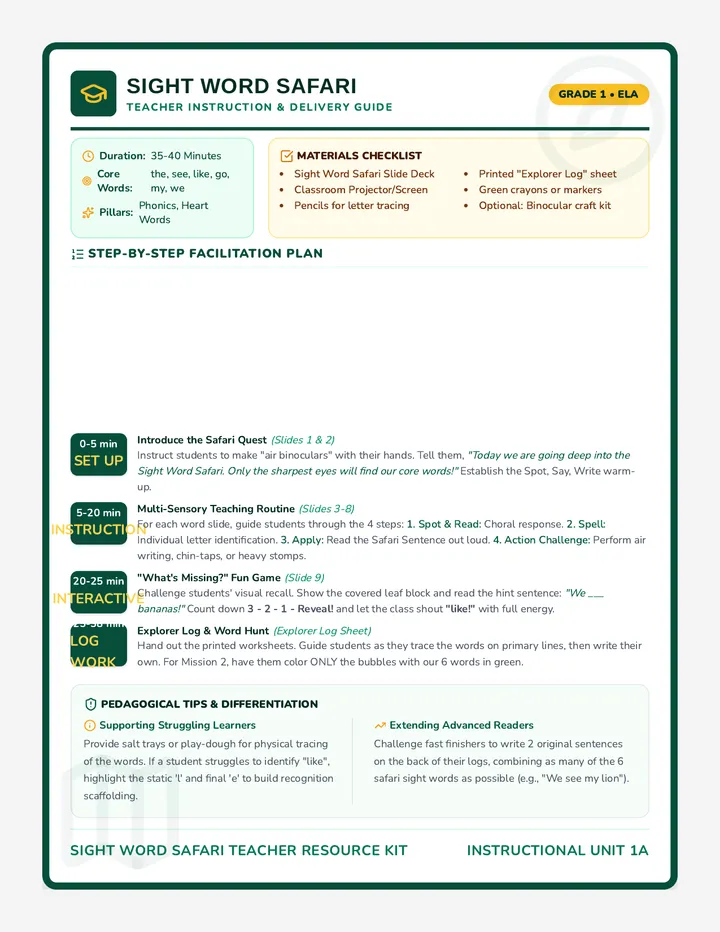
A comprehensive, single-page teacher facilitation guide for the 'Sight Word Safari' lesson. Includes lesson pacing, a structured multi-sensory sight word routine (Read, Spell, Write, Apply), materials checklist, and tailored support and extension strategies.
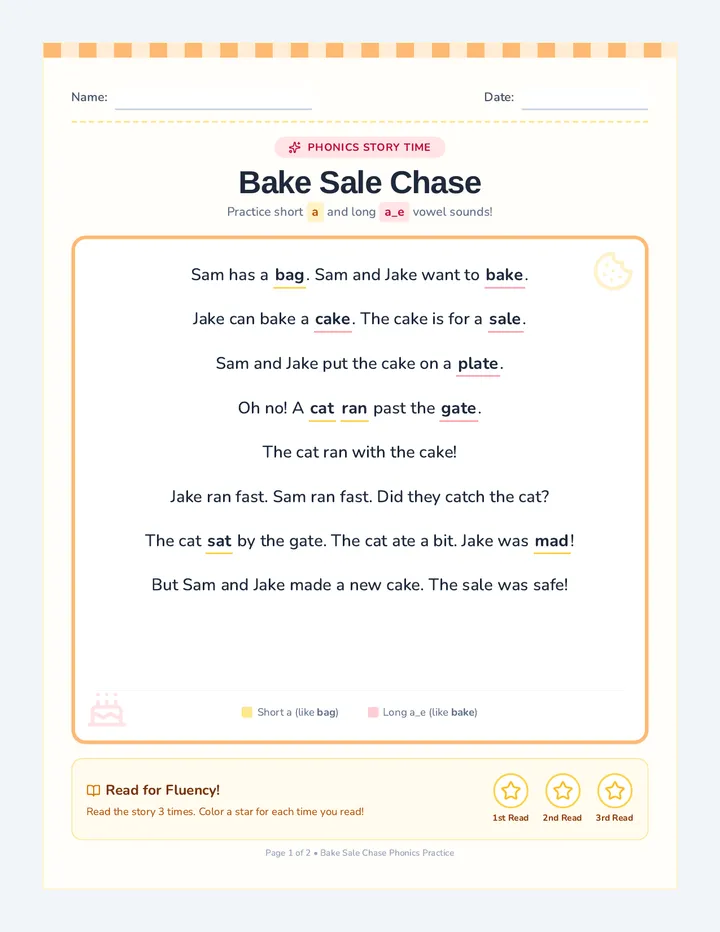
An engaging introductory phonics unit teaching first-grade students to identify, read, and write short and long vowel sounds with silent magic 'e'.
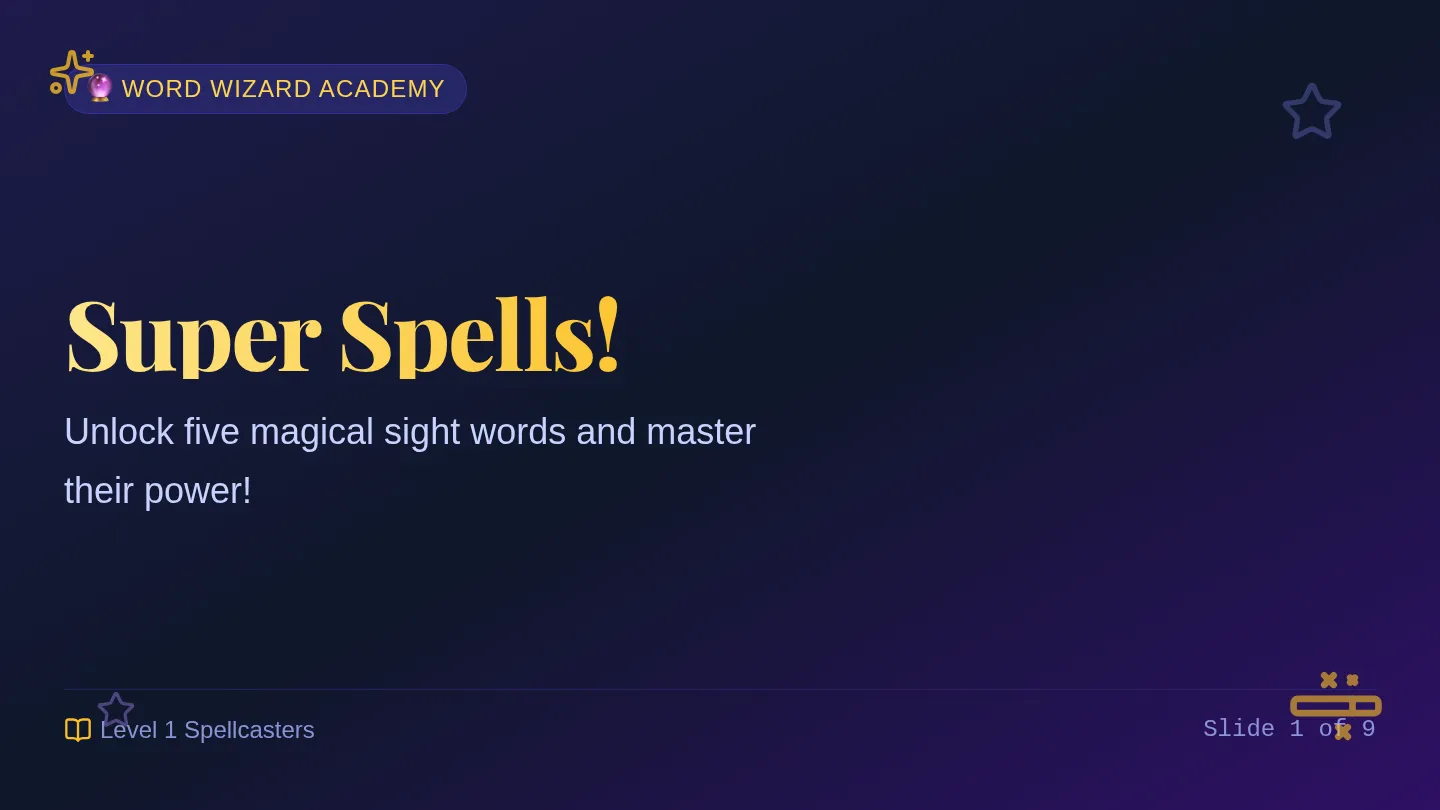
A 1st-grade sight word lesson focusing on high-frequency Dolch and Fry words ('after', 'could', 'know', 'stop', 'then') with a magical 'Word Wizards' theme. It includes interactive slides, a structured teacher guide, printable spell-themed flashcards, and a quick-assessment exit ticket.
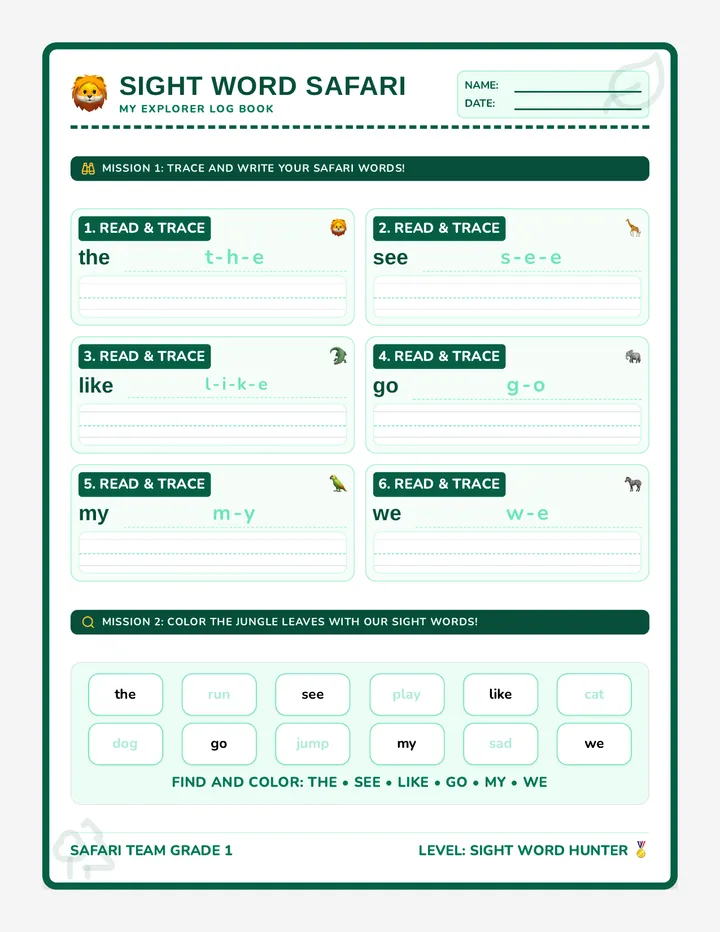
A hands-on, high-quality printable student worksheet for 1st grade. Students trace, write, and identify the six core sight words, featuring structured primary handwriting lines and an engaging 'Color-the-Leaf' word recognition puzzle.
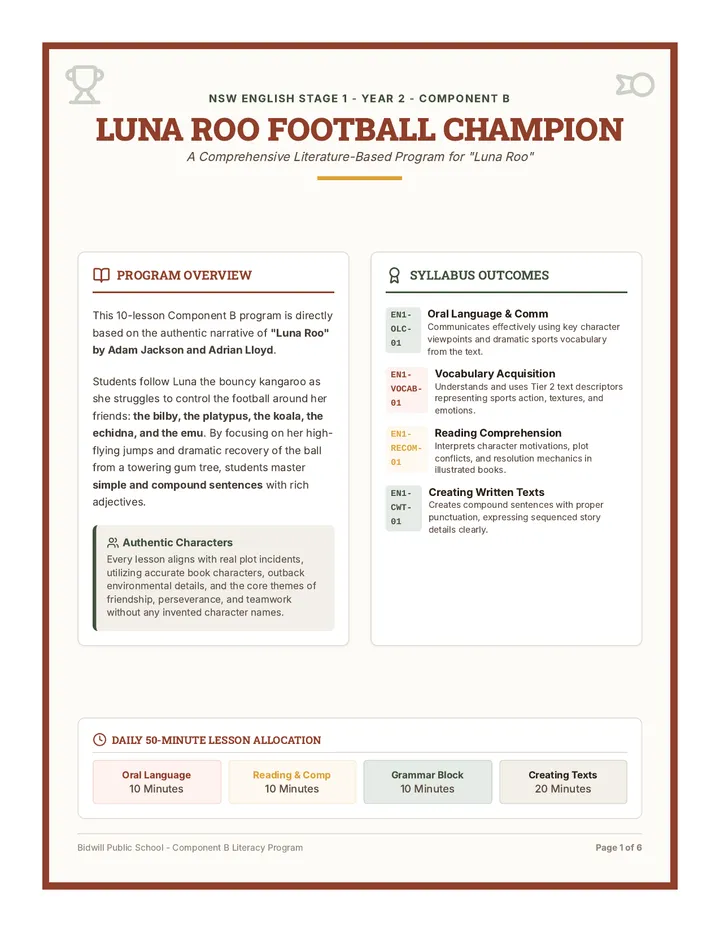
A 10-lesson Stage 1 Year 2 English Component B program based on the book 'Luna Roo' by Adam Jackson and Adrian Lloyd. The sequence explicitly teaches simple and compound sentences enriched with descriptive adjectives focused on Luna's outback soccer matches, animal teammates, and dusty playing fields.
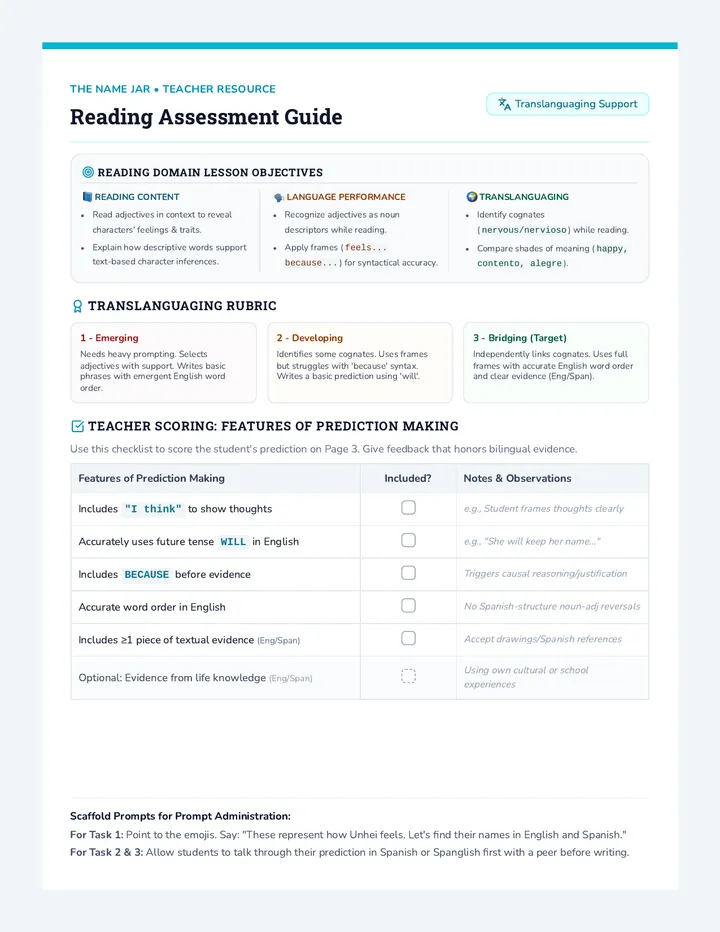
A 2nd-grade reading-focused pull-out lesson for Multilingual Learners. All objectives are anchored in the Reading Domain, focusing on decoding adjectives, cross-linguistic cognate recognition, and text-based character inferences. Includes a visual anchor chart, bilingual graphic organizers, and a reading-based assessment.
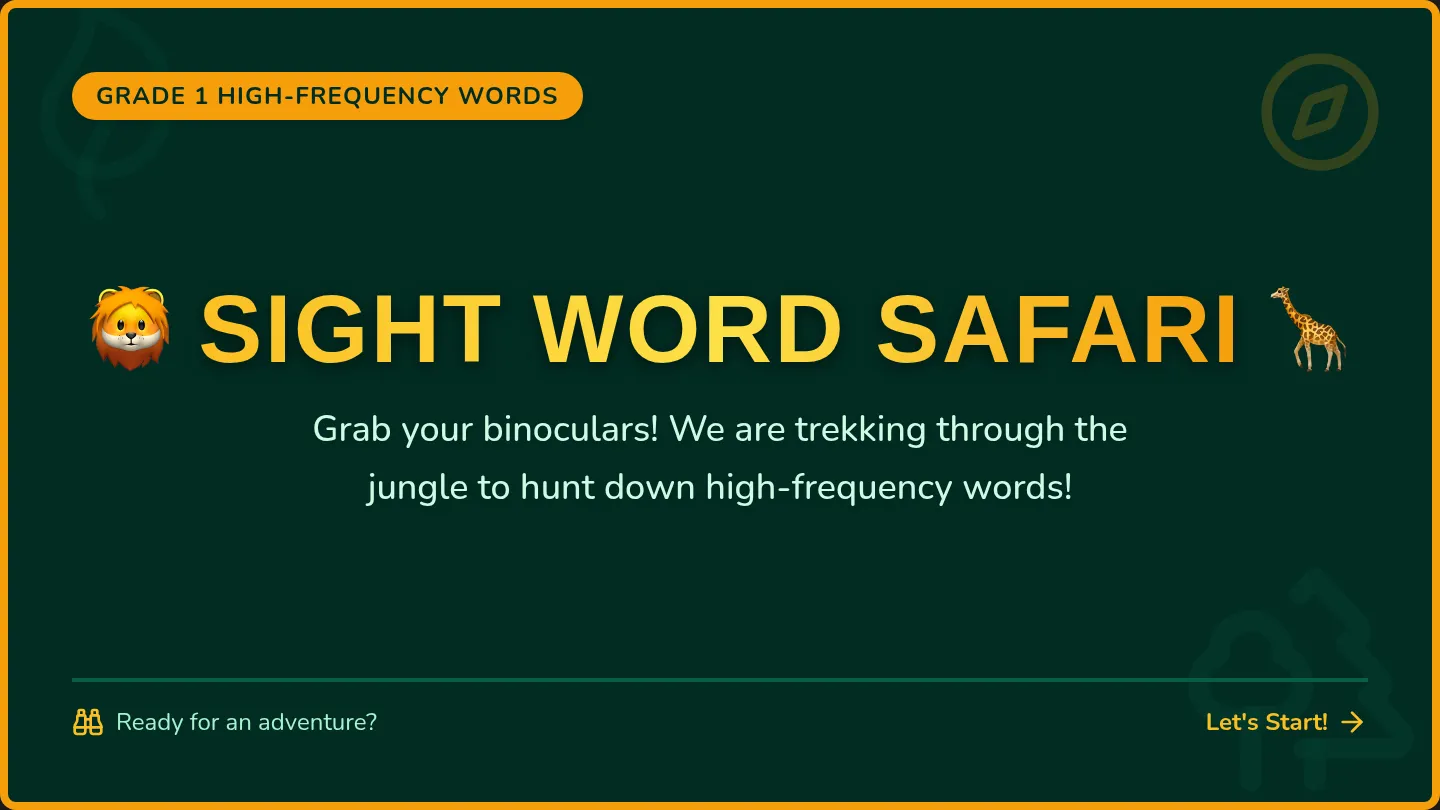
A visually stunning and interactive 10-slide presentation for 1st-grade sight words. Uses a 'Sight Word Safari' theme with large, readable text (minimum 24px), friendly illustrations, active-learning prompts, and animal-themed reading examples.