A comprehensive lesson exploring the Latin root 'man/manu' (hand) through visual slides and practical word-building activities.
An introductory lesson to the novel 'Hotel on the Corner of Bitter and Sweet', focusing on the historical setting of the Panama Hotel and initial character impressions through an anticipation guide and guided reading.
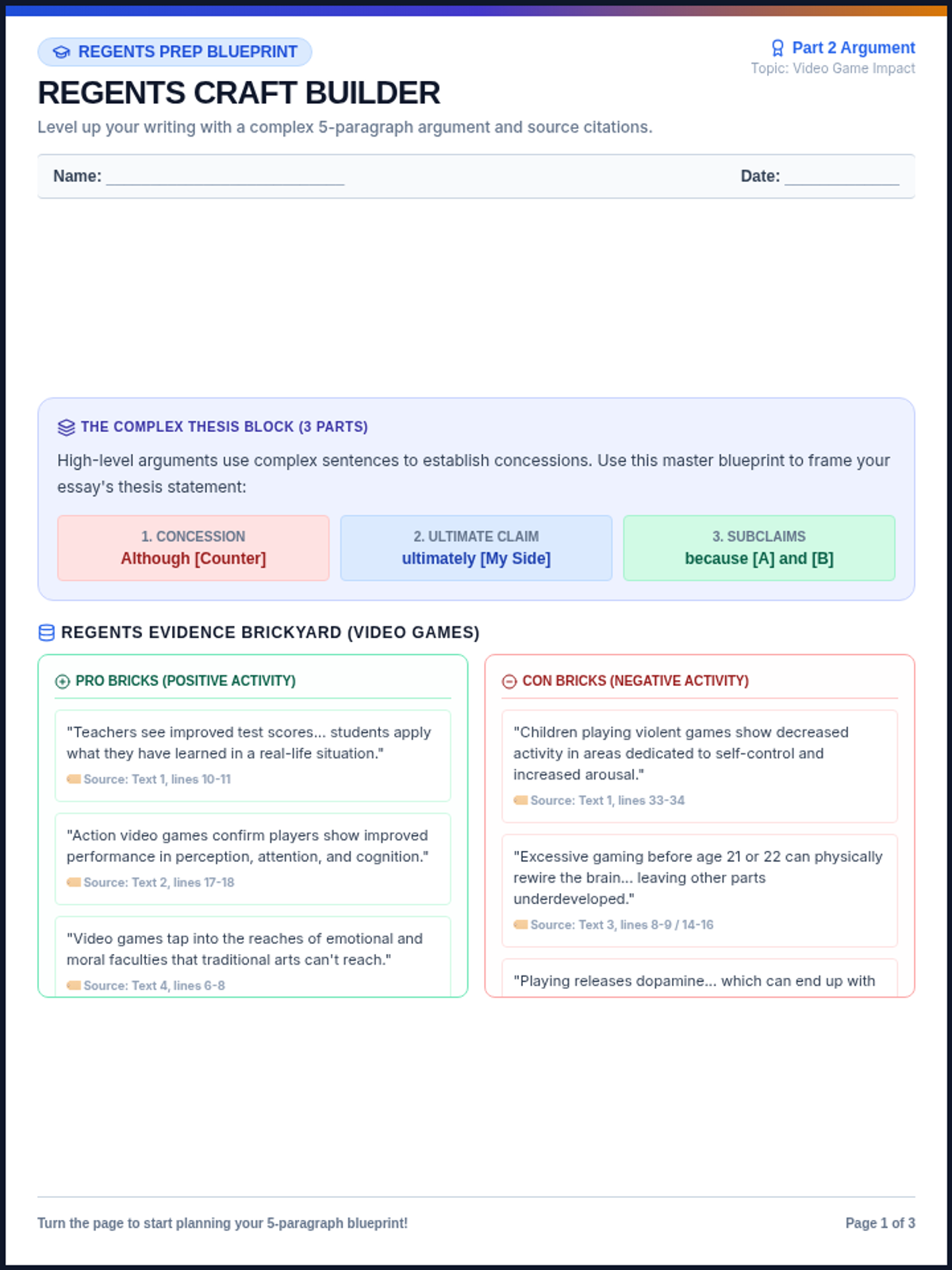
A specialized essay-writing workshop focused on comparing and contrasting two fictional narratives. Students analyze how family influences shape the identities of Maria and Evan, leading to a full-length essay response aligned with Book 2 of the IA.
Focused on identifying central ideas in informational texts and analyzing how point of view shapes a narrative. Uses 'Humans With Amazing Senses' to study scientific concepts and 'No Horizon Is So Far' to explore personal perspective in extreme environments.
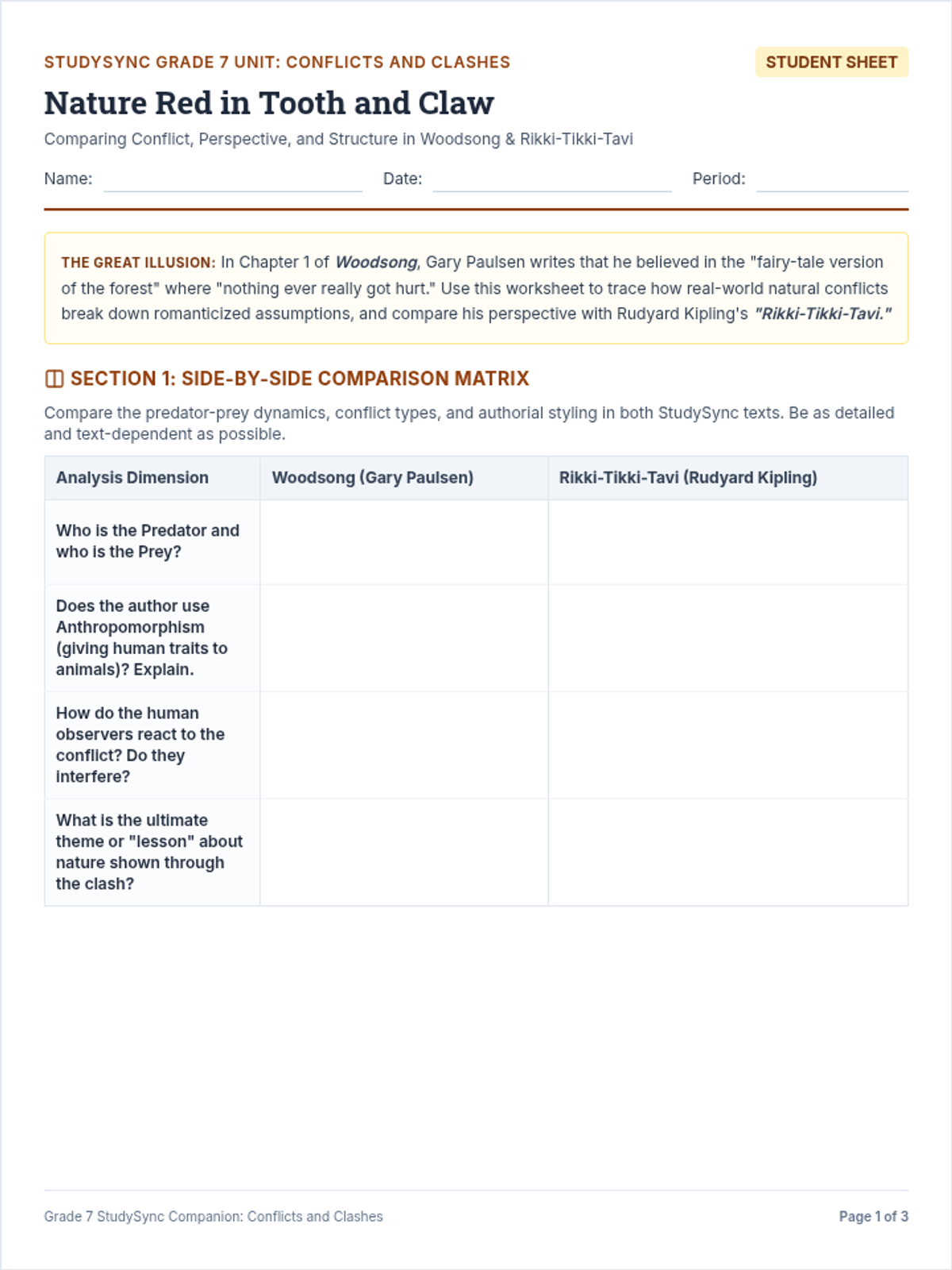
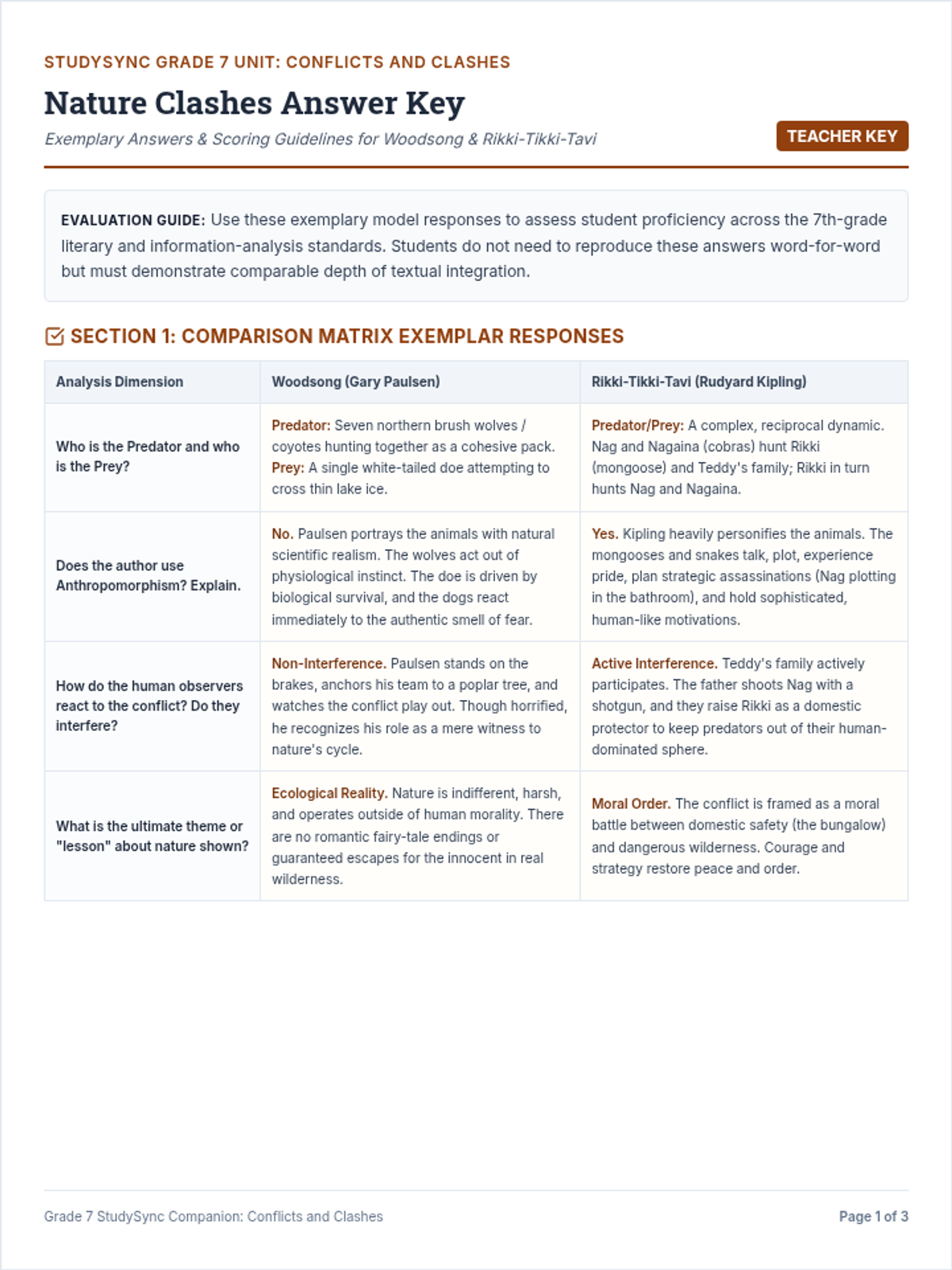
Focused on theme development, diction analysis, and identifying argumentative claims. Uses 'Clash of the Condiments' to explore author's tone and 'Birdology' to examine evidence-based claims.
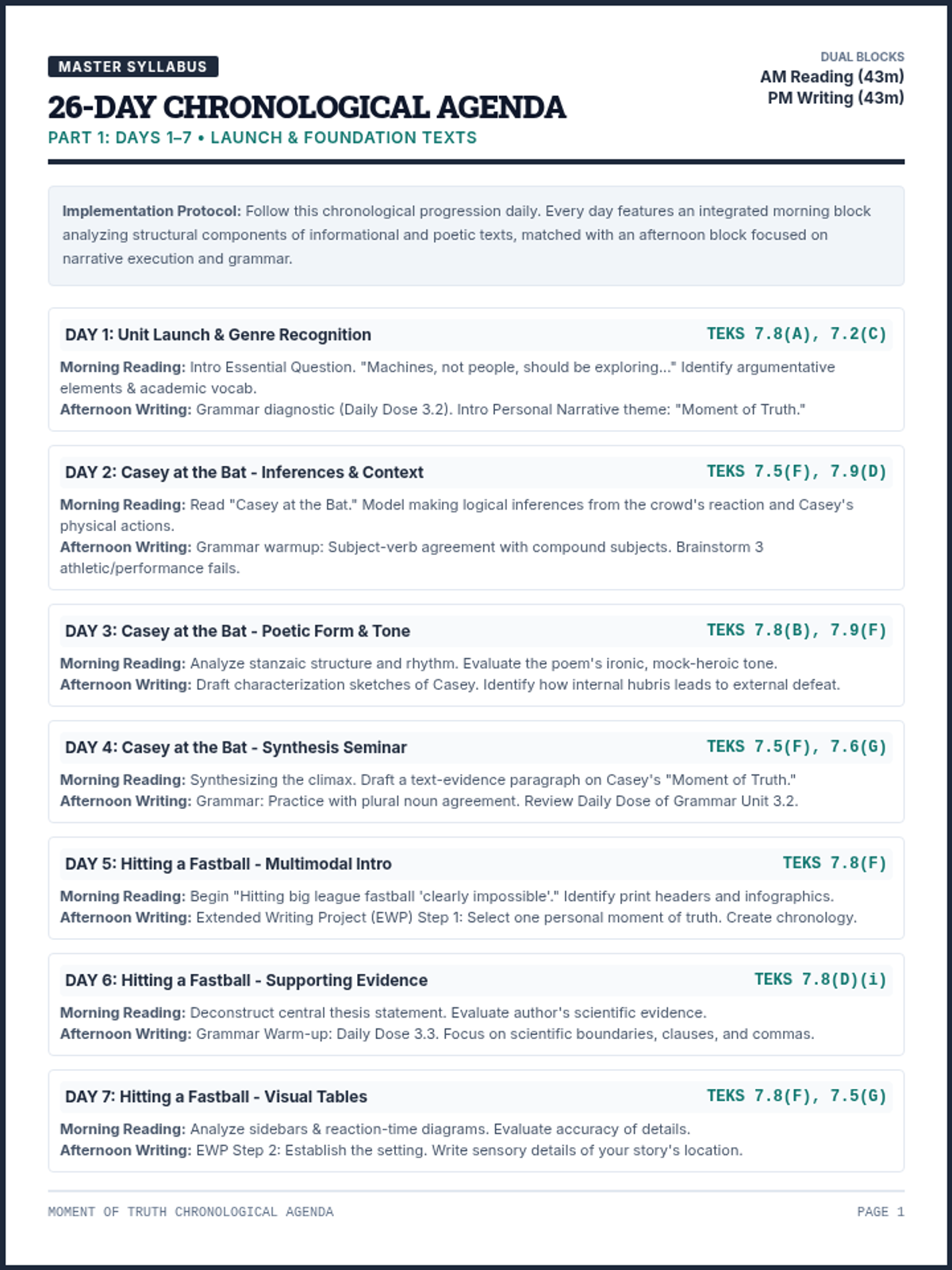
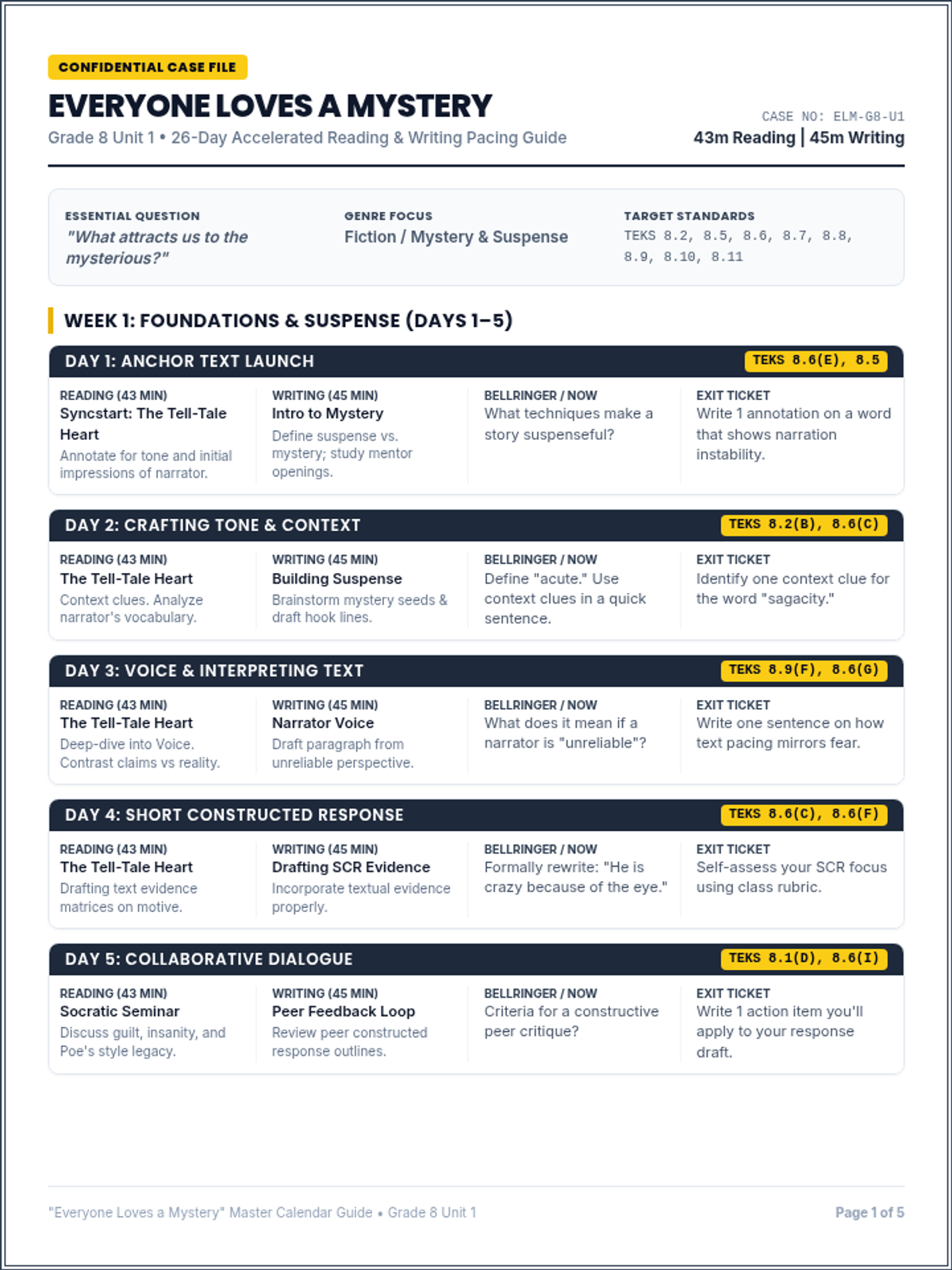
Focused on retell, inference, and structure analysis using 'The Peerless Four' and 'The Guest Cat'. Students practice identifying plot milestones and how structural choices affect meaning.
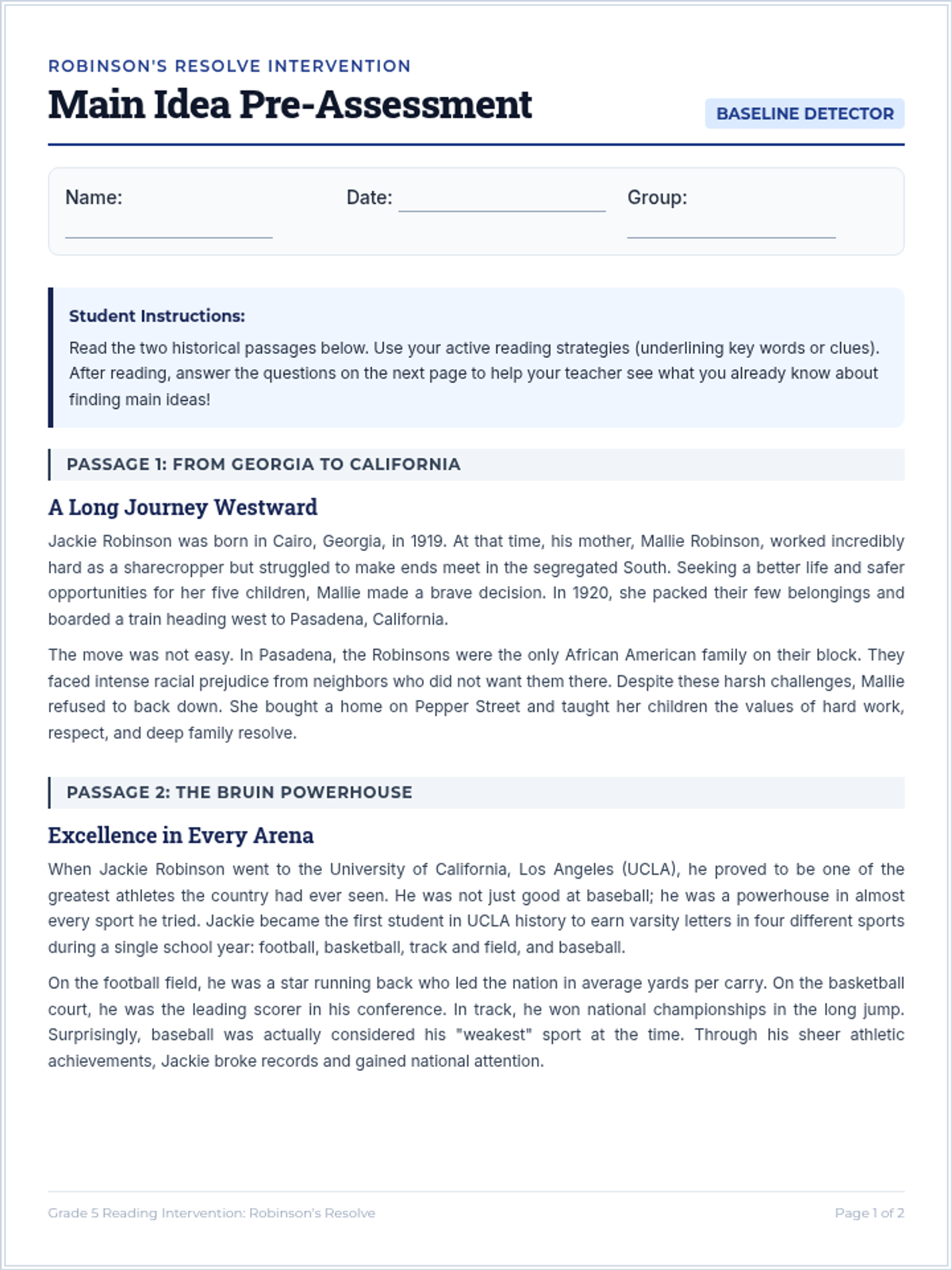
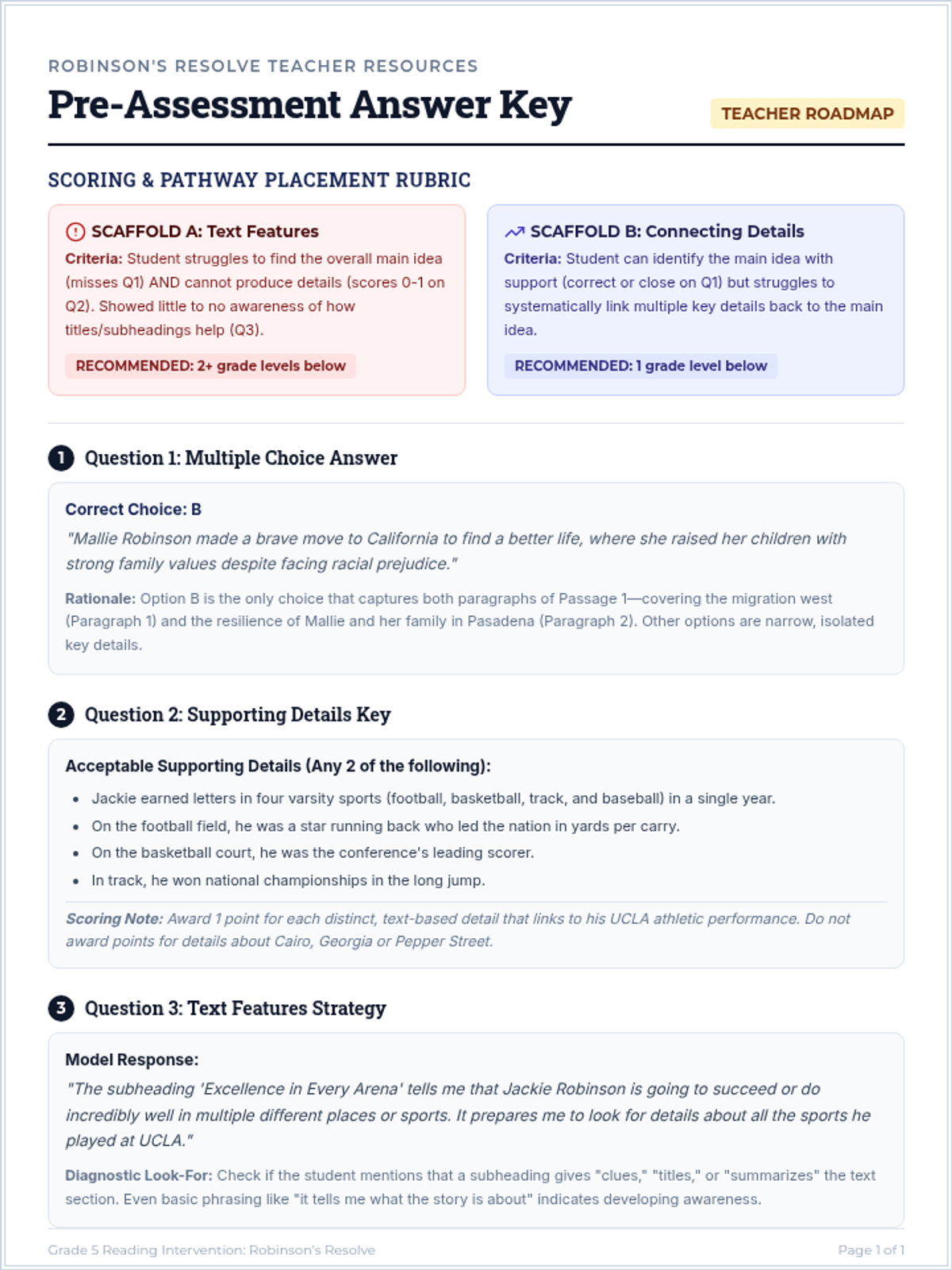
A literacy intervention lesson focusing on paired texts about the Great Migration, teaching students to use evidence-based strategies for both fiction and nonfiction.
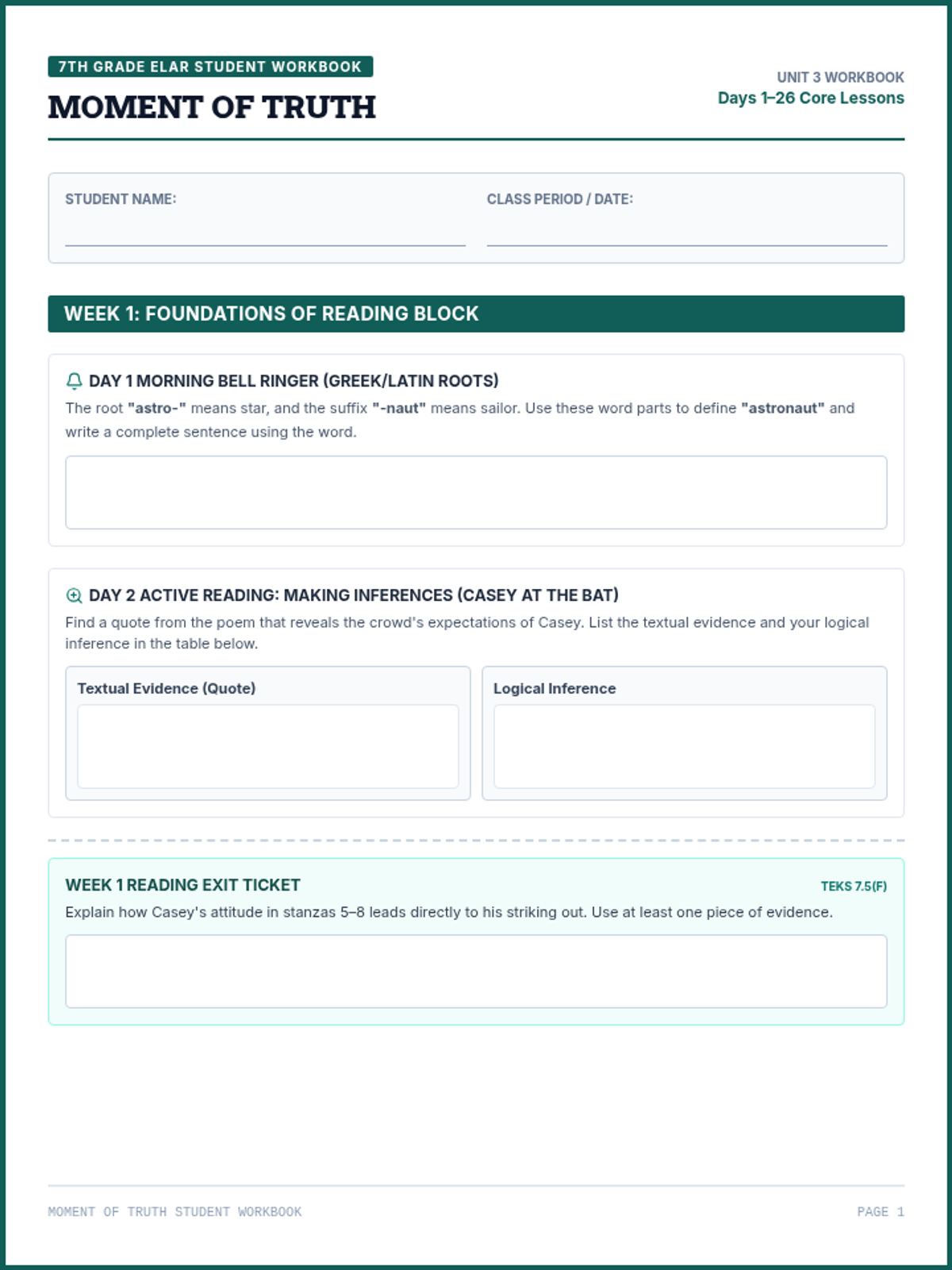
A focused study of Shakespeare's Romeo and Juliet targeting Texas standards for summarization and stylistic analysis of language purpose.
A deep dive into the Ceremony of Twelve, focusing on themes of individuality, community control, and the mysterious role of the Receiver of Memory in chapters 6 through 8 of The Giver.
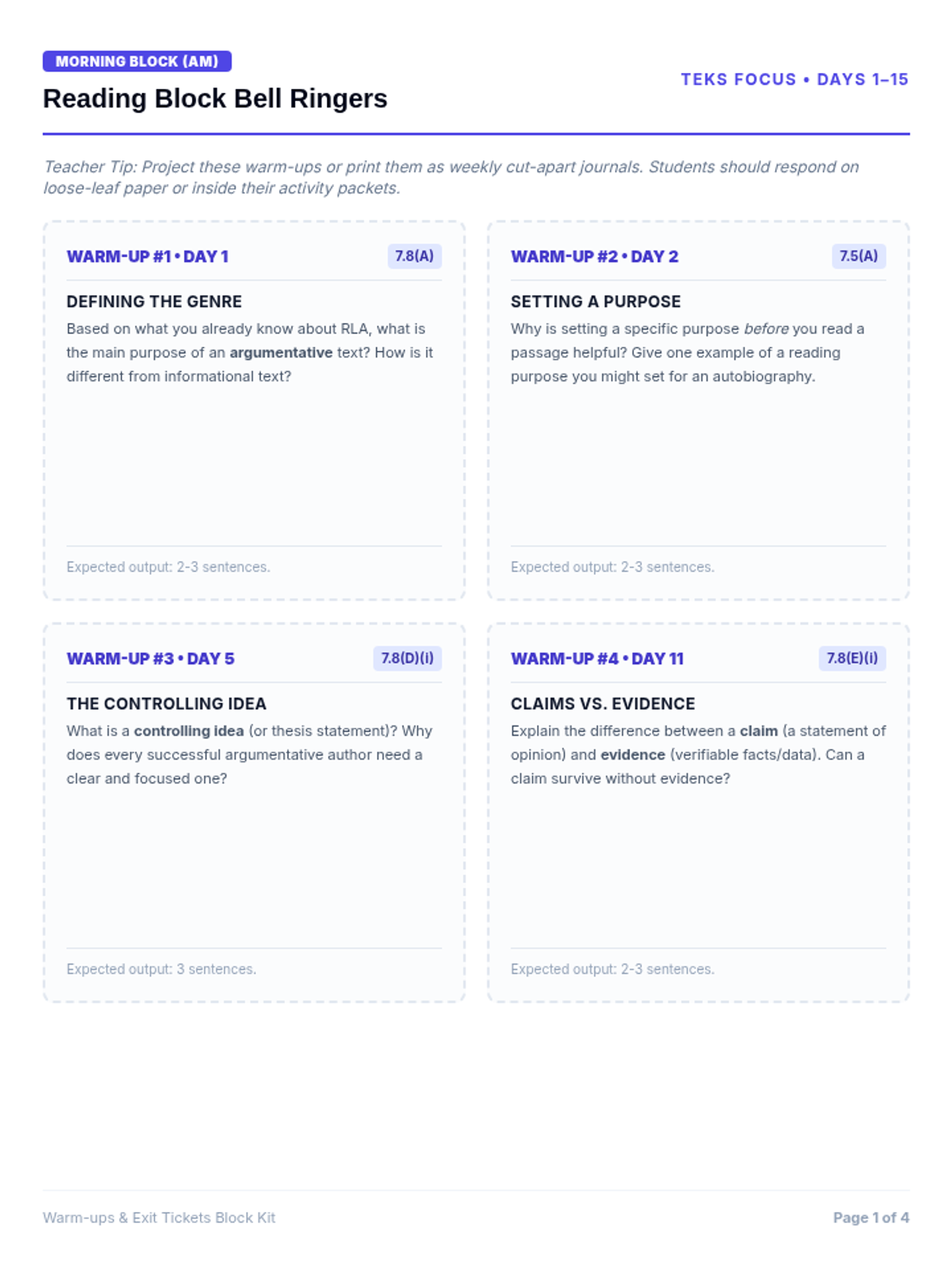
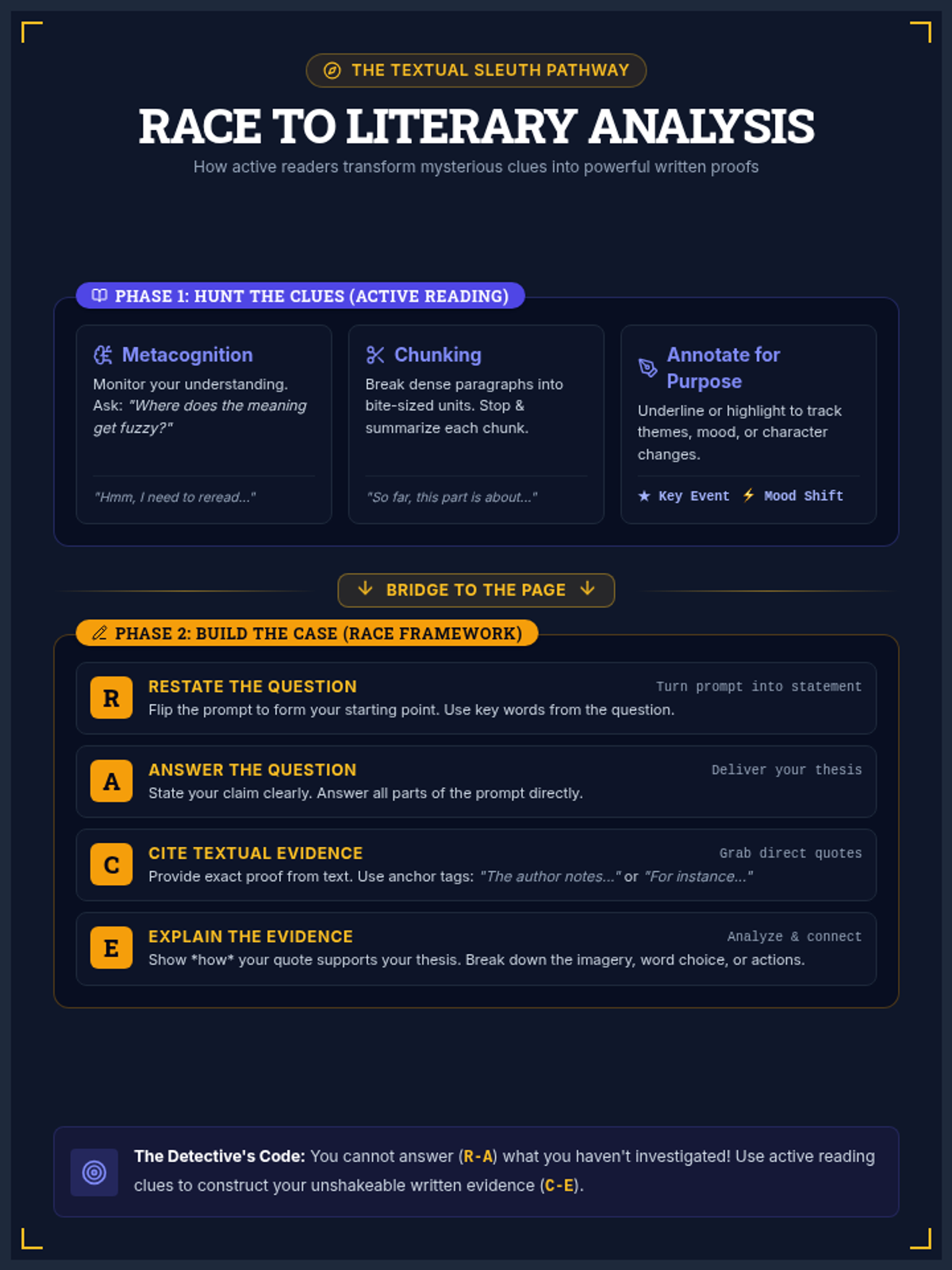
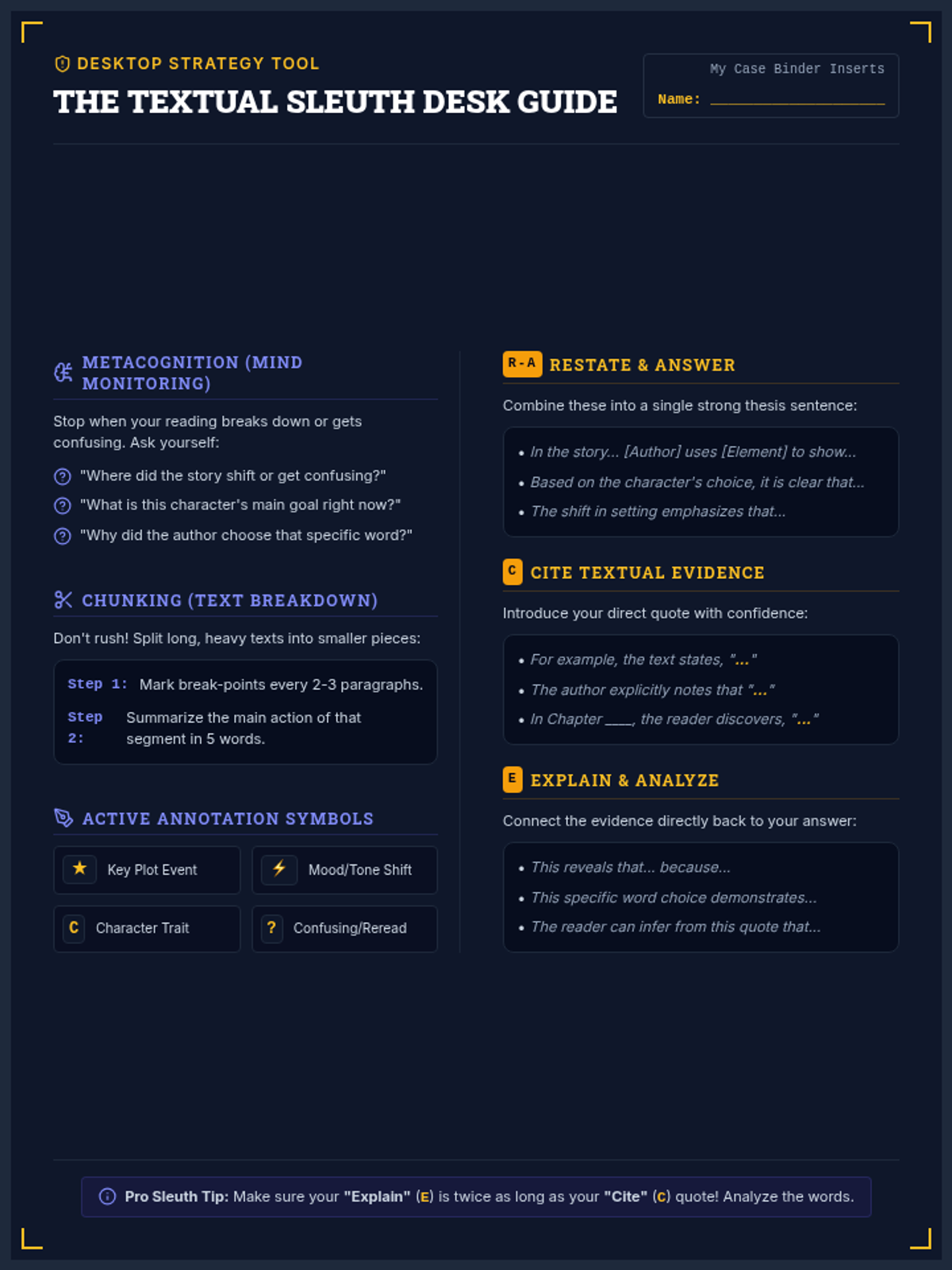
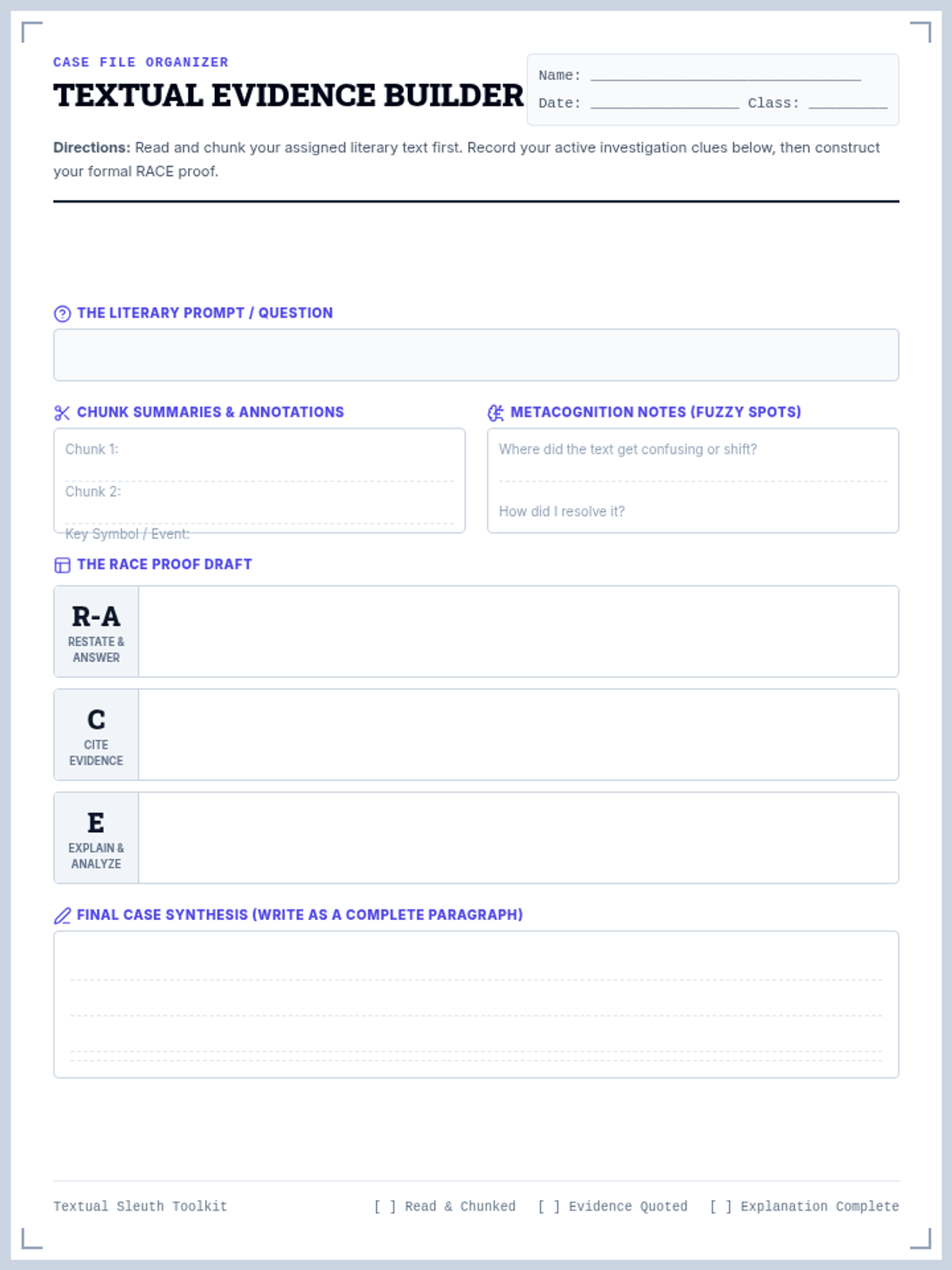
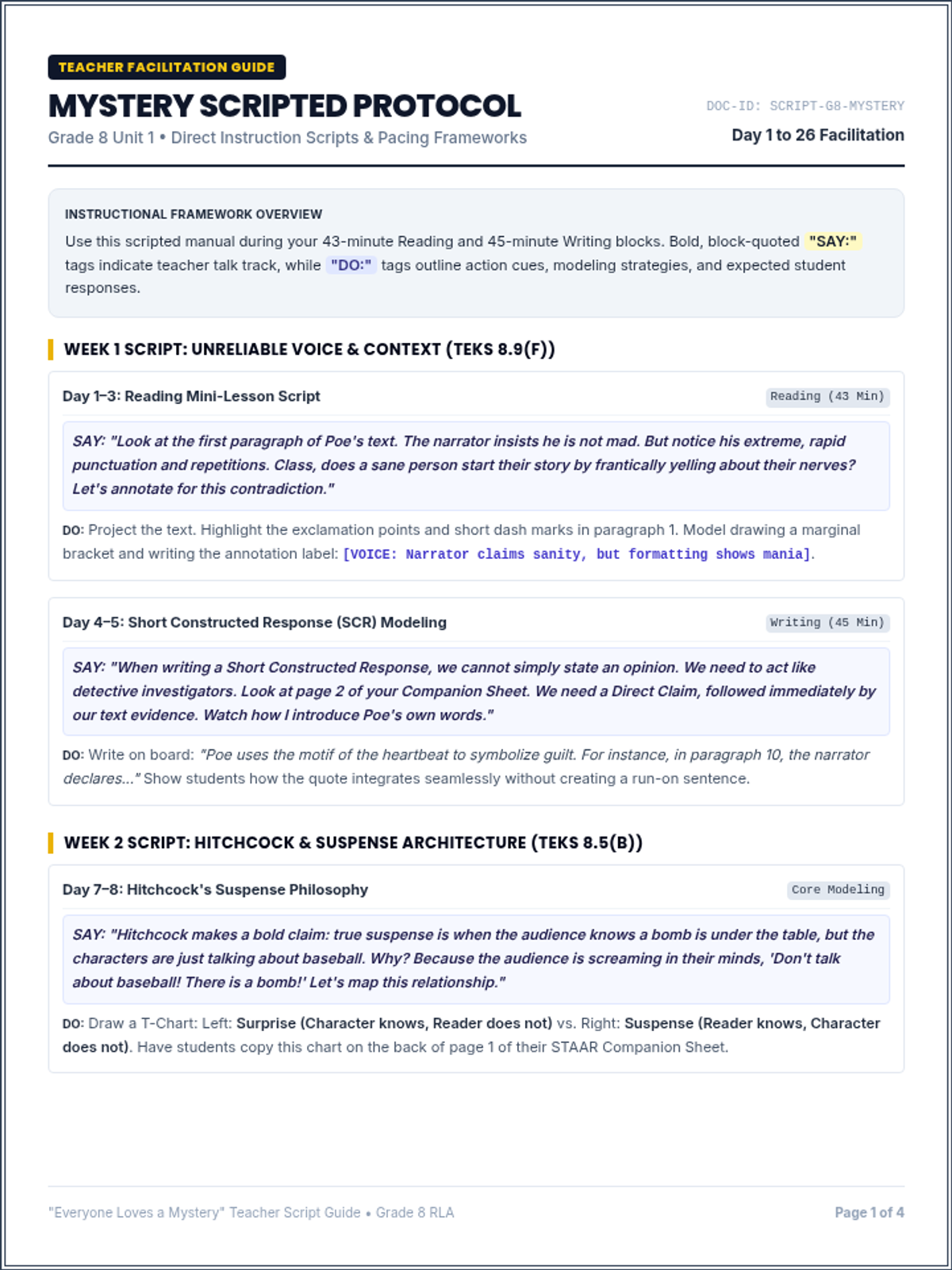
A comprehensive 9th-grade ELA lesson focused on differentiating between explicit evidence and implicit meaning through a detective-themed 'case file' approach. Students will master the formula of combining textual evidence with background knowledge to draw logical conclusions.
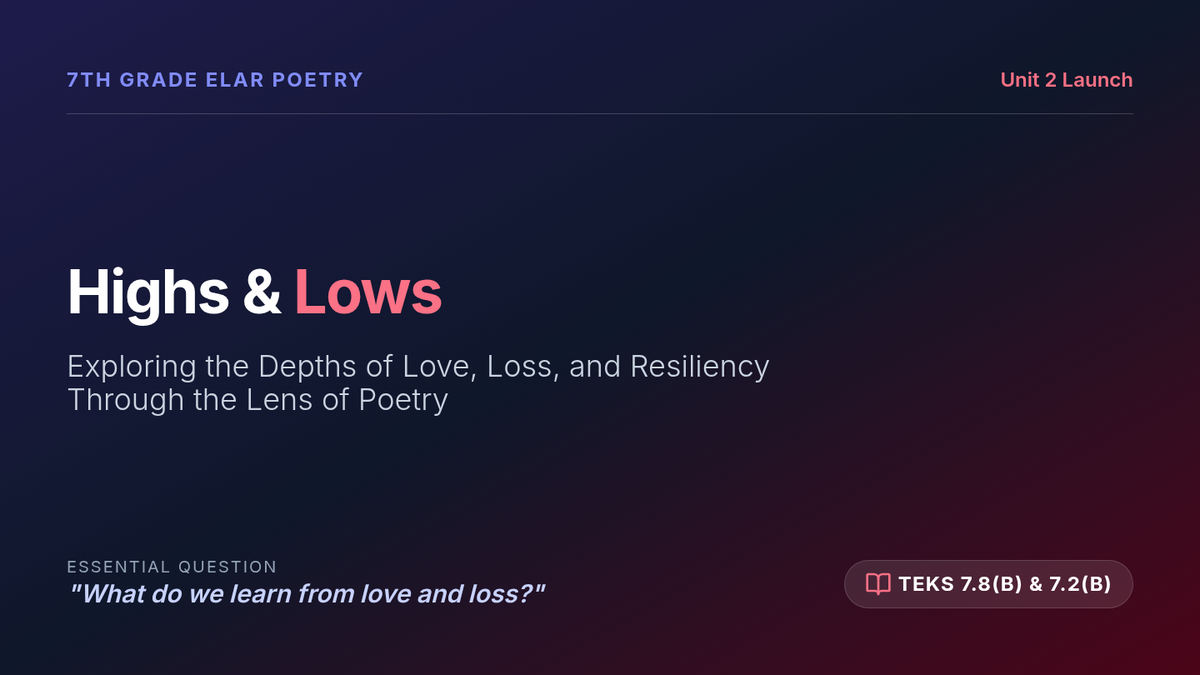
A comprehensive 45-minute ESL-focused lesson on Diwali, targeting TELPAS skills through sensory exploration, reading analysis, and collaborative speaking activities.
A 40-minute lesson on Chapter 11 of Persepolis (The F-14s), focusing on war from a child's perspective, analyzing visual storytelling, and connecting historical themes.
A mini-lesson focused on identifying the author's purpose and controlling idea using the article 'Photo and Video Manipulation: Tricks or Treats'. Students will analyze text structure and evidence to decode the author's intent and central message.
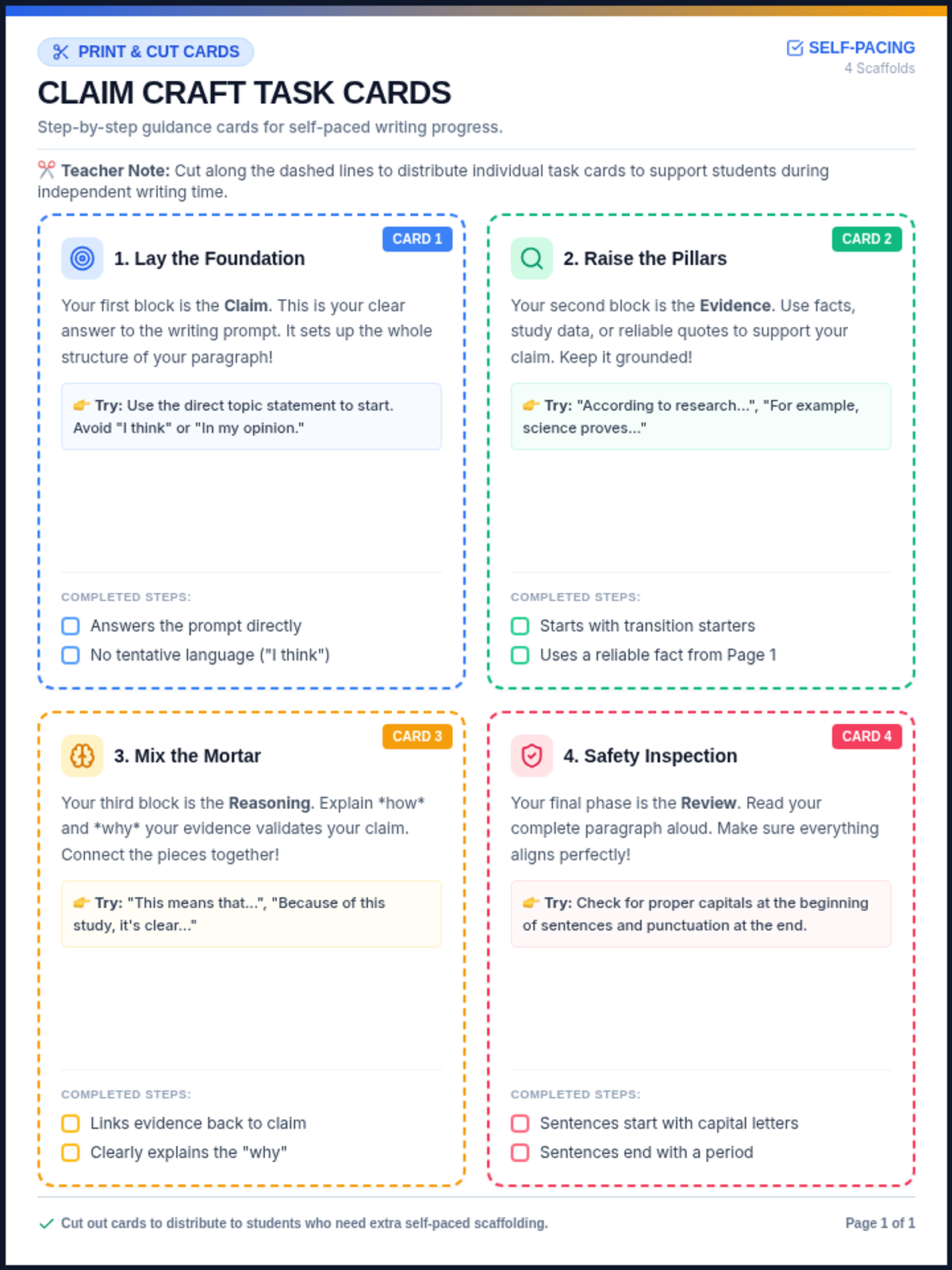
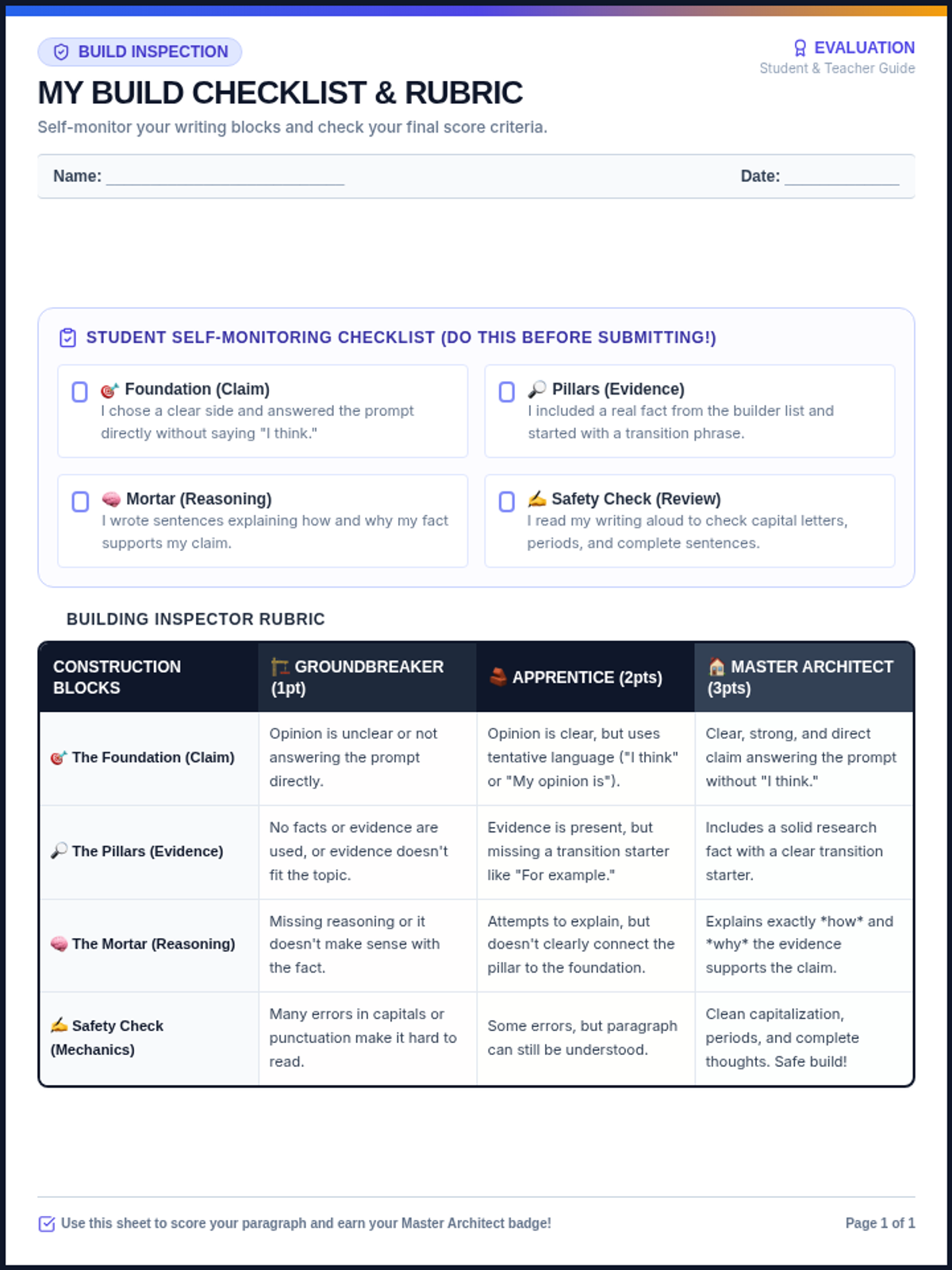
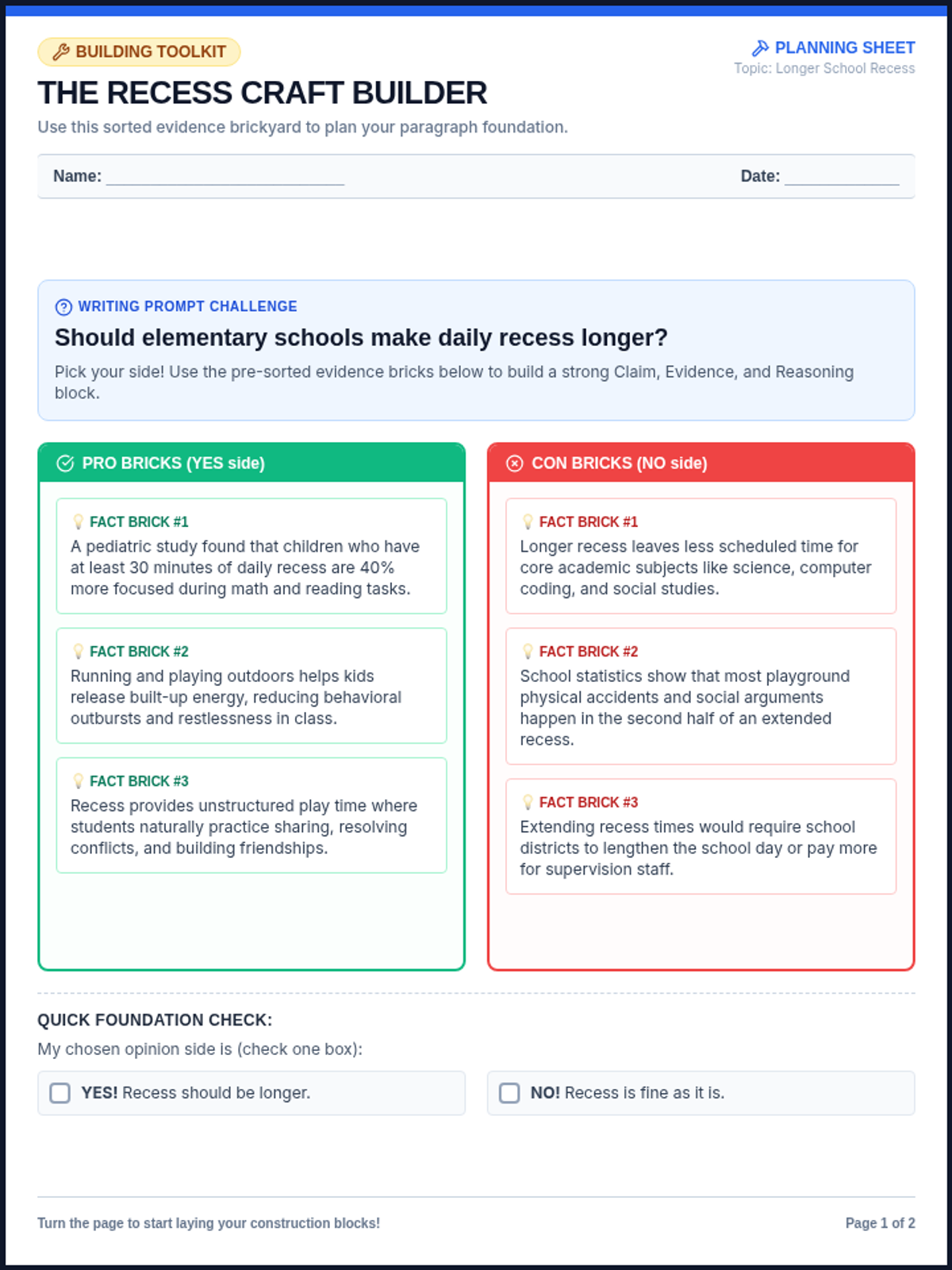
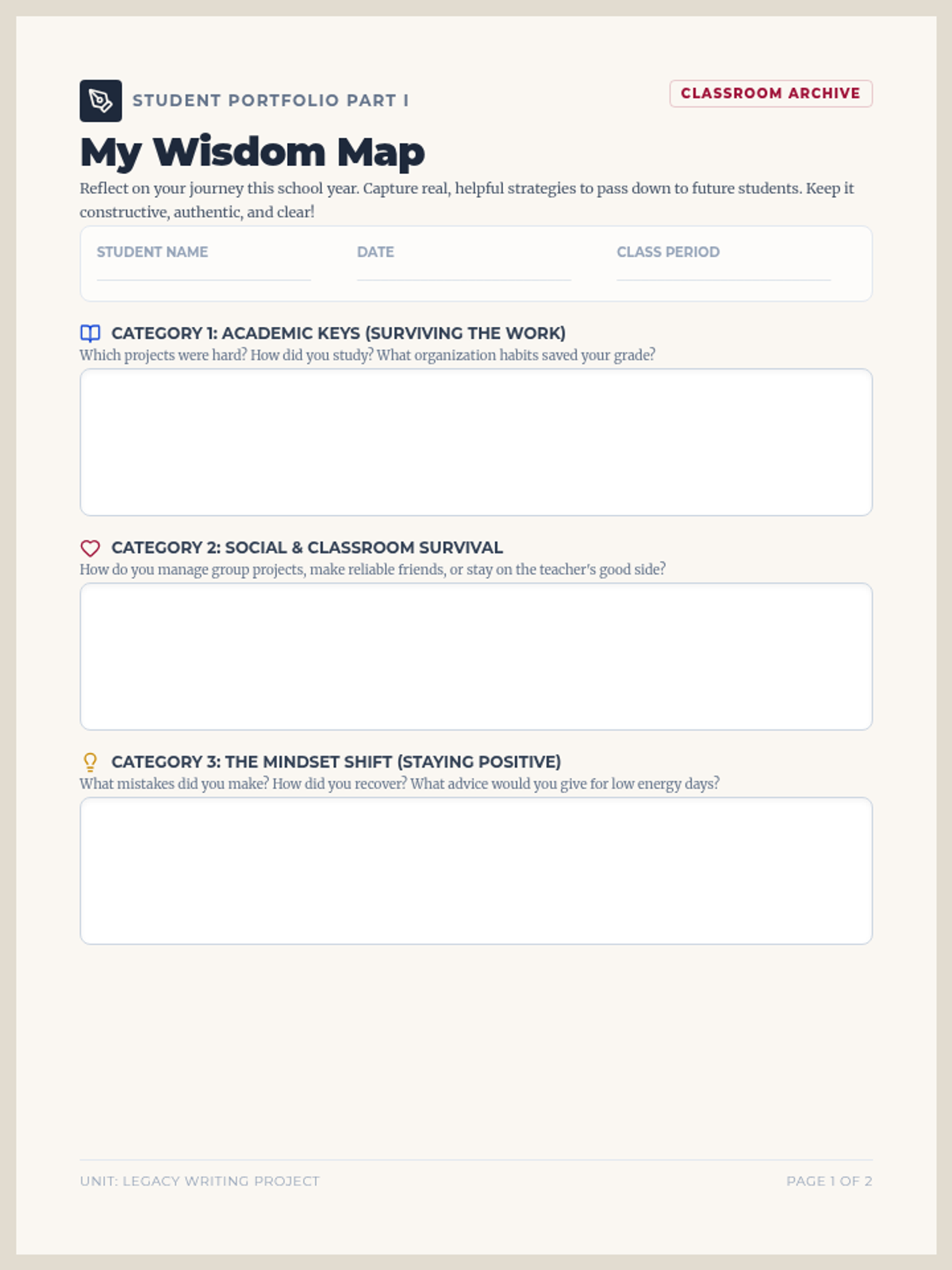
The culmination of the sequence. Students use all the 'Building Block' skills to write a complete, structured paragraph on a topic of their choice with minimal scaffolding.
Focuses on the final part of the paragraph: the conclusion. Students learn to 'seal' their writing by restating their main idea in a new way and providing a final thought that protects the whole structure.
Focuses on the 'bridge' of the paragraph: the explanation. Students learn to explain why their evidence supports their main idea, using sentence frames like 'This shows that...' to build deeper meaning.
Focuses on the 'bricks' of a paragraph: evidence and supporting details. Students learn how to select relevant information and introduce it using formal evidence frames.
Focuses on the logical sequence of a paragraph. Students learn to use transition words to connect their foundation to their supporting details, ensuring the 'building' has clear paths and structure.
Focuses on the foundation of a paragraph: the topic sentence. Students learn to identify main ideas and craft clear, focused opening statements using sentence frames and expansion techniques.
The capstone of the intervention where students integrate all context clue types and focus on selecting the 'strongest' evidence to support complex inferences. Includes a final 'case' to solve.
Covers example and contrast context clues to determine word meaning. Students practice making logical predictions about plot outcomes based on foreshadowing and environmental clues in the text.
Teaches students how to use synonyms and antonyms as context clues while inferring character traits and emotions from dialogue and actions. Practices focus on identifying 'clues' in a character's behavior.
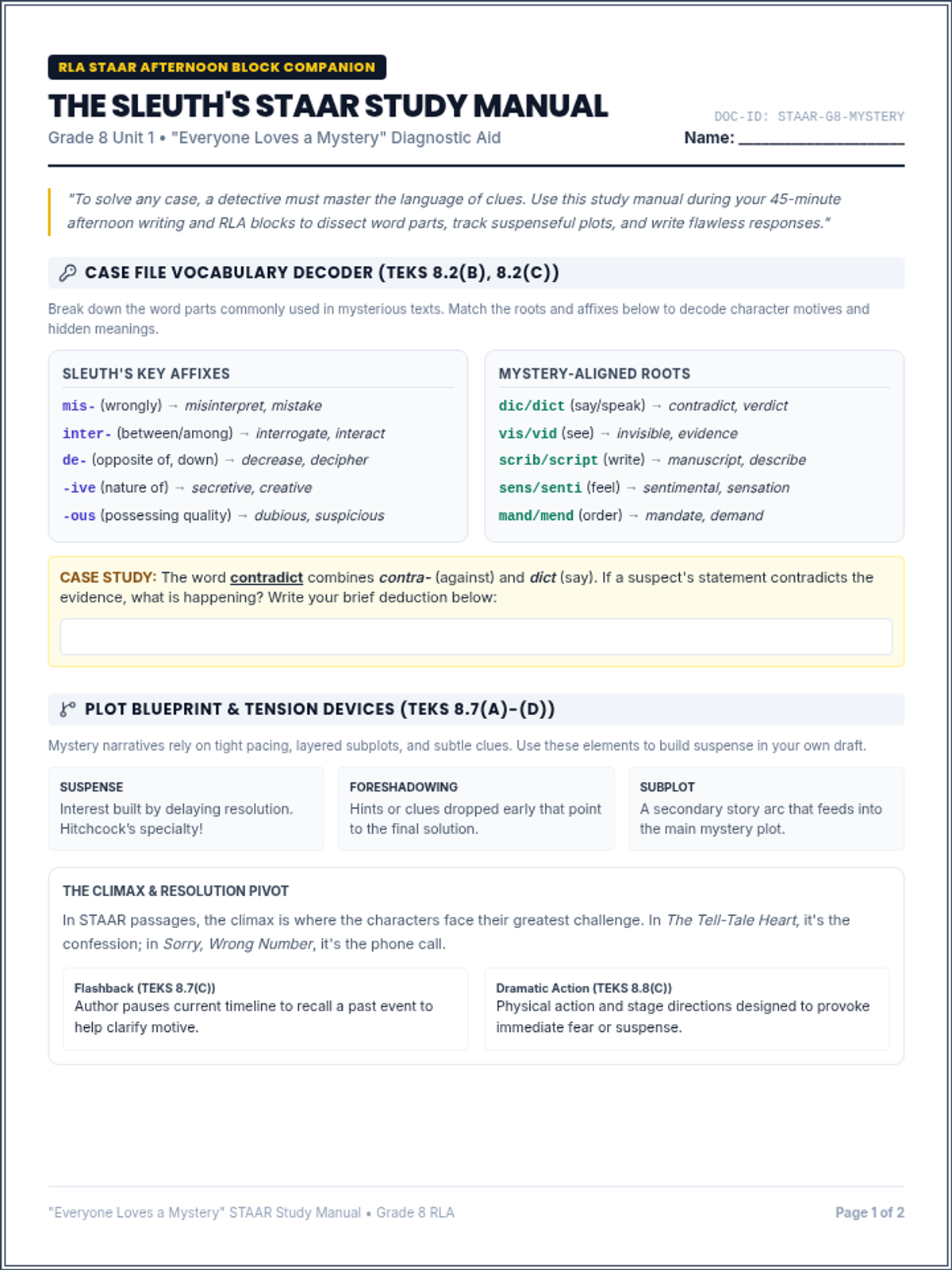
Focuses on identifying explicit definition clues in text and distinguishing between literal facts and implied meanings. Students begin building their 'Investigator Handbook' and practice with a bioluminescence nonfiction text and a mystery fiction text.
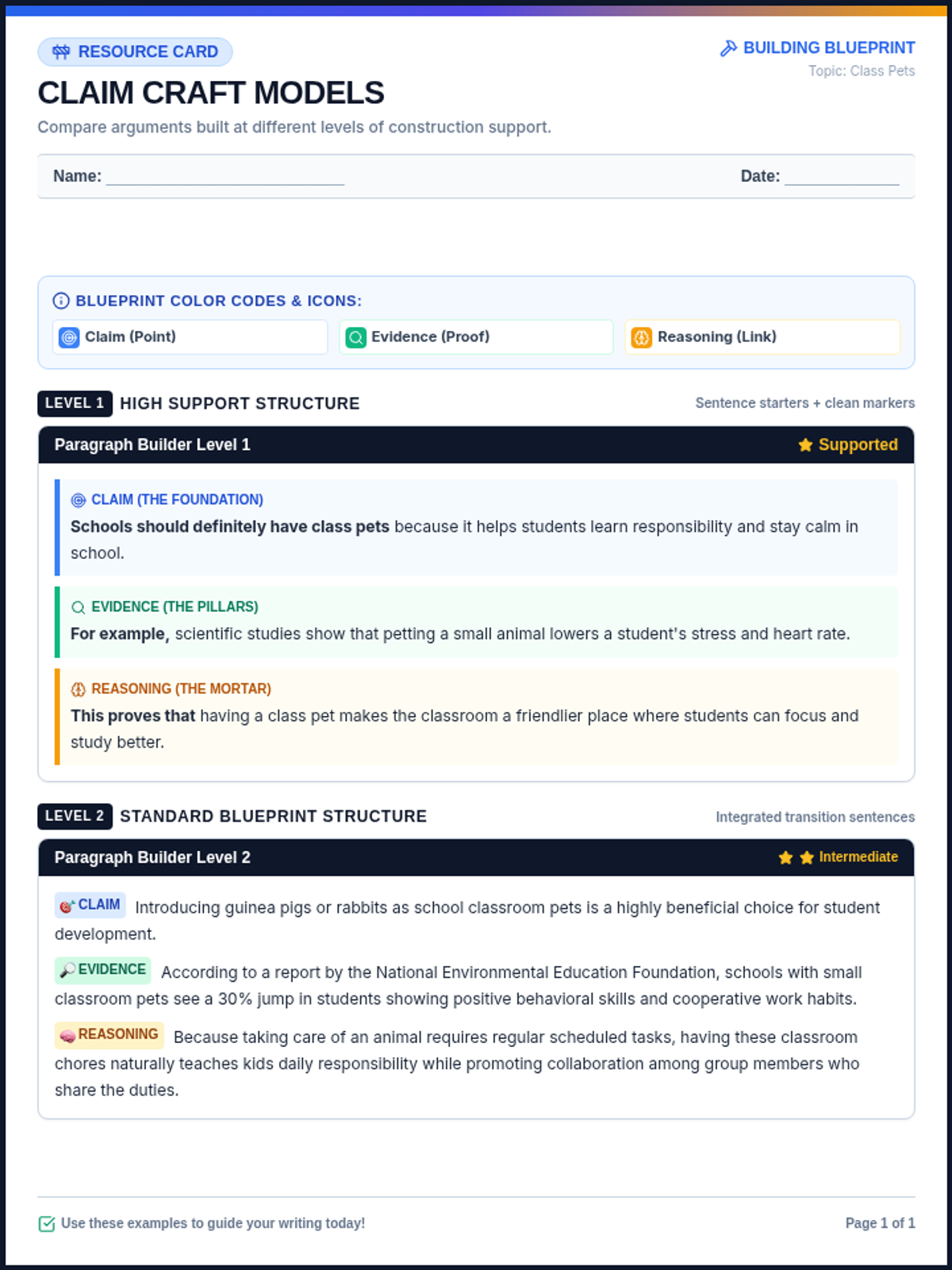
A comprehensive toolkit for Grade 9-10 students to master the transition from evidence to reasoning in argument writing. This lesson focuses on 'The Argument Architect' theme, teaching students to build strong bridges between their claims and textual support.
A 45-minute lesson exploring the origins of superstitions surrounding the number 13 and Friday the 13th, focusing on TELPAS speaking, listening, reading, and writing skills for 9th and 10th grade ELLs.
A set of vibrant, high-impact flyers celebrating student growth on WY-TOPP Math (6th/7th) and Science (8th) assessments.
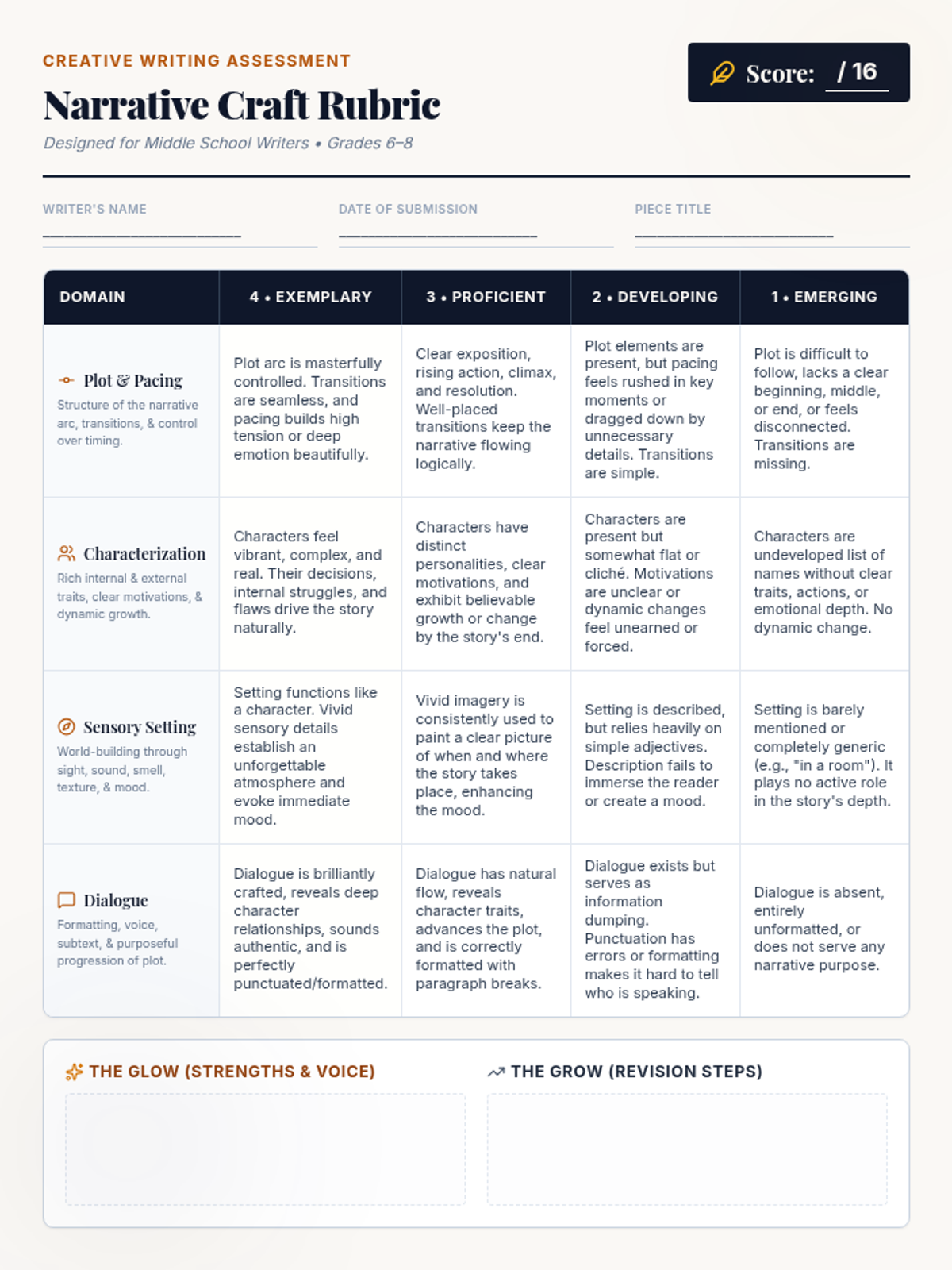
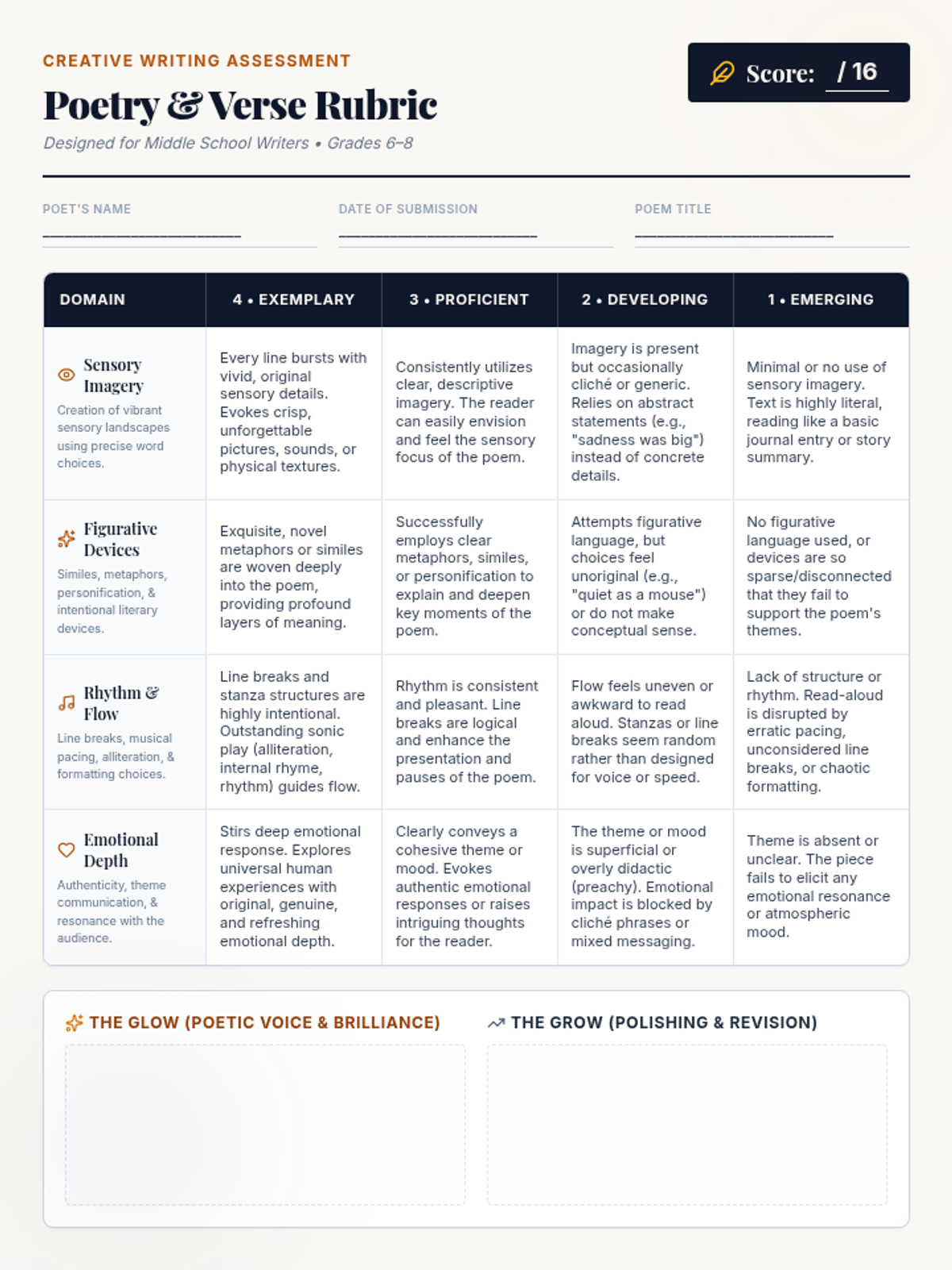
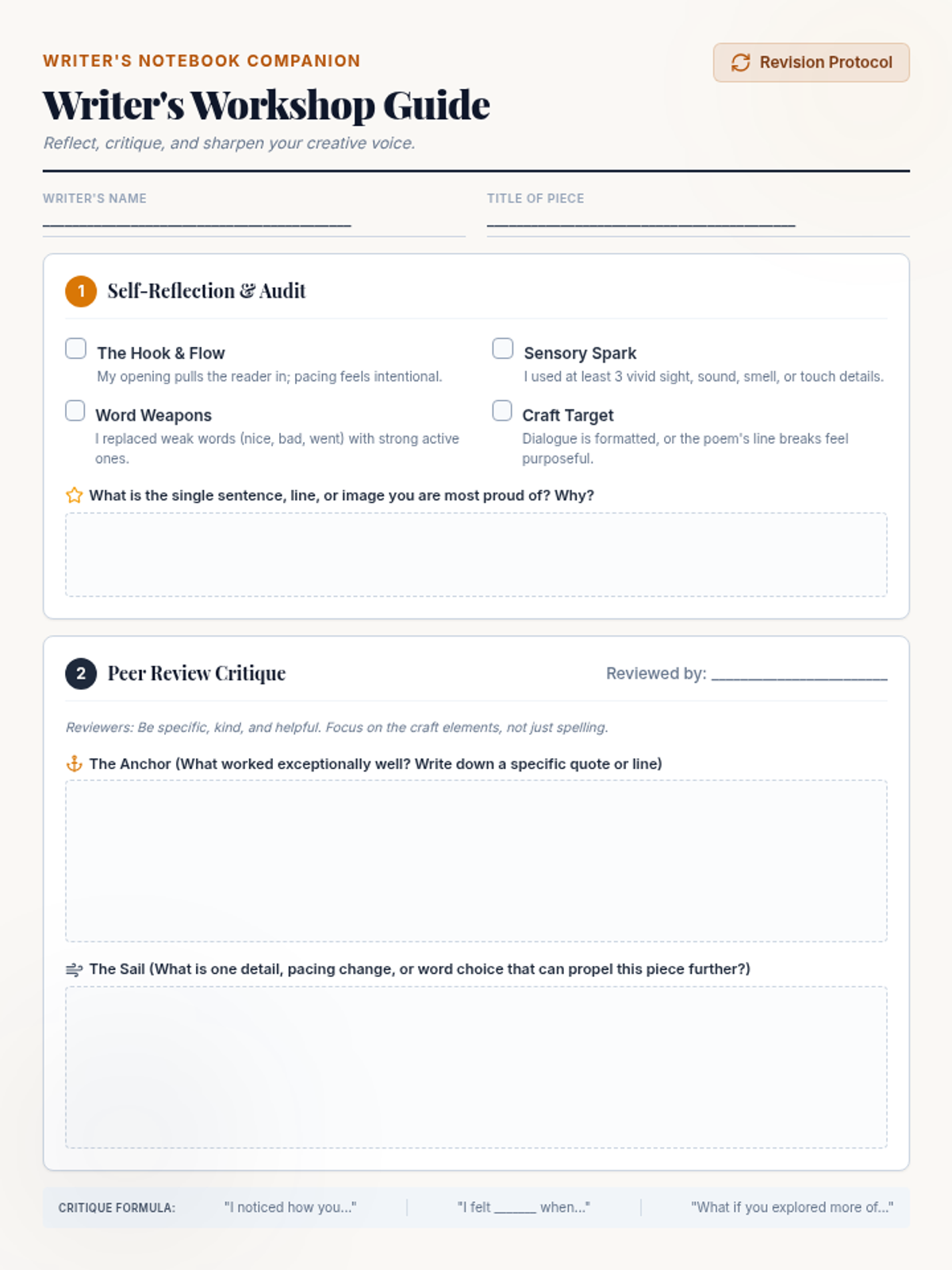
A creative writing application where students rewrite a narrative passage from a different perspective, using a tone checklist and structured scaffold to demonstrate mastery of voice.
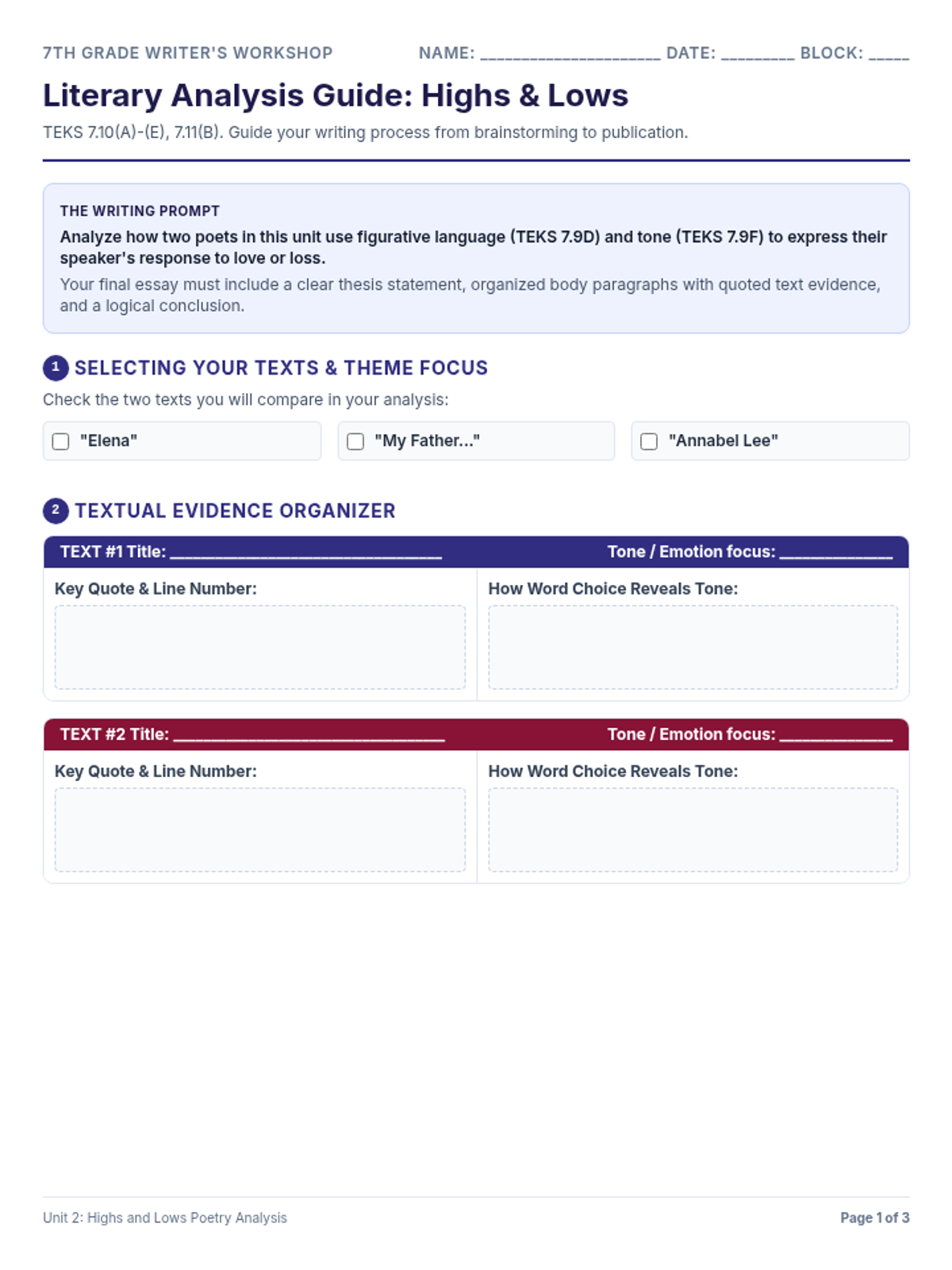
Students compare a narrative account of cultural identity with an informational news article to analyze how different perspectives and formats shape the delivery of a shared theme.
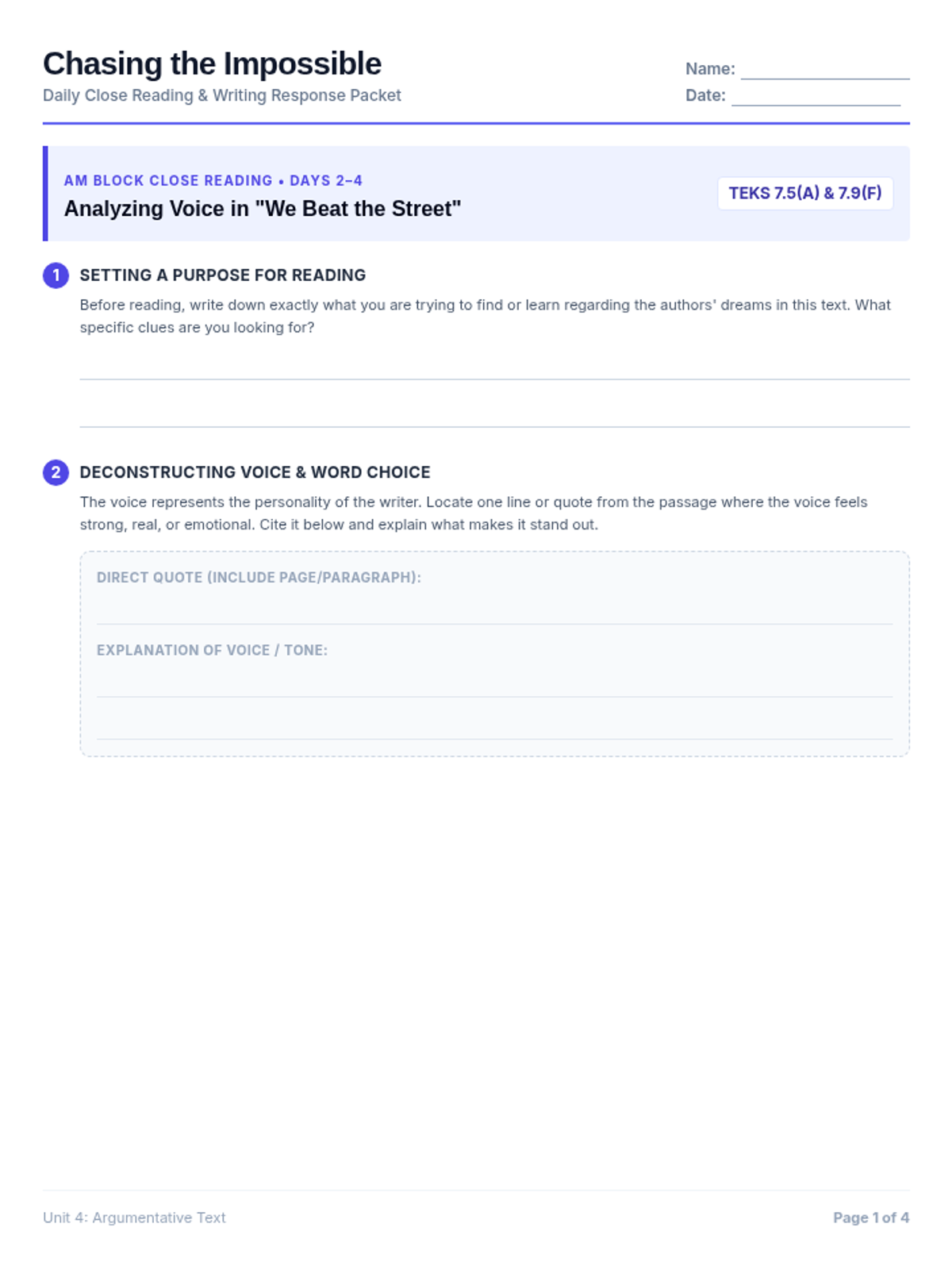
An introduction to literary voice using excerpts from The House on Mango Street, focusing on word choice and sentence structure as tools for building character personality.
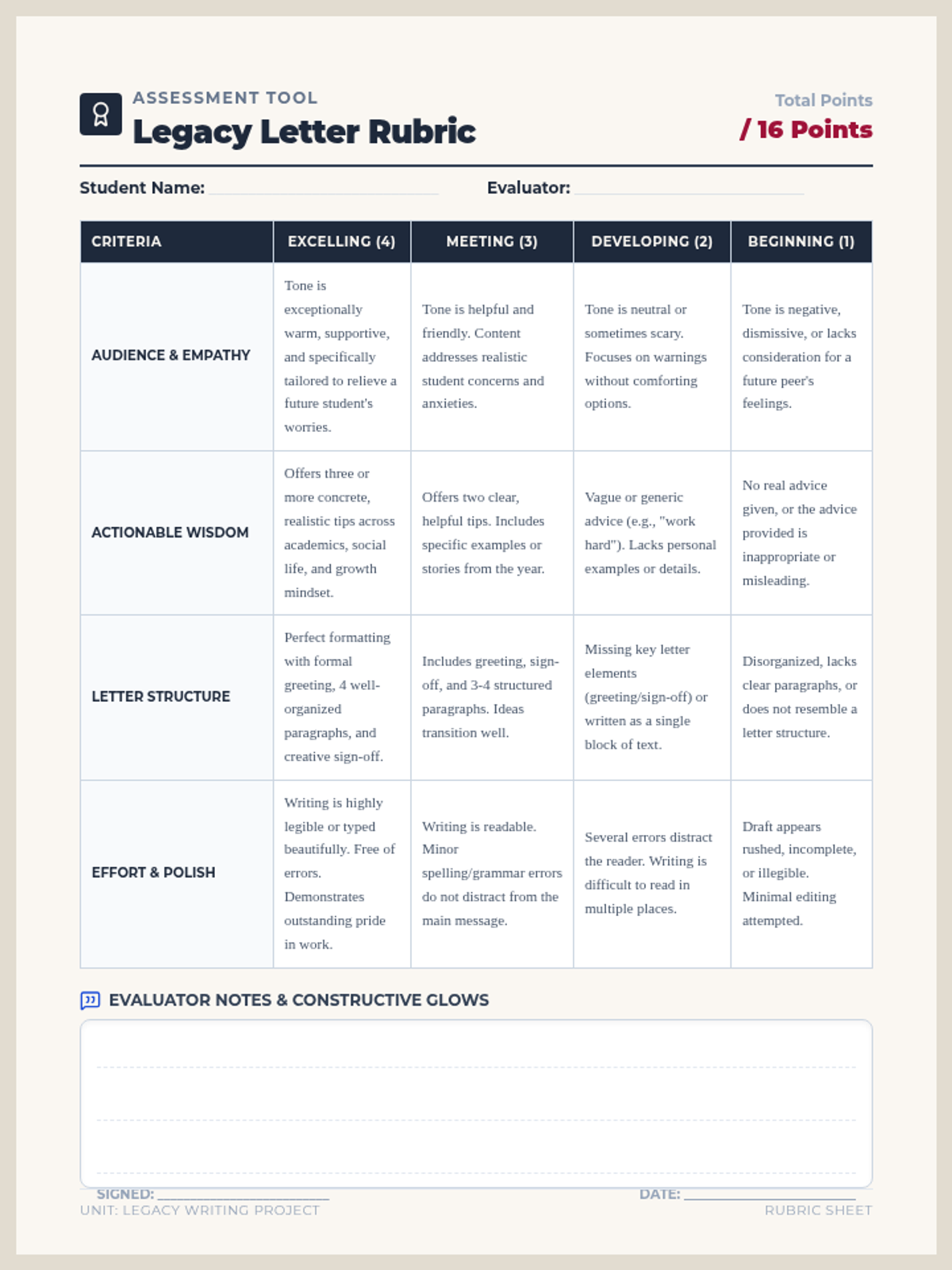
A creative writing application where students rewrite a passage from a new perspective. Includes scaffolds for tone and sentence structure, concluding with a formal rubric for assessment.
Students compare different perspectives on the same topic by analyzing a narrative excerpt from Jason Reynolds and a paired news article. The lesson focuses on how purpose and point of view change the delivery of information.
An introduction to 'voice' in literature, using Sandra Cisneros's 'The House on Mango Street' as a primary text. Students learn to identify word choice and sentence structure that contribute to a narrator's unique personality.