Students practice introducing themselves with the phrase 'Je m'appelle' during a rhythmic ball-pass game.
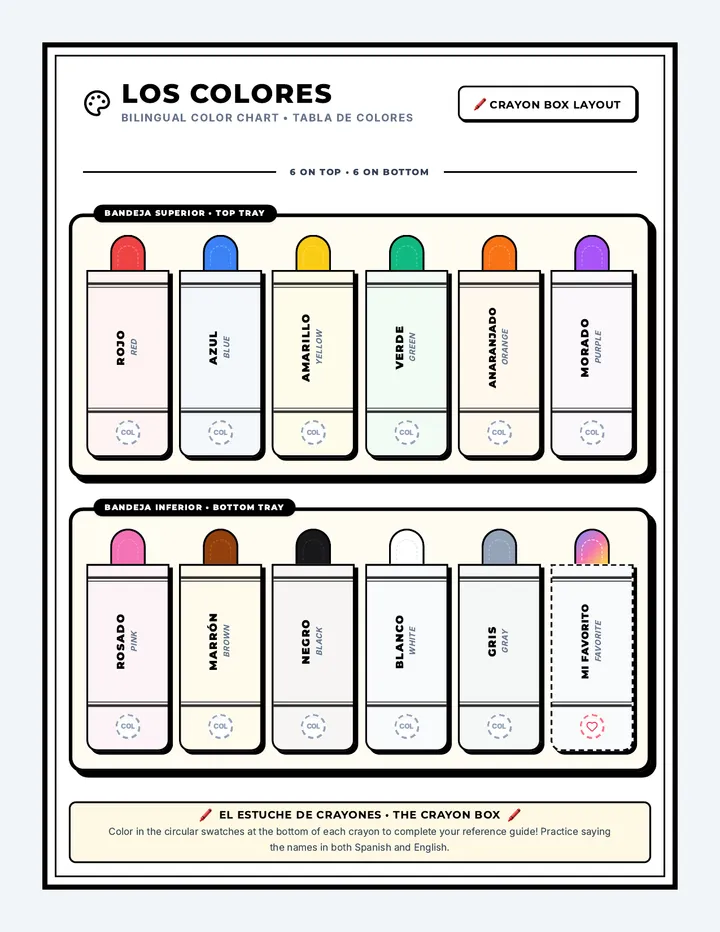
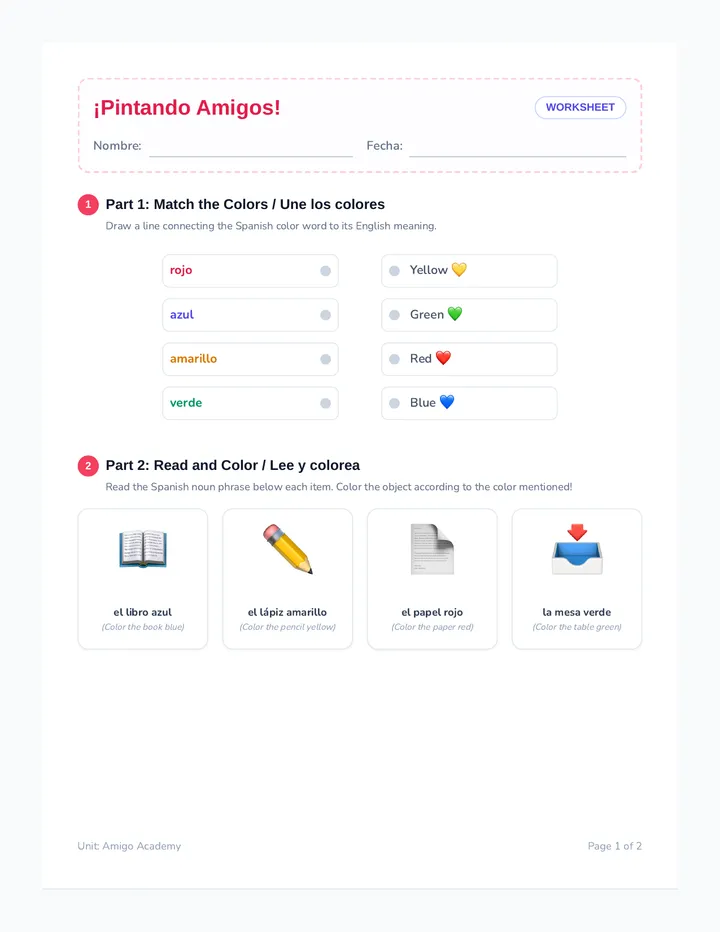
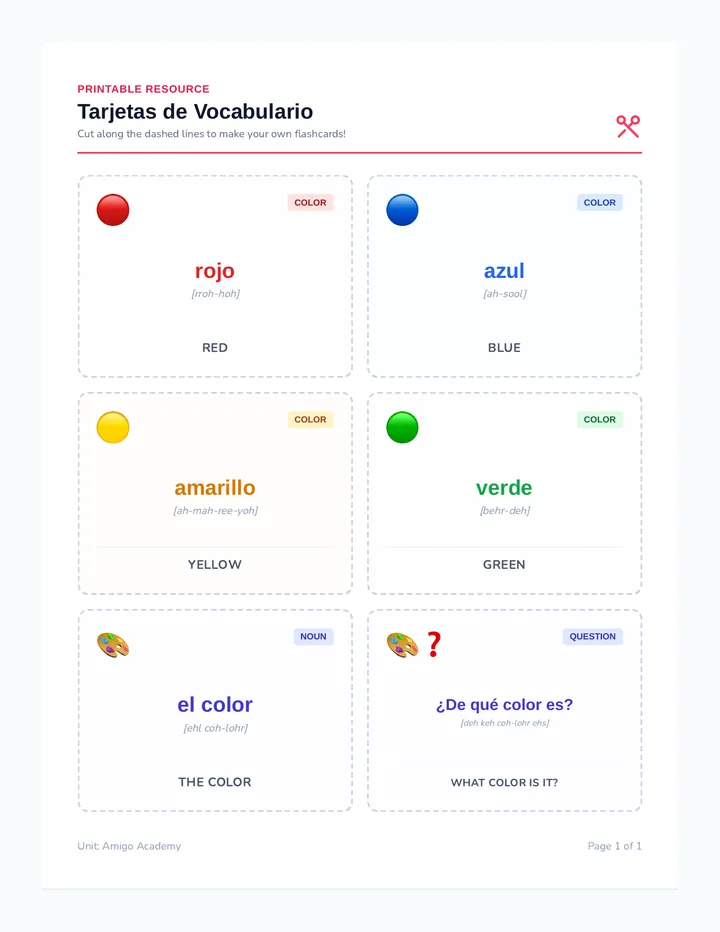
An introductory lesson on basic color vocabulary in Spanish and English, featuring high-contrast printables and hands-on coloring elements.
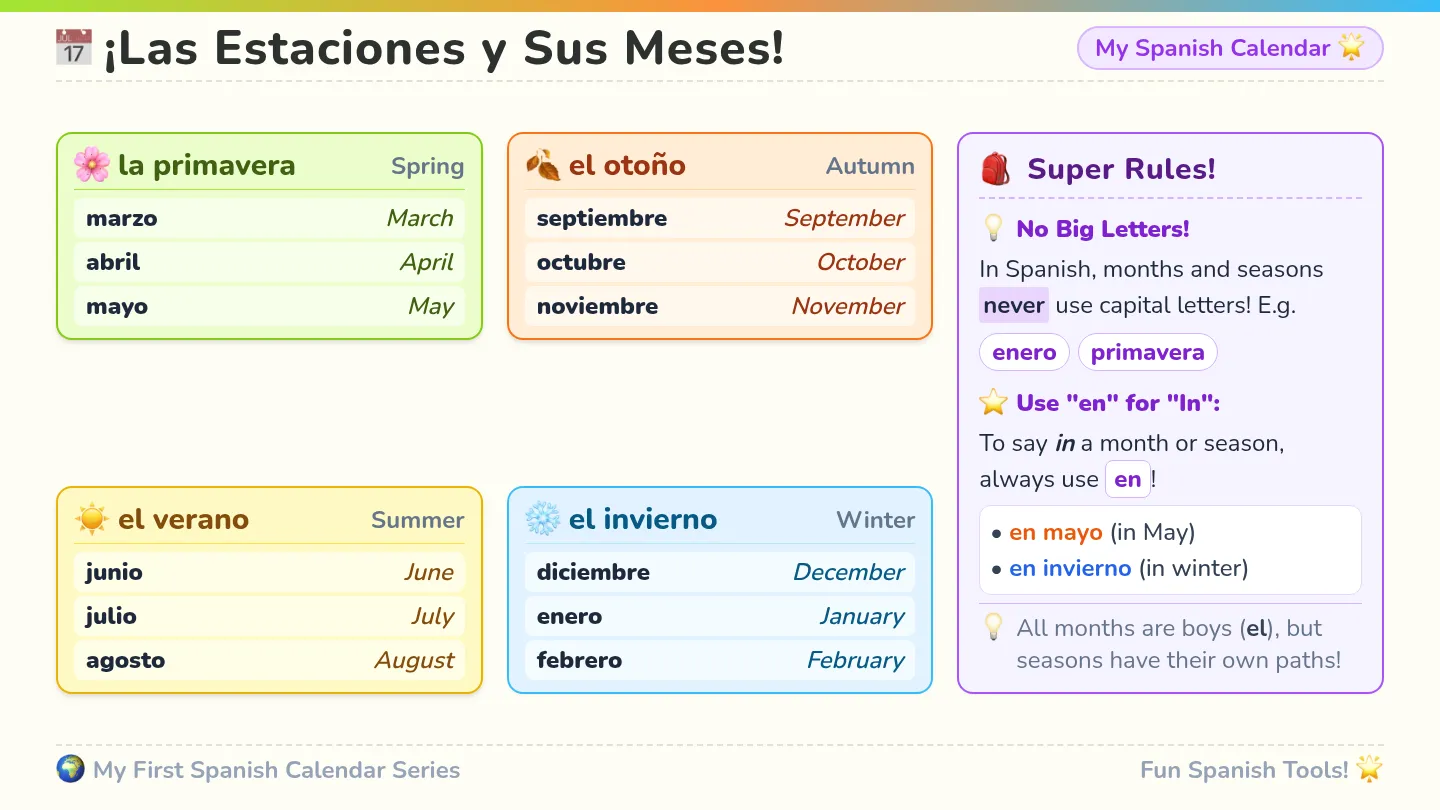
An academic lesson on Spanish months, seasons, and key capitalization rules, tailored specifically for older beginners and adult learners.
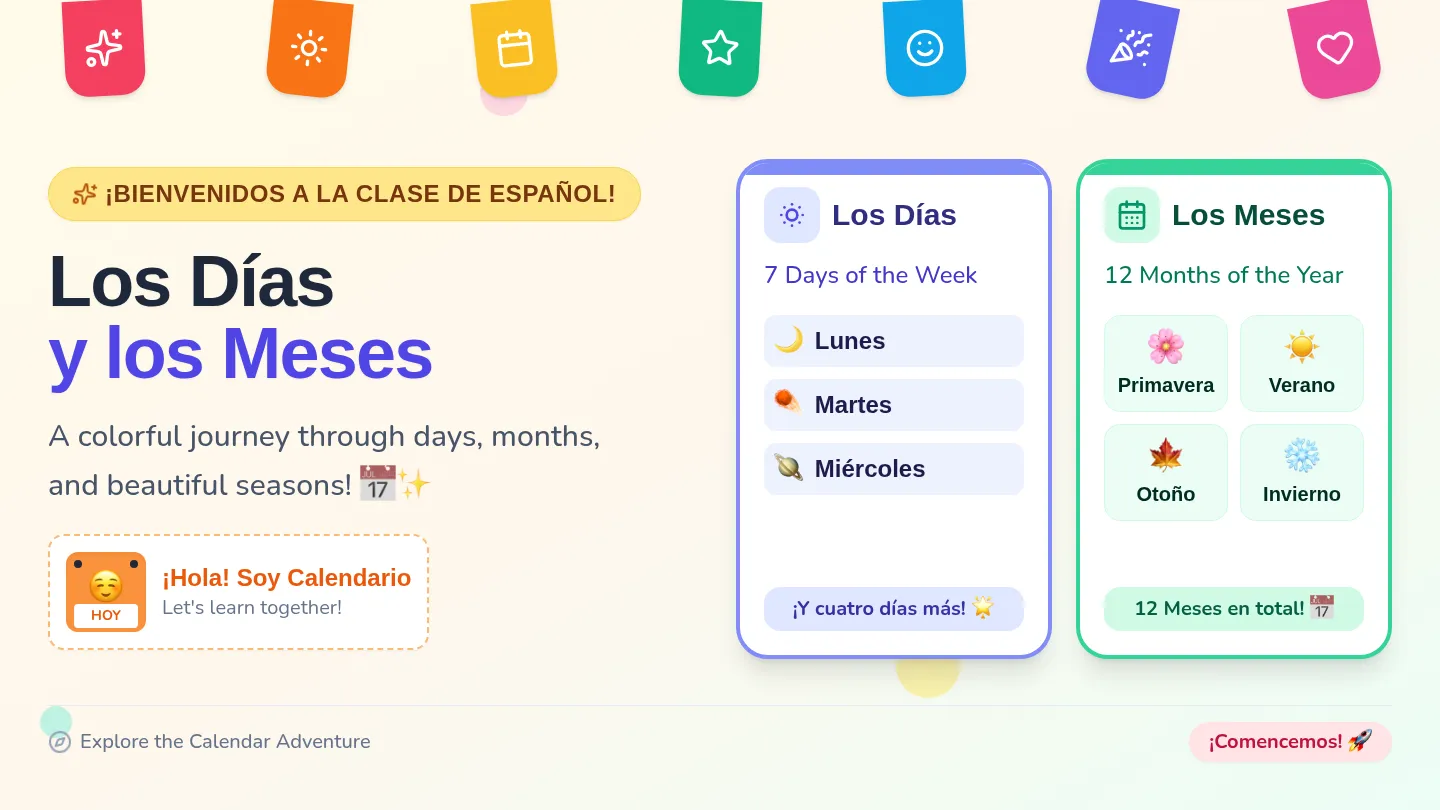
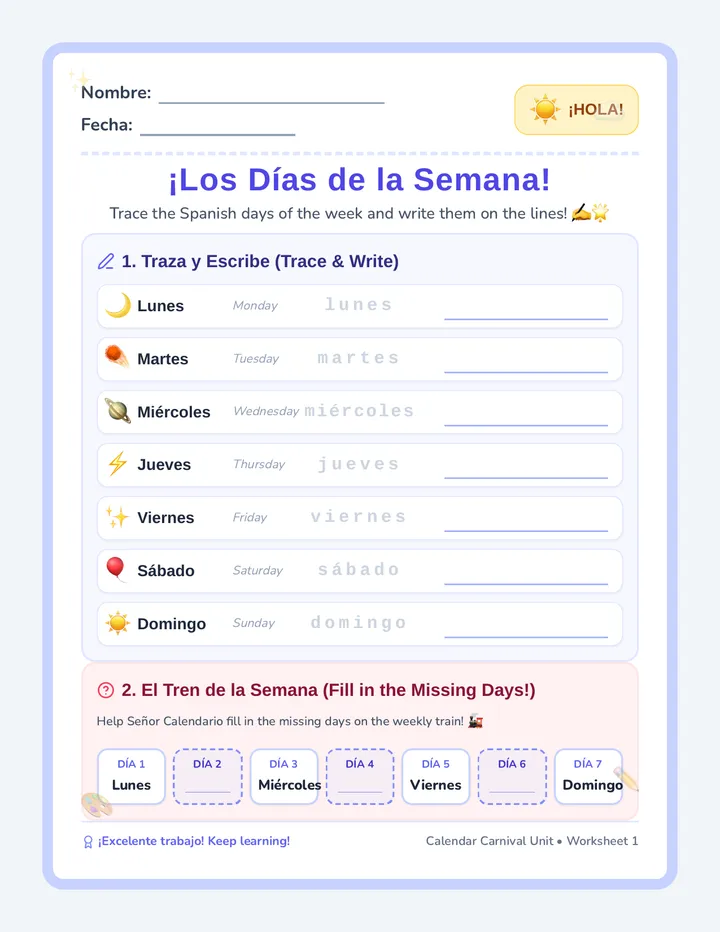
An engaging and vibrant introductory lesson to help young learners master the days of the week and months of the year in Spanish through high-impact, visual, and thematic play.
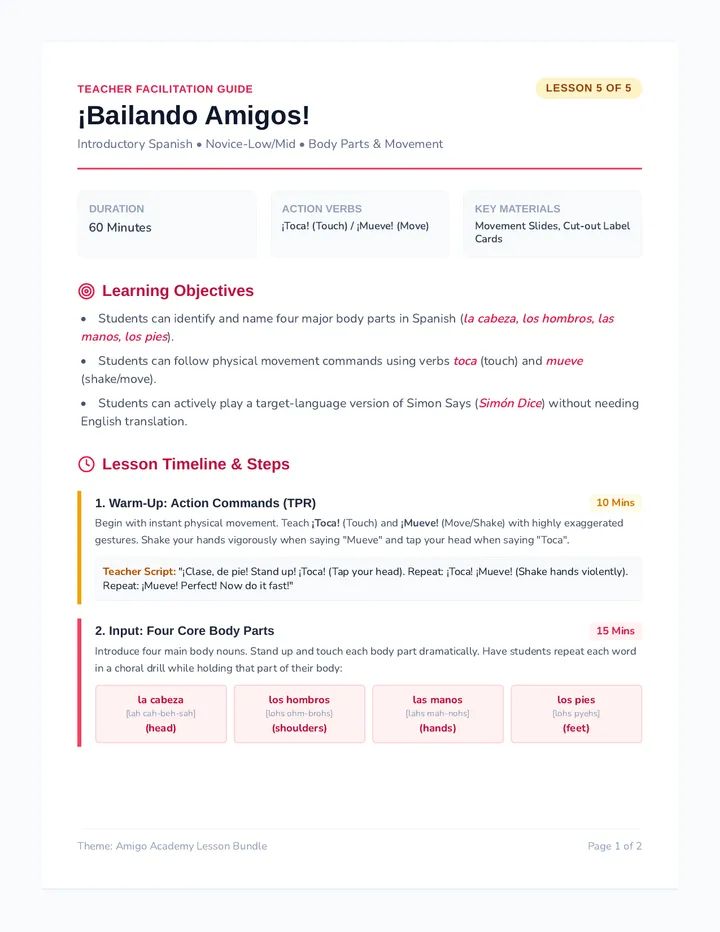
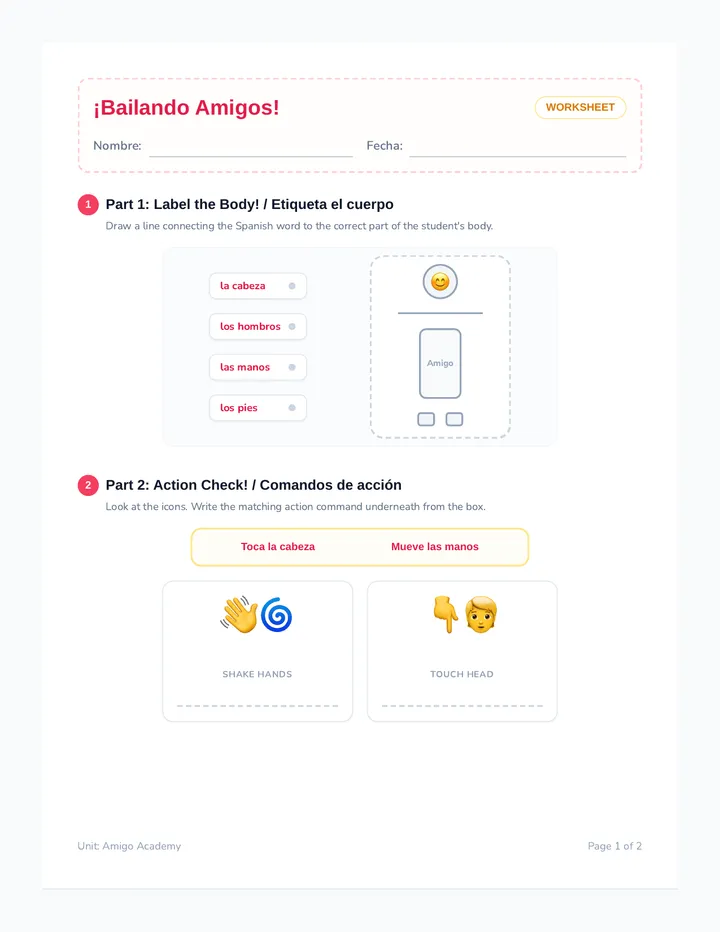
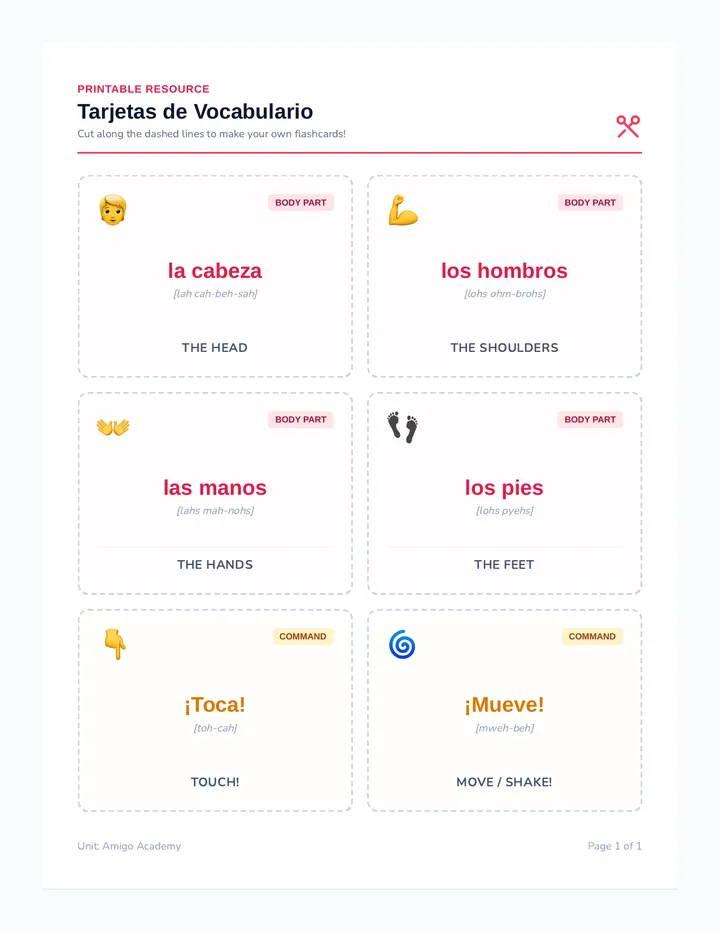
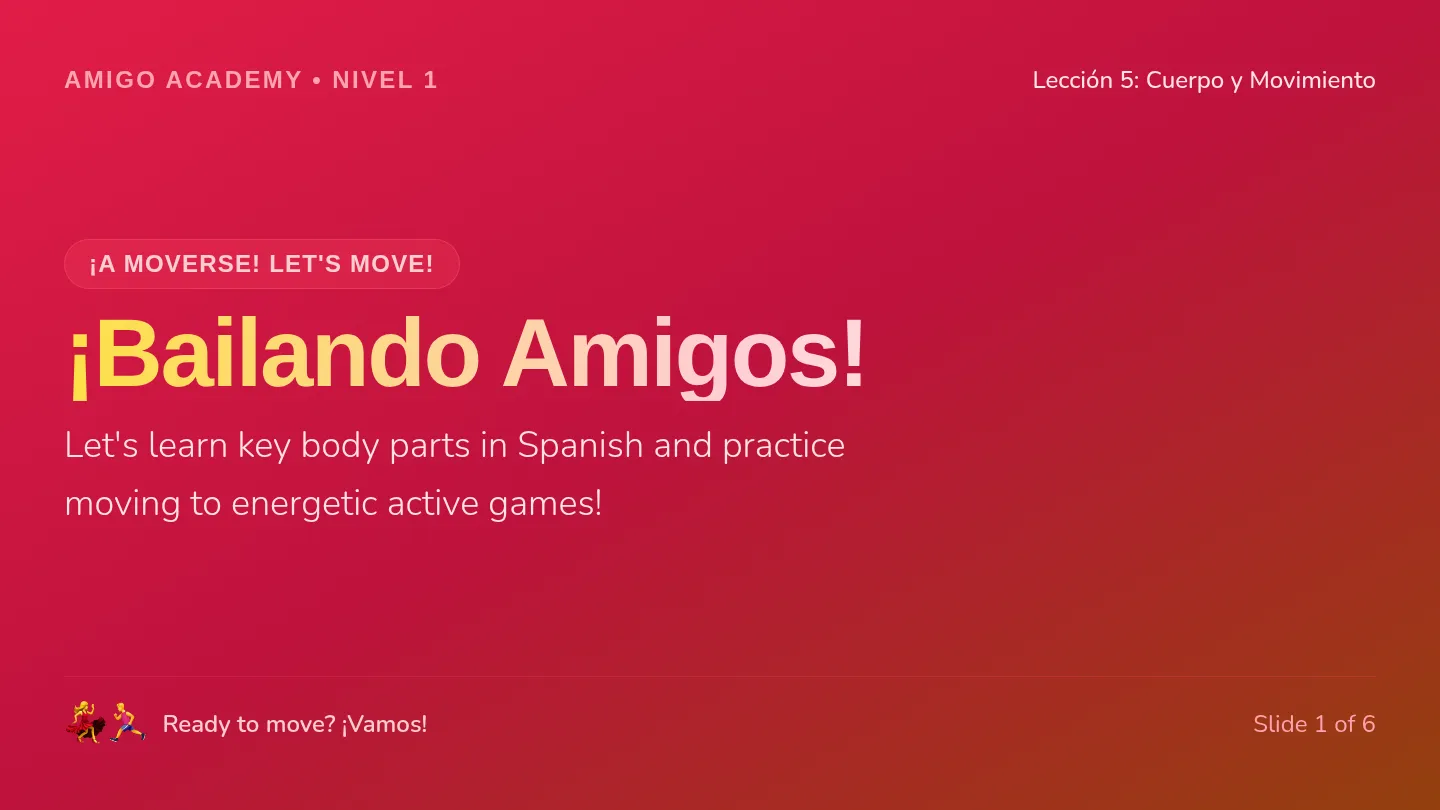
An active, movement-based beginner Spanish lesson teaching high-frequency body parts (cabeza, hombros, manos, pies) and physical action verbs (toca, mueve) through rhythmic dances and interactive 'Simón Dice' games.
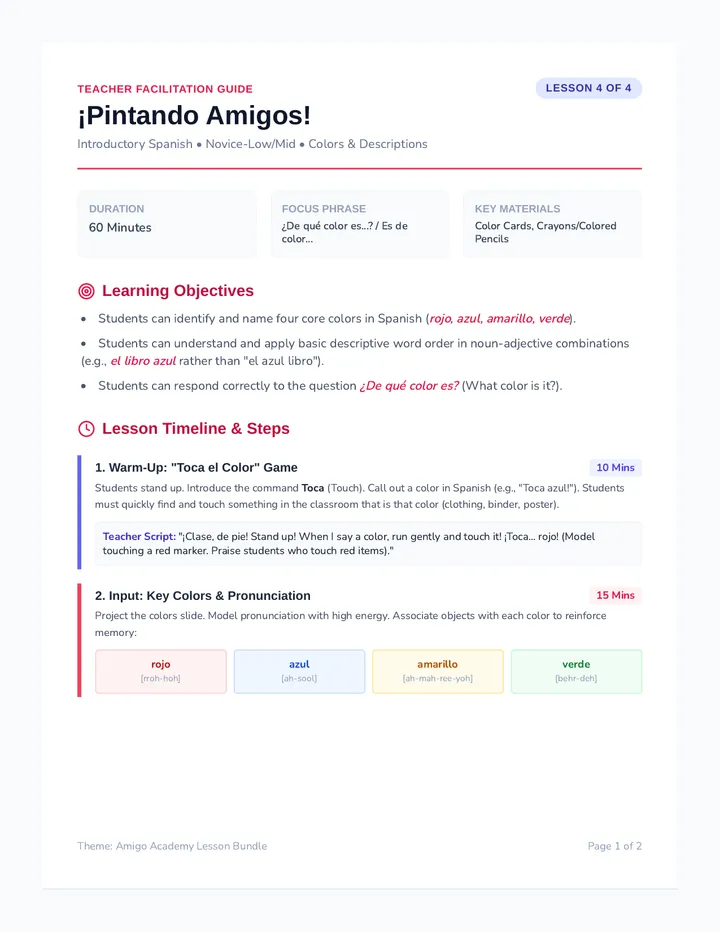
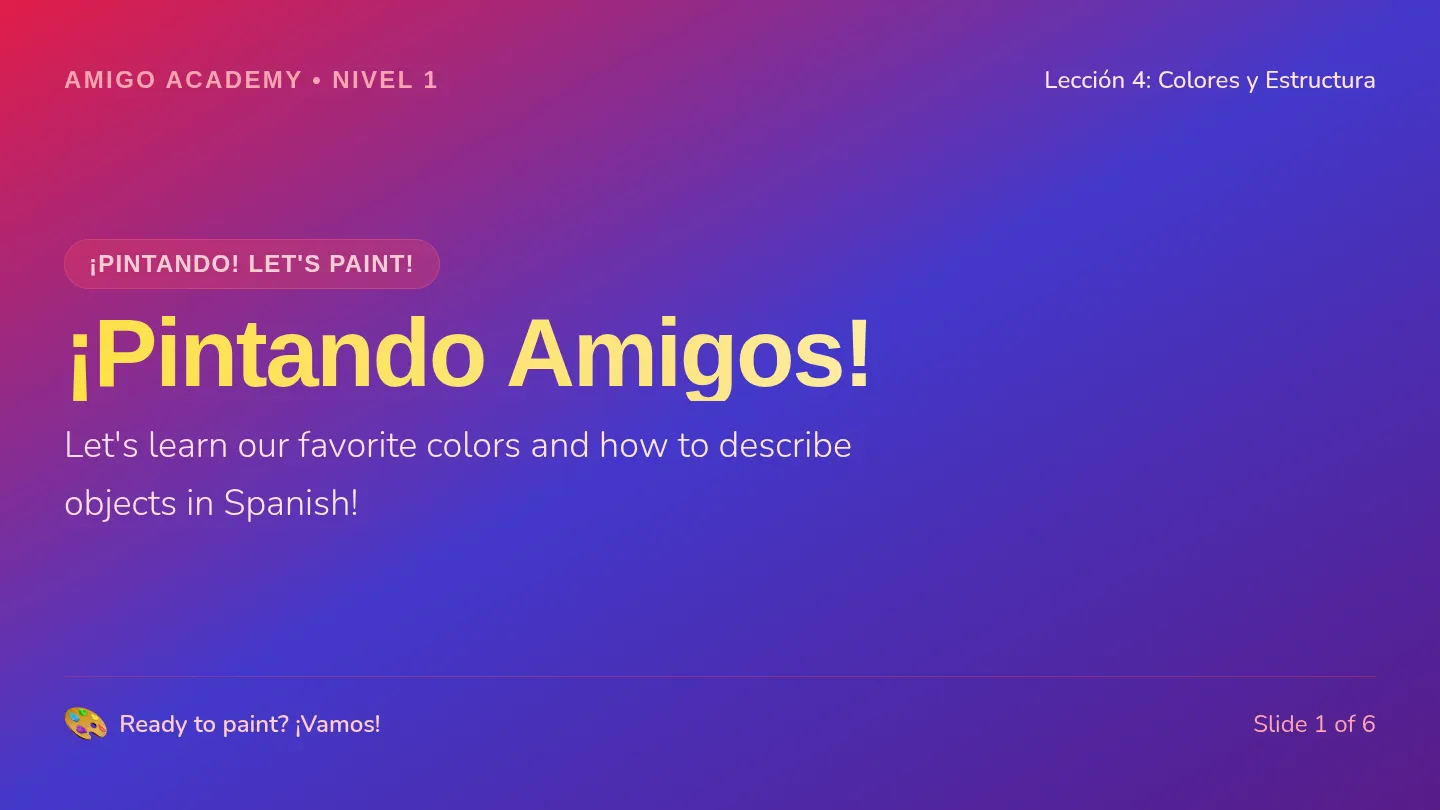
A vibrant beginner Spanish lesson teaching high-frequency colors (rojo, azul, amarillo, verde) and basic agreement/descriptive word order (e.g., 'el libro azul') through active color hunts and creative sorting activities.
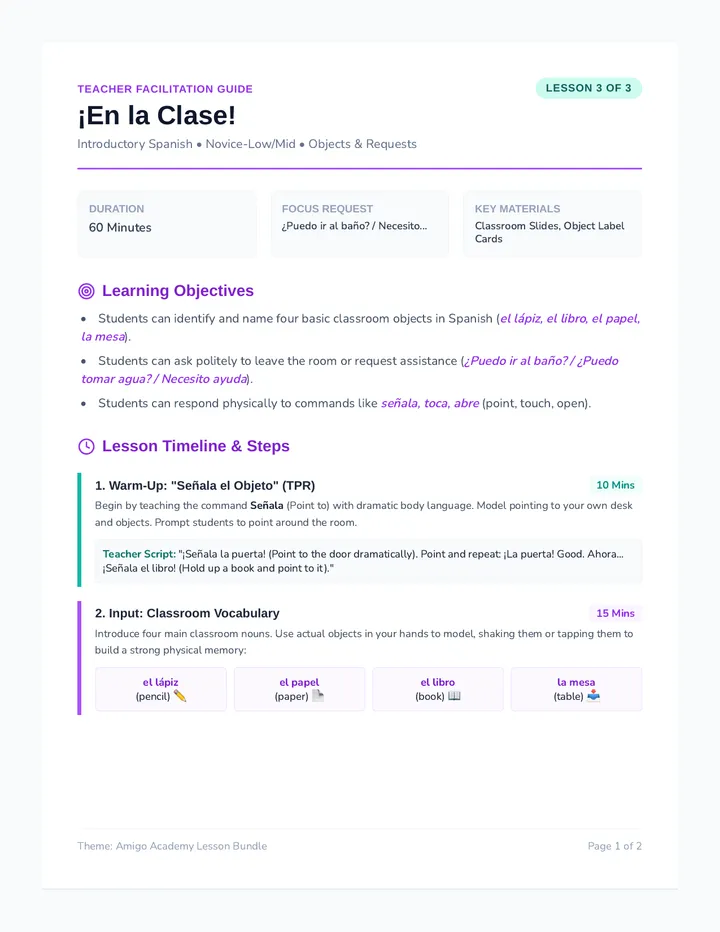
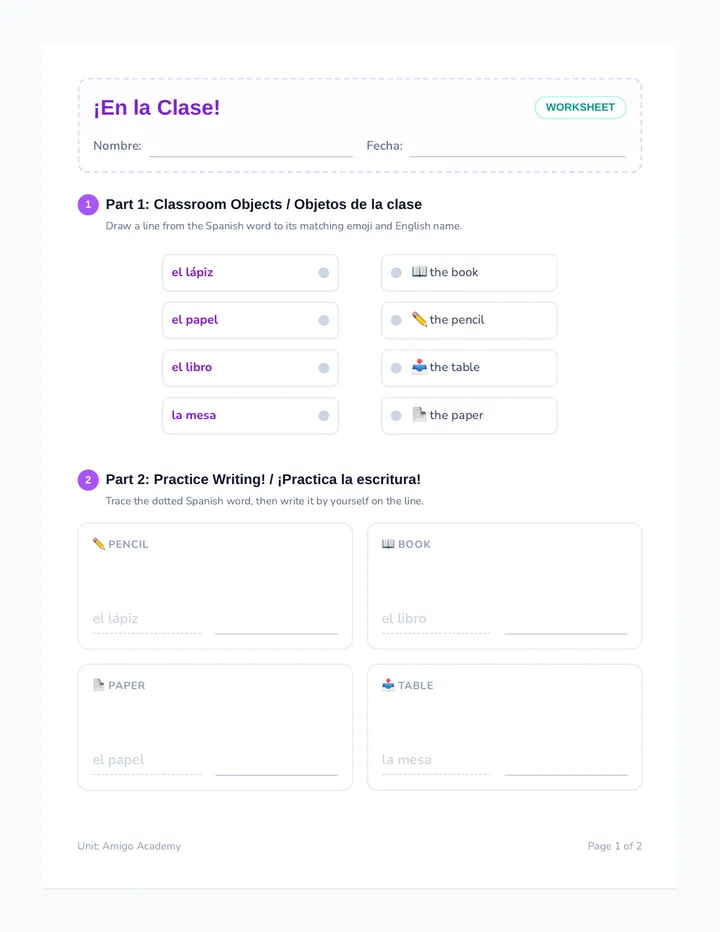
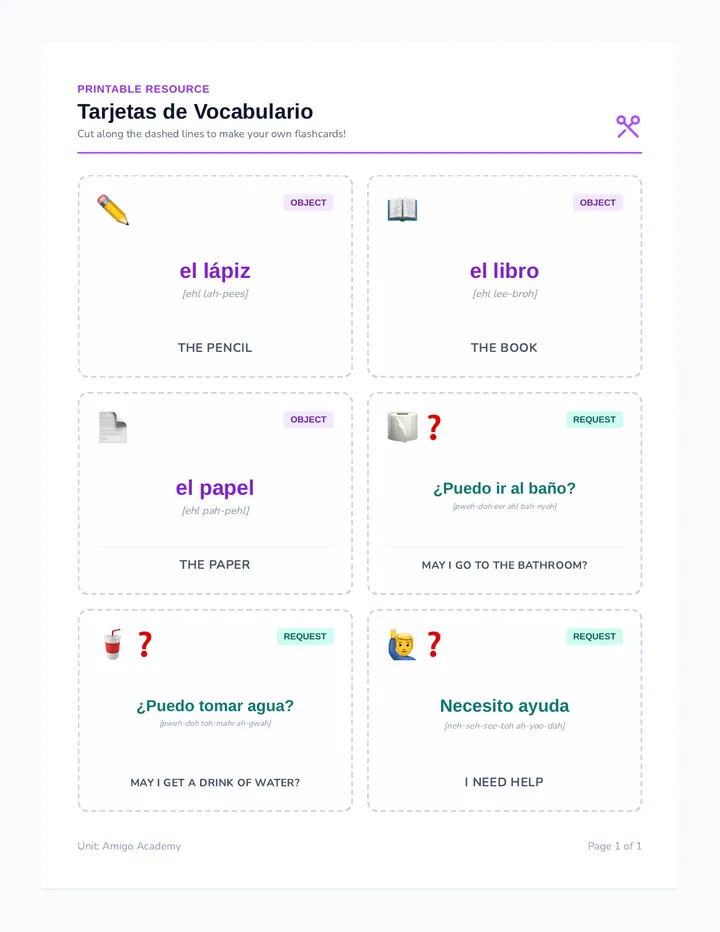
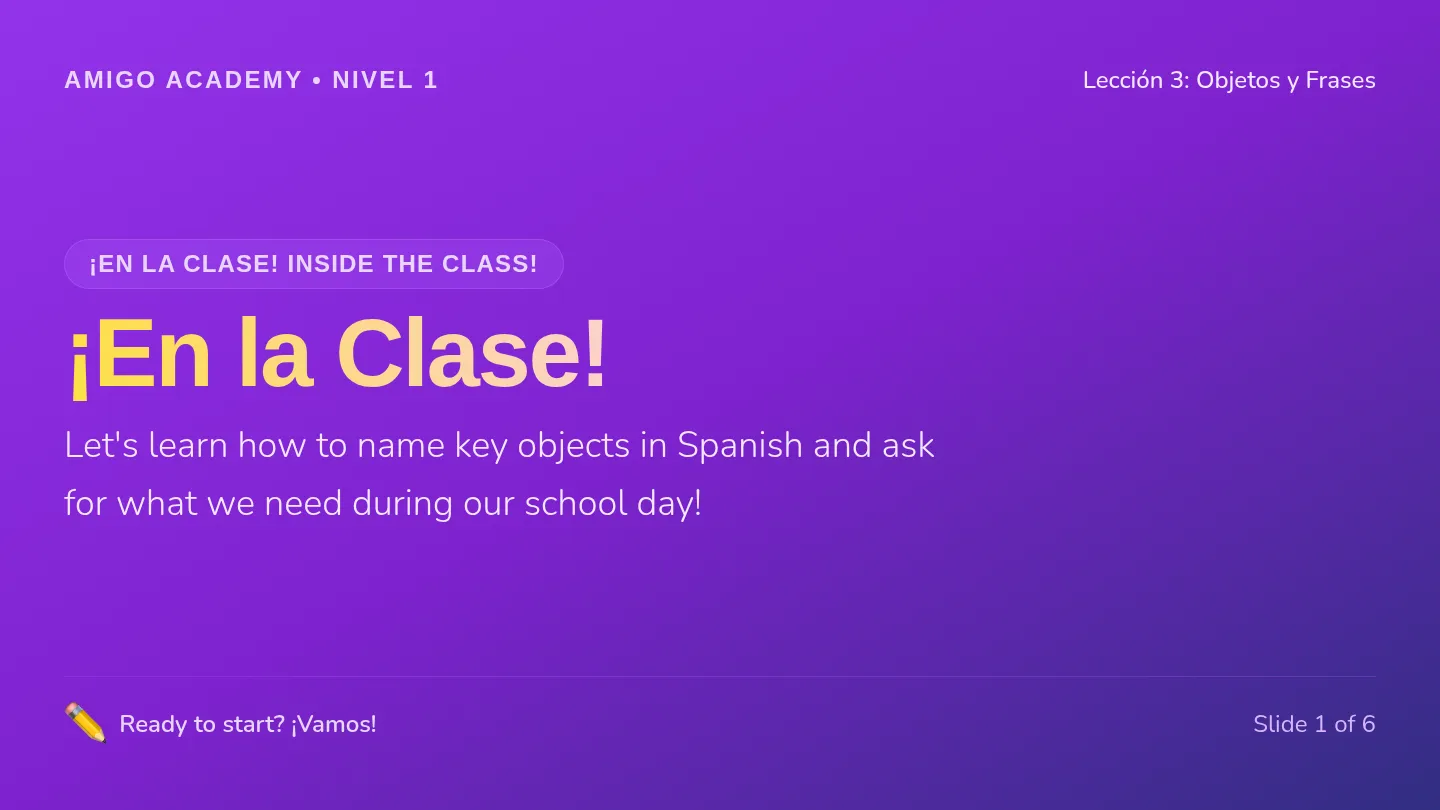
A beginner Spanish lesson teaching high-frequency classroom objects (lápiz, papel, libro) and essential classroom requests (¿Puedo ir al baño?, Necesito un lápiz) using physical pointing activities and visual matching cards.
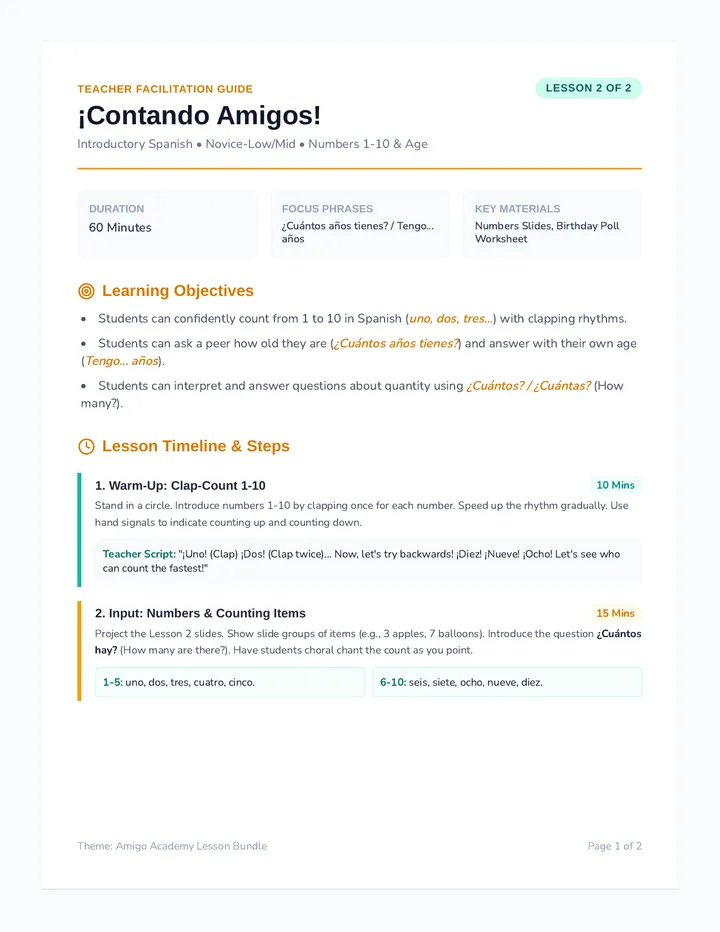
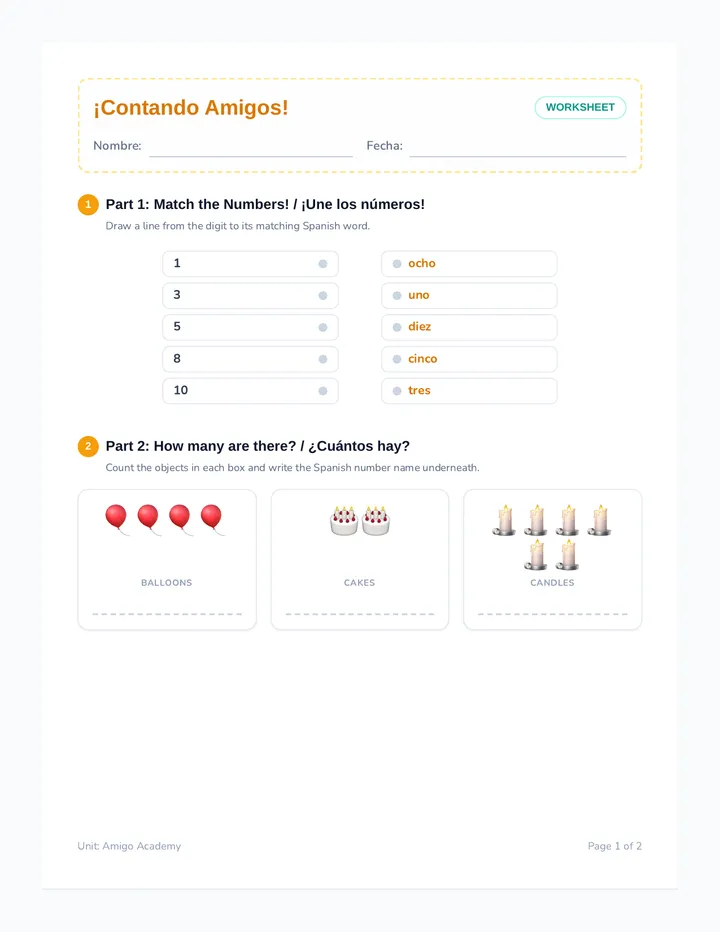
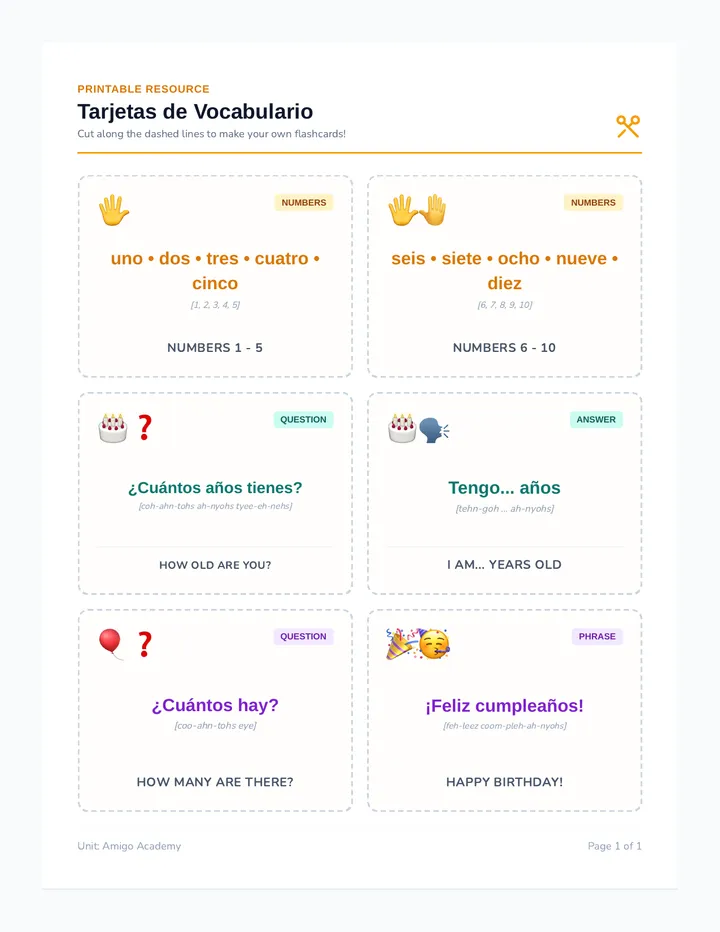
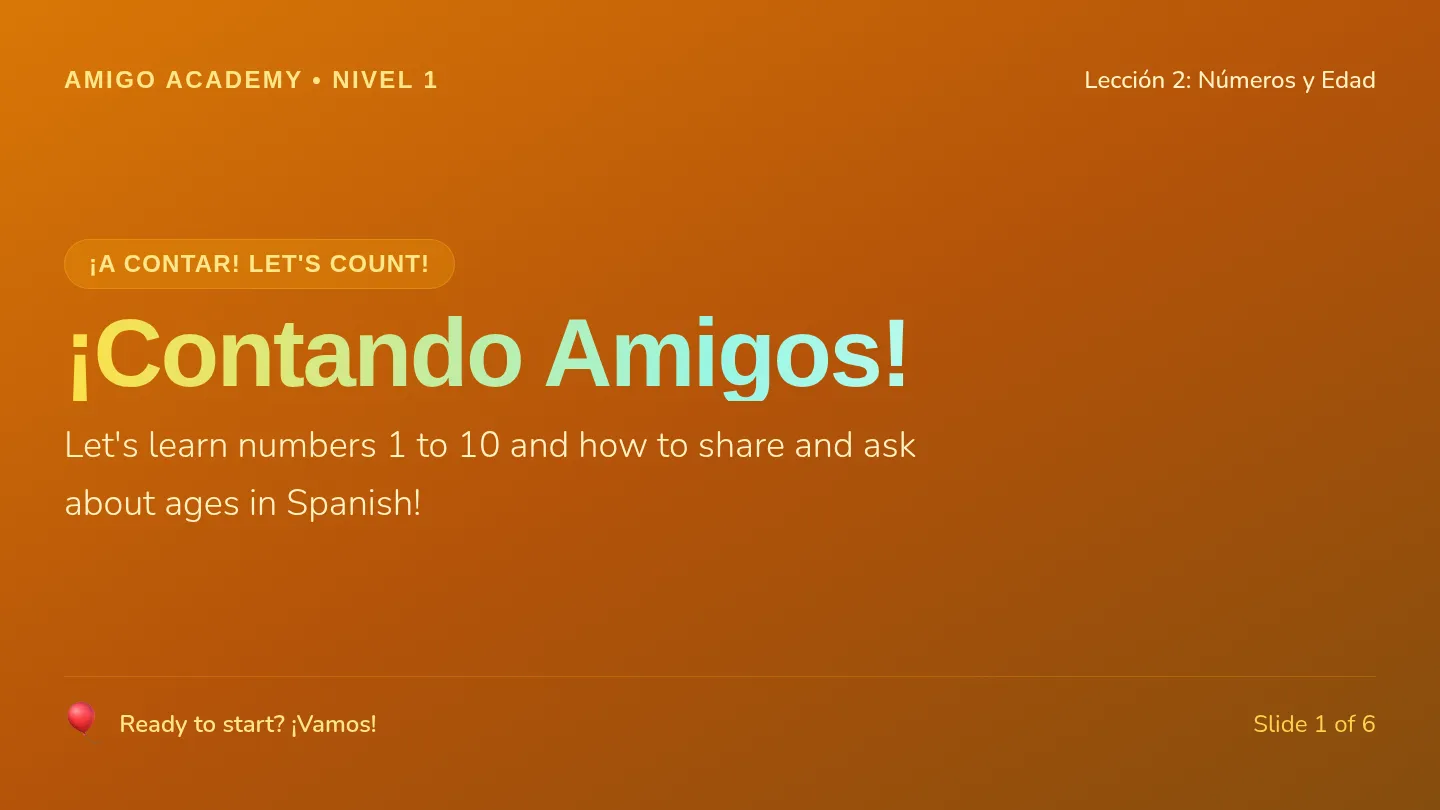
An engaging beginner Spanish lesson focusing on numbers 1-10, asking and answering age questions (¿Cuántos años tienes? Tengo... años), and conducting a classroom birthday/age poll.
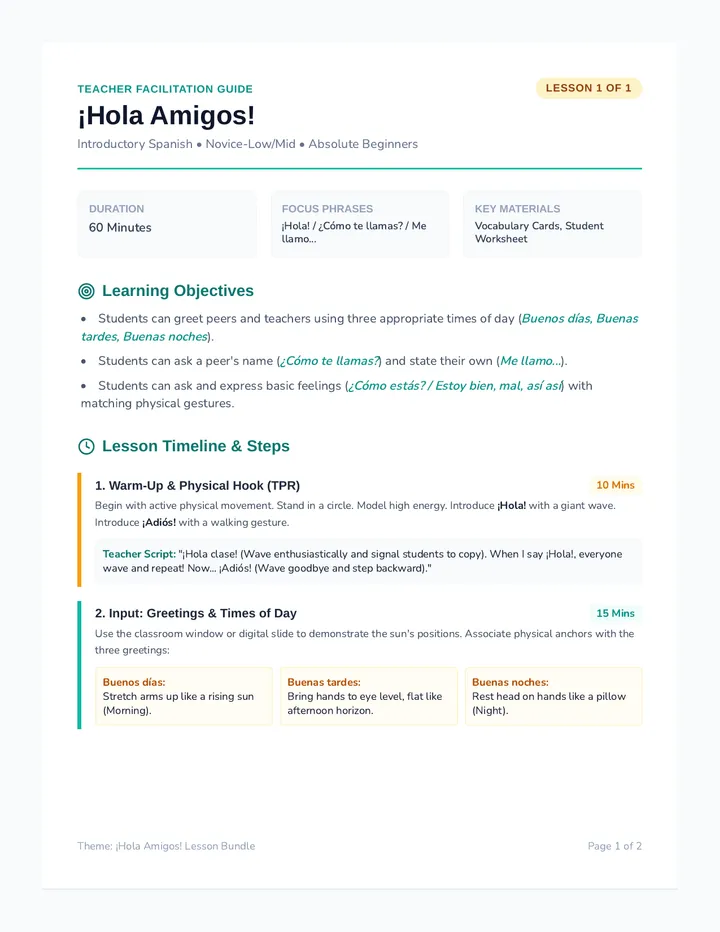
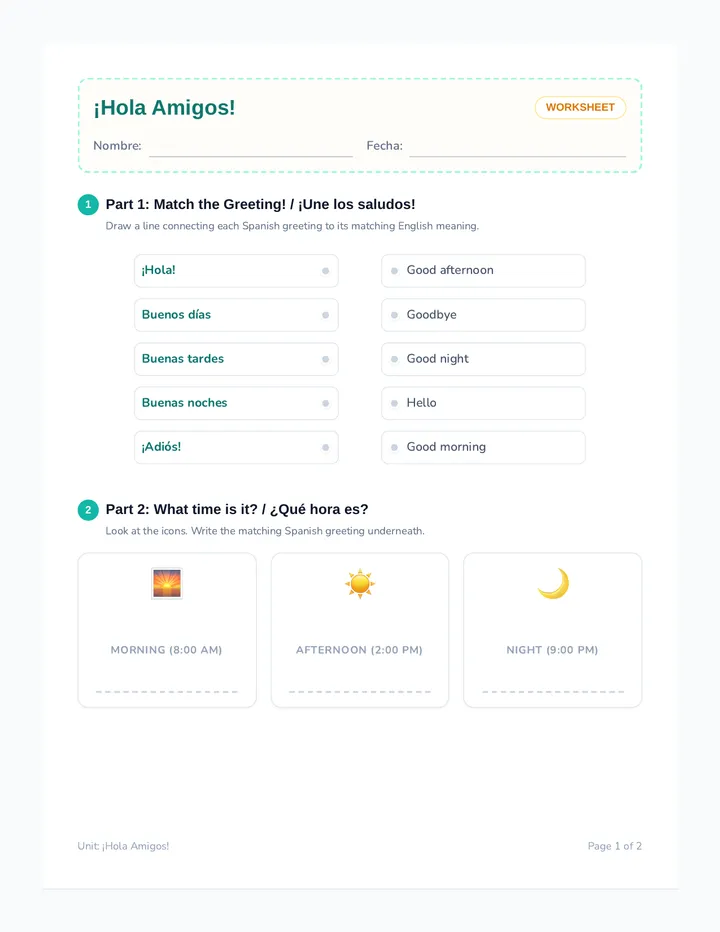
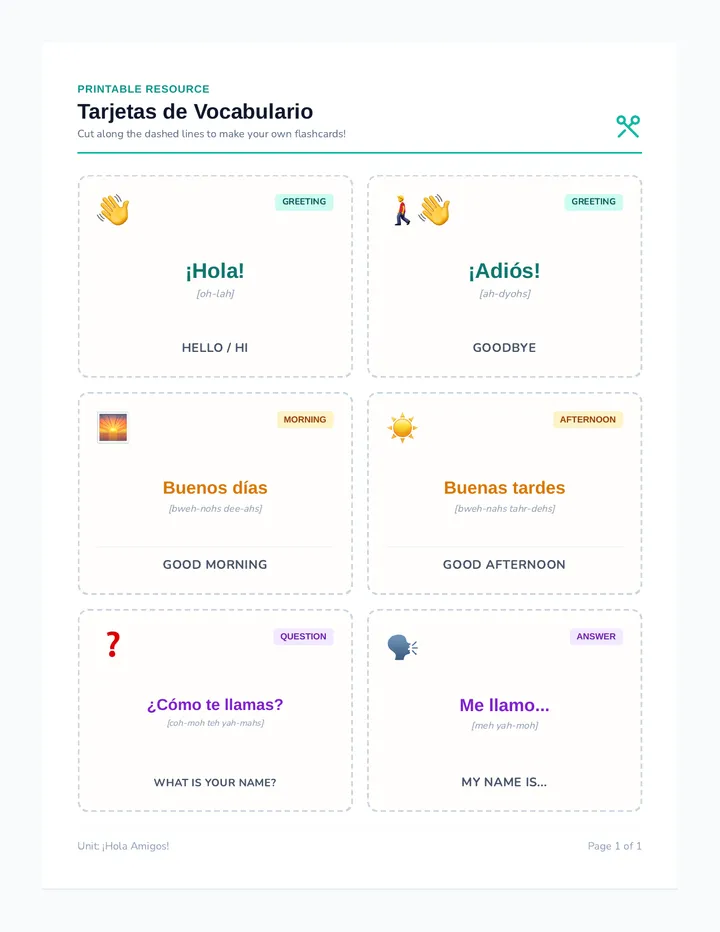
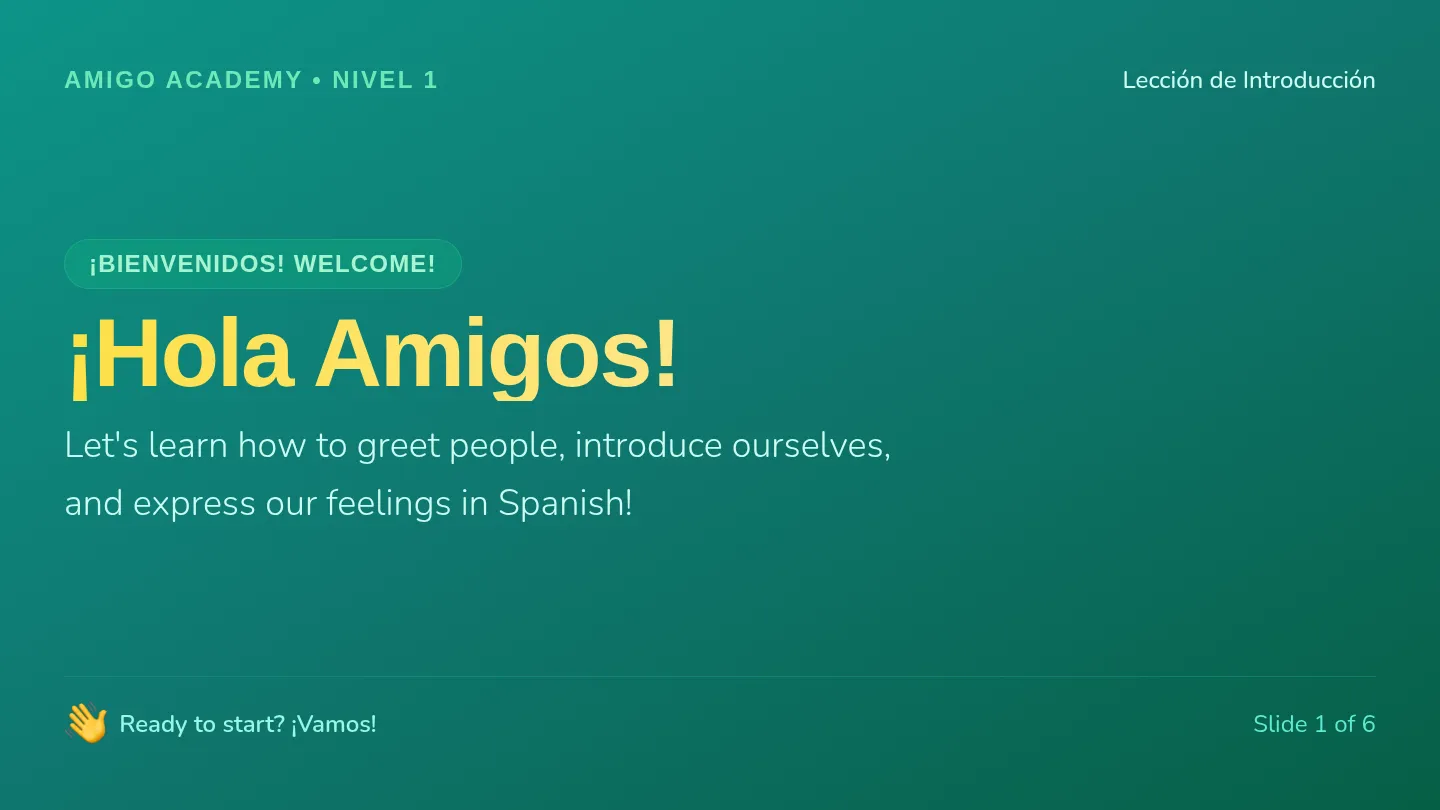
An introductory Spanish lesson for absolute beginners (Novice-Low/Mid) focusing on high-frequency greetings, self-introductions (¿Cómo te llamas? Me llamo...), and basic feelings expression through active physical response (TPR) and collaborative speaking activities.
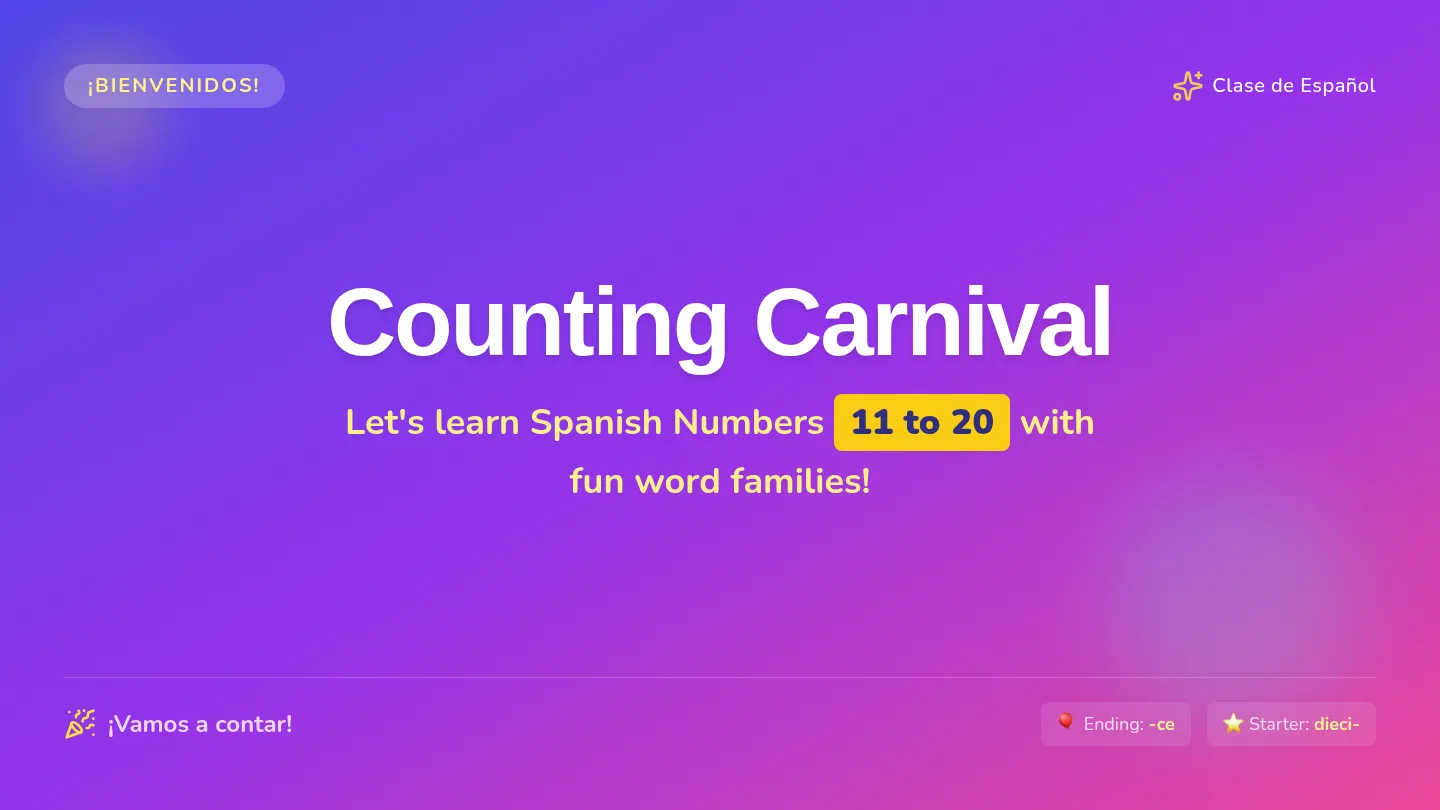
A playful and colorful introductory lesson on Spanish numbers 11 to 20 designed for young learners, highlighting key suffix and prefix spelling patterns.
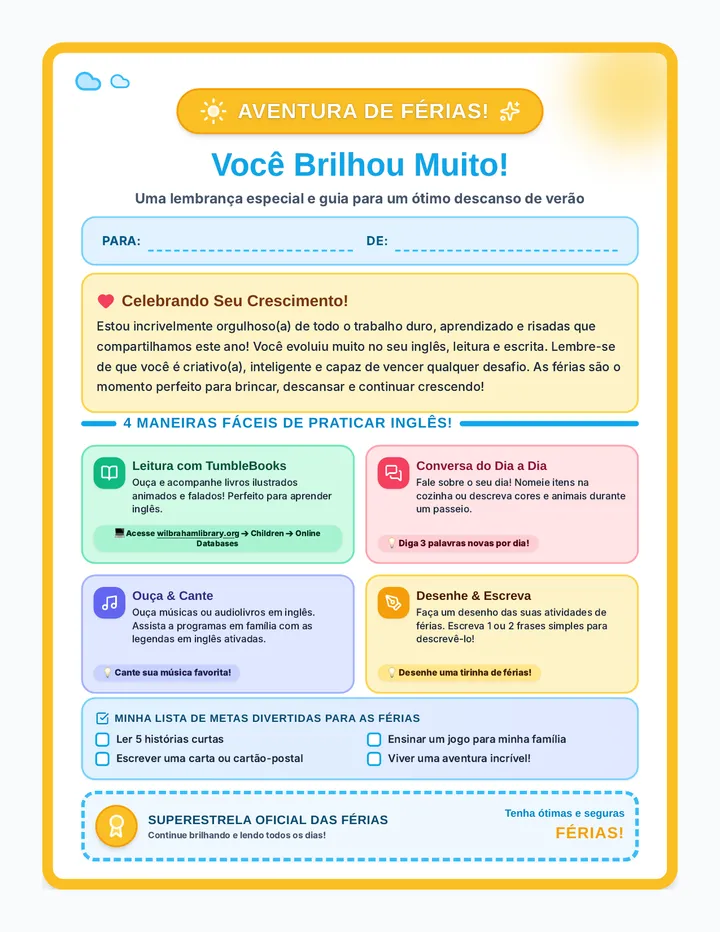
A lesson designed to celebrate student growth and guide families with actionable, low-stress English practice tips over the summer break.
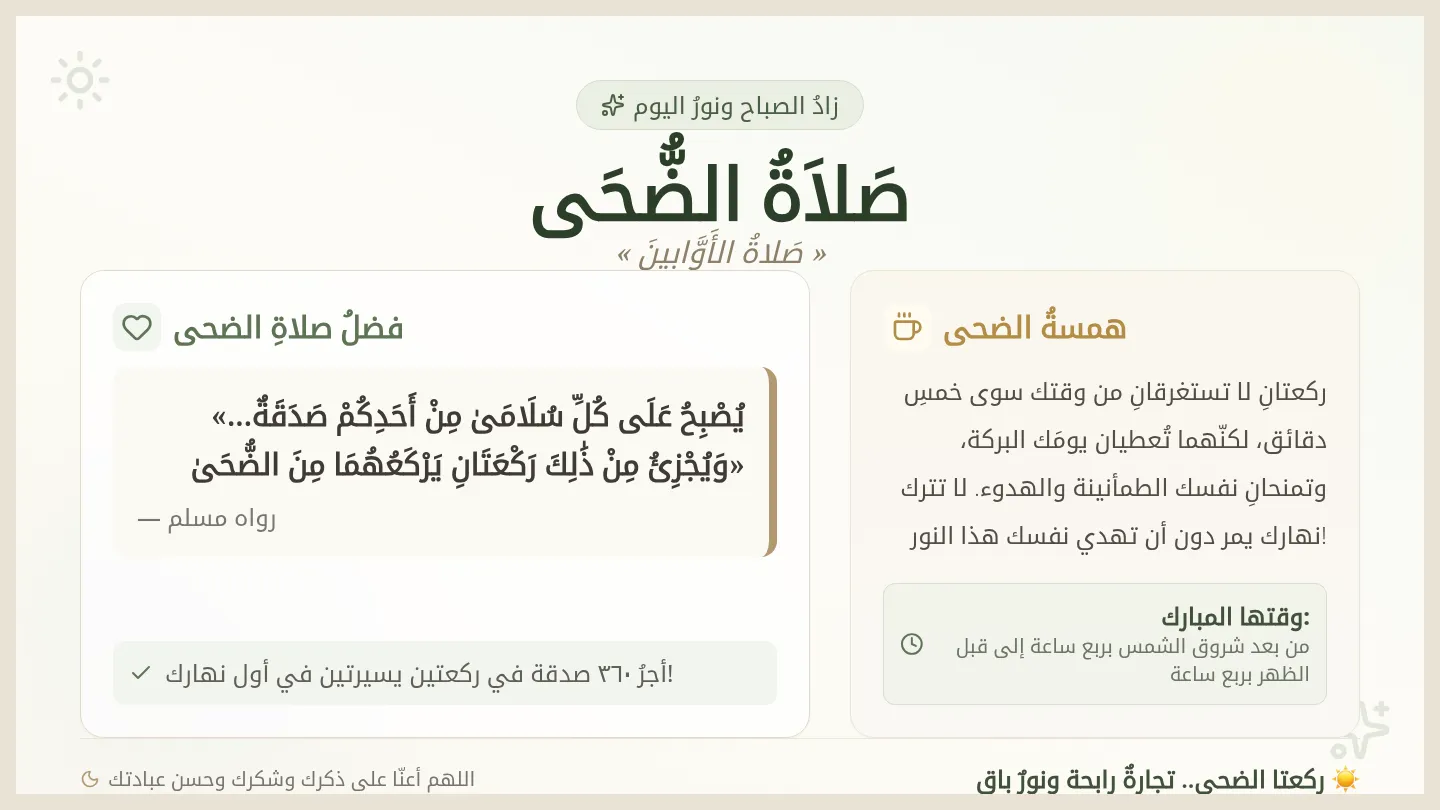
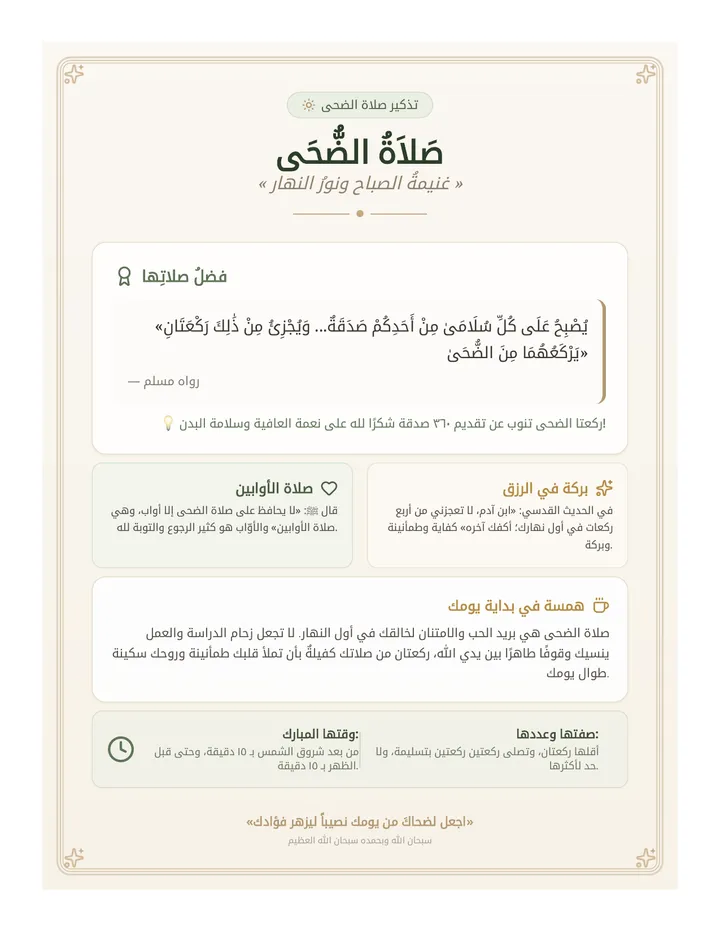
A lesson focusing on the Duha prayer reminder, offering both a digital slide for morning screens and a printable classroom poster to foster a peaceful, spiritual morning routine.
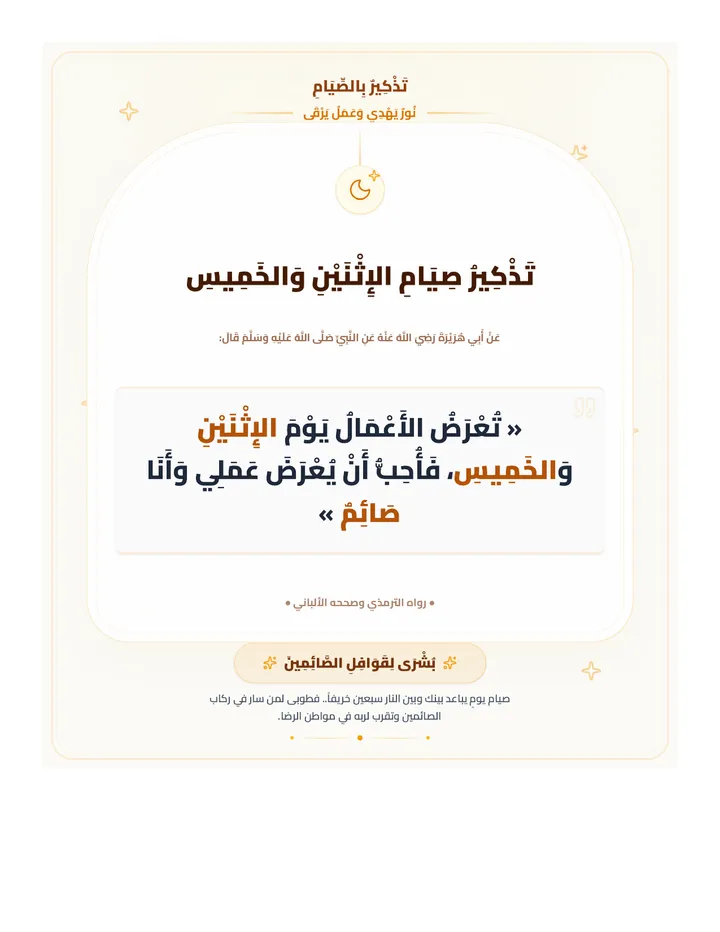
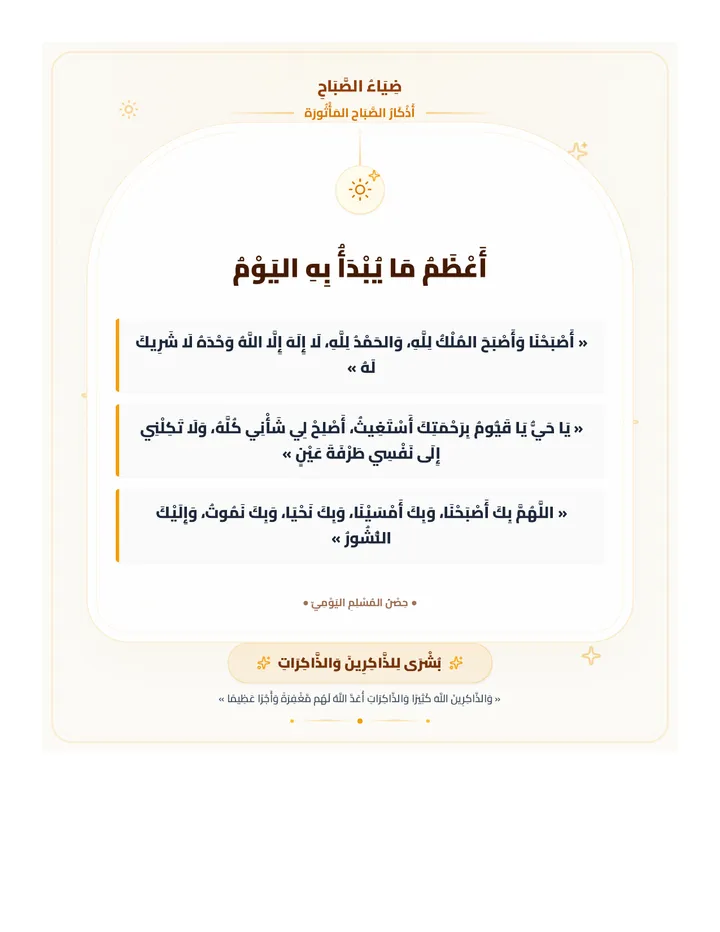
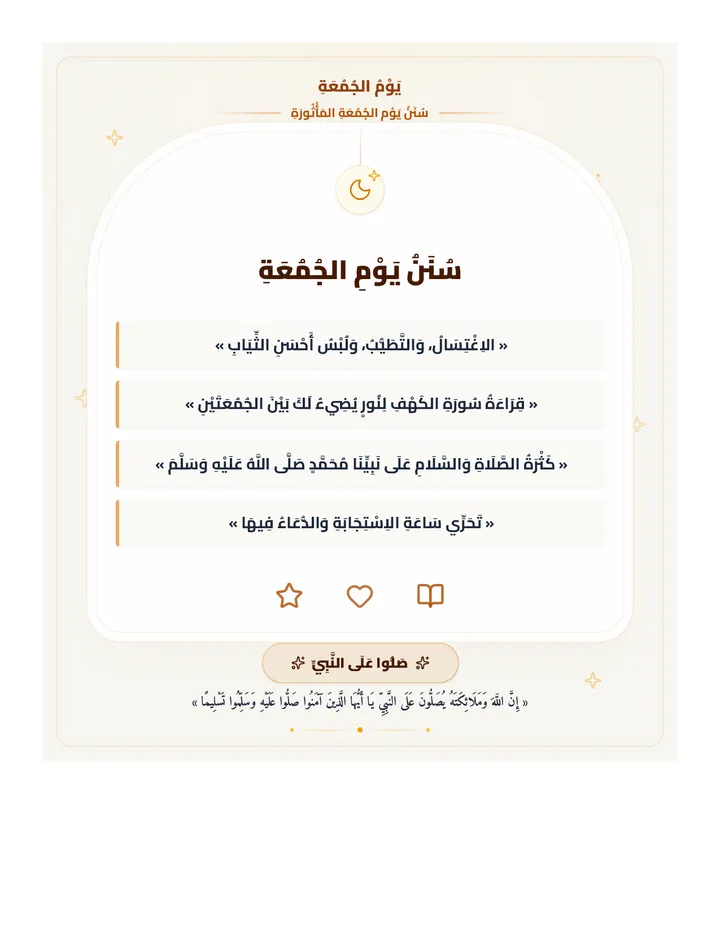
A premium, cohesive collection of beautifully designed spiritual and religious reminders for daily, weekly, and seasonal practices, featuring high-contrast connected Arabic typography, elegant arches, and glowing celestial themes.
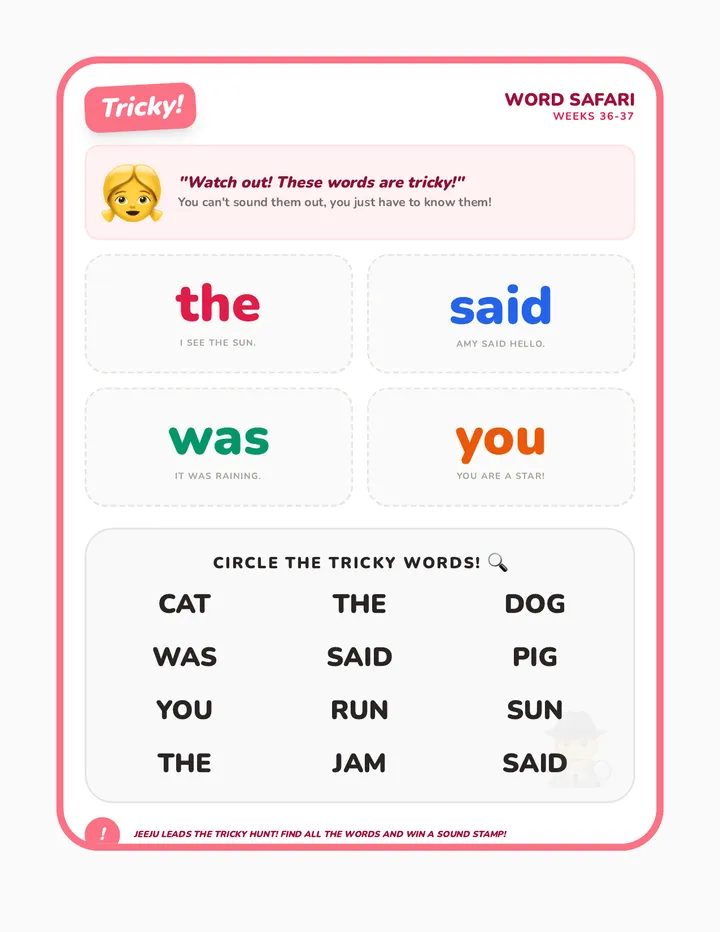
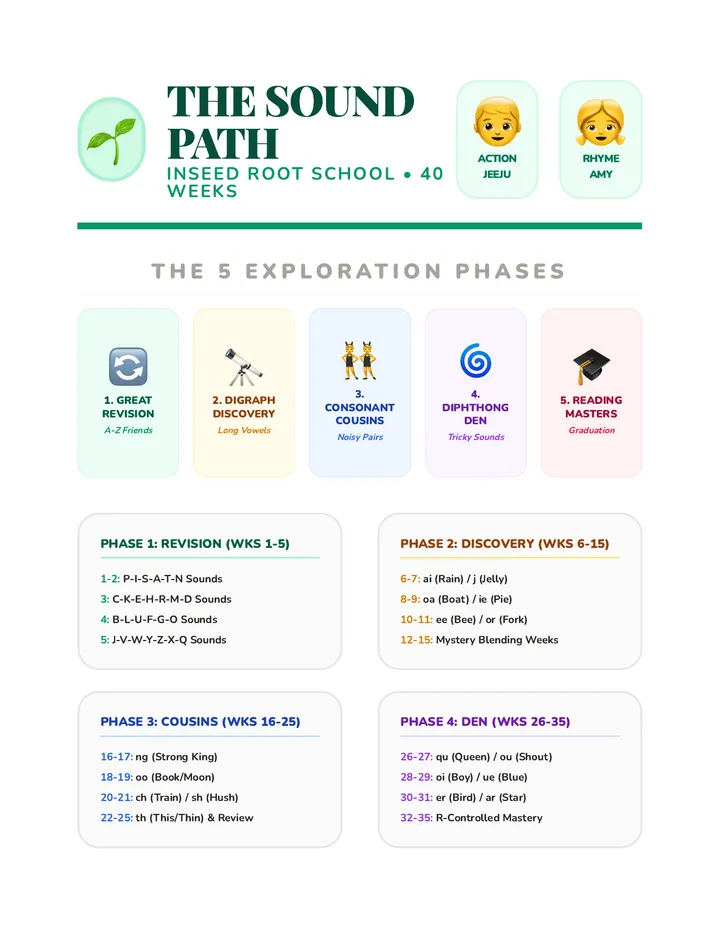
The final mastery phase of the Phonics Path (Weeks 36-40). Students become "Reading Rockstars" by tackling tricky words, reading their first Jeeju and Amy stories, and celebrating with a Sound Graduation.
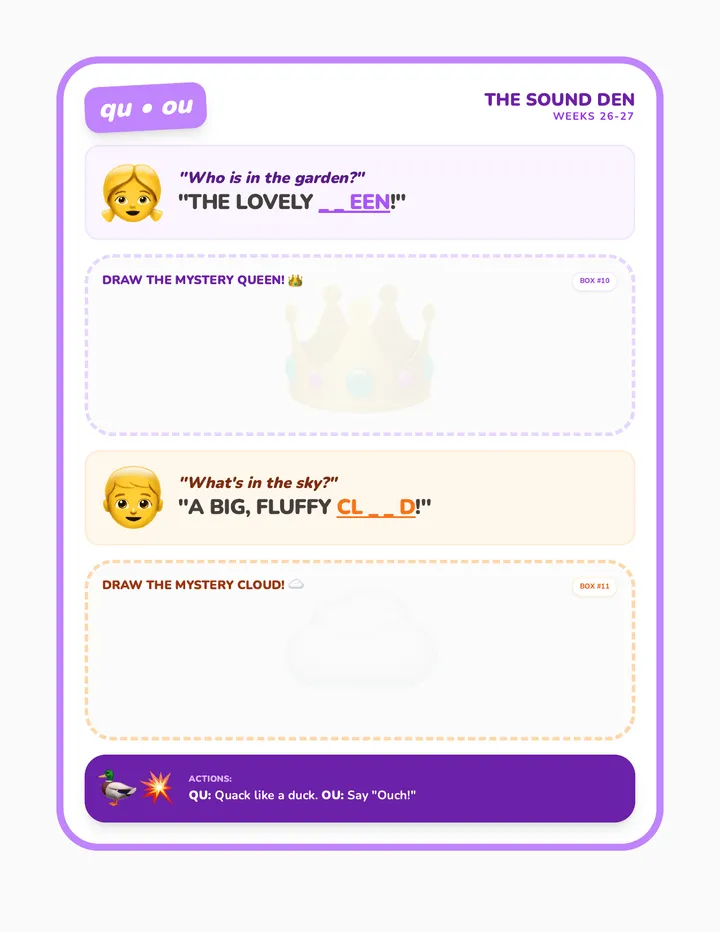
Phase 4 of the Phonics Path (Weeks 26-35). Explores diphthongs and r-controlled vowels (qu, ou, oi, ue, er, ar, or) through the "Diphthong Den" mystery theme with Jeeju and Amy.
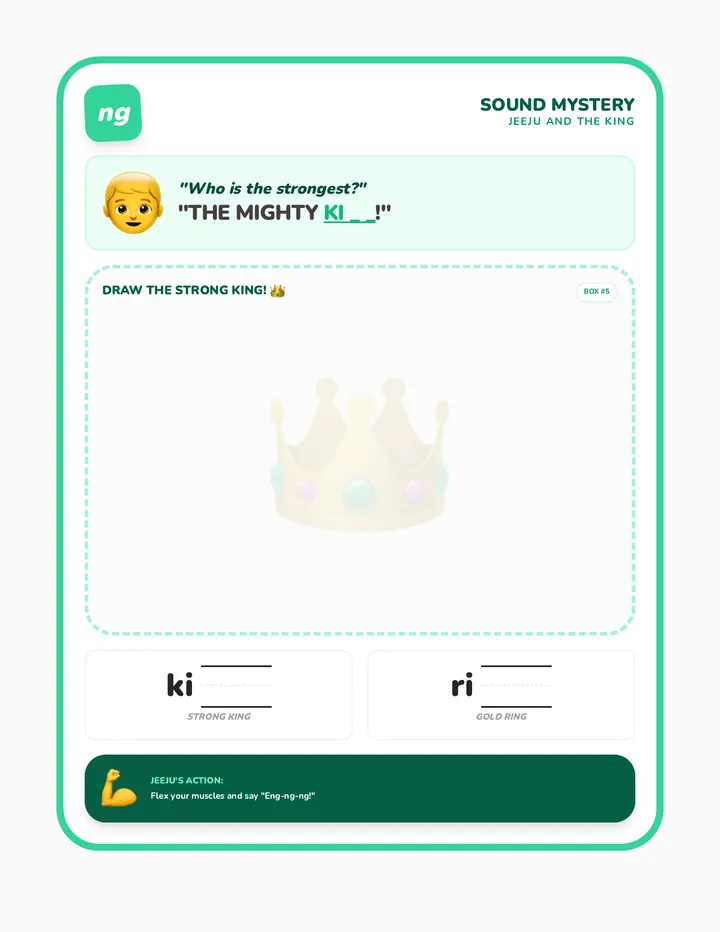
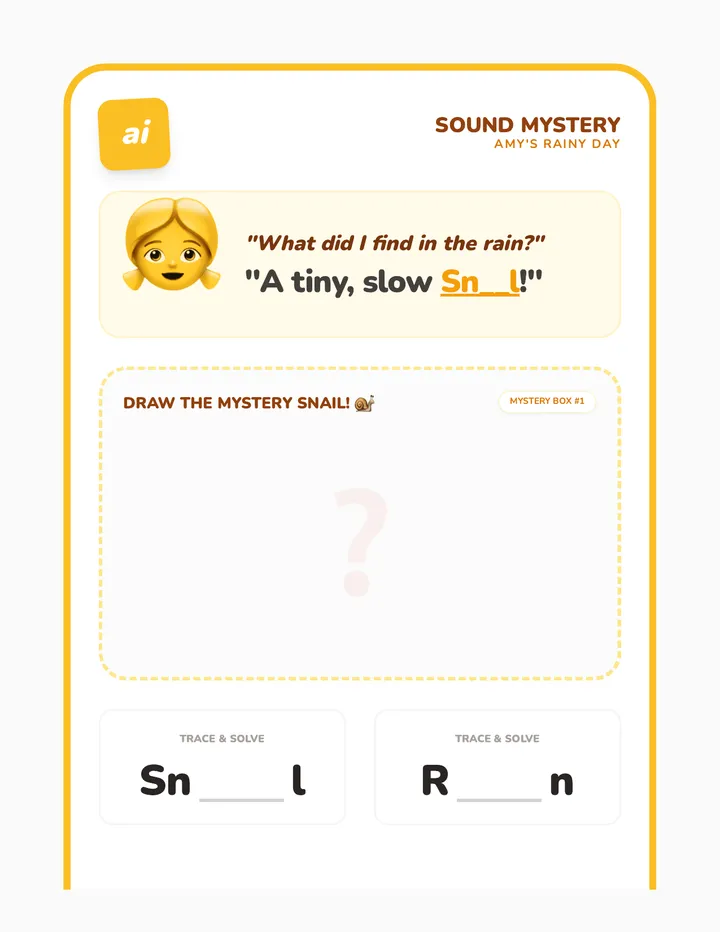
Phase 3 of the Phonics Path (Weeks 16-25). Focuses on consonant digraphs (ng, ch, sh, th) and the vowel digraph 'oo' through character-led 'Hidden Sound Quests' with Jeeju and Amy.
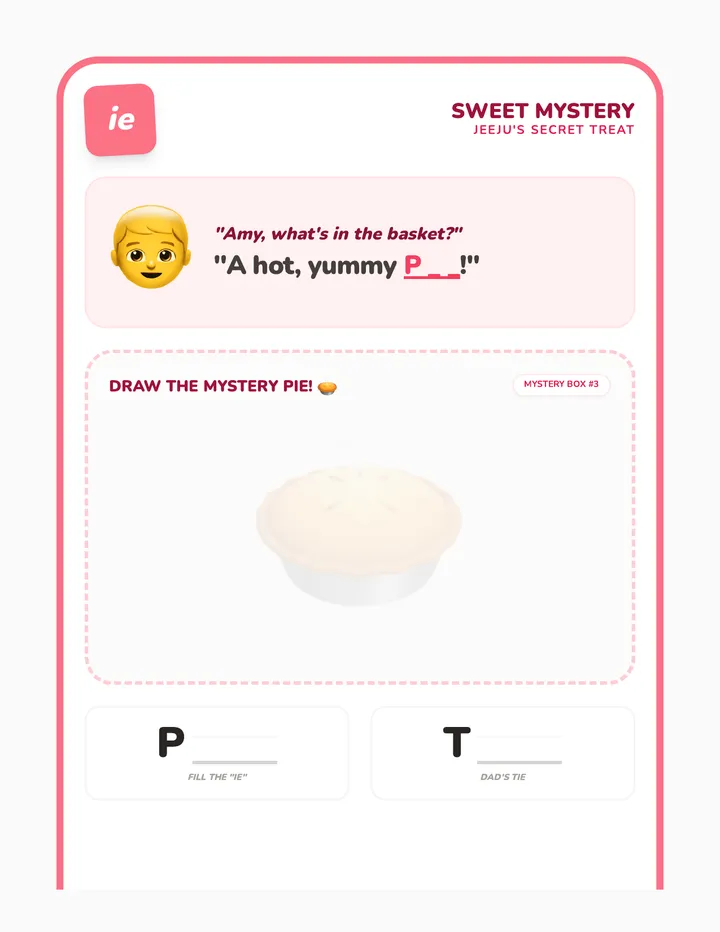
Focuses on the digraphs 'ie' and 'ee' through a "Sweet Mystery" theme. Students explore Jeeju's pie adventure and Amy's bee discovery using rhymes, actions, and drawing.
The first major step beyond revision, focusing on long vowel digraphs (ai, oa, ie, ee) and the consonant 'j' through the adventures of Jeeju and Amy.
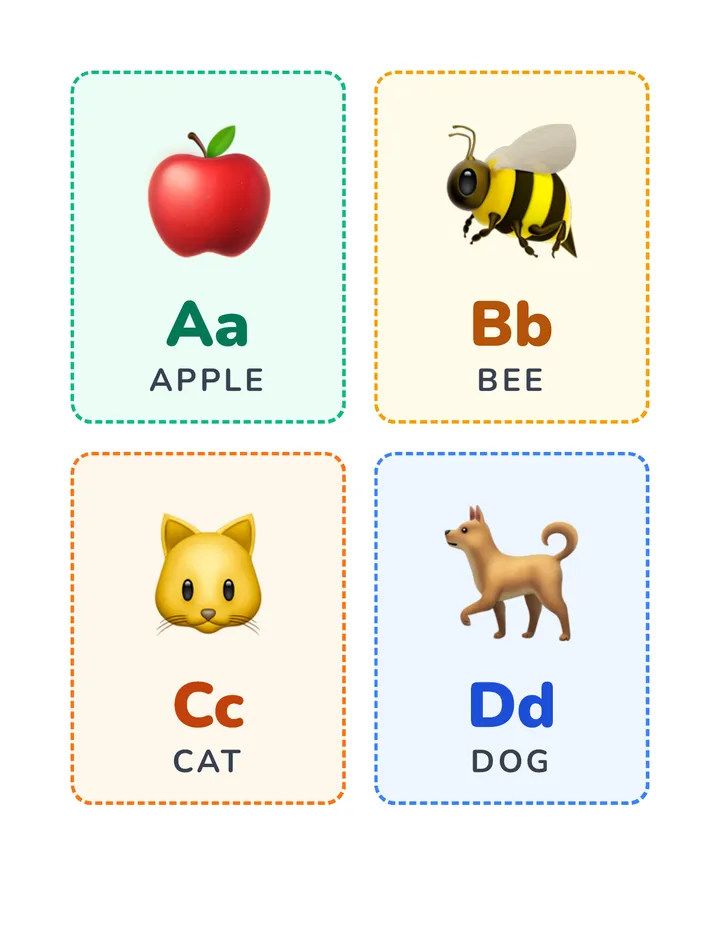
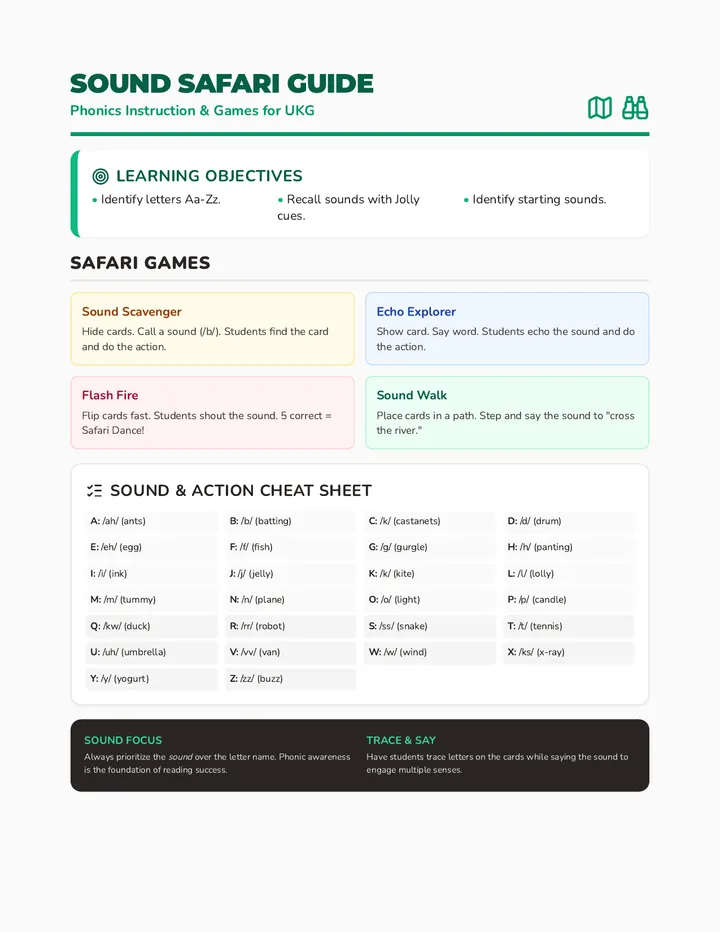
A phonics mastery lesson for early readers (UKG) focused on reinforcing letter-sound relationships from A to Z using visual aids and interactive play.
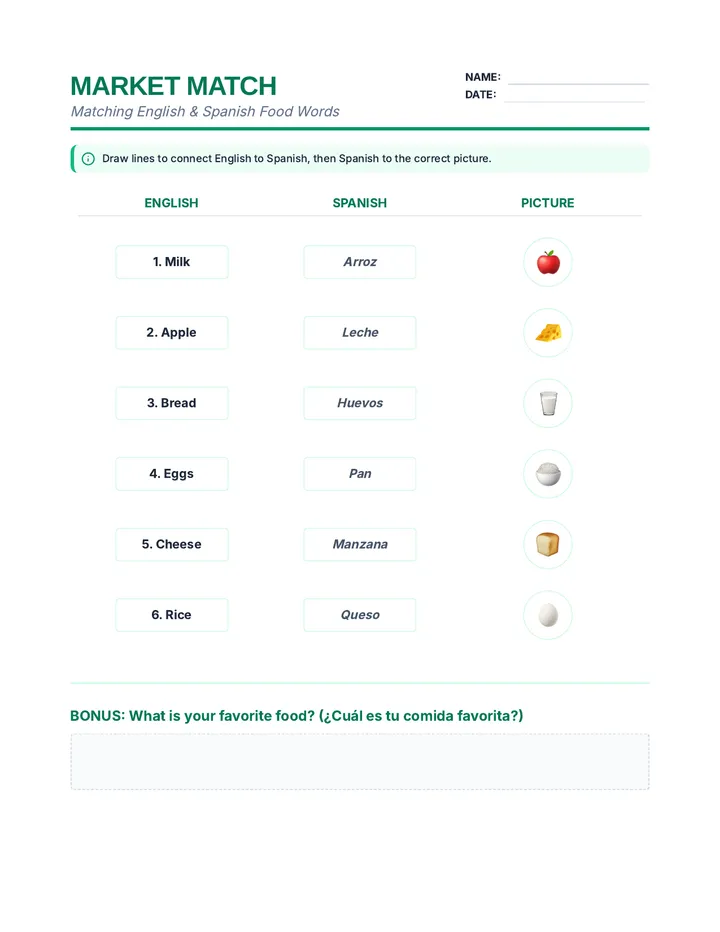
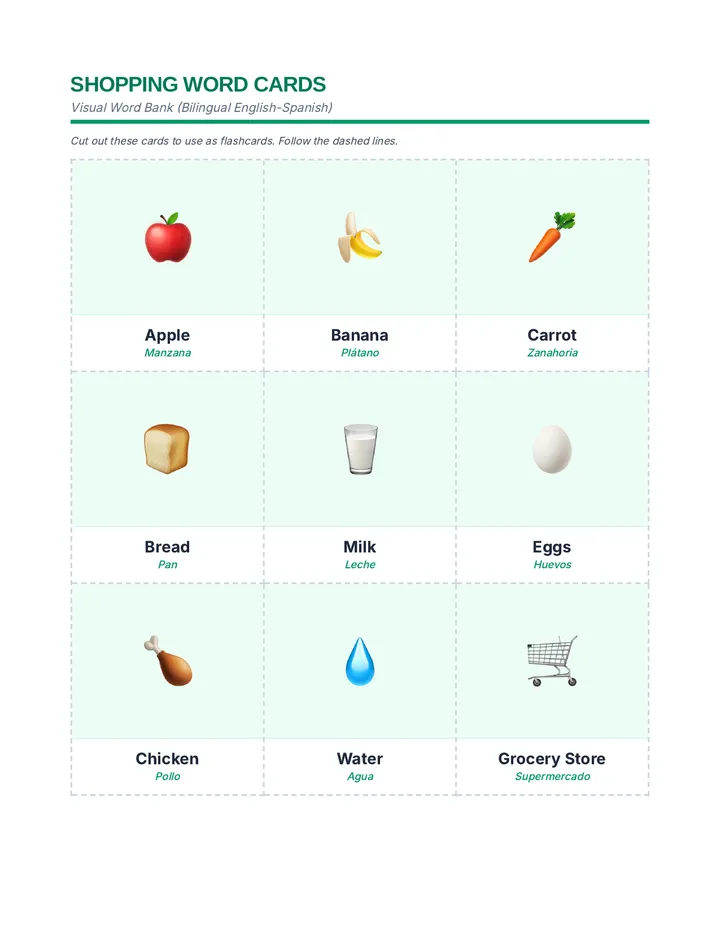
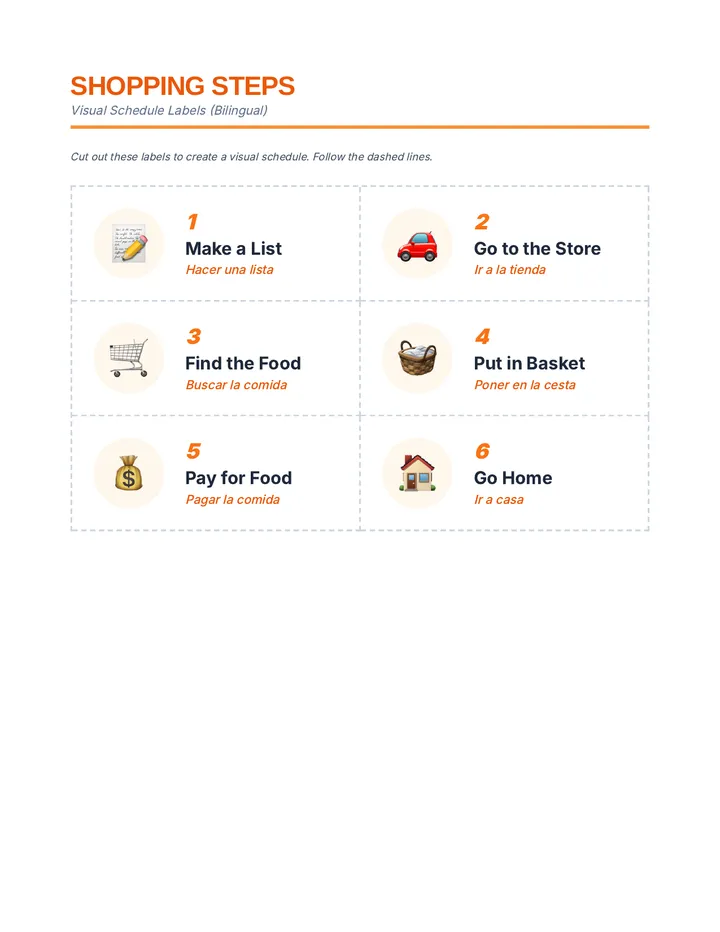
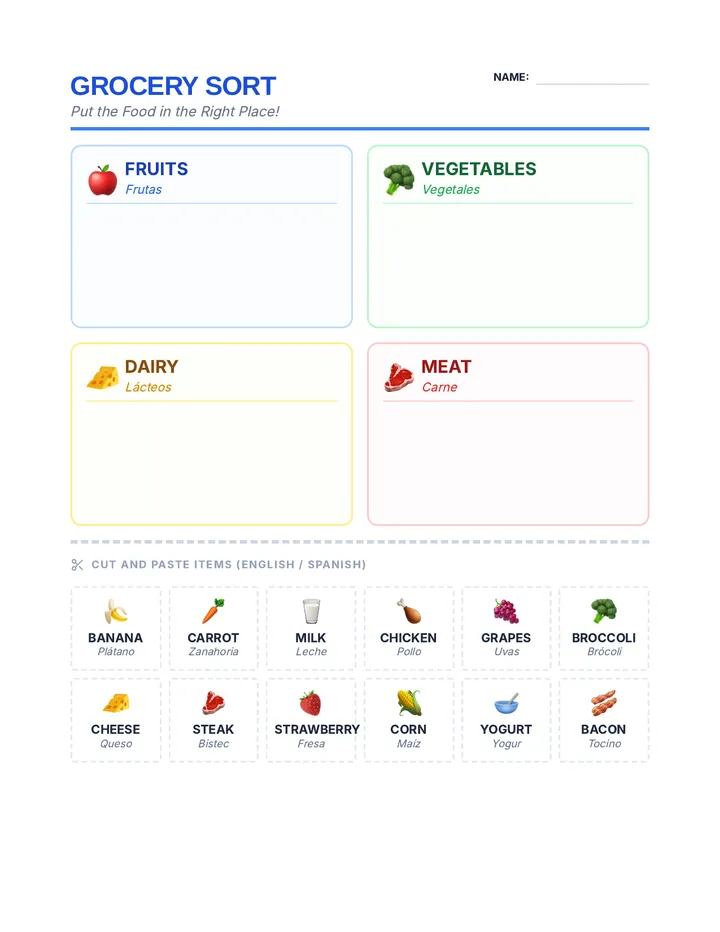
A beginner-friendly ESL lesson focusing on essential food and grocery shopping vocabulary, featuring bilingual English-Spanish support and visual aids. Students learn to identify common items and the sequential steps of a shopping trip.
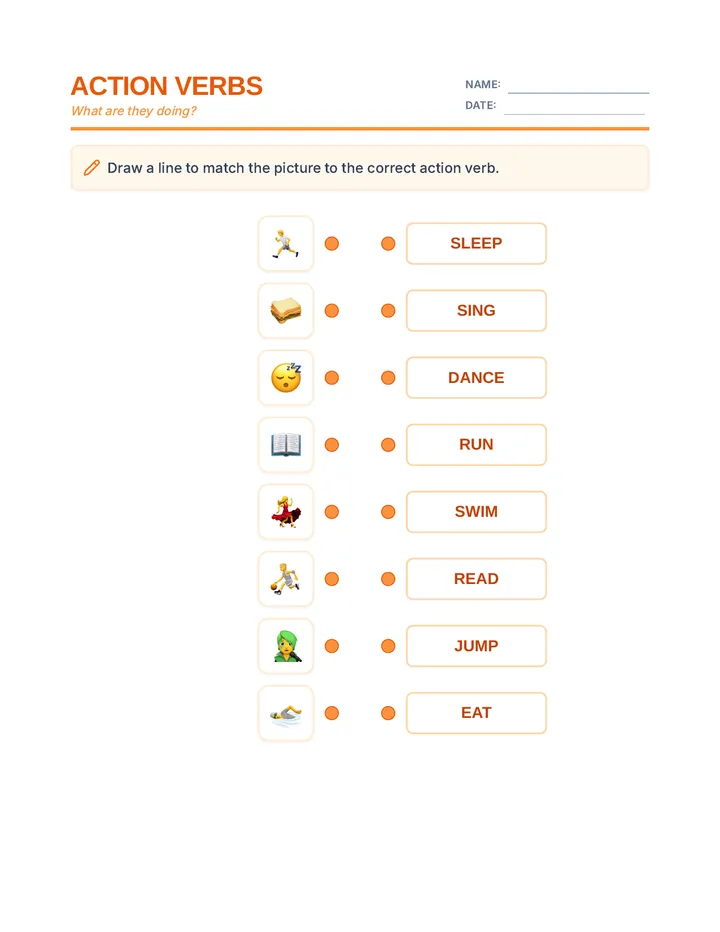
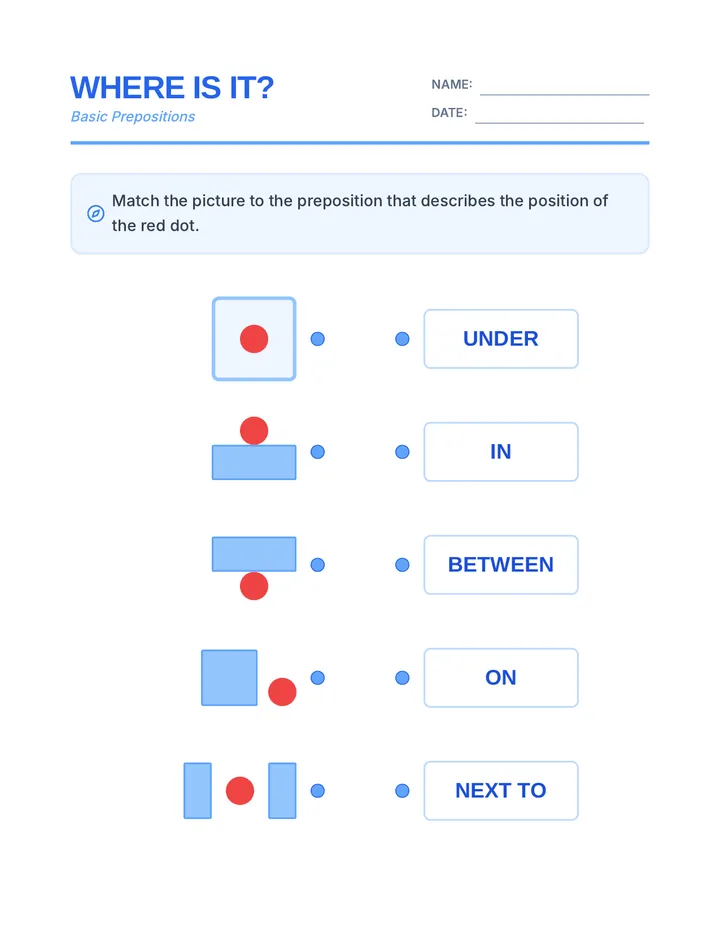
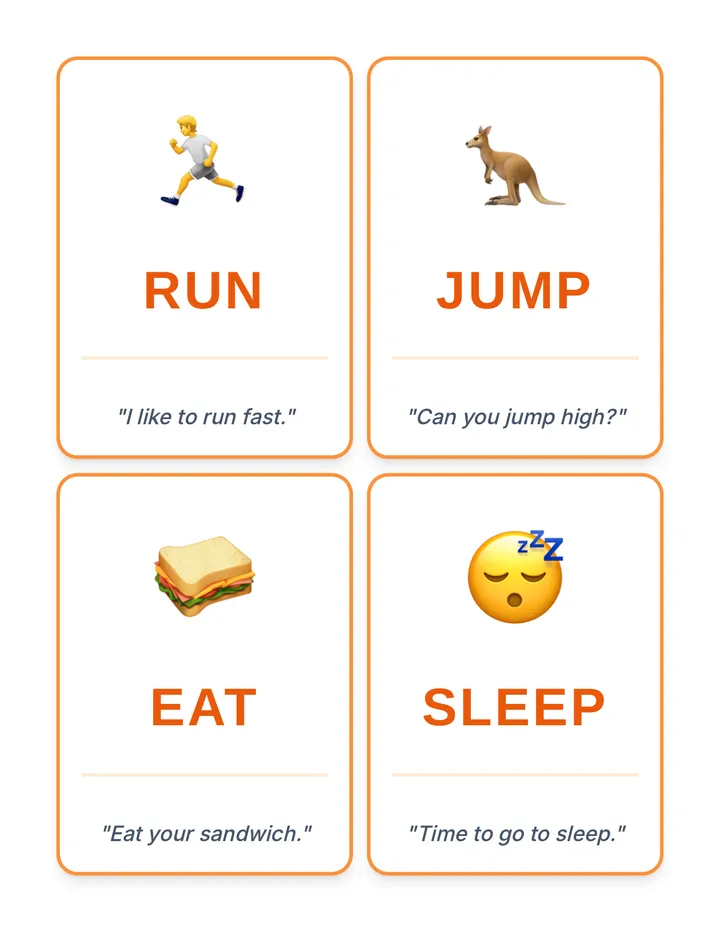
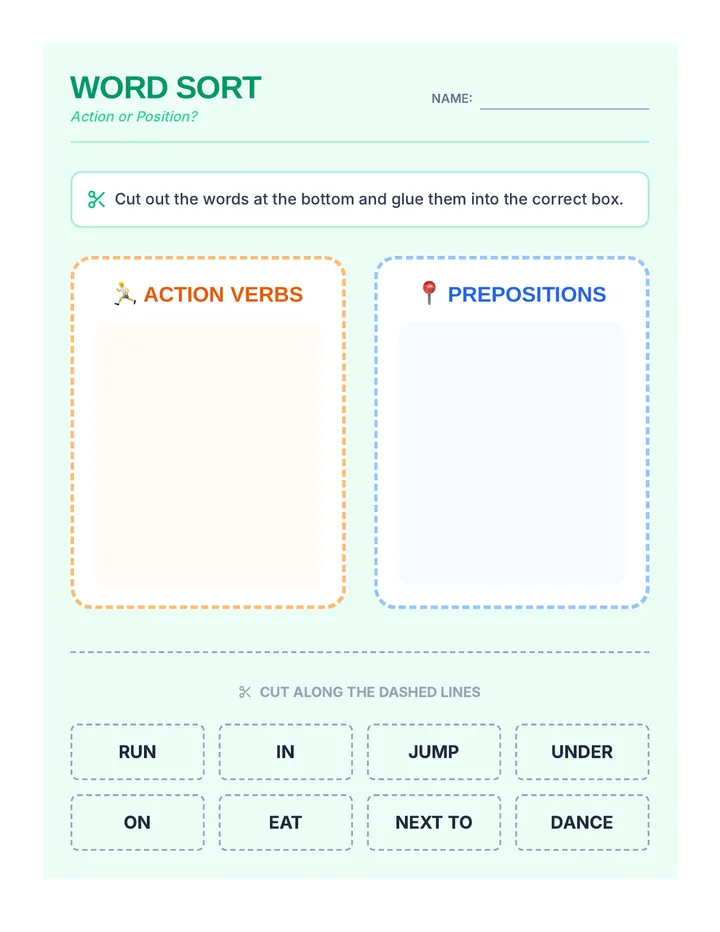
Introduces students to common action verbs and spatial prepositions using visual cues and interactive worksheets.
A focused lesson on the ASL signs for black and white, featuring visual sign descriptions and teaching tips for high-contrast colors.
A collection of invitation forms in multiple languages for the English Language Growth Recognition Ceremony, ensuring all families can participate and celebrate student success.
An introductory American Sign Language (ASL) lesson designed for young children, focusing on essential signs for communication and classroom interaction.
A comprehensive phonics lesson for bilingual students focusing on the specific vowel contrasts of Long E/Short I and Short A/Short E through multisensory, UDL-aligned activities.
Une leçon courte pour évaluer la capacité des élèves de Grande Section à identifier le son d'attaque d'un mot, se concentrant sur les voyelles de base et les consonnes occlusives.
A comprehensive introductory English presentation for beginning learners, covering the alphabet, everyday objects, colors, shapes, actions, and basic stories.
Learn the signs for common classroom objects and a vibrant spectrum of colors to describe the world around you.
Explore signs for the people in our lives and learn how to use facial expressions to show feelings.
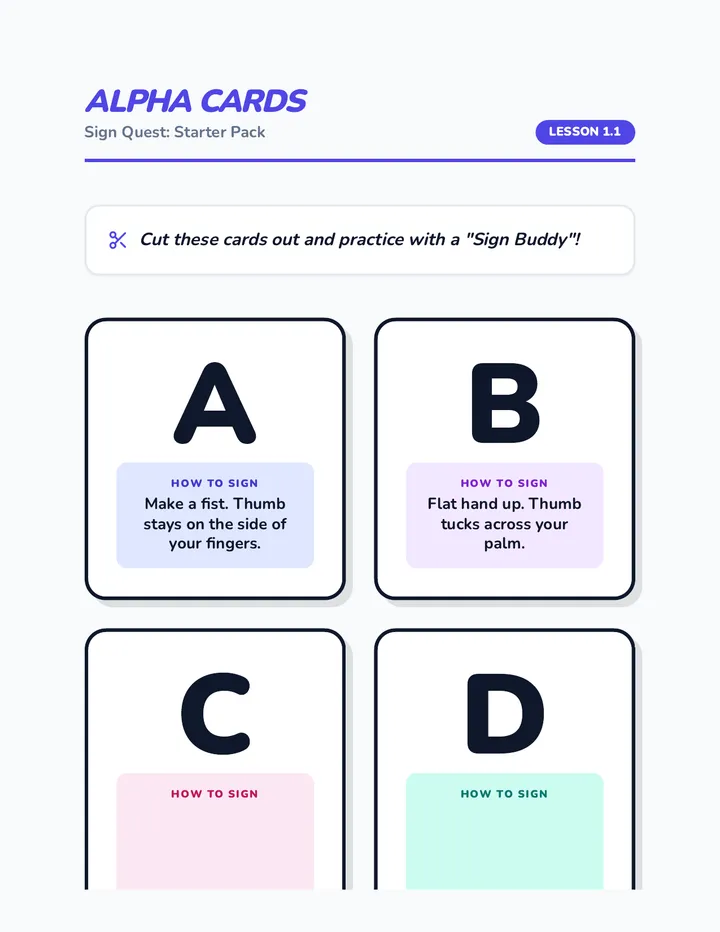
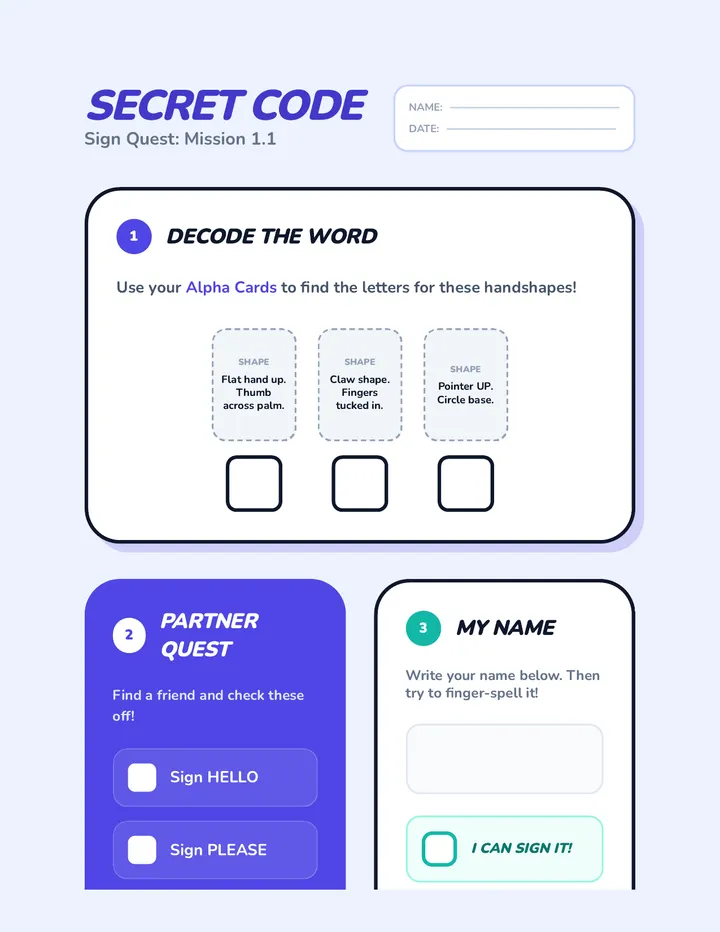
Jump into the basics of ASL with a focus on the manual alphabet and essential polite signs like hello, please, and thank you.
A comprehensive review of the beginning sounds for the letters b, c, f, t, m, and n using a 'Sound Lab' theme. Includes visual articulation supports and hands-on sorting activities.
A vibrant introduction to Spanish for early learners (0-5) centered around a rainbow theme. This lesson plan provides 15 interactive play station ideas, a circle time presentation with songs and science, and bilingual support materials.
A lesson focused on animal characteristics and habitats, helping students build descriptive vocabulary.
Una mini-lección de 10 minutos diseñada para enseñar el sonido inicial de la letra 'p' y la formación de sílabas (pa, pe, pi, po, pu) a través de actividades visuales, juegos de emparejamiento y práctica individual.
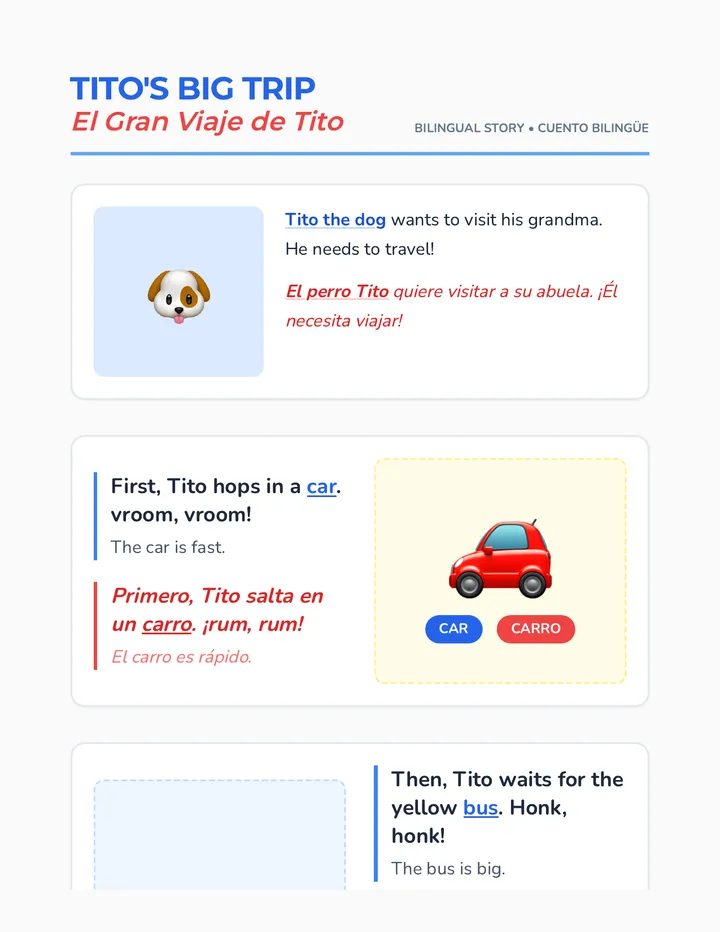
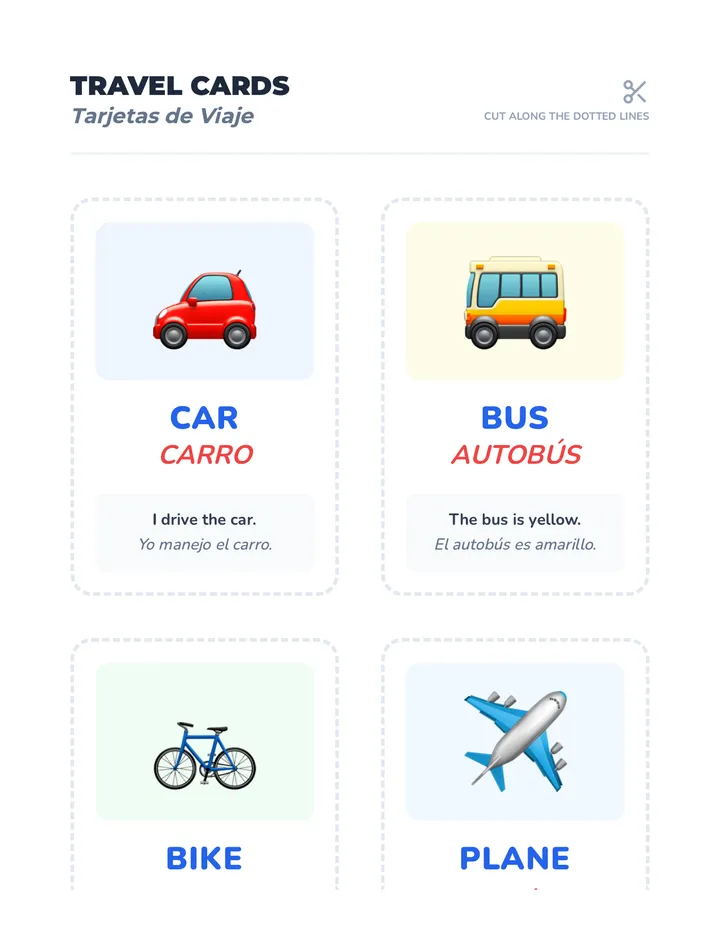
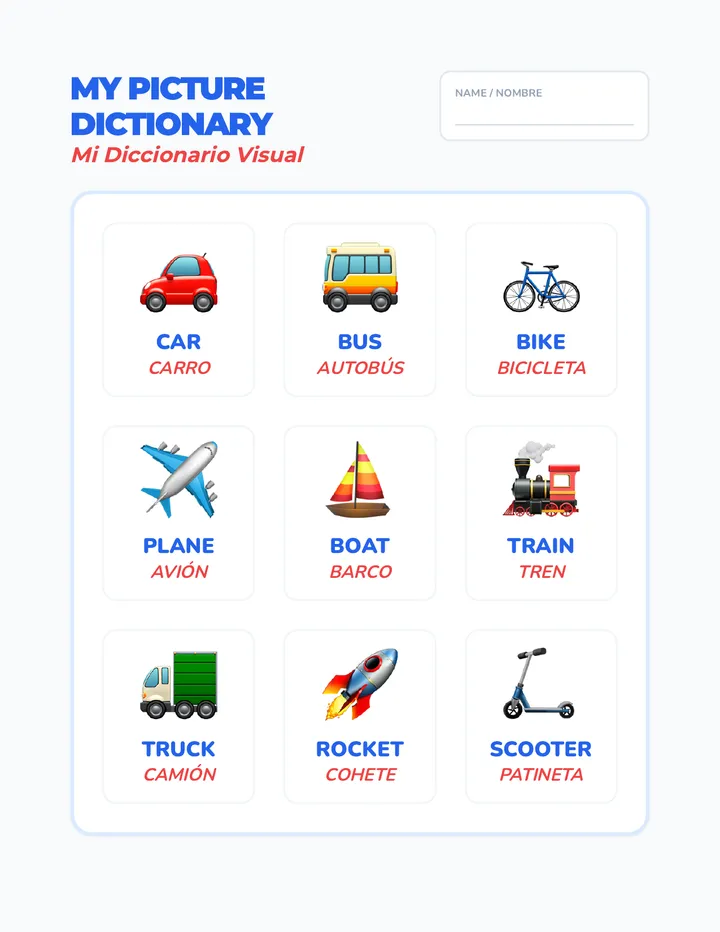
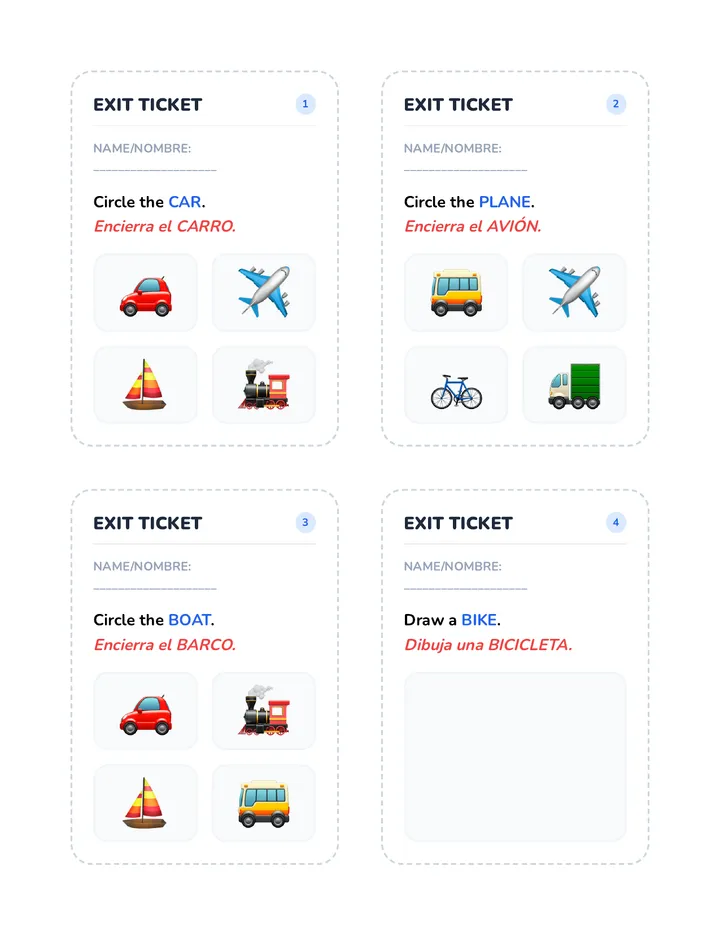
An introductory lesson to common modes of transportation using a bilingual story and visual vocabulary support.
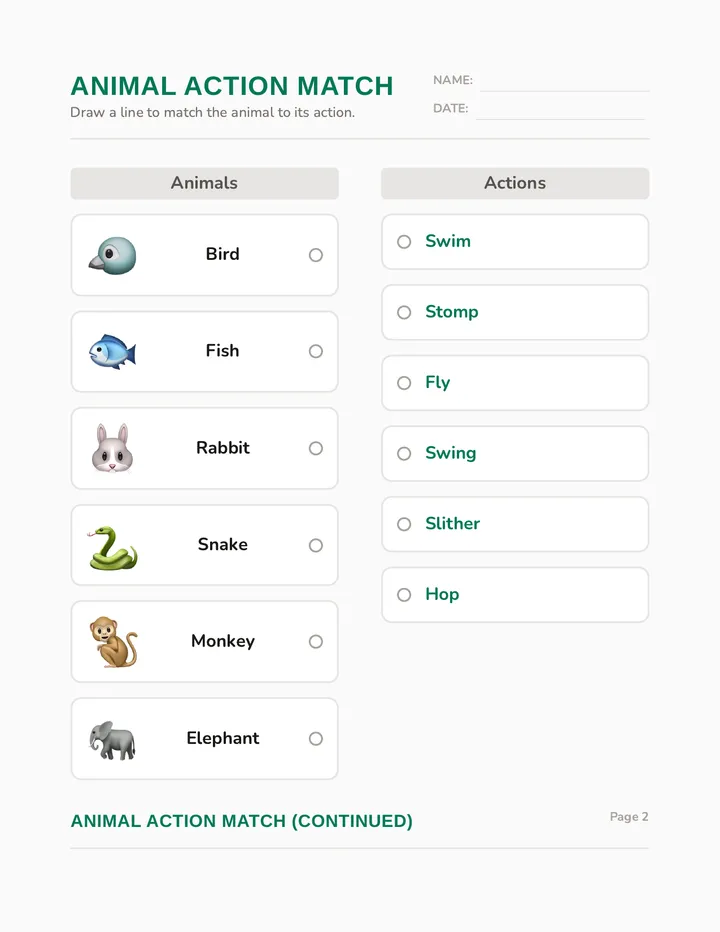
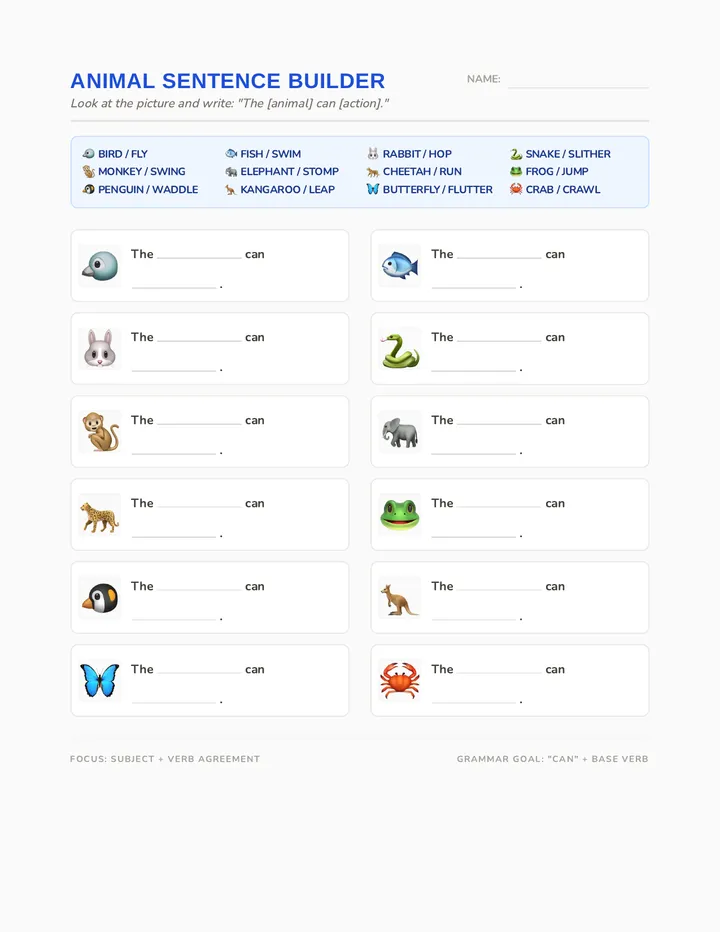
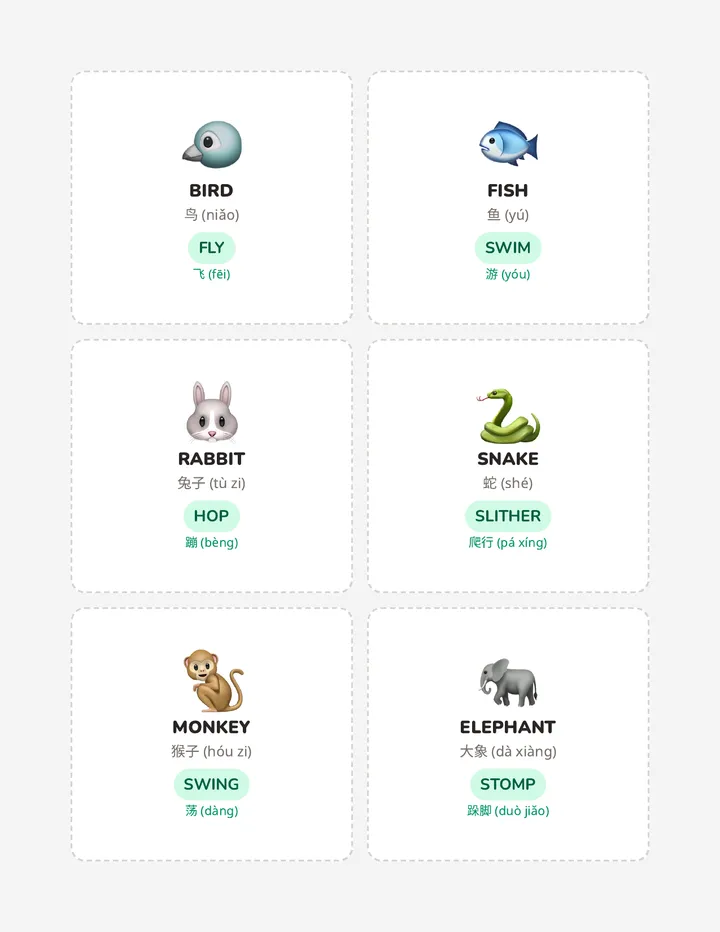
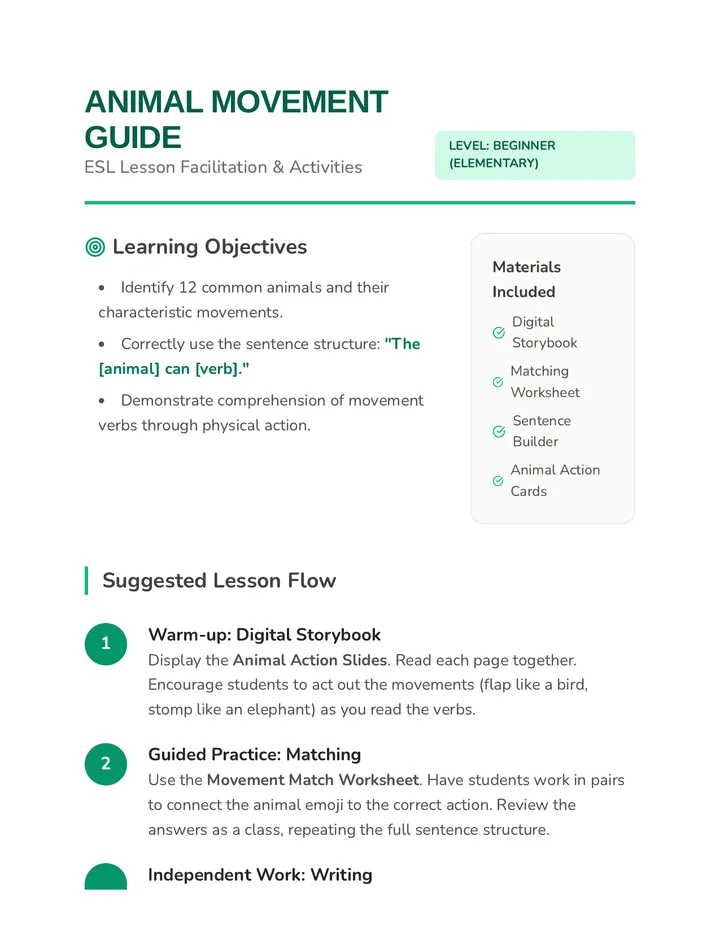
A beginner-level ESL lesson introducing 12 common animals and their characteristic movements through reading, writing, and movement-based games.
A Spanish letter formation and tracing program designed for Tier 3 students to master the alphabet, with a special focus on frequently reversed letters like b, d, p, and q.
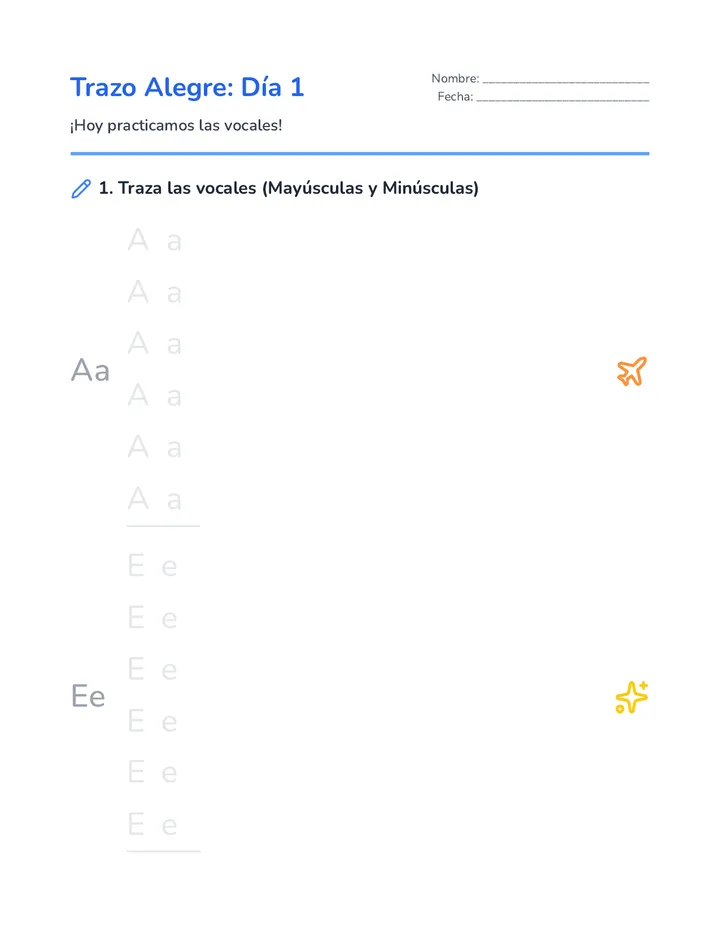
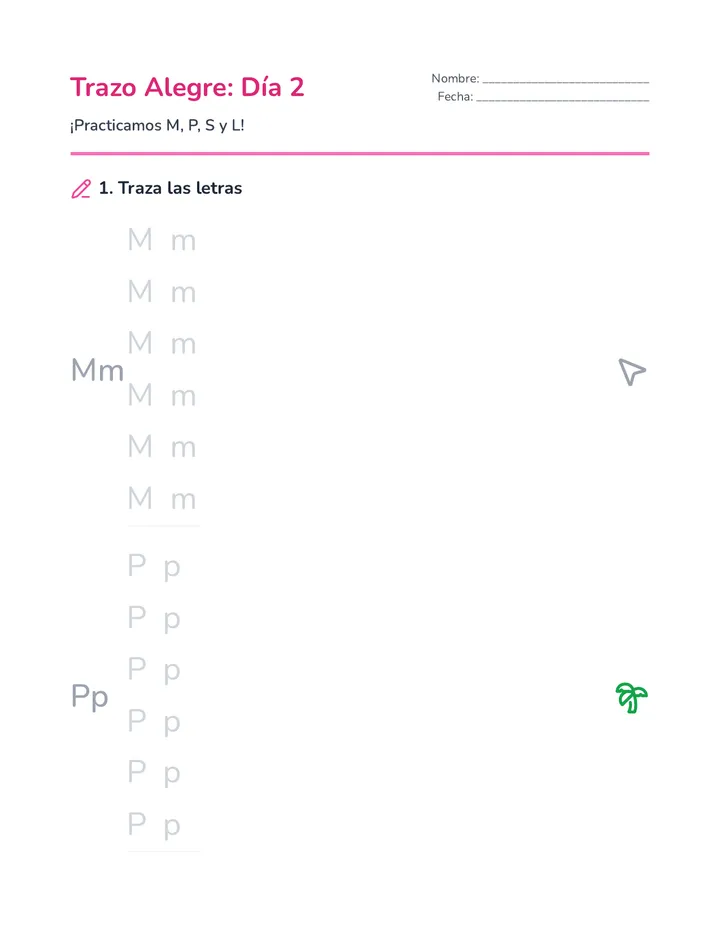
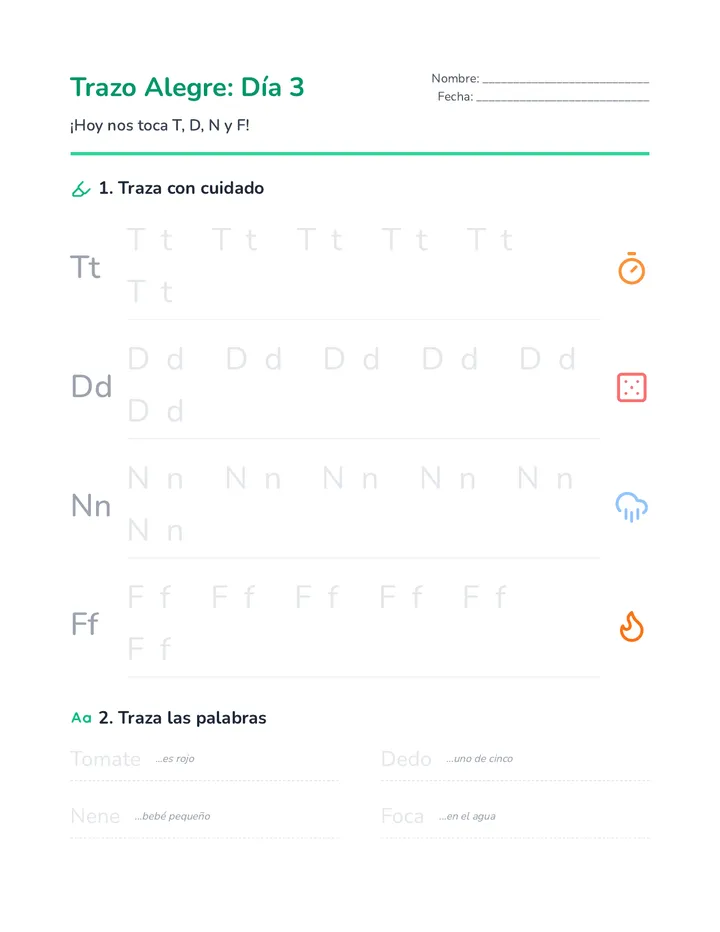
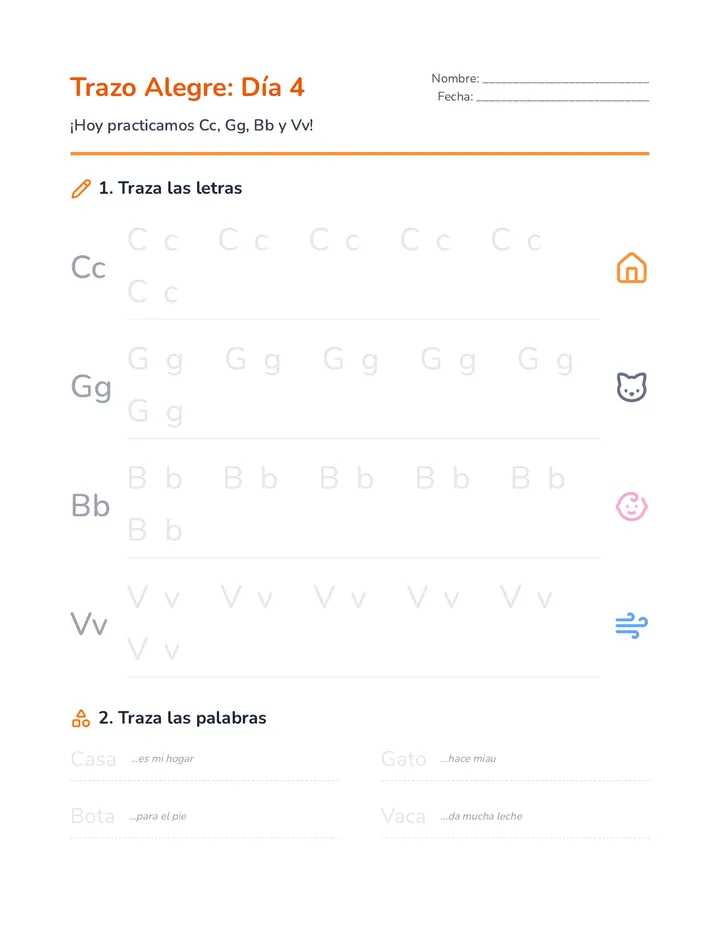
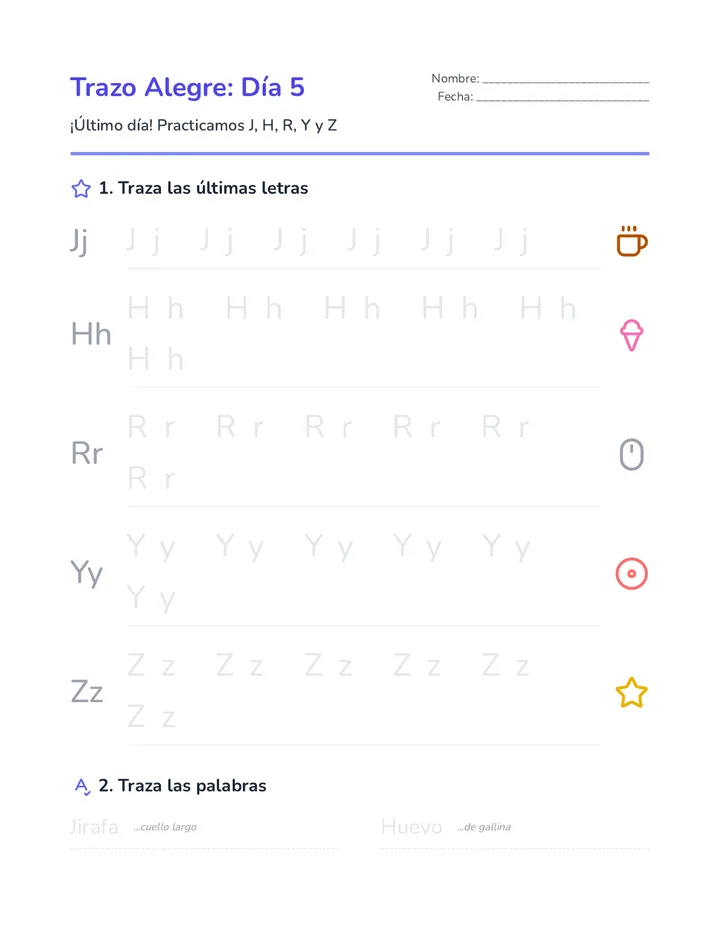
Five days of structured handwriting practice in Spanish, progressing from basic vowels and consonants to full sentences. Each day includes tracing activities for uppercase and lowercase letters, related vocabulary, and sight word sentences.
A fun, movement-based lesson for early elementary ESL students to learn directional opposites (Up/Down, High/Low) using playground equipment and a catchy song. Students will engage in pronunciation practice, video analysis, and a partner dictation activity using character cut-outs.
A foundational ESL lesson focused on numbers 1-10, connecting spoken words, written forms, and quantities through music, video, and movement. Students engage in choral counting, video-based handwriting practice, and a classroom-wide labeling activity.
This culminating lesson applies the four tones to the syllable 'ma' to demonstrate how meaning changes (mother, hemp, horse, scold). Students participate in a listening game where they identify the correct image based on the tone they hear.
Students practice the sharp, falling pitch of the fourth tone, associating it with a firm 'No!' or a karate chop. The lesson focuses on energy and assertive vocalization to differentiate it from the other tones.
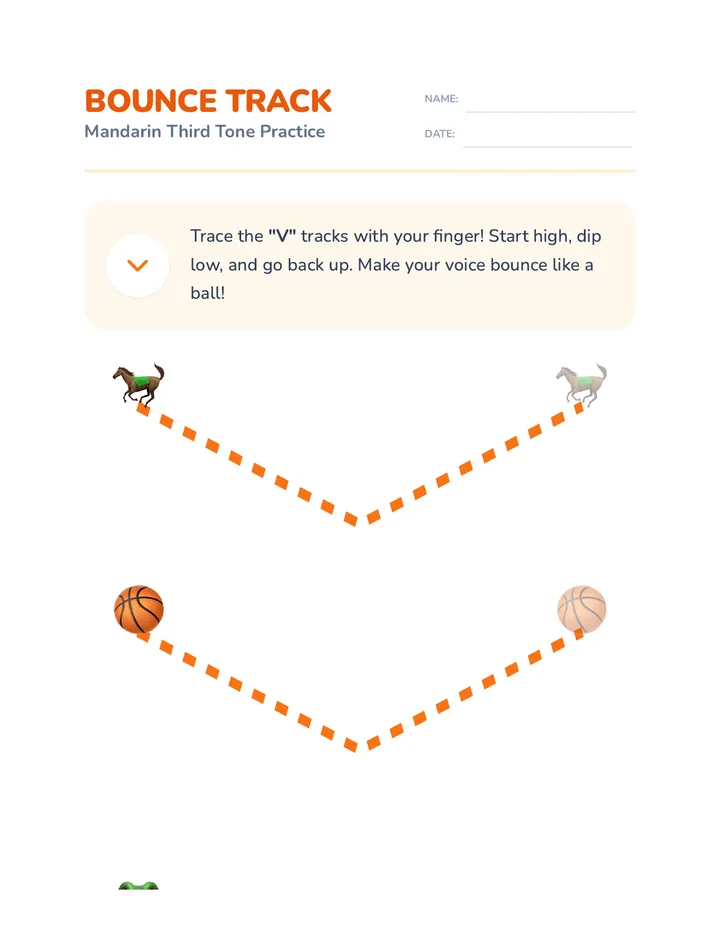
Students engage with the dipping pitch of the third tone, visualizing it as a roller coaster that goes down and up. Through physical bouncing movements, students practice the lower register dip required for this tone.
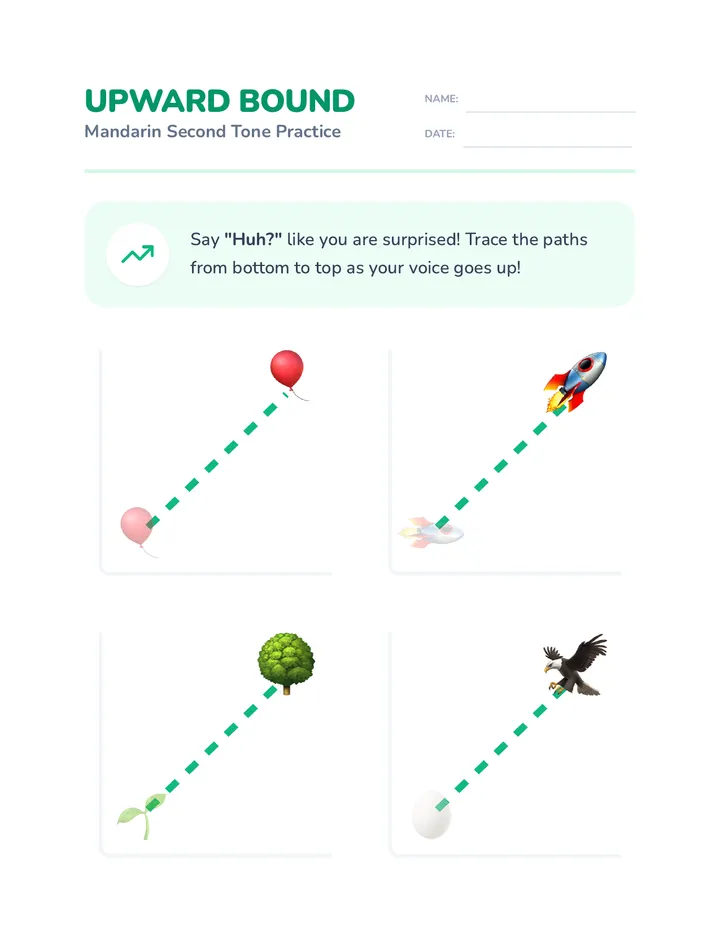
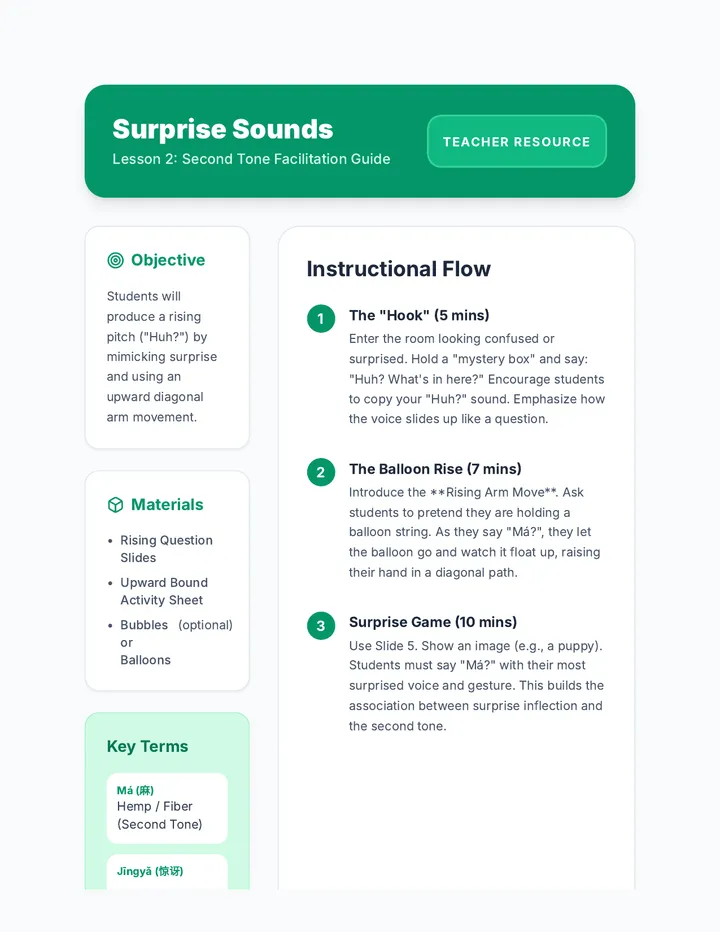
Learners practice the rising pitch of the second tone, associating it with the English questioning sound 'Huh?'. Students use upward arm movements to trace the sound as they practice rising vocal inflections.
A mastery-based lesson using 'Lǎoshī shuō' (Simon Says) to integrate all previous commands into complex sequences.
Learning 'Pāi shǒu' (Clap hands) and 'Tiào' (Jump) with rhythm and music to reinforce high-energy action vocabulary.
The sequence concludes with a song 'Wǒ ài wǒ de jiā', combining vocabulary with the verb 'to love' and expressive hand motions.
Focusing on sensory verbs 'Tīng' (Listen) and 'Kàn' (Look) through a detective-themed scavenger hunt.
Introducing 'Zǒu' (Walk) and 'Tíng' (Stop) using a Mandarin version of Red Light, Green Light to build impulse control and verb recognition.