An introduction to how things move using pushes and pulls, and a look at simple machines like wheels and levers, designed with high visual support.
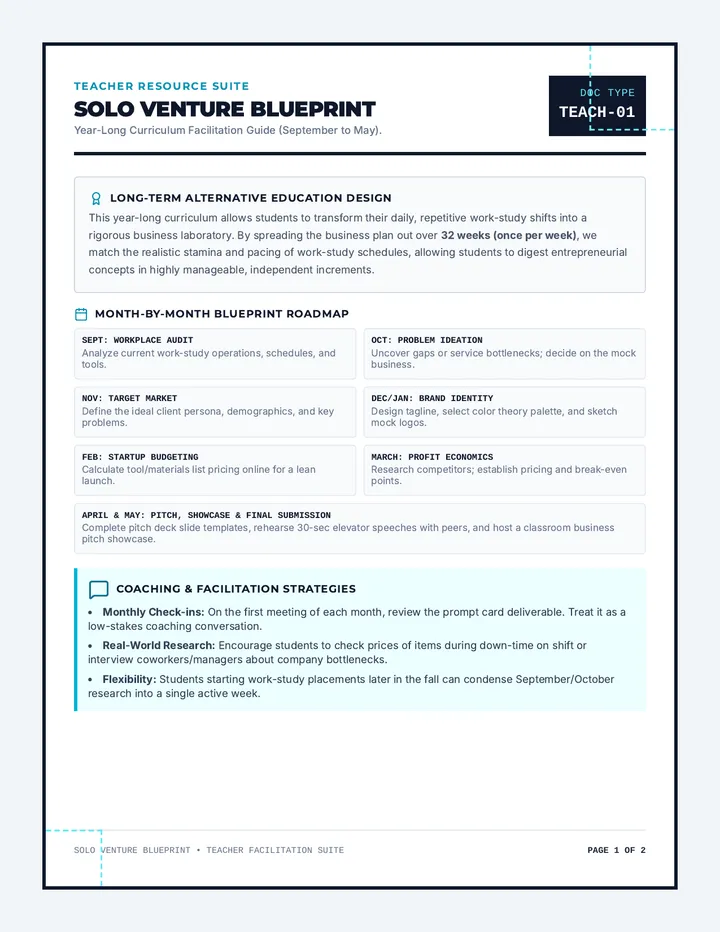
Students conduct a market research sprint, interviewing classmates to validate their product ideas and learning to 'pivot' based on real user feedback and data synthesis.
Students learn the difference between leading and open-ended questions, developing a research table and interview script to gather unbiased feedback from potential customers.
An exploration of how carbon moves through the atmosphere, hydrosphere, geosphere, and biosphere, and why this cycle is vital for living organisms.
Students explore the concepts of target markets and customer empathy, moving from personal preferences to identifying specific user needs and mapping out a "Day in the Life" for their ideal customer.
Students explore the fundamental economic concepts of scarcity and opportunity cost, applying them to product development by making difficult trade-offs between competing features within a limited resource budget.
Students learn to identify consumer "pain points" as opportunities for innovation, moving from recognizing everyday frustrations to conceptualizing business solutions.
Students learn to identify 'pain points'—frustrations in daily life—as the foundation for entrepreneurial opportunities and business solutions.
A simplified introduction to electrostatics vocabulary, specifically designed for students requiring symbol support and modified text. The lesson focuses on six key terms through visual matching and clear, concise definitions.
A foundational lesson on sustainable development, exploring the balance between human needs today and the health of the planet for future generations. Includes chunked reading and scaffolded writing tasks.
Students explore the essential methods of purifying water through hands-on experimentation. They will learn the roles of physical filtration and phase changes (evaporation) in removing contaminants from water samples.
A high-level anatomy lesson focusing on the intricate structures, medical terminology, and physiological interdependence of eight major human body systems.
Students investigate the theft of the school's prestigious Moove Challenge Trophy, using tire tracks, footwear impressions, and tool marks to identify the culprit in the school parking lot.
A high-engagement, post-testing biology project focusing on environmental science and ecological impact through choice-based research and collaborative synthesis.
A comprehensive exploration of genetic engineering, focusing on CRISPR technology, the complexities of pleiotropy, and the ethical implications of designer genes. Students analyze the trade-offs between medical advancement and genetic diversity.
A creative engineering project where students design and build a game that incorporates functional series and parallel circuits, applying principles of Ohm's Law and electric power.
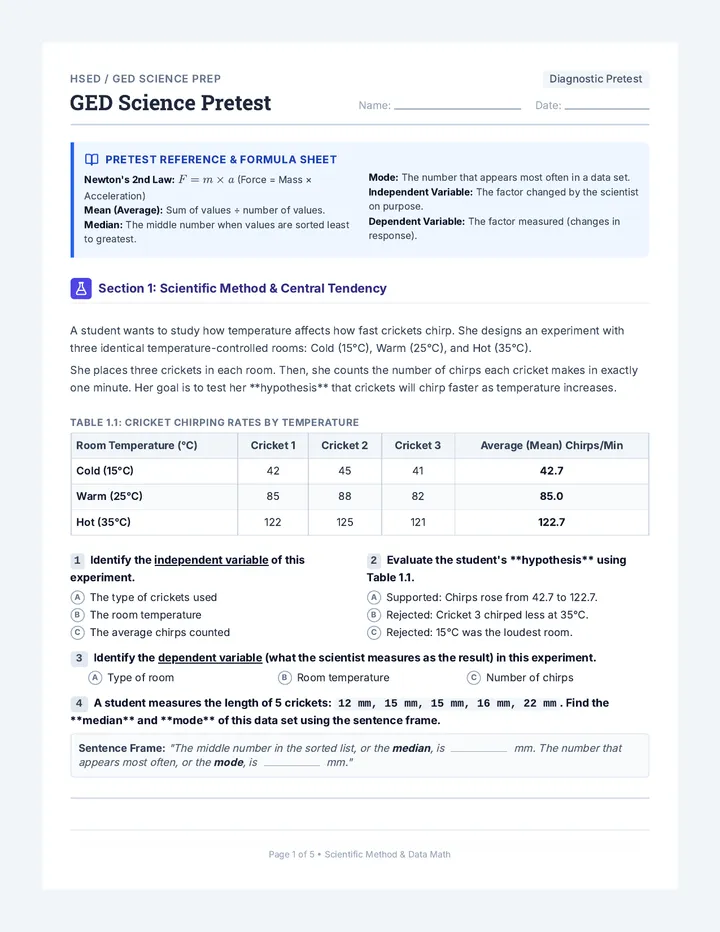
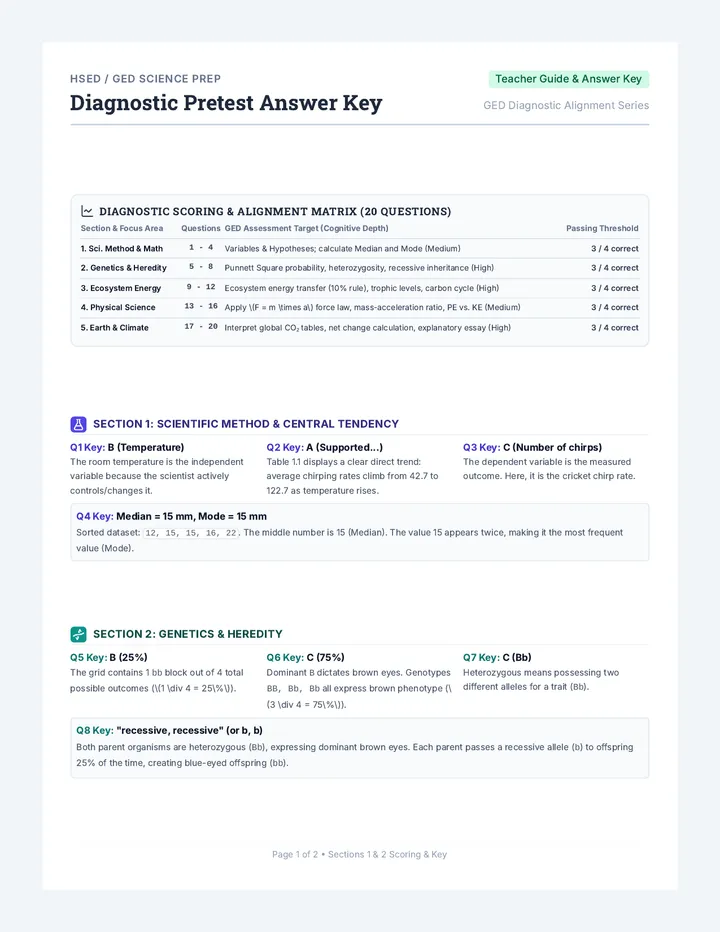
A foundational lesson on the Scientific Method, covering definitions, steps, variables, and data collection methods.
A collaborative jigsaw activity where students become experts on different renewable energy sources before teaching their peers and synthesising their knowledge.
A comprehensive assessment covering developmental domains, brain growth, major ECE theorists, and strategies for supporting young children's self-concept and identity.