An in-depth look at the Haudenosaunee (Iroquois) Confederacy, their longhouse villages, and their influential democratic system of government.
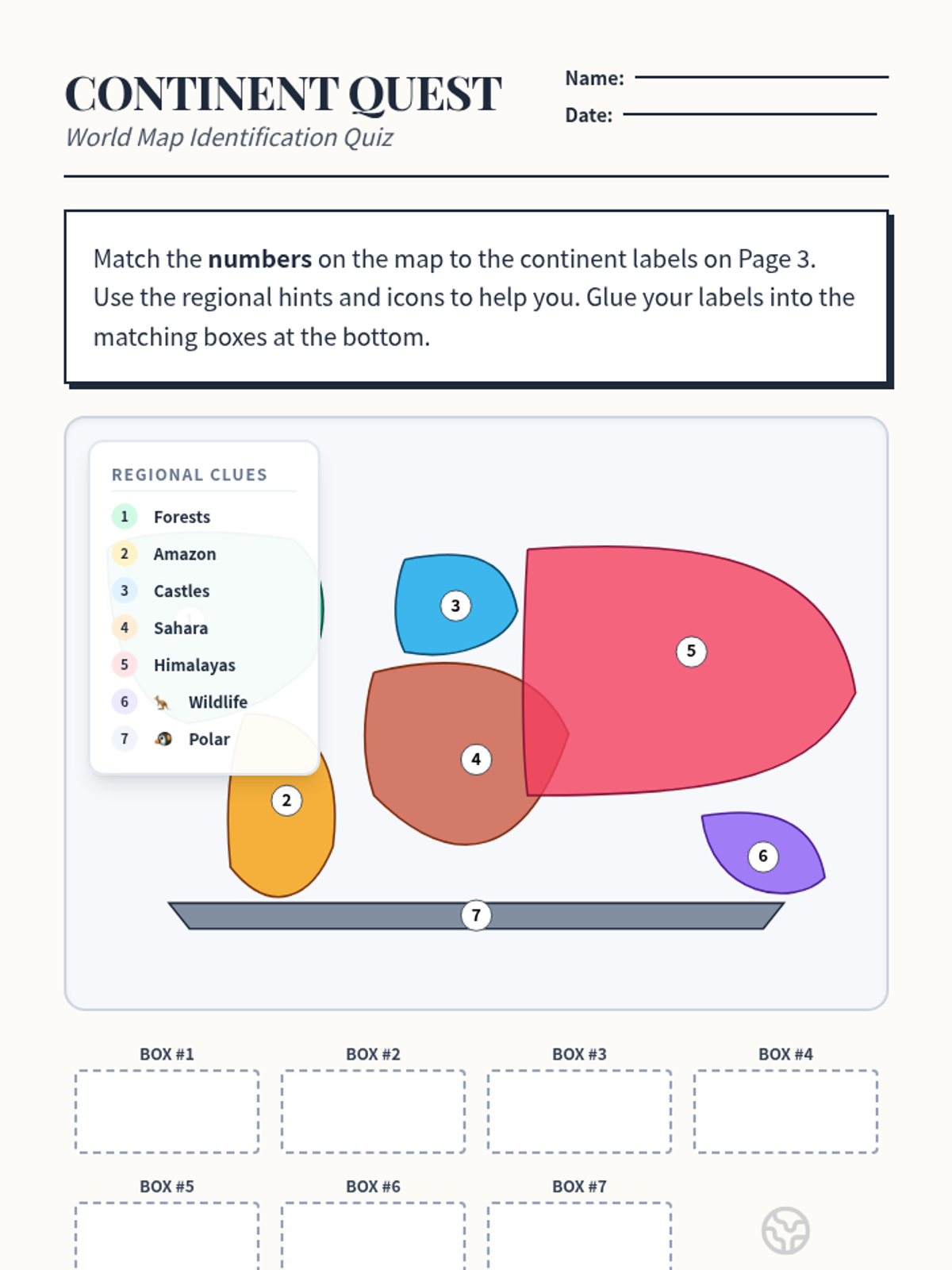
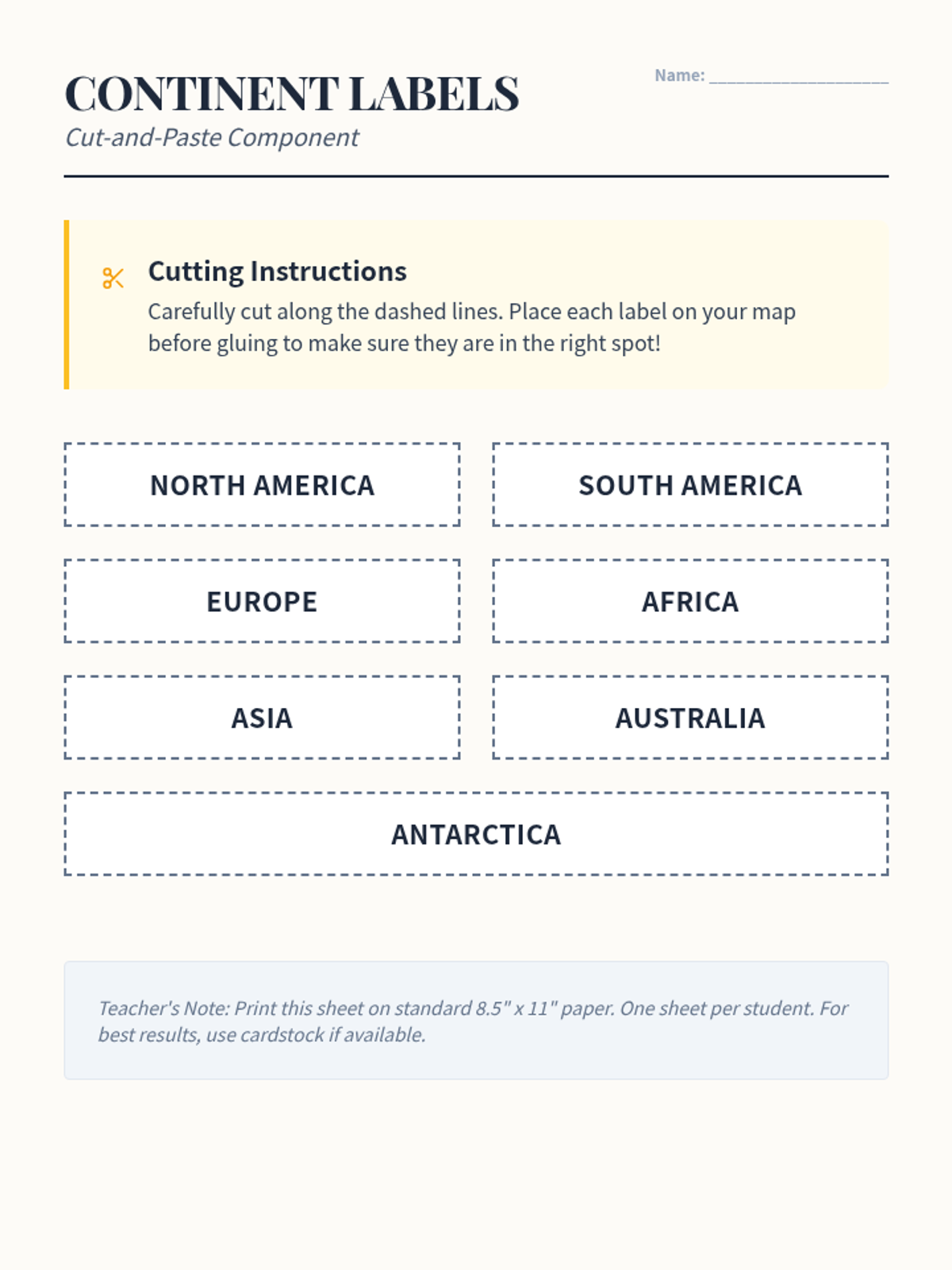
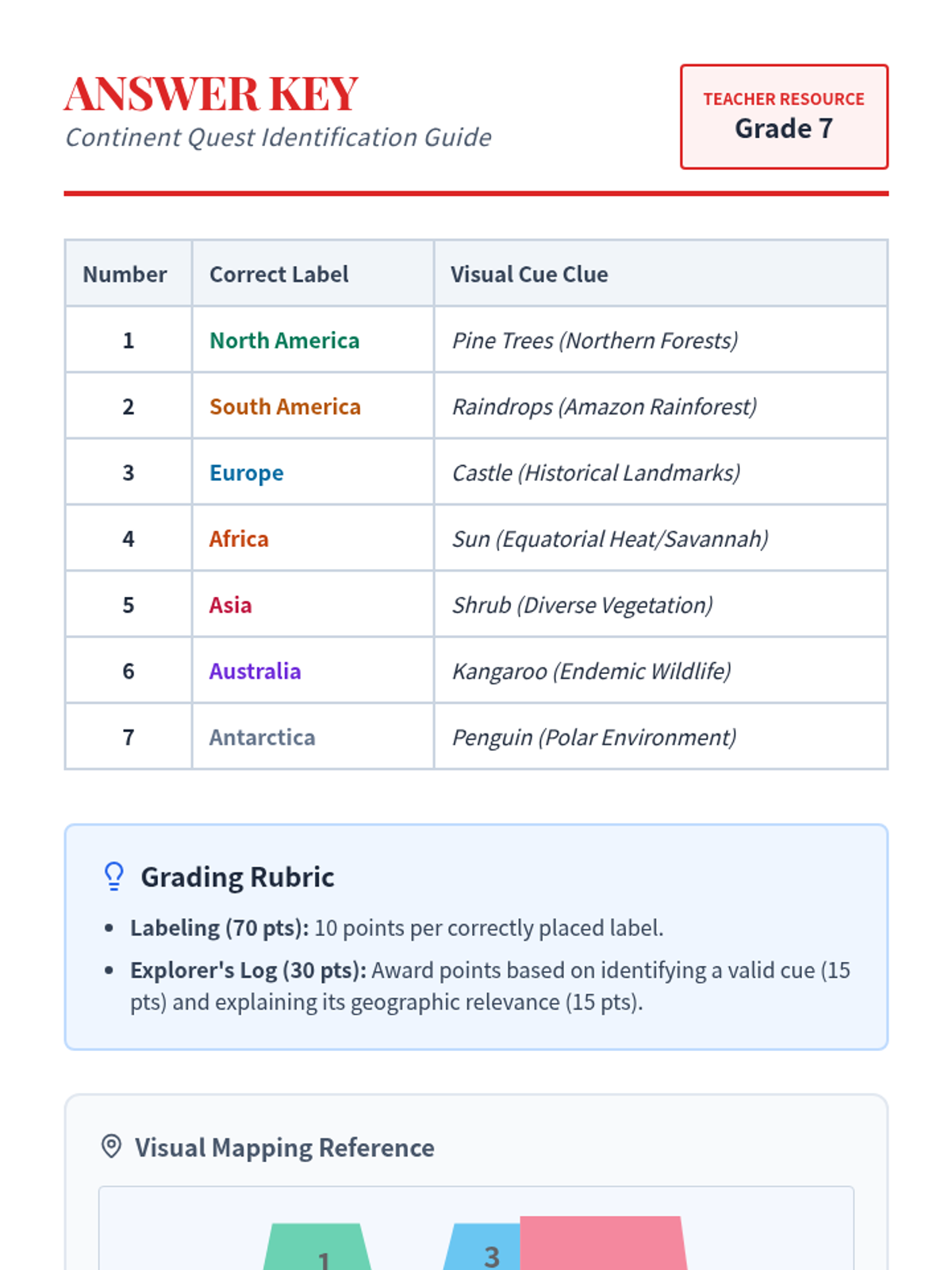
A foundational lesson on global geography focusing on identifying and labeling the seven continents using visual cues and spatial relationships.
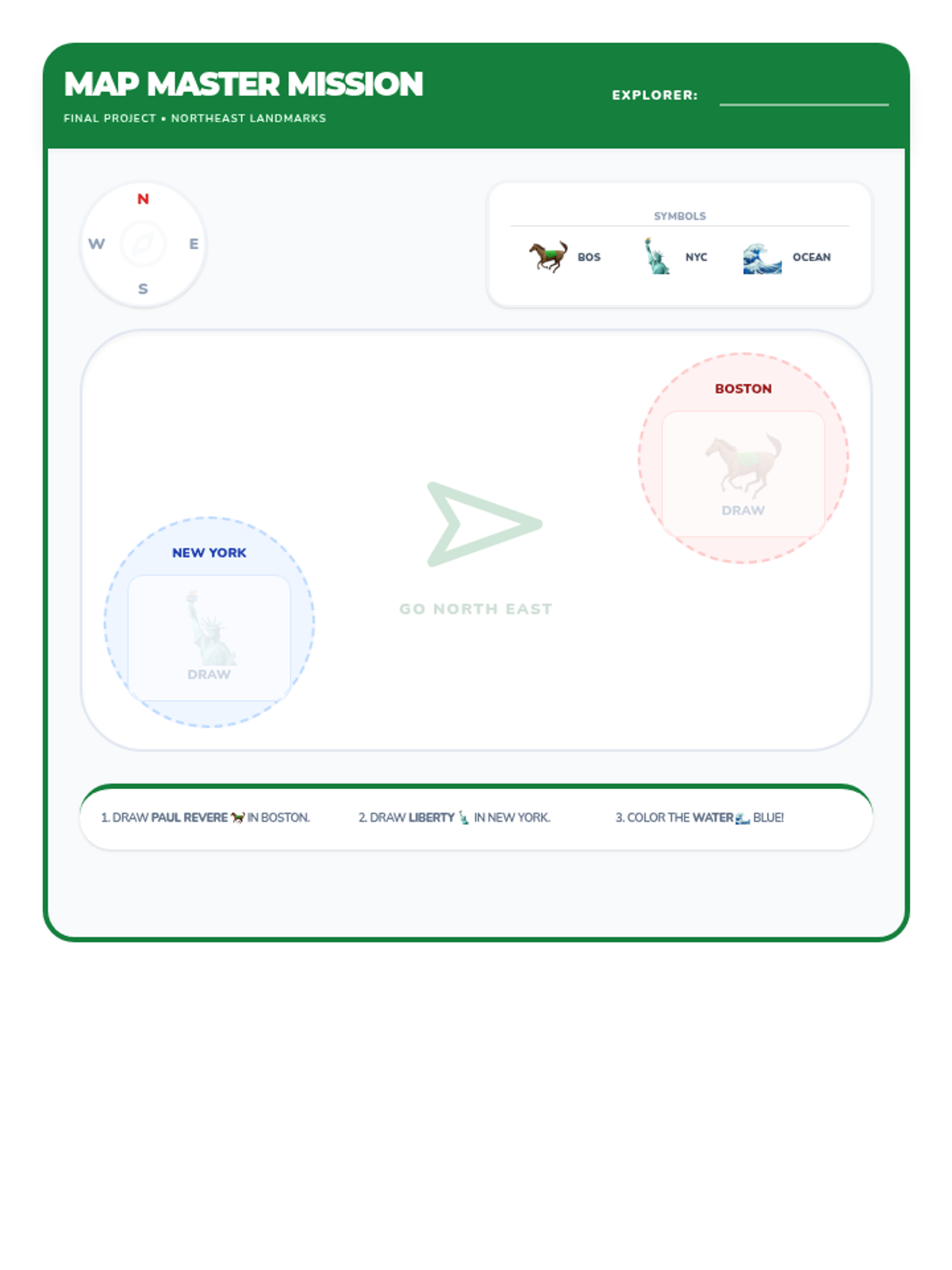
A culminating mapping activity where students place Northeast landmarks on a regional map and identify their locations relative to one another.
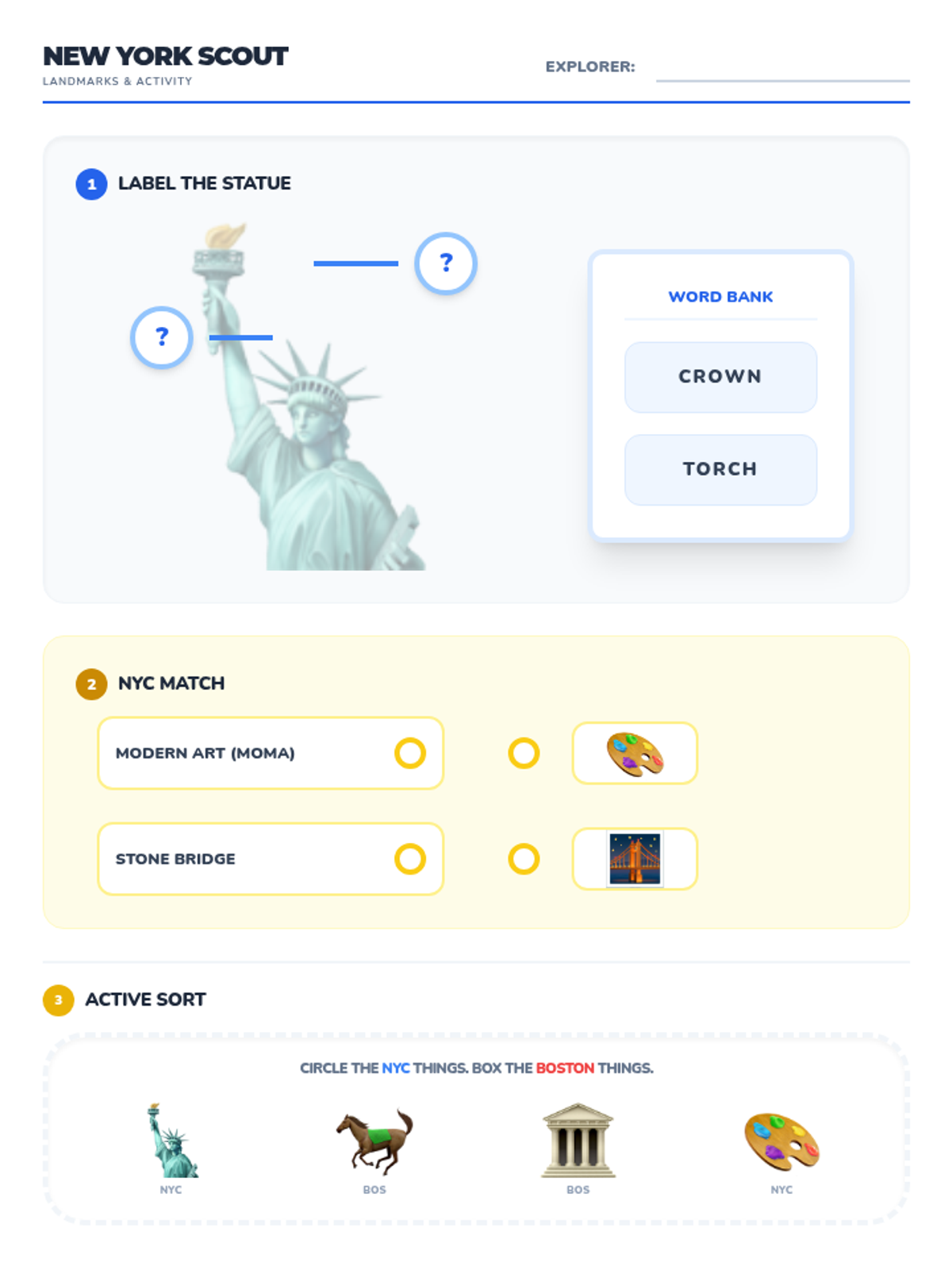
Focuses on iconic New York City landmarks: the Statue of Liberty and the Brooklyn Bridge. Students learn historical significance through visual storytelling.
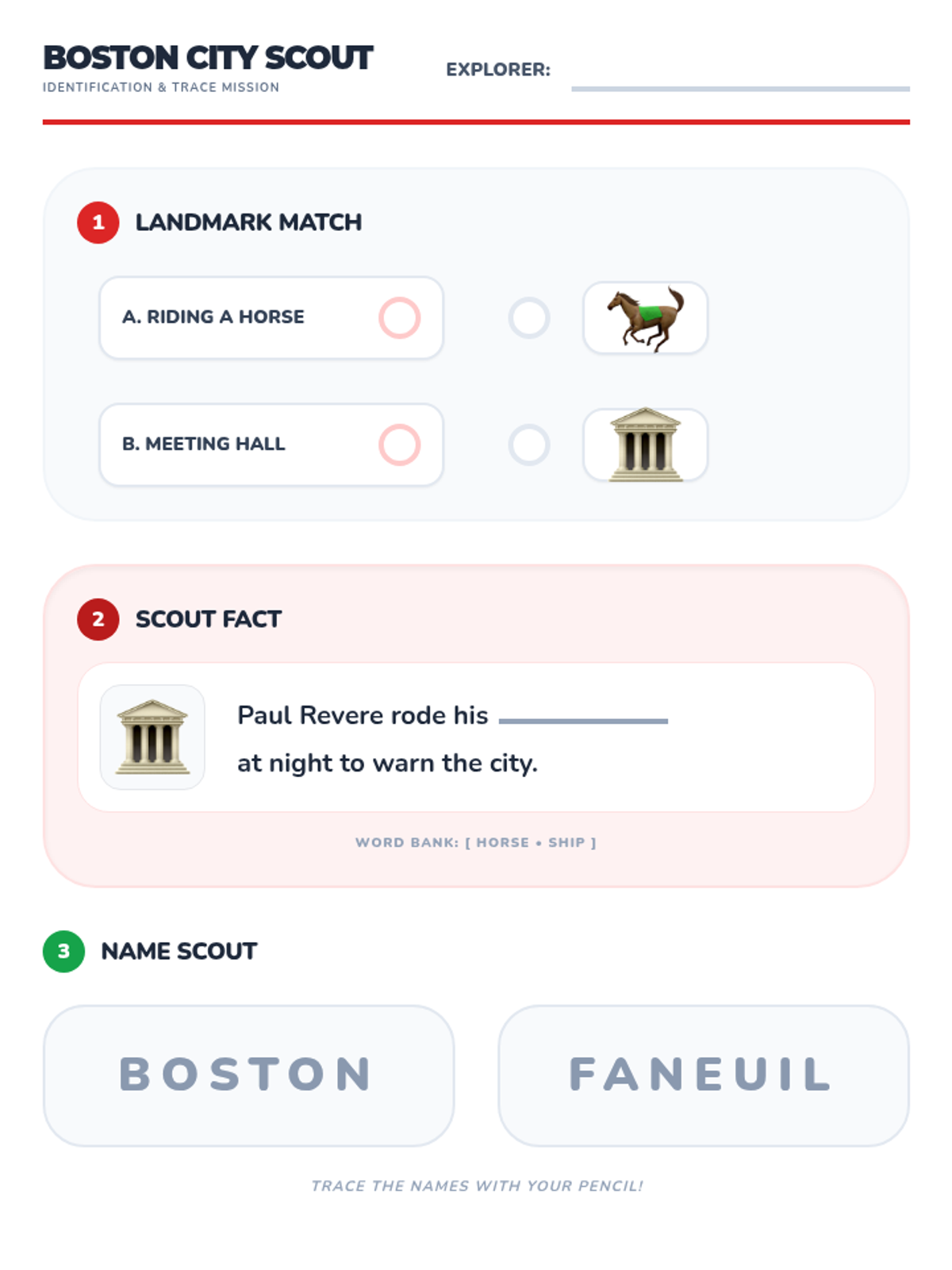
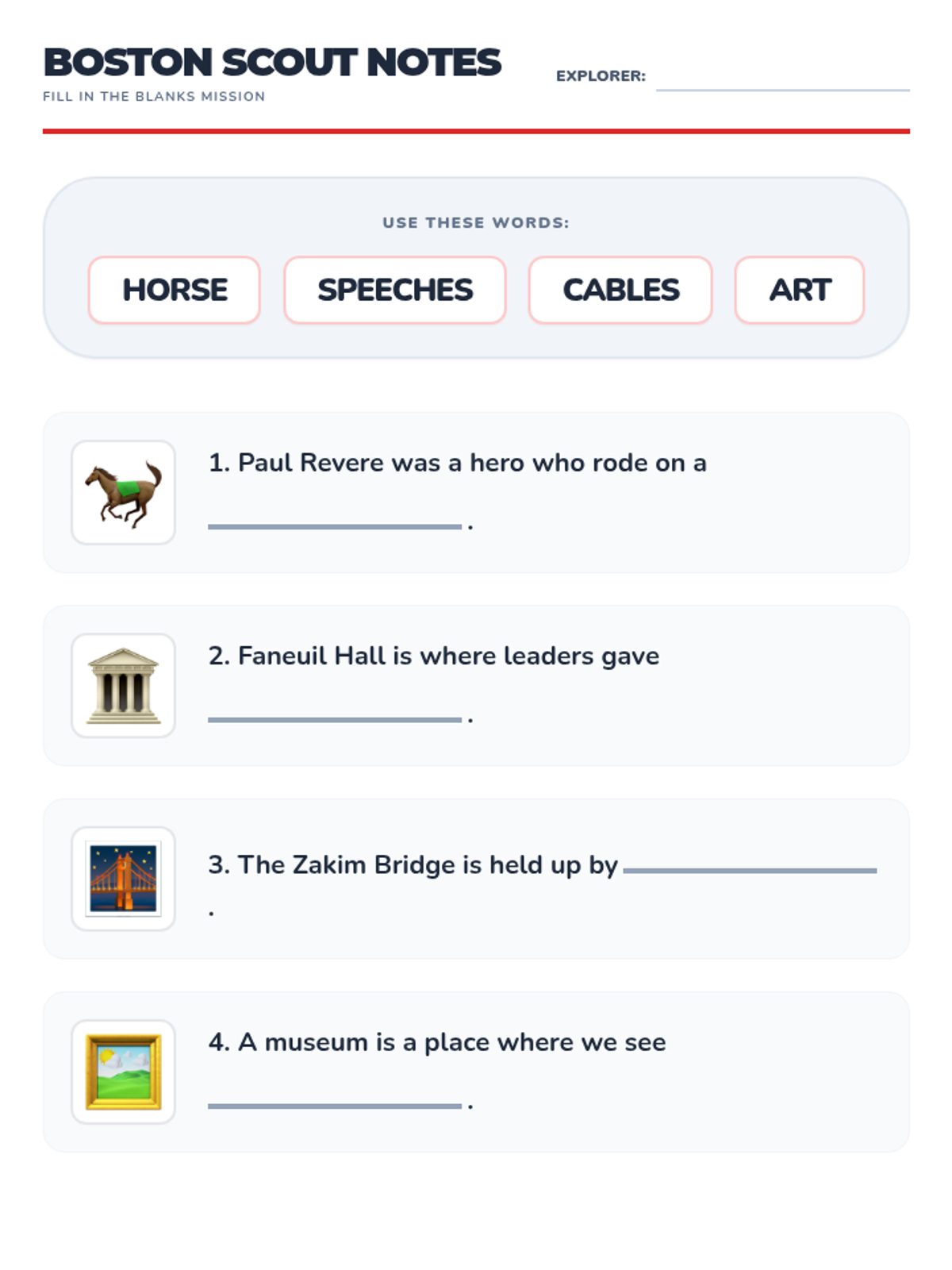
Explores specific landmarks in Boston, including the Paul Revere Statue, Zakim Bridge, and TD Garden. Focuses on historical facts and their location on a city map.
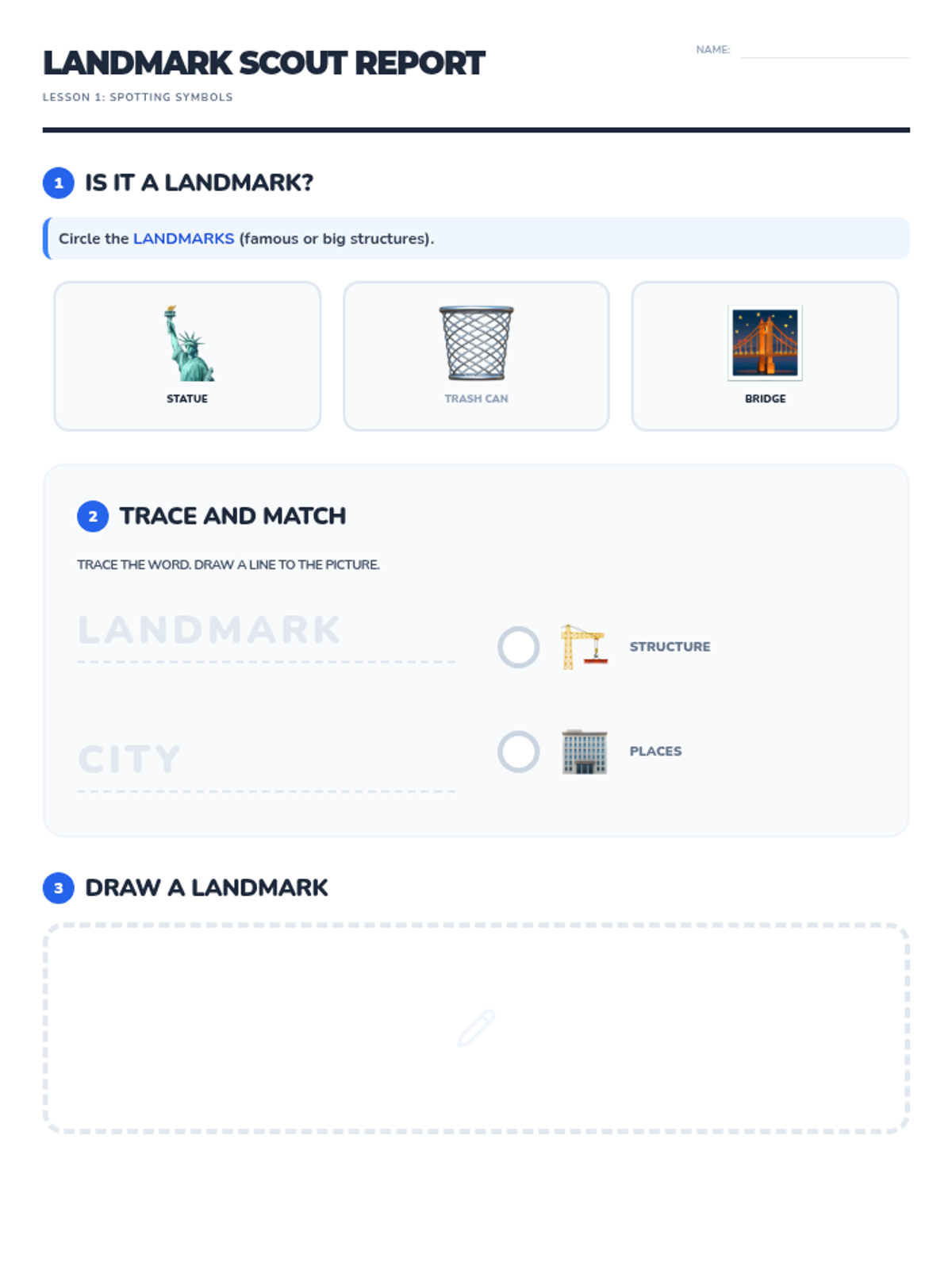
Introduces the concept of a landmark as a recognizable place or structure with historical or cultural significance. Students learn to identify landmarks using visual cues.
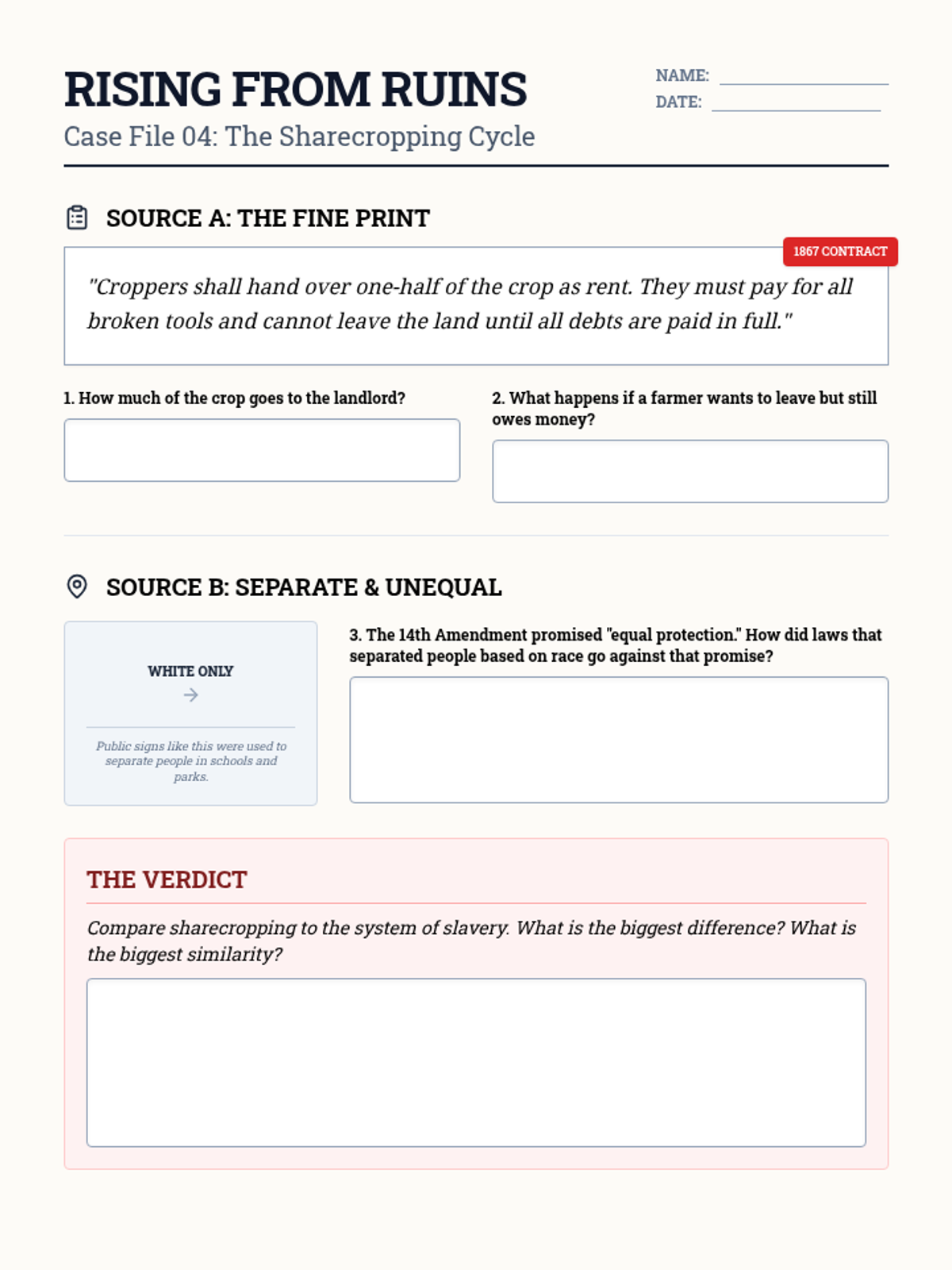
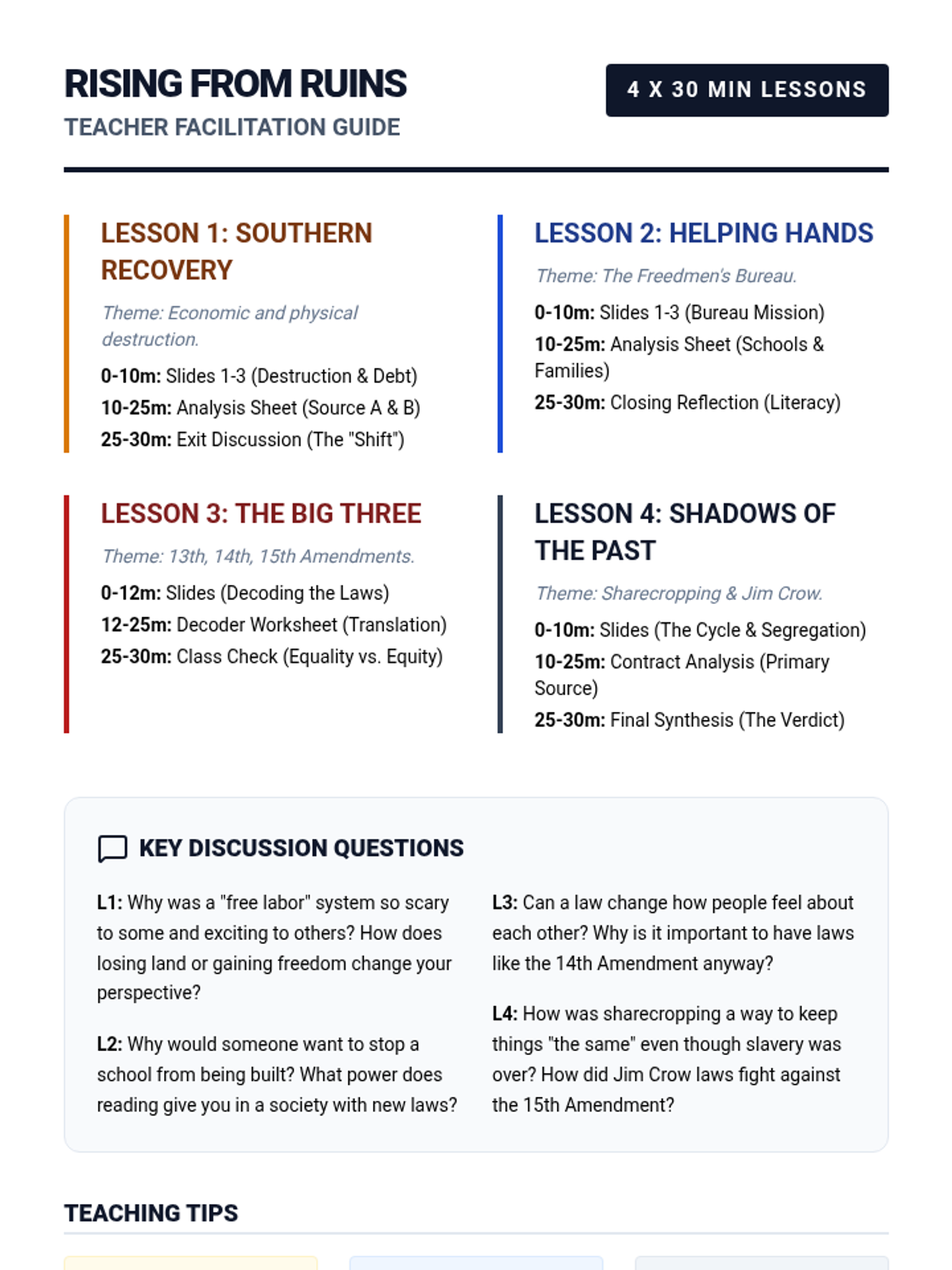
Students explore the limitations of Reconstruction through the lens of sharecropping and the emergence of Jim Crow laws.
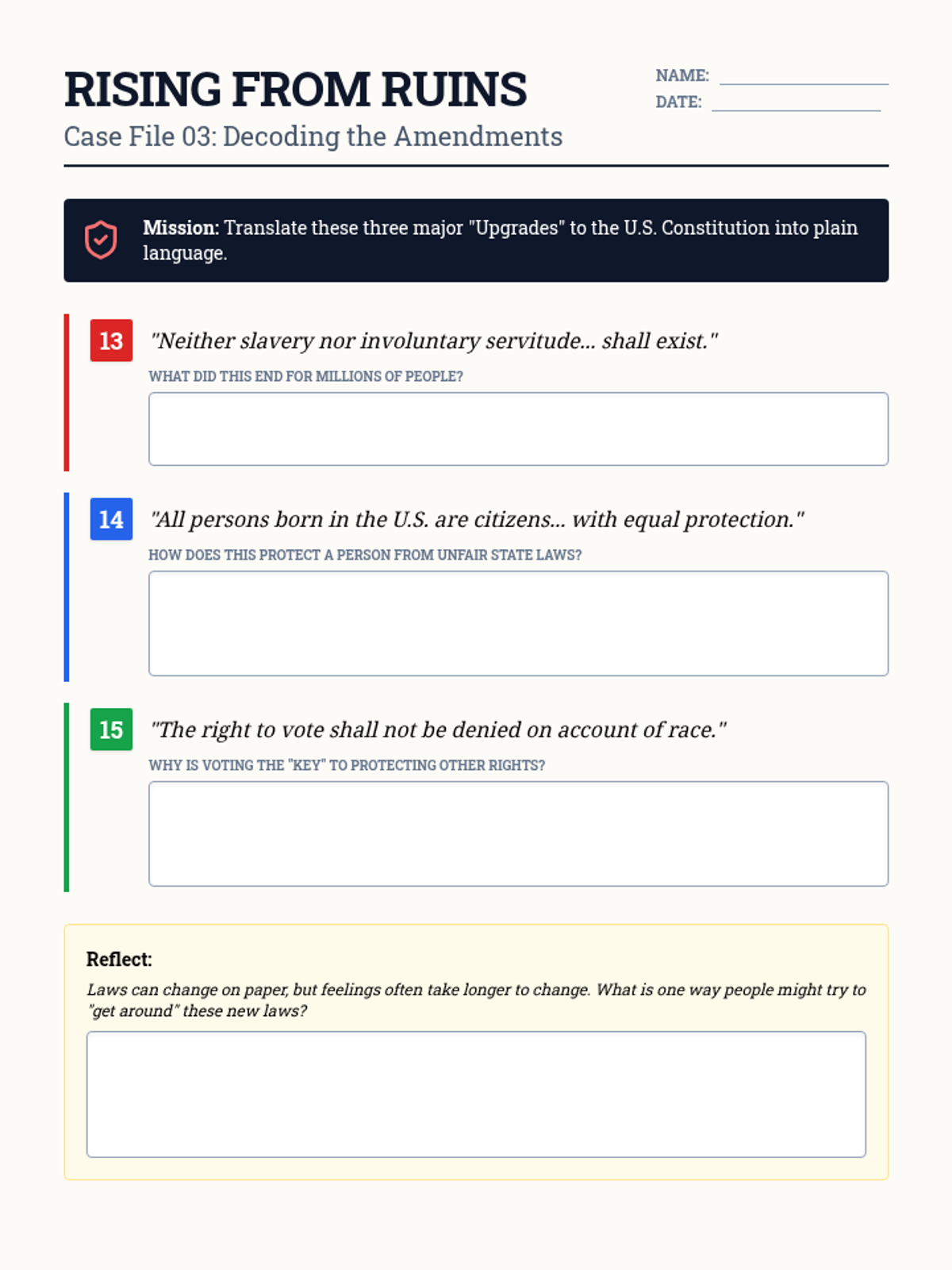
A deep dive into the 13th, 14th, and 15th Amendments and how they aimed to redefine American citizenship and rights.
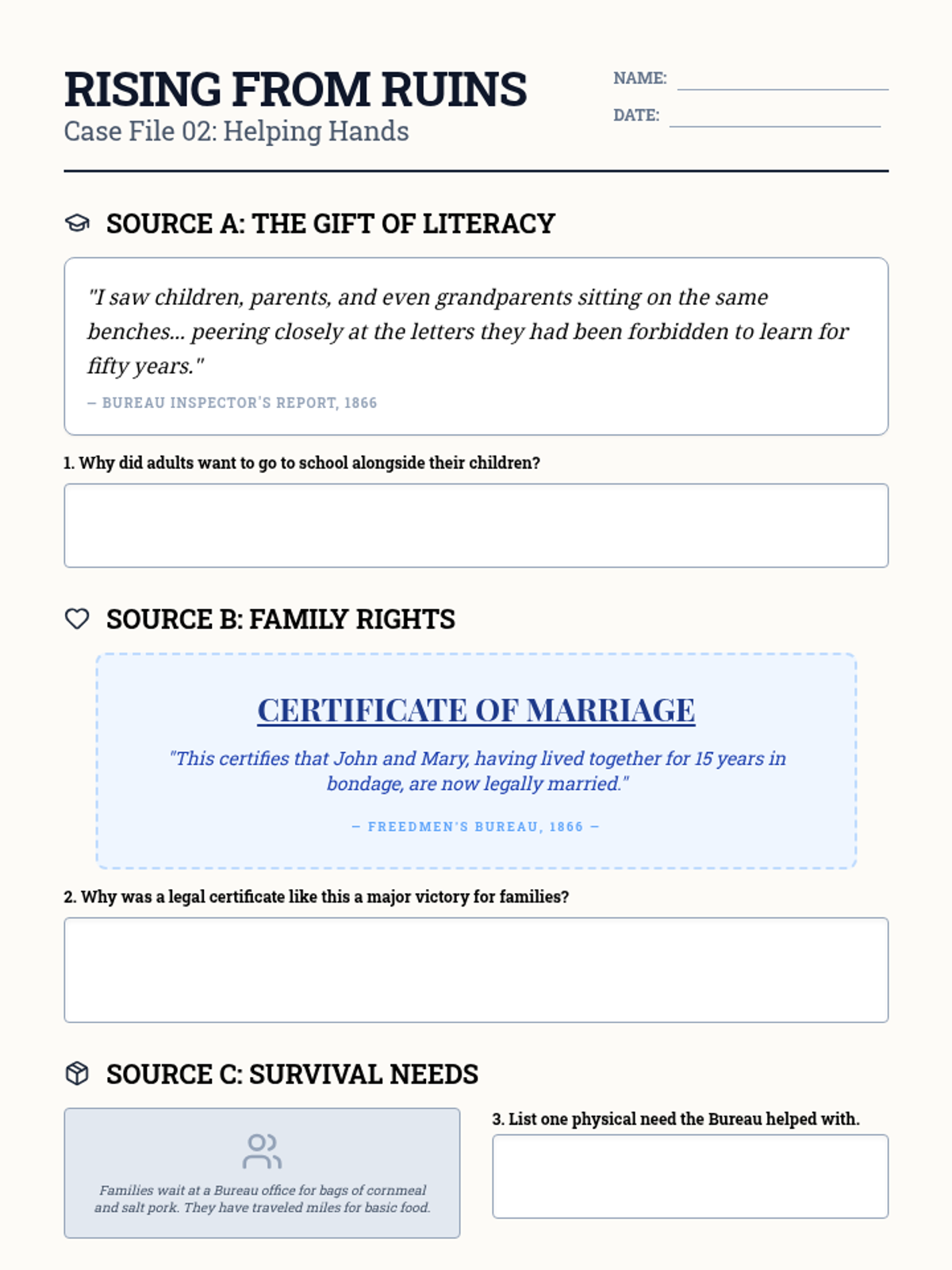
An investigation into the Freedmen's Bureau and its role in providing education, healthcare, and legal assistance to formerly enslaved people.
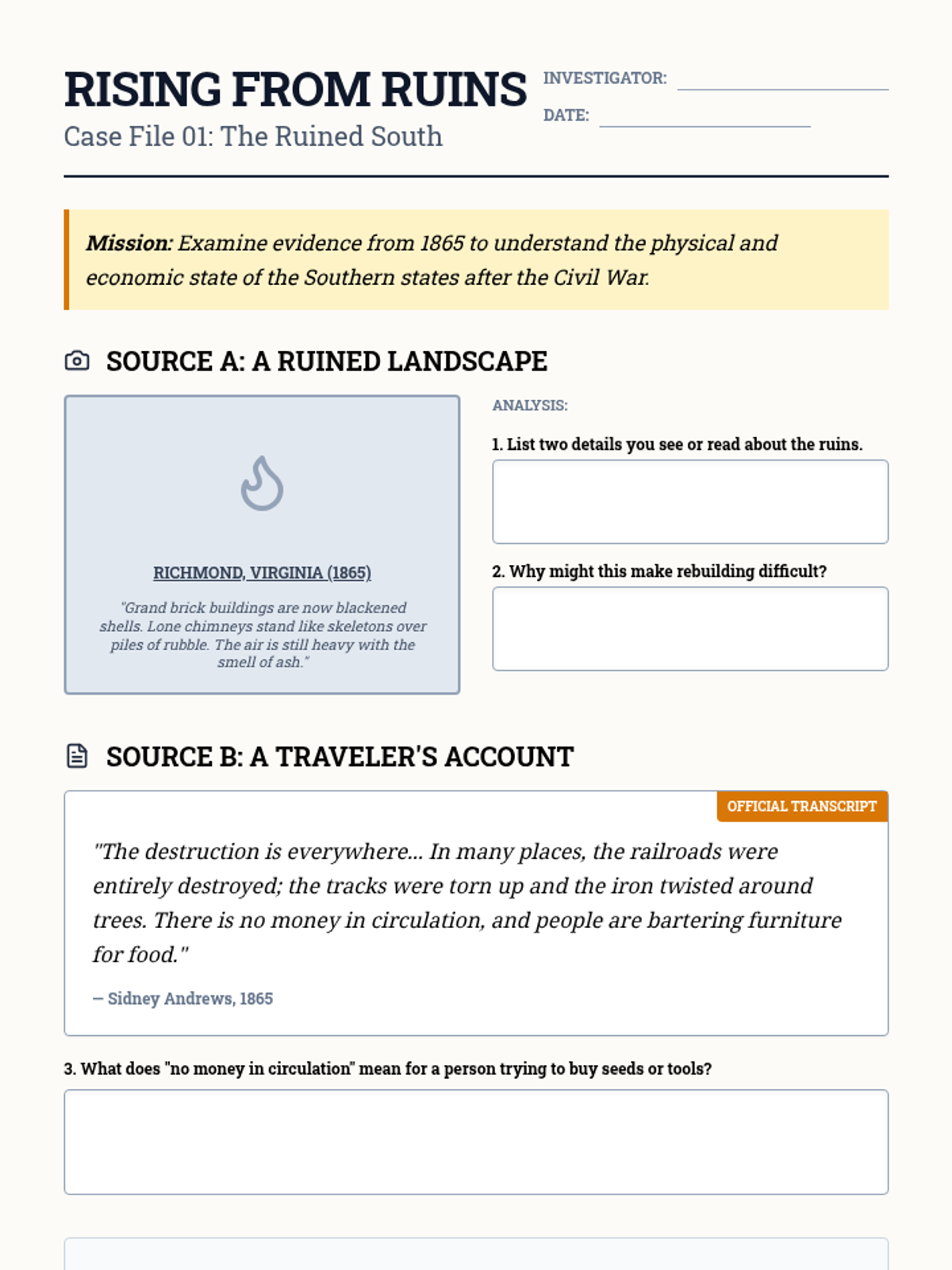
Students examine the physical and economic destruction of the South and the initial challenges of transitioning to a free labor system.