Students explore Earth's axial tilt and orbital path to understand why daylight hours change throughout the year and how this affects biological cycles like migration and leaf loss.
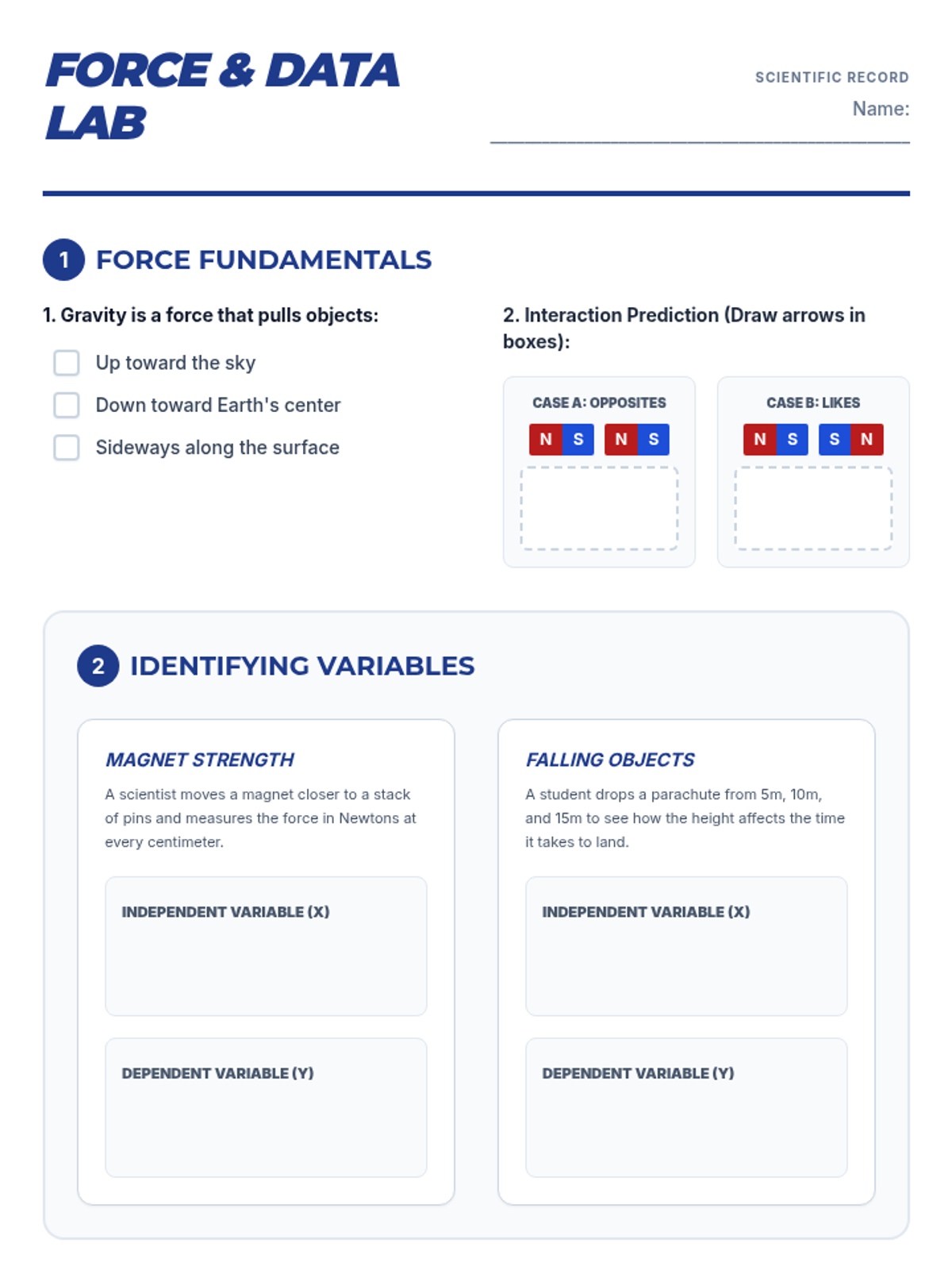
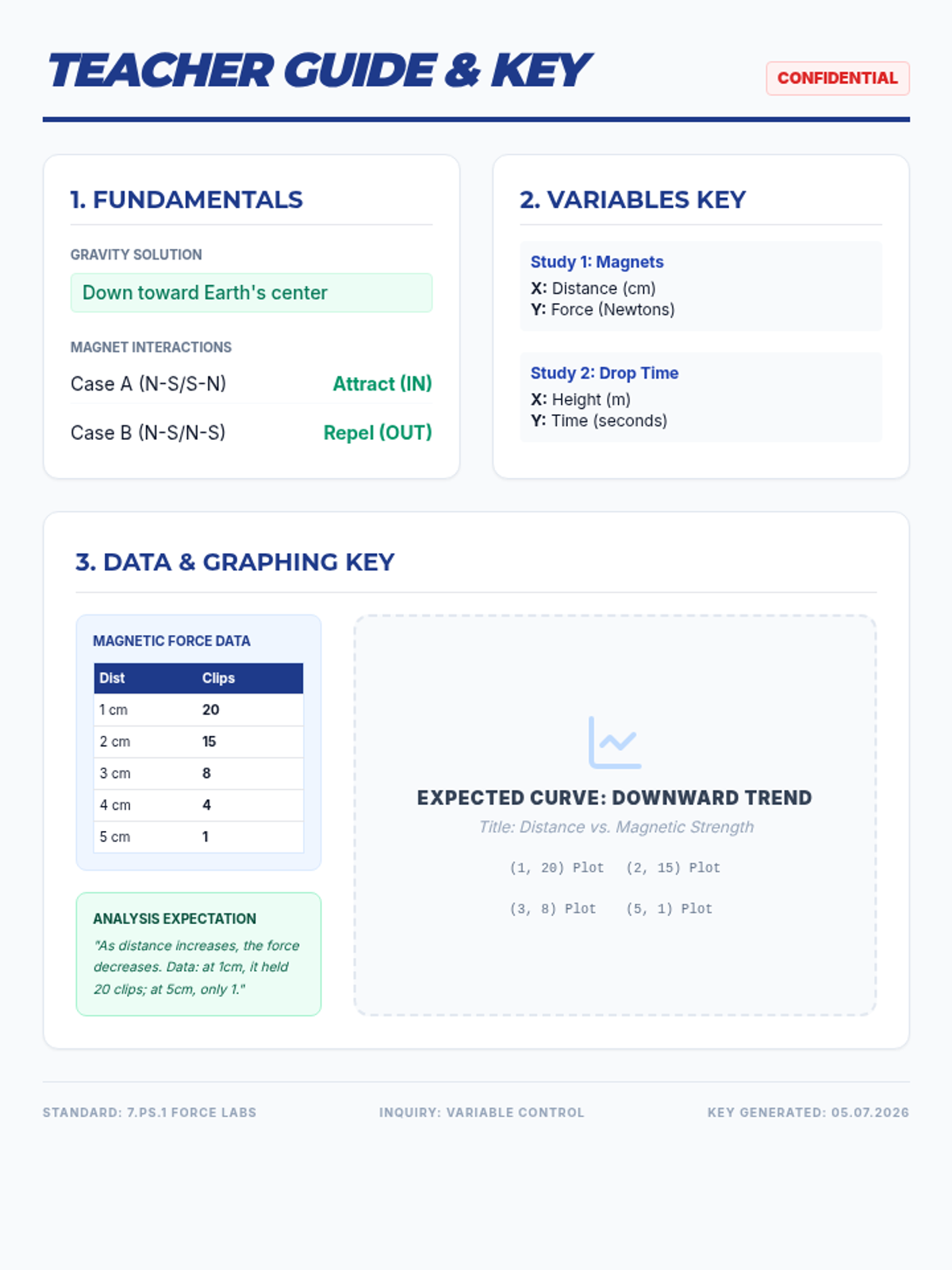
This lesson explores the invisible forces of gravity and magnetism, while teaching students how to organize and visualize scientific observations through graphing. Students will learn to identify variables and create accurate line graphs from experimental data.
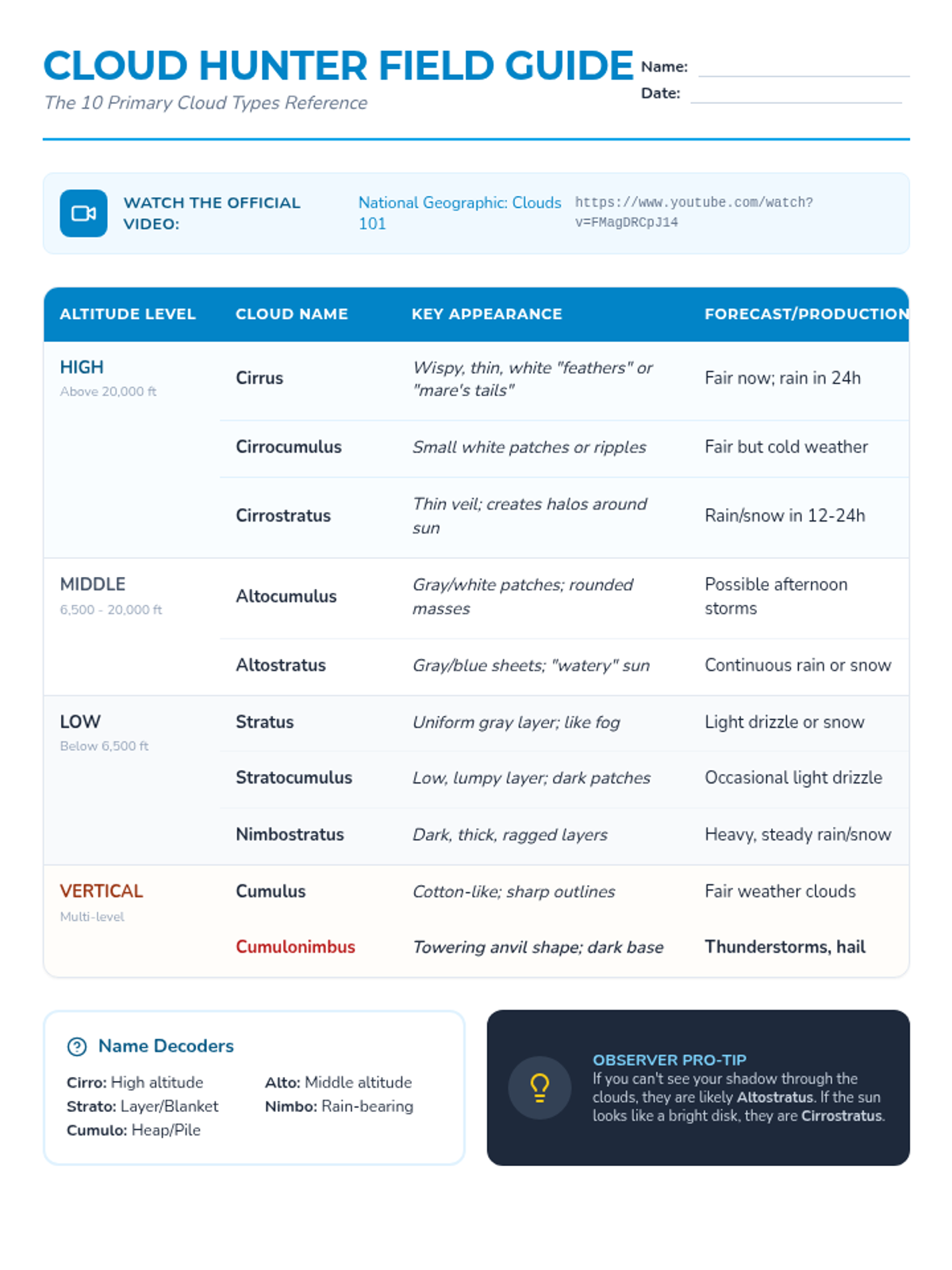
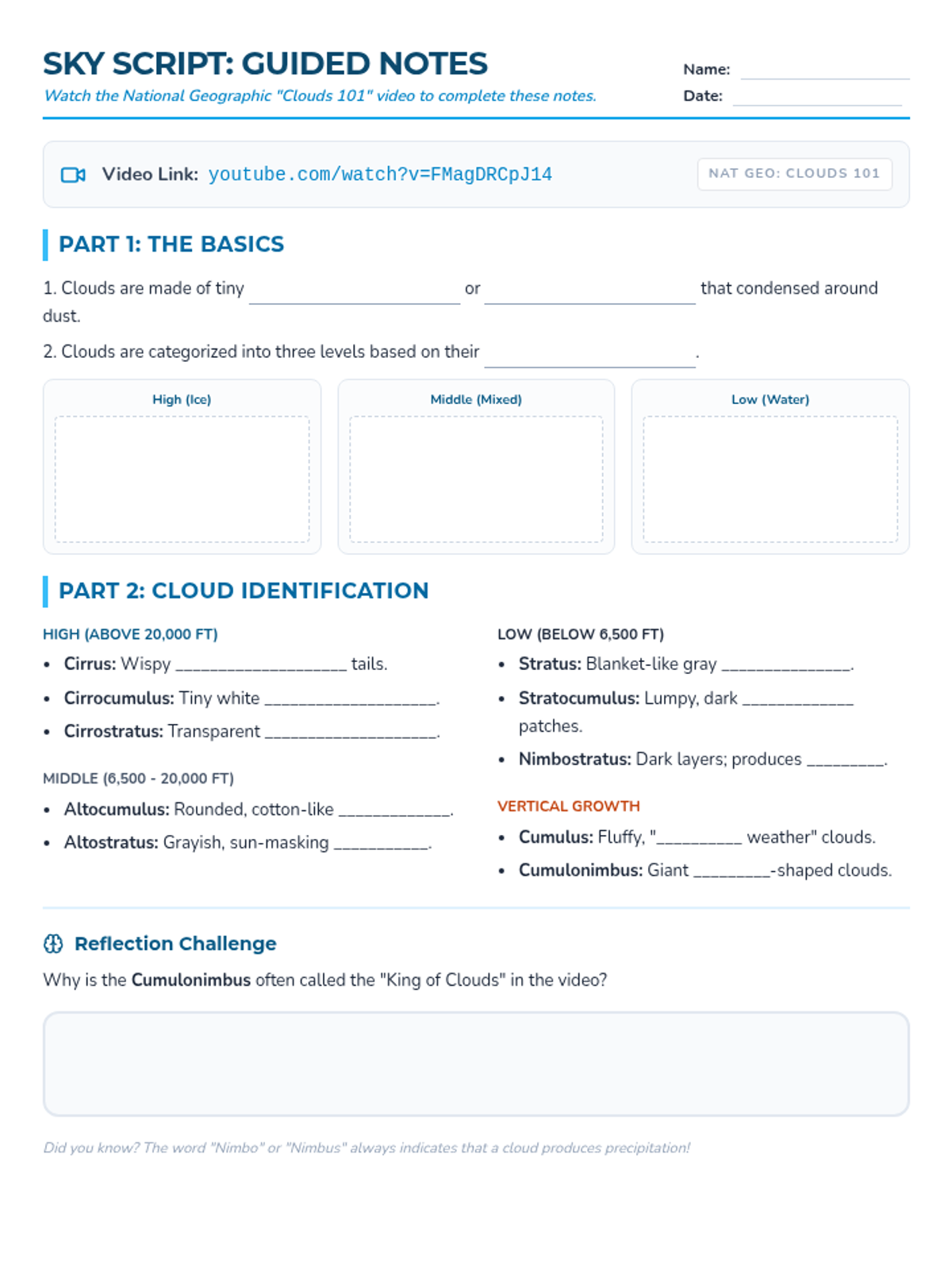
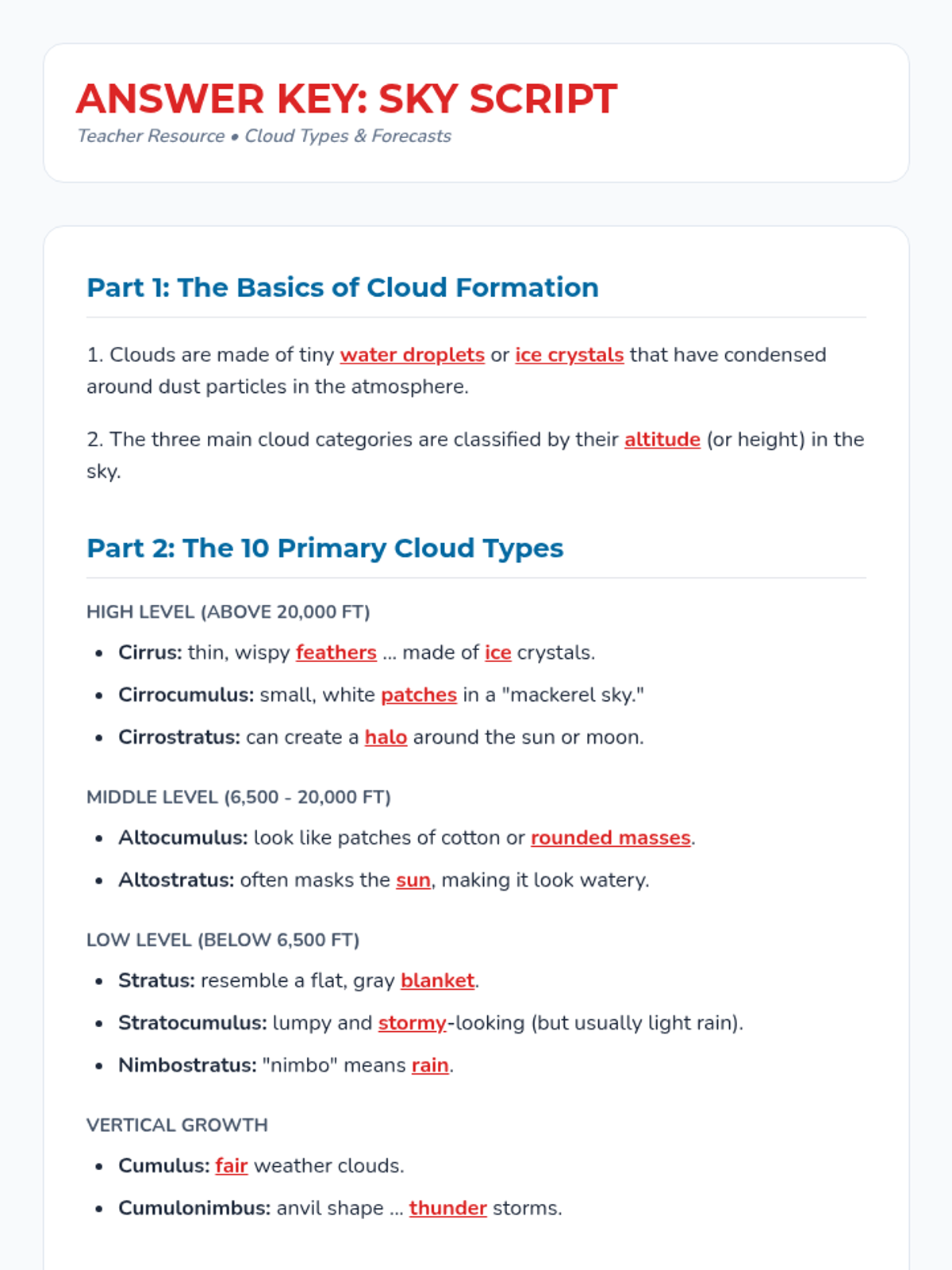
Students will learn to identify the ten primary cloud types, categorize them by altitude, and predict weather outcomes based on cloud formations.
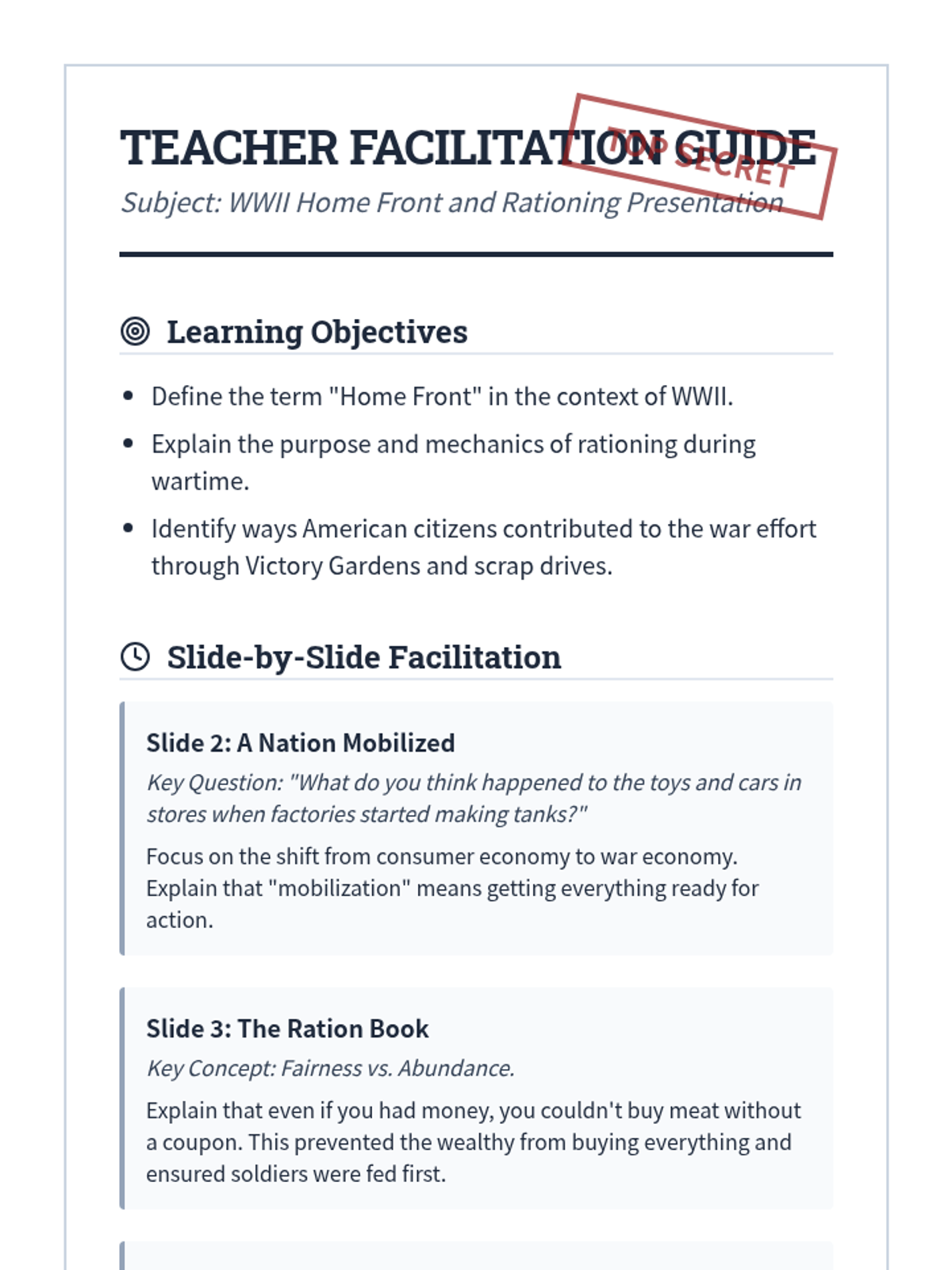
An exploration of life in America during World War II, focusing on how rationing, Victory Gardens, and community efforts supported the war from home.
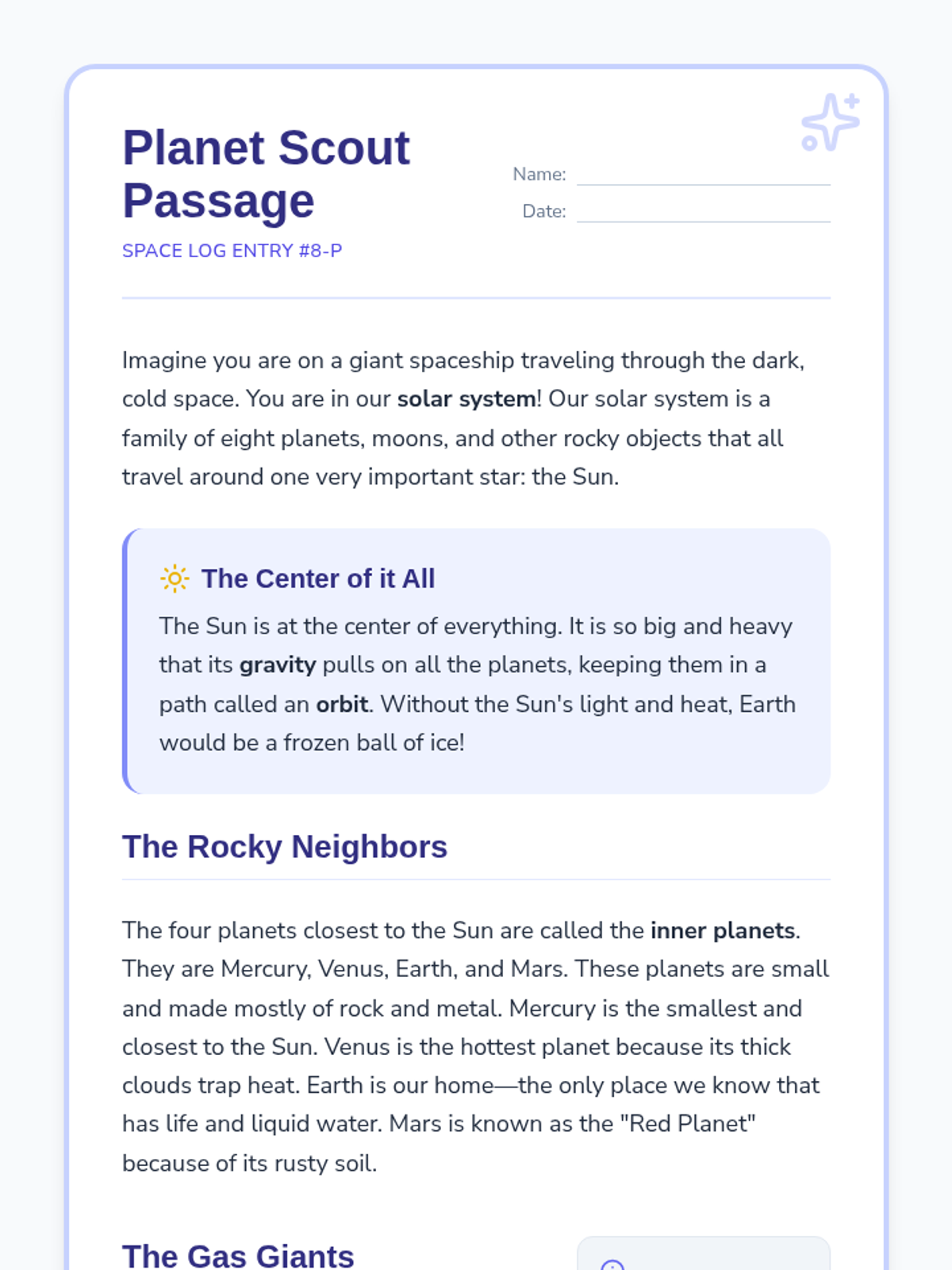
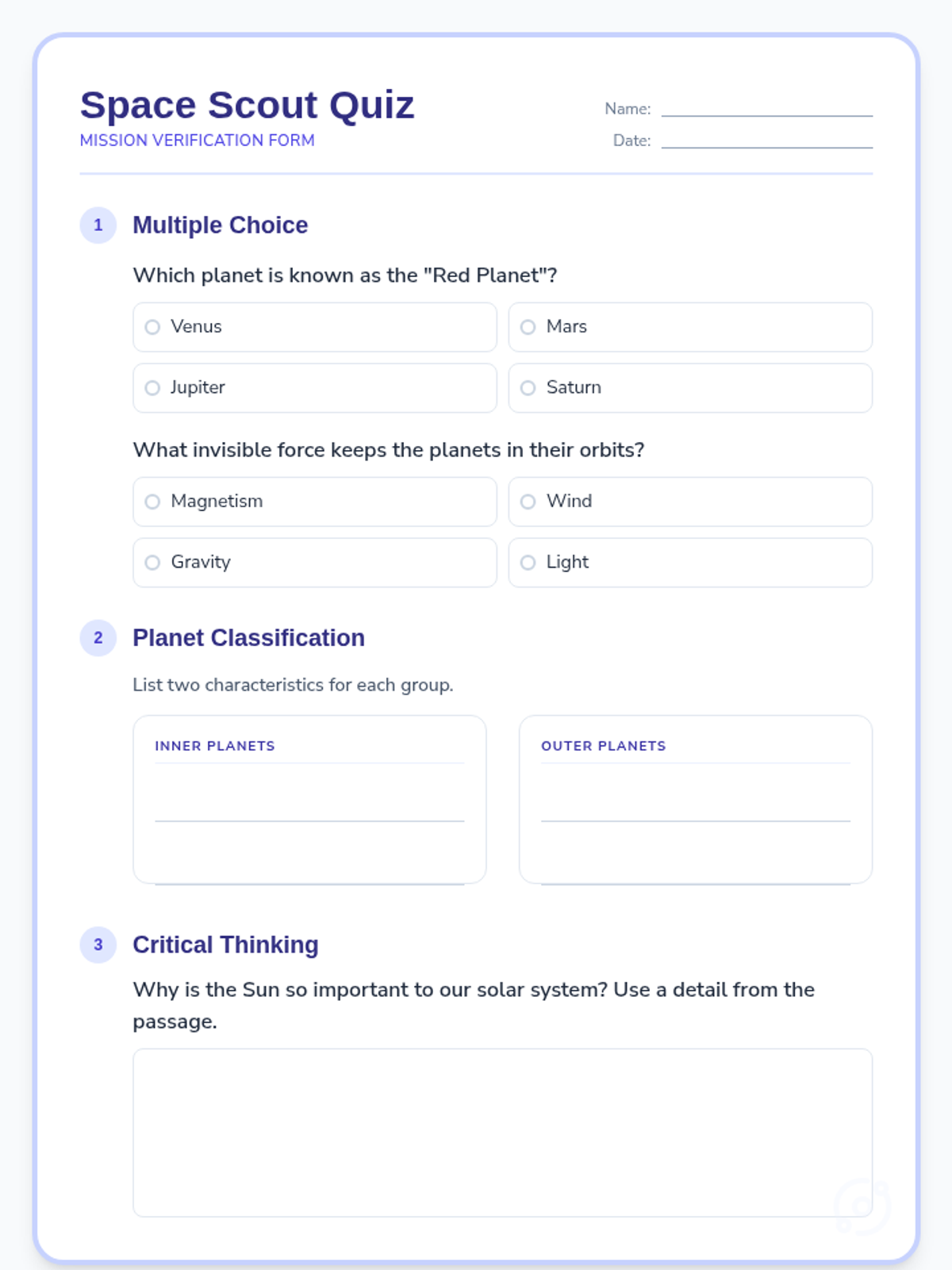
Students explore the eight planets of our solar system, learning about their unique characteristics and the forces that keep them in orbit.
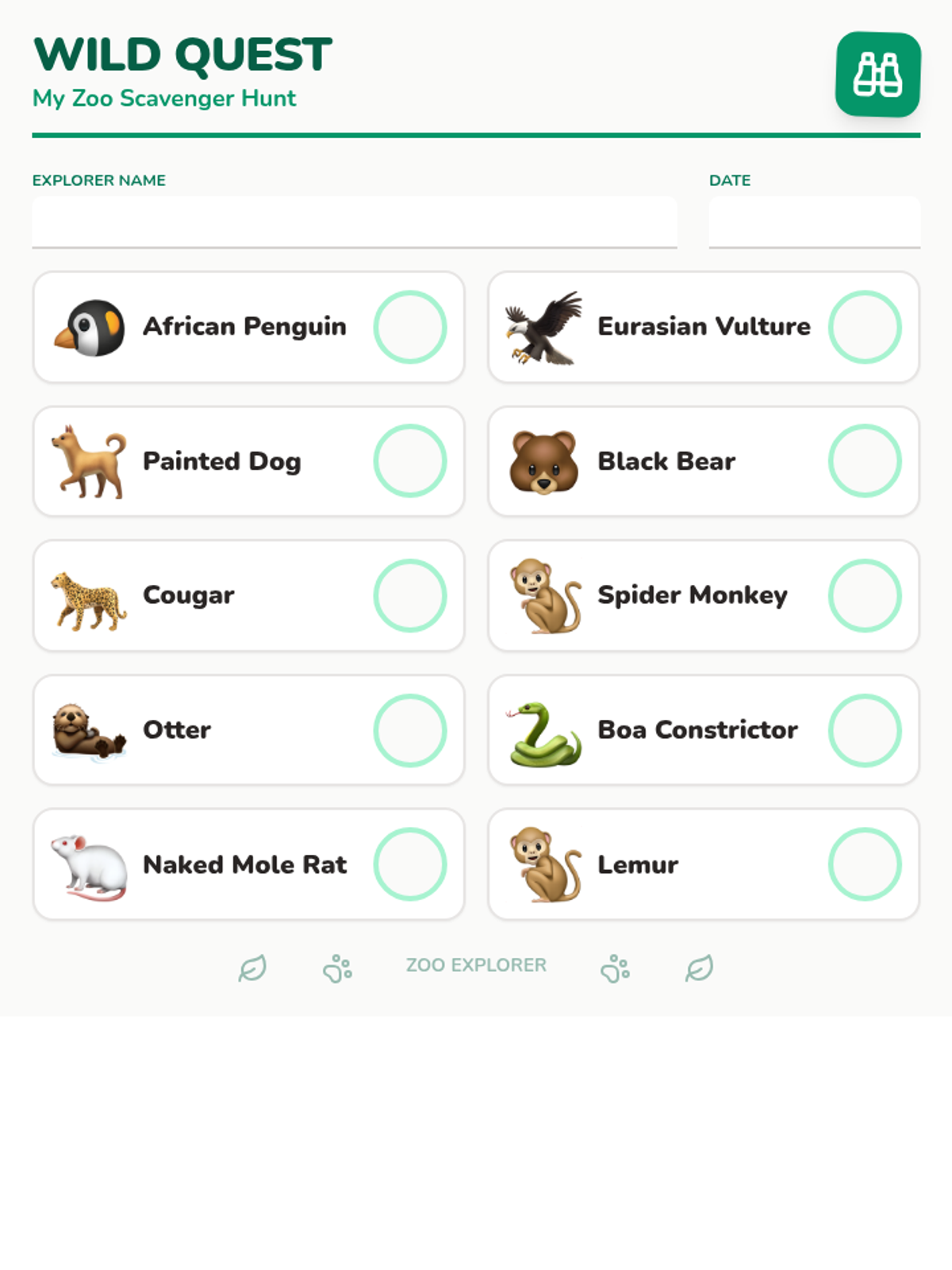
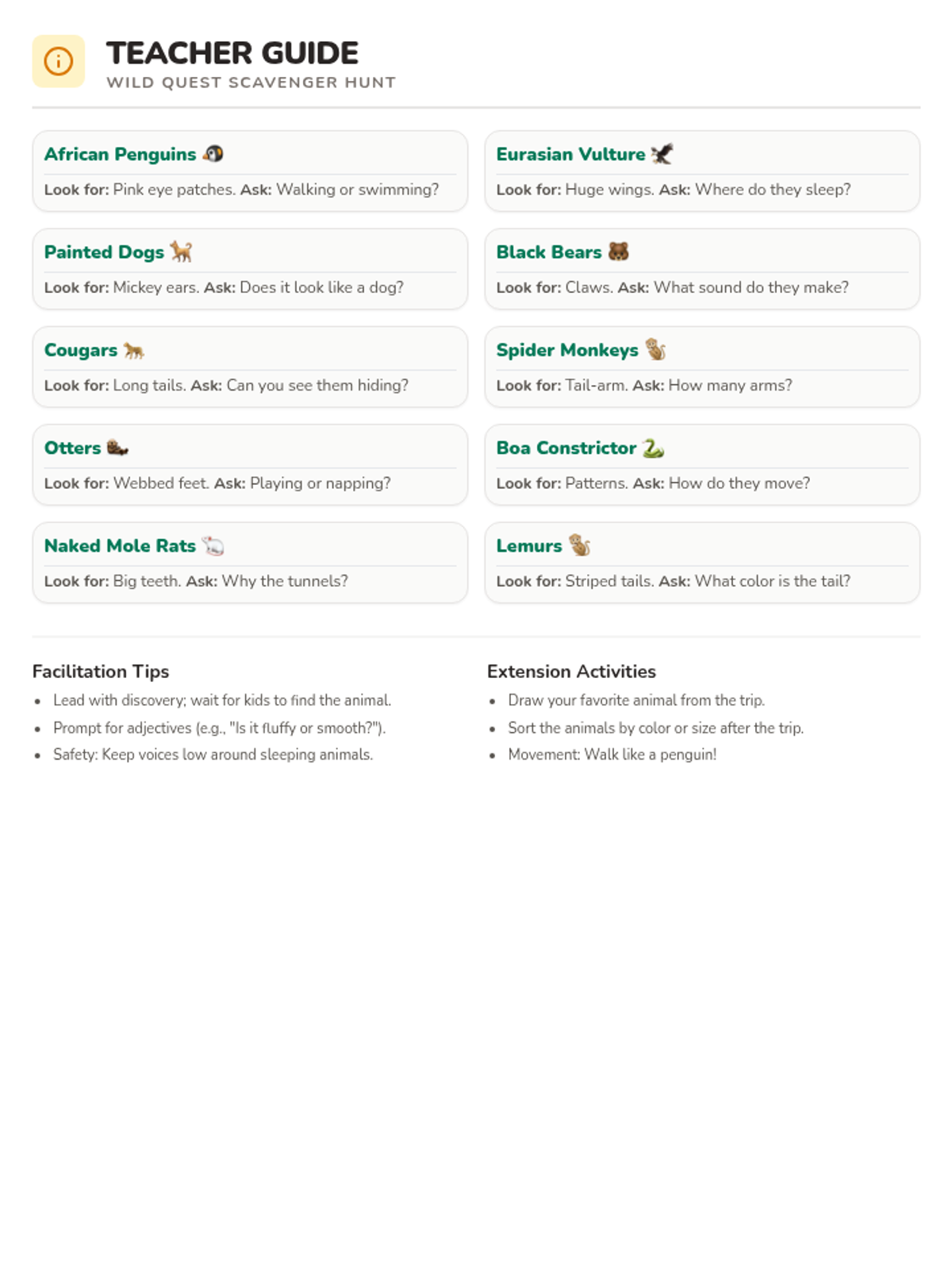
A fun, visual zoo scavenger hunt designed for Pre-K students to identify and observe specific animals during a field trip.
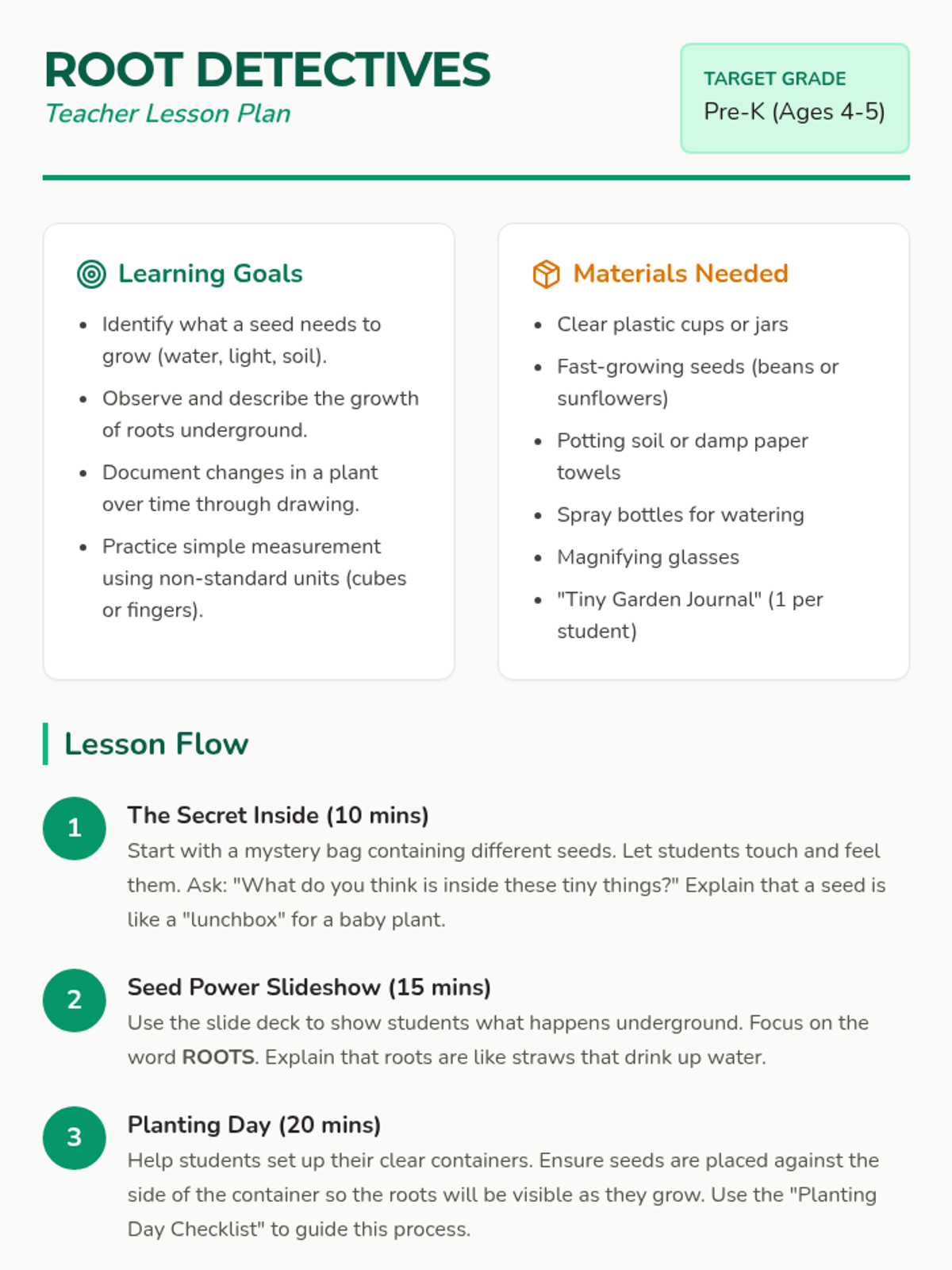
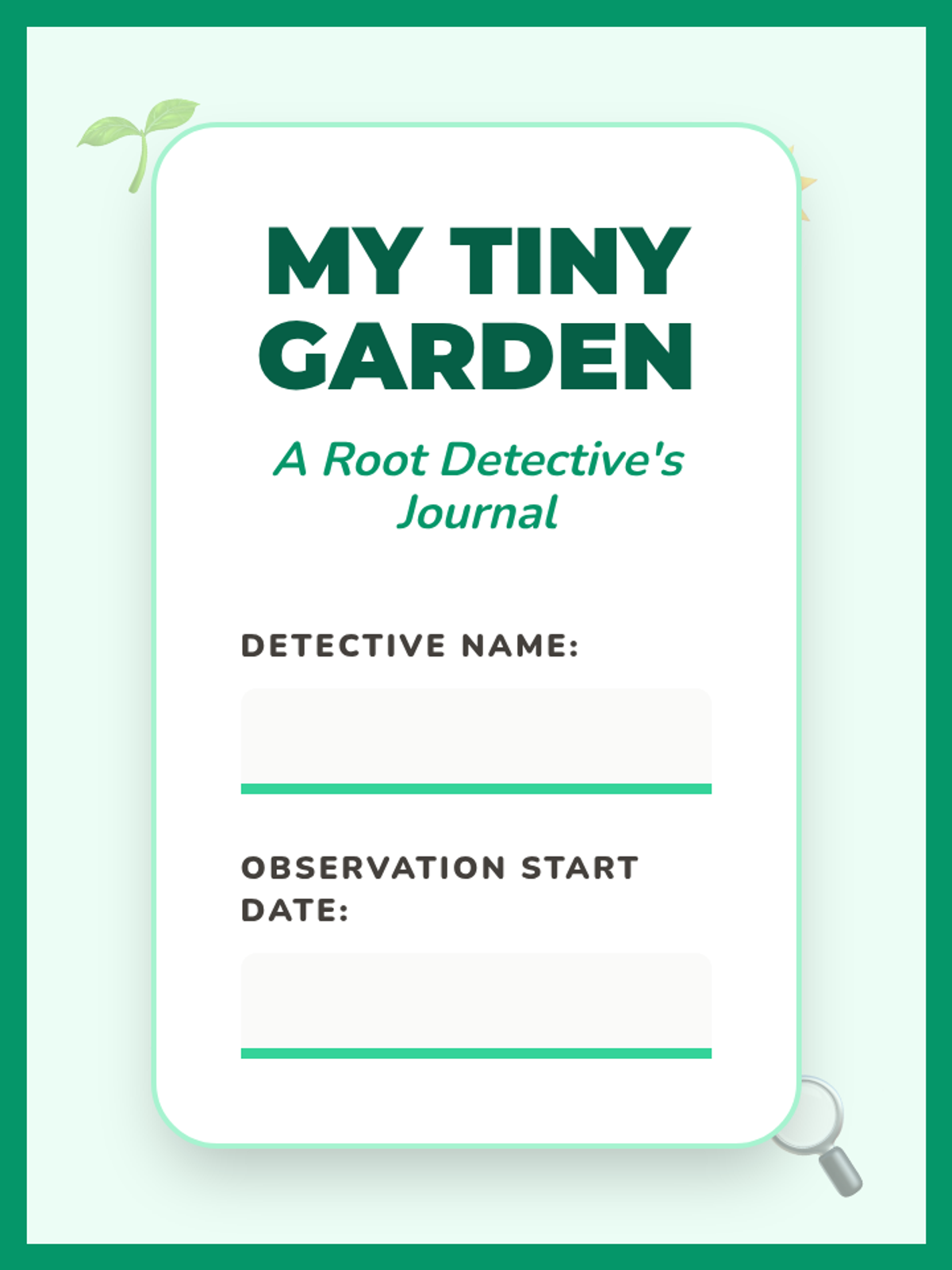
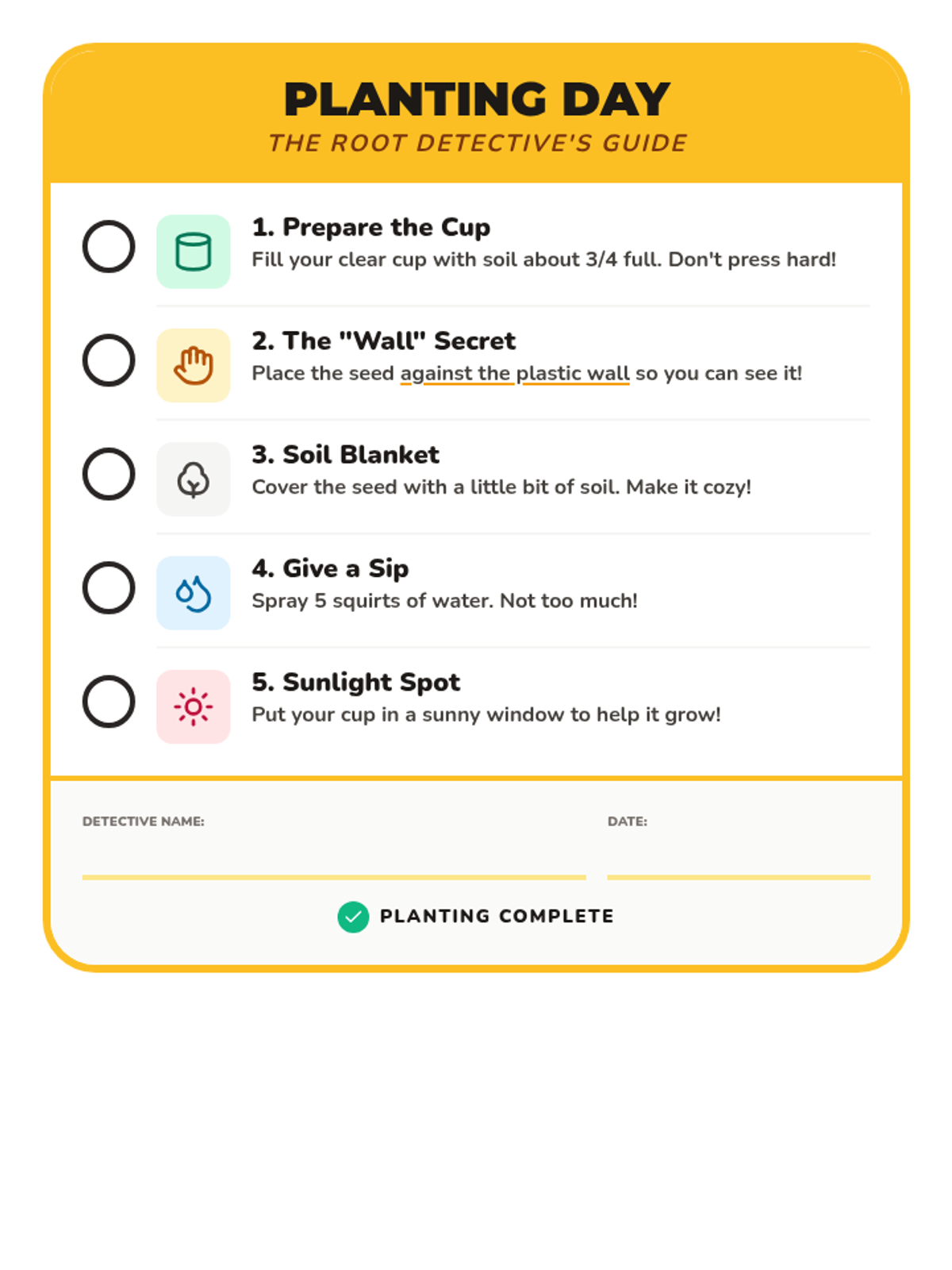
A hands-on botany lesson where Pre-K students plant seeds in clear containers to observe root growth and learn about the life cycle of plants through daily journaling.
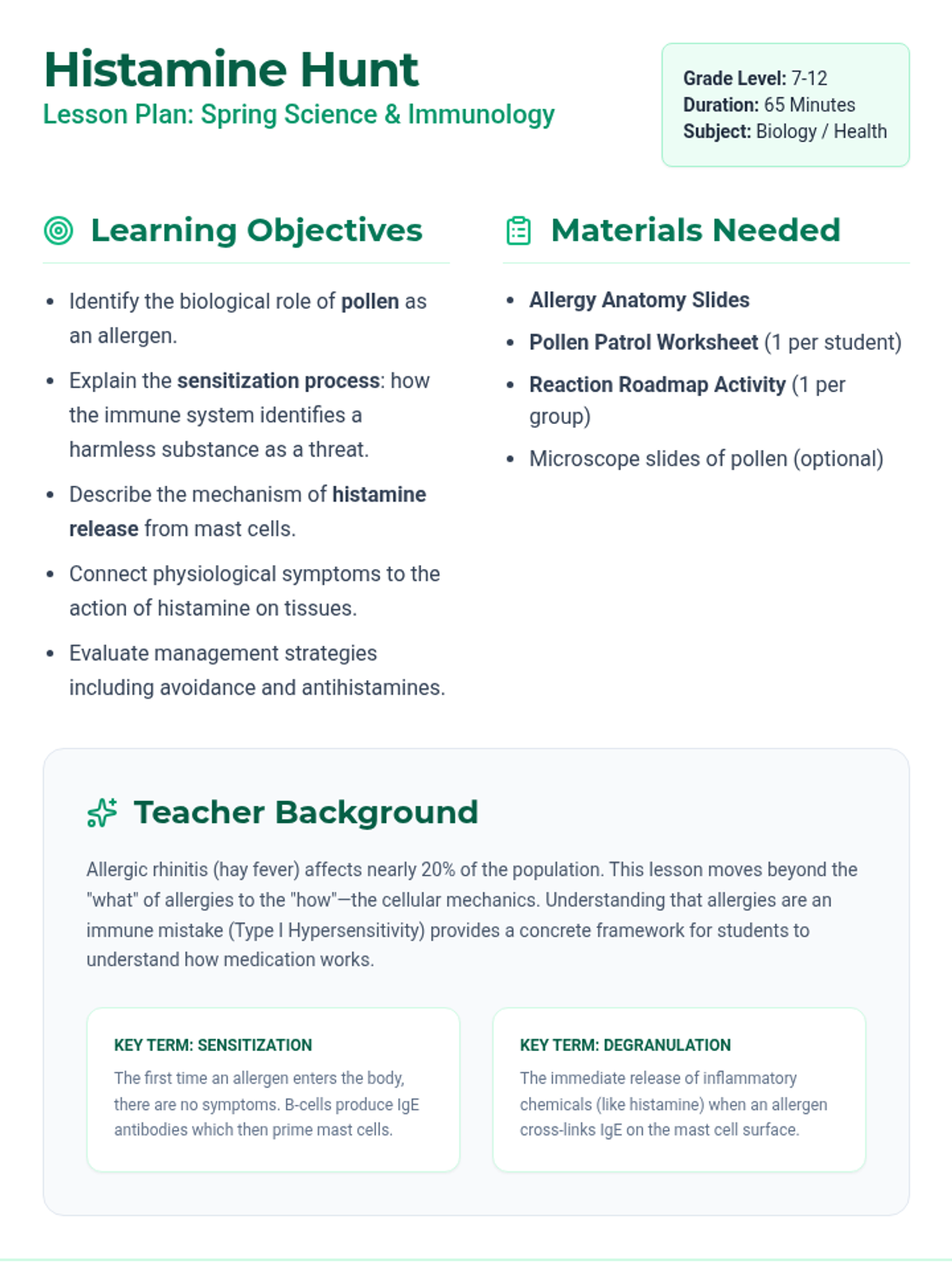
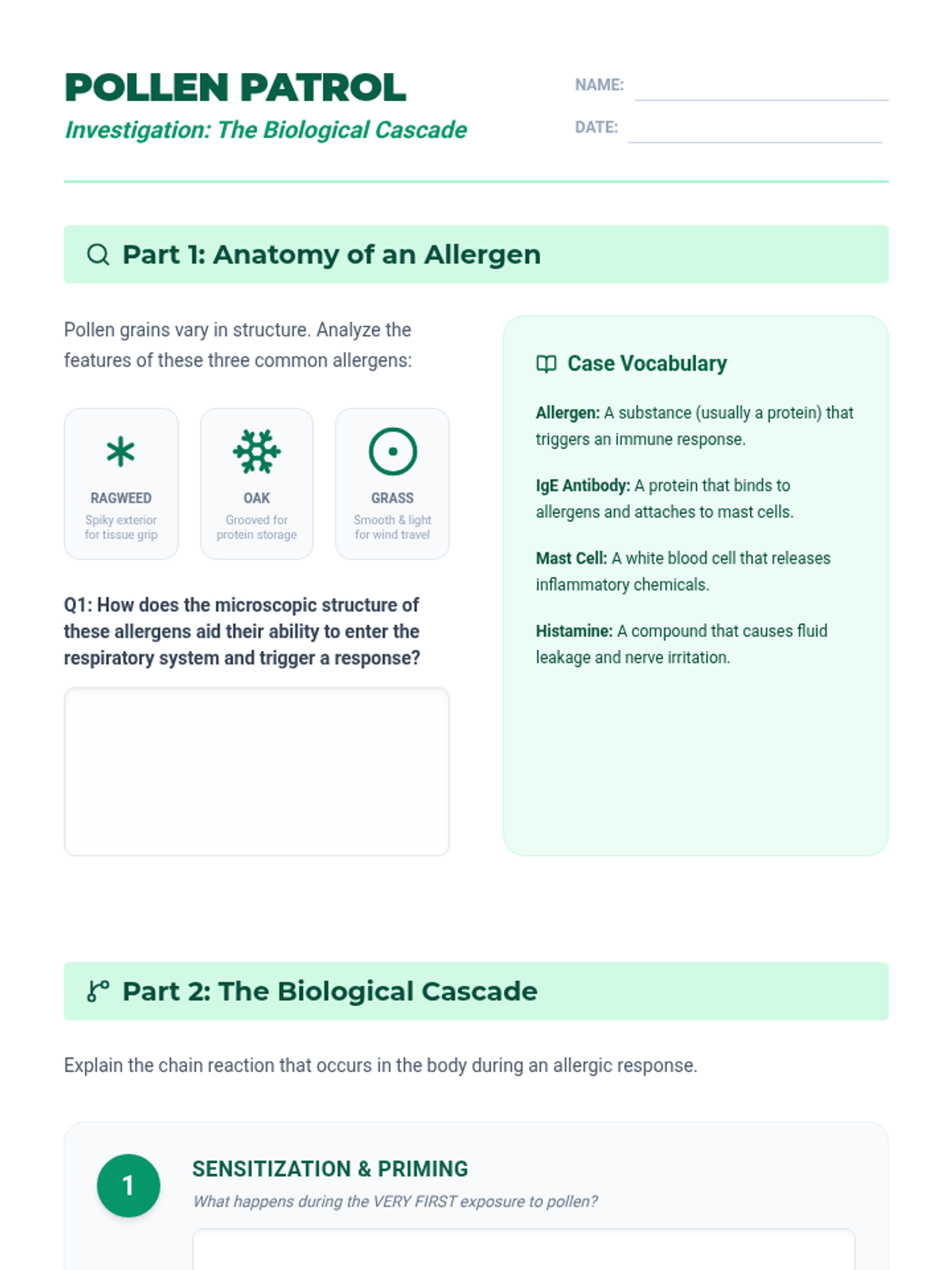
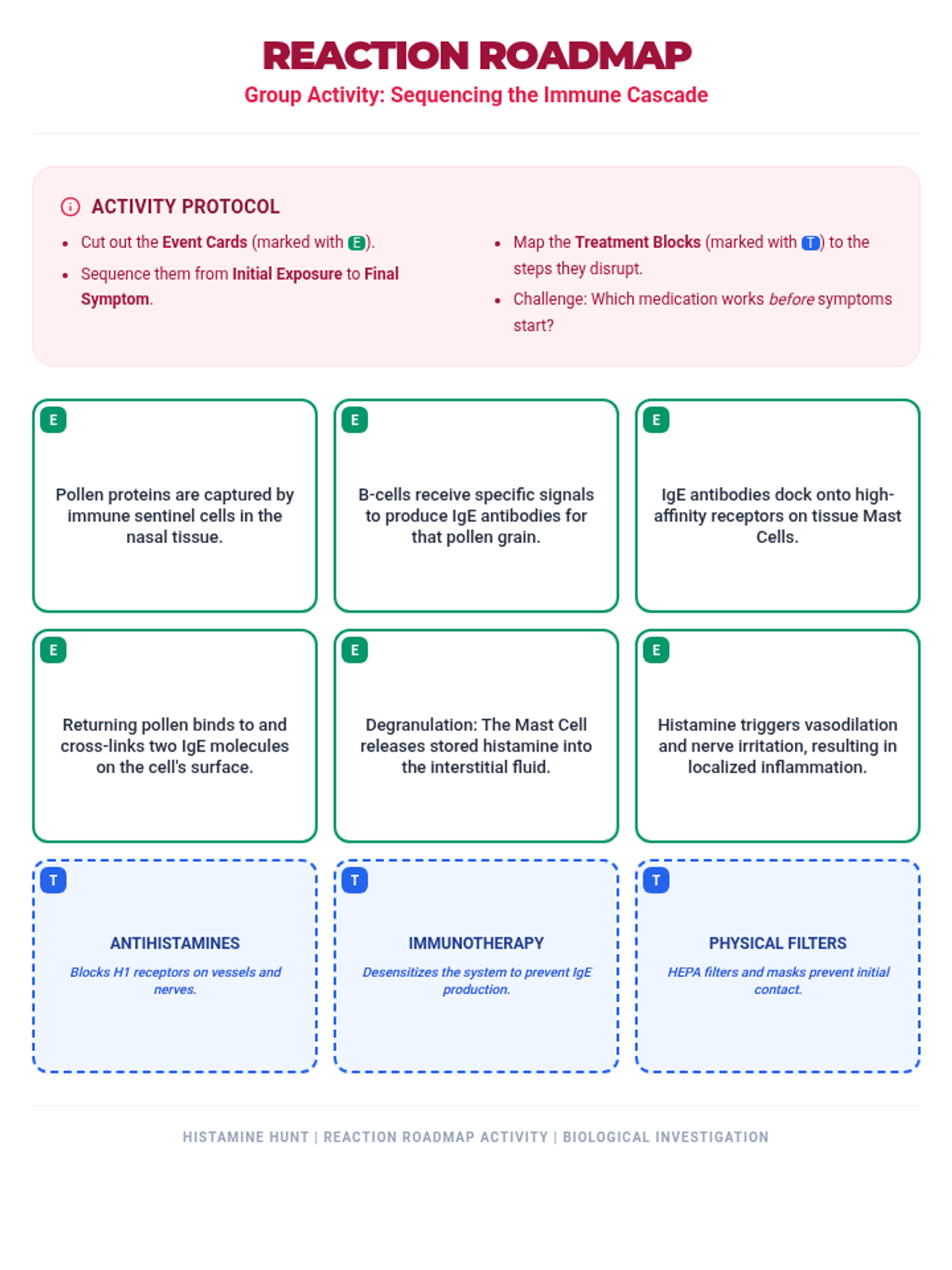
A comprehensive investigation into the biological mechanisms of seasonal allergies, focusing on the immune system's overreaction to pollen and the role of histamine. Students will explore hypersensitivity, physical symptoms, and evidence-based management strategies.
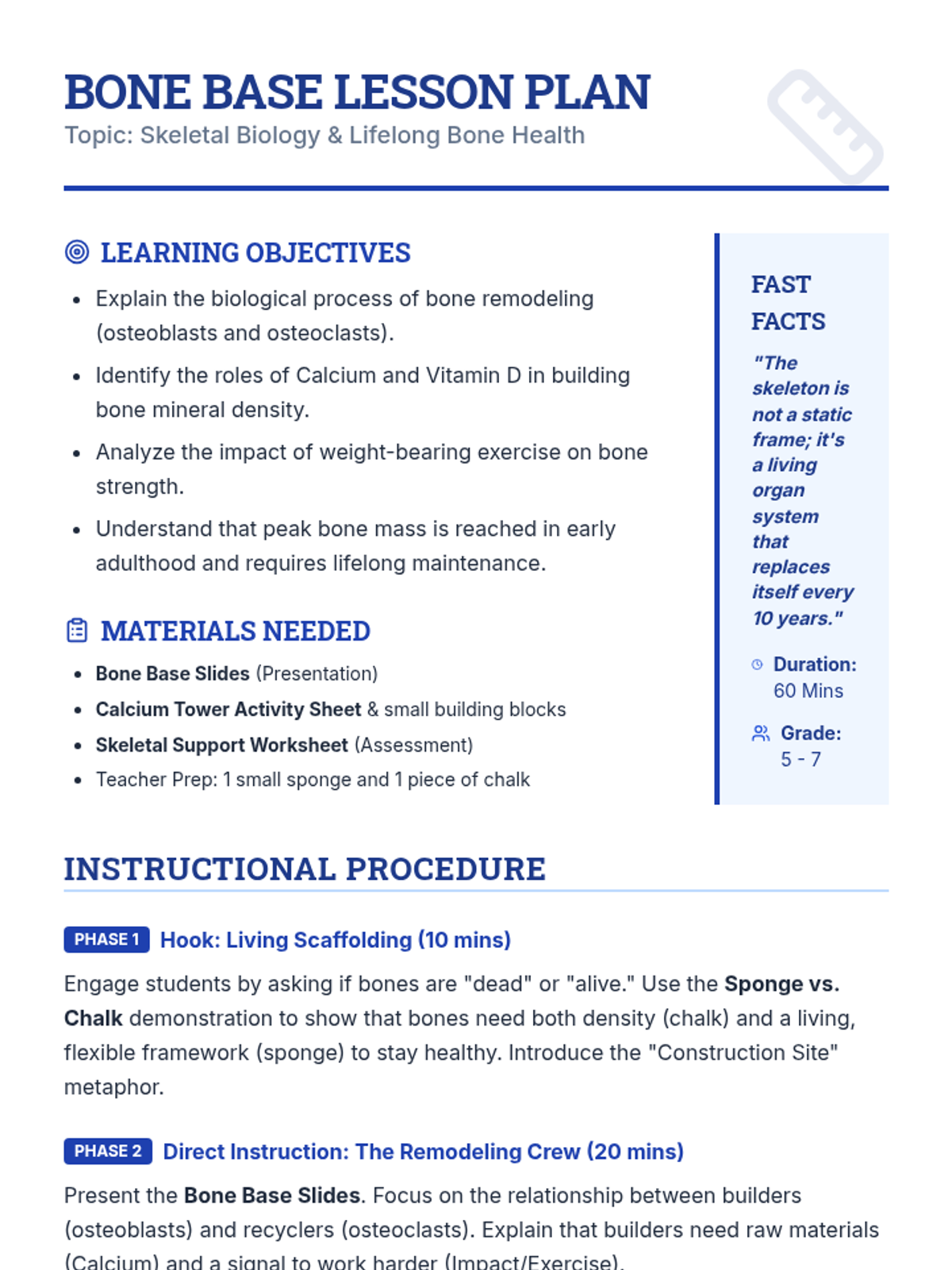
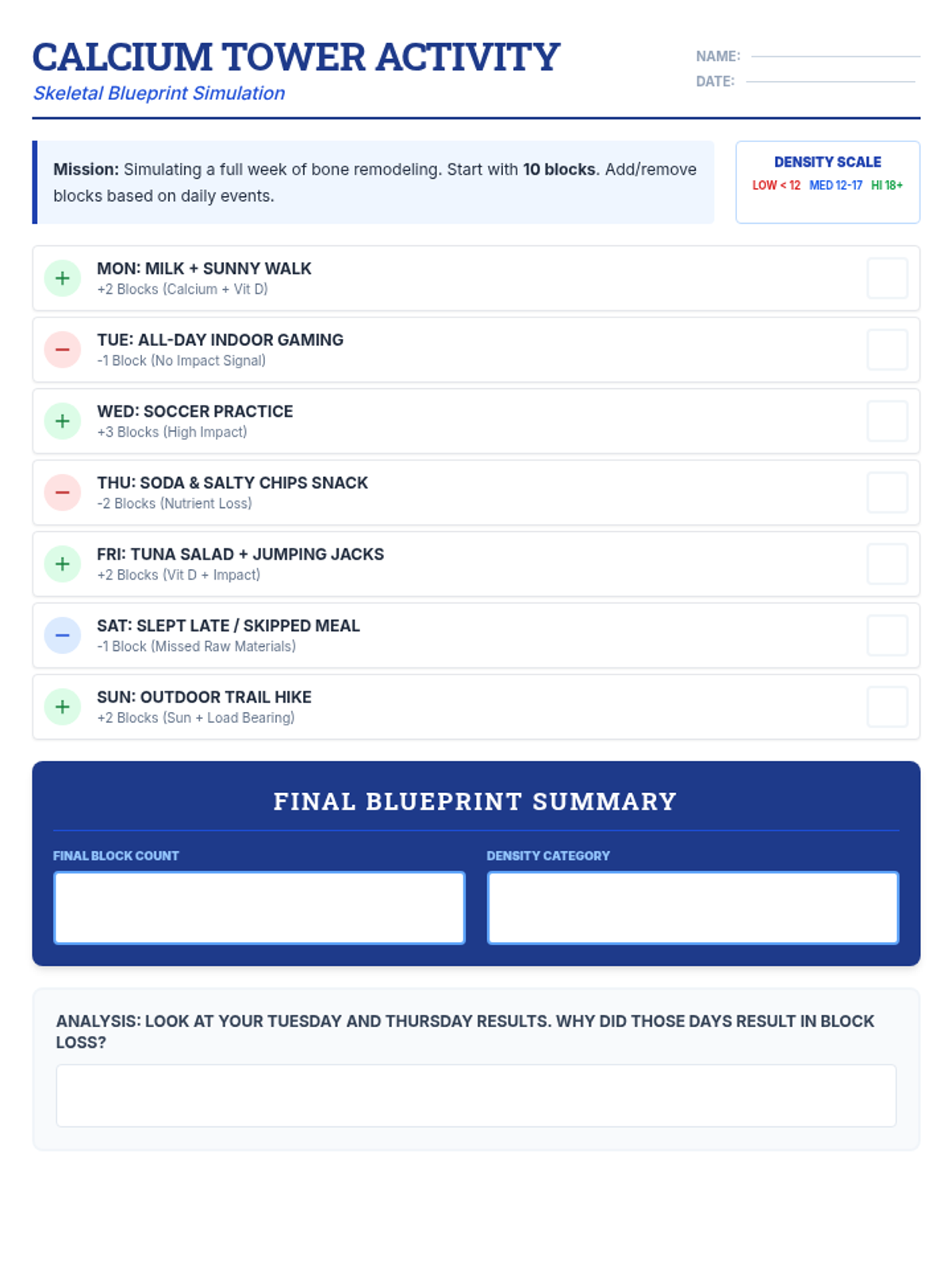
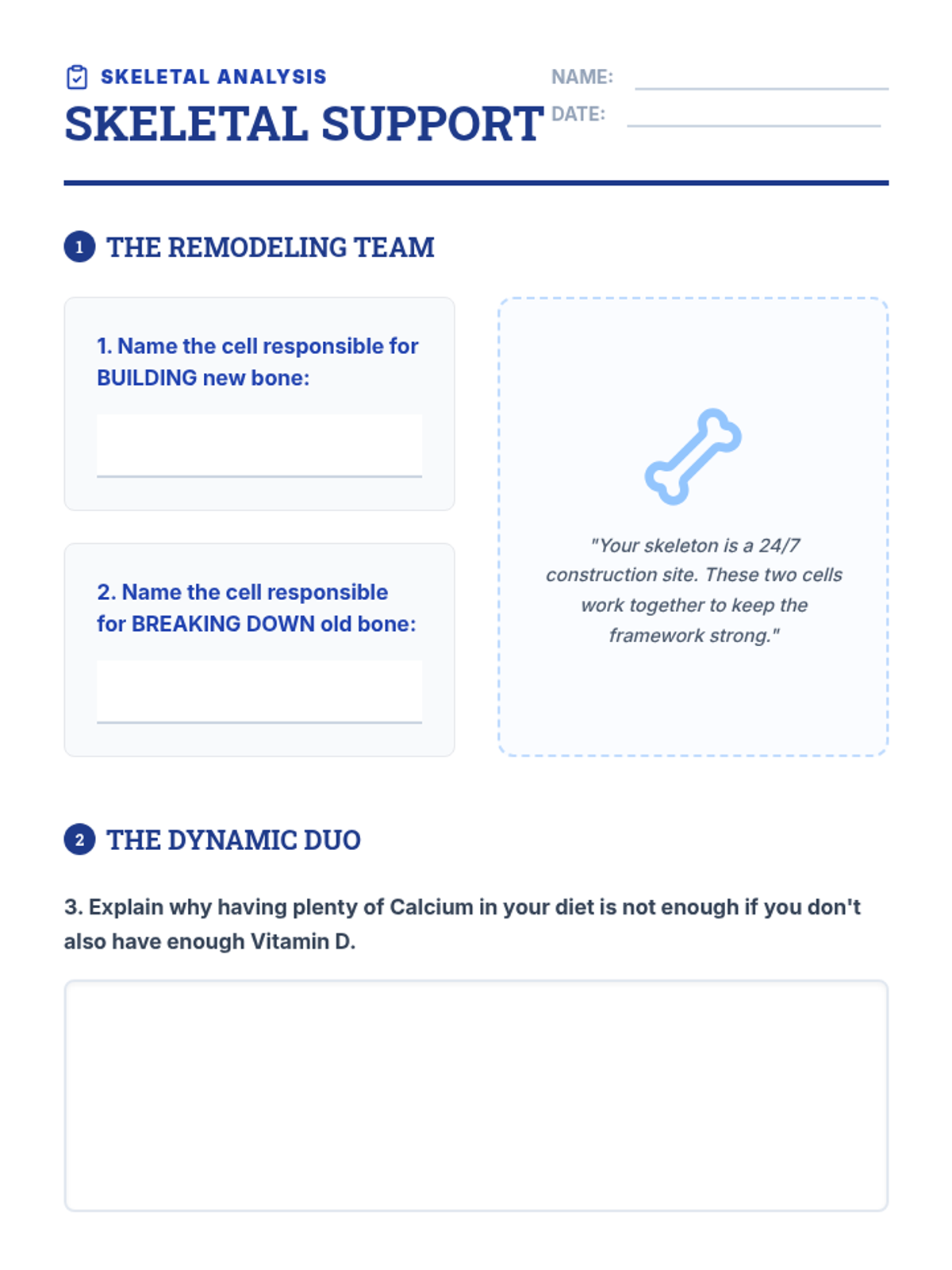
A biology and health lesson focused on bone growth, mineral density, and the lifelong habits required to build a strong skeletal foundation through nutrition and exercise.
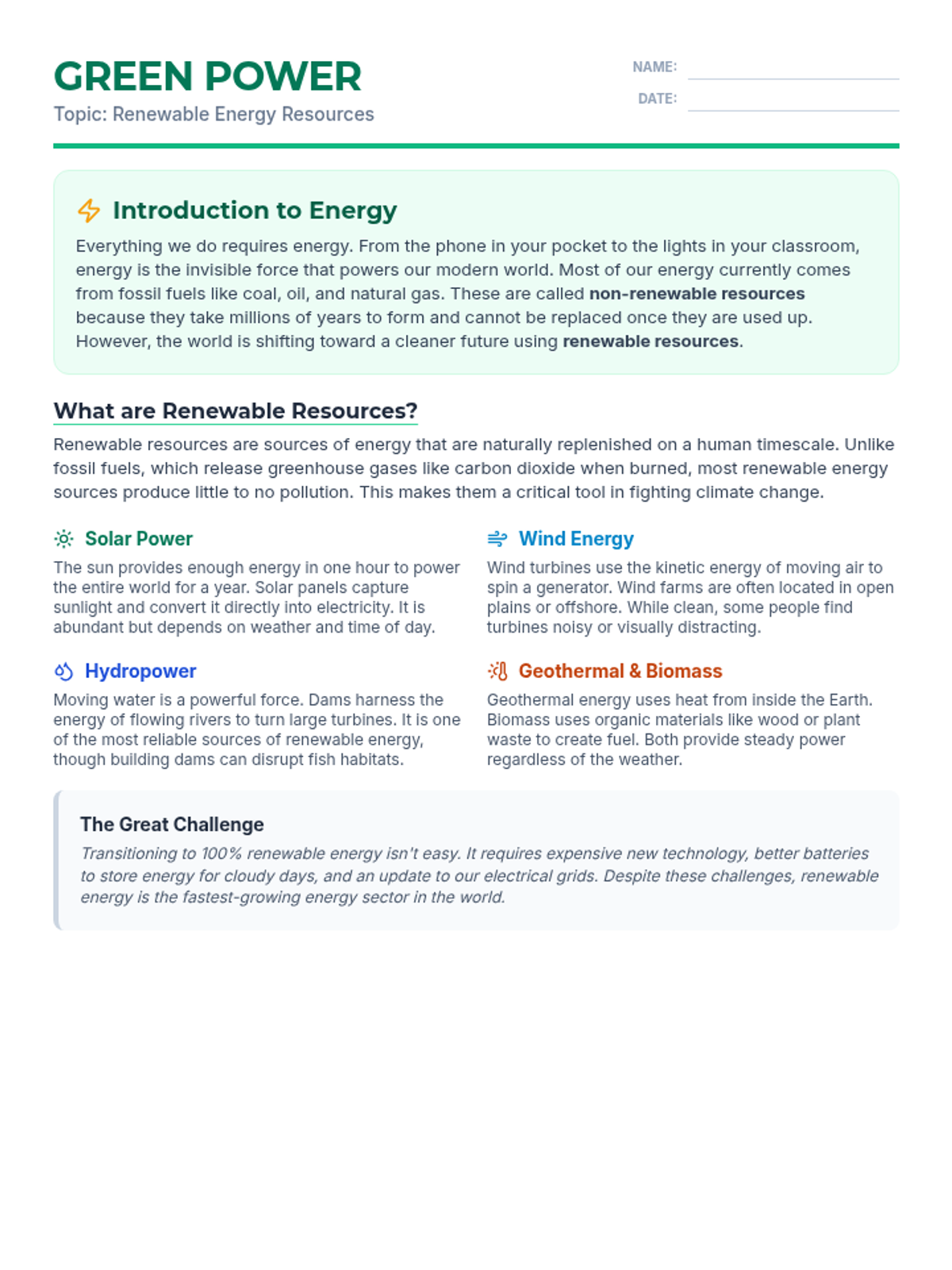
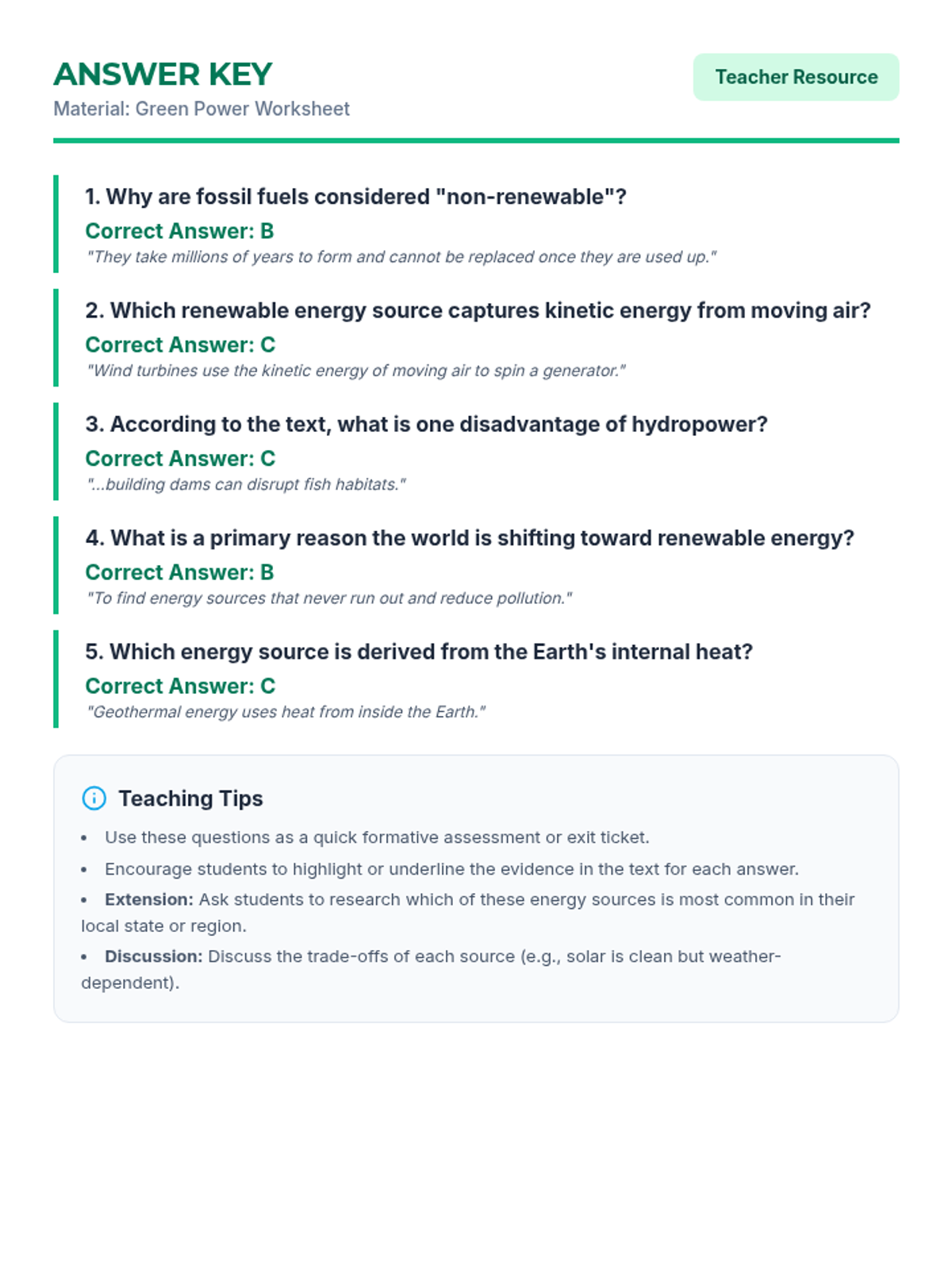
An introductory lesson on renewable and non-renewable energy resources, focusing on the science behind solar, wind, and hydroelectric power. Students will explore how these energy sources work and their impact on the environment.
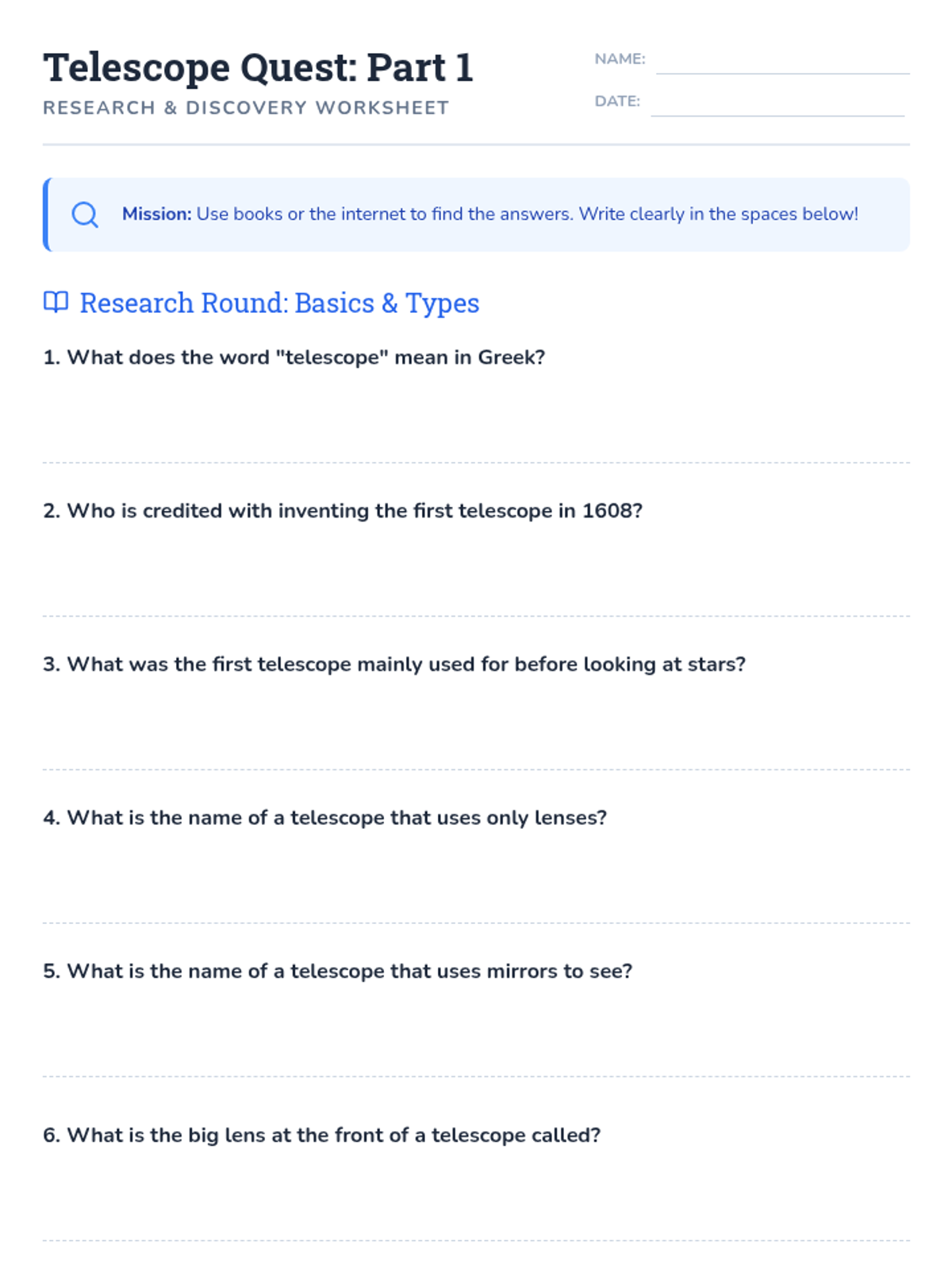
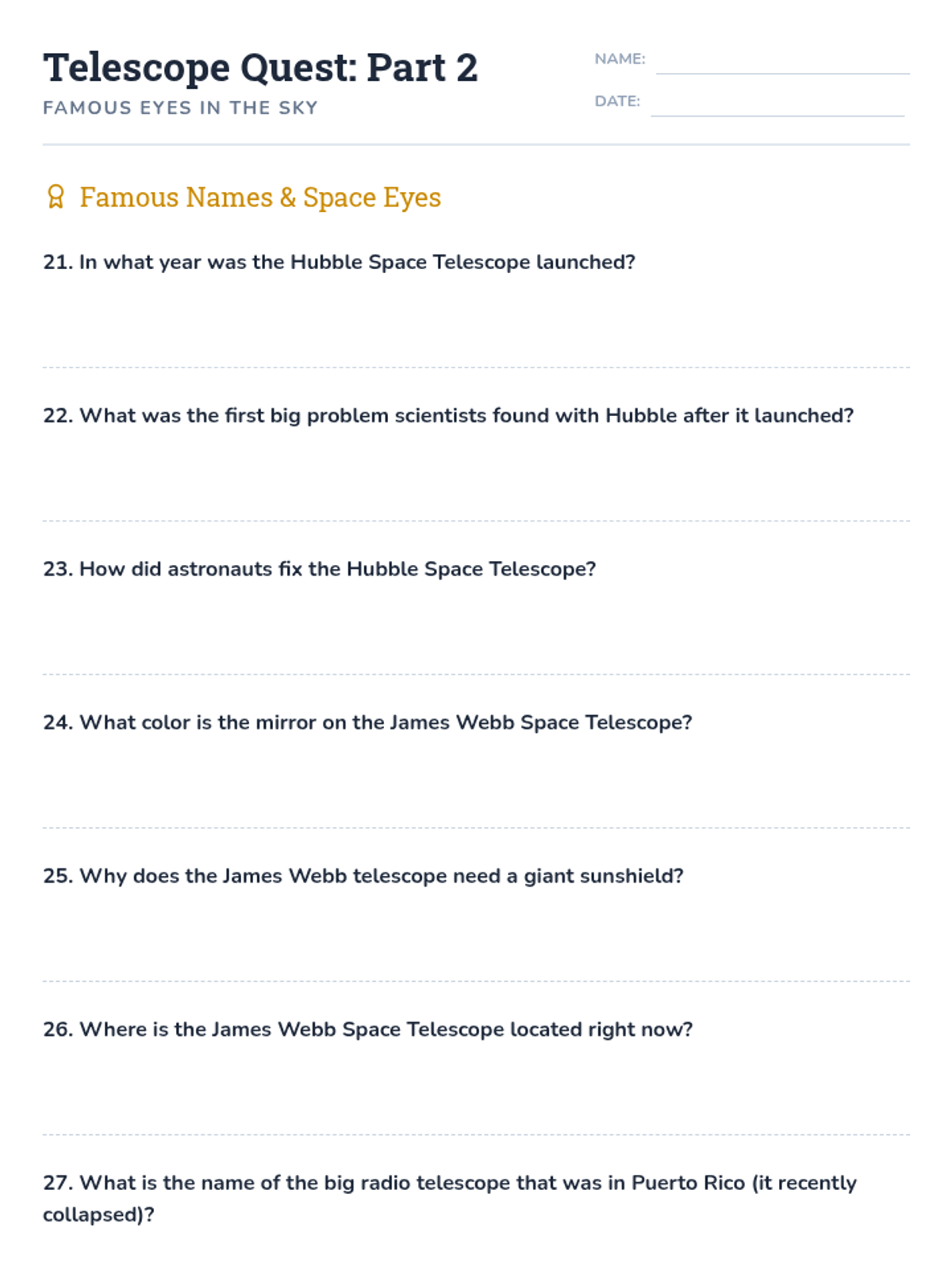
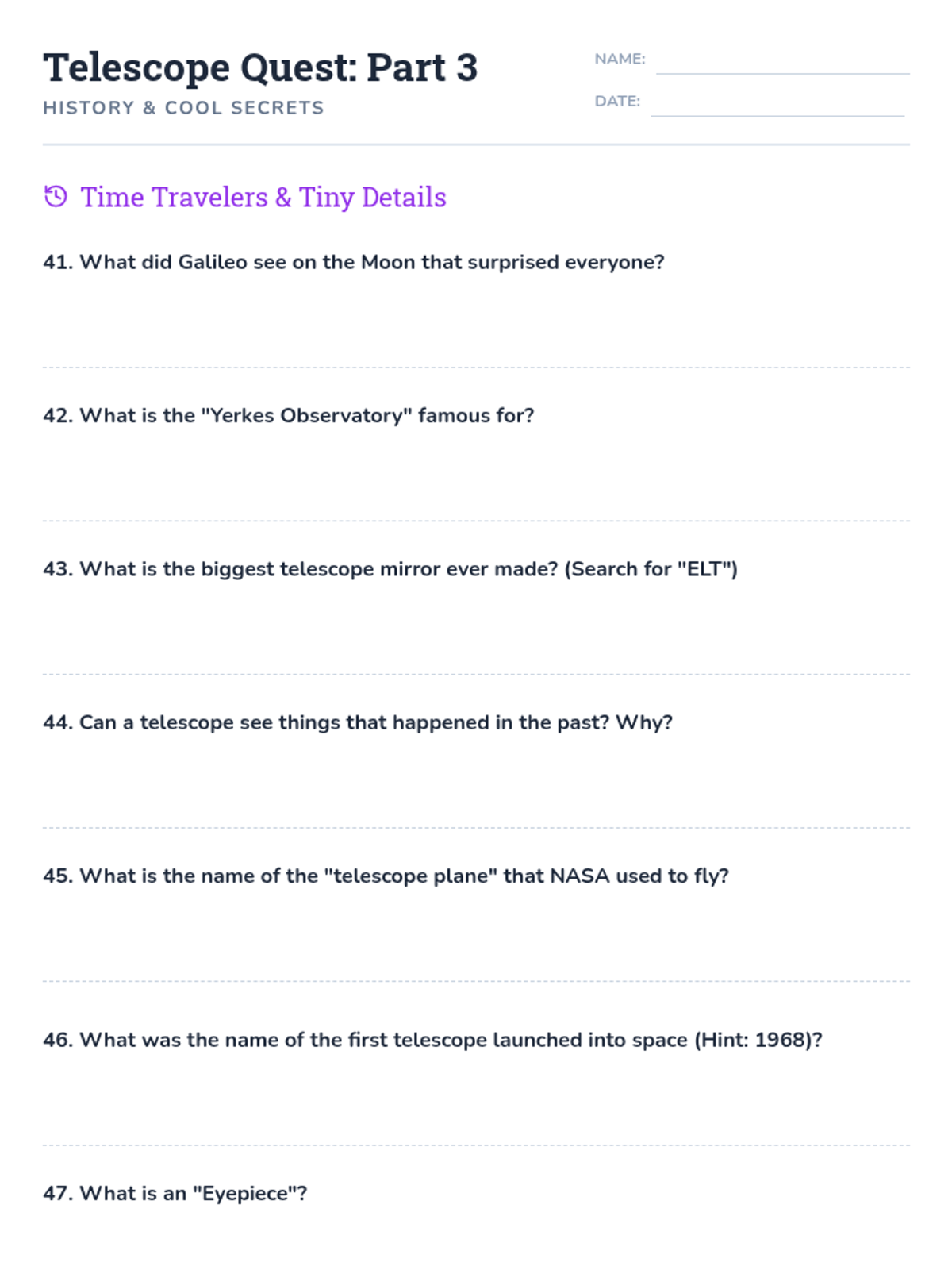
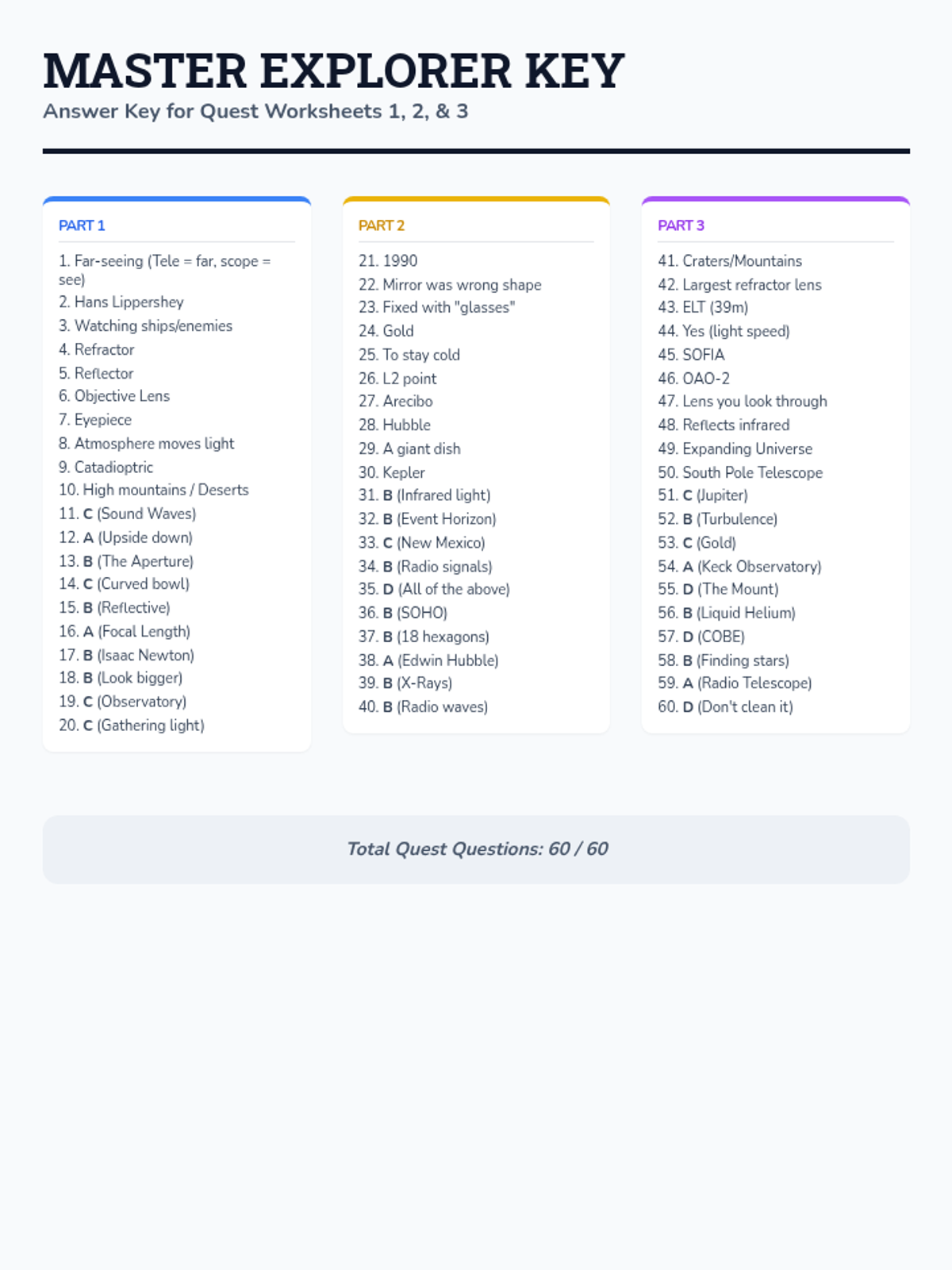
A comprehensive introduction to how telescopes work, their history, and the famous ones that help us see deep into space. Students will explore different types of telescopes through a massive research quest.
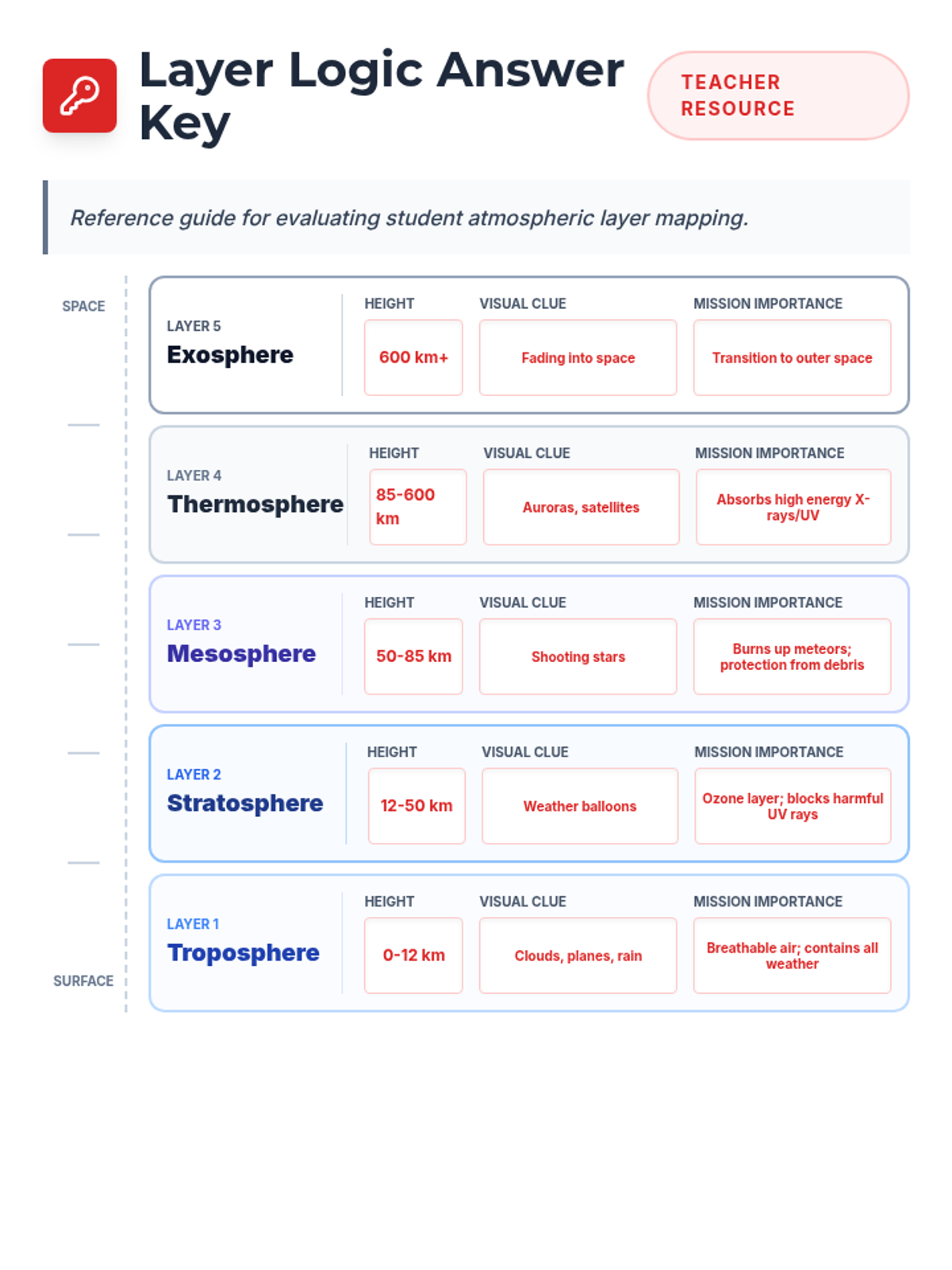
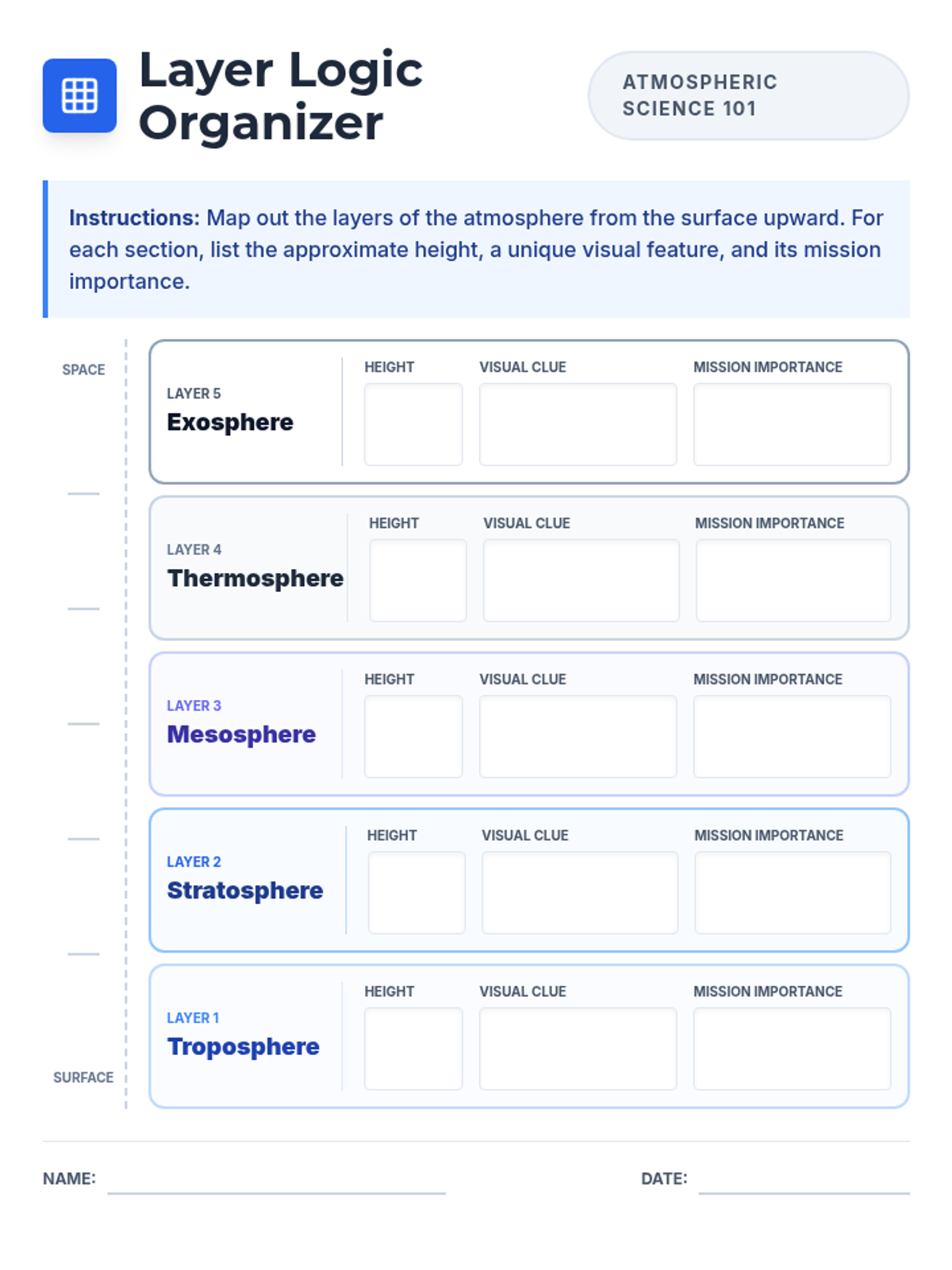
A comprehensive review of Earth's atmospheric layers, the crucial role of the ozone layer, and the chemical impact of CFCs on our planetary shield.
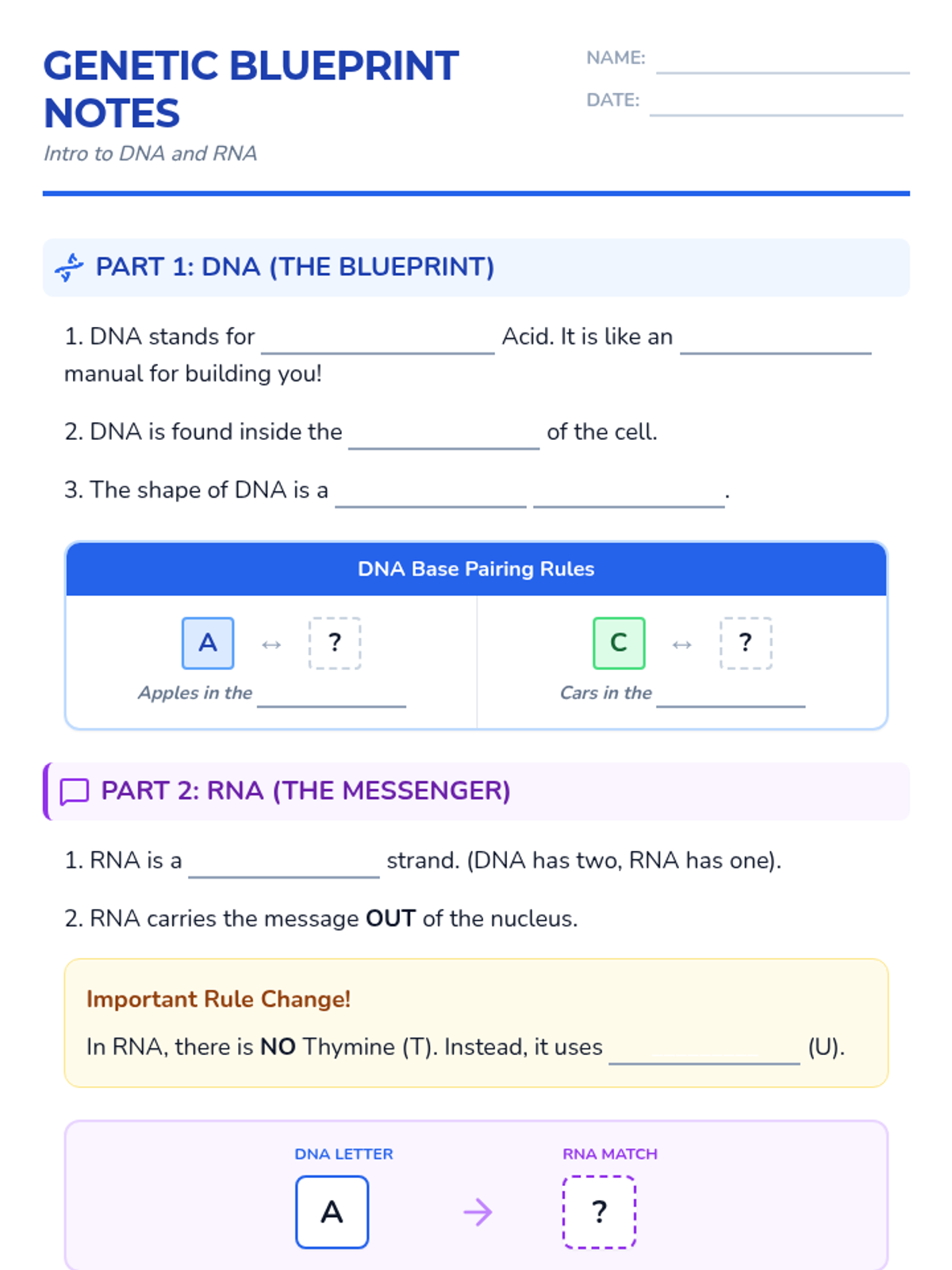
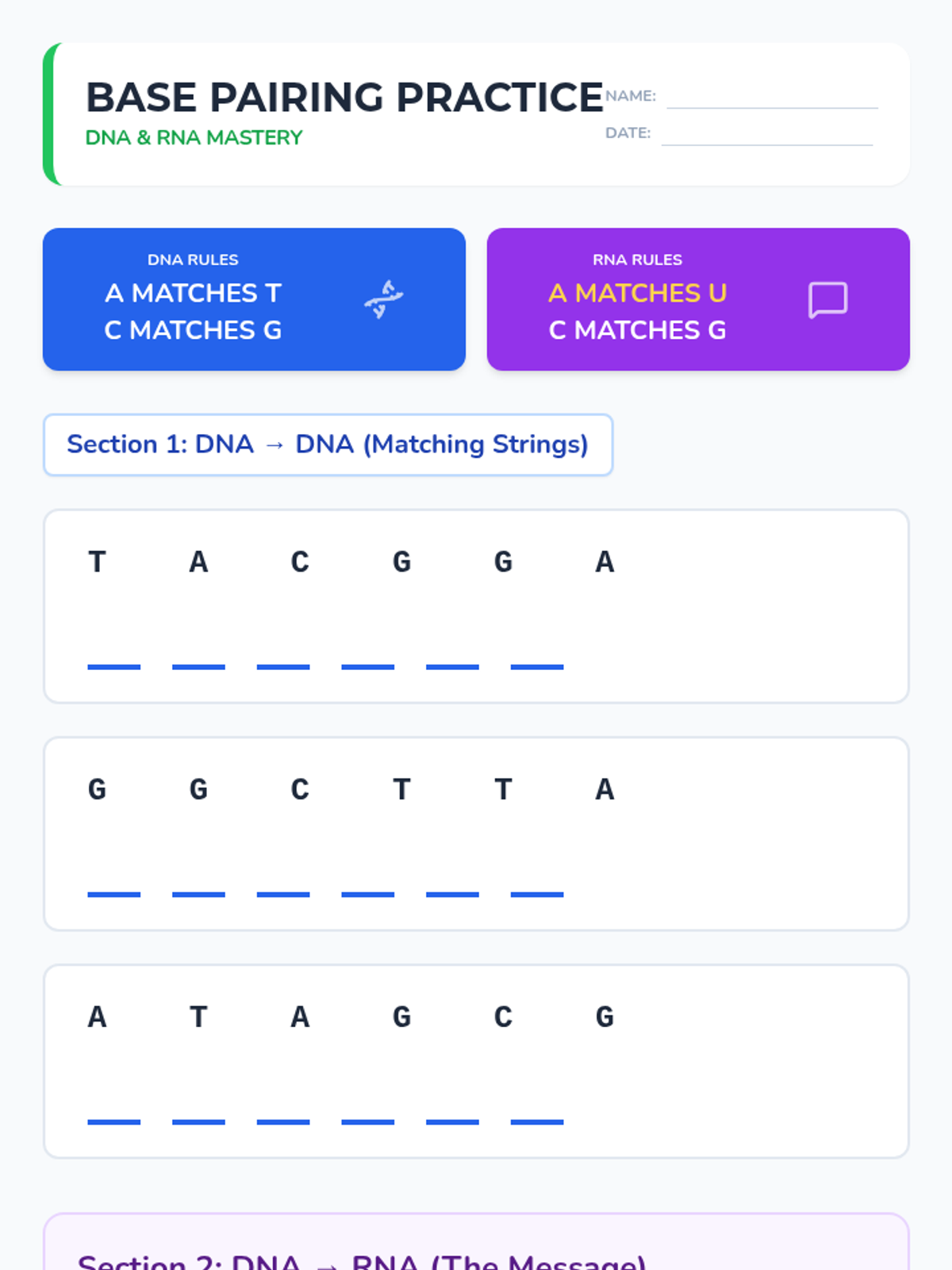
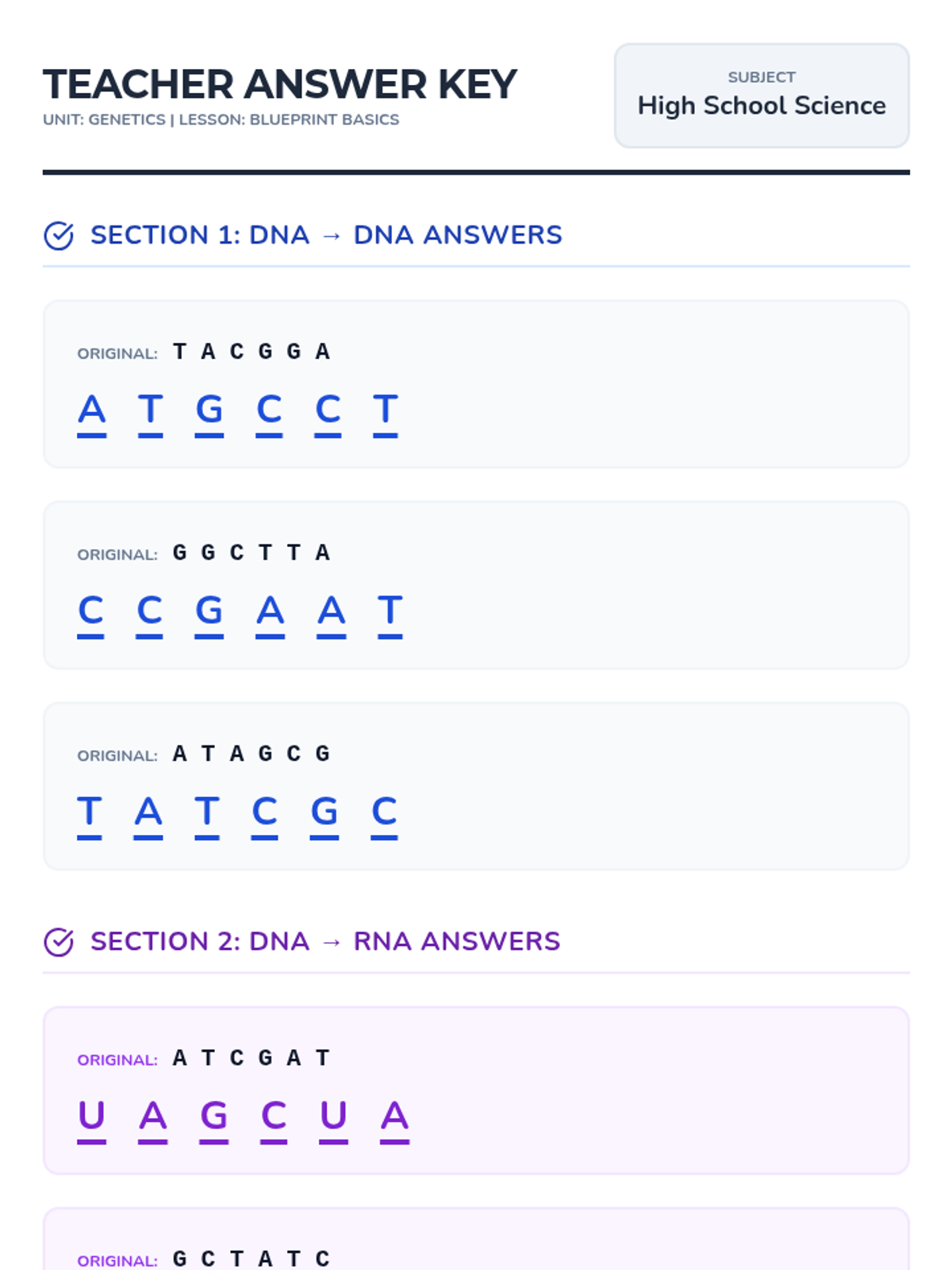
A foundational introduction to the structures of DNA and RNA, focusing on identifying components and mastering the base-pairing rules essential for genetics.
A comprehensive introduction to the fundamentals of one-dimensional kinematics, covering position, displacement, speed, and velocity through various representational models.
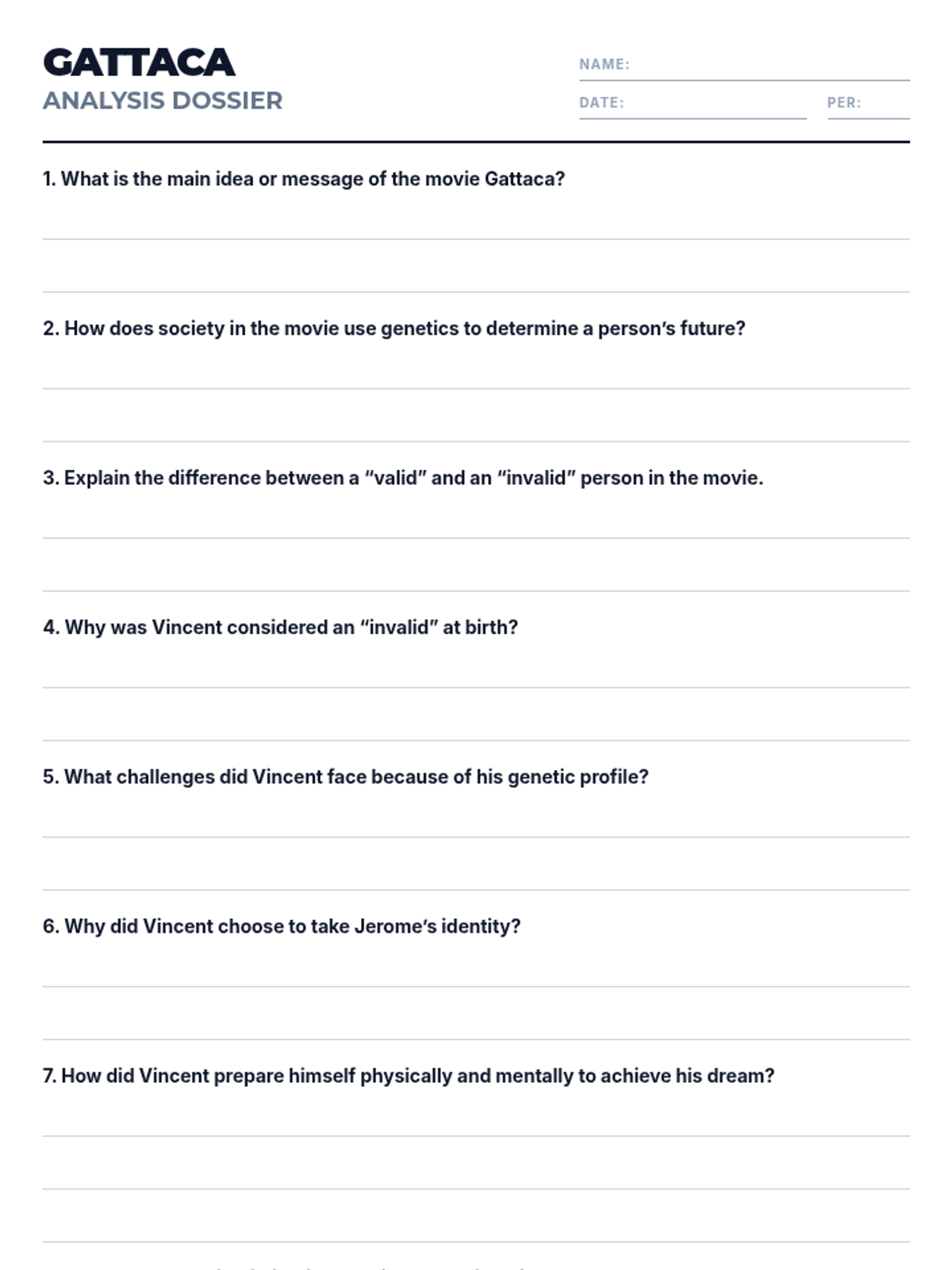
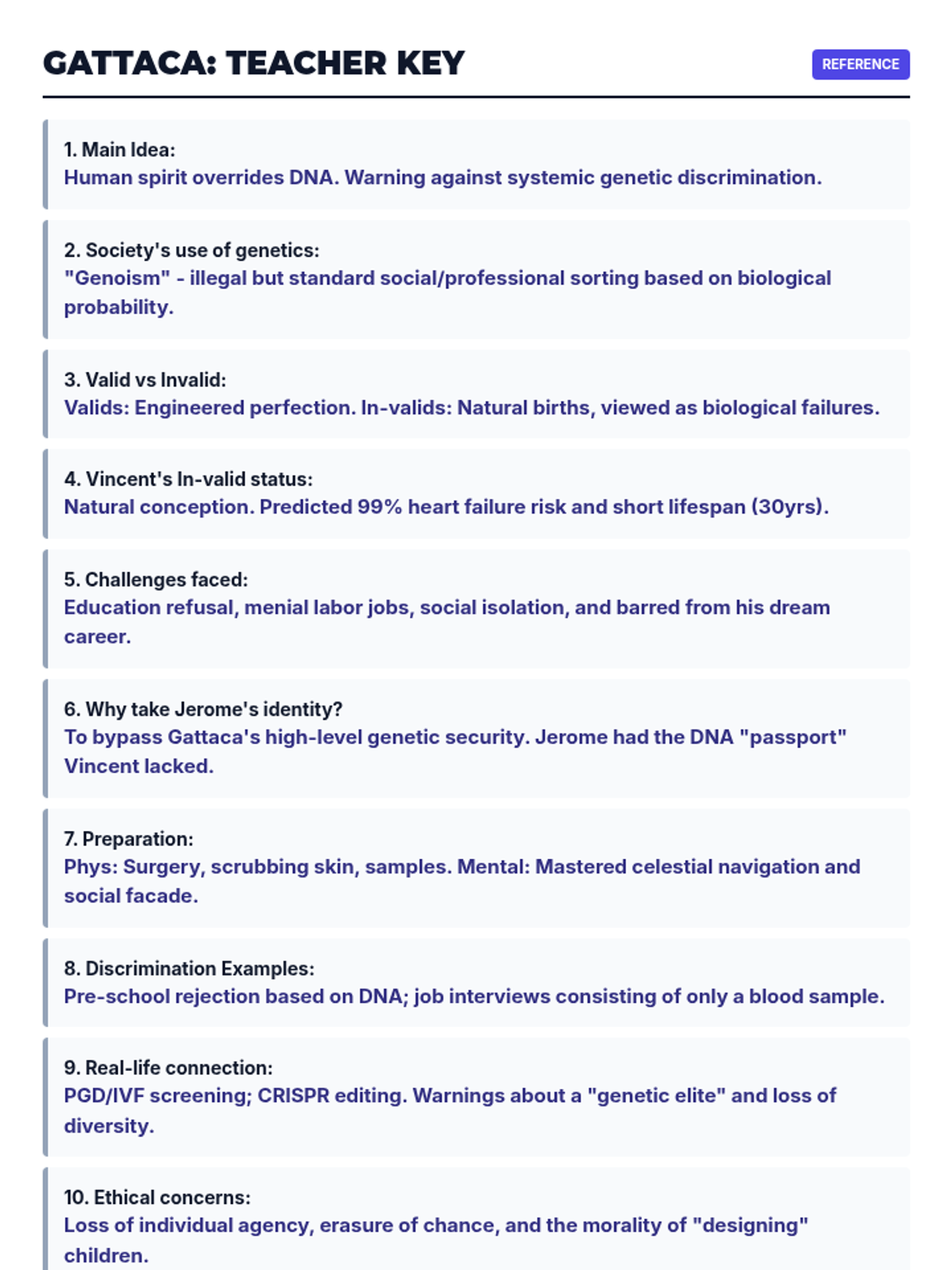
A comprehensive analysis of the ethical, social, and scientific themes in the film GATTACA, focusing on biotechnology and genetic discrimination.
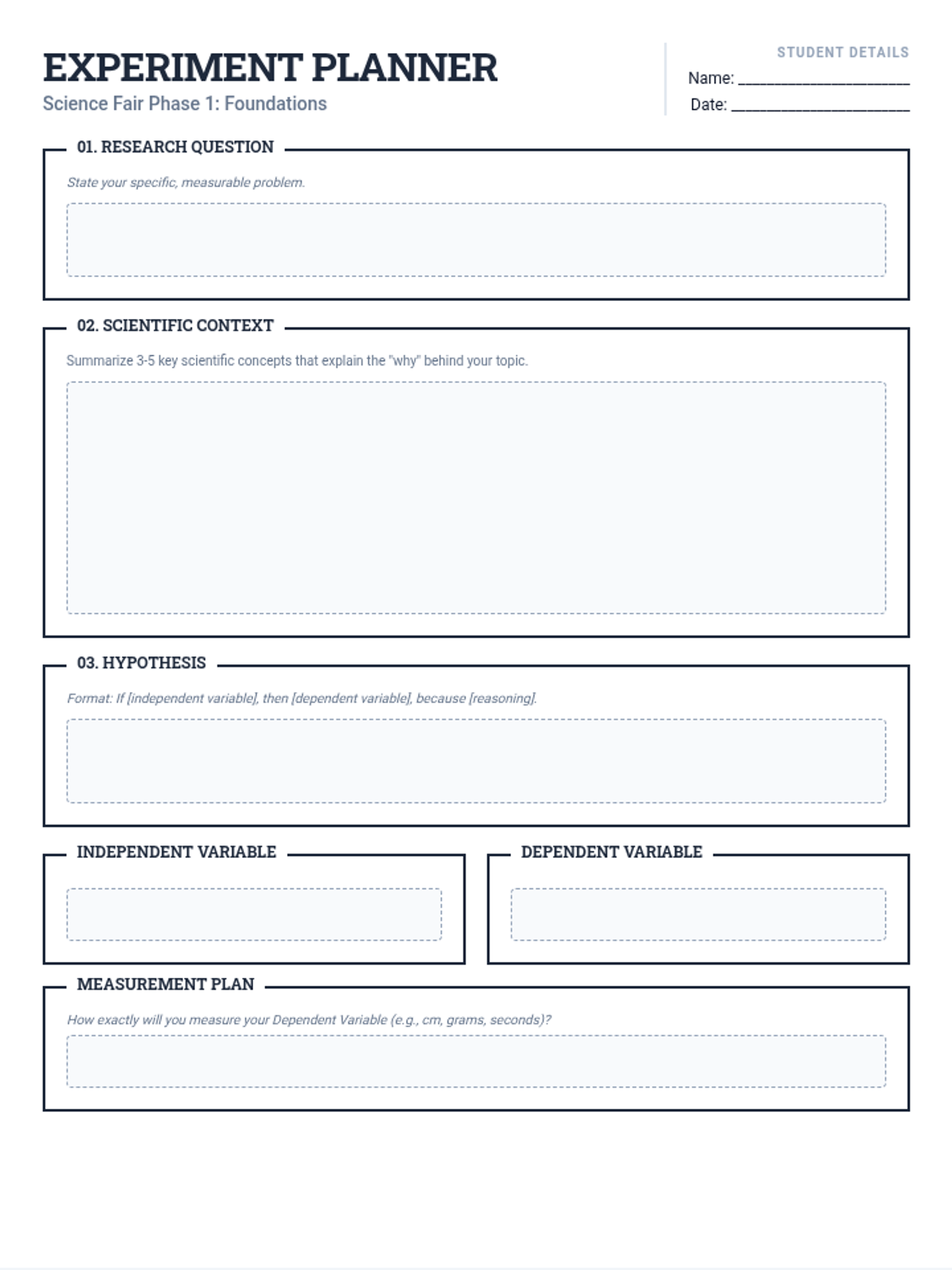
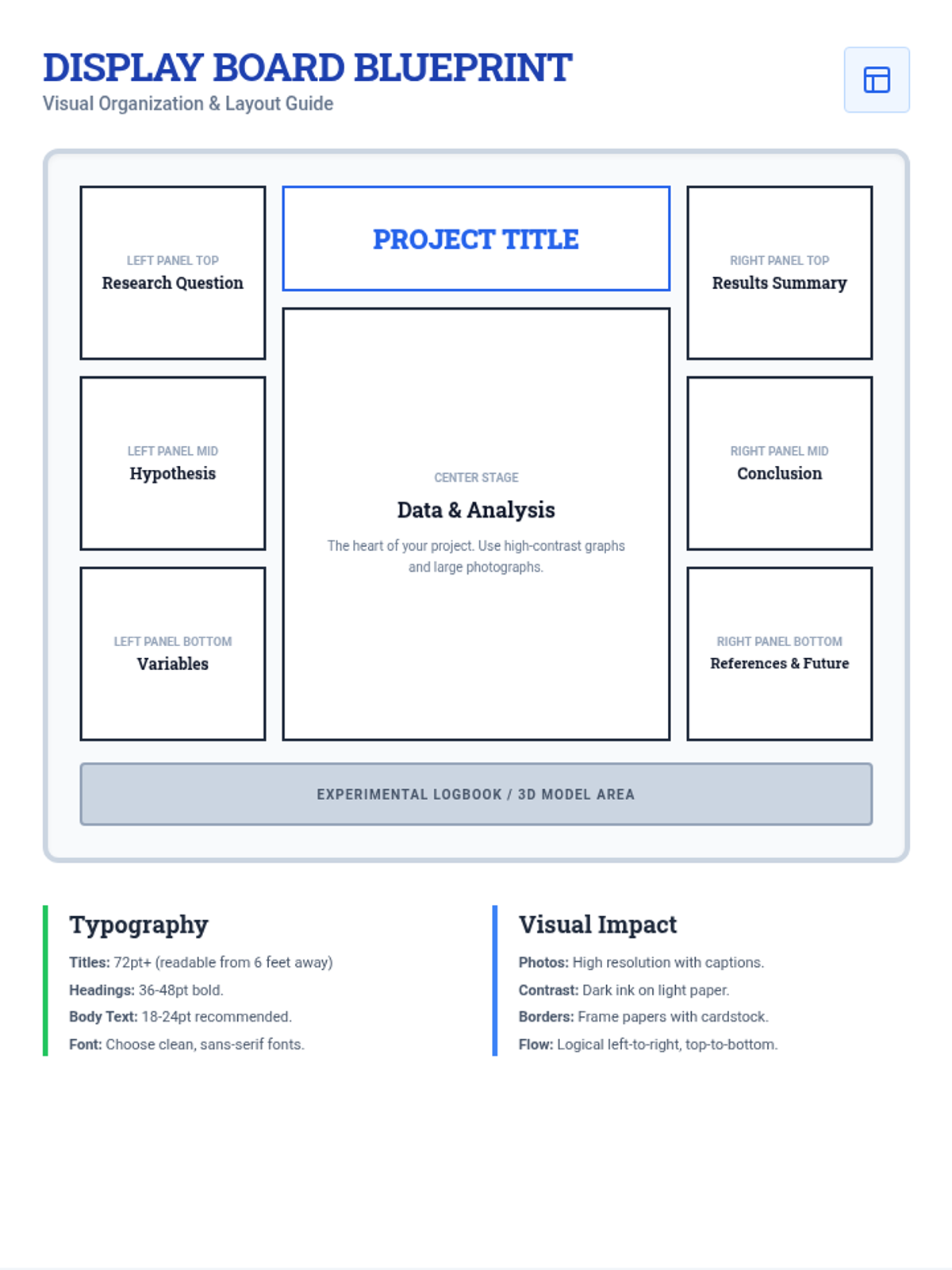
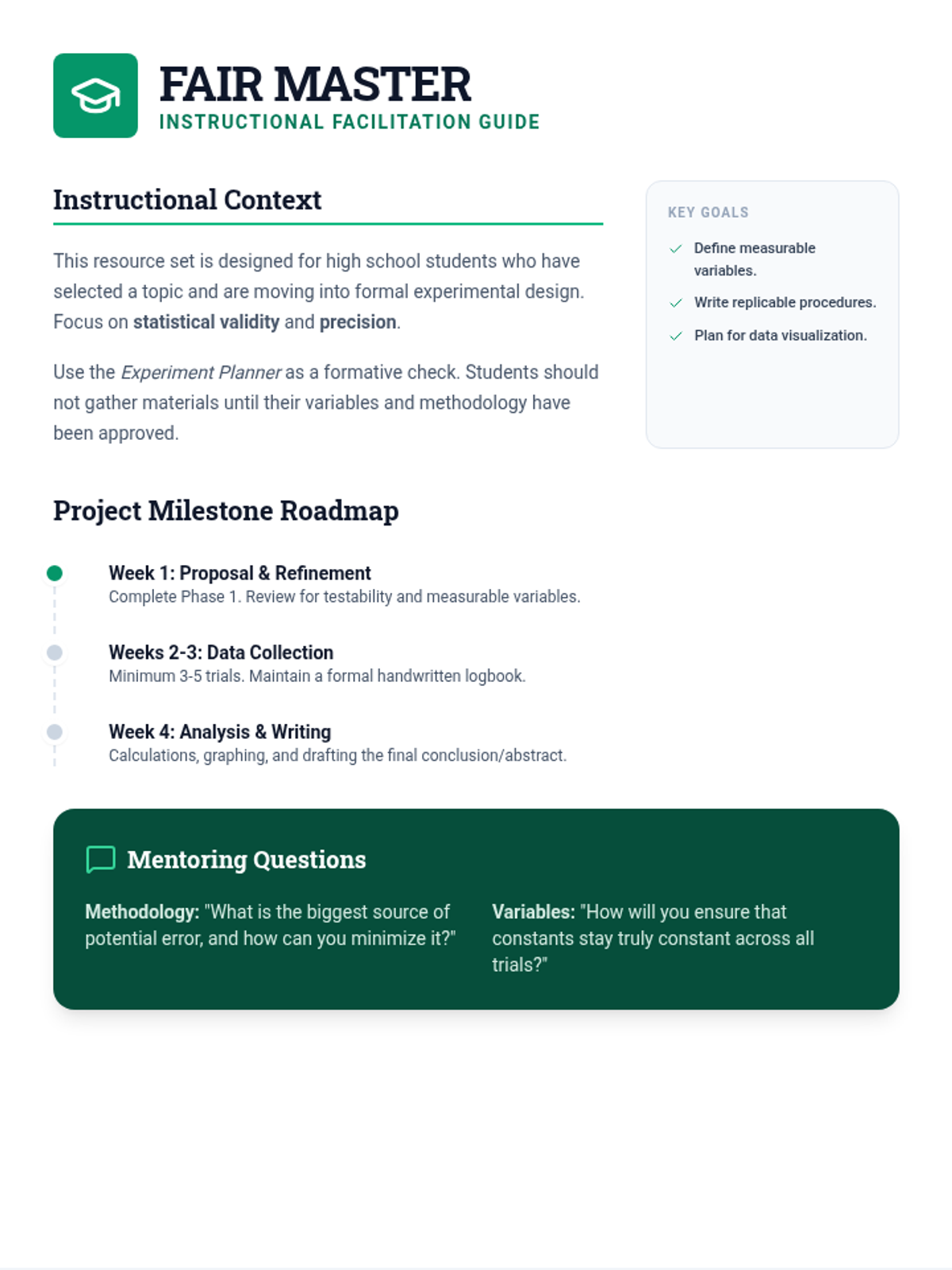
A comprehensive set of organizers and guides designed to help high school students move from a science fair topic to a fully realized experimental design and display board.
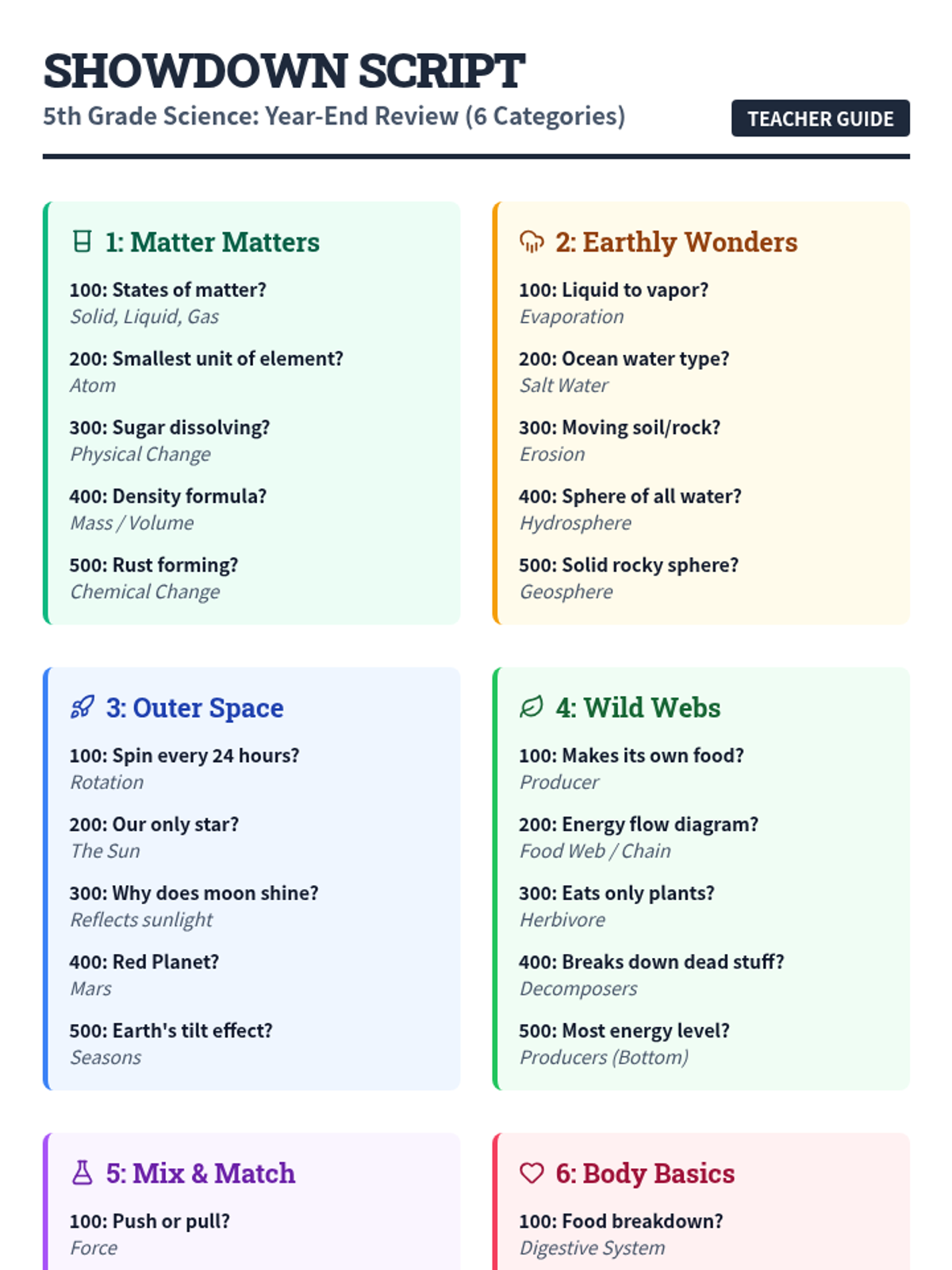
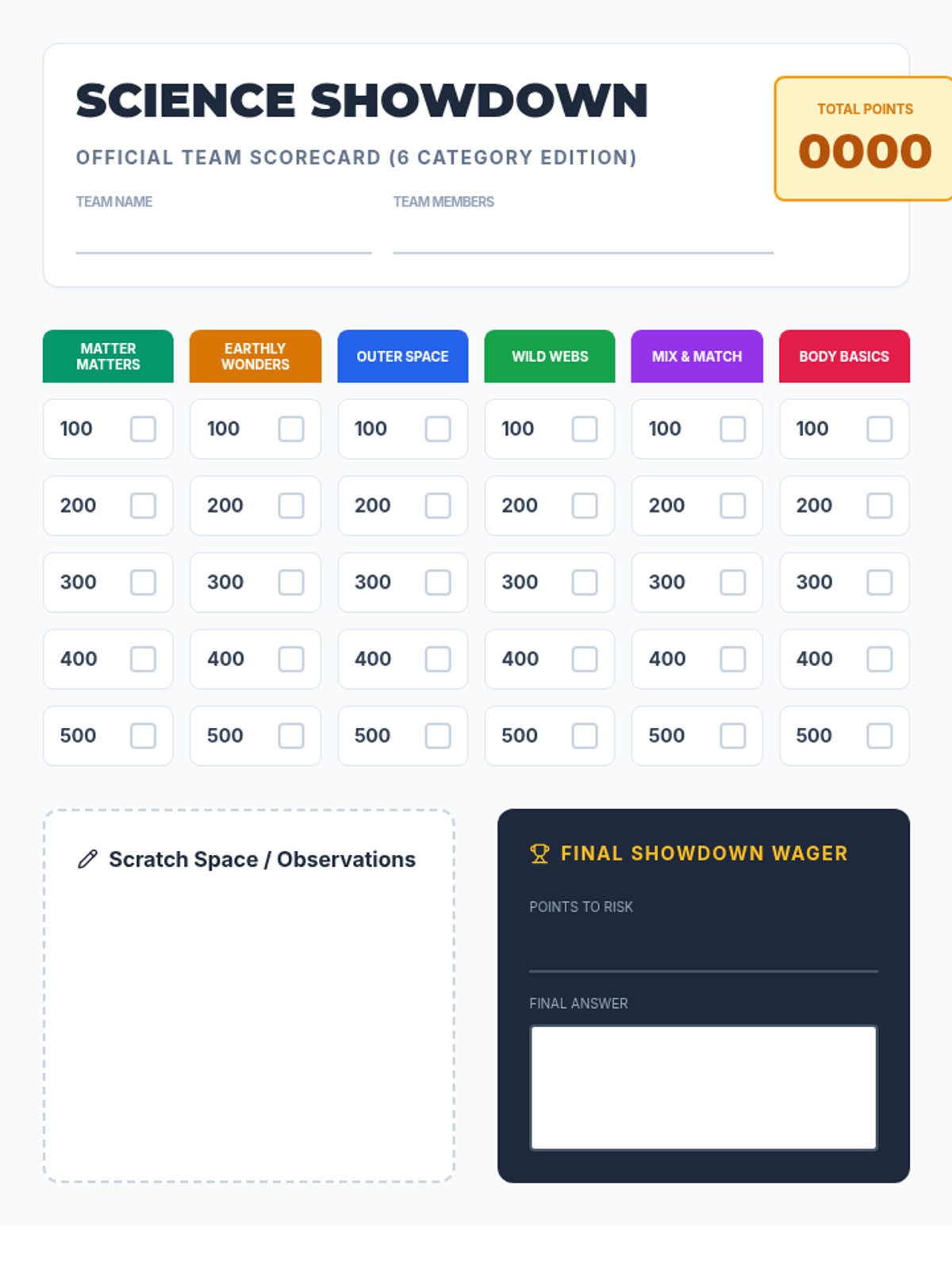
A comprehensive year-end science review for 5th grade designed as a high-energy Jeopardy-style game. This lesson covers matter, Earth systems, space, ecosystems, and scientific inquiry to prepare students for end-of-year assessments.
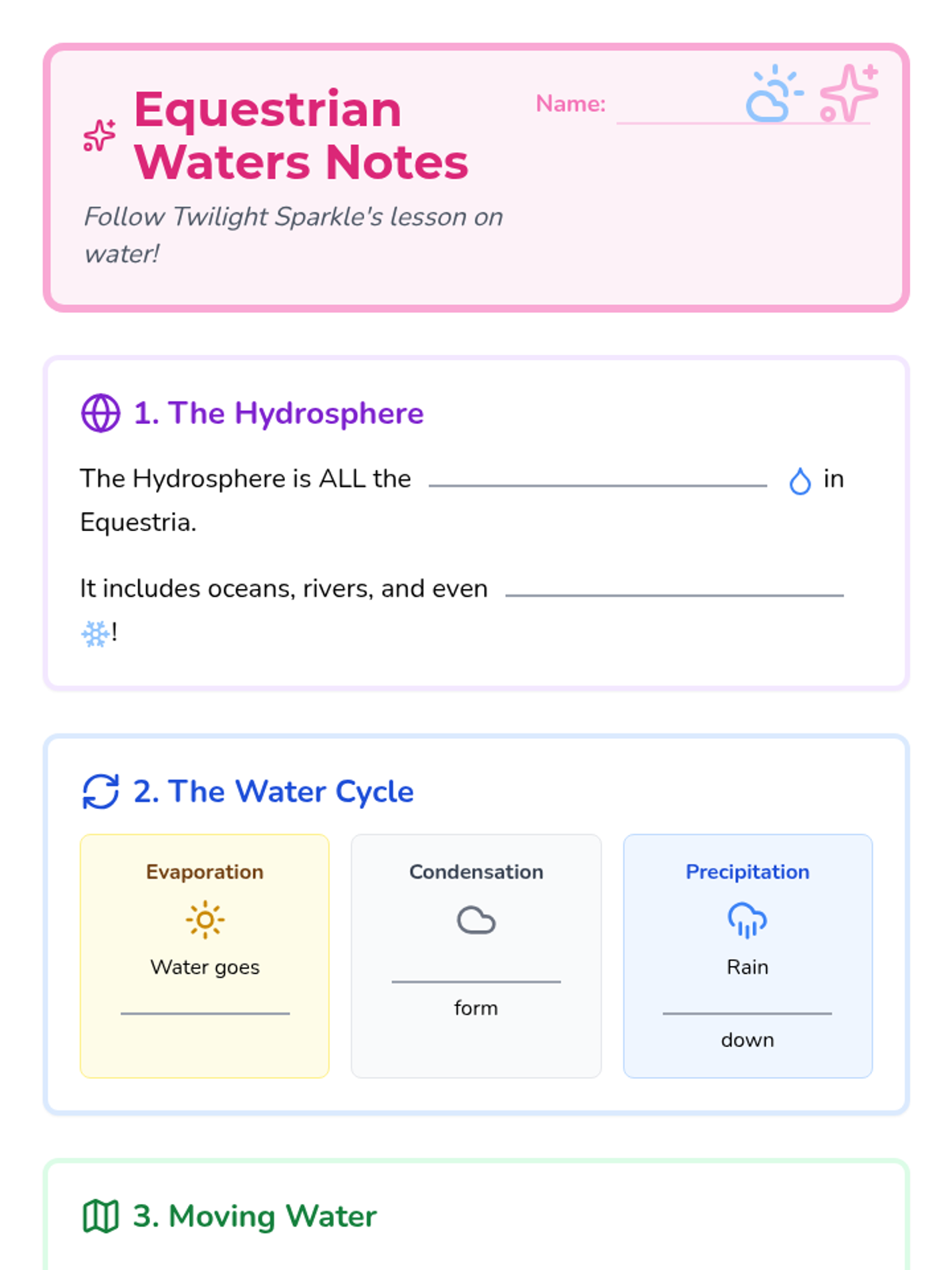
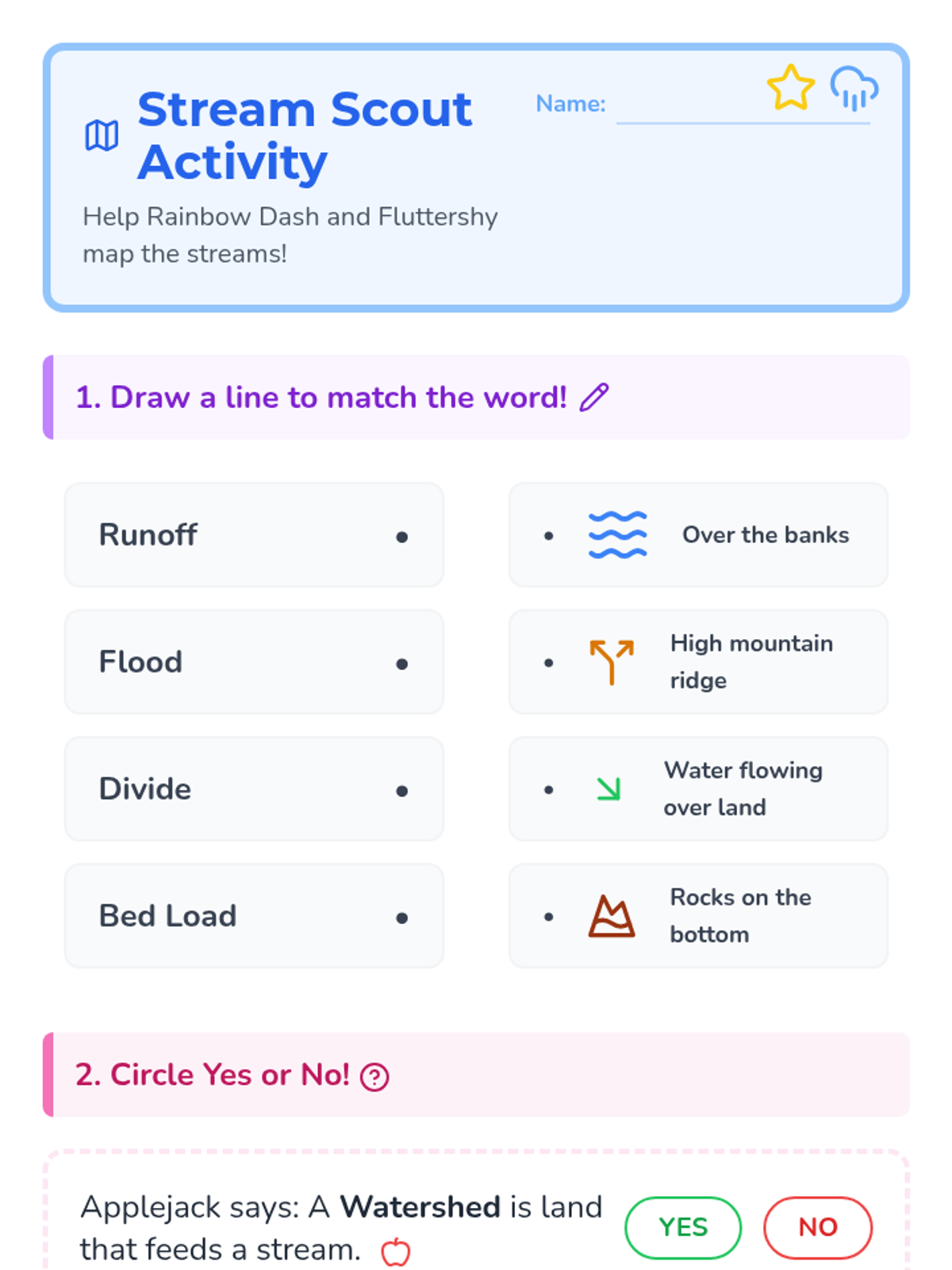
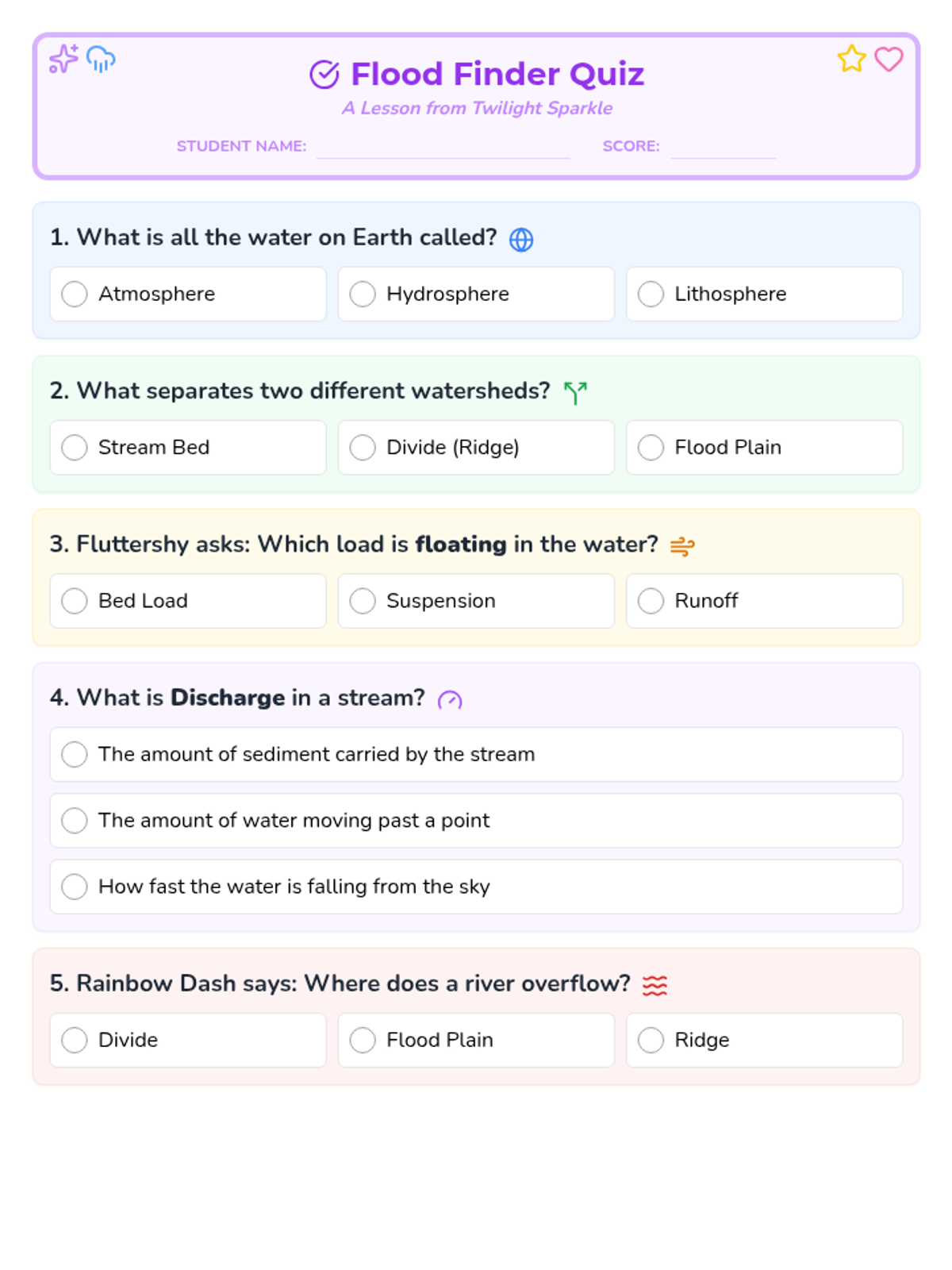
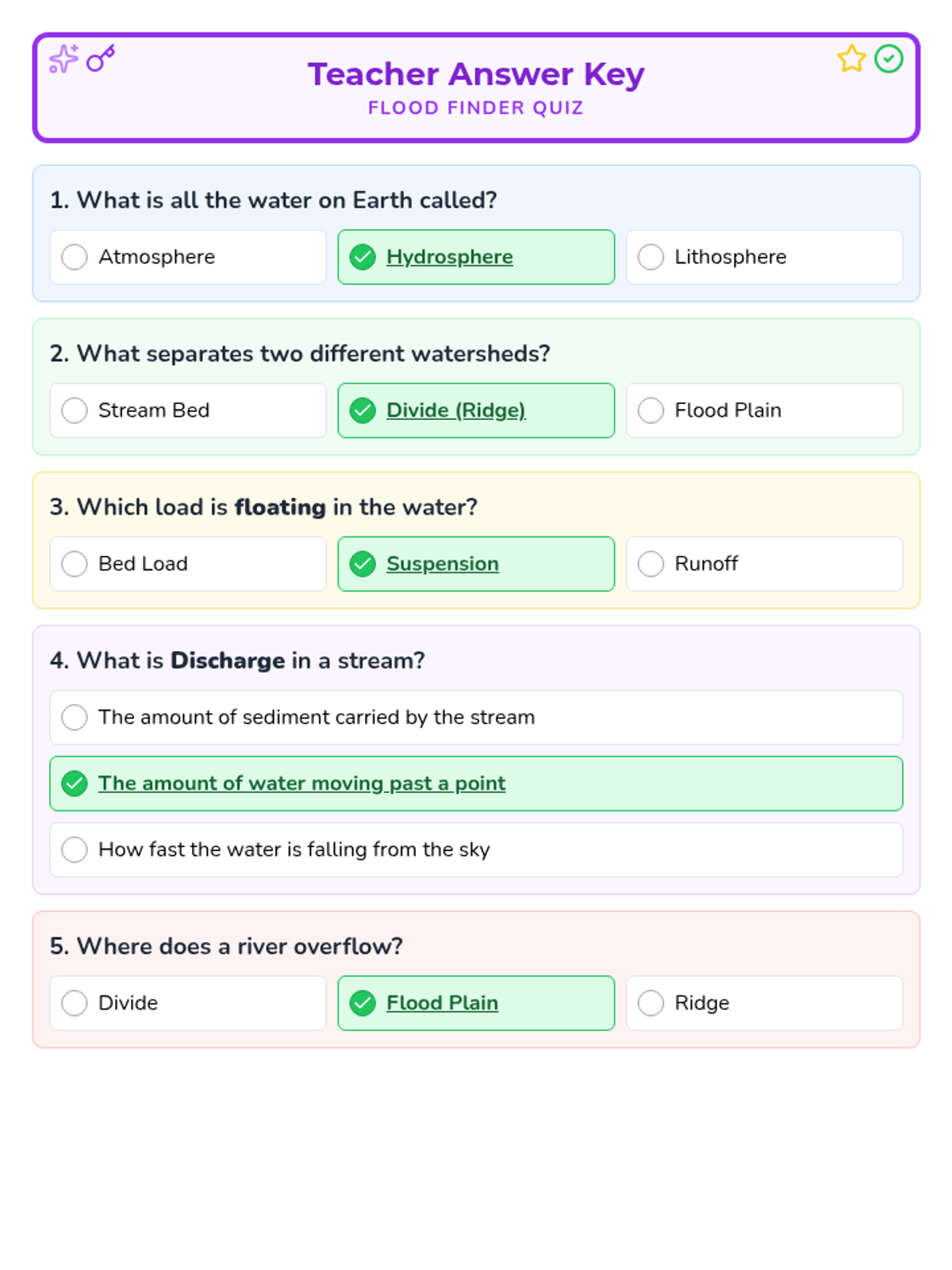
A simplified, symbol-supported lesson on surface water movement, covering watersheds, stream systems, and flood safety, themed around the world of Equestria.
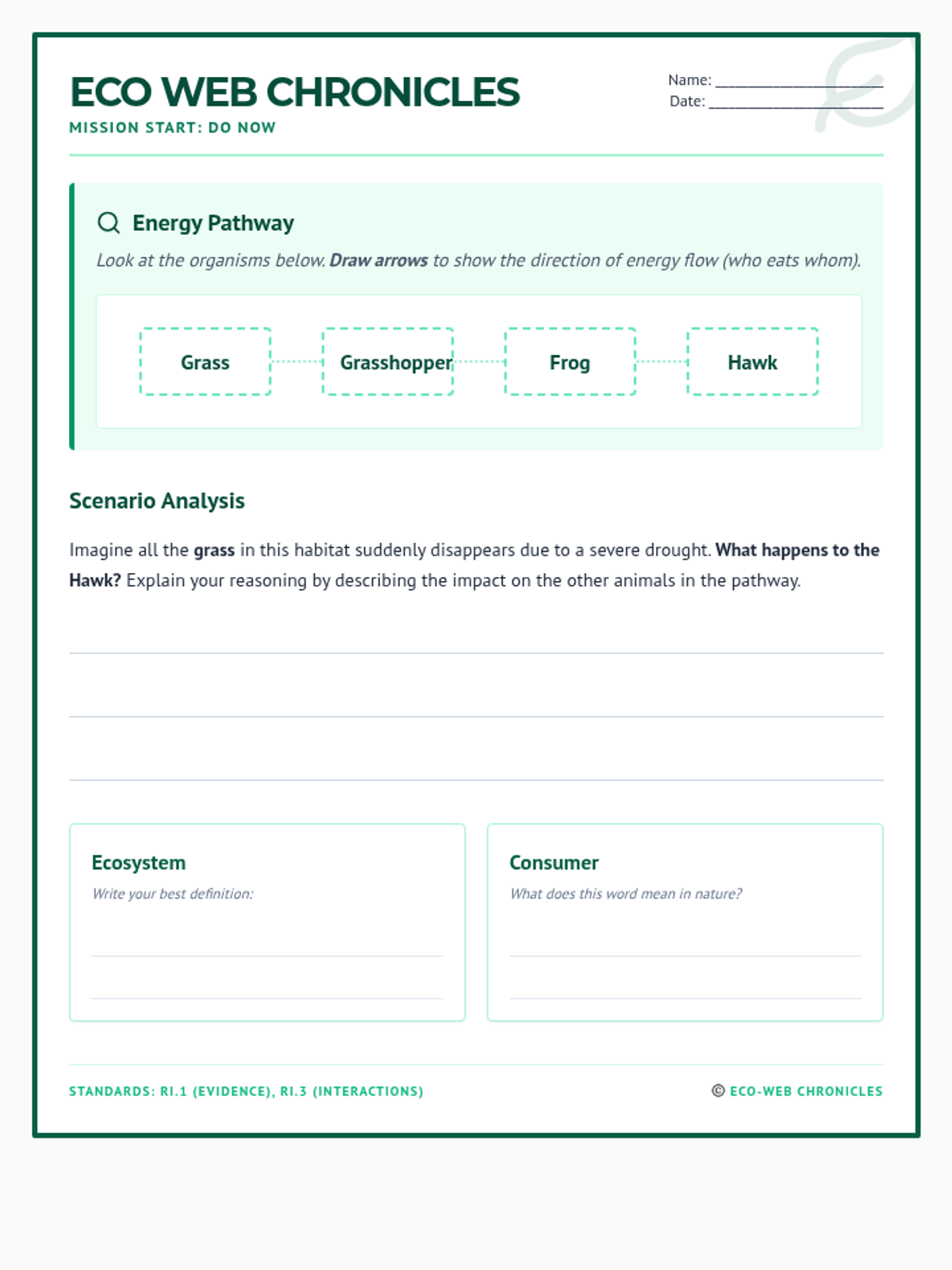
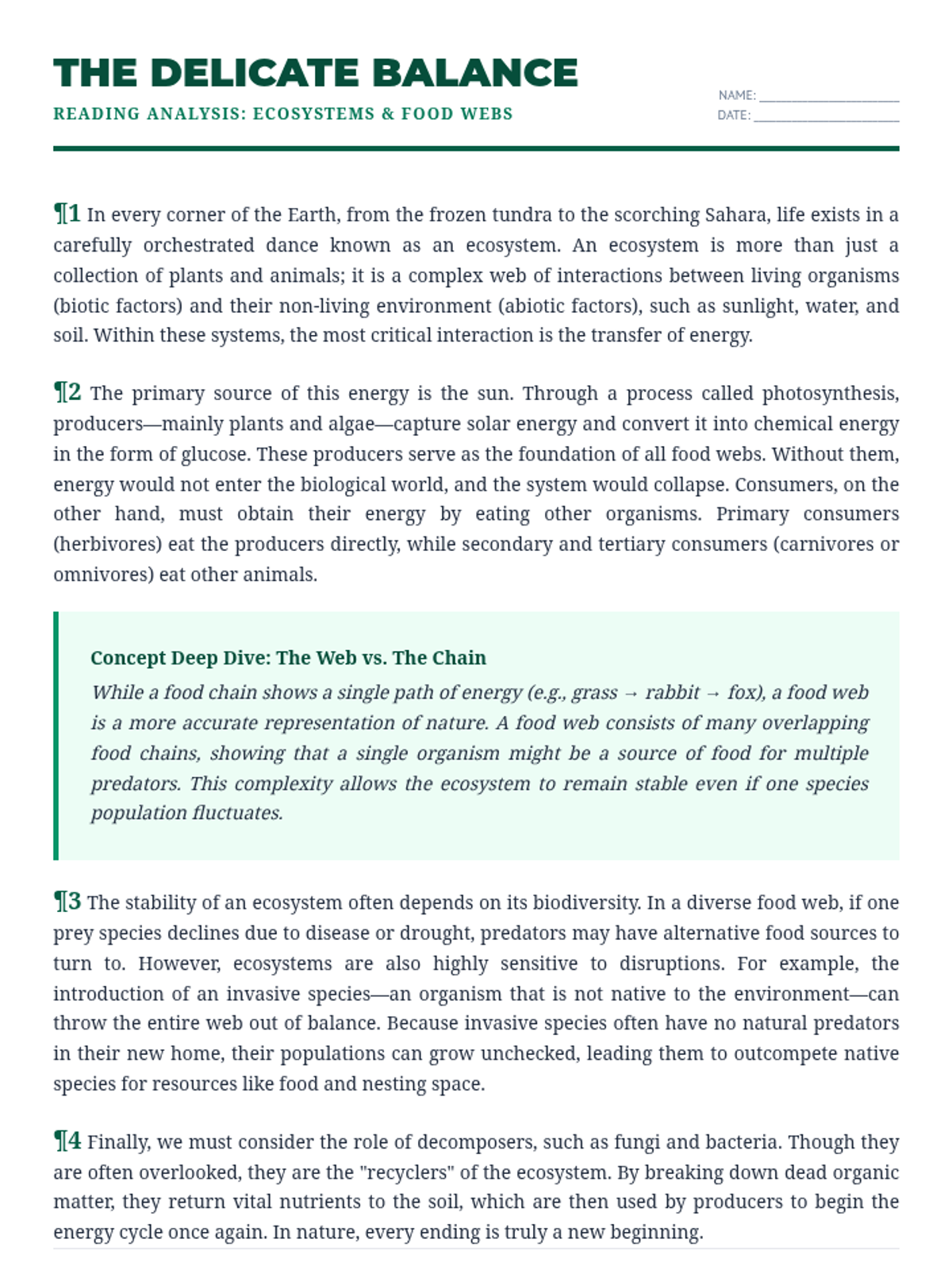
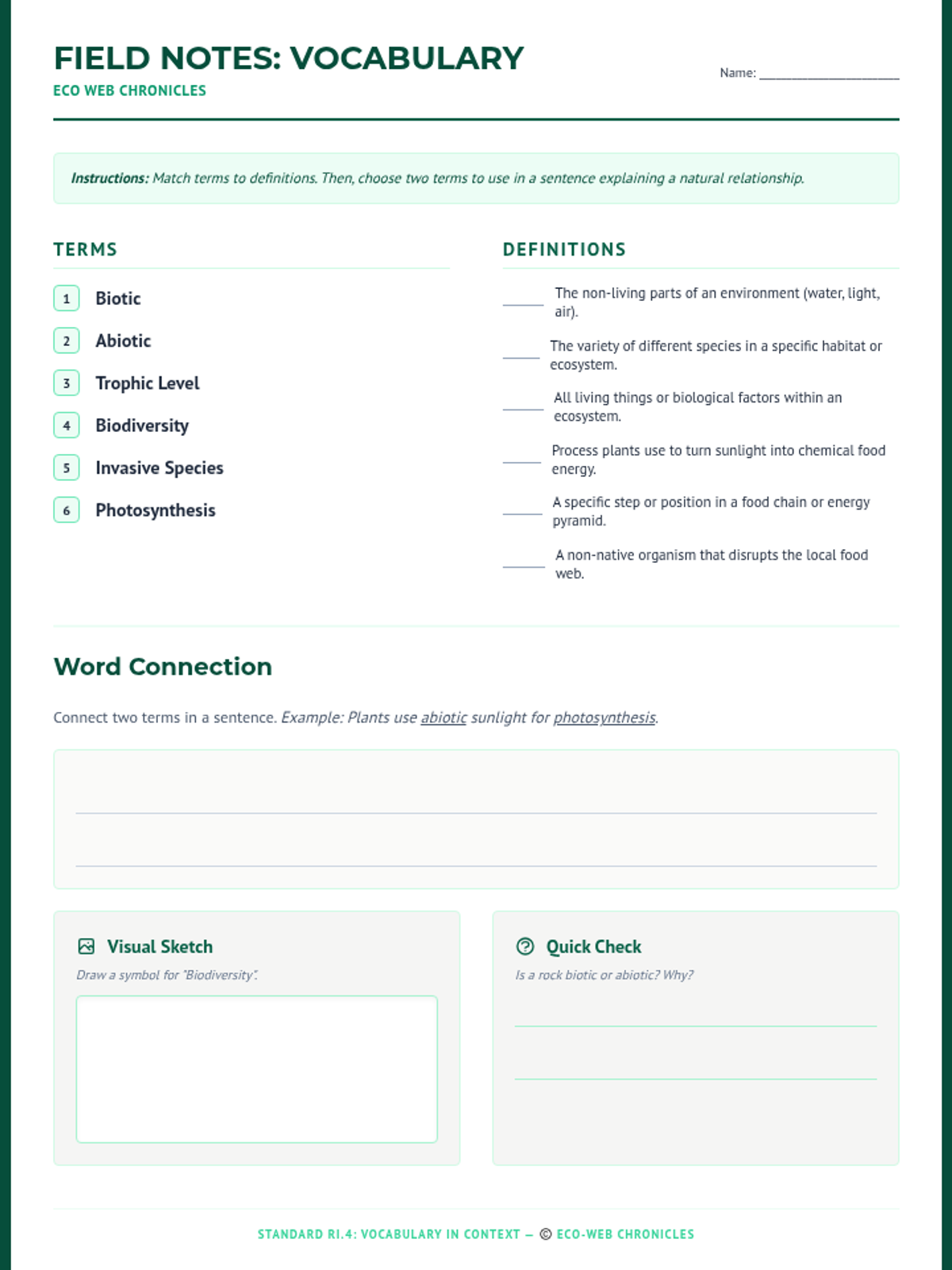
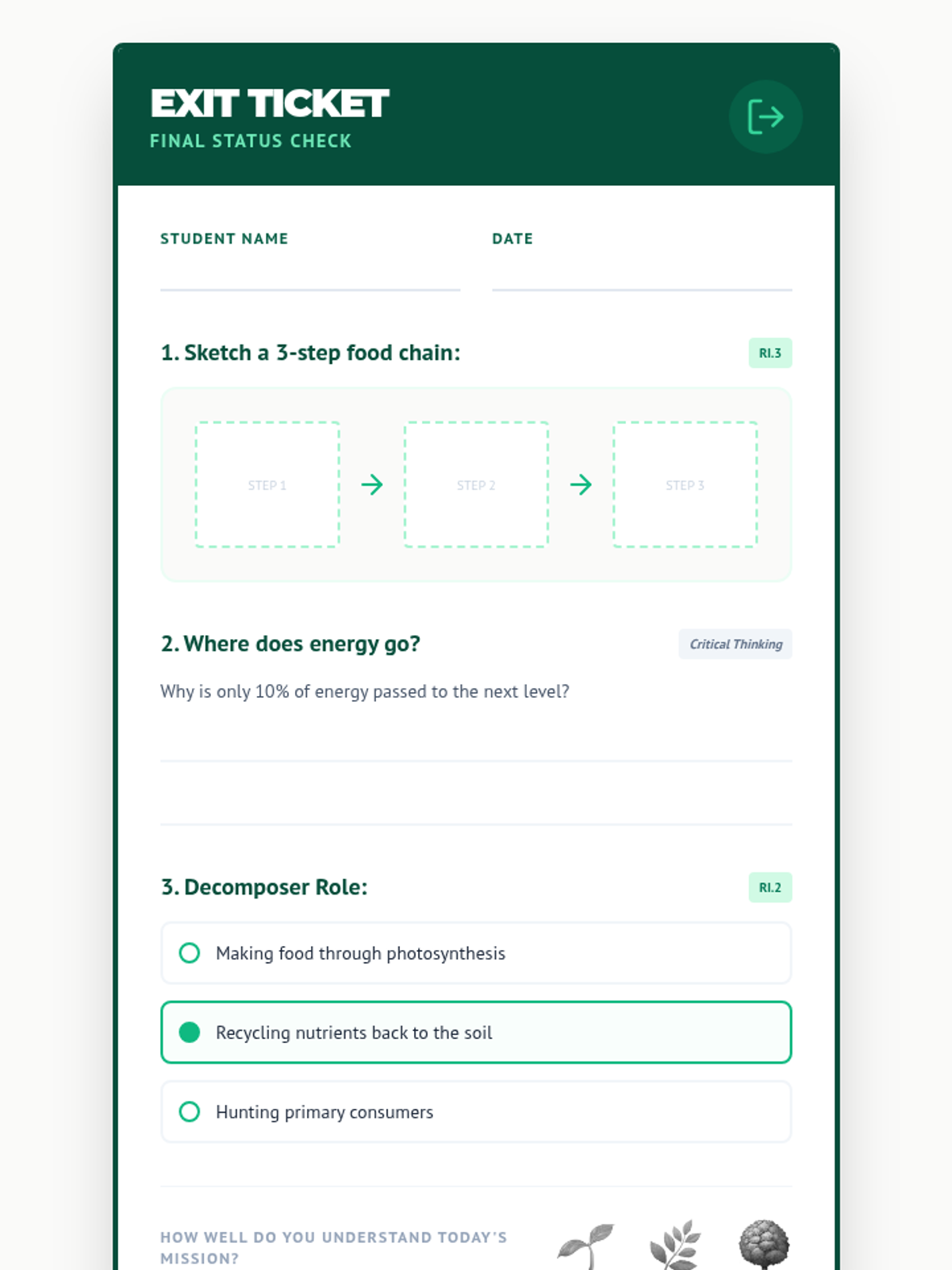
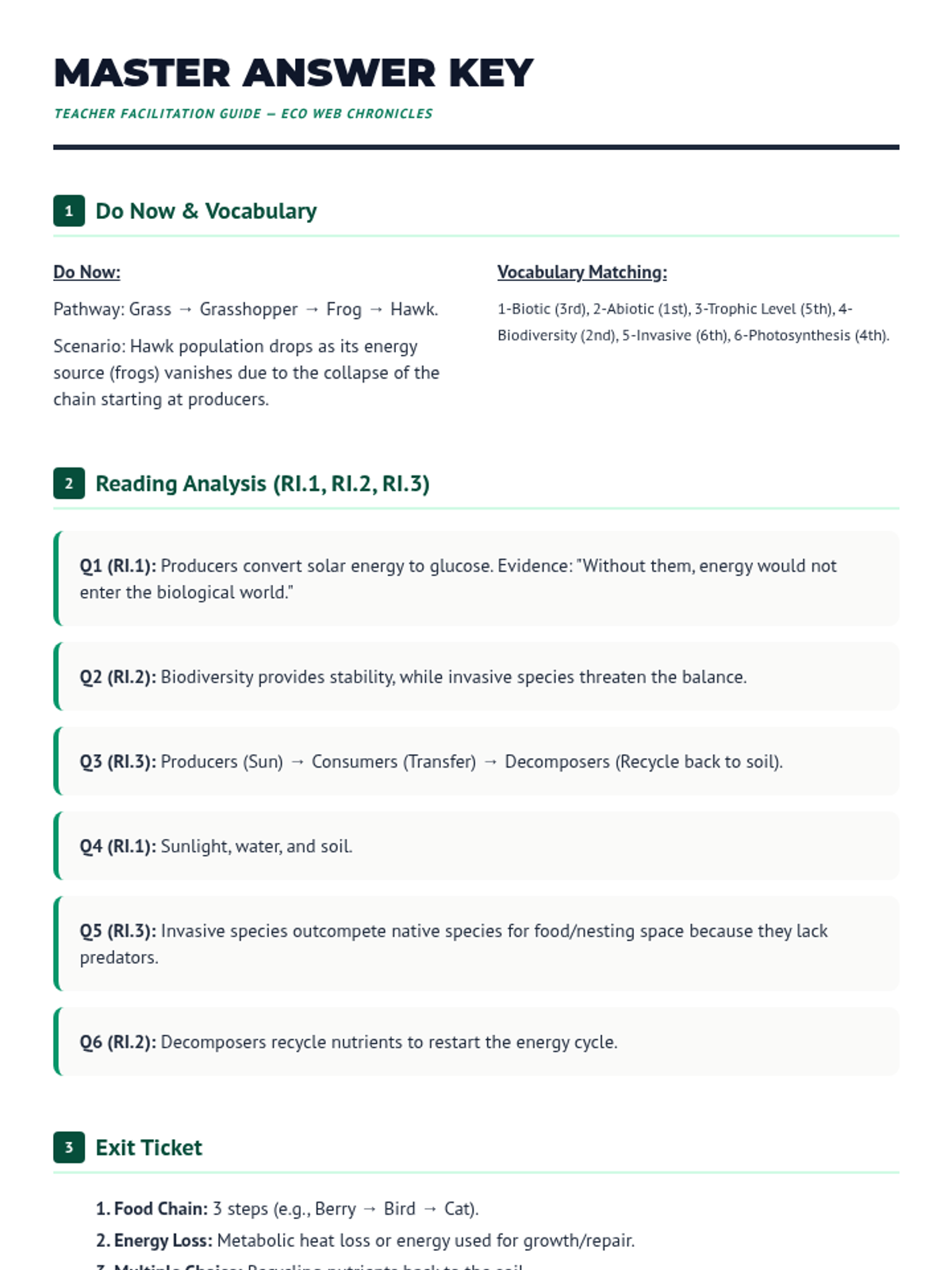
A comprehensive science lesson exploring the complex interactions within ecosystems and the flow of energy through food webs. Includes instruction, reading comprehension, and assessment materials.