A scaffolded lesson helping students construct a 3-paragraph argumentative essay on the benefits and drawbacks of video games. Includes a point-counterpoint organizer, a simplified outline with sentence starters, and a teacher guide.
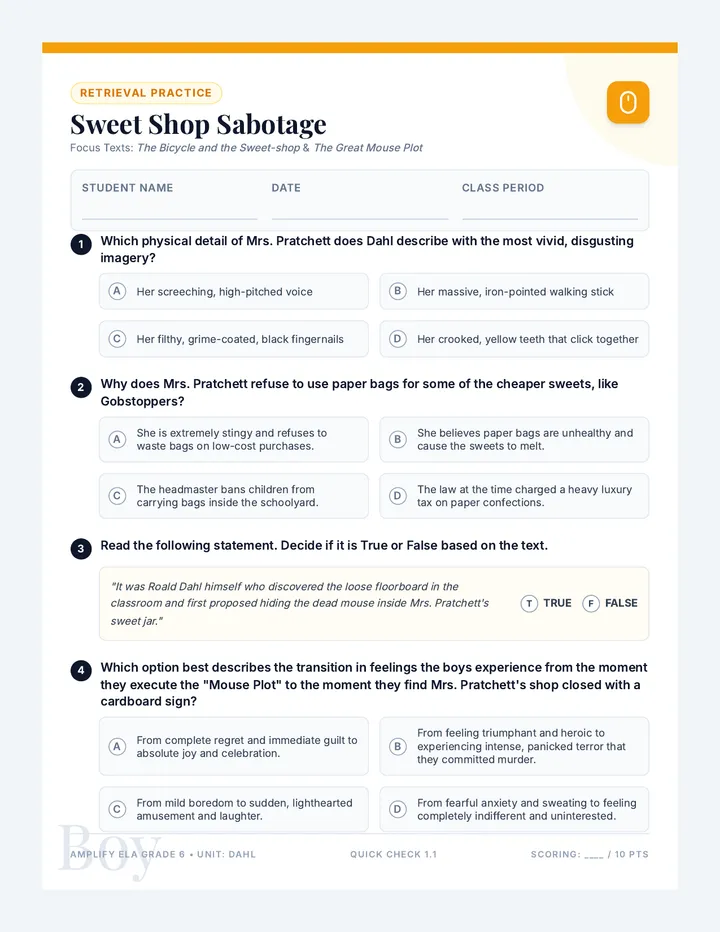
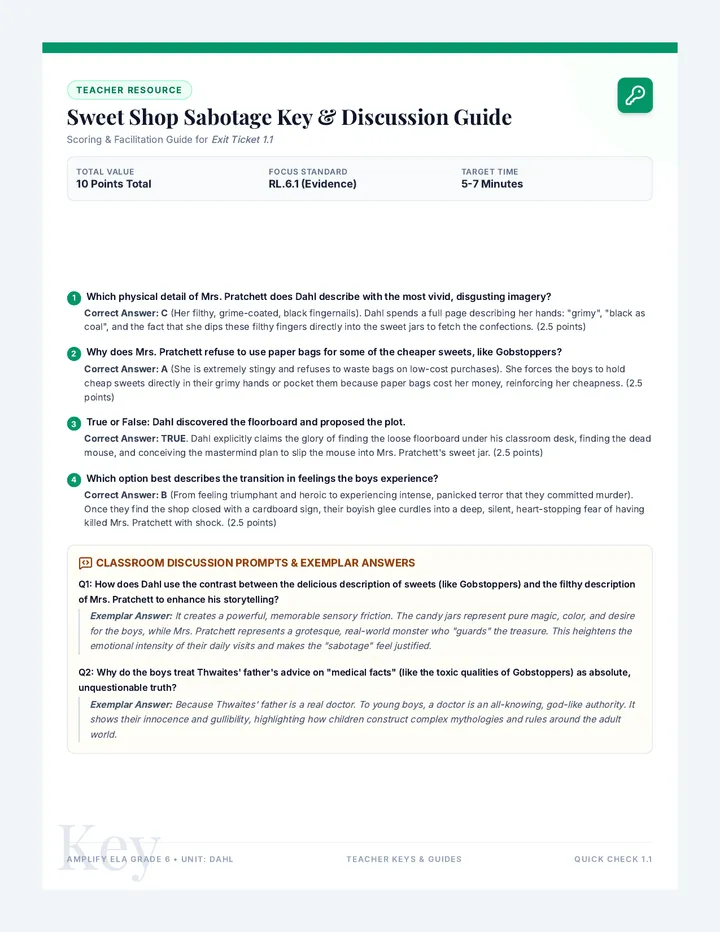
A retrieval practice sequence for the Roald Dahl narrative unit in Amplify ELA Grade 6, focusing on 'Boy: Tales of Childhood'. It features lesson-by-lesson quick check exit tickets and corresponding teacher guides with answer keys to reinforce reading comprehension, vocabulary, and narrative craft.
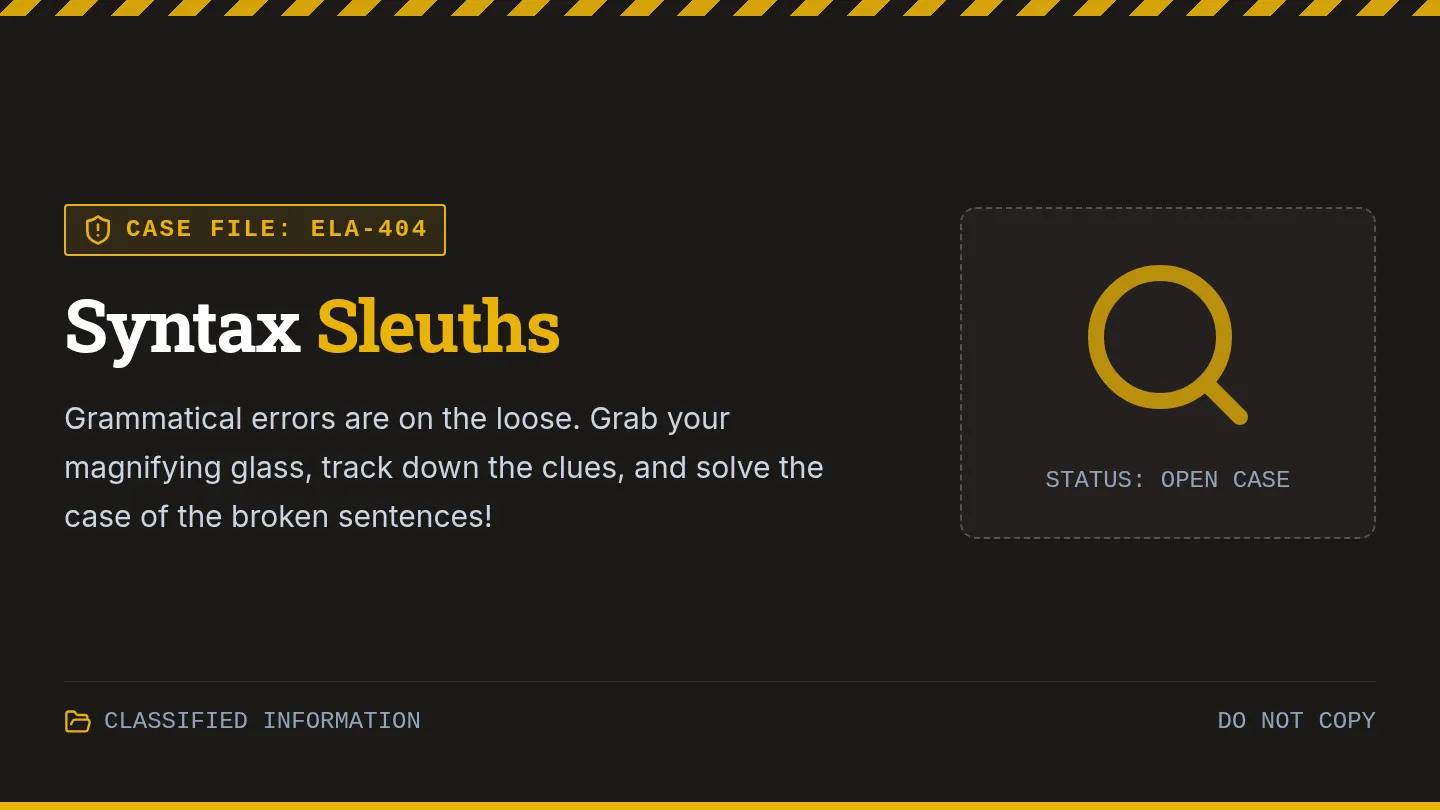
A thrilling, detective-themed ELA lesson where students become 'Syntax Sleuths' to track down grammatical errors, run-ons, and punctuation slip-ups.
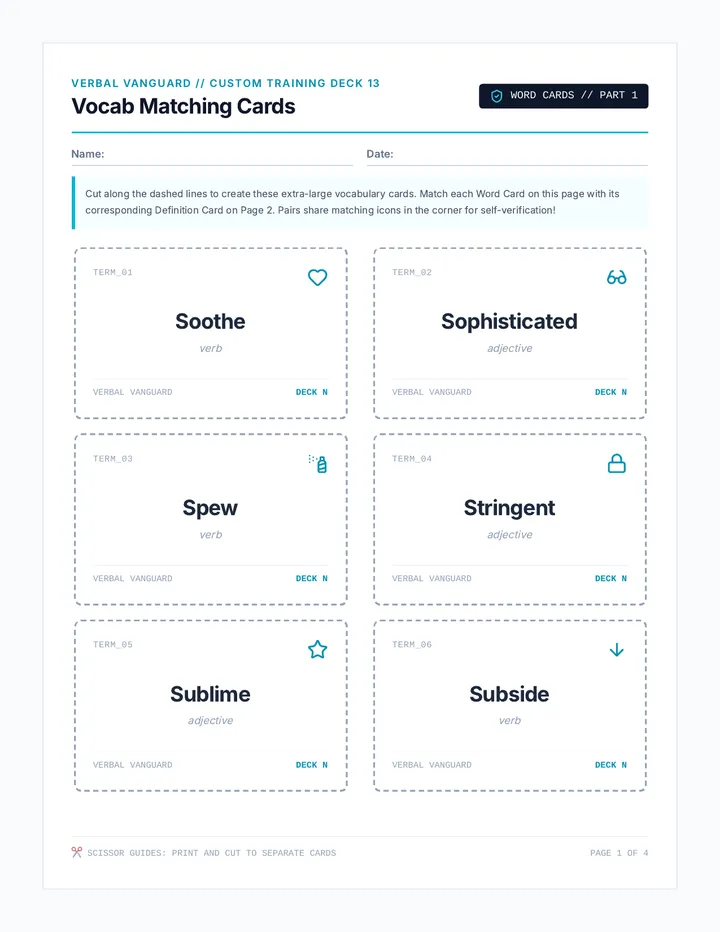
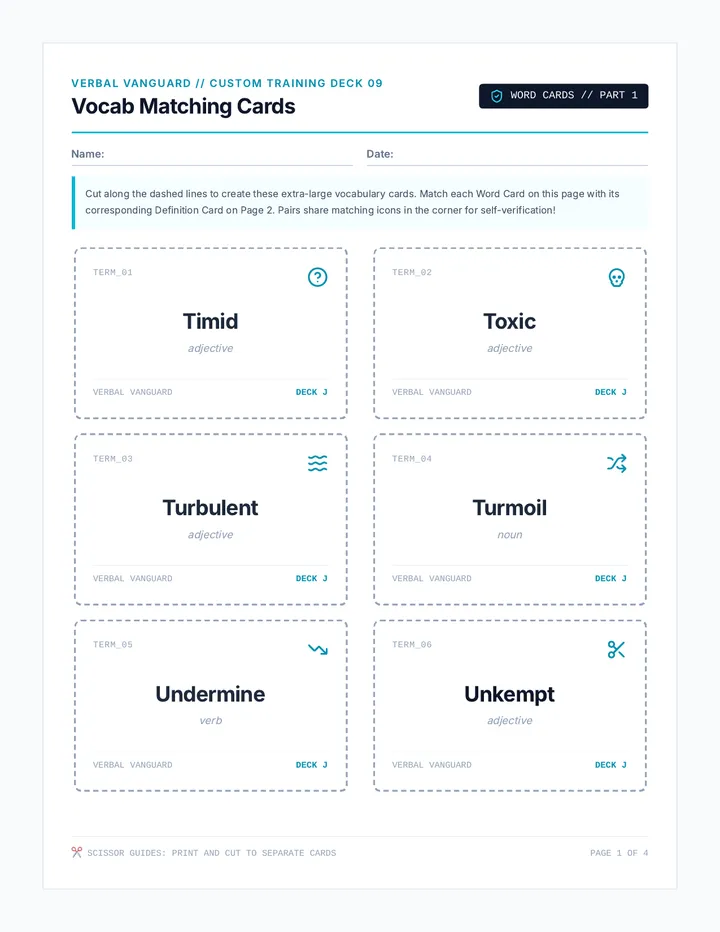
Large-format printable matching card deck featuring the student's thirteenth set of 12 custom vocabulary words and roots, scaled up for easy handling and reading. Upgraded with matching Lucide icons for self-checking and high visual appeal across a 4-page print-ready layout.
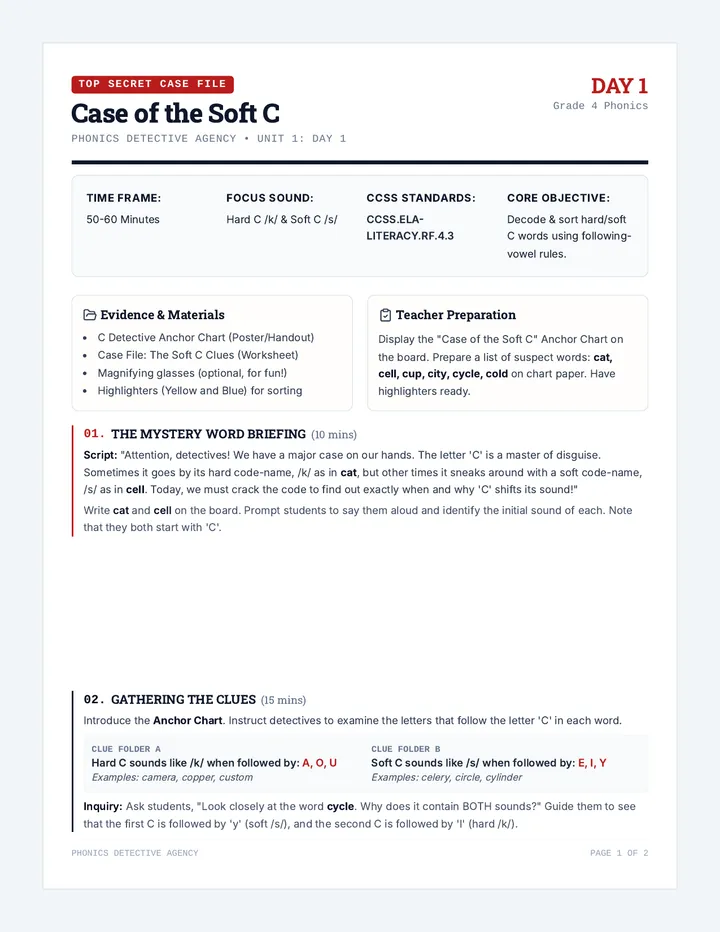
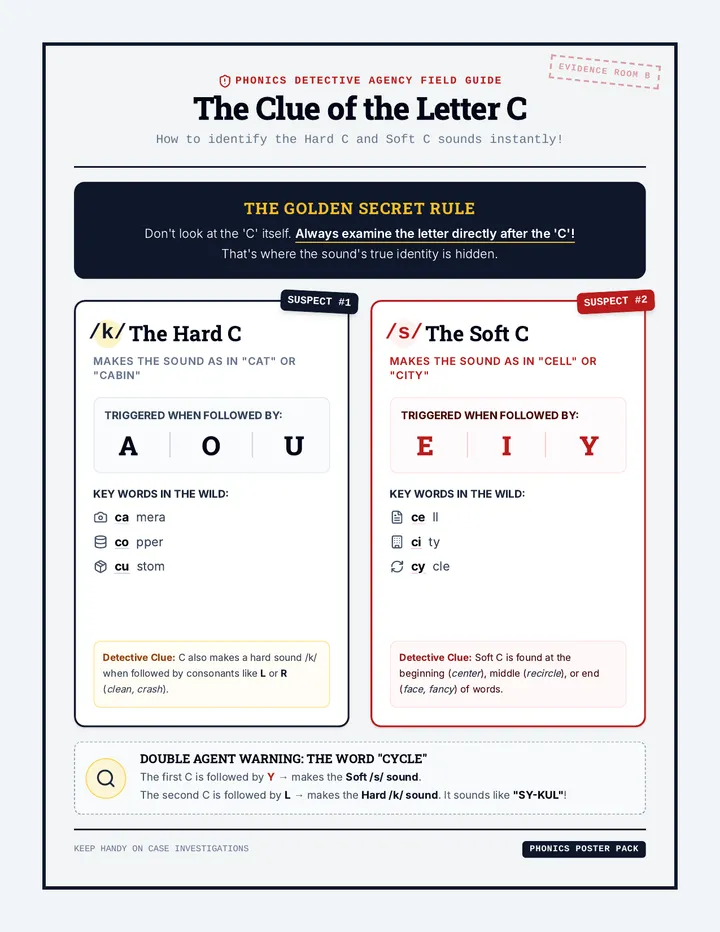
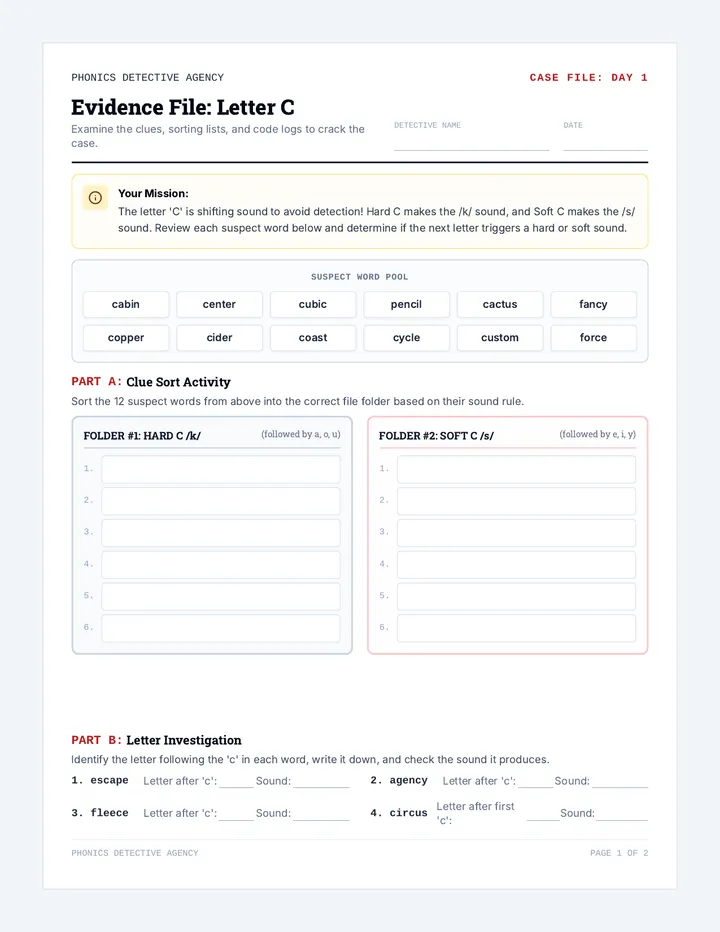
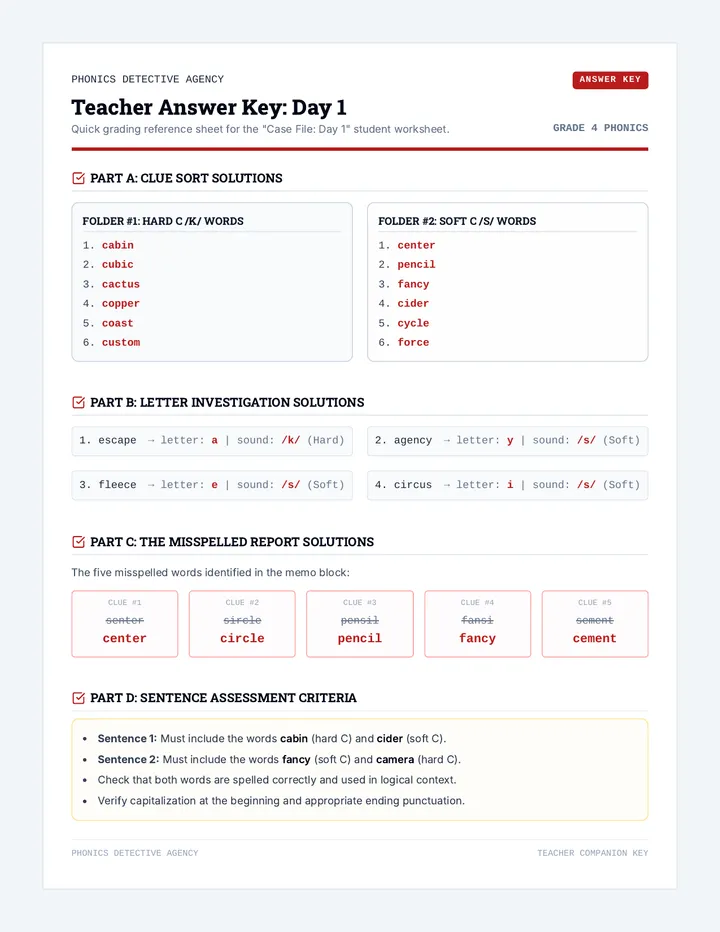
A comprehensive, detective-themed 2-day phonics unit for 4th graders to master the hard and soft sounds of 'c' and 'g' using structured inquiry, visual anchor charts, and scaffolded practice worksheets.
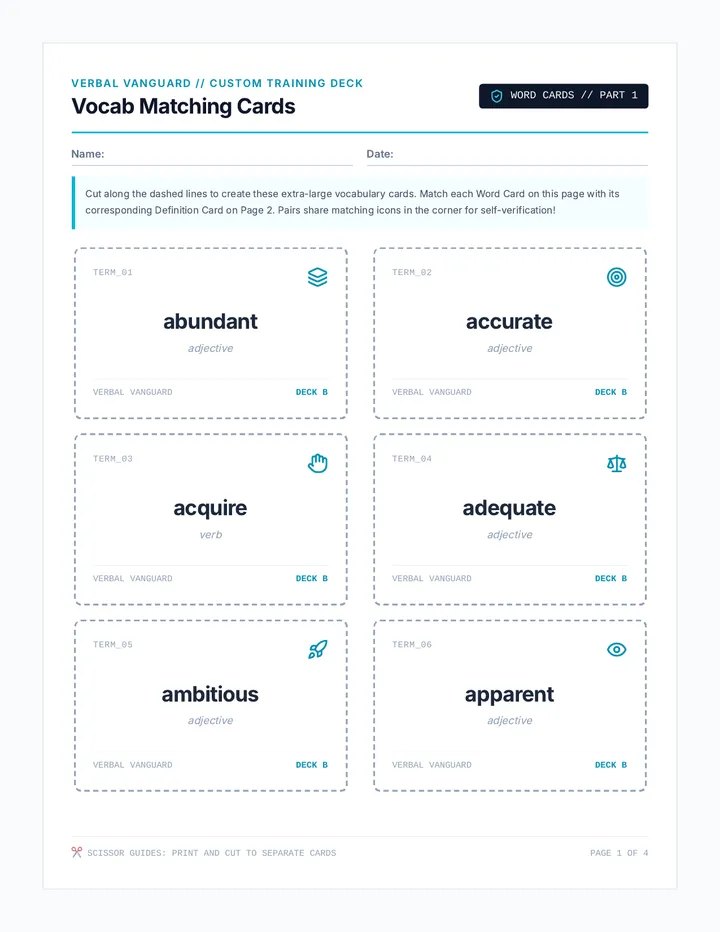
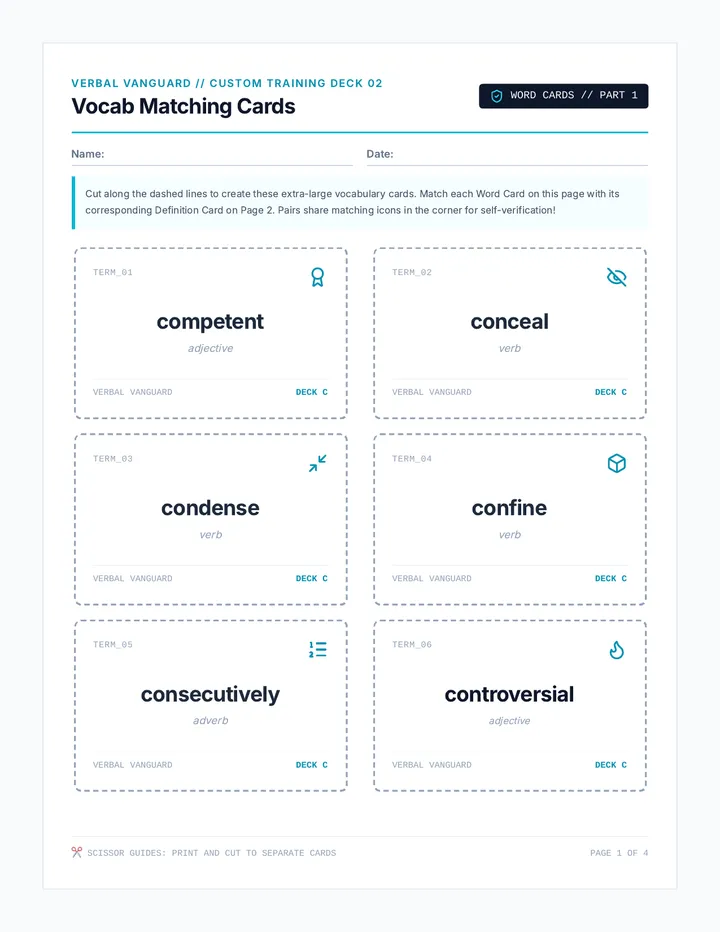
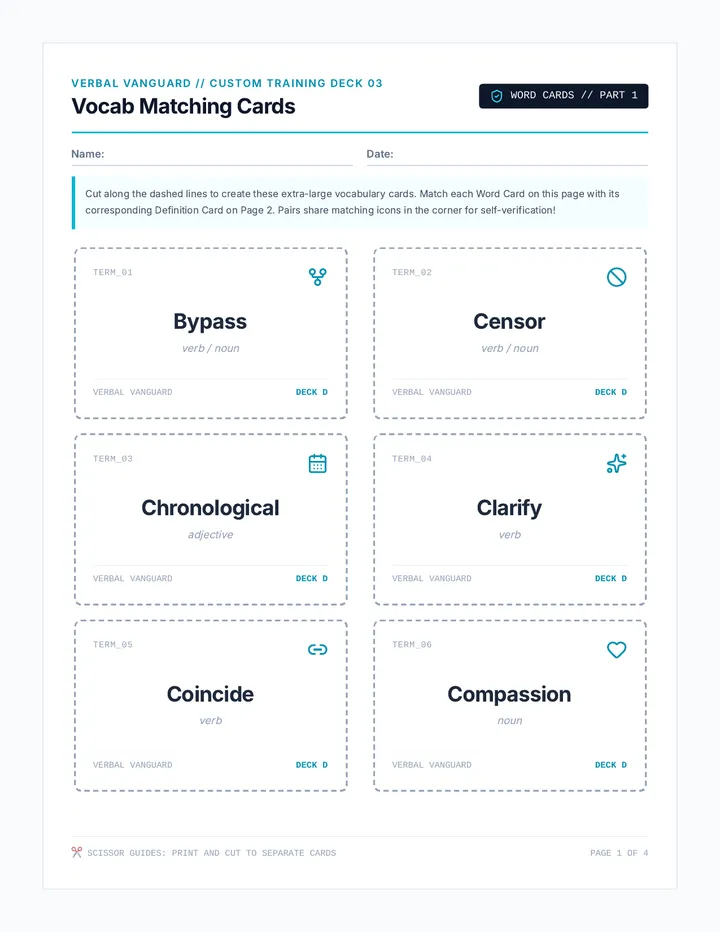
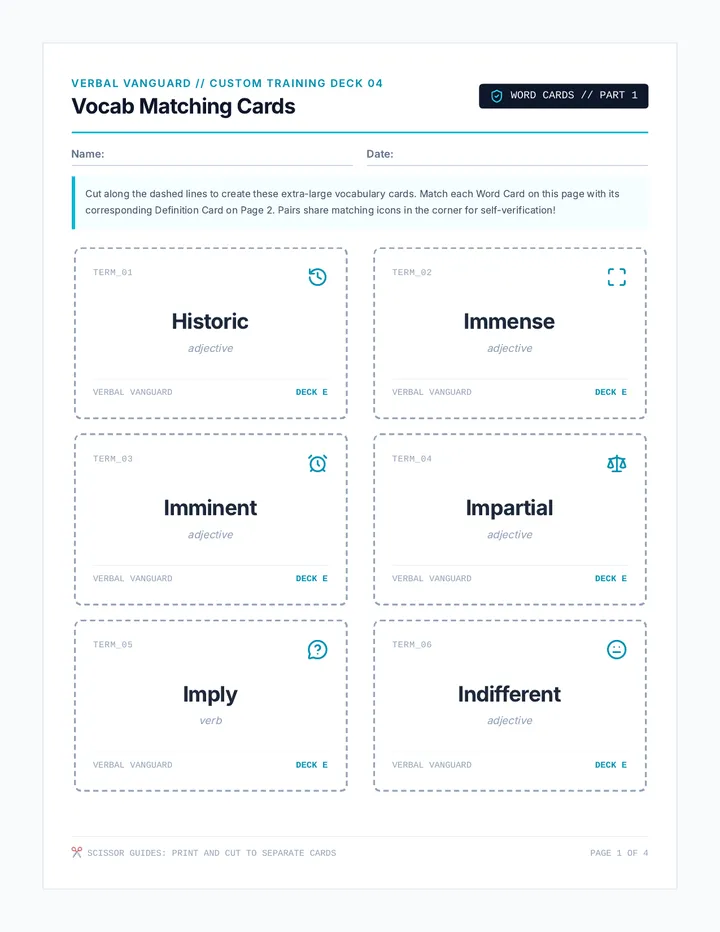
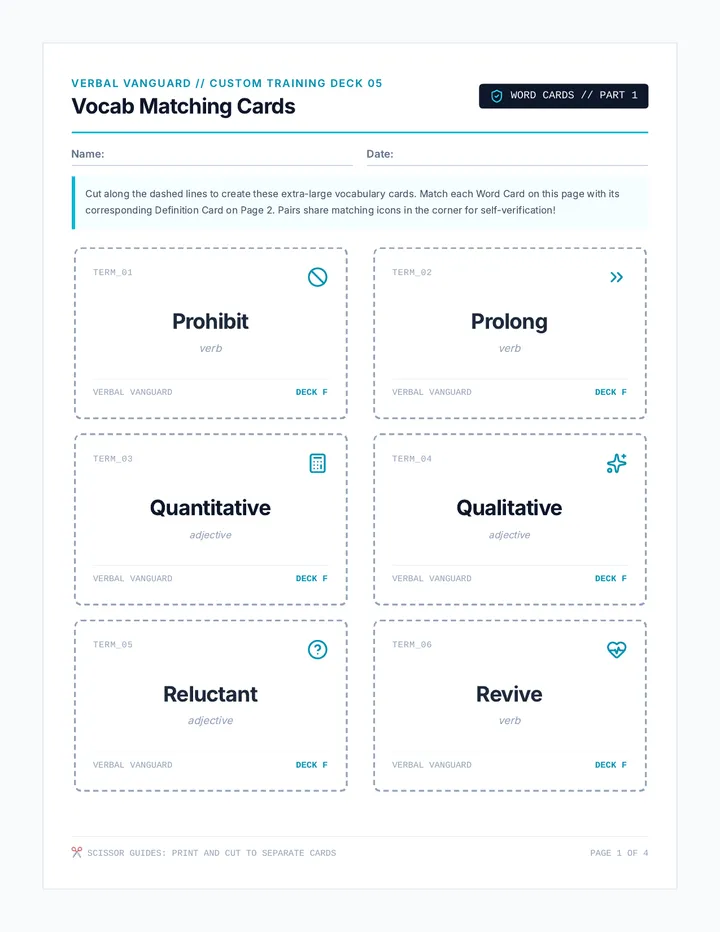
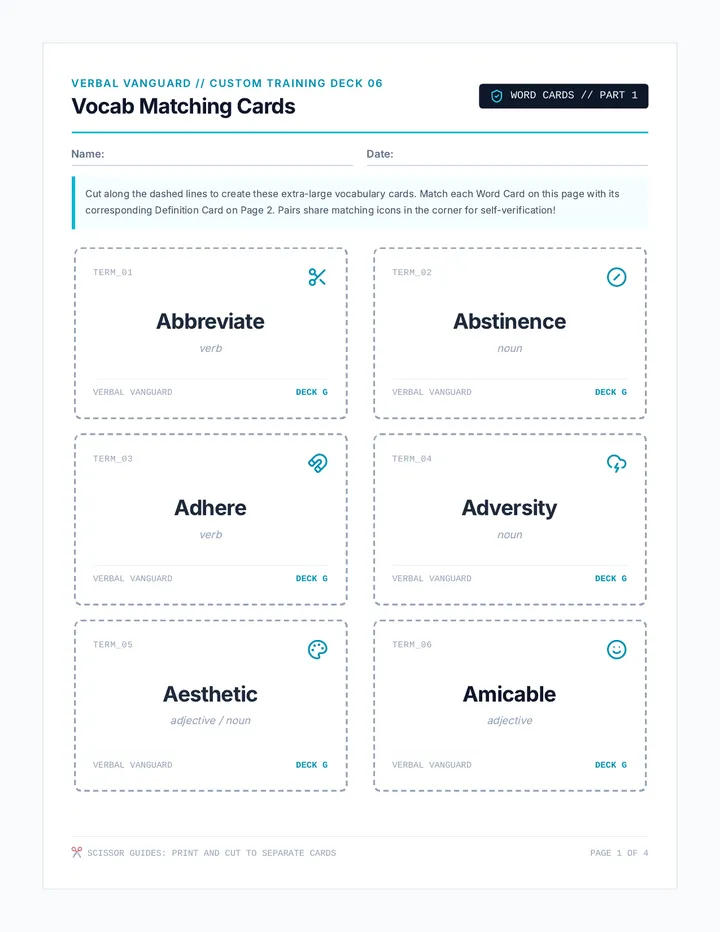
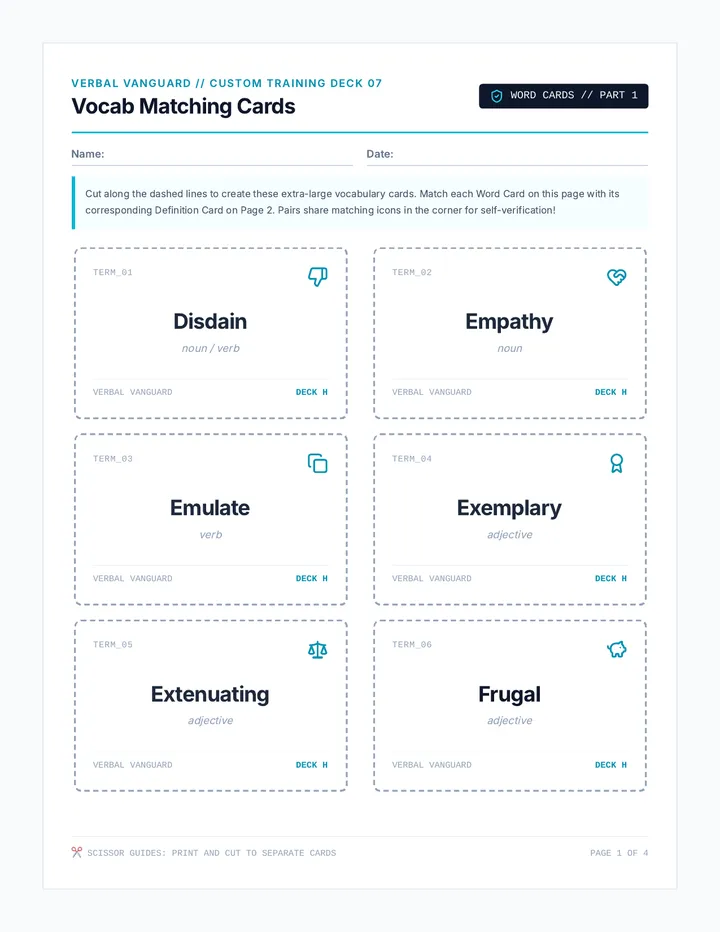
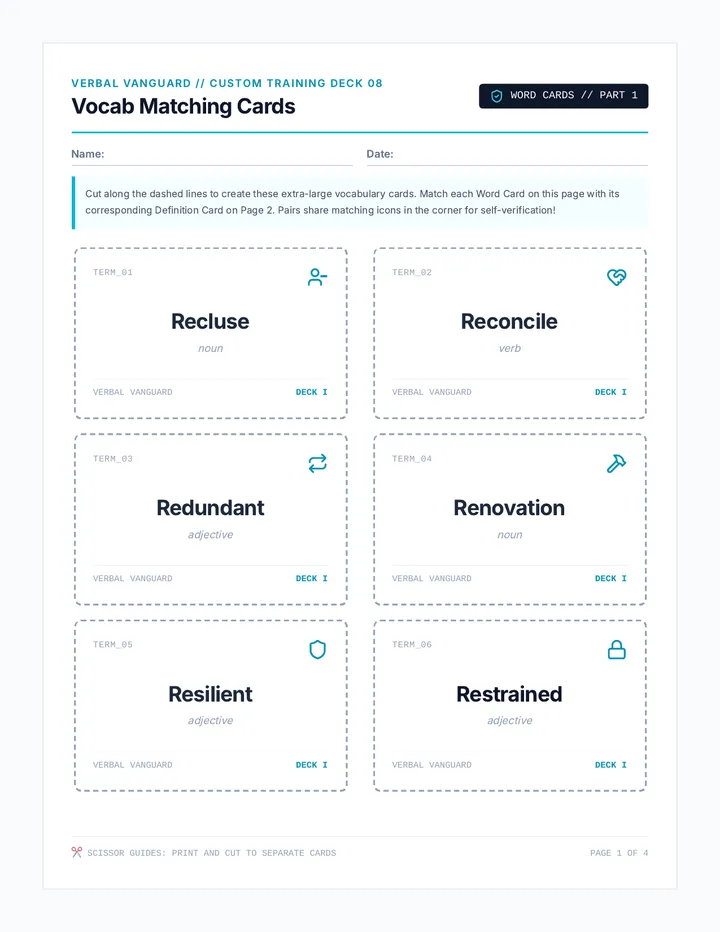
A collection of large-format printable vocabulary matching card decks designed to teach high-frequency SAT/ACT words and roots using visual icons for self-checking.
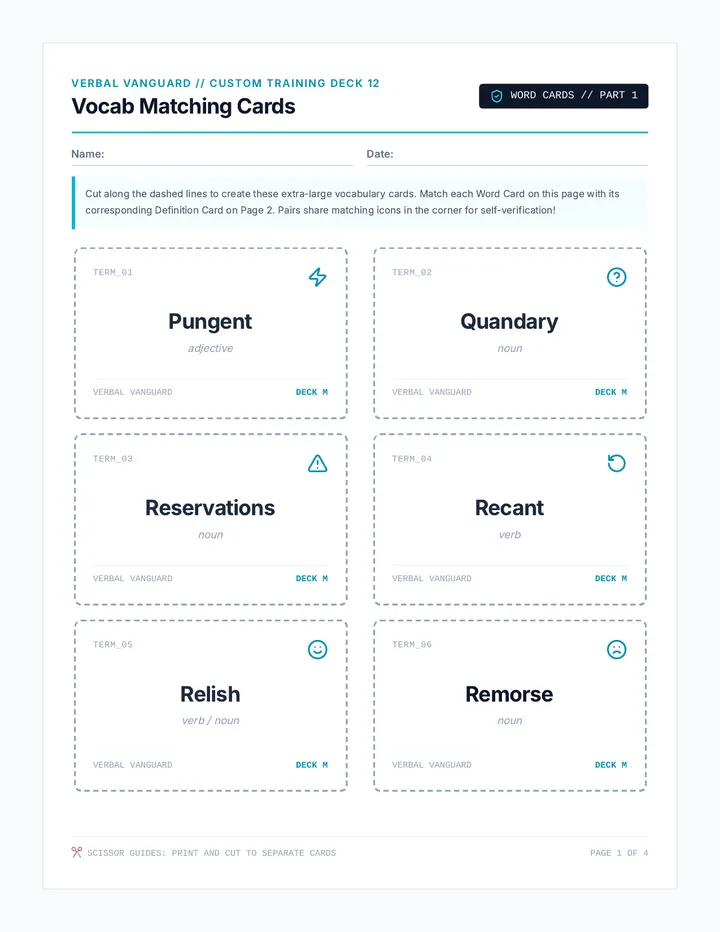
Large-format printable matching card deck featuring the student's twelfth set of 9 custom vocabulary words and roots, scaled up for easy handling and reading. Upgraded with matching Lucide icons for self-checking and high visual appeal across a 4-page print-ready layout.
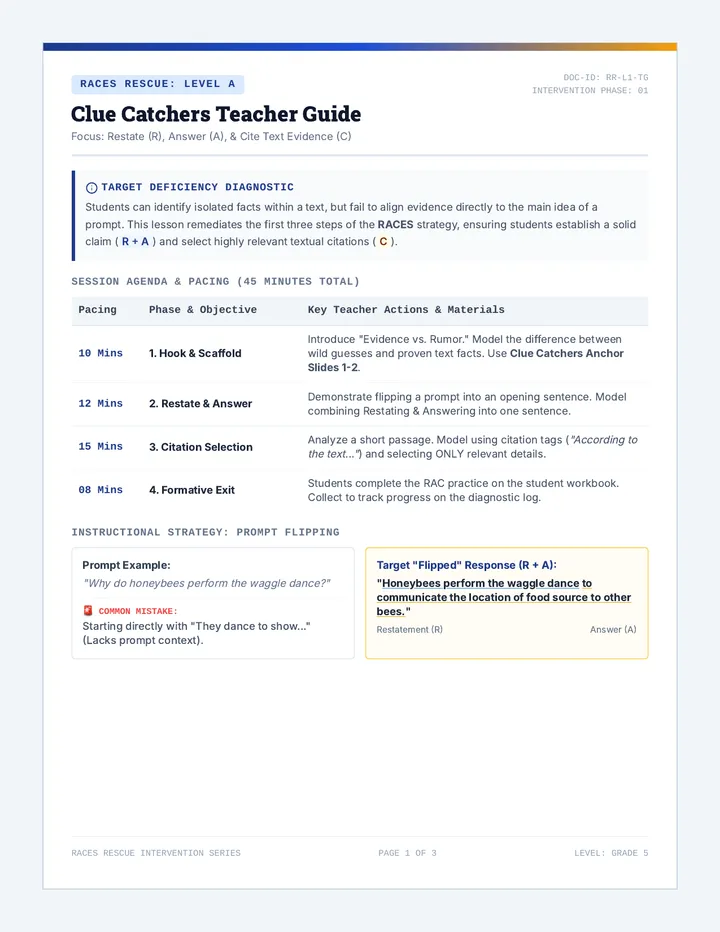
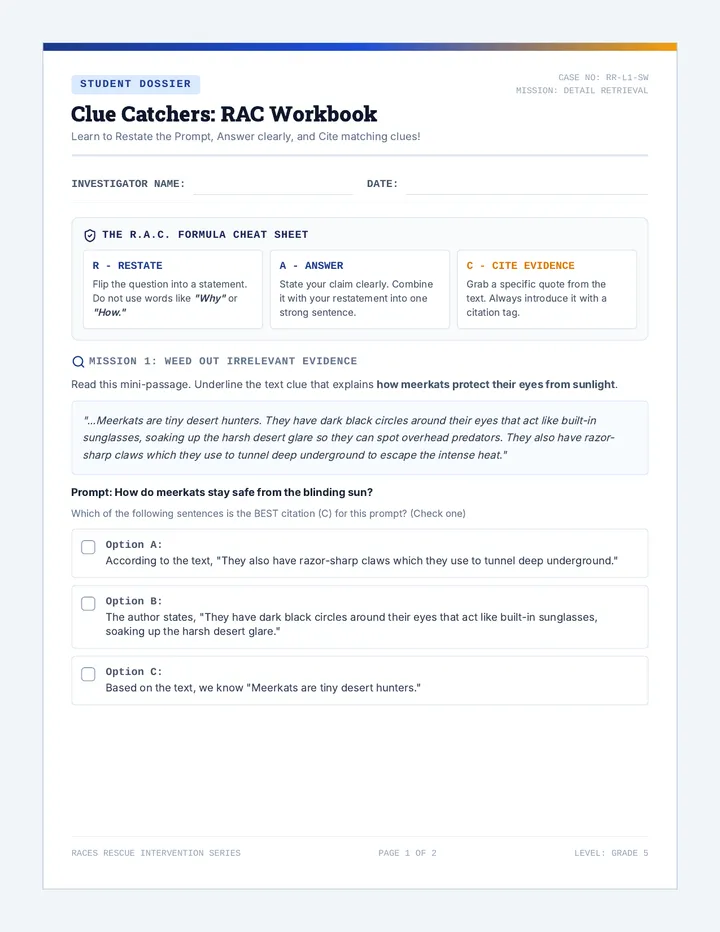
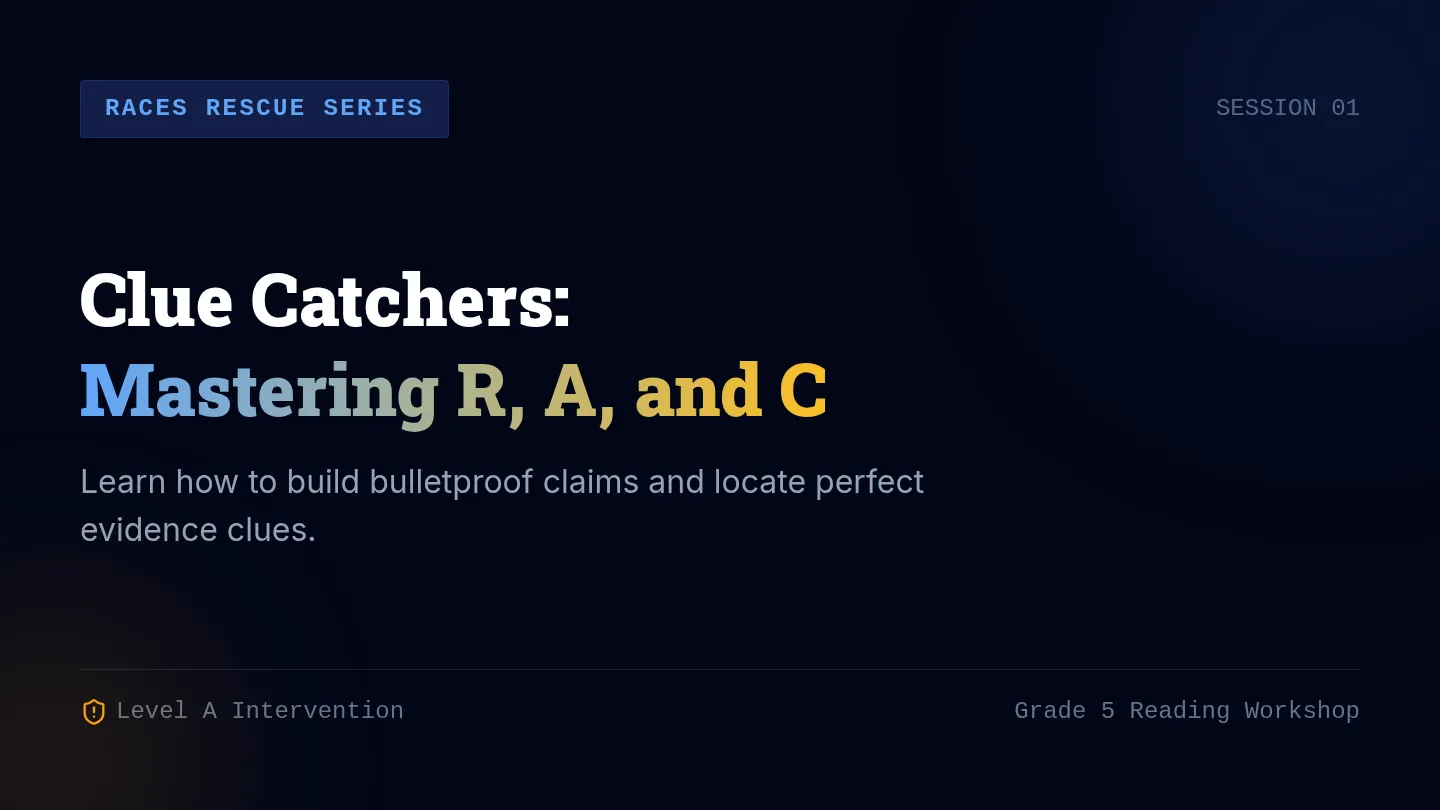
A targeted multi-day academic intervention sequence for fifth-grade readers struggling to synthesize main ideas and explain text evidence. Using the structured RACES writing framework, students transition from copying raw details to providing robust, analytical explanations of how their cited evidence proves their claims.
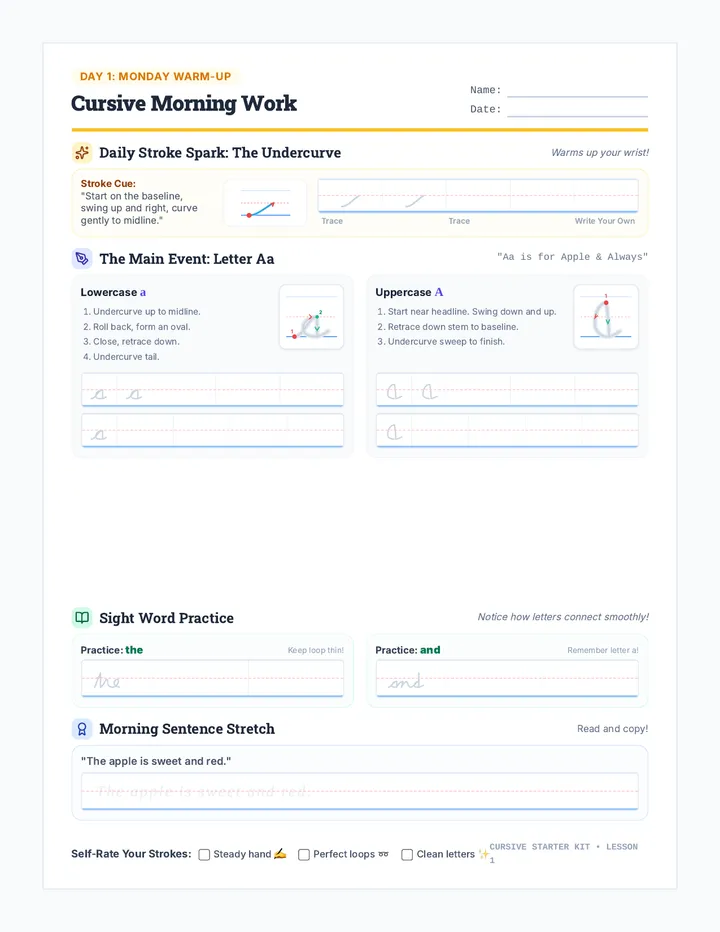
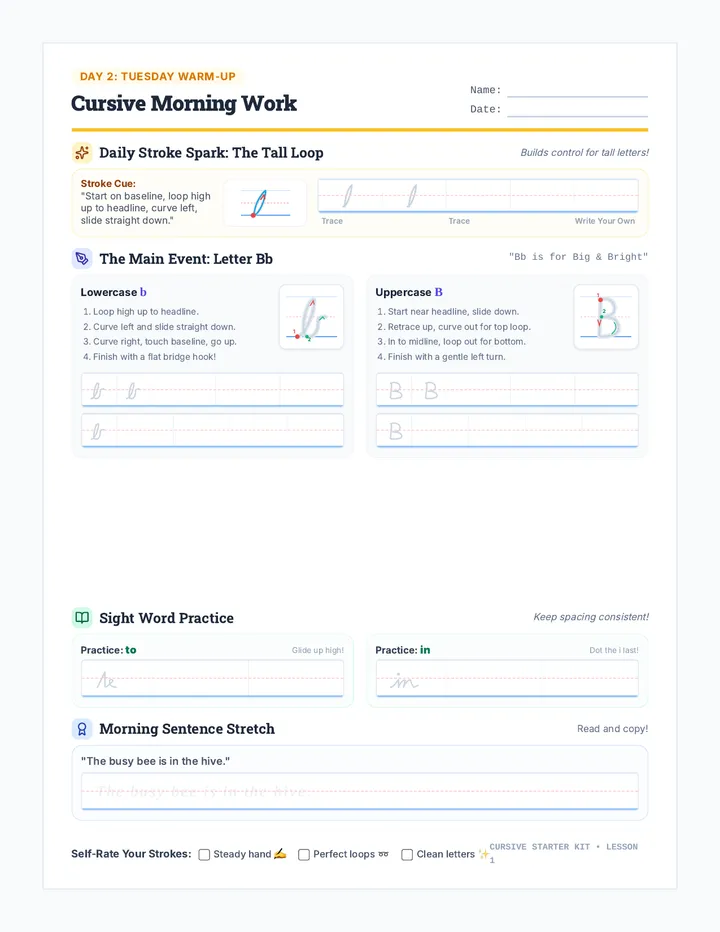
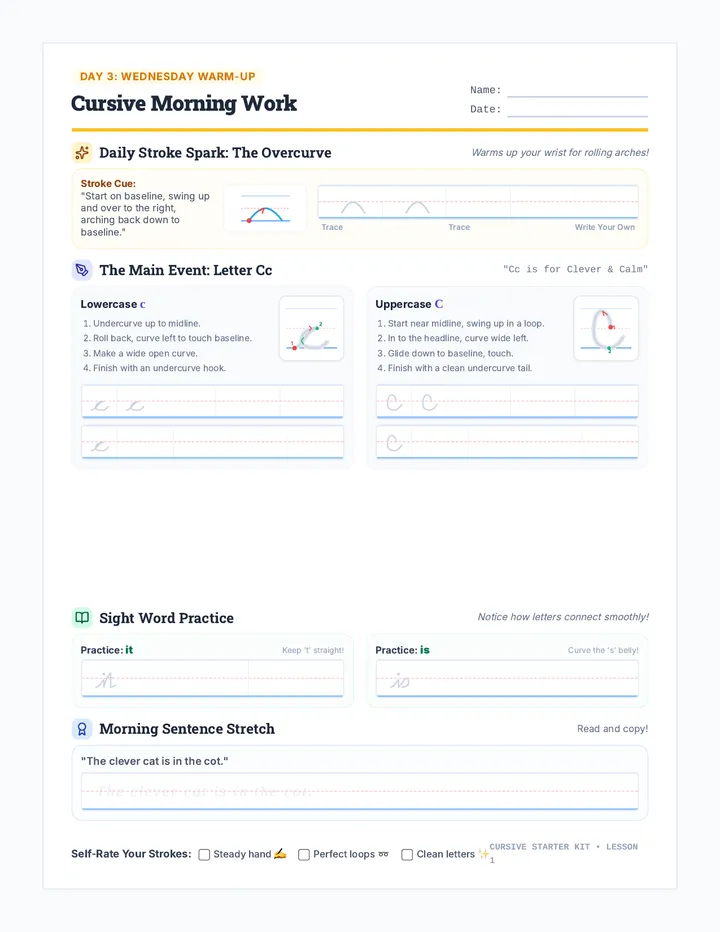
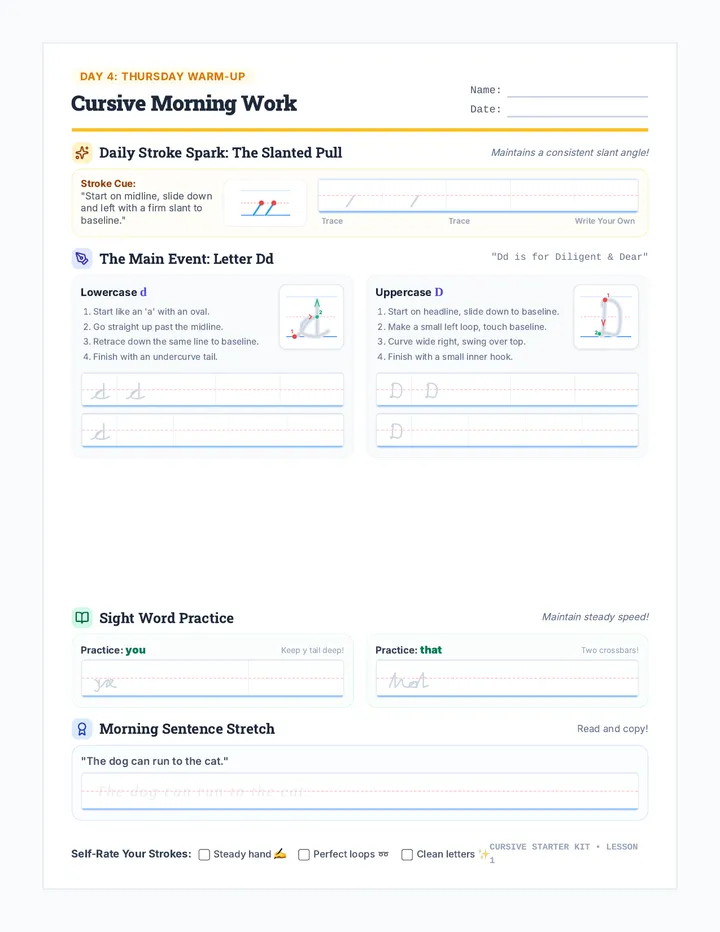
A five-day routine-based morning work set designed to teach foundational cursive strokes, individual letters (Aa to Ee), and high-frequency sight words. It includes five student practice sheets and a teacher classroom guide to facilitate a structured, daily 10-minute warm-up.
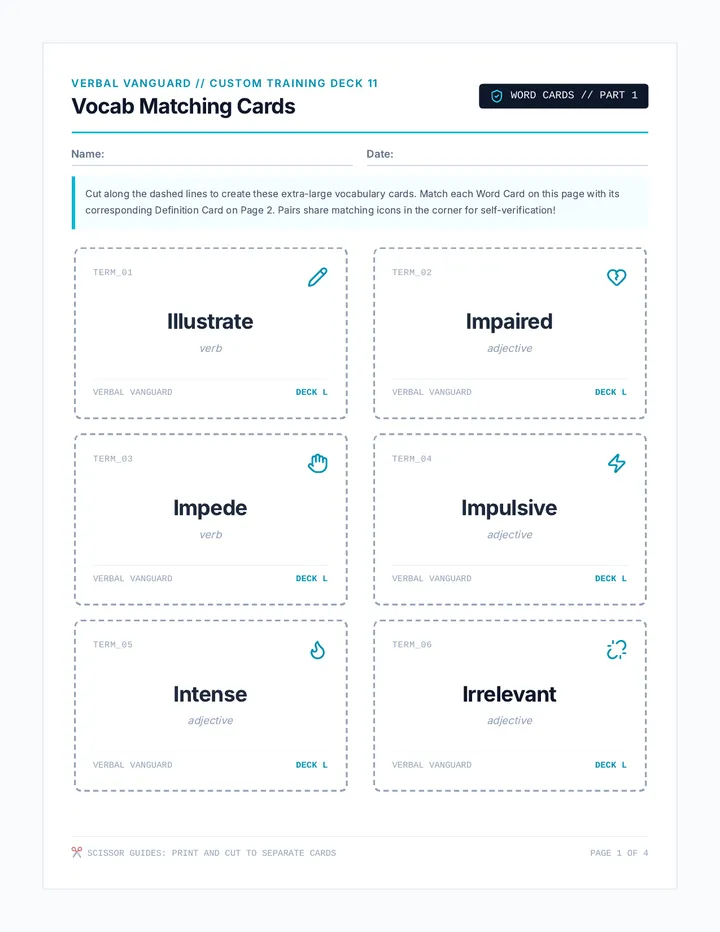
Large-format printable matching card deck featuring the student's eleventh set of 12 custom vocabulary words and roots, scaled up for easy handling and reading. Upgraded with matching Lucide icons for self-checking and high visual appeal across a 4-page print-ready layout.
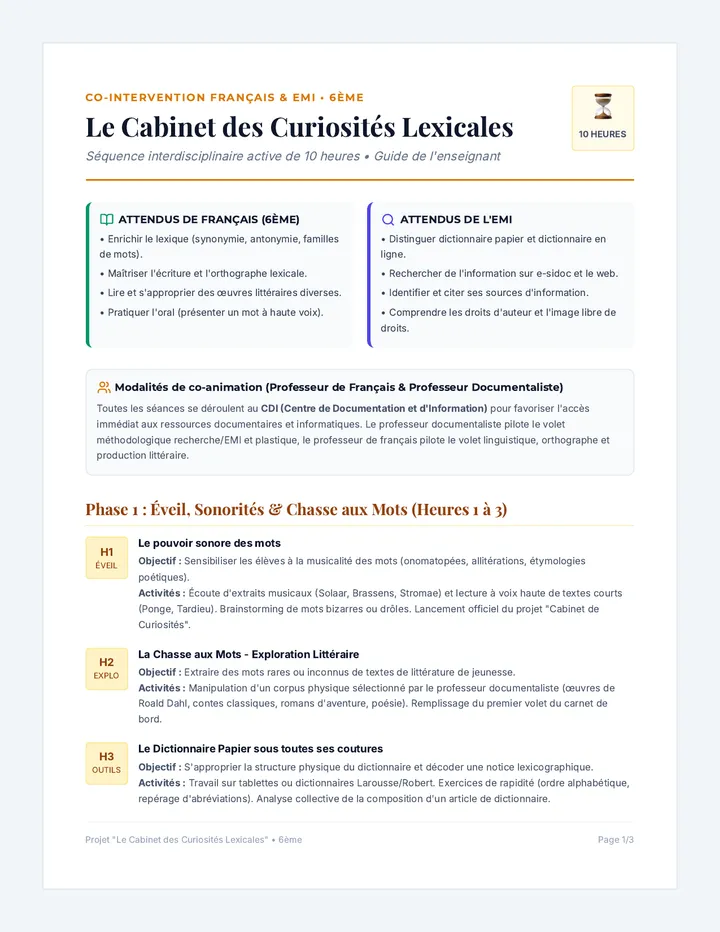
Séquence interdisciplinaire (Français et Éducation aux Médias et à l'Information) de 10 heures pour des élèves de 6ème. Les élèves explorent des mots rares et mélodieux à travers une approche mixte (papier, numérique, littéraire et musicale), rédigent des articles lexicographiques et créent des affiches de cabinet de curiosités lexicales pour le collège.
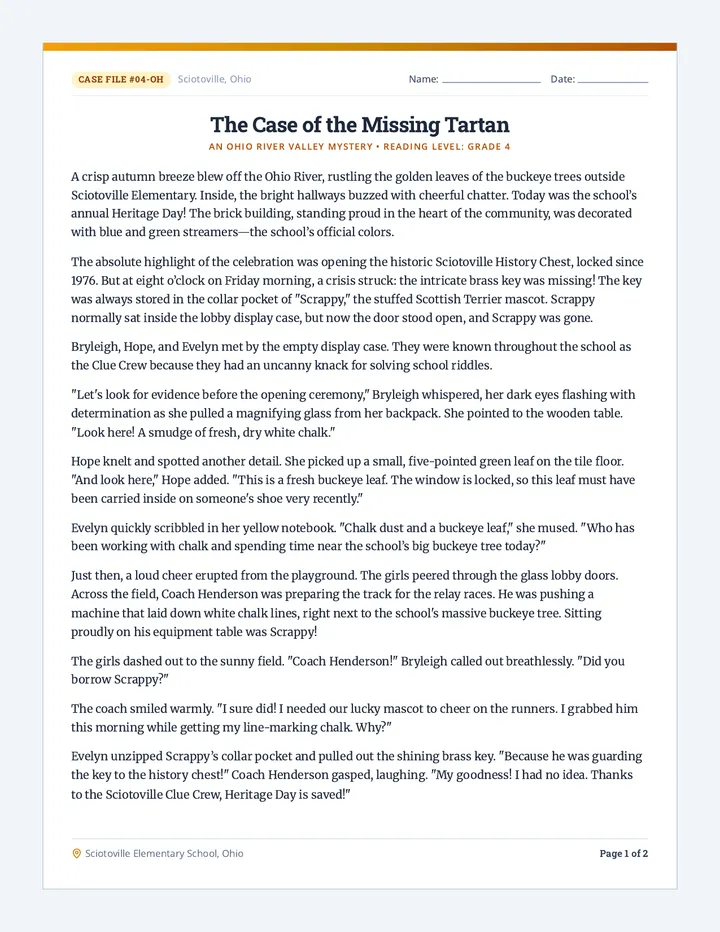
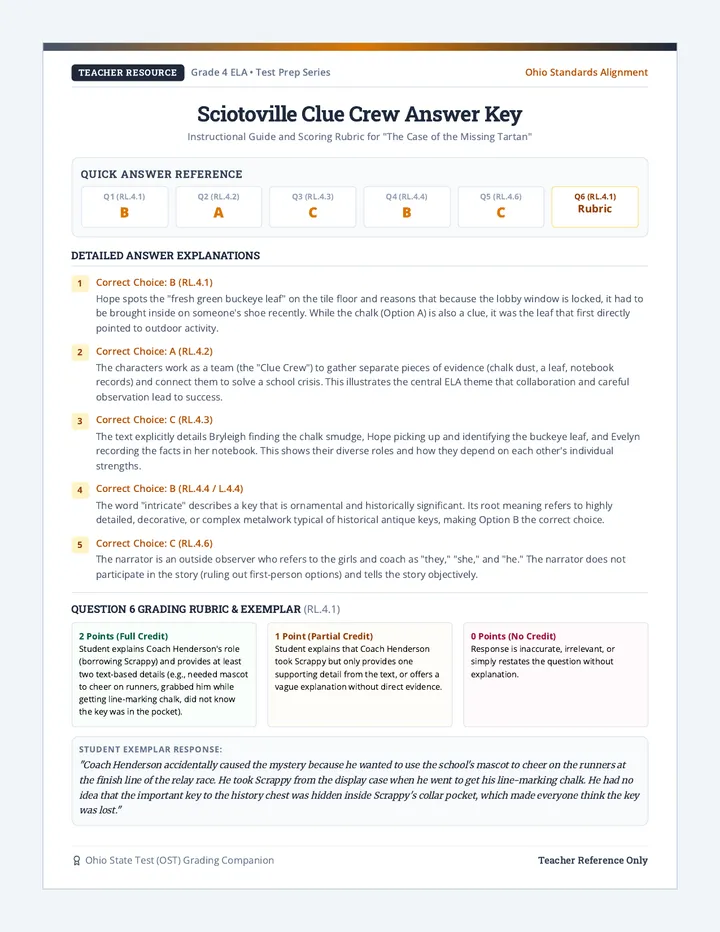
A fourth-grade ELA lesson centering on a fictional mystery reading passage set in Sciotoville, Ohio, with aligned Ohio test-prep comprehension questions and a detailed teacher answer key.
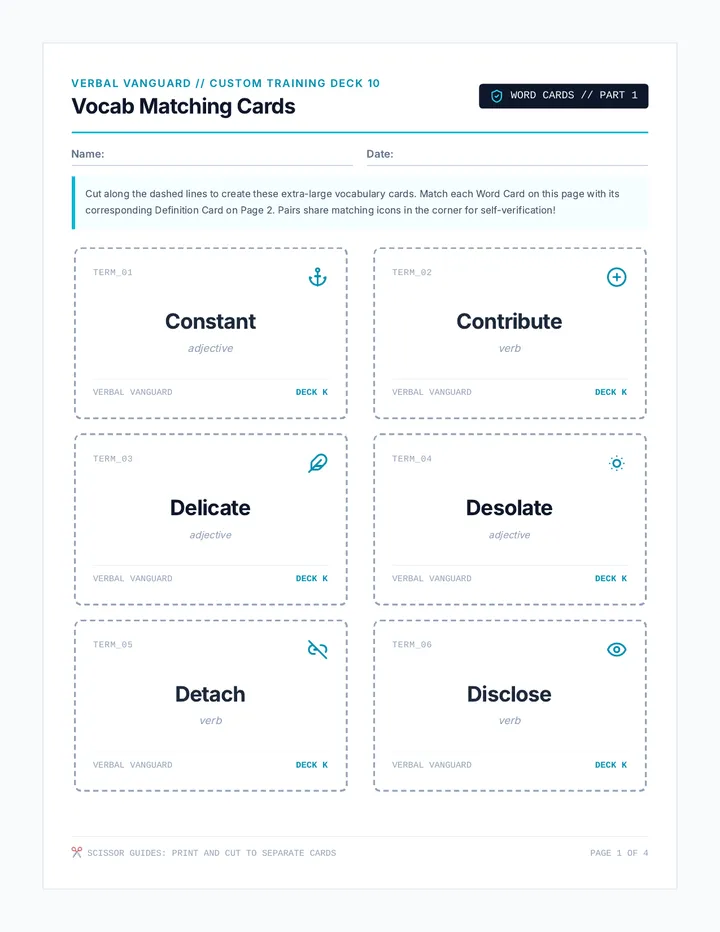
Large-format printable matching card deck featuring the student's tenth set of 12 custom vocabulary words and roots, scaled up for easy handling and reading. Upgraded with matching Lucide icons for self-checking and high visual appeal across a 4-page print-ready layout.