Students explore equivalent fractions through a laundry-themed lesson using sets and grouping models. They will watch a catchy song, use counters to model fractions, and draw their own laundry lines to represent equivalent values.
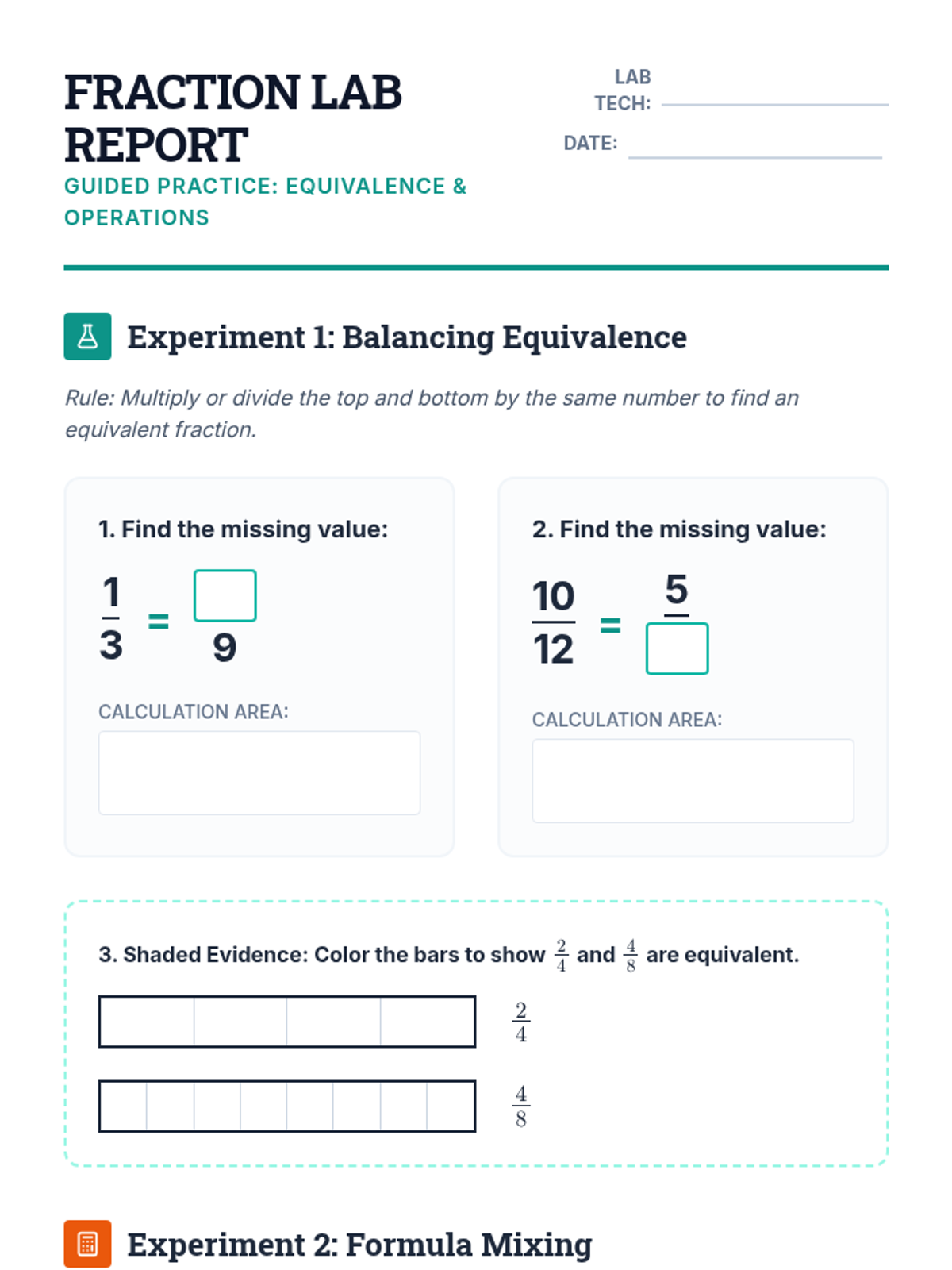
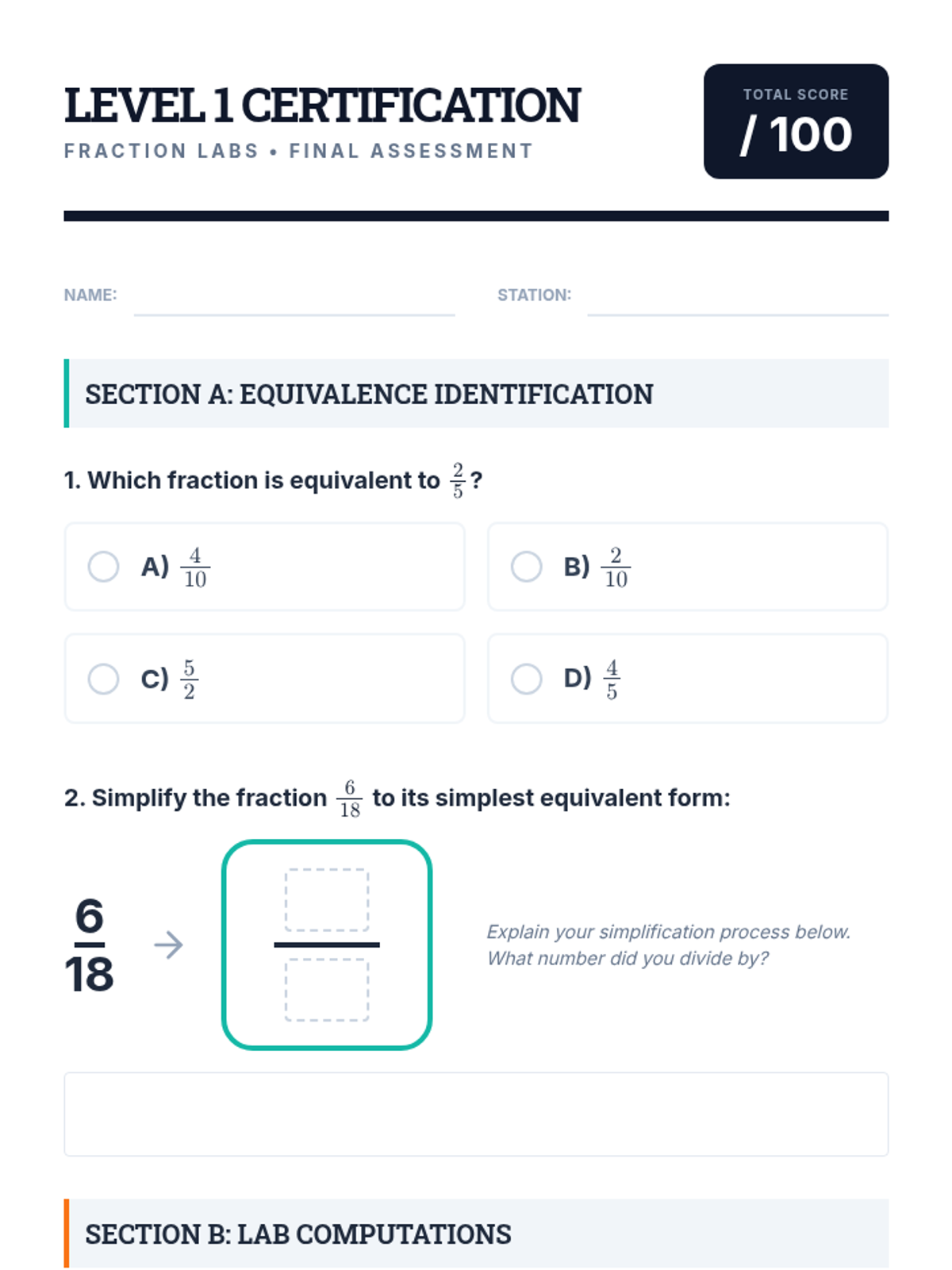
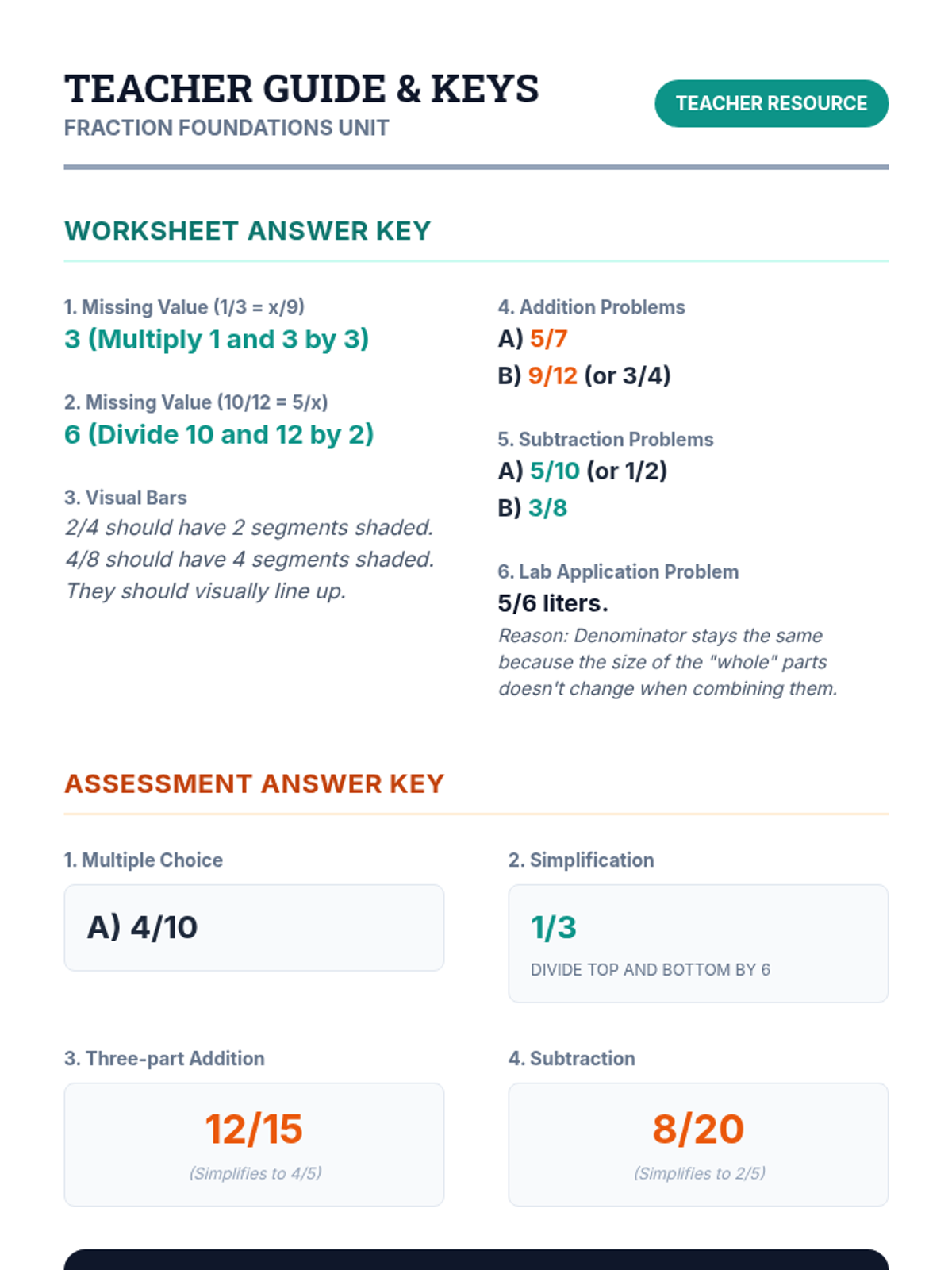
A comprehensive lesson on equivalent fractions and adding/subtracting fractions with like denominators, featuring a science lab theme.
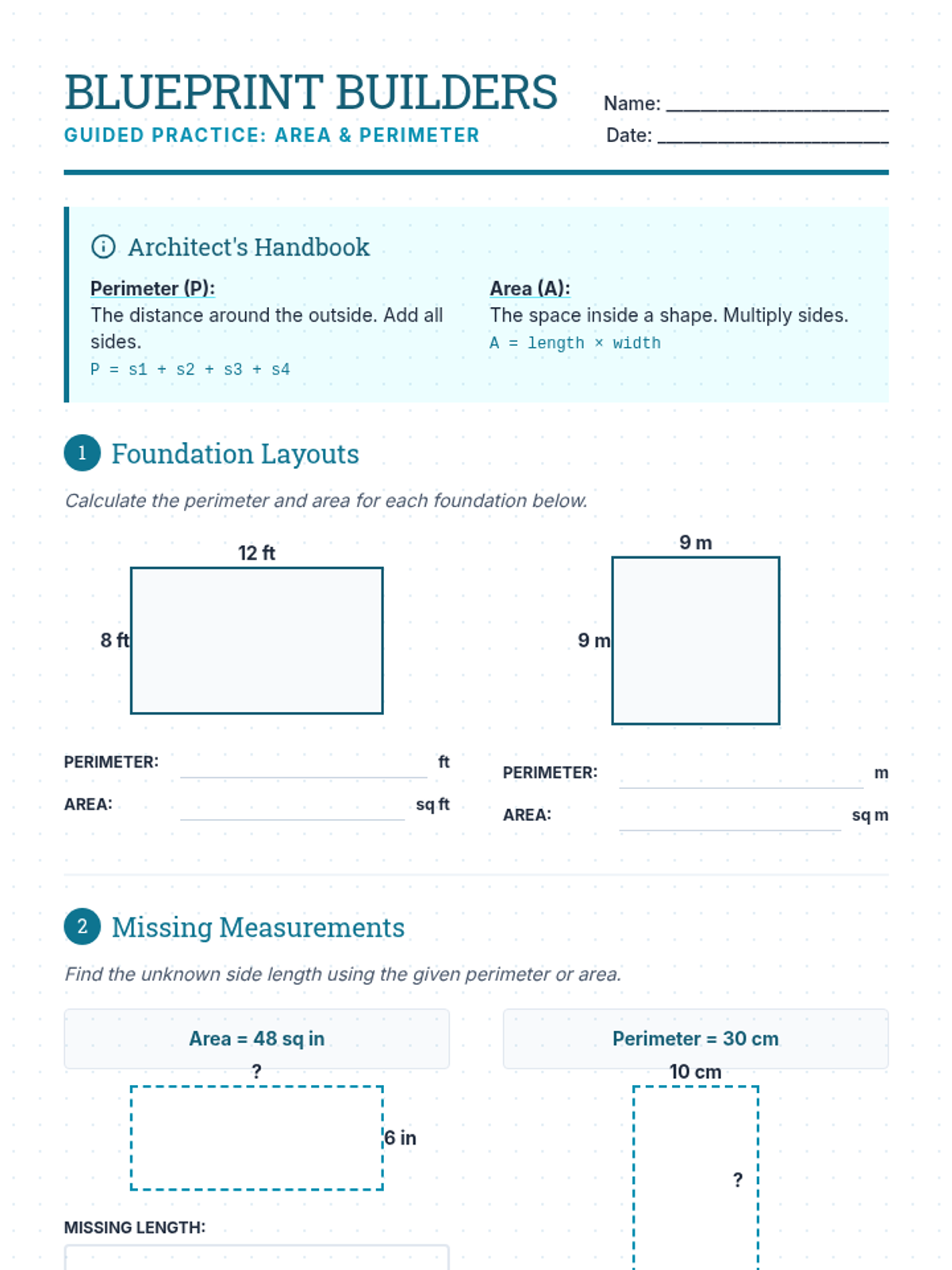
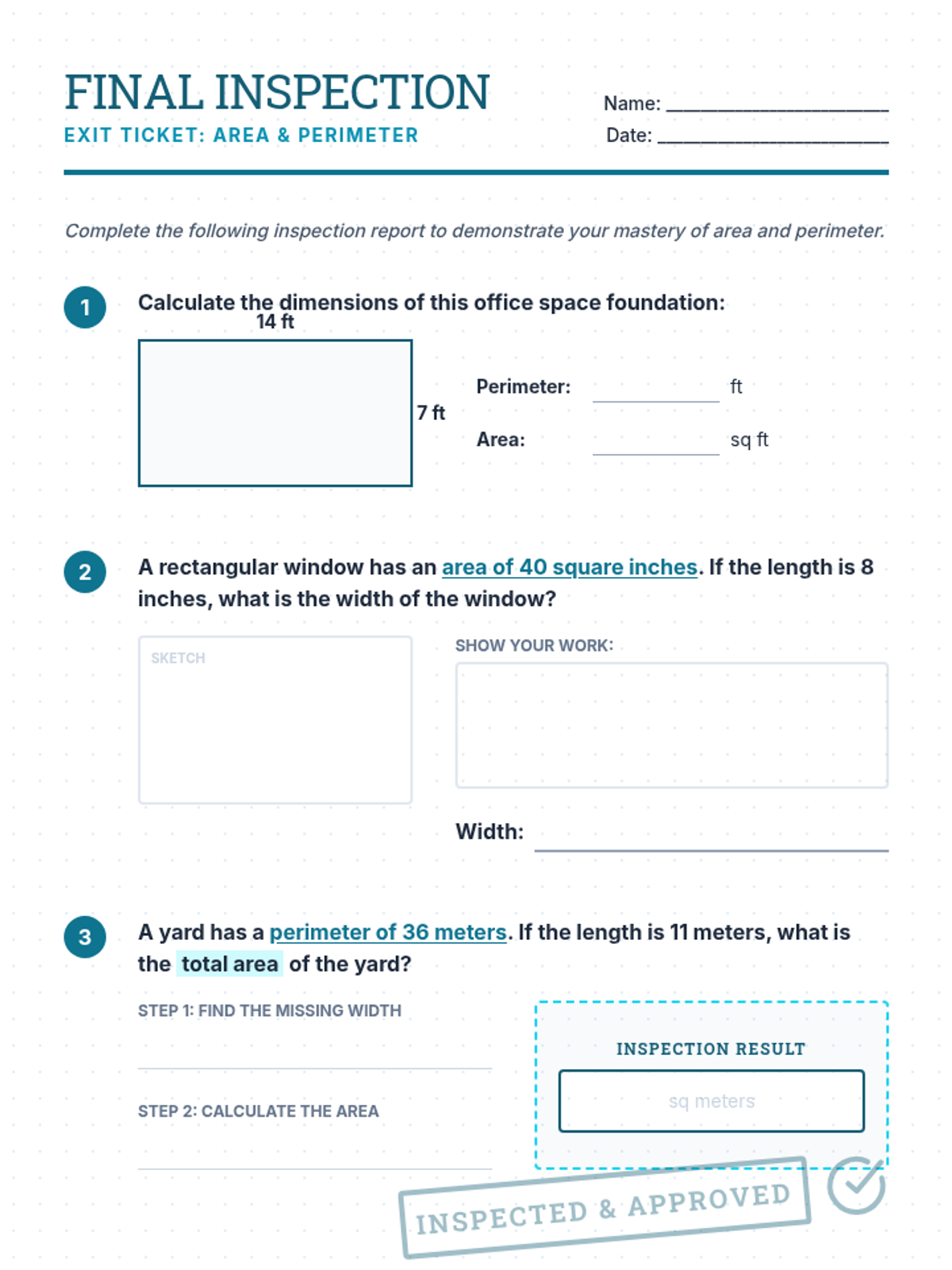
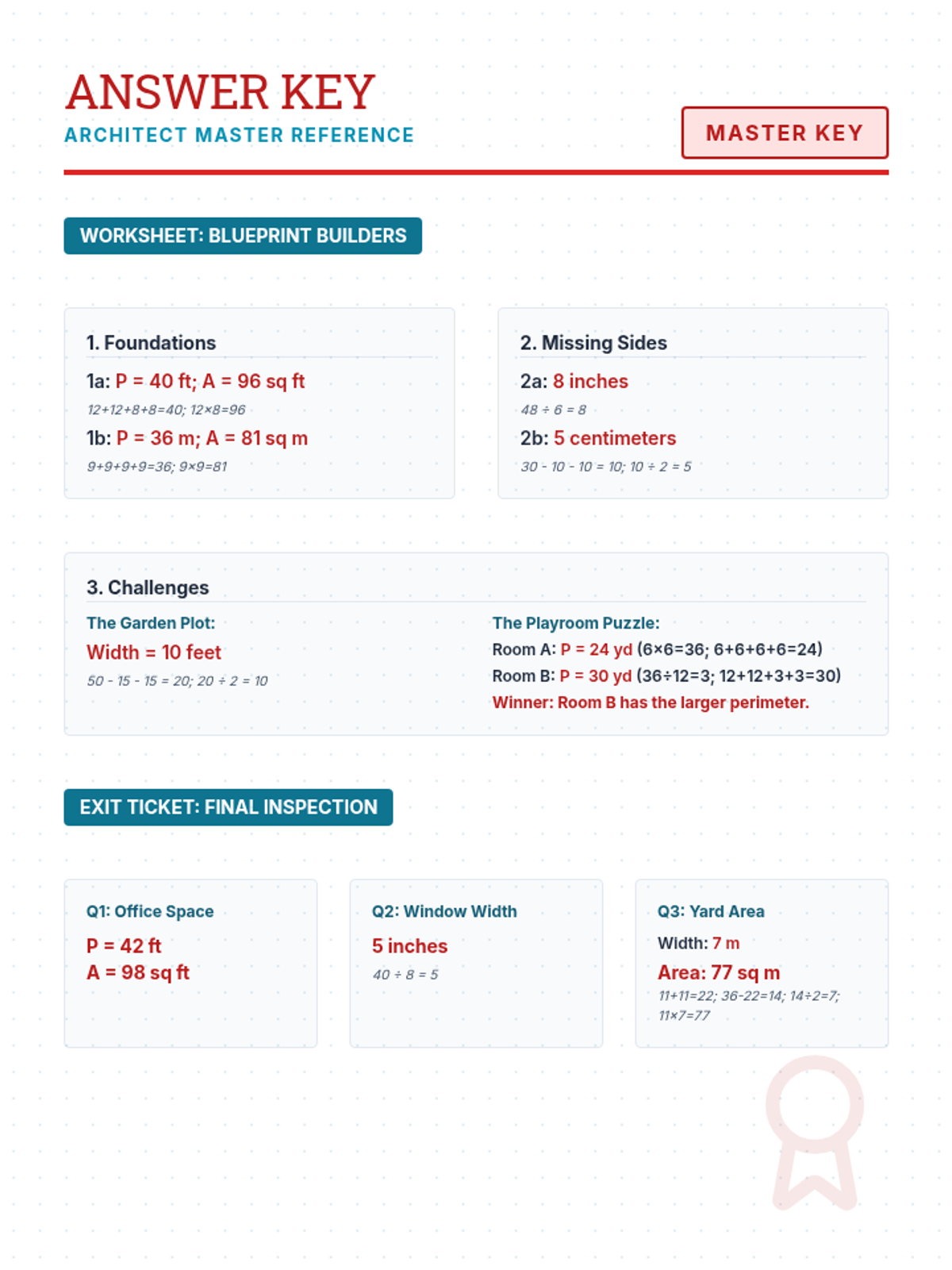
A lesson focused on solving real-world area and perimeter problems, including finding unknown side lengths and comparing rectangles with different dimensions but shared properties. Students act as junior architects to design and analyze blueprints.

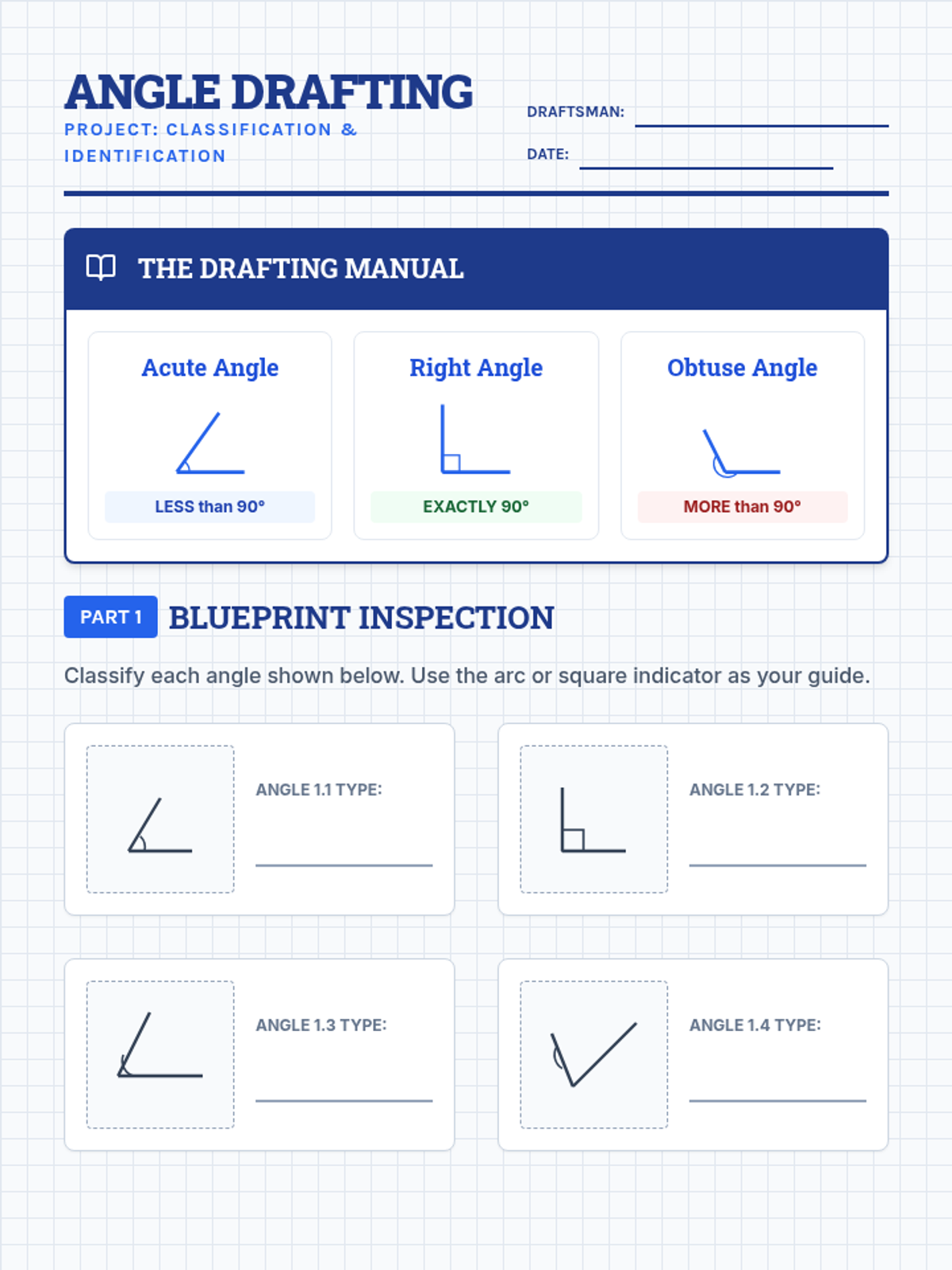
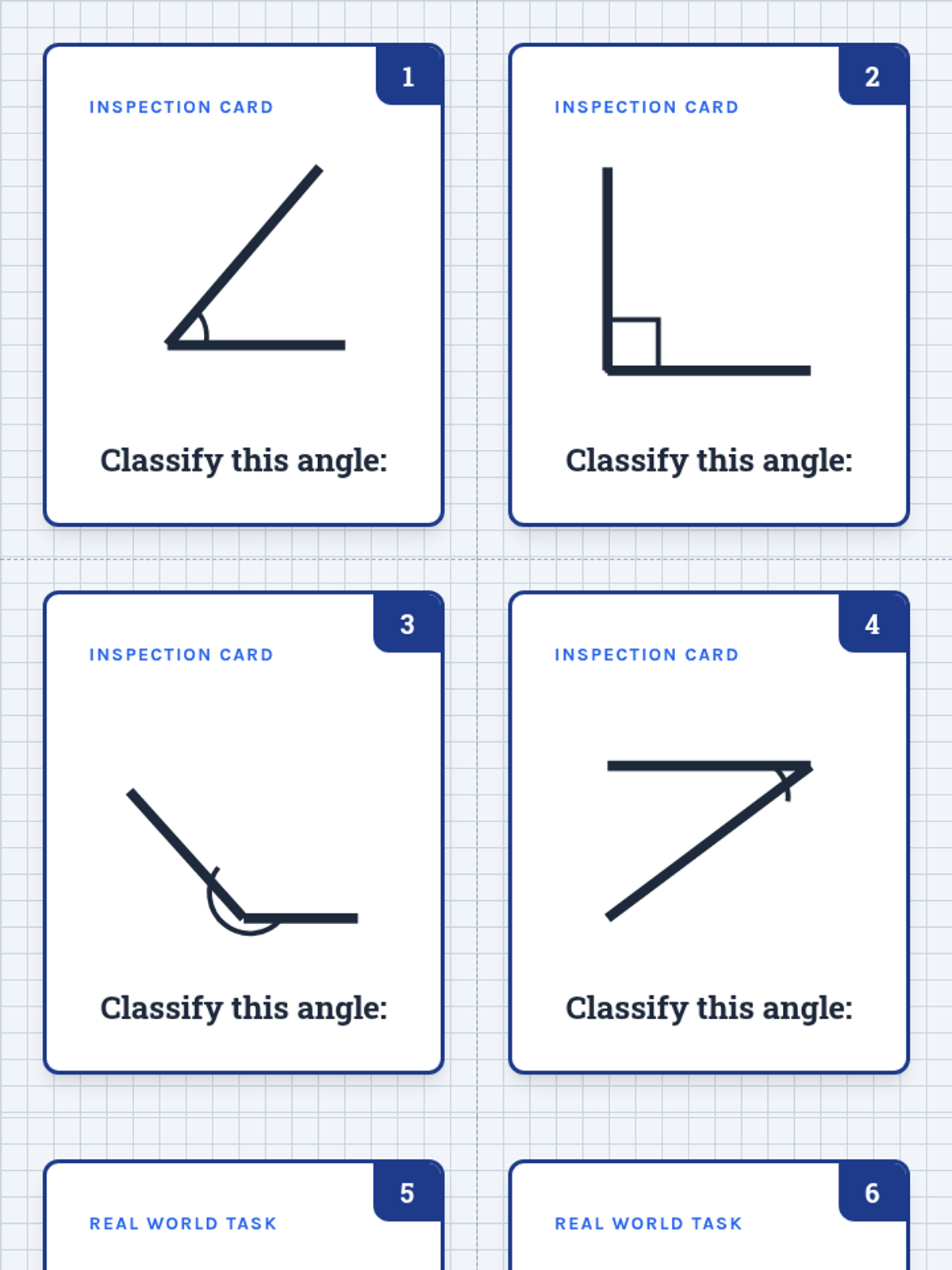
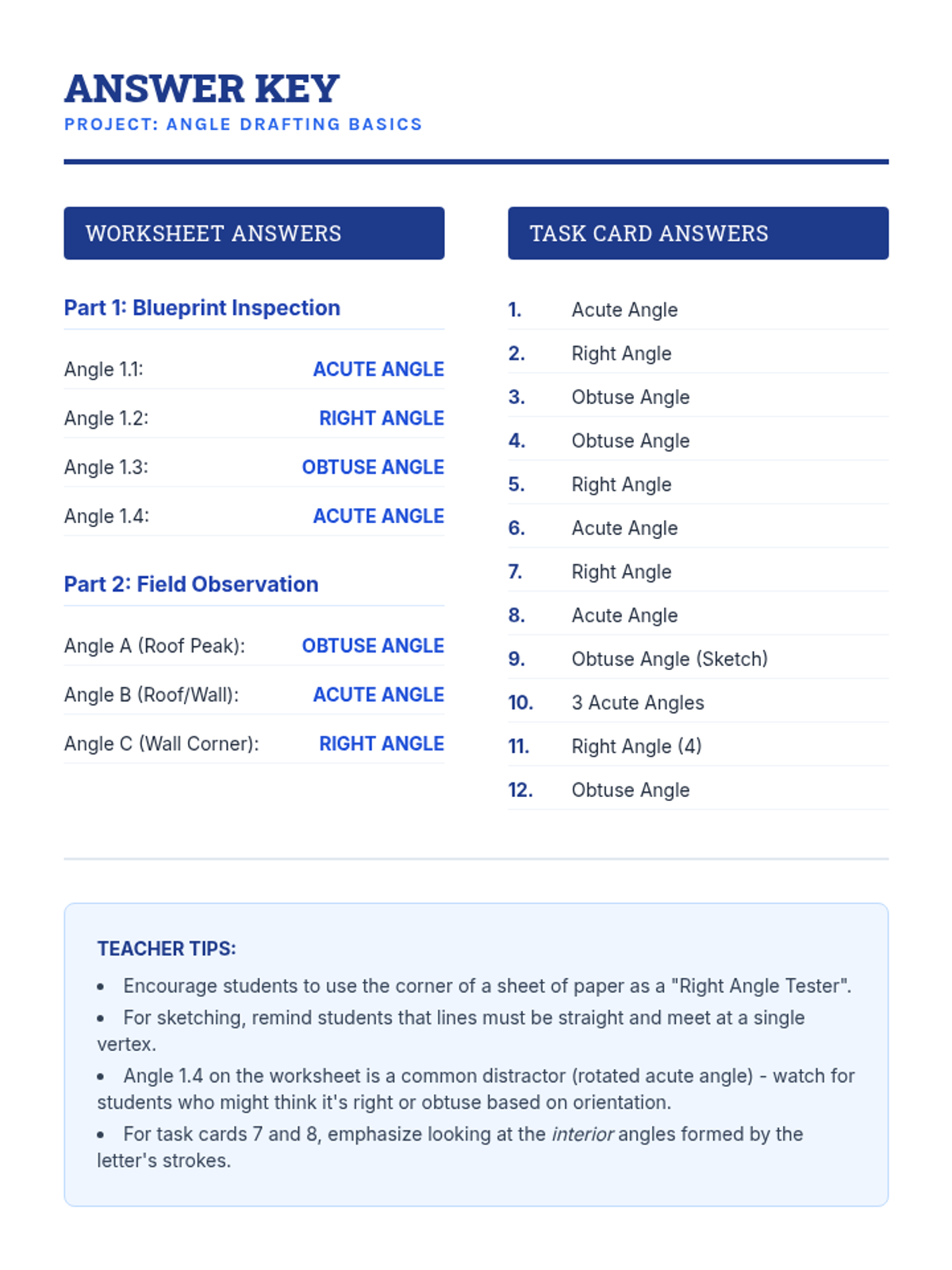
A foundational lesson on classifying angles as acute, obtuse, or right, serving as a prerequisite for measuring with a protractor. Students will identify, classify, and sketch angles within a technical blueprint-themed environment.
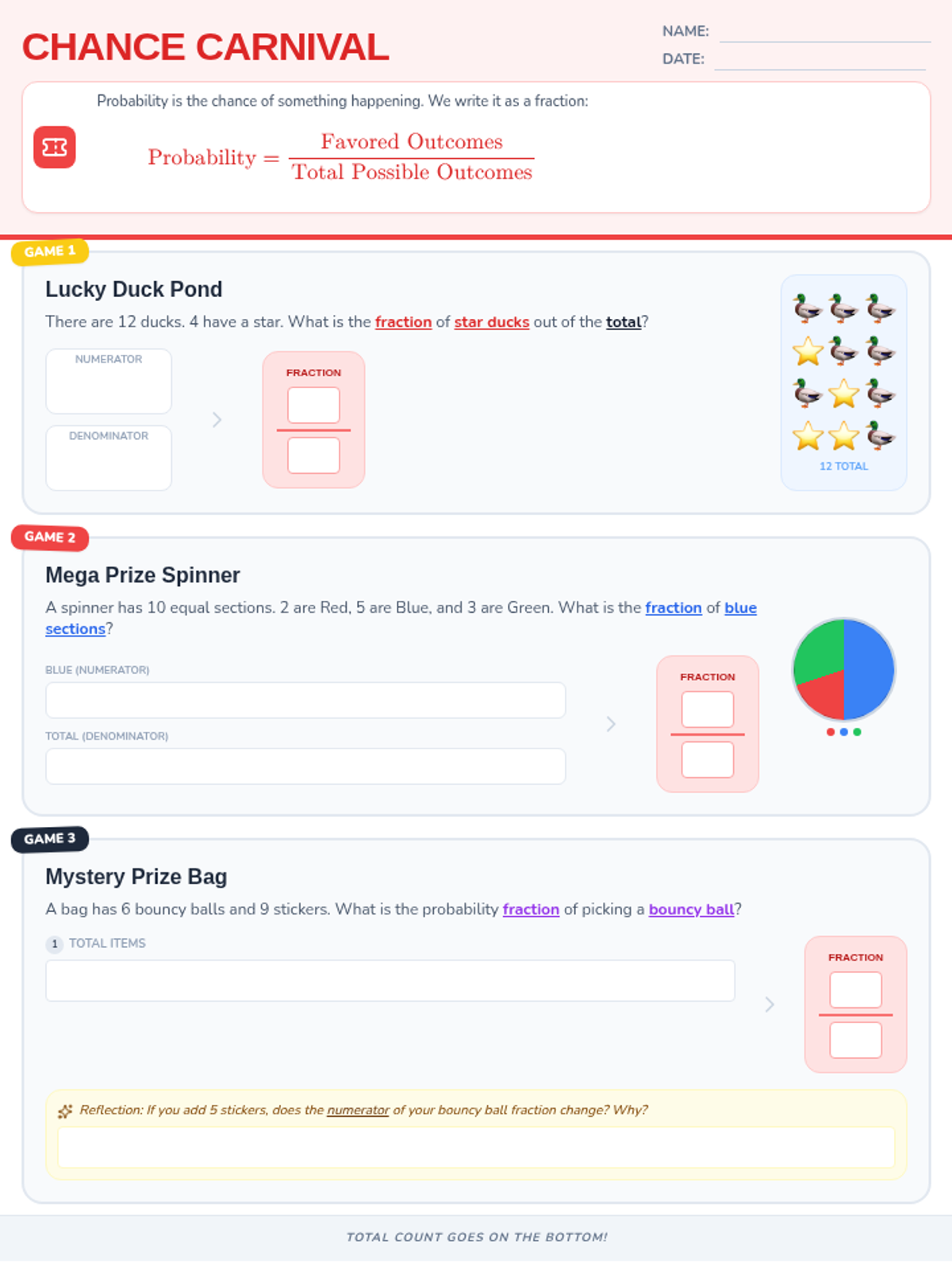
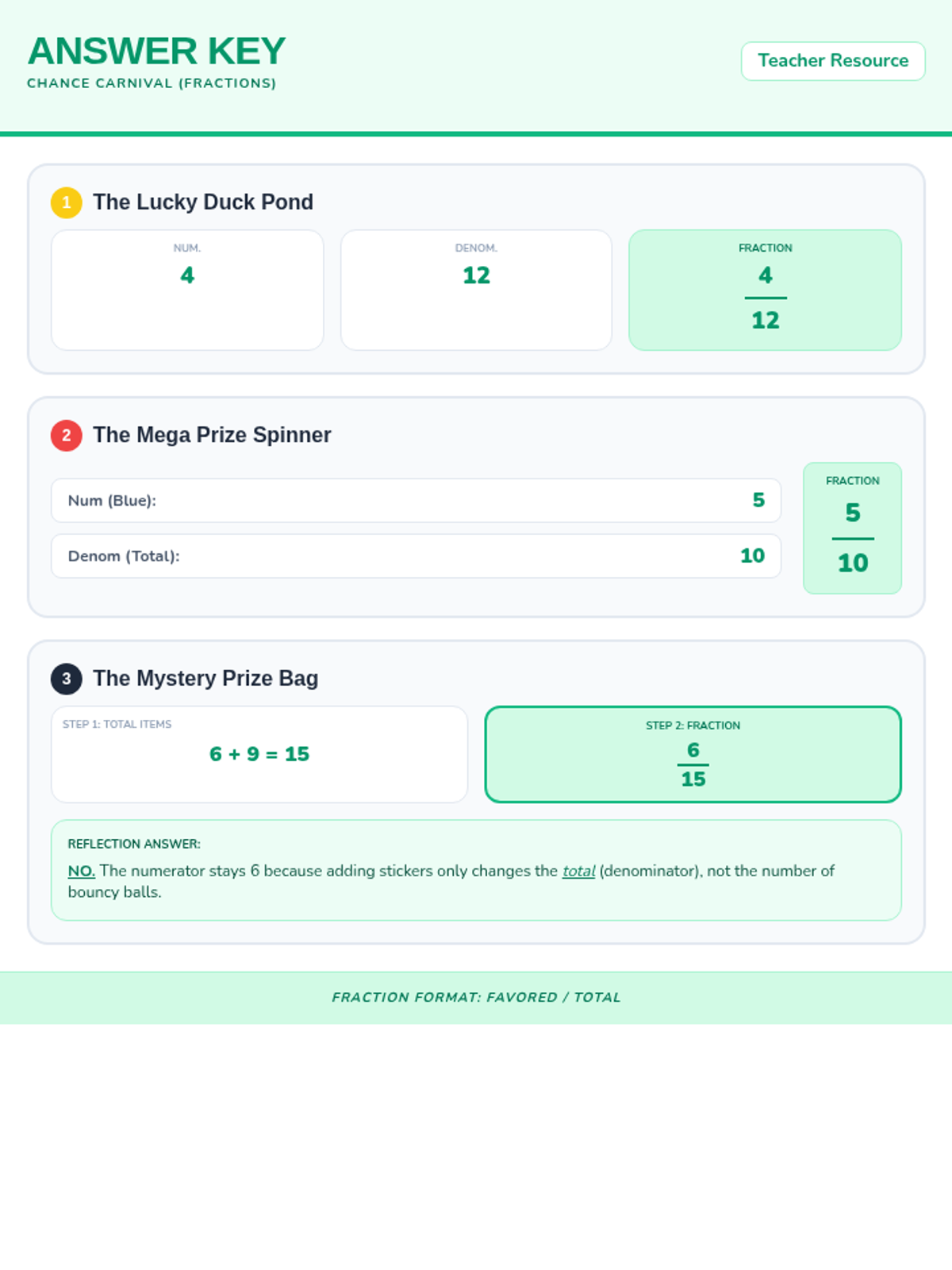
A quick introductory lesson focusing on the fundamental concept of probability as a ratio of favored outcomes to total possible outcomes.
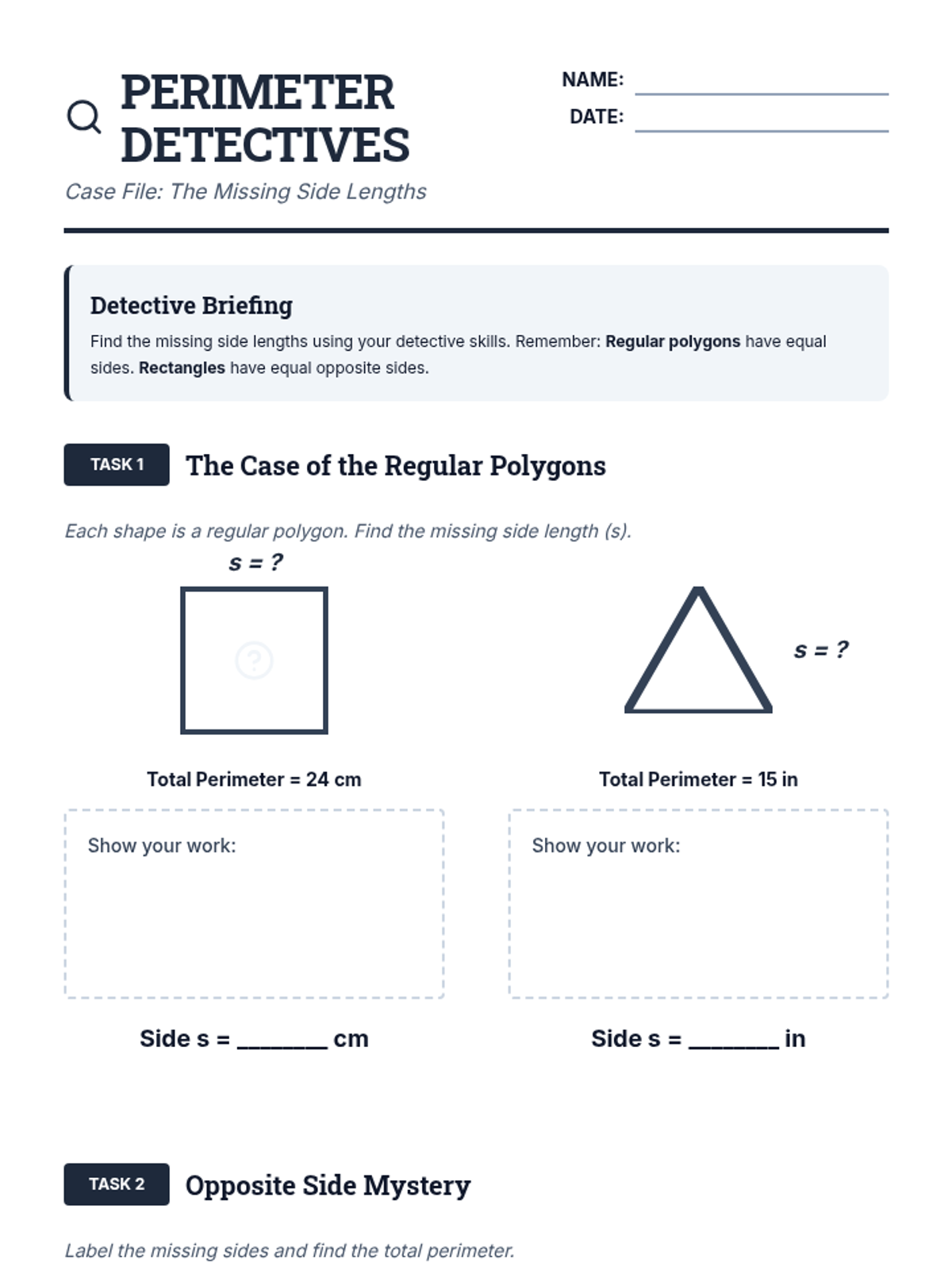
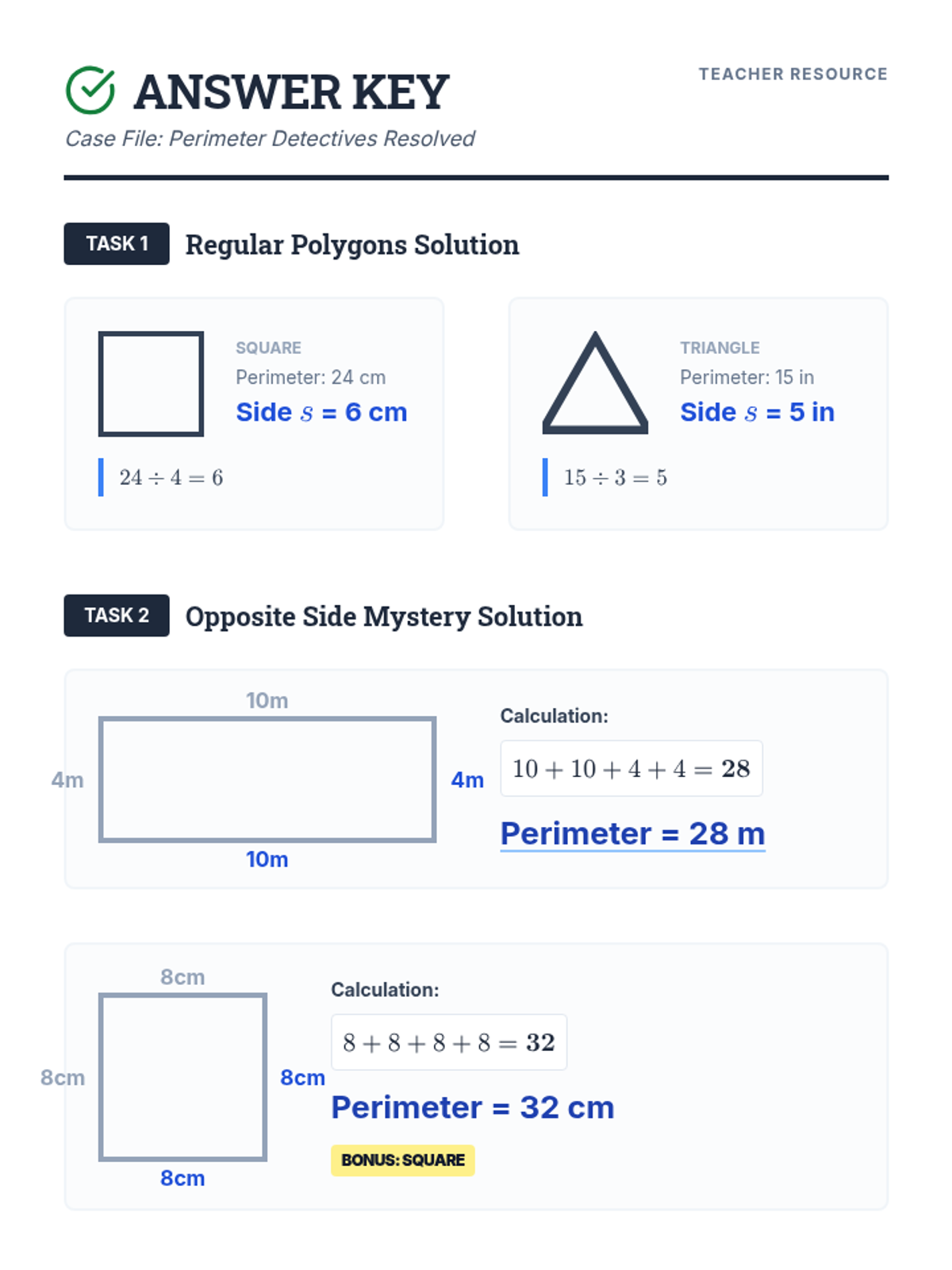
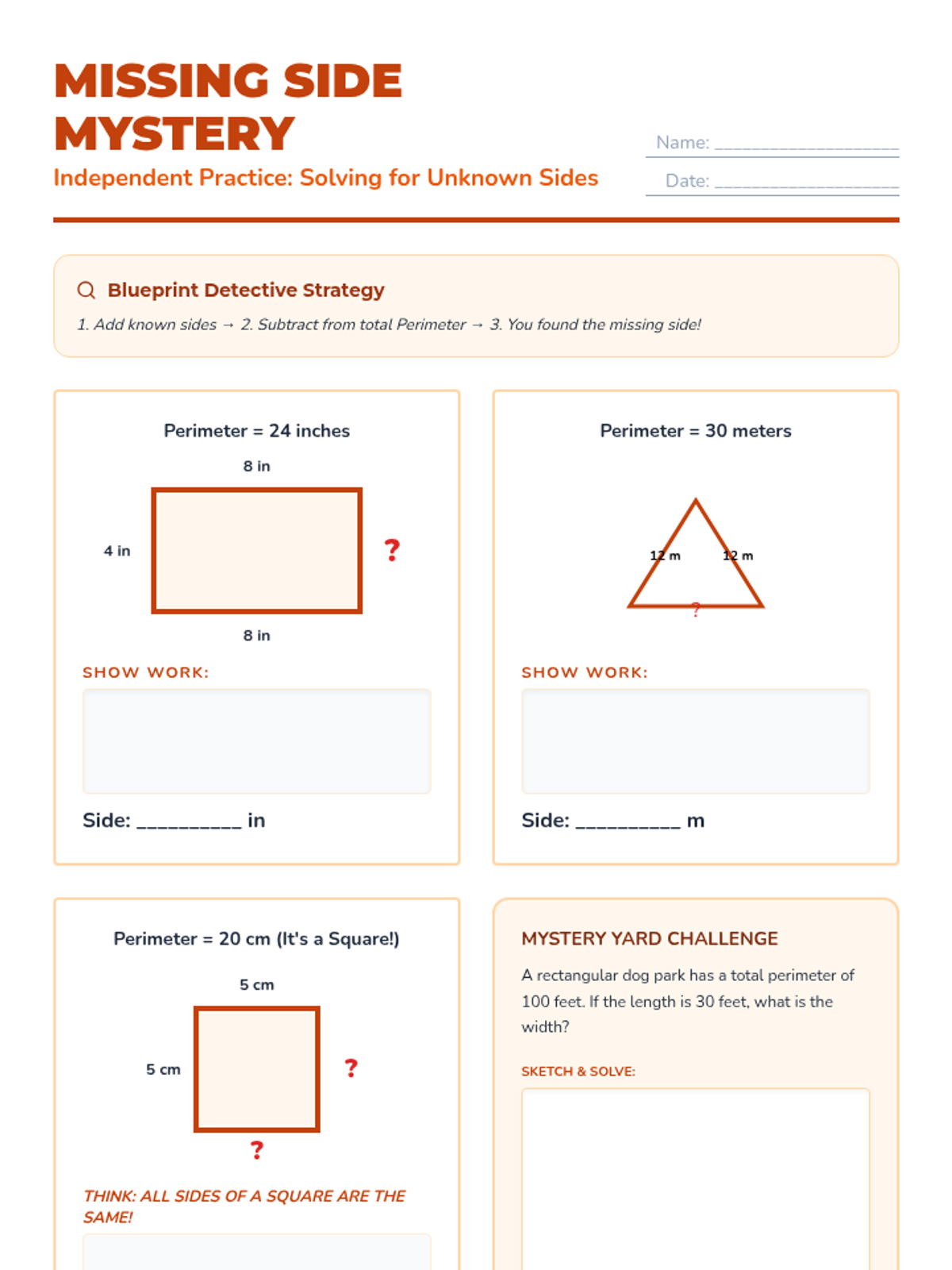
In this lesson, students become 'Perimeter Detectives' to solve for missing side lengths in regular polygons and rectangles. They use their knowledge of polygon properties and addition/subtraction to calculate perimeters and individual side measurements.
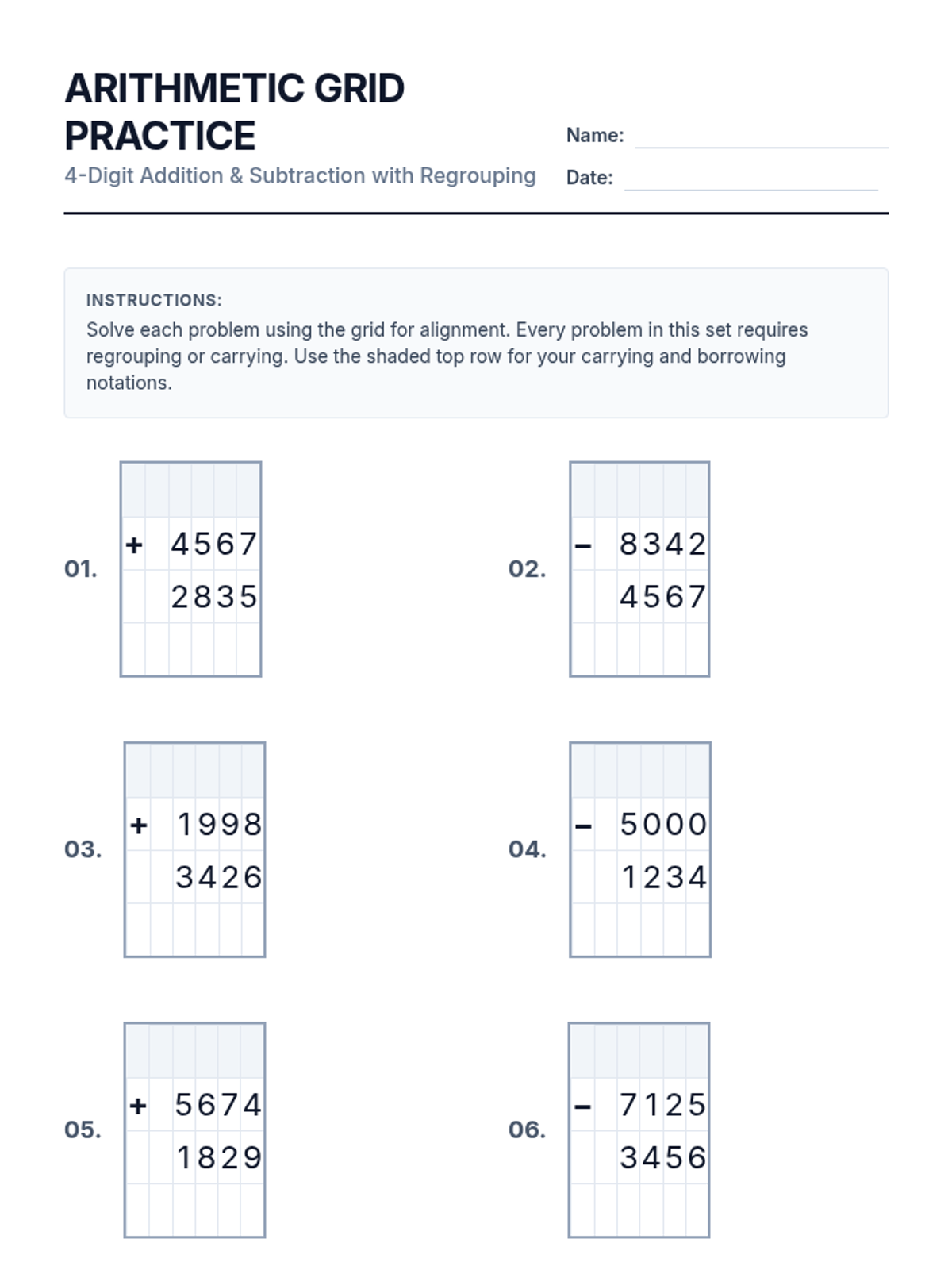
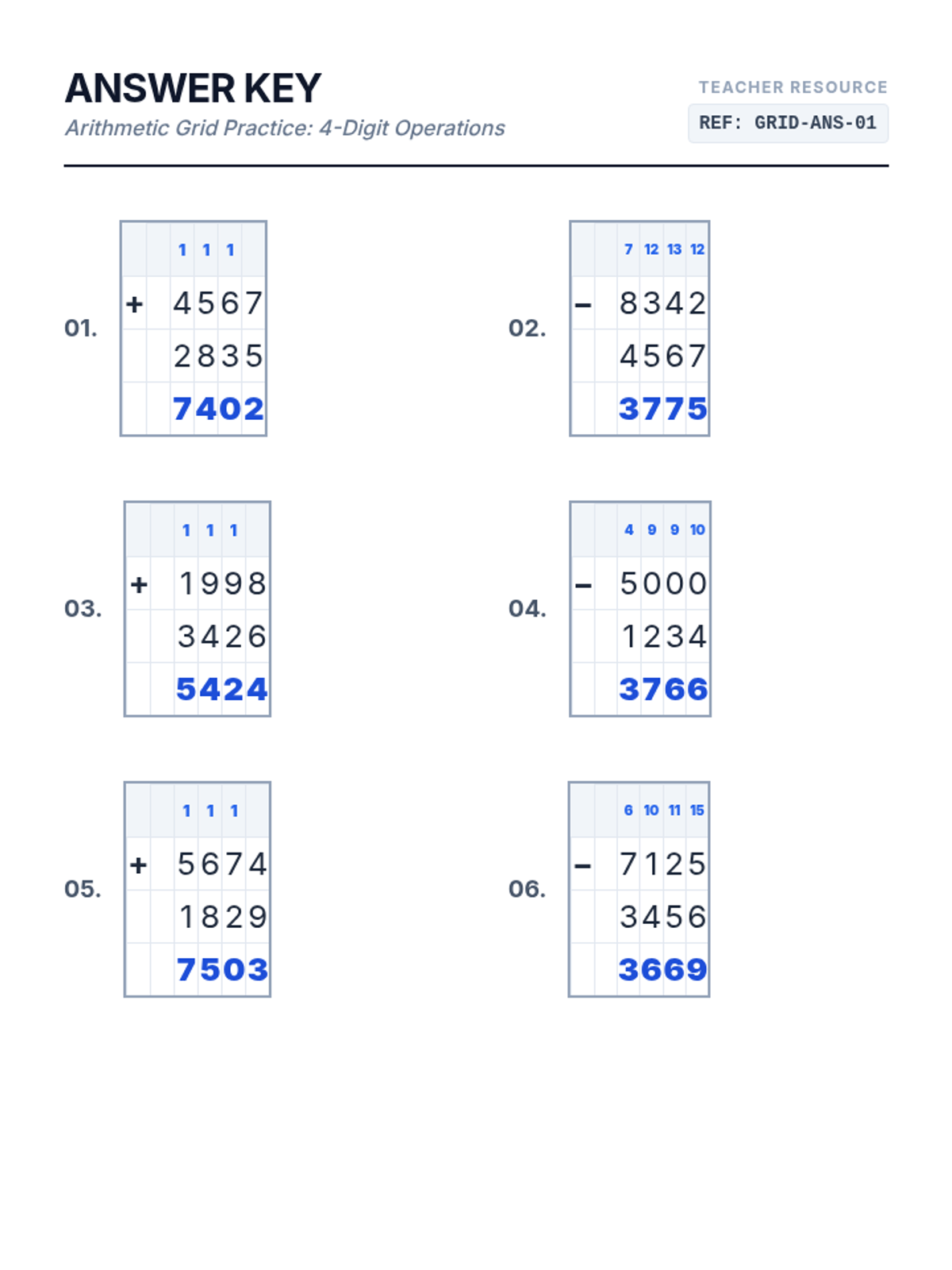
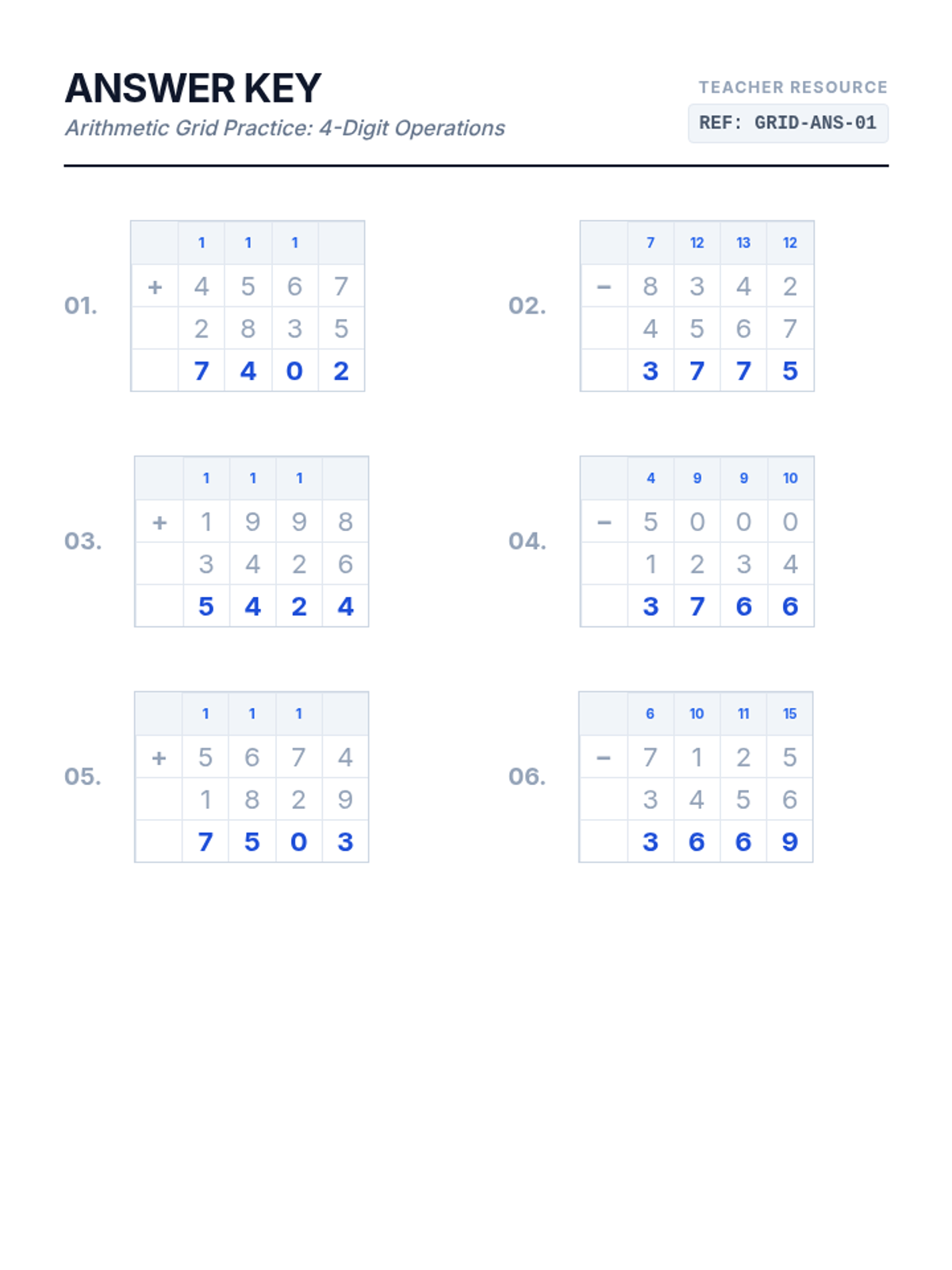
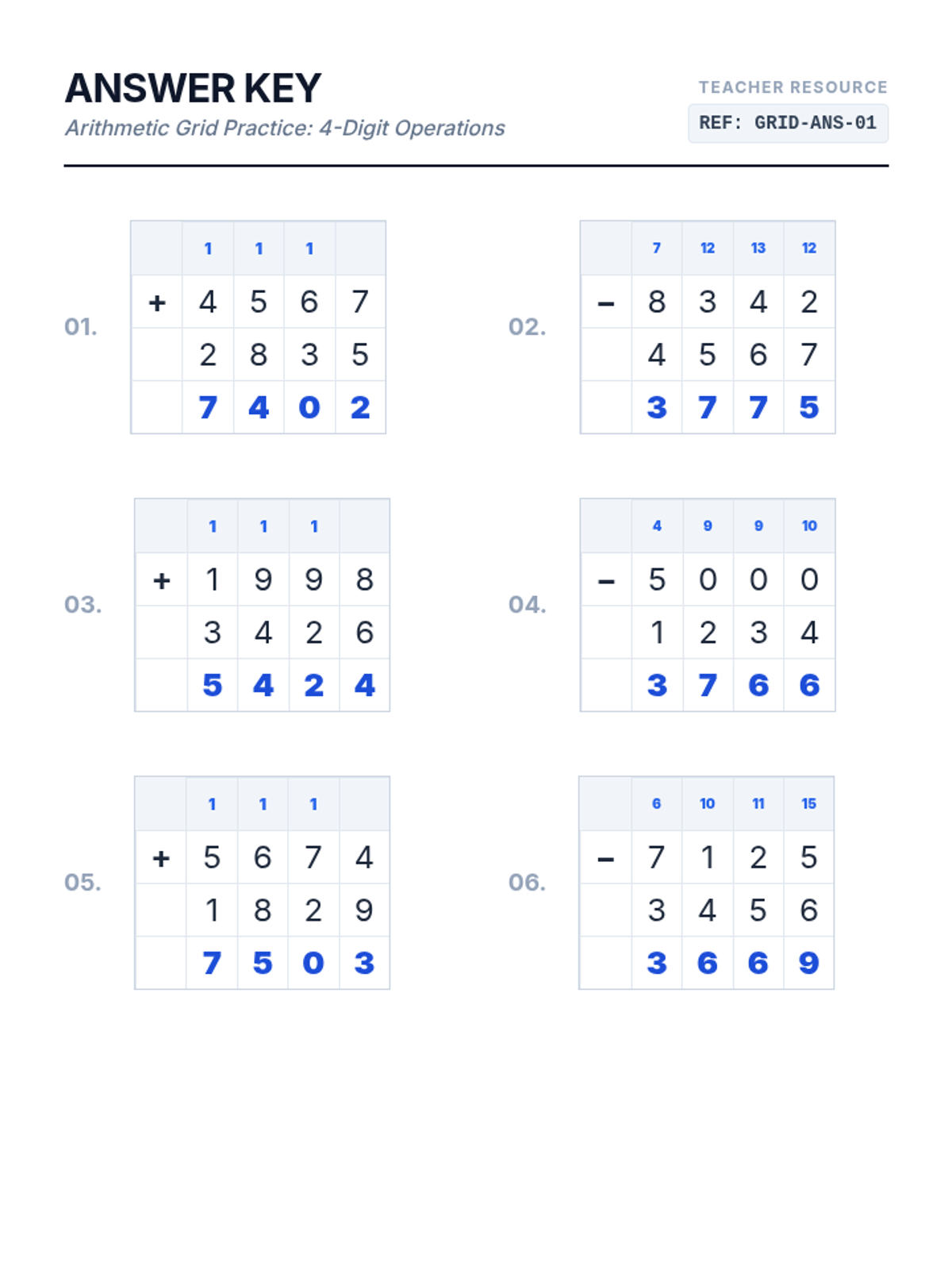
A specialized practice lesson on 4-digit addition and subtraction where every problem requires regrouping or carrying, presented on a clear grid layout for alignment.
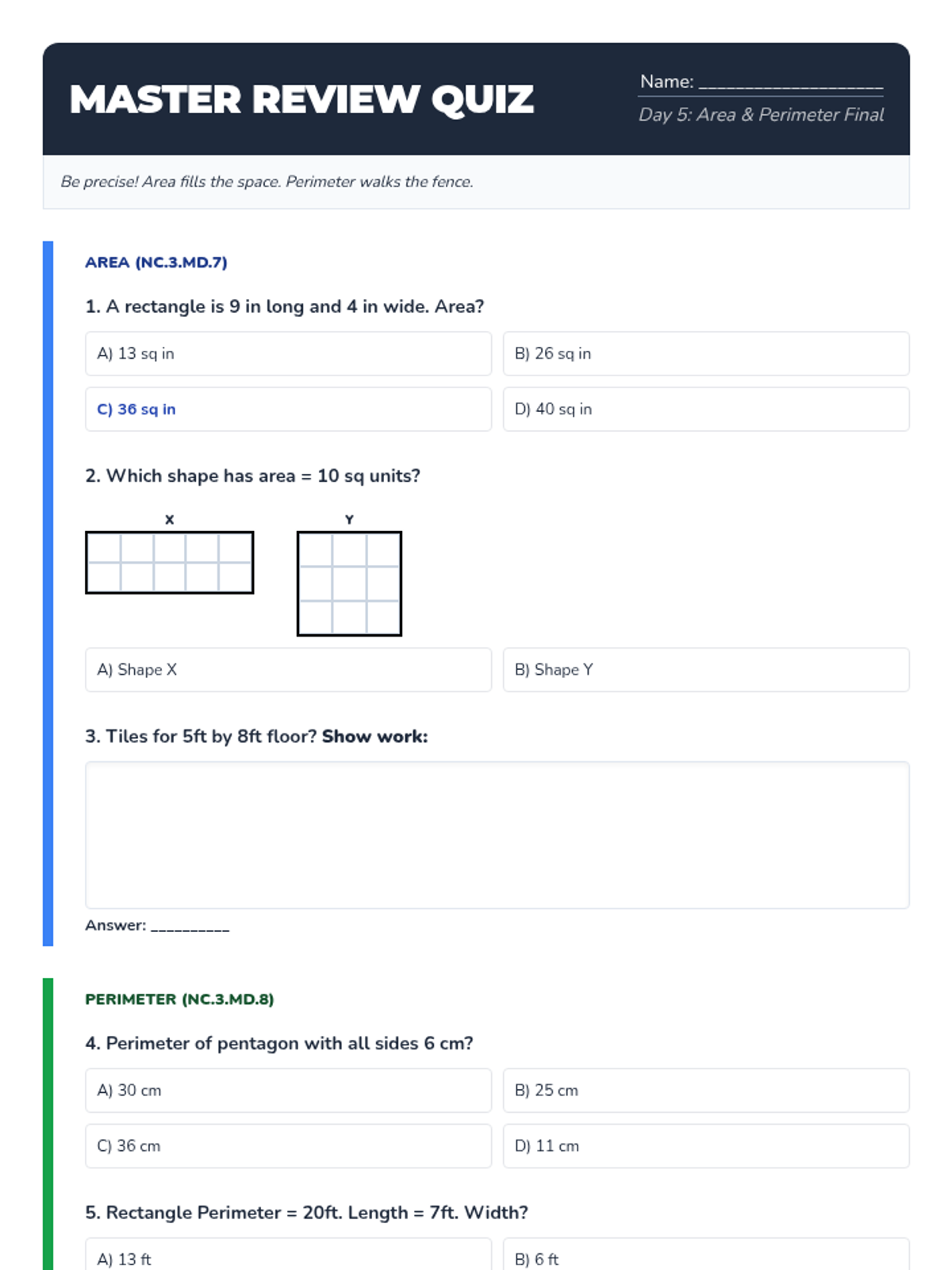
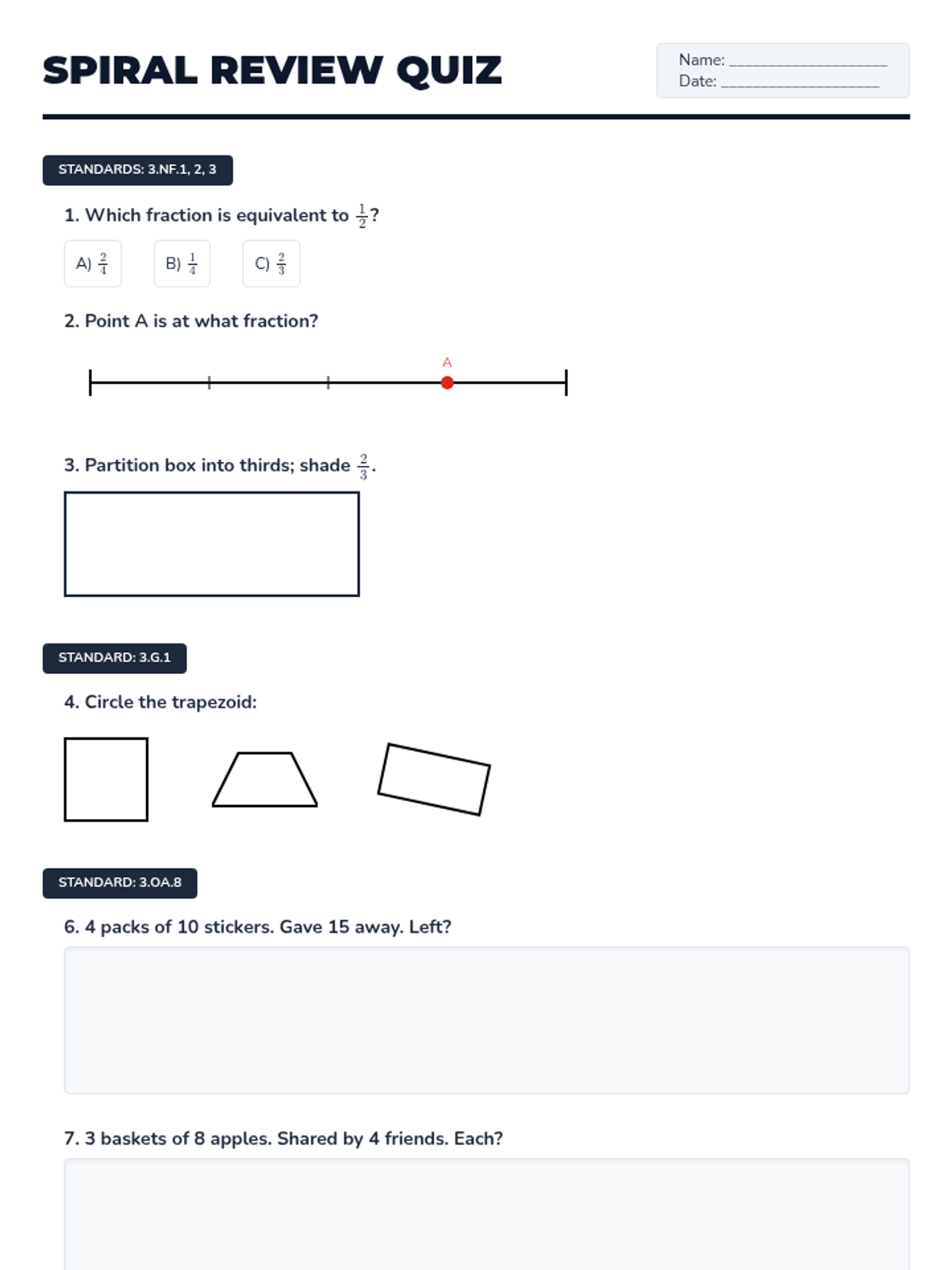
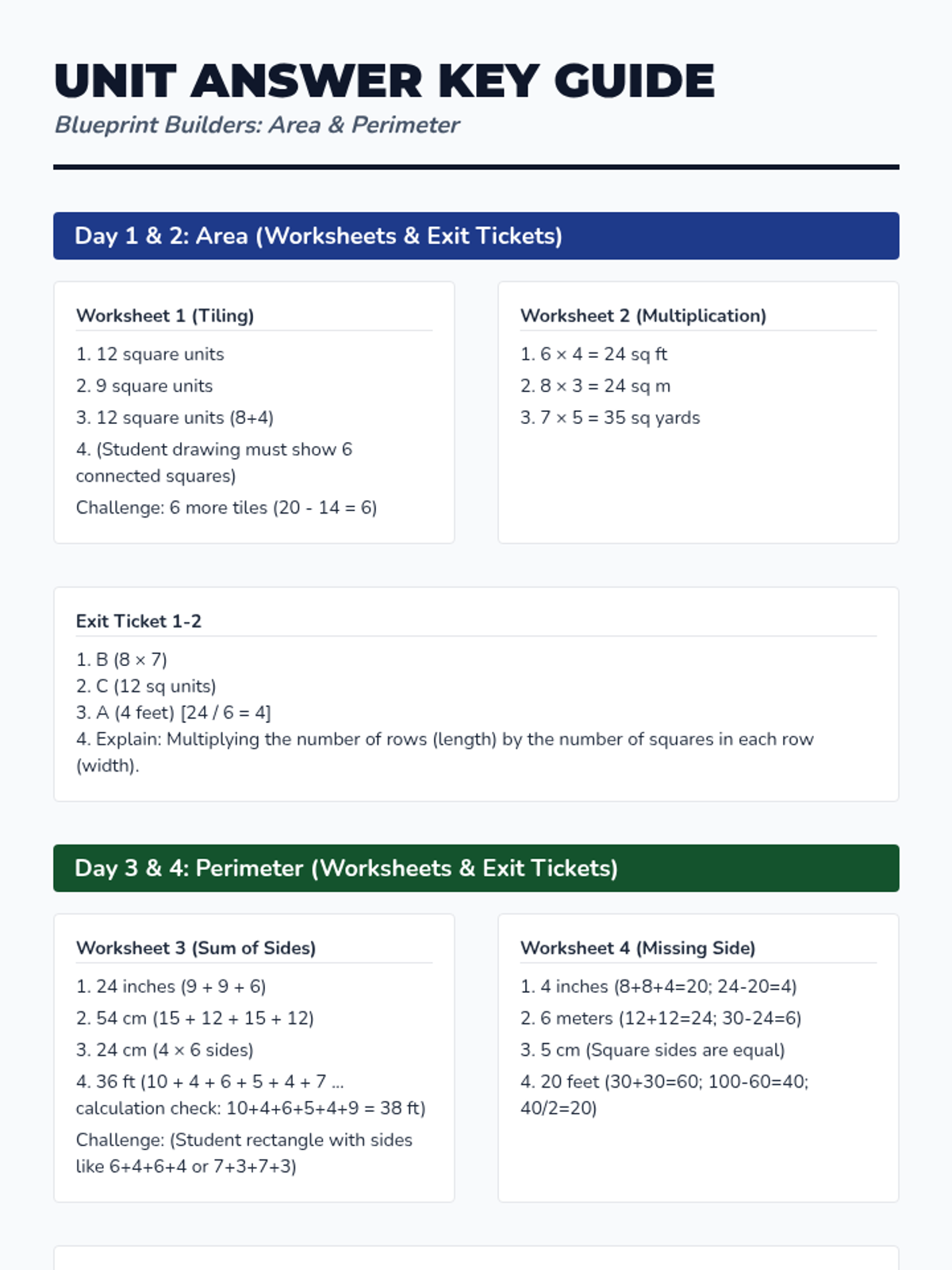
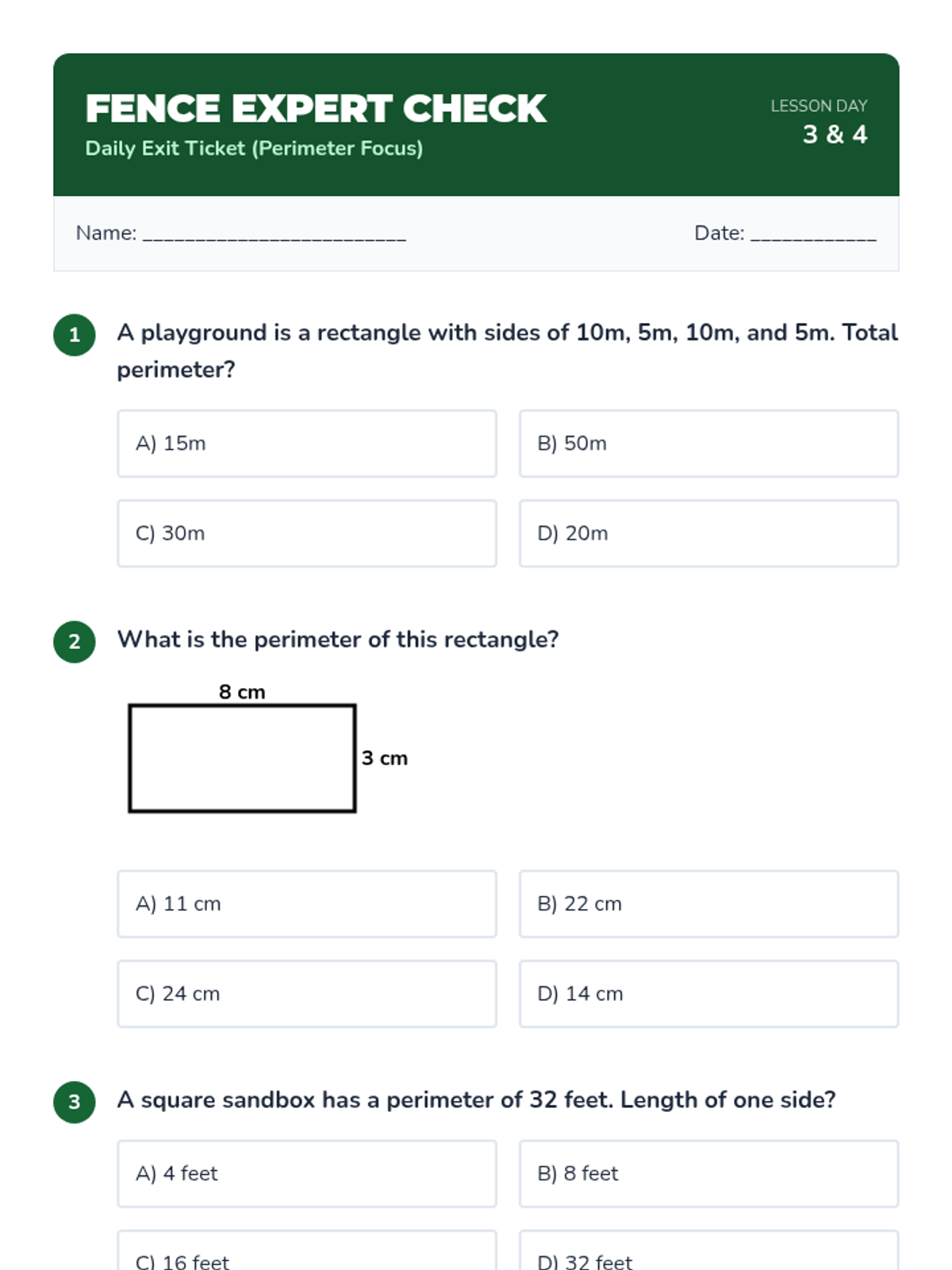
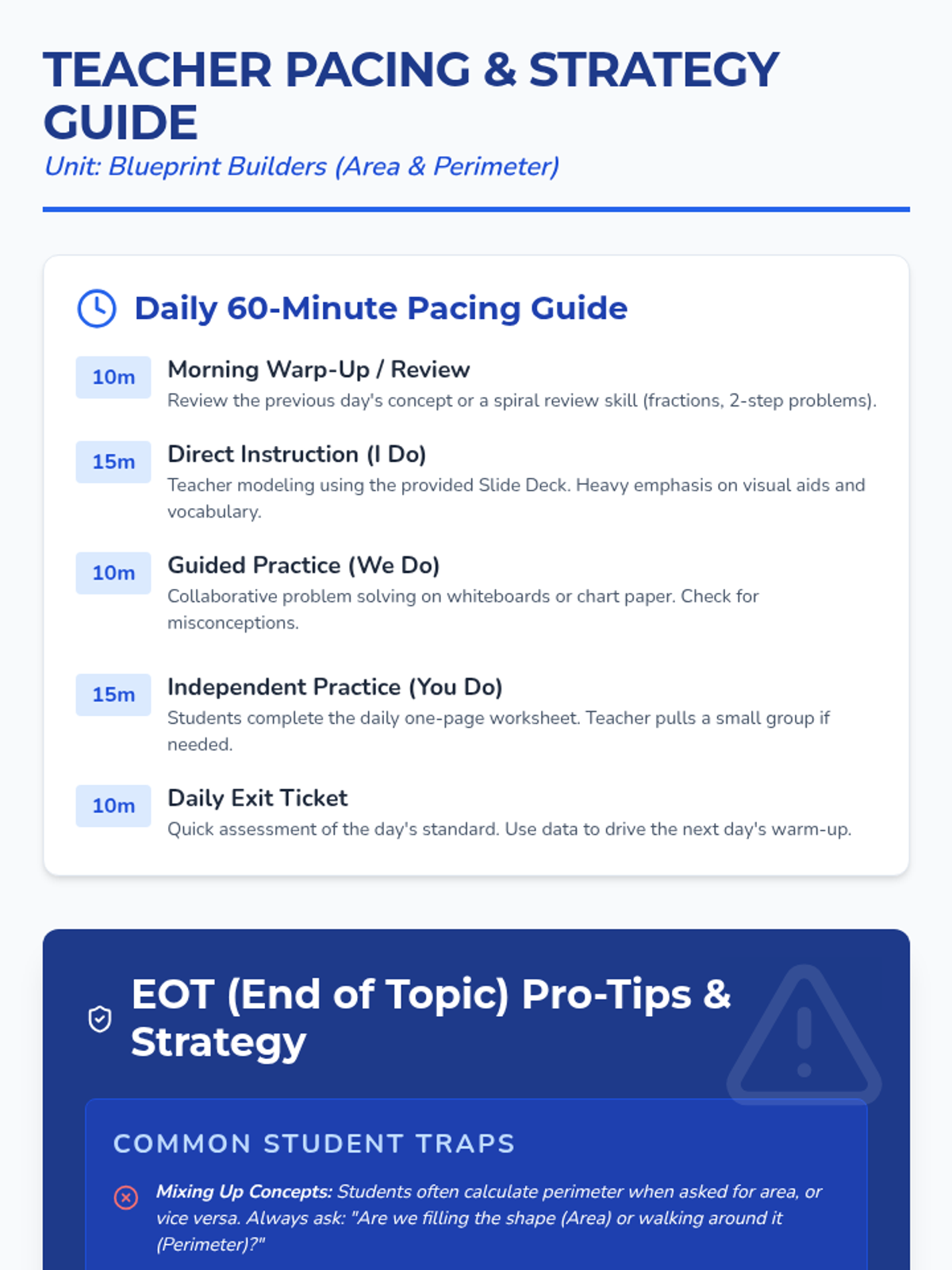
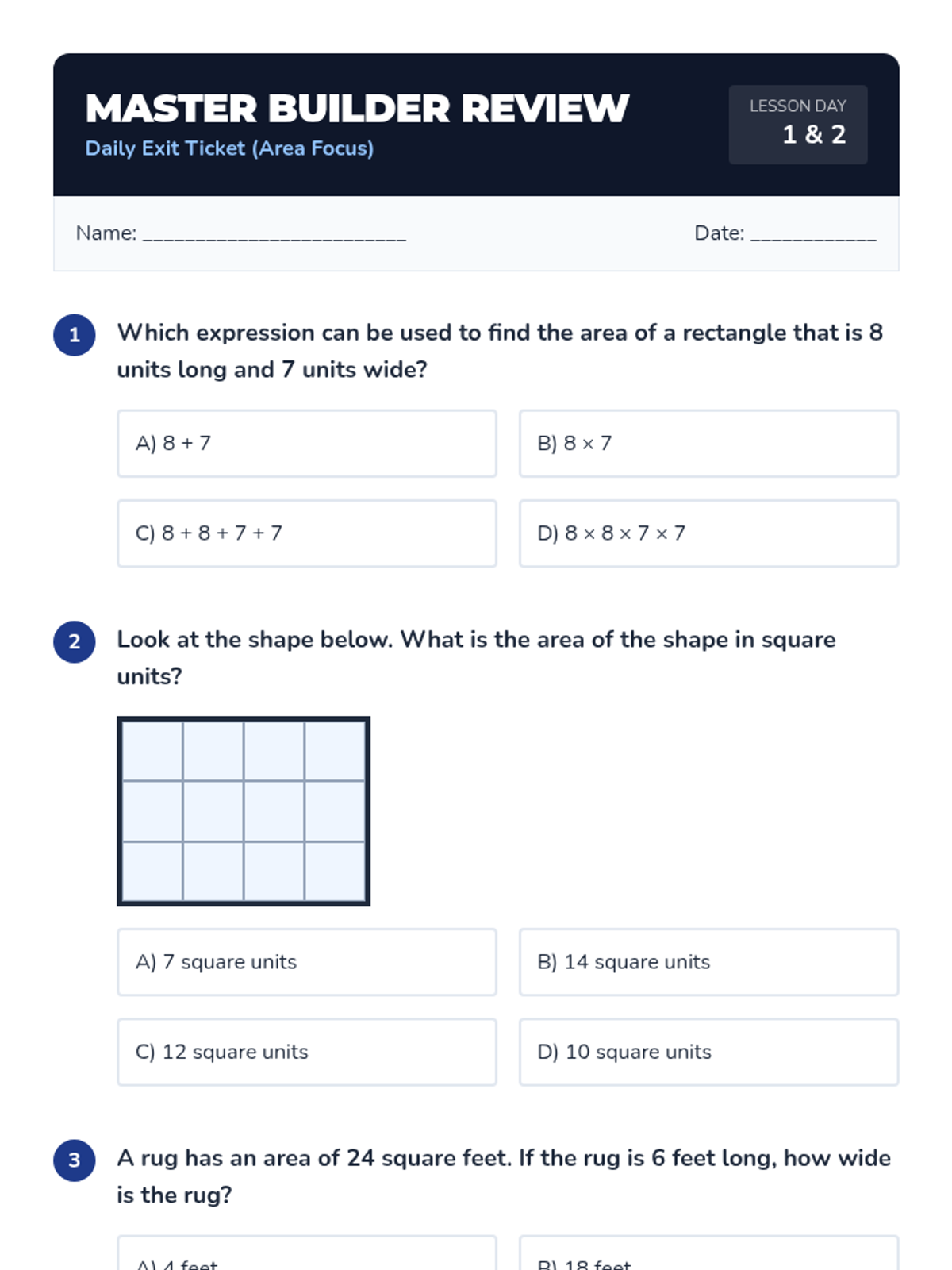
A comprehensive review of area and perimeter concepts including a spiral review assessment.
Challenges students to find missing side lengths when the total perimeter is known.
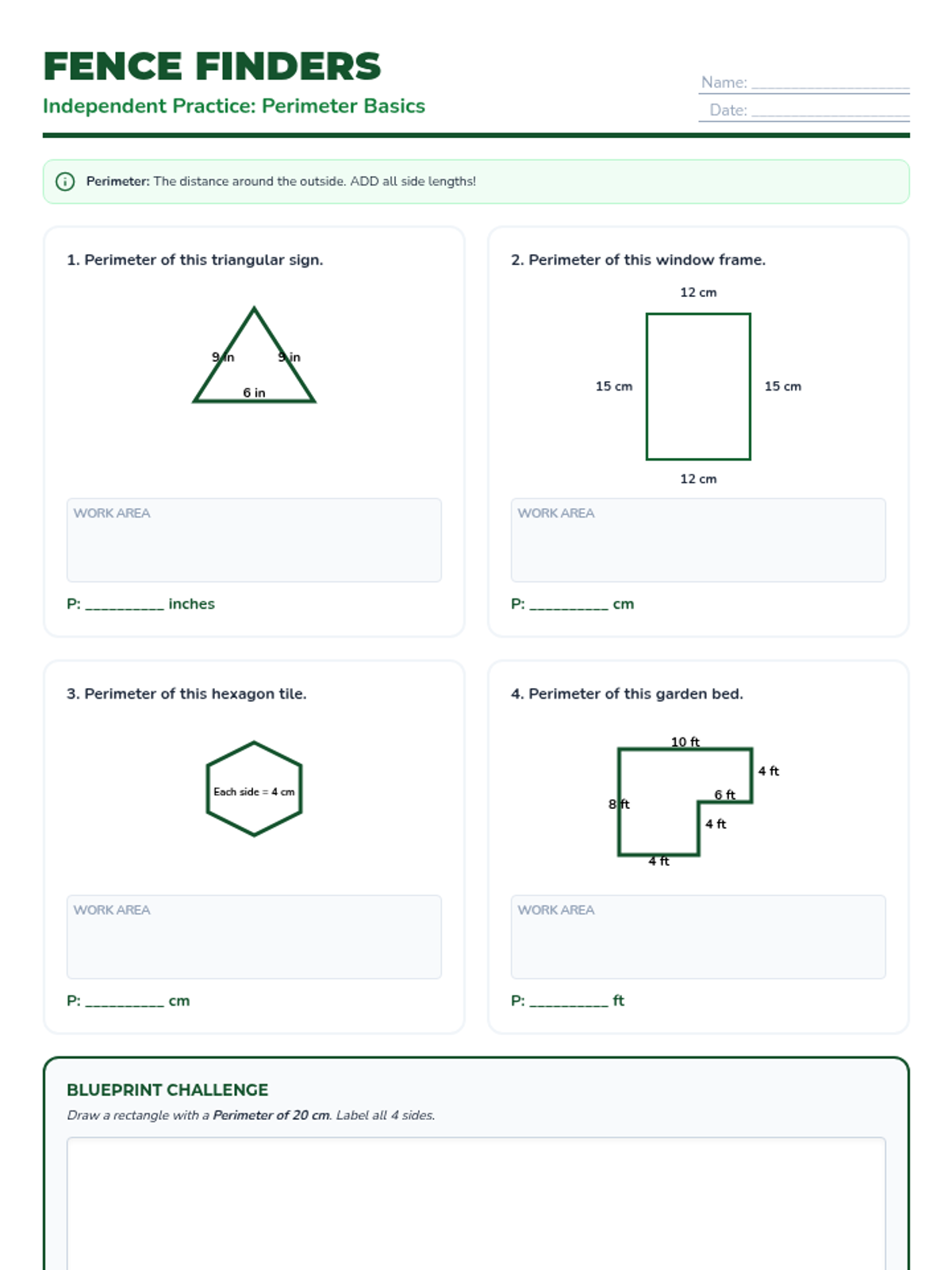
Introduces perimeter as the distance around a shape and calculates it by adding all side lengths.
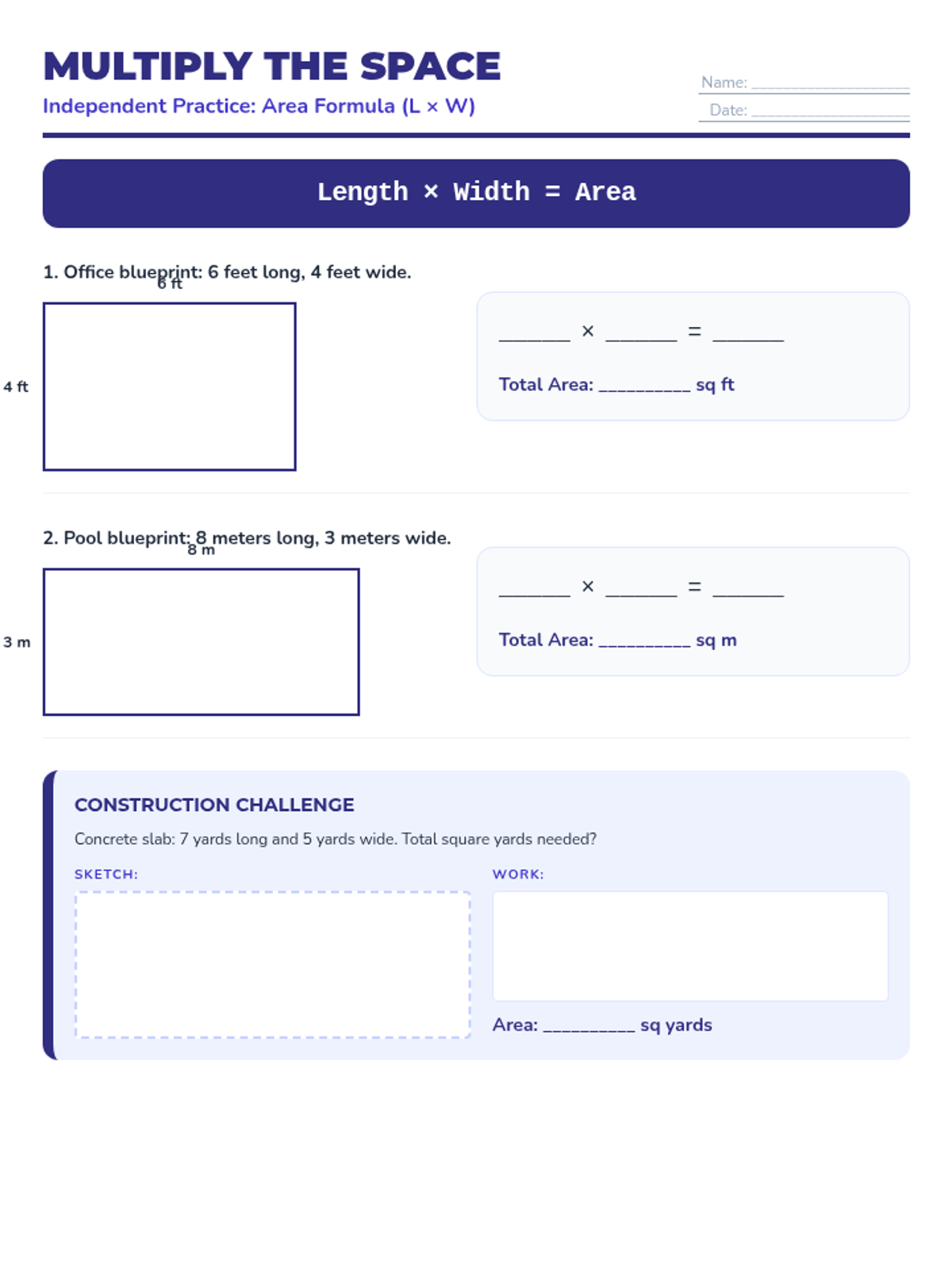
Connects area to multiplication by partitioning rectangles and using the Length x Width formula.
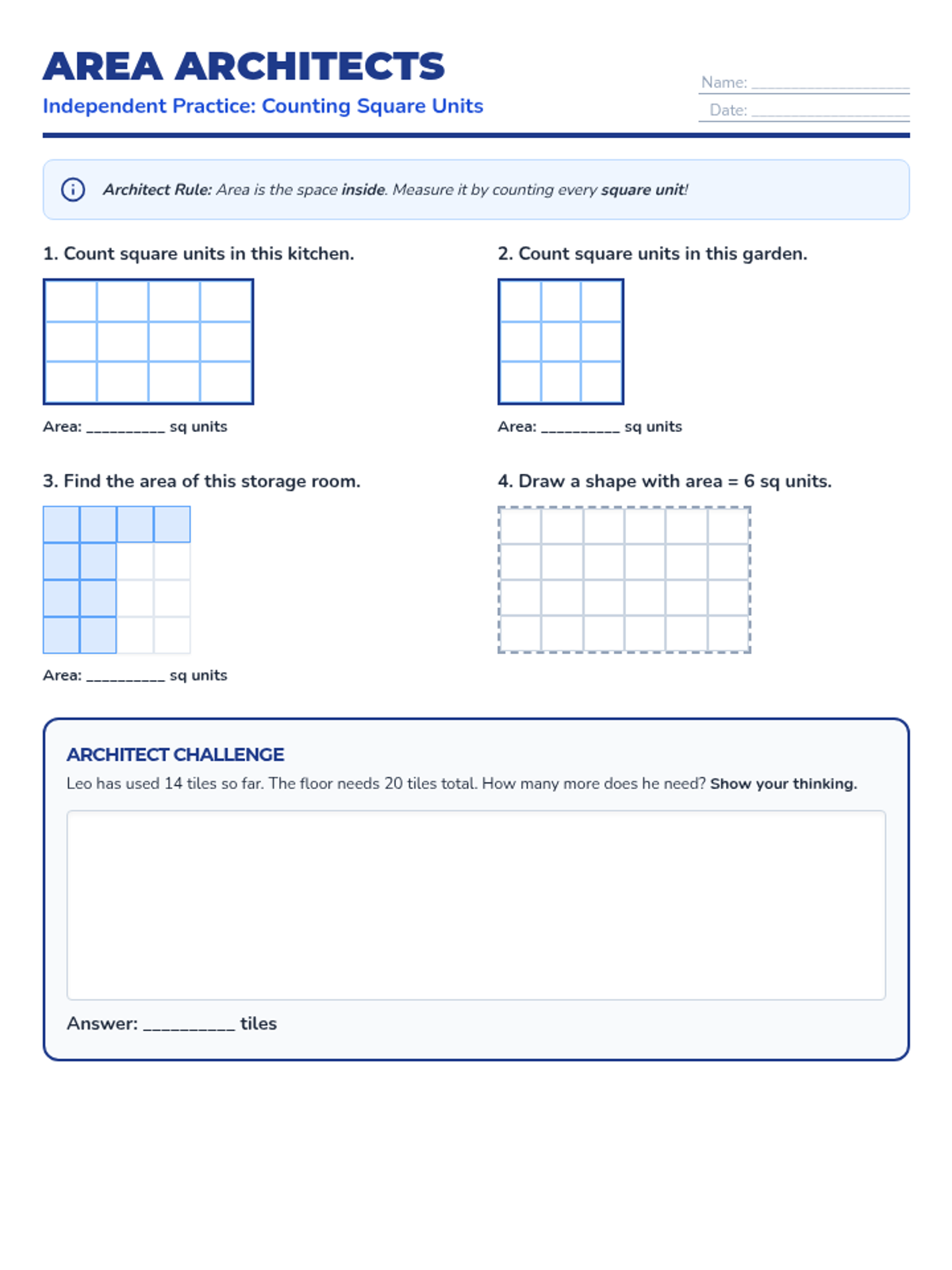
Focuses on relating area to tiling and counting square units to understand the concept of space inside a 2D figure.
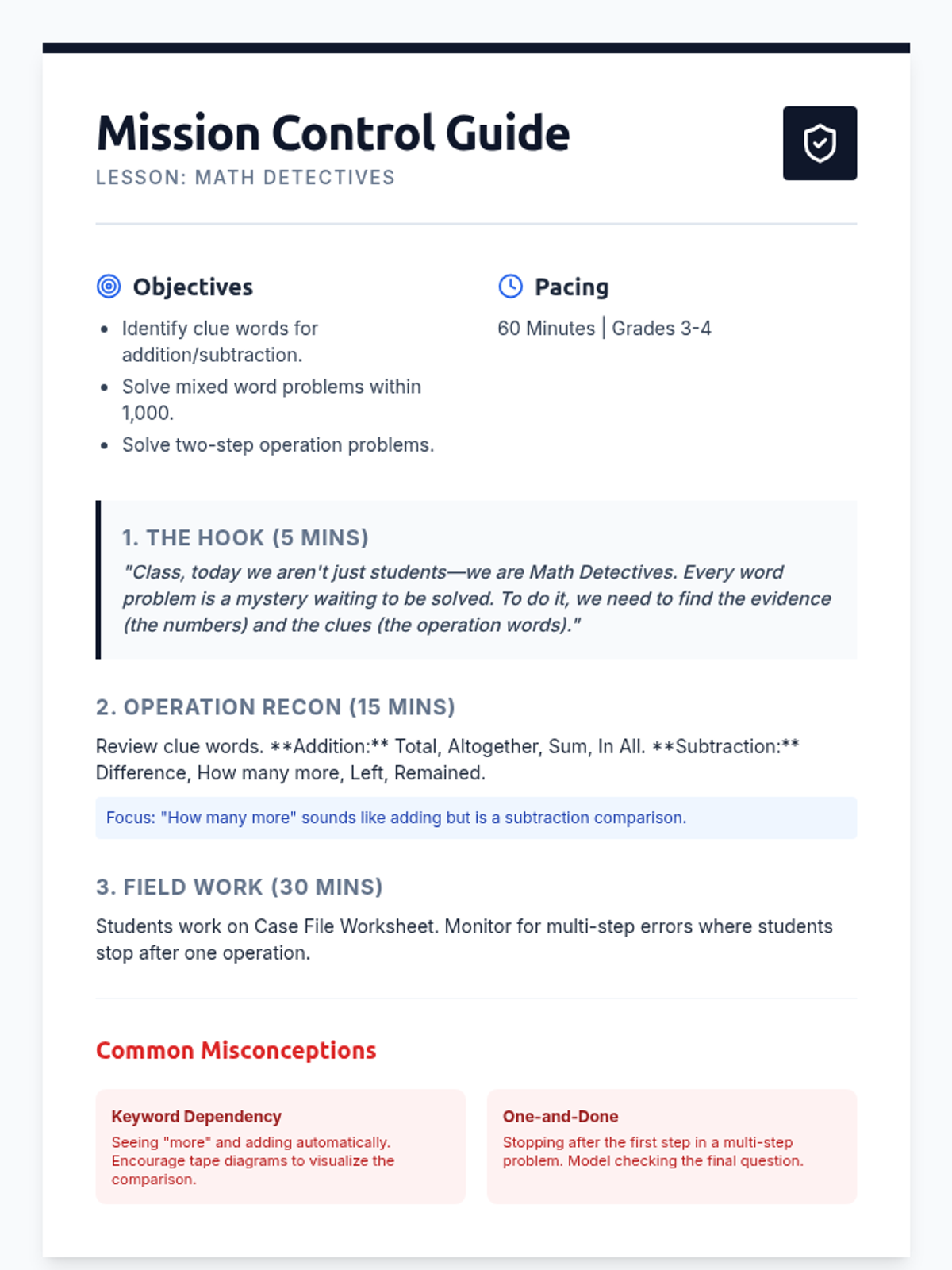
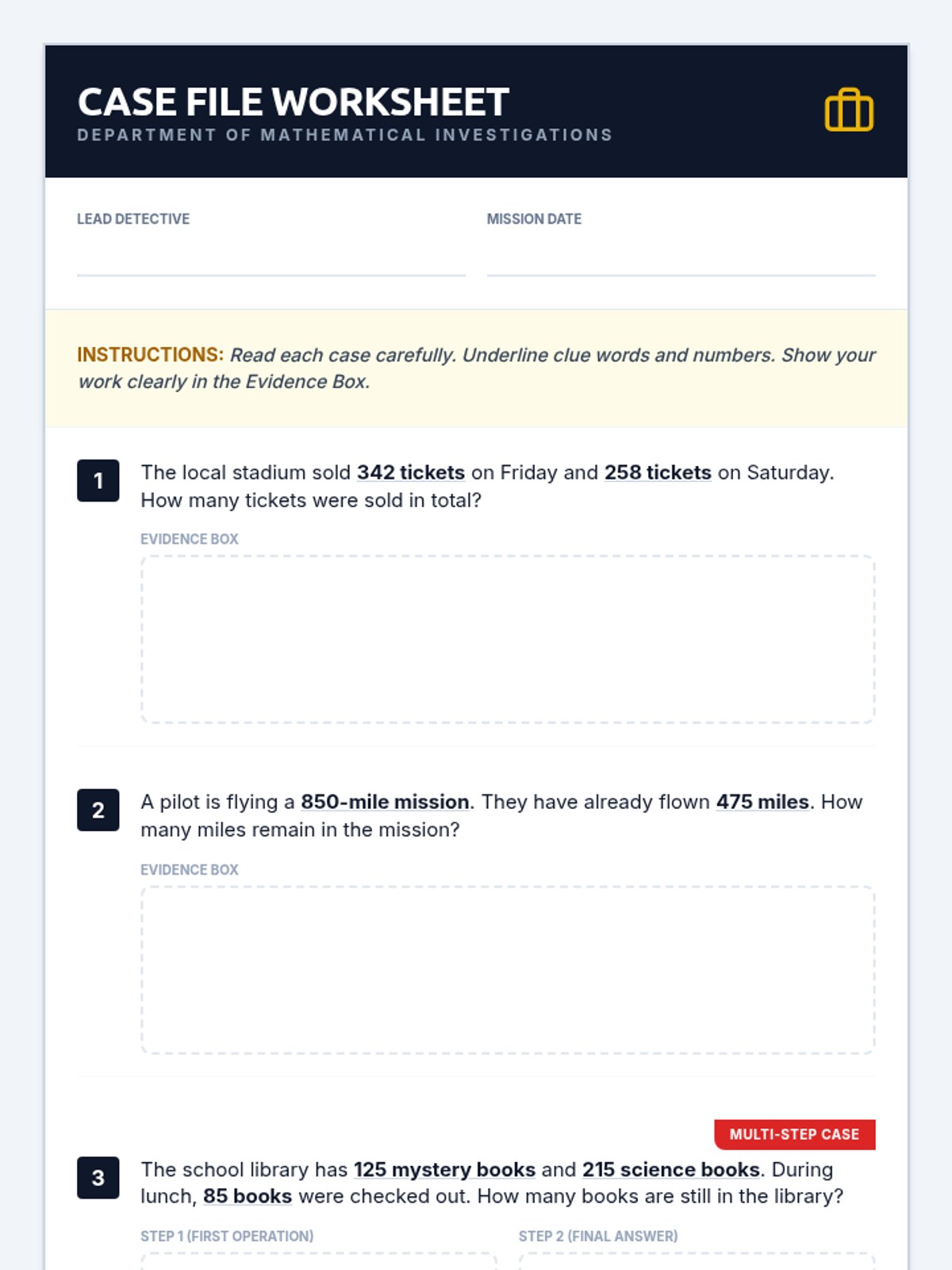
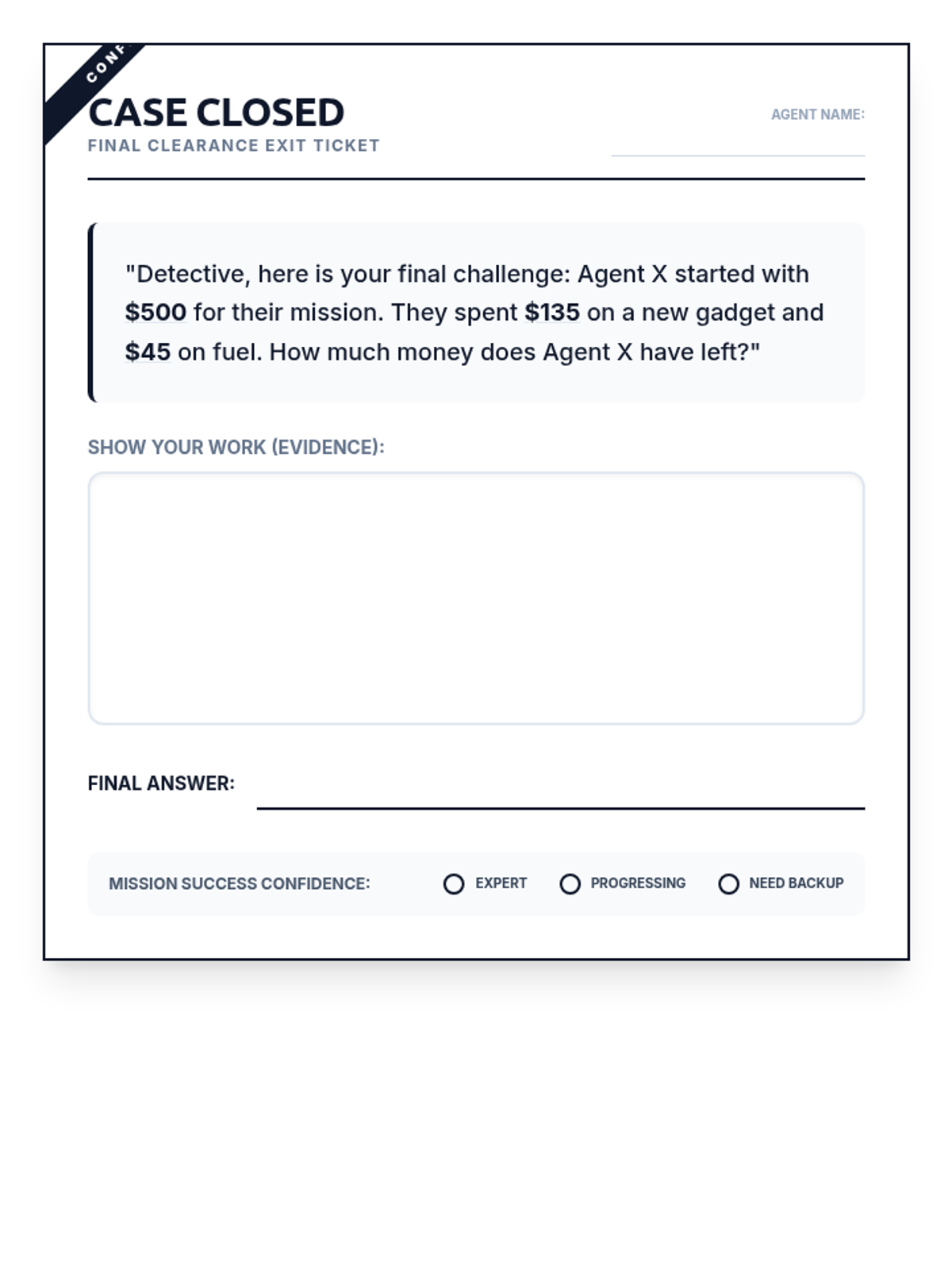
A comprehensive lesson focused on solving one-step and multi-step addition and subtraction word problems within 1,000 using a detective-themed investigative approach.
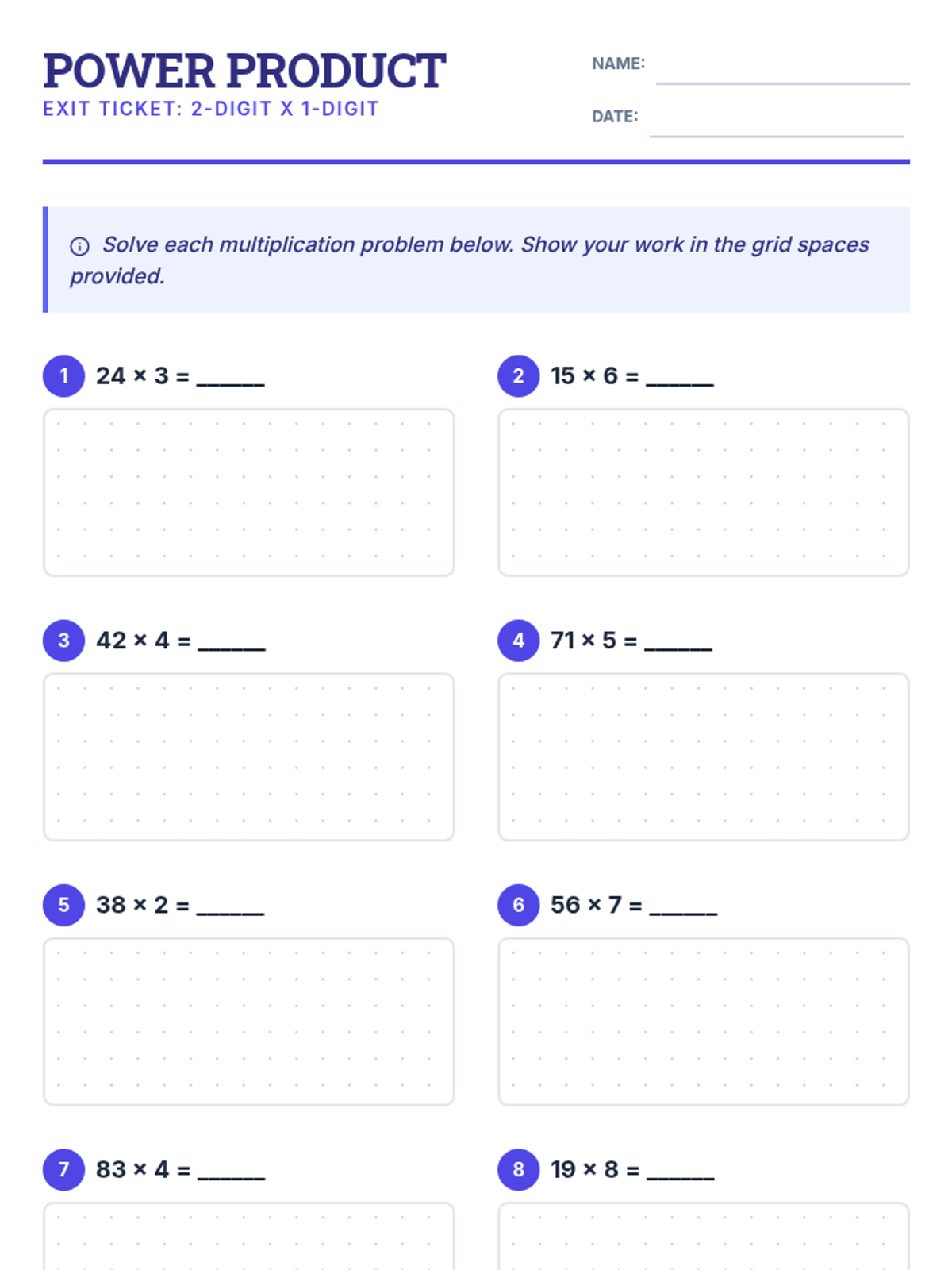
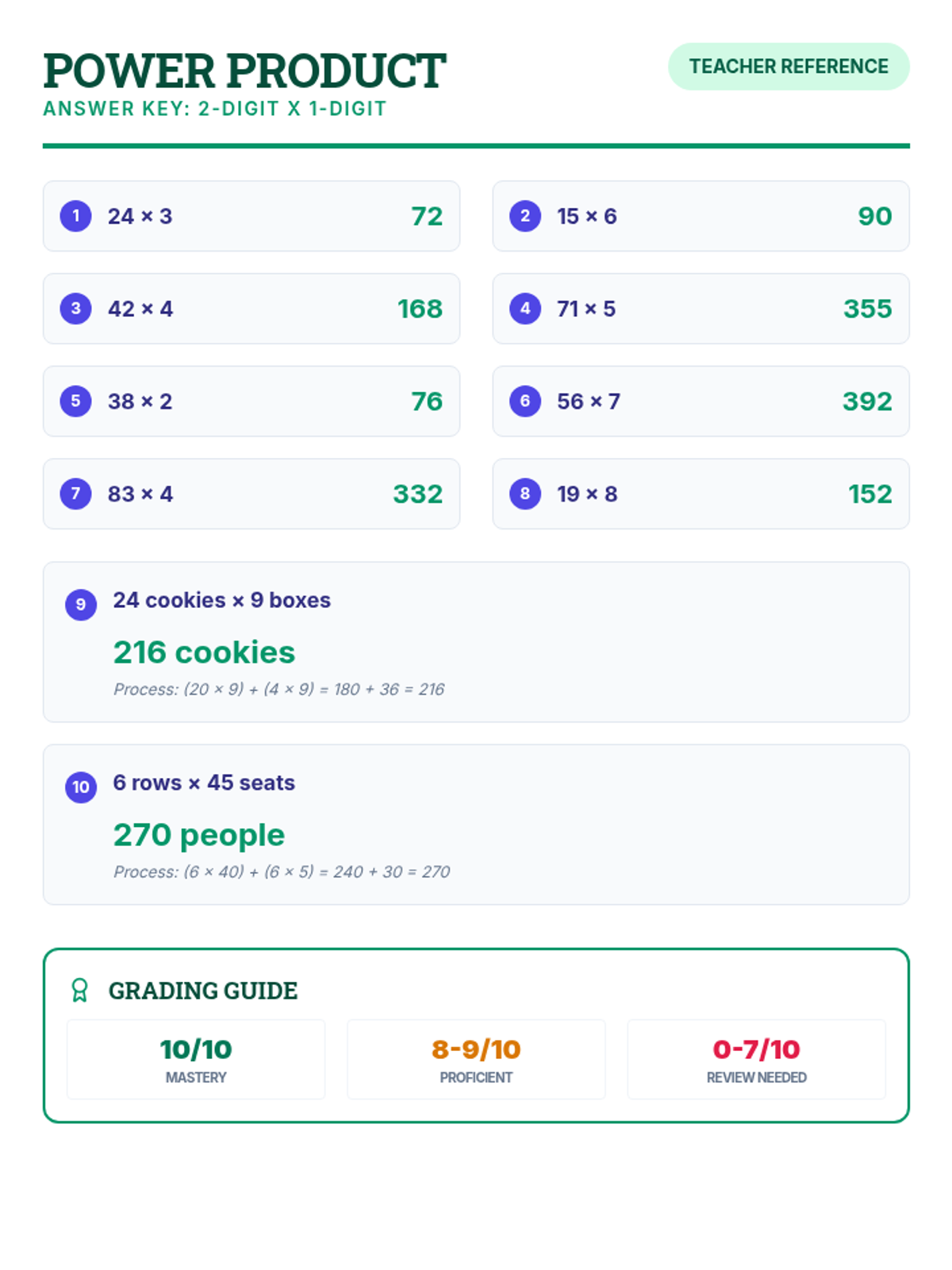
A focused lesson on multiplying 2-digit numbers by 1-digit numbers, emphasizing the standard algorithm and area model strategies.
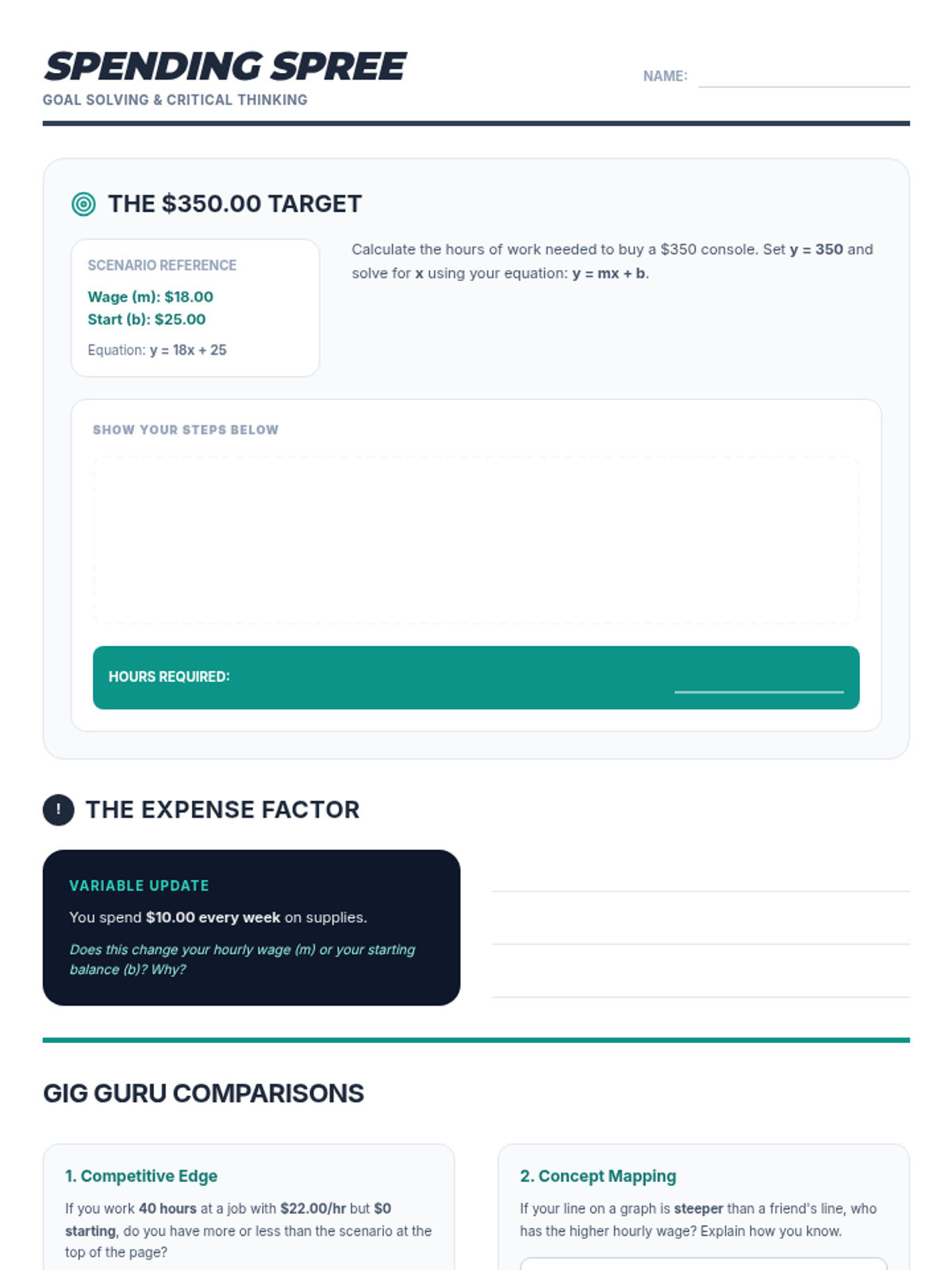
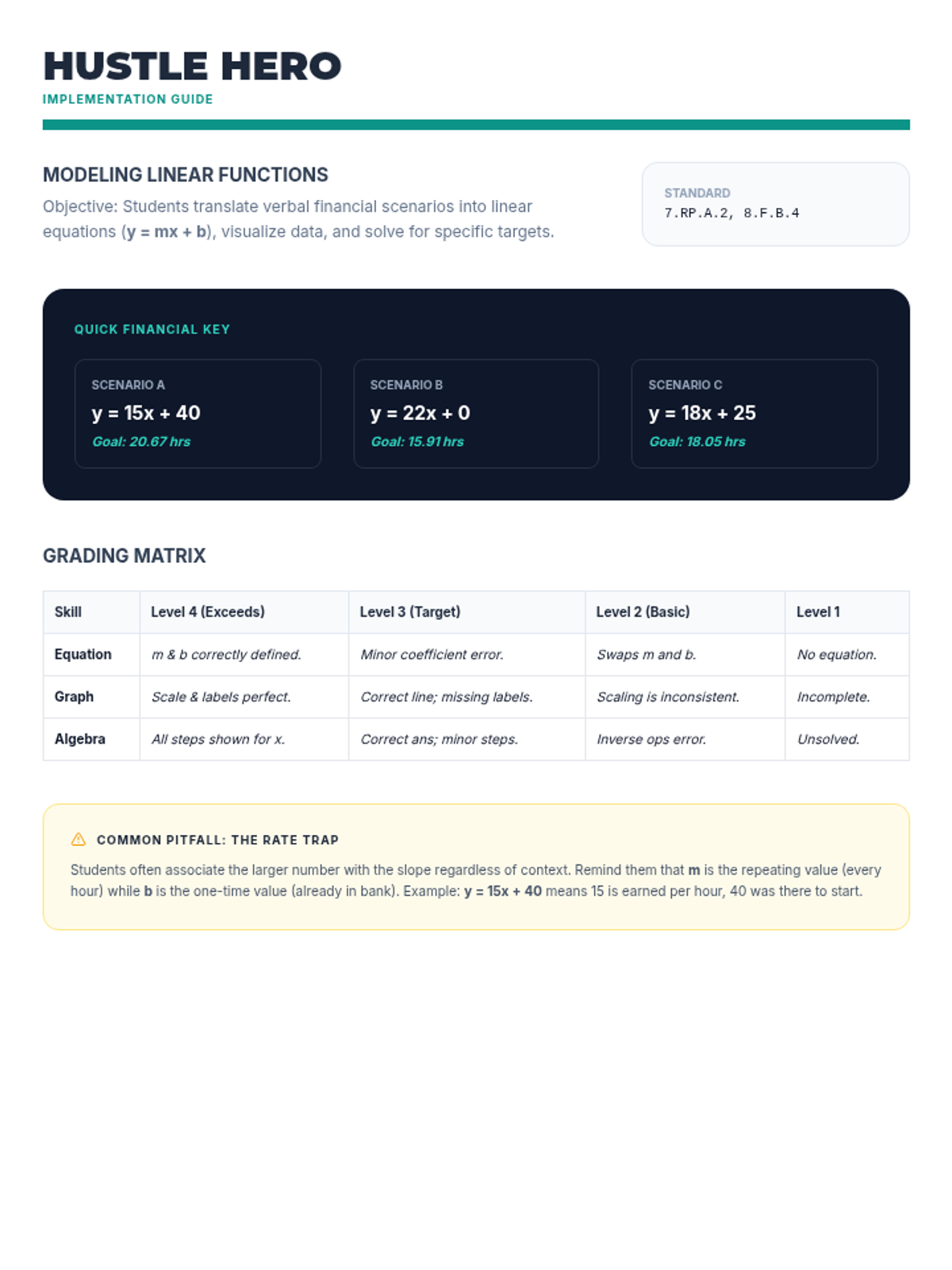
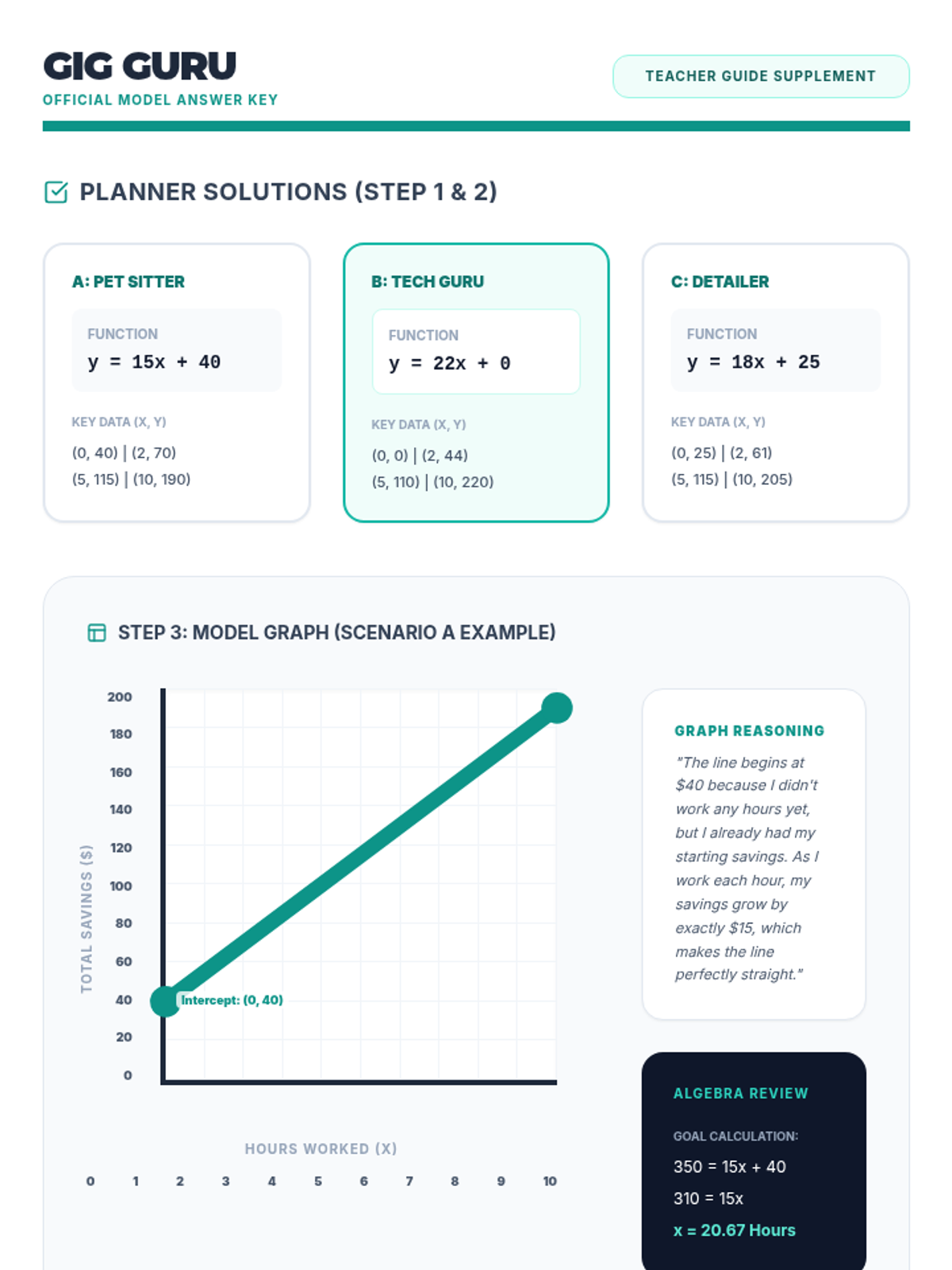
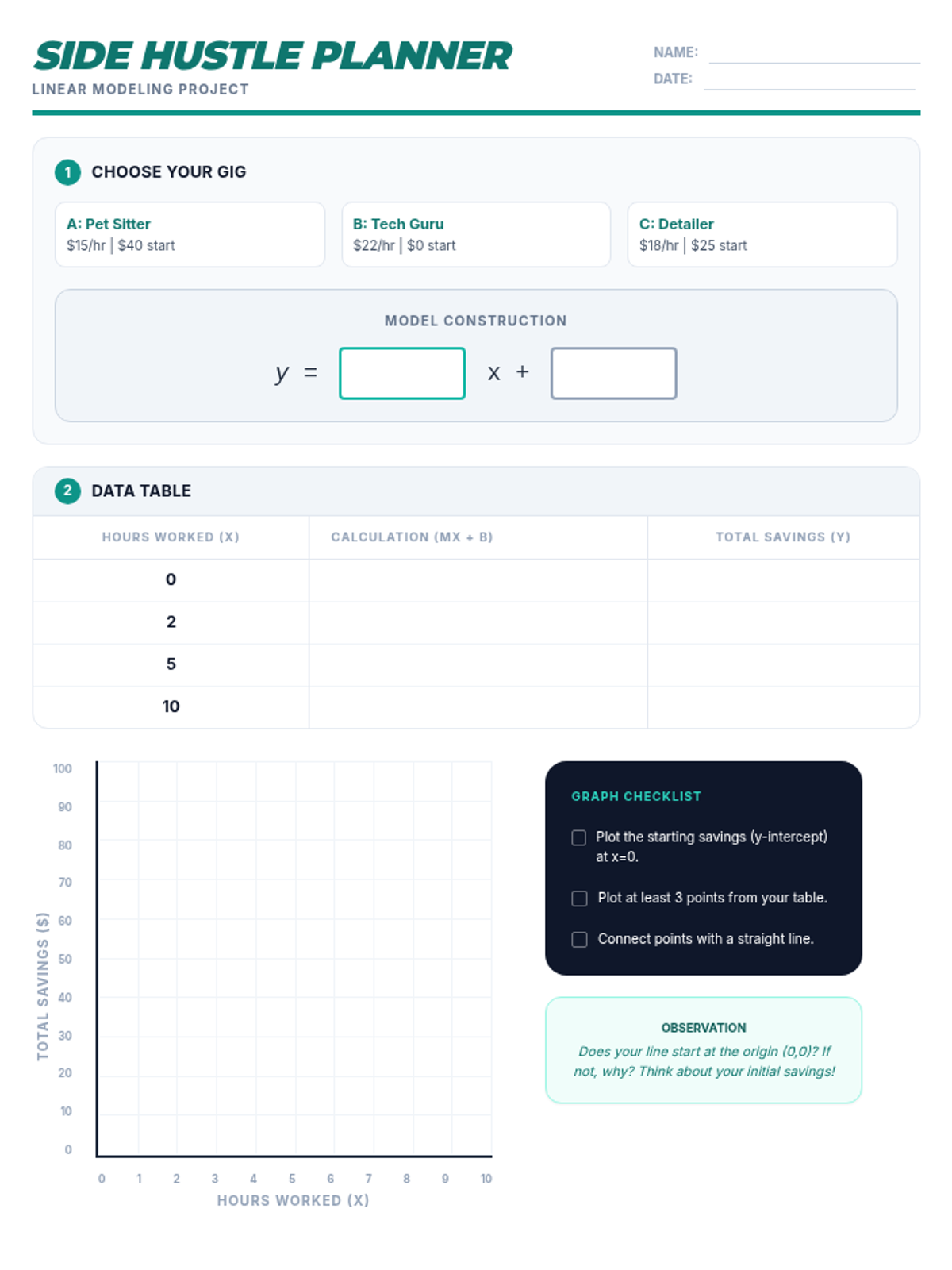
Students apply linear function concepts to model a real-world income and expense scenario. They will calculate rates of change, identify initial values, and visualize their budget through graphing.
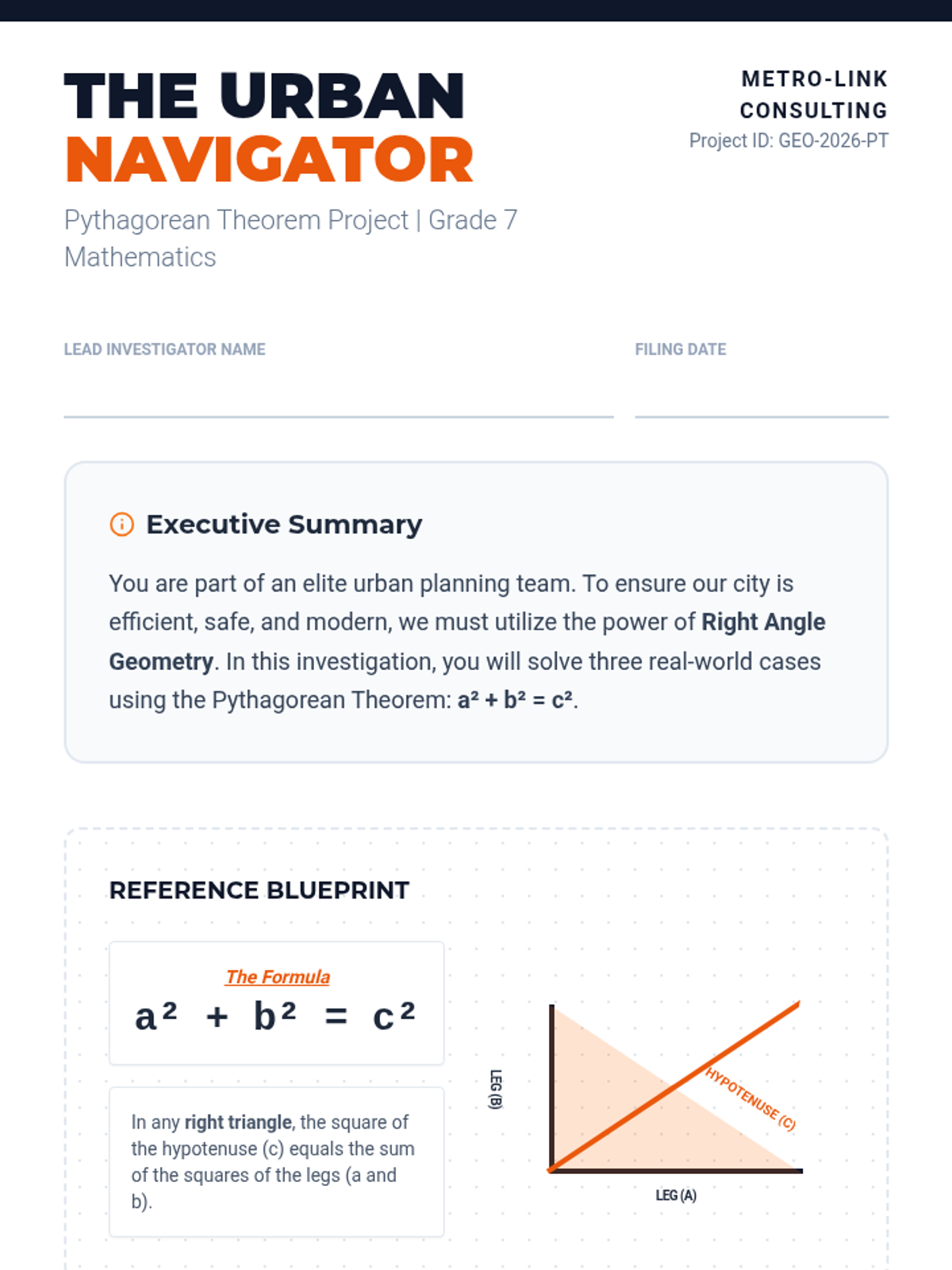
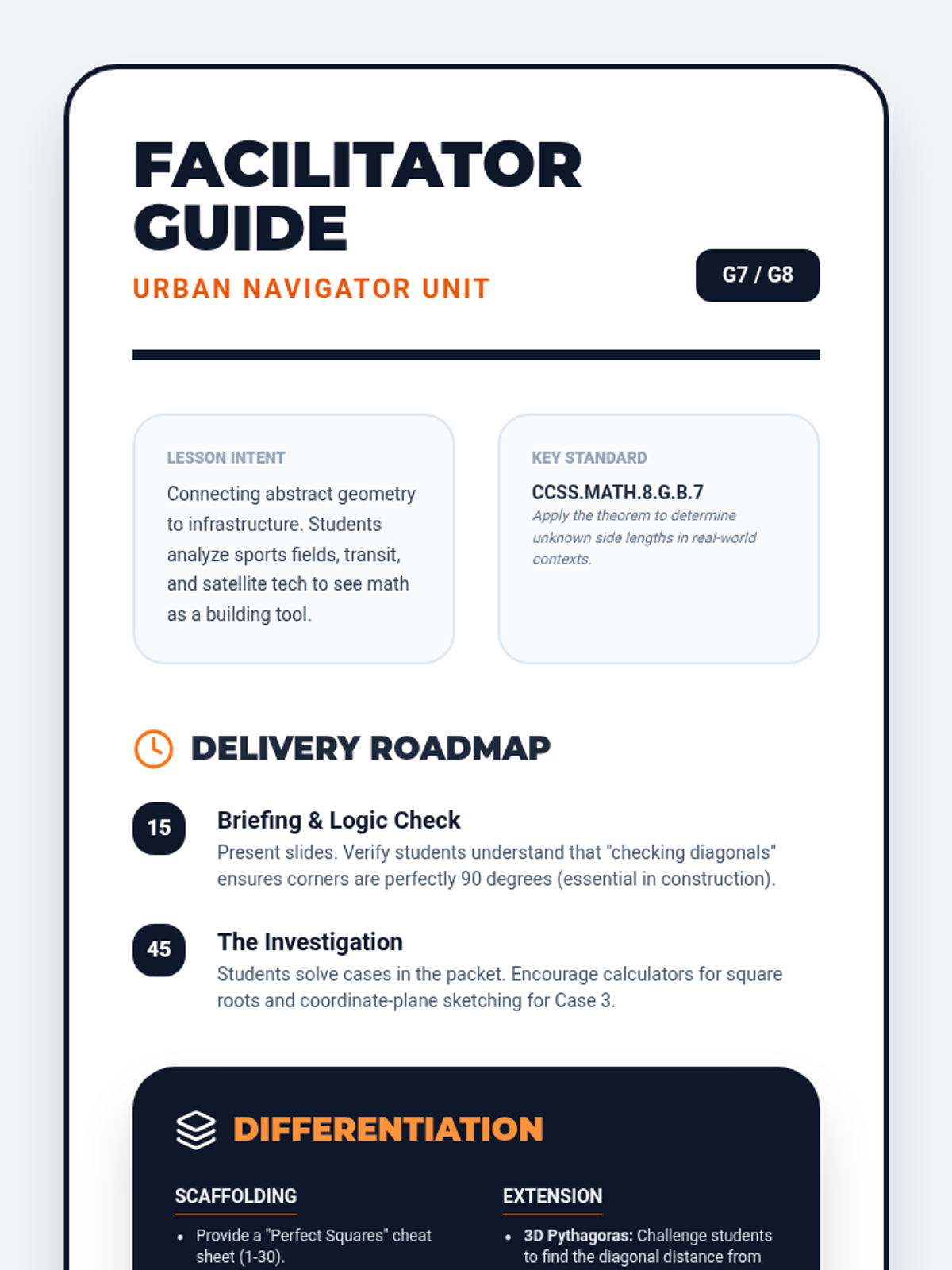
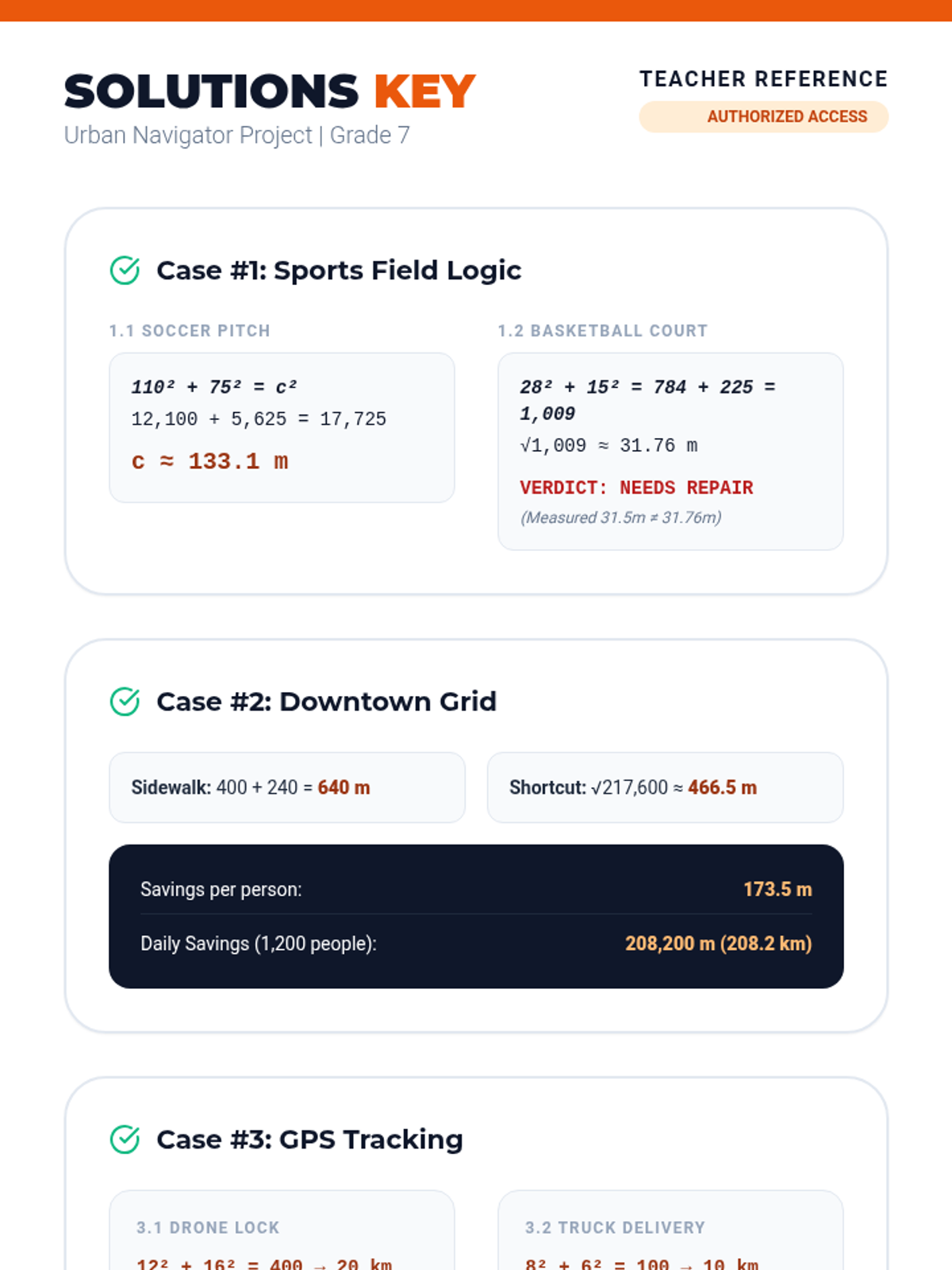
A real-world project-based learning unit where students apply the Pythagorean Theorem to urban planning, sports field design, and GPS navigation. Students act as urban developers and navigators to solve practical distance problems.
Students interpret and create line plots using measurement data involving fractions.
Students combine their knowledge of halves and fourths to measure more precisely and explore fraction equivalence.