A 4th-grade grammar lesson distinguishing between the possessive pronoun 'its' and the contraction 'it\'s' using the 'Substitution Test' strategy. Includes a slide deck with an embedded Khan Academy video and a practice worksheet.
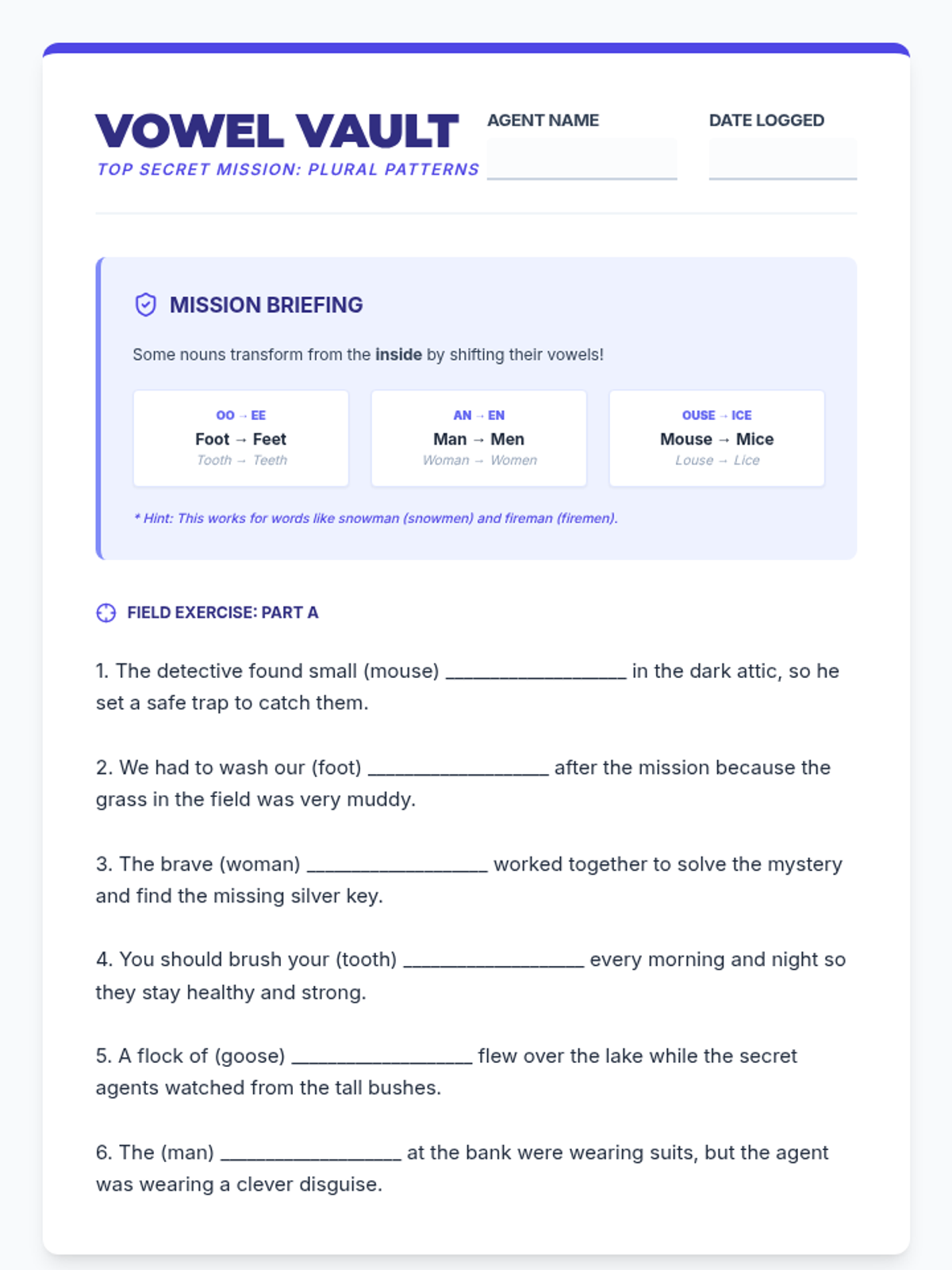
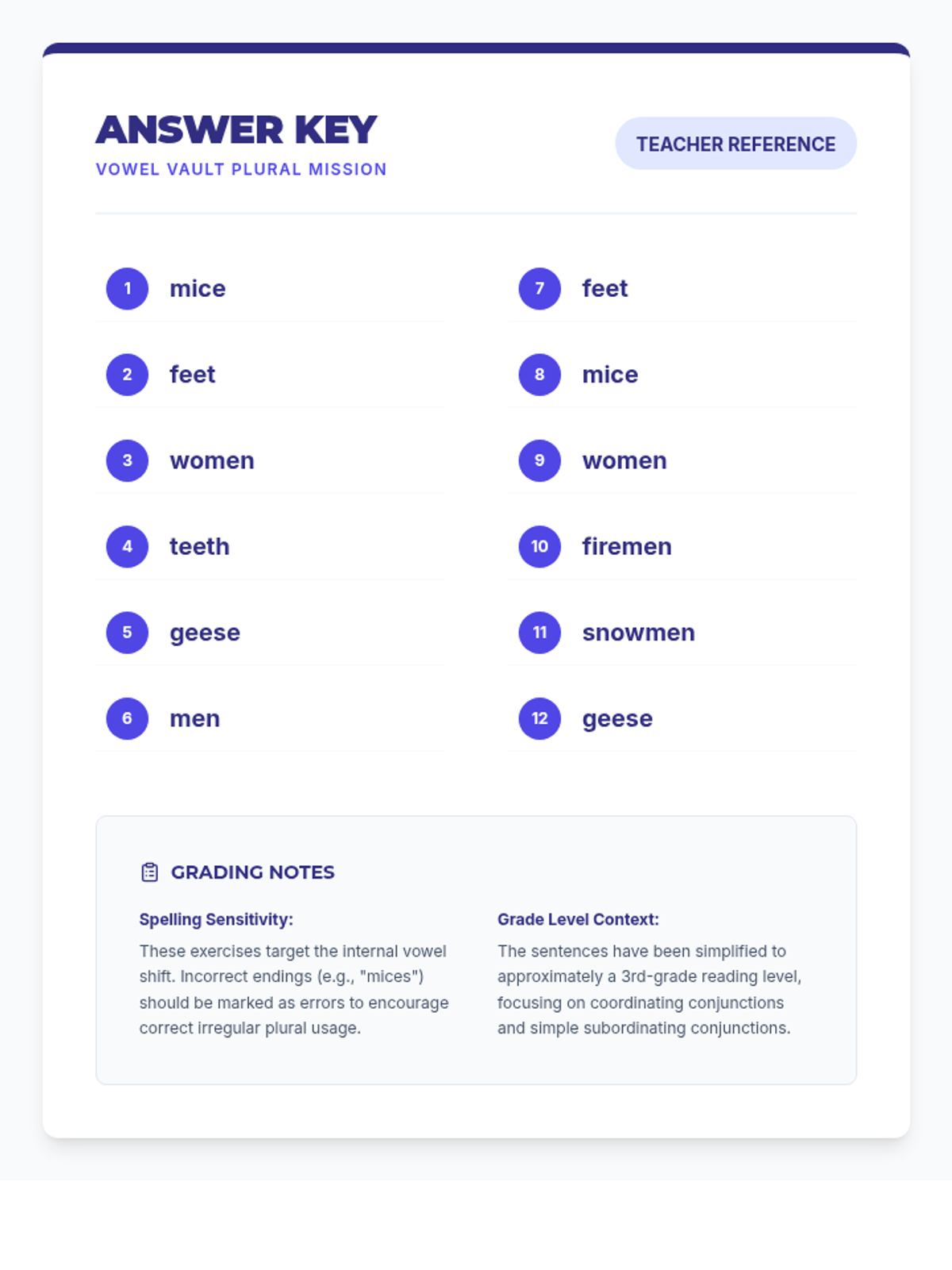
A focused lesson on irregular plural nouns that undergo vowel shifts, designed for 4th-grade students to master common internal spelling changes.
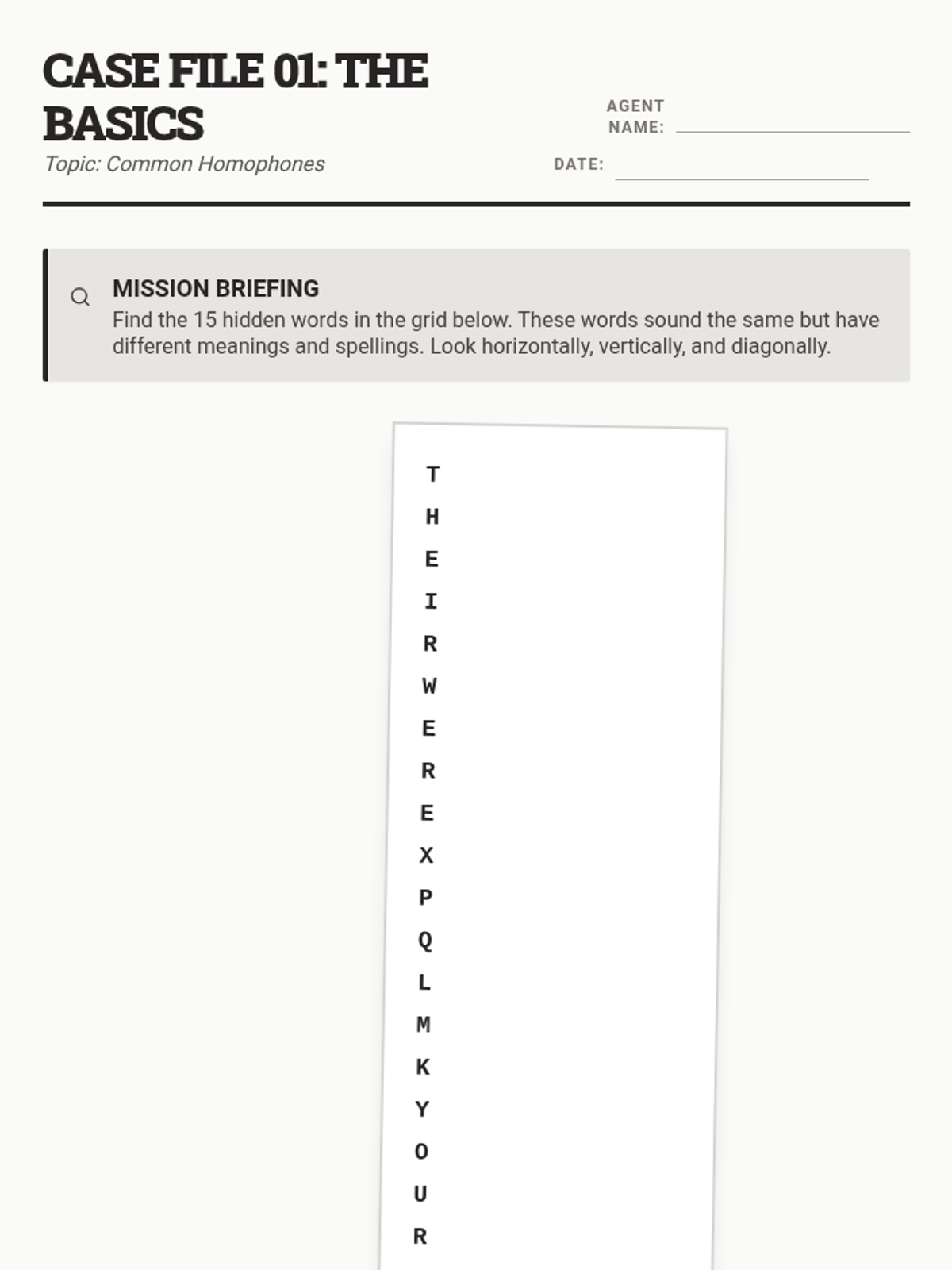
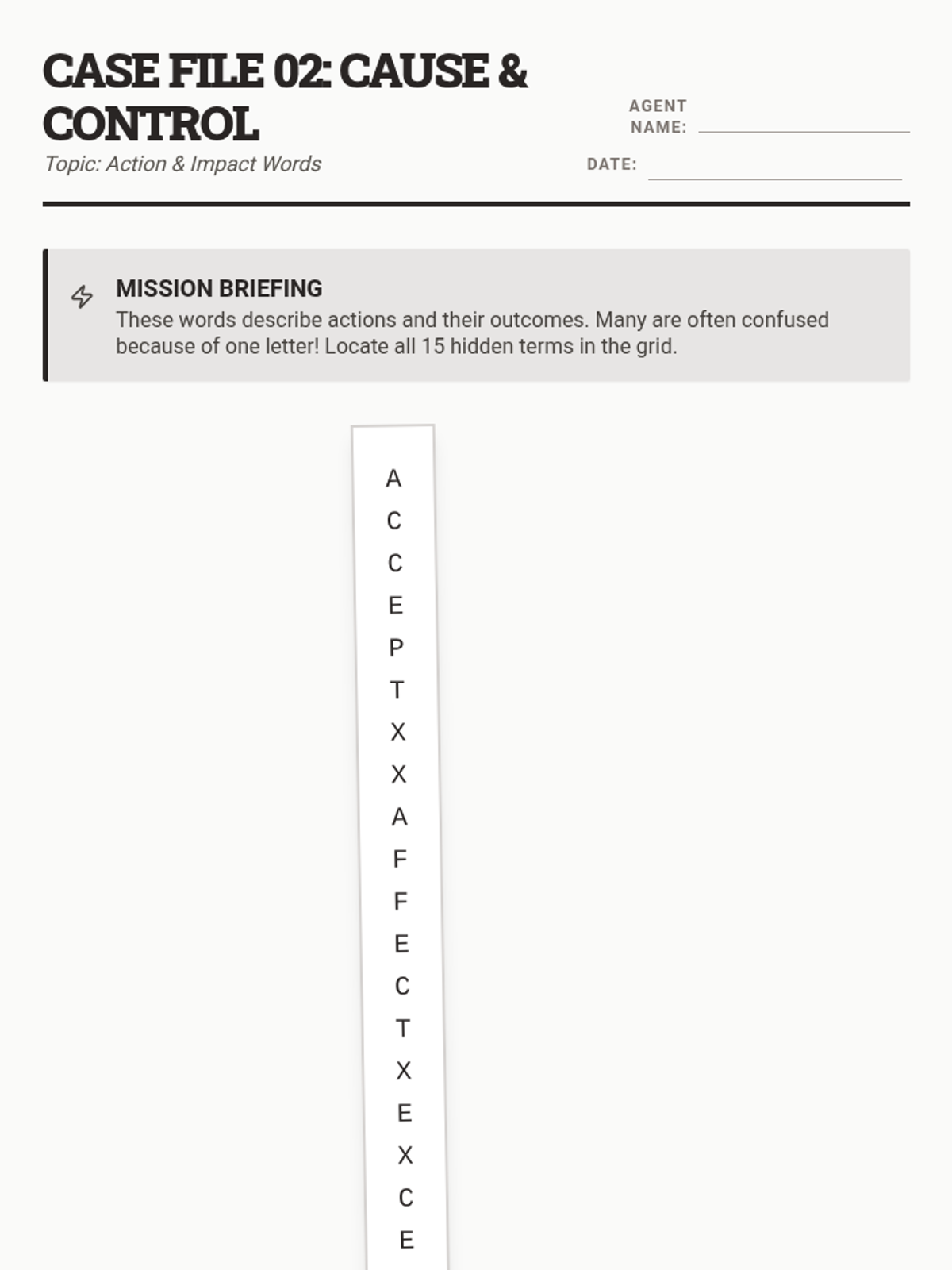
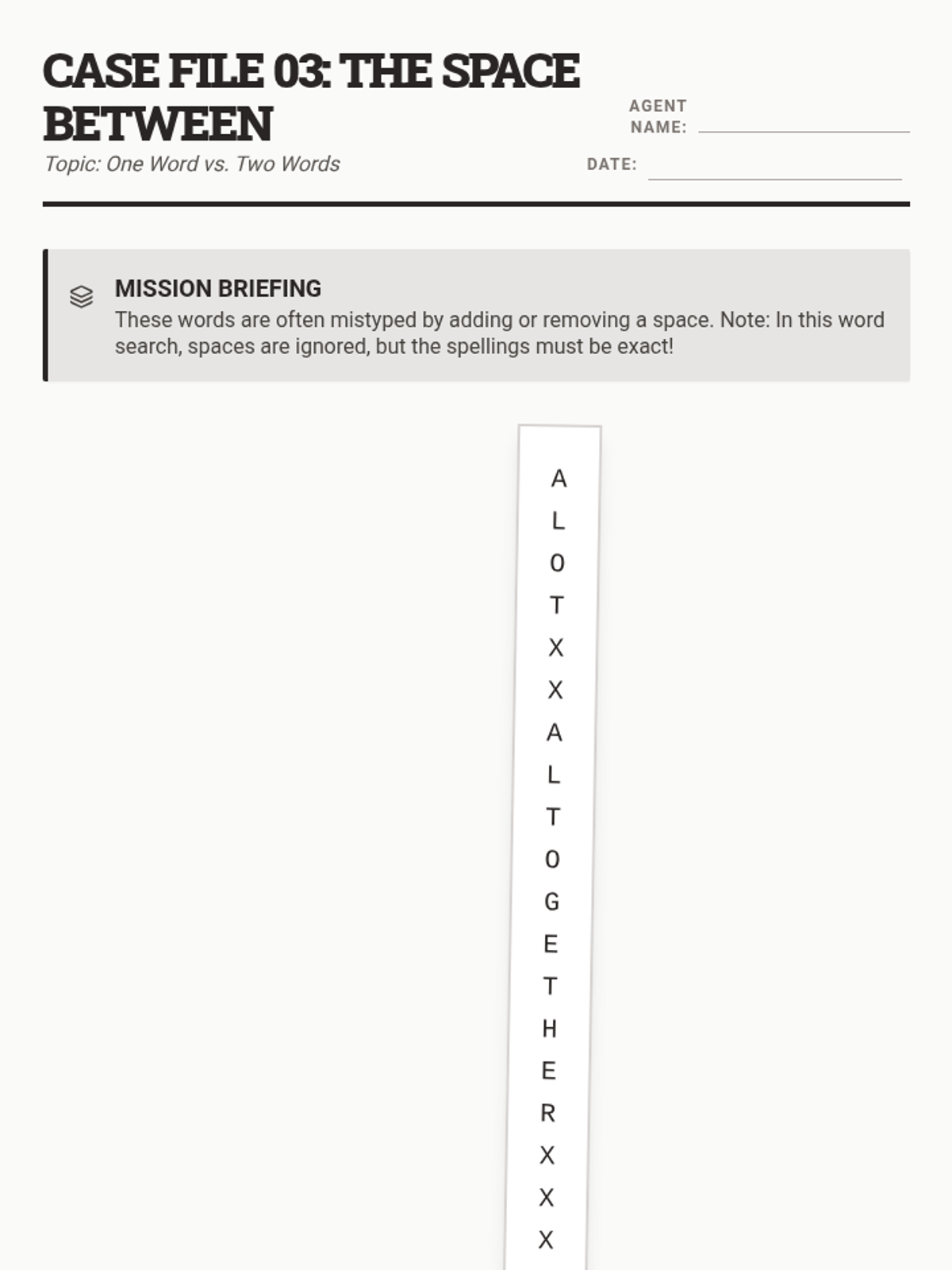
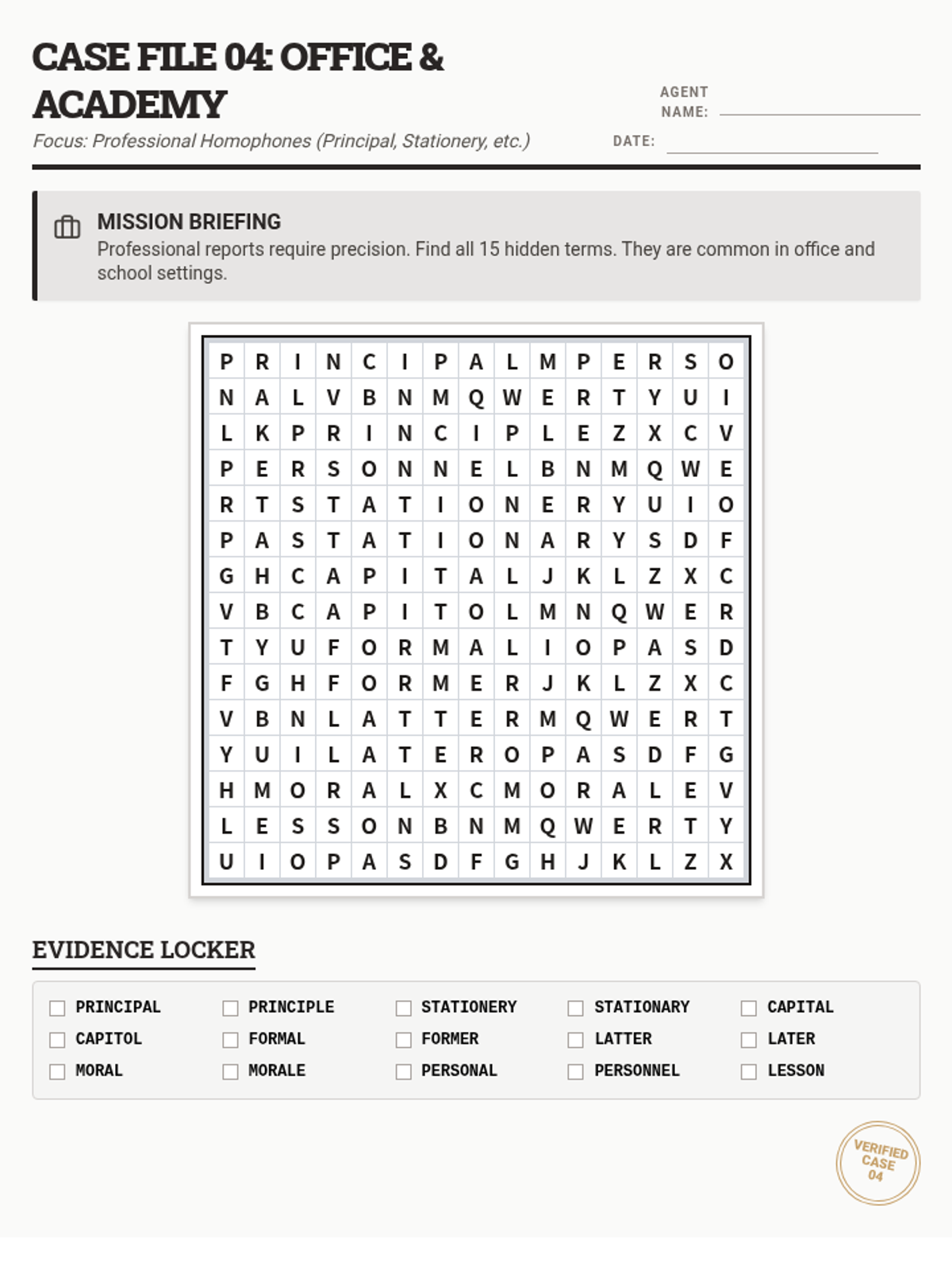
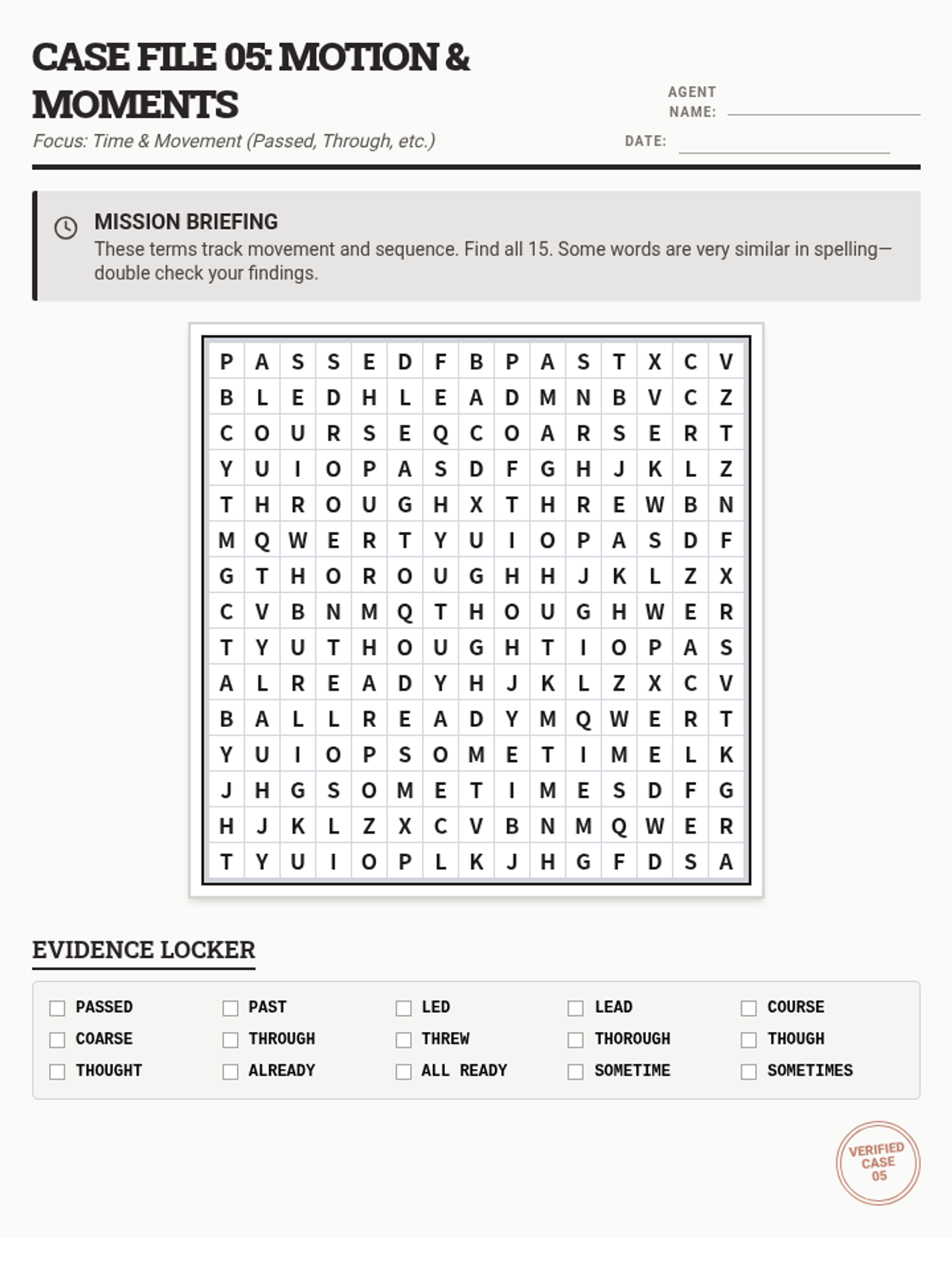
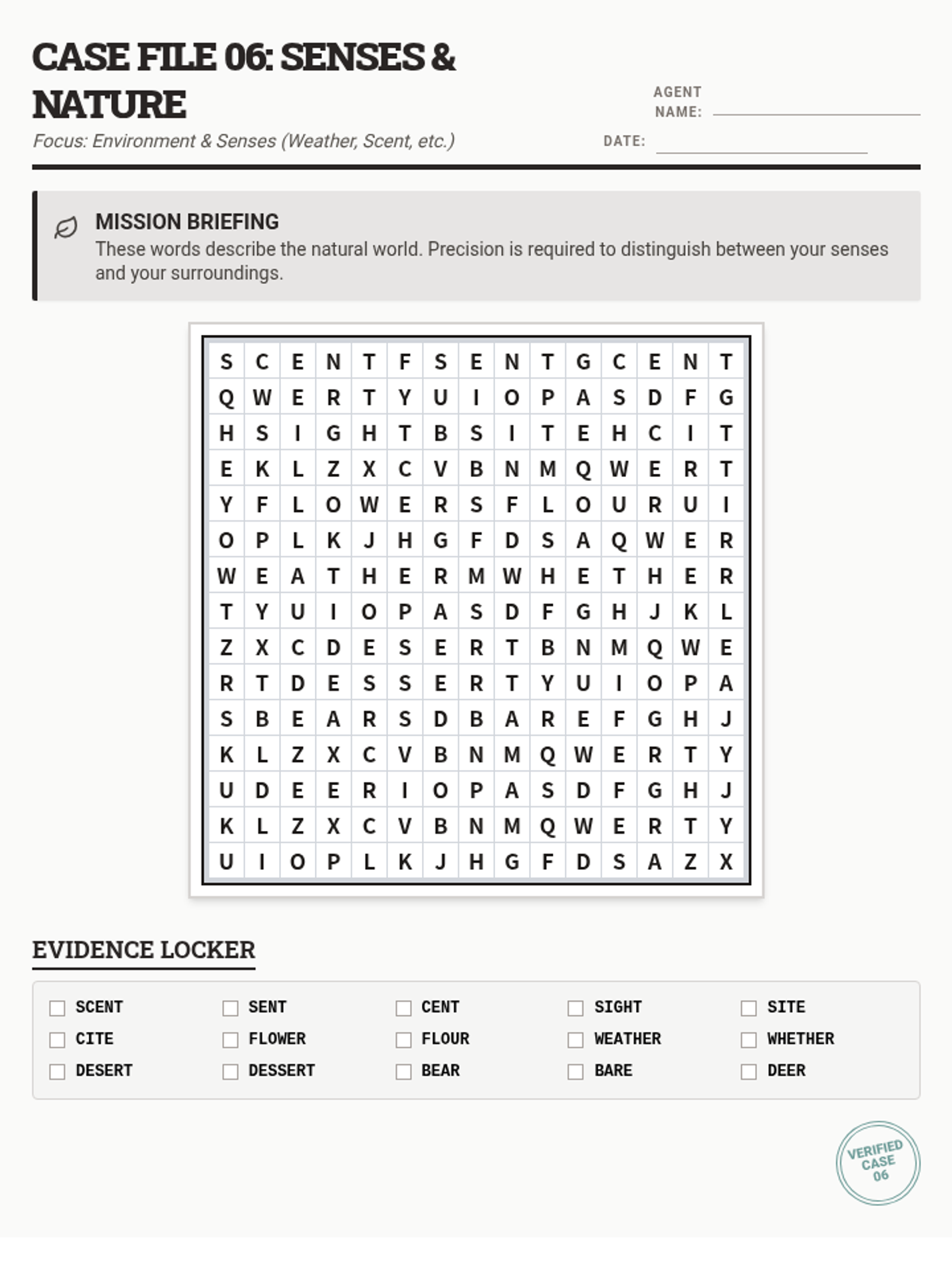
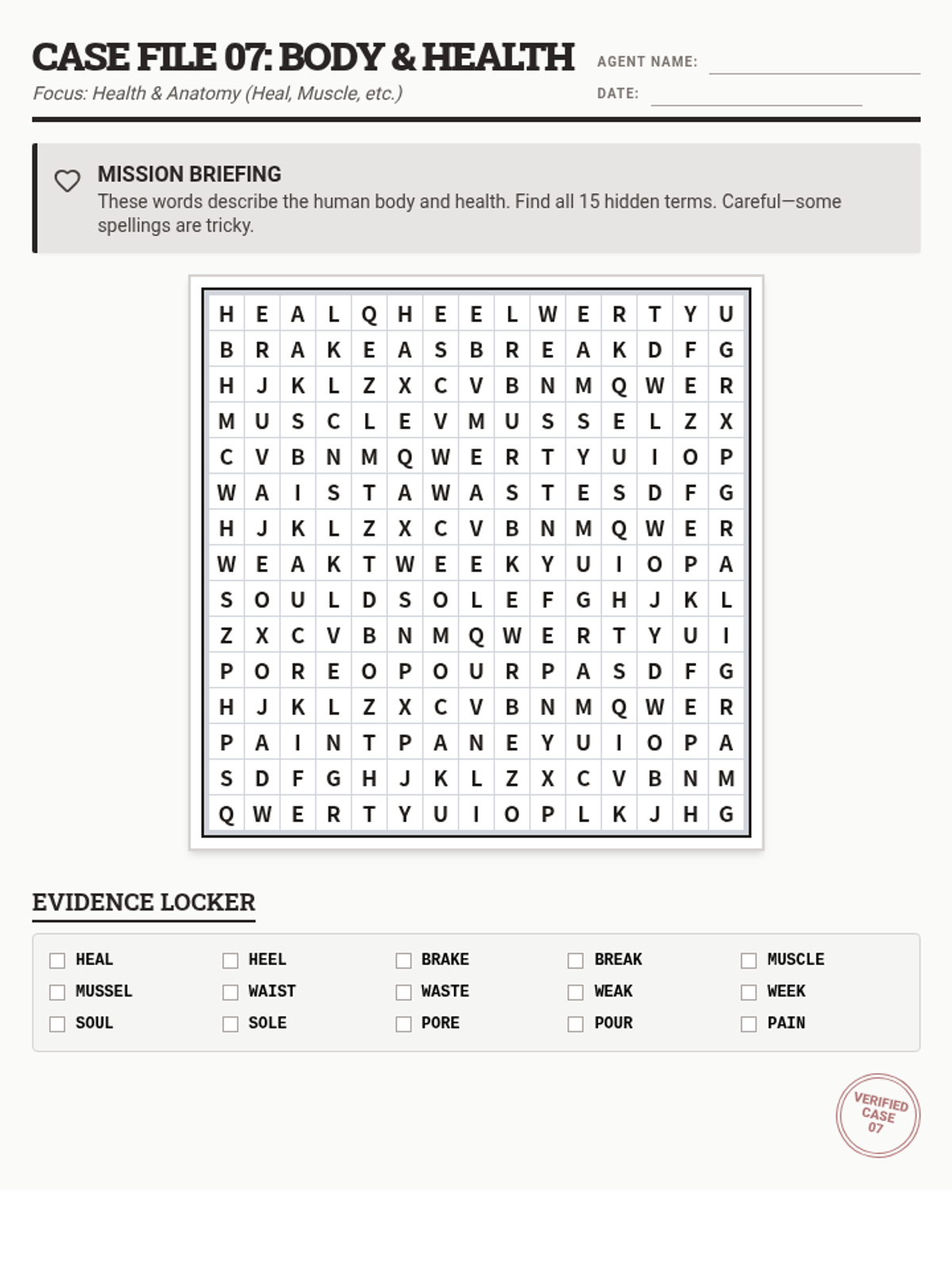
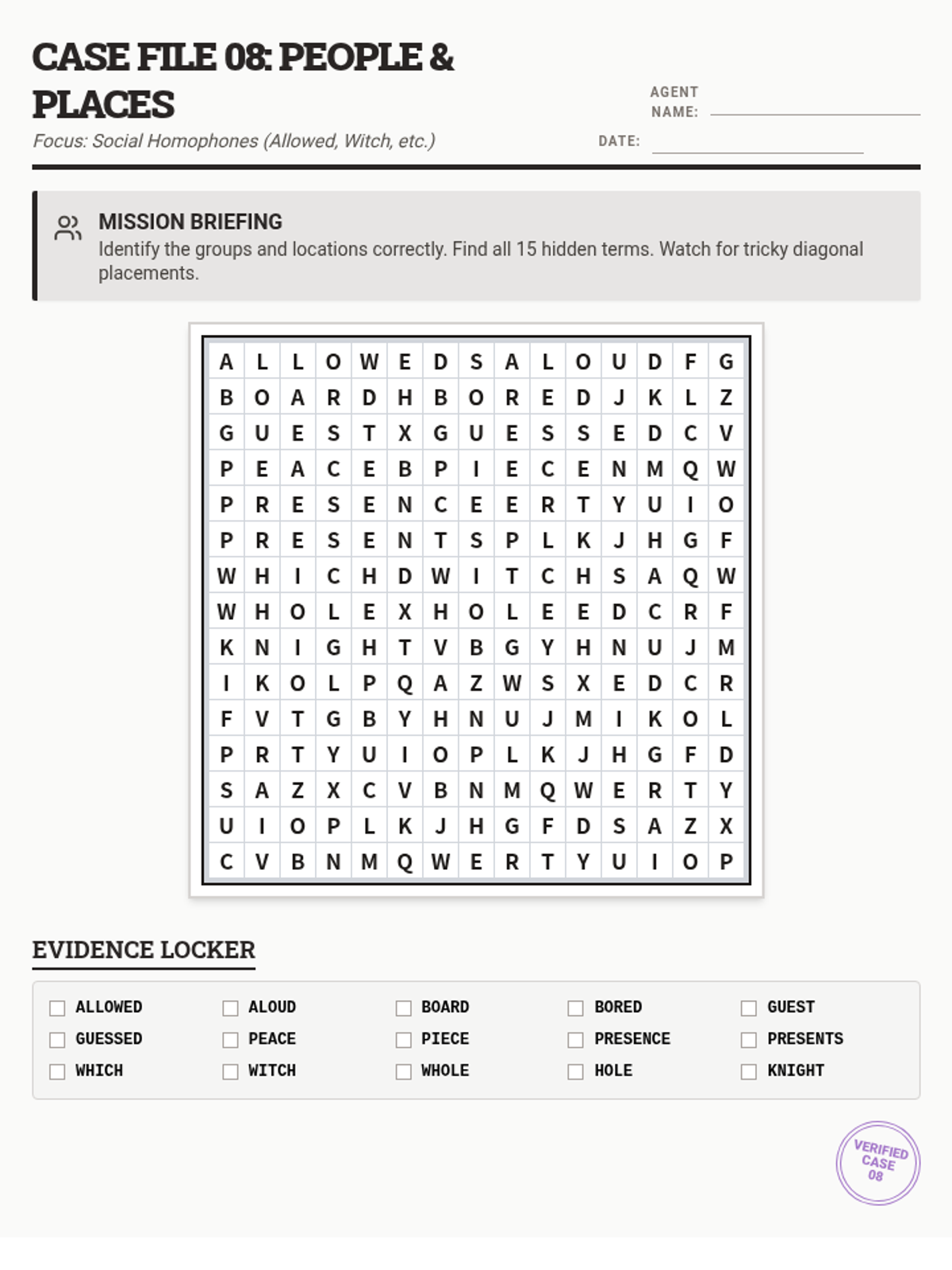
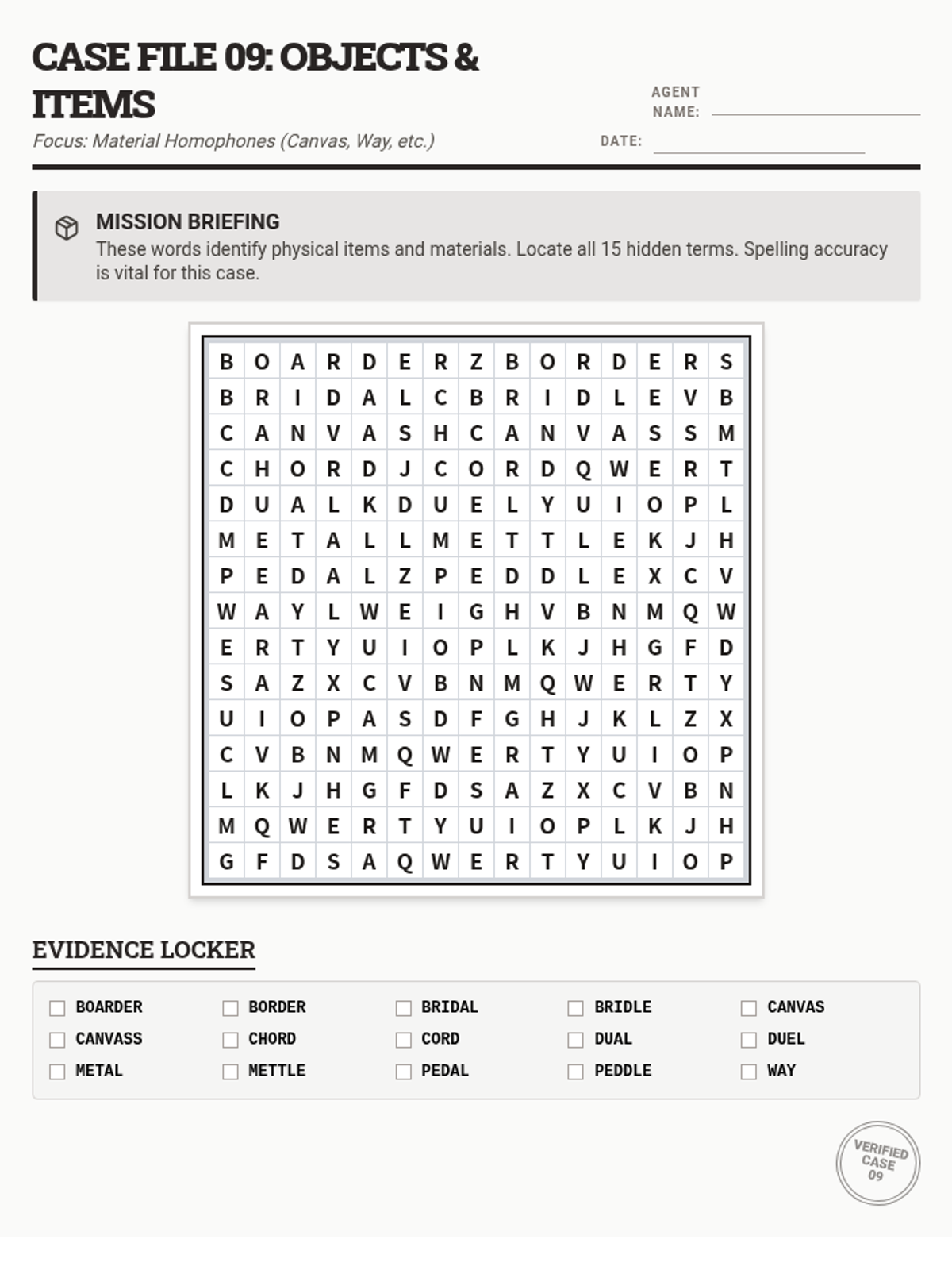
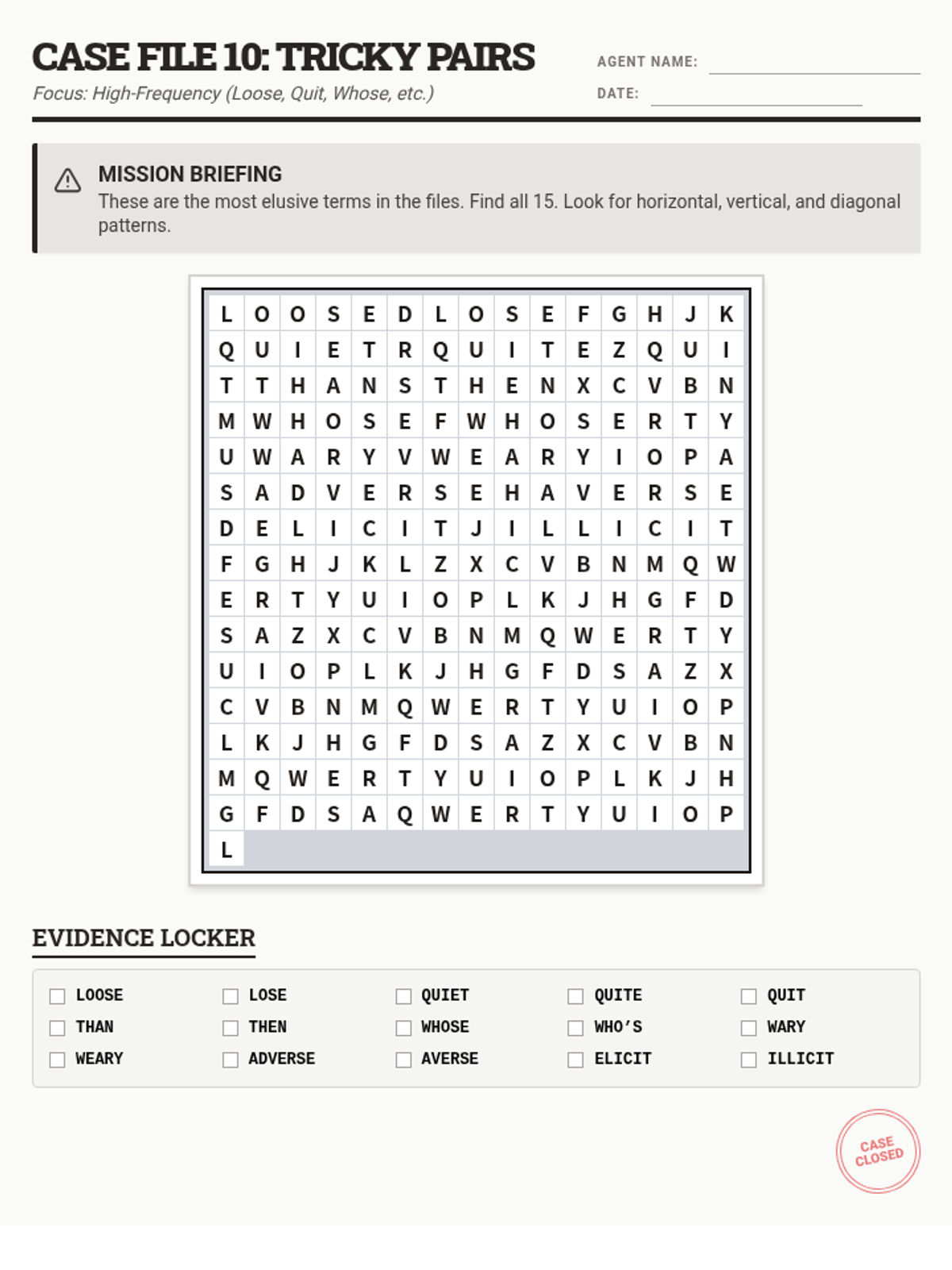
A comprehensive collection of 10 word search puzzles focusing on commonly confused words (homophones and near-homophones). Designed to improve vocabulary recognition and spelling through engaging "Case File" themed activities.
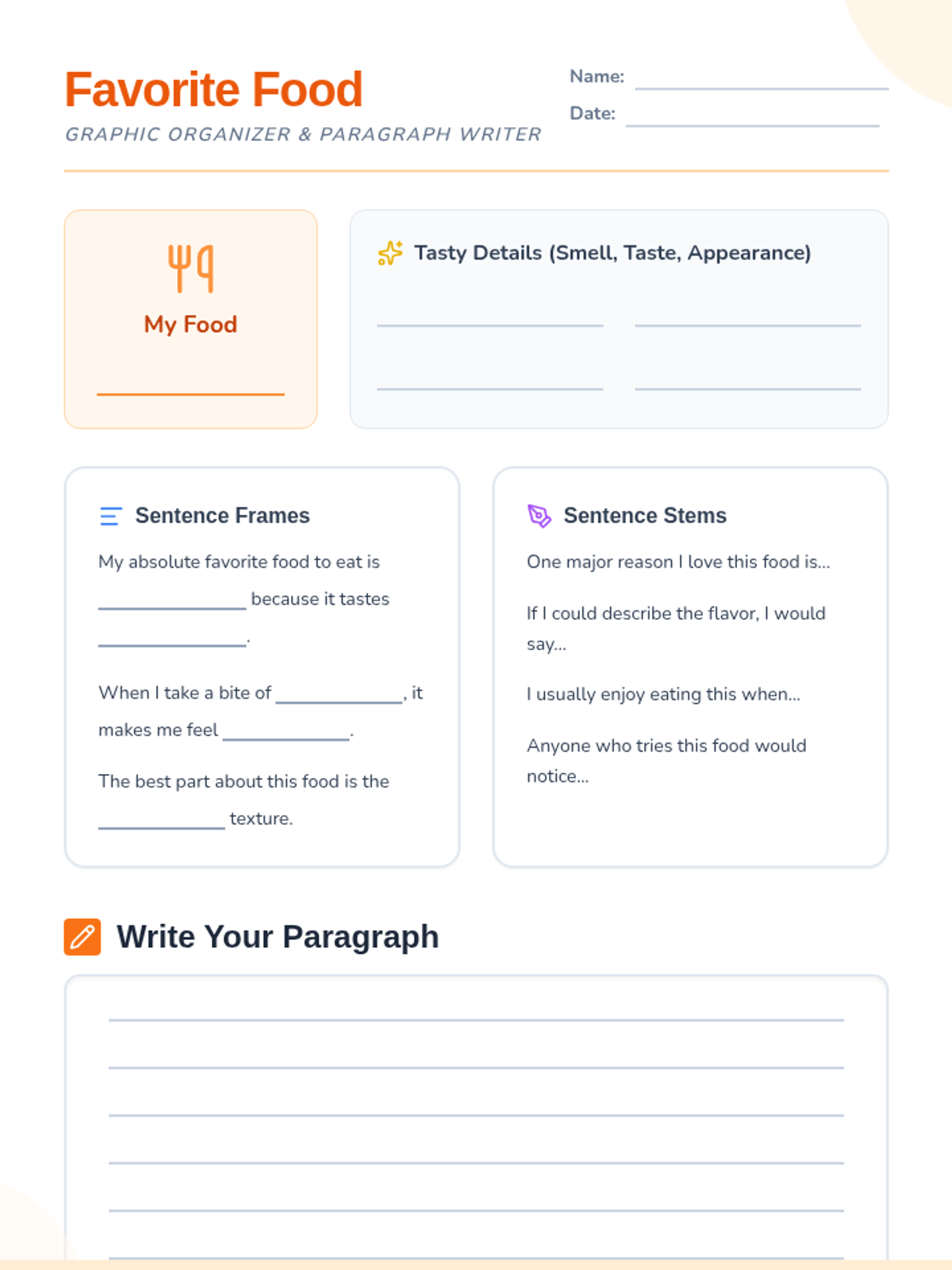
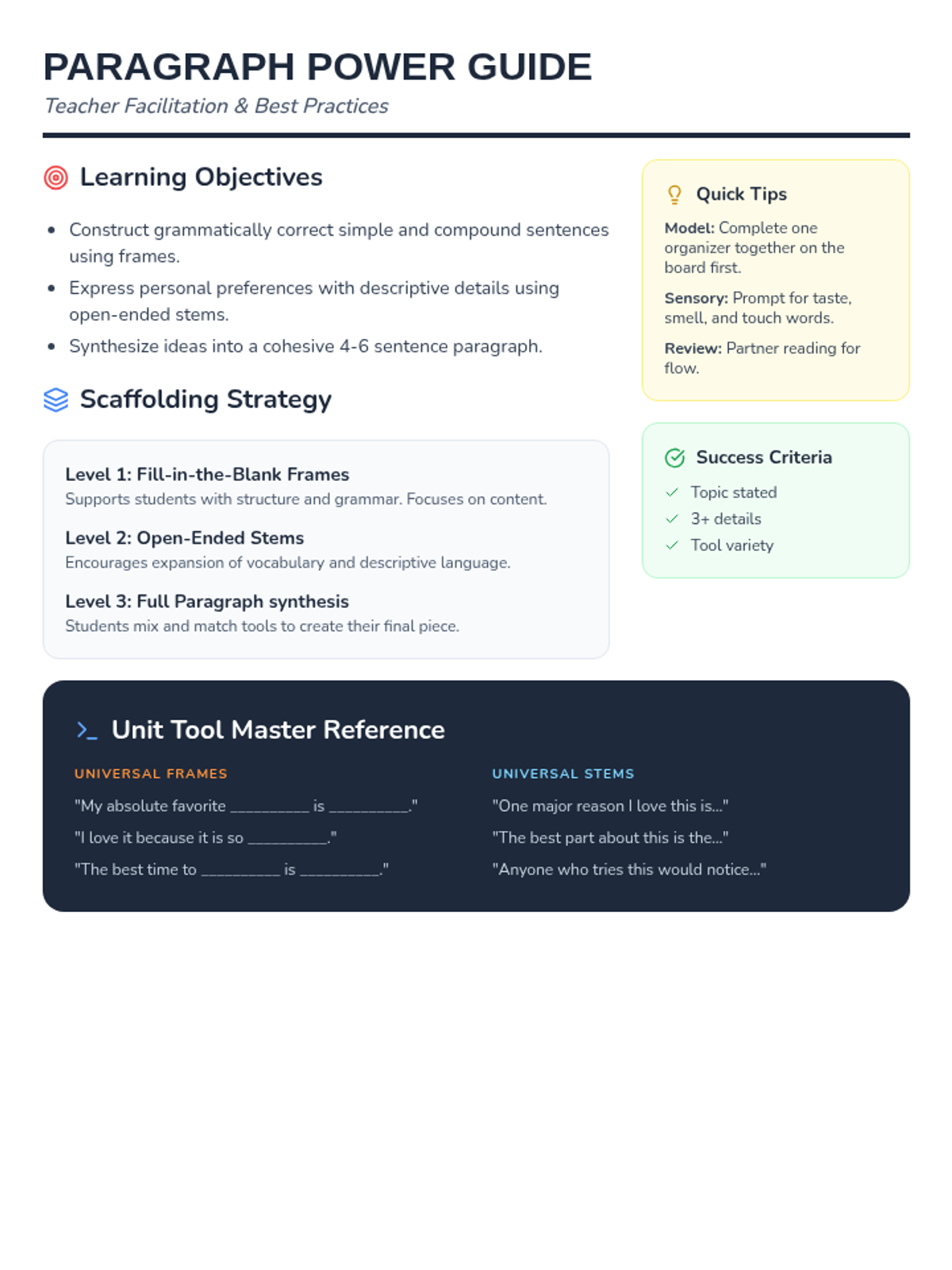
A collection of graphic organizers designed to help students write structured paragraphs about their favorite things using sentence stems and frames.
A collaborative "Pairs Compare" activity where students work in teams of four to share keywords, locate evidence, and synthesize final answers on index cards.
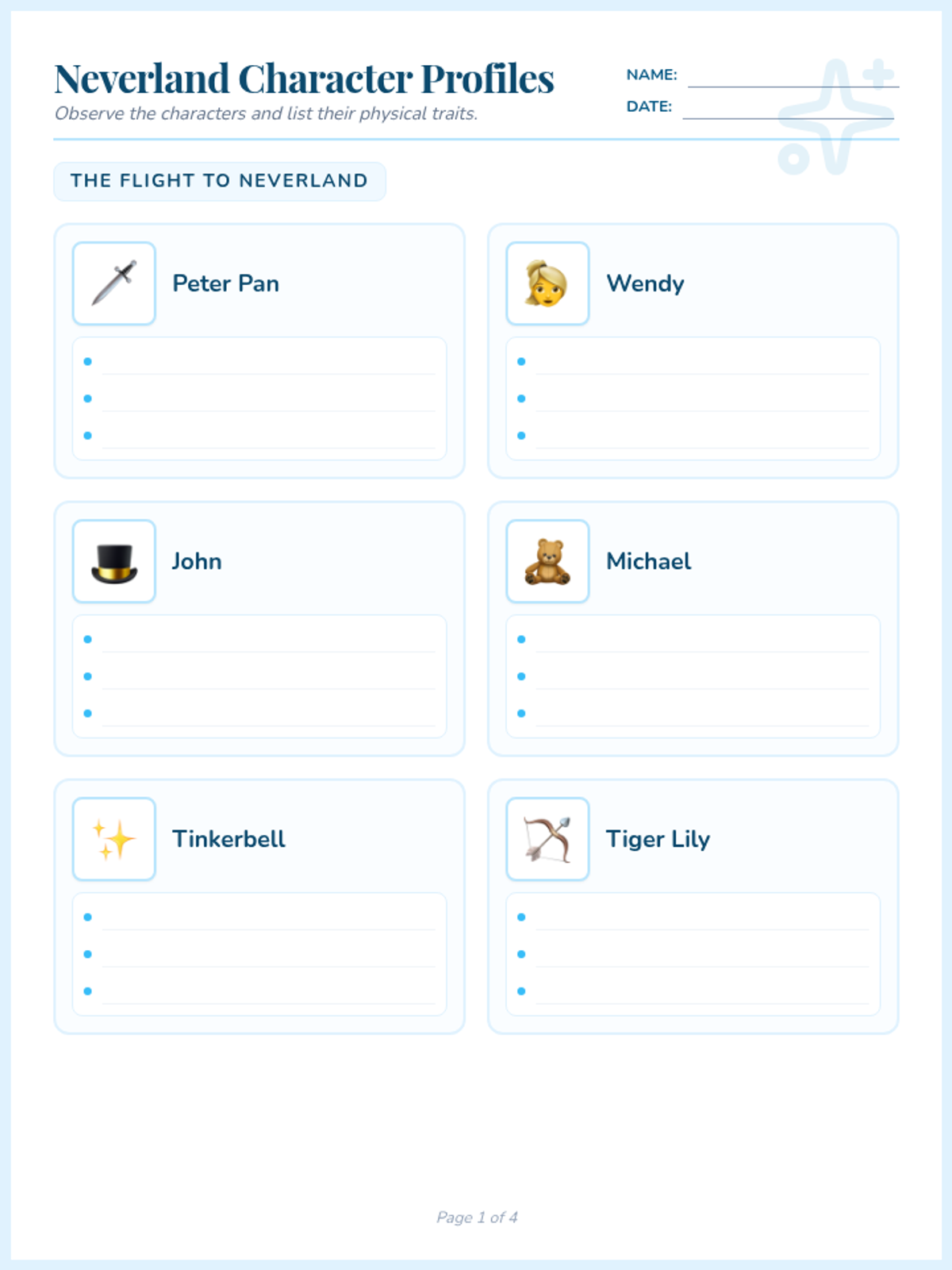
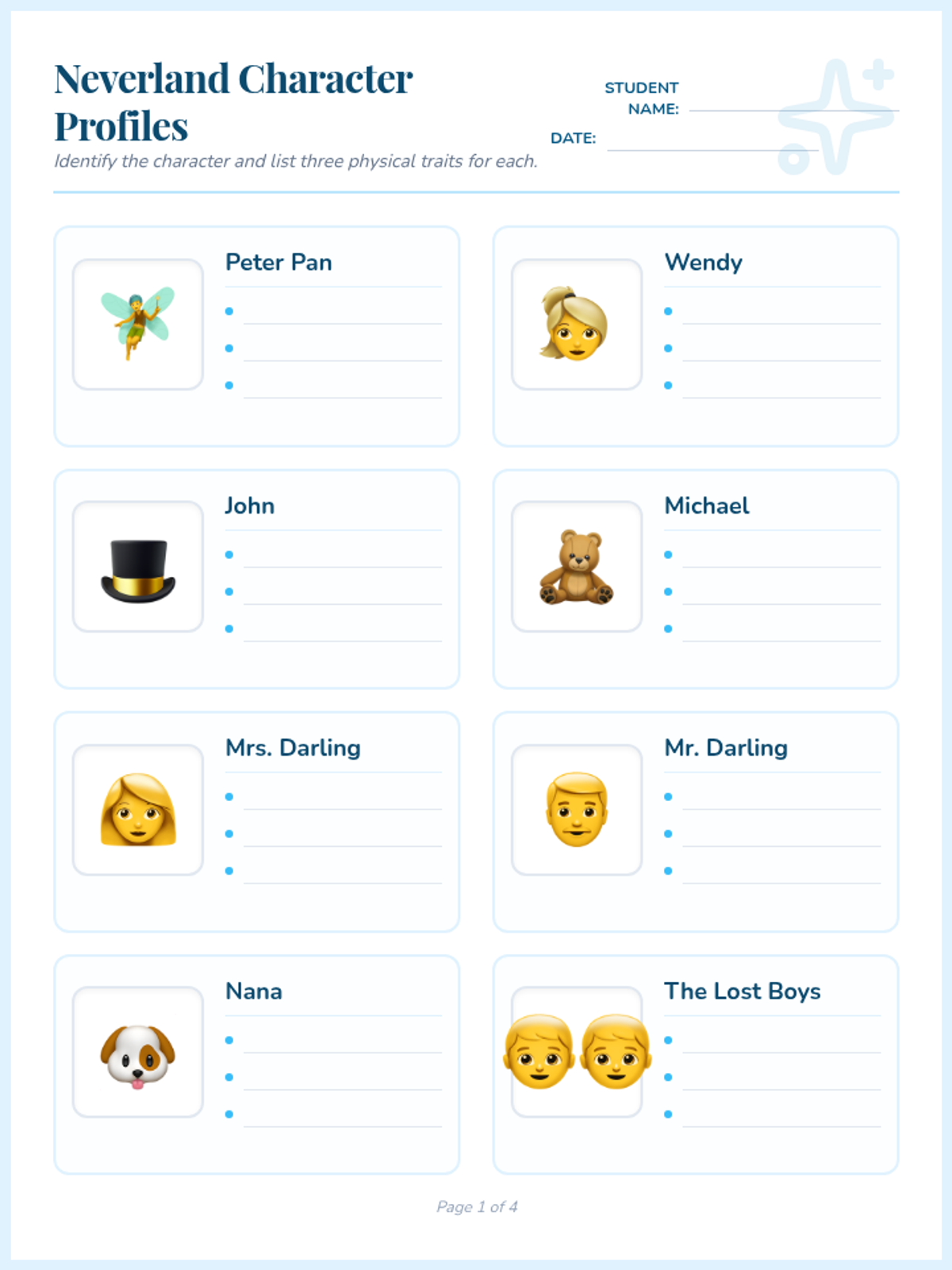
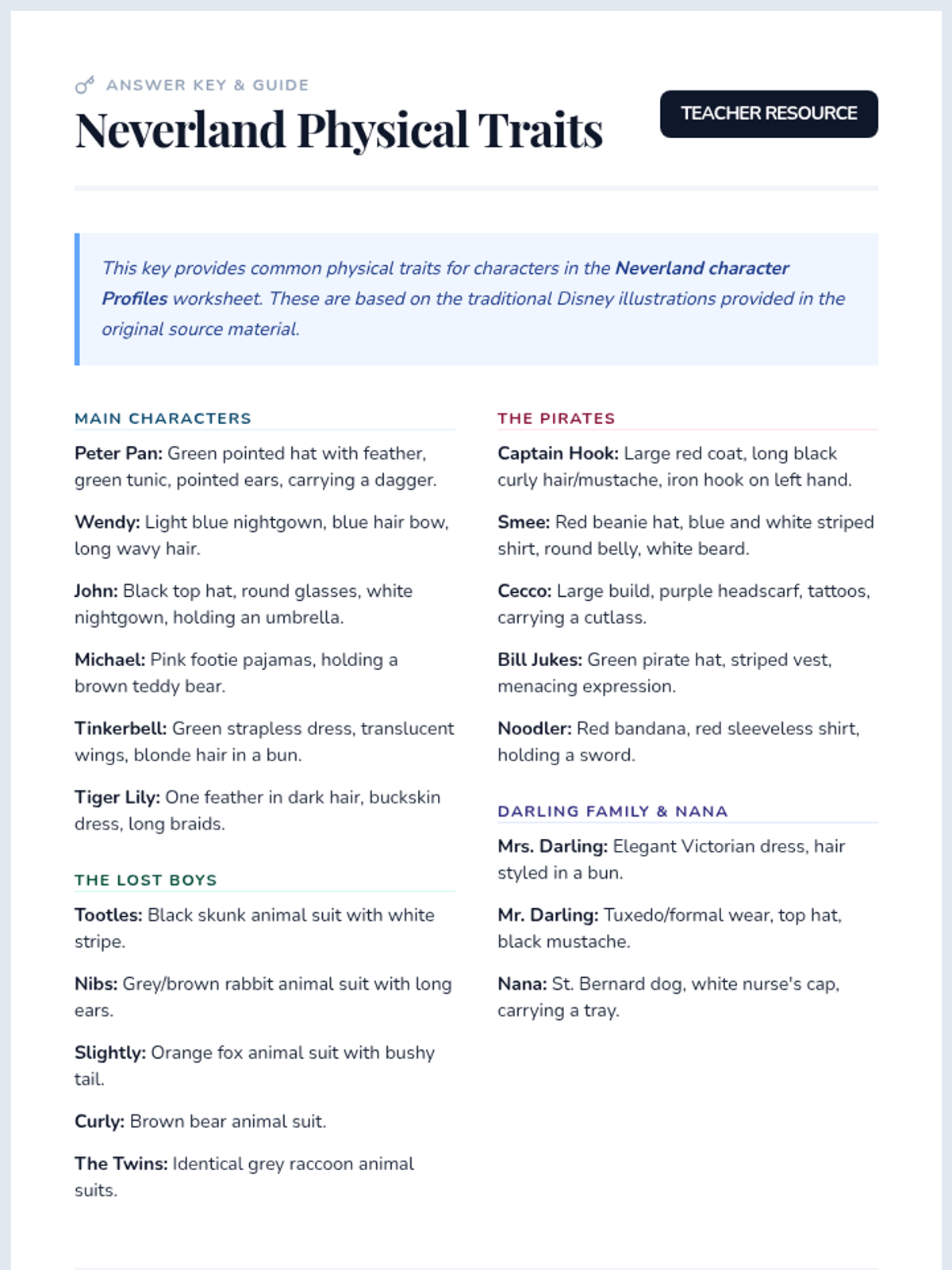
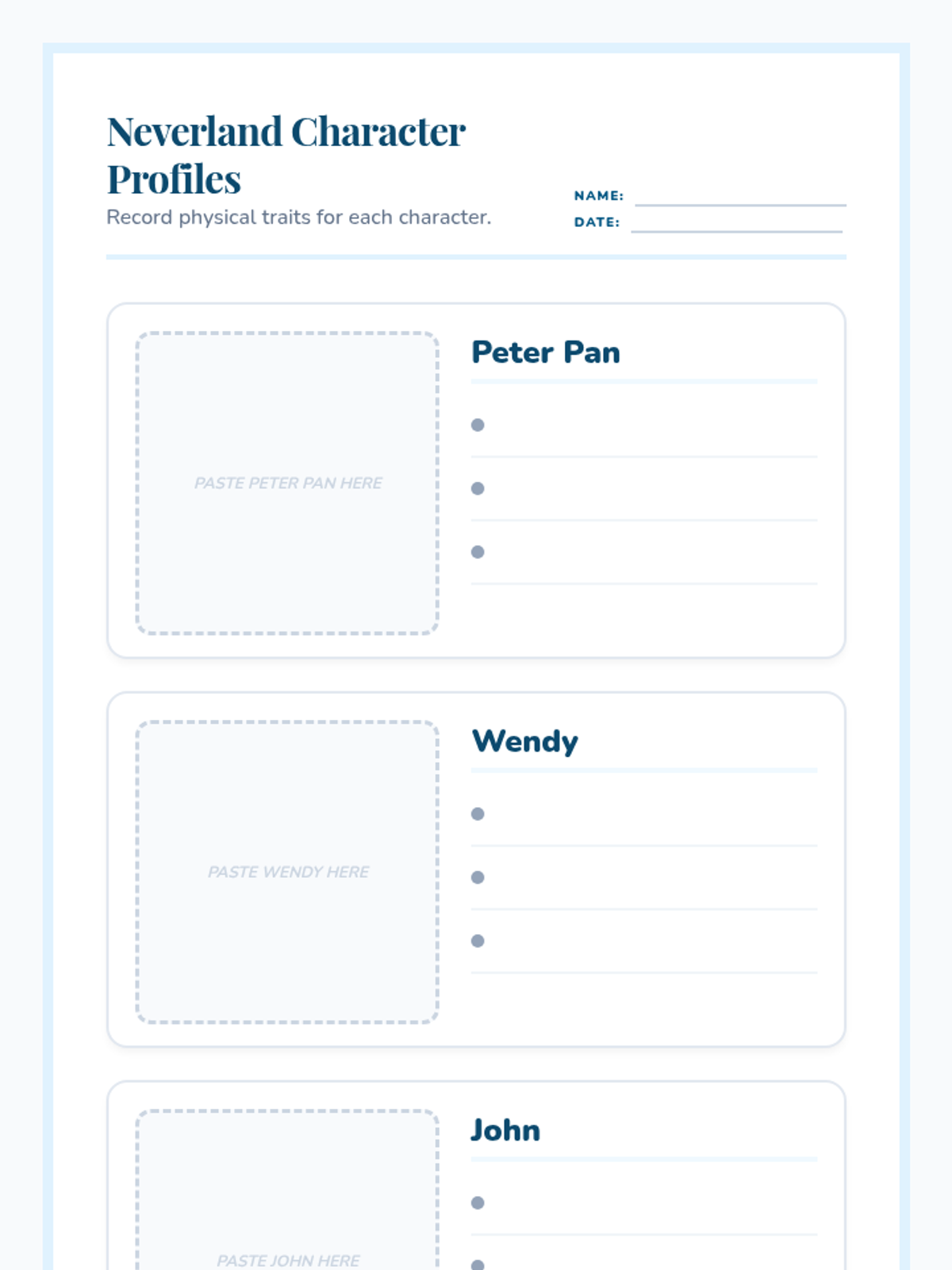
A character analysis lesson based on the classic story of Peter Pan, focusing on identifying physical traits and character descriptions.
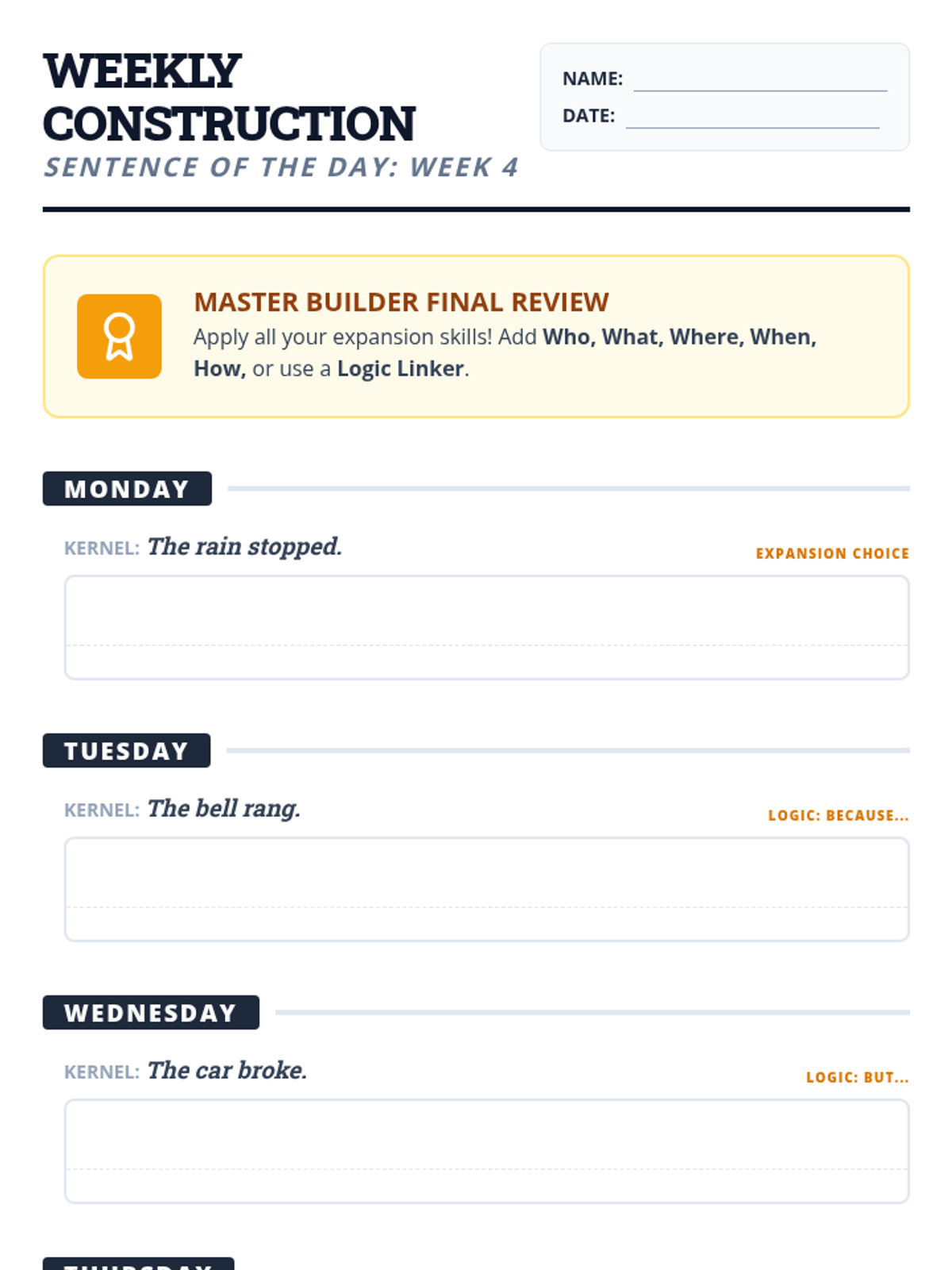
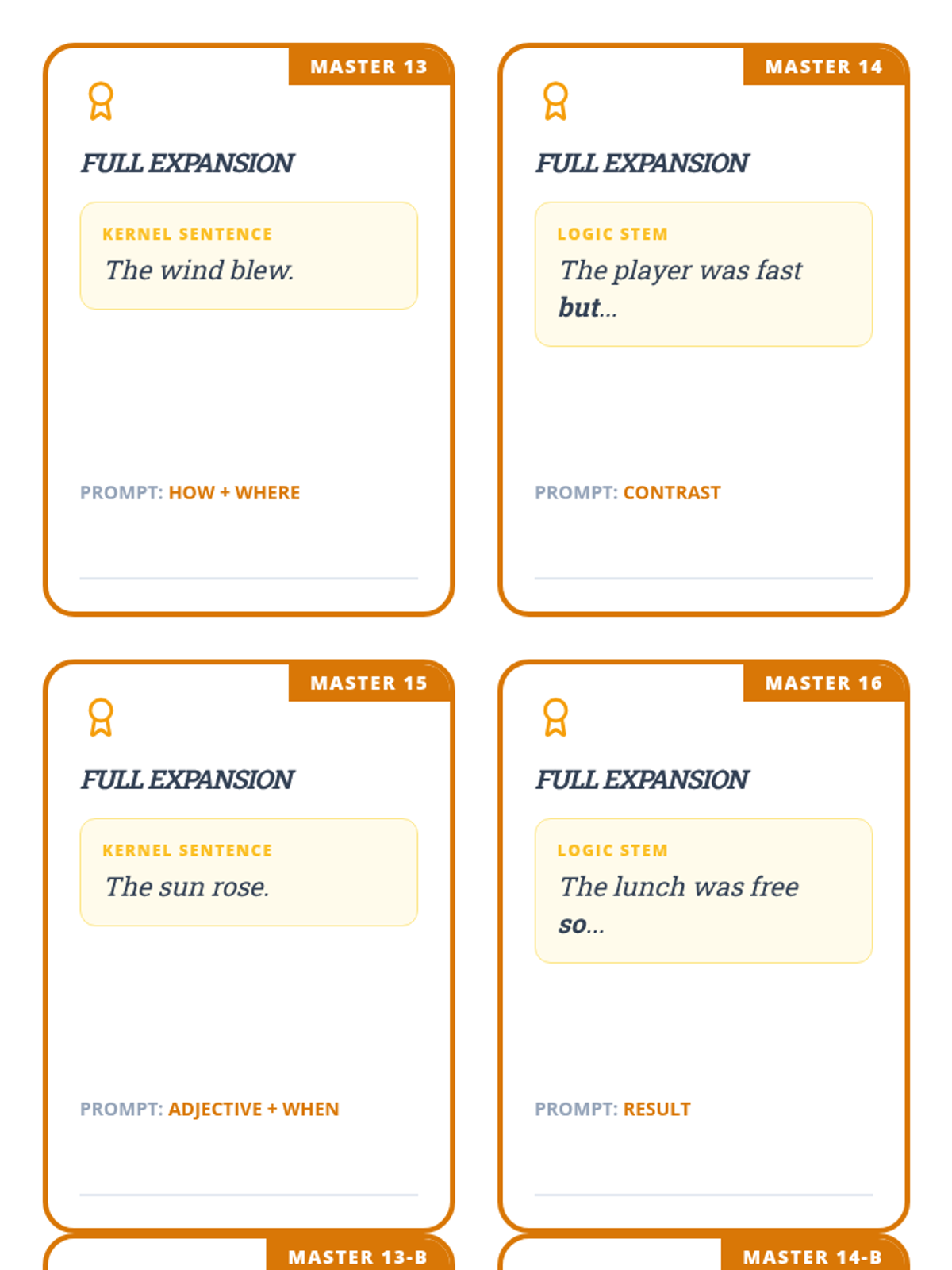
The final review lesson where students apply all previous strategies (adjectives, situational details, and logical conjunctions) to create complex and polished sentences.
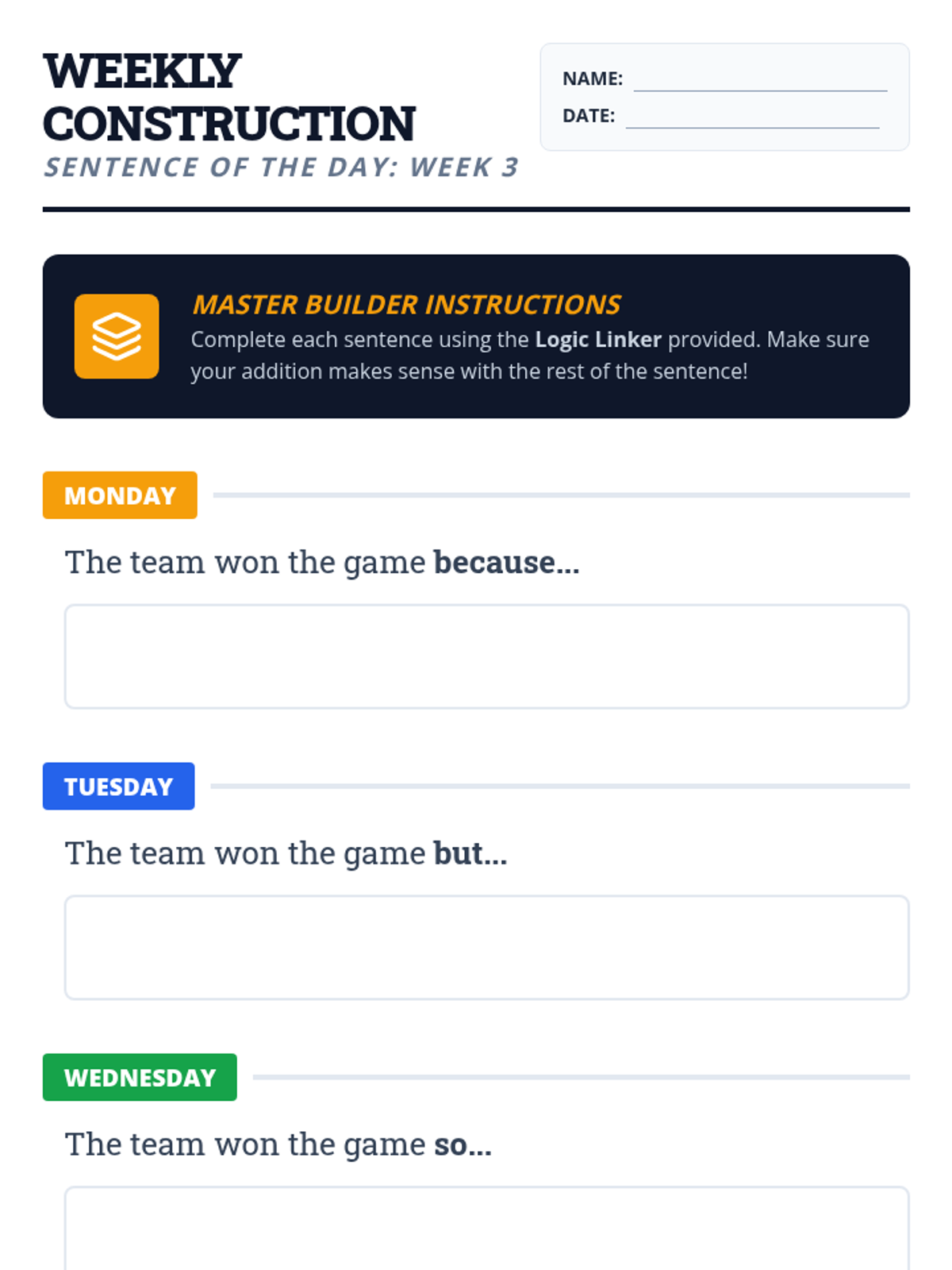
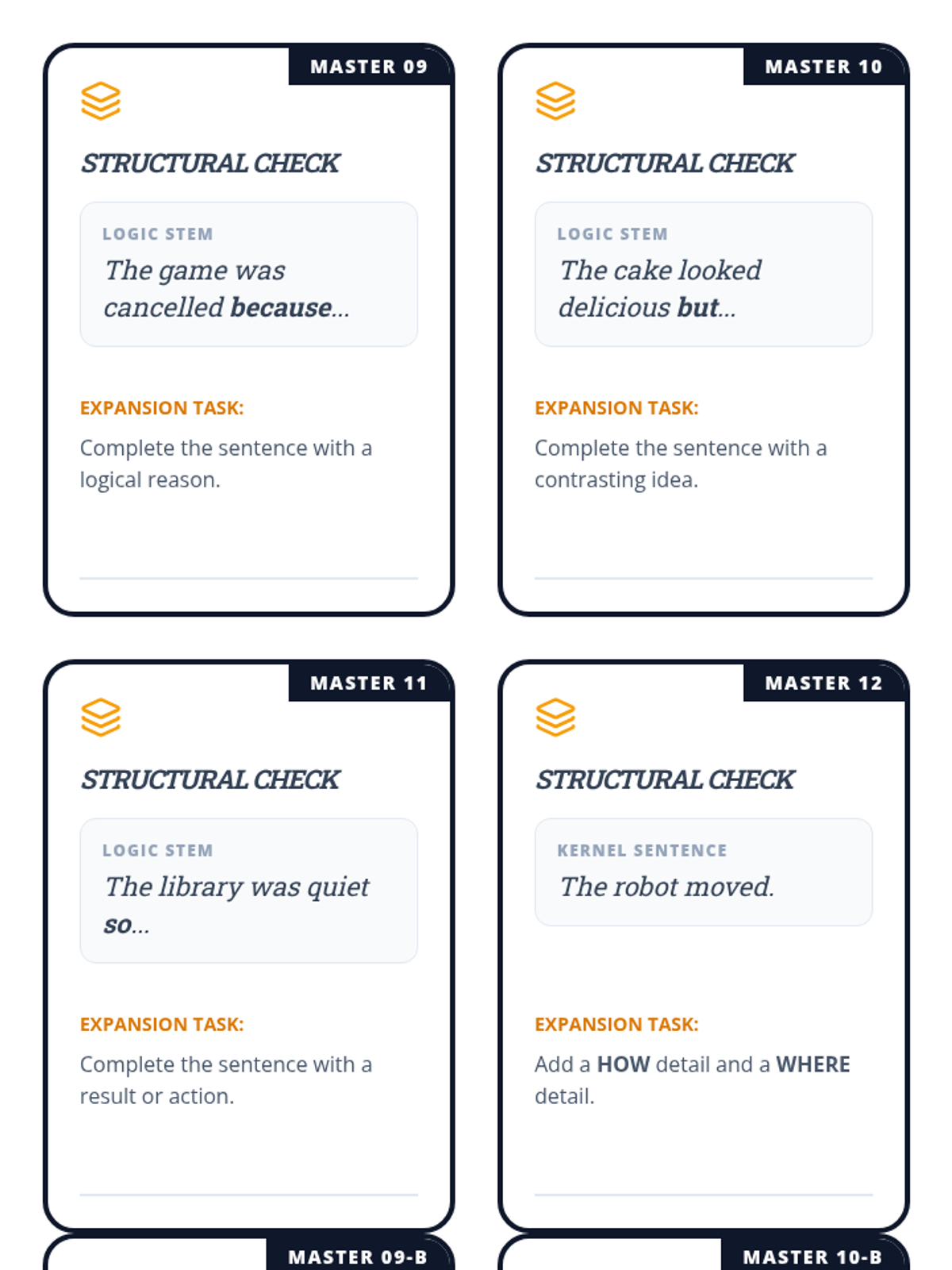
The final lesson focuses on using 'Because, But, So' to expand sentences logically and demonstrate deeper reasoning and detail.
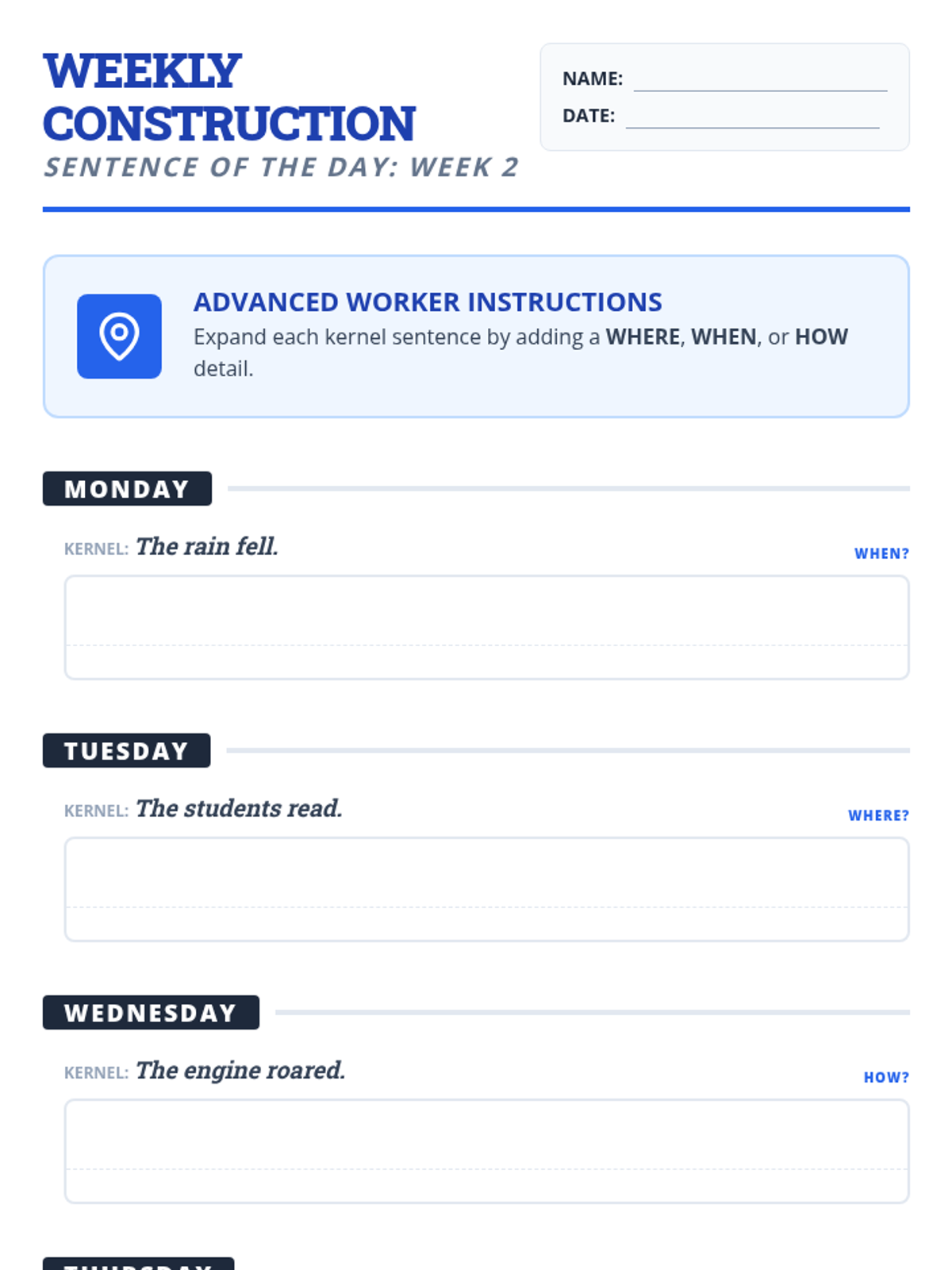
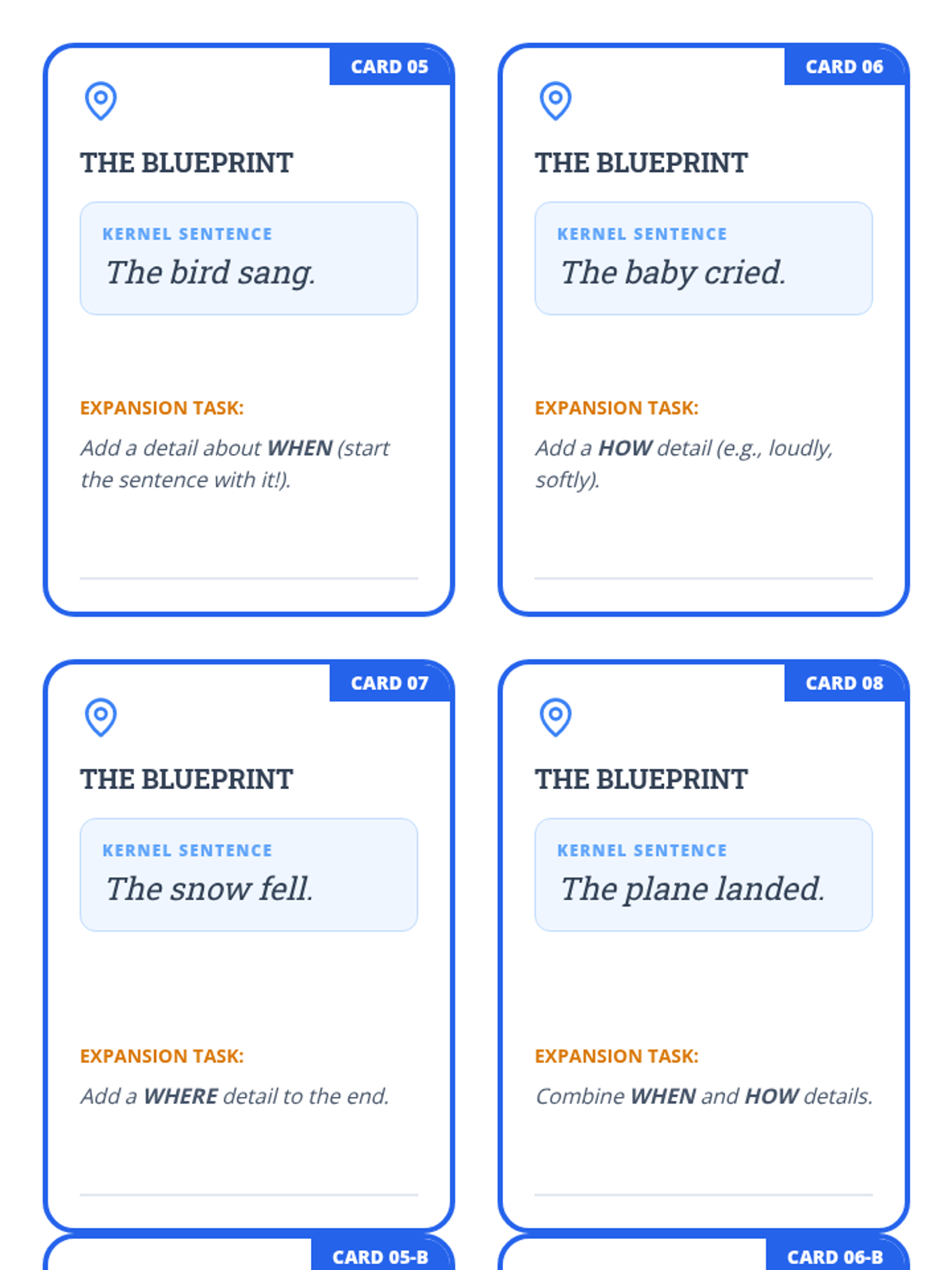
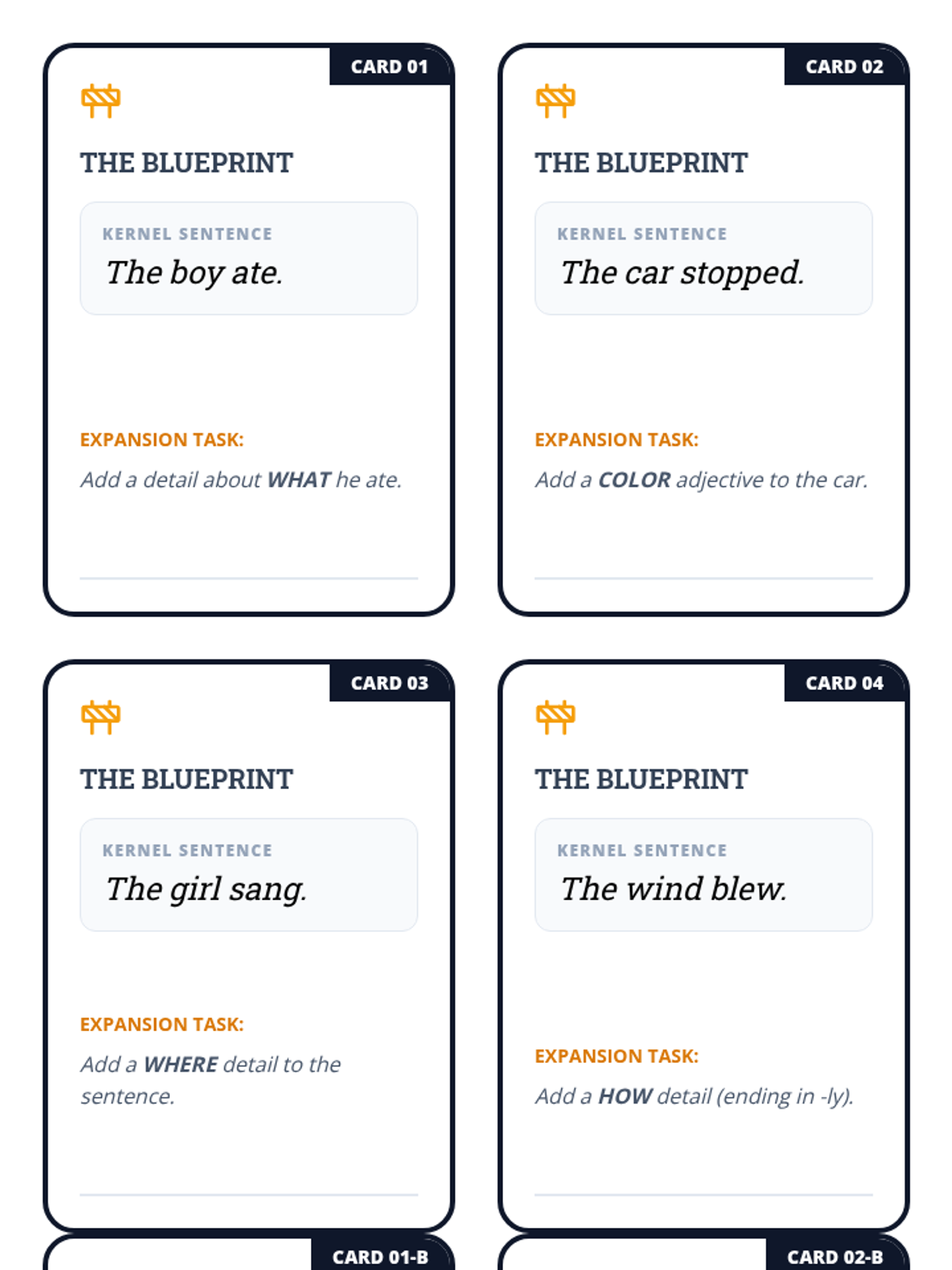
In this lesson, students learn to add situational details to their sentences using 'Where', 'When', and 'How' question words.
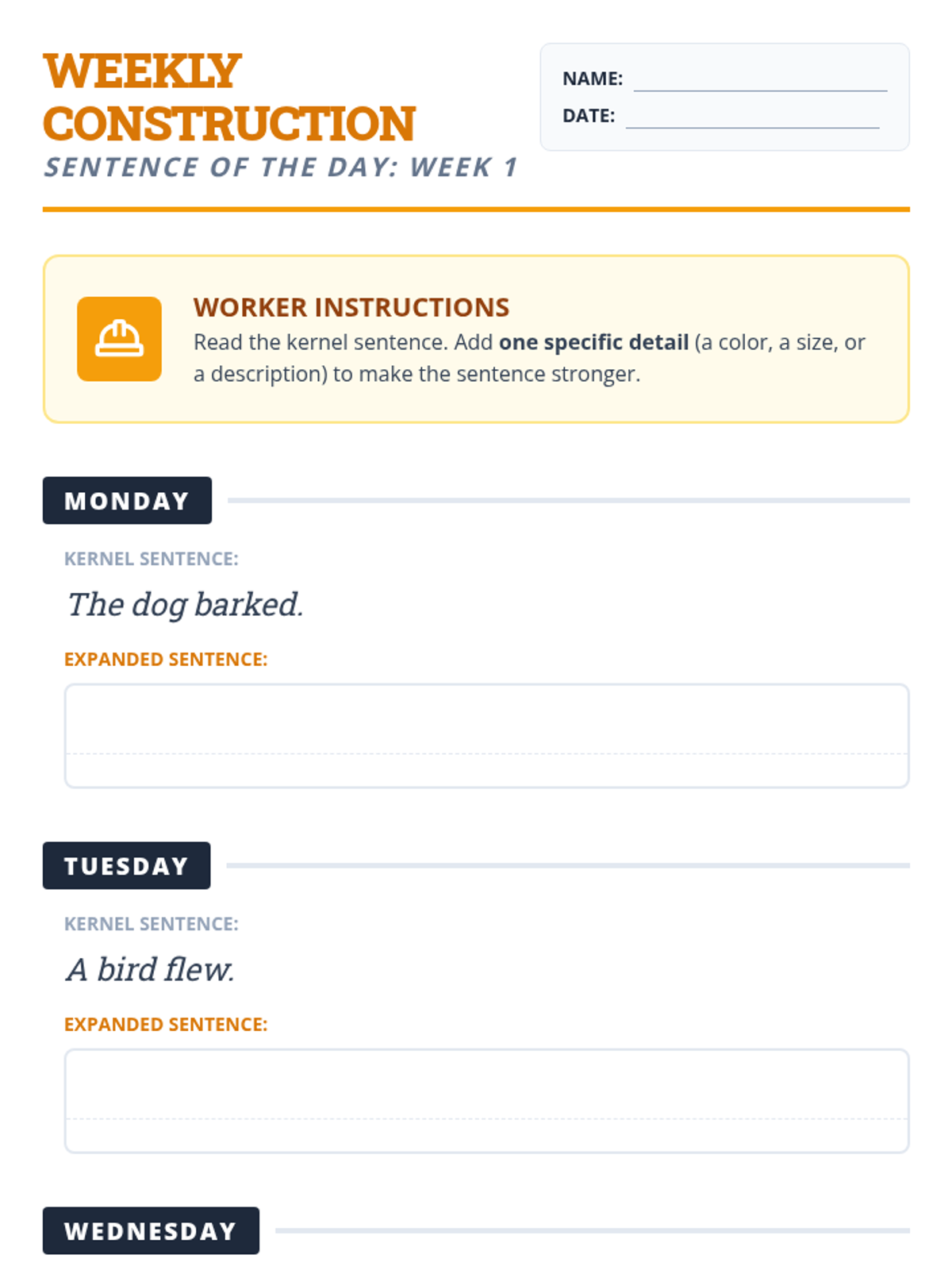
This lesson introduces the concept of a complete sentence versus a fragment and begins basic sentence expansion using 'Who' and 'What' details.
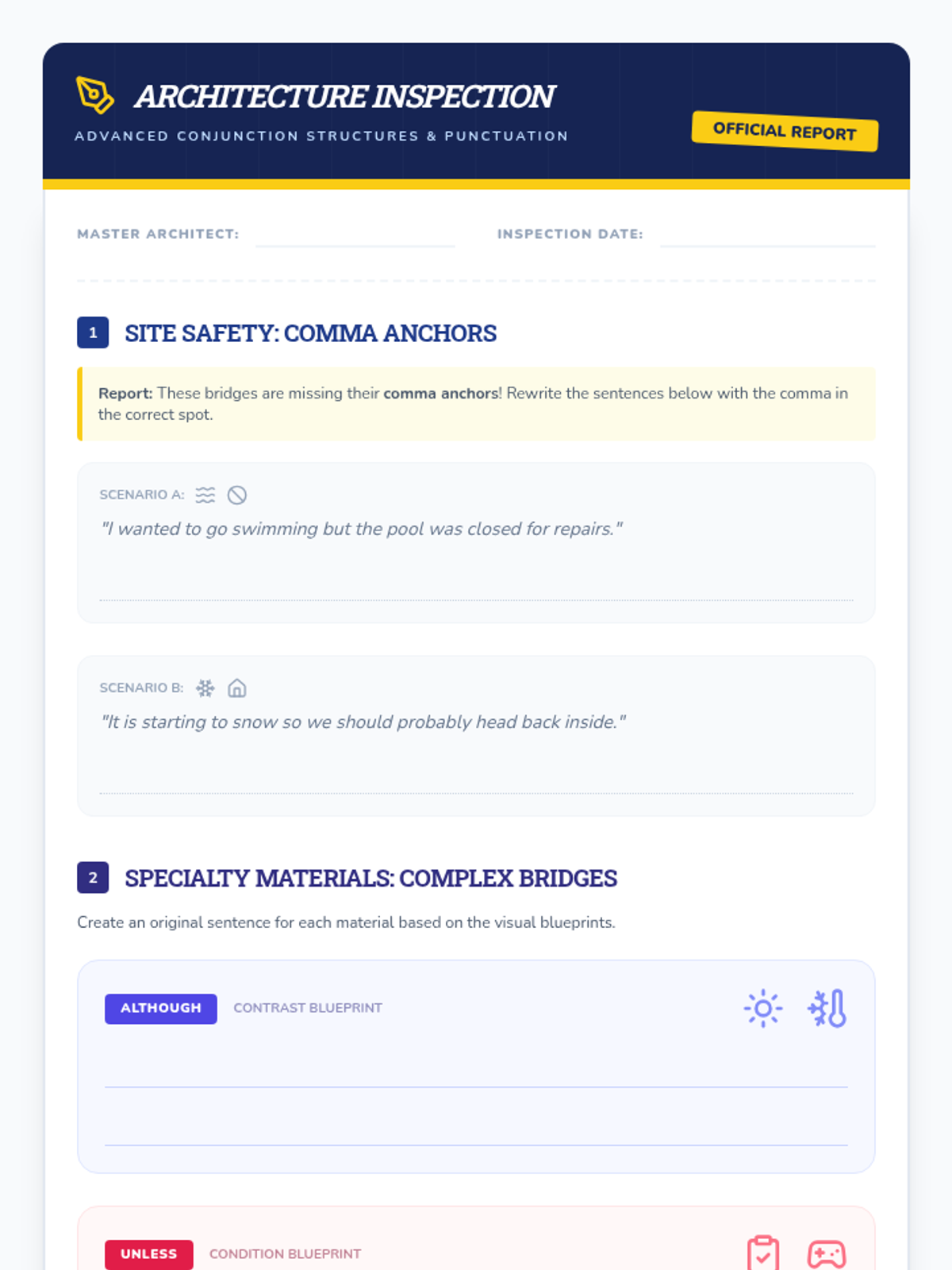
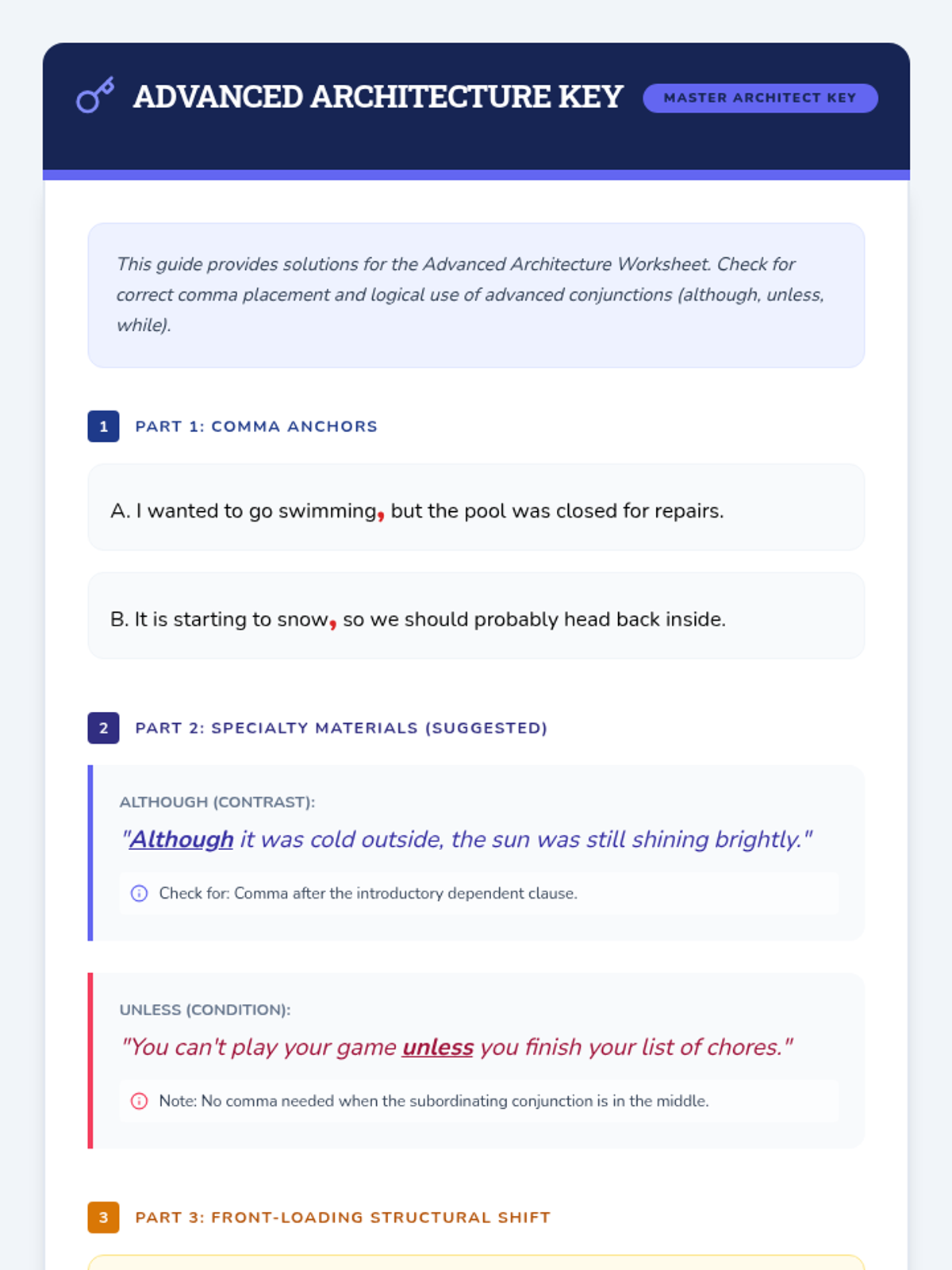
A follow-up lesson focusing on complex sentence structures, including comma placement in compound sentences and starting sentences with subordinating conjunctions. Introduces advanced conjunctions like 'although', 'while', and 'unless'.
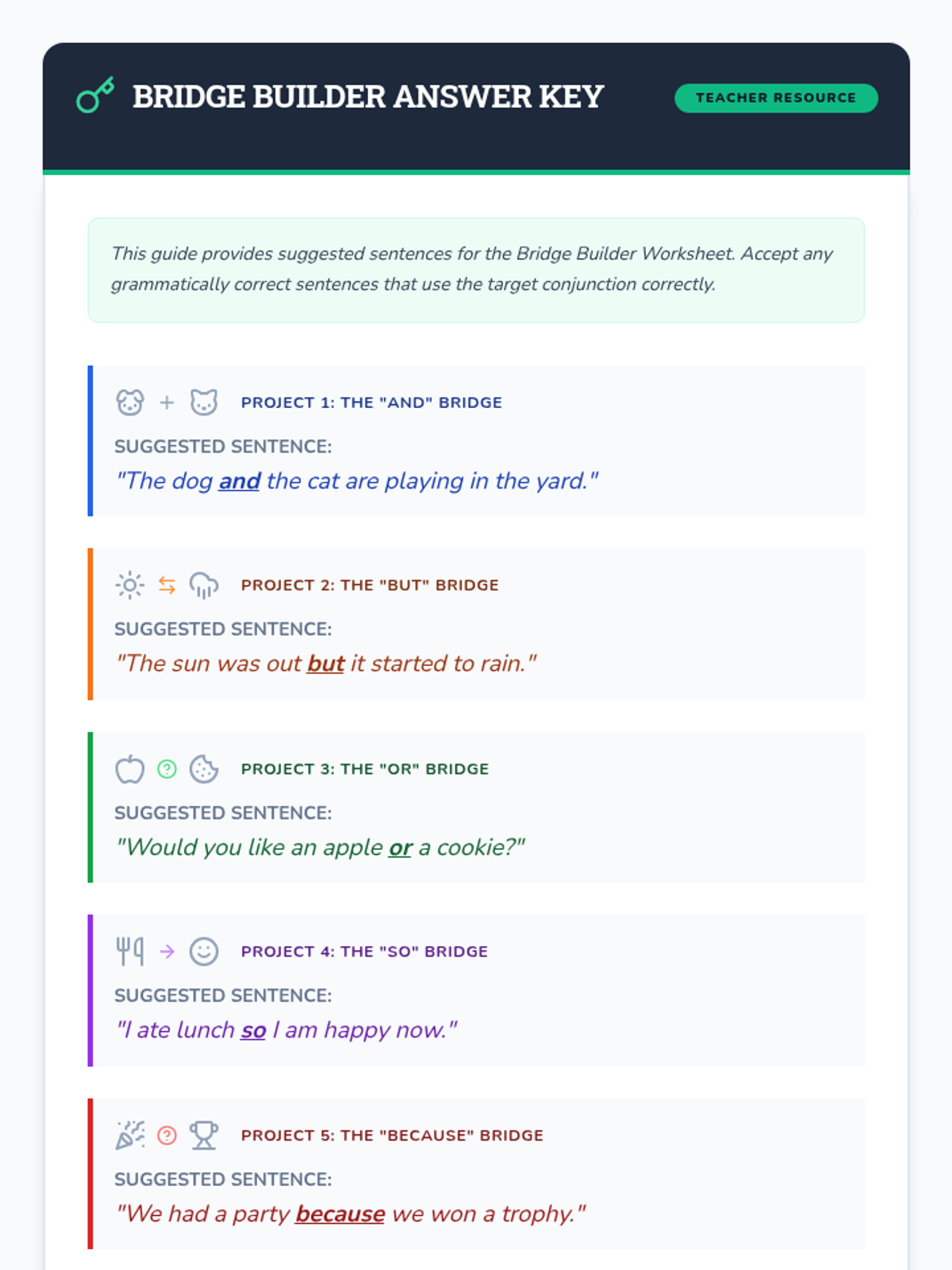
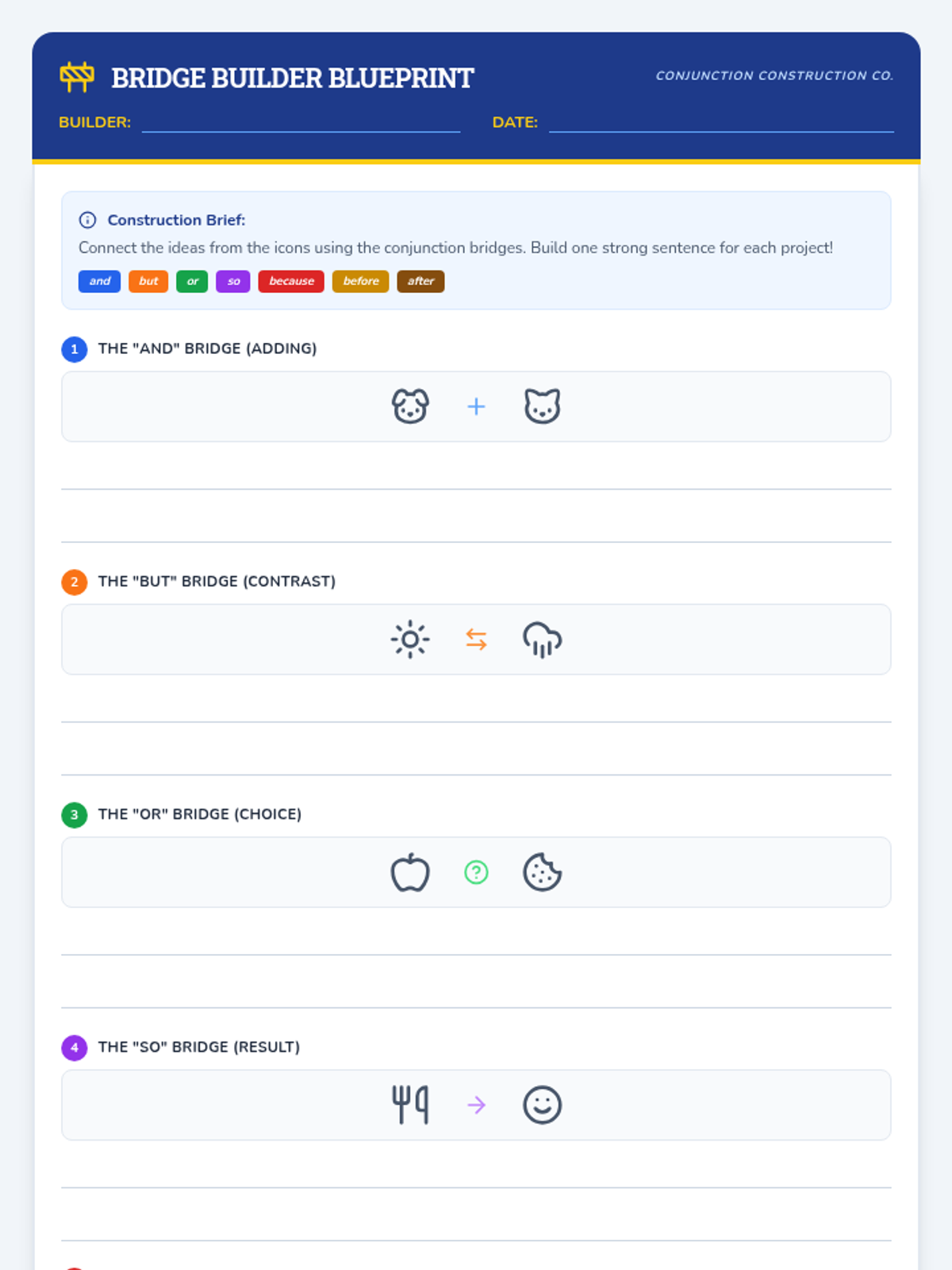
A lesson on using coordinating and subordinating conjunctions to build complex sentences. Students learn to use conjunctions as 'bridges' to connect their ideas together clearly.
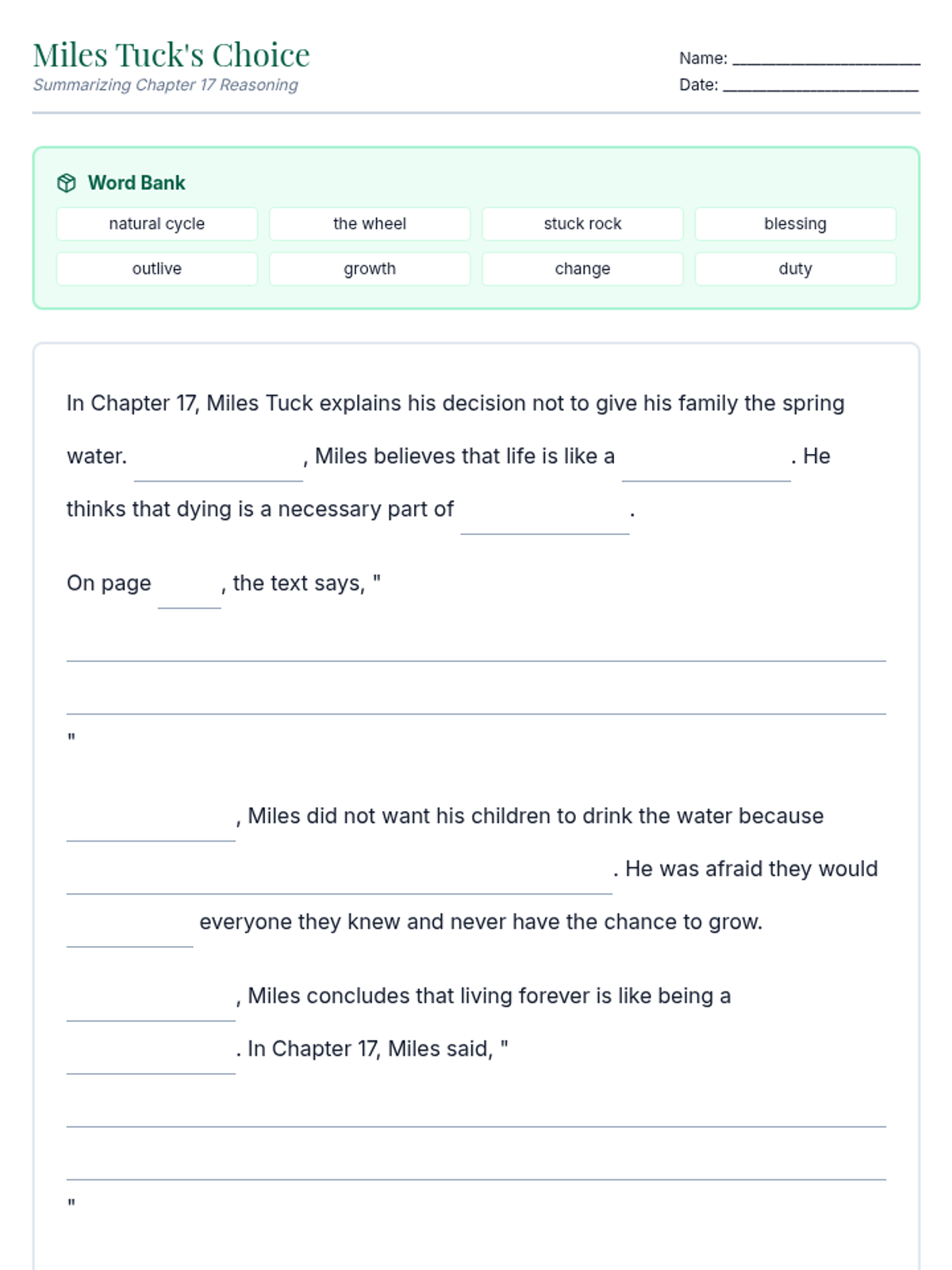
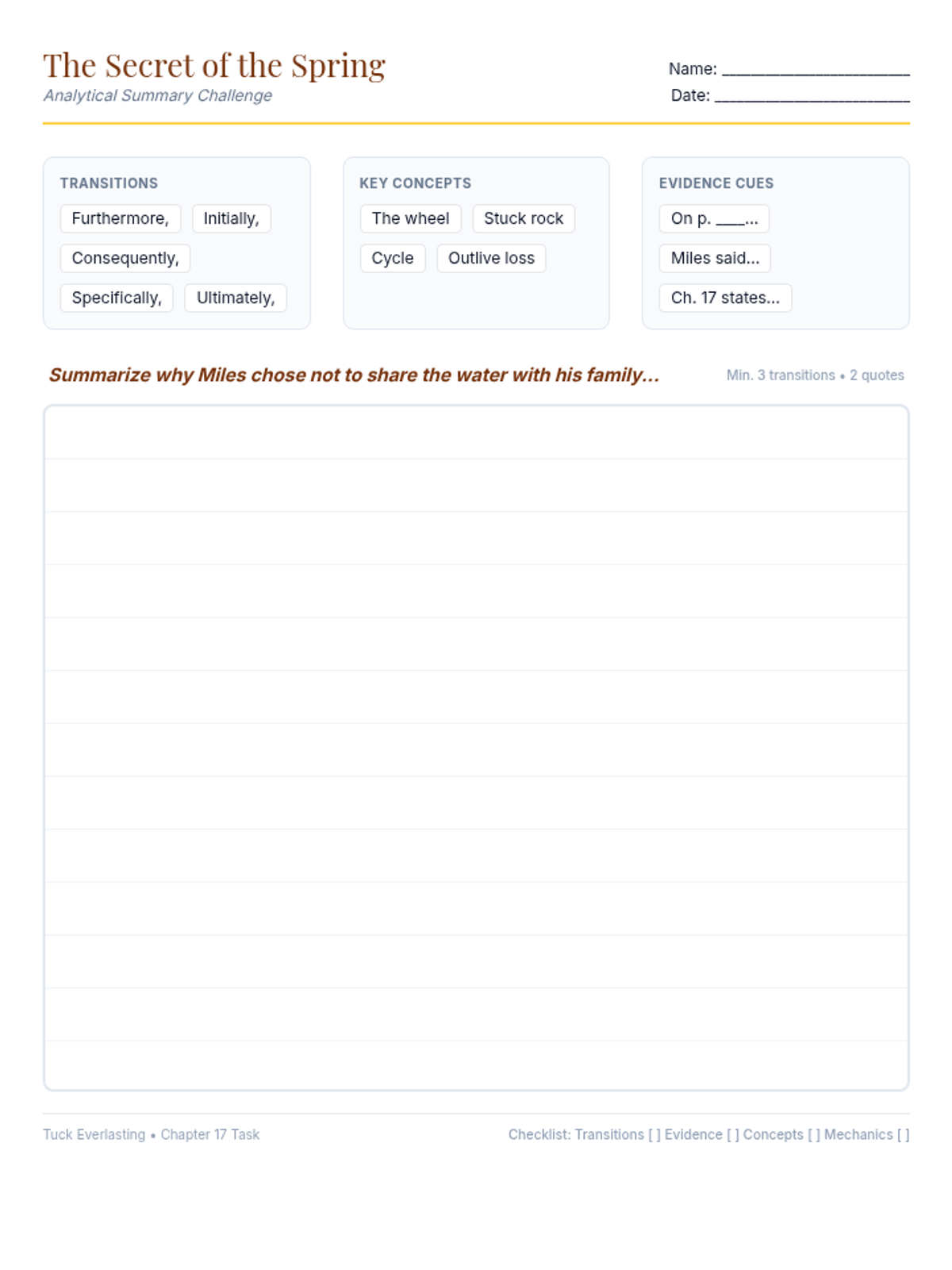
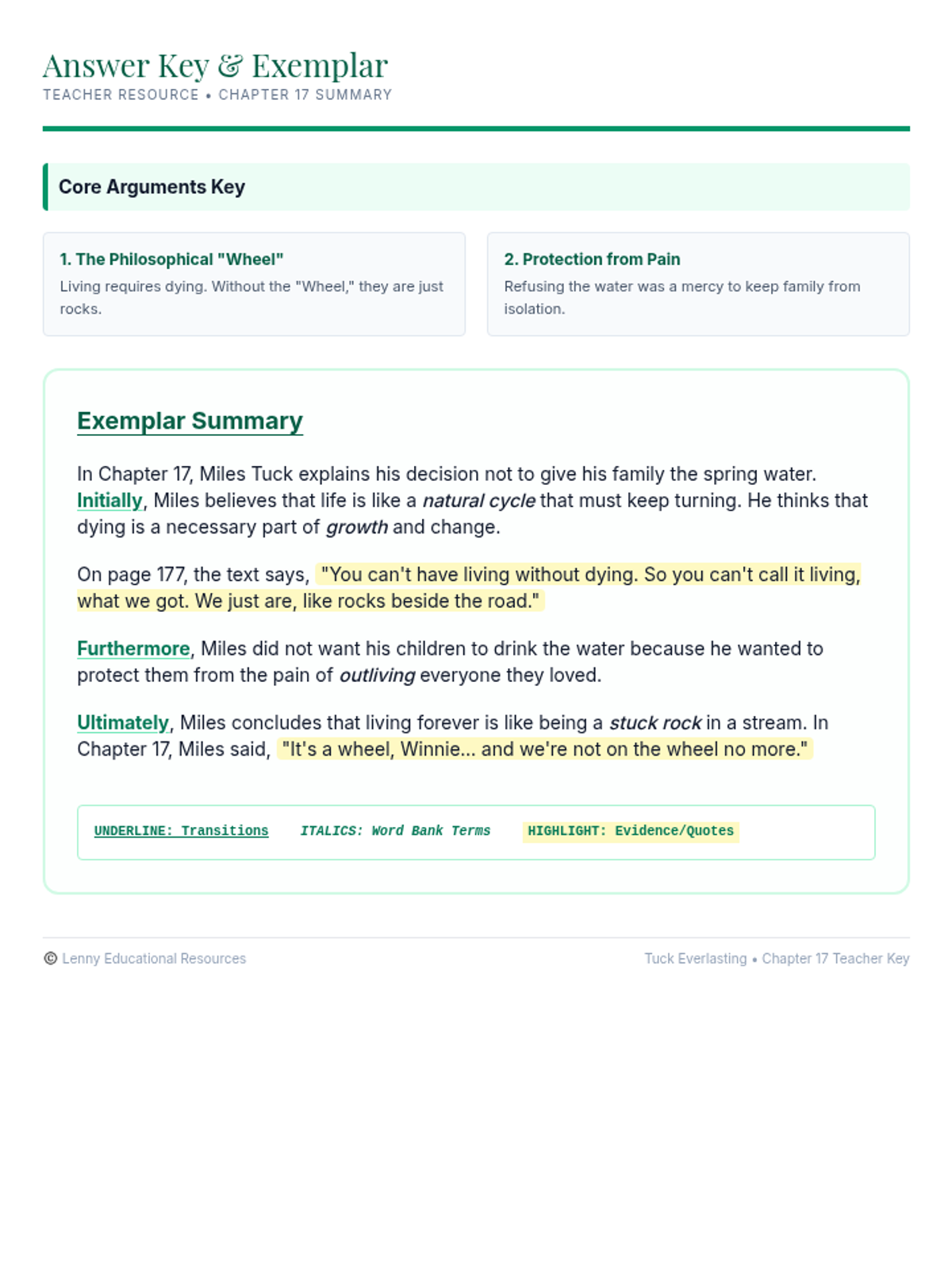
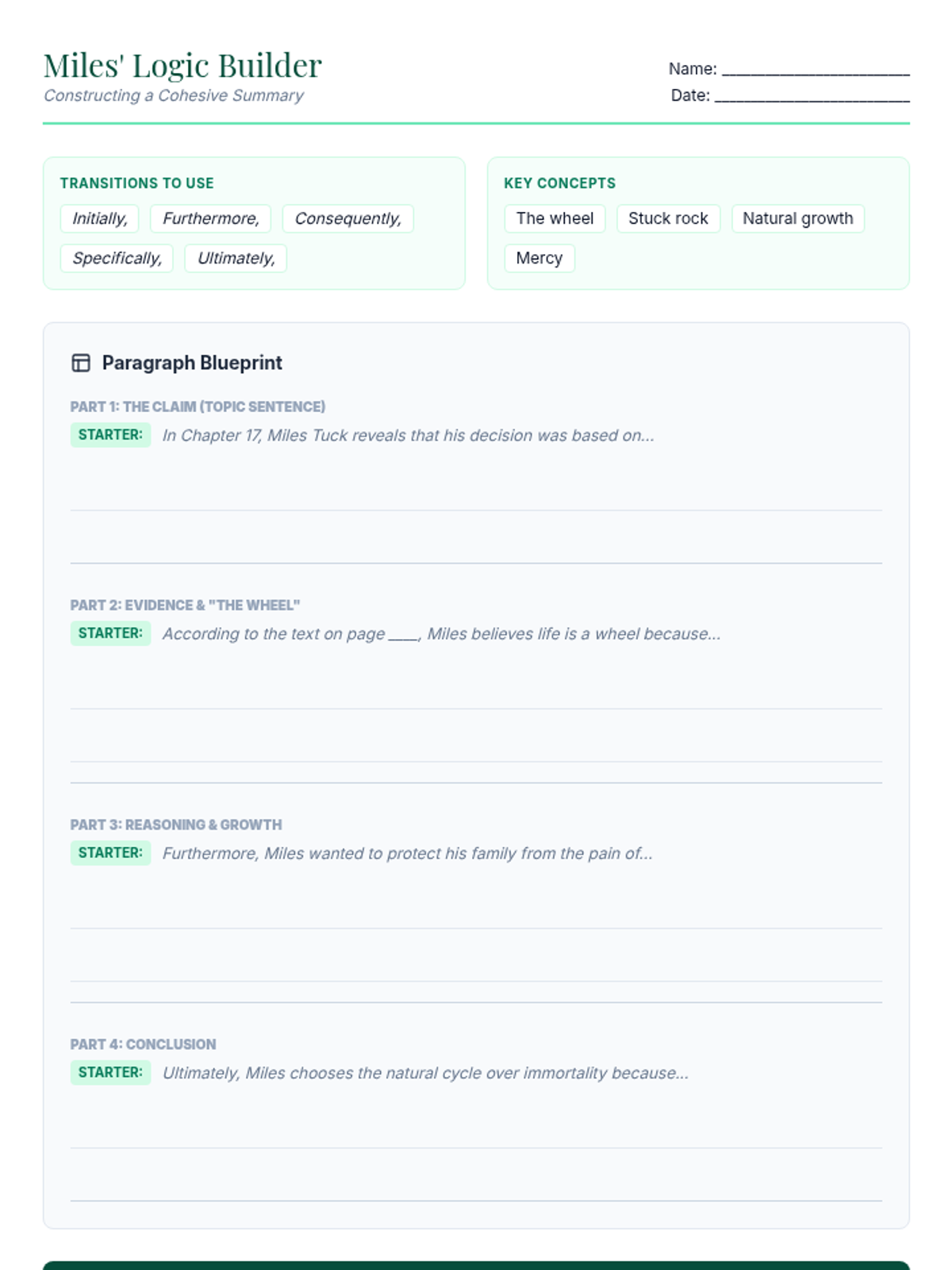
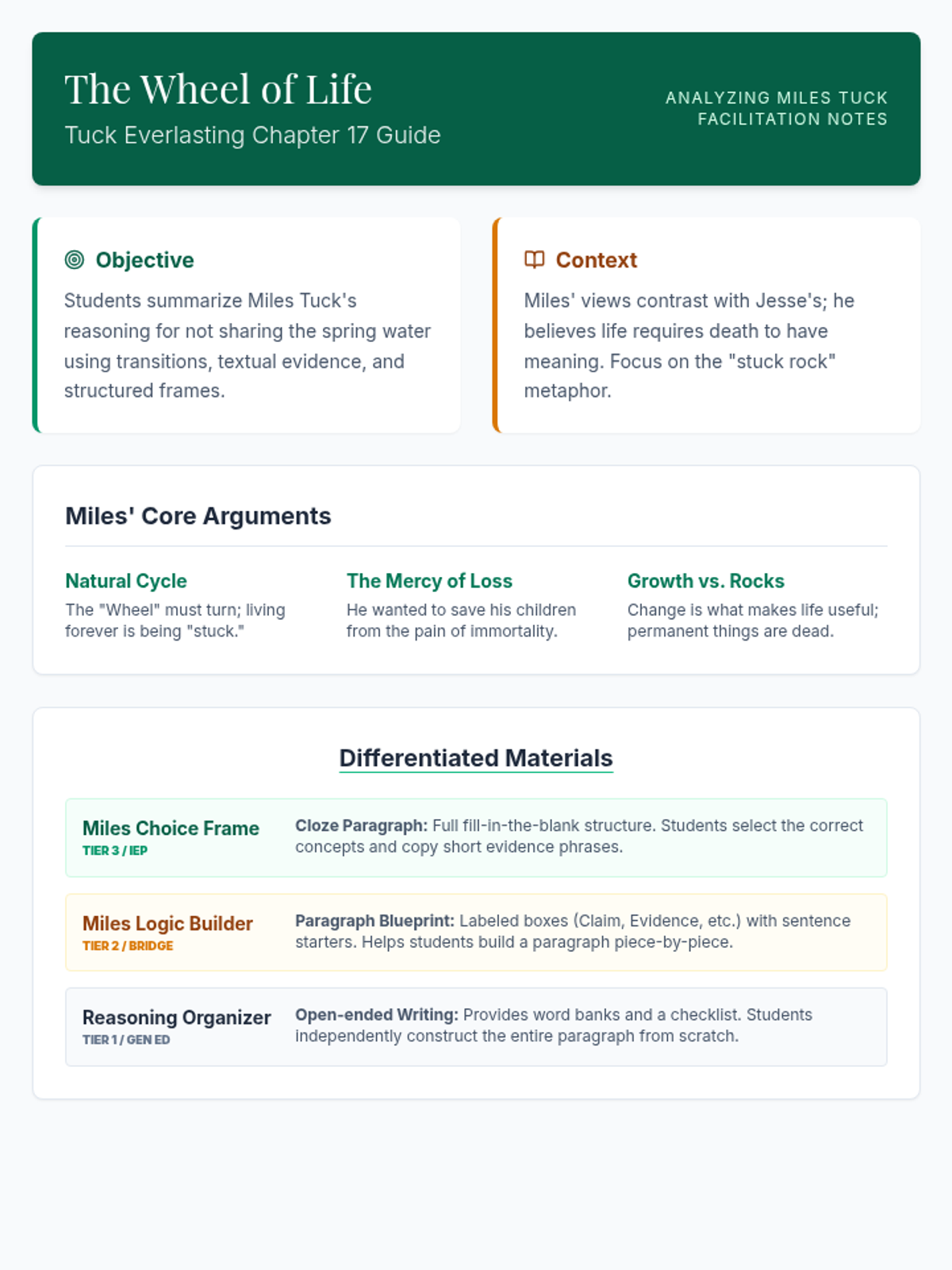
A lesson focused on Chapter 17 of Tuck Everlasting, where students analyze Miles Tuck's complex reasoning for not giving his family the spring water. Students will use transitions and textual evidence to construct a cohesive summary.
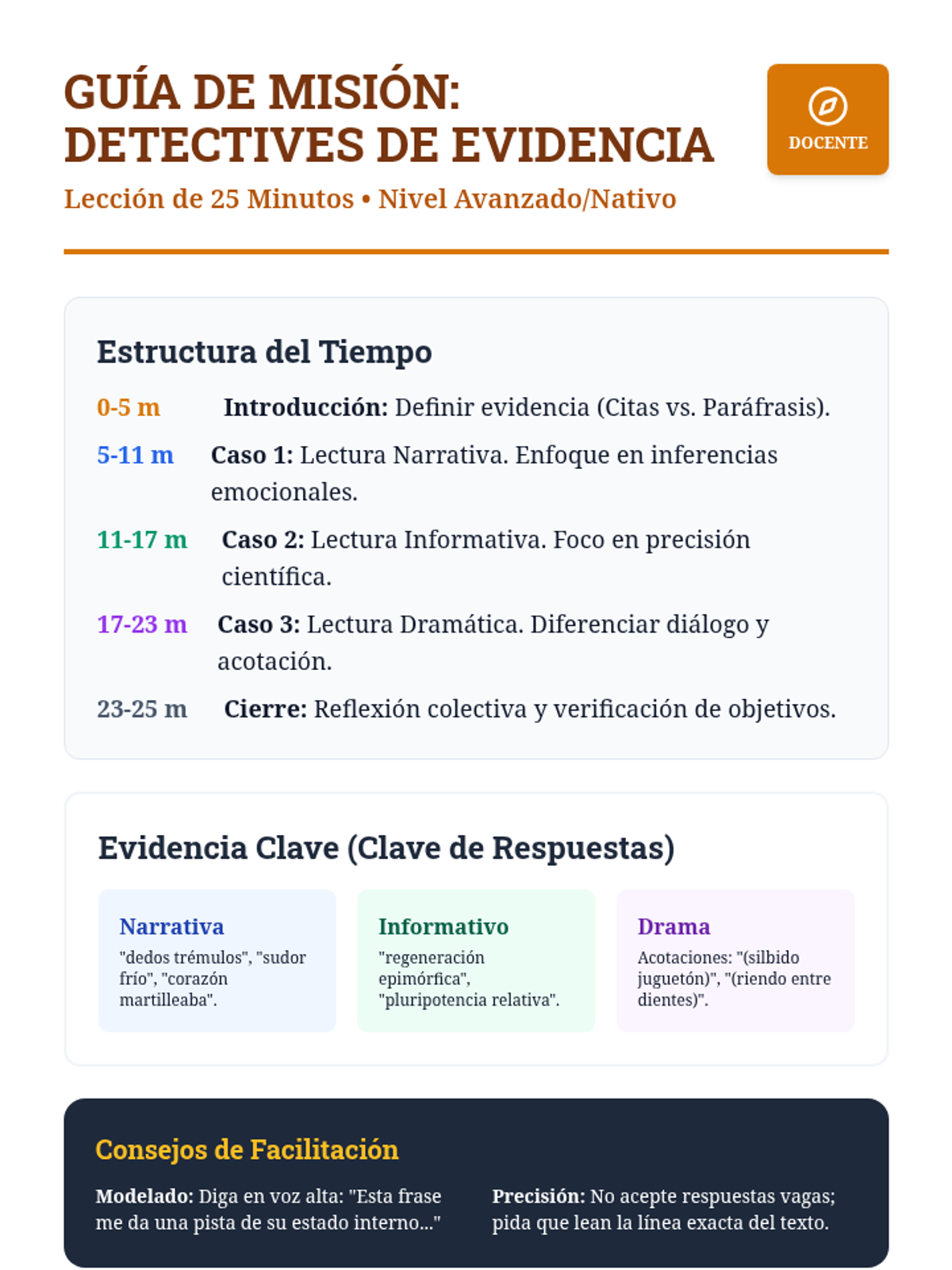
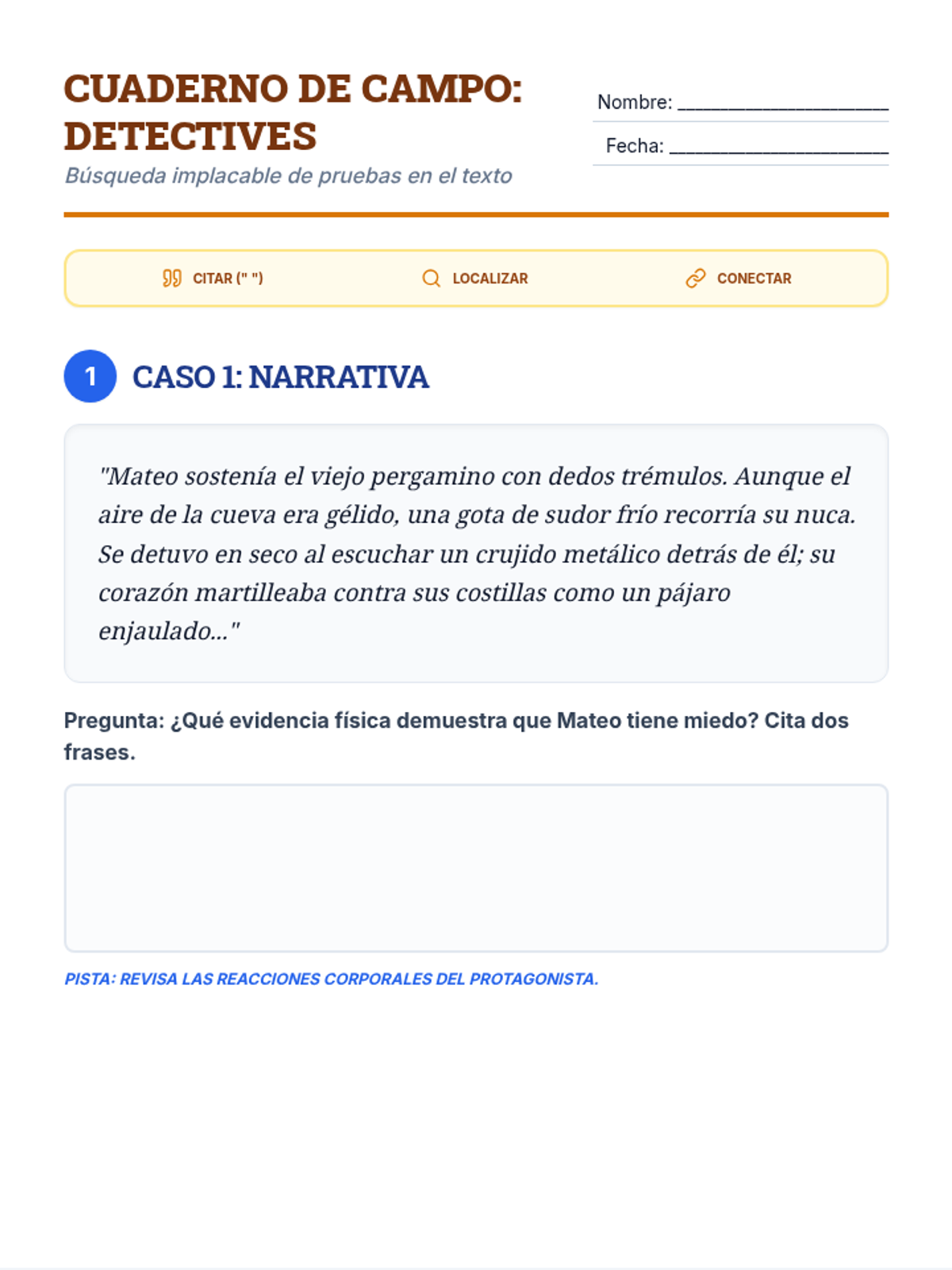
Una lección guiada de 25 minutos para estudiantes avanzados o nativos sobre cómo utilizar la evidencia del texto para respaldar respuestas, utilizando tres géneros distintos: narrativa, informativo y dramático.
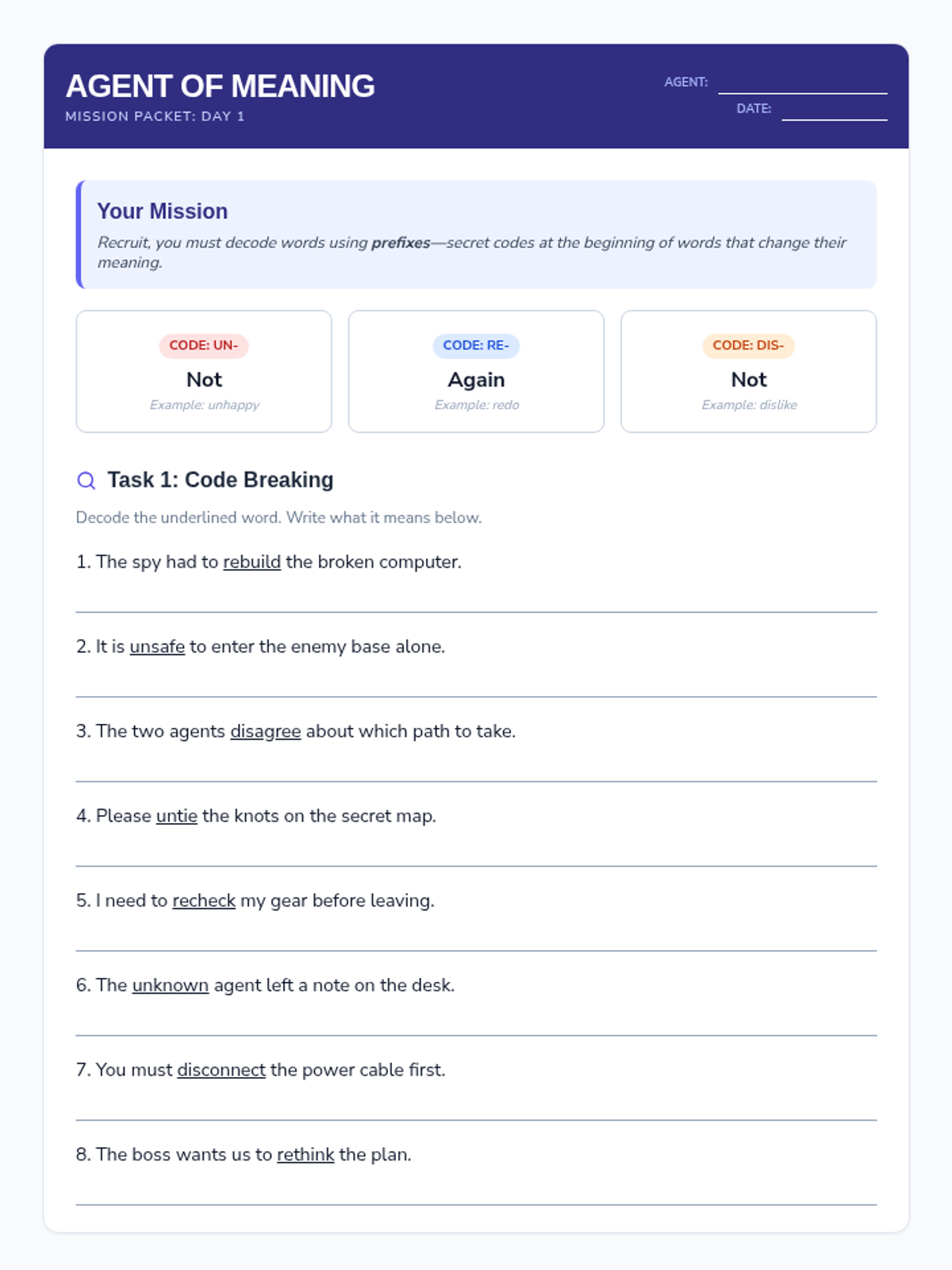
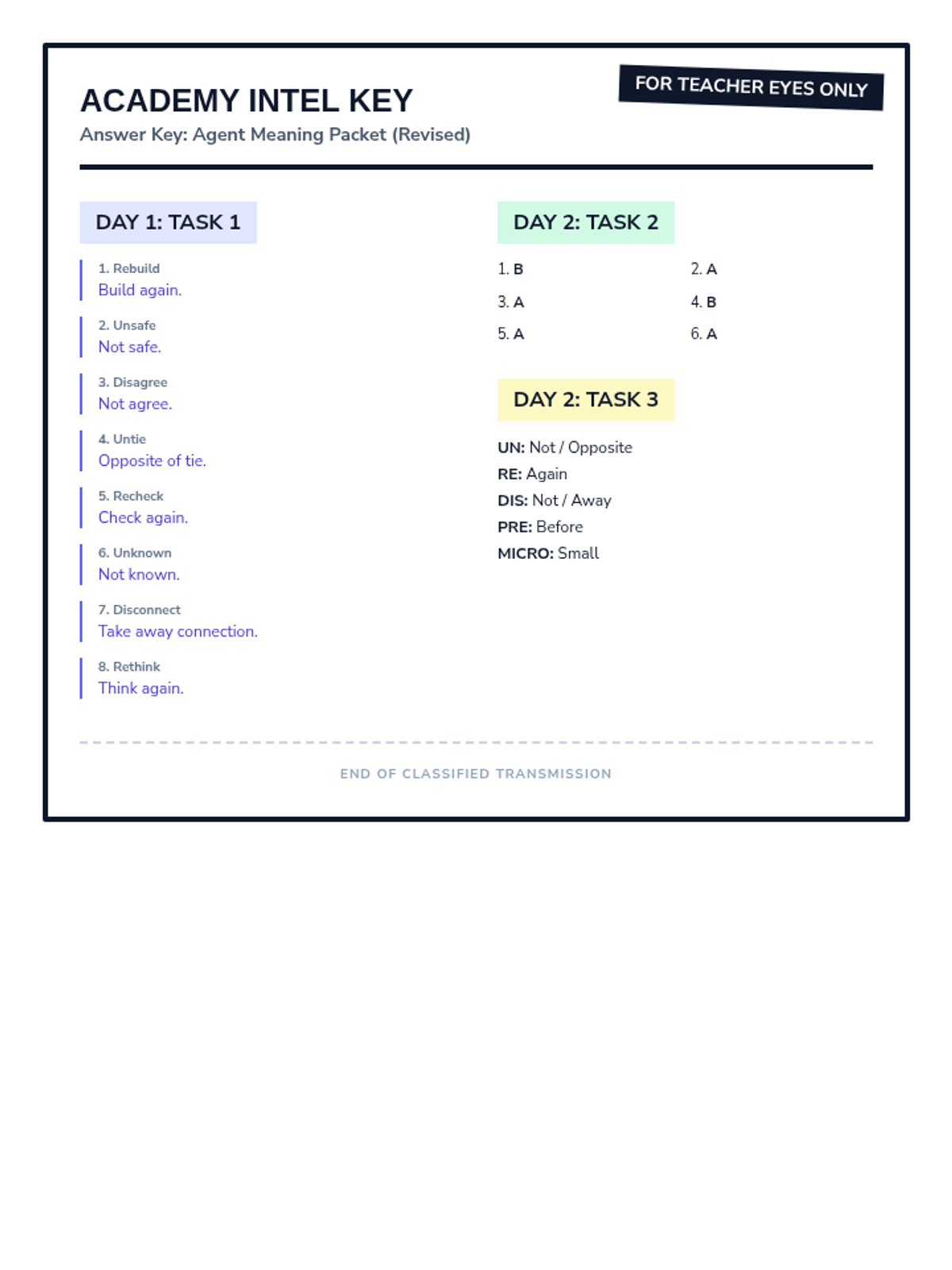
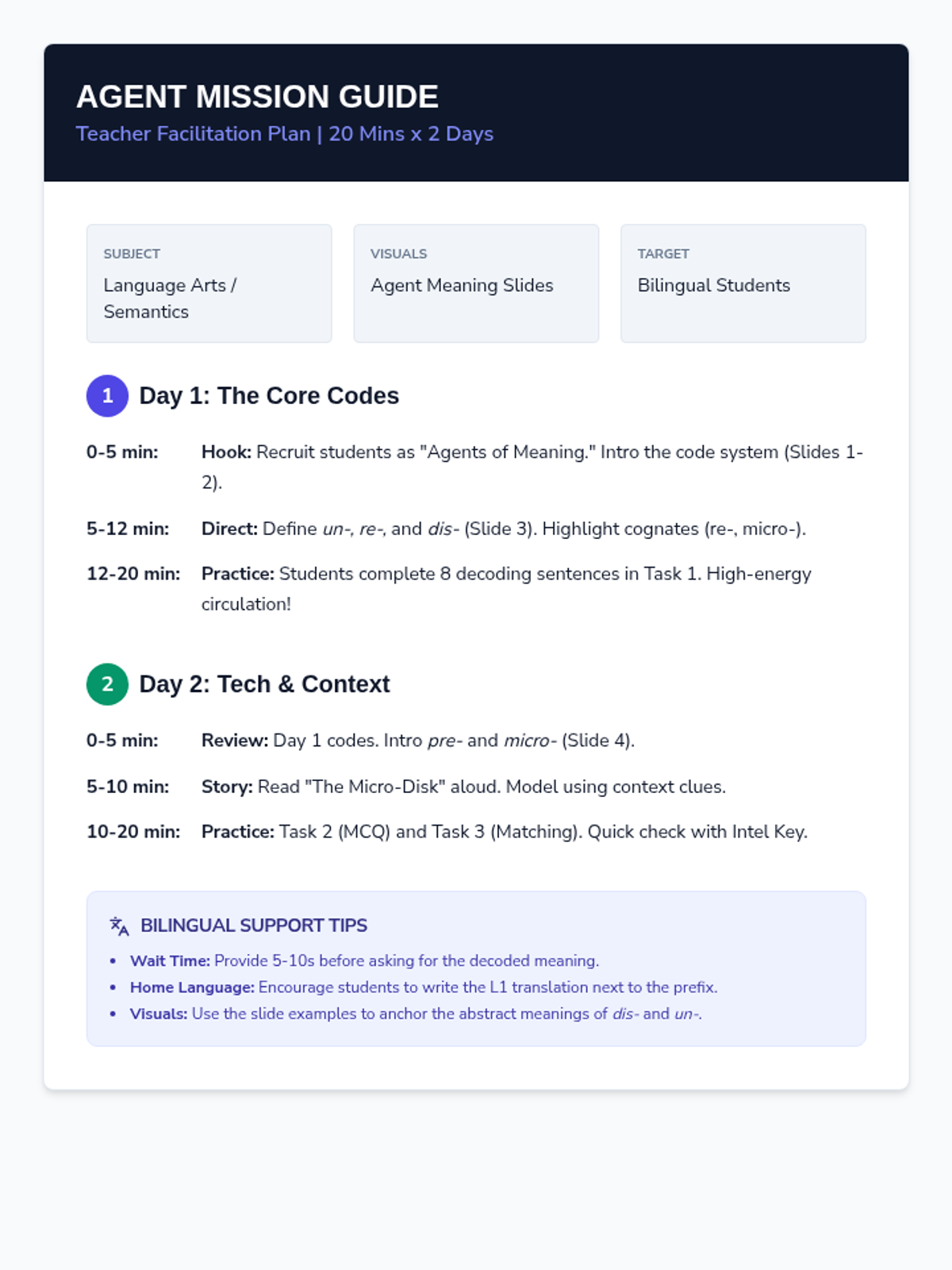
A two-day mini-lesson for bilingual students focused on decoding prefixes (un-, re-, dis-, pre-, micro-) using a spy-themed 'Agent of Meaning' narrative. Students use context clues and semantics to unlock word meanings in short stories and practice exercises.
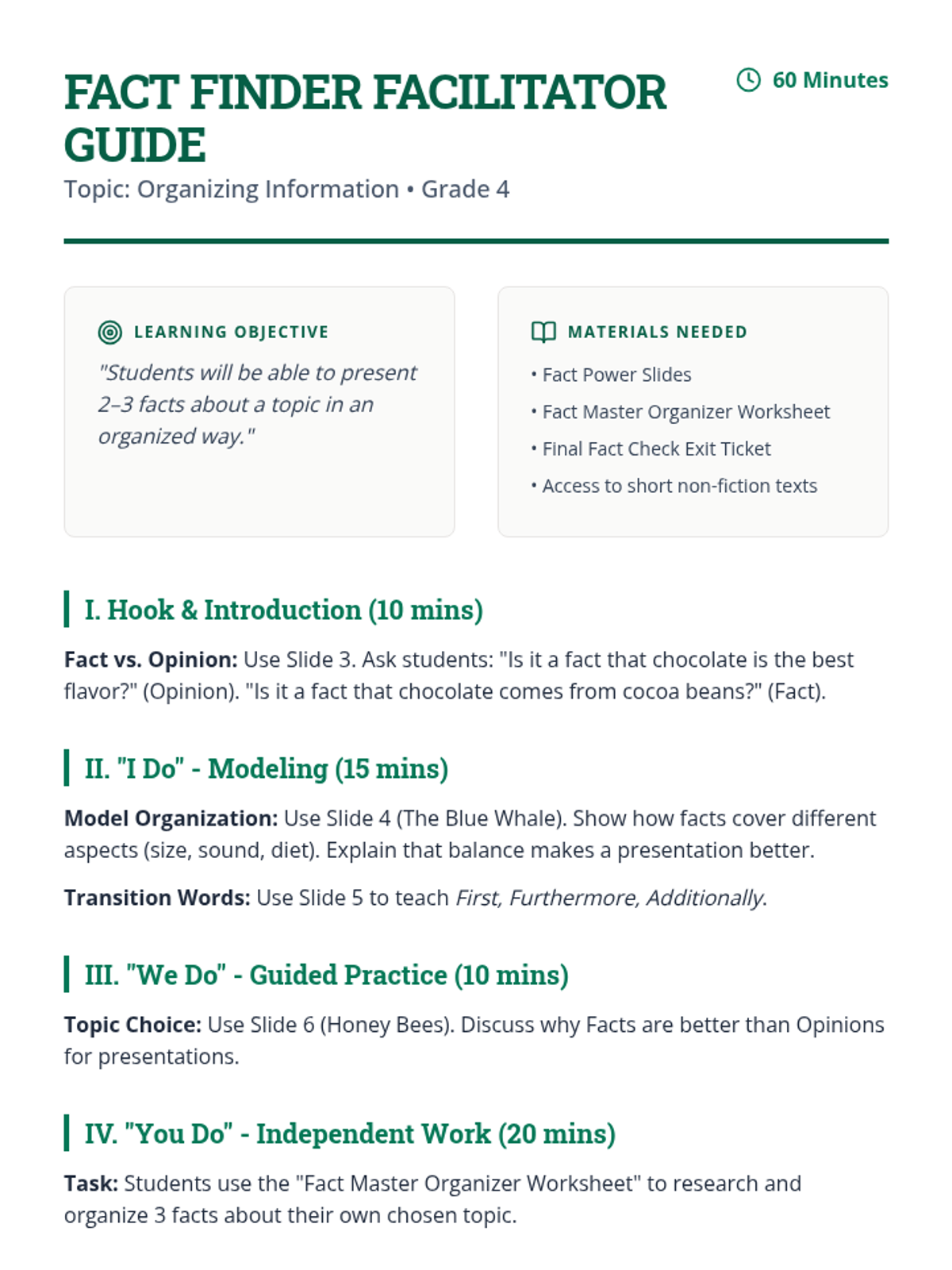
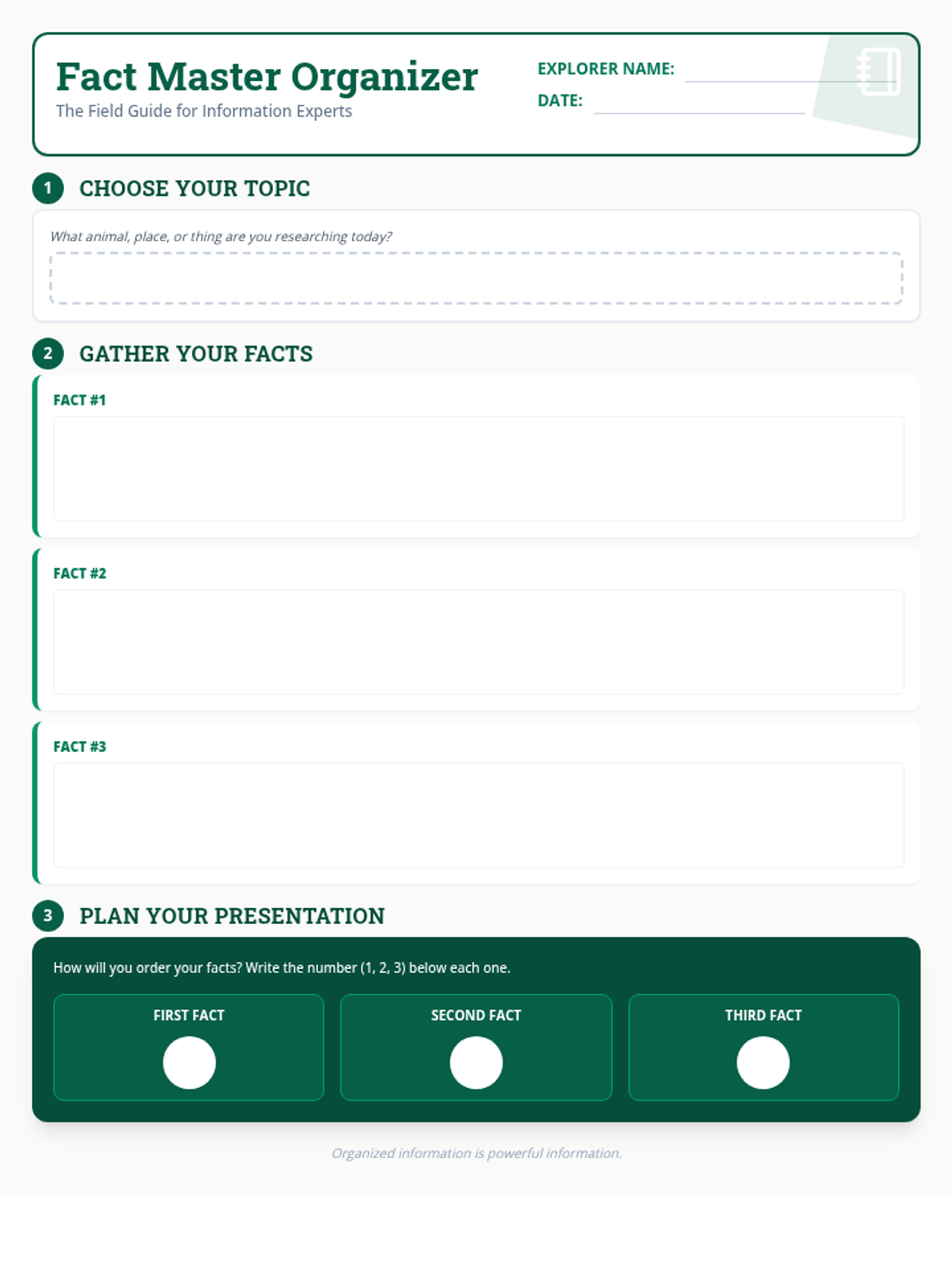
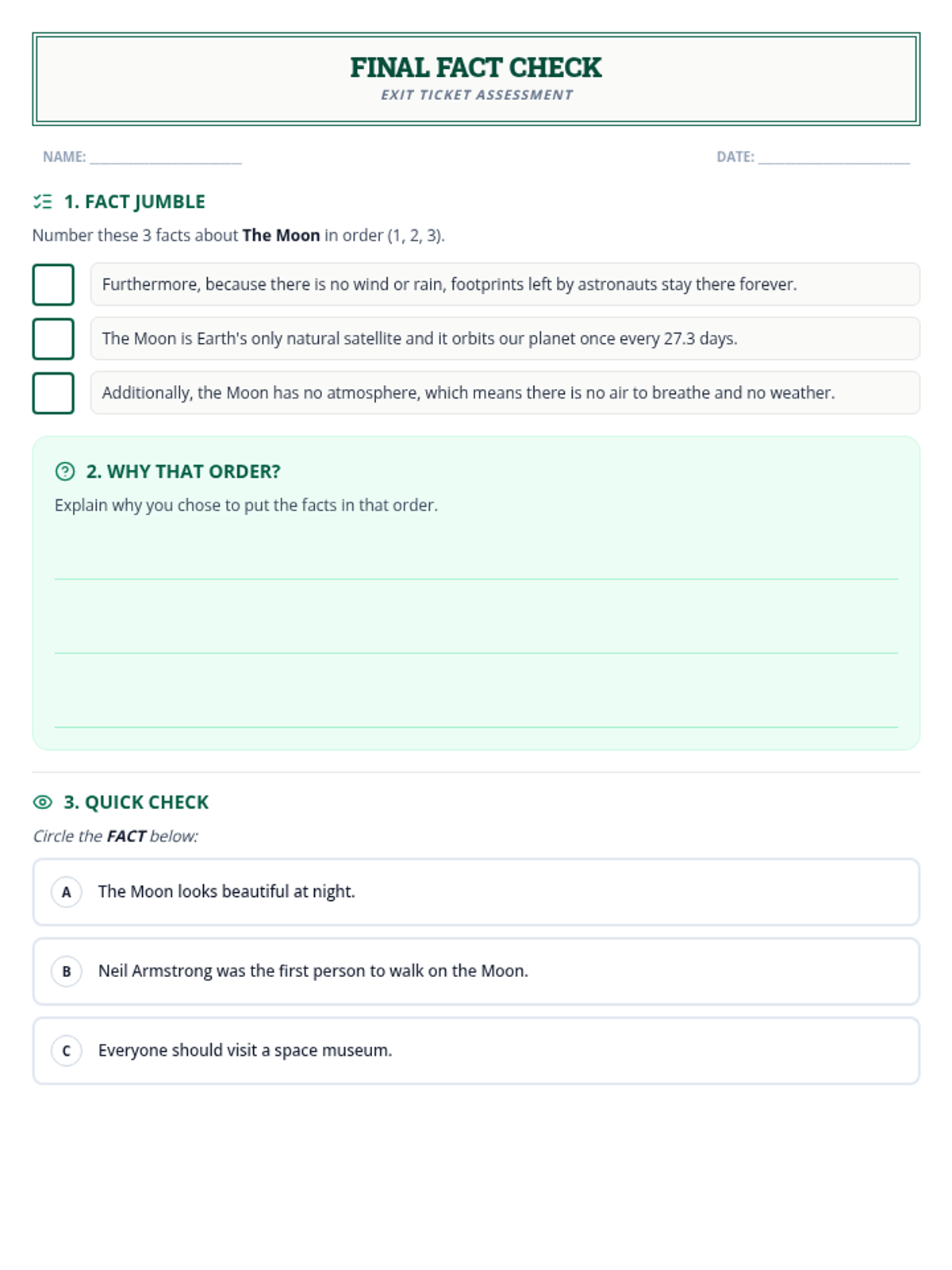
A lesson designed to help 4th graders identify, select, and organize 2-3 key facts about a specific topic into a clear, structured presentation.
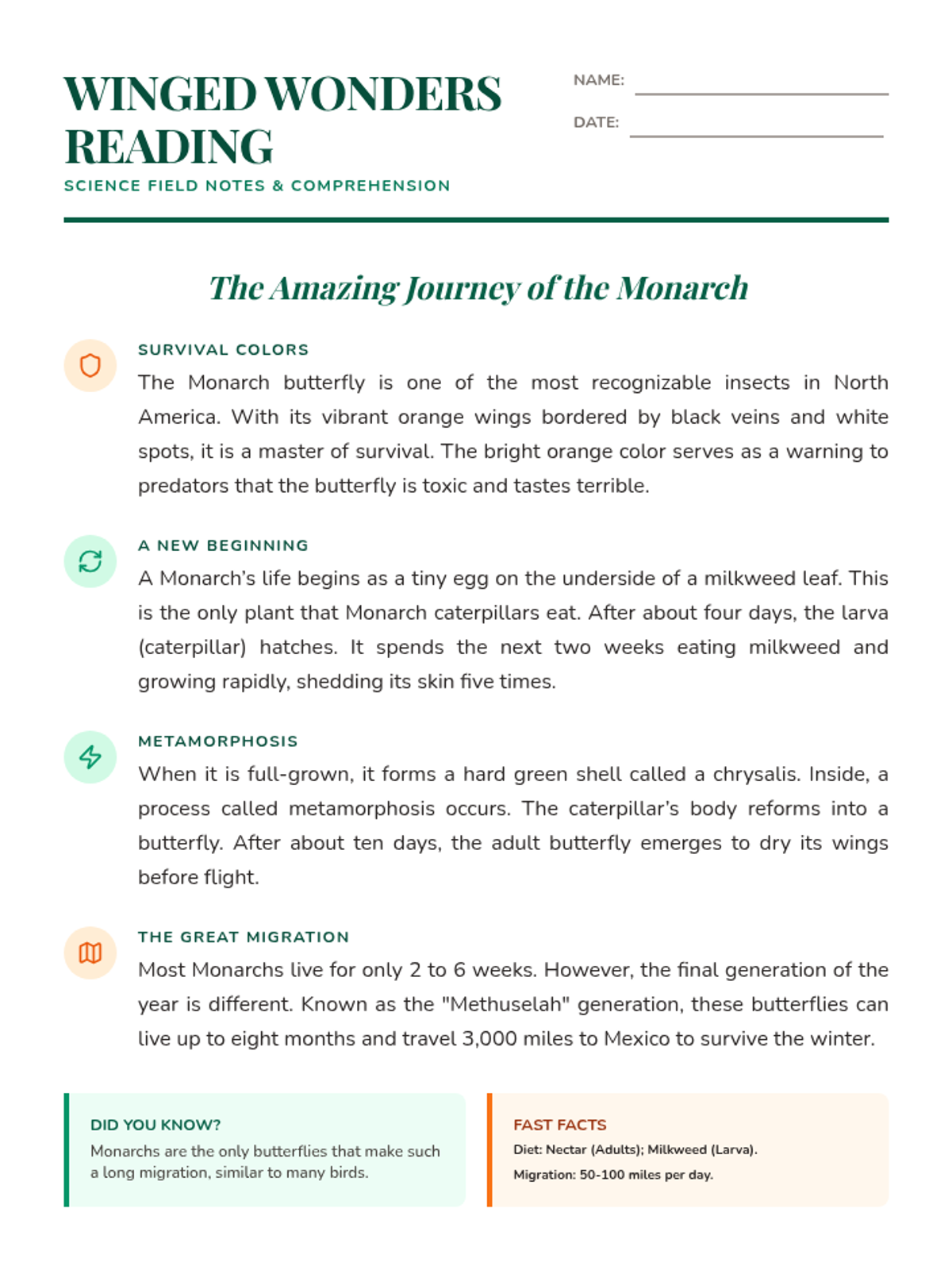
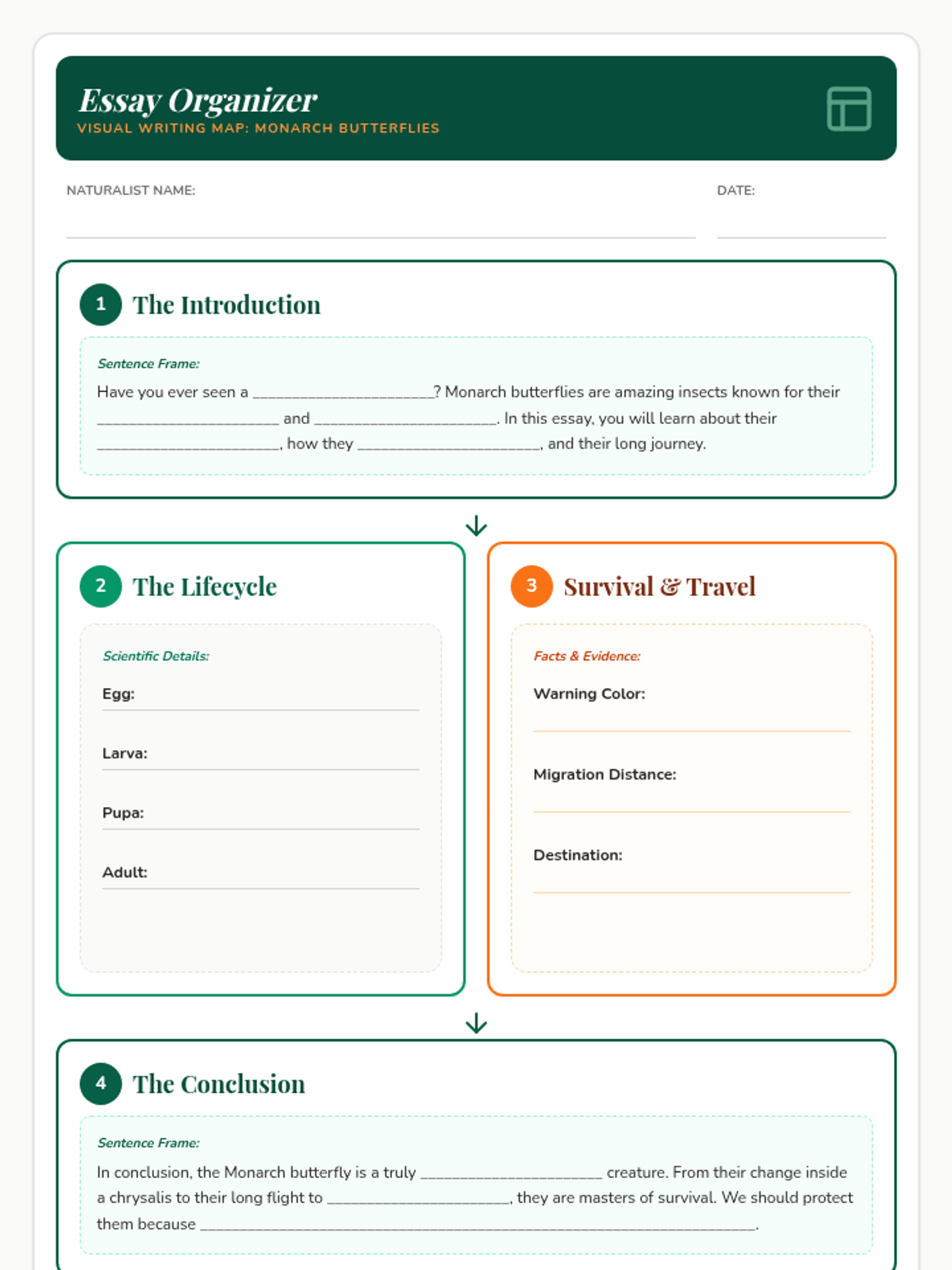
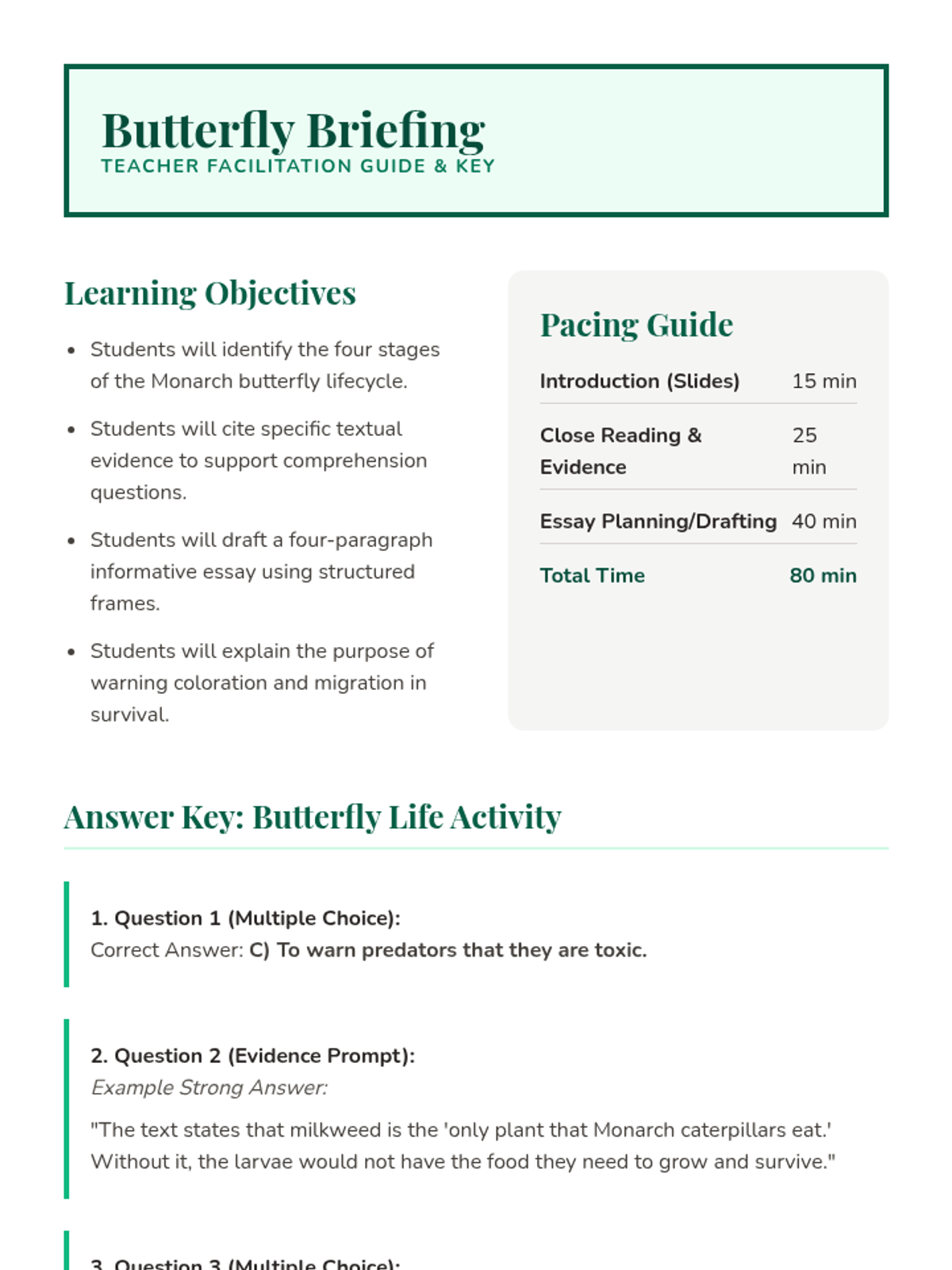
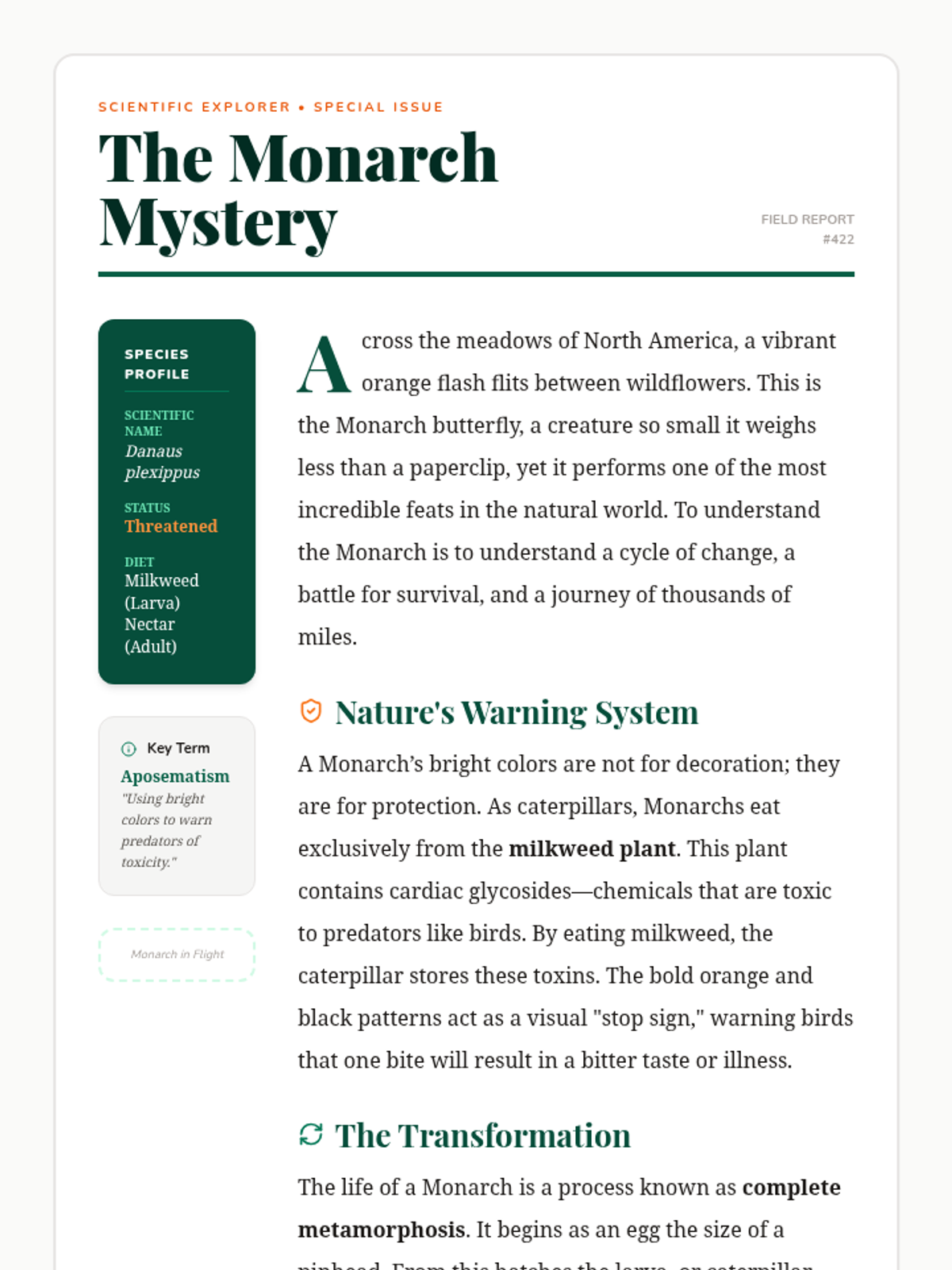
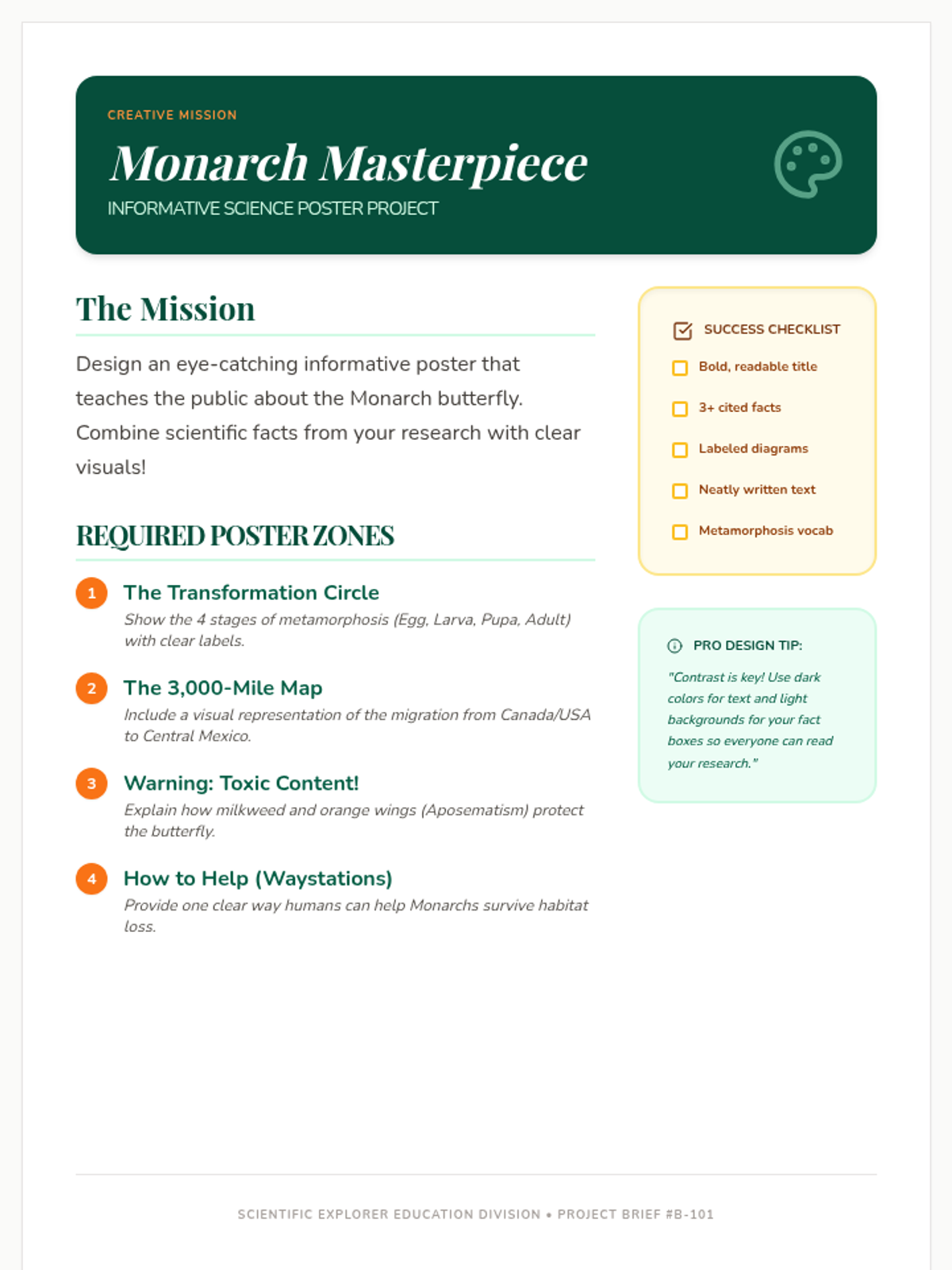
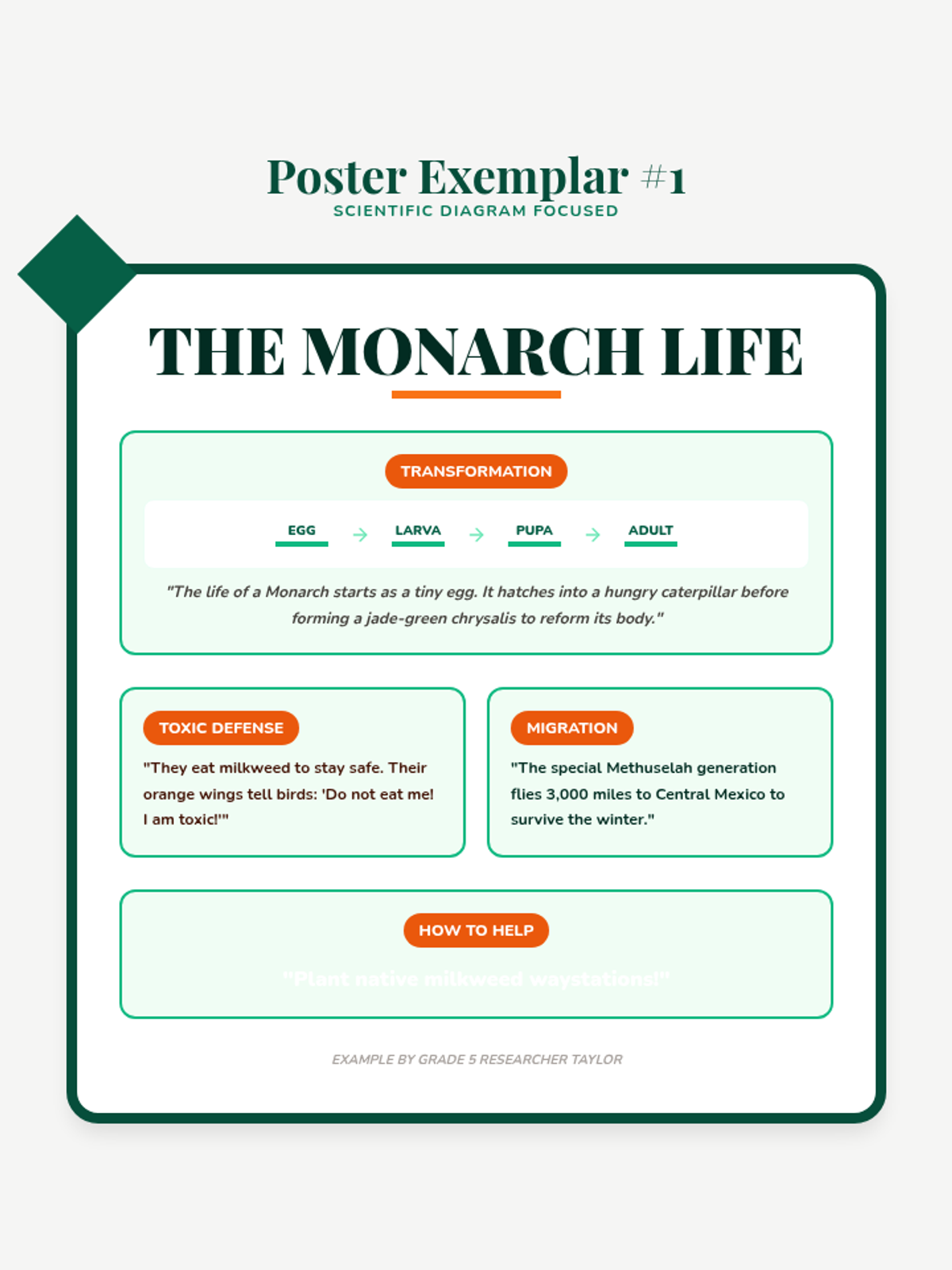
A comprehensive lesson on butterfly biology and conservation, focusing on citing textual evidence and structured informative writing for 4th-5th grade students.
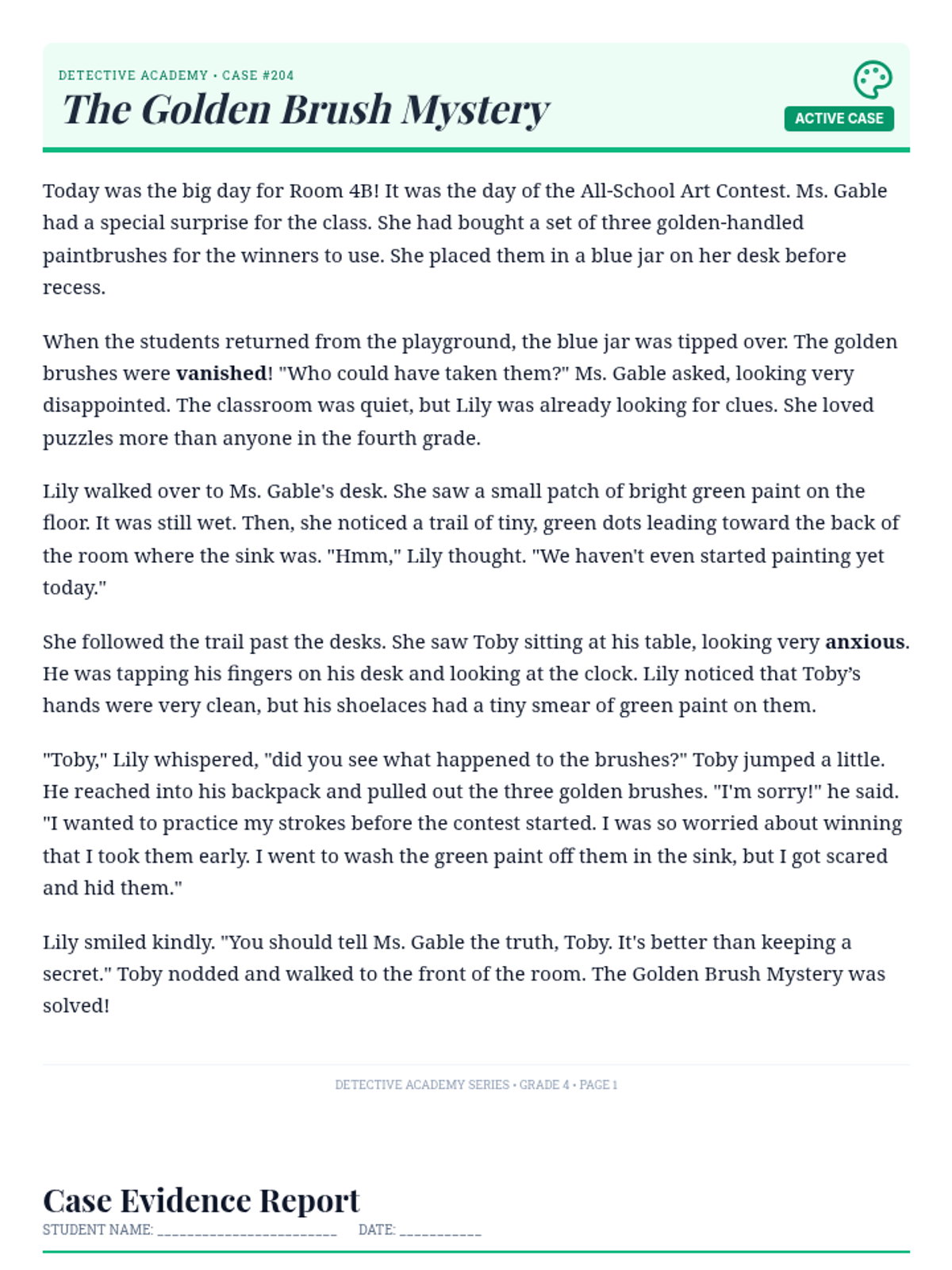
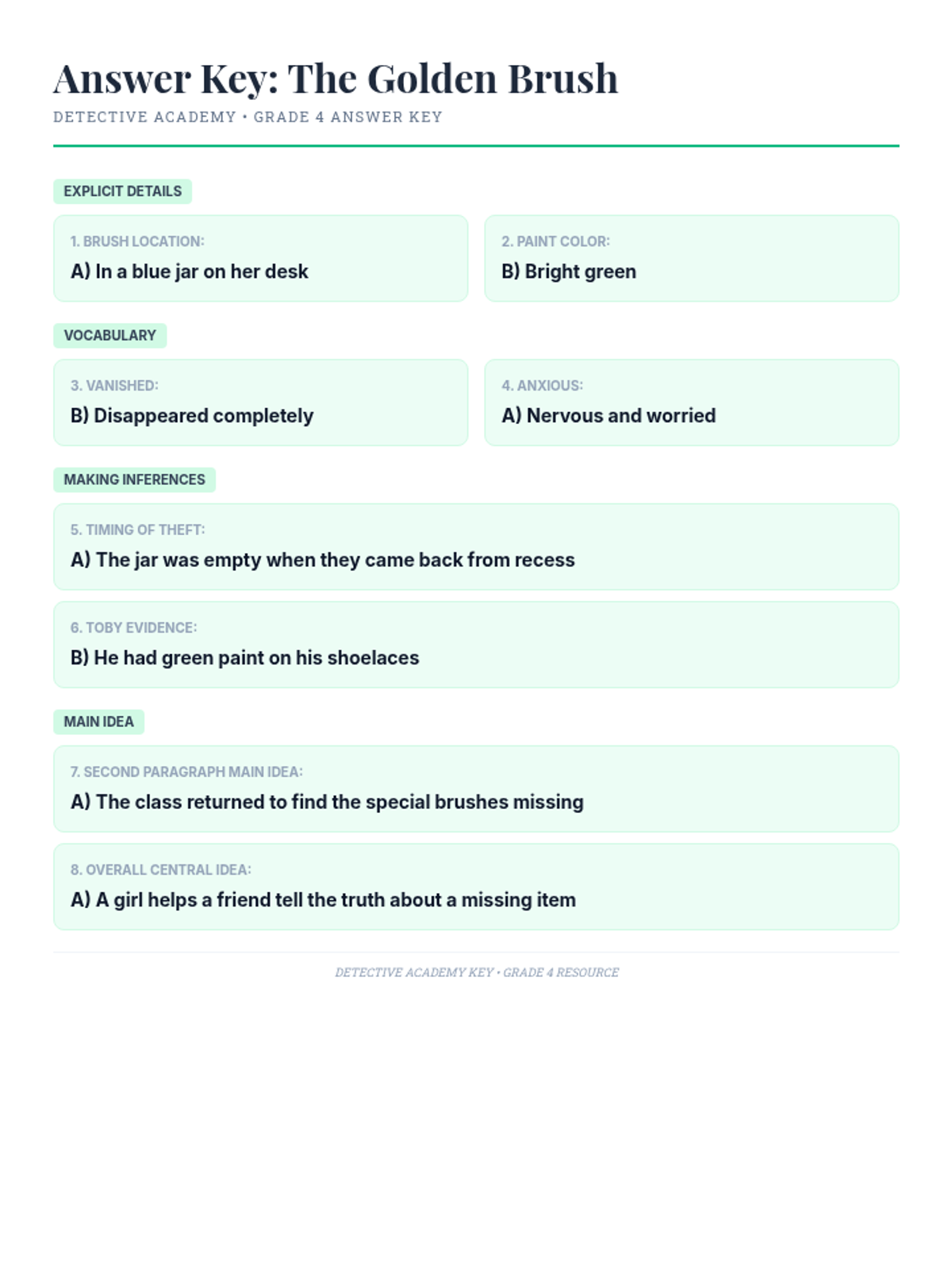
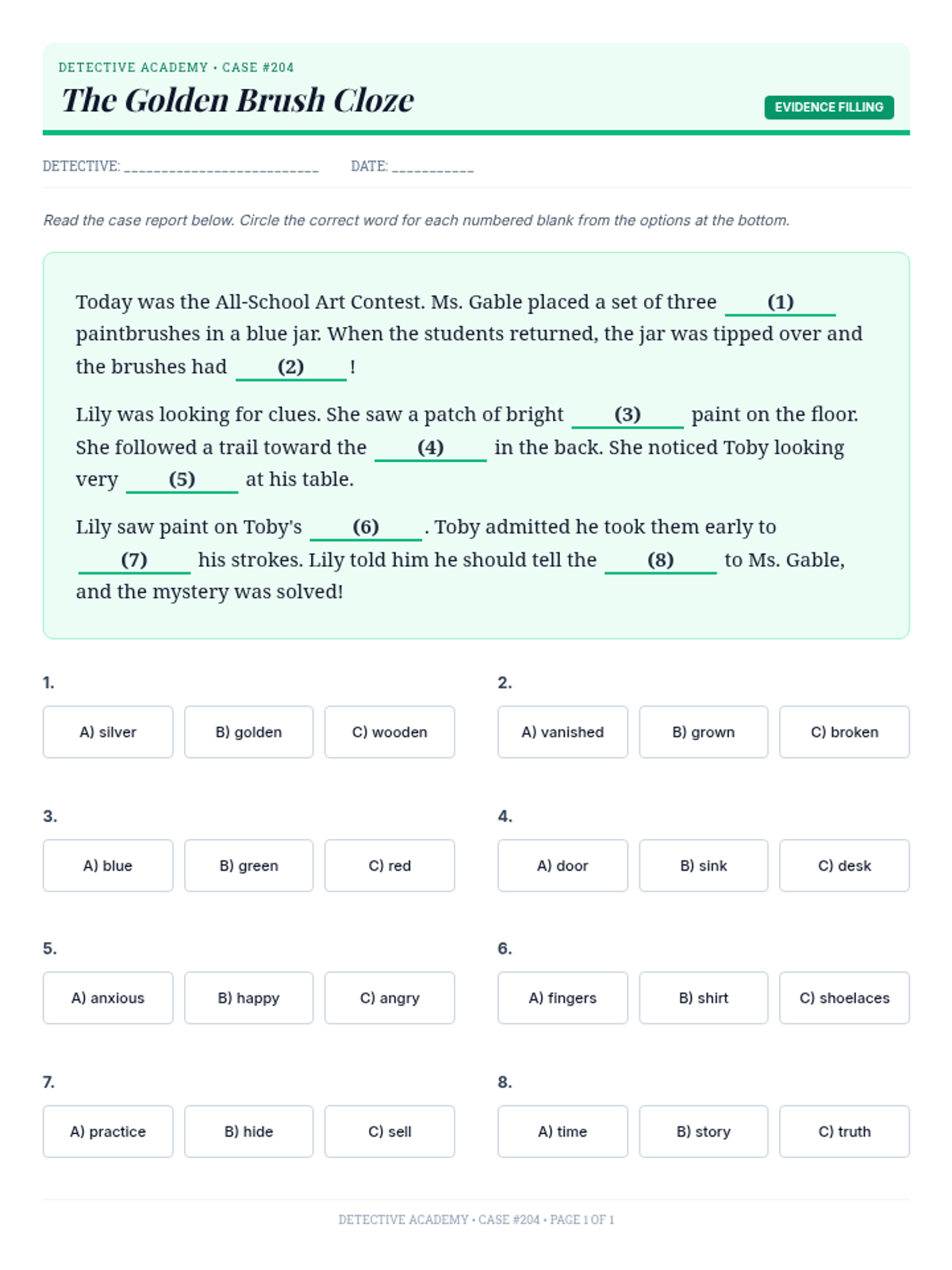
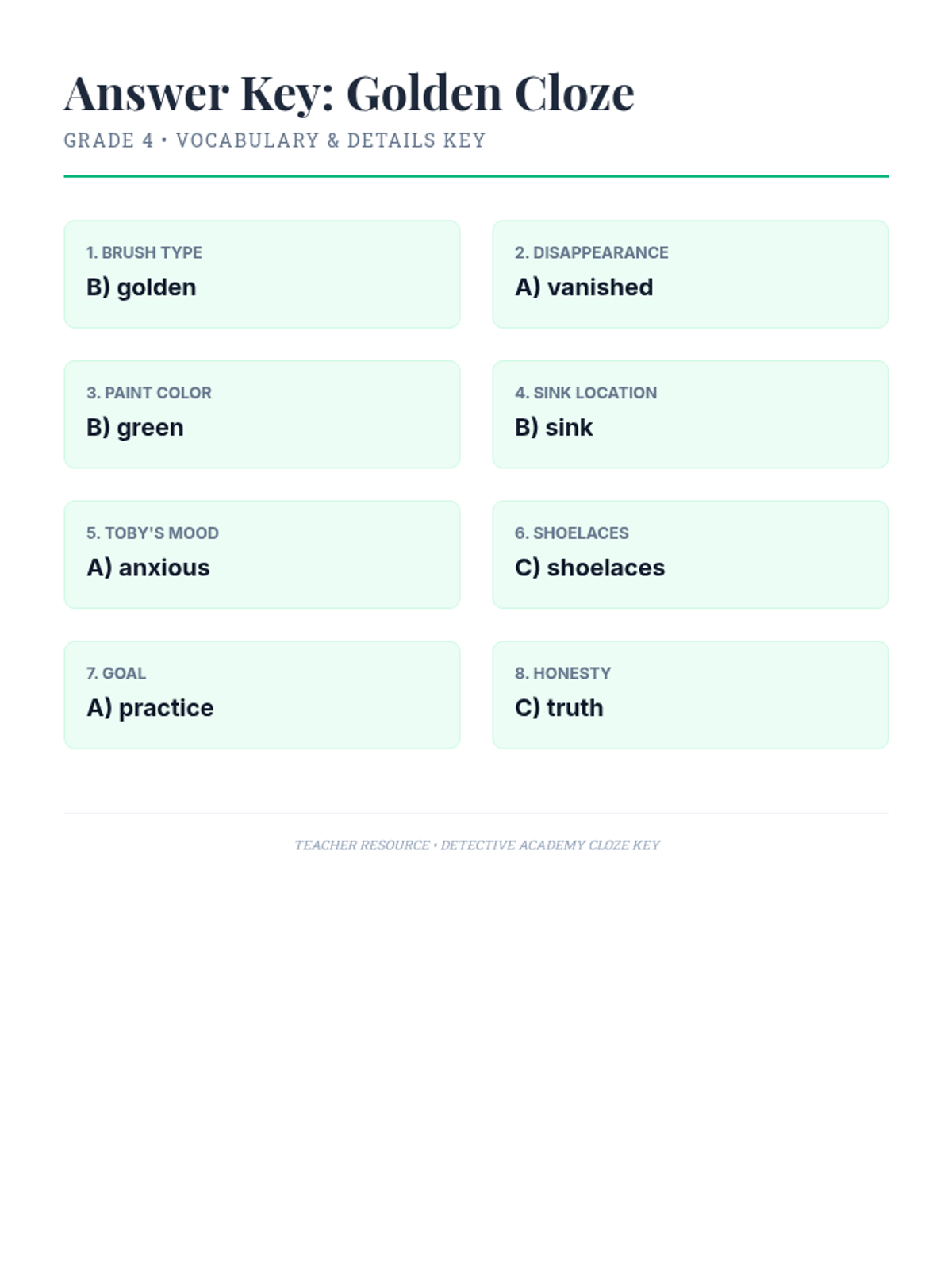
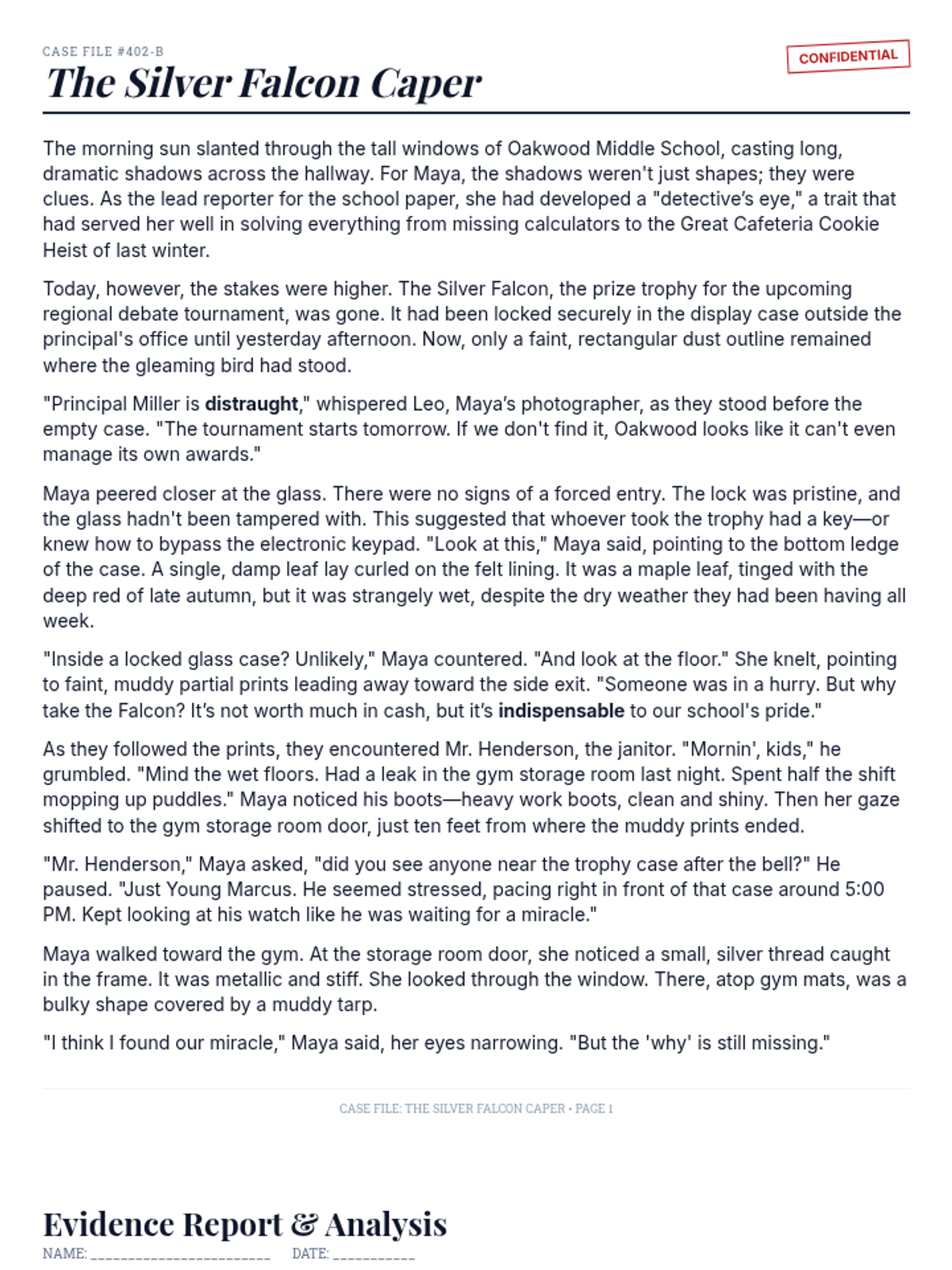
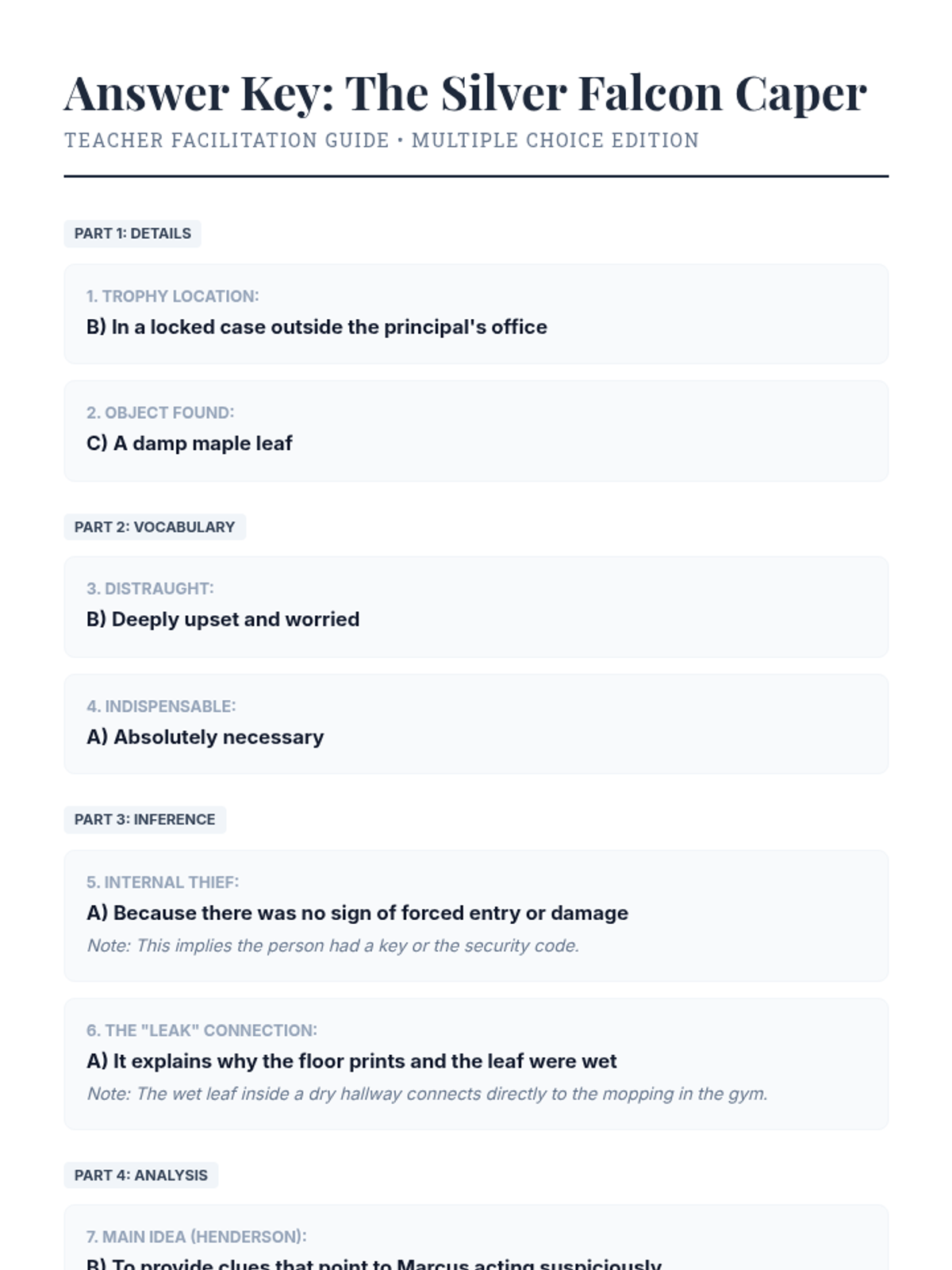
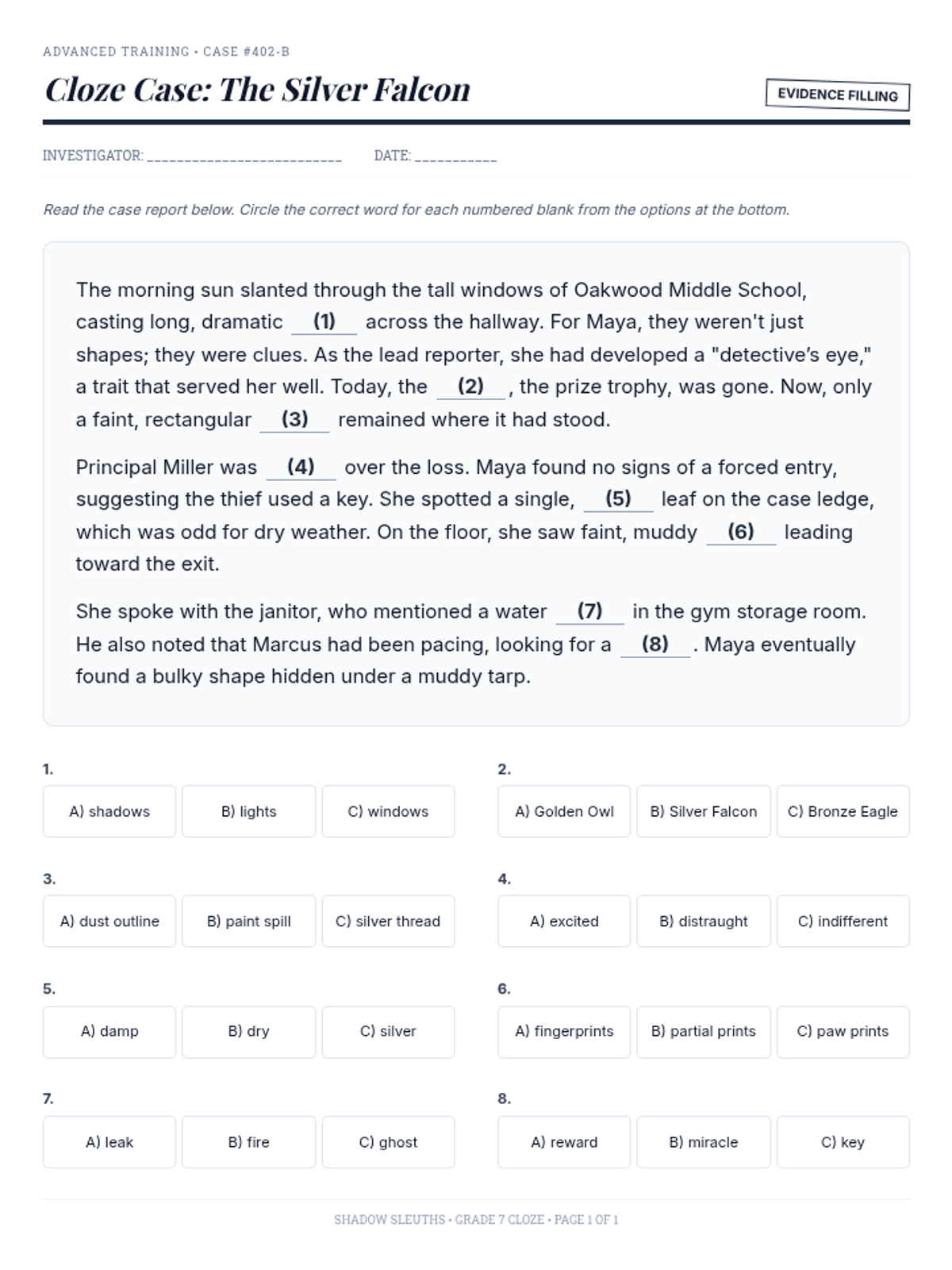
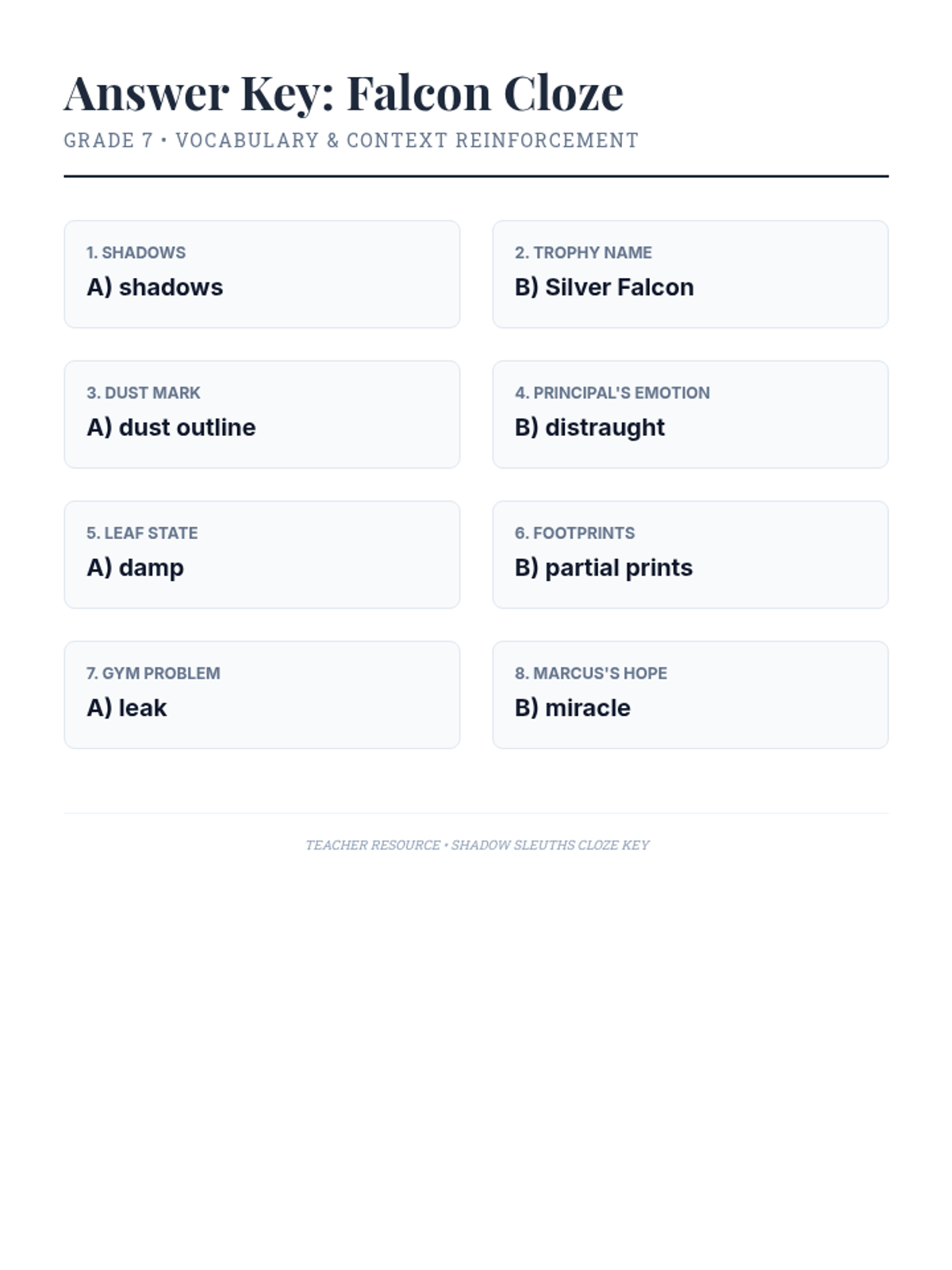
A grade 4 reading comprehension lesson focused on a mystery story, targeting skills in inferencing, explicit details, context clues, and identifying main ideas.
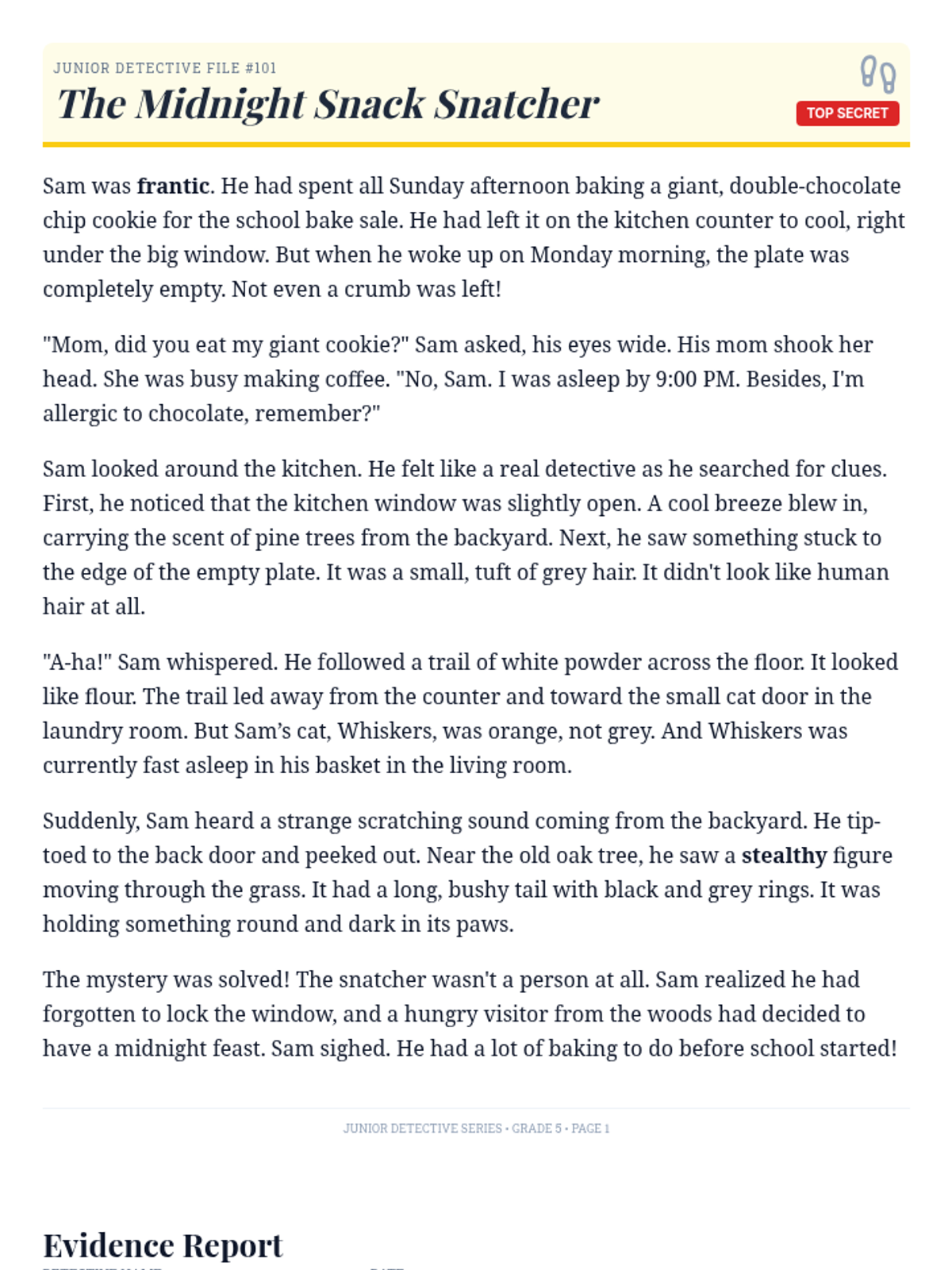
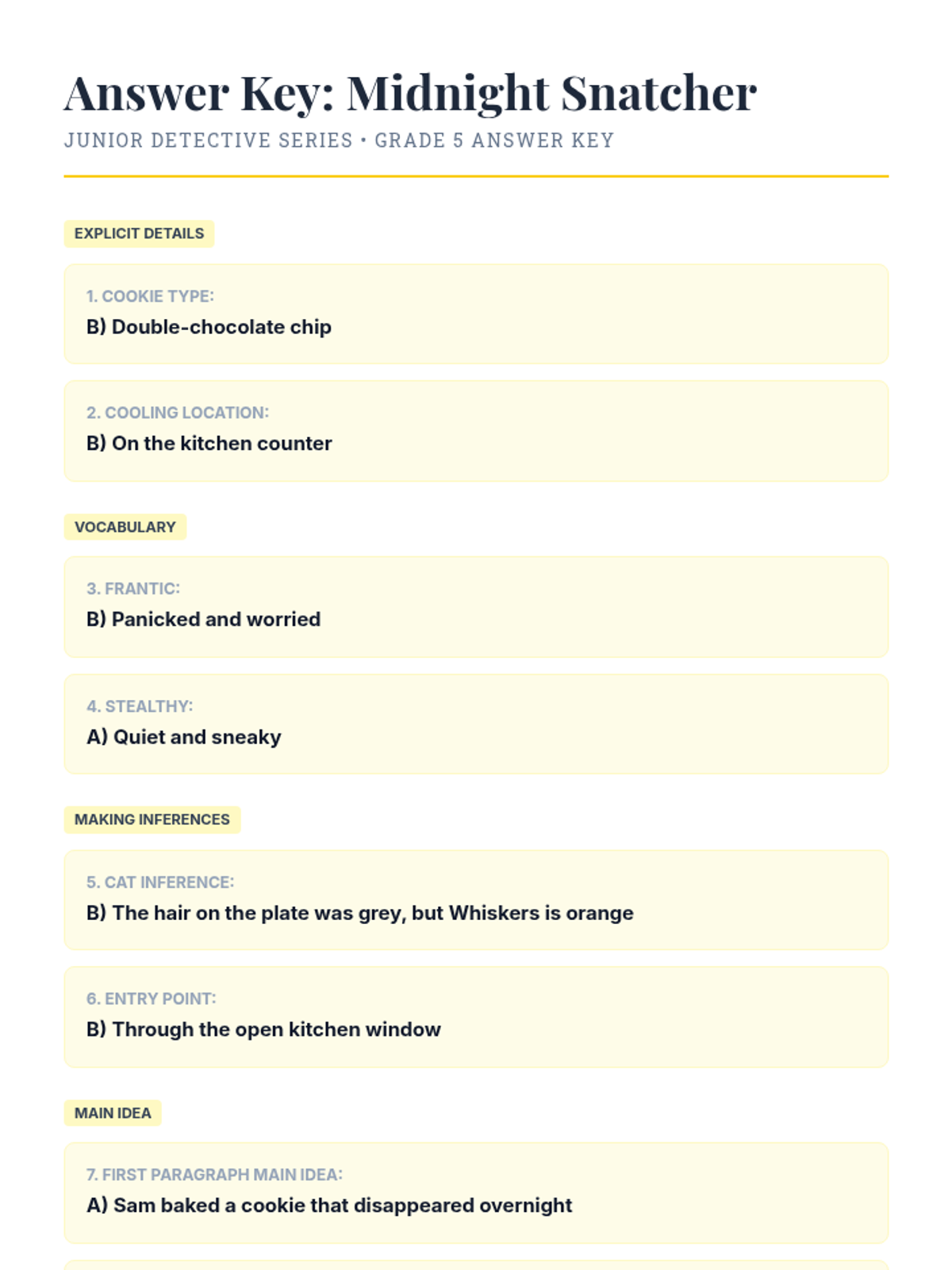
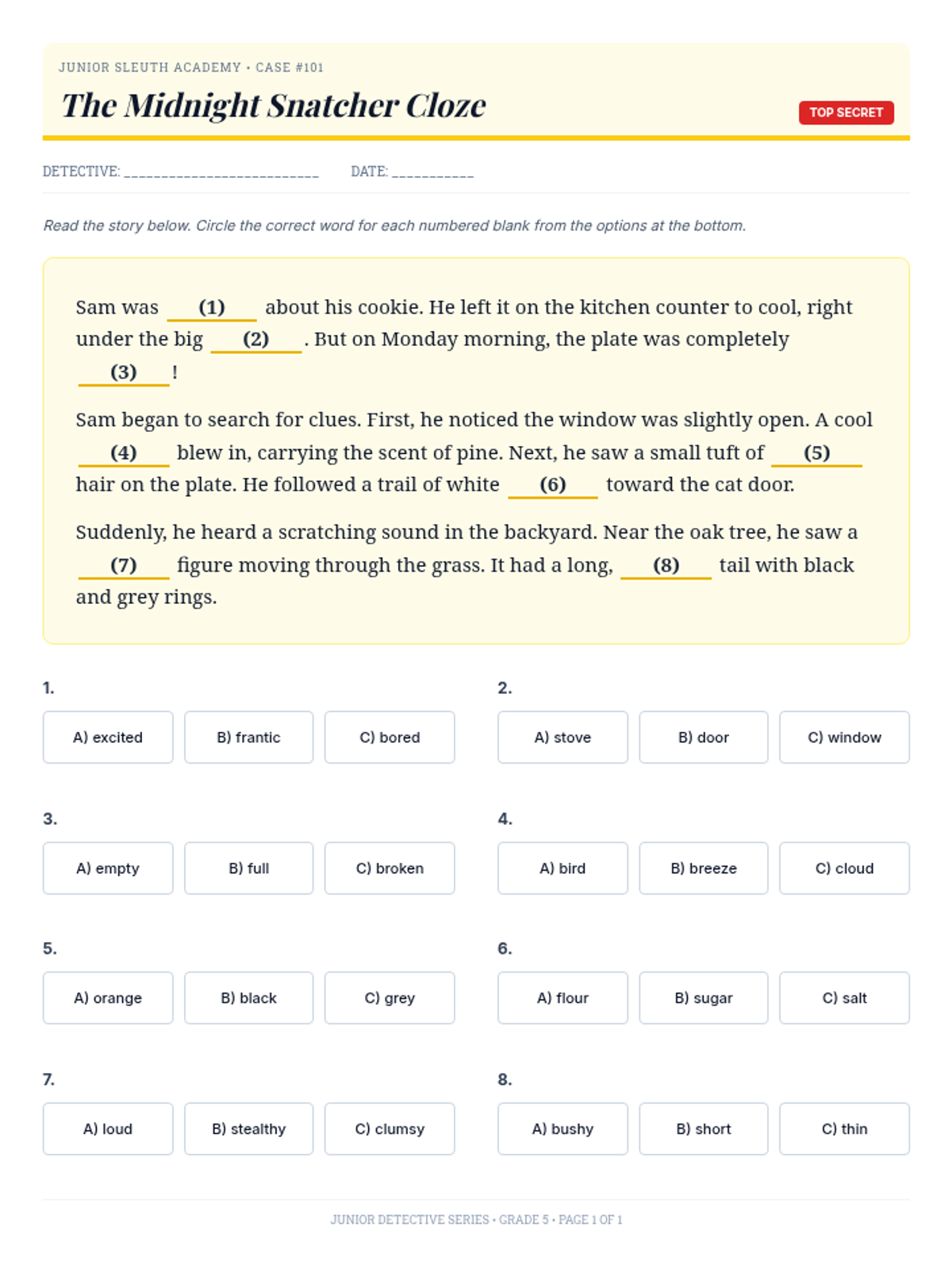
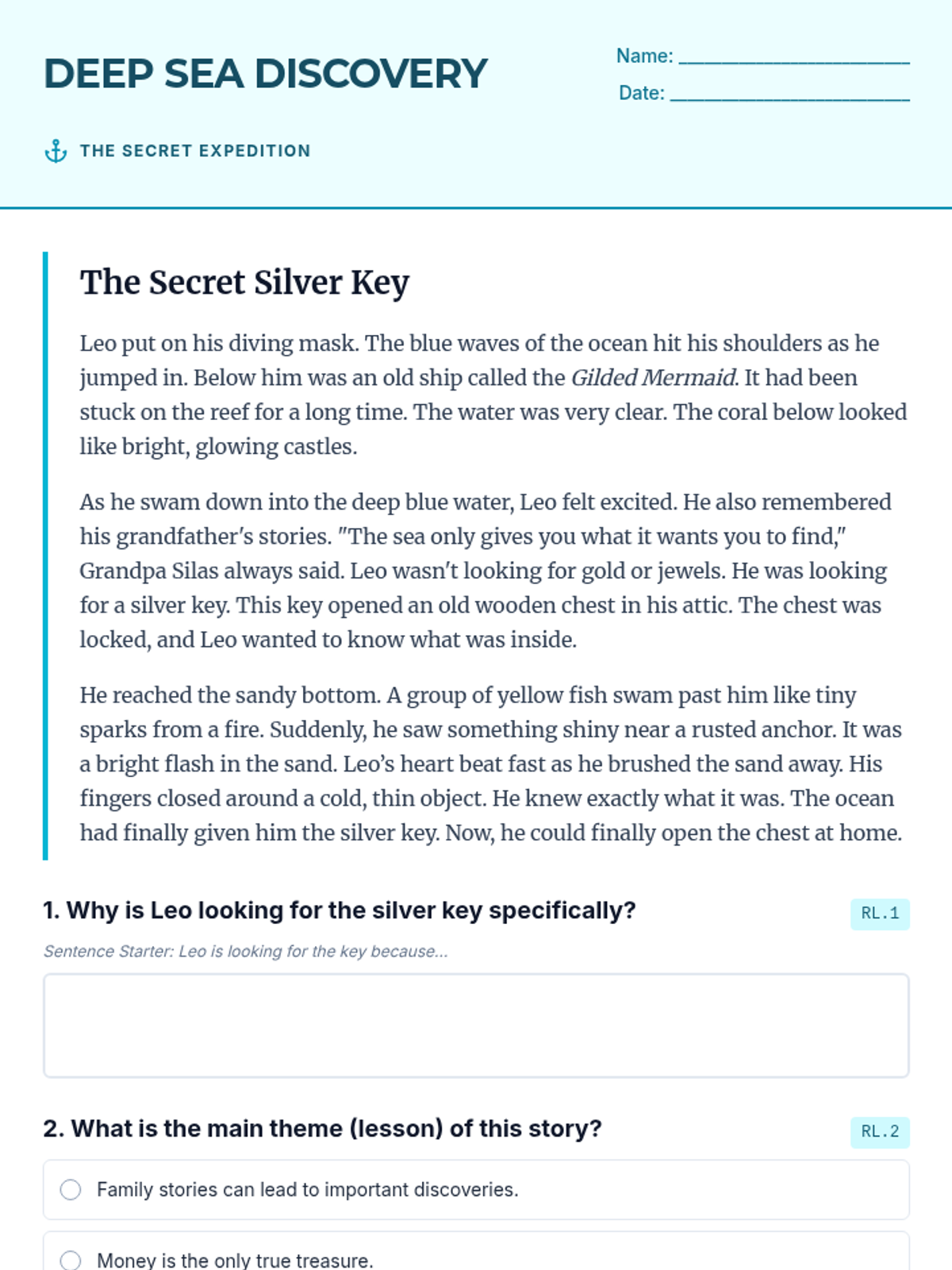
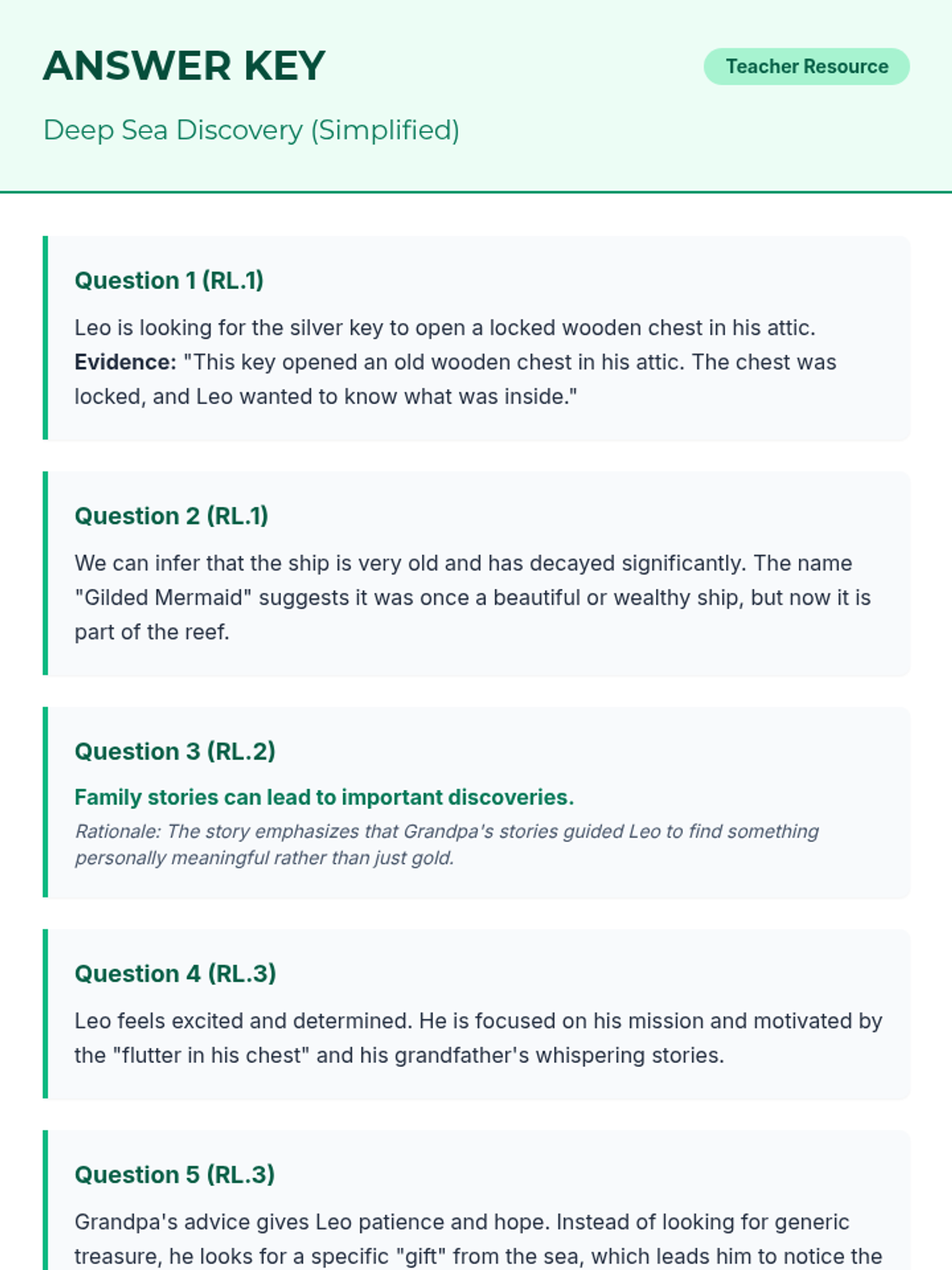
A grade 5 reading comprehension lesson focused on a mystery story, targeting skills in inferencing, explicit details, context clues, and identifying main ideas.
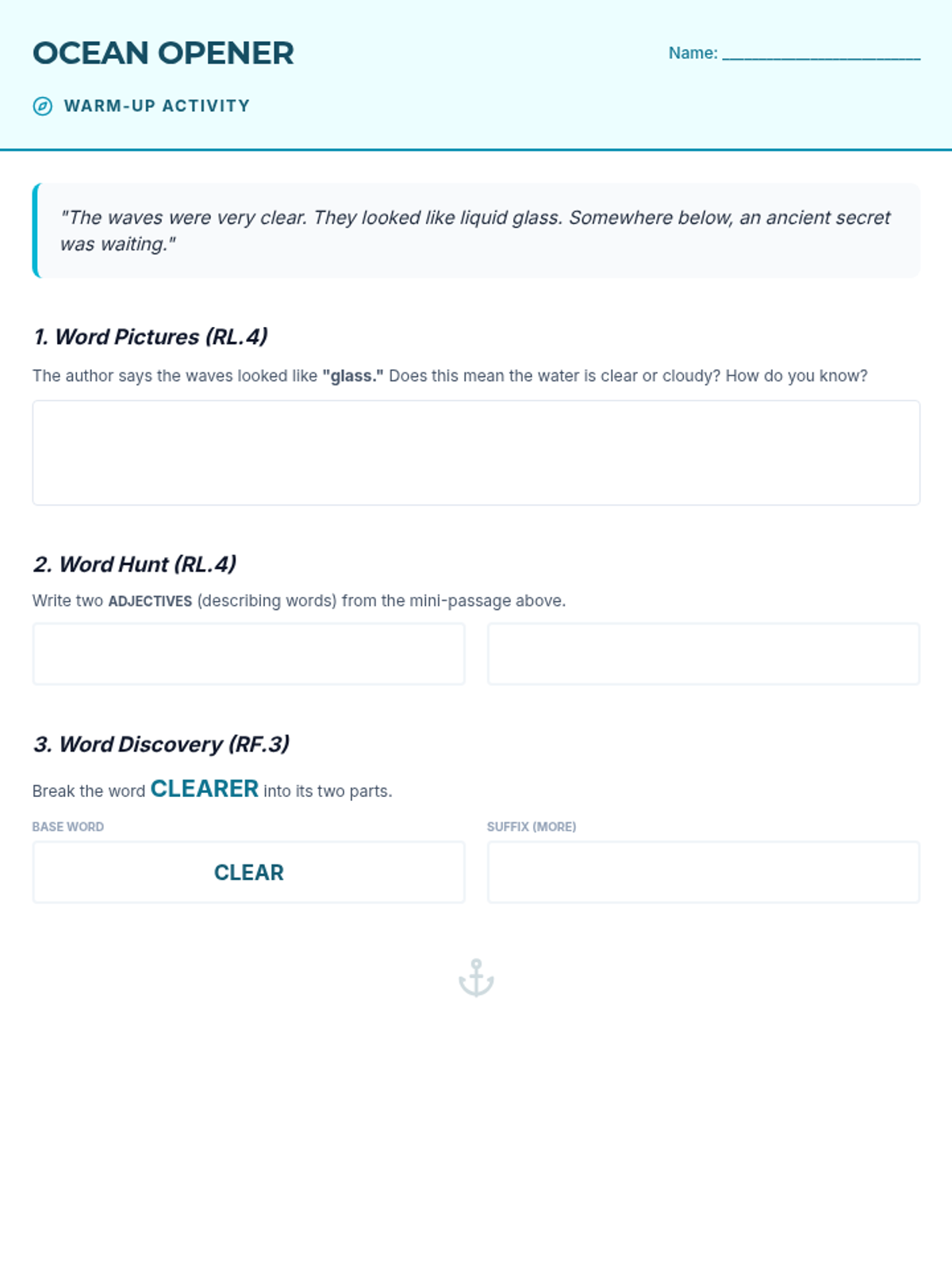
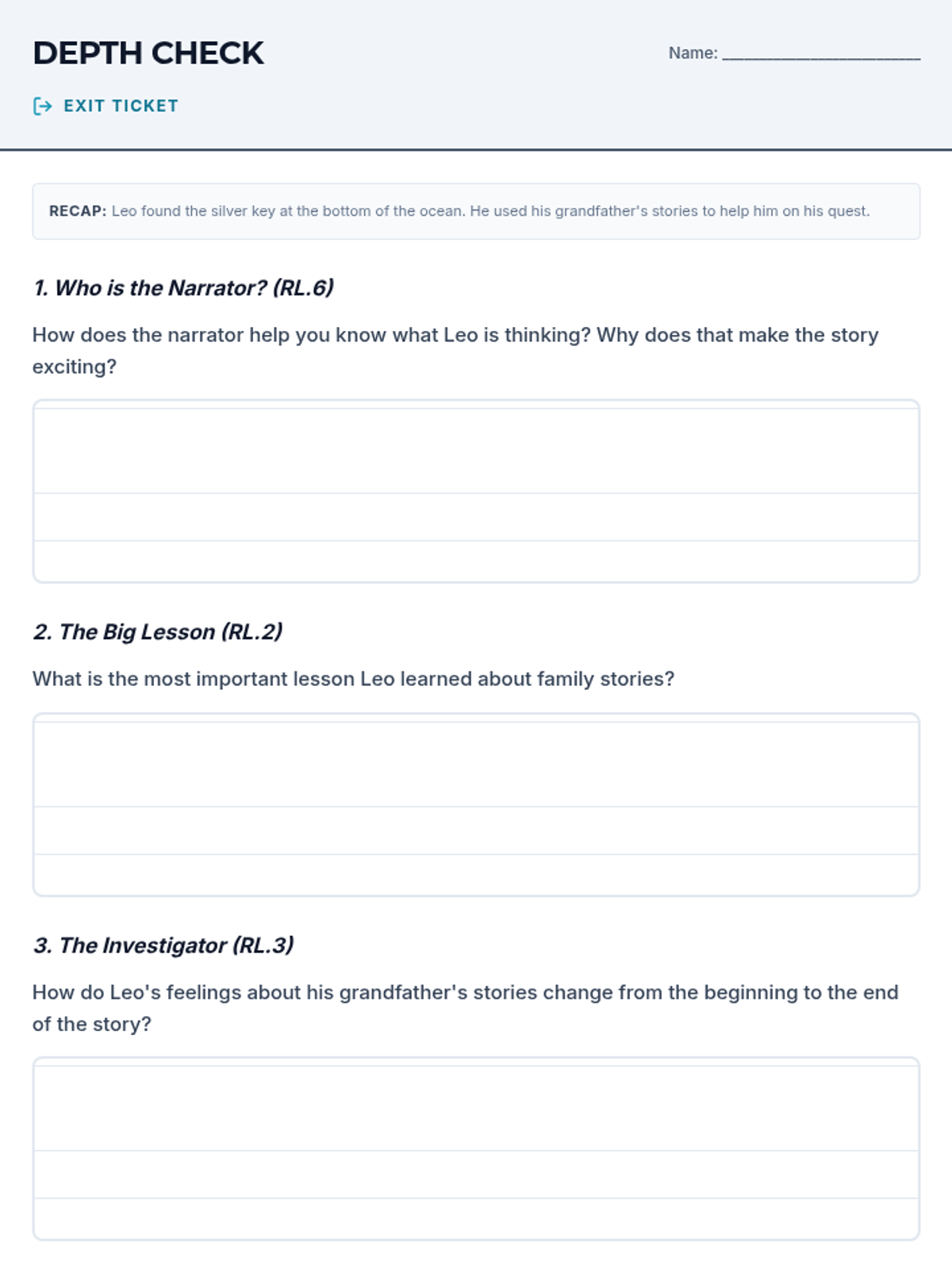
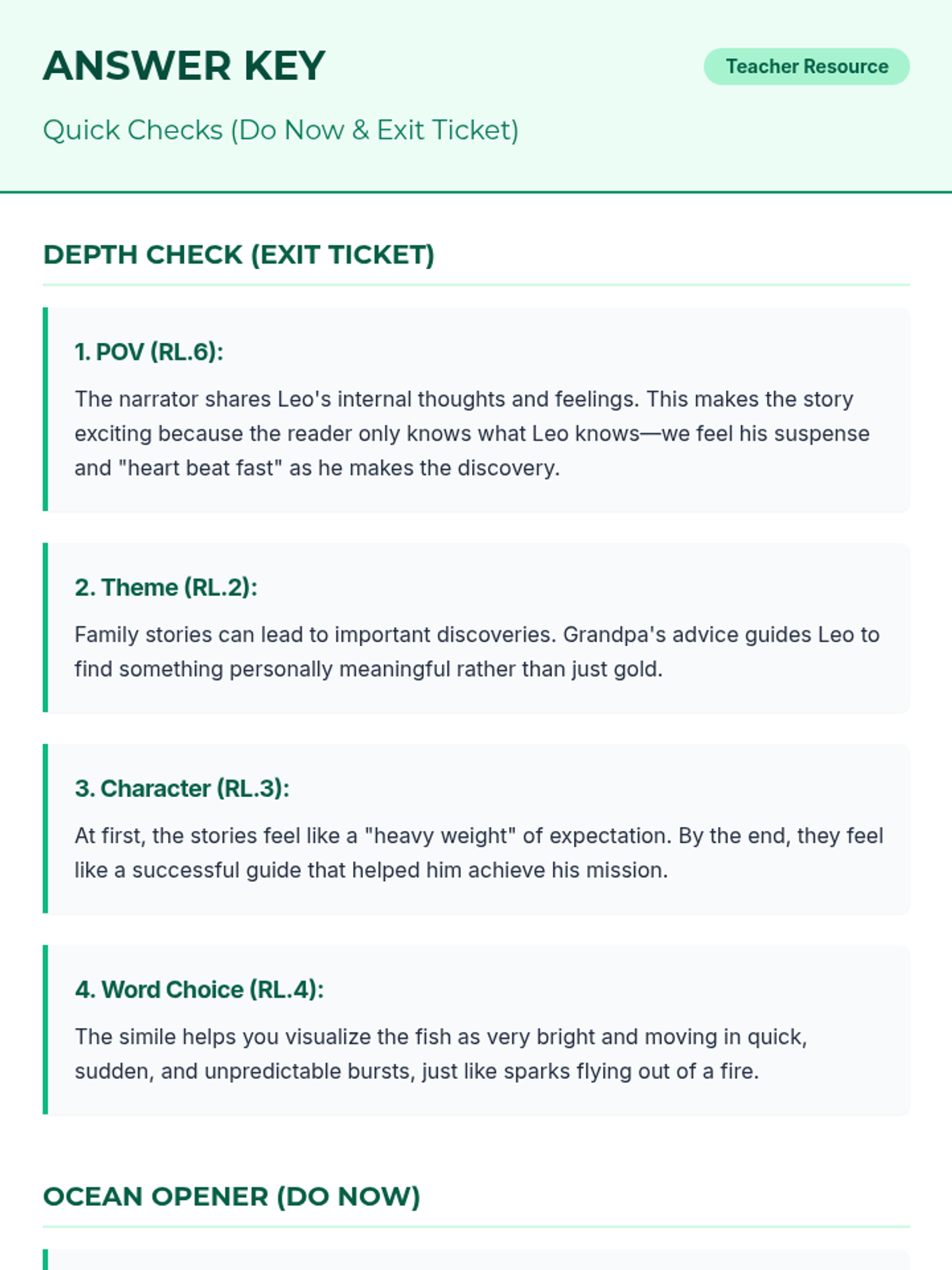
Students analyze a narrative passage to practice quoting evidence, determining themes, and understanding point of view. This lesson specifically targets Common Core standards RL.1, RL.2, RL.3, RL.4, and RL.6.
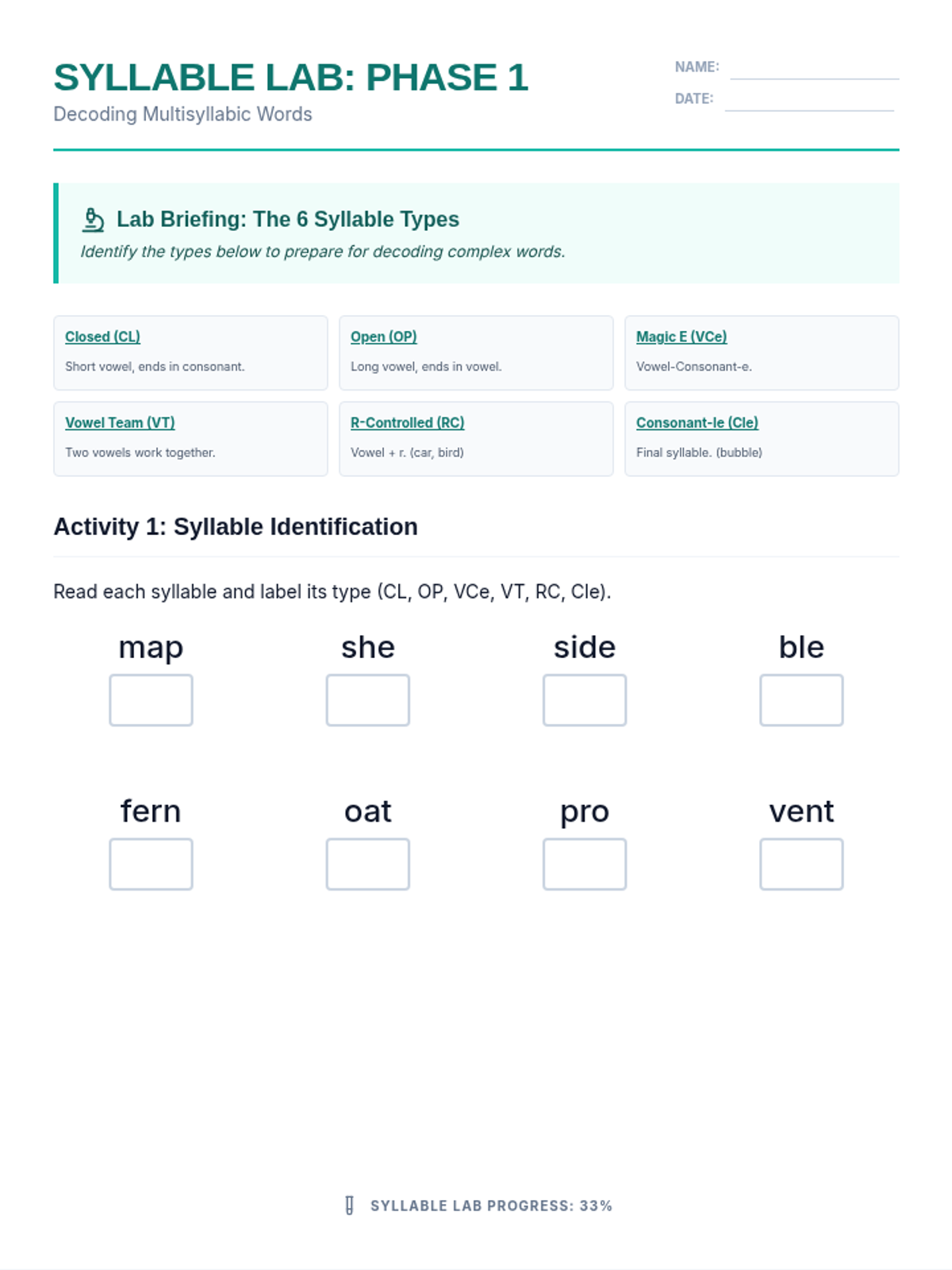
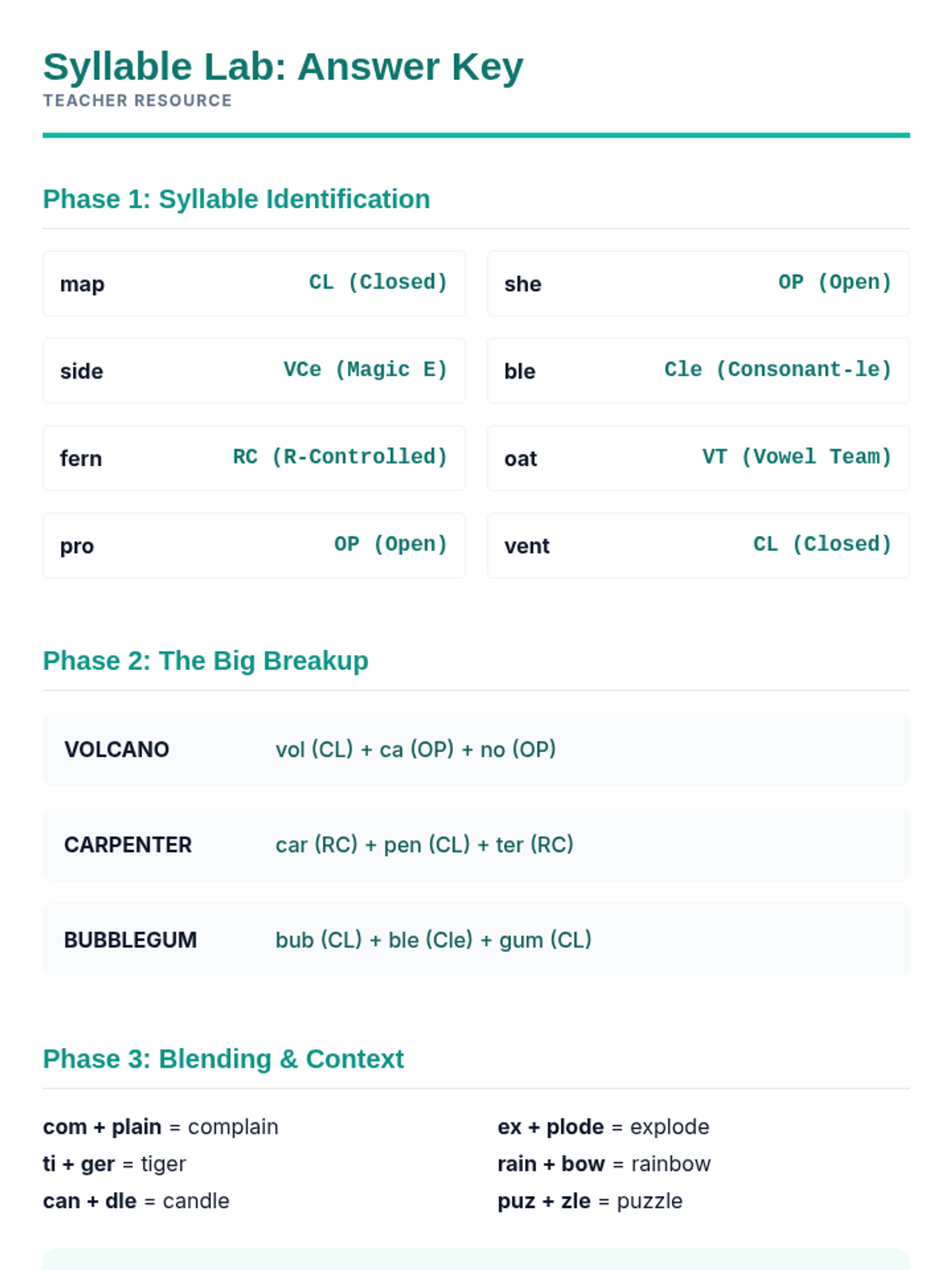
A comprehensive lesson on decoding multisyllabic words using all six syllable types through interactive slides and a multi-page practice packet.
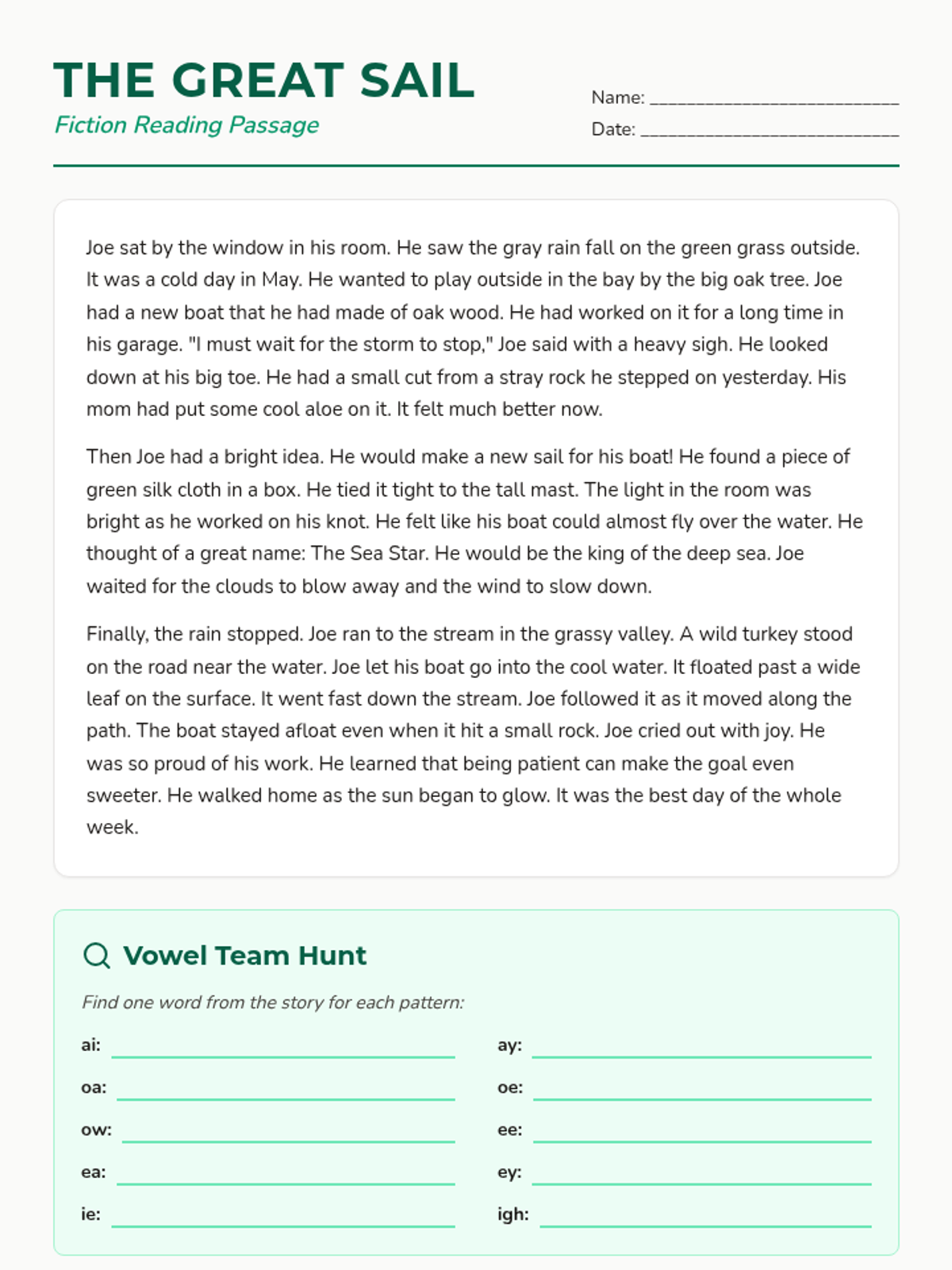
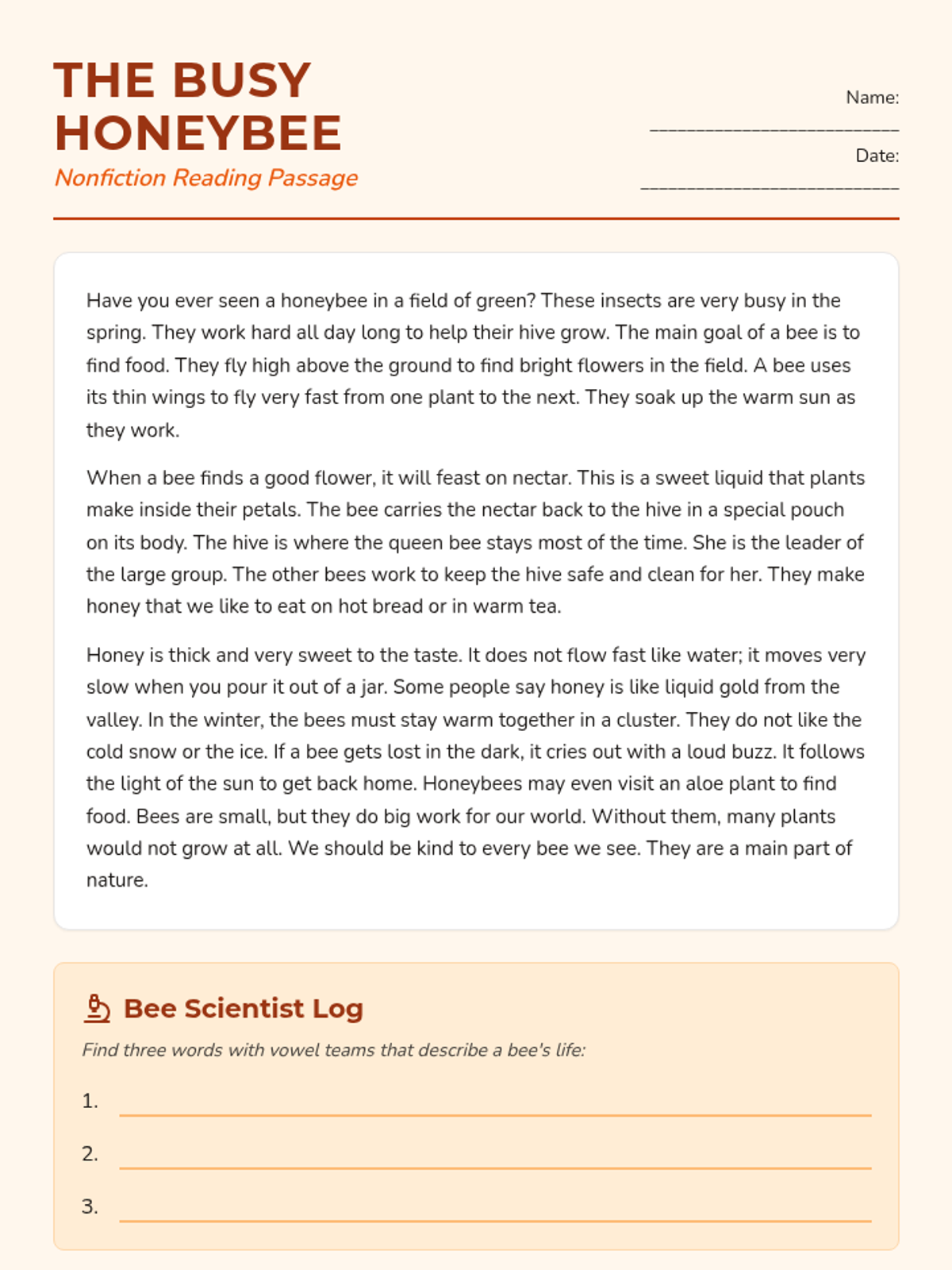
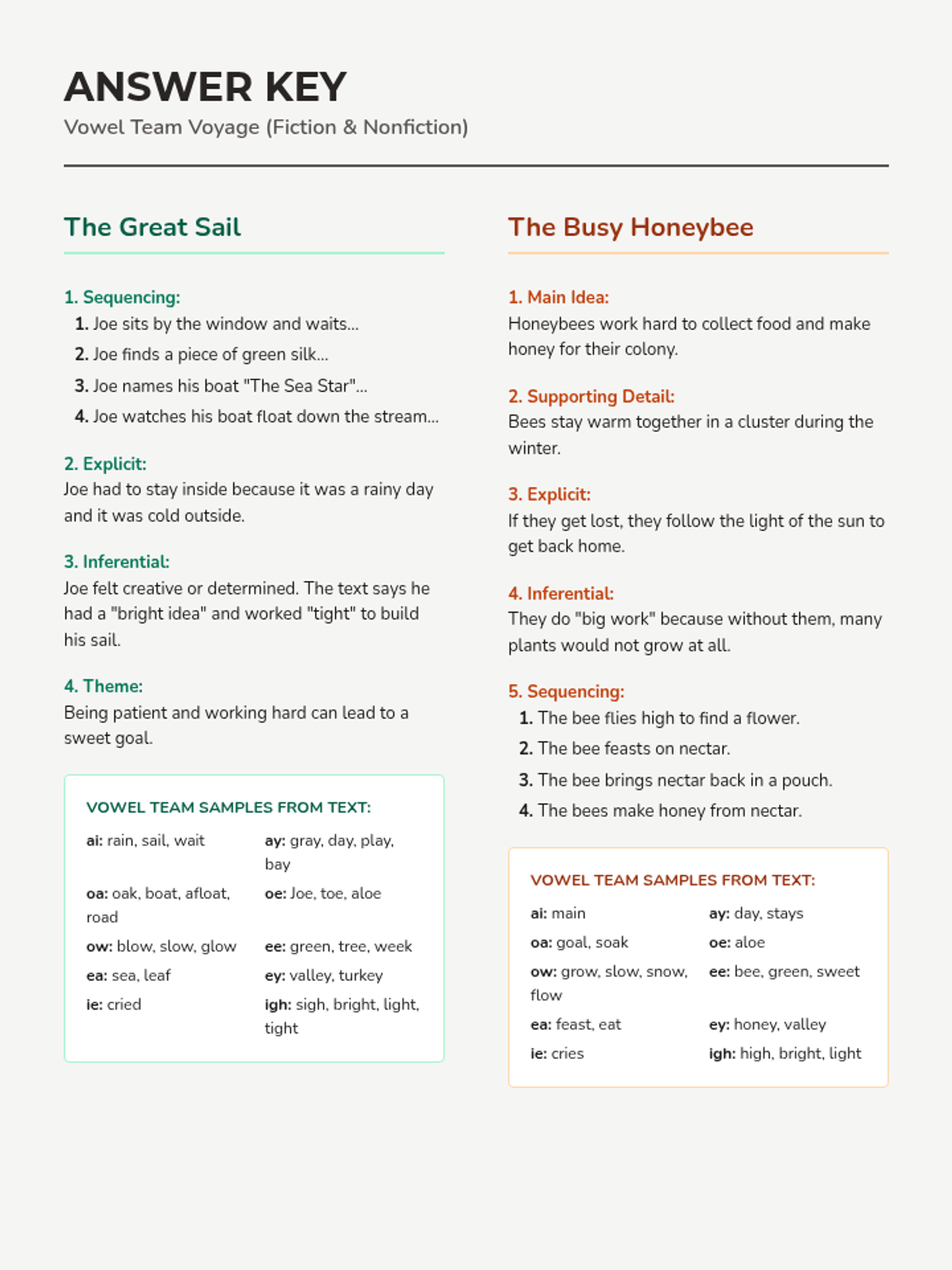
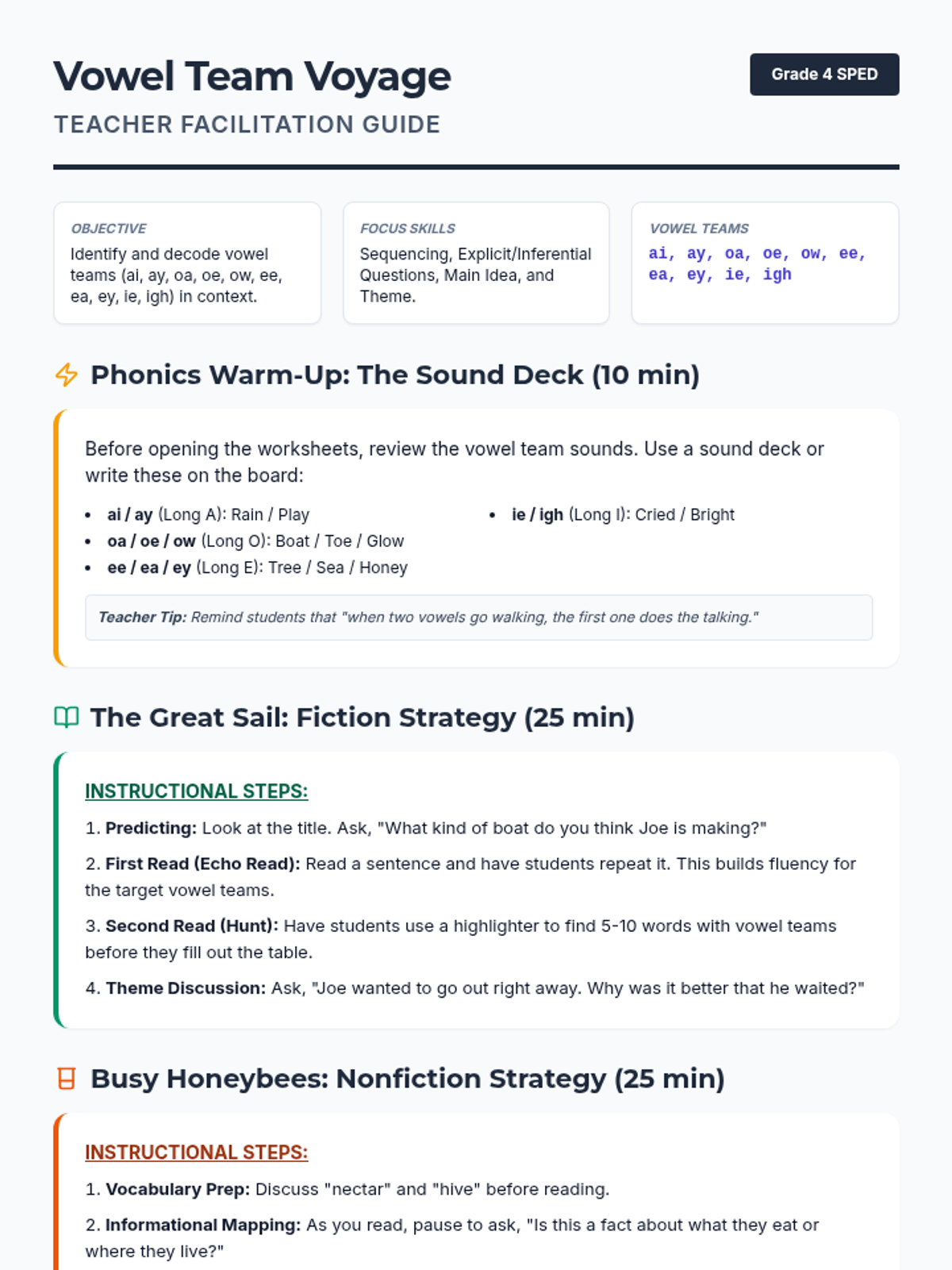
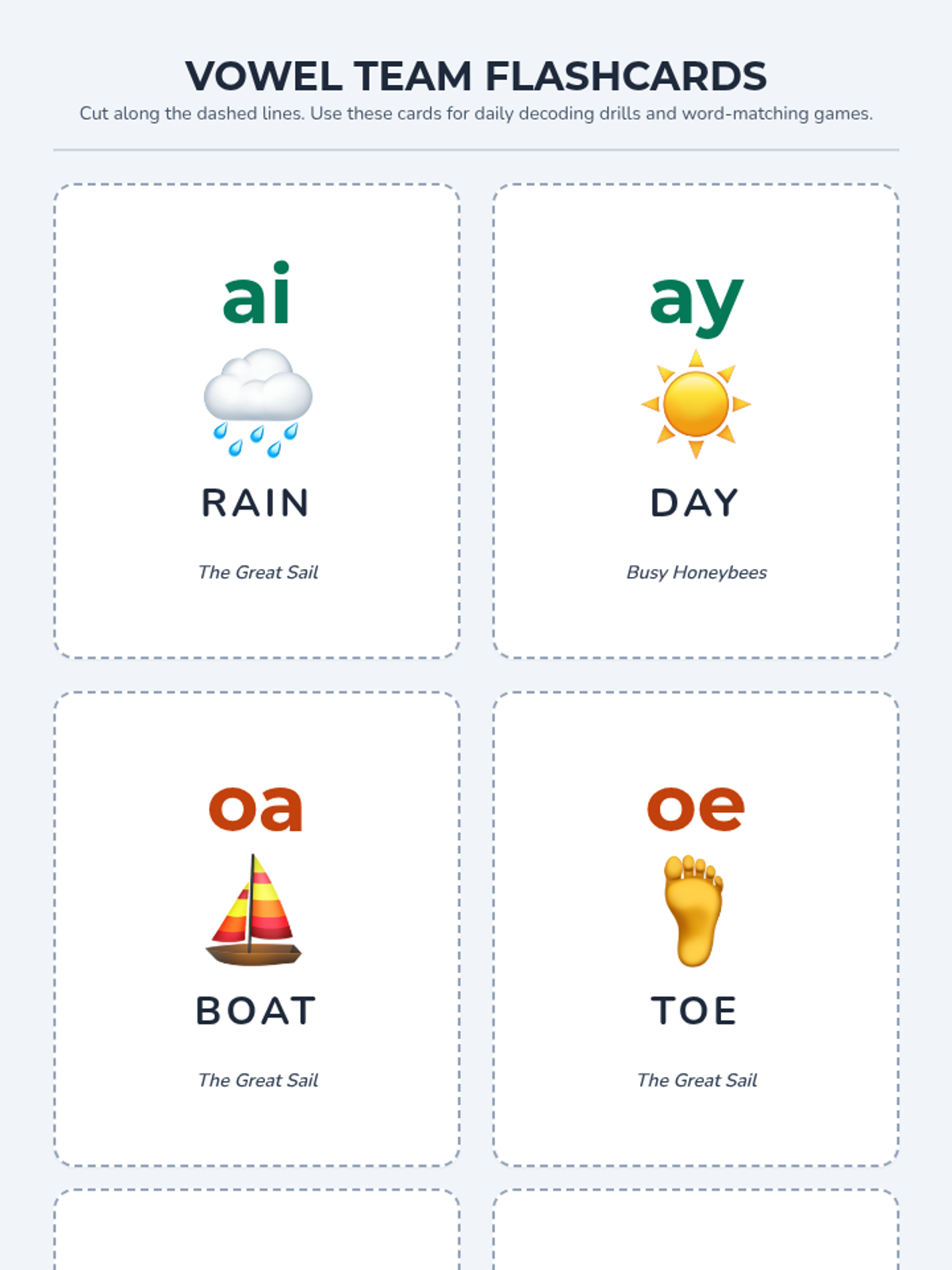
This lesson focuses on identifying and understanding common vowel teams (ai, ay, oa, oe, ow, ee, ea, ey, ie, igh) through targeted fiction and nonfiction reading passages. Students will practice reading words with these patterns in context while developing key comprehension skills like sequencing, inferring, and identifying main ideas.
A grade 7 reading comprehension lesson focused on a mystery story, targeting skills in inferencing, explicit details, context clues, and identifying main ideas.
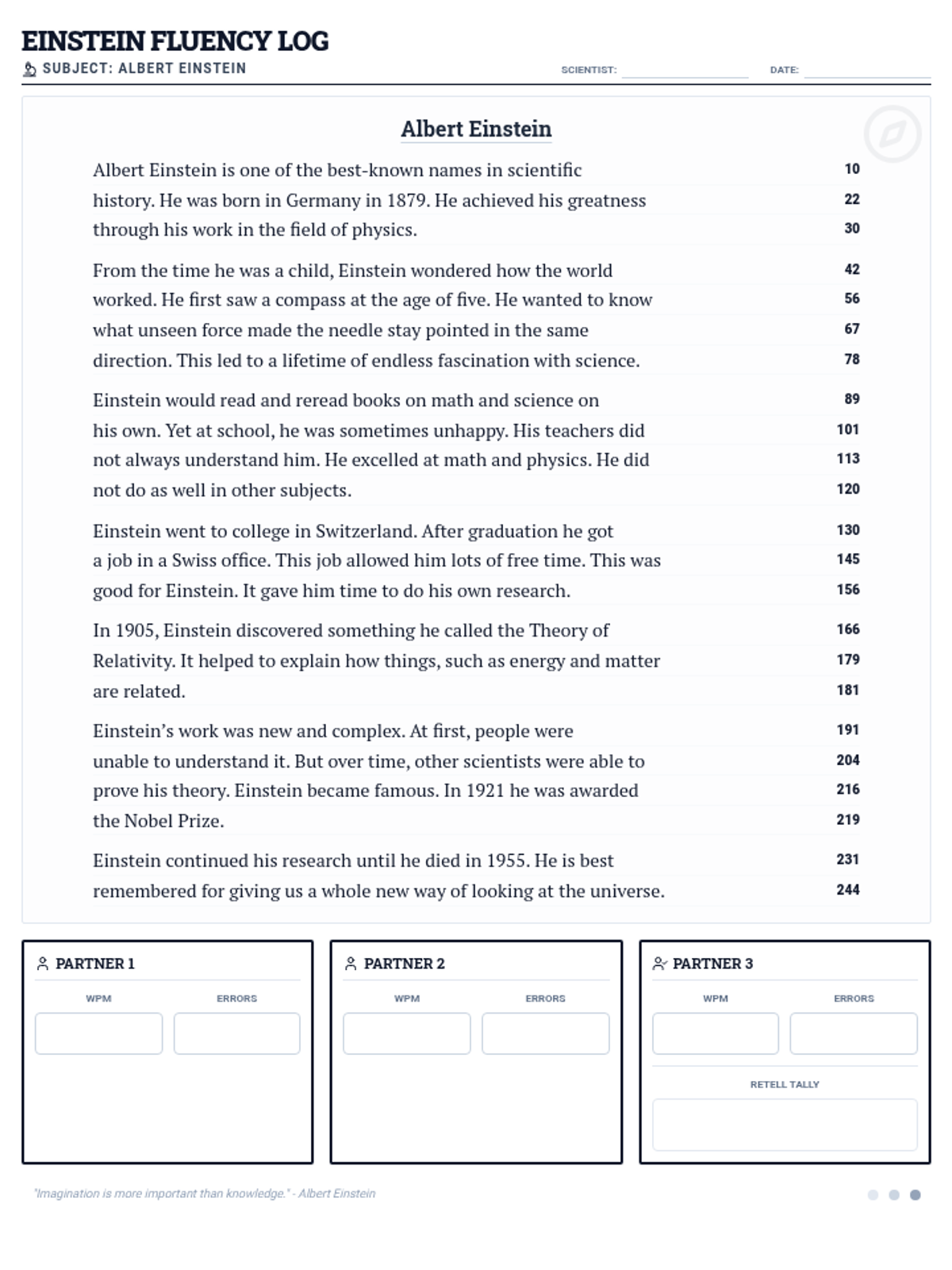
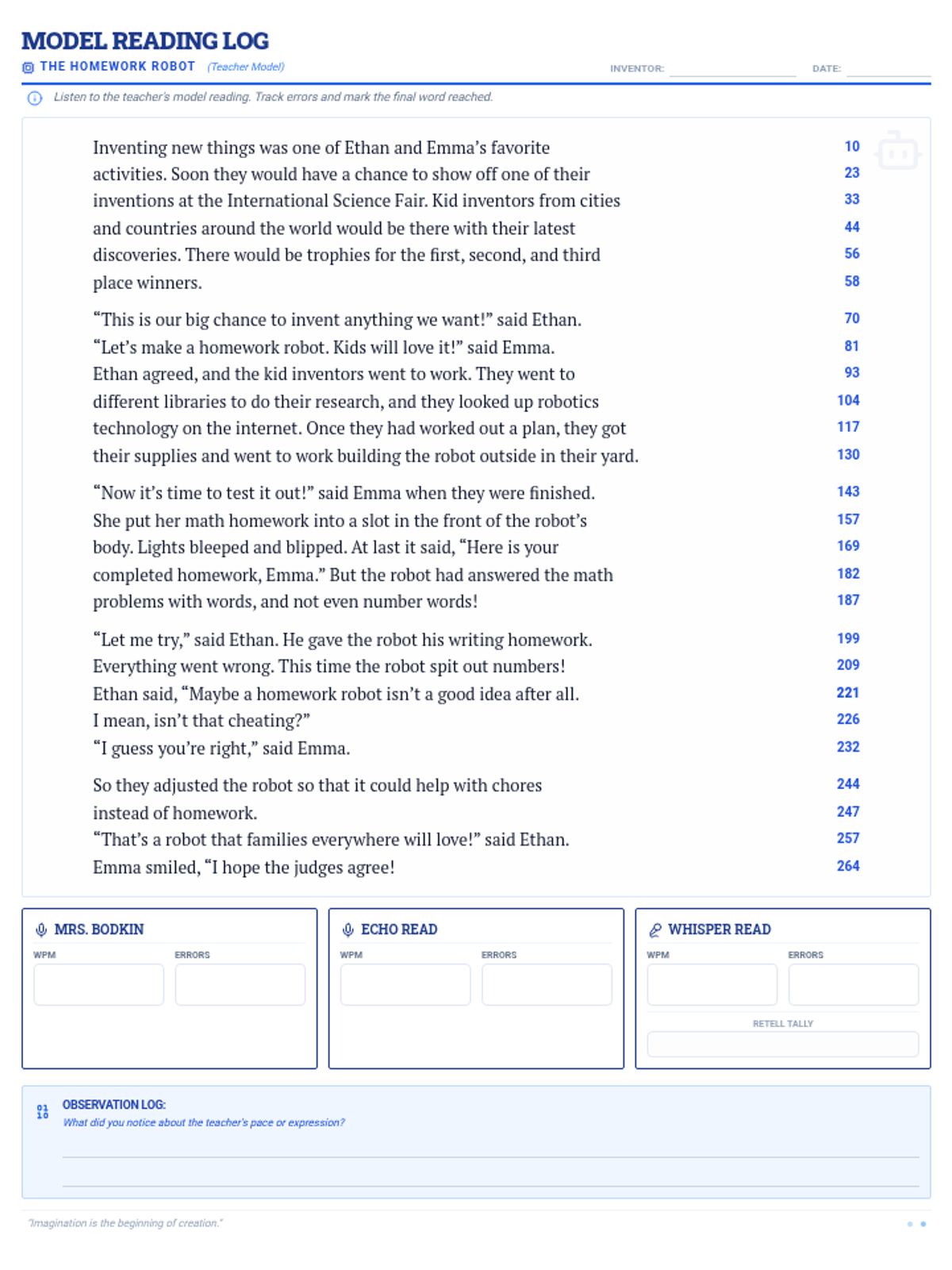
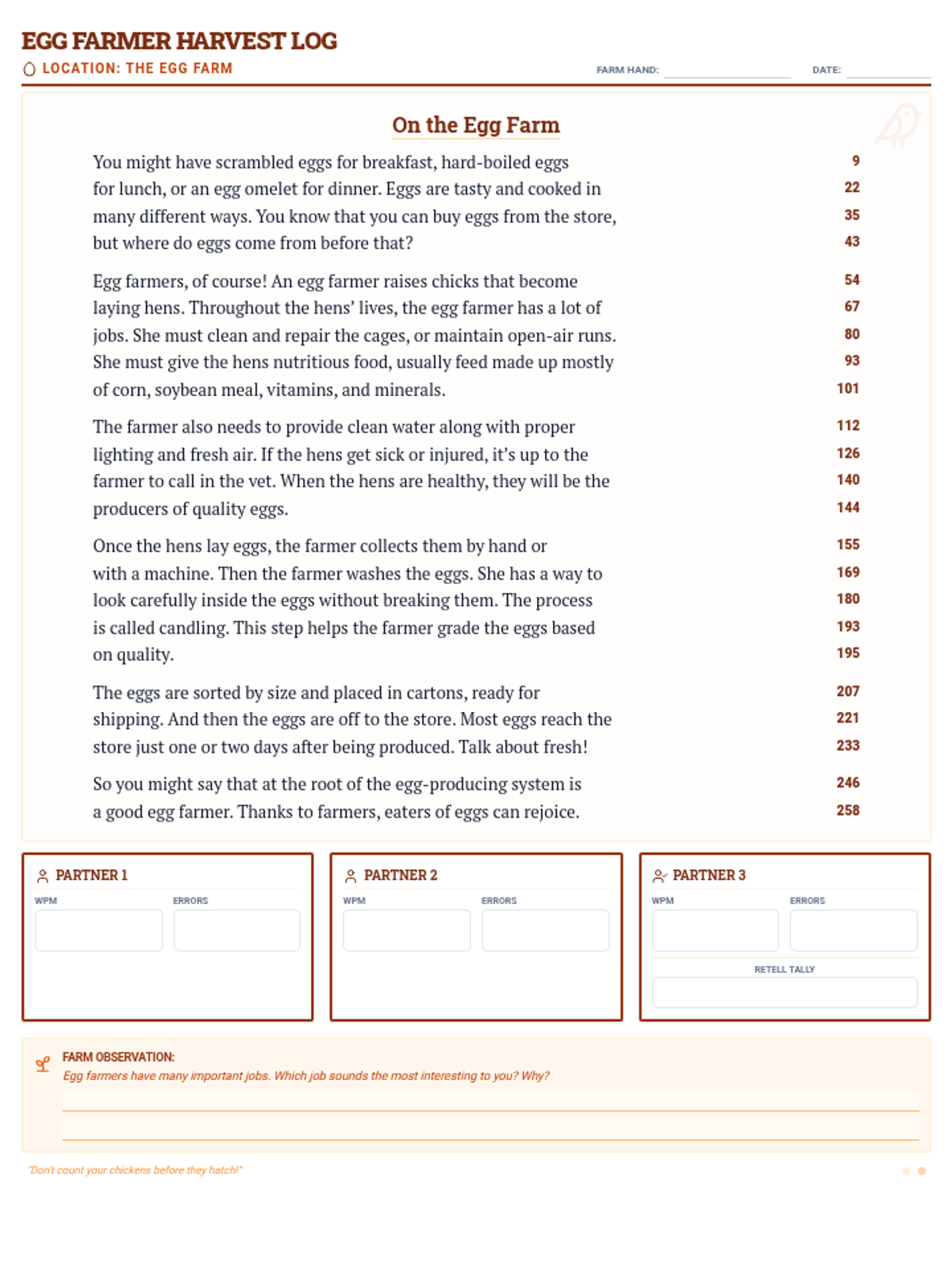
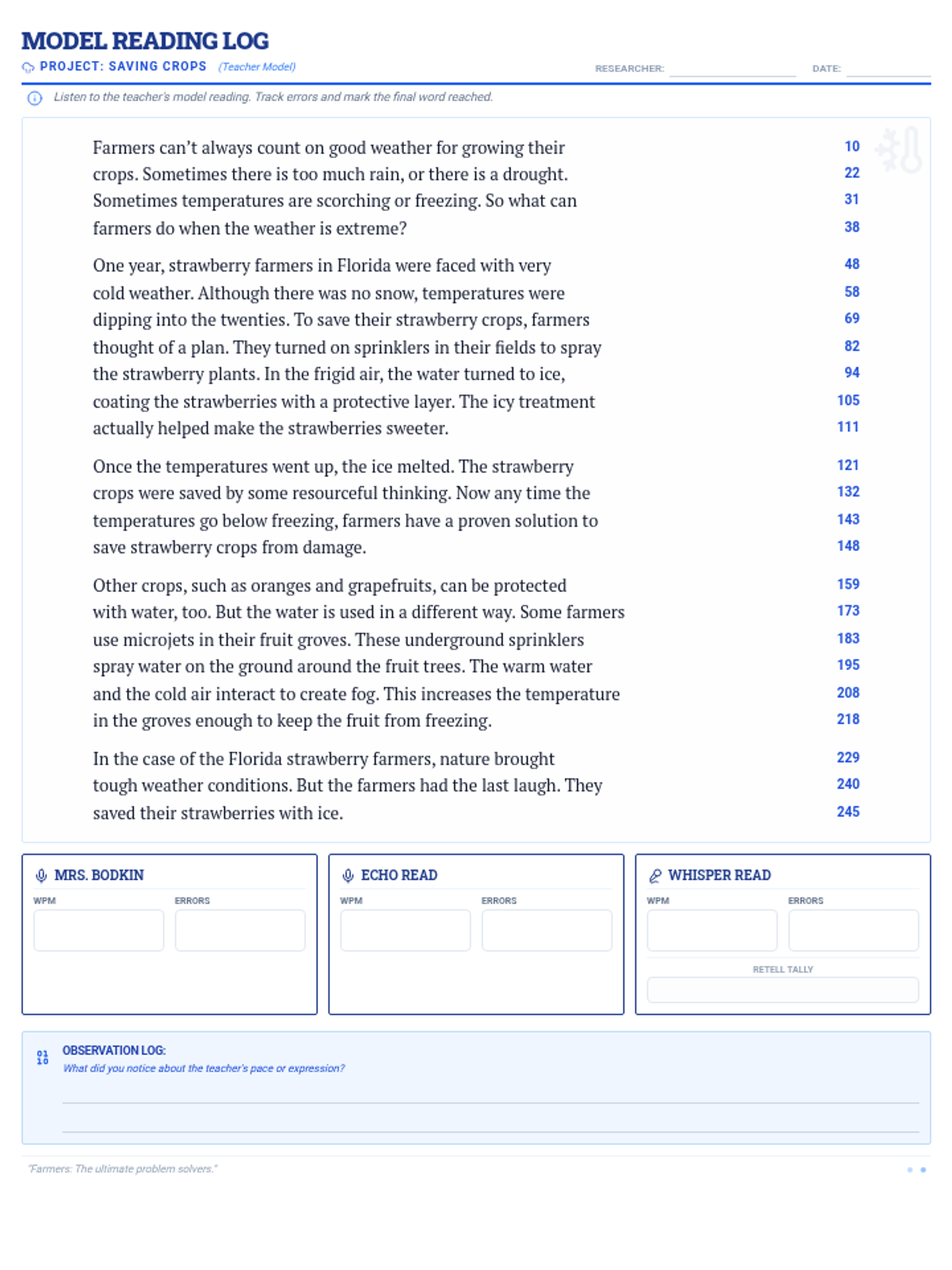
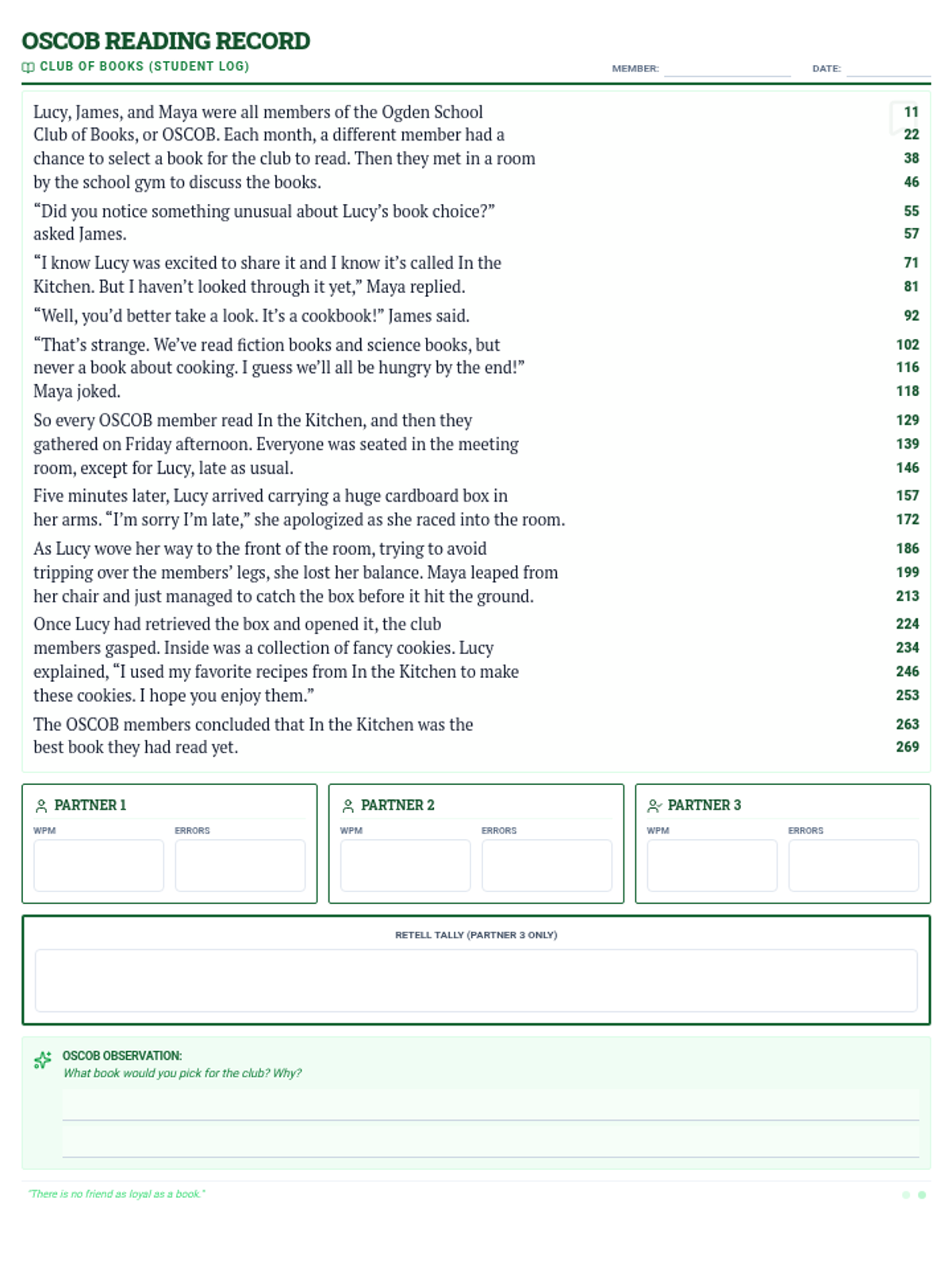
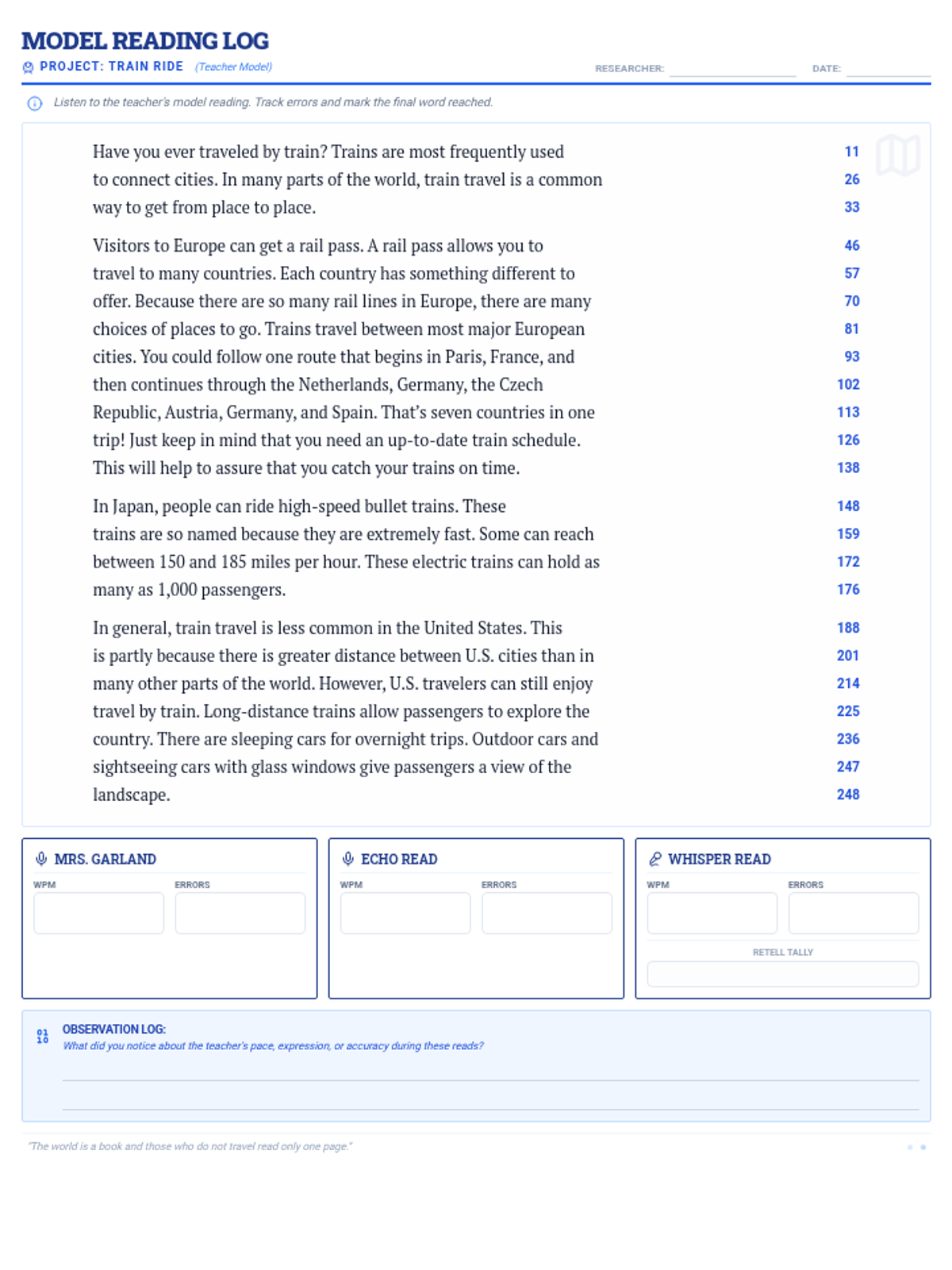
A fluency practice lesson focused on reading speed and comprehension through the story of Albert Einstein, utilizing a peer-partnered tracking system.
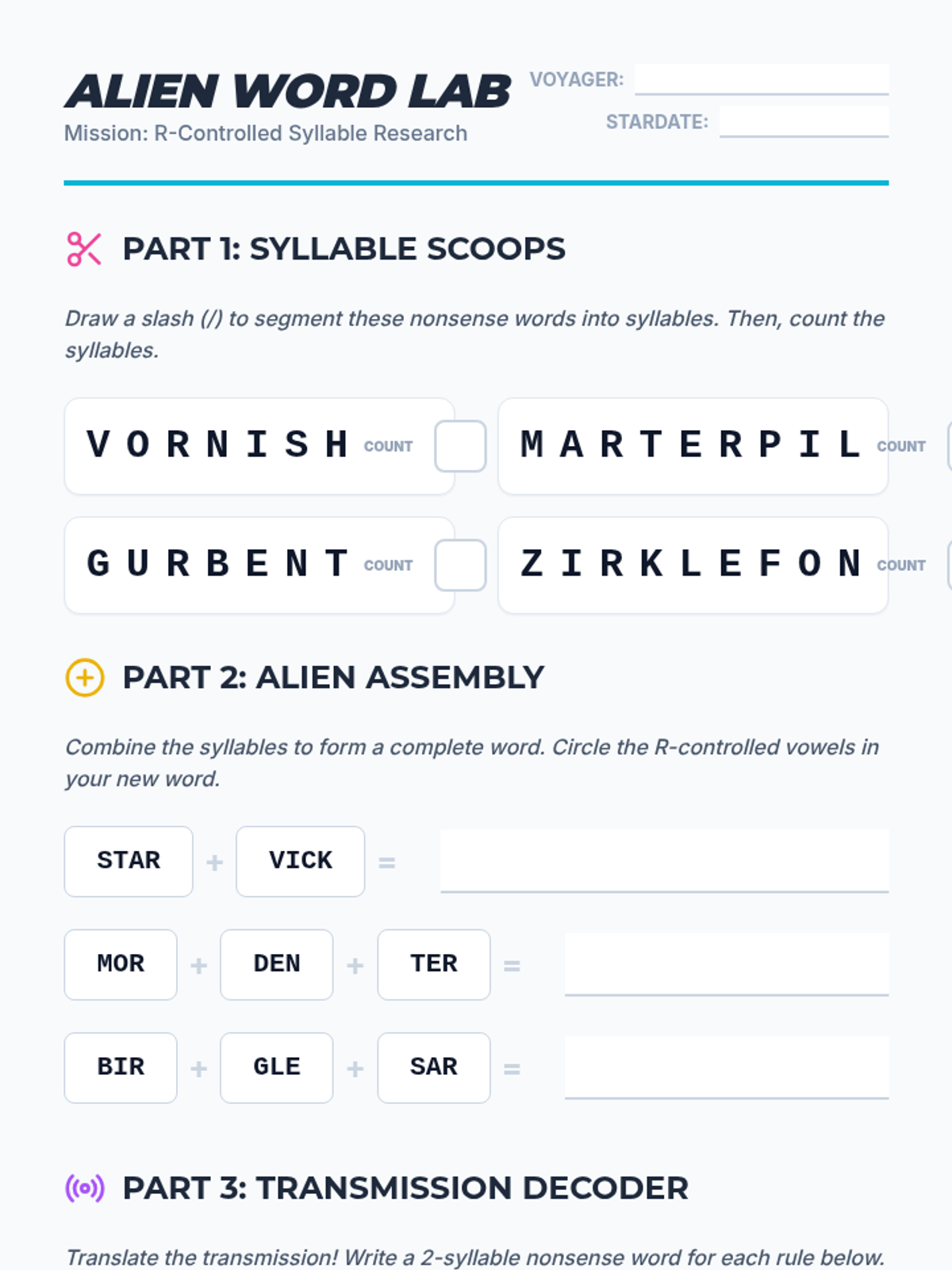
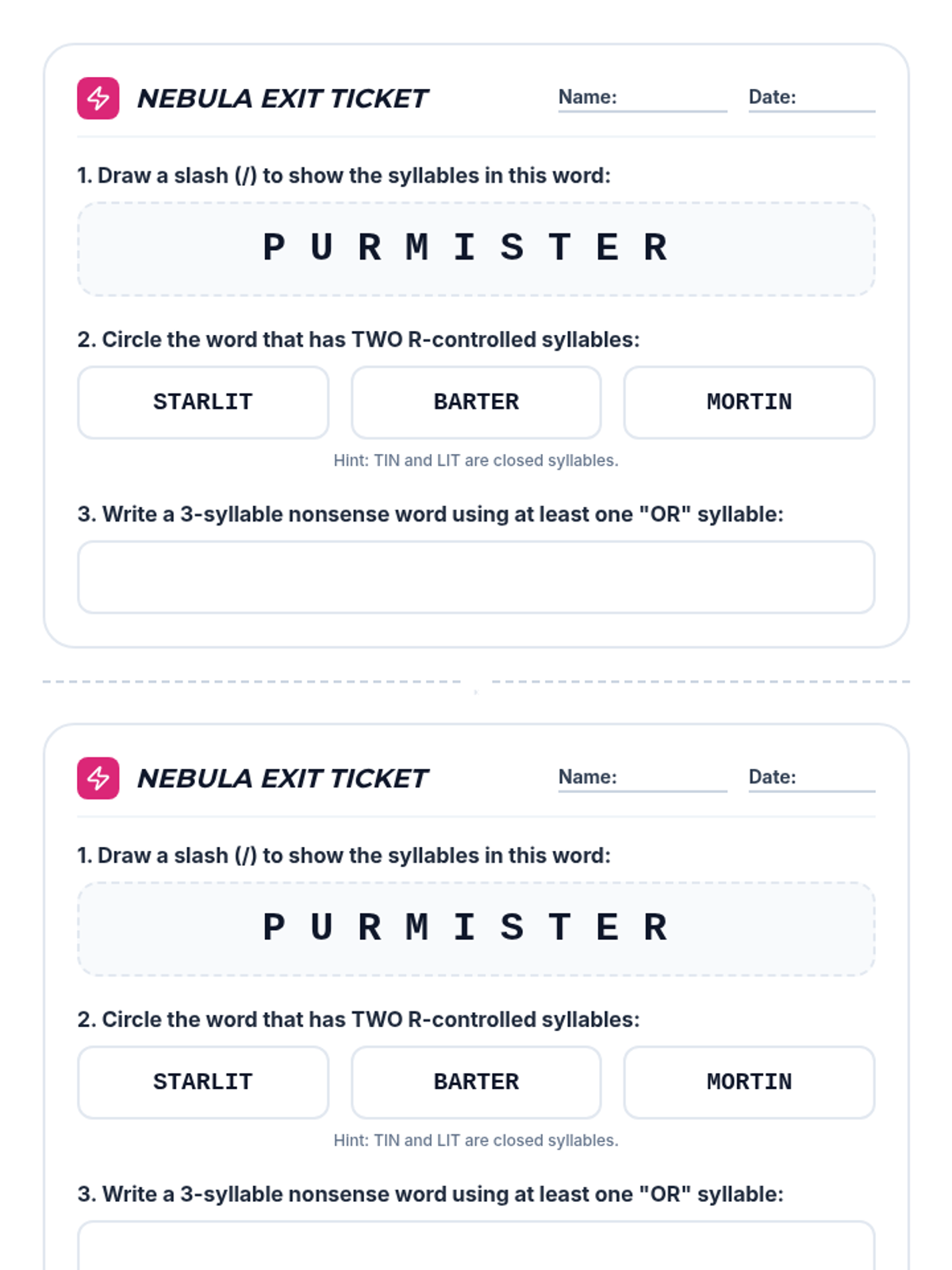
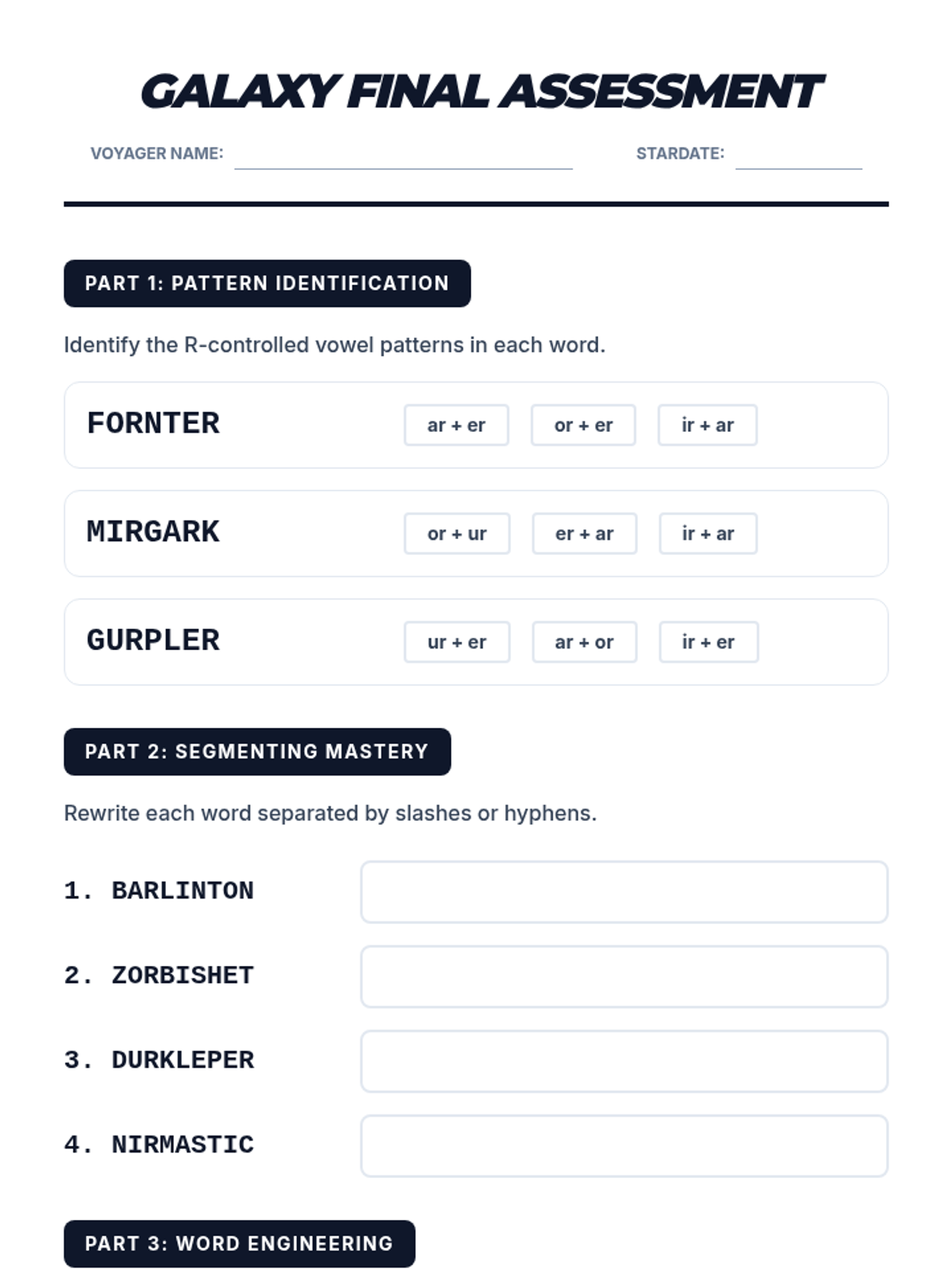
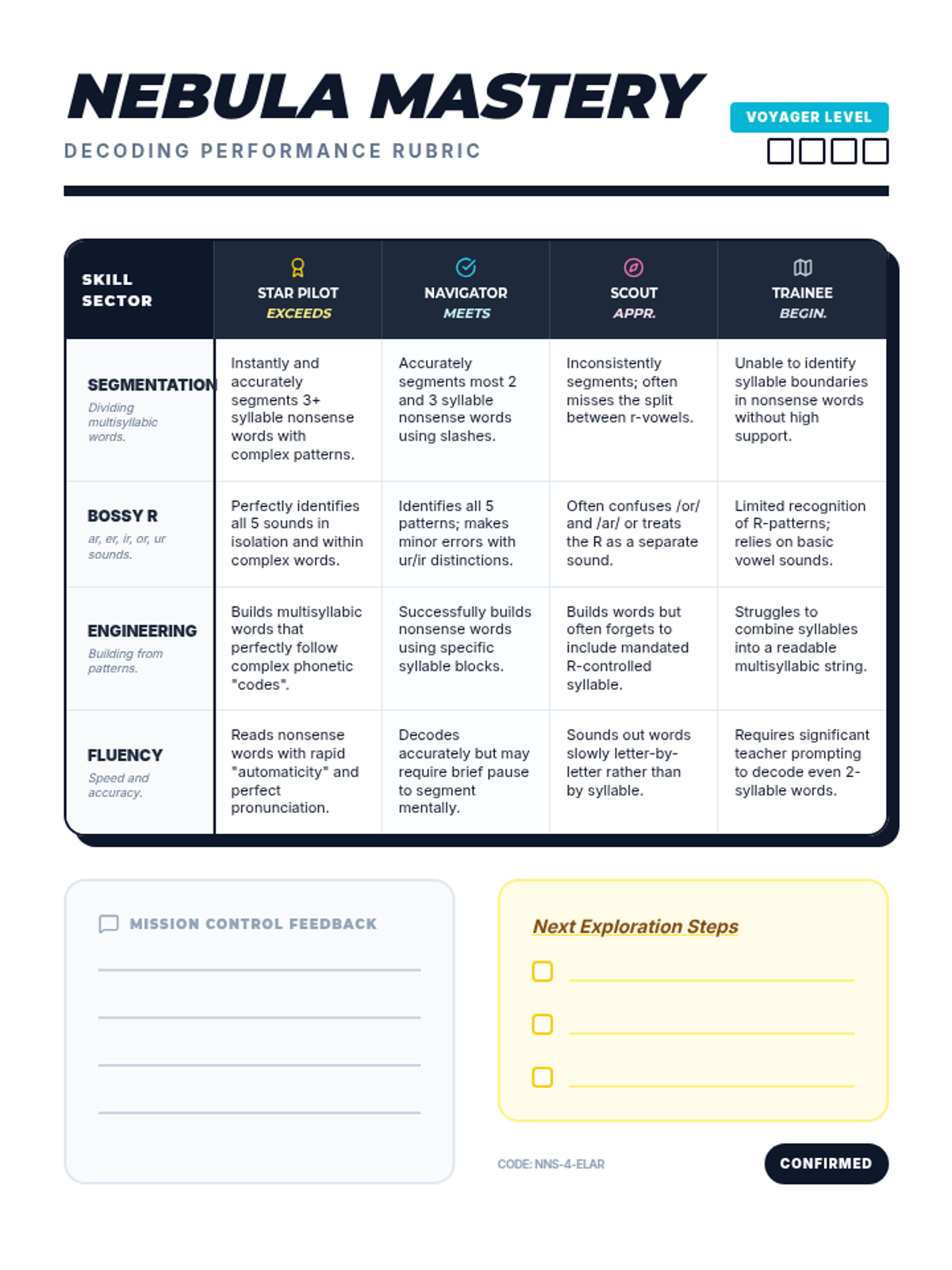
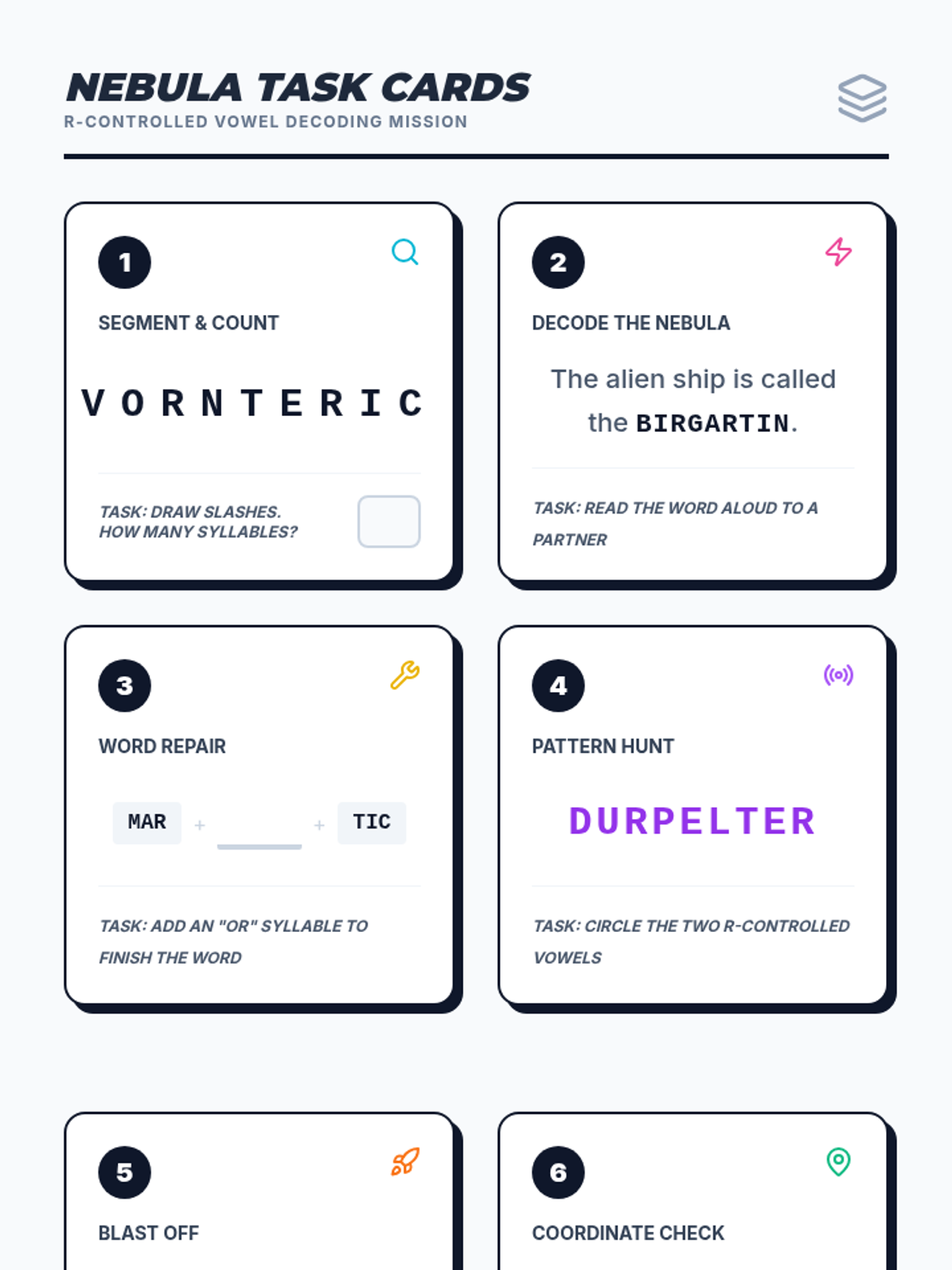
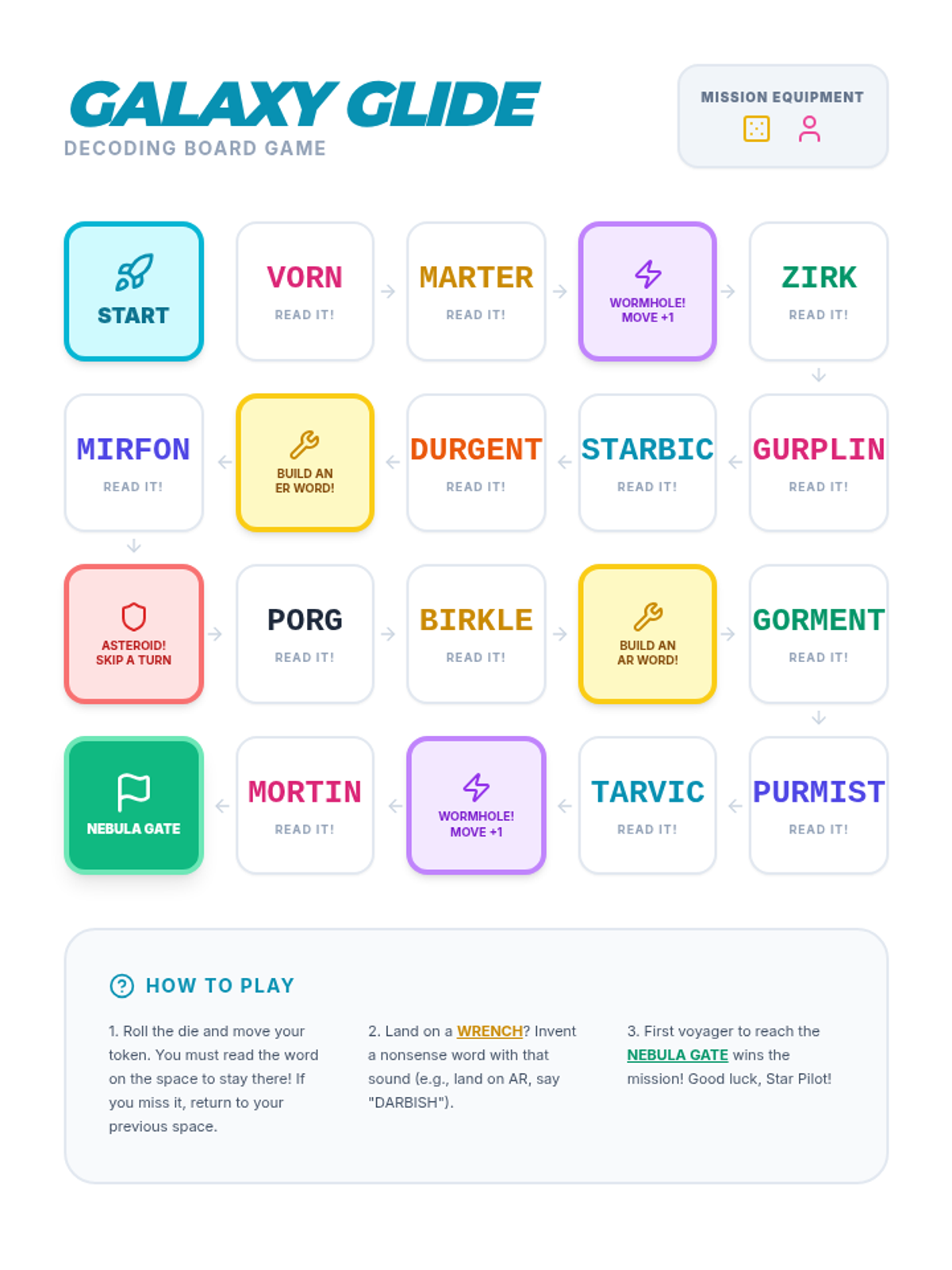
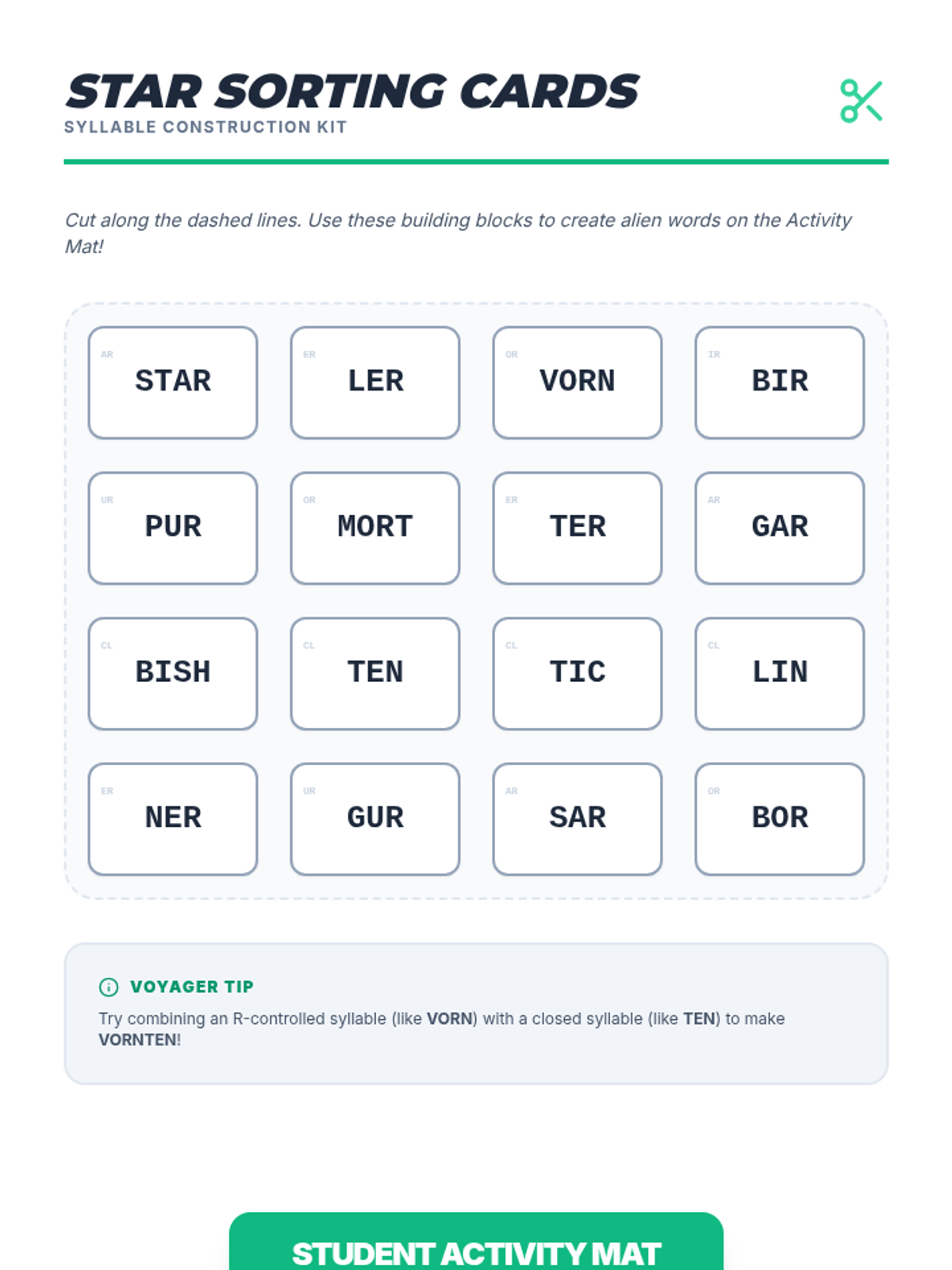
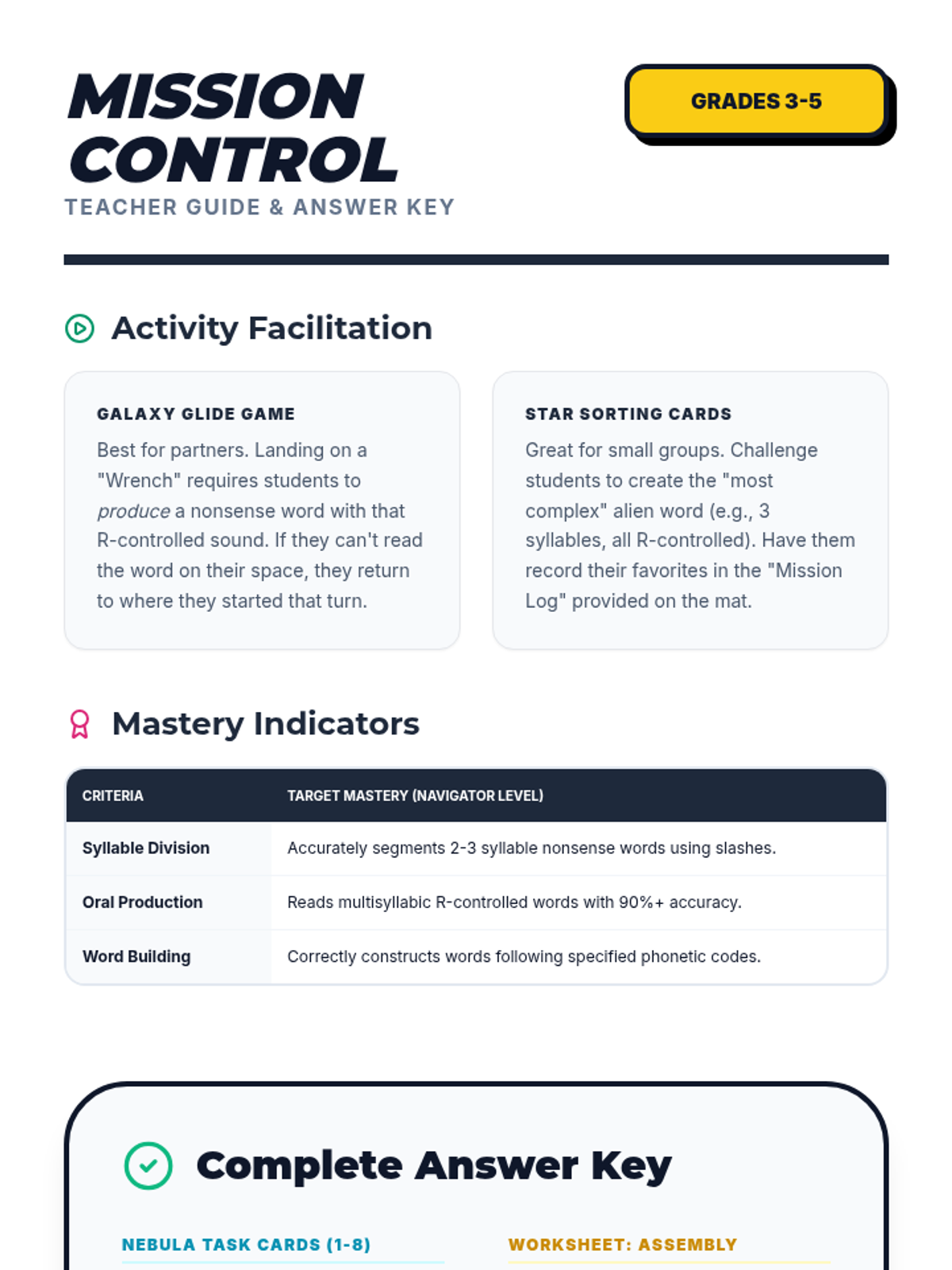
Students will identify, segment, and build multisyllabic nonsense words using R-controlled vowels (ar, er, ir, or, ur) to strengthen their decoding skills.
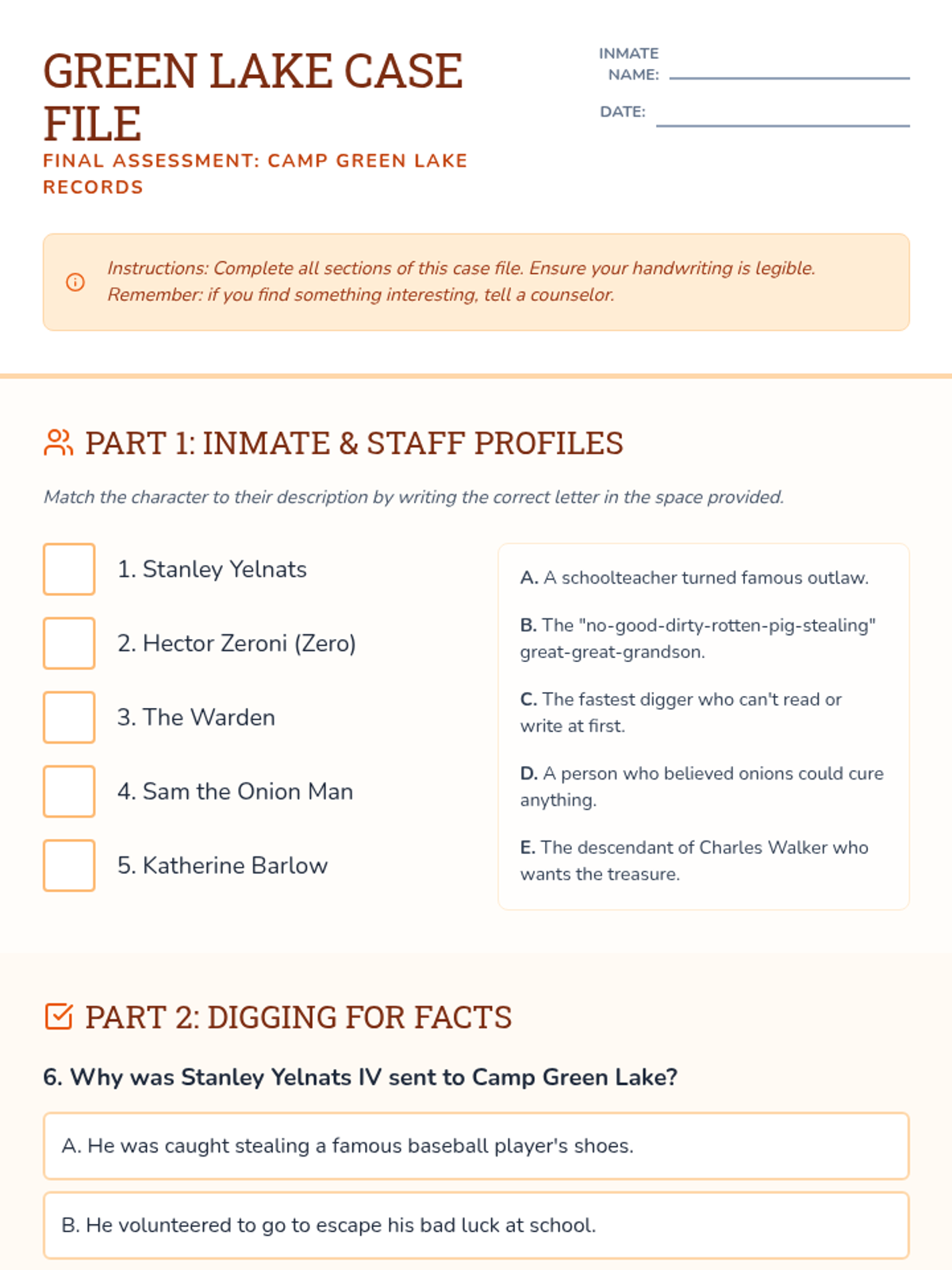
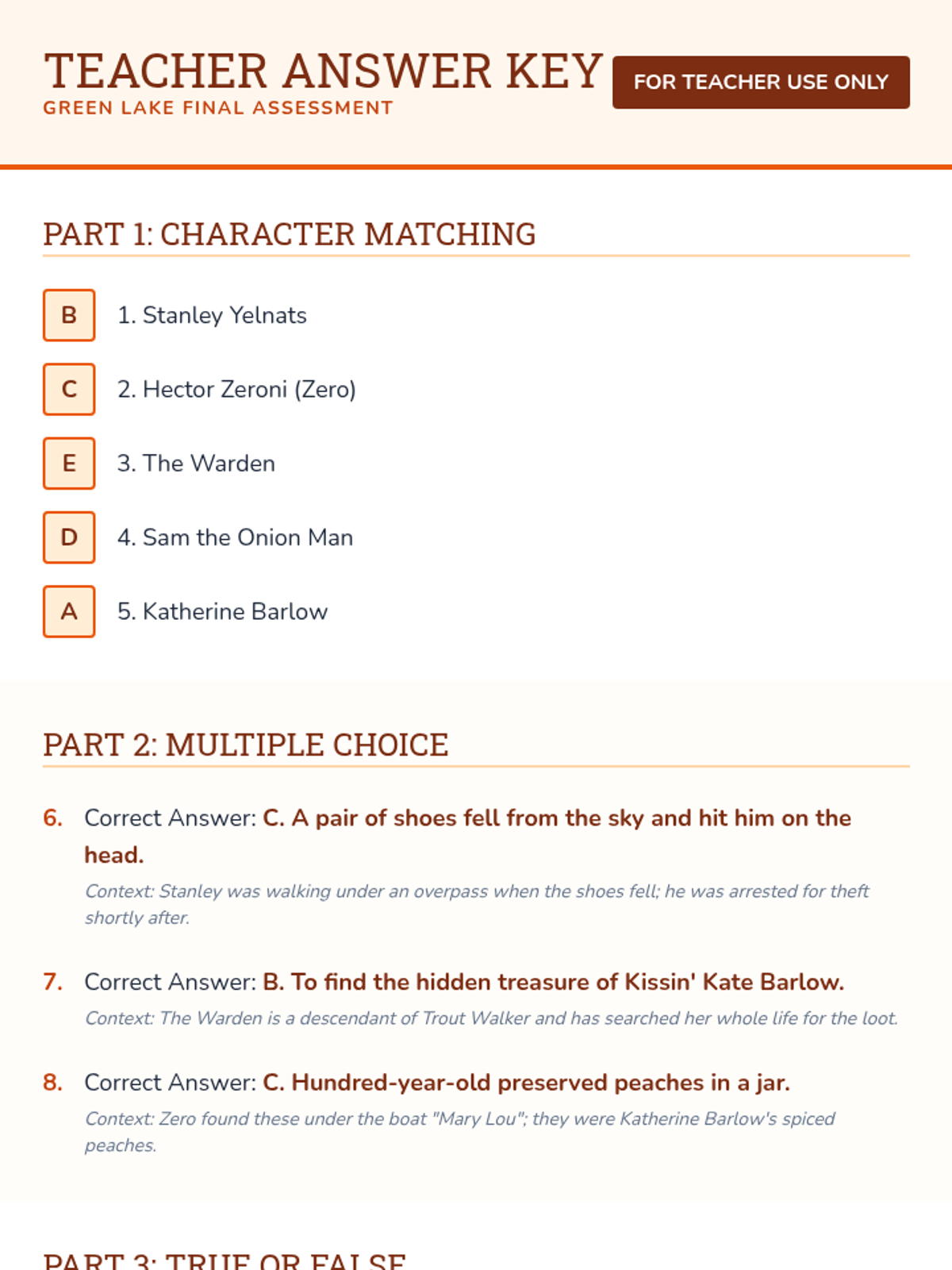
A final assessment and review lesson for the novel Holes by Louis Sachar, focusing on character identification, plot sequencing, and thematic connections. Students will complete a comprehensive test after a visual review of the major story arcs.
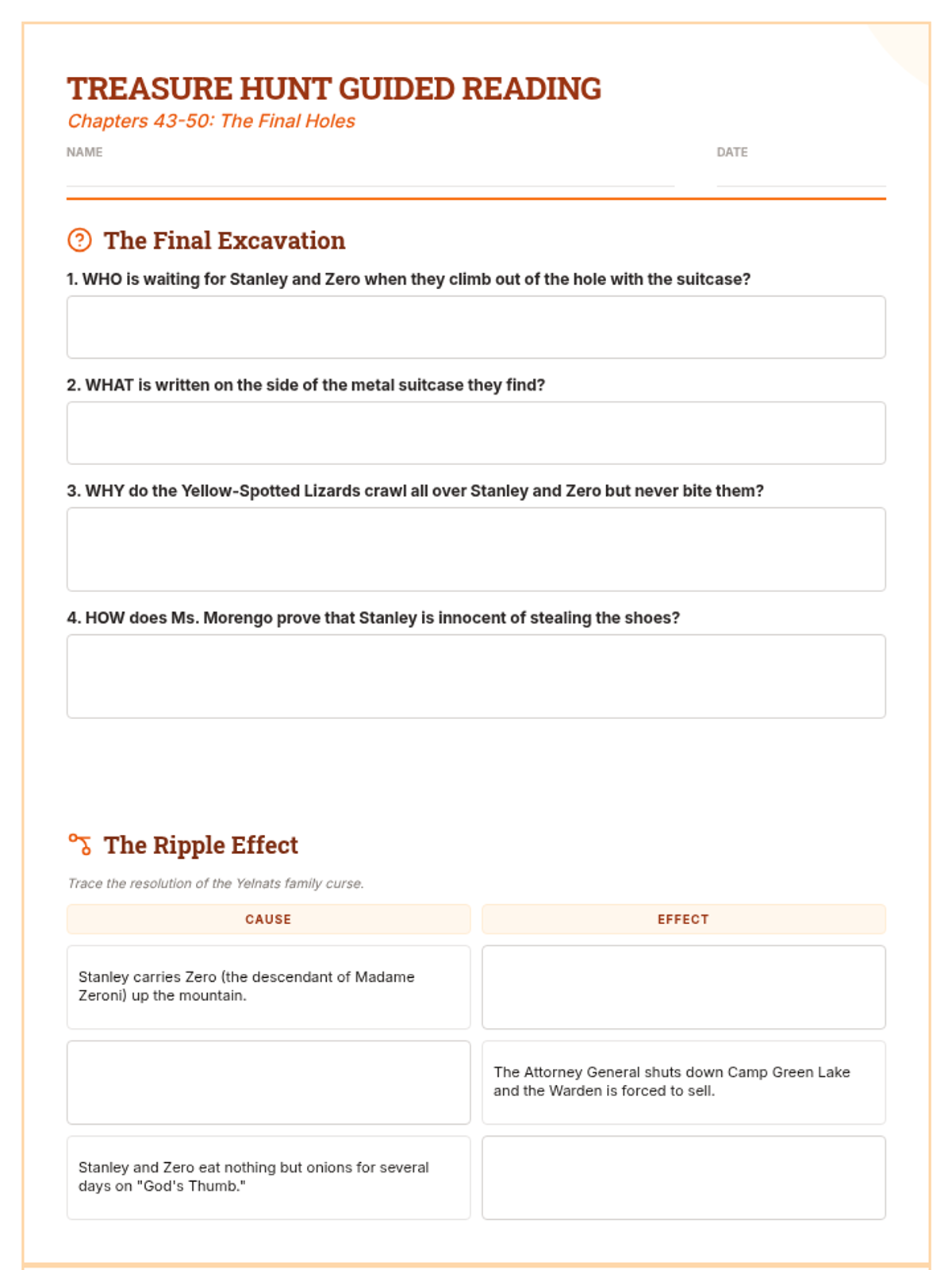
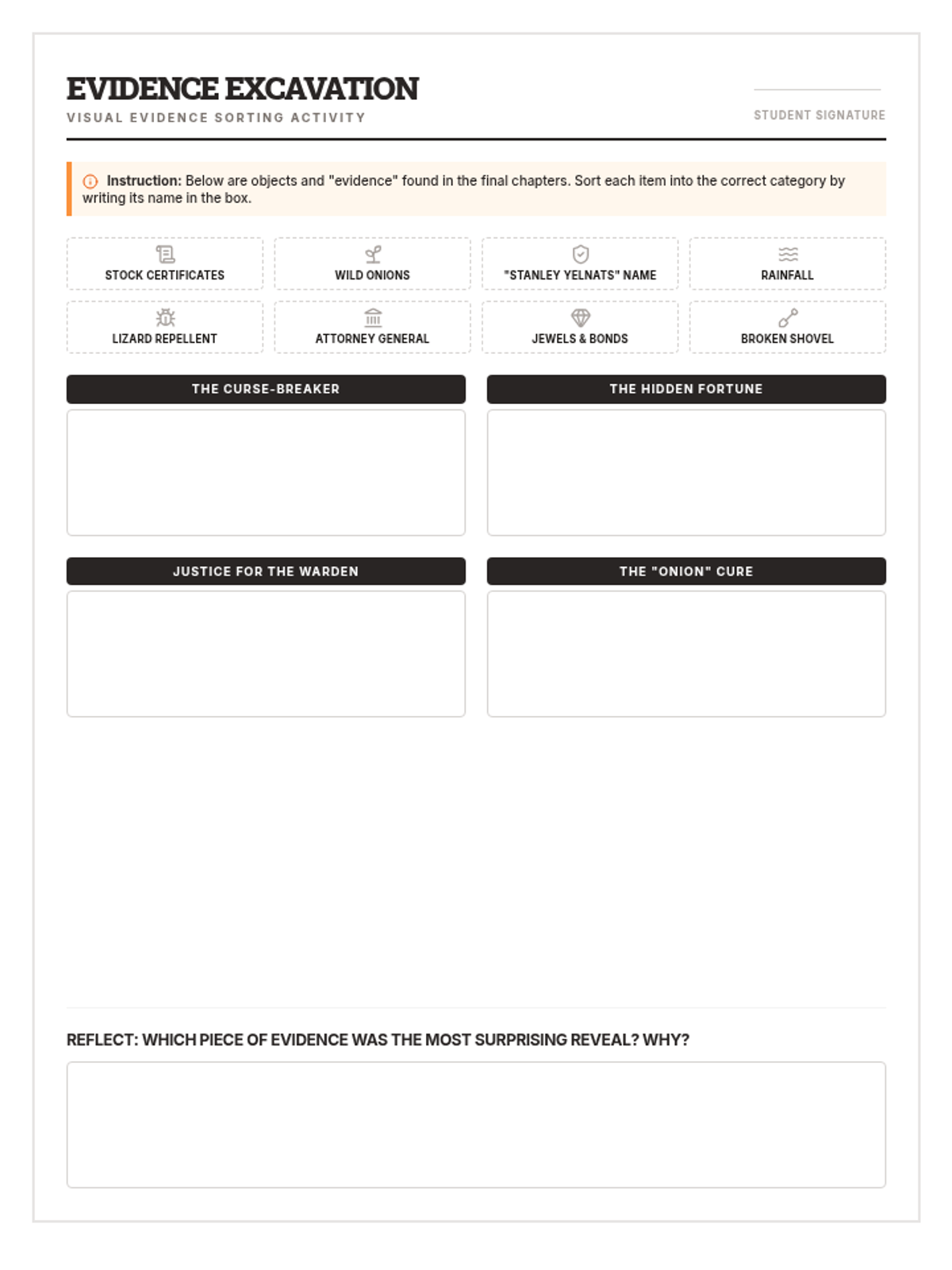
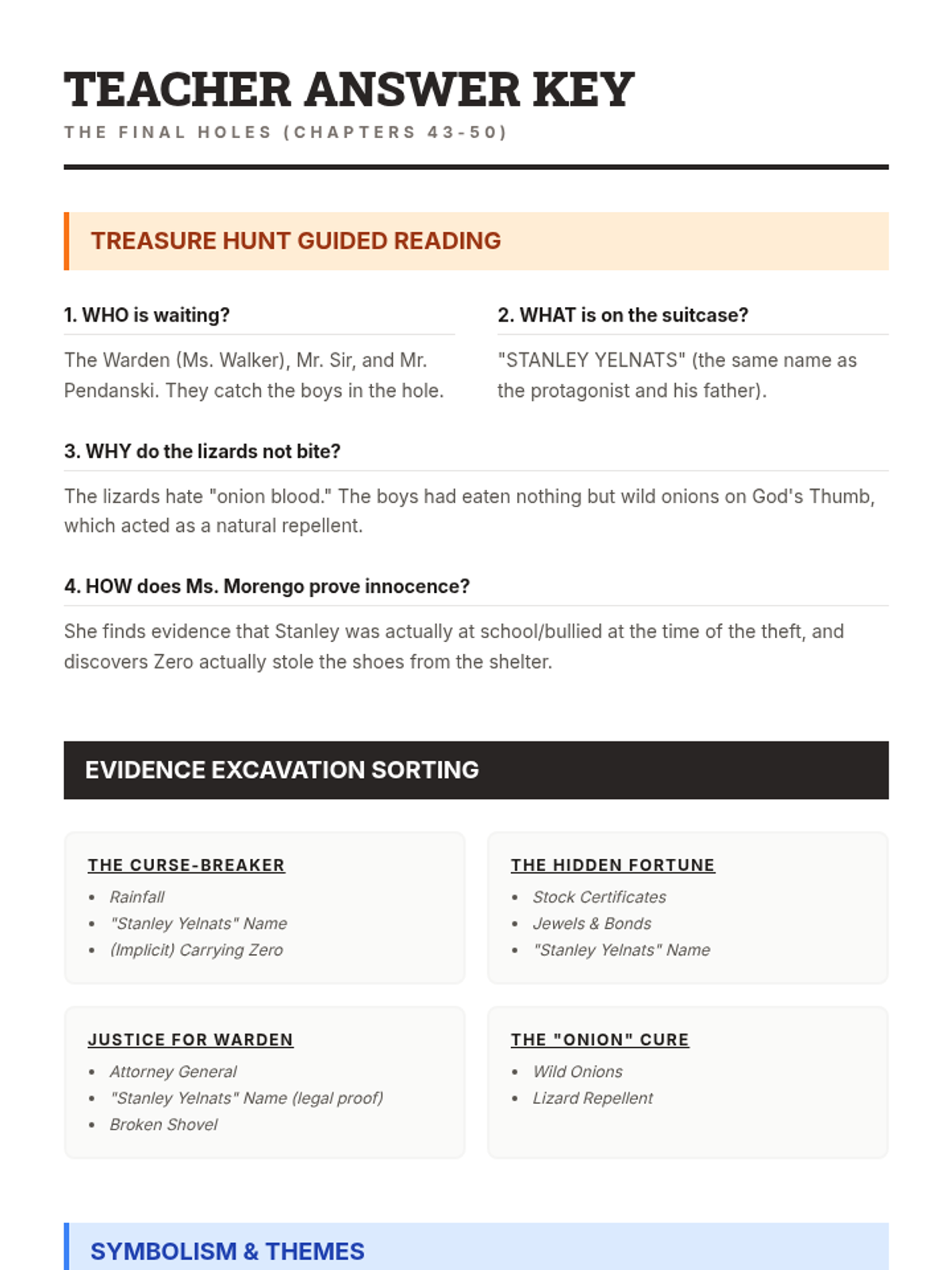
A comprehensive exploration of the final chapters of Holes (43-50), focusing on the resolution of the curse, the reveal of the treasure, and the symbolic cleansing of Camp Green Lake.
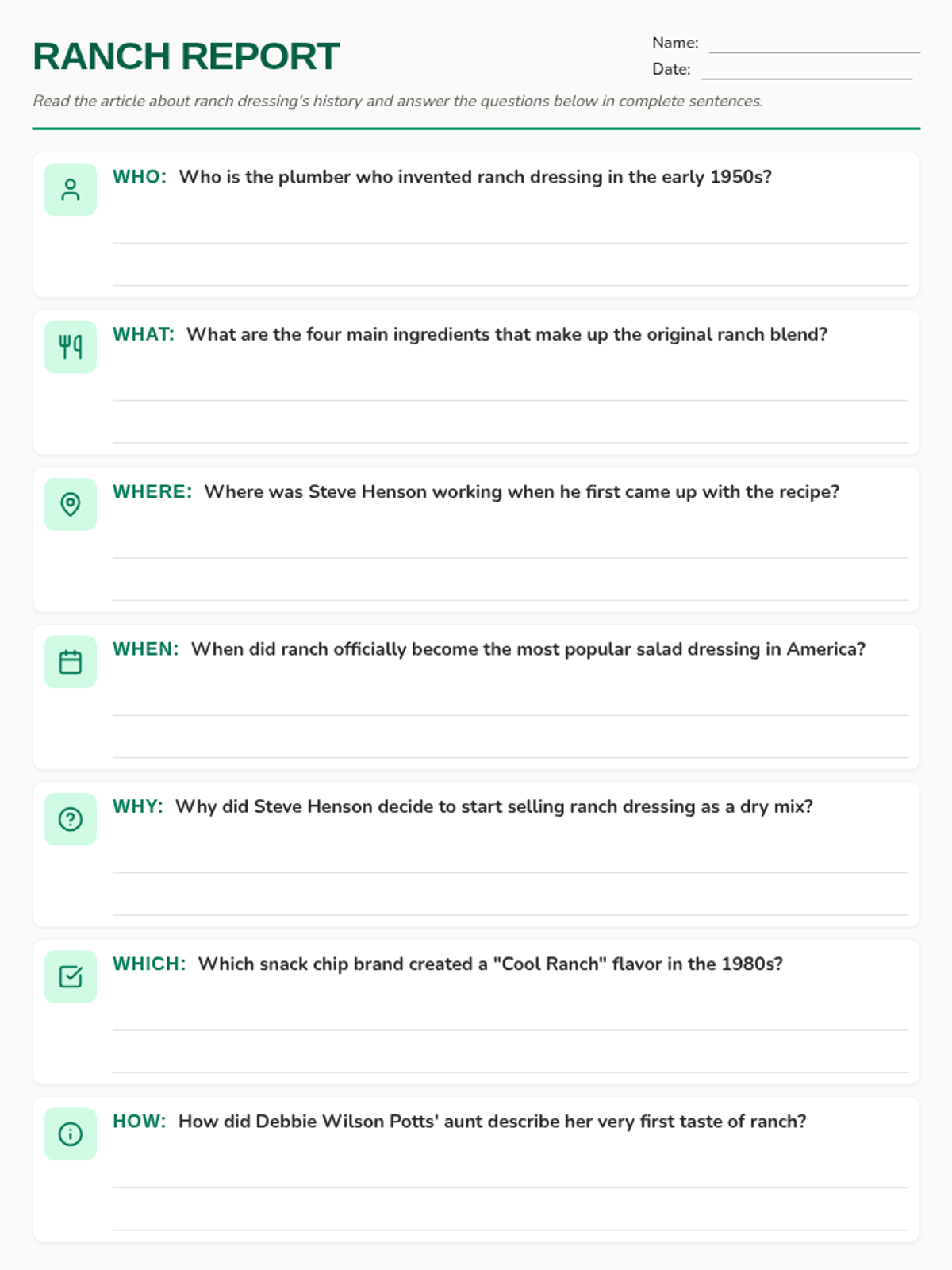
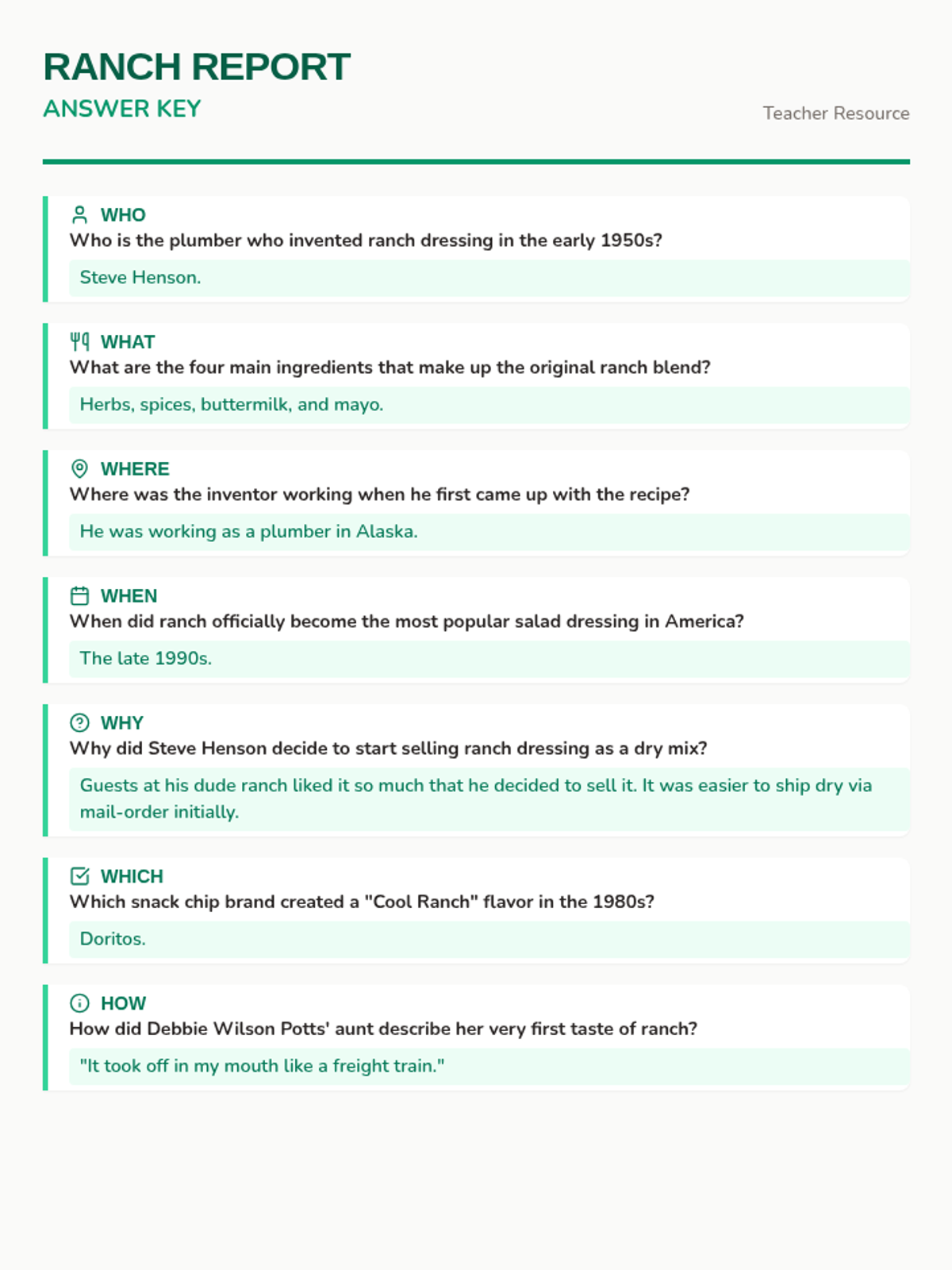
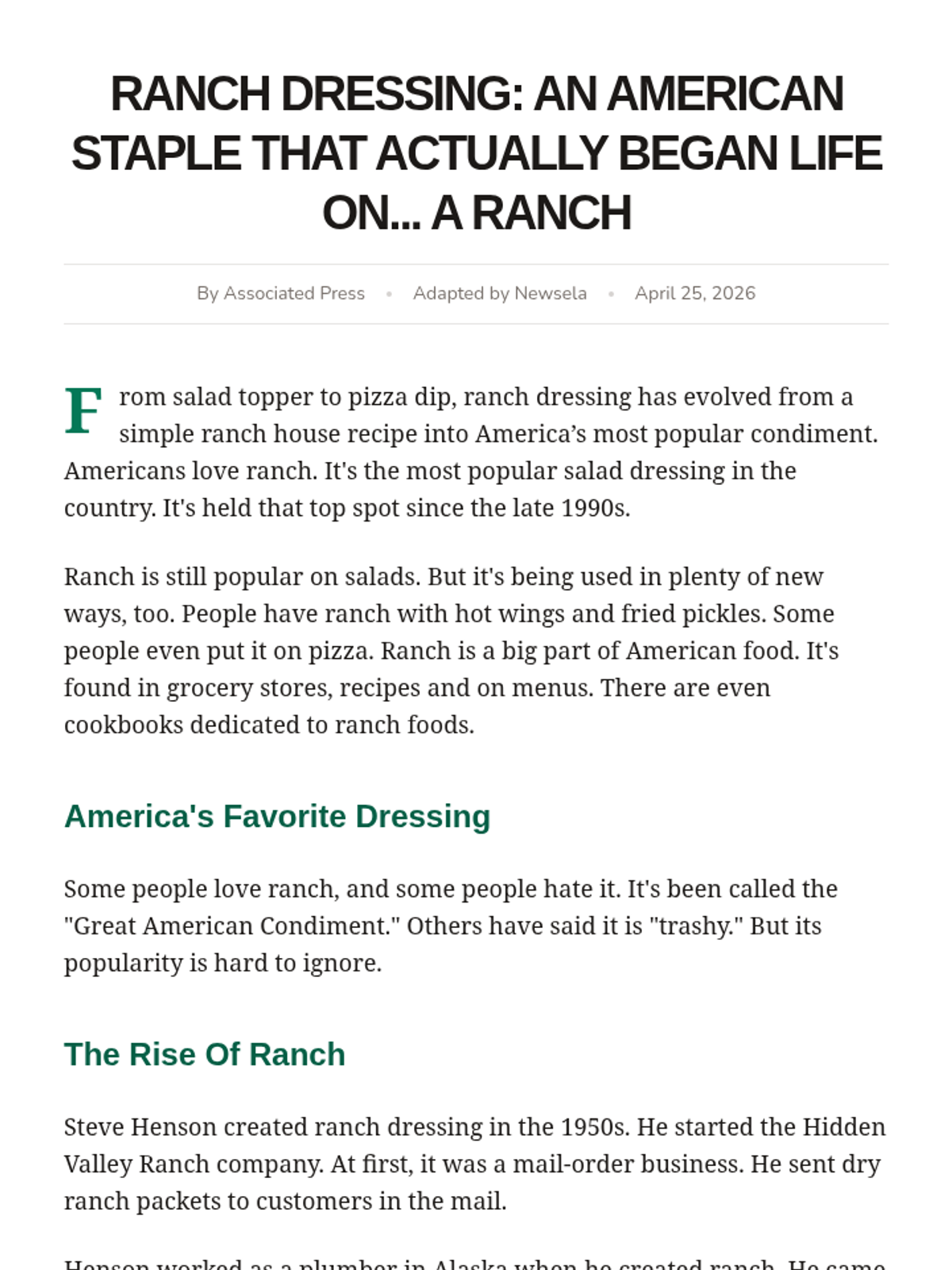
A lesson exploring the history and cultural impact of ranch dressing based on a Newsela article, featuring a reading comprehension worksheet and answer key.
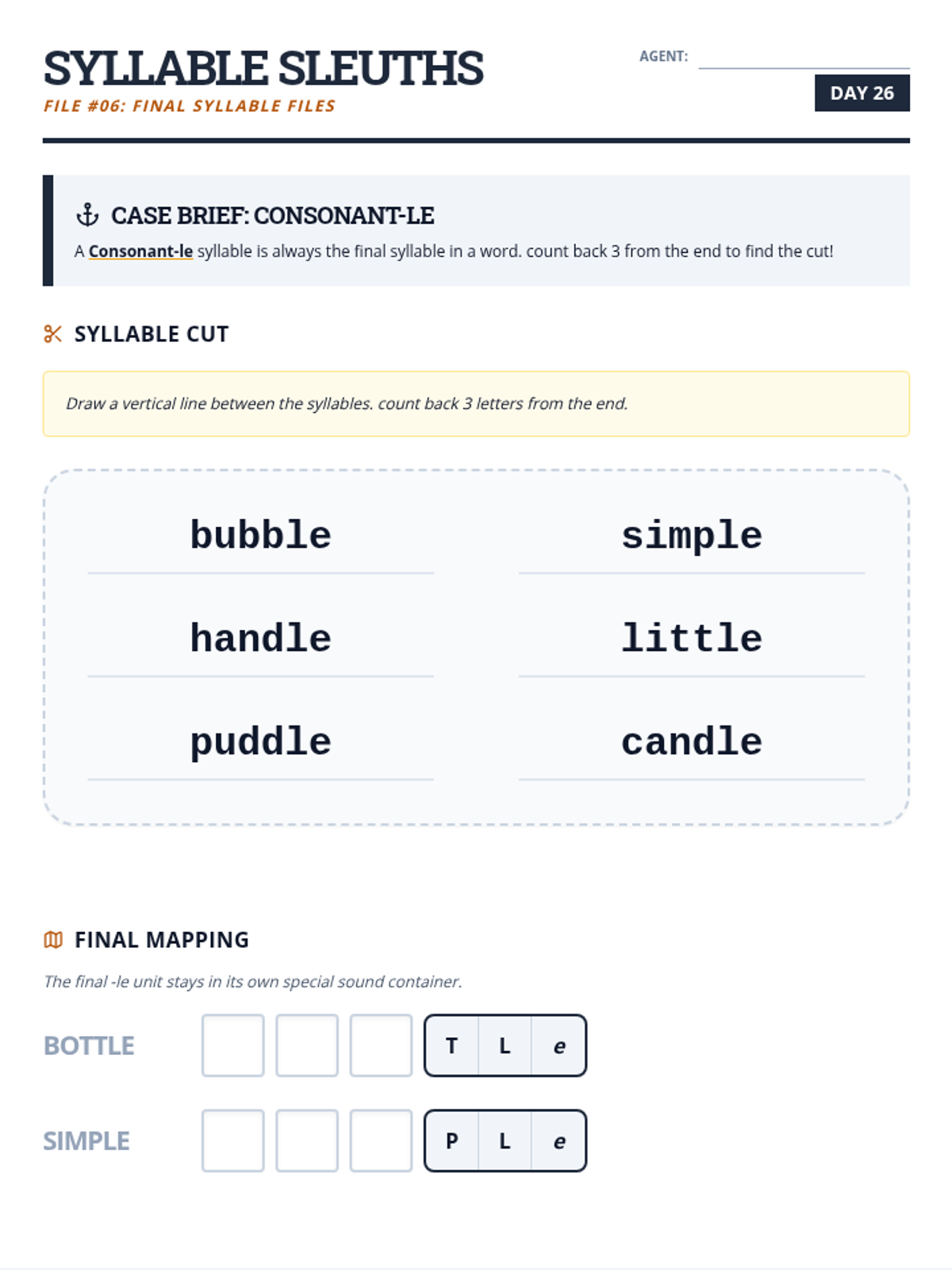
Mastering the final stable syllable 'Consonant-le' found at the end of multi-syllabic words.
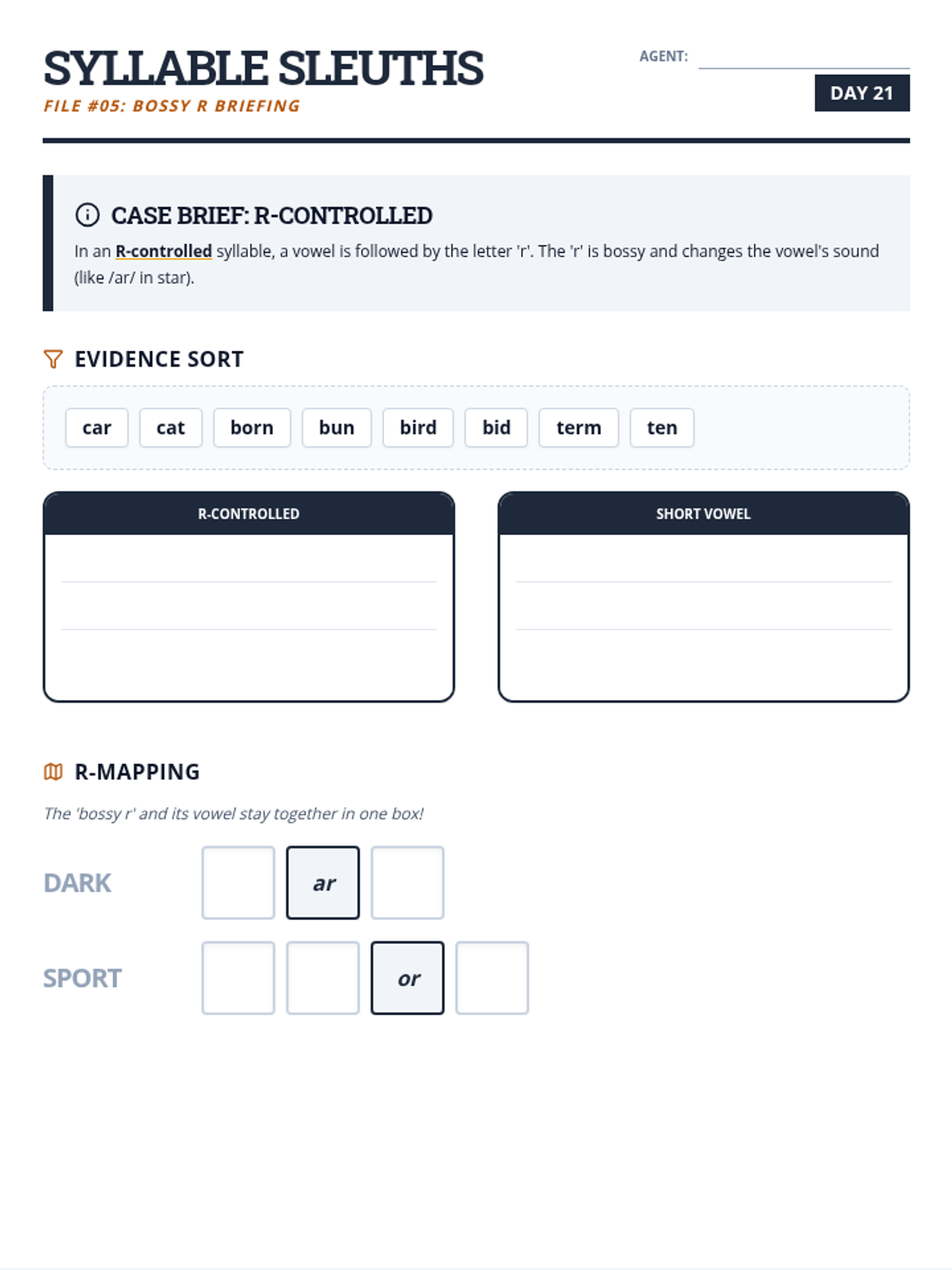
Analyzing how the 'Bossy R' influences the sound of the preceding vowel in R-controlled syllables.
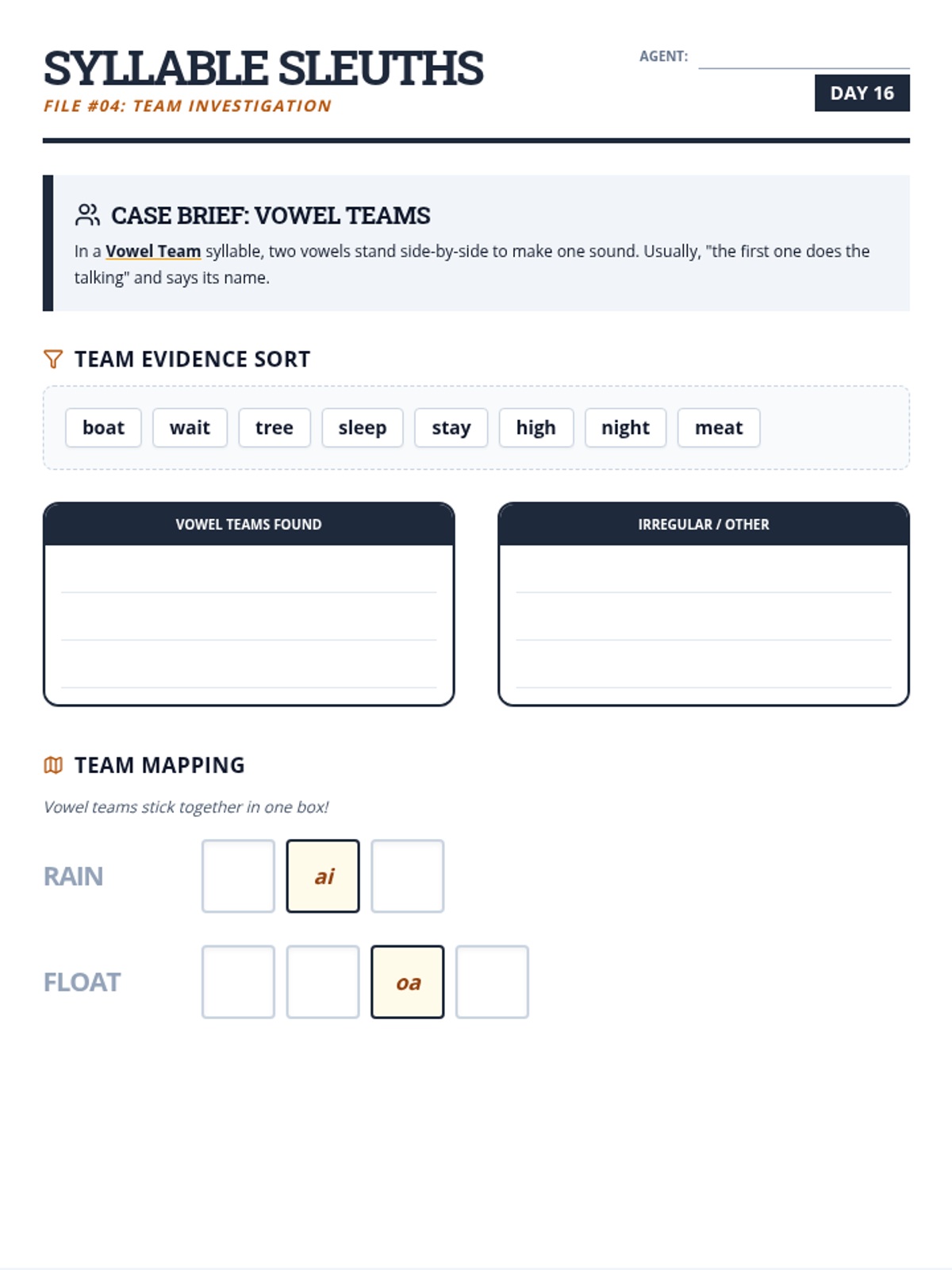
Tracking down vowel teams where two vowels work together to create a specific long or unique vowel sound.
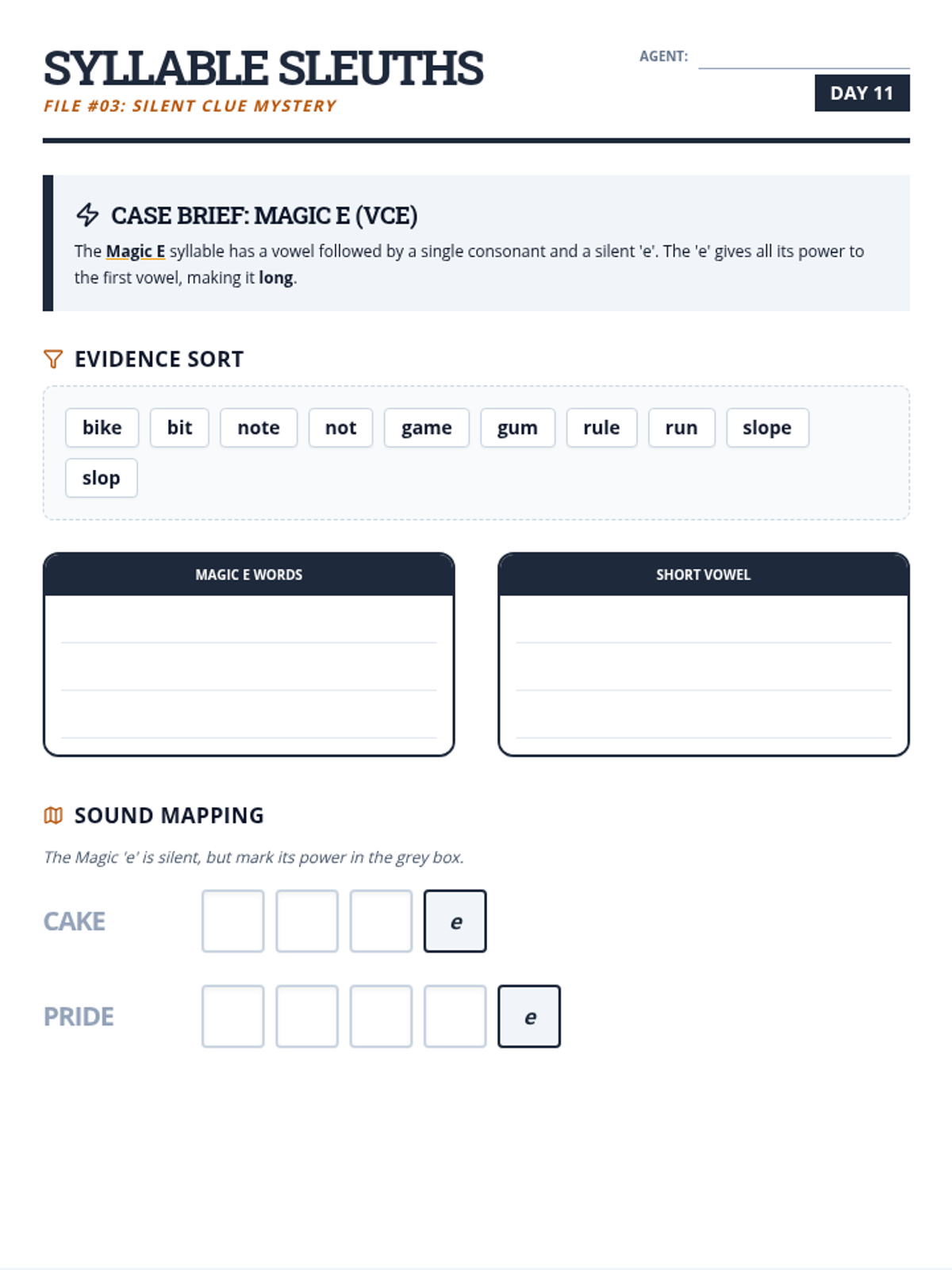
Deciphering the Magic E (VCe) pattern where a silent 'e' at the end of a syllable makes the preceding vowel long.
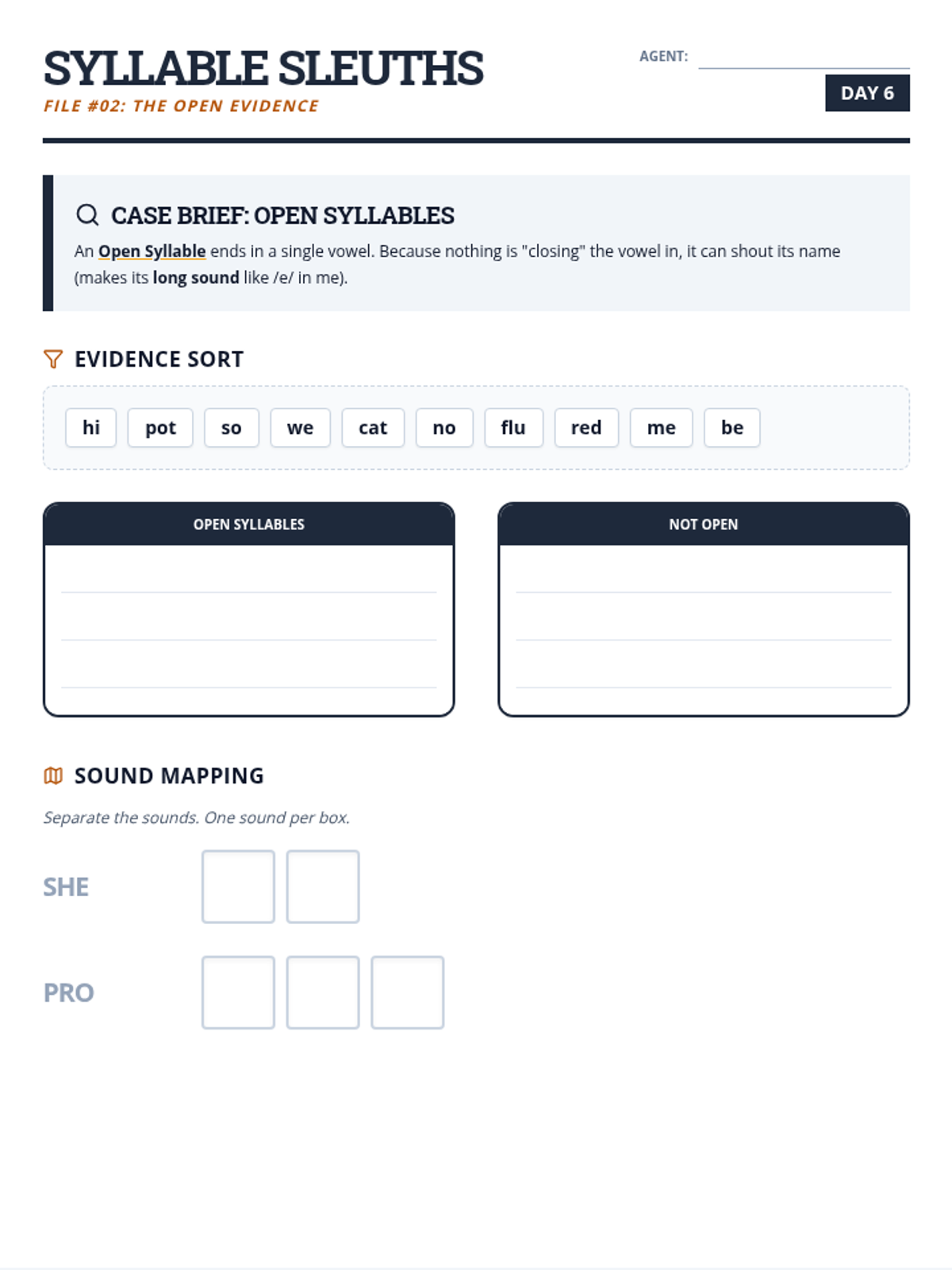
Exploring open syllables that end in a single vowel, which typically makes its long sound.
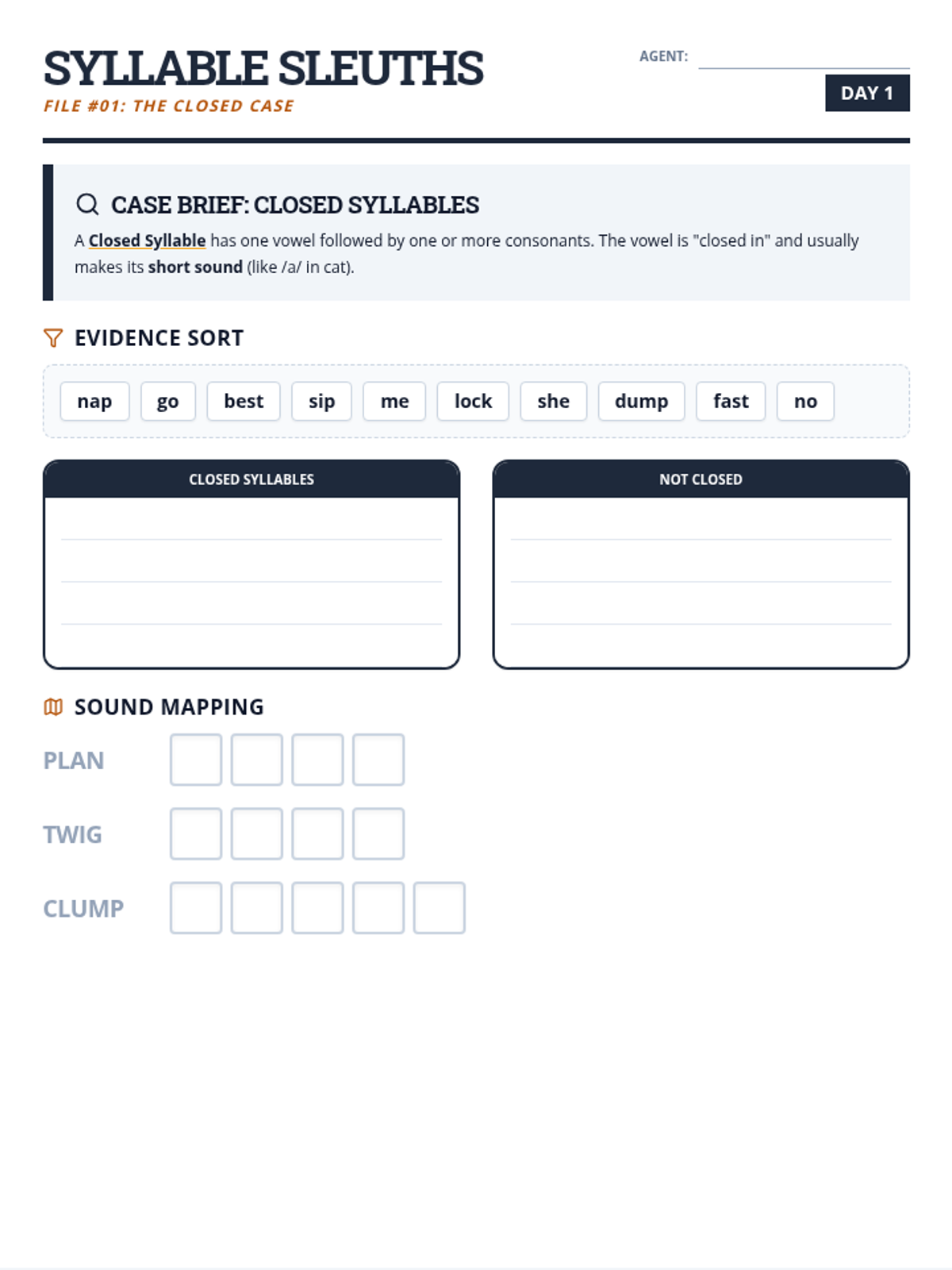
Investigation of closed syllables where a single vowel is followed by one or more consonants, resulting in a short vowel sound.