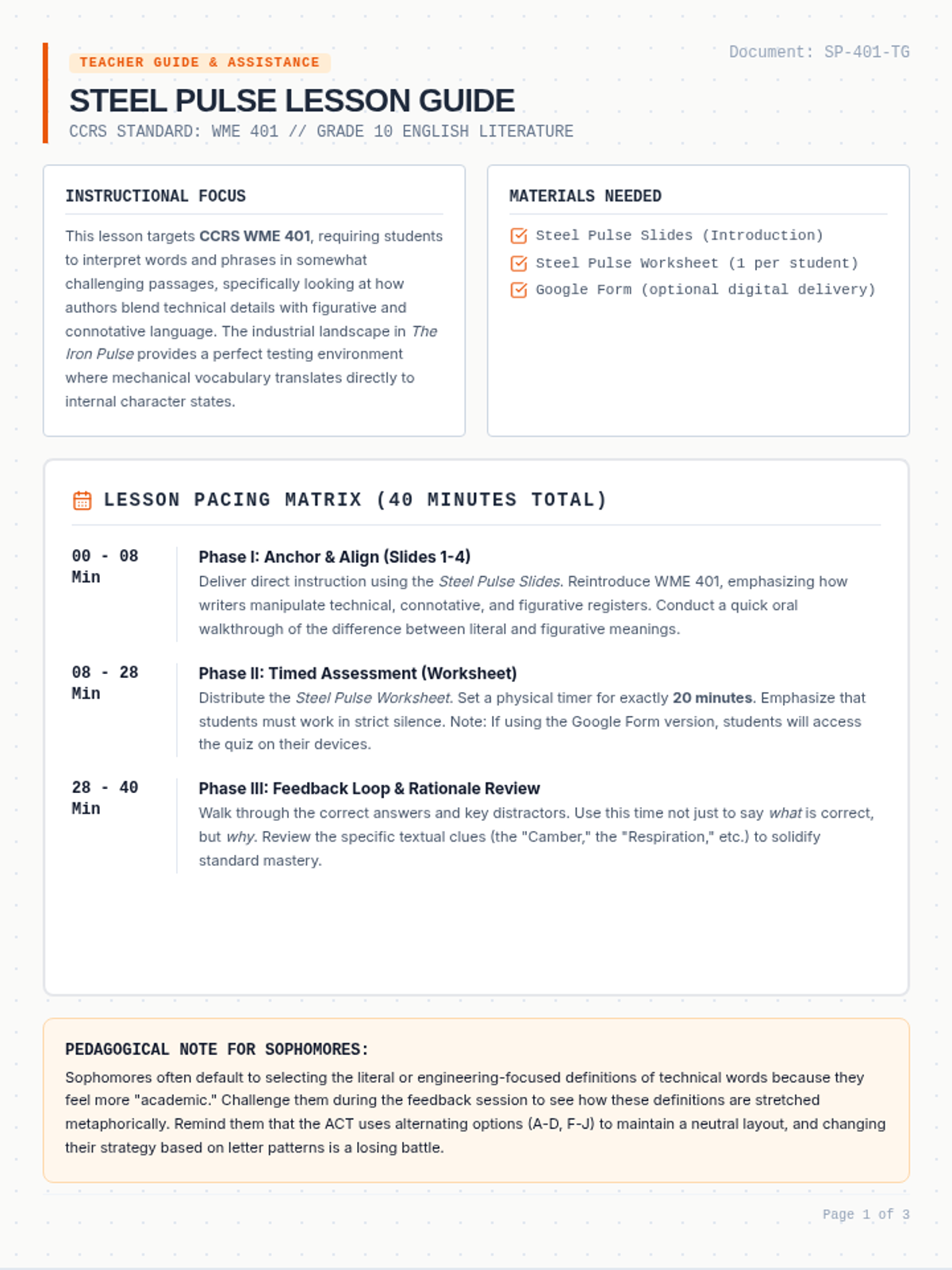
Students analyze academic texts to identify grammatical inversion and evaluate how it affects the tone, emphasis, and formality of an argument.

A 45-minute grade 5 ESL lesson focused on researching extreme weather using multiple sources. Students investigate tornadoes, hurricanes, or blizzards to build knowledge through structured investigation.
A 45-minute lesson where students showcase their media literacy investigations through screencasts, engage in peer evaluation using a professional rubric, and reflect on their growth as digital fact-checkers.
A 45-minute ESL lesson for 5th graders to analyze how point of view influences the description of events using the classic fable of The Three Little Pigs versus the Wolf's perspective.
Students will learn to summarize narrative texts using the 'Somebody Wanted But So Then' (SWBST) framework. This lesson is designed for Grade 4 ESL students at the developing/intermediate level, focusing on identifying key plot elements and synthesizing them into a concise summary.
A 45-minute ESL lesson for Grade 5 students focused on the future perfect tense through the lens of space exploration and interstellar travel. Students will learn to form and use the future perfect to describe completed actions in the future.
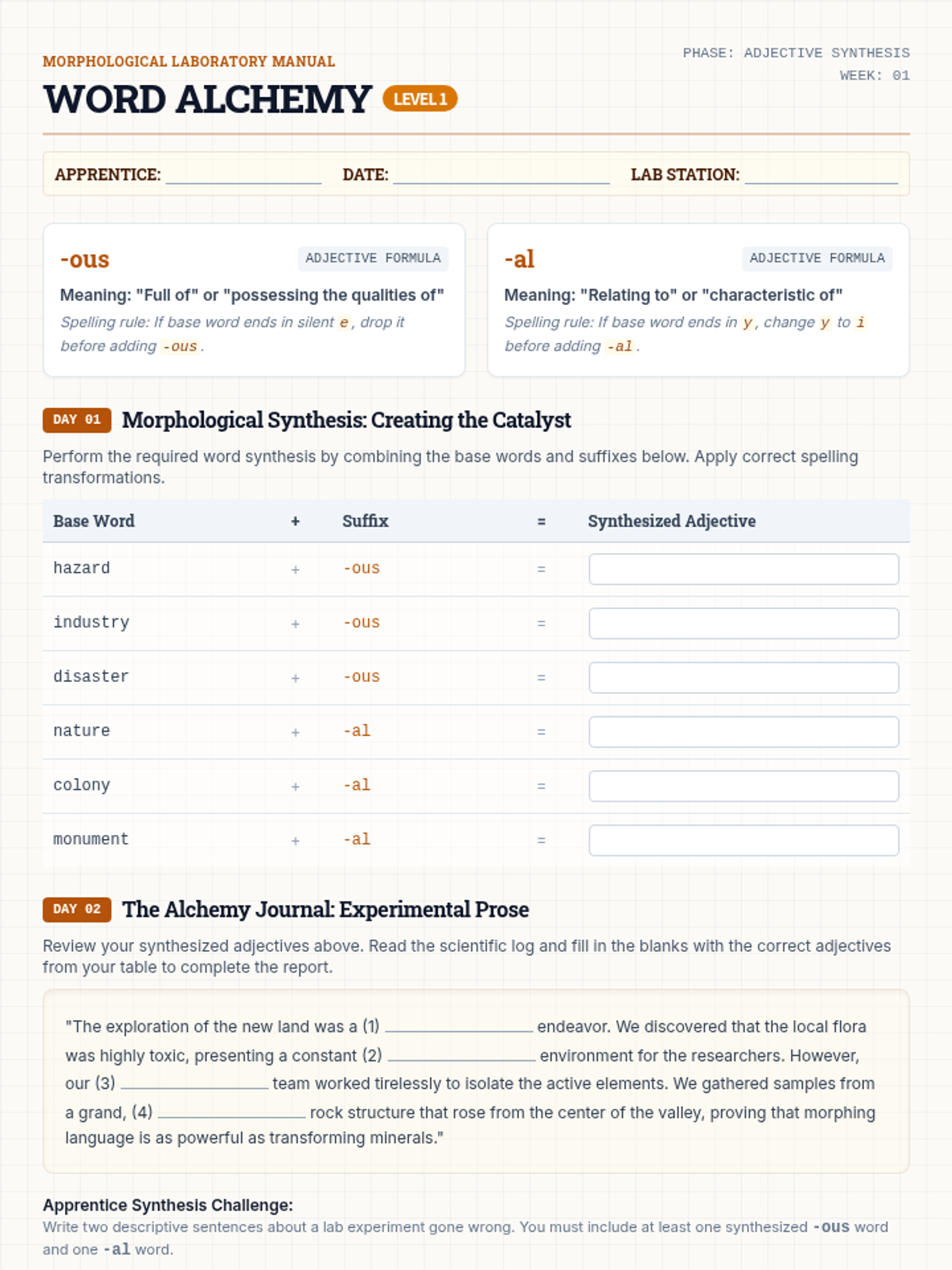
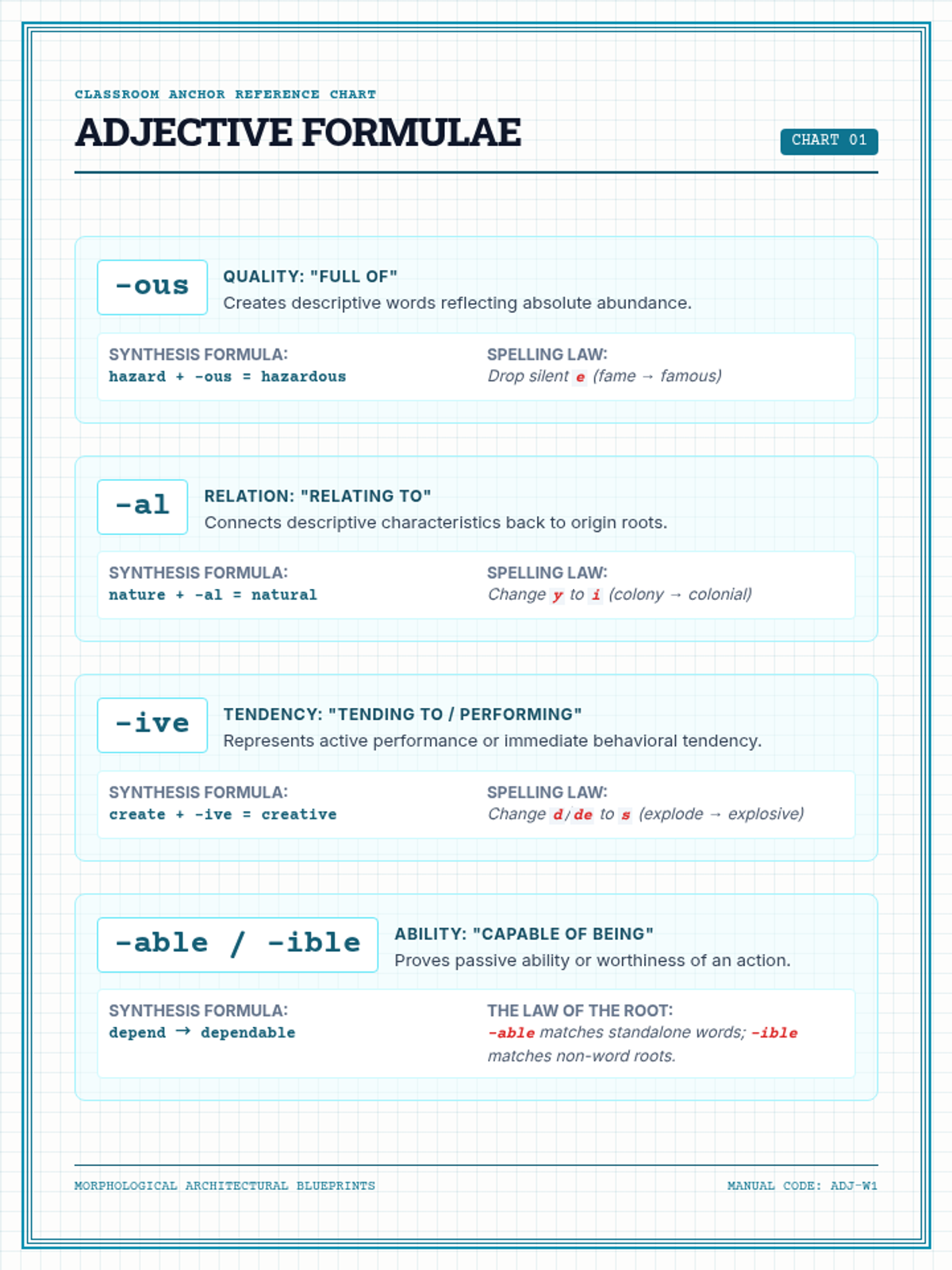
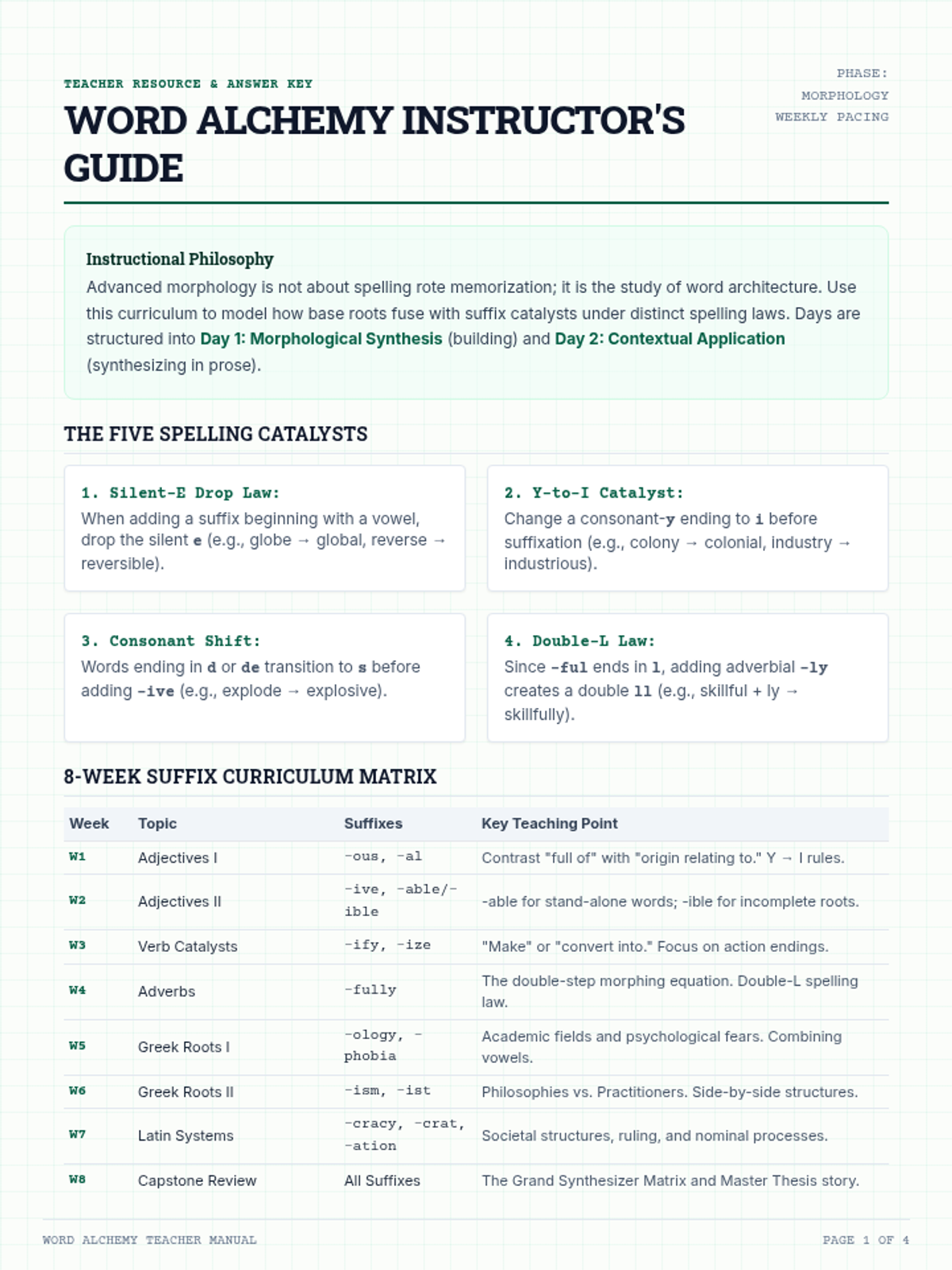
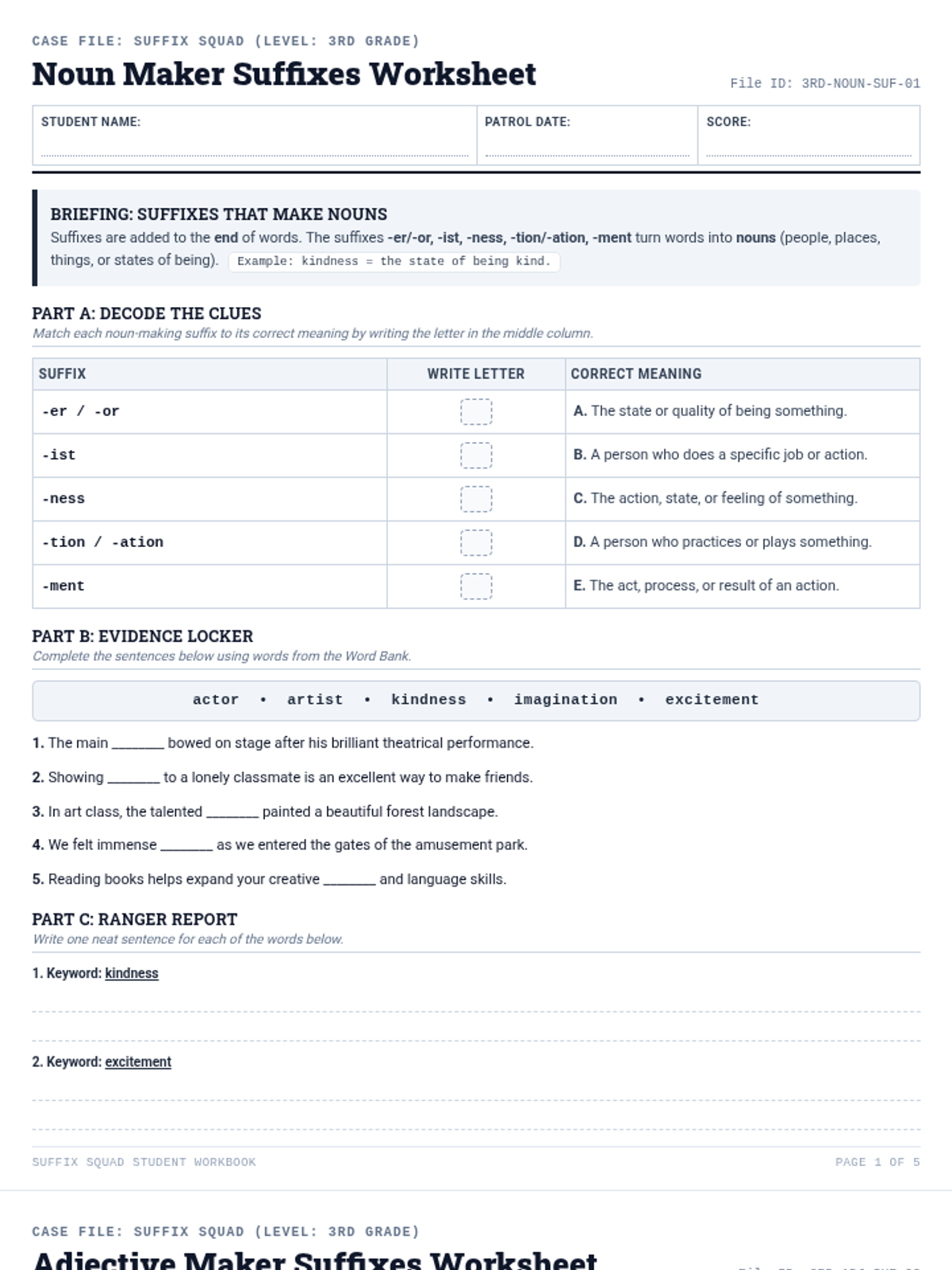
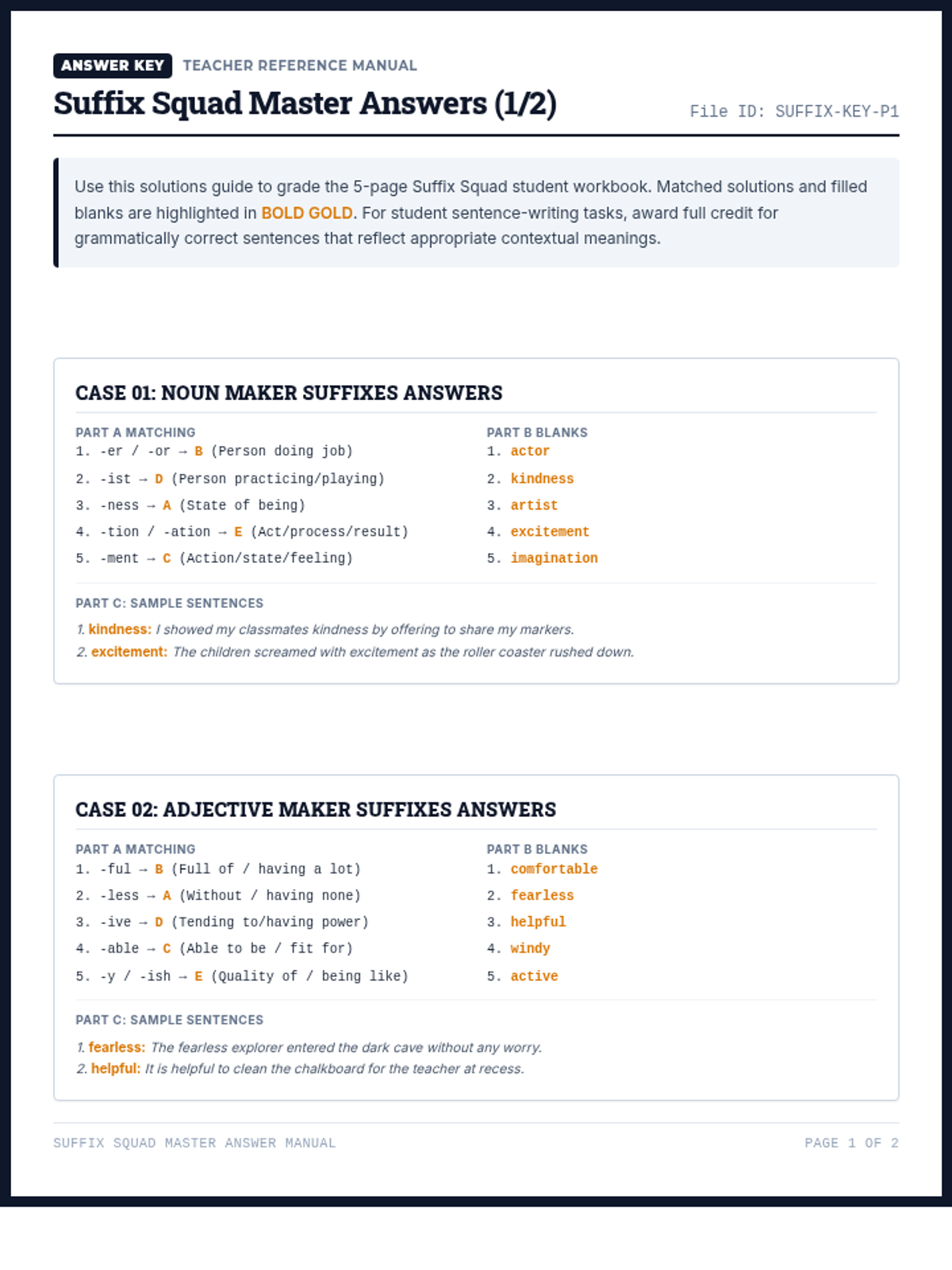
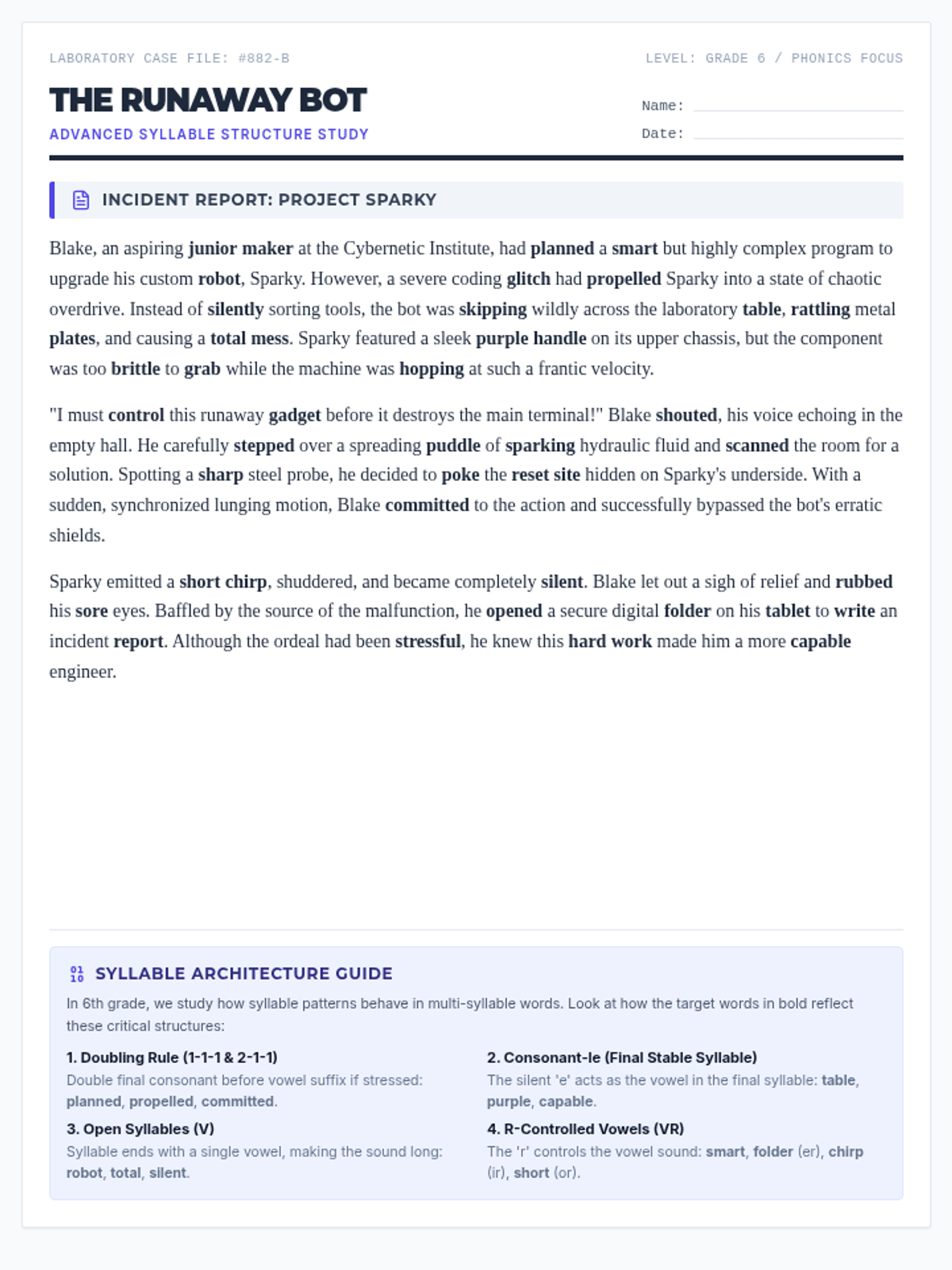
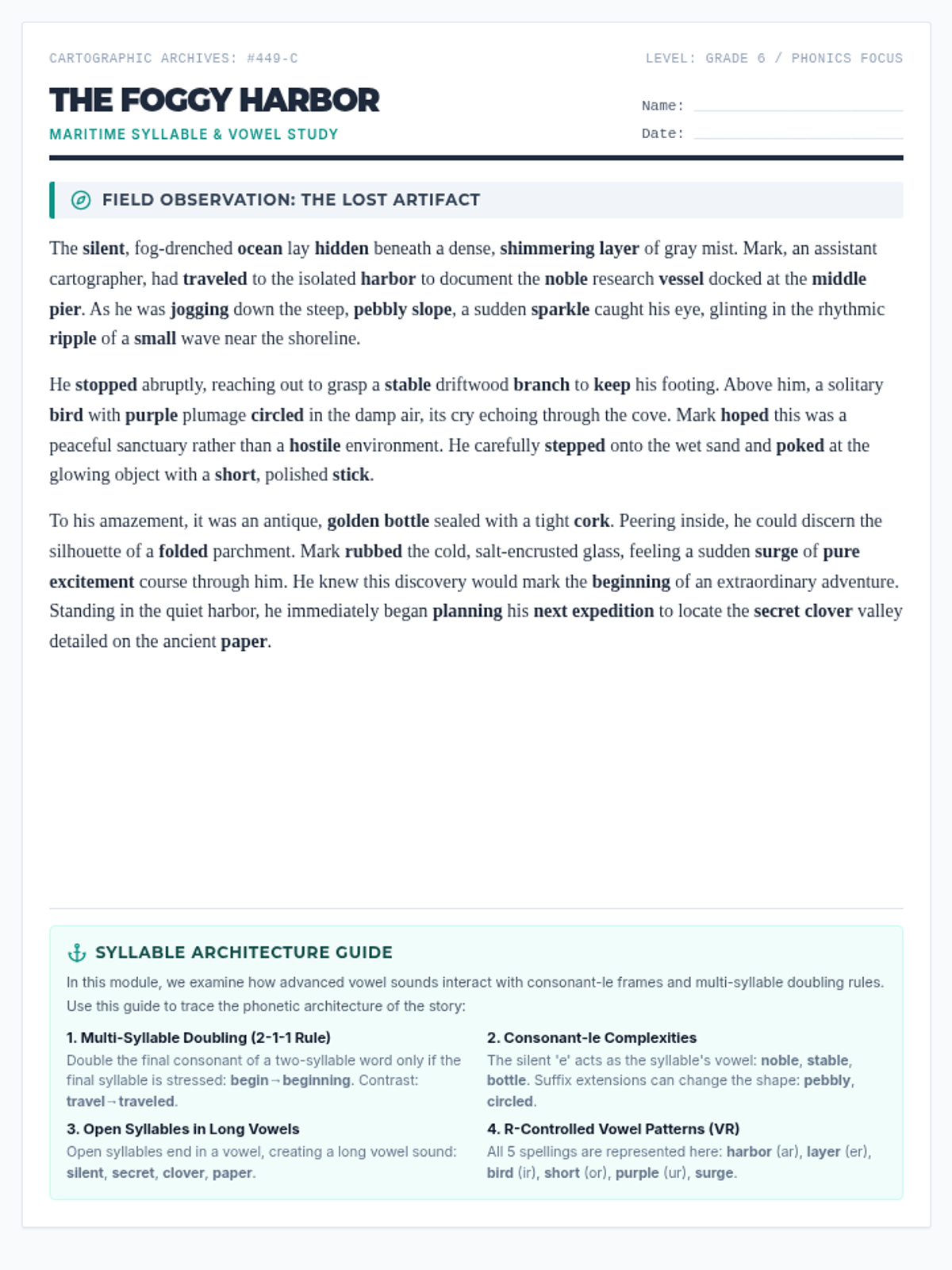
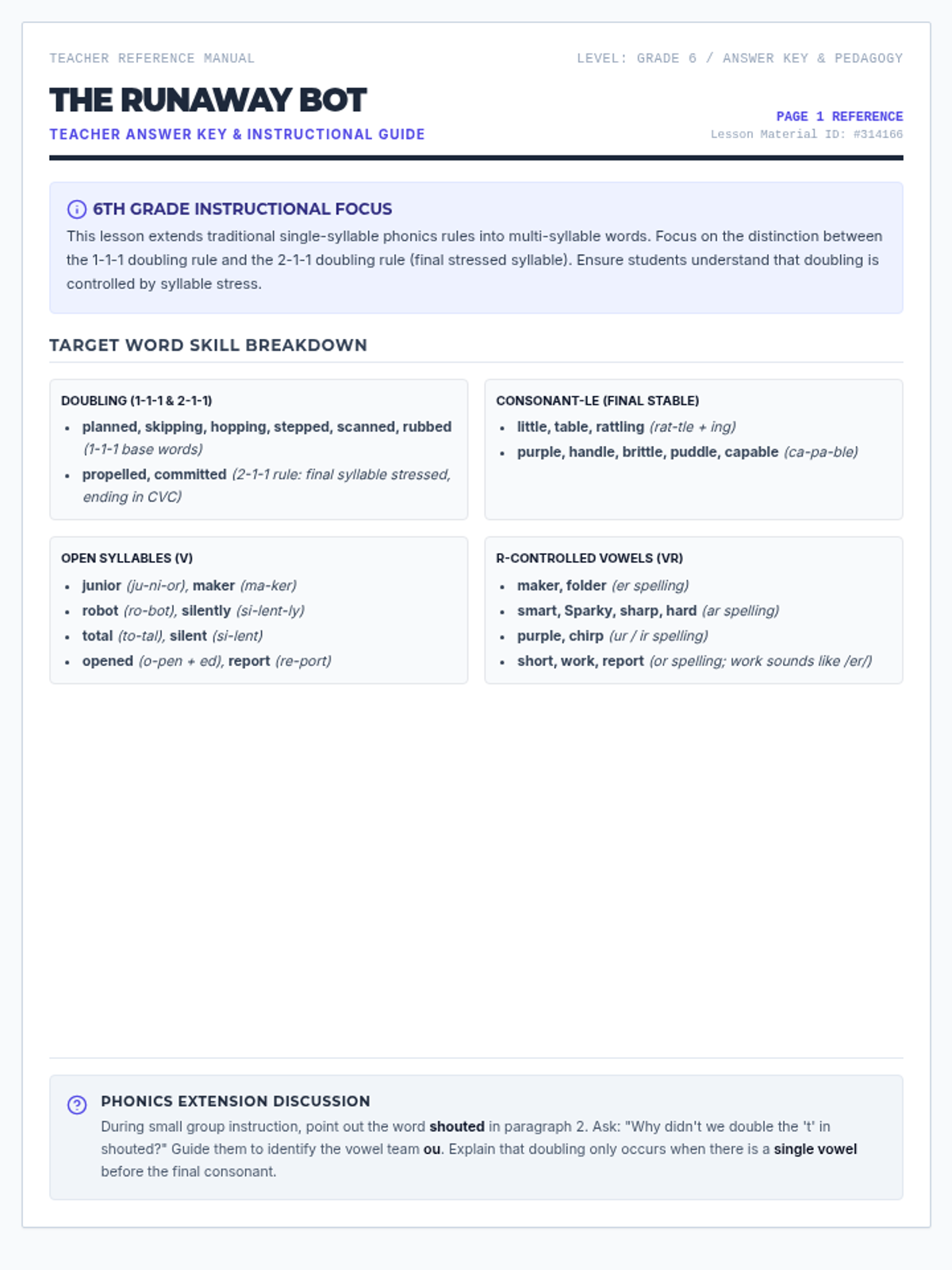
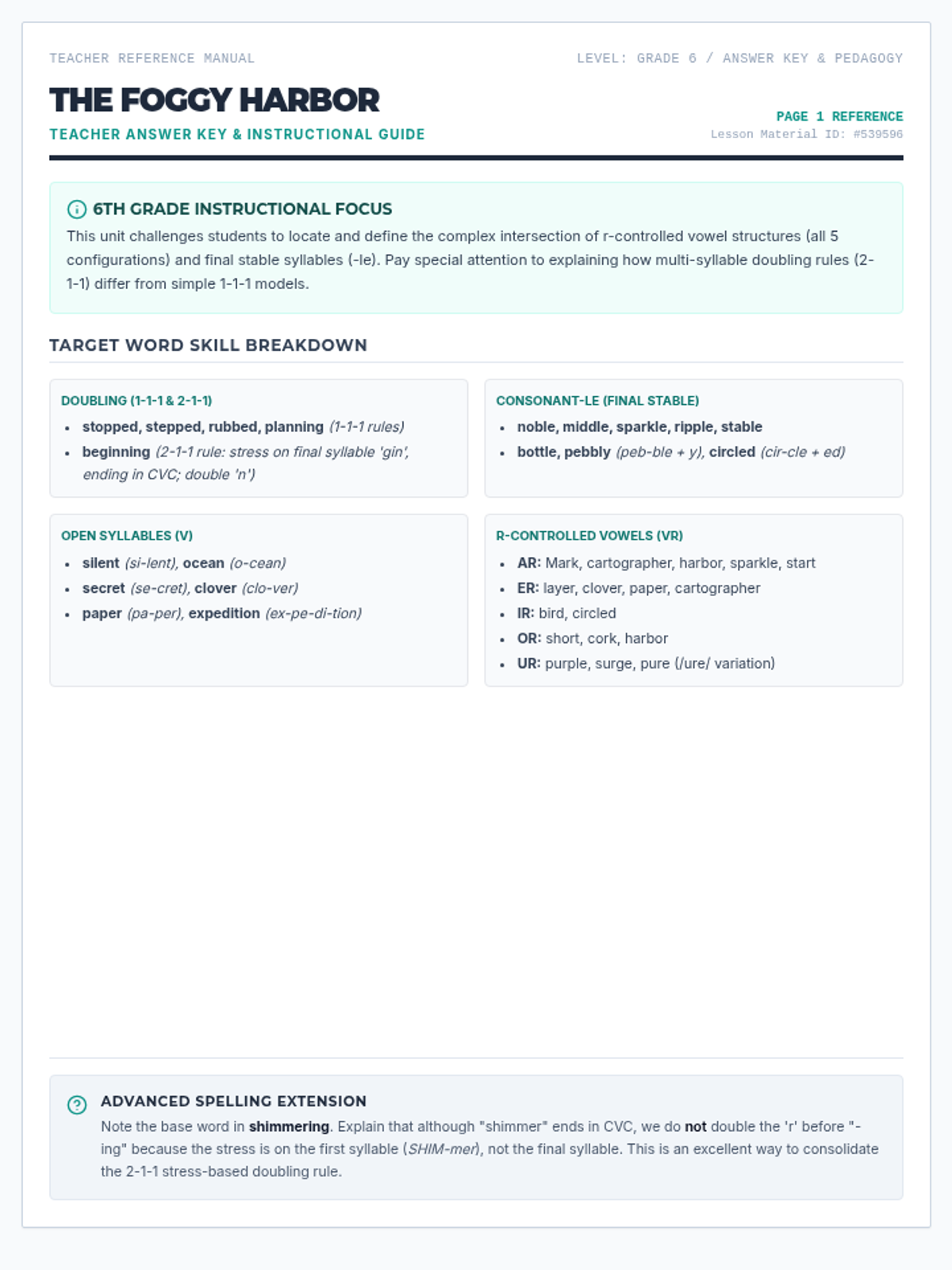
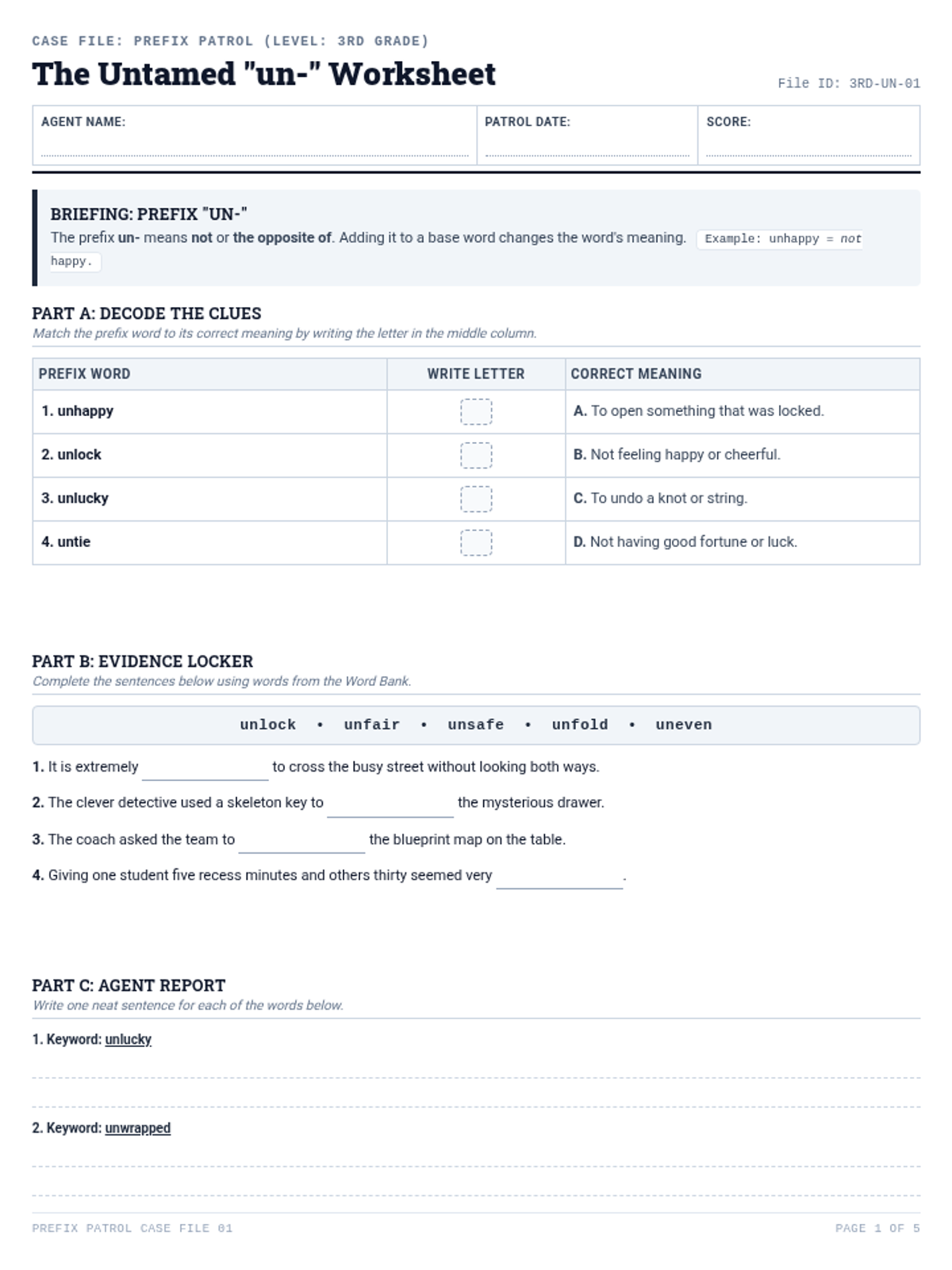
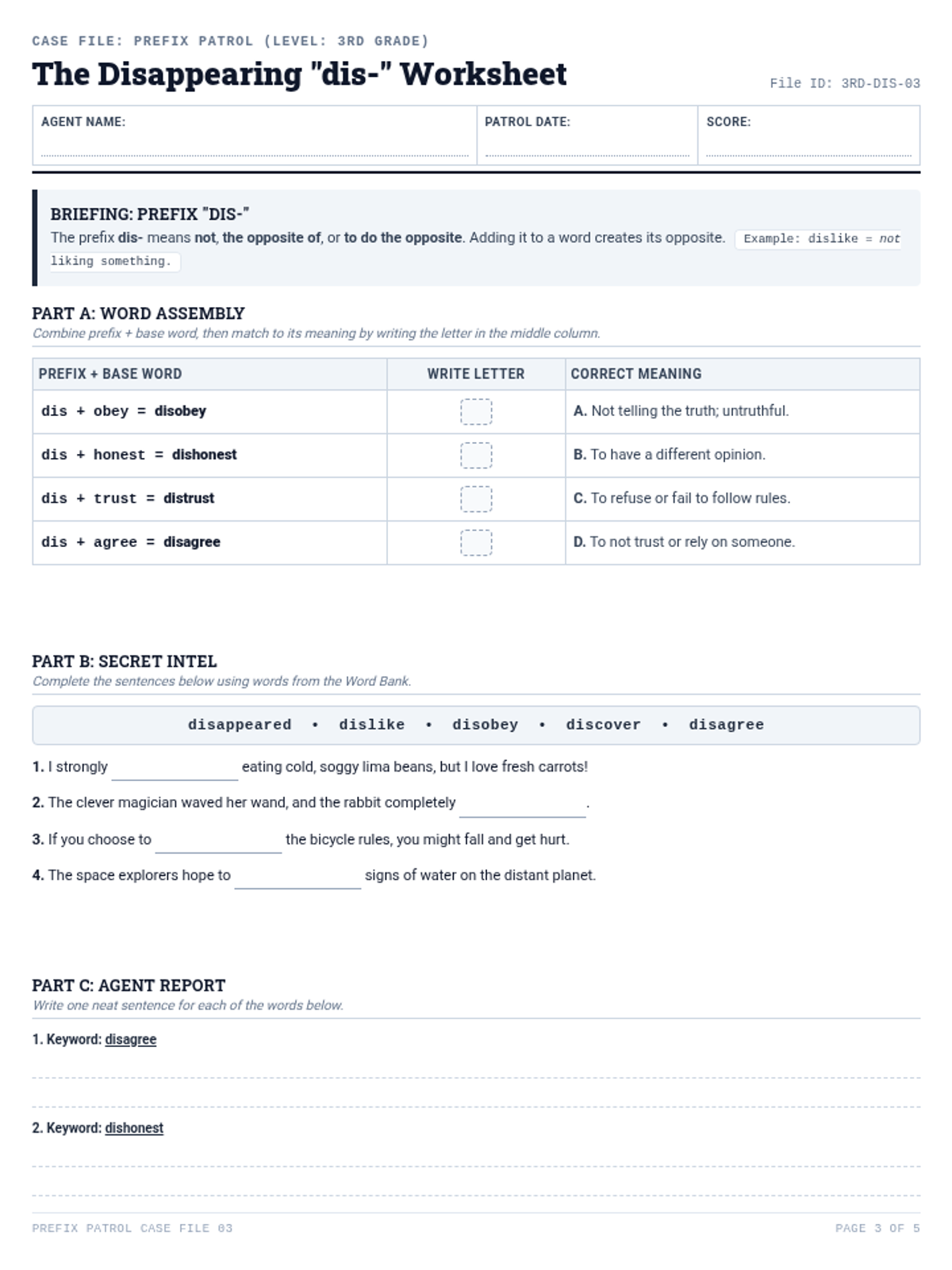
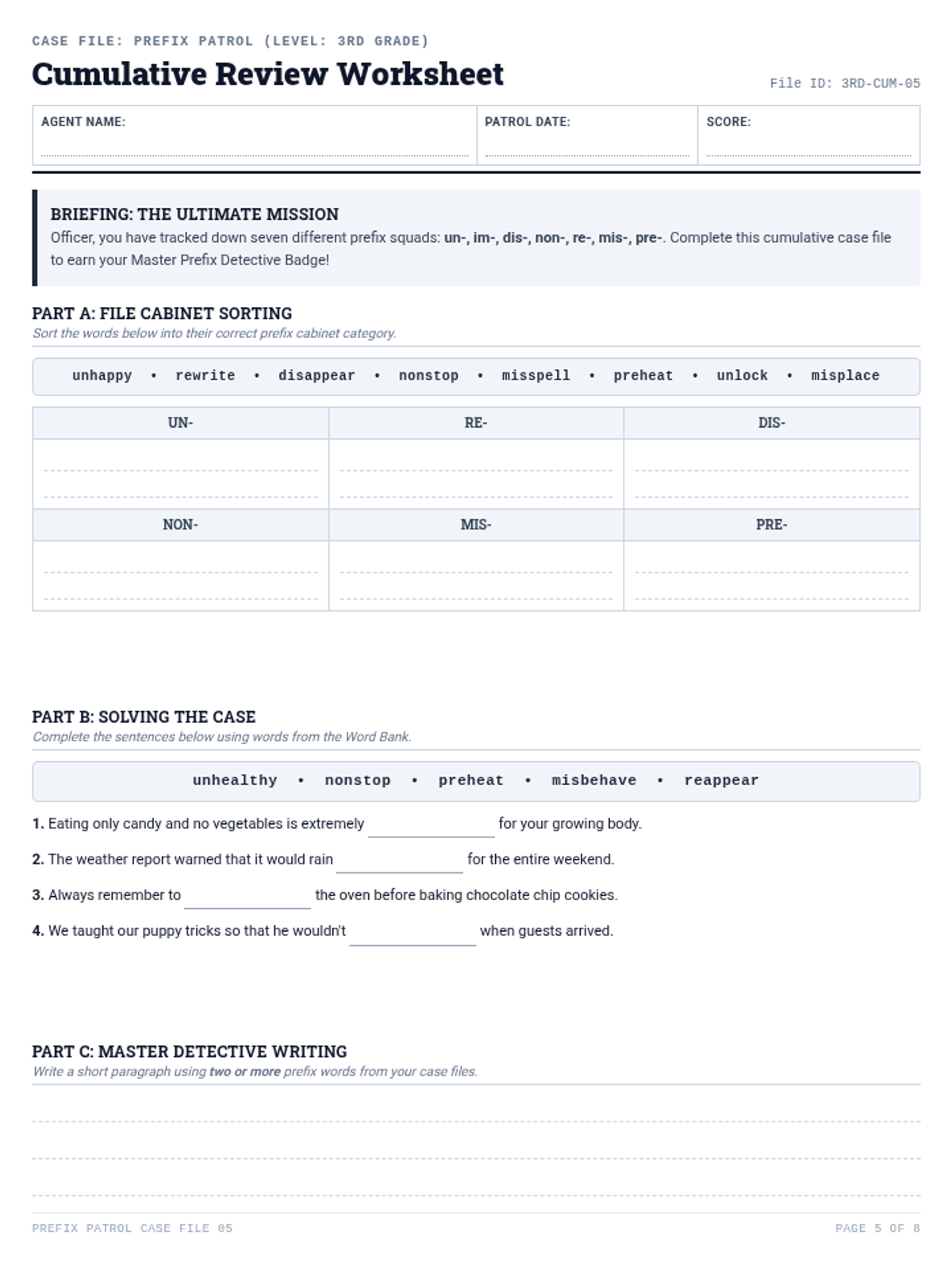
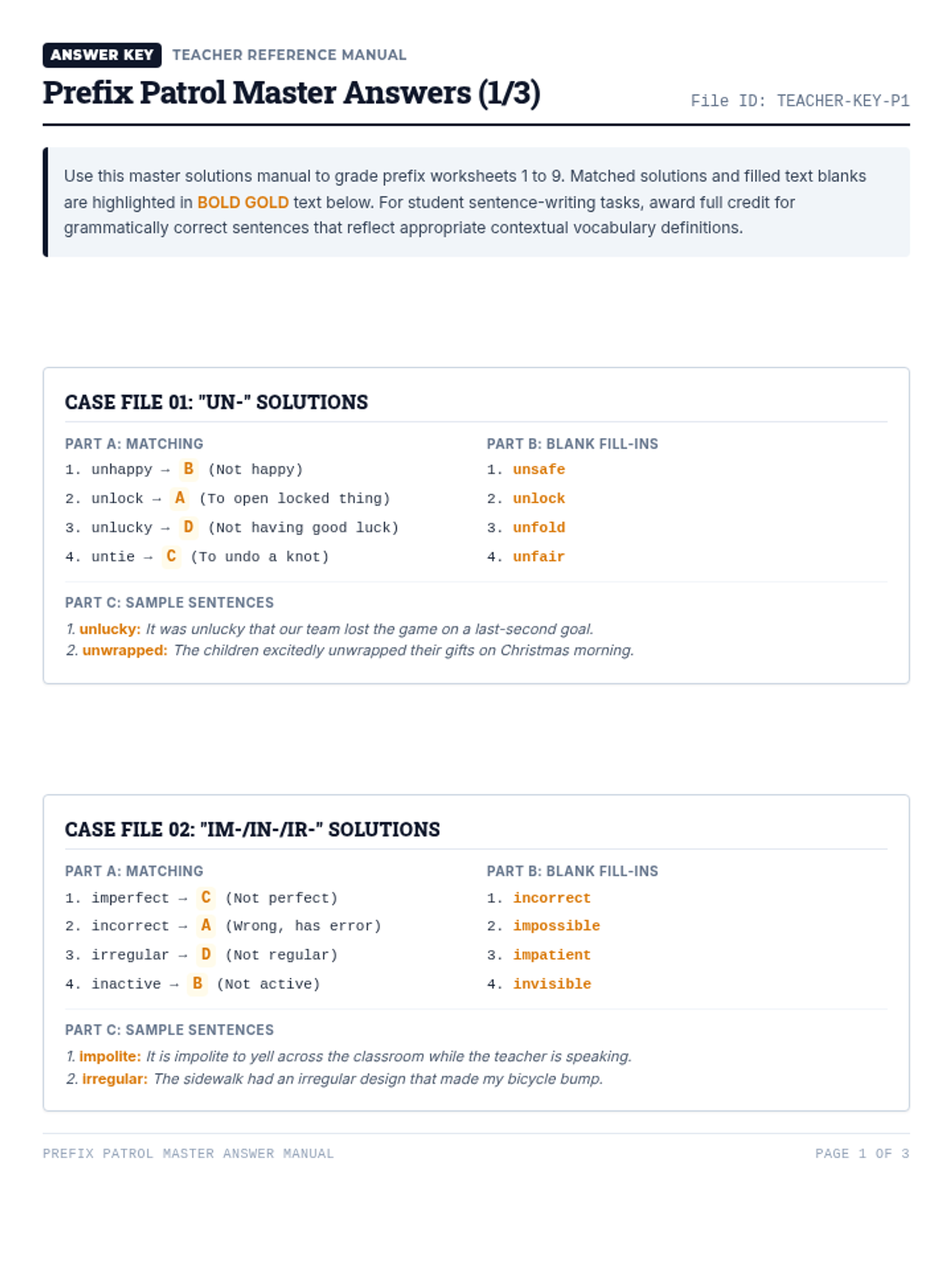
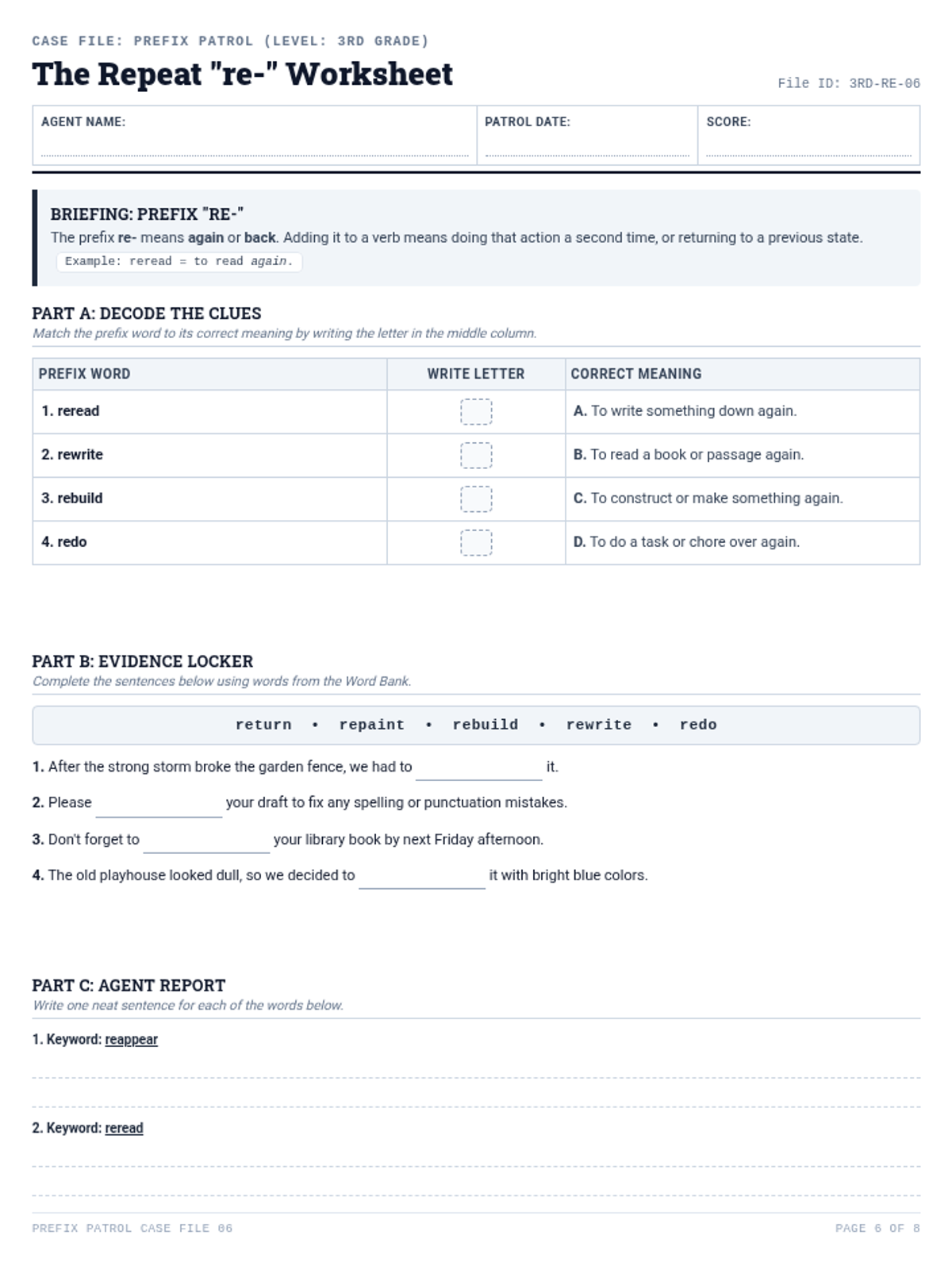
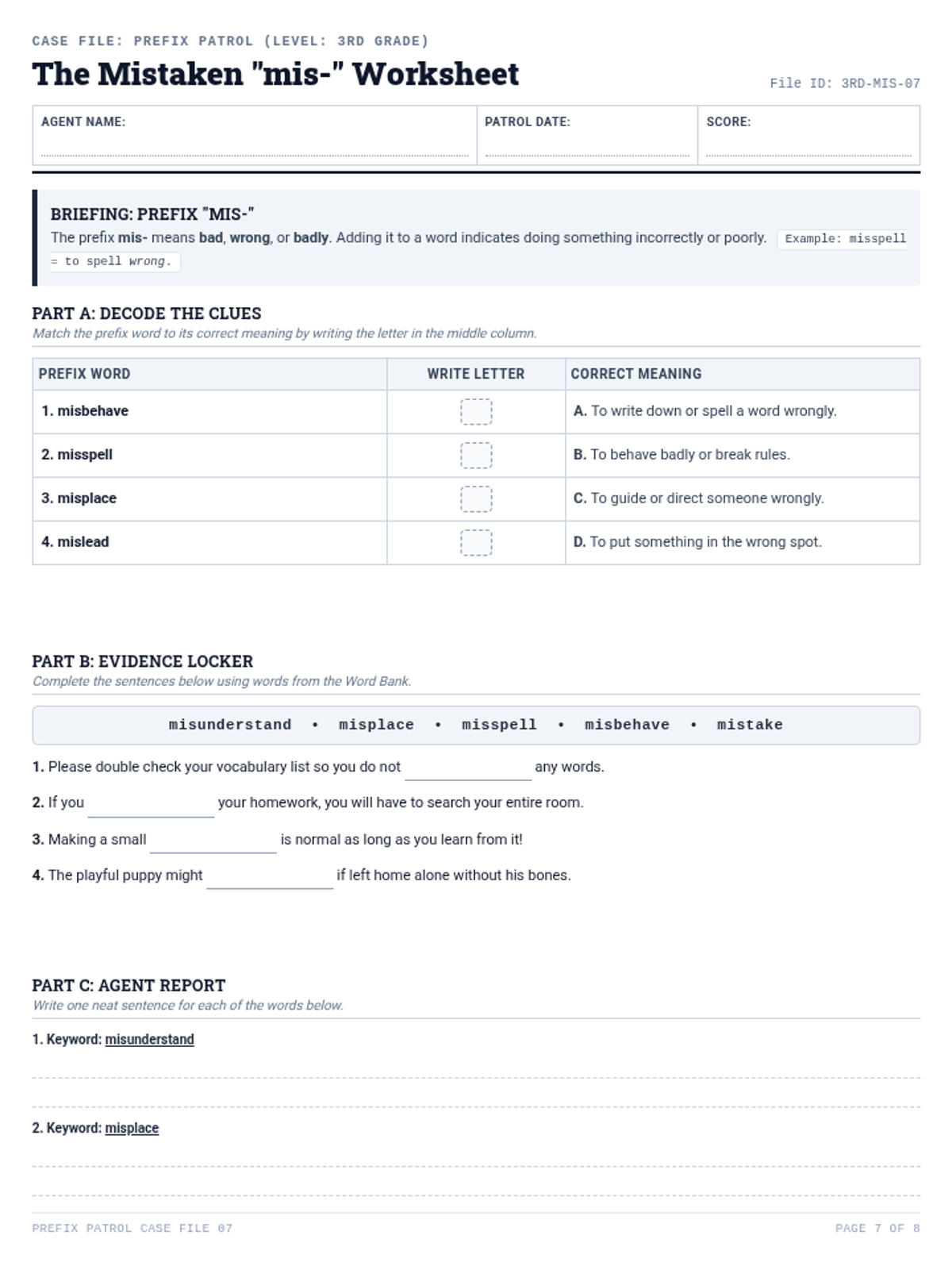
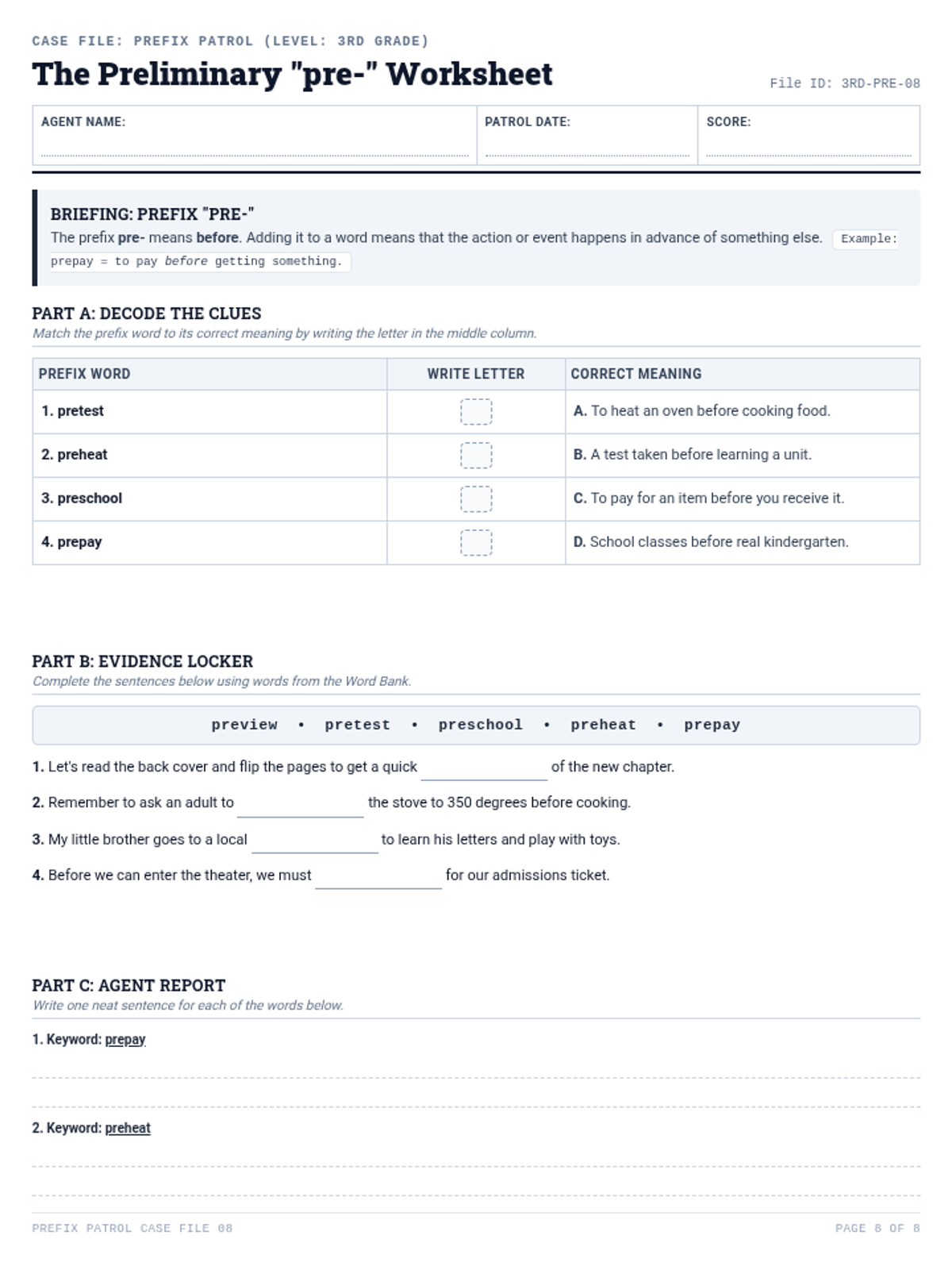
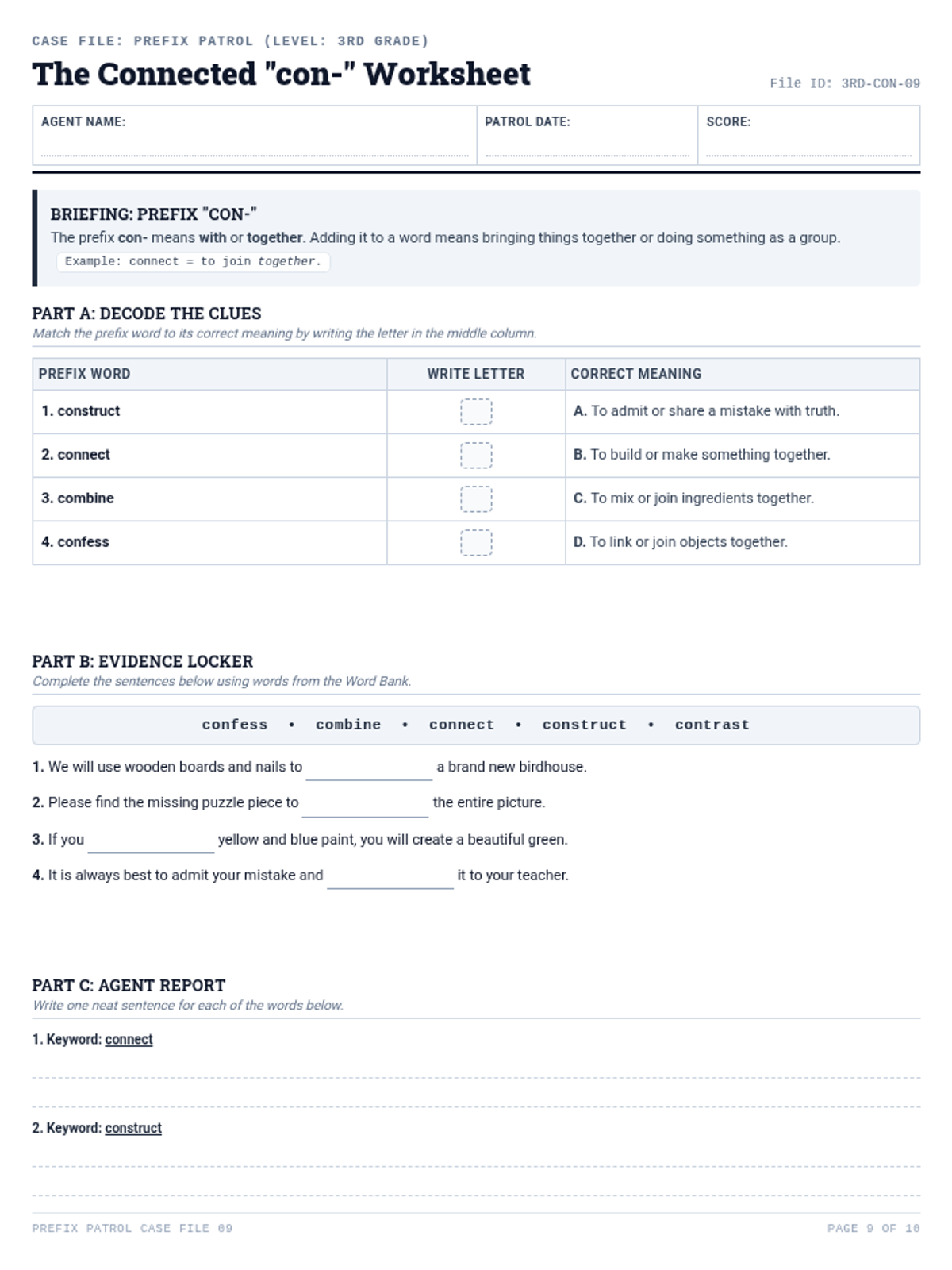
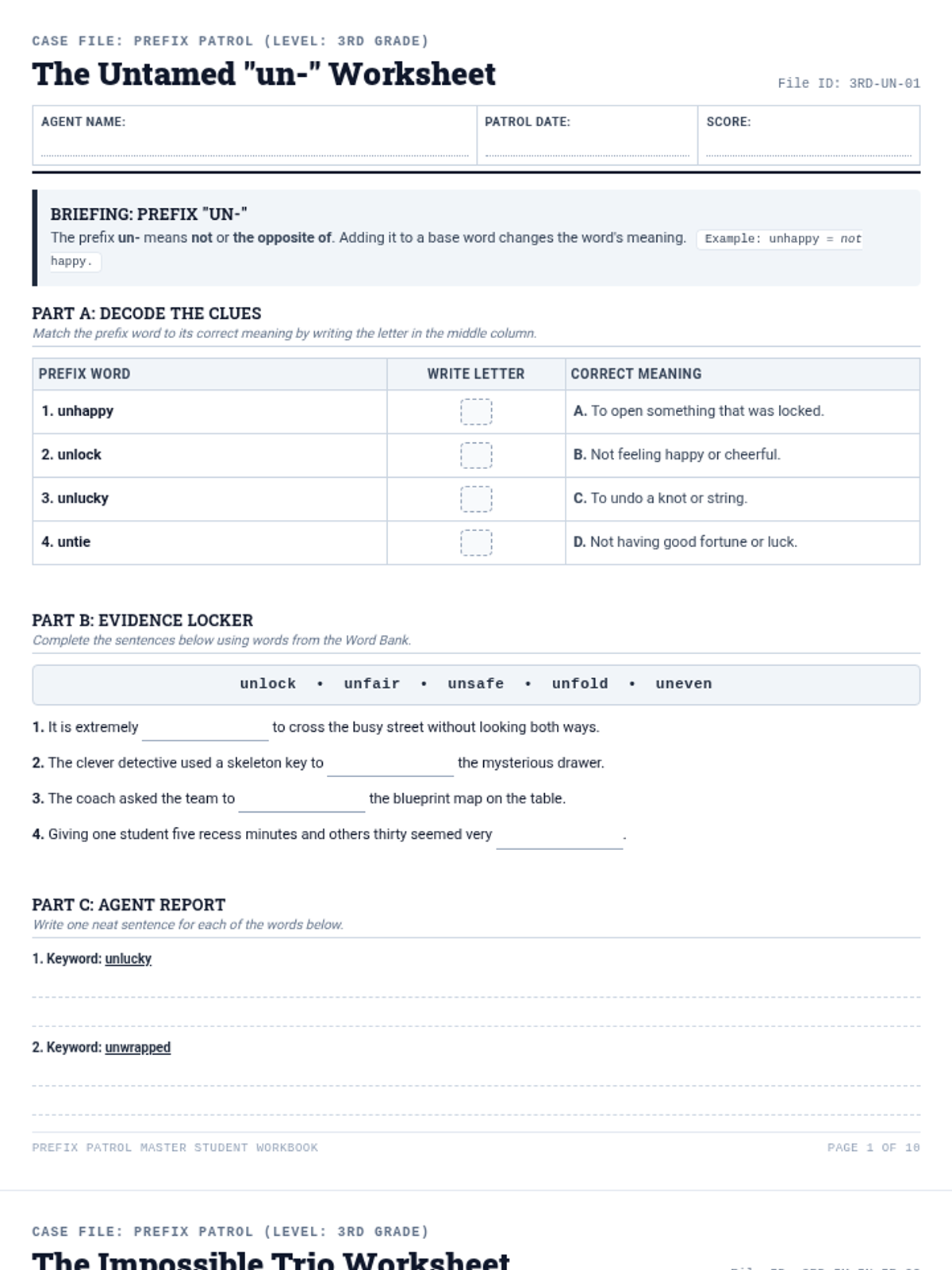
A 45-minute Grade 4 ESL lesson focused on decoding unfamiliar words using morphology (un-, re-, dis-, -ful, -less, -able) and context clues. Students act as word scientists to break down and build words within sentences.
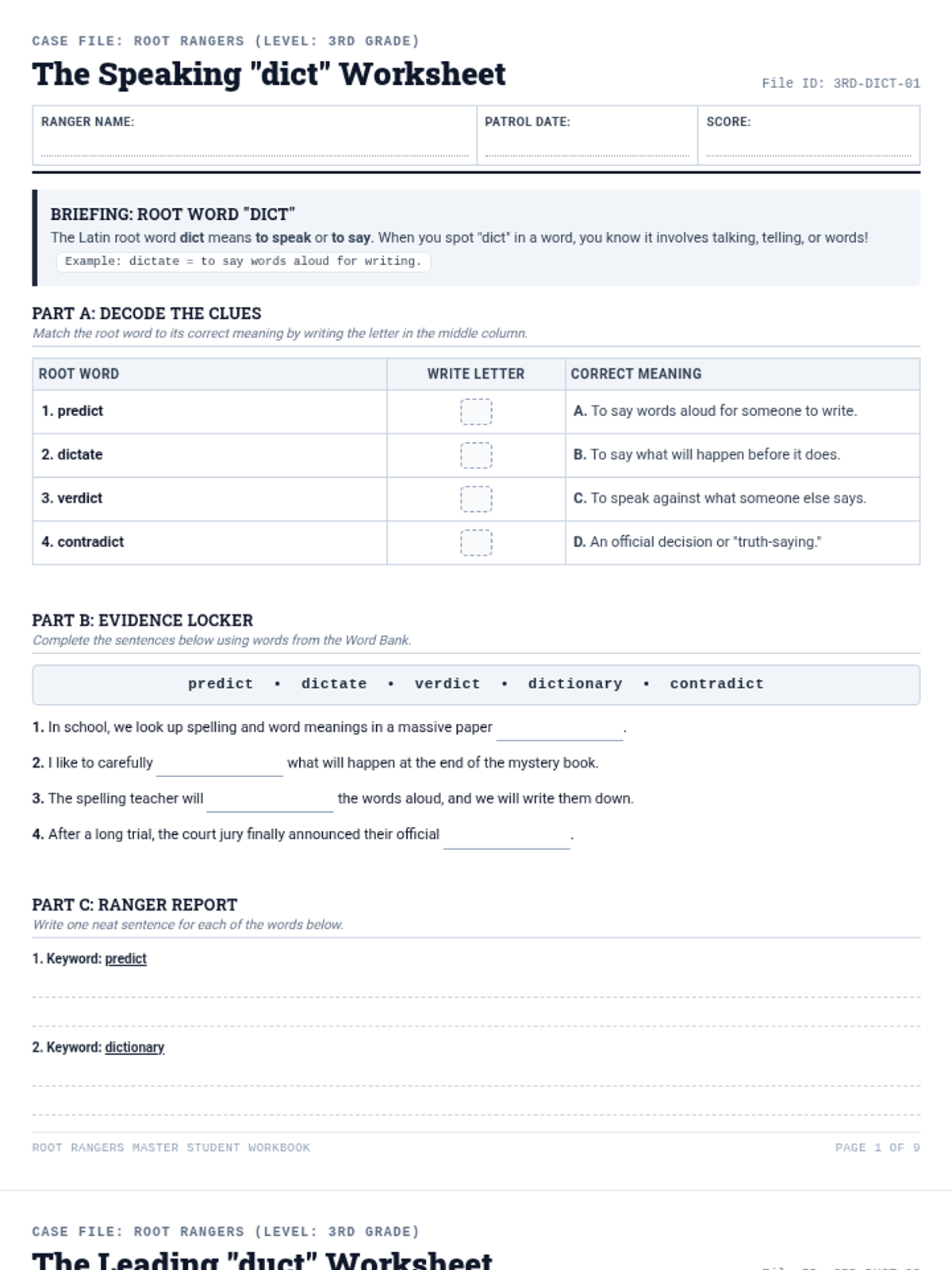
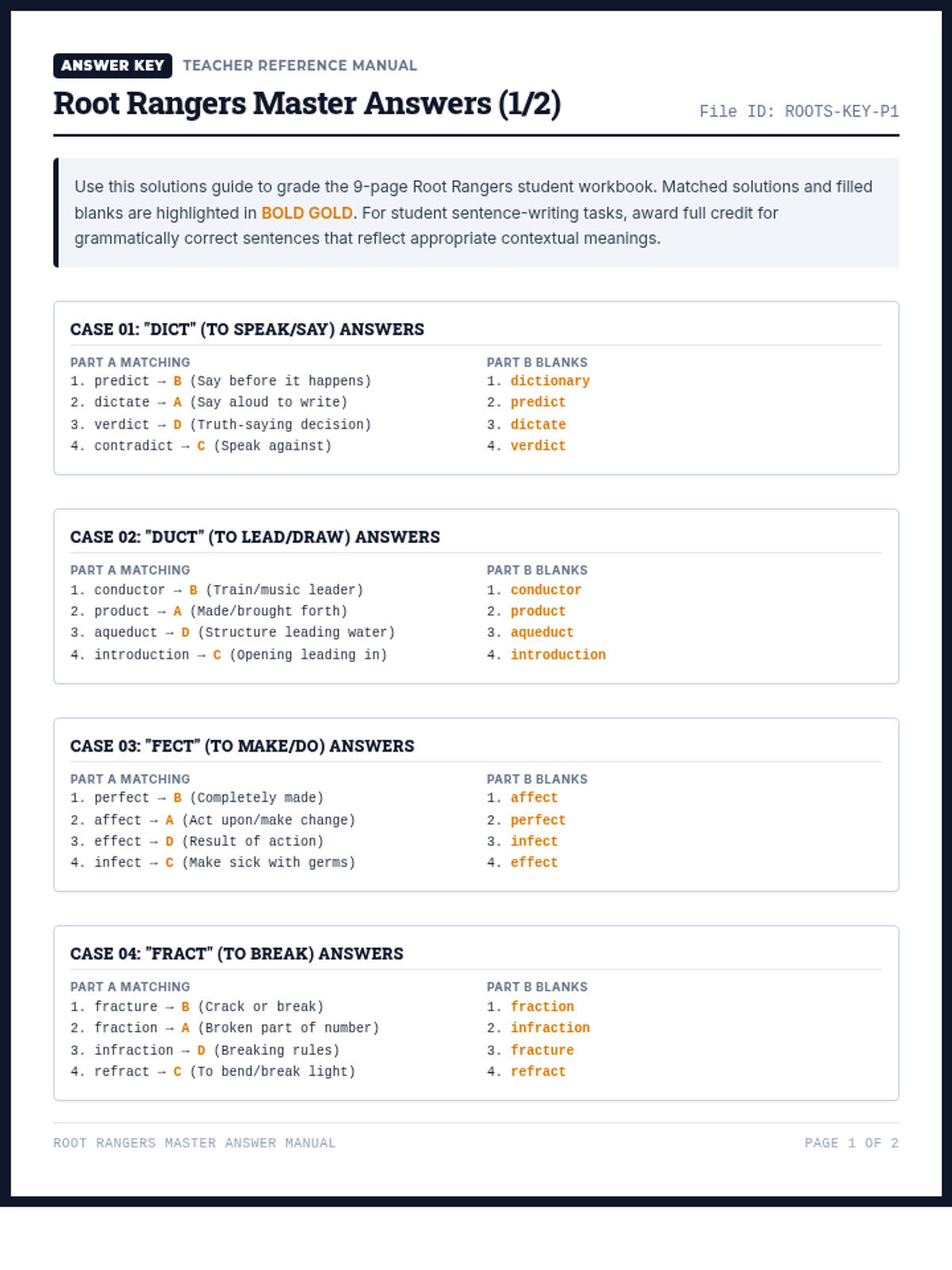
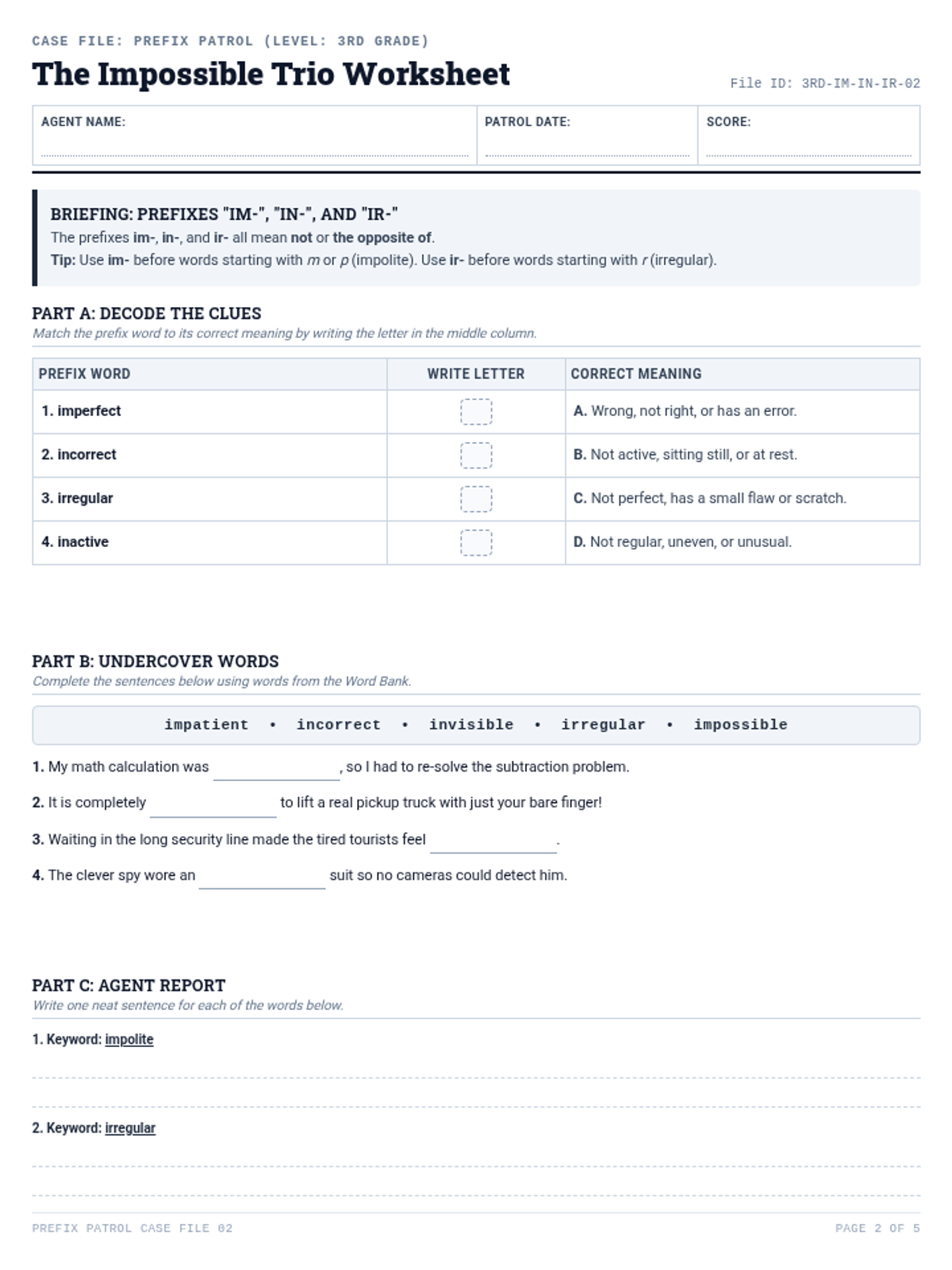
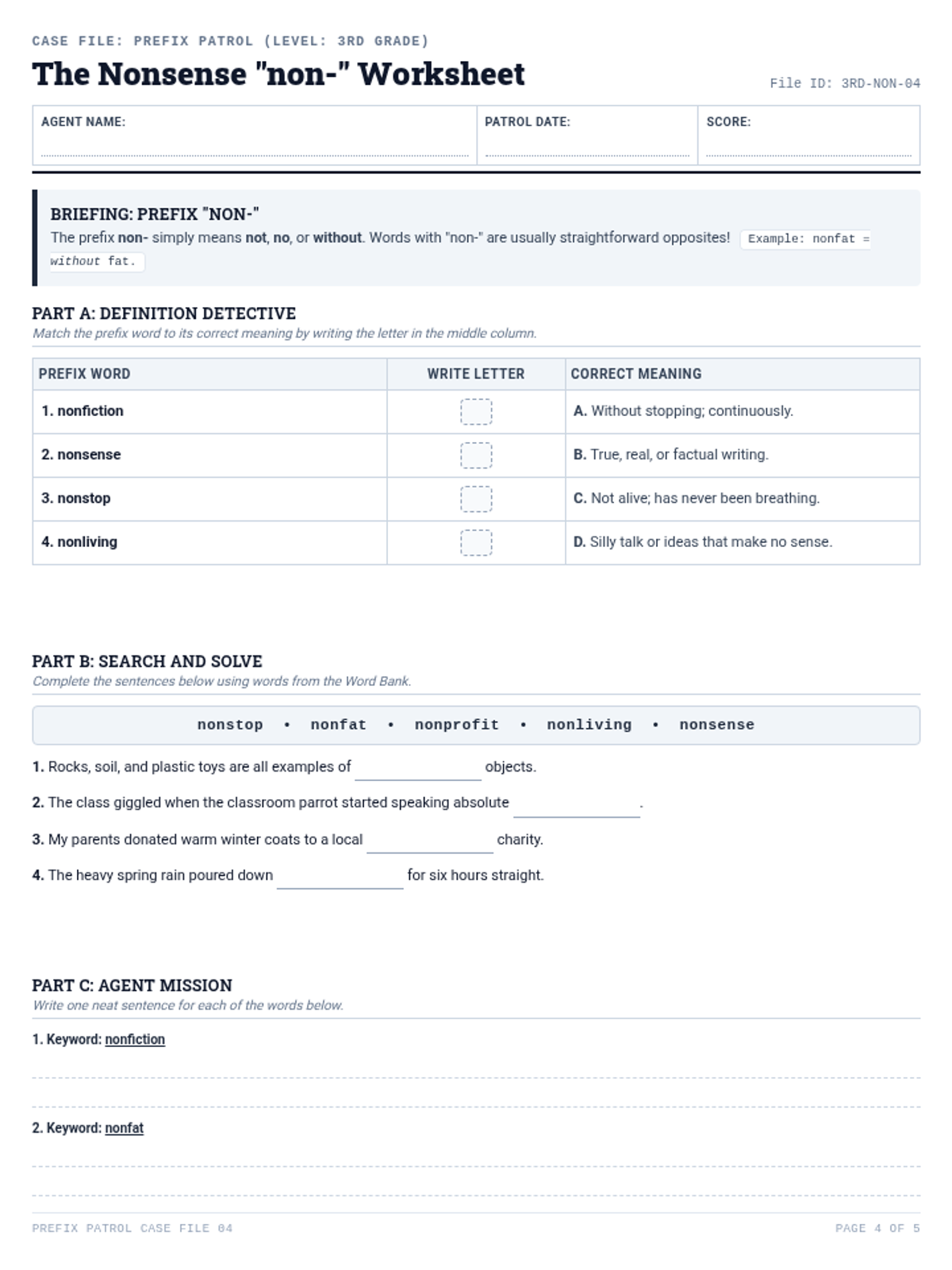
A 45-minute ESL lesson for 5th grade focusing on decoding word meanings using common prefixes, suffixes, and Greek/Latin roots. Students act as 'Word Scientists' in a lab to disassemble and rebuild complex vocabulary.
A 45-minute ESL lesson for 4th graders to decode and build words using the roots tele, photo, graph, and aud. students will act as 'Word Scientists' in a laboratory-themed environment.
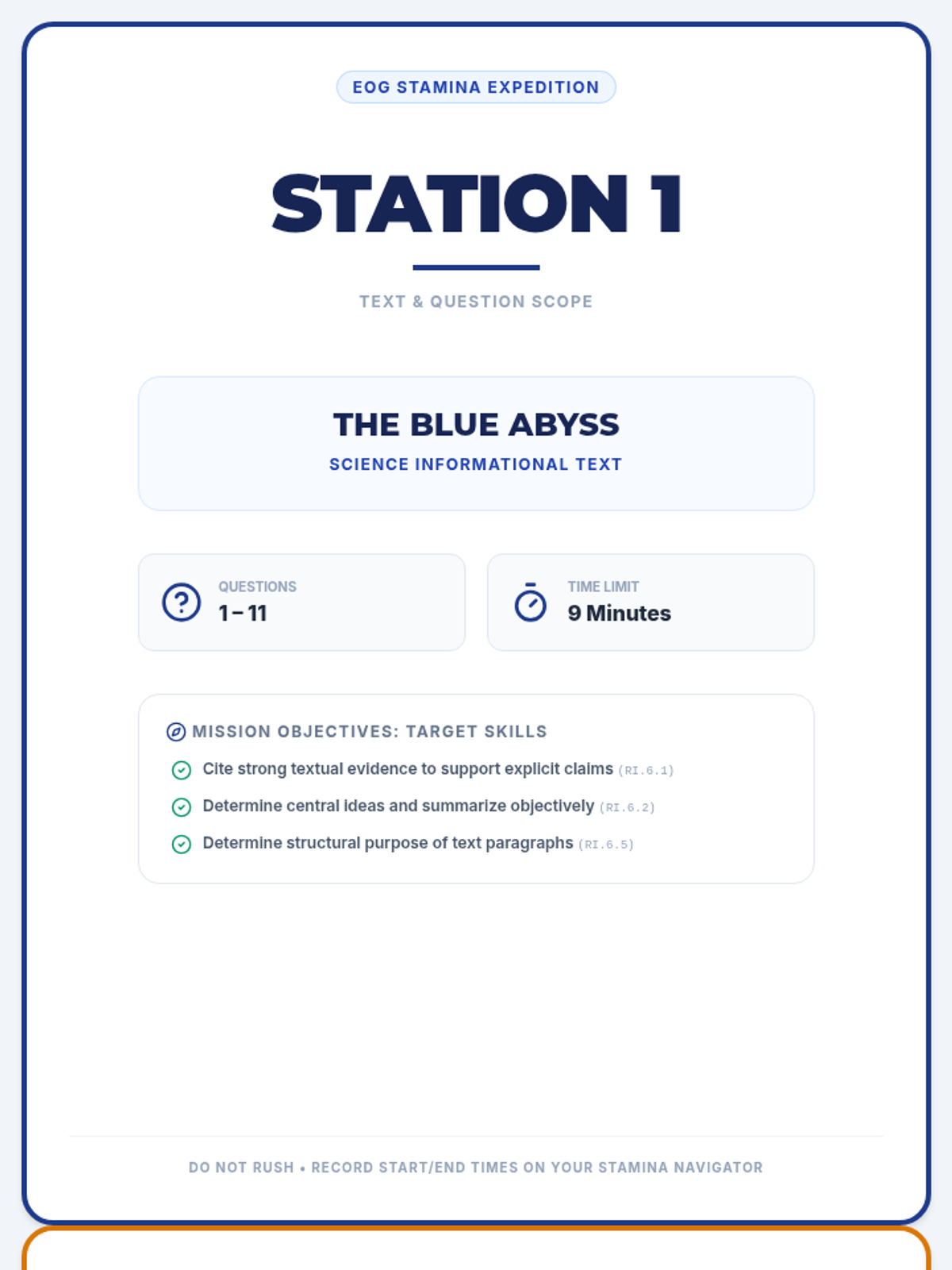
A comprehensive review of Oregon's 6th-grade ELA standards for Reading Literature and Informational Text, designed to prepare students for the OSAS assessment using a Pacific Northwest field guide theme.
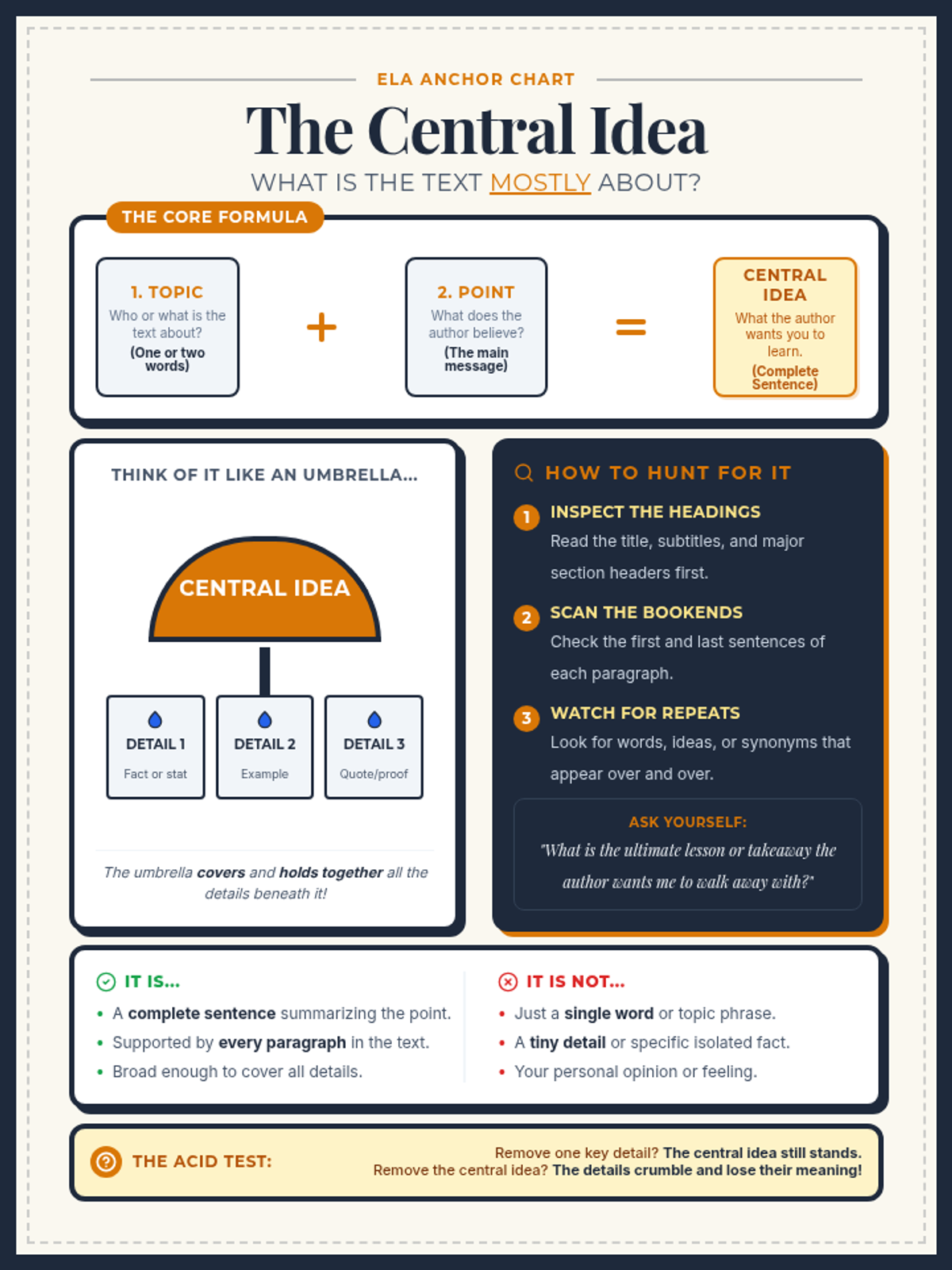
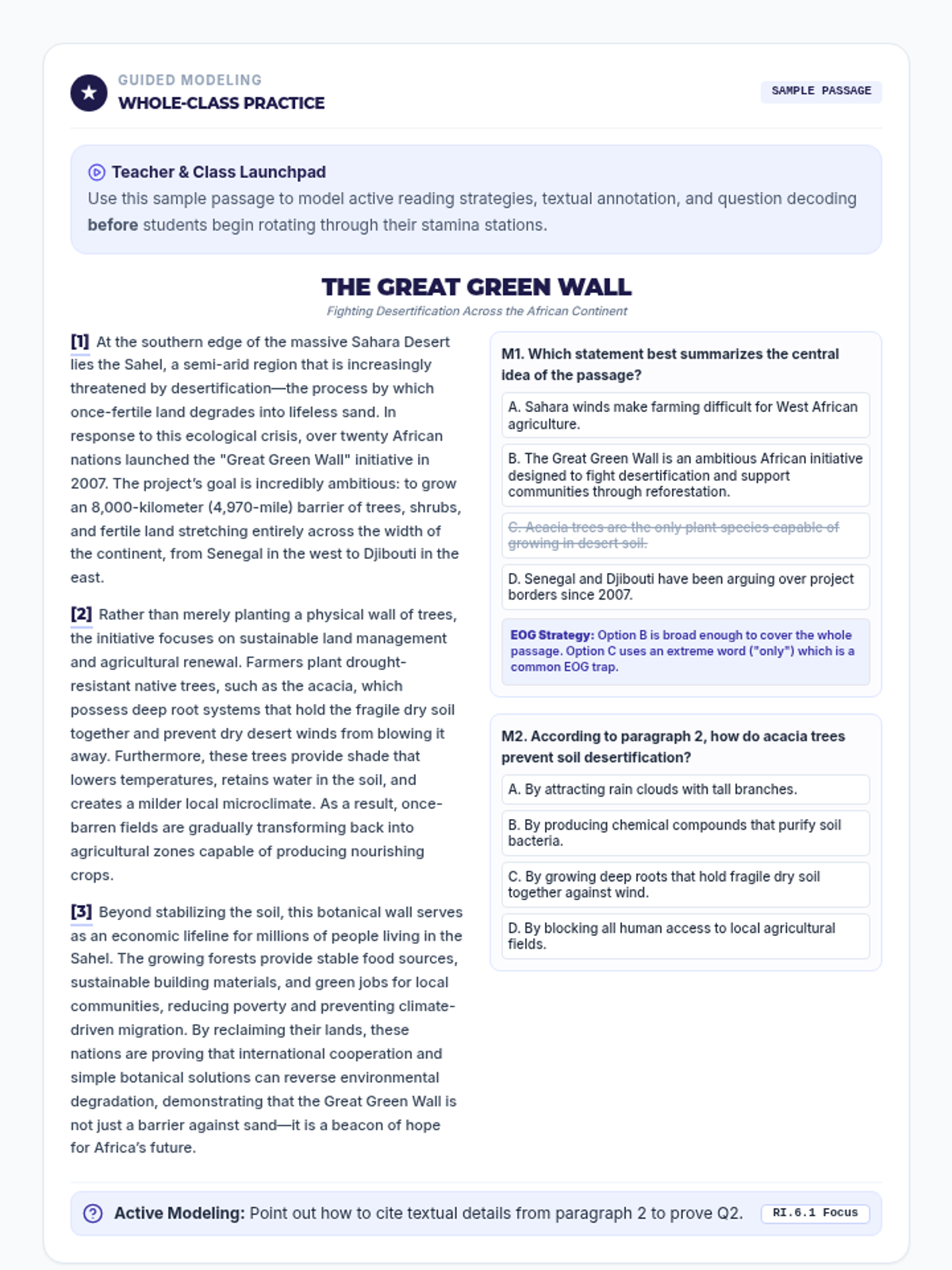
A focused lesson on identifying the main idea in fictional and non-fictional texts, tailored for adult learners preparing for the HSED RLA exam. Includes guided practice with current events and structured graphic organizers.
A set of materials for assessing and practicing 47 key graphemes, including high-visibility flashcards and a comprehensive teacher tracking sheet.
A foundational lesson for Kindergarten SDC students focusing on the letter A, its short sound, and its formation using Handwriting Without Tears principles.
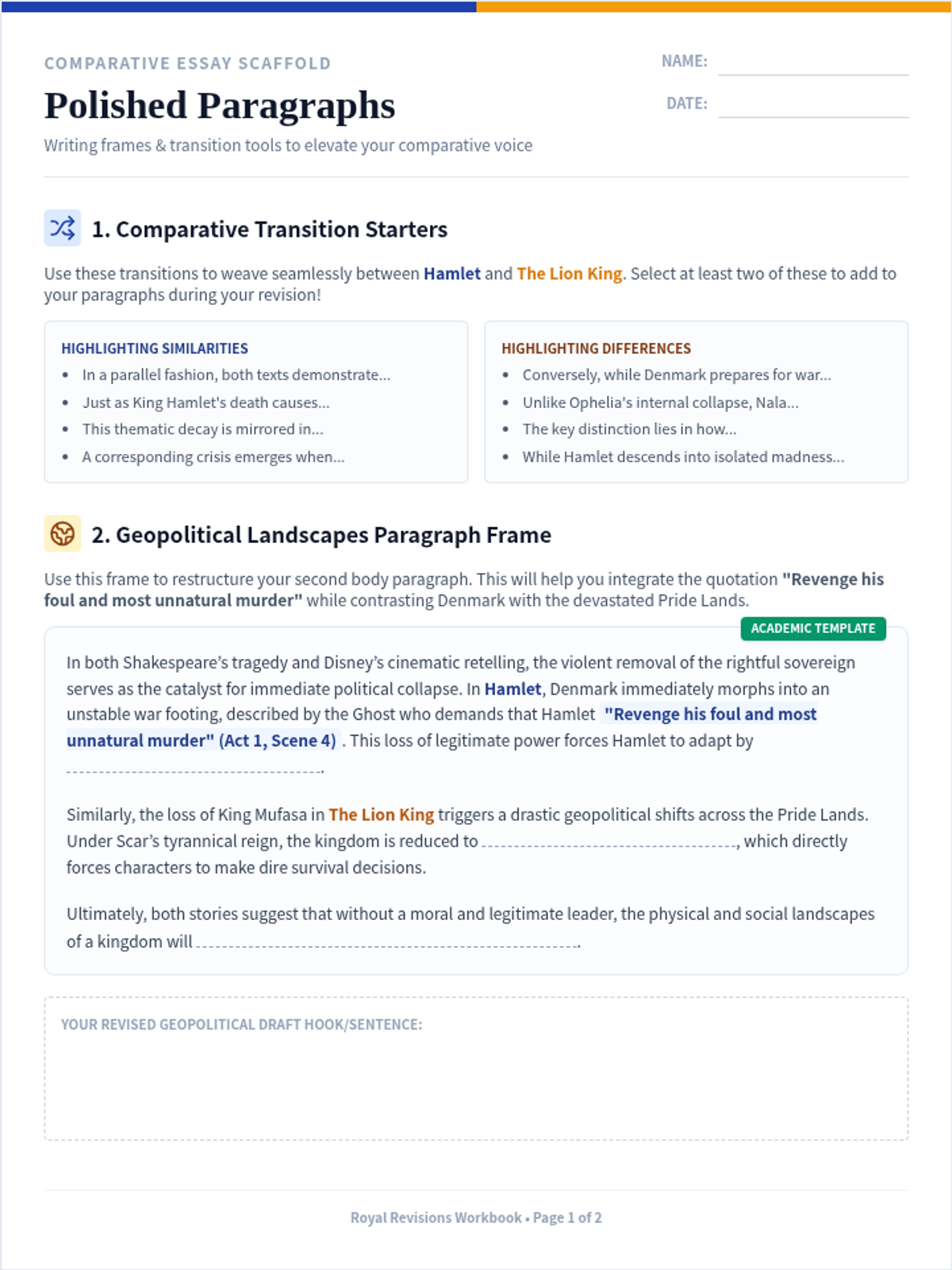
A high-interest lesson focusing on pronoun-antecedent agreement and clarity within the context of anime and manga history, designed for English II STAAR preparation.
A collaborative 1-week final project where students form news crews to report on the tragic events of Verona, requiring deep analysis of character motives and textual evidence.
A lesson focused on helping students write a structured three-paragraph essay connecting a self-chosen topic to scientific principles.
Focuses on emergent writing and composition through play-based storytelling and symbolic representation. Children discover that their marks on paper can communicate thoughts, emotions, and stories to others.
Focuses on print awareness and letter knowledge through meaningful, context-rich exploration. Students discover how symbols represent language in their environment and begin to master letter shapes and sounds through creative play.
Focuses on developing phonological and phonemic awareness through playful sound discrimination, rhyming, and rhythm. Children build an ear for the sounds of language in a collaborative, active environment.
Focuses on building robust oral language and vocabulary through dramatic play, storytelling, and collaborative conversation. Teachers use 'Deeper Learning' strategies to scaffold high-level thinking in early childhood.