Students tackle misconceptions about evolutionary 'ladders' versus 'trees.' They learn to trace nodes to find the most recent common ancestor and understand that proximity on a diagram doesn't always equal relatedness.
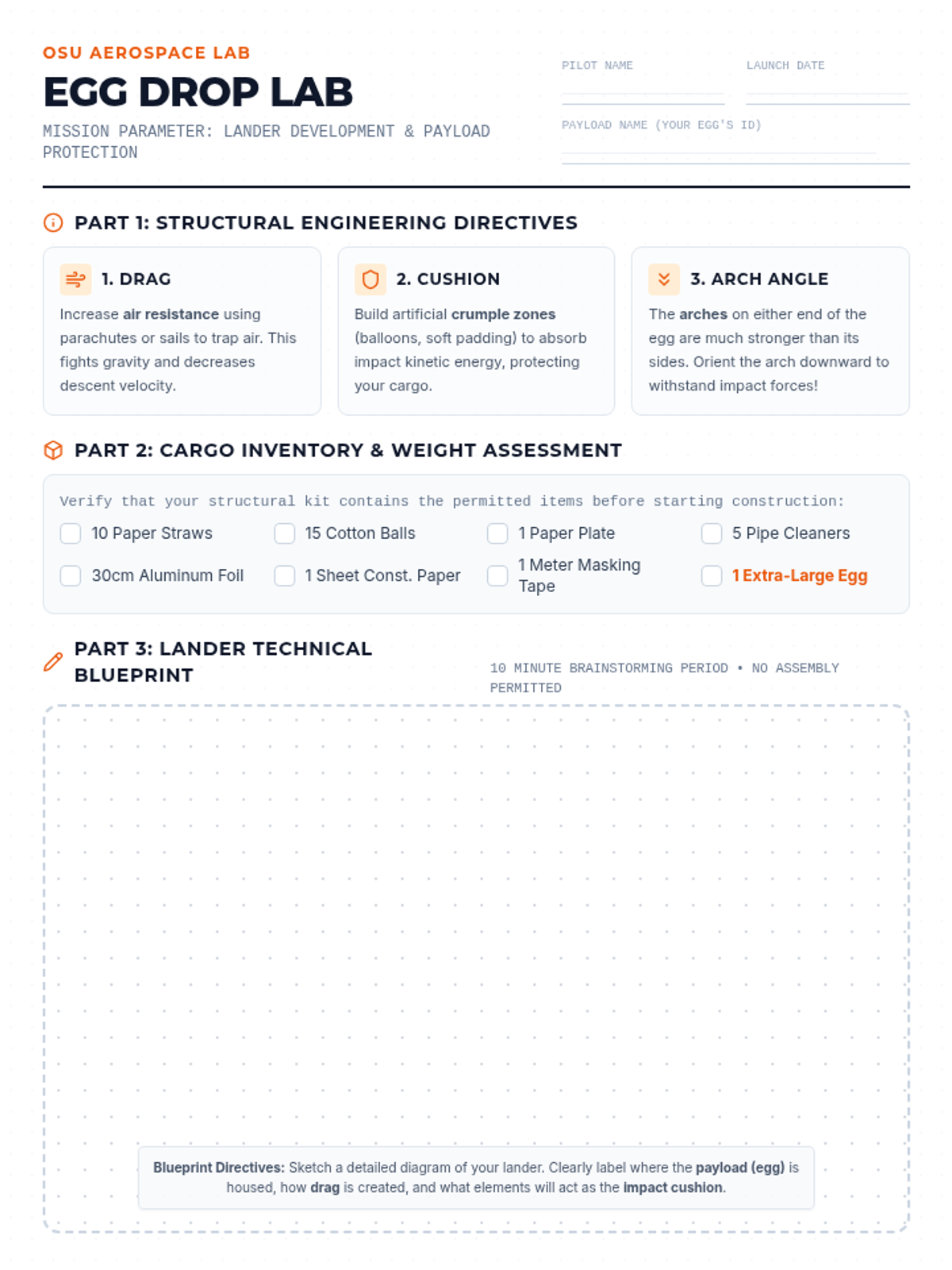
An engaging, hands-on physics and engineering lesson where students design, build, and test protective landing craft for fragile payloads (eggs), exploring forces, deceleration, and structural integrity.
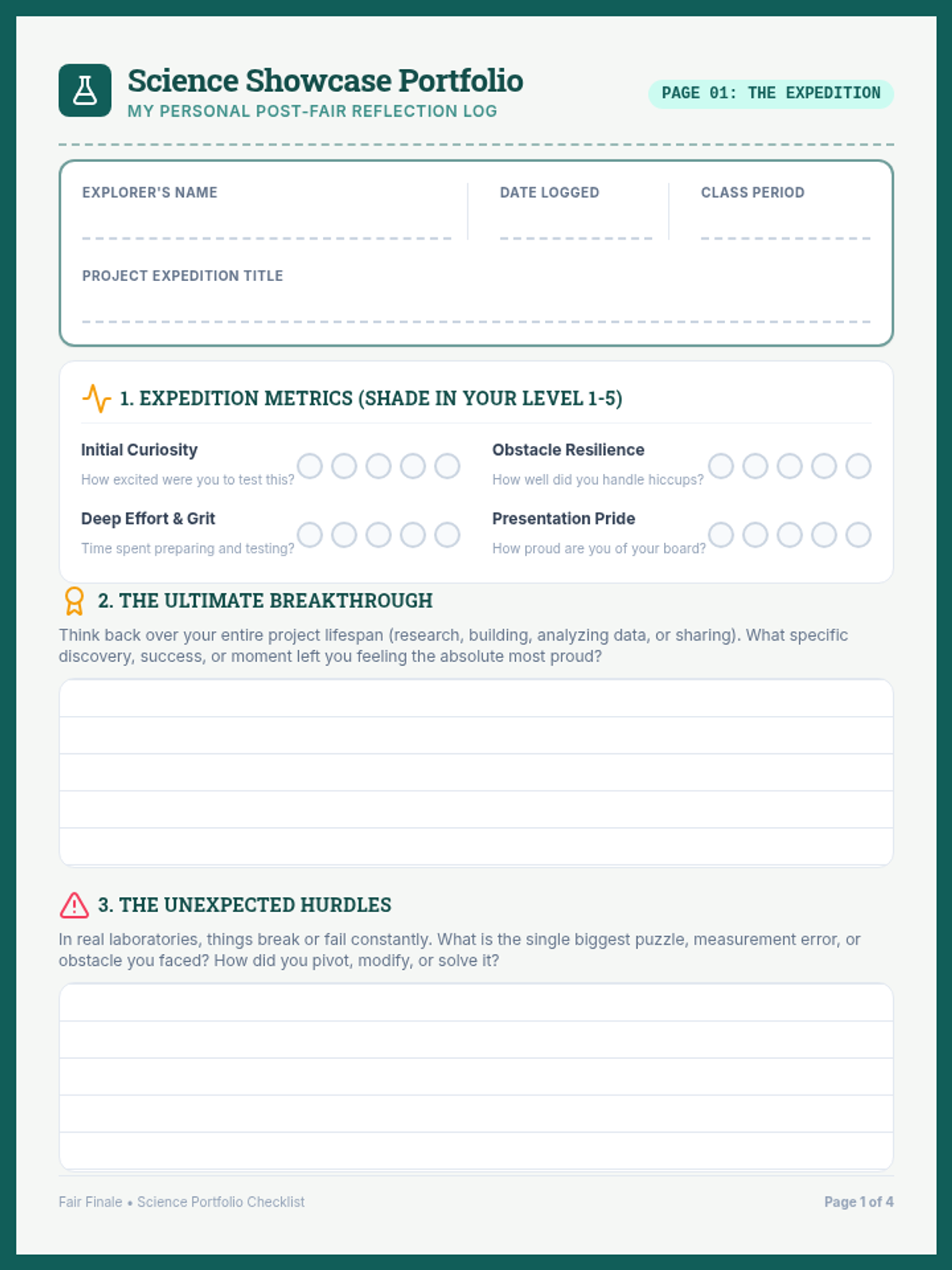
A reflection-focused lesson designed to guide students through evaluating their own science fair projects, reviewing their peers' work, and outlining future experimental improvements.
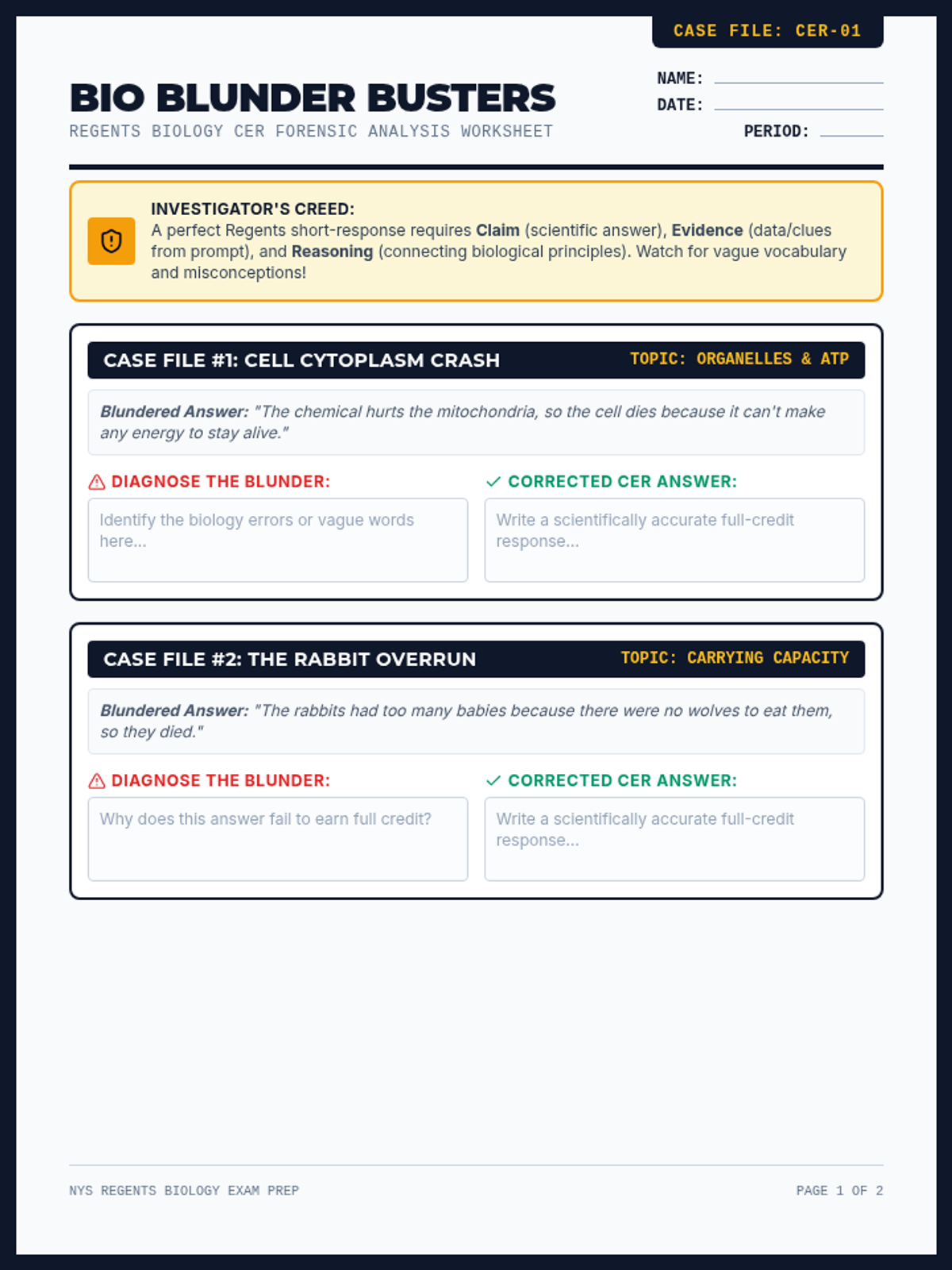
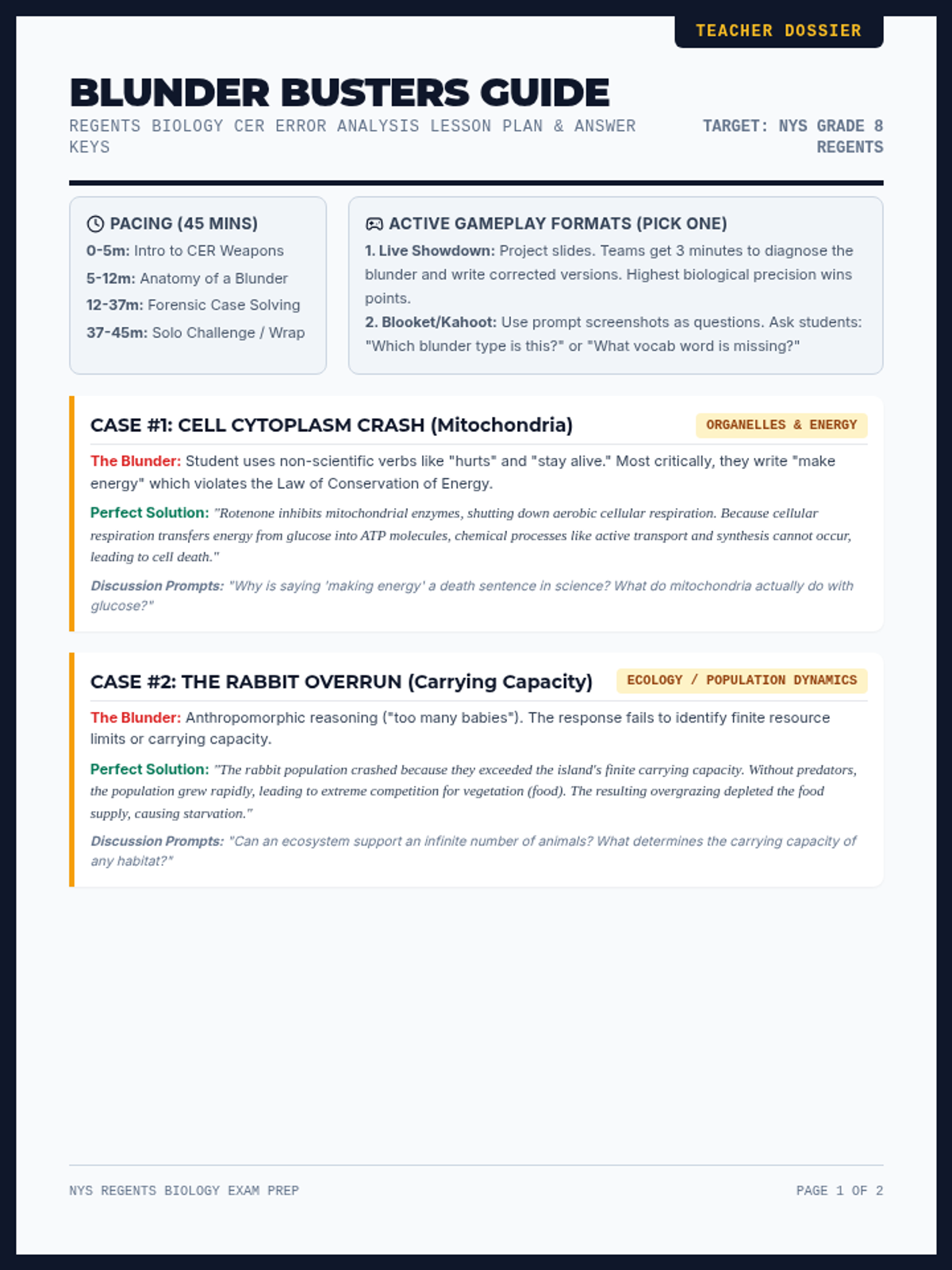
A highly engaging Regents Biology lesson focused on Claim-Evidence-Reasoning (CER) error analysis. Students act as science detectives to identify, analyze, and correct common exam blunders across major biology topics like ecology, cell division, and human impact.
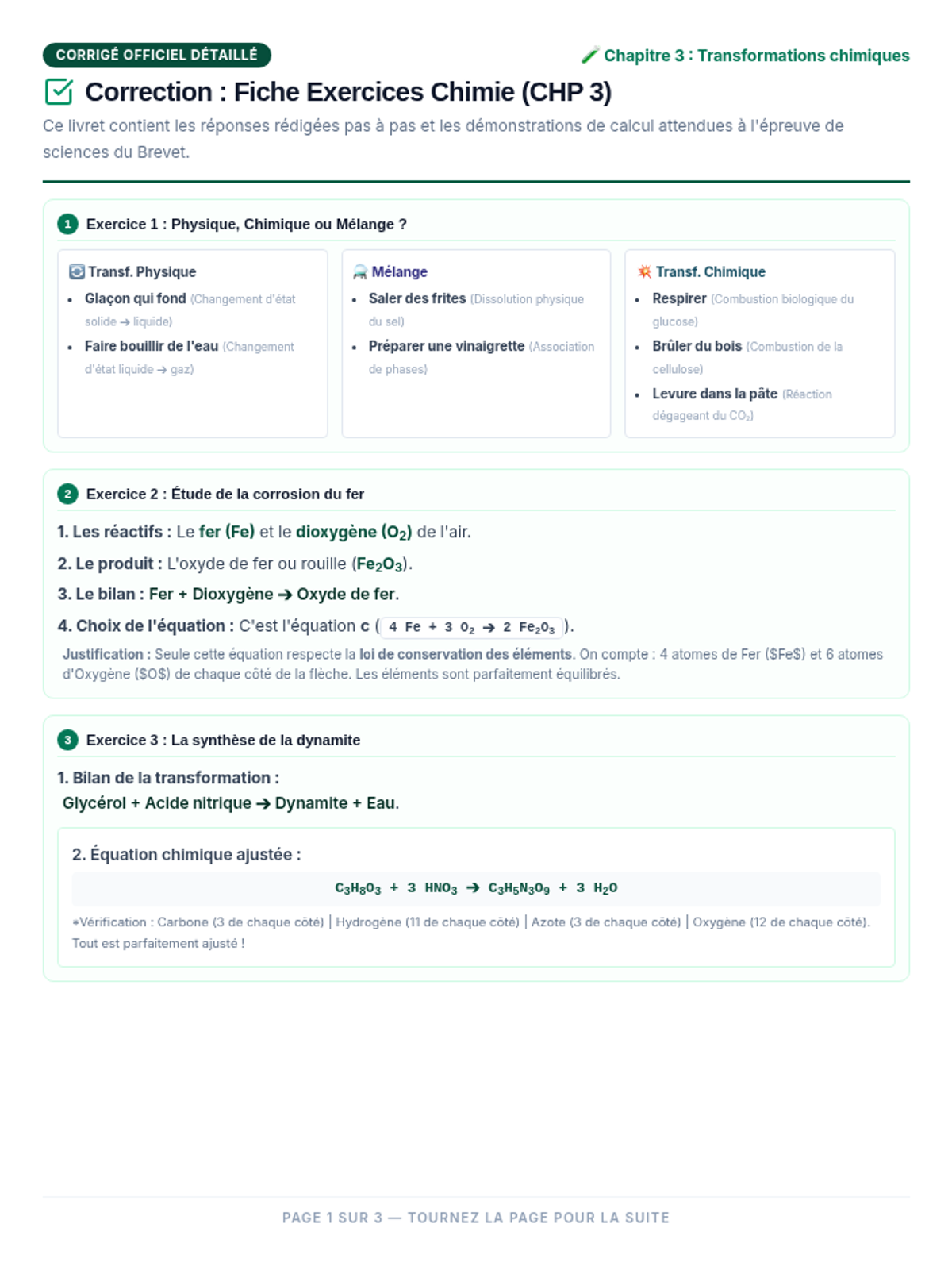
Une leçon complète de physique-chimie de niveau 3ème pour maîtriser les transformations chimiques, la conservation de la masse, les équations de réaction, le pH et la rédaction de protocoles expérimentaux pour le Brevet.
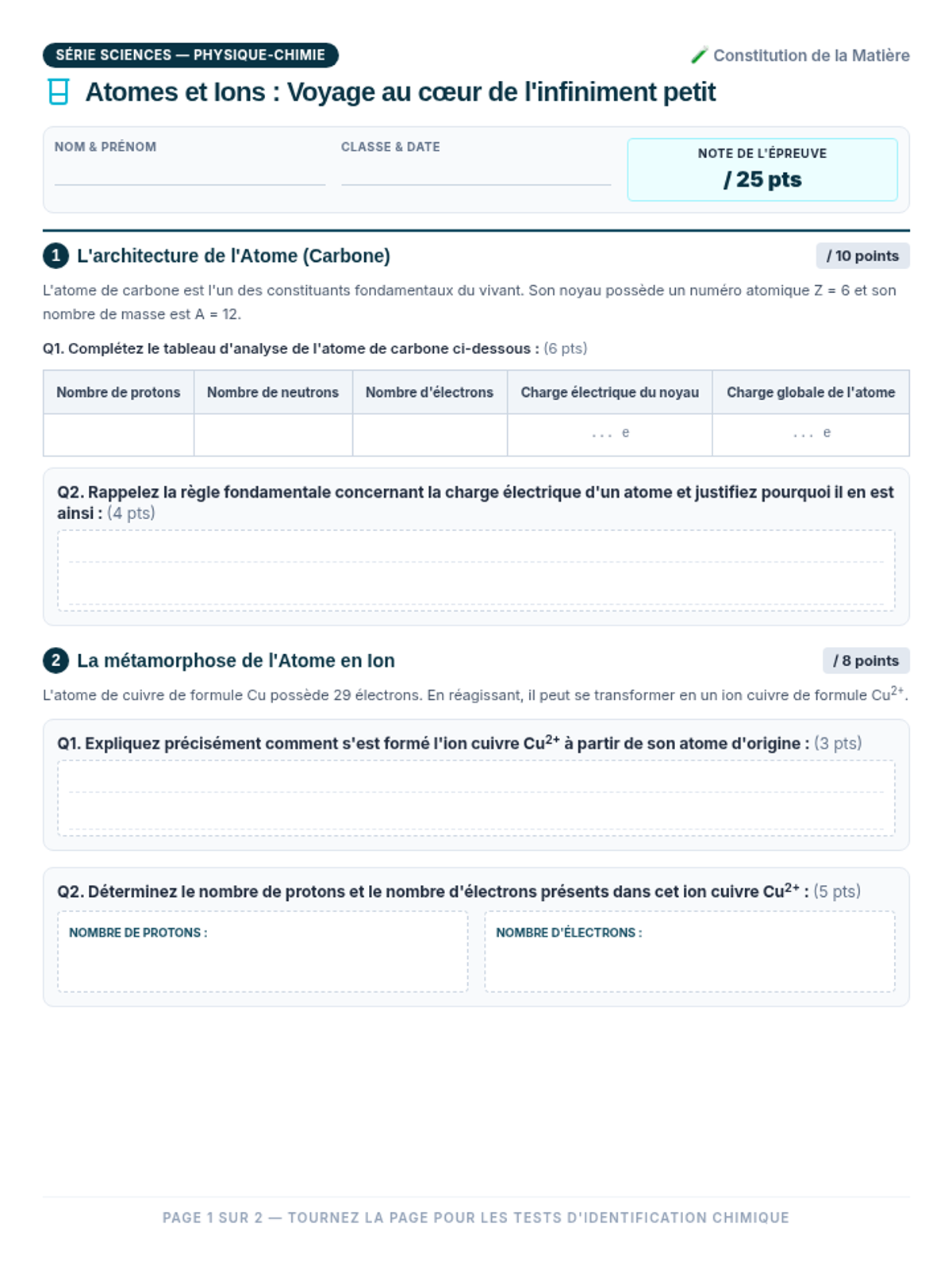
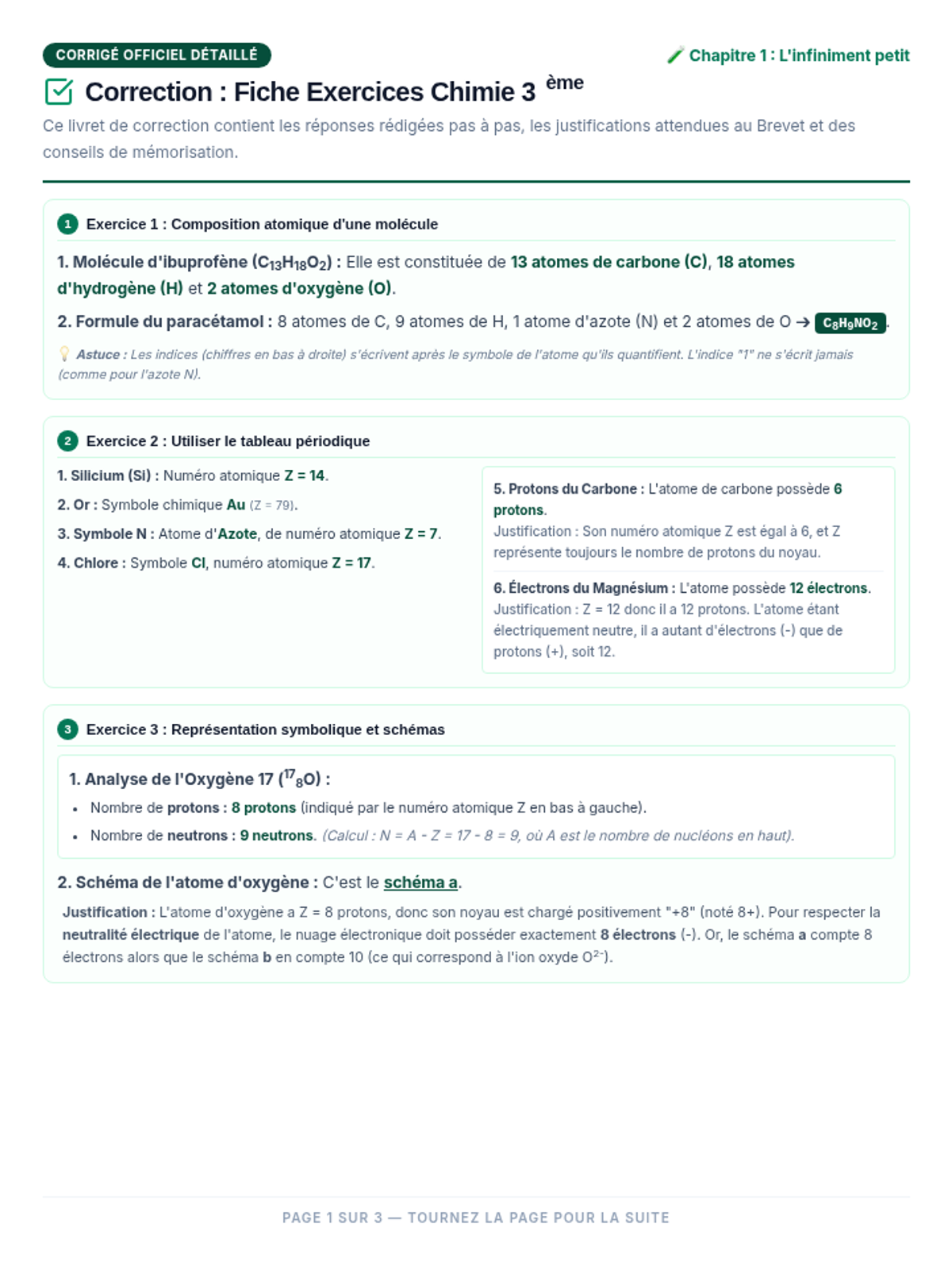
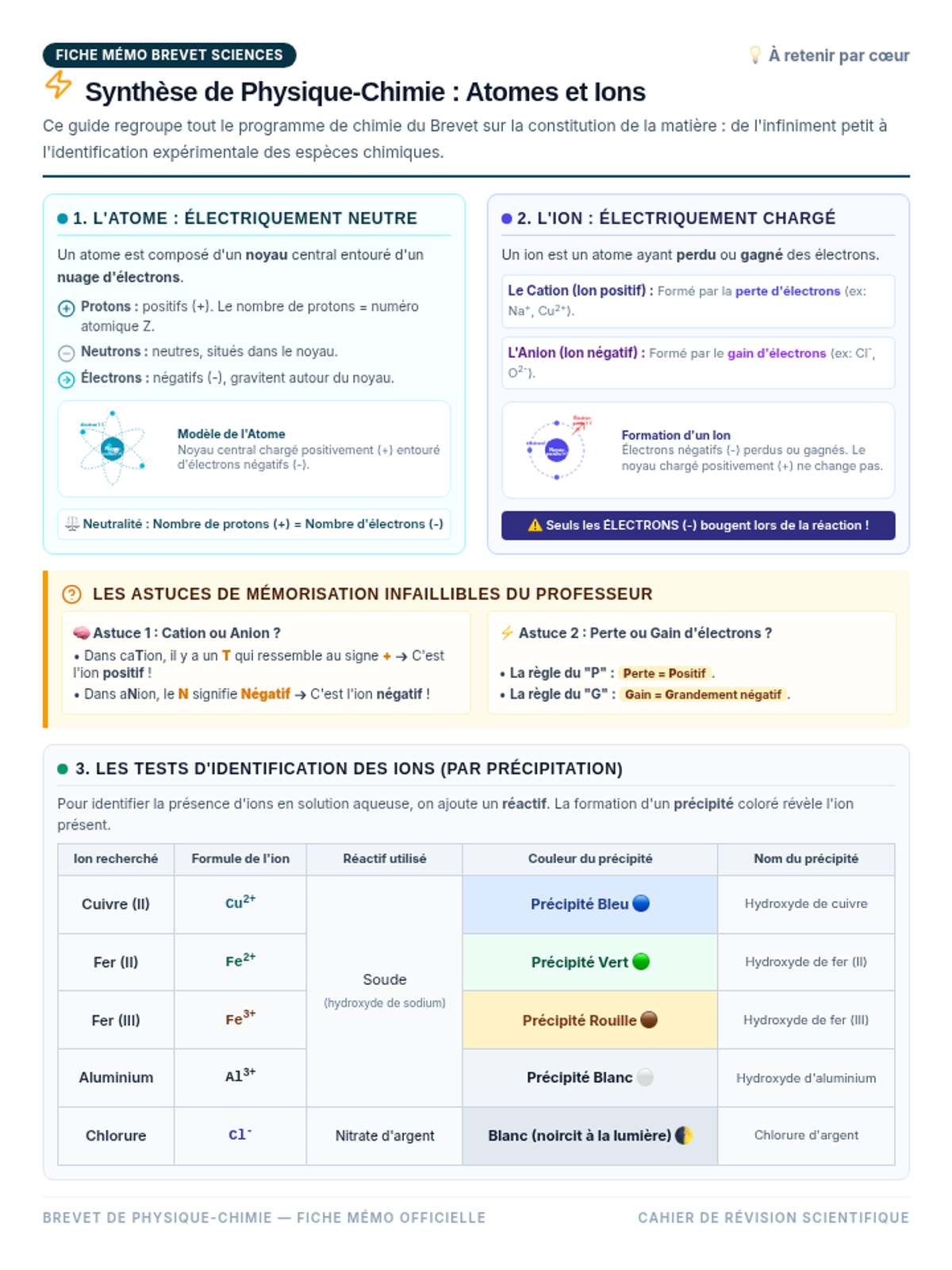
Une leçon de physique-chimie de niveau 3ème pour maîtriser la structure des atomes, la formation des ions et les tests d'identification chimique du Brevet.
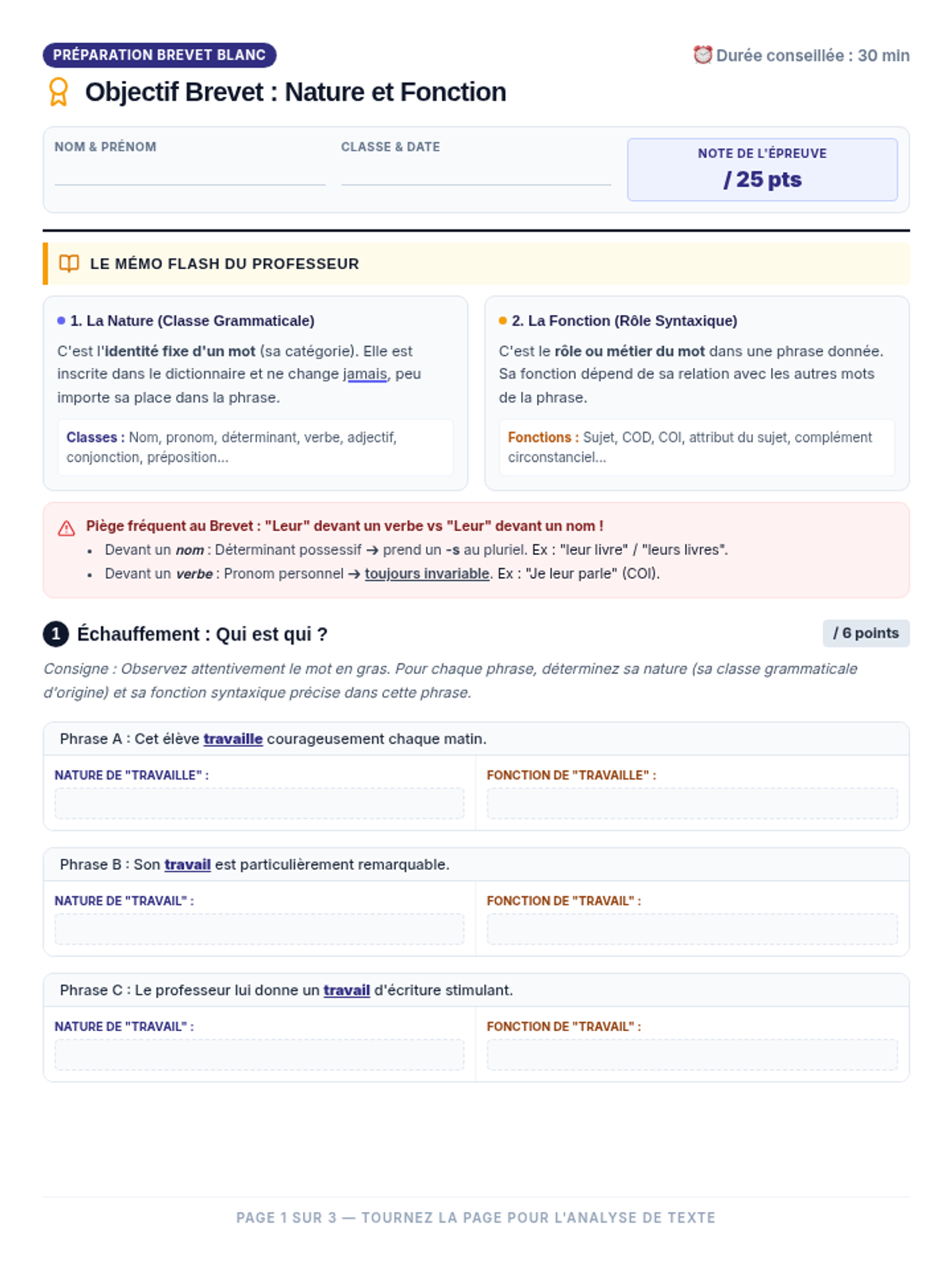
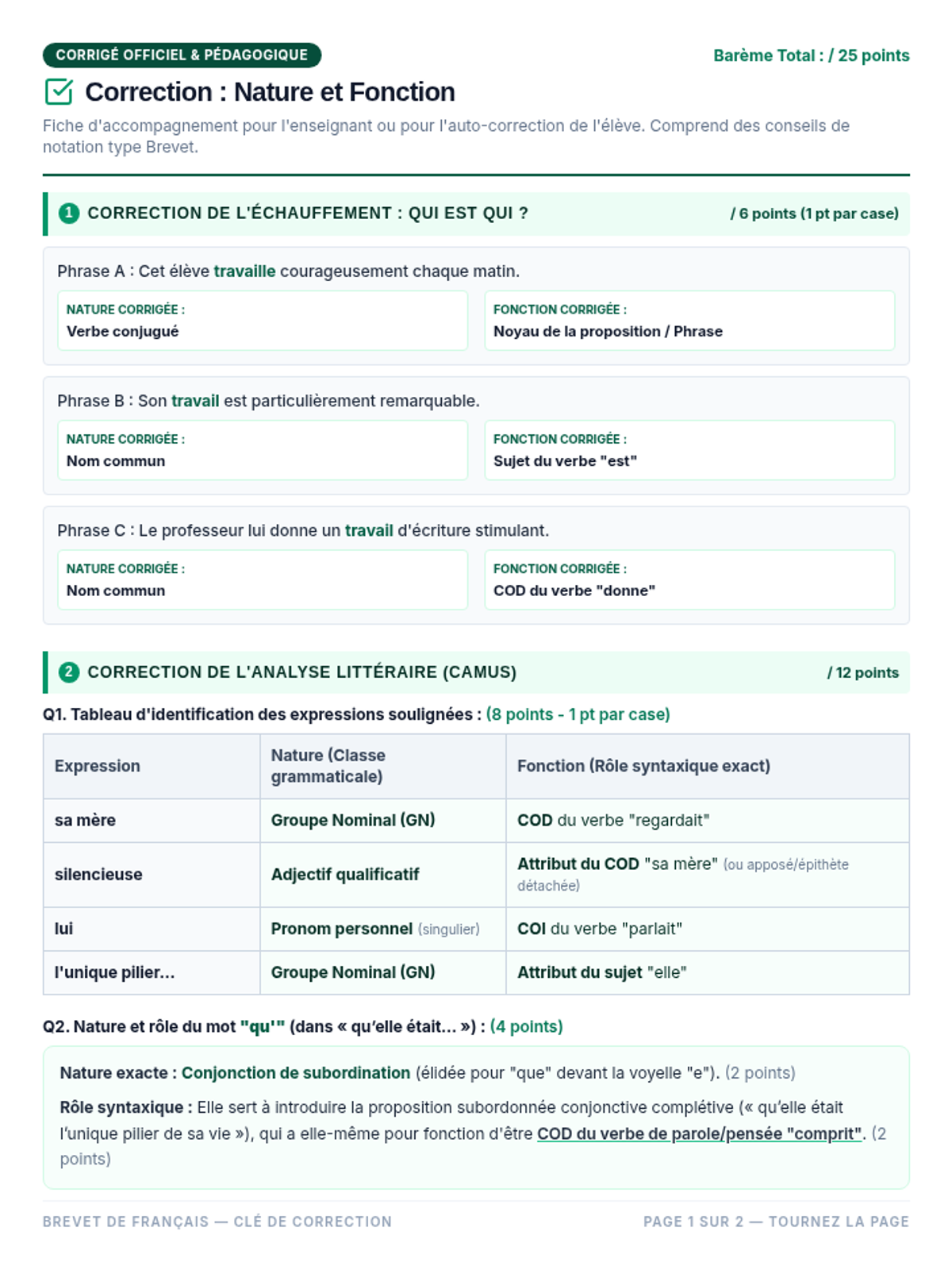
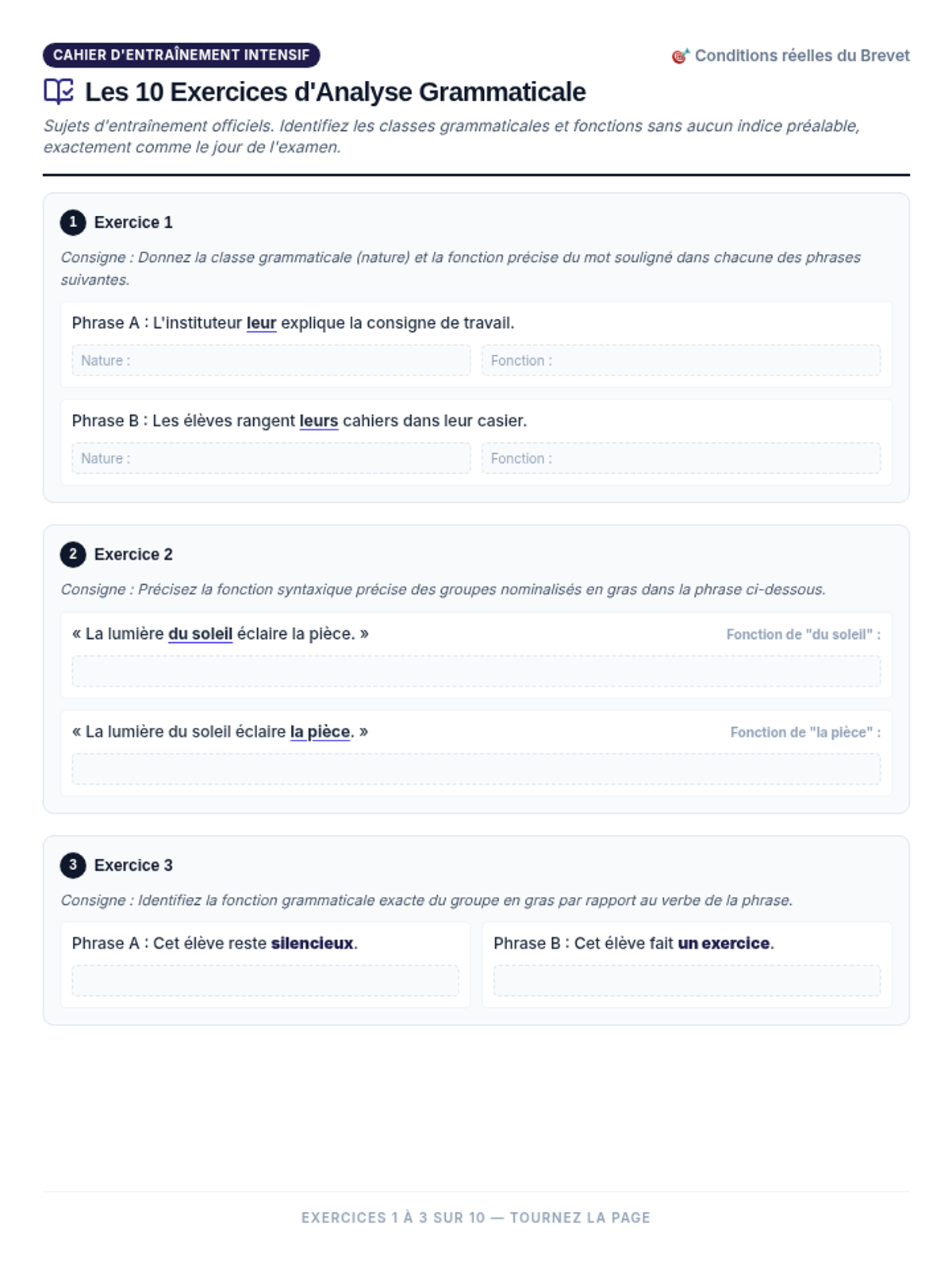
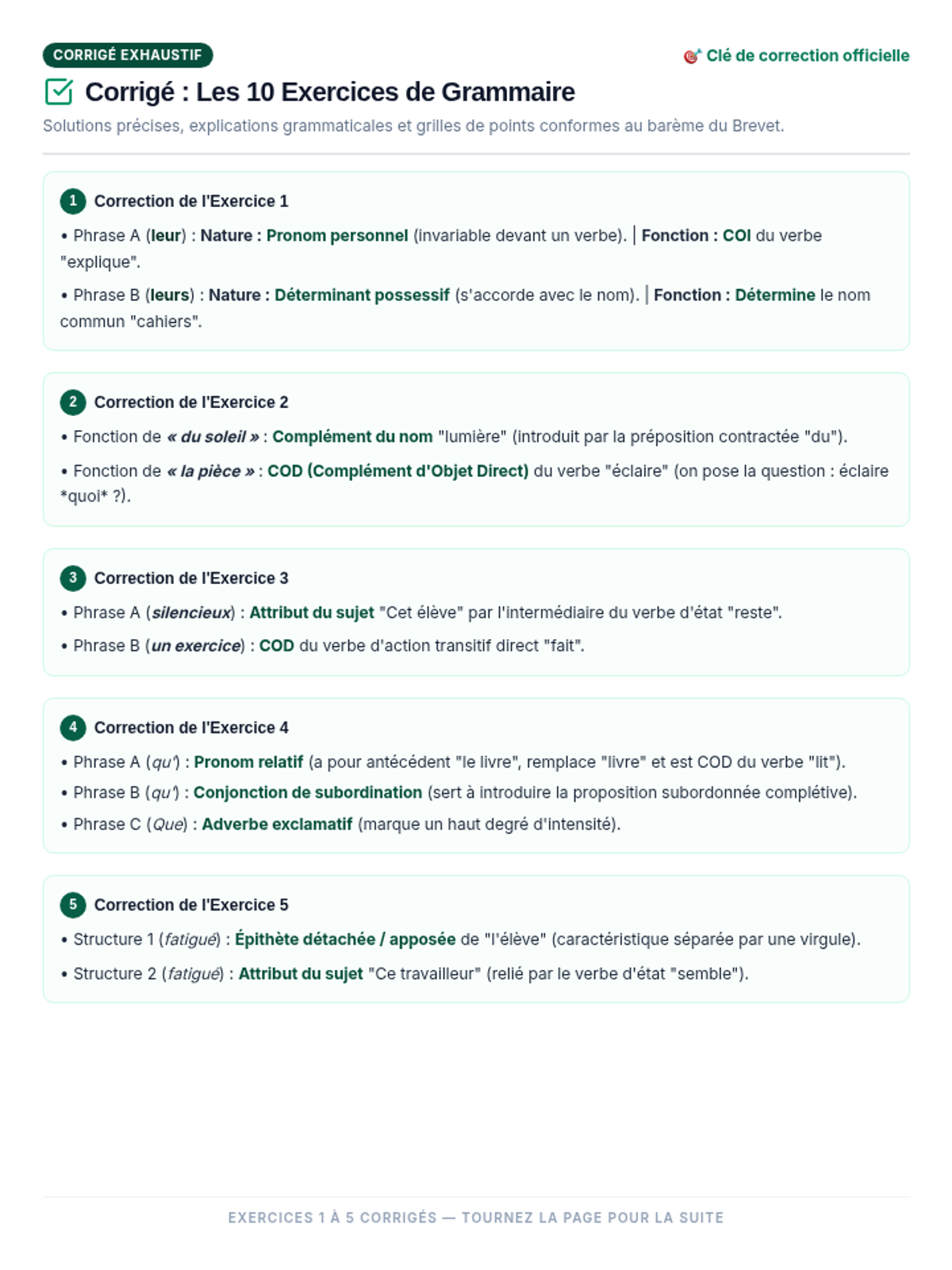
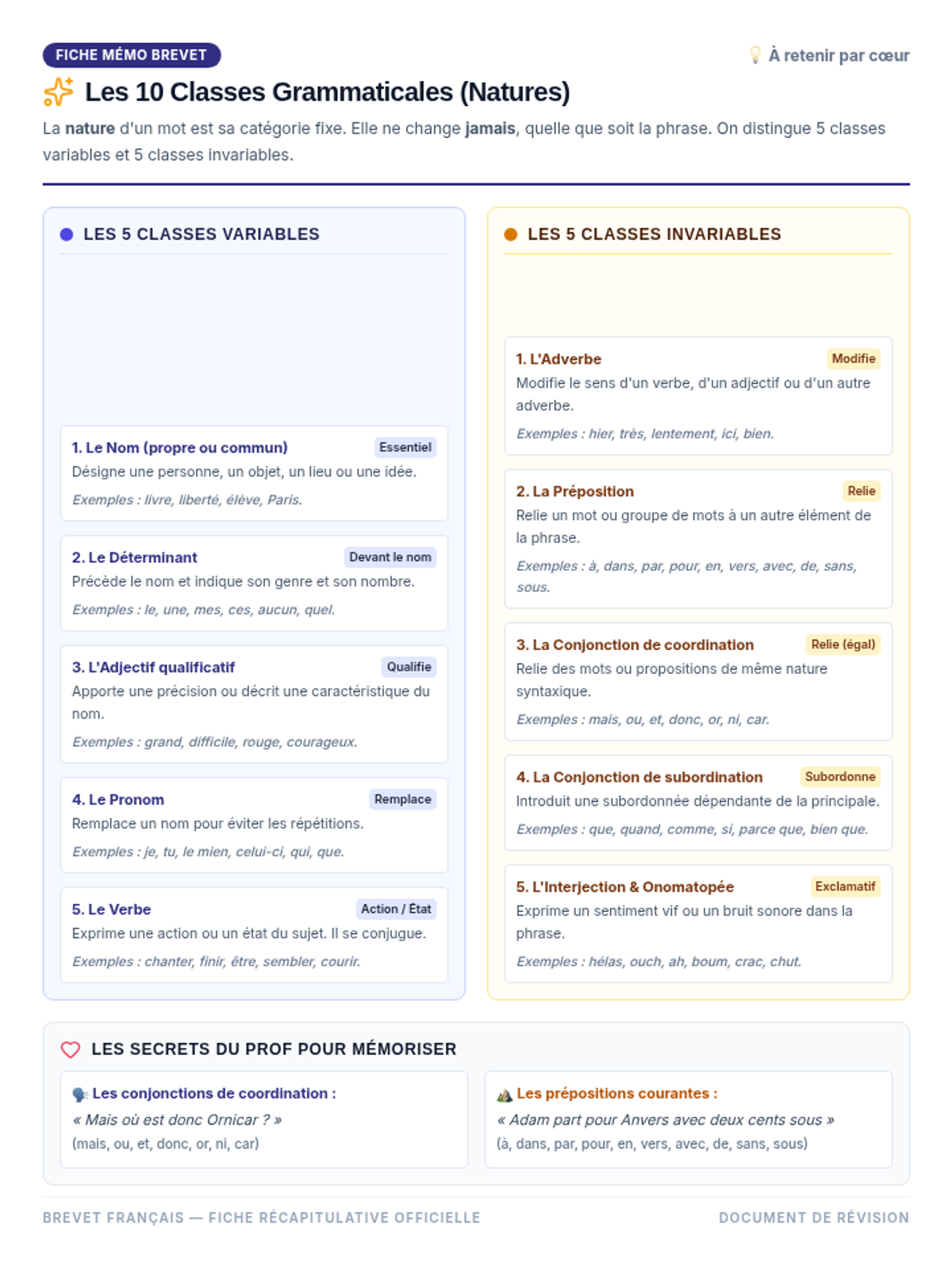
Séance d'entraînement intensive de 30 minutes conçue par un professeur pour maîtriser la distinction cruciale entre nature et fonction au brevet de français, accompagnée de sa correction détaillée.
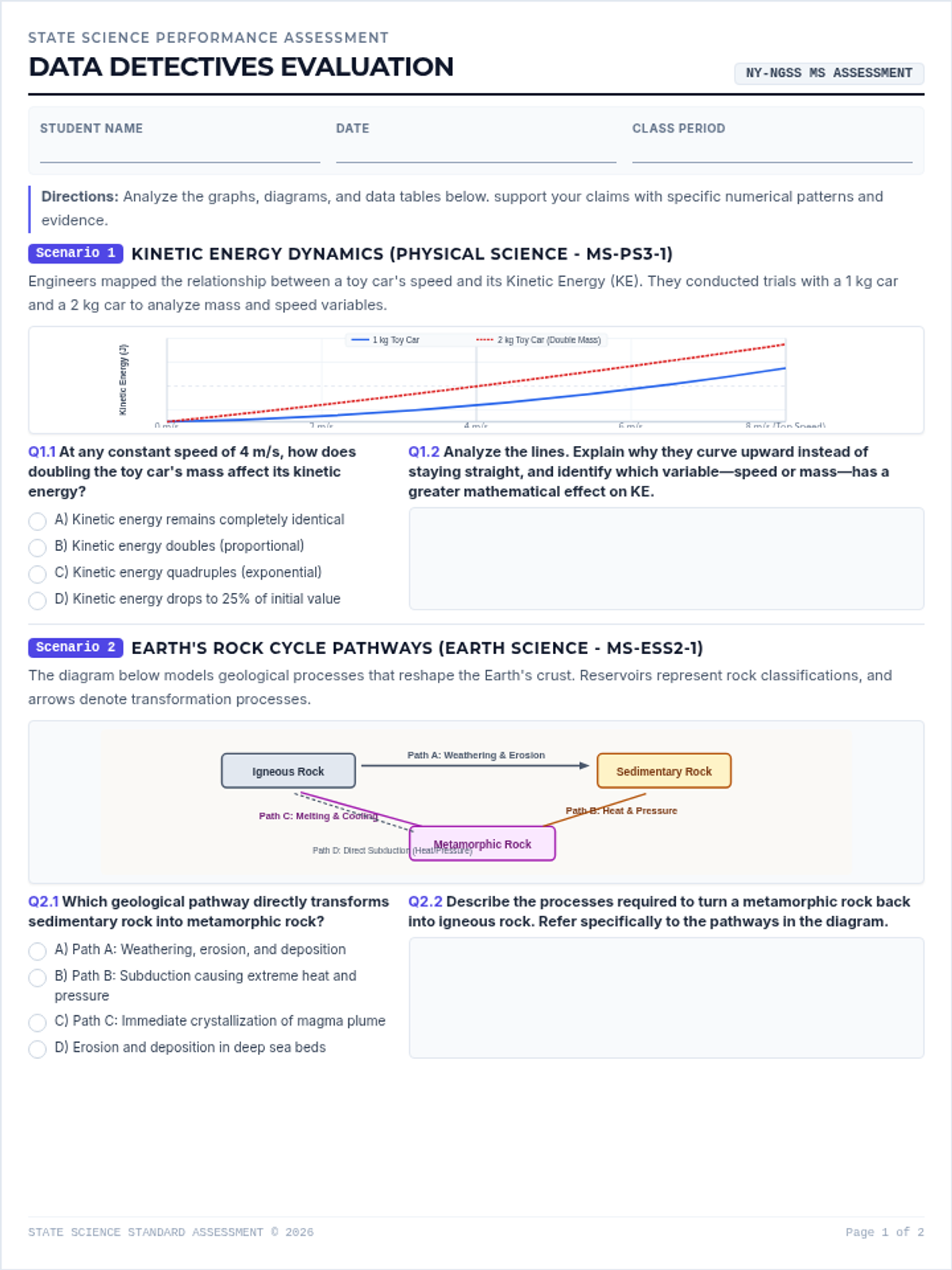
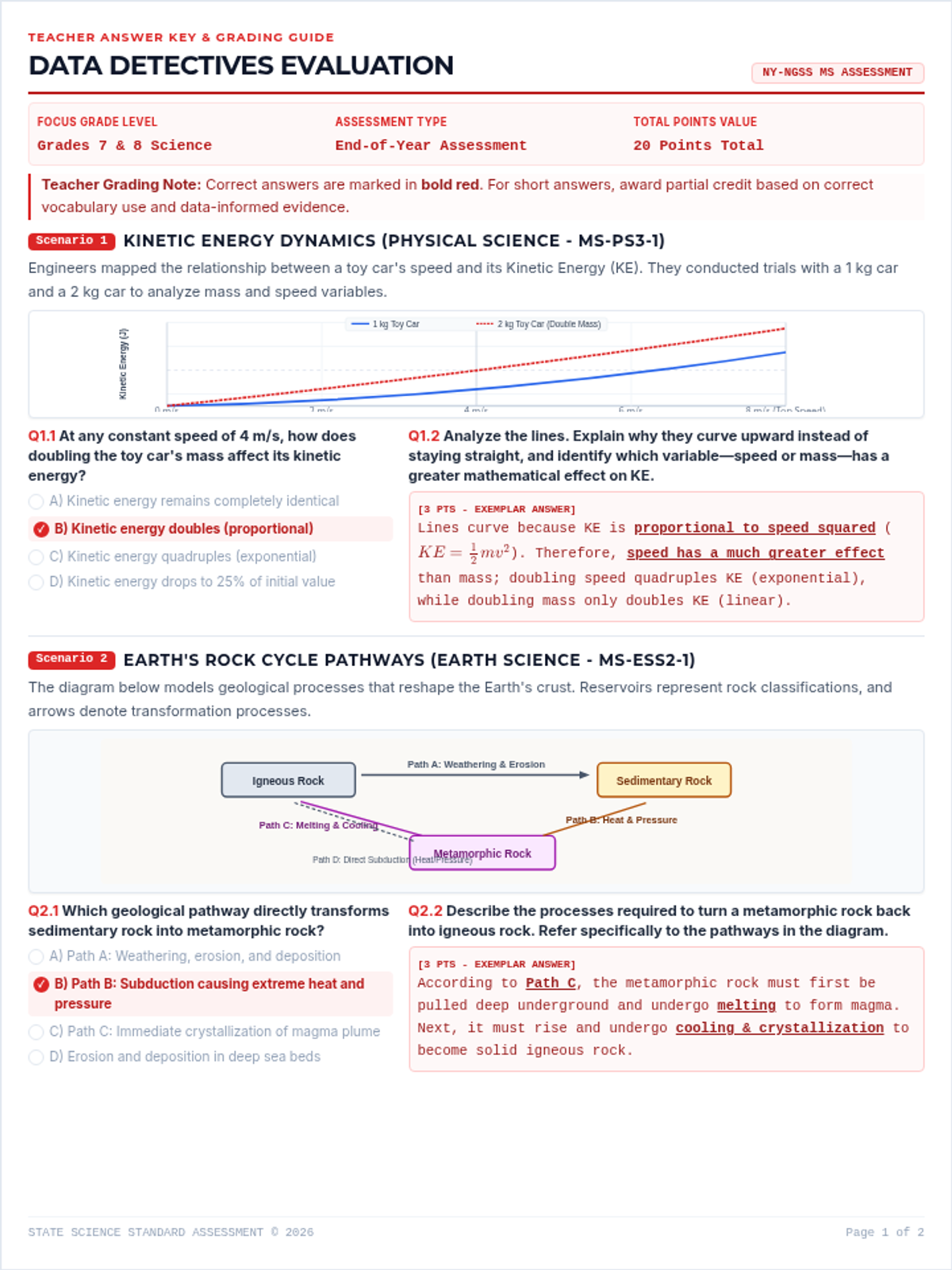
An end-of-year middle school science assessment focused on analyzing complex data sets, graphs, and diagrams across Life, Physical, and Earth science contexts, aligned with NY NGSS standards. Includes a student printable test and a matching teacher answer key.
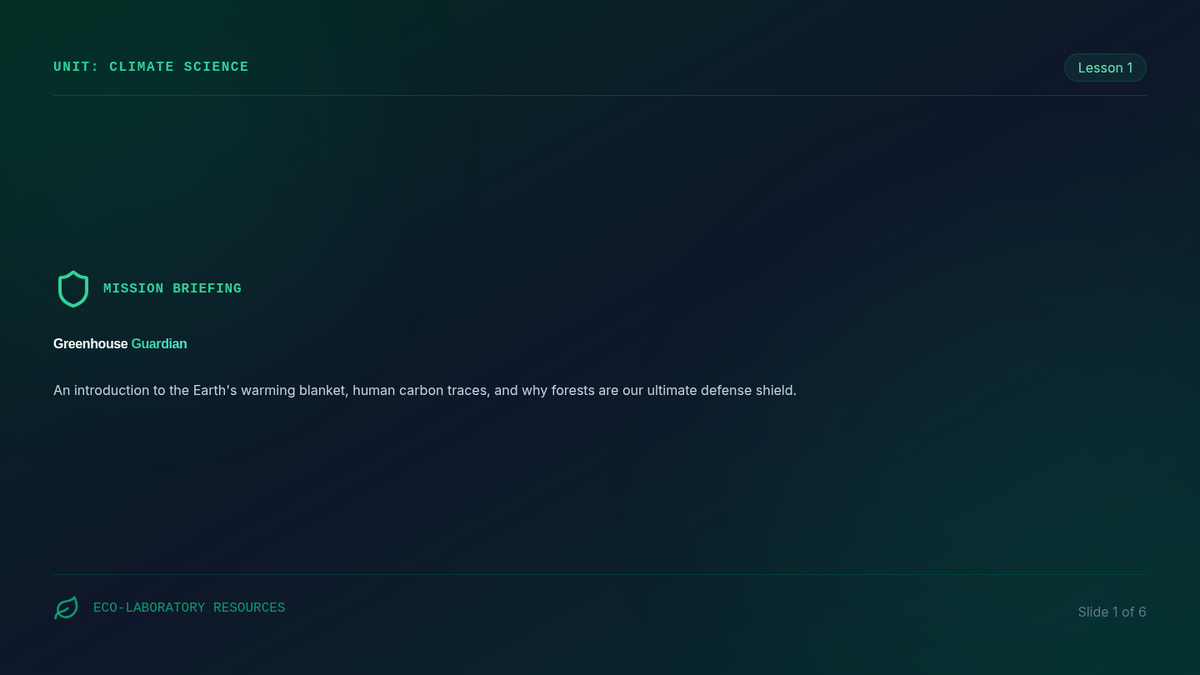
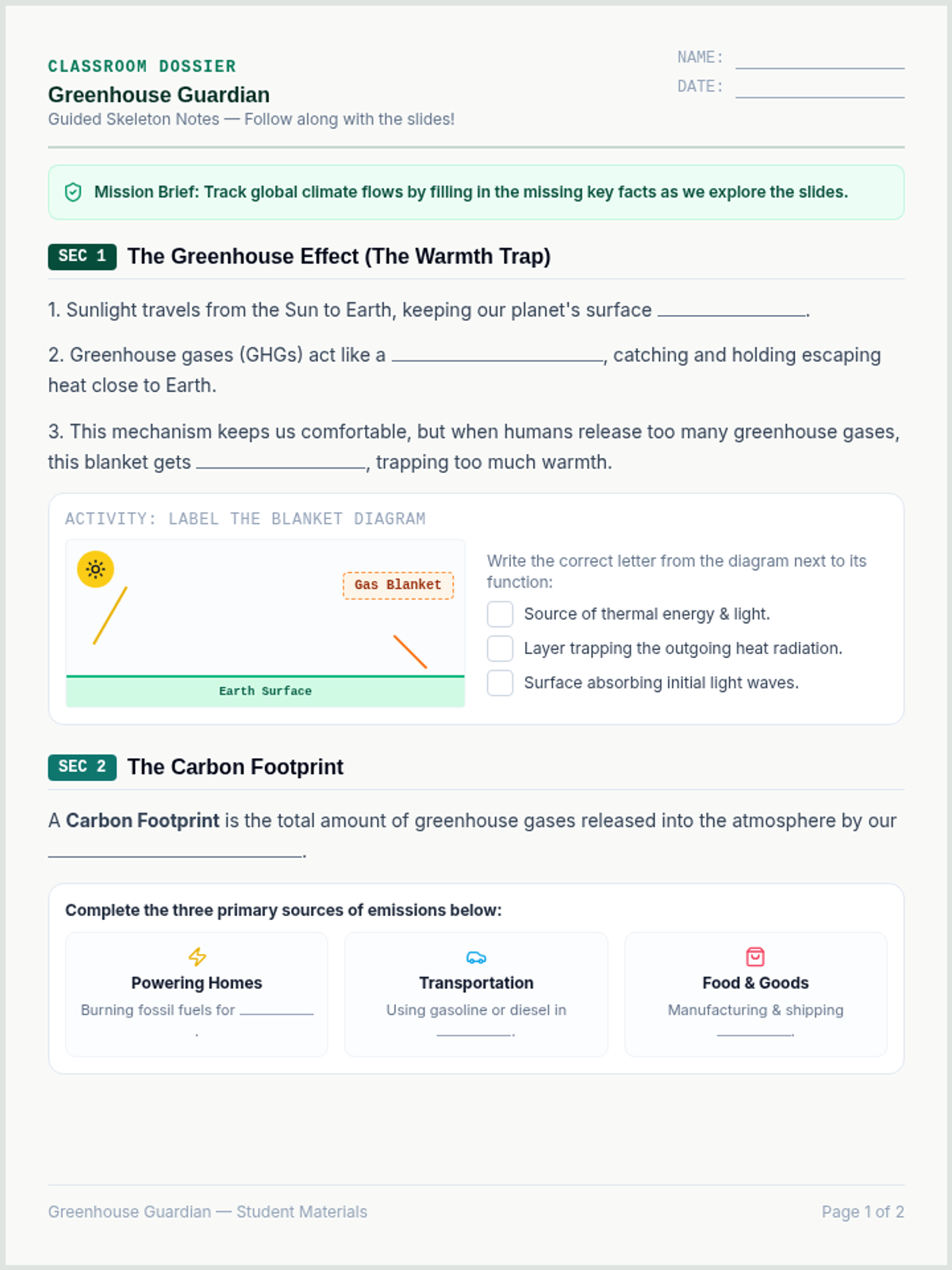
An introductory lesson exploring the greenhouse effect, carbon footprints, and deforestation. Includes an engaging visual slideshow and printable guided skeleton notes to keep students active and focused during instruction.
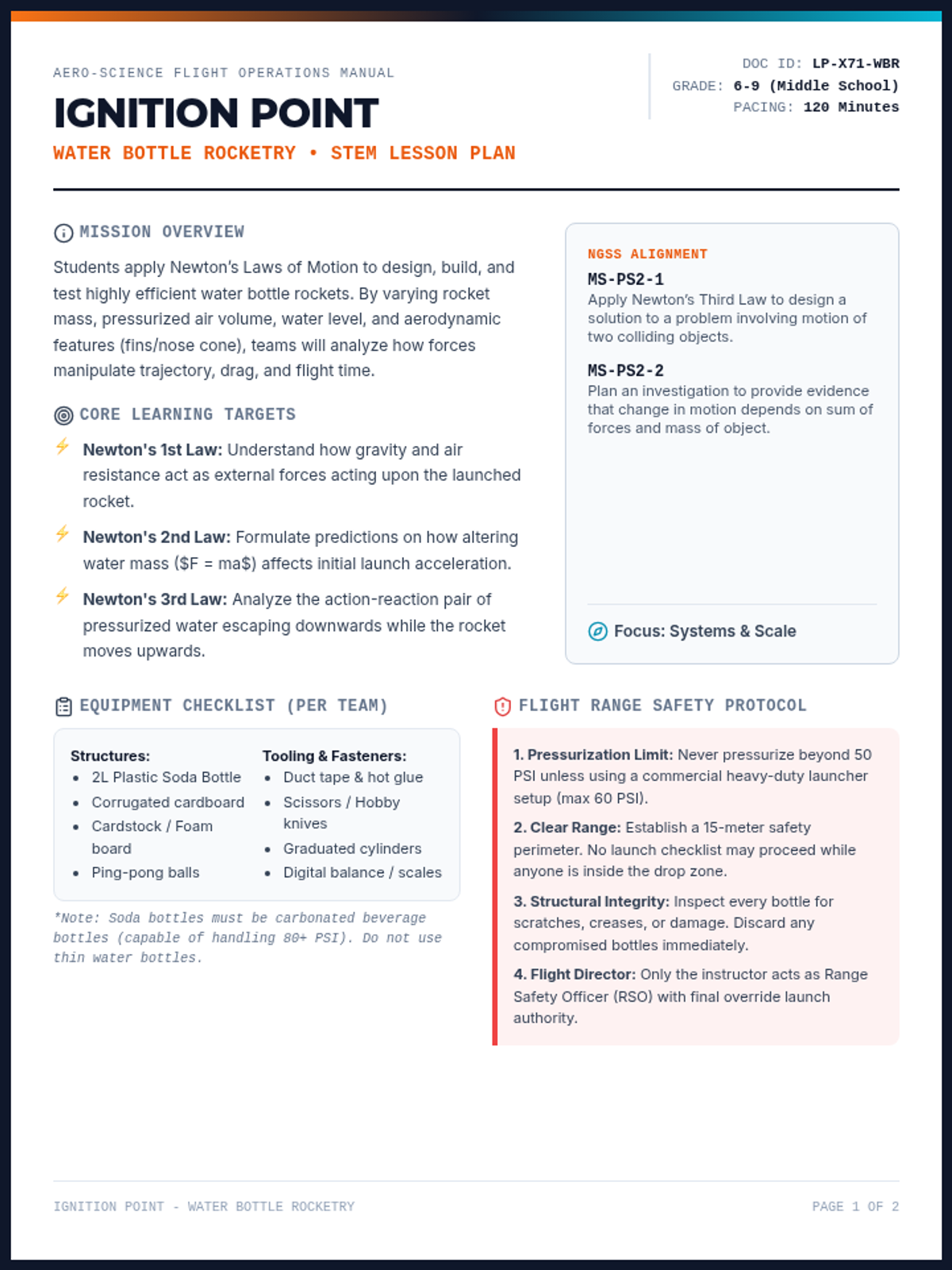
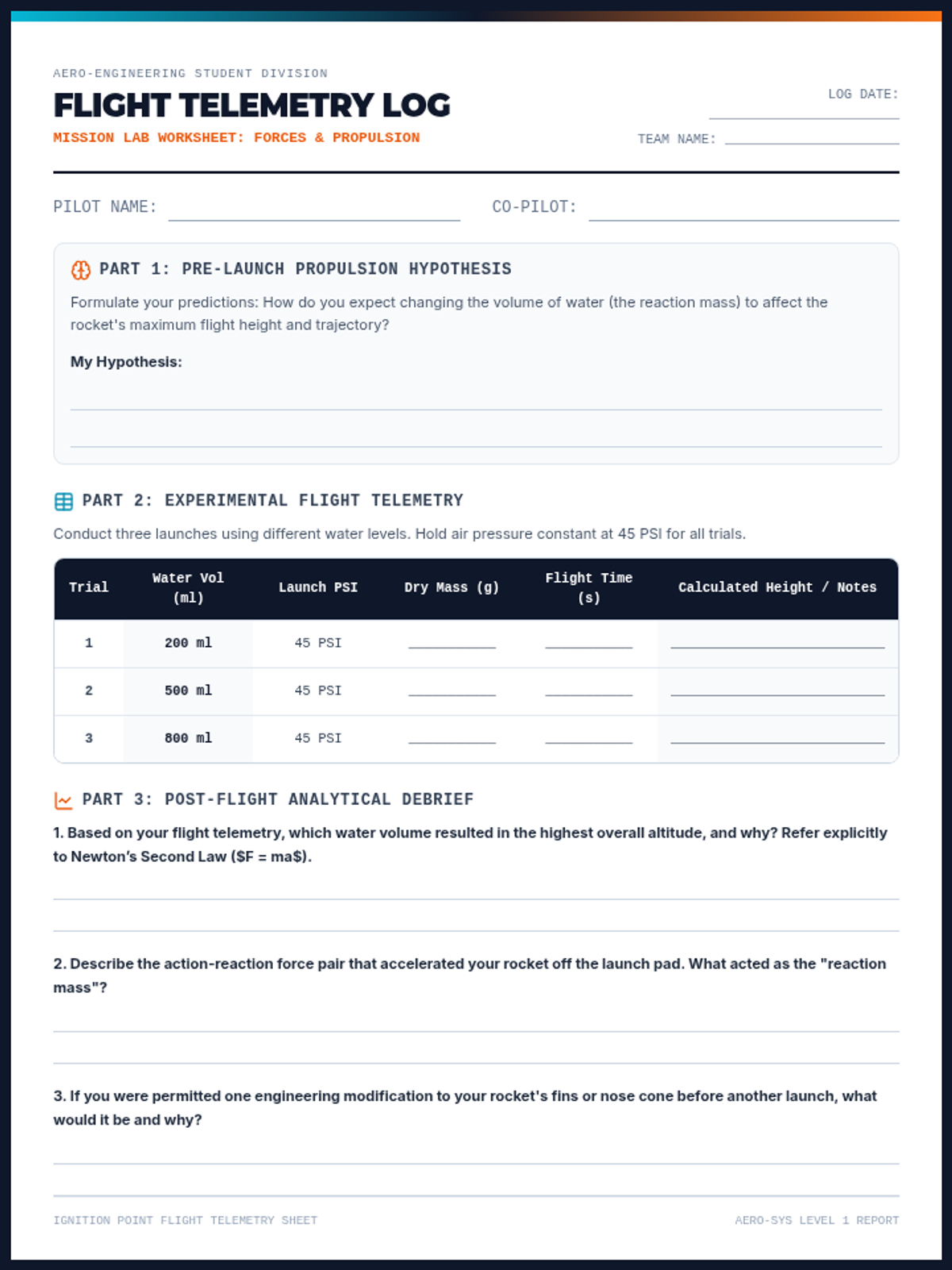
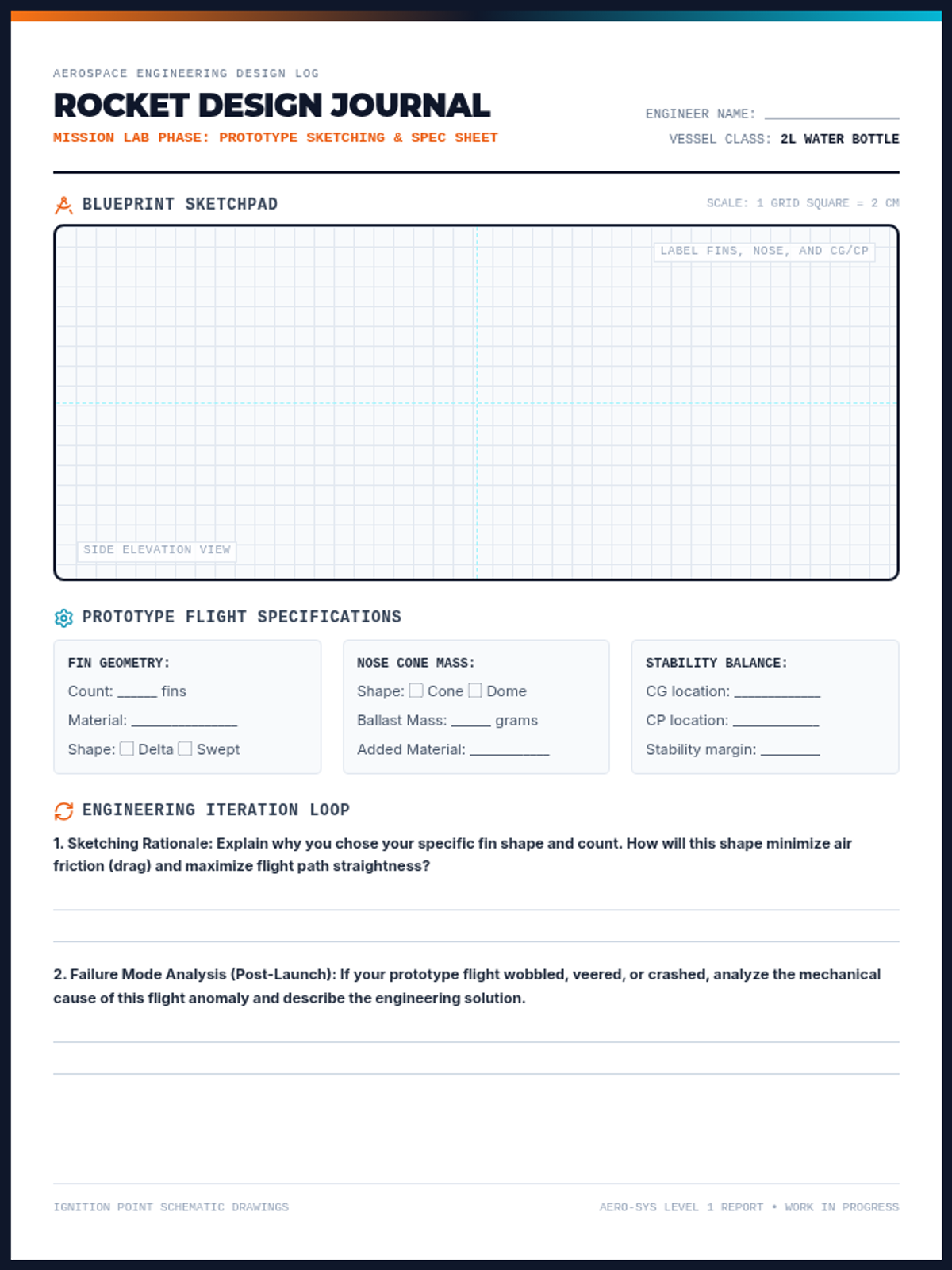
A hands-on STEM lesson where students design, build, and launch water bottle rockets. They apply Newton's Laws of Motion to optimize force, mass, and aerodynamics for maximum flight distance.
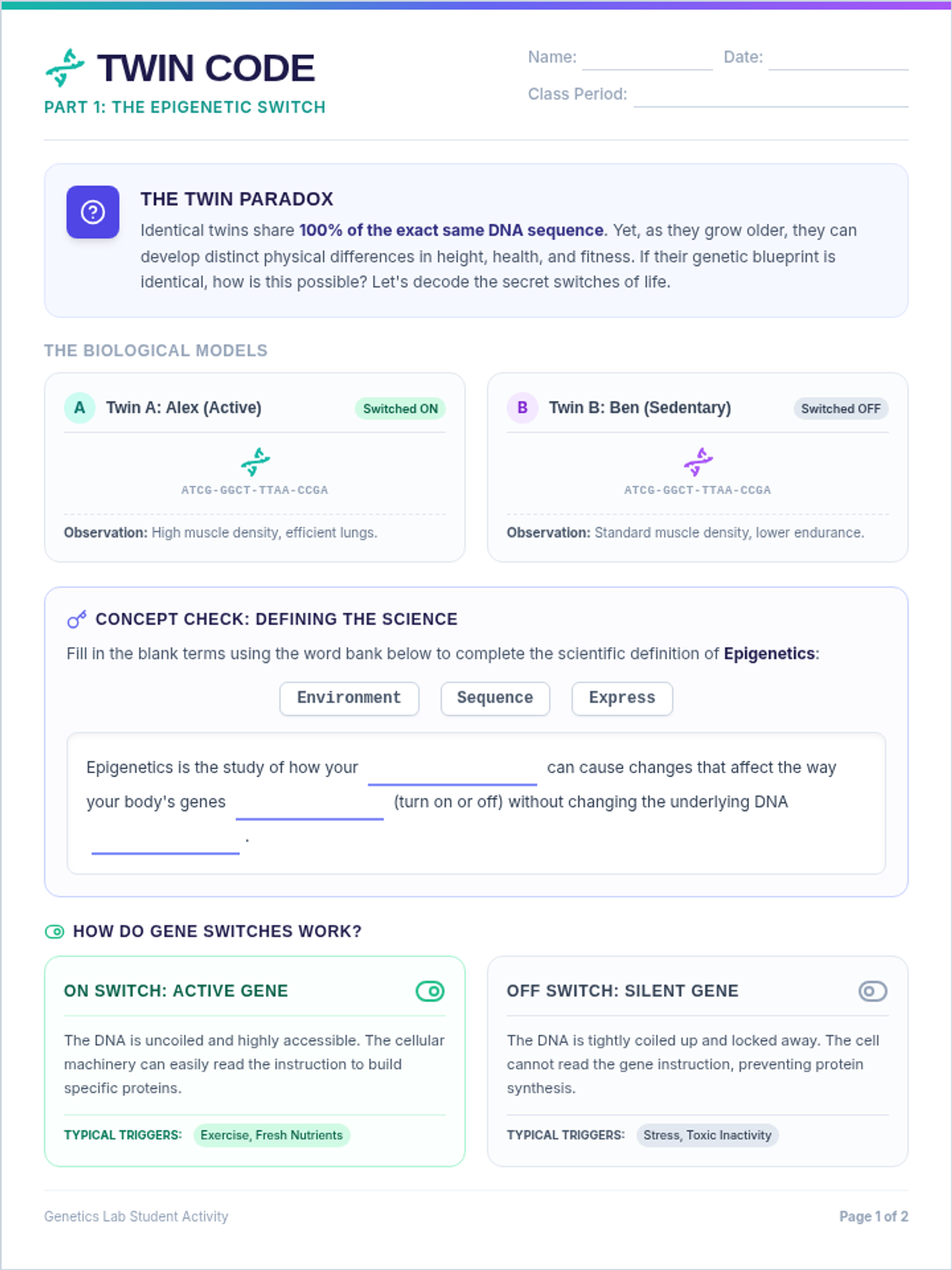
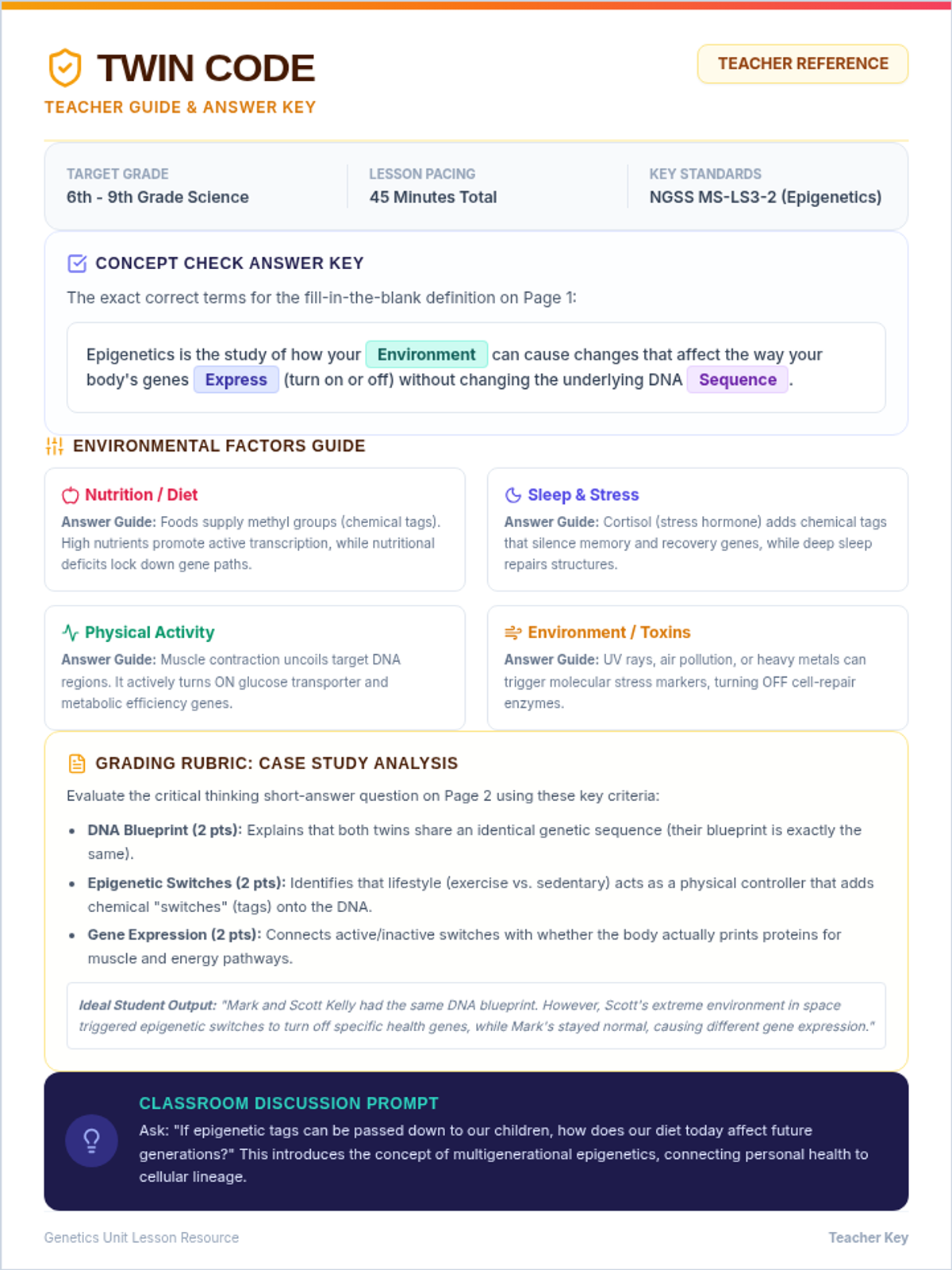
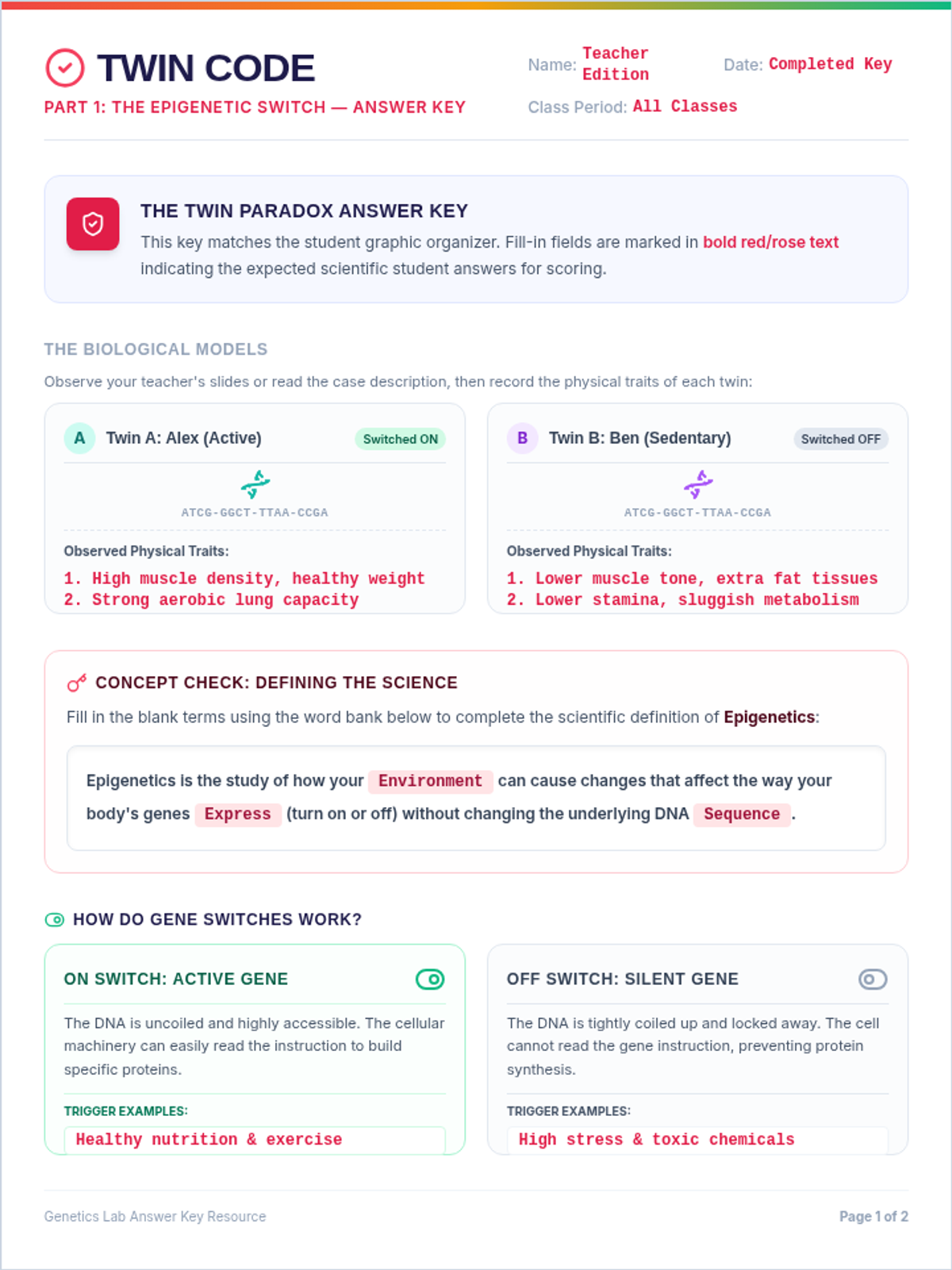
A comprehensive science lesson introducing epigenetics and gene expression. Students investigate how environmental triggers like stress, nutrition, and exercise can turn genetic switches on and off in identical twins.
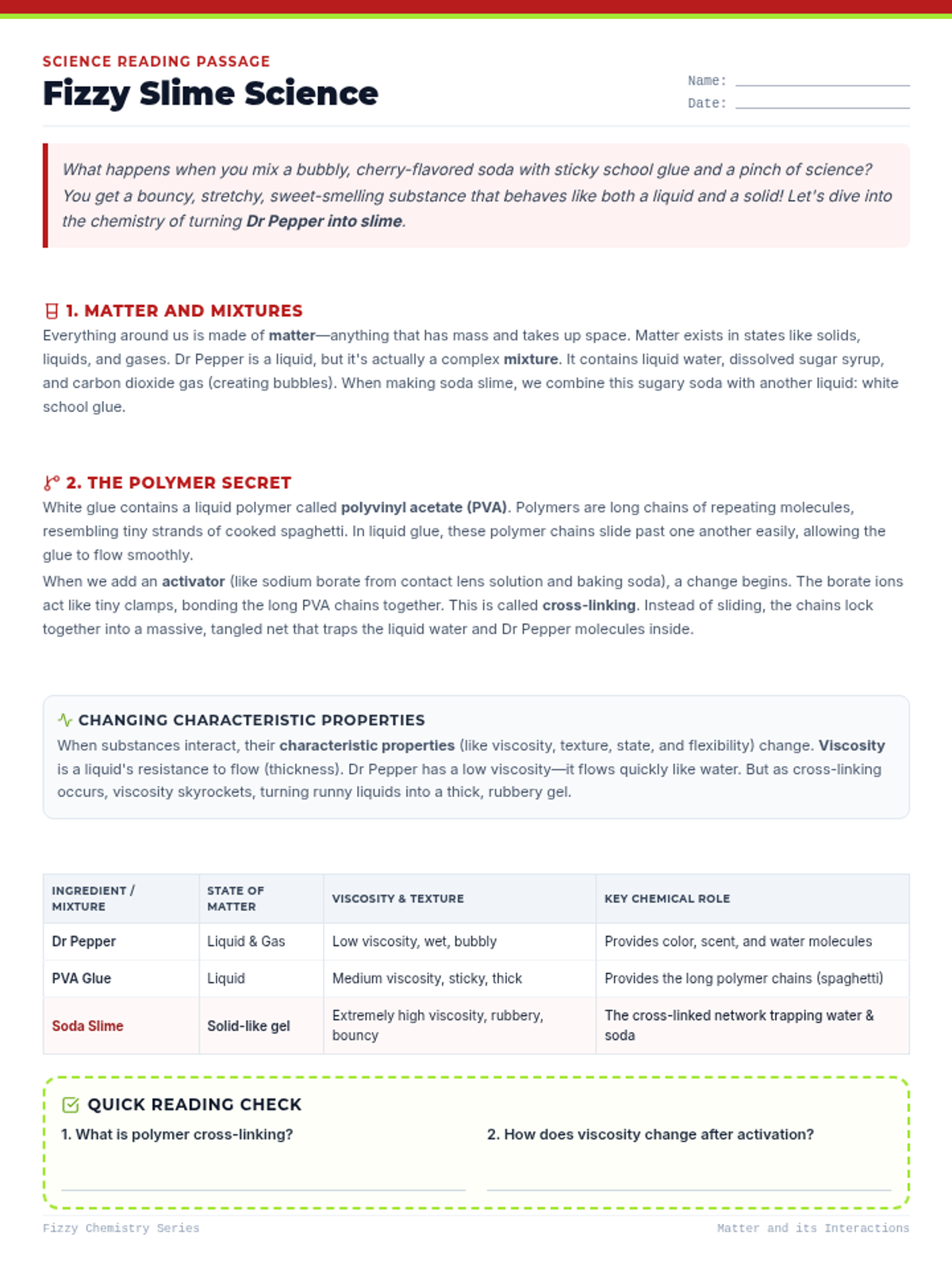
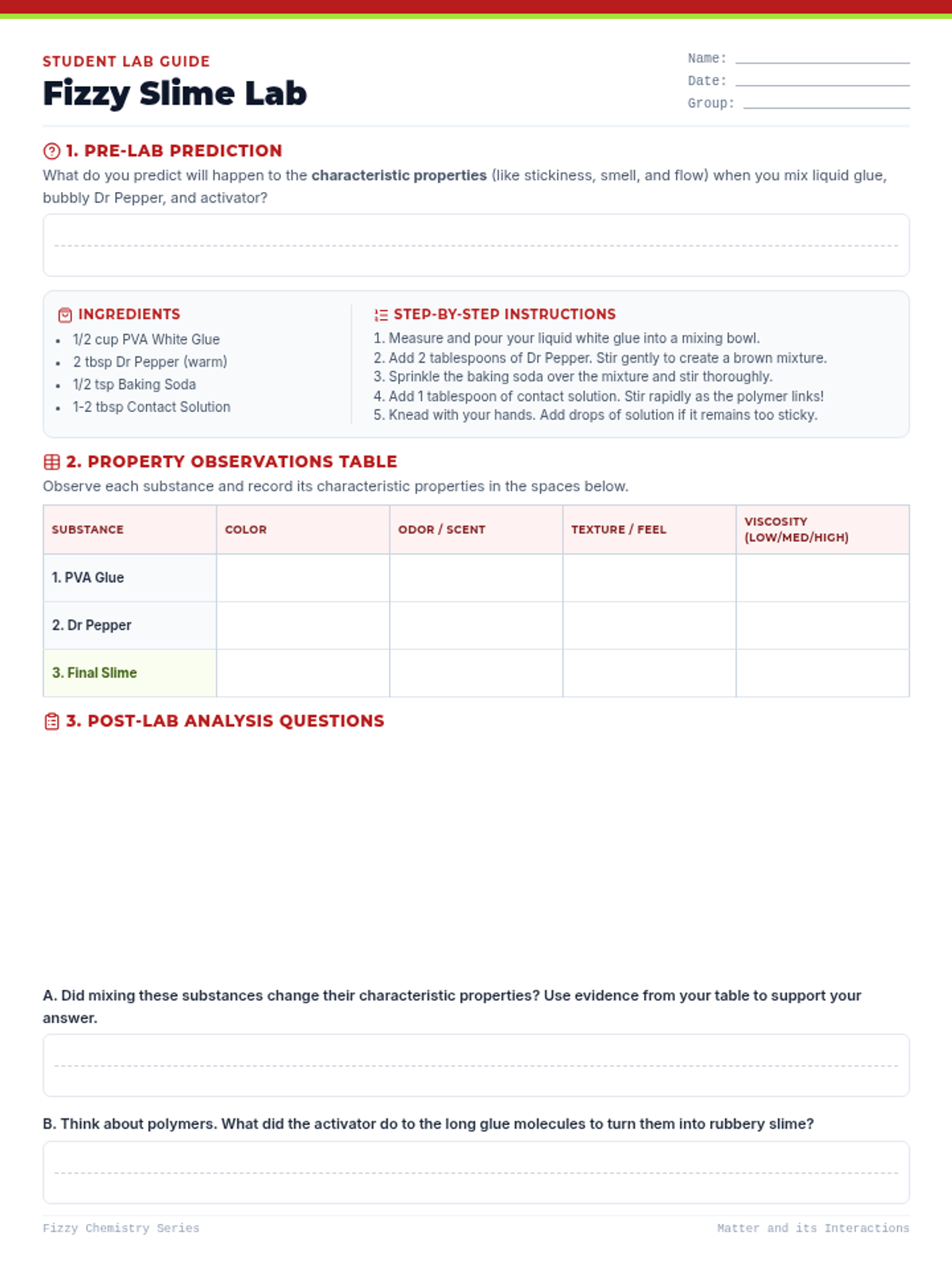
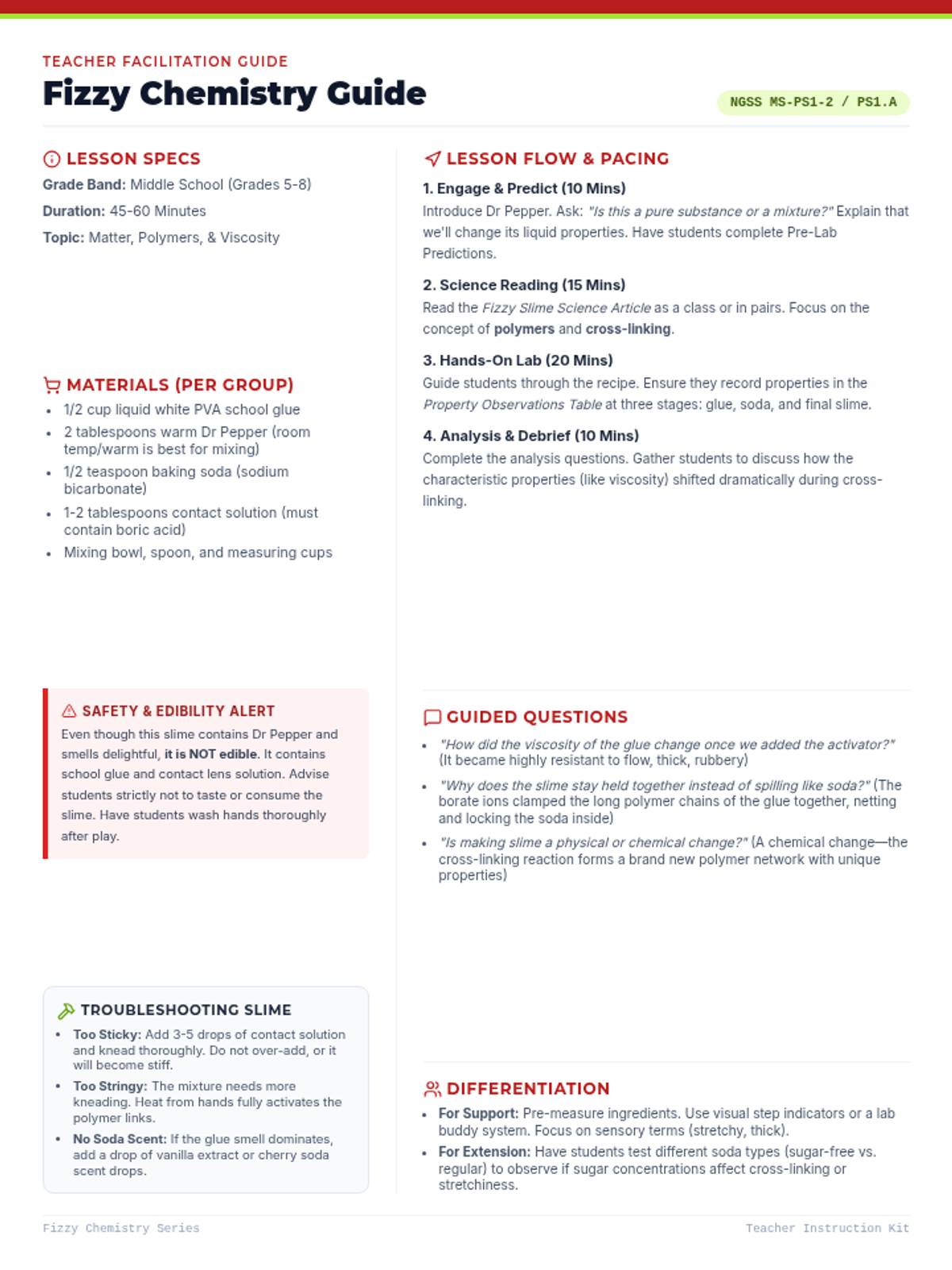
An interactive chemistry lesson investigating matter and its interactions by transforming Dr. Pepper into custom slime. Students examine how mixing substances changes their characteristic properties.
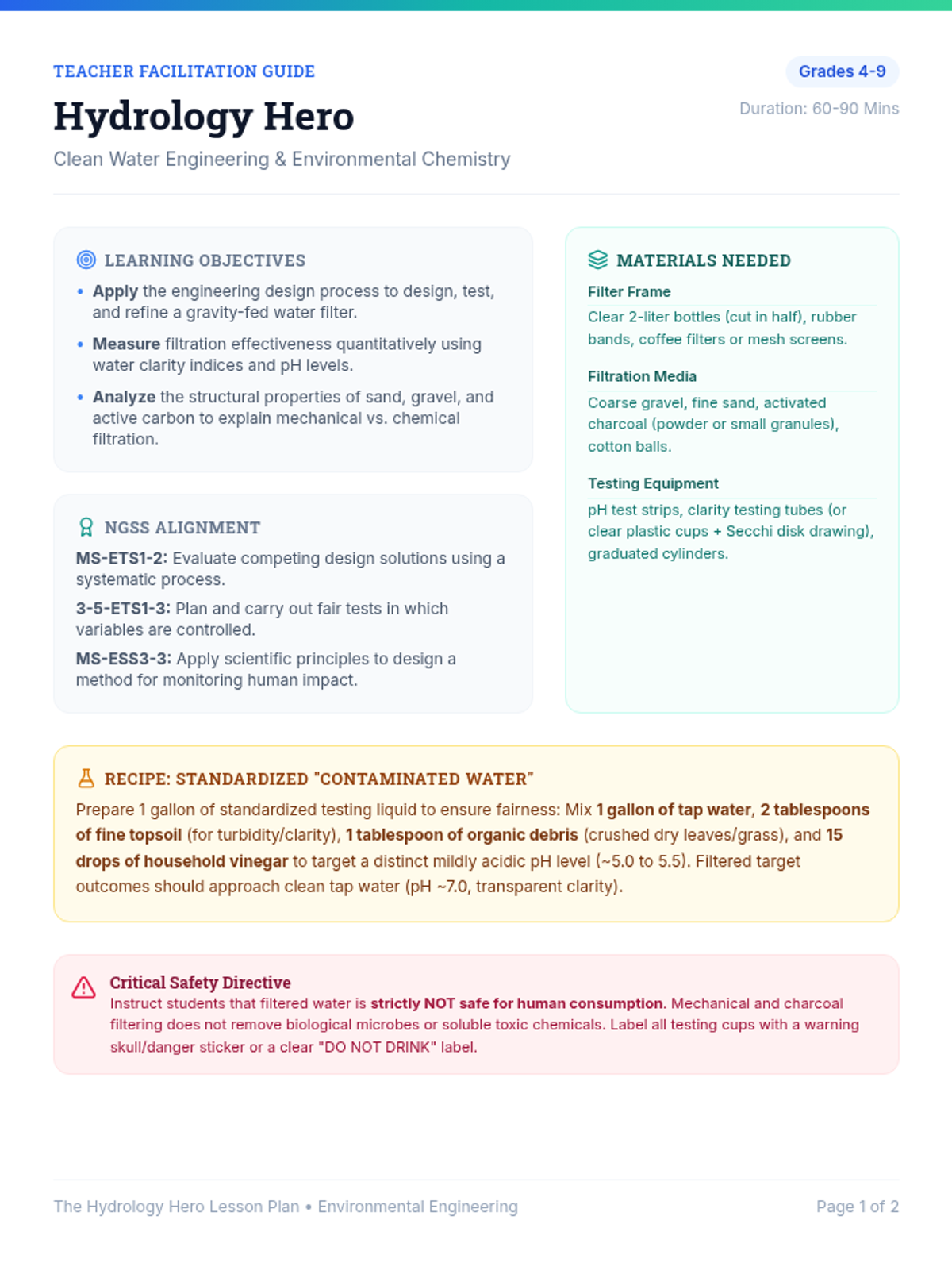
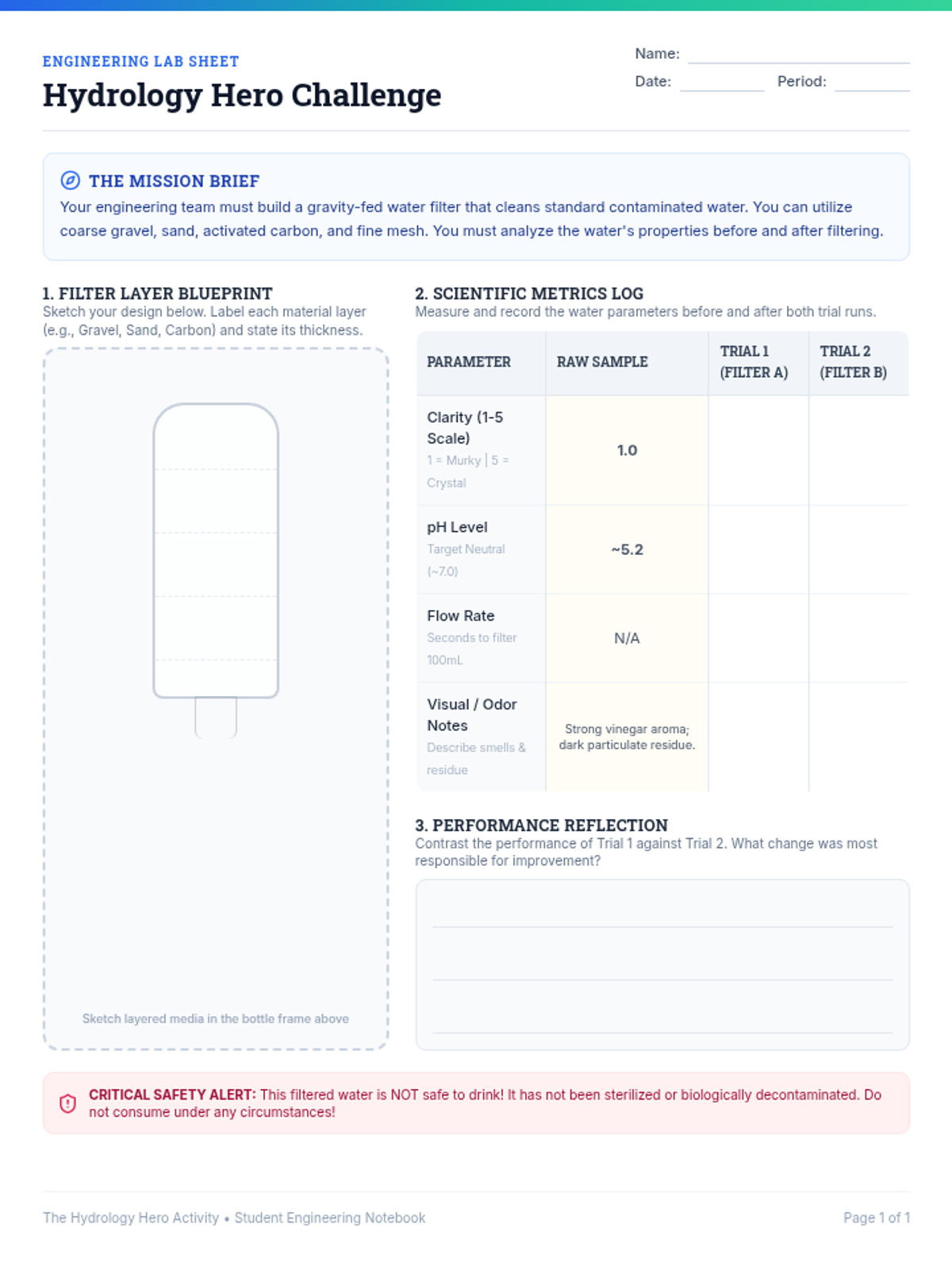
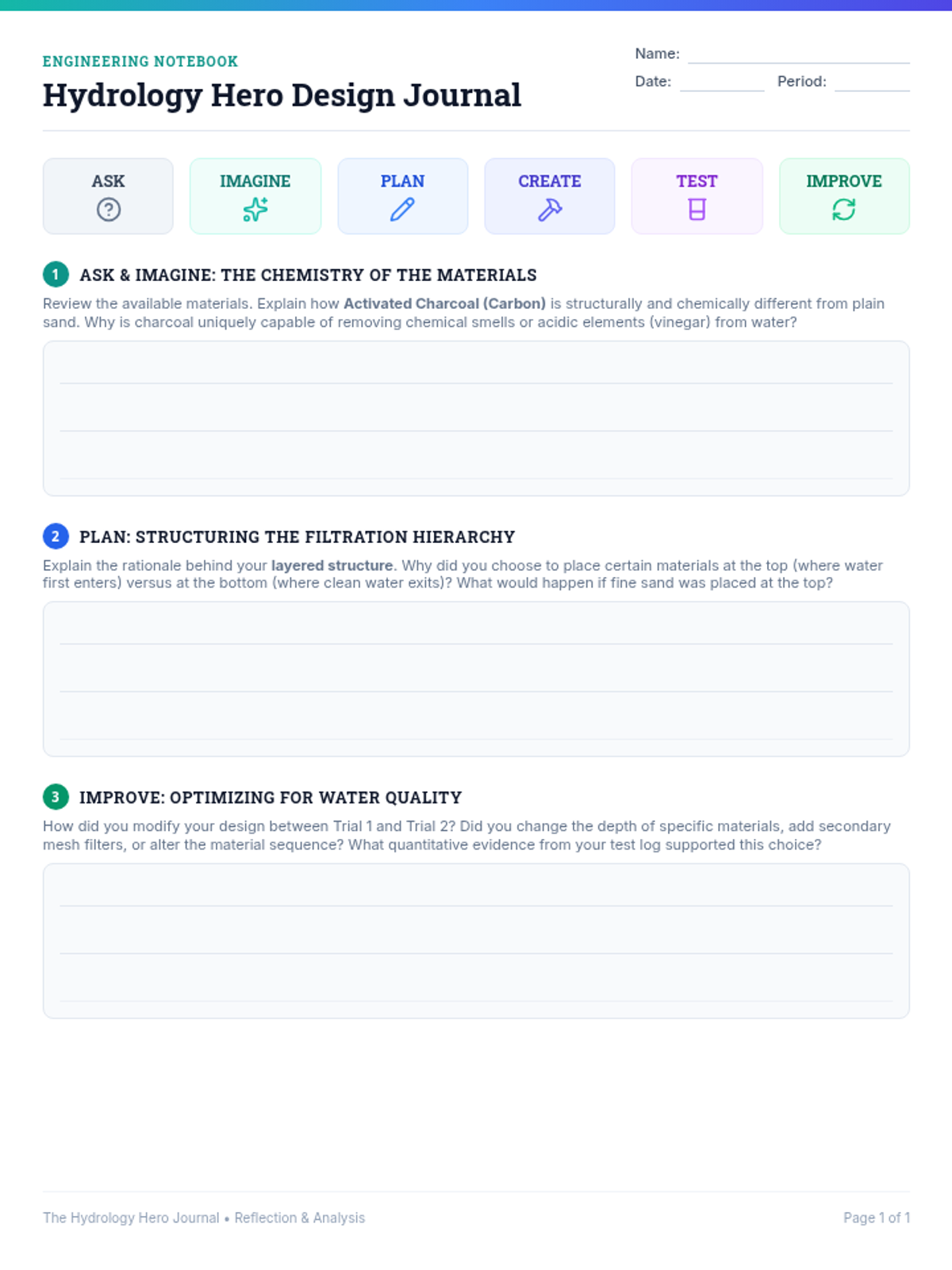
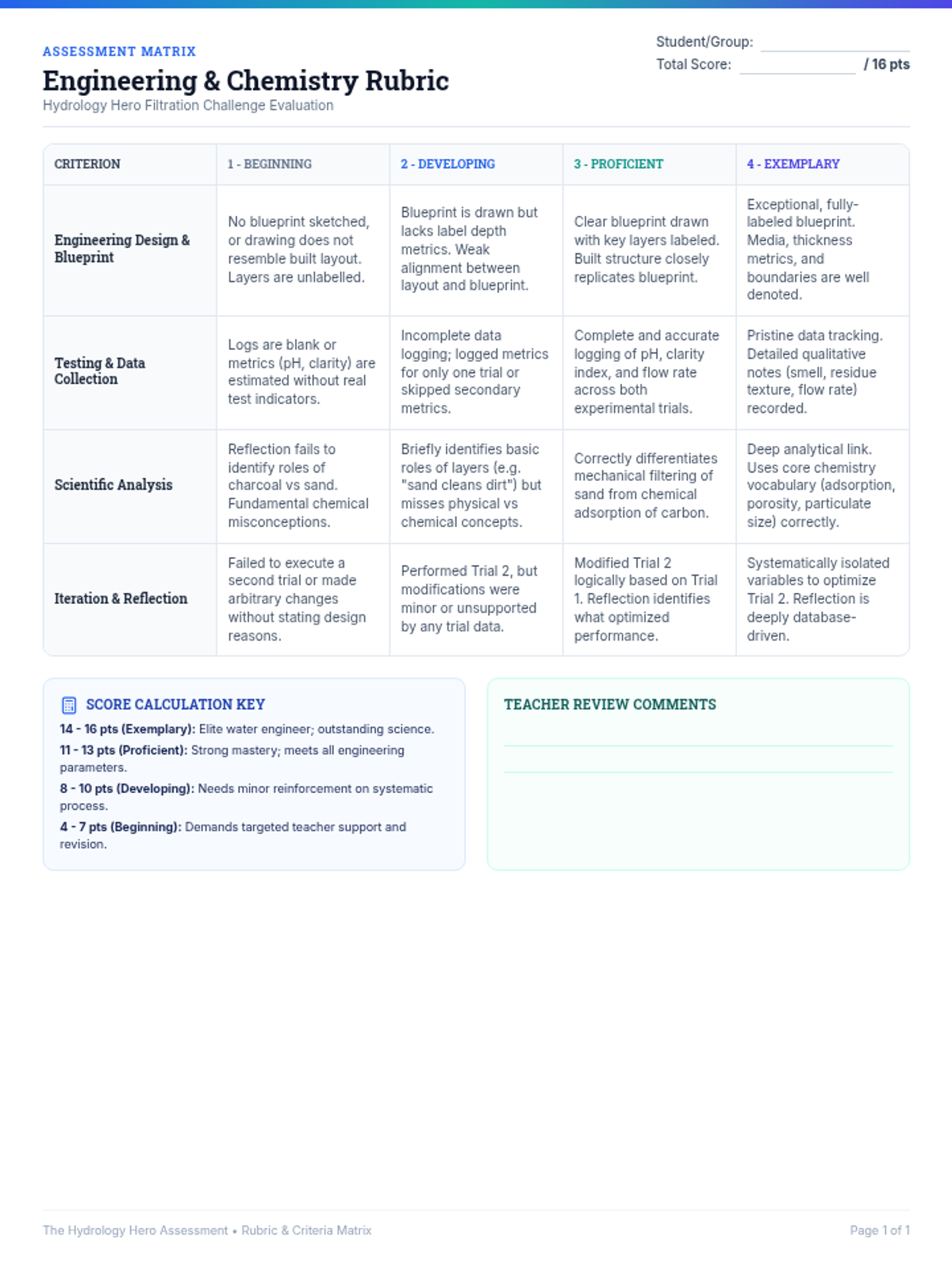
A comprehensive hands-on engineering lesson where students design and test gravity-fed filtration systems to explore water scarcity and water quality testing.
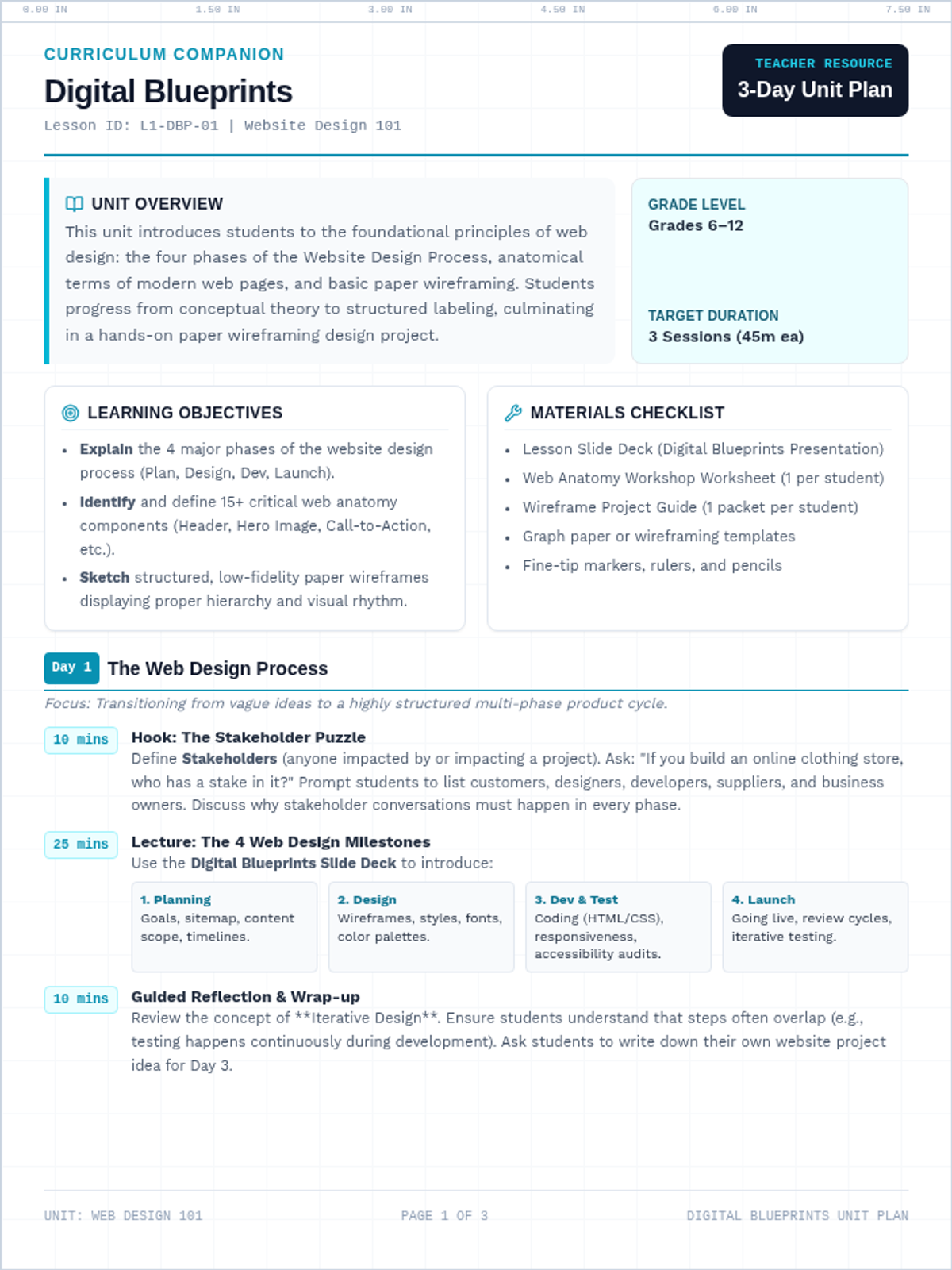
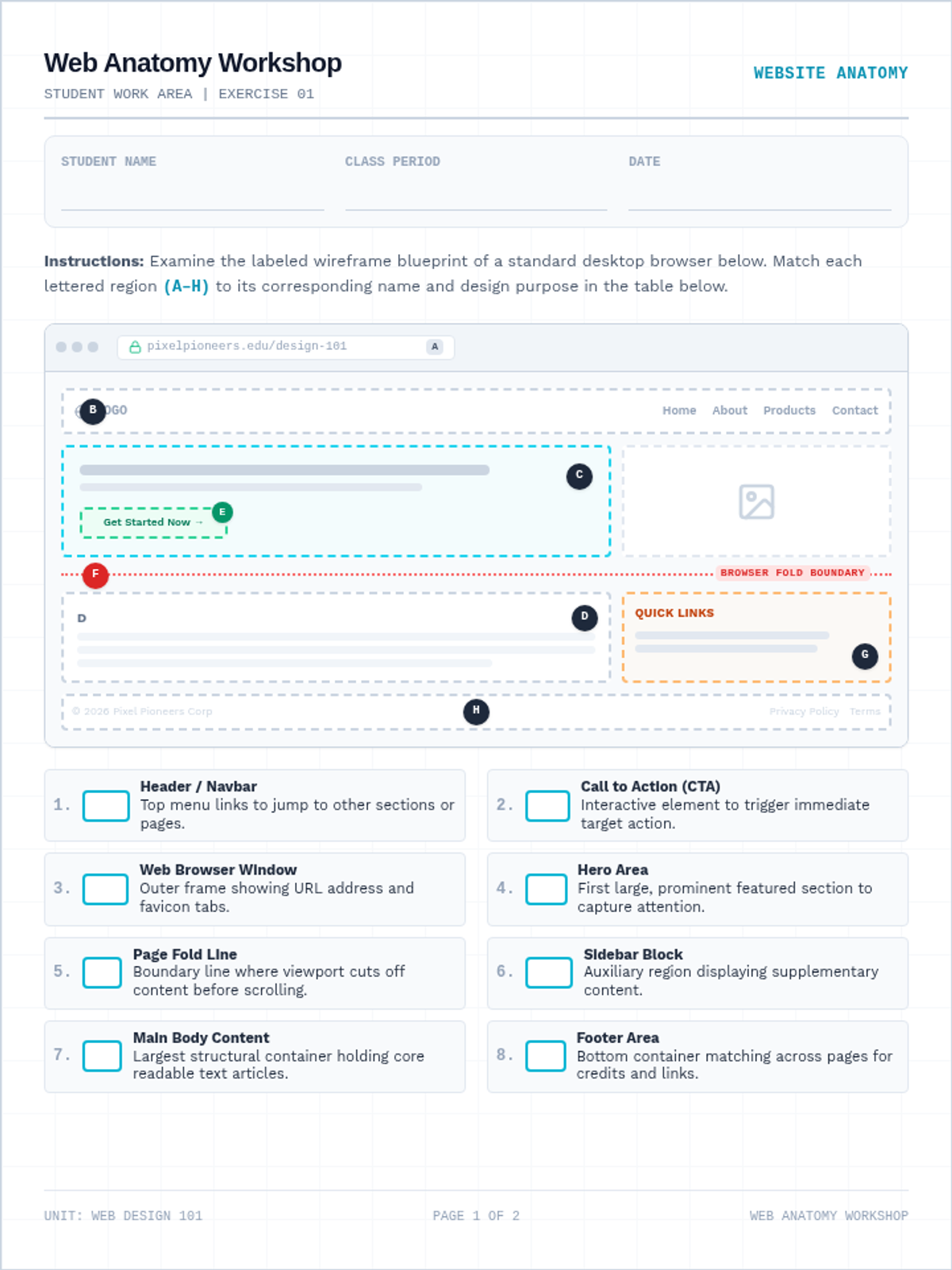
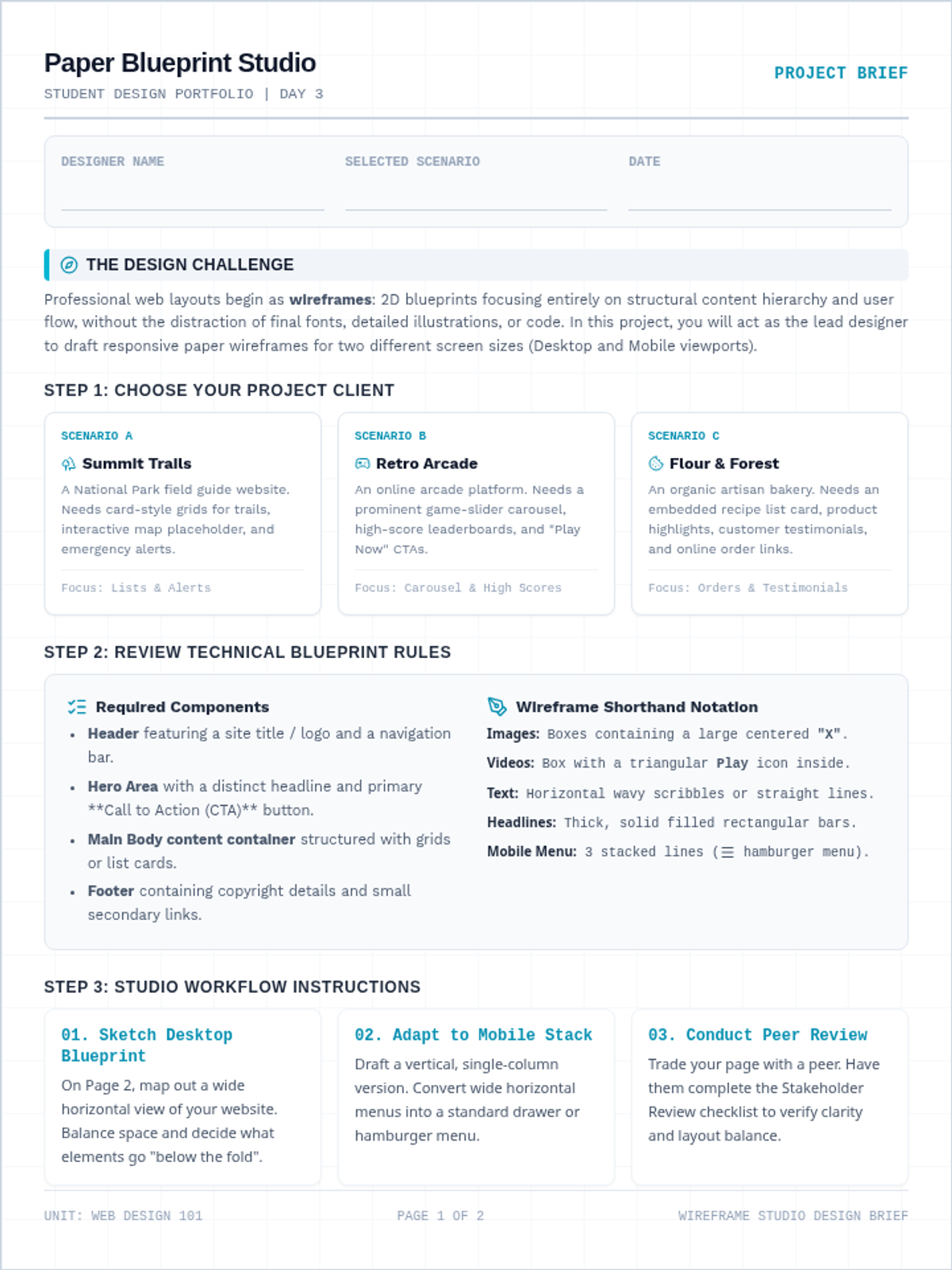
An introductory lesson on web design principles, covering the website design process, anatomy of a webpage, and paper wireframe sketching. Includes interactive slides, an anatomy and vocabulary worksheet, a paper-based wireframing project guide, and a comprehensive teacher guide.
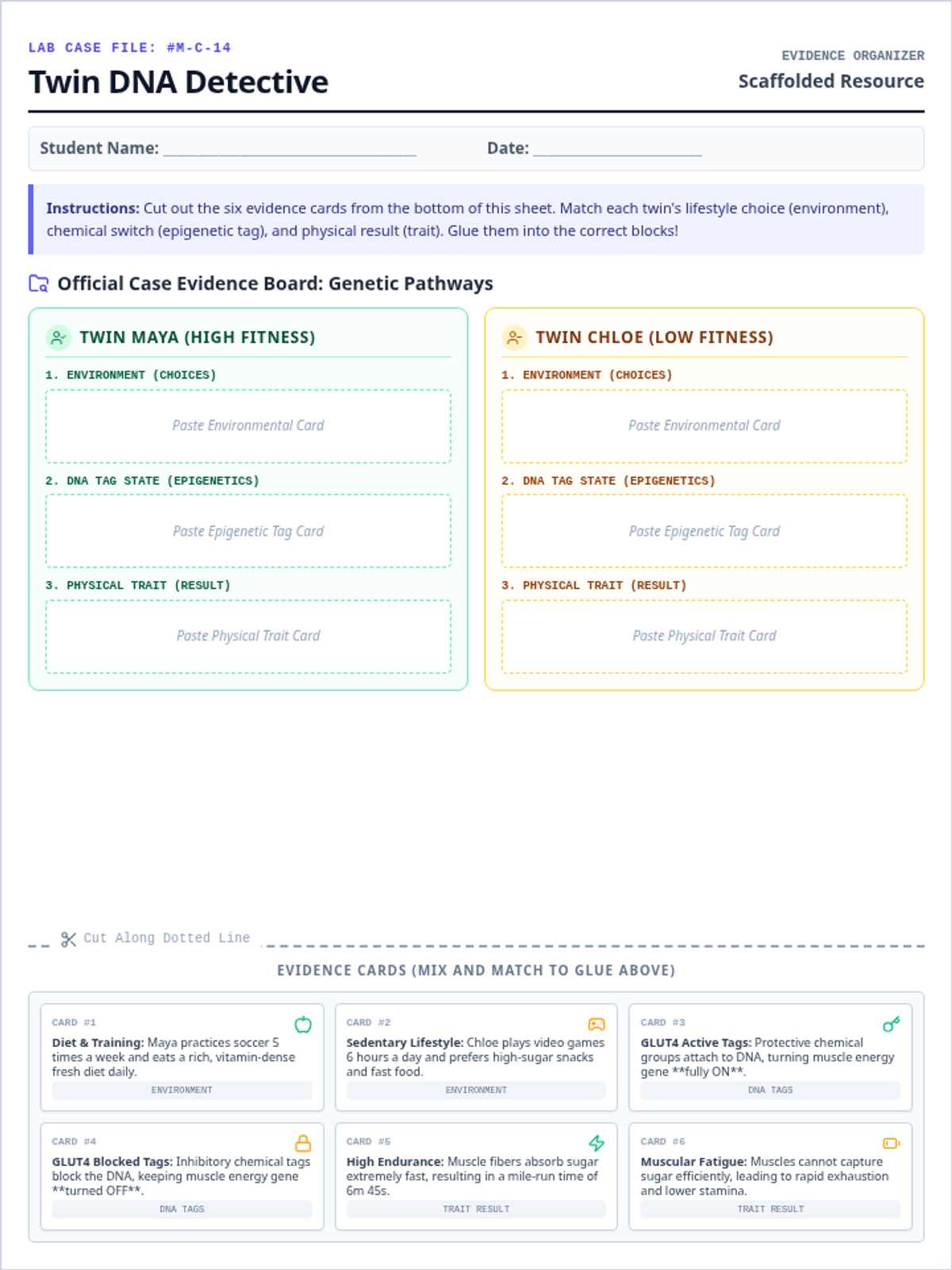
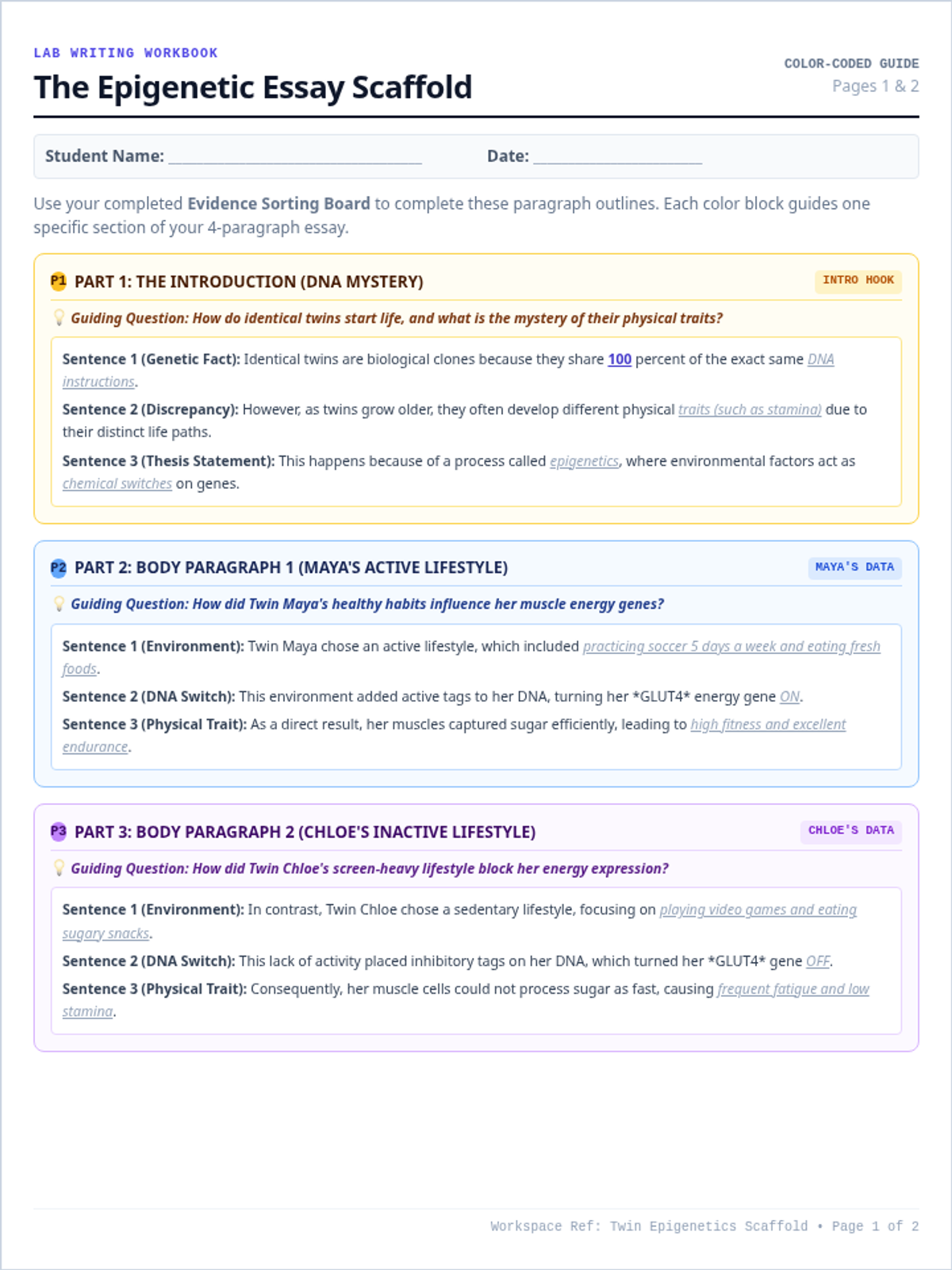
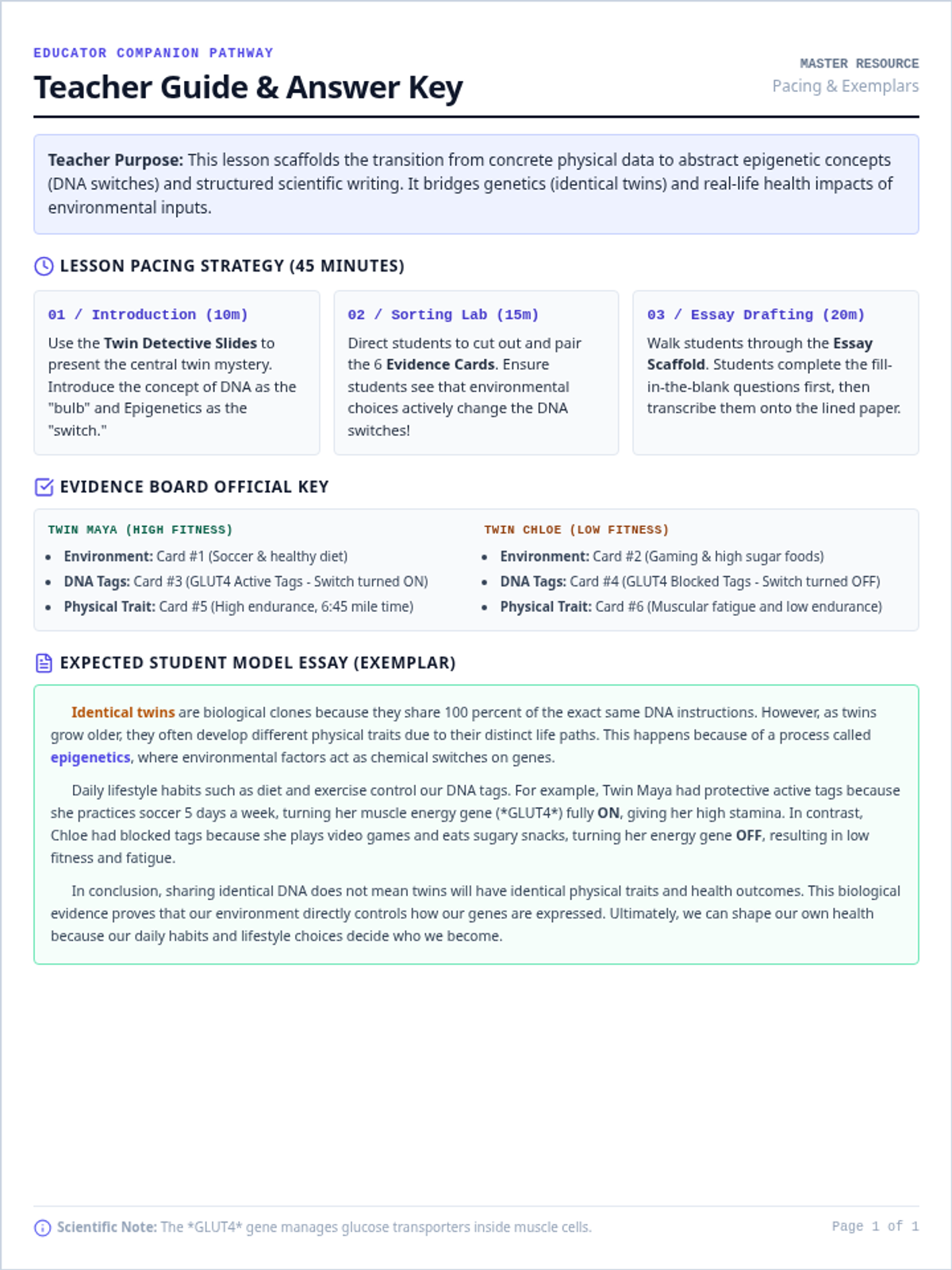
Students investigate how identical twins with identical DNA can develop different physical traits due to epigenetics. Through color-coded data sorting and sentence-by-sentence graphic organizers, students draft a complete three-paragraph scientific explanation.
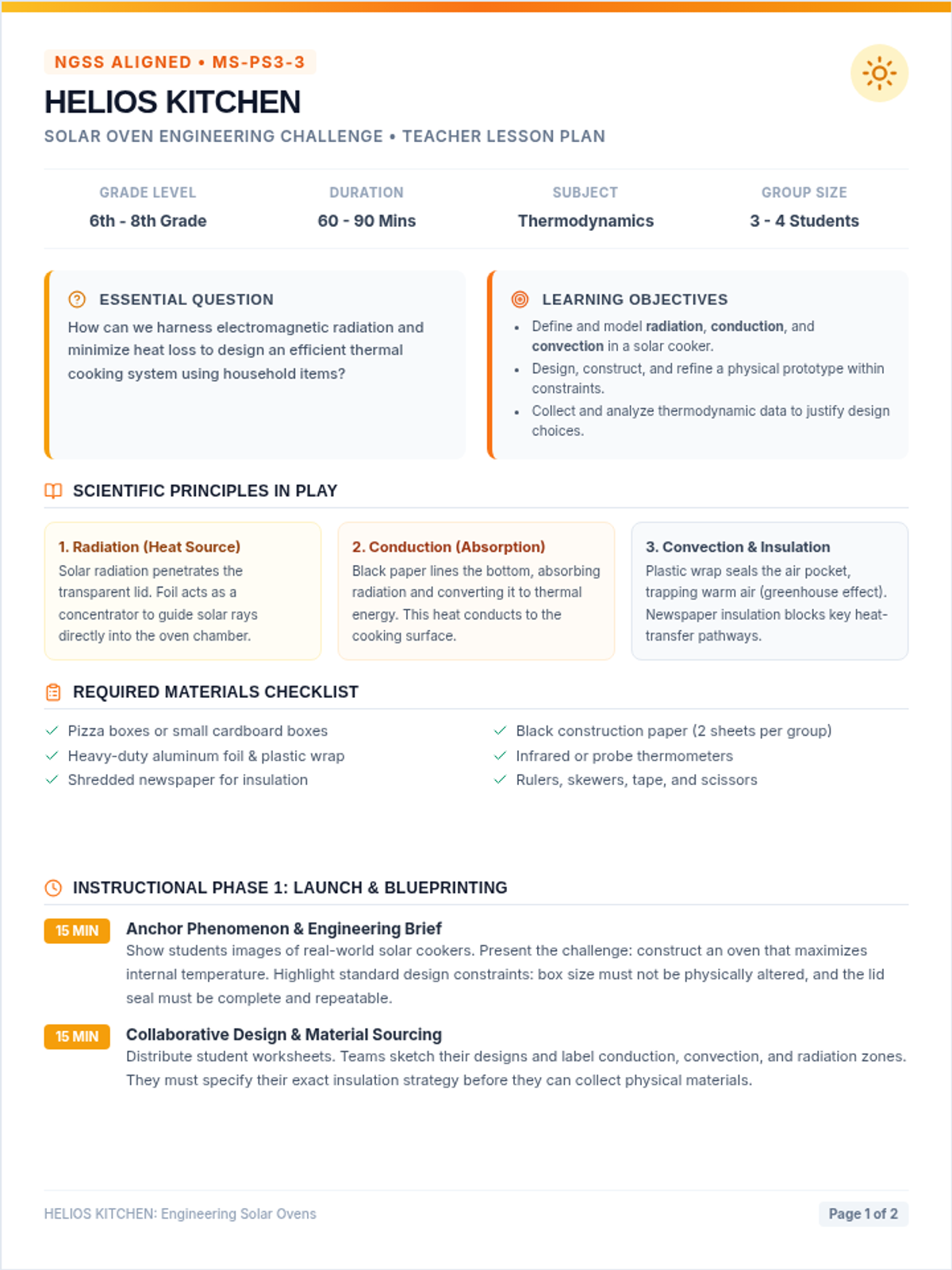
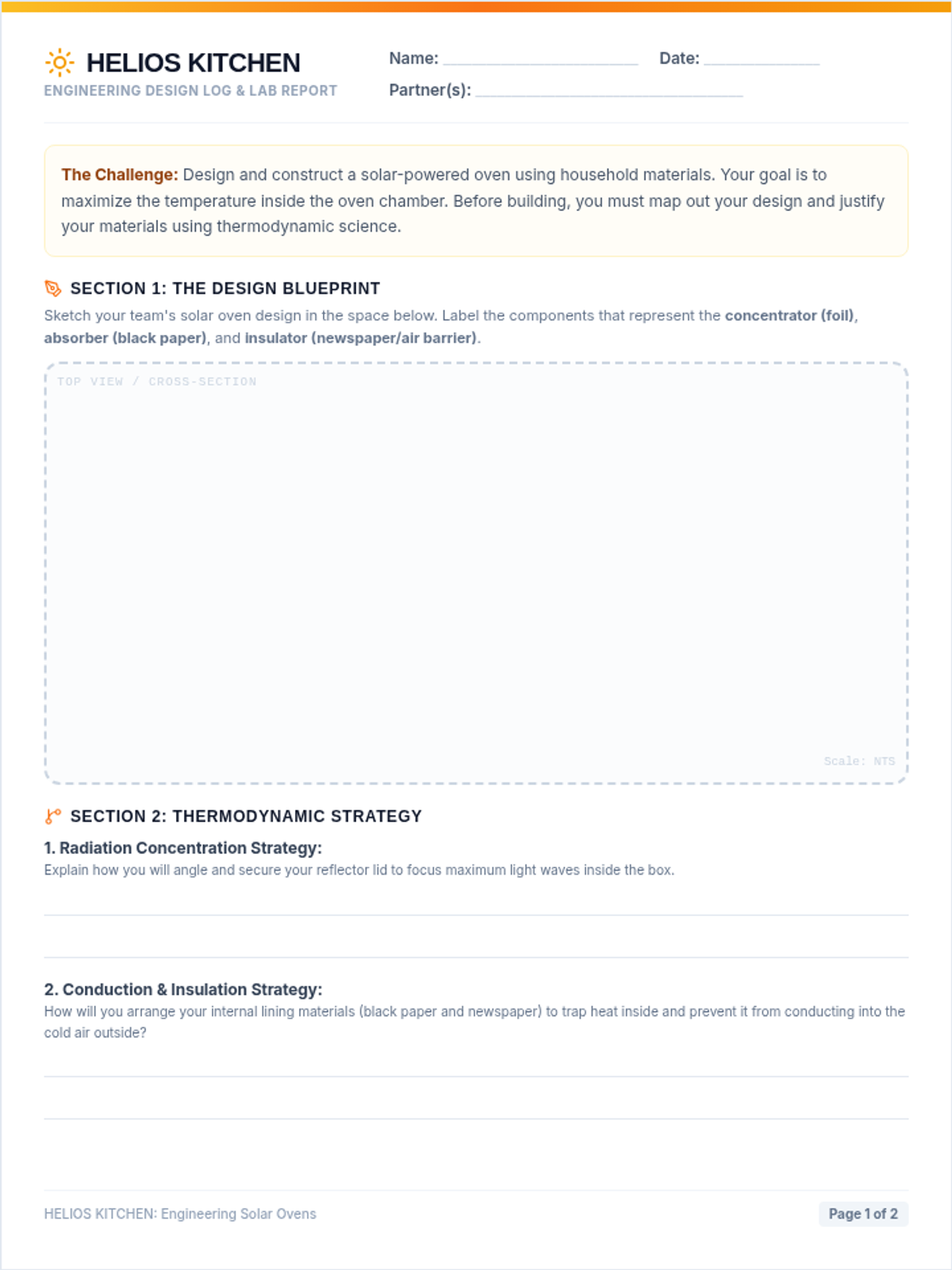
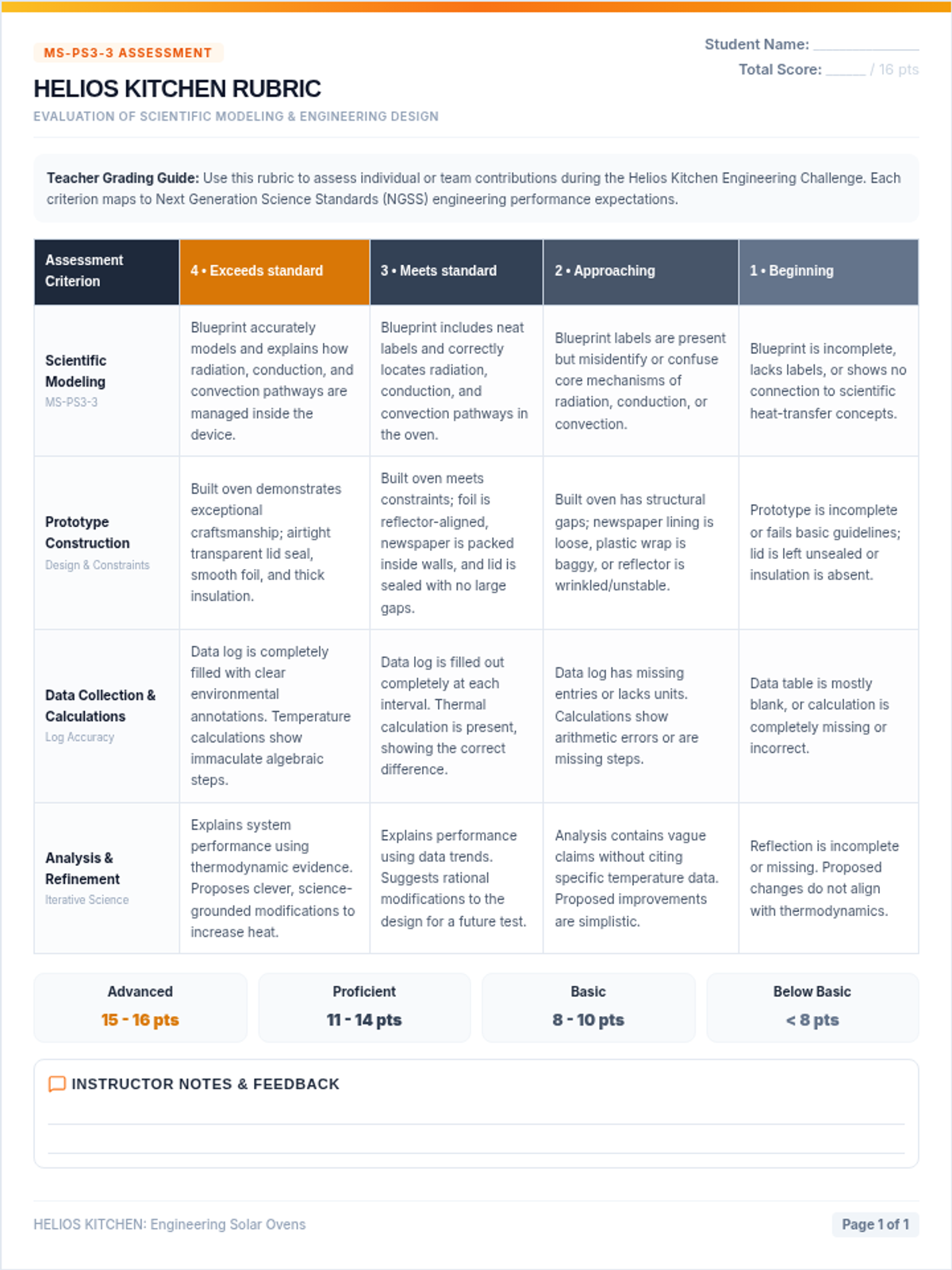
A hands-on middle school engineering challenge where students design, build, and test solar-powered ovens to investigate heat transfer and thermal insulation.
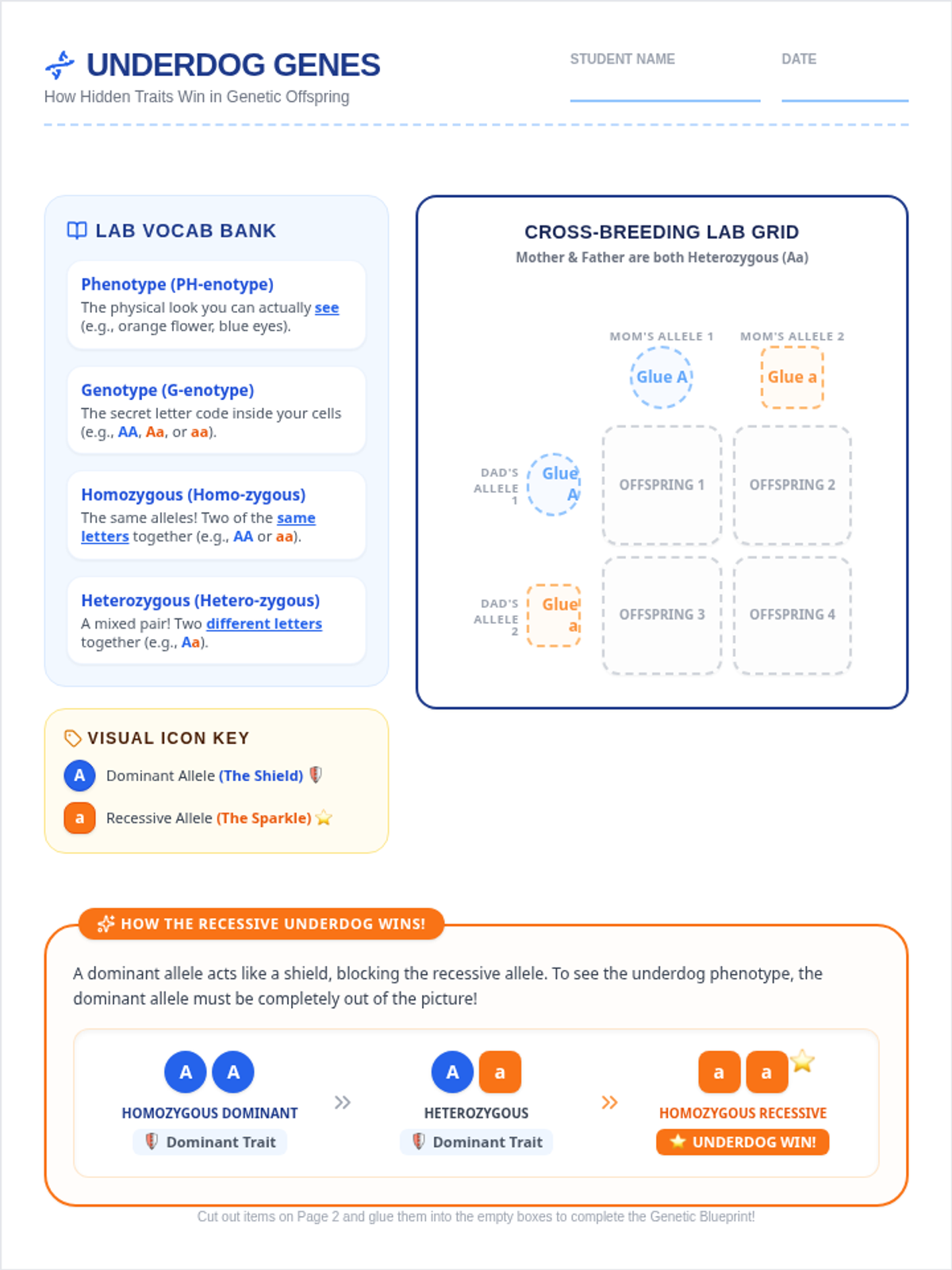
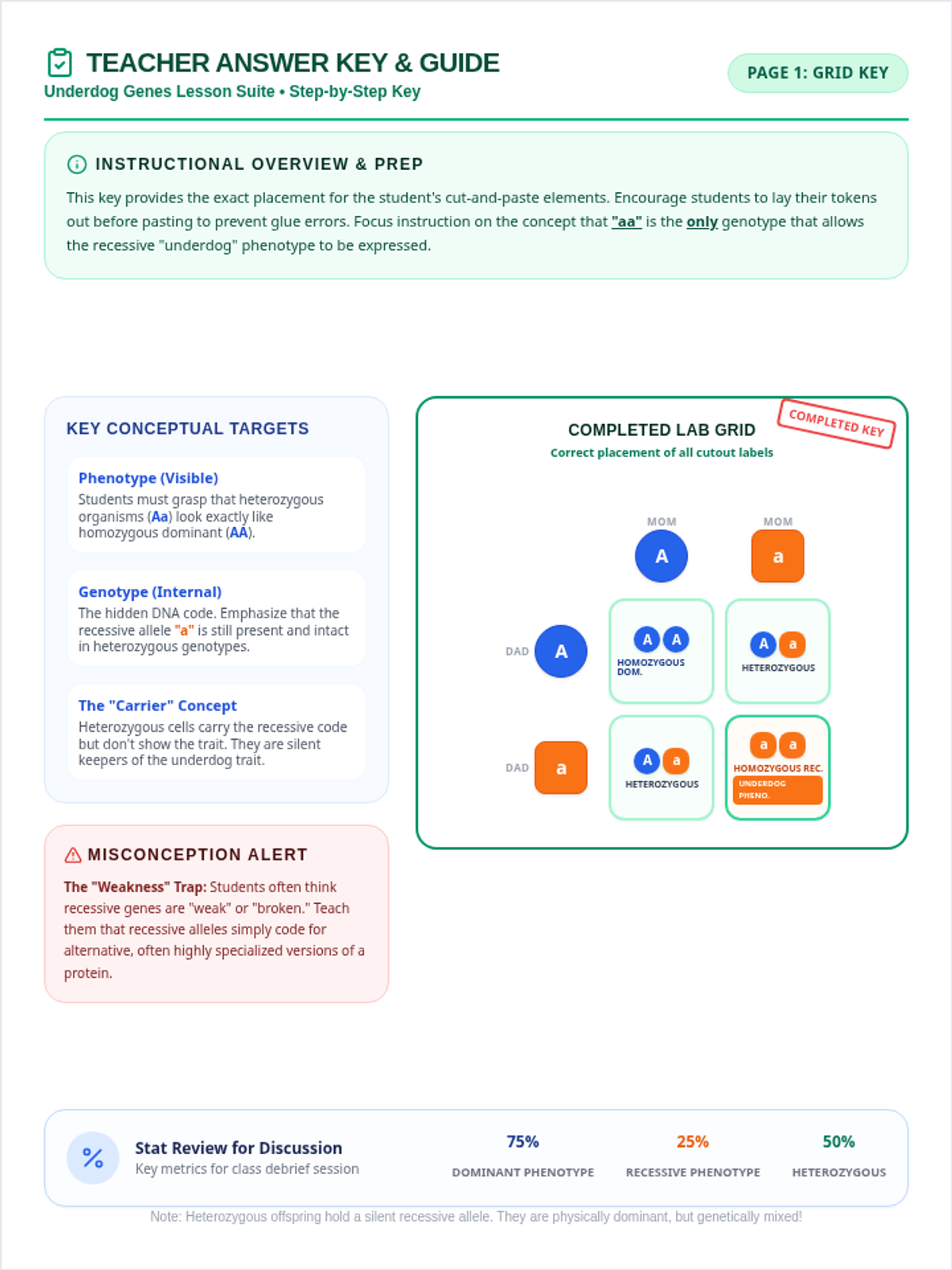
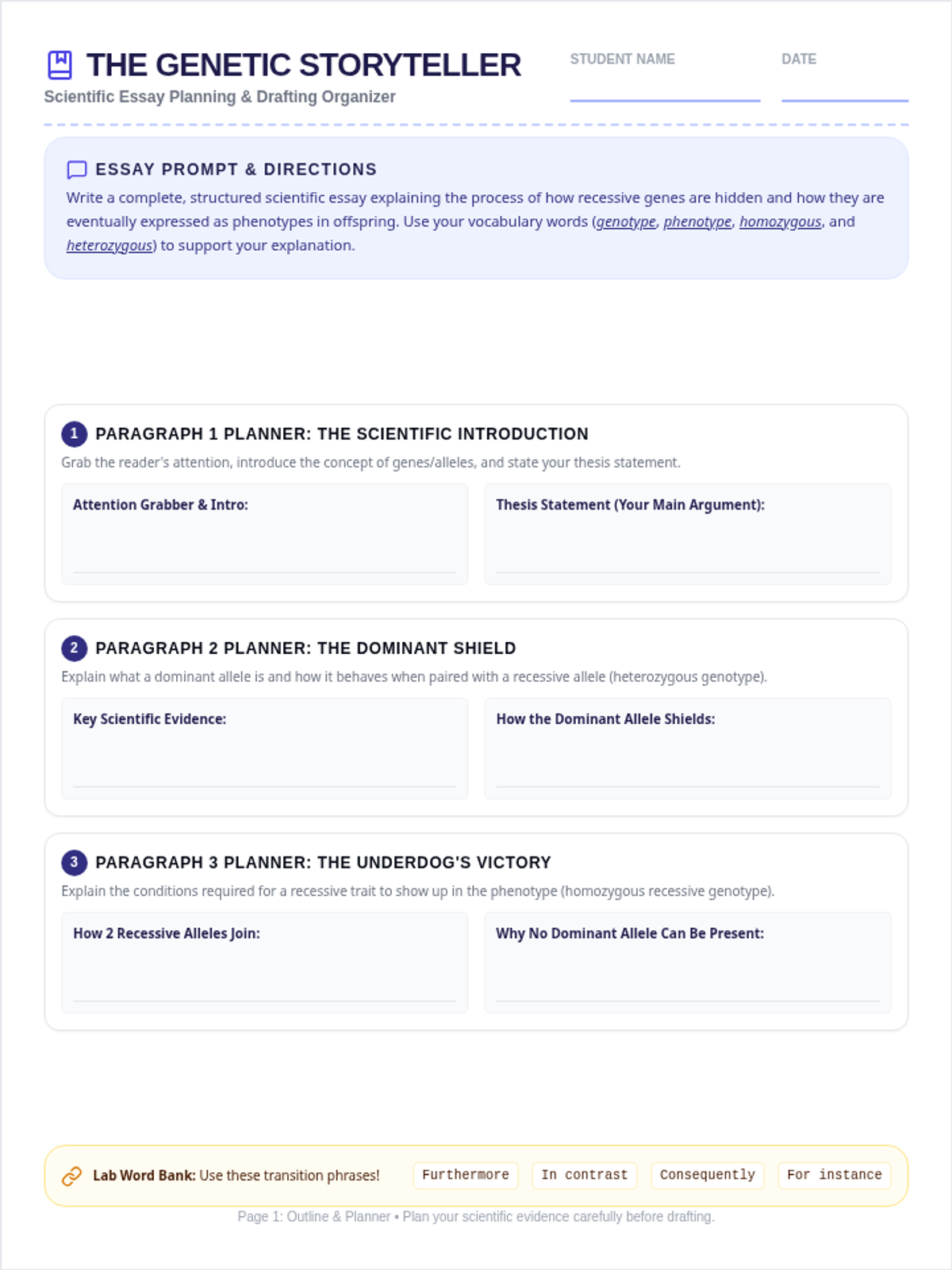
A hands-on, highly scaffolded science lesson exploring how recessive alleles express their phenotypes. Students use visual icon coding, cut-and-paste labels, a simplified vocabulary bank, and guided paragraph frames to explain genetic expression step-by-step.
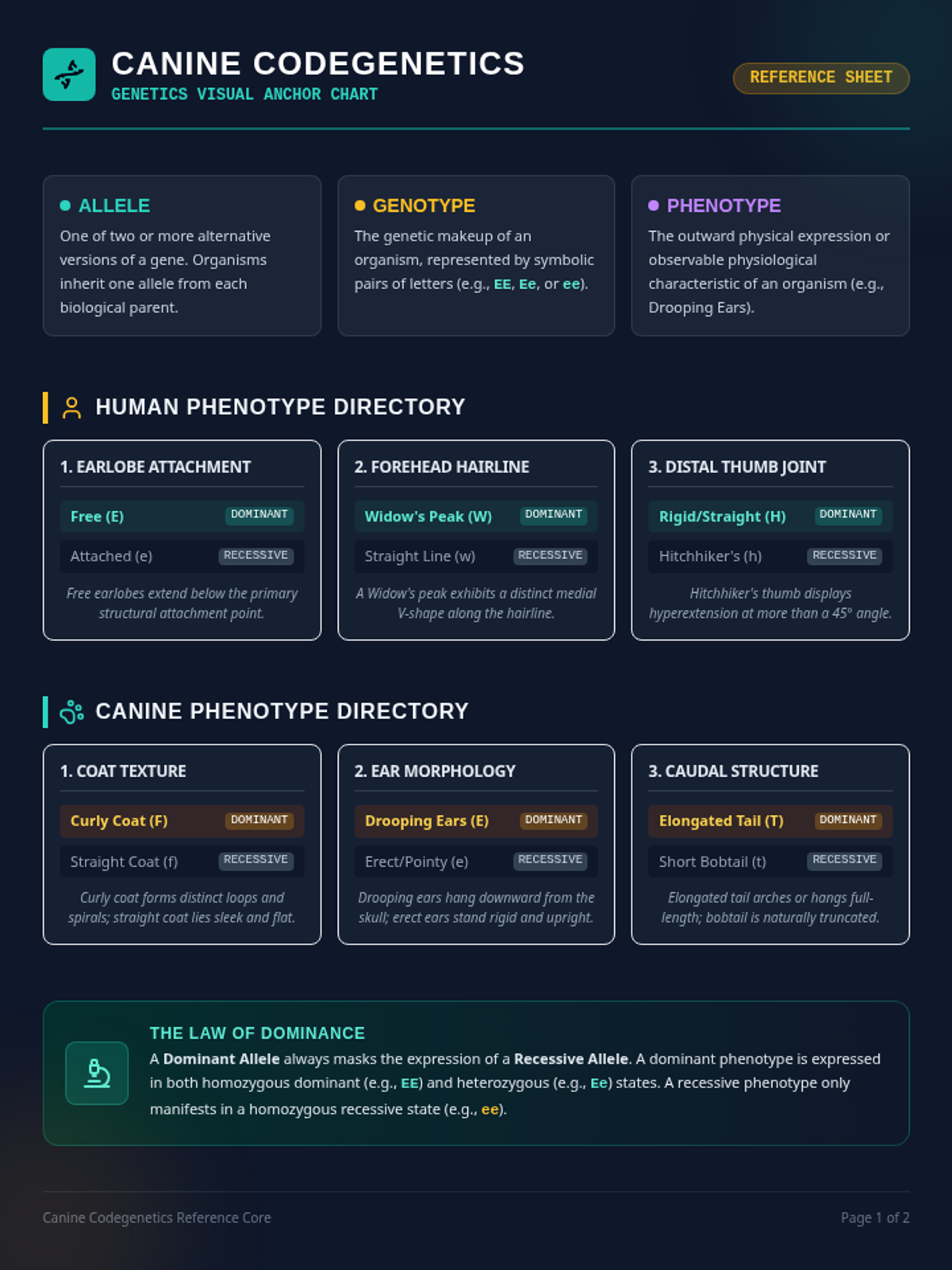
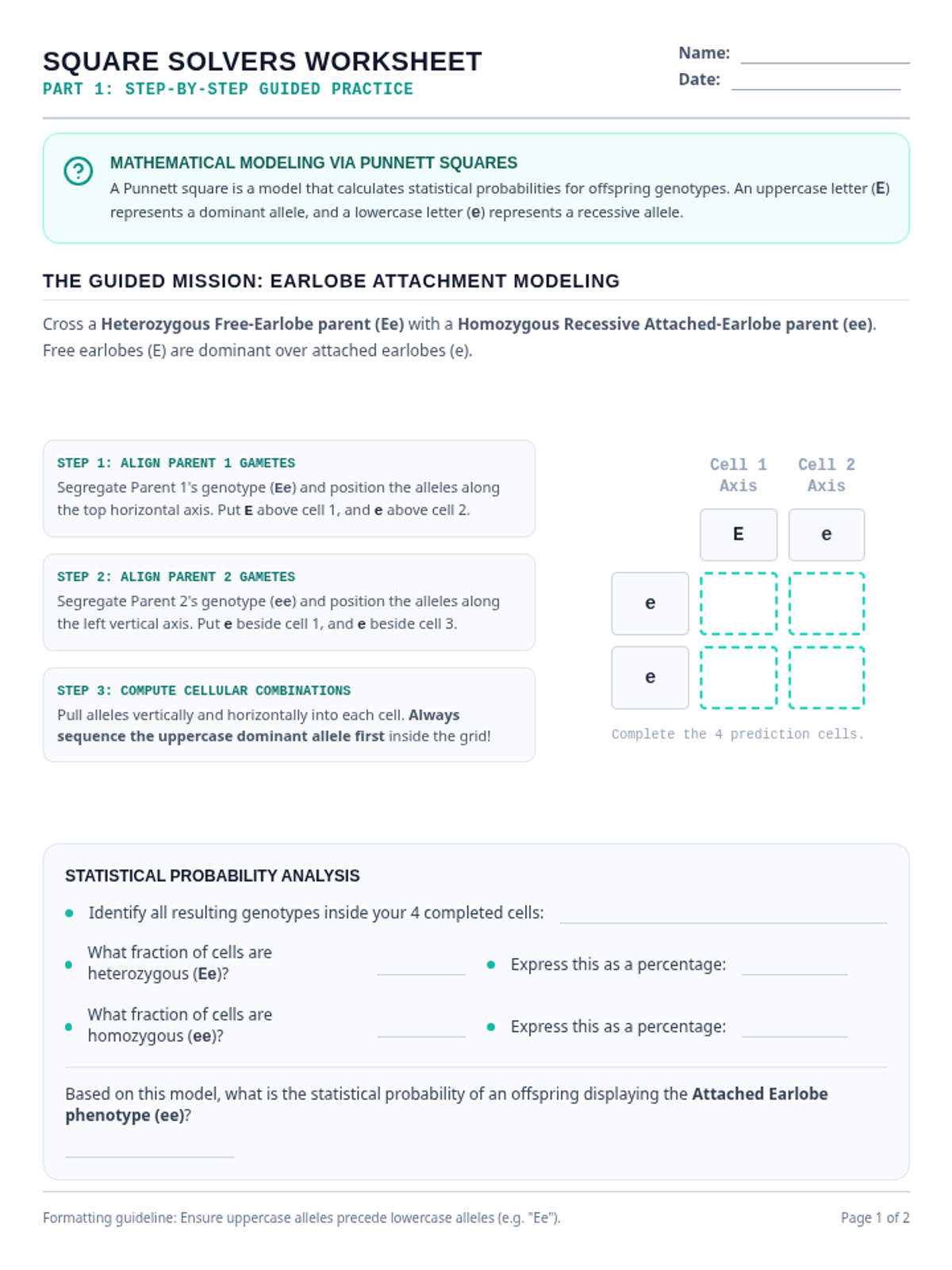
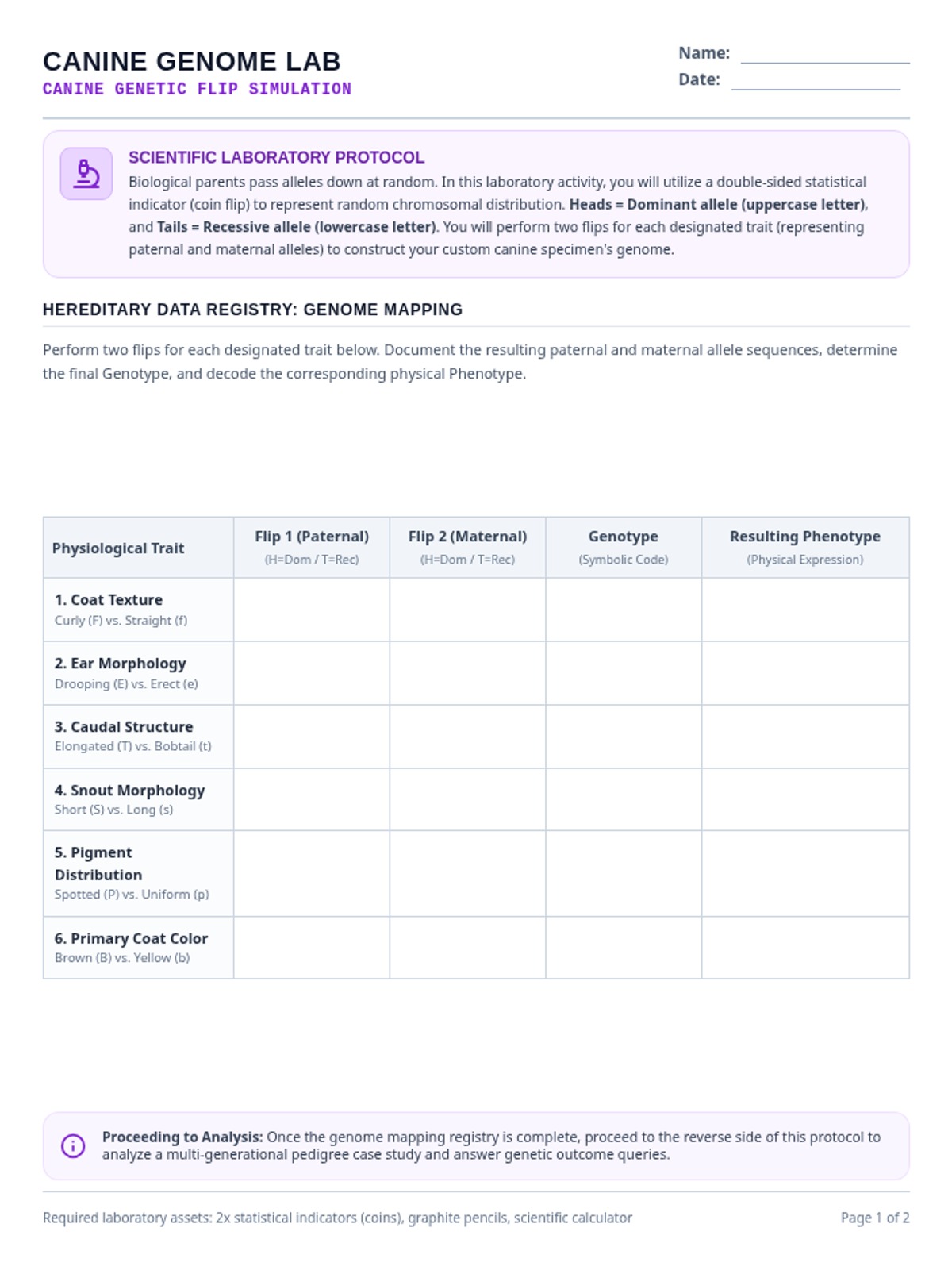
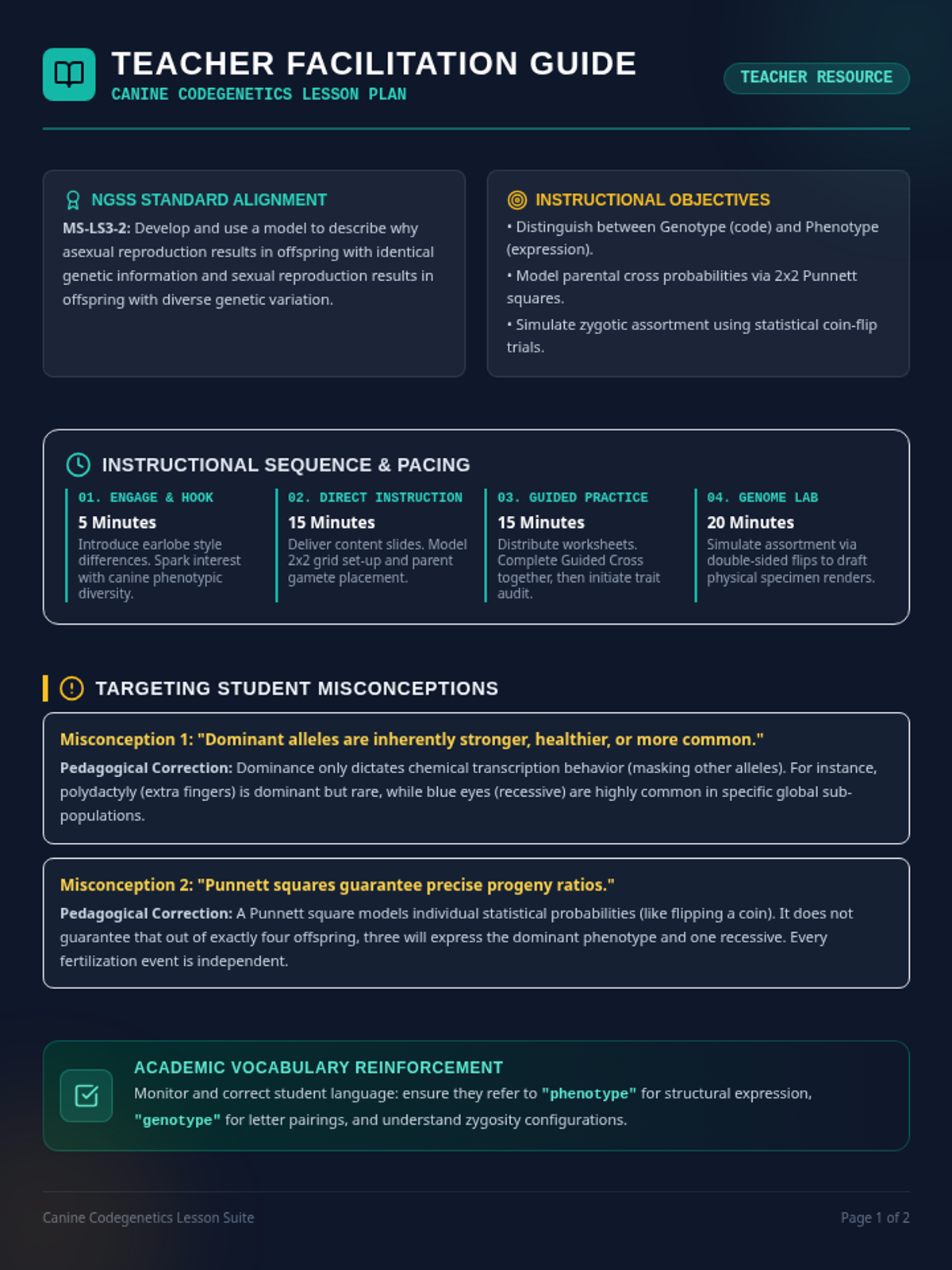
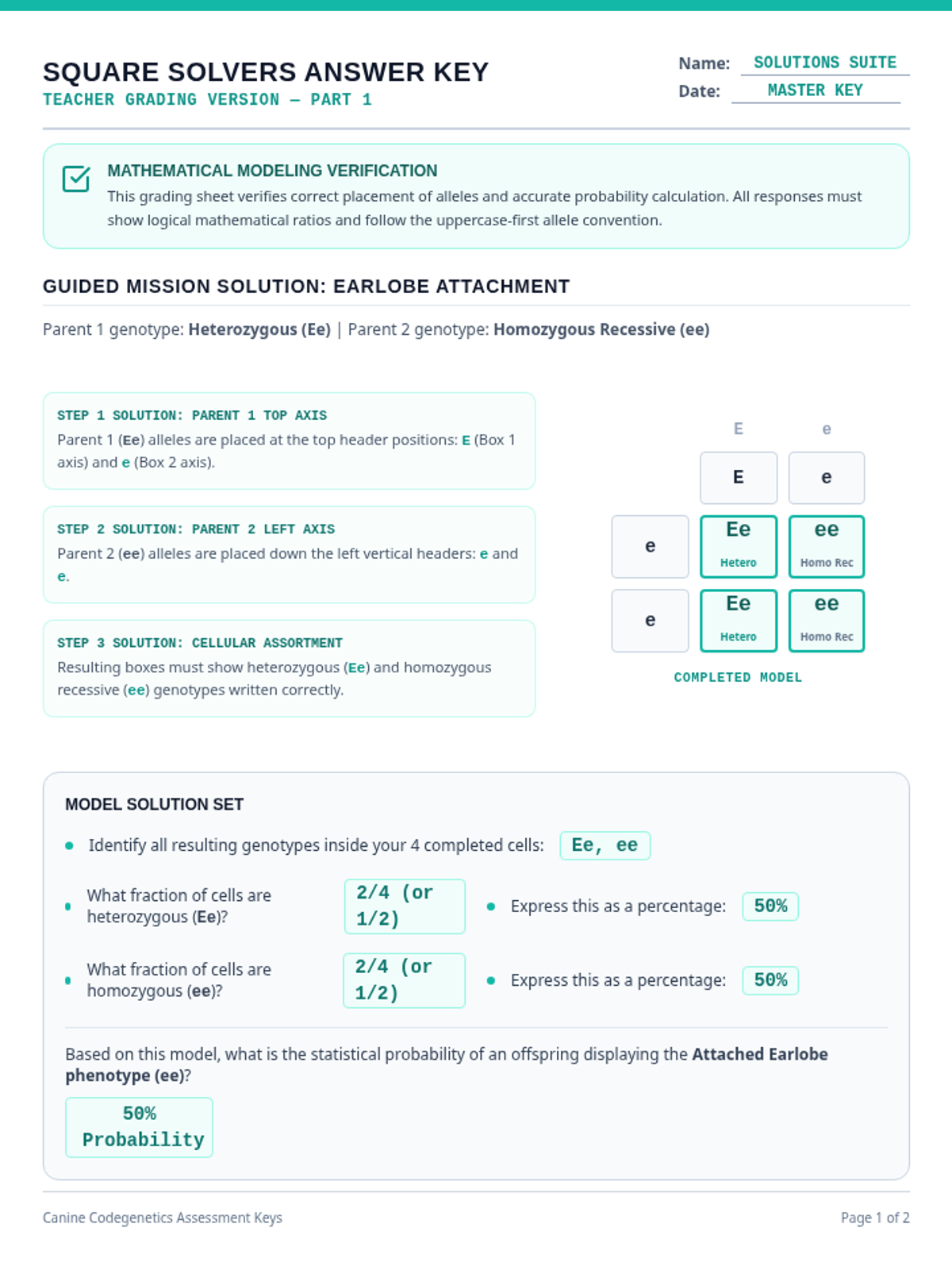
A scientifically rigorous 7th-grade lesson on traits and heredity. Students explore dominant and recessive allele patterns in human and canine specimens, master simplified 2x2 Punnett square genetic forecasting models, and simulate inheritance combinations in a canine genome lab.
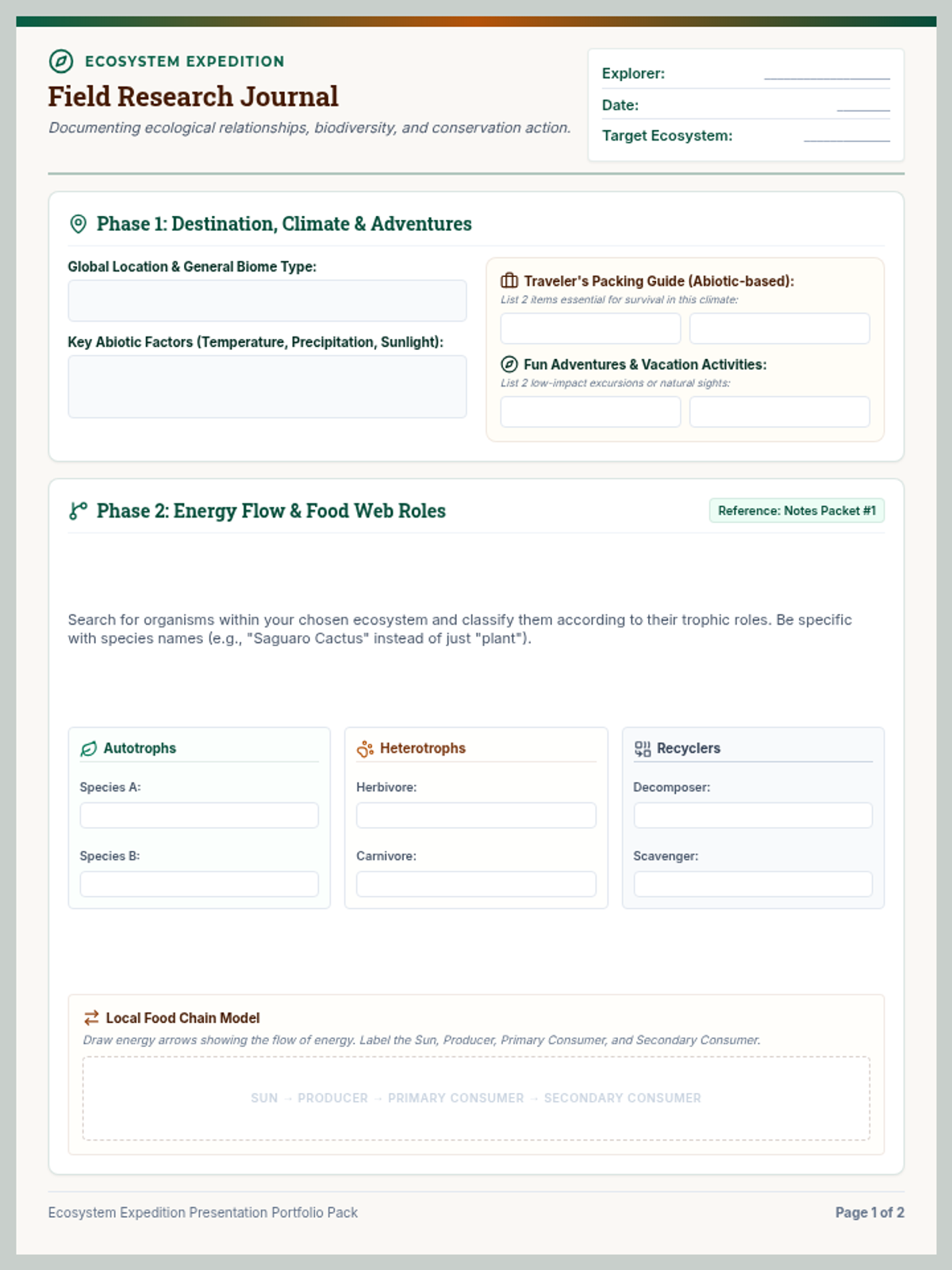
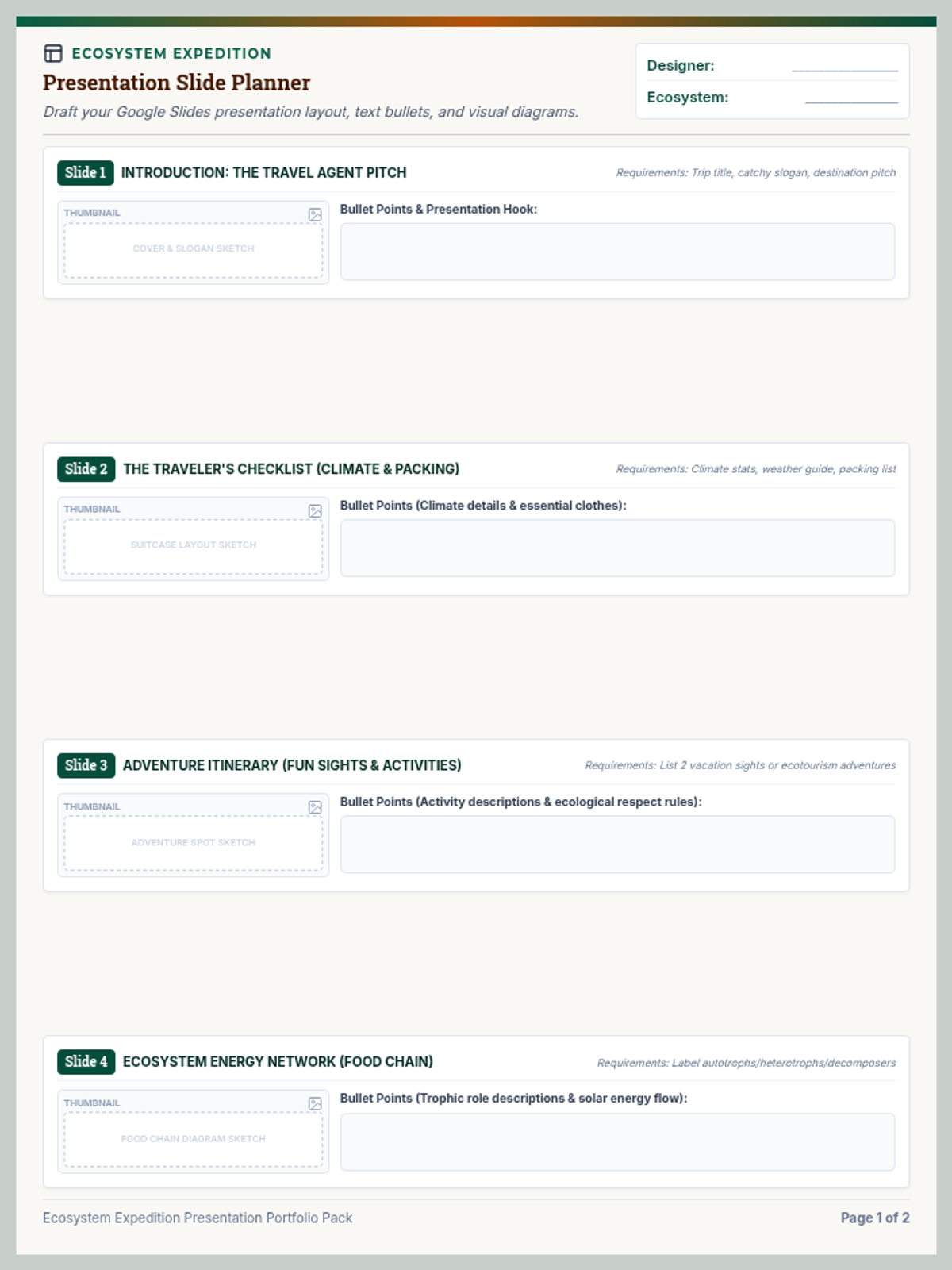
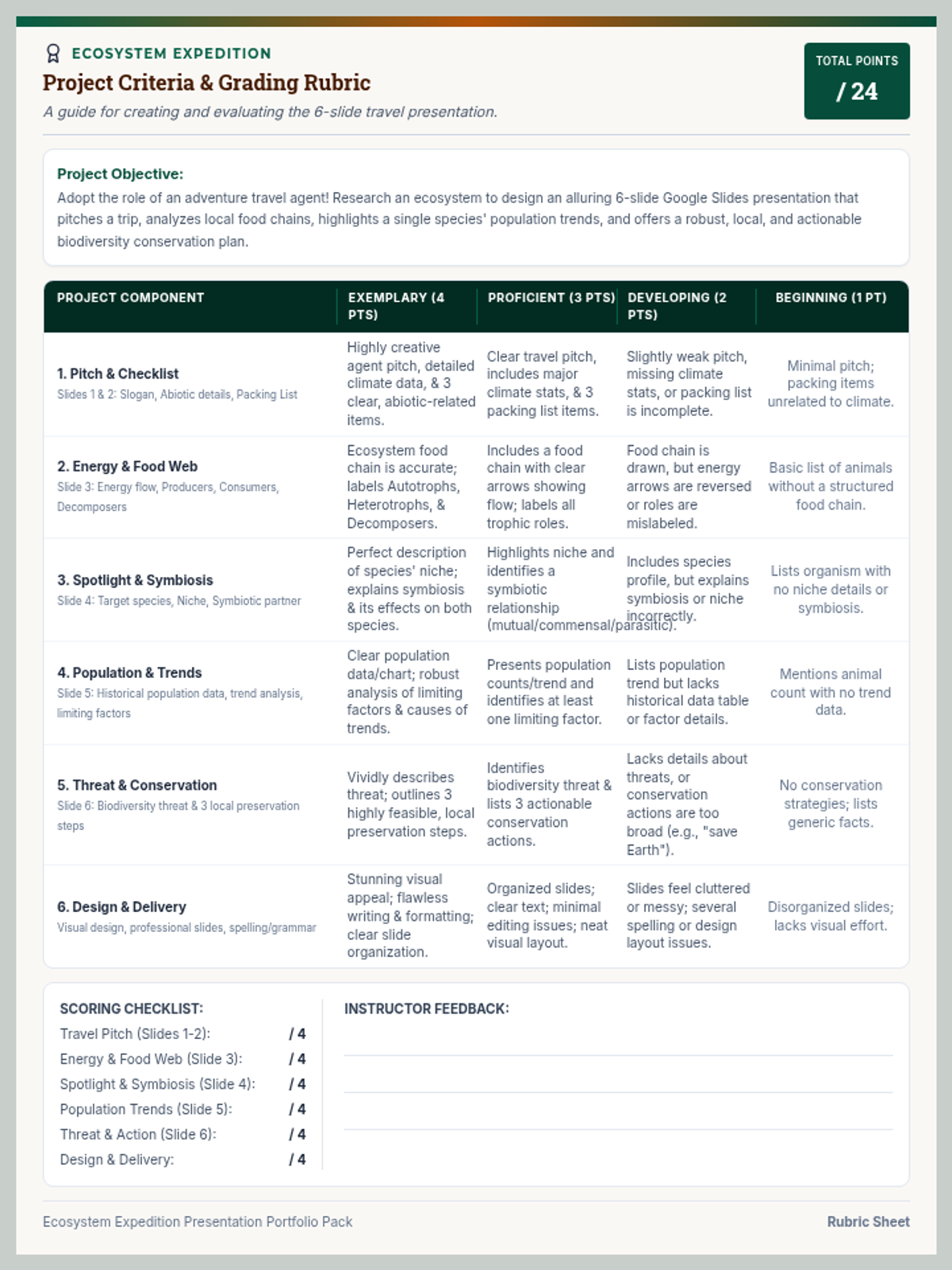
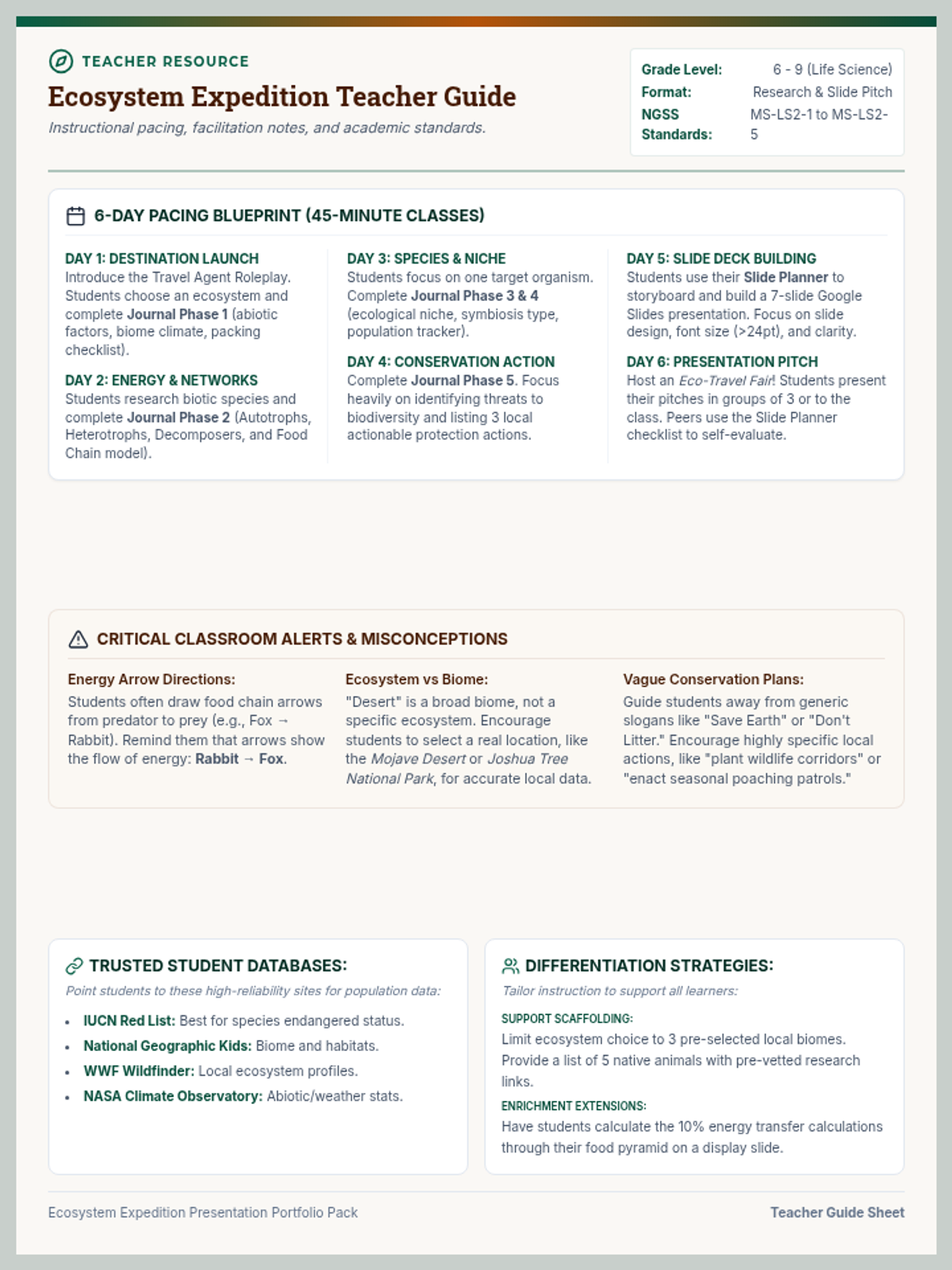
A project-based lesson where students research a chosen ecosystem, analyze its energy flow and biodiversity, focus on a specific species' population, and design a 'travel pitch' slide presentation with an actionable conservation plan.
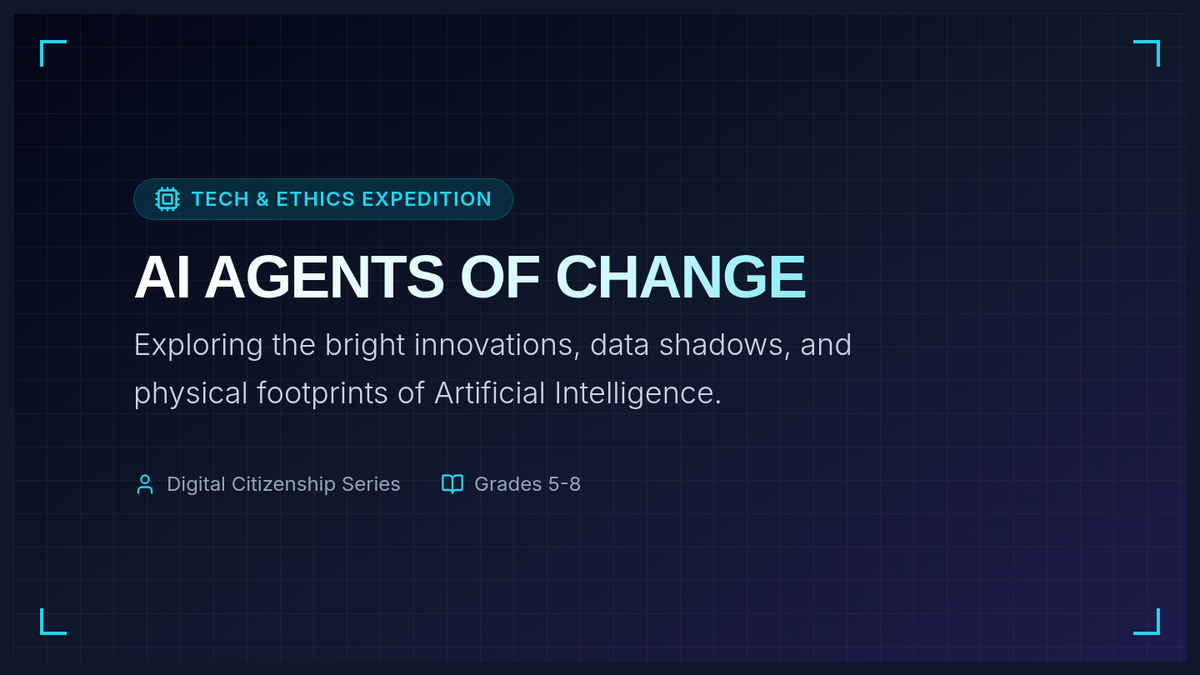
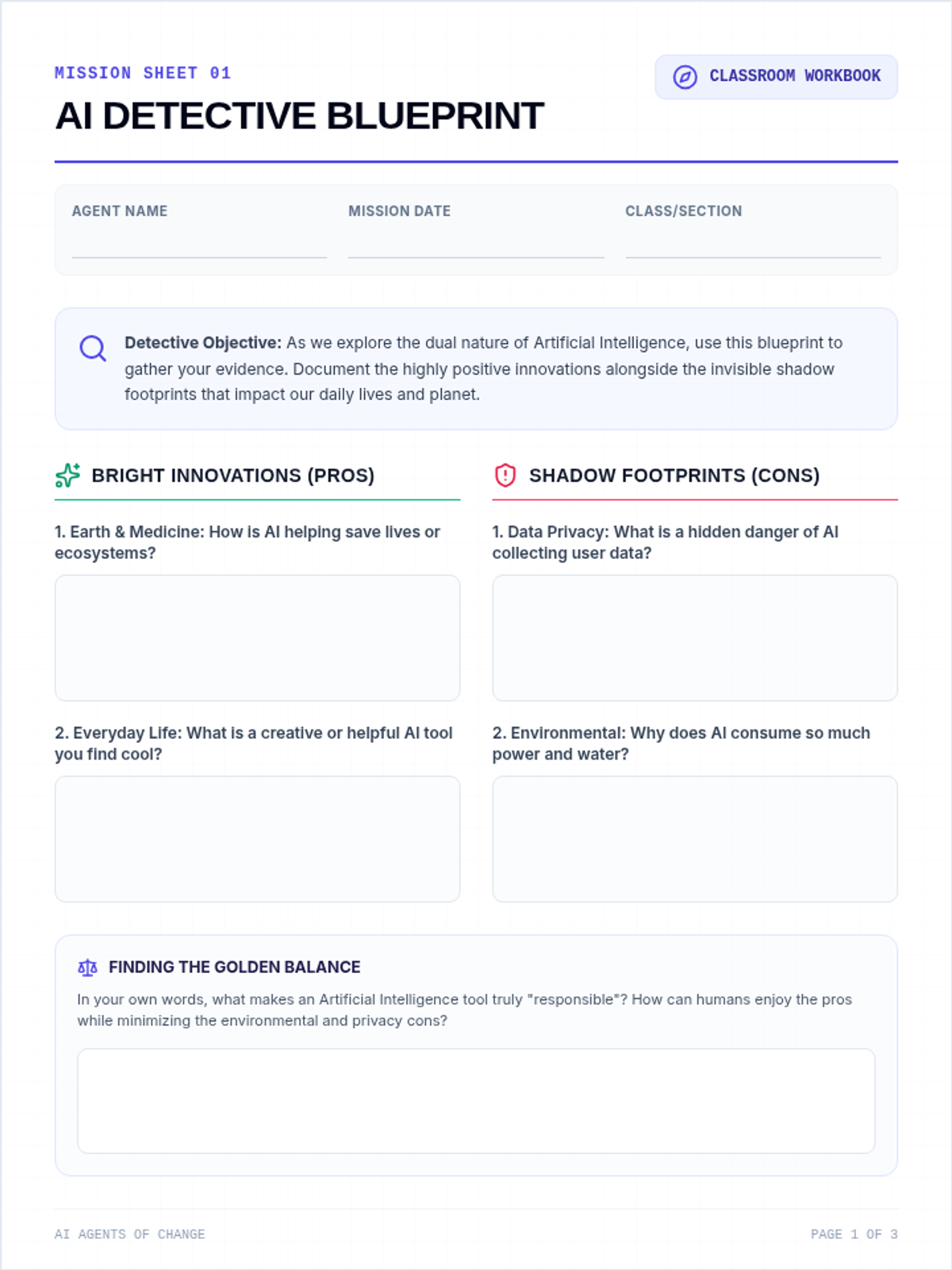
A balanced, highly engaging lesson for upper elementary and middle school students exploring the dual nature of AI. Students discover cutting-edge AI innovations in science and accessibility, examine the digital footprint of data centers, and learn practical digital citizenship skills regarding data privacy.
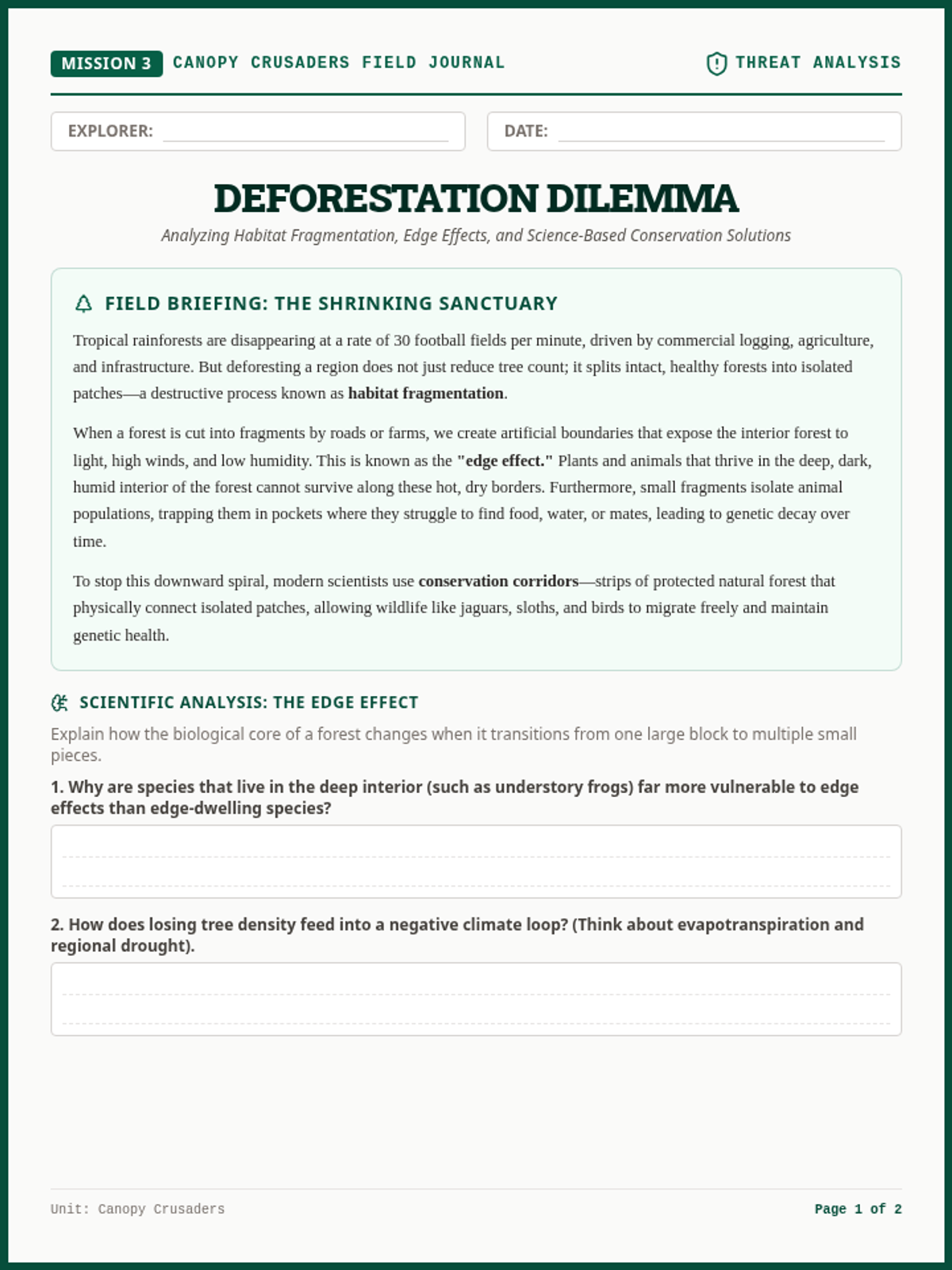
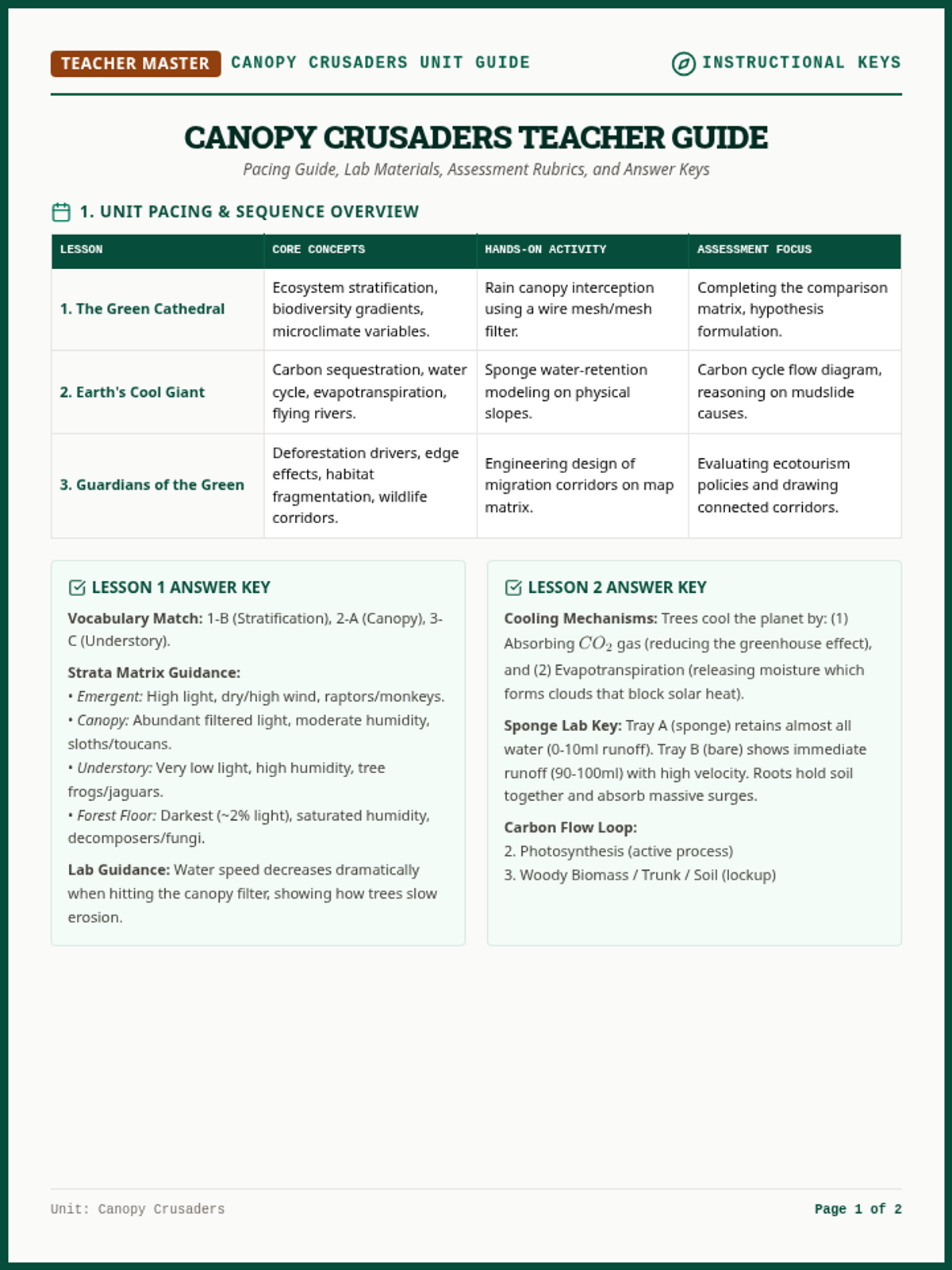
Students analyze the causes and consequences of deforestation, mapping habitat fragmentation and designing collaborative, science-based conservation solutions.
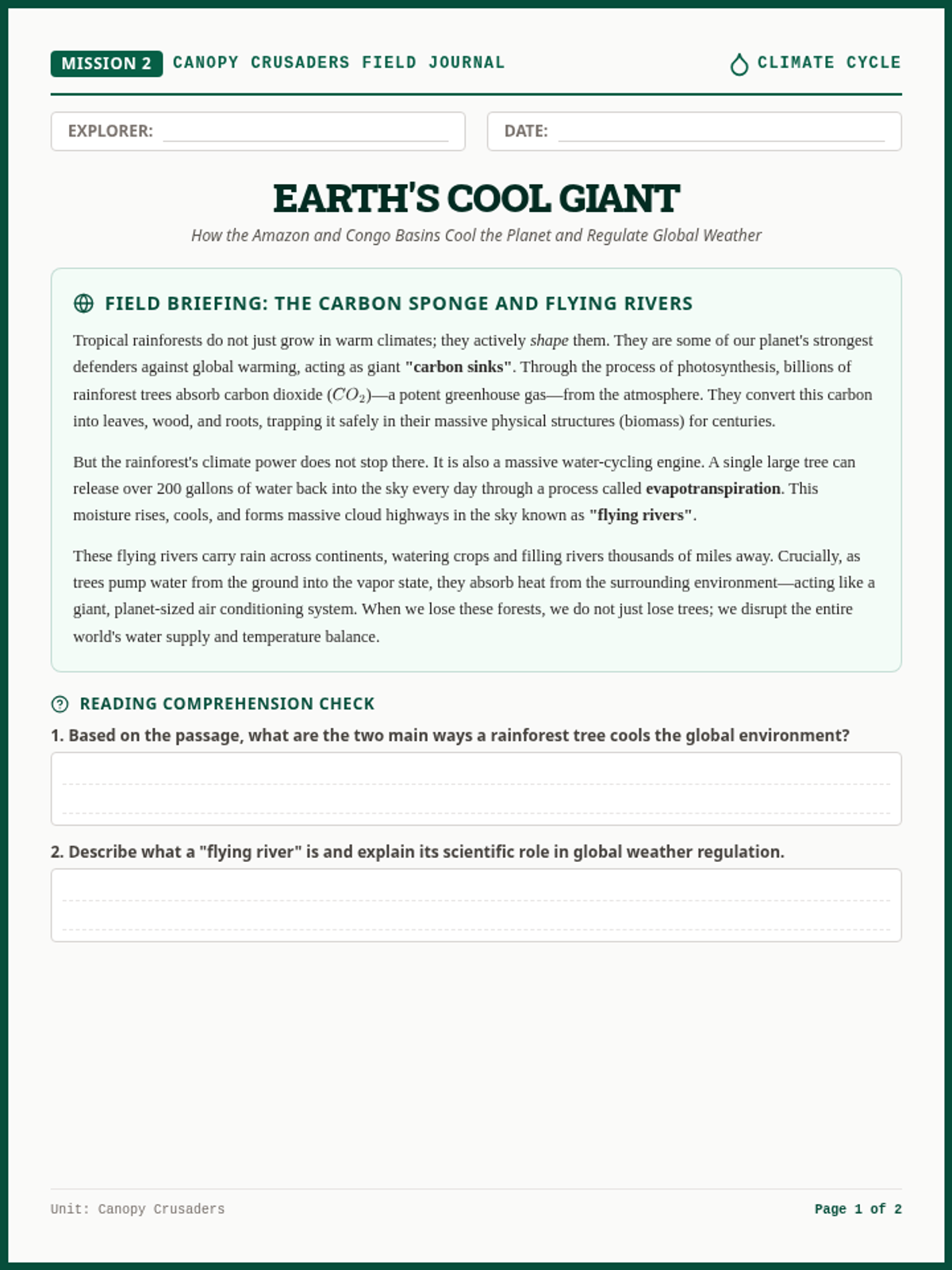
Students investigate the rainforest as a massive climate-control engine, analyzing how evapotranspiration regulates weather and how trees act as vital global carbon sinks.
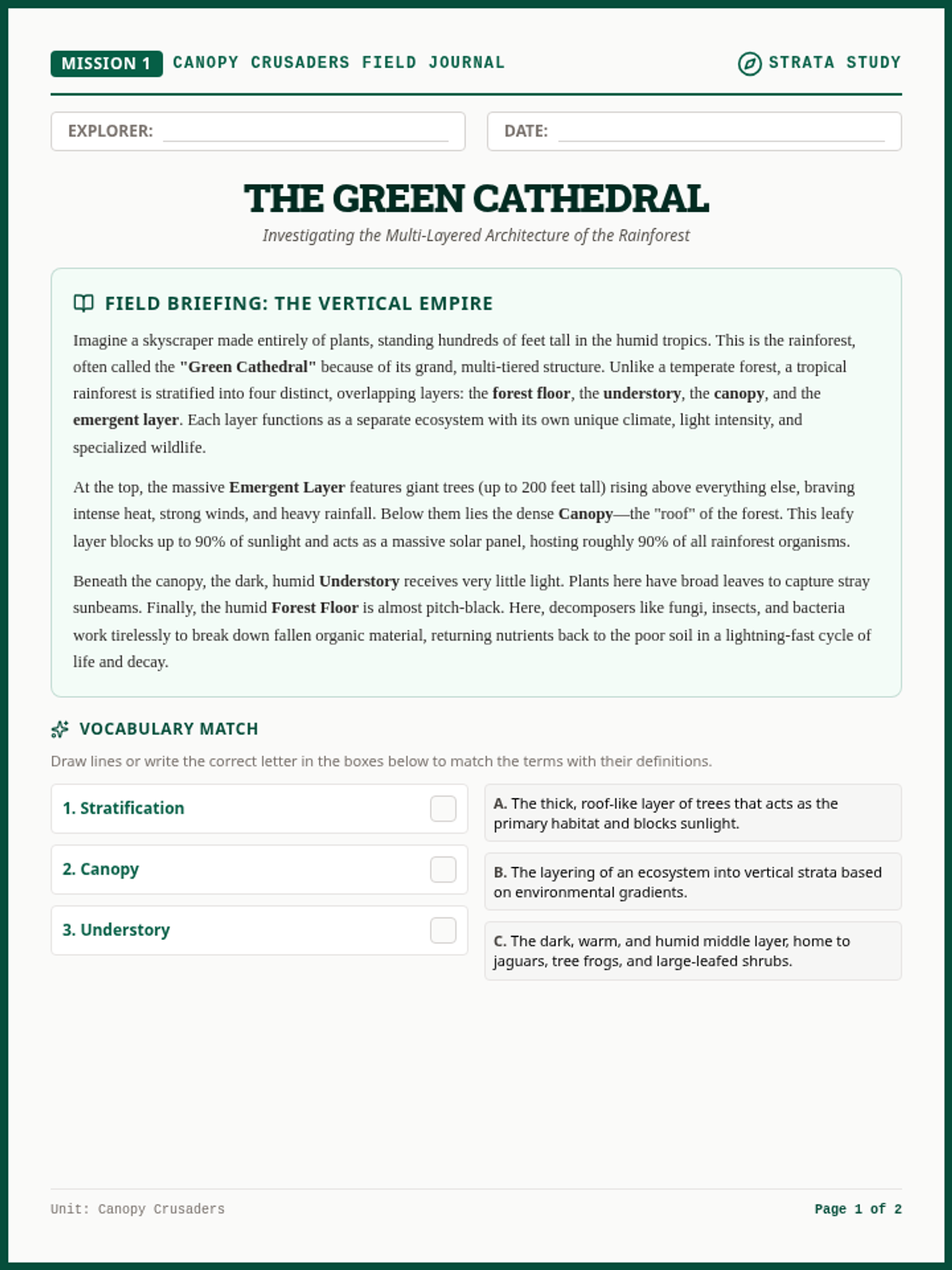
Students explore the structural layers of the rainforest (forest floor, understory, canopy, emergent layer) and model biodiversity and physical conditions across these strata.
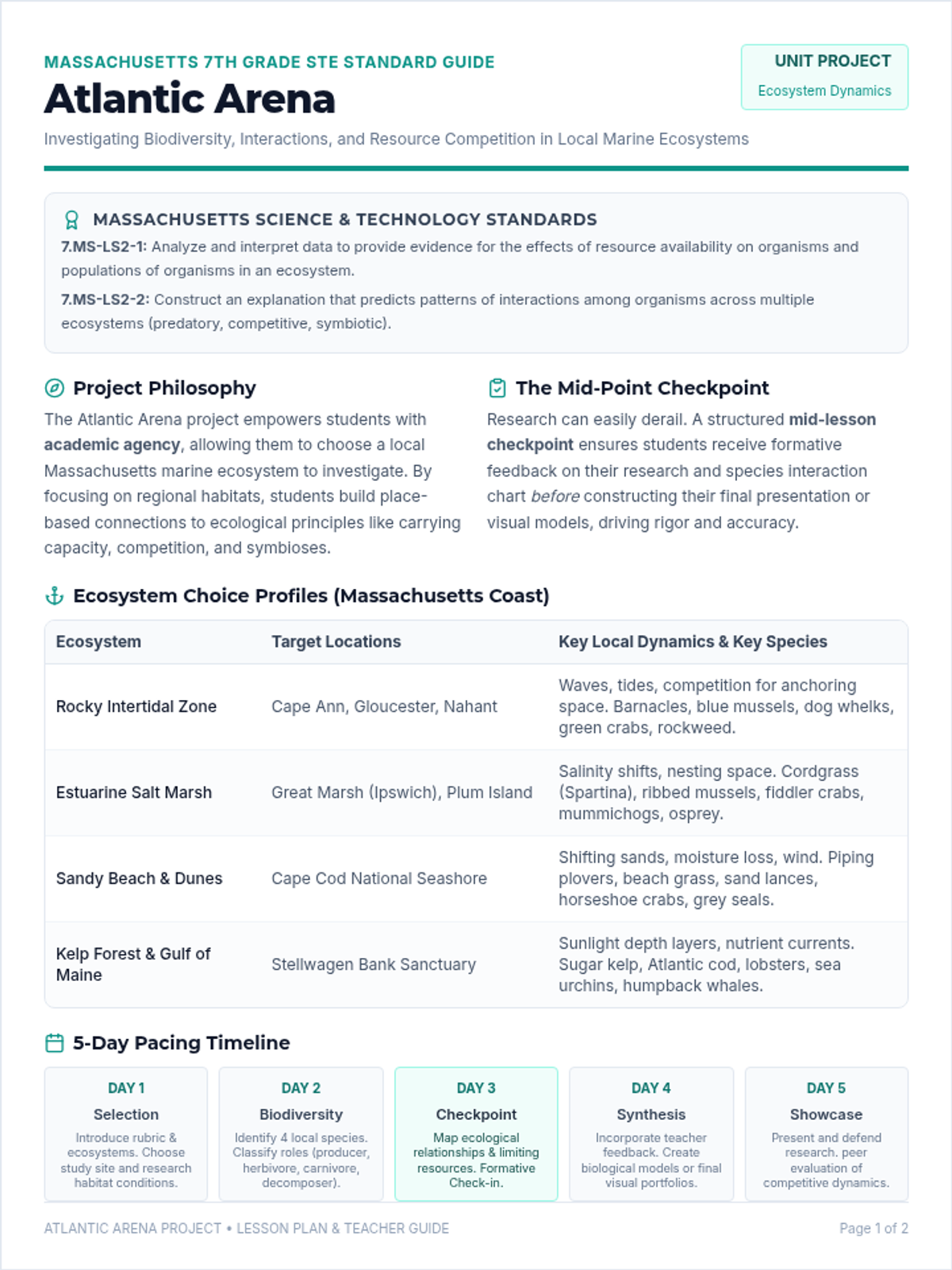
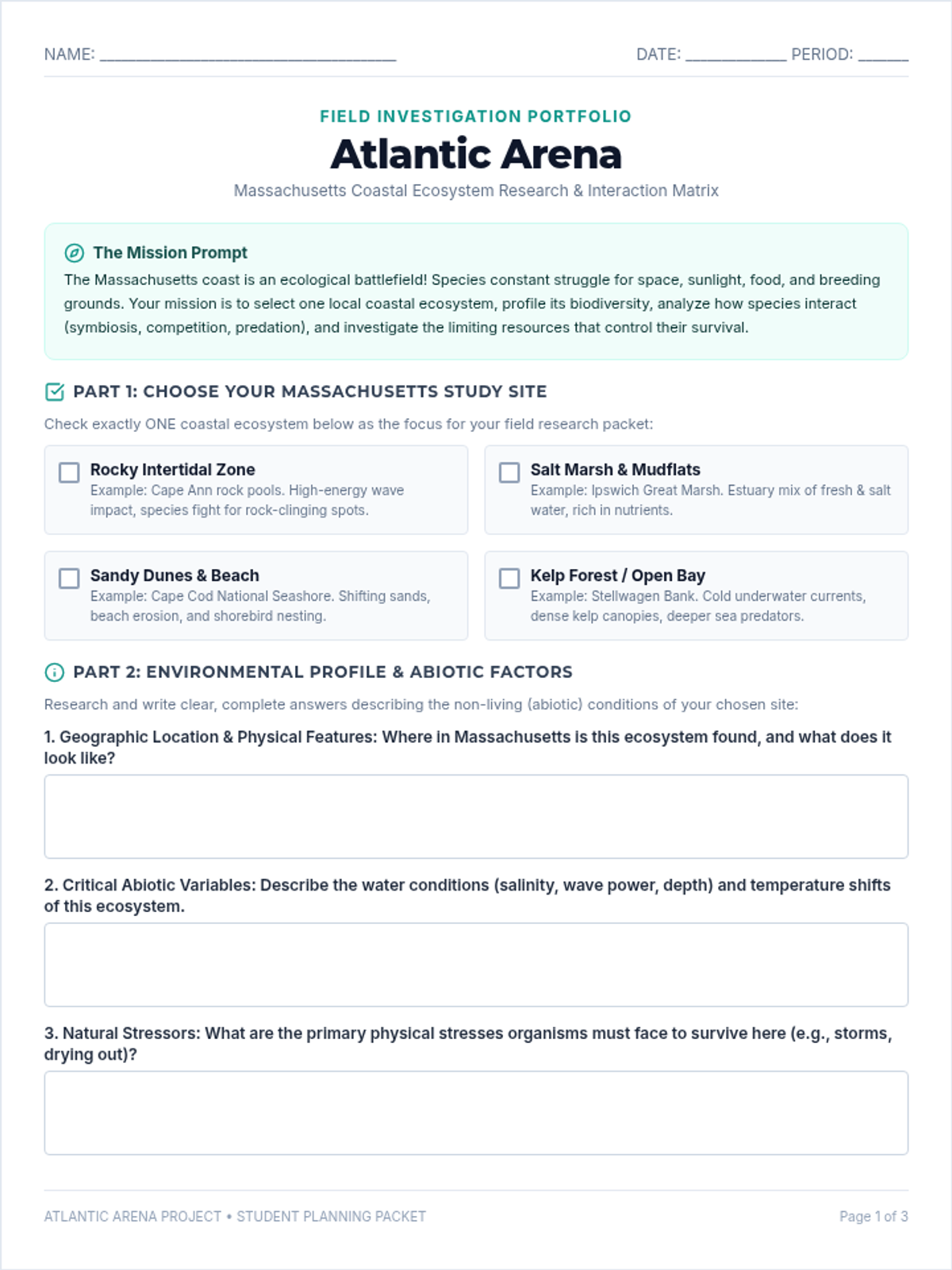
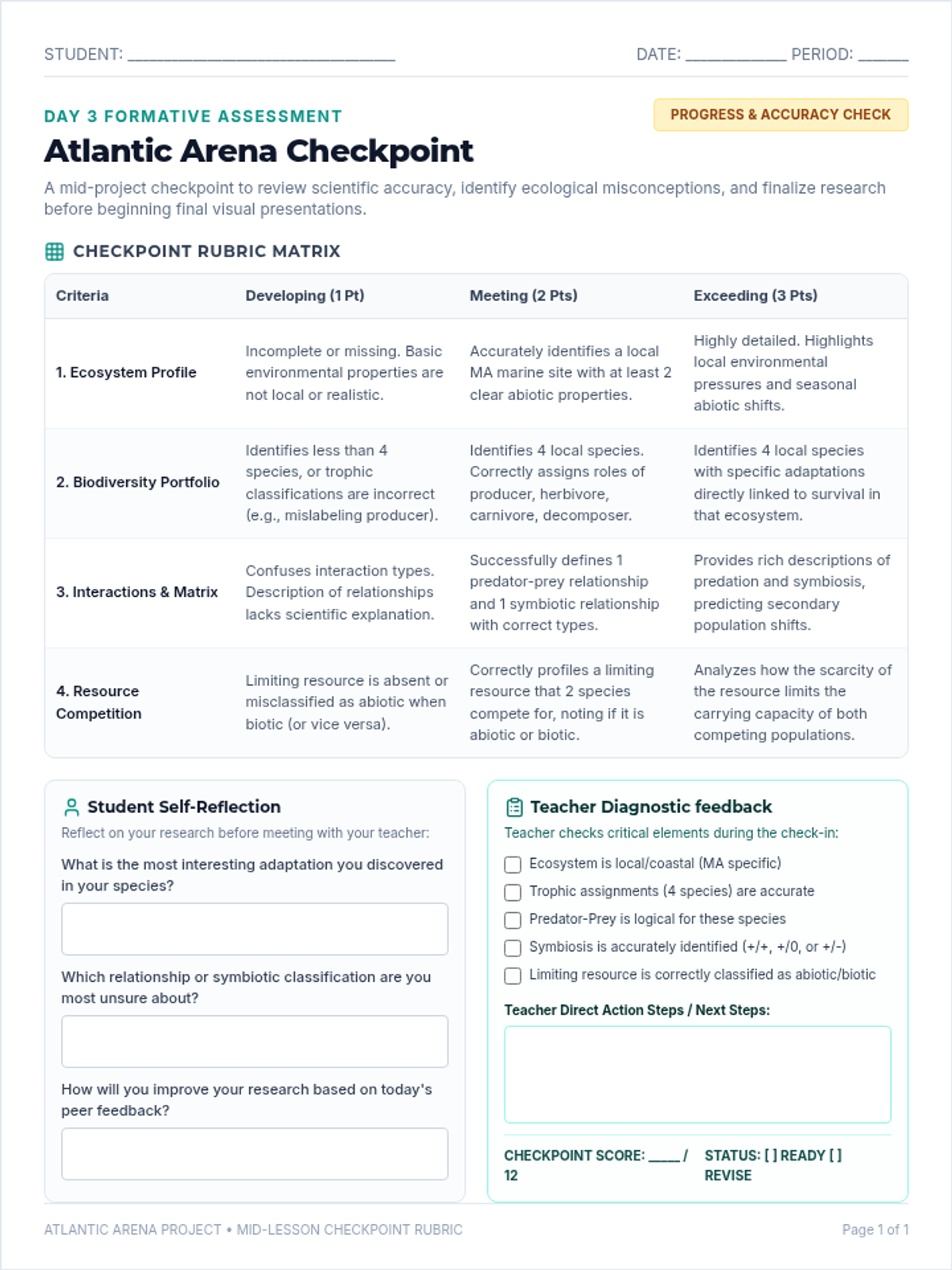
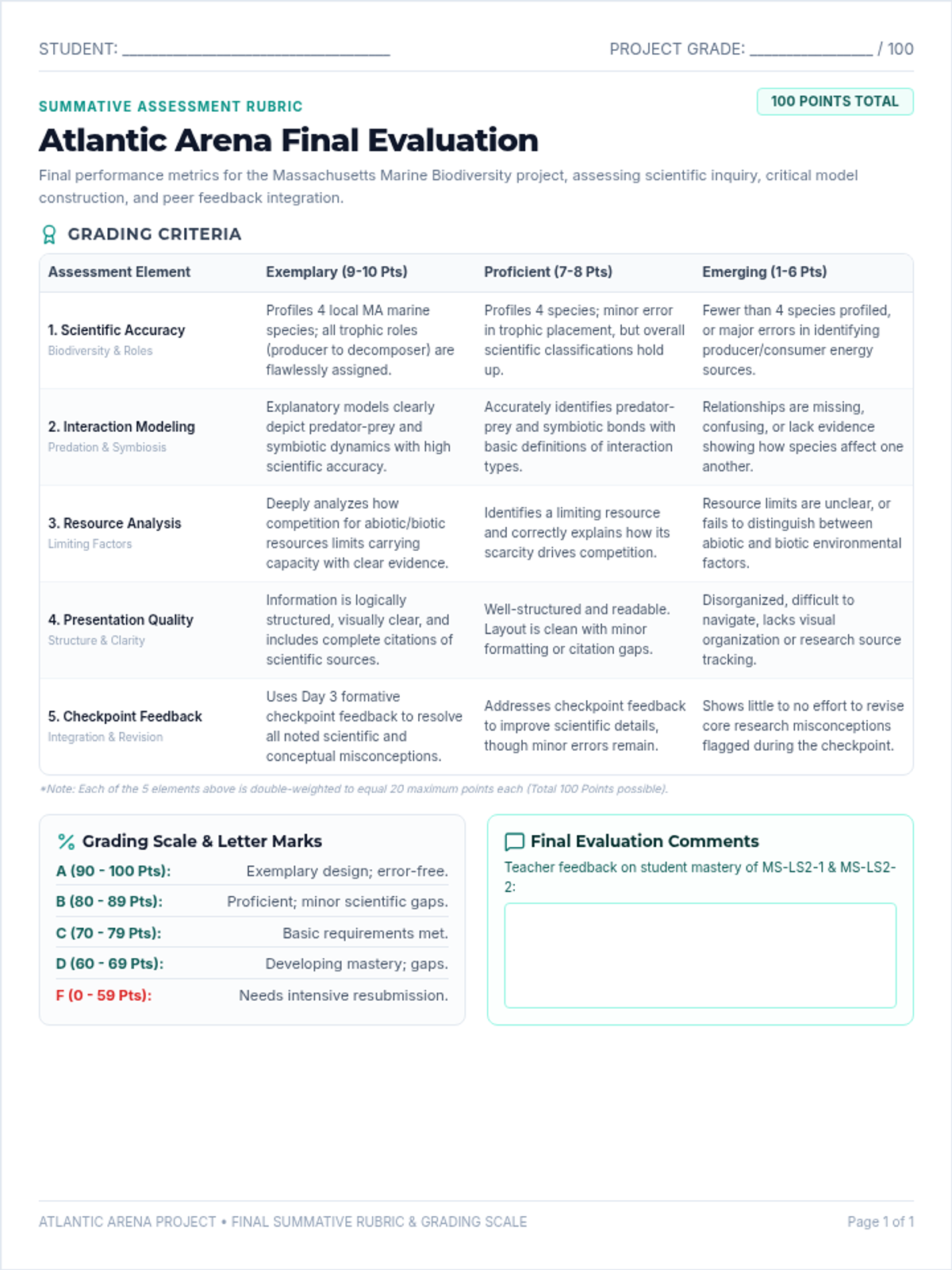
An investigative project-based lesson for 7th-grade students exploring Massachusetts marine ecosystems. Students choose a local coastal ecosystem, research resident species, analyze competitive and symbiotic interactions, and demonstrate understanding of resource availability.