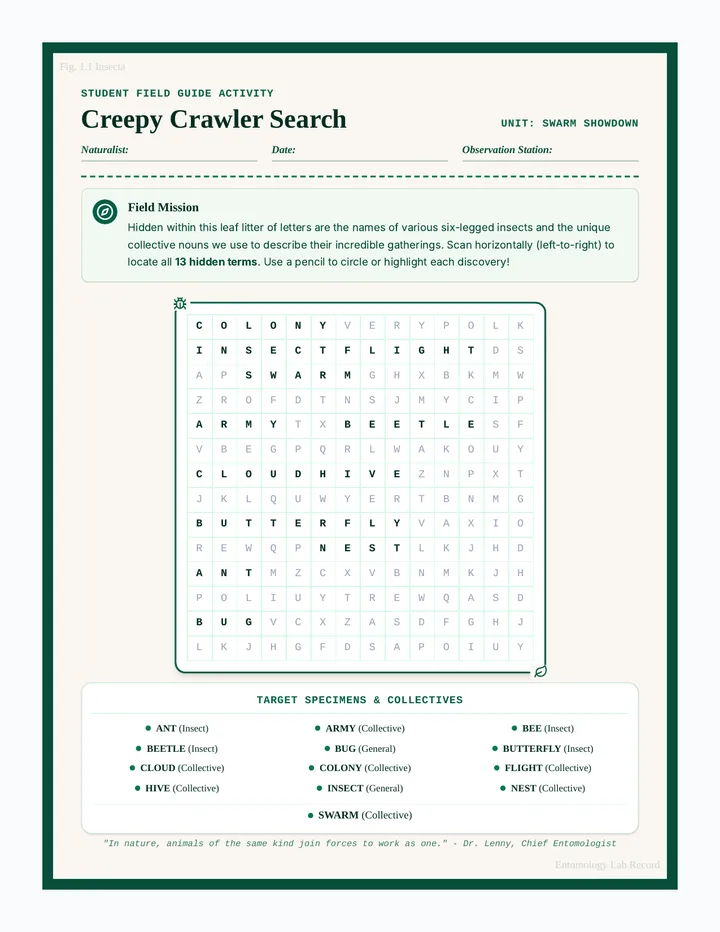
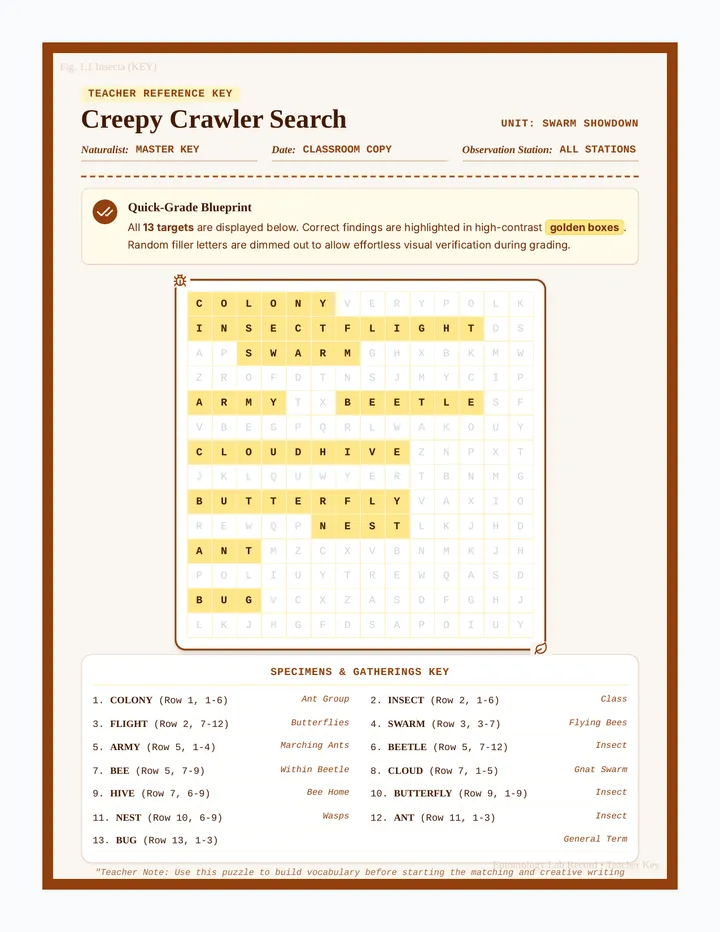
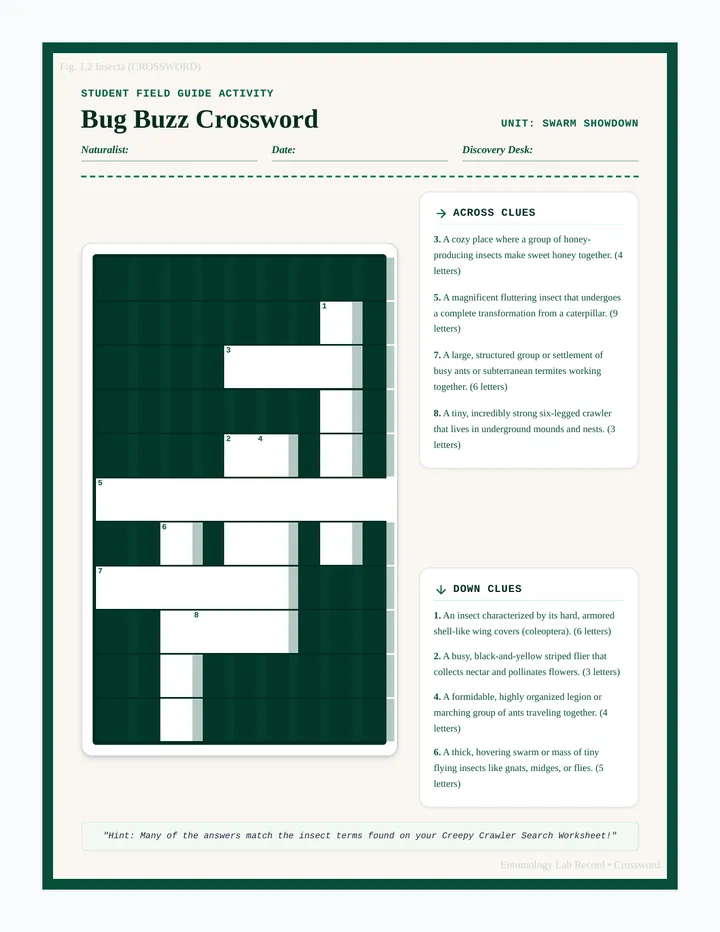
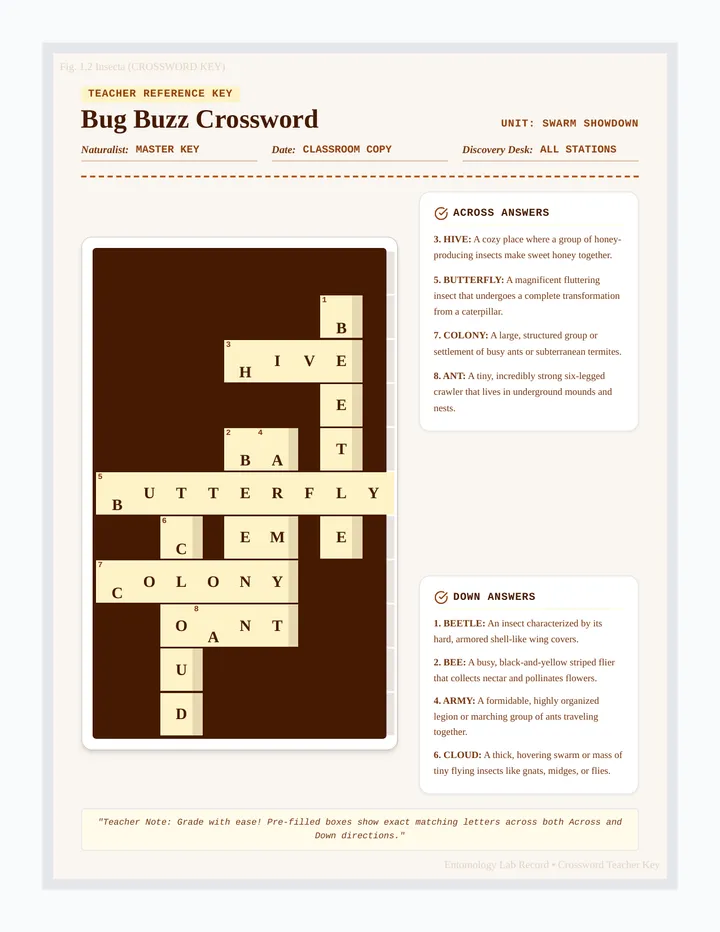
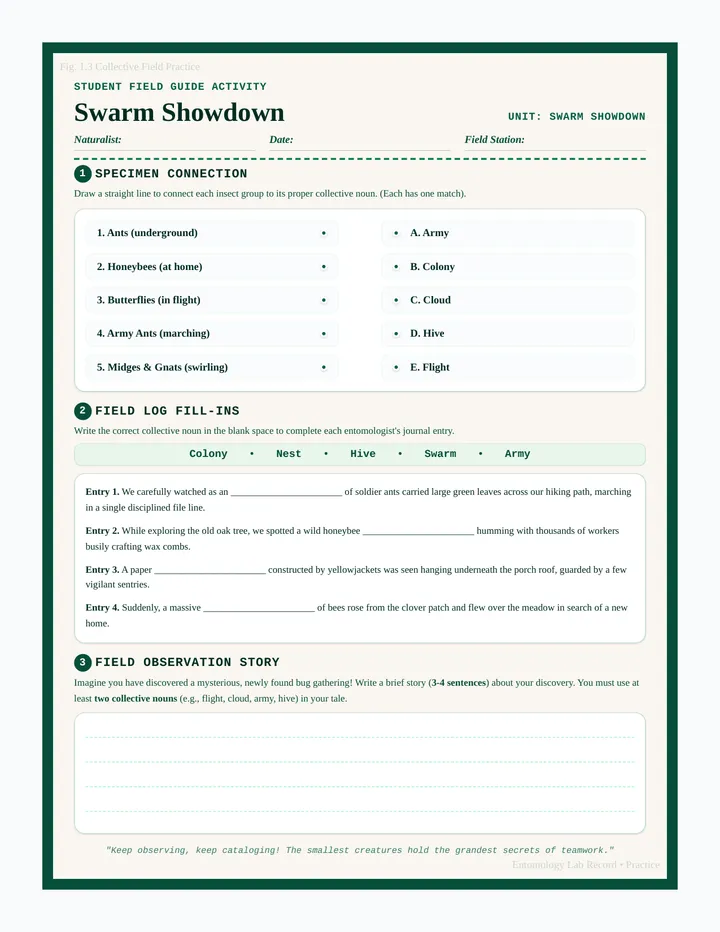
A fast-paced 30-minute lesson for Grade 2 ESL students to identify core insect characteristics through visual aids and a creative hands-on activity.
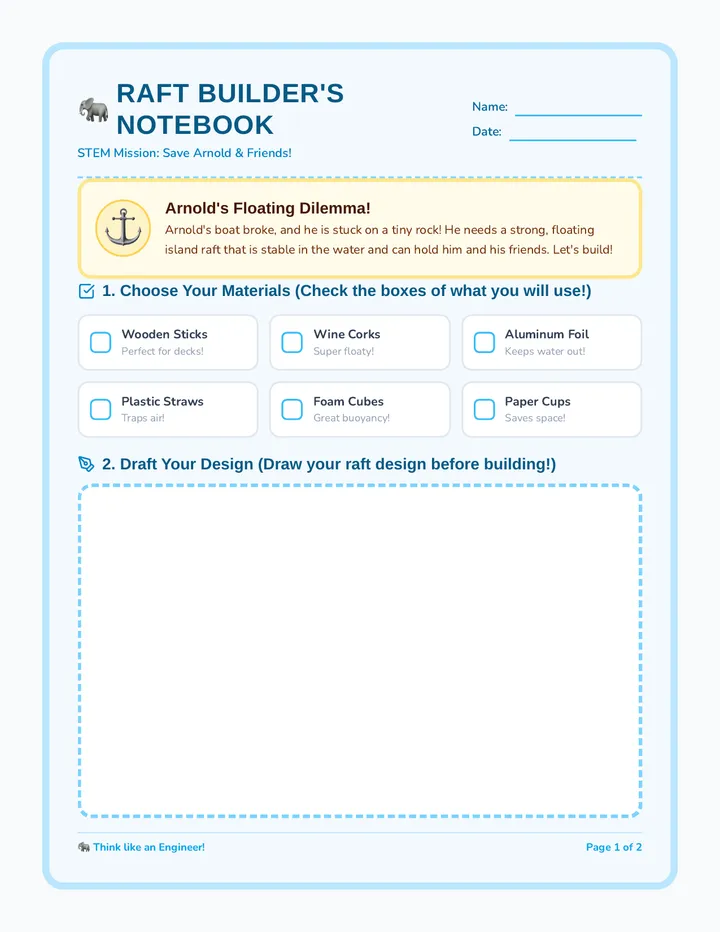
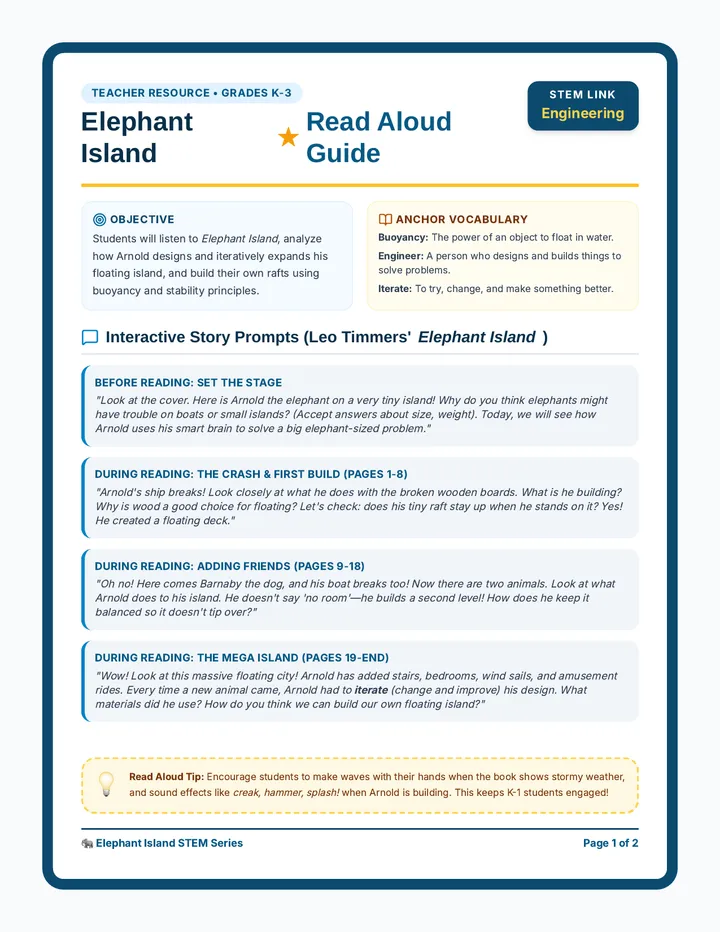
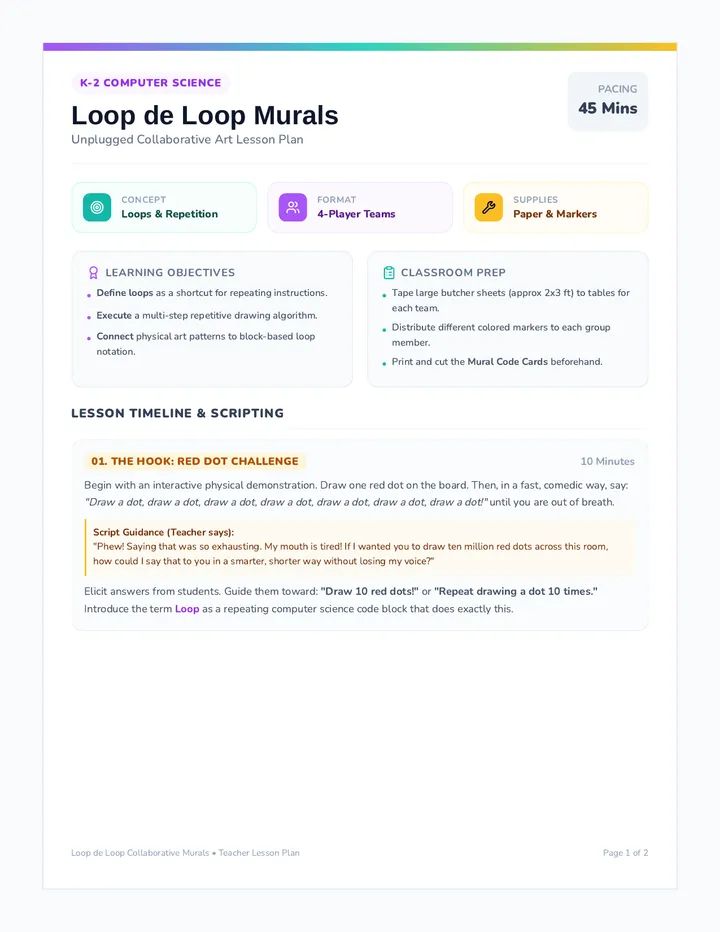
A foundational toolkit for setting up a physical engineering and maker space, covering physical layout, collaborative roles, and essential classroom routines.
In this lesson, students explore the life cycle of a chicken and the mystery of the chicken or the egg. They use a topic and details map to organize their informative writing while mastering key vocabulary like embryo, yolk, and fertilize.
A phonics lesson focused on distinguishing between the nasal endings 'ng' and 'nk' through interactive sorting and visual aids. Students learn to hear the subtle 'k' click in 'nk' versus the continuous nasal 'ng'.
Final assessment of the Floss rule and heart words. Includes dictation and a creative word family exercise.
Fluency building and phonics games. Students practice rapid reading of bonus letter words and construct sentences.
Application through word sorting and decodable reading. Students identify word families and read words in context.
Focus on word building and dictation. Students use letter tiles to practice doubling final consonants and apply heart word knowledge in writing.
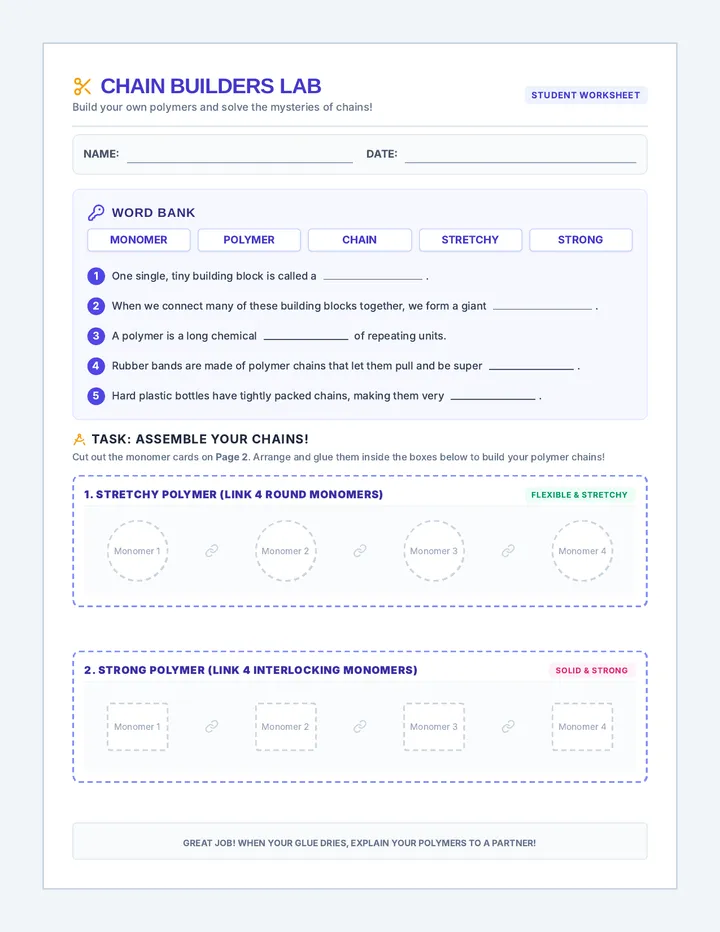
Introduction to the bonus letters f, l, s, and z. Students learn the rule that when a one-syllable word ends in f, l, s, or z after a short vowel, the letter is doubled. Includes the teacher guide for the full week.
A comprehensive week-long unit reviewing short vowels through explicit instruction, multisensory practice, and decodable text application.
This lesson focuses on phonemic awareness through the manipulation of sounds, specifically reversing phonemes in one-syllable words to build foundational reading and spelling skills.
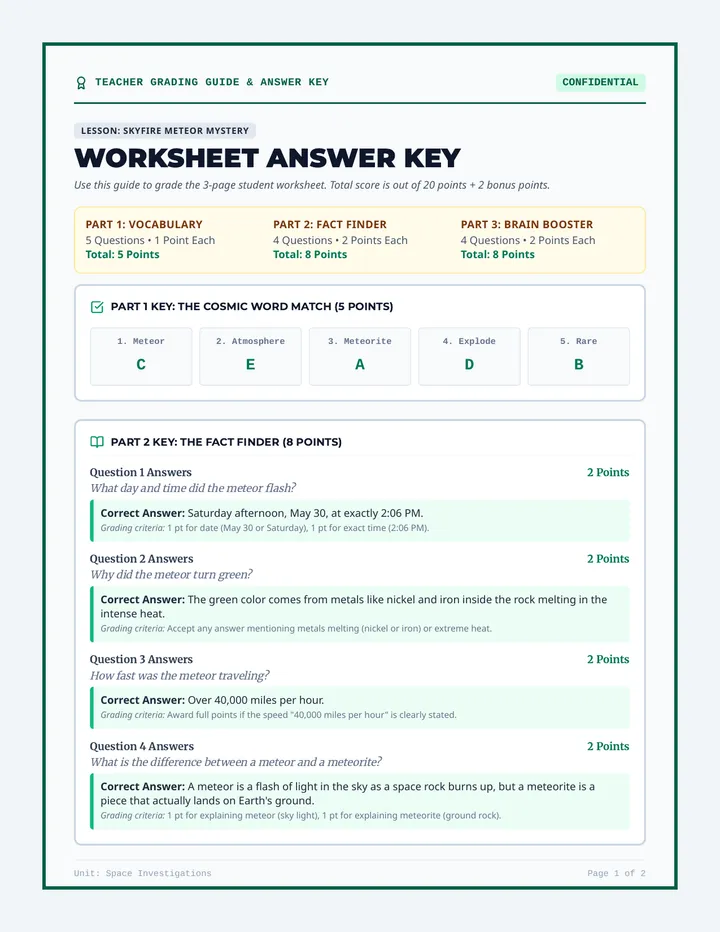
A foundational lesson on the three main stages of the water cycle: evaporation, condensation, and precipitation. Includes a visual anchor chart and a hands-on labeling activity.
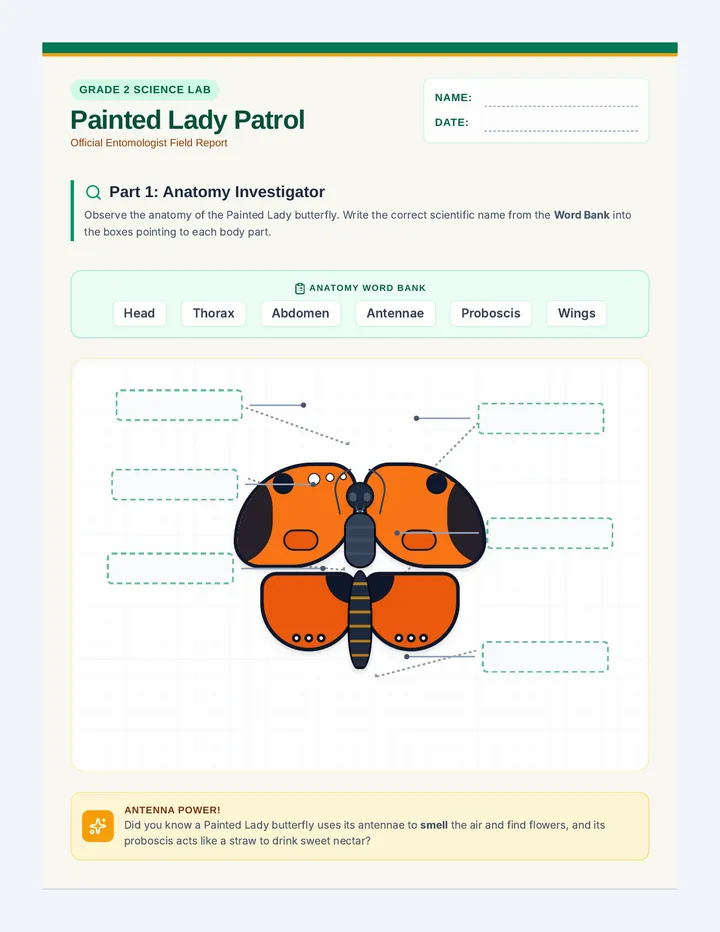
Students learn the anatomy of an insect (head, thorax, abdomen, 6 legs, 2 antennae) and apply this knowledge by designing, labeling, and describing their own colorful insect.
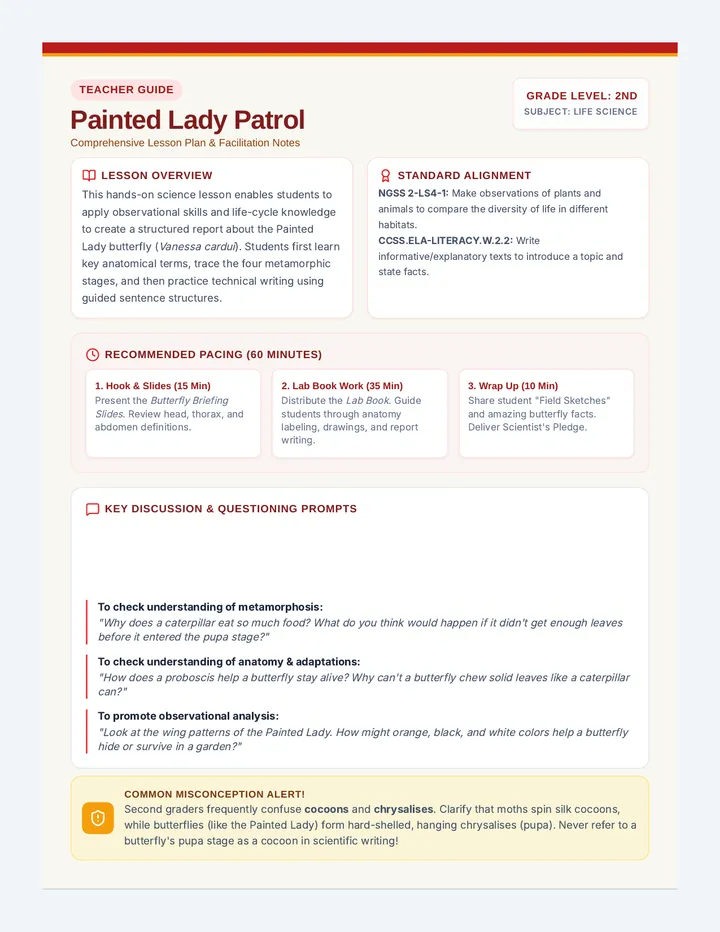
A deep dive into the four stages of a butterfly's life cycle: egg, larva, pupa, and adult. Students will learn the vocabulary and science behind metamorphosis.
Students apply their knowledge through a directed drawing of a butterfly and complete a summative assessment on the life cycle stages and vocabulary.
Students explore the various ways life from the past became preserved in stone, distinguishing between body and trace fossils while identifying specific preservation methods like amber, casts, and carbon films.
Students use their collected courtyard materials to build sculptures, then write an evidence-based account comparing the diversity they observed in the two habitats.
A focused scavenger hunt where students look for patterns in nature and collect natural materials like twigs, leaves, and rocks for their artistic repurposing project.
Students explore the school courtyard to identify and compare the diversity of life in grassy versus treed habitats, using observation skills to collect initial data.
A 20-minute outdoor investigation where students compare the diversity of life in two different micro-habitats to understand patterns of biodiversity. This lesson integrates art through scientific sketching and a nature color hunt.
A fun and informative lesson for 2nd graders exploring what it's like to live and work in space, from training and launch to eating and sleeping in zero gravity.
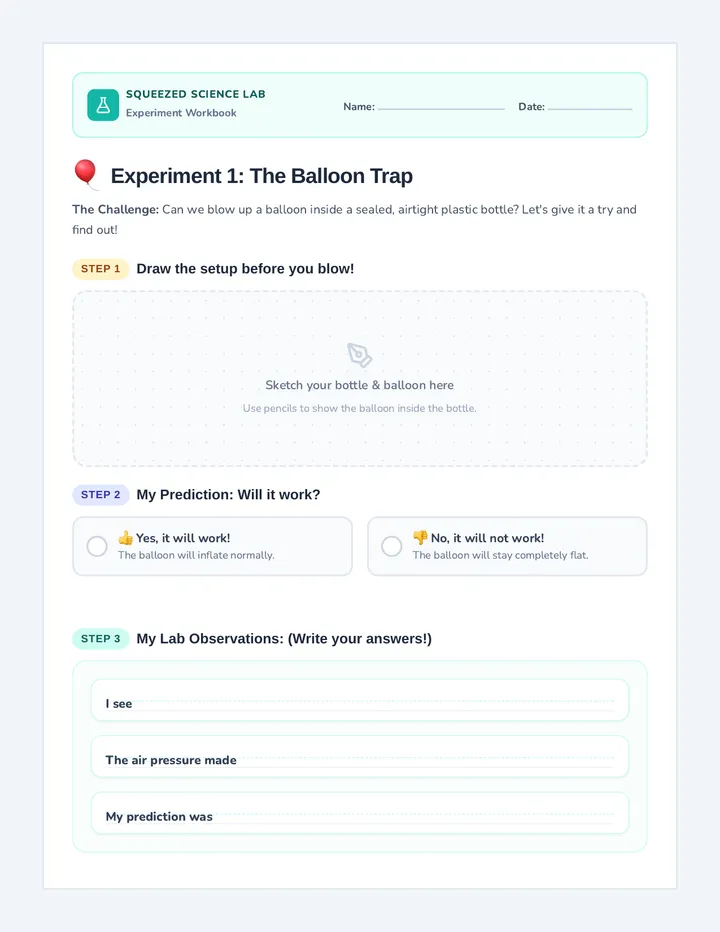
Students explore the essential relationship between plants and pollinators, identifying how they depend on each other for survival. The lesson culminates in a hands-on project where students design a pollinator-friendly garden tailored to their local ecosystem.