Students explore the 25,000-mile Inca road network. They calculate travel times for 'Chasquis' (runners) and examine the engineering required to bridge vast geographic obstacles.
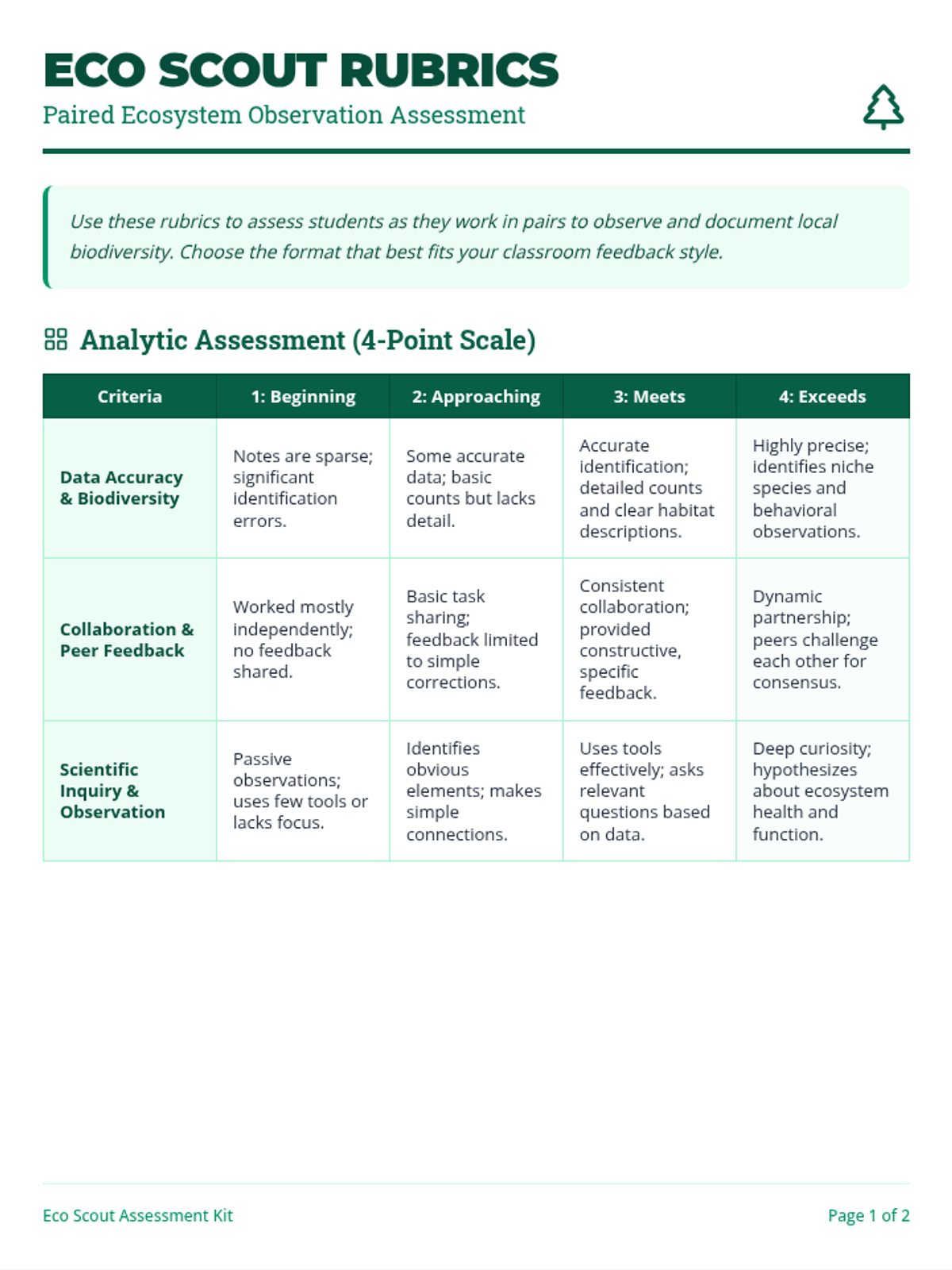
A comprehensive set of rubrics designed for evaluating paired ecosystem observation activities, focusing on scientific accuracy, inquiry, and collaboration.
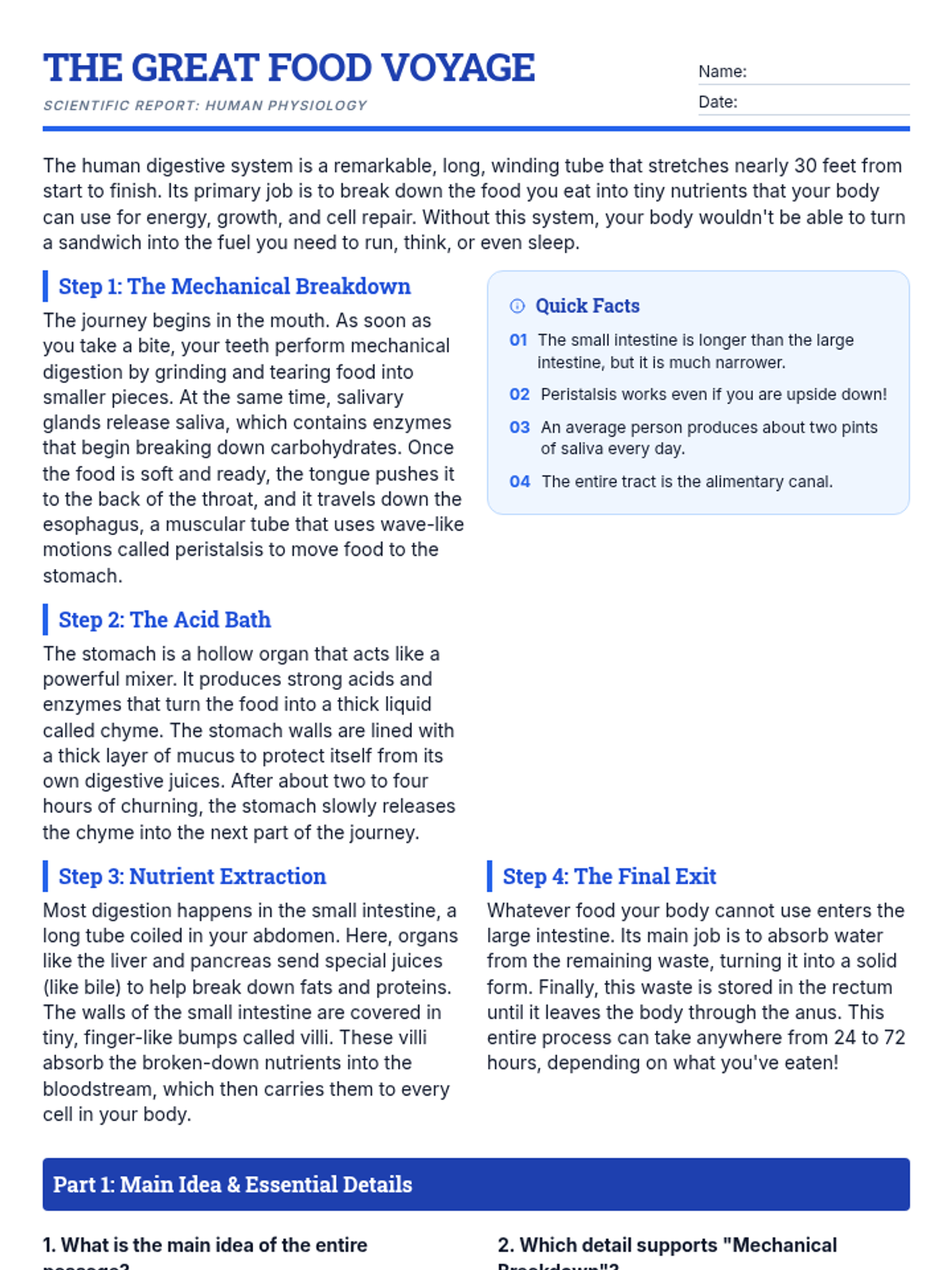
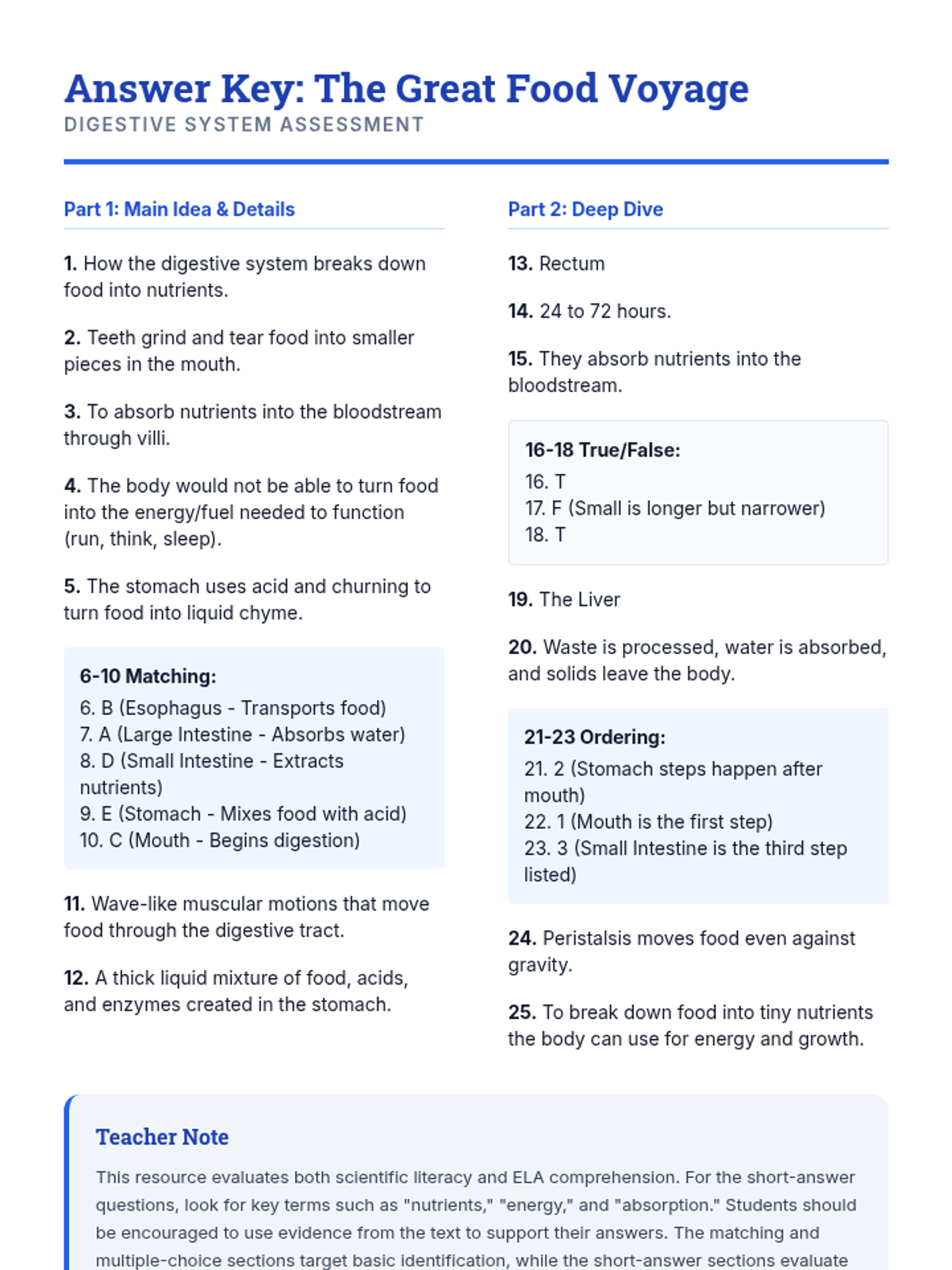
A comprehensive exploration of the human digestive system, focusing on the journey of food and the specific functions of each organ while building ELA skills in identifying main ideas and supporting details.
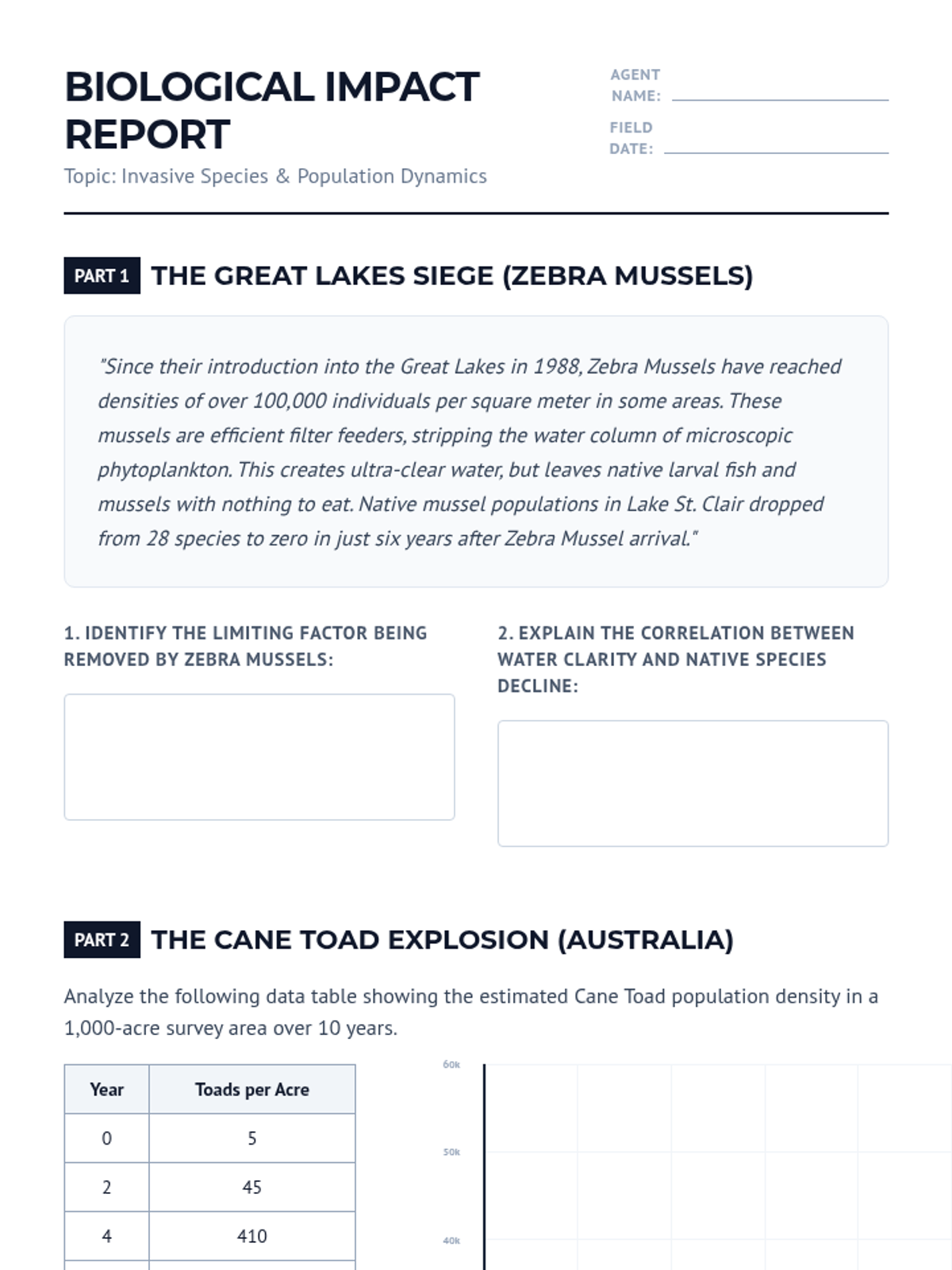
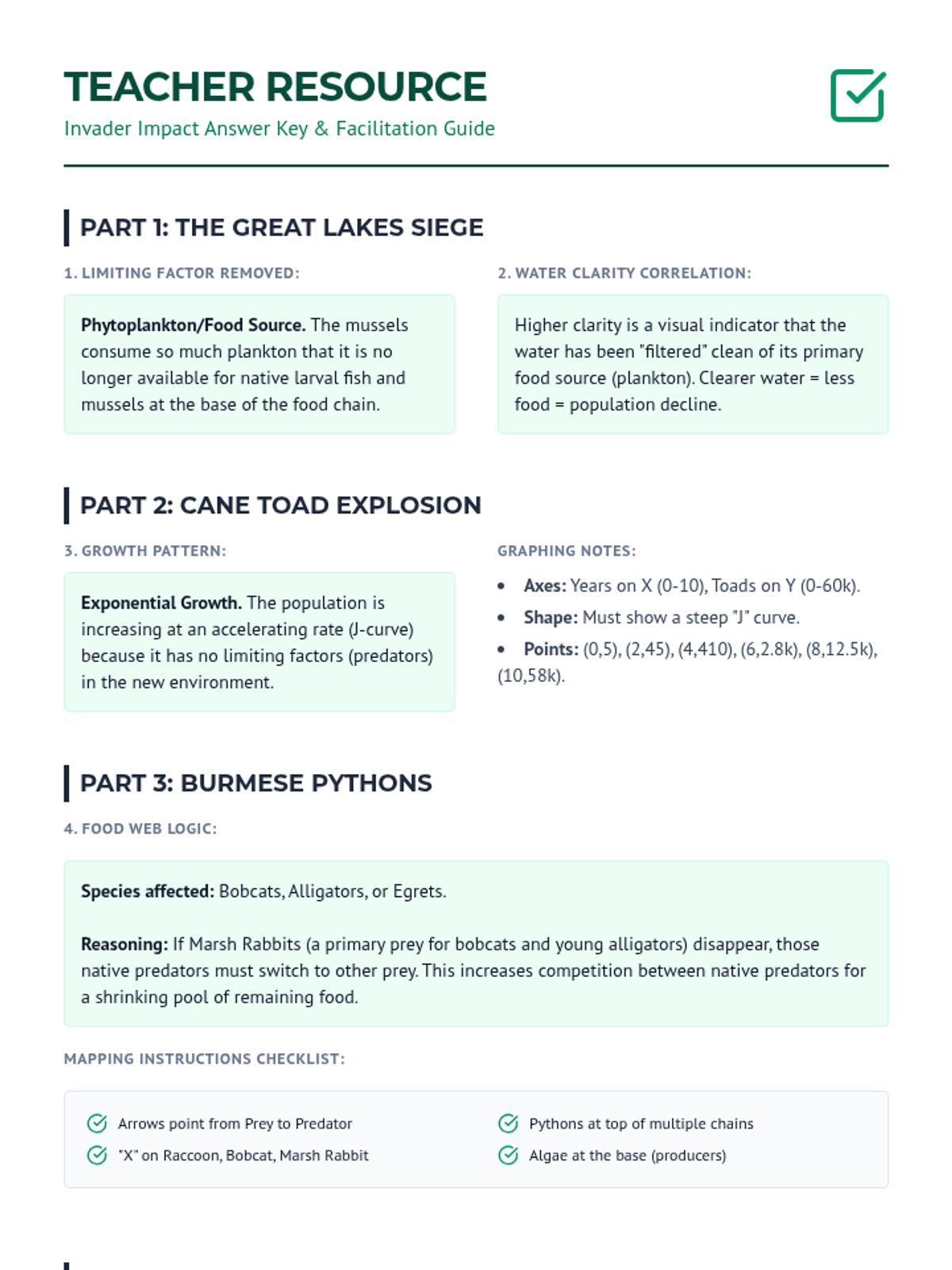
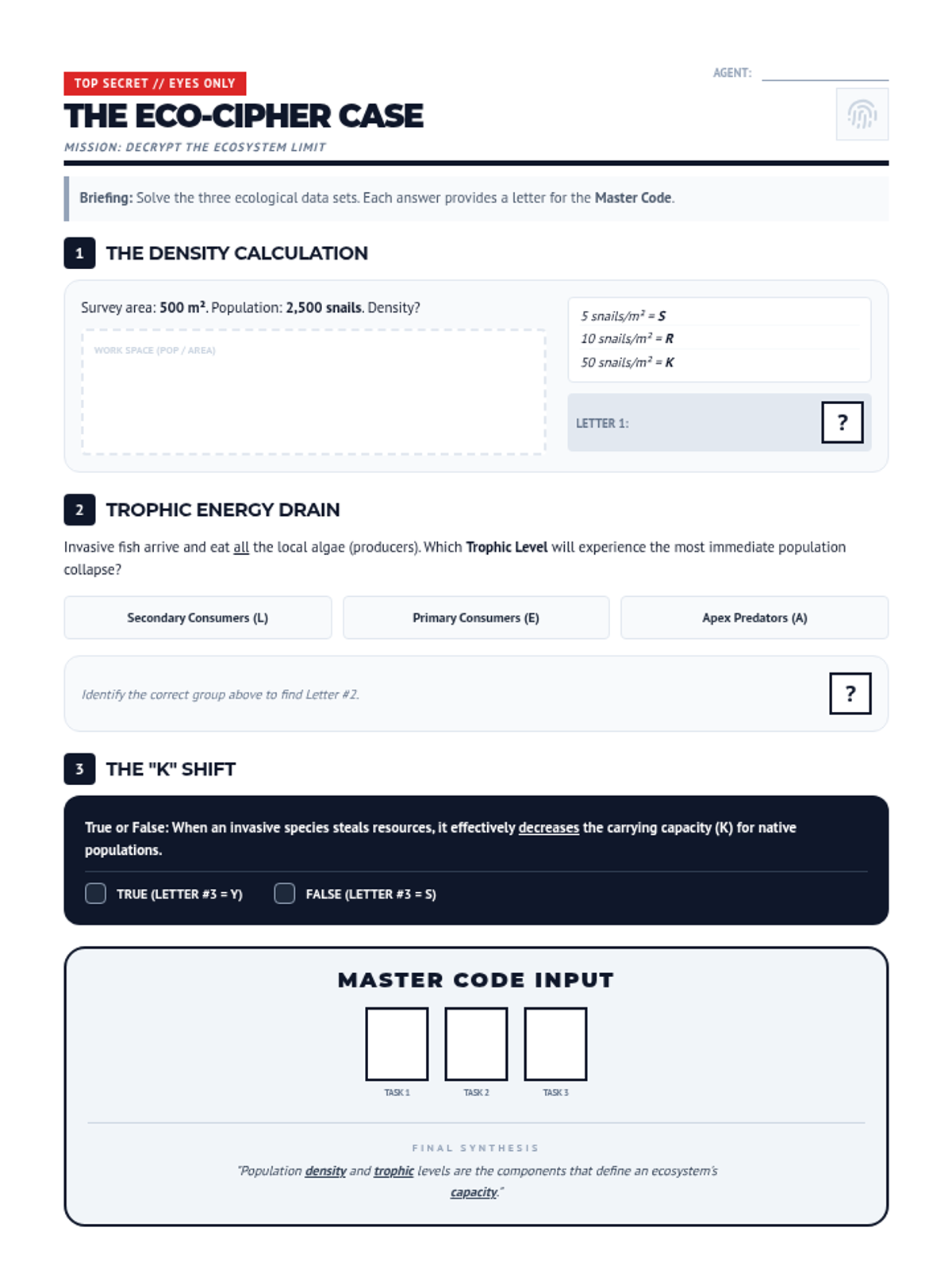
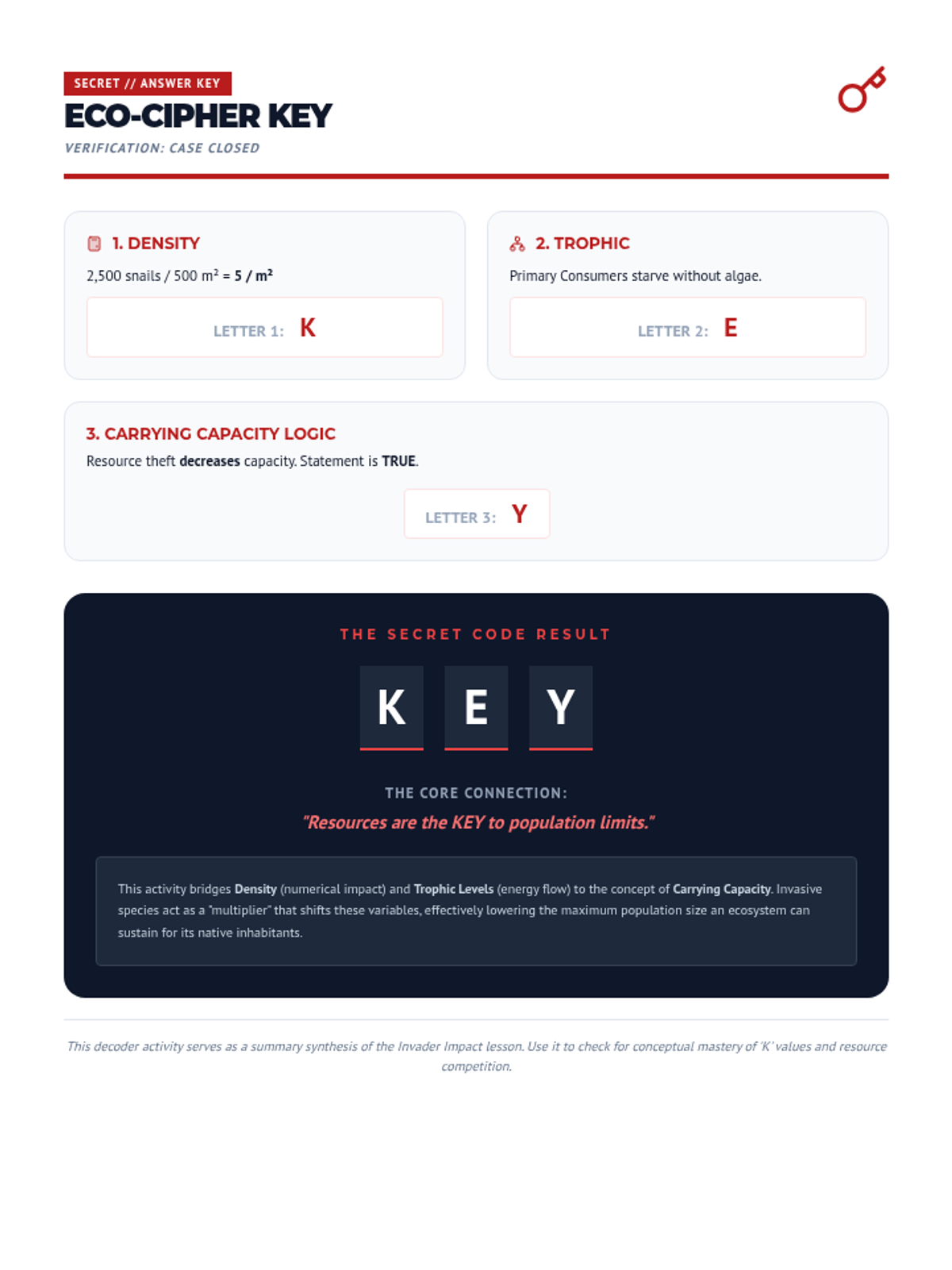
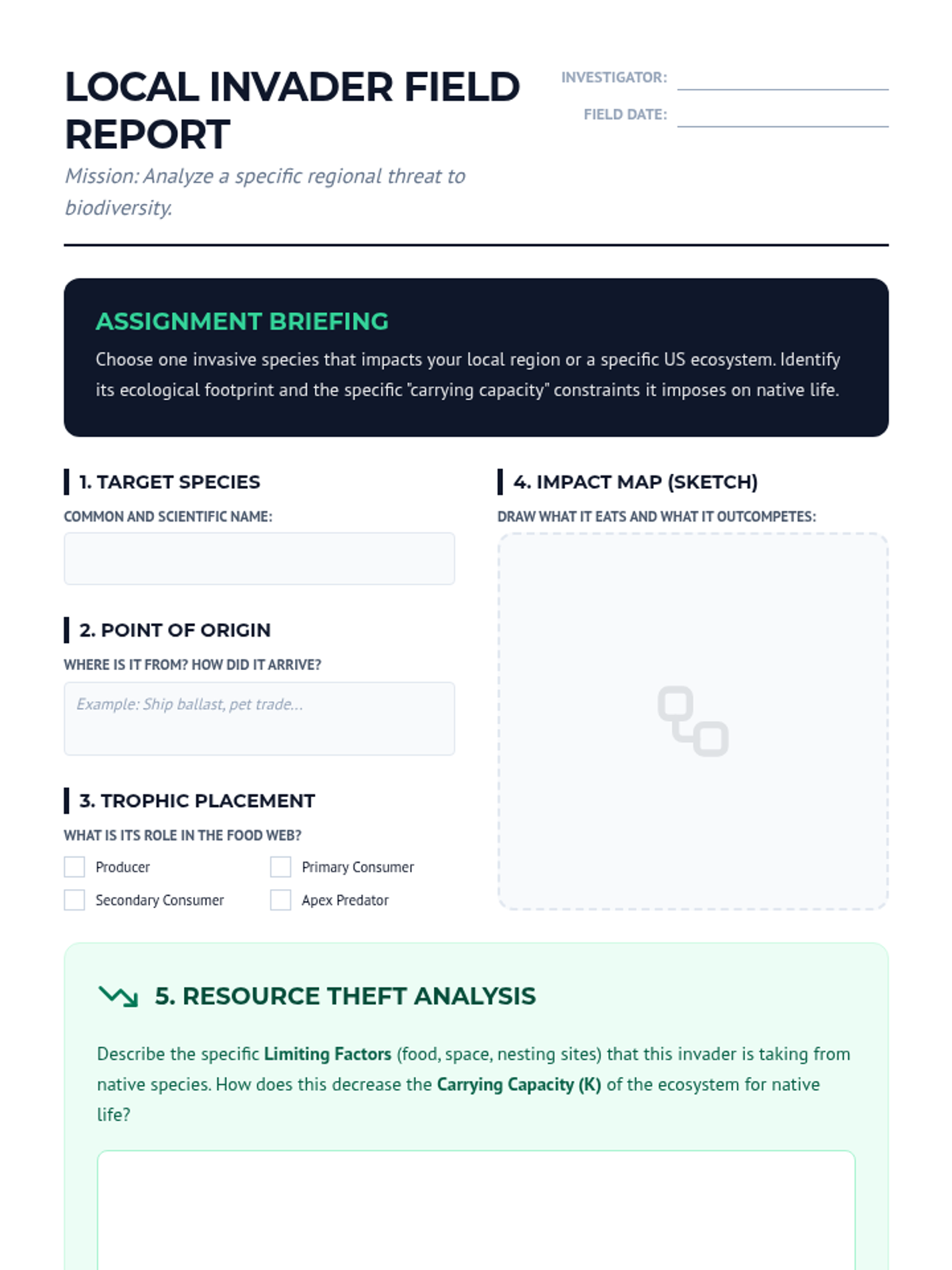
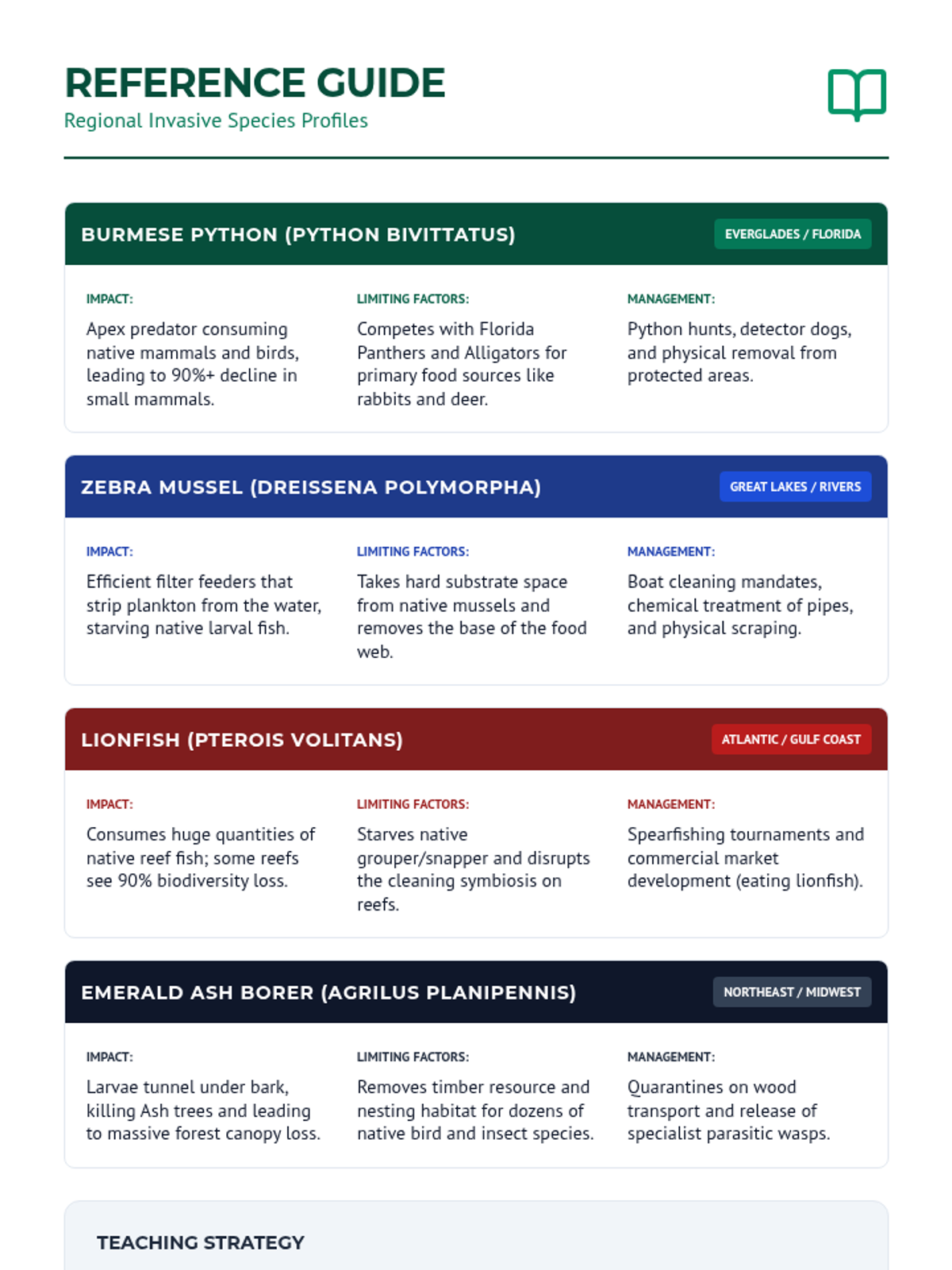
A comprehensive lesson on invasive species focusing on their dramatic impact on local populations and ecosystems through data analysis and food web mapping.
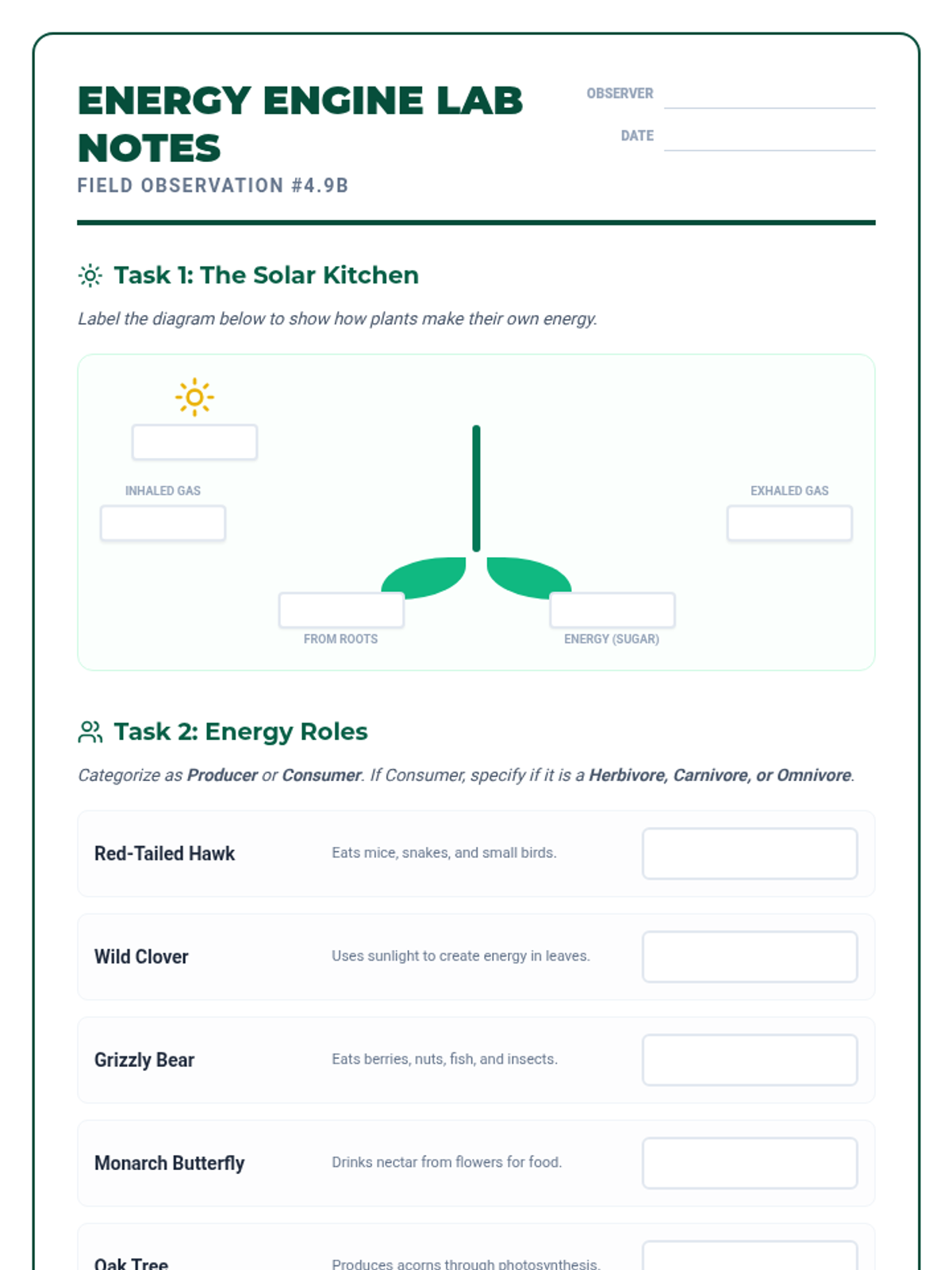
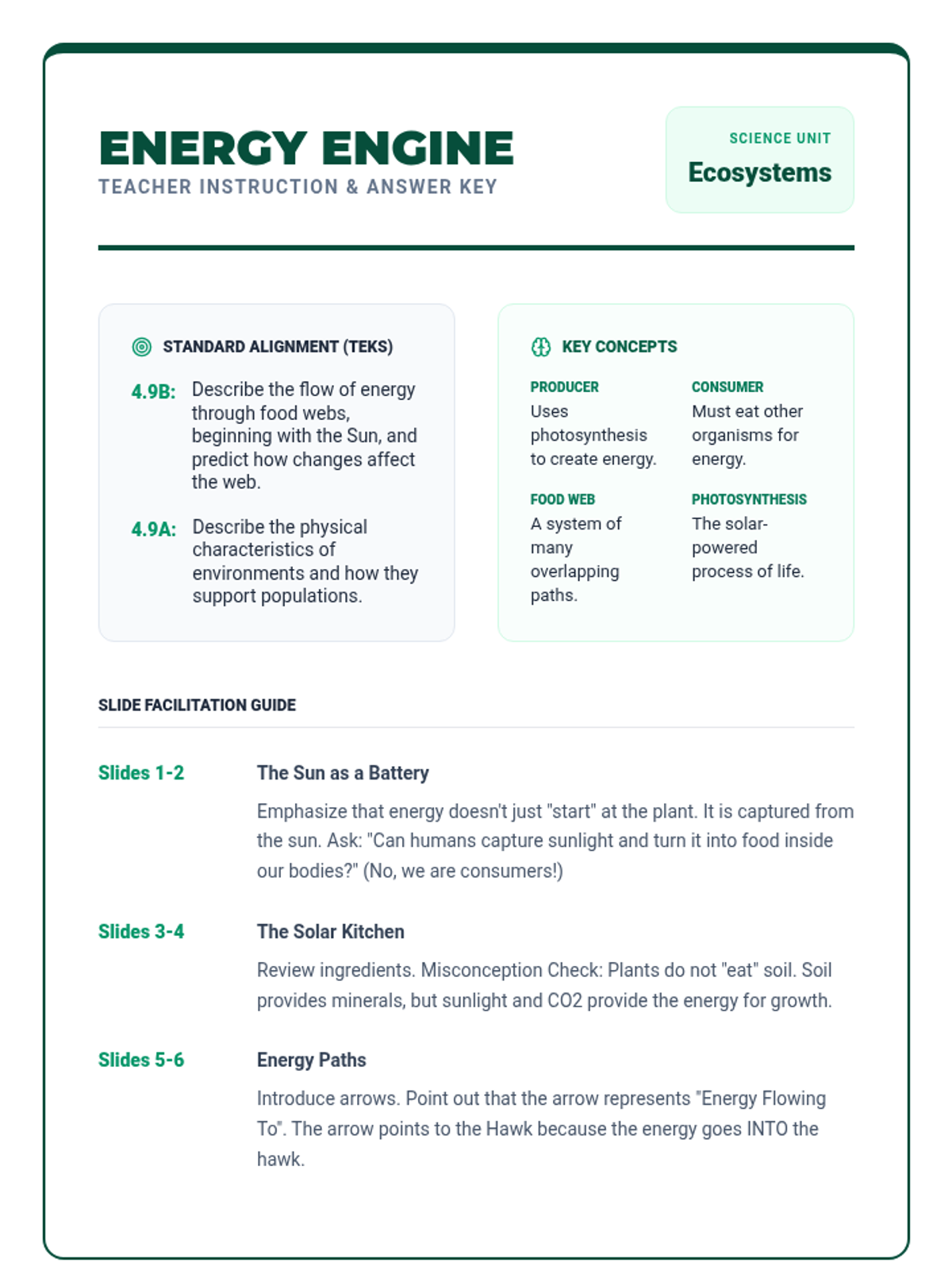
An exploration of energy flow in ecosystems, covering photosynthesis, producers, consumers (herbivores, carnivores, omnivores), and complex food webs.
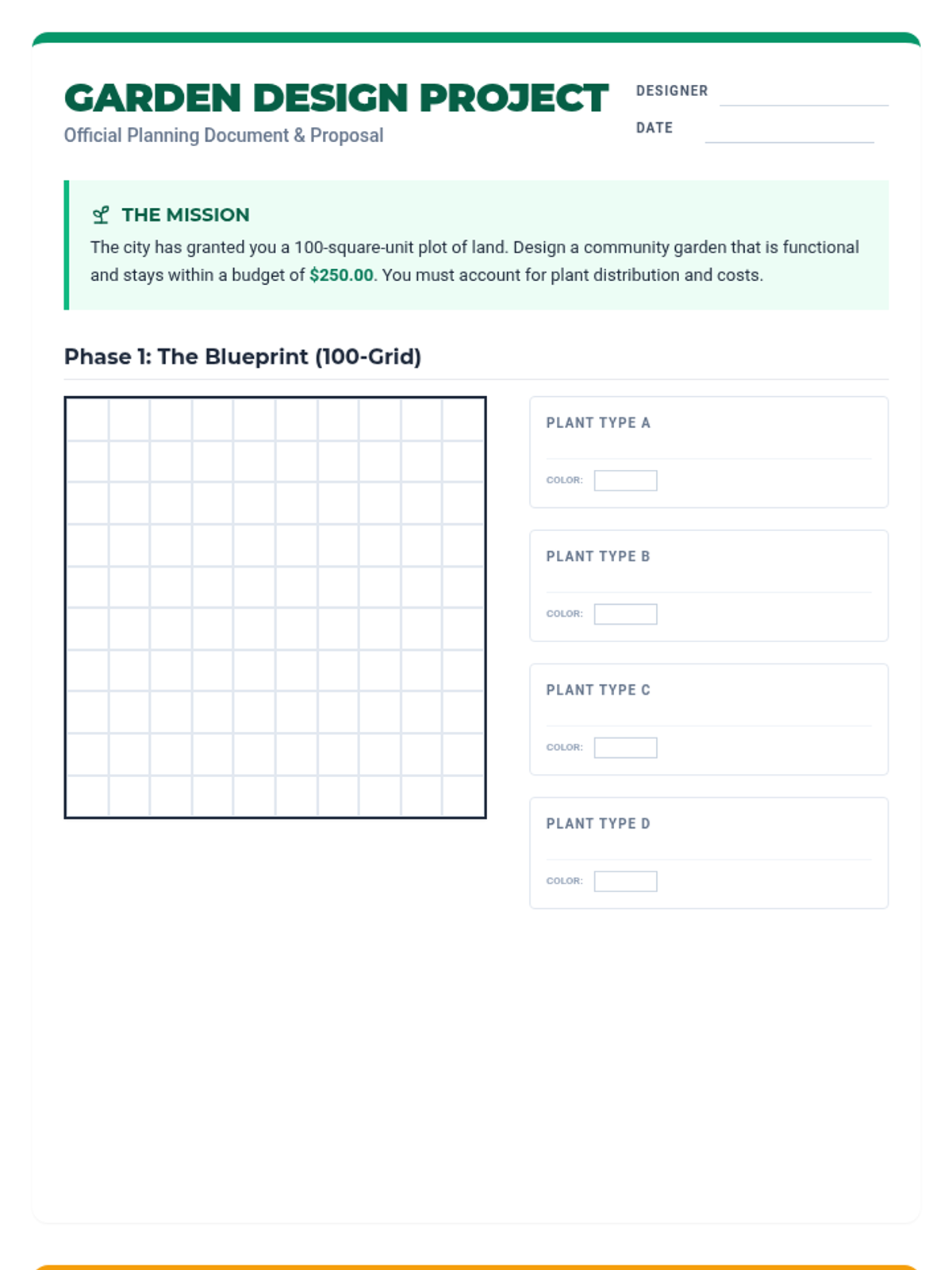
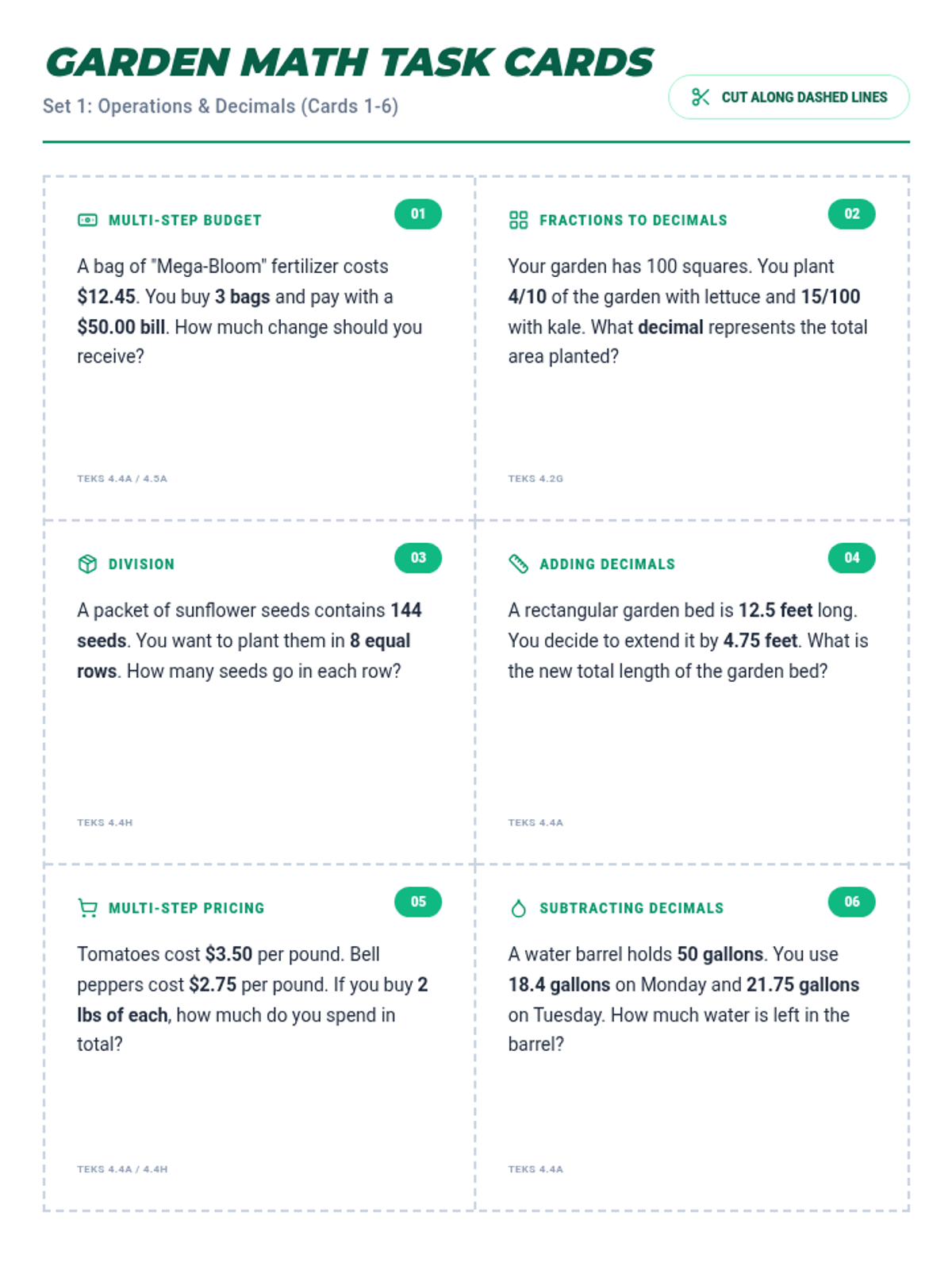
A math-focused project where students step into the role of garden designers to plan a community space while mastering multi-step word problems, decimal operations, and the relationship between fractions and decimals.
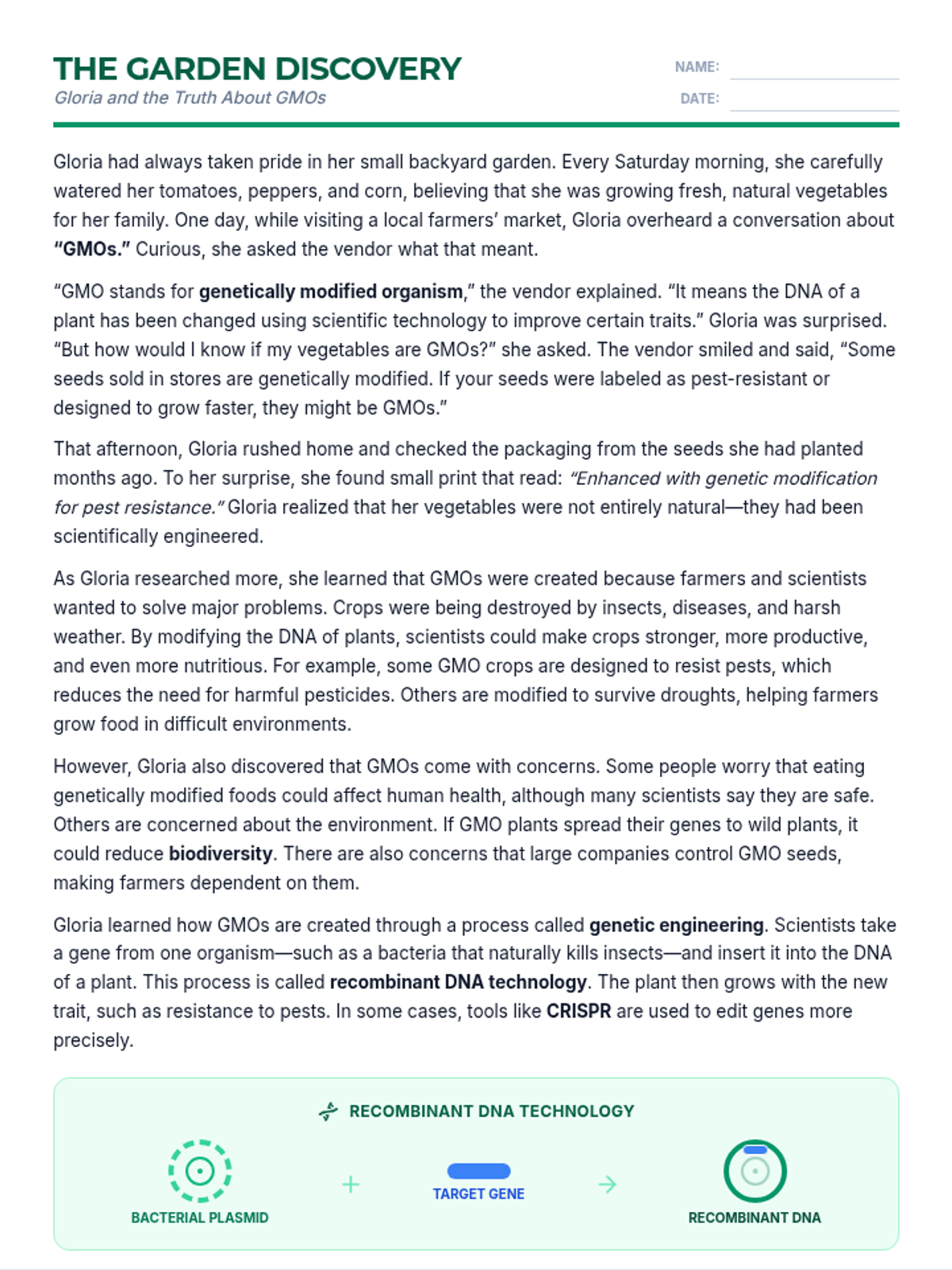
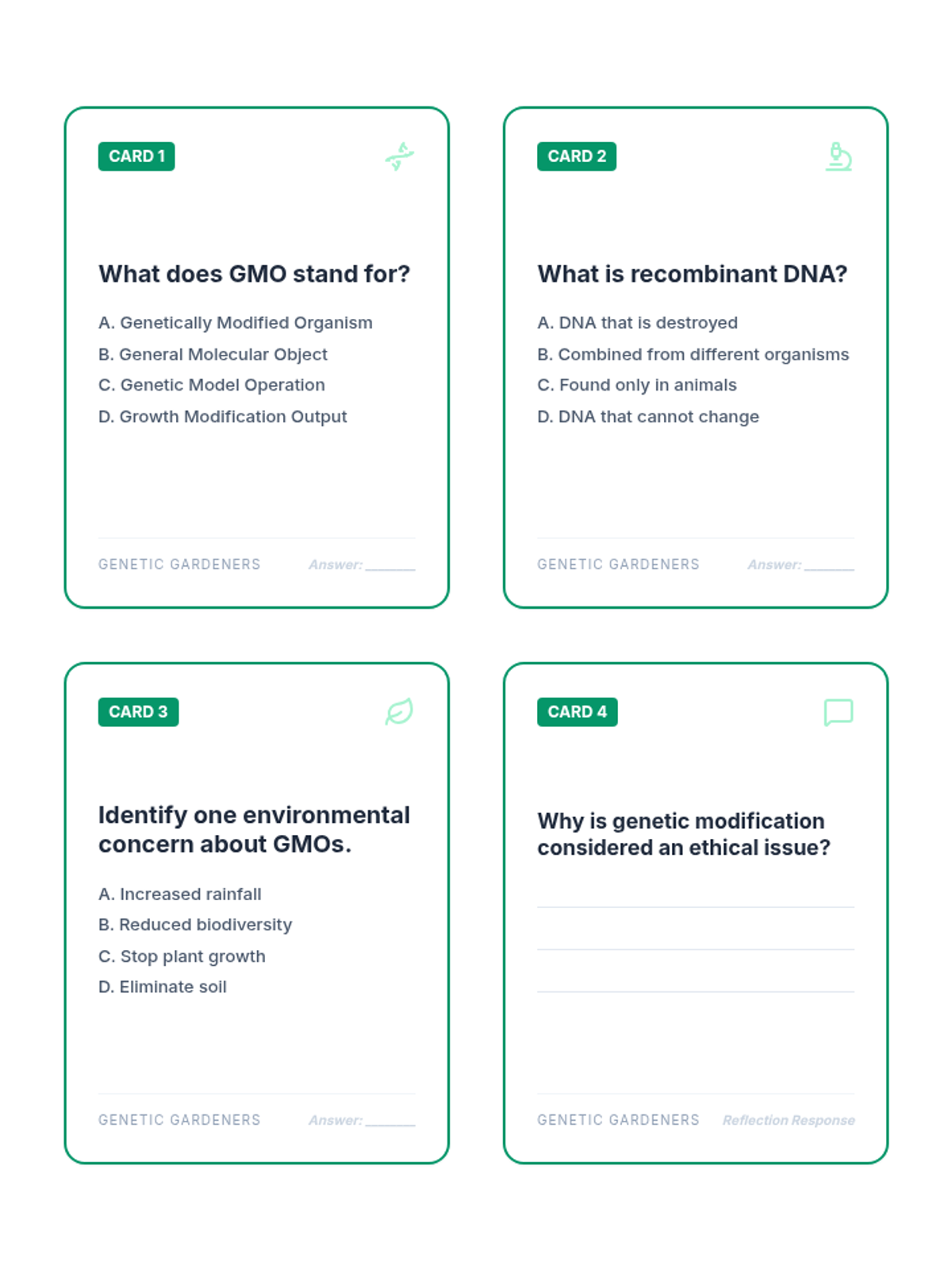
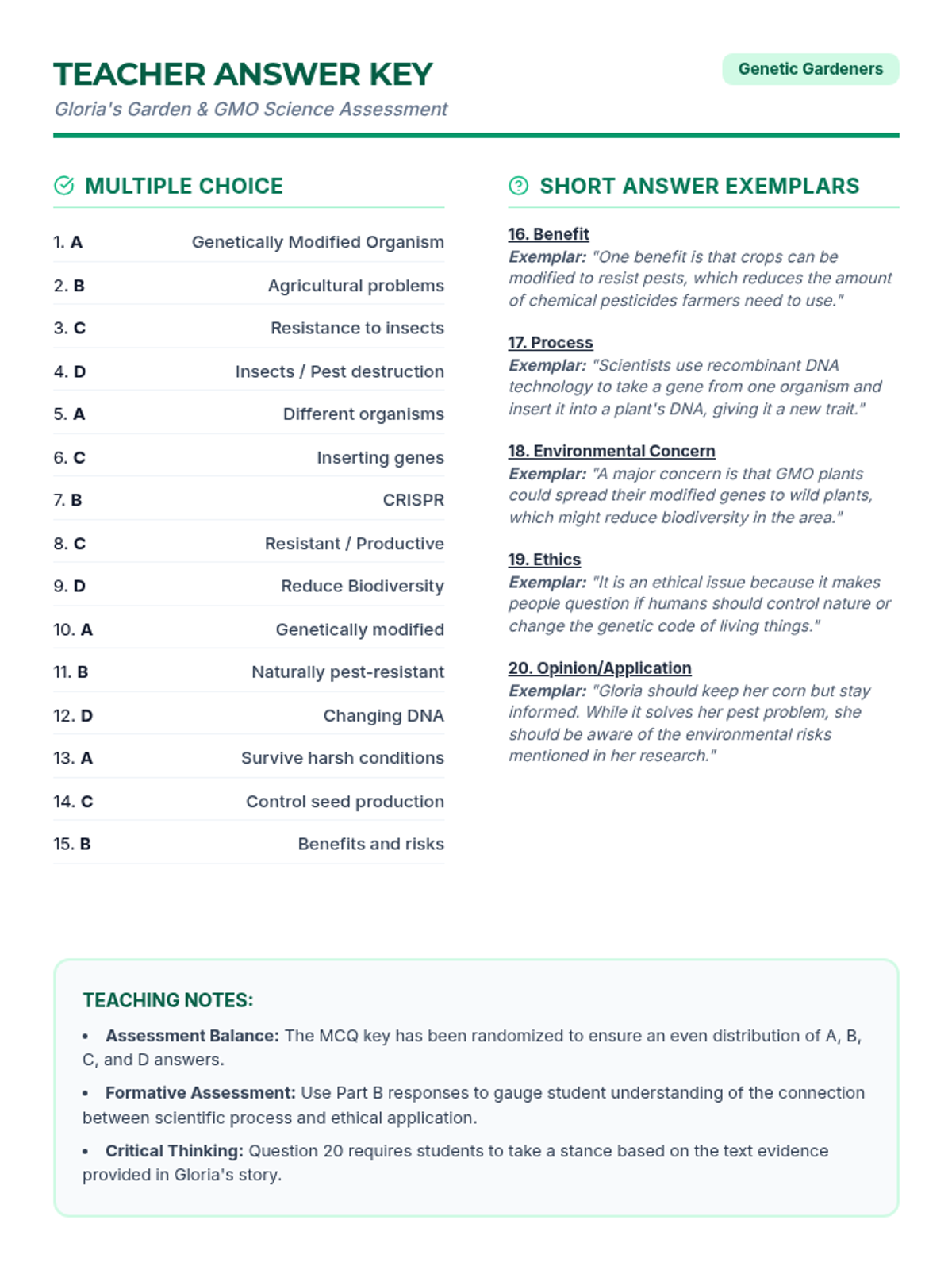
A comprehensive lesson exploring the science, benefits, and ethical considerations of GMOs through the story of Gloria's garden. Includes a reading passage, multiple-choice assessment, and short-answer reflections with supporting scientific diagrams.
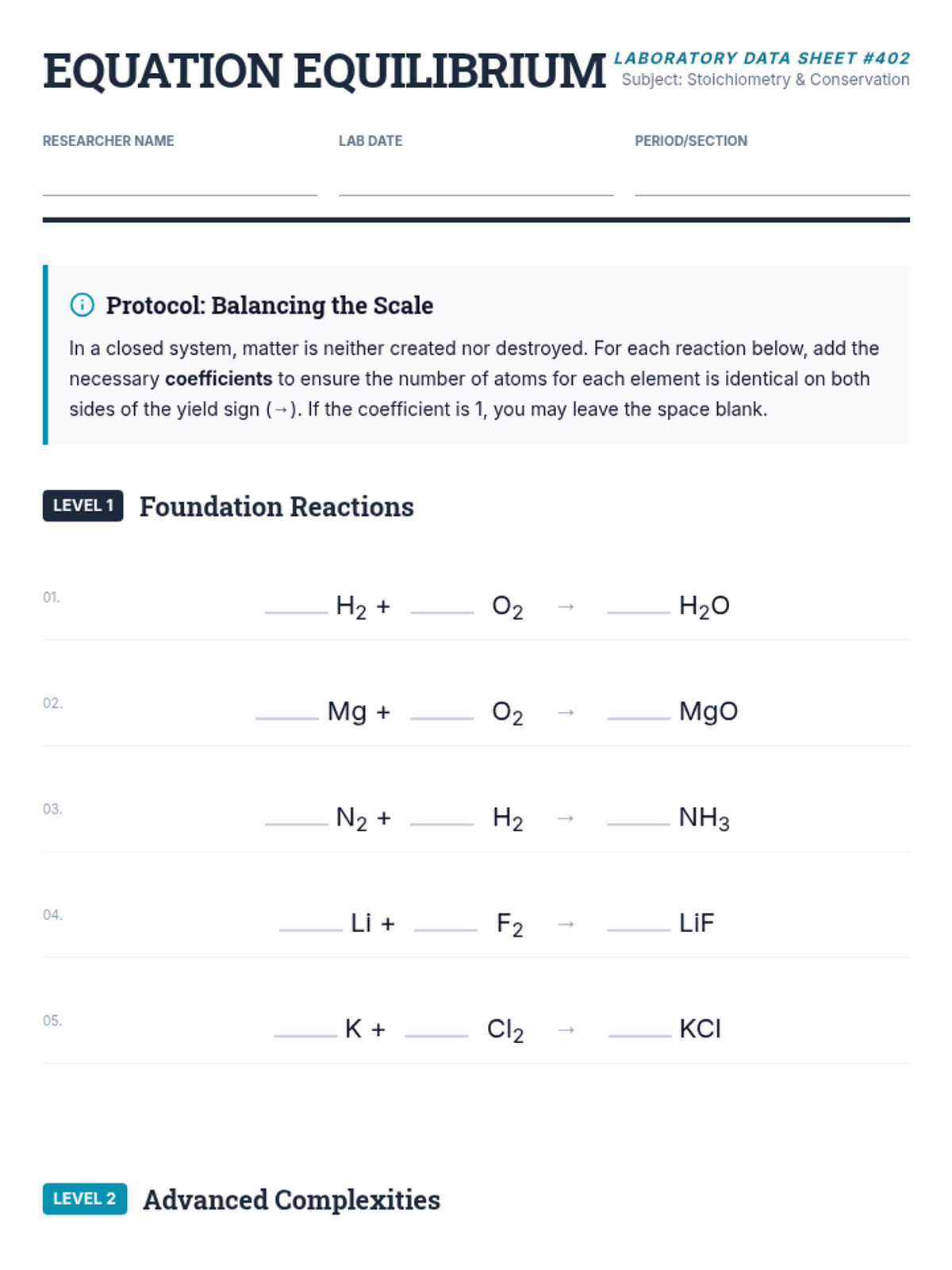
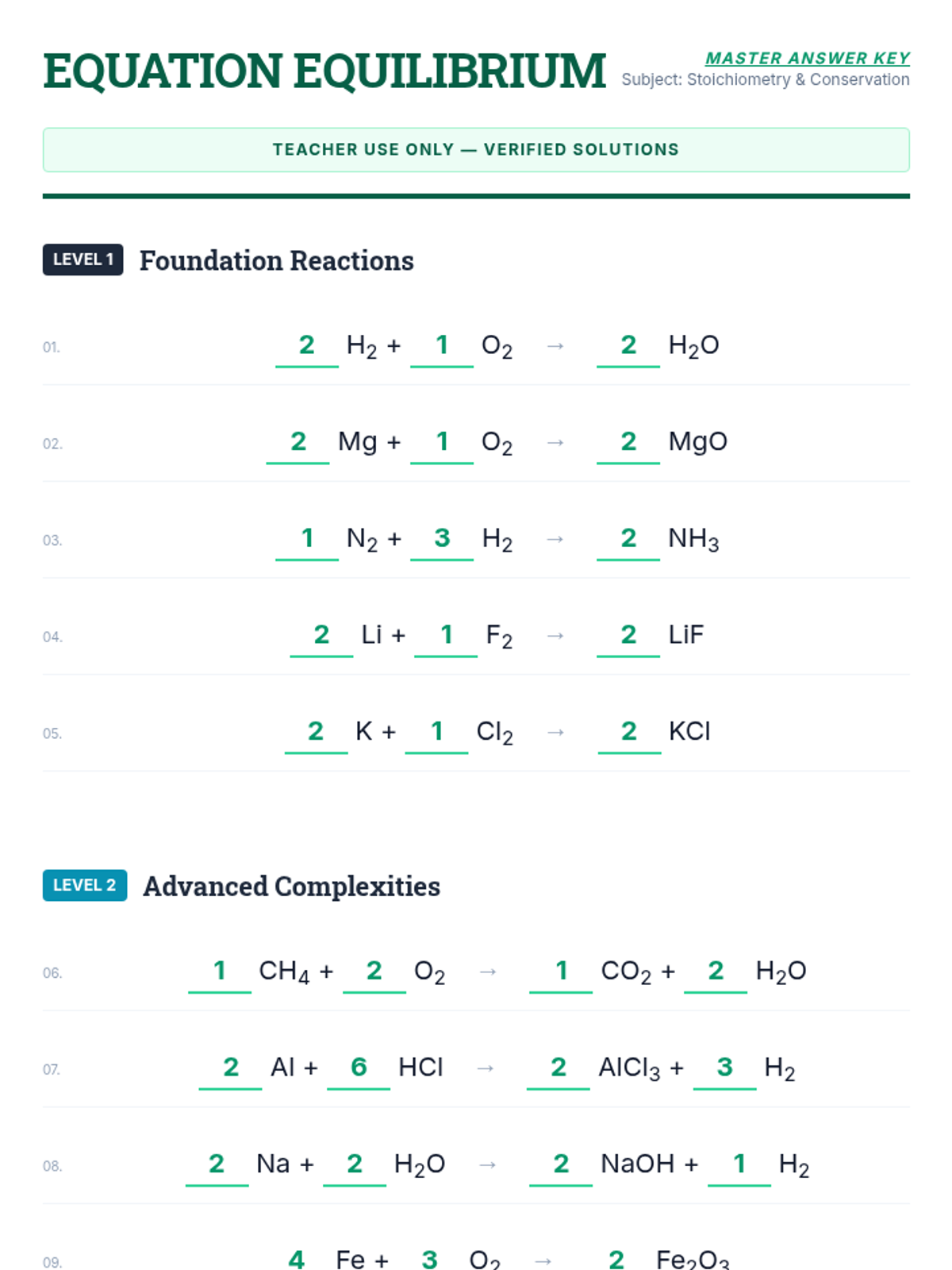
A lesson focused on the Law of Conservation of Mass through the practice of balancing chemical equations. Students move from basic synthesis reactions to more complex combustion and replacement reactions.
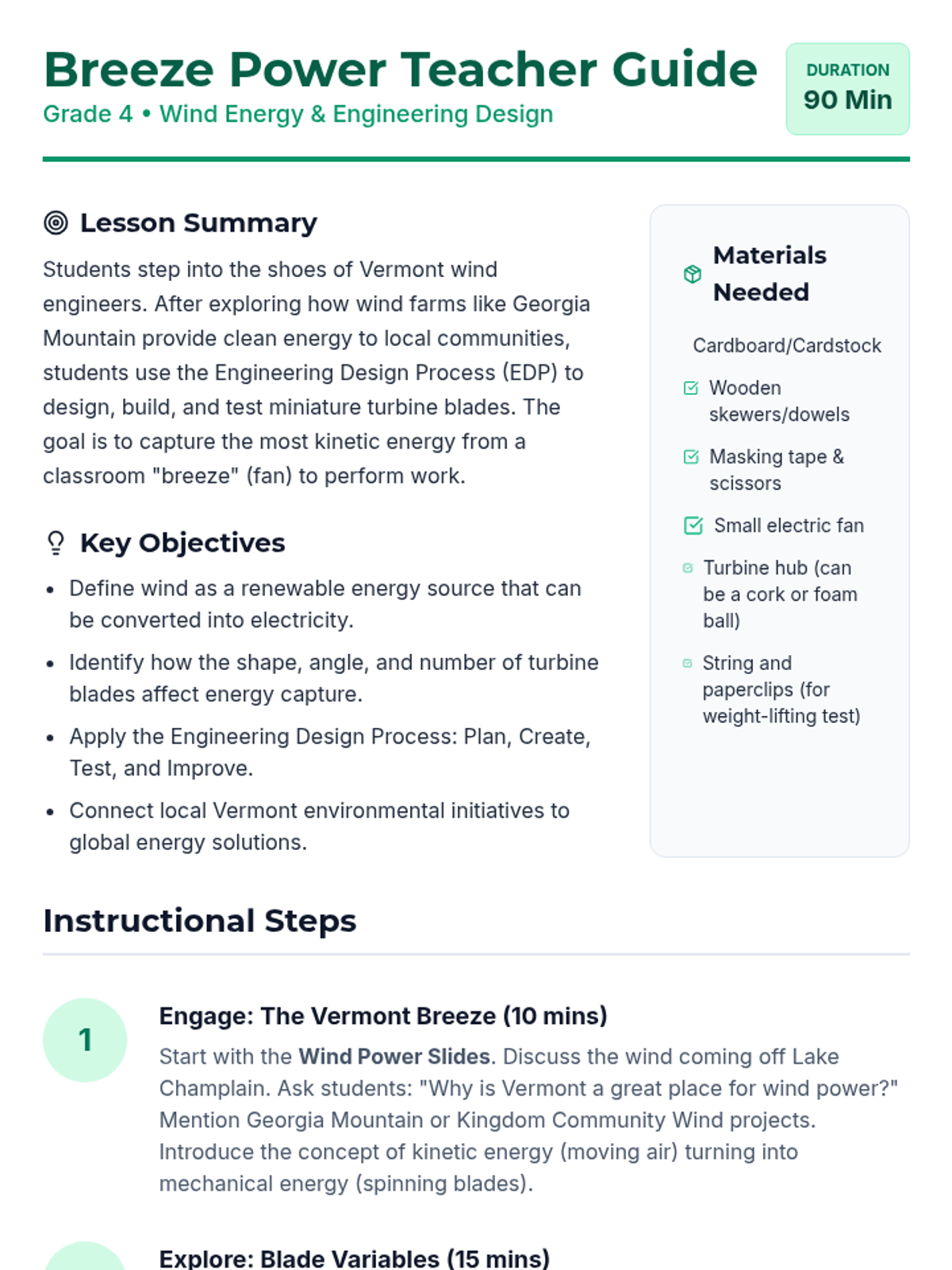
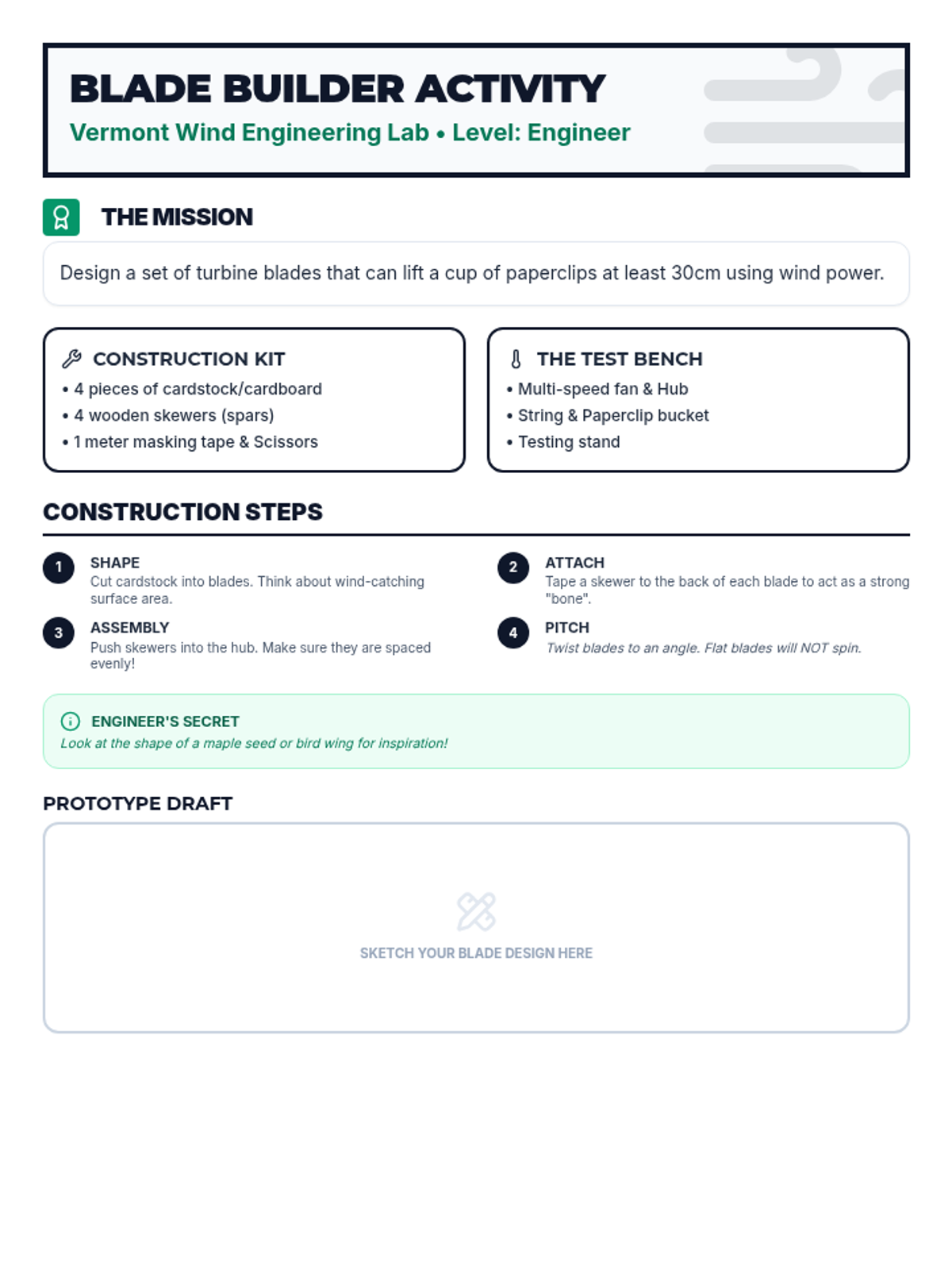
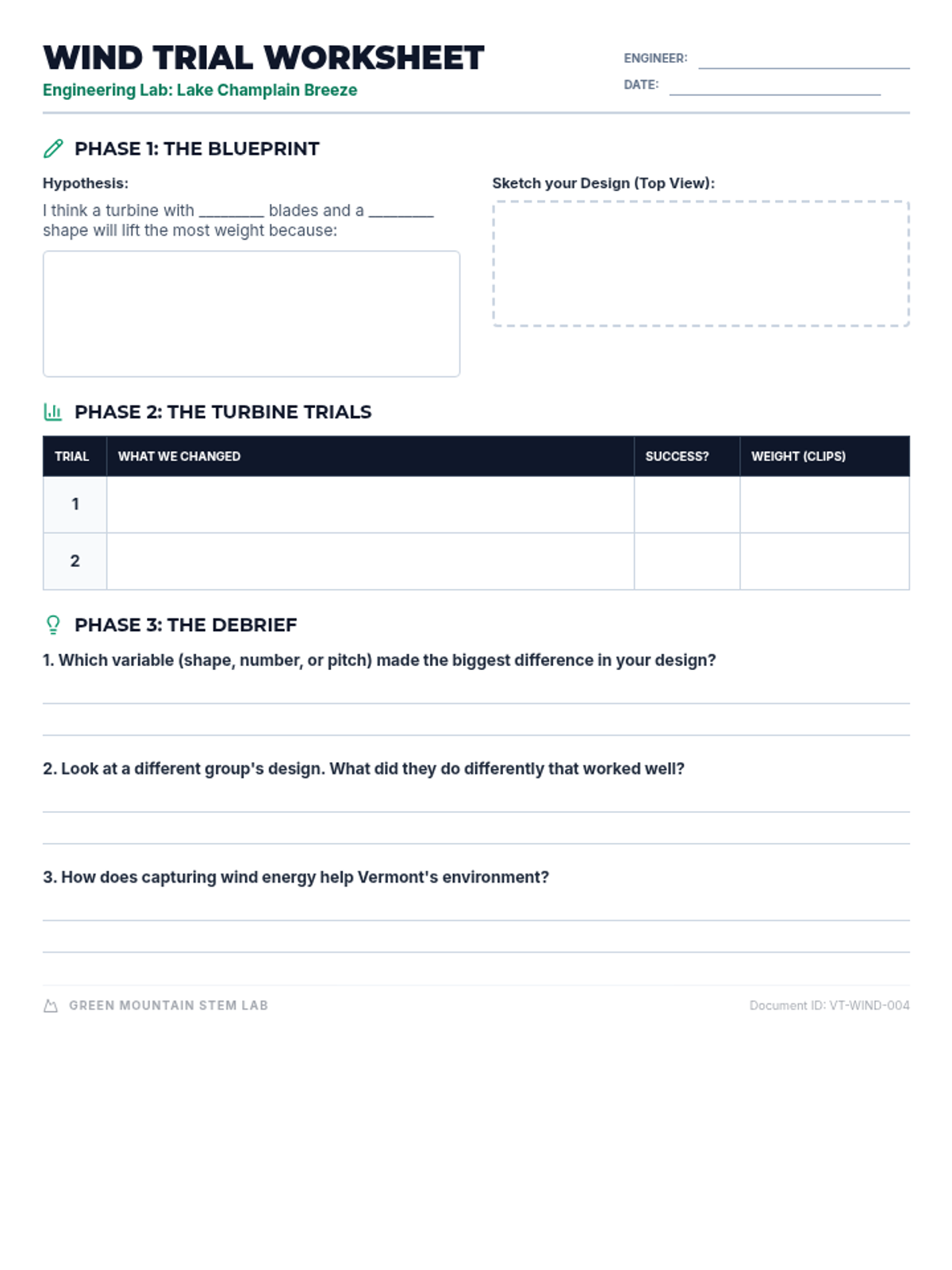
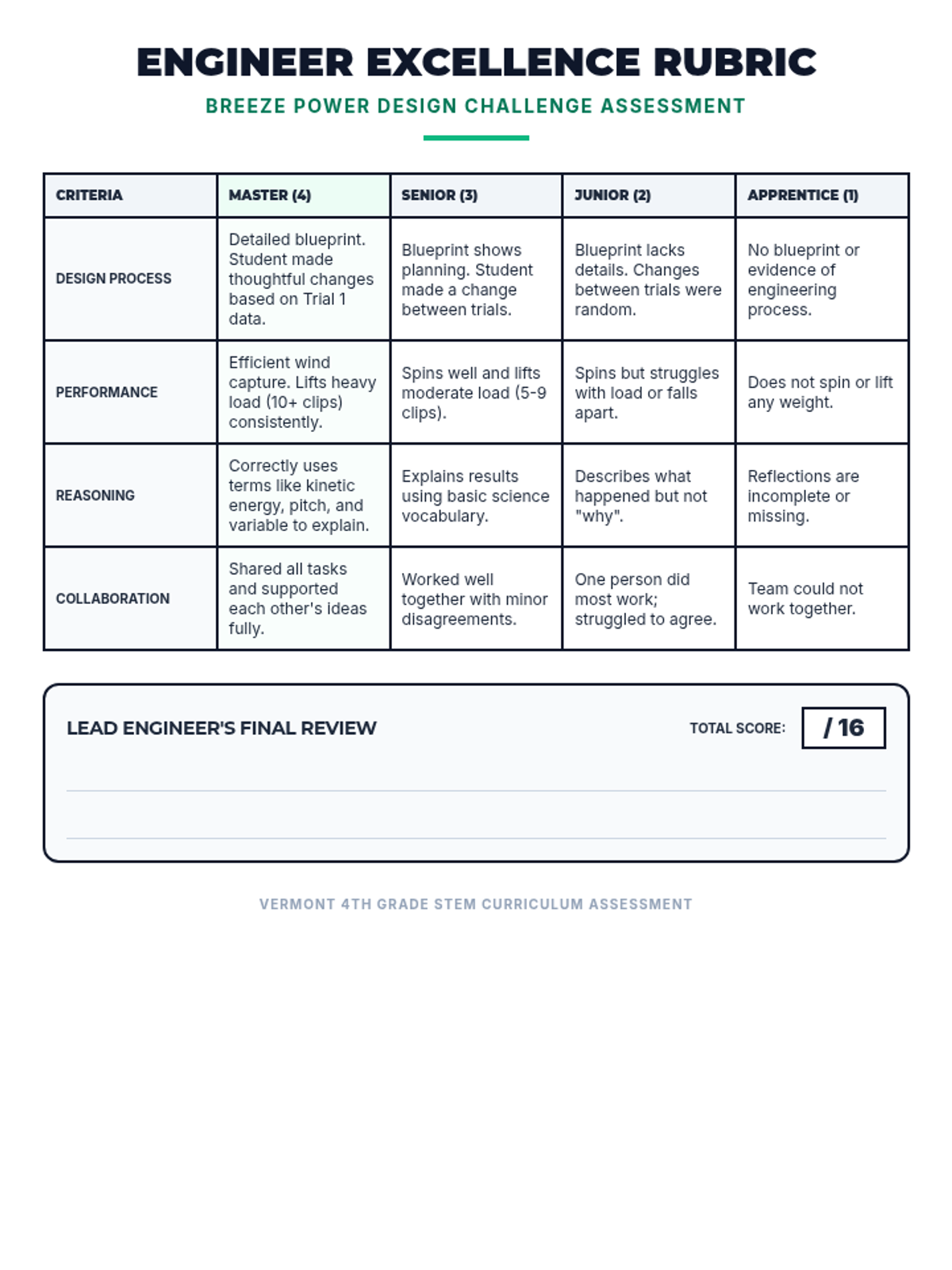
In this STEM-focused lesson, 4th-grade scientists investigate wind energy by designing and testing miniature turbine blades. They explore Vermont's renewable energy landscape and apply the engineering design process to optimize power output.
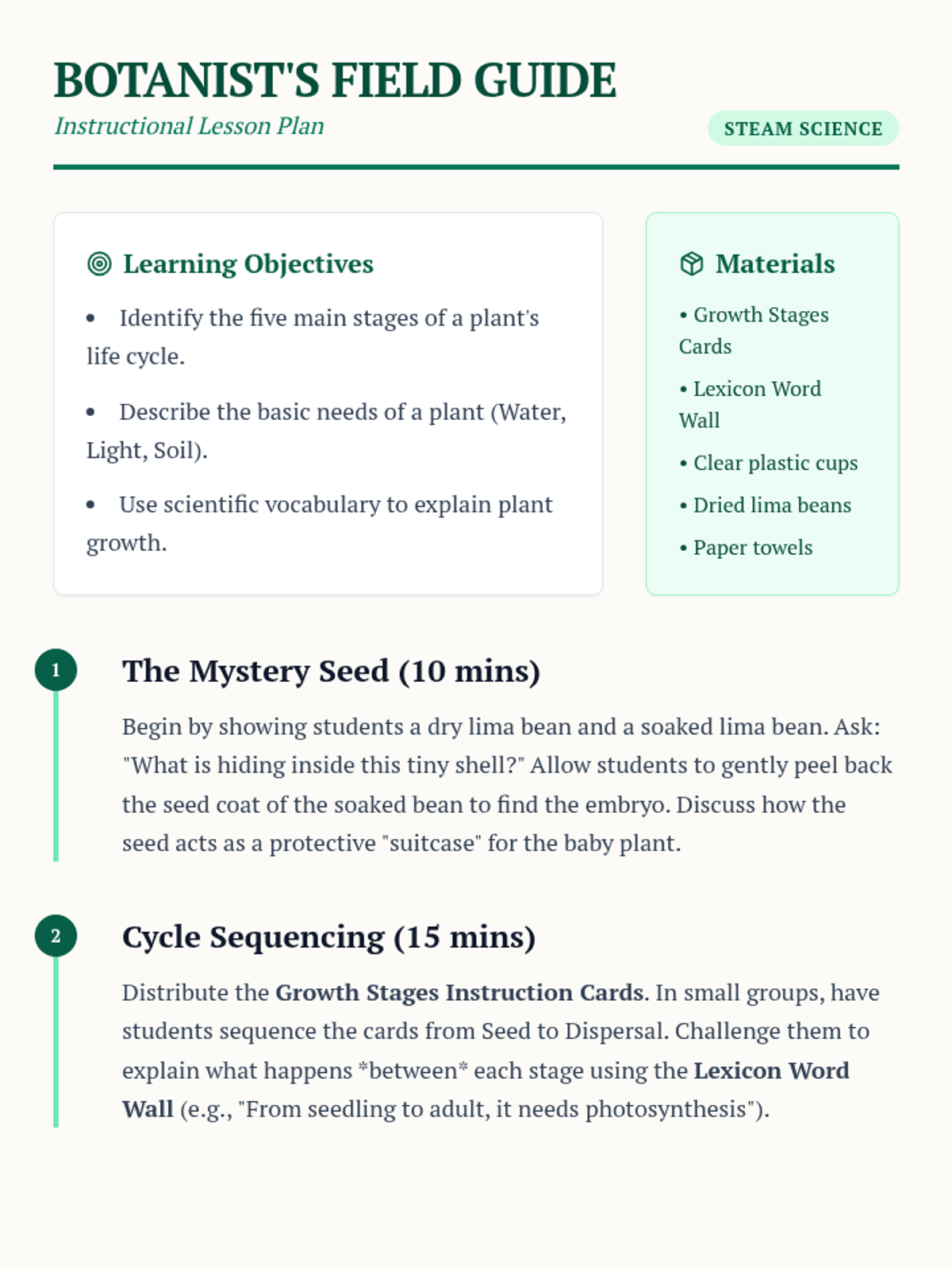
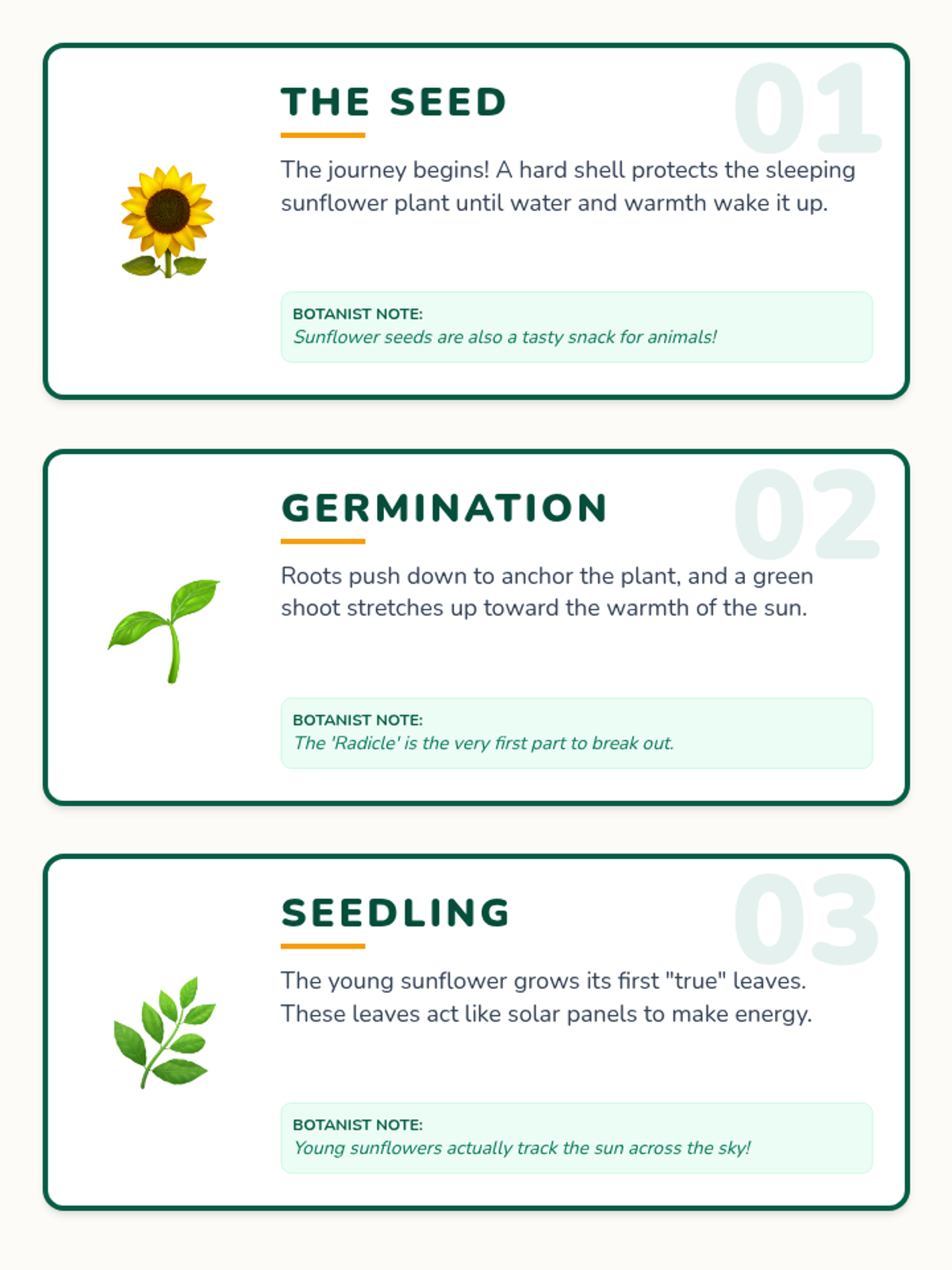
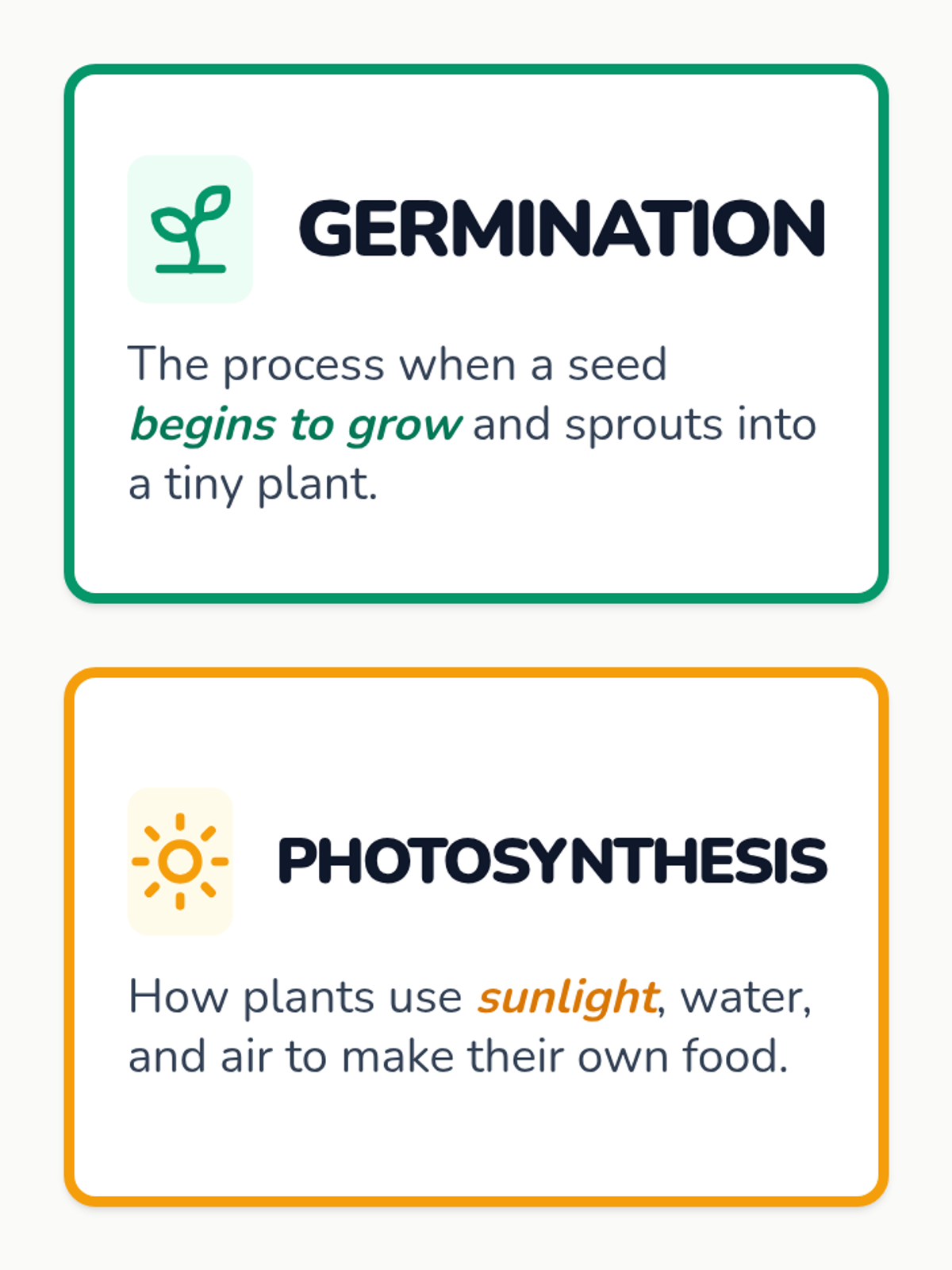
A hands-on STEAM lesson where students explore the stages of a plant's life cycle through visual aids, vocabulary building, and a planting activity.
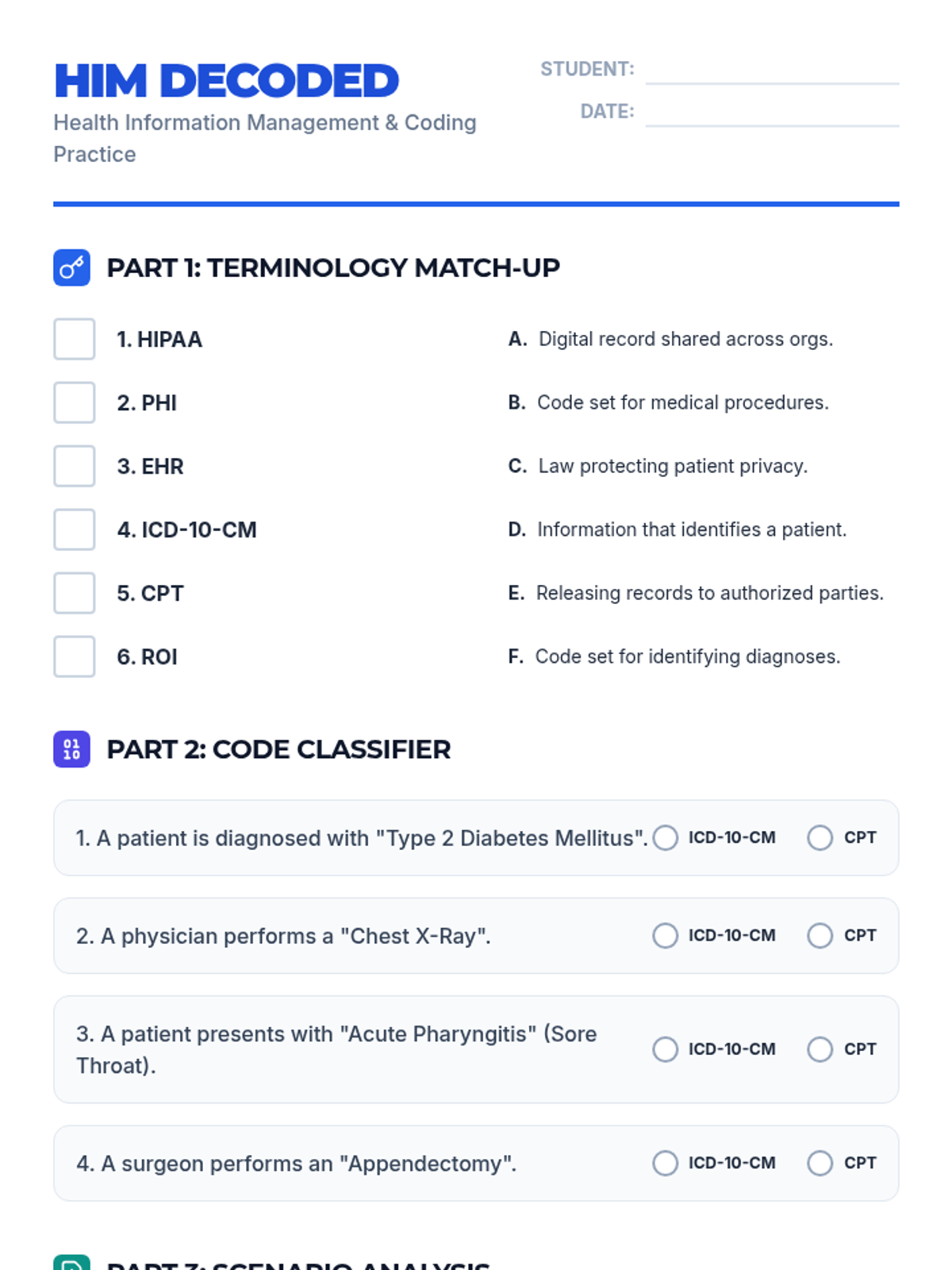
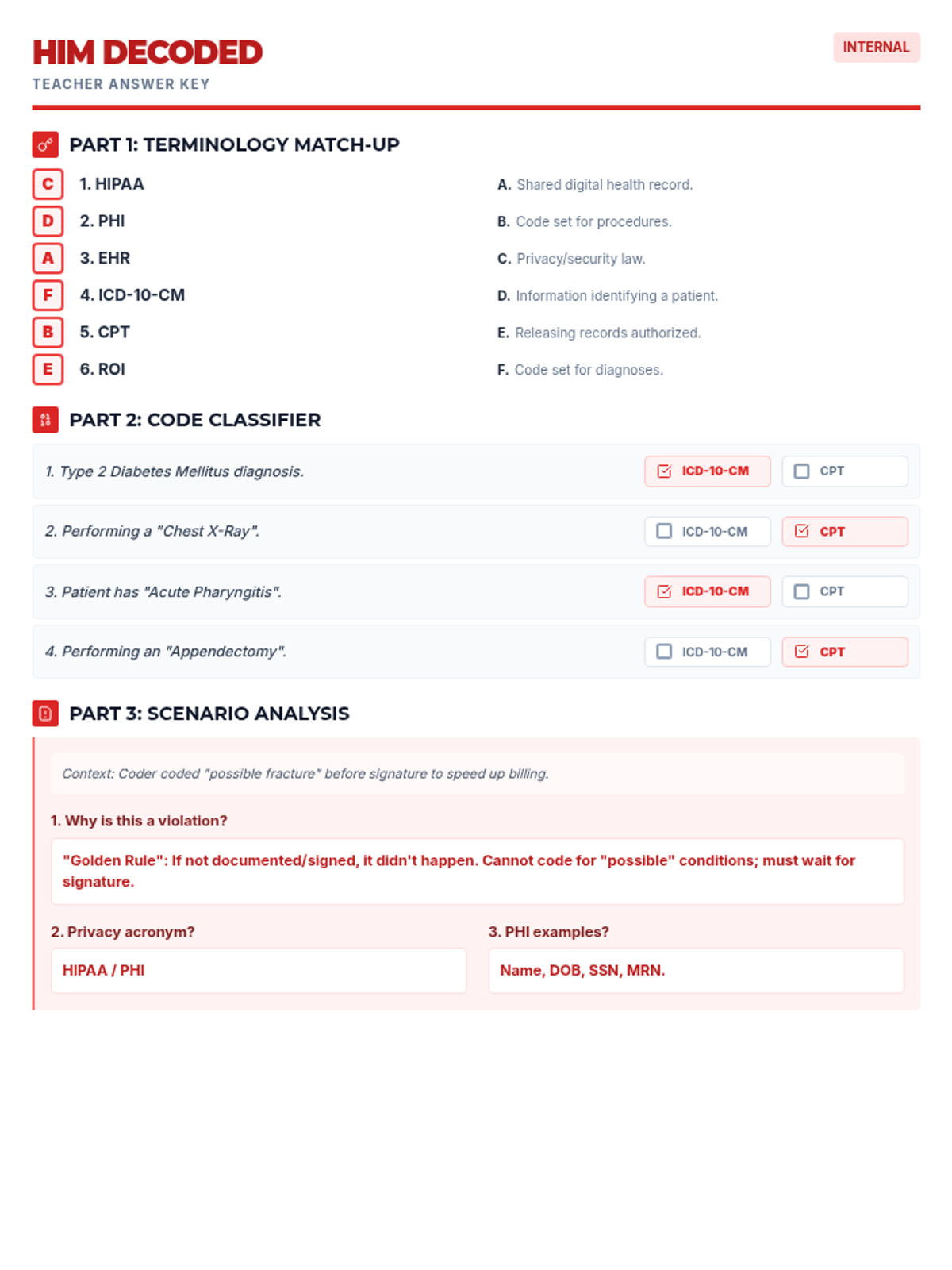
A comprehensive introduction to Health Information Management (HIM), focusing on essential terminology, legal standards like HIPAA, and the basics of medical coding (ICD-10-CM and CPT) for high school CTE students.
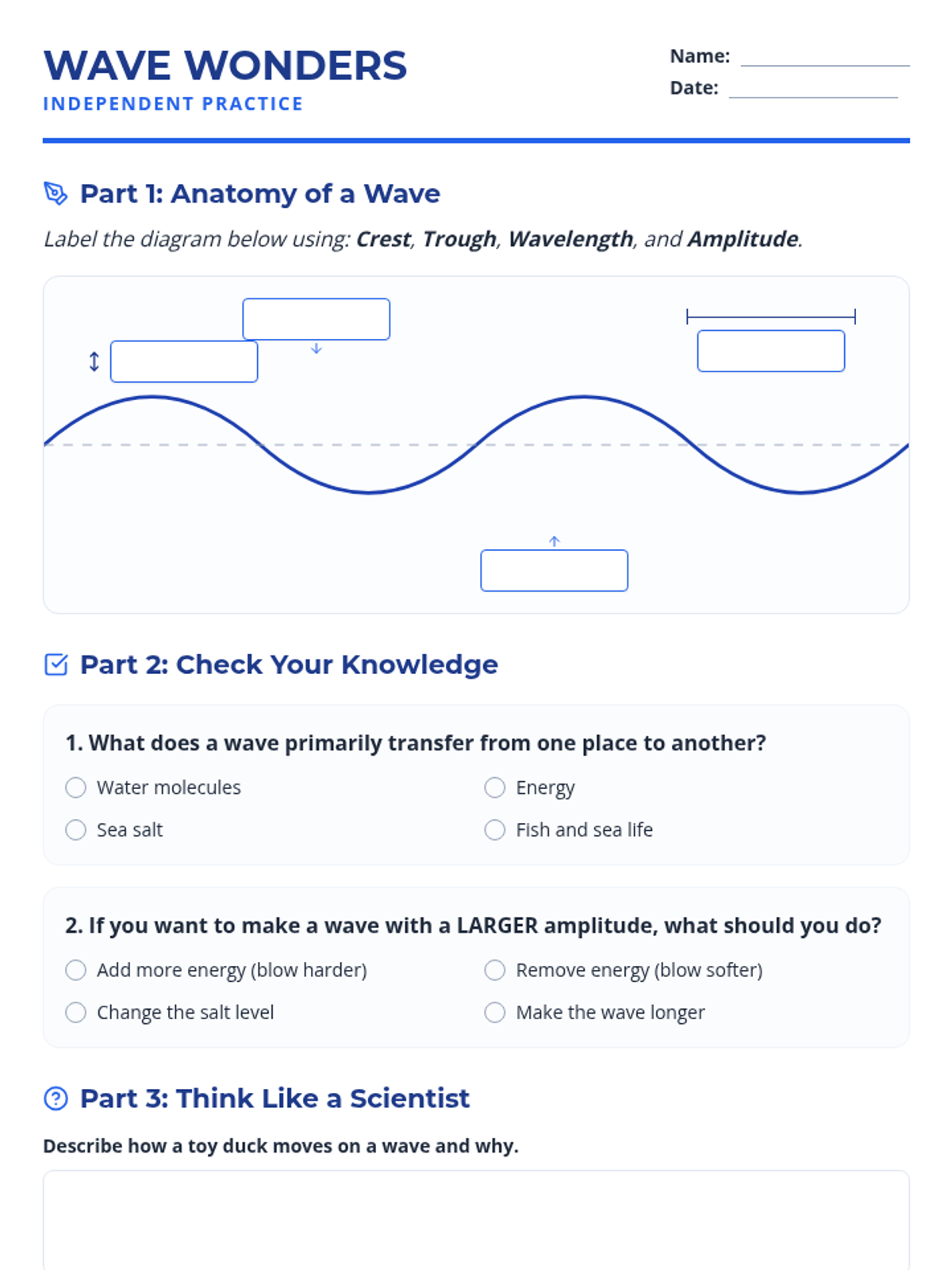
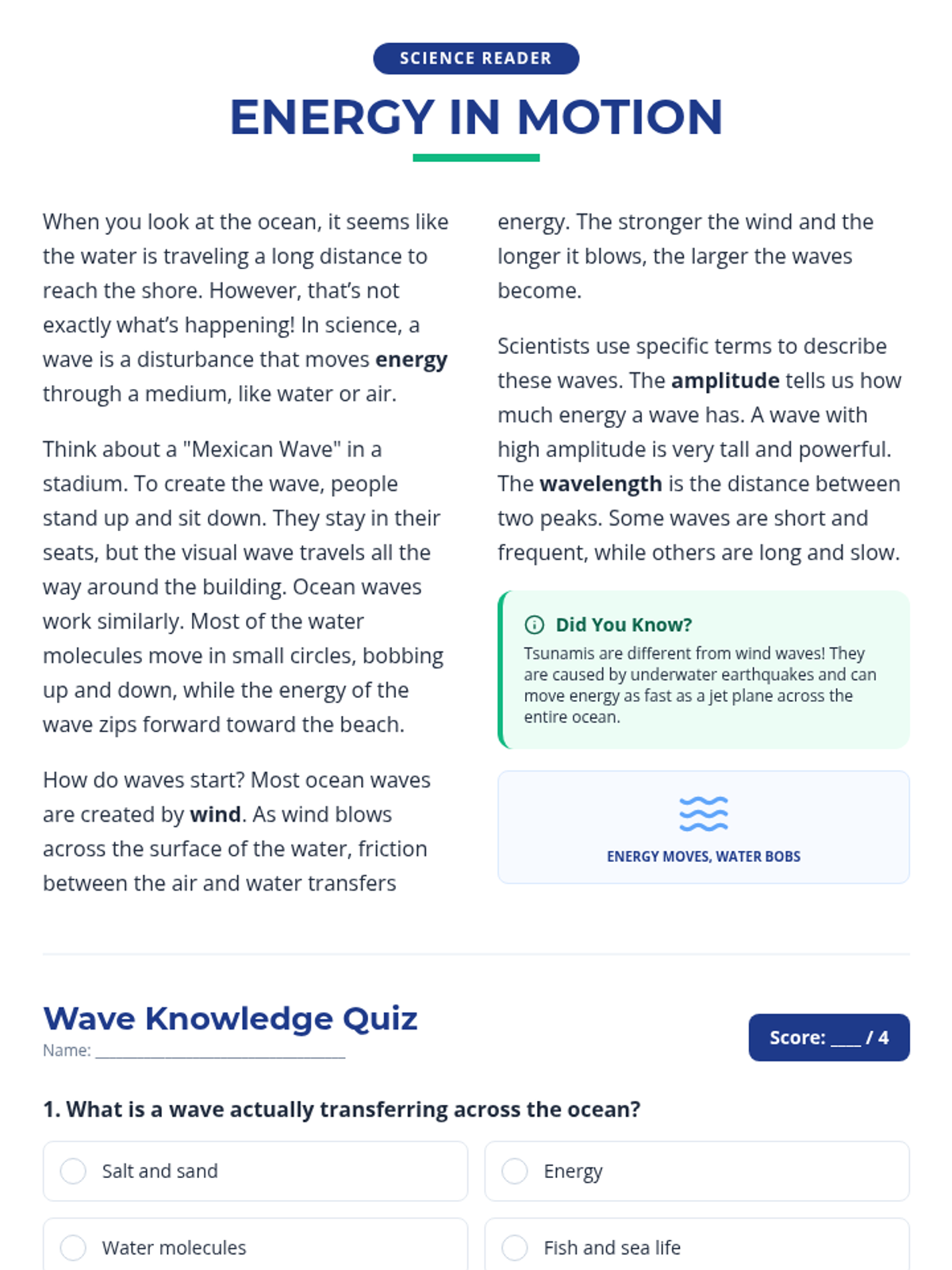
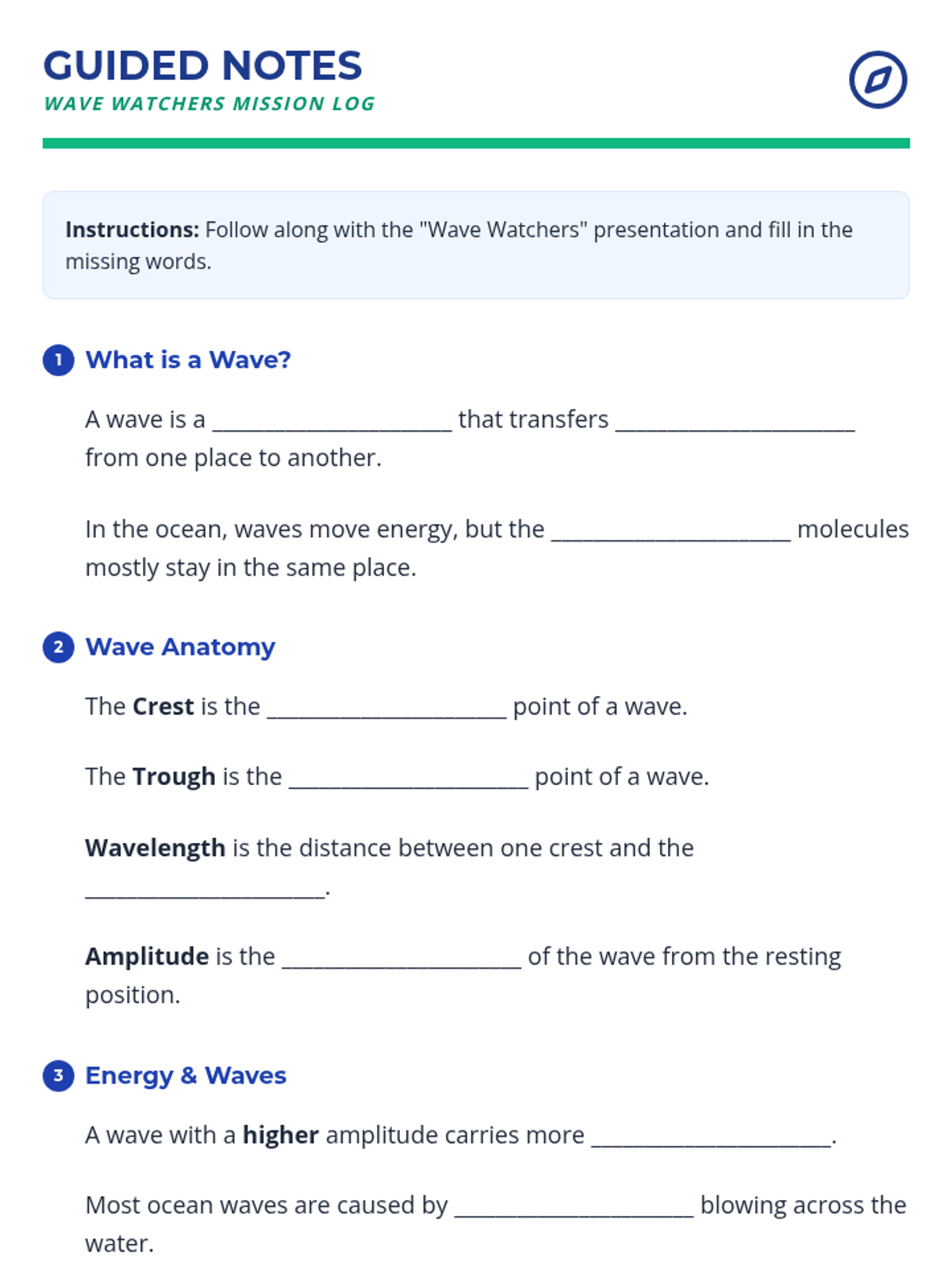
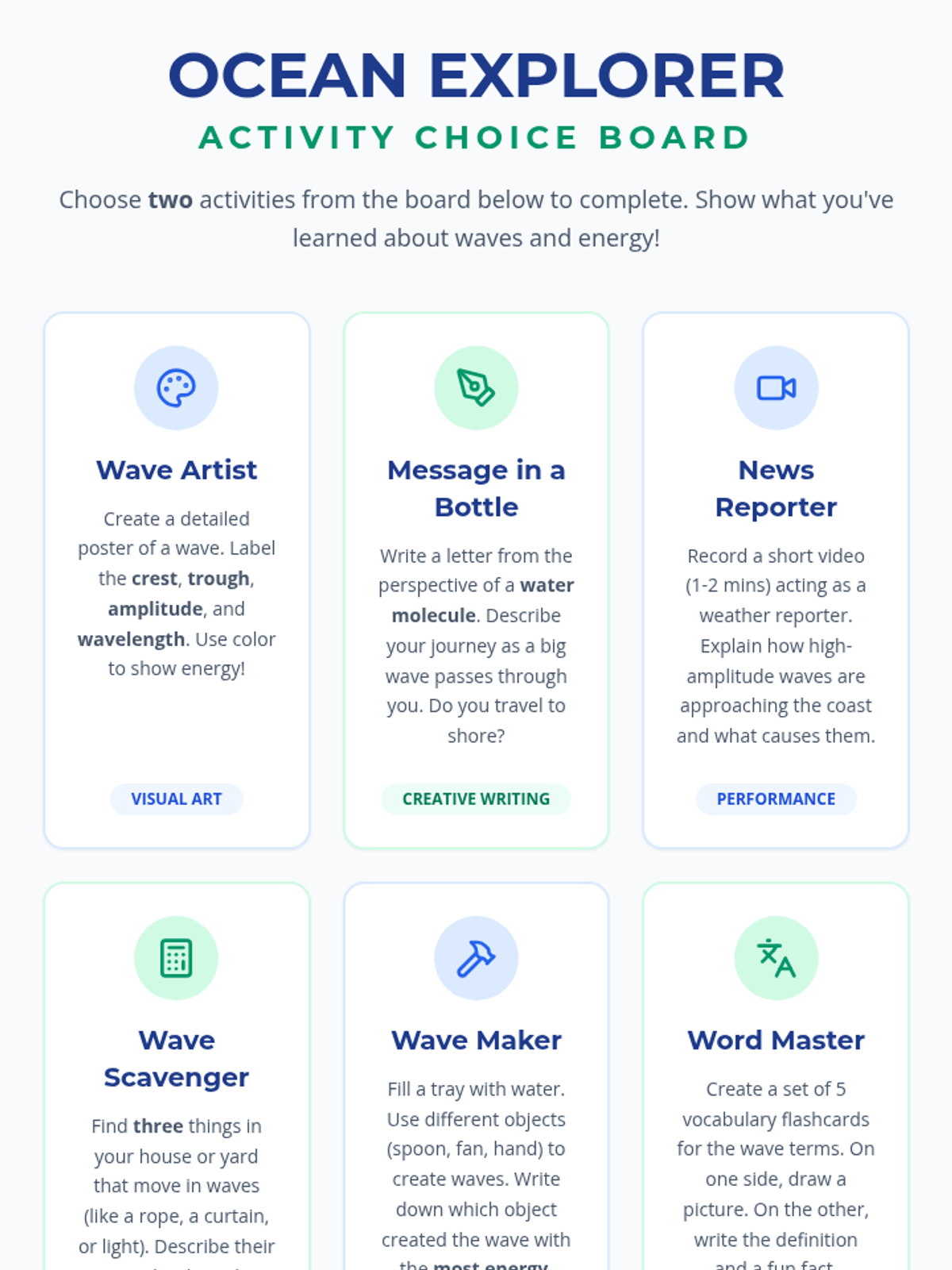
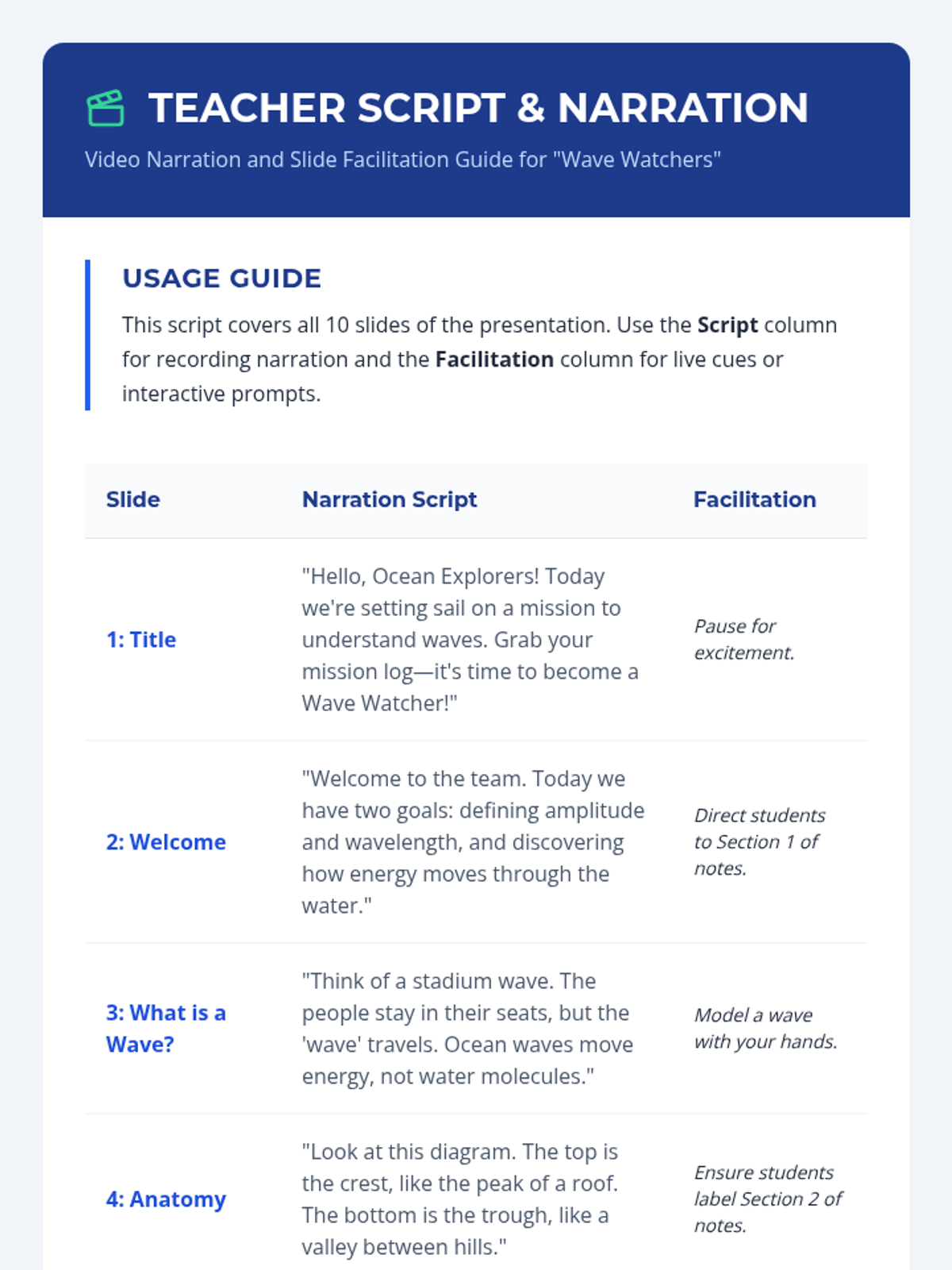
An asynchronous lesson for fourth graders exploring the properties of ocean waves, specifically amplitude and wavelength, and how they transfer energy across the sea.
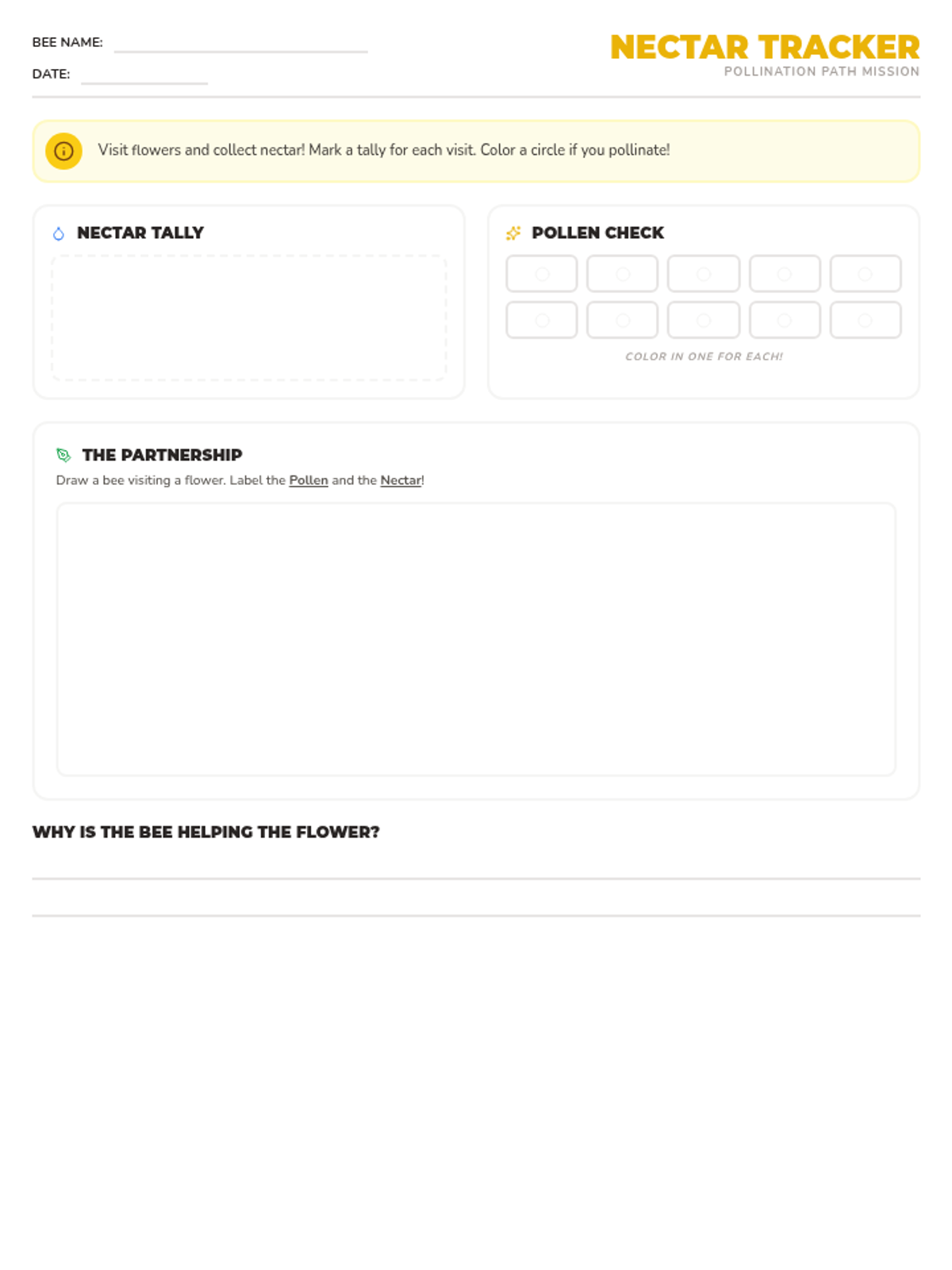
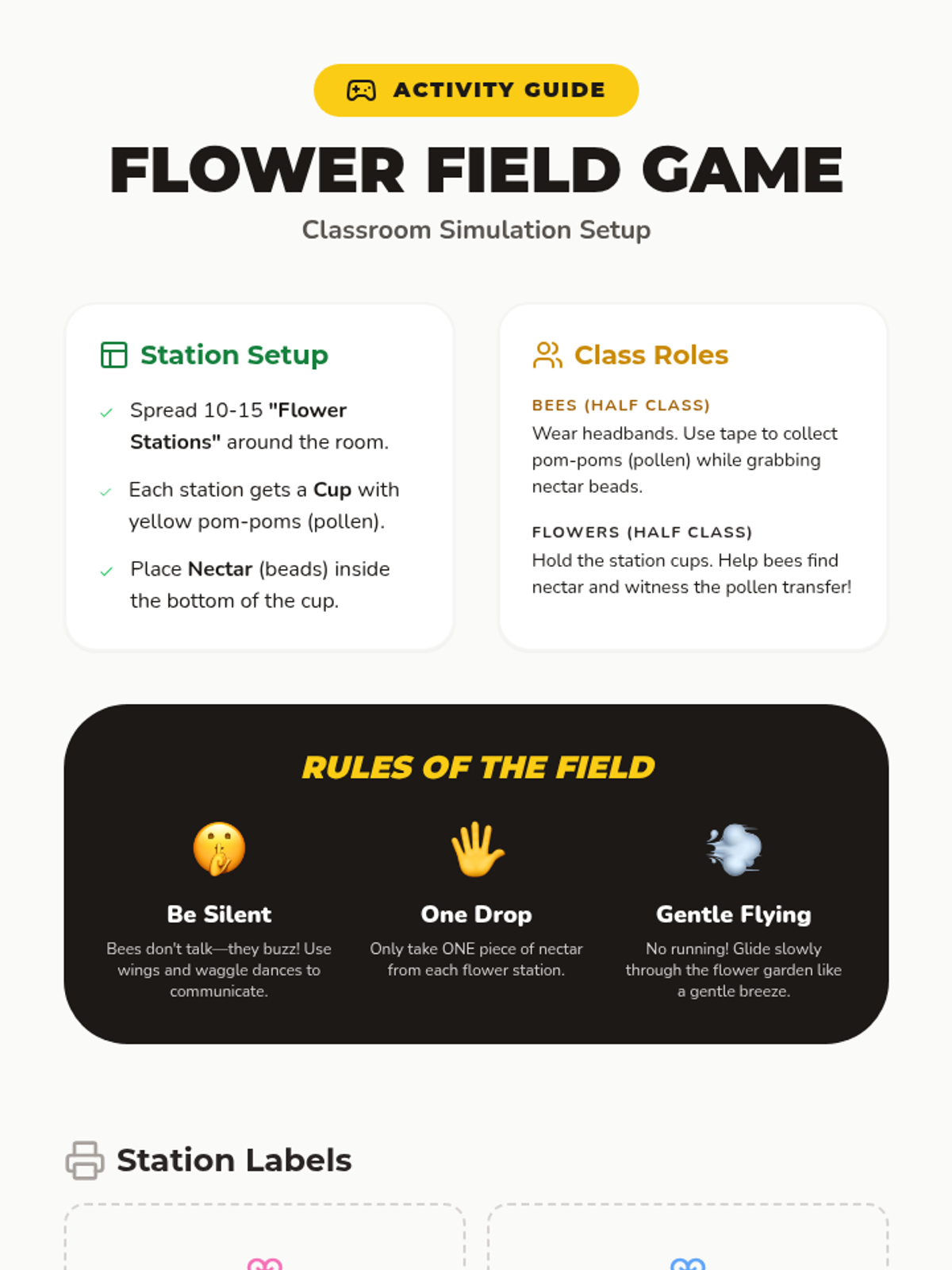
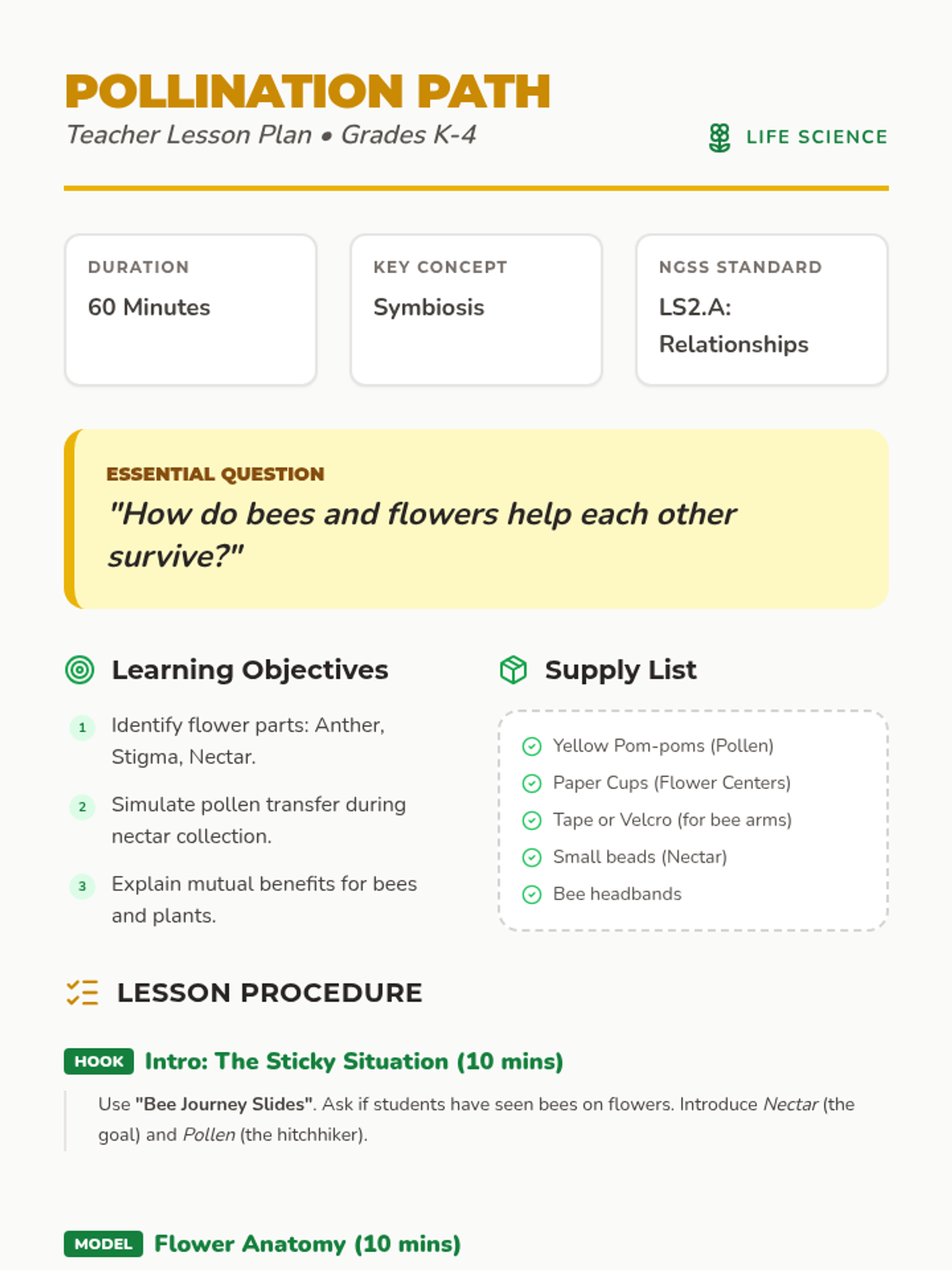
Students simulate the pollination process through a high-energy movement game, learning about the symbiotic relationship between bees and flowers and its importance to our food system.
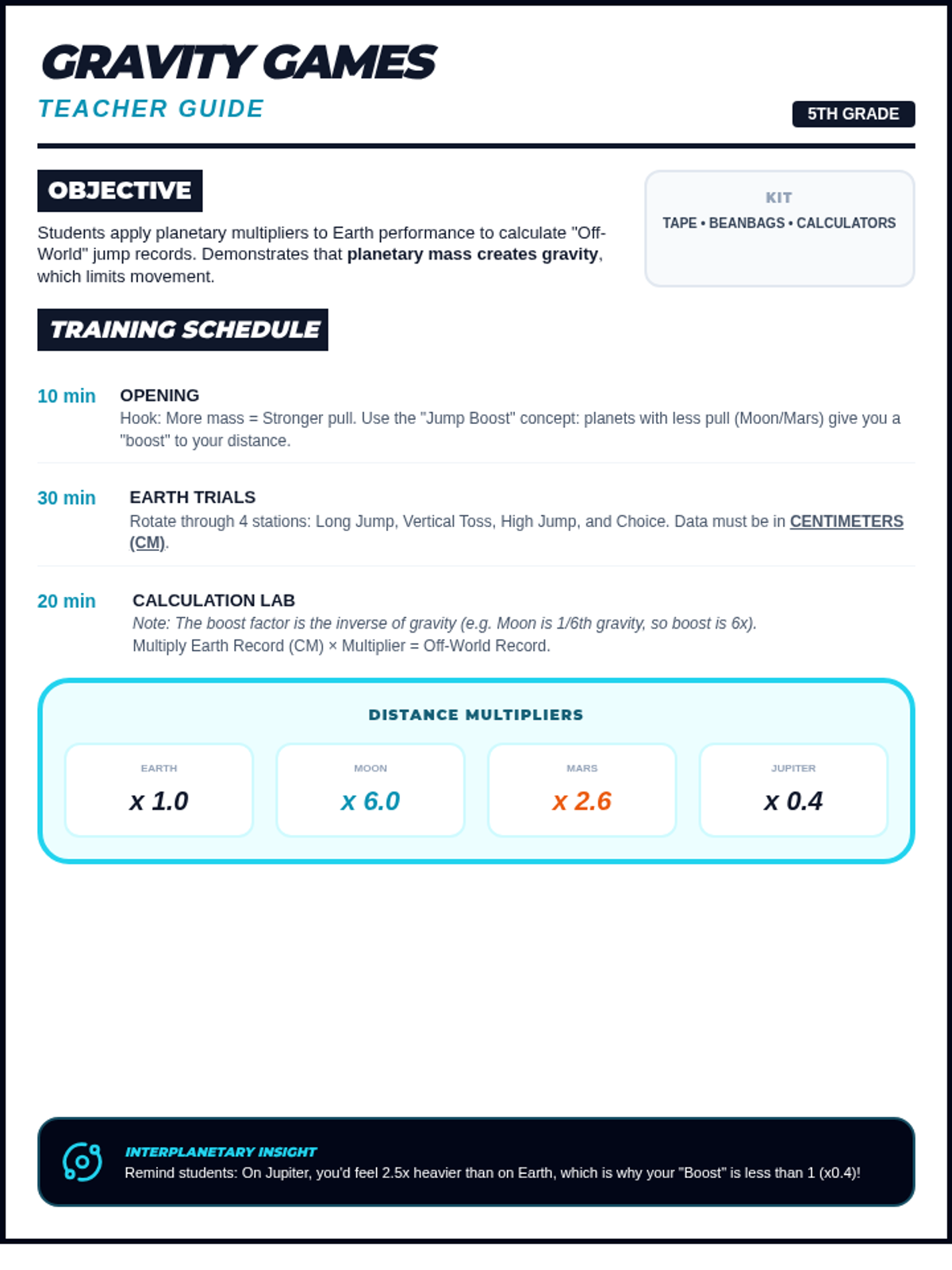
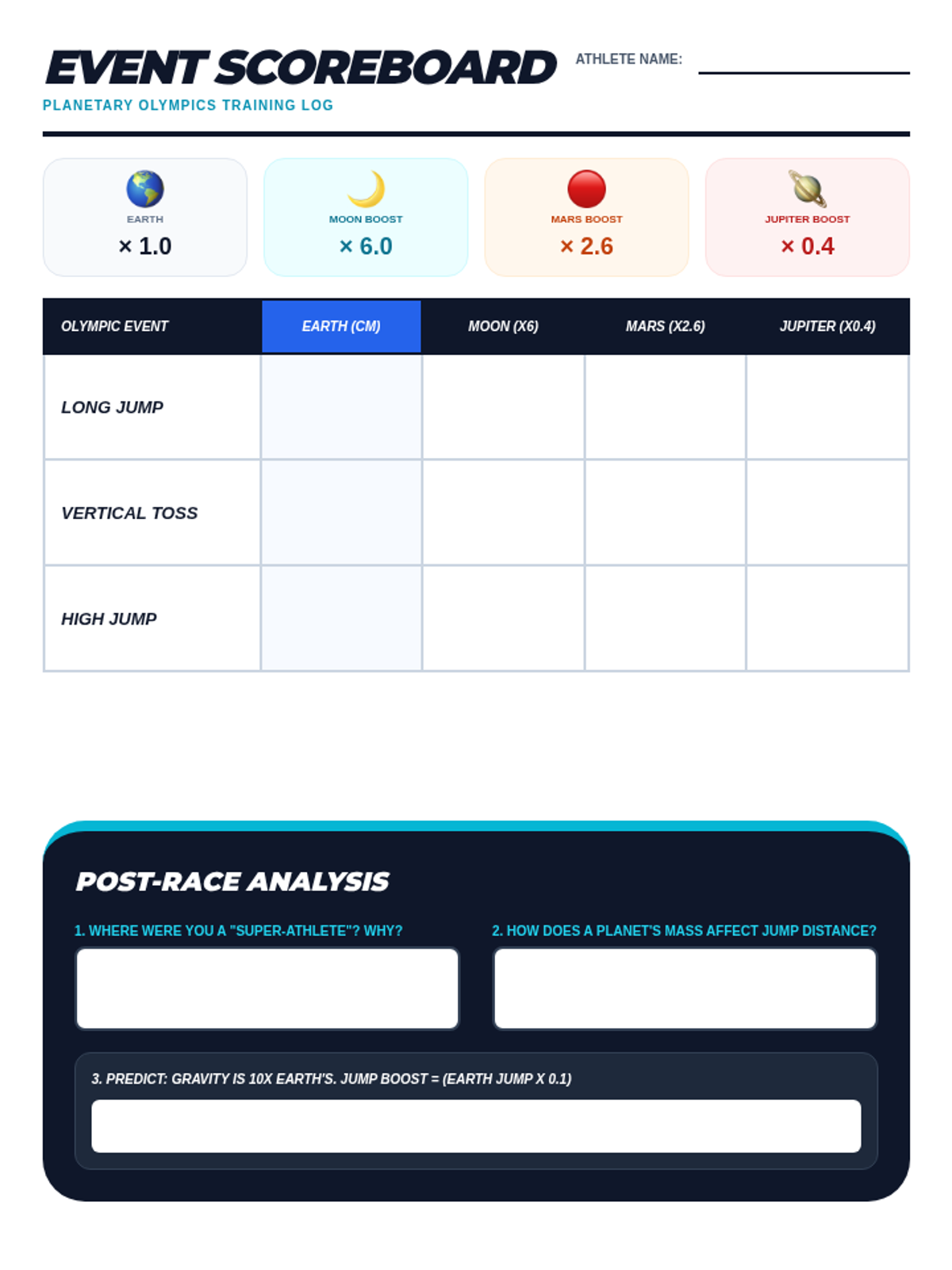
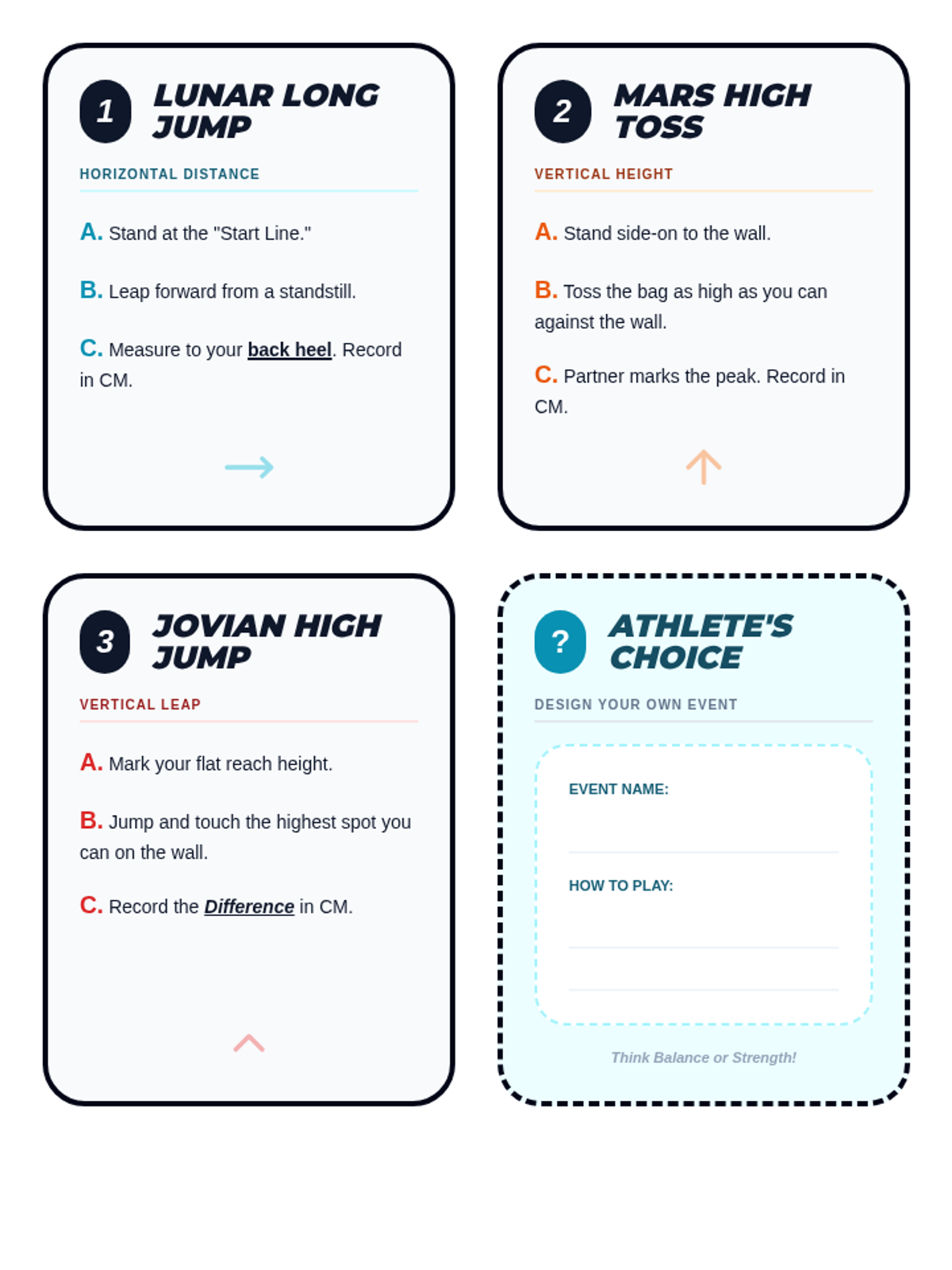
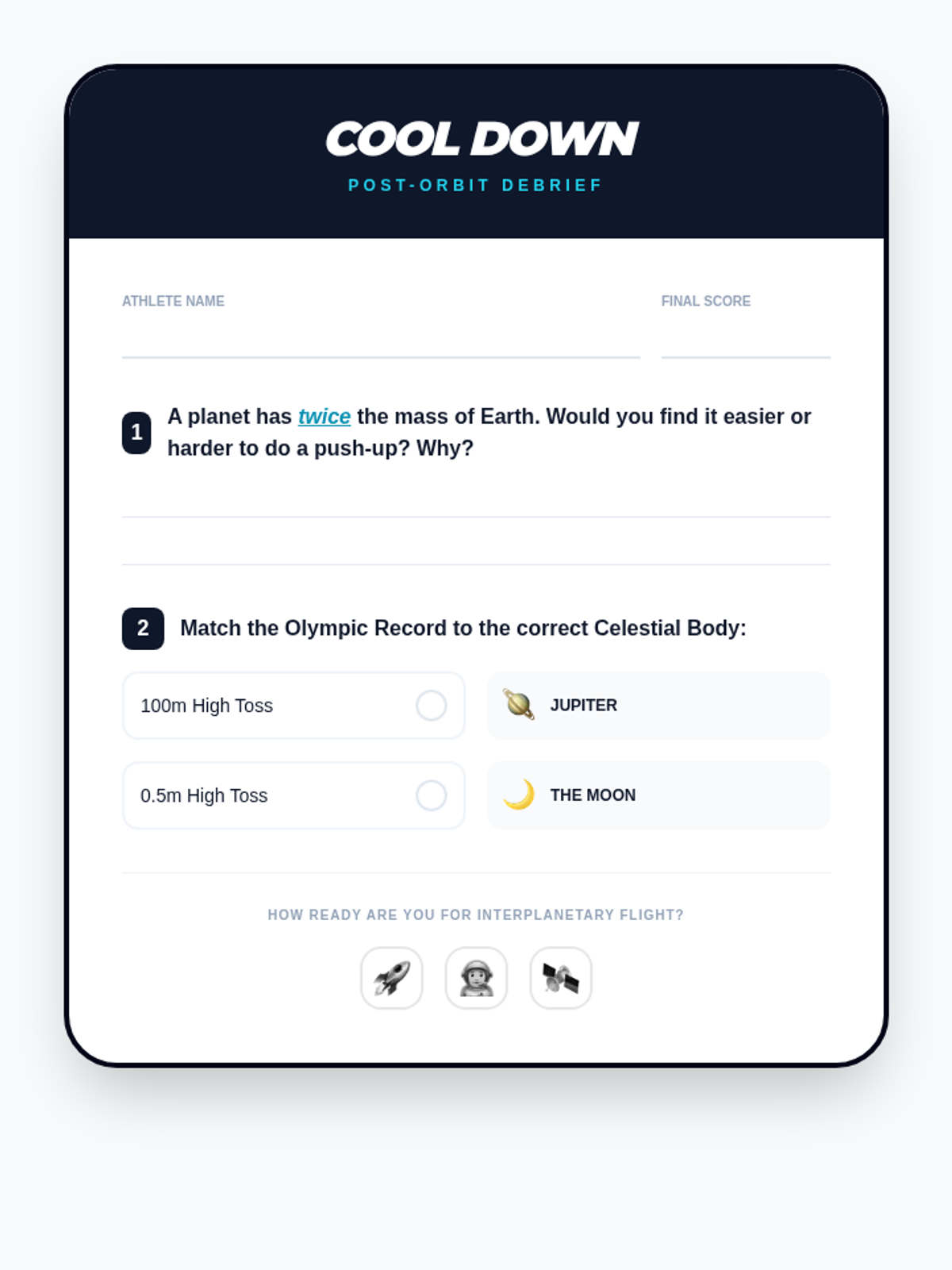
An interactive science lesson where 5th-grade students apply gravitational multipliers to athletic events, comparing their performance on Earth, the Moon, Mars, and Jupiter.
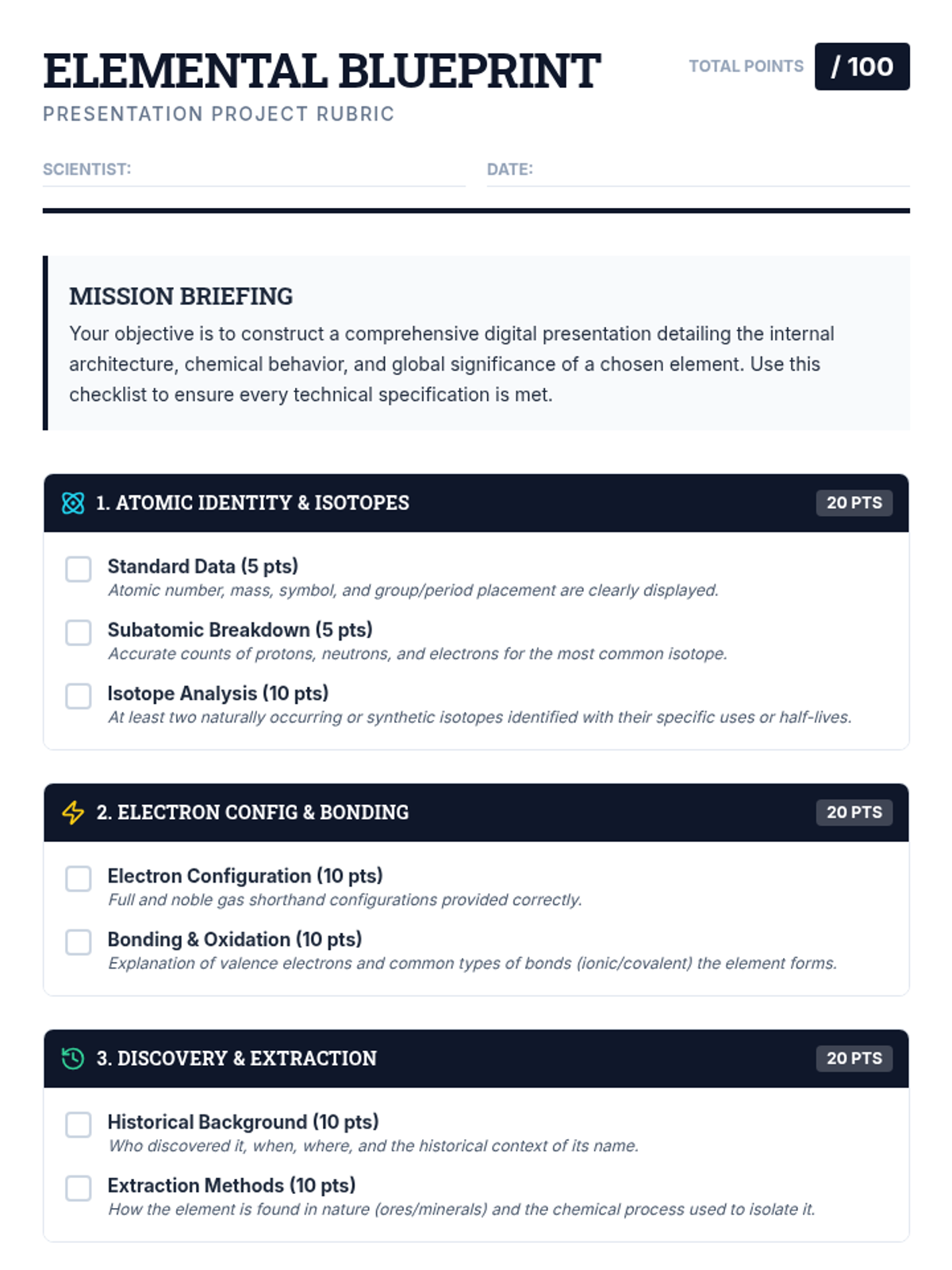
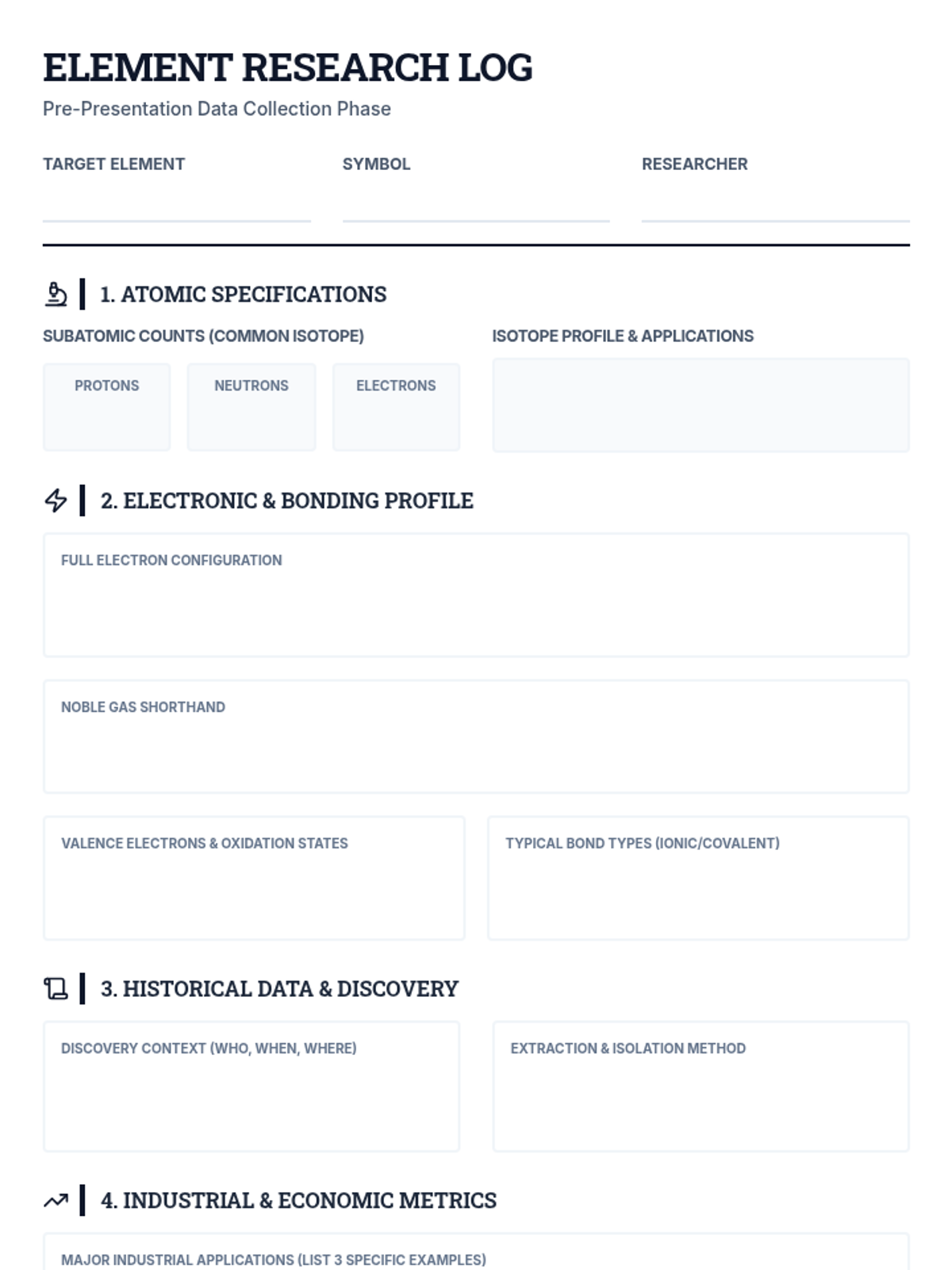
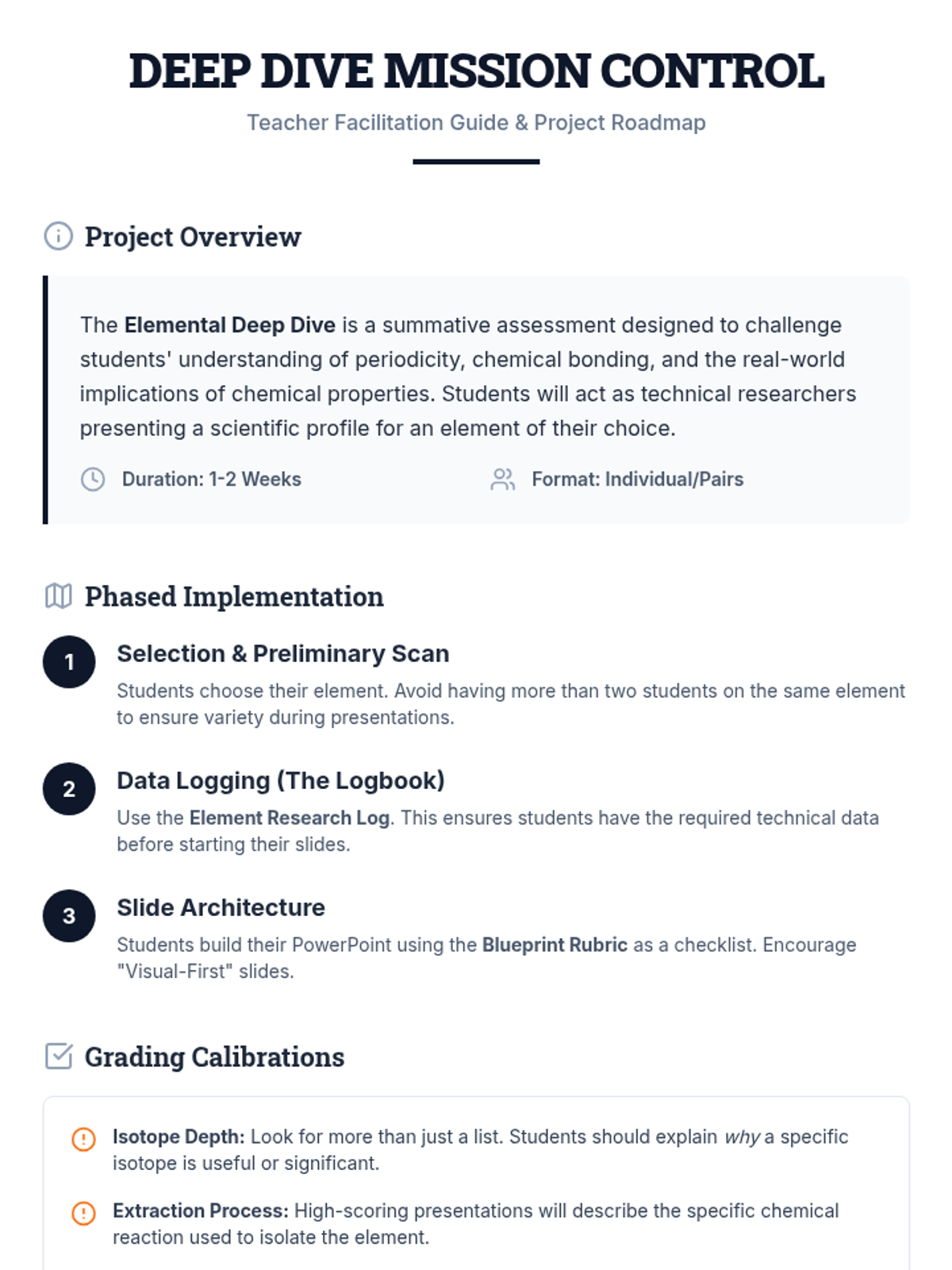
A comprehensive project guide for a deep-dive research presentation on chemical elements, including a detailed point-based rubric and a research organizer.
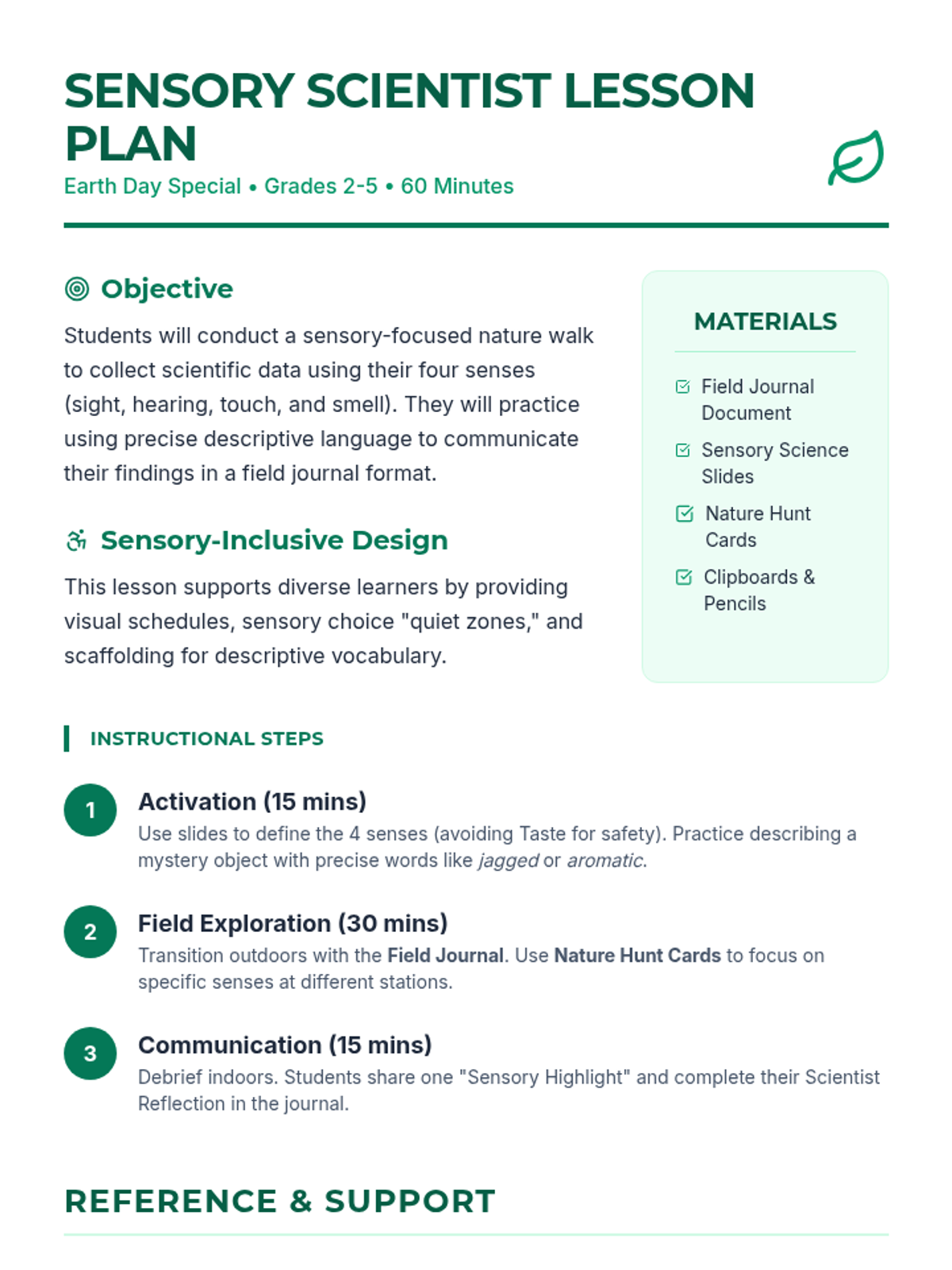
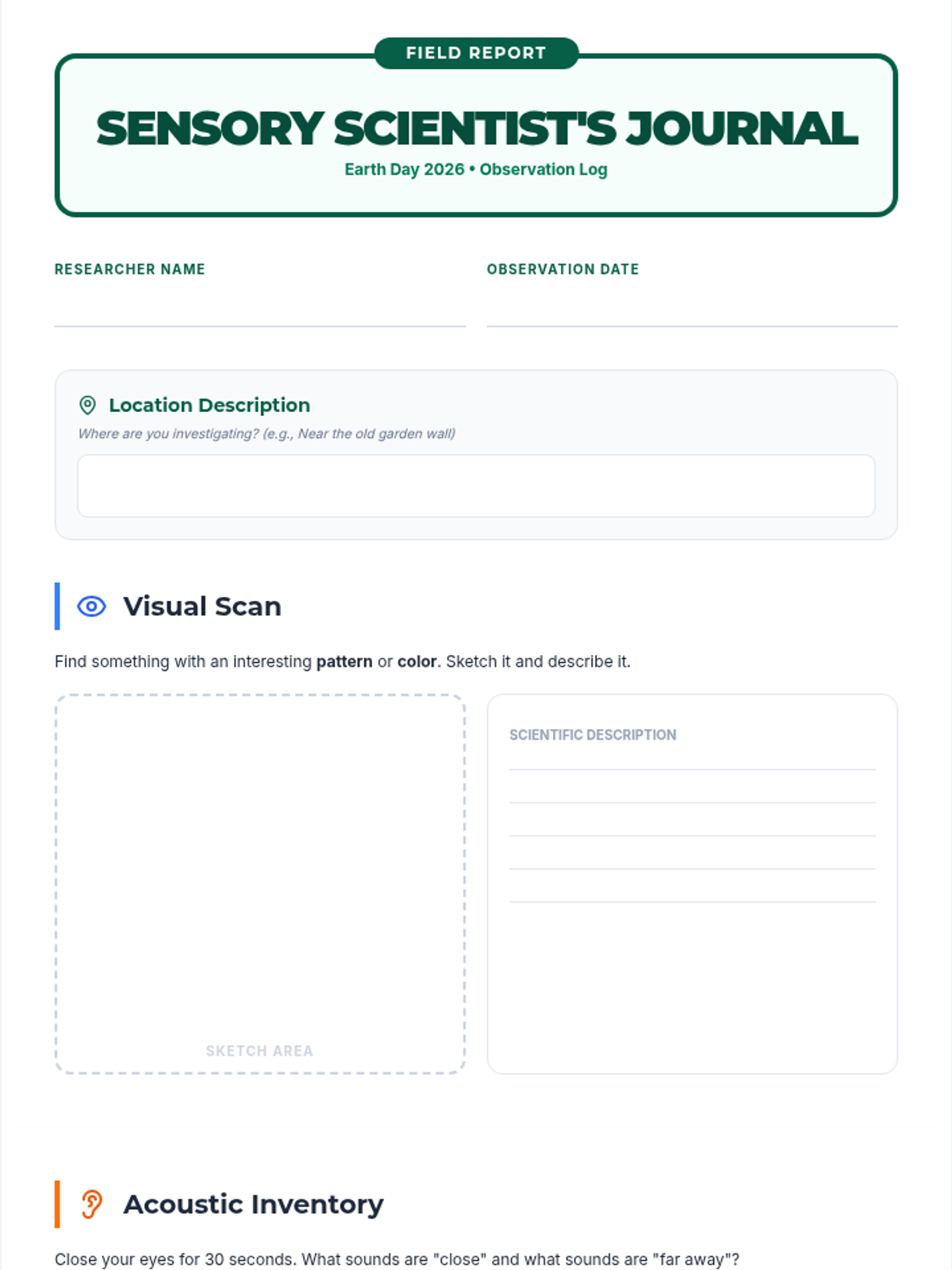
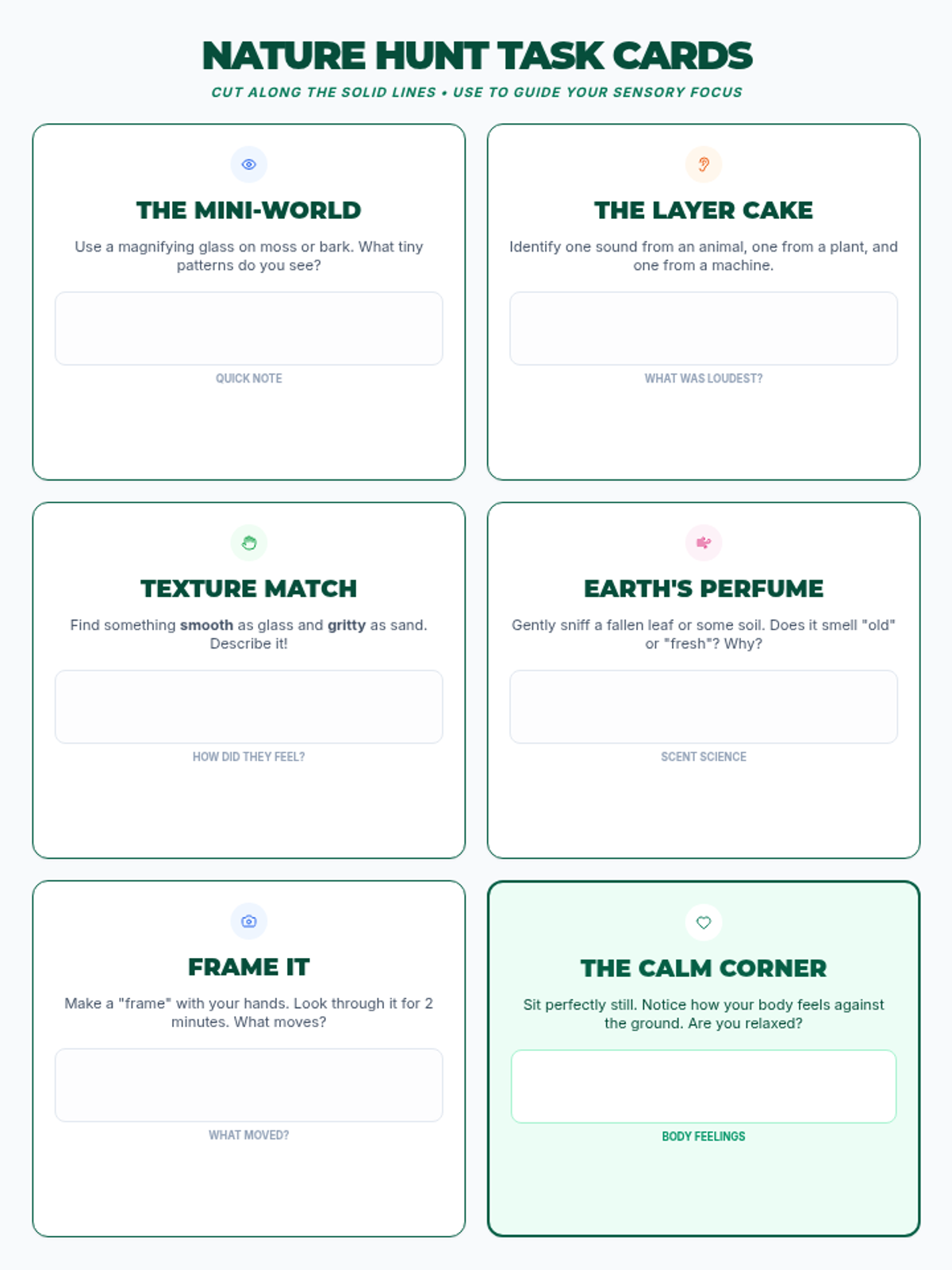
An outdoor sensory exploration lesson designed for Earth Day, helping students with diverse sensory needs build descriptive language and observation skills through nature-based science communication.
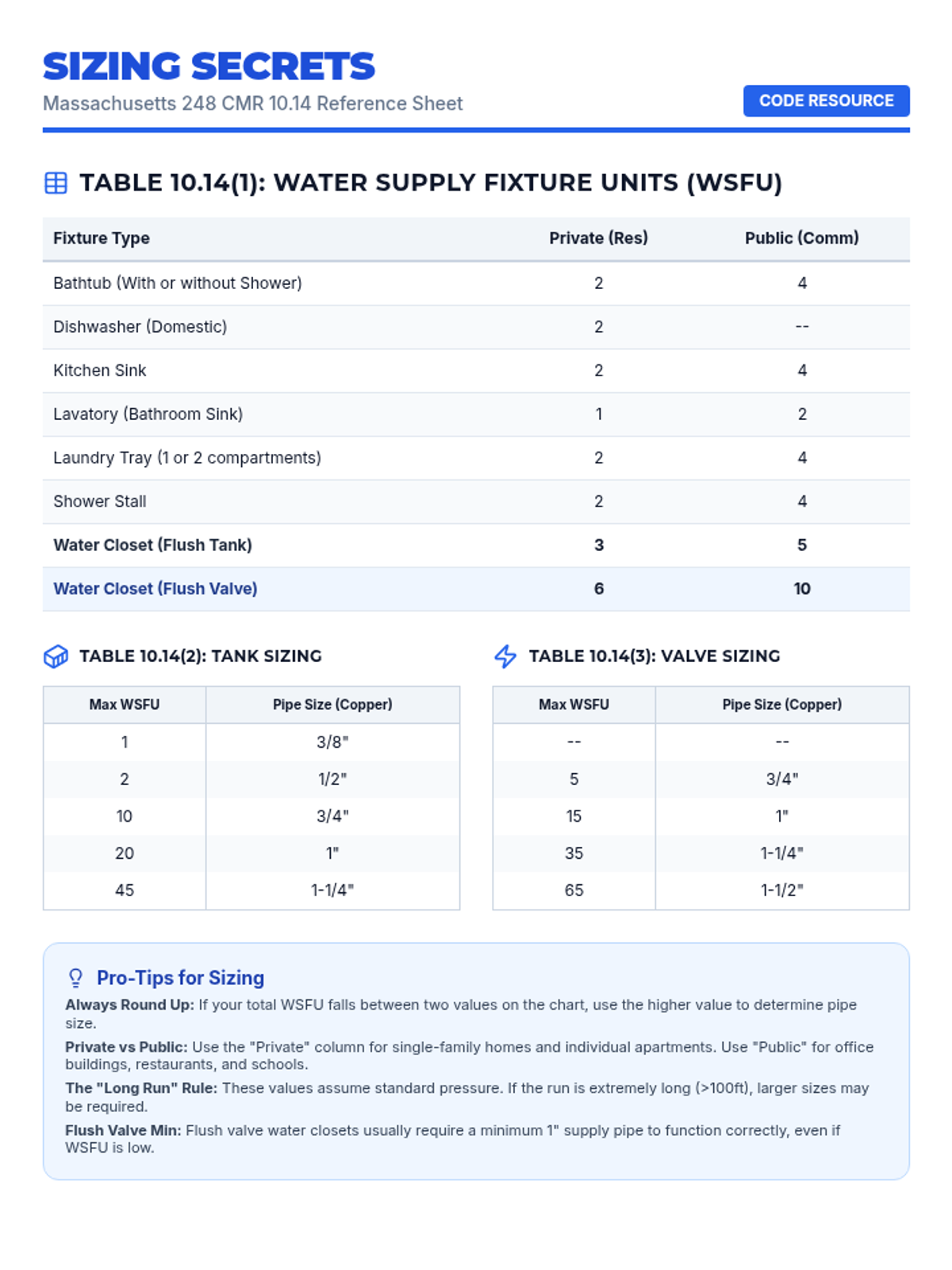
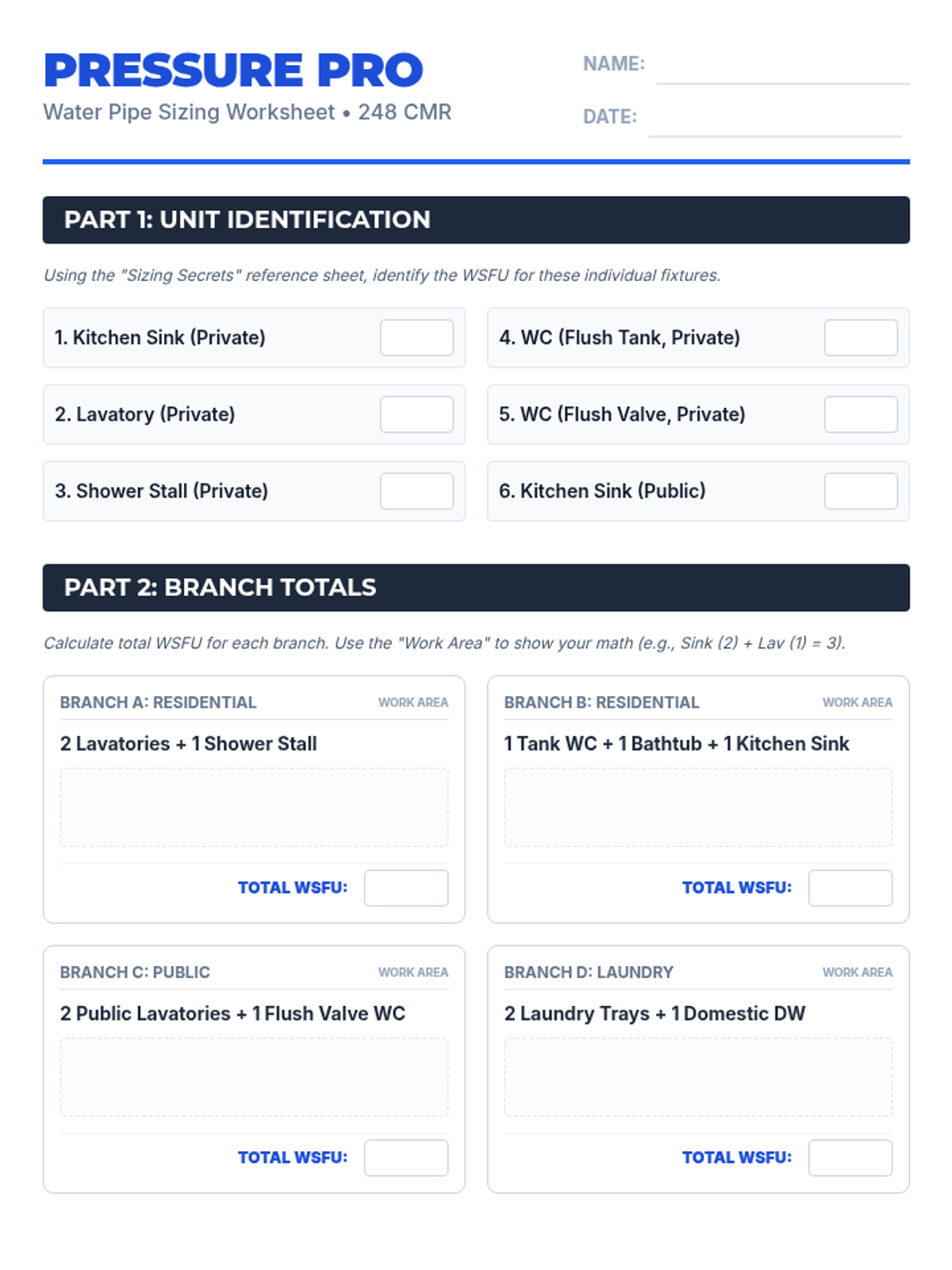
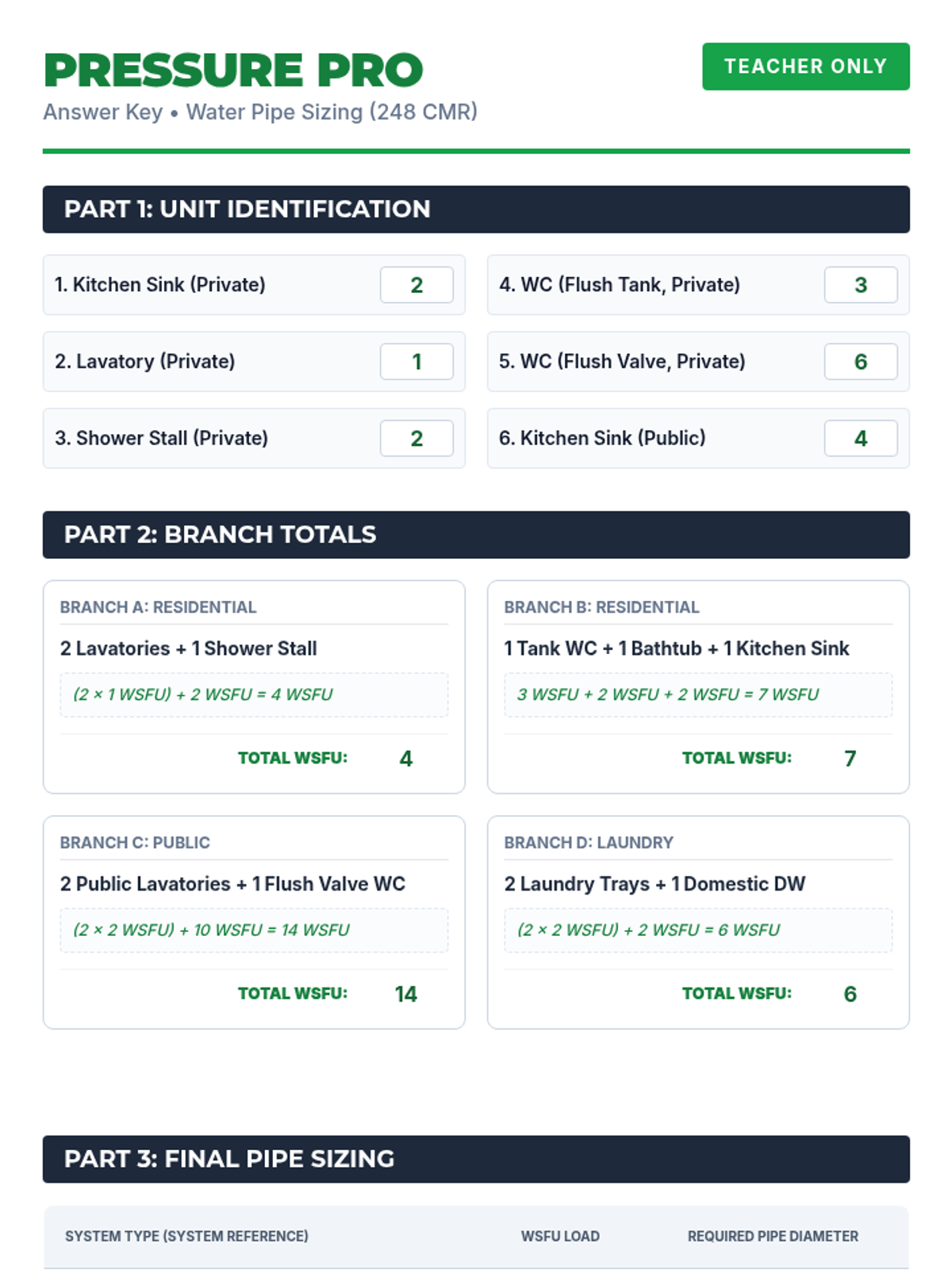
An introductory lesson on sizing water supply pipes using the Massachusetts 248 CMR plumbing code, focusing on Water Supply Fixture Units (WSFU) and table interpretation.
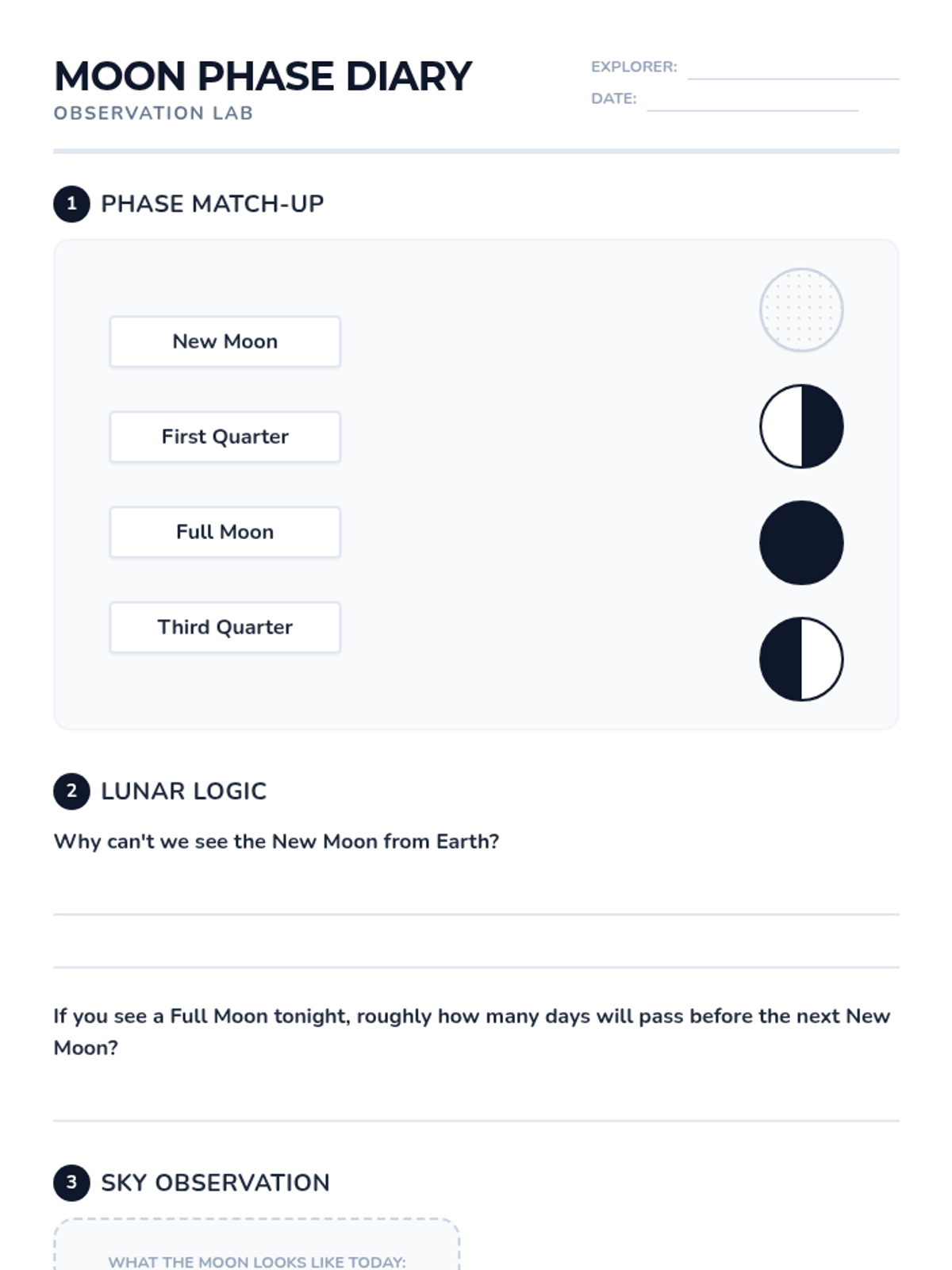
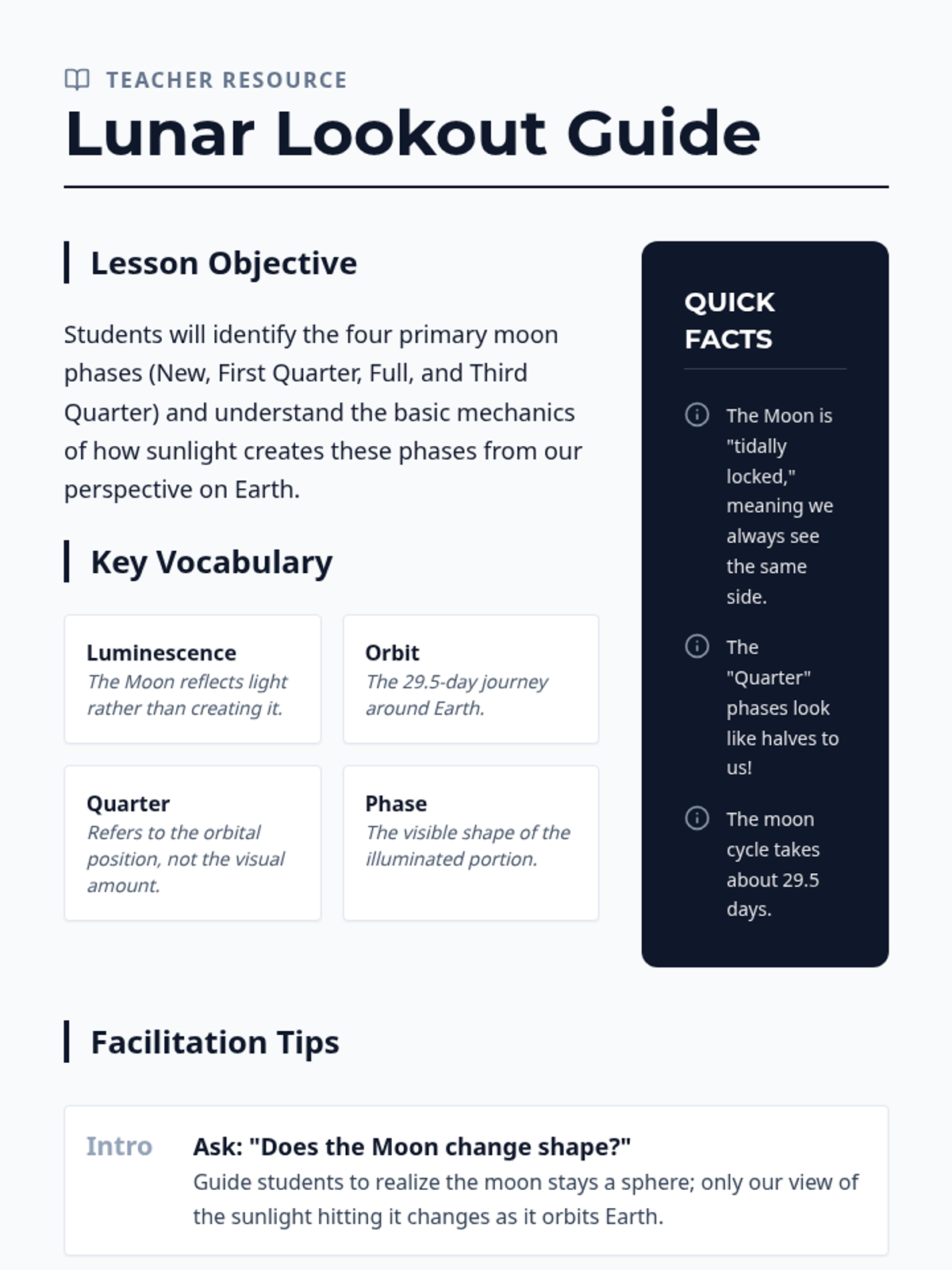
An introductory exploration of the four primary moon phases, helping students identify and understand the lunar cycle through visual observation.
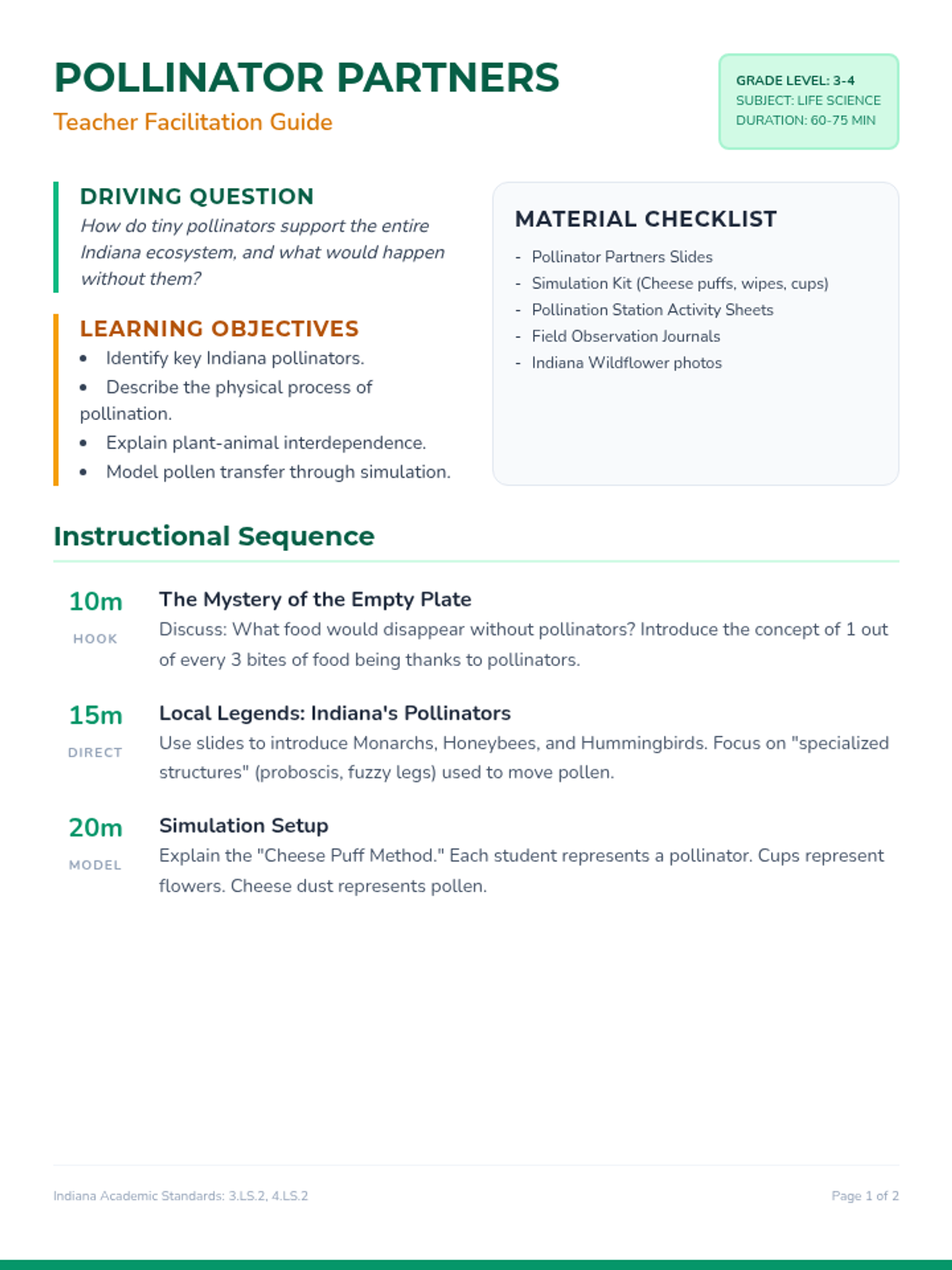
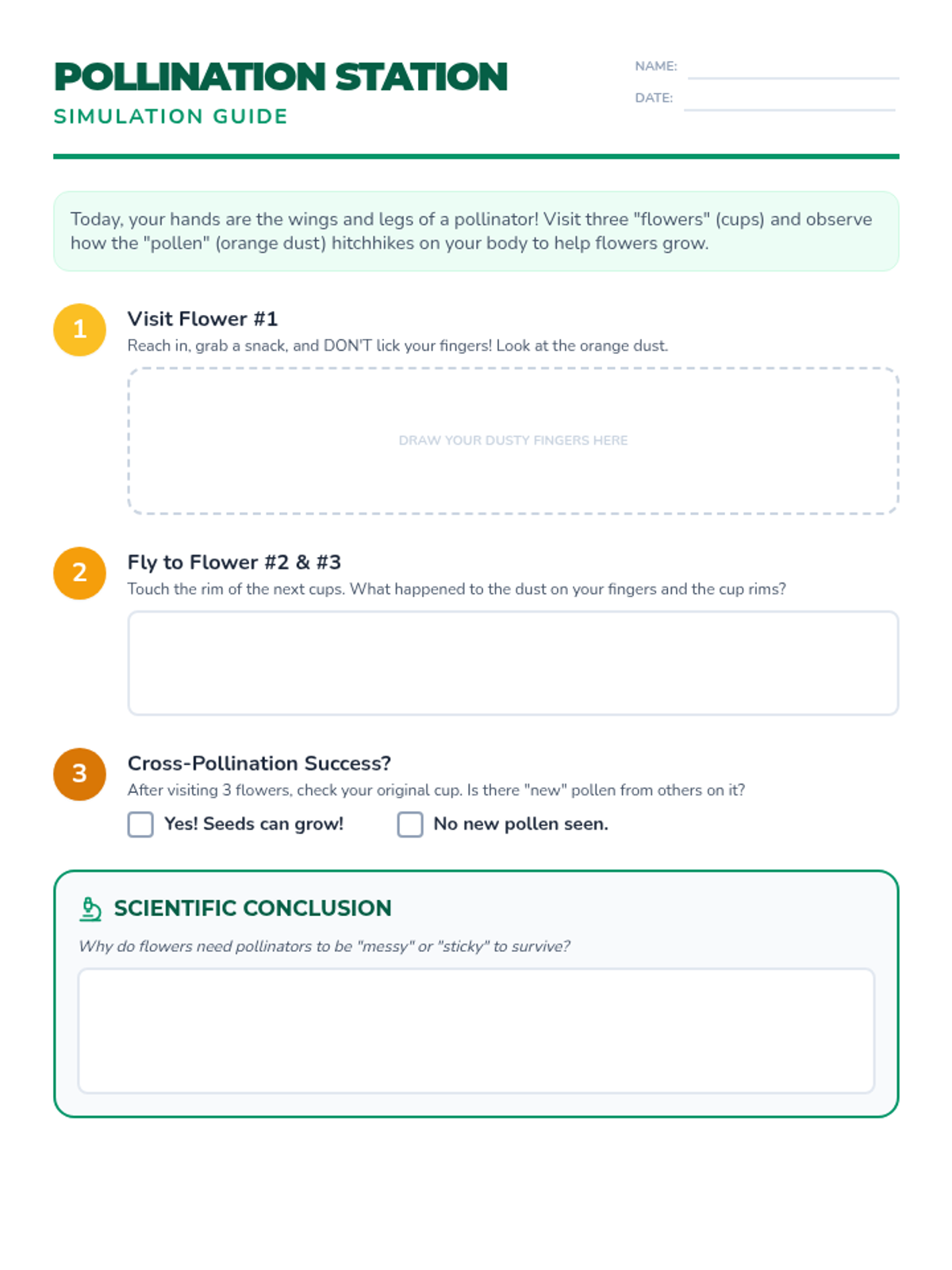
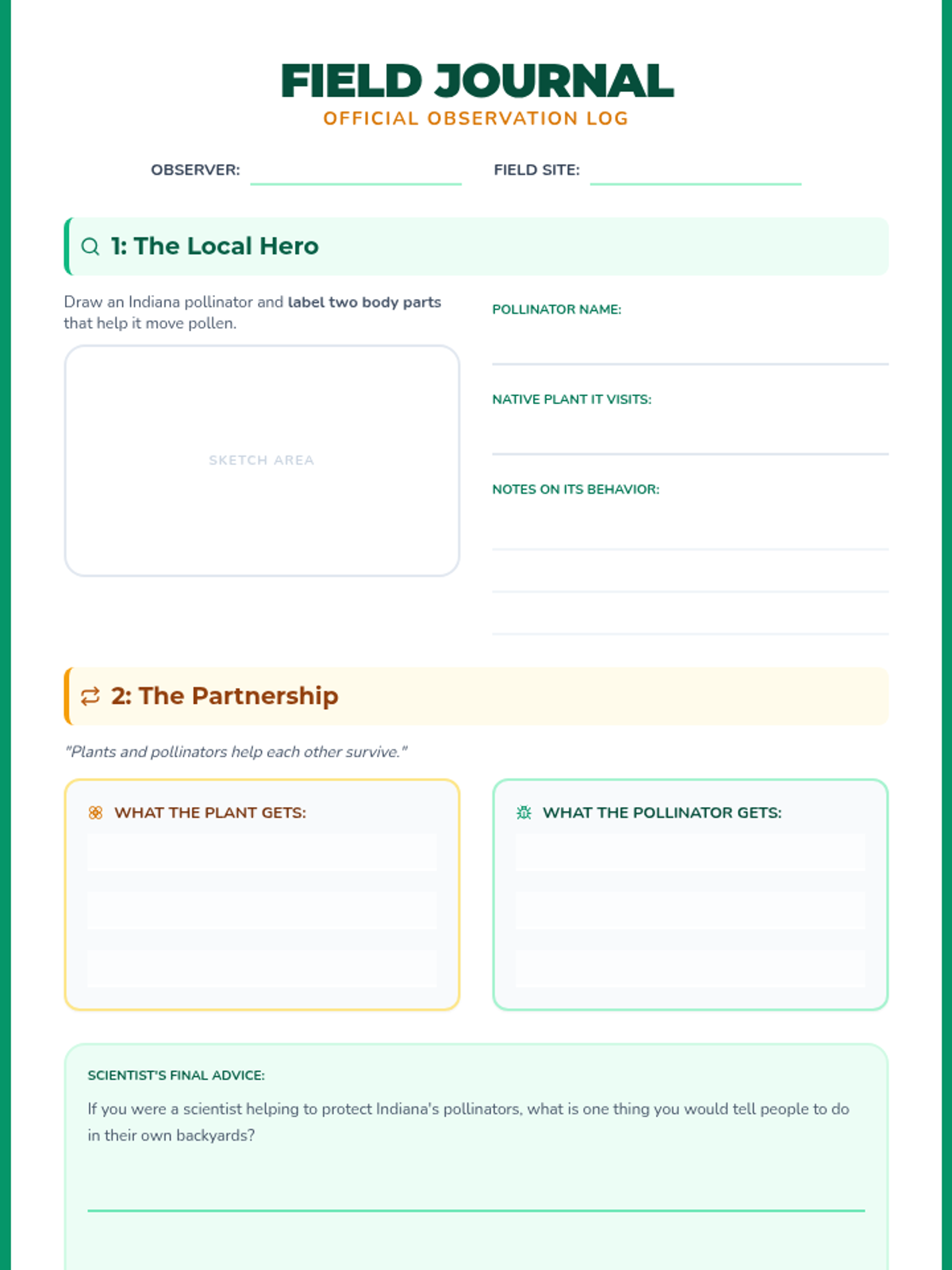
A hands-on inquiry into the vital role of pollinators in the Indiana ecosystem. Students explore local species, simulate the pollination process, and record their findings in a field journal.
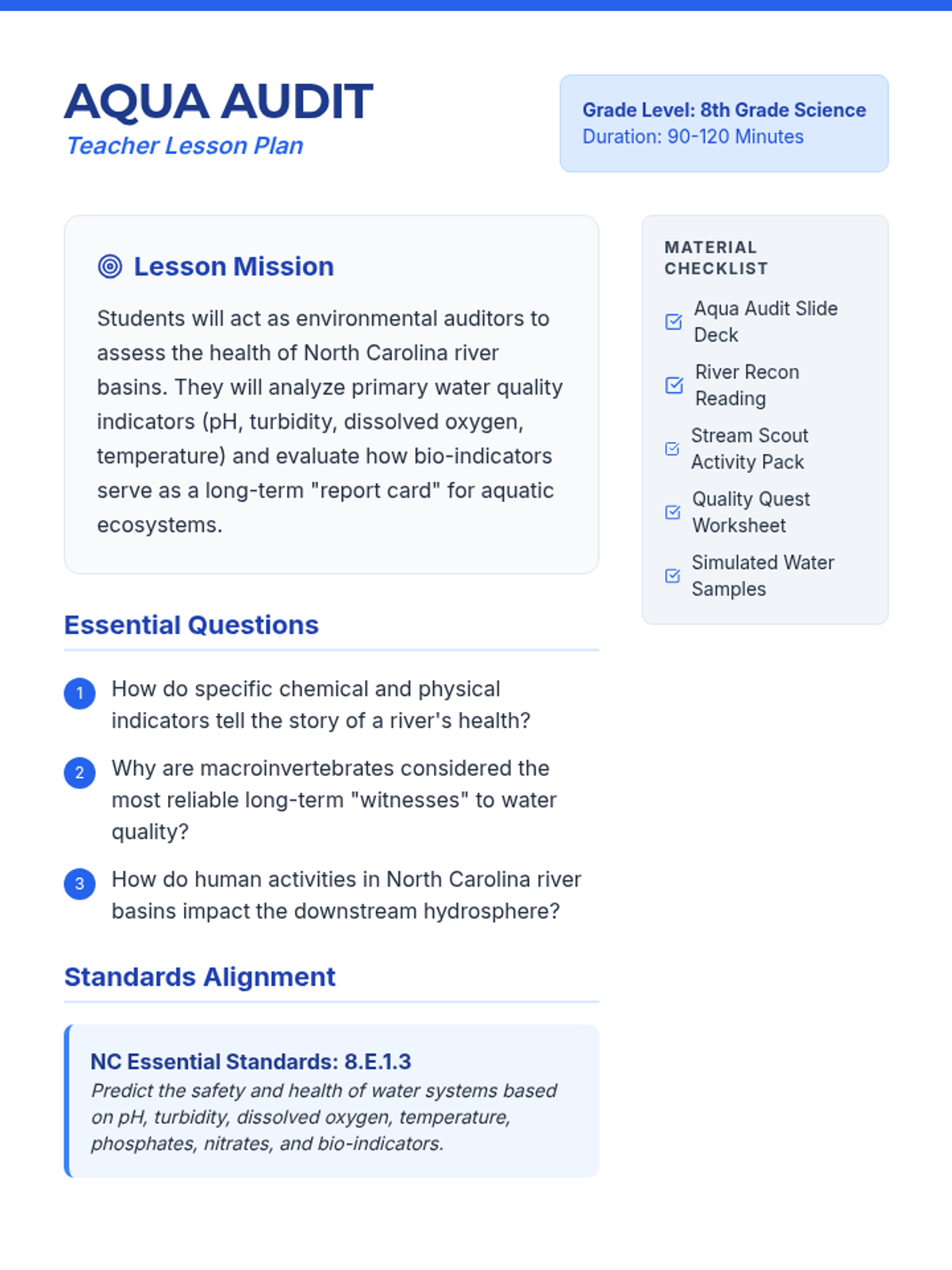
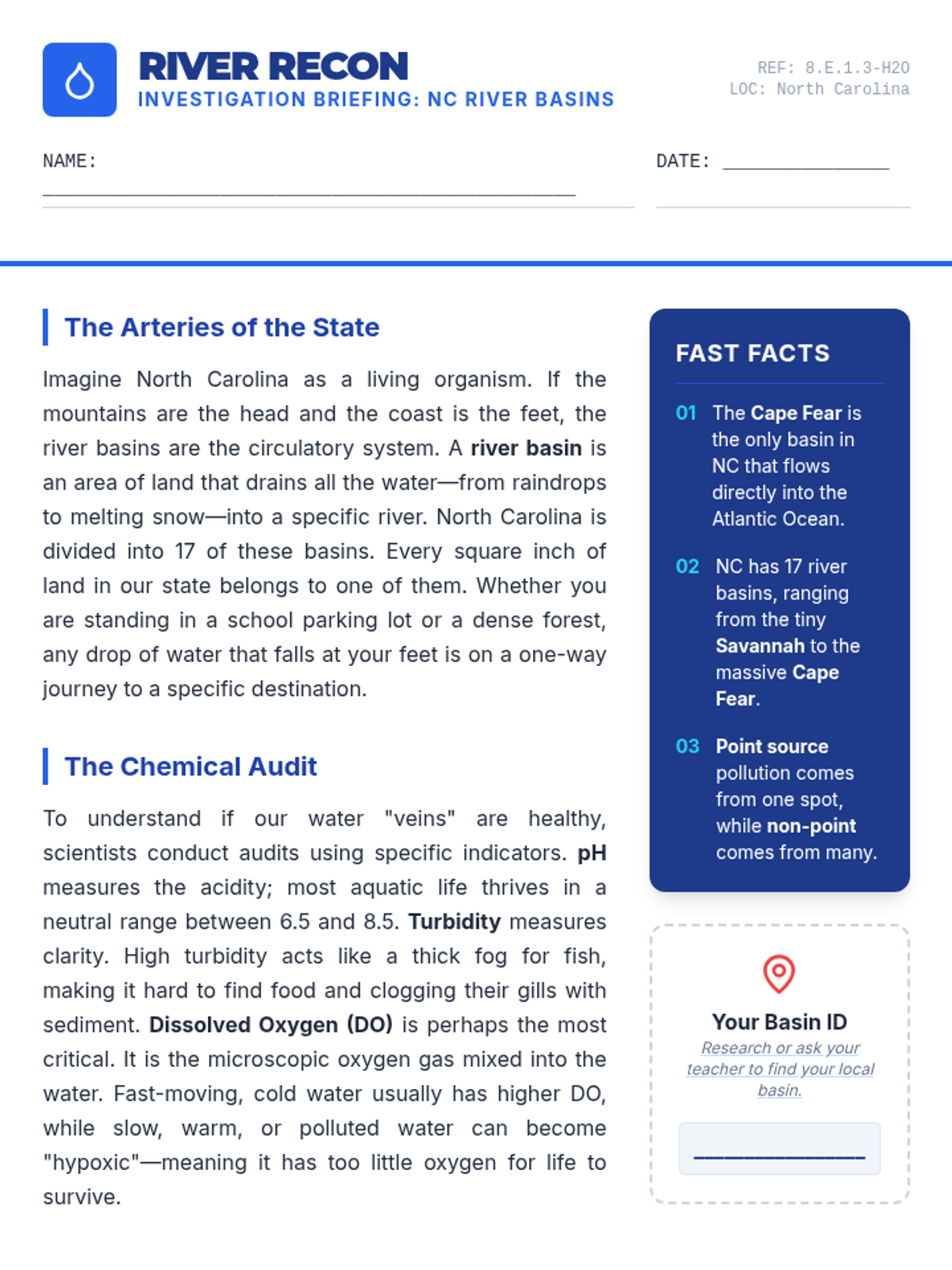
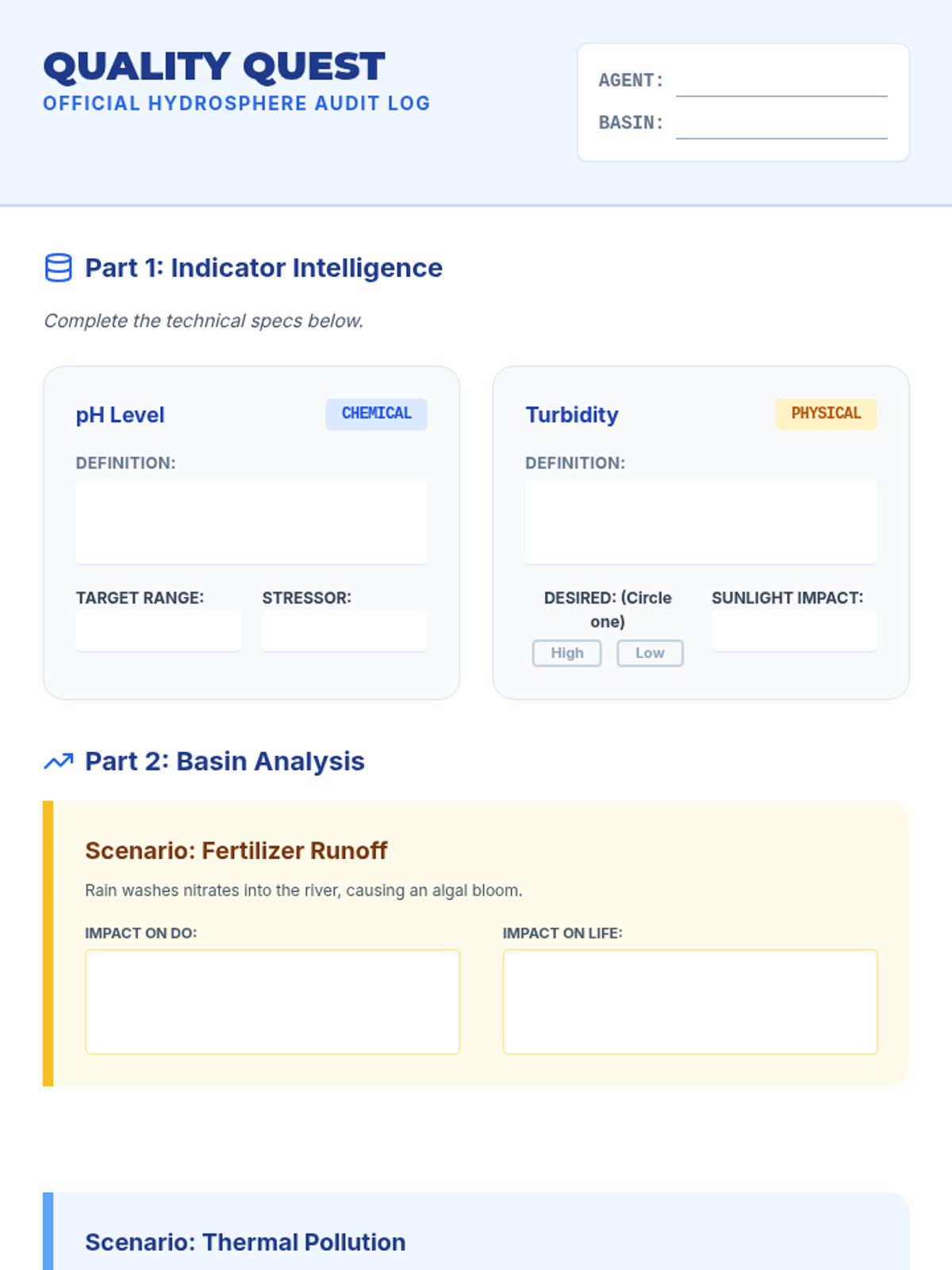
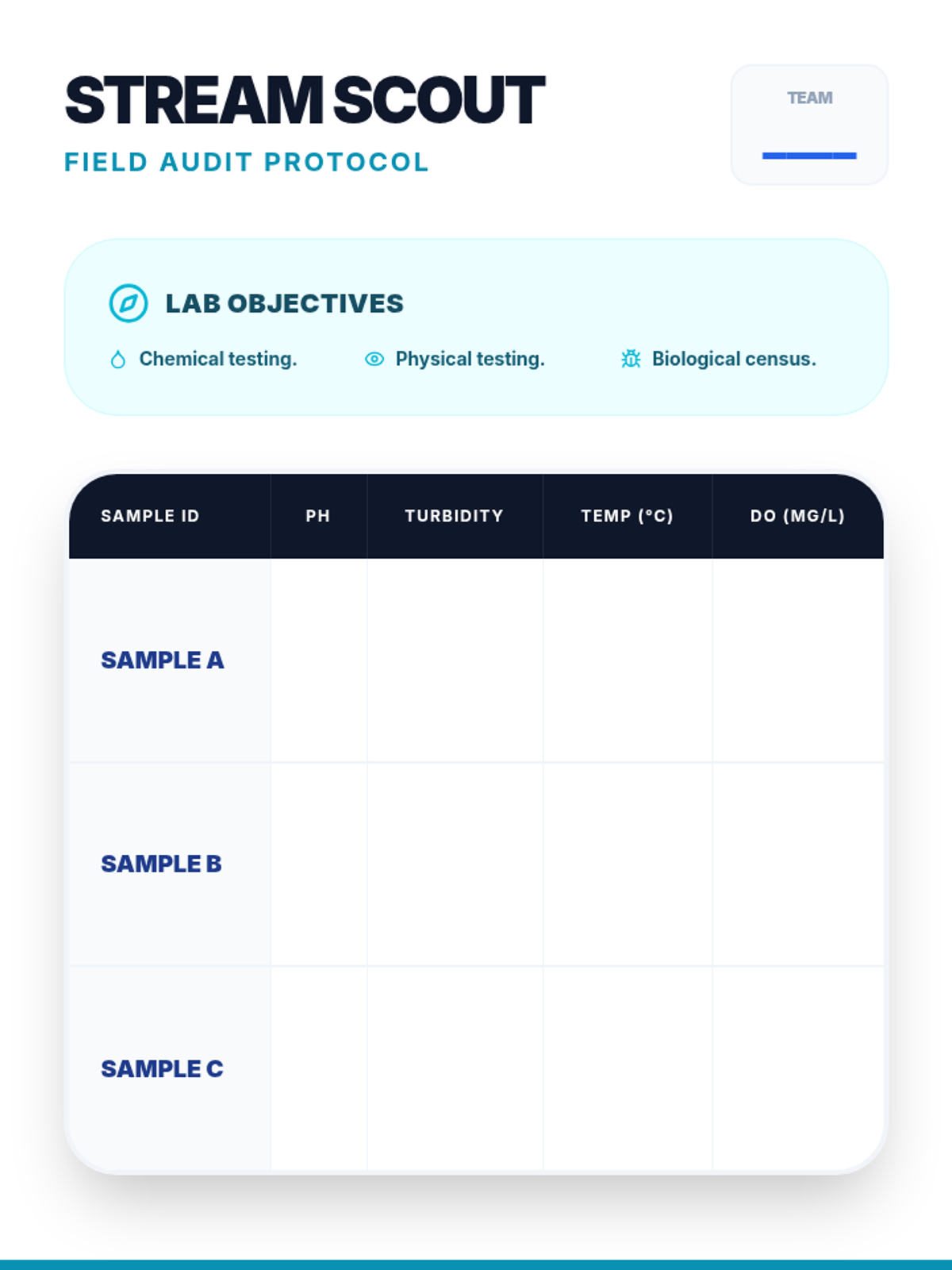
An investigation into North Carolina river basins where students analyze water quality indicators like pH, turbidity, and bio-indicators to audit the health of local aquatic systems.
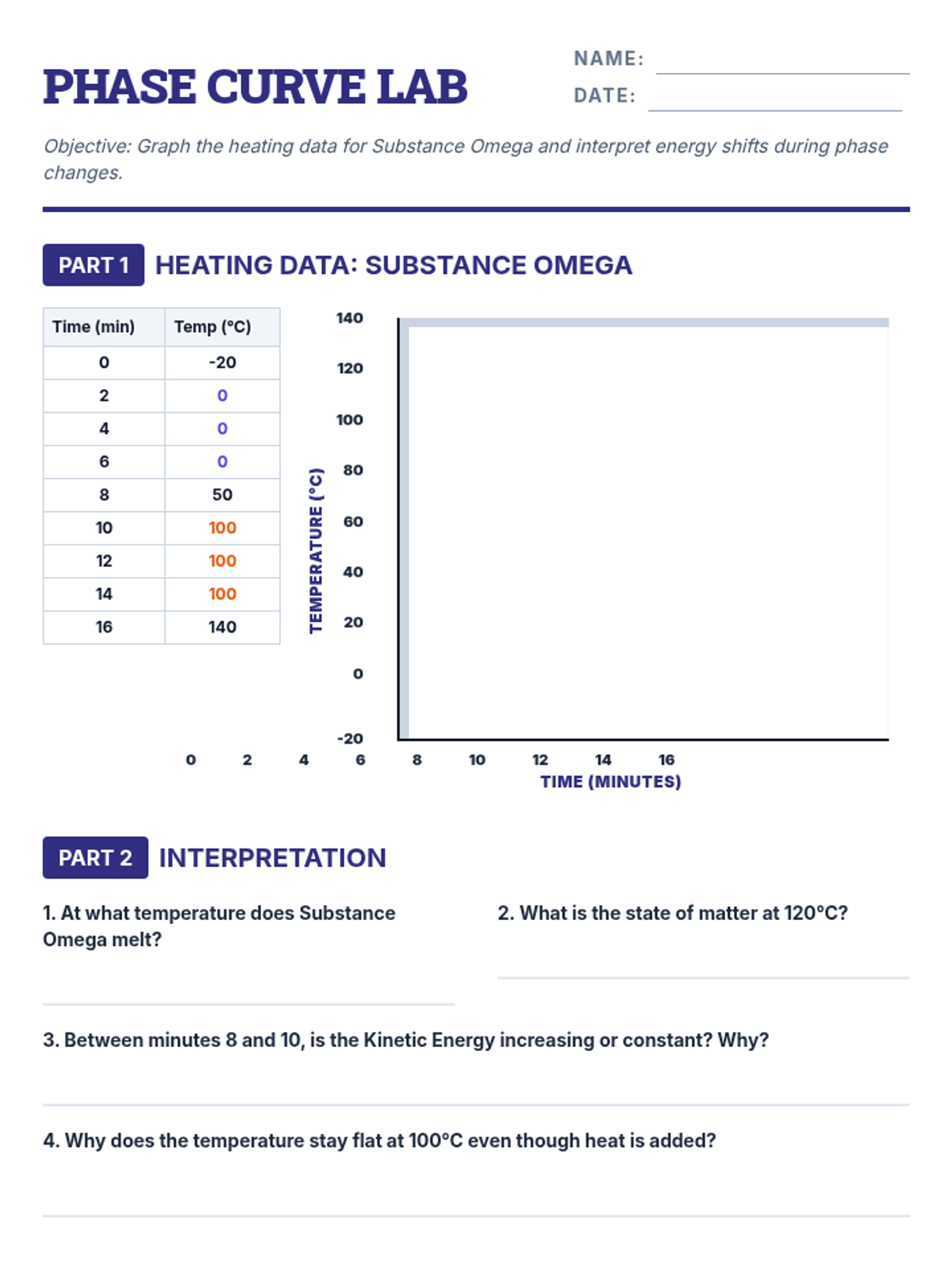
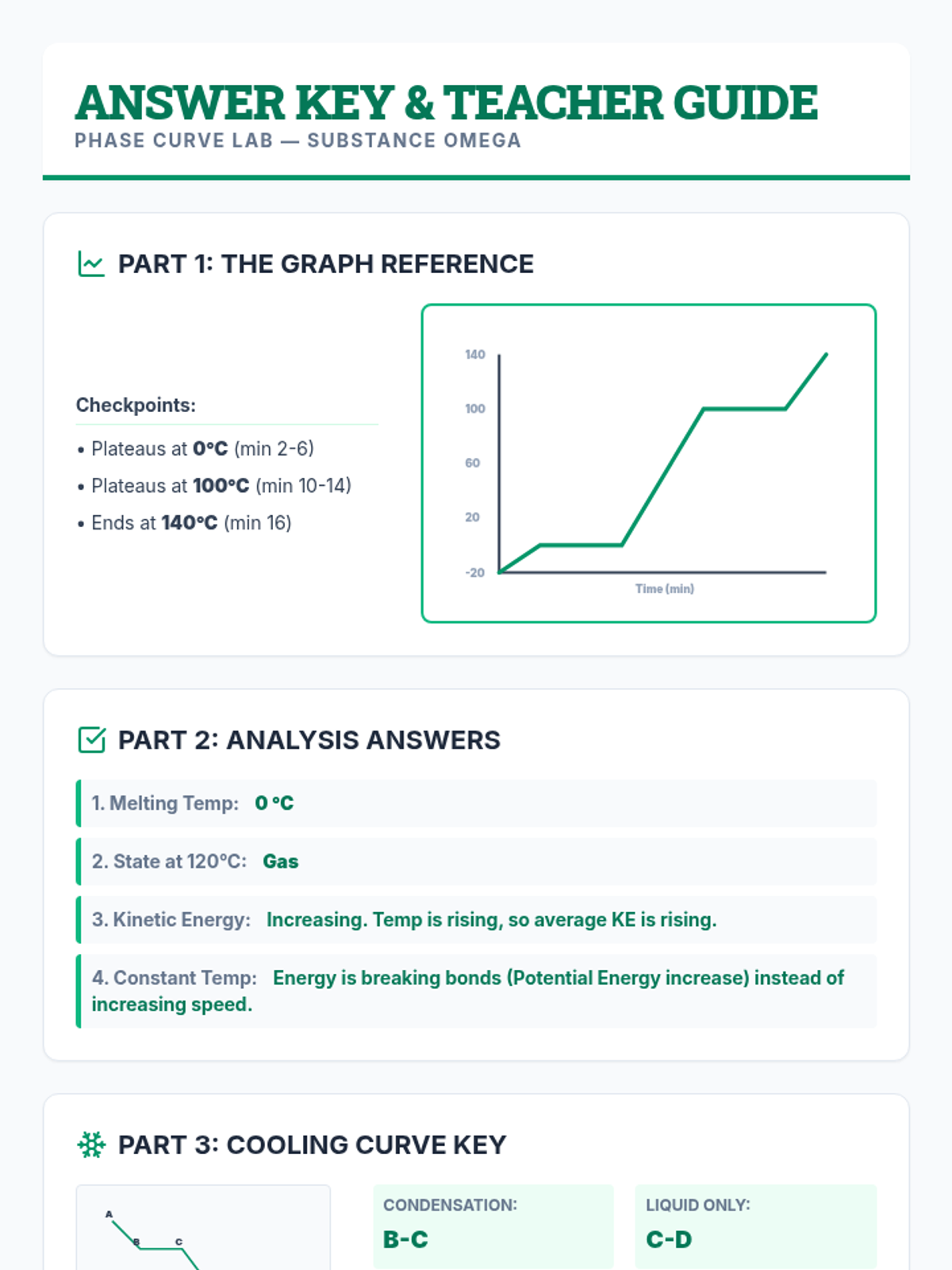
A comprehensive lesson on graphing and interpreting heating and cooling curves, focusing on phase changes and energy transfers.
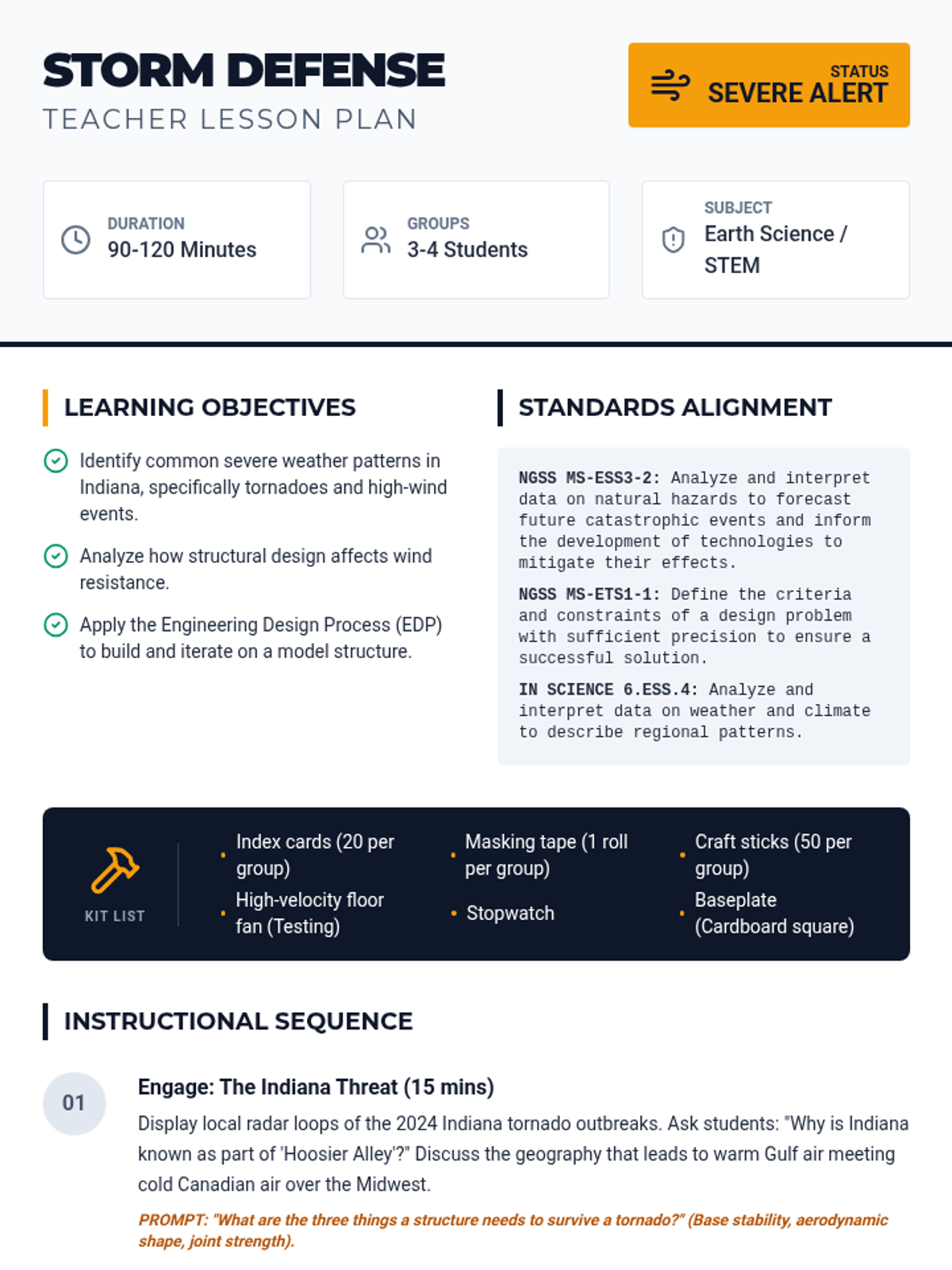
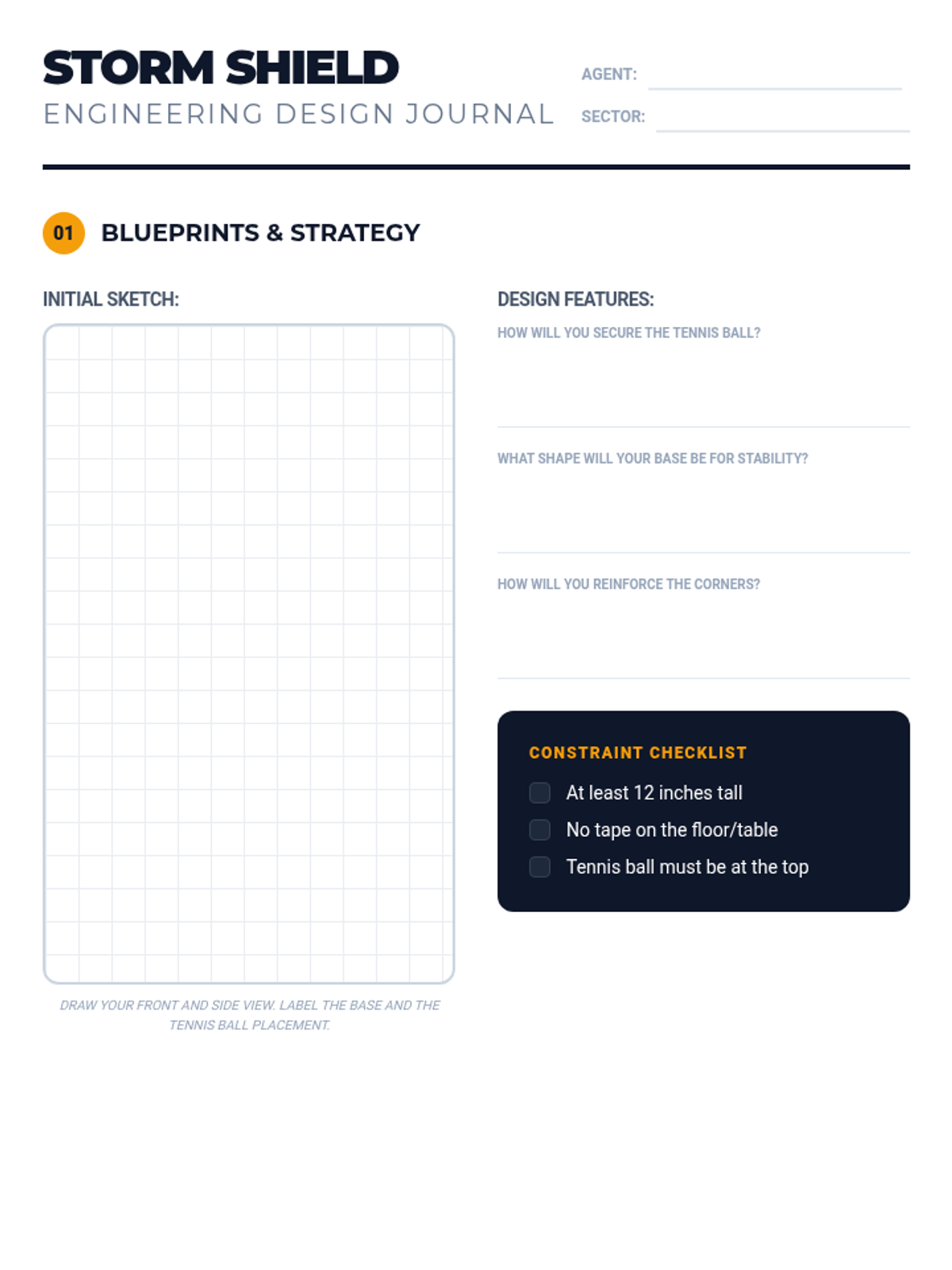
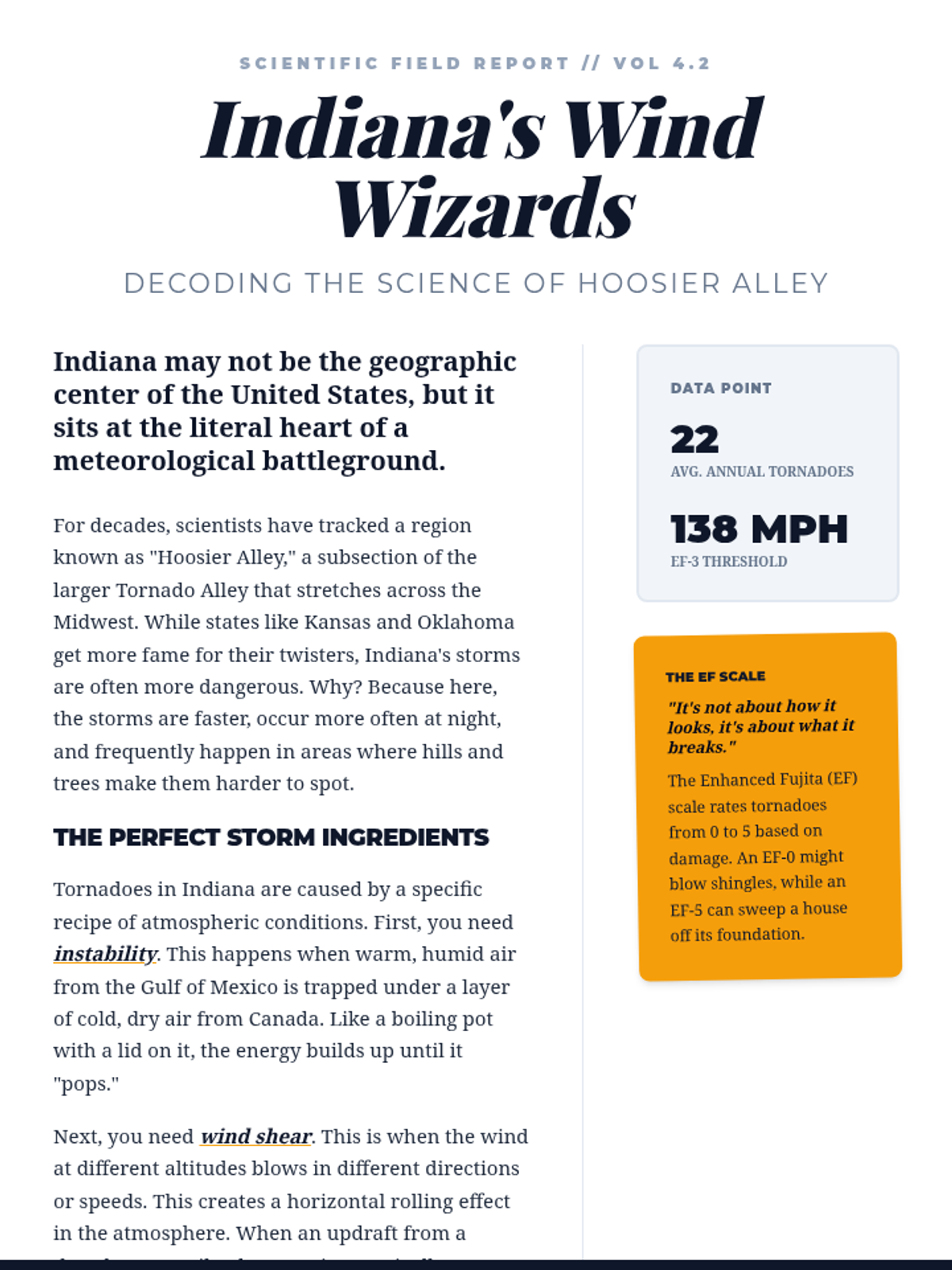
Students investigate severe weather patterns in Indiana and apply engineering principles to design and build structures capable of withstanding high-speed winds. This STEM-focused lesson combines earth science with a hands-on engineering challenge.