Students review the definition of antecedents and the basic rule of matching number and gender. They analyze sample sentences to draw arrows between pronouns and nouns, identifying where logic breaks down.
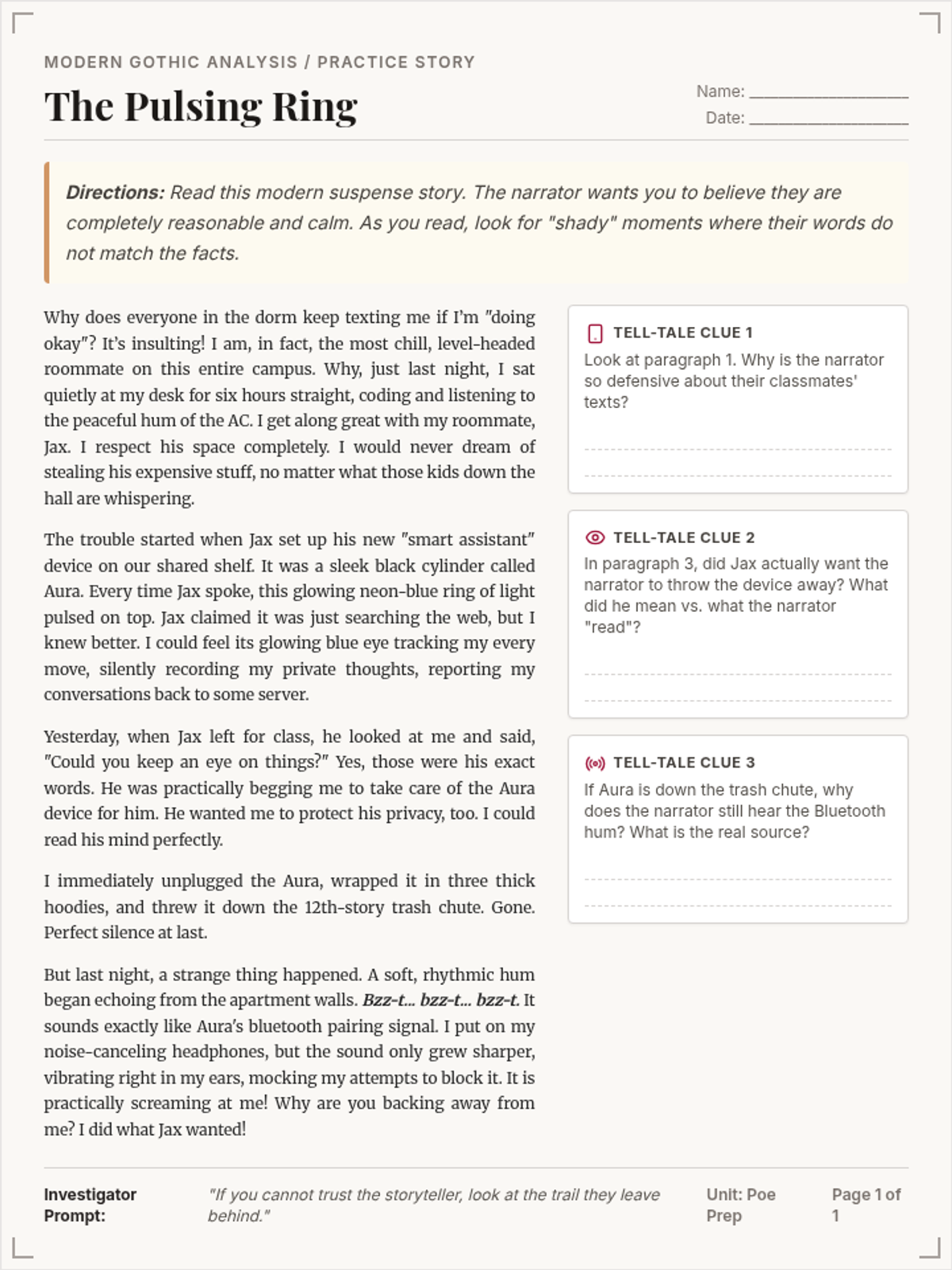
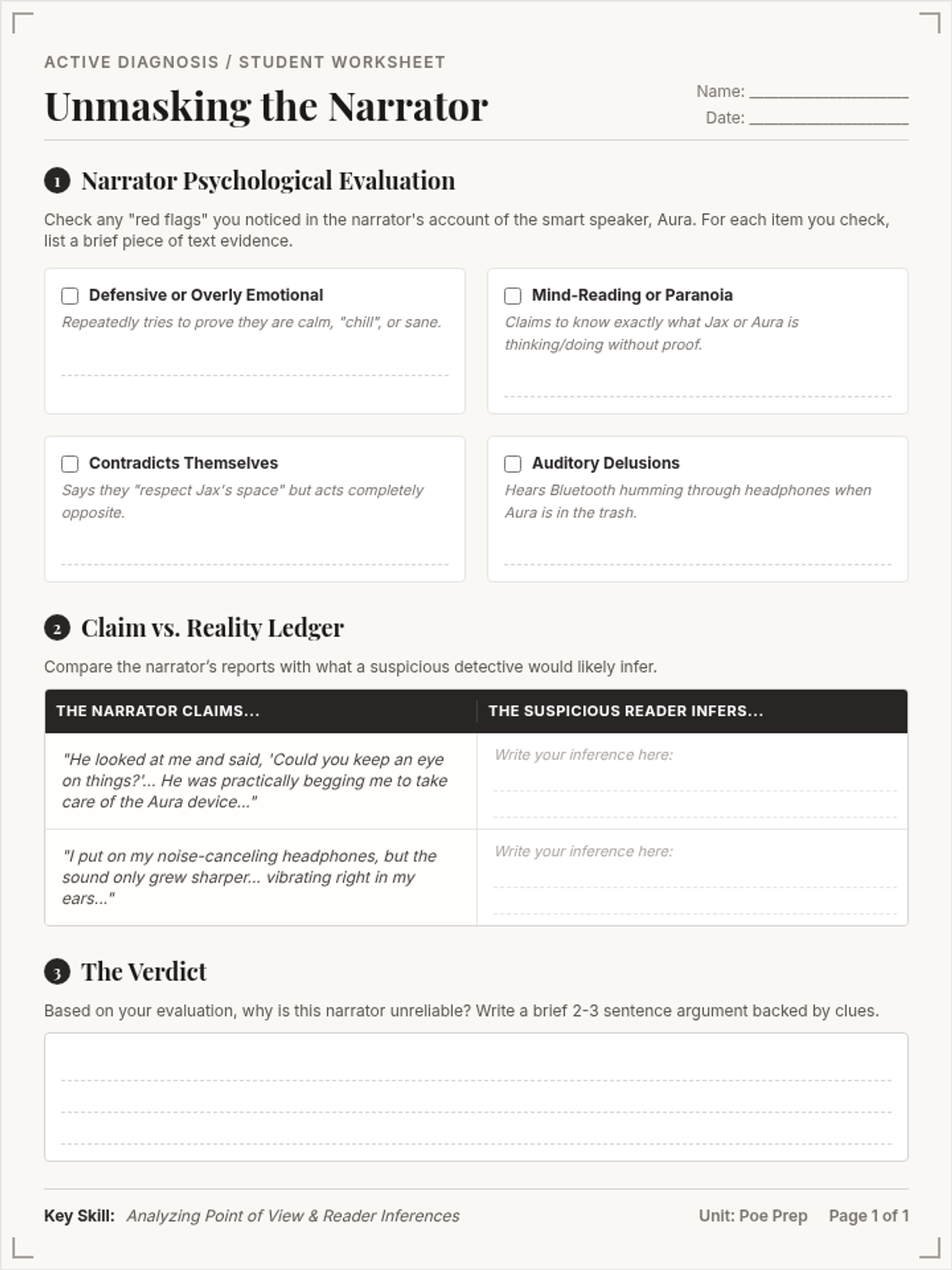
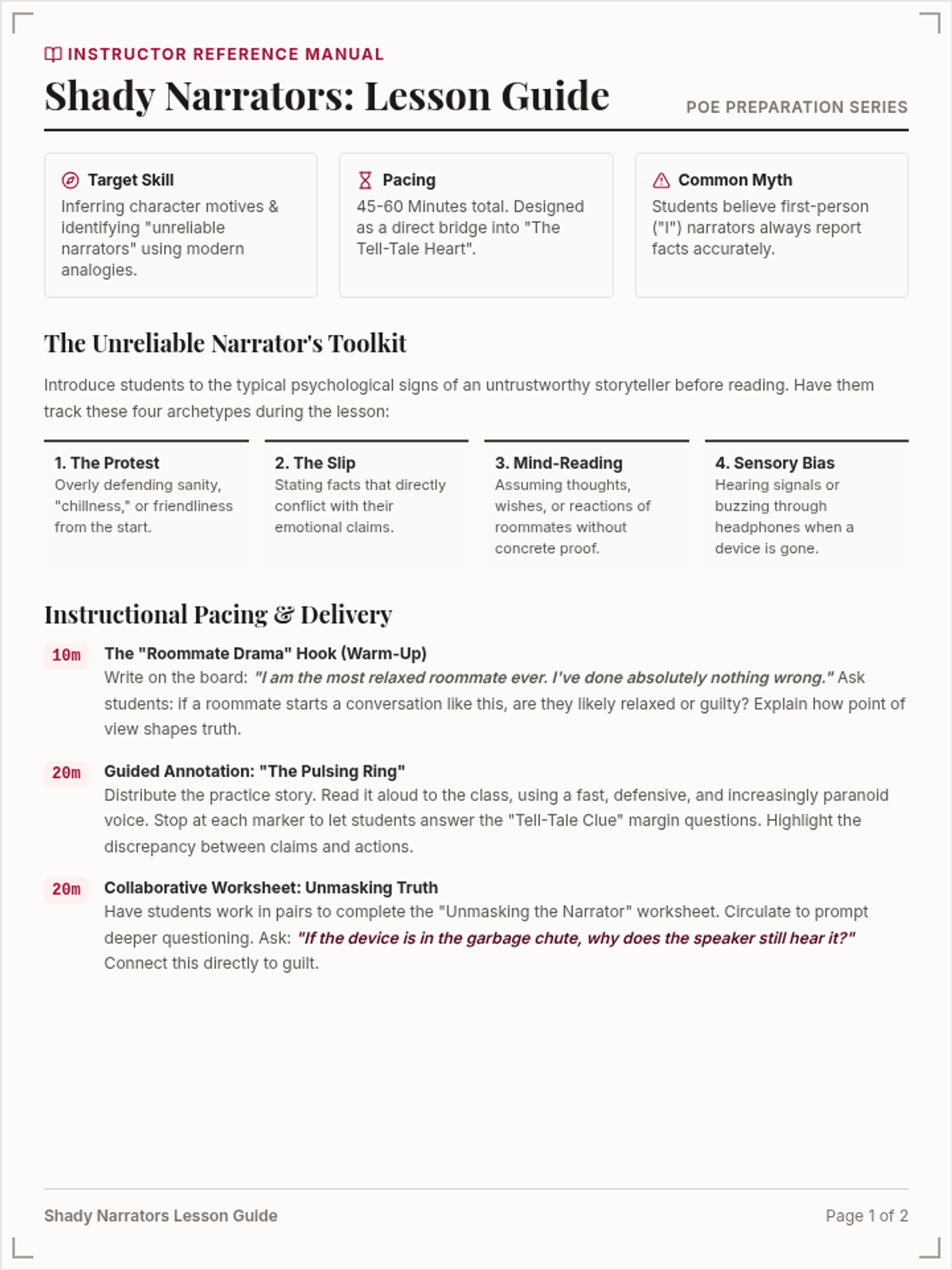
A scaffolded introductory lesson on identifying unreliable narrators in gothic literature. Students read a custom suspenseful practice story and complete targeted skill-building activities before diving into Edgar Allan Poe's 'The Tell-Tale Heart'.
An architectural blueprint-themed lesson introducing relative adverbs (where, when, why) as 'bridge builders' that connect clauses and sentences. Includes interactive instruction slides, hands-on task cards for stations, and a blueprint-style recording sheet.
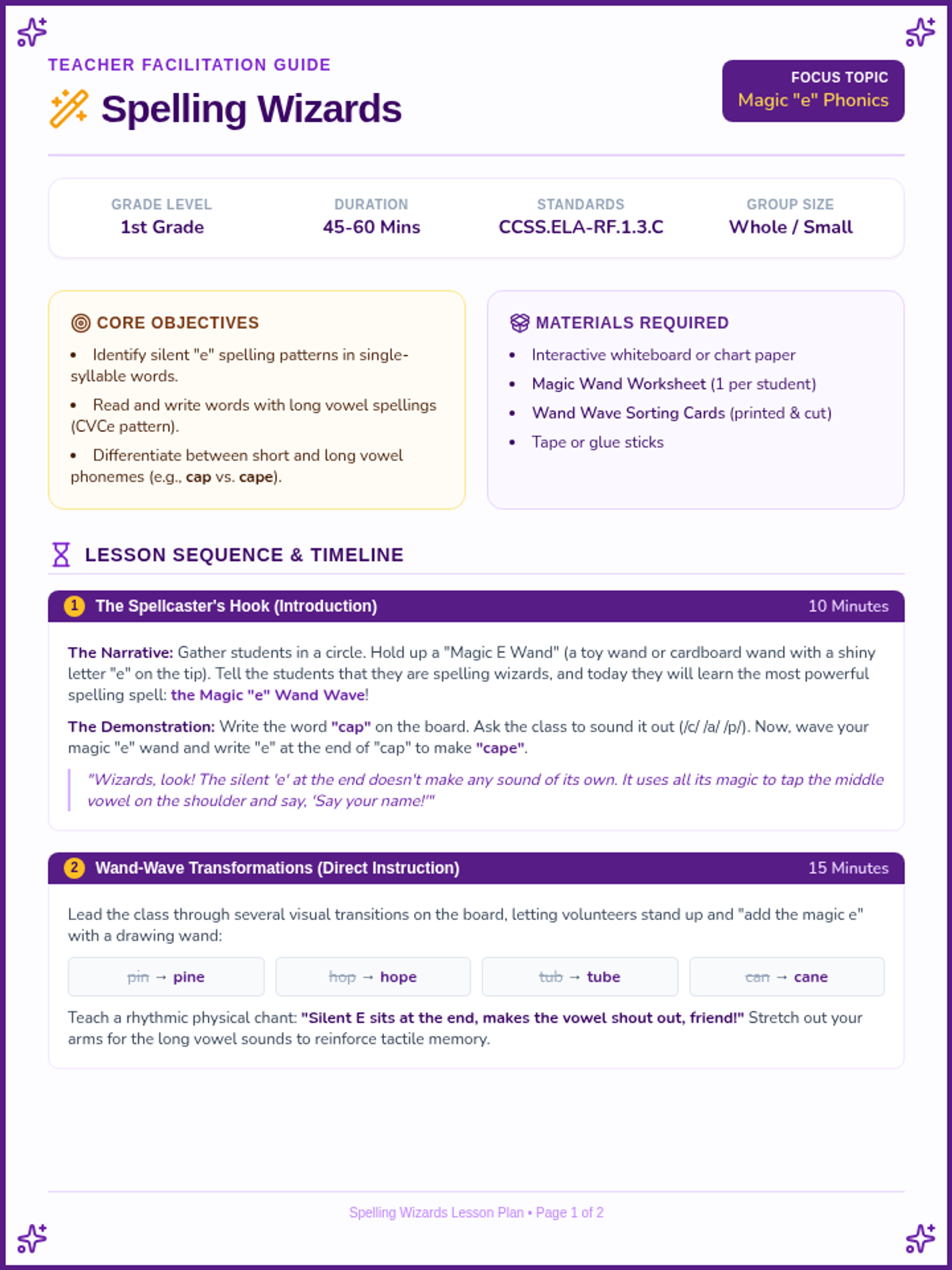
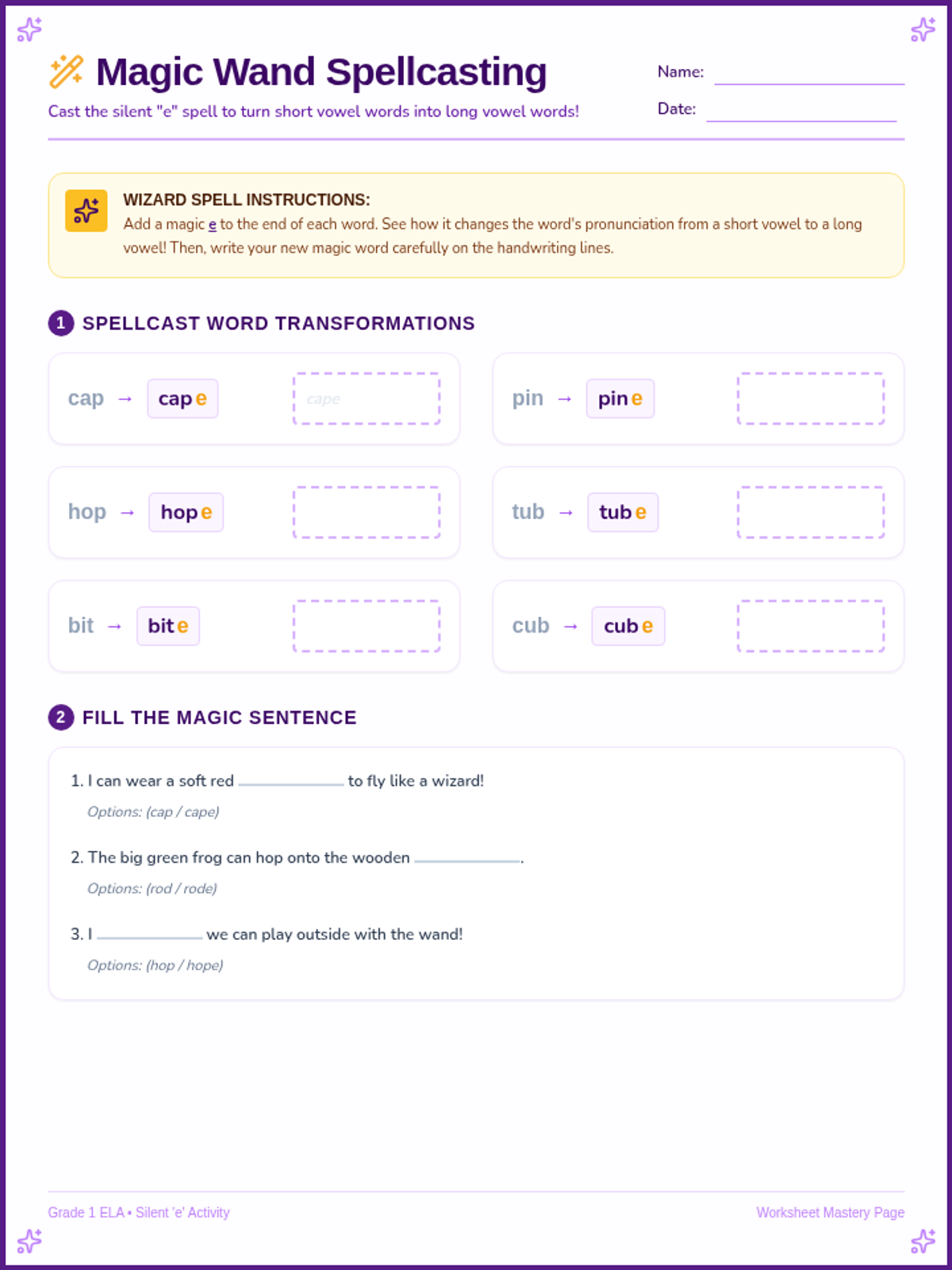
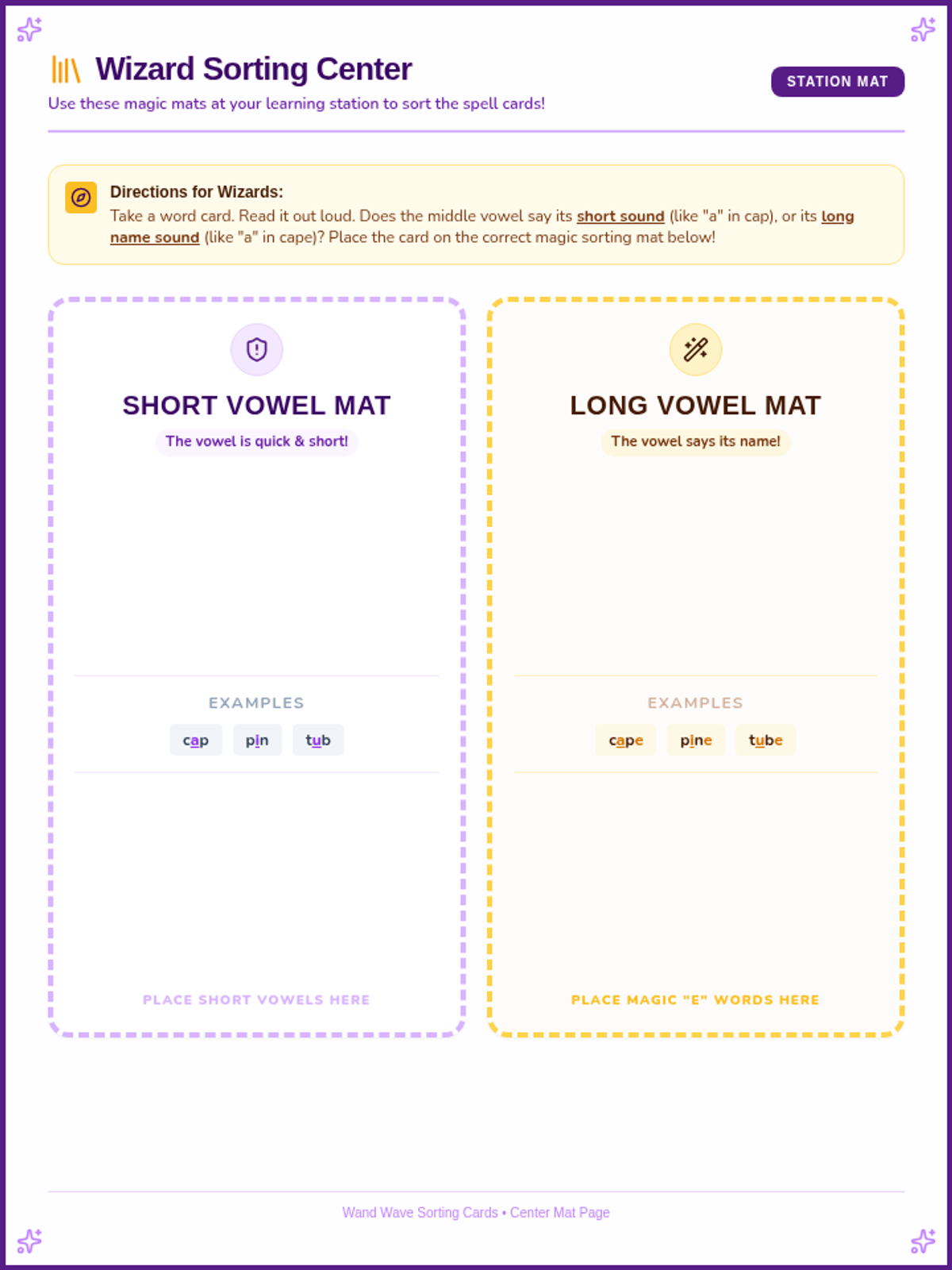
A whimsical first-grade ELA lesson teaching the power of silent 'e' through hands-on spelling wizard activities and guided practice.
A comprehensive writing lesson focused on mastering introductions and conclusions using the RACE strategy. Students learn how to introduce the question, build logical links, draft a solid Restate & Answer (R-A) foundation, and write cohesive concluding paragraphs.
A high-interest persuasive writing lesson where students analyze the impact of technology on society, select a stance on topics like social media limits or video game benefits, and construct a structured persuasive argument.
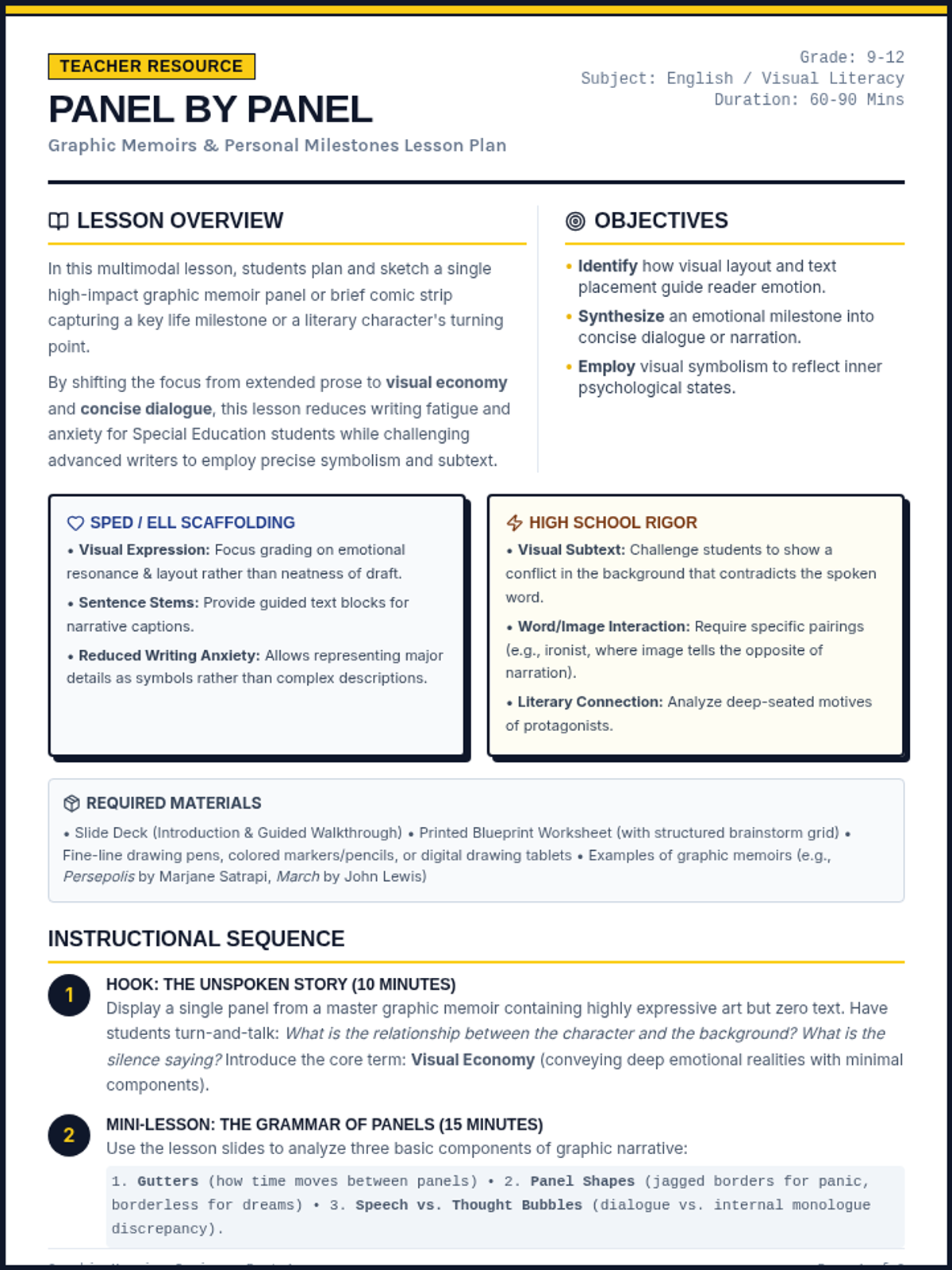
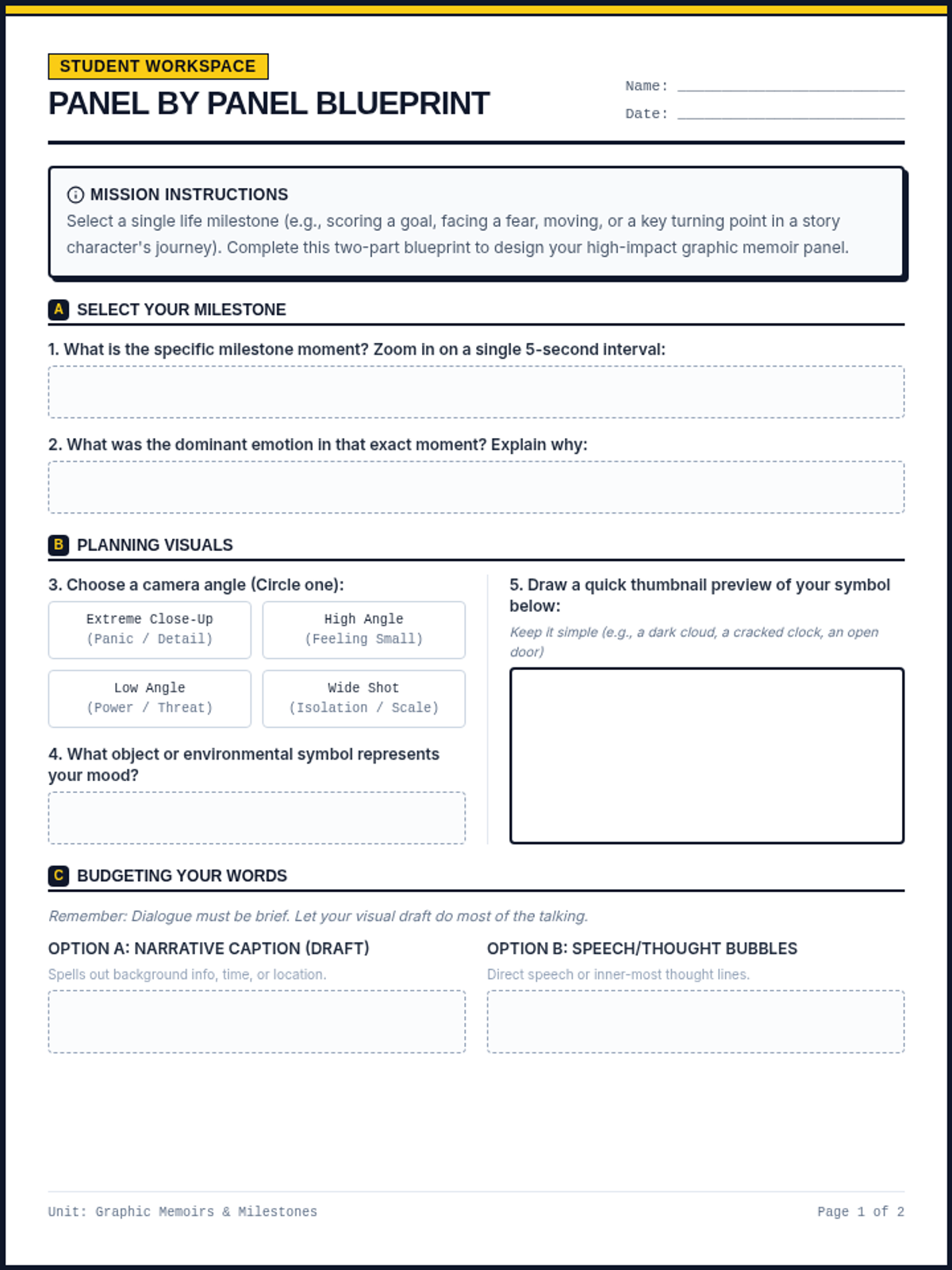
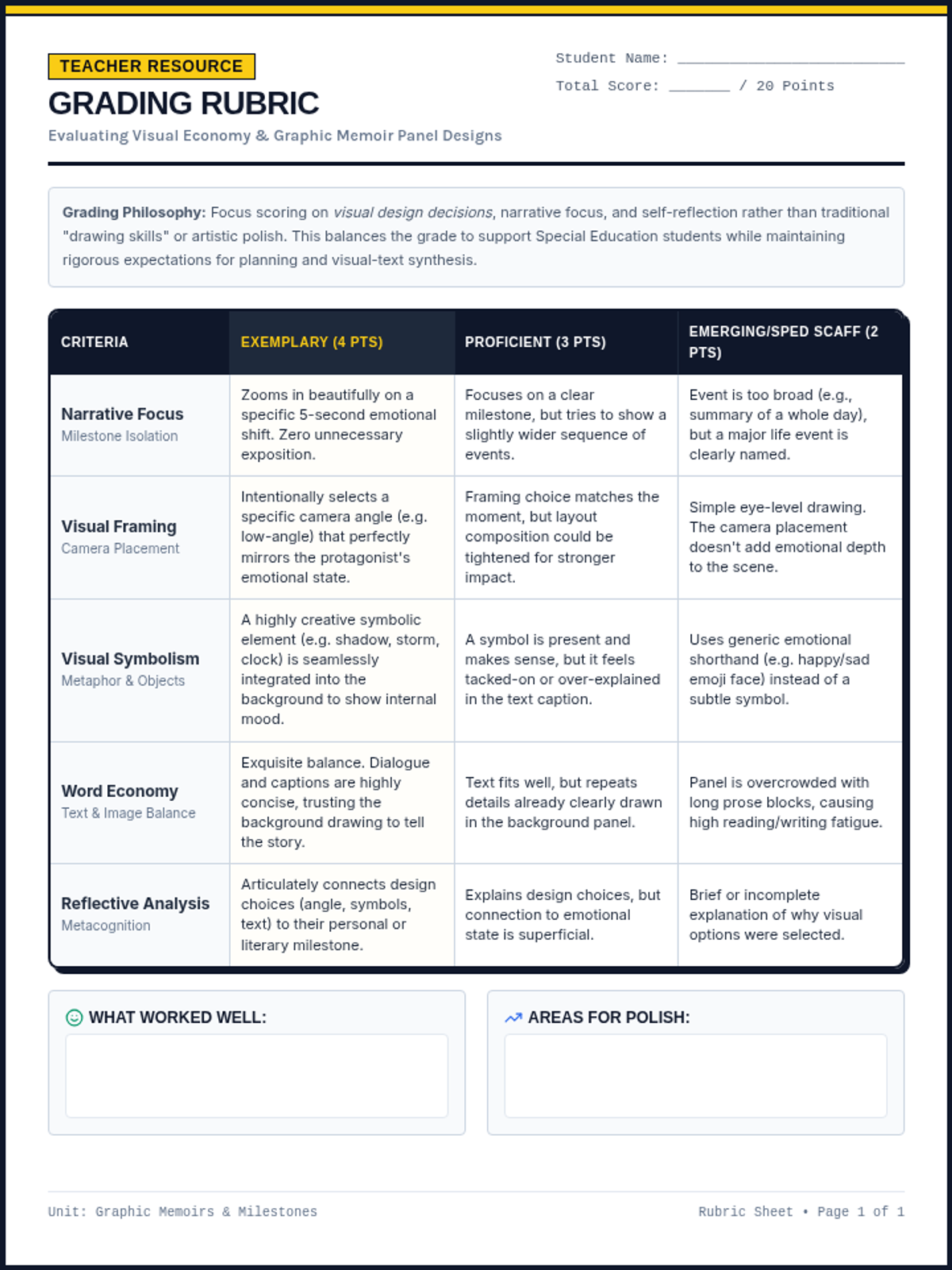
A comprehensive English Language Arts lesson where students plan and design a graphic memoir panel or comic strip capturing a significant milestone. Designed to support Special Education students via multimodal expression while challenging high school students with concise dialogue and visual symbolism.
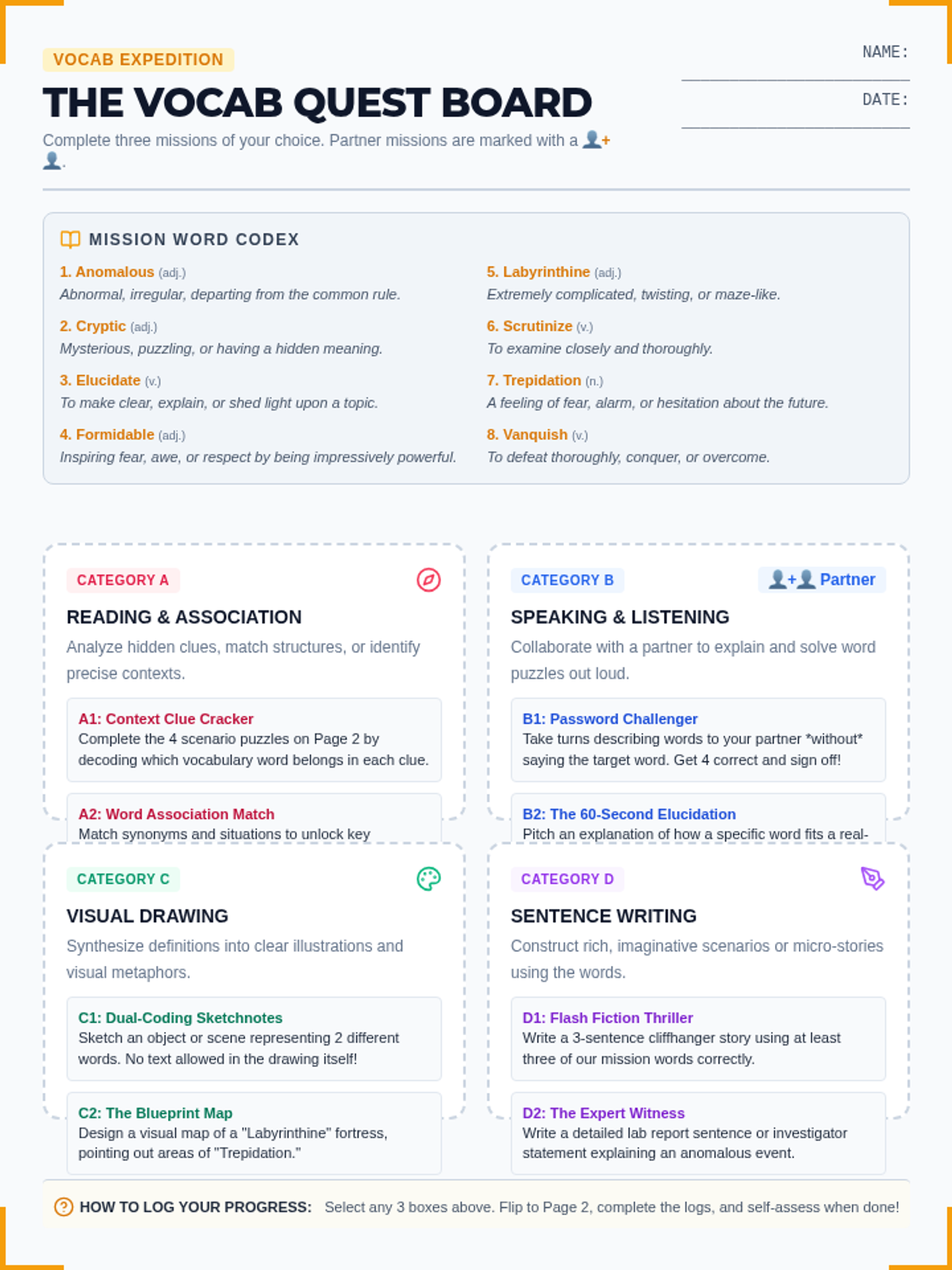
A vocabulary review lesson utilizing a thematic Choice Board Matrix, focusing on critical thinking, collaborative partner speaking, reading comprehension, visual sketching, and creative writing.
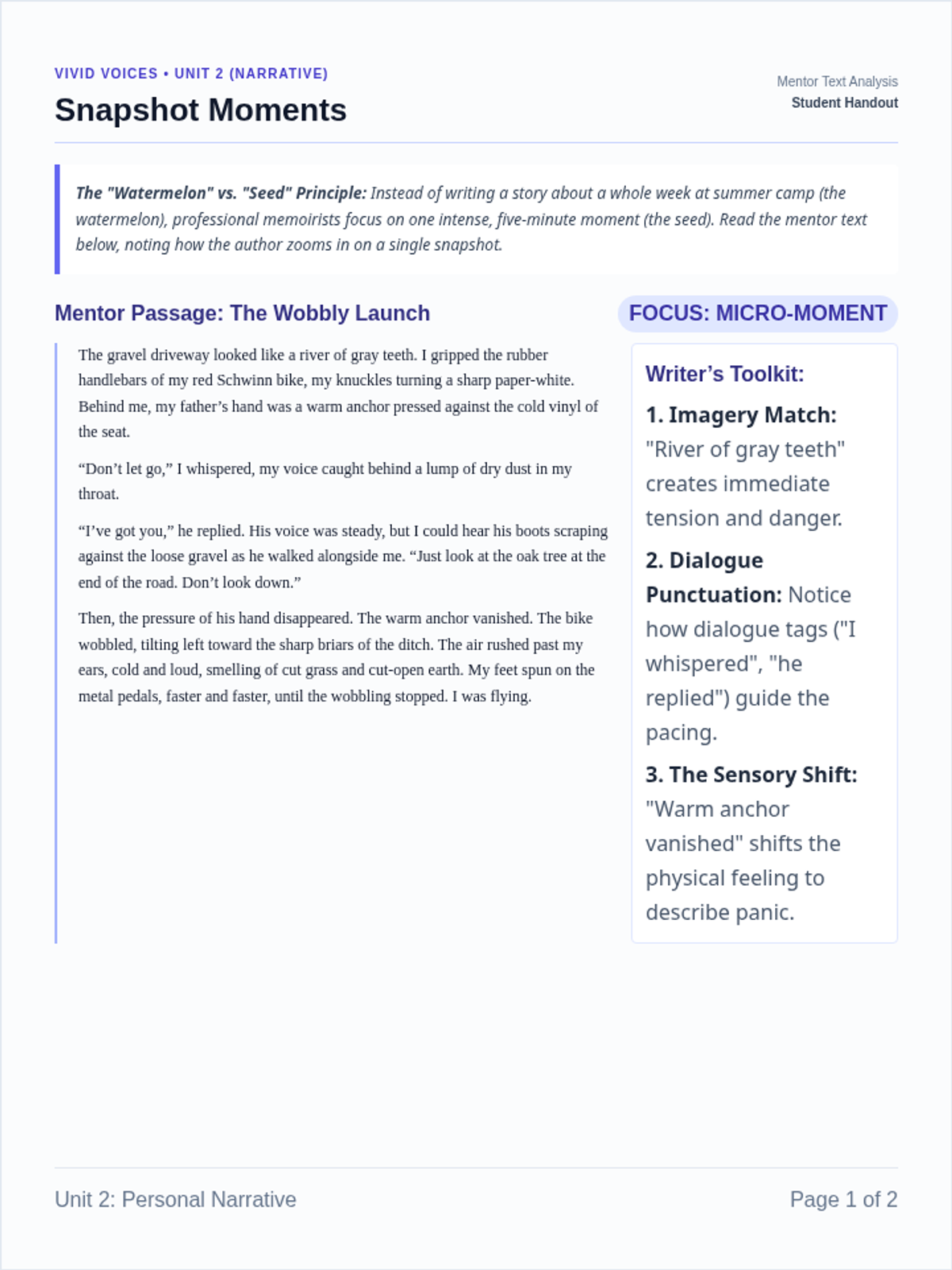
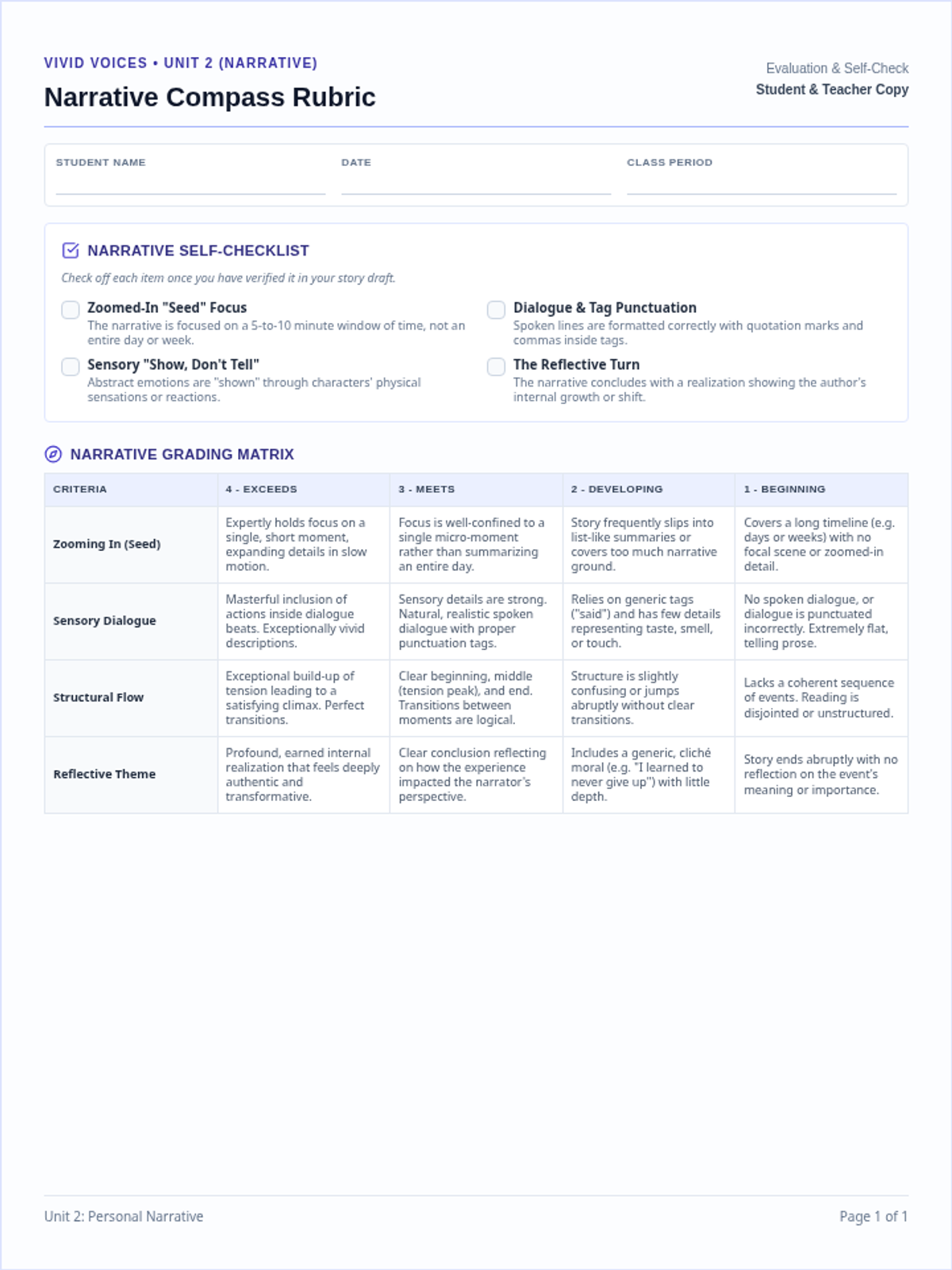
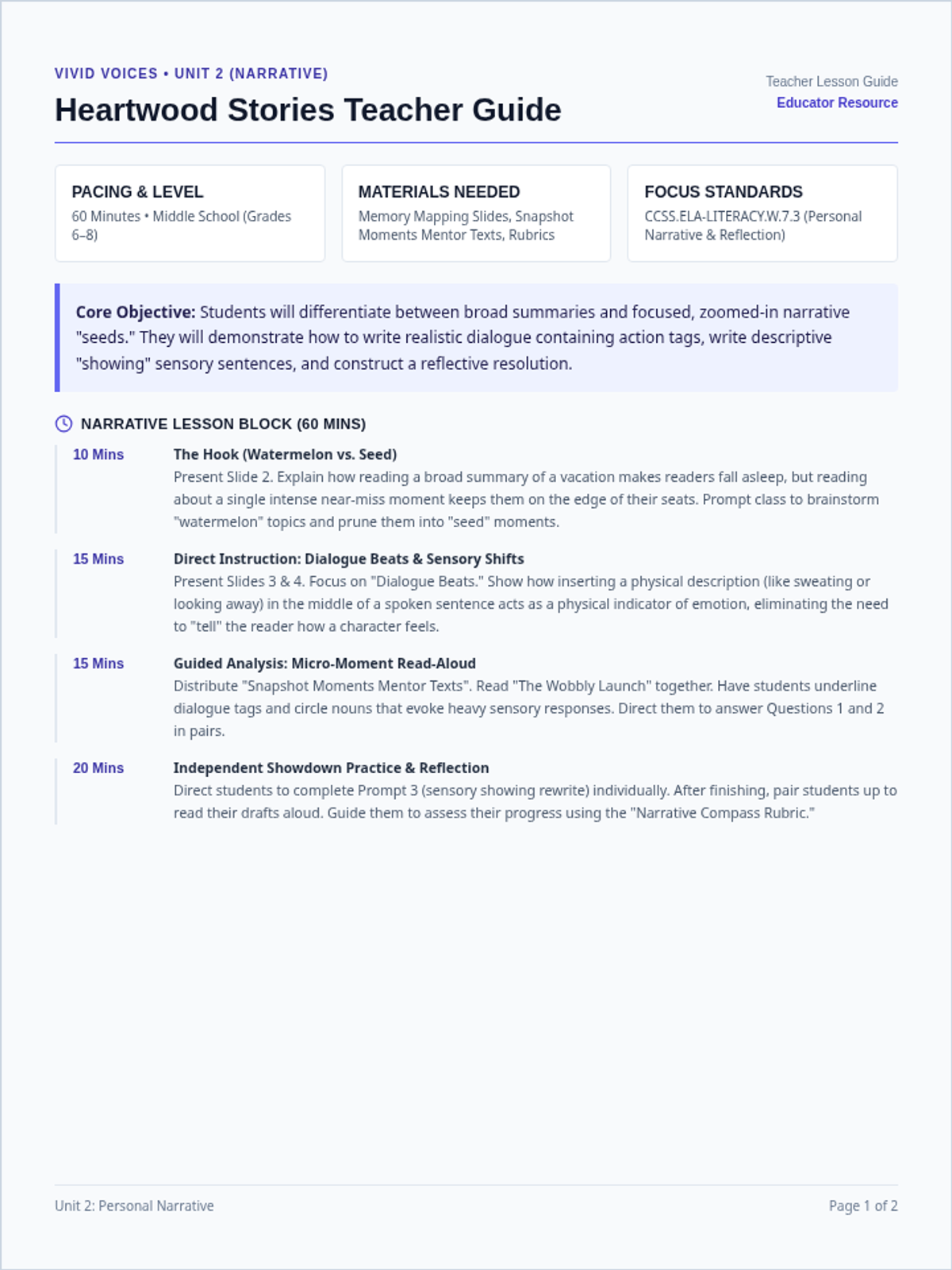
A journey into transforming real-life memories into vivid prose. Students practice zooming in on 'snapshot moments', writing realistic dialogue, and developing authentic reflective themes.
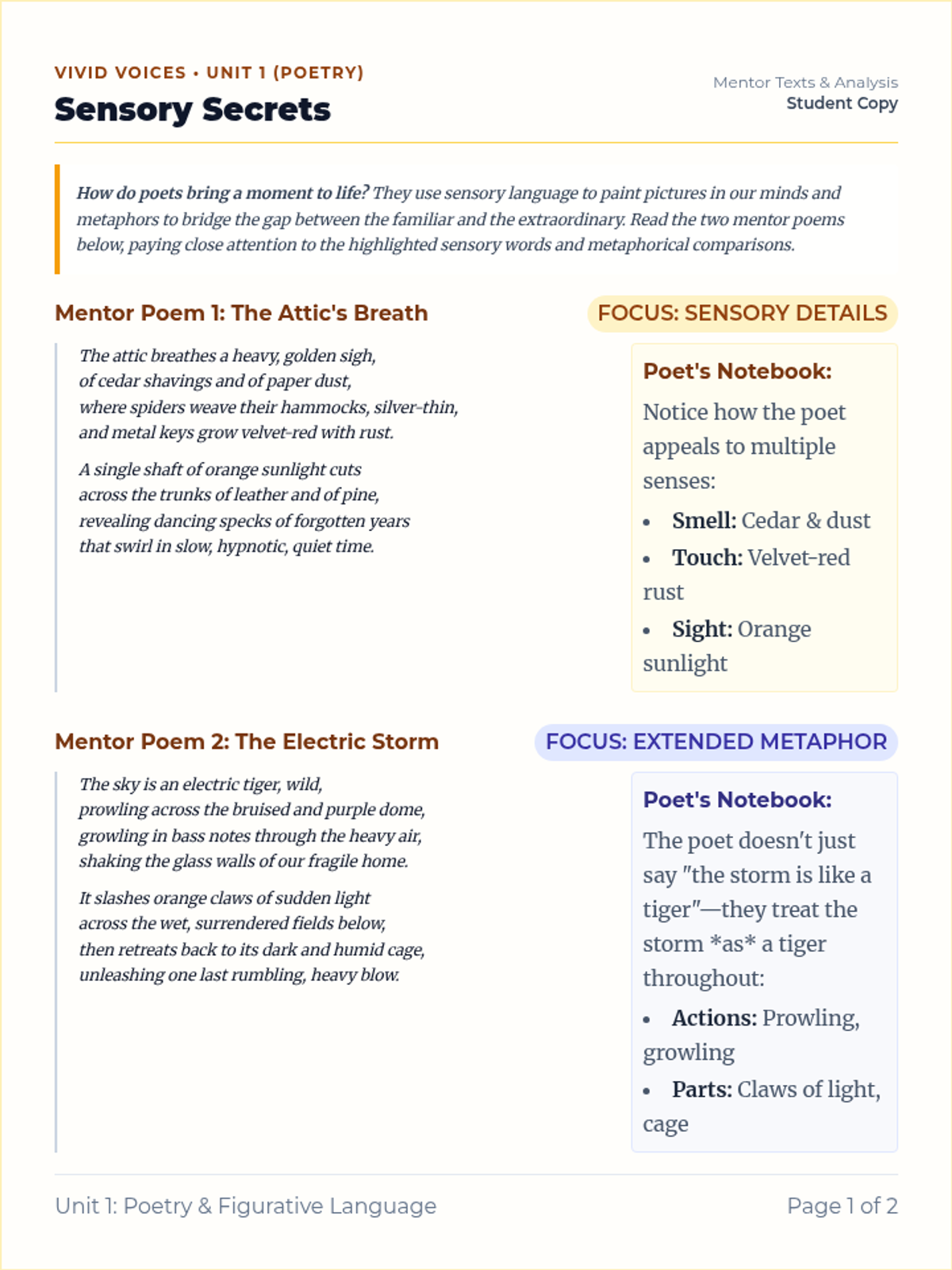
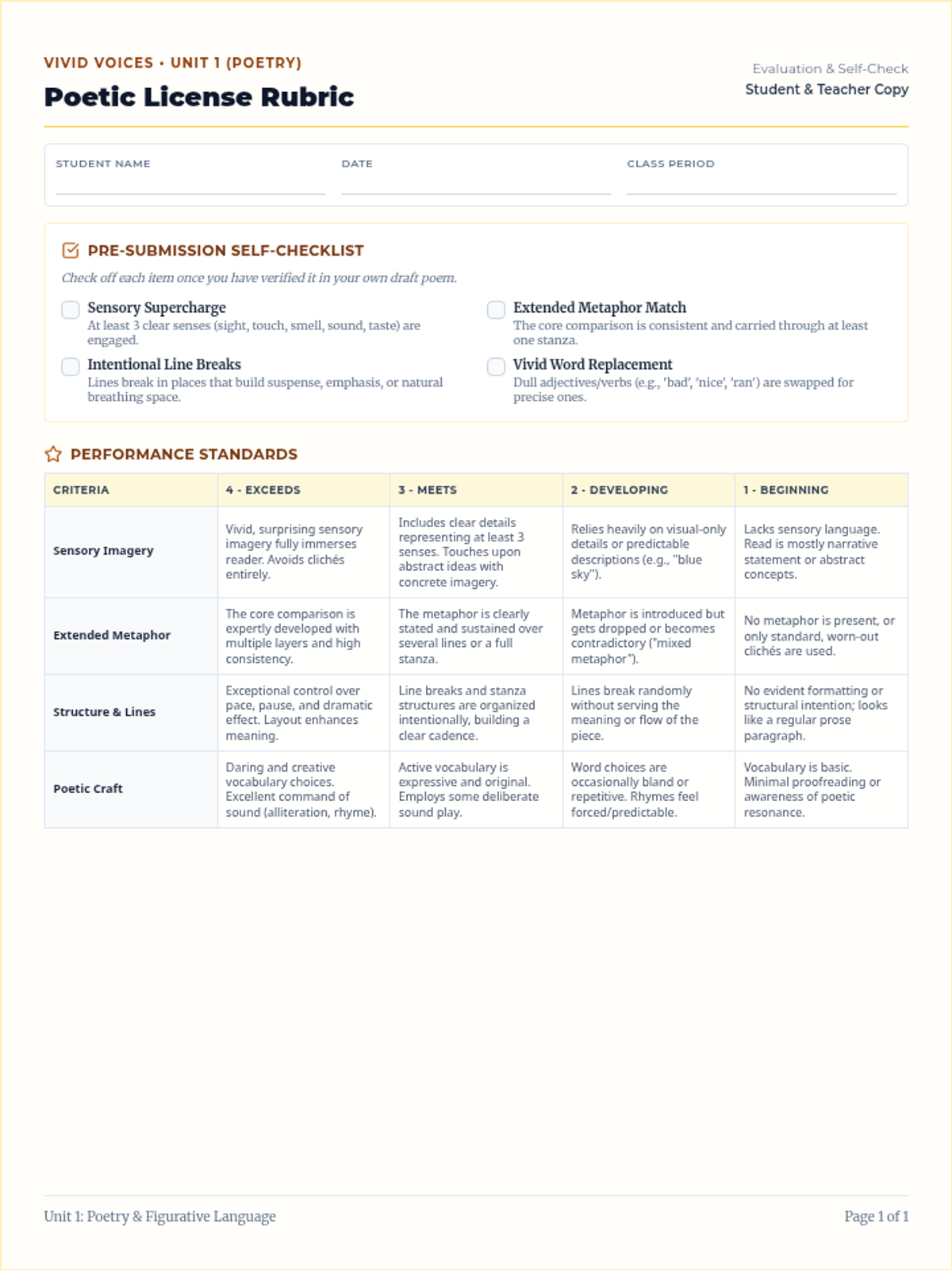
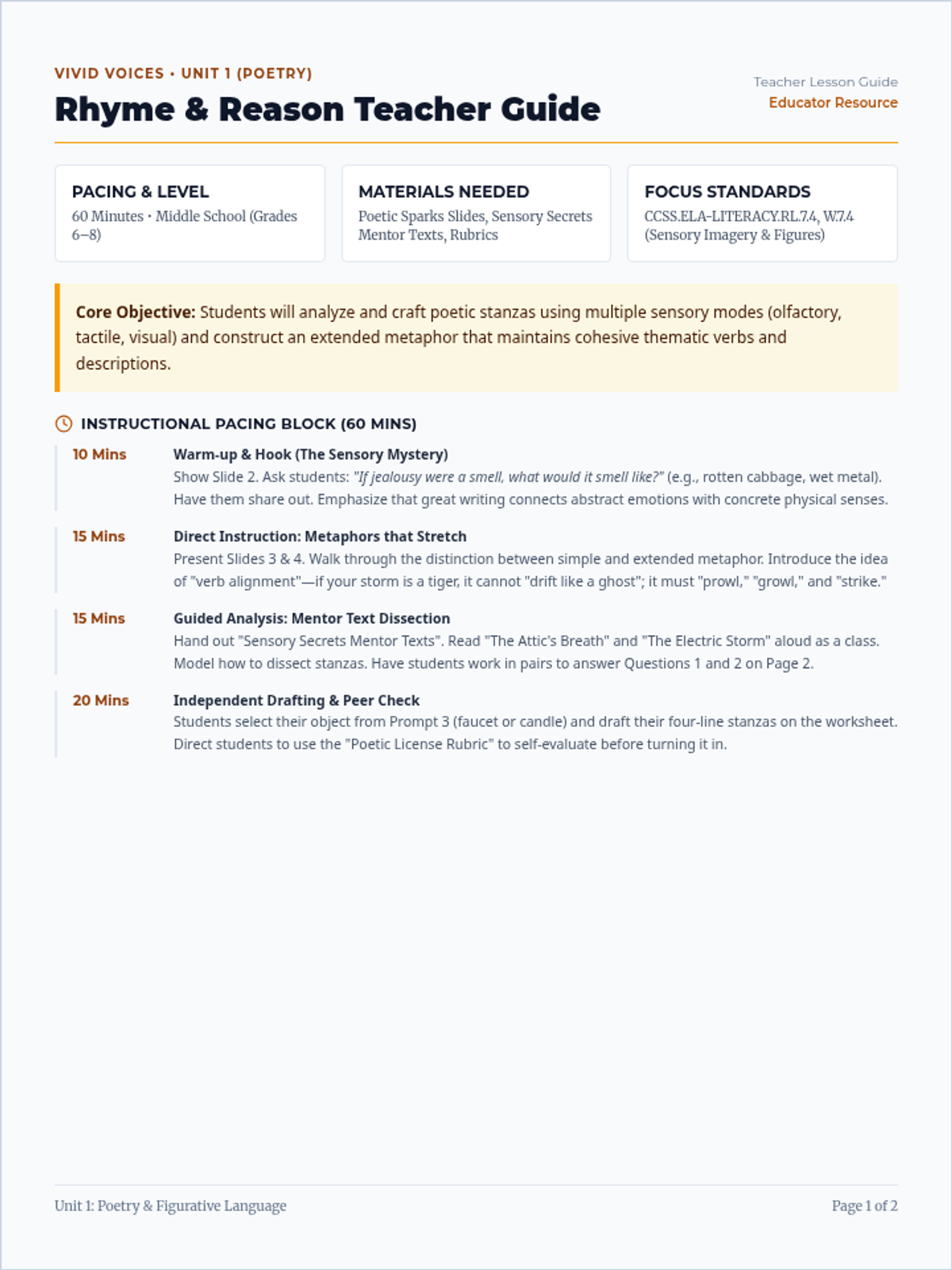
An immersive exploration of sensory imagery, metaphor, rhythm, and structure. Students examine classic and modern mentor poems and draft original pieces using figurative language.
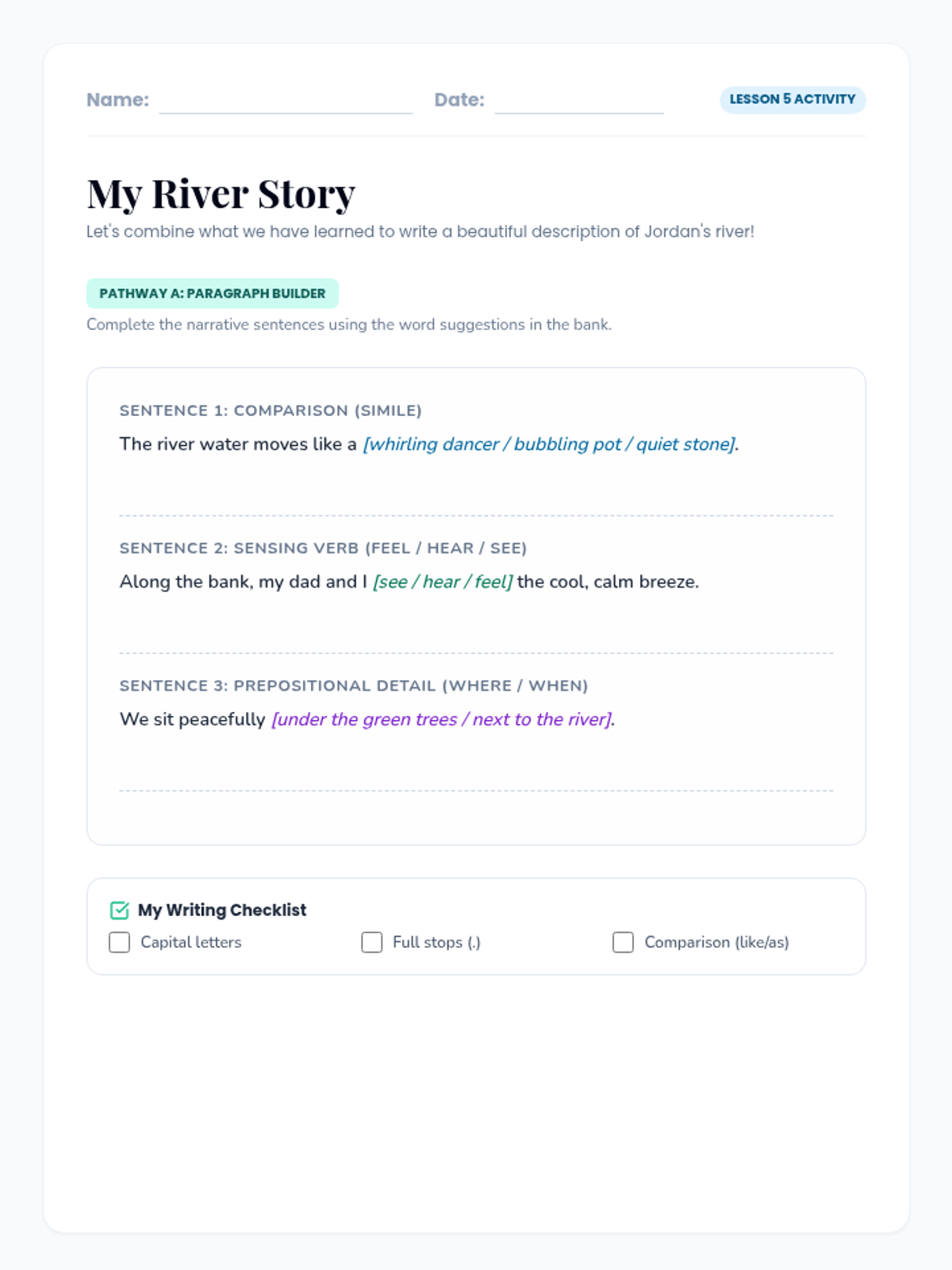
Students combine their cumulative learning of sensing verbs, prepositional phrases, and comparisons to co-construct and independently draft a descriptive paragraph about an outback landscape, utilizing a multi-tiered writing frame.
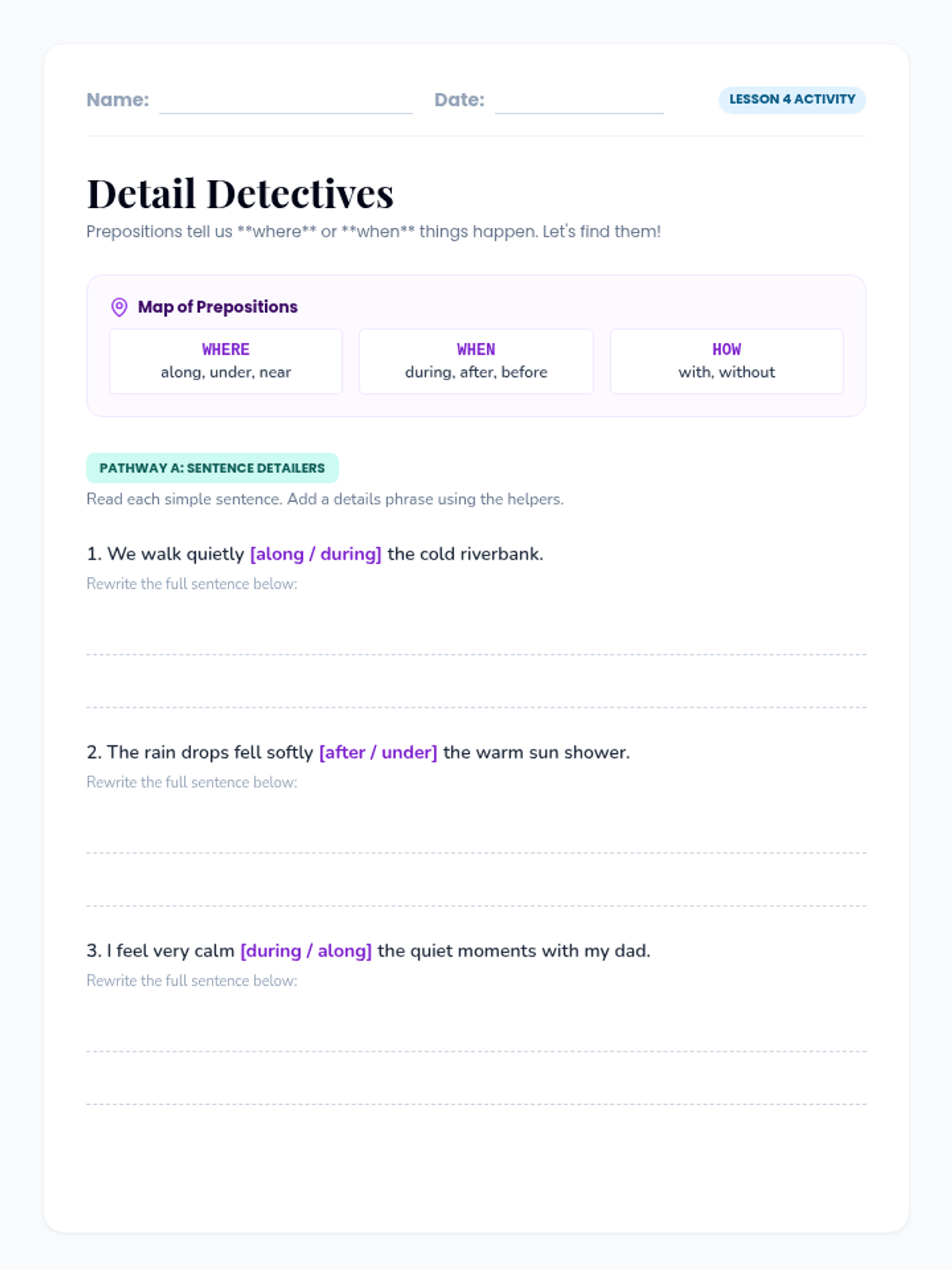
Students learn how prepositional phrases give information about 'where' and 'when' events occur, practicing adding them to simple sentences containing sensing verbs to build descriptive detail.
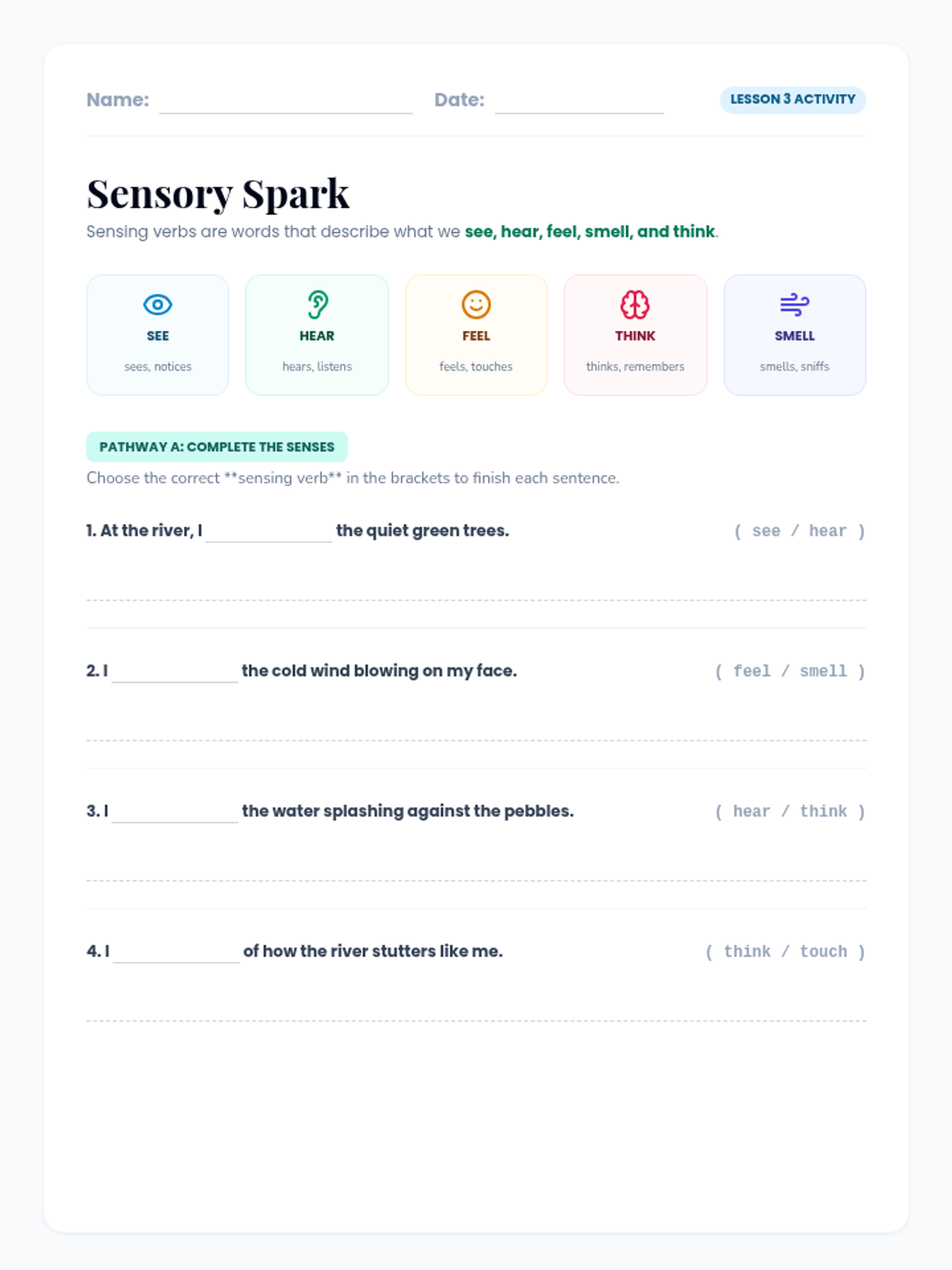
Students investigate sensing verbs related to the five senses, identifying how the author uses them to share how natural elements feel during drought, and brainstorming sensory details about the outback.
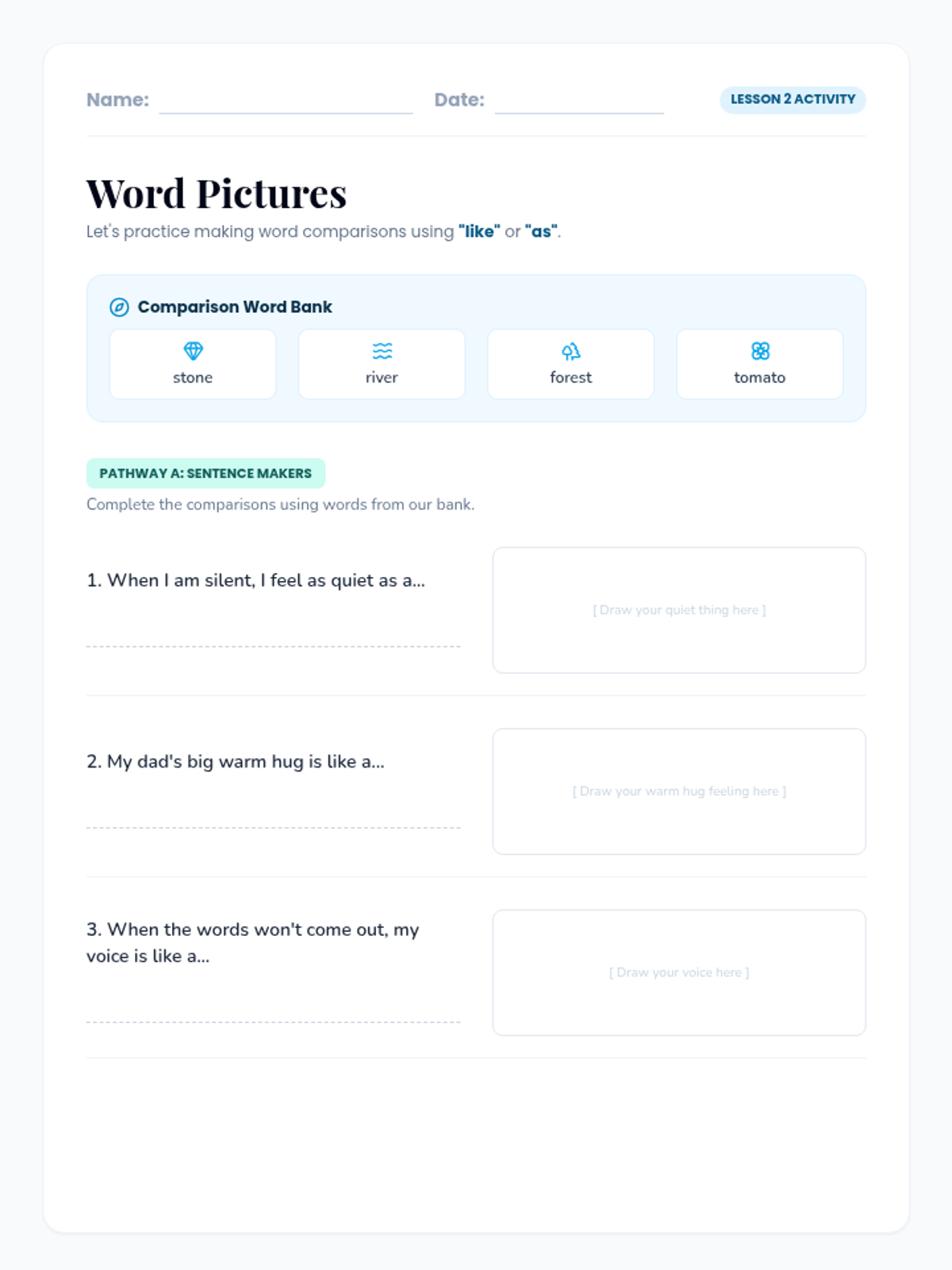
Students explore how authors use figurative language to paint 'word pictures' by identifying comparisons using 'like' and 'as' in the text, and co-constructing similes about the natural world.
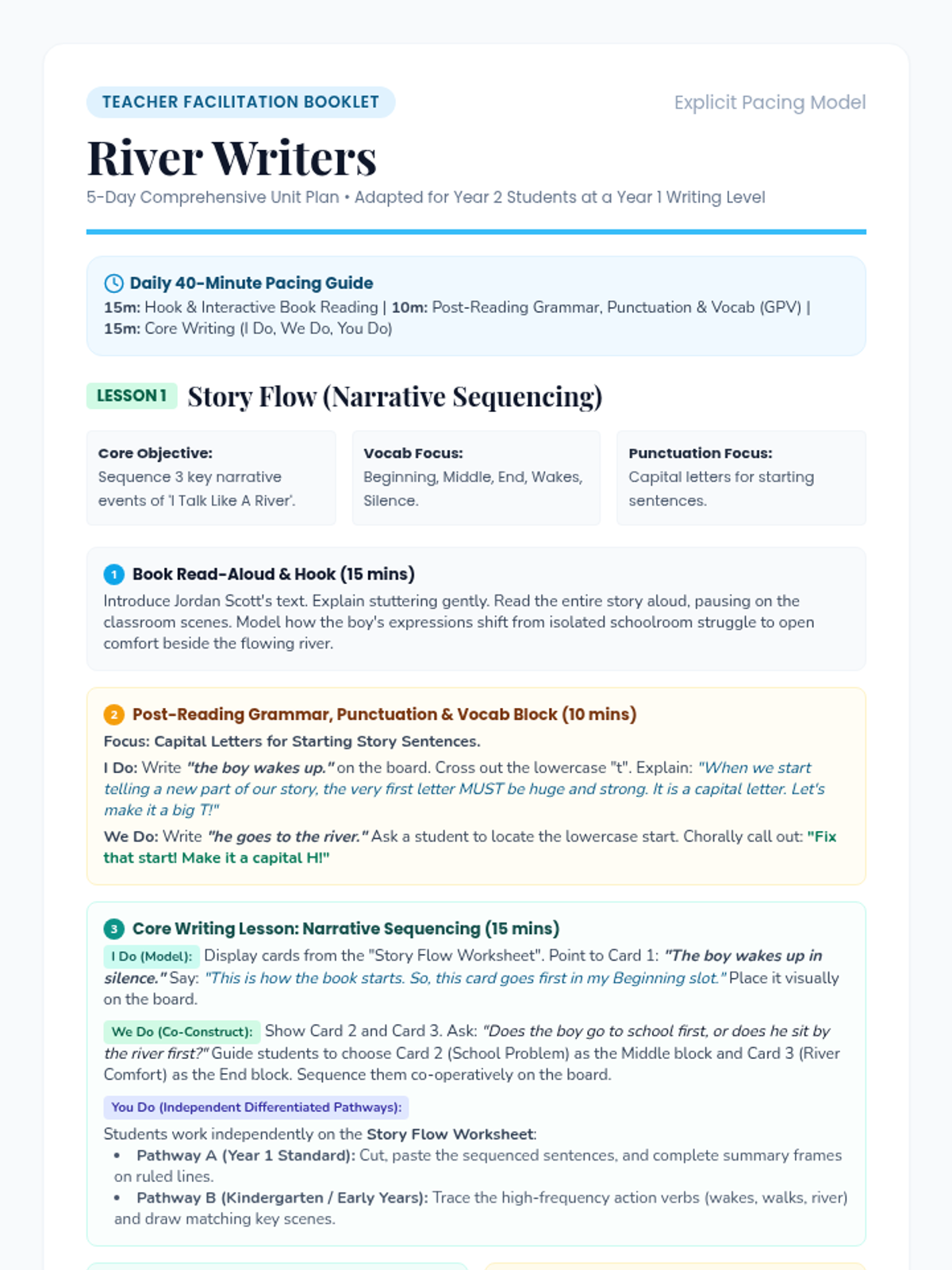
Students sequence the key events in 'Mallee Sky' (drought changing to welcome rainfall) using a simplified storyboard planner, identifying how environmental patterns affect the landscape.
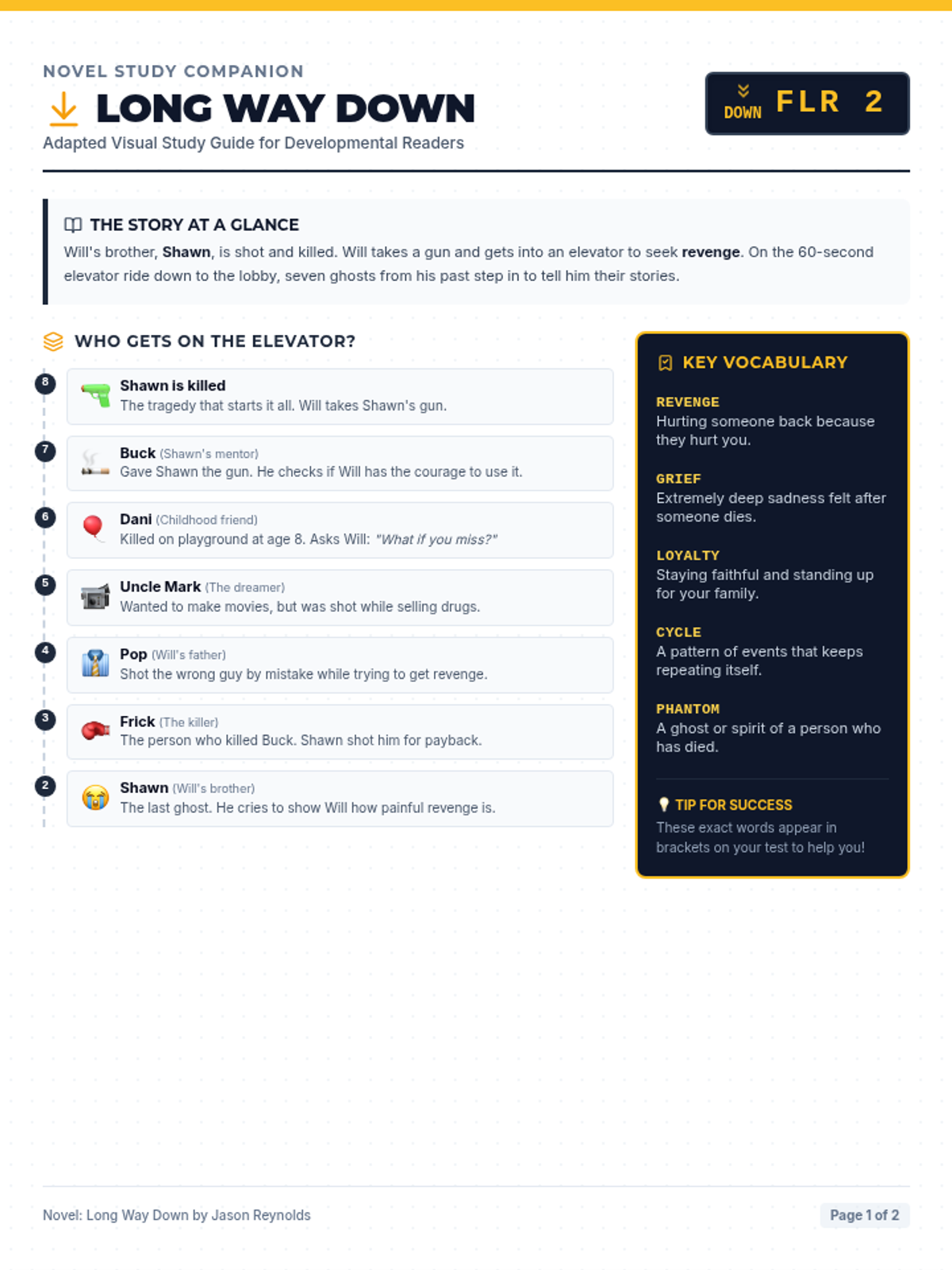
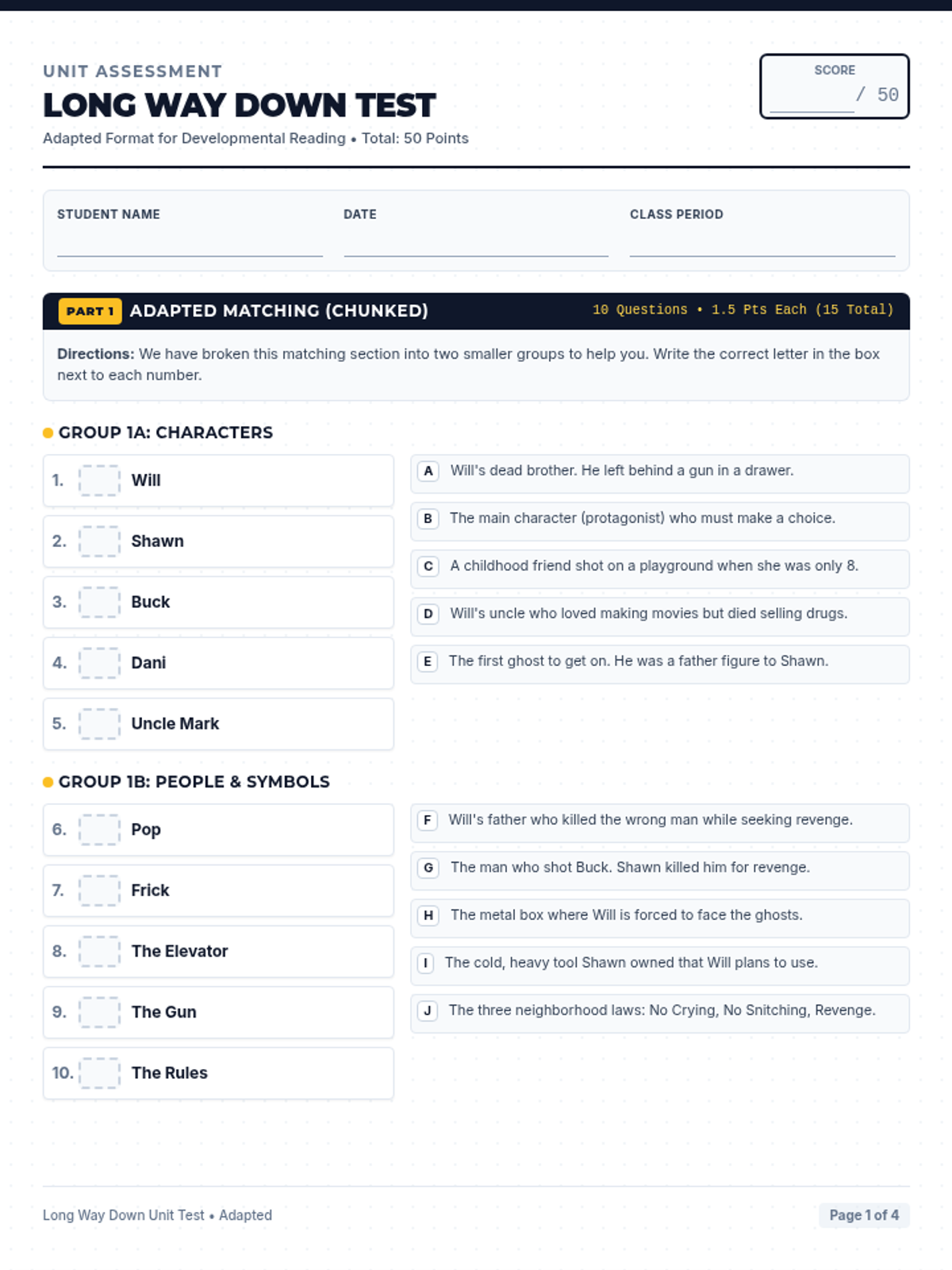
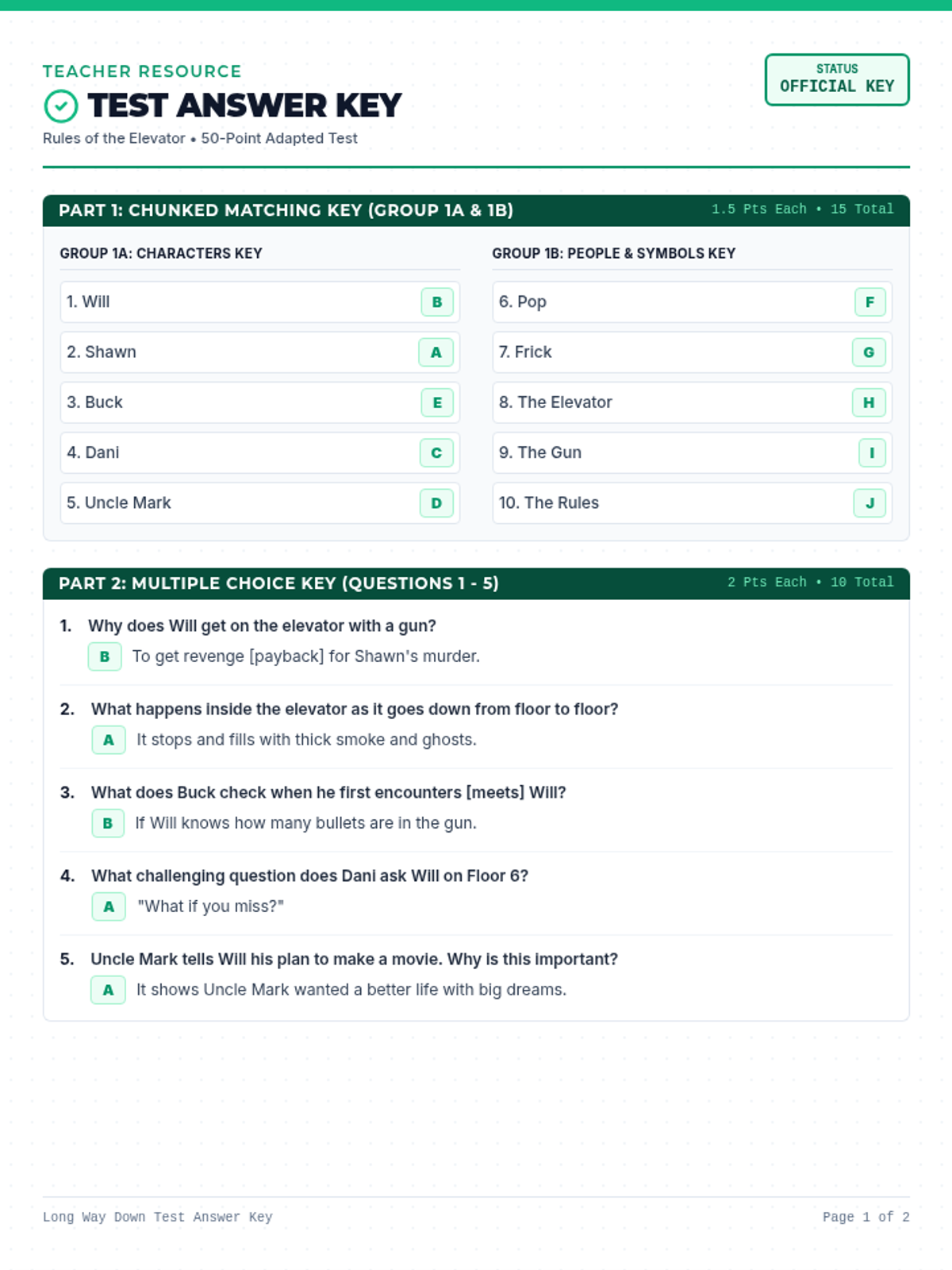
An assessment package for Jason Reynolds' novel Long Way Down, tailored for developmental reading students. Includes a highly visual study guide and a matching 50-point adapted test.
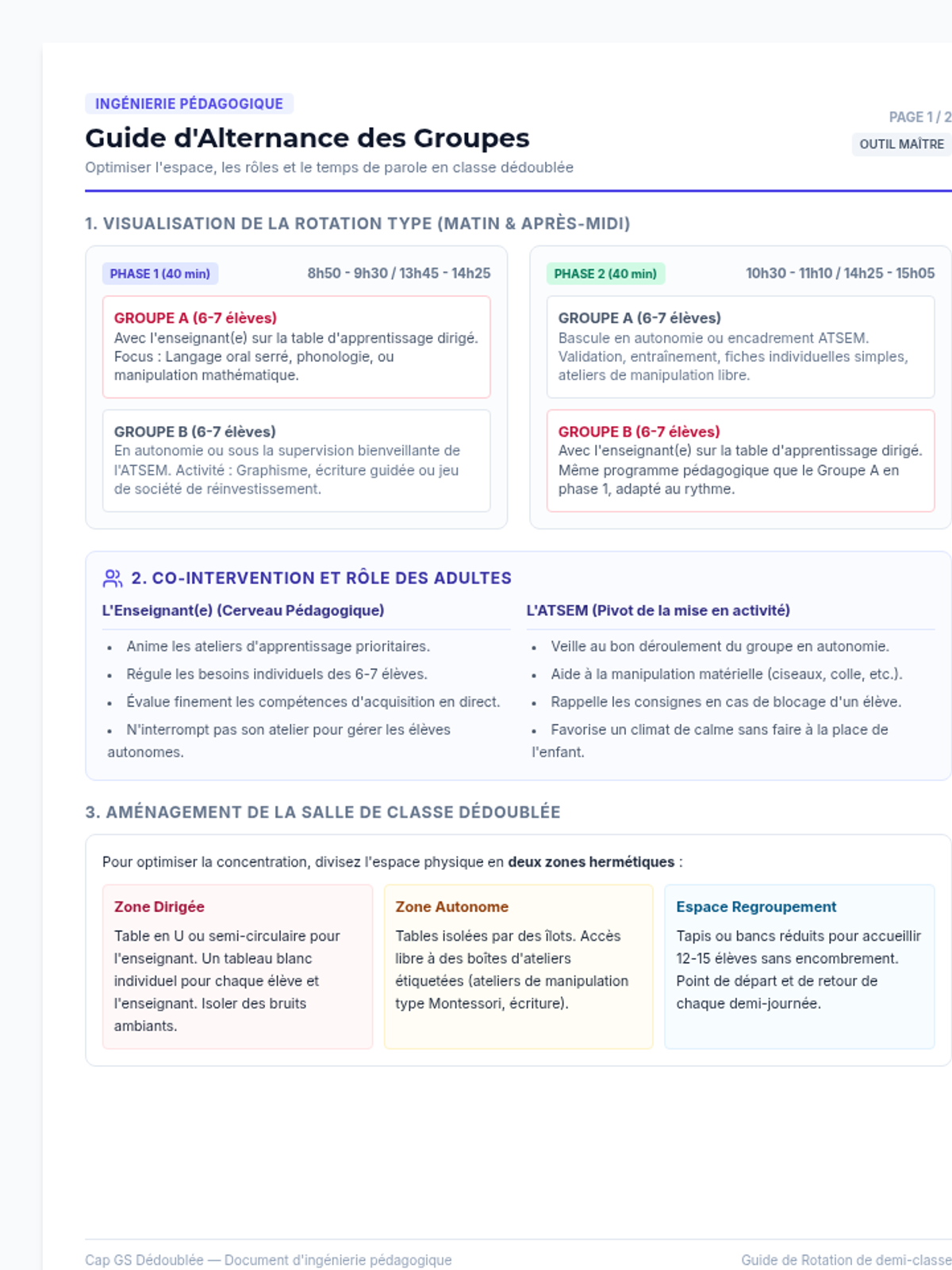
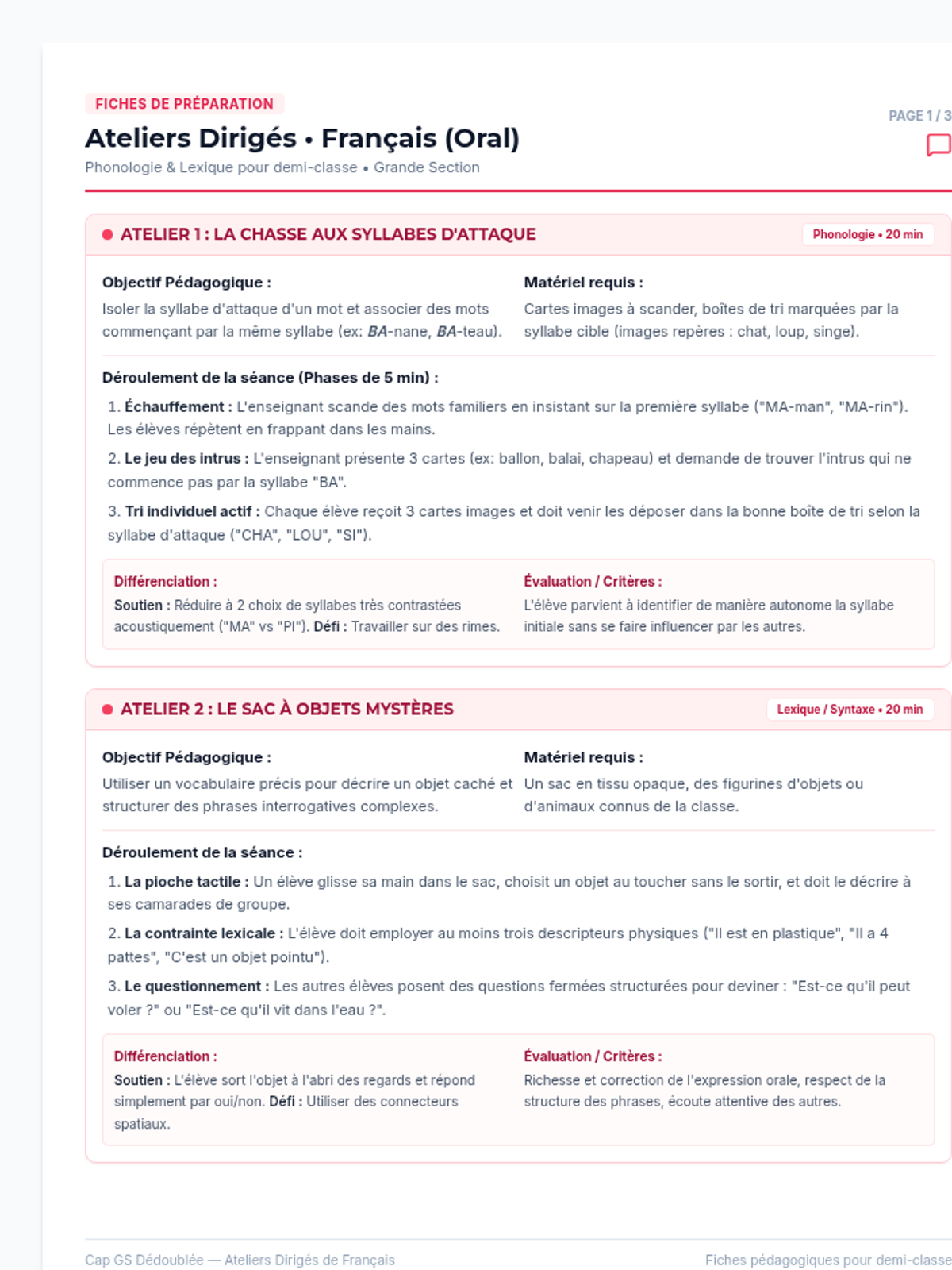
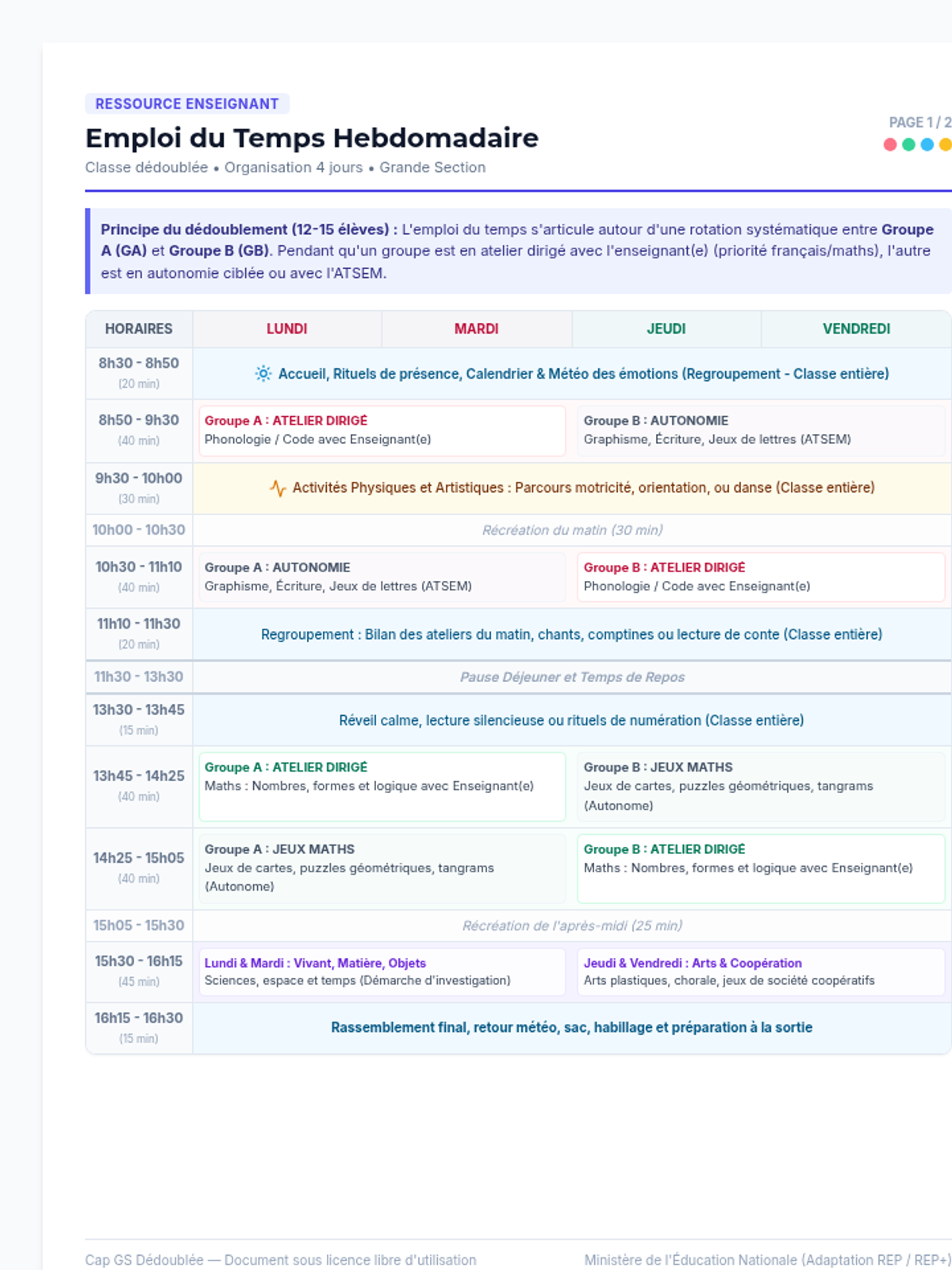
Un ensemble d'outils d'organisation pour la classe de Grande Section dédoublée. Il comprend un emploi du temps hebdomadaire complet sur 4 jours, un guide de rotation des groupes pour optimiser l'enseignement en demi-classe, et des fiches d'ateliers dirigés clés en main en français et mathématiques.
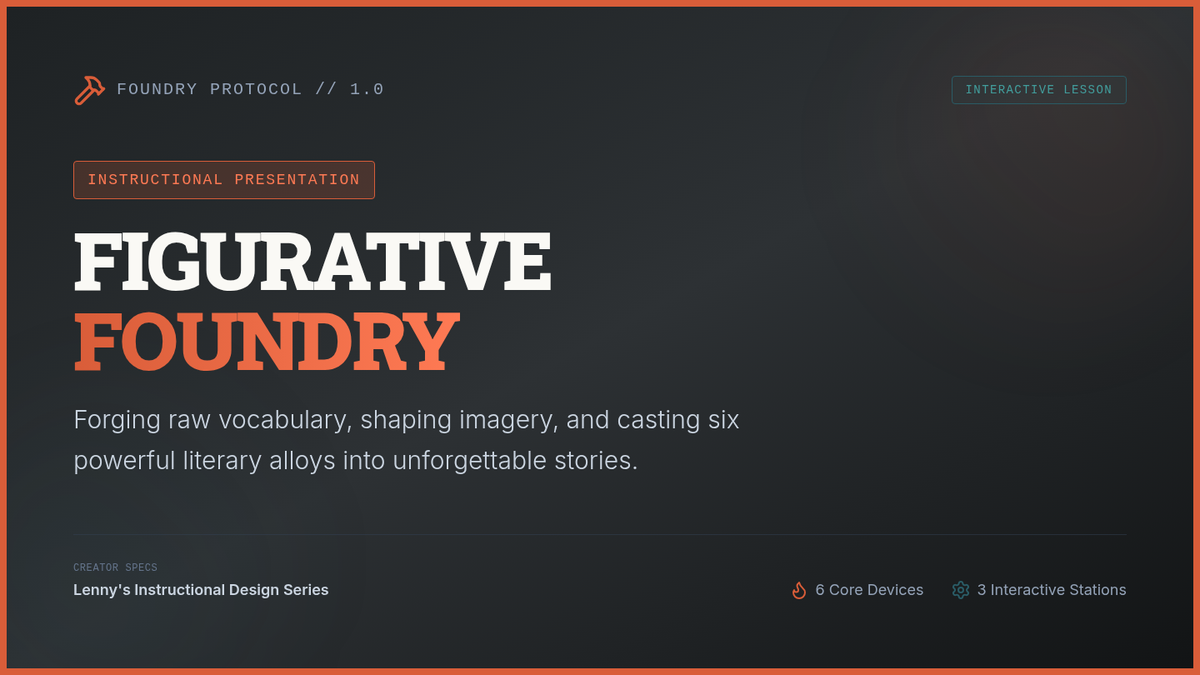
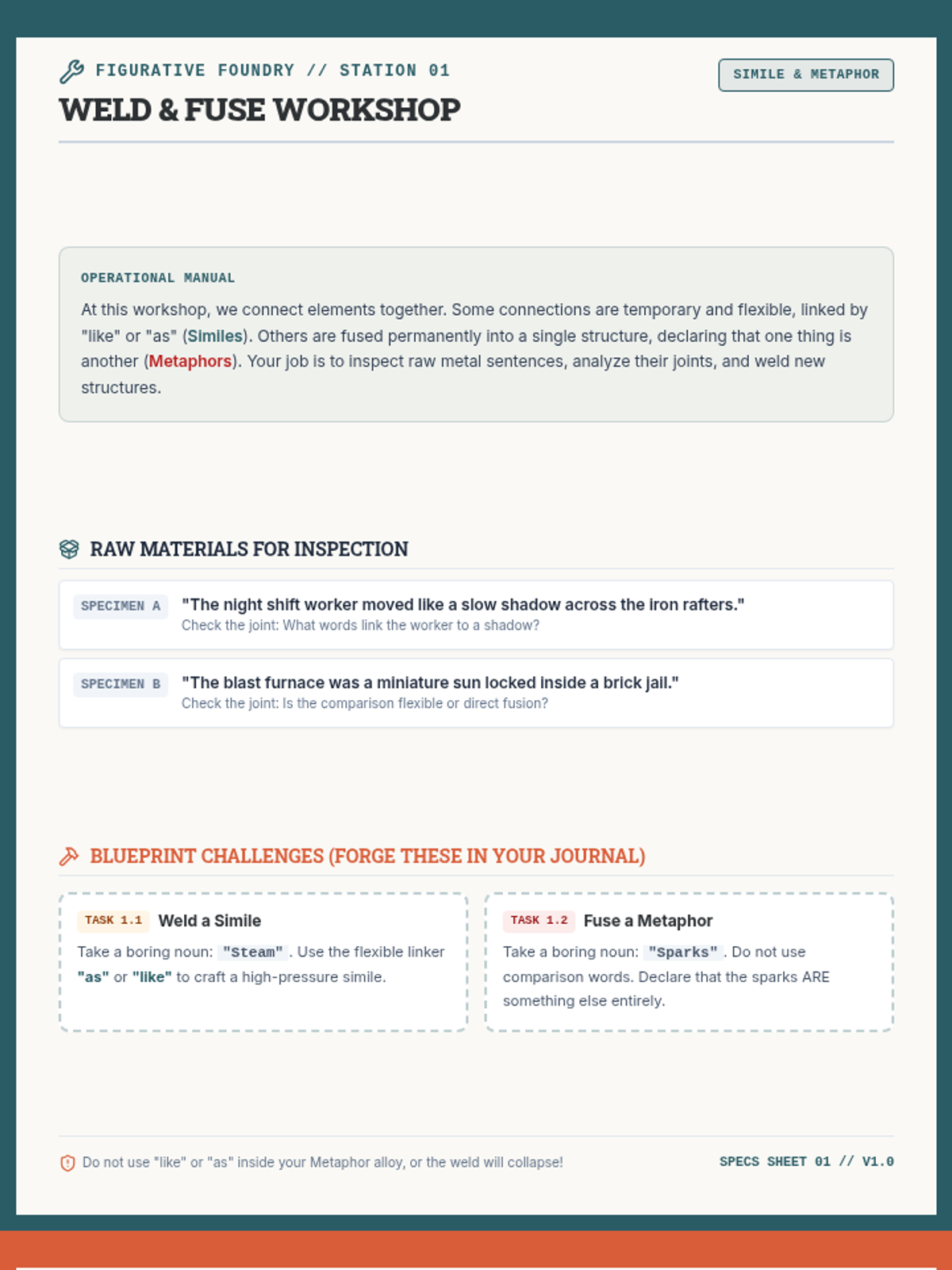
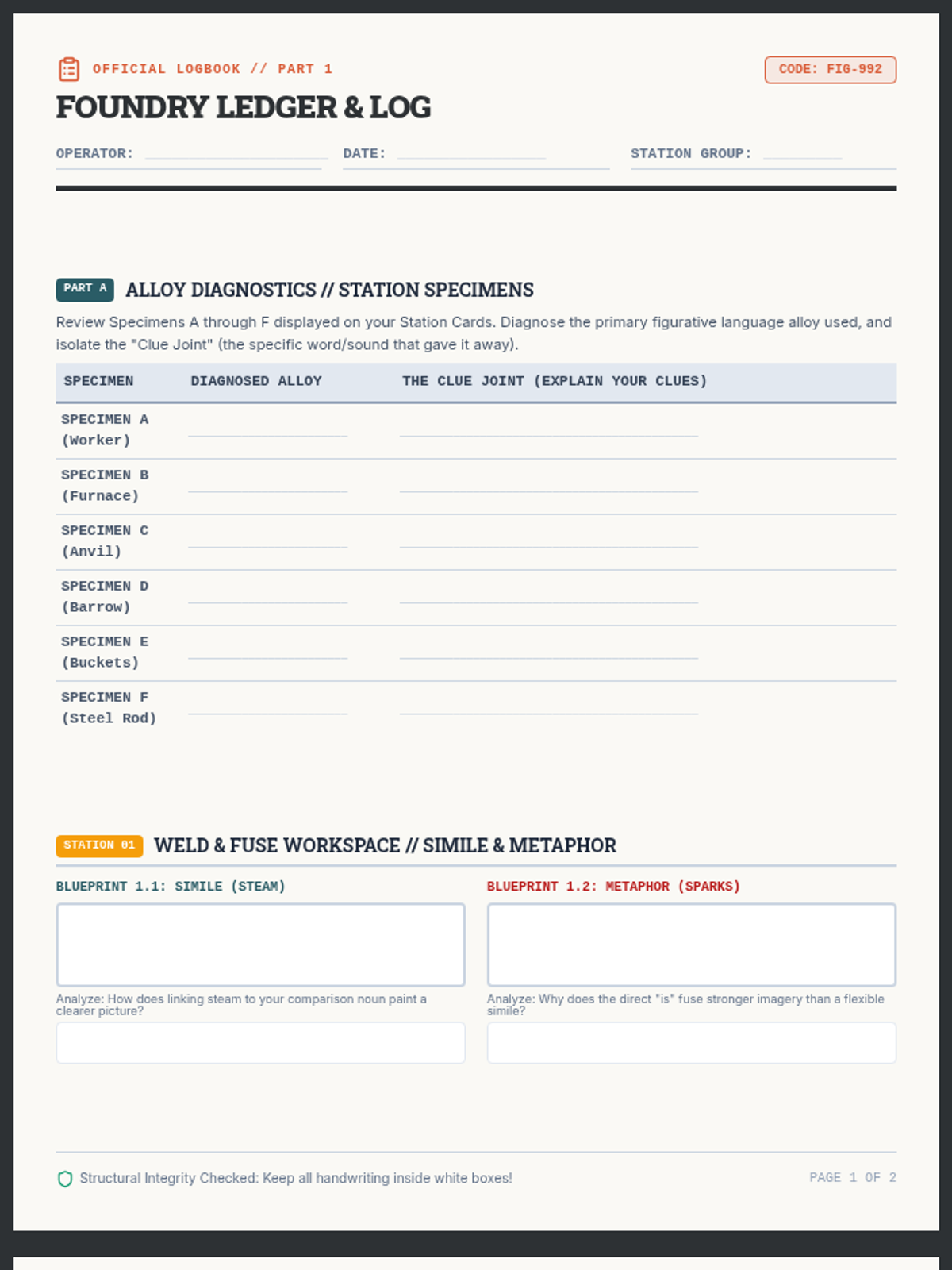
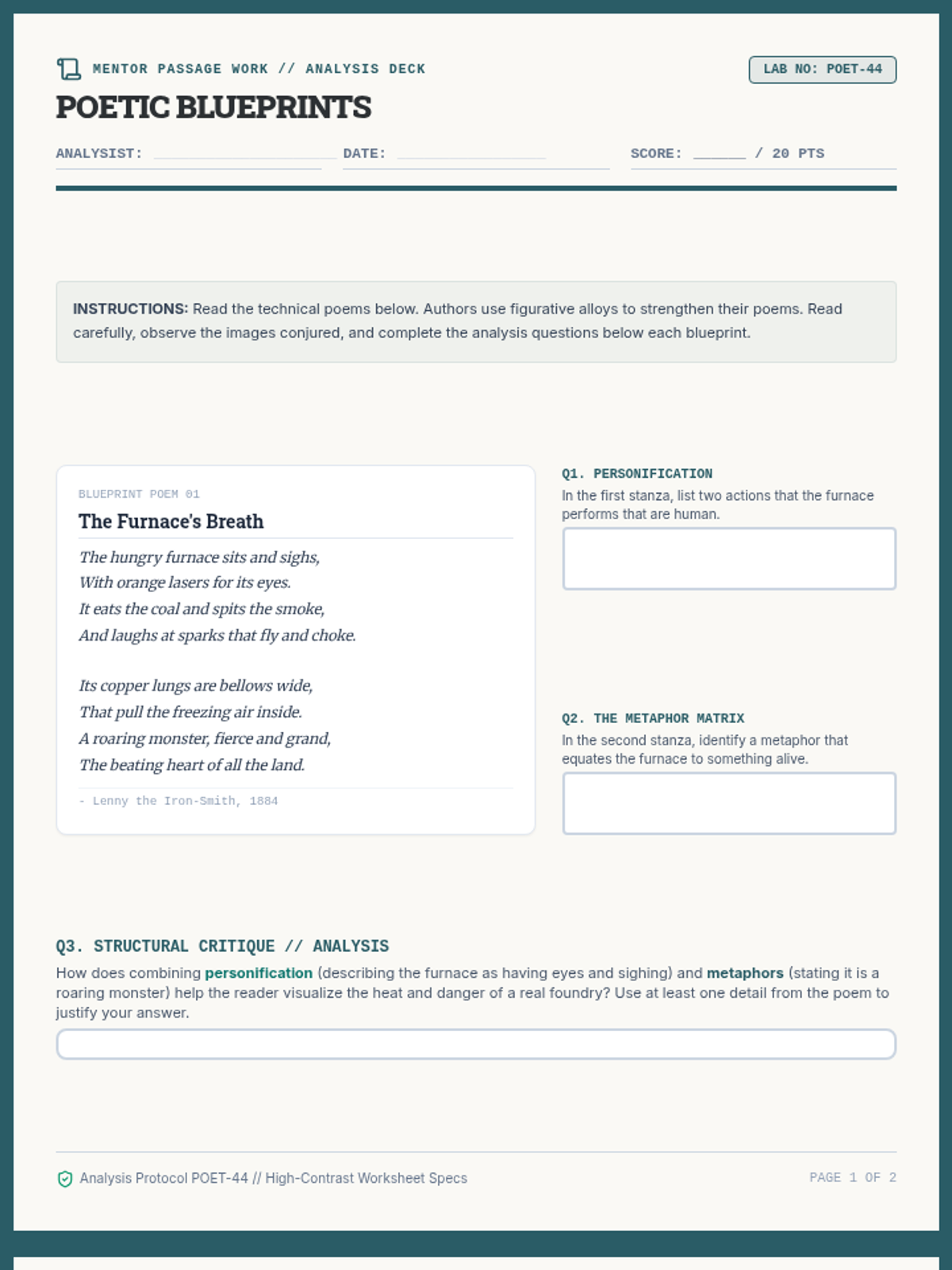
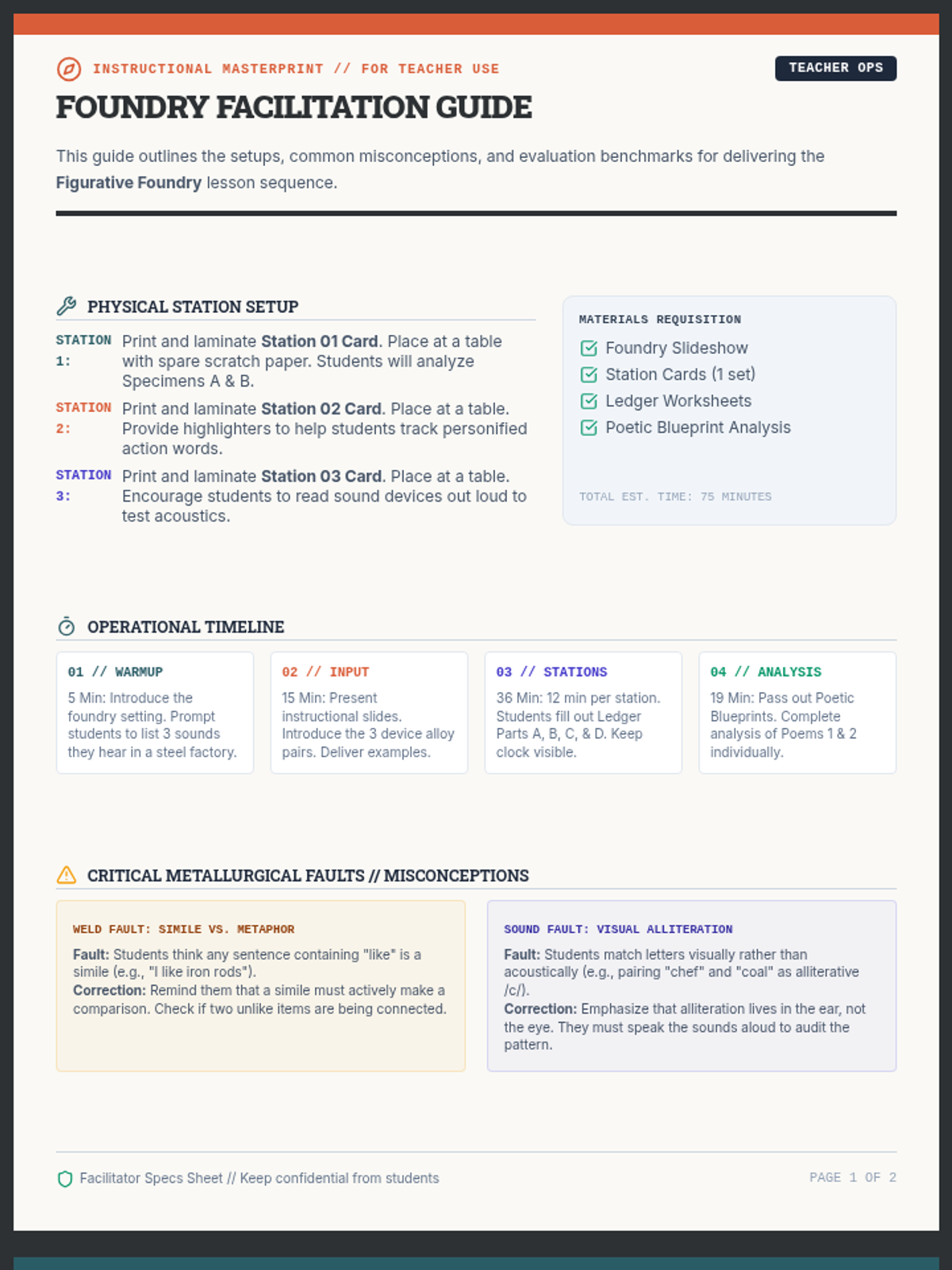
An immersive, hands-on lesson exploring six major types of figurative language through structured station activities, a collaborative workshop, mentor poetry analysis, and an interactive slideshow. Students learn to identify, analyze, and craft similes, metaphors, personification, hyperboles, alliteration, and onomatopoeia.
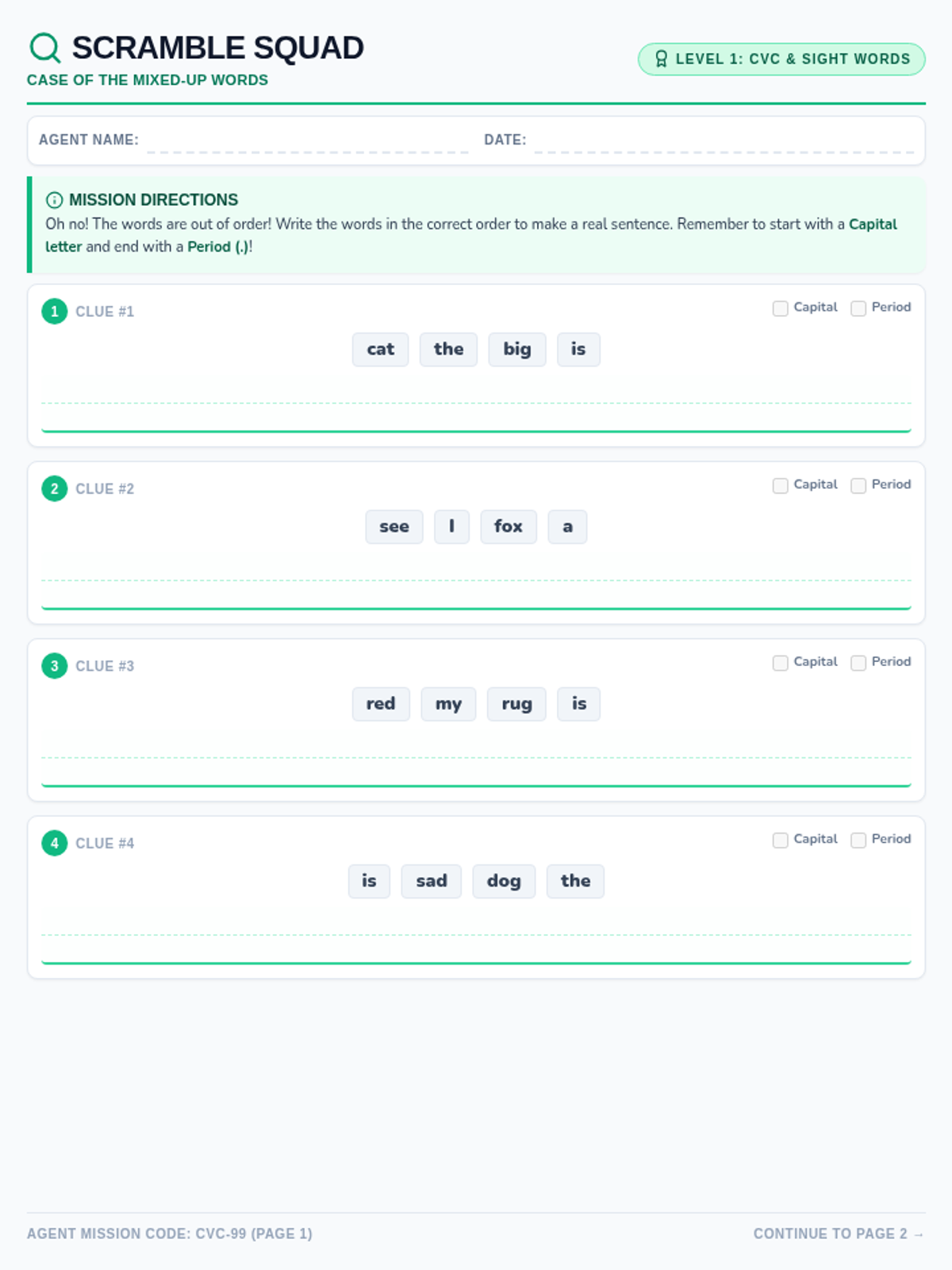
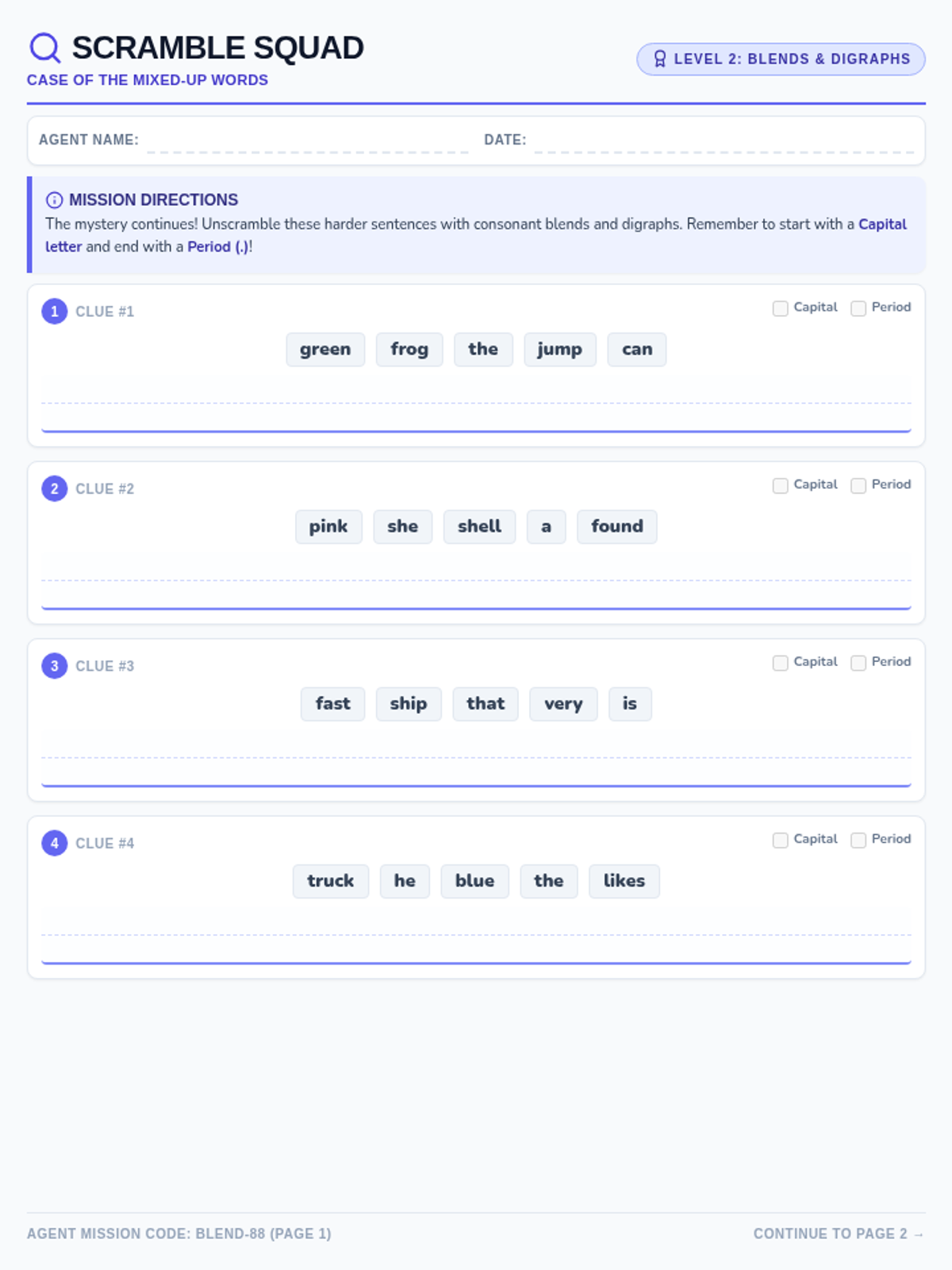
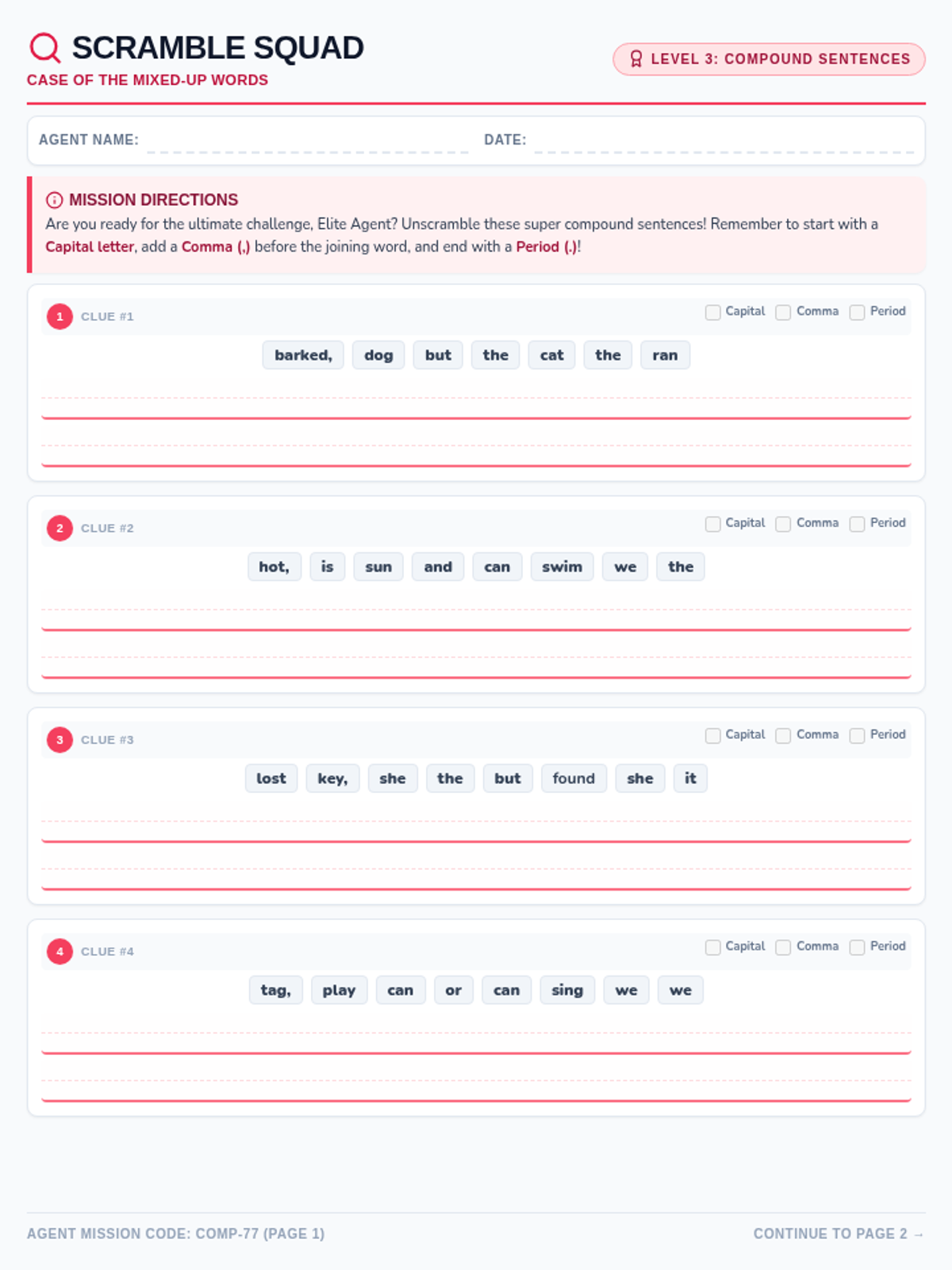
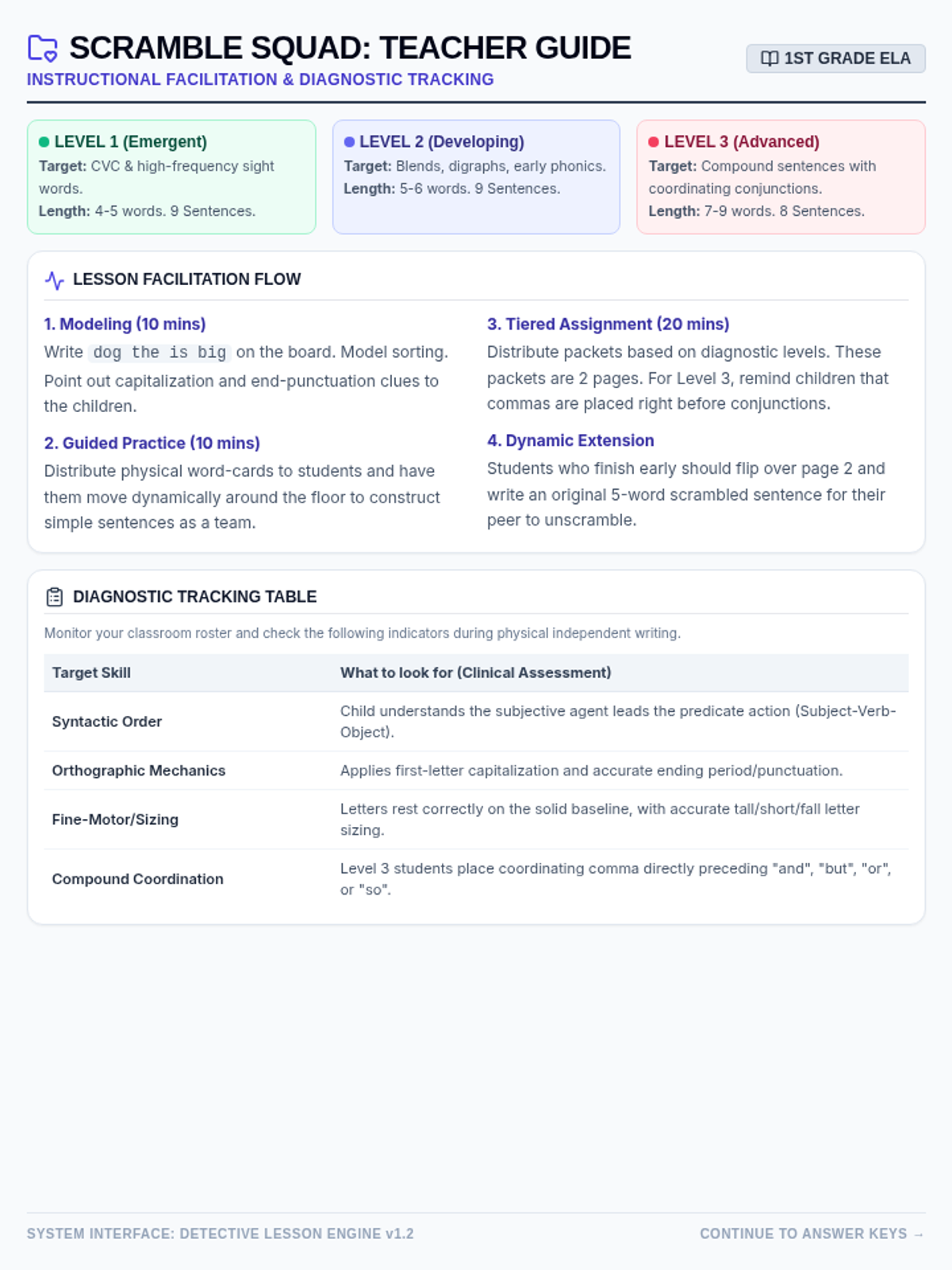
A comprehensive, tiered sentence unscrambling lesson designed for first-grade students. It features three levels of differentiated, print-and-go worksheets (Emergent, Developing, Advanced) alongside an instructional Teacher Guide and Answer Key.