An exploration of the collaborative and competitive history behind the discovery of the double helix, focusing on Photo 51 and the contributions of key scientists.
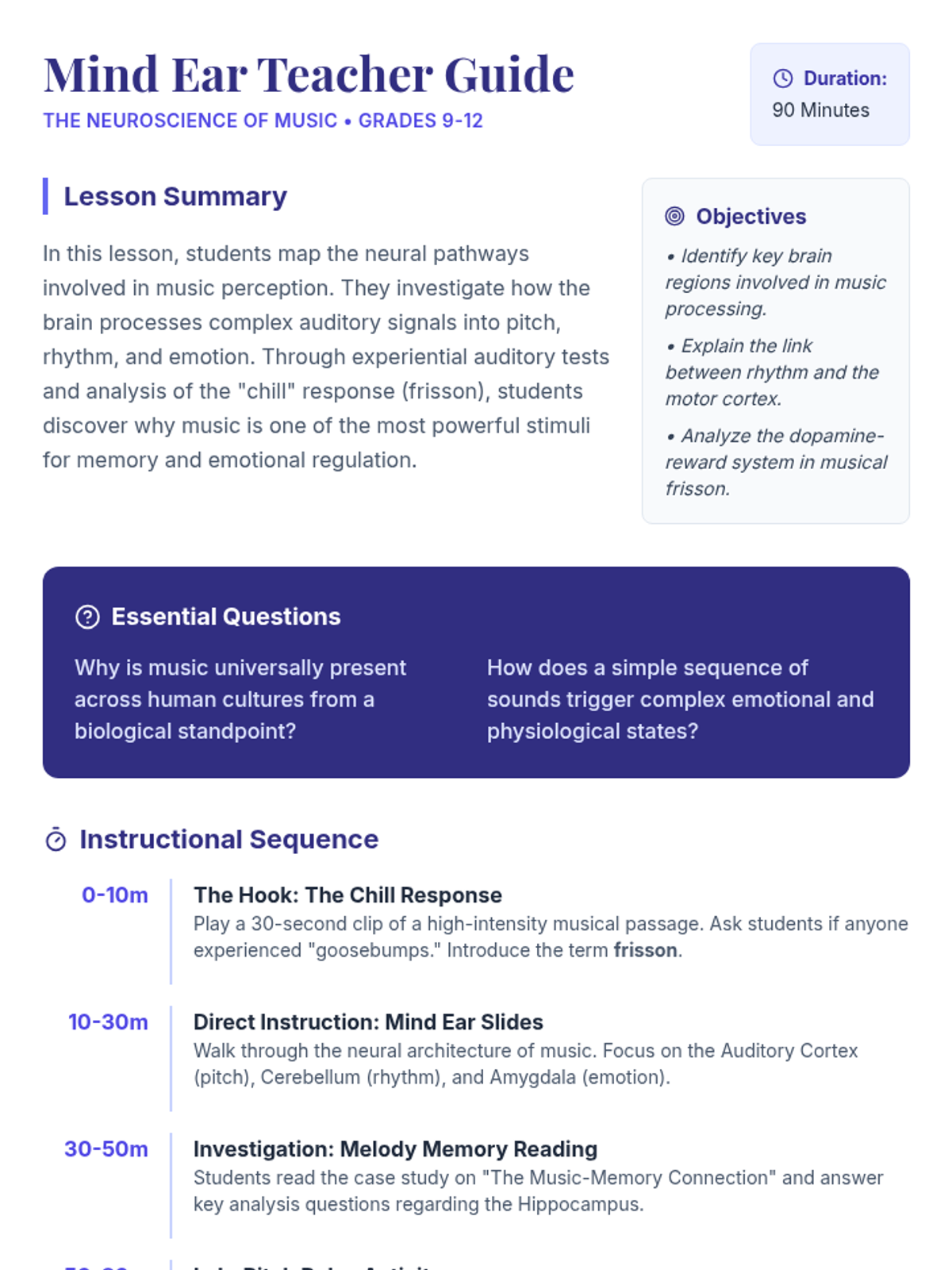
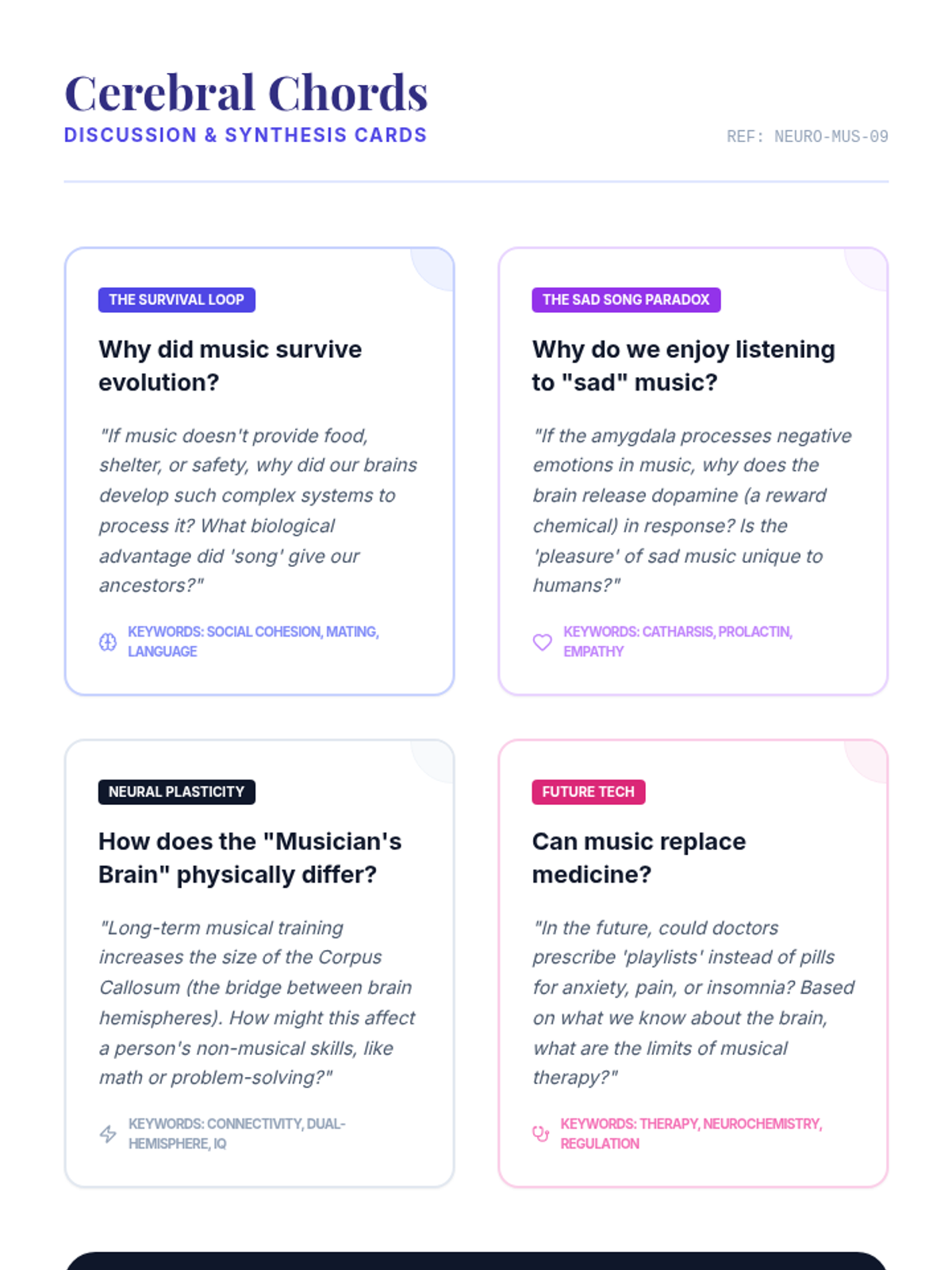
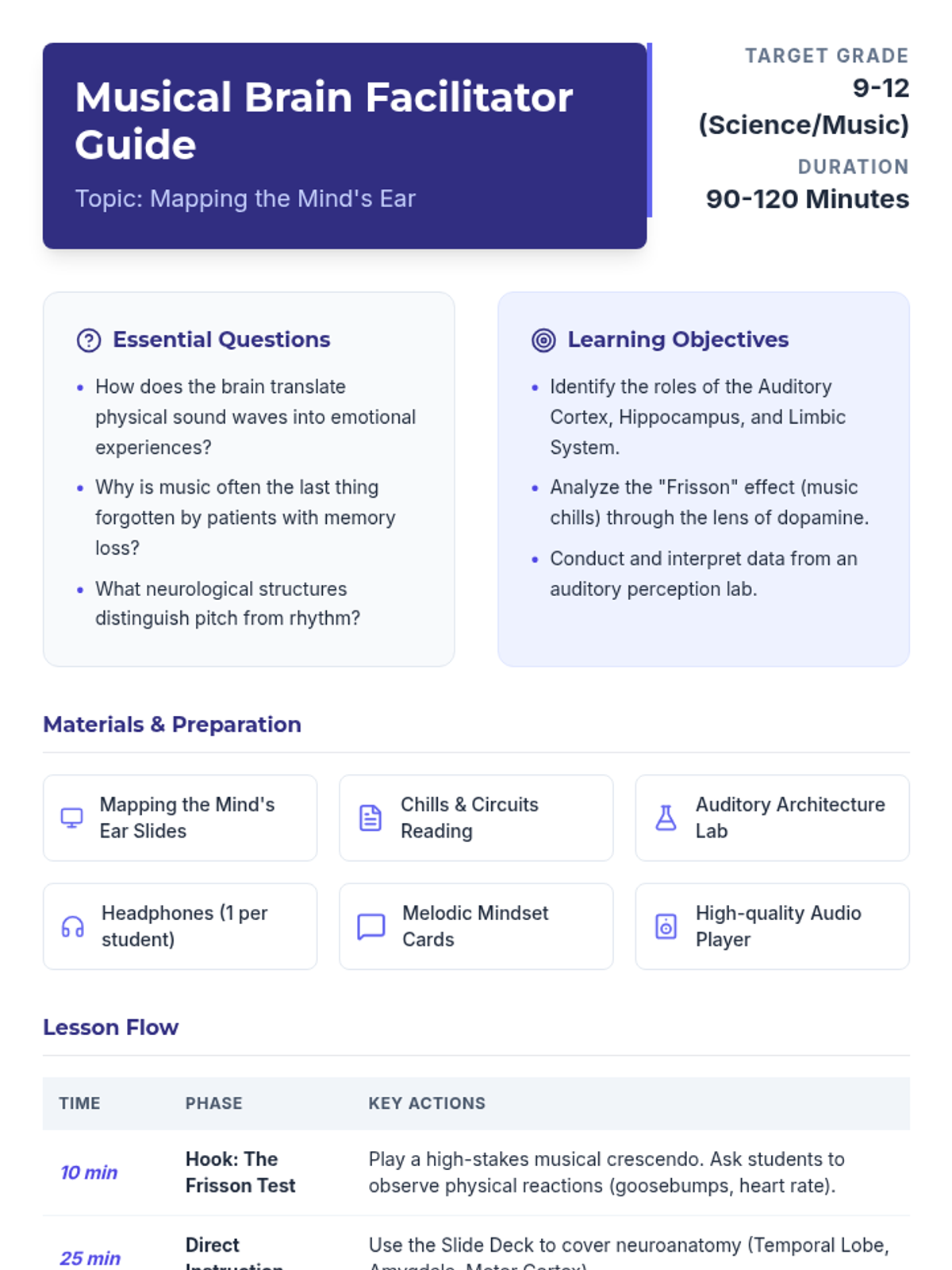
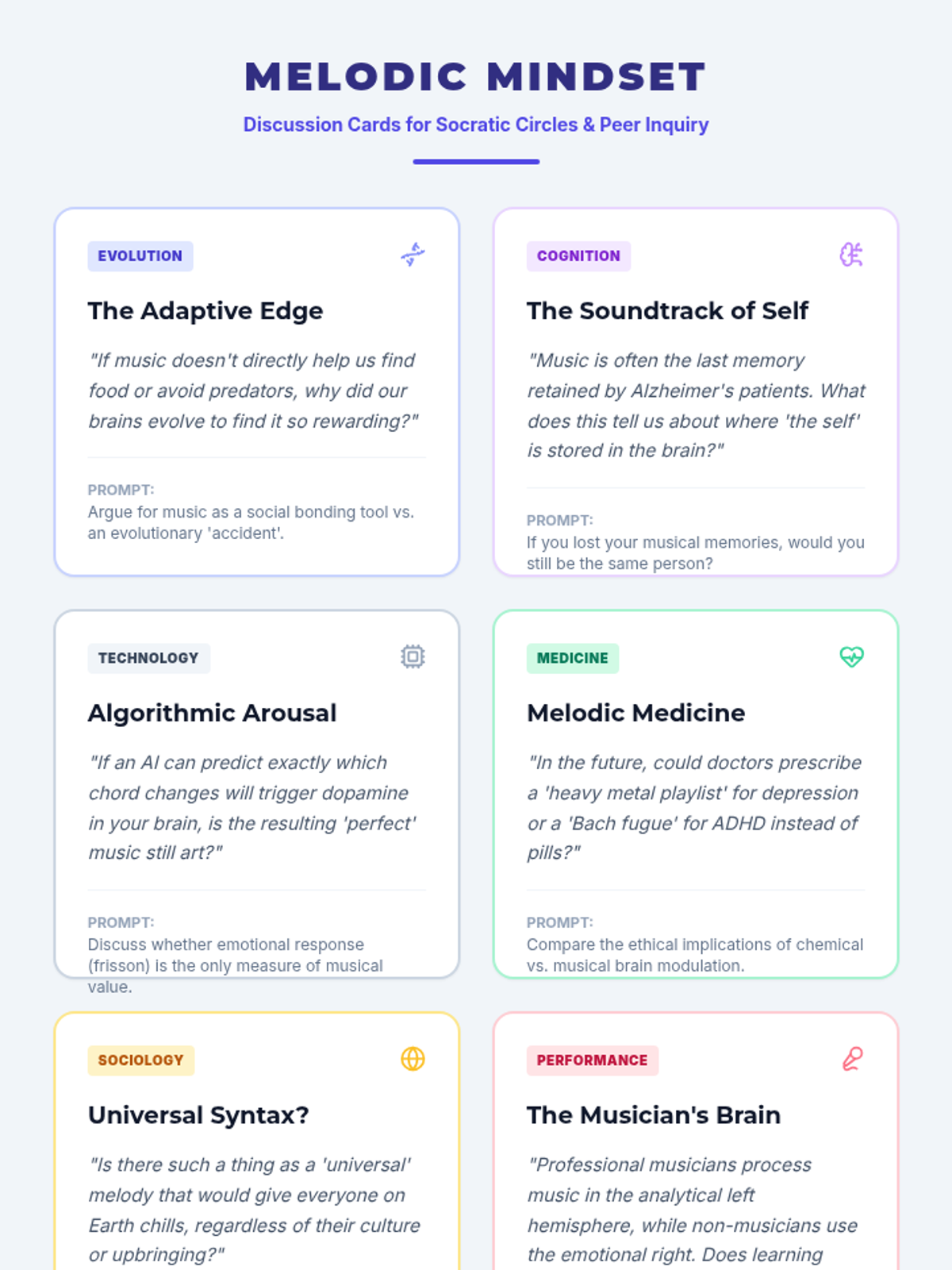
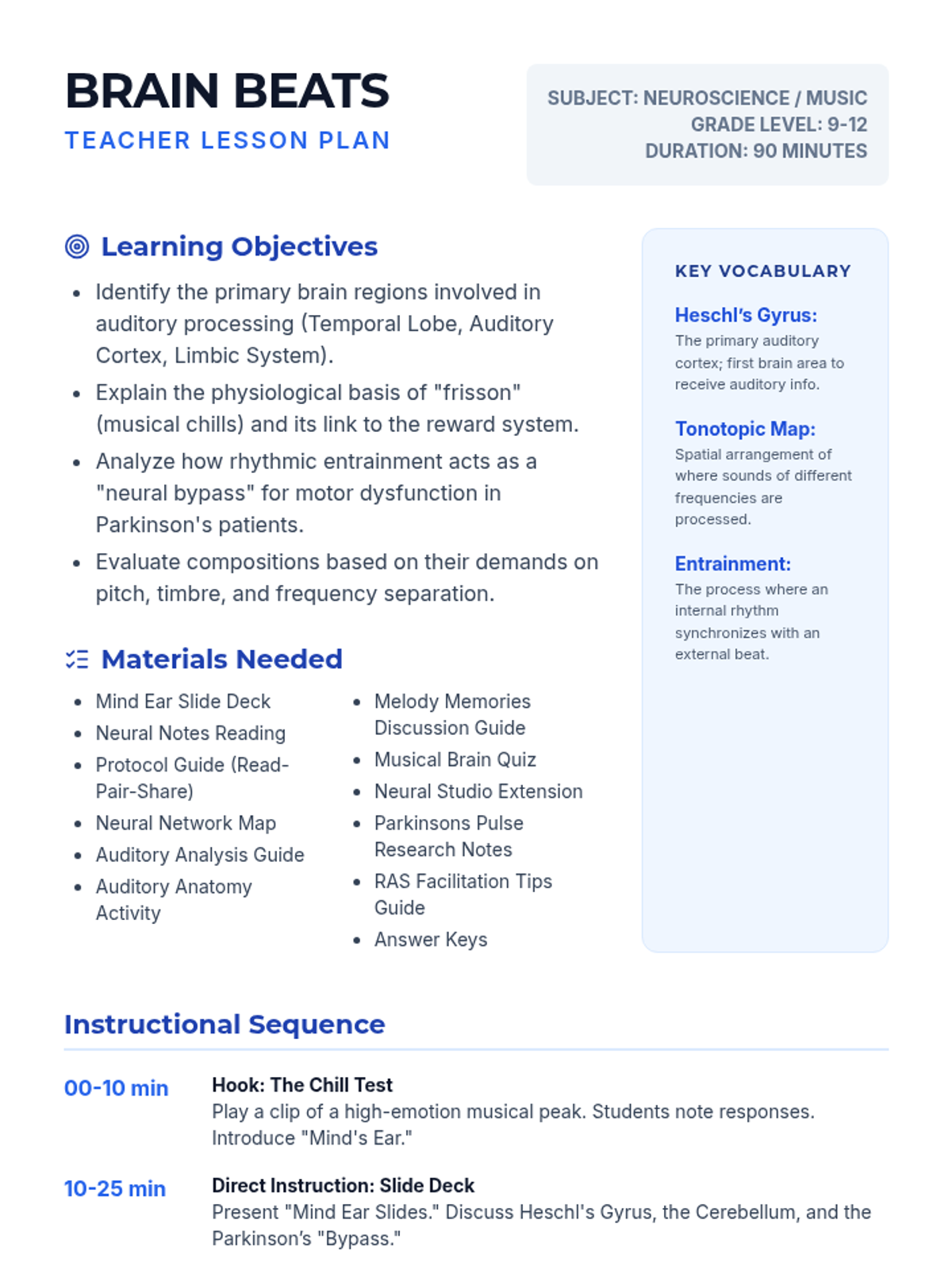
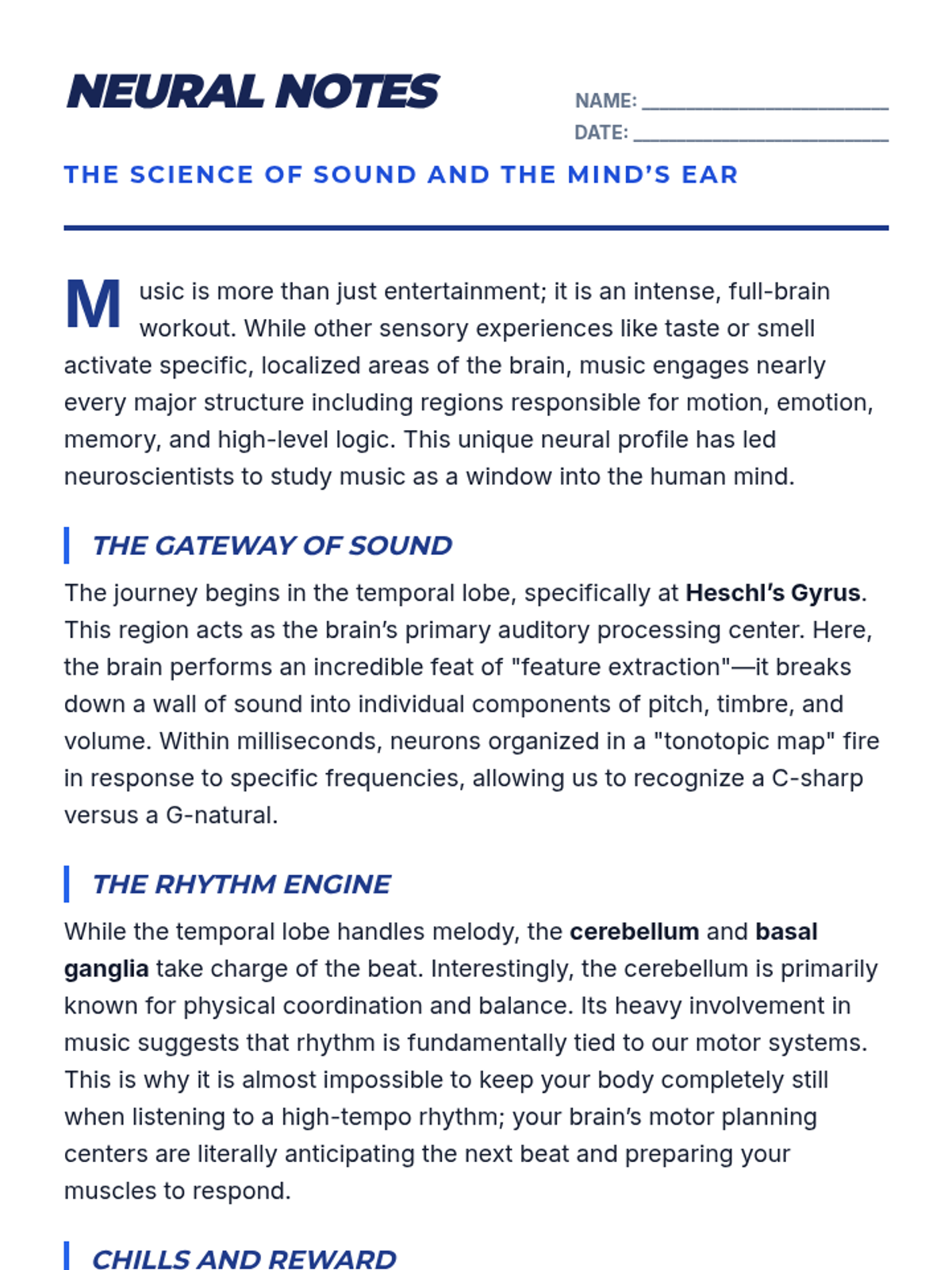
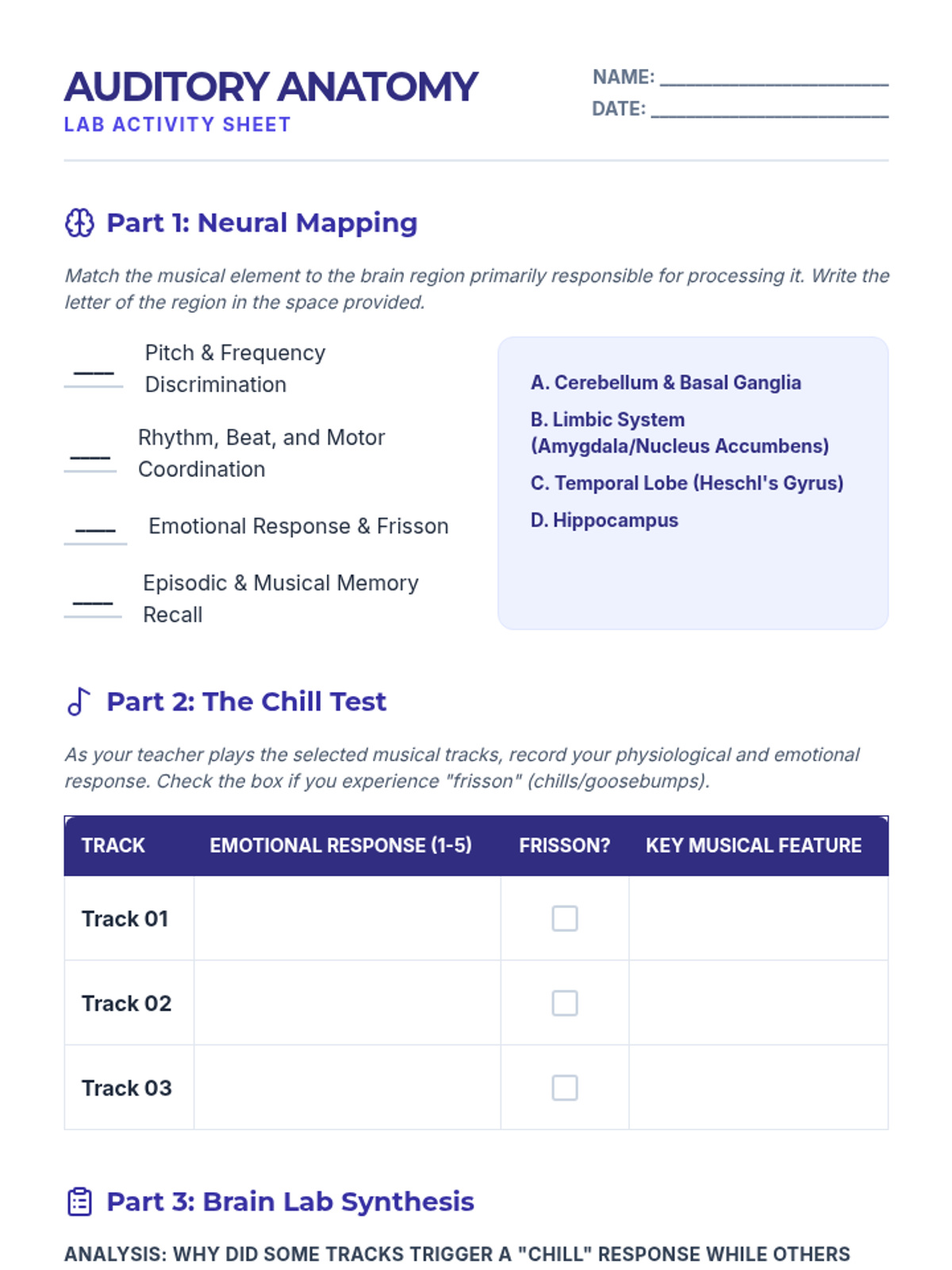
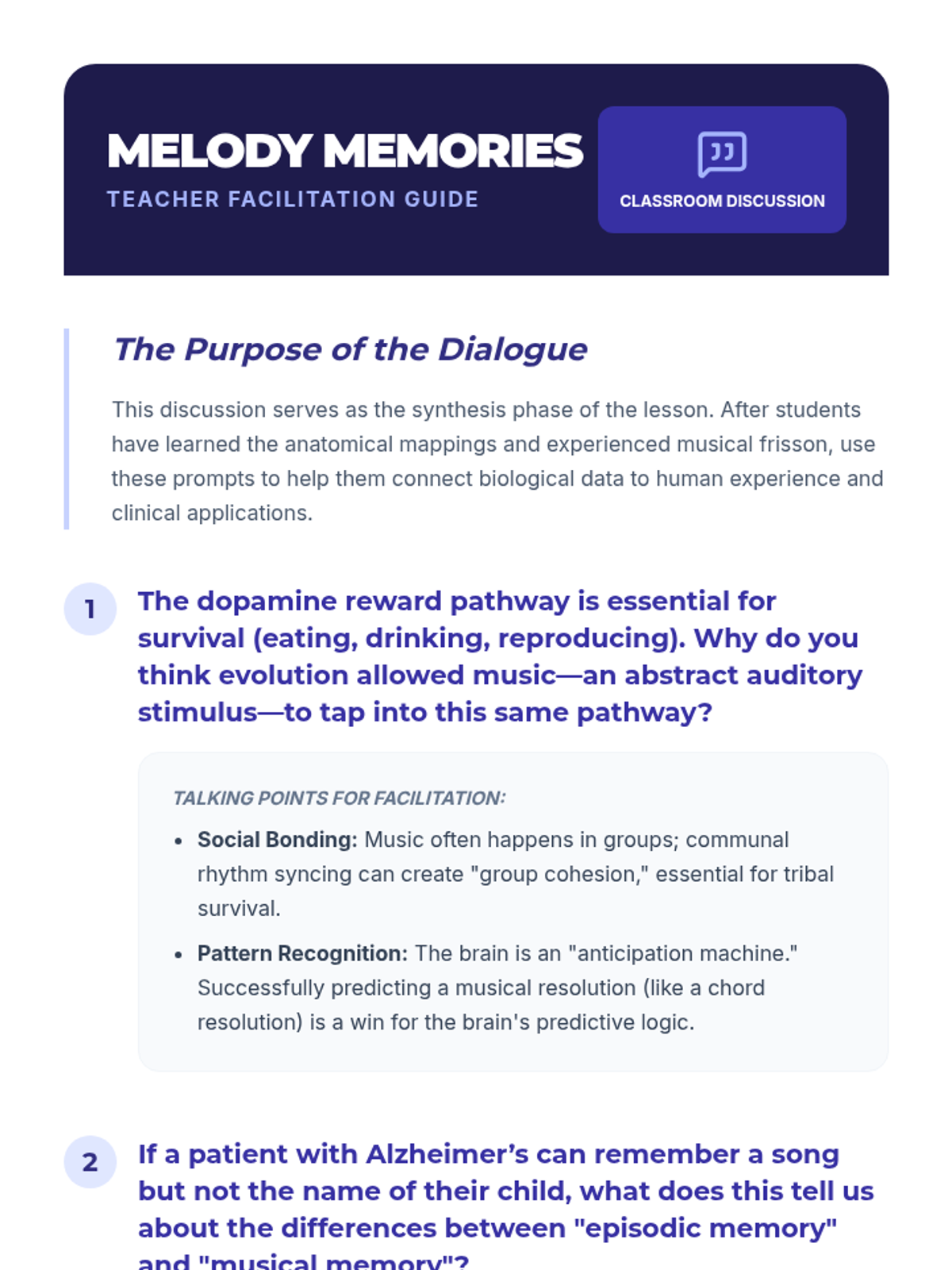
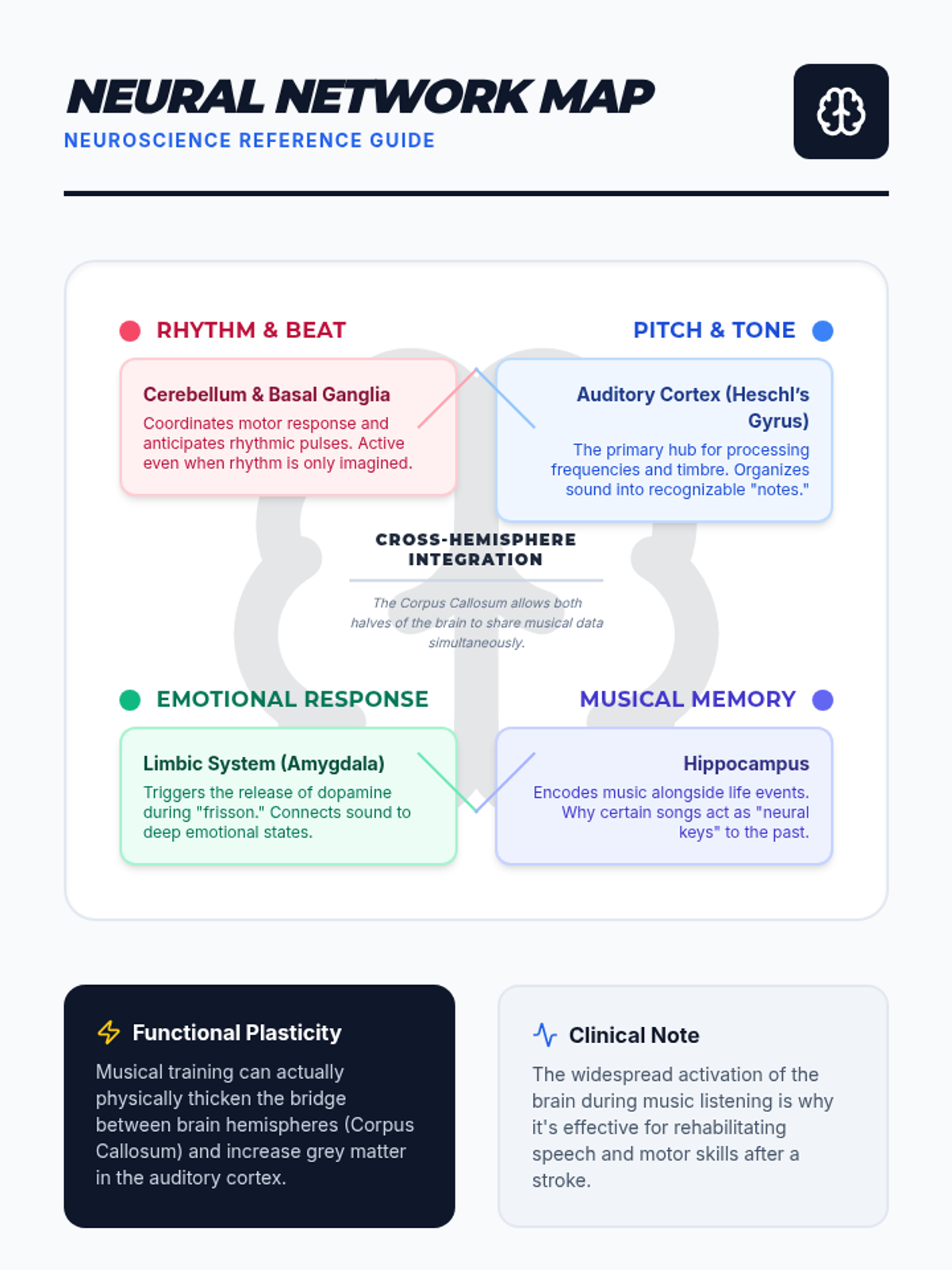
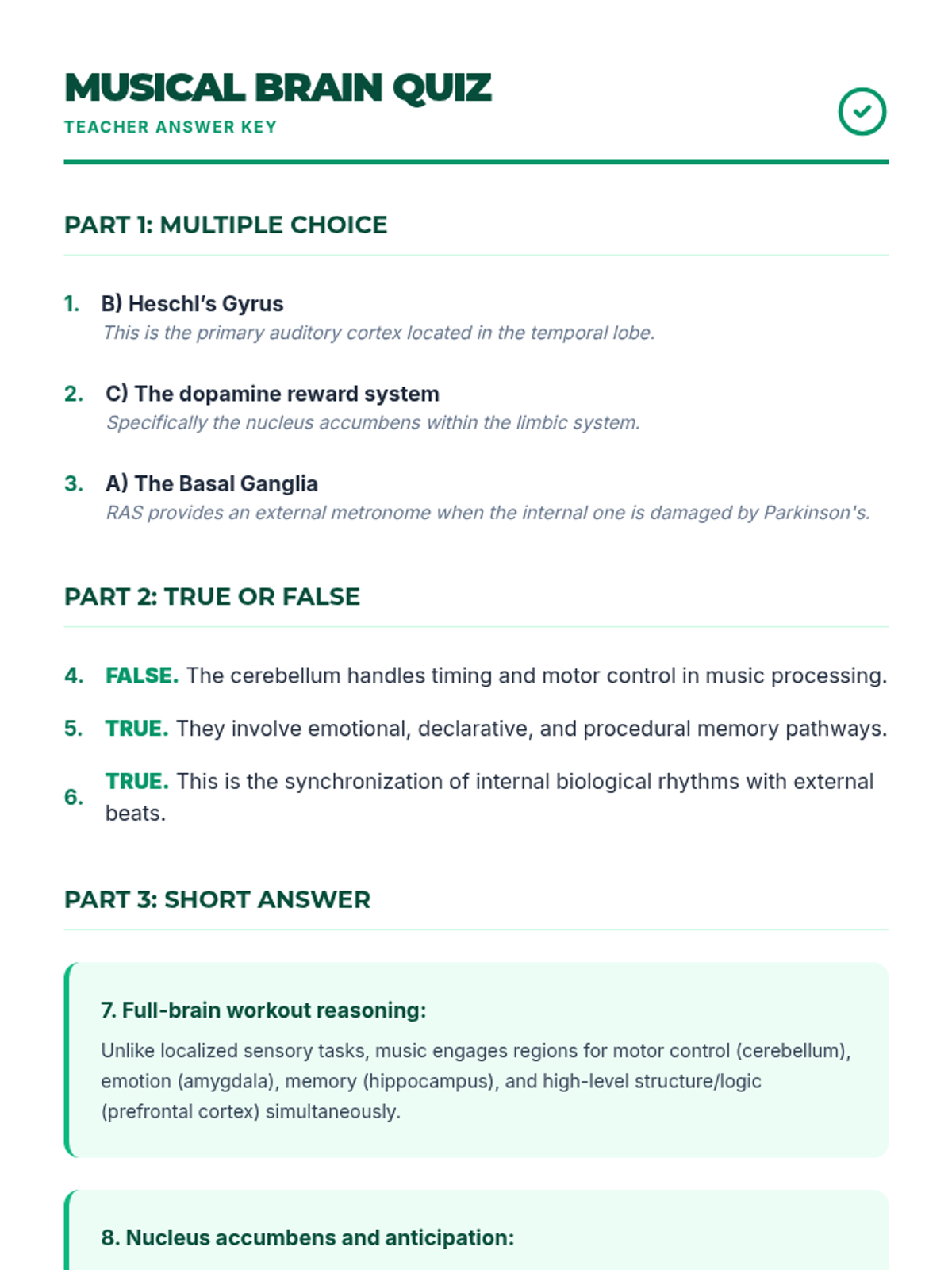
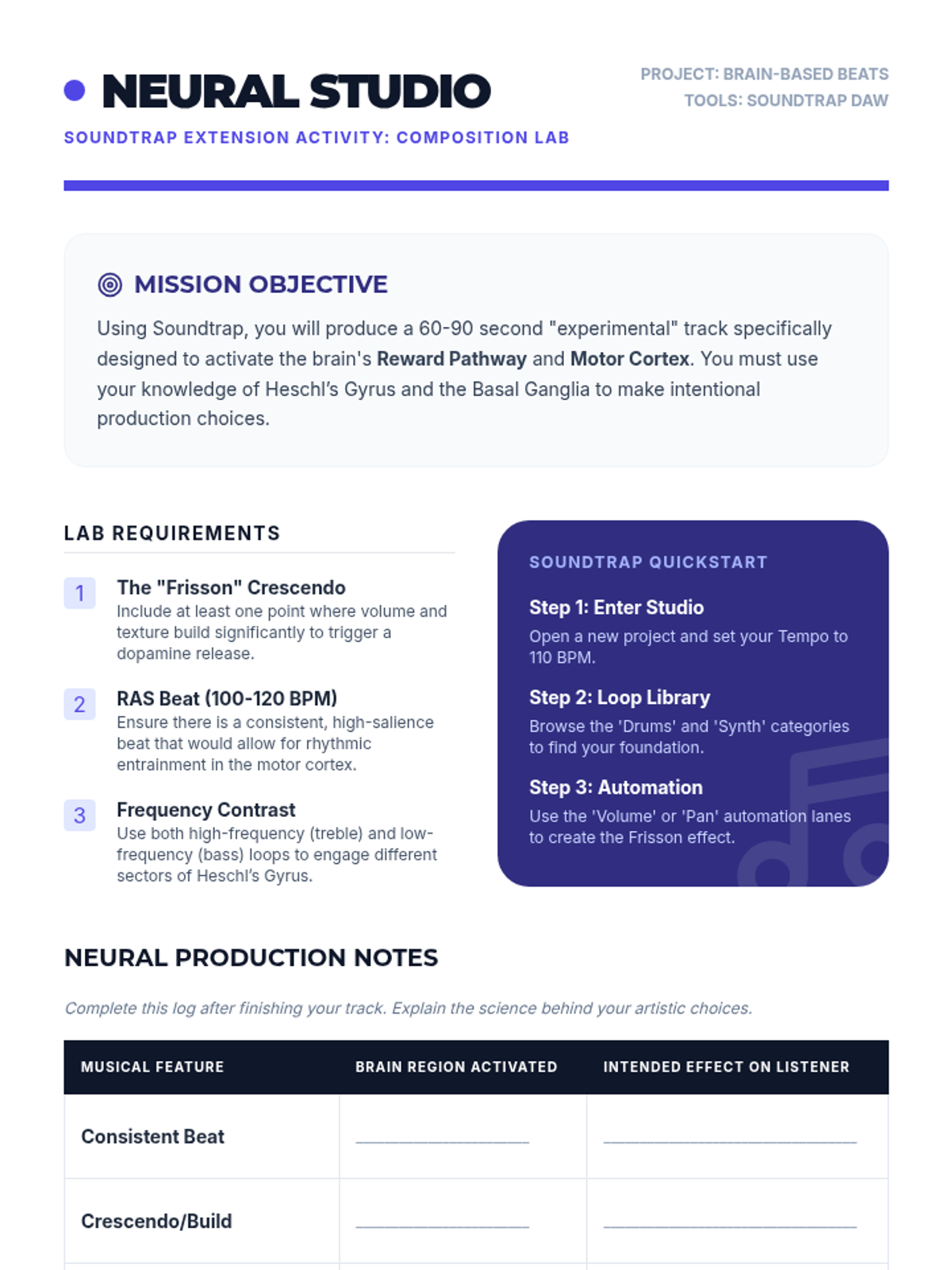
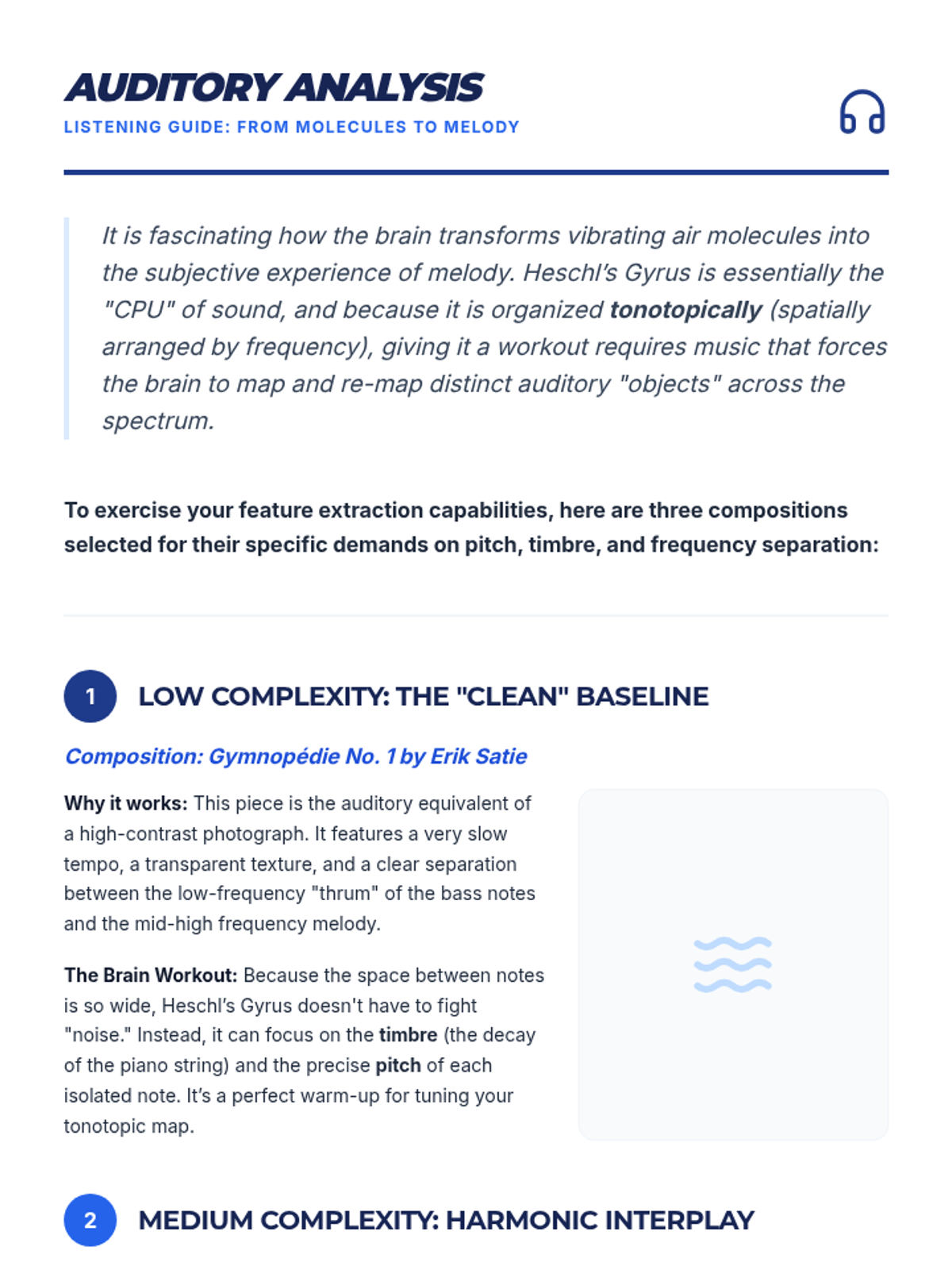
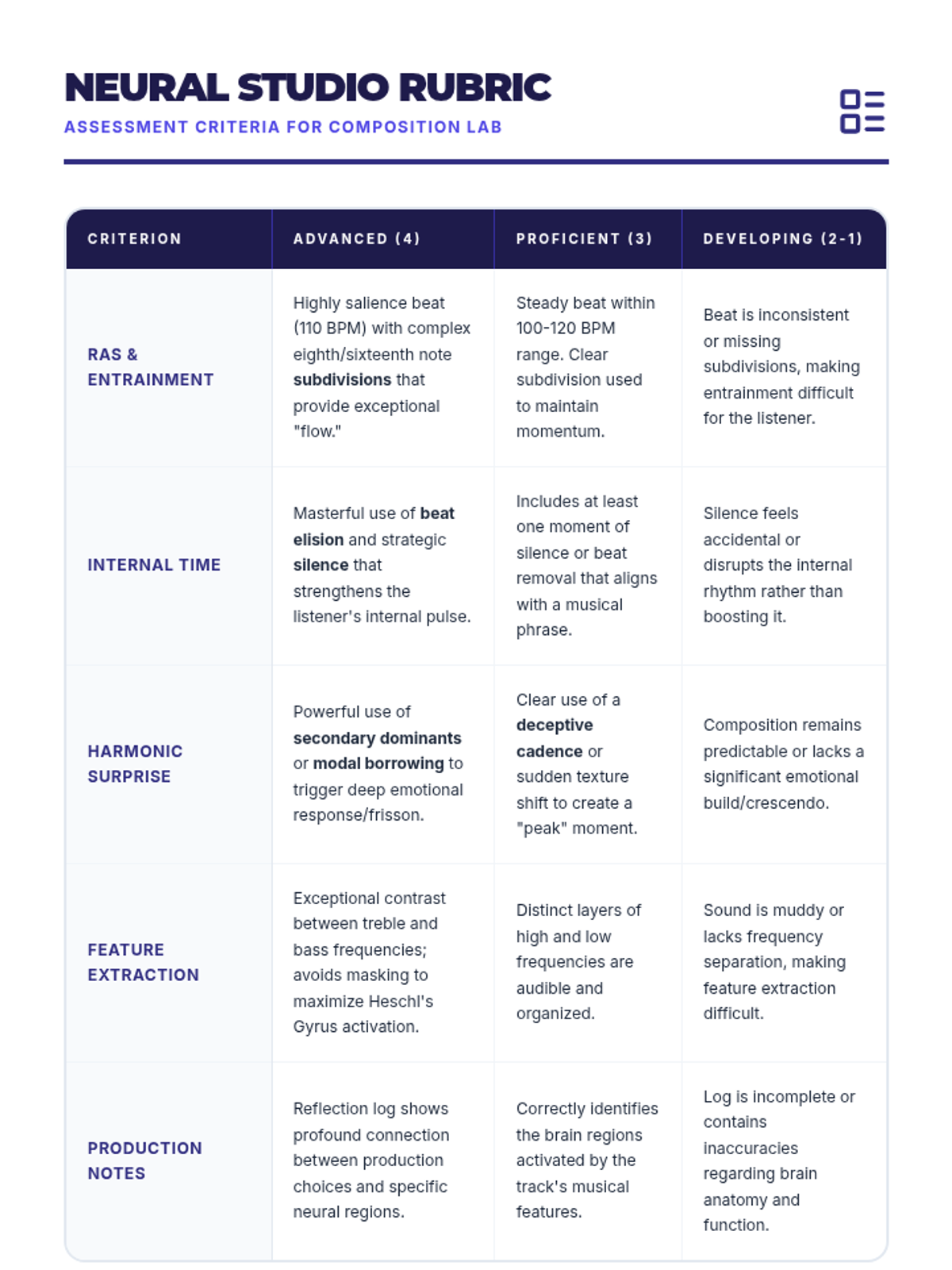
A high school lesson exploring the neuroscience of music, covering how the brain processes pitch, rhythm, and emotion while triggering memories and physical responses.
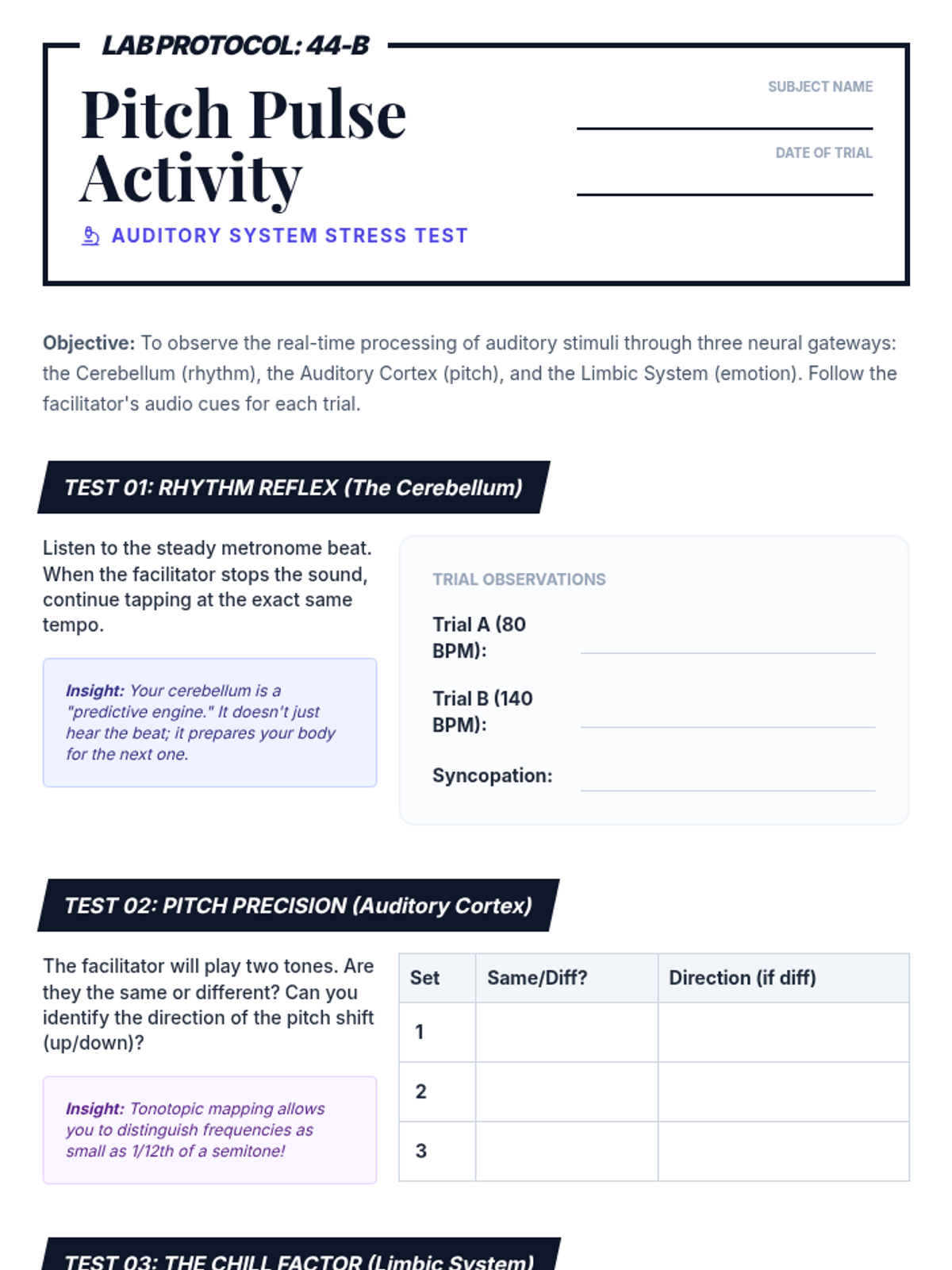
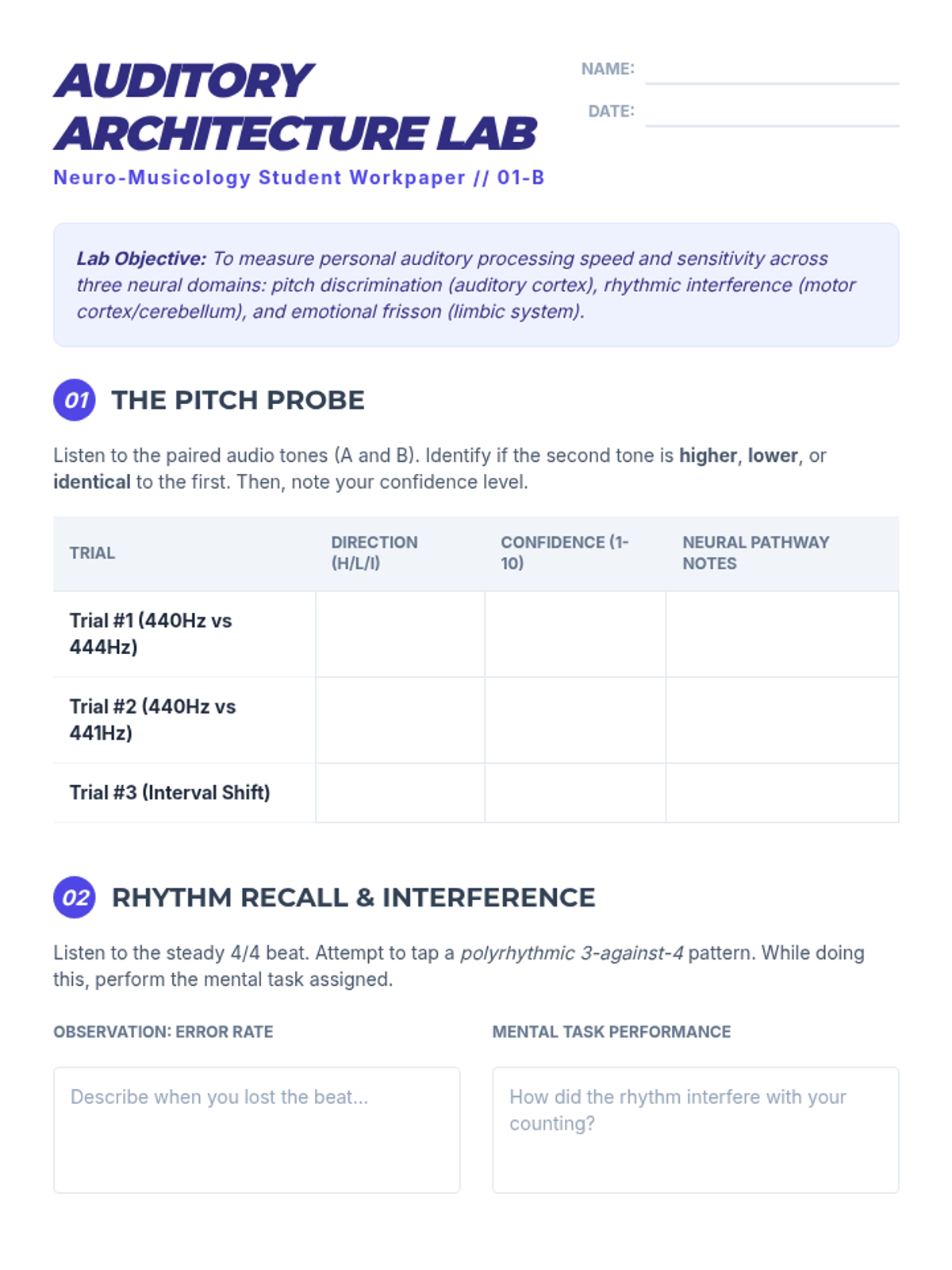
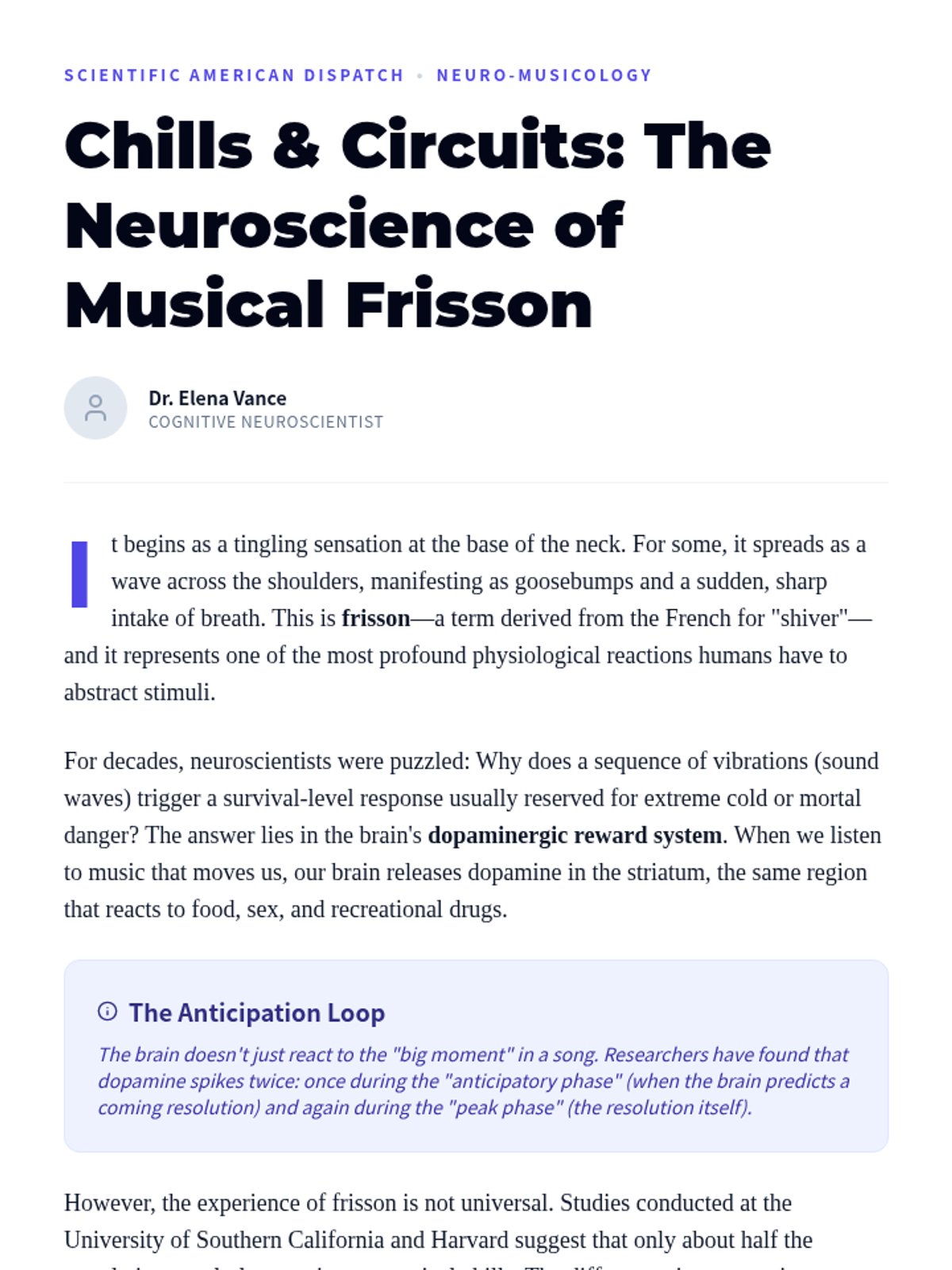
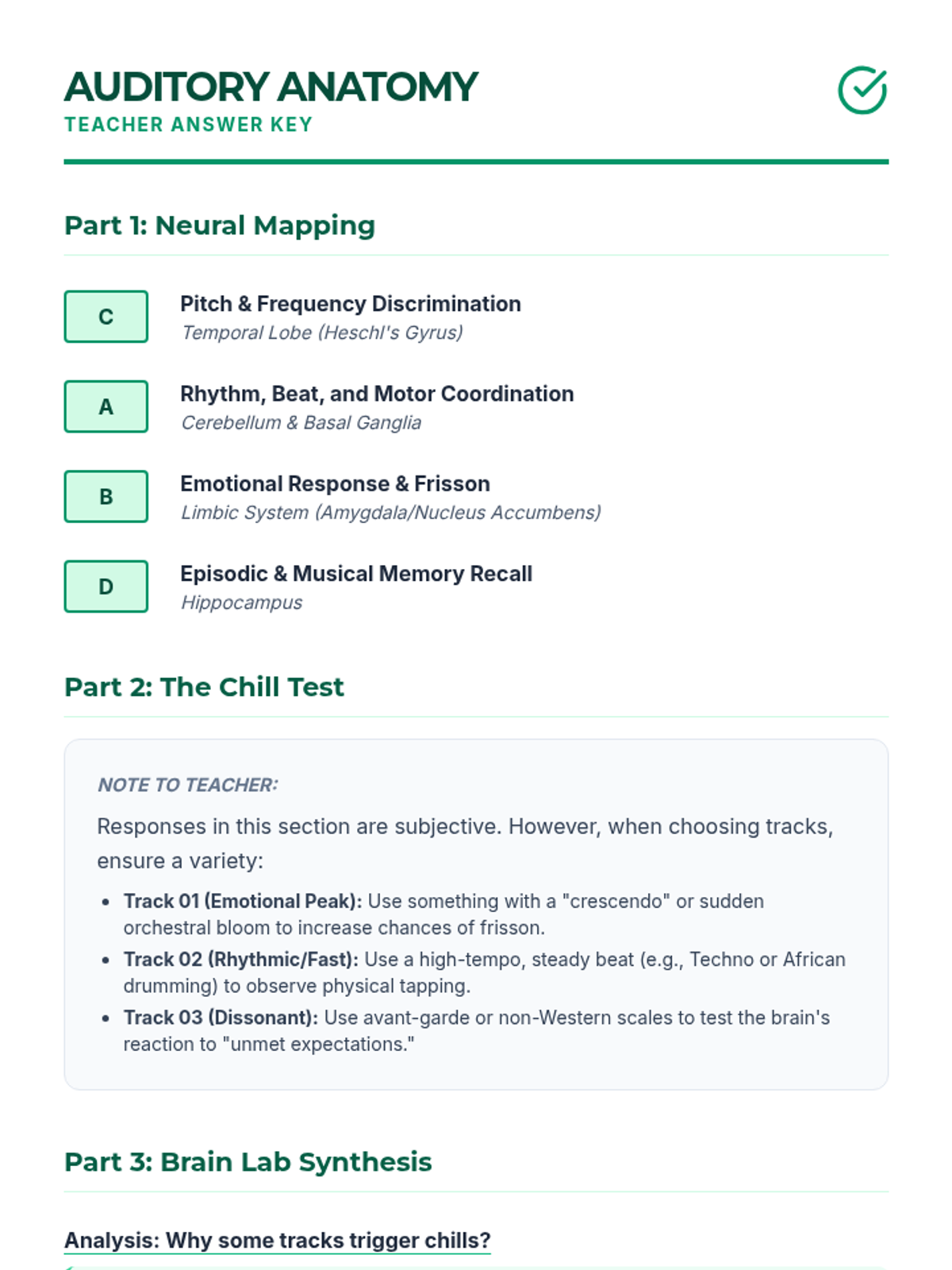
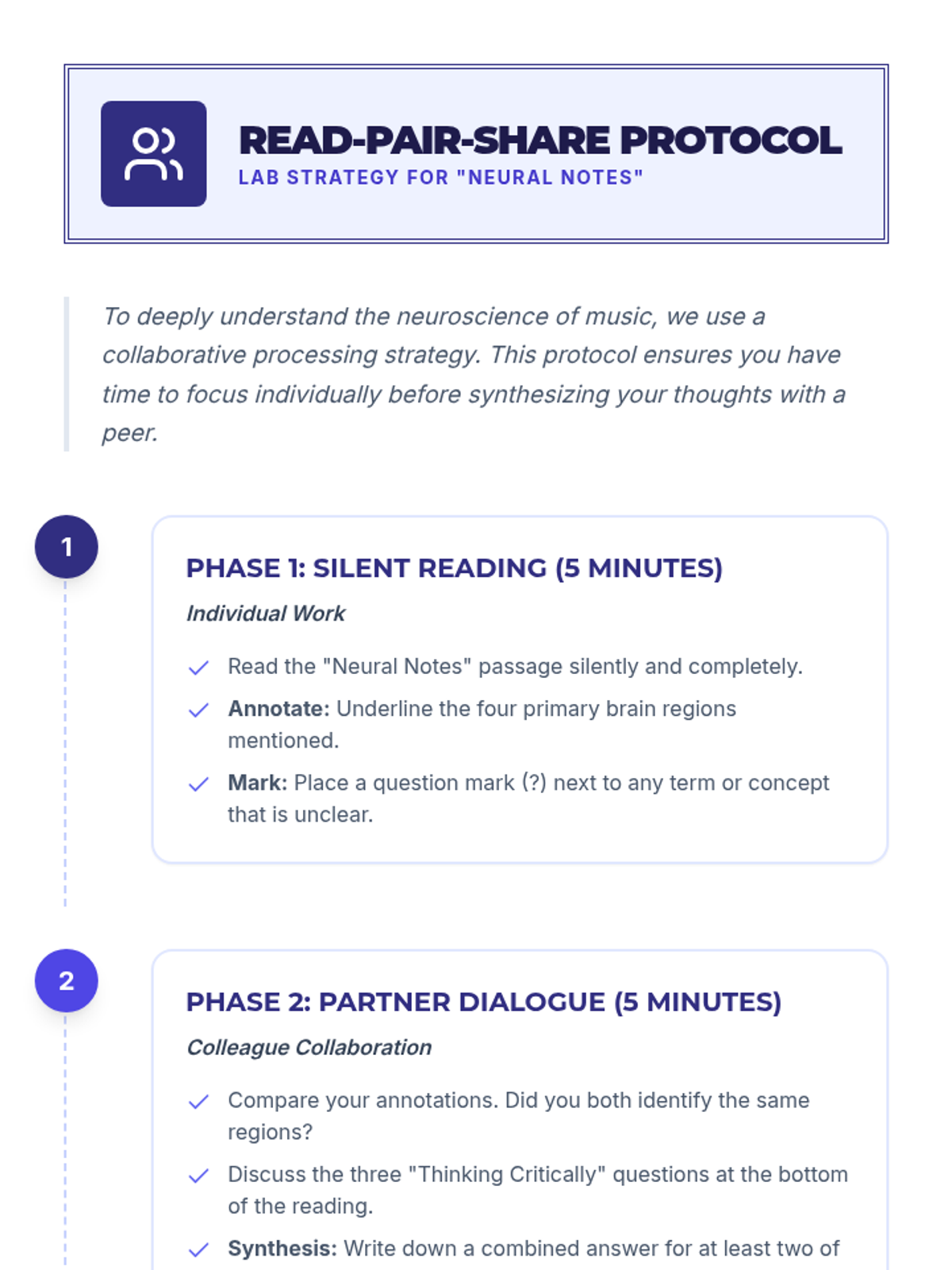
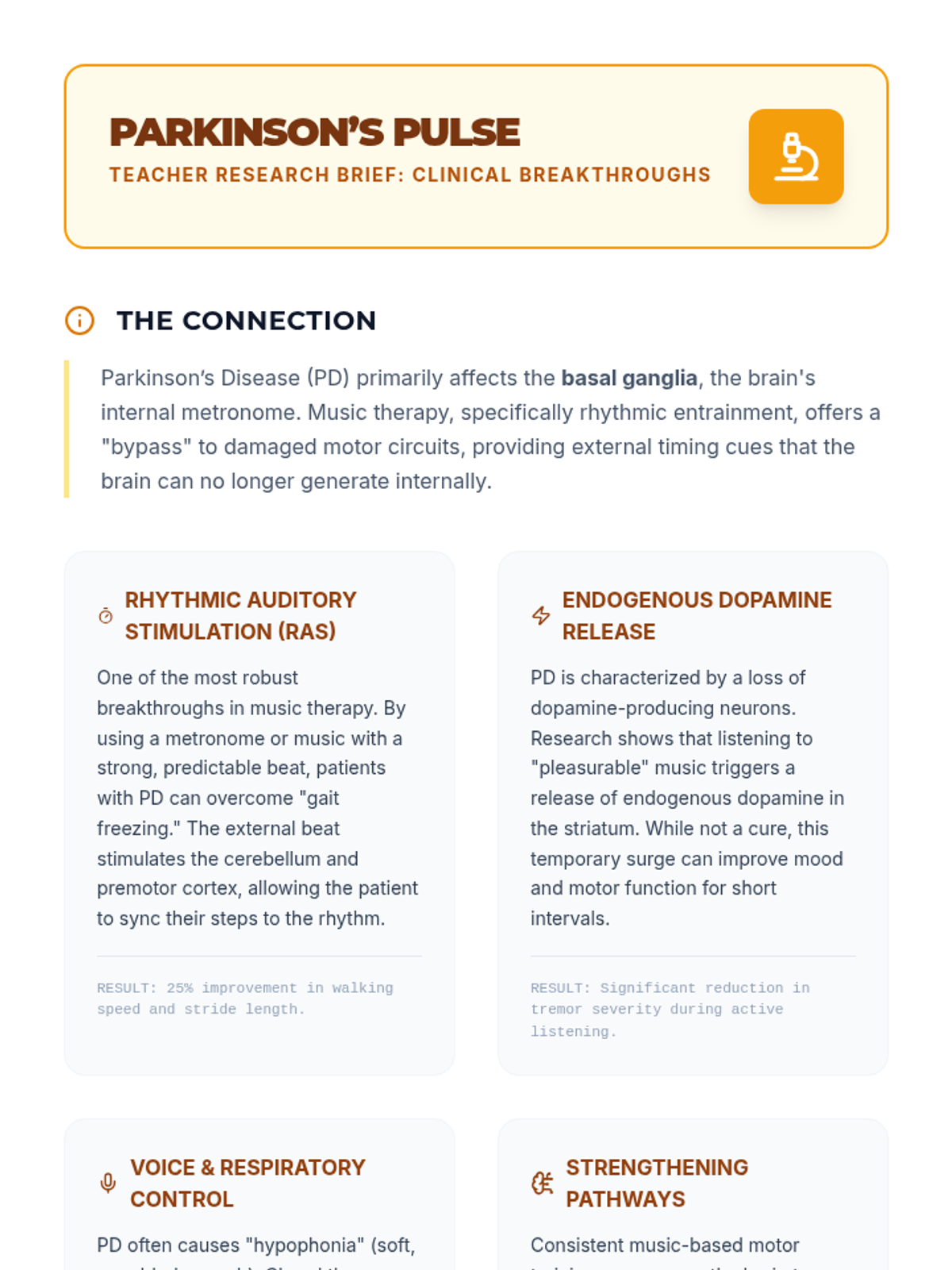
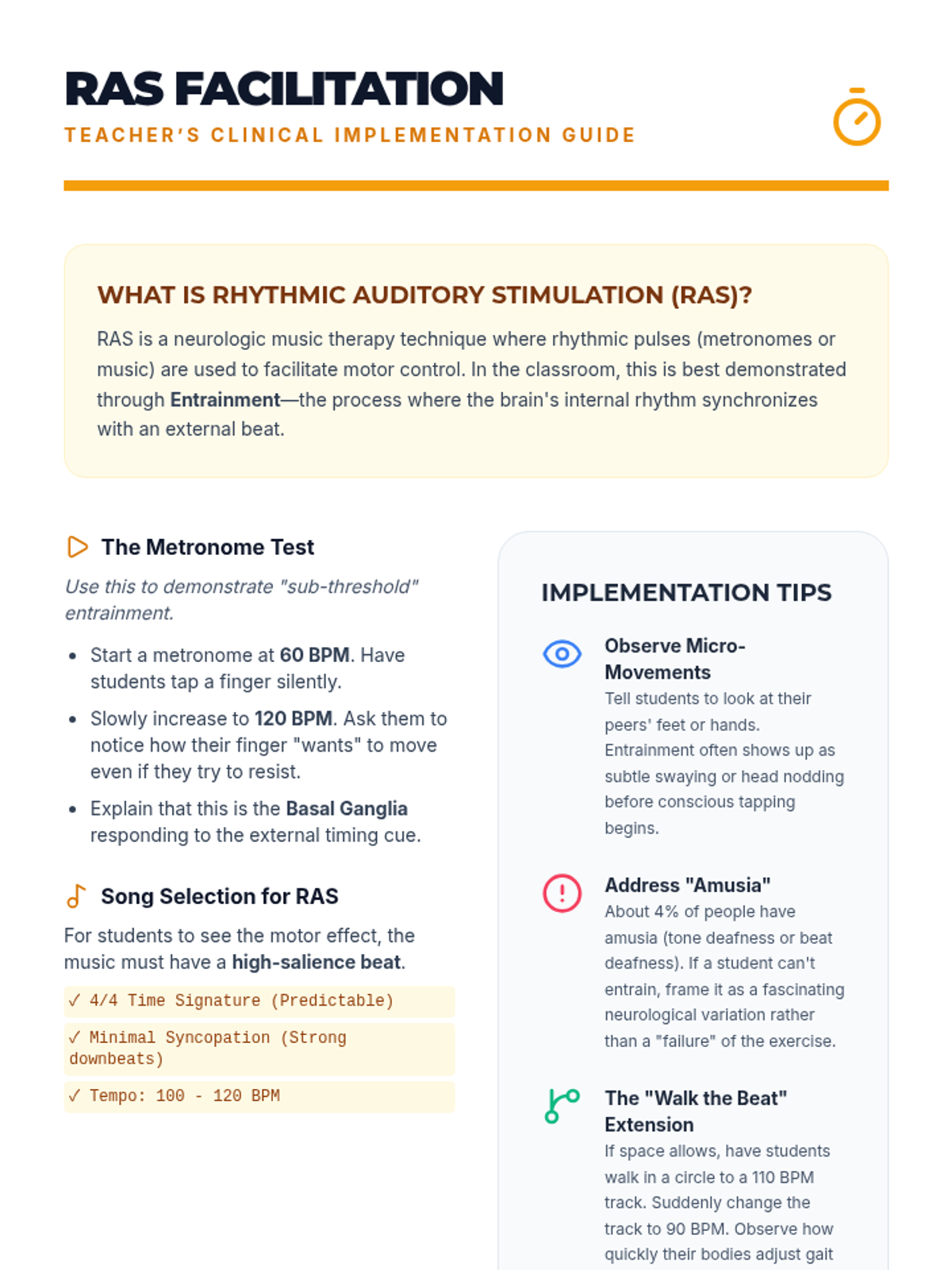
A high-school level exploration of how the human brain processes music, focusing on the neurological pathways for pitch, rhythm, and the emotional responses that trigger memory and physiological sensations like 'chills'. Students engage in scientific analysis and auditory testing to map the mind's ear.
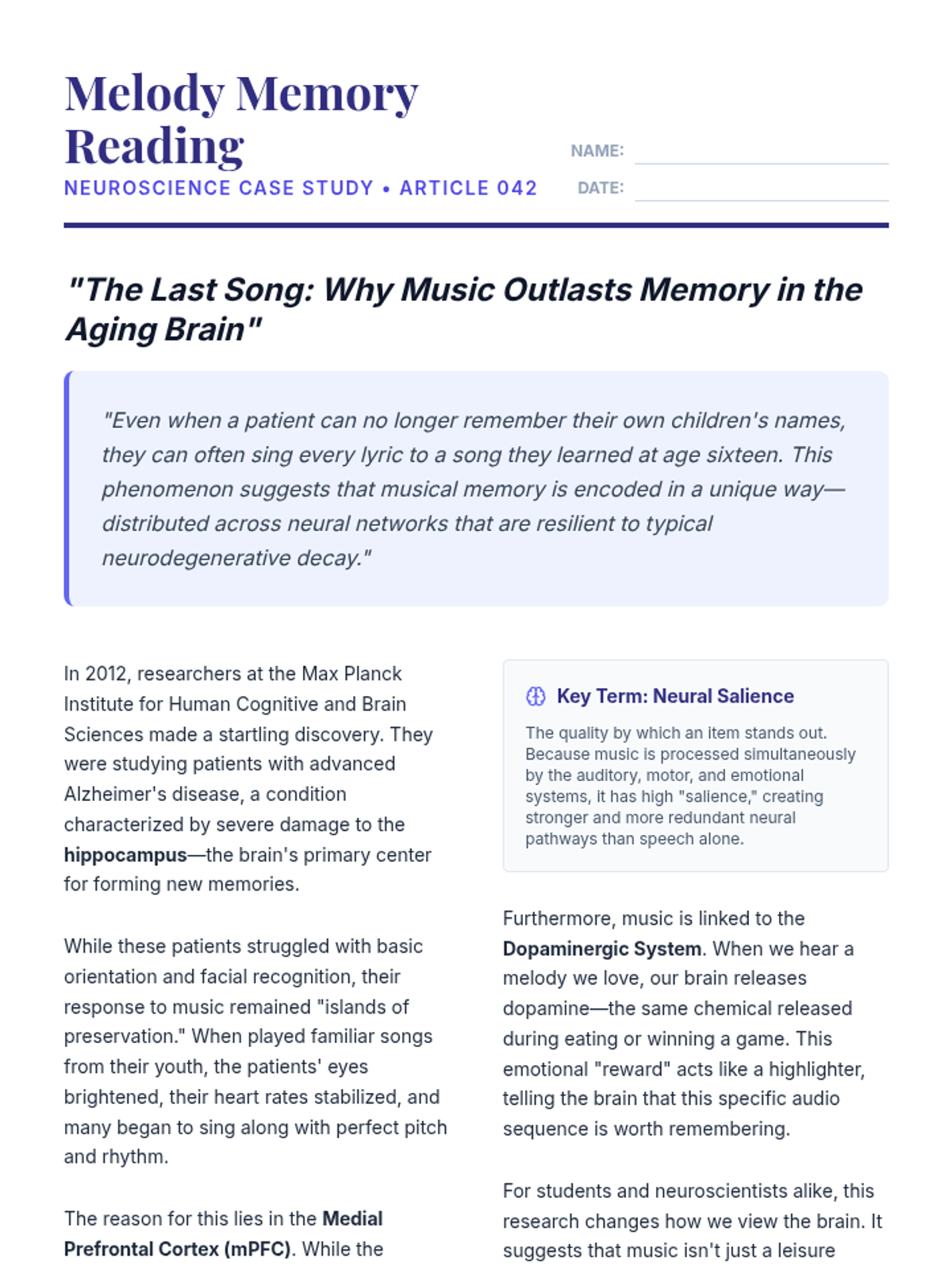
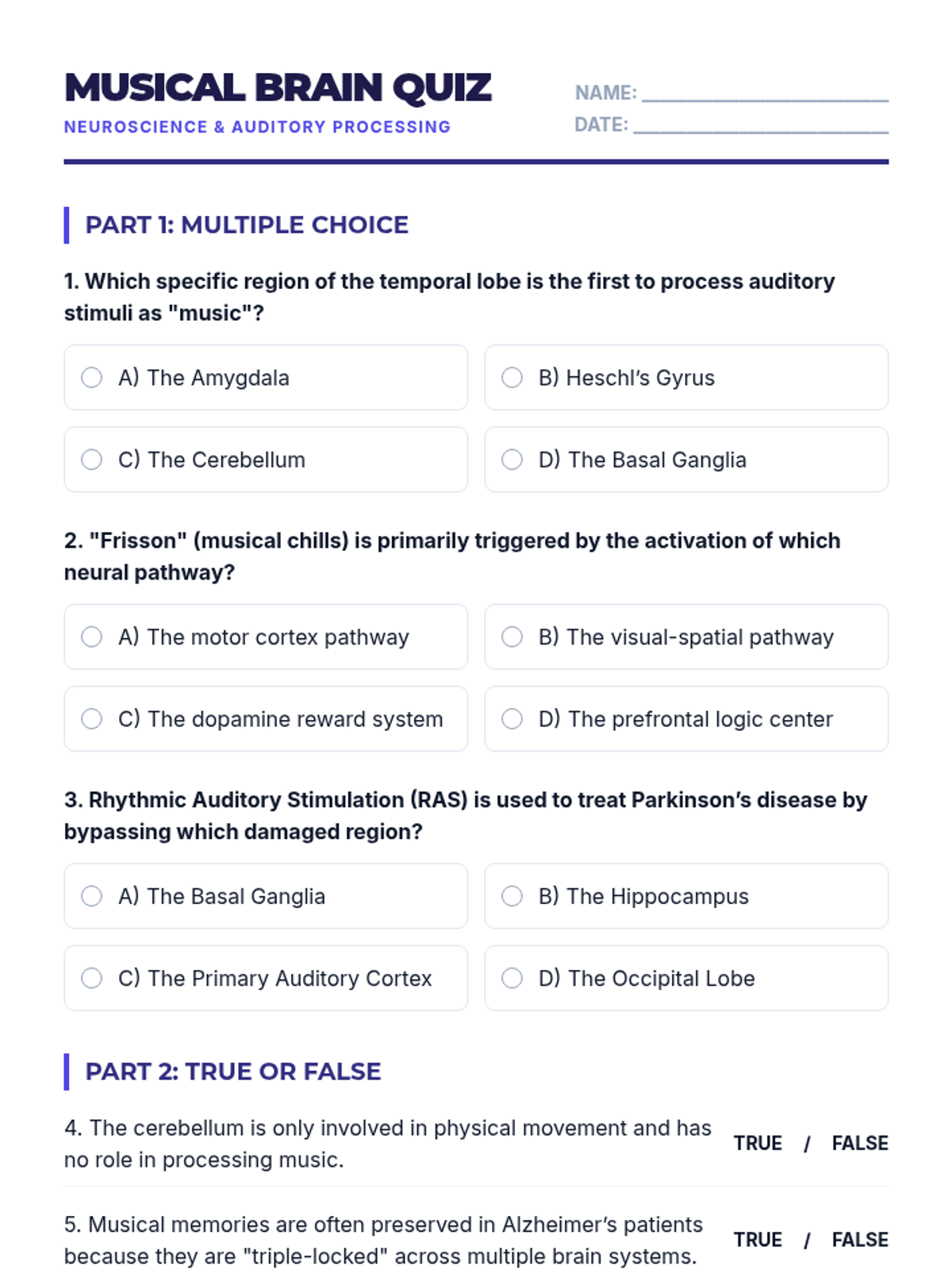
A high school lesson exploring the neuroscience of music, investigating how the brain processes auditory stimuli, triggers emotions, and encodes memories through melodies.
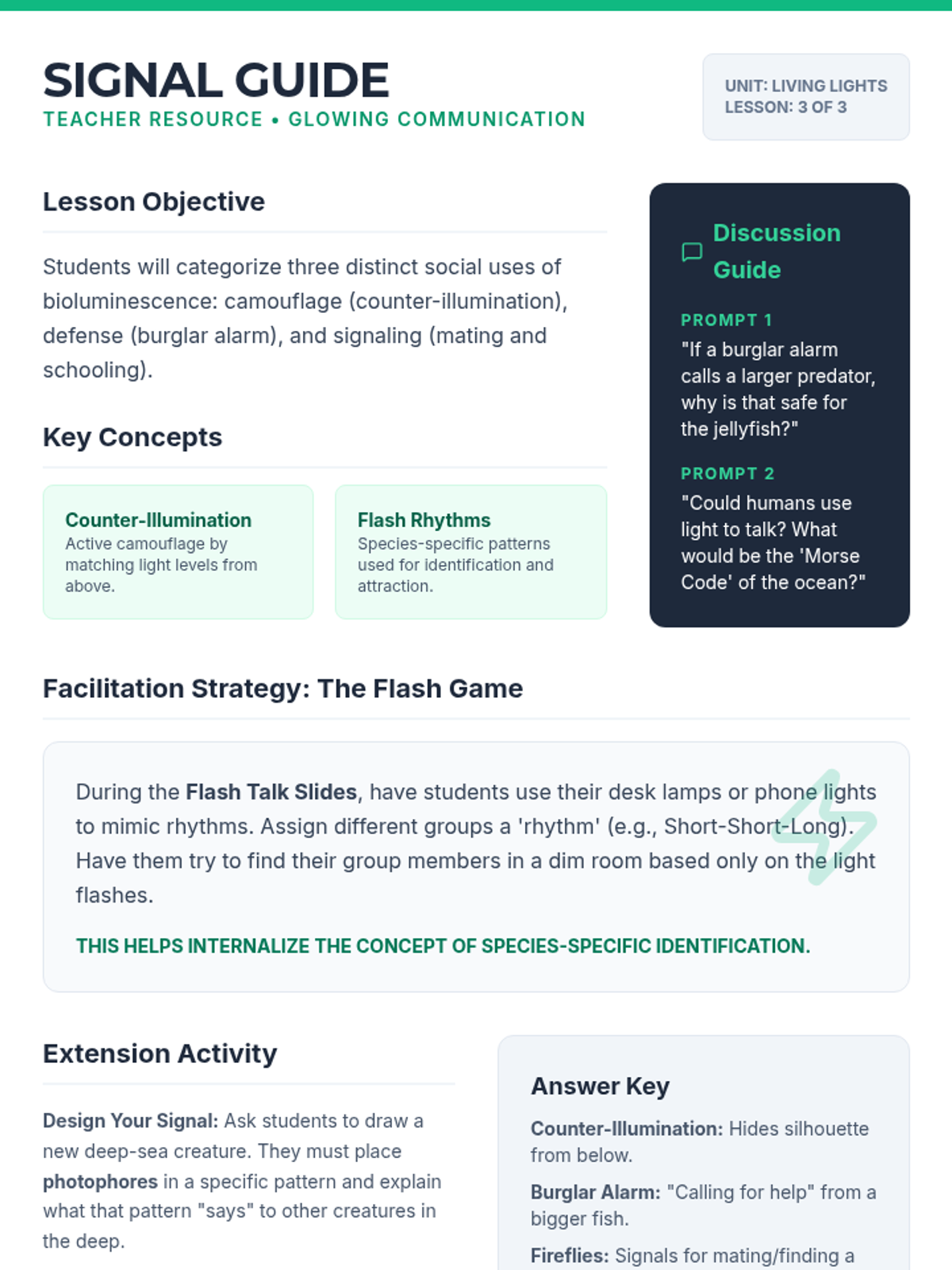
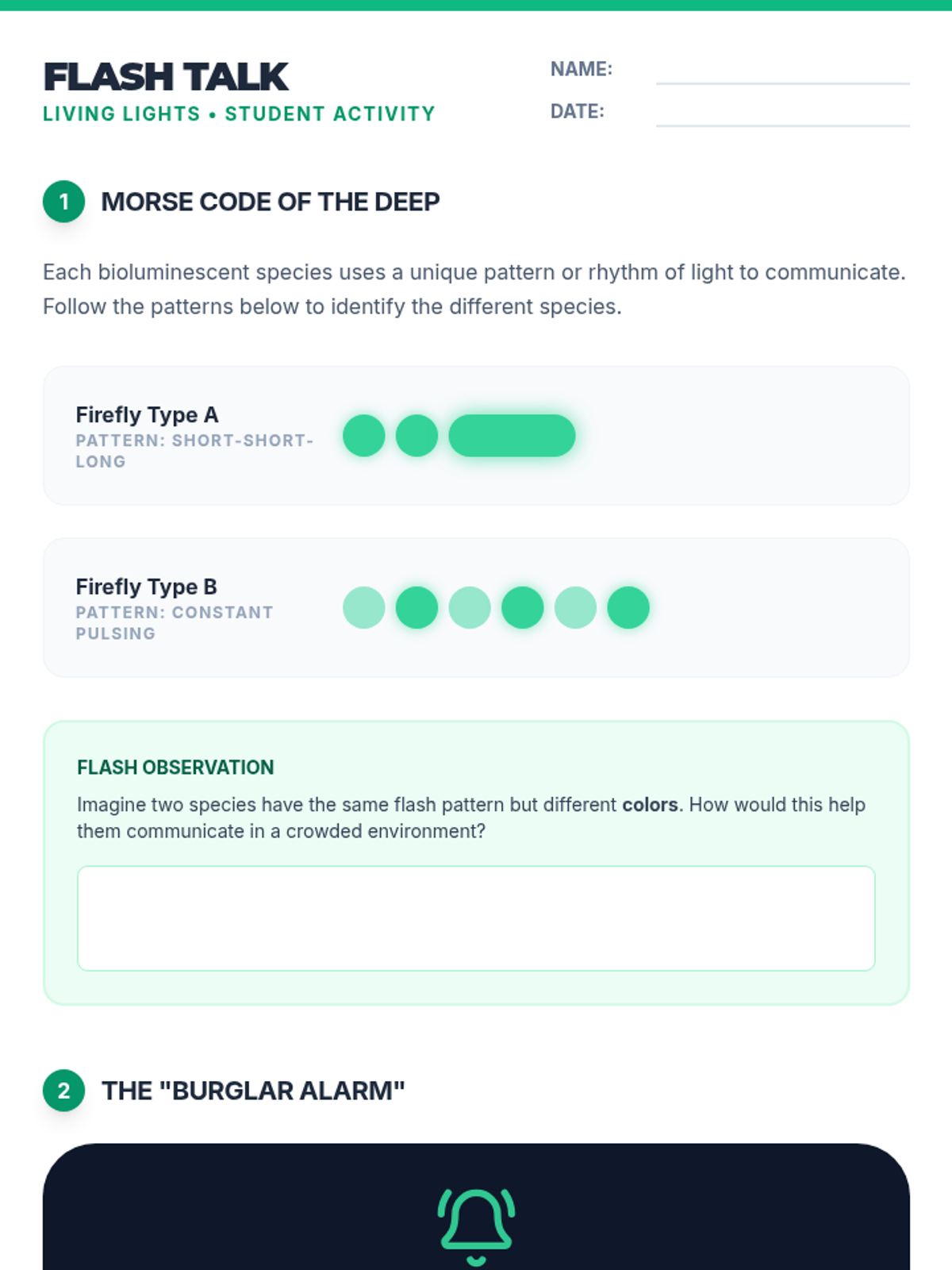
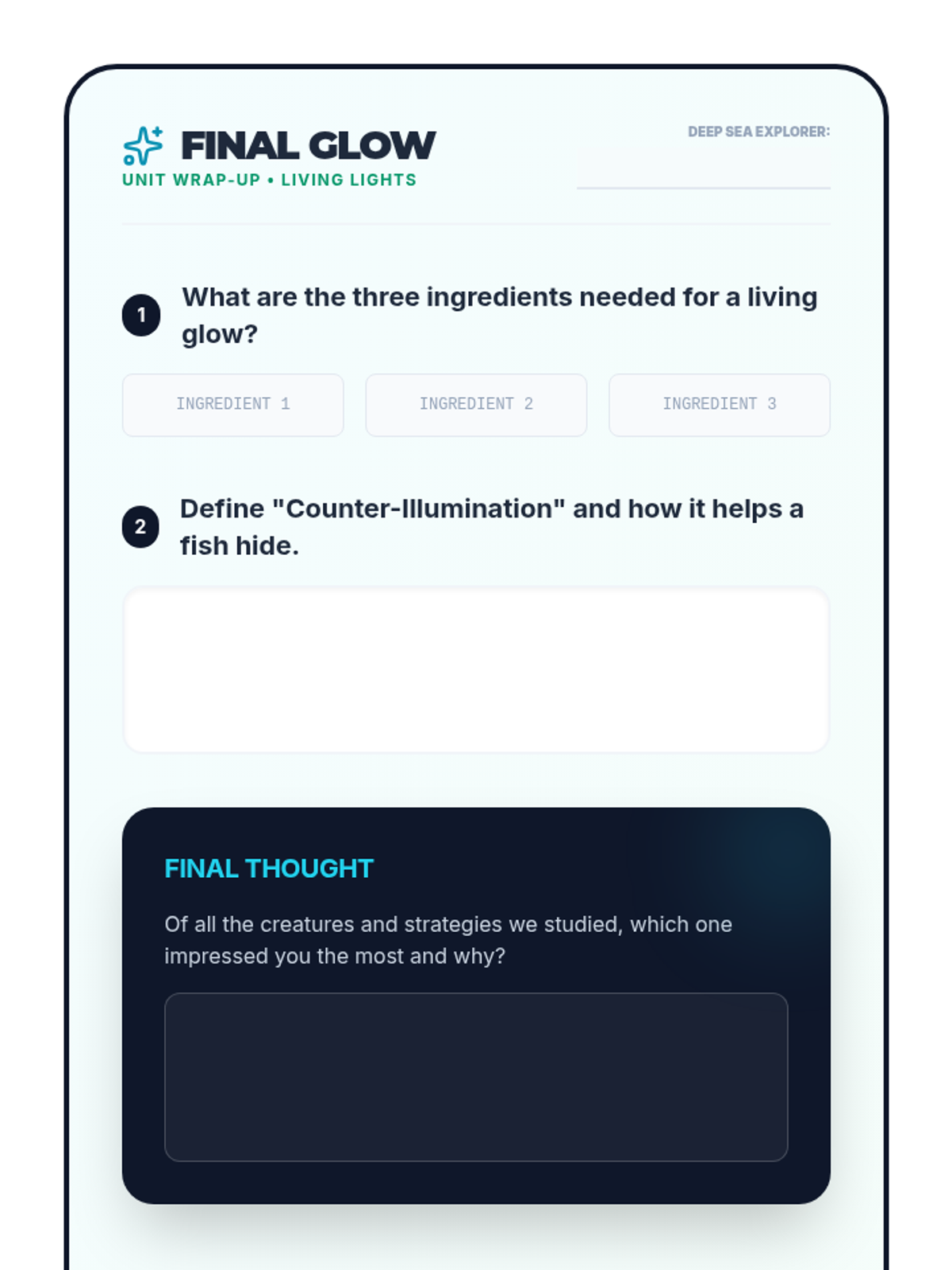
How and why organisms use light for social interactions, communication, and complex behaviors. Students explore strategies like counter-illumination and burglar alarms.
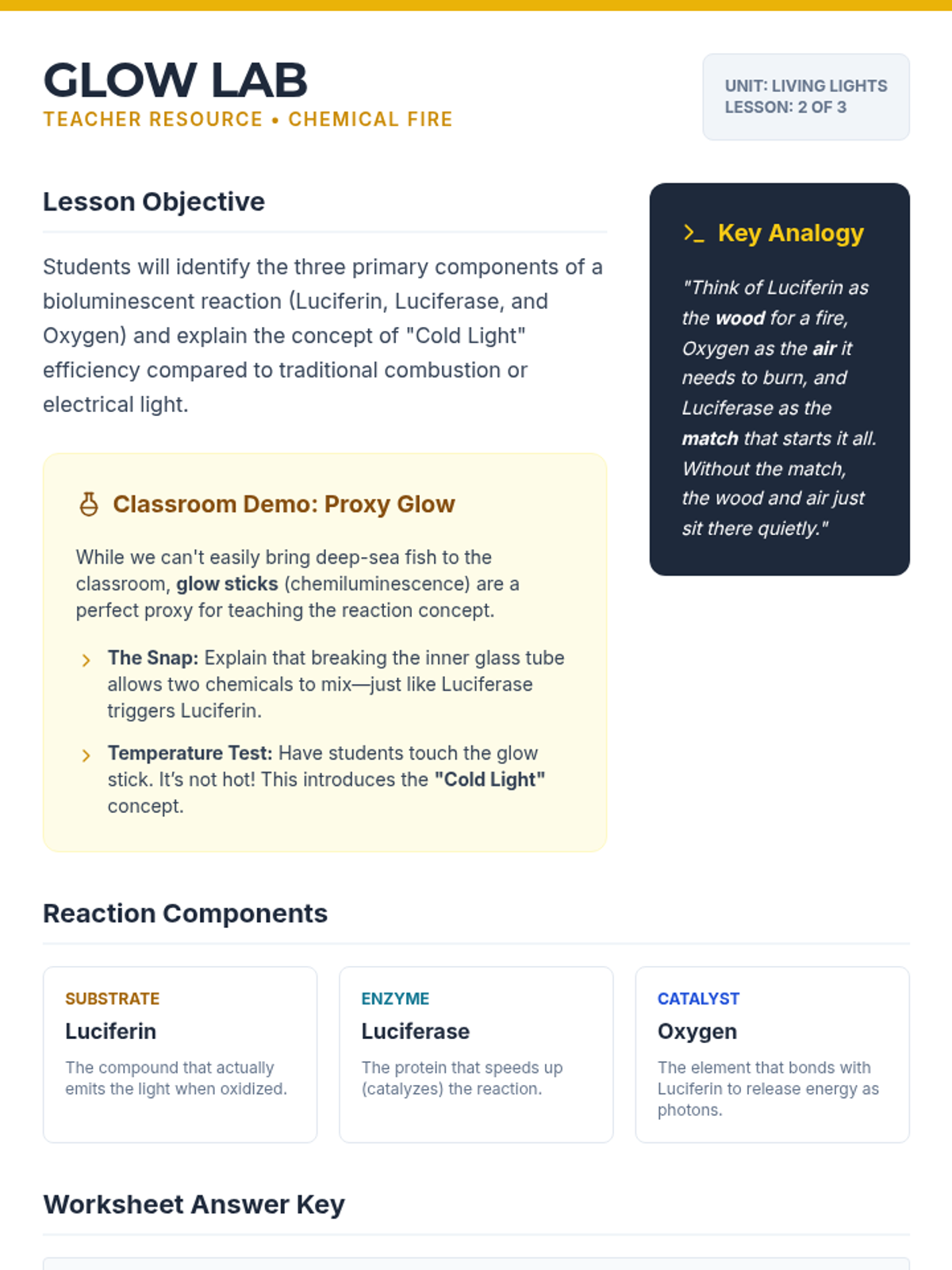
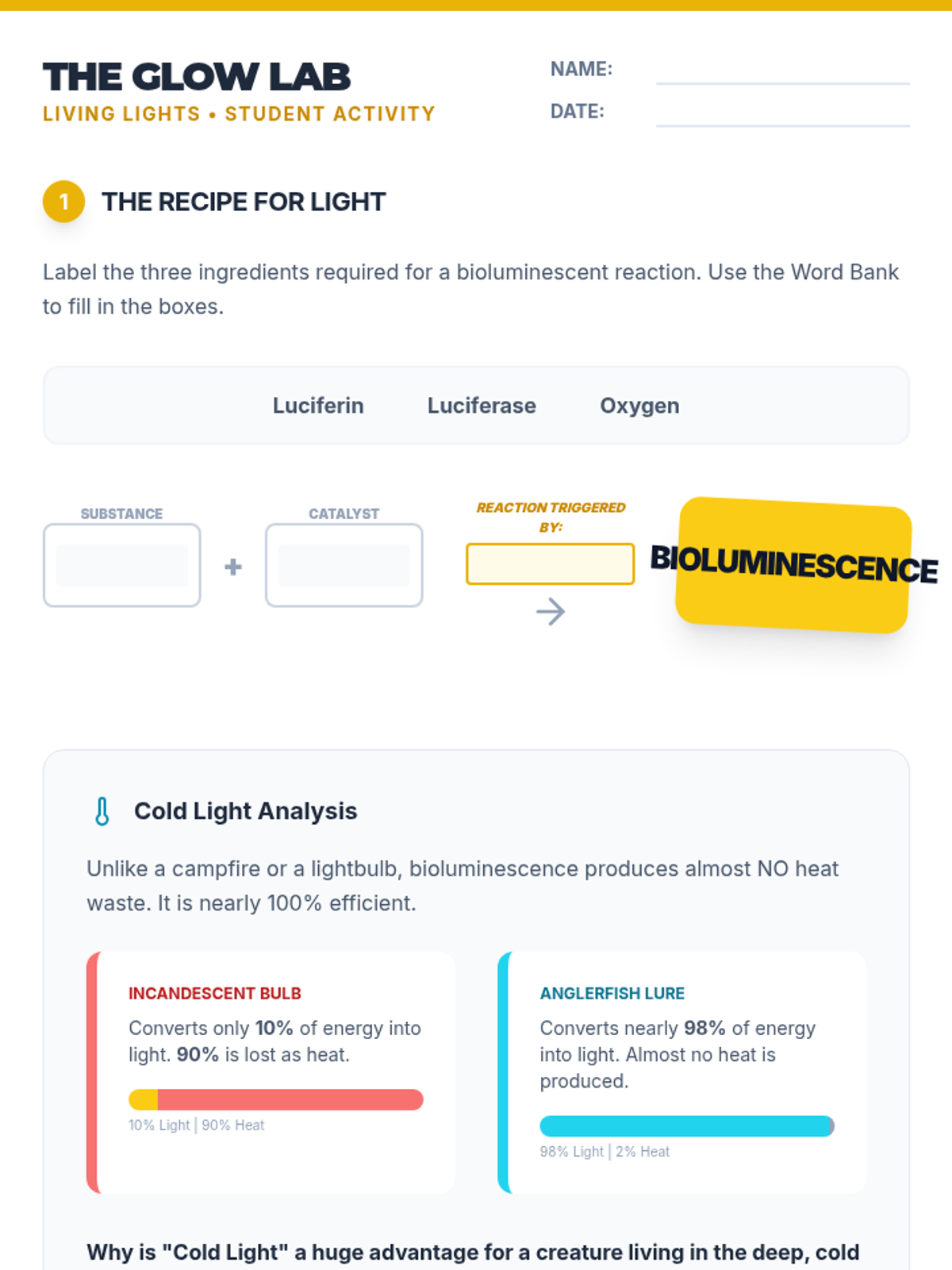
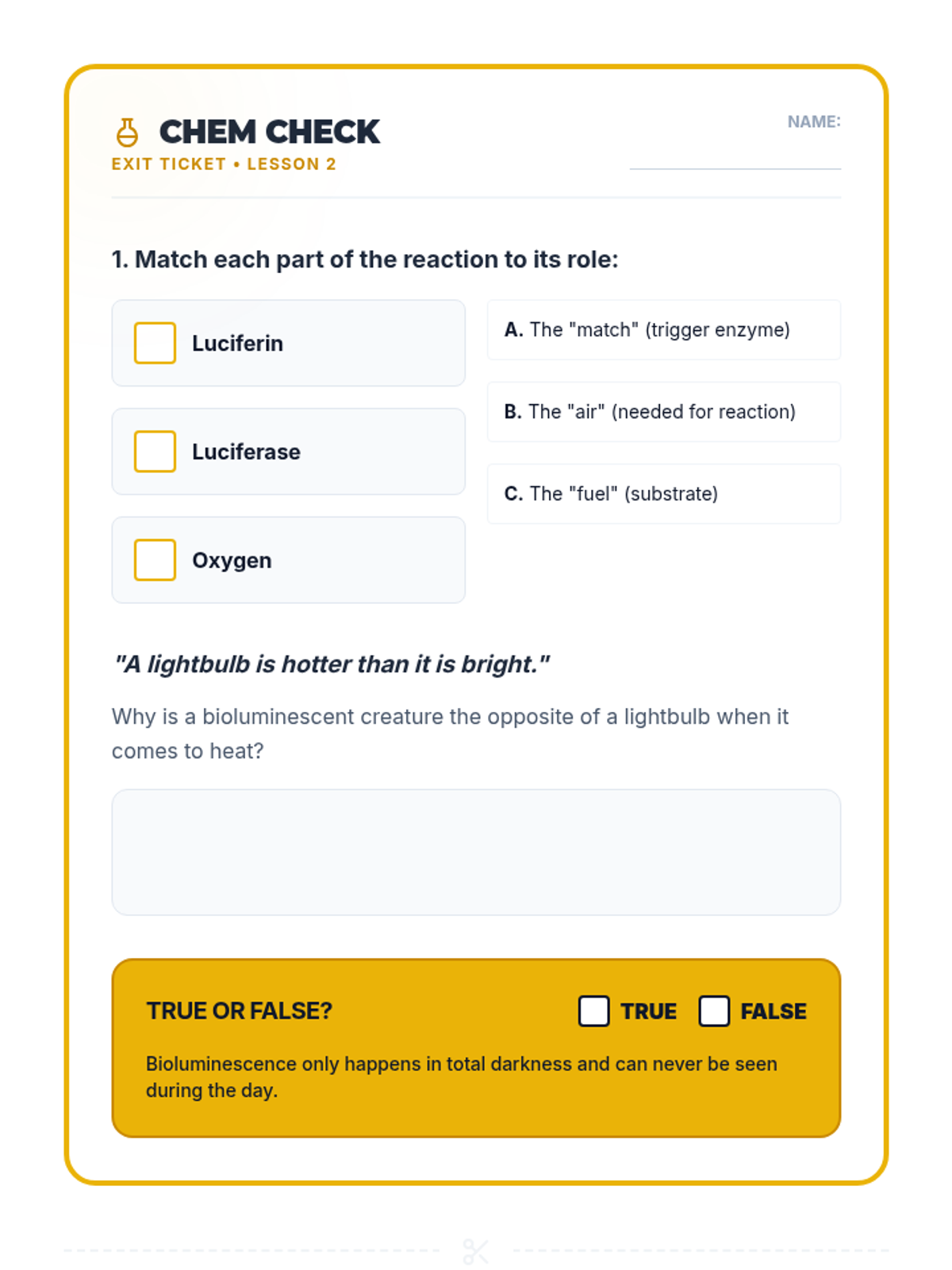
How is light made? Students break down the chemical reaction of bioluminescence, exploring the interaction between luciferin, luciferase, and oxygen.
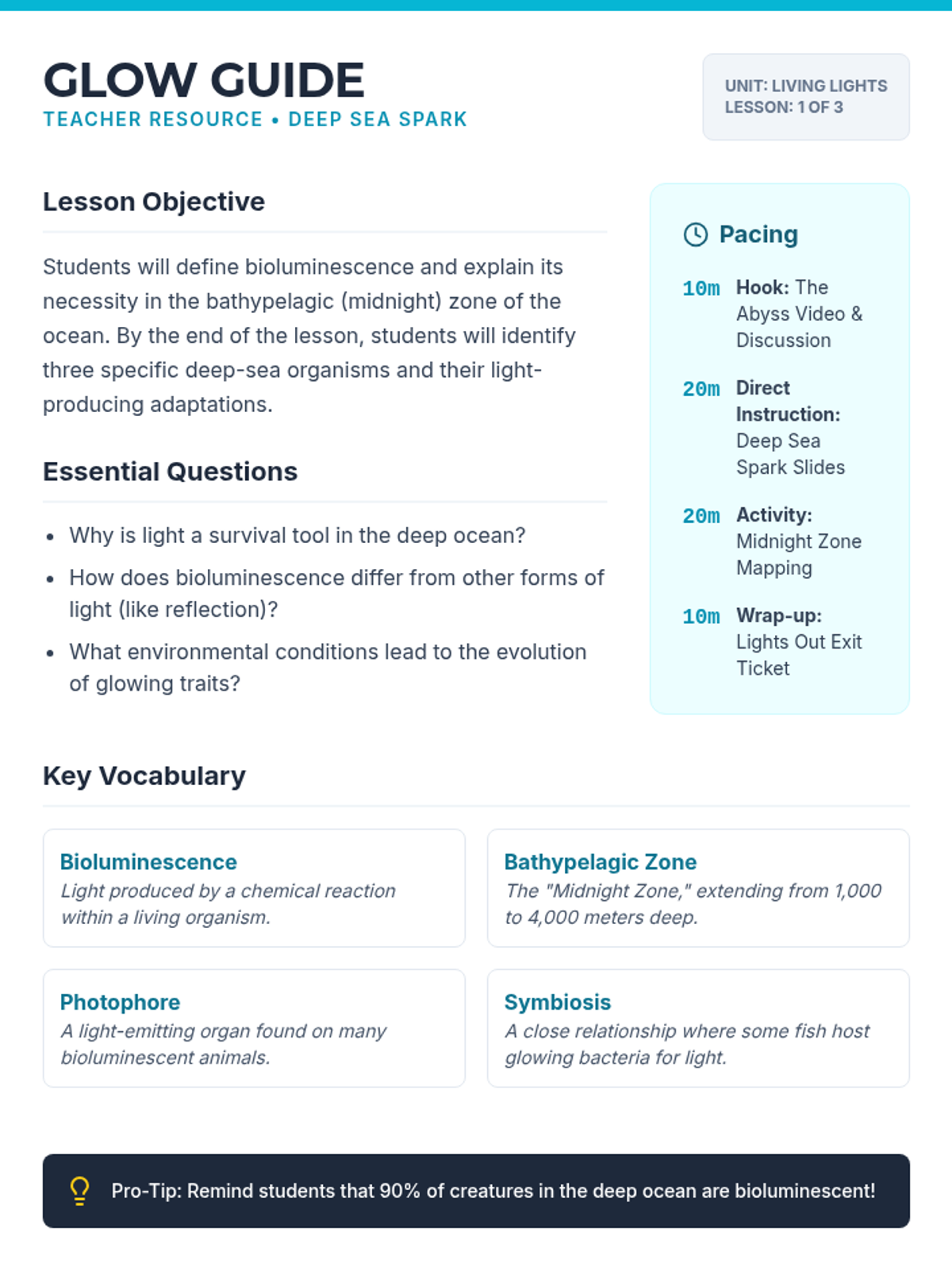
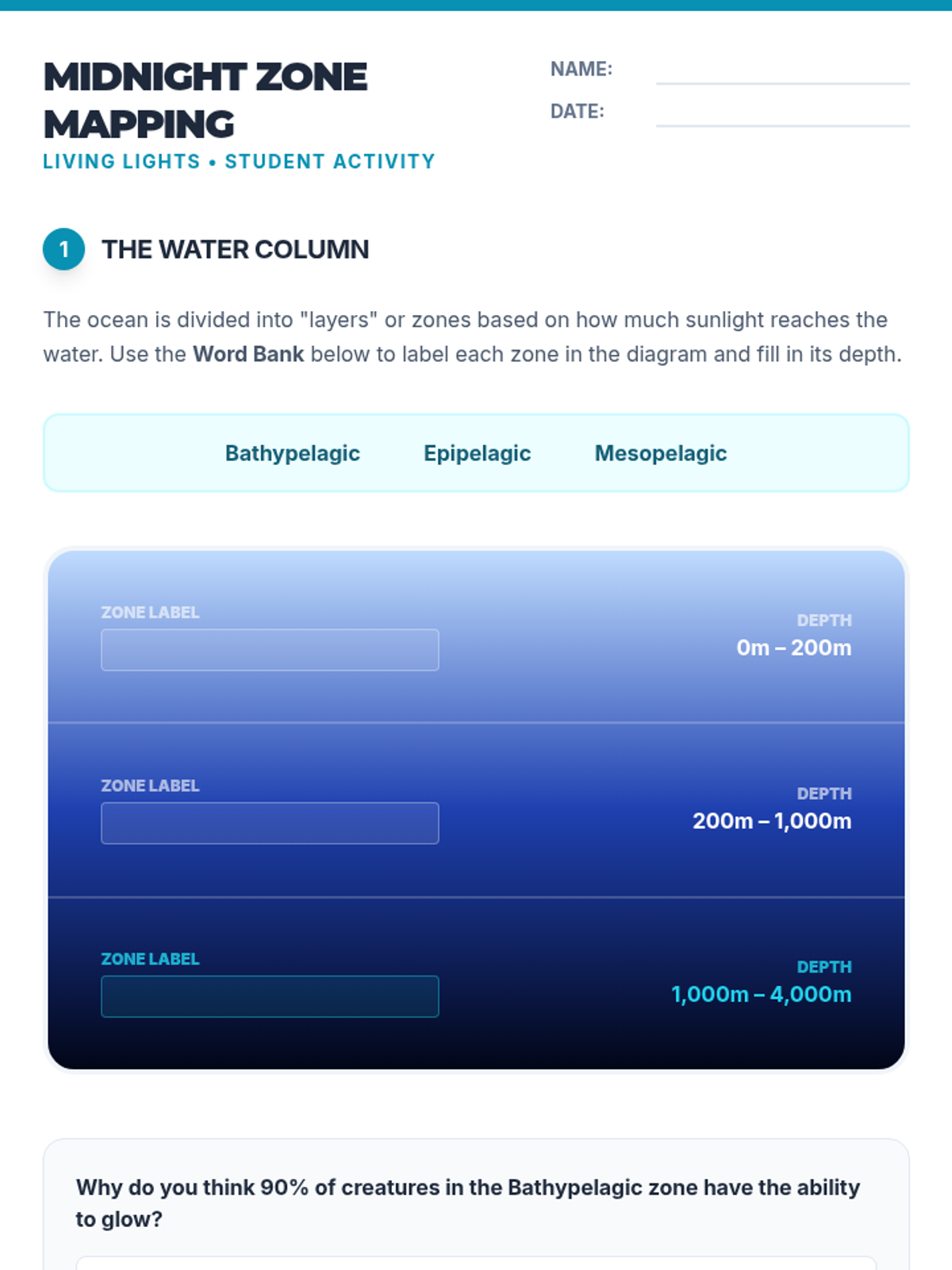
Discover the mysterious world of the deep ocean's midnight zone. Students explore how creatures create light in total darkness and identify the physical adaptations of bioluminescent marine life.
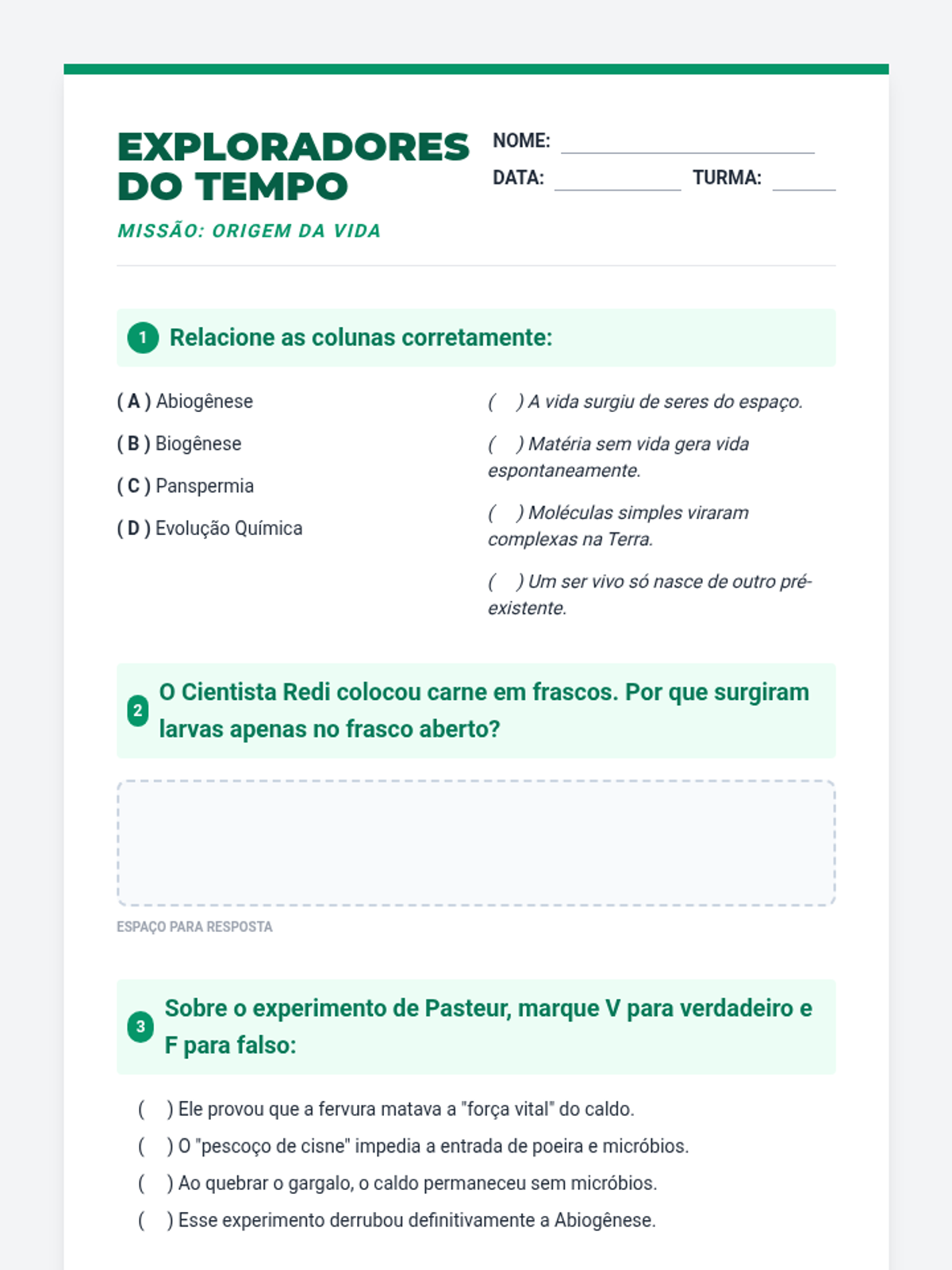
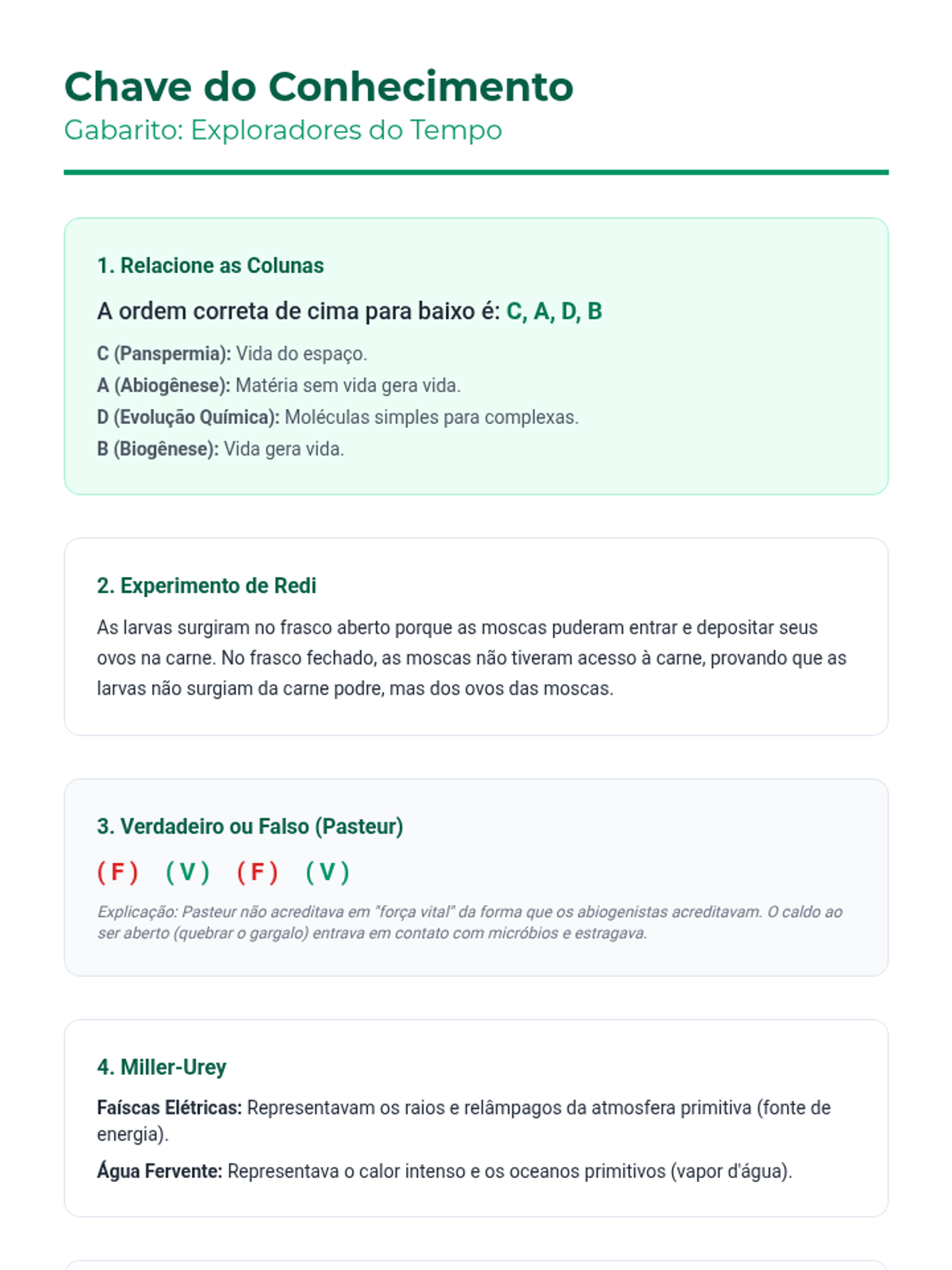
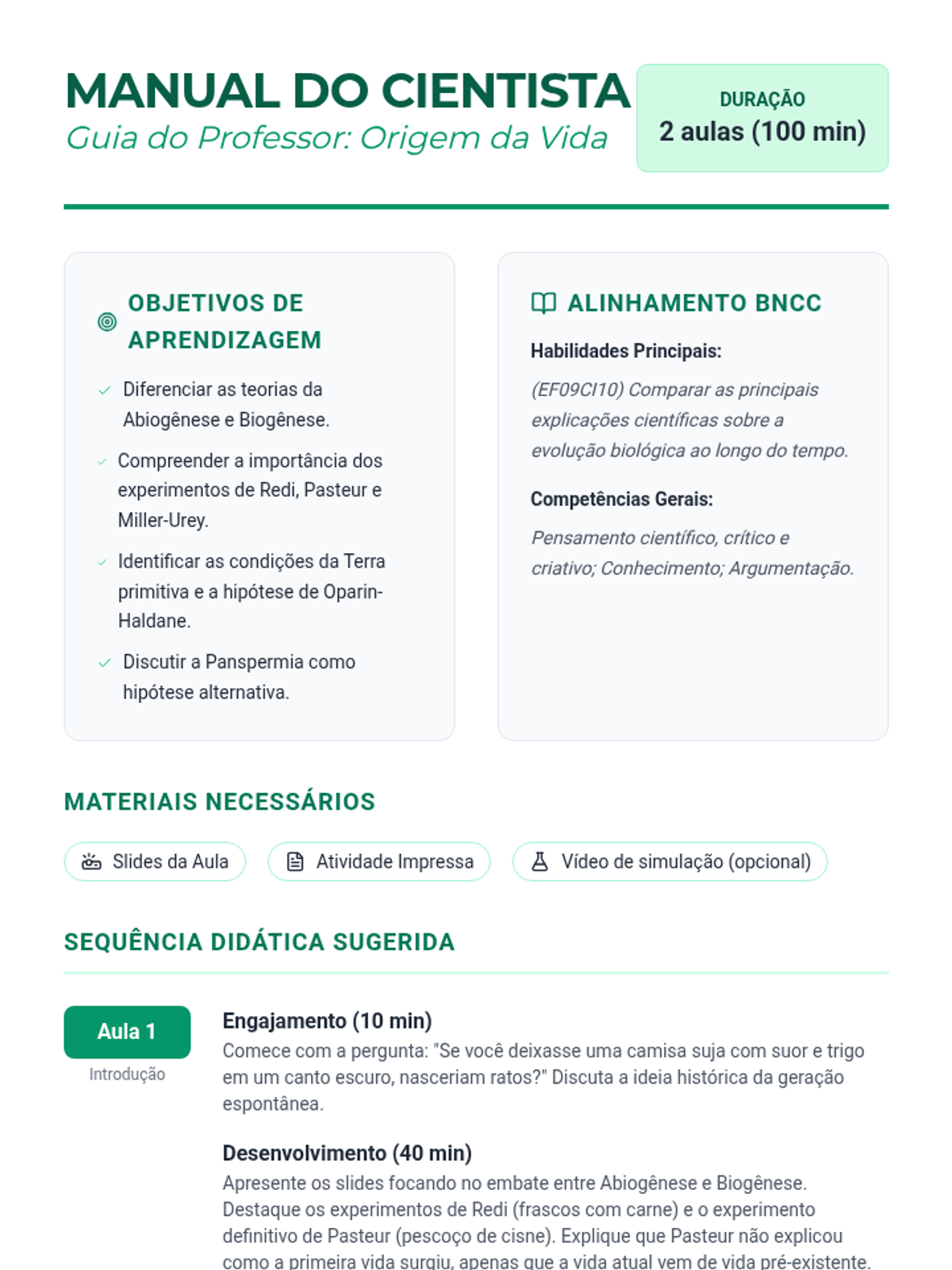
Uma aula completa sobre as principais teorias da origem da vida, abordando desde a abiogênese até os experimentos de Miller-Urey, alinhada à BNCC para o Ensino Fundamental II.
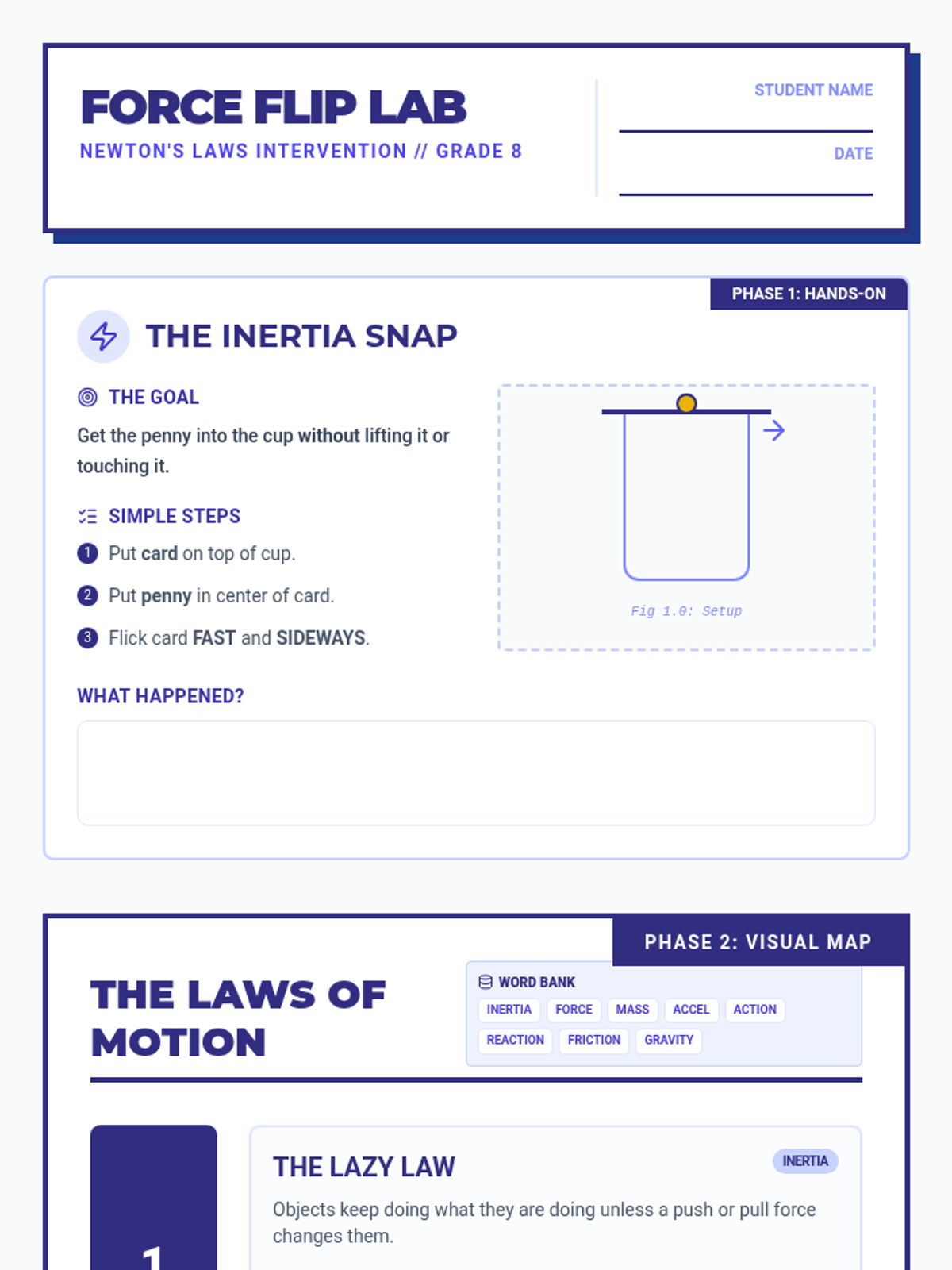
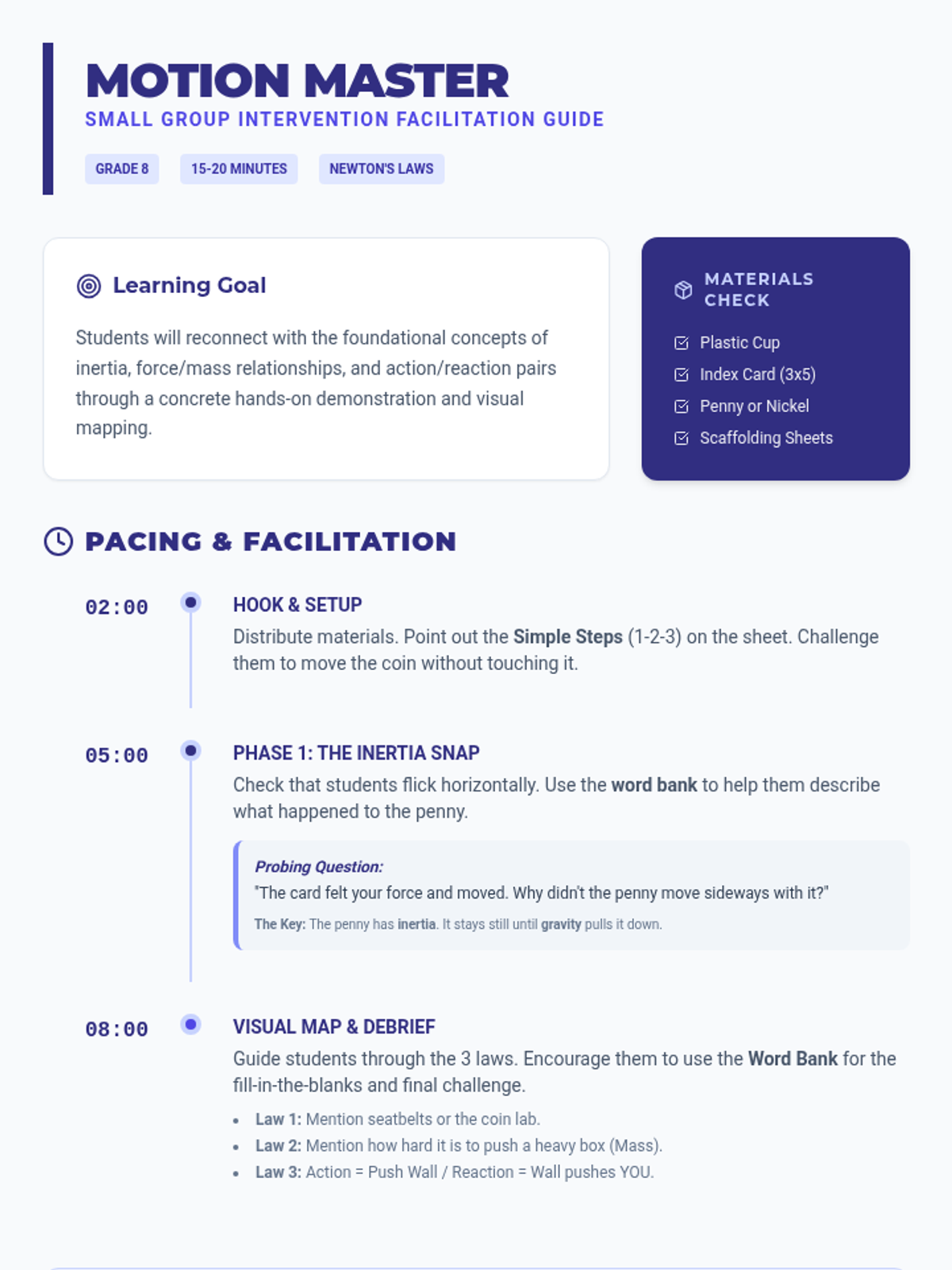
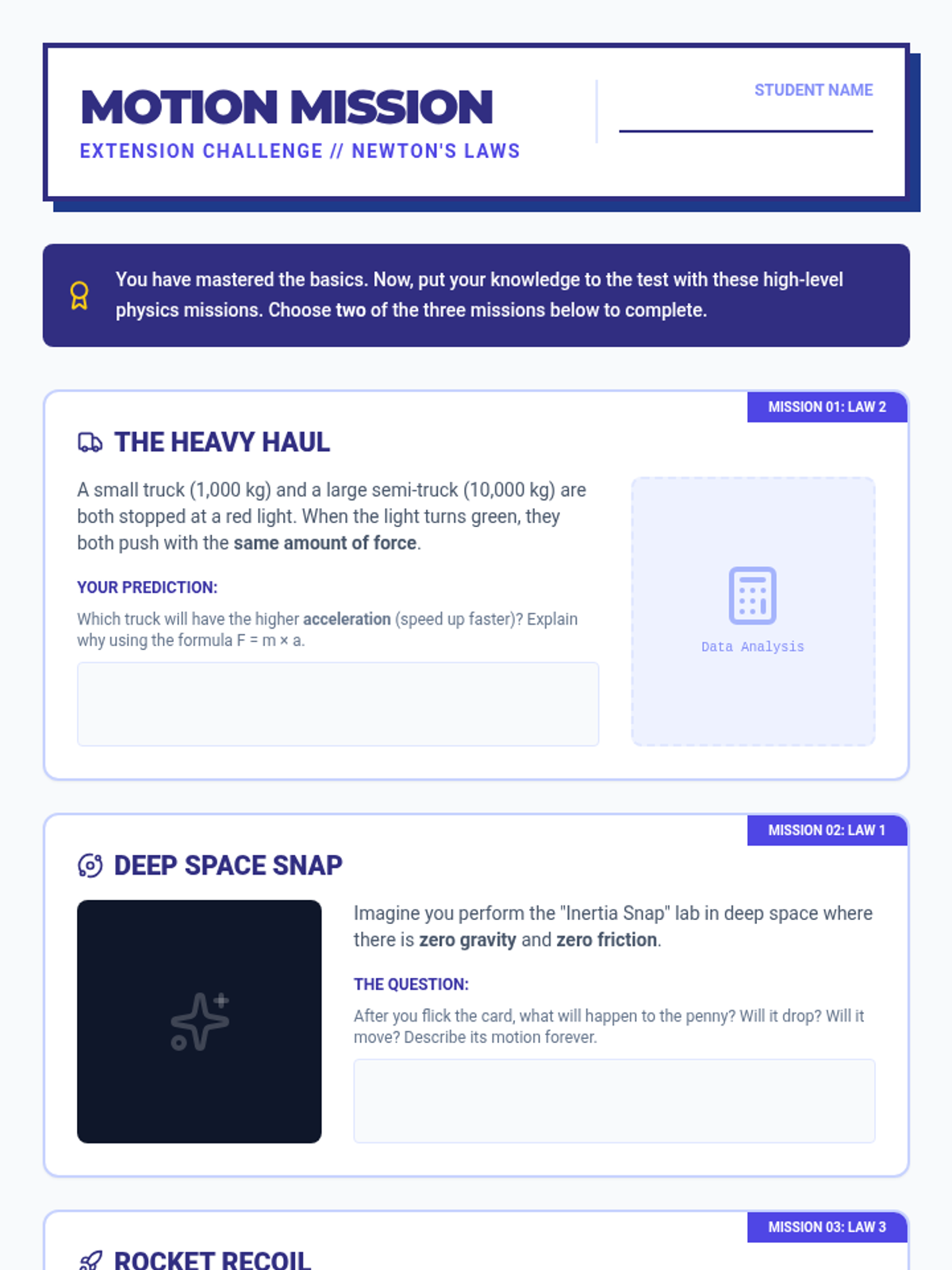
A rapid-fire intervention lesson designed to solidify the fundamentals of Newton's Laws through hands-on experimentation and visual mapping. Perfect for small group remediation or a quick refresher before transitioning to new physics concepts.
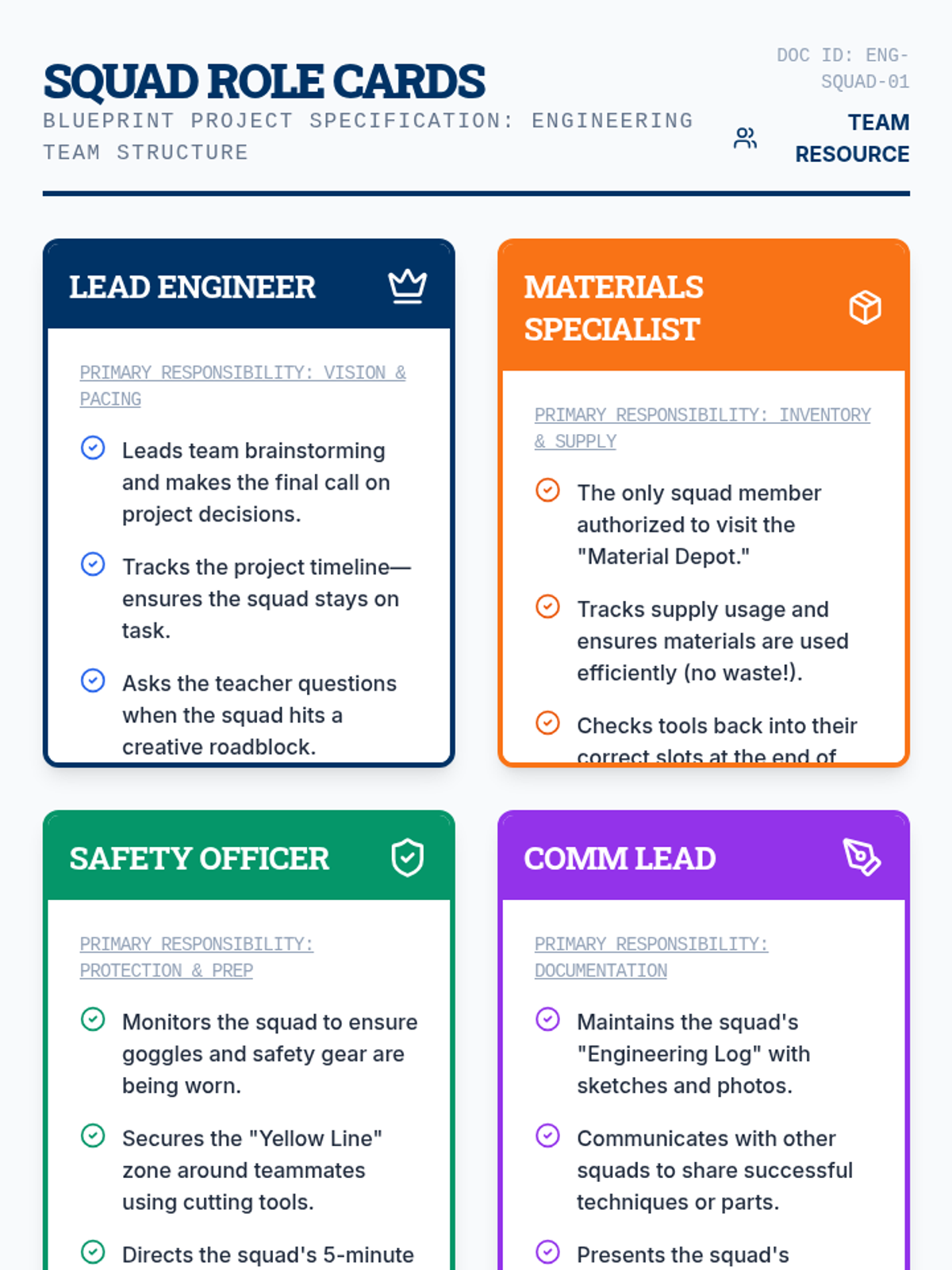
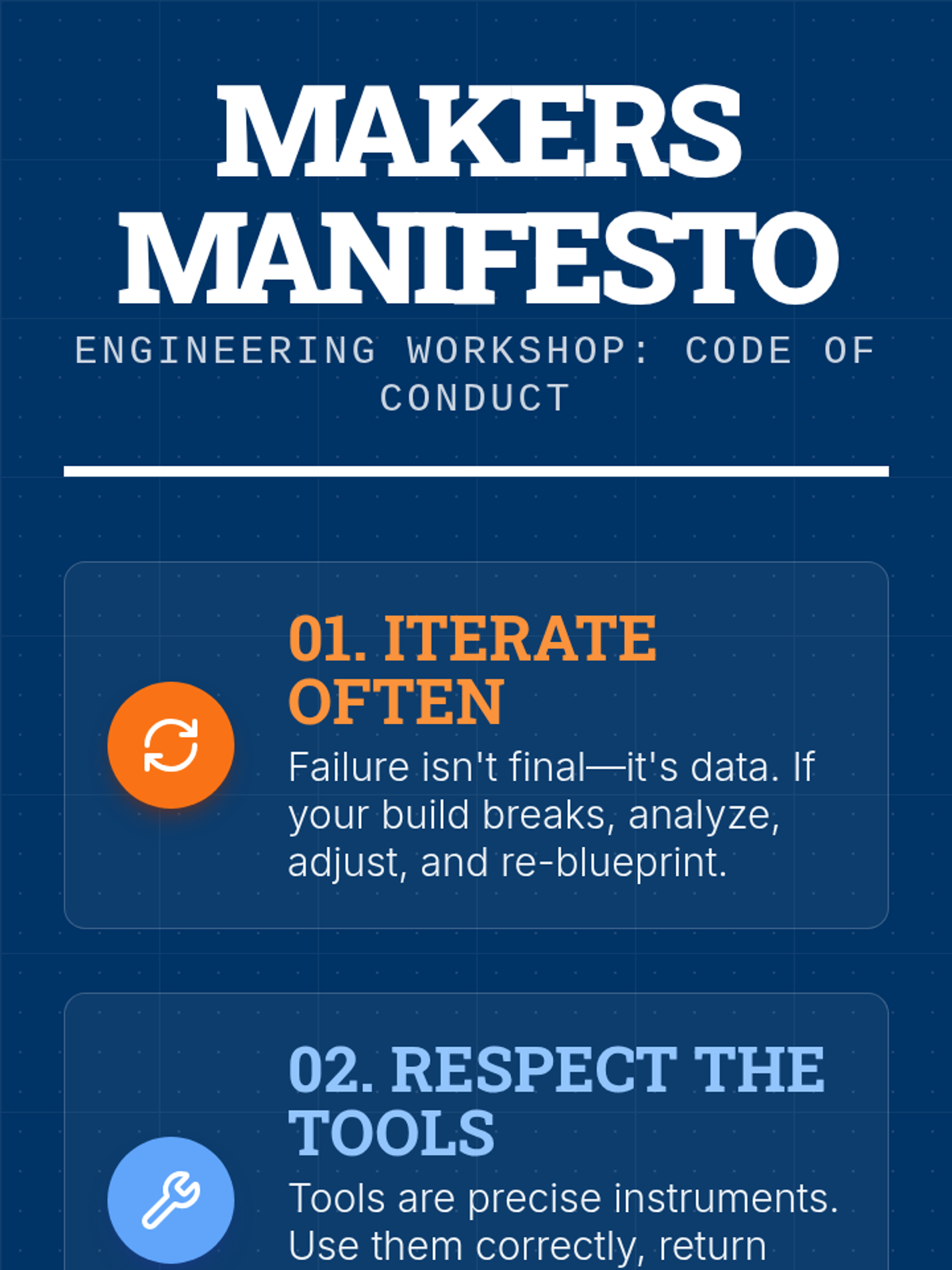
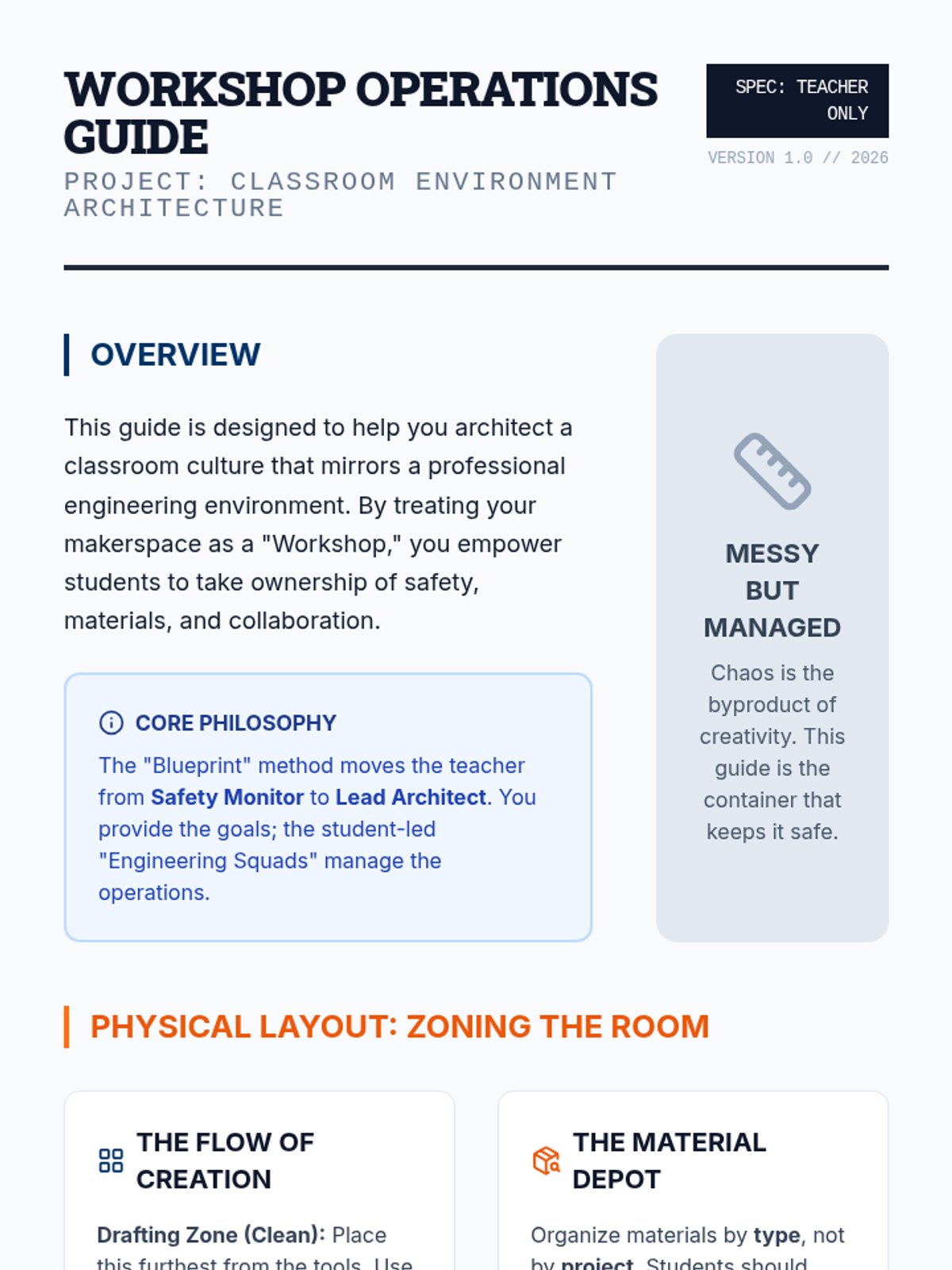
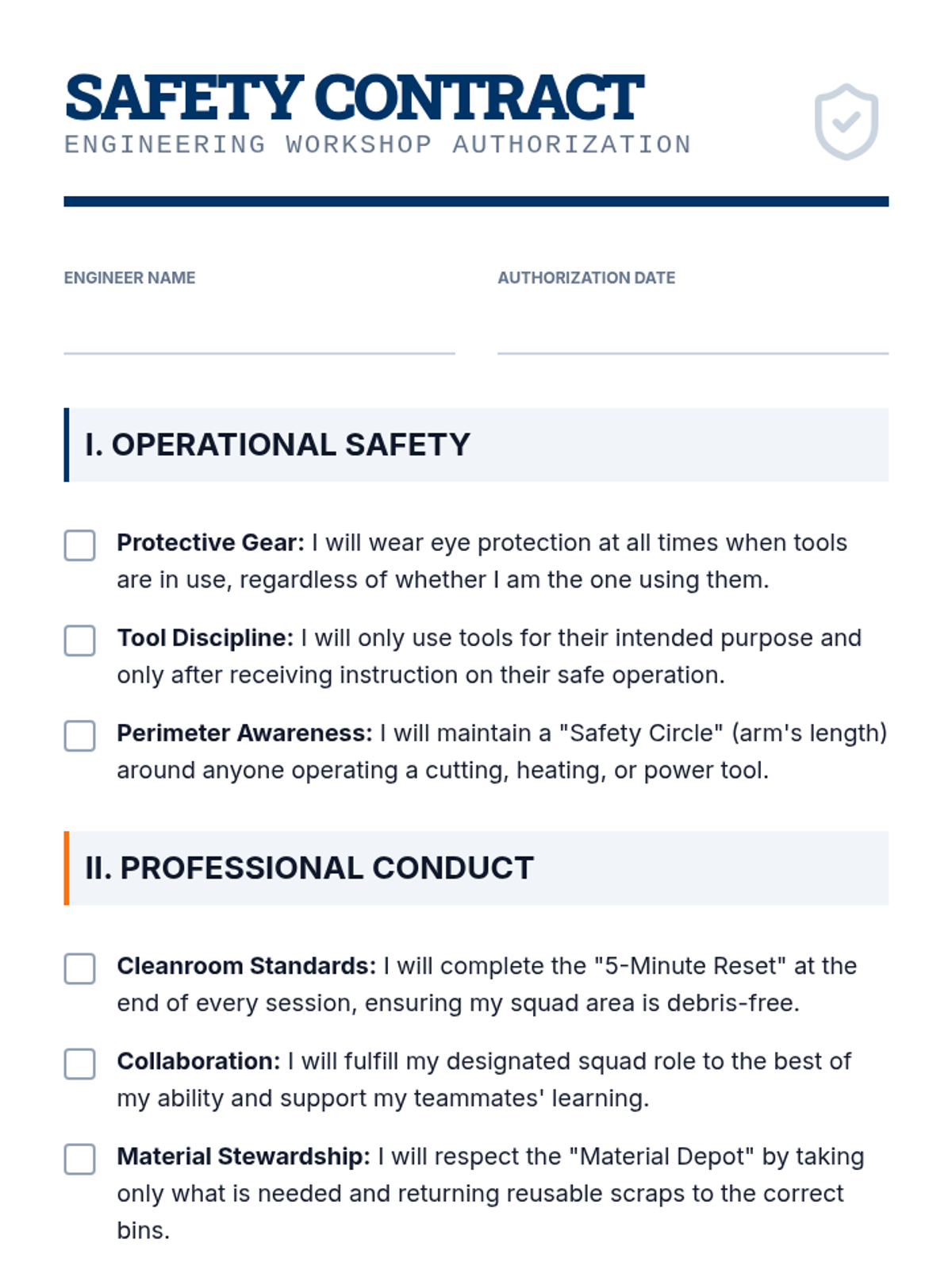
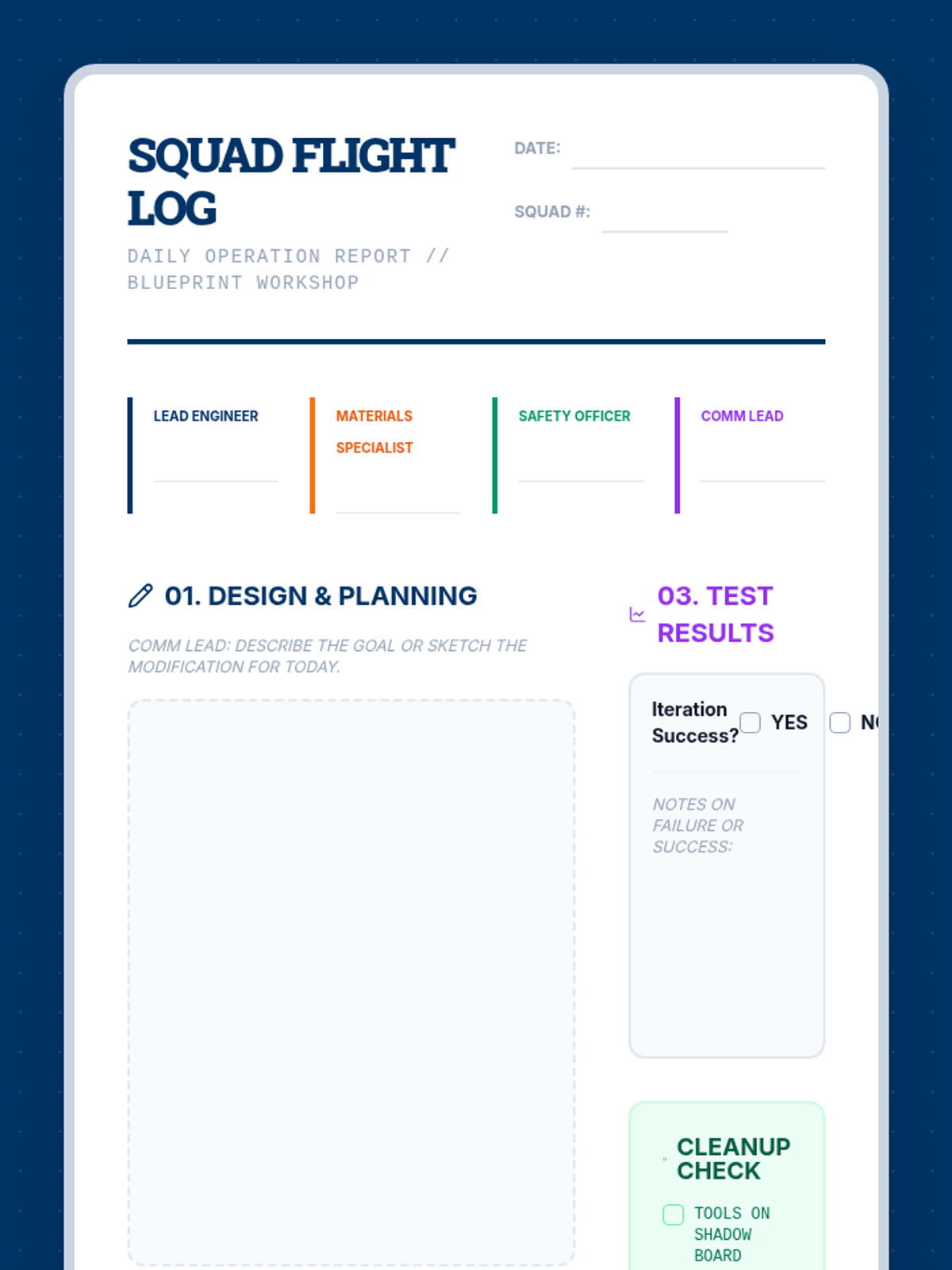
A foundational toolkit for setting up a physical engineering and maker space, covering physical layout, collaborative roles, and essential classroom routines.
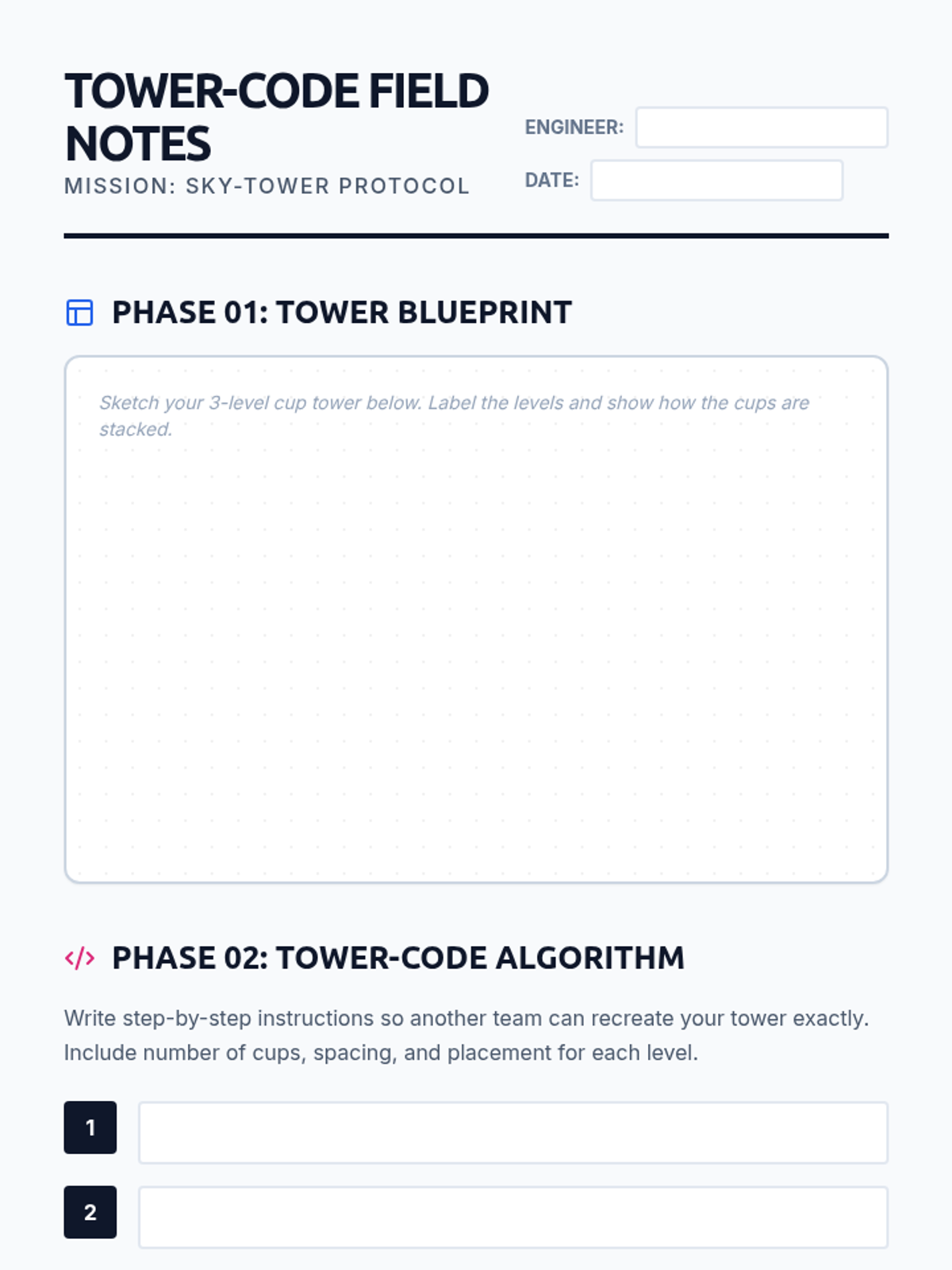
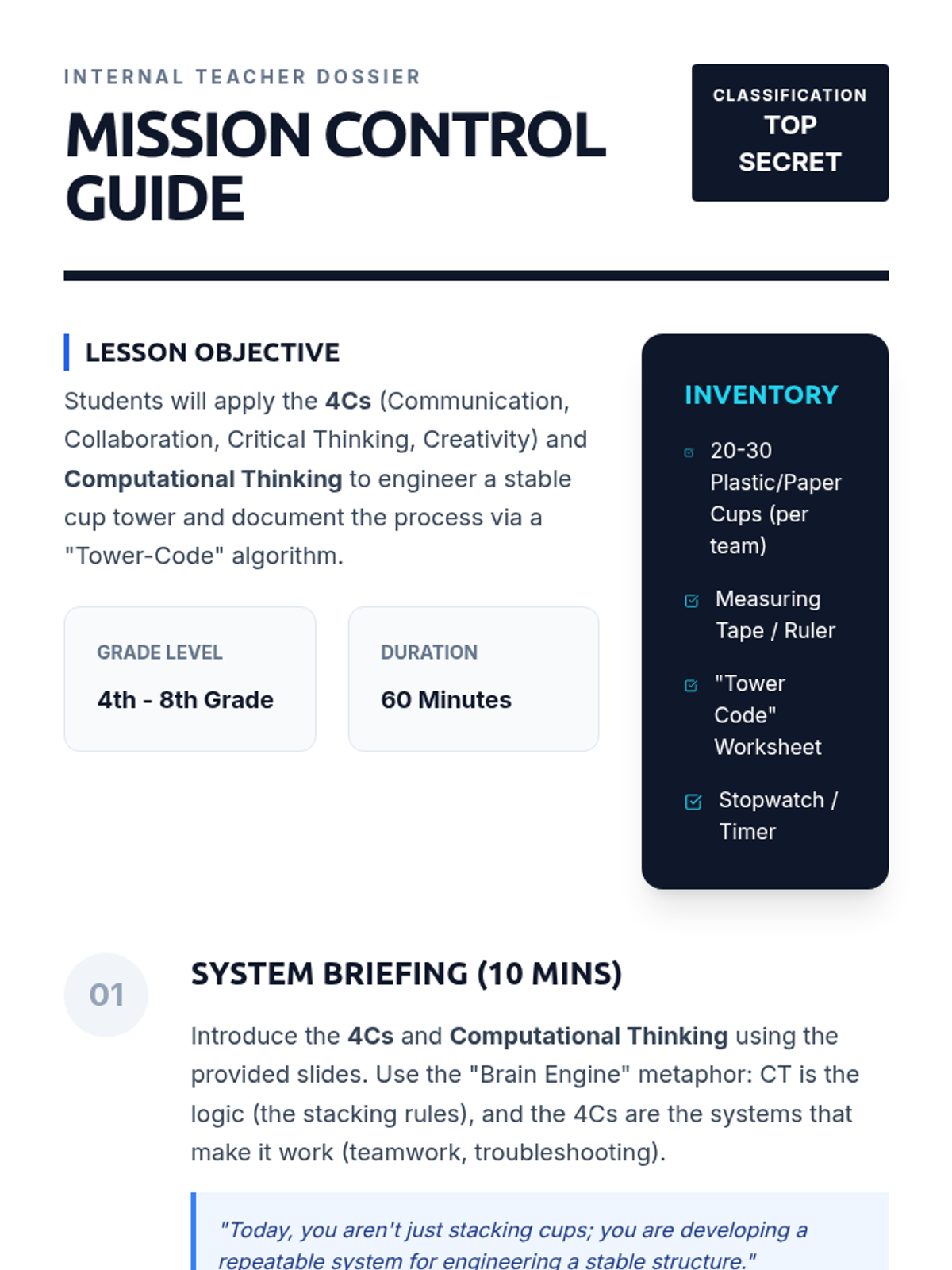
A high-stakes engineering challenge where students use the 4Cs and Computational Thinking to design, build, and document the ultimate cup tower structure.

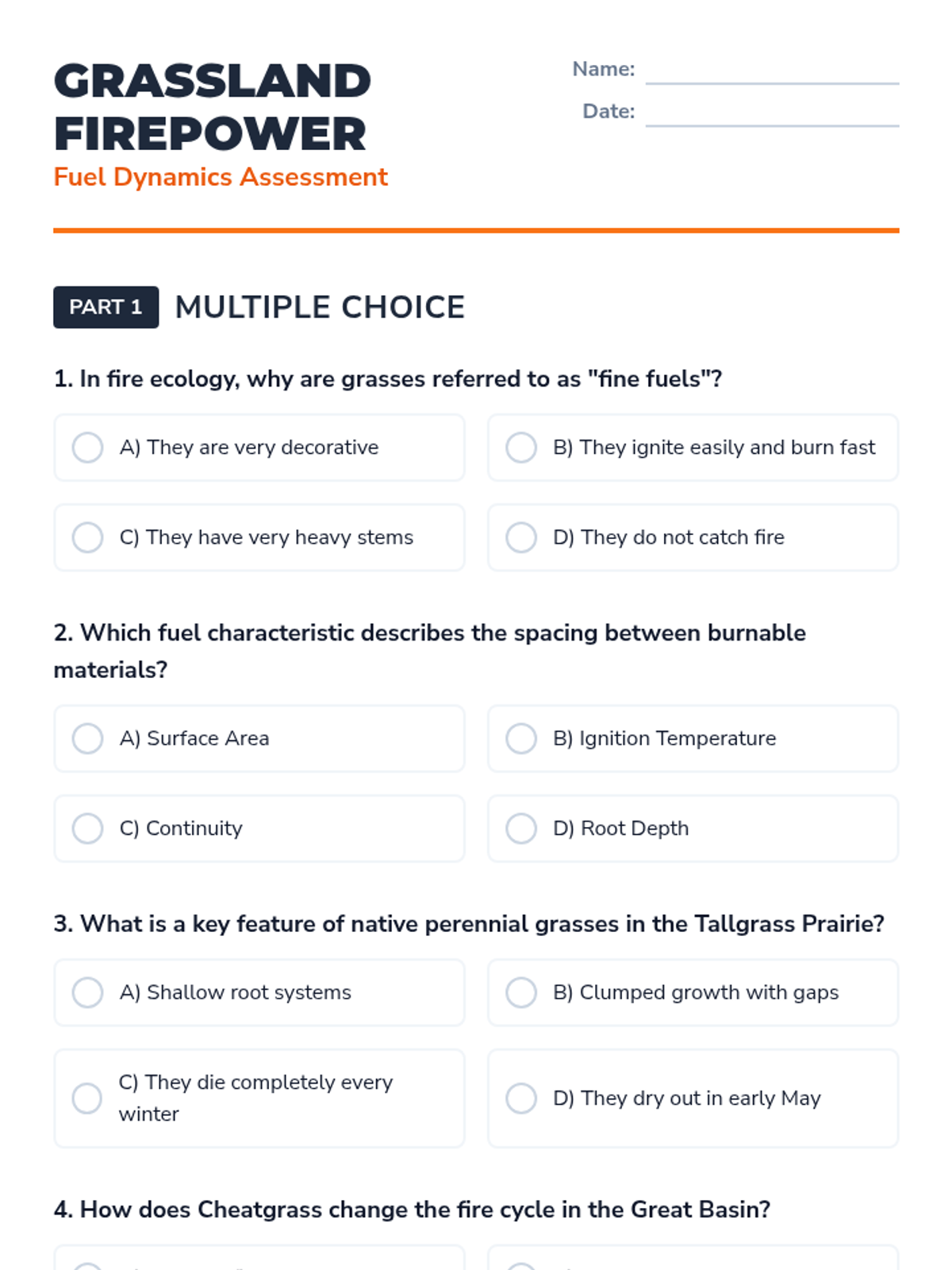
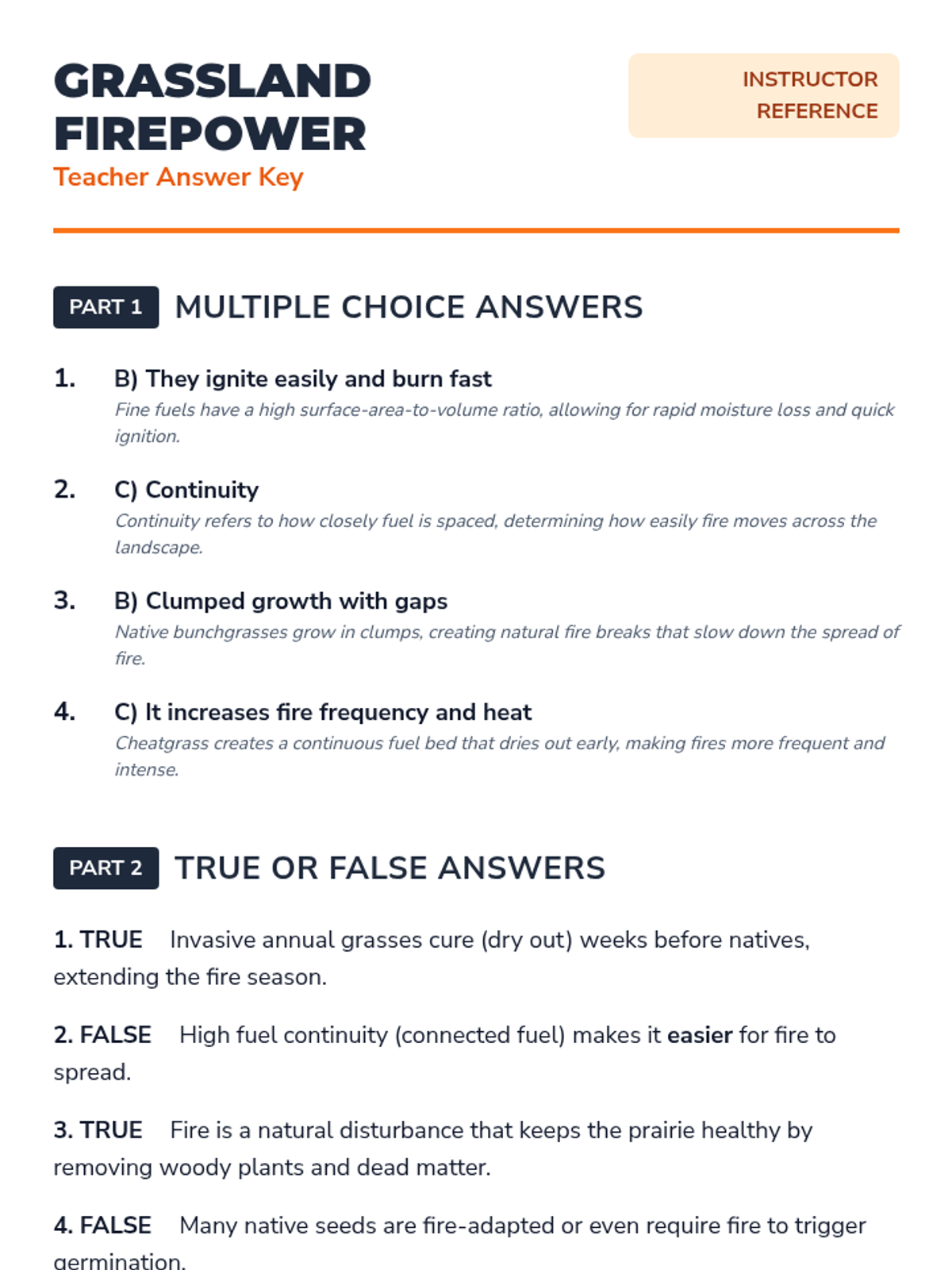
A lesson exploring the differences between natural and invasive grasses as fire fuels, featuring case studies on the Tallgrass Prairie and Cheatgrass in the Great Basin. Students will analyze fire behavior and impact through comparative study and assessment.
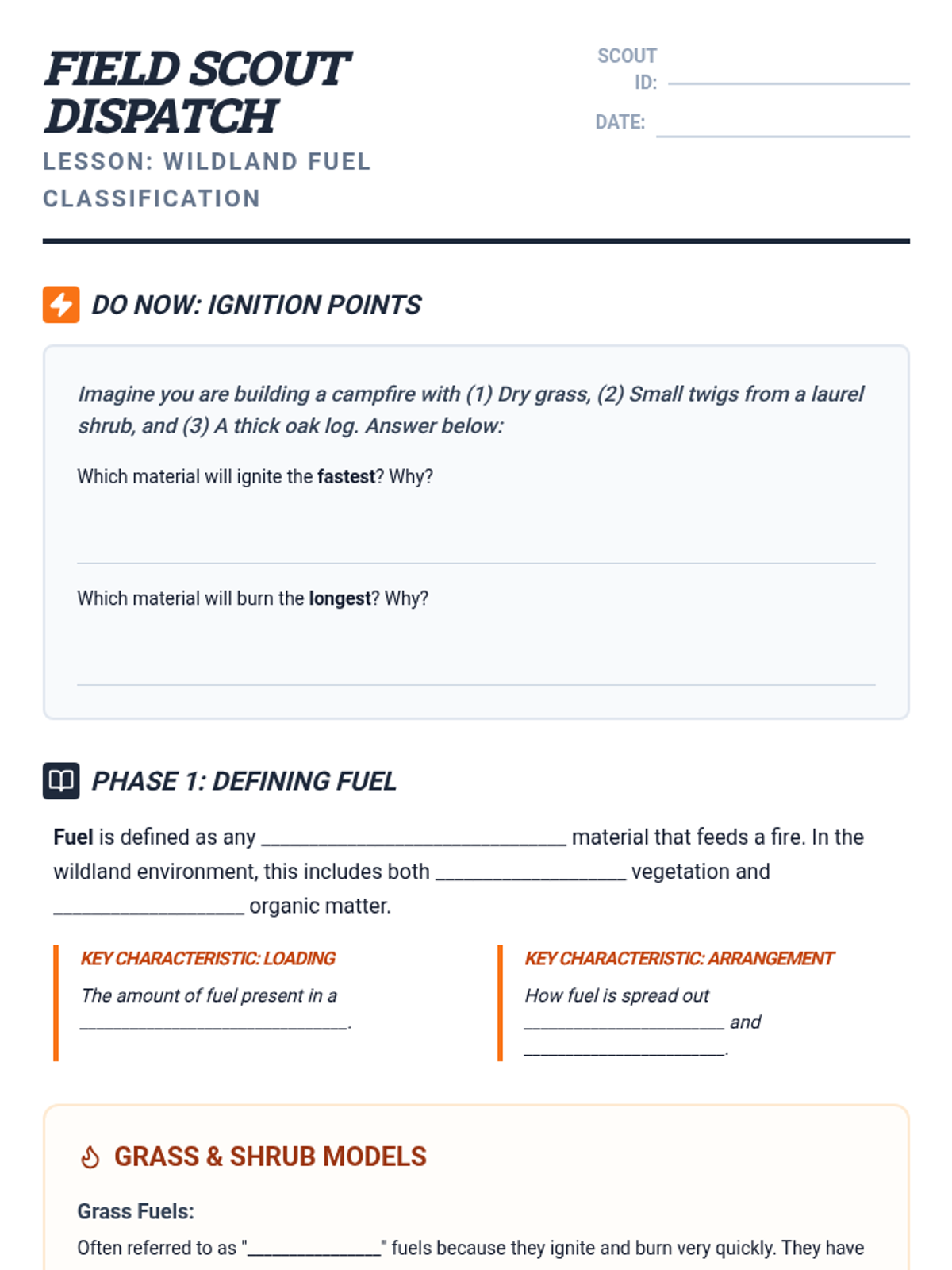
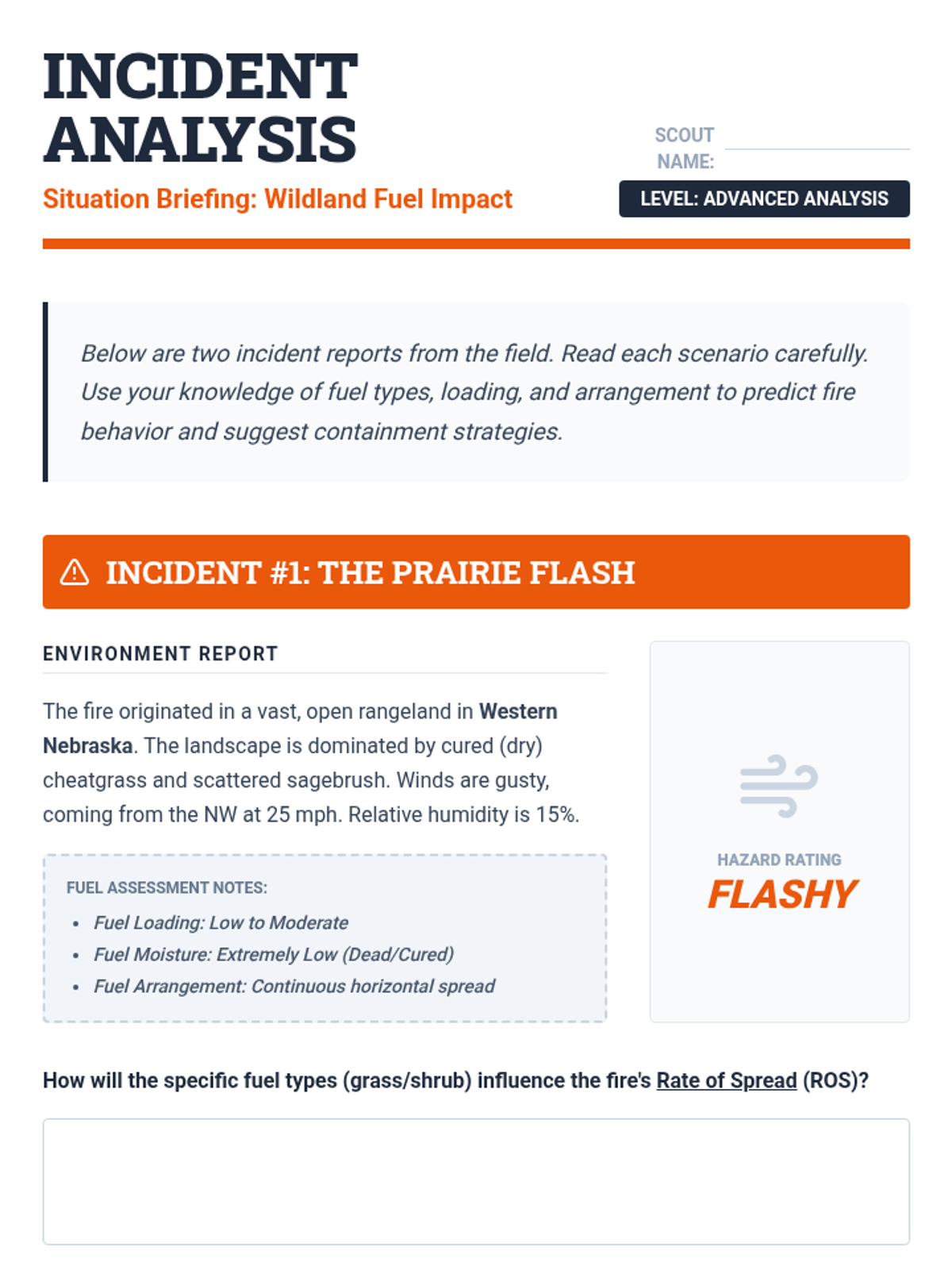
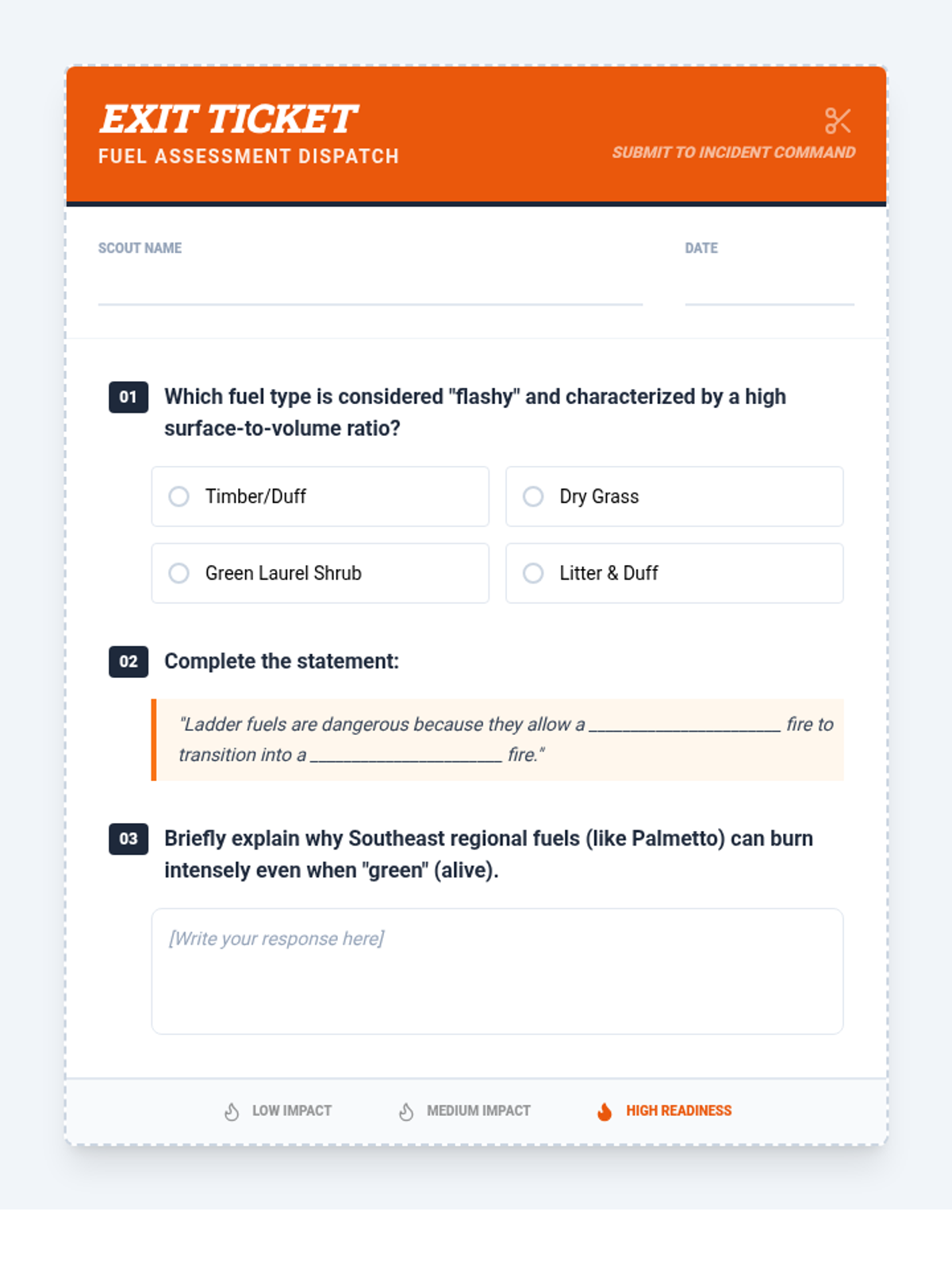
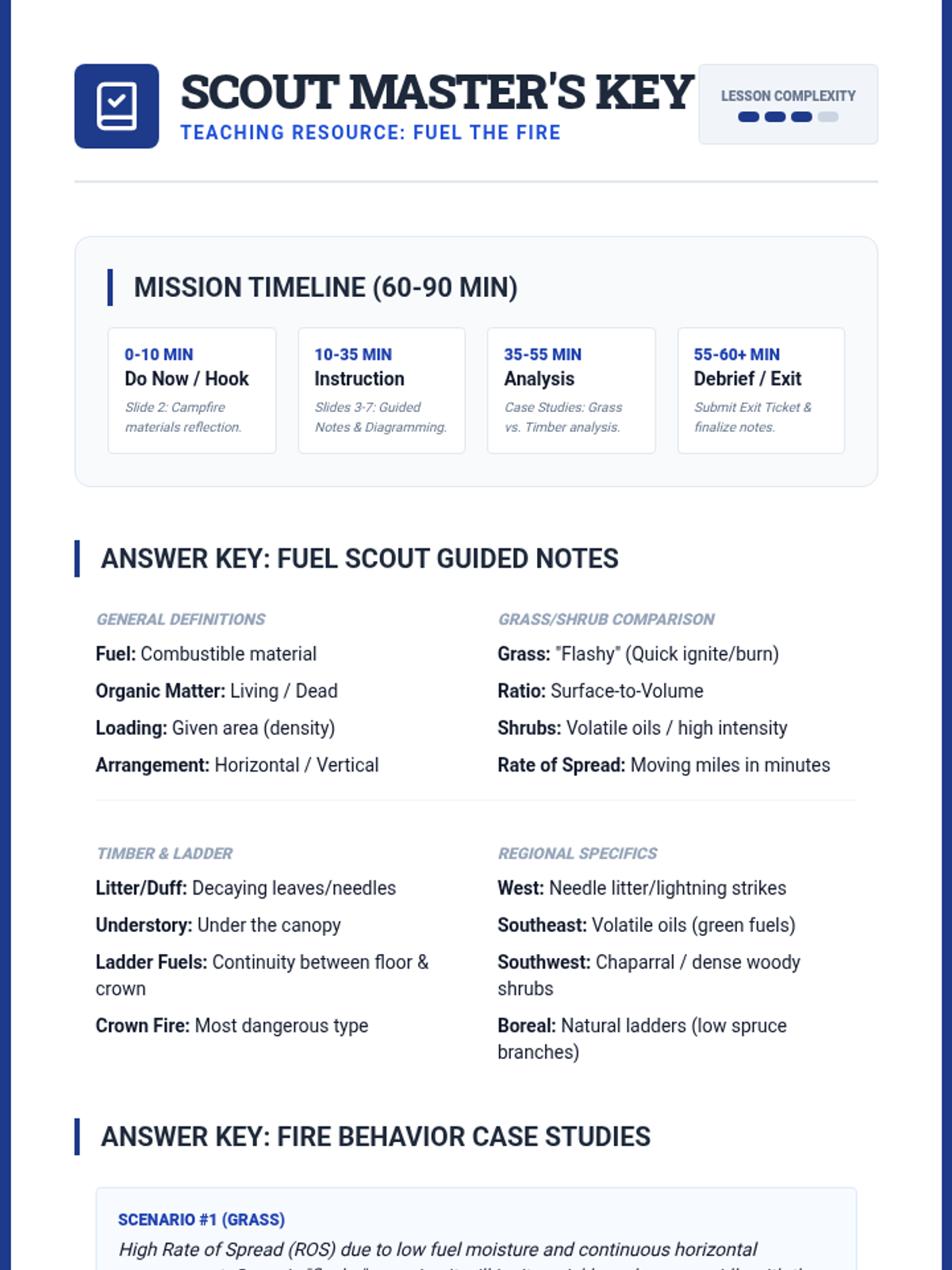
A comprehensive daily lesson exploring wildland fuel types, their characteristics, and how they influence fire behavior across different regions. Students analyze grass, shrub, timber, and understory fuels through guided notes, diagrams, and real-world case studies.
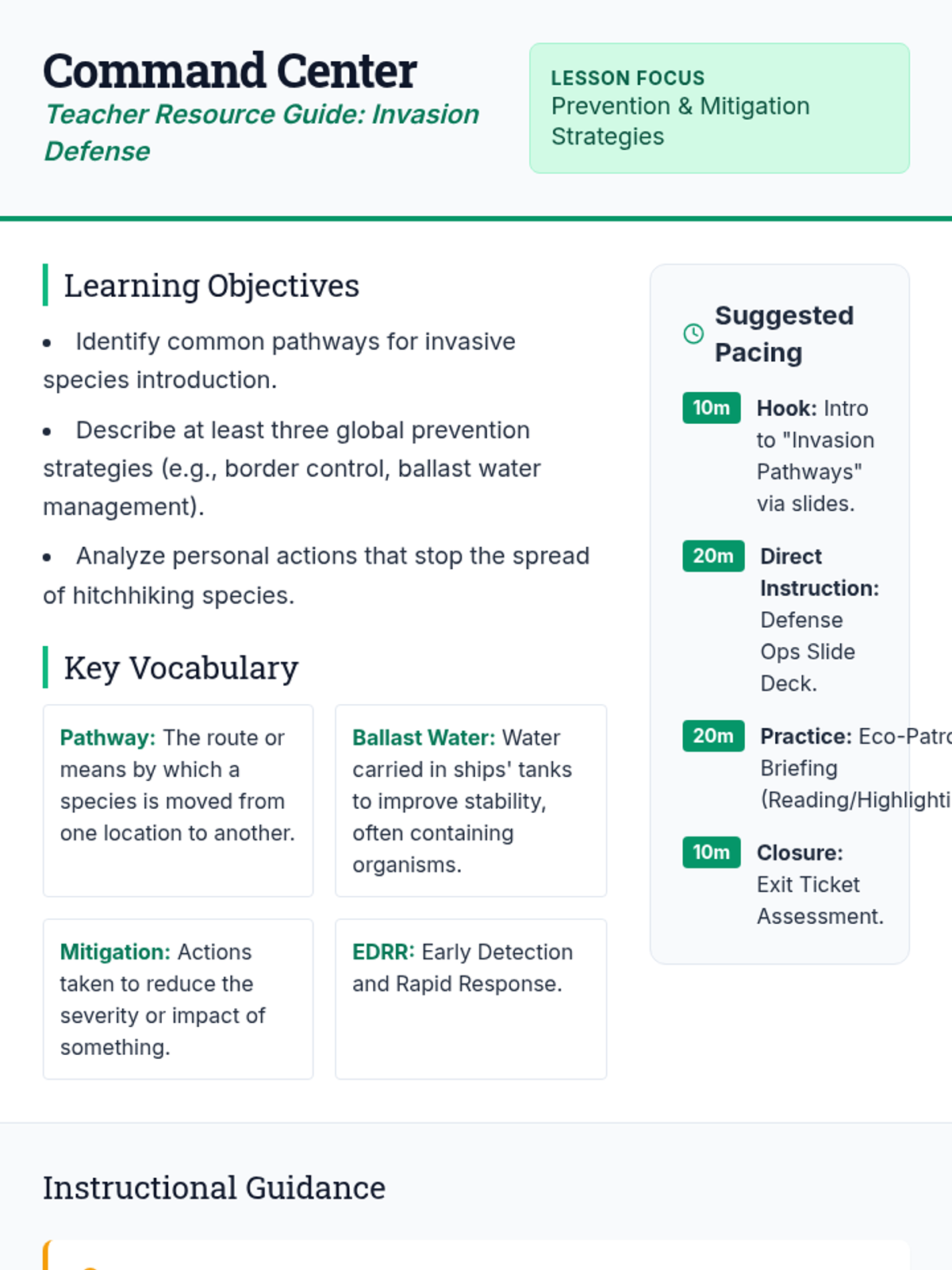
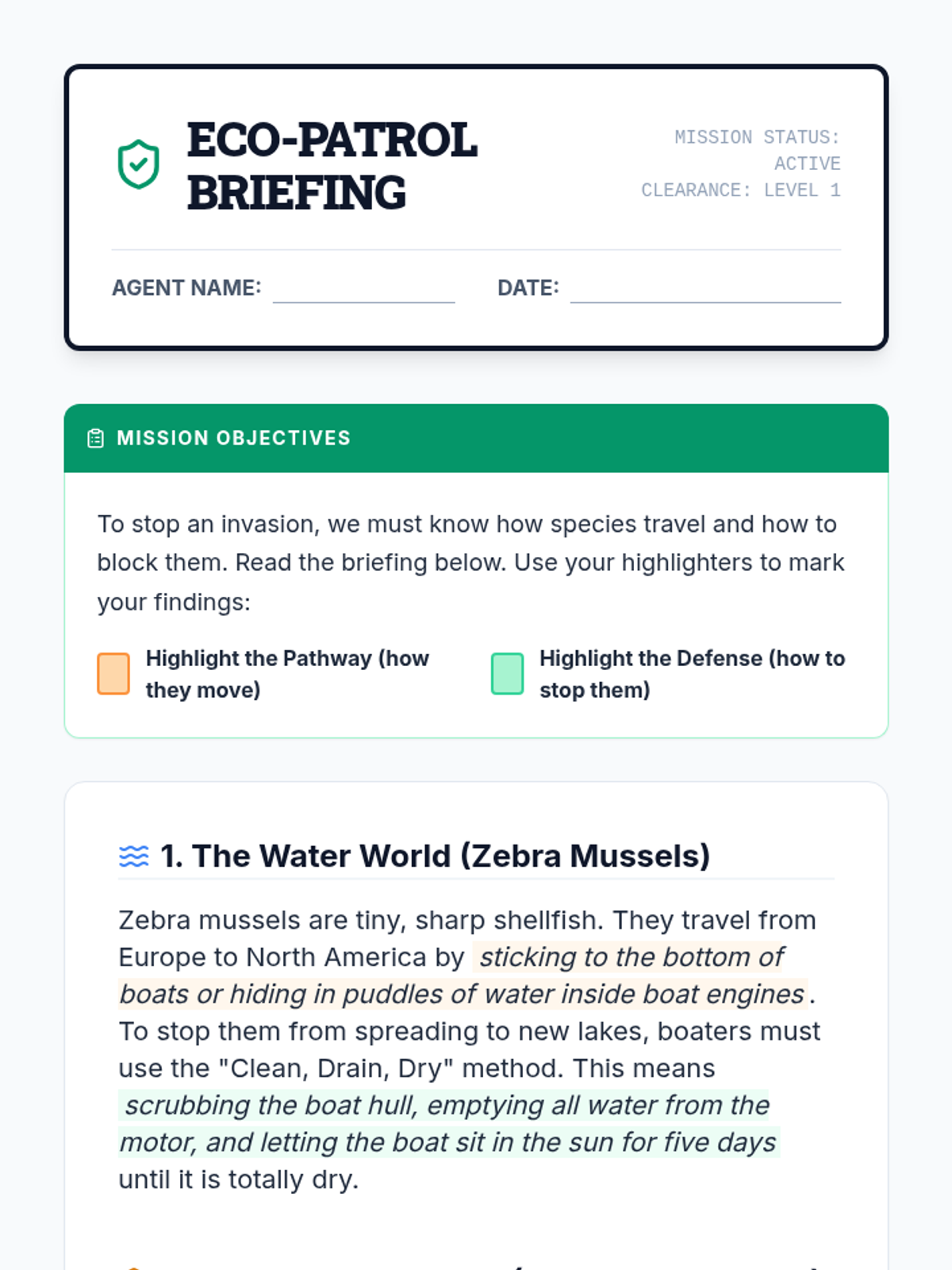
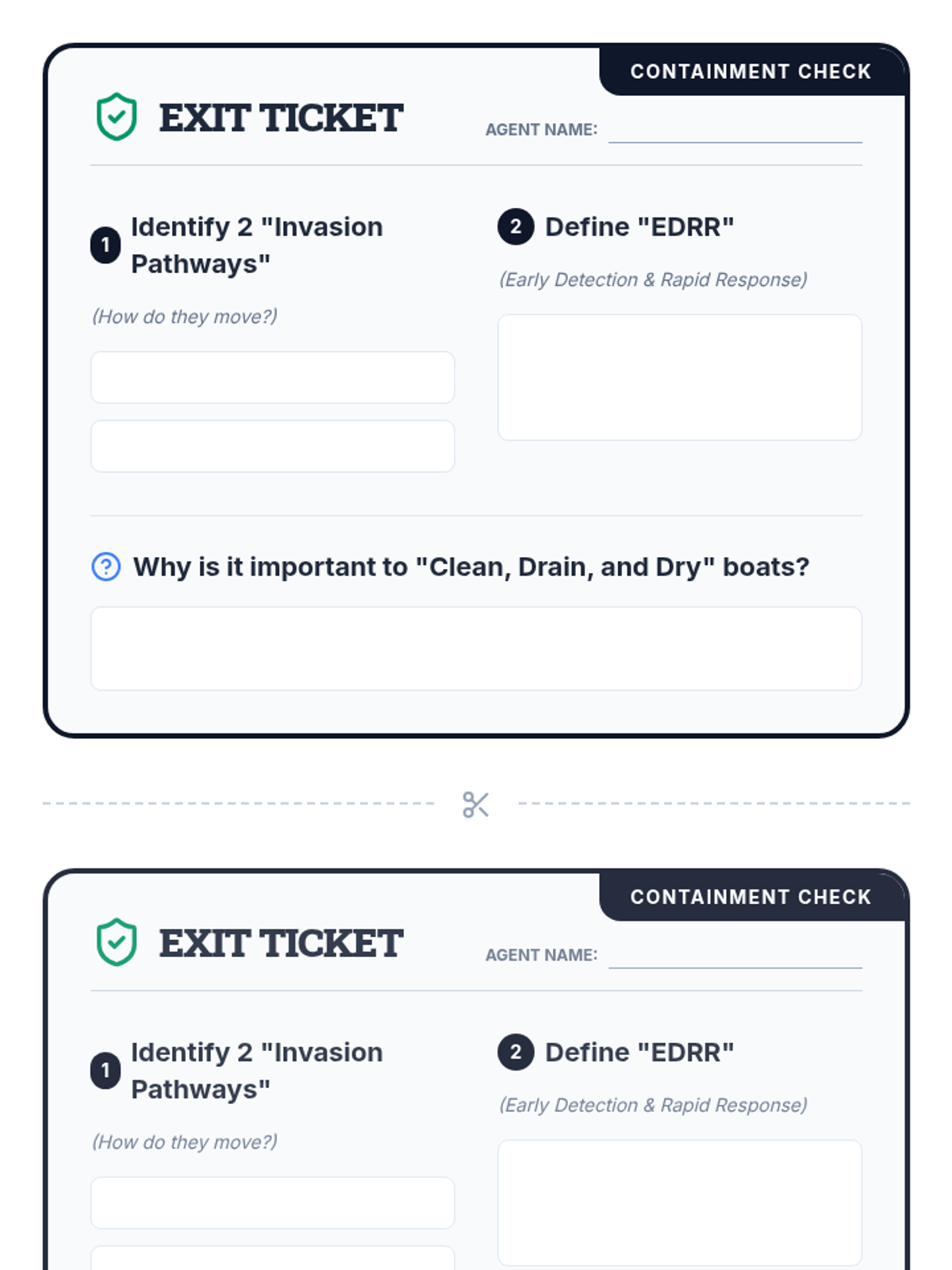
A comprehensive lesson on invasive species prevention, featuring visual slides, a modified reading task for accessibility, and assessment tools. Students learn to identify pathways and implement global prevention strategies.
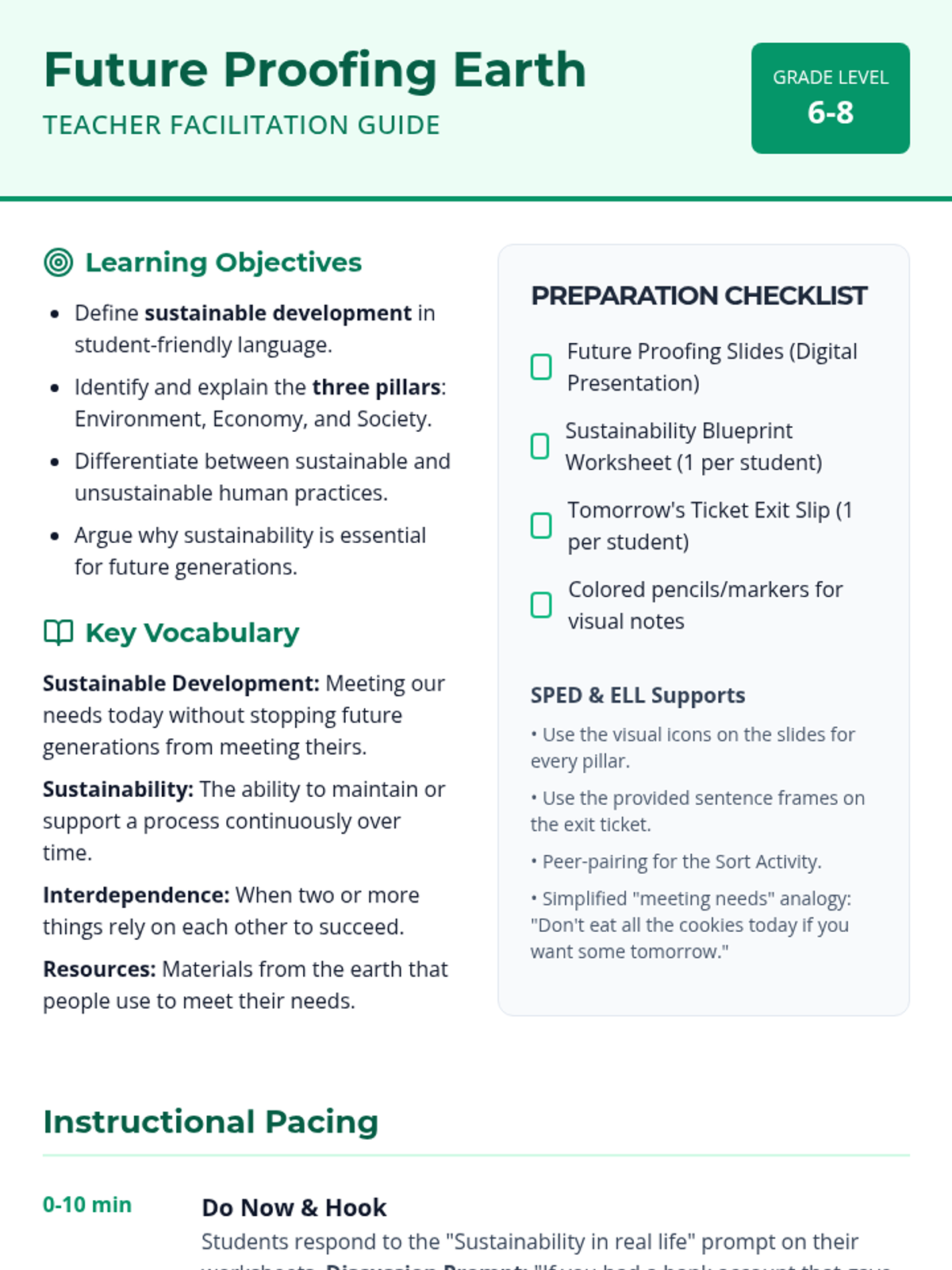
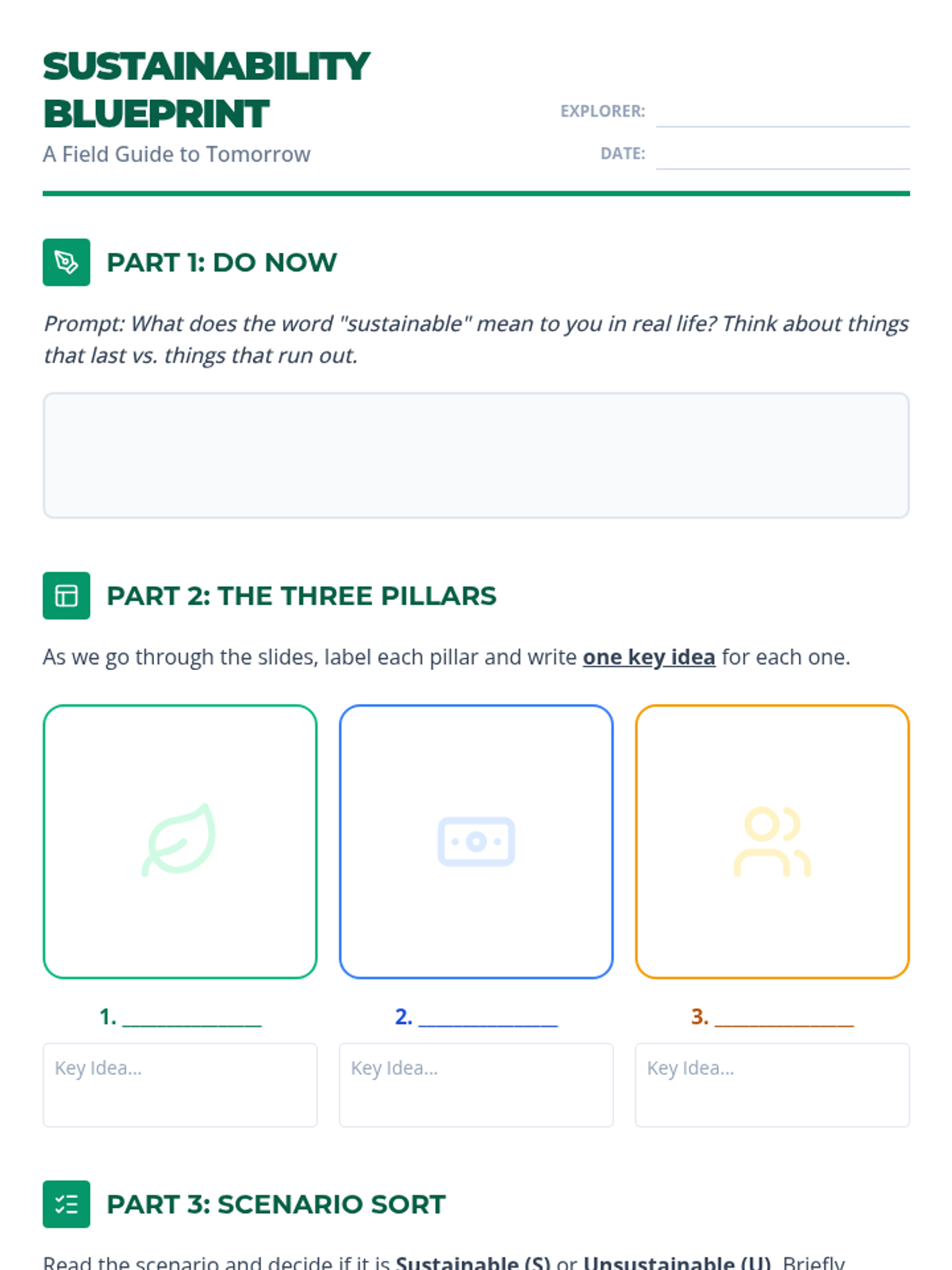
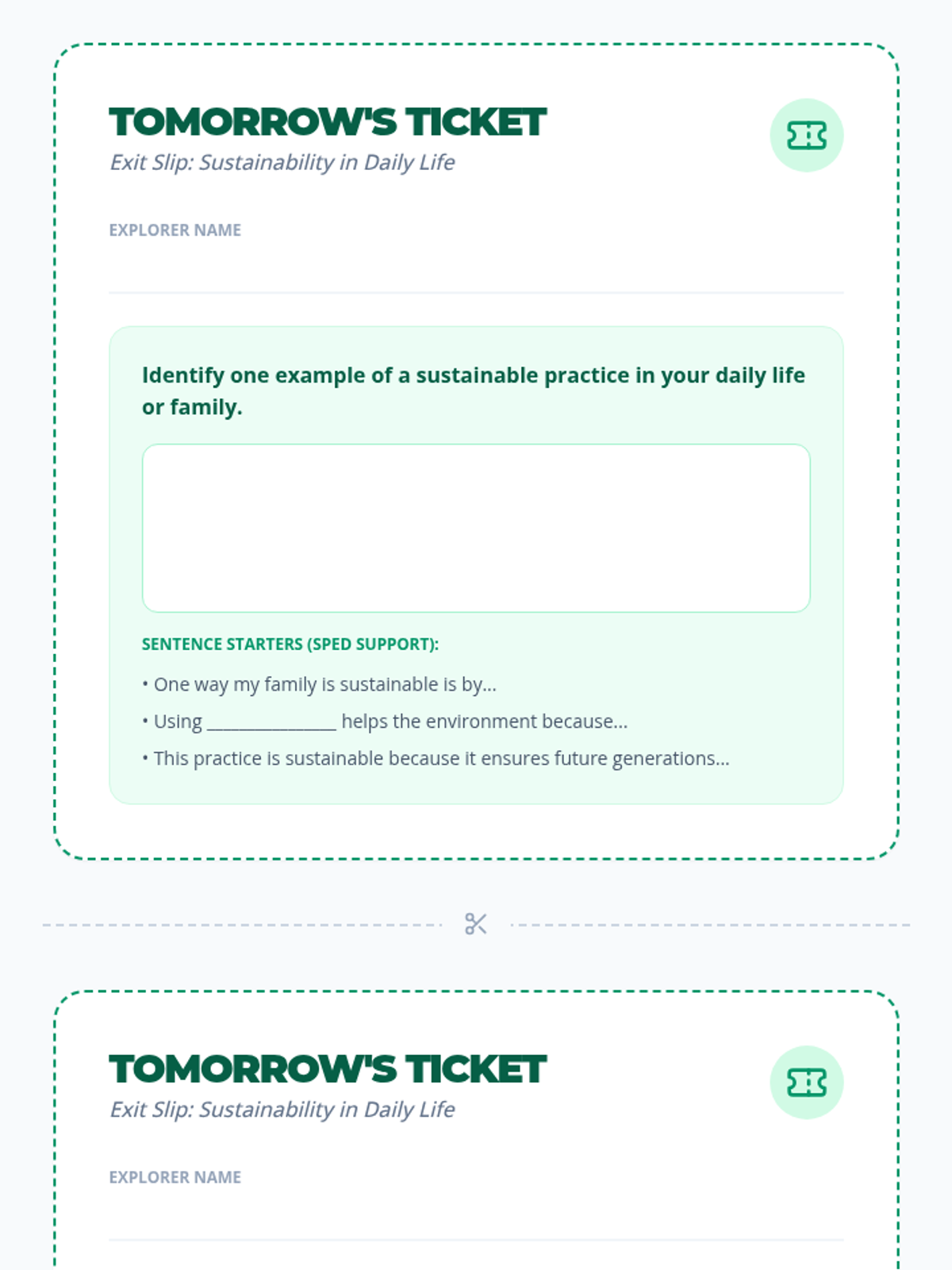
An introductory lesson on sustainable development, exploring the three pillars of sustainability and how human actions impact the planet's future.
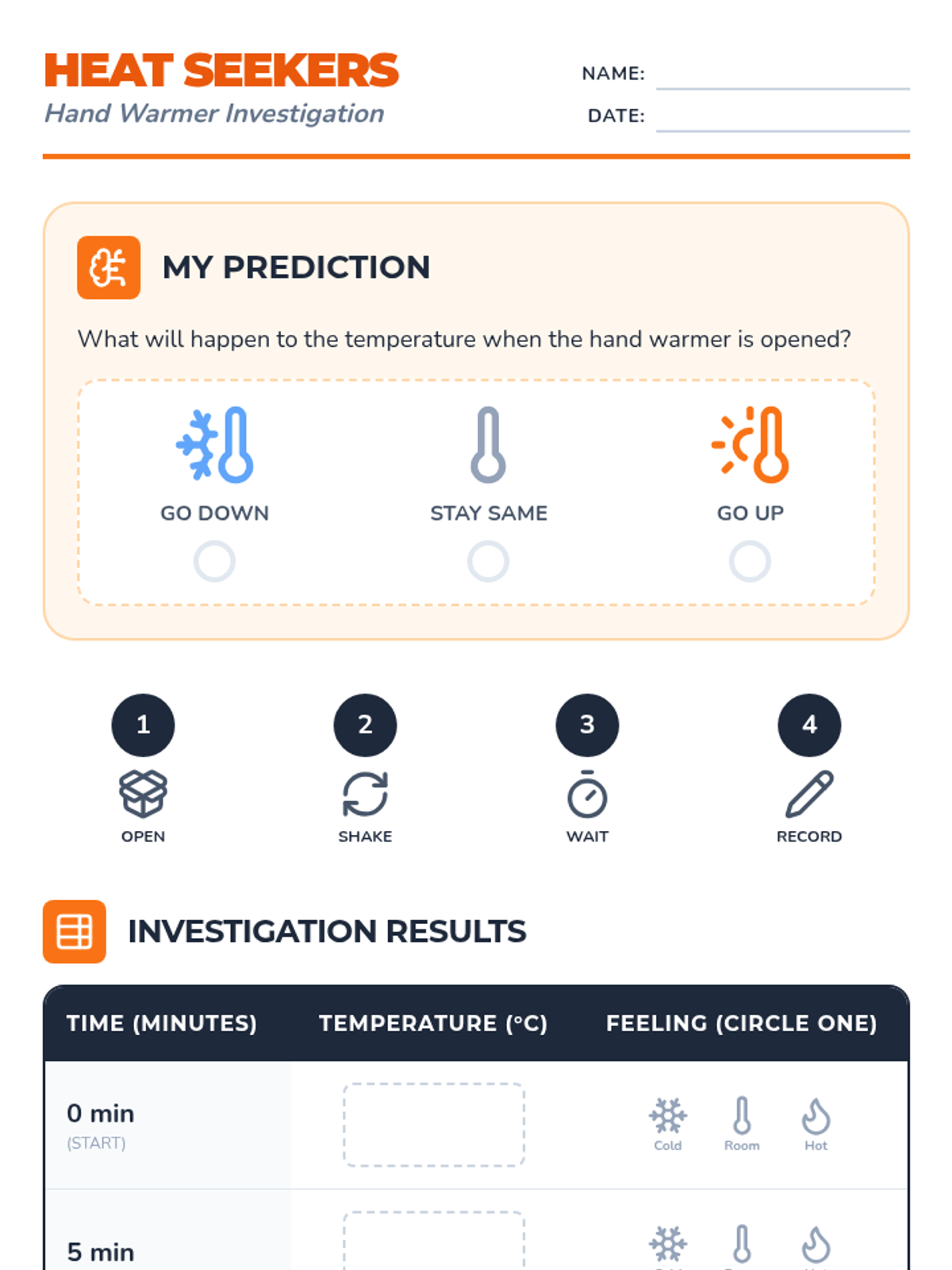
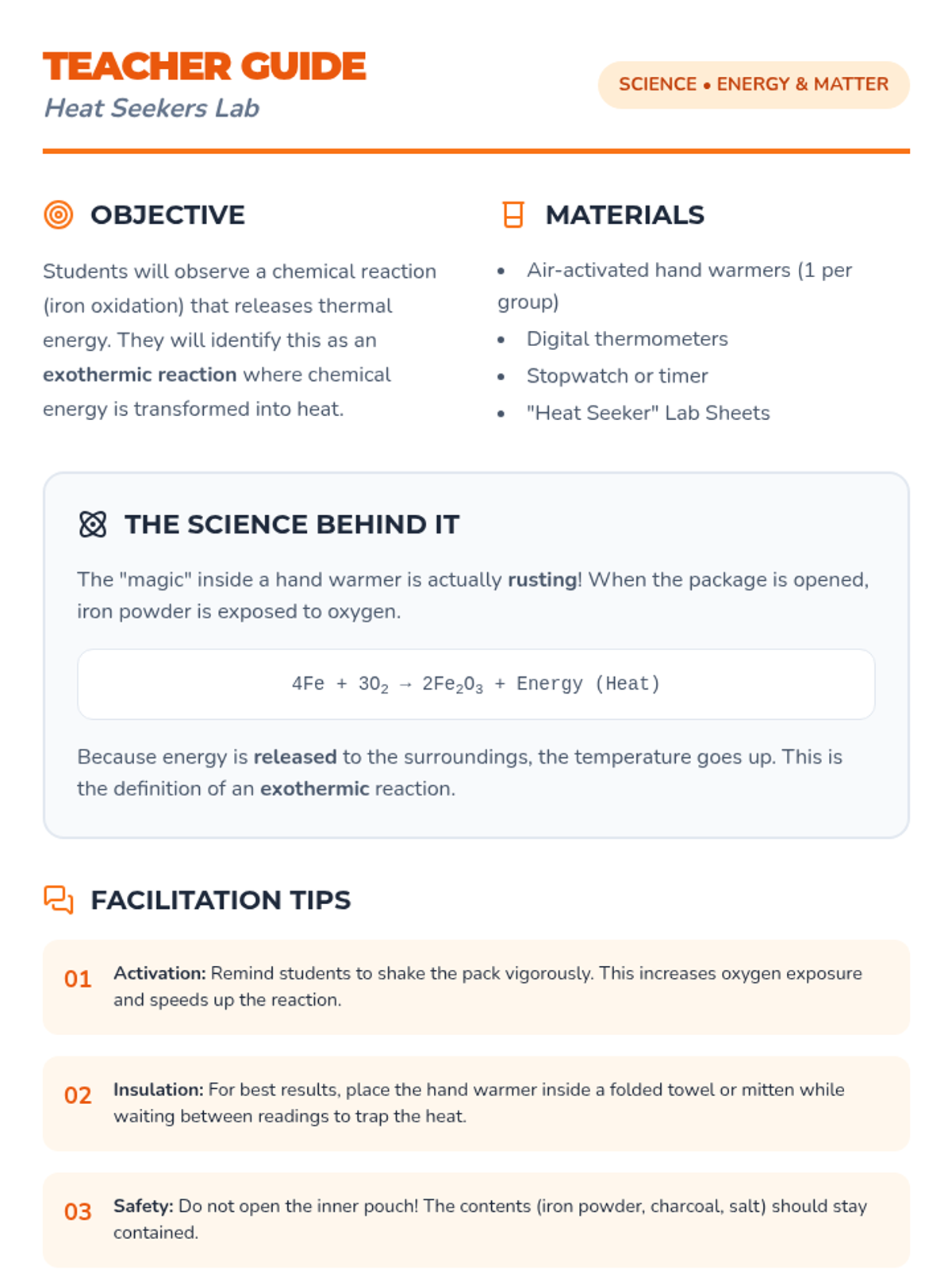
An investigation into exothermic reactions using hand warmers. Students observe and record temperature changes to understand how chemical energy transforms into heat energy.
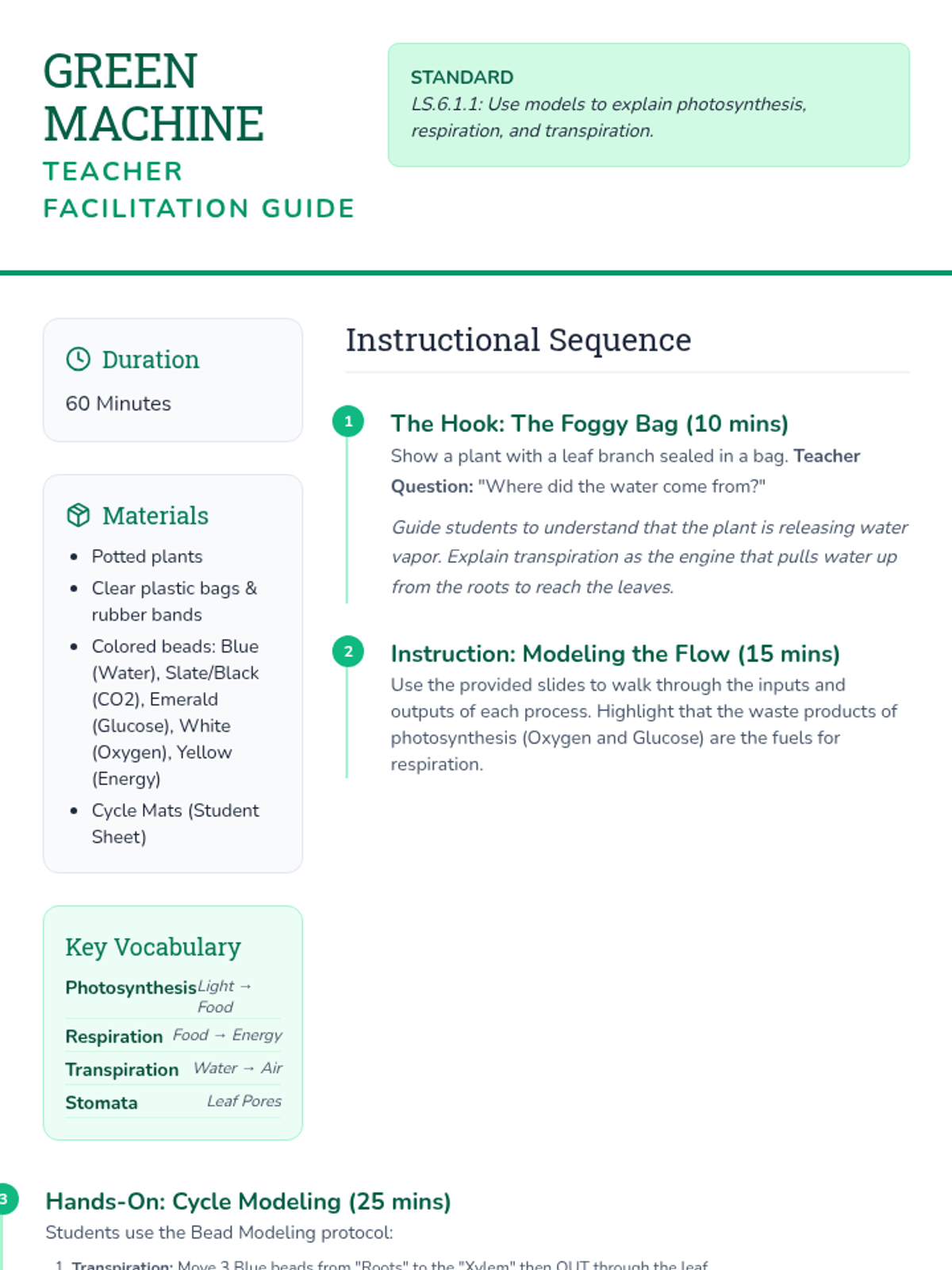
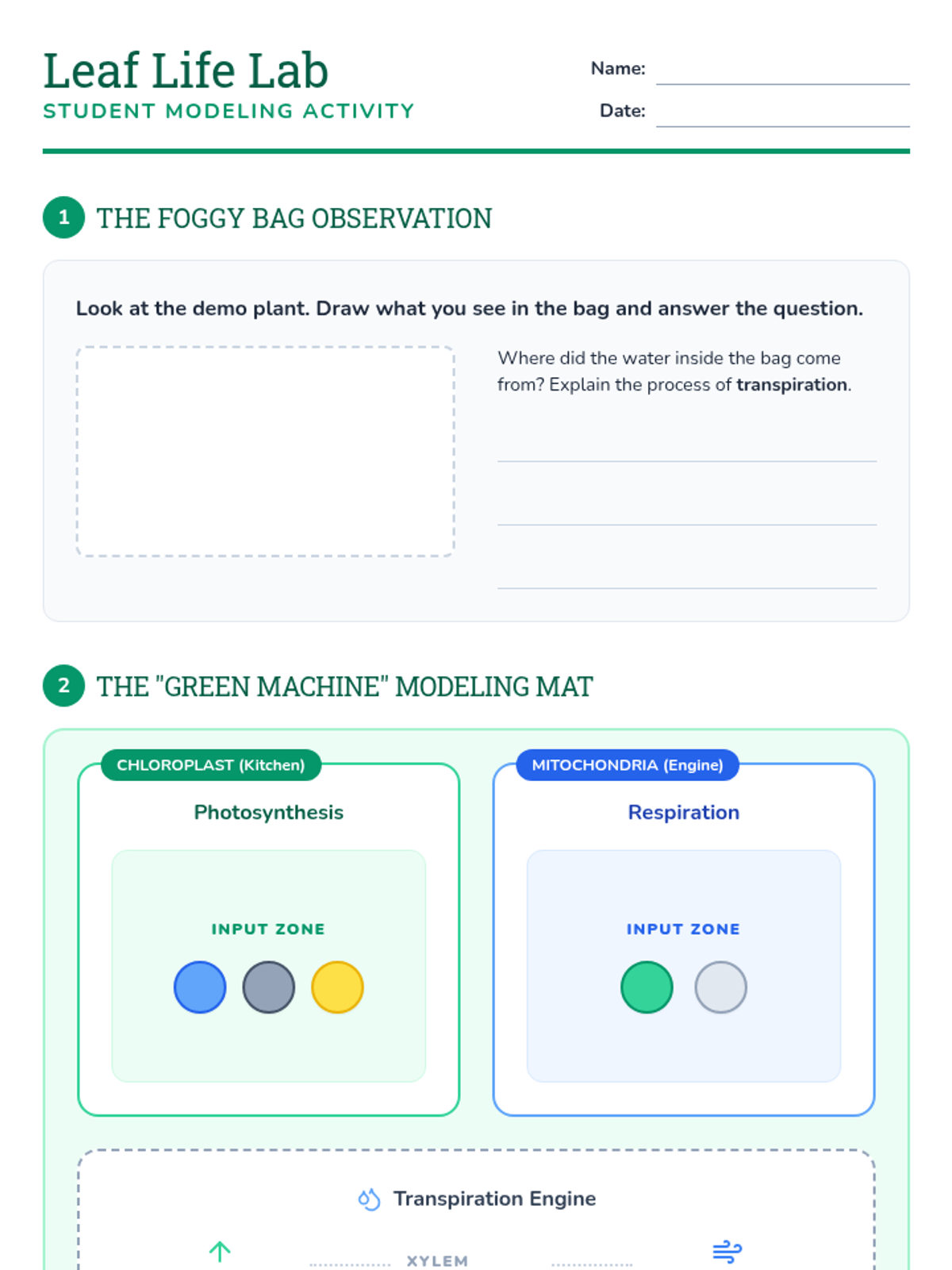
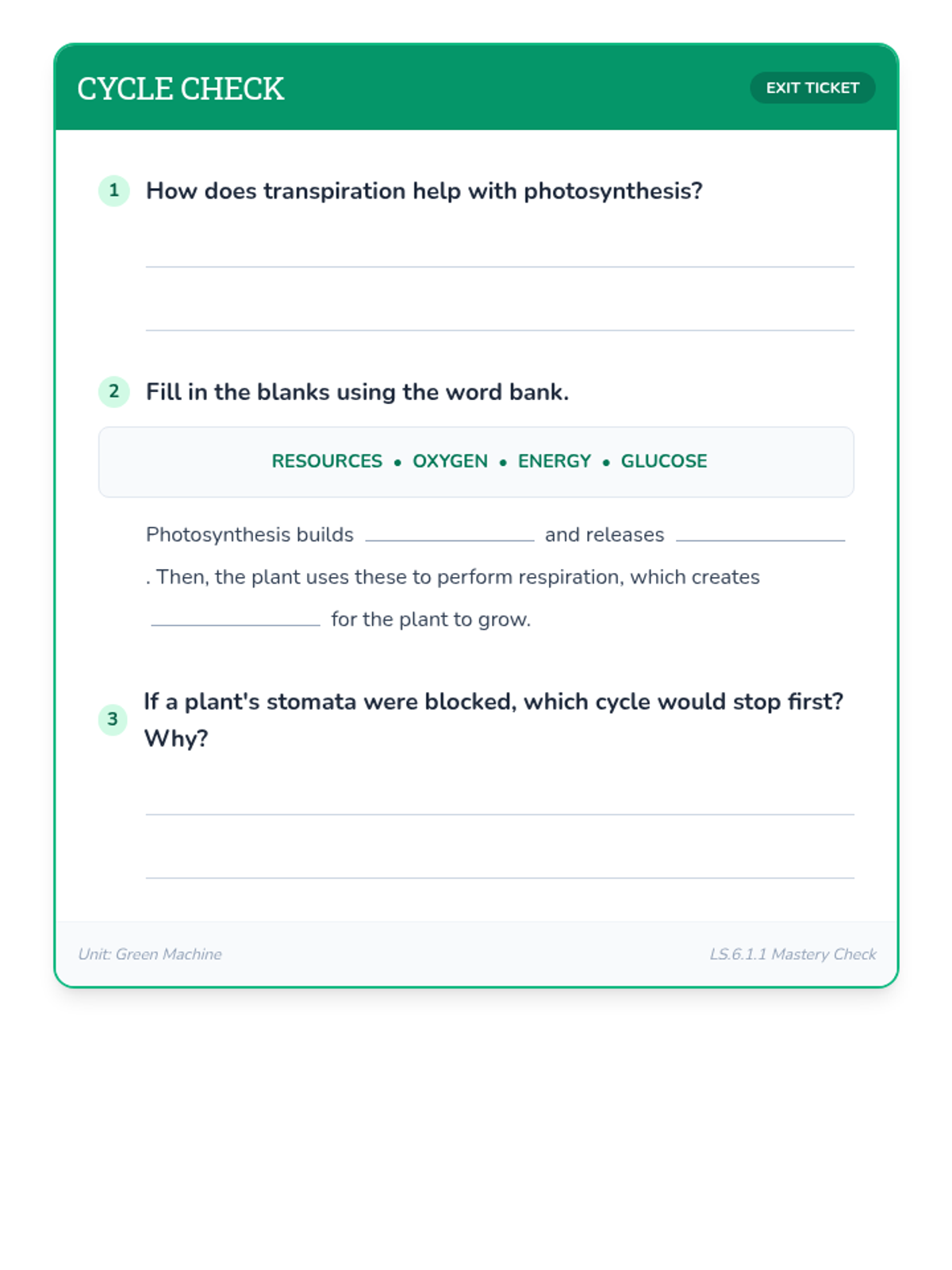
A hands-on exploration of photosynthesis, respiration, and transpiration, showing how these three processes cycle energy, gases, and water to sustain plant life. Students will observe transpiration in real-time and use a conceptual model to track chemical changes.
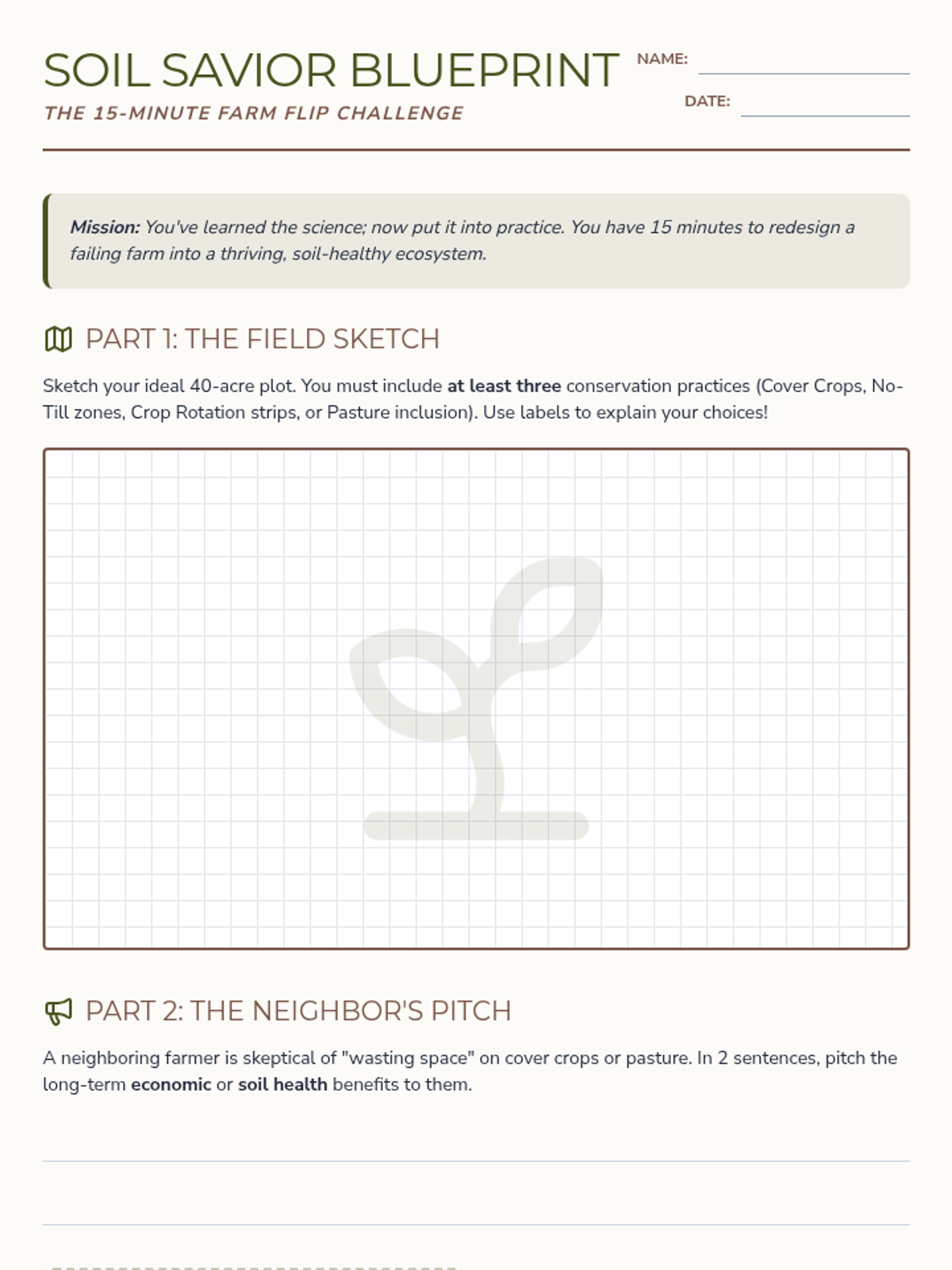
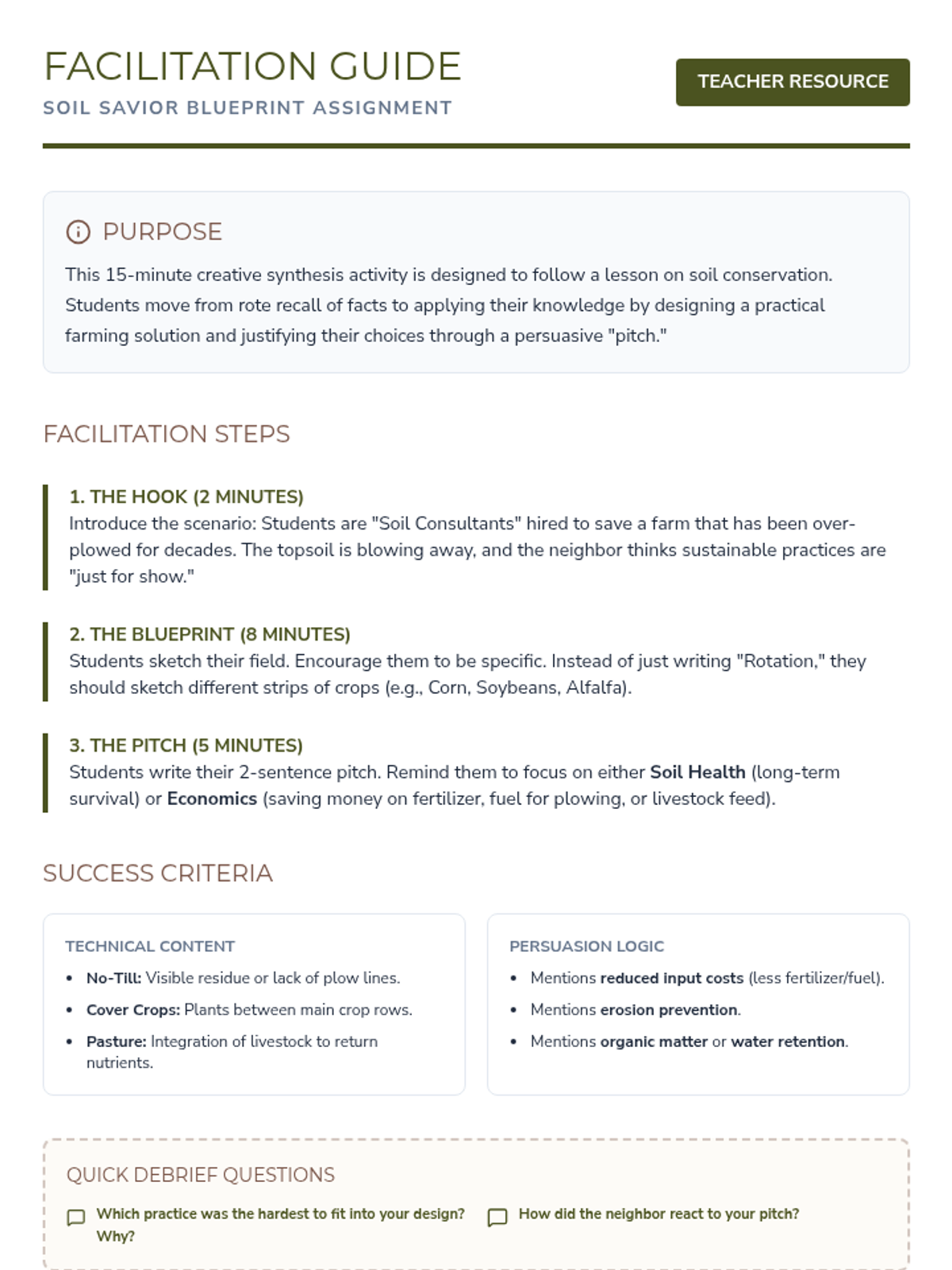
A quick, creative wrap-up lesson where students apply their knowledge of soil conservation practices to design a sustainable farm plot and craft a persuasive pitch.
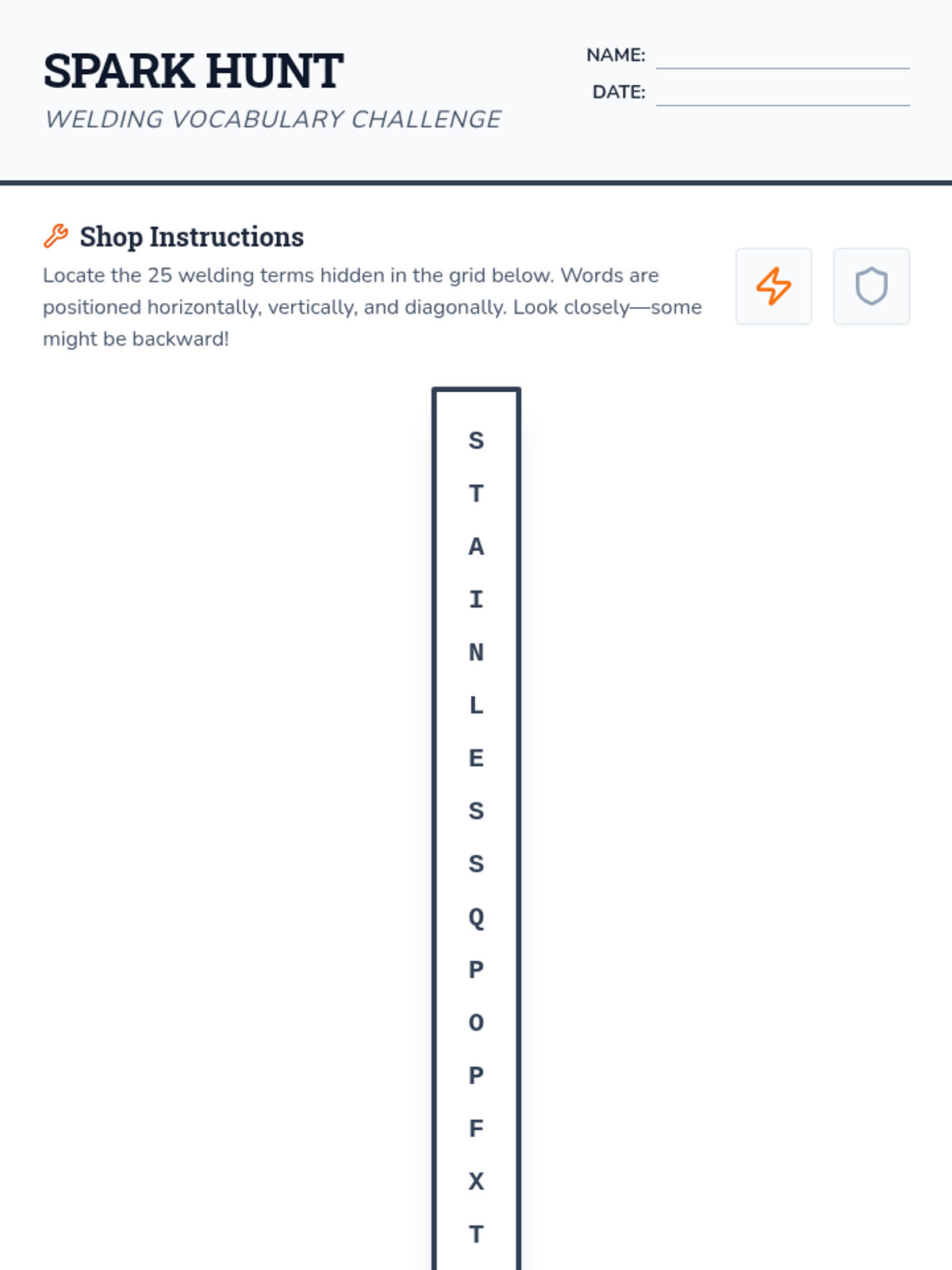
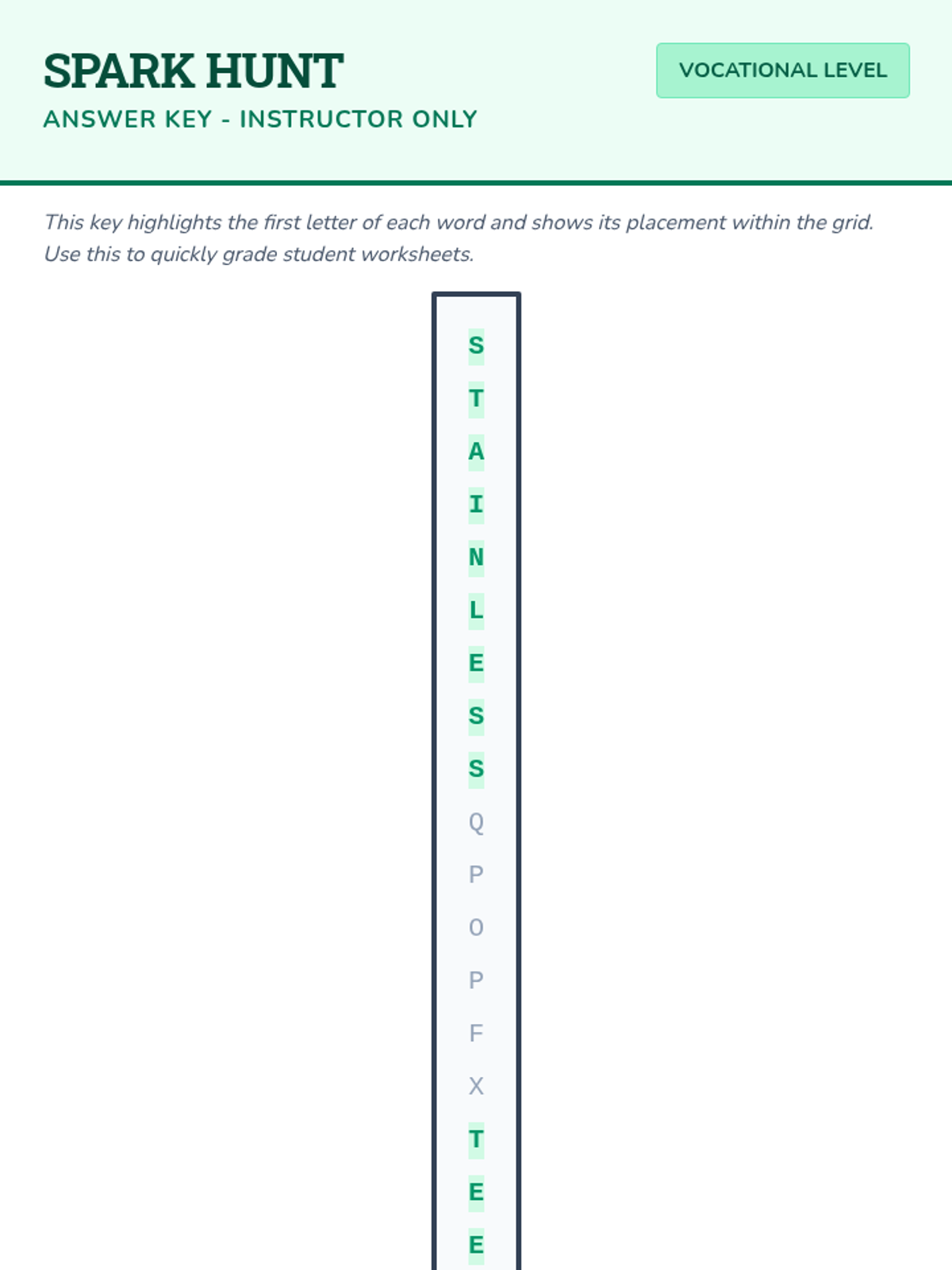
A lesson focused on the core terminology and equipment used in MIG, TIG, and Stick welding, as well as common metals and joint configurations.
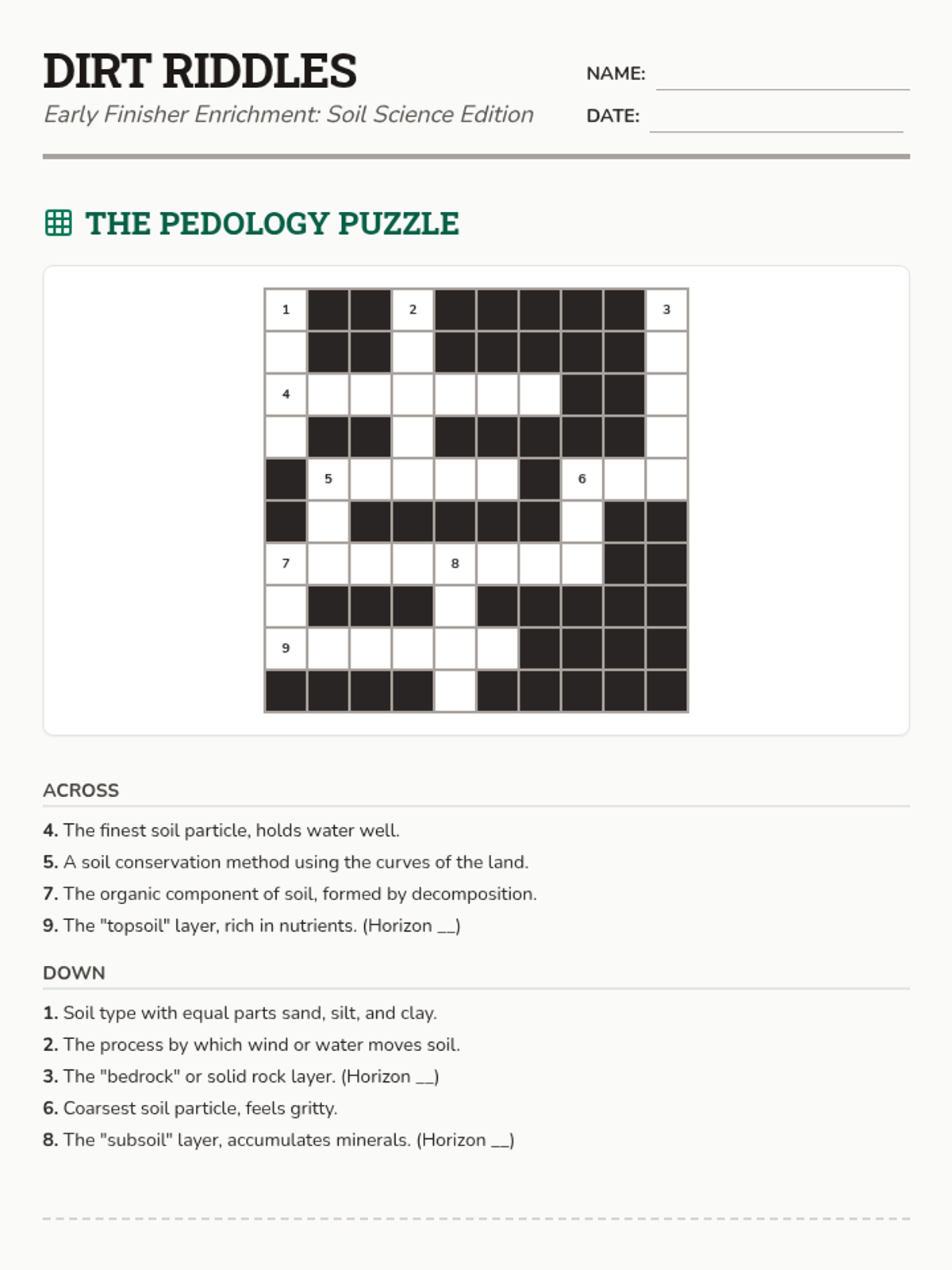
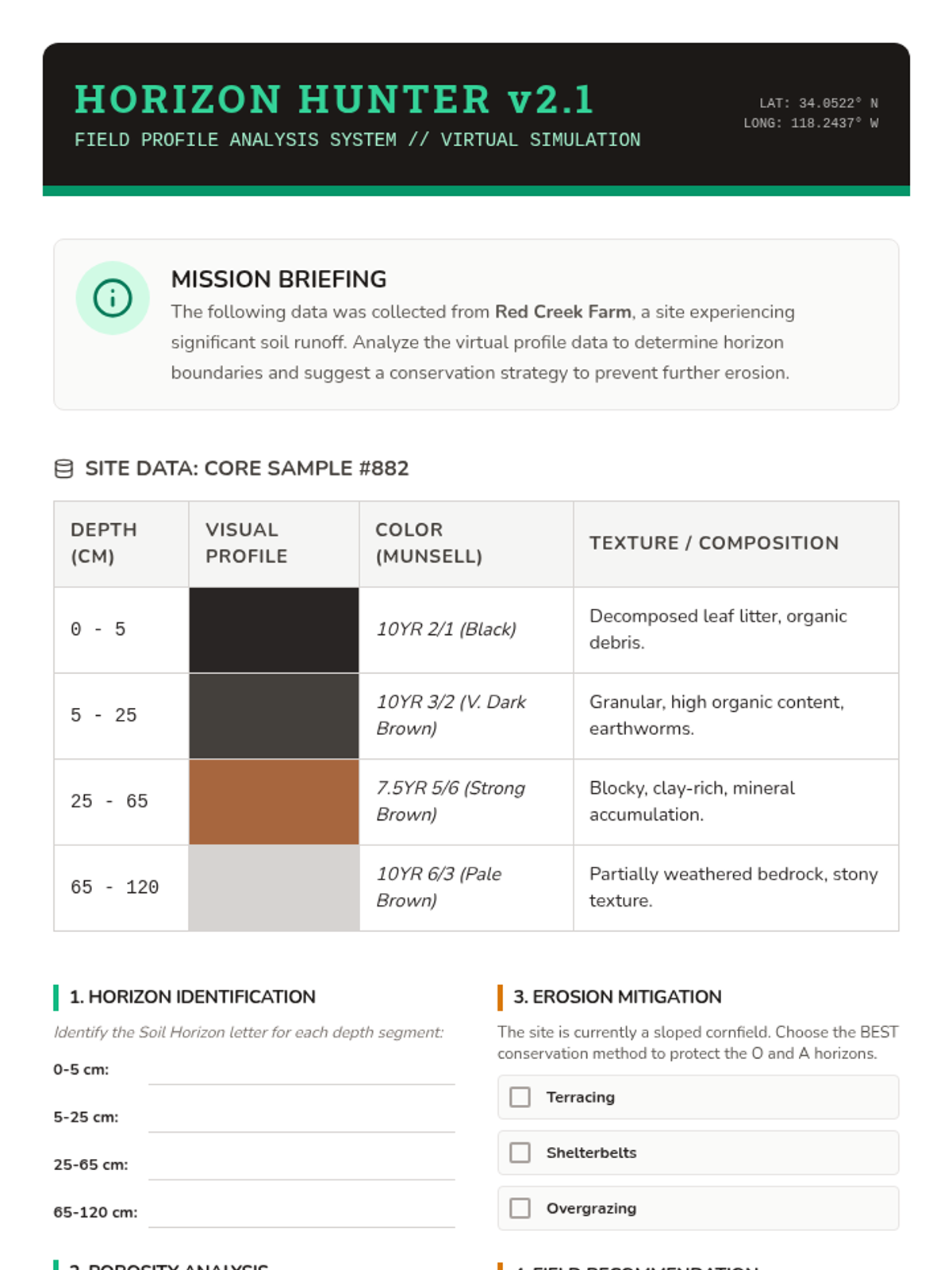
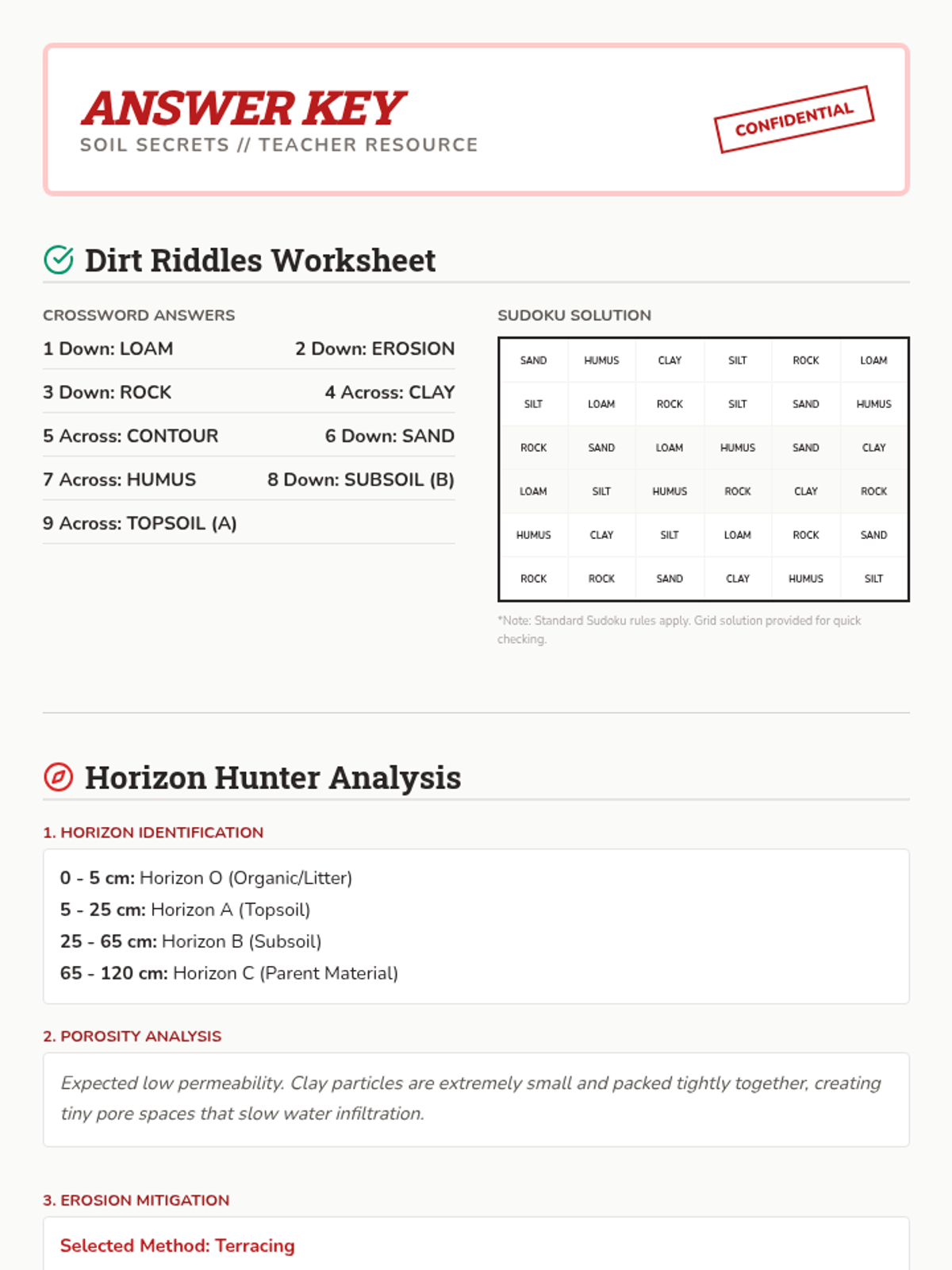
A collection of enrichment activities for high school students covering soil texture, horizons, and conservation. Includes a puzzle-based worksheet and a data-driven soil profile analysis activity.
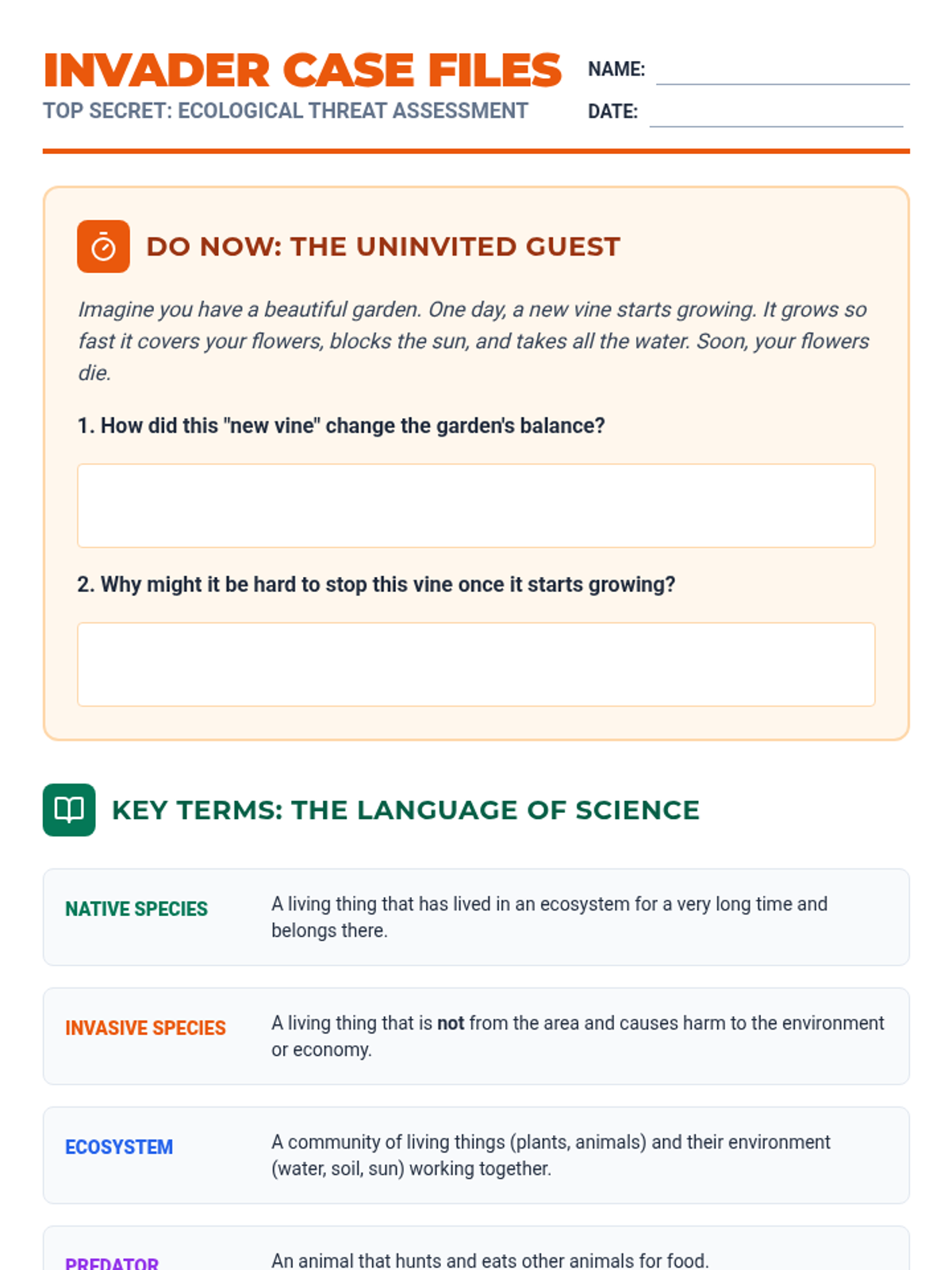
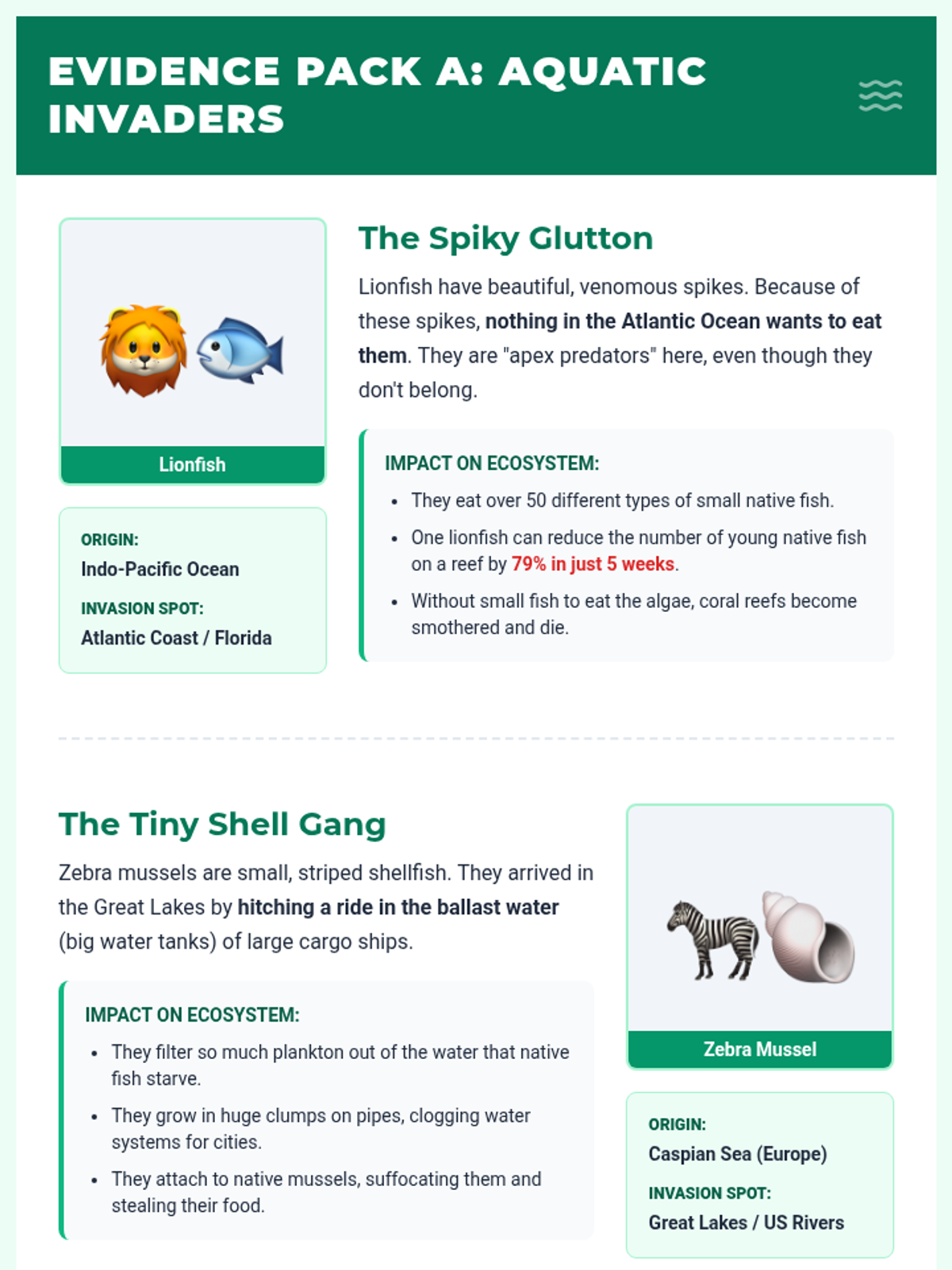
A comprehensive lesson on invasive species featuring case studies of Lionfish, Spotted Lanternflies, Zebra Mussels, and Burmese Pythons. Students explore the scientific process and ecological impacts through simplified text and visual supports.