A high school history lesson exploring the raid on Harpers Ferry through the lens of moral relativism, asking students to determine if John Brown was a martyr or a terrorist using primary sources and video analysis.
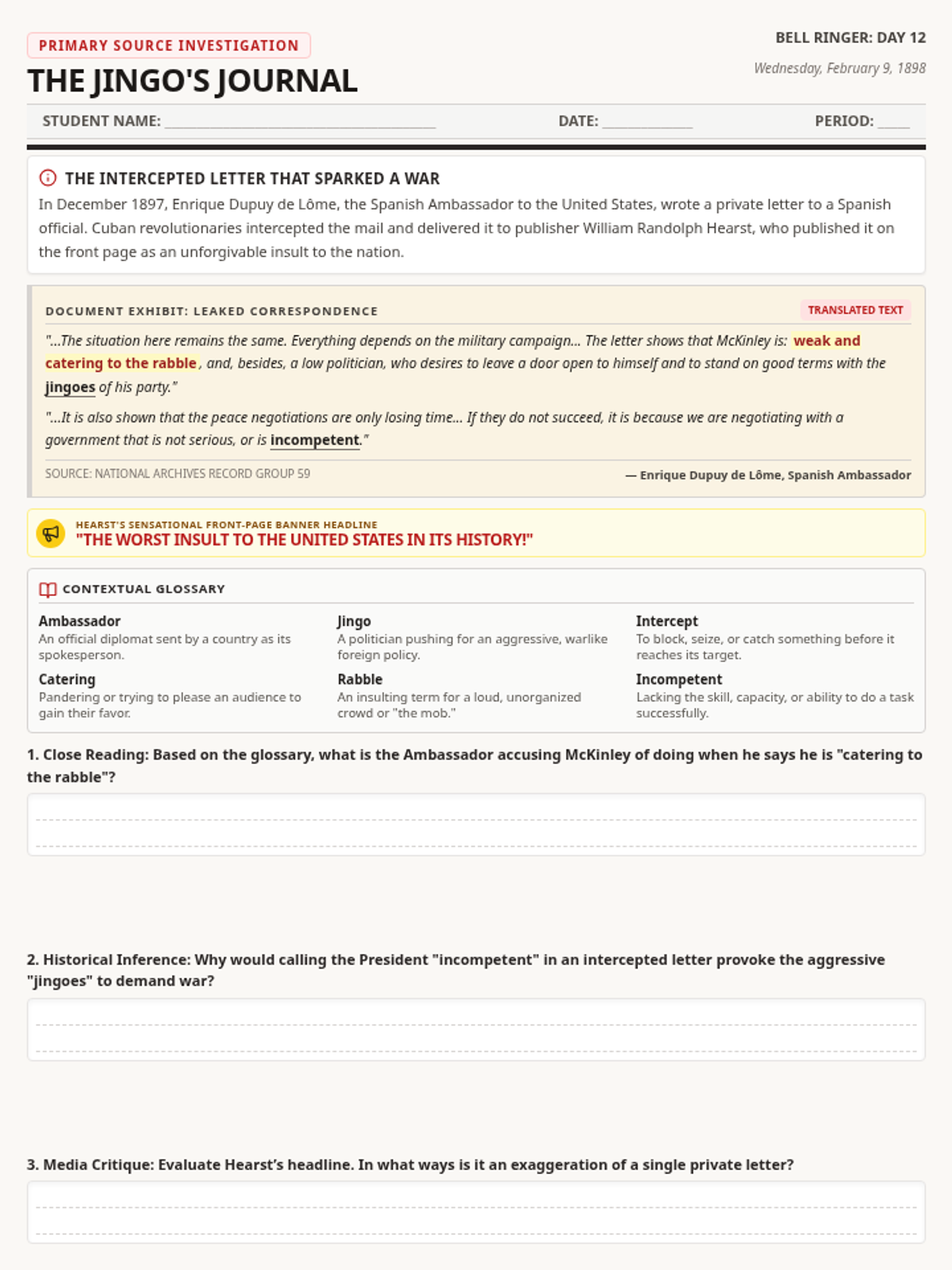
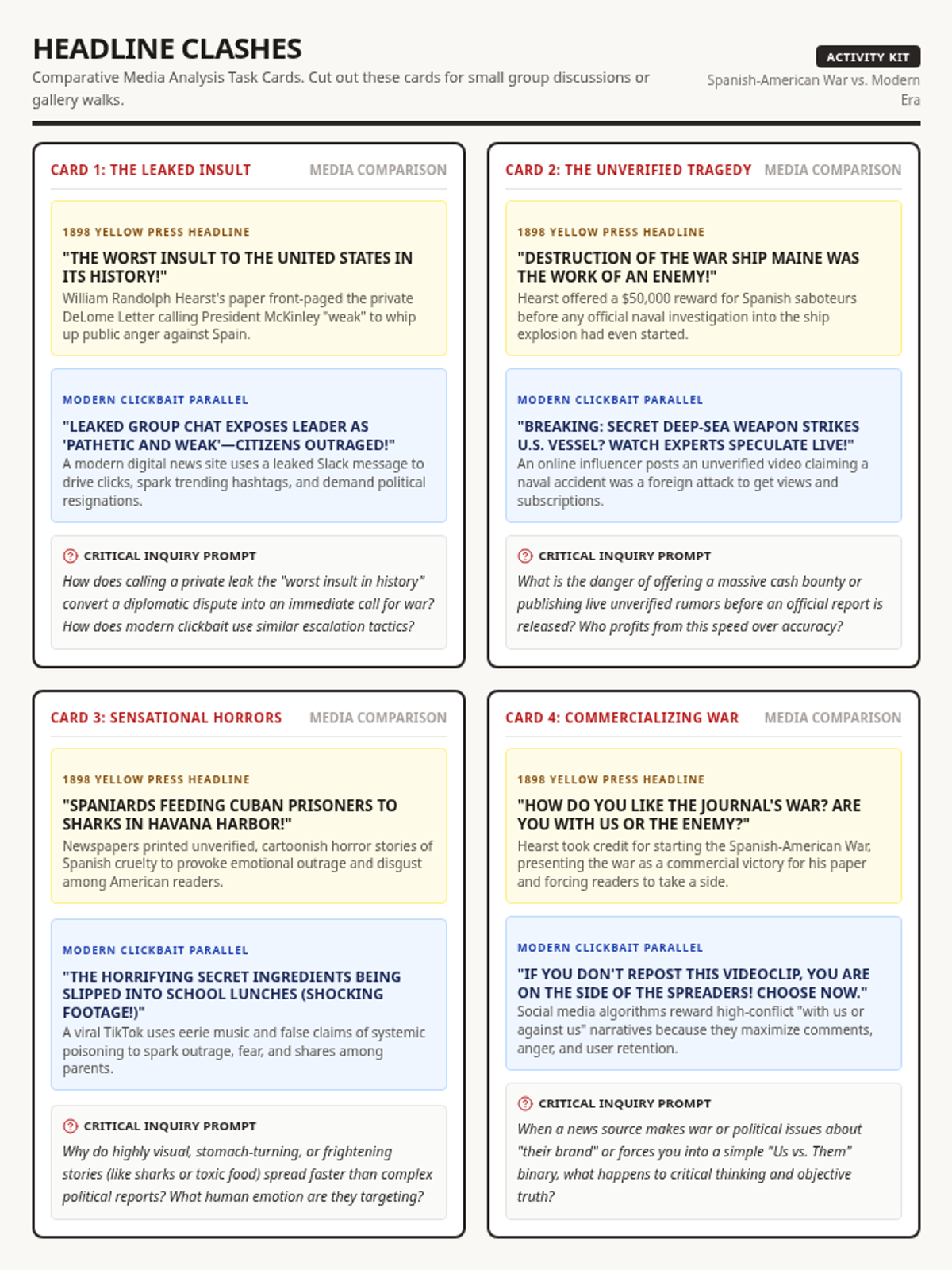
Students examine yellow journalism through the lens of the historical DeLome Letter leak of 1898. They analyze sensationalized media, understand the historical context of the Spanish-American War, and draw parallels to modern media.
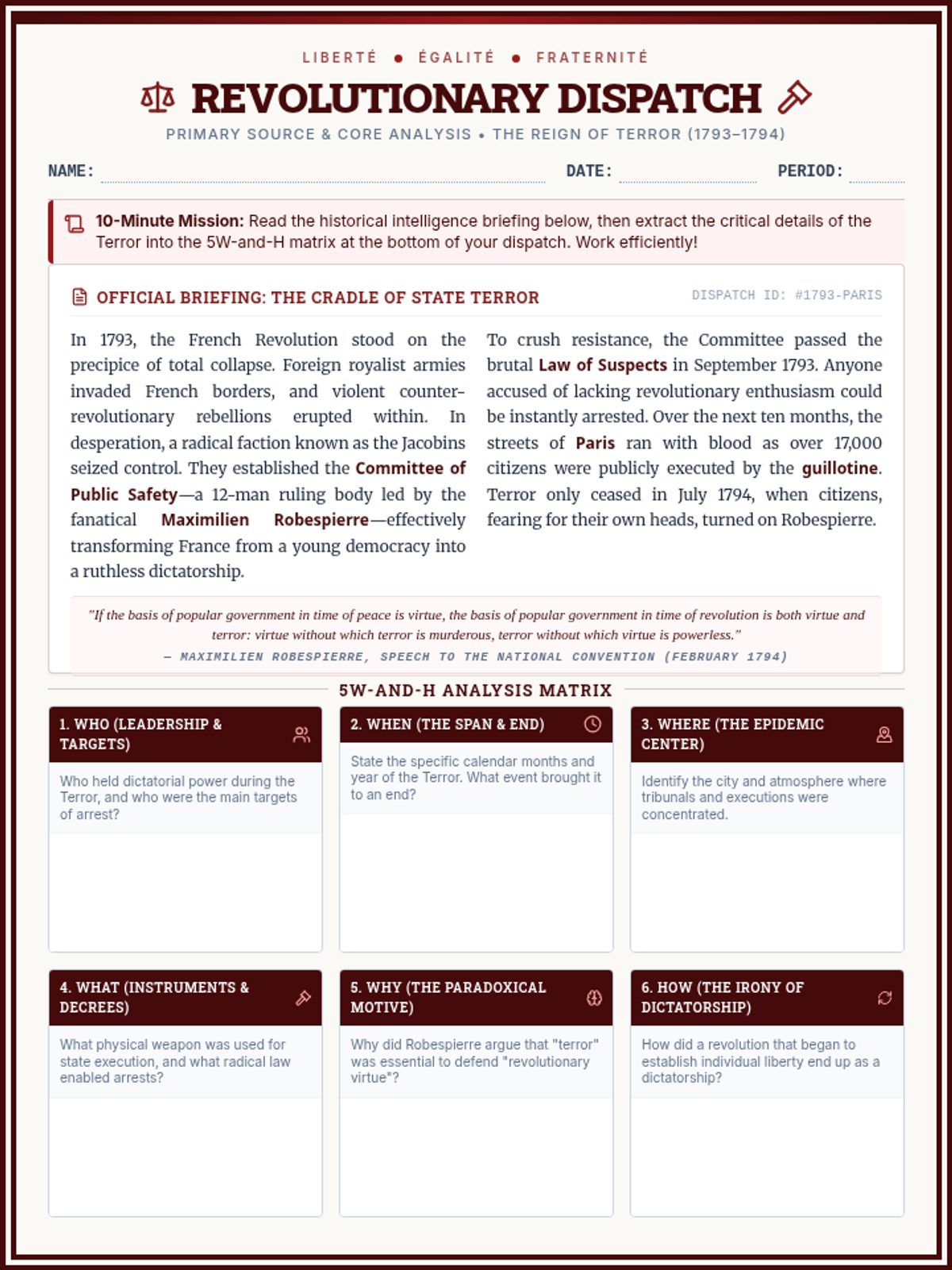
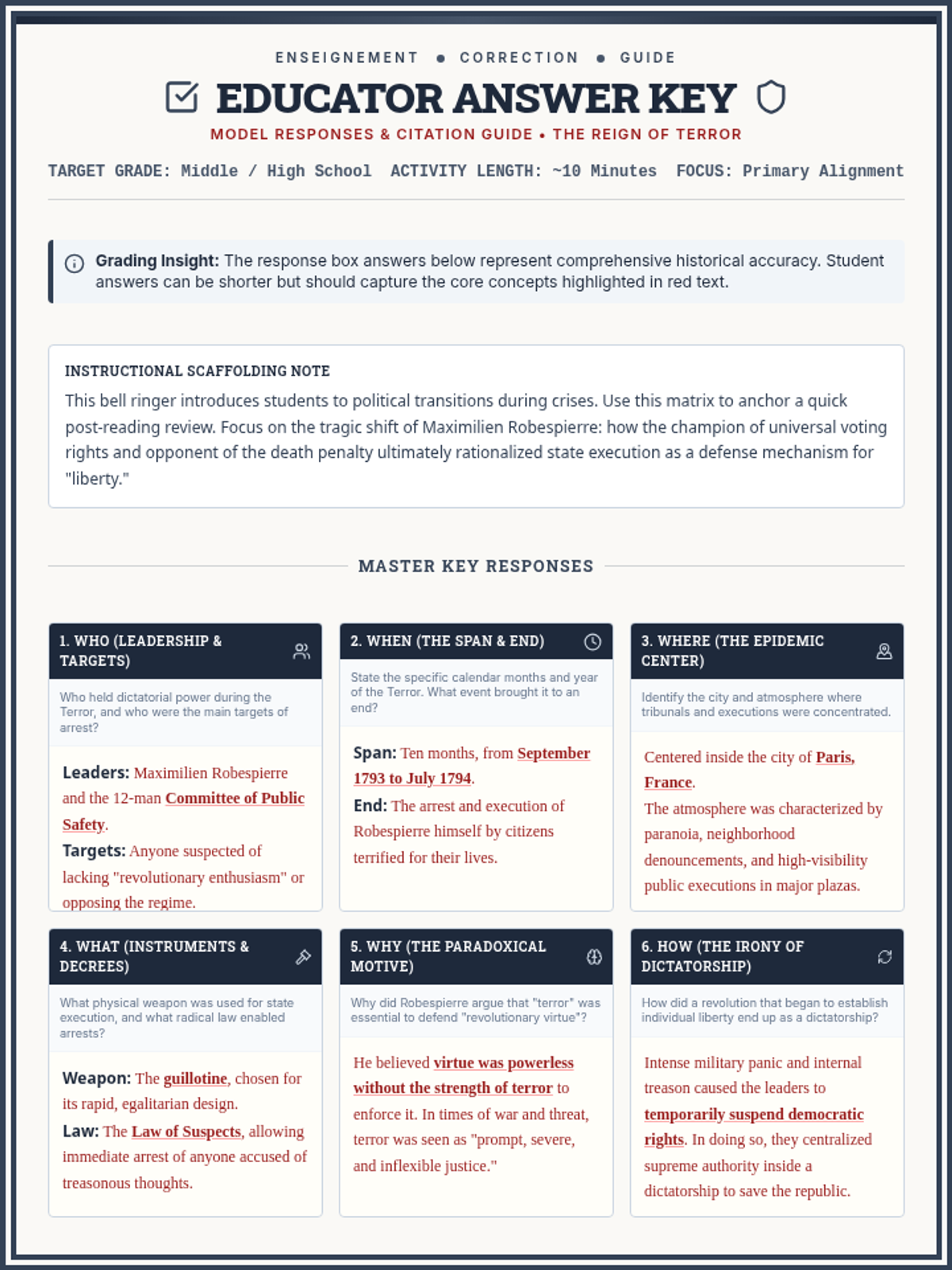
A deep dive into the French Revolution's bloodiest phase, analyzing how revolutionary ideals twisted into state-sponsored terror under Robespierre.
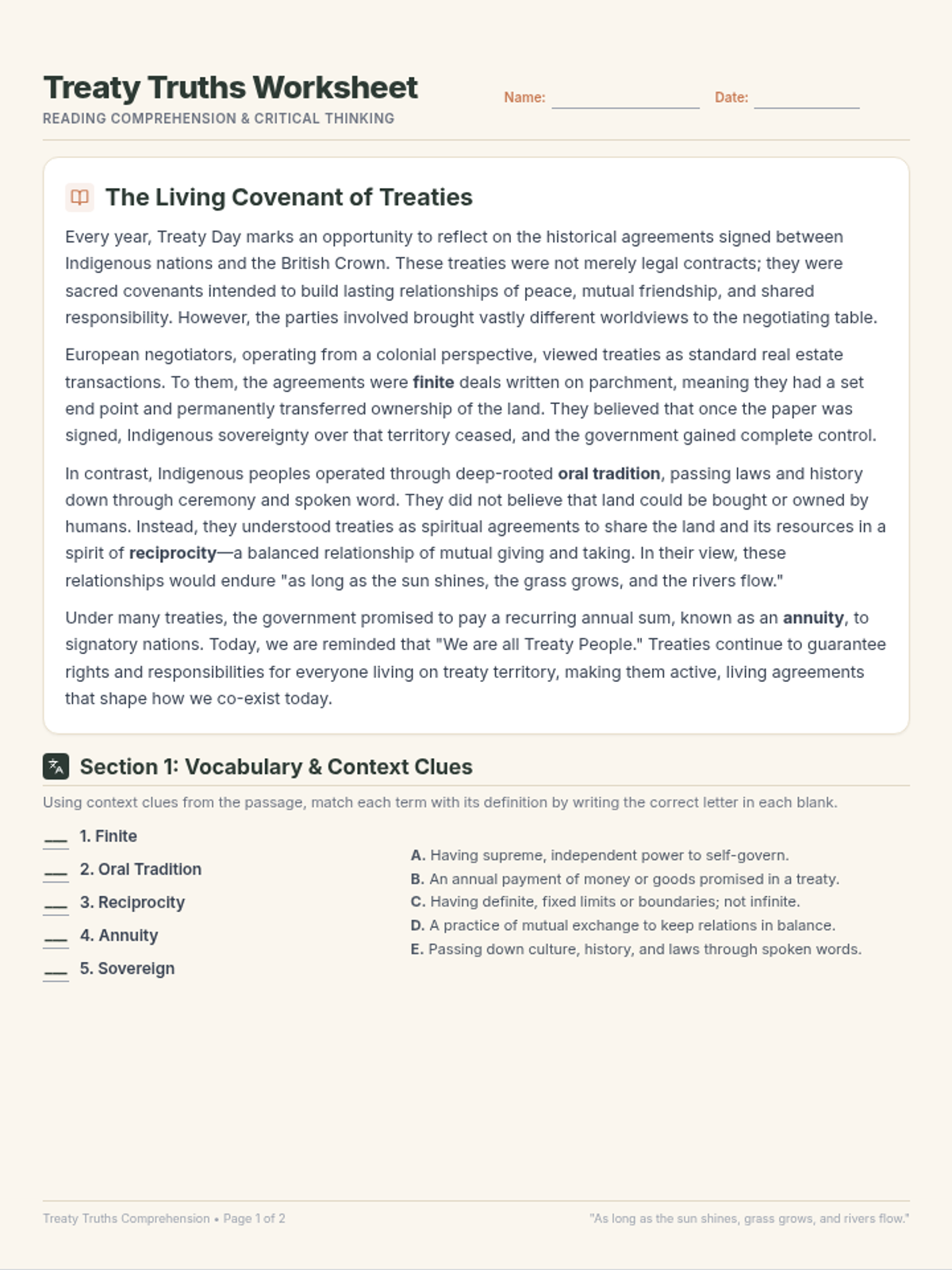
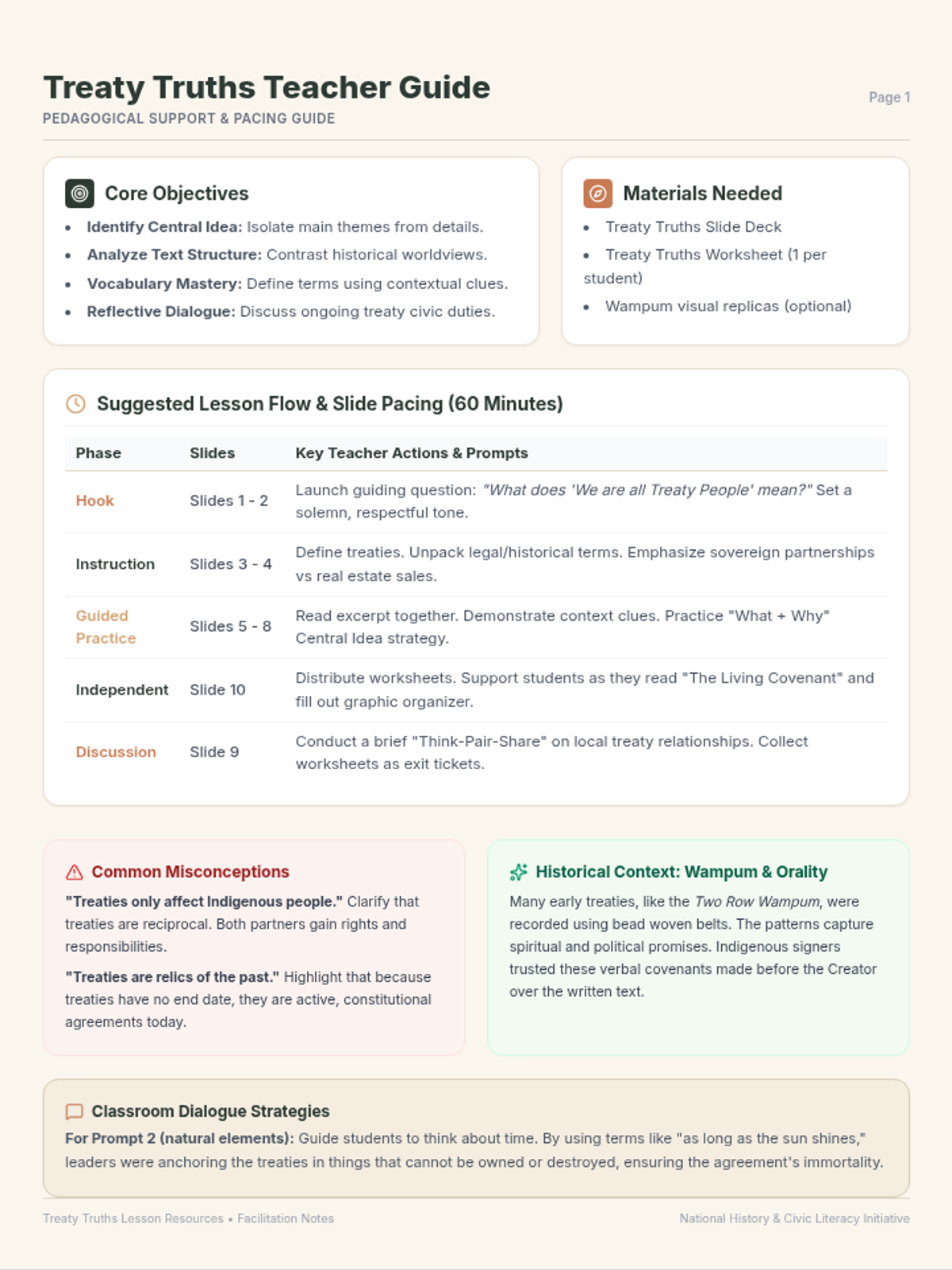
An interactive, historically grounded lesson exploring the significance of Treaty Day, focusing on central ideas, summarizing, and historical vocabulary. Students analyze the nature of treaties as sacred, ongoing agreements and practice identifying key themes and context clues.
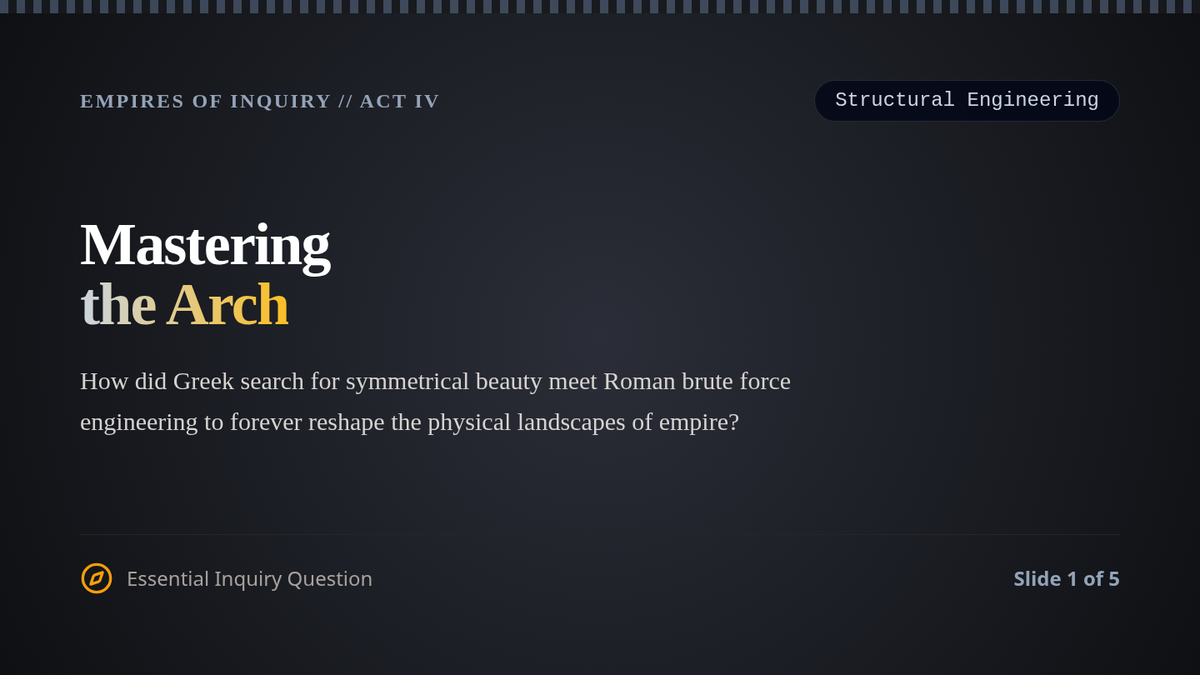
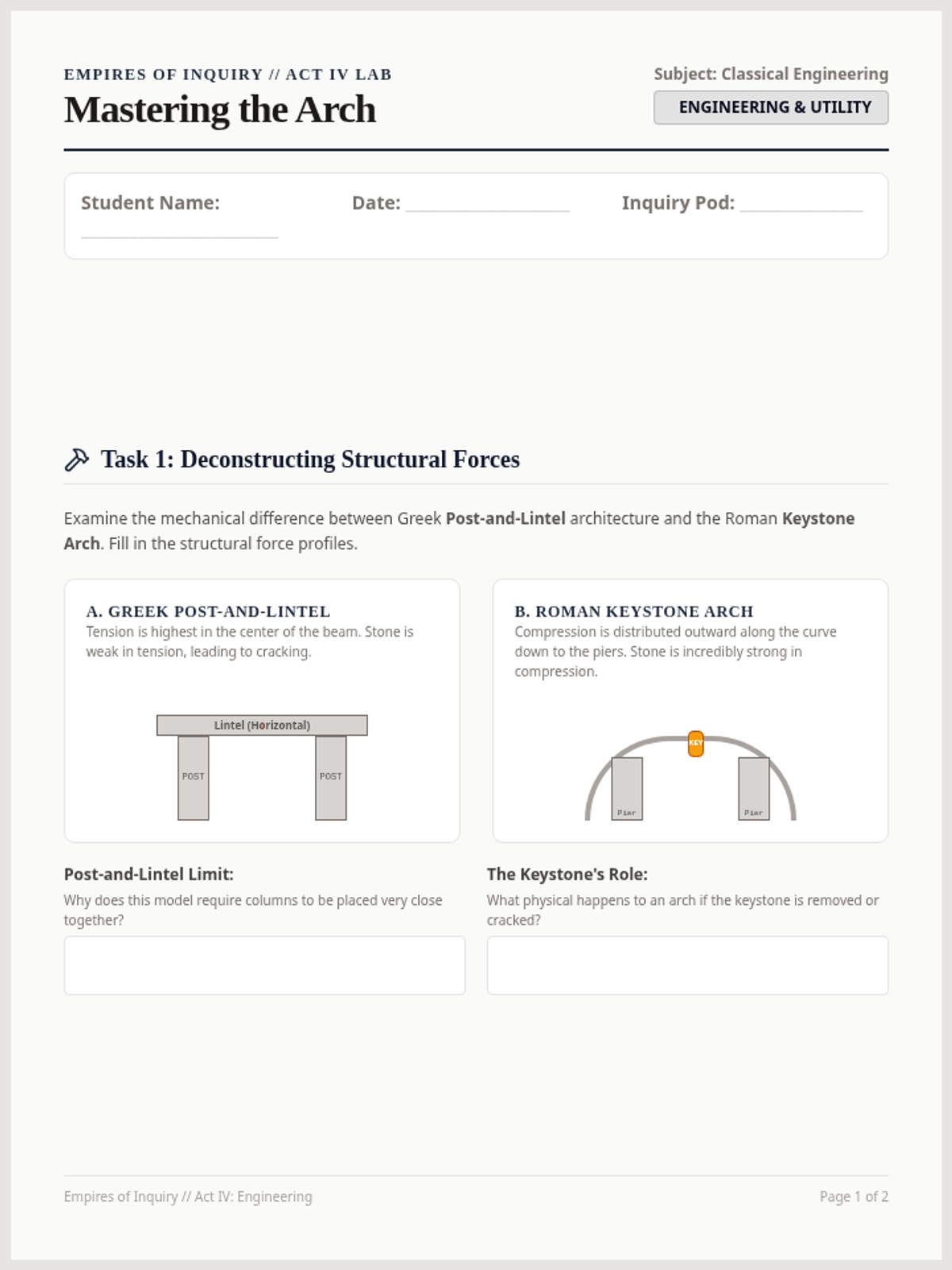
Students investigate the physical backbone of classical empires, comparing Greek structural harmony with Roman concrete engineering and infrastructural feats like aqueducts and roadways.
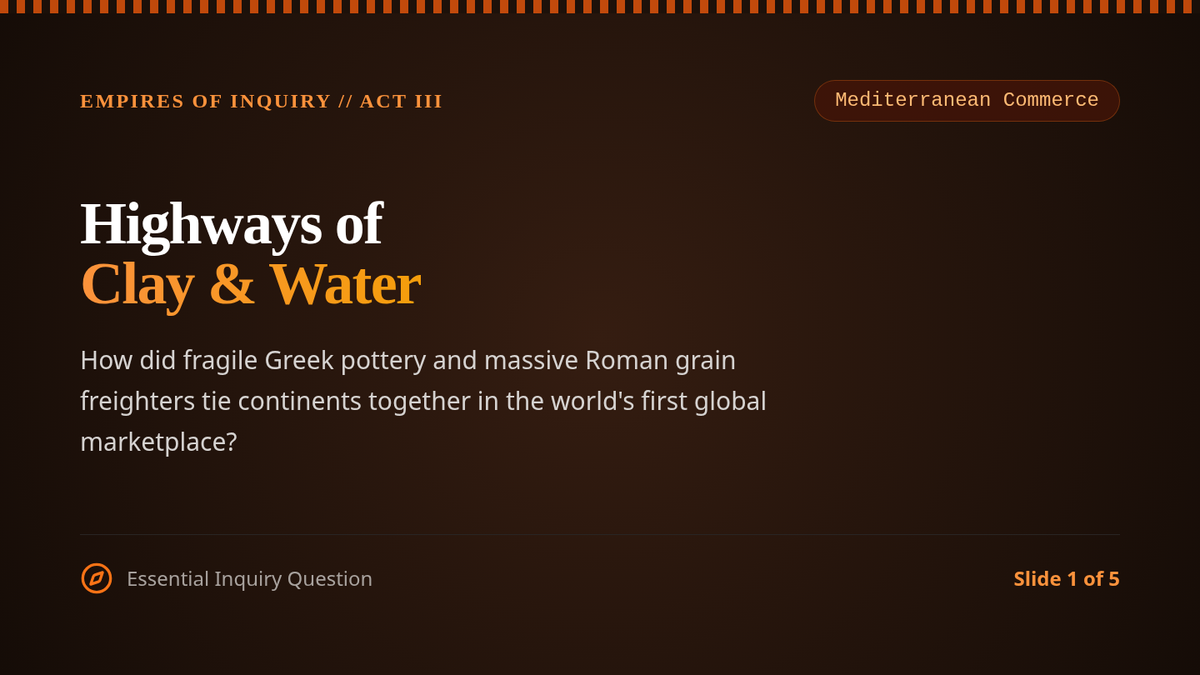
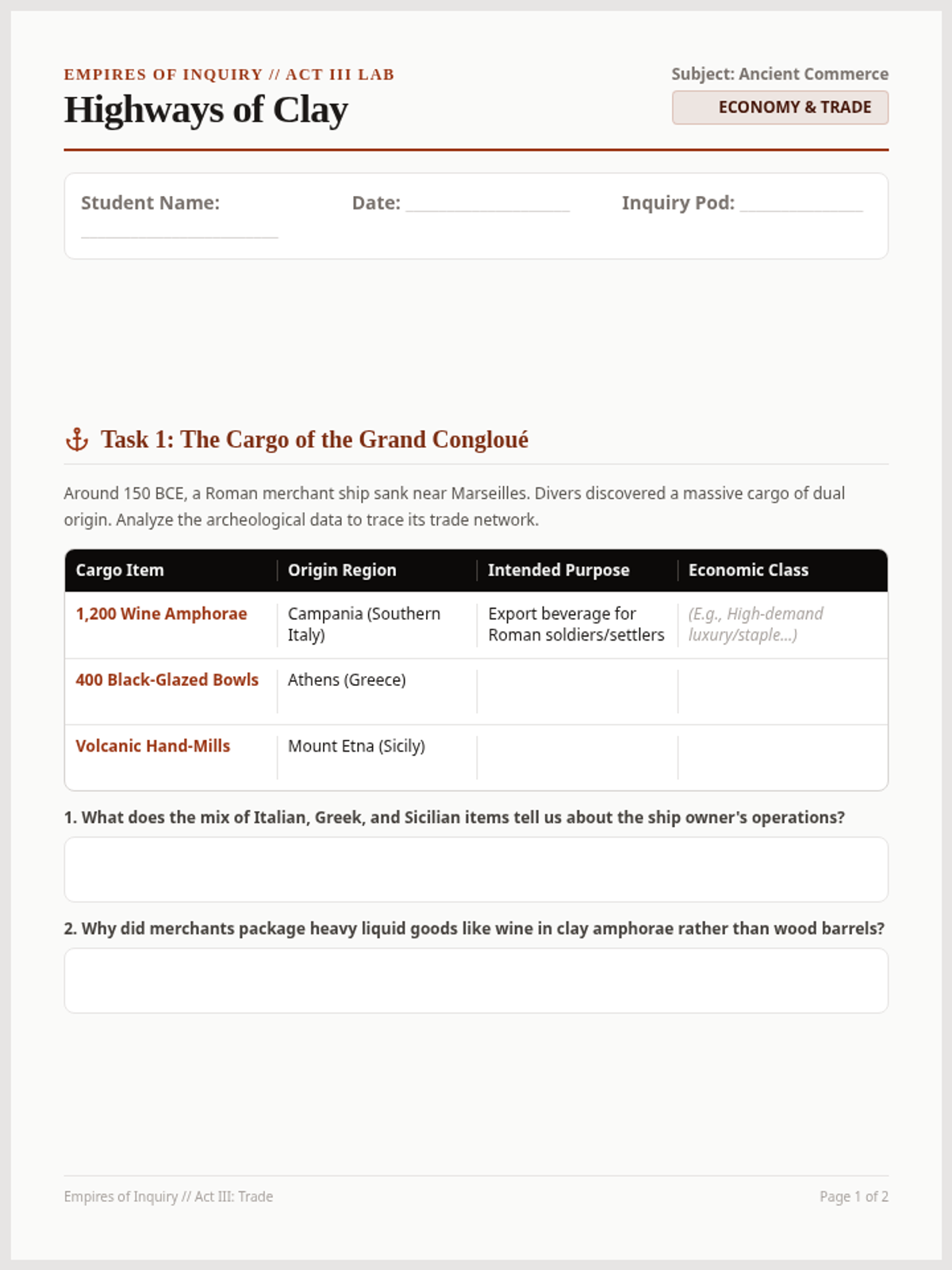
Students trace the economic veins of the Mediterranean, mapping how Greek ceramic trade and Roman maritime highways linked continents, exchanged technologies, and forged a globalized ancient marketplace.
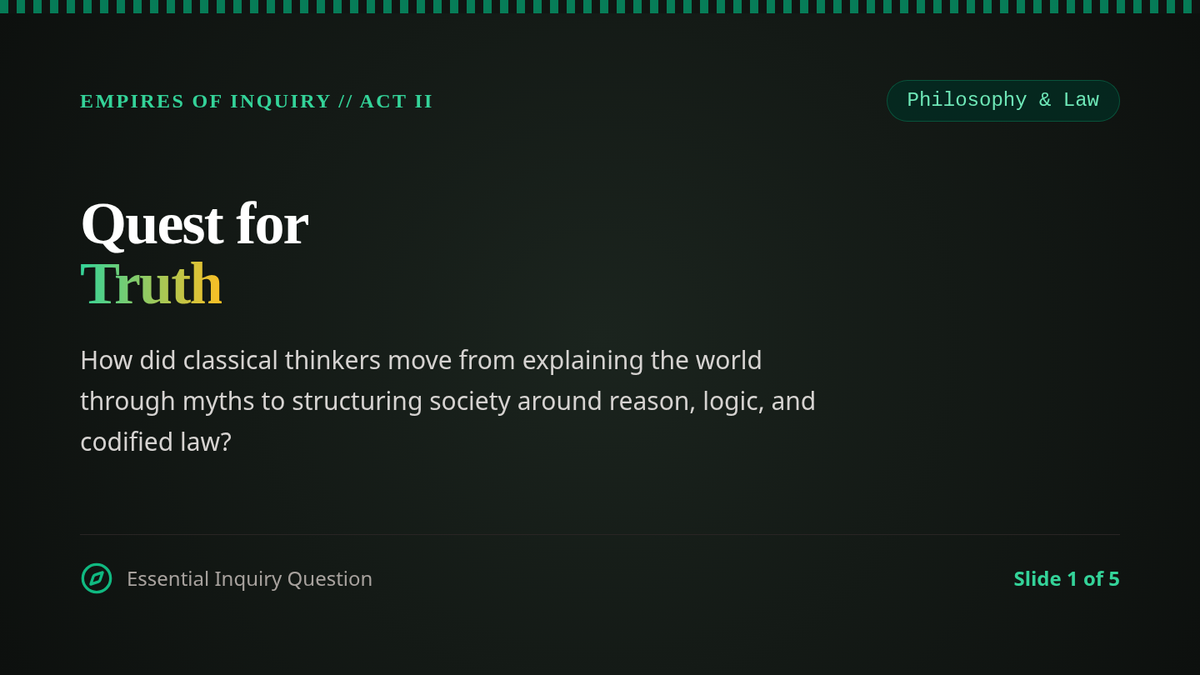
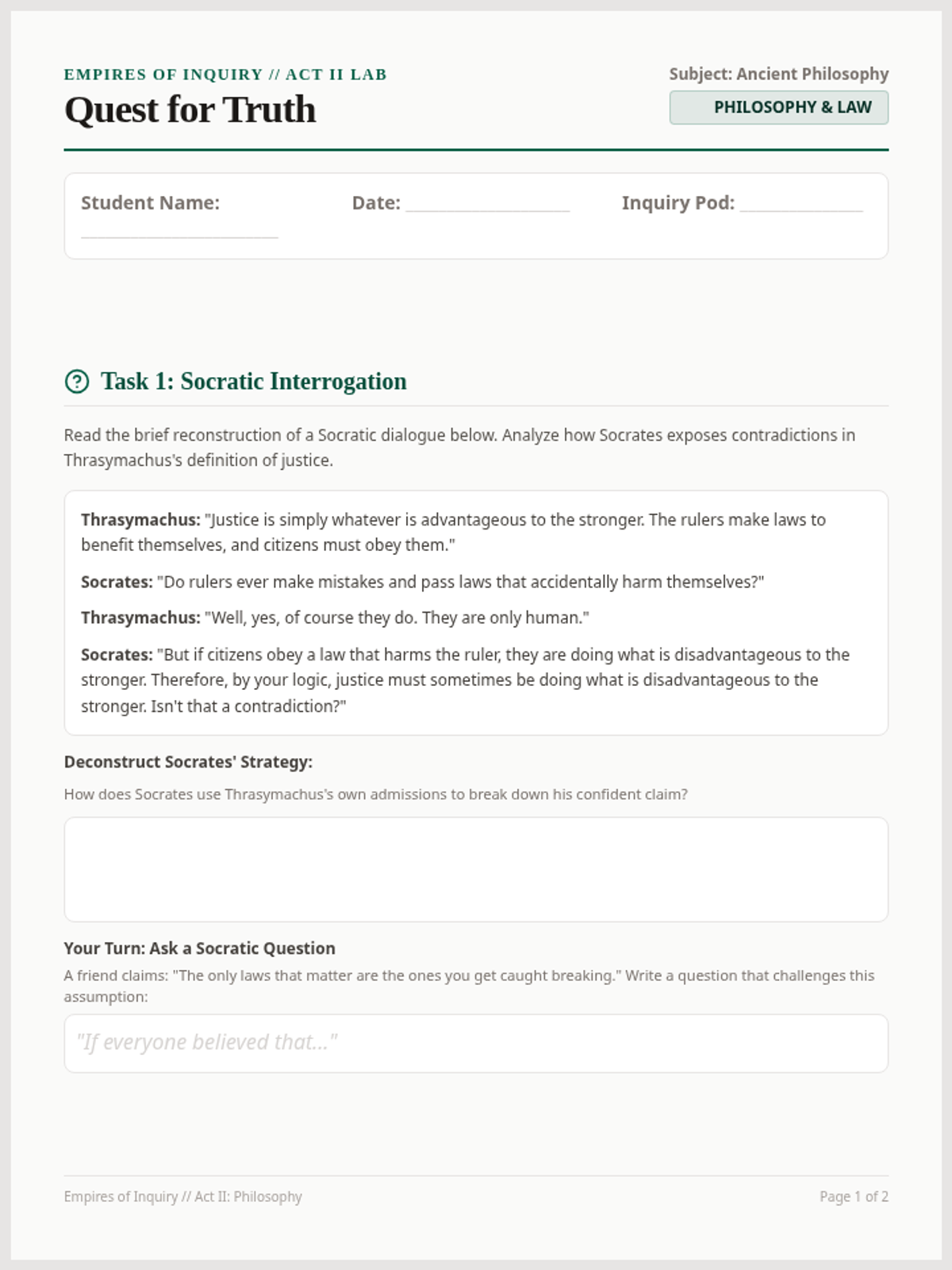
Students explore classical philosophical inquiries through Socrates, Plato, Aristotle, and Roman legal codes, examining how these intellectual frameworks defined ethics, civic duty, and the pursuit of truth.
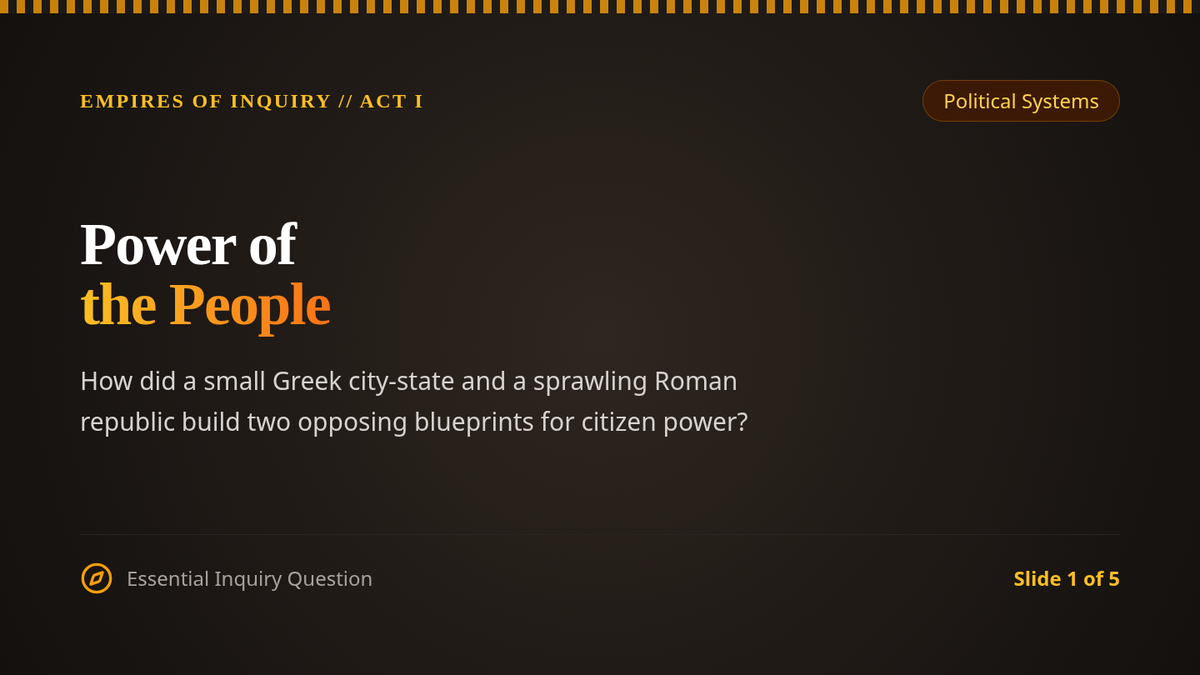
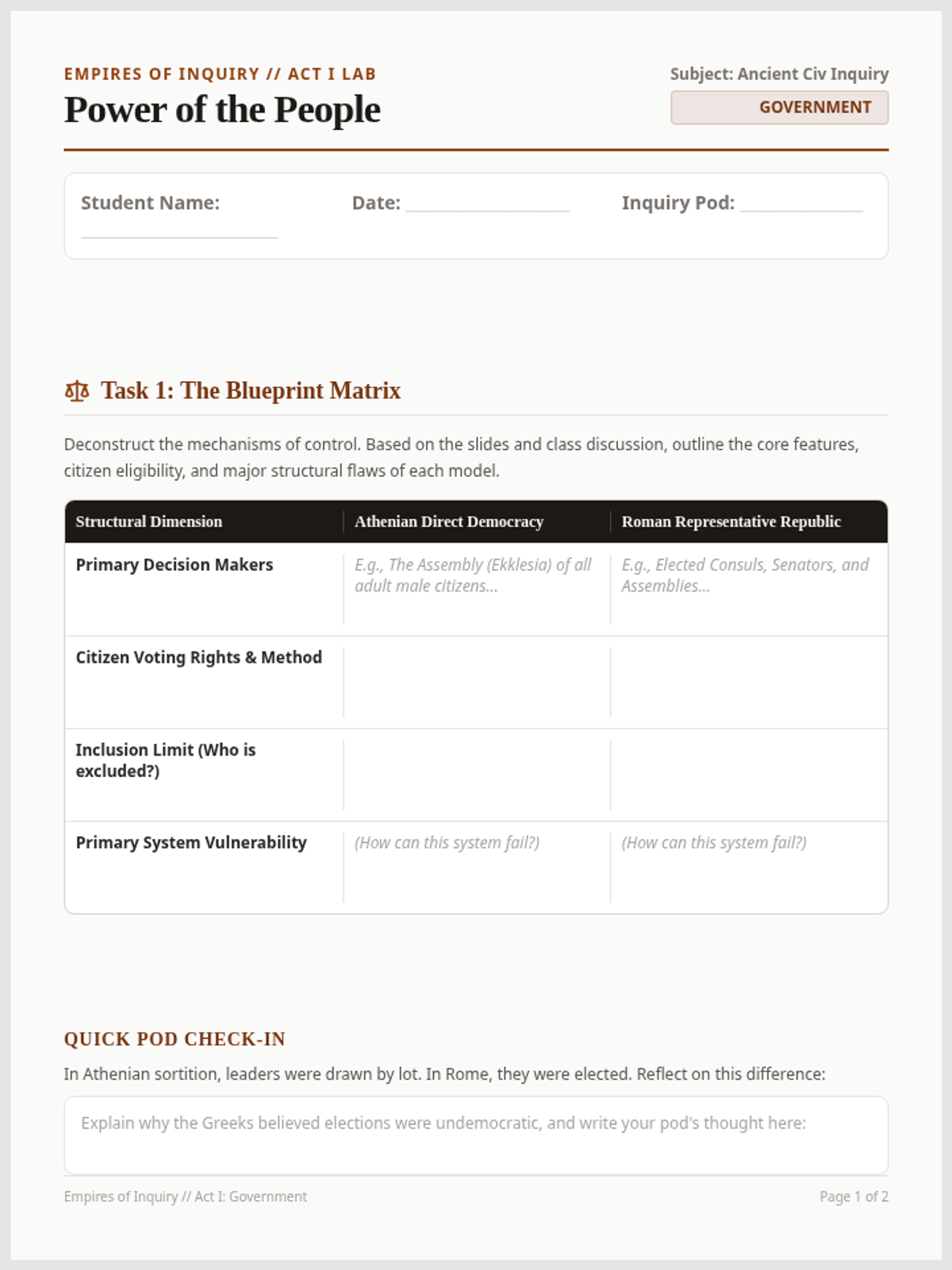
Students investigate the birth of democracy in Athens and the development of the republican system in Rome, comparing citizen participation, power structures, and modern democratic connections.
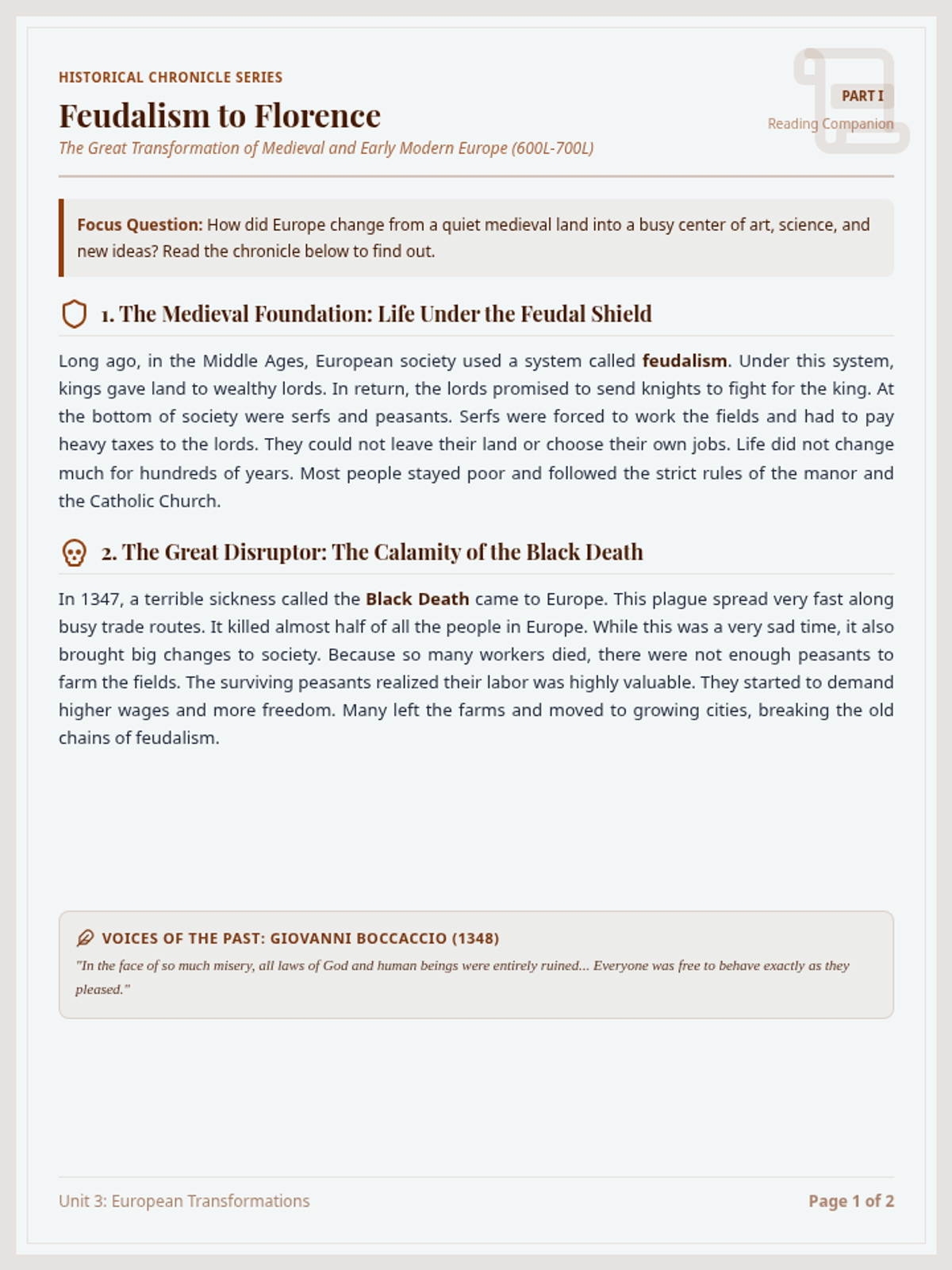
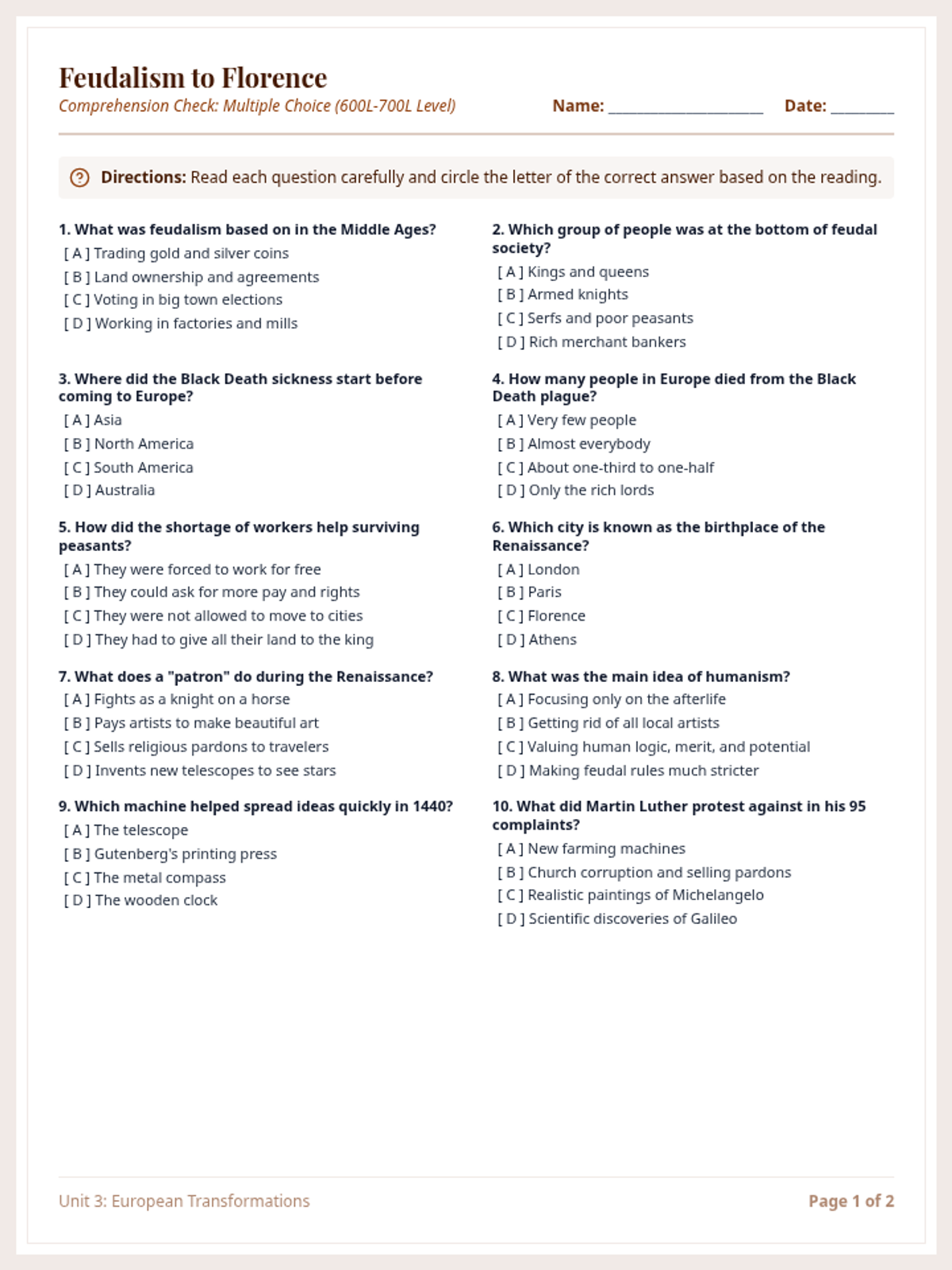
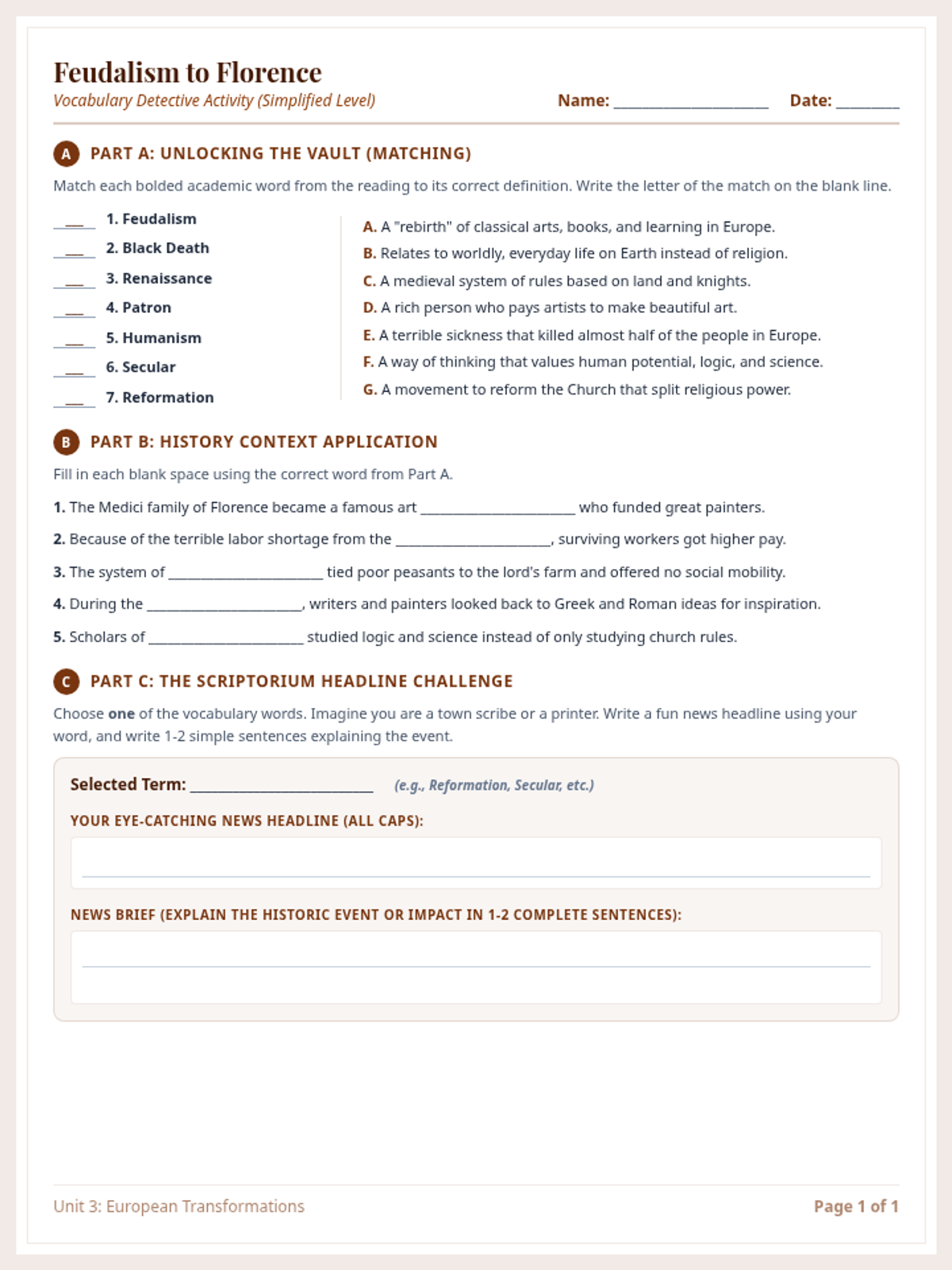
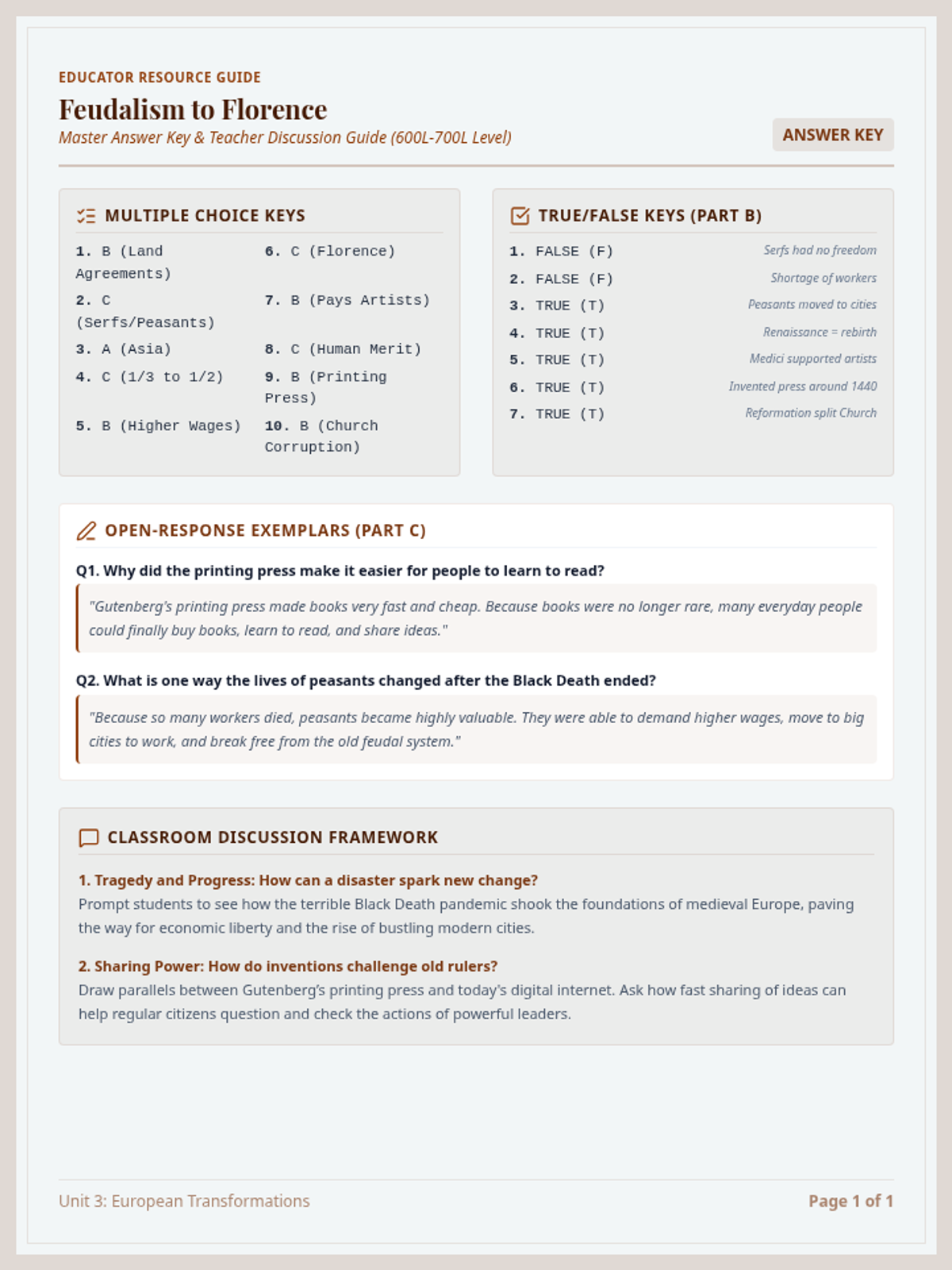
A comprehensive lesson focusing on the transition of European society from the rigid feudal systems of the Middle Ages to the cultural, scientific, and religious revolutions of the Renaissance and Reformation.
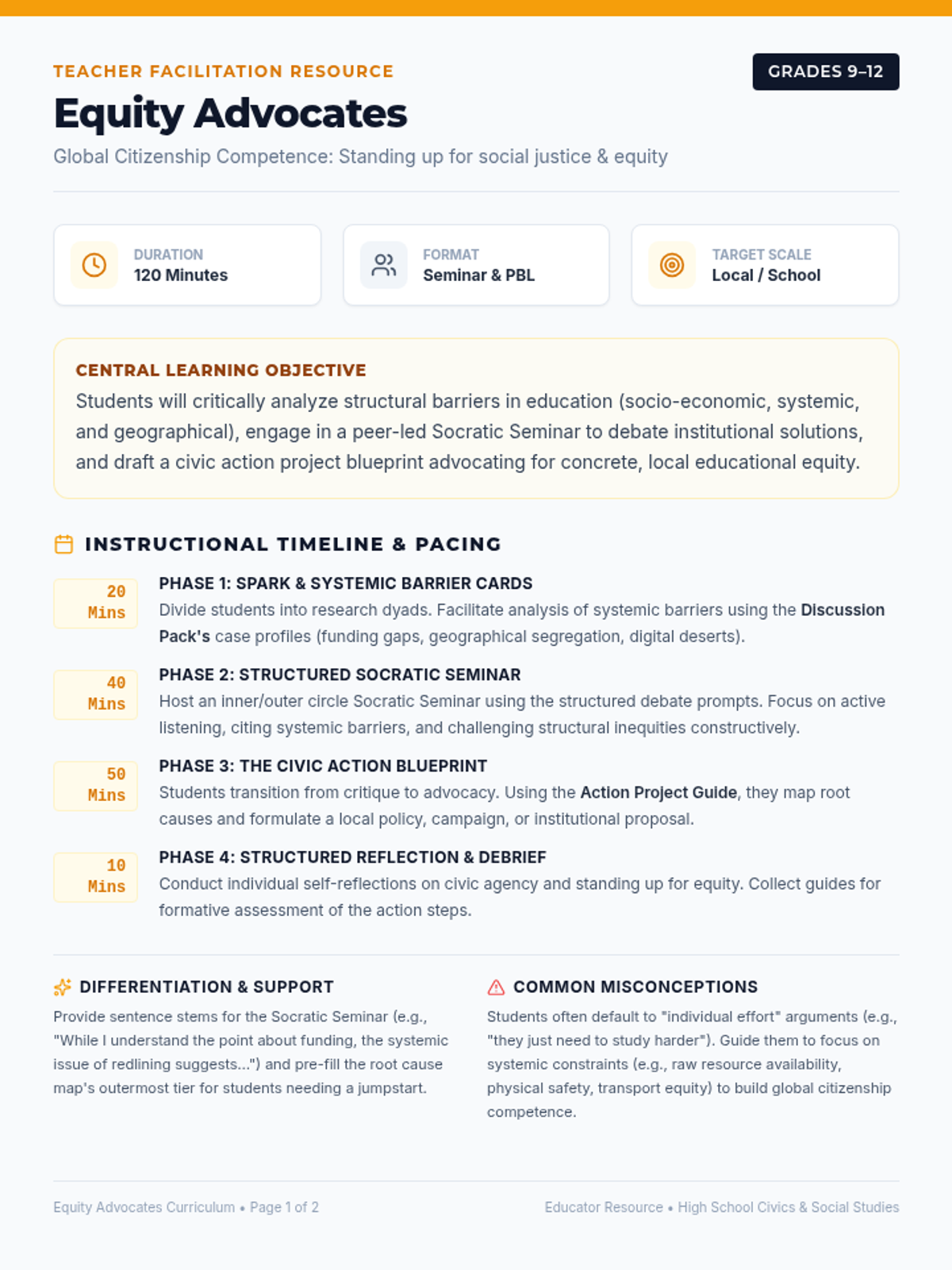
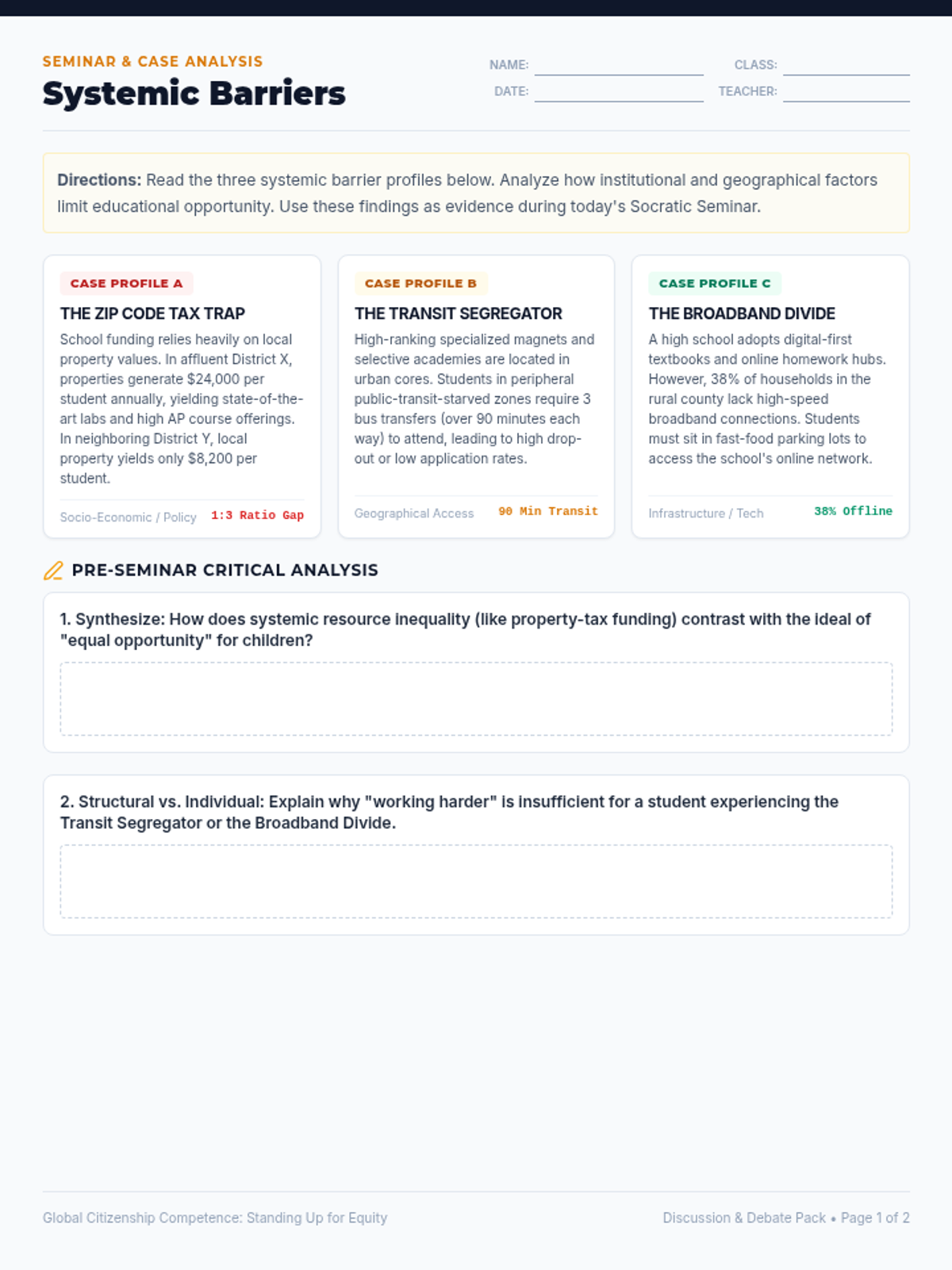
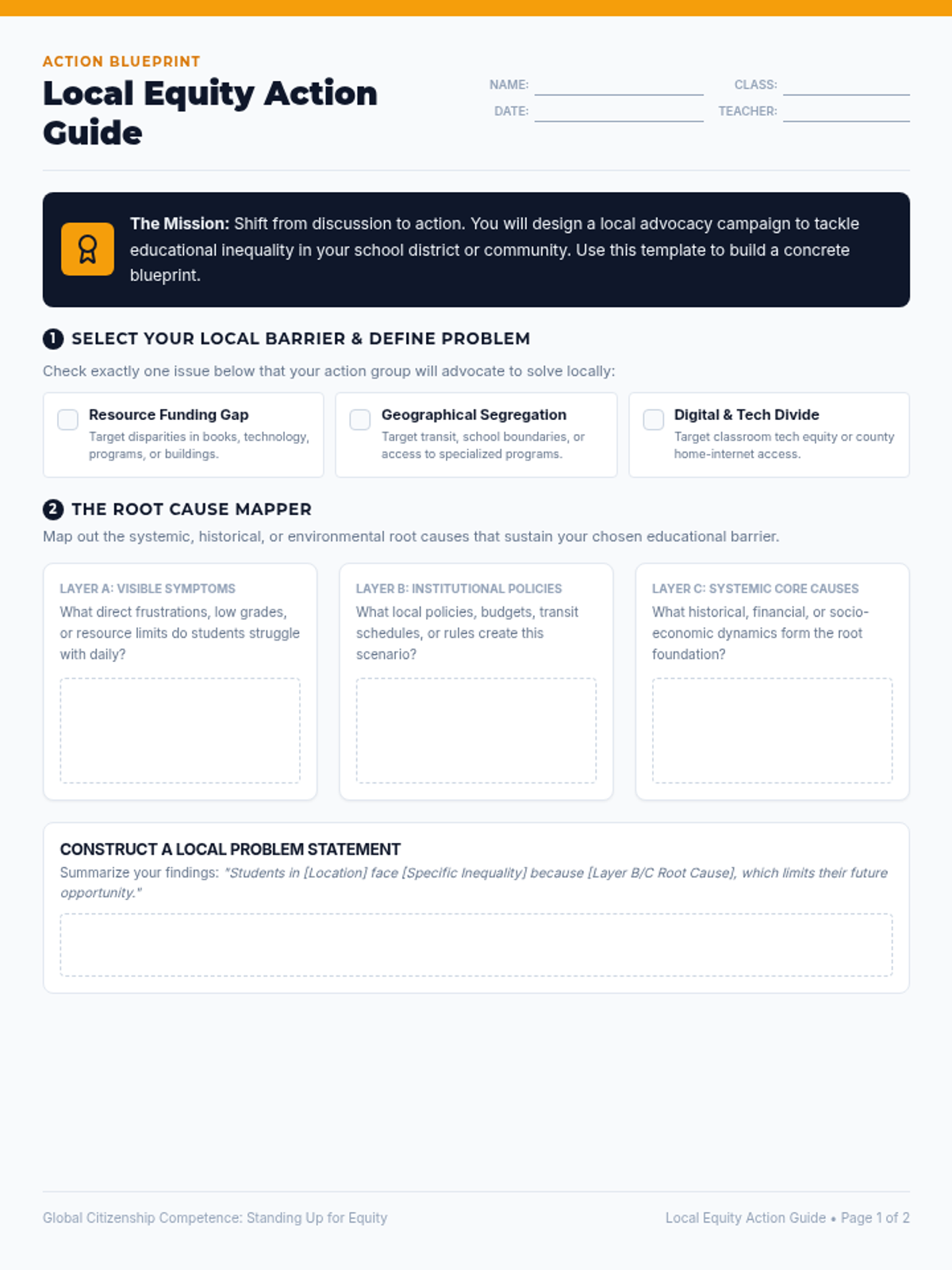
A high-impact project-based lesson for high schoolers (ages 14-18) exploring systemic barriers in education. Students analyze structural inequities, engage in a structured Socratic seminar, and draft a civic action project blueprint to advocate for educational equity in their local community.
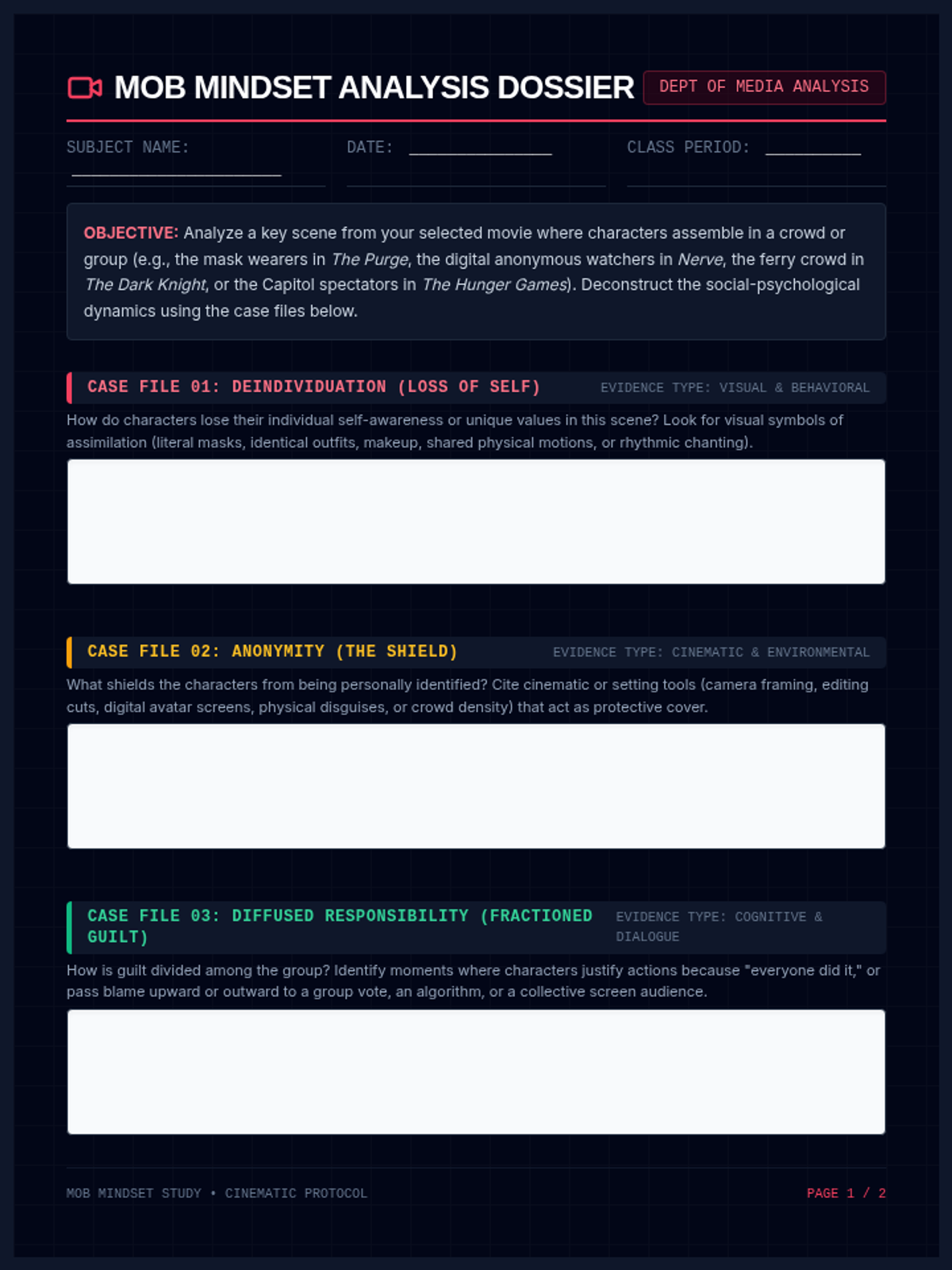
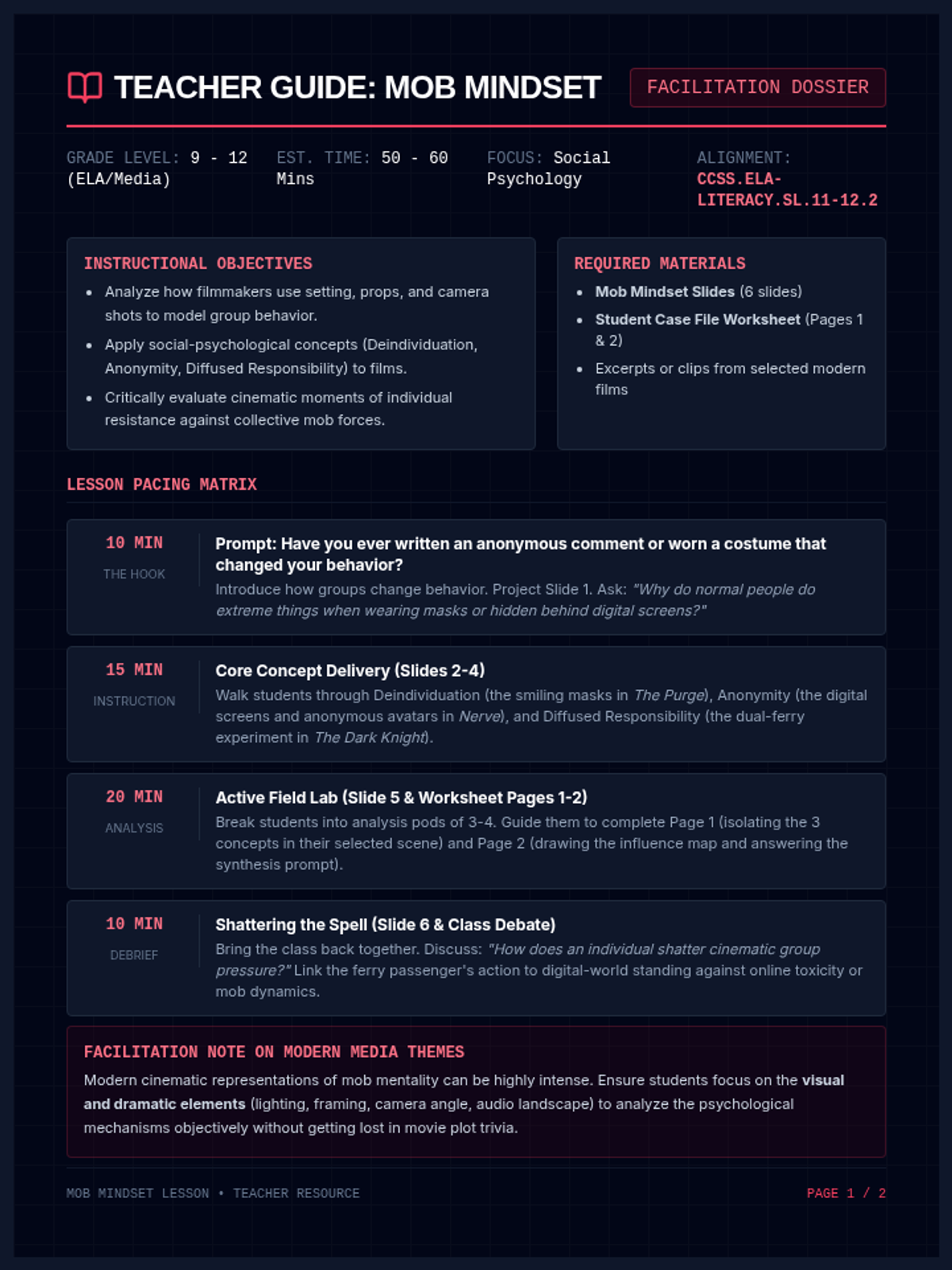
An analytical ELA lesson exploring the social psychology concepts of deindividuation, anonymity, and diffused responsibility in literature. Students examine how characters lose their individuality in groups, using classic literary texts to map the psychology of the mob.
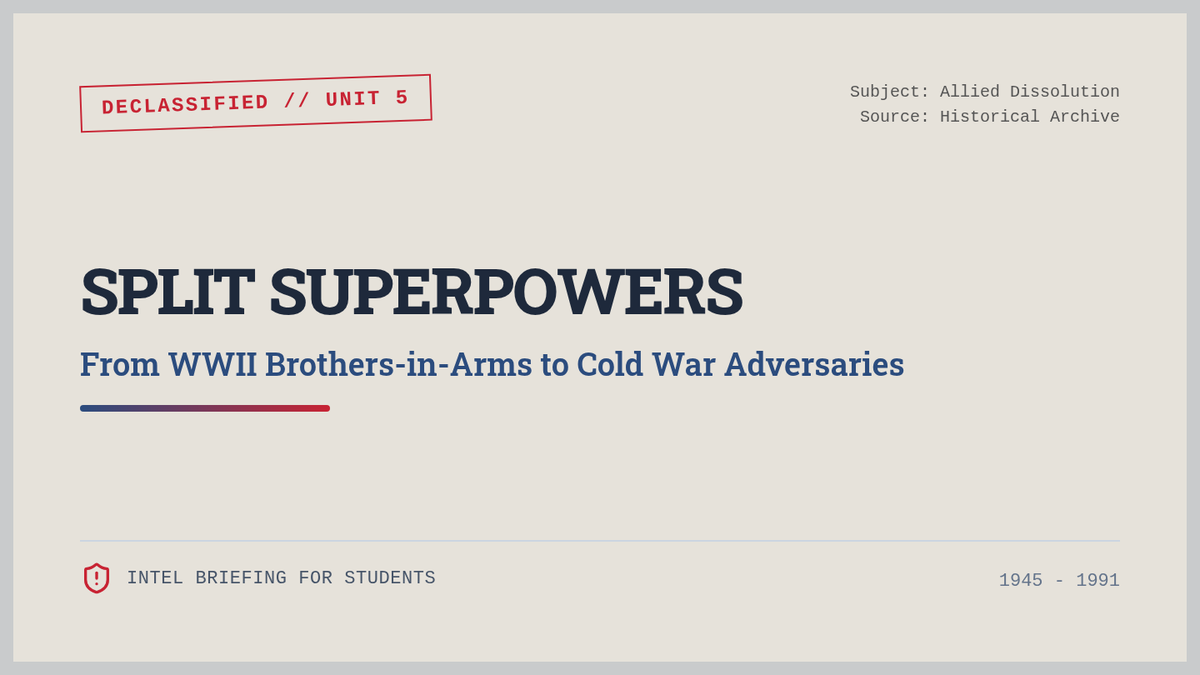
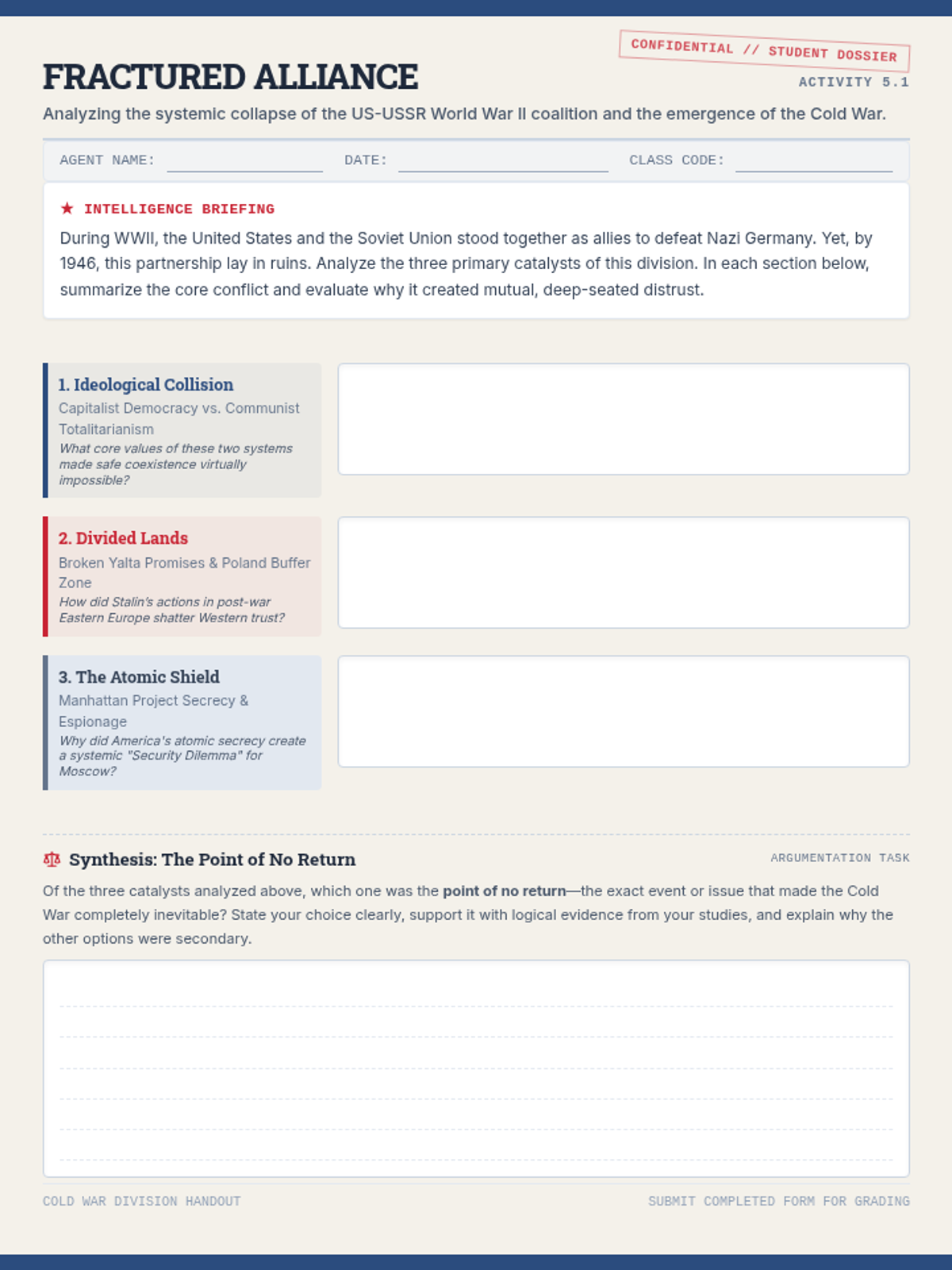
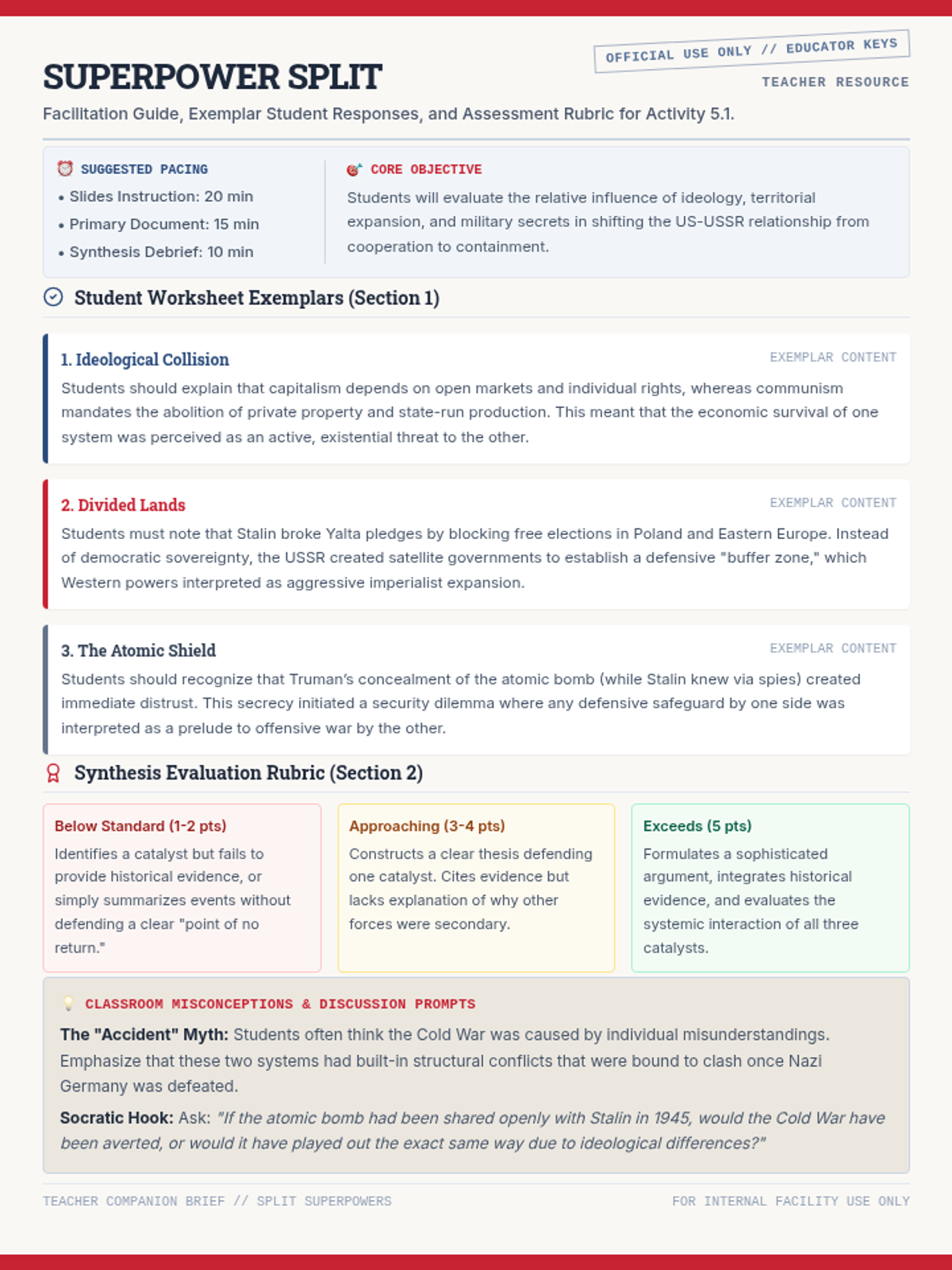
An instructional lesson exploring how the United States and the Soviet Union shifted from World War II allies to Cold War adversaries. The lesson outlines the core ideological, geopolitical, and military reasons behind this historical pivot.
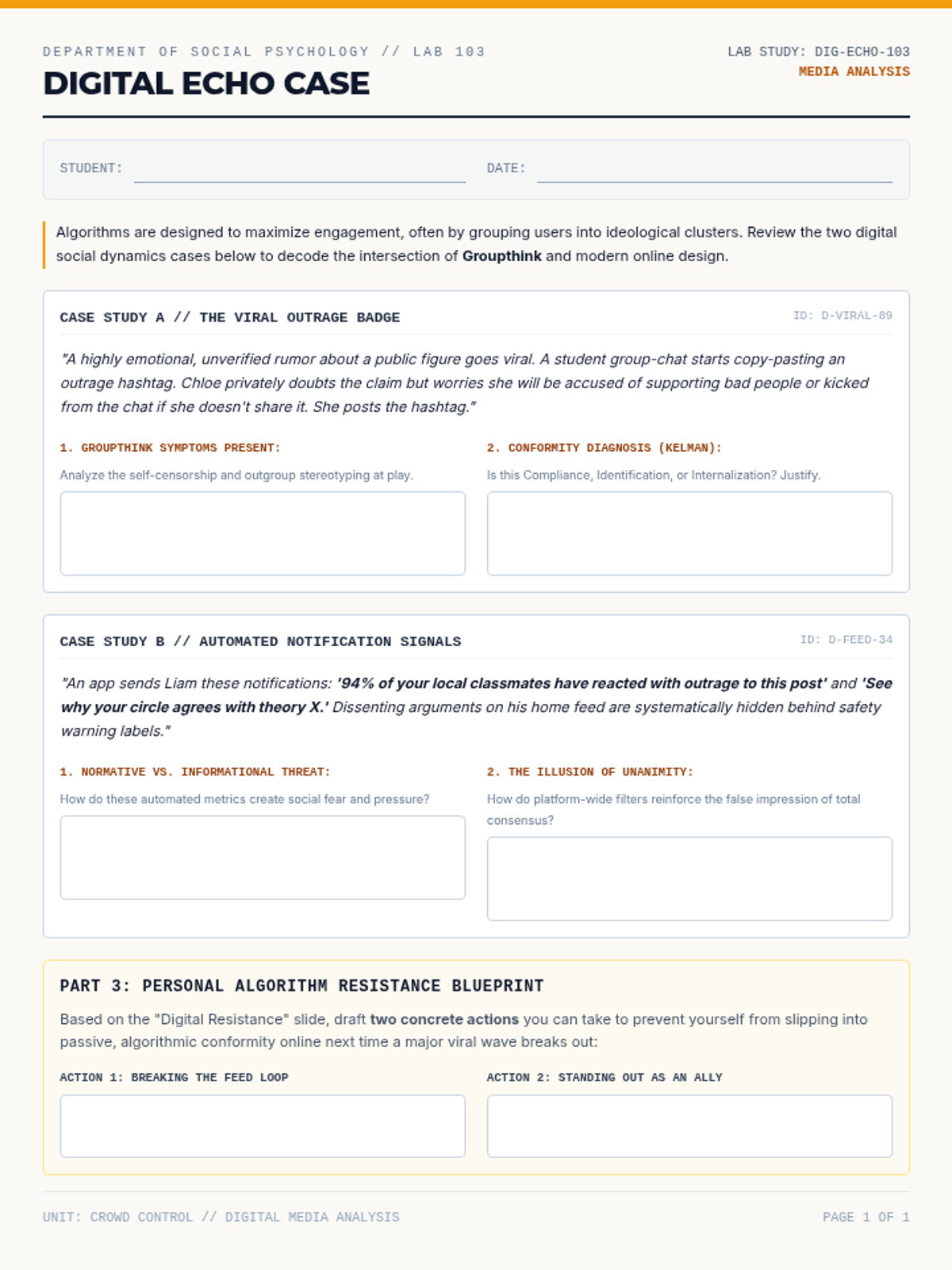
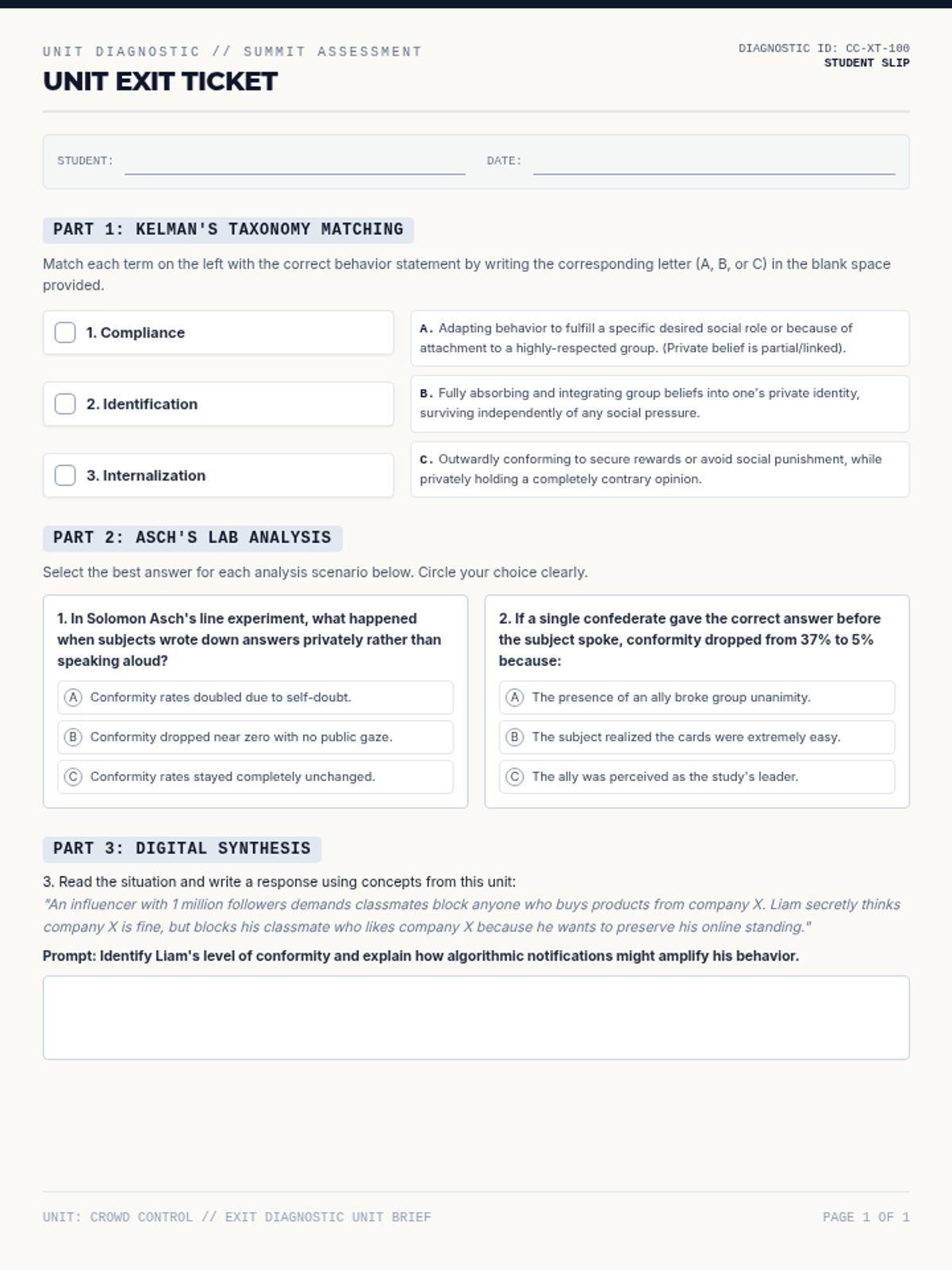
Explores groupthink, social media algorithms, and peer pressure. Students analyze how online spaces amplify conformity and complete an exit ticket to assess their understanding across the unit.
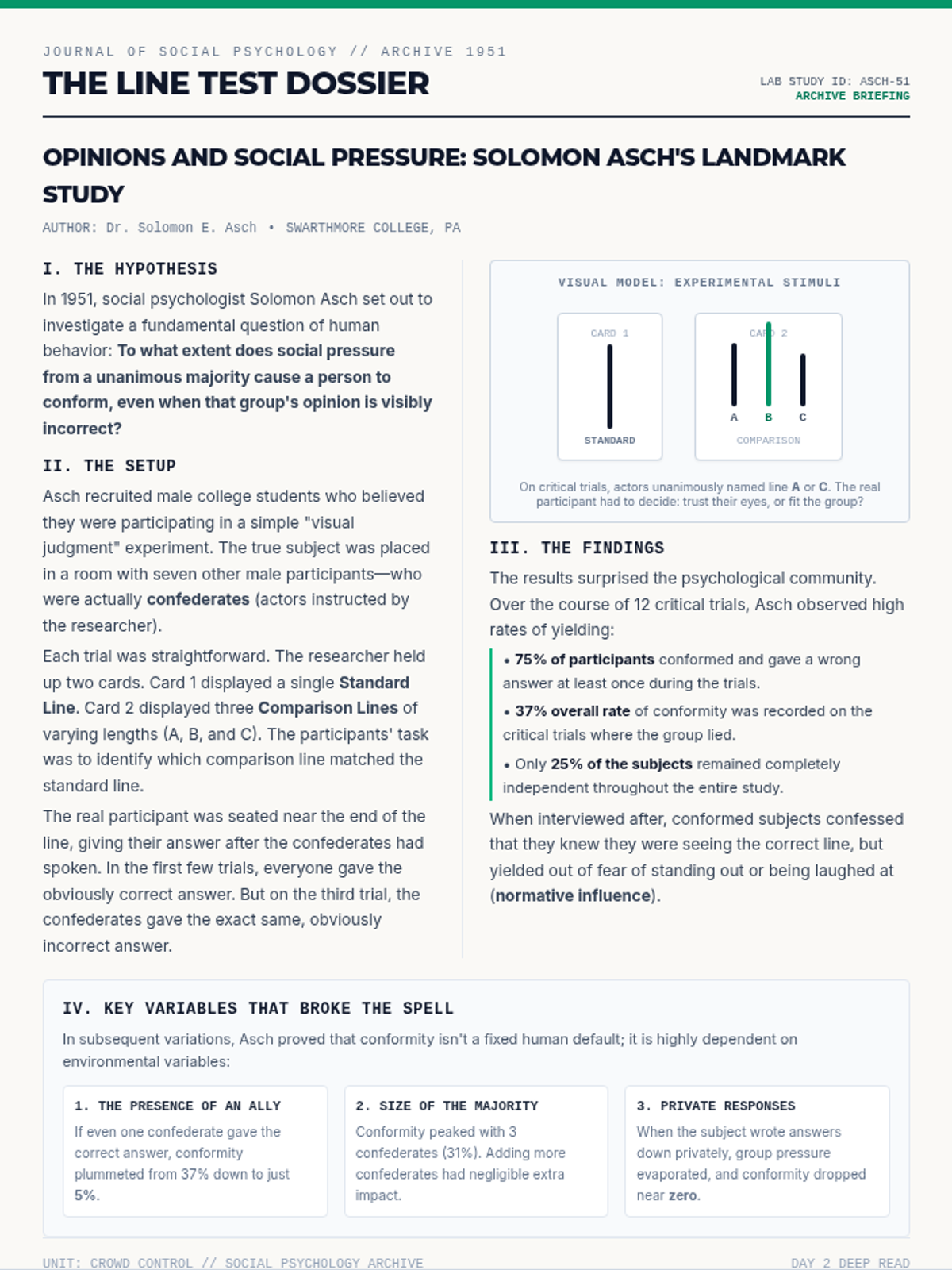
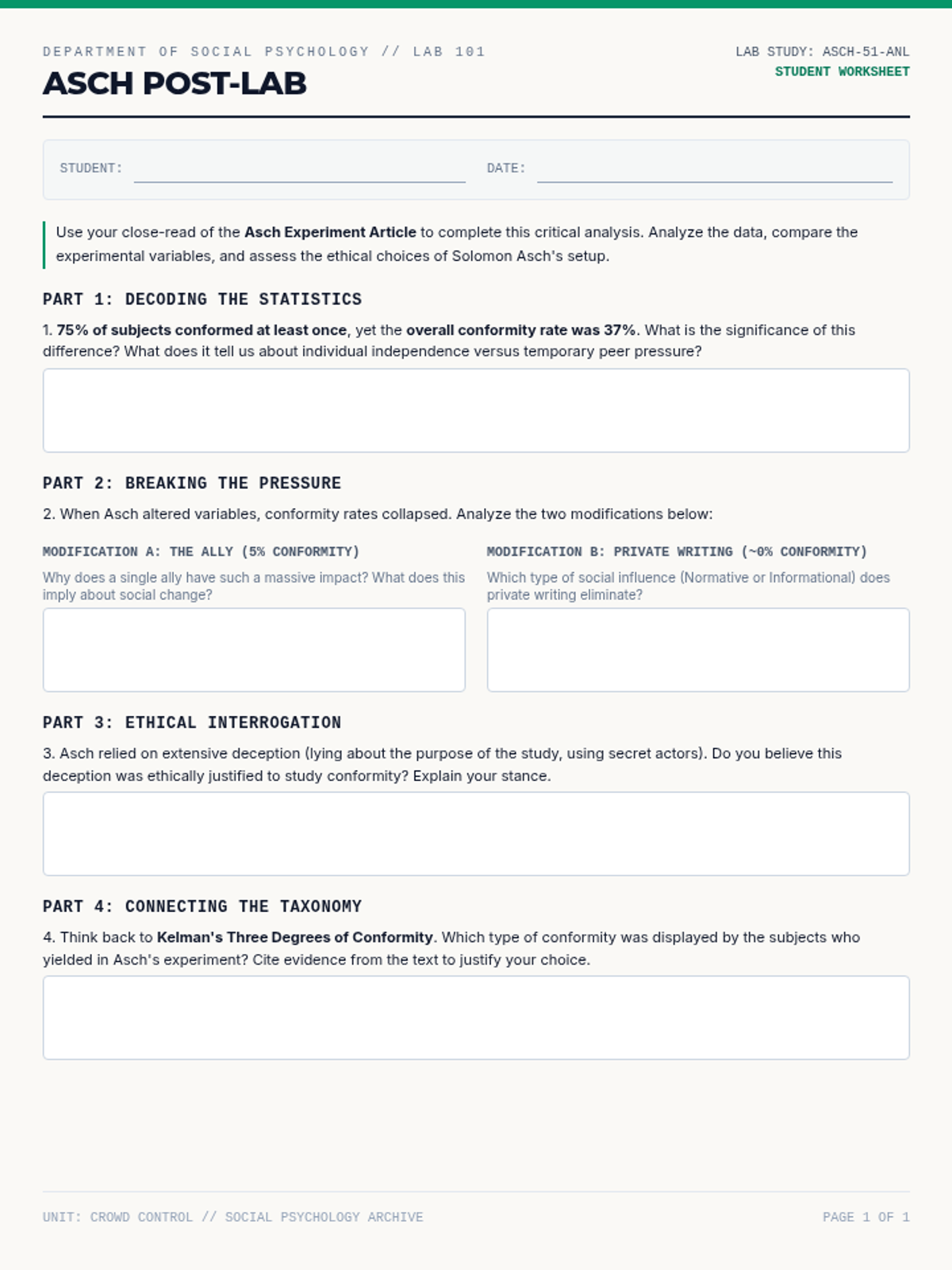
Focuses on Solomon Asch's landmark 1951 conformity experiment. Students close-read an informational text about the study's design, results, and ethical implications, and answer critical thinking questions.