An exploration of growth and change as a primary indicator of life, comparing living organisms to inanimate objects.
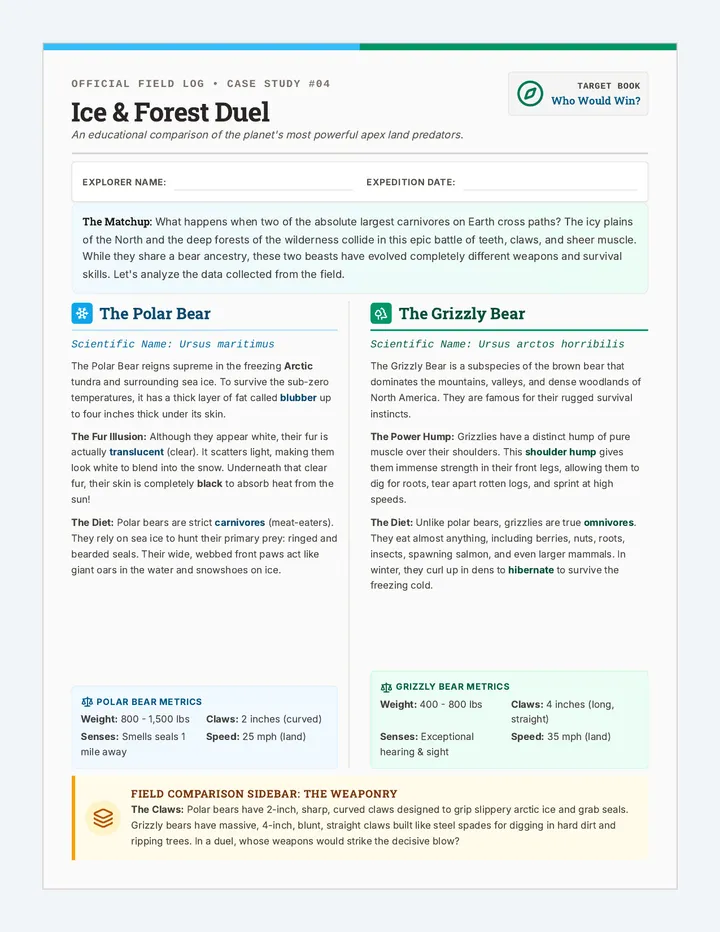
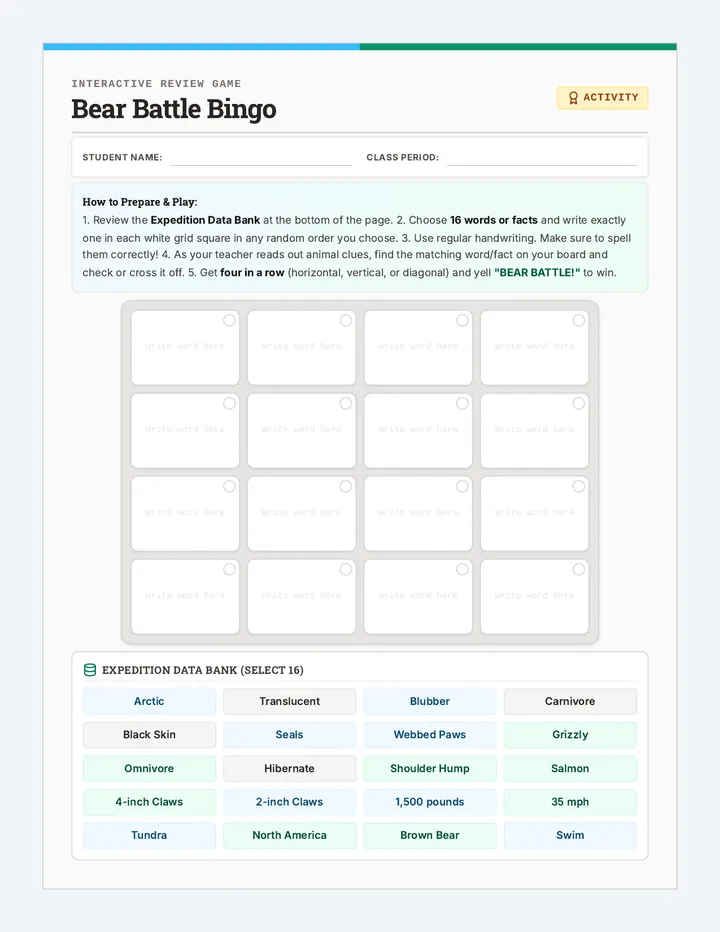
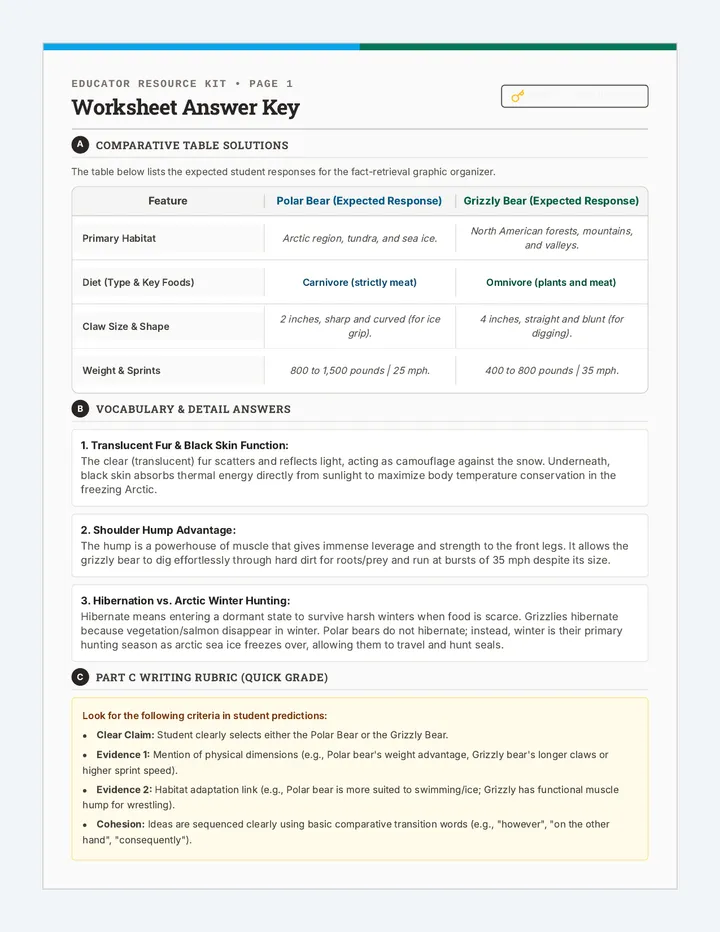
A thrilling comparison lesson focused on polar bears and grizzly bears. Students read a themed comparison passage, complete fact-retrieval questions, and play a write-in bingo review game based on the book 'Who Would Win? Polar Bear vs. Grizzly Bear'.
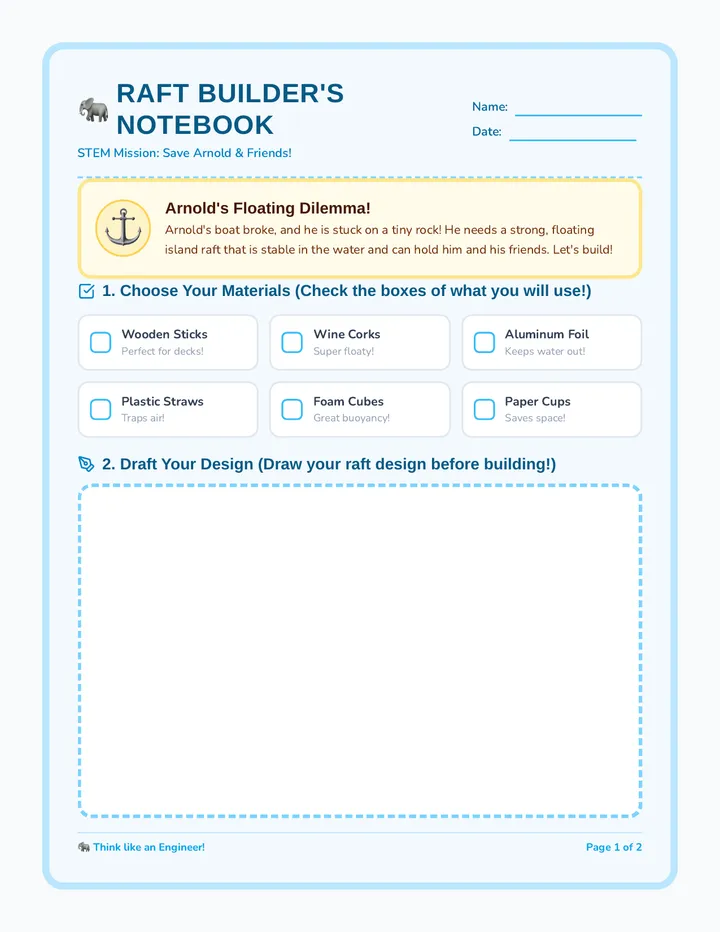
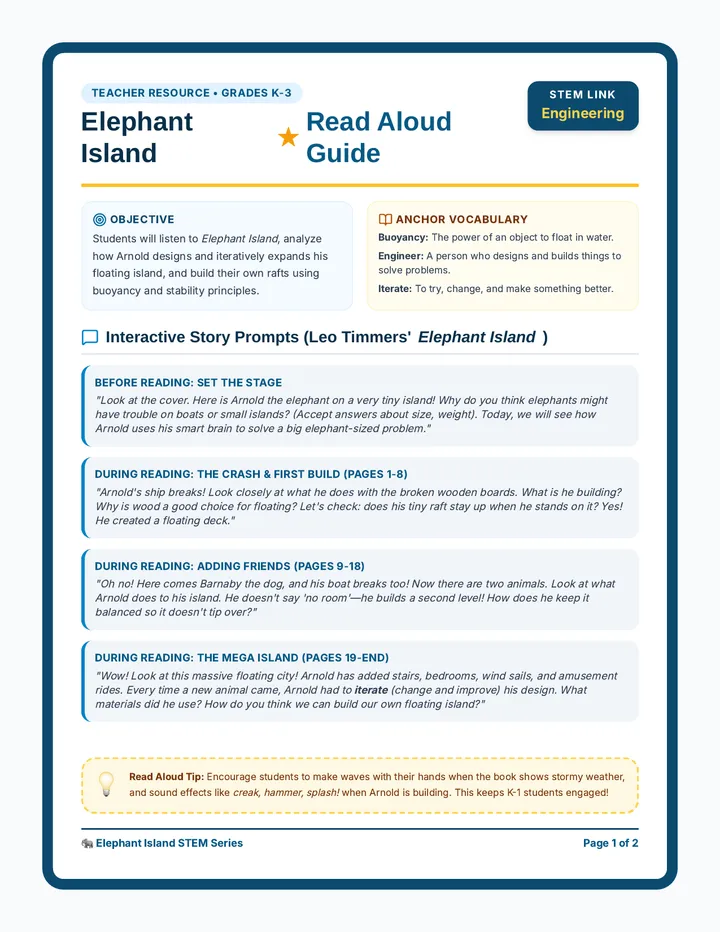
An interactive STEM challenge and read-aloud experience based on Leo Timmers' 'Elephant Island'. Students design and build floating island rafts to rescue Arnold and his friends.
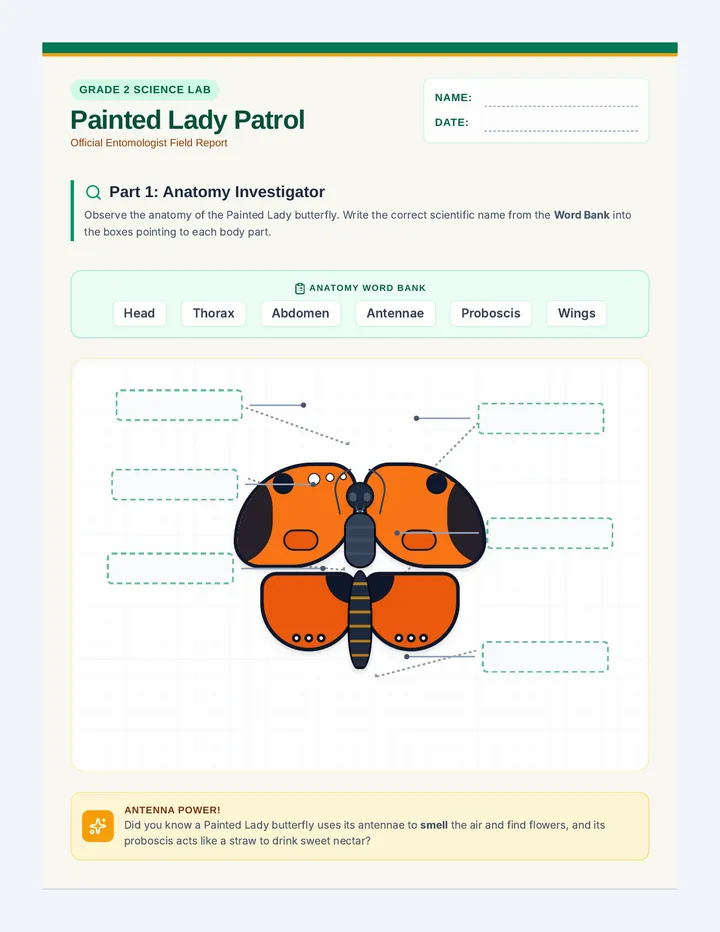
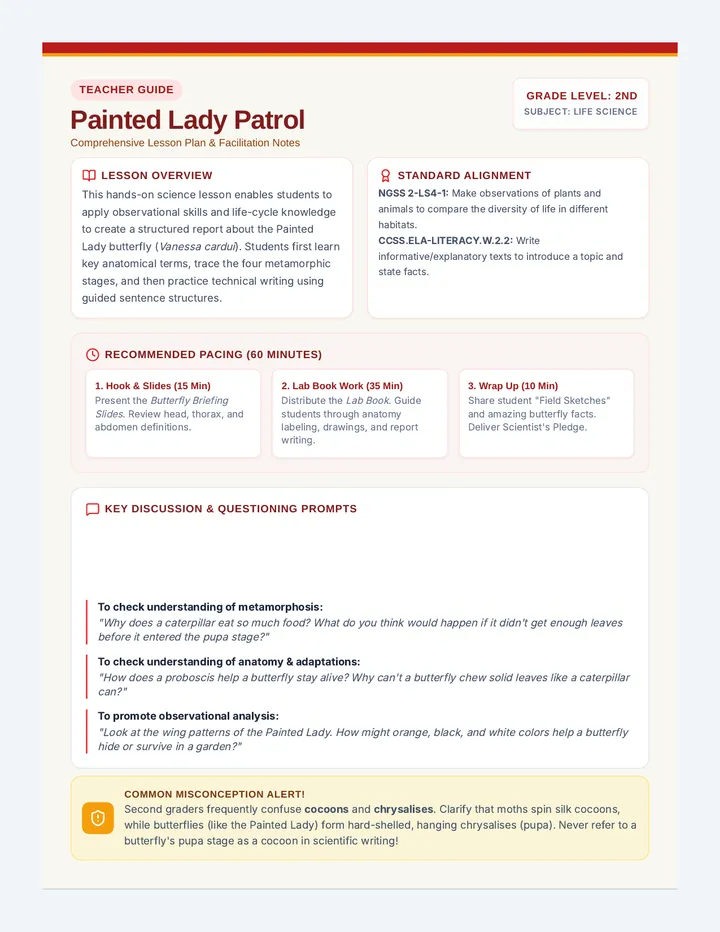
A hands-on 2nd-grade science unit where students study the Painted Lady butterfly's anatomy, trace its life cycle, and compile their findings into a guided research report. Includes interactive visual slides, a multi-page student lab book, and a detailed teacher facilitation guide with grading rubrics and answer keys.
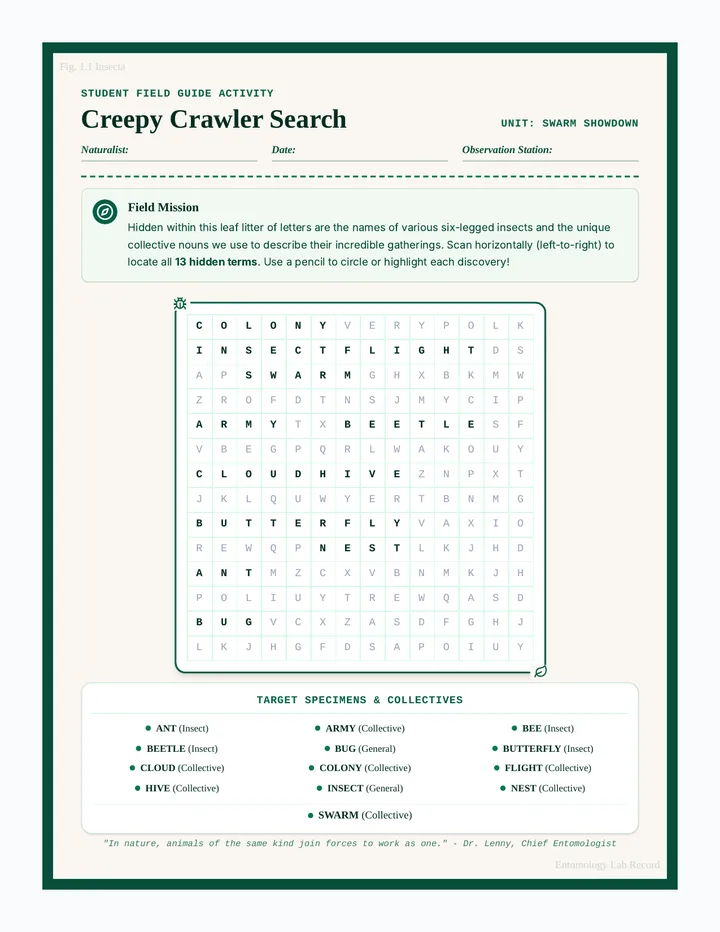
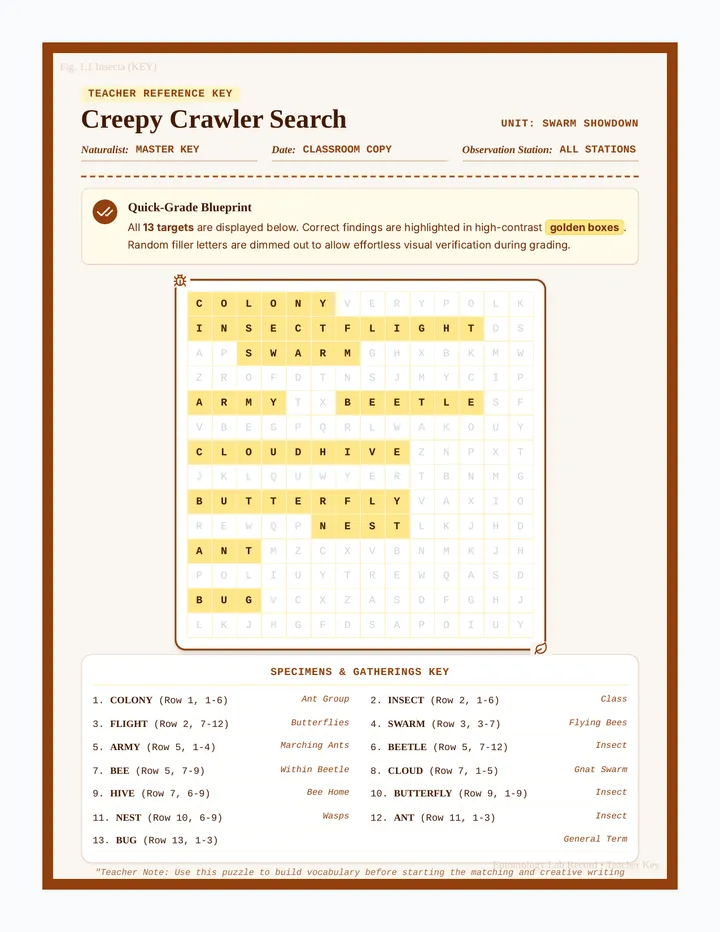
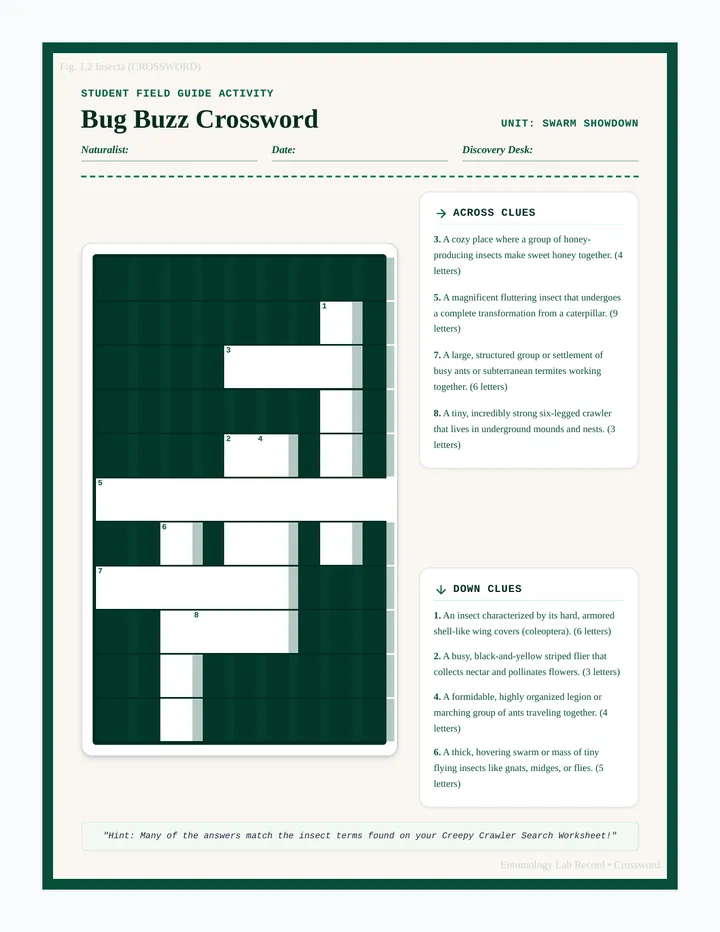
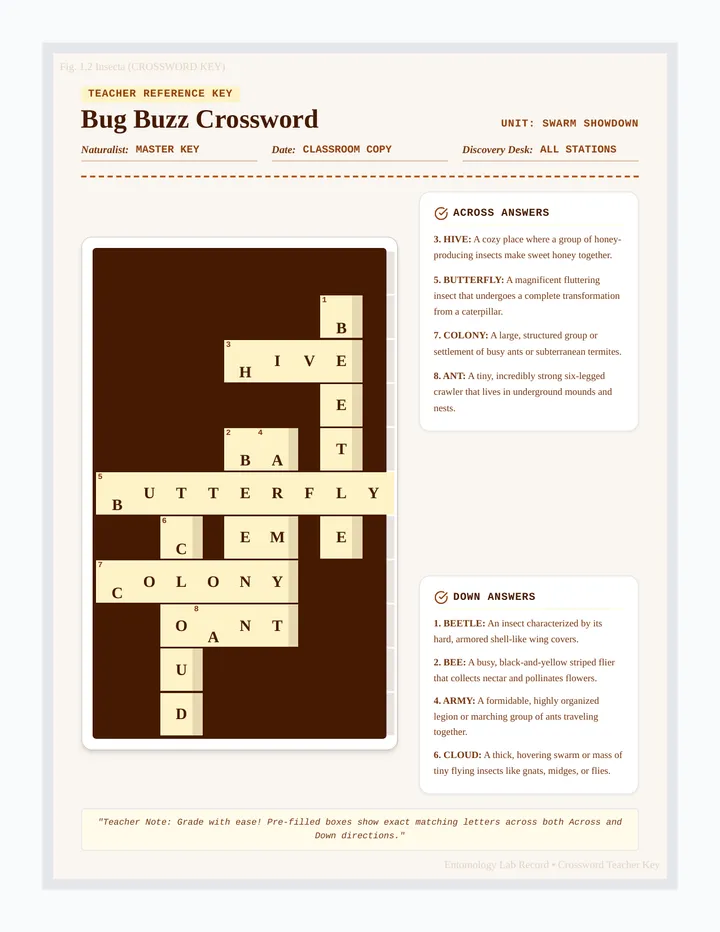
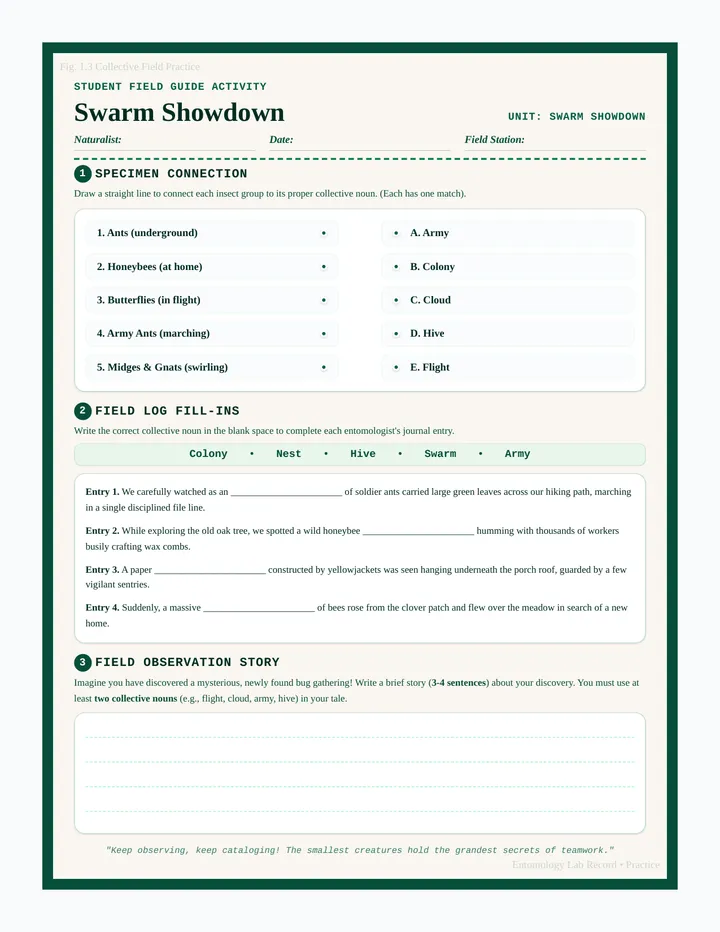
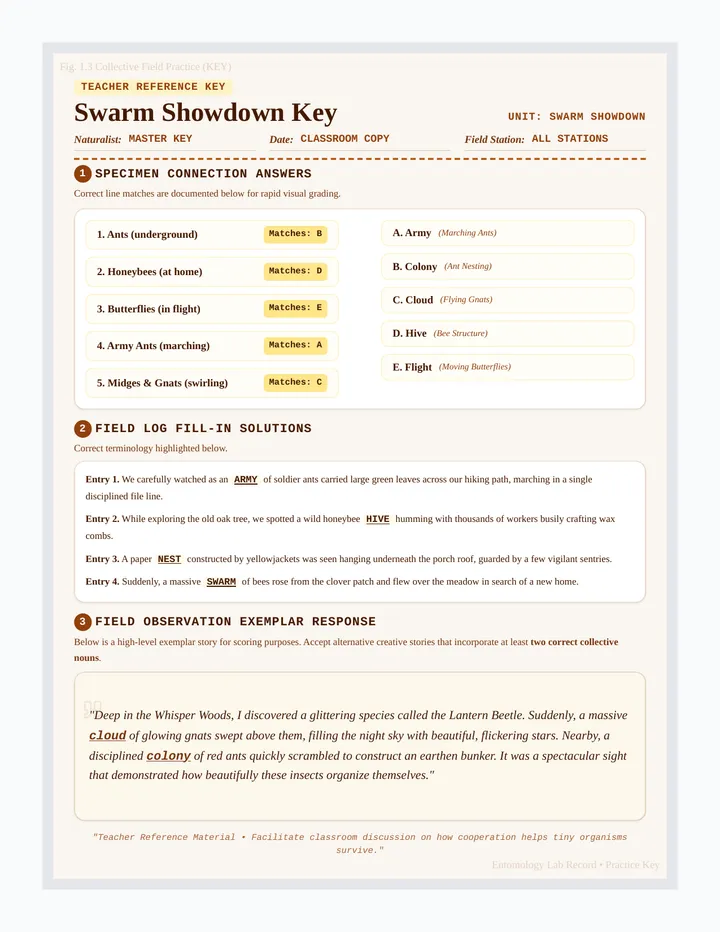
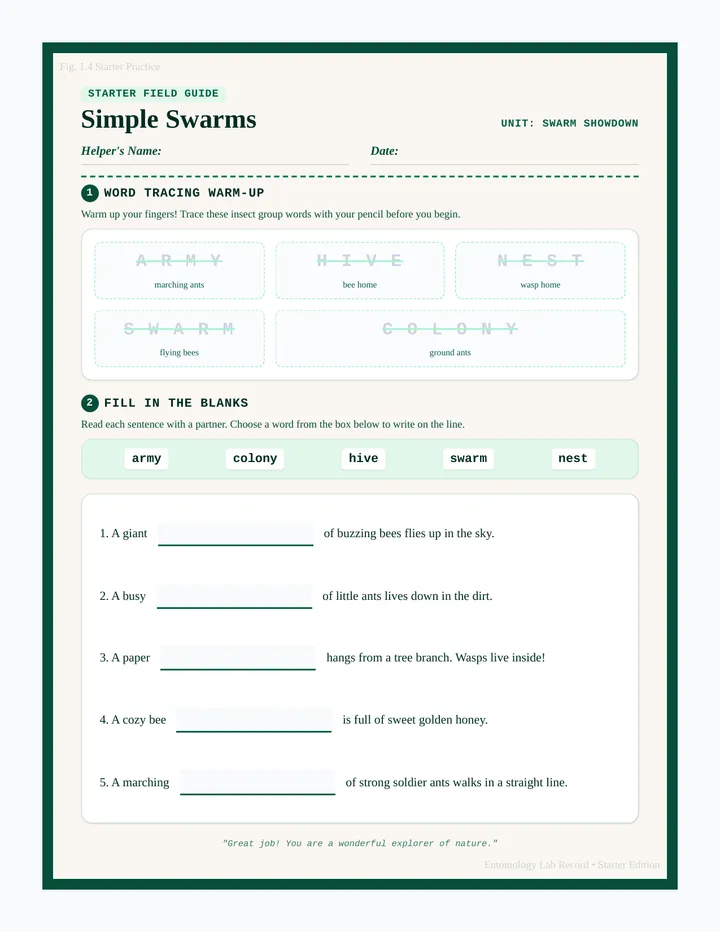
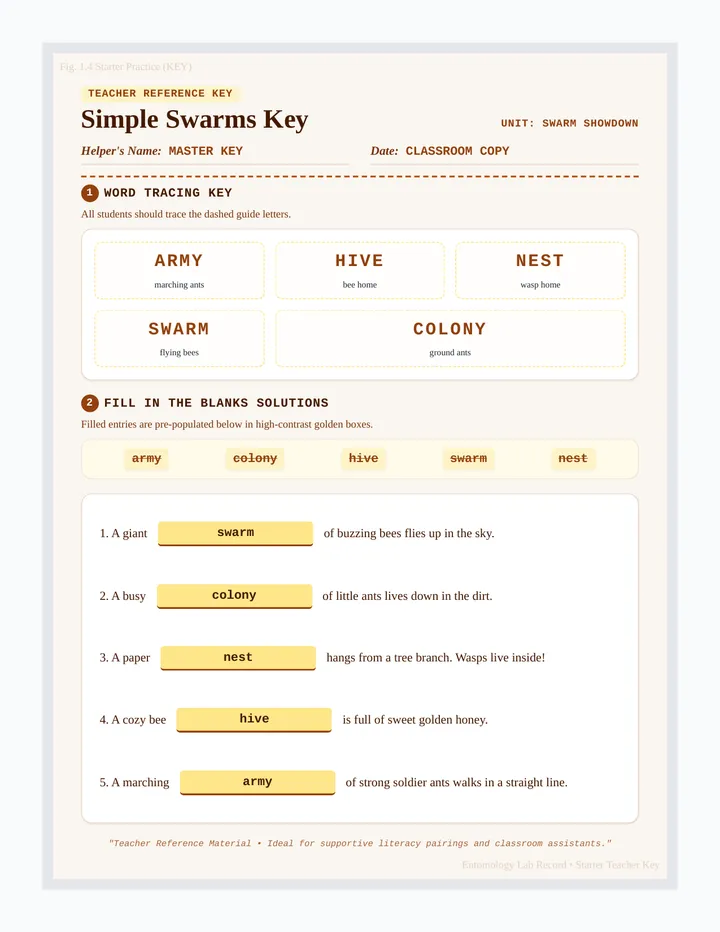
An engaging lesson on insect collective nouns and terminology, featuring a word search, crossword, and hands-on matching and writing activities exploring how bugs gather in groups.
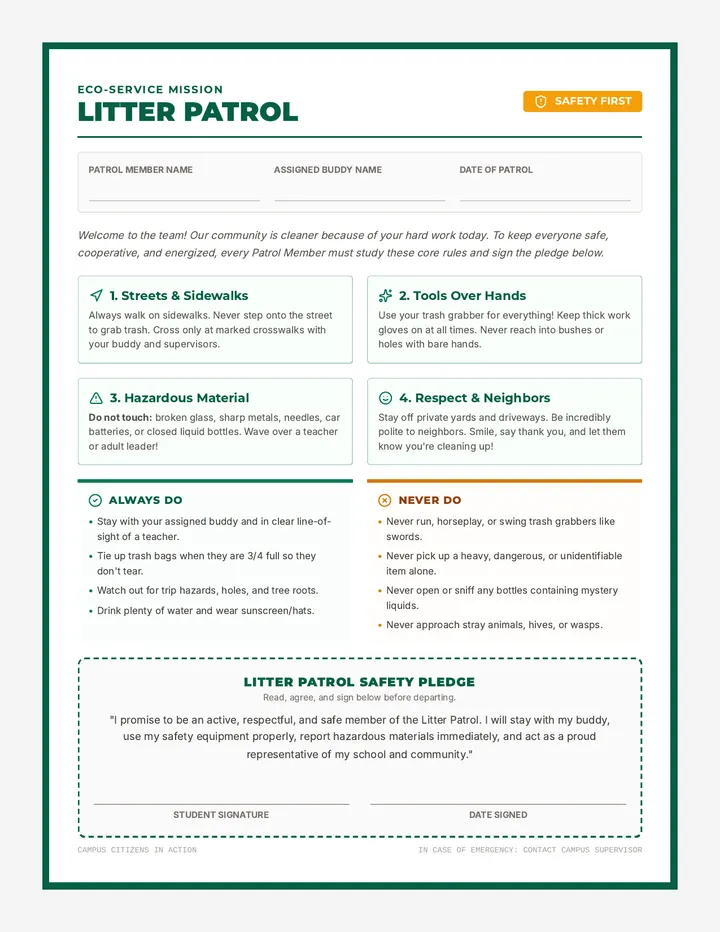
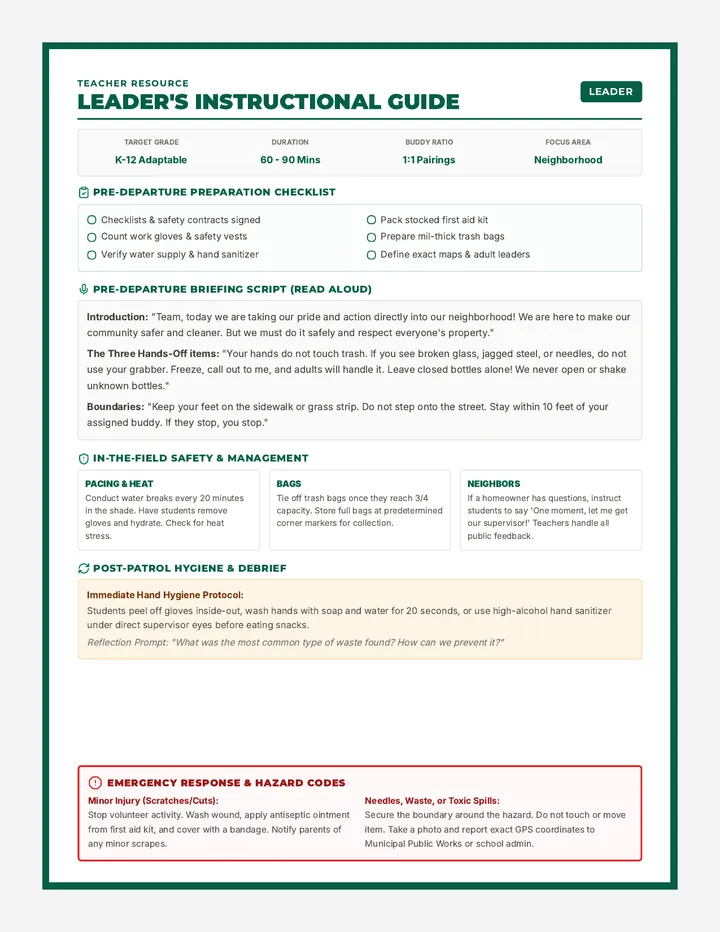
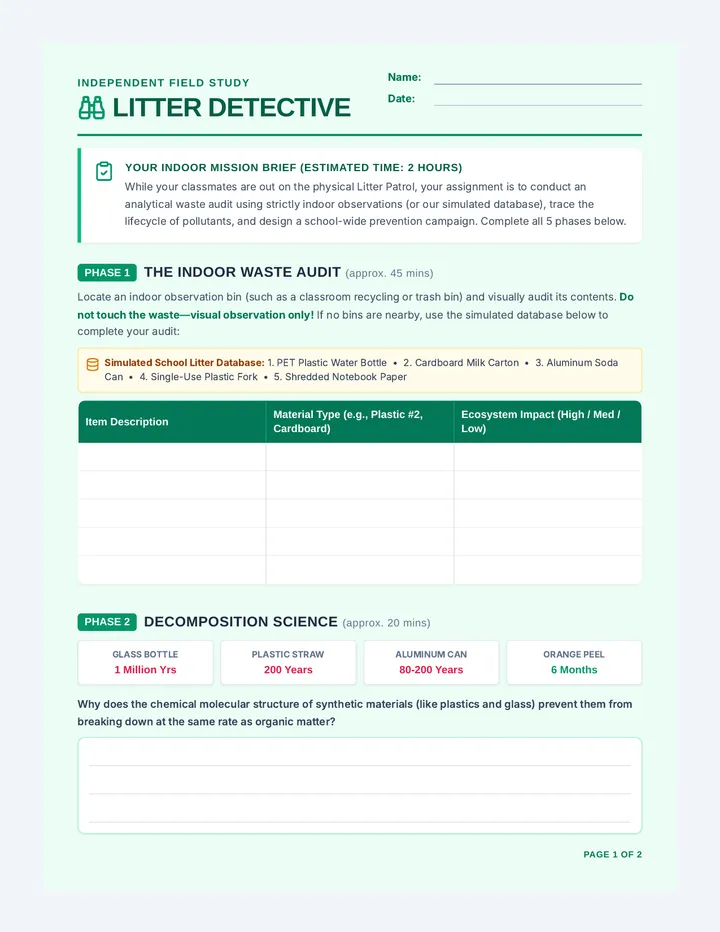
A comprehensive safety and preparation kit for students and teachers participating in a neighborhood trash pick-up community service project. It includes safety slides, a student contract and checklist, and a detailed teacher instruction guide.
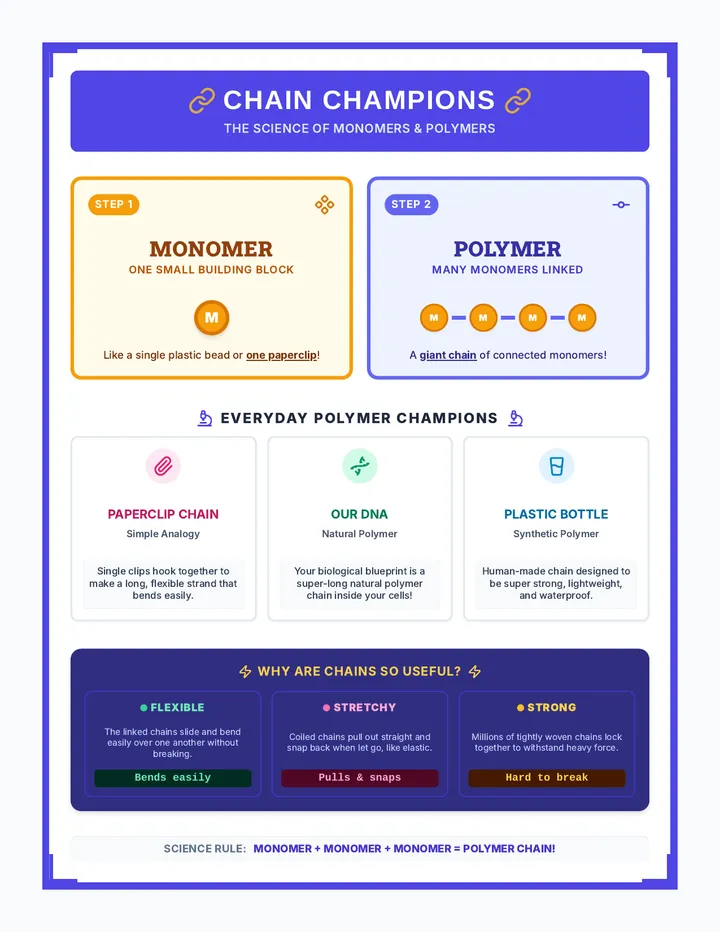
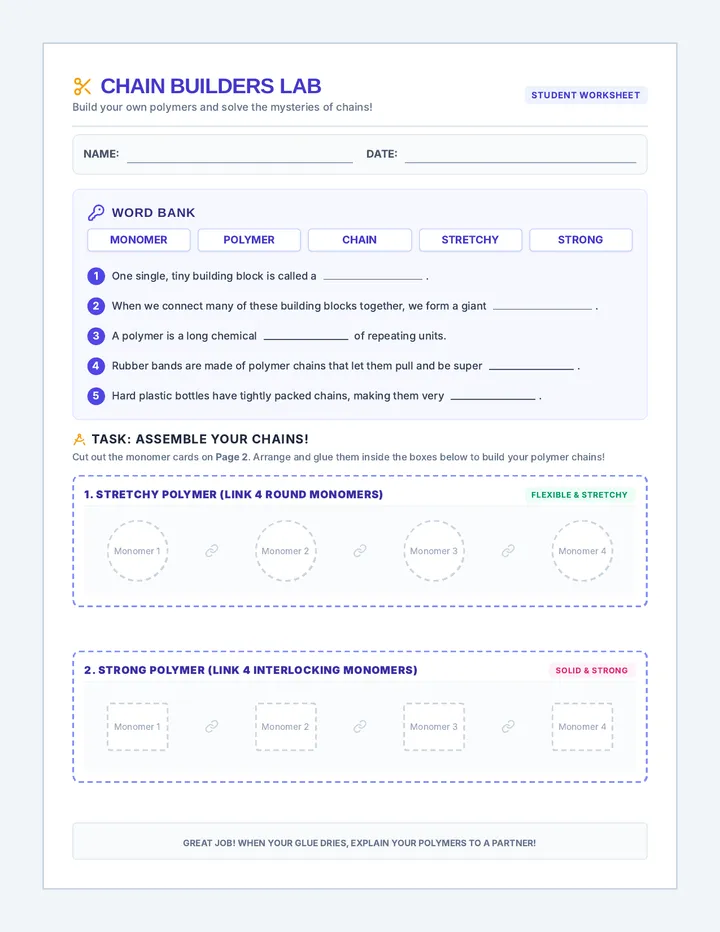
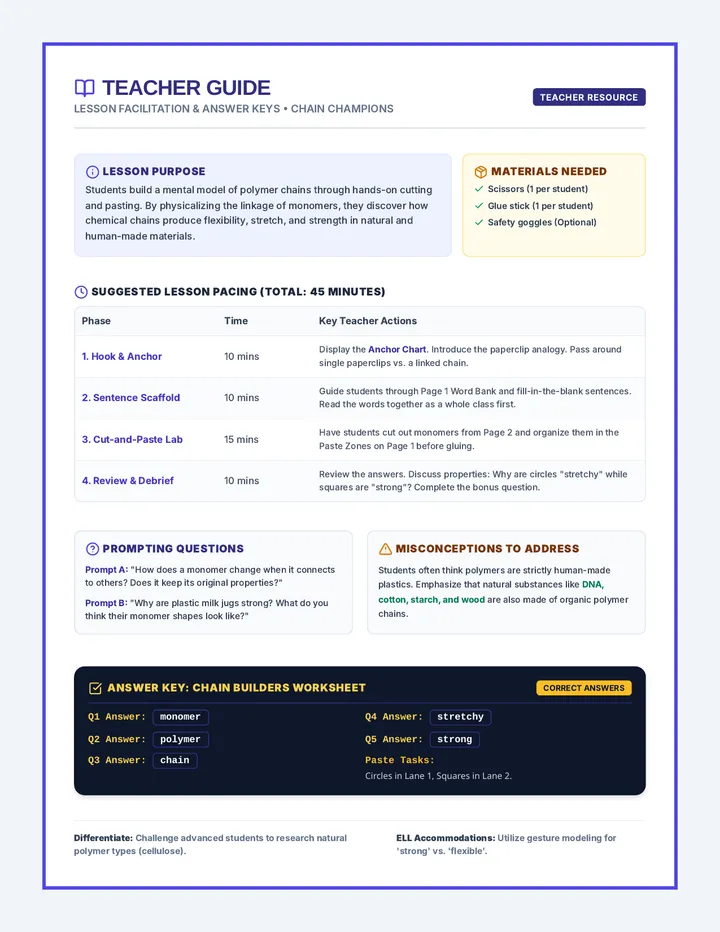
A highly visual and tactile introduction to polymer chains, monomers, and everyday applications. Students explore how small repeating units form strong, flexible, and stretchy properties through hands-on modeling and scaffolded writing.
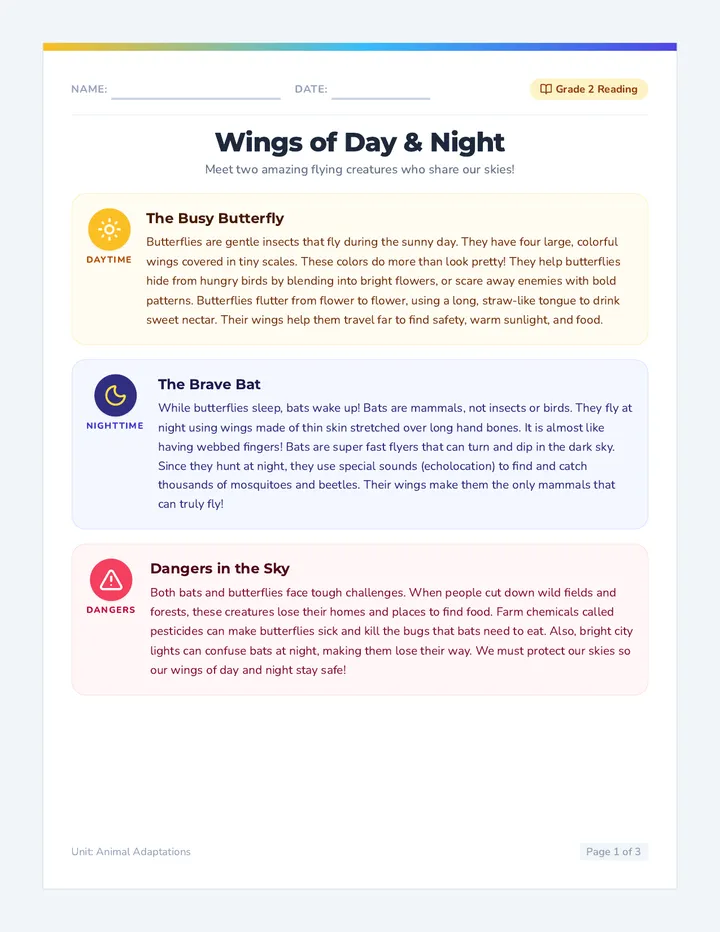
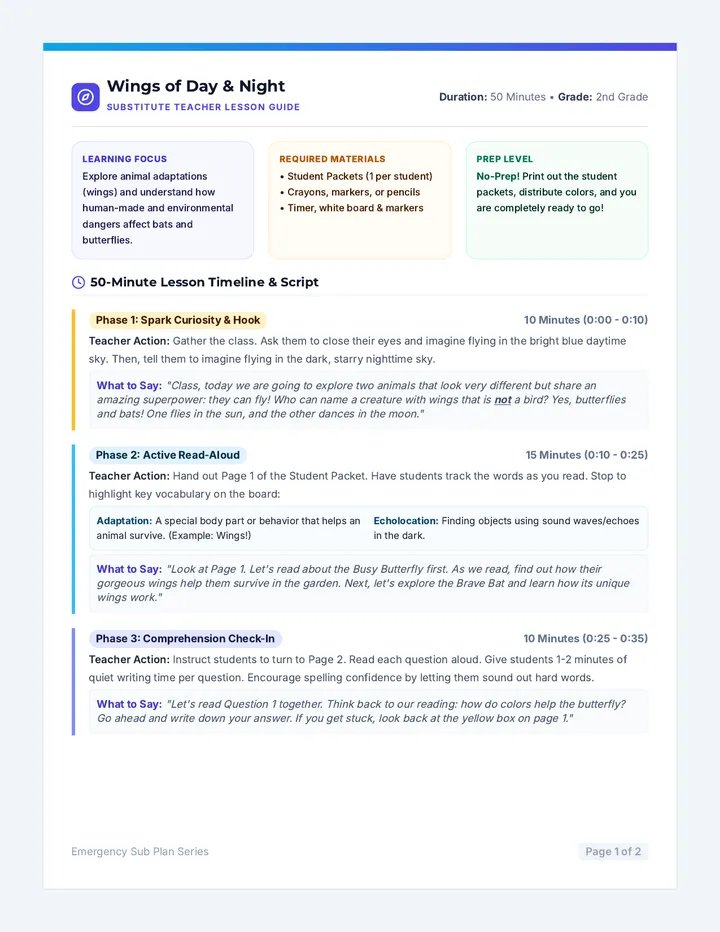
A 50-minute emergency sub plan for second graders exploring butterflies and bats. Students investigate how wings help these creatures survive, the unique dangers they face, and create a dual-habitat drawing of day and night.
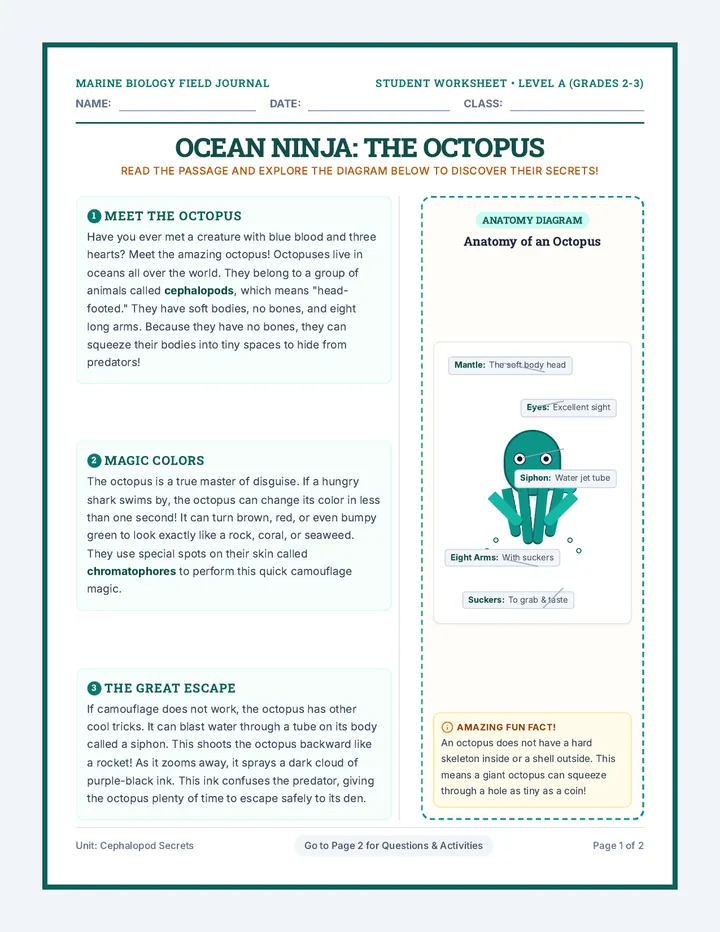
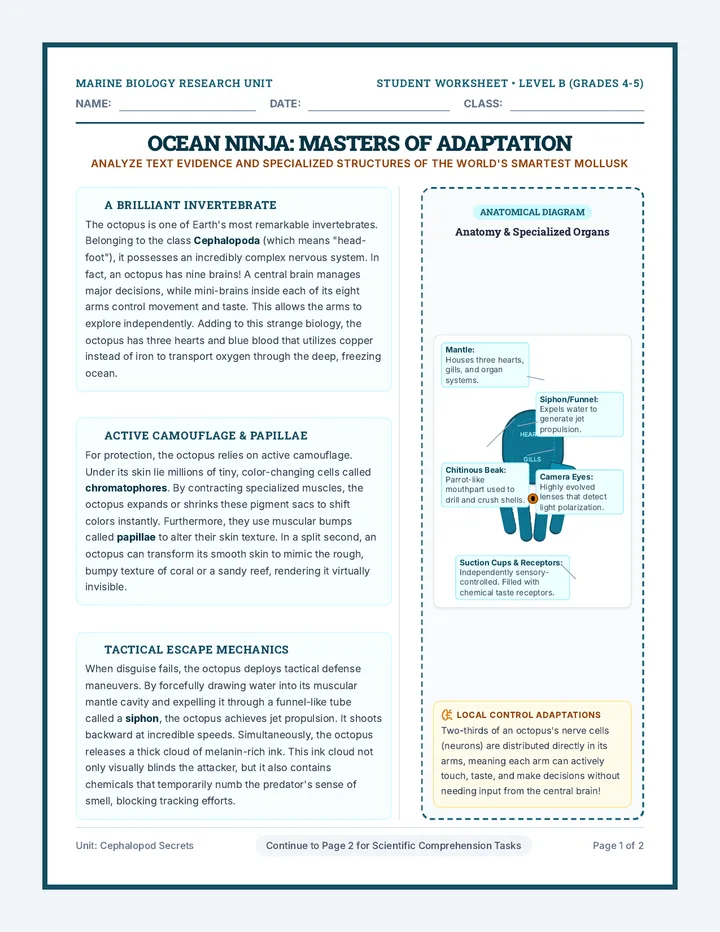
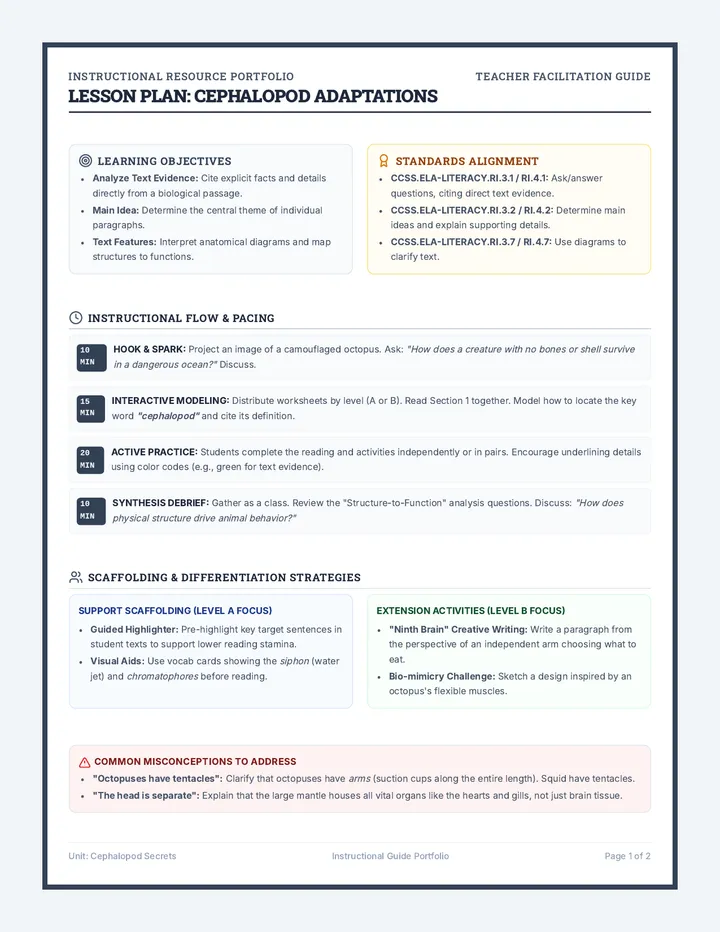
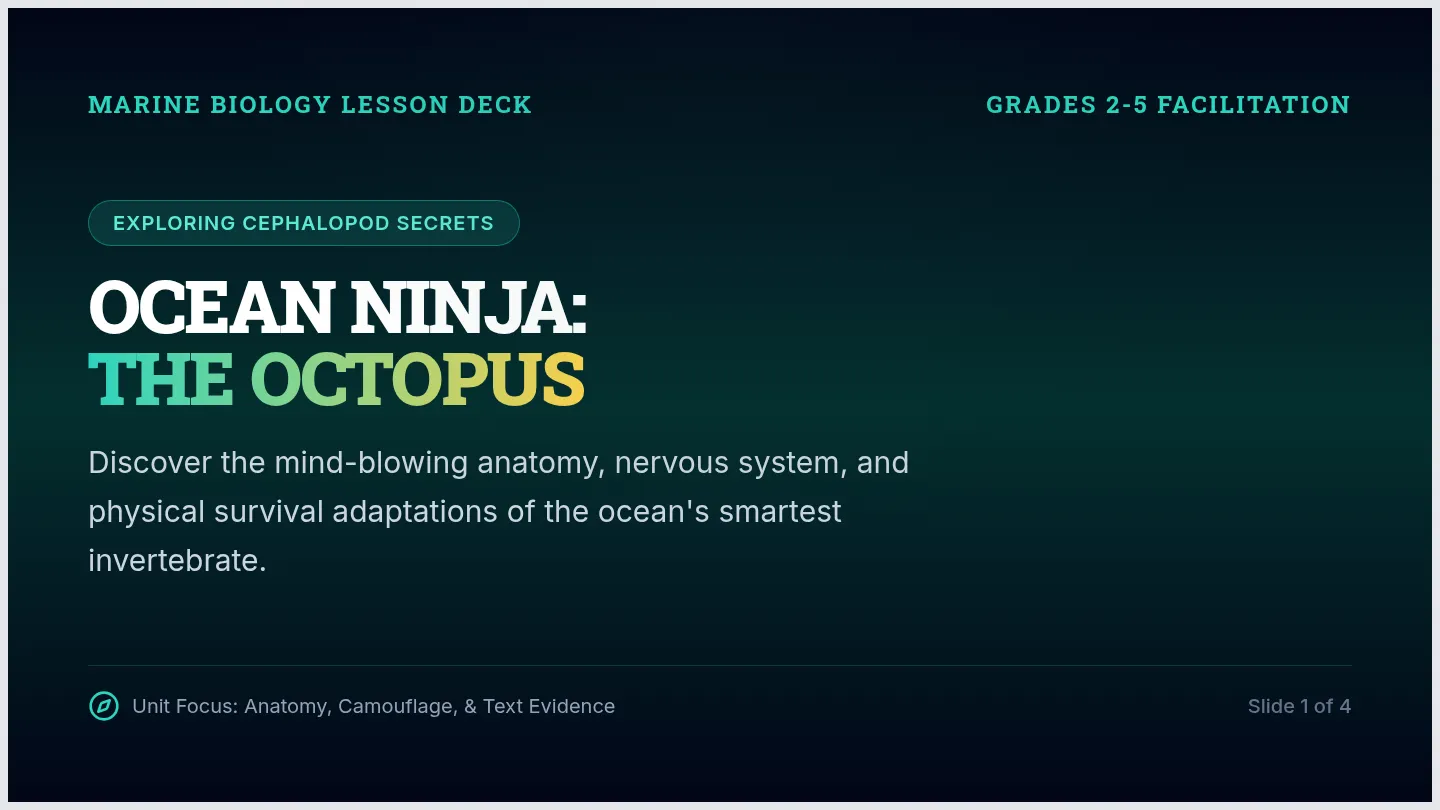
A differentiated reading comprehension unit focusing on the fascinating adaptations, anatomy, and intelligence of octopuses. Students read level-adjusted passages, analyze text-feature diagrams, and practice finding direct text evidence and summarizing main ideas.
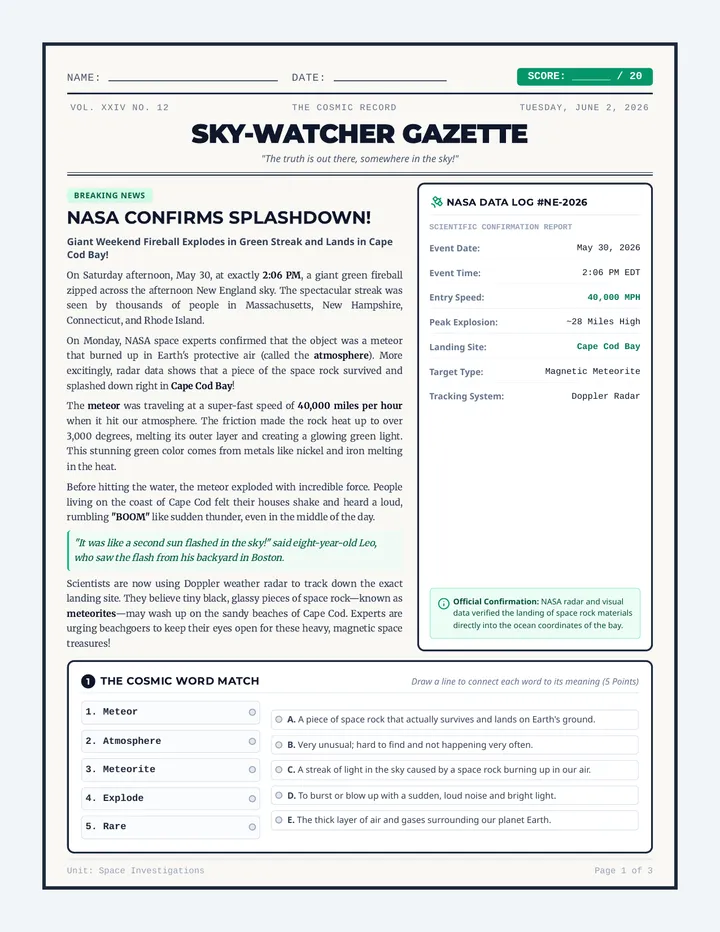
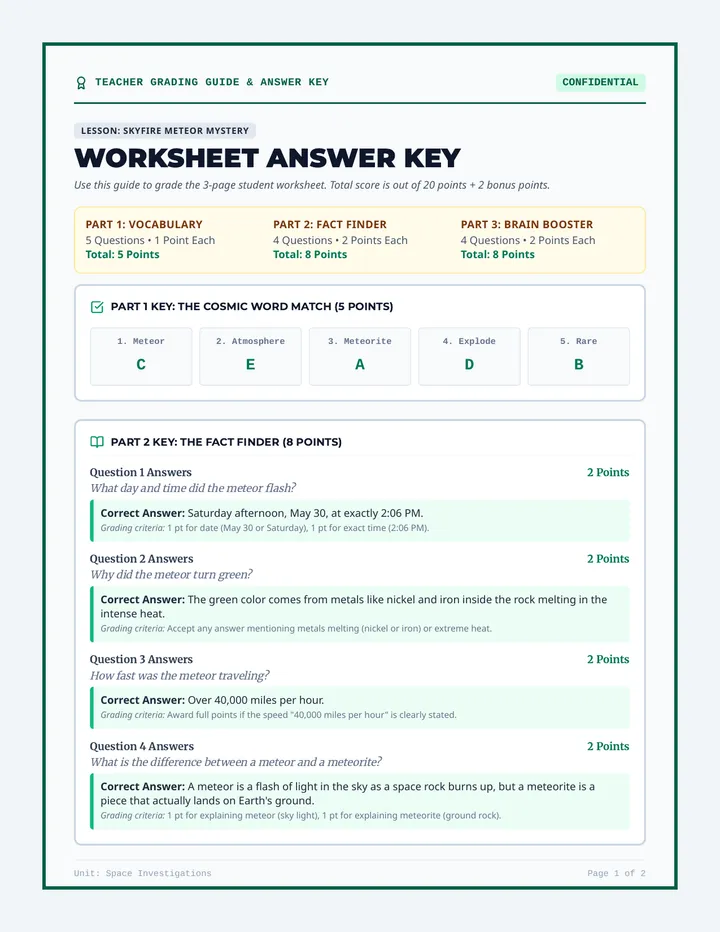
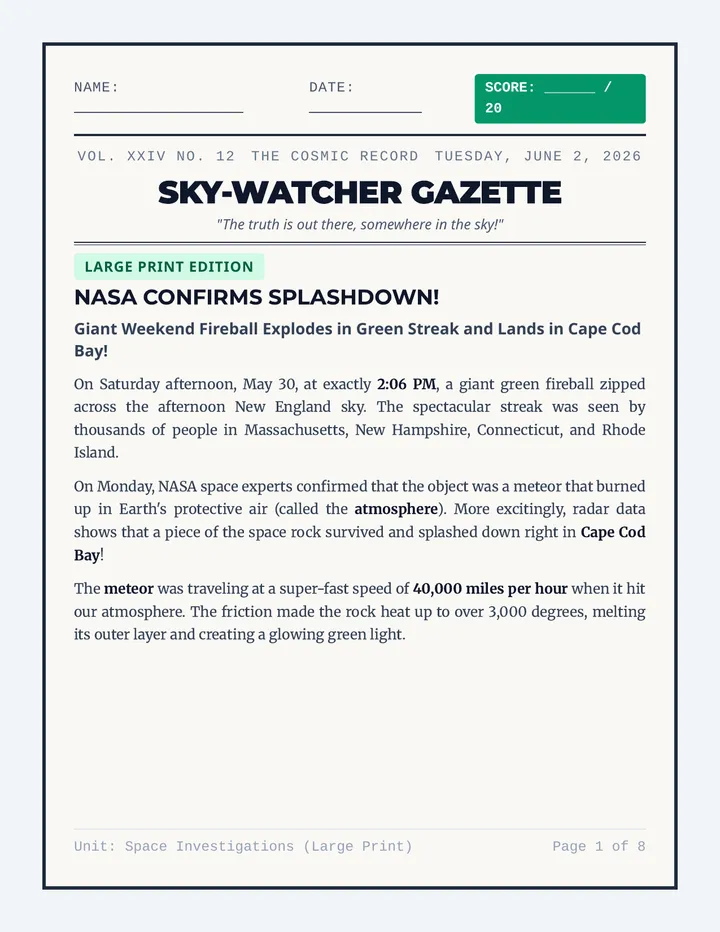
A reading comprehension lesson for 2nd and 3rd-grade students based on the spectacular meteor explosion over New England. Features engaging news-style reading, vocabulary challenges, comprehension questions, and a creative activity.
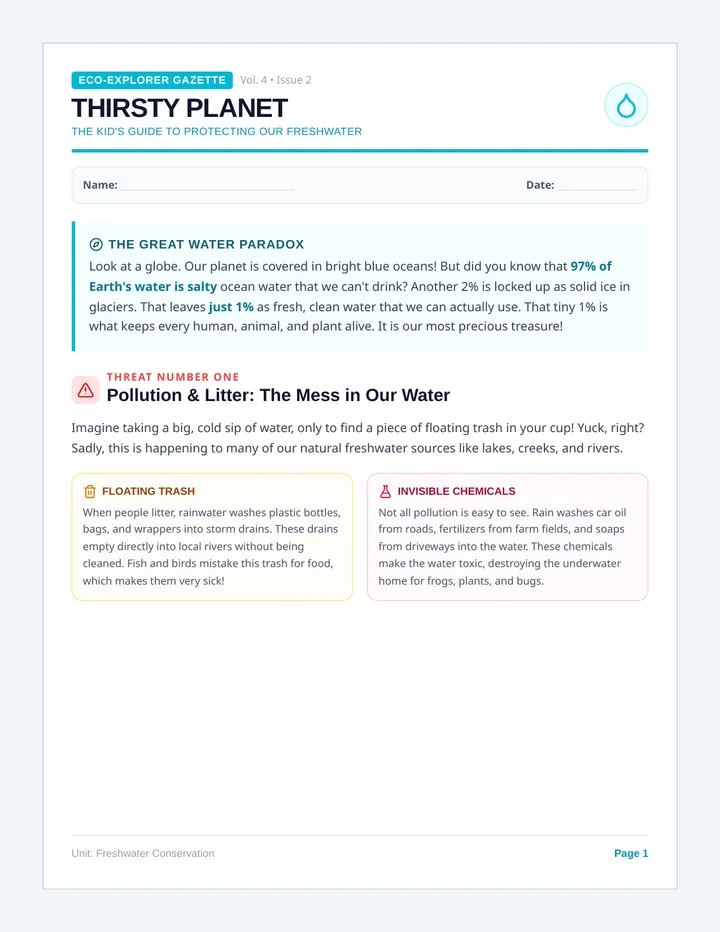
A lesson focused on understanding the primary threats to our freshwater supply, featuring an engaging, student-friendly explorer article on pollution, home water waste, droughts, and growing demand.
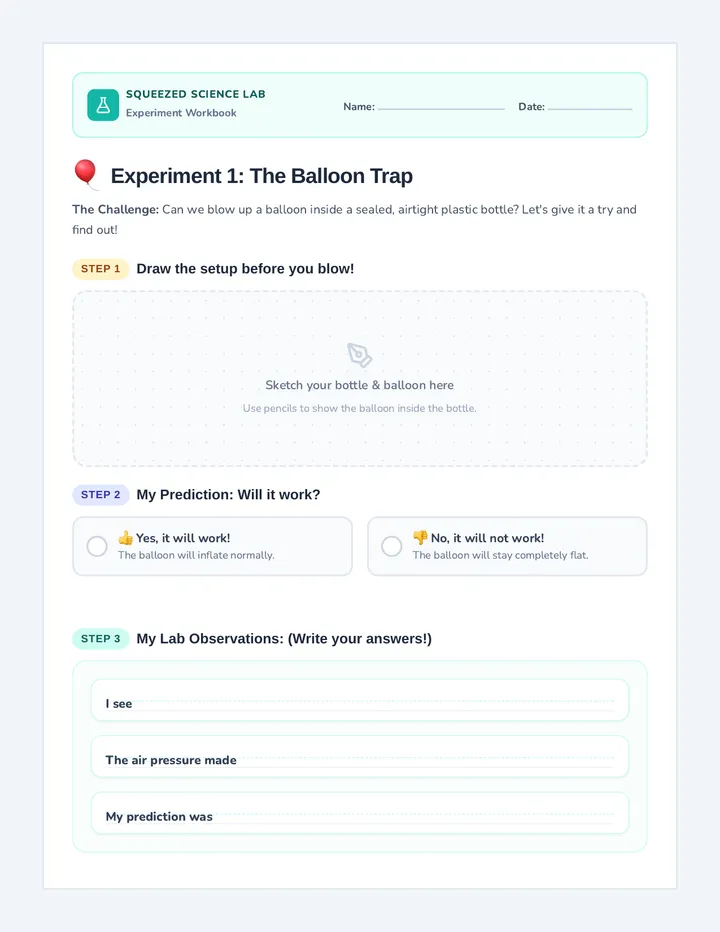
An early elementary science lesson about air pressure featuring three hands-on experiments: Balloon in a Bottle, Egg in a Bottle, and the Water Glass Trick. Students make predictions and record observations using a highly visual cut-and-paste workbook.
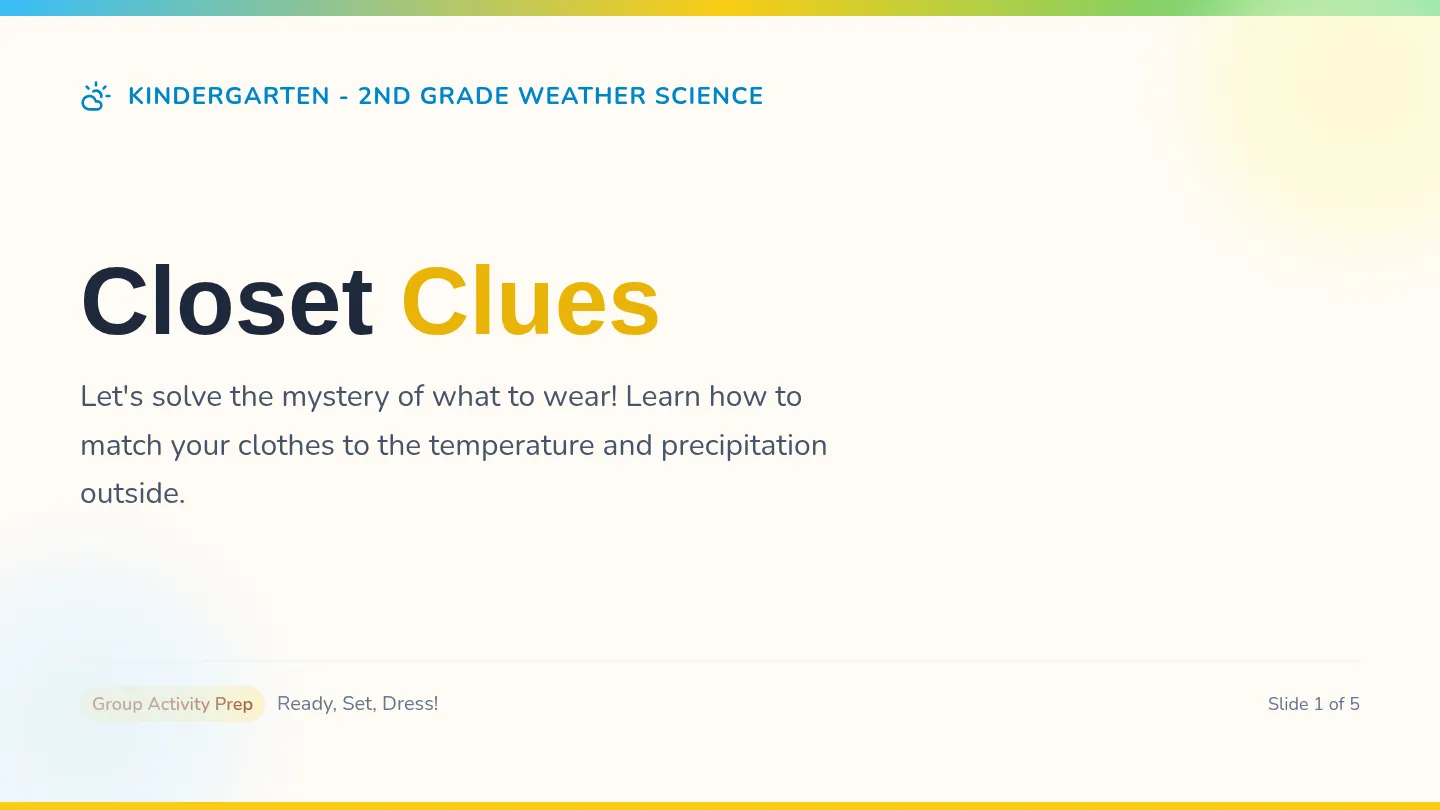
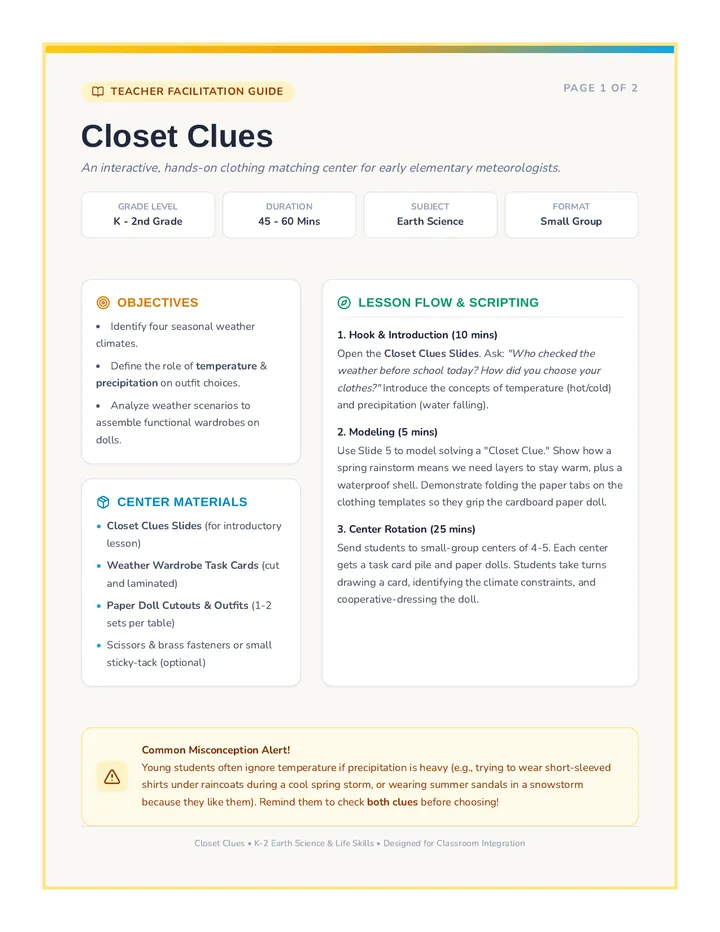
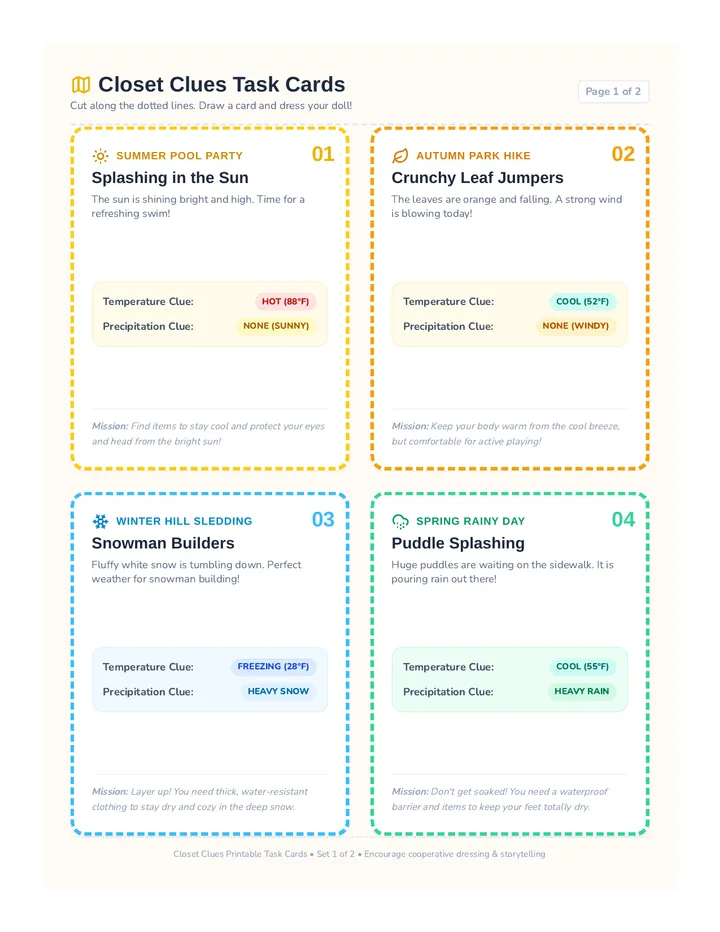
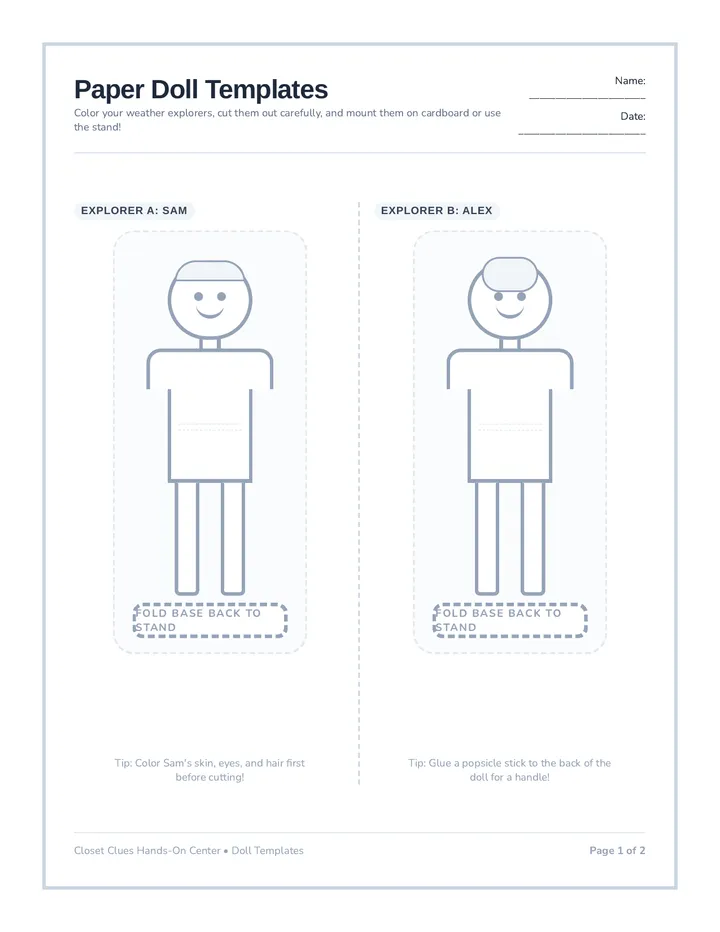
A hands-on, interactive lesson where students explore how to select appropriate clothing based on seasonal weather conditions, temperature, and precipitation. Using task cards and paper-doll cutouts, students practice matching wardrobes to real-world weather scenarios.
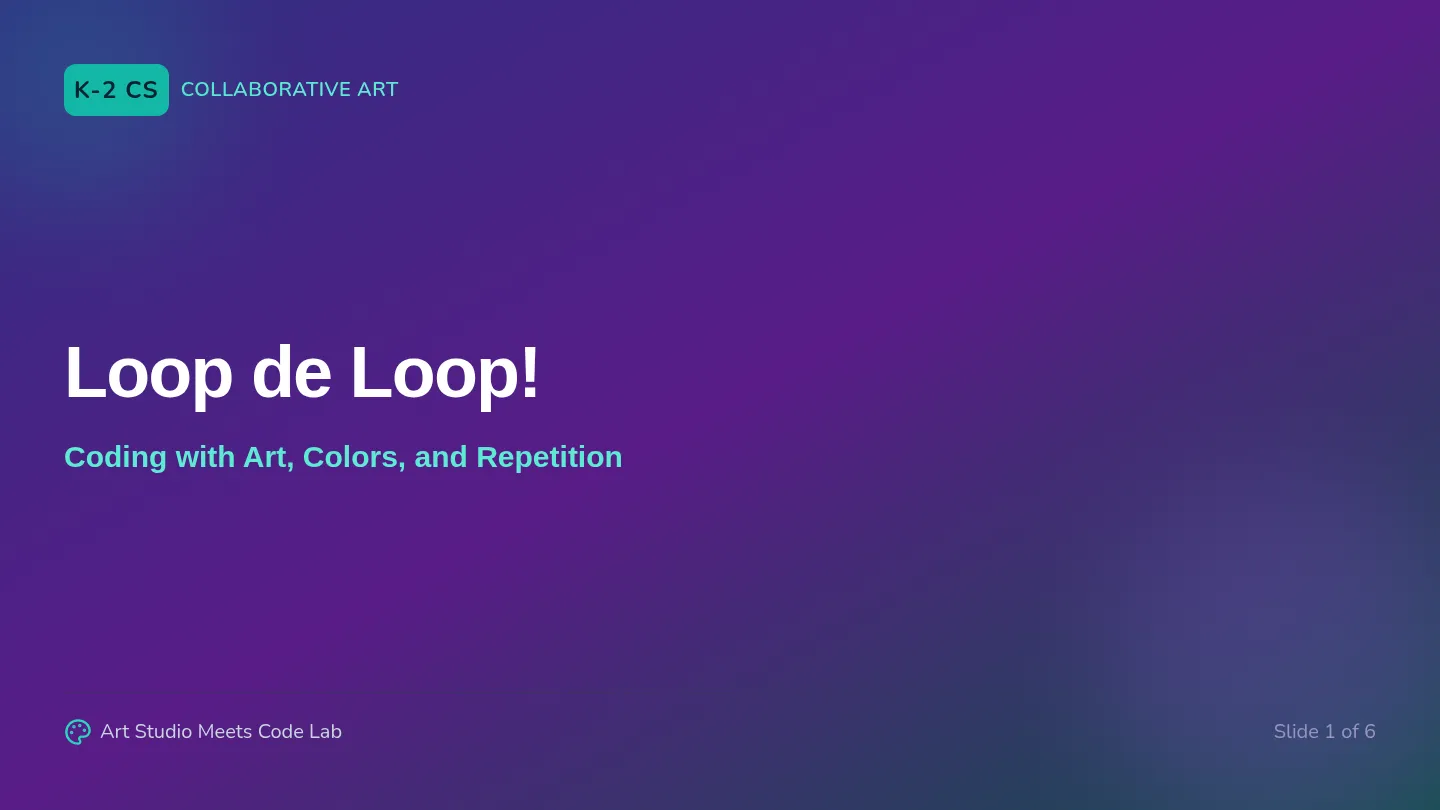
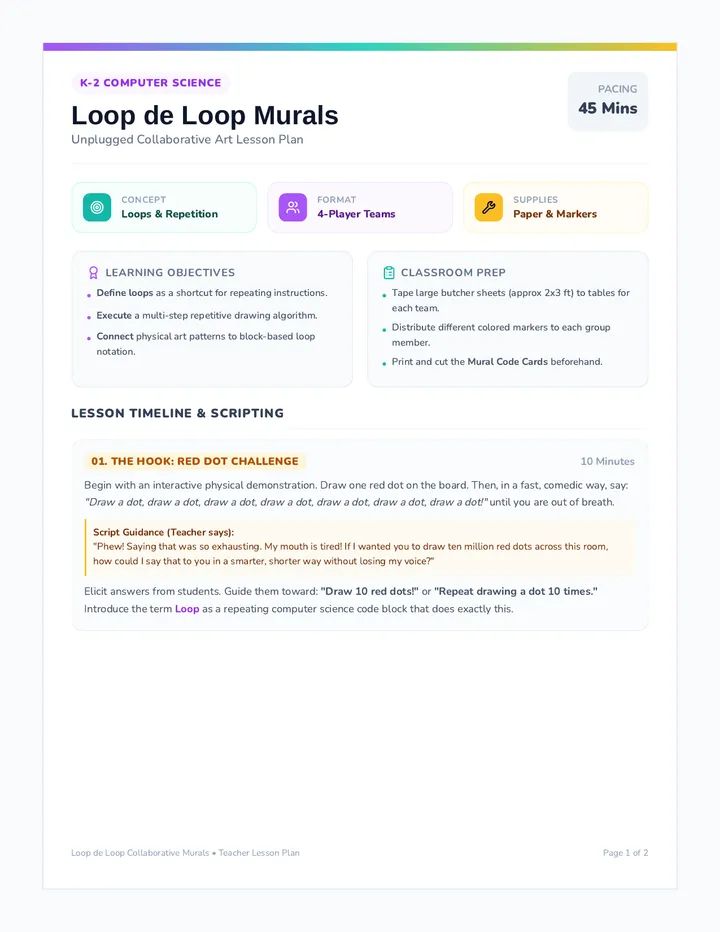
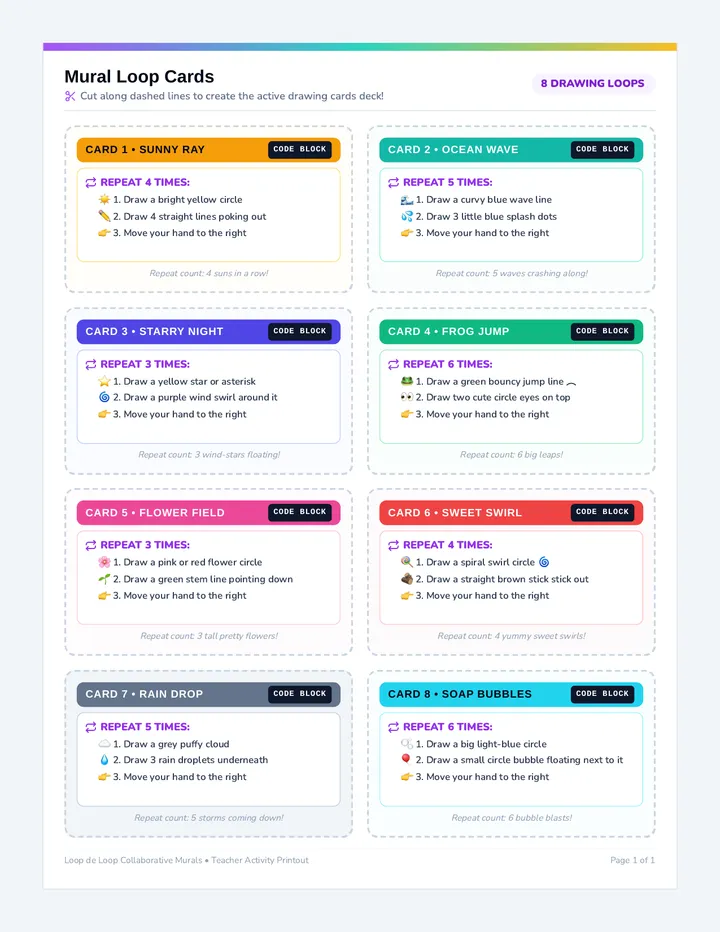
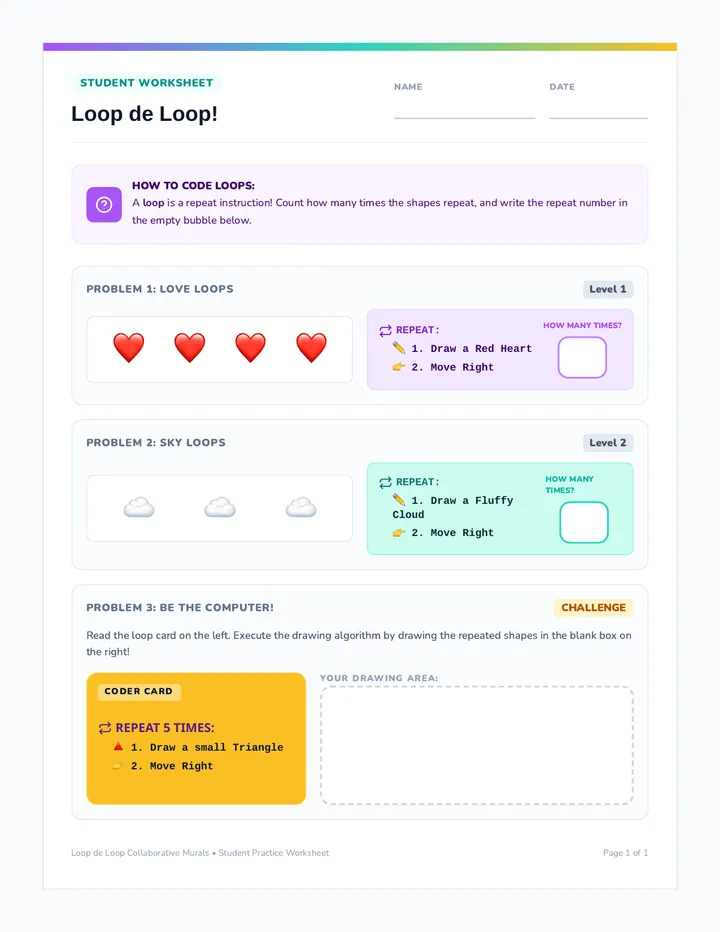
An active, hands-on unplugged computer science lesson for K-2 students. Students learn the concept of loops (repetition) by creating collaborative art masterpieces using simple drawing algorithms.
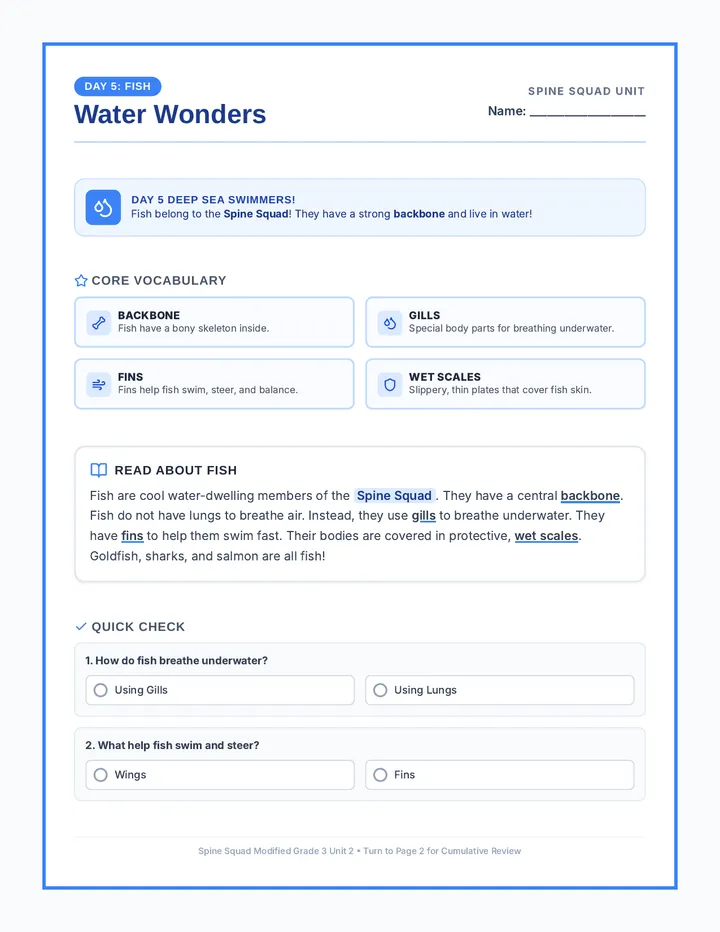
In this fifth and final lesson of the Spine Squad unit, students explore fish, focusing on gills, fins, scales, and underwater survival, with a final cumulative review of the five vertebrate groups.
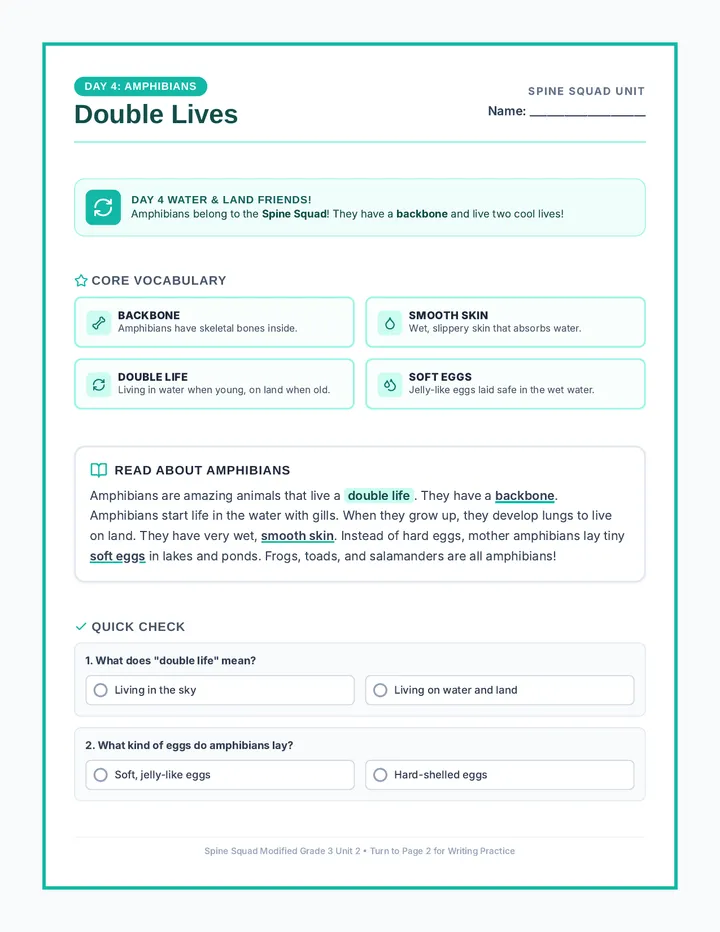
In this fourth lesson of the Spine Squad unit, students study amphibians, understanding how they live on water and land, lay soft eggs, and have smooth, wet skin, with scaffolded reading and tracing.
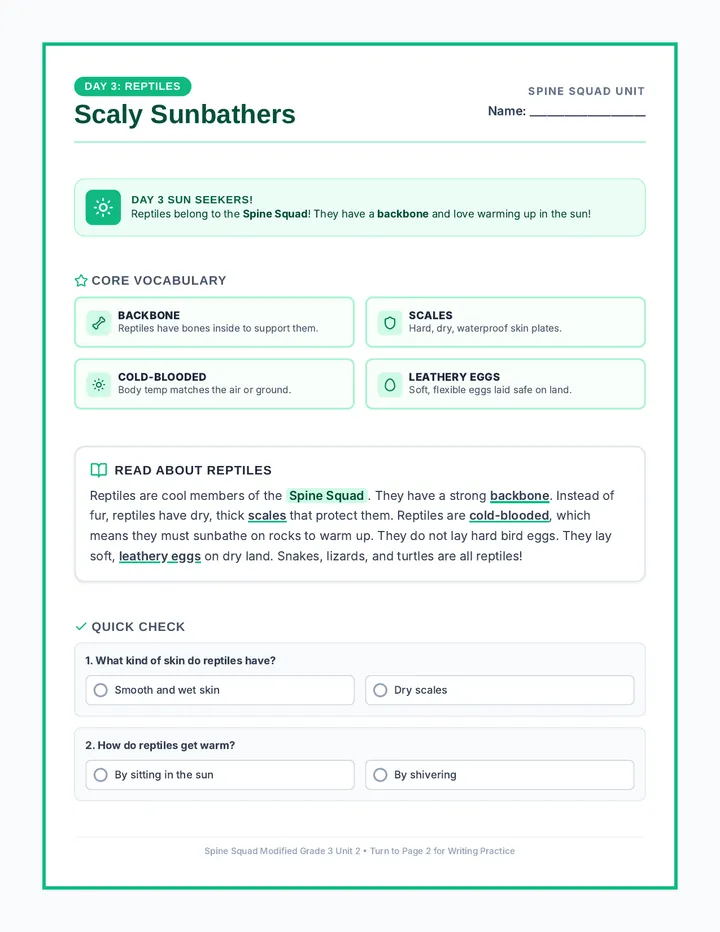
In this third lesson of the Spine Squad unit, students identify reptiles, exploring characteristics such as scales, cold-blooded regulation, and laying leathery eggs on land, supported by guided tracing.
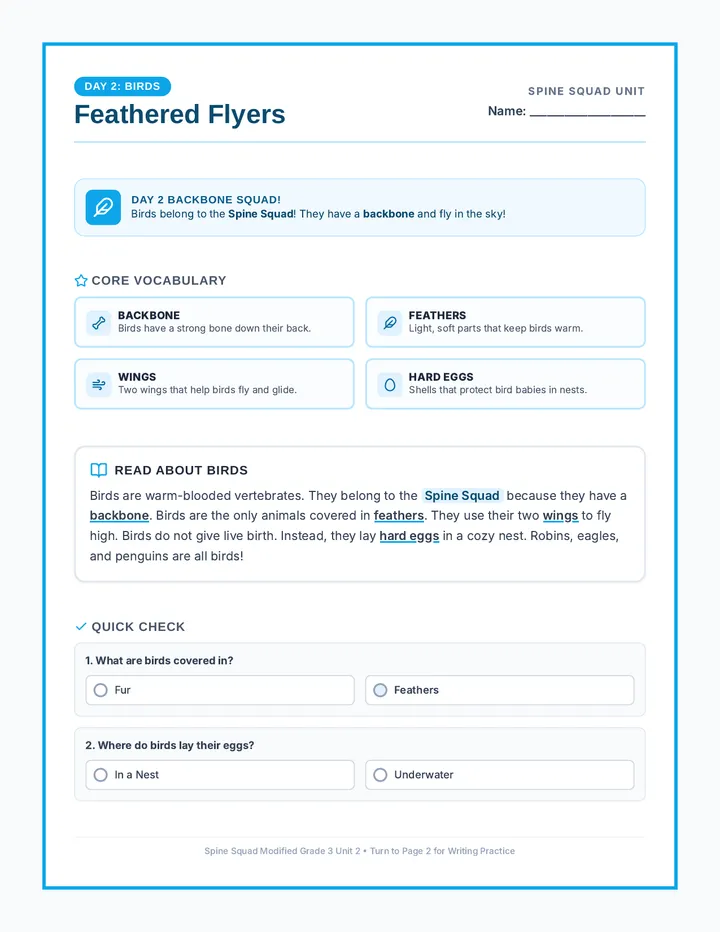
In this second lesson of the Spine Squad unit, students examine the key characteristics of birds, including feathers, wings, and laying hard-shelled eggs, using scaffolded comprehension prompts and tracing.
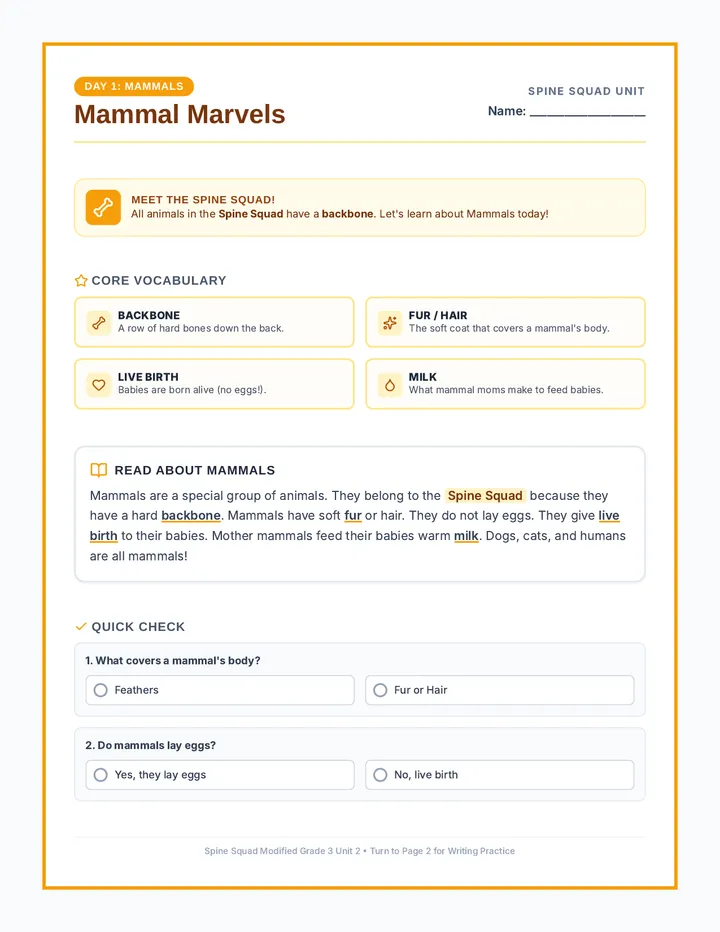
In this first lesson of the Spine Squad unit, students explore the unique traits of mammals, focusing on fur/hair, live birth, and milk production with heavy visual support and tracing activities.
A hands-on science lesson designed for second-grade students to explore seed dispersal methods. Students learn about wind, water, animals, gravity, and propulsion through visual modeling, discussion, and a structured field journal.