Agents navigate complex environments using auditory cues. This lesson introduces cardinal directions, landmark-based navigation, and spatial reasoning within a city grid.
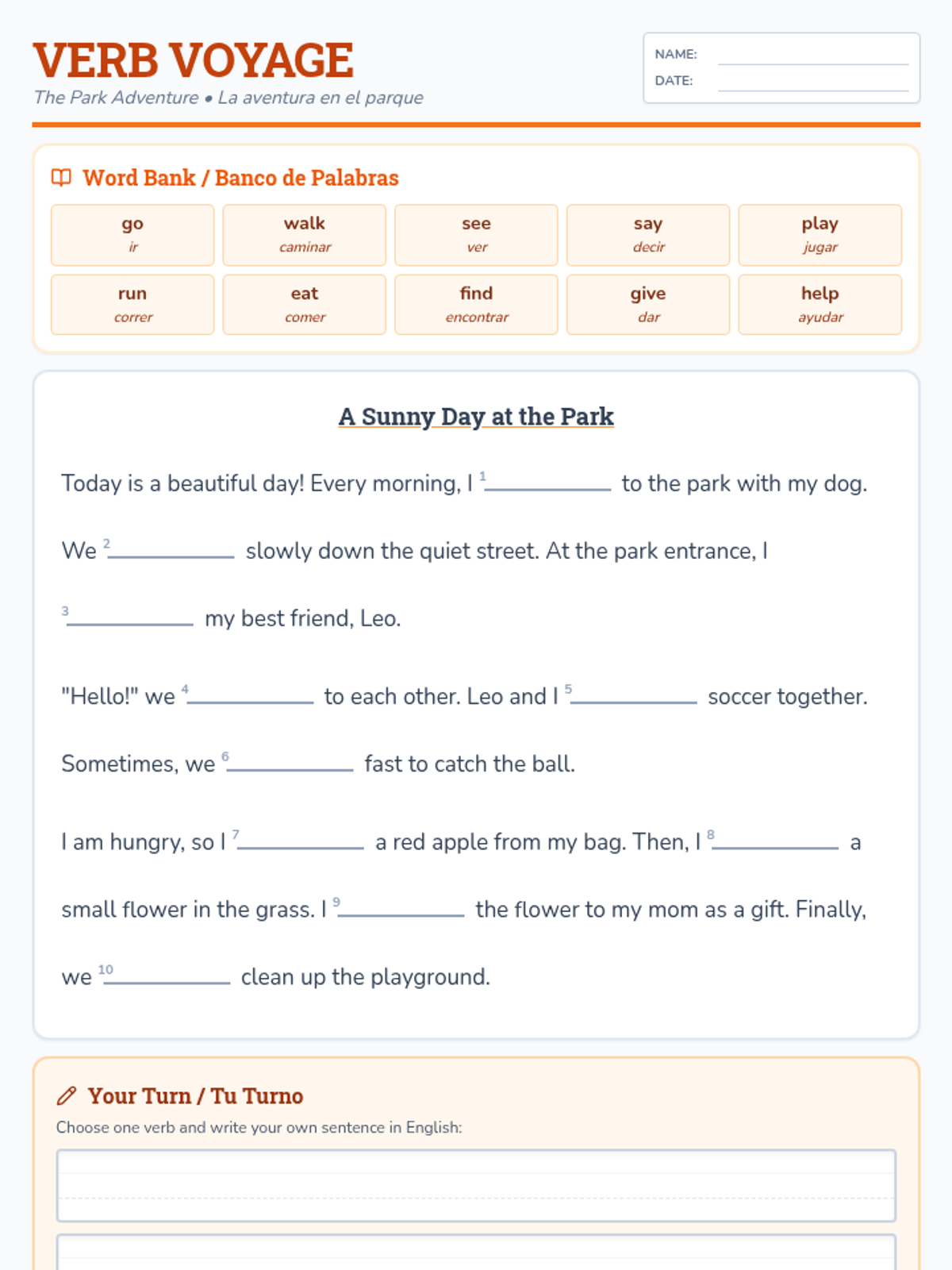
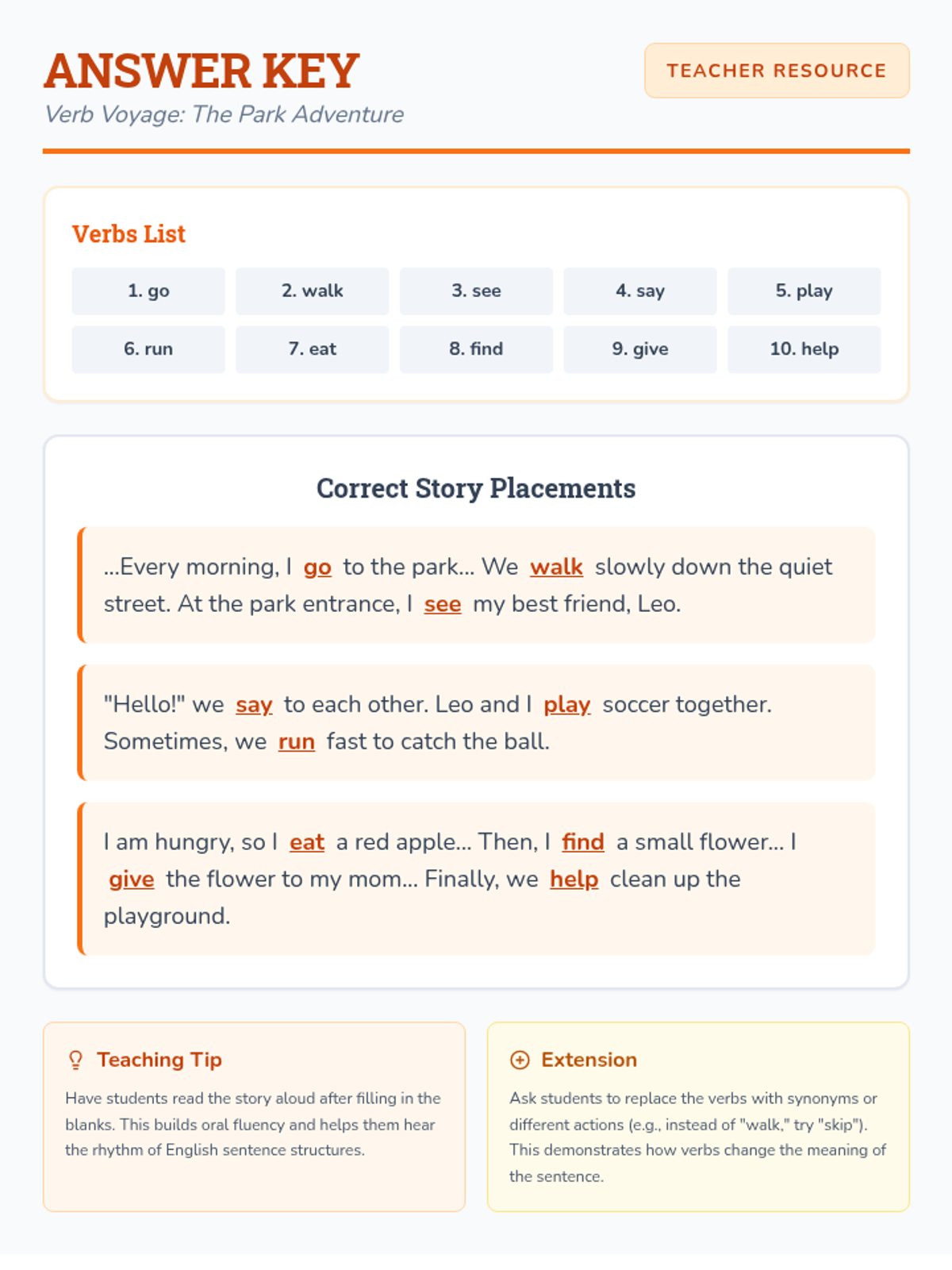
A foundational lesson for ESL students to practice high-frequency English verbs through a bilingual (English-Spanish) fill-in-the-blank adventure story.
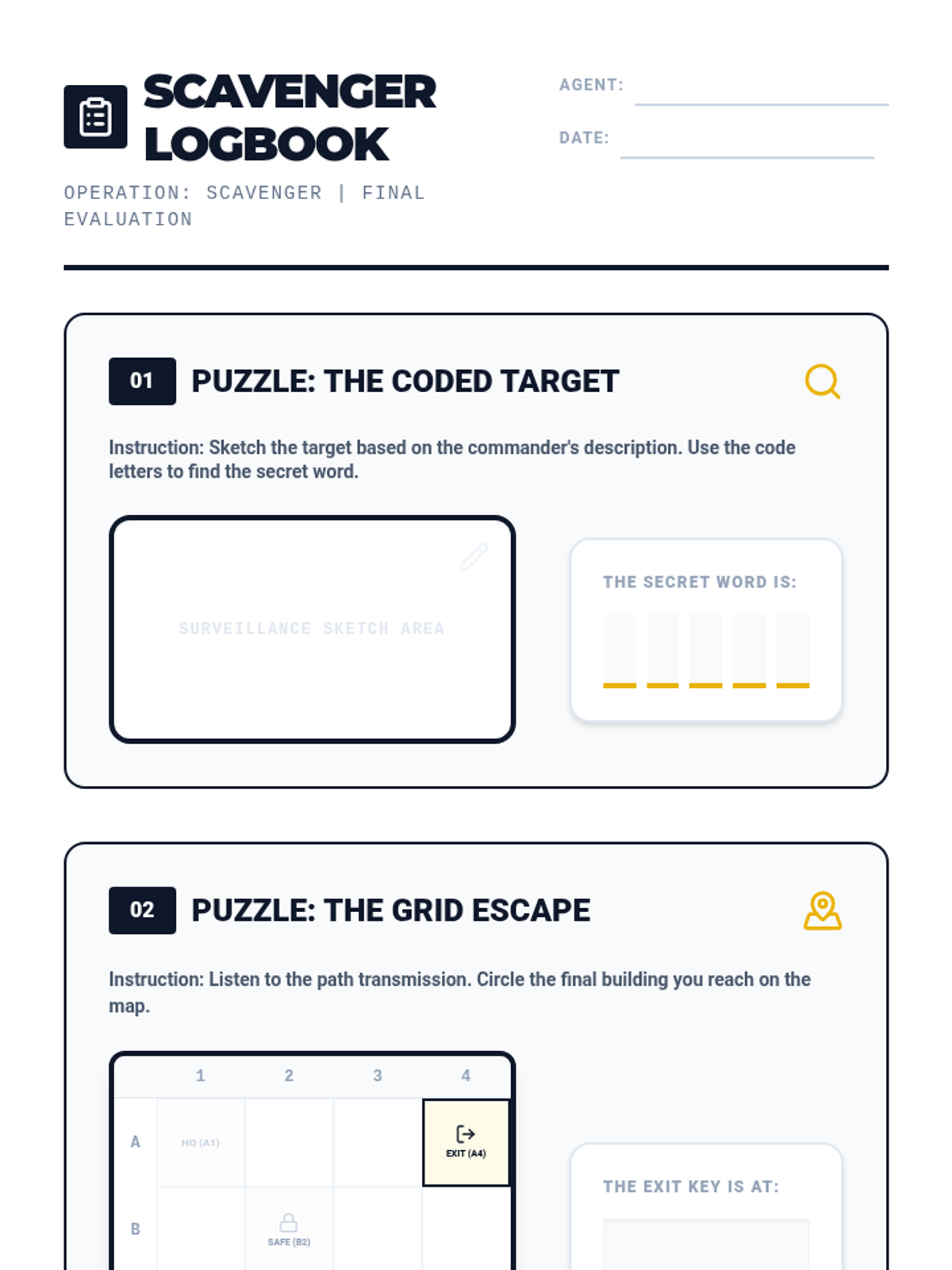
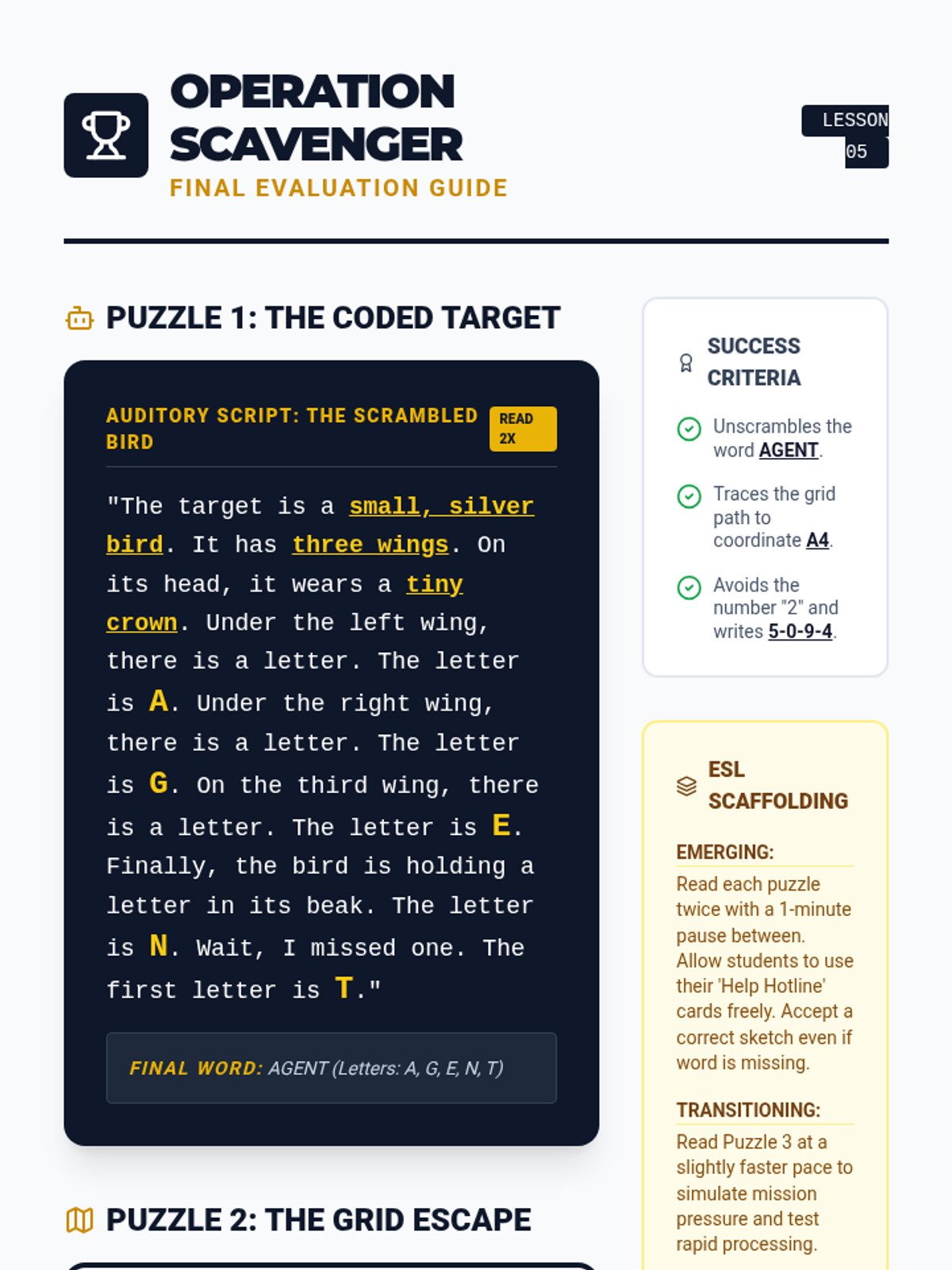
The final test of an agent's skills. Students must synthesize sequence, spatial detail, and clarification strategies to complete a high-stakes auditory scavenger hunt.

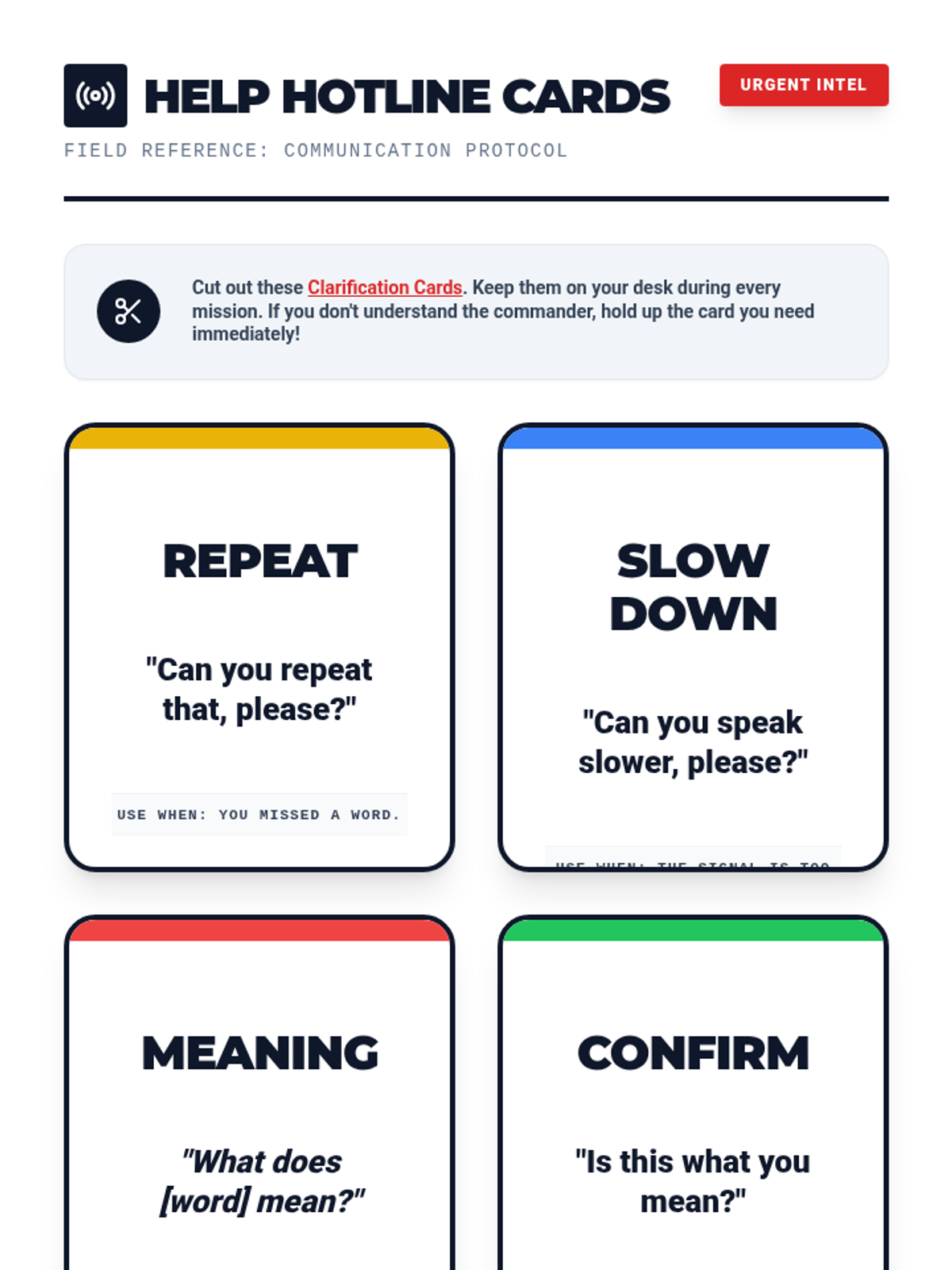
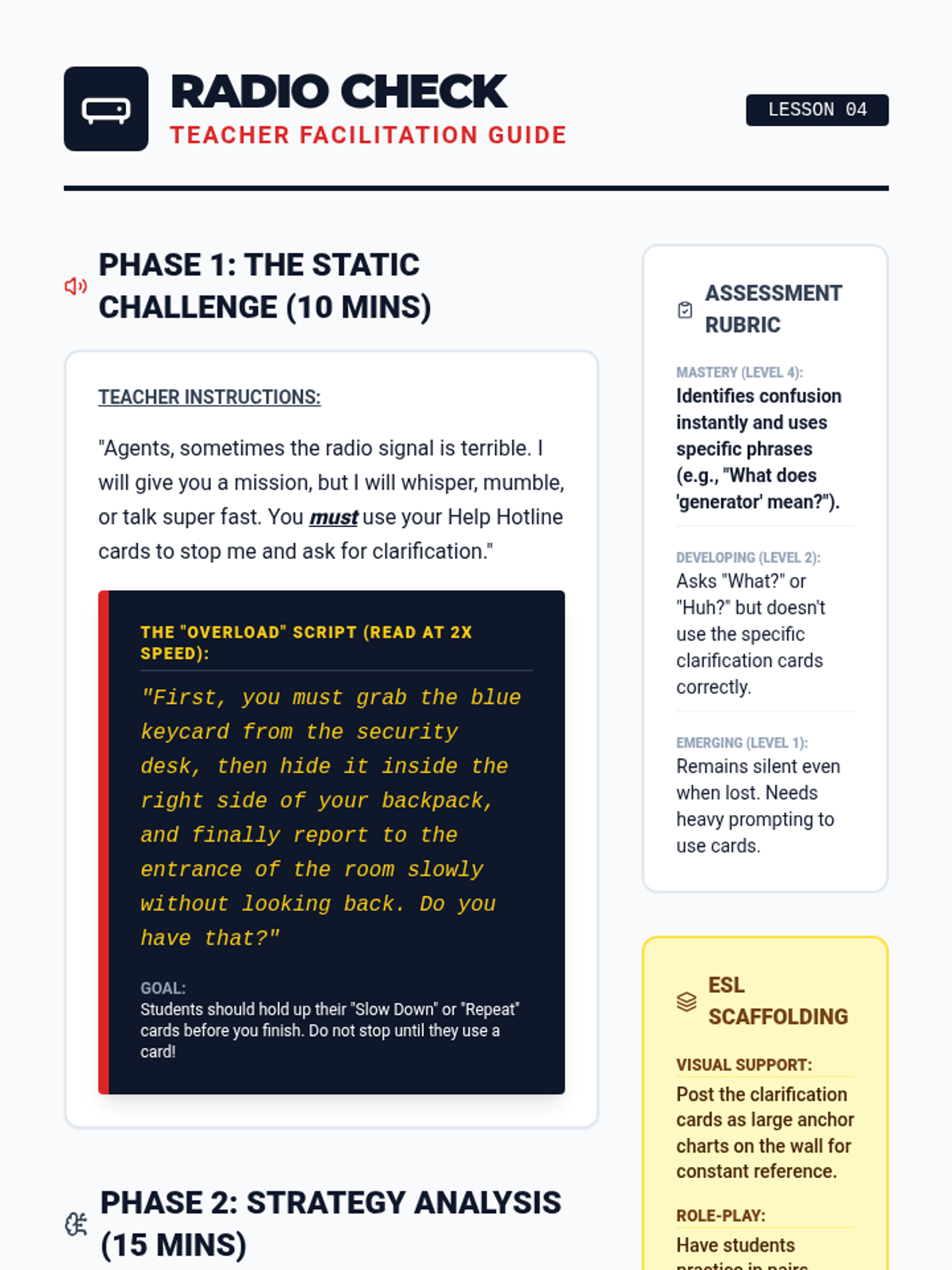
Communication is key when intel is fuzzy. Agents learn and practice specific clarification questions to use when instructions are too fast, too quiet, or missing information.
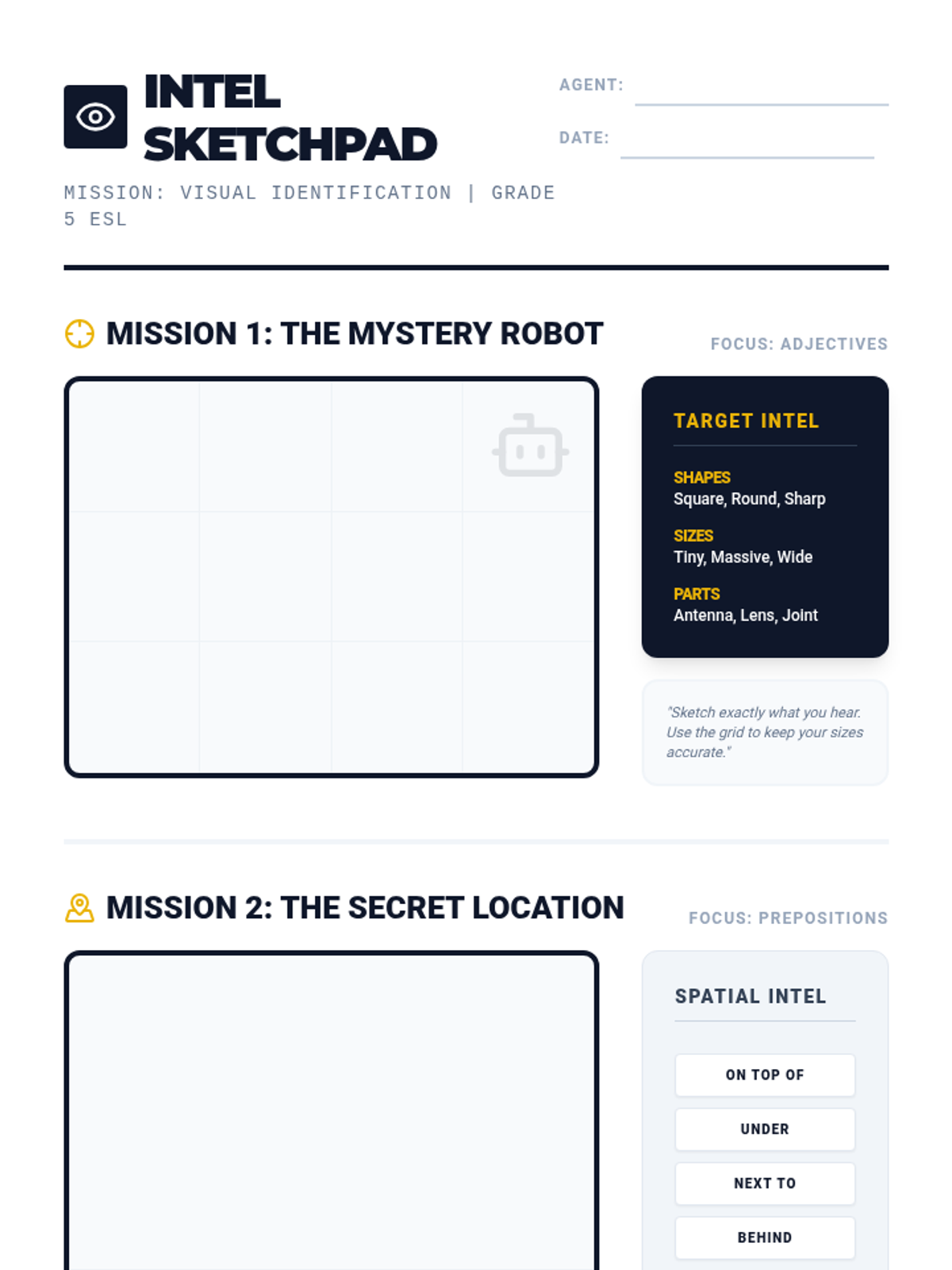
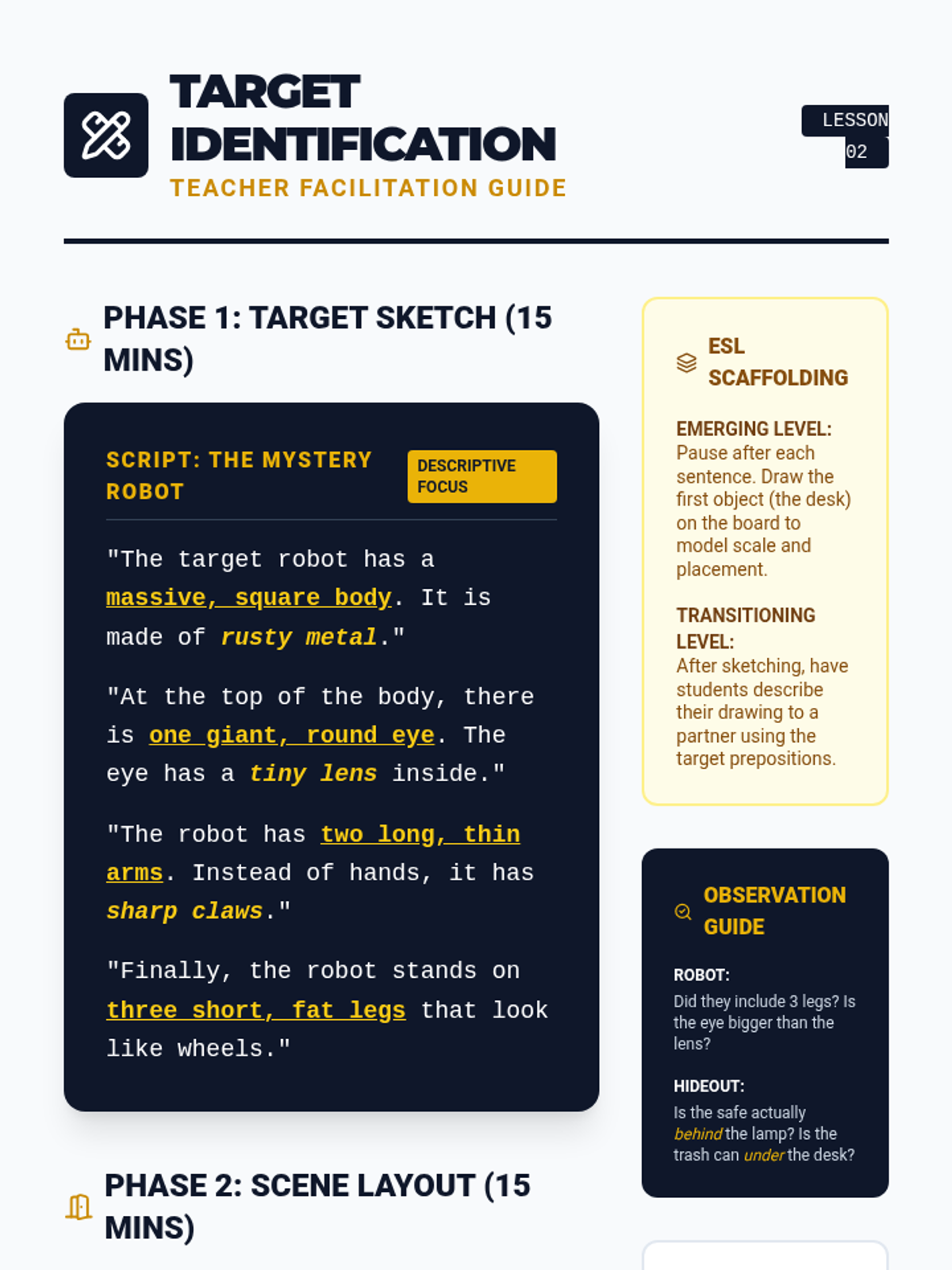
Agents practice identifying precise locations and descriptions. Students listen to detailed 'intelligence reports' and sketch targets using complex prepositions of place and descriptive adjectives.
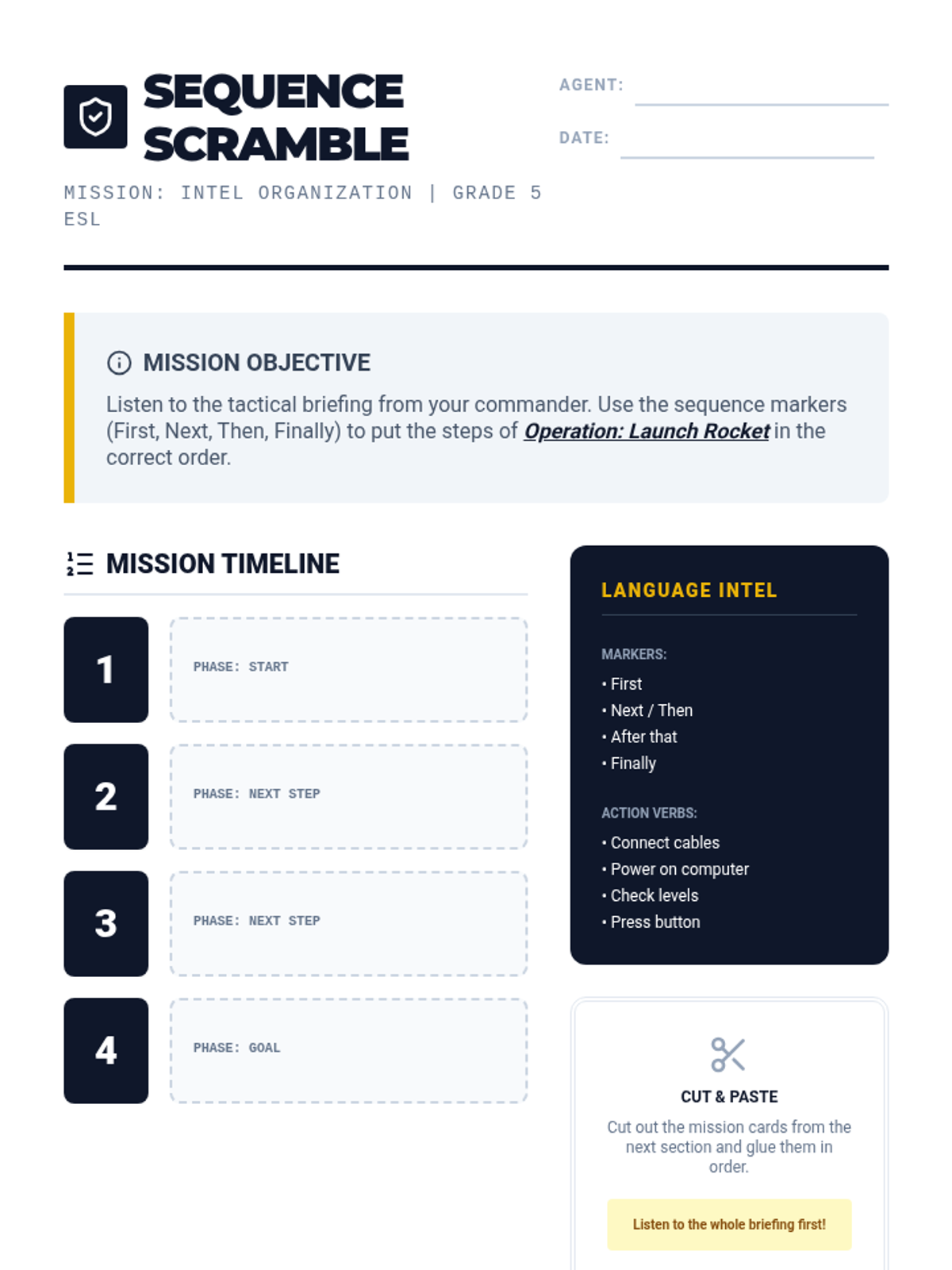
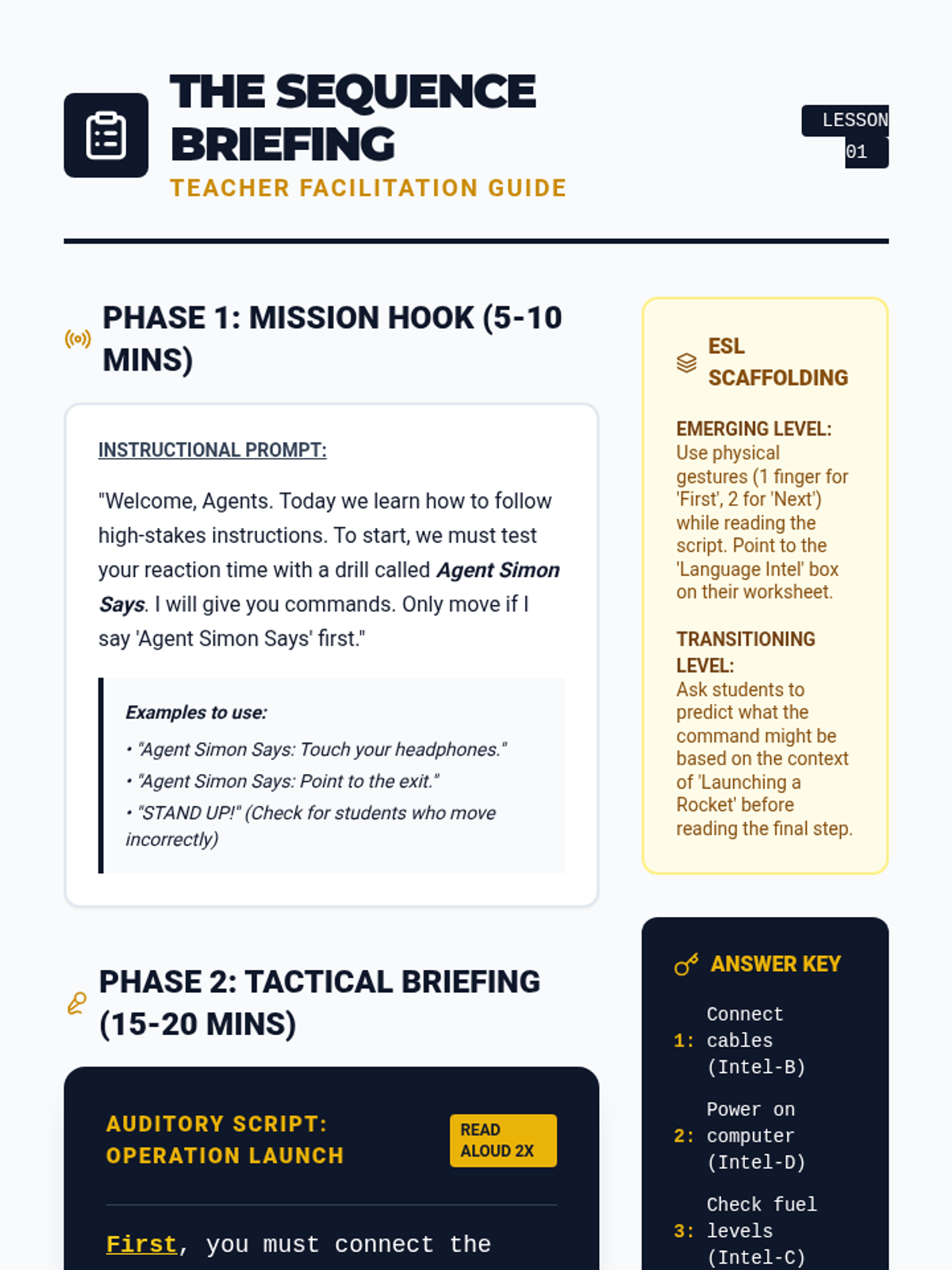
Agents learn to decode the order of operations. This lesson focuses on sequence markers and imperative verbs used in complex, multi-step tactical briefings.
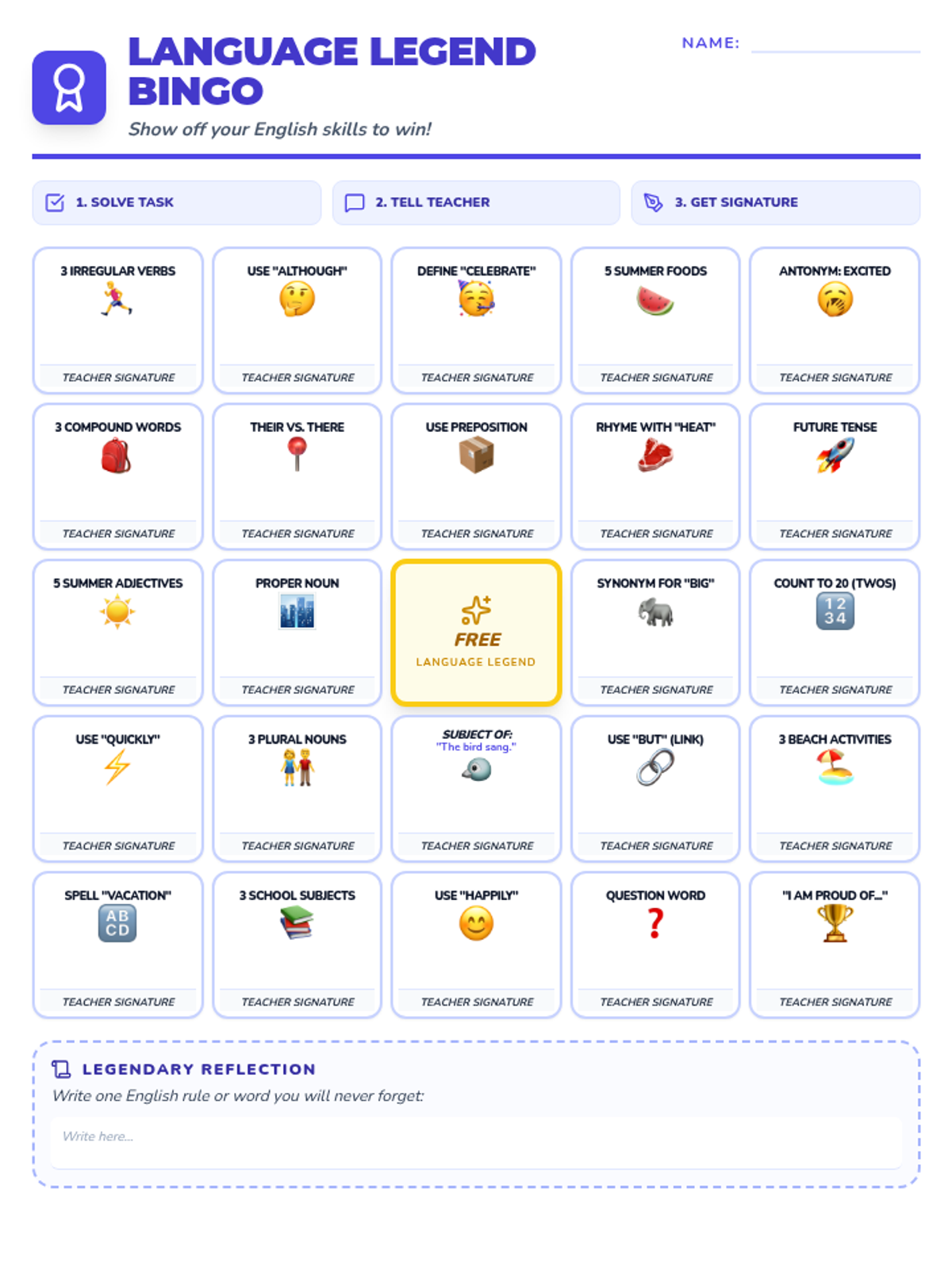
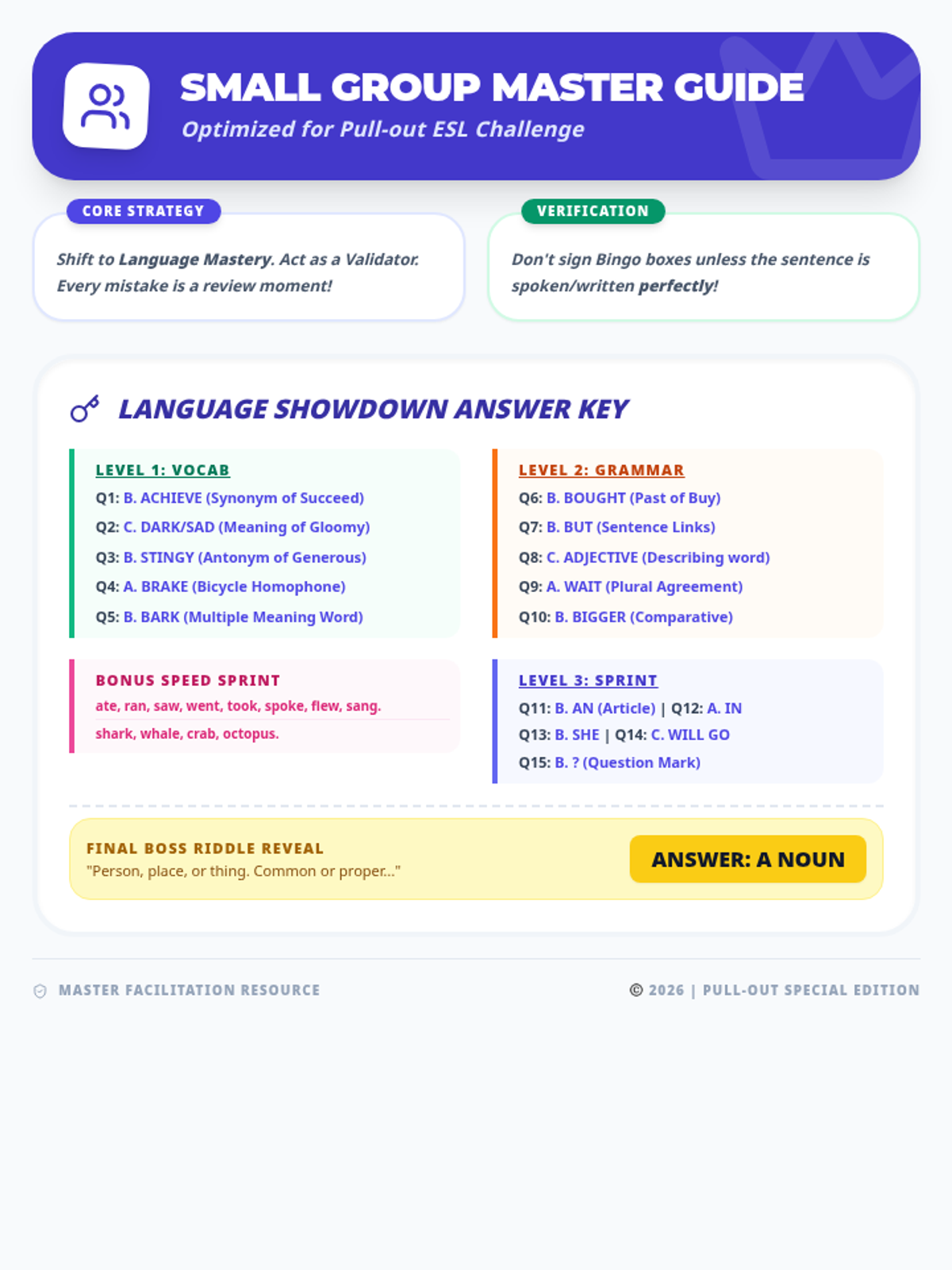
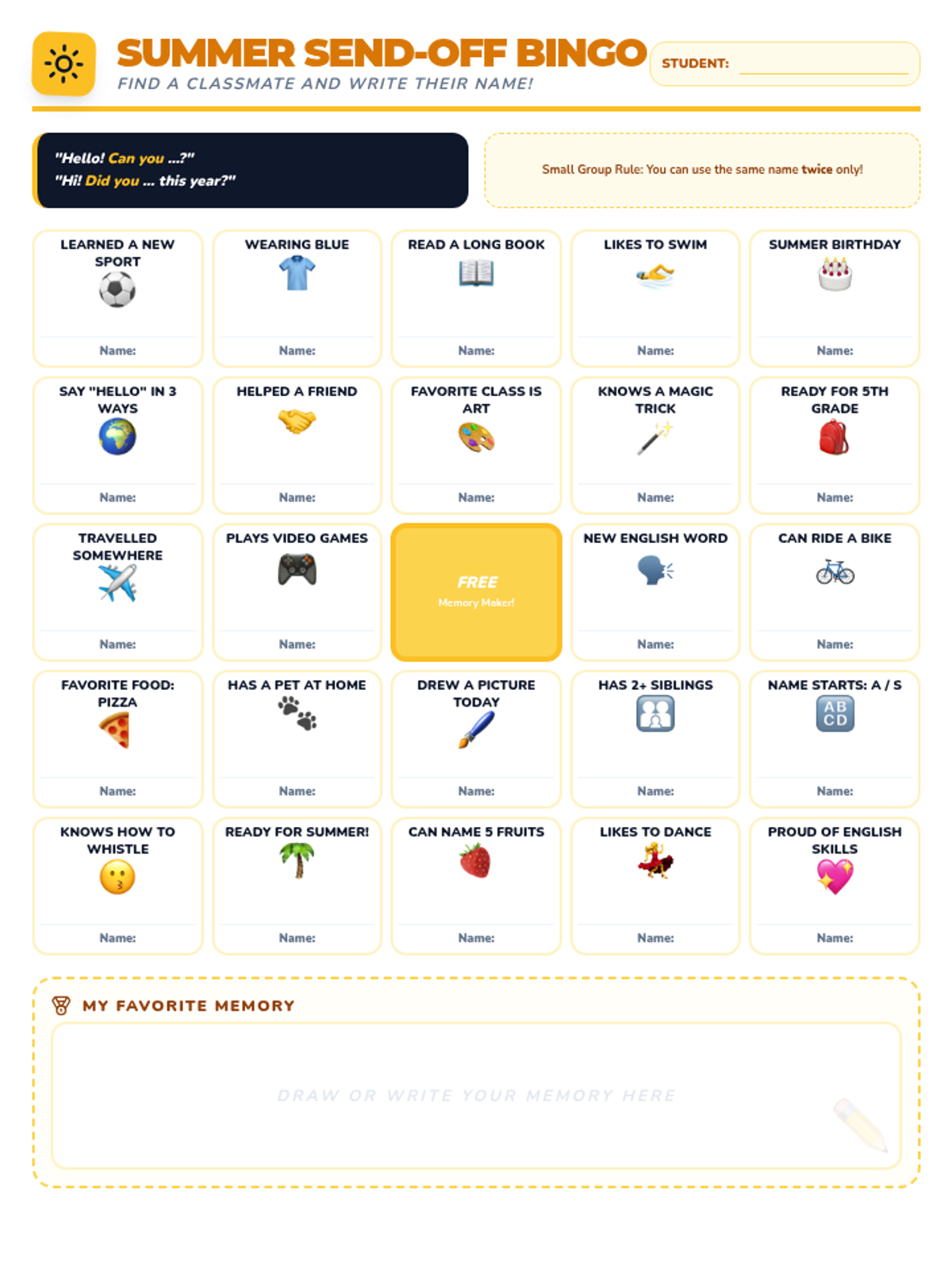
A high-energy, collaborative lesson for ESL students to celebrate the end of the school year through interactive games, vocabulary review, and reflection.
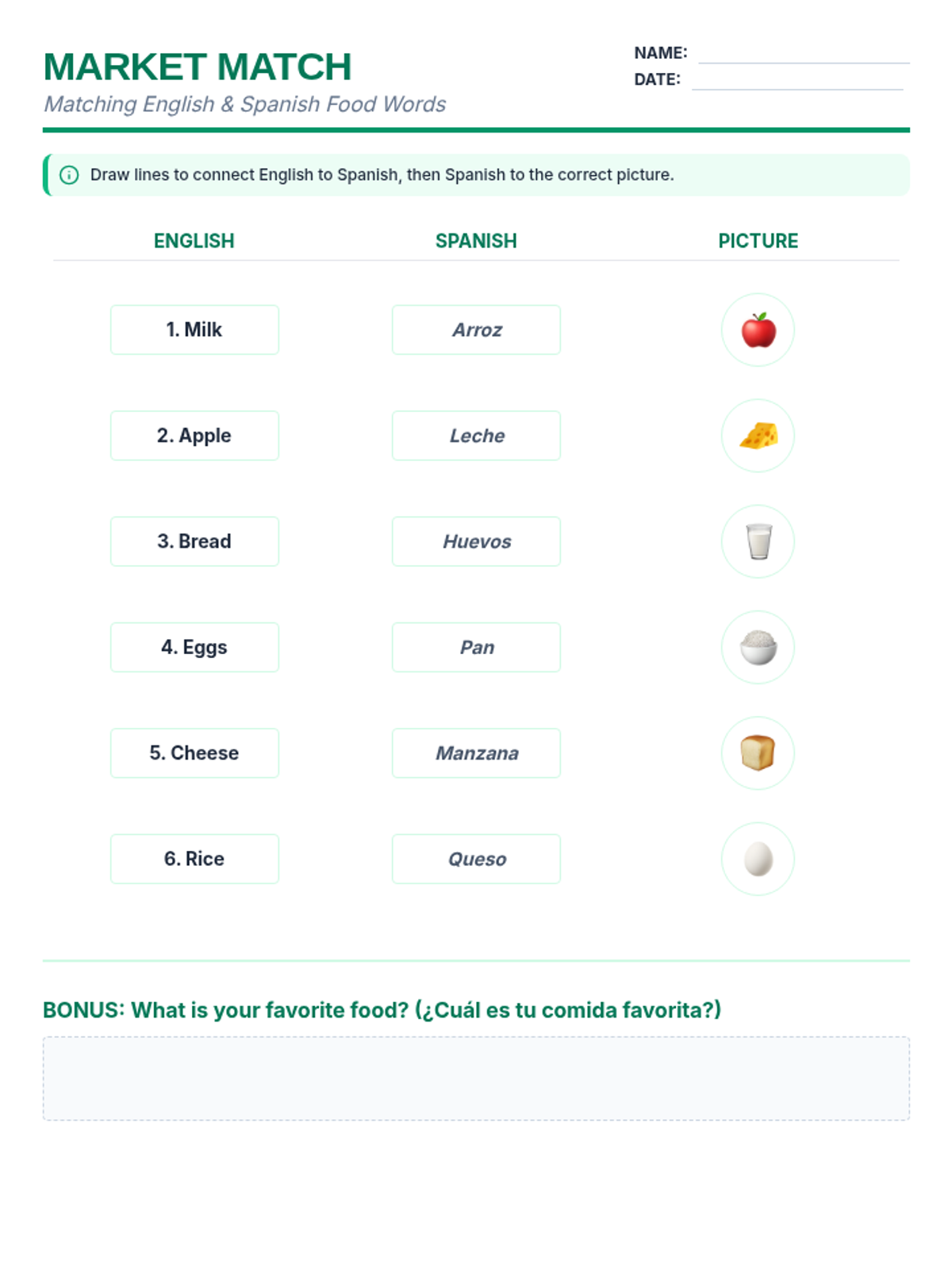
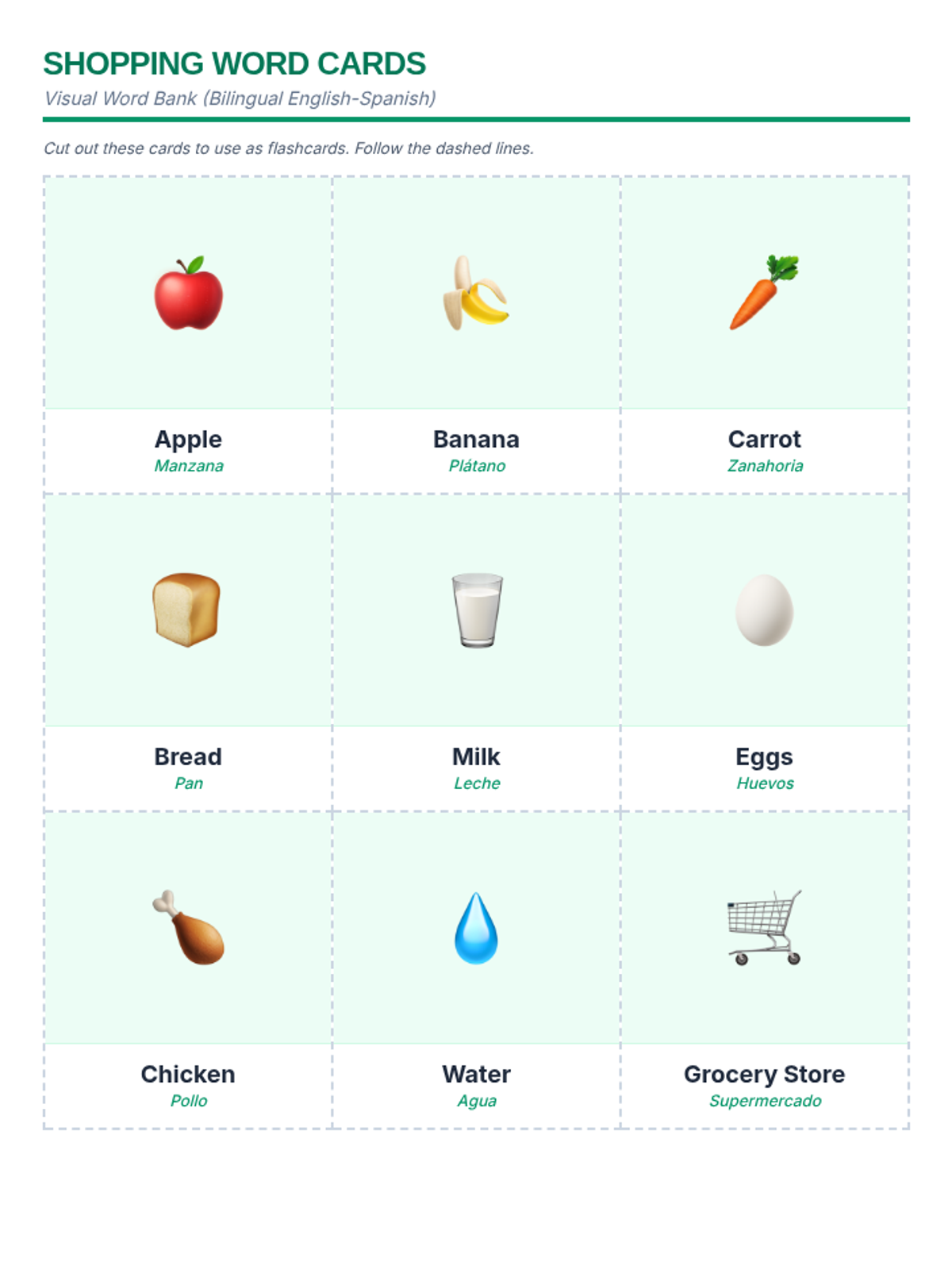
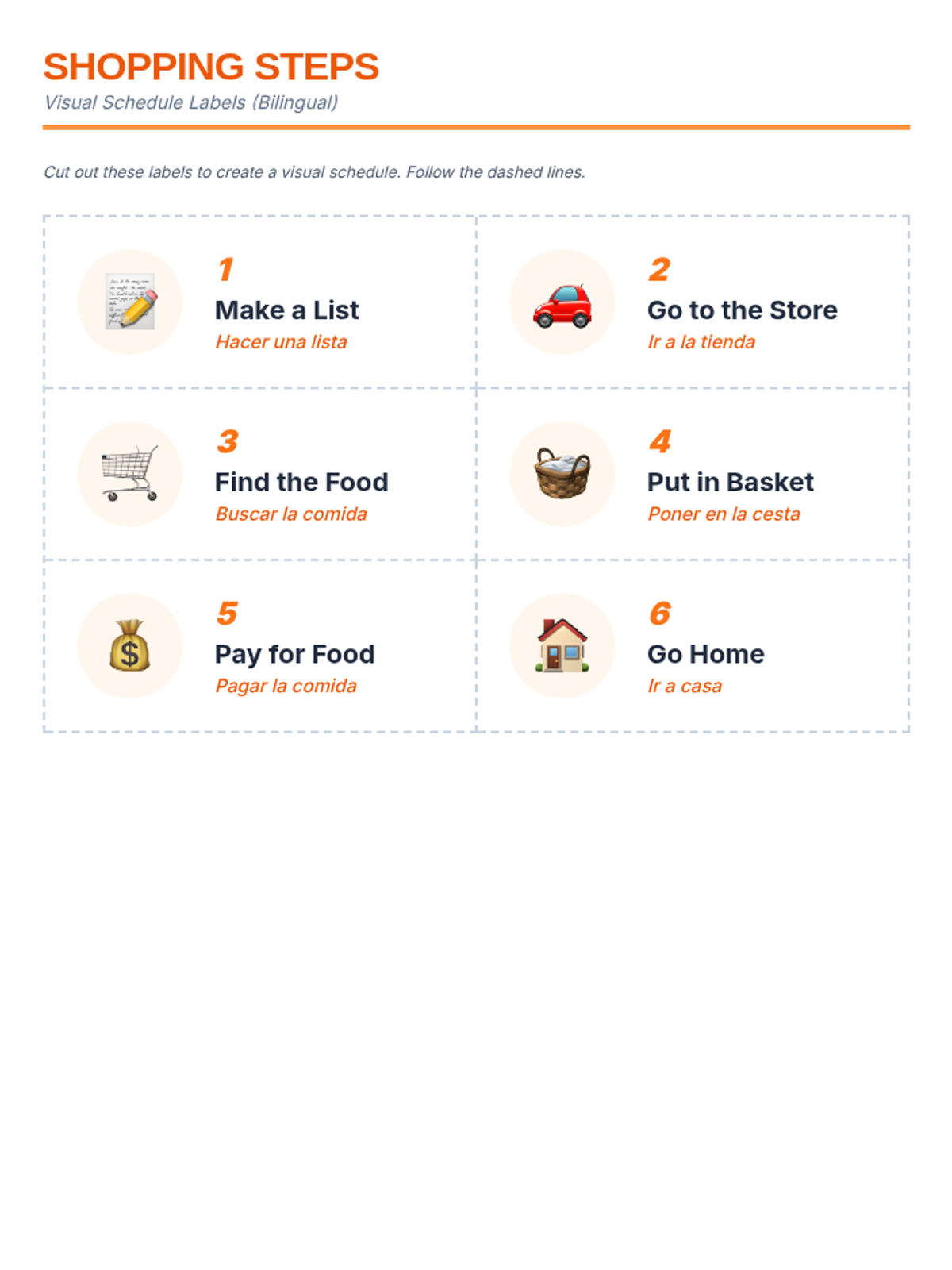
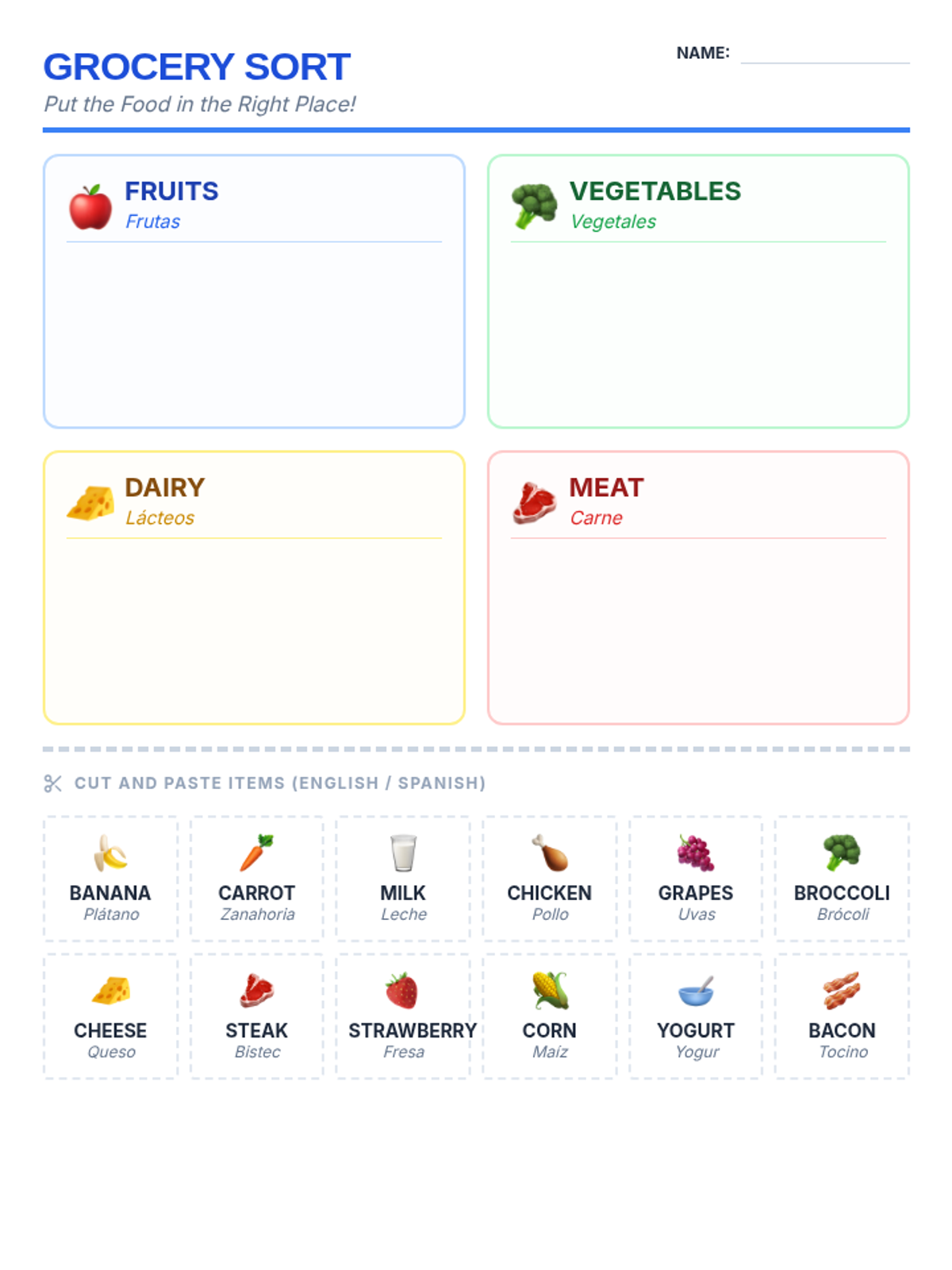
A beginner-friendly ESL lesson focusing on essential food and grocery shopping vocabulary, featuring bilingual English-Spanish support and visual aids. Students learn to identify common items and the sequential steps of a shopping trip.
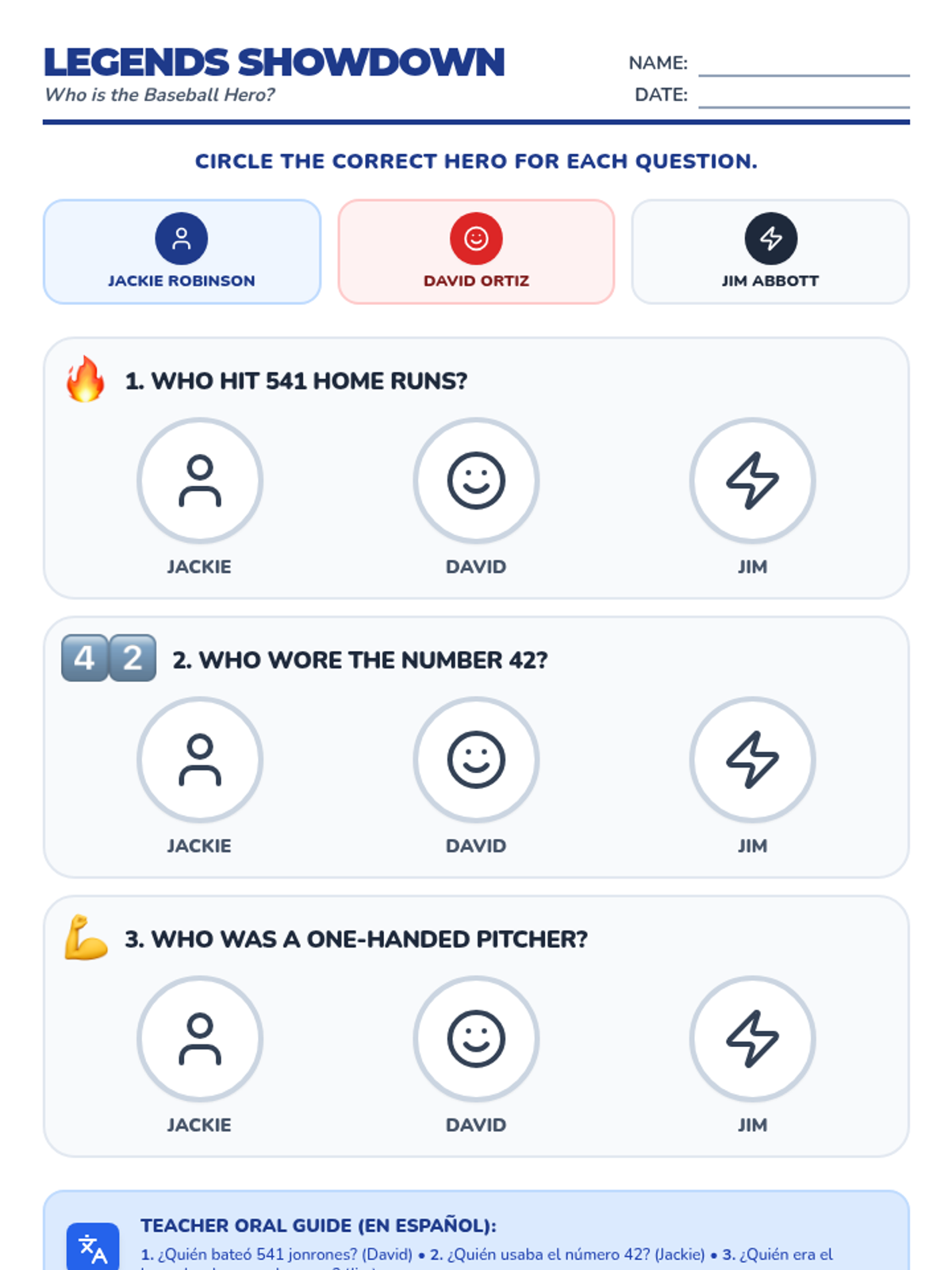
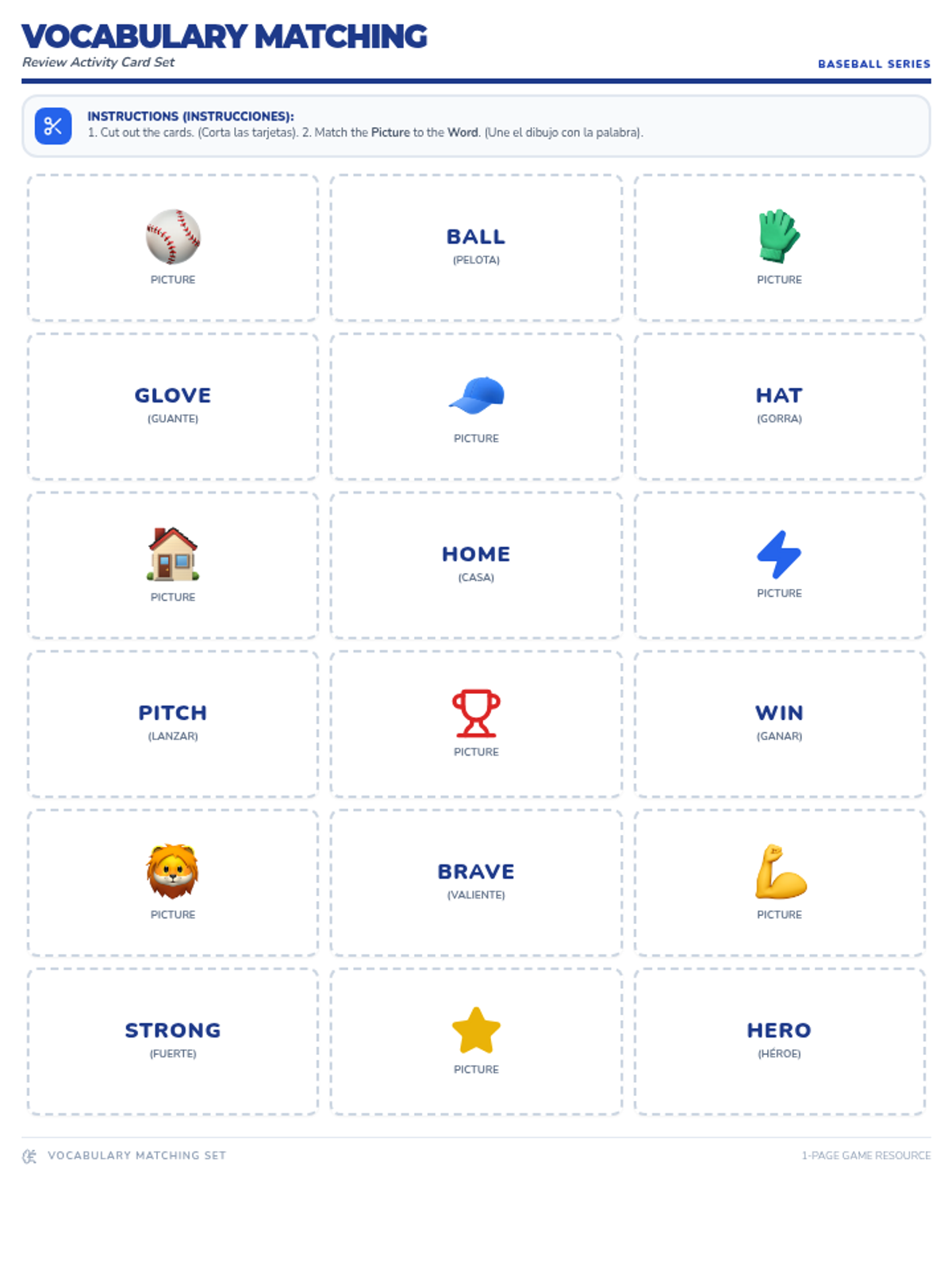
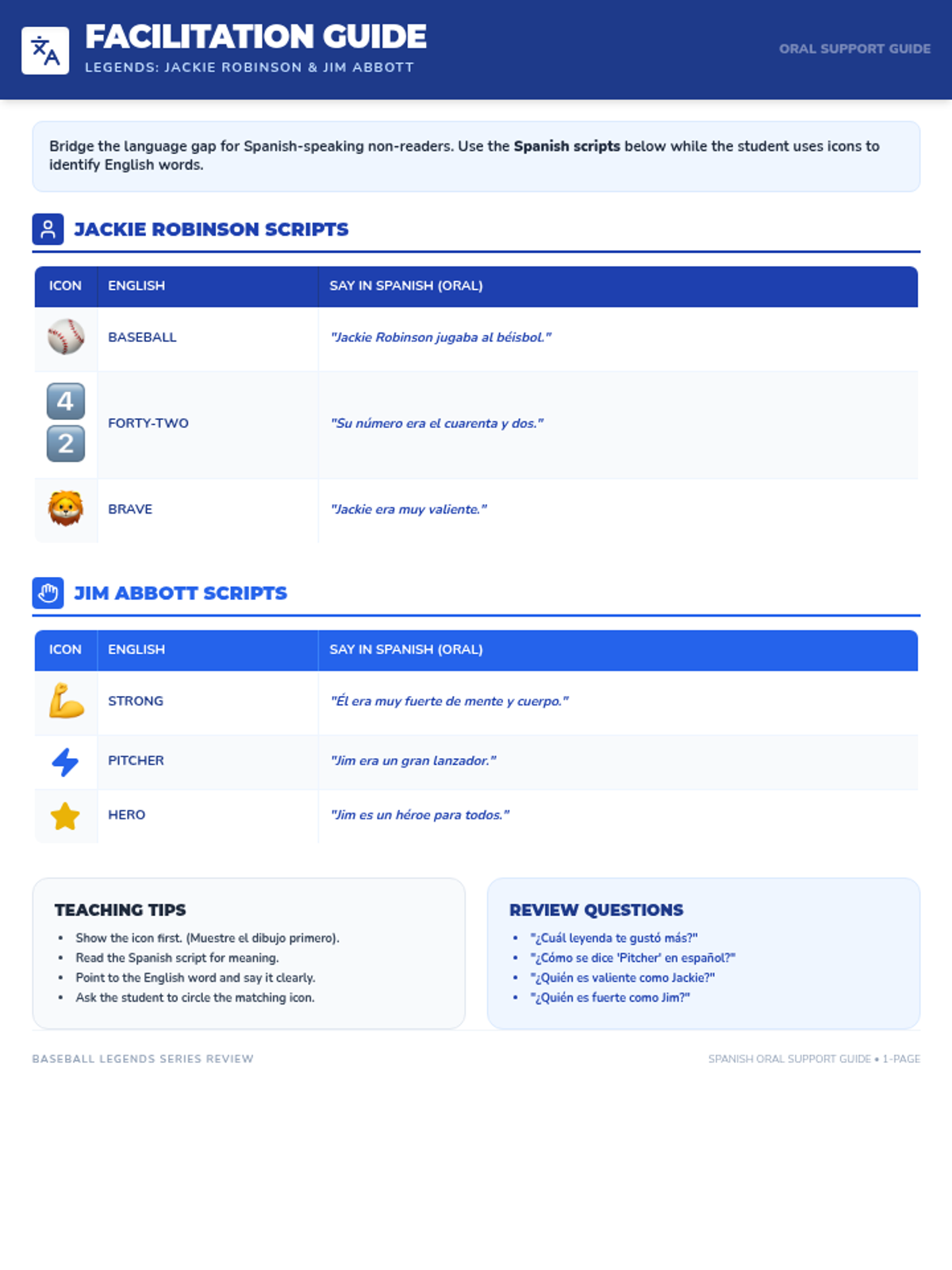
A review lesson covering Jackie Robinson, David Ortiz, and Jim Abbott, using visual identification to reinforce key facts.
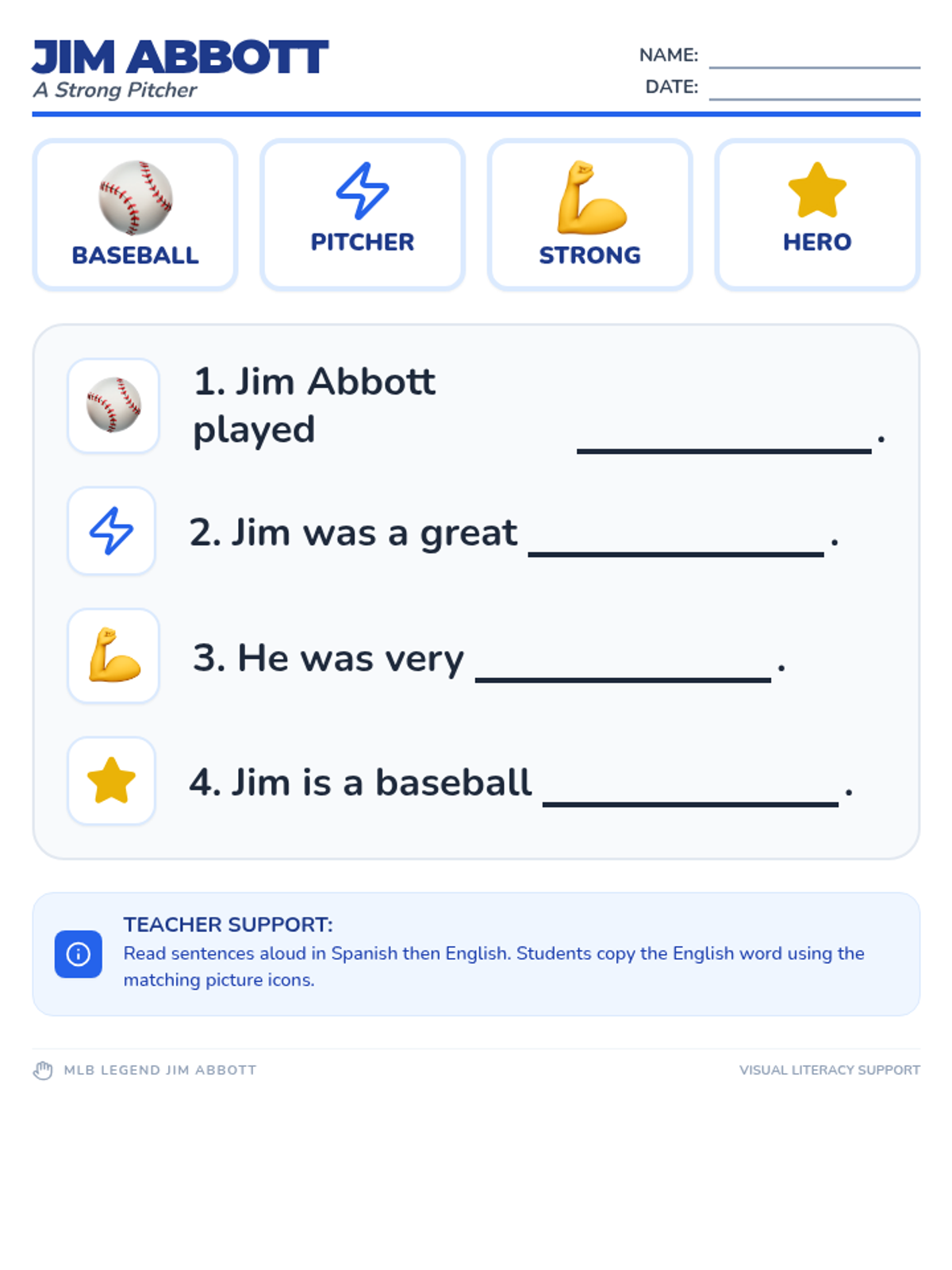
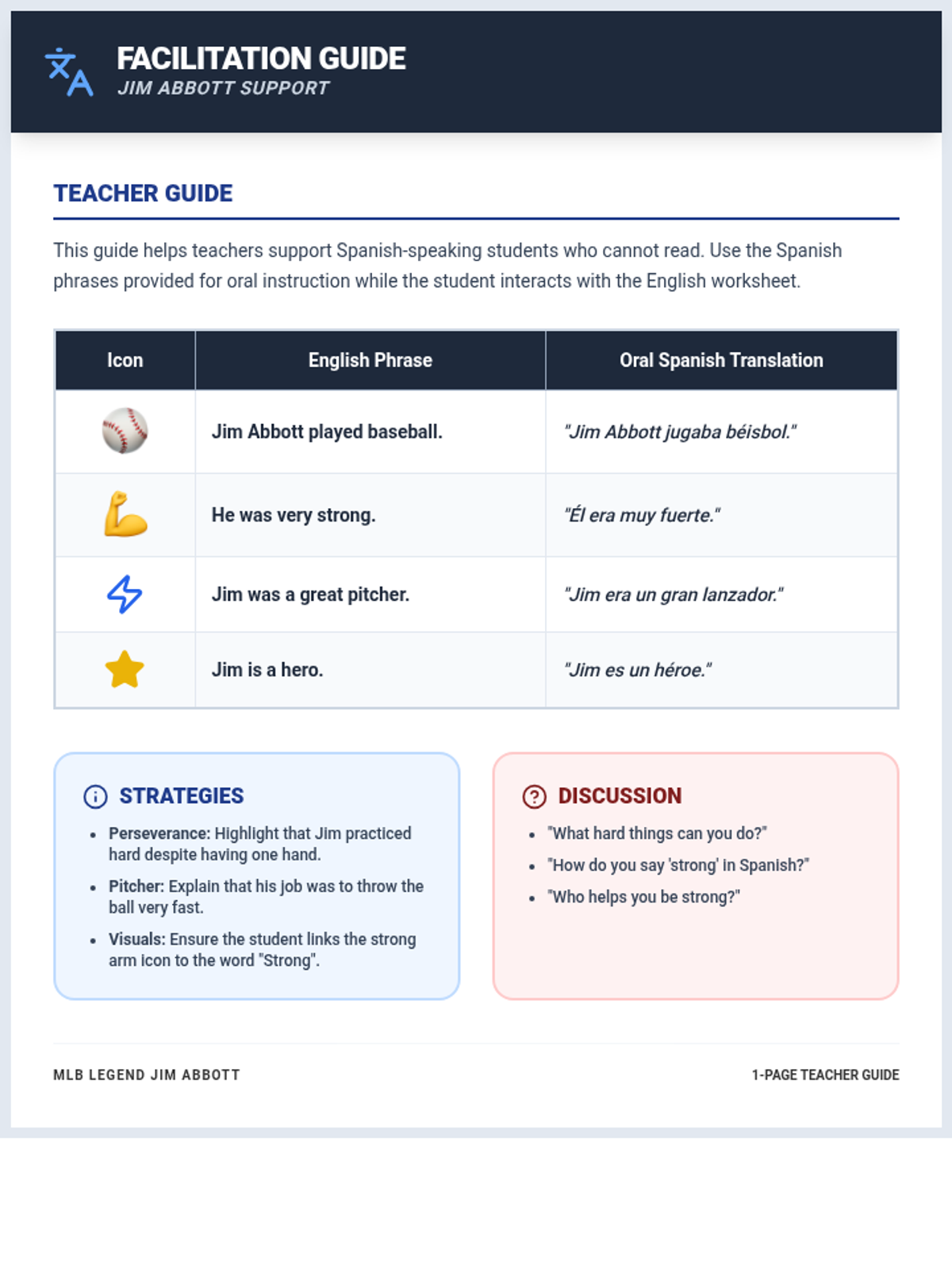
A visually supported lesson about Jim Abbott, a famous pitcher who played with one hand, focusing on his strength and success.
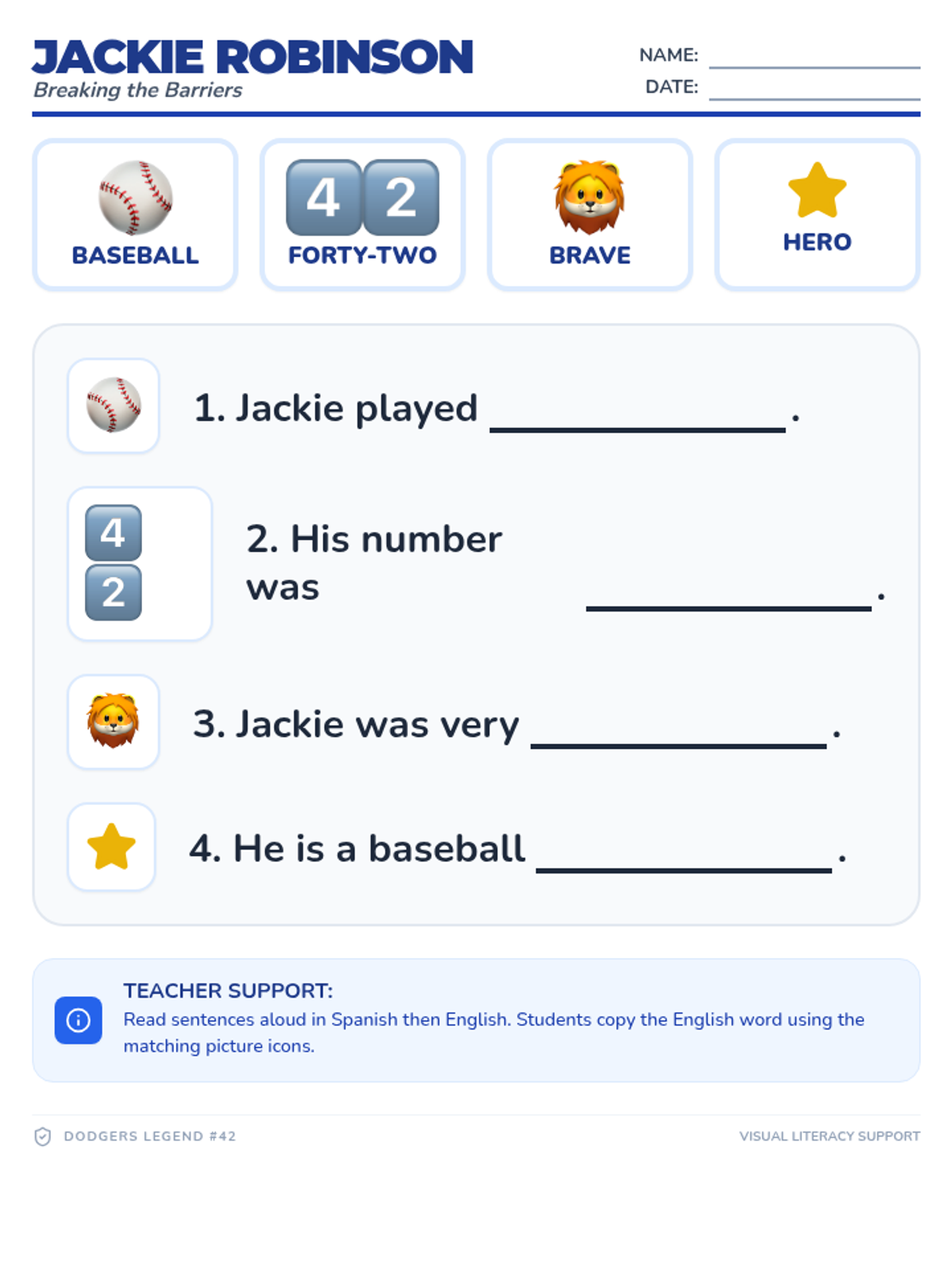
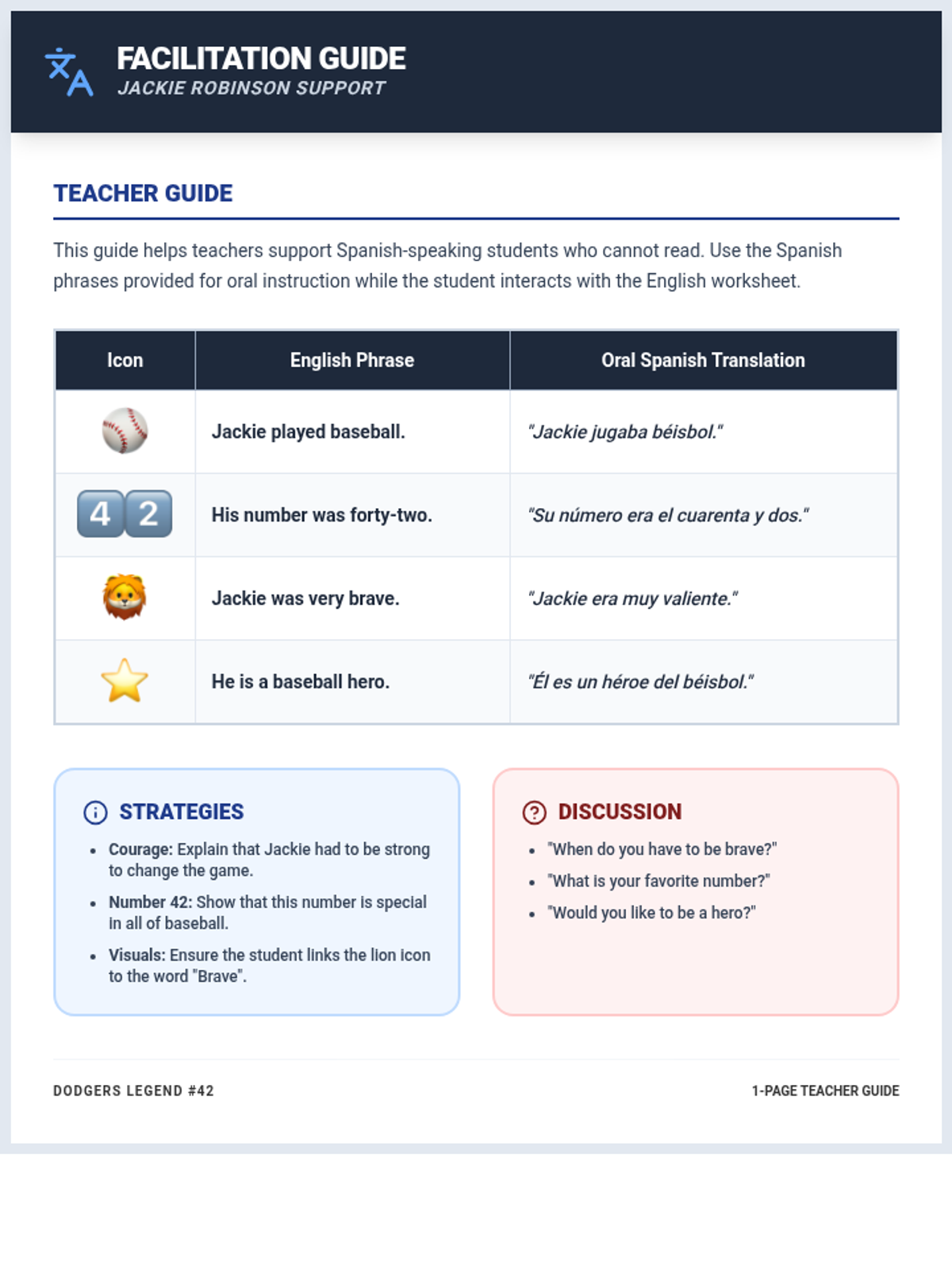
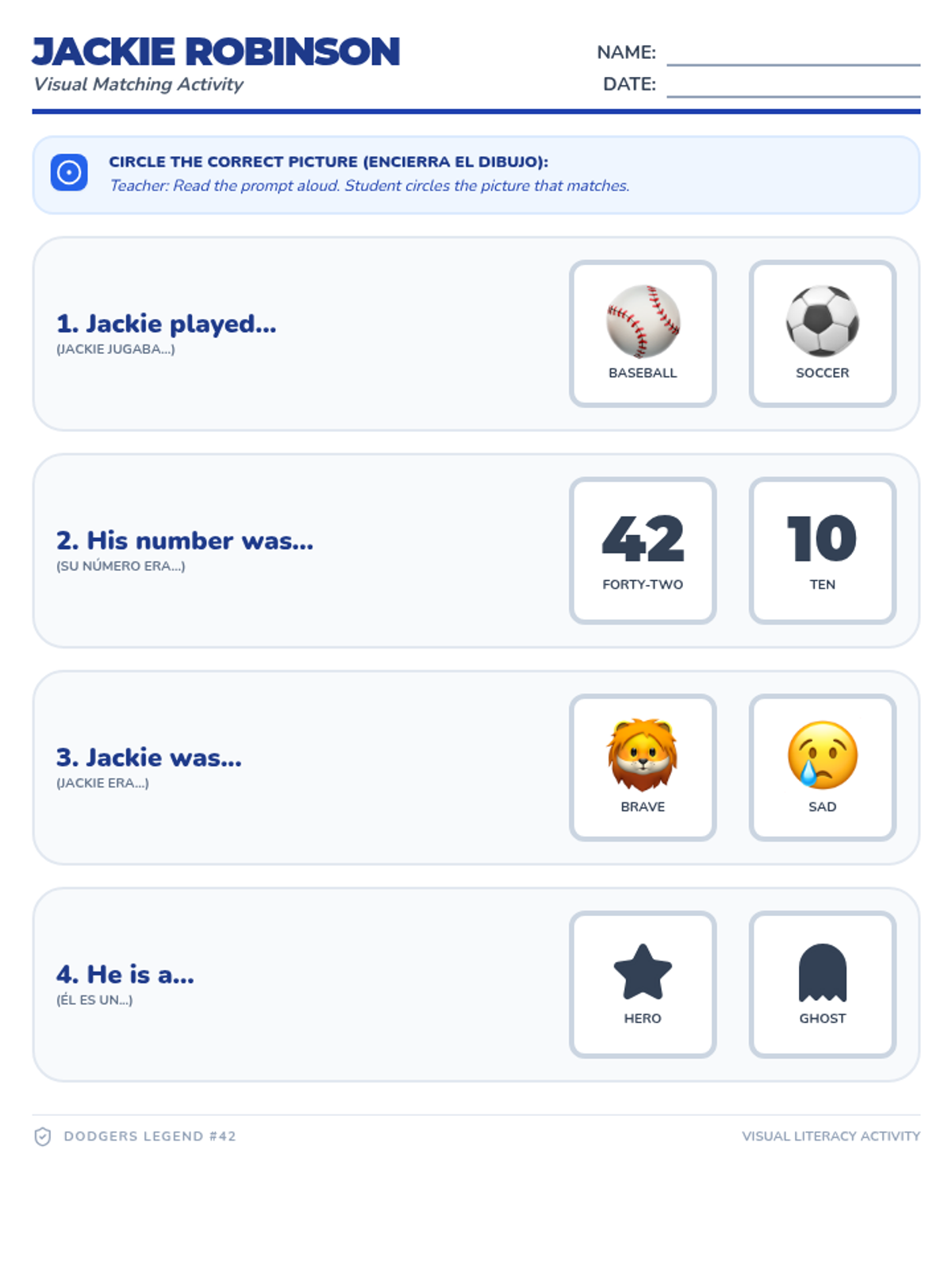
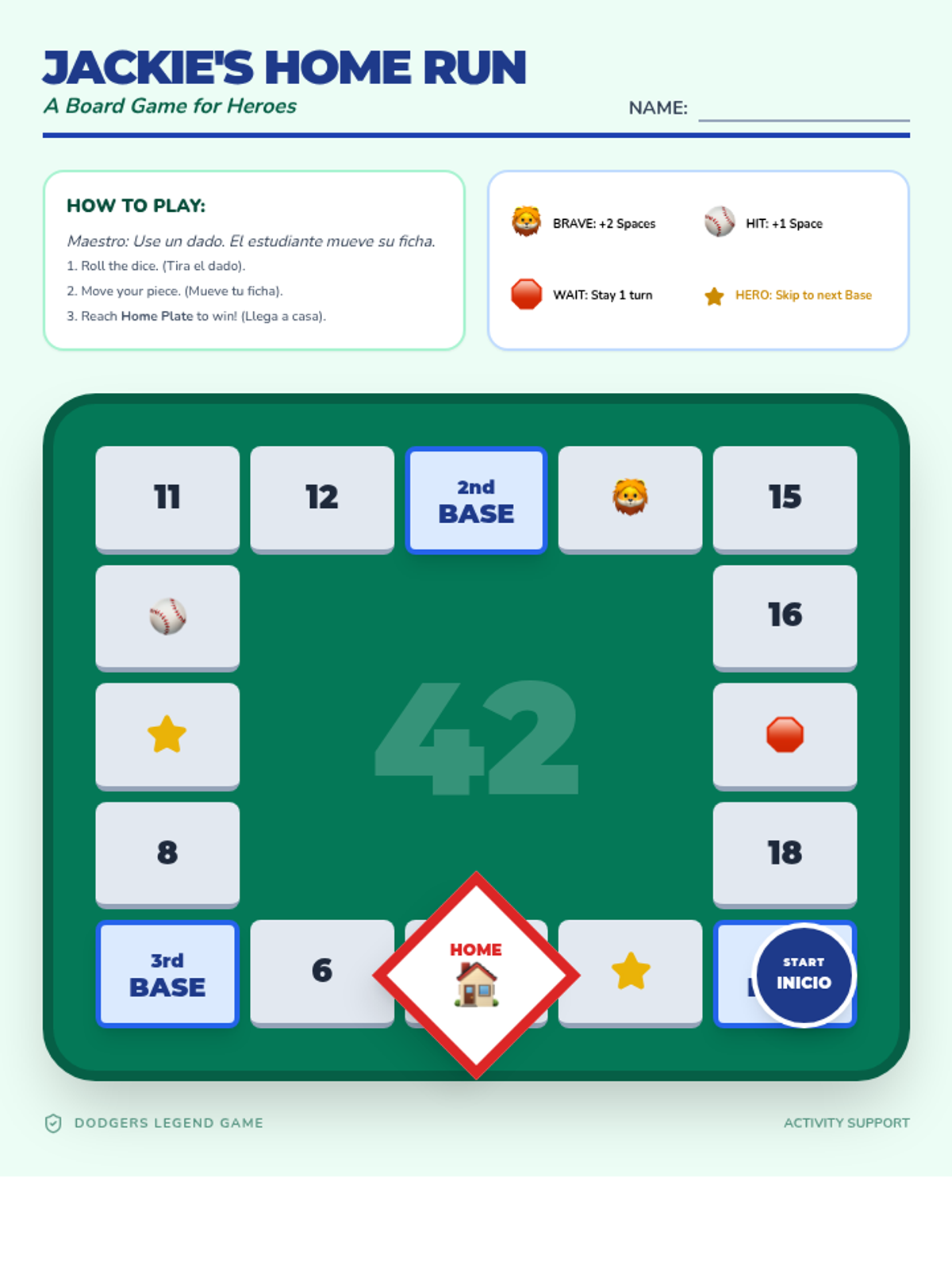
A visually supported lesson about Jackie Robinson's life and legacy, focusing on his courage and the number 42.
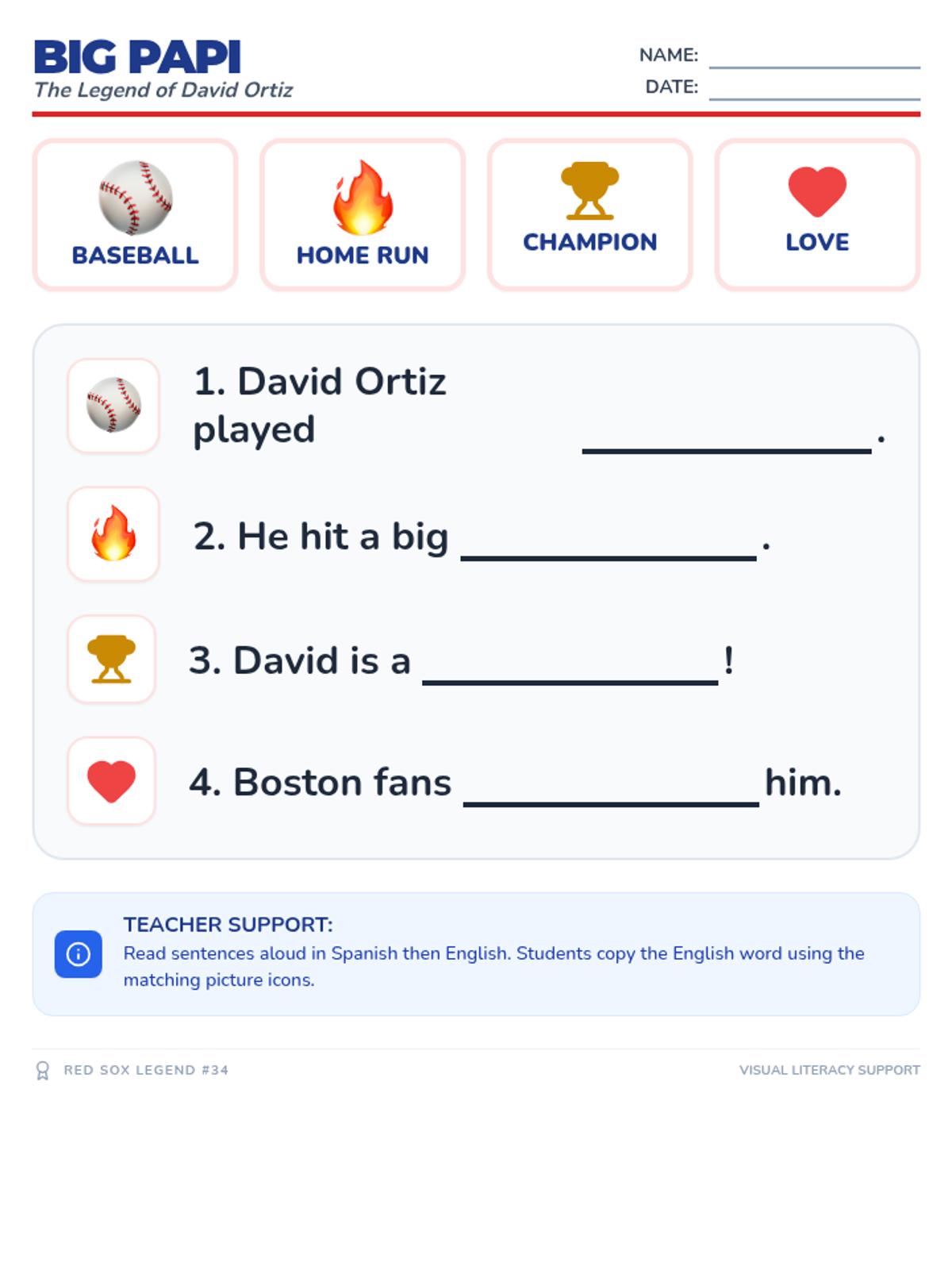
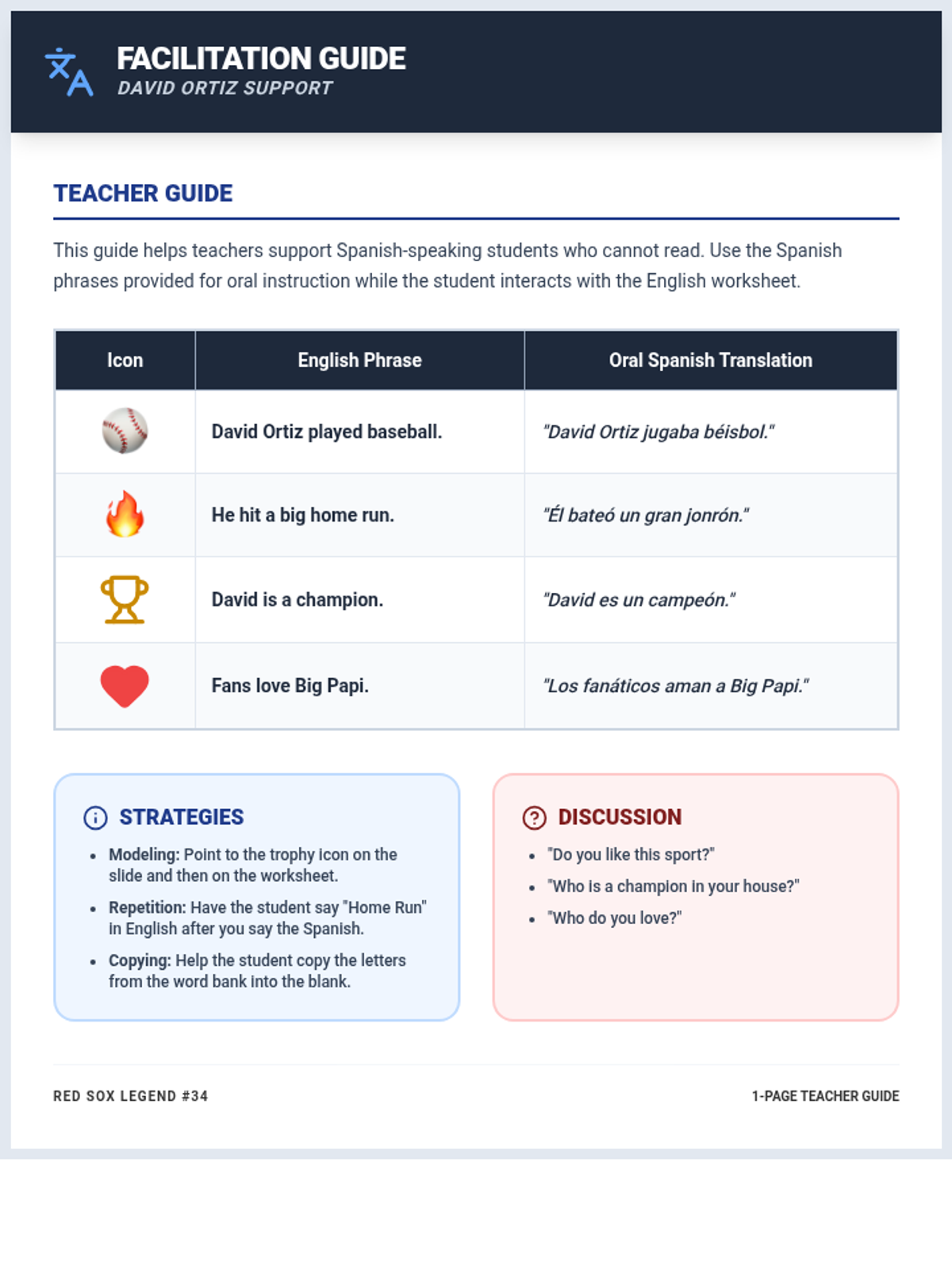
A visually-heavy introductory lesson about the life and career of baseball legend David Ortiz, designed for students with limited literacy in their native Spanish.
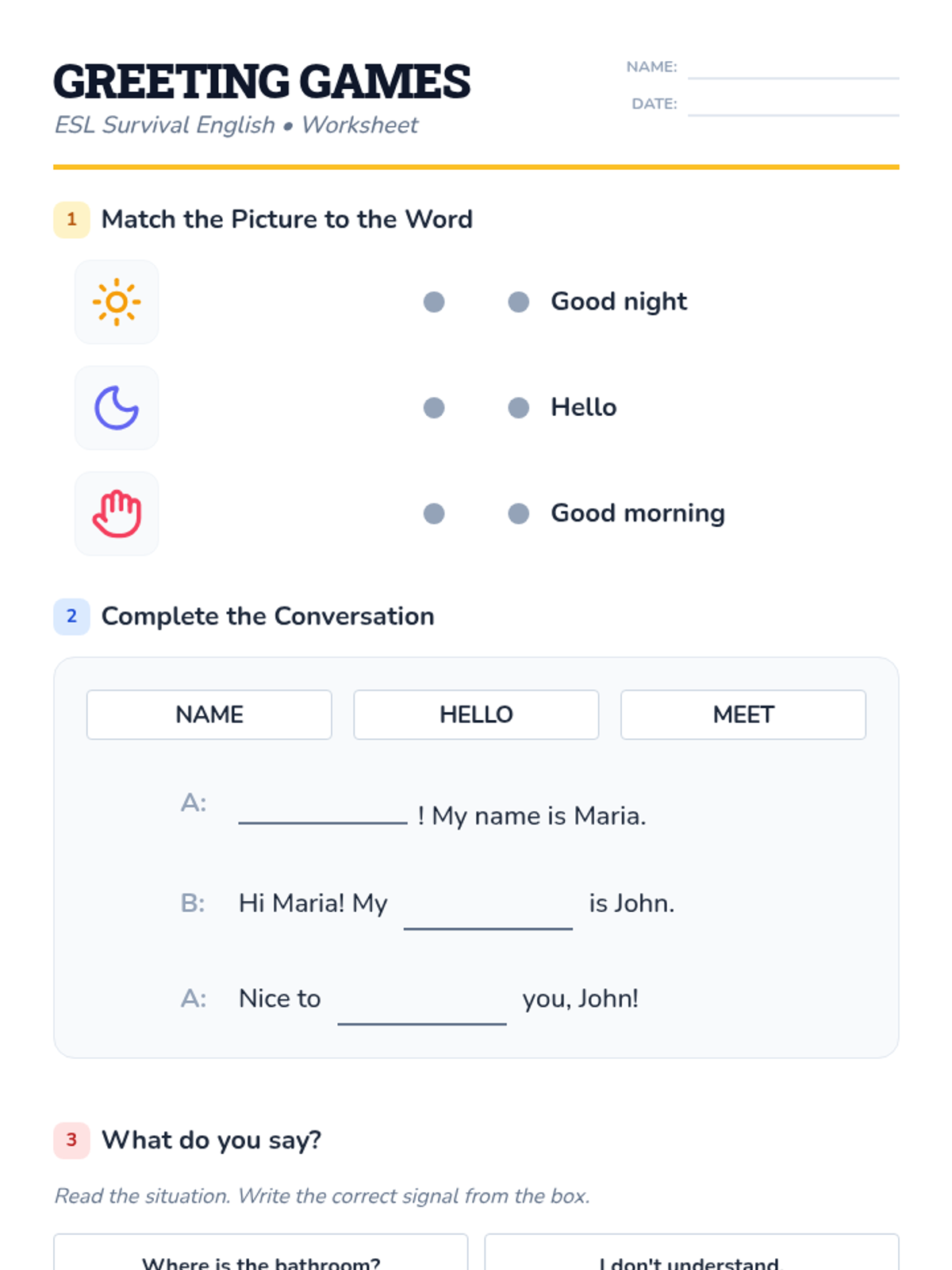
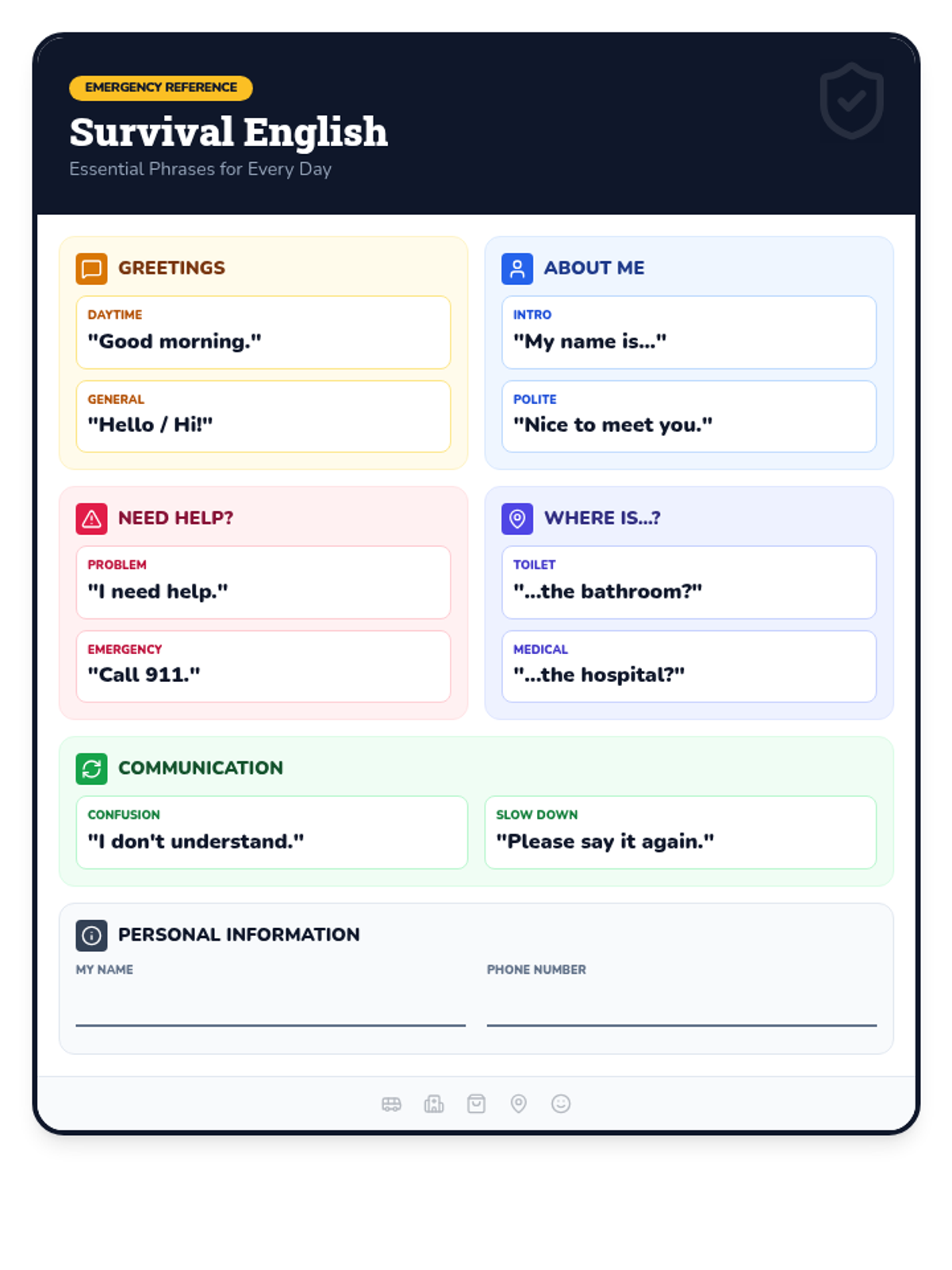
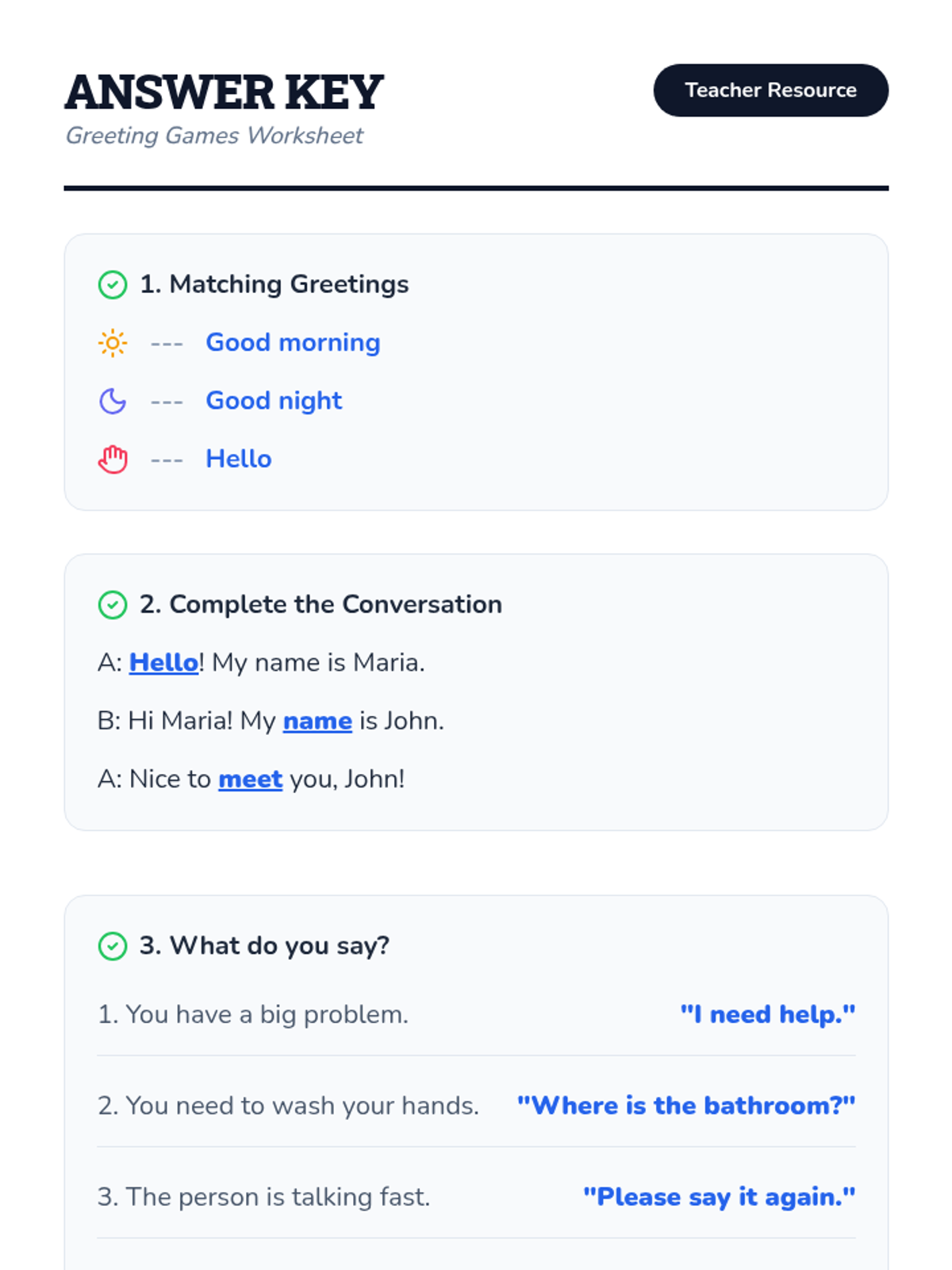
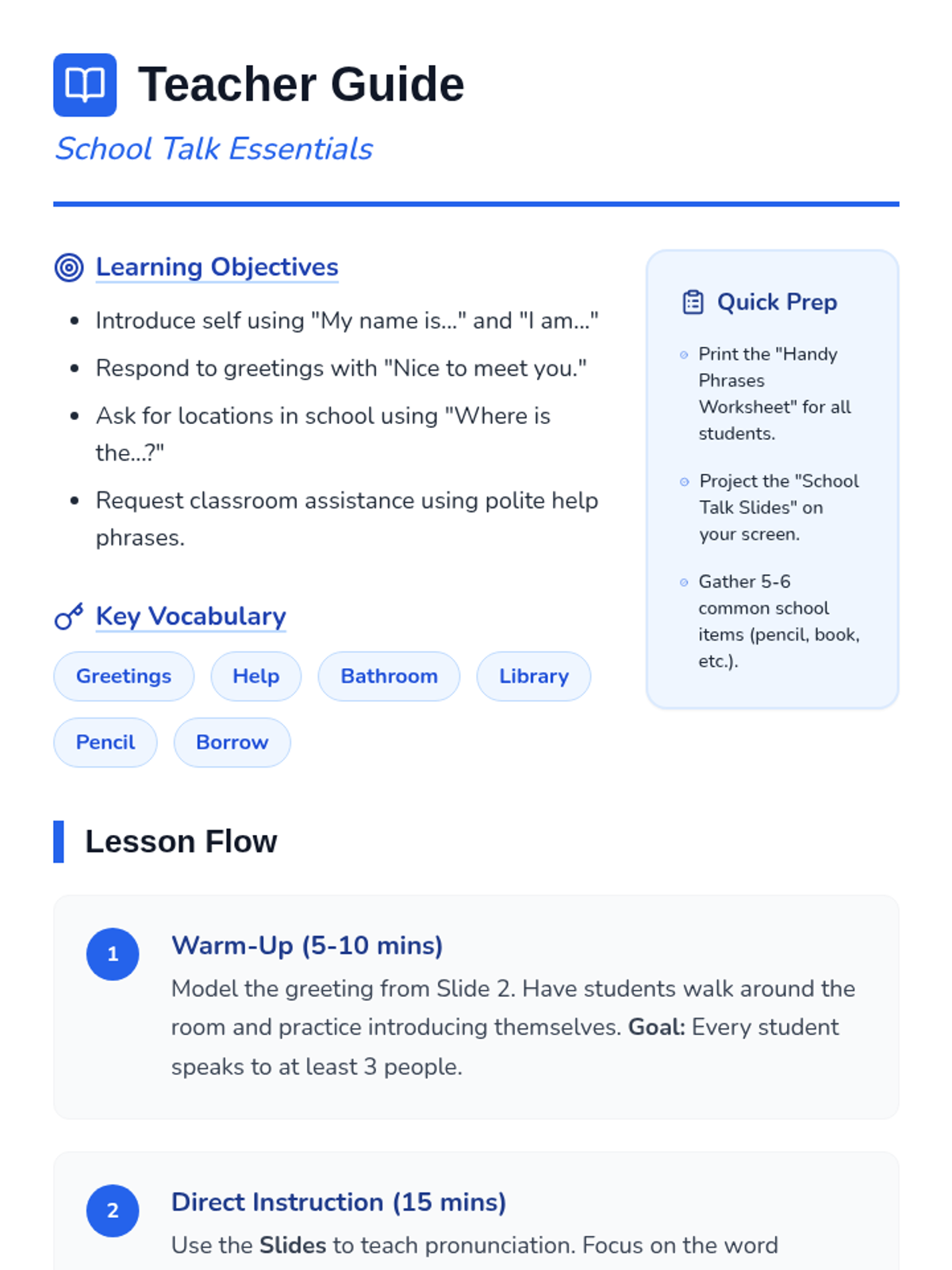
A foundational lesson for beginner ESL students focusing on essential greetings and survival English phrases for daily life. Students will learn to introduce themselves, ask for help, and navigate basic social interactions.
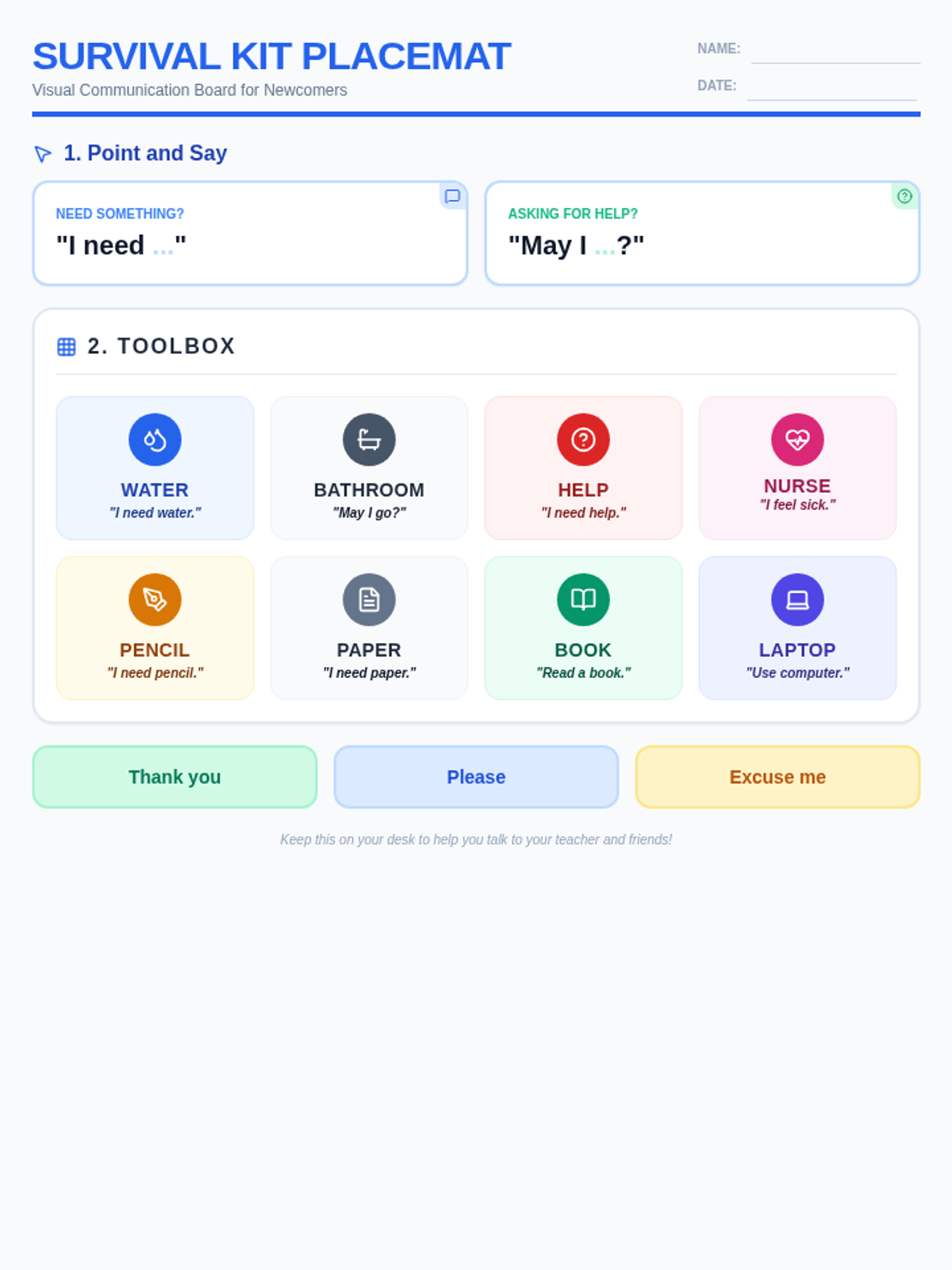
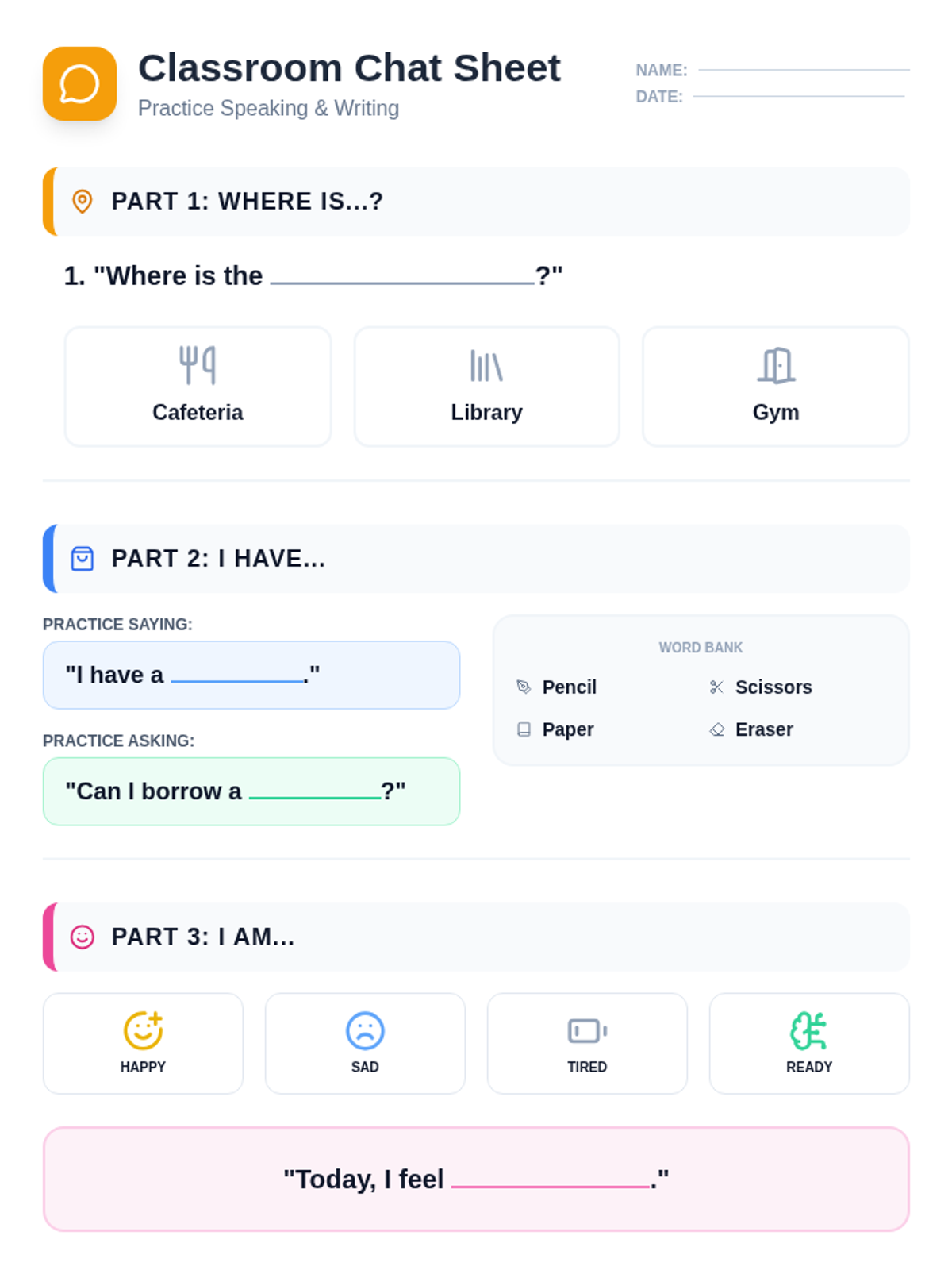
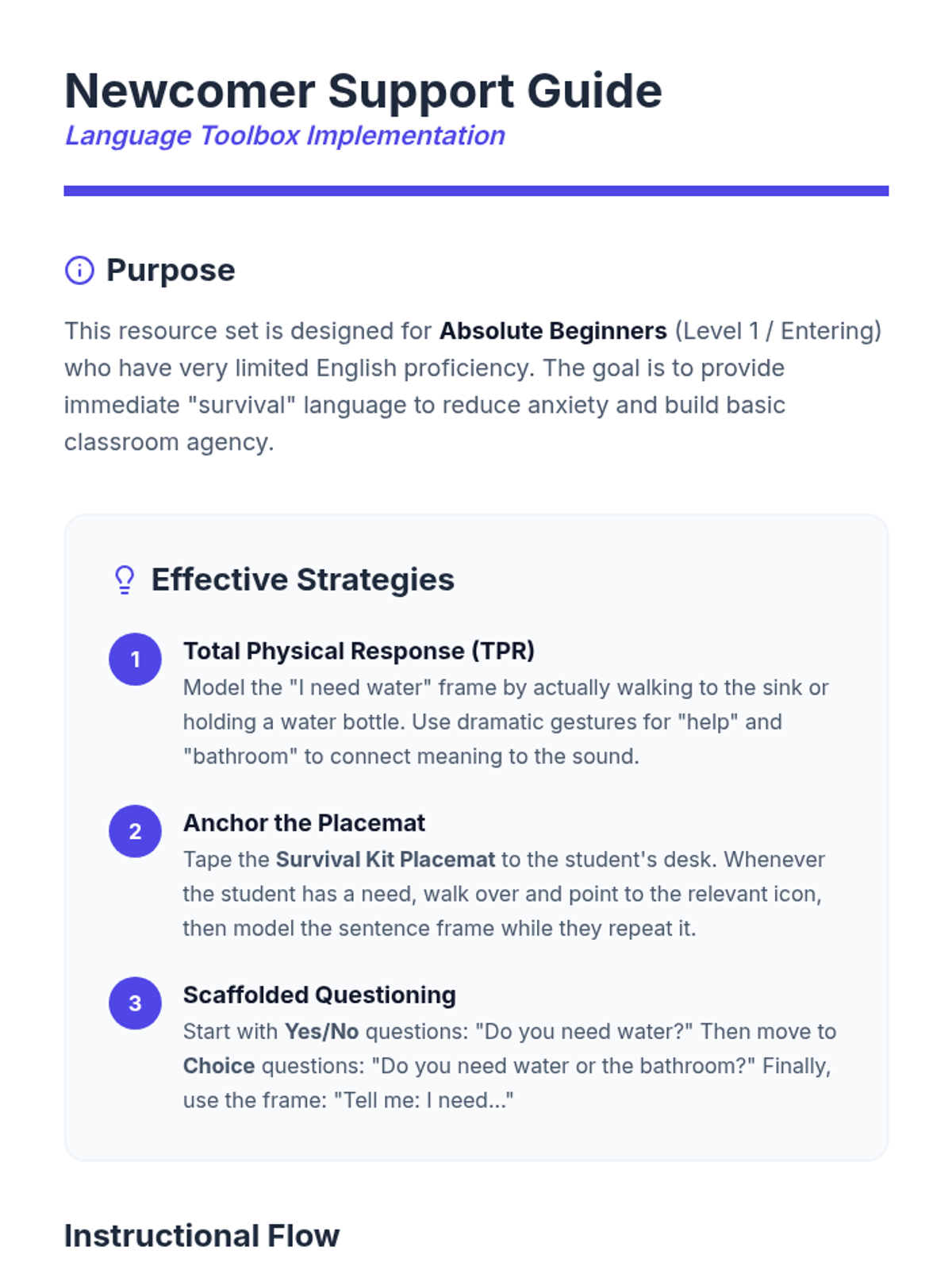
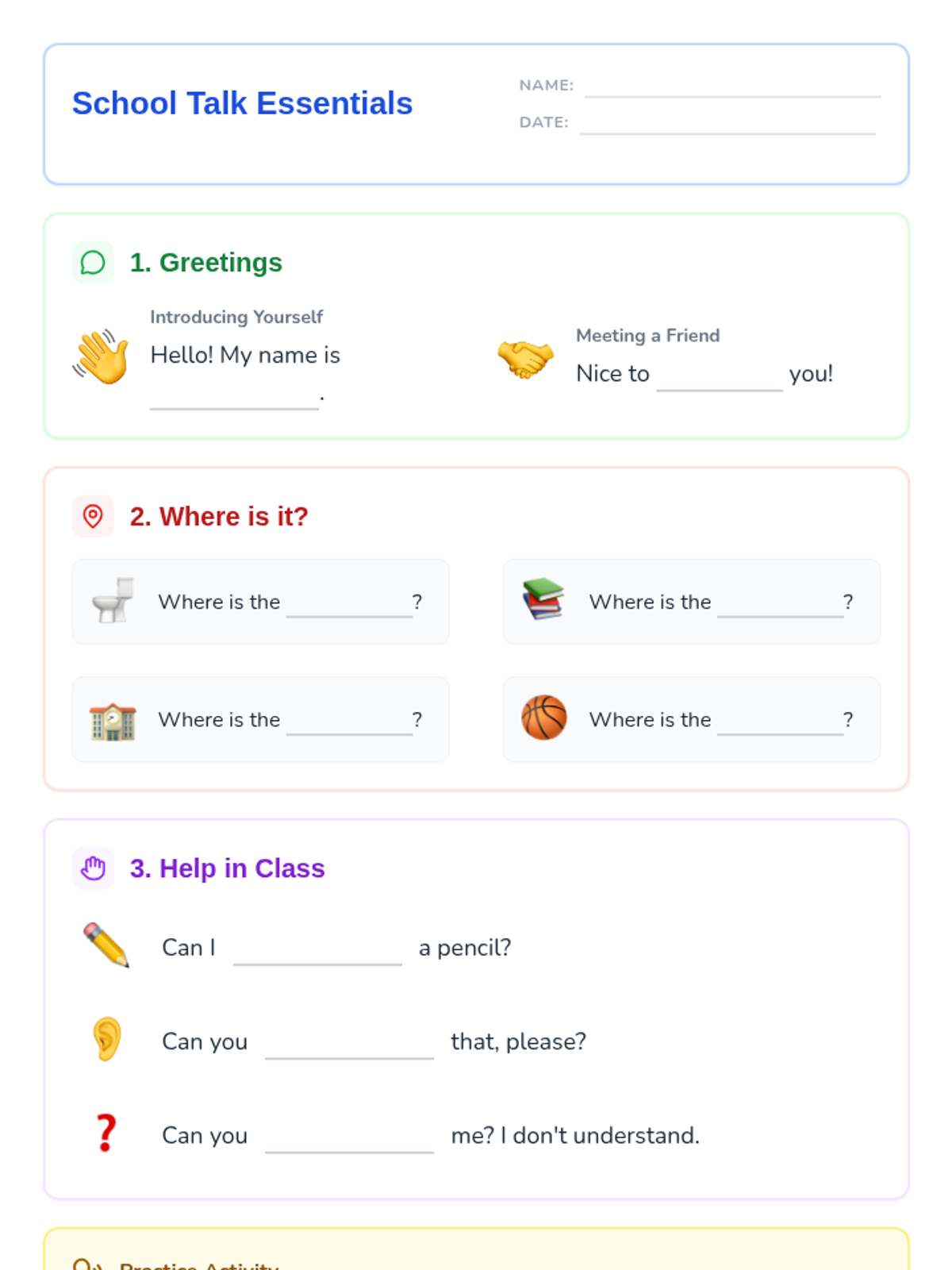
Essential communication tools for newcomer English learners to navigate their school environment. This lesson provides visual word banks and scaffolded sentence frames for basic needs and classroom interactions.
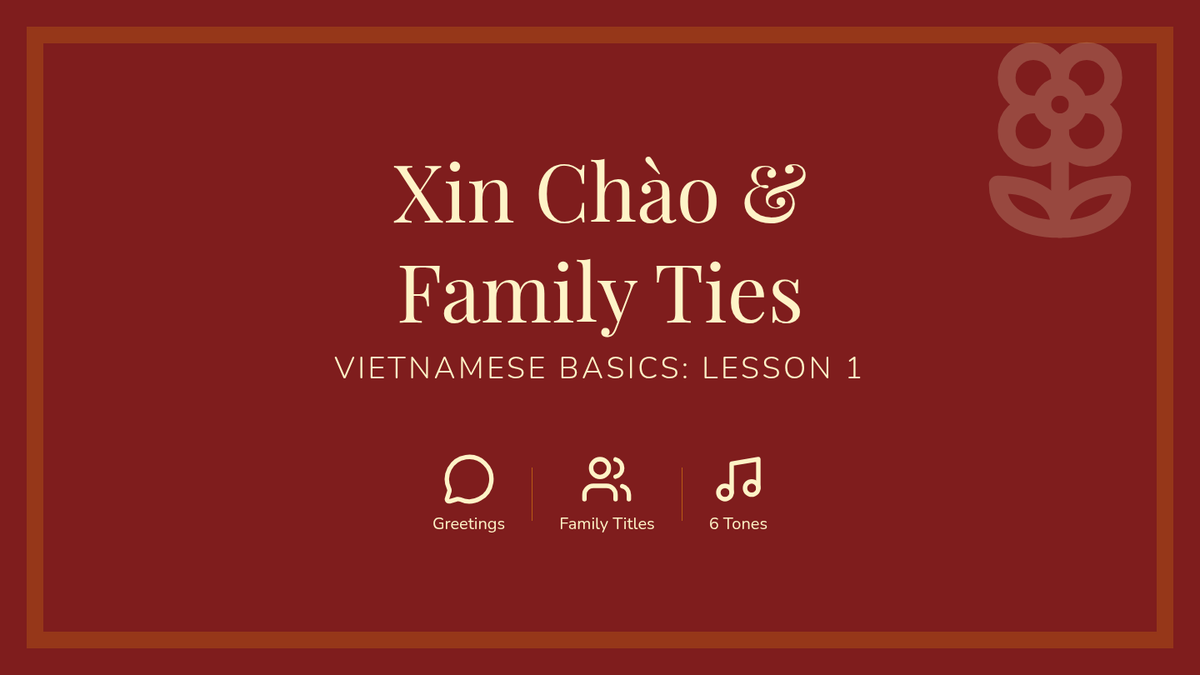
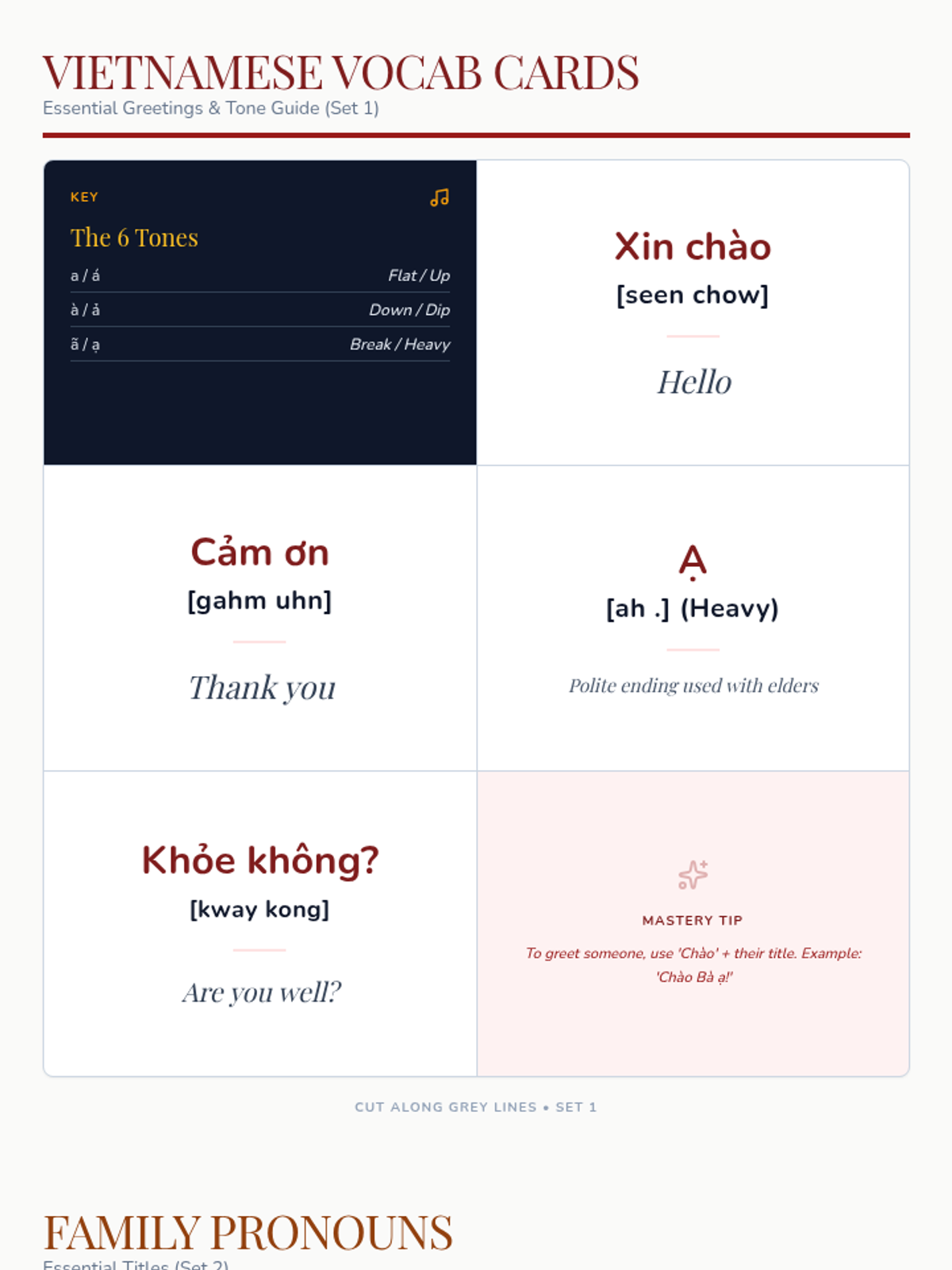
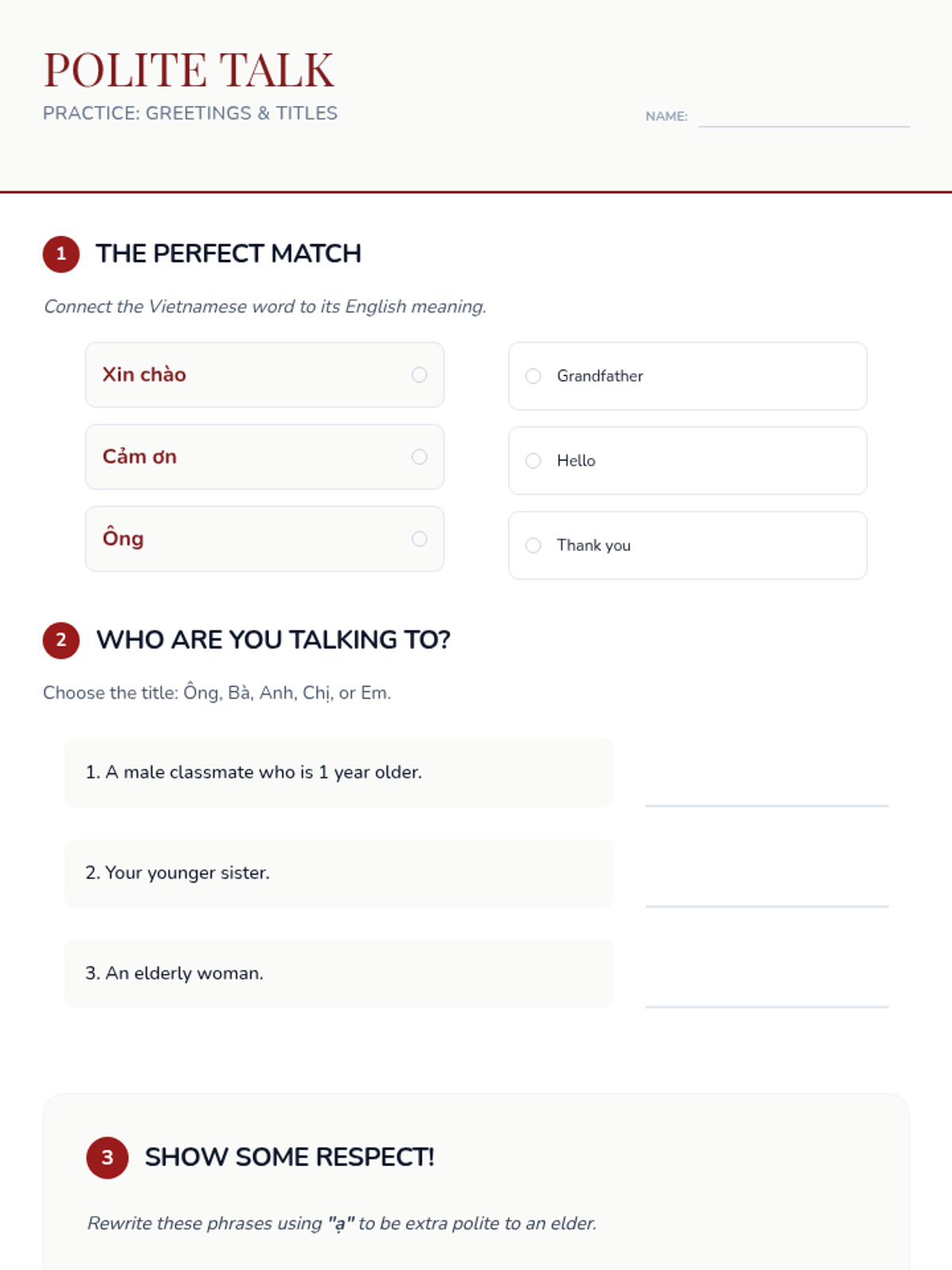
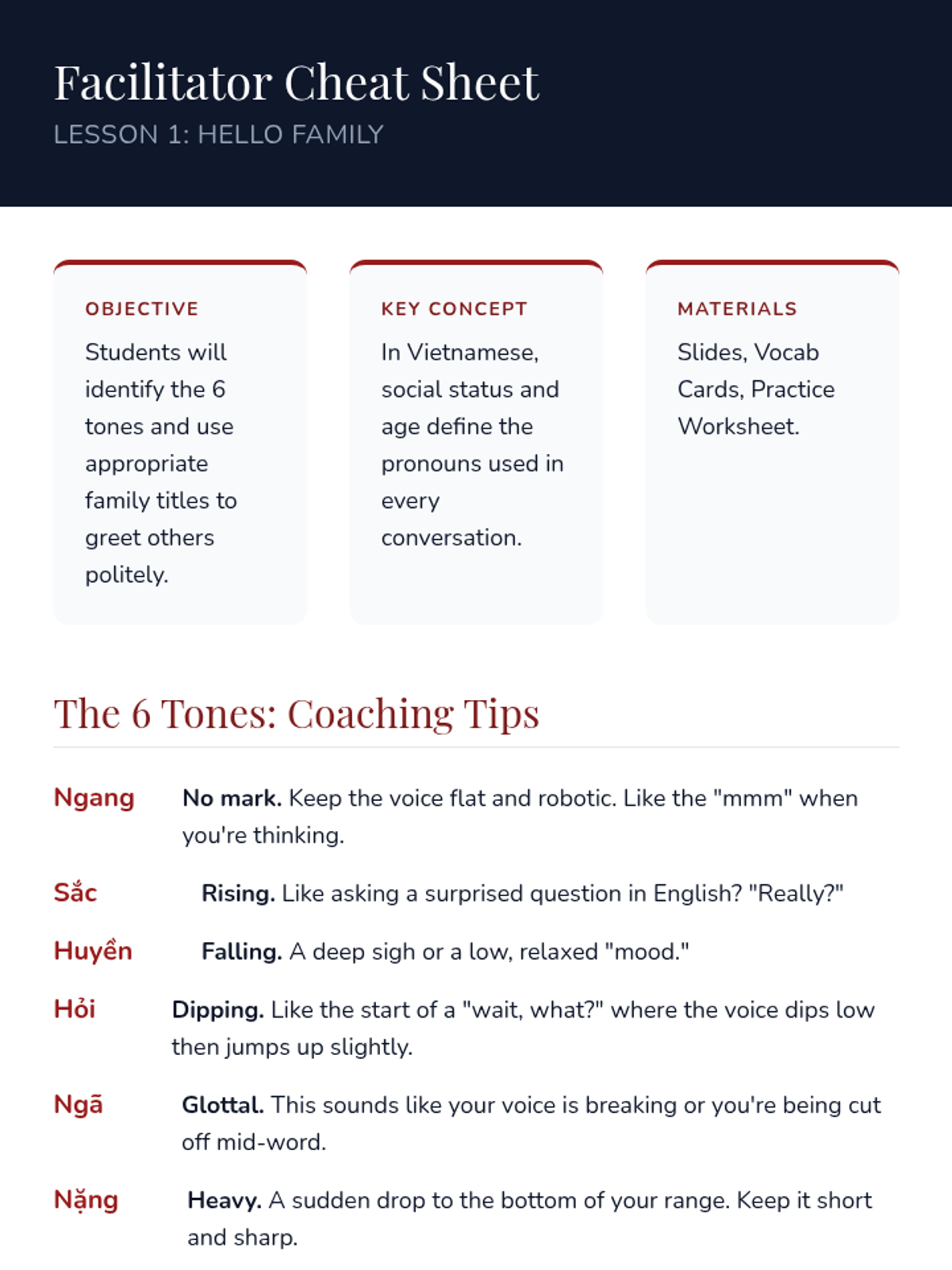
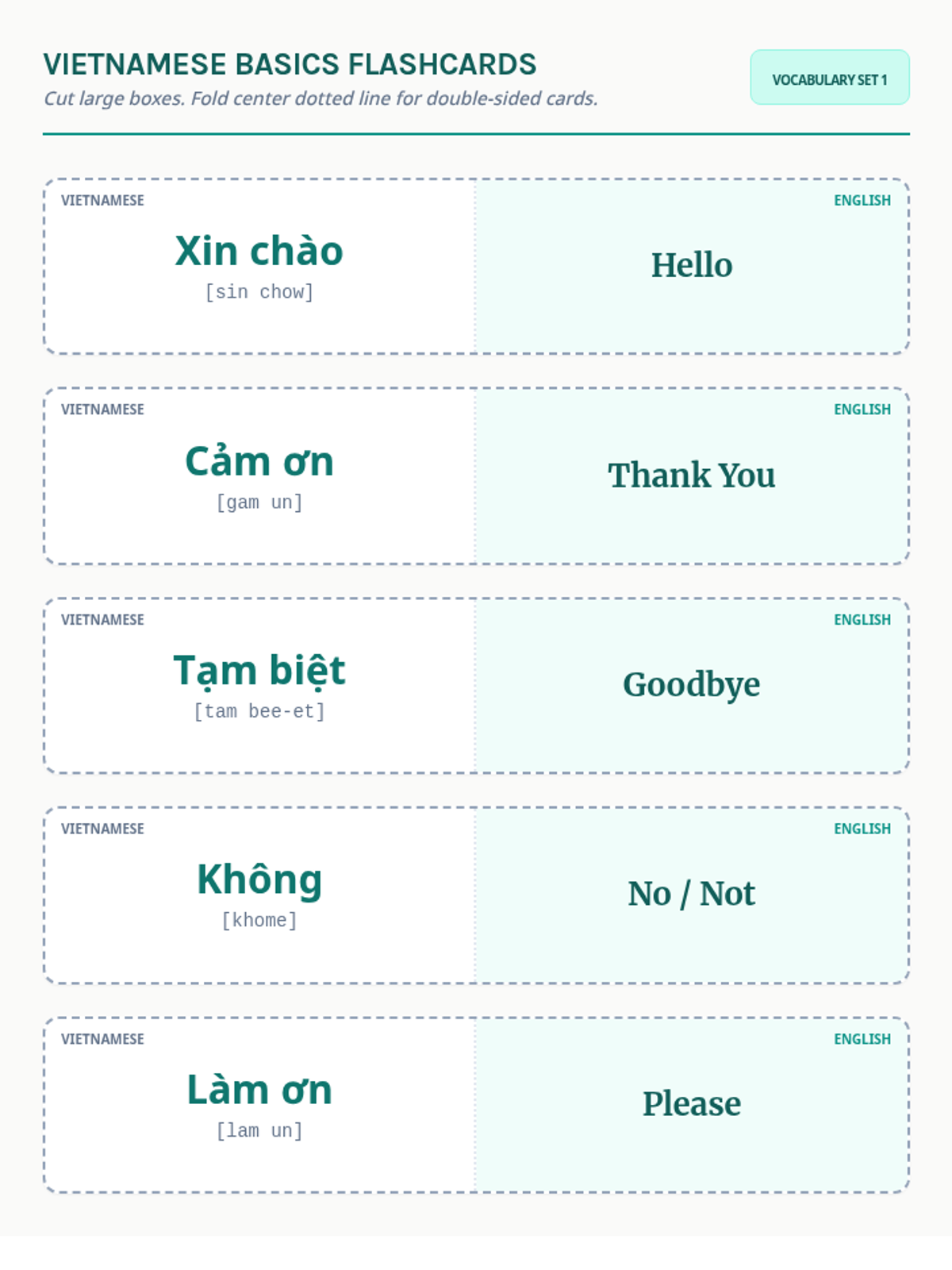
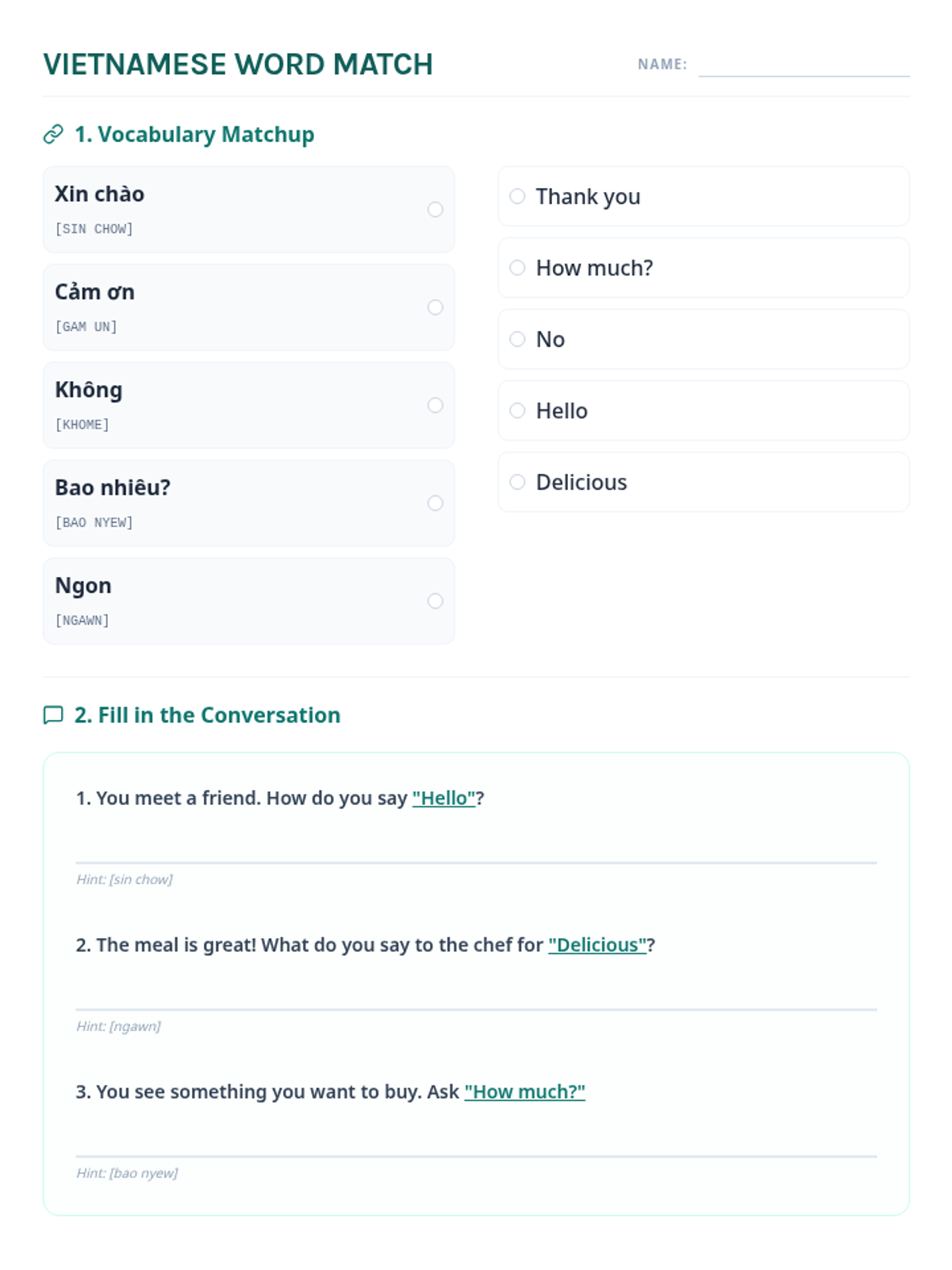
Master basic Vietnamese greetings and the unique system of family-based pronouns and titles.
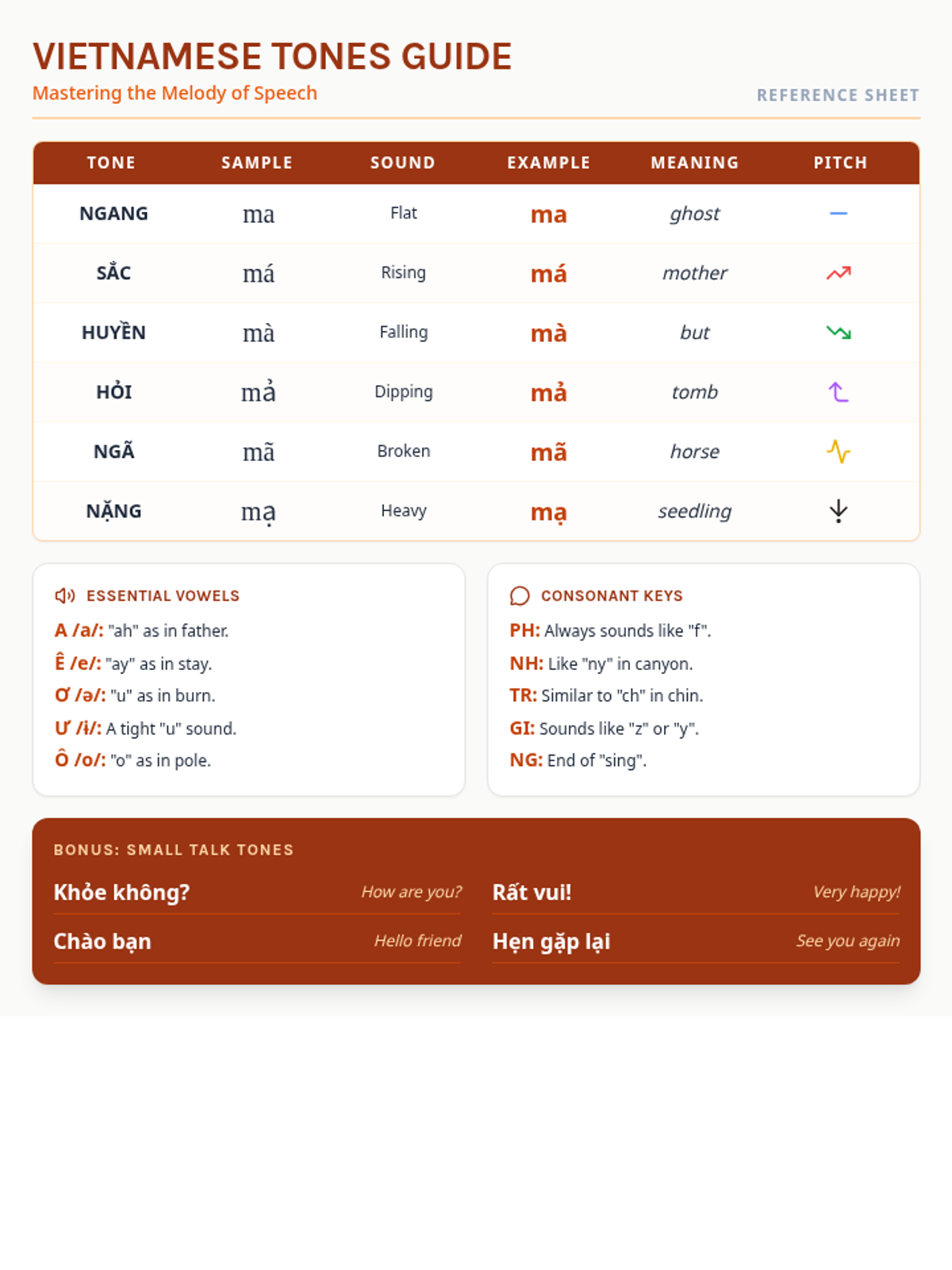
A foundational lesson introducing essential Vietnamese vocabulary, pronunciation basics, and common phrases for beginners.
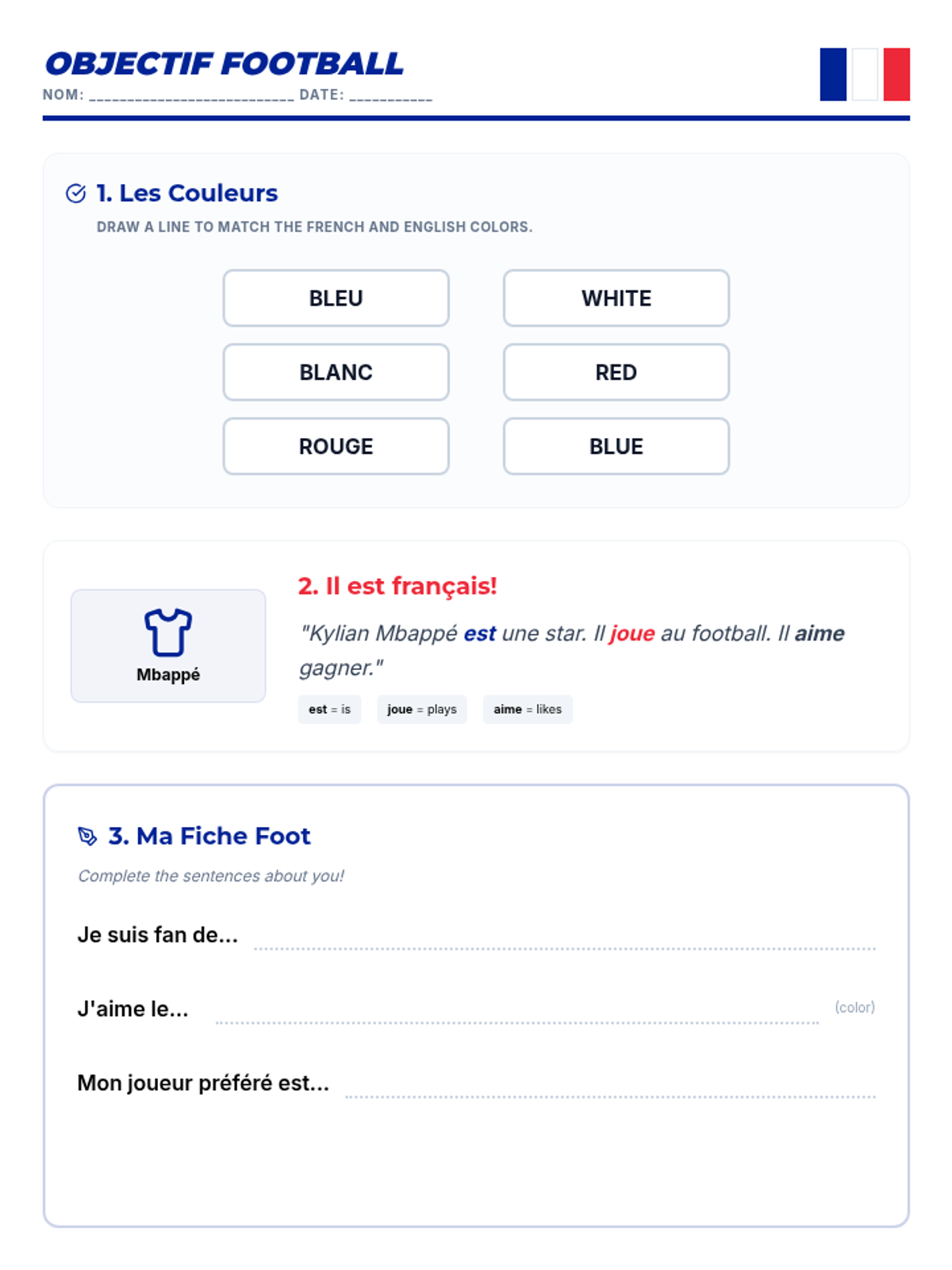
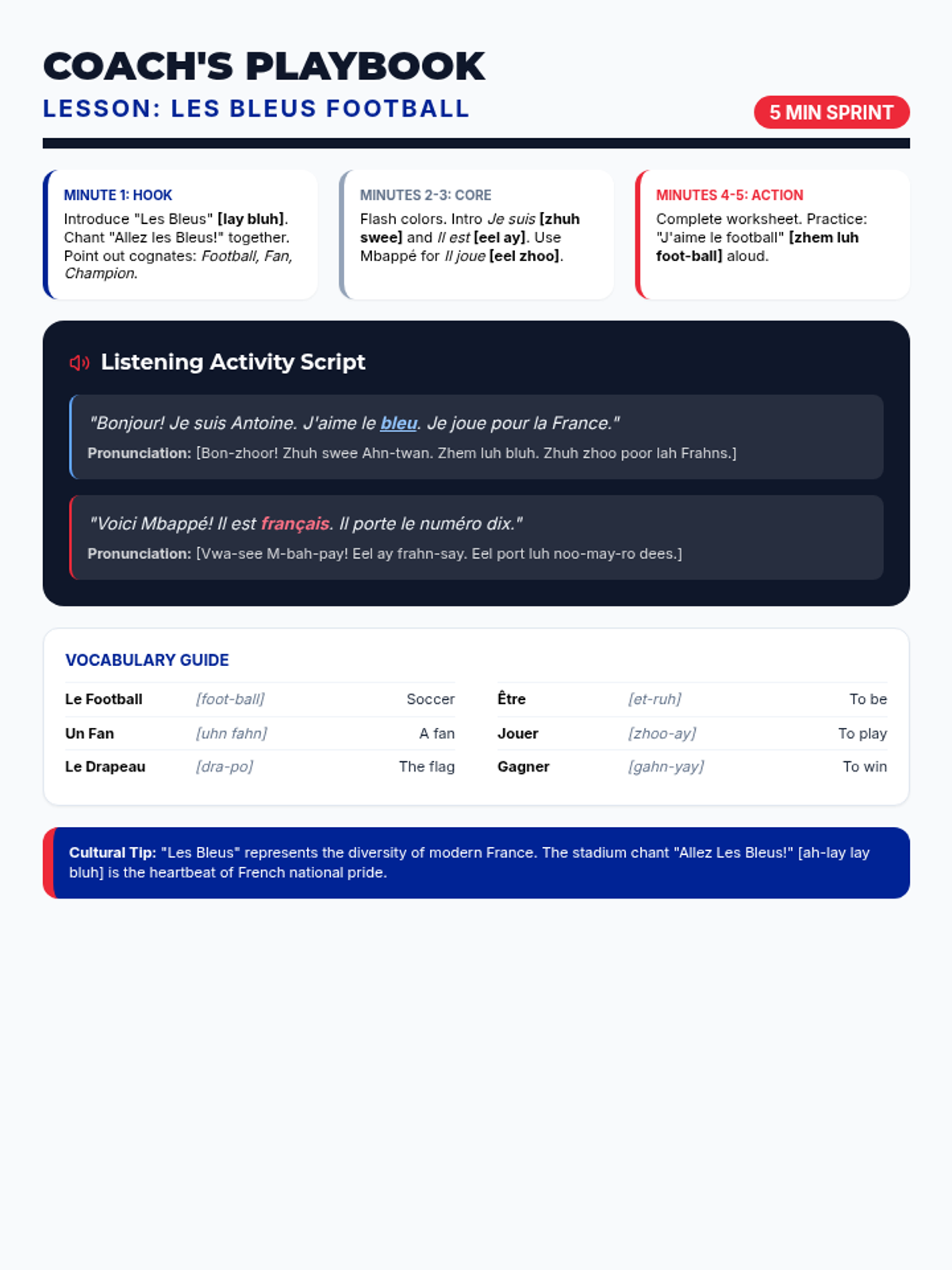
A high-energy, 5-minute introduction to French through the lens of football (soccer). Students learn basic verbs, colors, and national pride while exploring famous French players like Kylian Mbappé.
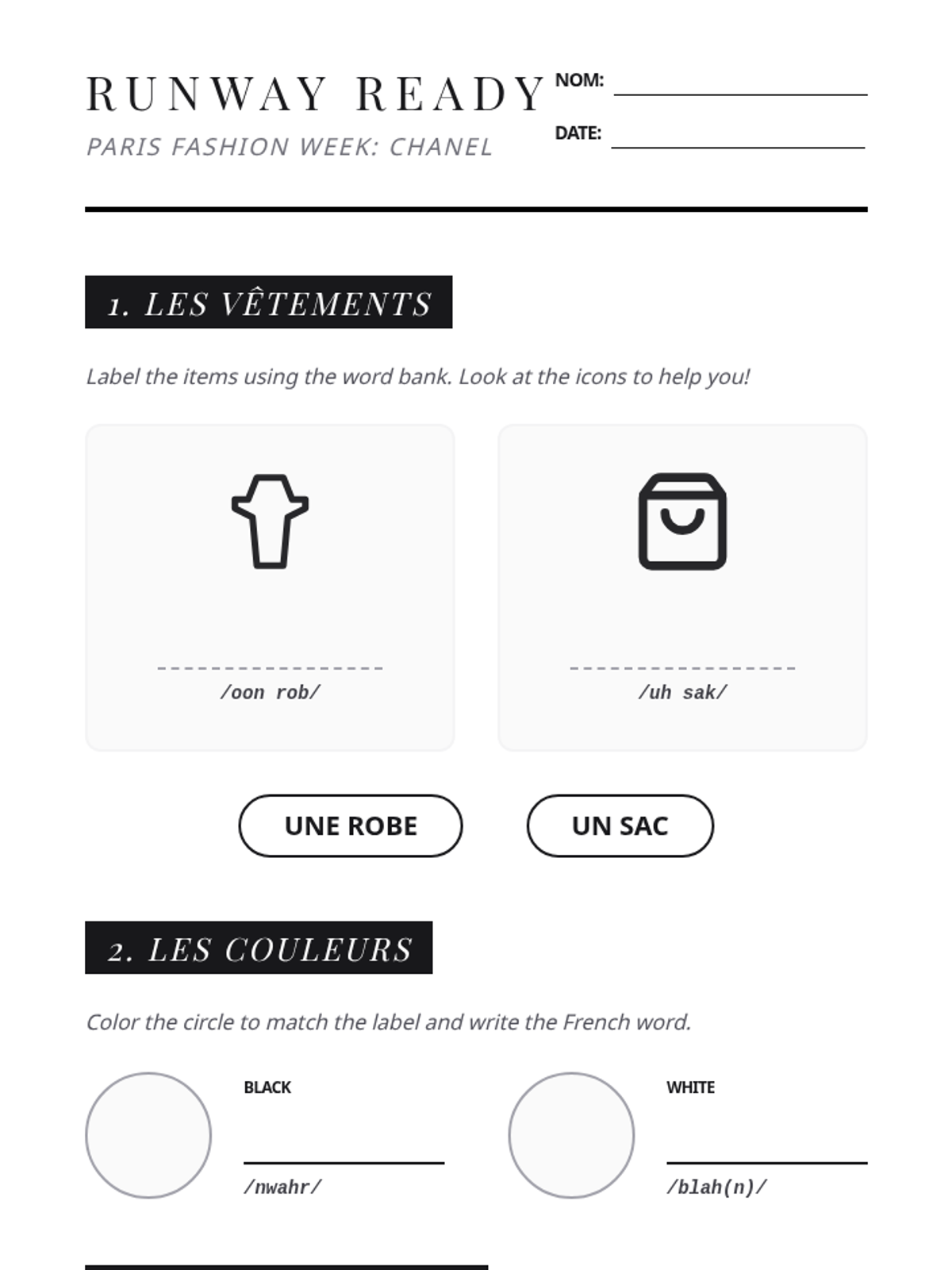
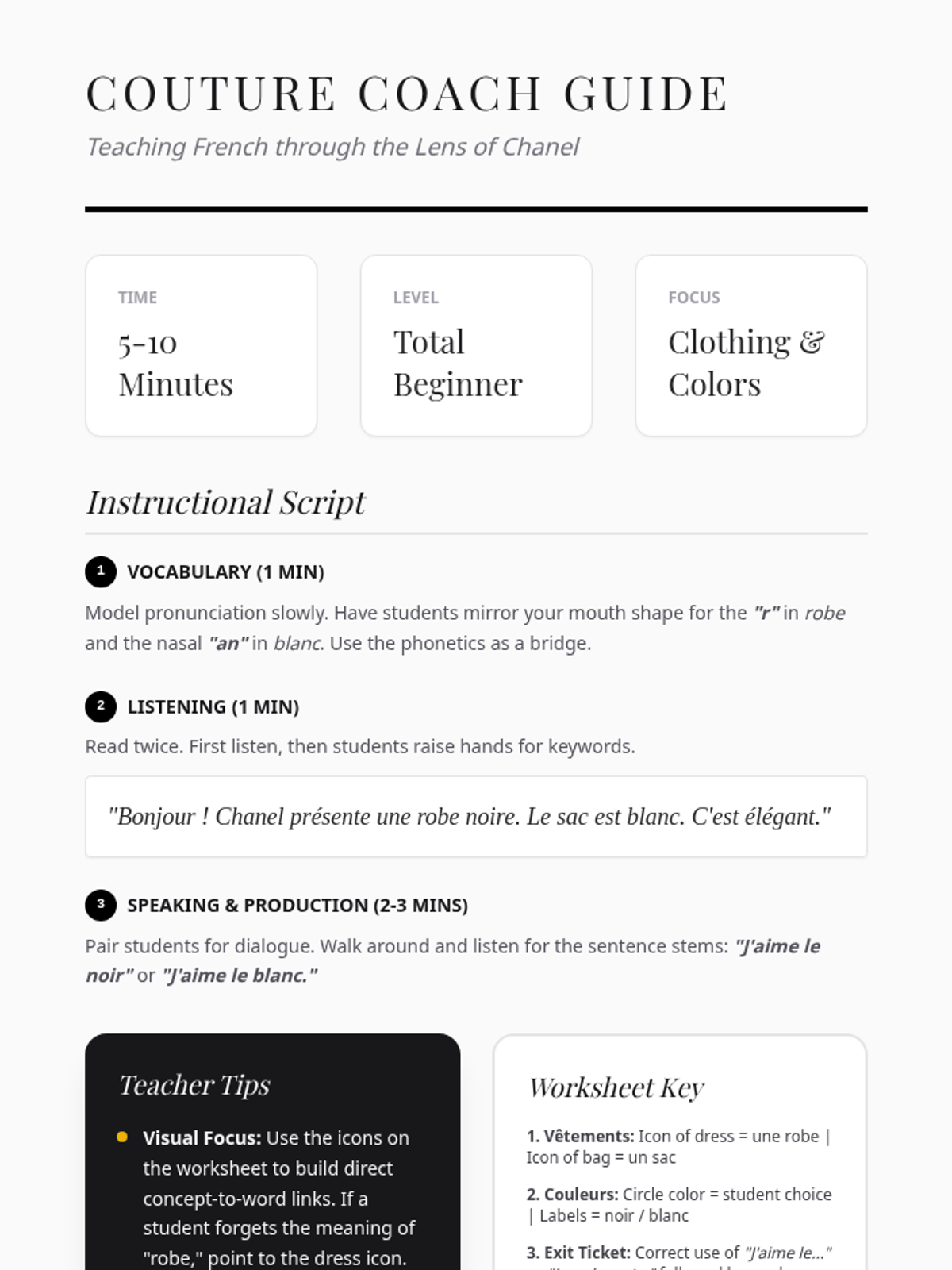
A 5-minute introductory lesson on French fashion vocabulary and basic colors. Students practice listening, speaking, and writing simple sentences about Chanel's iconic style.
A beginner-friendly ESL lesson focused on mastering essential greetings and practical school-based help phrases through visual prompts and sentence starters.
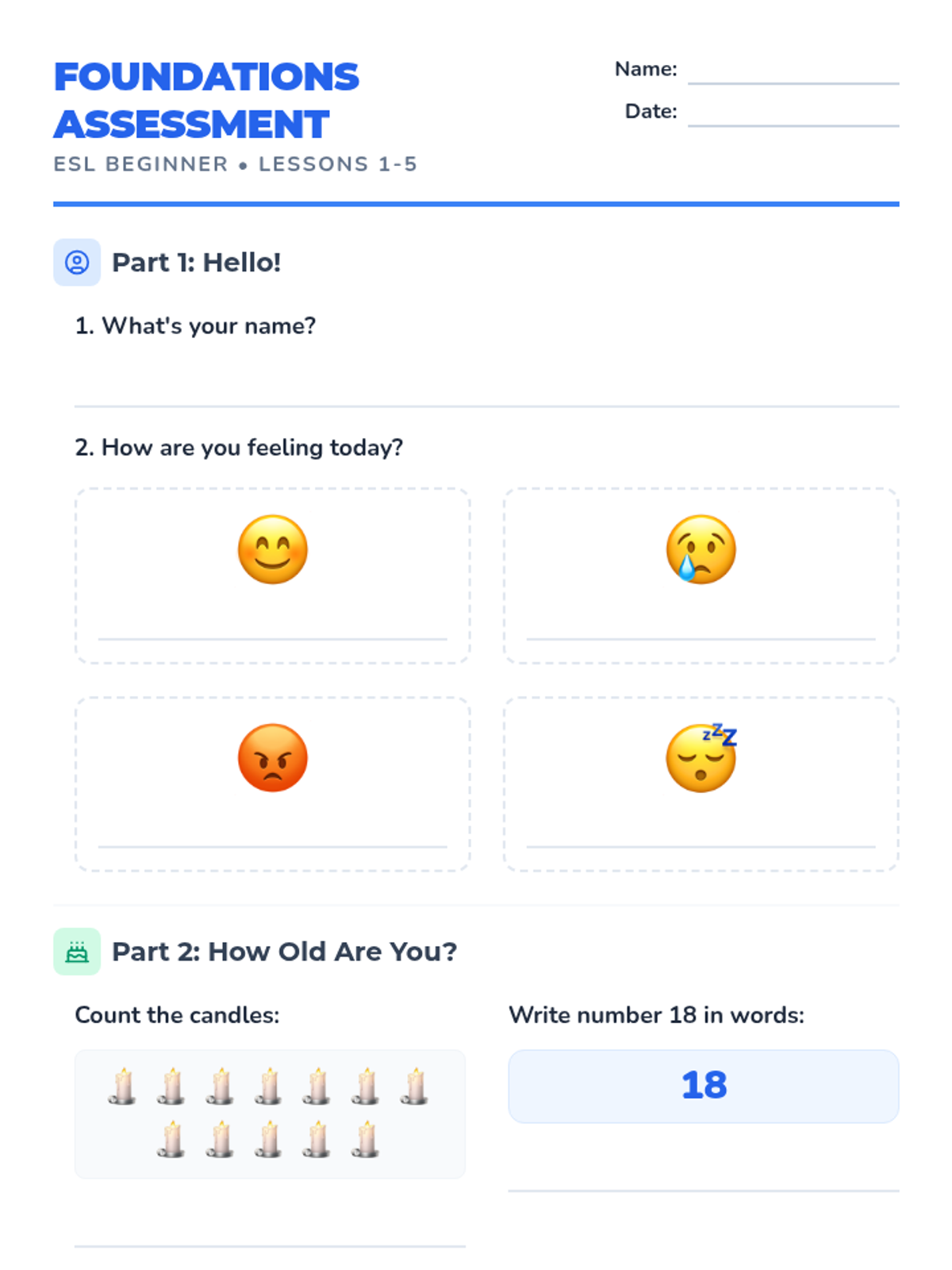
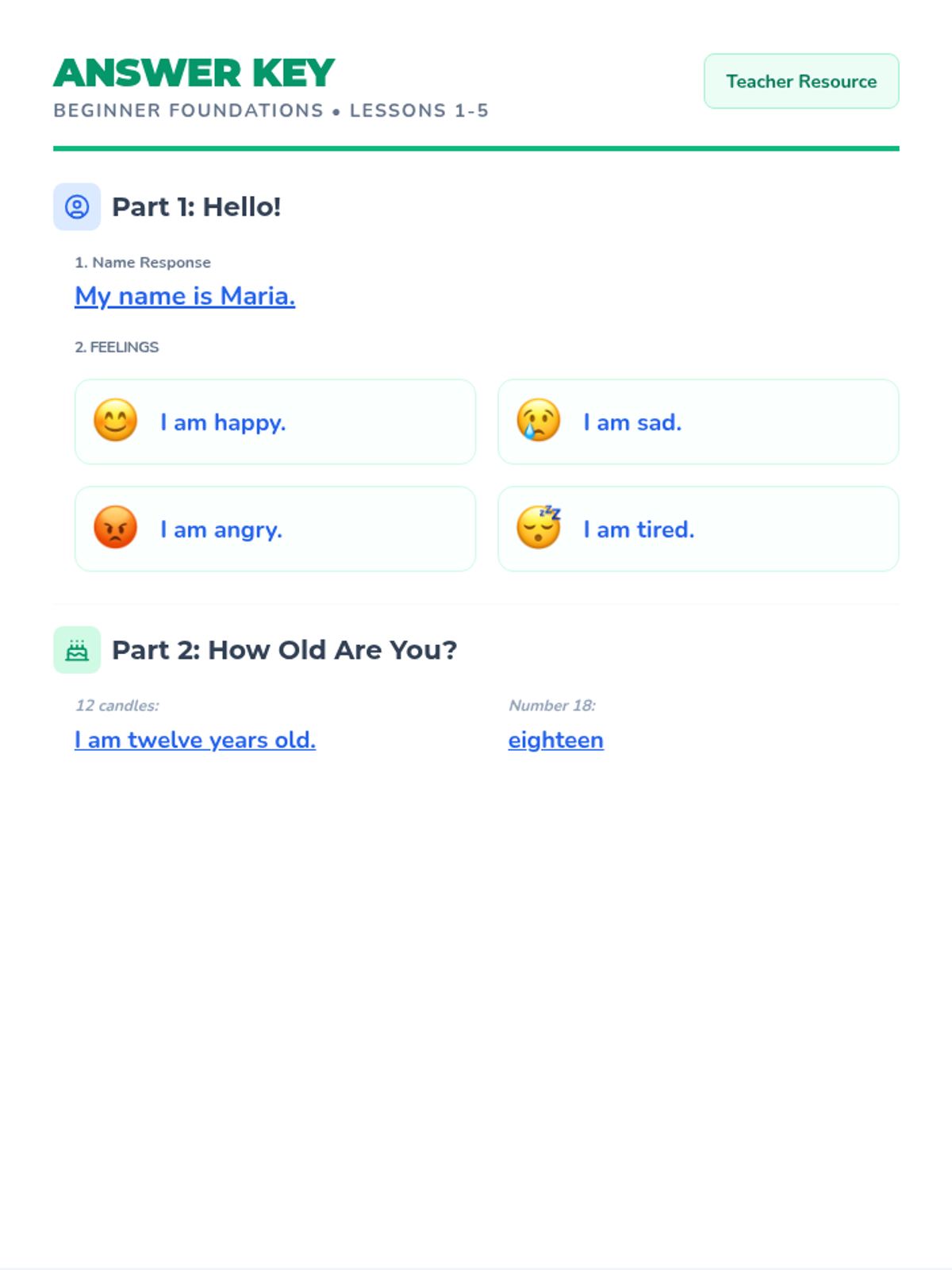
A comprehensive assessment designed for beginner ESL students covering personal introductions, feelings, numbers, countries, classroom objects, and plural food items.
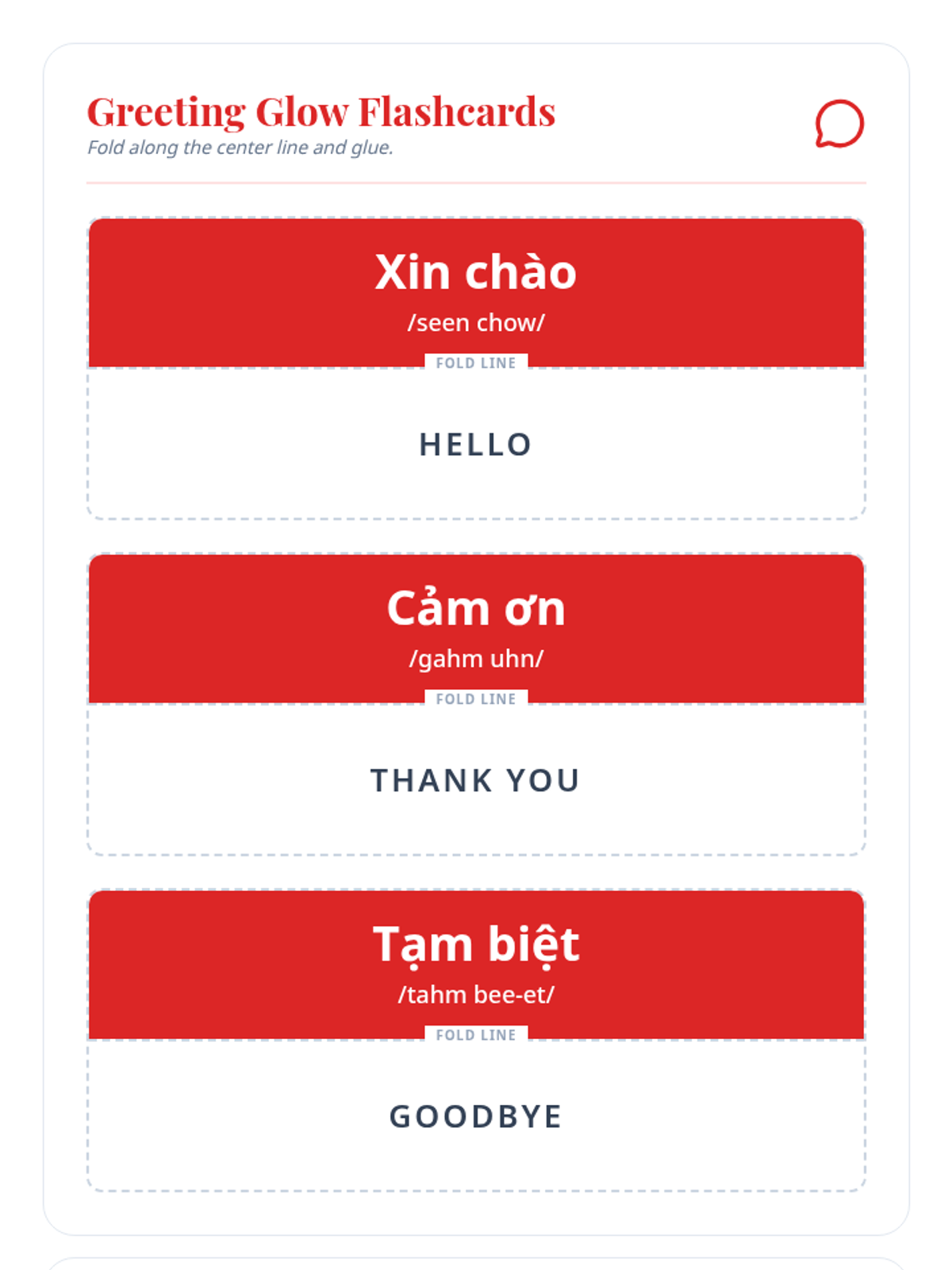
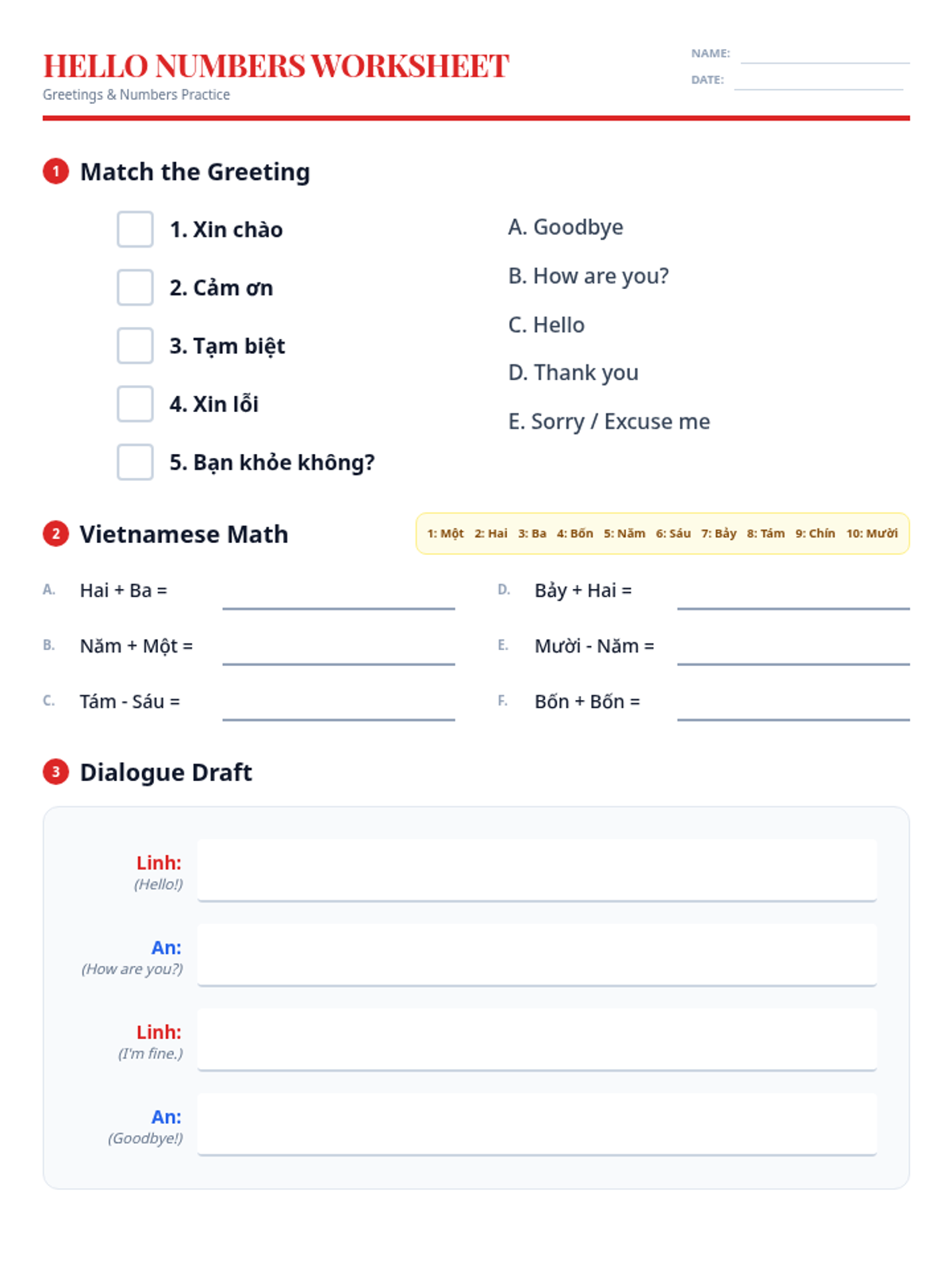
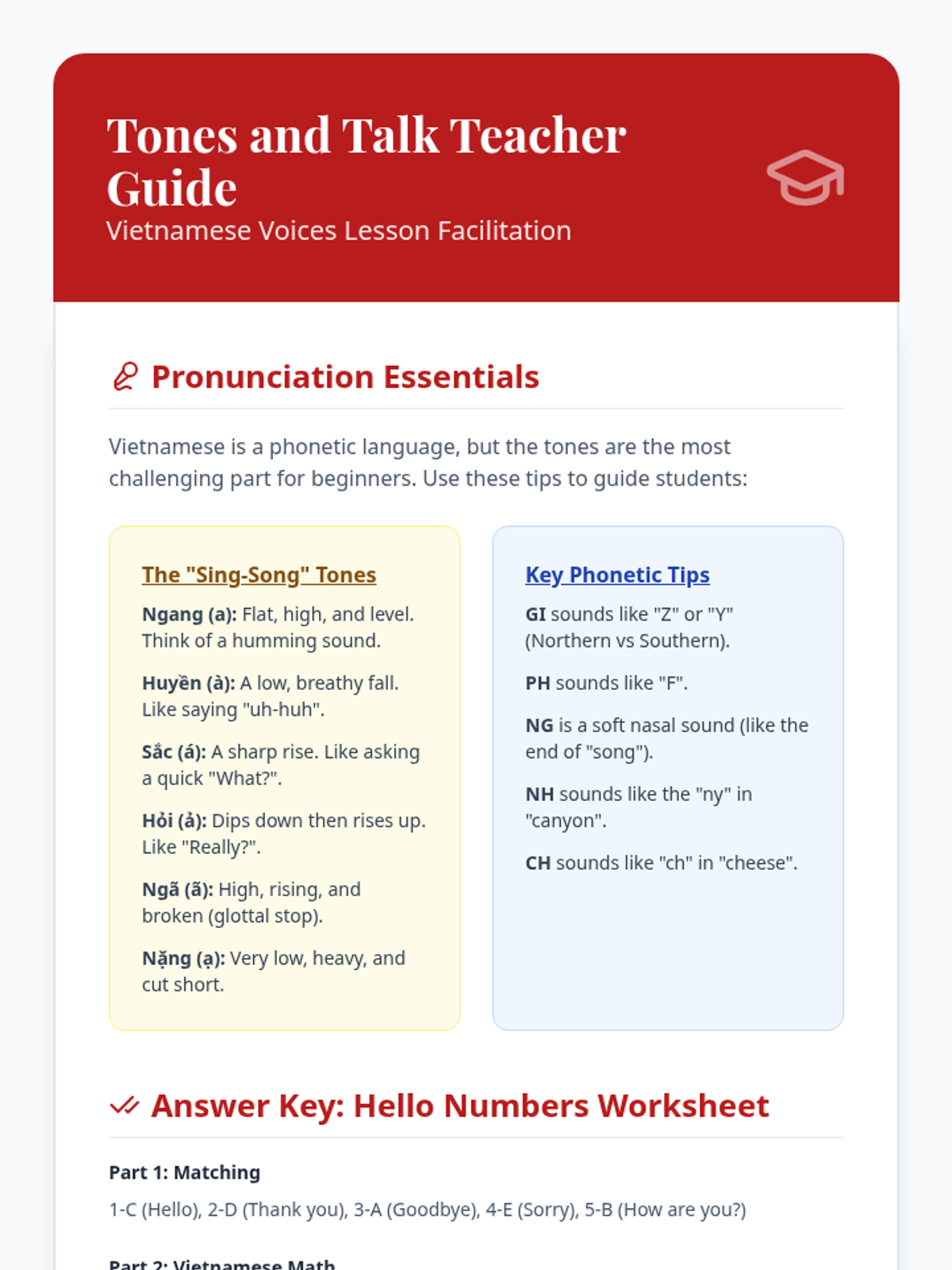
An introductory lesson to Vietnamese covering essential greetings and numbers 1-10, focusing on basic pronunciation and conversational phrases.
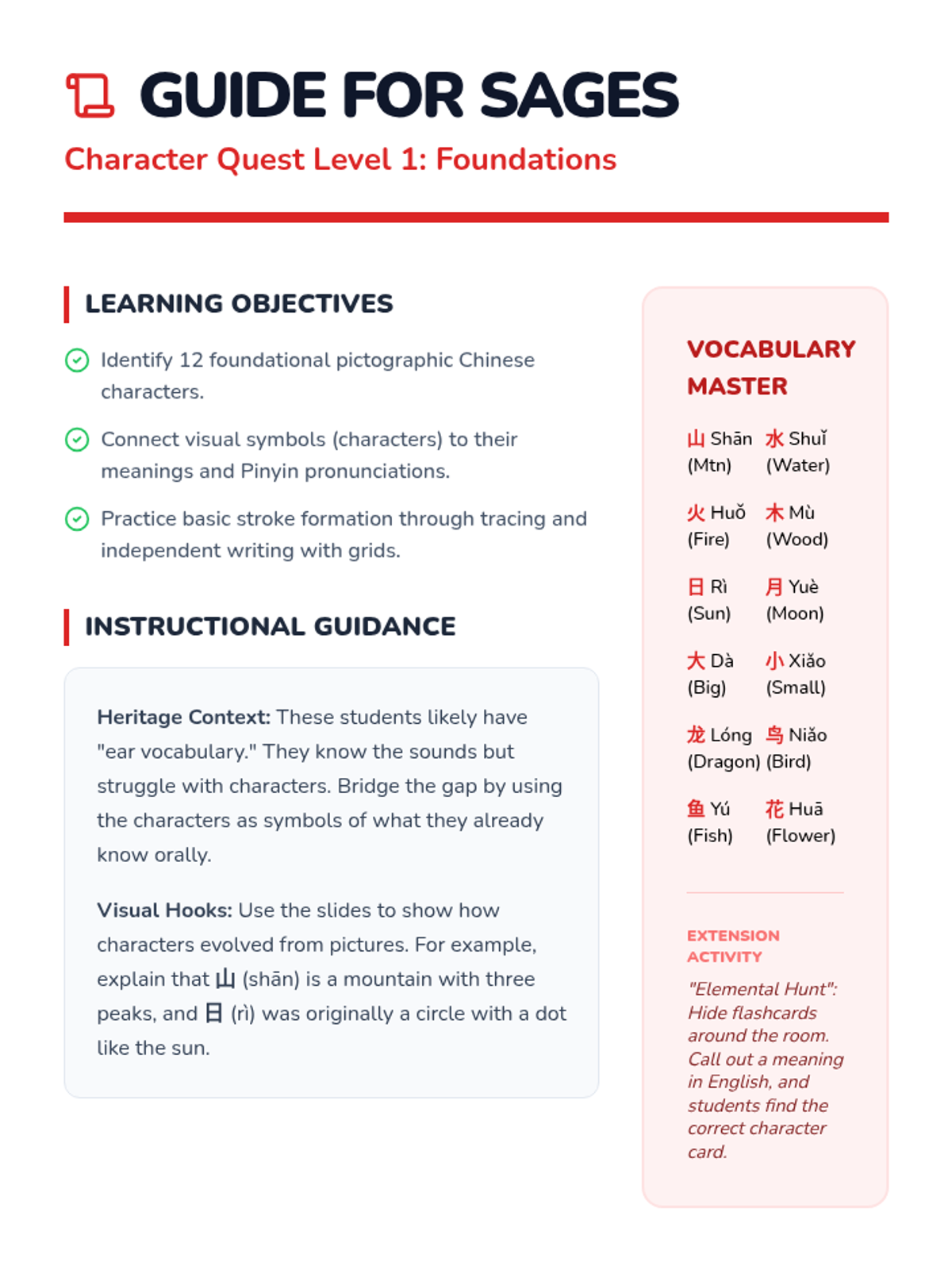
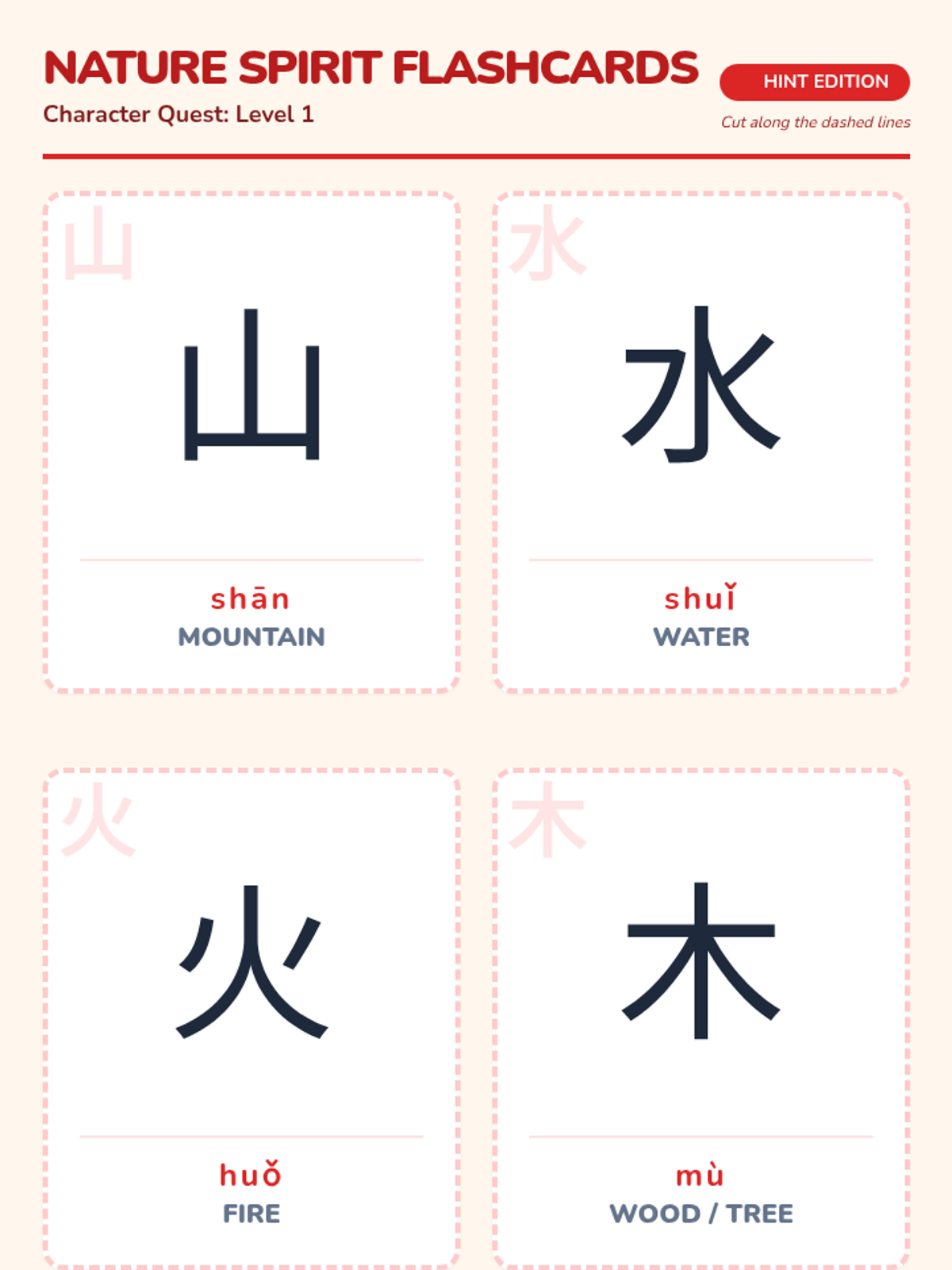
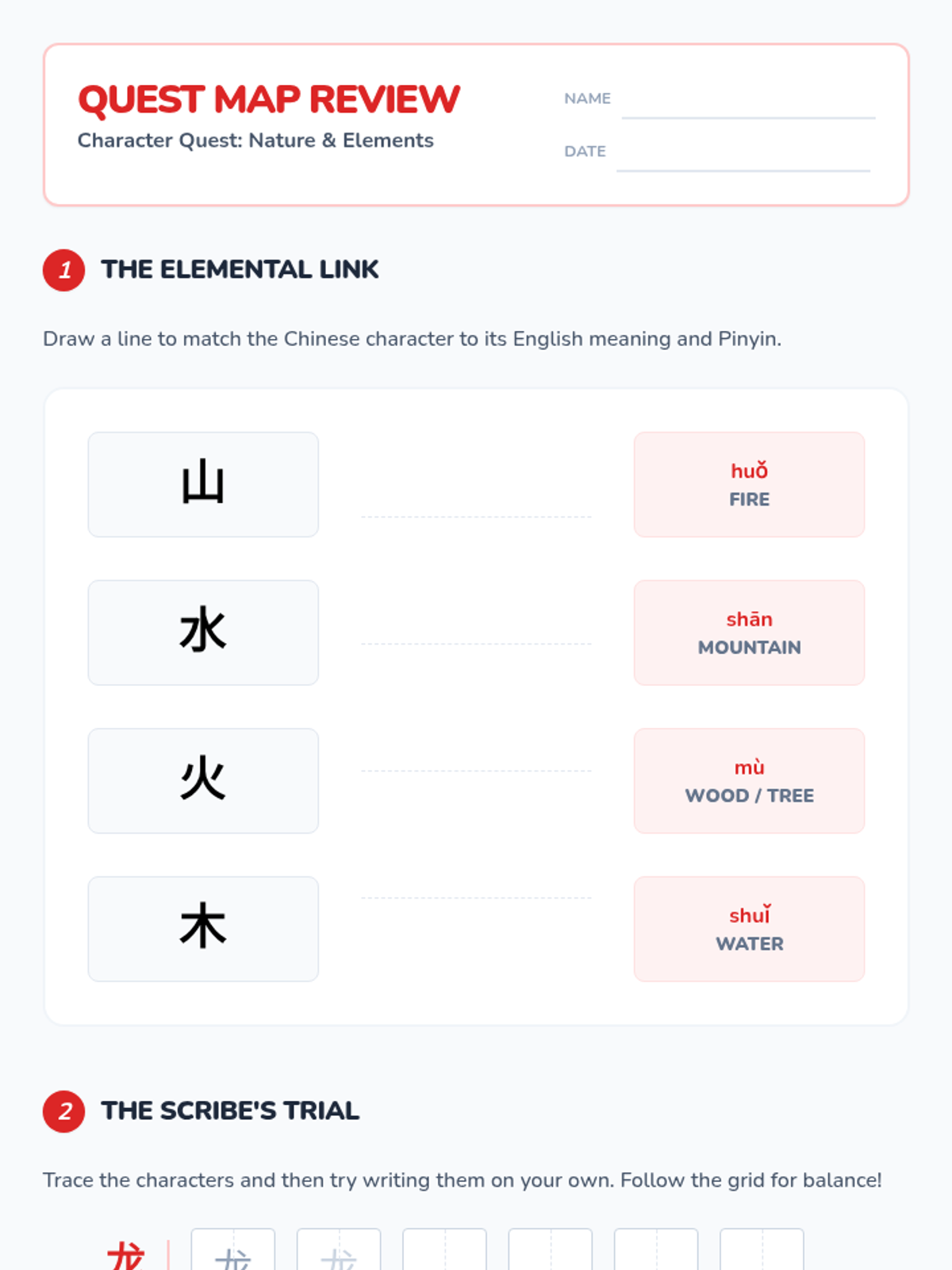
A foundational vocabulary lesson for K-5 heritage learners focusing on nature elements and common animals through visual flashcards and practice activities.
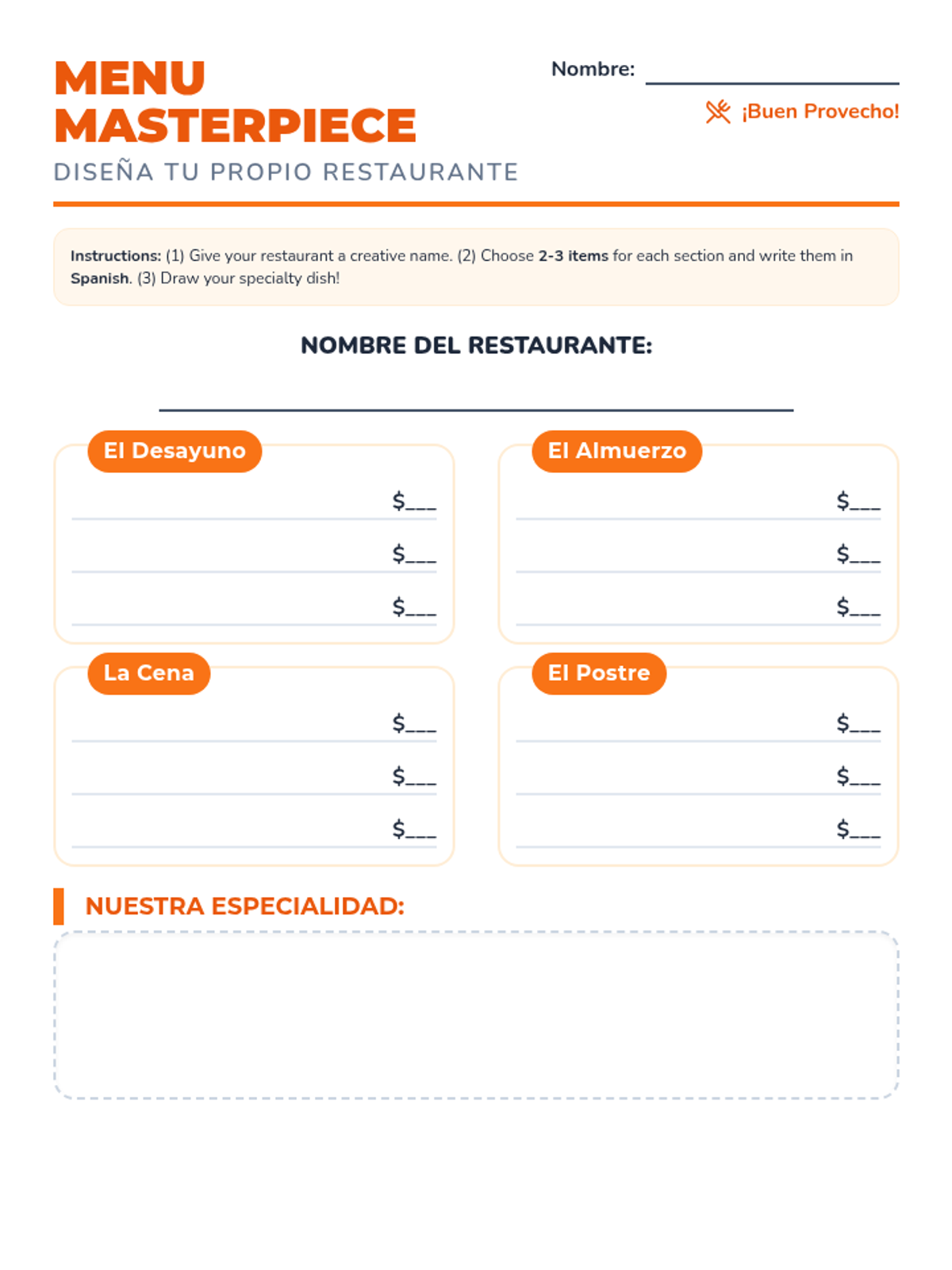
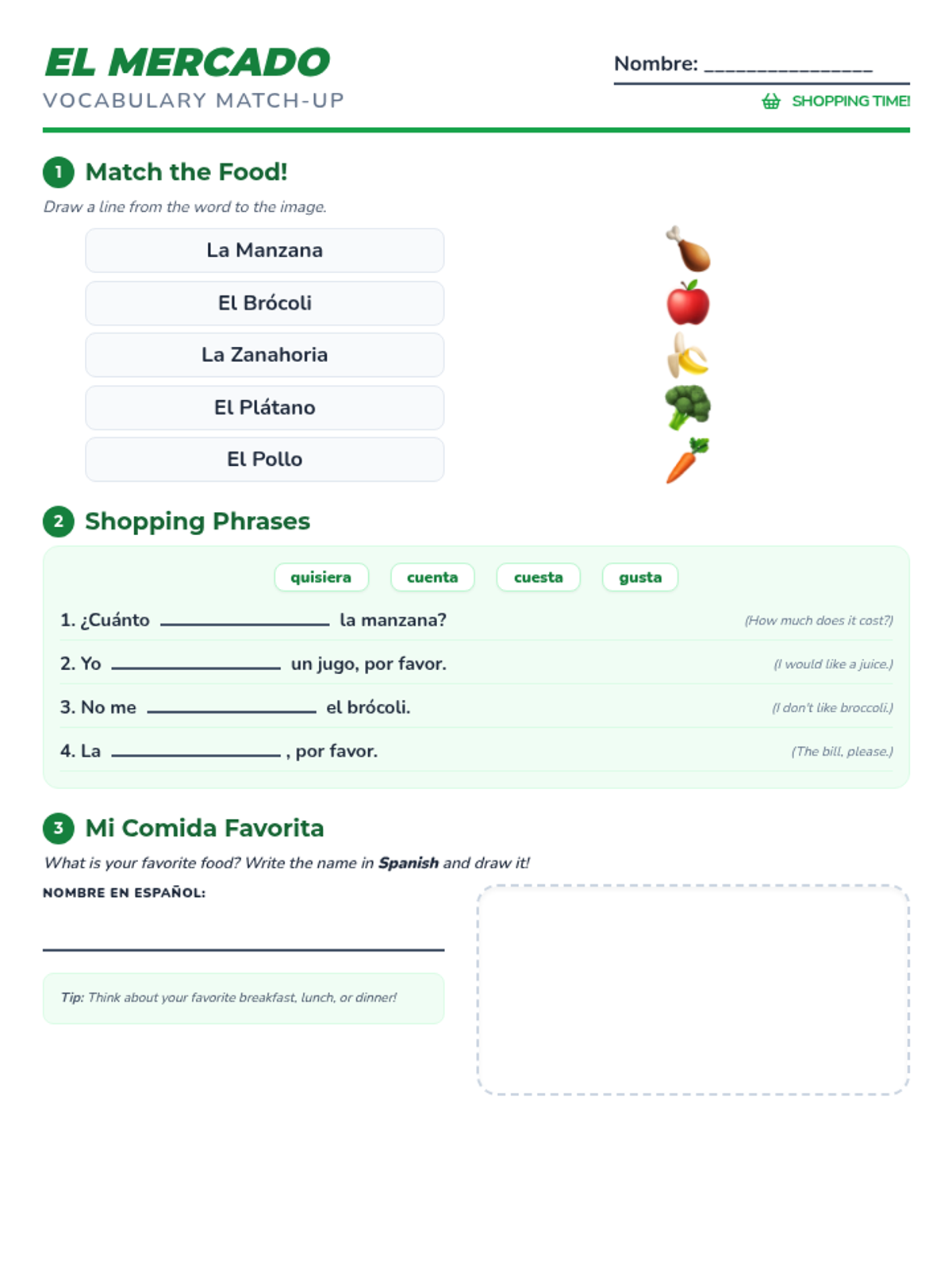
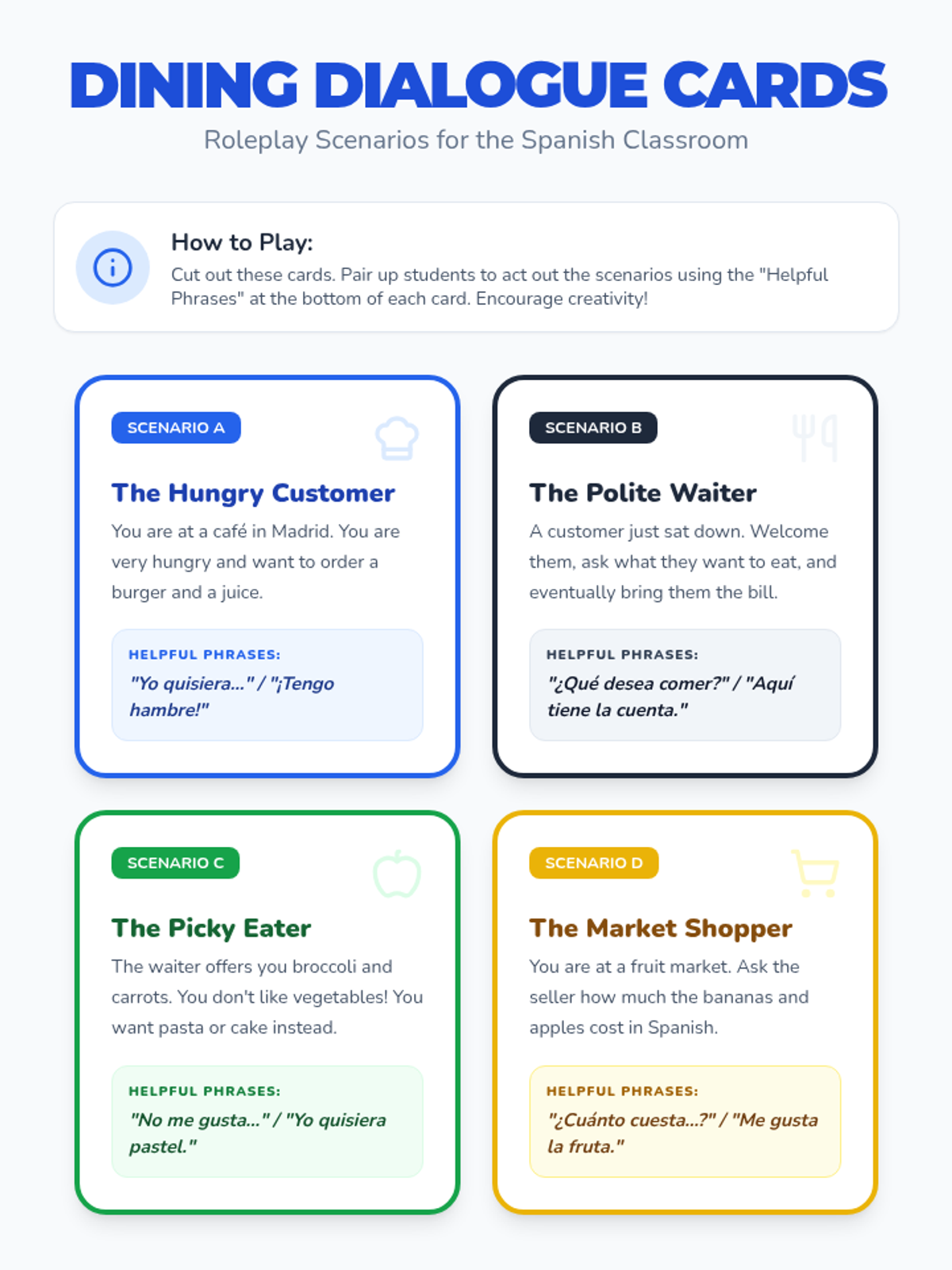
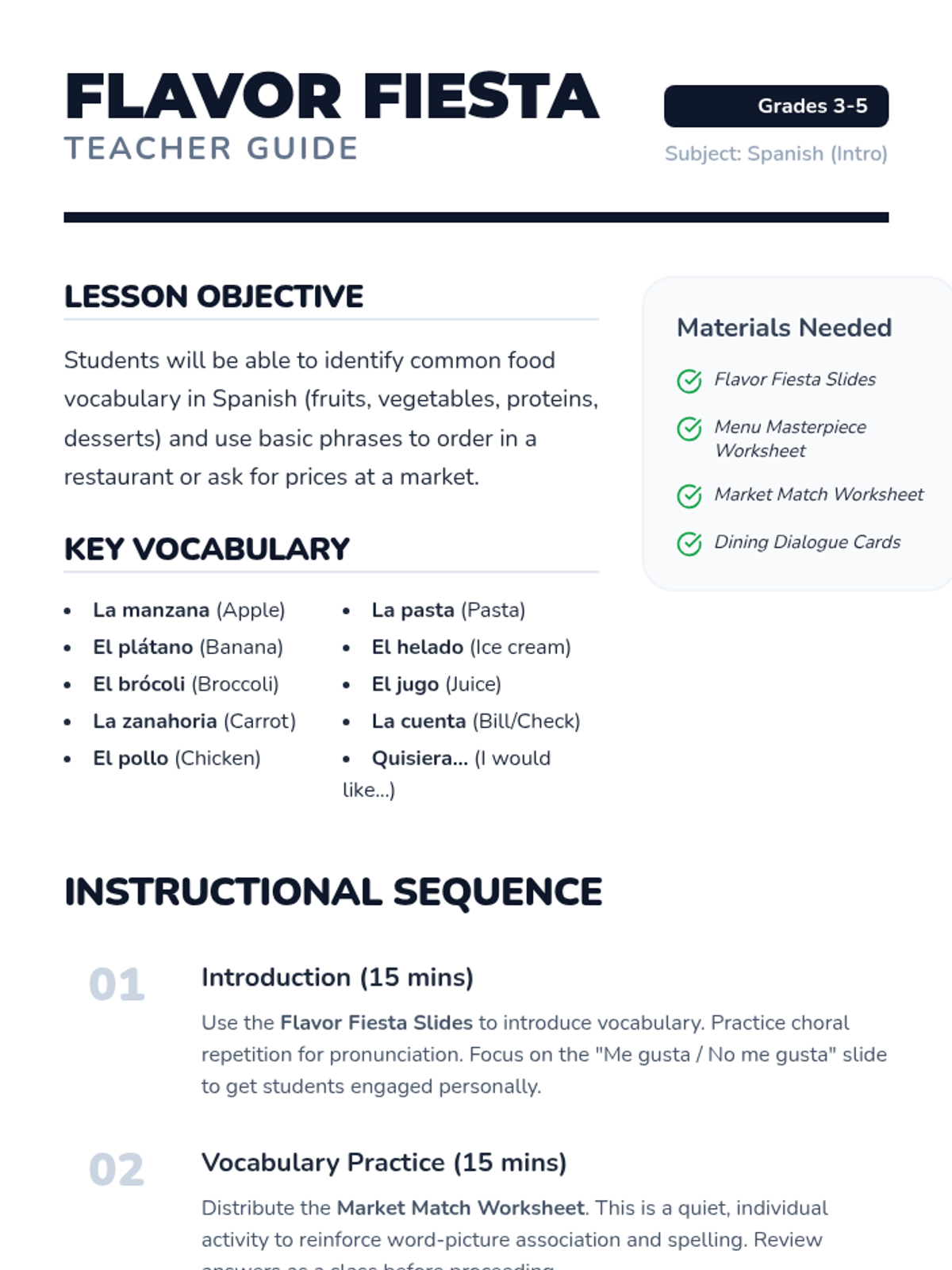
An introductory Spanish lesson for elementary students focused on food vocabulary, ordering in a restaurant, and market shopping. Students will learn essential nouns and polite phrases through interactive slides, creative menu design, and roleplay activities.
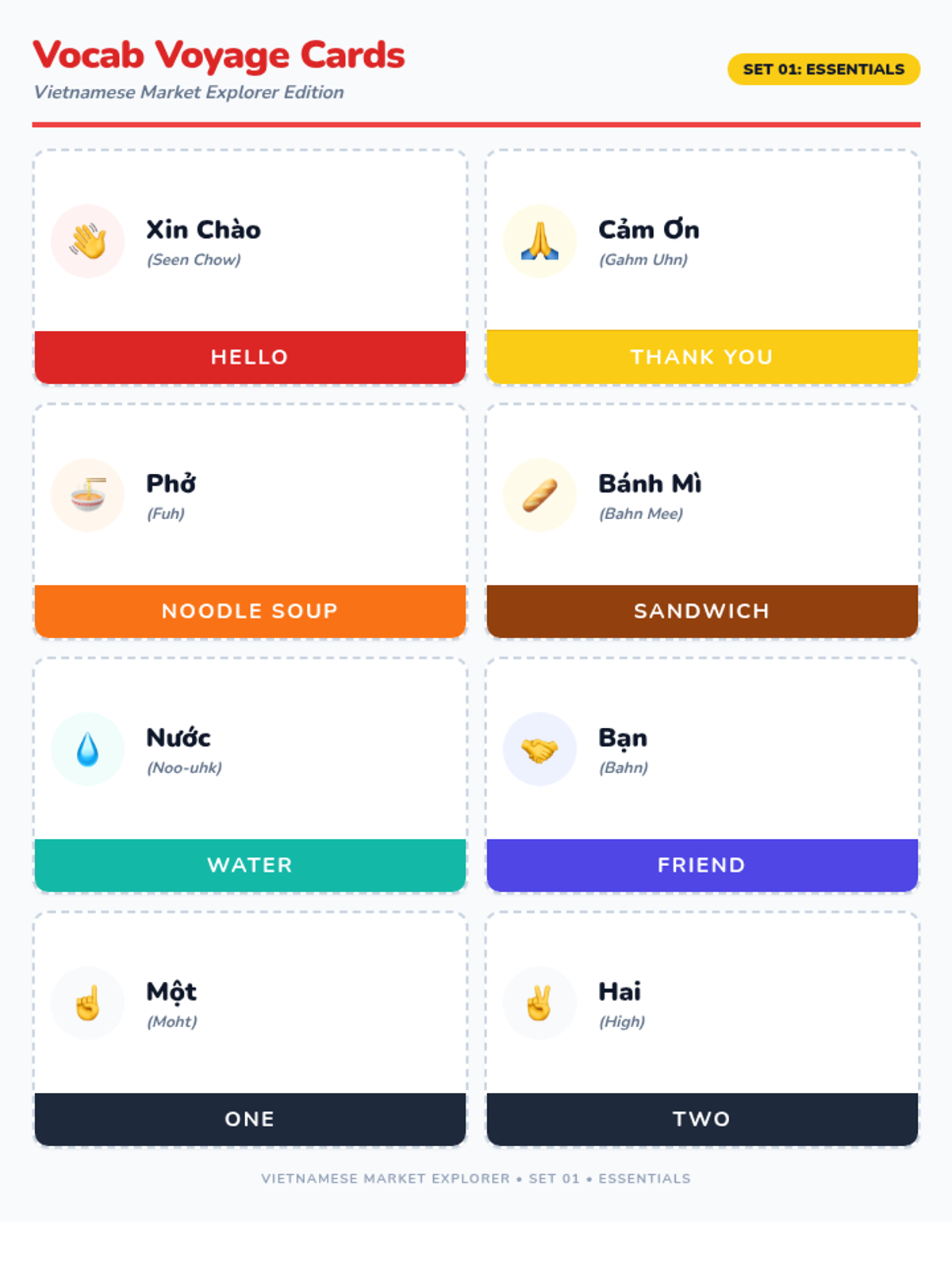
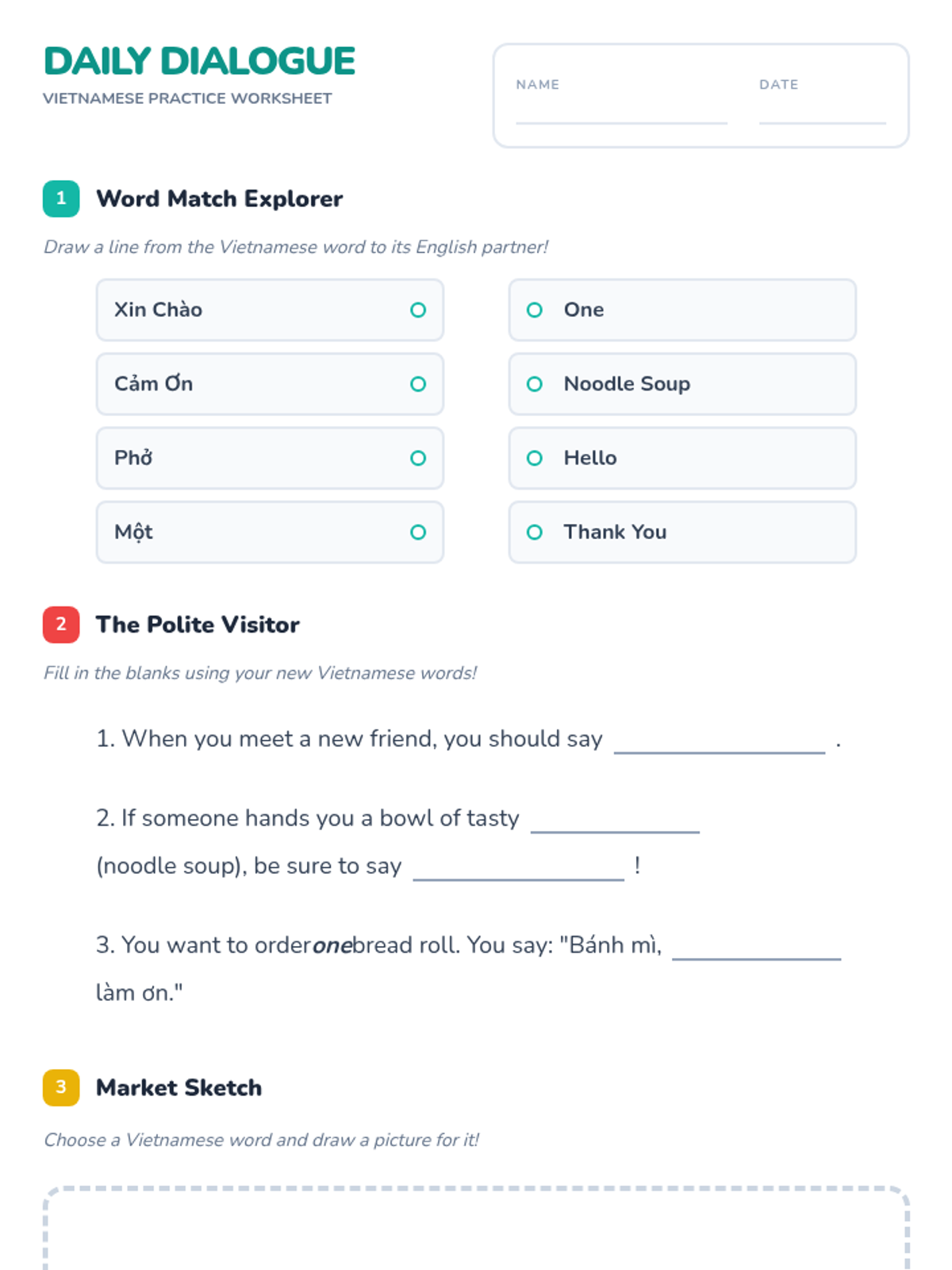
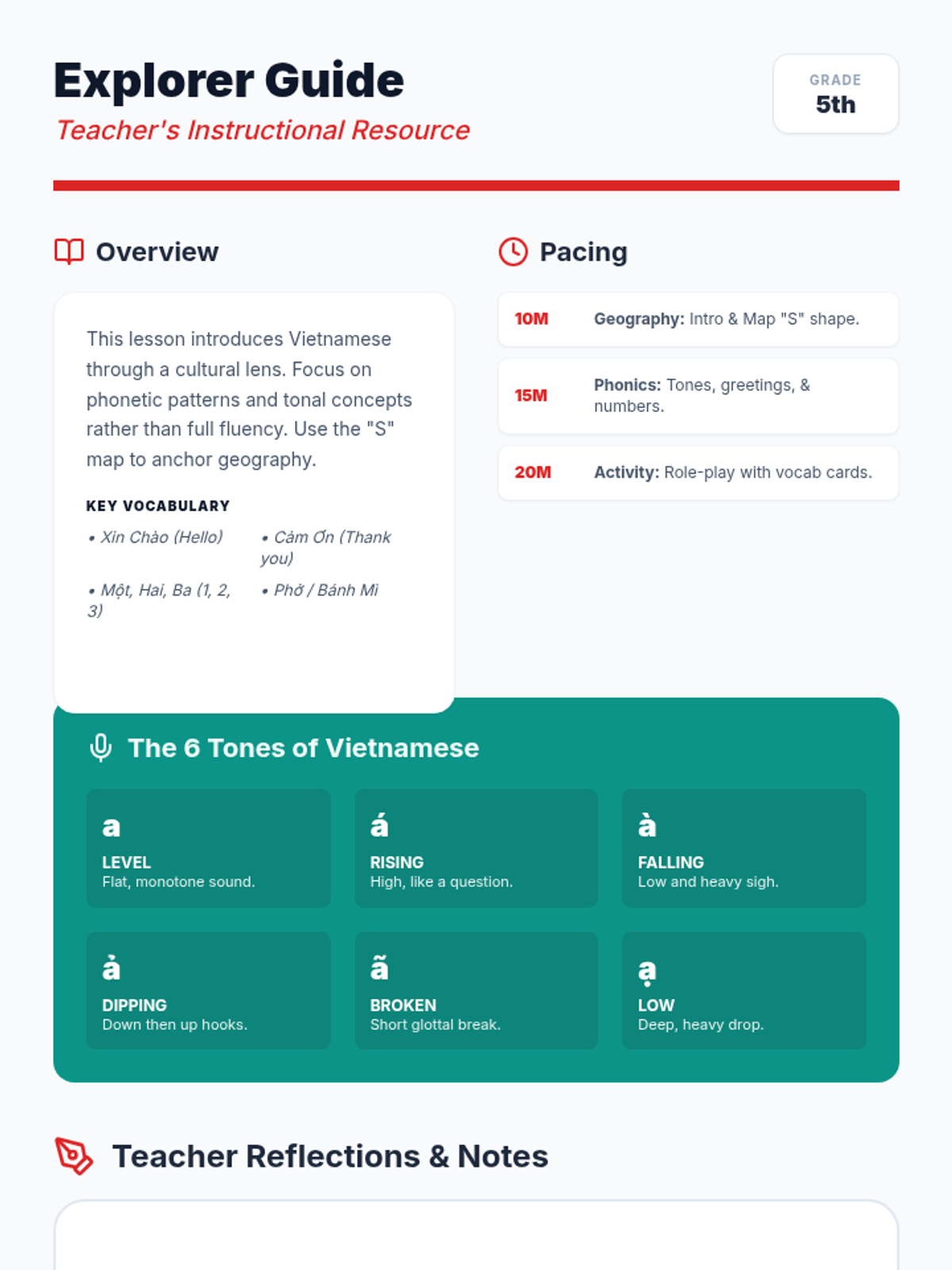
An introductory Vietnamese language lesson for 5th graders focused on essential greetings, numbers, and common food items through a vibrant market-themed exploration.
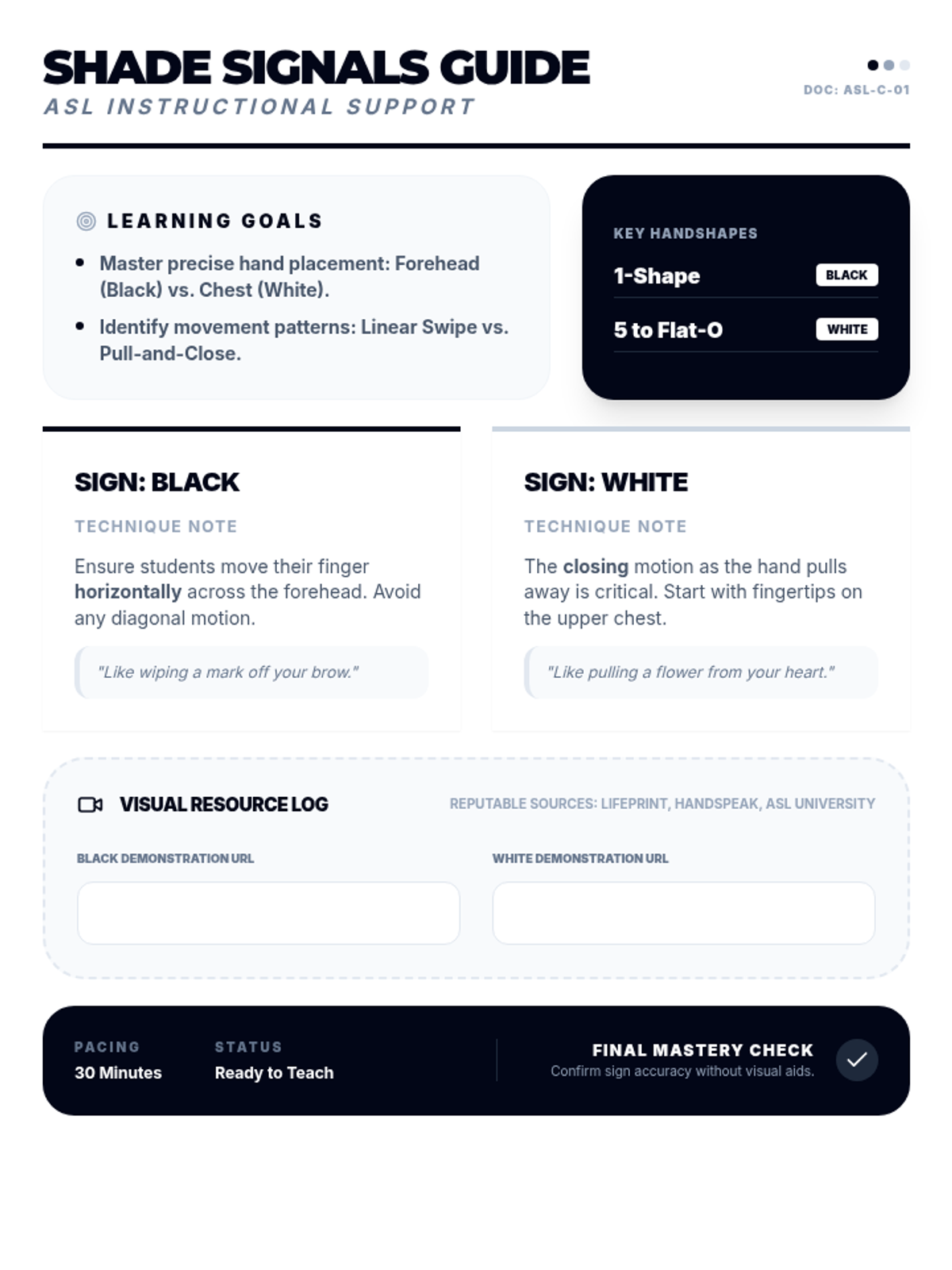
A focused lesson on the ASL signs for black and white, featuring visual sign descriptions and teaching tips for high-contrast colors.
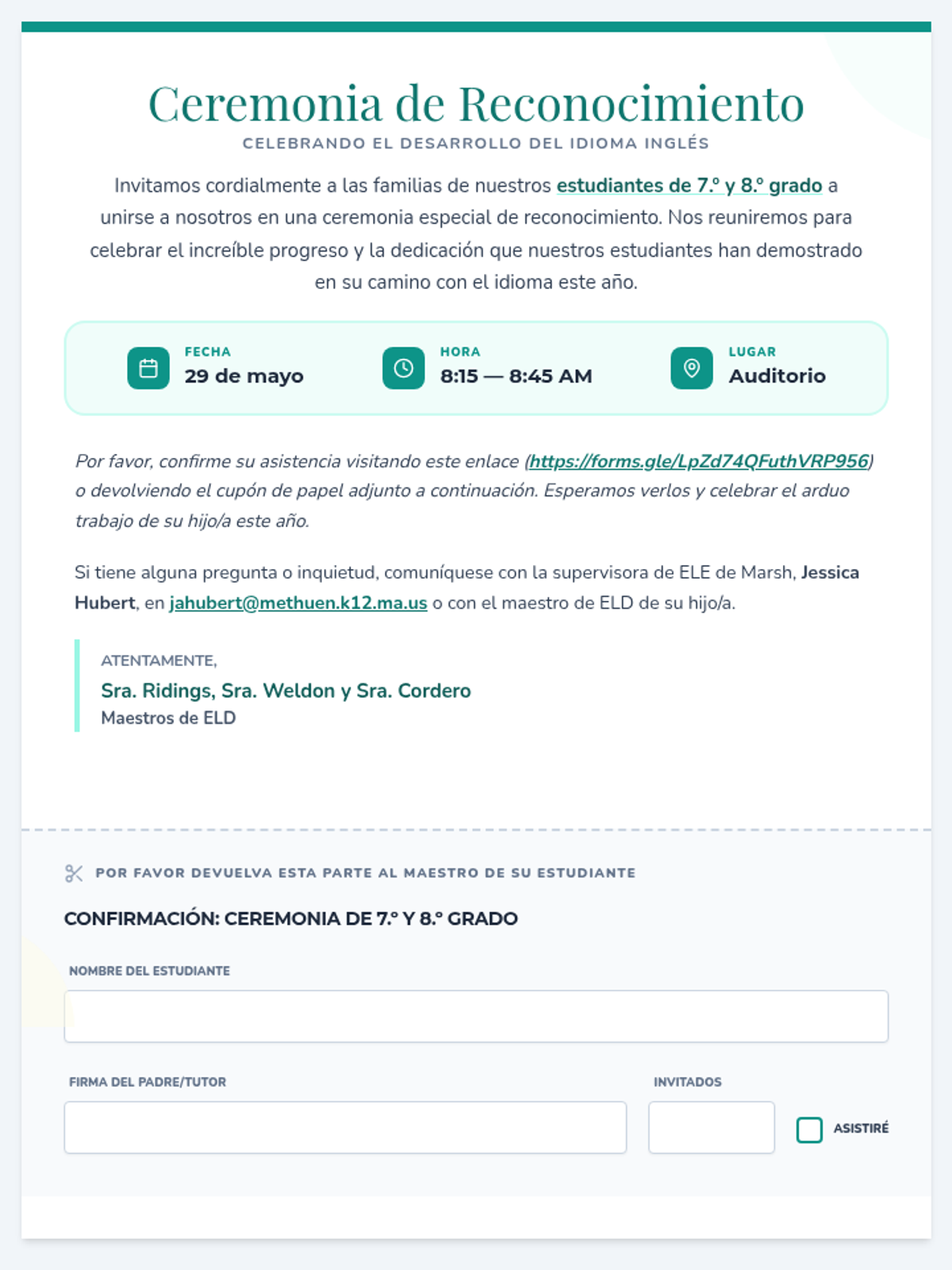
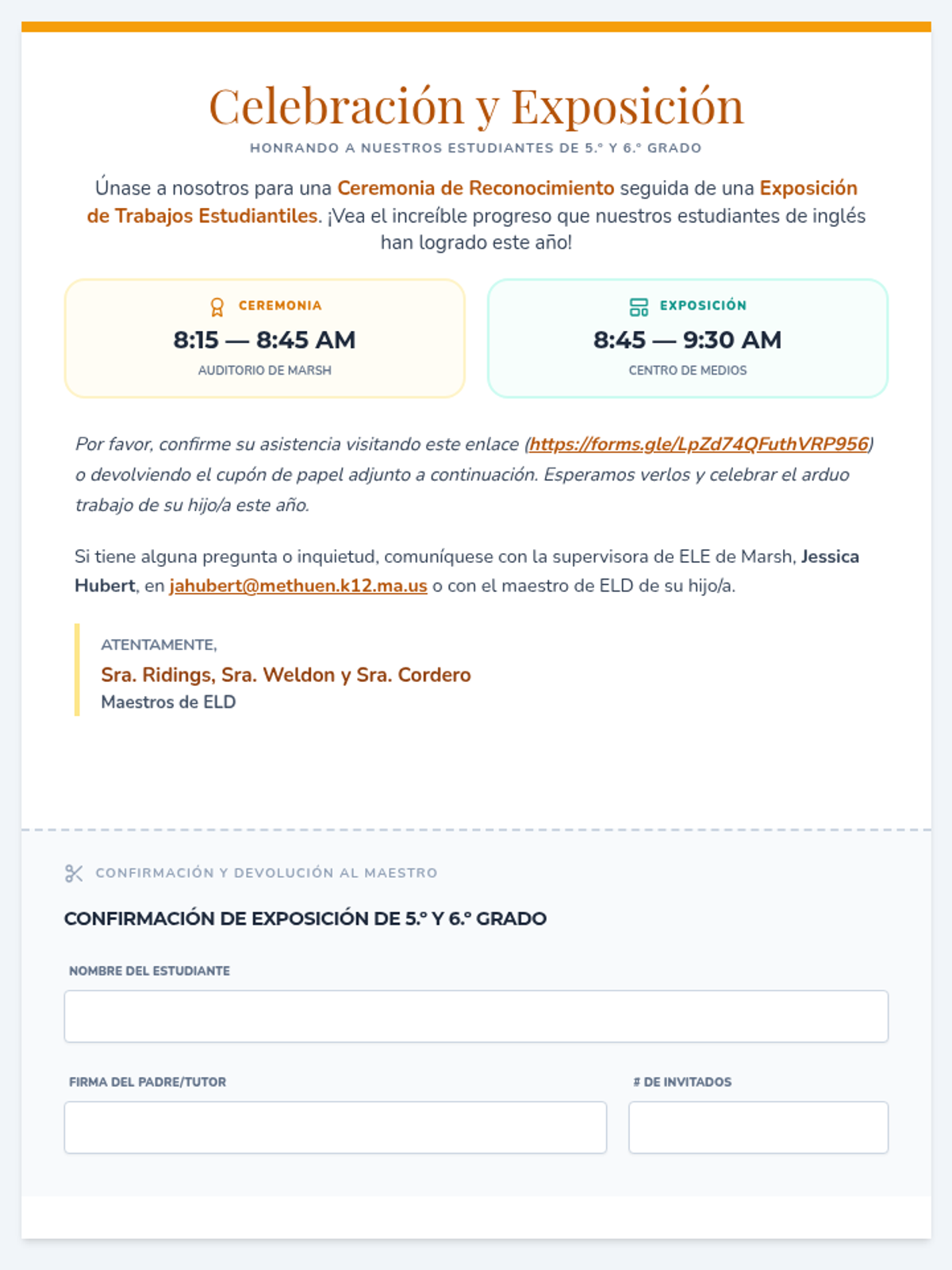
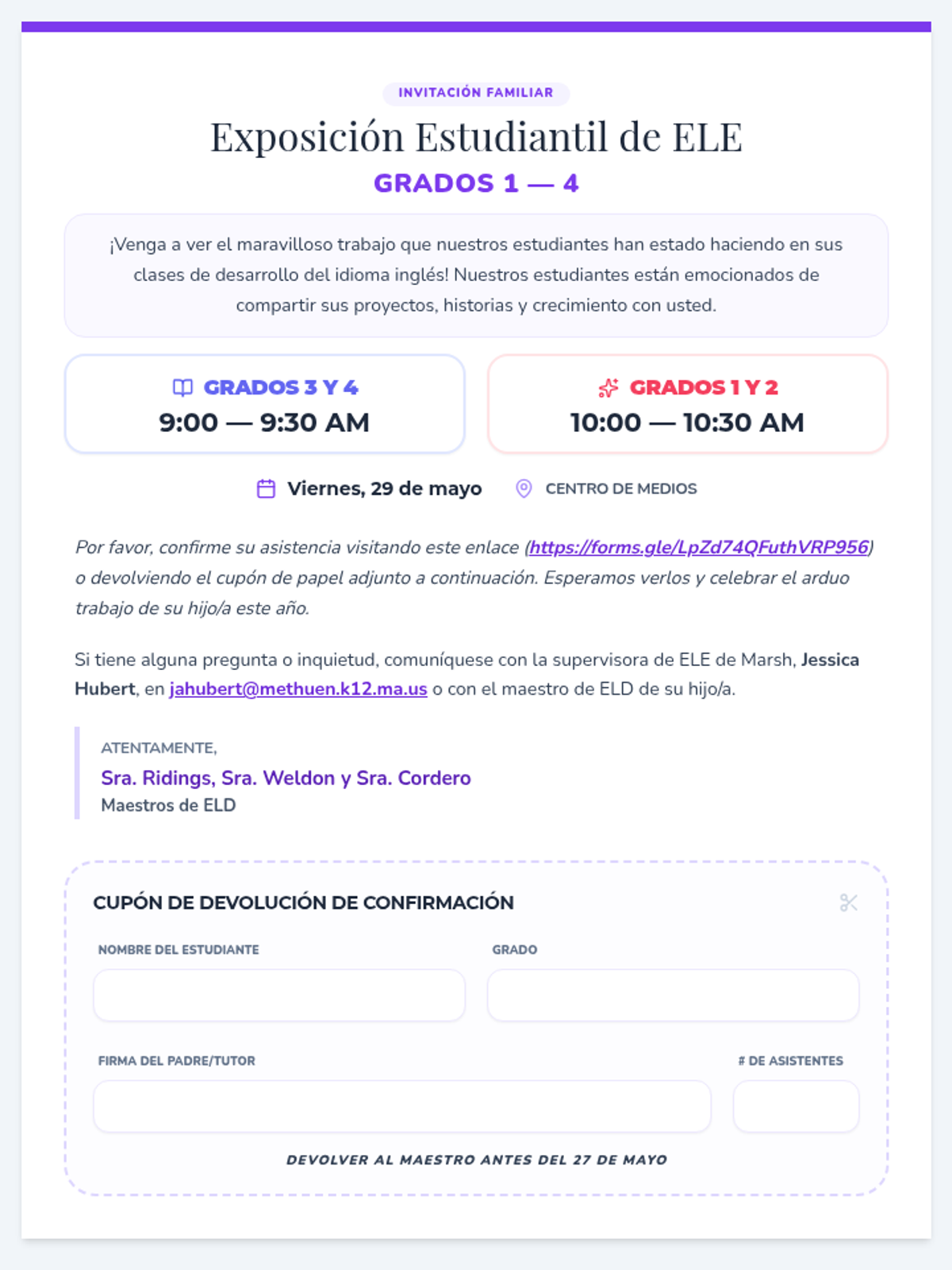
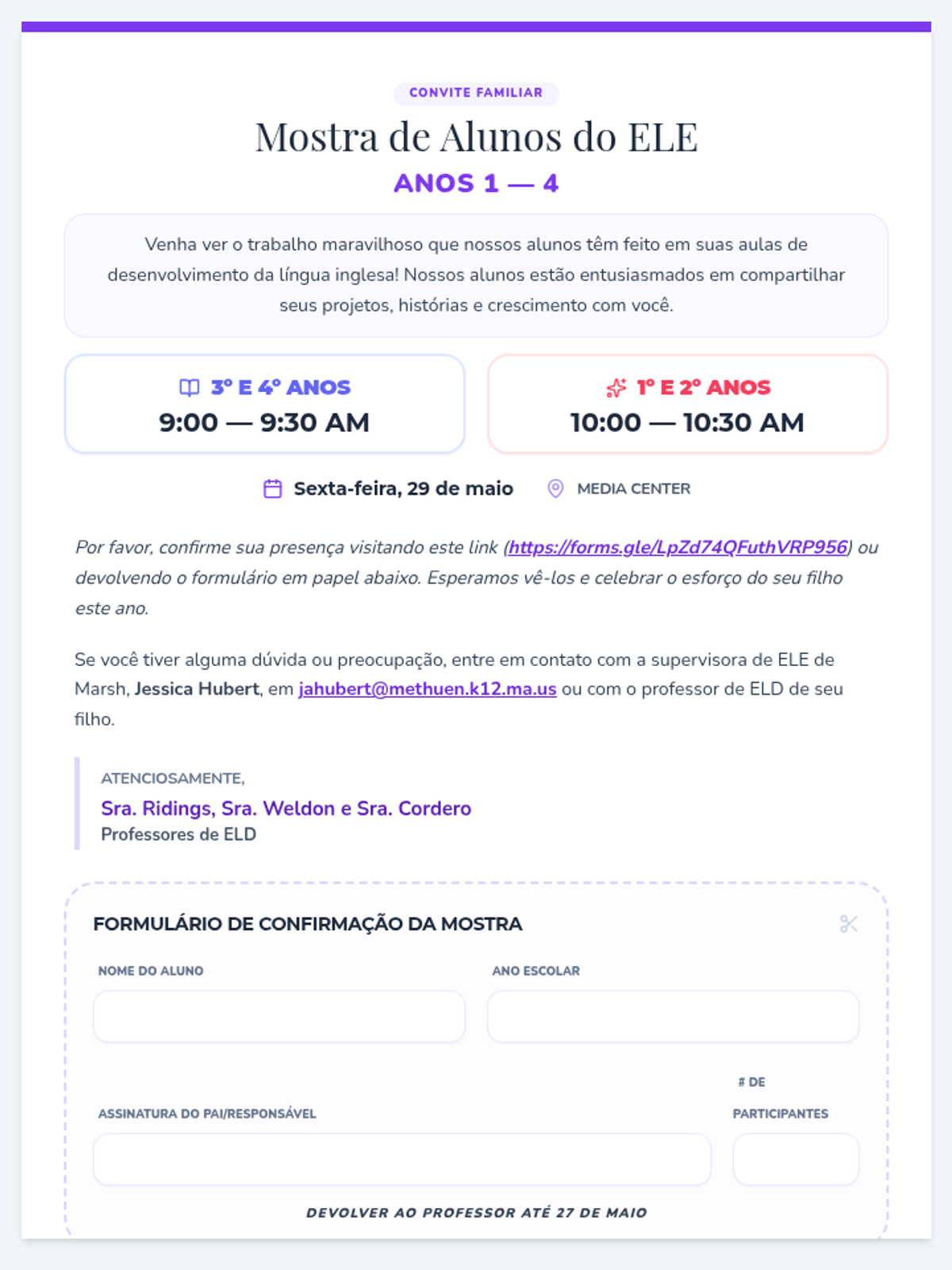
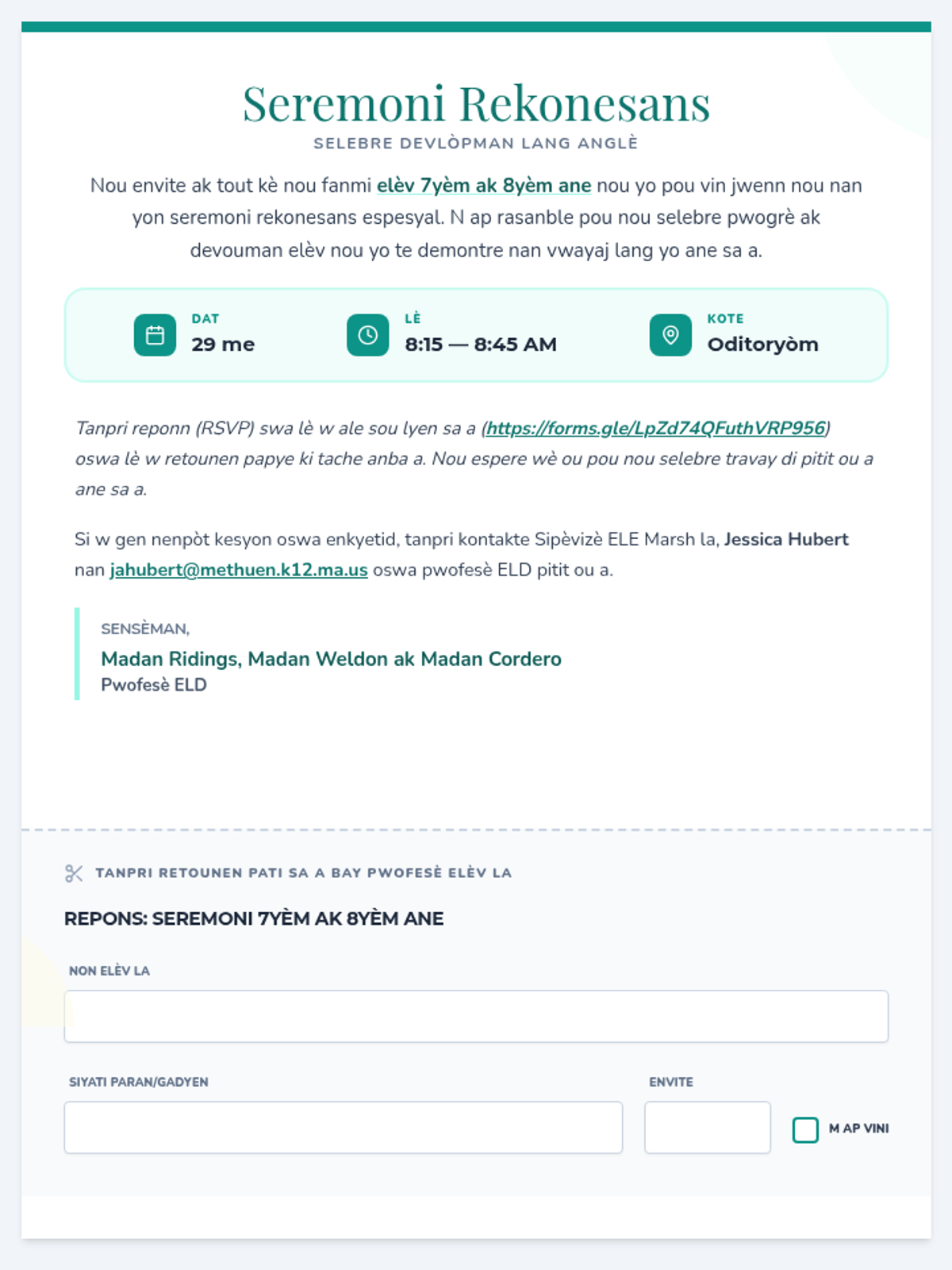
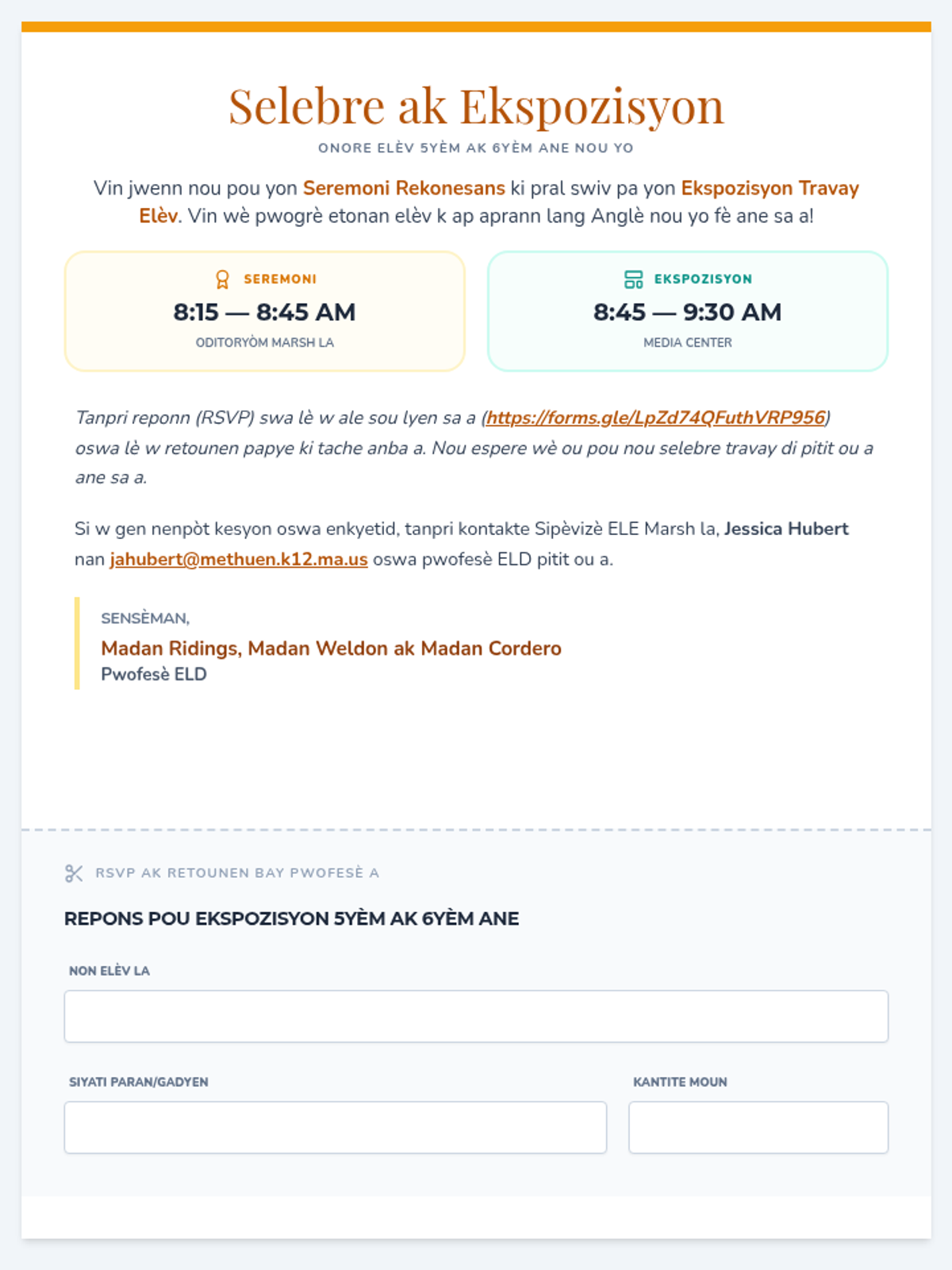
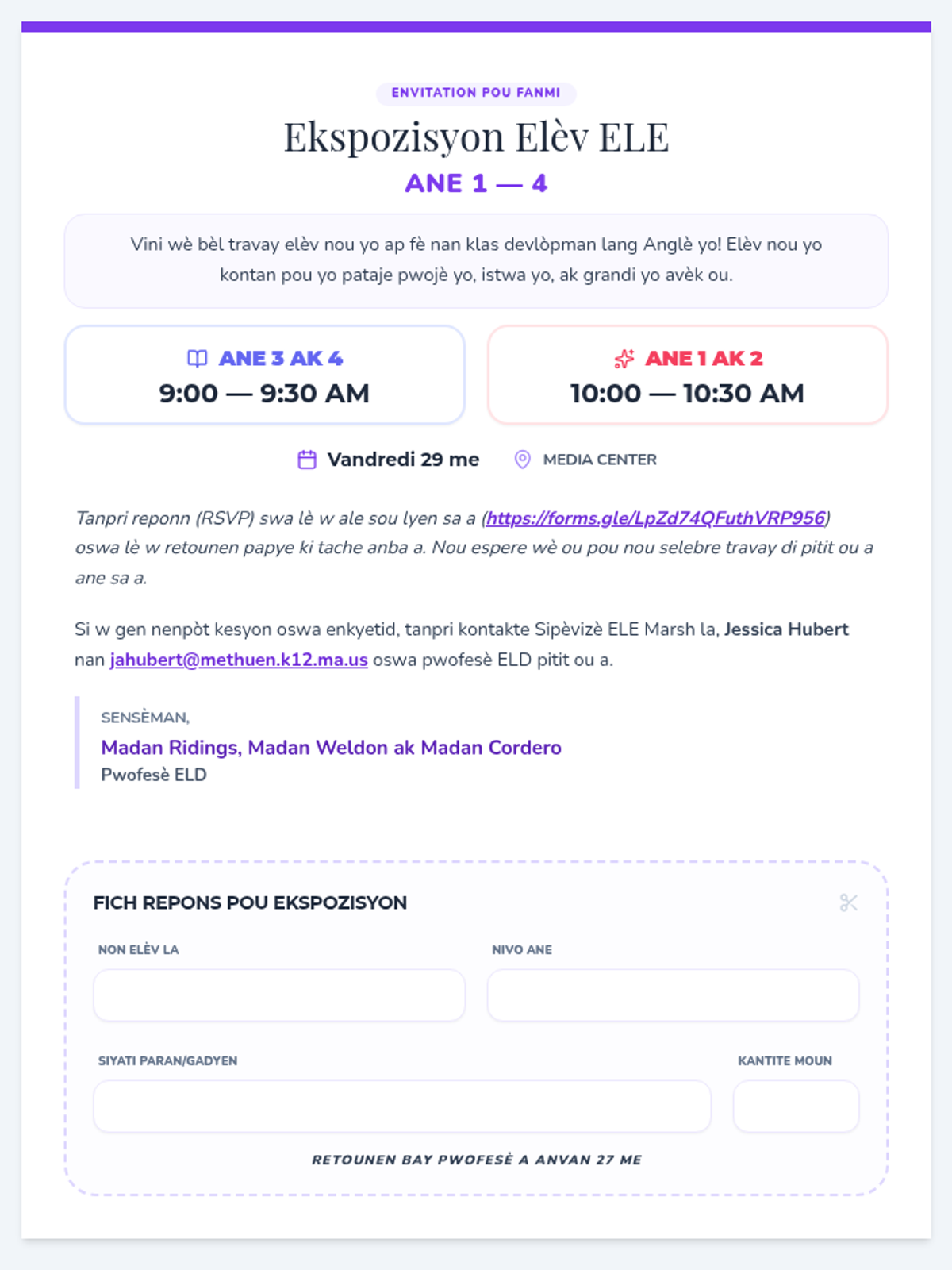
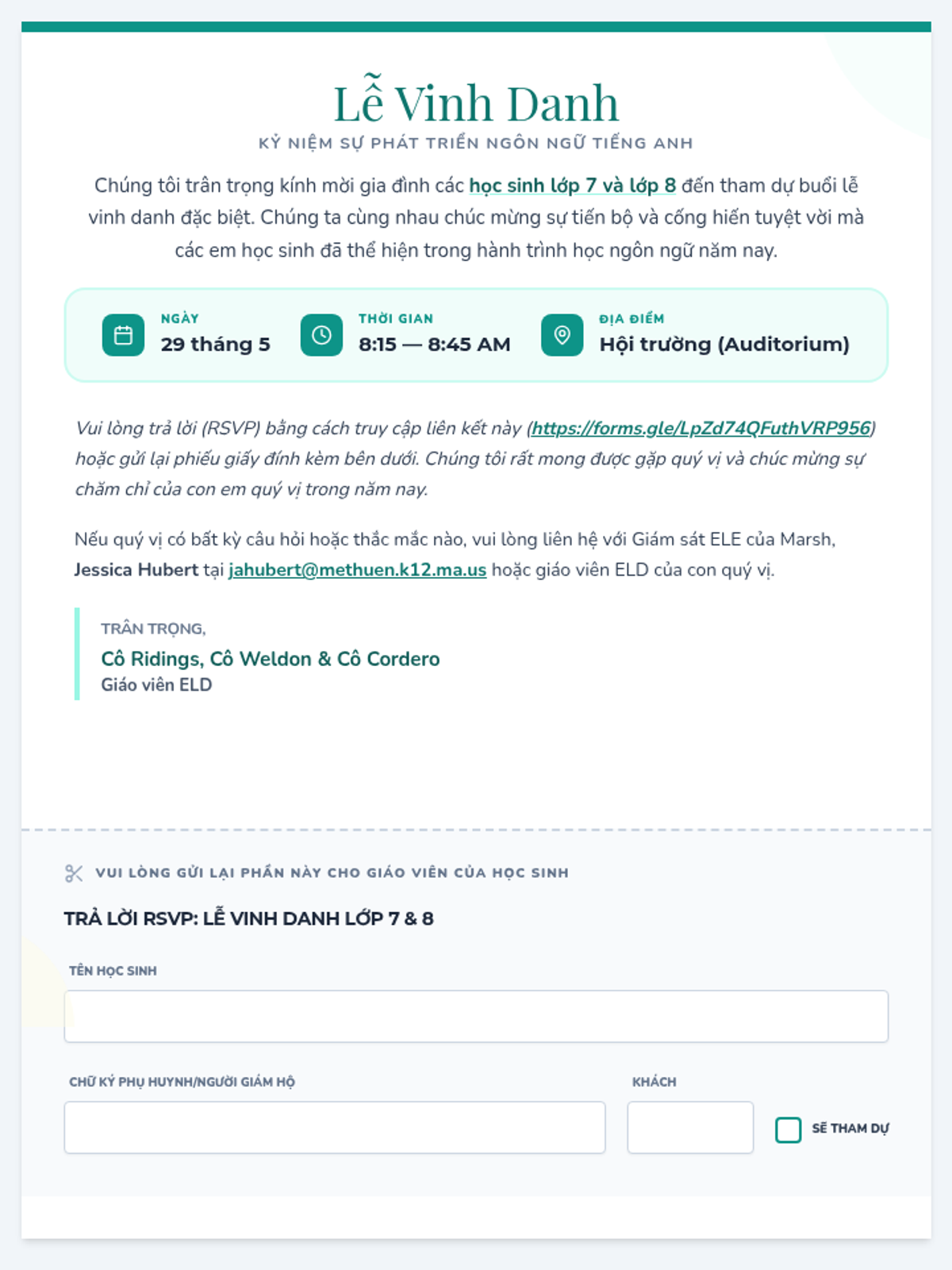
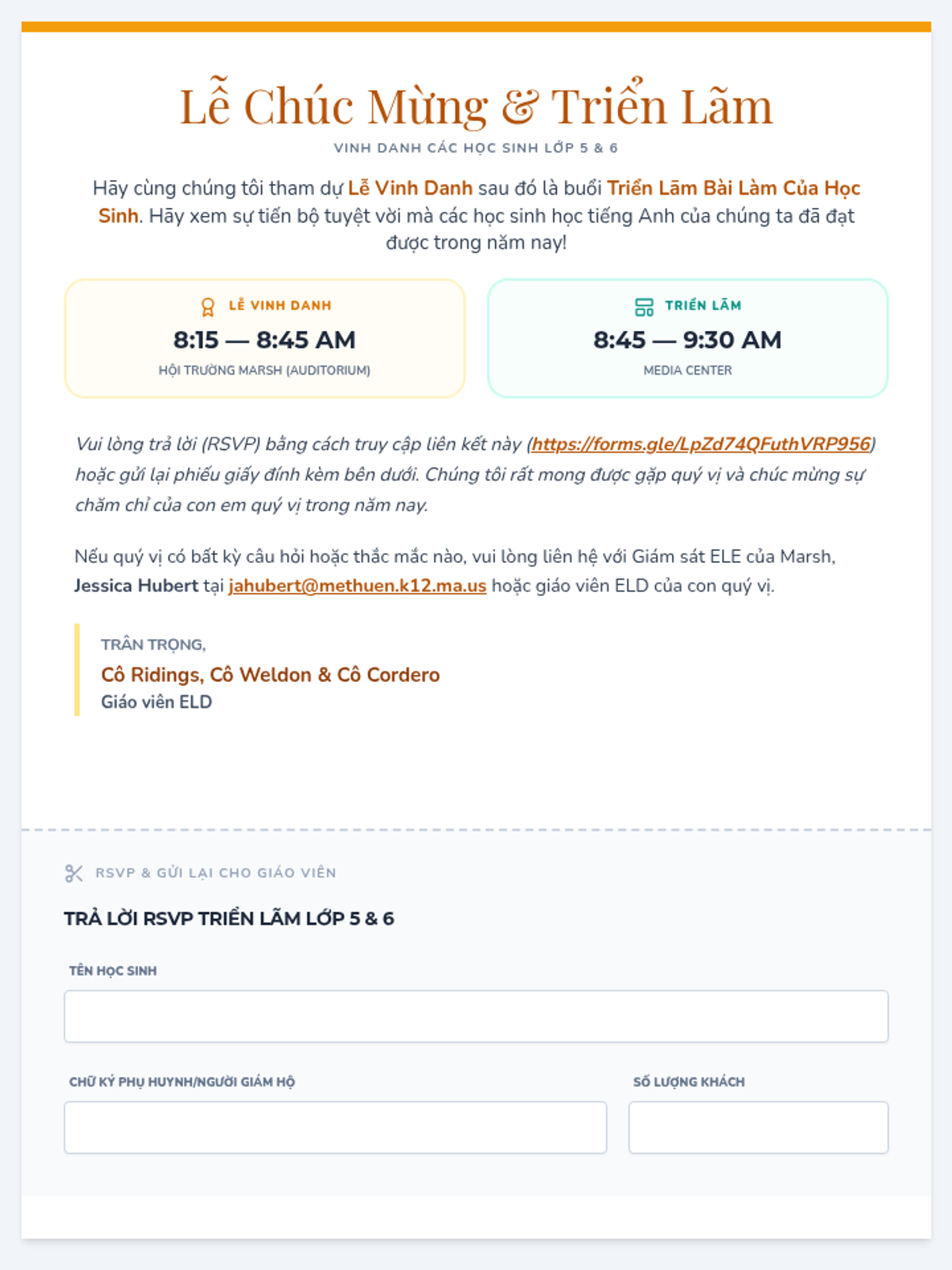
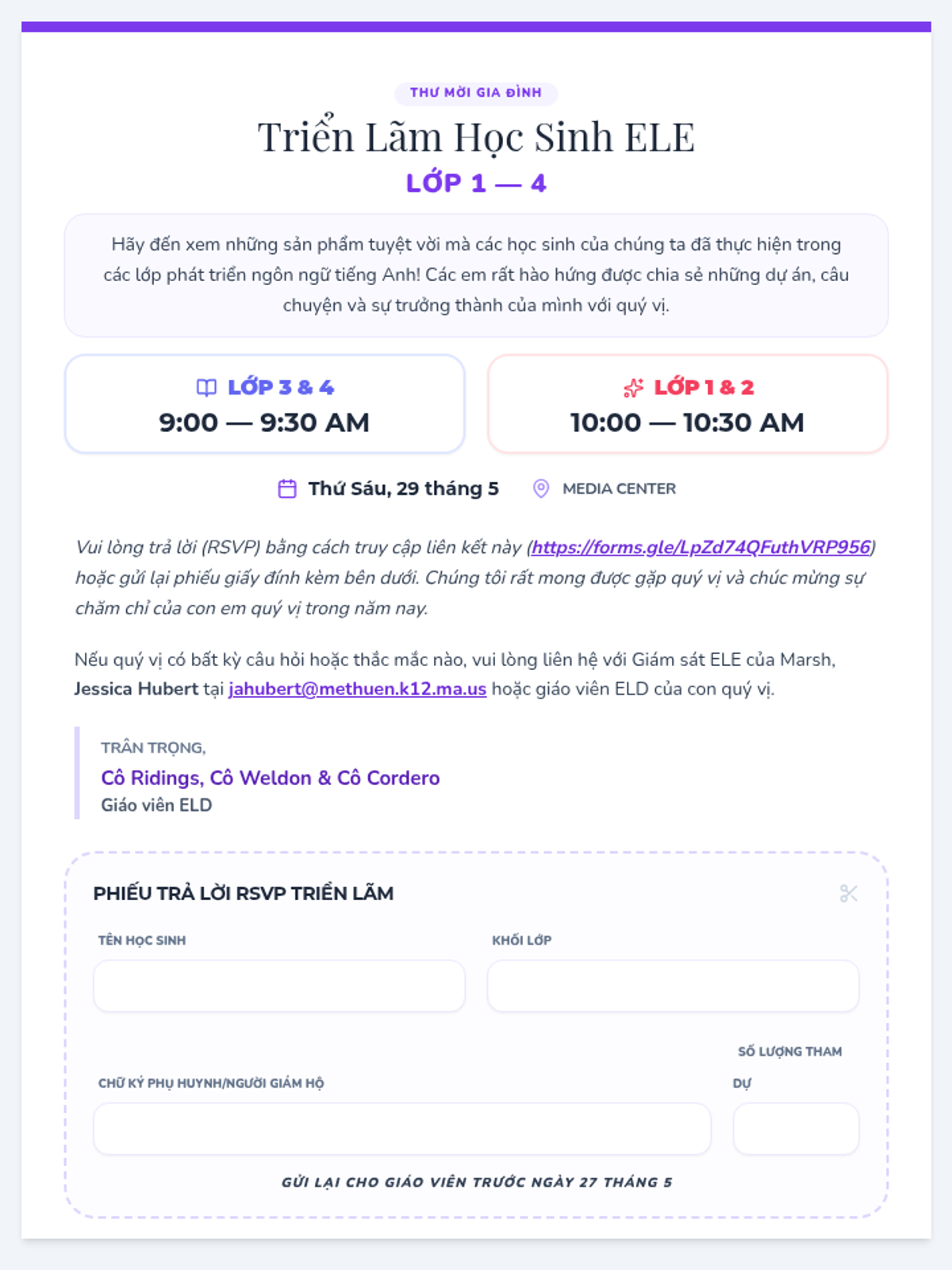
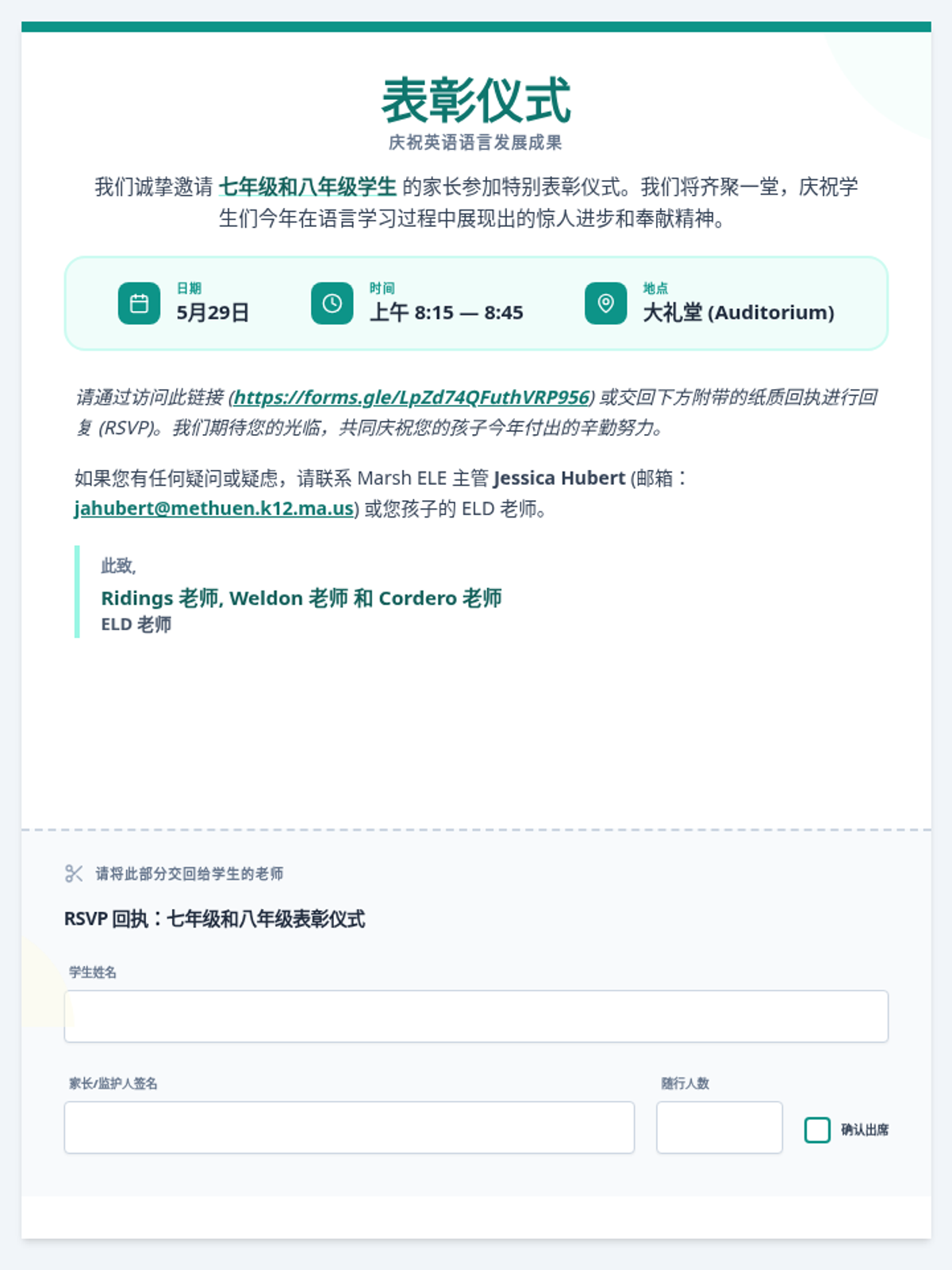
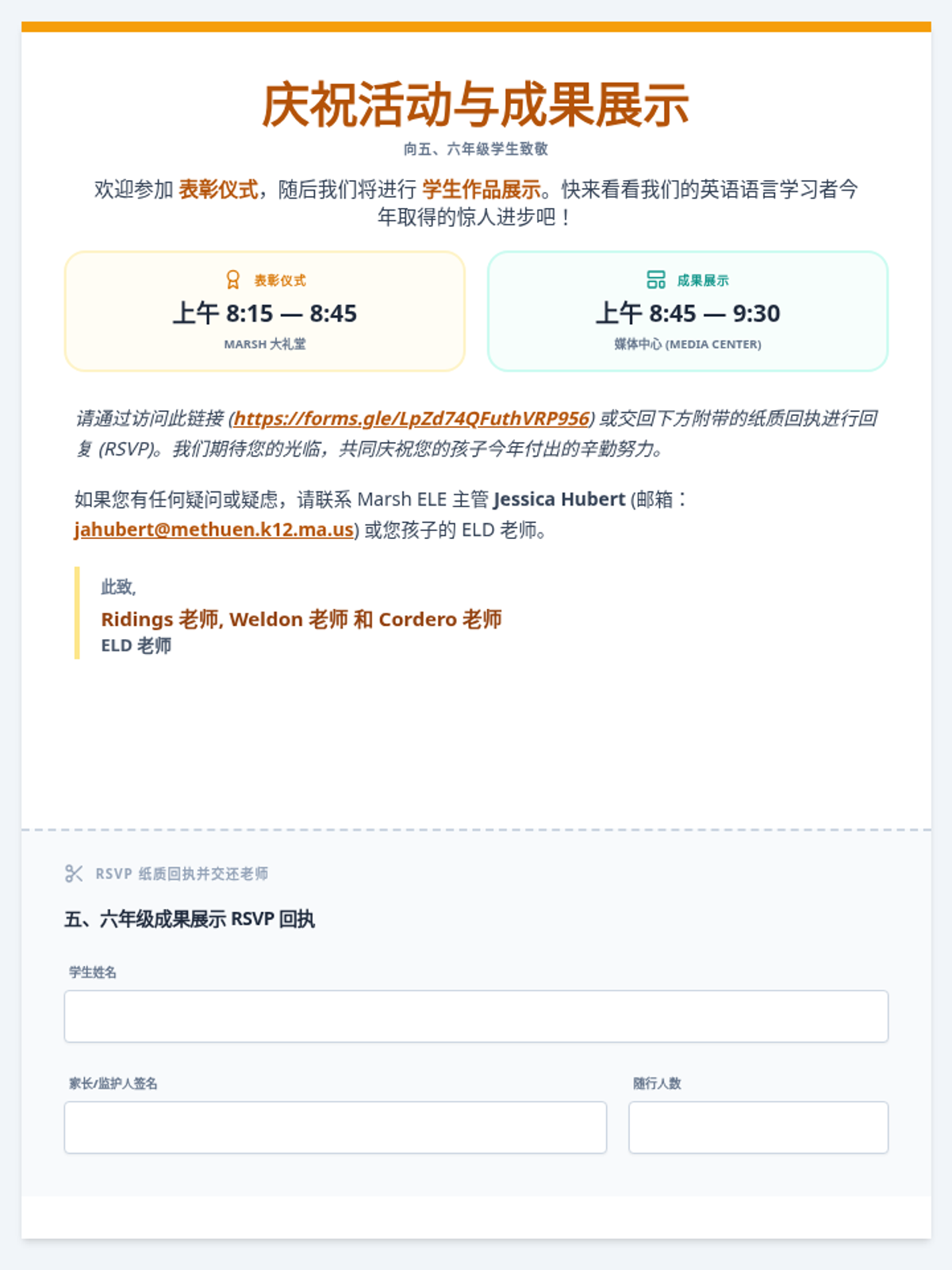
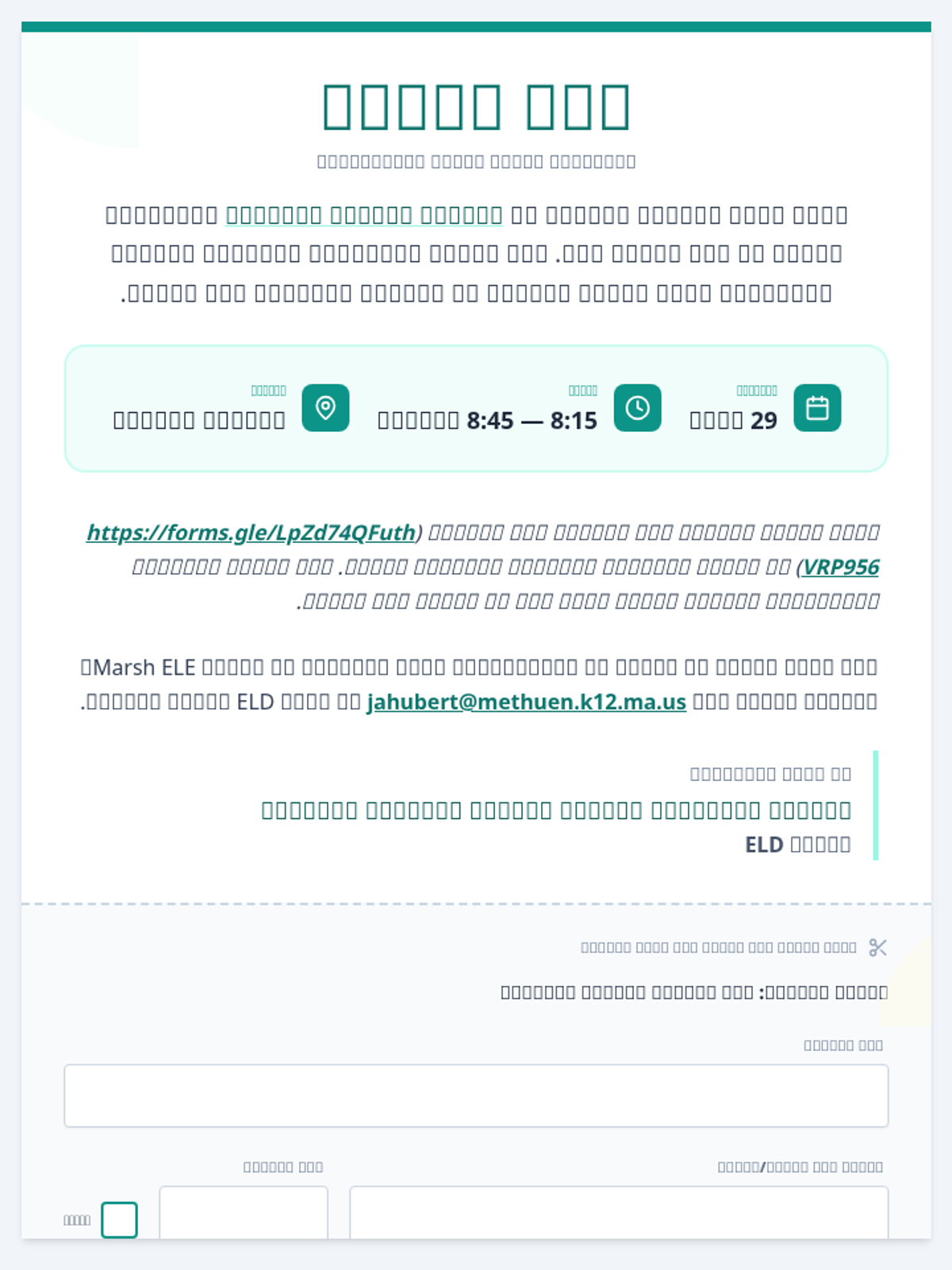
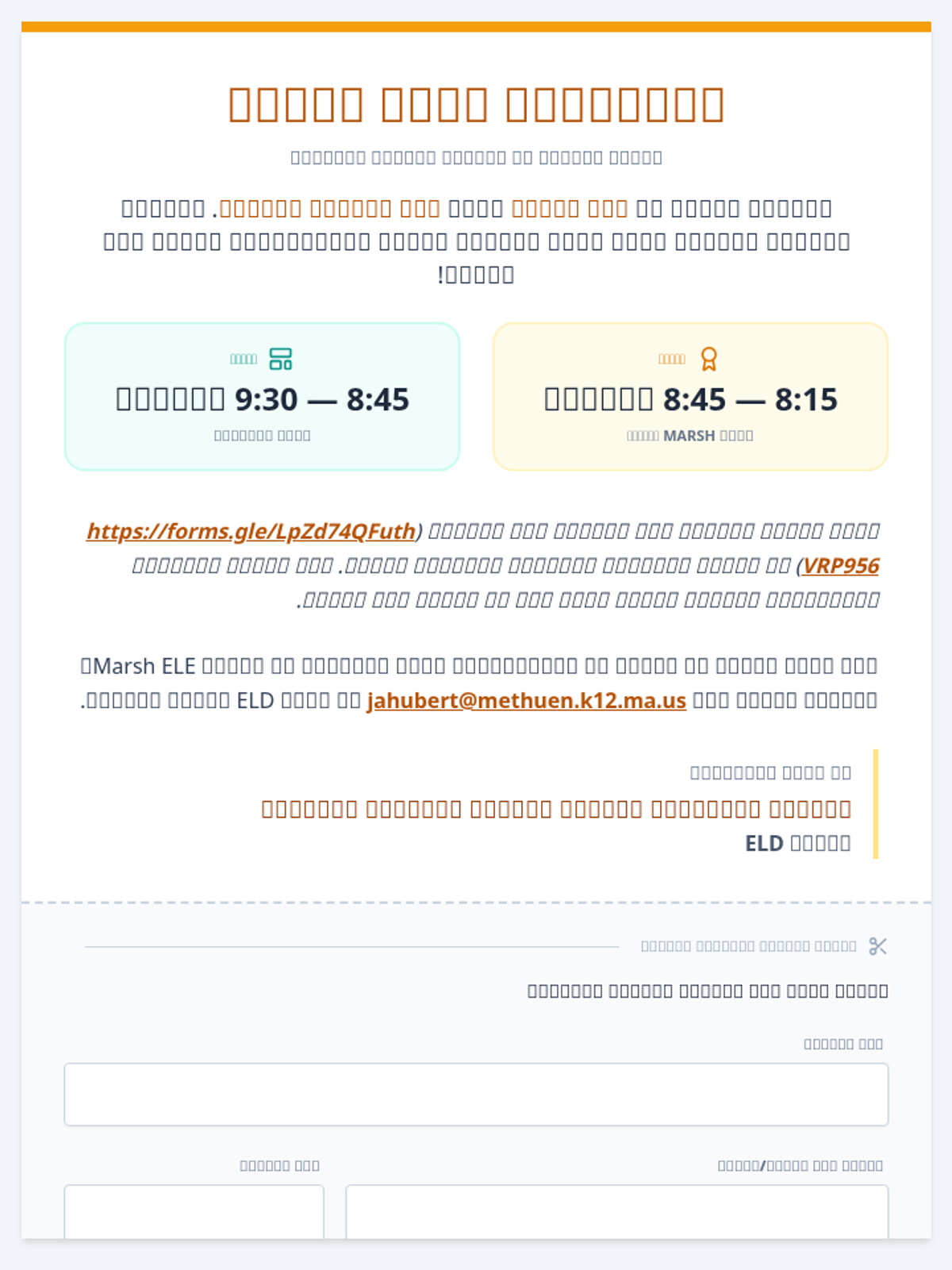
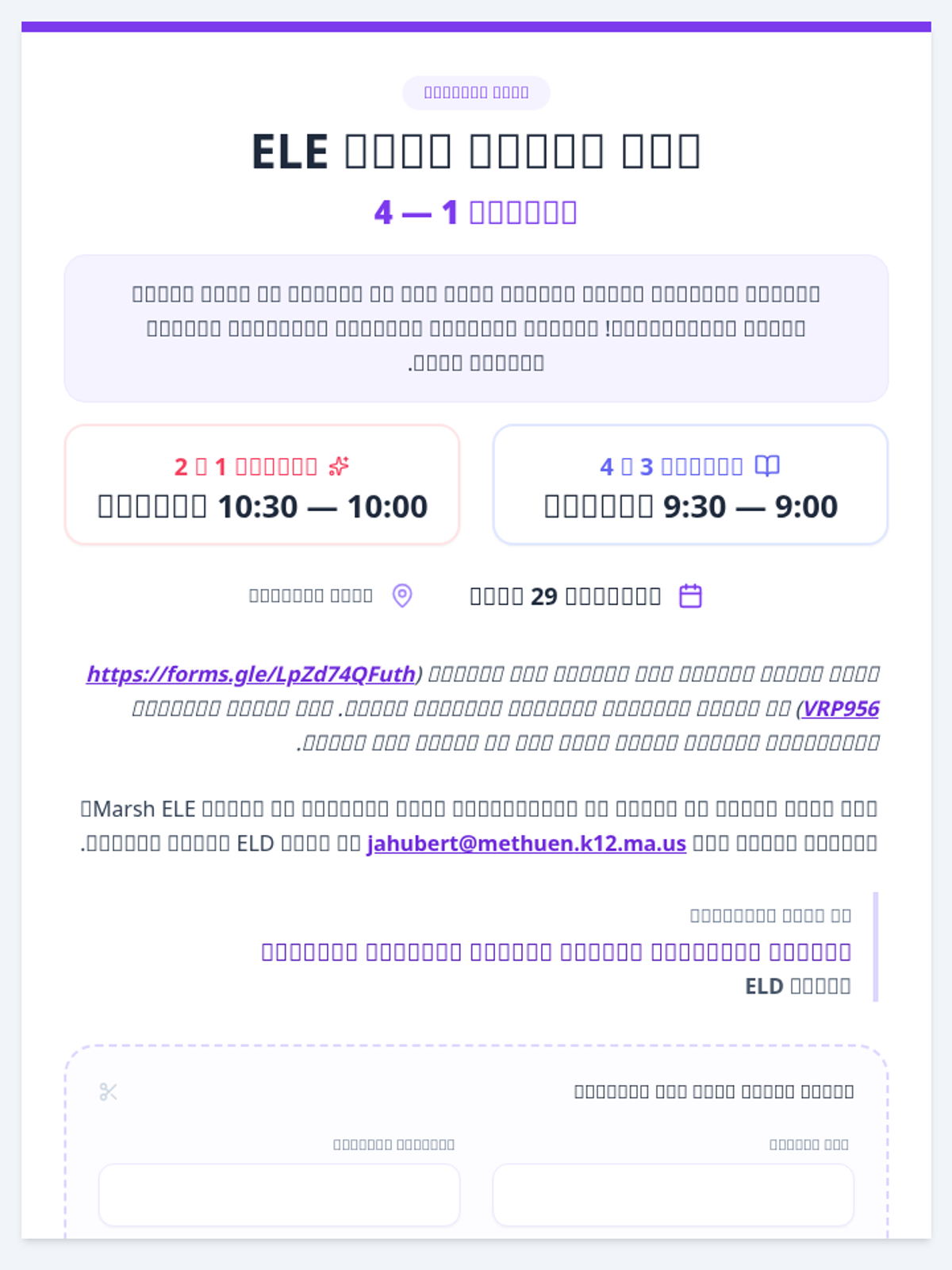
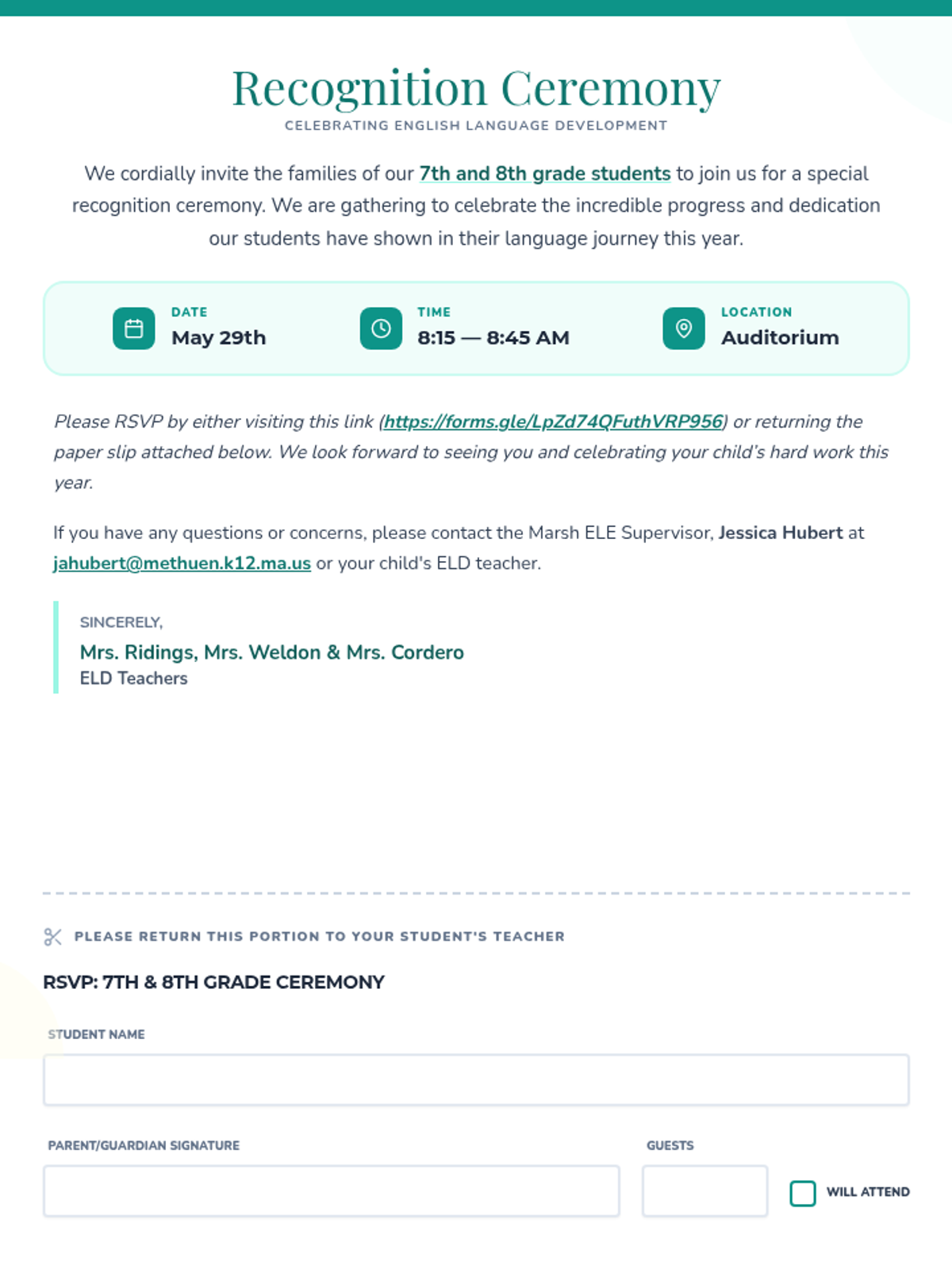
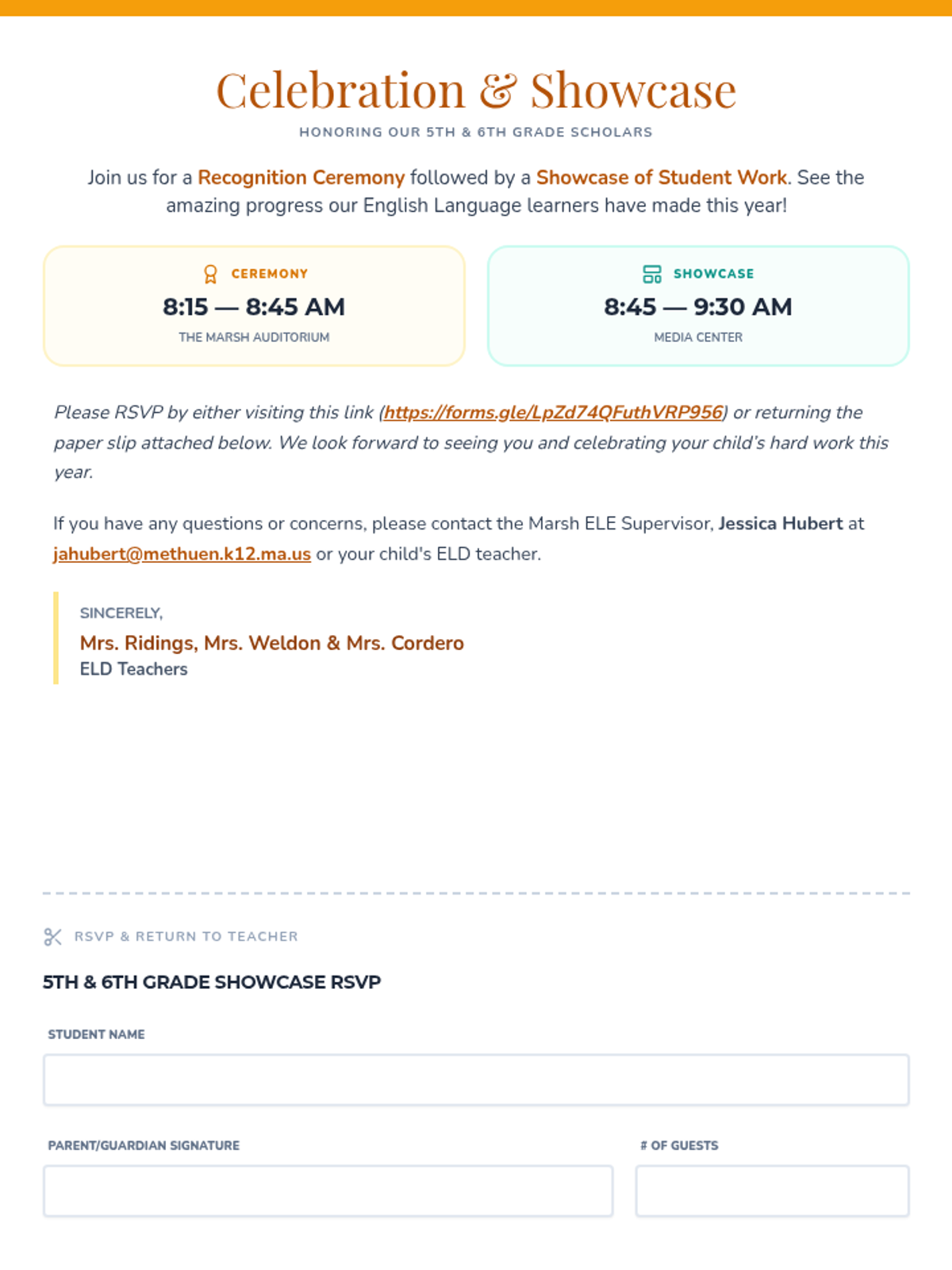
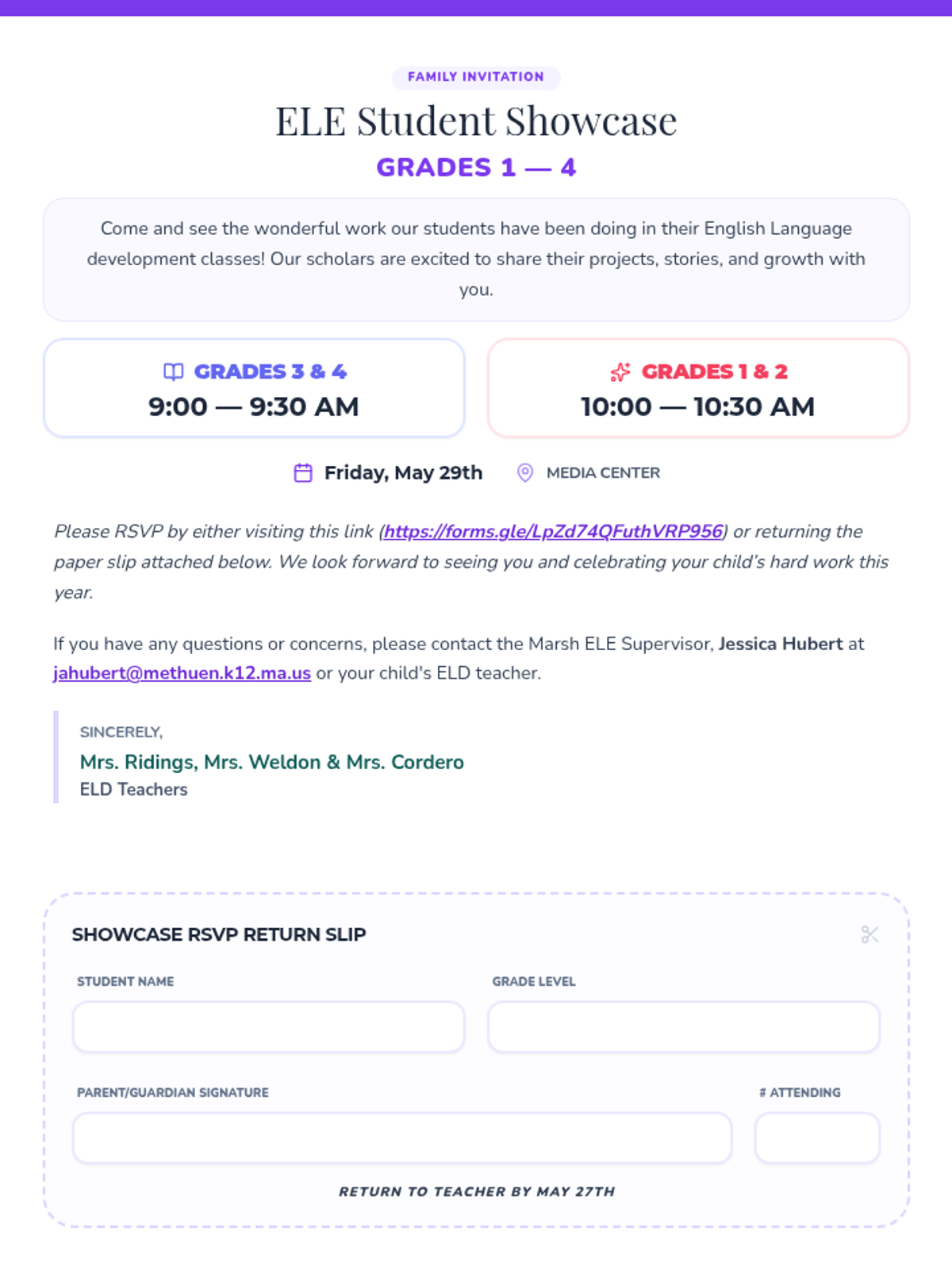
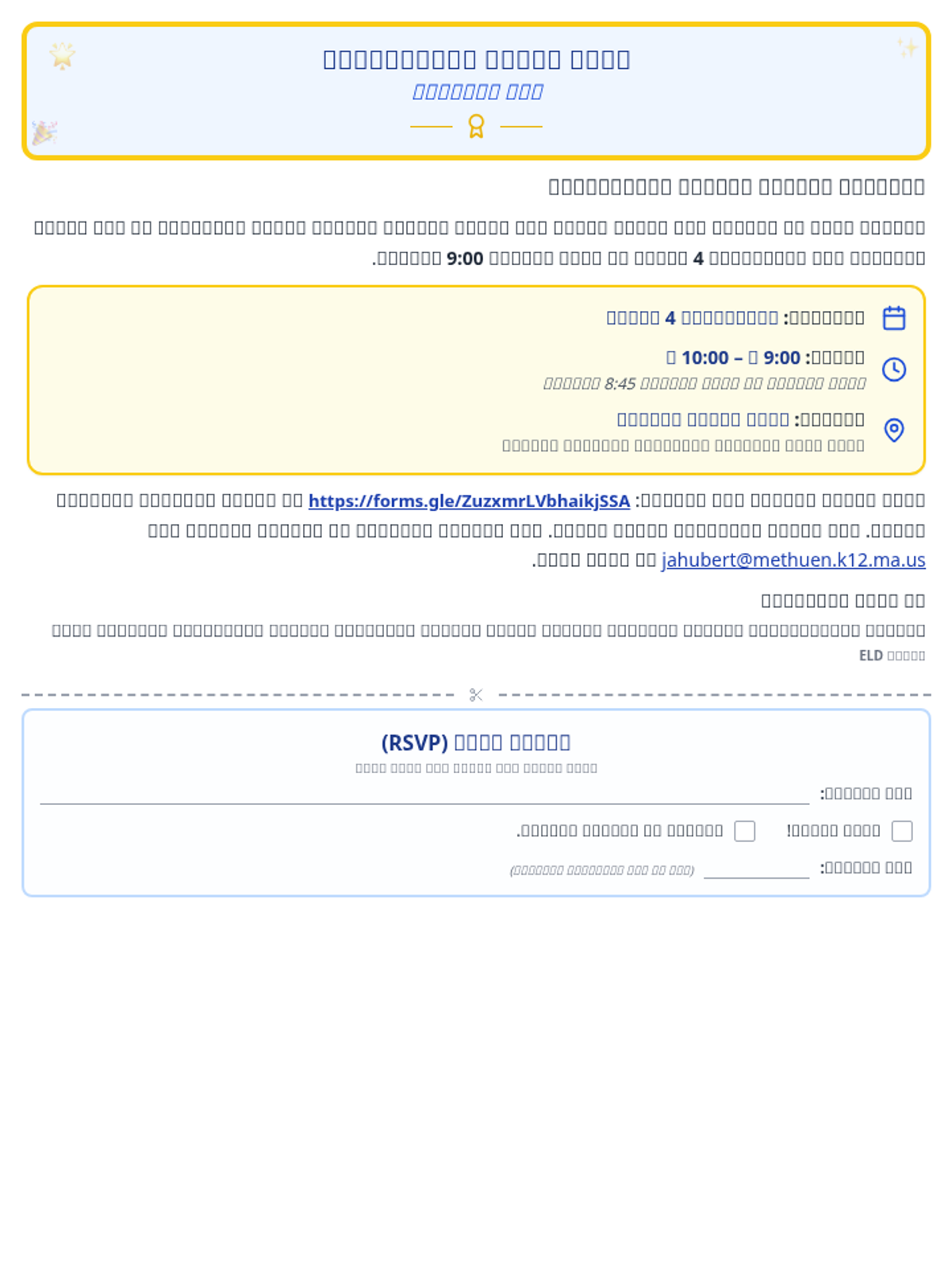
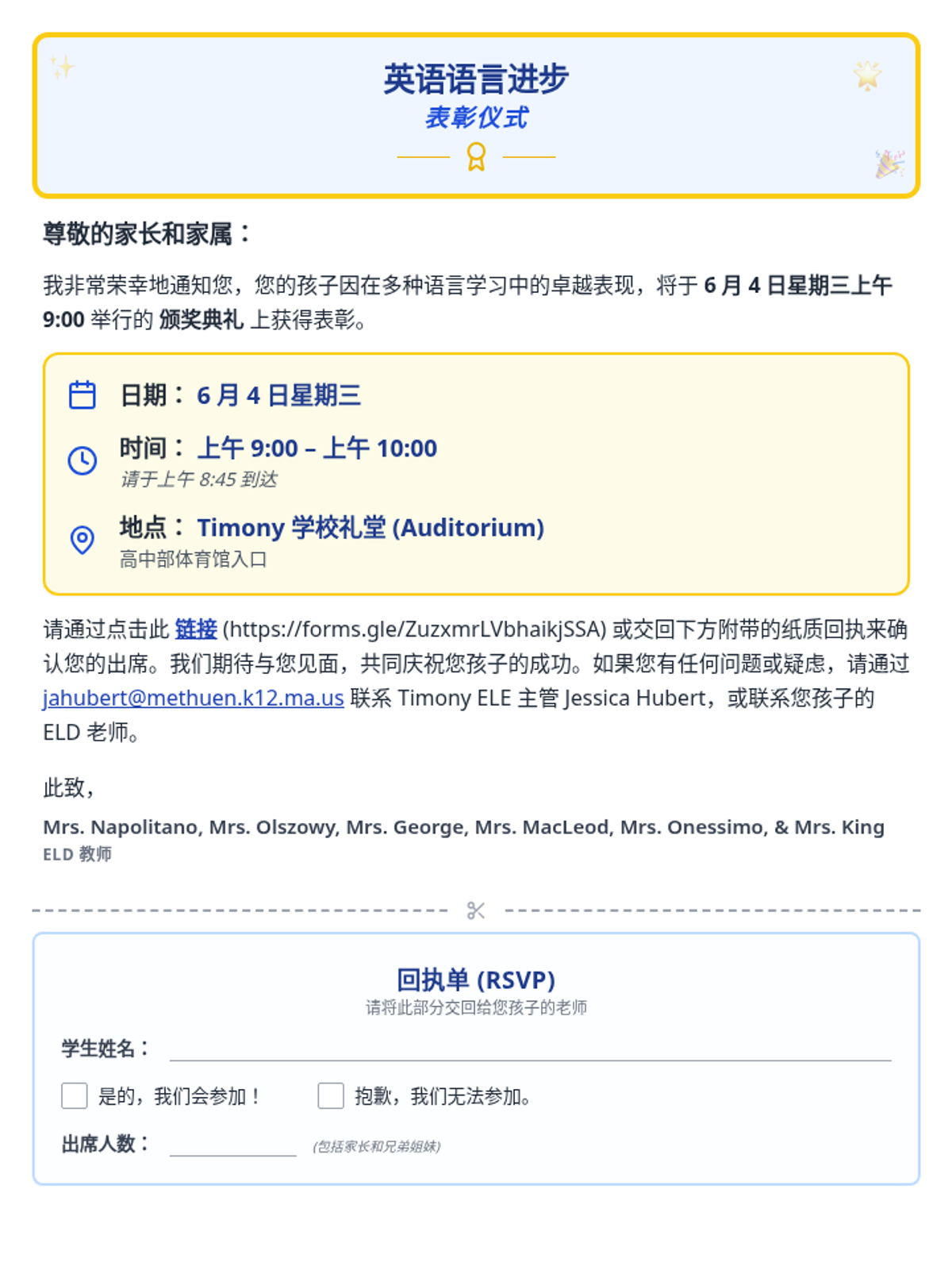
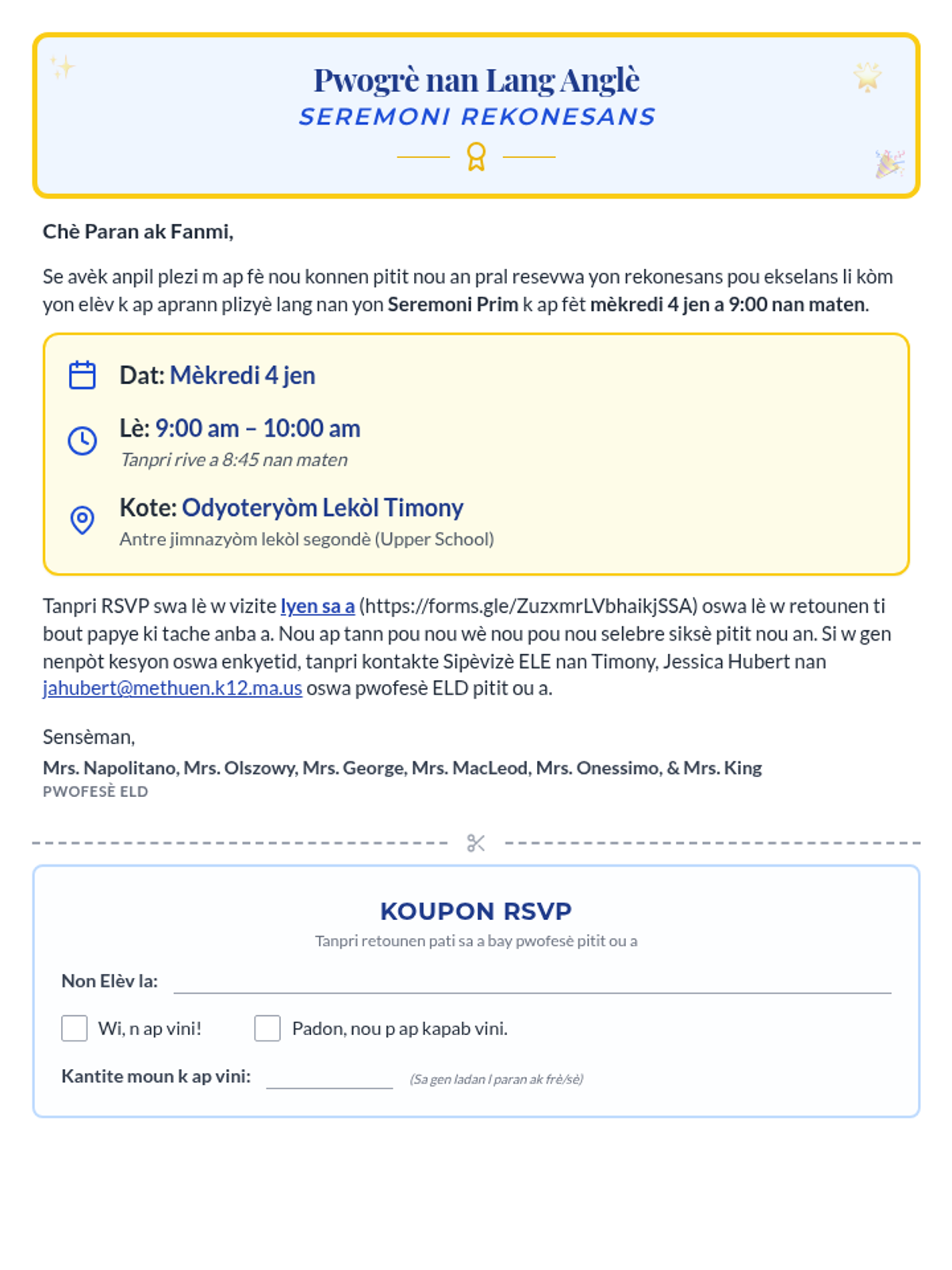
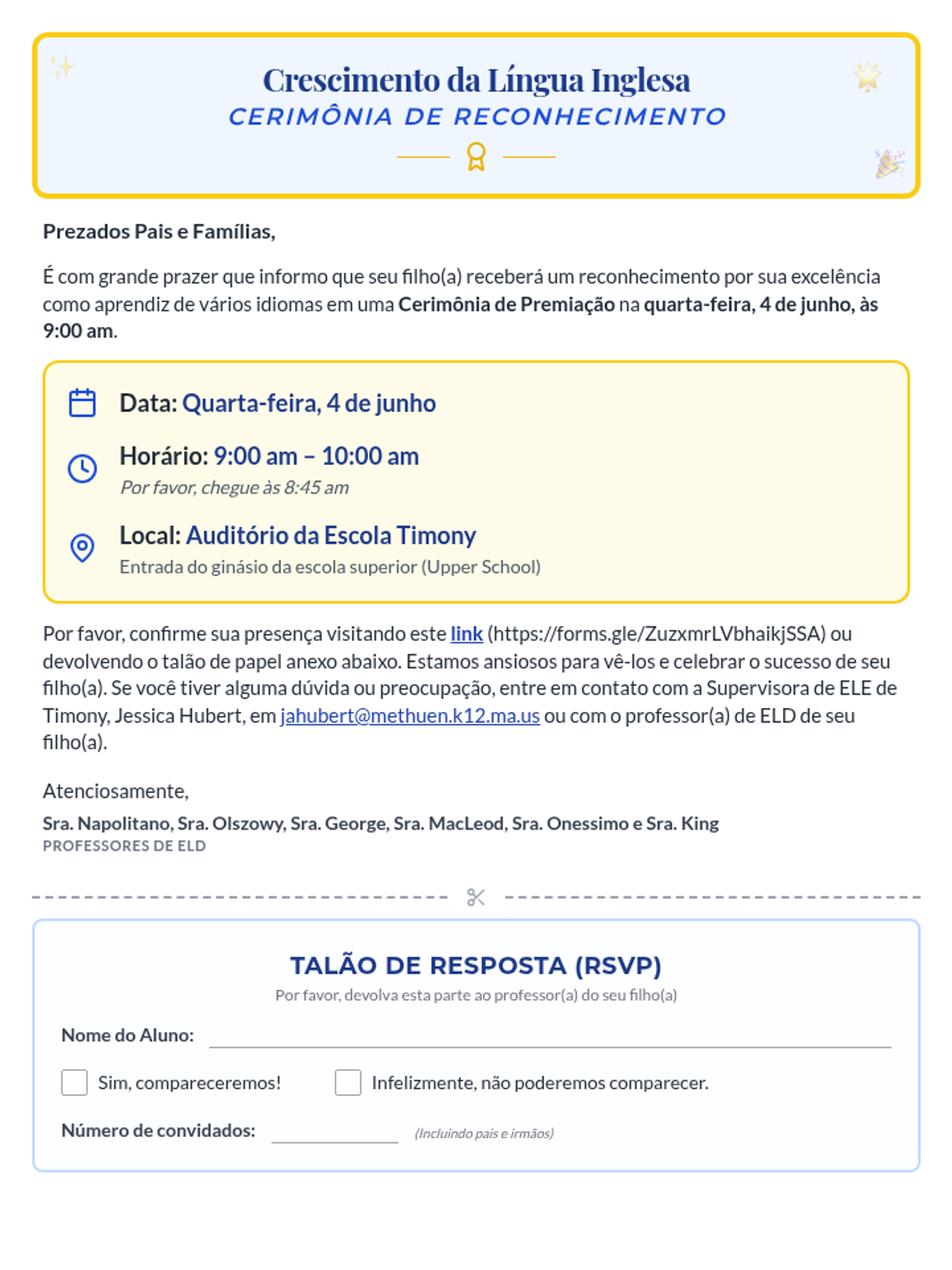
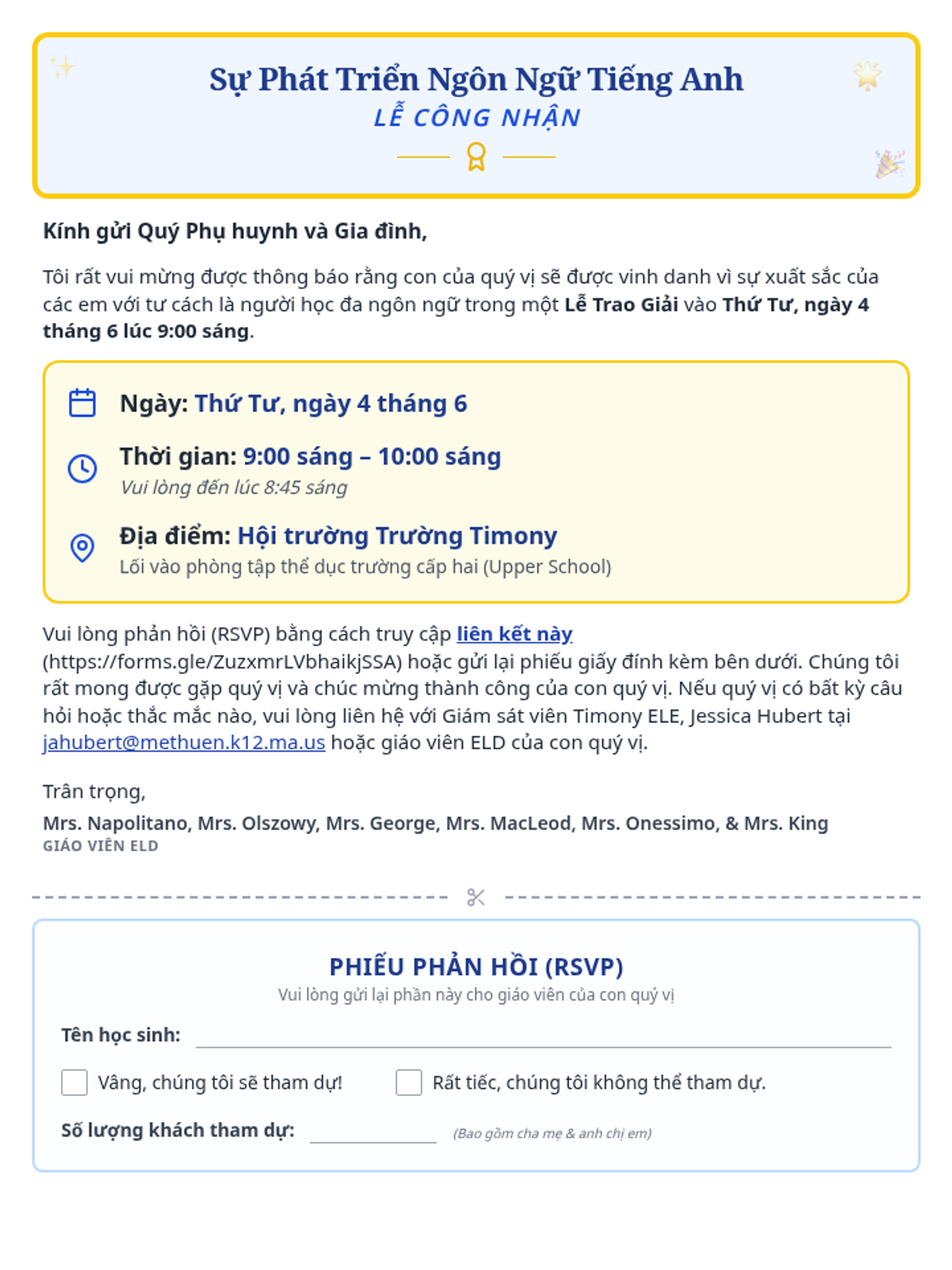
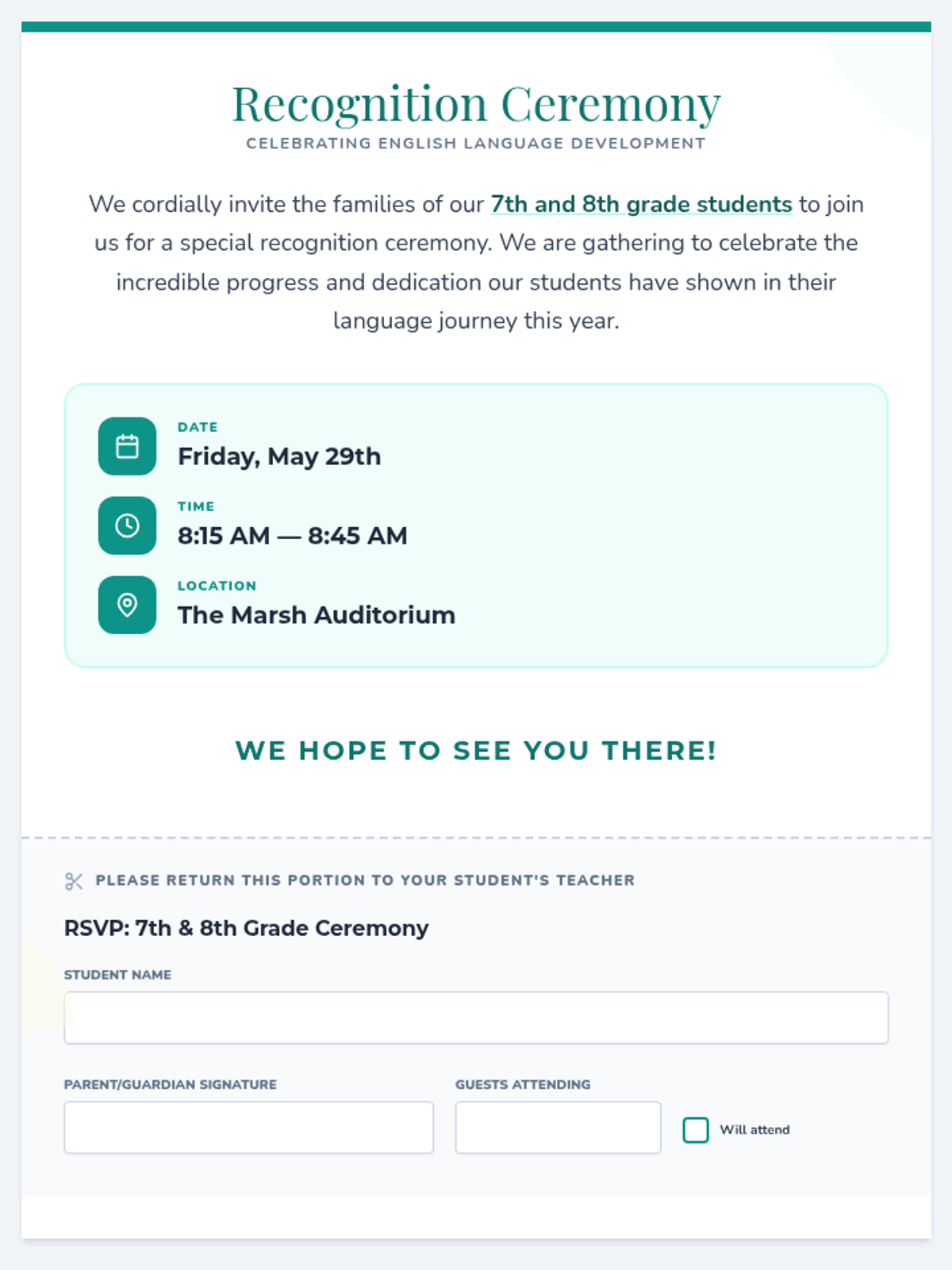
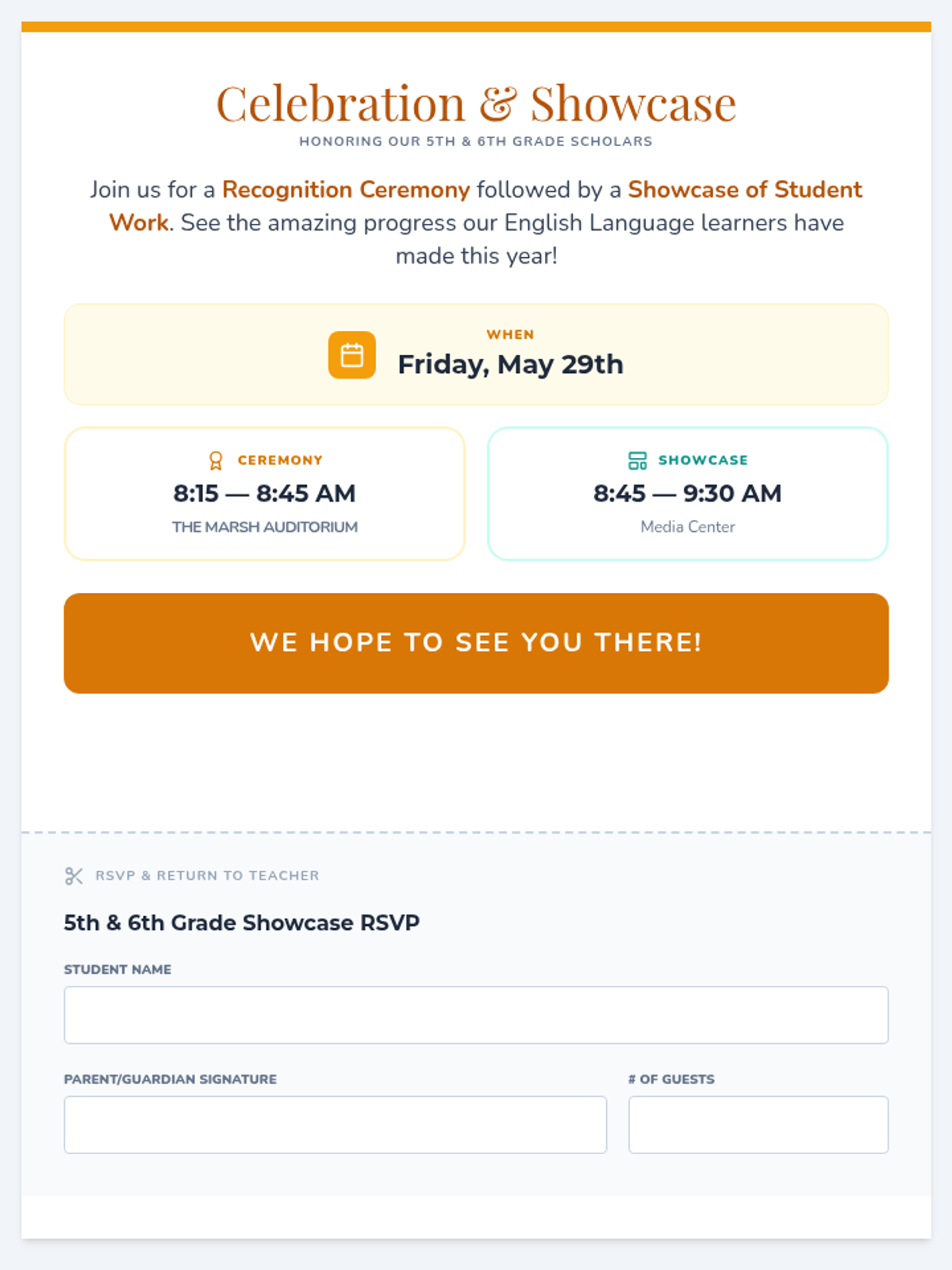
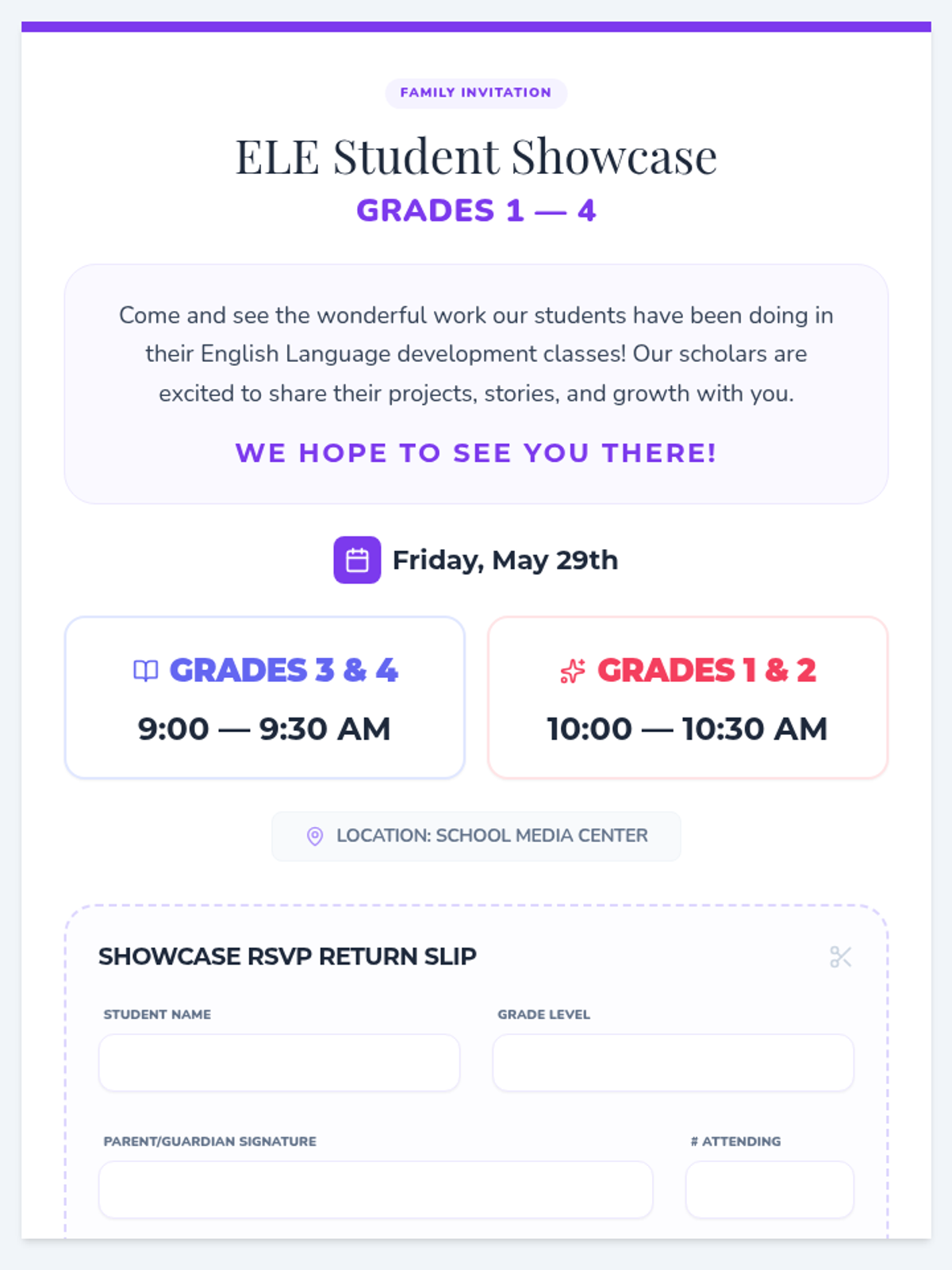
A collection of family invitation flyers for the English Language Education (ELE) showcase and recognition ceremonies across various grade levels. Each flyer includes specific timing, location details, and a return slip for RSVPs.
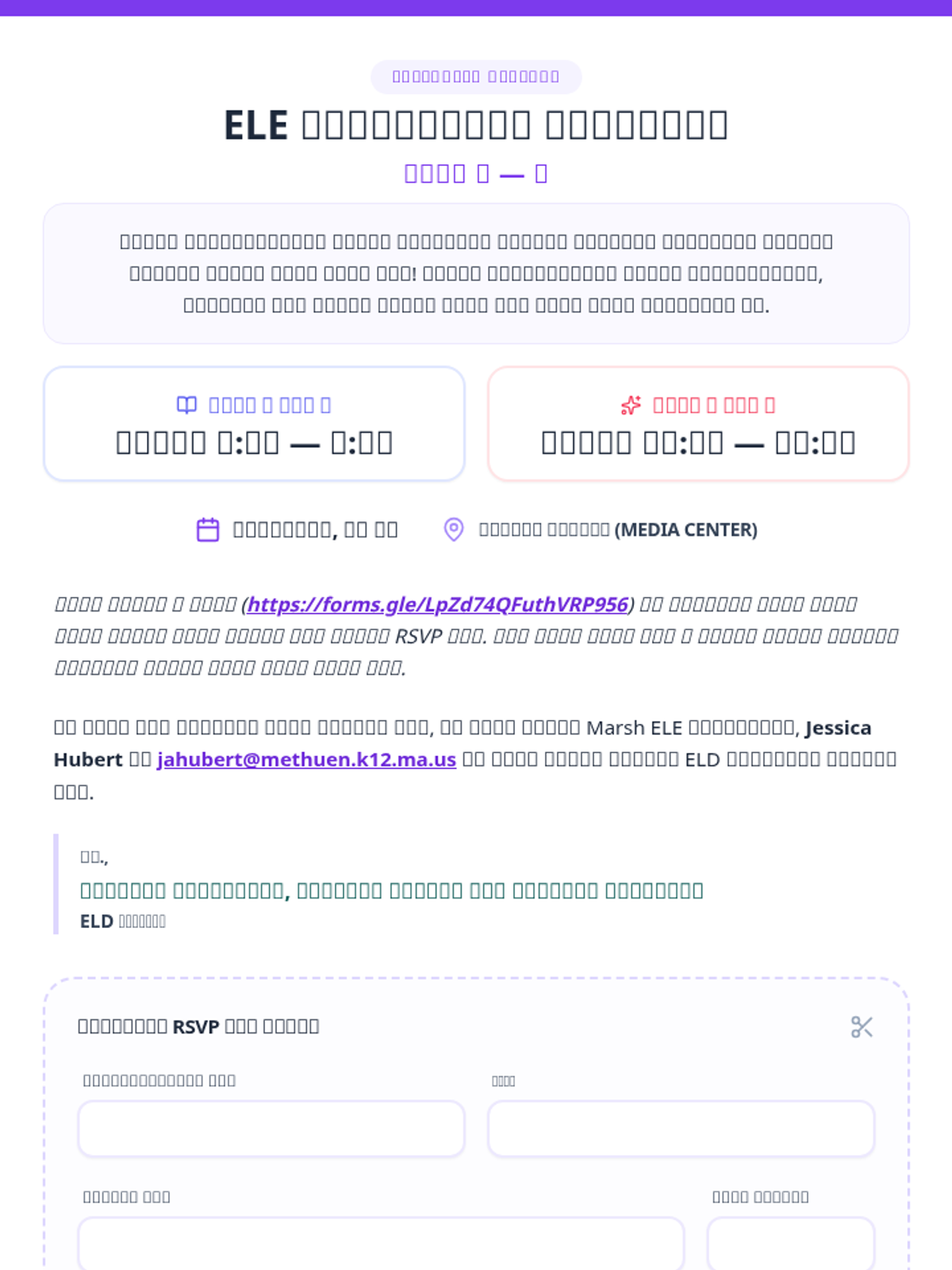
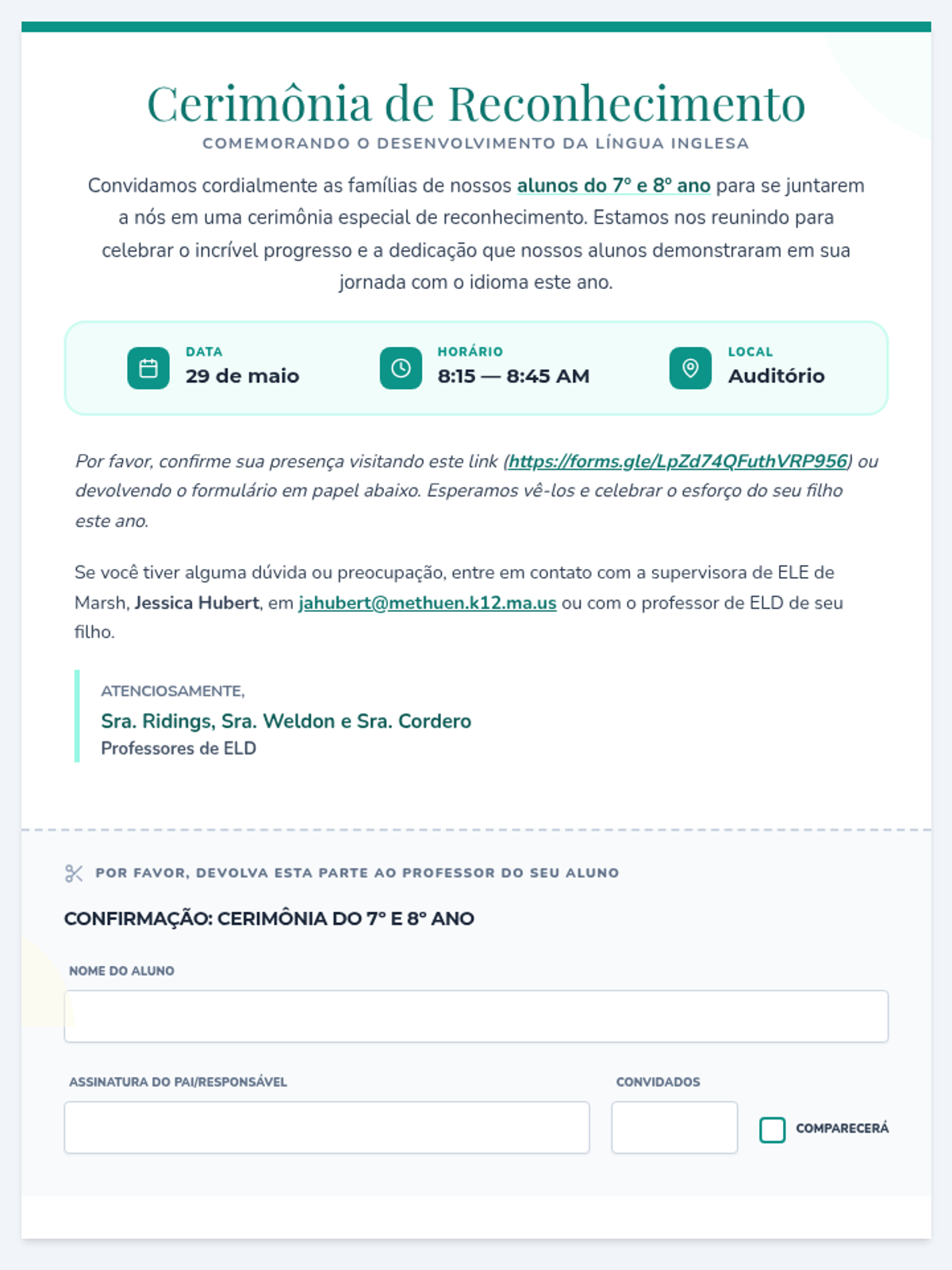
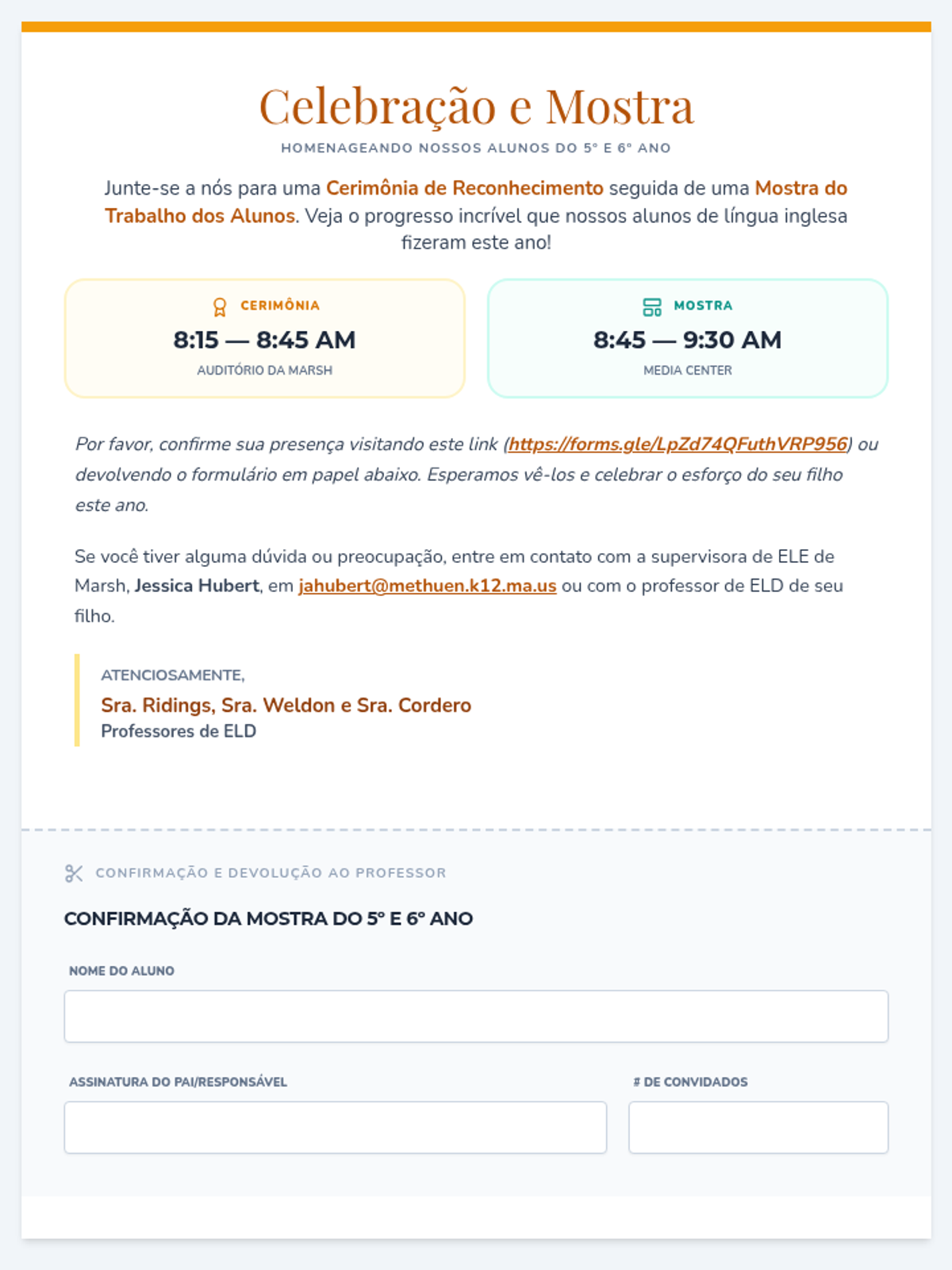
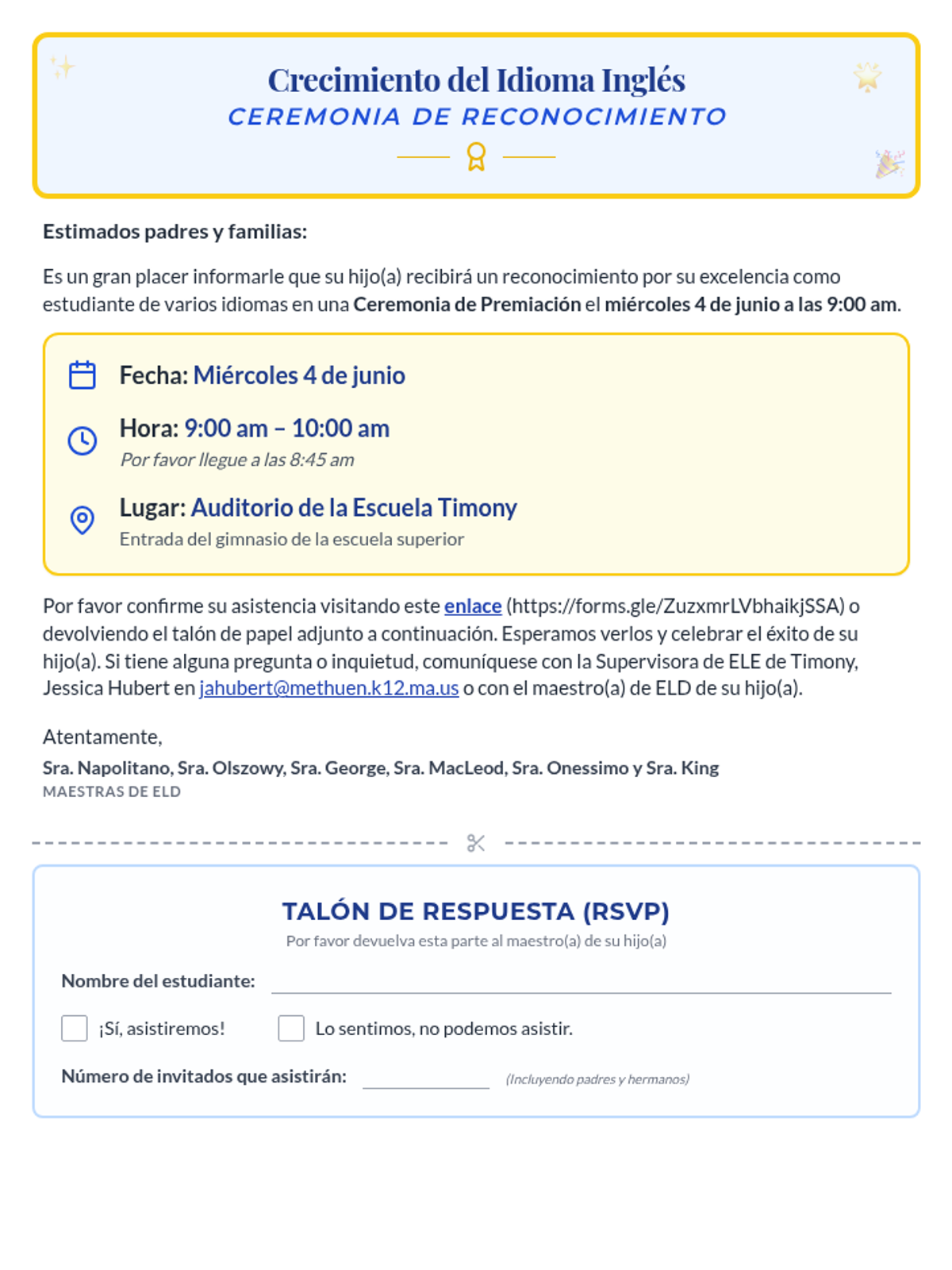
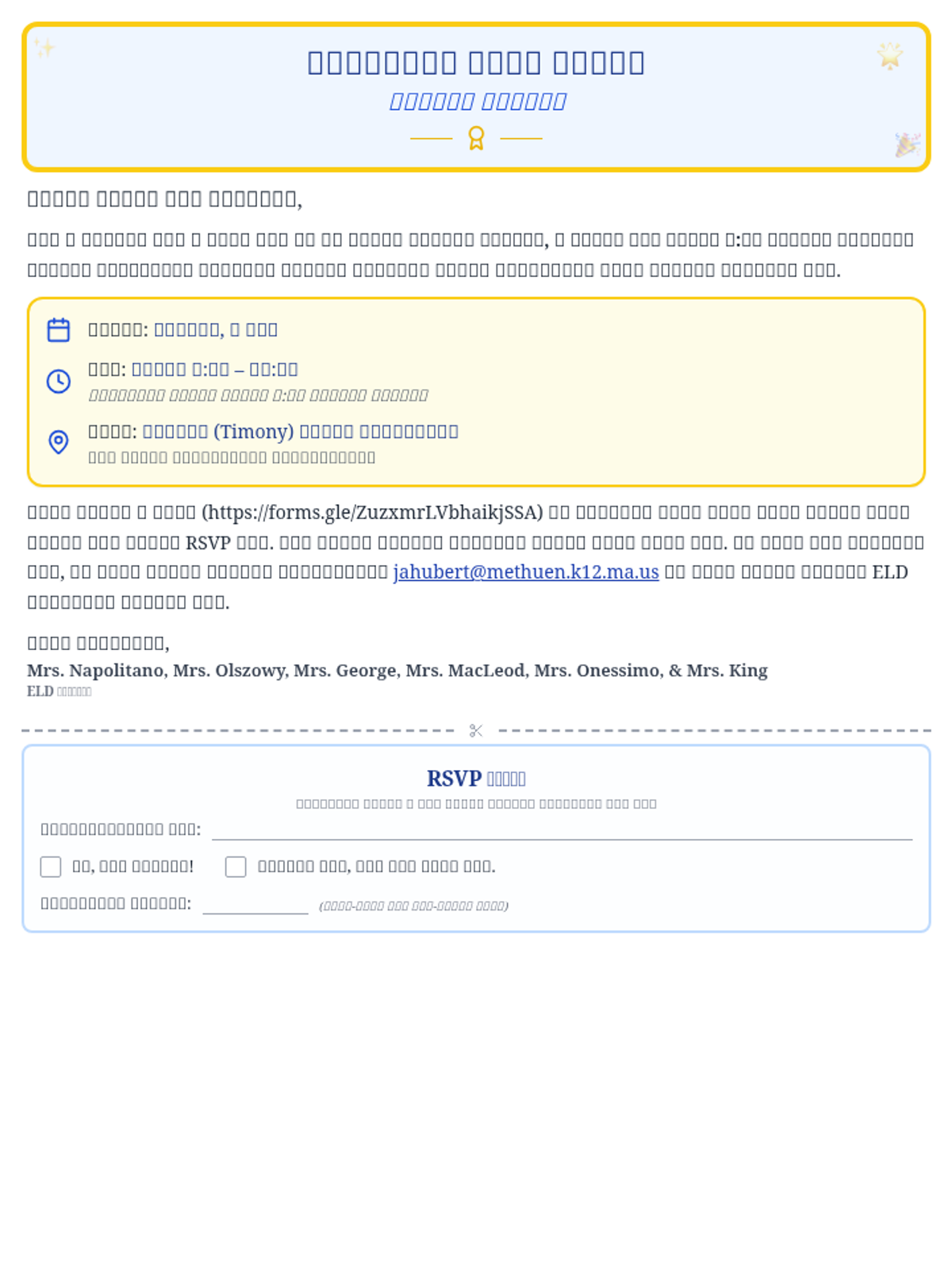
A collection of invitation forms in multiple languages for the English Language Growth Recognition Ceremony, ensuring all families can participate and celebrate student success.
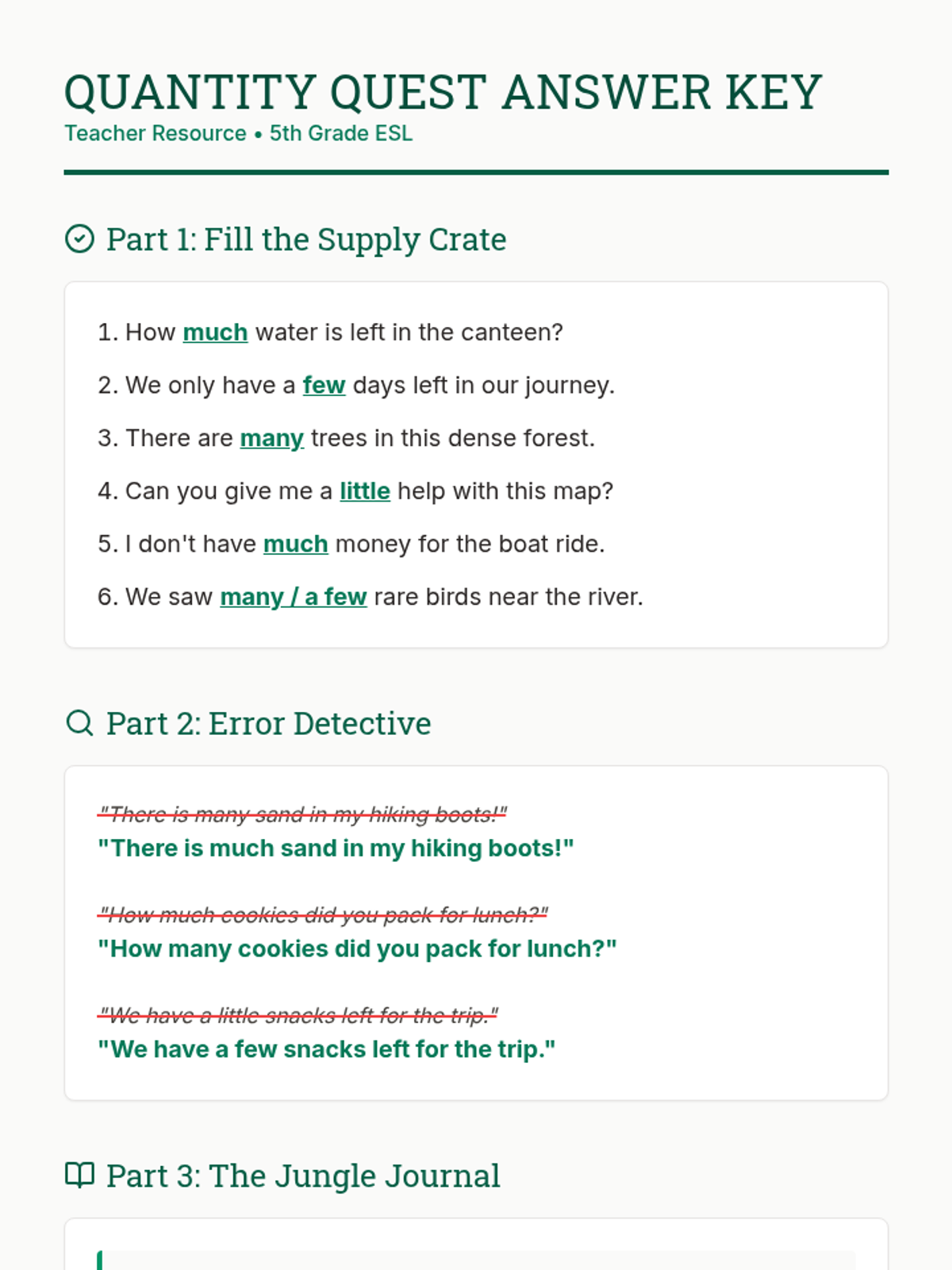
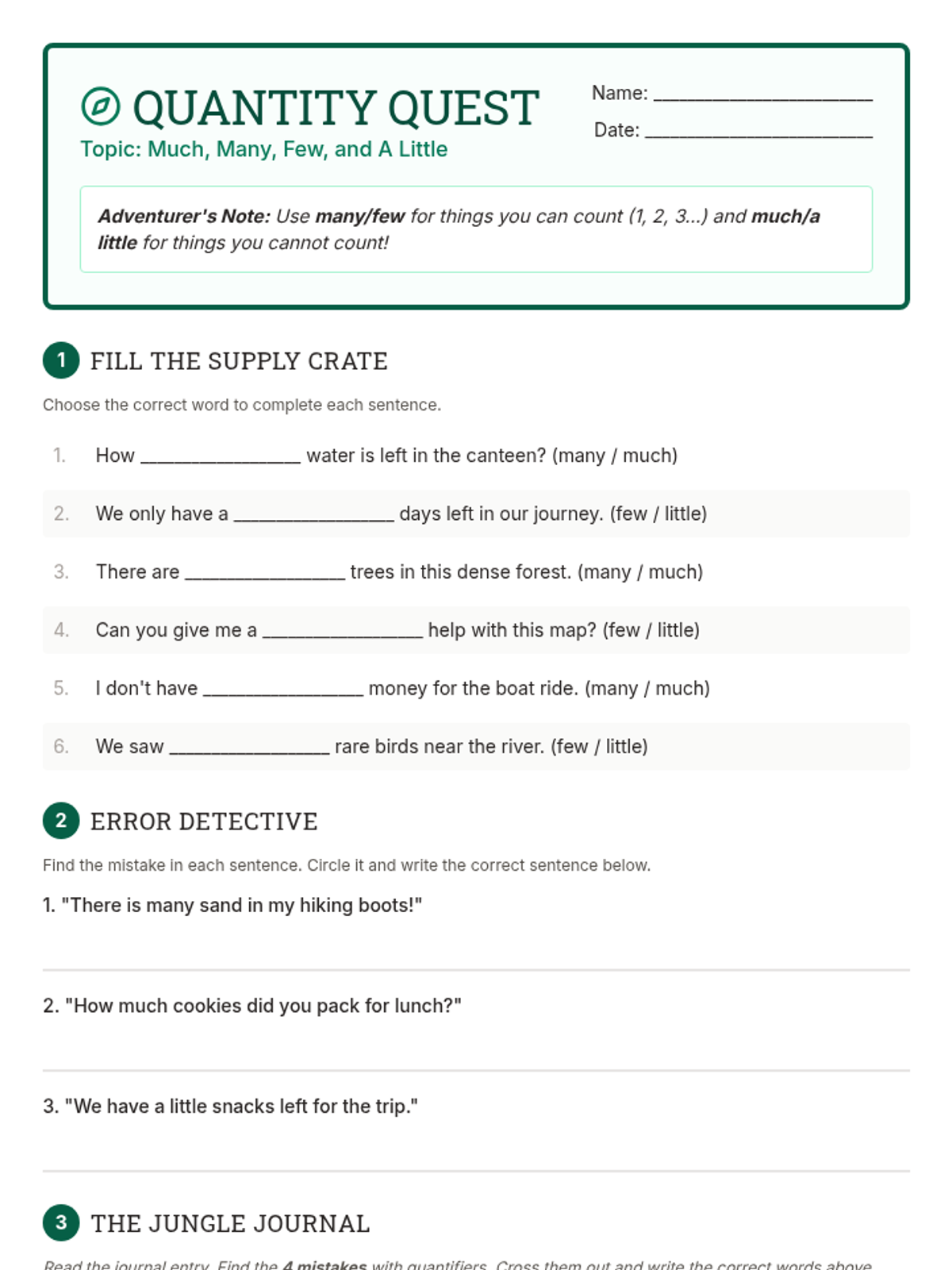
A lesson for 5th grade ESL students to master the use of quantifiers: many, much, few, and a little, focusing on the distinction between countable and uncountable nouns.
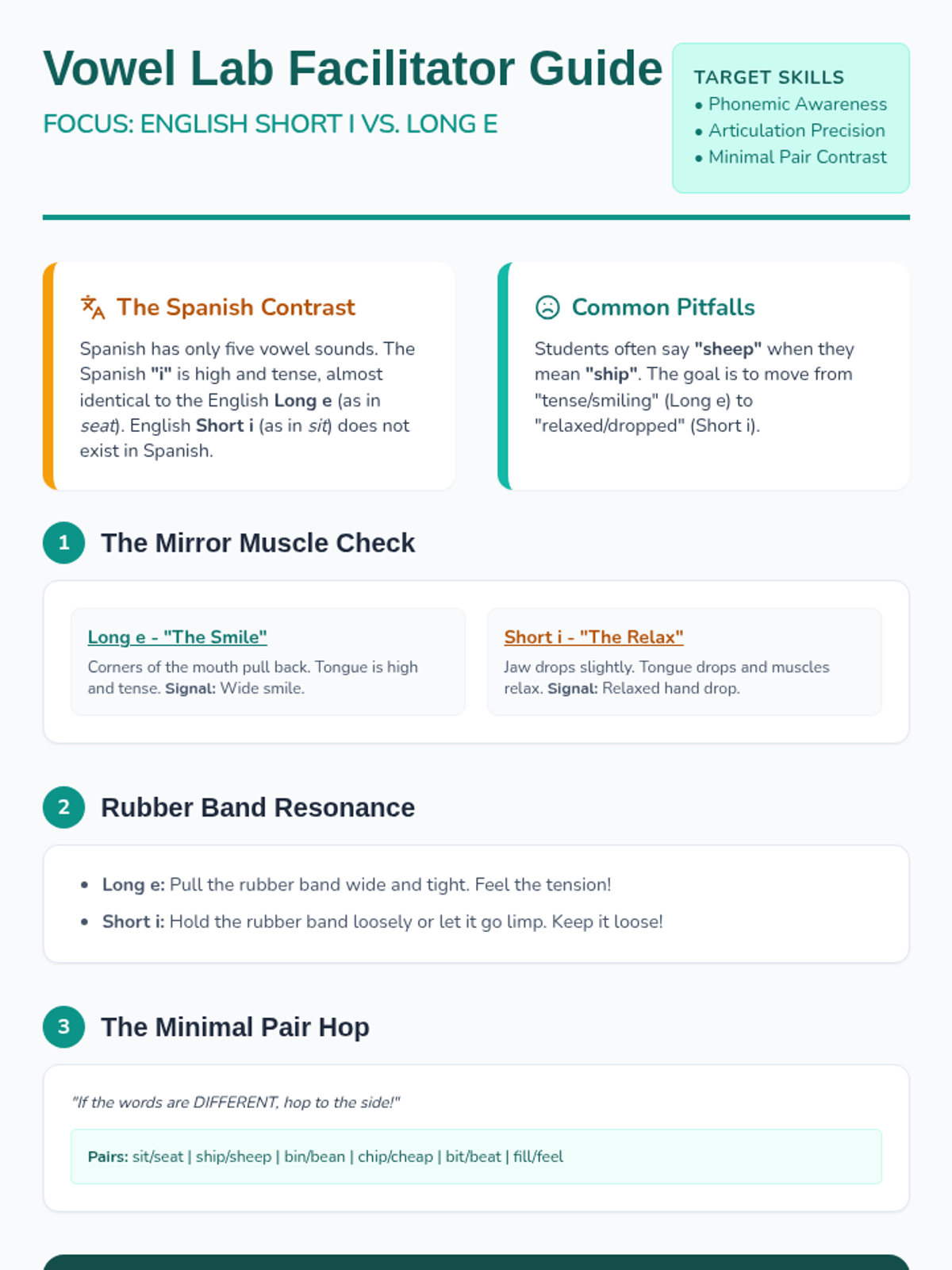
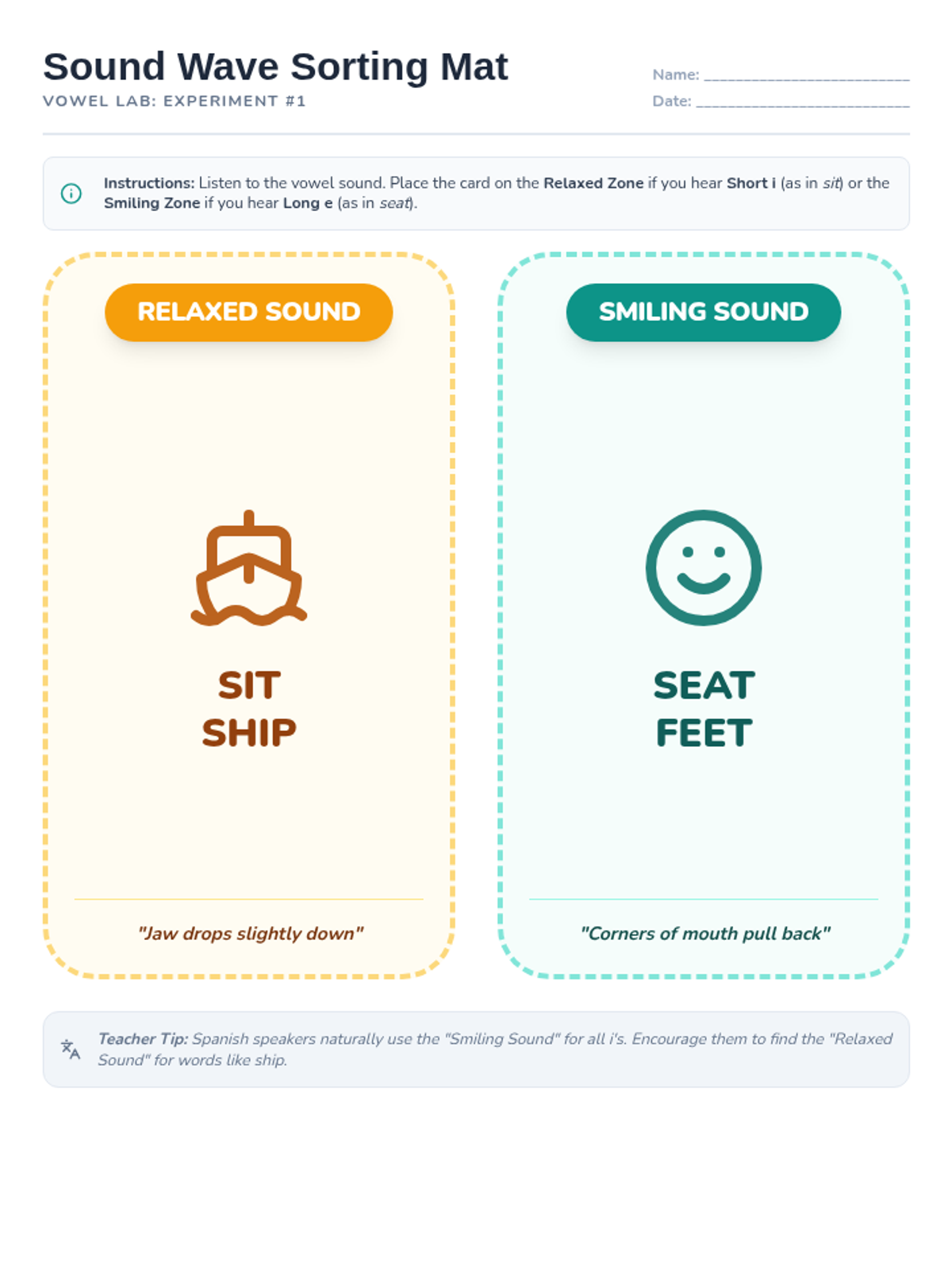
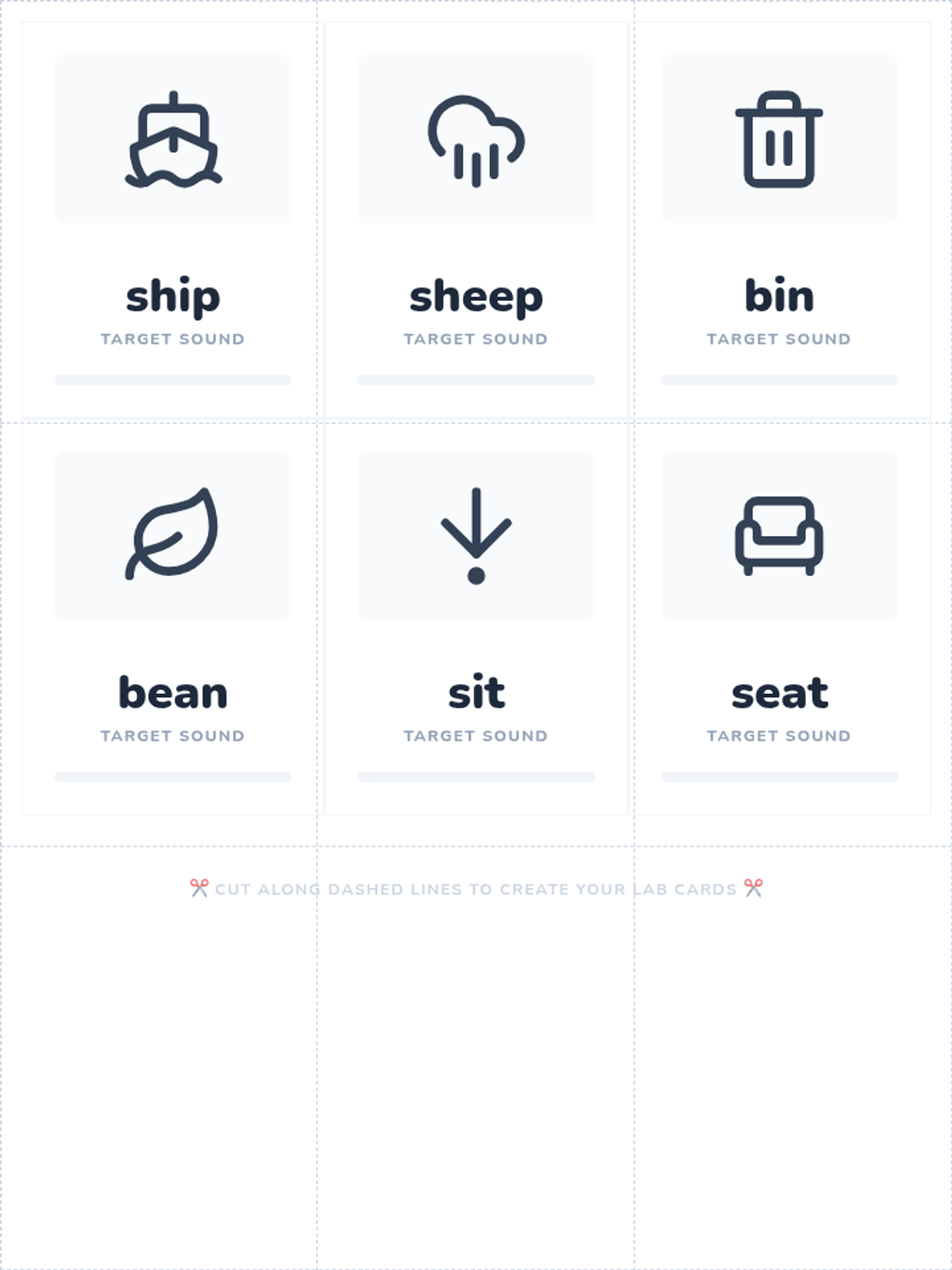
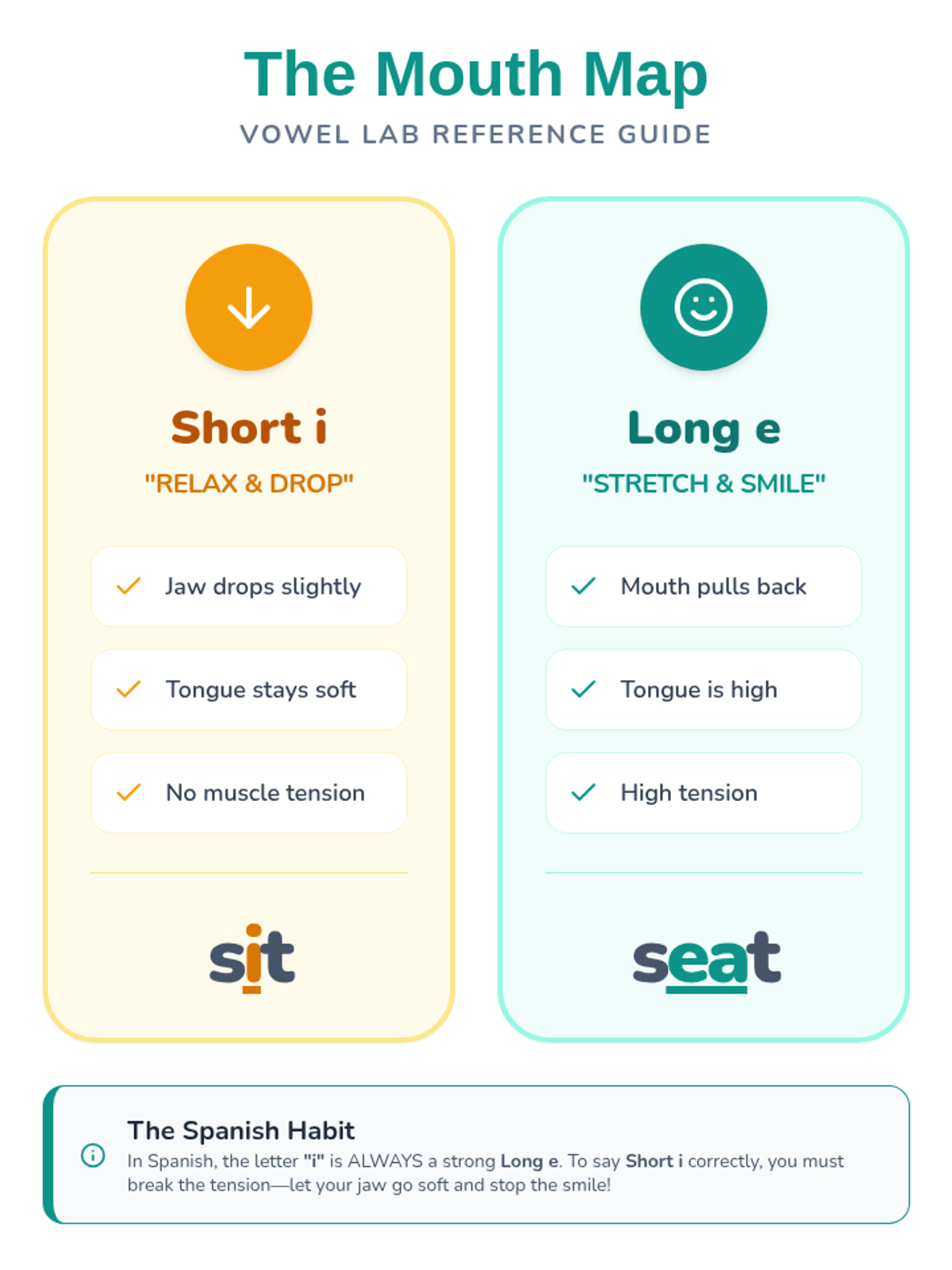
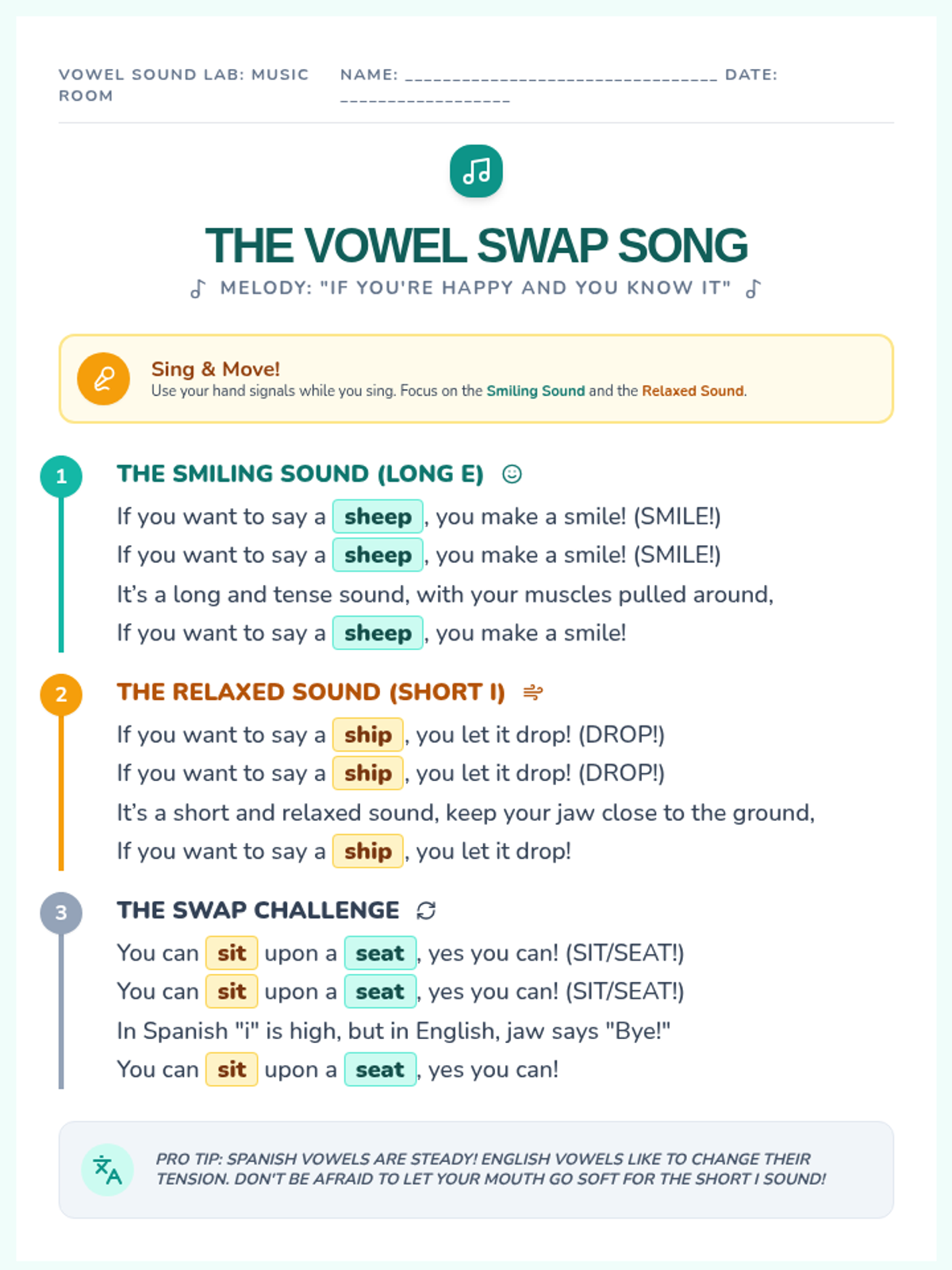
A multisensory lesson focusing on the phonetic distinction between the English short /ɪ/ and long /i/ sounds, specifically designed for students bridging from Spanish.
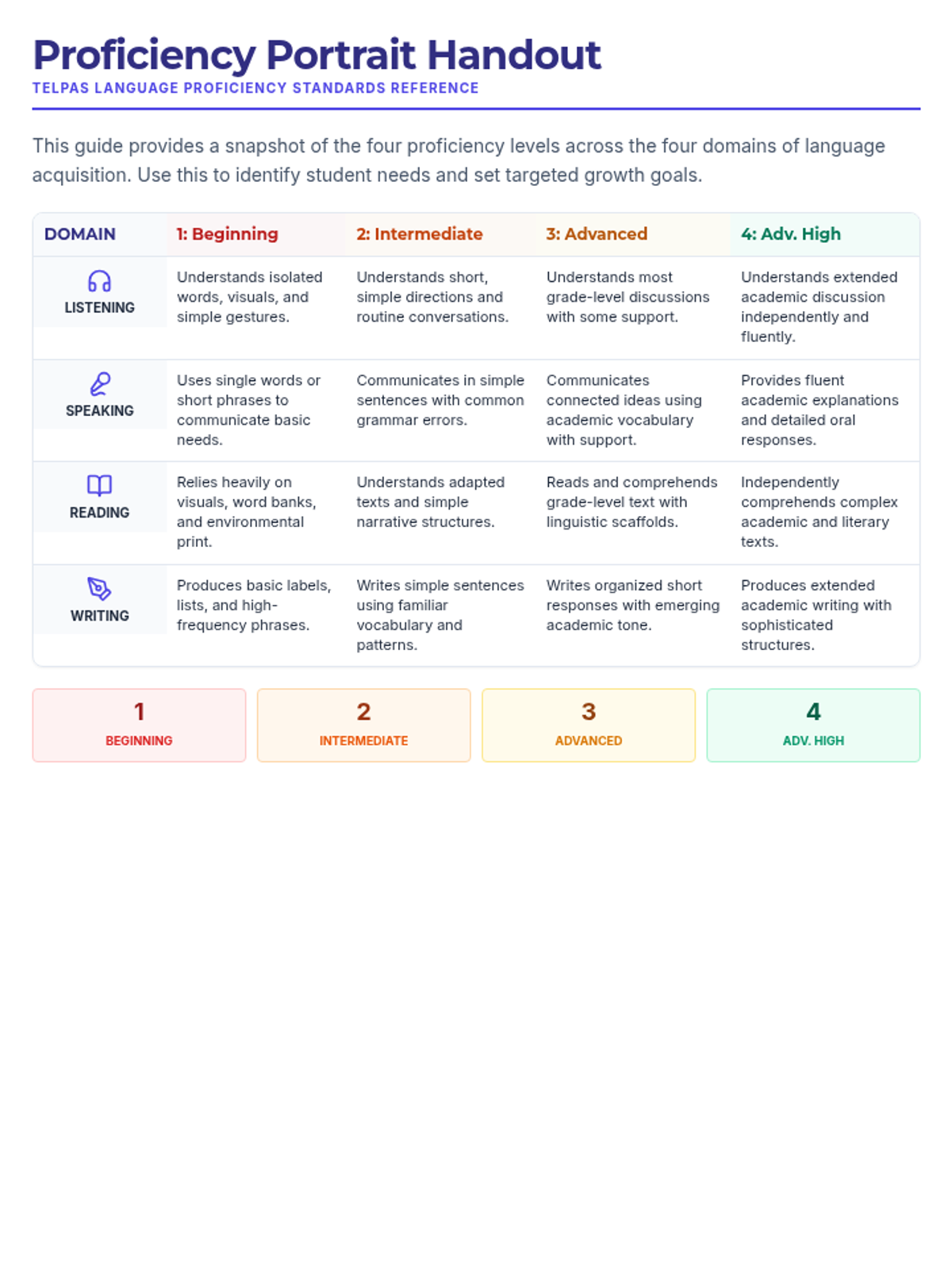
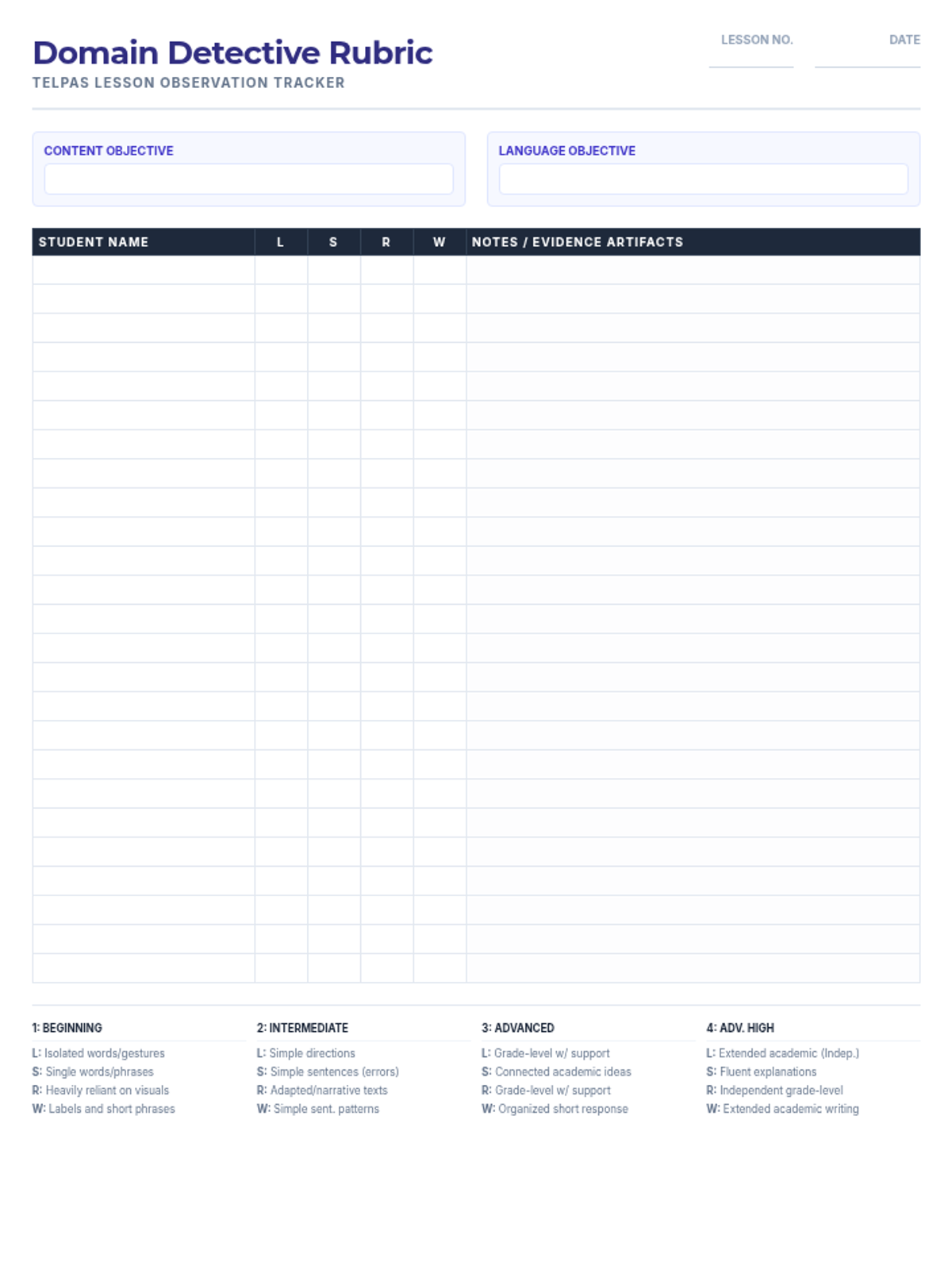
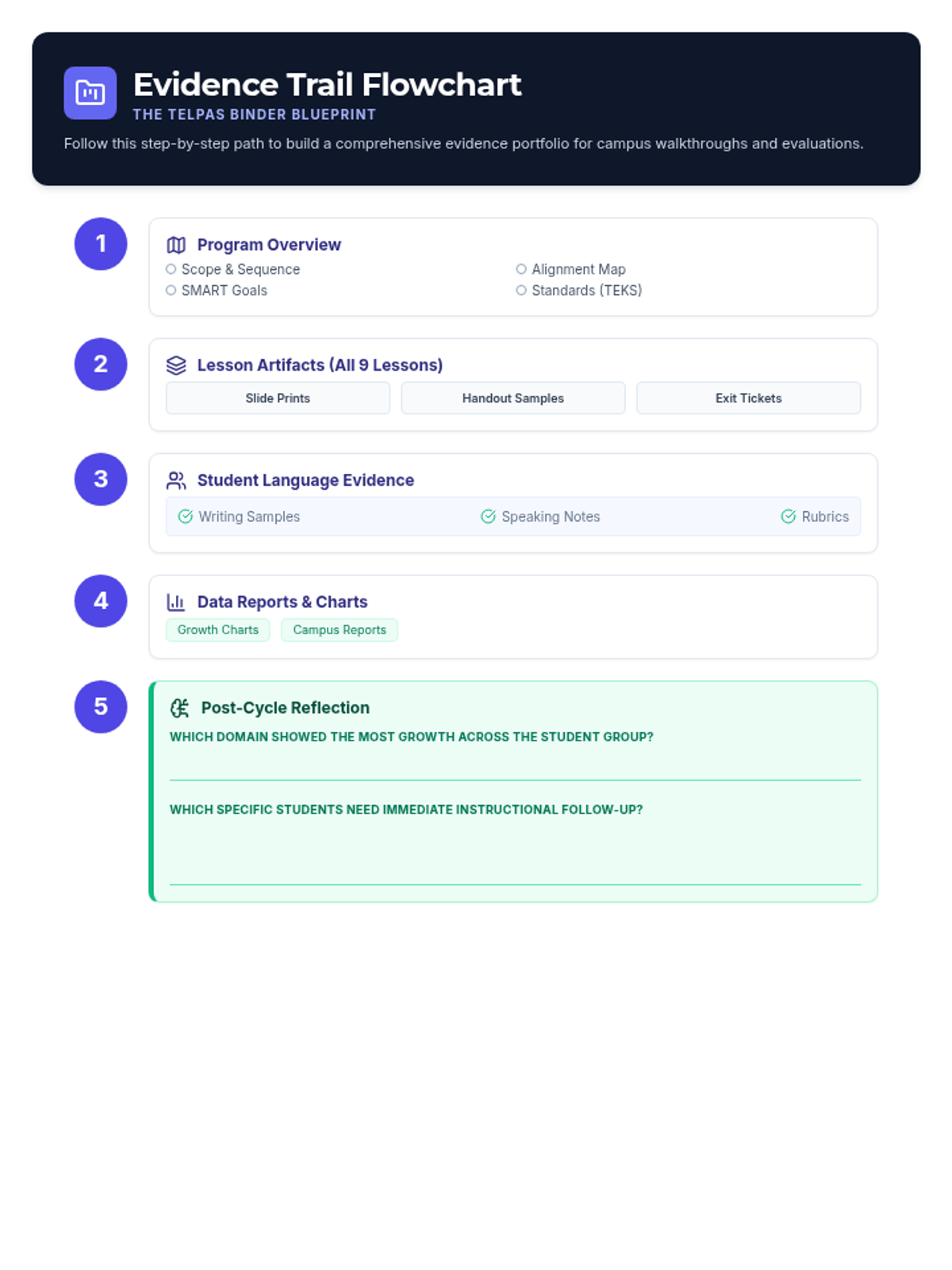
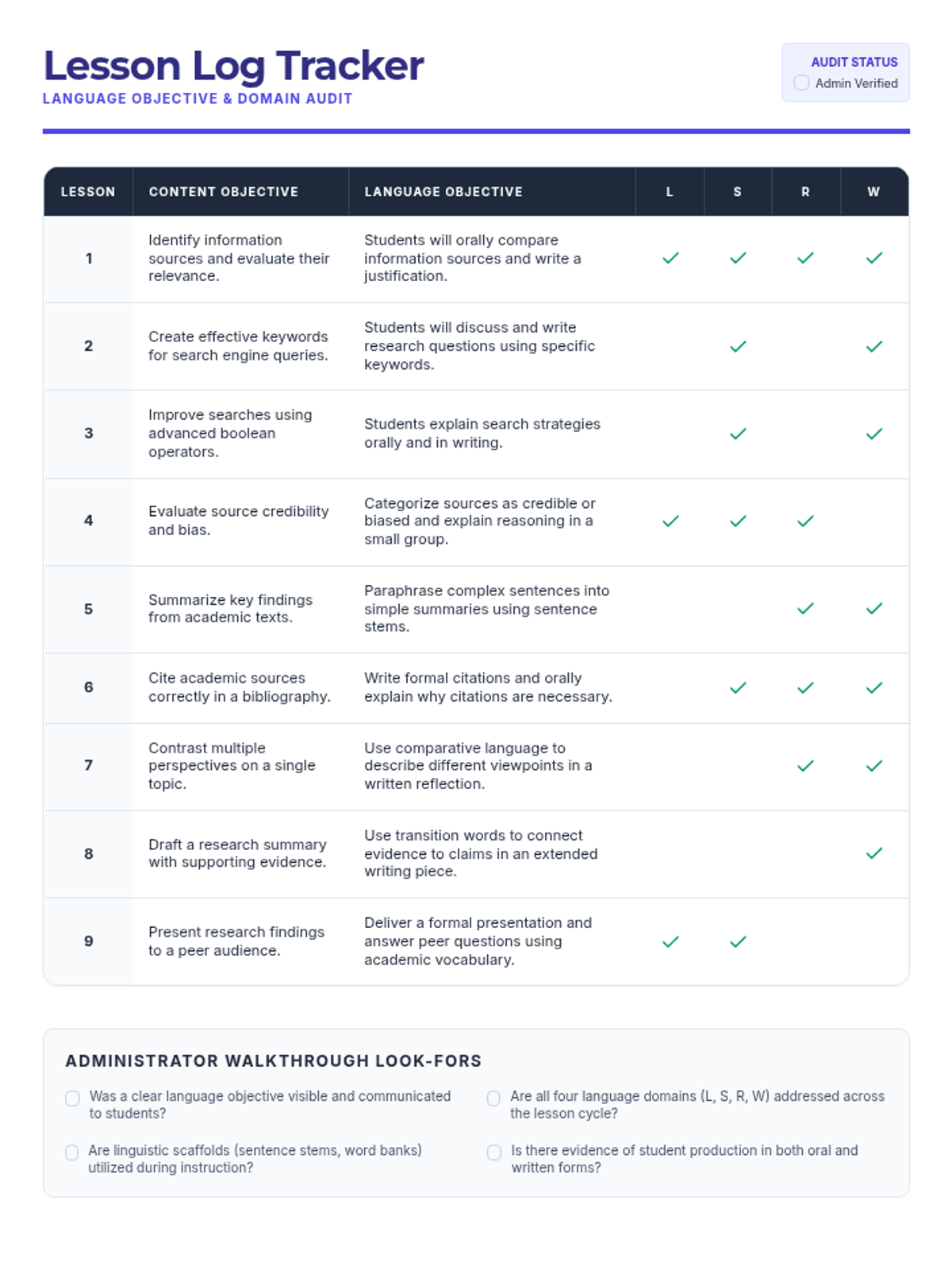
A comprehensive toolkit for teachers to track, document, and support student English language proficiency growth using TELPAS criteria across all four domains.
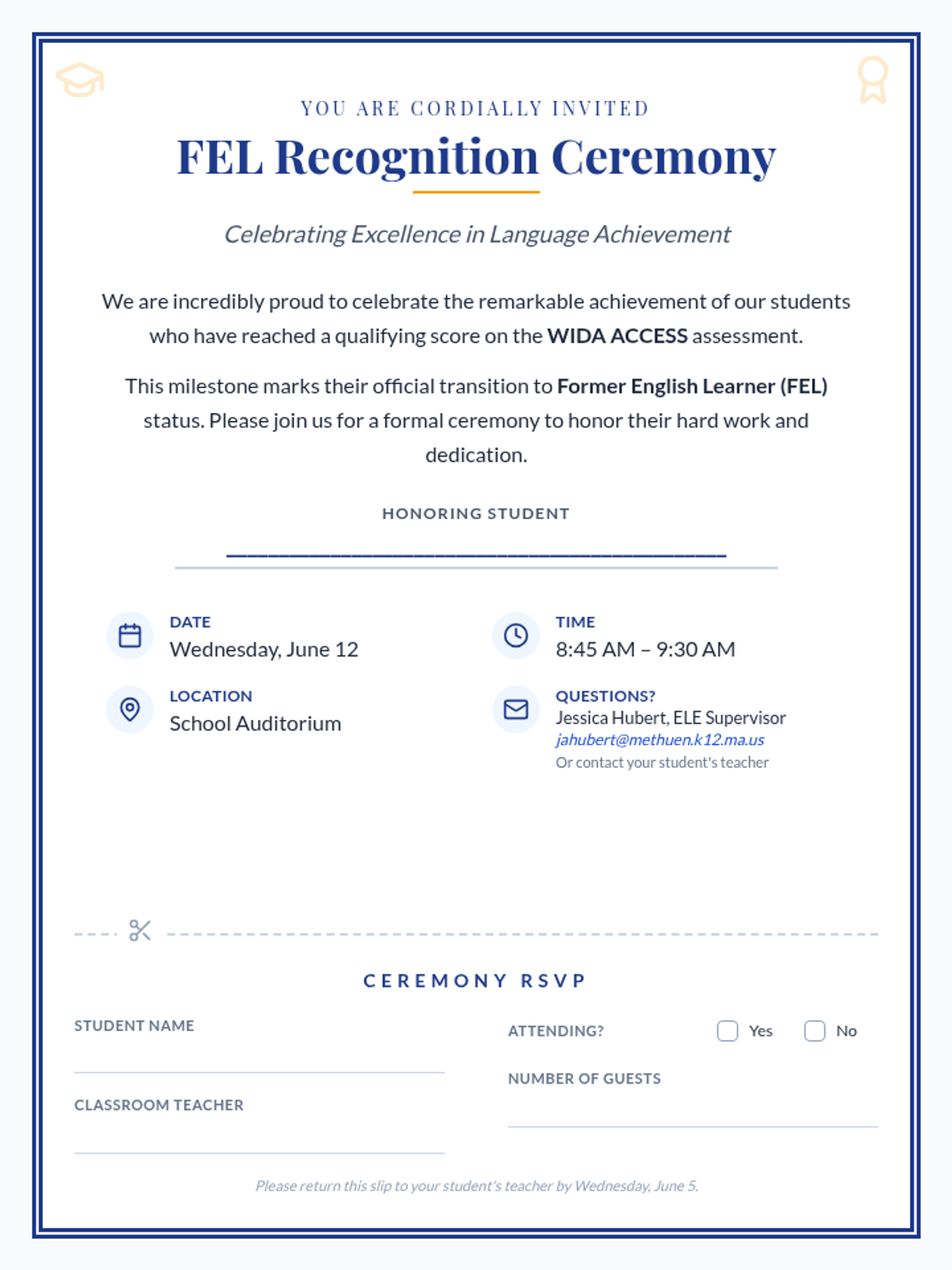
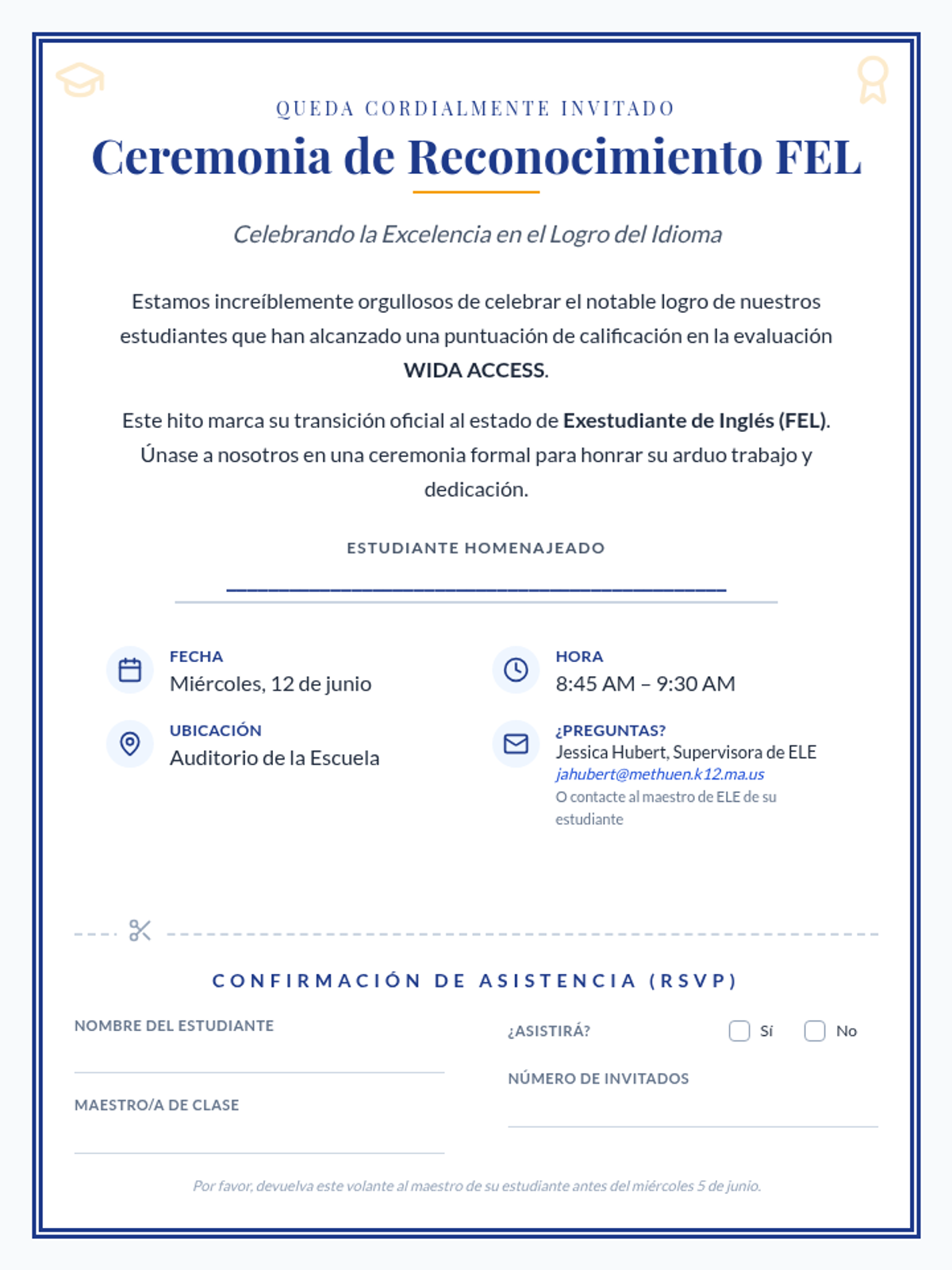
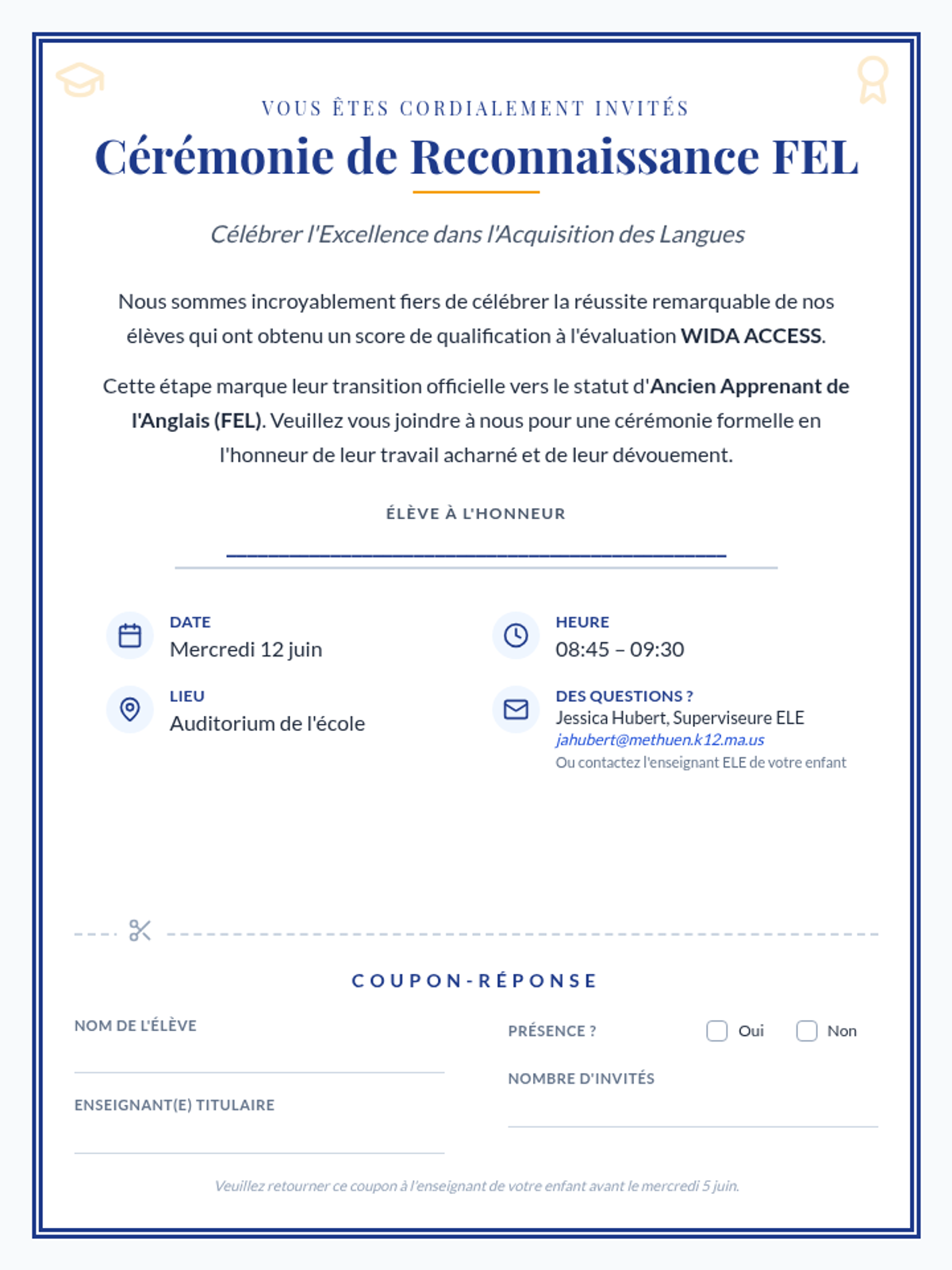
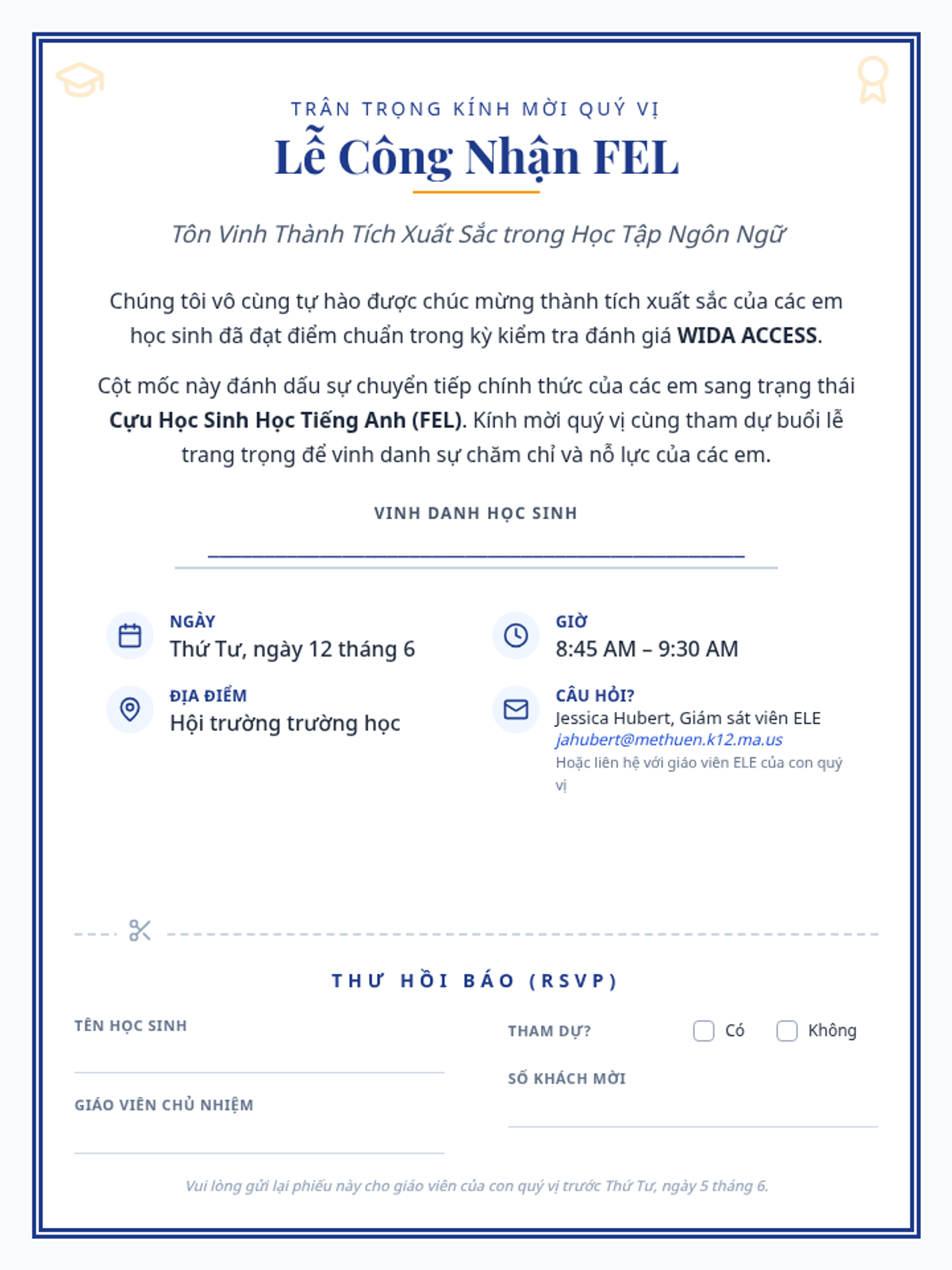
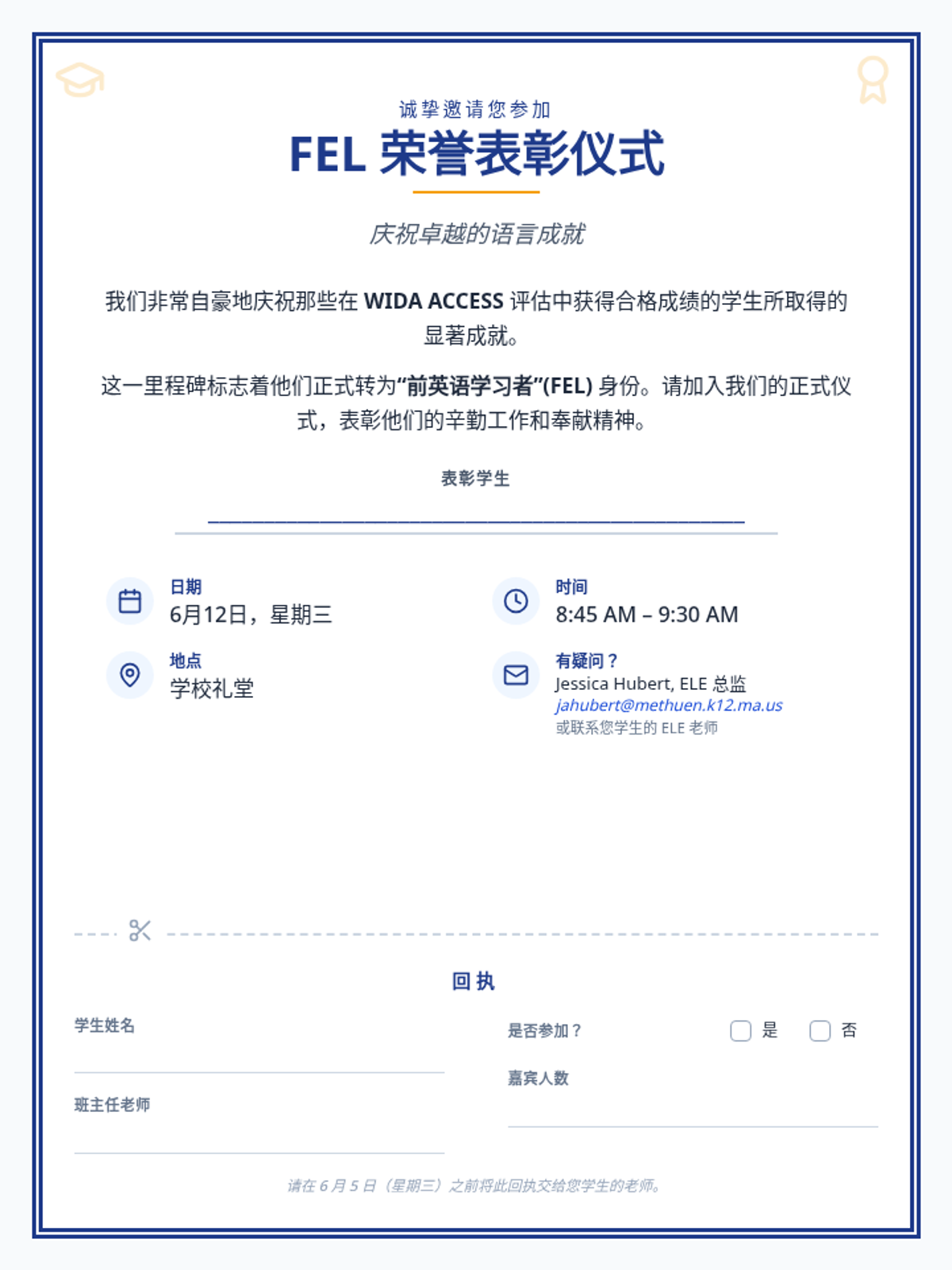
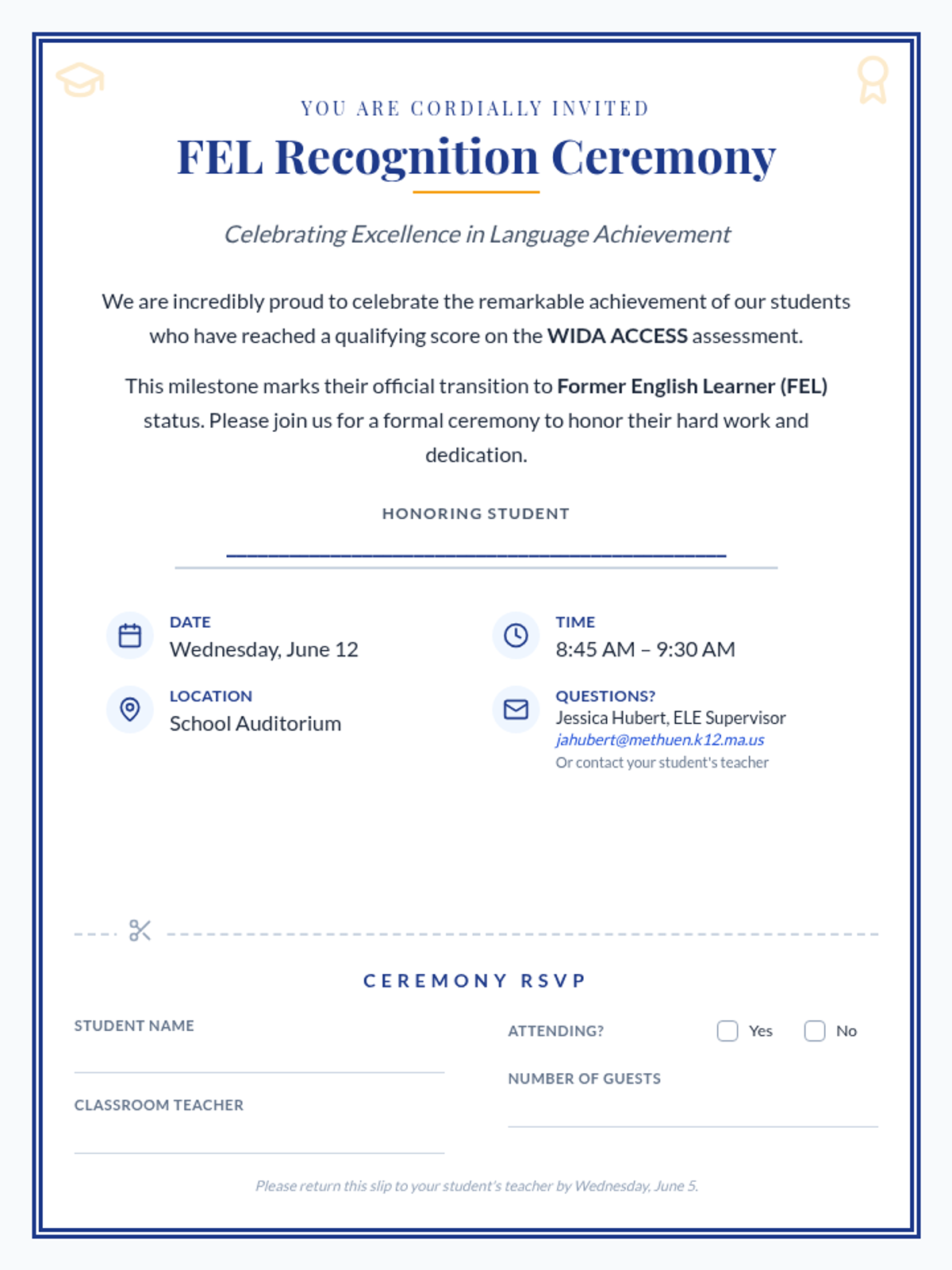
A collection of formal invitation flyers for the FEL Recognition Ceremony, provided in multiple languages to ensure all families can celebrate their student's transition from English Language Education services.
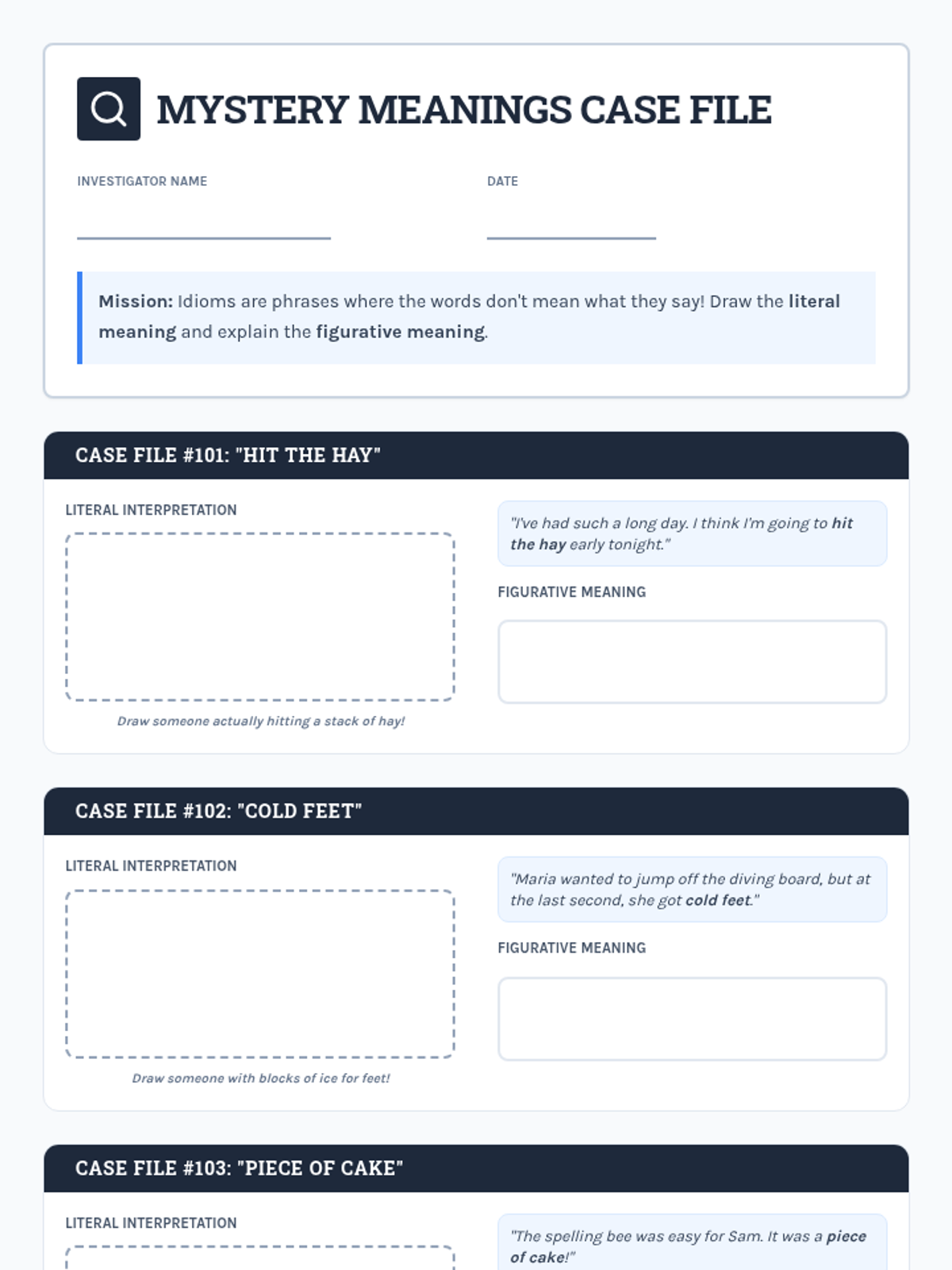
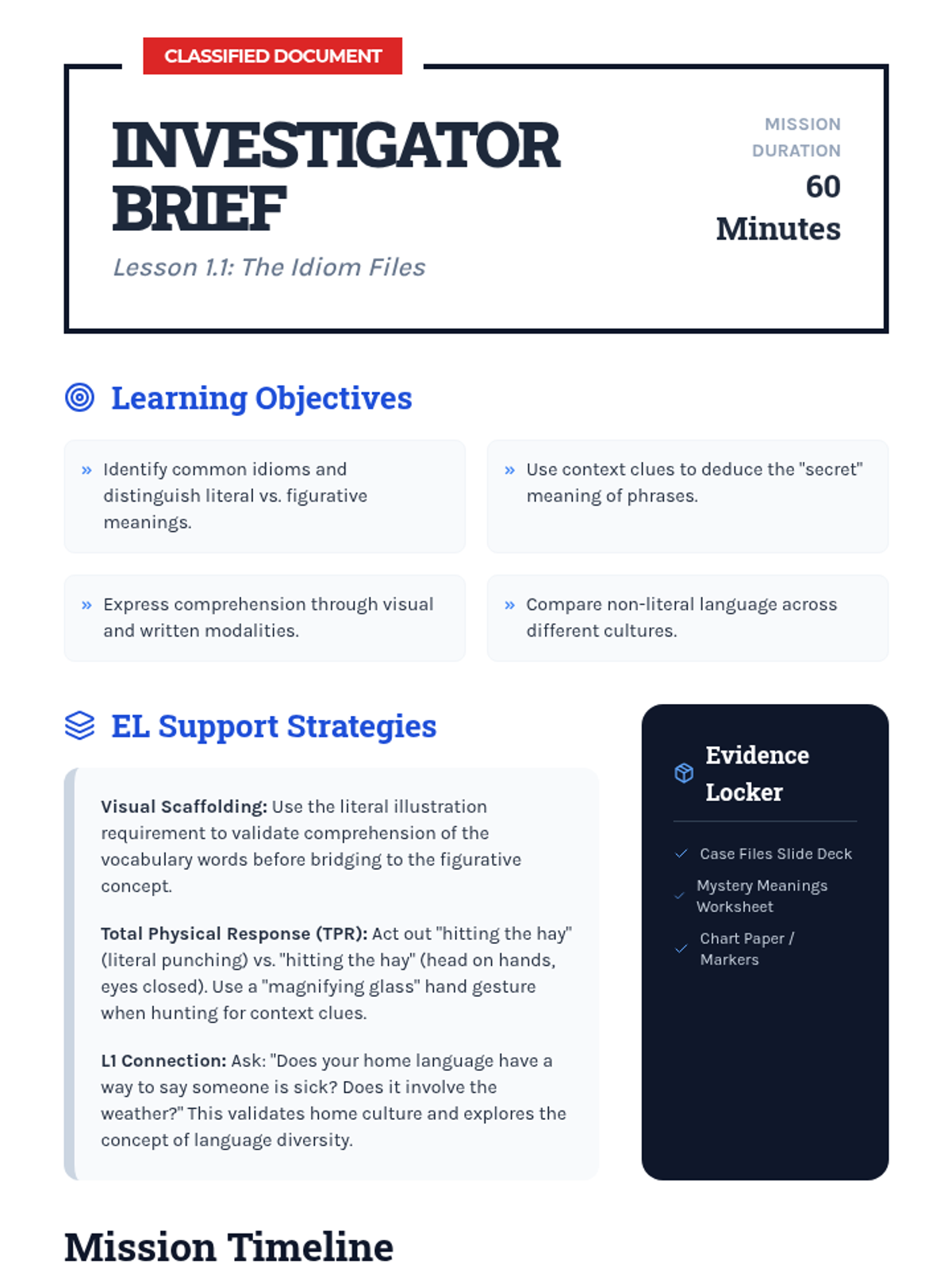
Students become language detectives to decode common English idioms, comparing literal illustrations with figurative meanings to build deep comprehension of non-literal language.
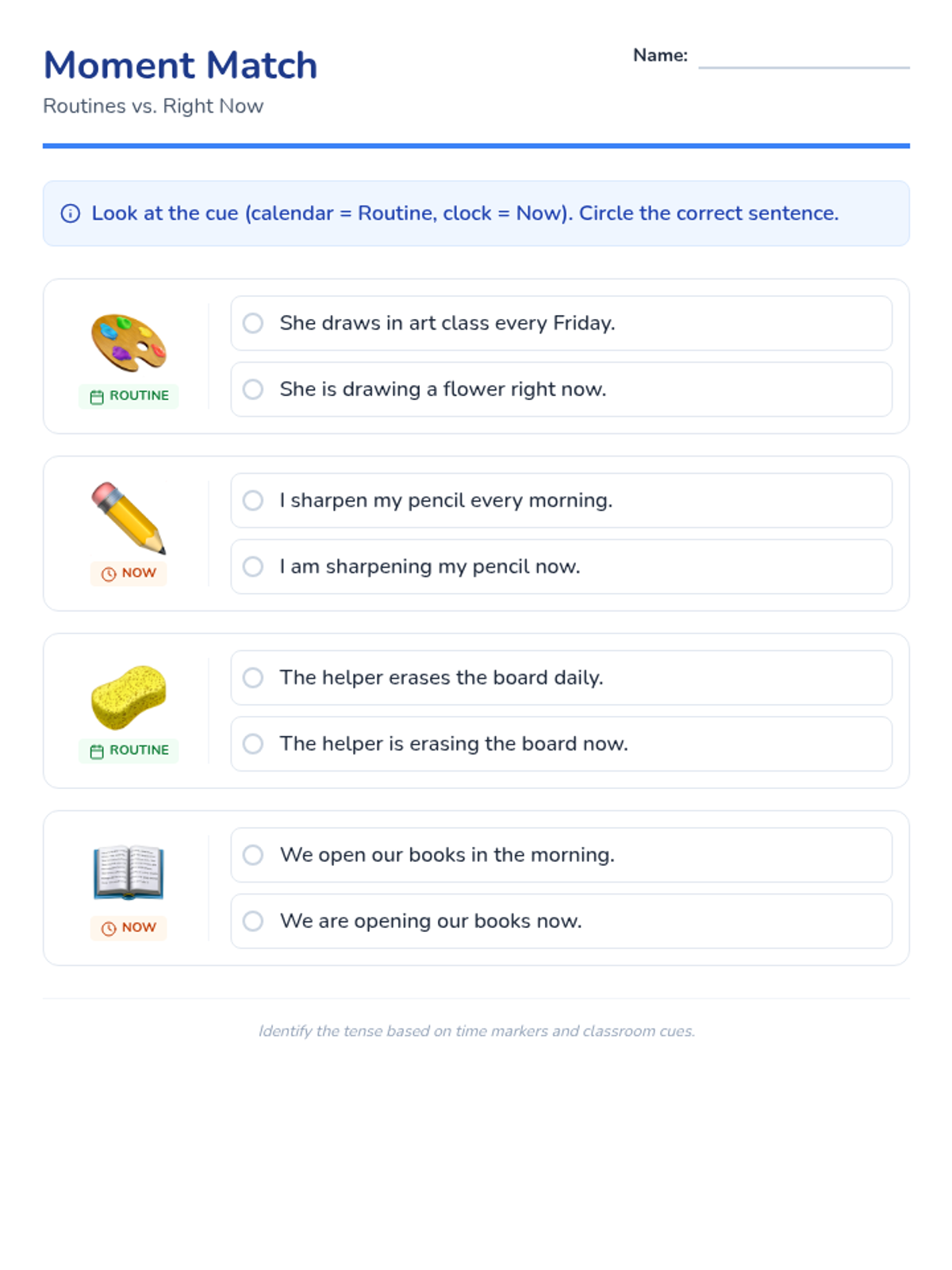
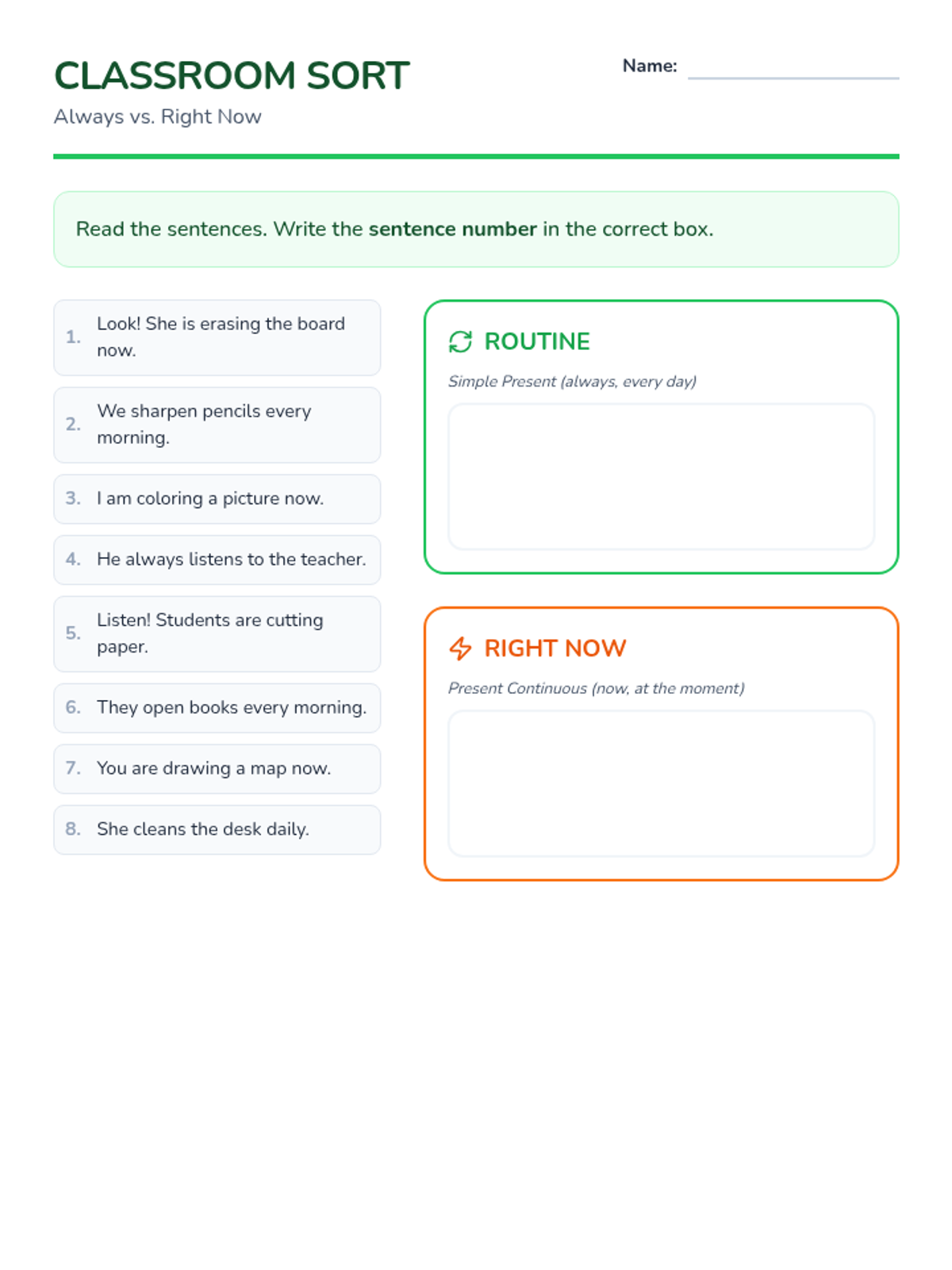
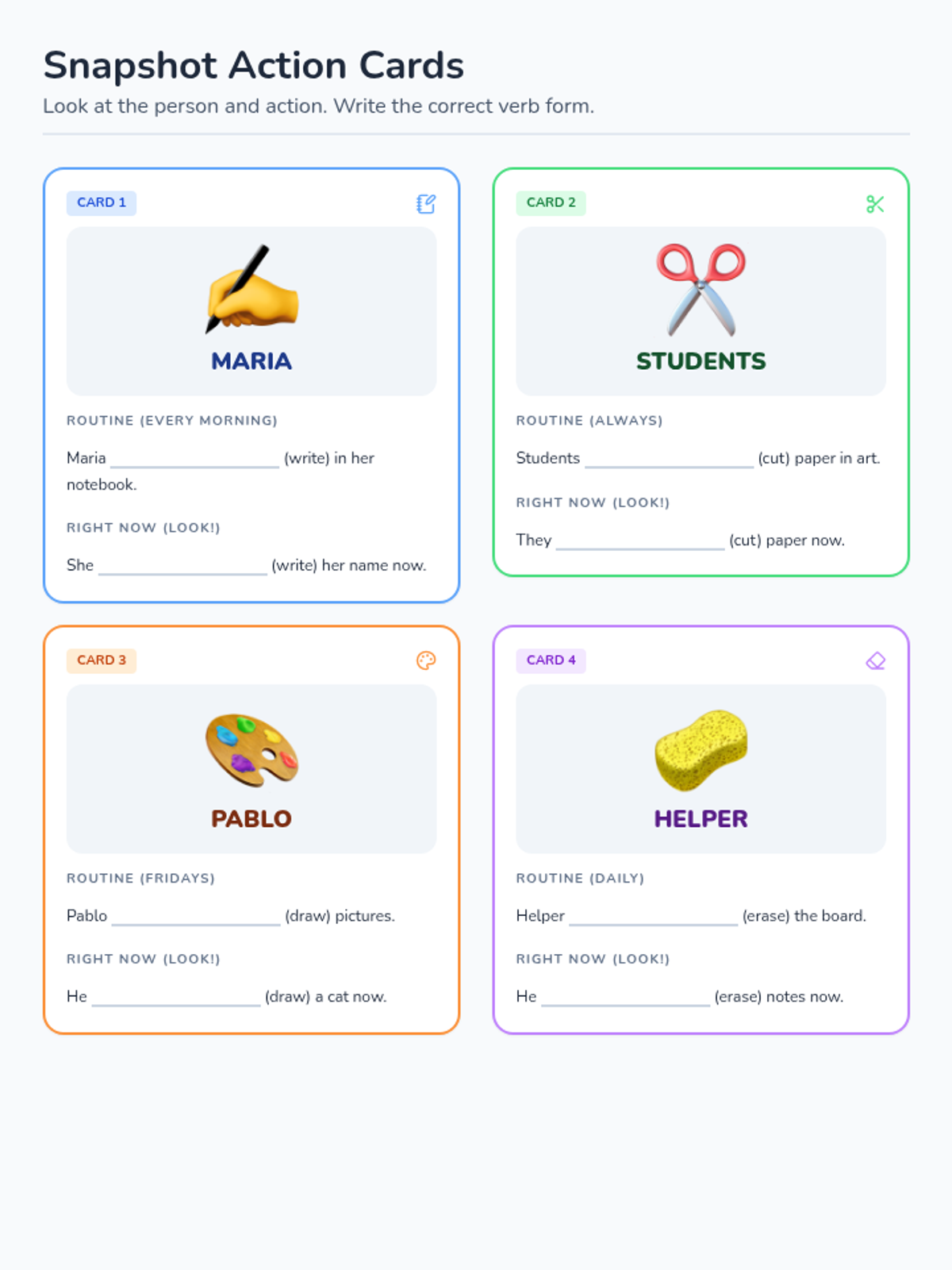
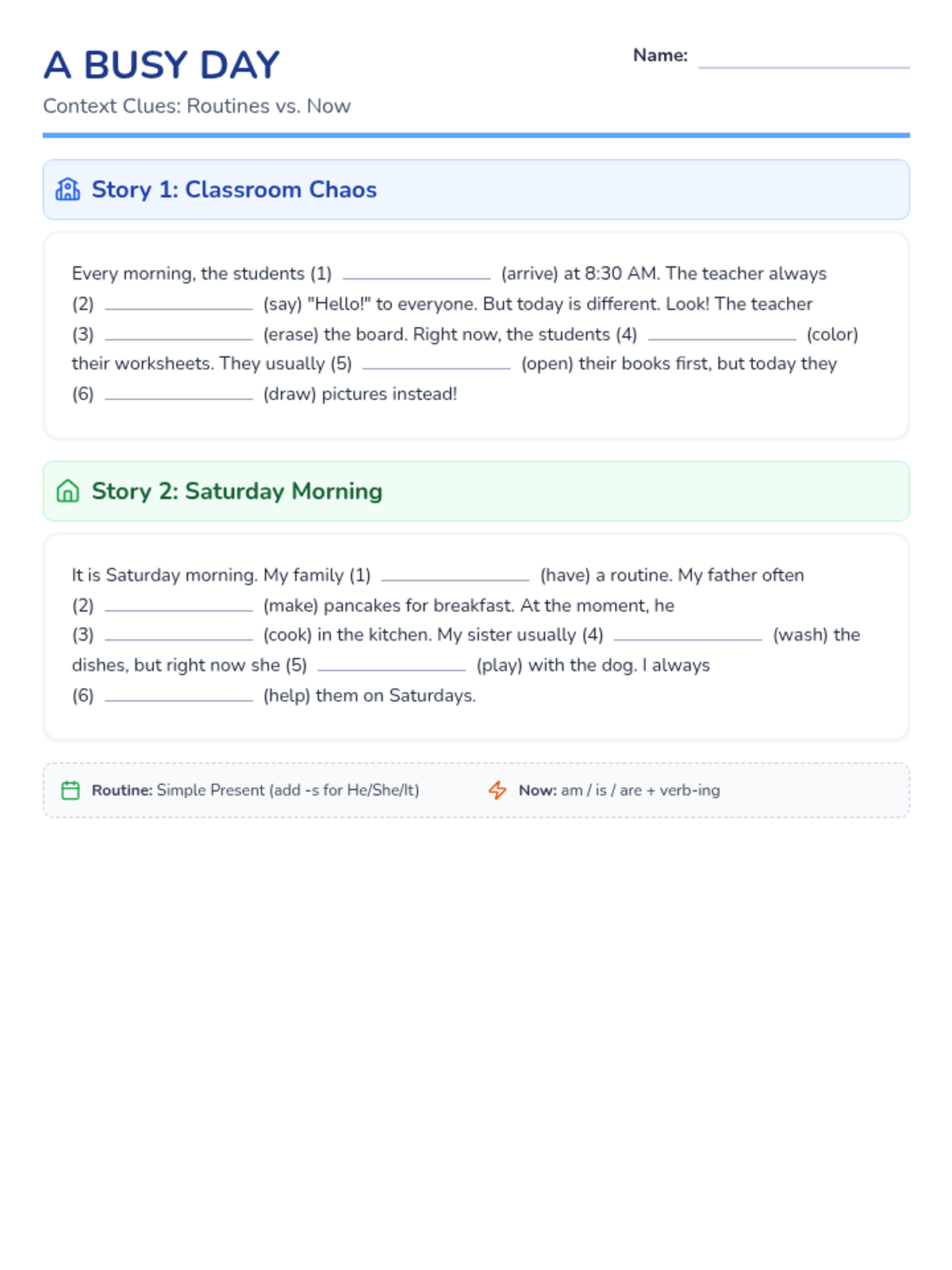
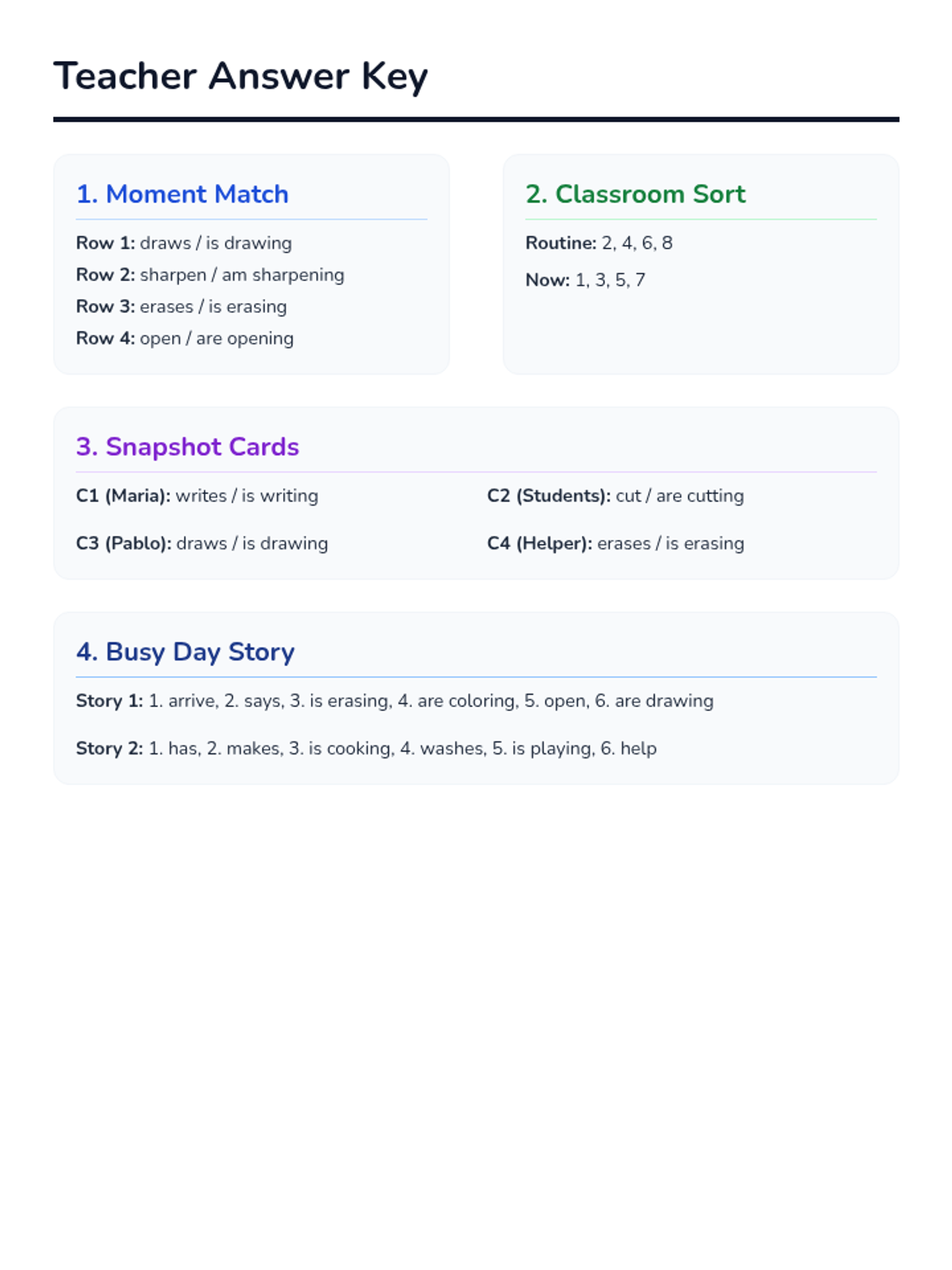
A beginner-friendly introduction to the differences between Simple Present and Present Continuous, focusing on routines and immediate actions.
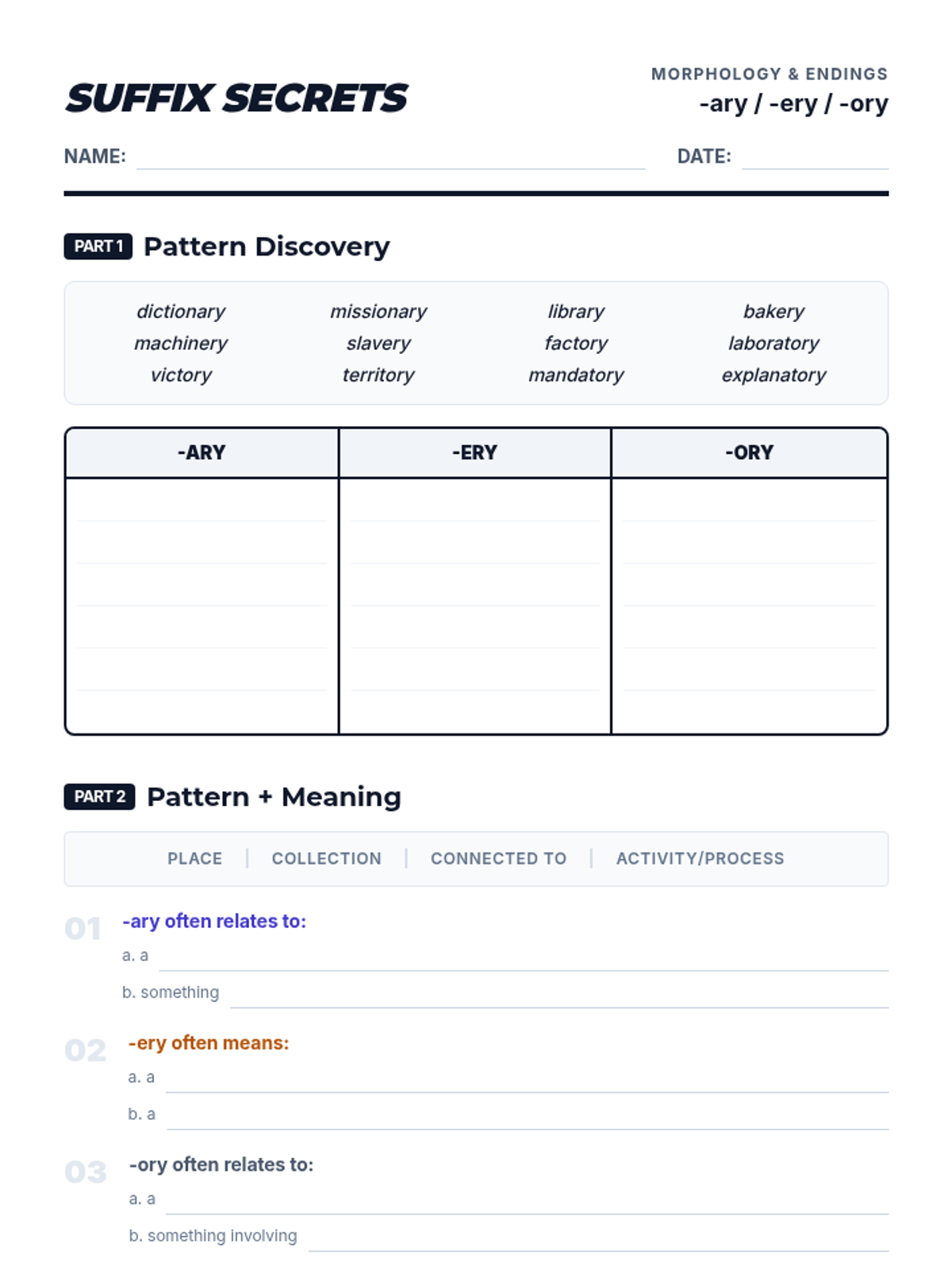
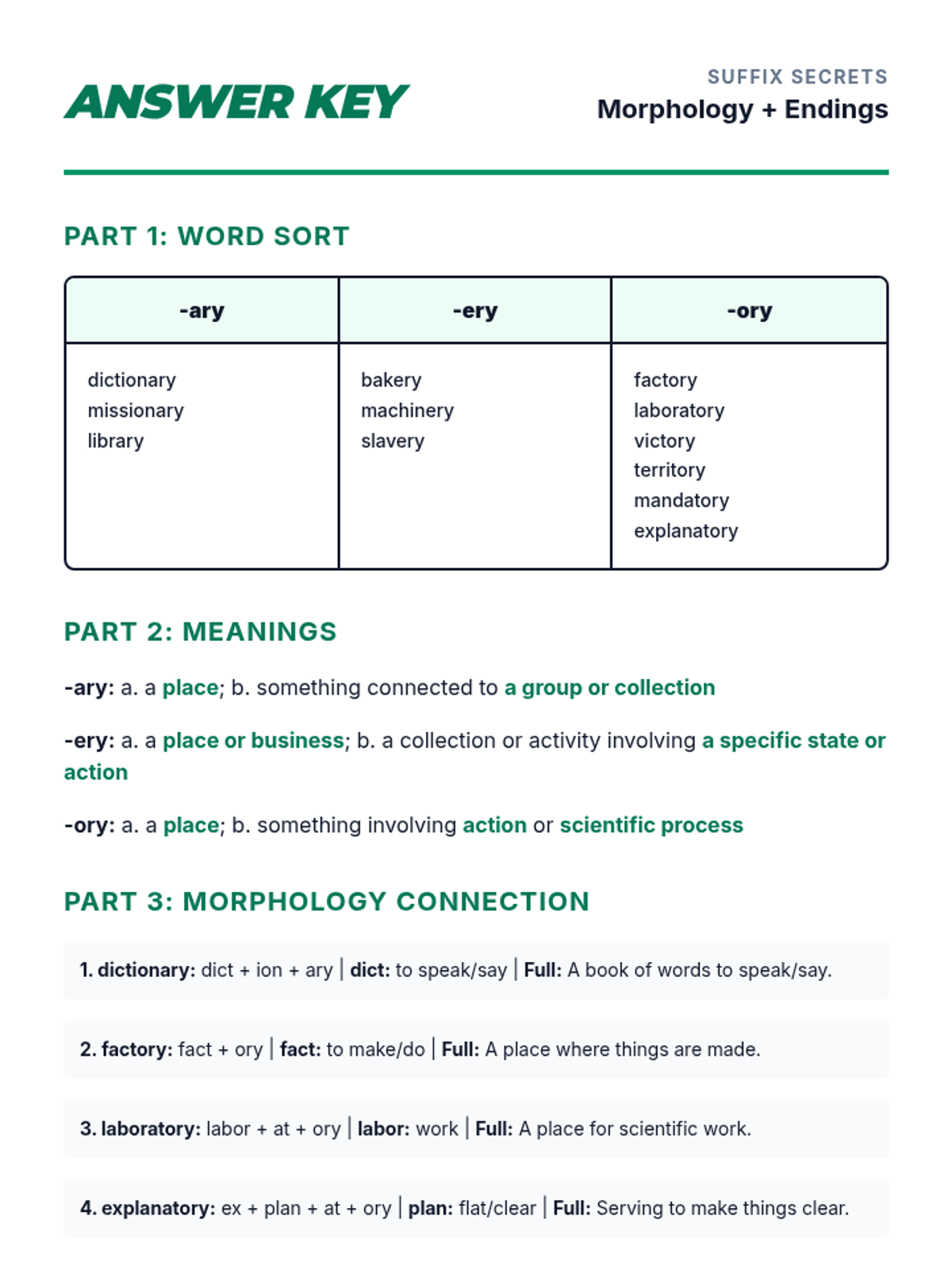
A comprehensive lesson on the morphology and spelling of the suffixes -ary, -ery, and -ory, focusing on word meaning and root connections rather than rote memorization.
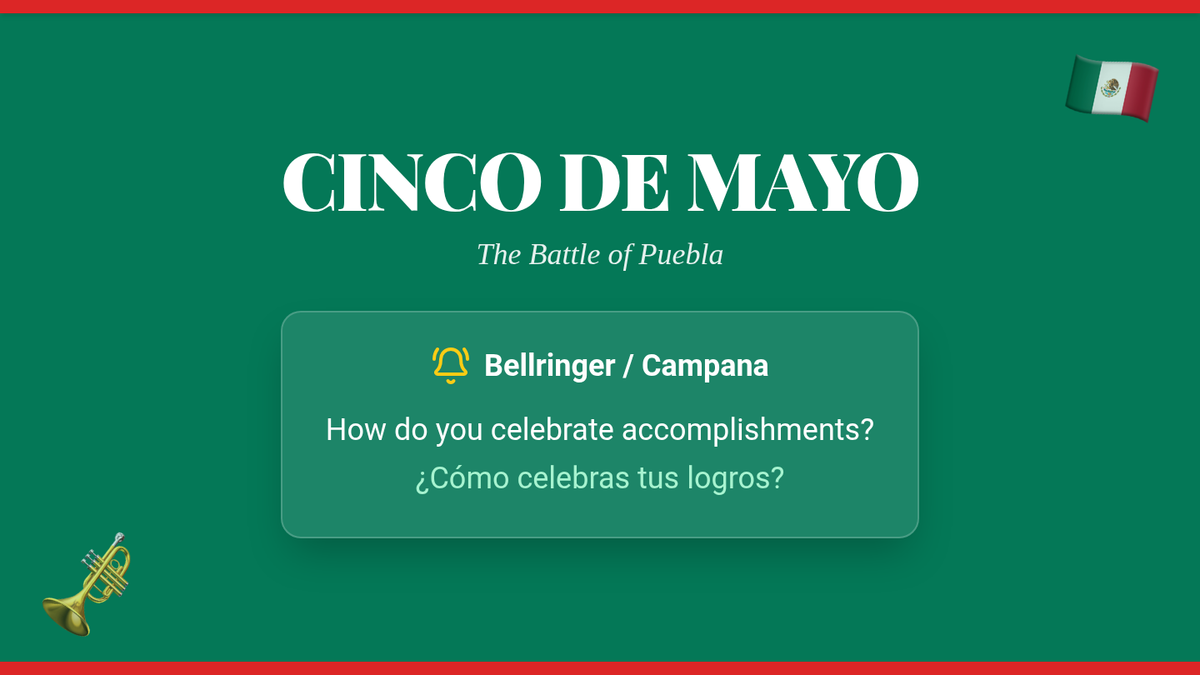
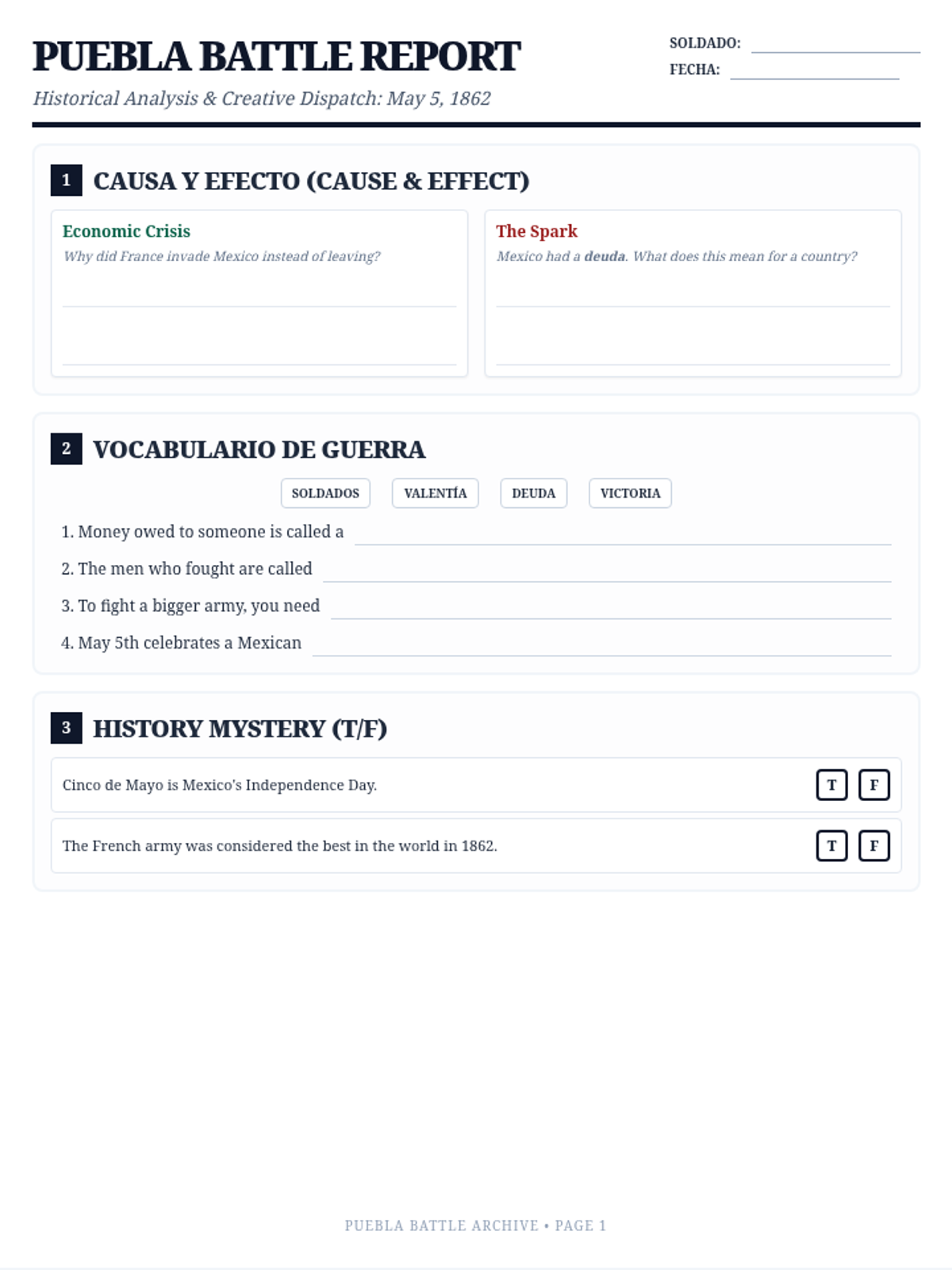
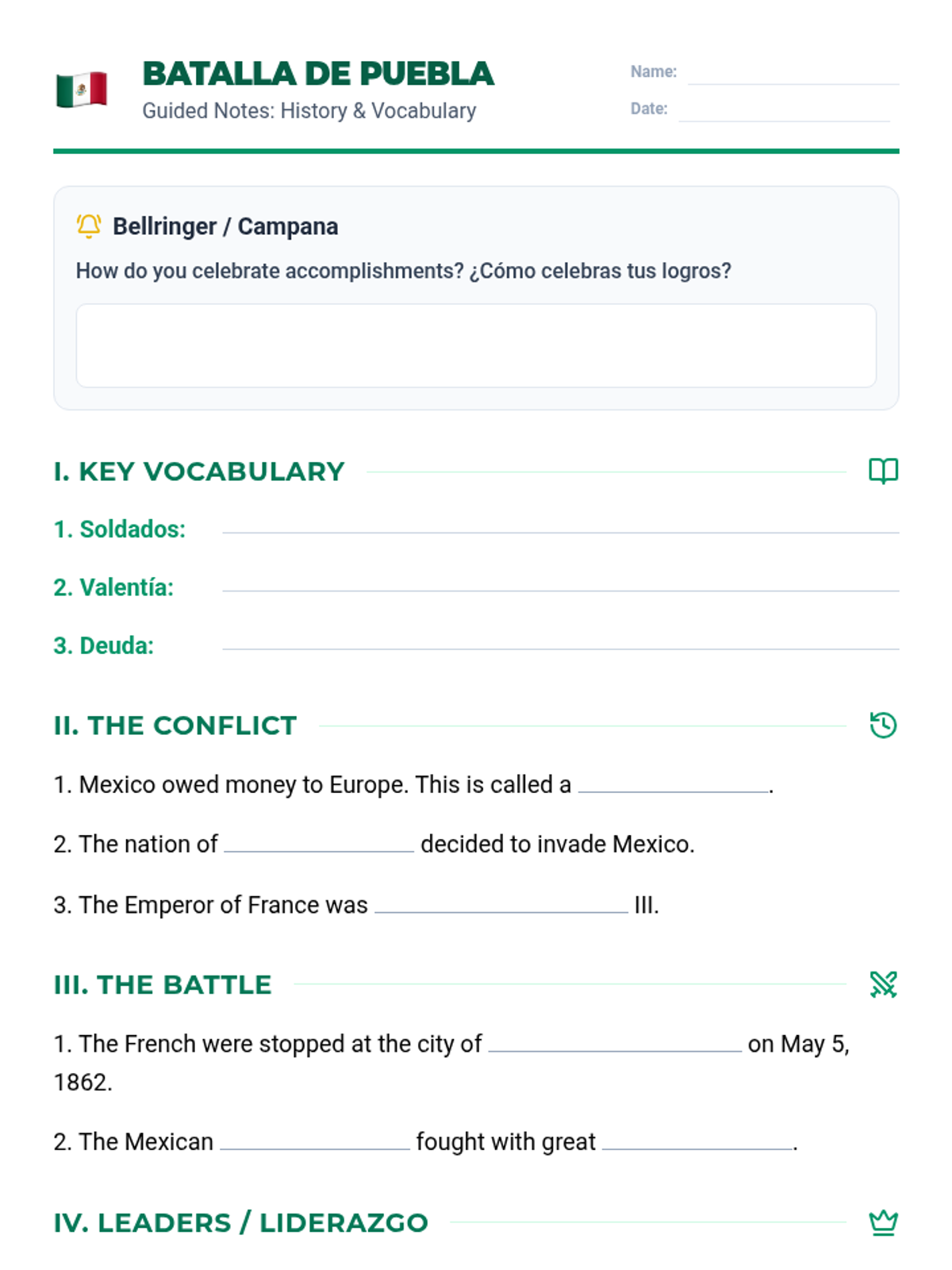
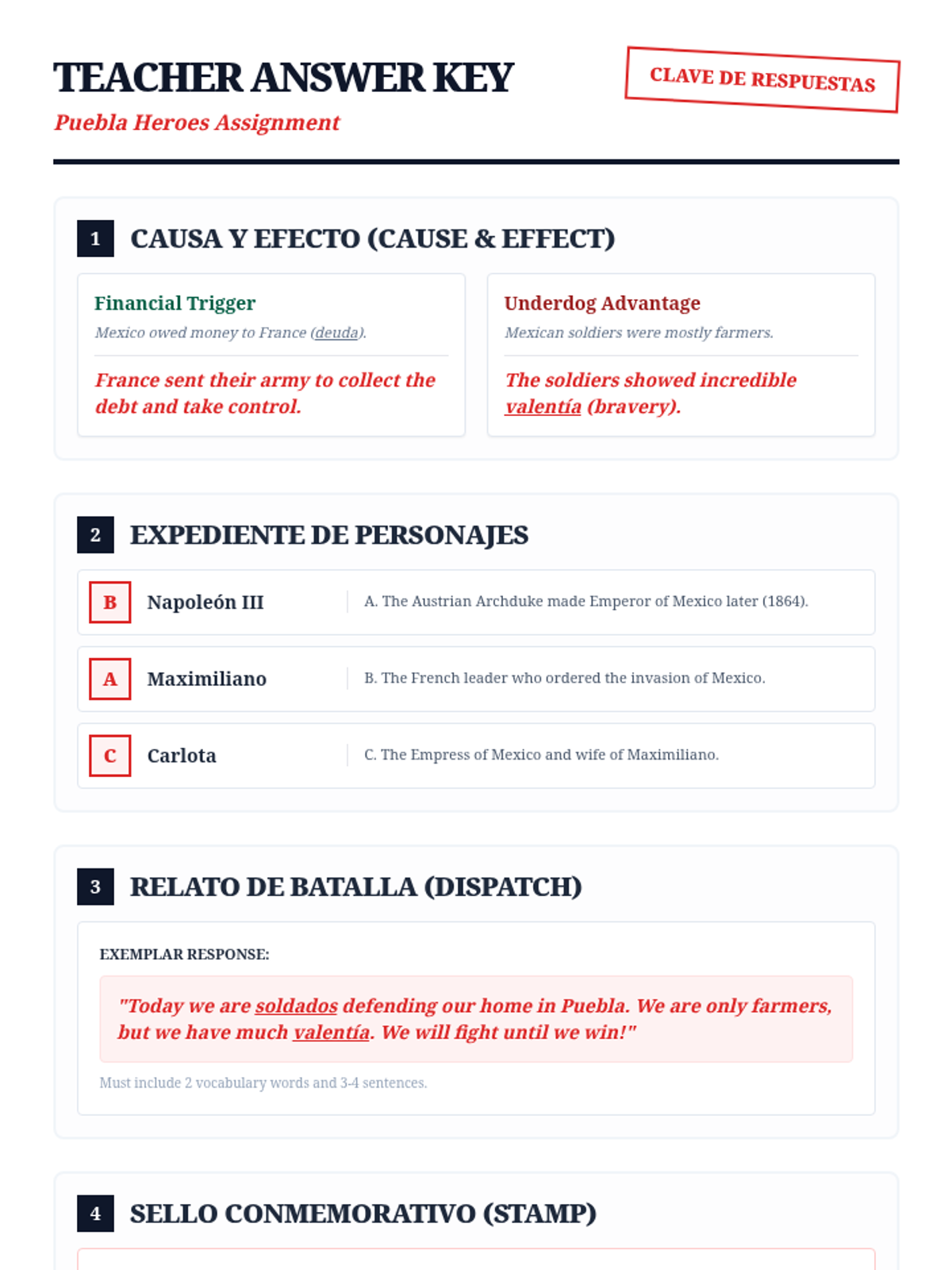
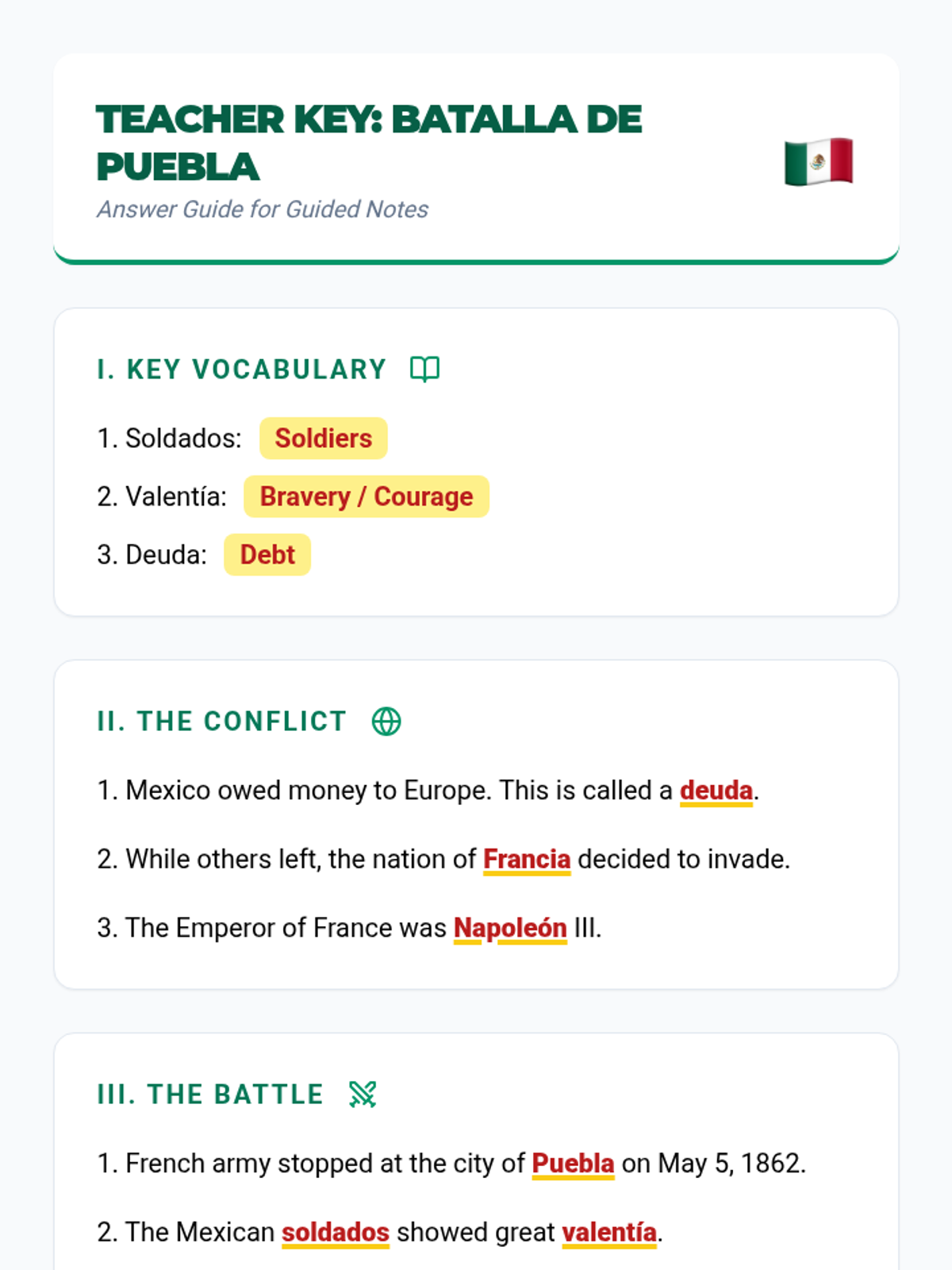
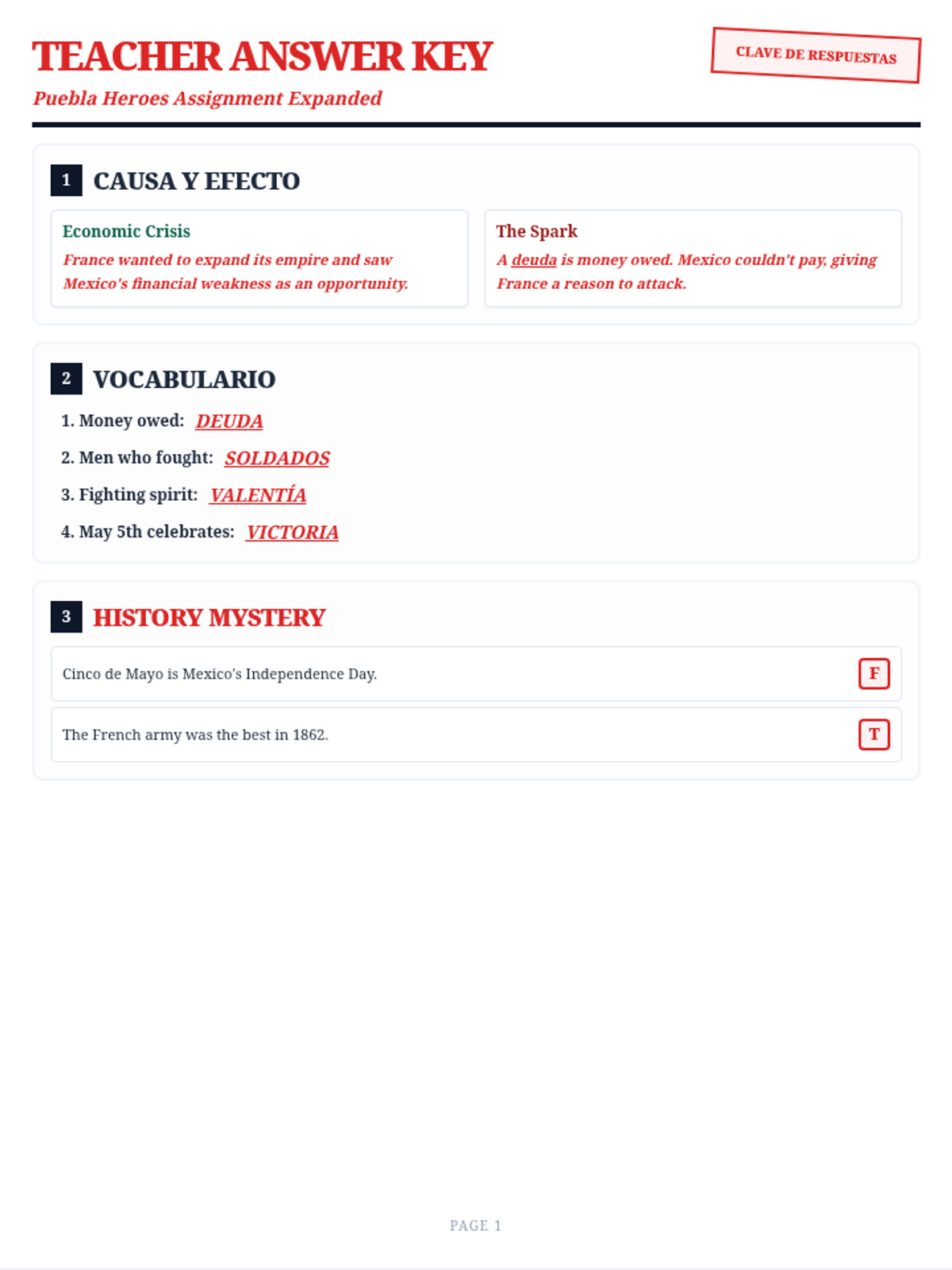
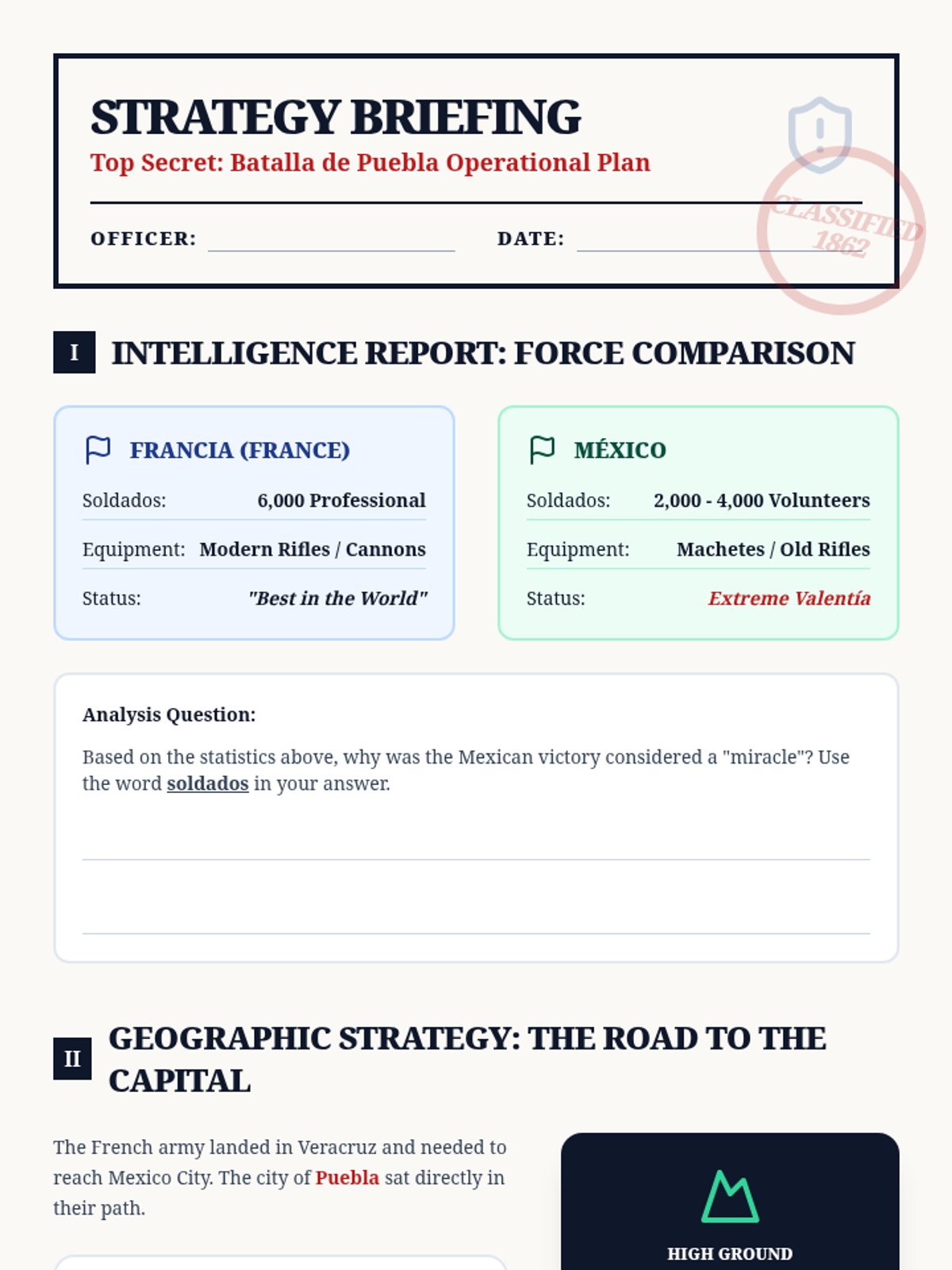
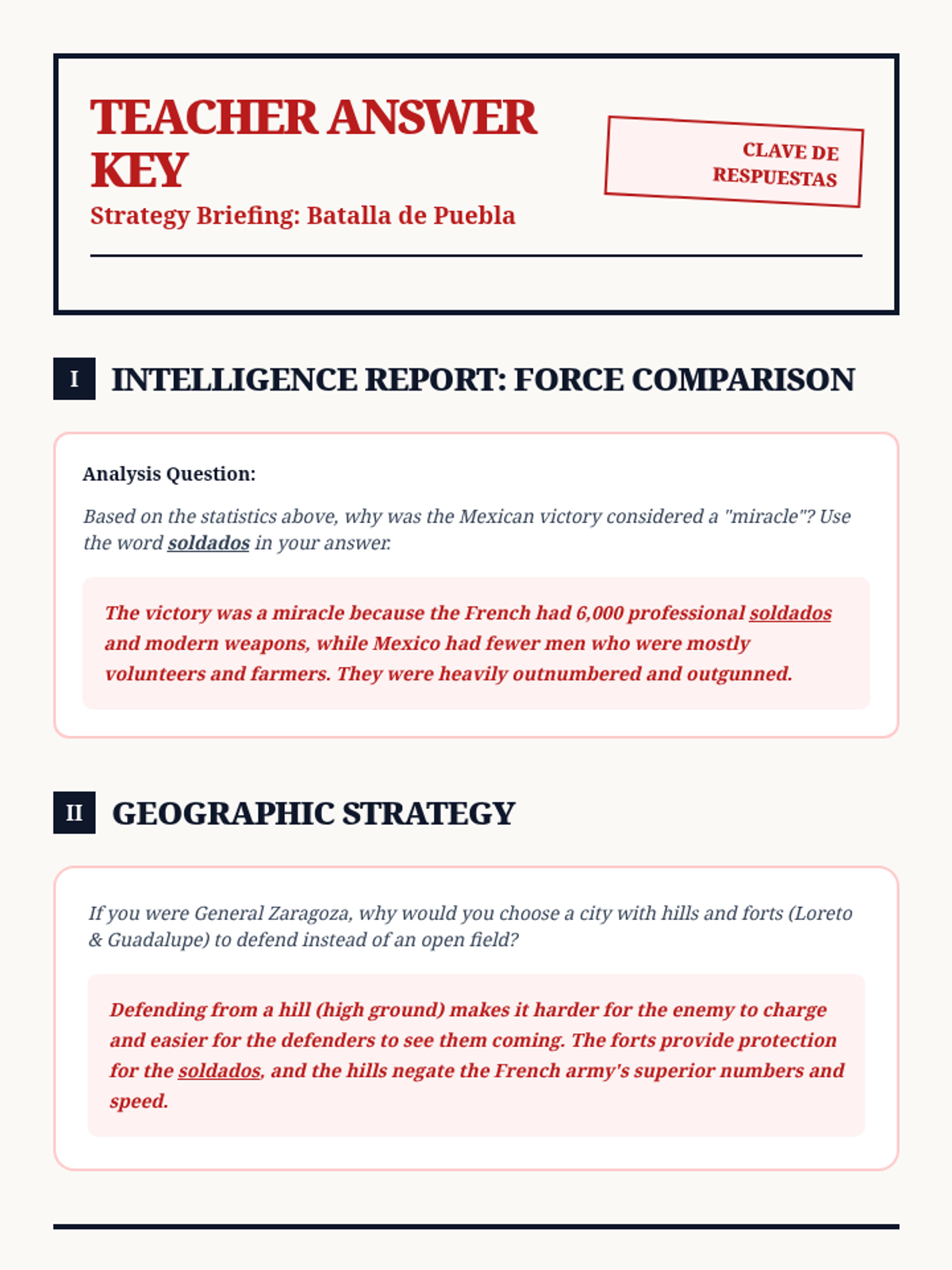
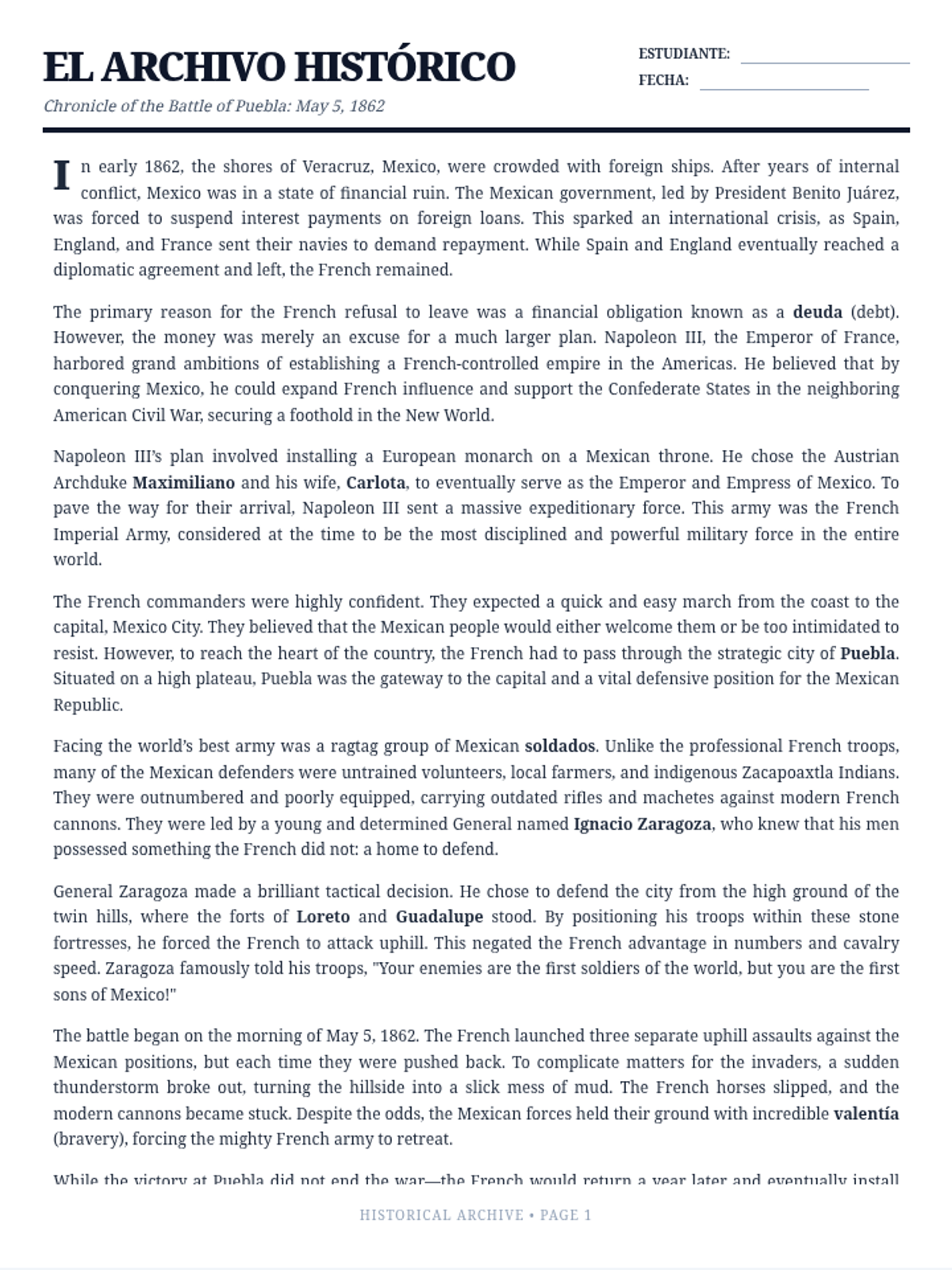
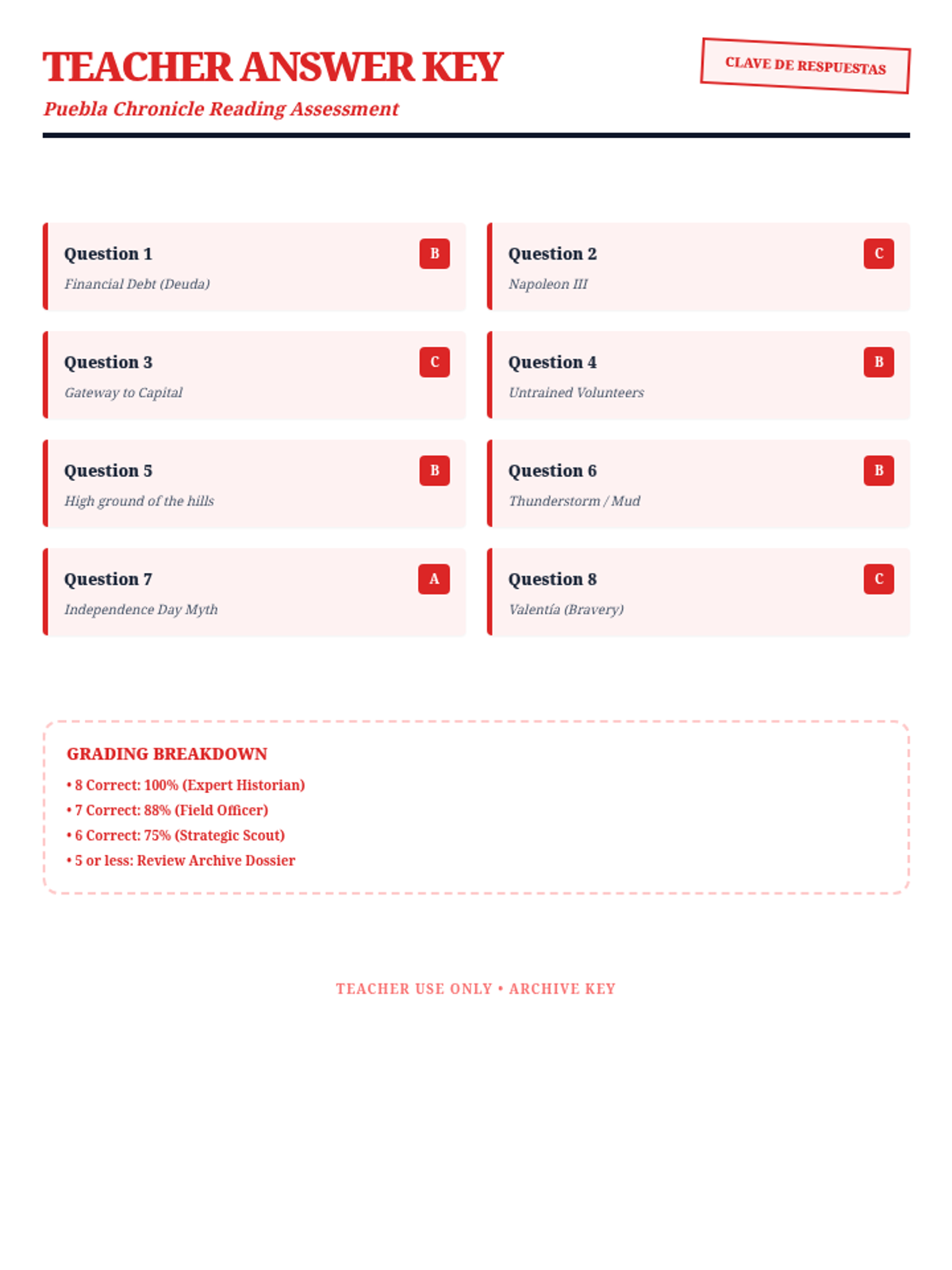
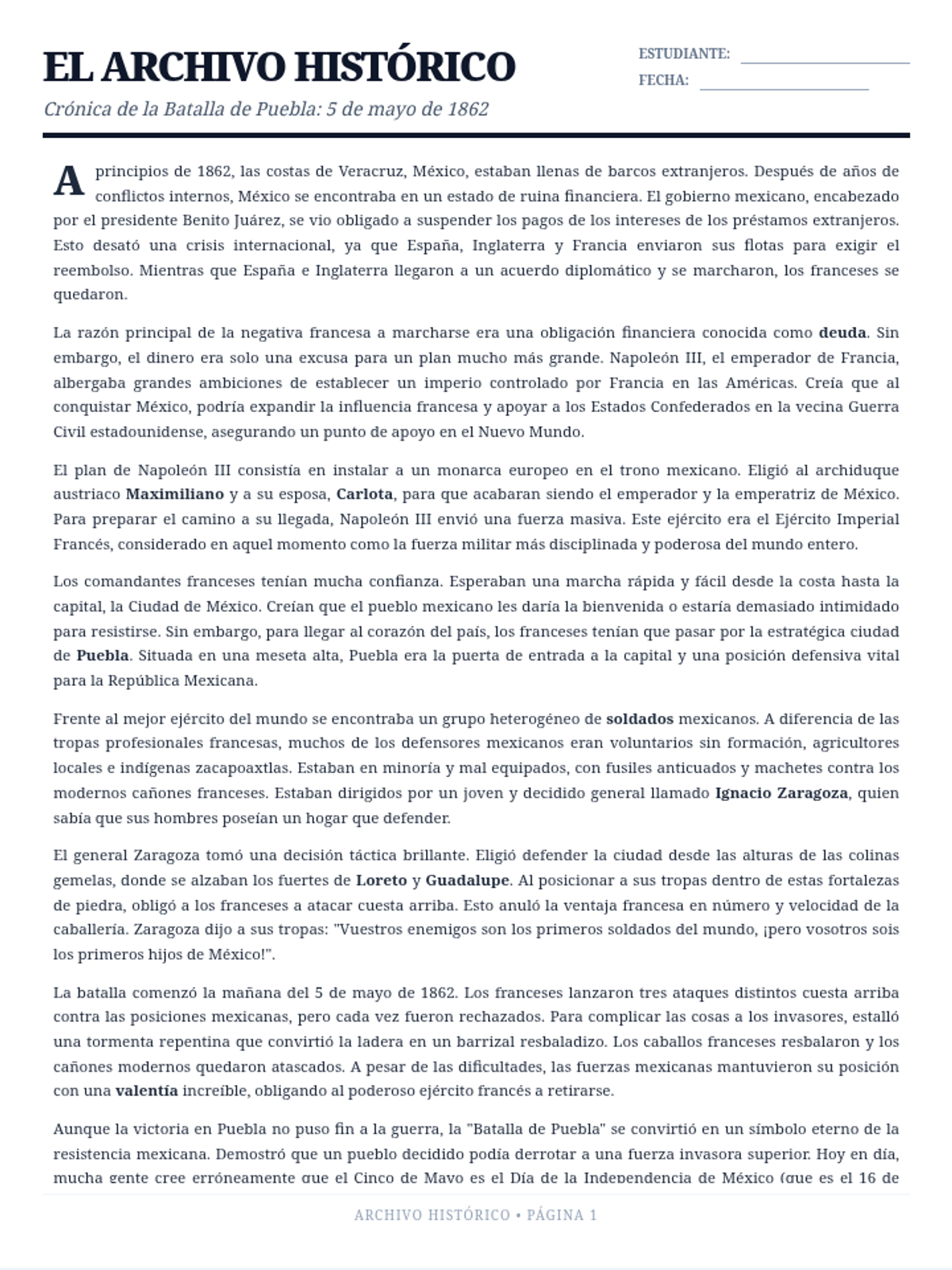
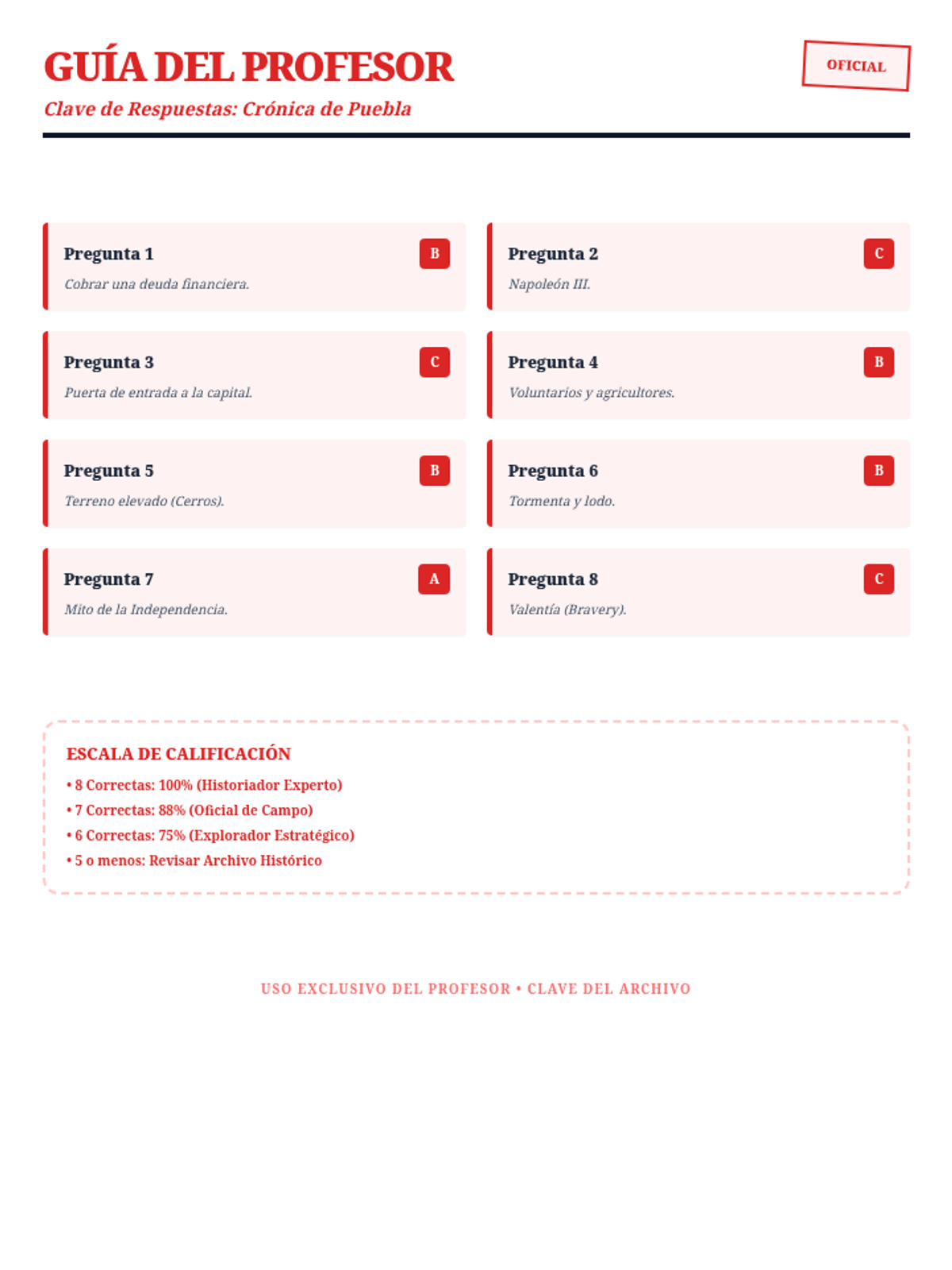
An introductory lesson on the history and vocabulary of Cinco de Mayo, focusing on the Battle of Puebla and the cultural significance of the holiday. Students explore key historical figures and the concept of bravery through guided instruction and collaborative activities.
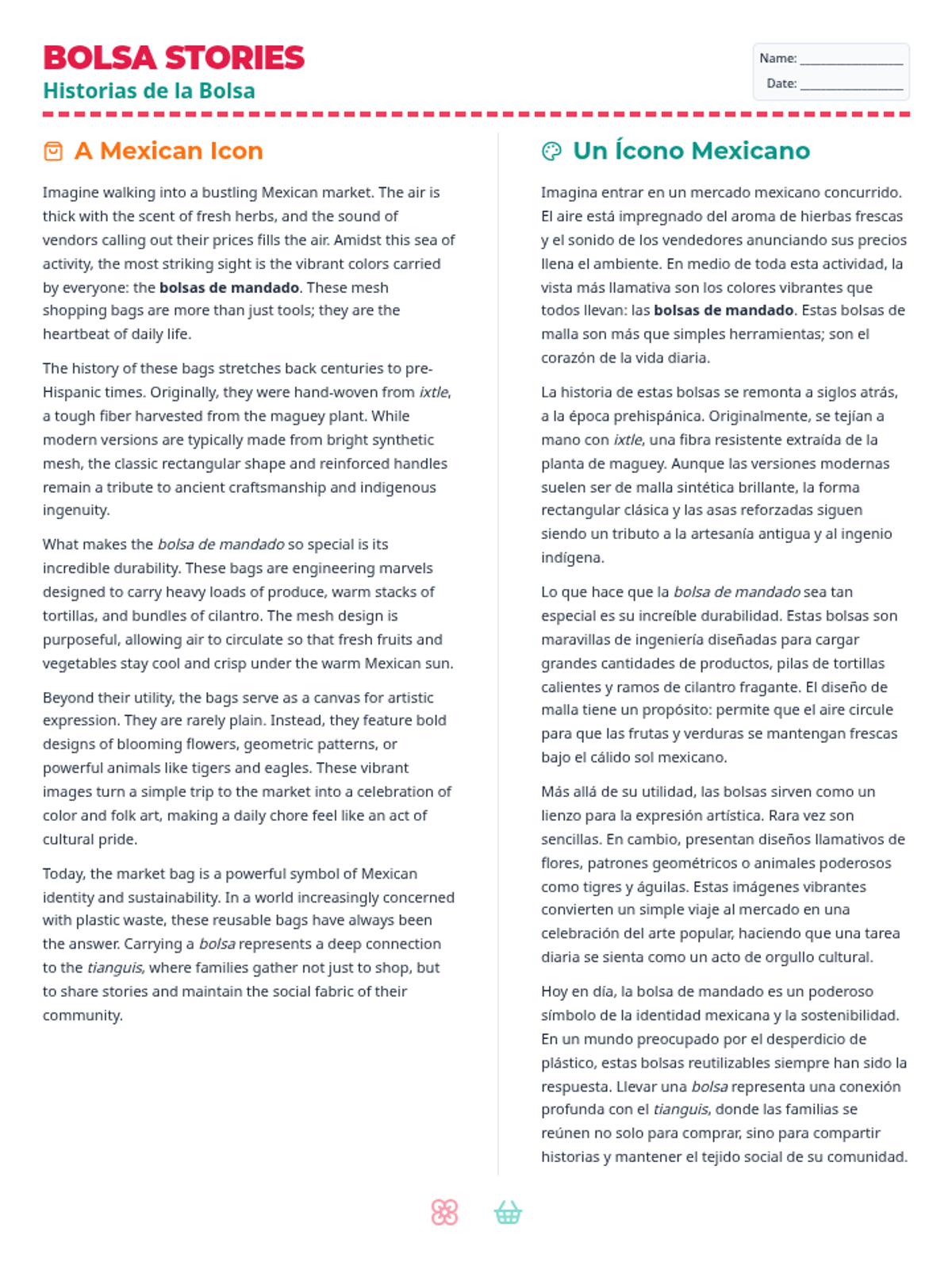
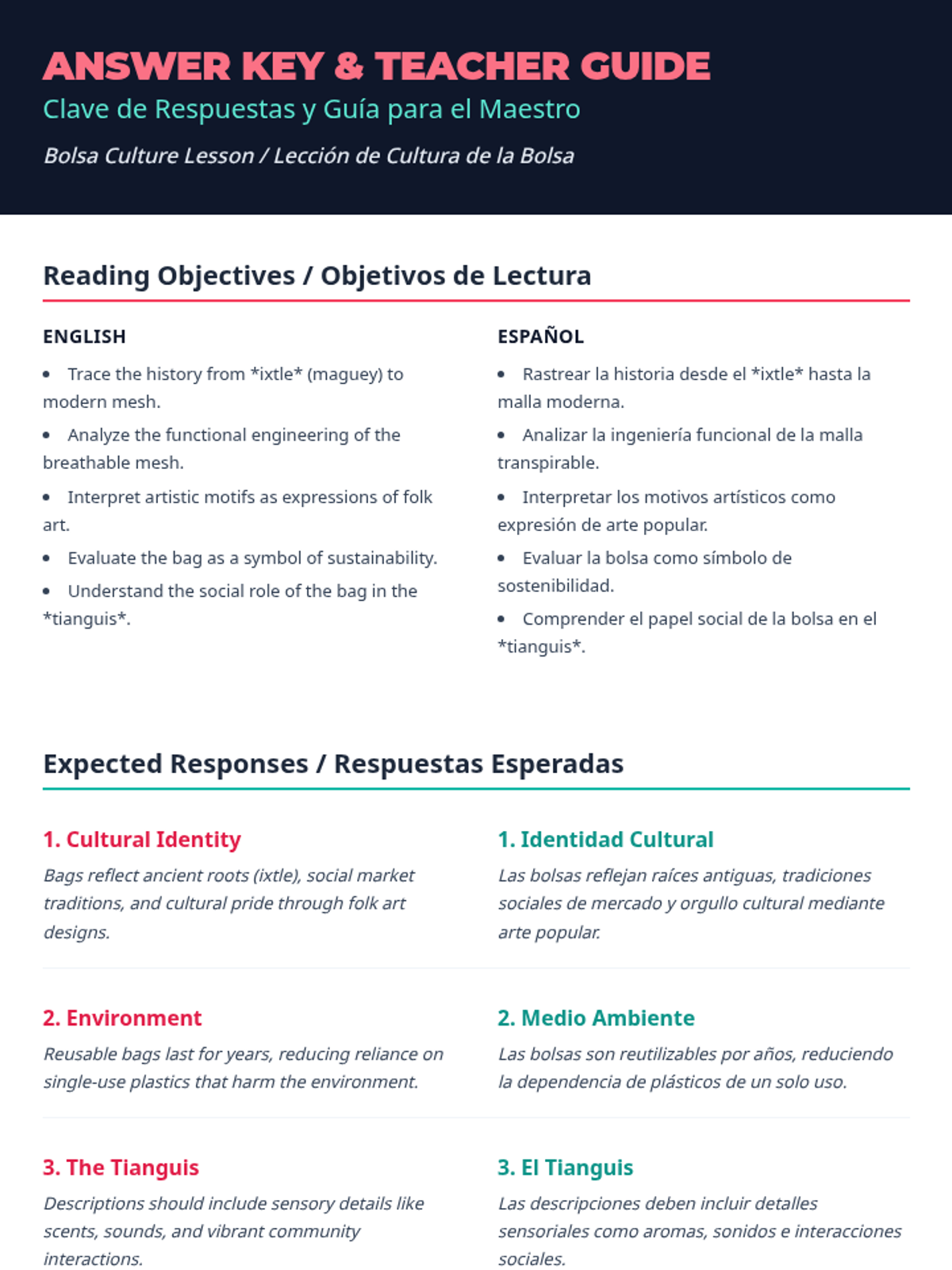
A dual-language exploration of the iconic Mexican market bag (bolsa de mandado), focusing on its history, utility, and cultural significance in Mexican traditions.
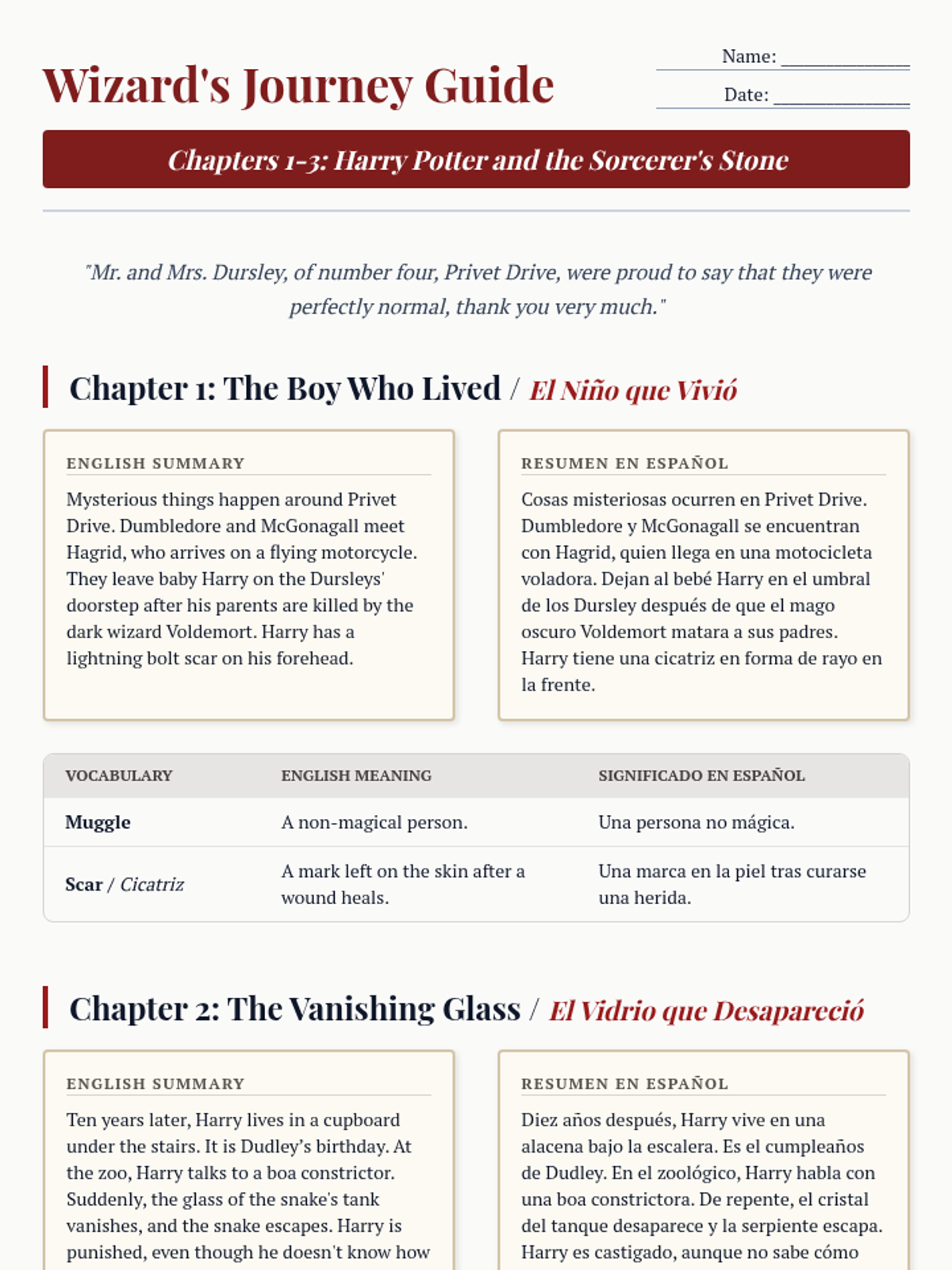
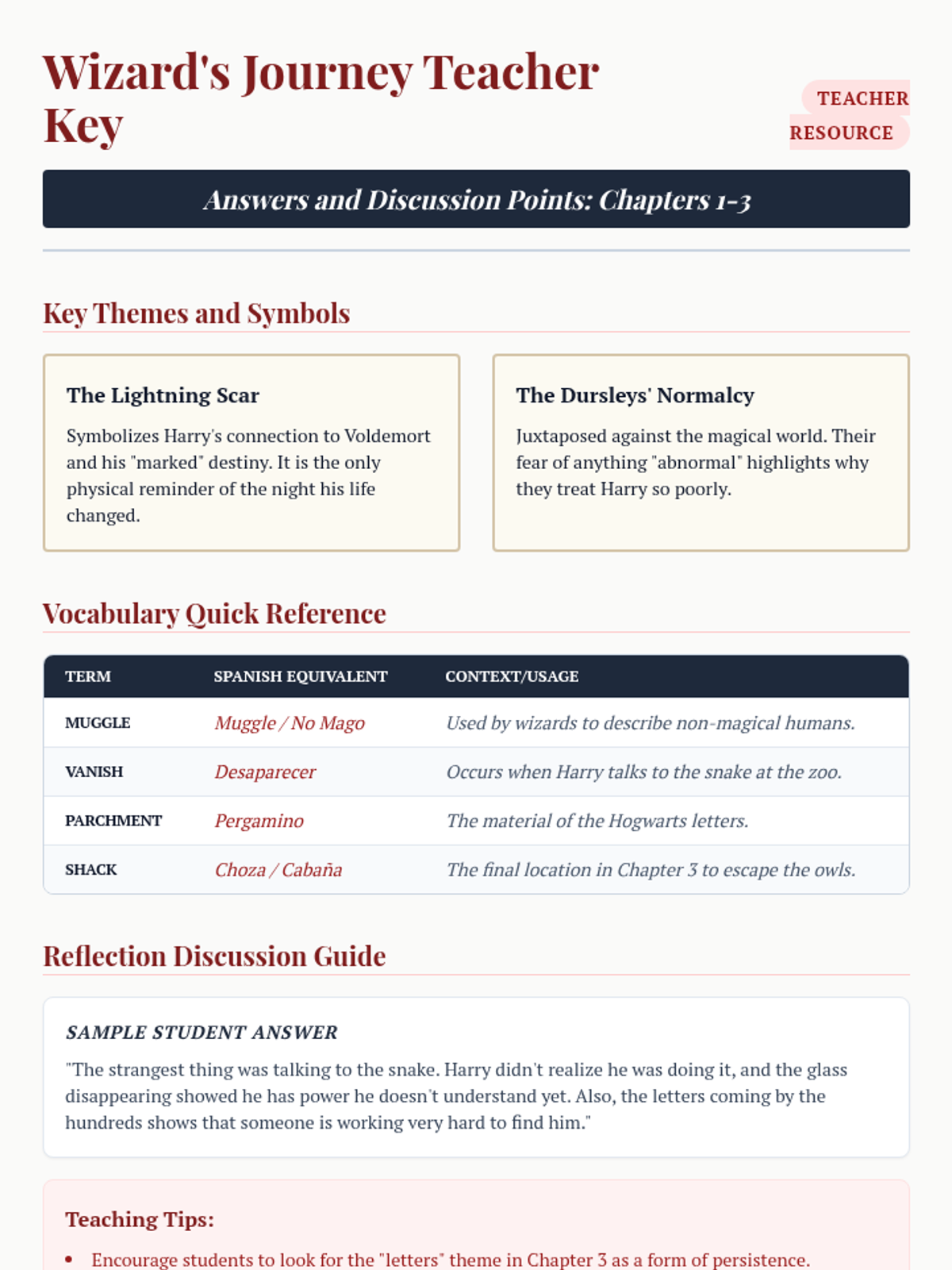
A foundational exploration of the first three chapters of Harry Potter and the Sorcerer's Stone, focusing on bilingual comprehension and key vocabulary.
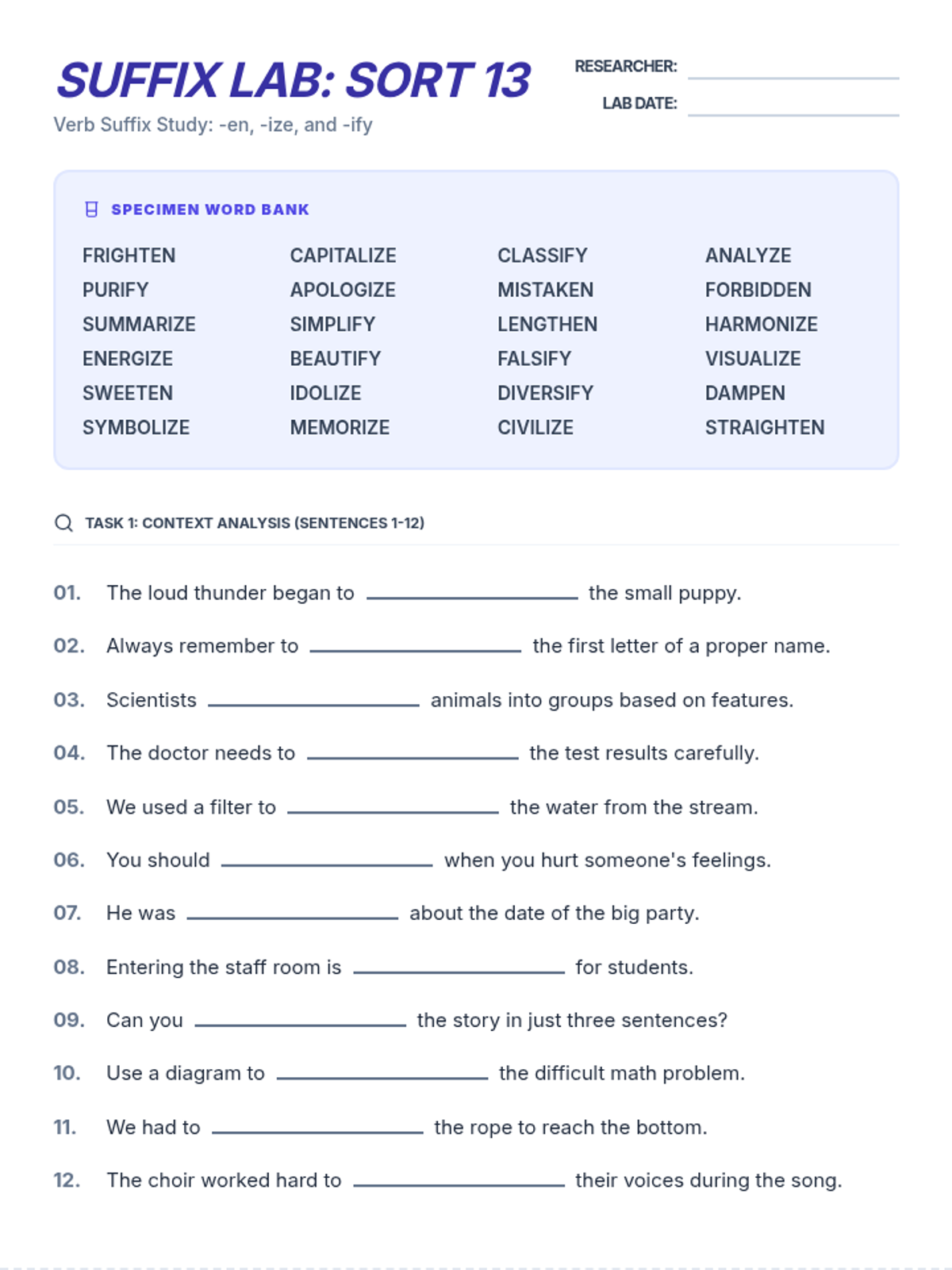
A lesson focused on the suffixes -en, -ize, and -ify. Students investigate how these suffixes transform base words into verbs representing actions or states.
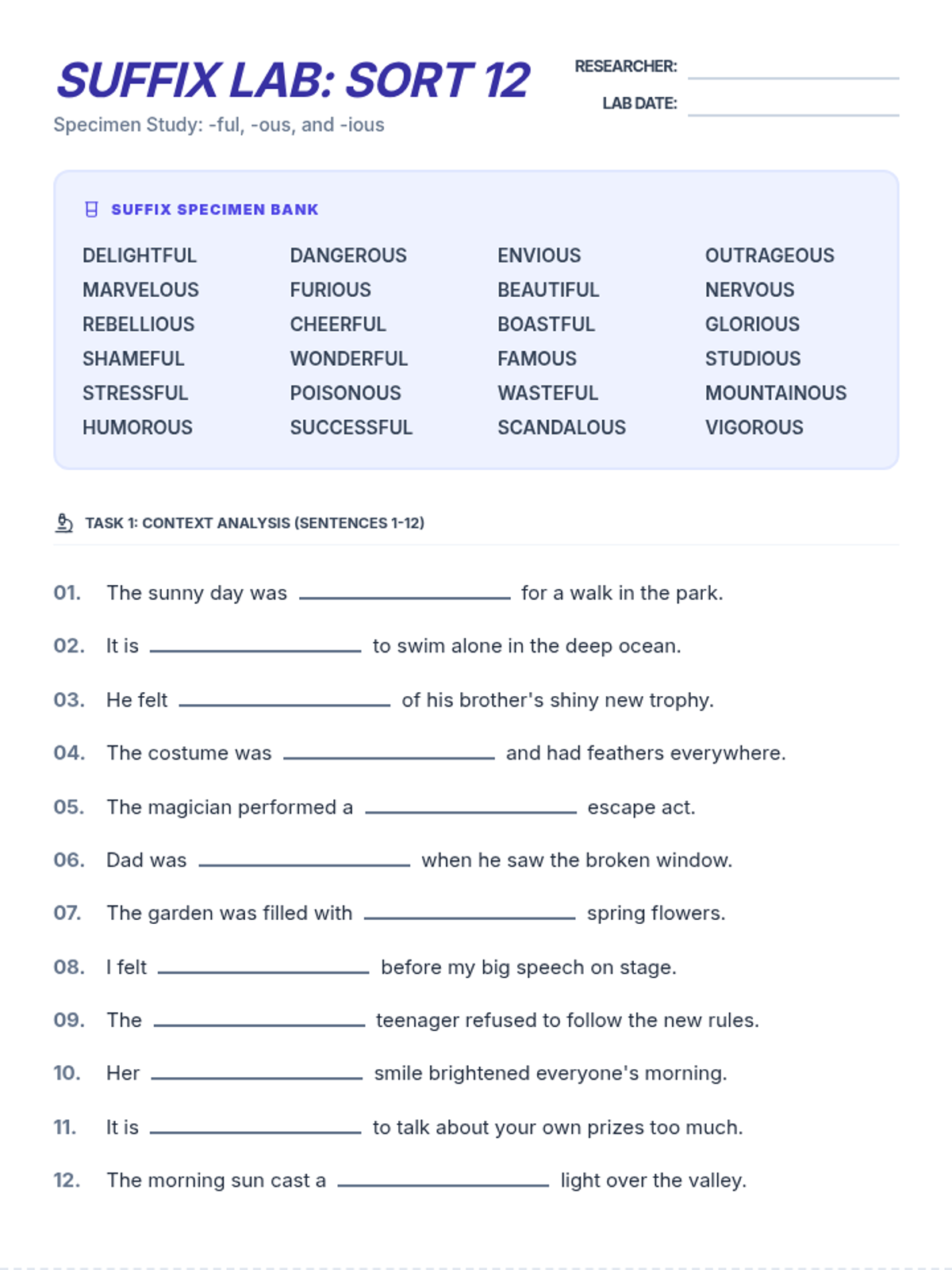
A lesson focused on the suffixes -ful, -ous, and -ious. Students analyze how these suffixes form adjectives from nouns, representing full of or having qualities of.
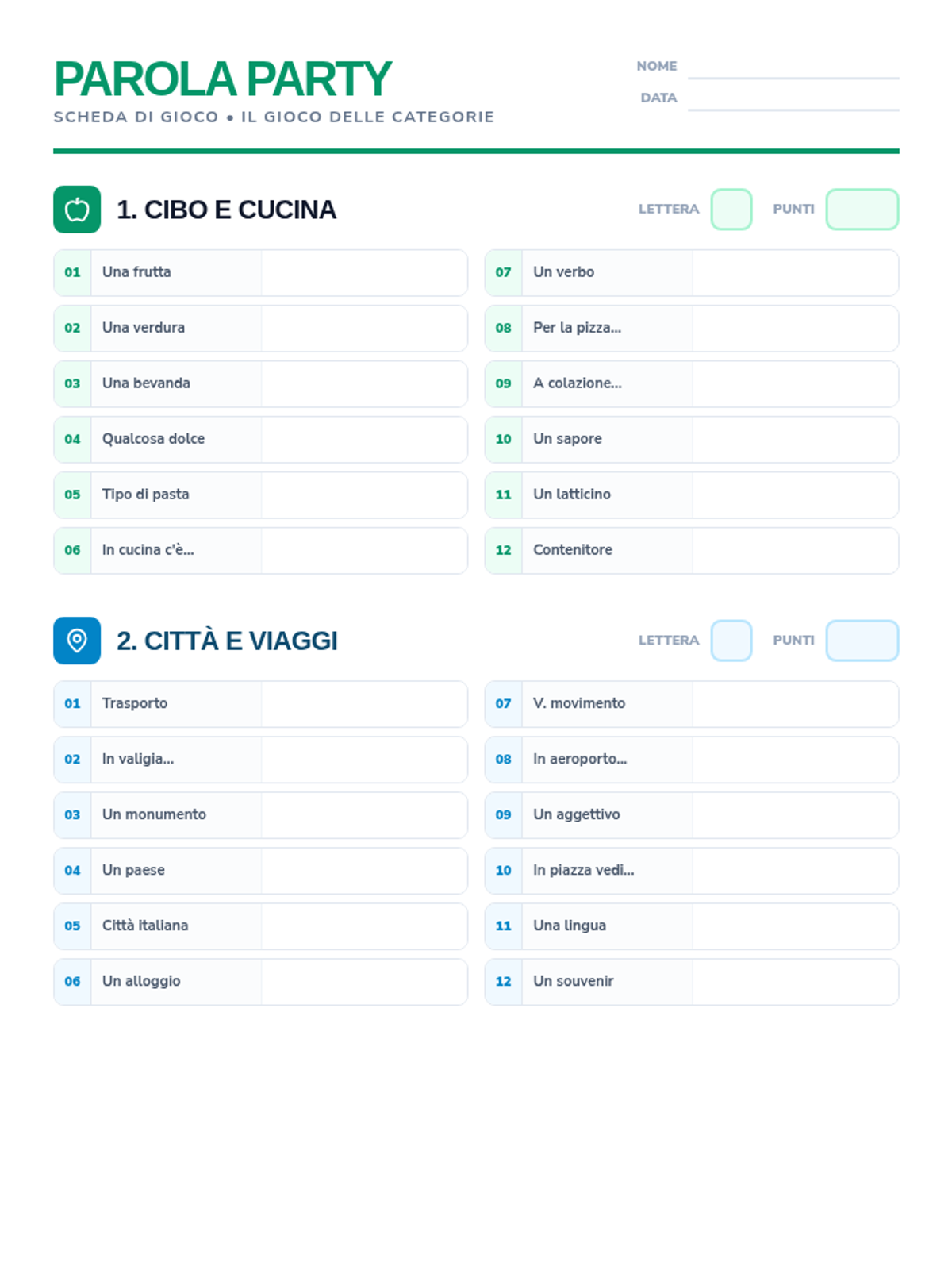
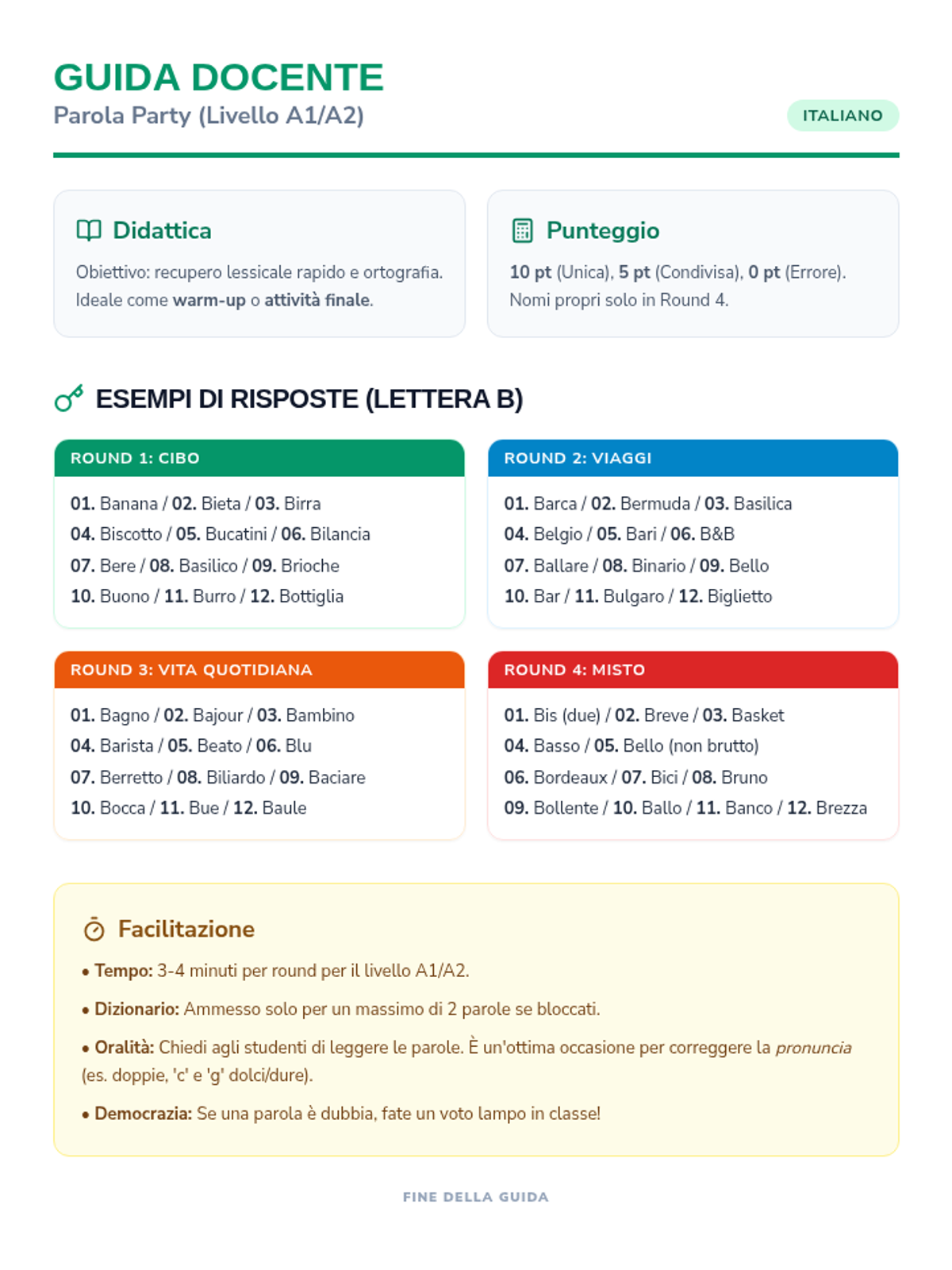
A fast-paced Italian vocabulary game for A1/A2 students covering food, travel, daily life, and general topics. Includes a presentation for class gameplay, printable game boards, and a teacher facilitation guide.
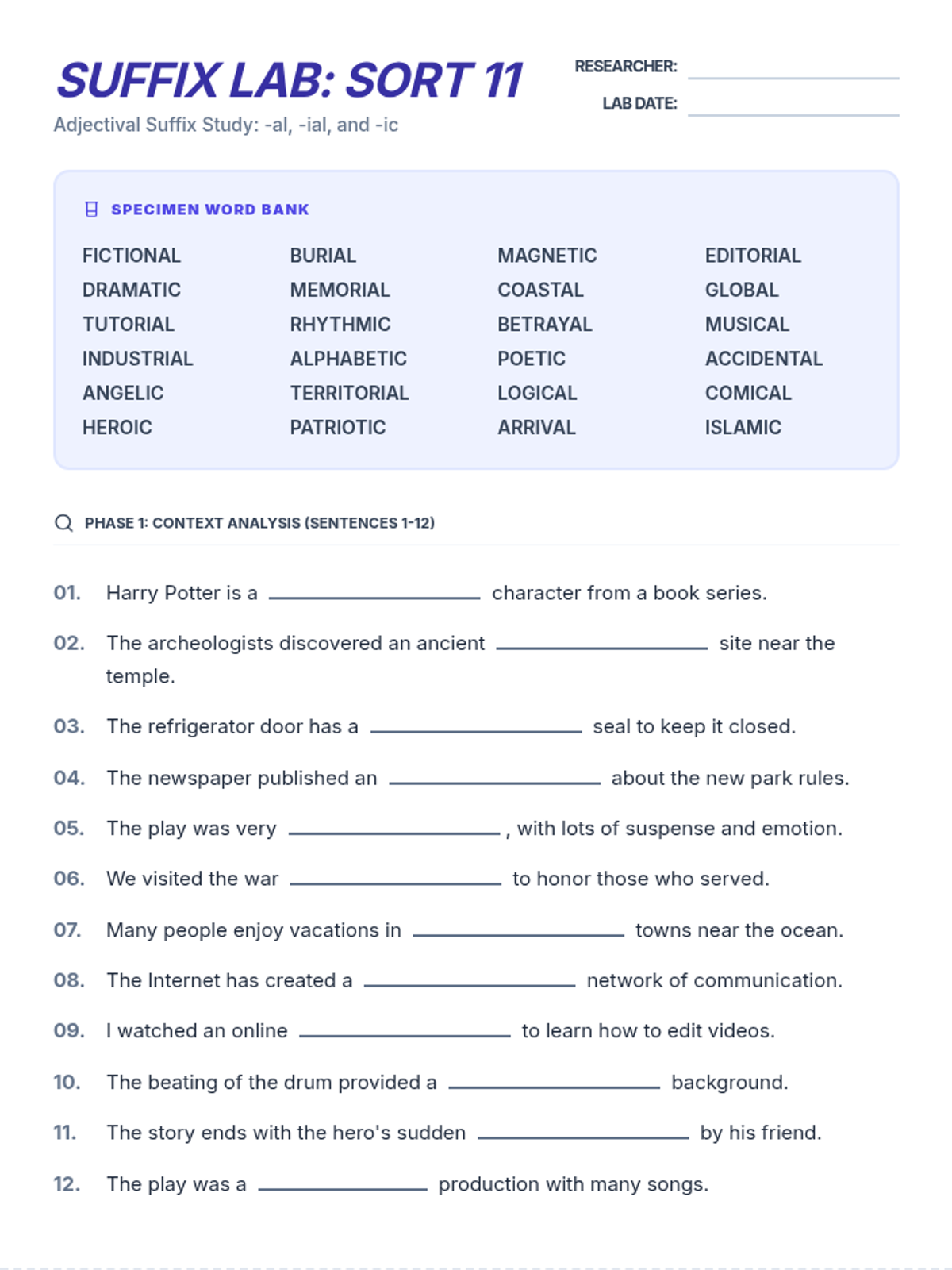
A lesson focused on the suffixes -al, -ial, and -ic. Students analyze how these suffixes form adjectives from nouns, representing relating to or having qualities of.
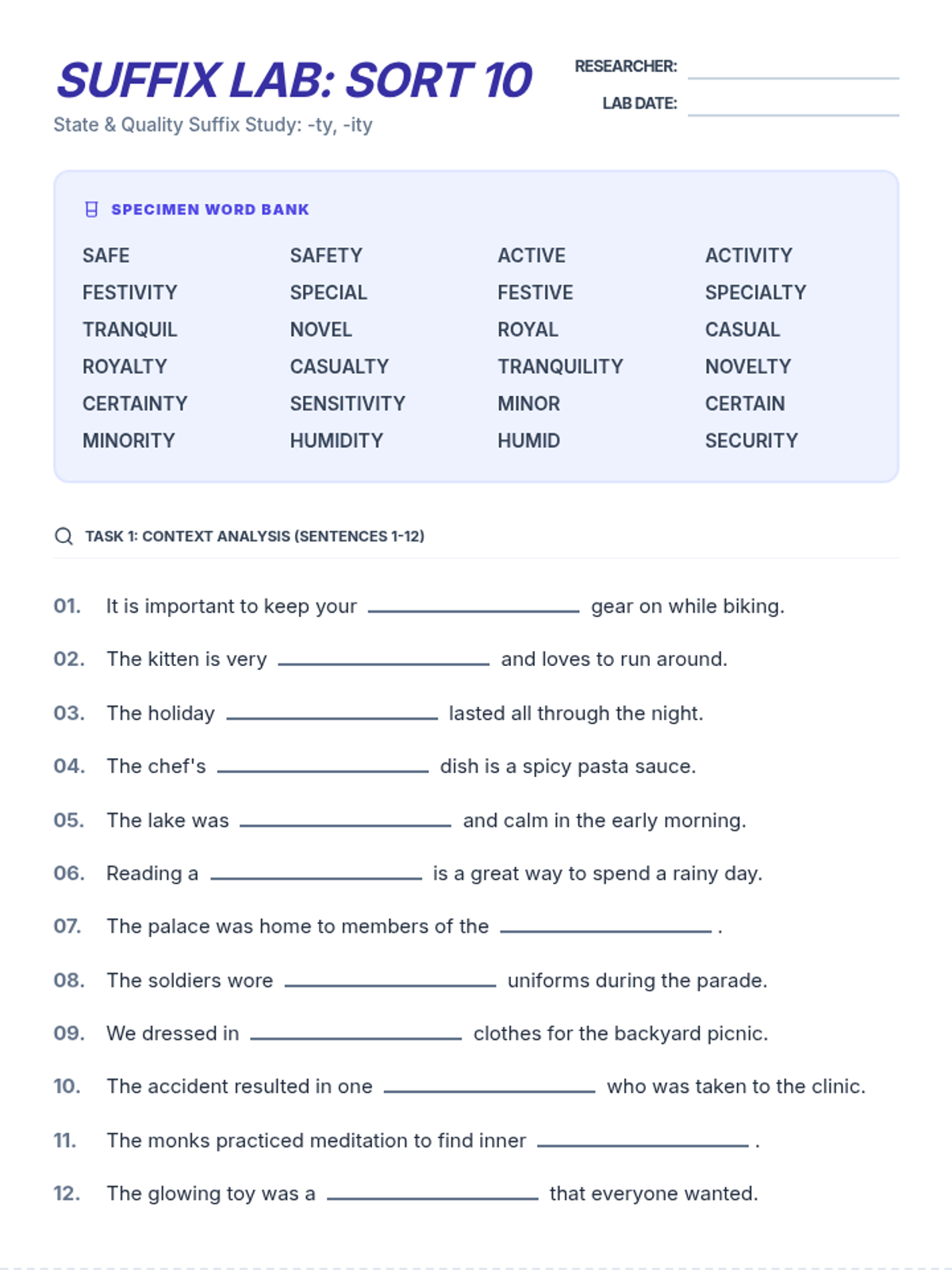
A lesson focused on the suffixes -ty and -ity. Students analyze how these suffixes form nouns from adjectives, representing states or qualities.
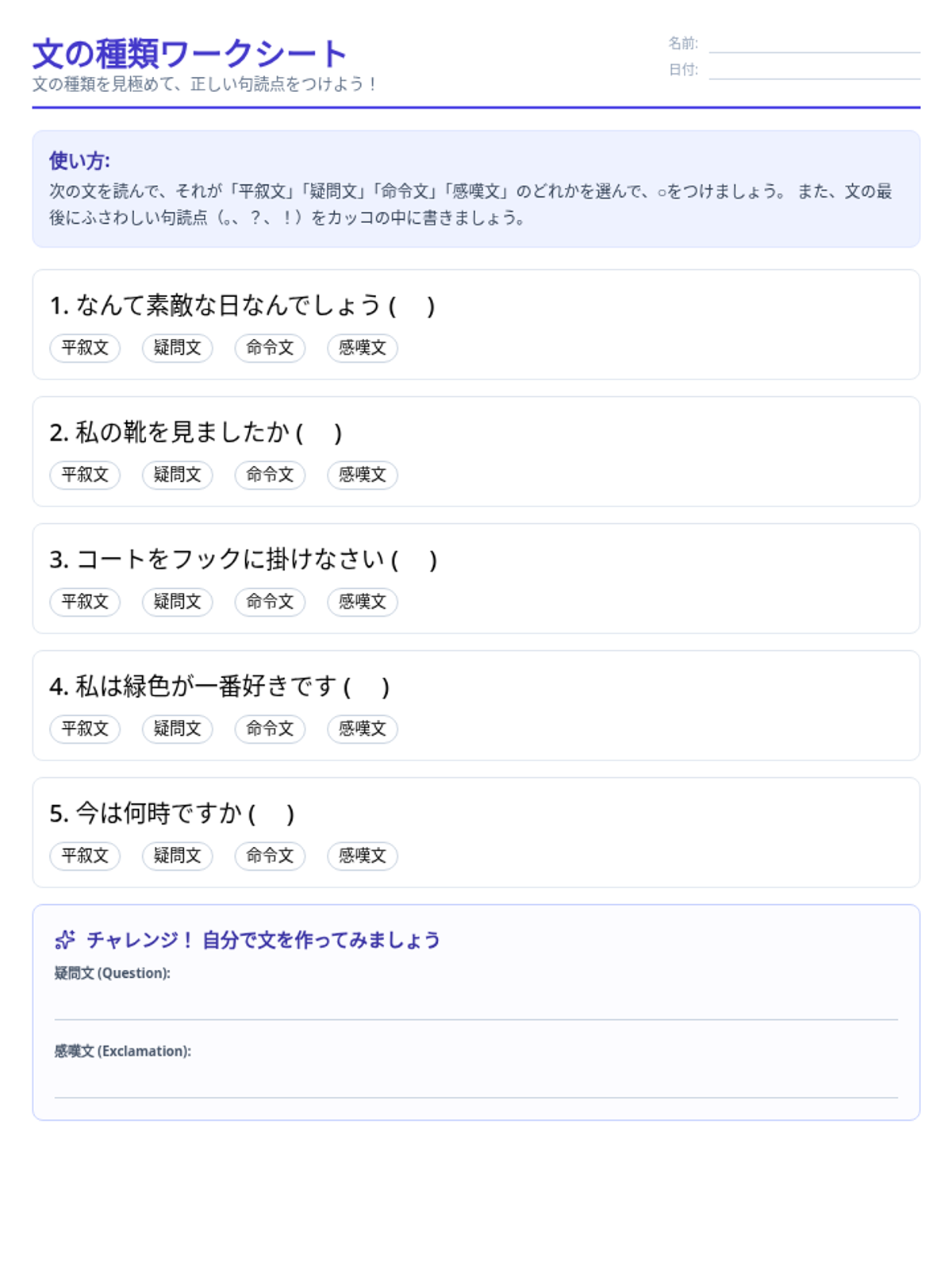
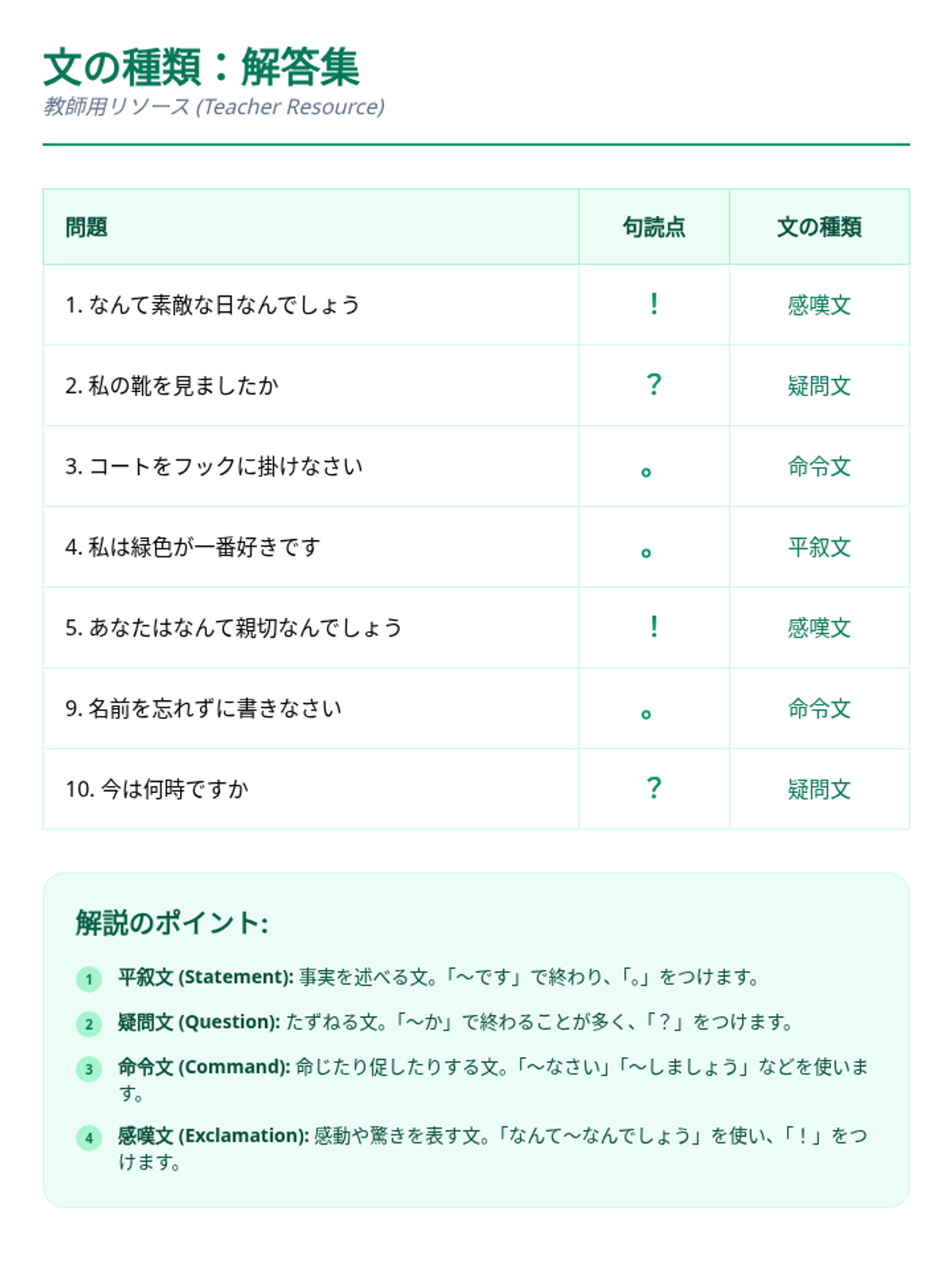
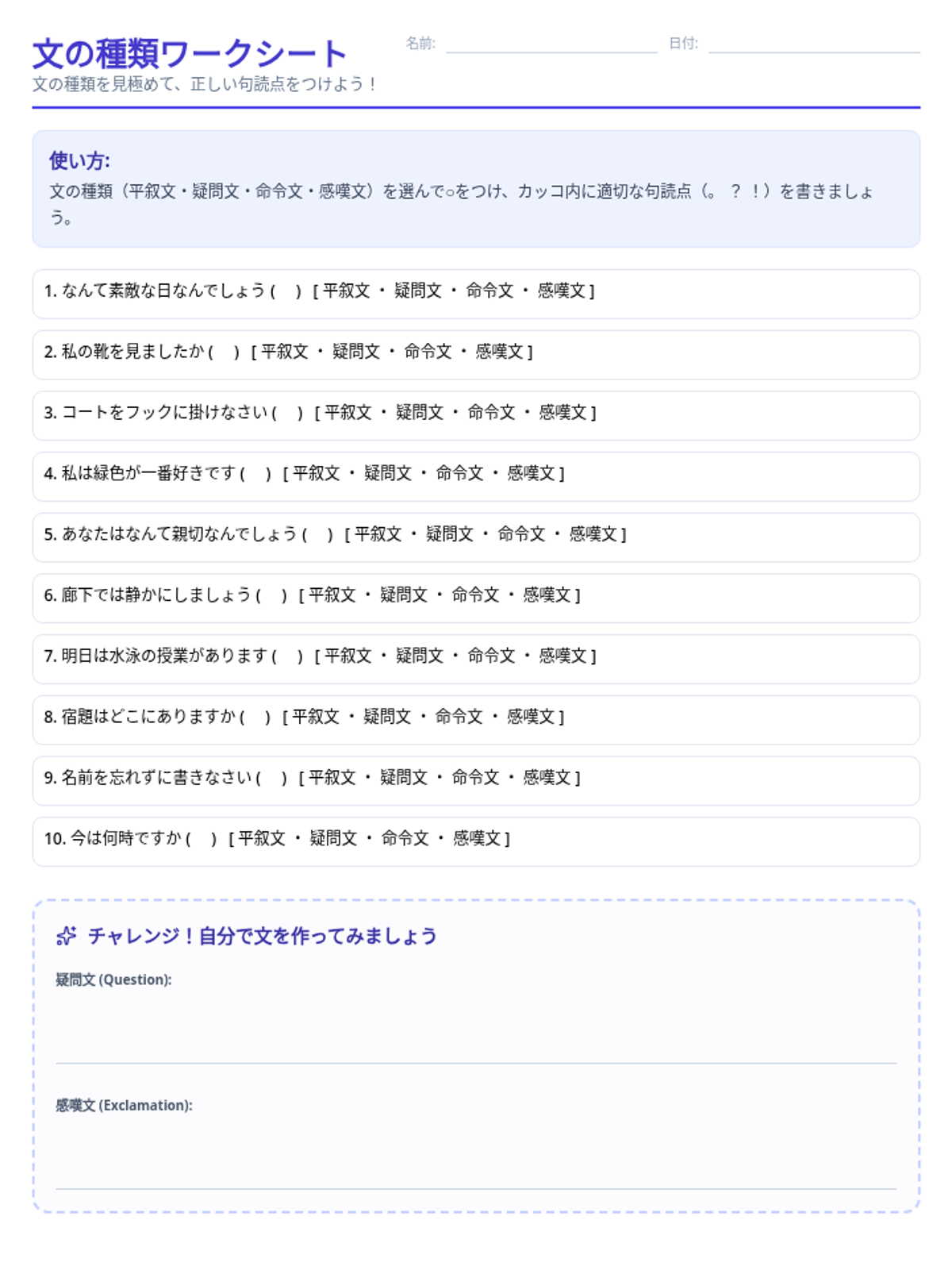
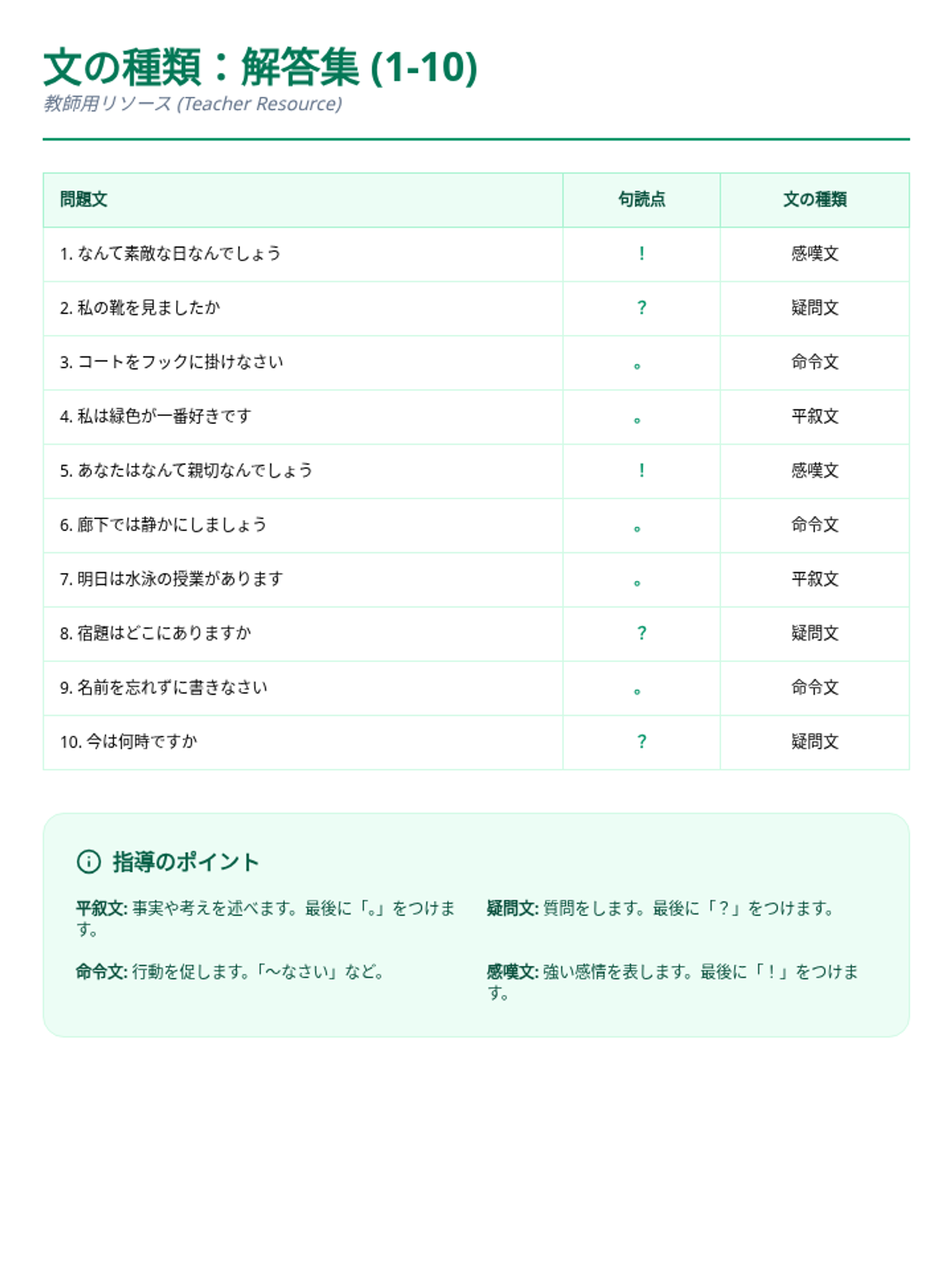
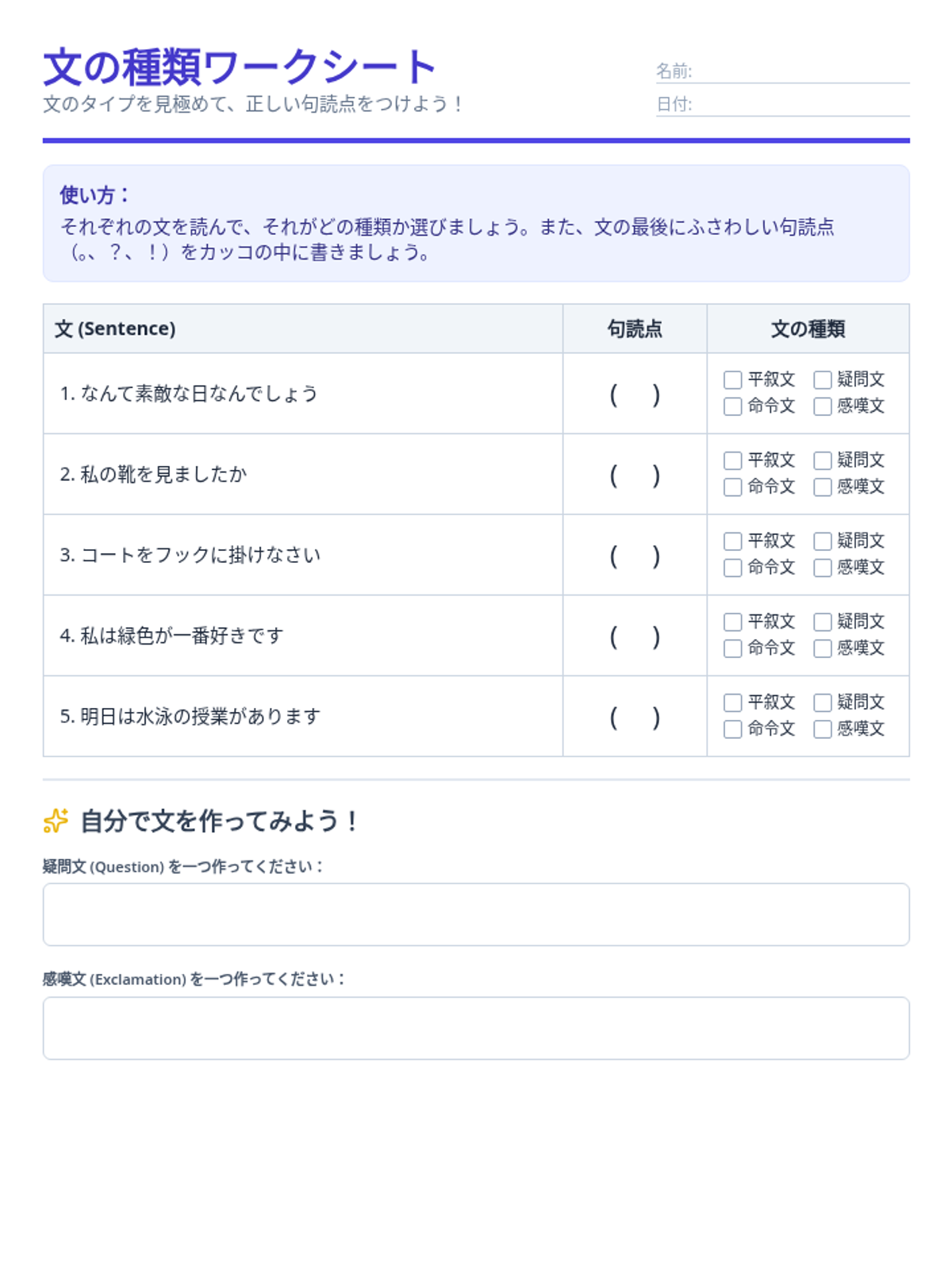
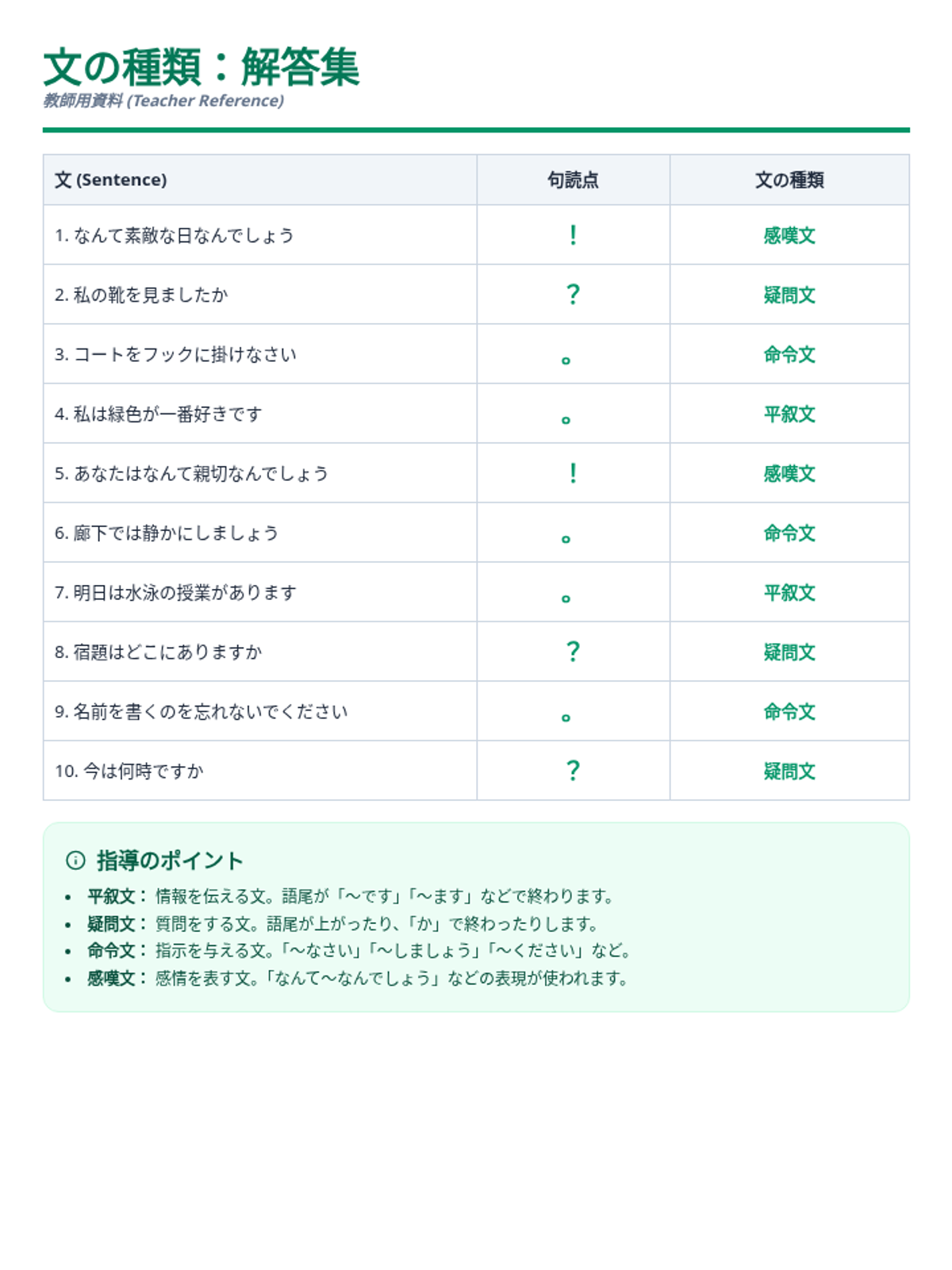
A lesson focused on identifying and using different types of sentences in Japanese: statements, questions, commands, and exclamations. Students will learn the appropriate punctuation for each.
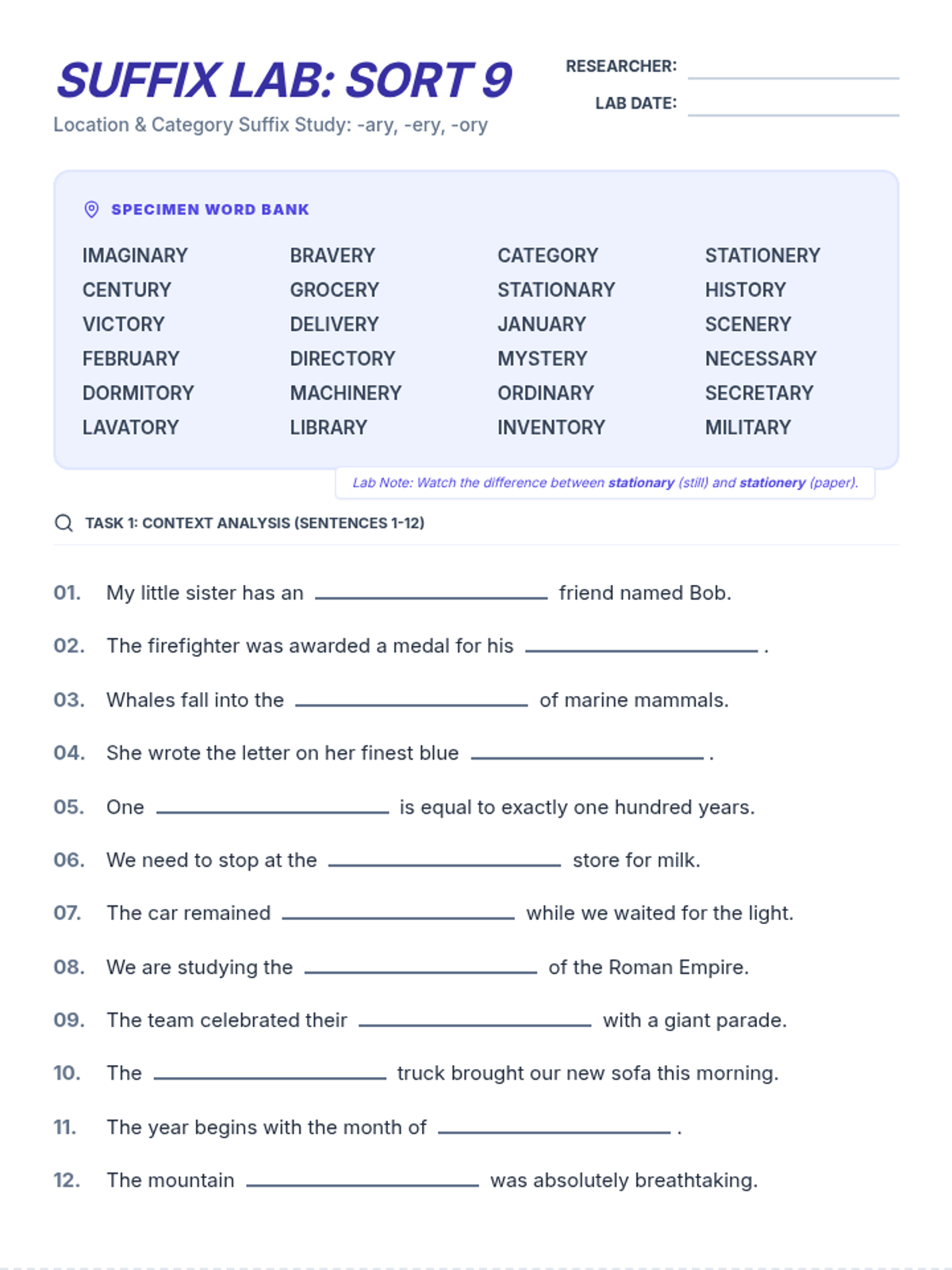
A lesson focused on location and category suffixes (-ary, -ery, -ory). Students analyze how these suffixes form nouns and adjectives related to places, groups, and qualities.
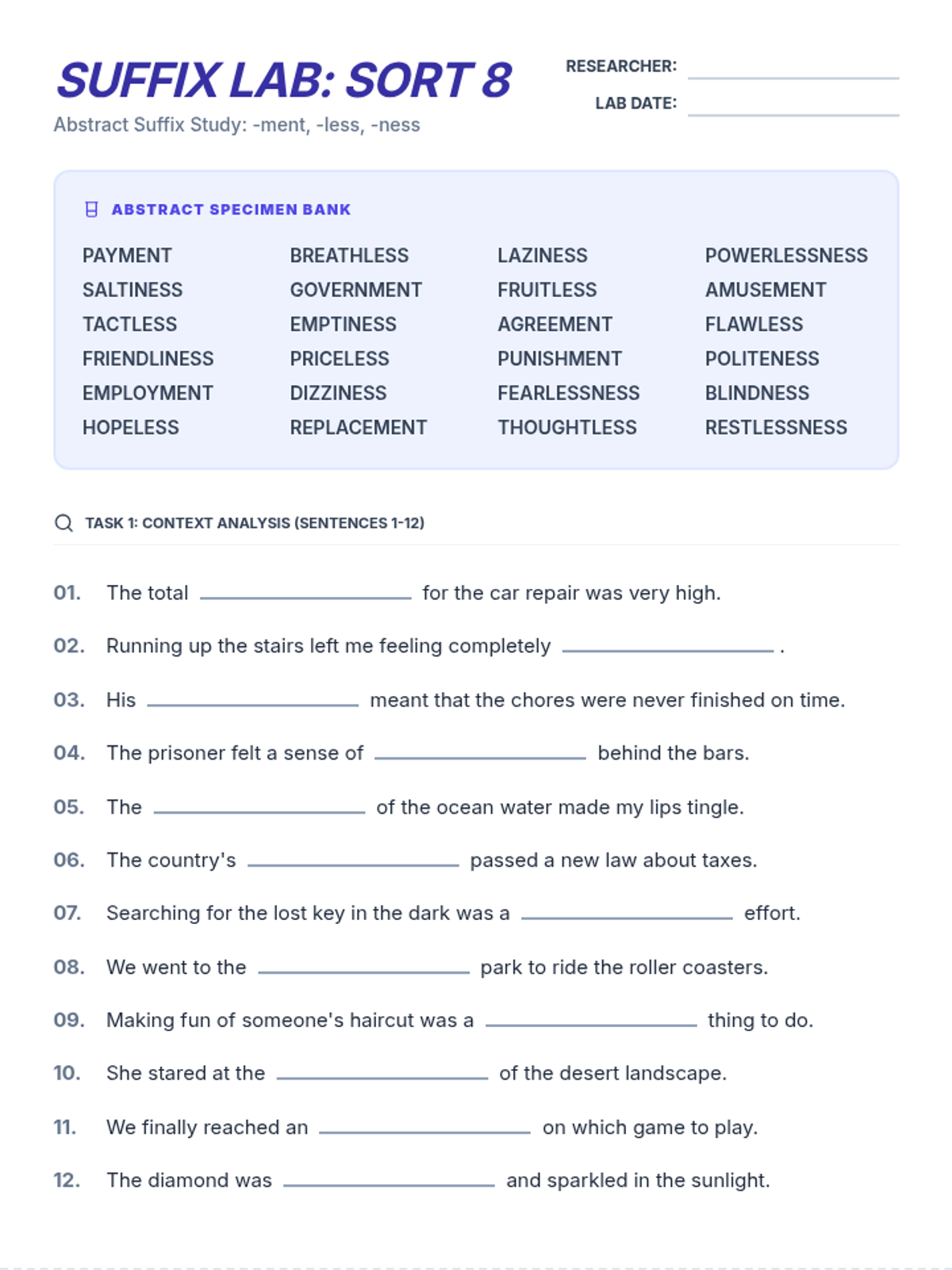
A lesson focused on abstract suffixes (-ment, -less, -ness). Students explore how these suffixes form nouns and adjectives related to states, qualities, and actions.
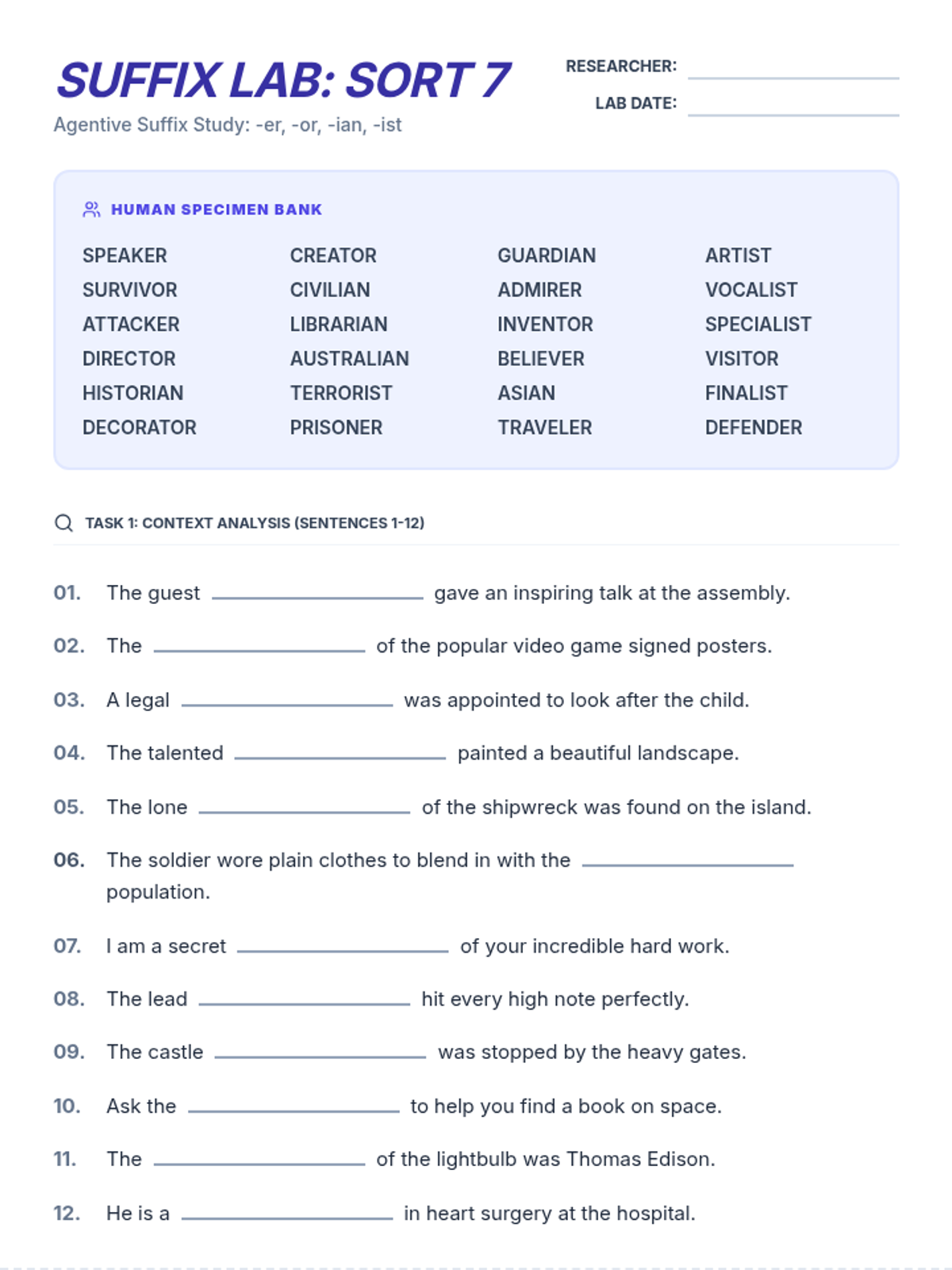
A lesson focused on agentive suffixes (-er, -or, -ian, -ist). Students analyze how these suffixes identify people who perform specific actions or hold certain roles.
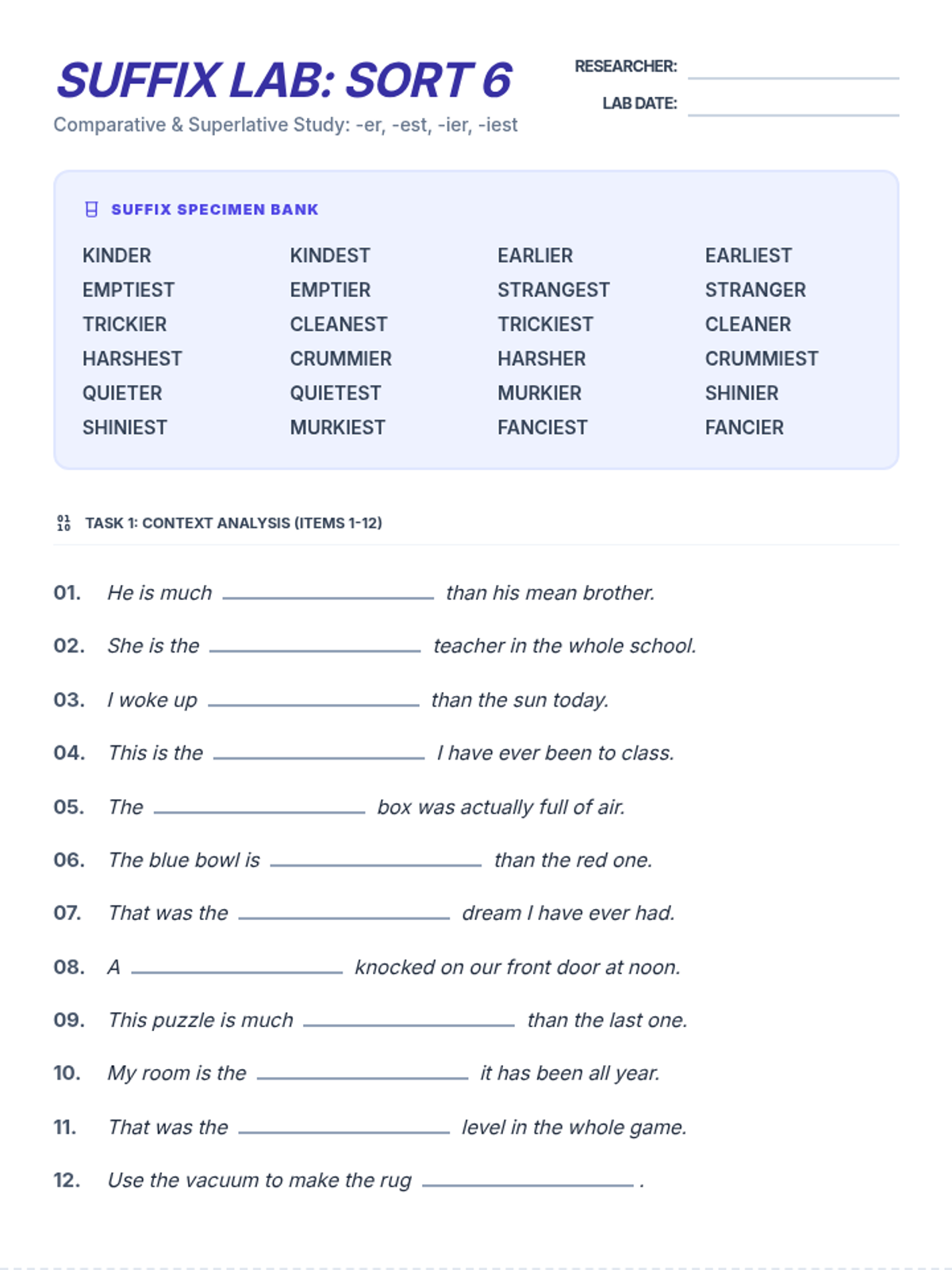
A lesson focused on comparative and superlative suffixes (-er, -est, -ier, -iest). Students explore how these suffixes change adjectives to compare two or more things.
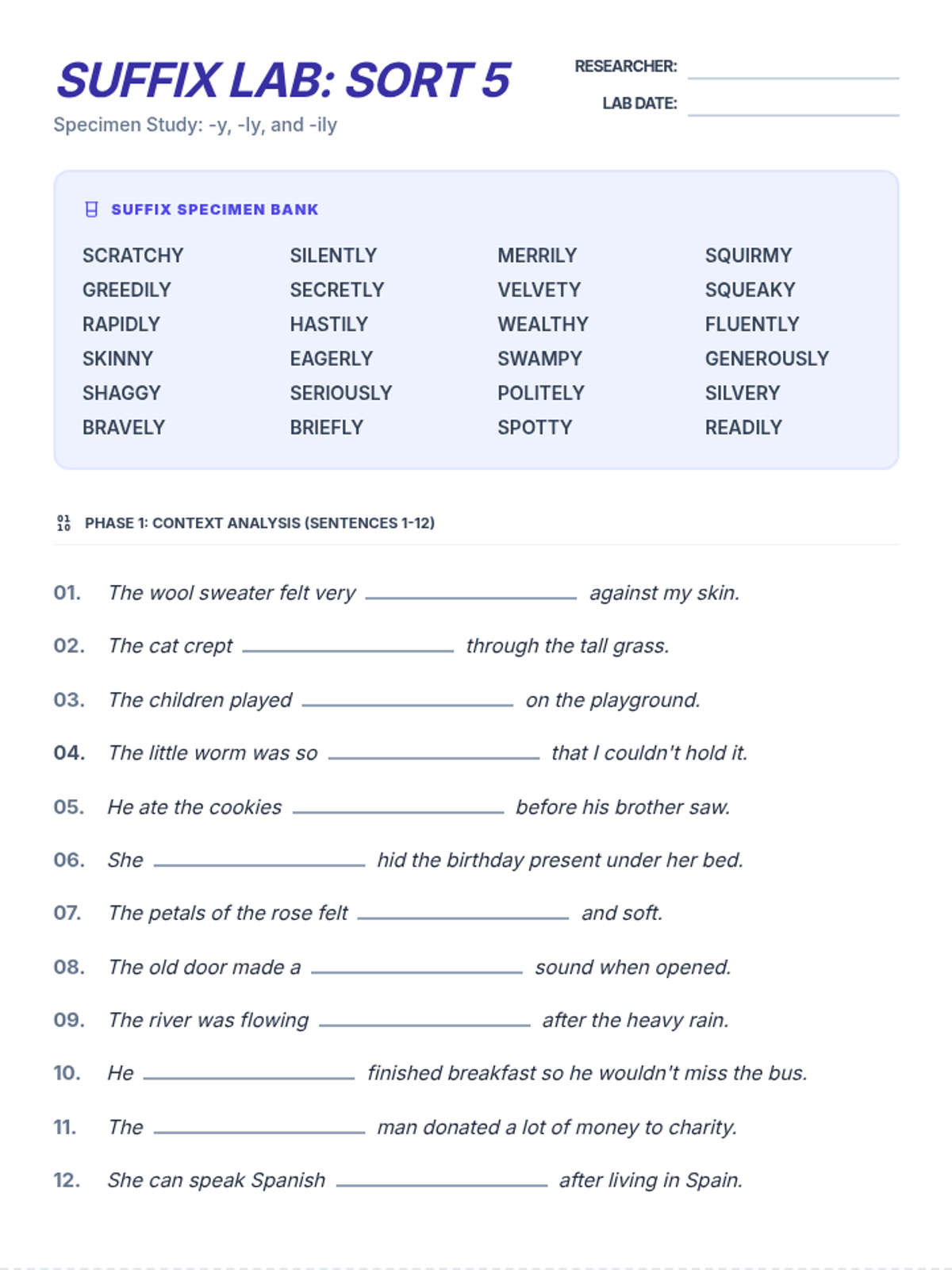
A lesson focused on the suffixes -y, -ly, and -ily. Students analyze how these suffixes change word meanings and usage through contextual application.
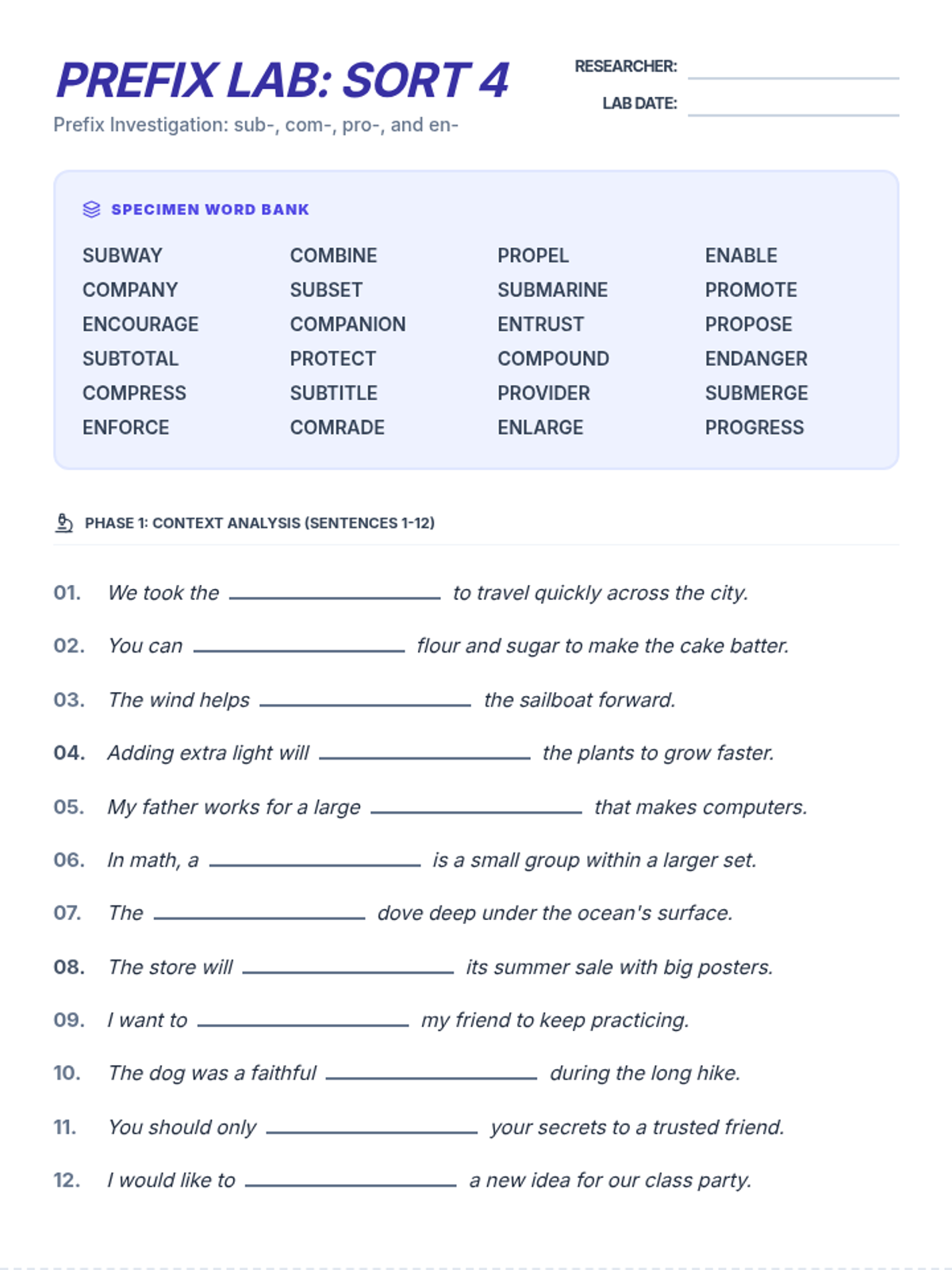
A lesson focused on the prefixes sub-, com-, pro-, and en-. Students apply their knowledge of these prefixes to identify and use words in various contexts.