Focuses on identifying changes caused by heating and cooling, specifically distinguishing between reversible (melting wax) and irreversible (baking/cooking) changes. Includes 'Crayon Sculptors' and 'Pancake Puzzle'.
An advanced physics-based engineering unit for grades 4-5. Students take on the role of 'Roller Coaster Tycoons' to design gravity-powered coasters and braking systems, emphasizing variable testing, energy transfer, and safety criteria.
A fun-filled junior engineering lesson for grades 1-3. Students act as 'Thrill Seekers' to design steep, safe slides and sturdy ticket booths for a new amusement park, focusing on surface properties, friction, and structural stability.
An advanced disaster relief engineering unit for grades 4-5. Students design precision supply drop crates to protect medical gear and modular flood barrier systems to save a model town, emphasizing experimental variables and cost-to-performance criteria.
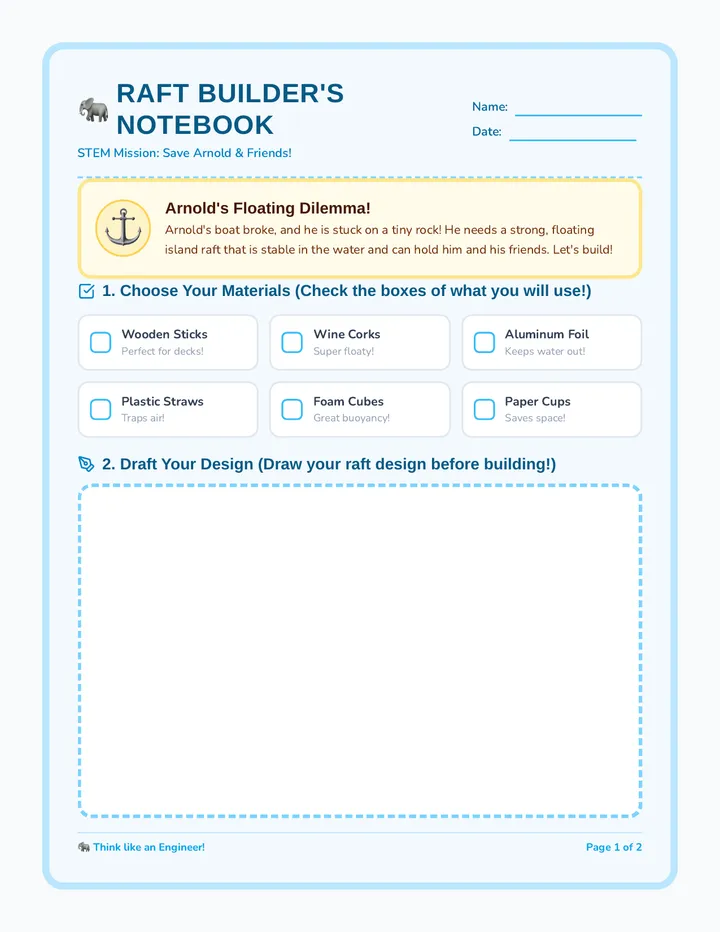
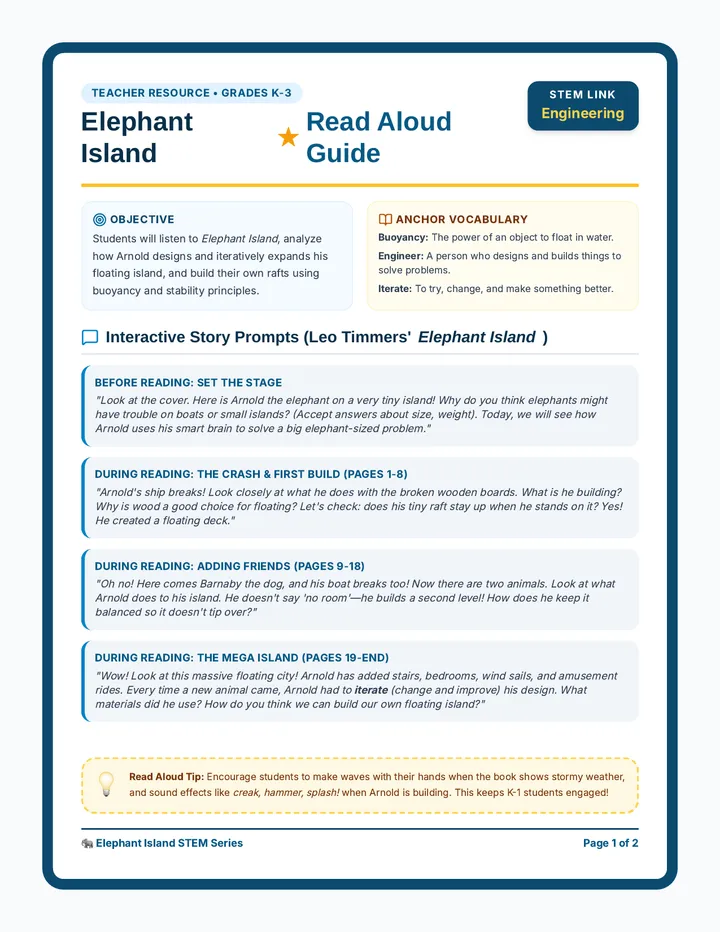
A high-energy junior engineering lesson for grades 1-3. Students join the 'Storm Rescue Team' to design unsinkable rafts for flood rescues and wind-resistant shelters for high-wind emergencies, focusing on material properties and modeling.
An advanced engineering challenge for grades 4-5 set in a Mars mission context. Students design landing systems to protect rovers and build structures to withstand extreme planetary conditions, focusing on experimental design and prototype evaluation.
A junior engineering lesson for grades 1-3 where students act as zoo designers. They solve real-world animal habitat problems by building waterproof canopies and sturdy bridges, focusing on modeling, tool use, and basic prototyping.
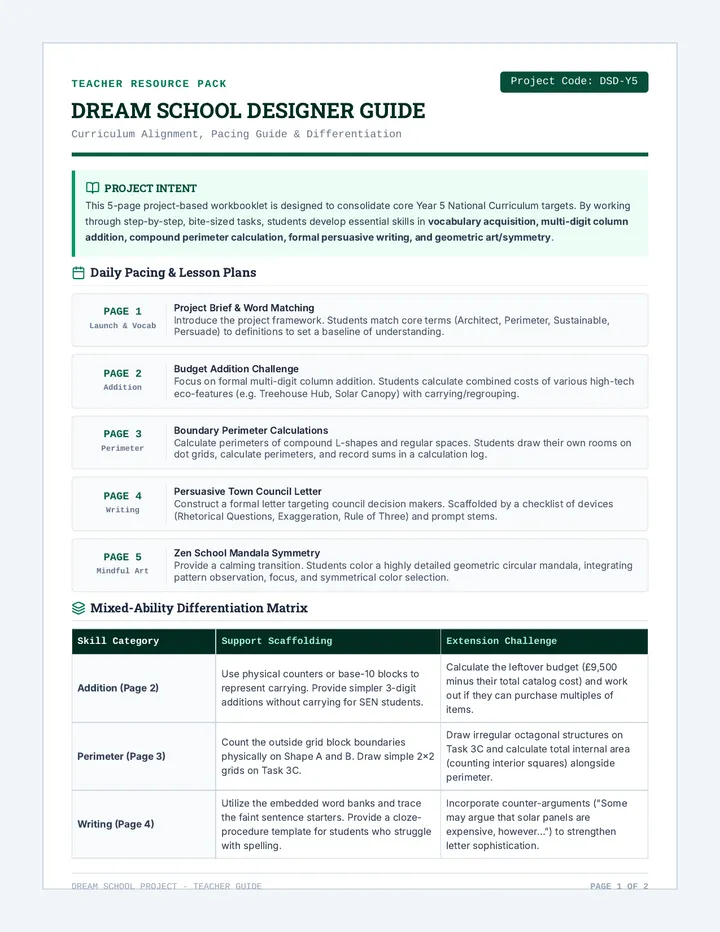
Fifth-grade students explore energy flow and conservation of matter by building wind turbine blades and sorting mixtures of recyclable materials.