Students transition from concrete Base-10 models to the abstract vertical subtraction algorithm through the 'Ghost Blocks' visualization method. This lesson uses a scaffolded approach to build confidence in subtraction without regrouping.
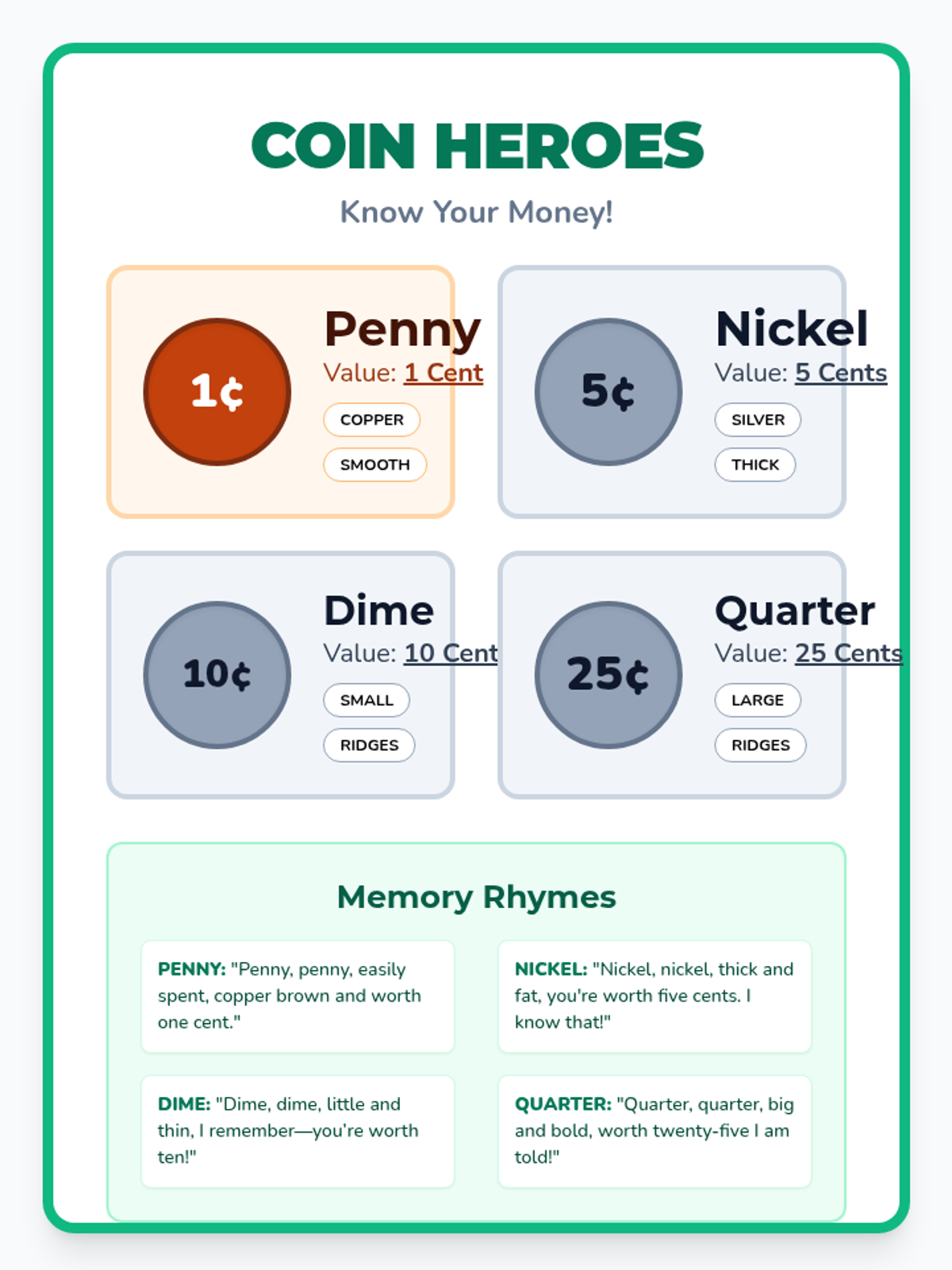
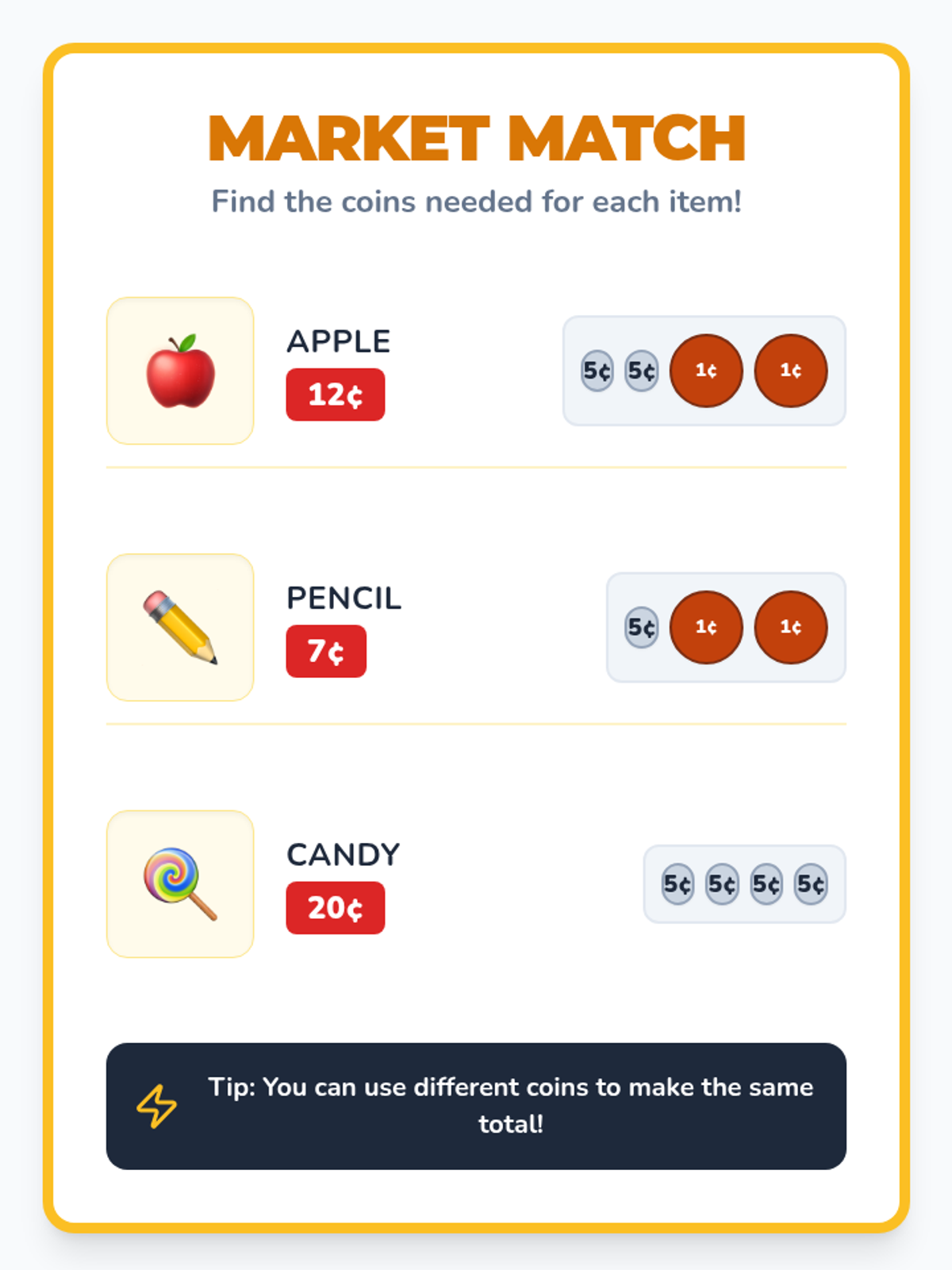
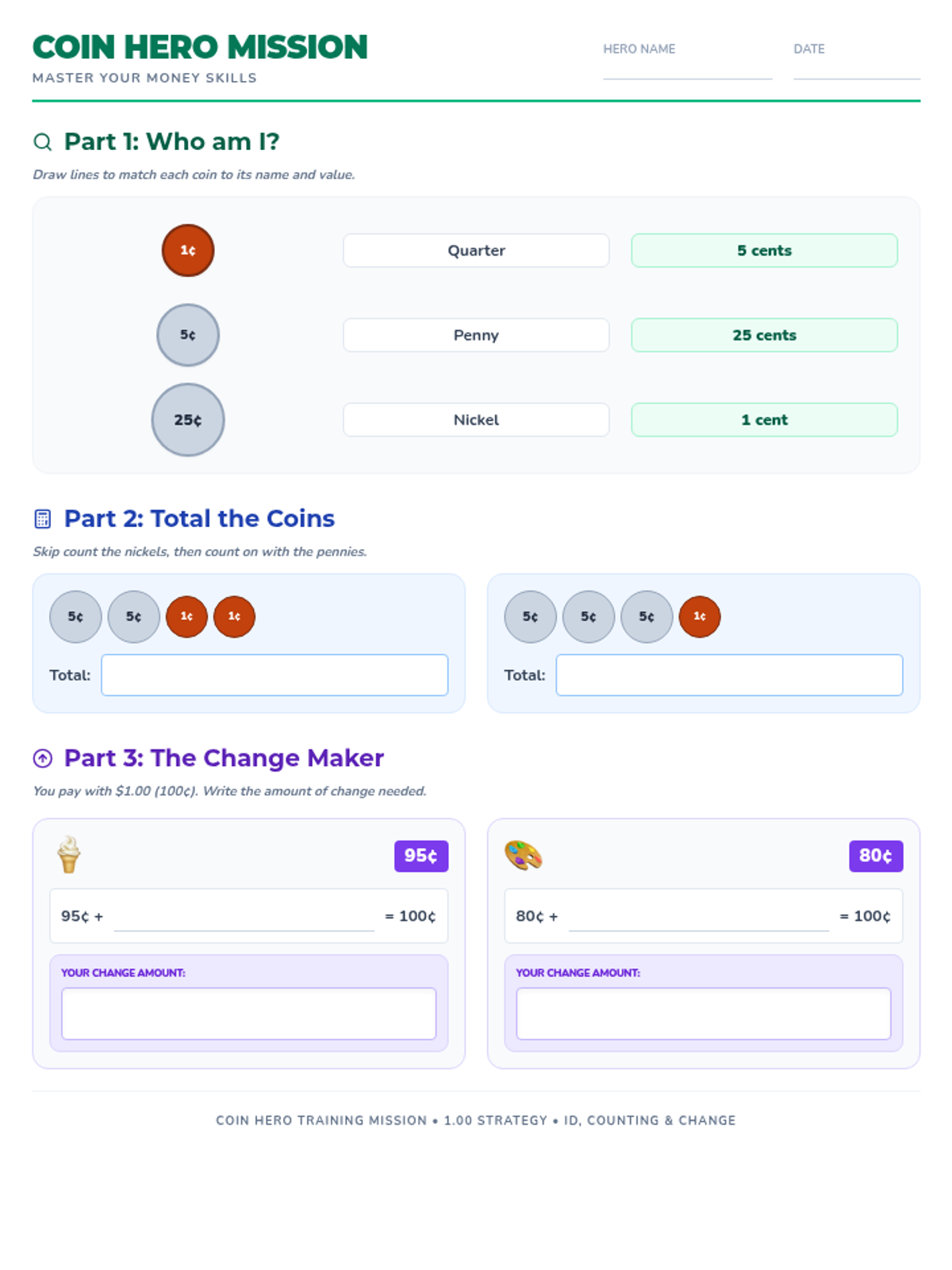
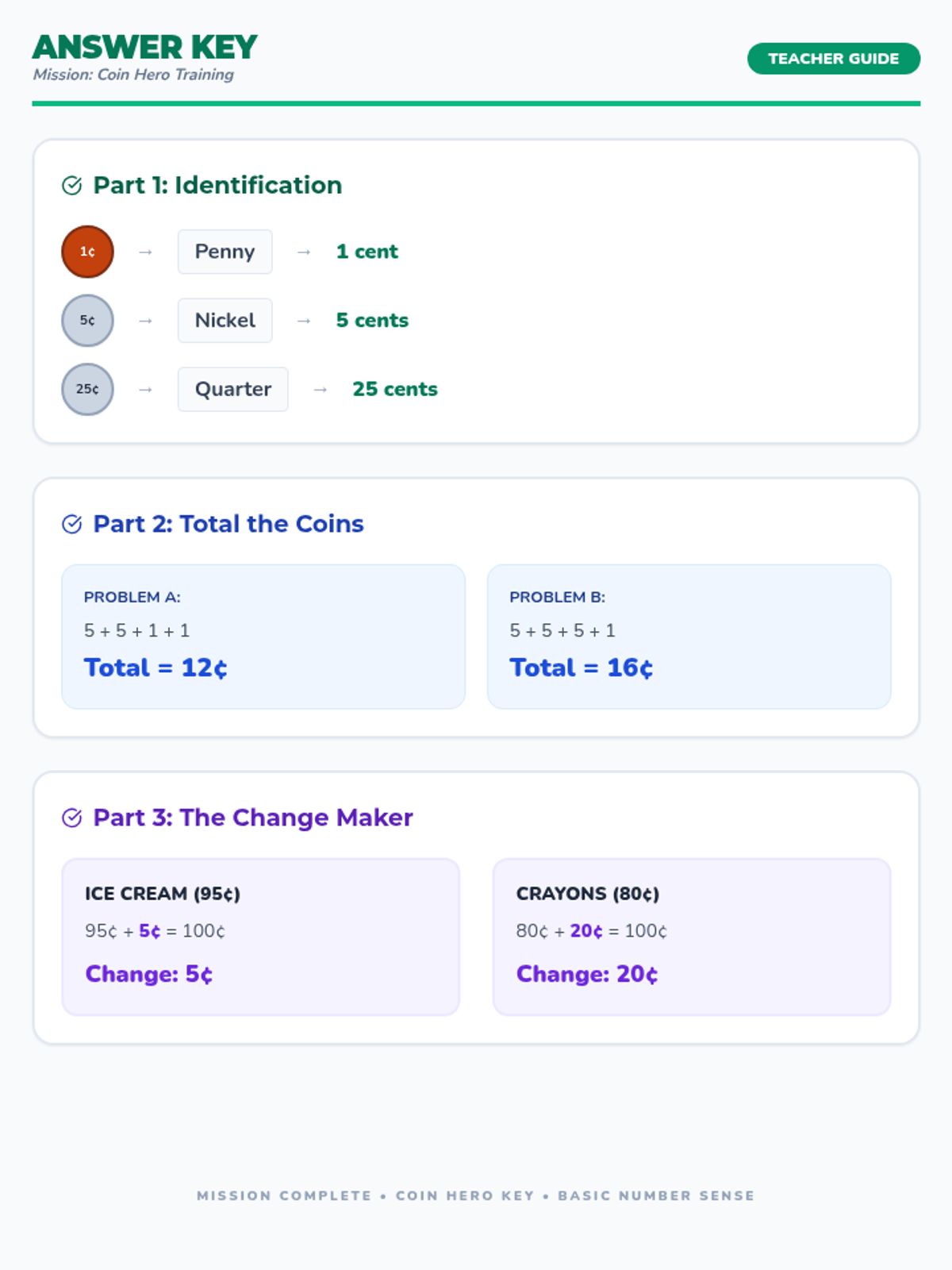
A collection of visual anchor charts and posters designed to teach basic coin identification, counting, and making change from a dollar. These materials use large visuals and clear strategies for early elementary students.
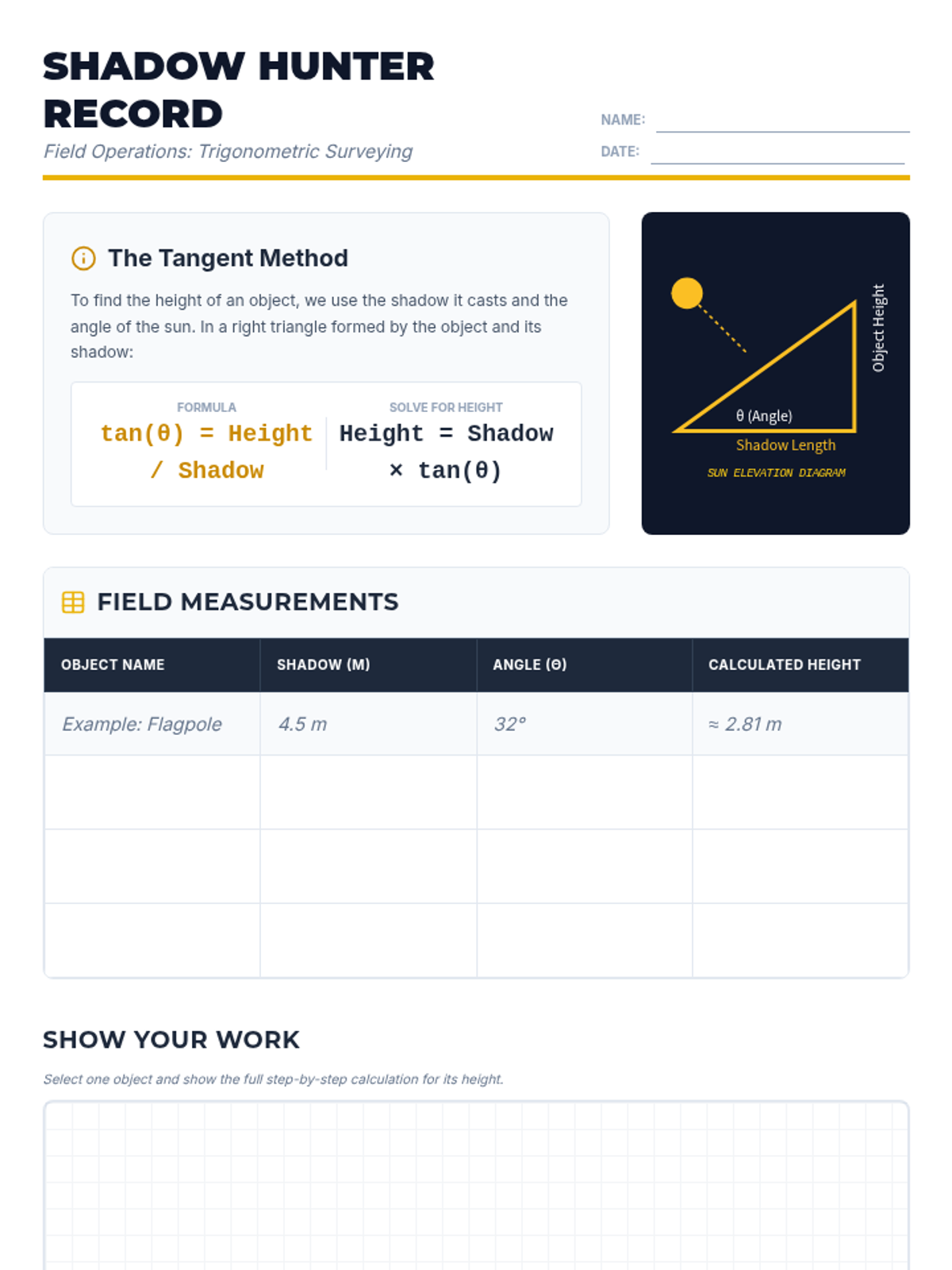
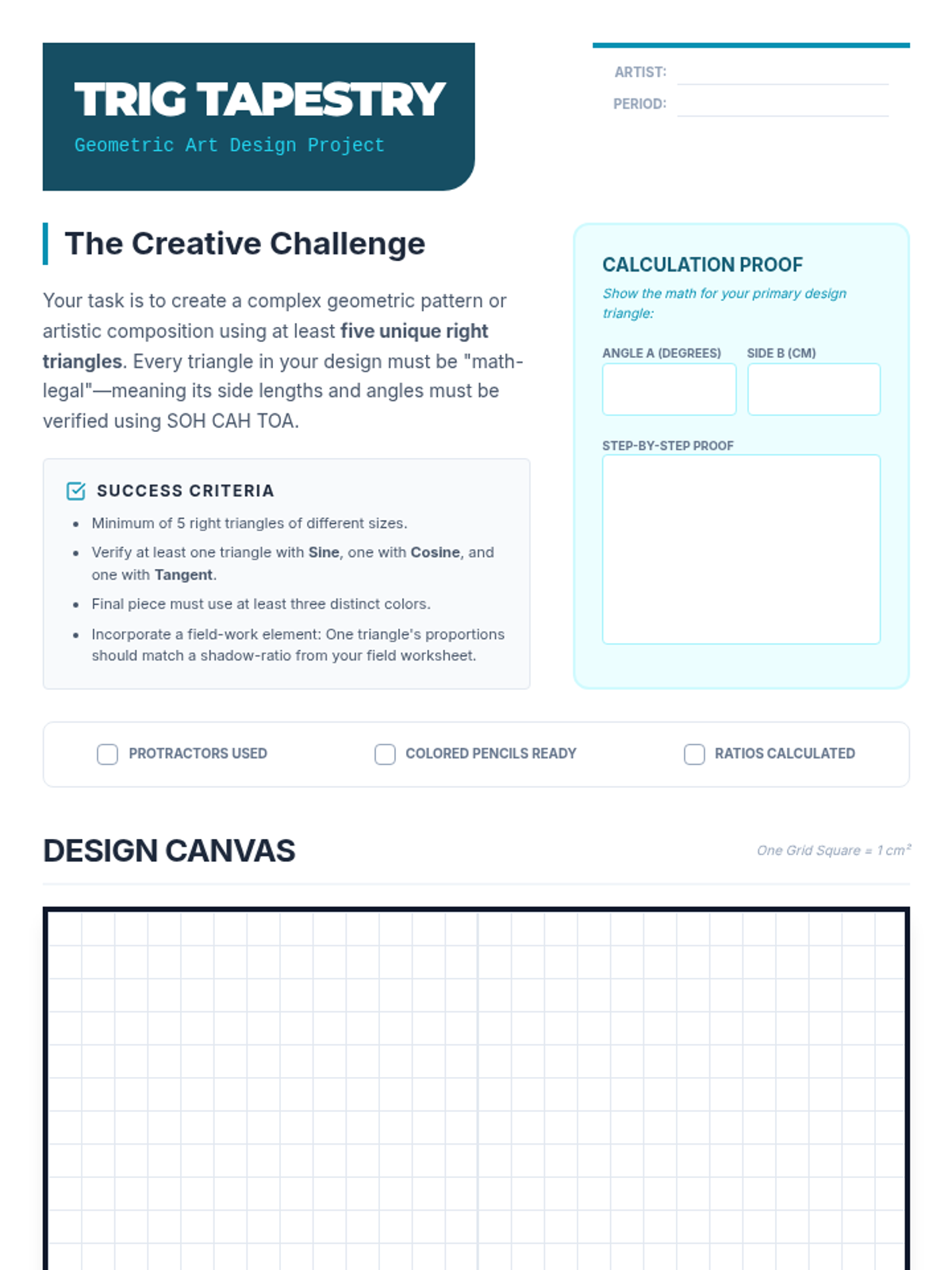
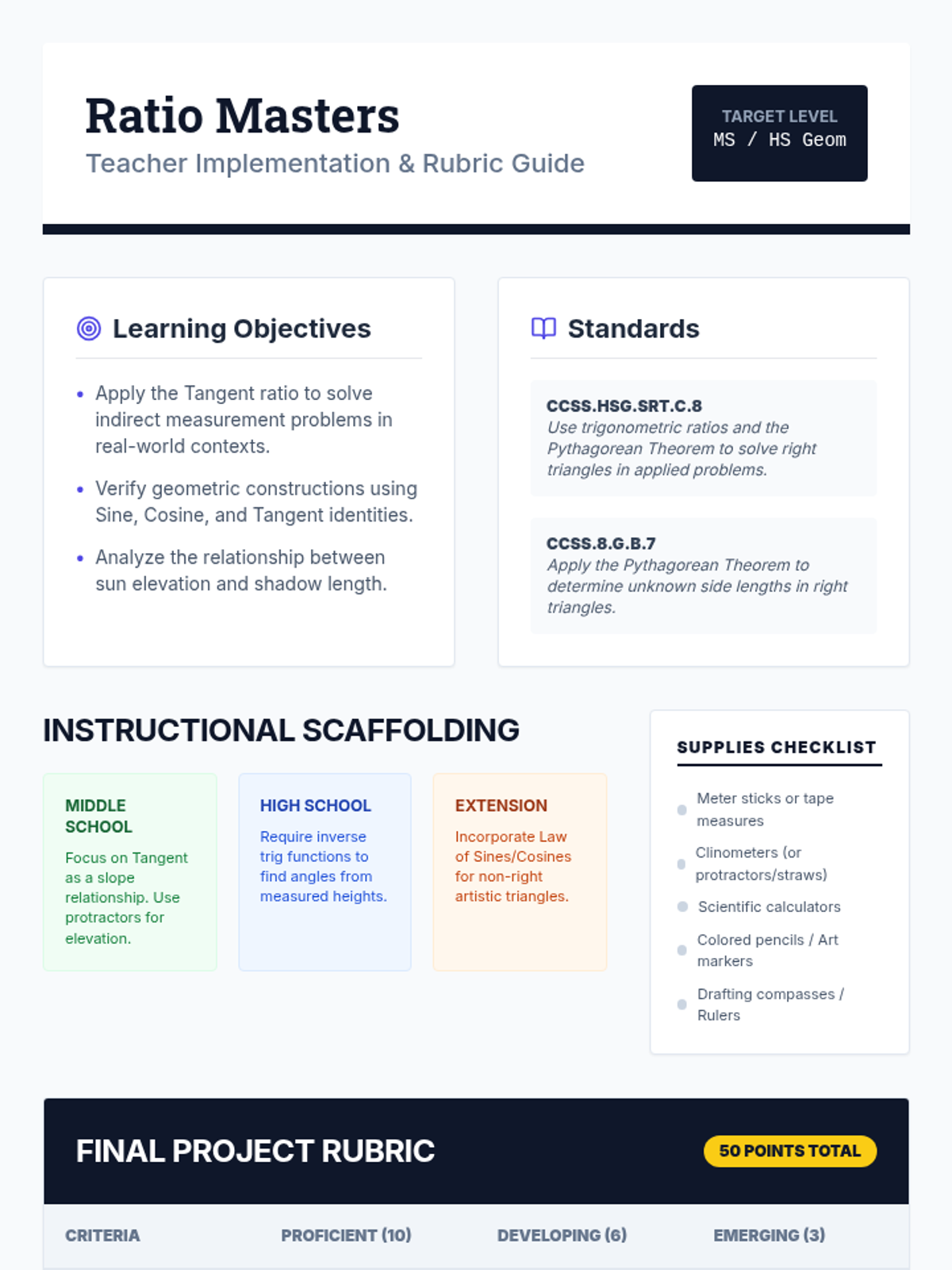
Students learn to apply Sine, Cosine, and Tangent to real-world measurements and abstract artistic design, culminating in a dual-phase project.
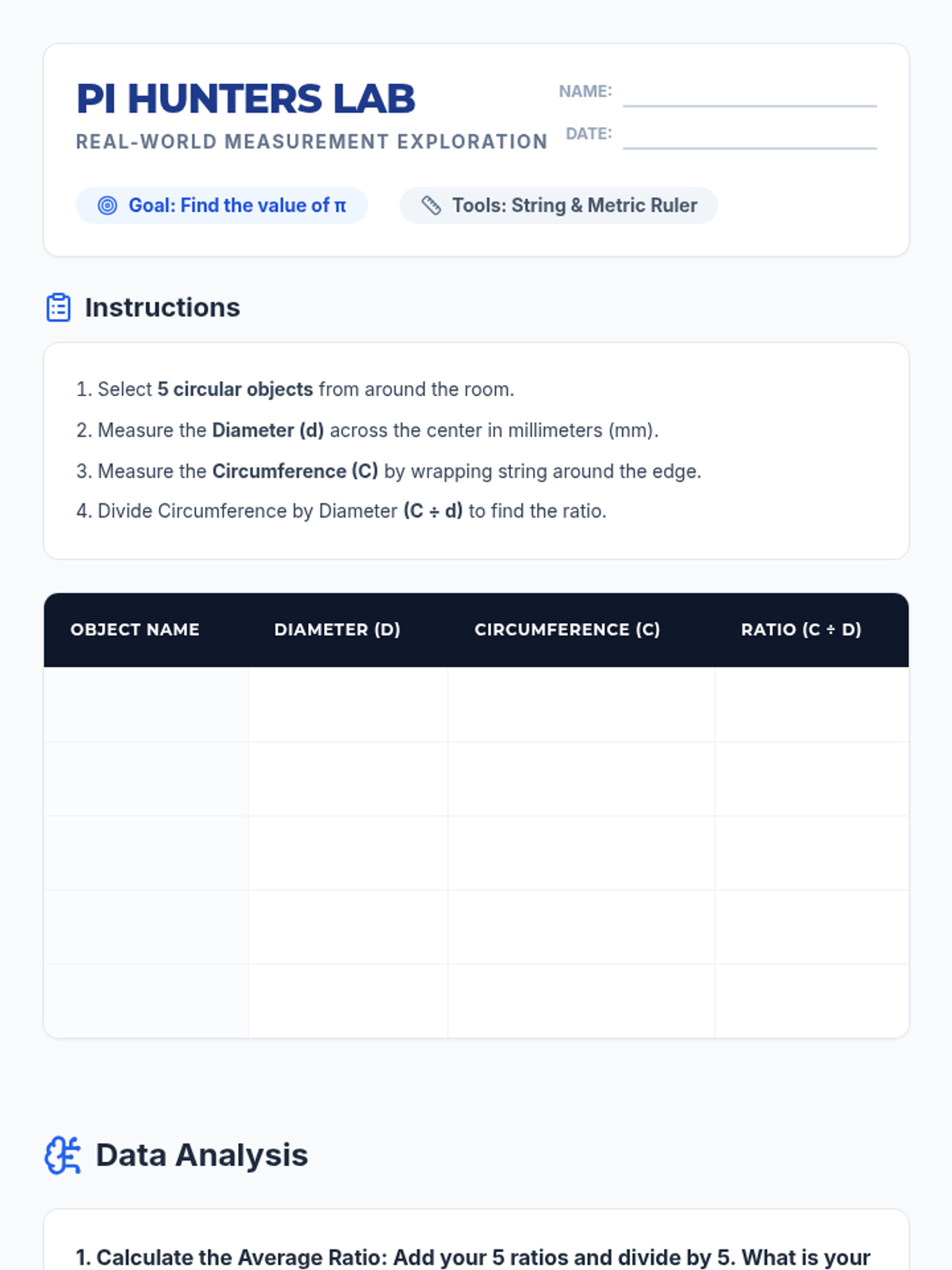
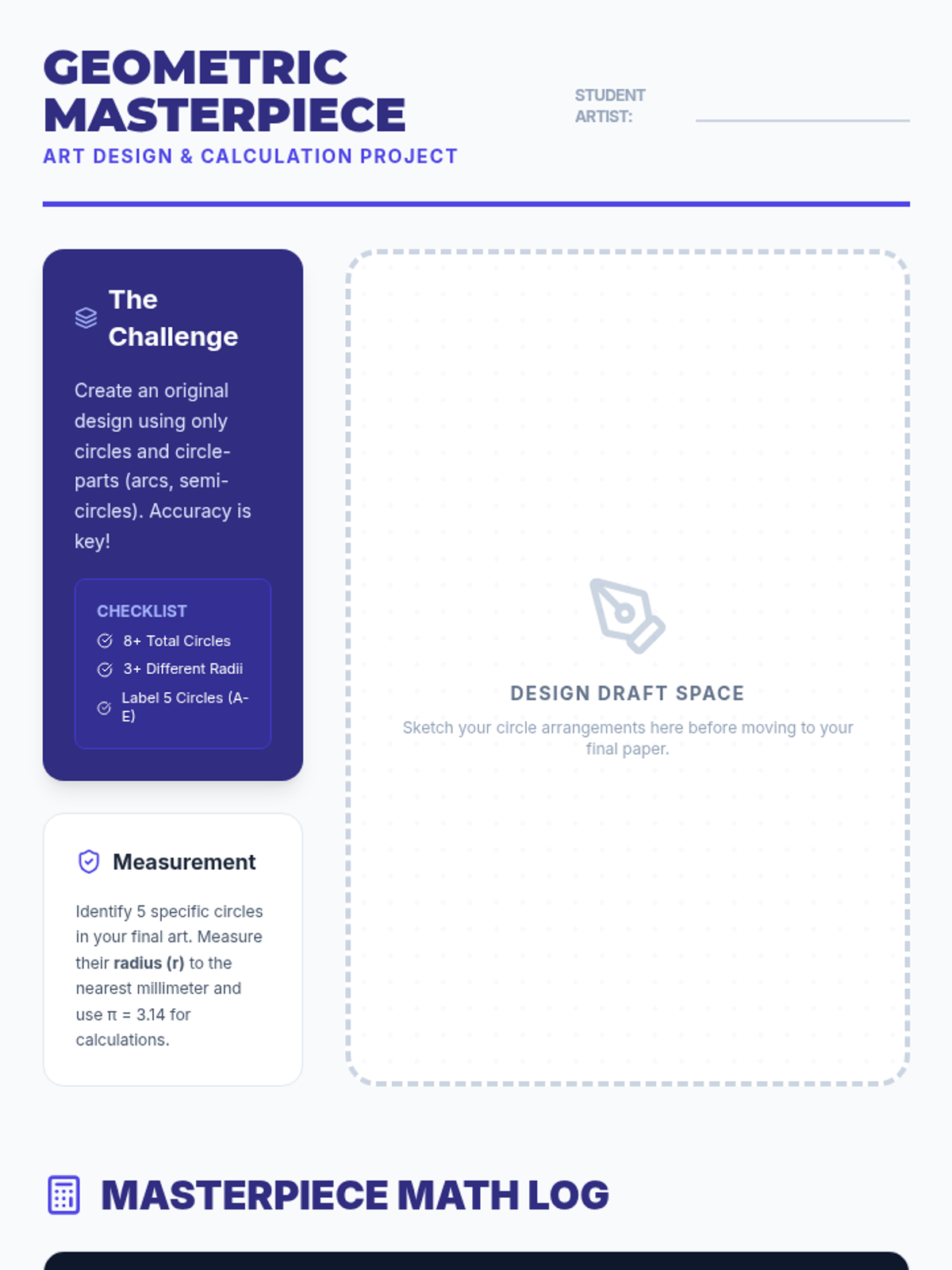
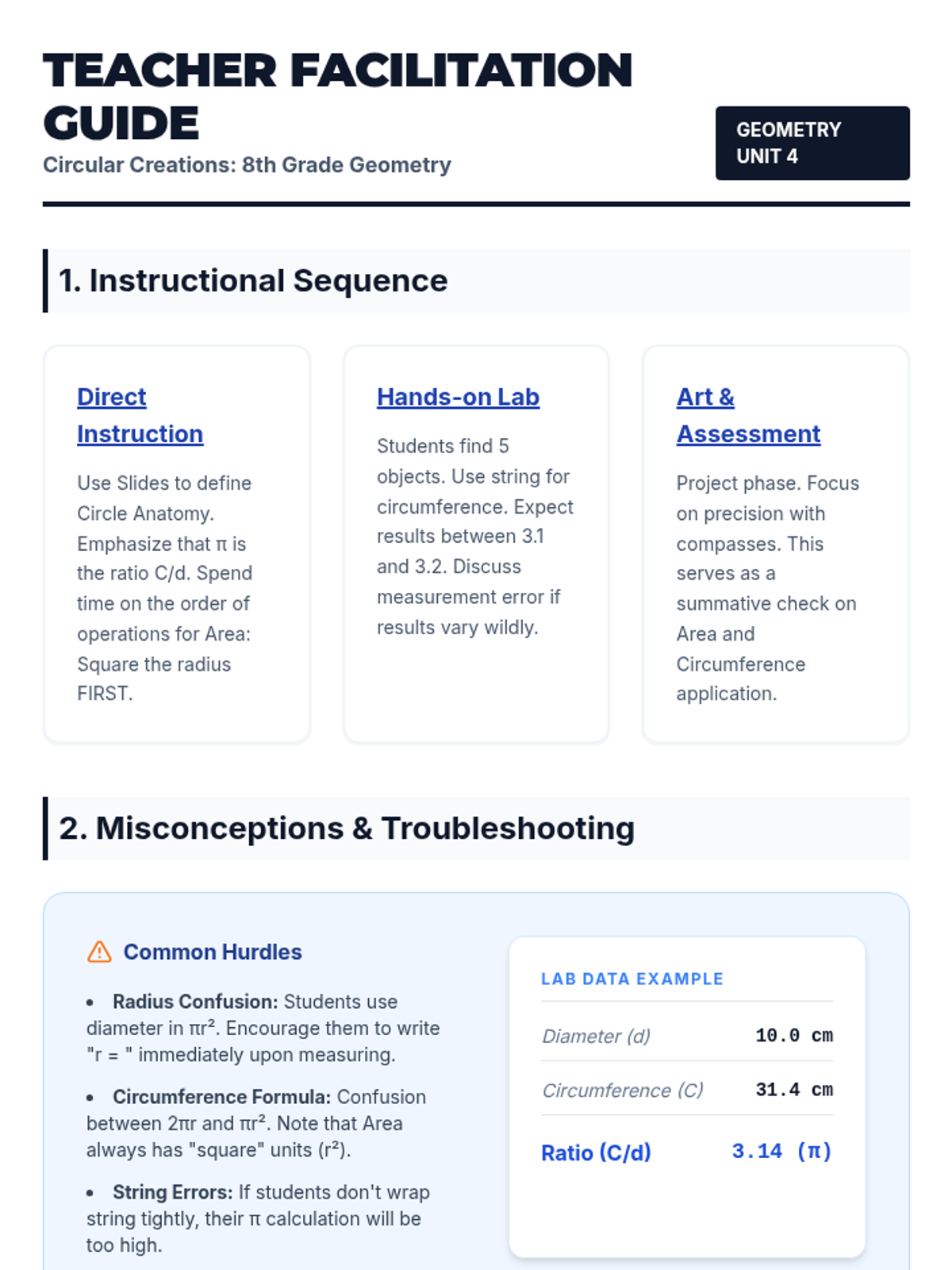
A hands-on geometry lesson where students explore the mathematical properties of circles through real-world measurement and creative geometric art design. Students discover the relationship between circumference and diameter while applying area formulas to their own masterpieces.
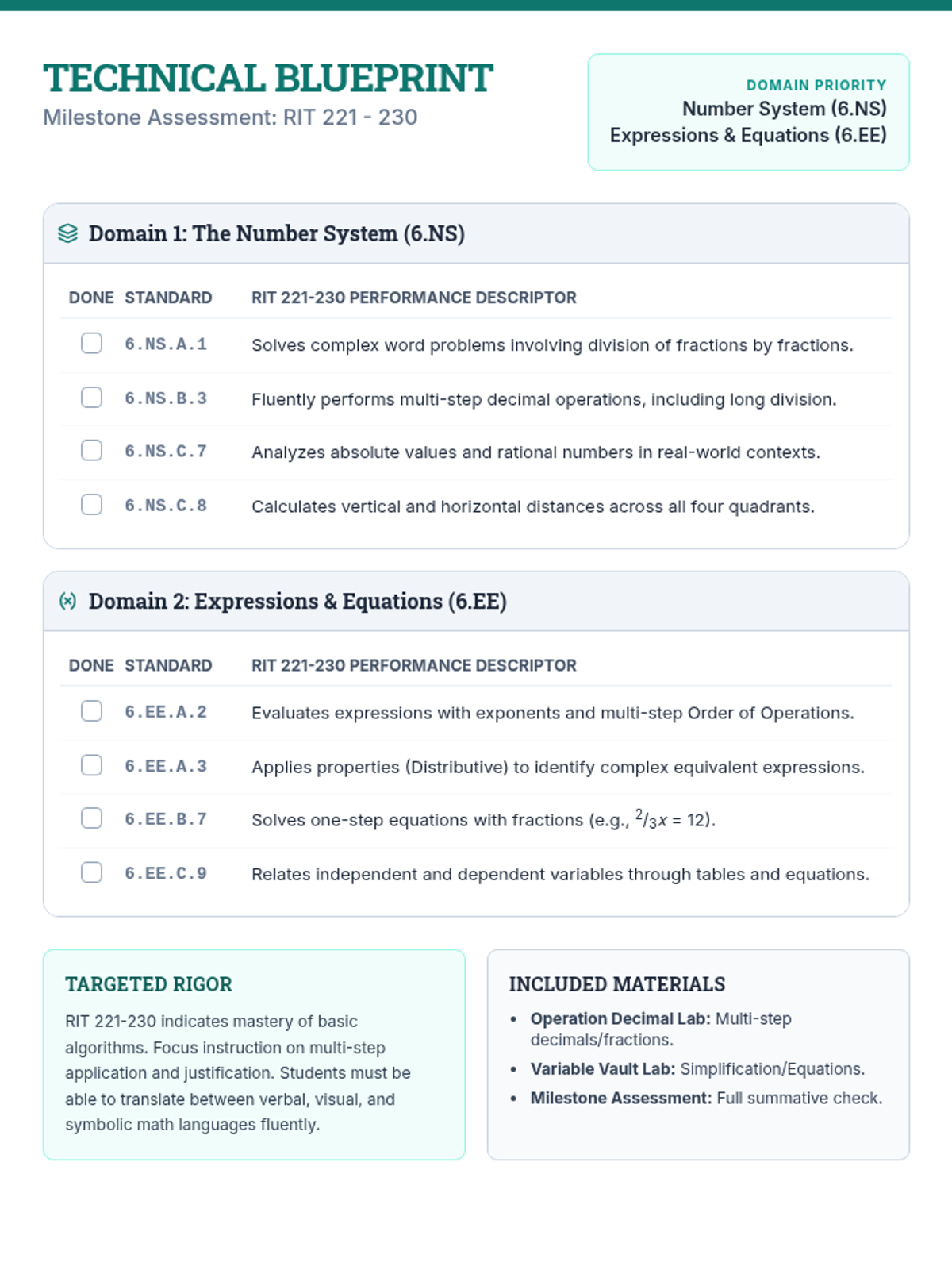
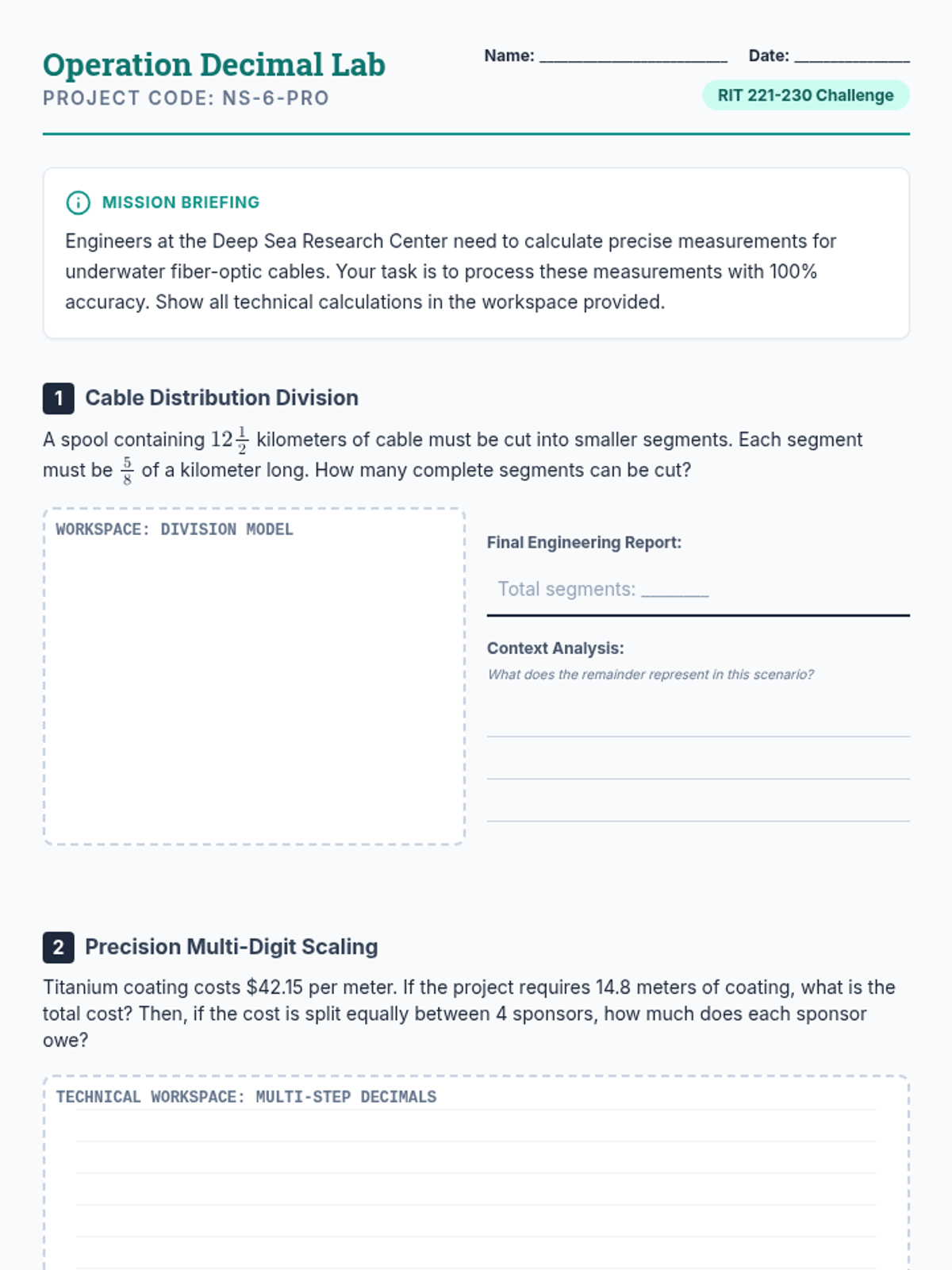
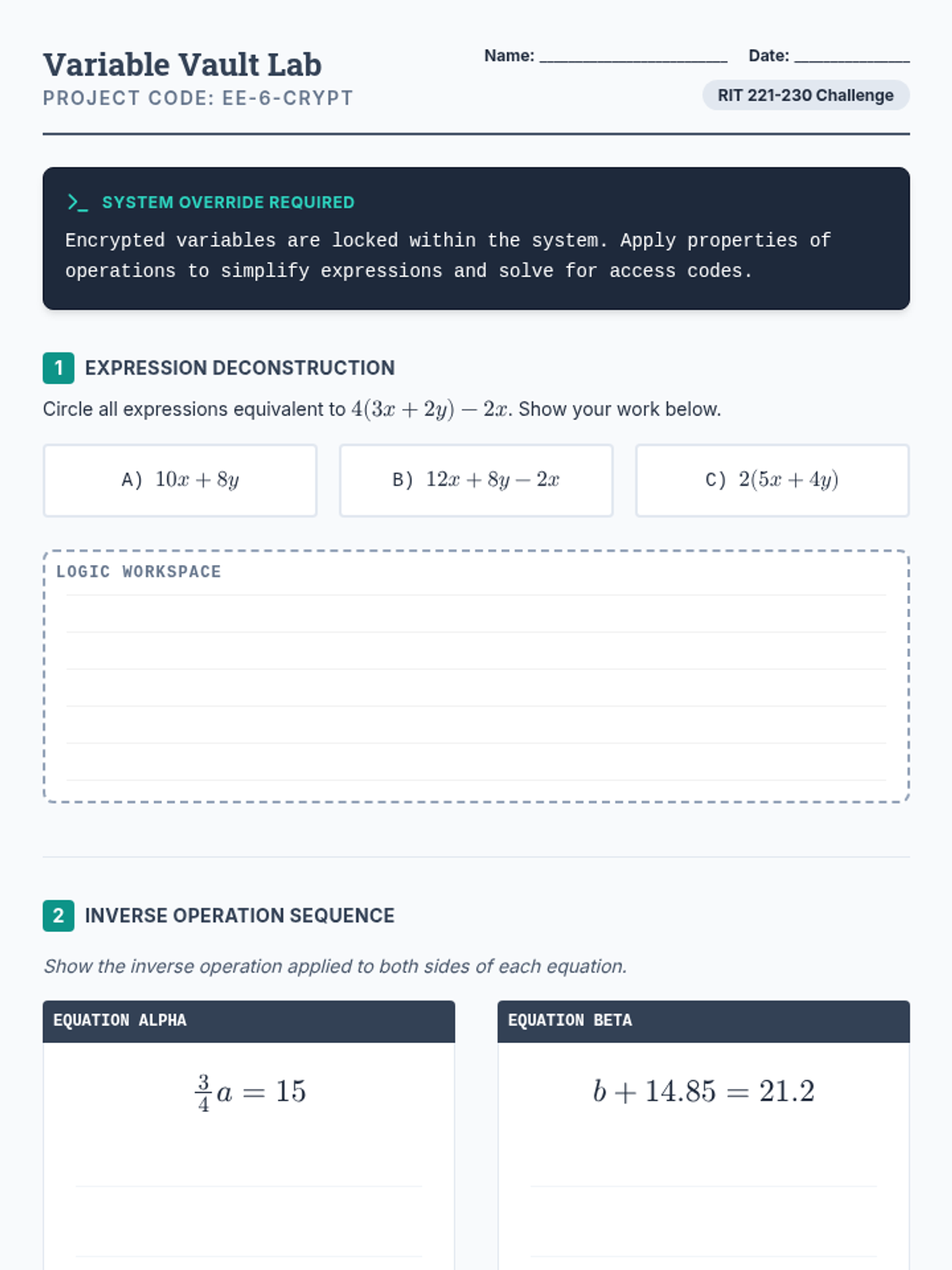
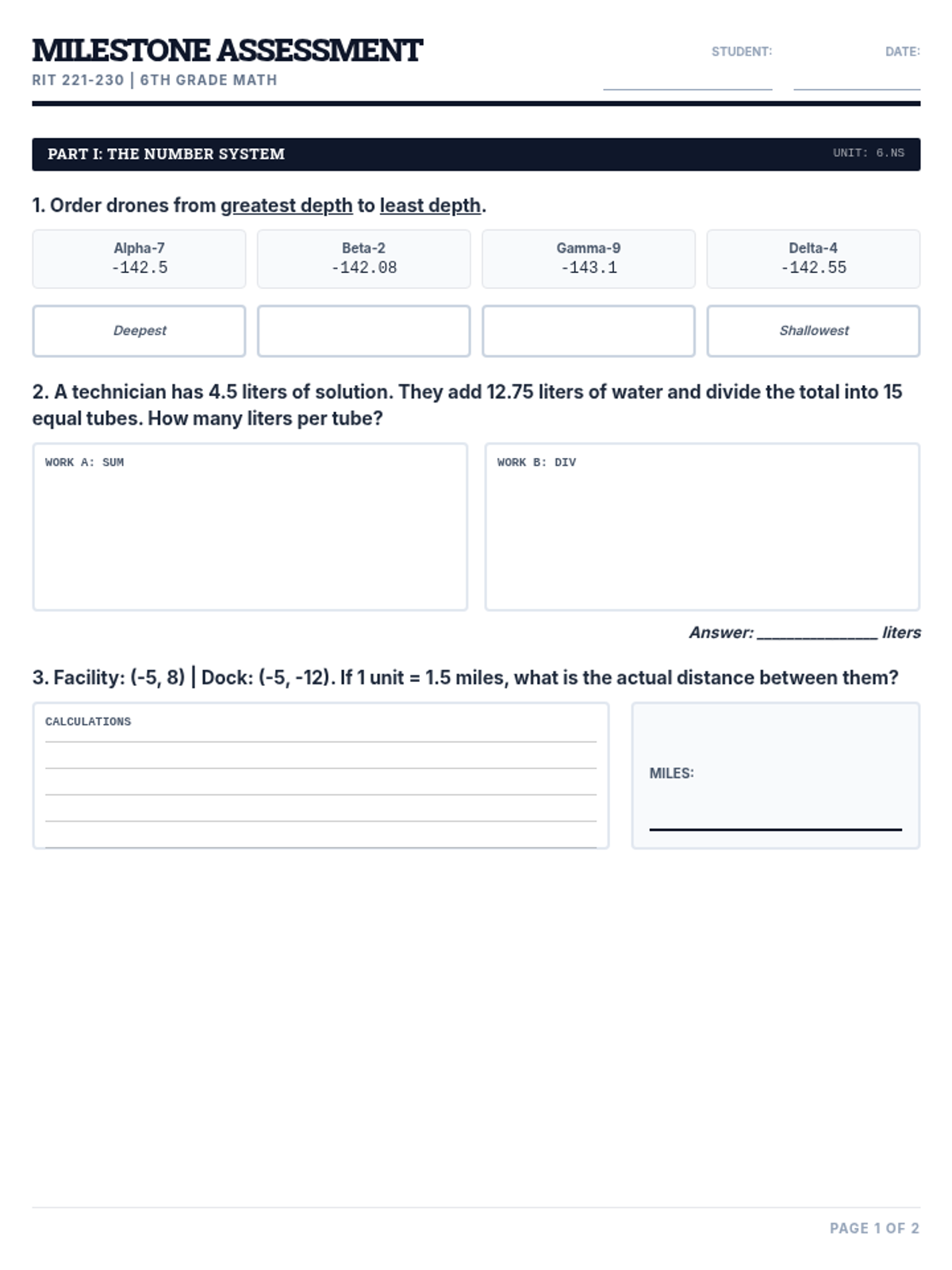
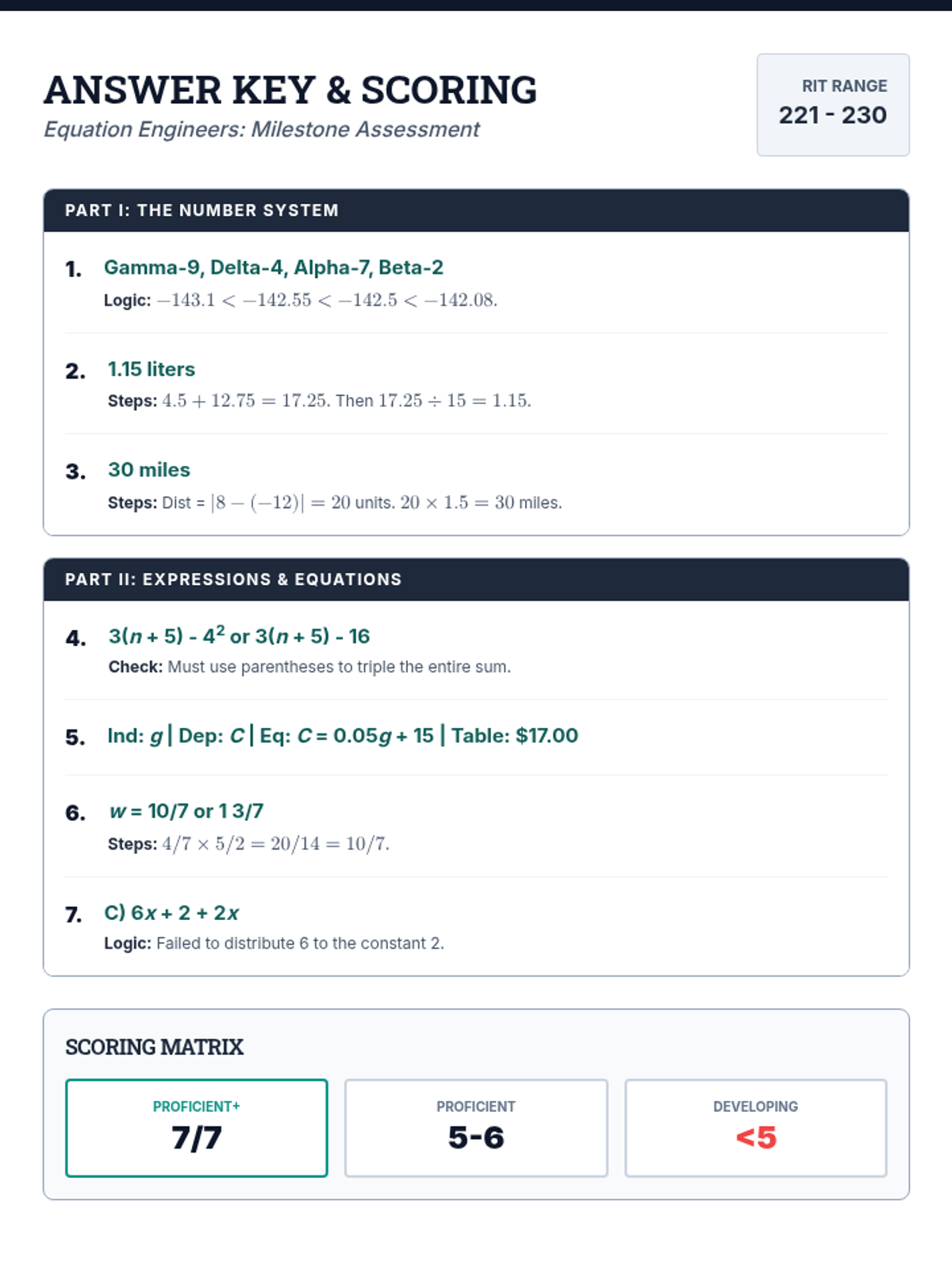
A comprehensive milestone assessment and review unit for 6th-grade students performing in the 221-230 RIT range, focusing on The Number System and Expressions & Equations. Includes a technical blueprint, skill-building lab activities, and a final proficiency assessment.
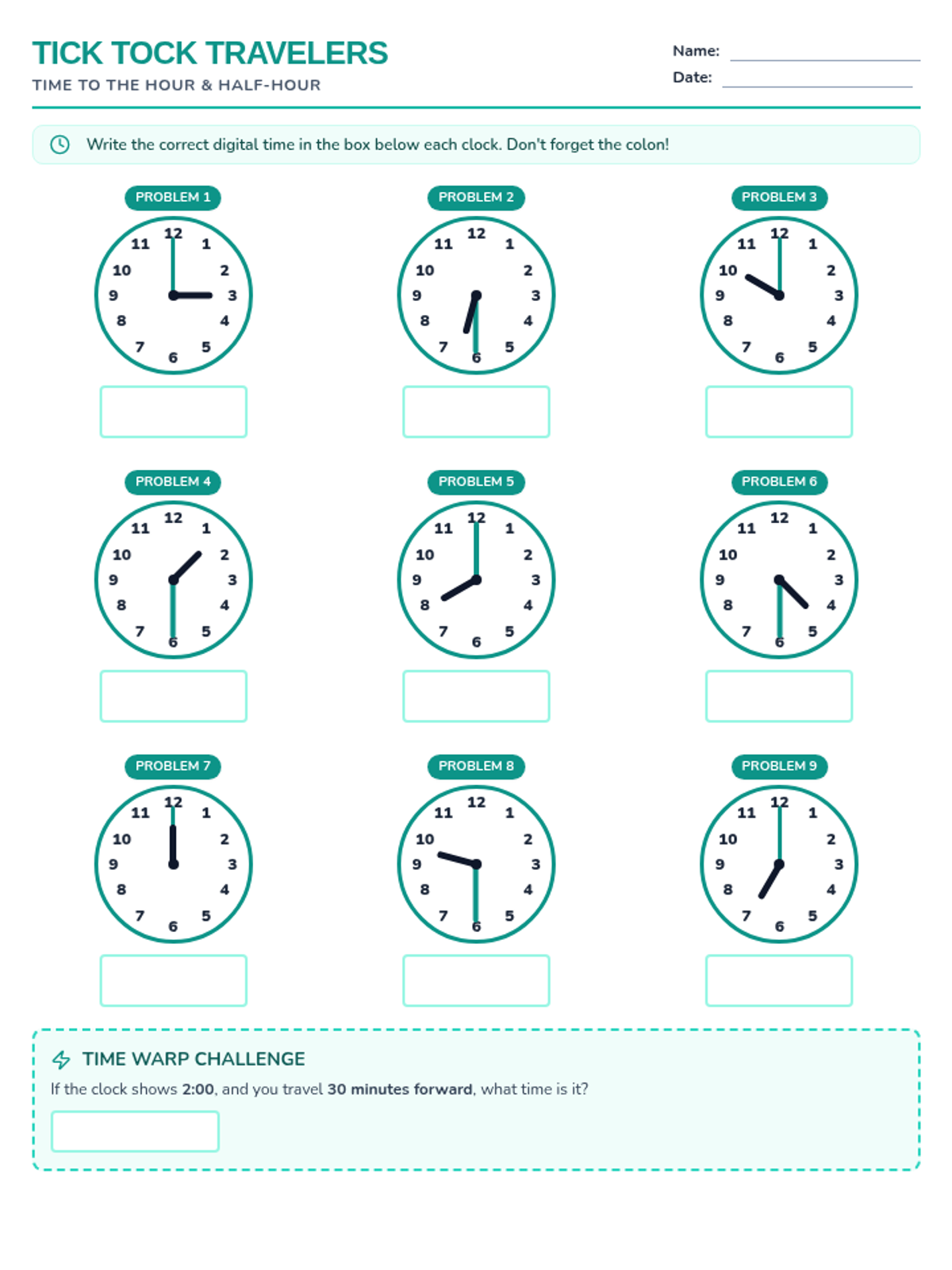
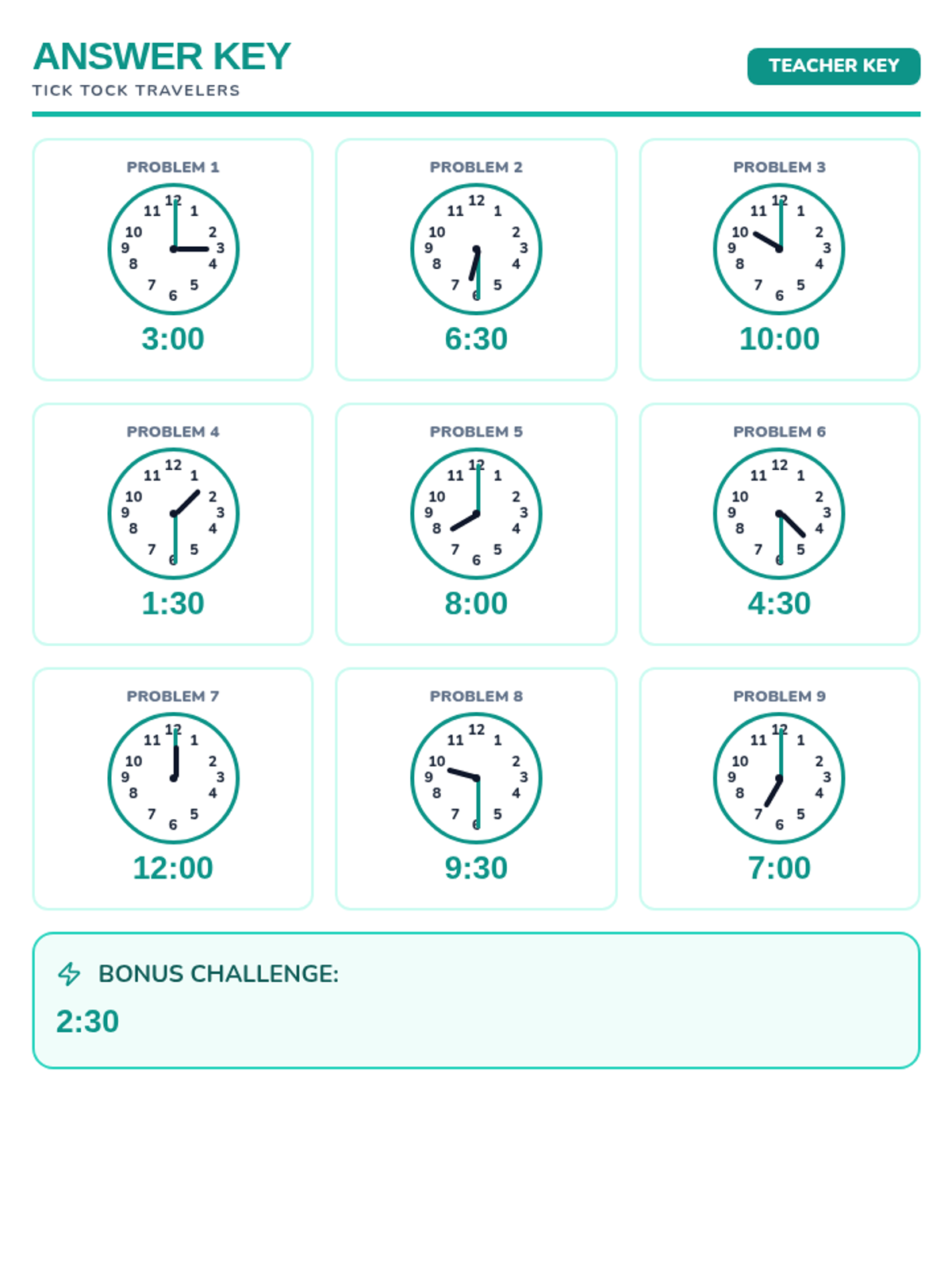
A lesson focused on reading analog clocks to the hour and half-hour, designed for 2nd grade students to practice converting analog time to digital format.
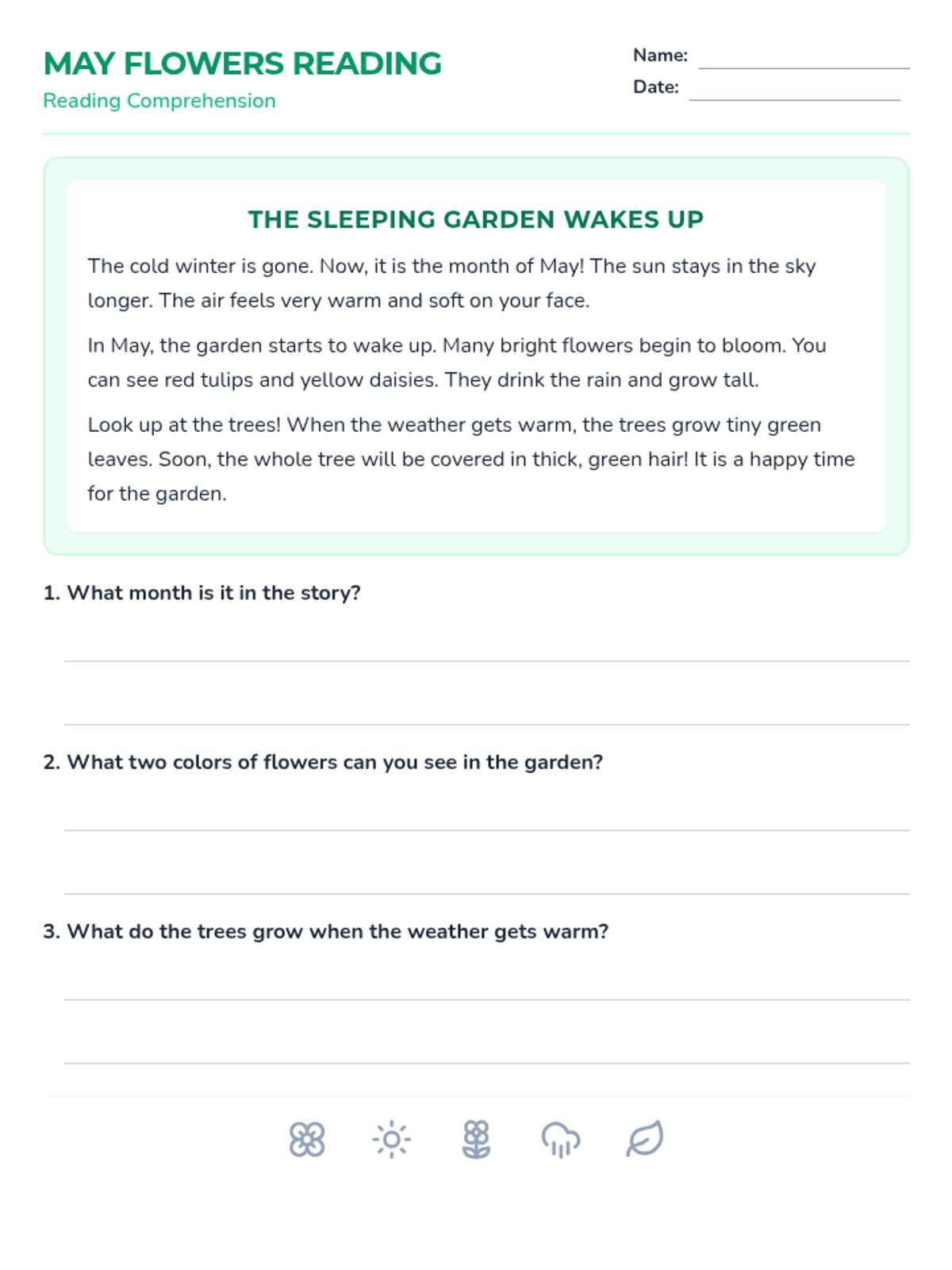
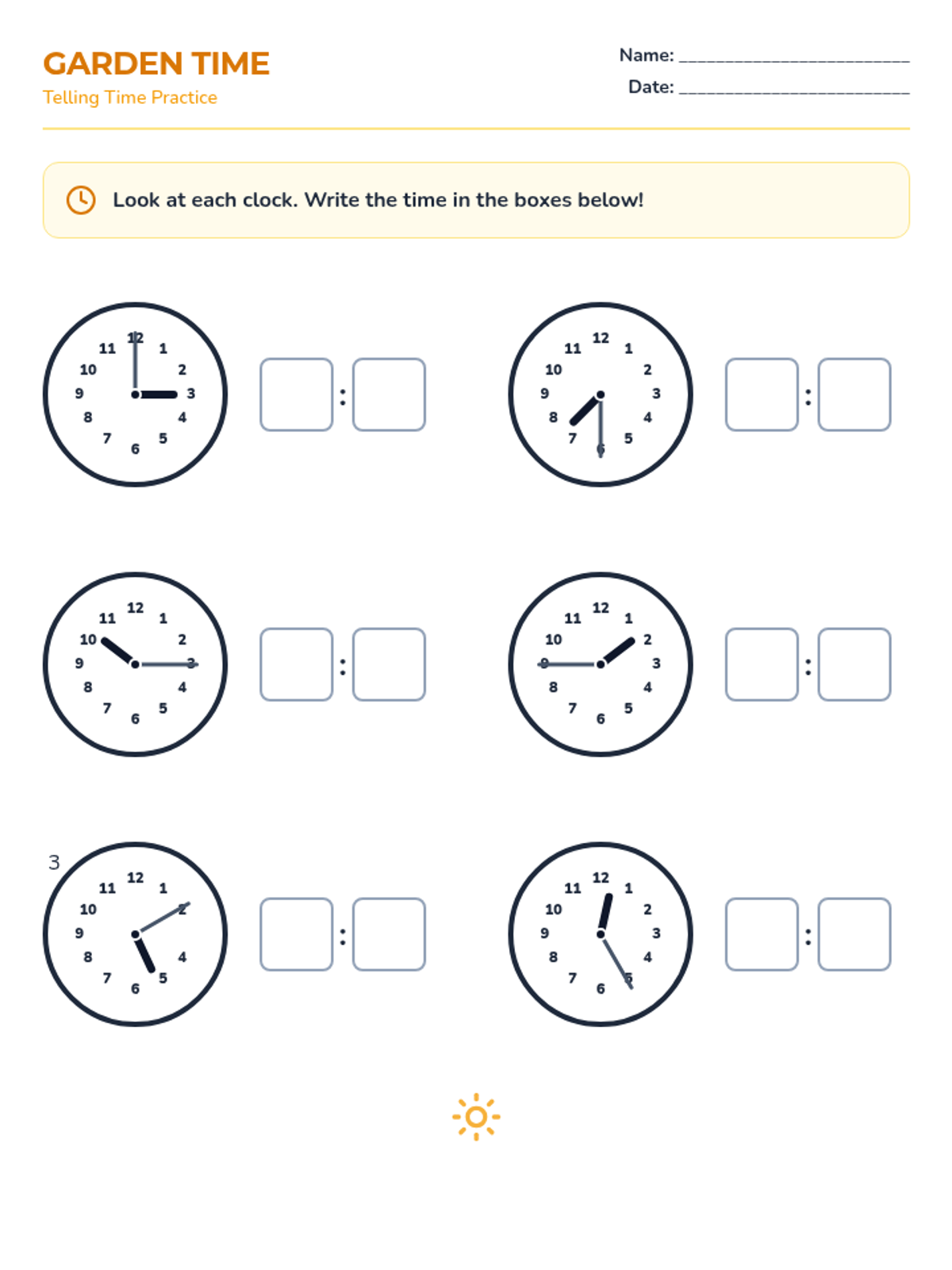
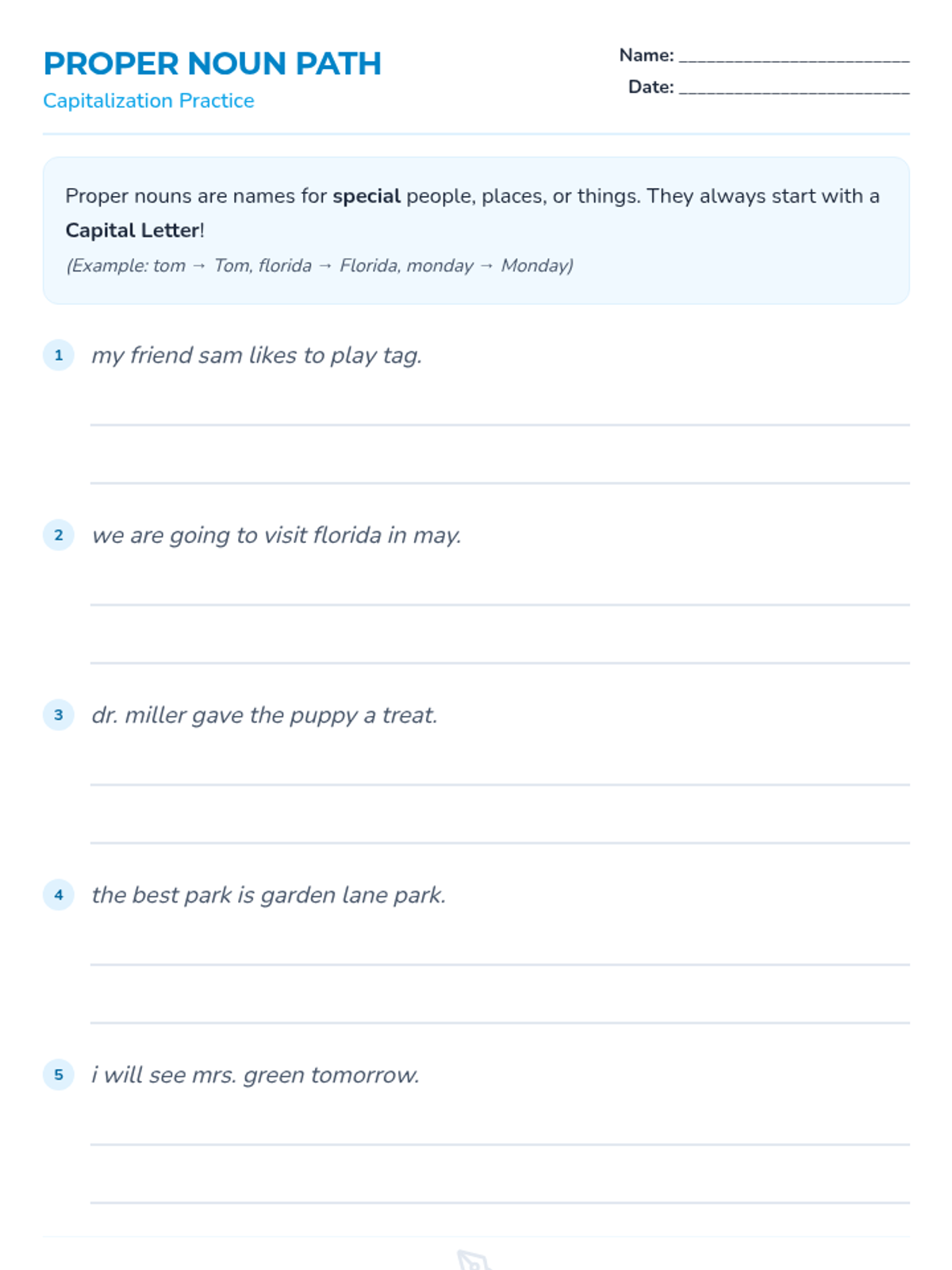
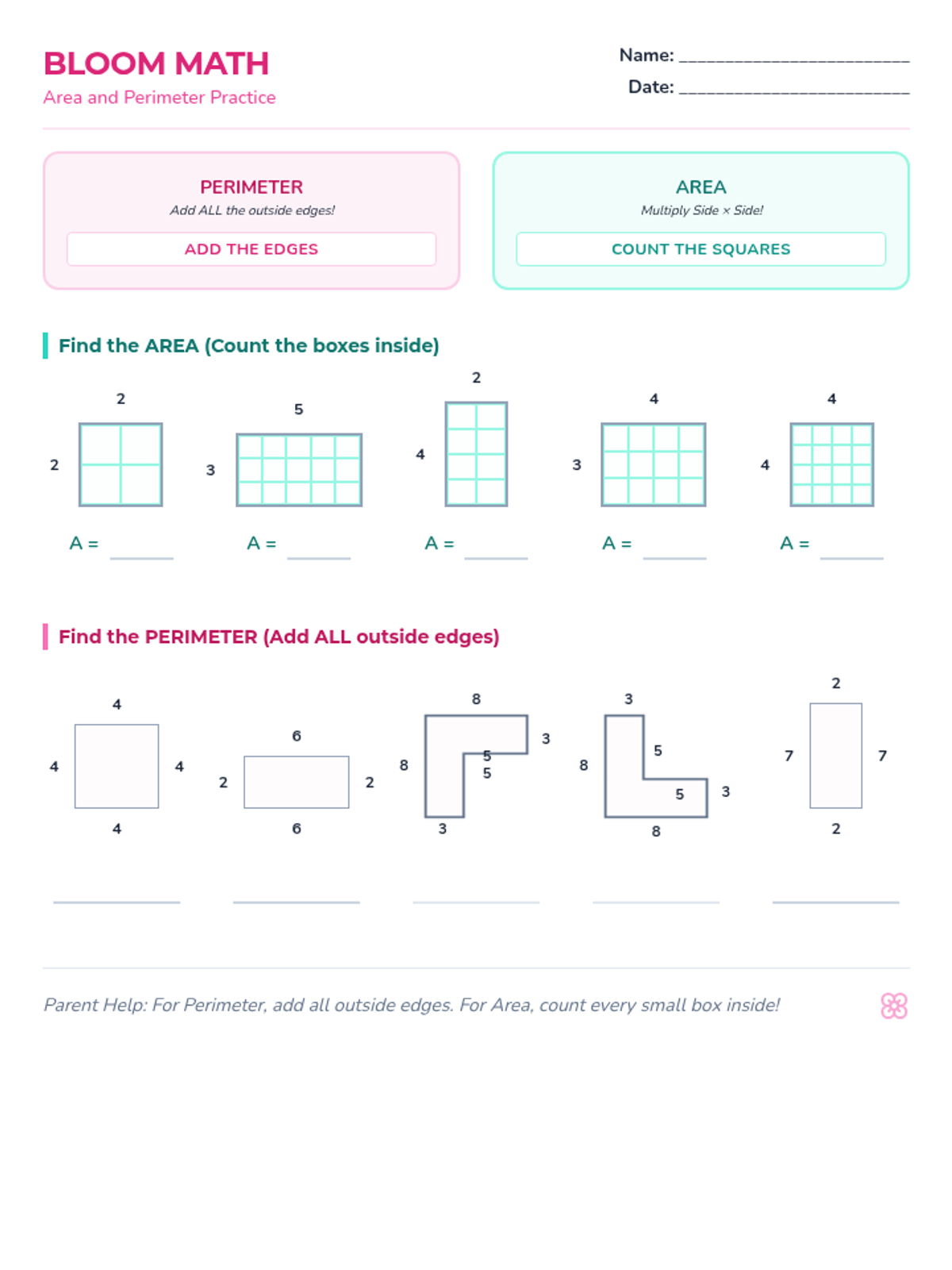
A set of four independent practice worksheets themed around springtime growth, focusing on reading comprehension, time-telling, grammar, and geometry.
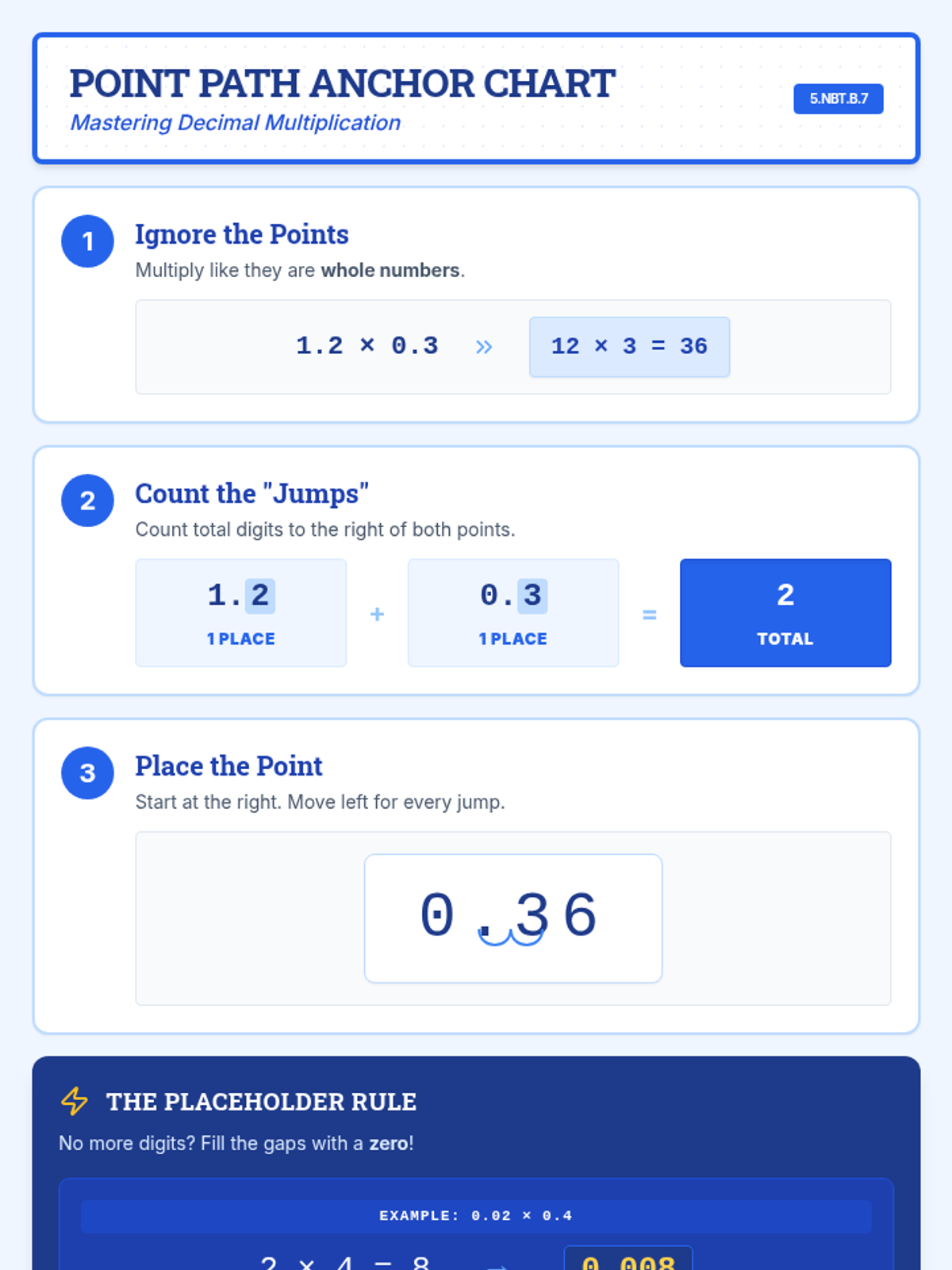
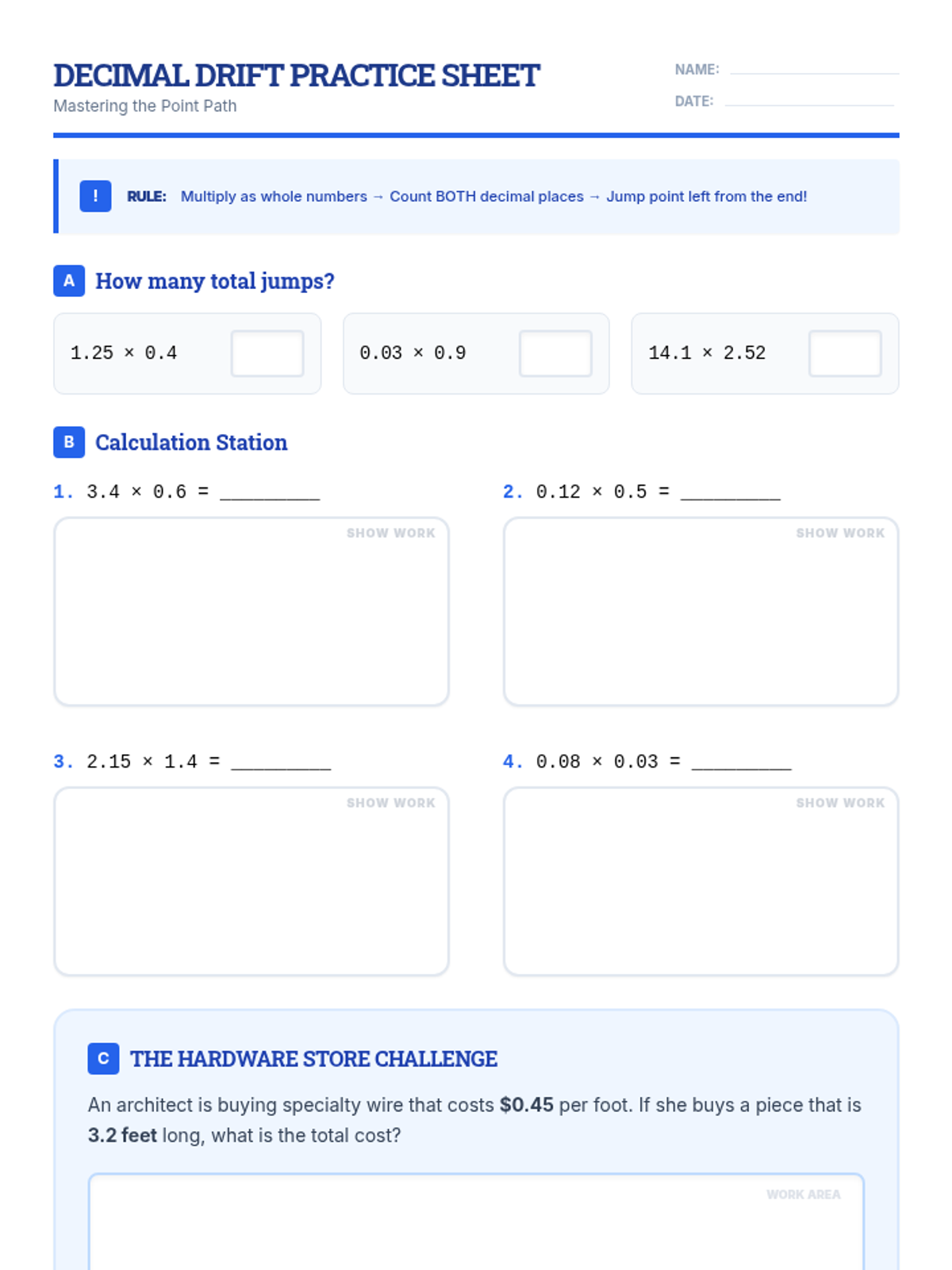
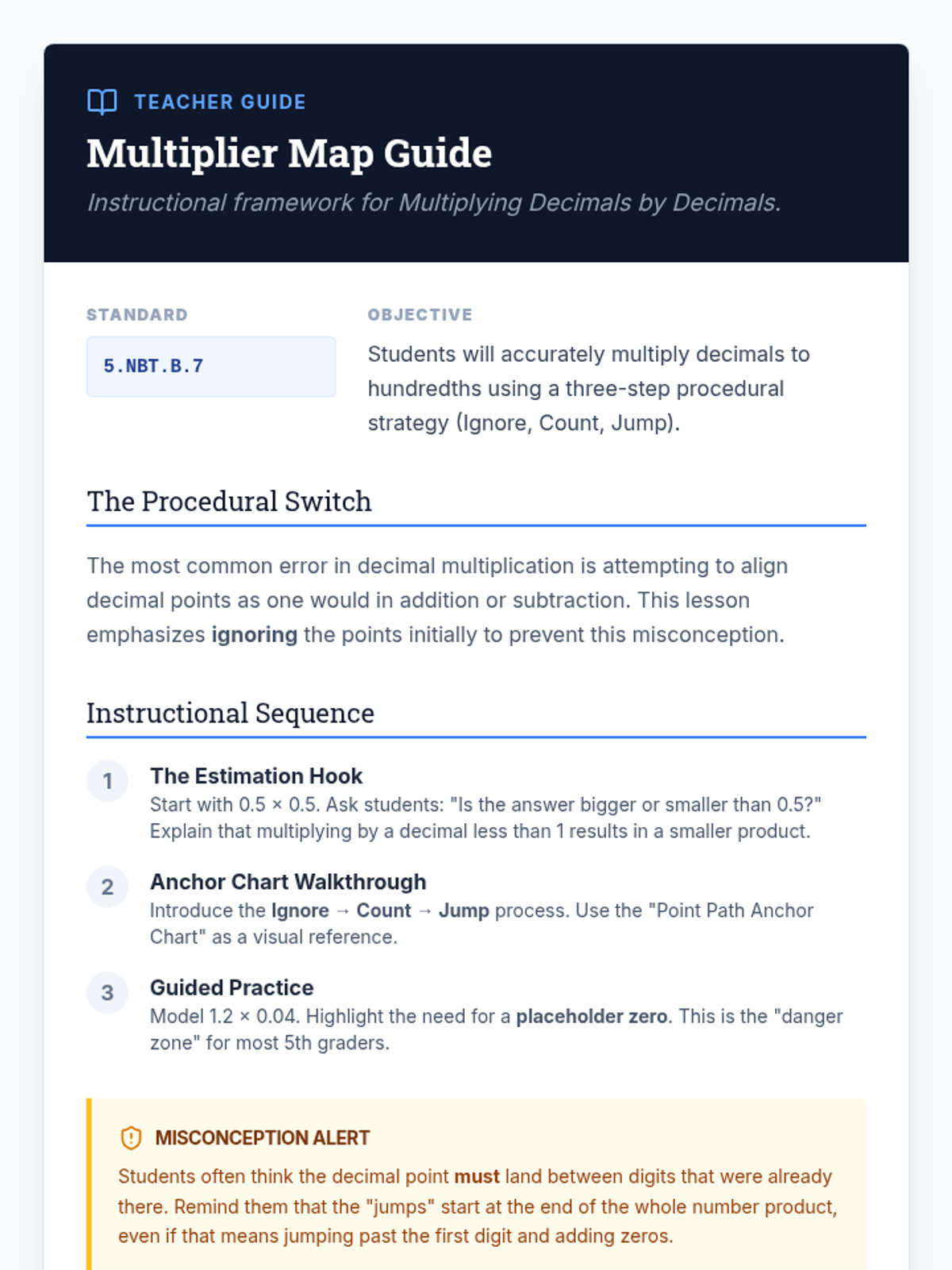
A comprehensive guide to multiplying decimals by decimals using a step-by-step procedural approach. This lesson includes a visual anchor chart for students, a practice worksheet to reinforce the skill, and a teacher guide for effective instruction.
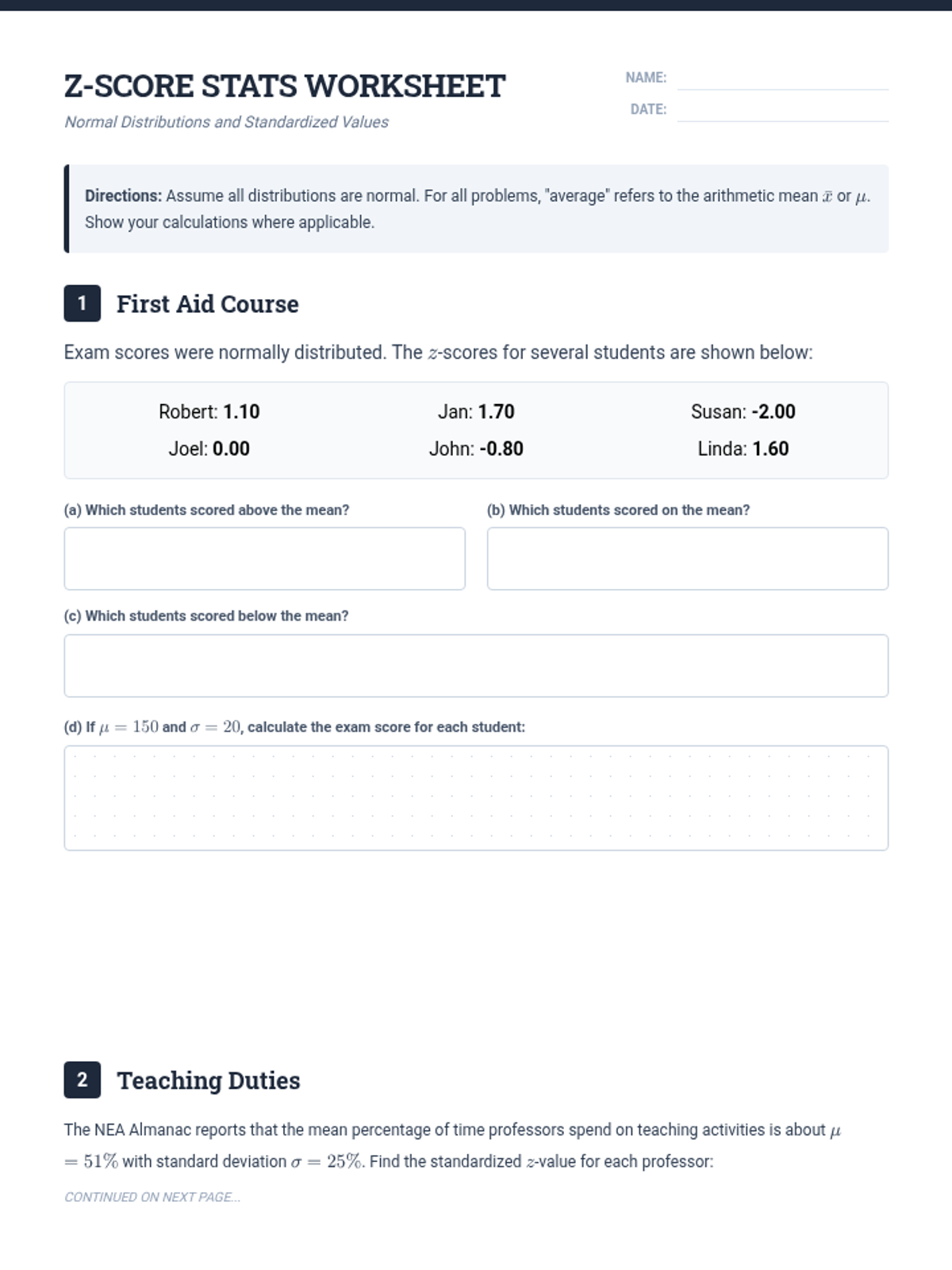
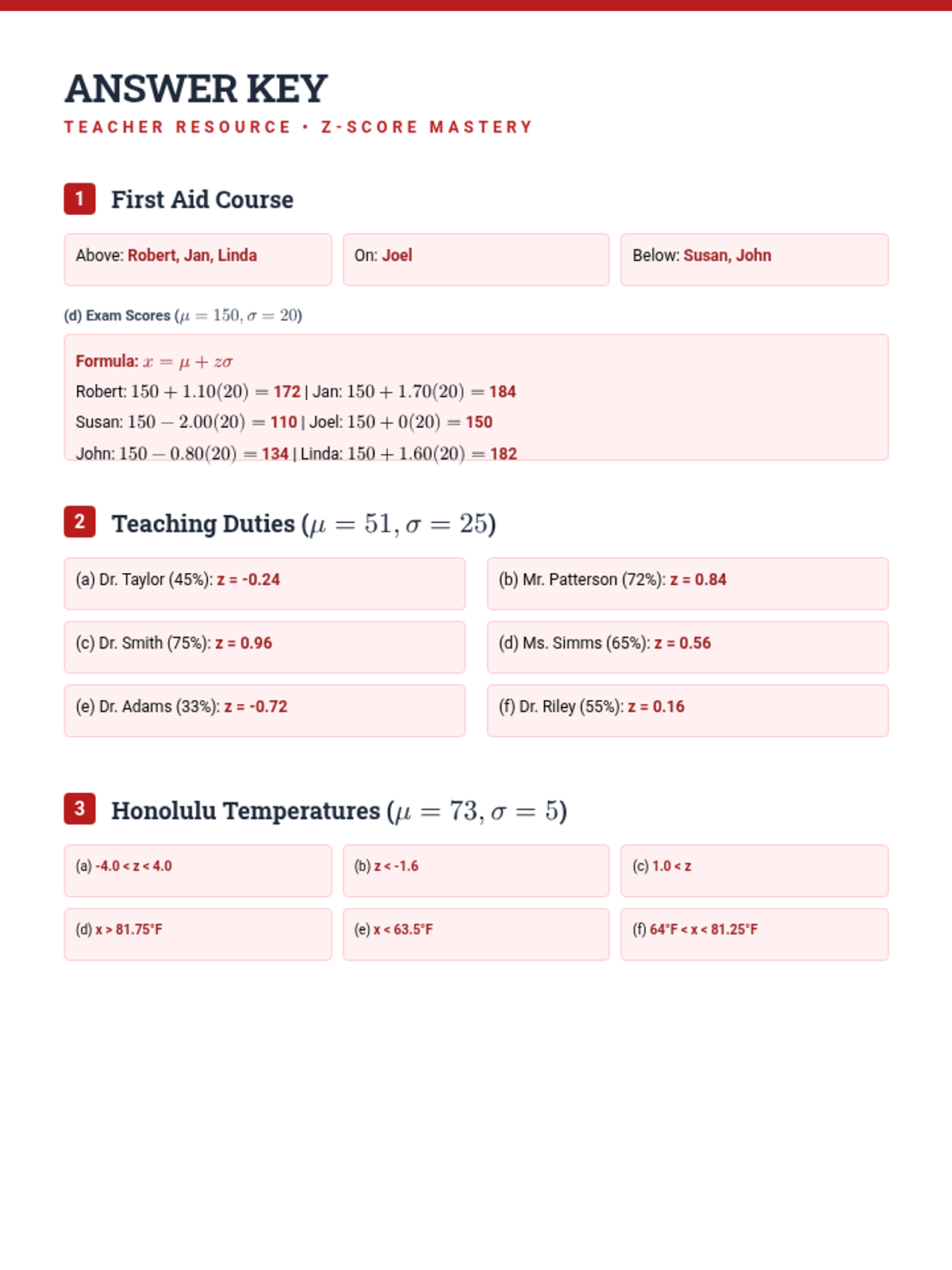
A lesson focused on calculating and interpreting z-scores within the context of normal distributions, featuring real-world data from ecology to education.
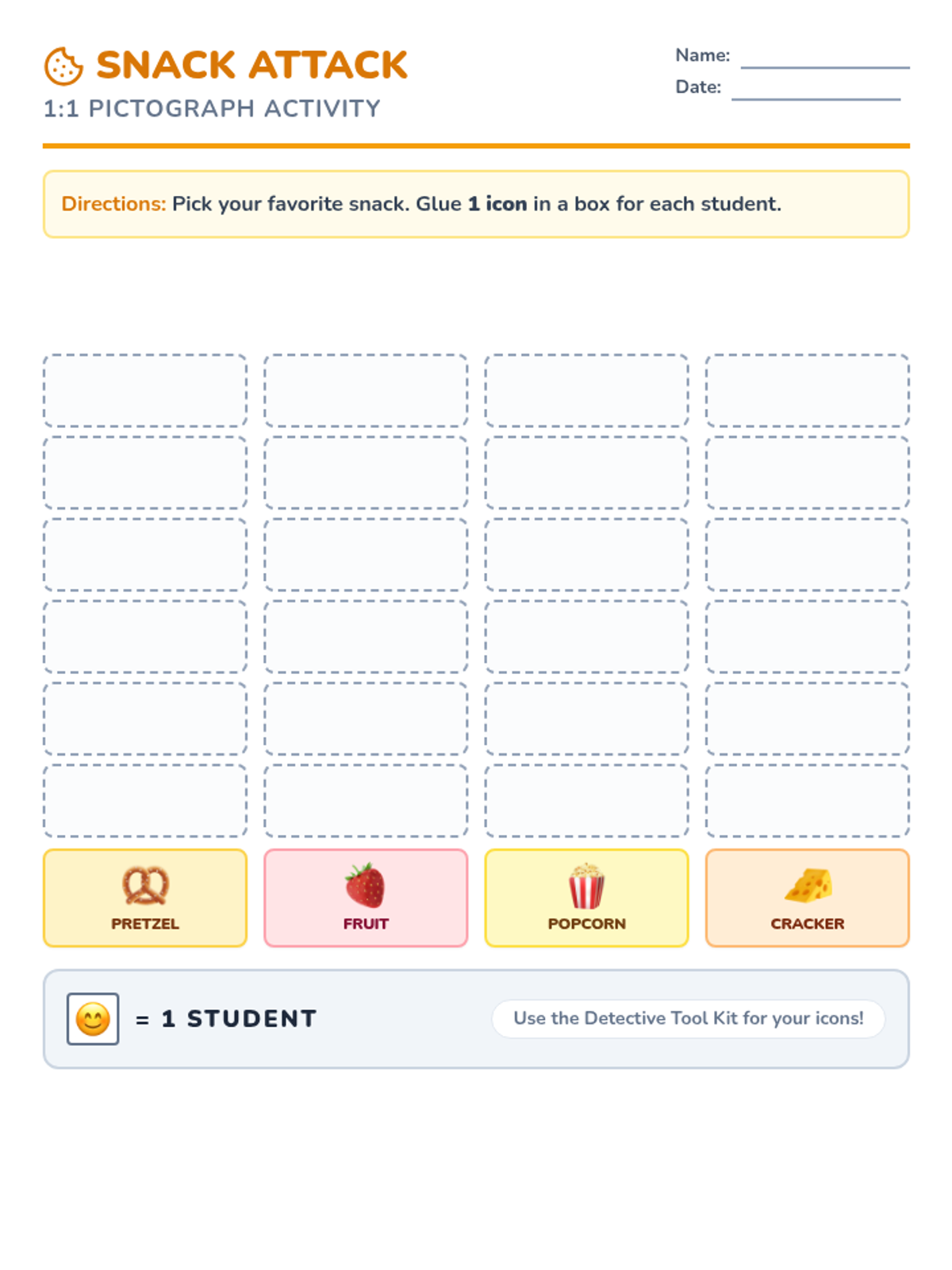
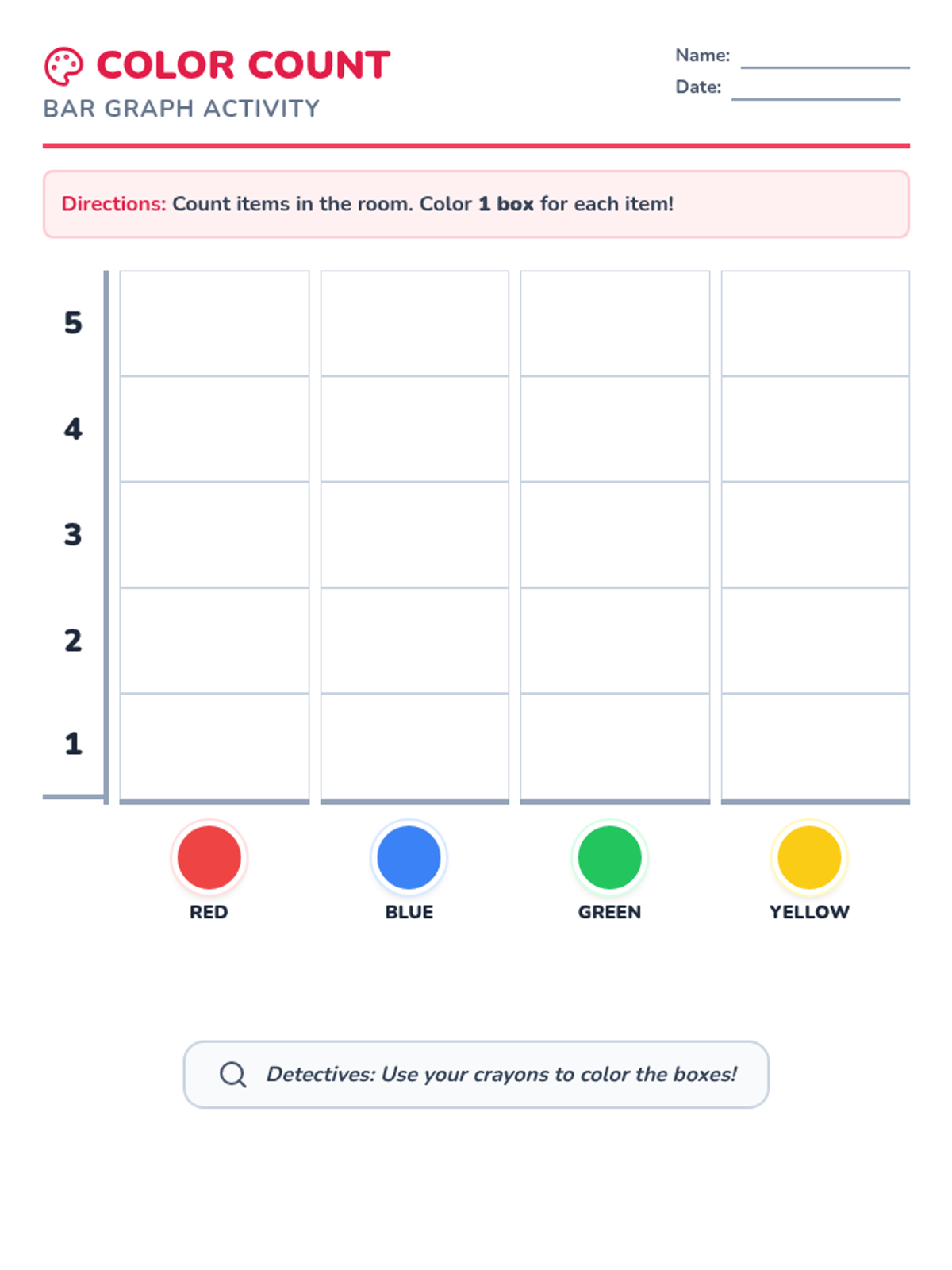
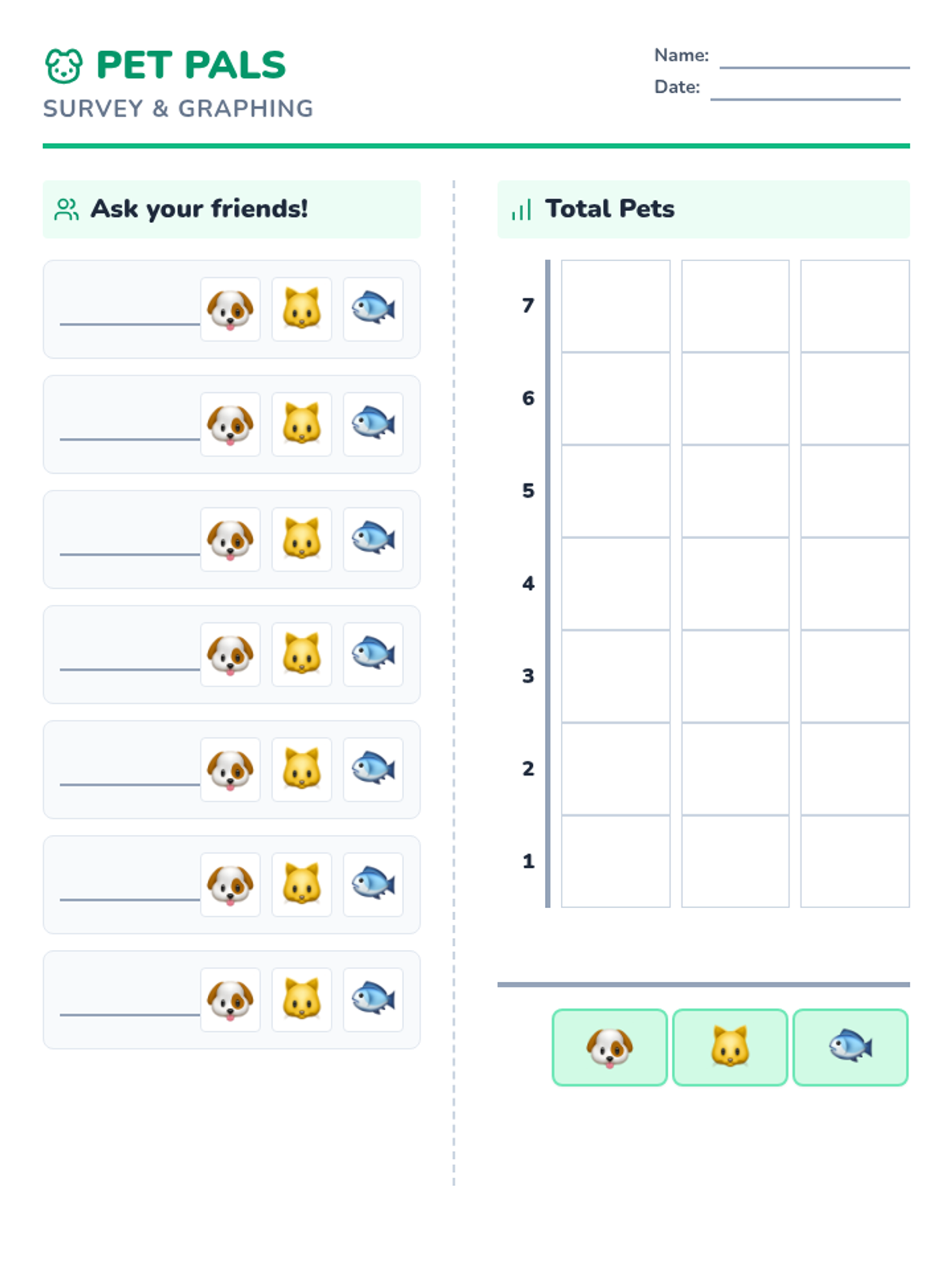
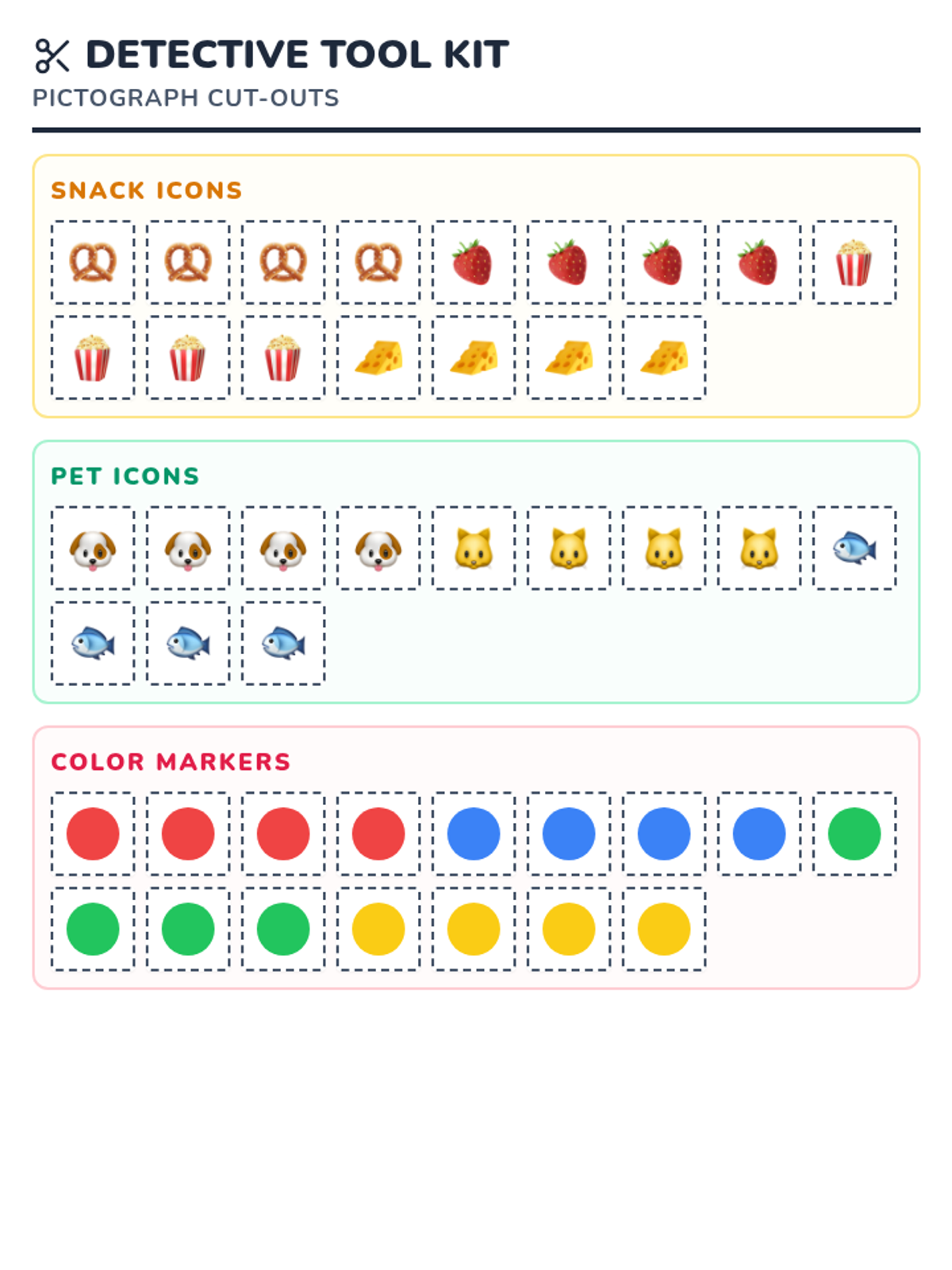
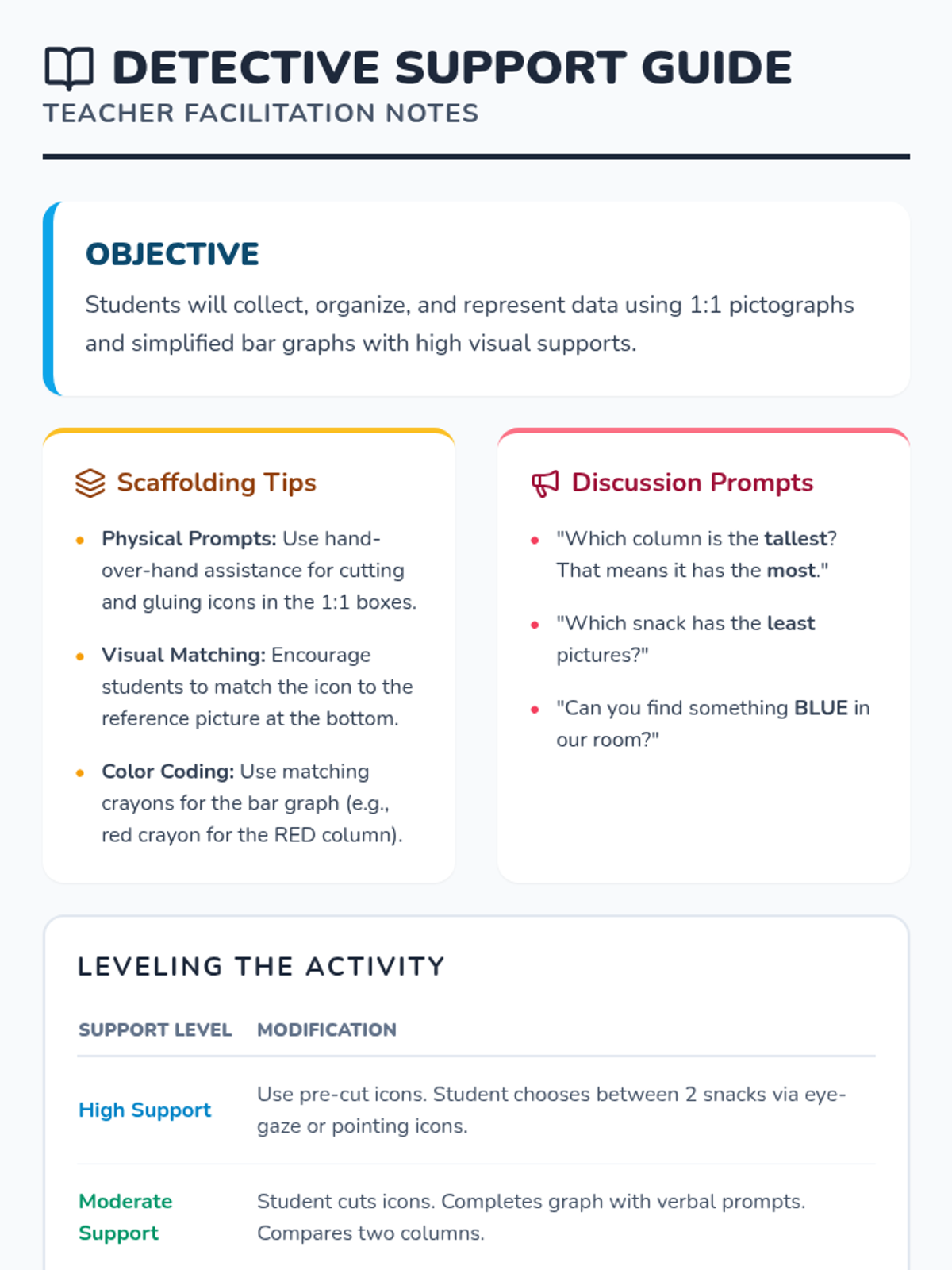
A hands-on graphing lesson designed for Essential Skills students, focusing on 1:1 pictographs and bar graphs using snack, color, and pet data with heavy visual supports.
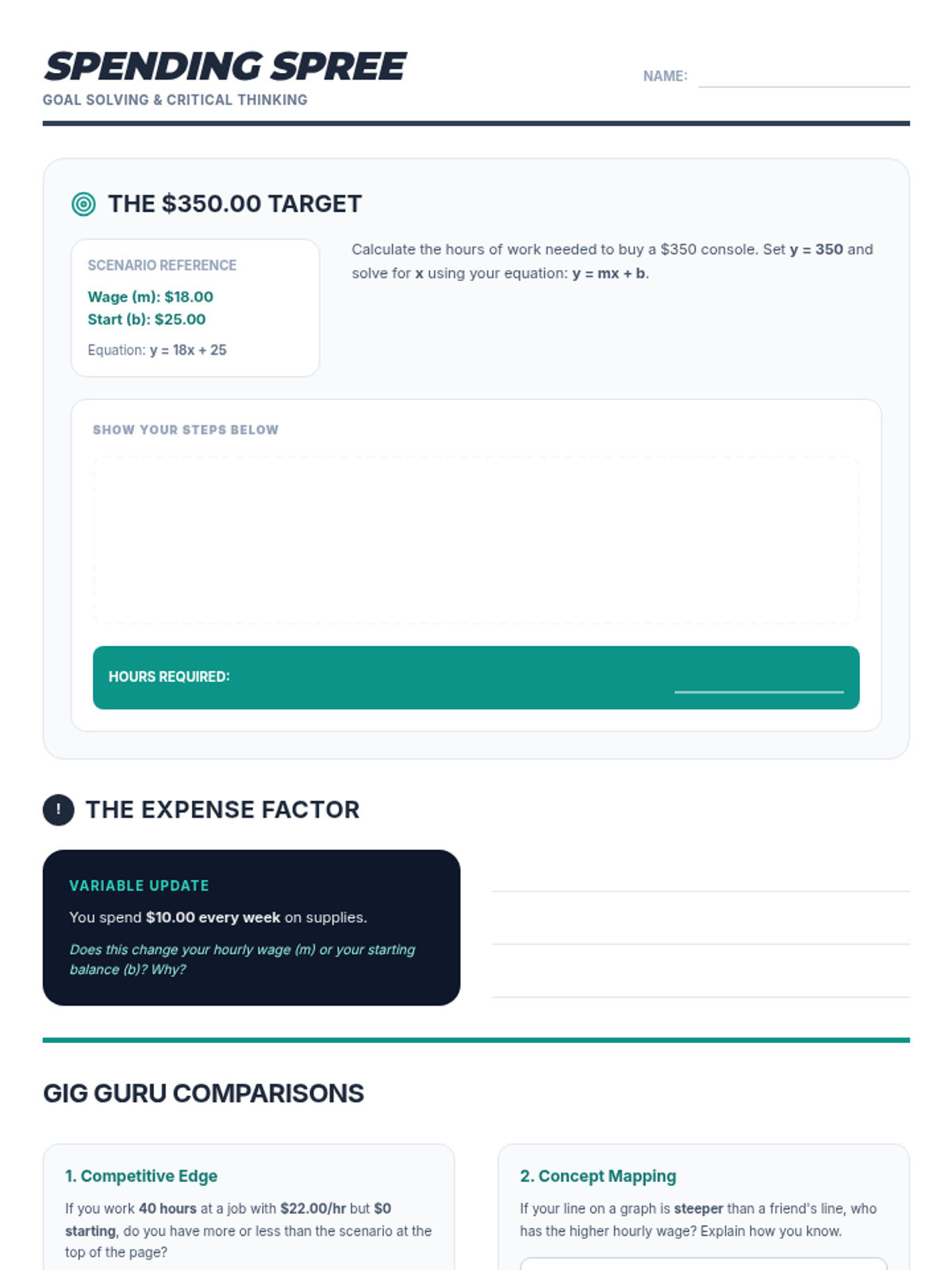
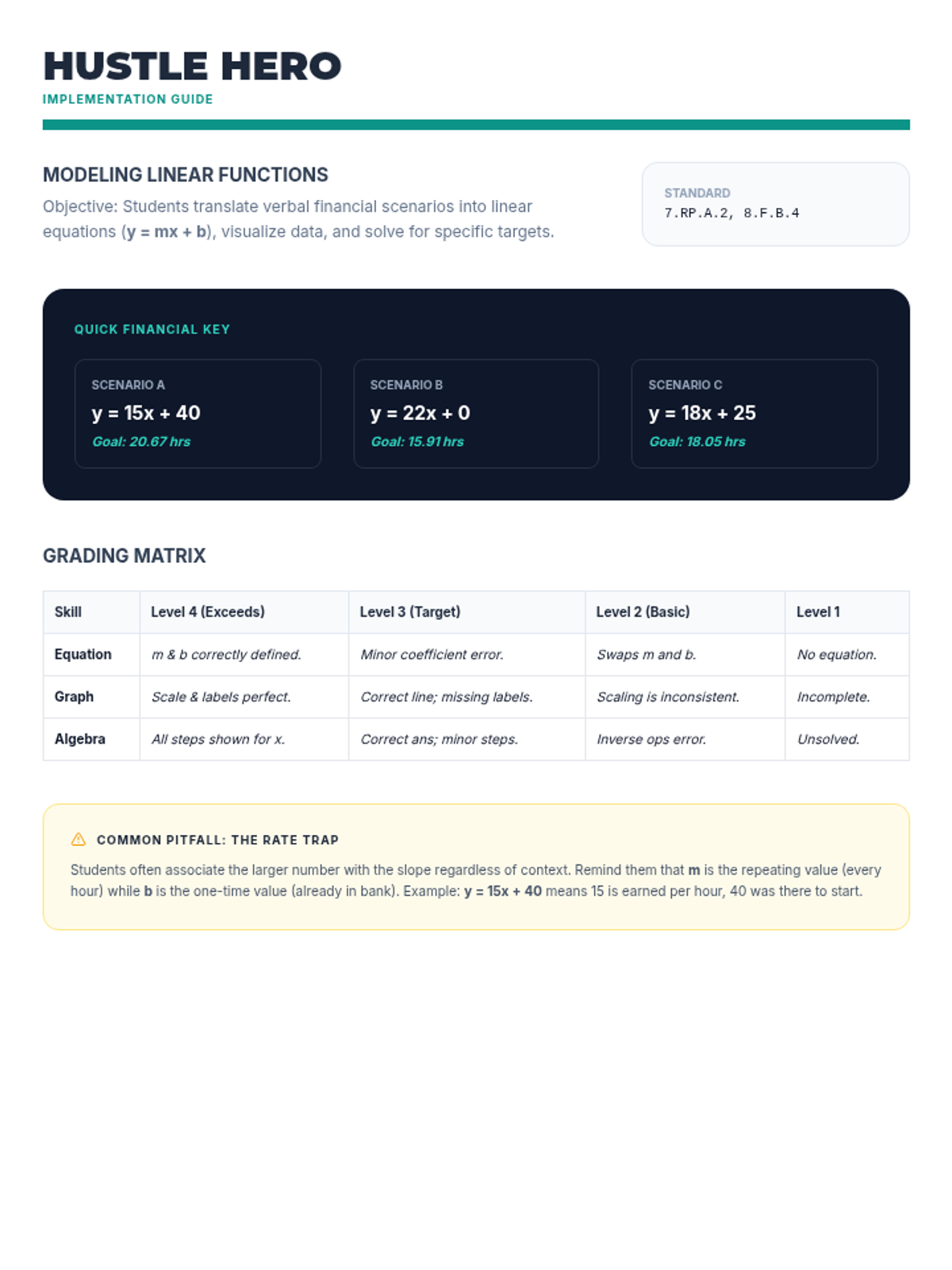
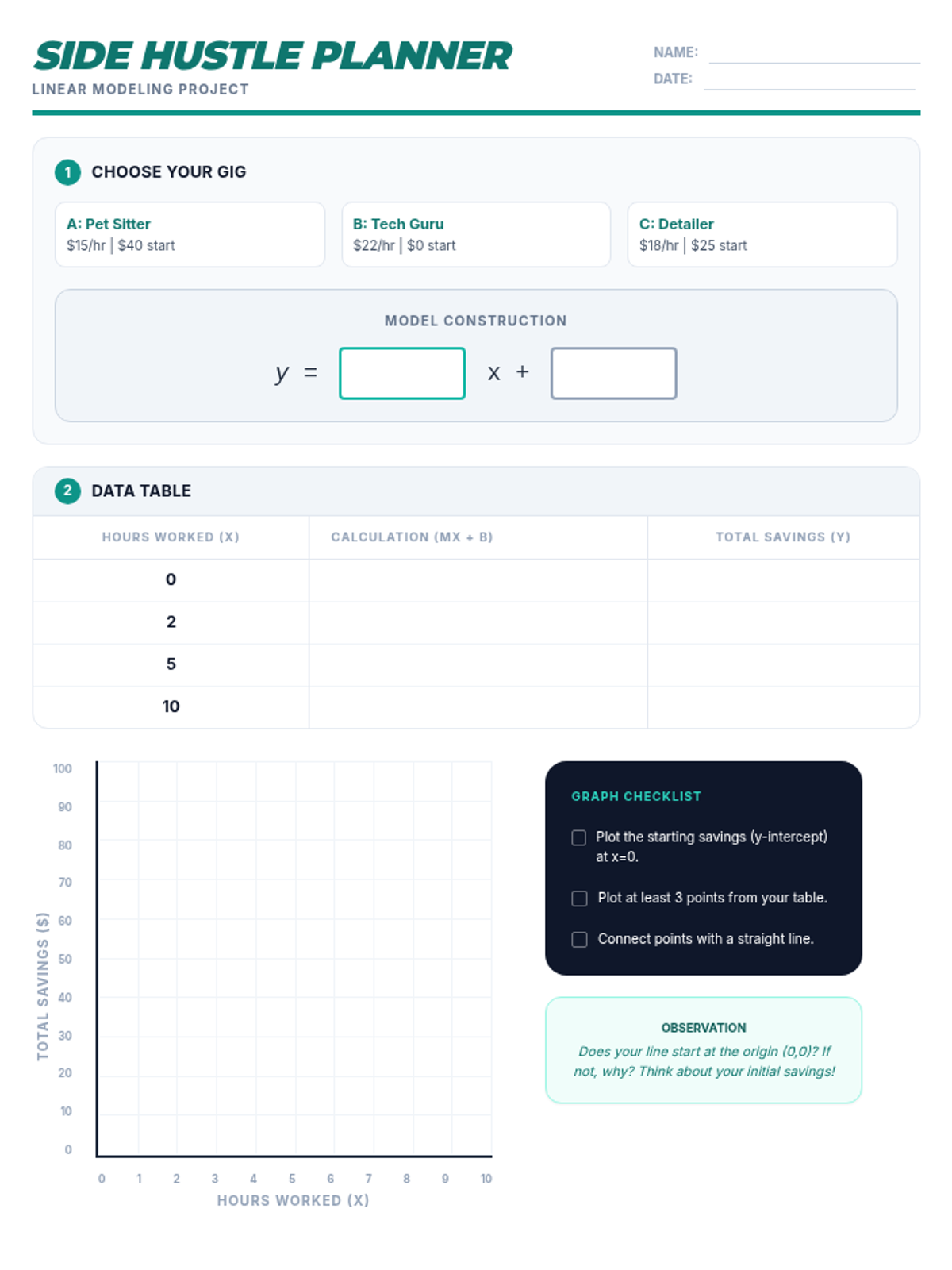
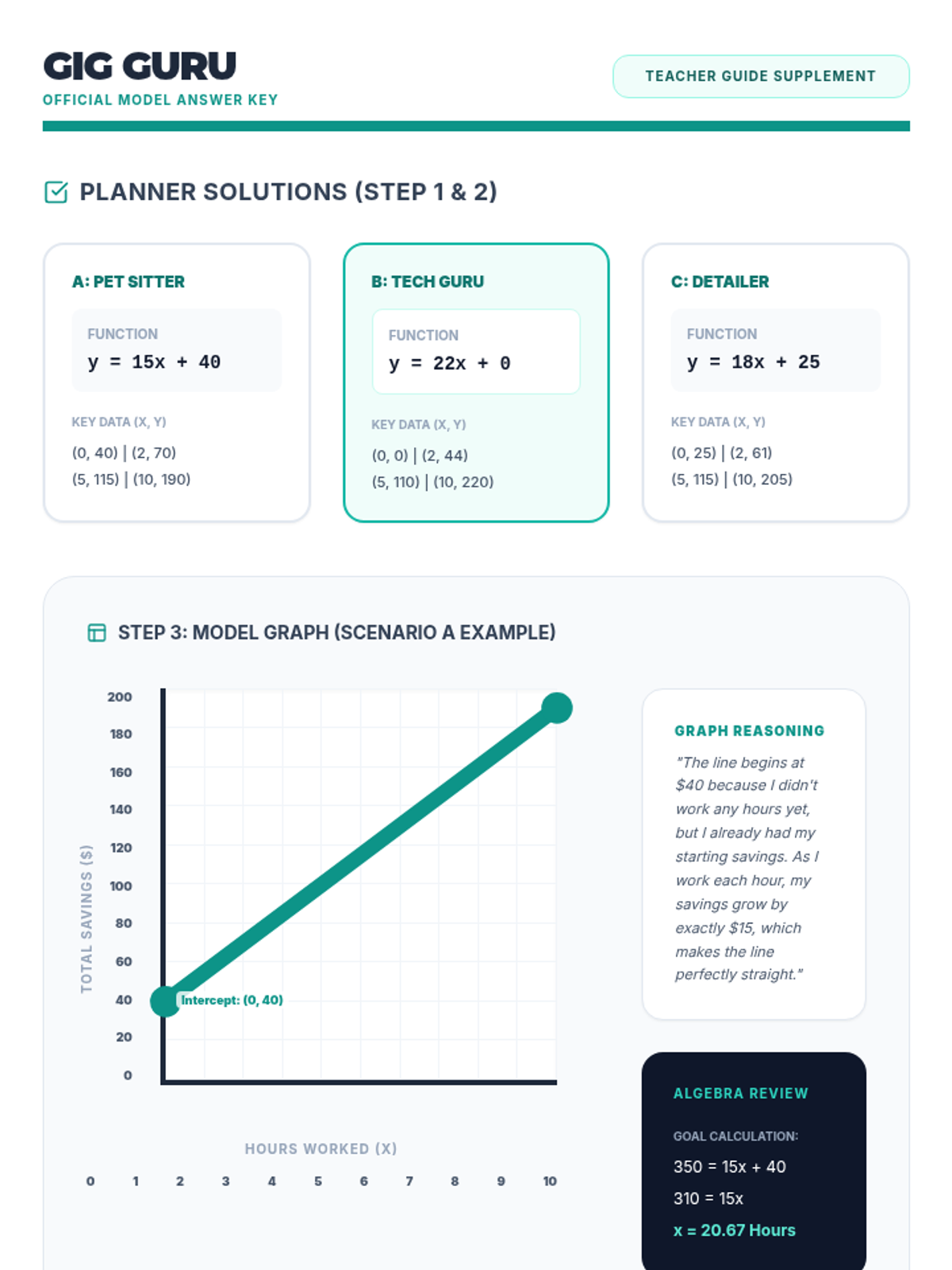
Students apply linear function concepts to model a real-world income and expense scenario. They will calculate rates of change, identify initial values, and visualize their budget through graphing.
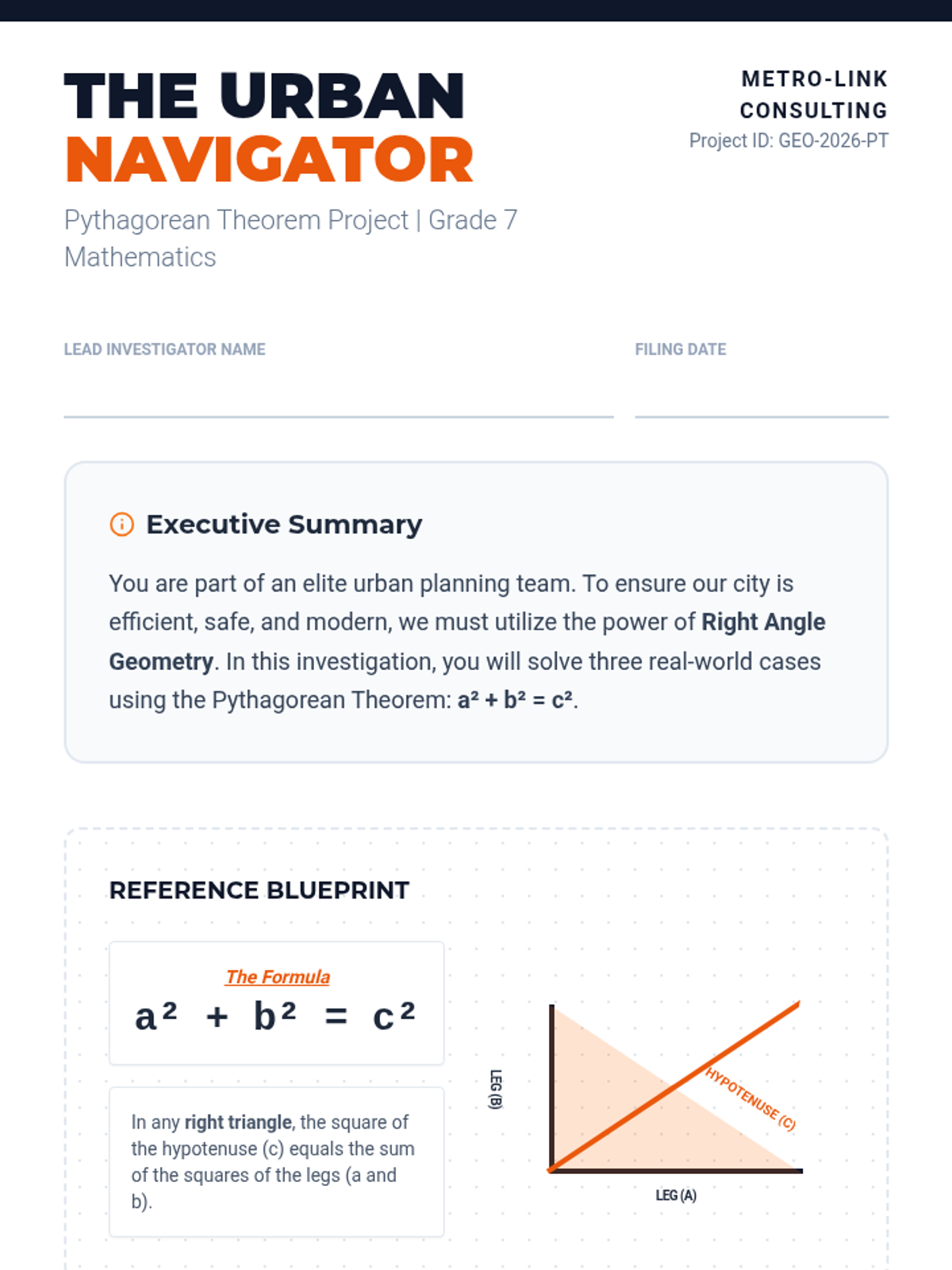
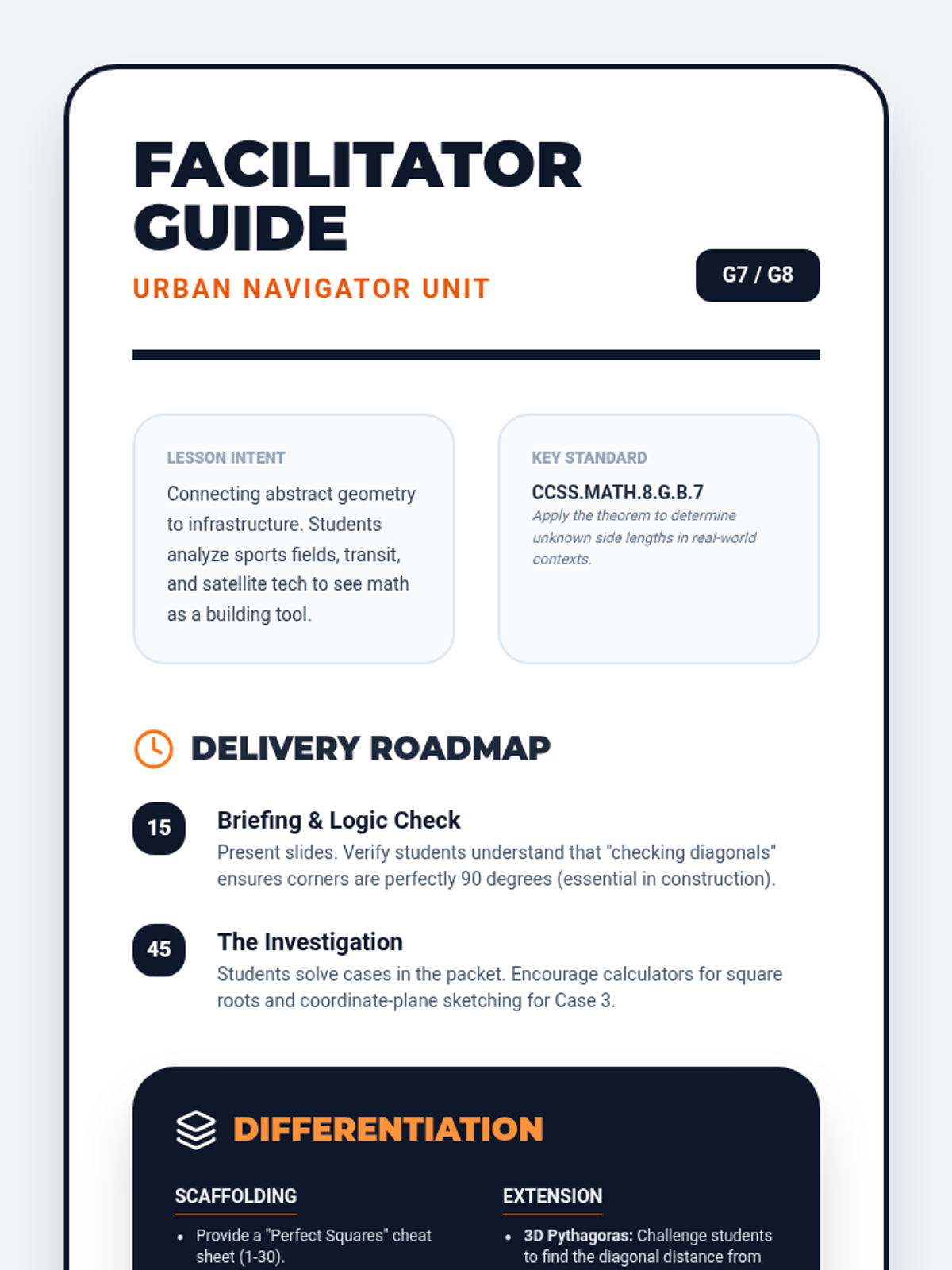
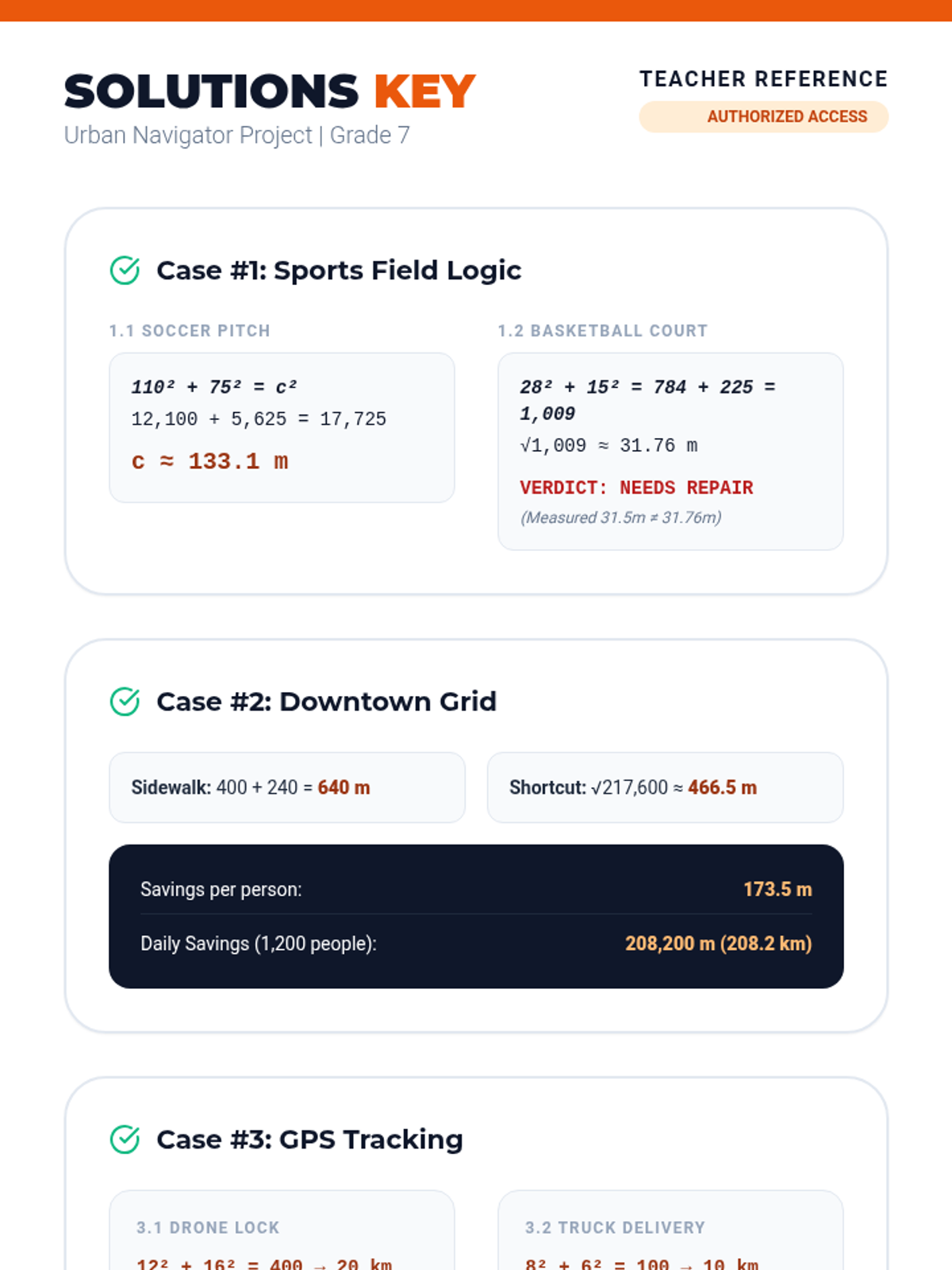
A real-world project-based learning unit where students apply the Pythagorean Theorem to urban planning, sports field design, and GPS navigation. Students act as urban developers and navigators to solve practical distance problems.
Students interpret and create line plots using measurement data involving fractions.
Students combine their knowledge of halves and fourths to measure more precisely and explore fraction equivalence.
Students learn to measure objects to the nearest fourth of an inch and explore partition logic.
Students learn to measure objects to the nearest half-inch and are introduced to mixed numbers.
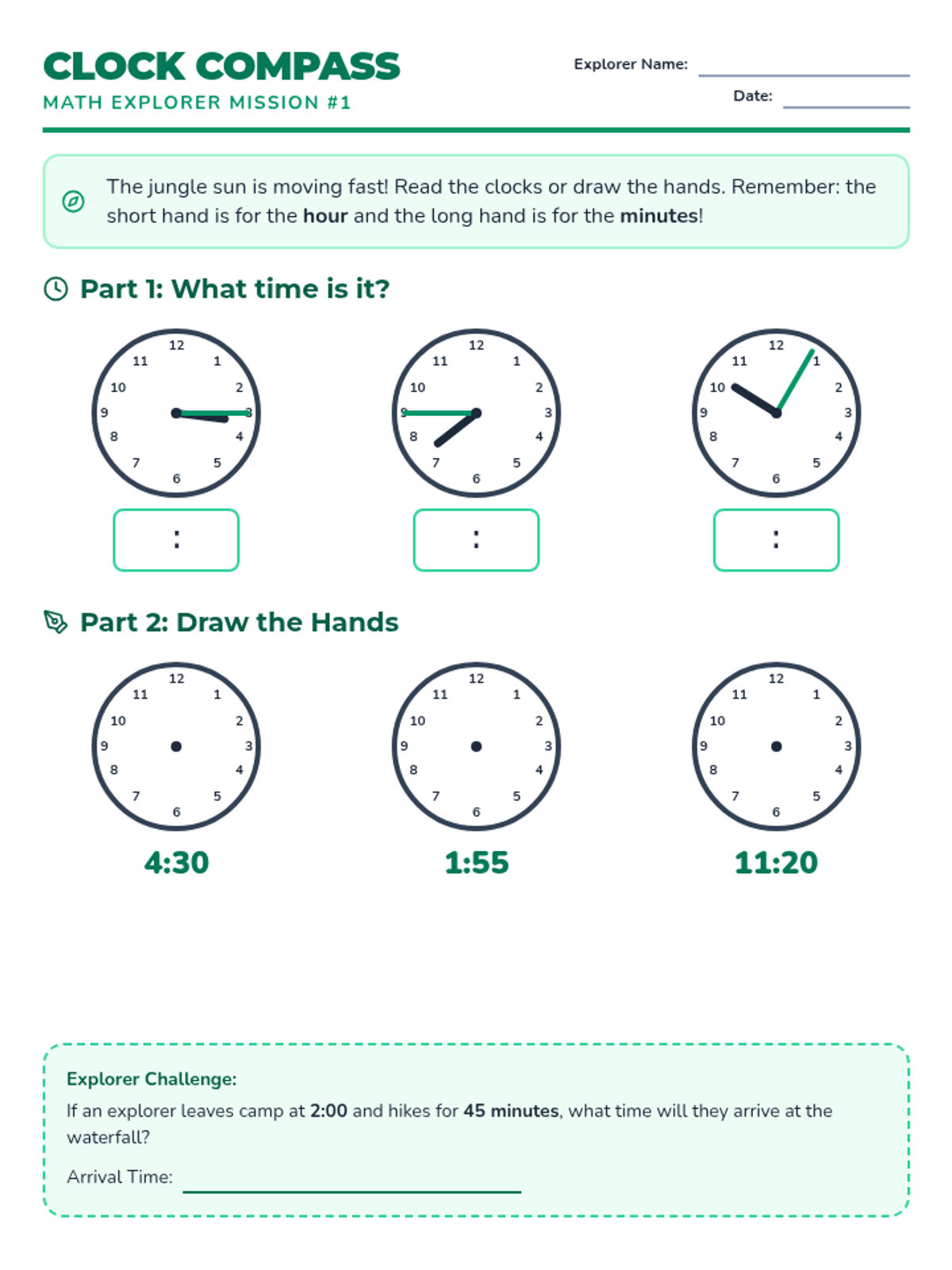
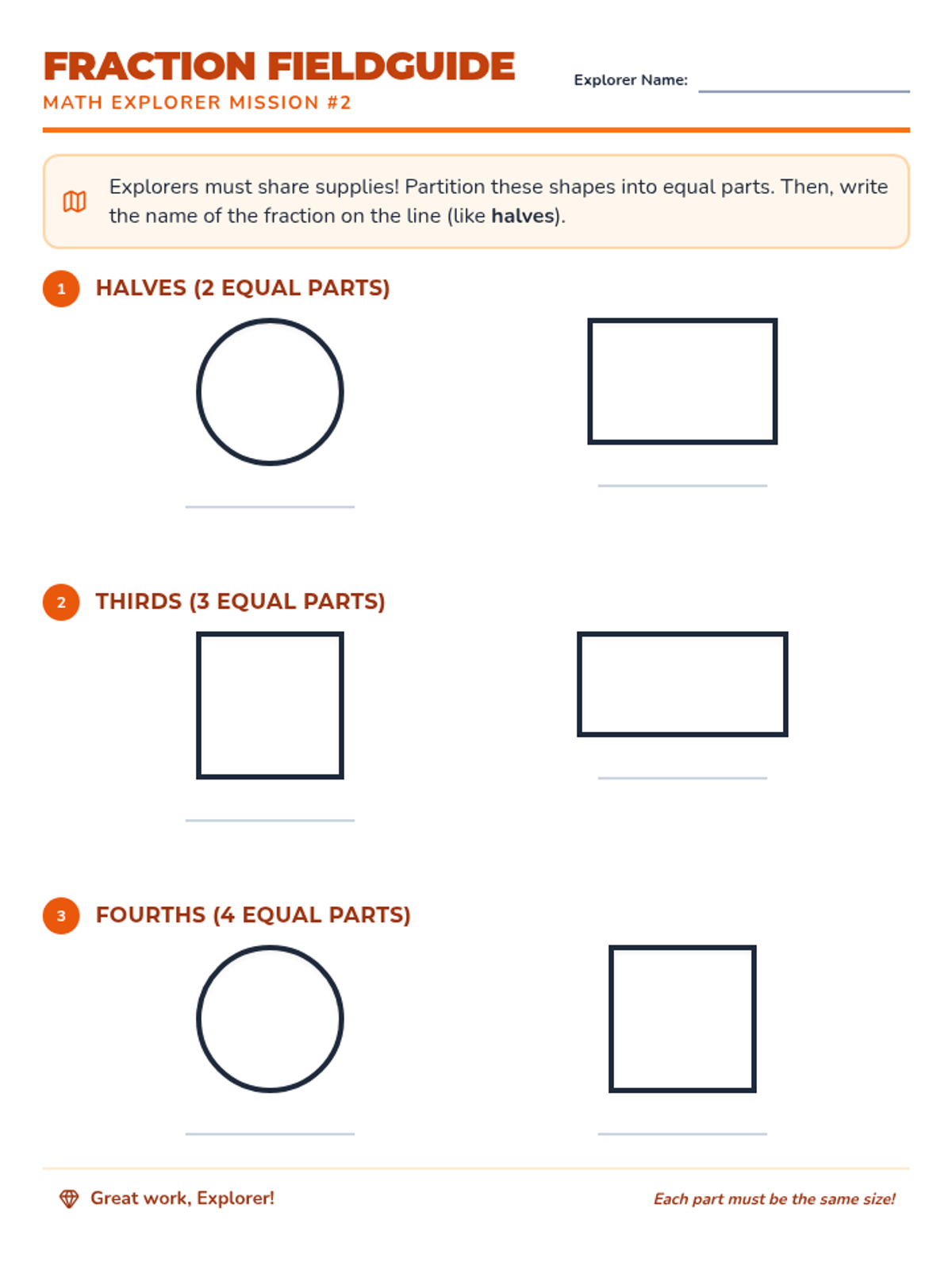
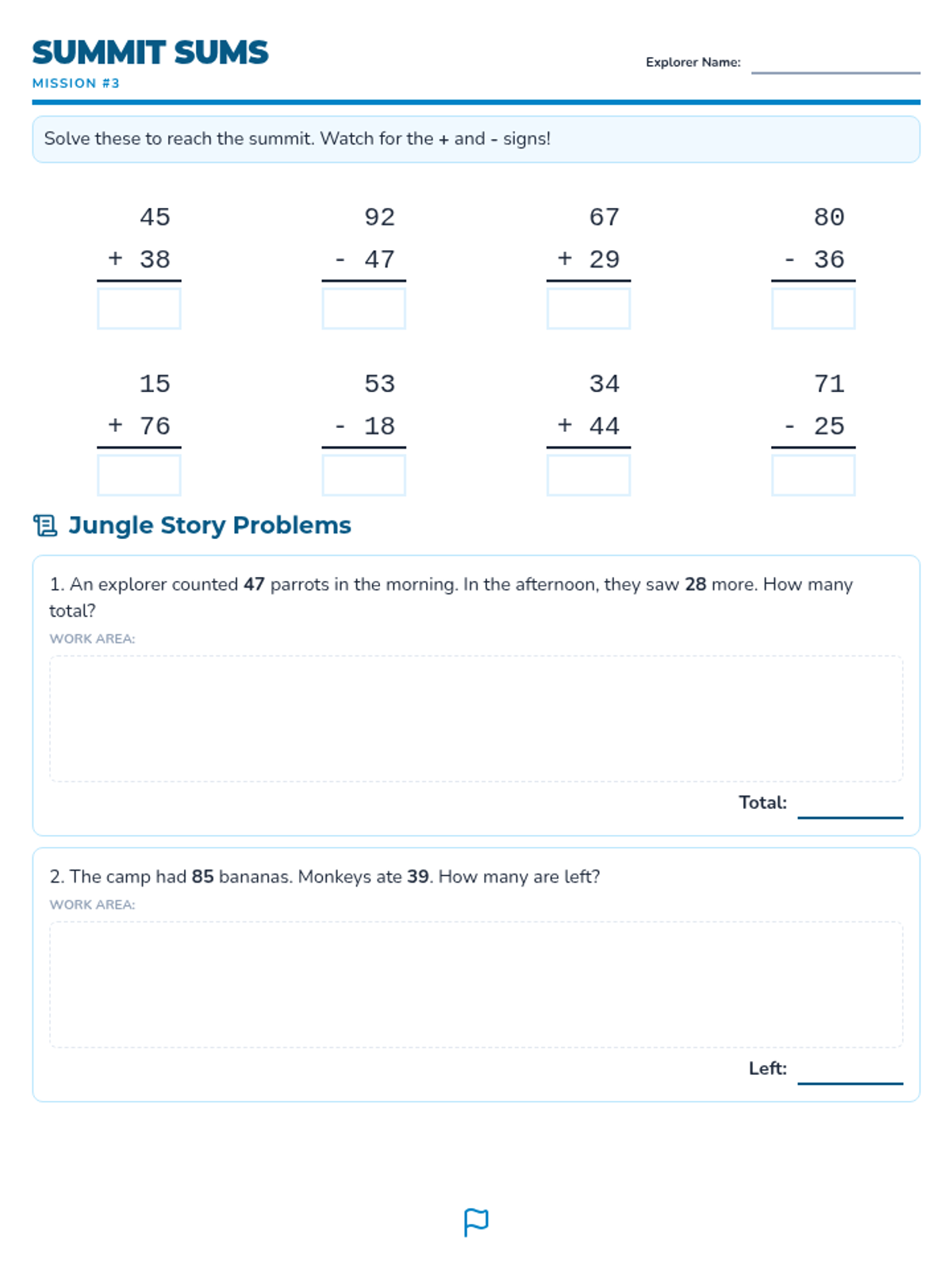
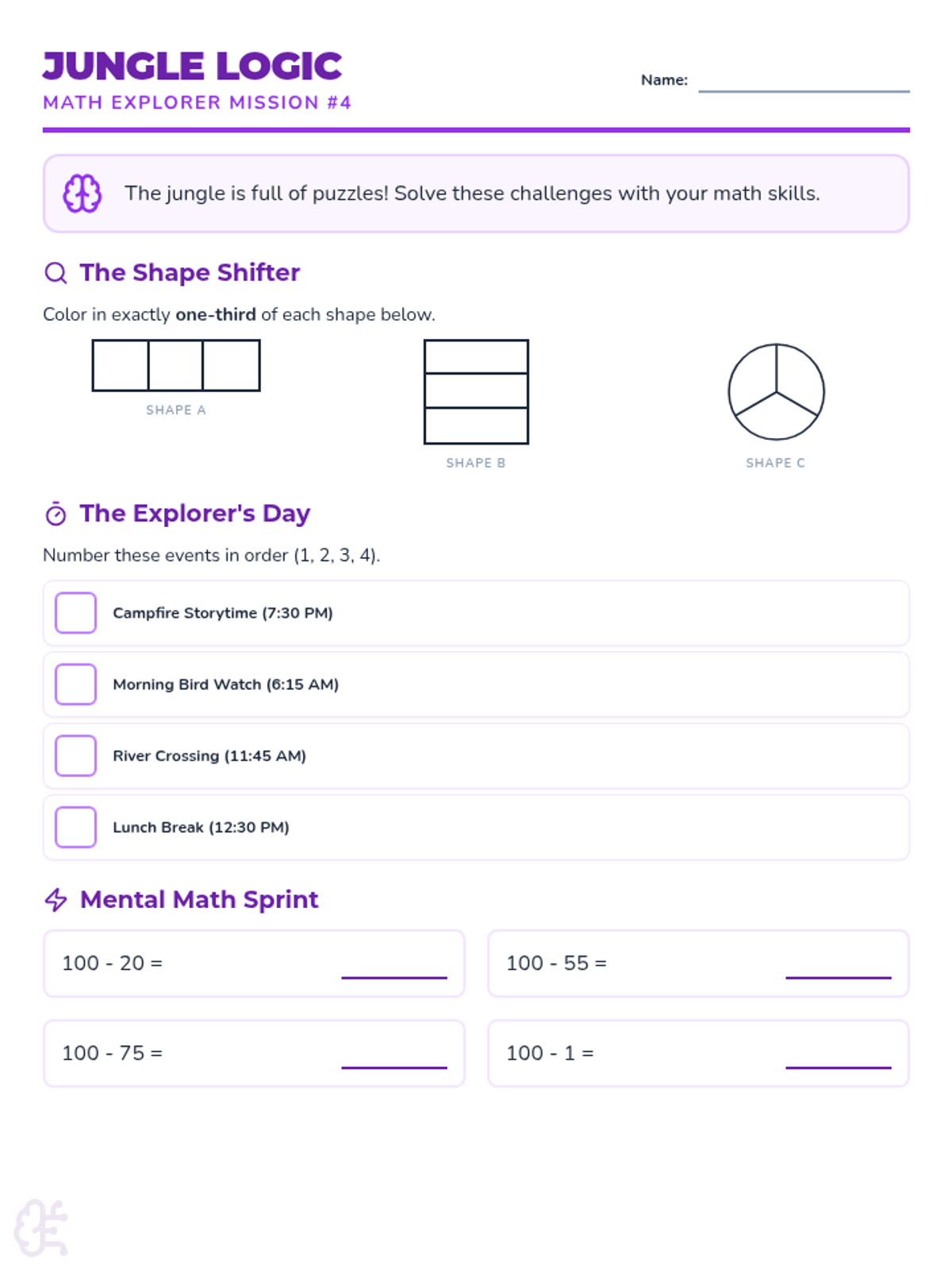
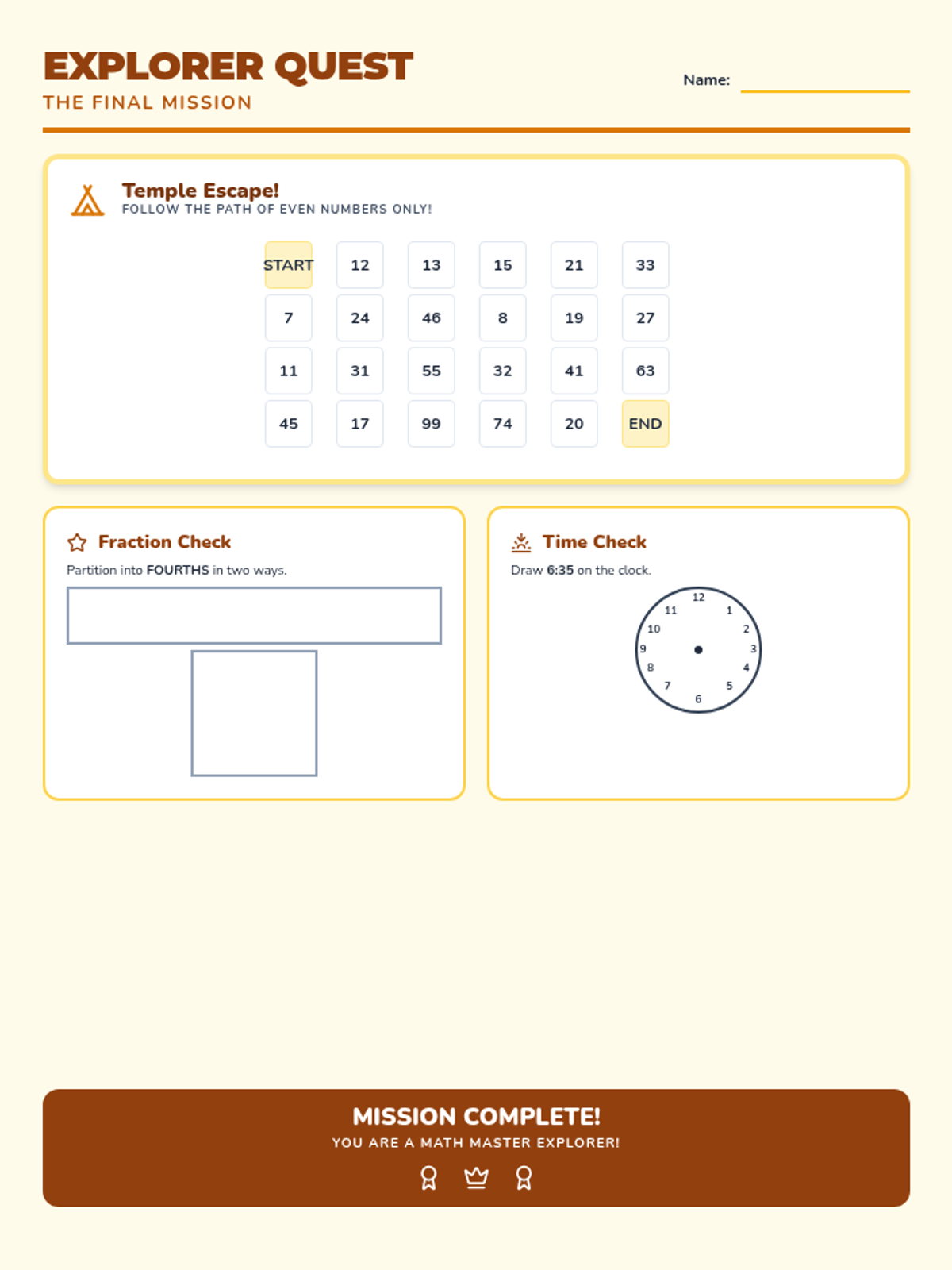
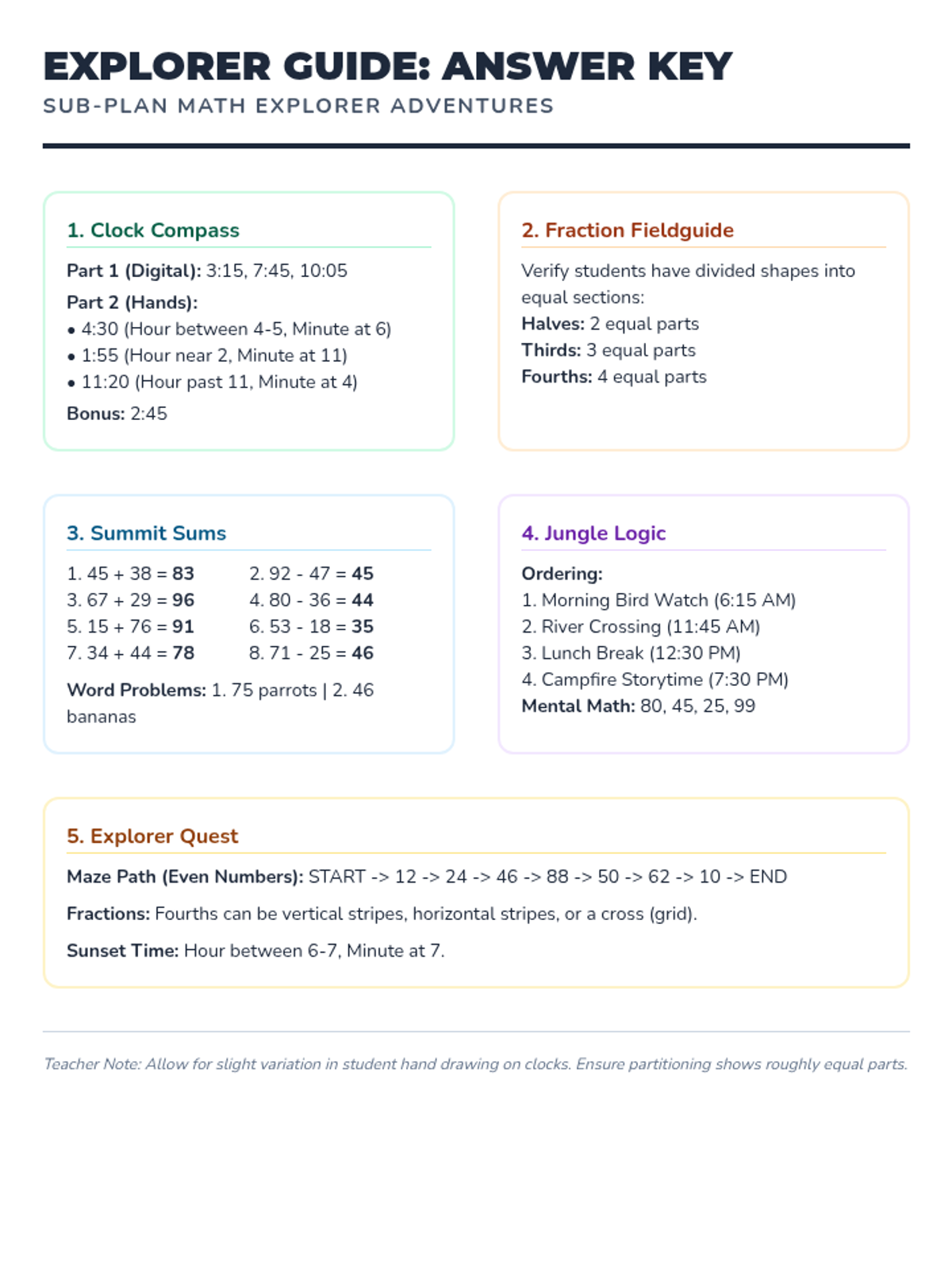
A comprehensive sub-plan packet for 2nd grade math, covering telling time, partitioning shapes into fractions, and addition/subtraction within 100 through an engaging jungle exploration theme.
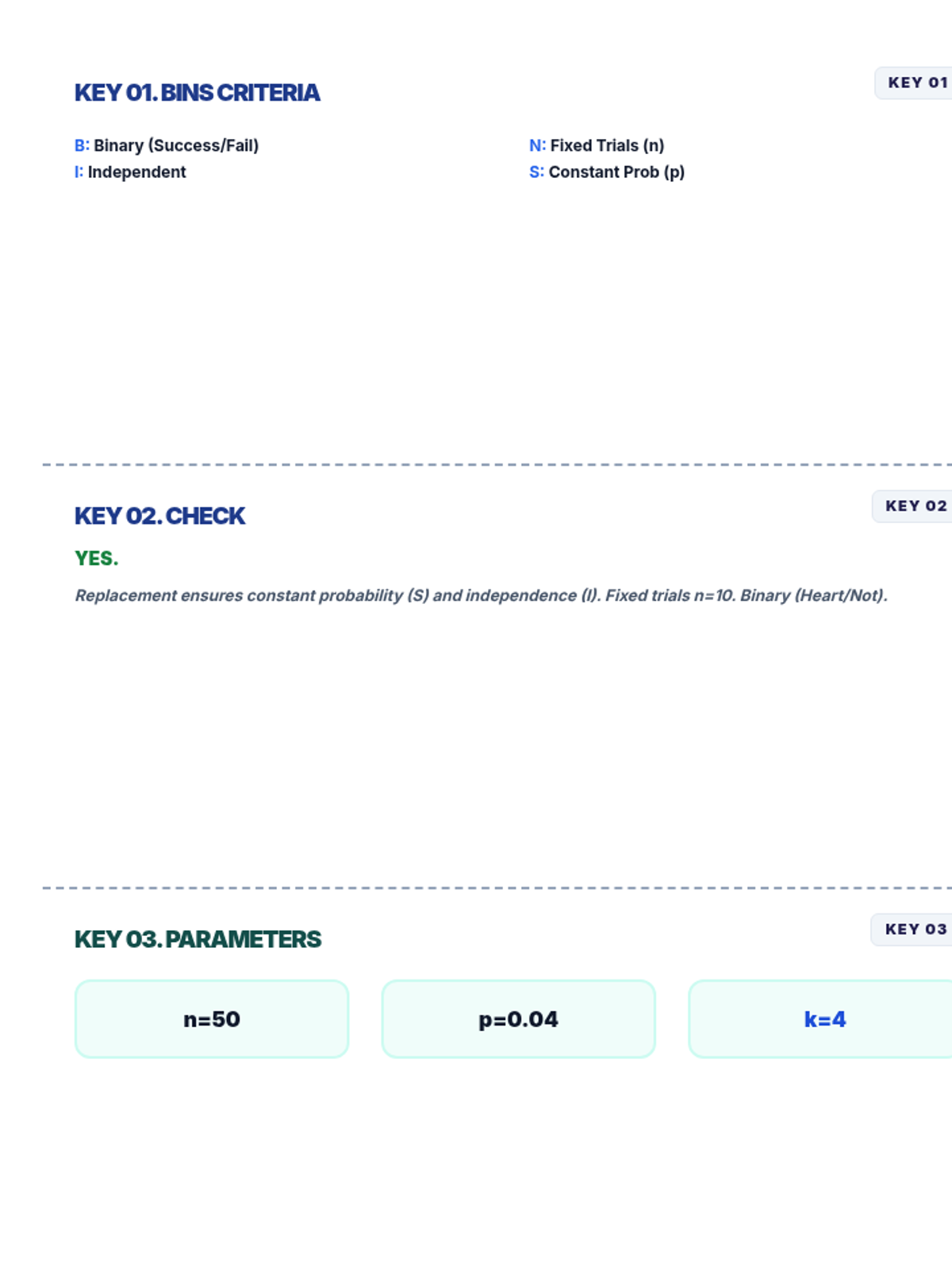
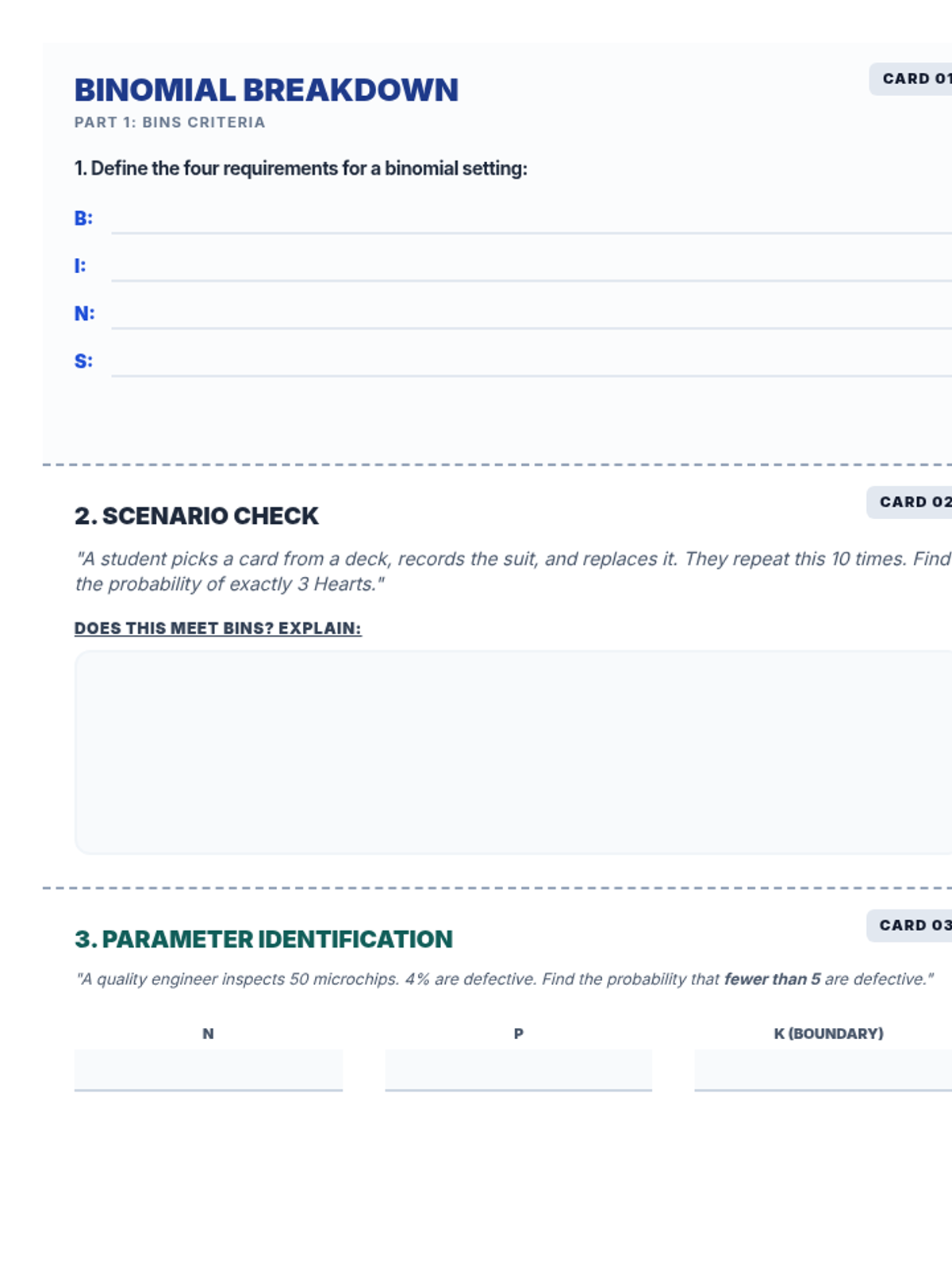
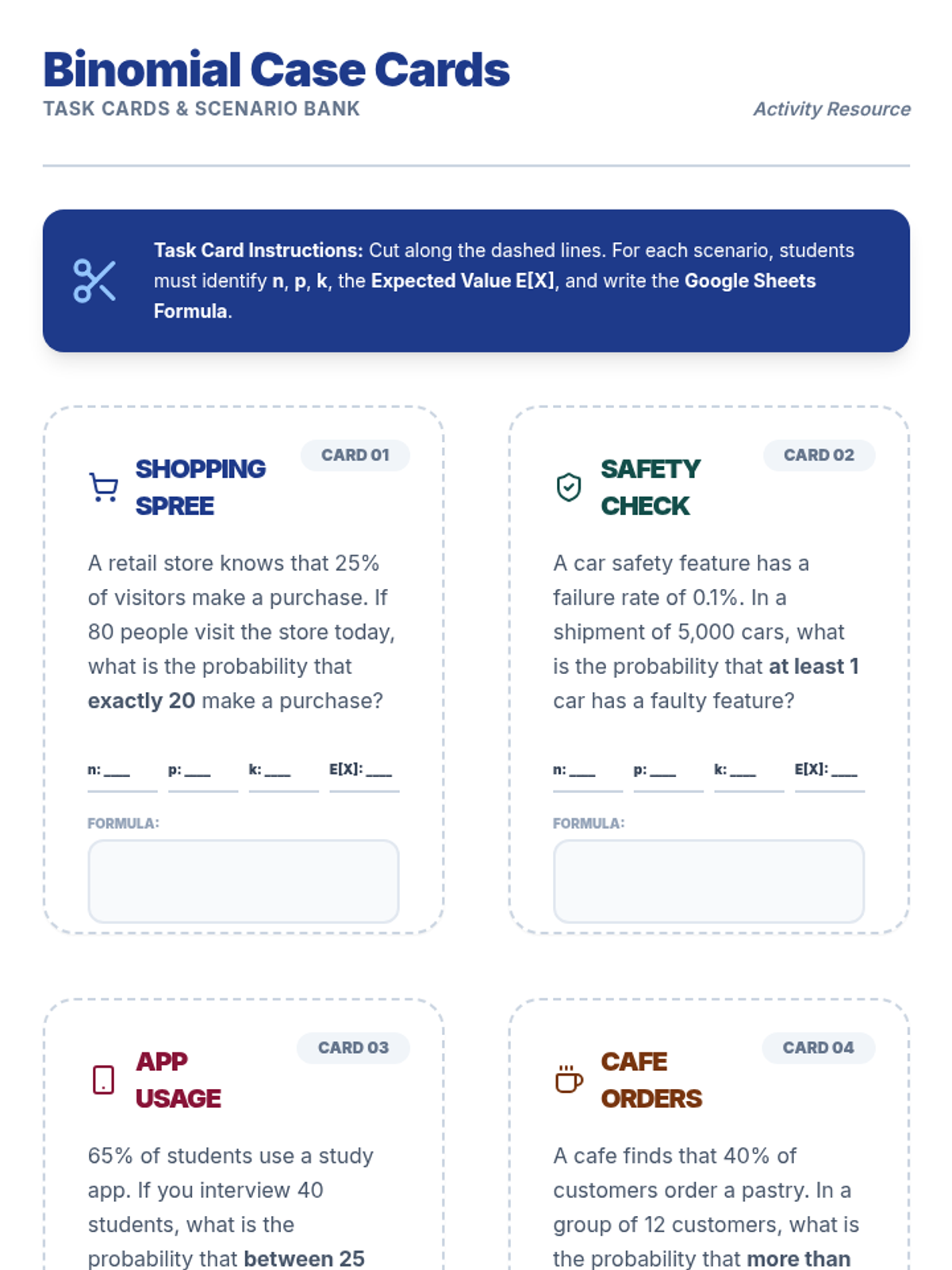
A focused lesson on the binomial distribution, covering the BINS criteria, identifying parameters, and calculating probabilities using digital spreadsheet tools.
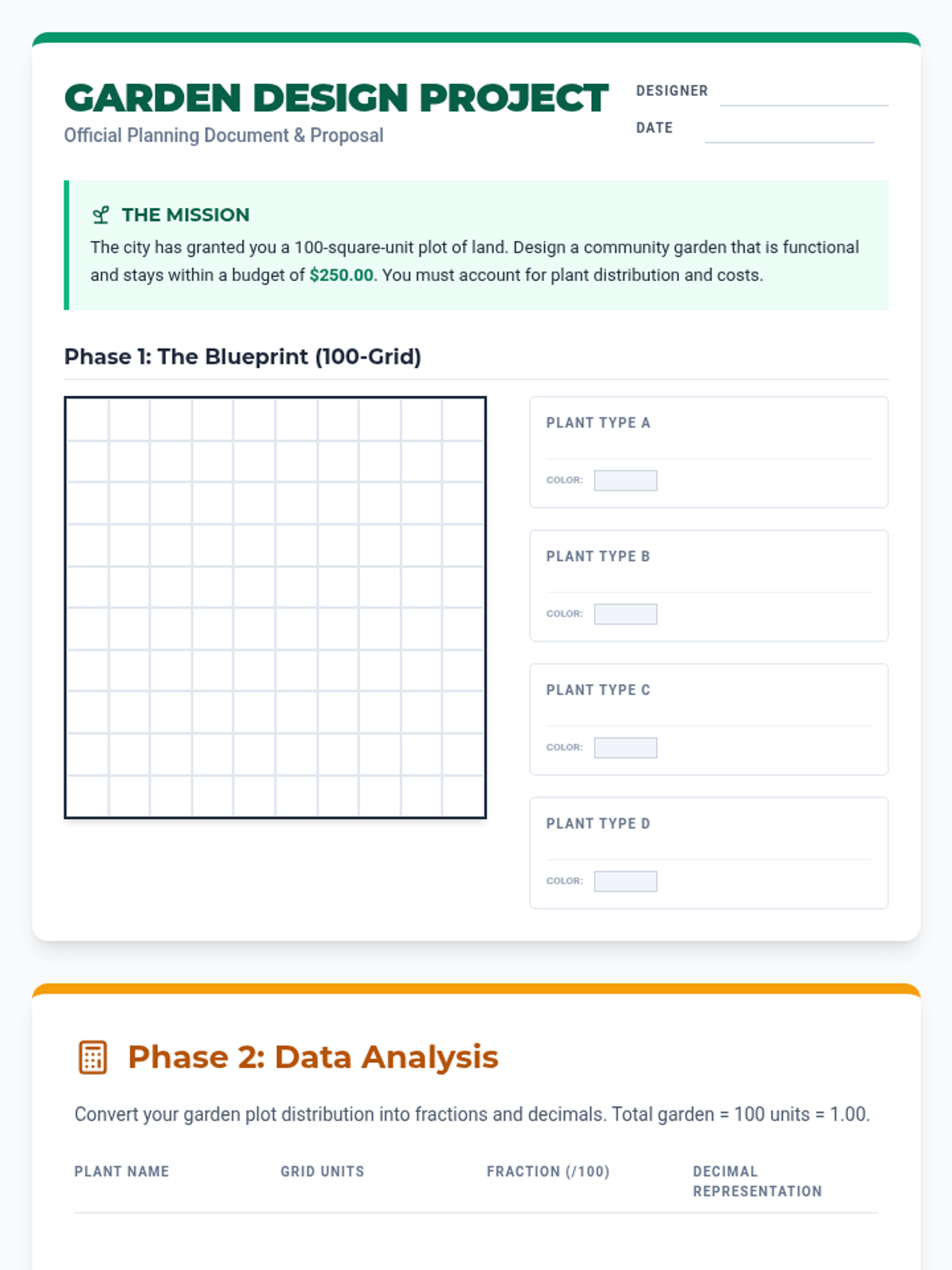
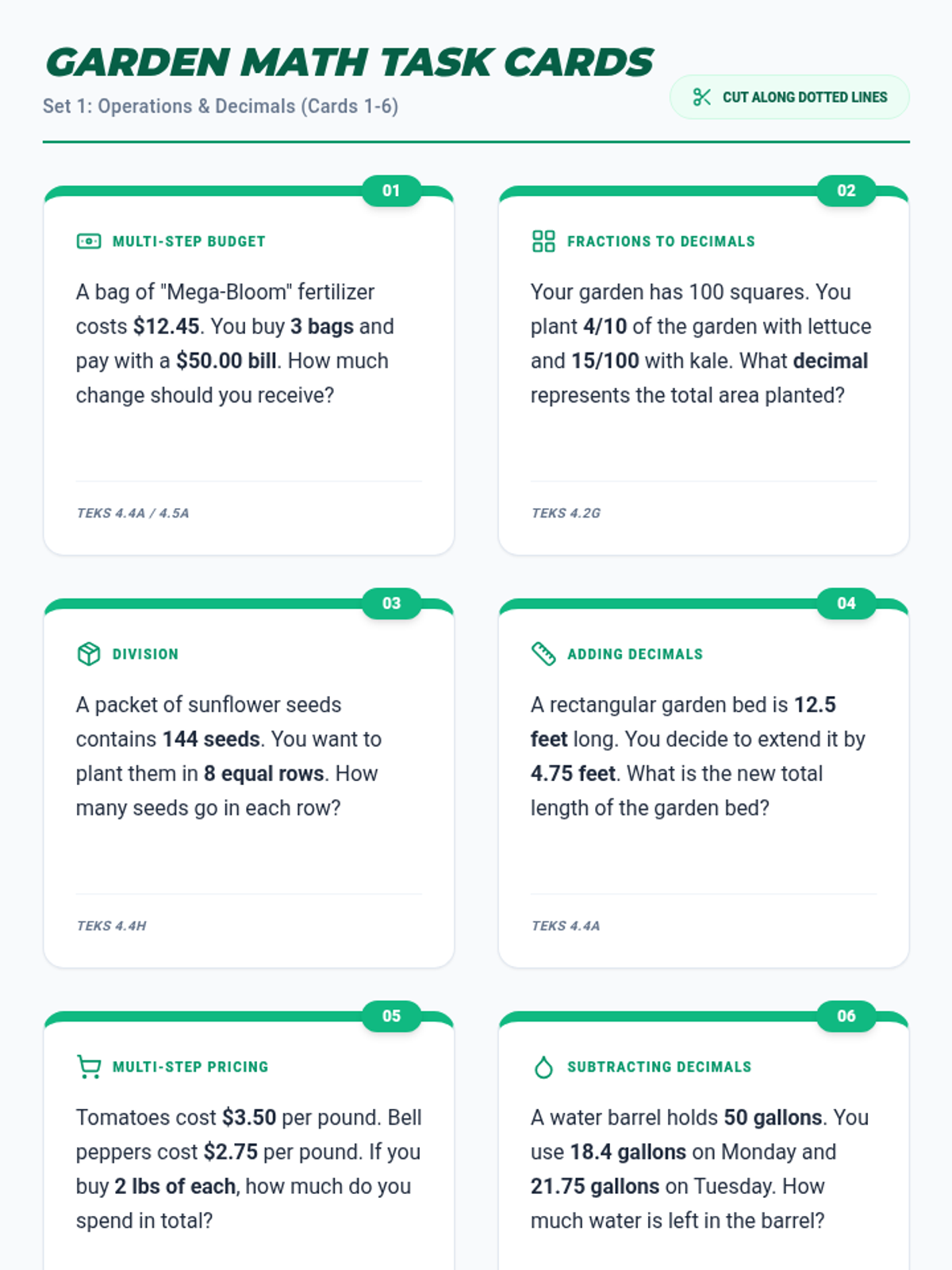
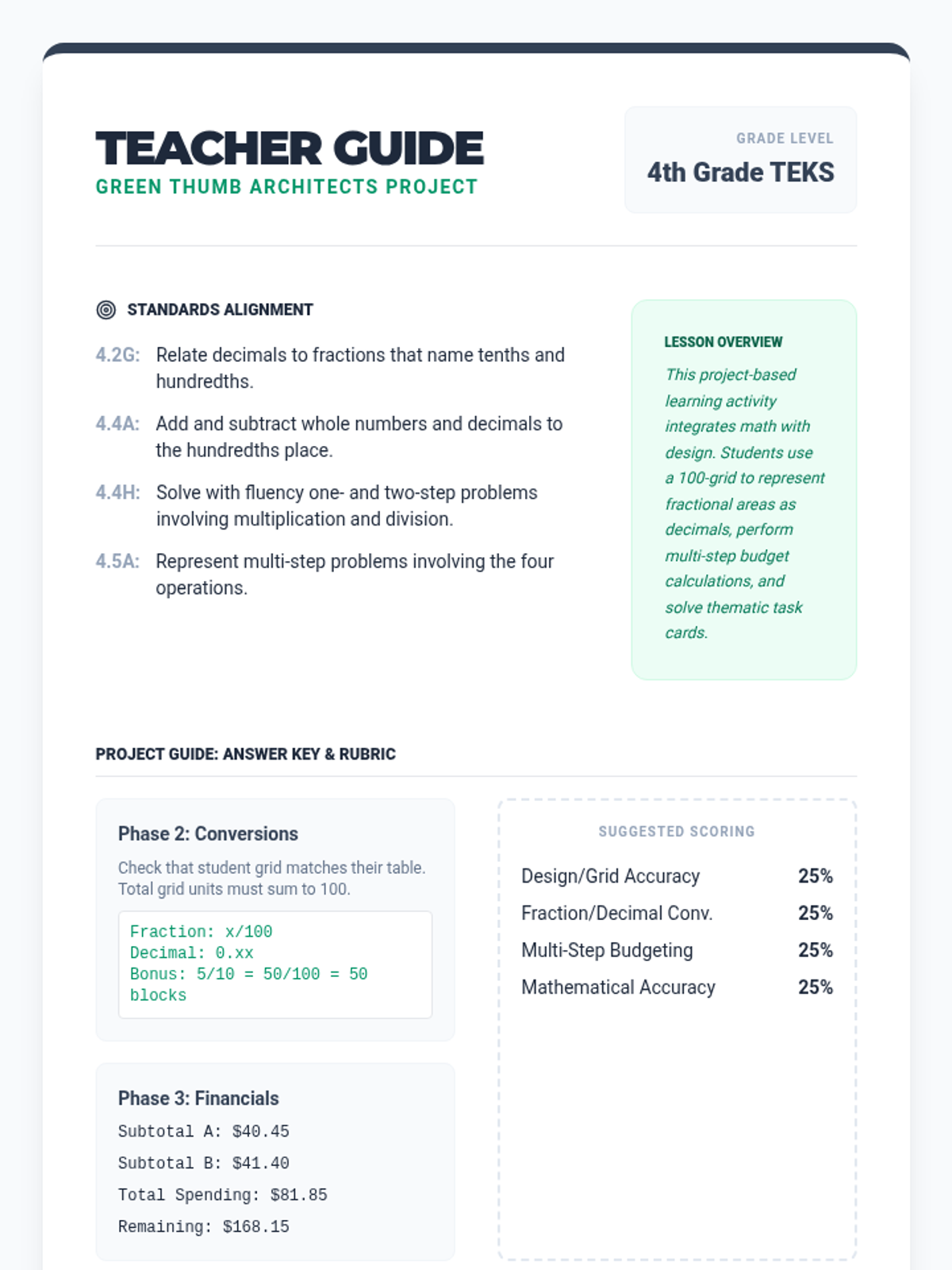
A math-focused project where students step into the role of garden designers to plan a community space while mastering multi-step word problems, decimal operations, and the relationship between fractions and decimals.
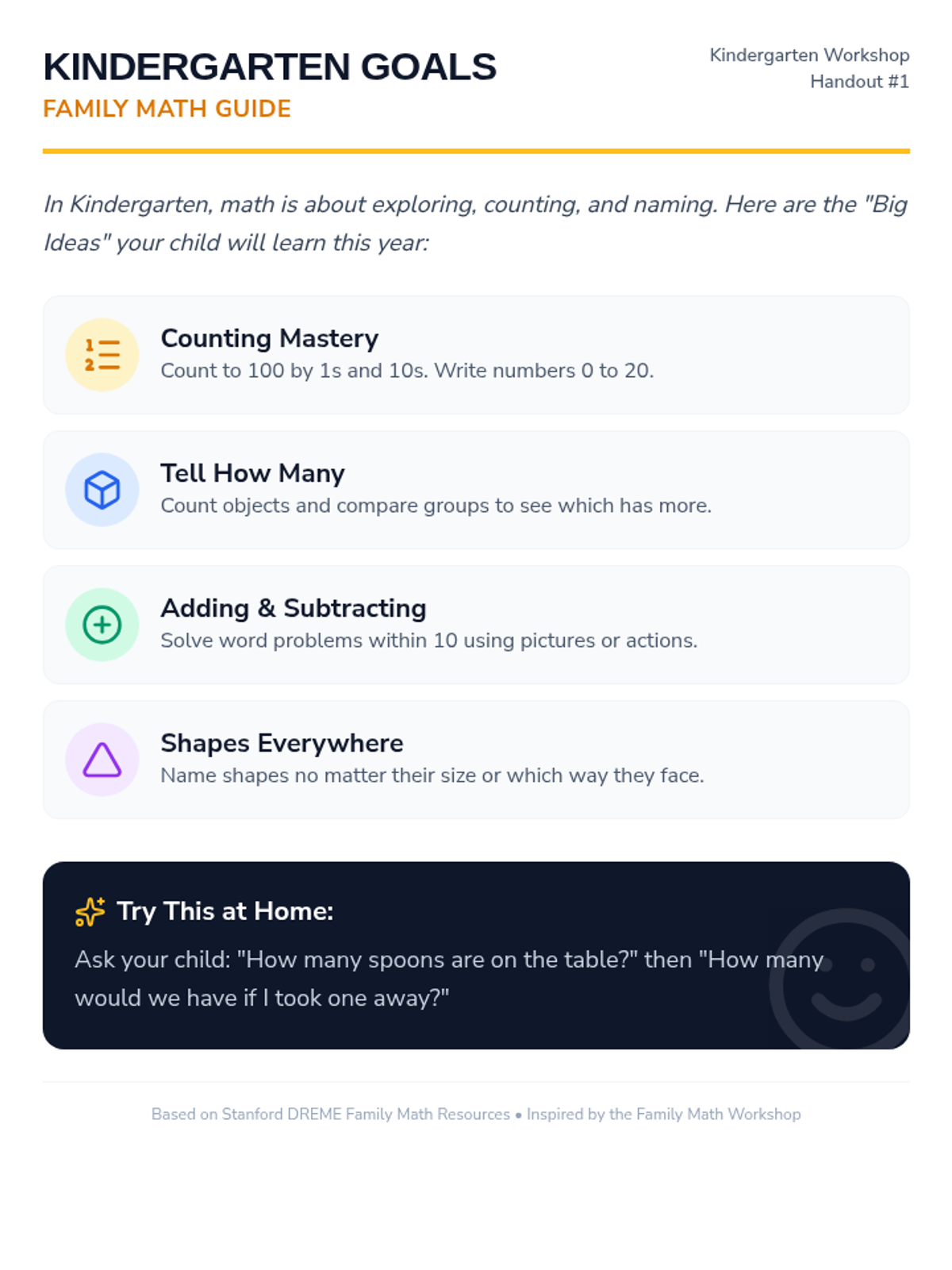
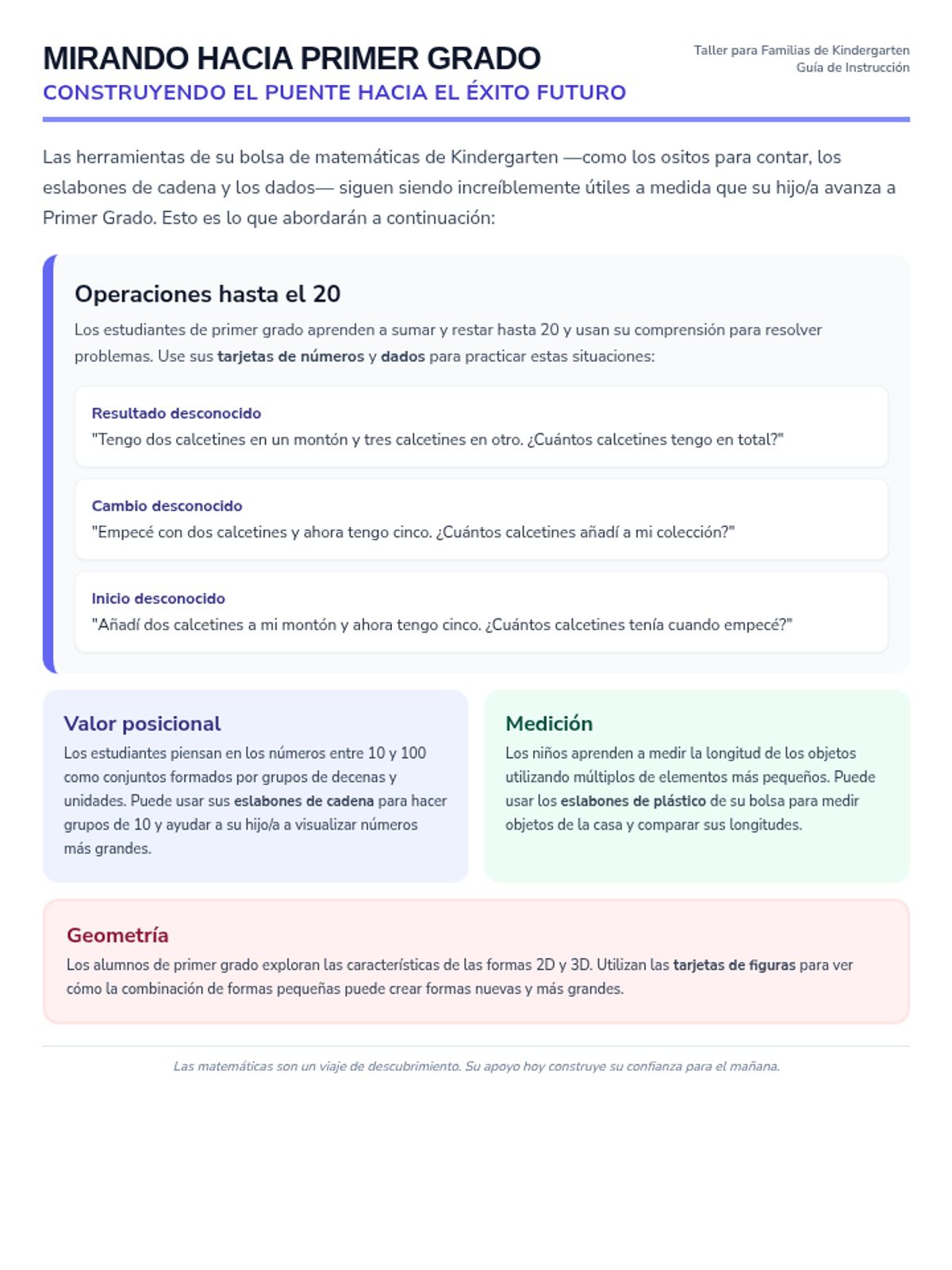
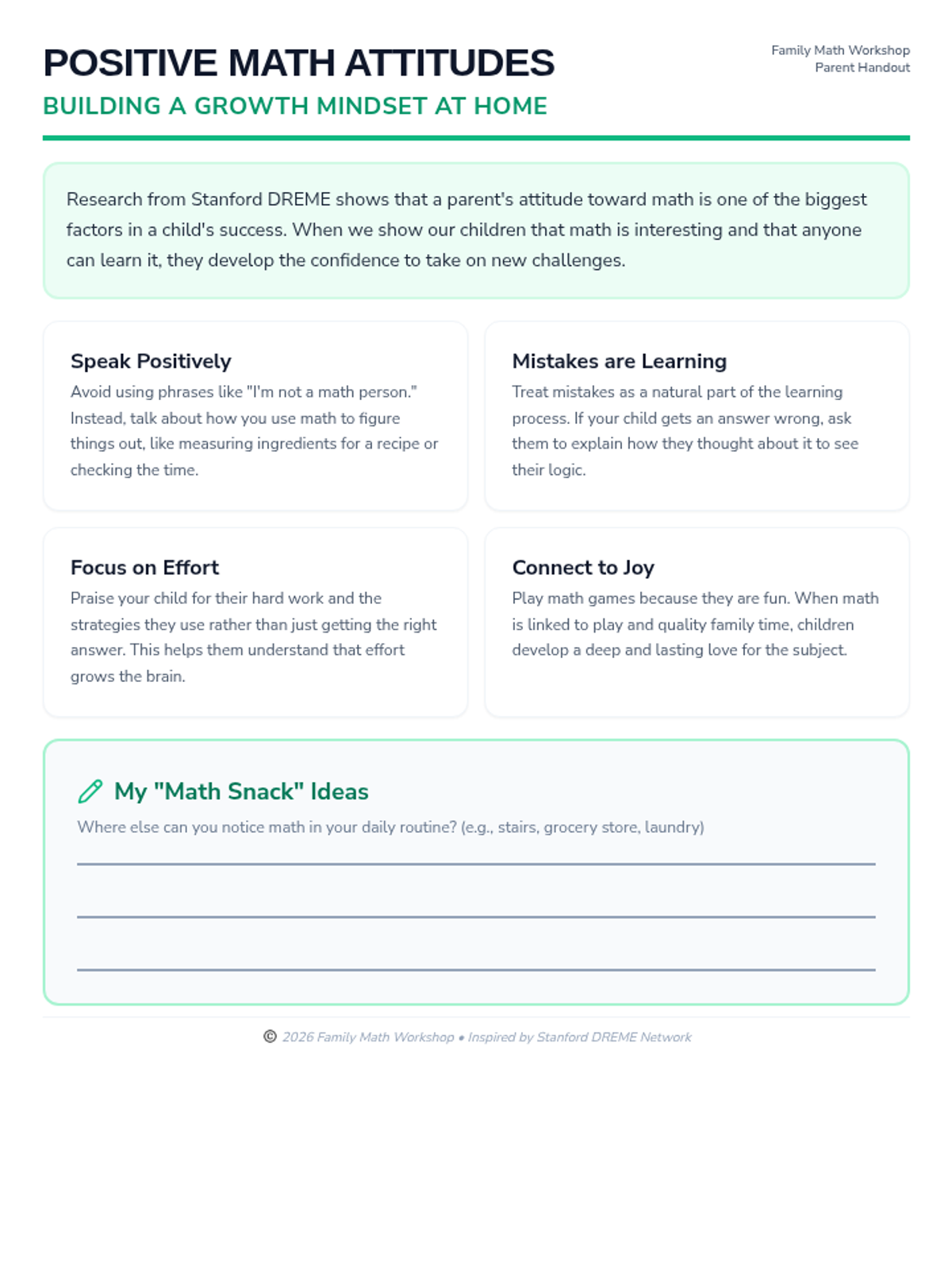
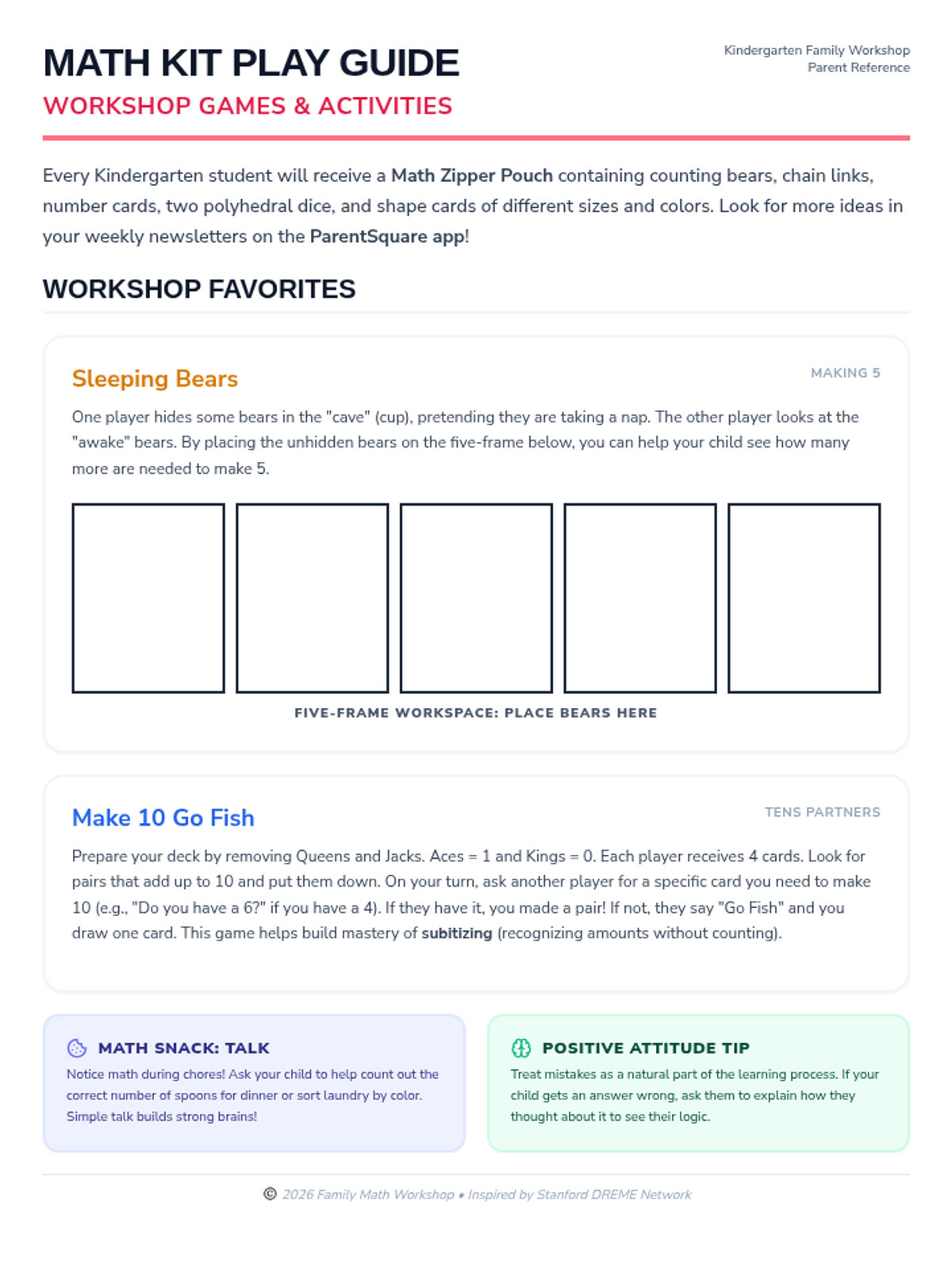
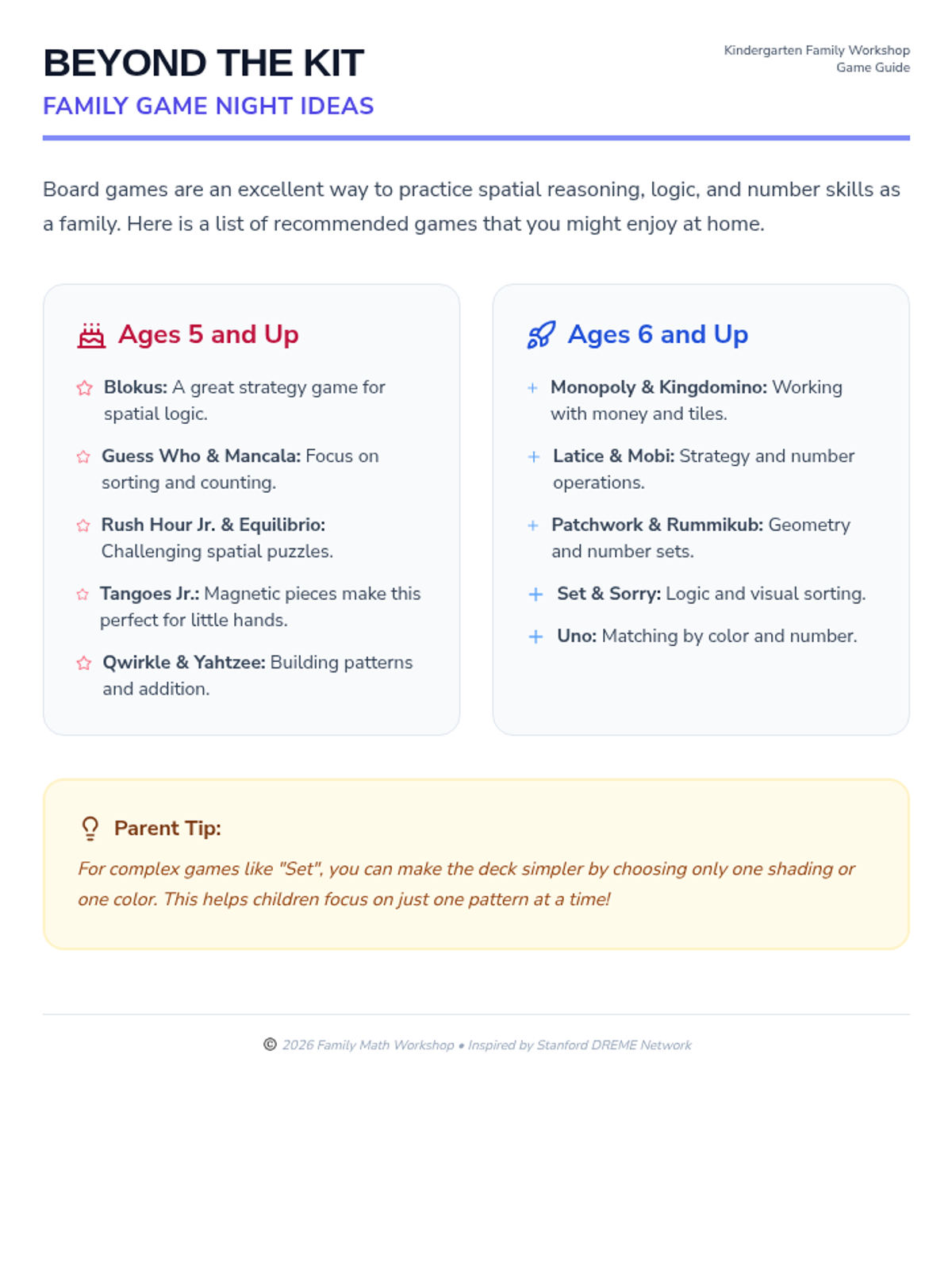
A comprehensive workshop for Kindergarten parents and guardians focused on building positive math attitudes and supporting math learning at home through play and daily routines. Based on Stanford DREME research.
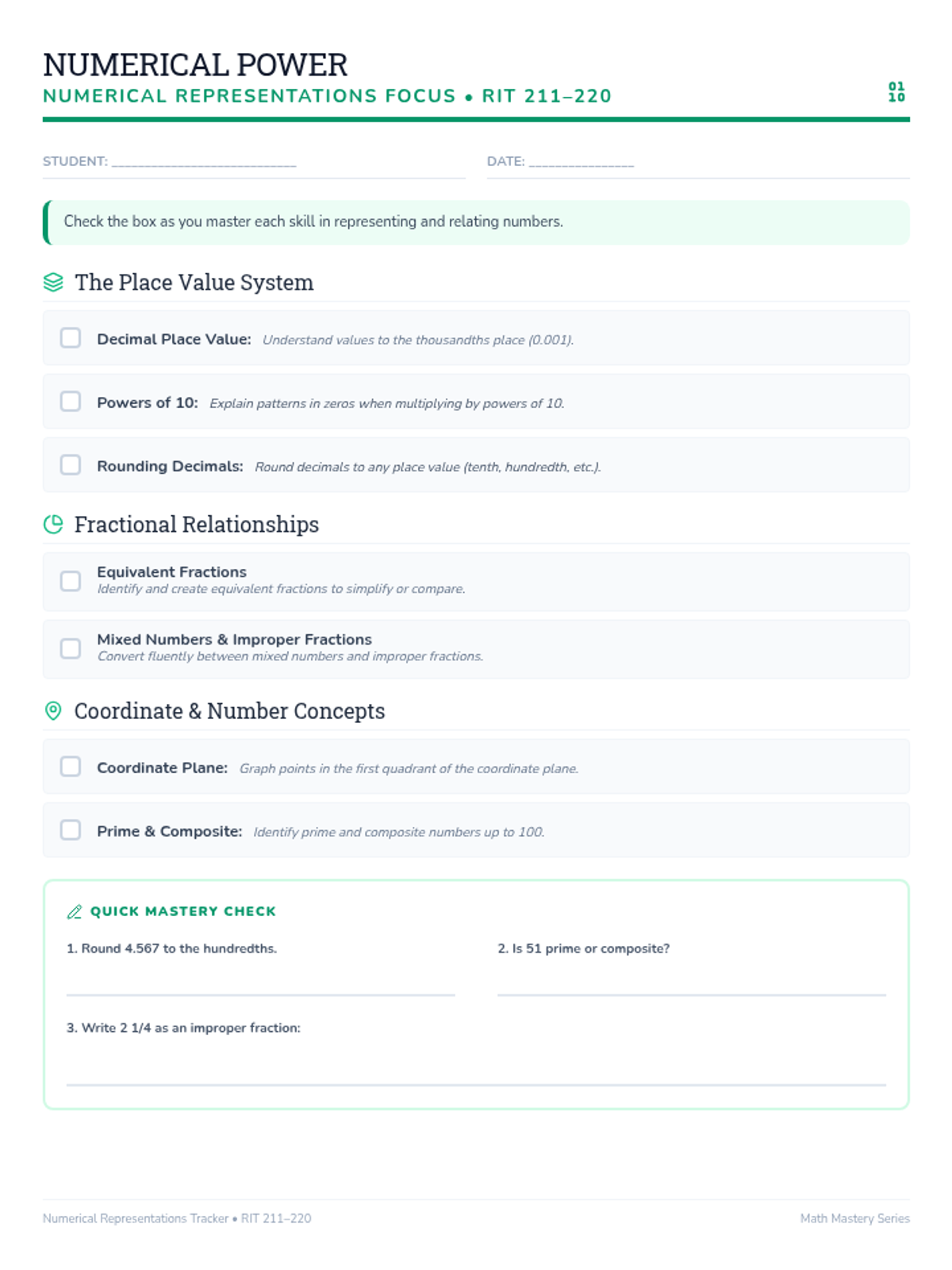
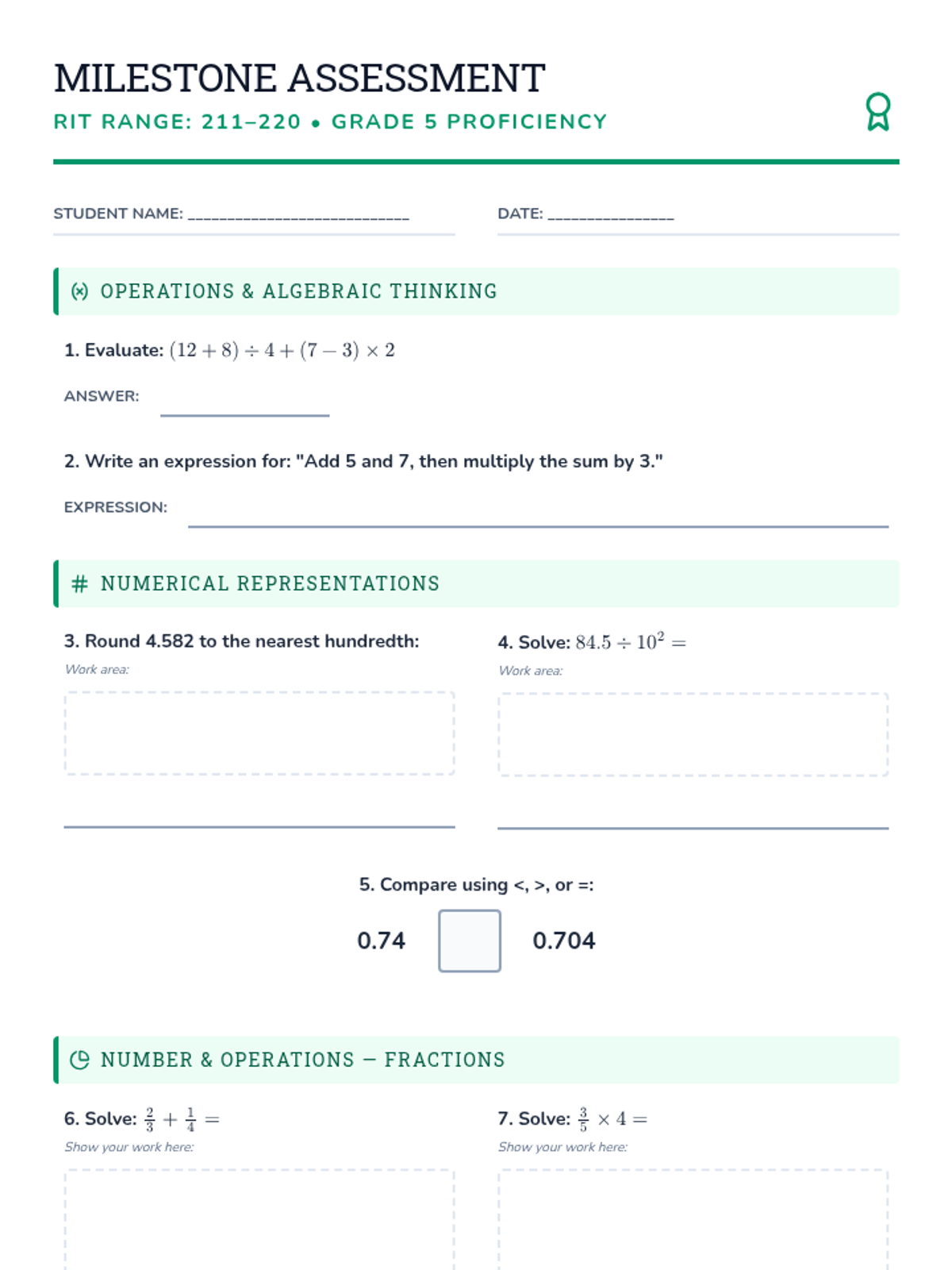
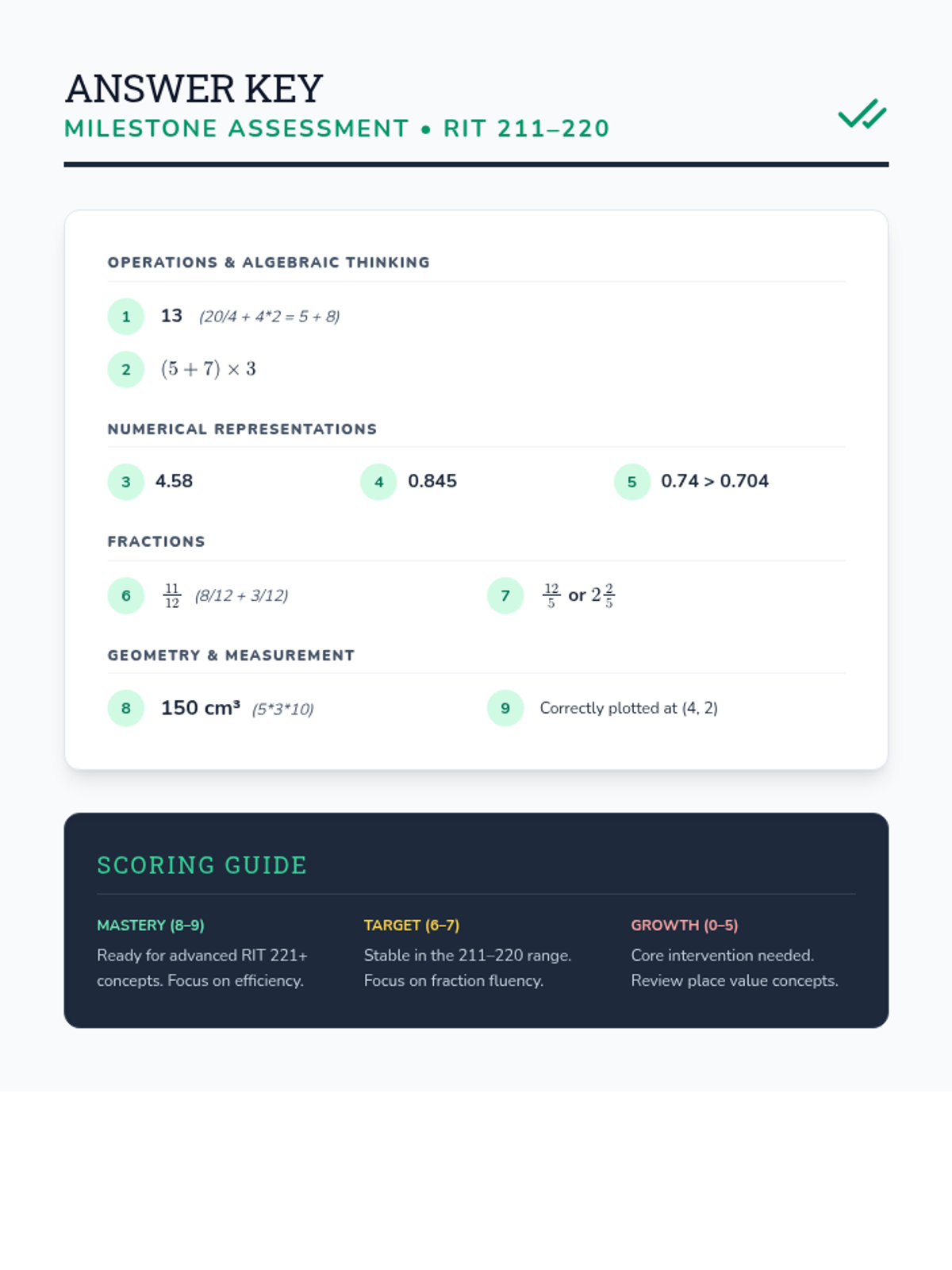
A specialized toolkit for navigating mathematical skills in the 211-220 RIT range, with a focus on foundational decimals, fractions, and place value relationships.
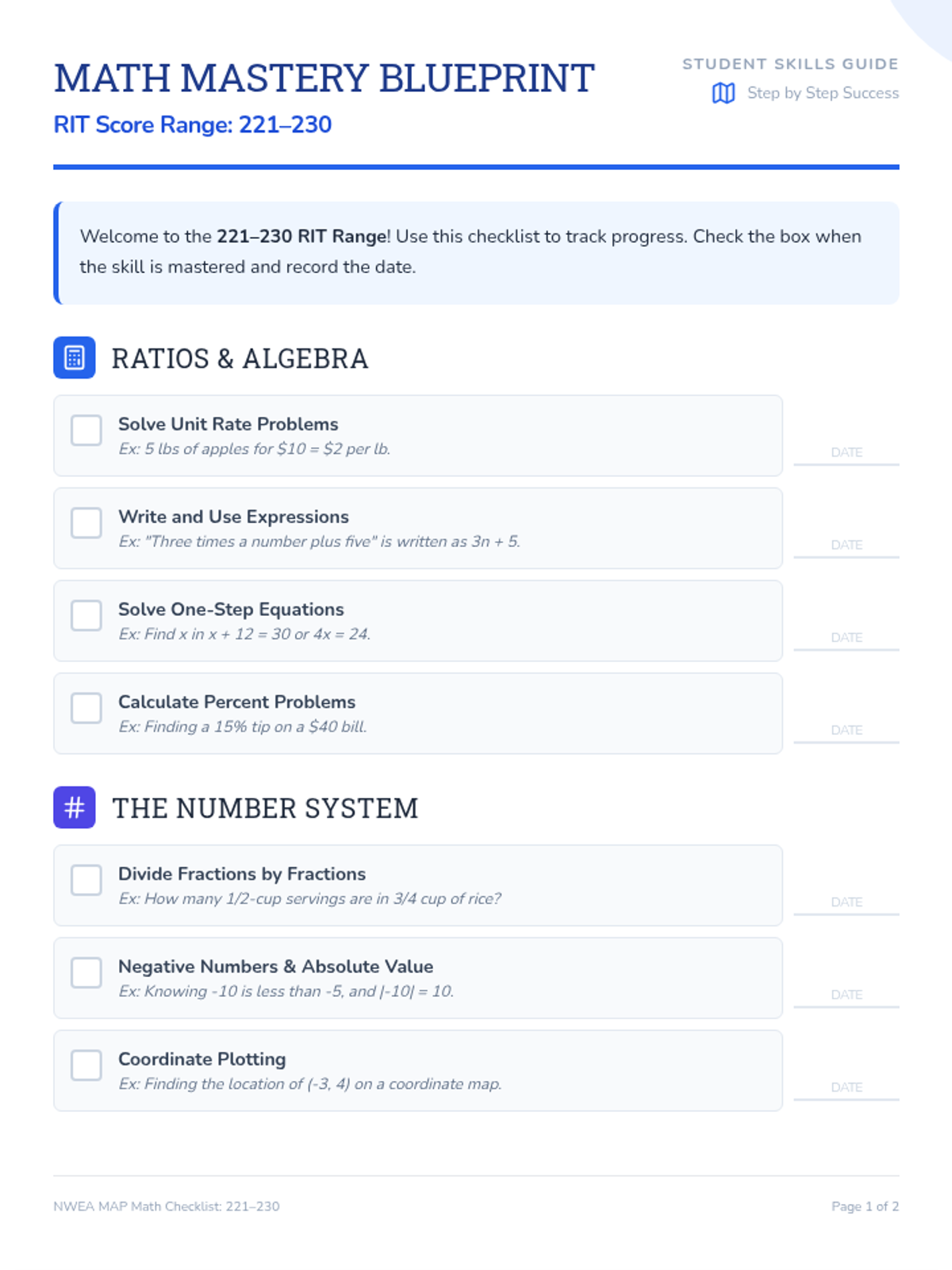
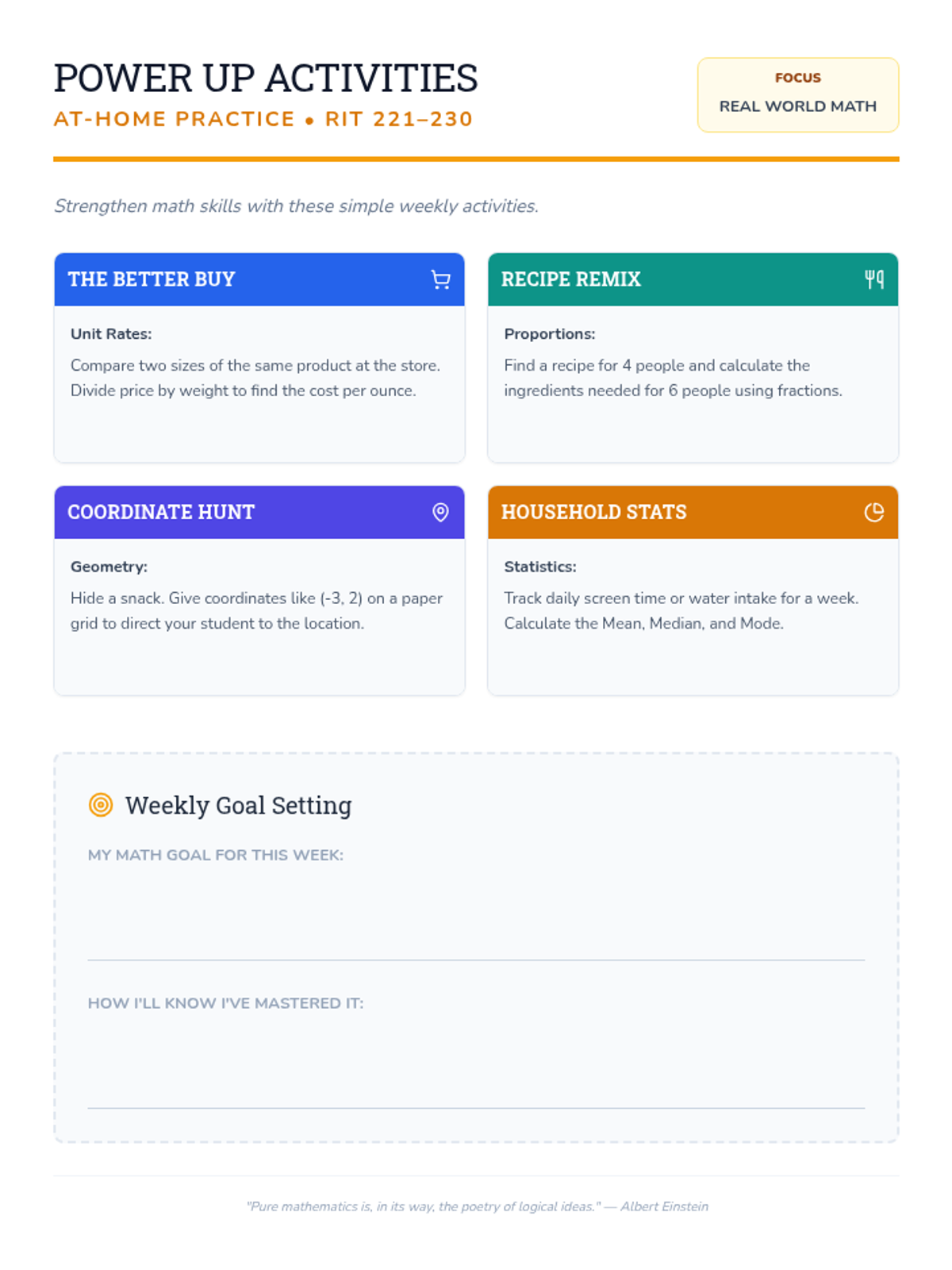
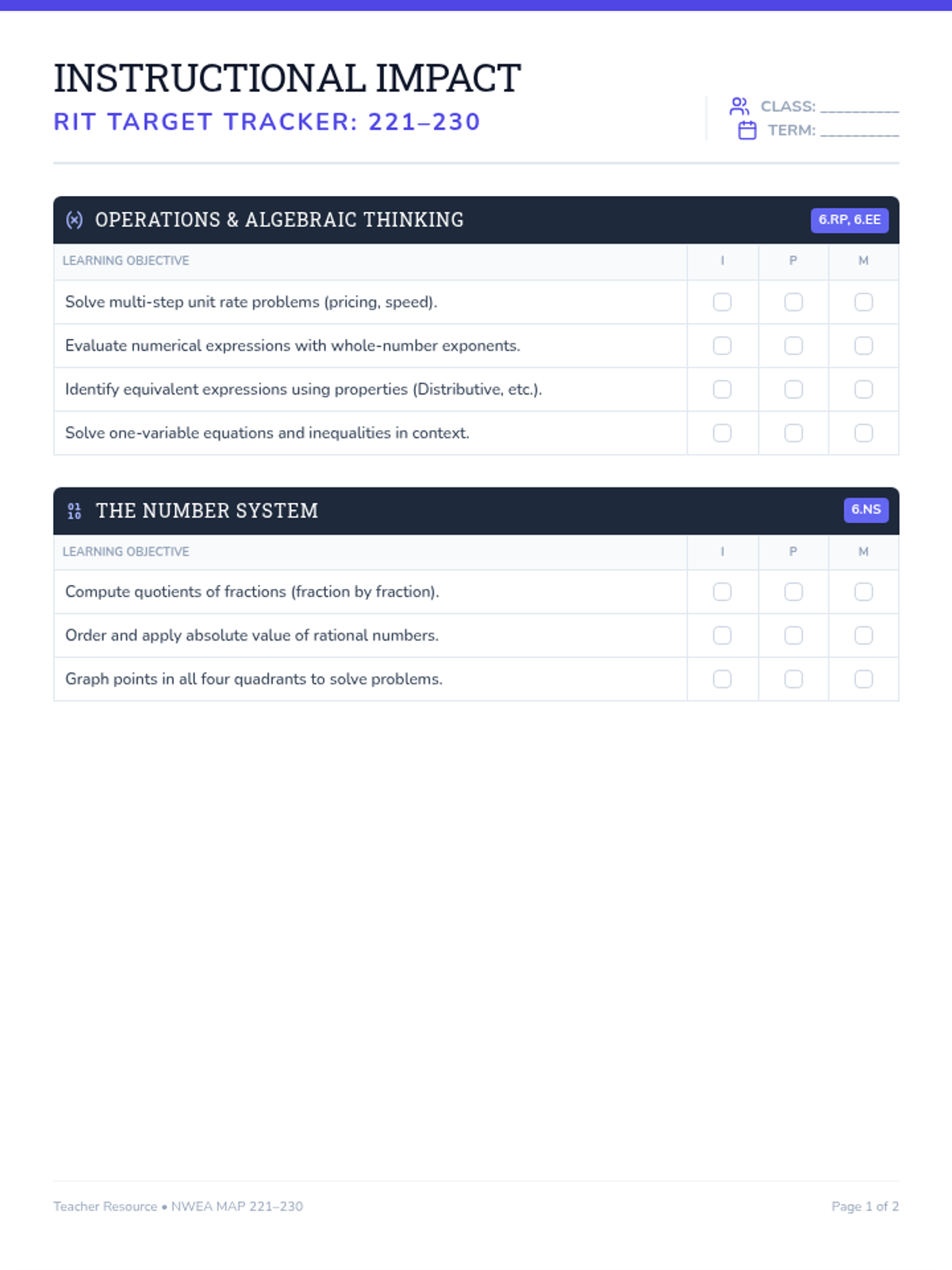
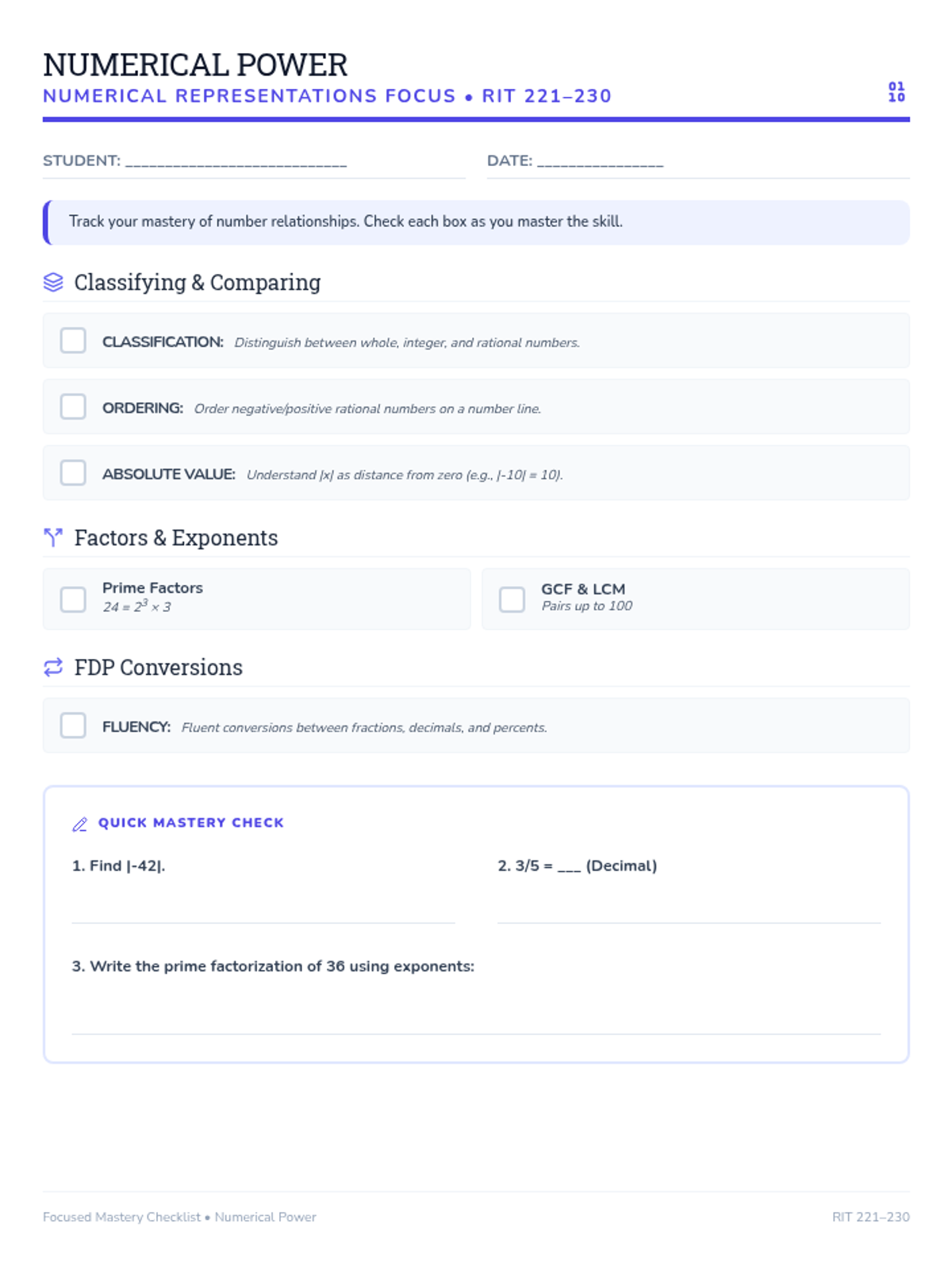
A comprehensive guide for parents and students to navigate the mathematical skills expected in the 221-230 NWEA MAP RIT range, featuring actionable checklists and home-based practice ideas.
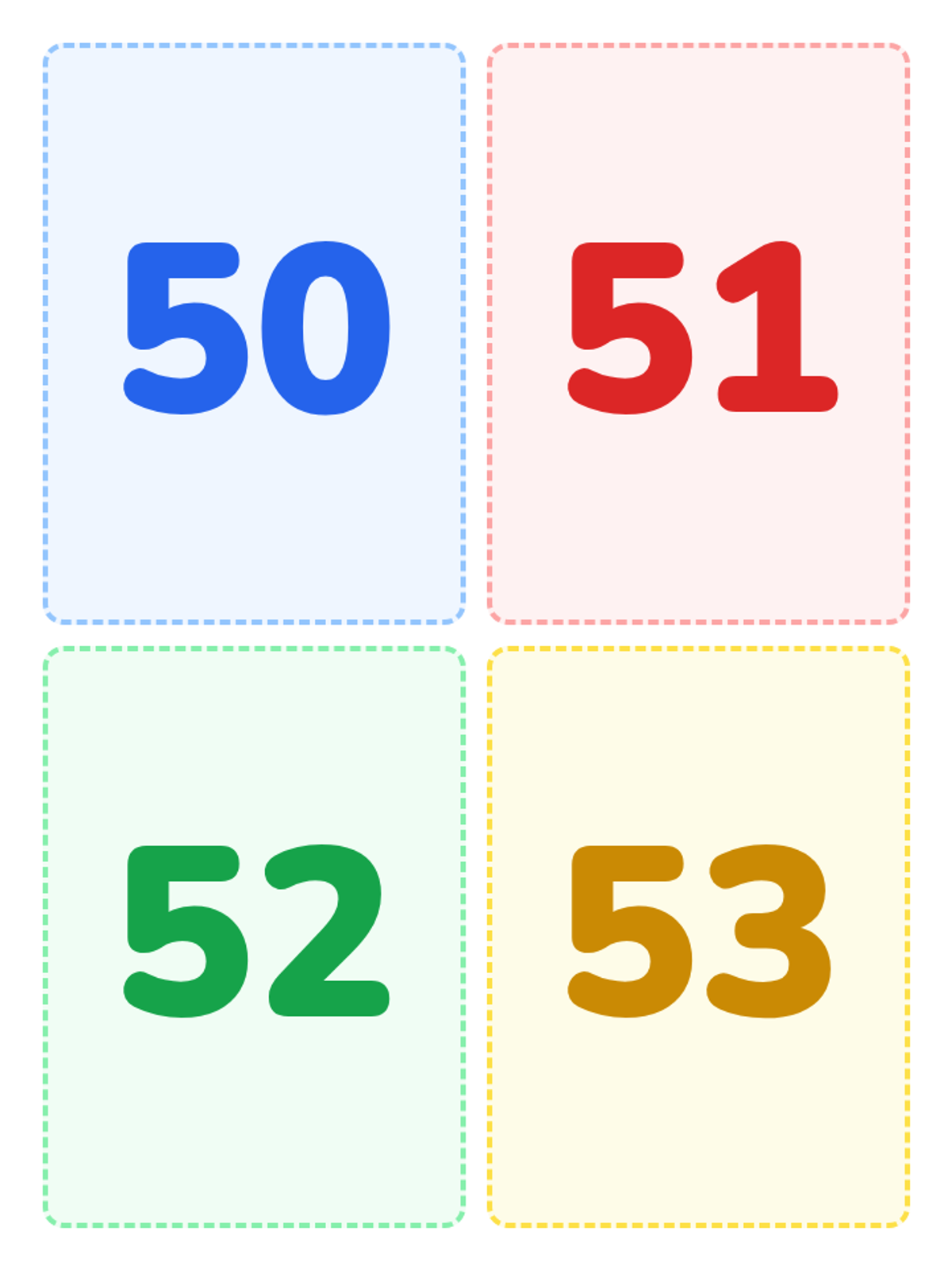
A set of resources focused on mastering numbers 50-100 through hands-on flashcard activities and games designed for kindergarten learners.
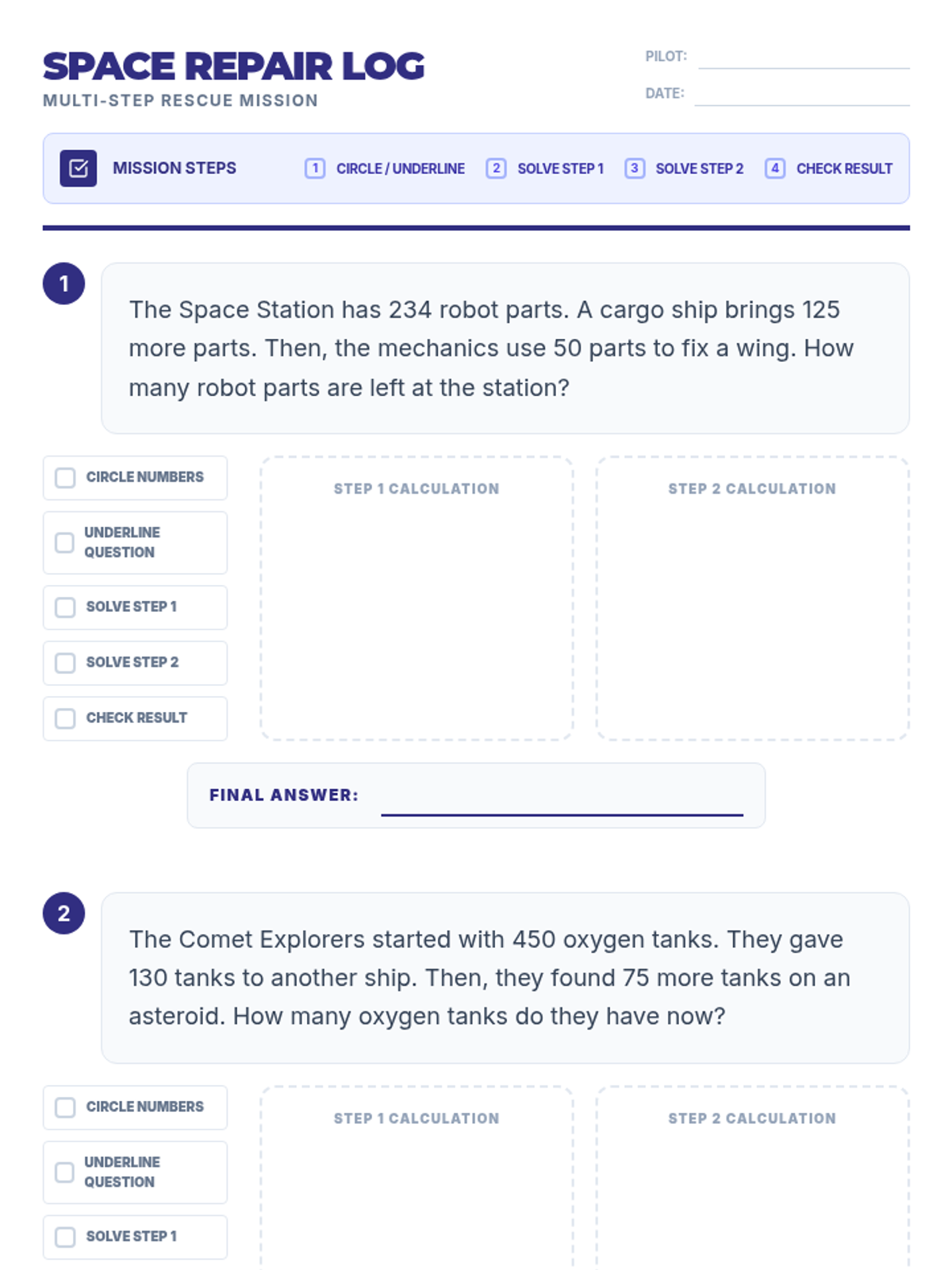
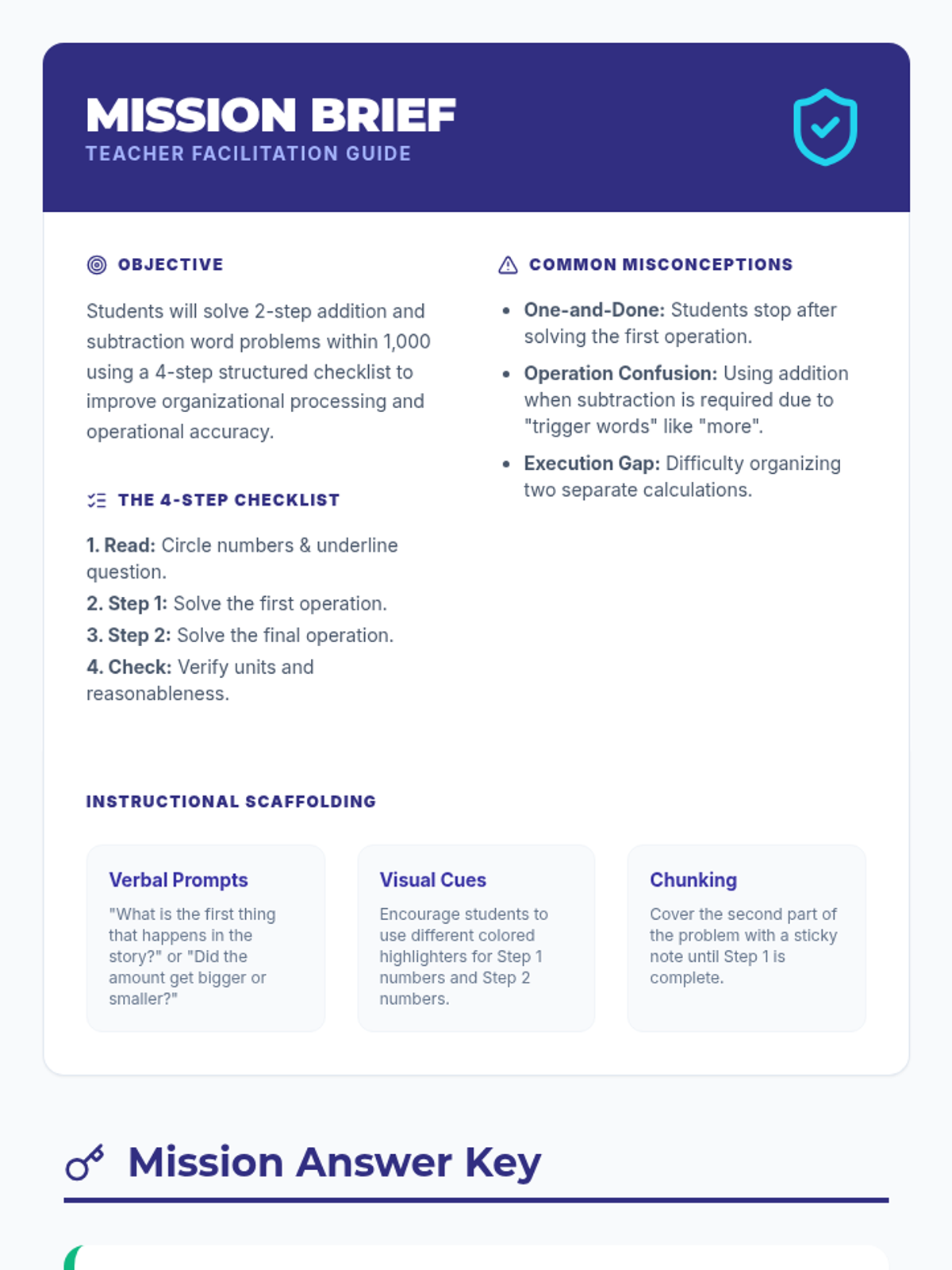
A lesson focused on solving multi-step addition and subtraction word problems using a structured checklist approach, specifically designed for students with IEPs.
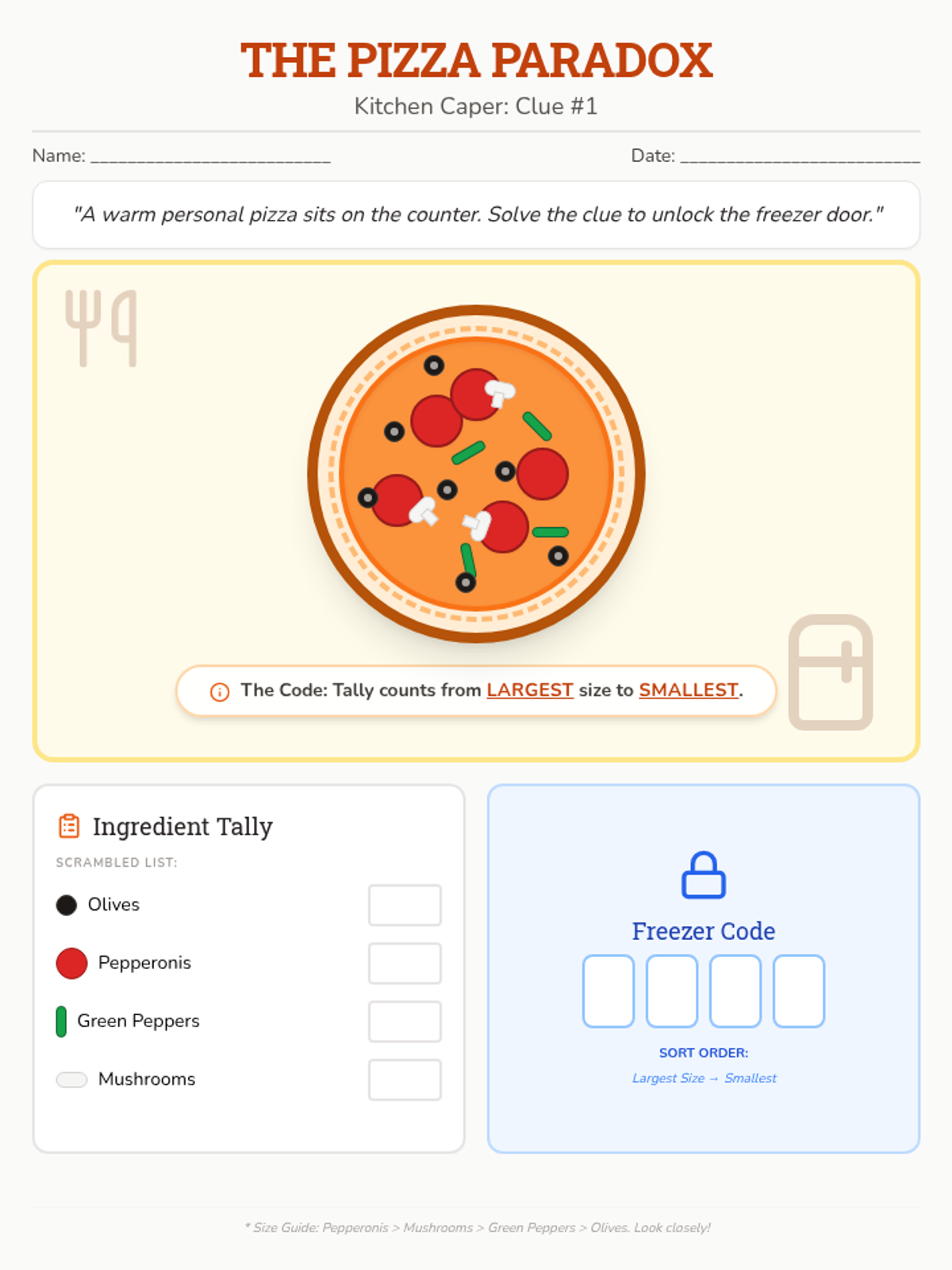
A mini-mystery centered around a kitchen scene where students use observation and logic to solve a visual puzzle.
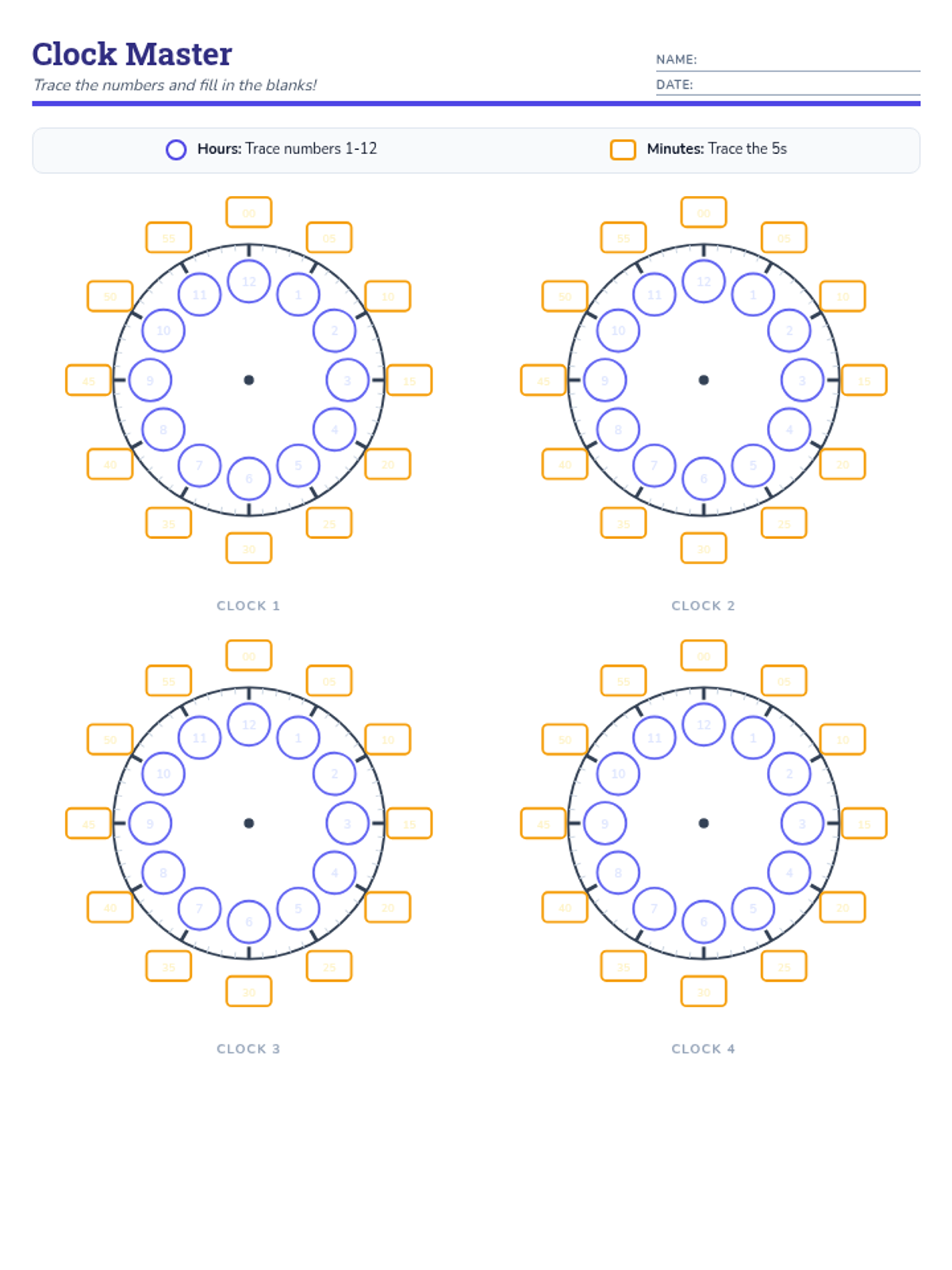
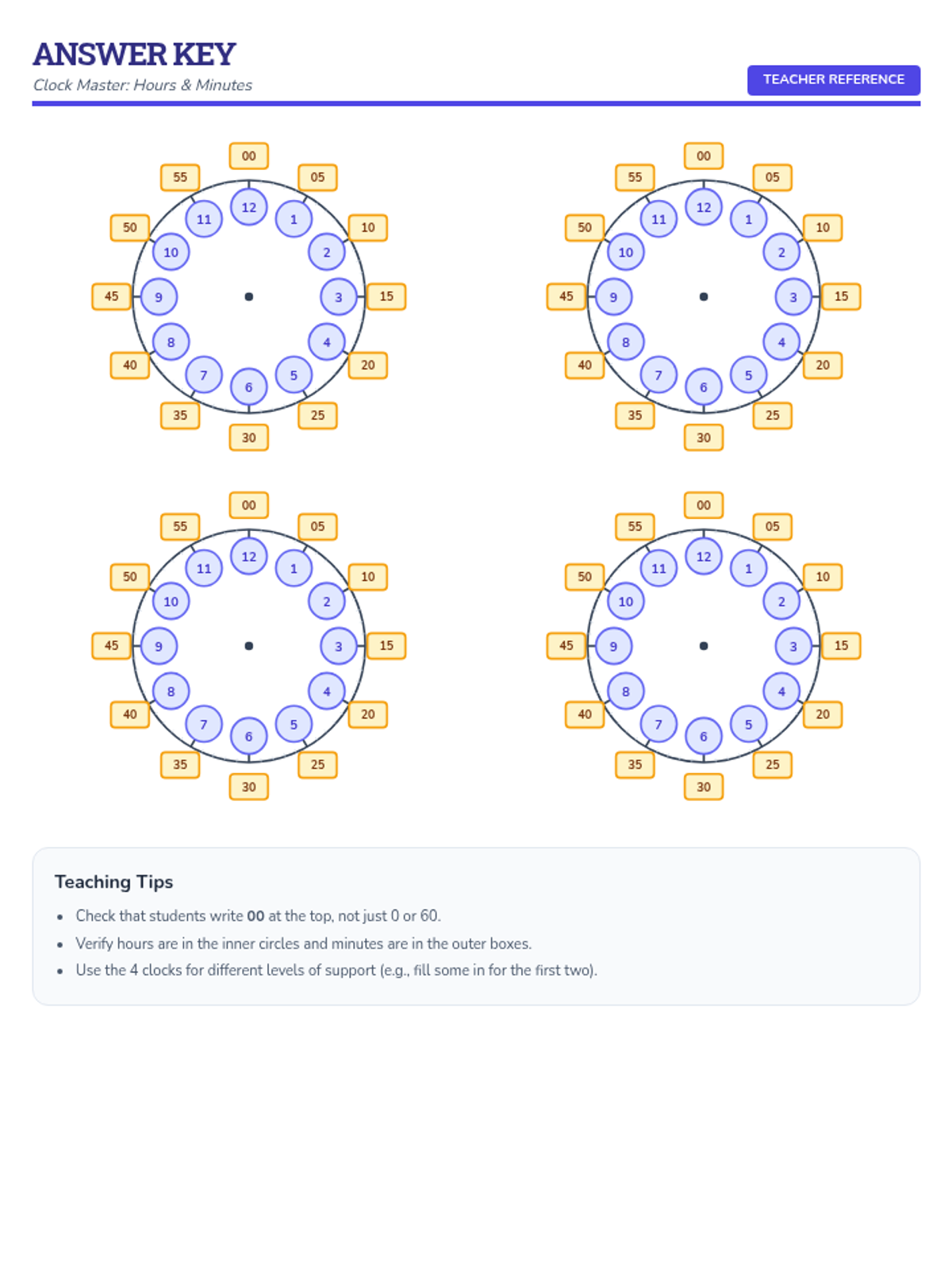
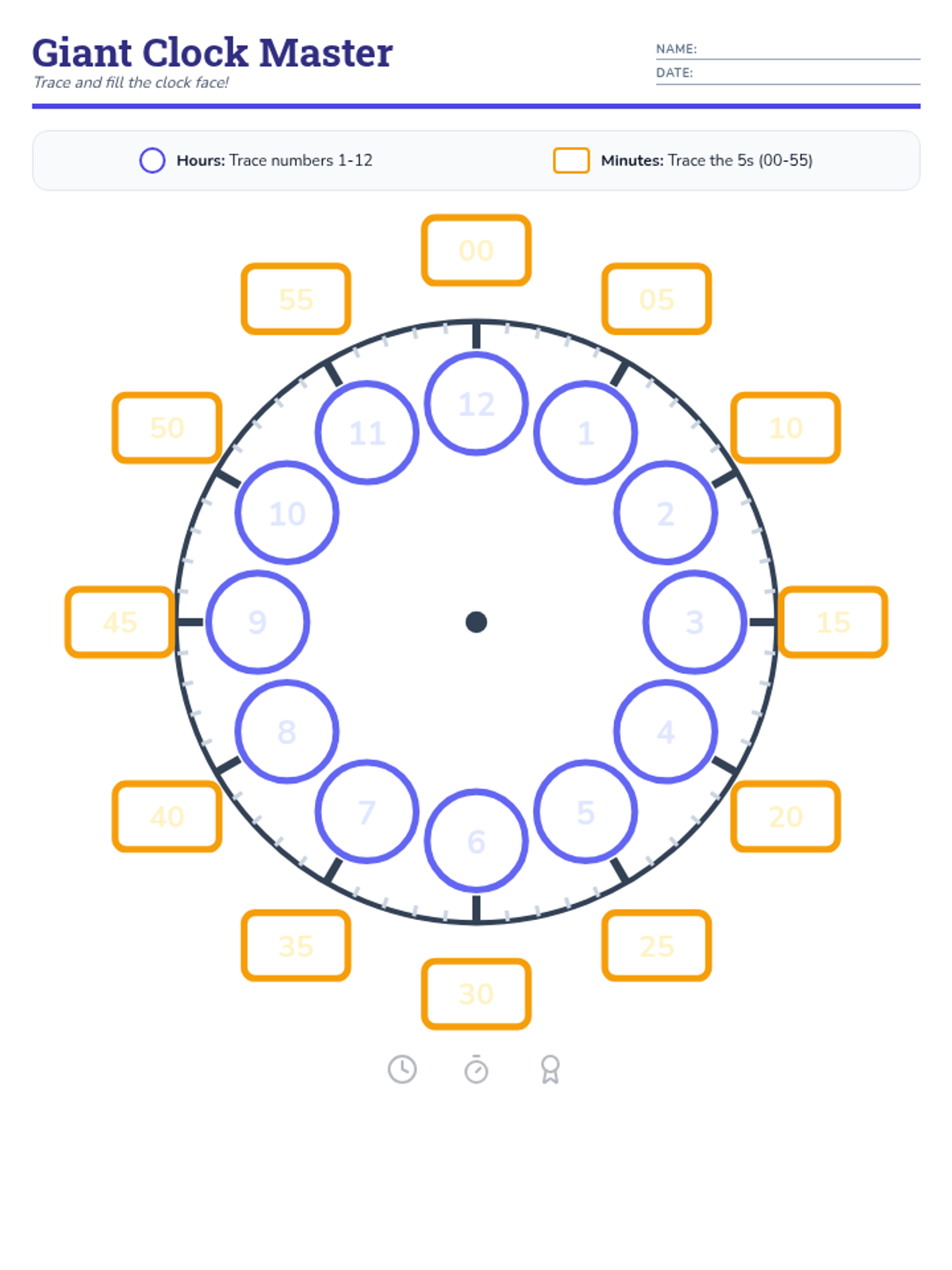
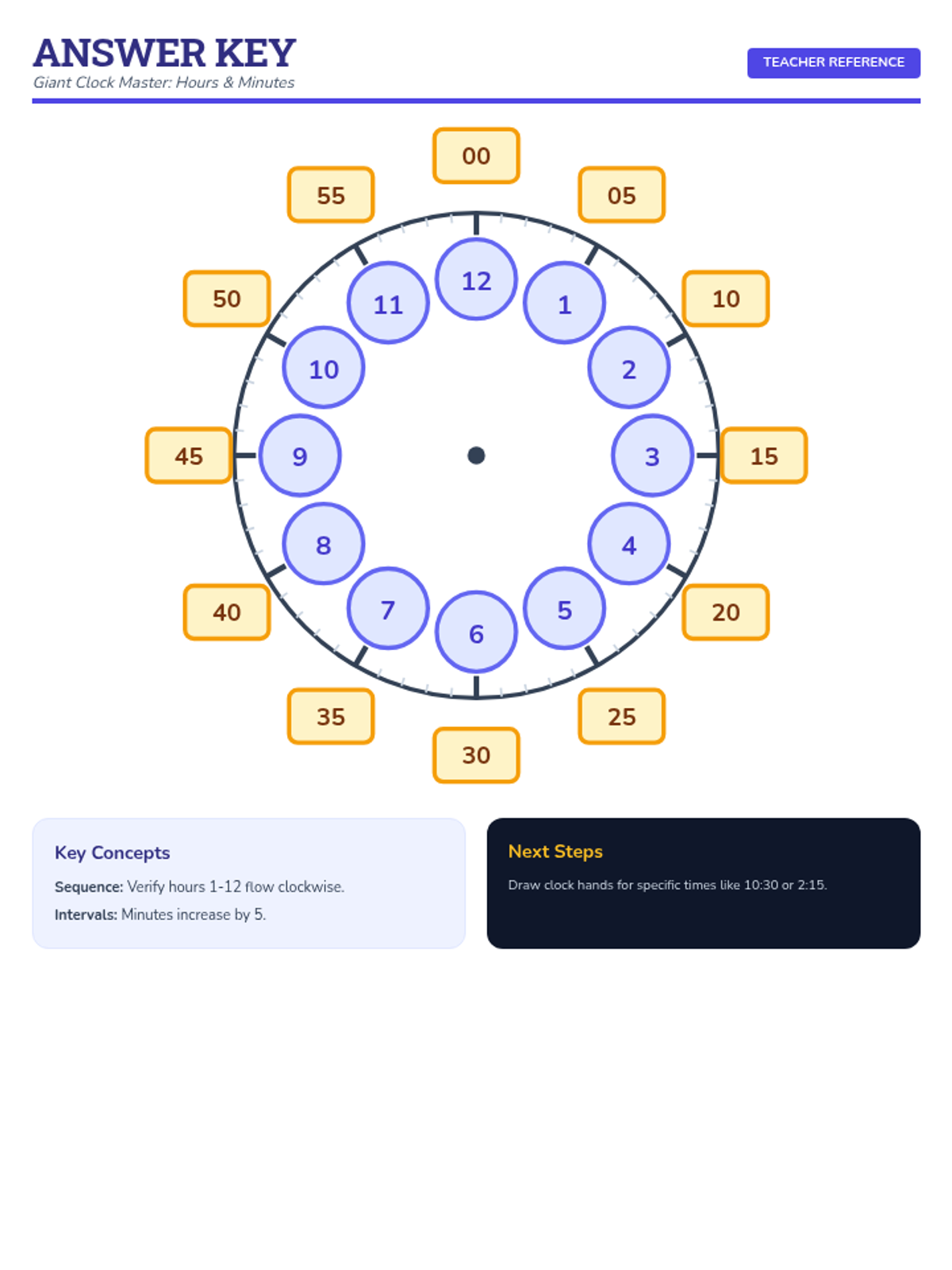
A foundational lesson on clock anatomy, focusing on identifying hour numbers and five-minute increments. Students practice spatial reasoning and number sequencing within a circular layout.