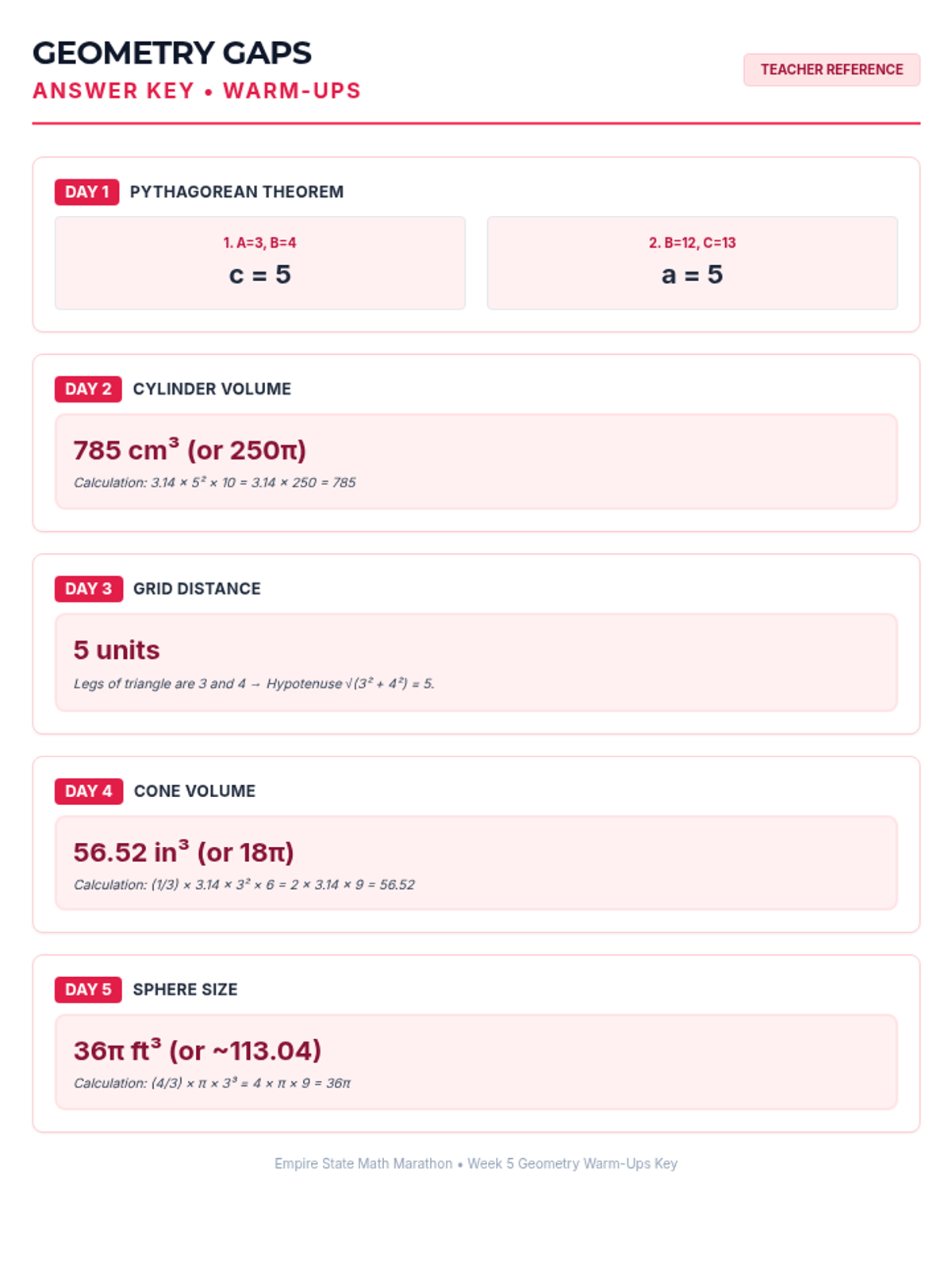
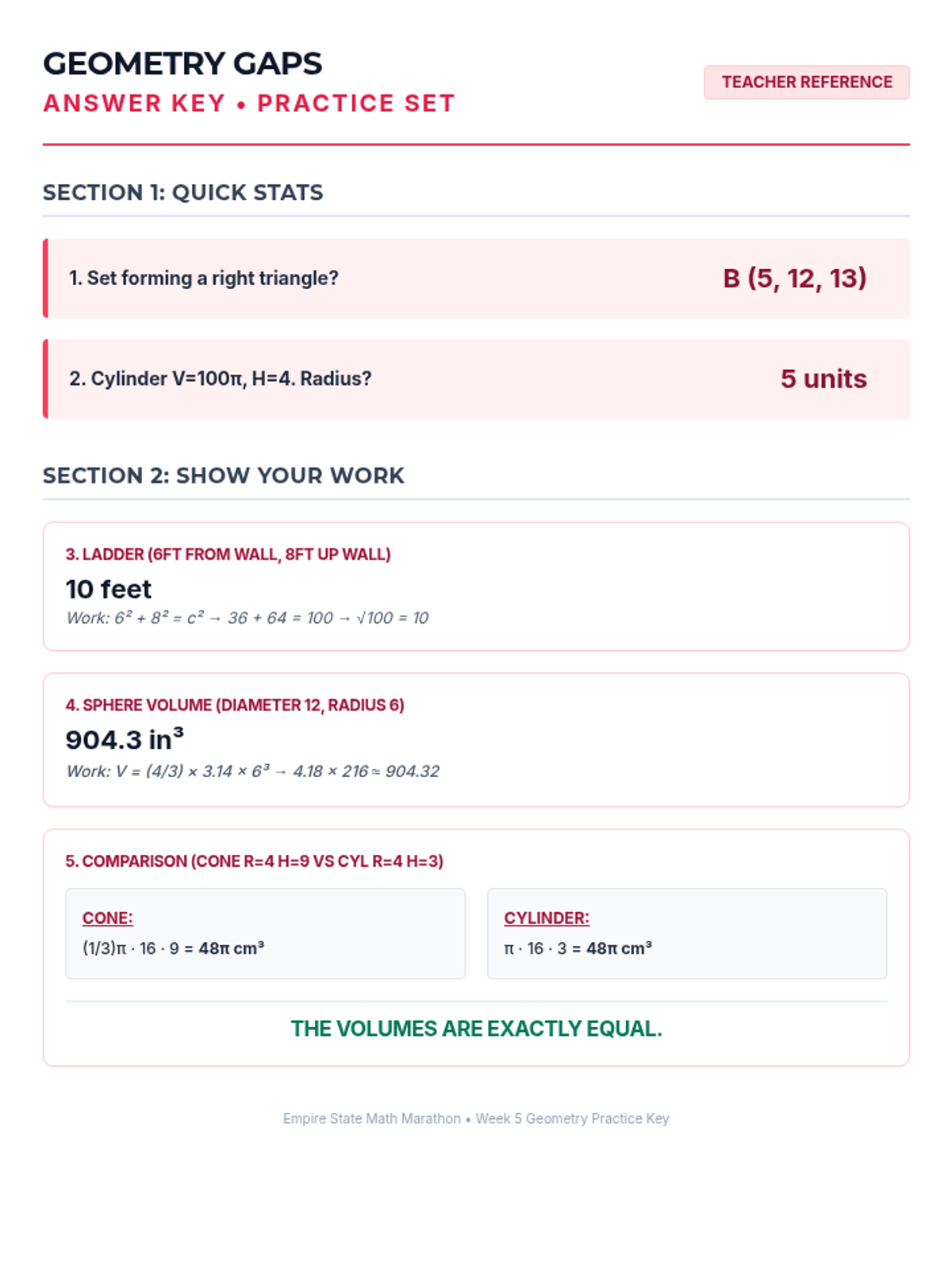
A project-based learning lesson where students design a miniature city using 2D and 3D geometric shapes to master geometry vocabulary and spatial reasoning.
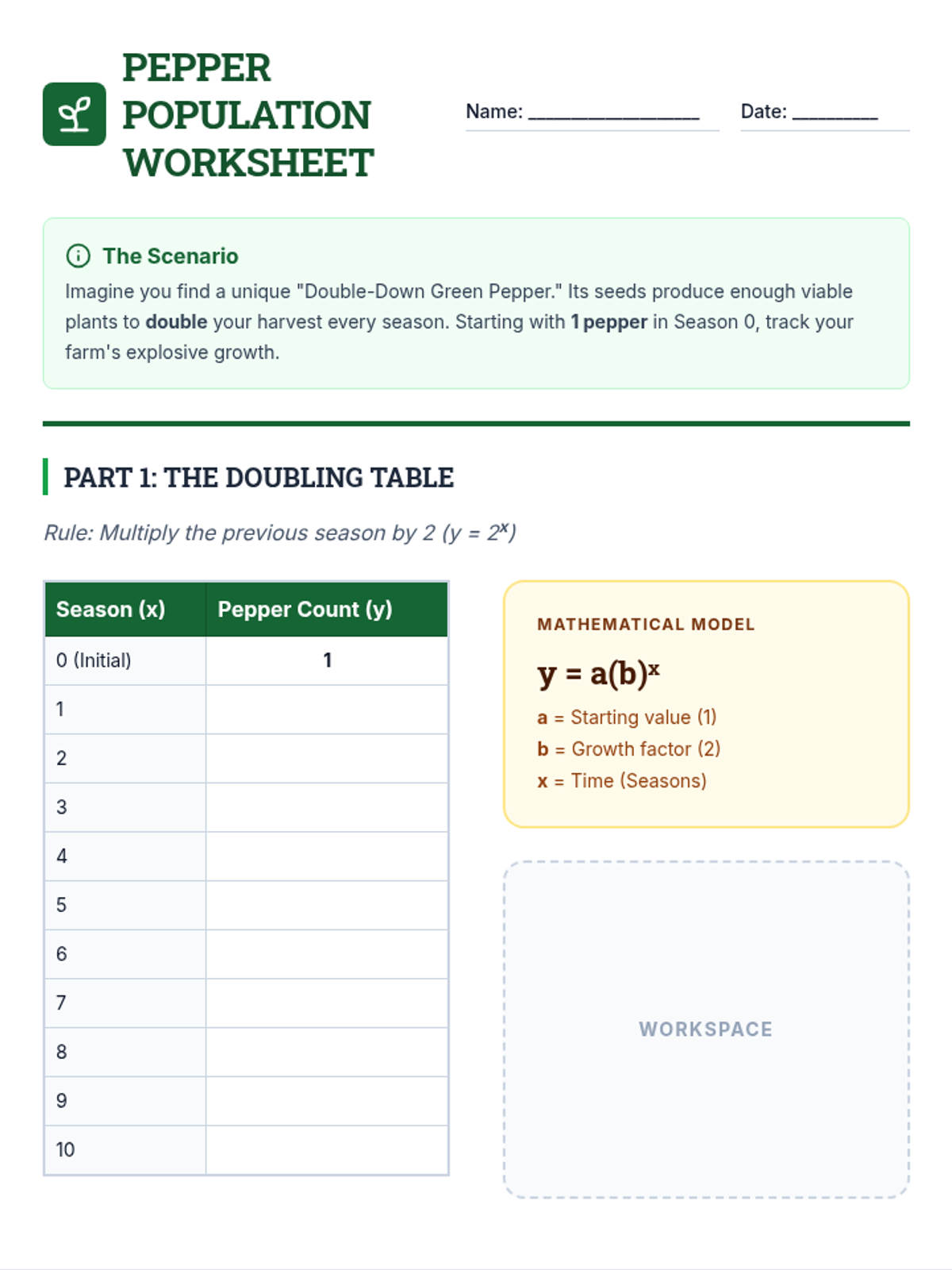
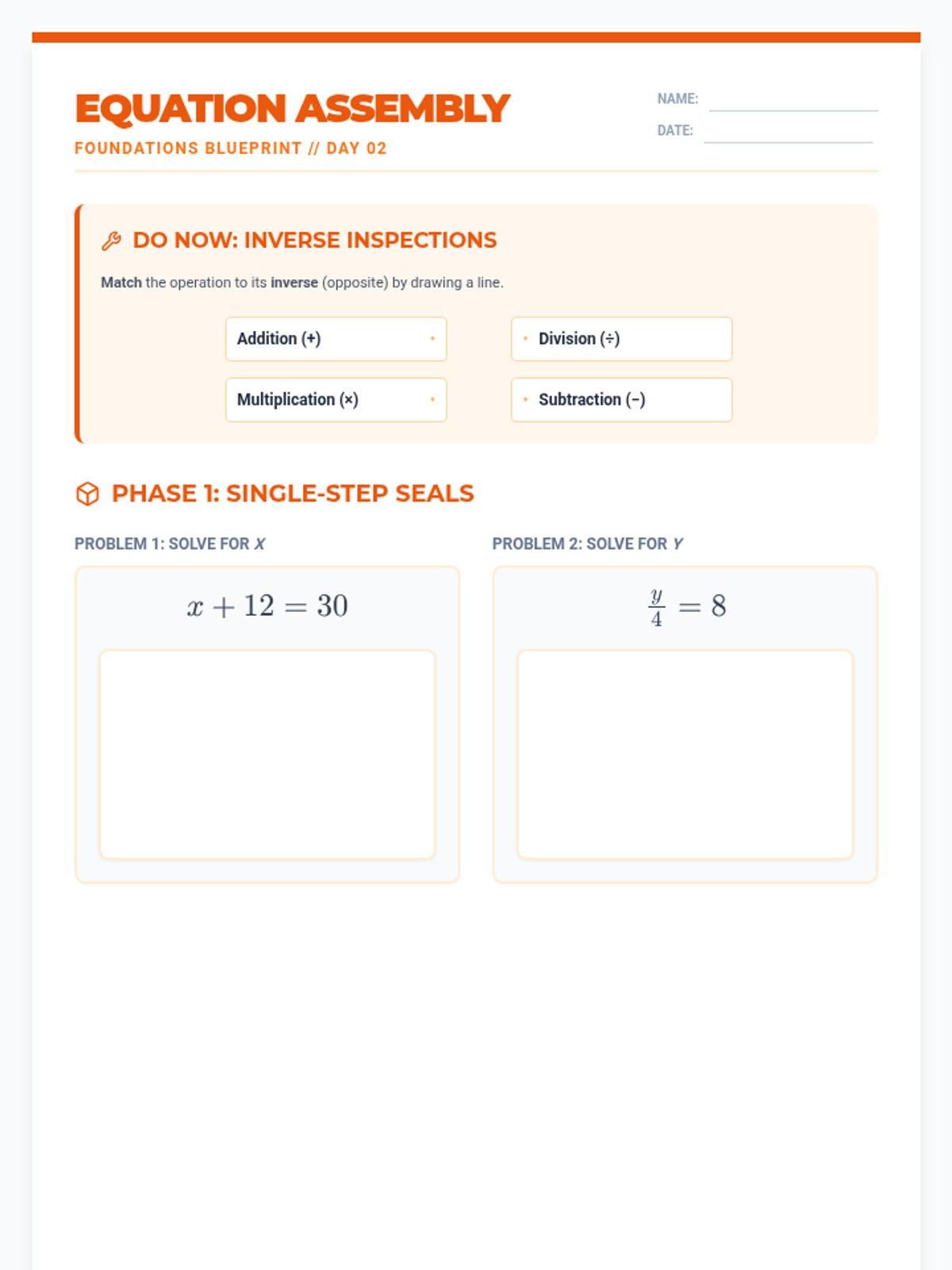
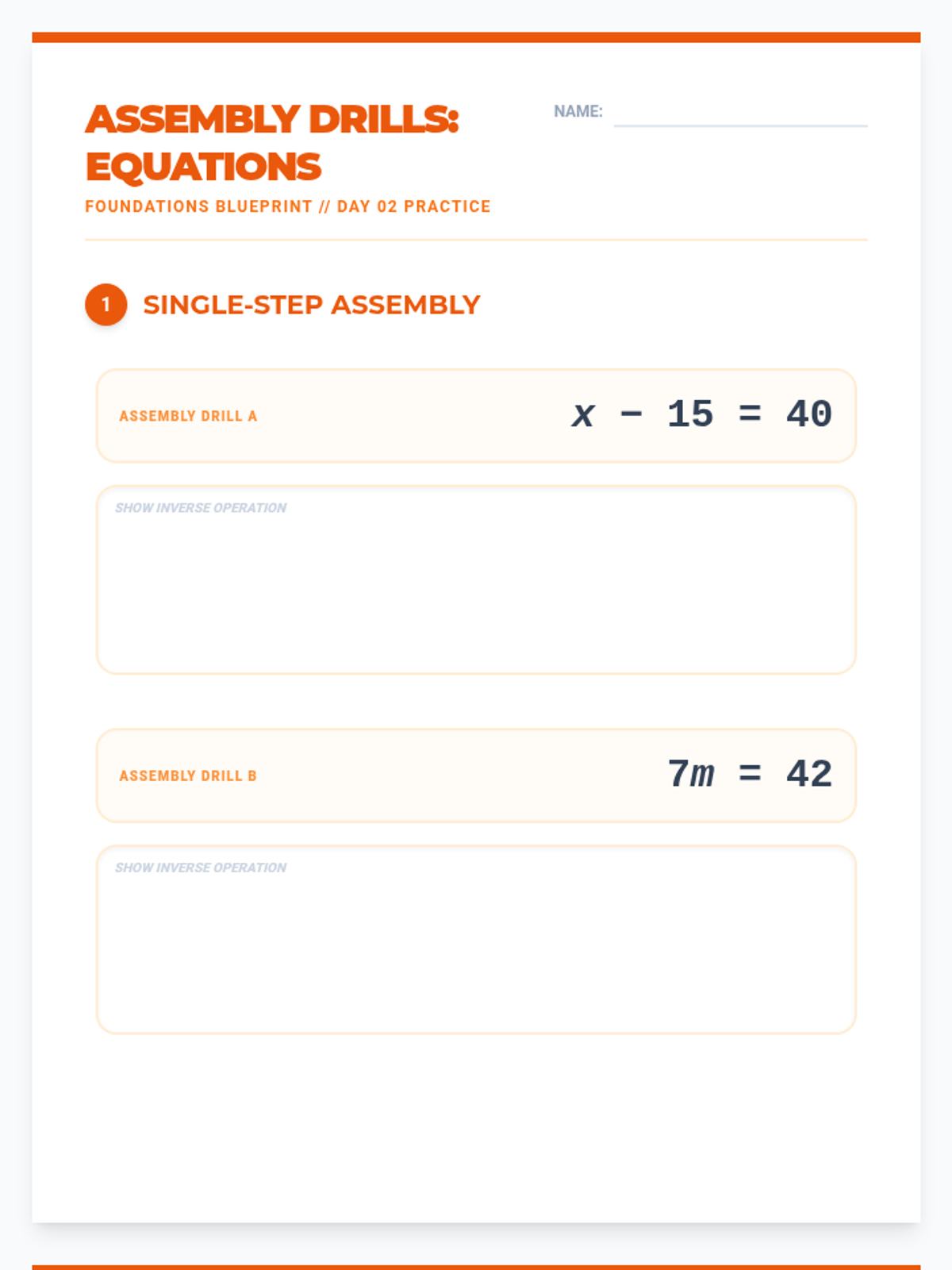
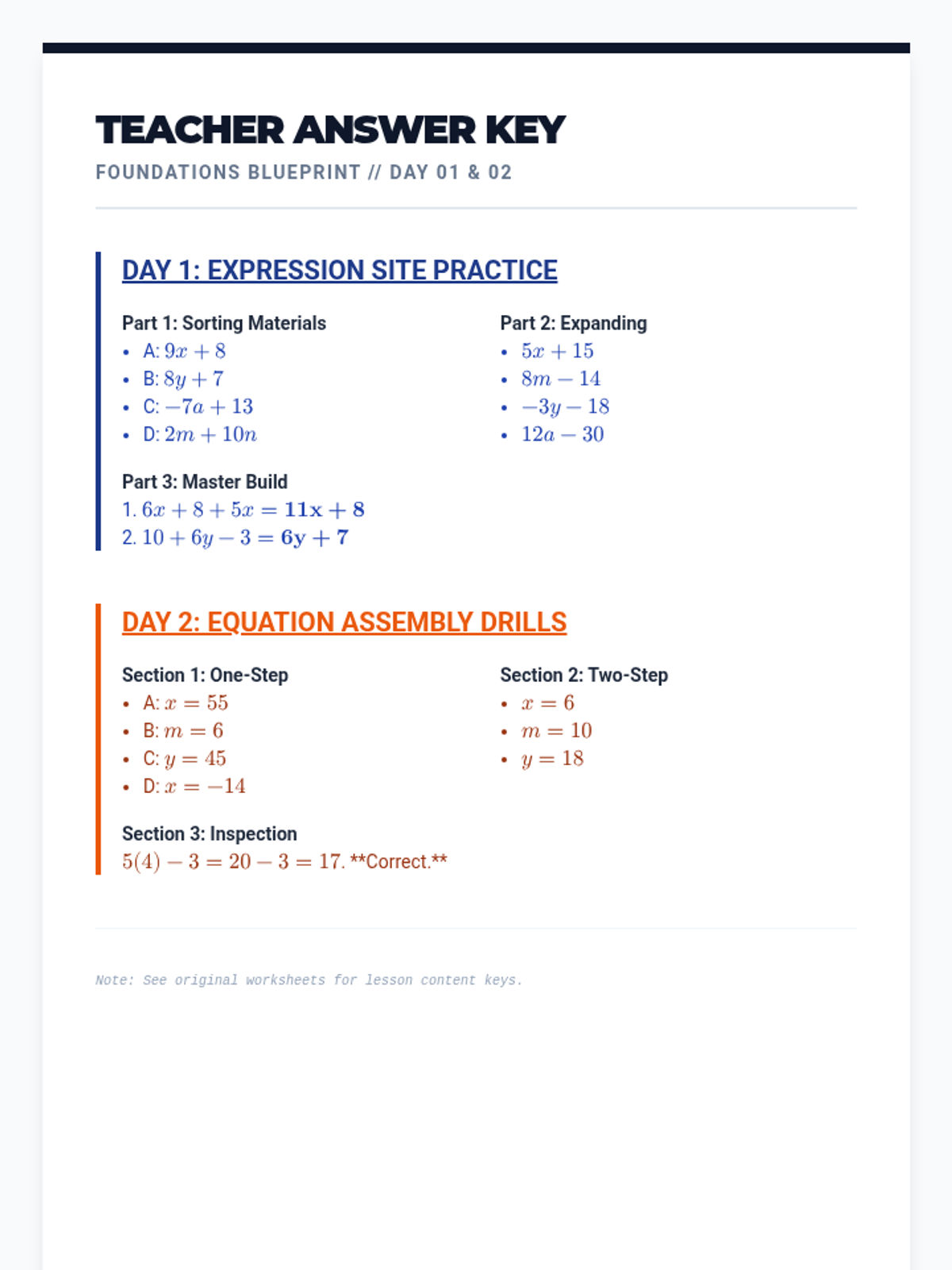
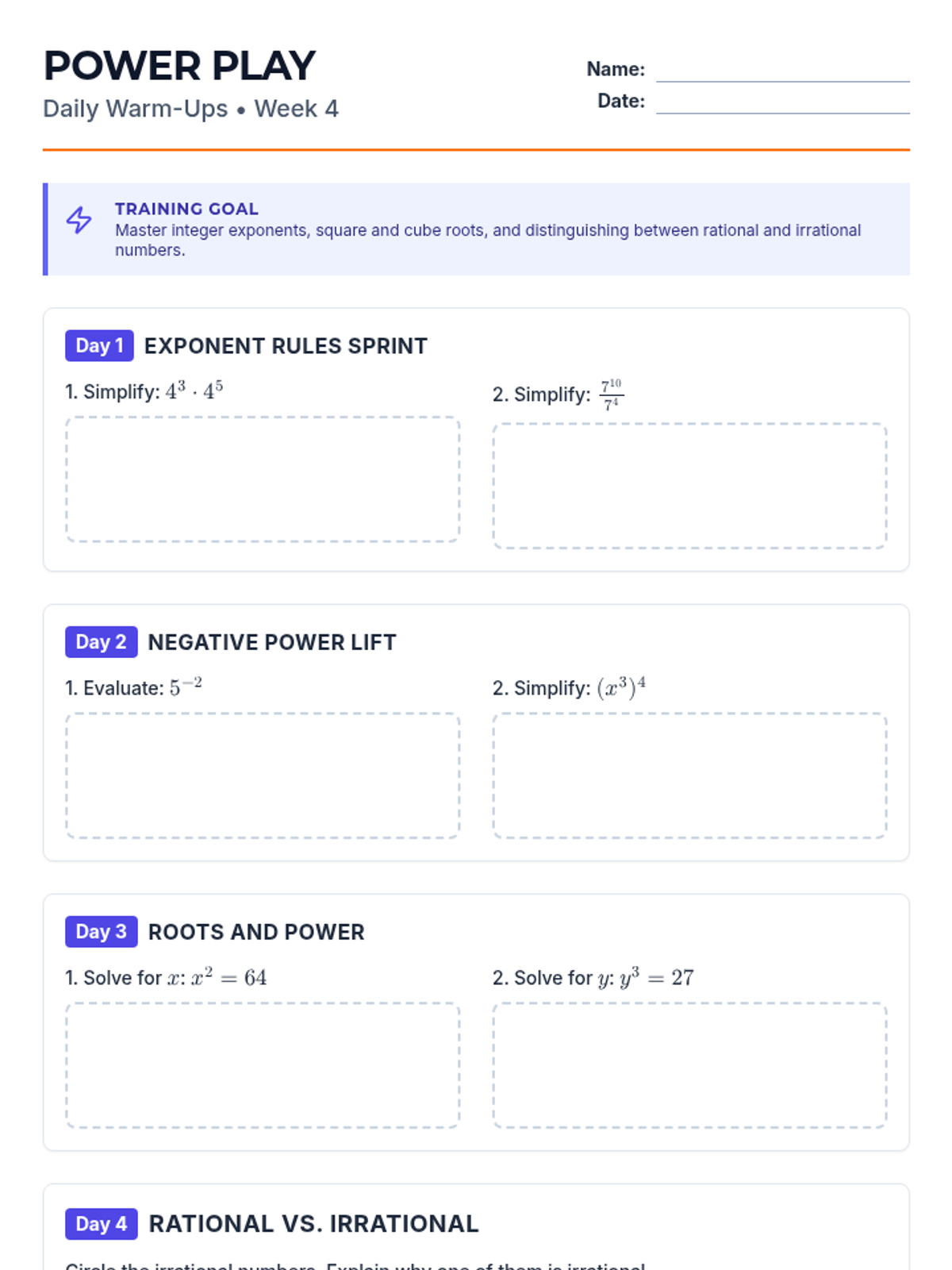
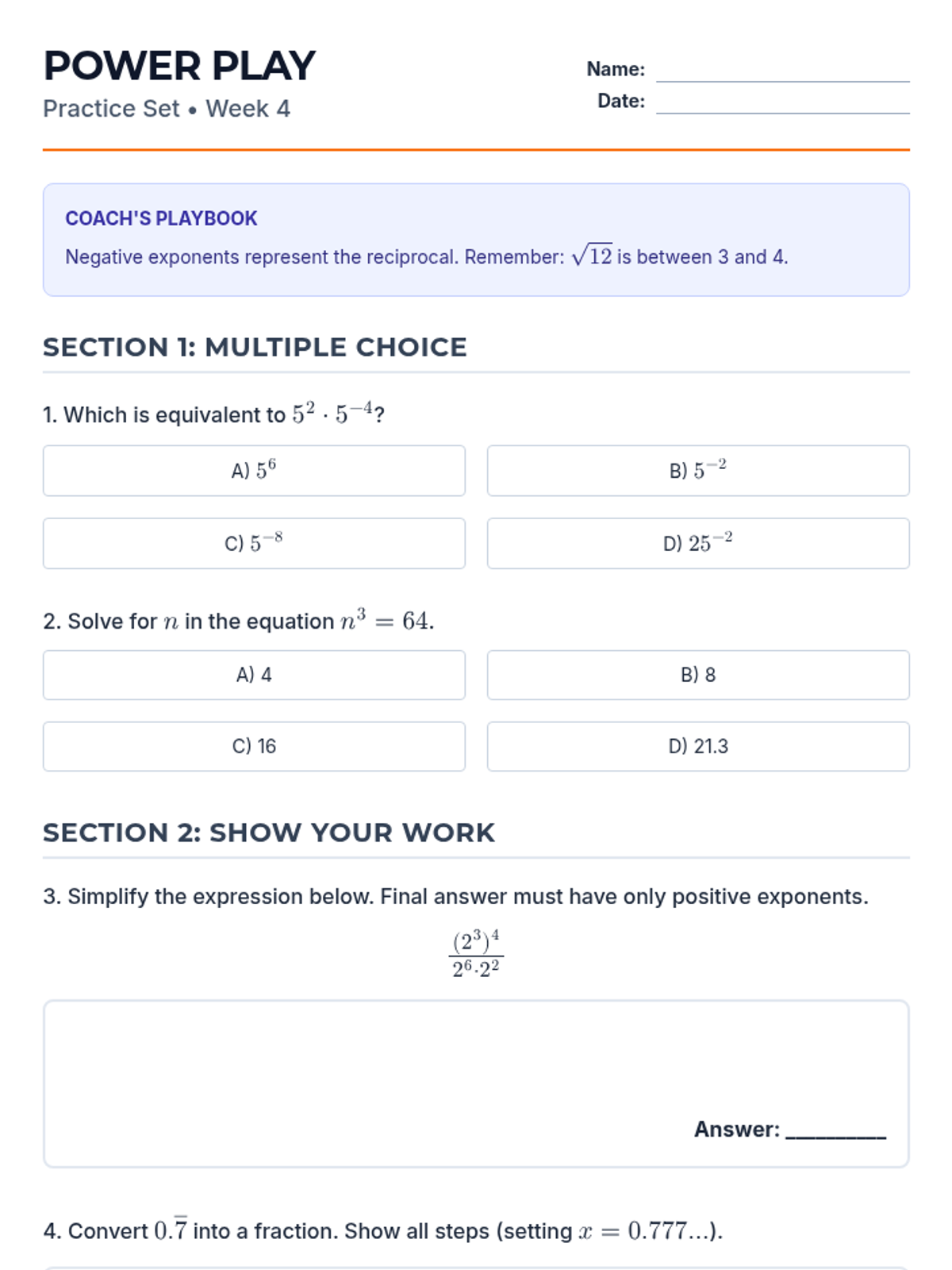
A lesson focused on identifying the value of a variable that satisfies a one-step equation through substitution and mental math.
A secret agent-themed review session covering whole numbers, fractions, and measurement for 5th-grade math standards. Students solve 20 mission-critical math problems to complete their 'field report'.
Students synthesize their learning across all 4.NBT standards through a series of mixed-review 'Case Files'. Focus on ALN HLCs 1-4.
Students investigate the meaning of remainders in division word problems. Focus on ALN HLC 4 and 4.NBT.B.6.
Students practice multi-digit ÷ 1-digit division using partial quotients, justified by place value understanding. Focus on ALN HLC 4 and 4.NBT.B.6.
Students practice multi-digit ÷ 1-digit division by sharing base-ten units into equal groups. Focus on ALN HLC 4 and 4.NBT.B.6.
Students practice 2-digit by 2-digit multiplication using area models and partial products. Focus on ALN HLC 4 and 4.NBT.B.5.
Students practice multi-digit by 1-digit multiplication using area models and partial products. Focus on ALN HLC 4 and 4.NBT.B.5.
Students practice multi-digit subtraction using the standard algorithm, with a focus on decomposing/unbundling. Focus on ALN HLC 4 and 4.NBT.B.4.
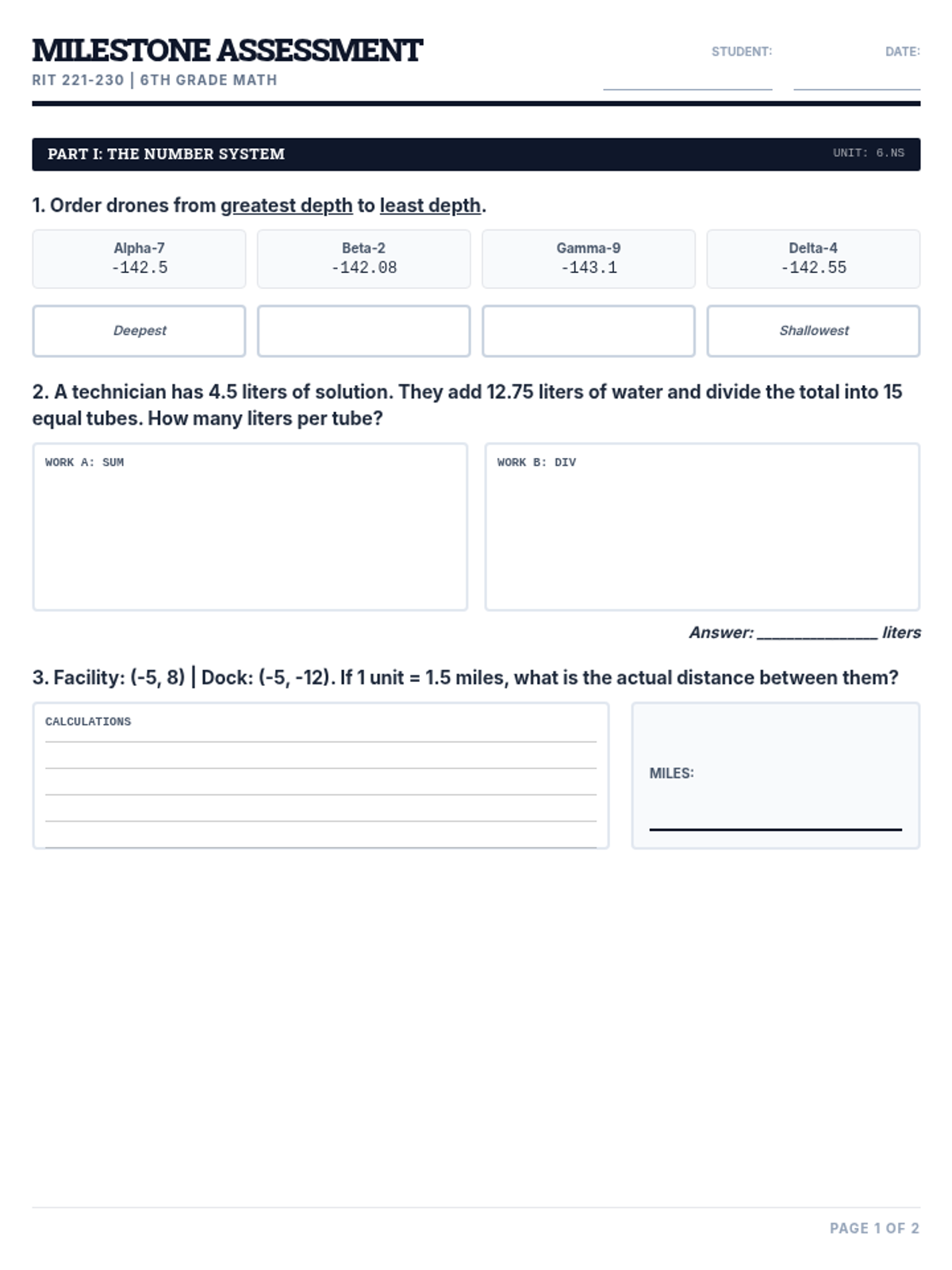
Students practice multi-digit addition using the standard algorithm, justified by place value understanding and base-ten models. Focus on ALN HLC 4 and 4.NBT.B.4.
Students use number lines to round multi-digit numbers to any place. Focus on ALN HLC 3 and 4.NBT.A.3.
Students compare multi-digit numbers using place value understanding and relational symbols (>, <, =). Focus on ALN HLC 2 and 4.NBT.A.2.
Students practice reading and writing multi-digit whole numbers in various forms (standard, expanded, word). Focus on ALN HLC 2 and 4.NBT.A.2.
Students explore the 10x relationship between adjacent place value positions using base-ten blocks and place value charts. Focus on ALN HLC 1 and 4.NBT.A.1.
Consolidating all 5.NBT skills through mixed practice and formative assessment tasks.
Dividing decimals by whole numbers and decimals using visual models and relationship to multiplication.
Representing decimal multiplication using area models and looking for patterns with powers of 10.
Using base-ten blocks and hundredths grids to add and subtract decimals conceptually.
Developing efficiency with partial quotients for division with two-digit divisors.
Using area models and partial quotients to solve multi-digit division problems.
Applying multiplication strategies to real-world multi-step problems.
Connecting partial products to the standard algorithm for multi-digit multiplication.
Transitioning from area models to partial products for multi-digit multiplication.
Using number lines to round decimals to any place, emphasizing proximity and benchmark numbers.
Building conceptual understanding of decimals to the thousandths place using base-ten models and expanded form.
Focuses on the 10-to-1 relationship between place values and the effect of multiplying/dividing by powers of 10.
A high-energy, 30-minute review session covering decimal division basics, including dividing decimals by whole numbers and simple decimal-by-decimal operations.
A focused lesson on using cross-multiplication to solve algebraic proportions where one side is a whole number.
A fast-paced, 30-minute mission where students learn to decode the relationship between decimals and fractions using place value as their key.
General administrative and planning resources for the Math Intensive Lab sequence, including the unit overview and sequence-wide instructional supports.
A visually-driven lesson focused on comparing and ordering decimals using the 'Ghost Zero' strategy and place value analysis within a galactic navigation theme.
Tier 2 intervention materials for students needing extra support with mixed numbers and improper fractions. This lesson provides visual scaffolds, simplified language for struggling readers, and hands-on practice activities to reinforce foundational fraction concepts.
This lesson focuses on building number sense through hands-on activities, bridging concrete counting with abstract pattern identification and simple equation solving.
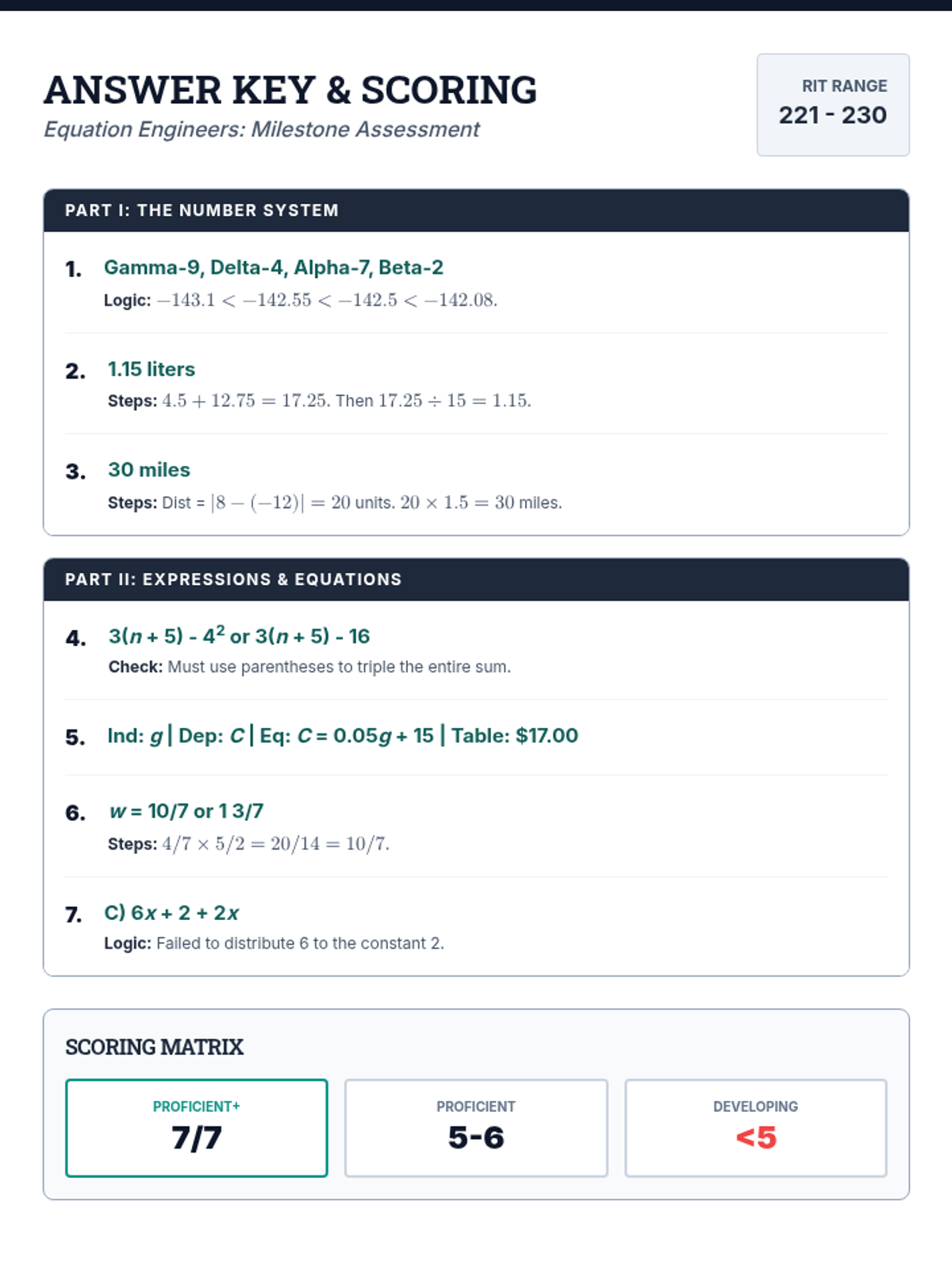
Students explore the foundational concepts of fractions, focusing on equal parts, numerators, and denominators through the lens of architectural blueprints and building blocks.
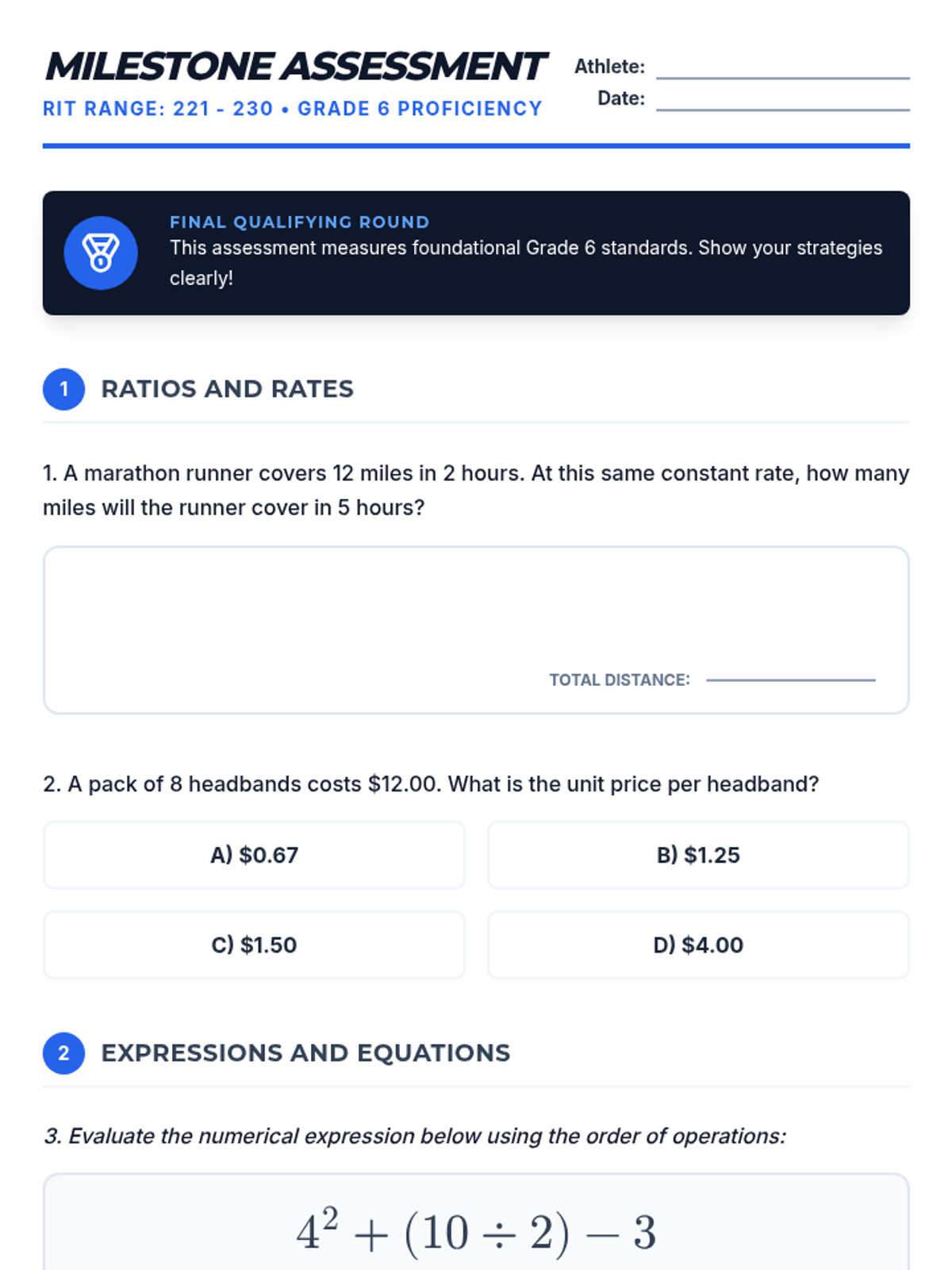
The capstone of the unit where students work in squads to solve a real-world community or school issue using the data skills they've developed.
Focuses on transforming raw data into visual evidence. Students learn to choose the right chart for their 'case' and how to spot misleading visualizations.
Students learn the art of gathering high-quality data through surveys and observations, focusing on creating unbiased questions and selecting representative samples.
Students are introduced to the 'Data Detective' mindset, learning to distinguish between qualitative and quantitative data and identifying potential biases in datasets.
An interdisciplinary exploration of geometry in world-famous art and architecture, where students analyze symmetry and shape before creating their own geometric masterpieces.