Students will learn to differentiate between proper, improper, and mixed fractions using visual models and a hands-on sorting activity. The lesson utilizes a 'Fraction Lab' theme to make categorization engaging and scientific.
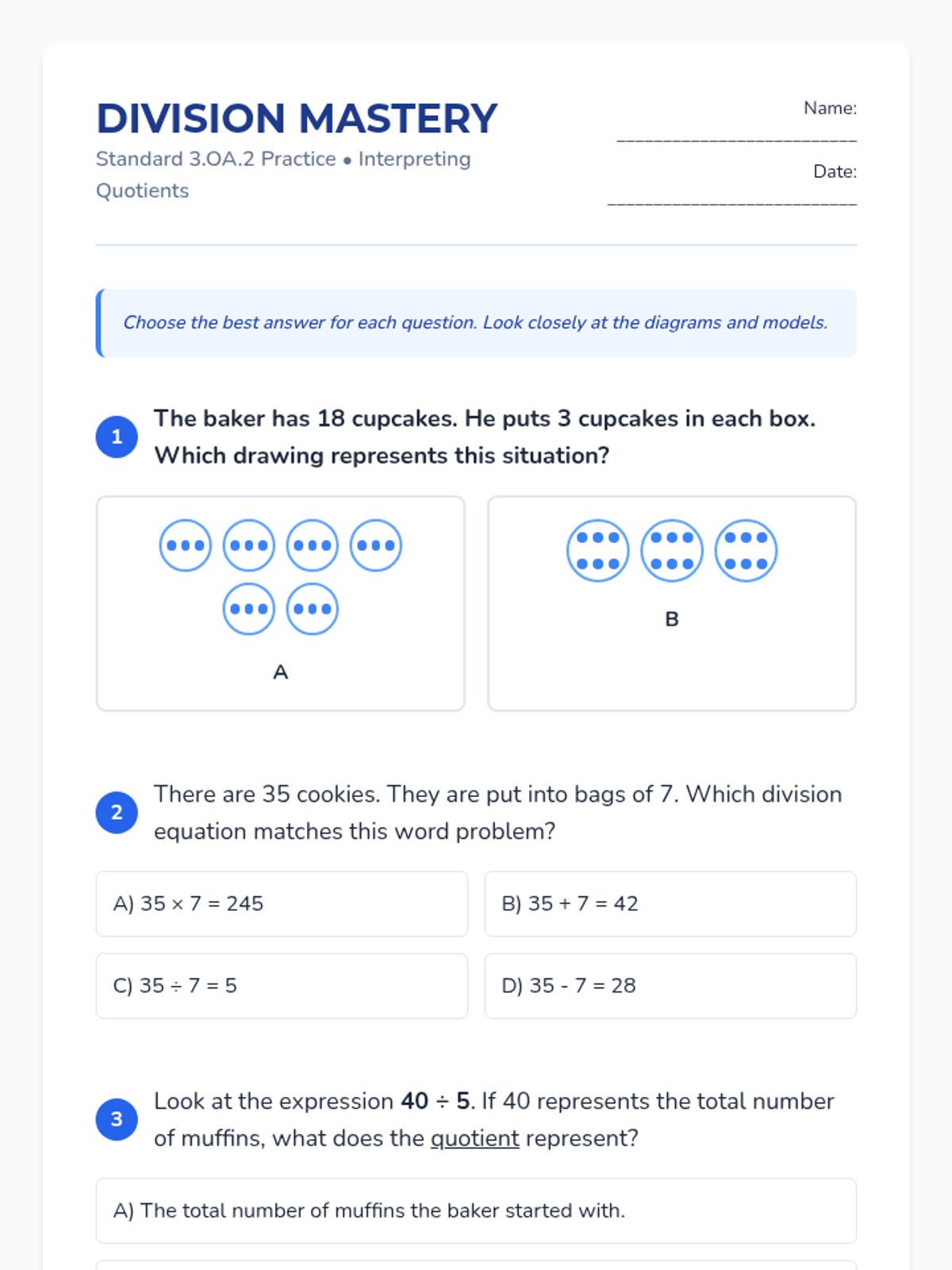
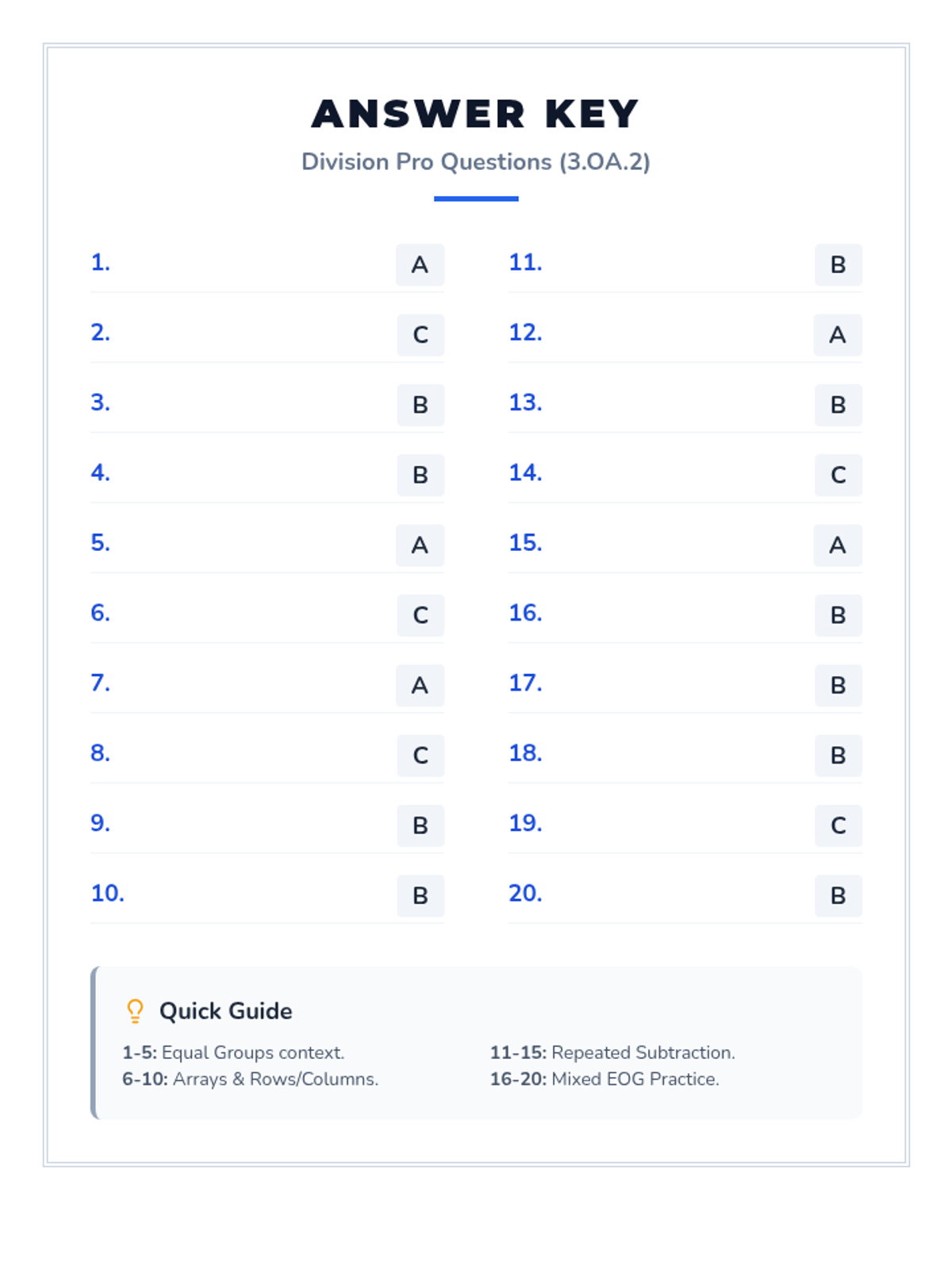
A comprehensive lesson on interpreting quotients through equal groups, arrays, and repeated subtraction, specifically aligned to 3.OA.2 for EOG preparation.
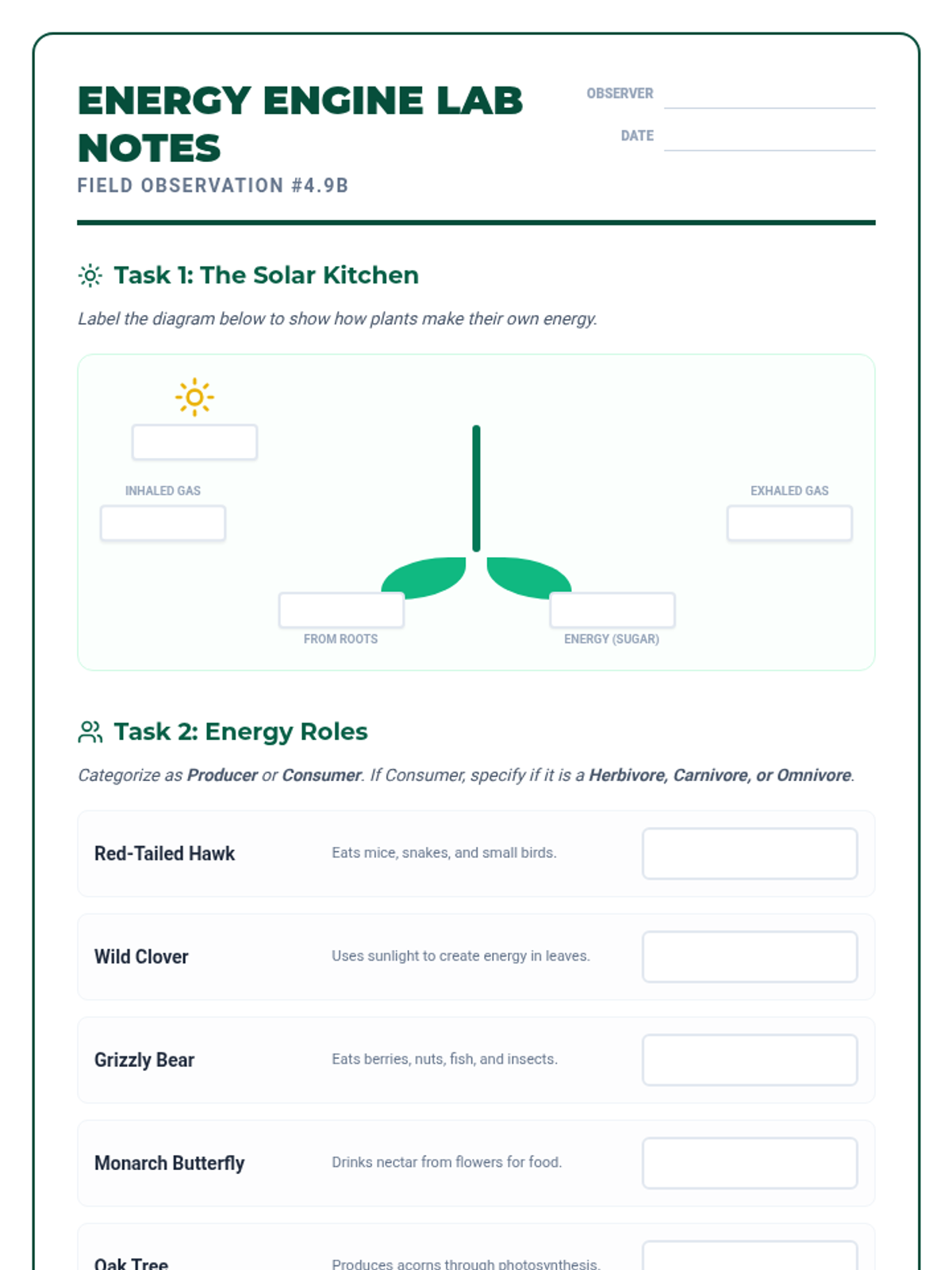
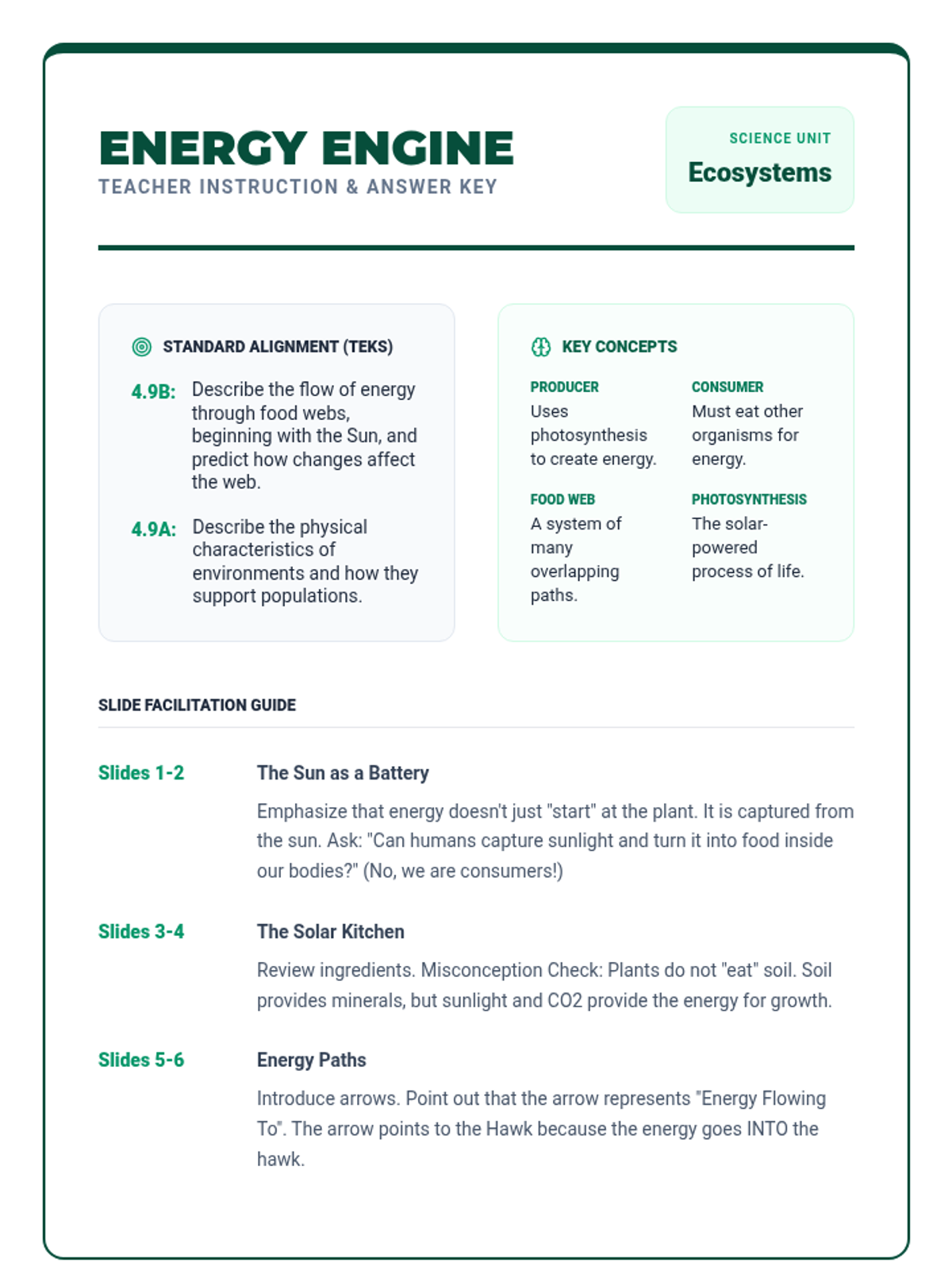
An exploration of energy flow in ecosystems, covering photosynthesis, producers, consumers (herbivores, carnivores, omnivores), and complex food webs.
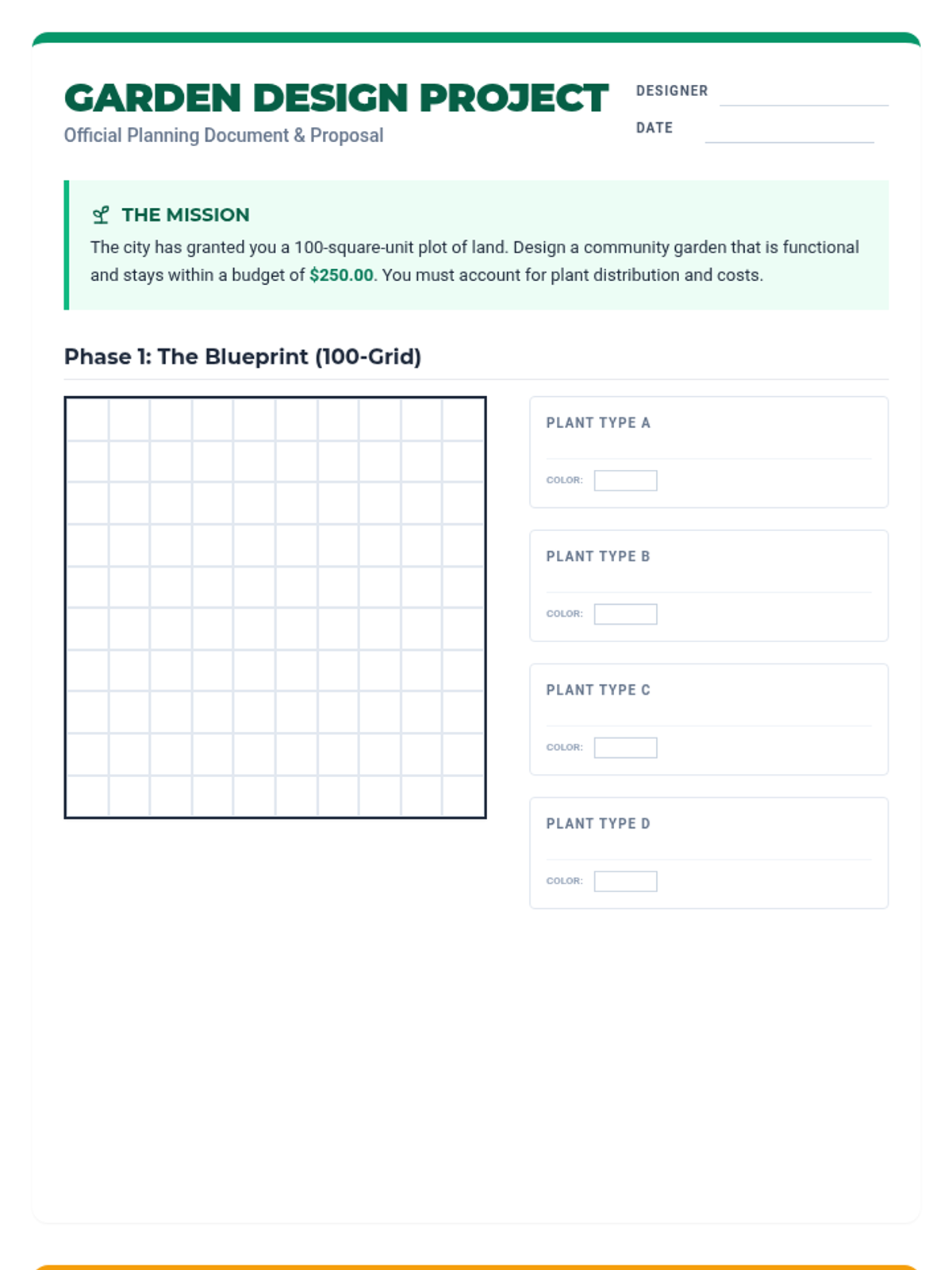
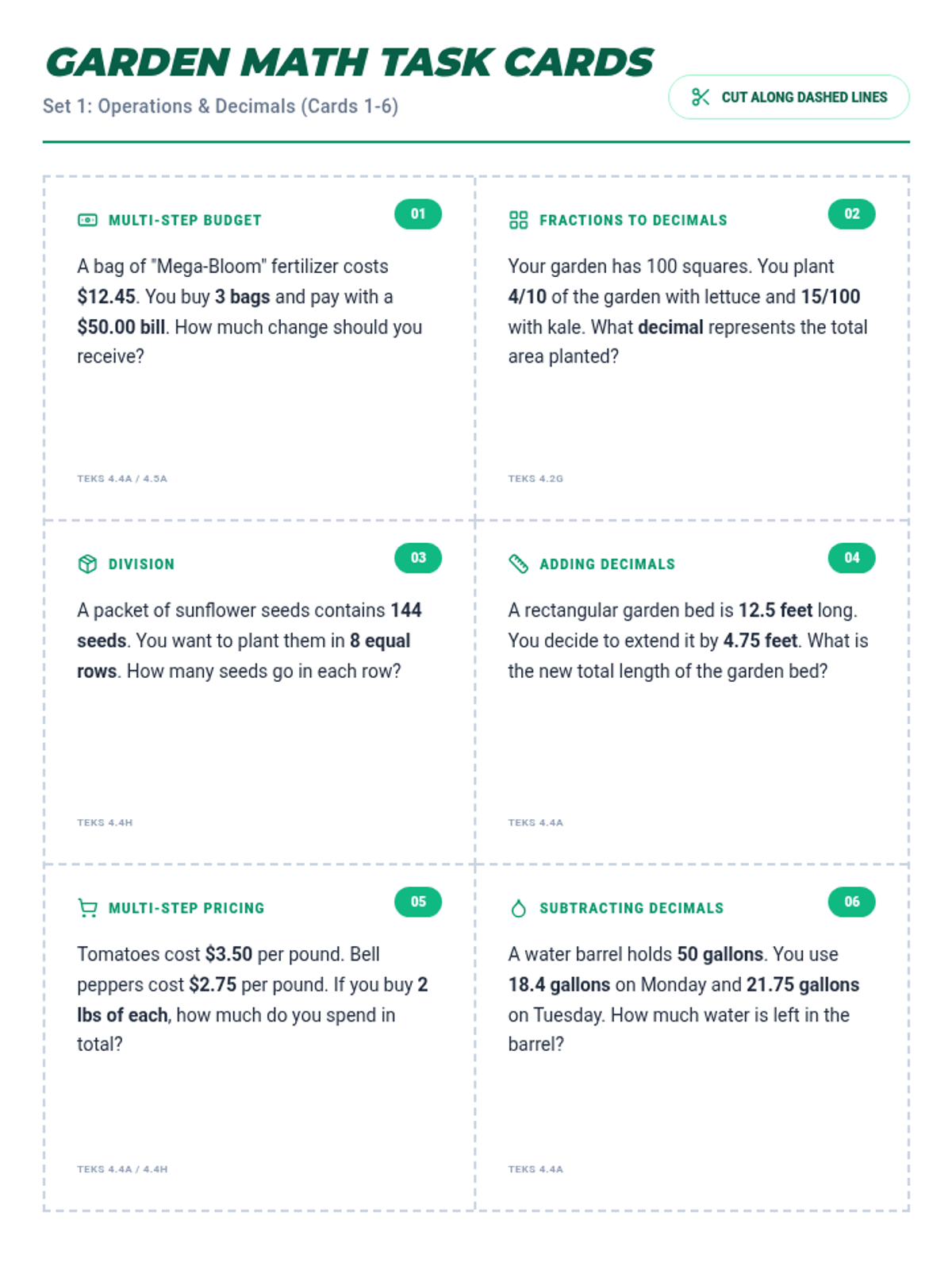
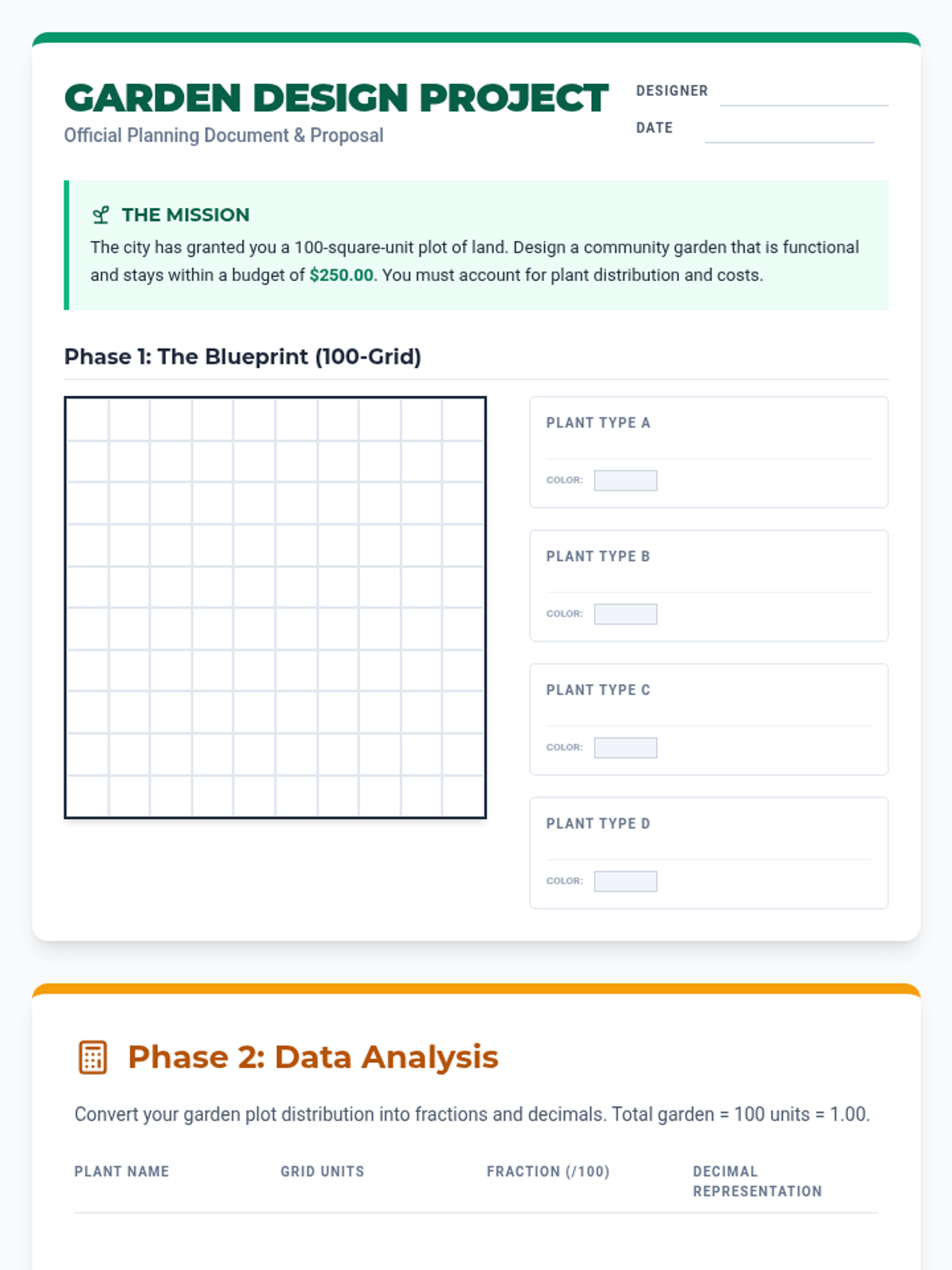
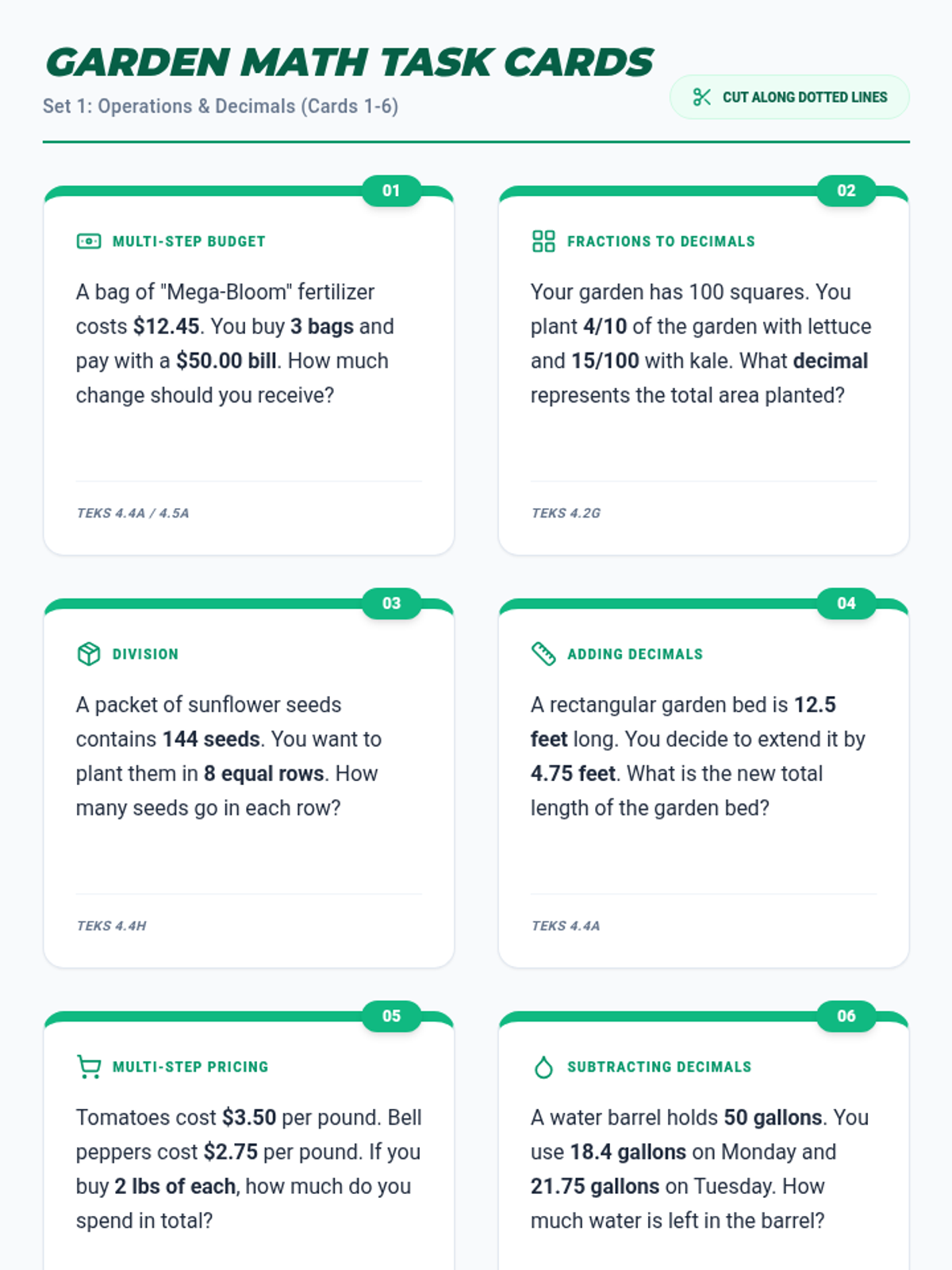
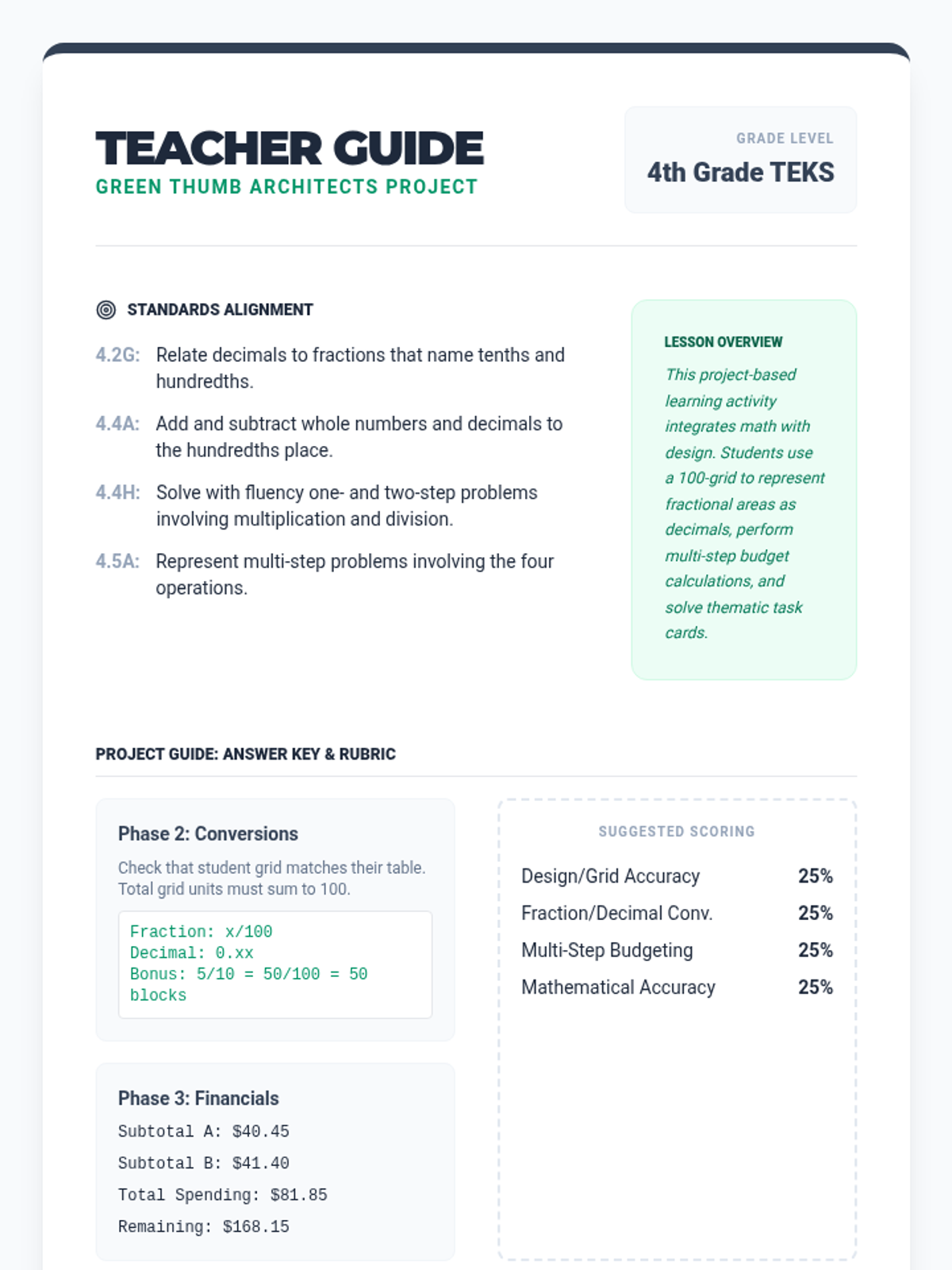
A math-focused project where students step into the role of garden designers to plan a community space while mastering multi-step word problems, decimal operations, and the relationship between fractions and decimals.
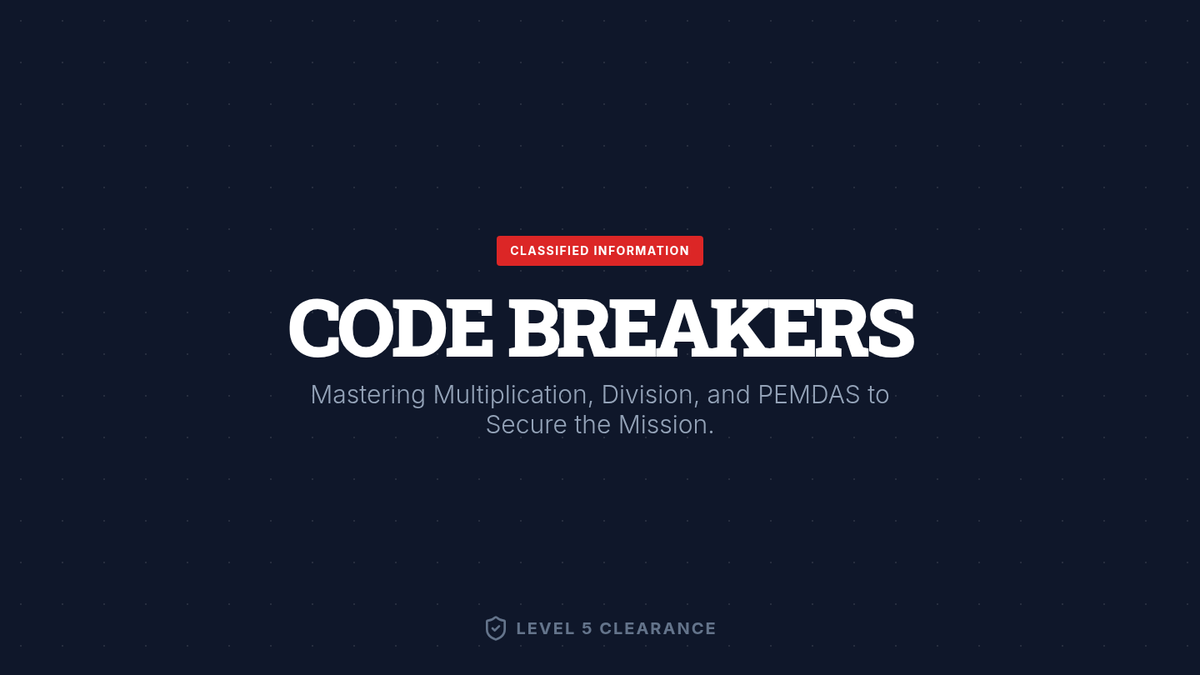
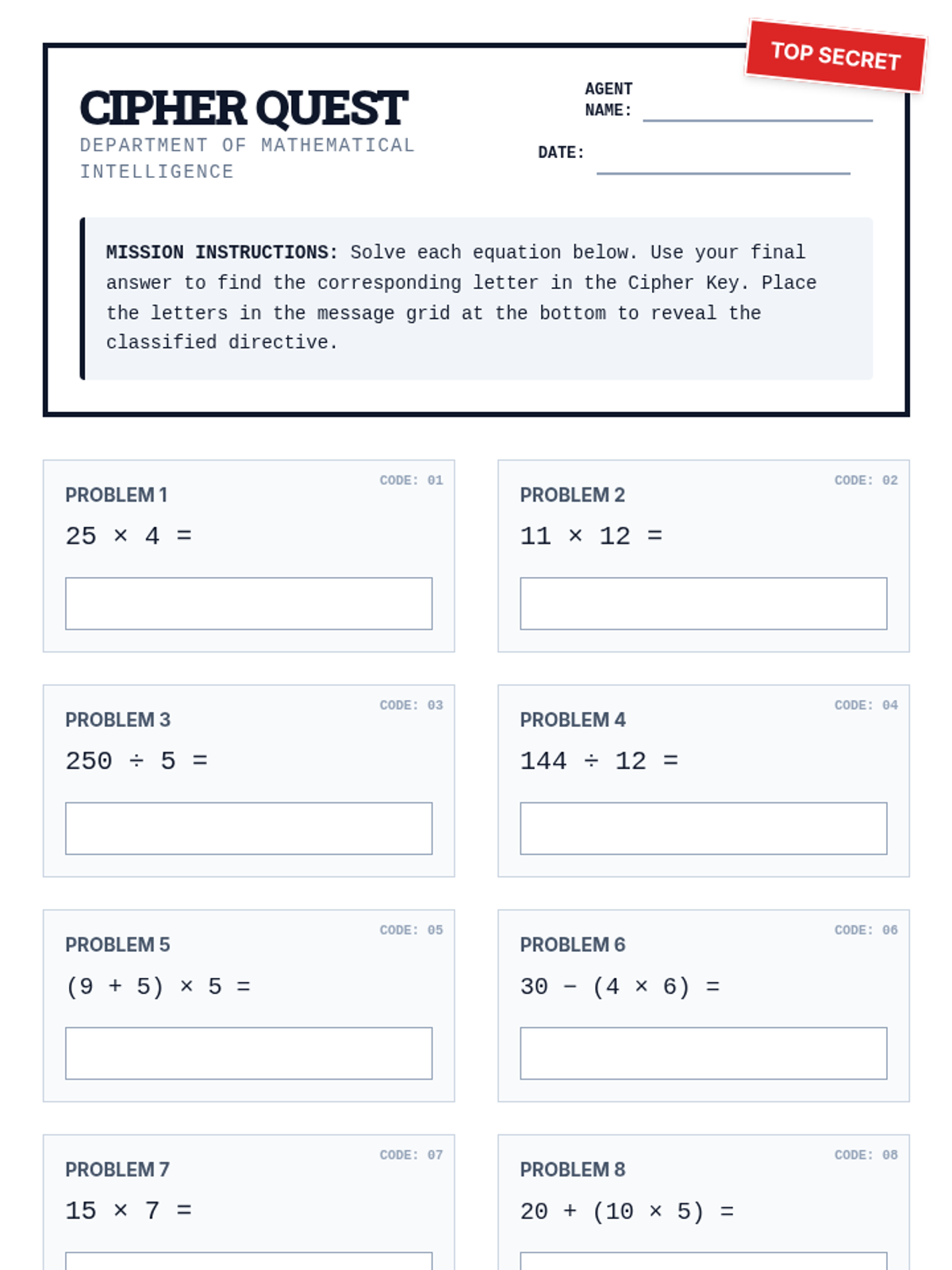
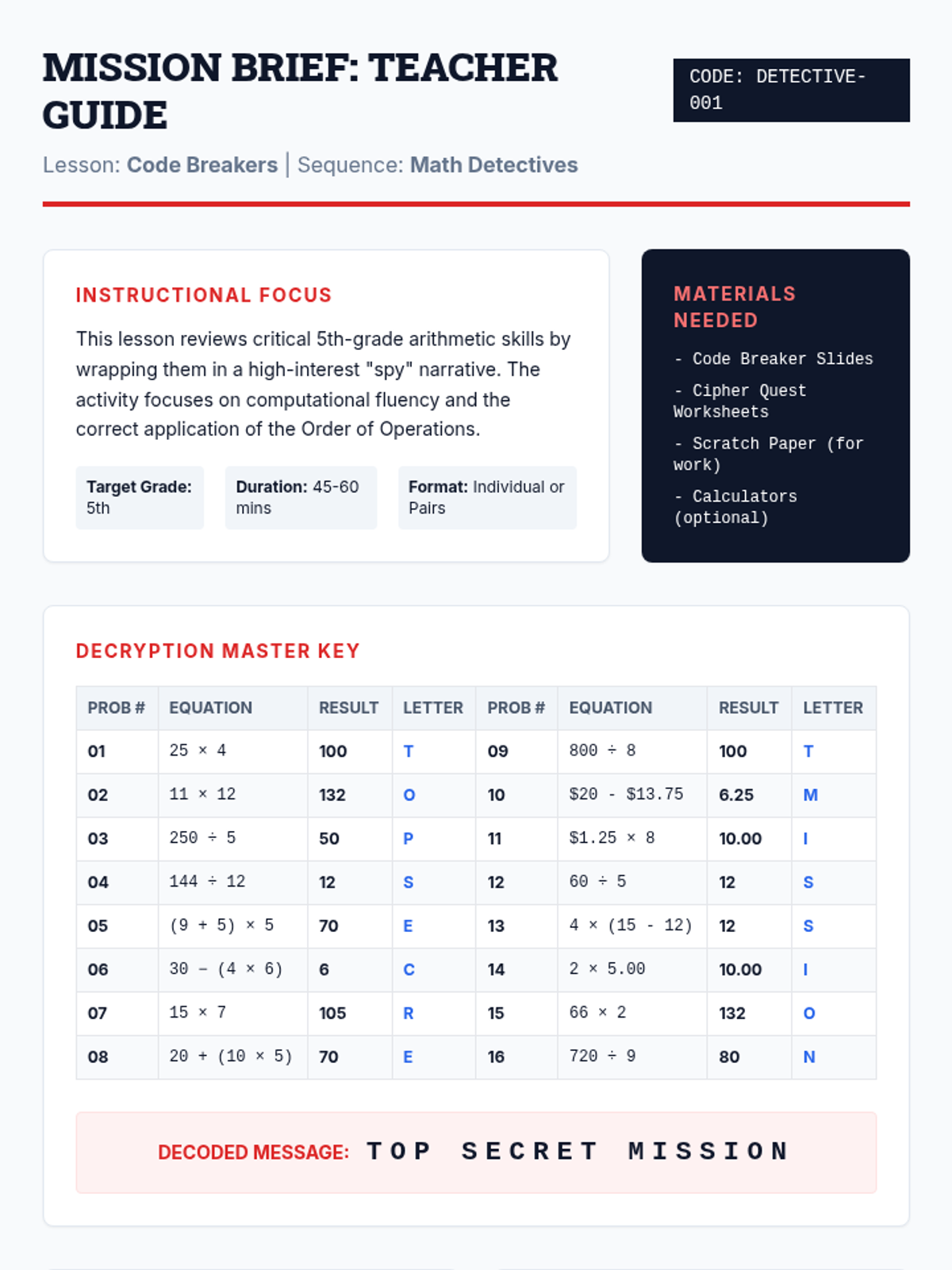
An engaging introduction to multi-digit multiplication, division, and order of operations through a spy-themed decoding challenge. Students act as 'Math Detectives' to solve a series of problems and reveal a hidden message.
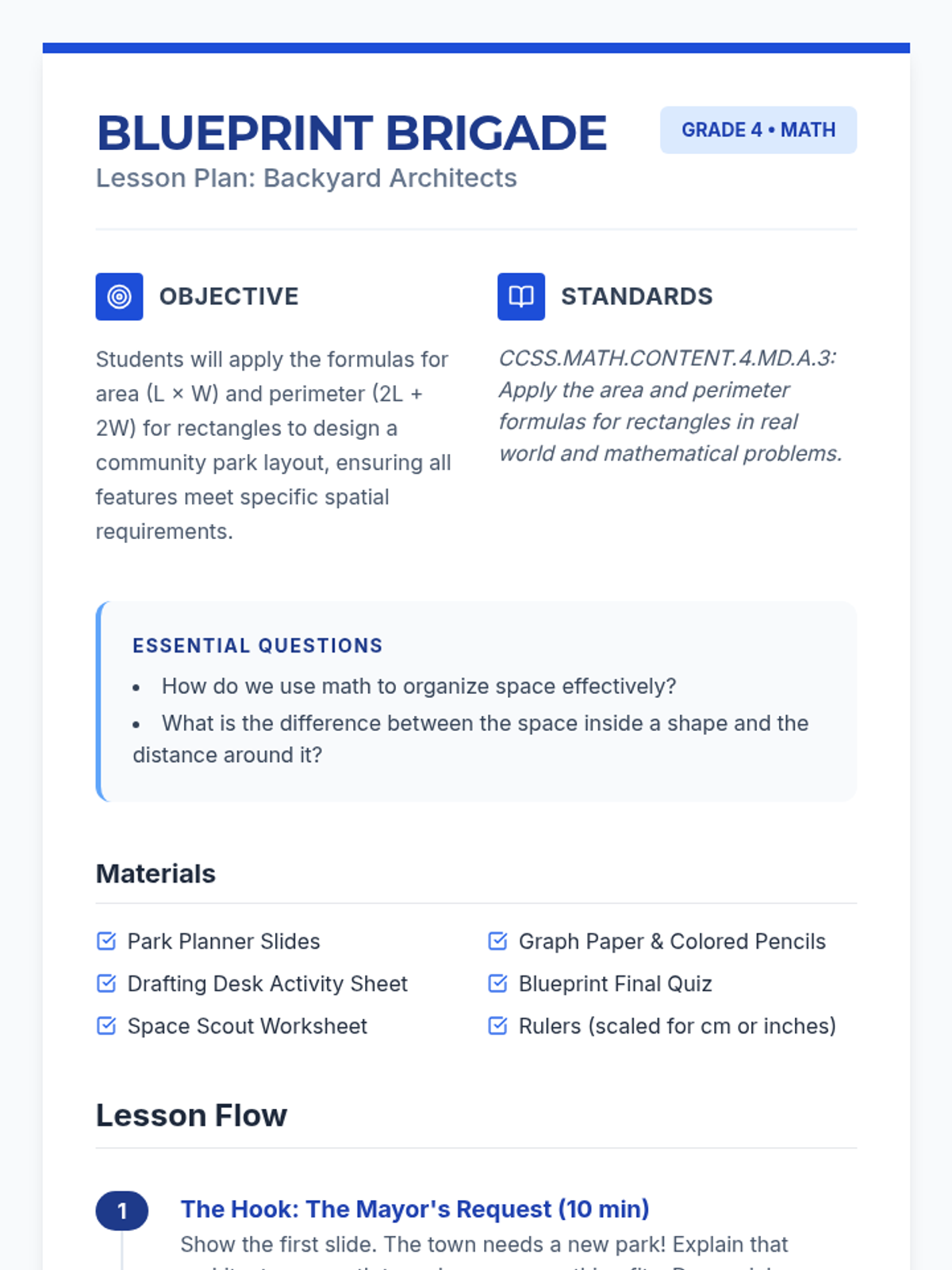
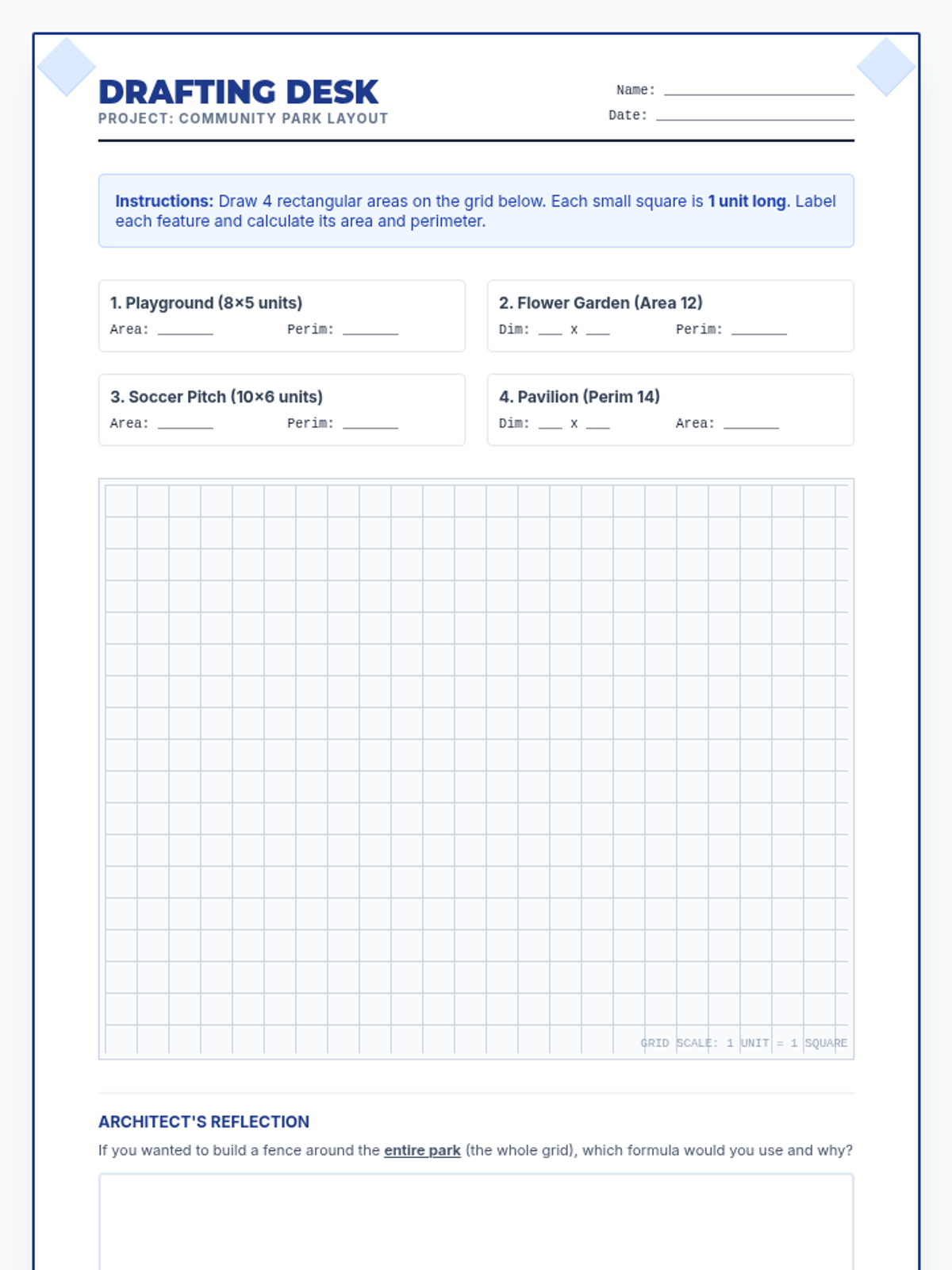
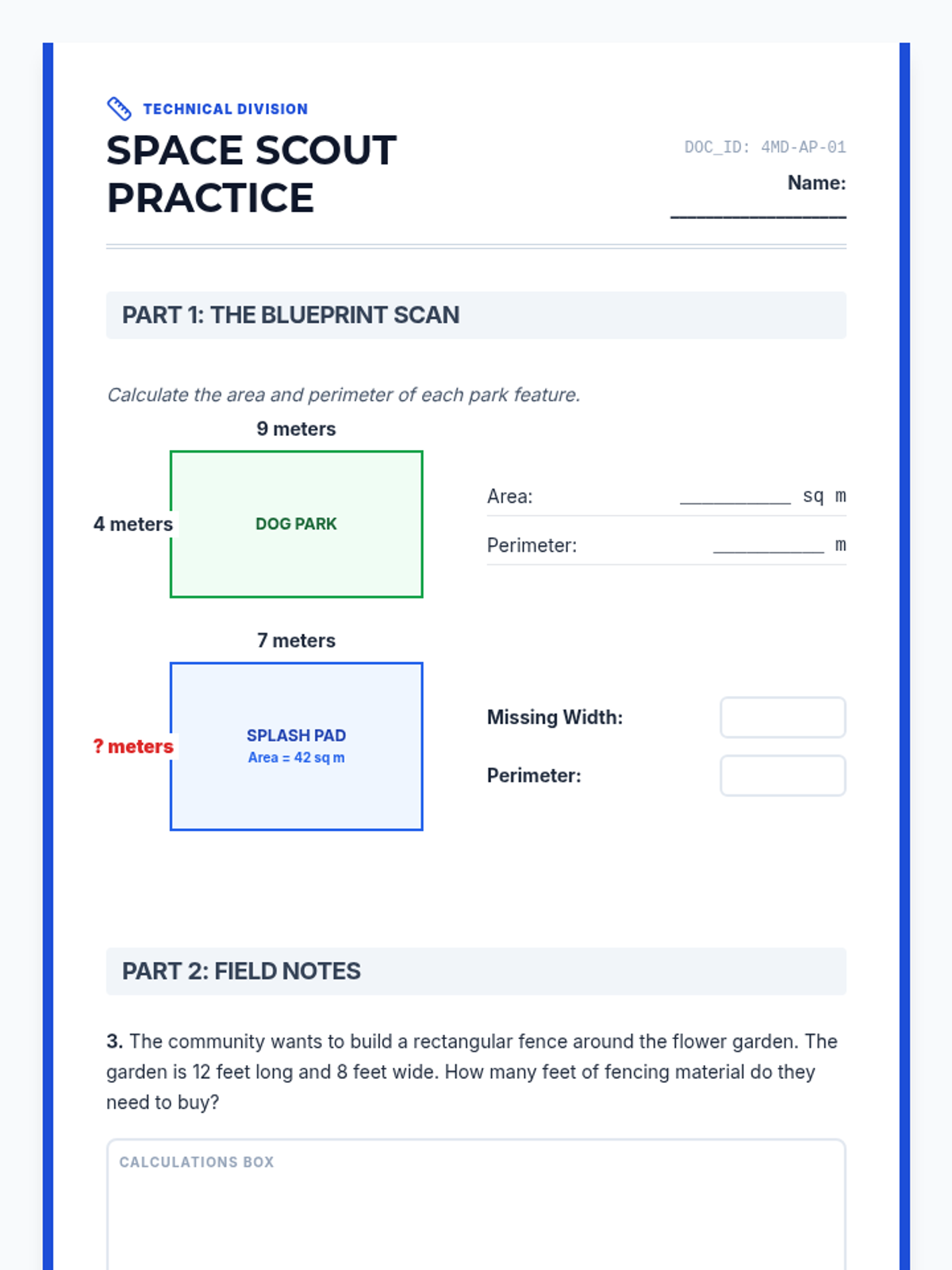
Students become backyard architects, designing a community park by calculating area and perimeter of rectangular features. This lesson bridges multiplicative thinking with real-world spatial planning for 4th graders.
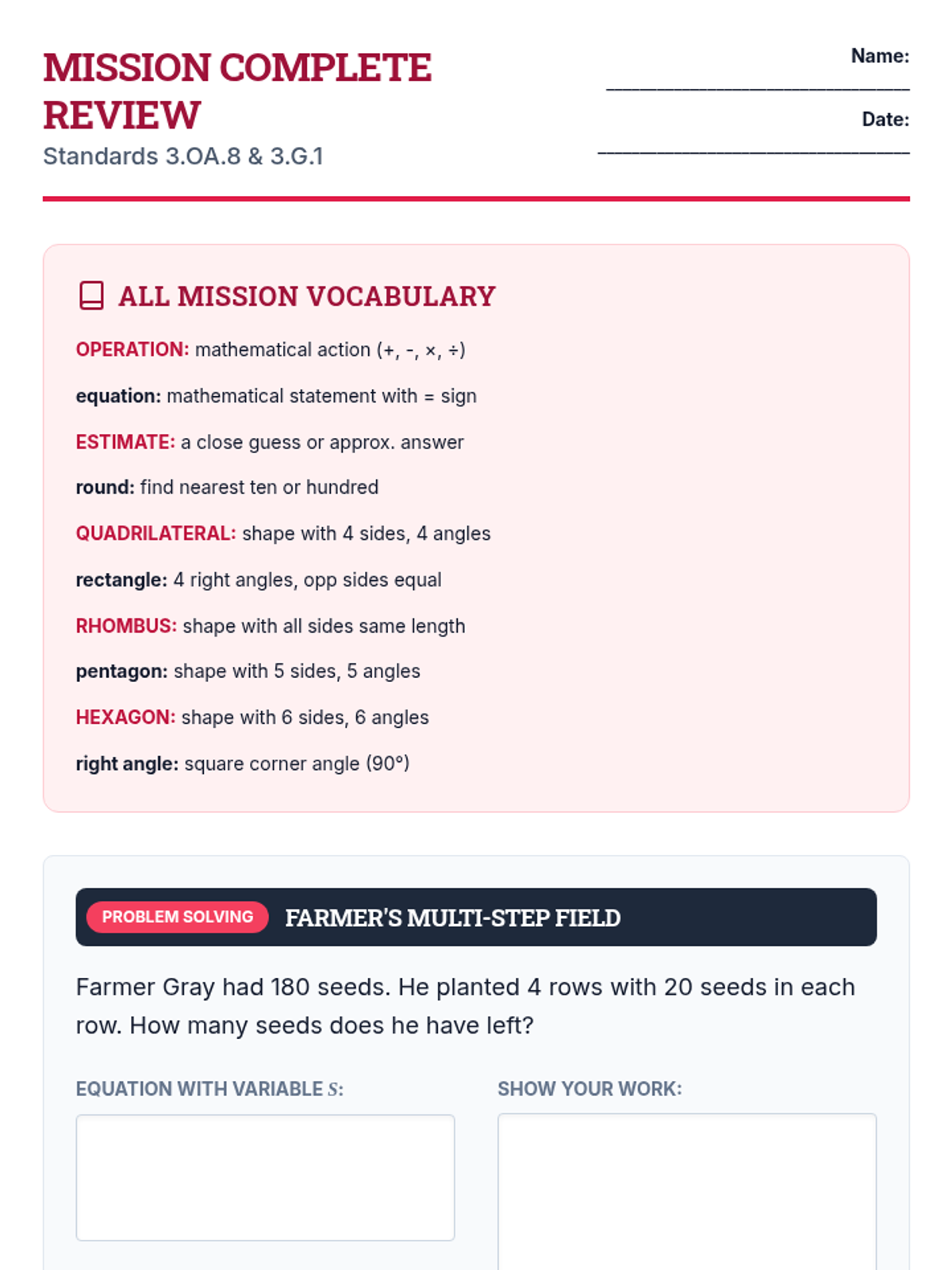
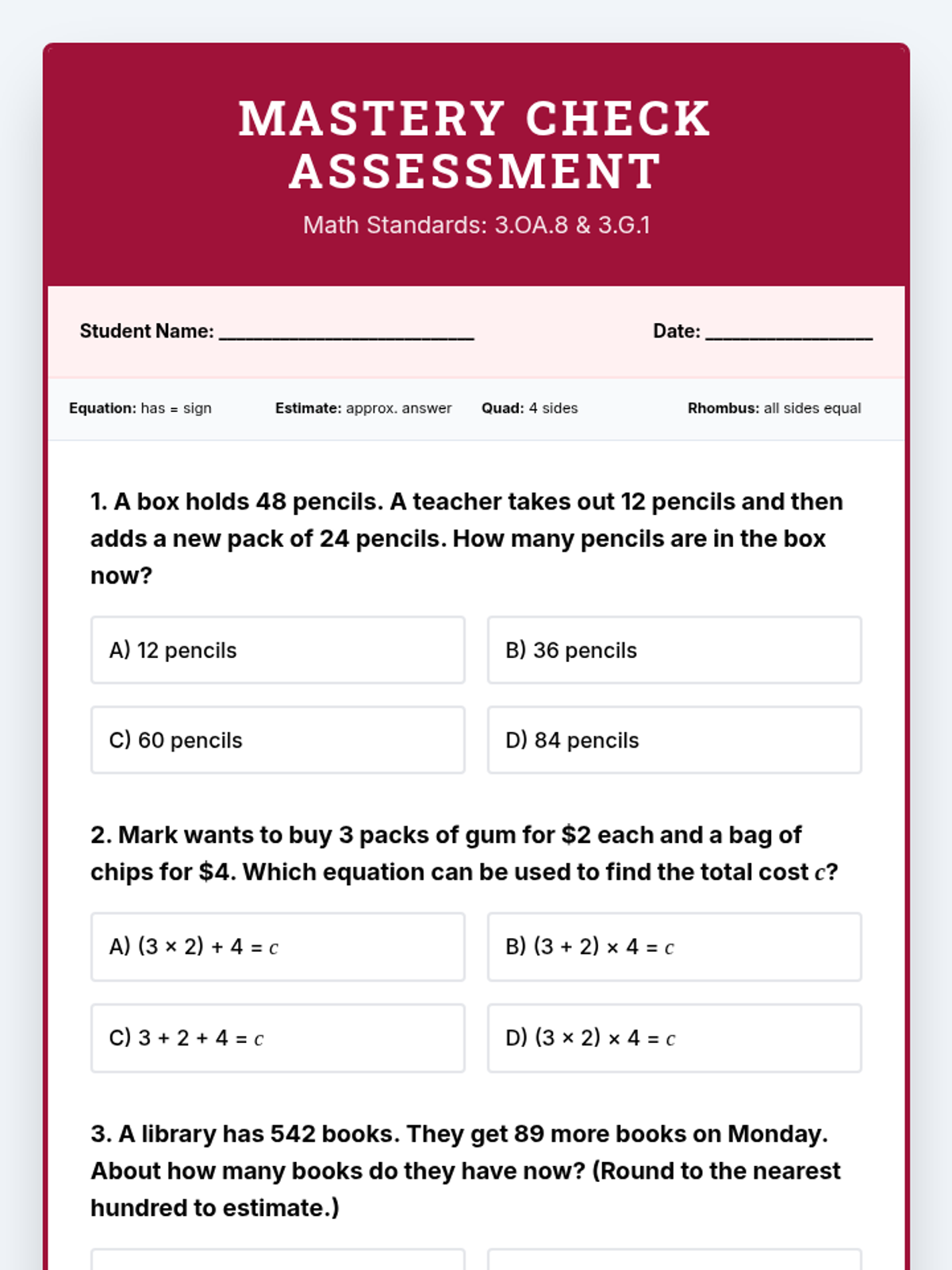
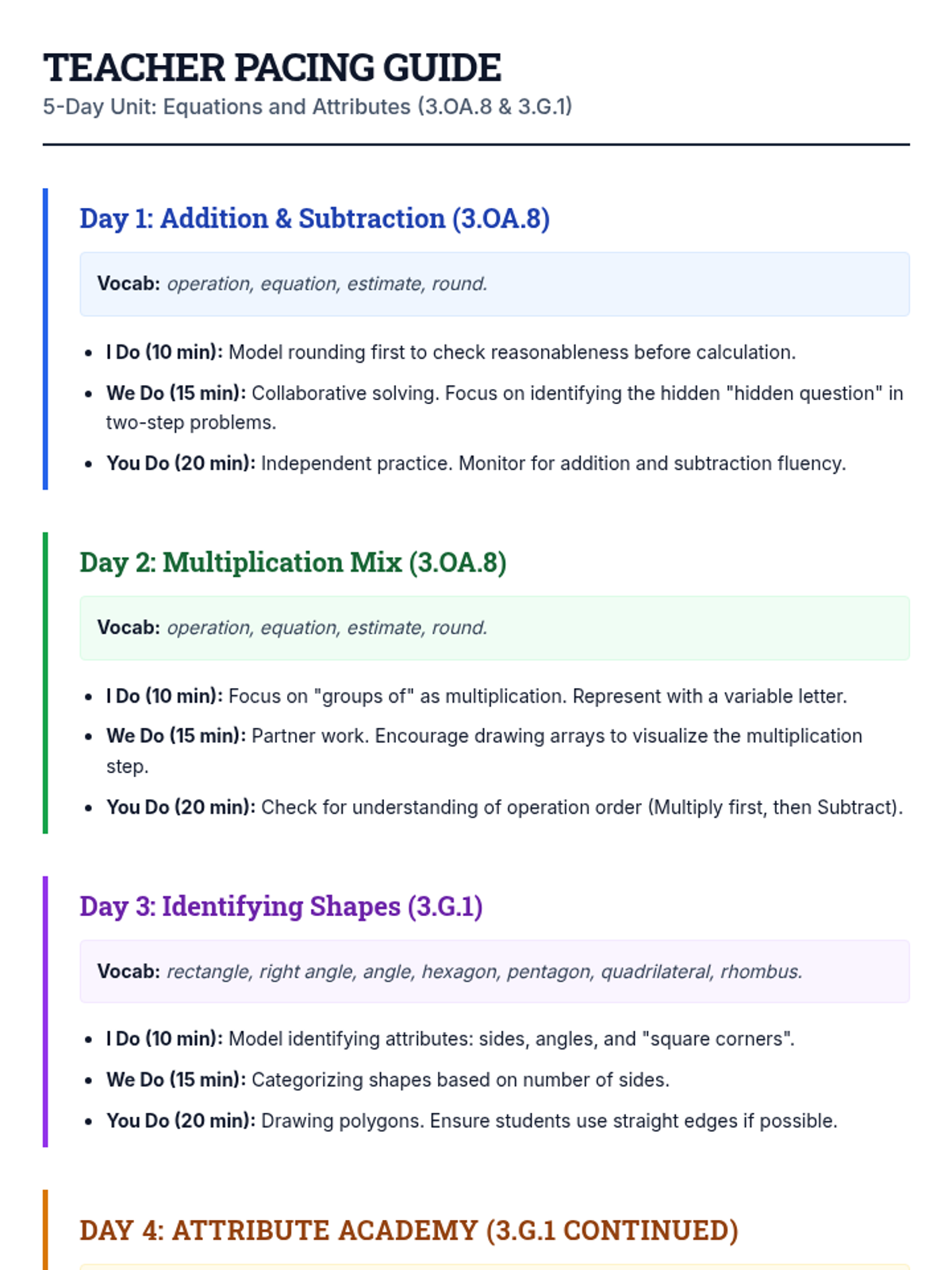
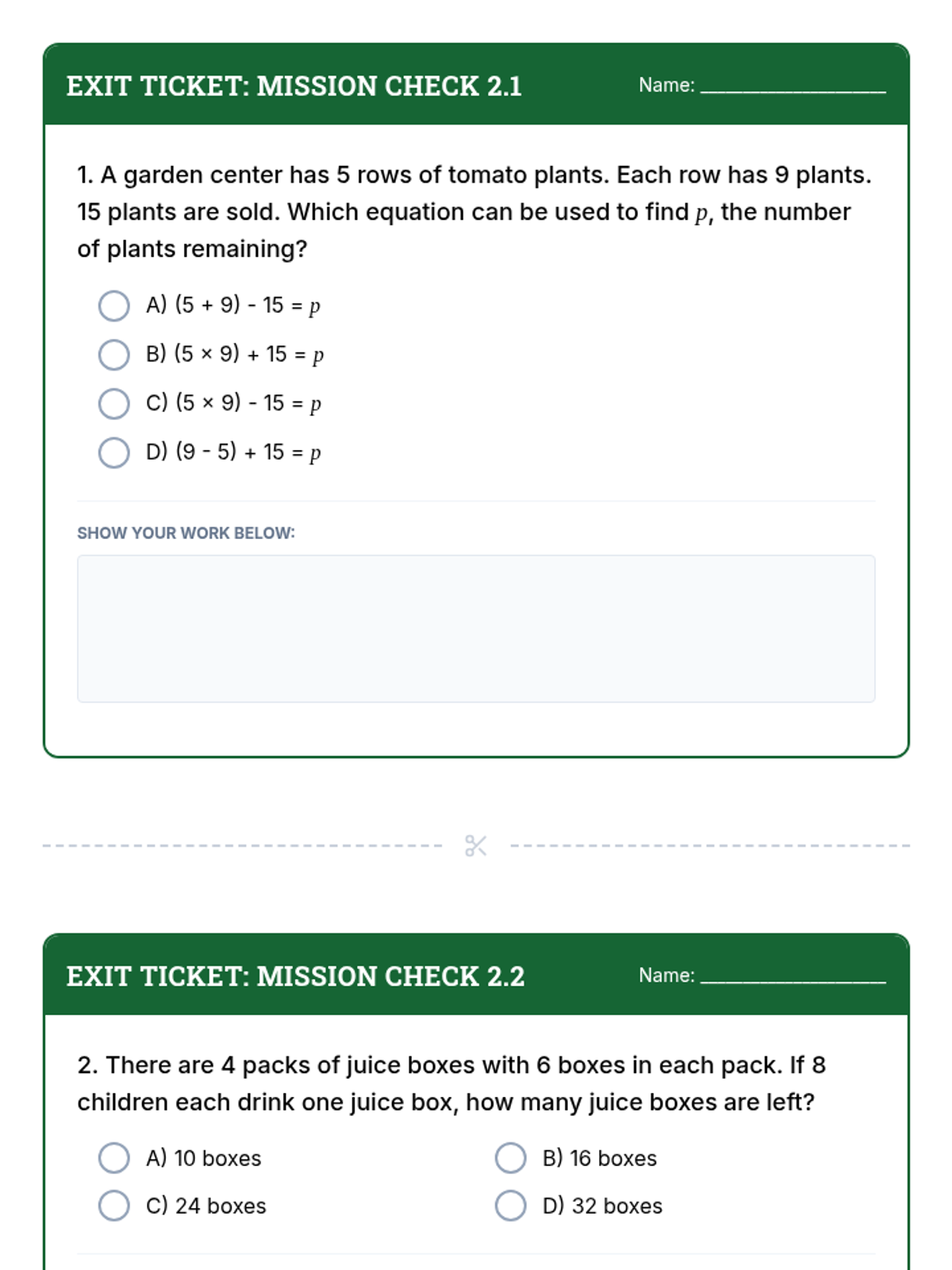
A cumulative review and final assessment covering both word problem solving and geometric classification to ensure mastery of standards 3.OA.8 and 3.G.1.
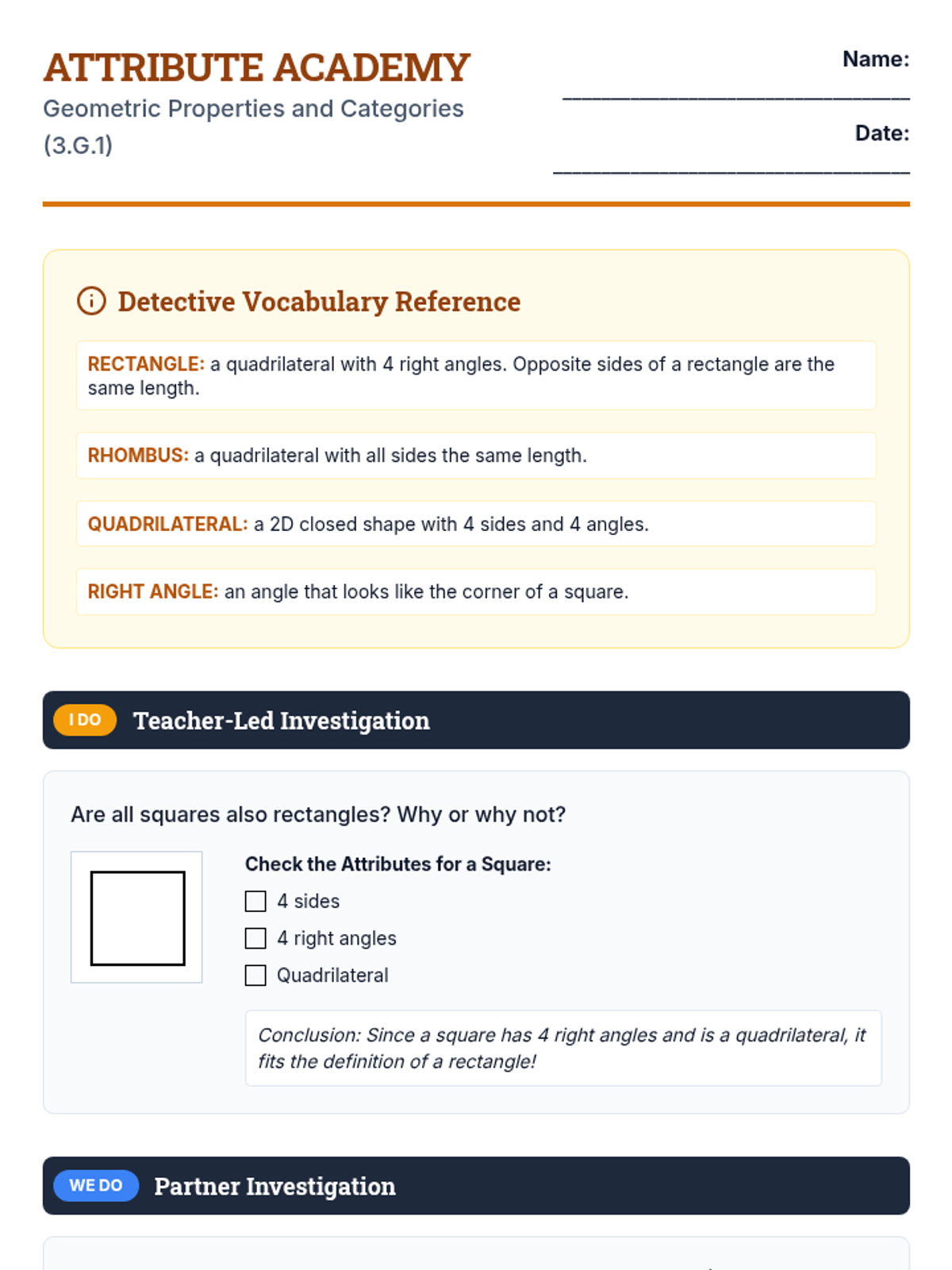
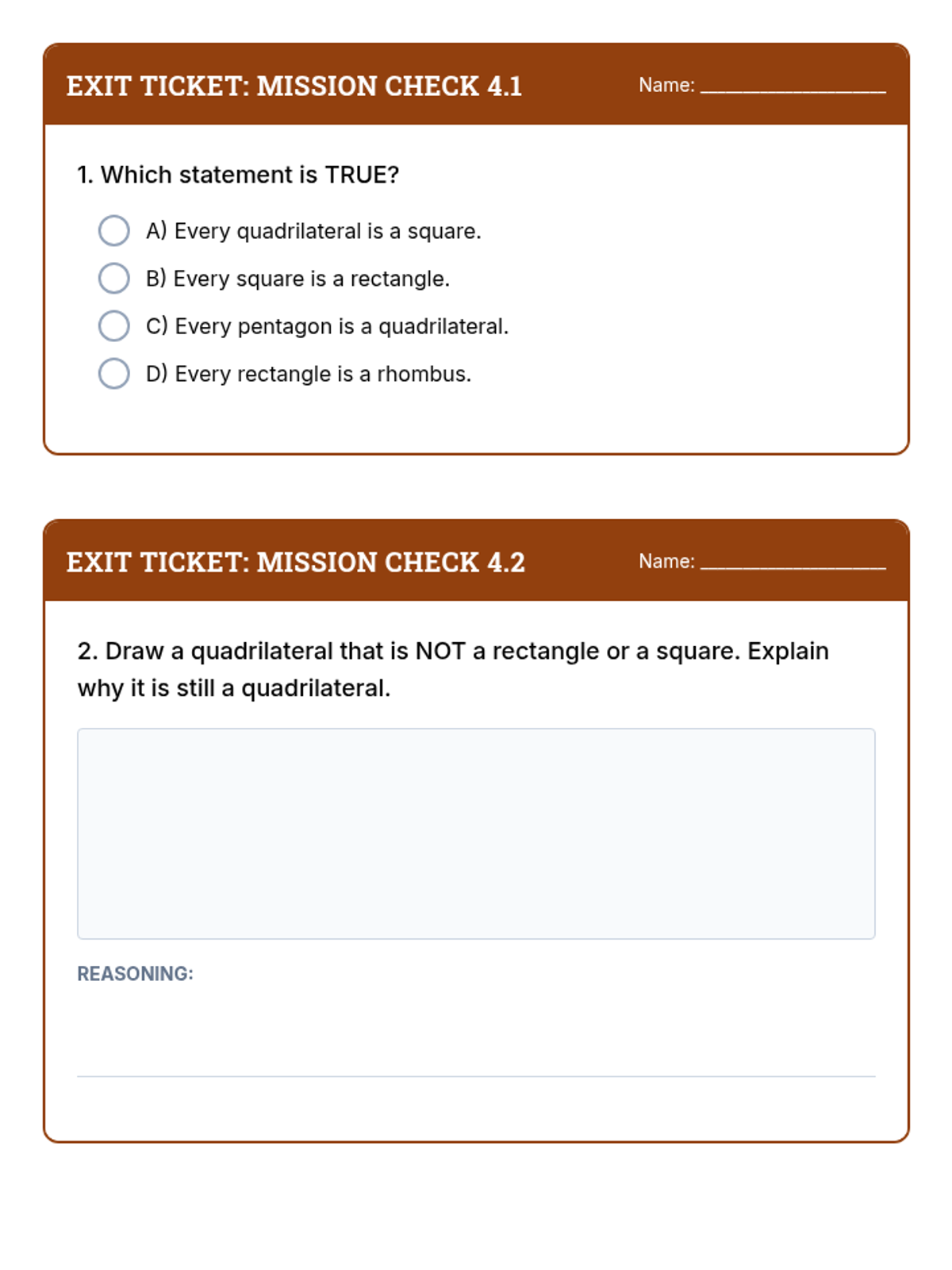
Deeper exploration of geometric attributes, focusing on classifying shapes within larger categories and recognizing shared properties.
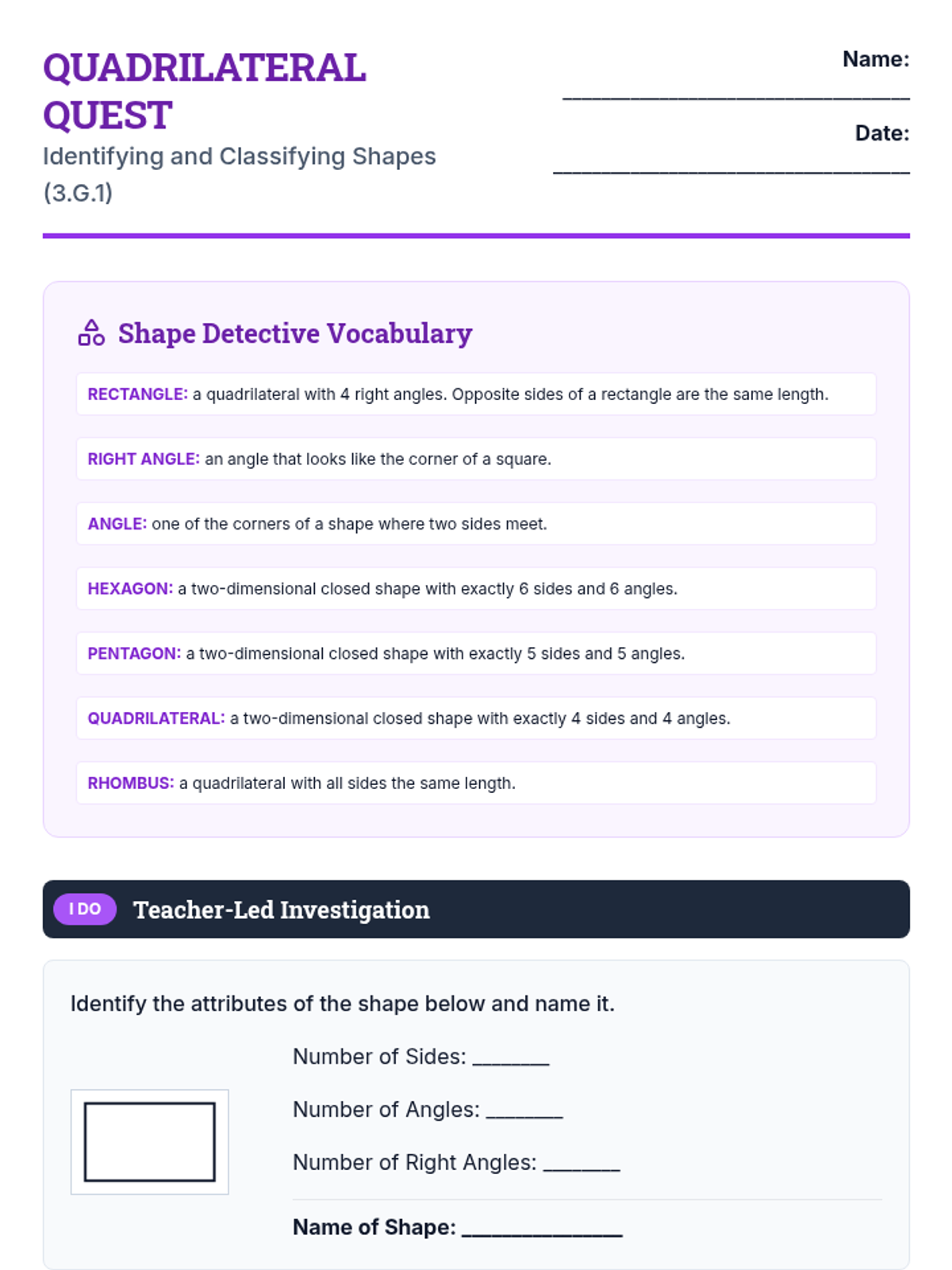
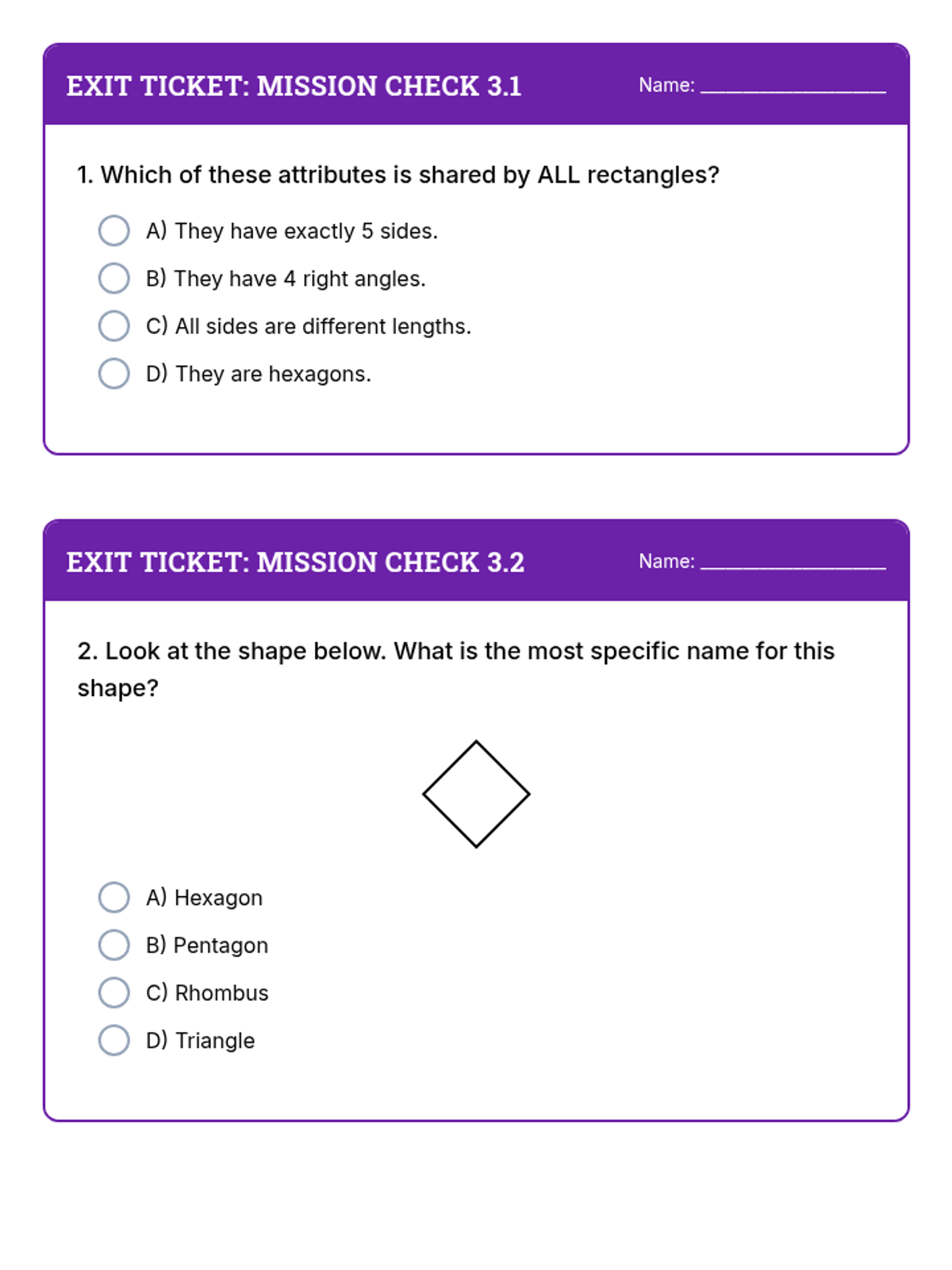
Introduction to identifying and classifying quadrilaterals based on their attributes, including sides, angles, and specific definitions of common shapes.
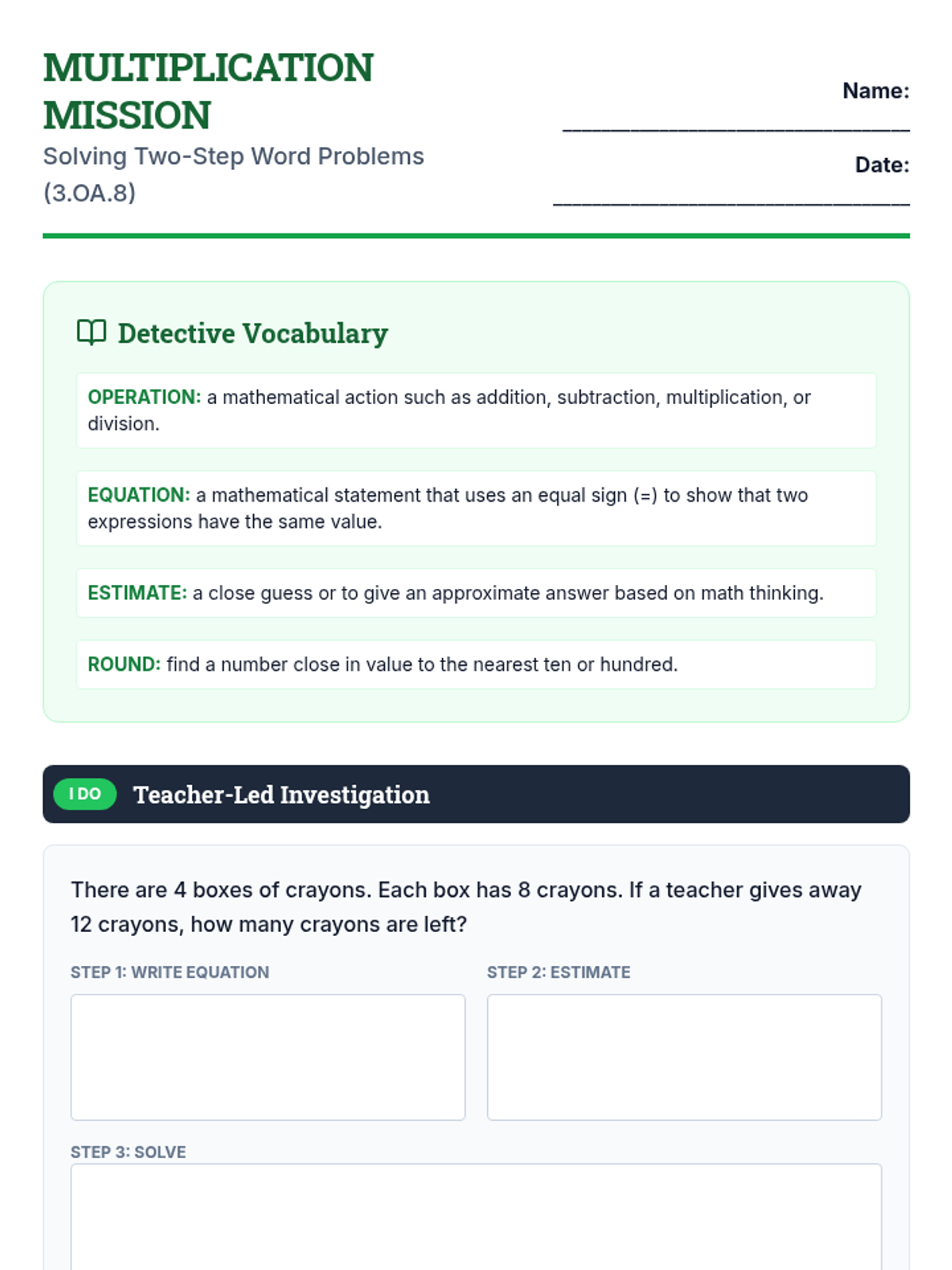
Extends problem-solving skills to two-step word problems involving multiplication and other operations, focusing on equation representation and estimation strategies.
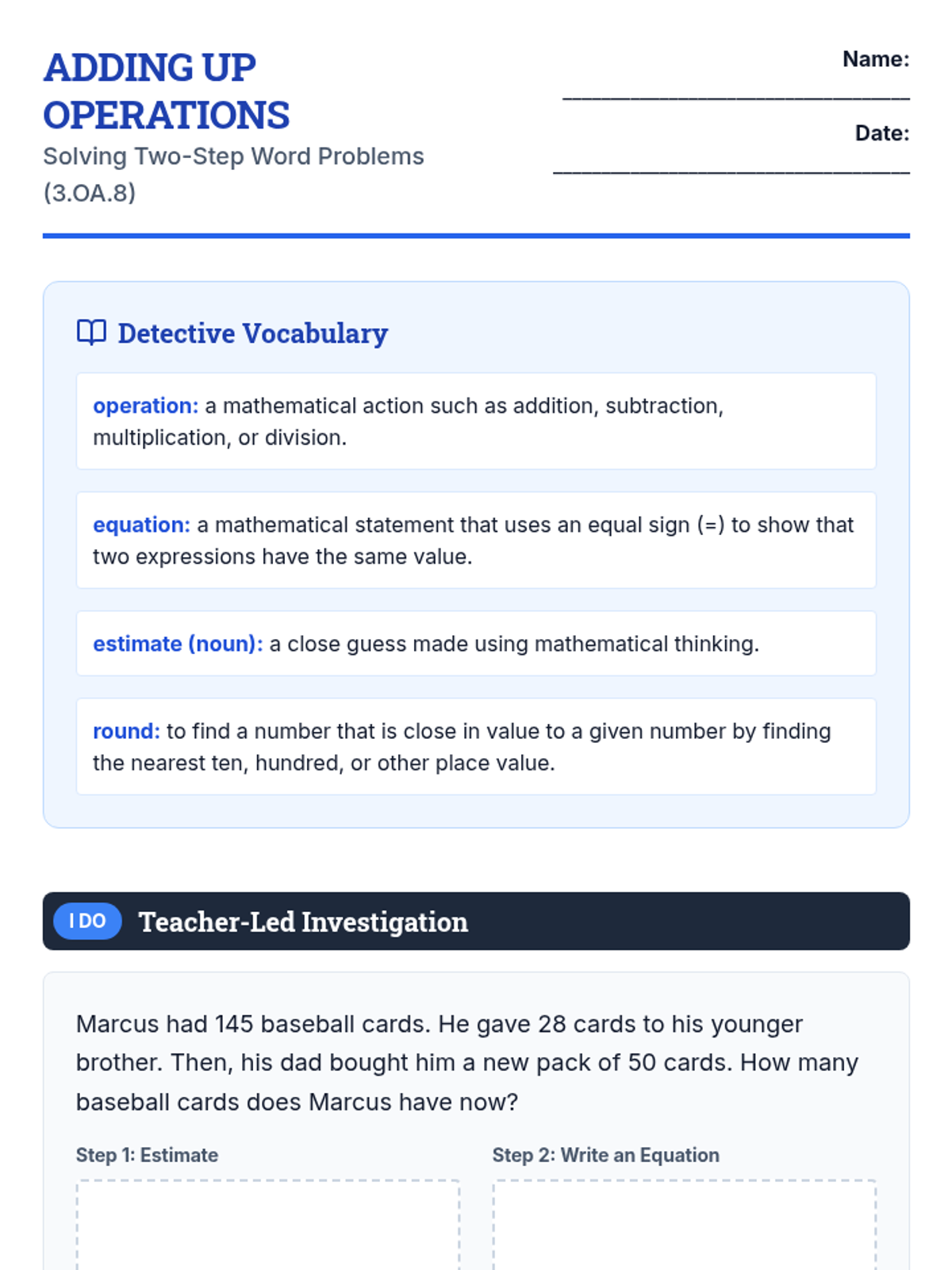
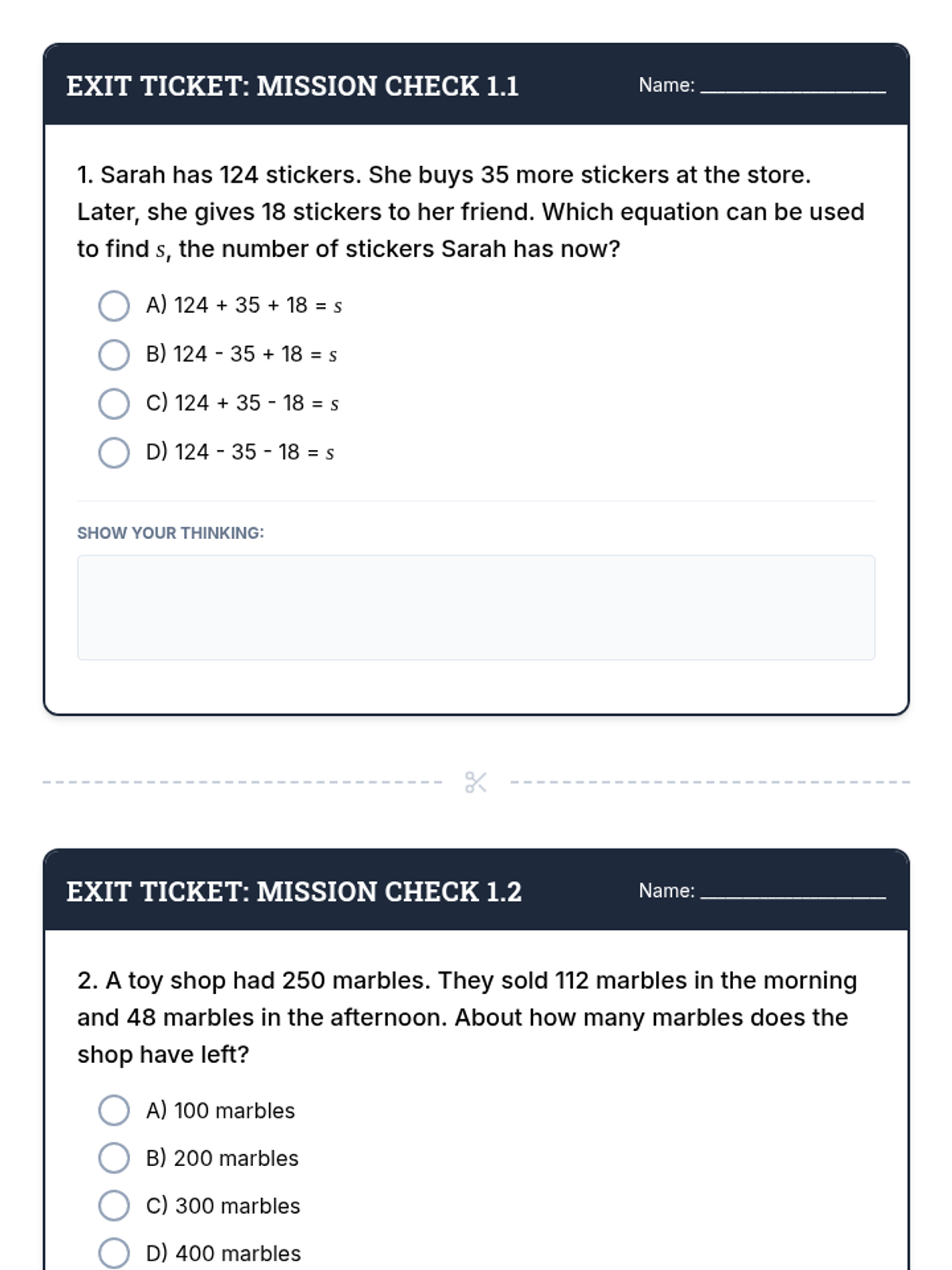
Focuses on solving two-step word problems using addition and subtraction, emphasizing representing problems with equations and assessing reasonableness through estimation and rounding.
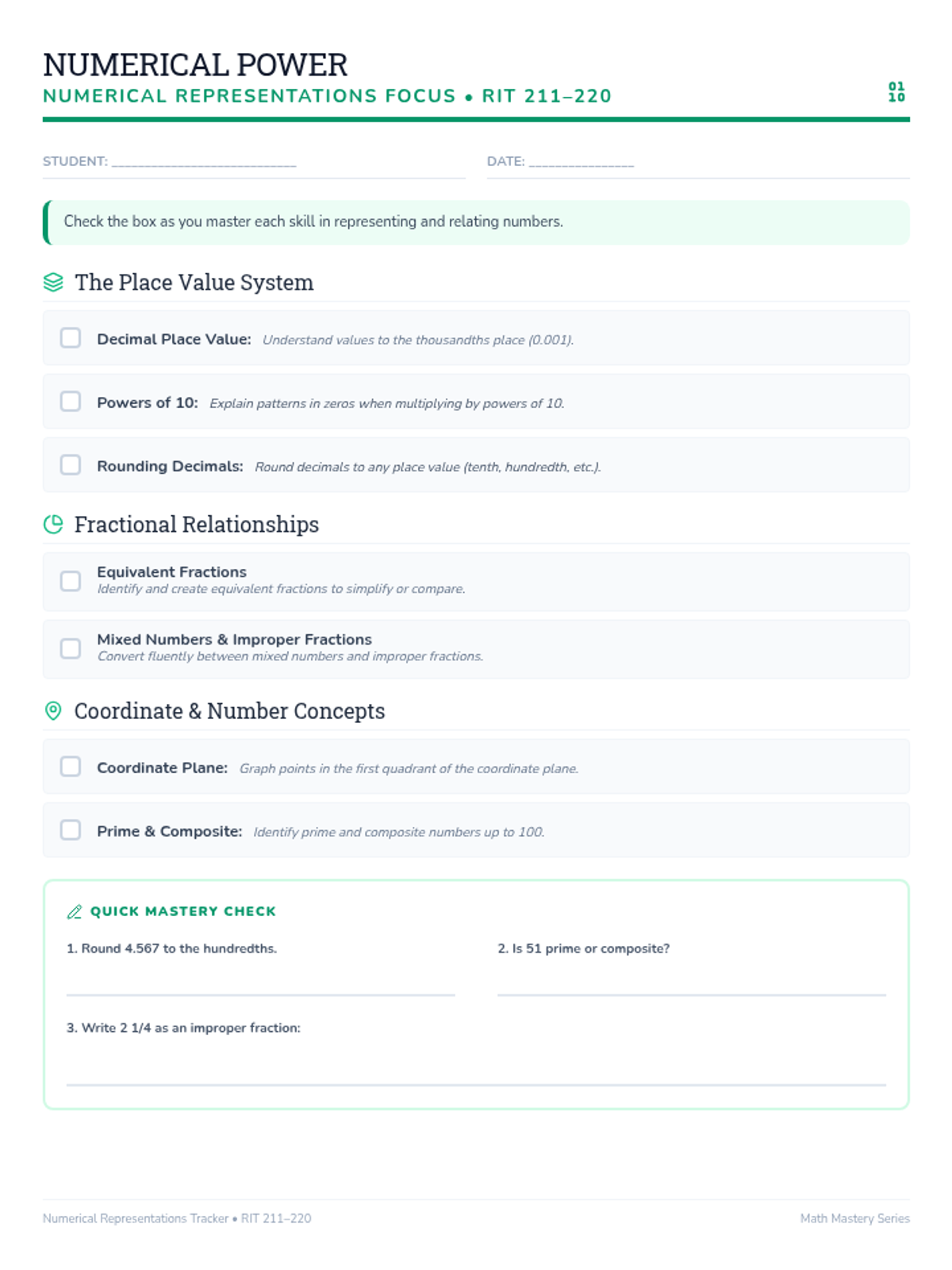
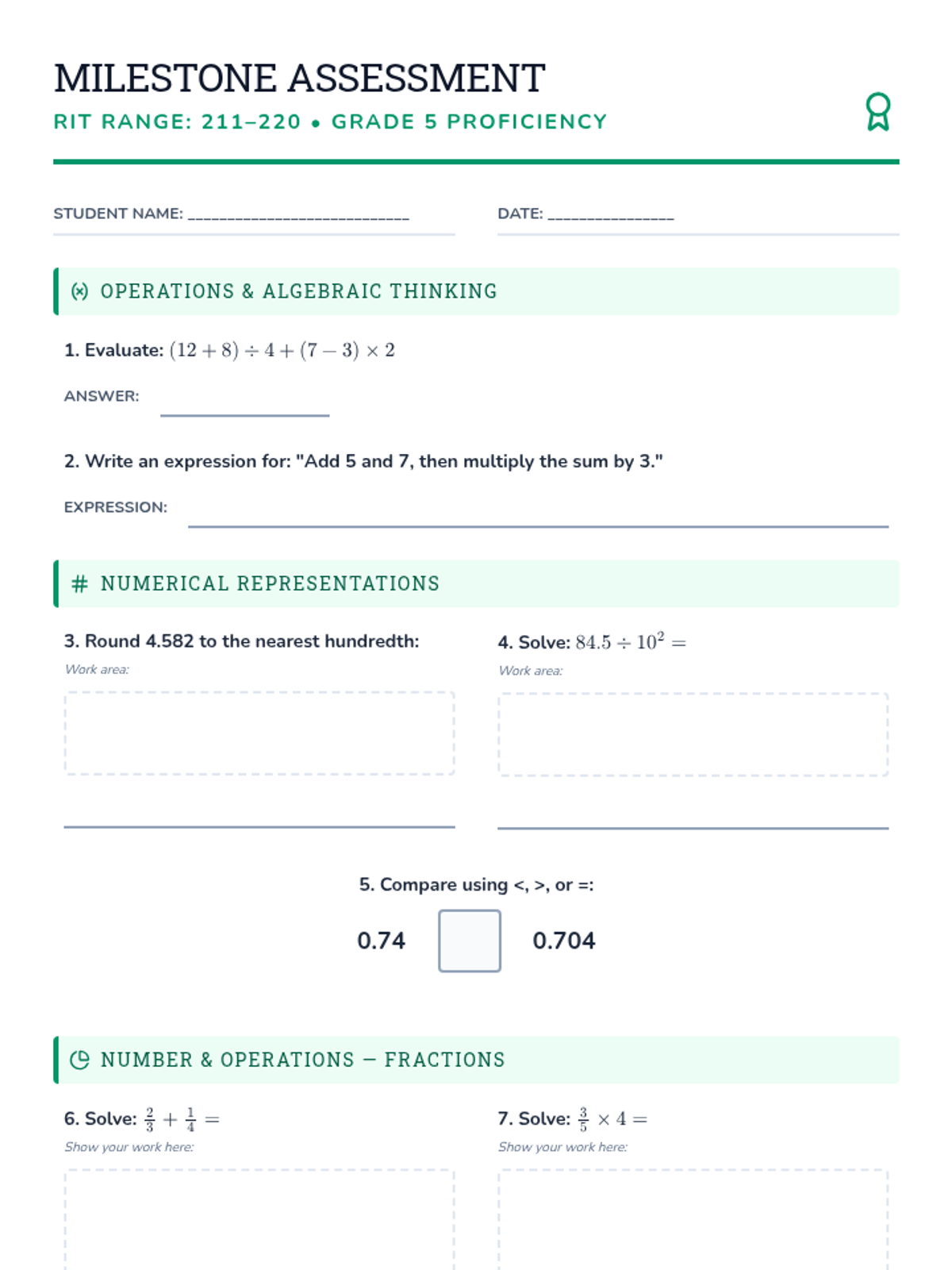
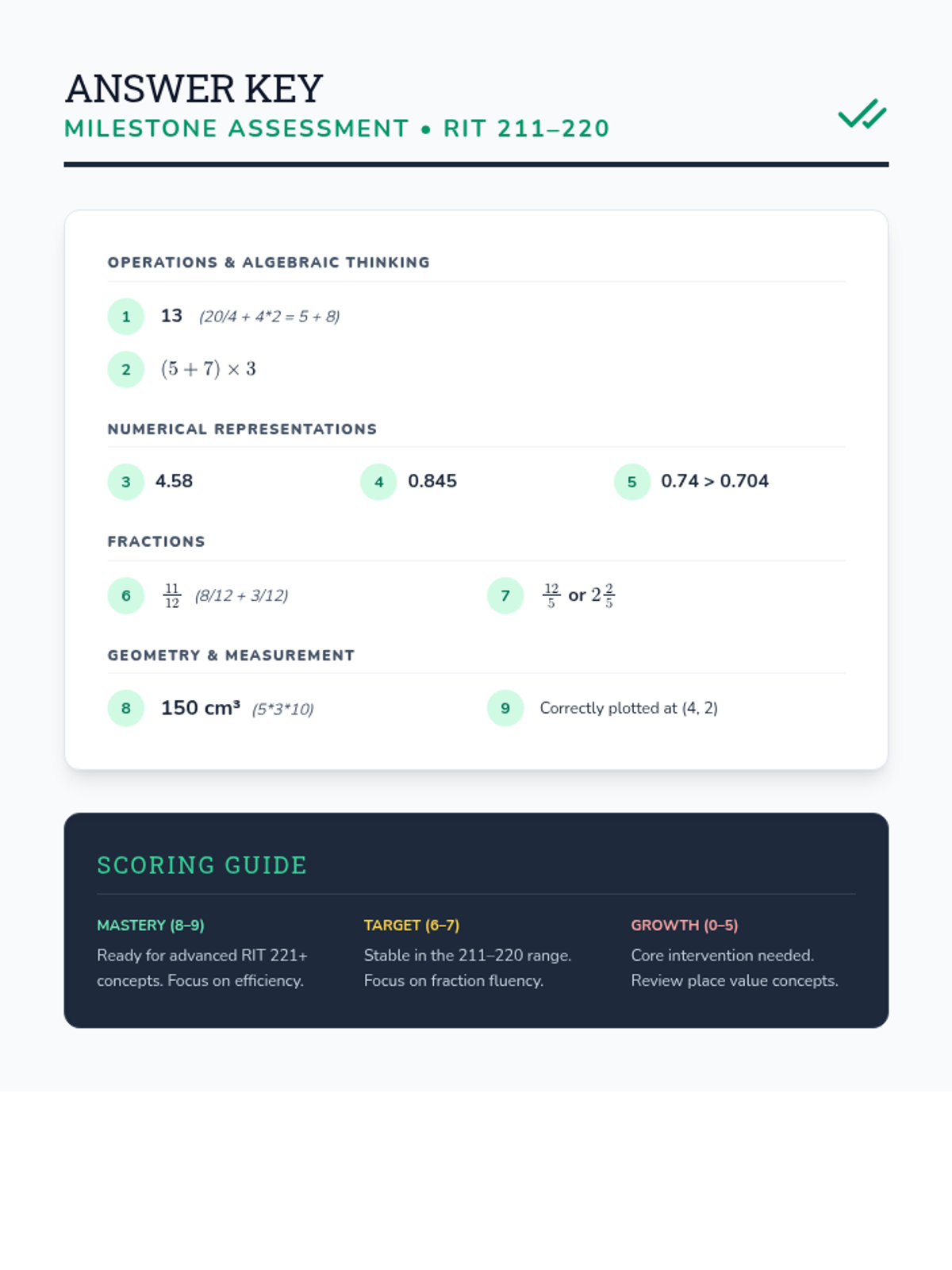
A specialized toolkit for navigating mathematical skills in the 211-220 RIT range, with a focus on foundational decimals, fractions, and place value relationships.
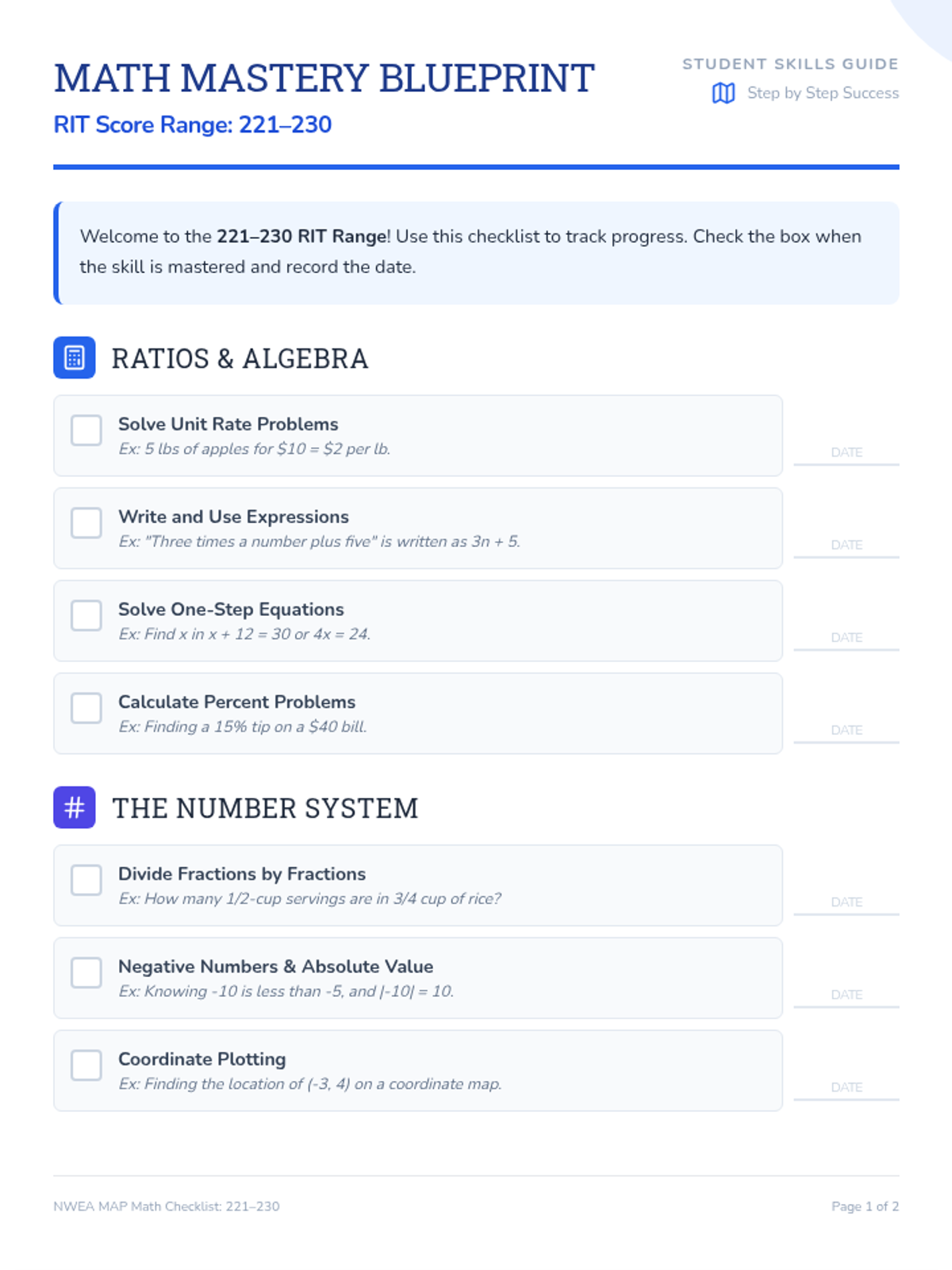
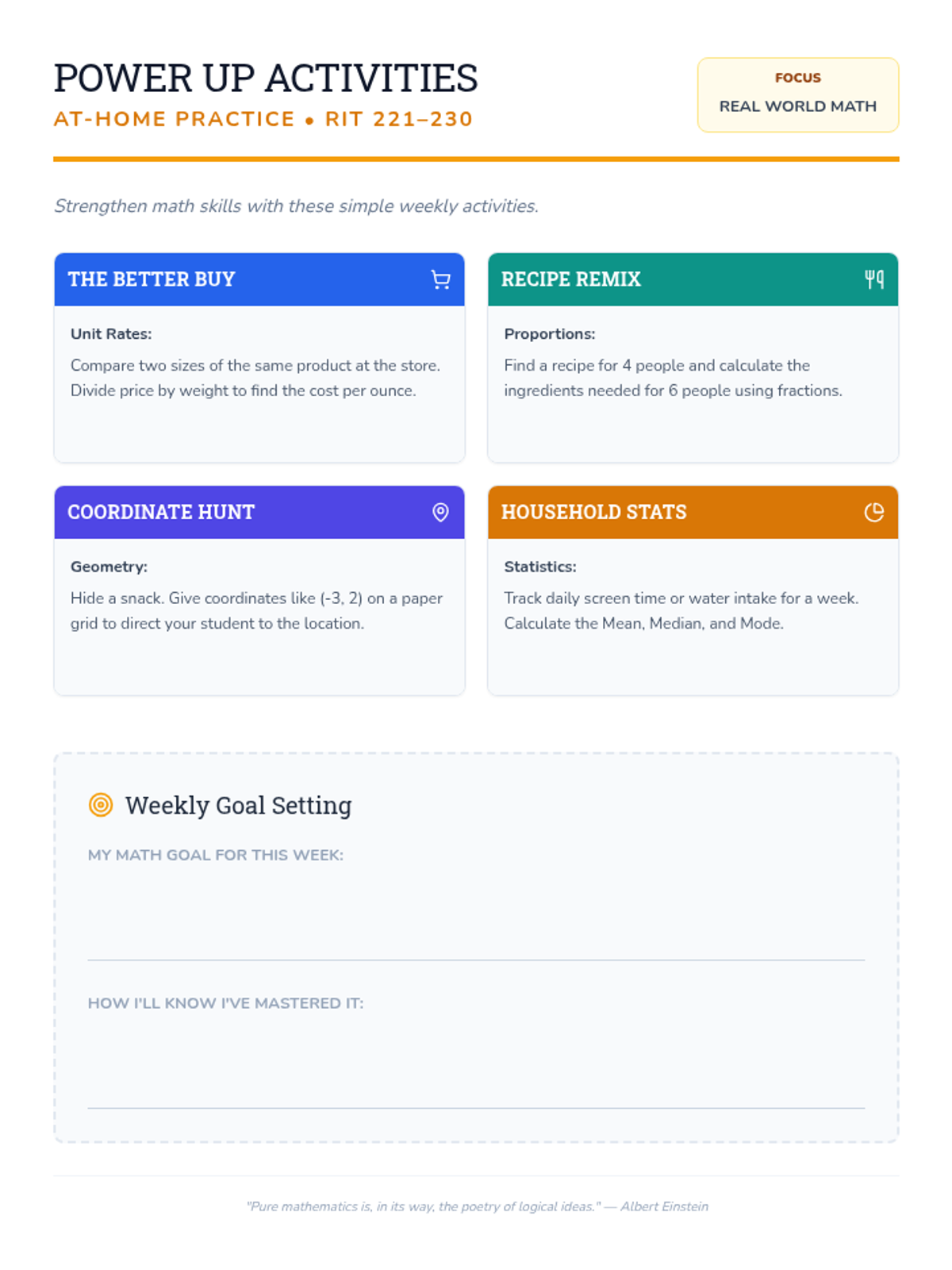
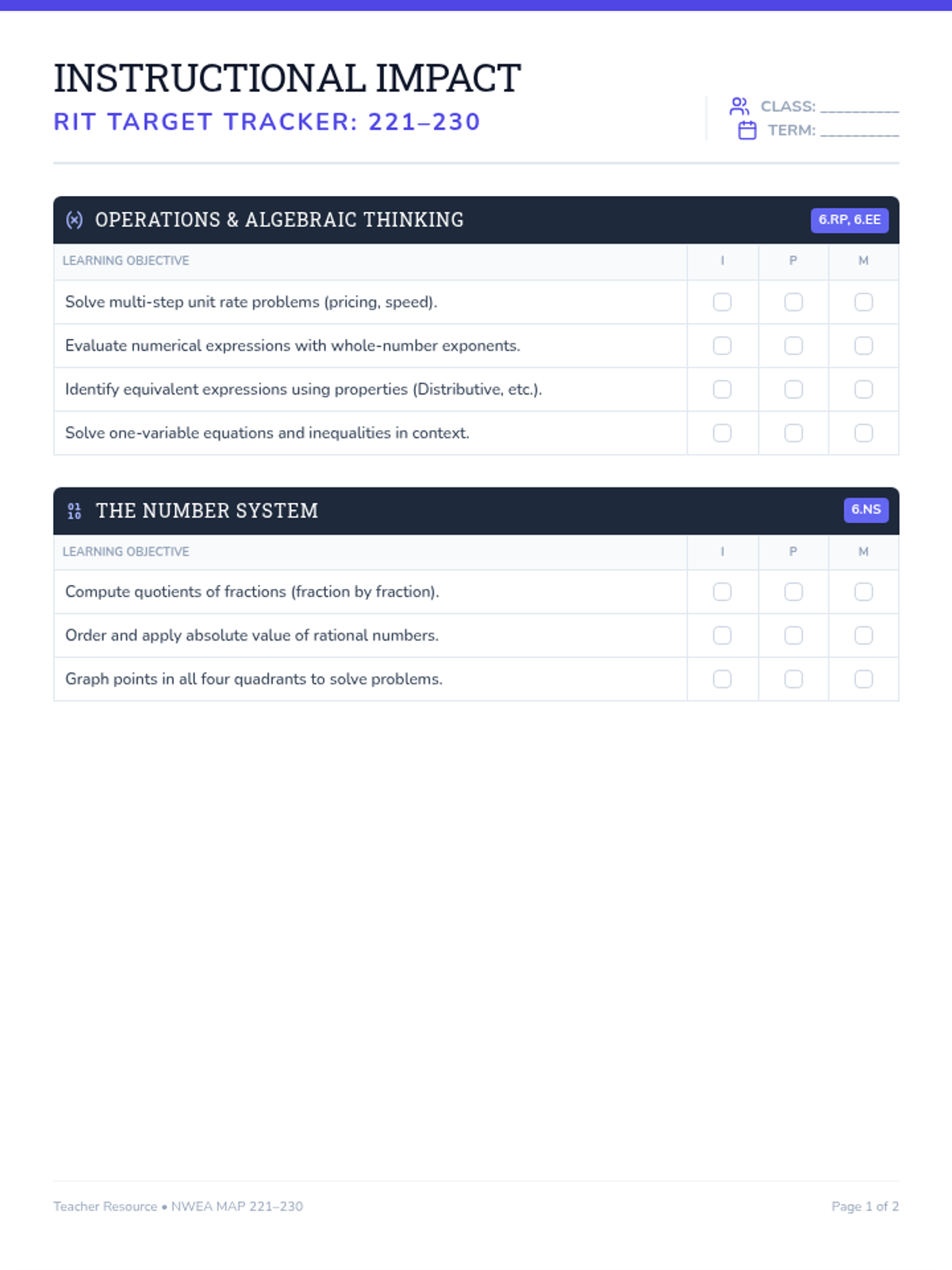
A comprehensive guide for parents and students to navigate the mathematical skills expected in the 221-230 NWEA MAP RIT range, featuring actionable checklists and home-based practice ideas.
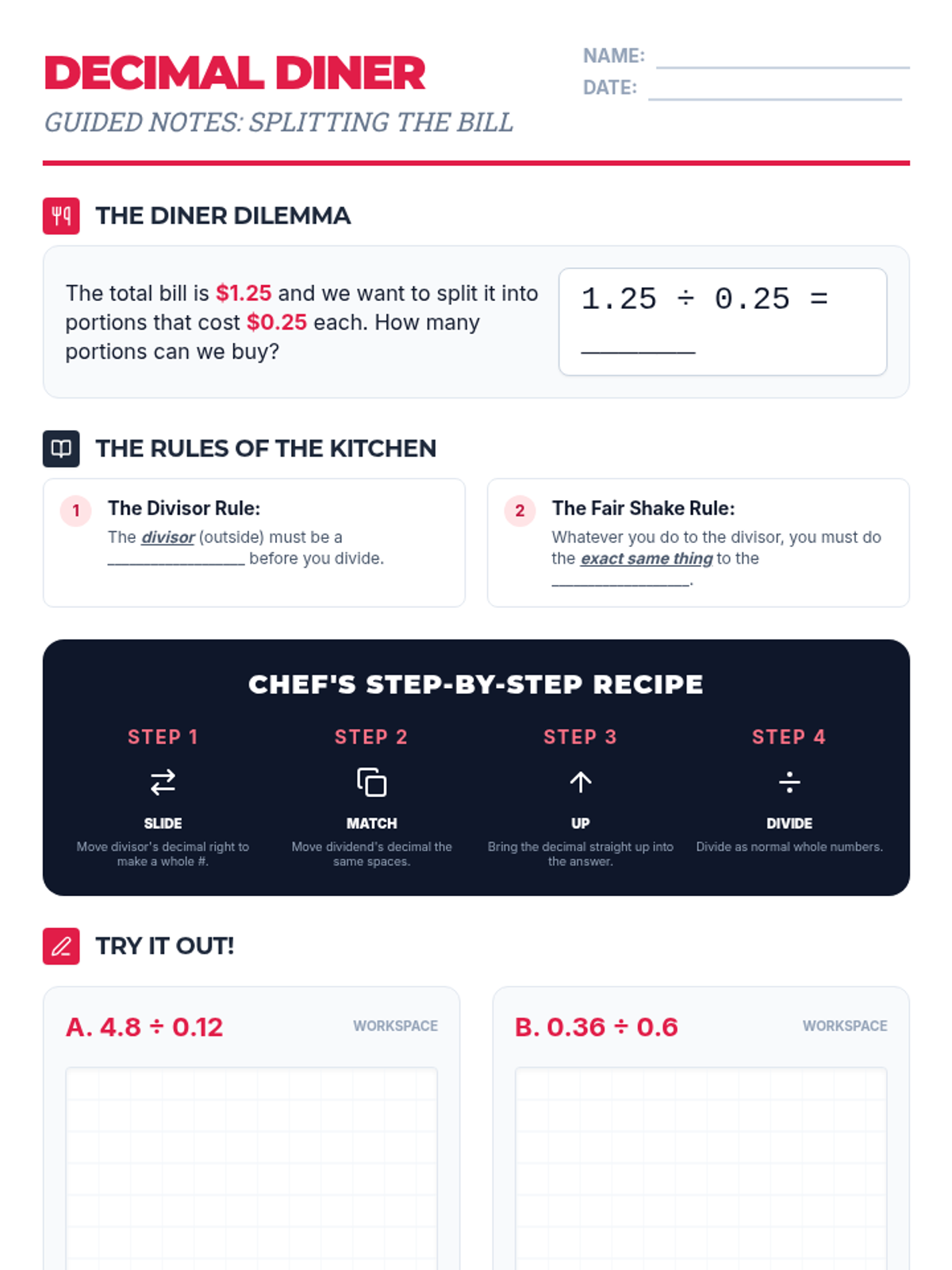
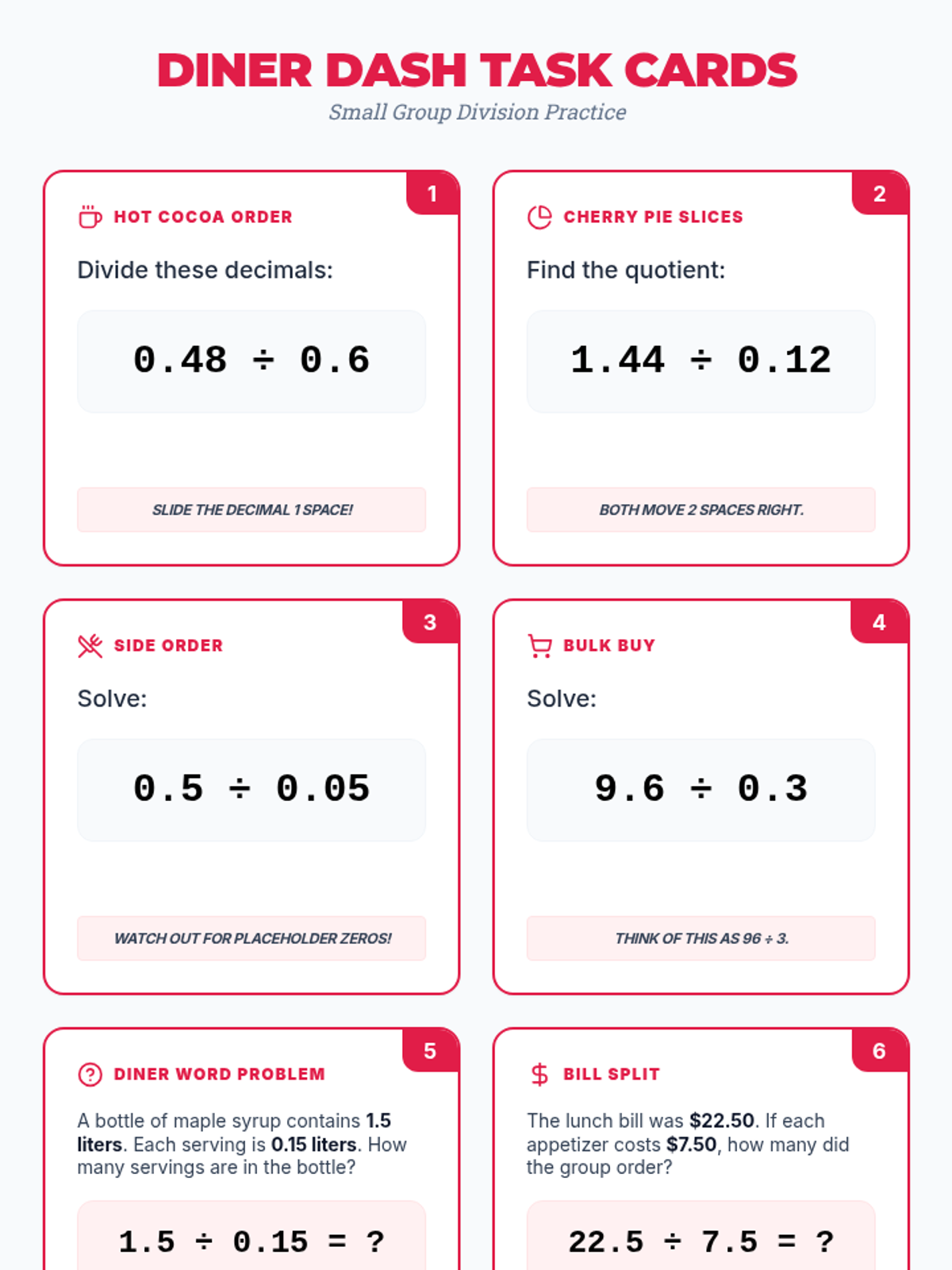
A comprehensive lesson on dividing decimals by decimals using a 'Decimal Diner' theme. Includes guided instruction, collaborative task cards, and independent practice with alignment grids.
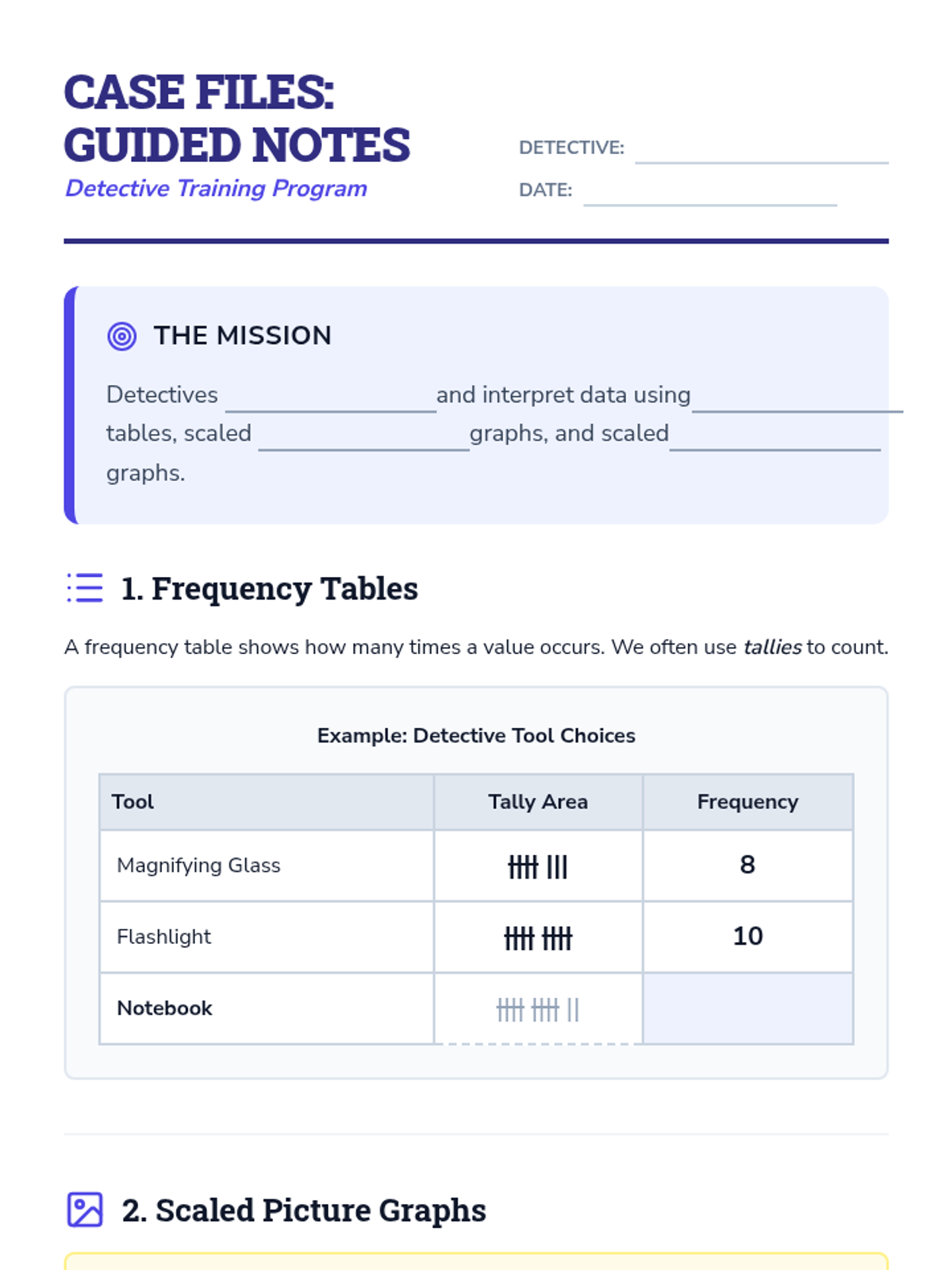
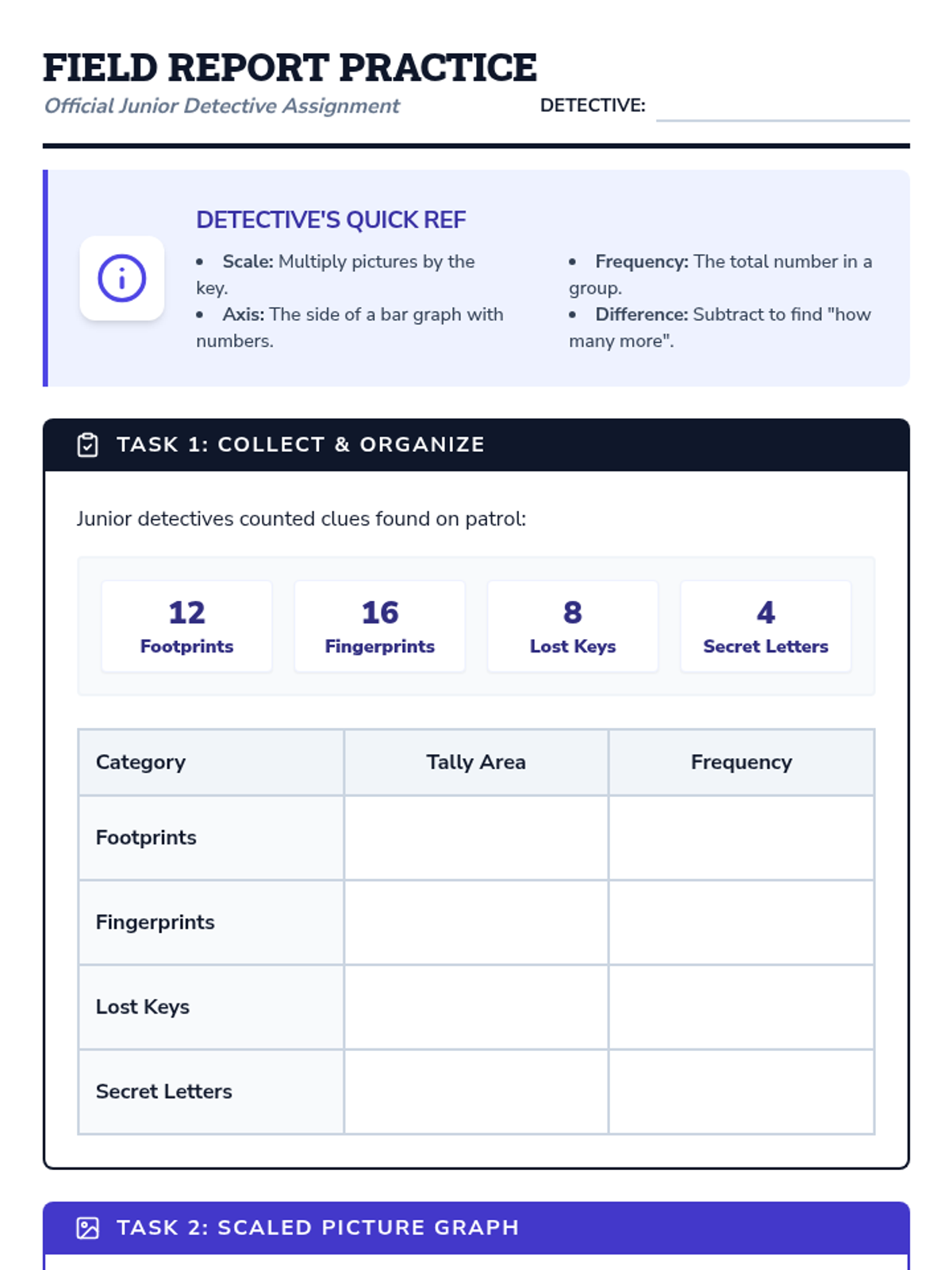
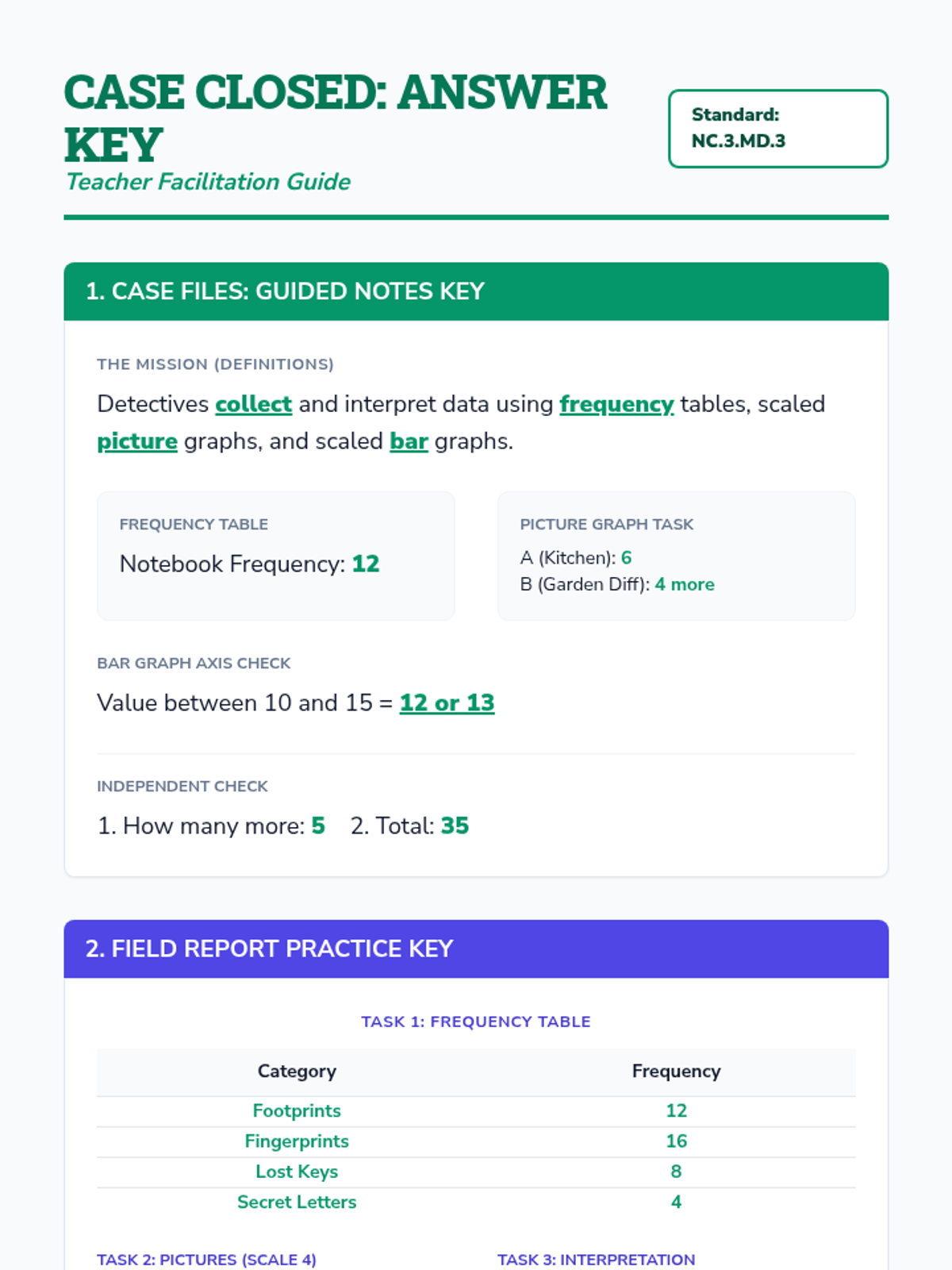
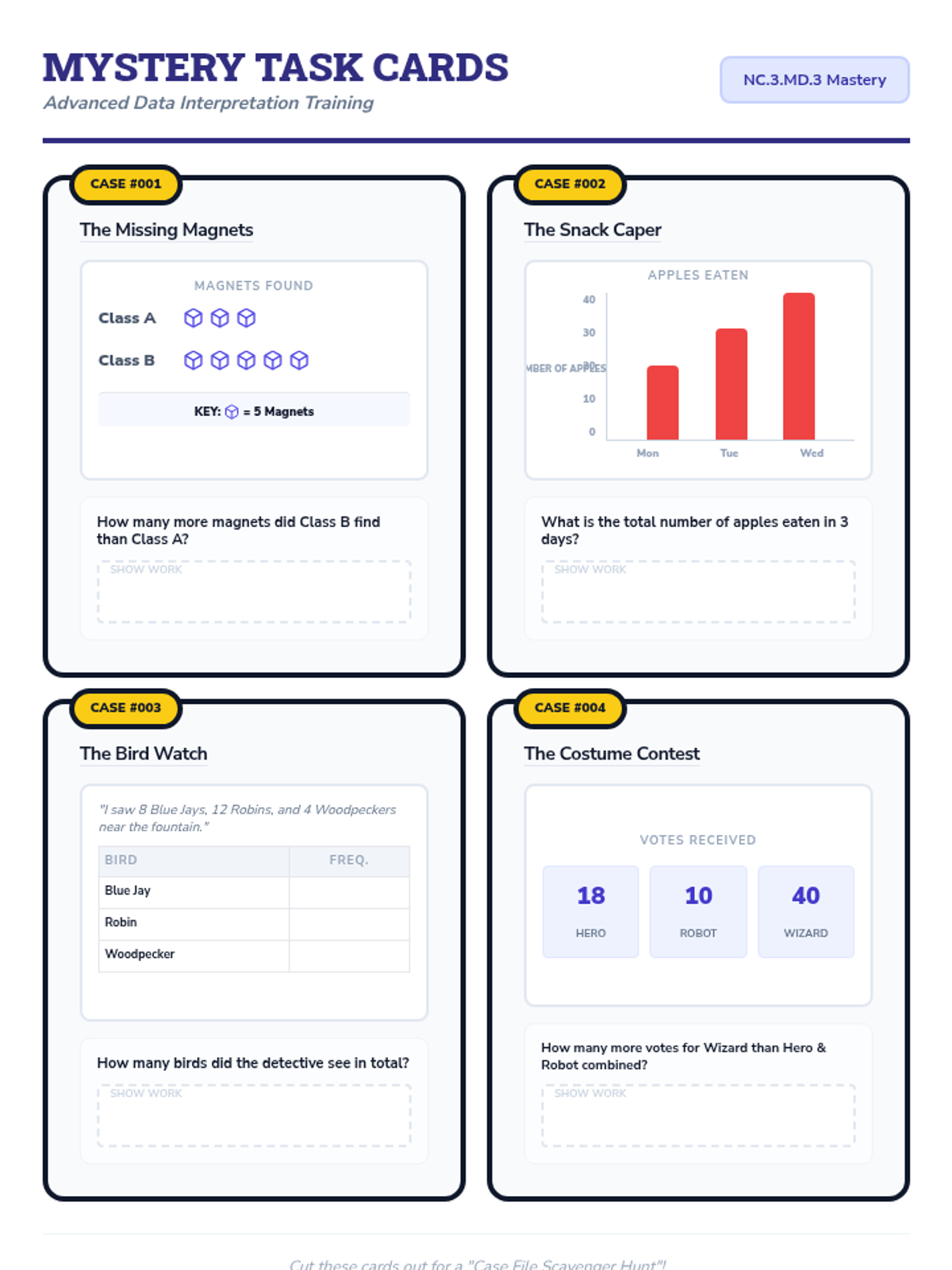
A comprehensive math lesson focused on NC.3.MD.3, where students become 'Data Detectives' to collect, represent, and interpret data using frequency tables, scaled picture graphs, and scaled bar graphs. Includes guided instruction and independent problem-solving tasks.
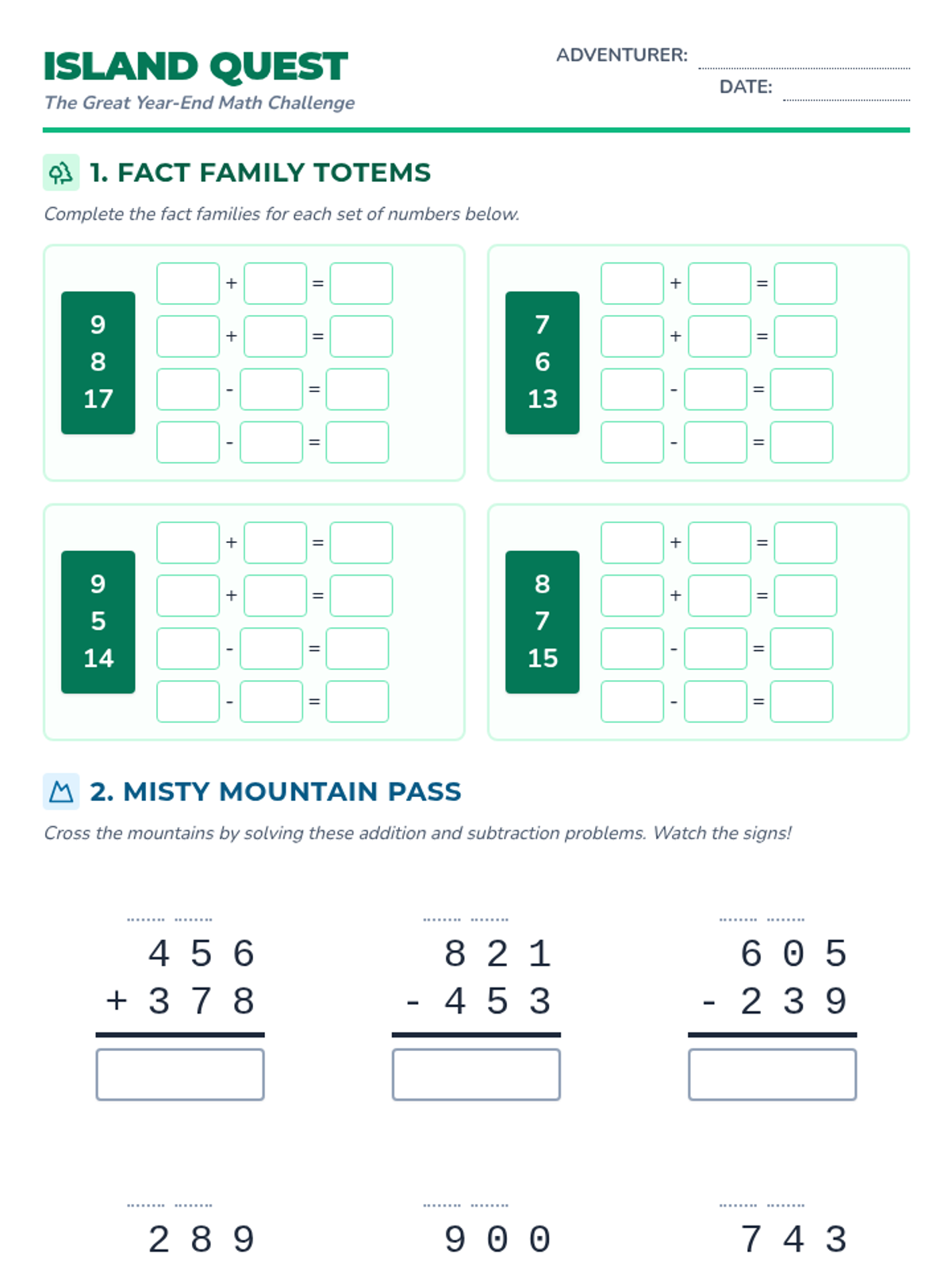
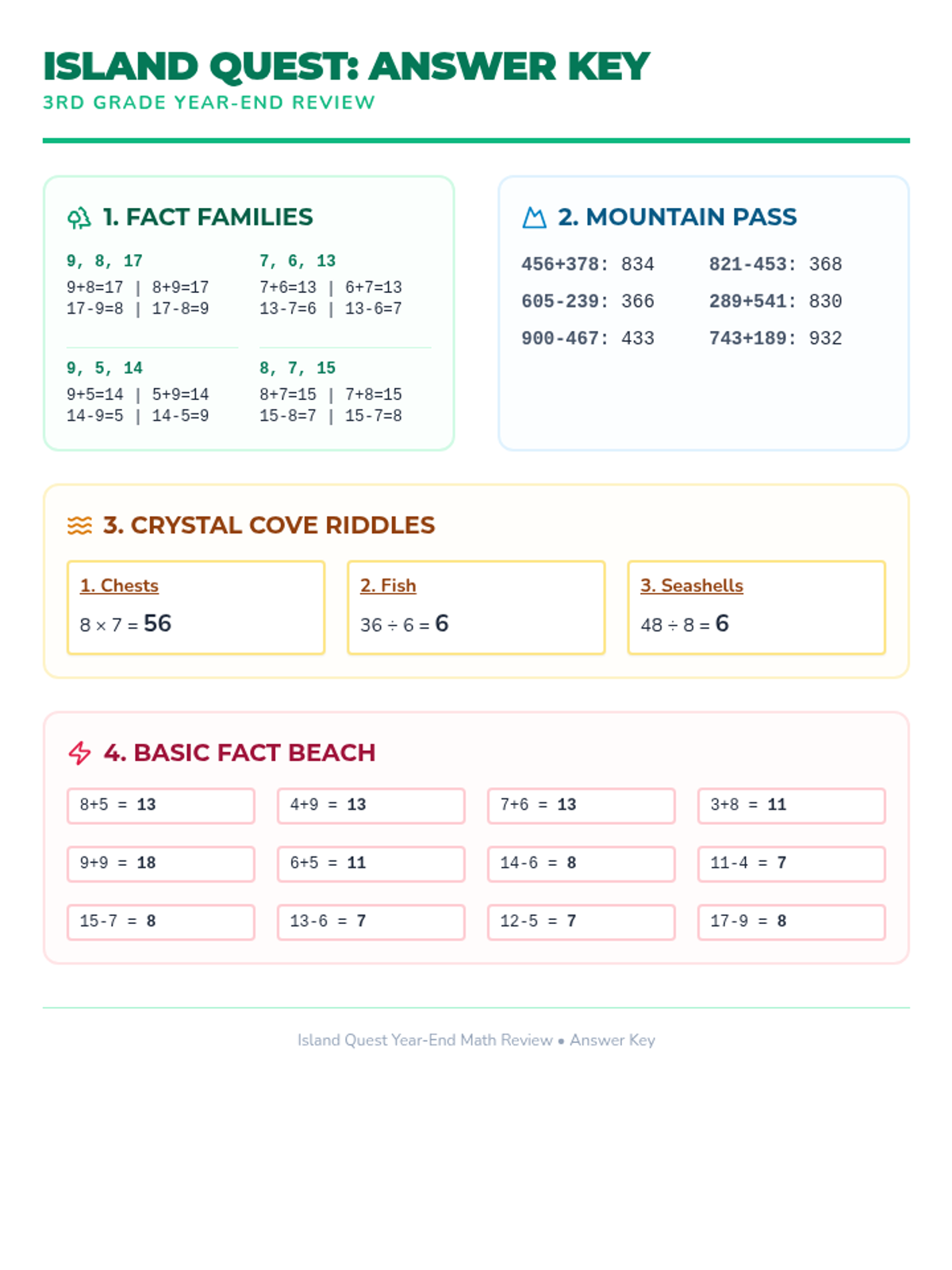
A comprehensive end-of-year math review for 3rd grade covering addition, subtraction, multiplication, and division through a fun island exploration theme.
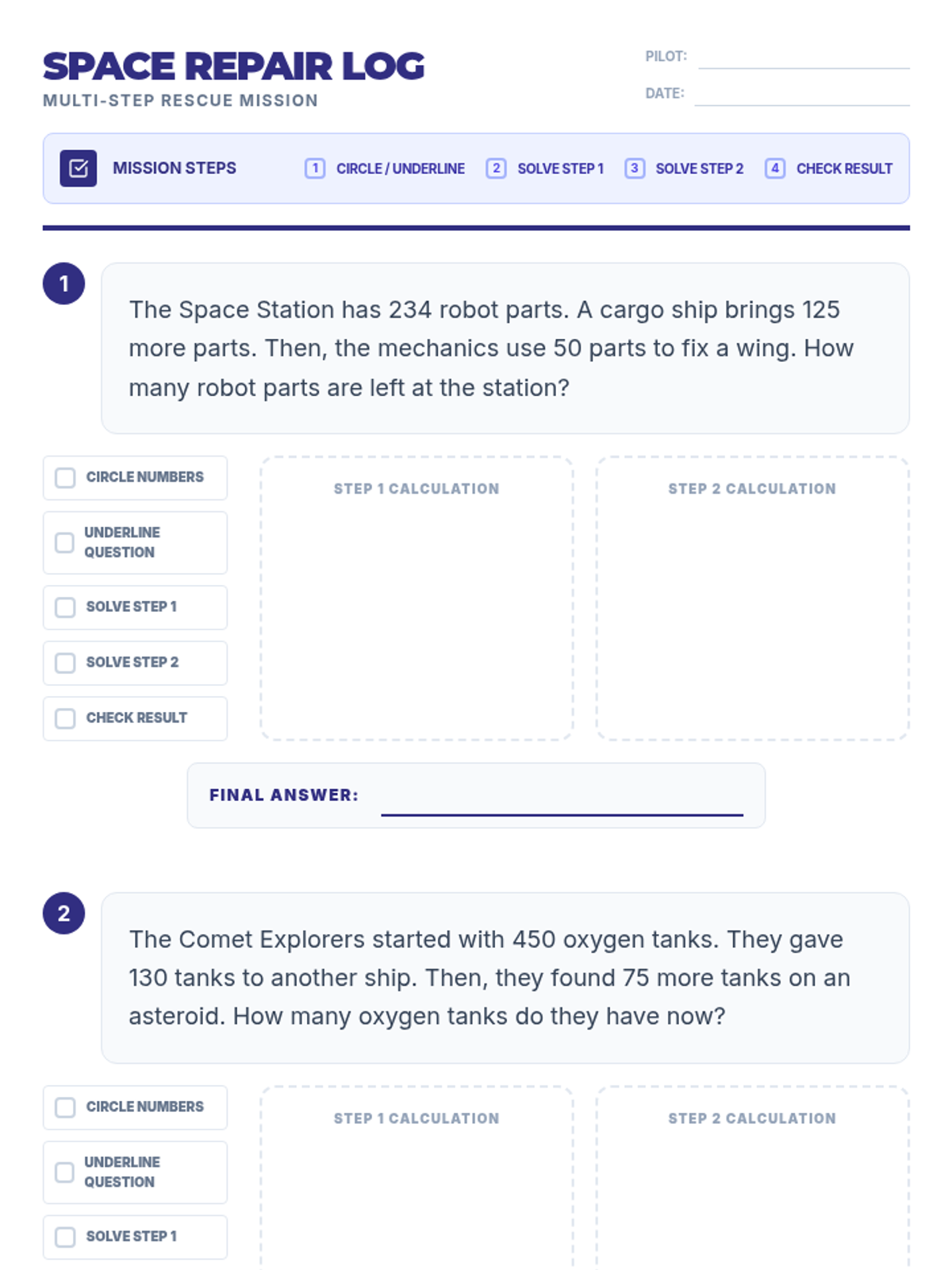
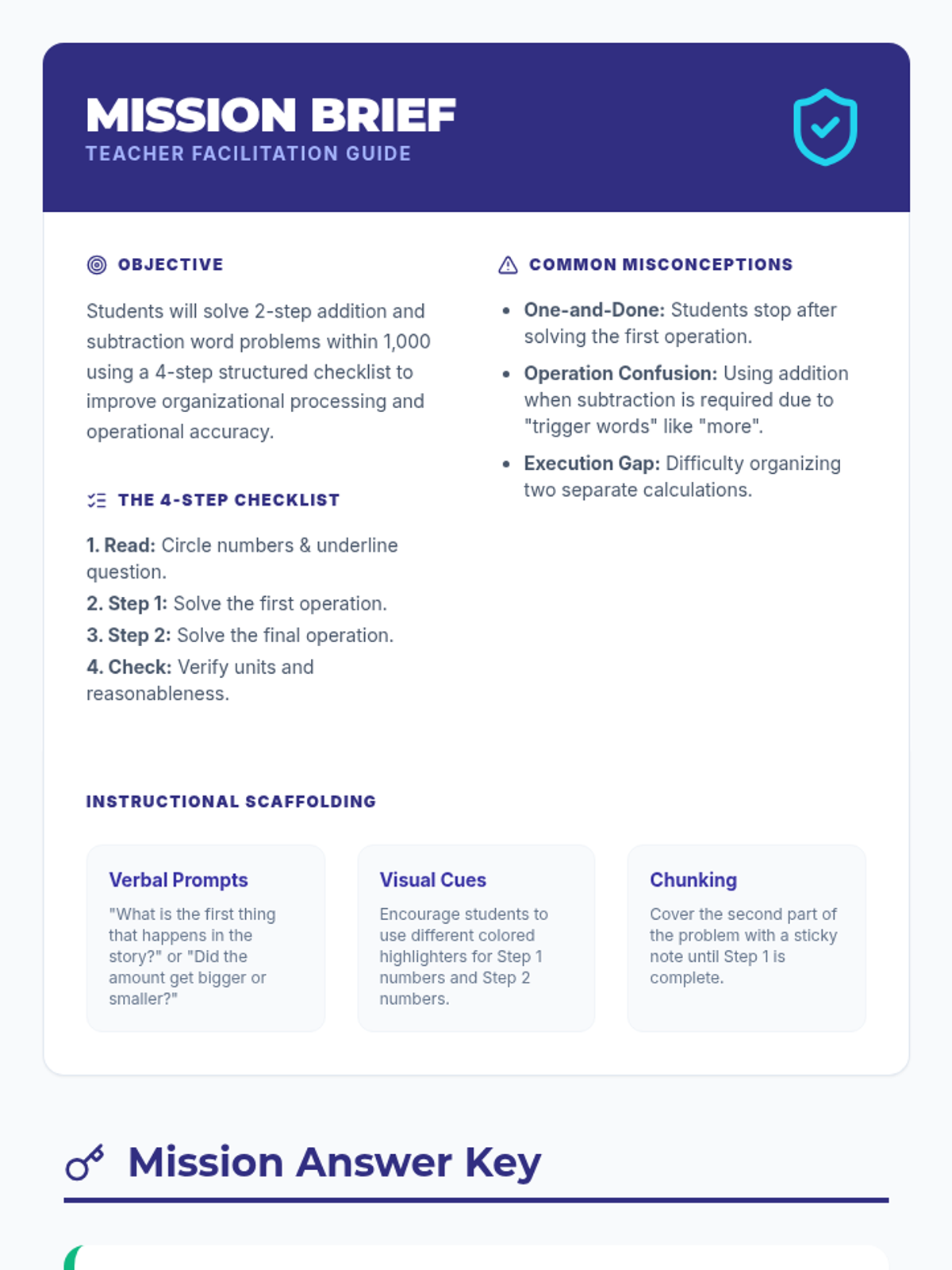
A lesson focused on solving multi-step addition and subtraction word problems using a structured checklist approach, specifically designed for students with IEPs.
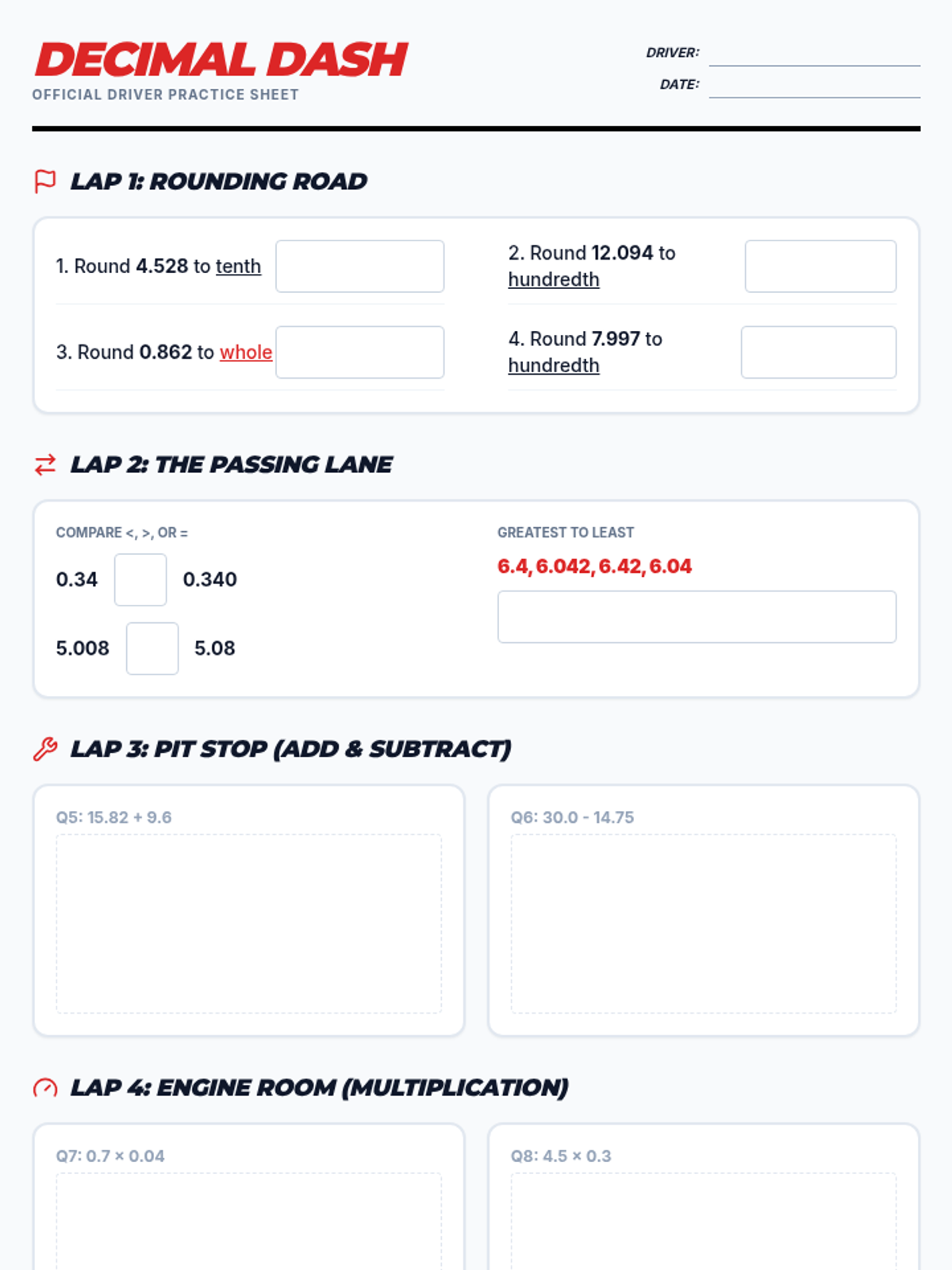
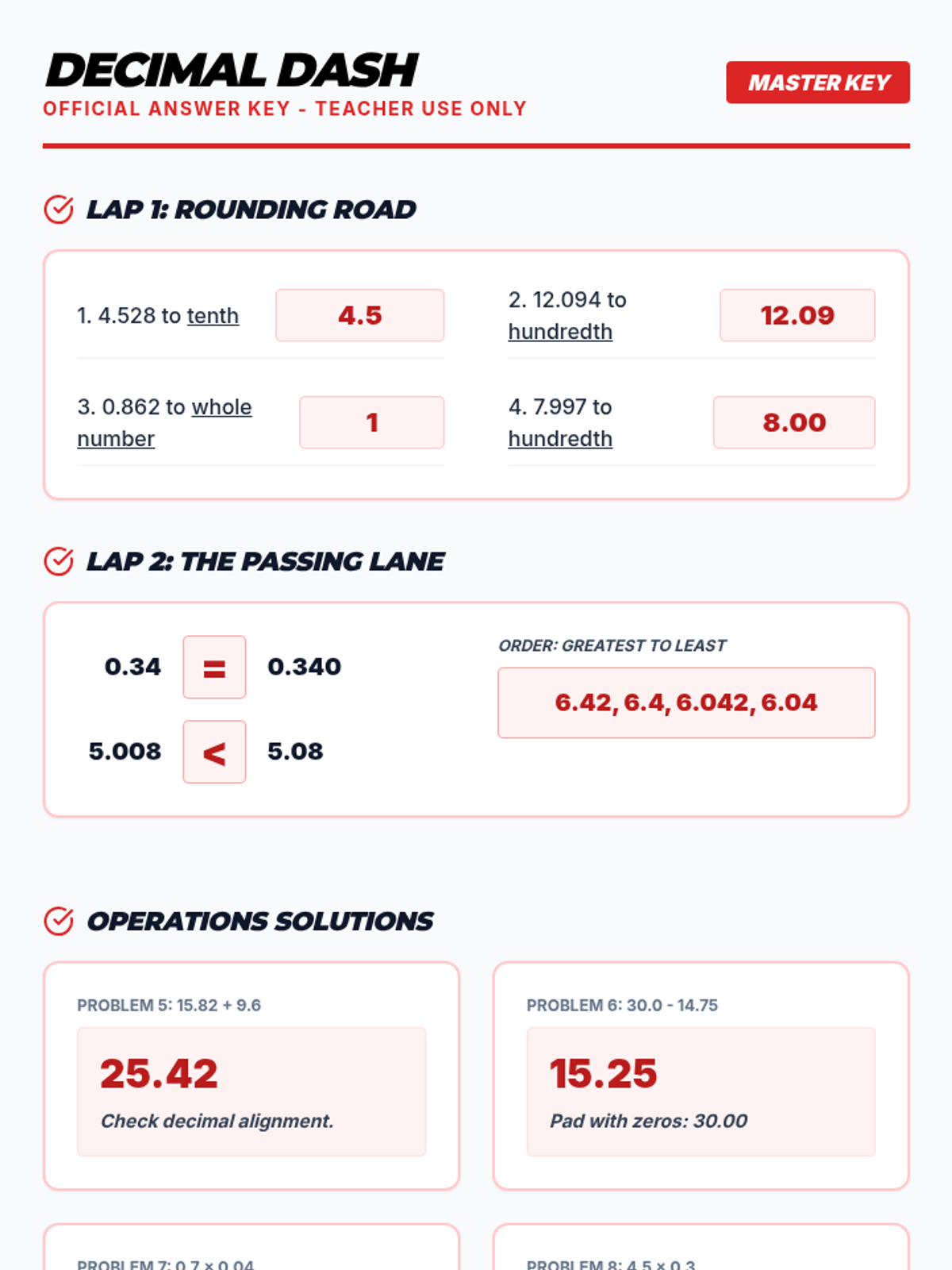
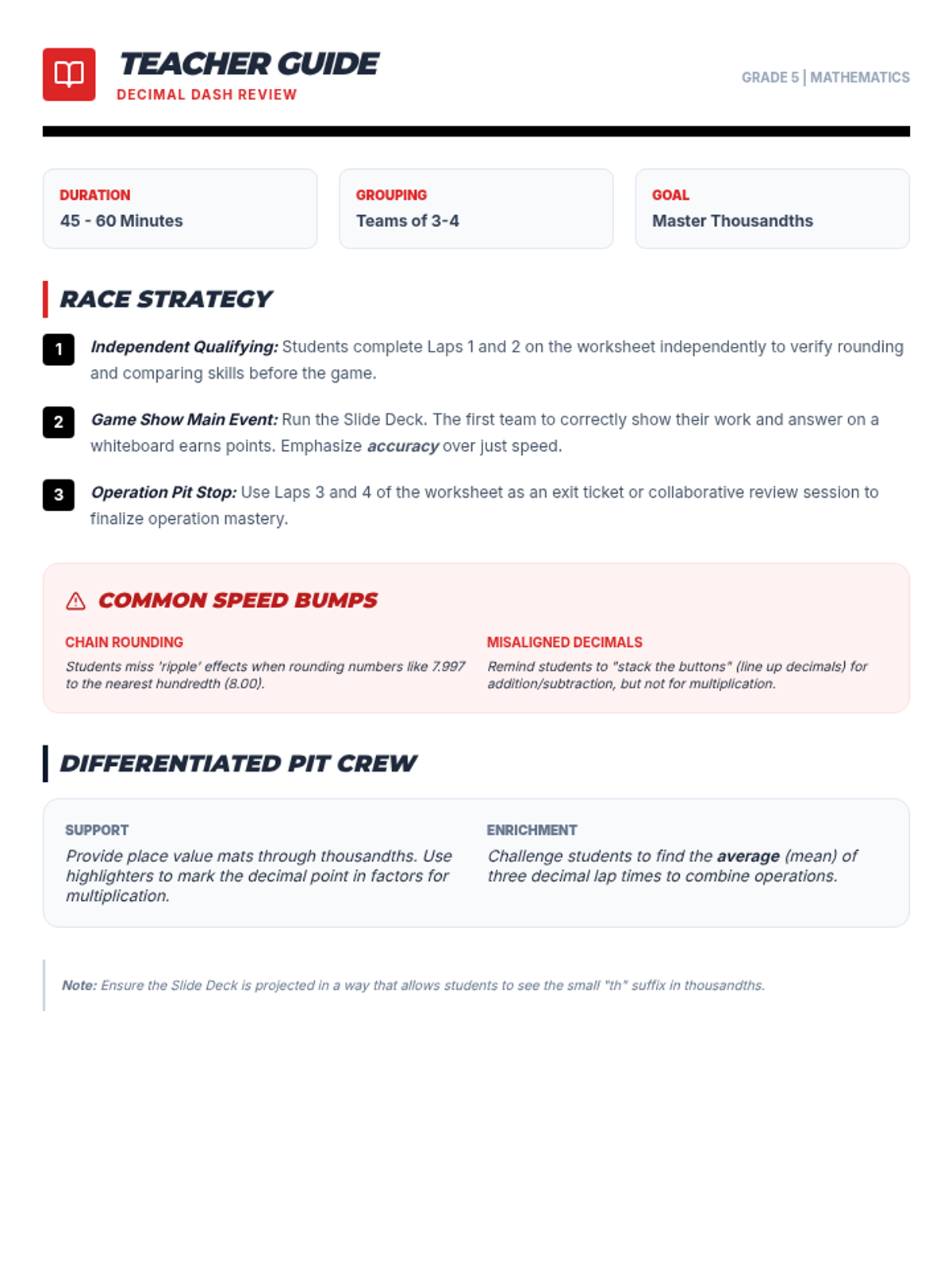
A high-energy 5th-grade review session covering decimal operations (addition, subtraction, multiplication), comparing, ordering, and rounding up to the thousandths place. Designed with a racing theme to engage students in a fast-paced mathematical challenge.
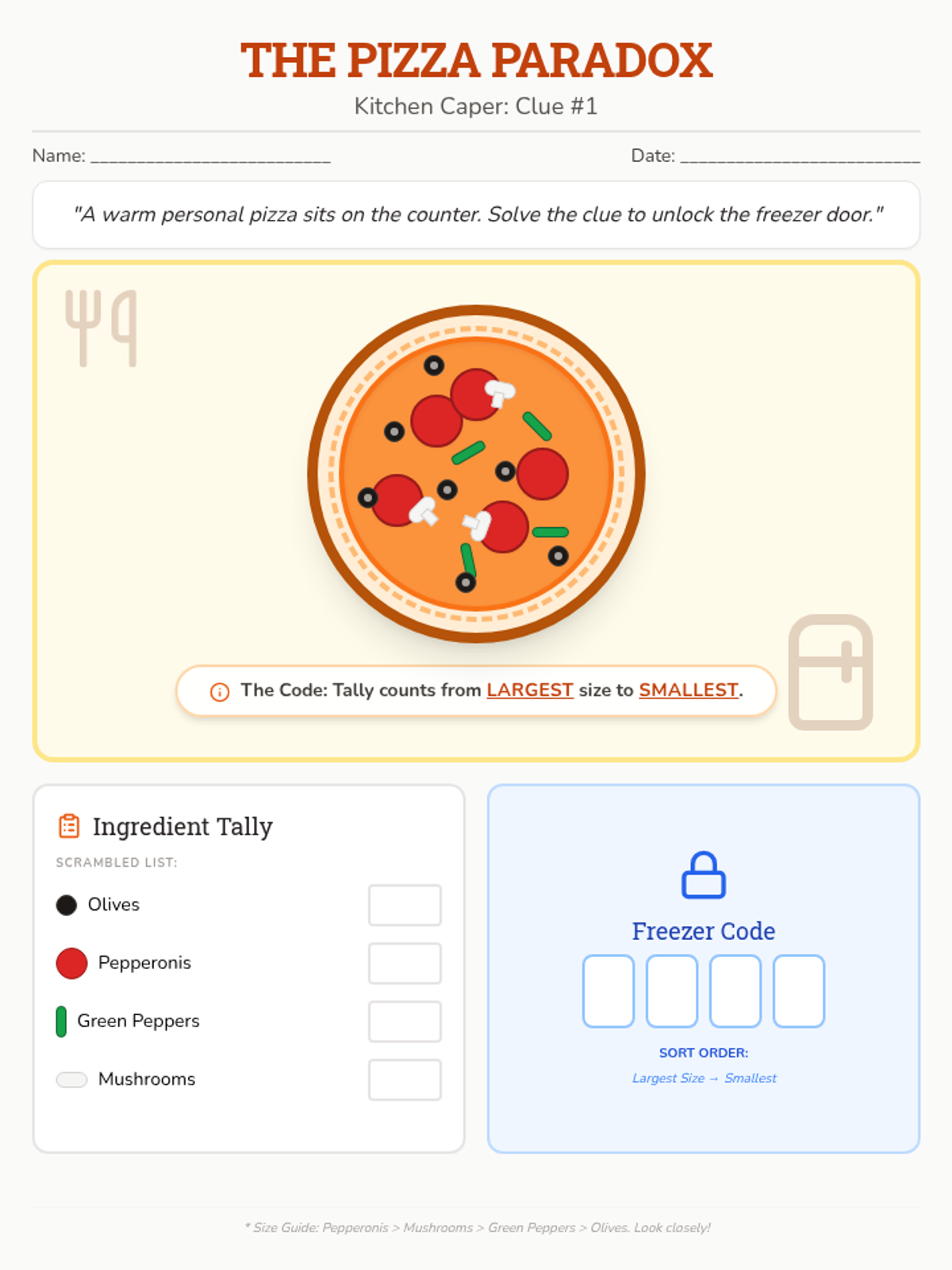
A mini-mystery centered around a kitchen scene where students use observation and logic to solve a visual puzzle.
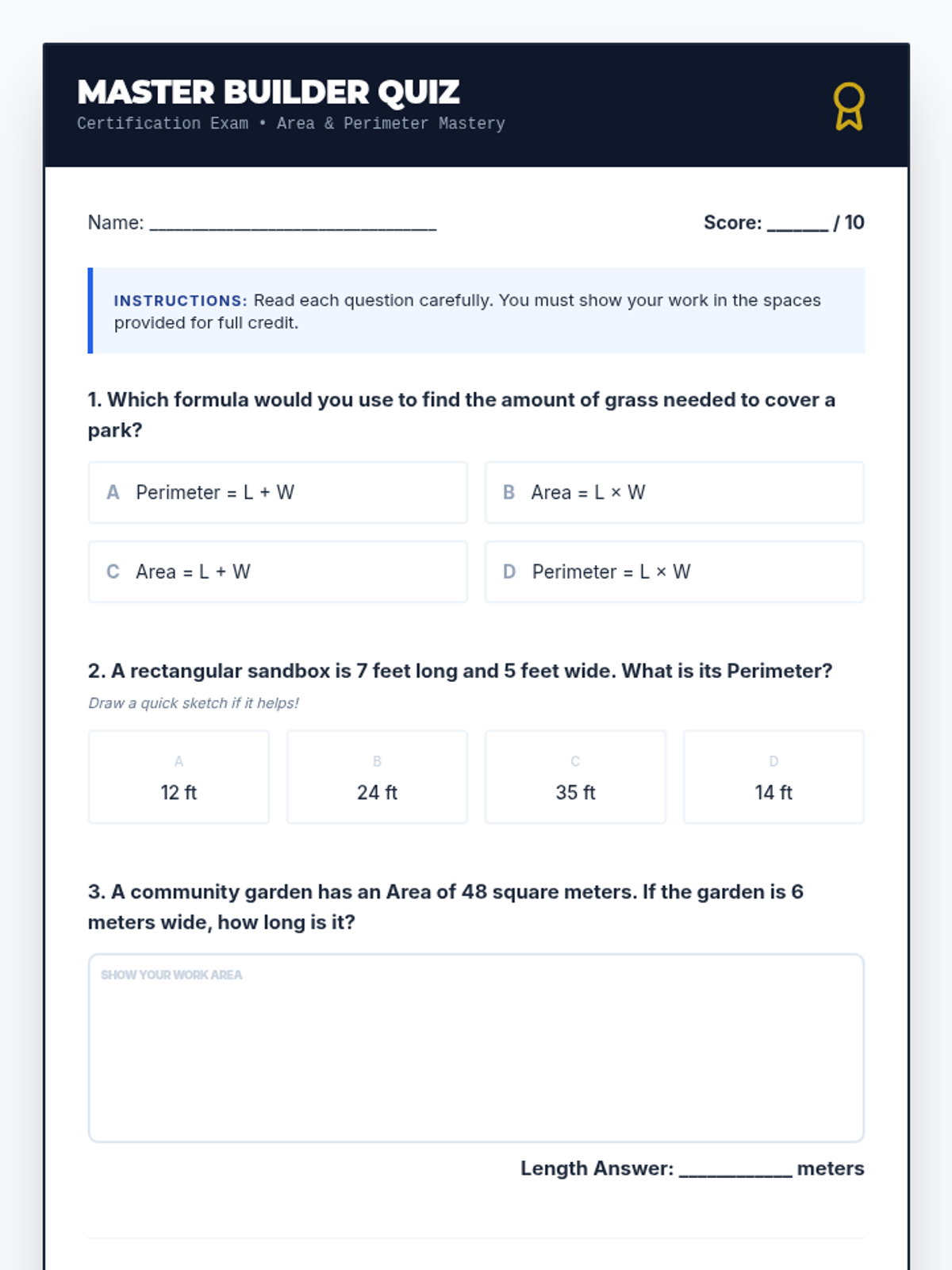
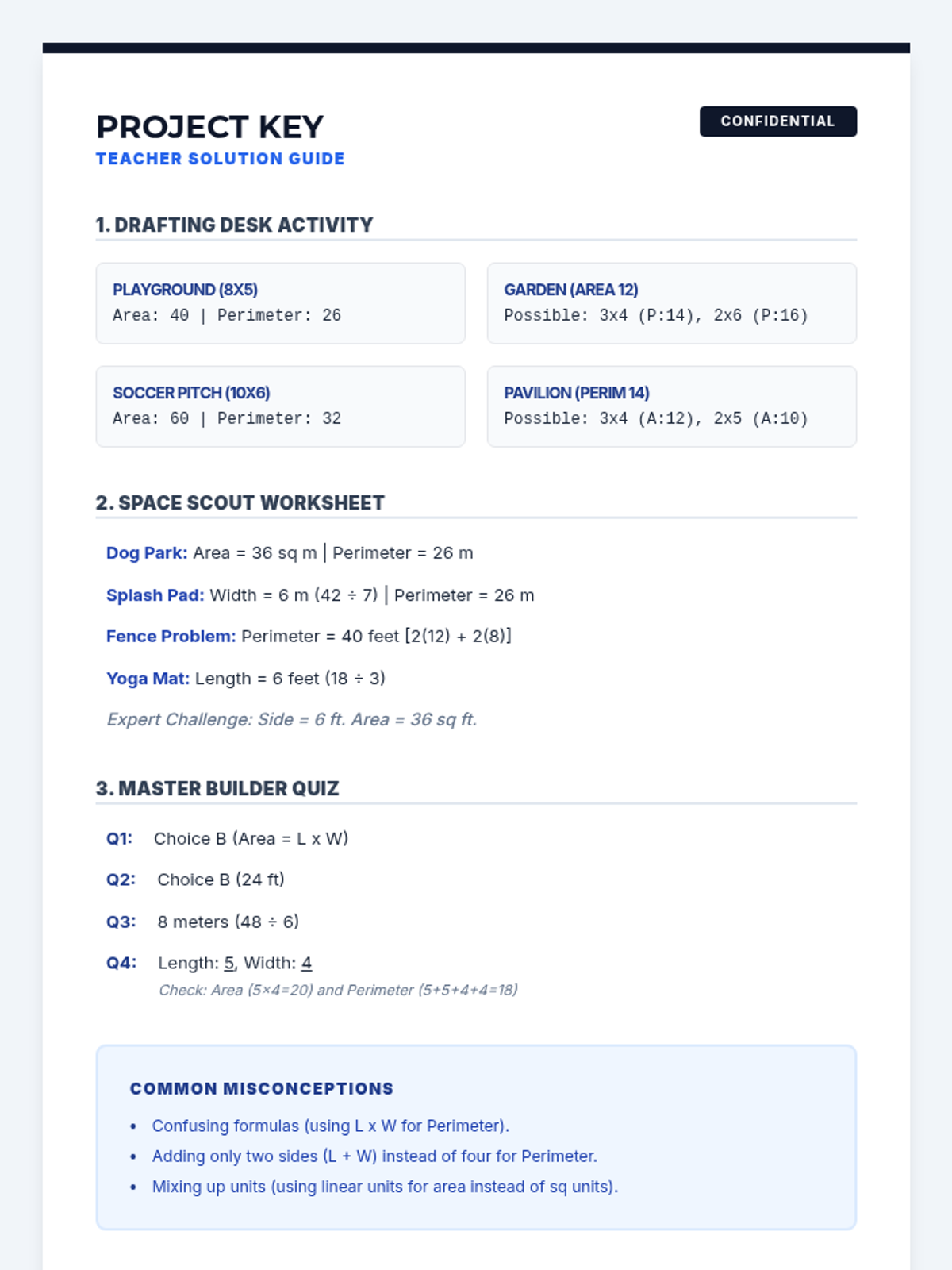
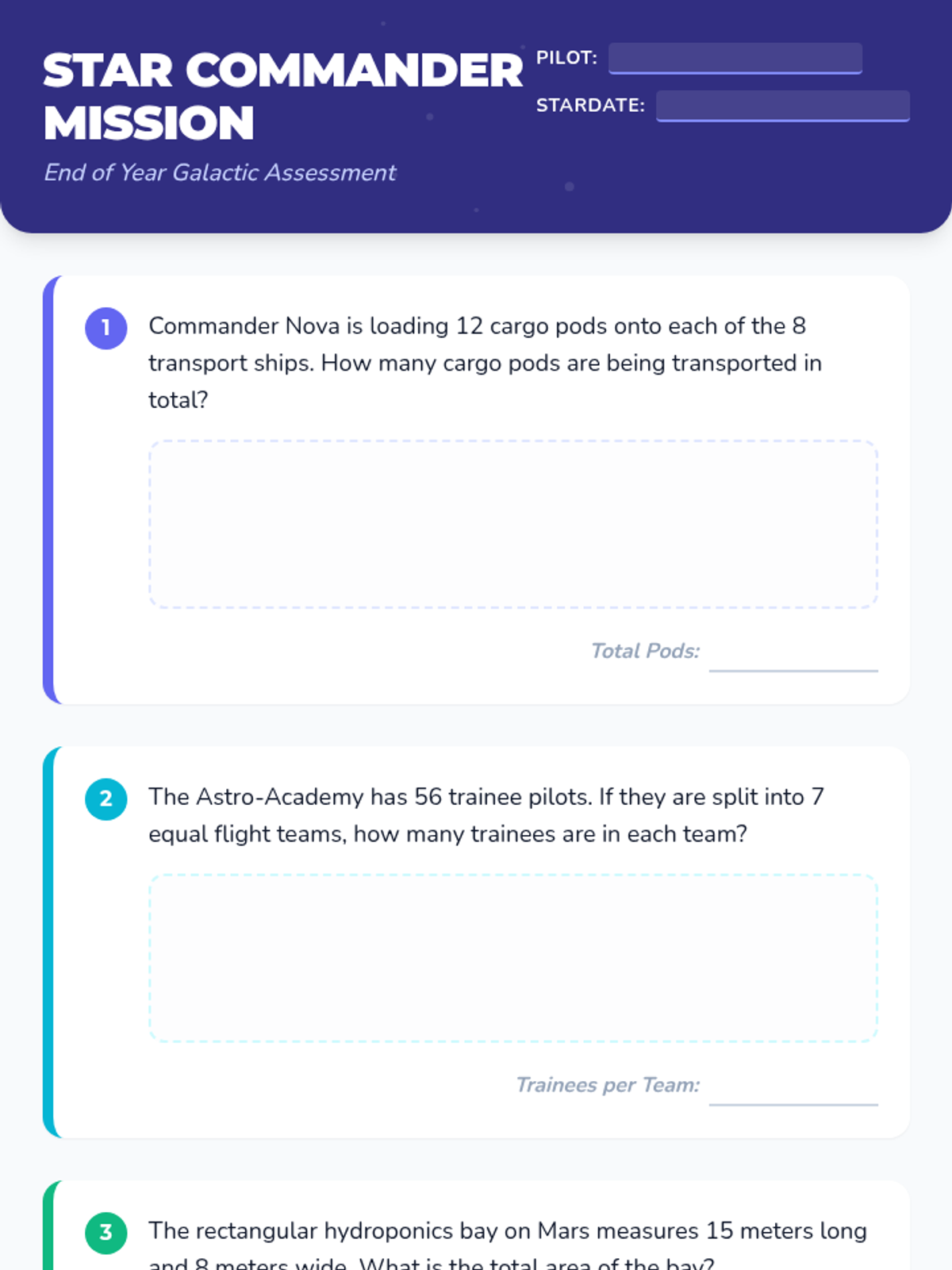
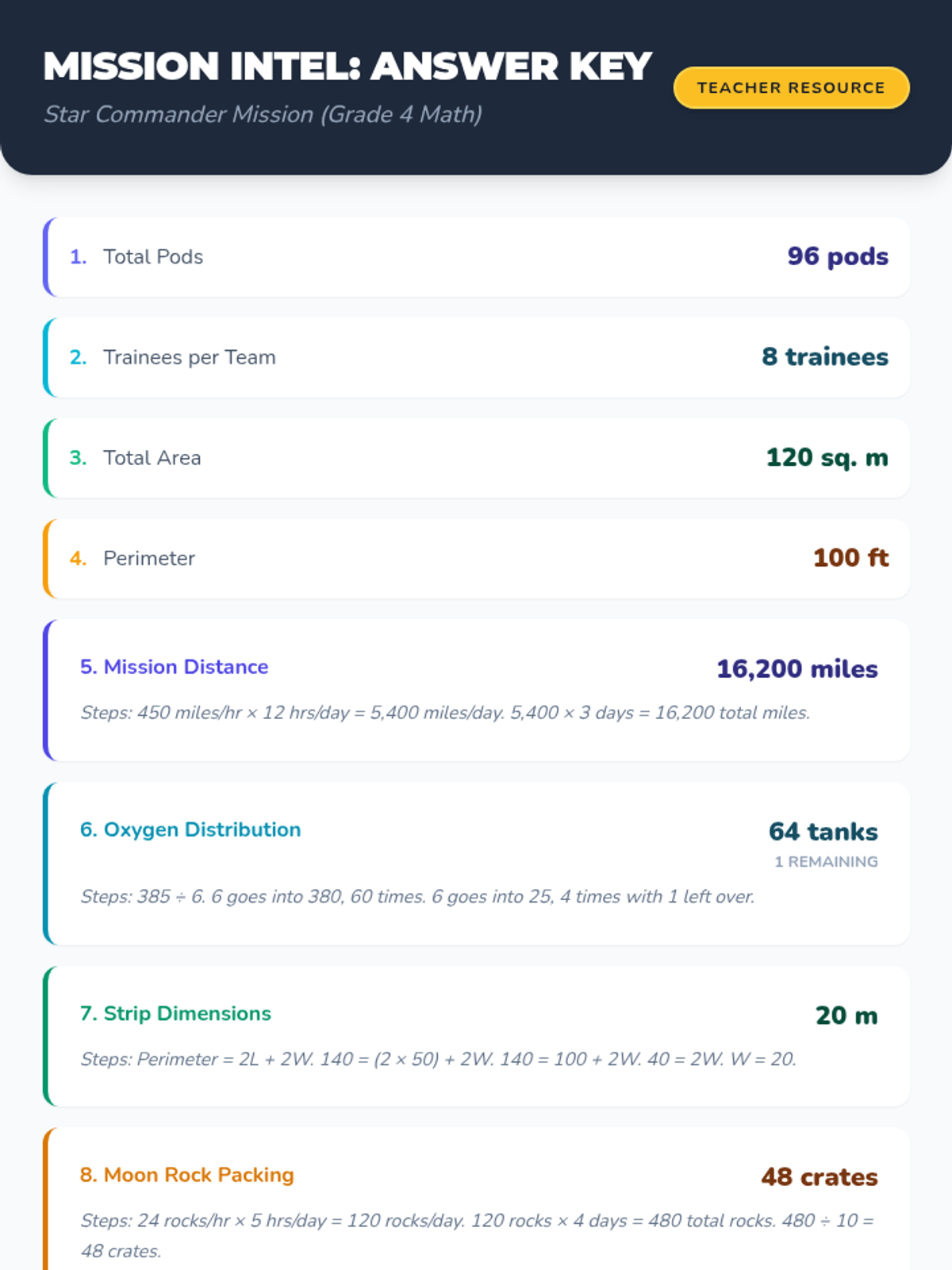
A comprehensive wrap-up lesson for 4th-grade math, focusing on applying multiplication, division, area, and perimeter skills to real-world word problems through a galactic exploration theme.
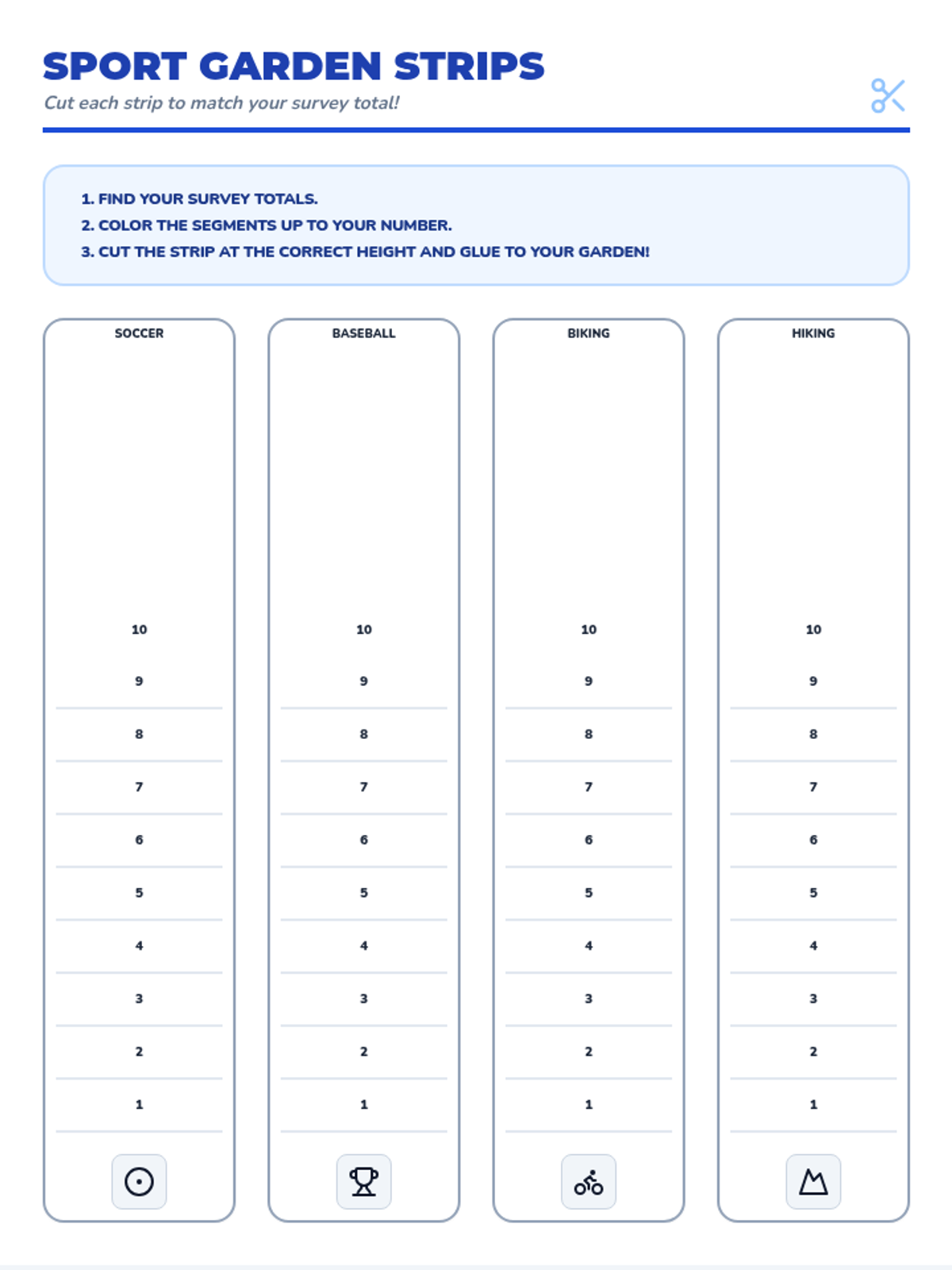
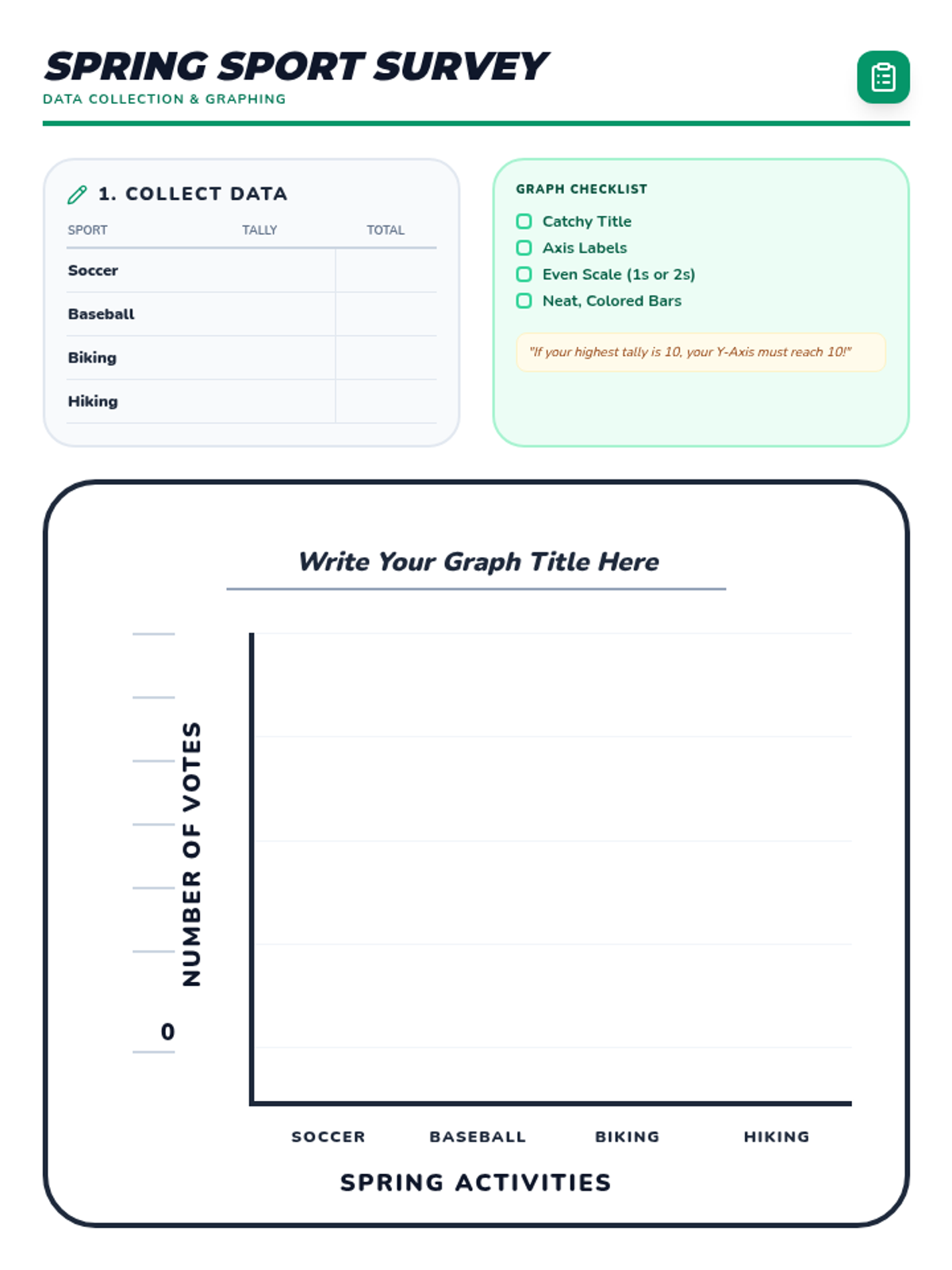
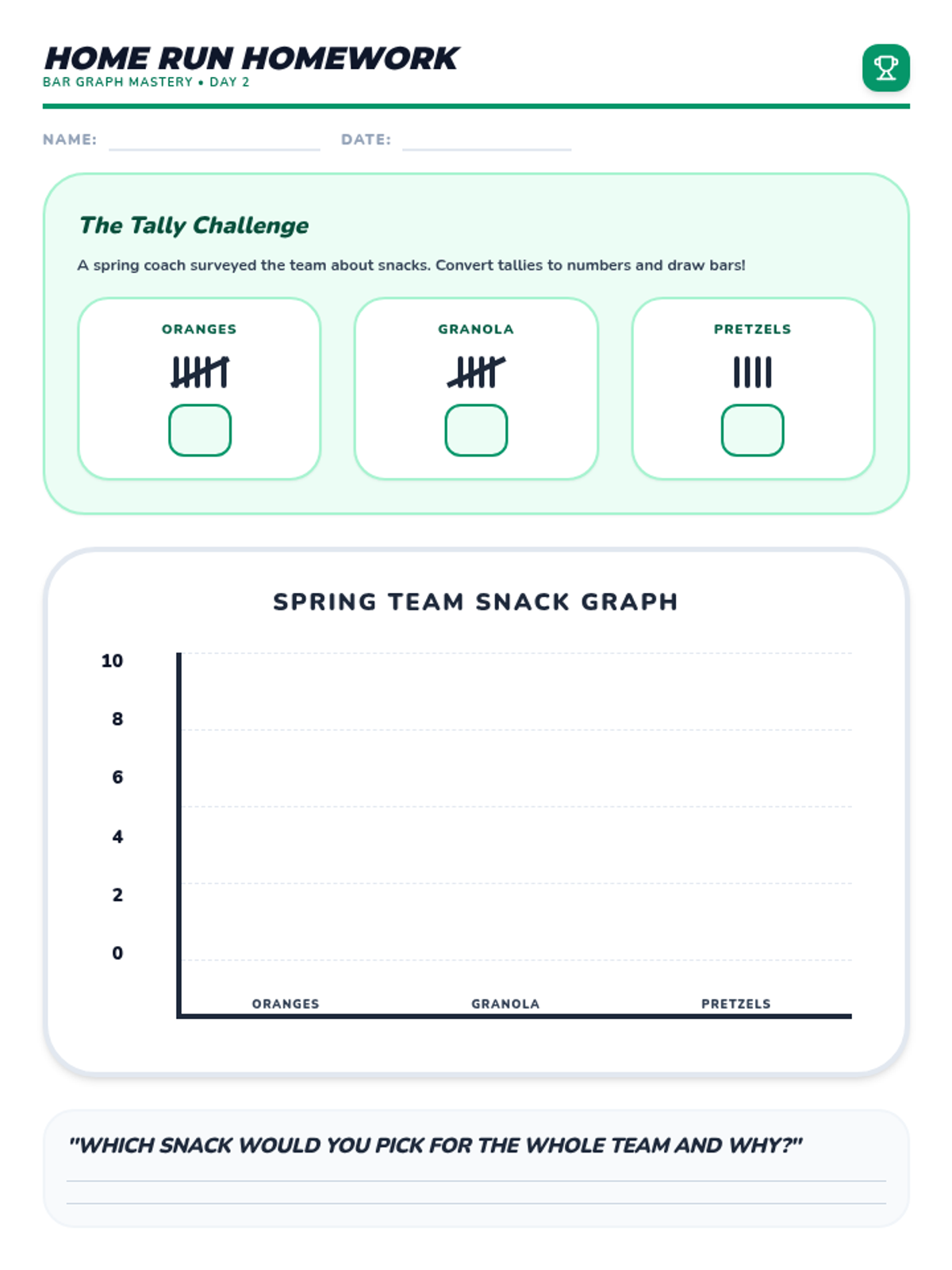
Students collect data through a class survey and create their own bar graphs, culminating in a creative spring-themed sports craft.
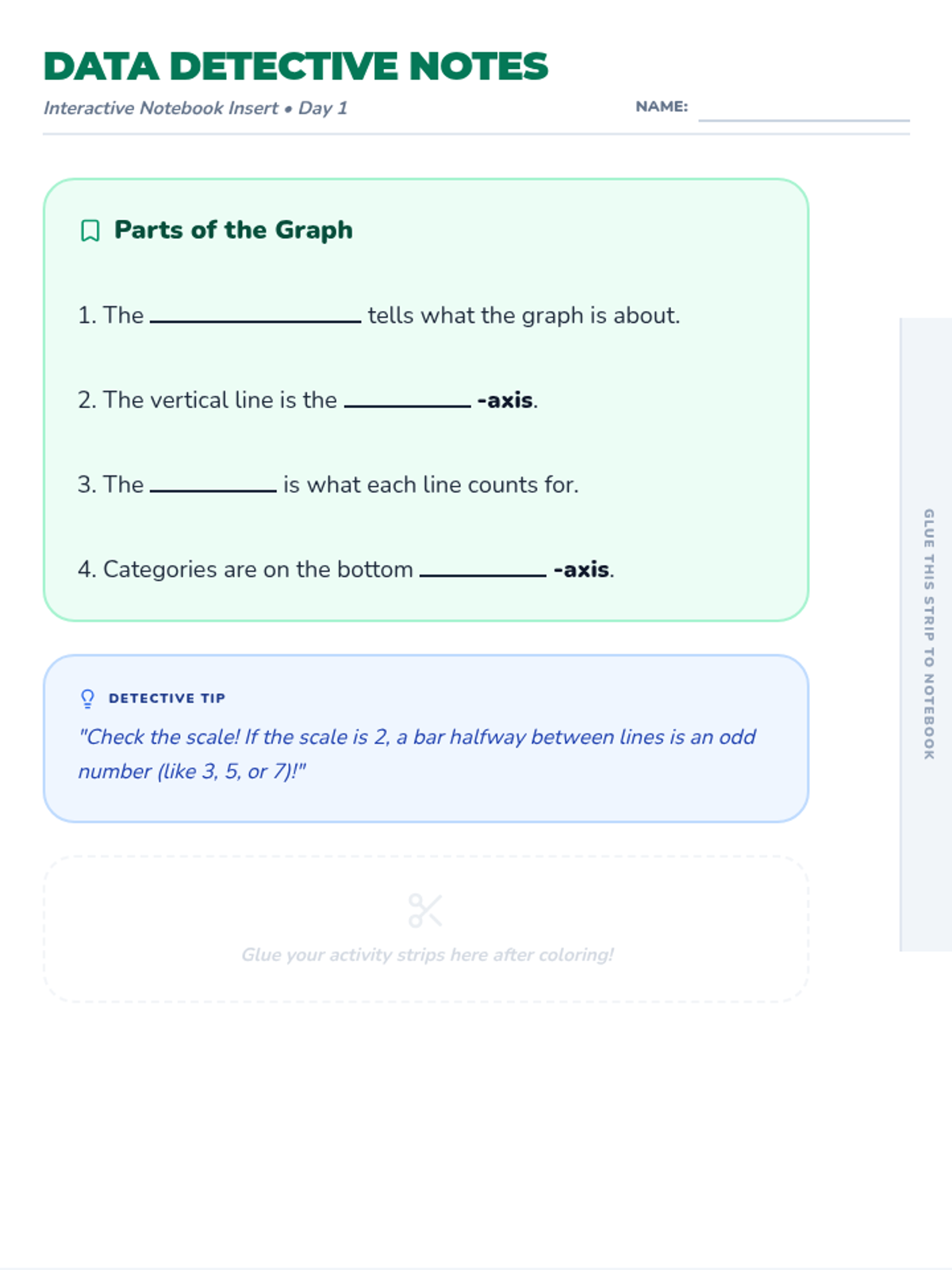
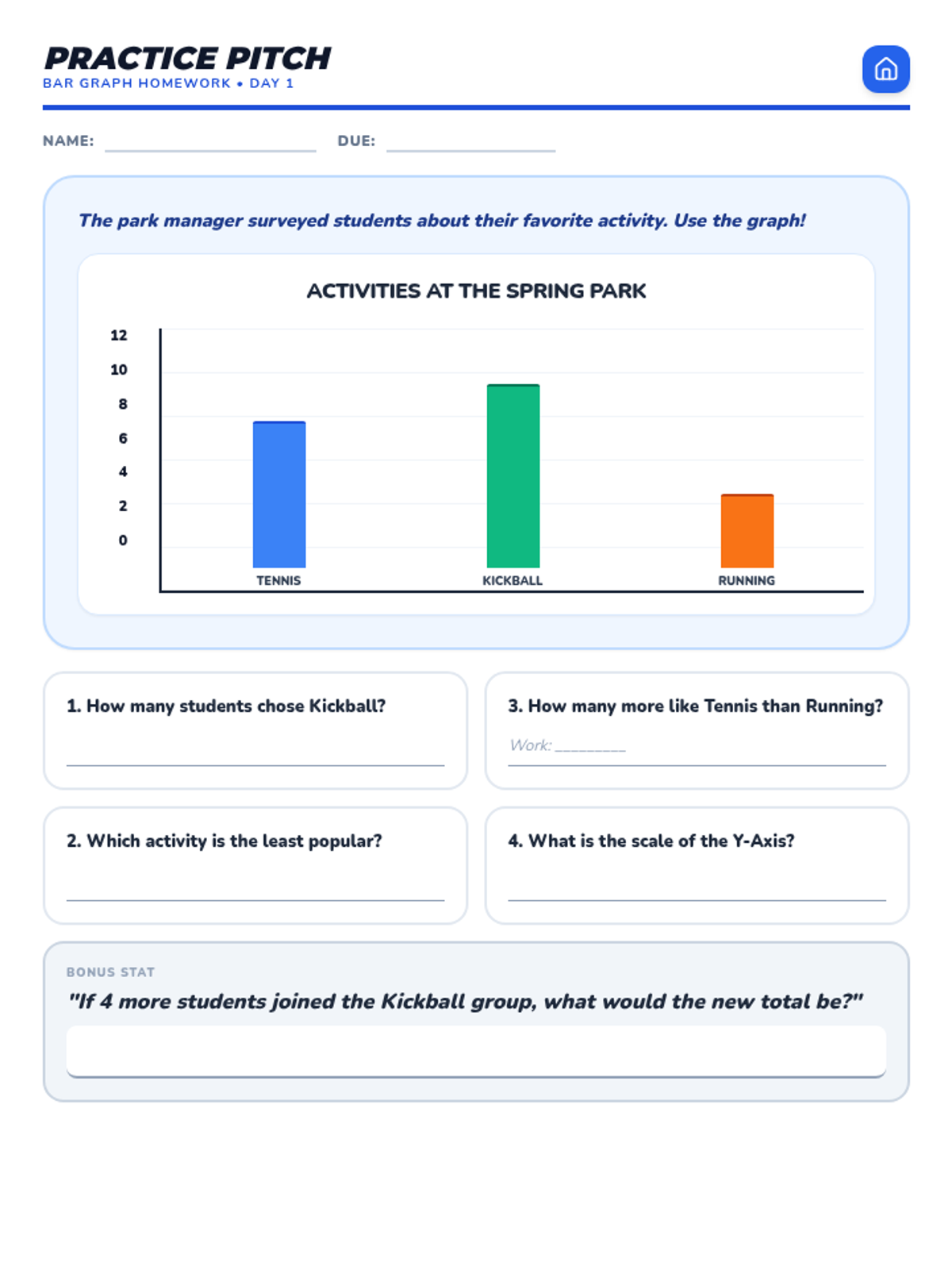
Students learn to read and analyze bar graphs by interpreting data about spring activities and answering comparative questions.
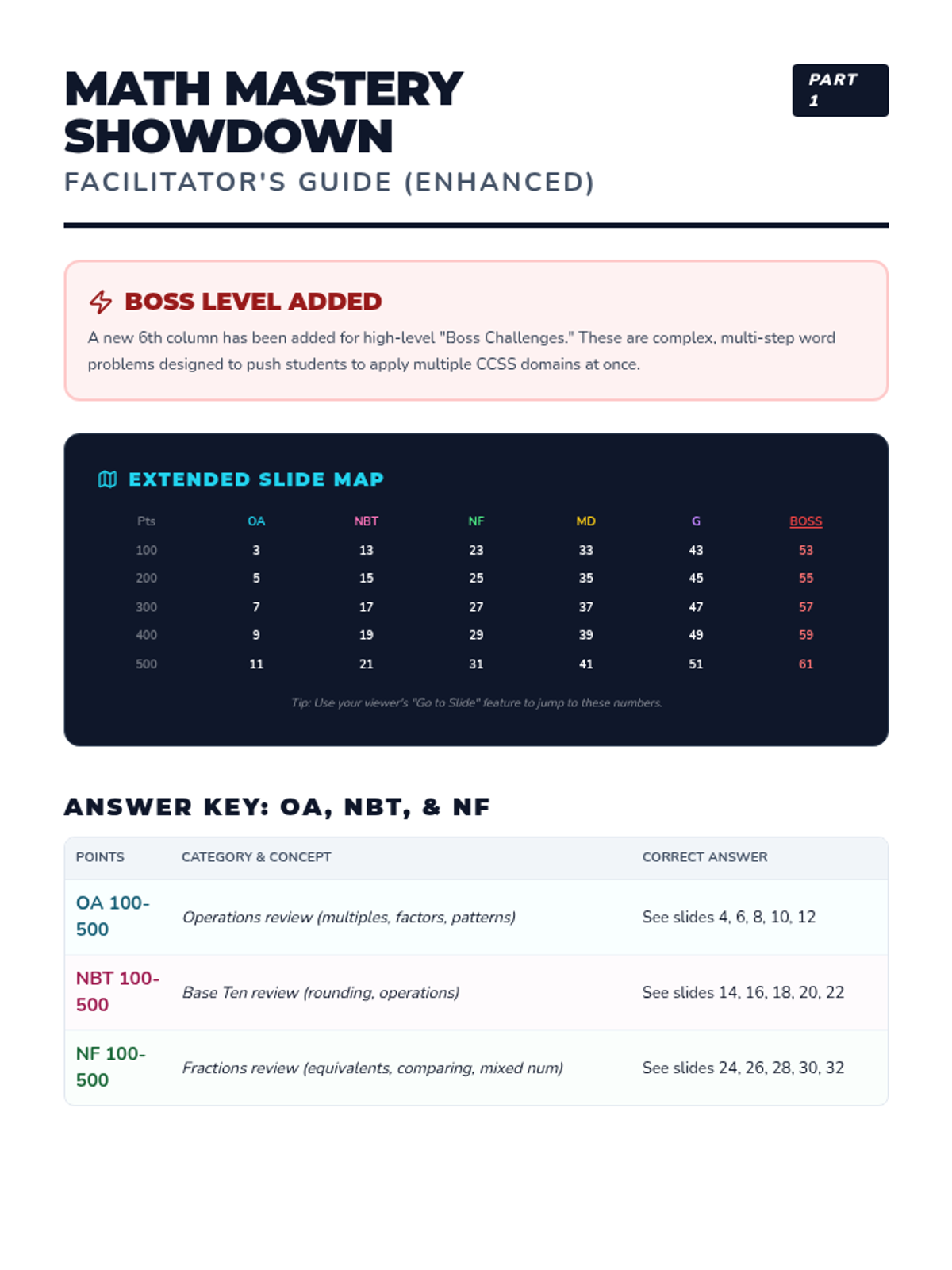
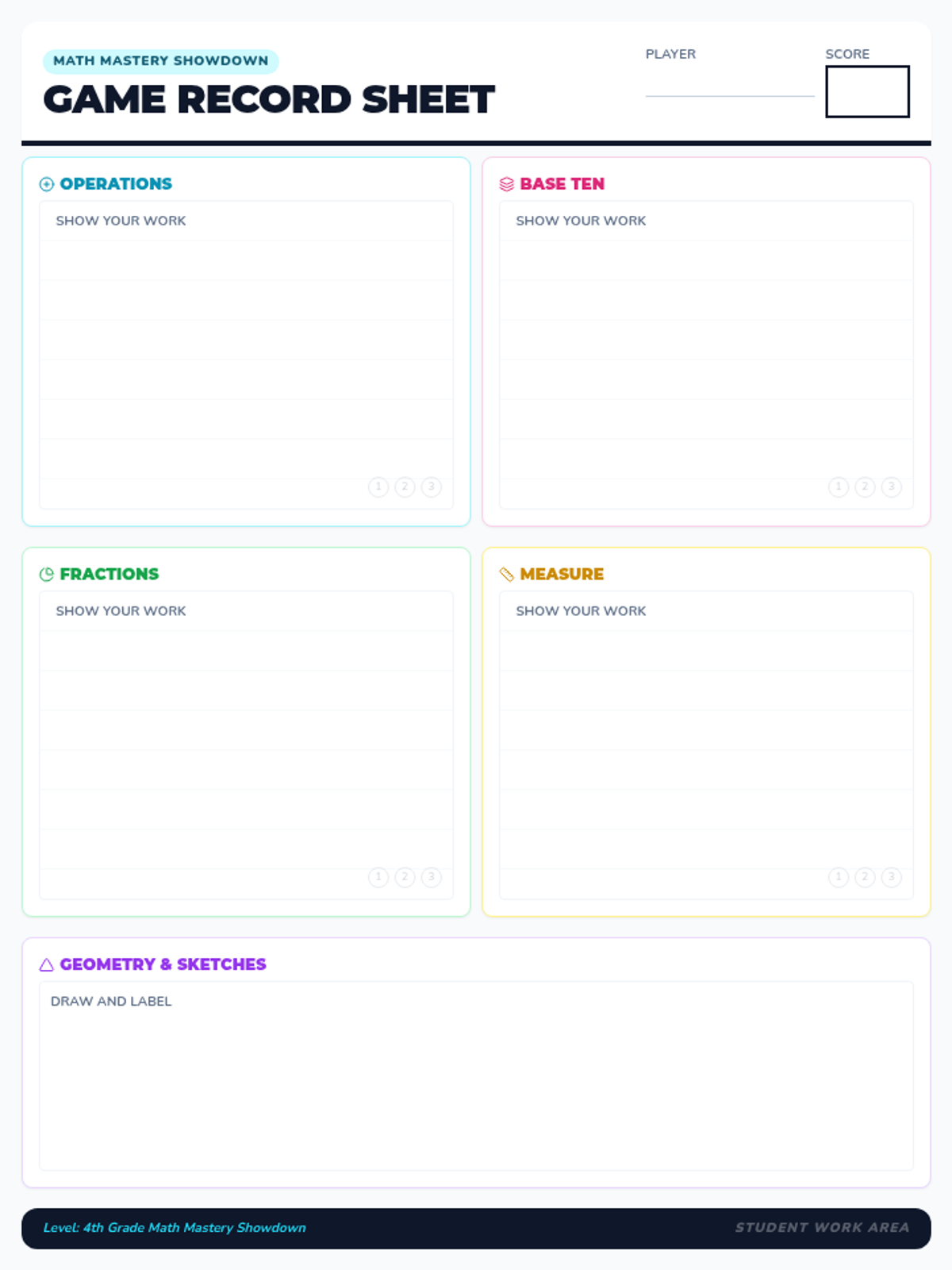
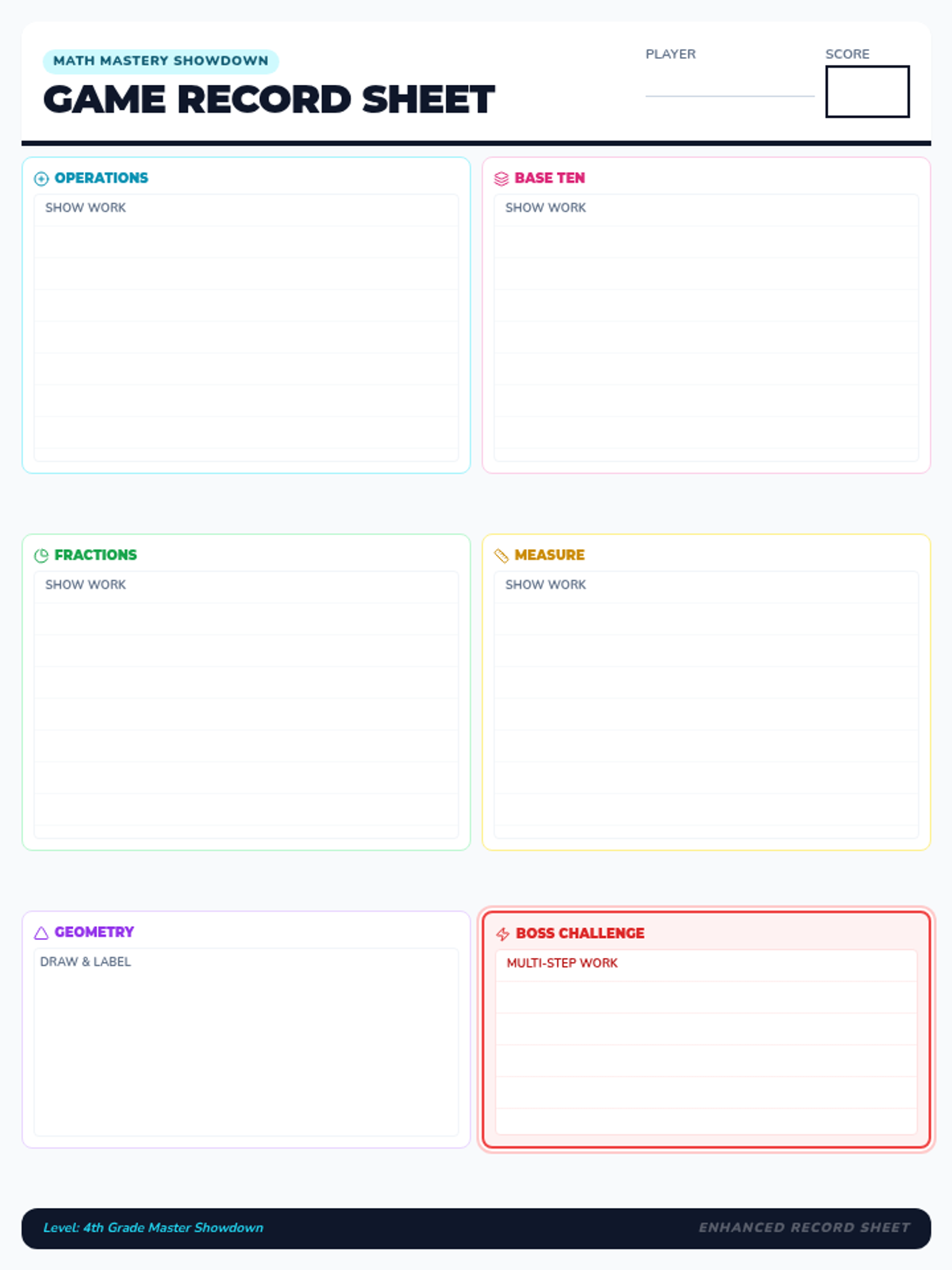
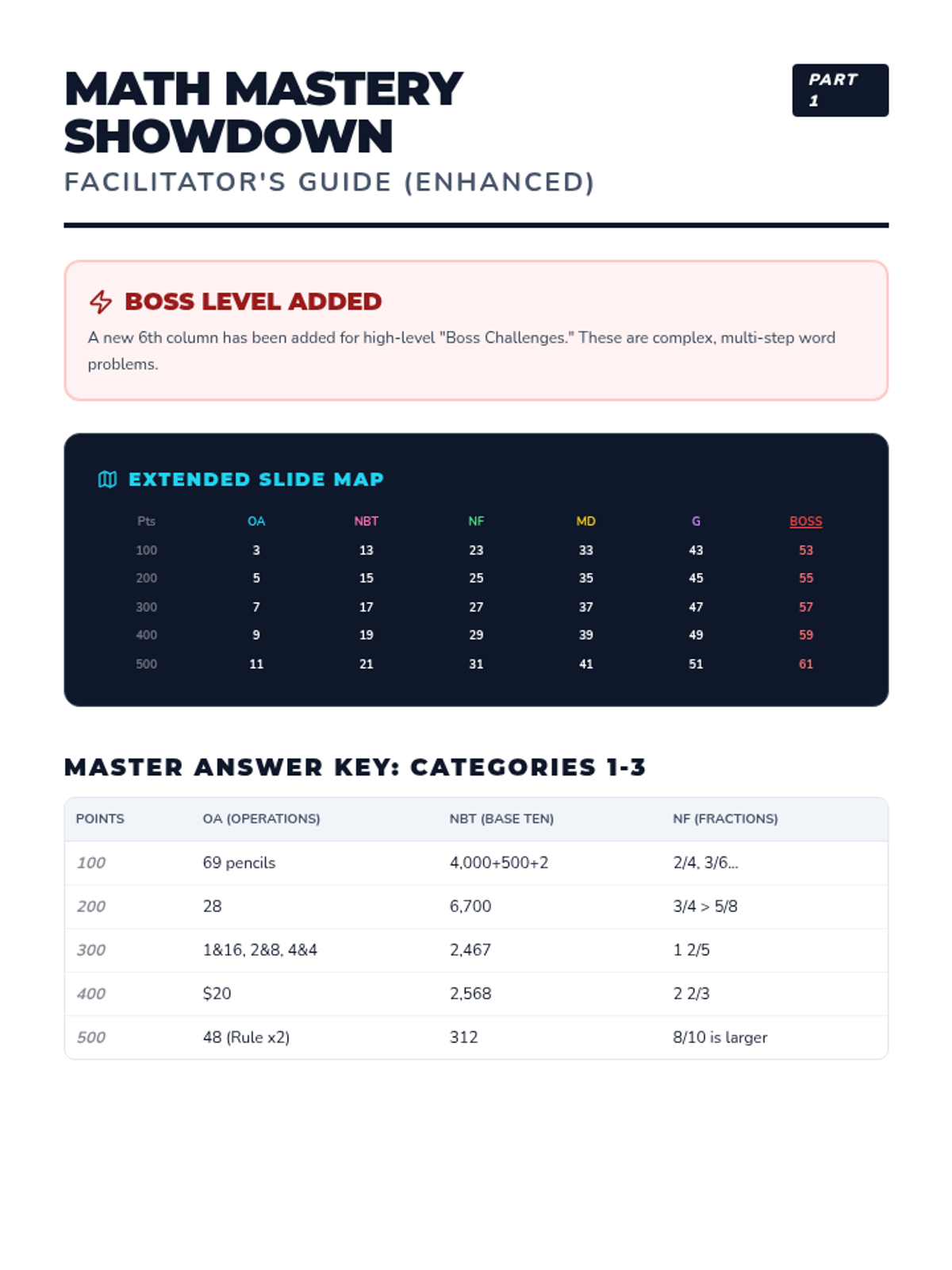
A comprehensive 4th-grade math review using a Jeopardy-style game format covering all Common Core domains: Operations, Base Ten, Fractions, Measurement, and Geometry.
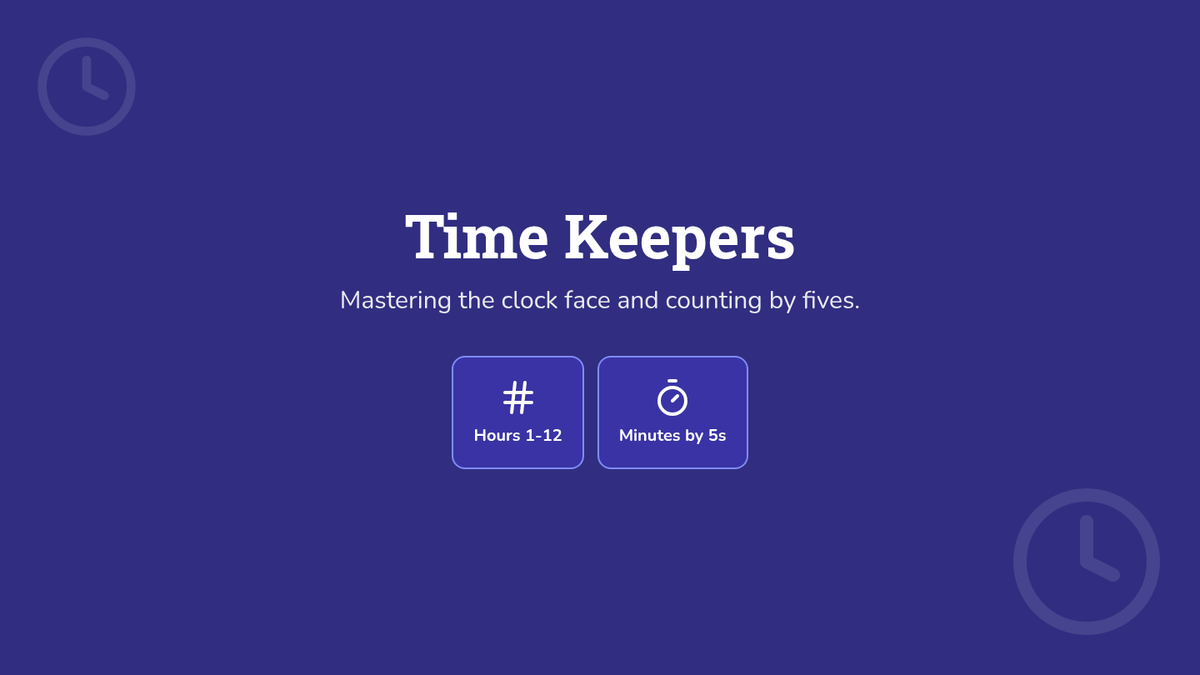
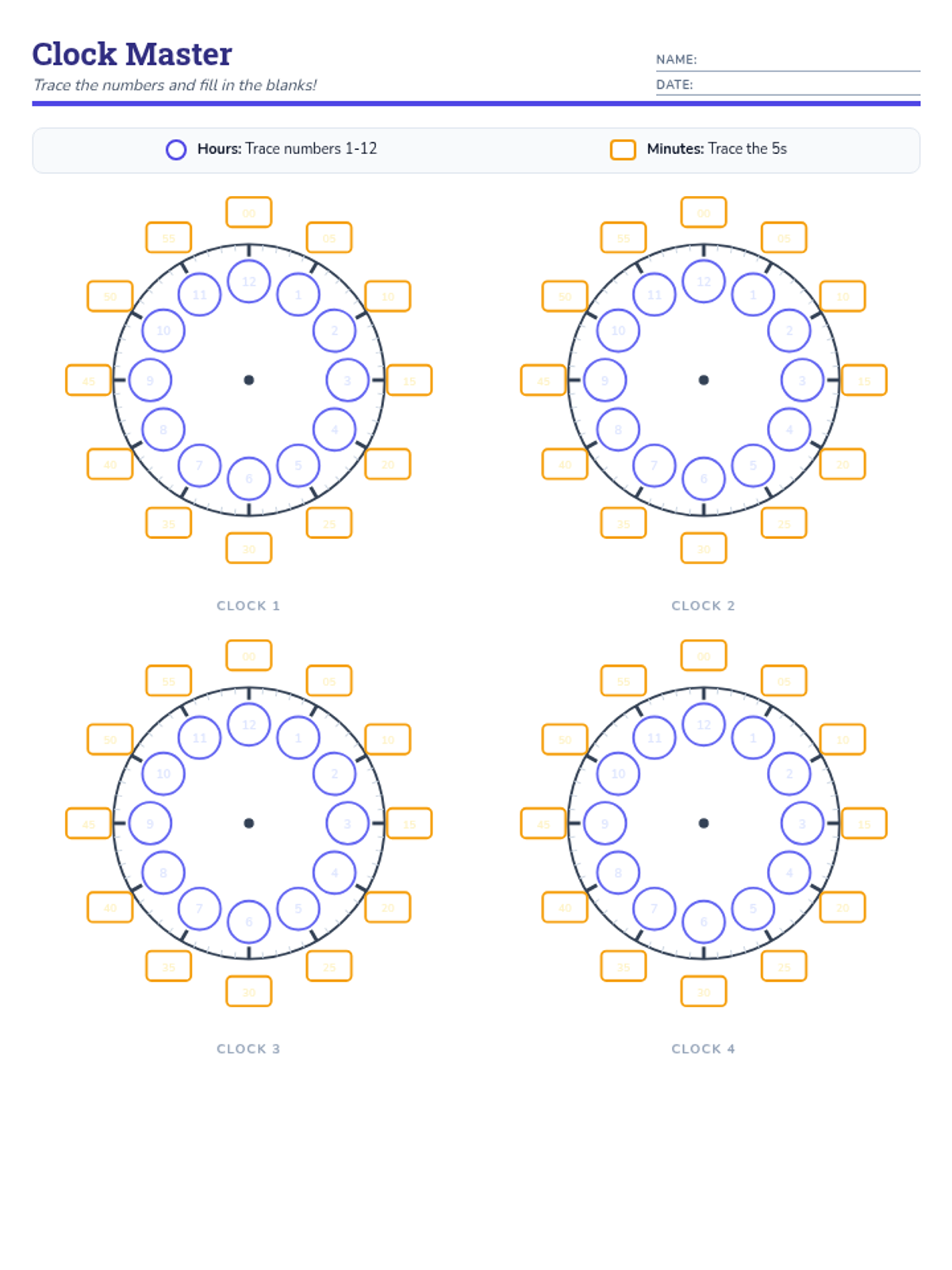
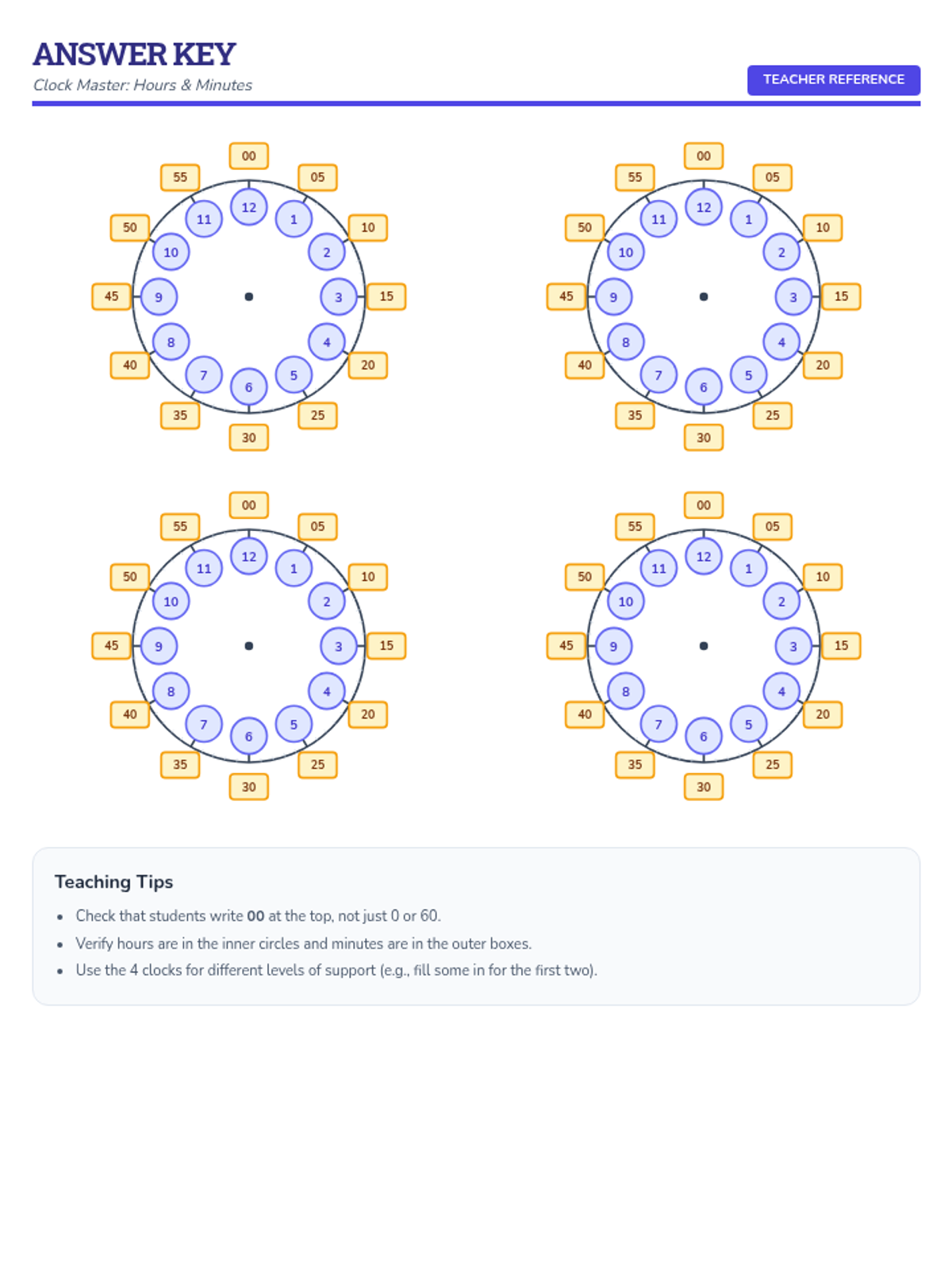
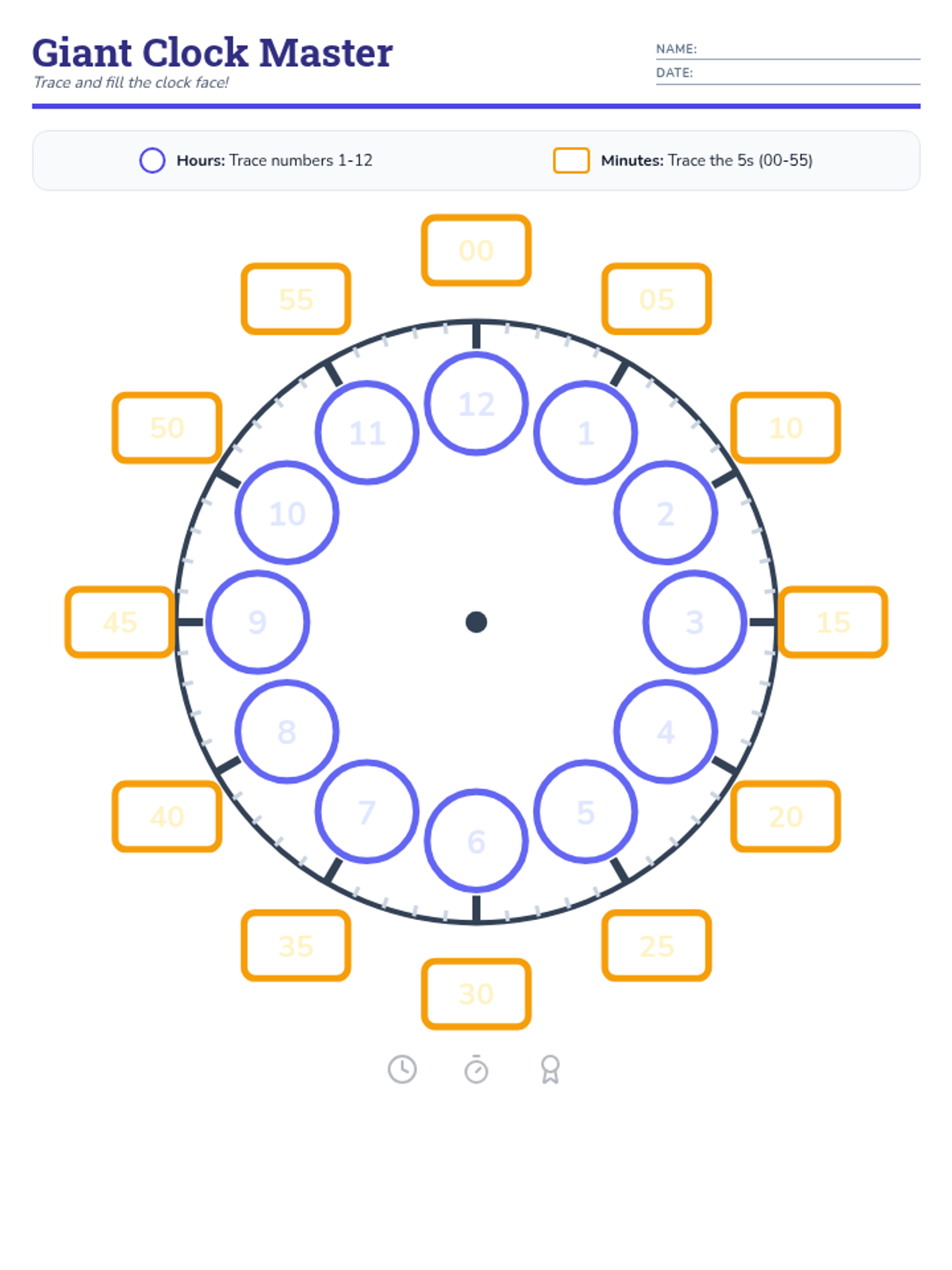
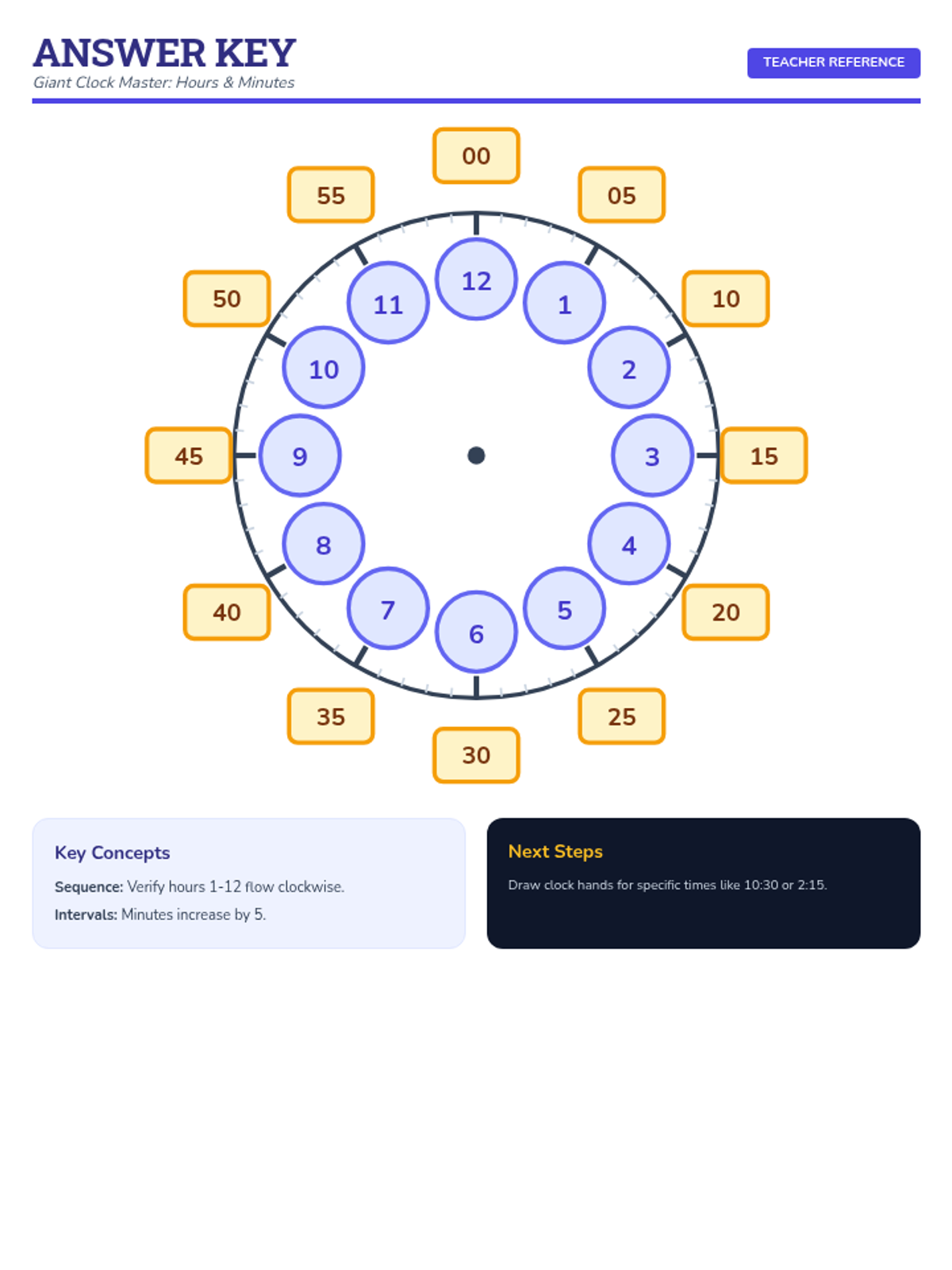
A foundational lesson on clock anatomy, focusing on identifying hour numbers and five-minute increments. Students practice spatial reasoning and number sequencing within a circular layout.
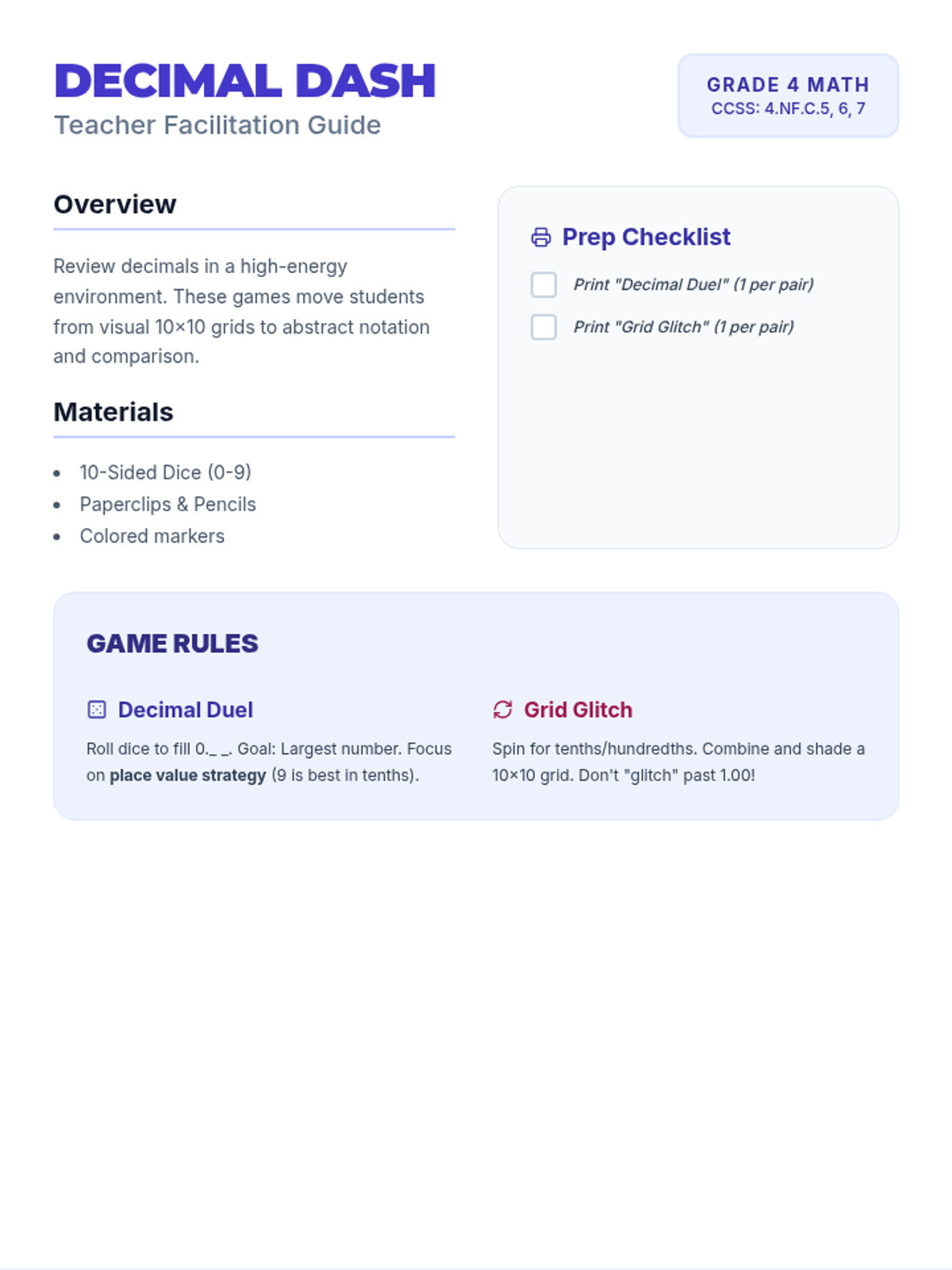
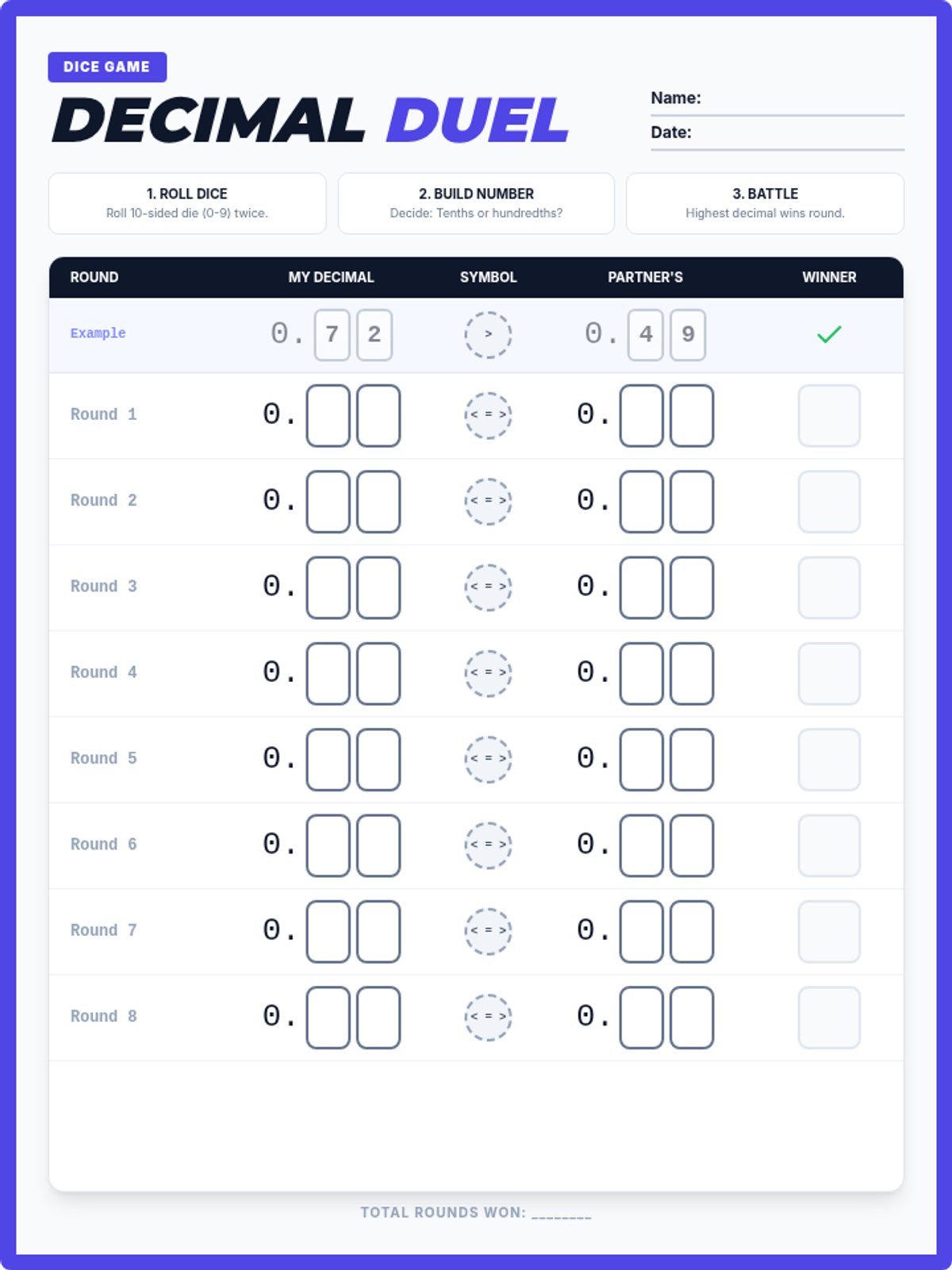
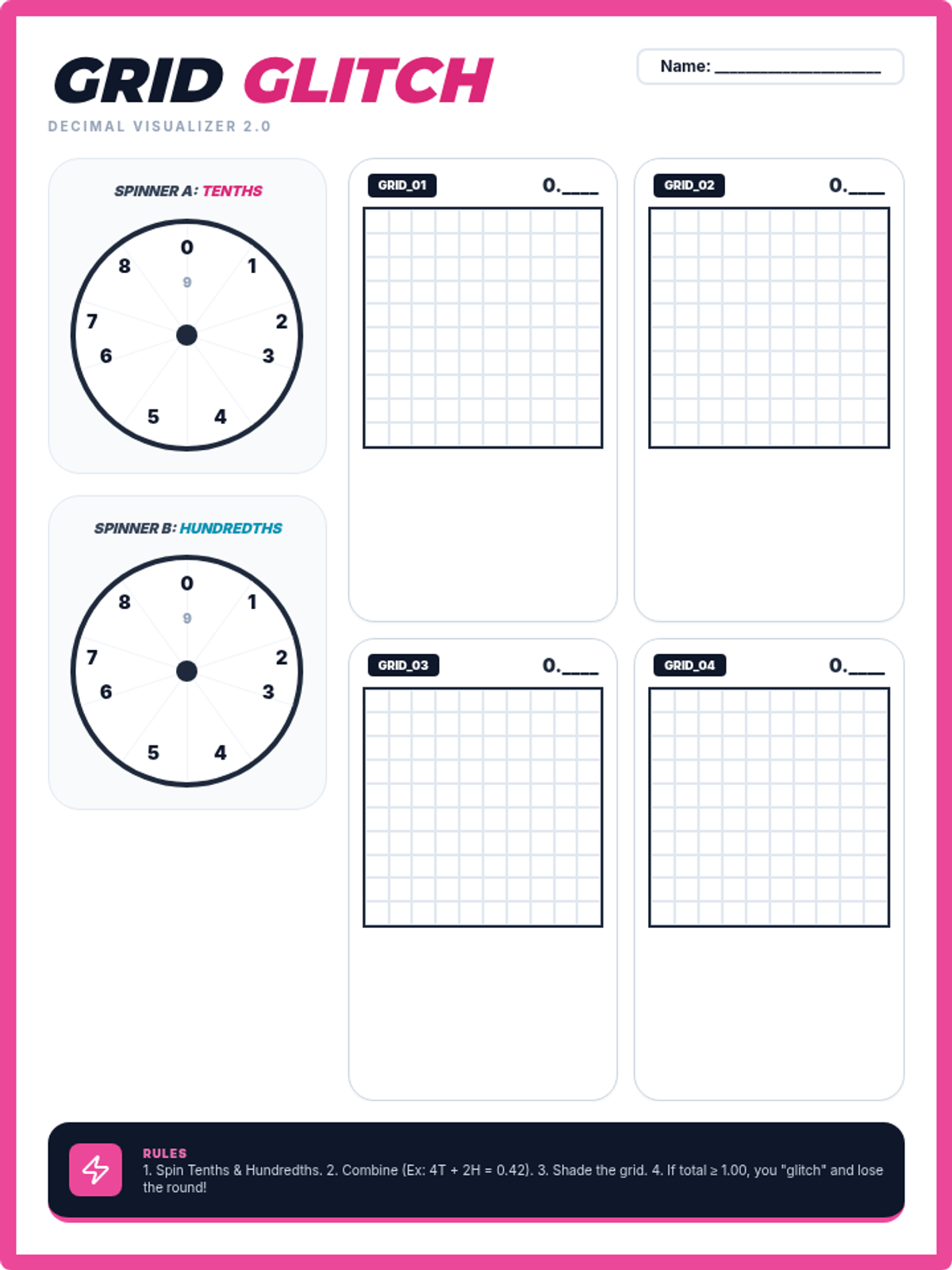
A collection of high-energy 4th-grade math games focused on decimal place value, comparison, and equivalent fractions. These games utilize 10-sided dice and spinners to make reviewing tenths and hundredths engaging and hands-on.
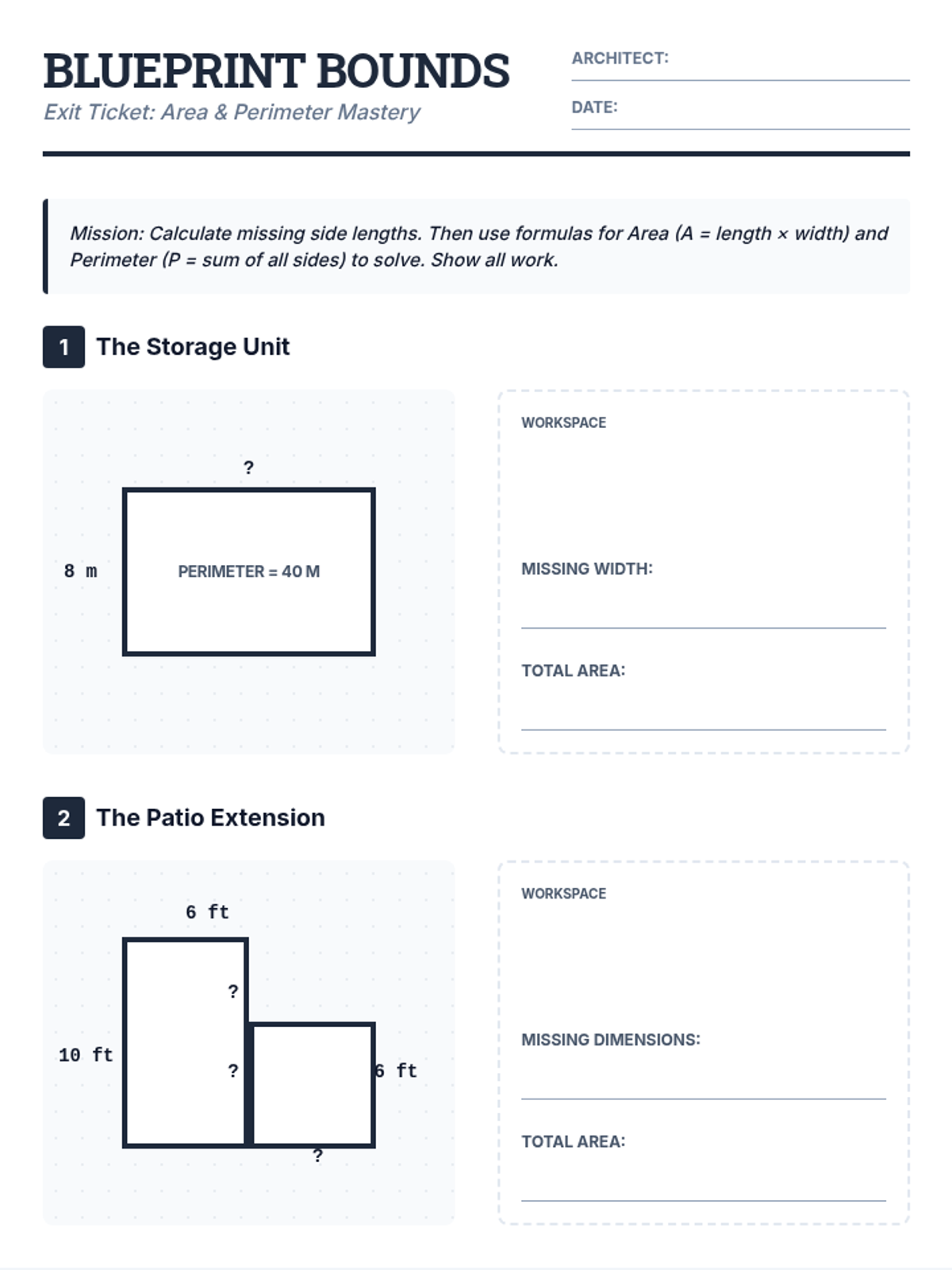
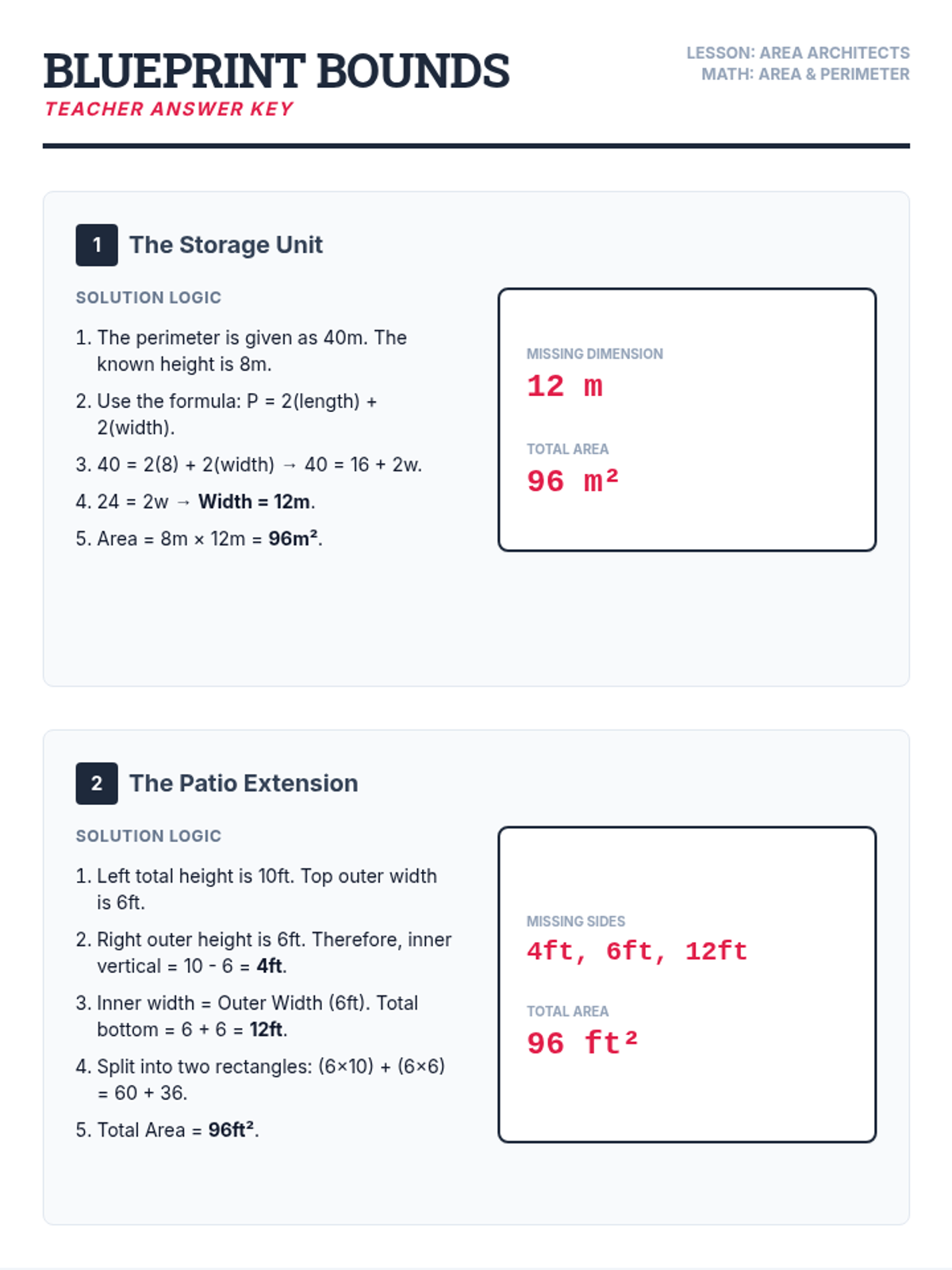
A focused lesson on calculating area and perimeter of complex rectilinear shapes by determining missing side lengths and applying geometric formulas.
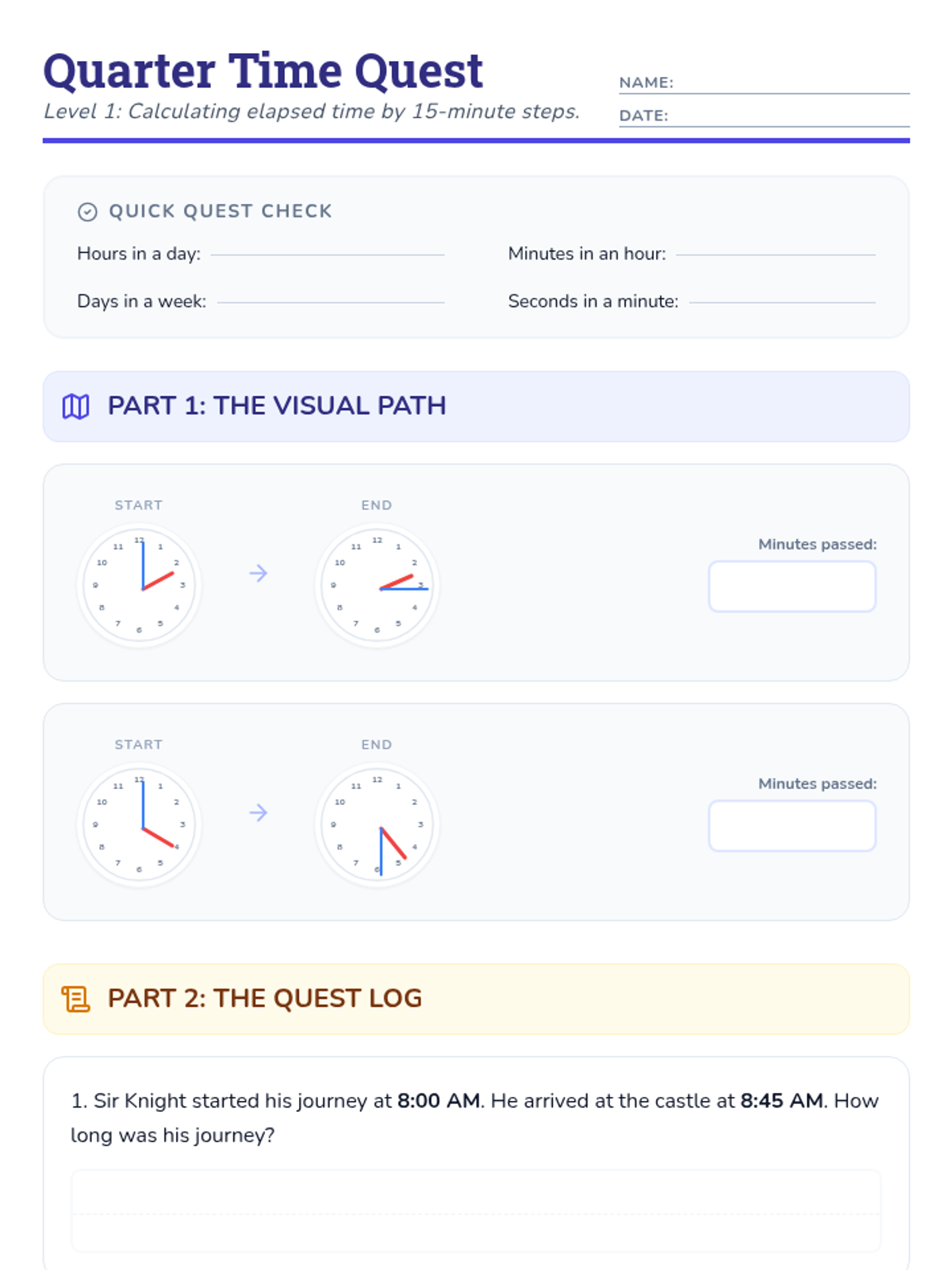
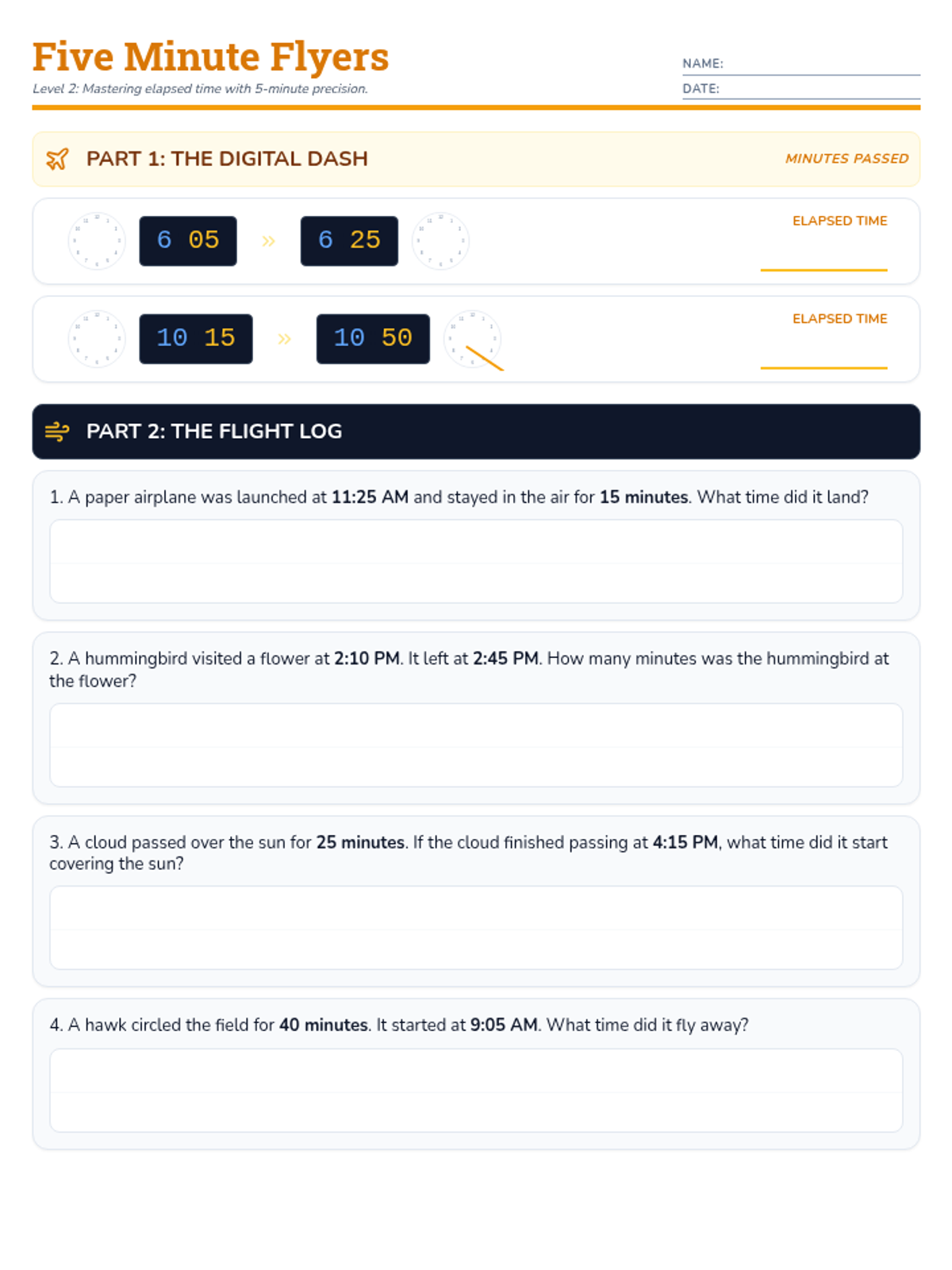
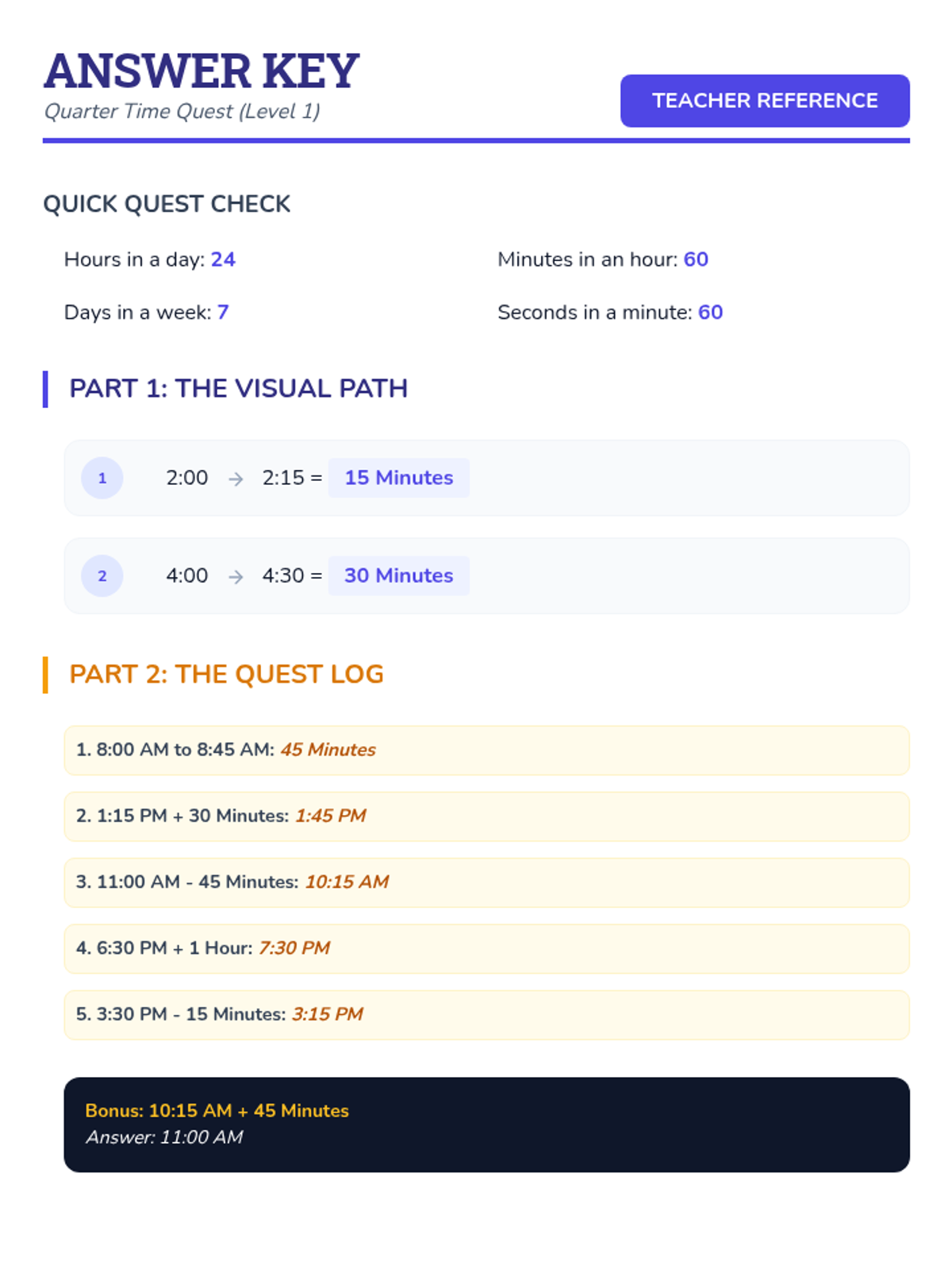
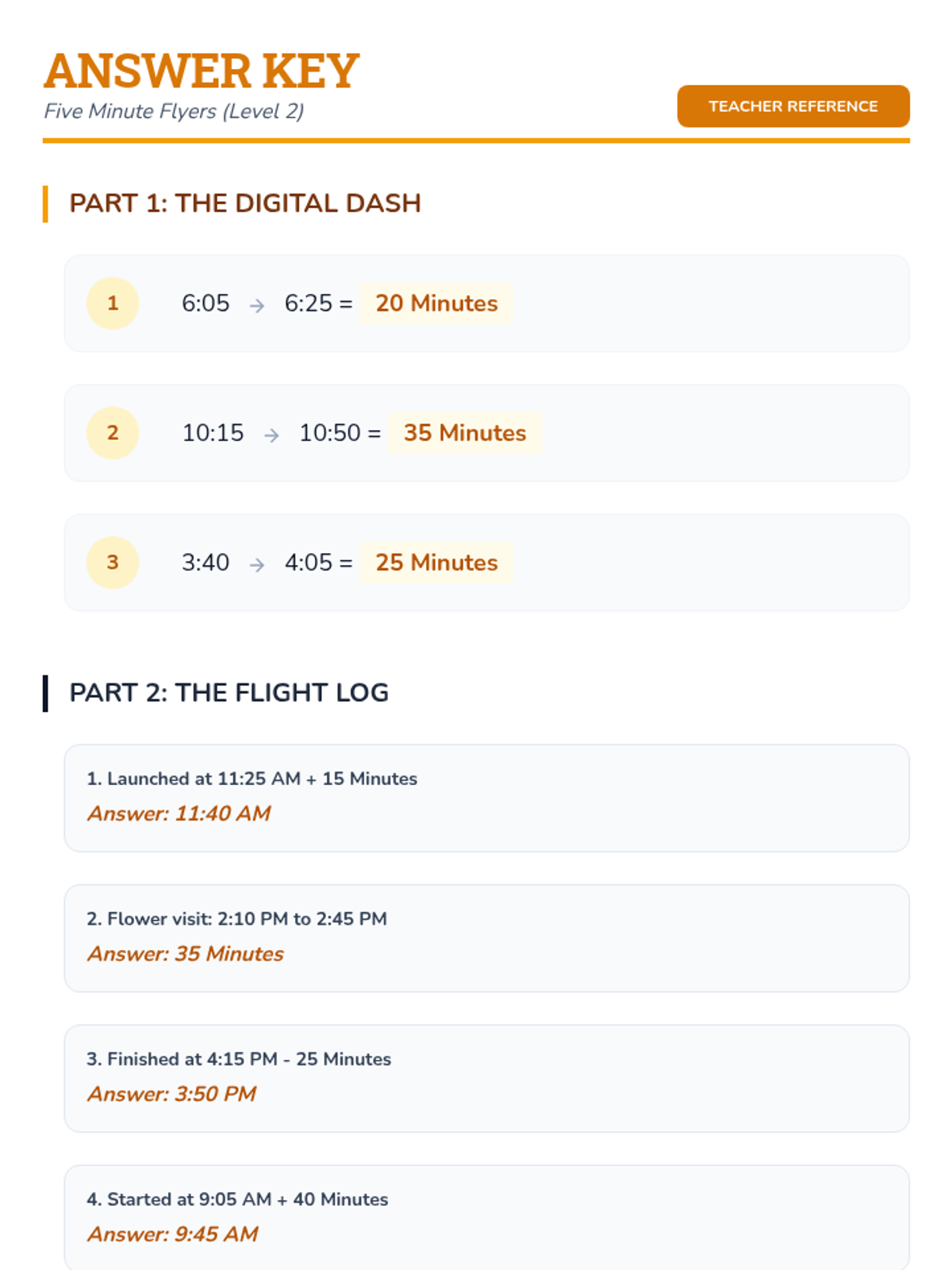
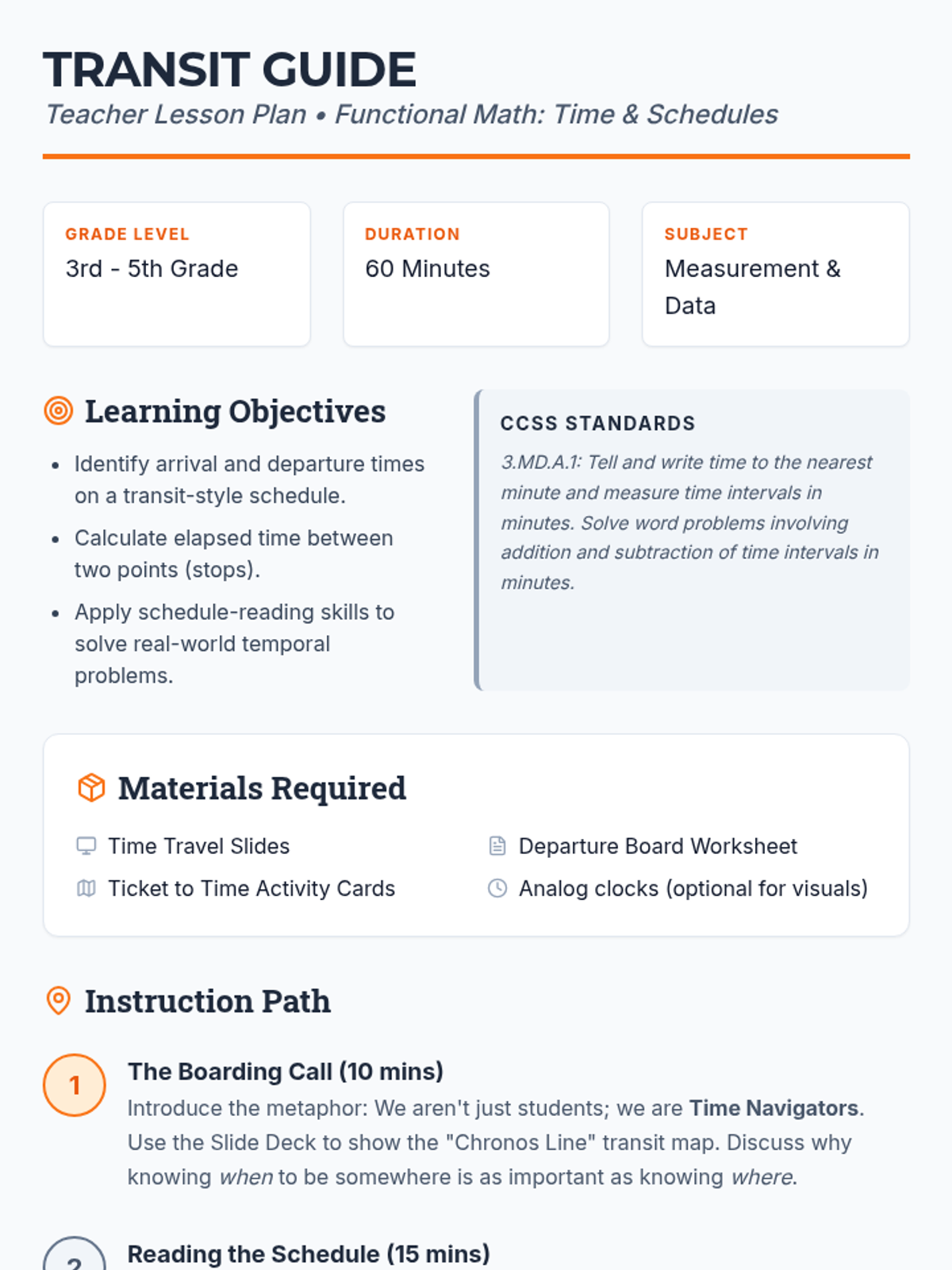
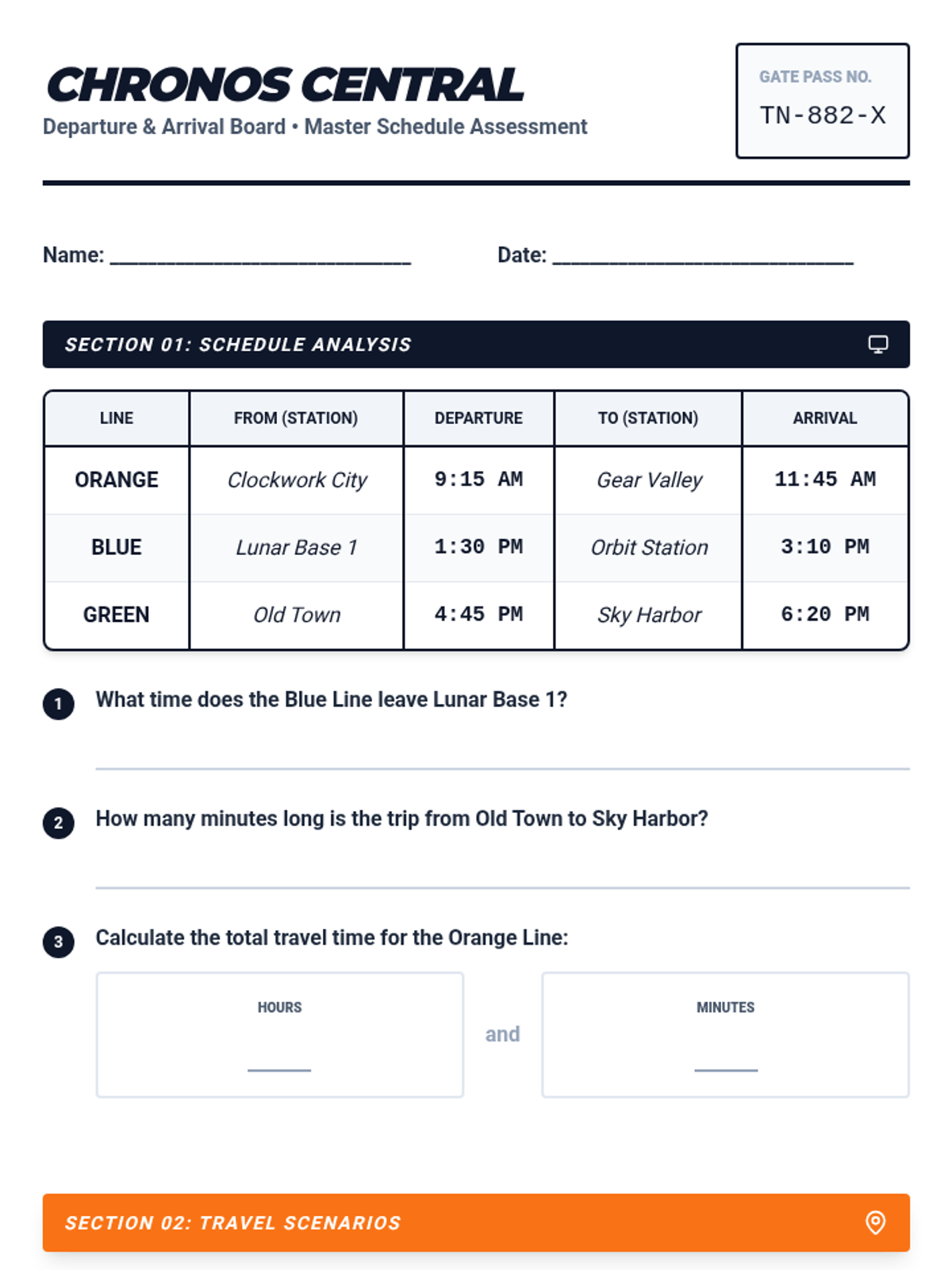
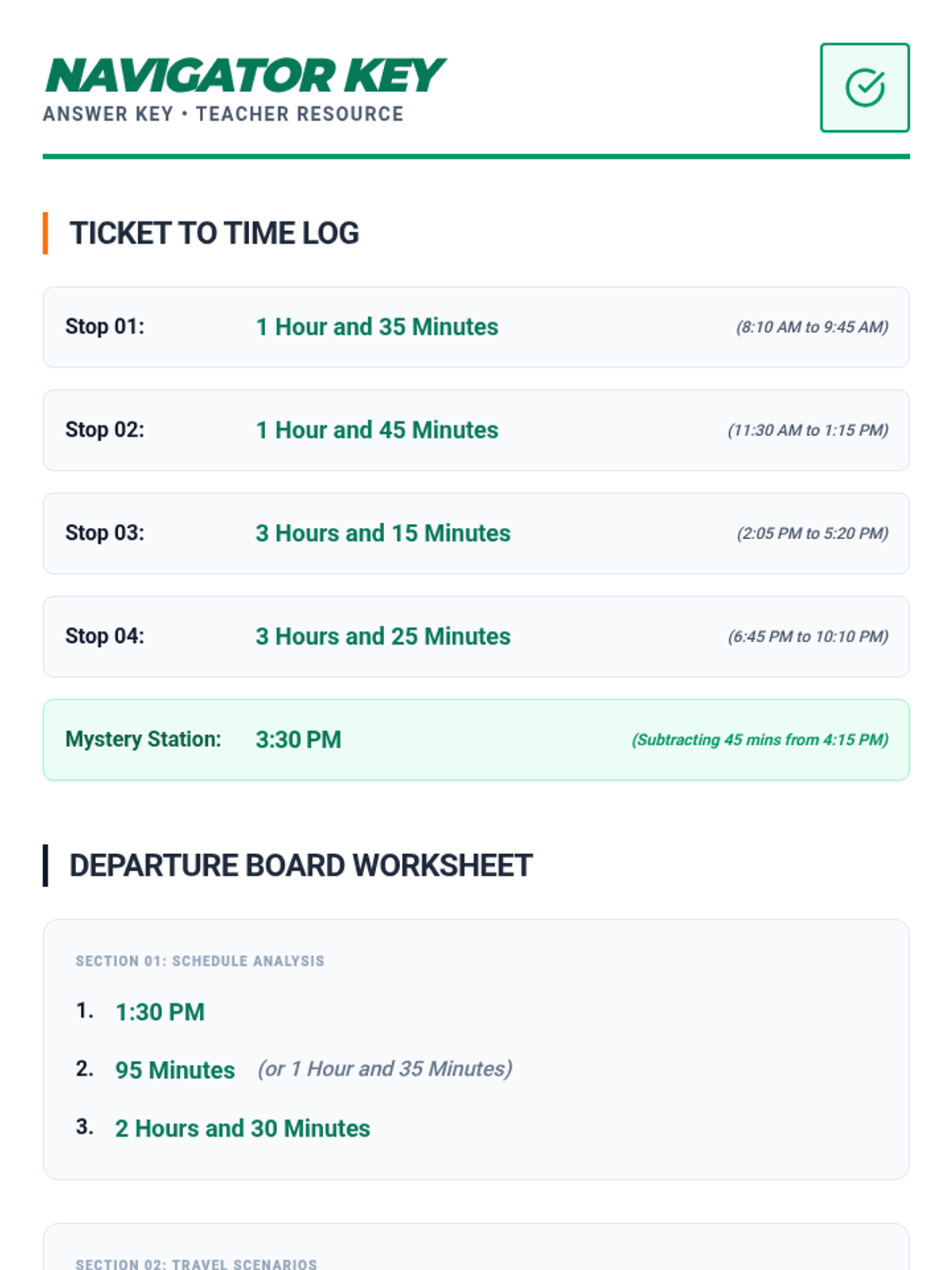
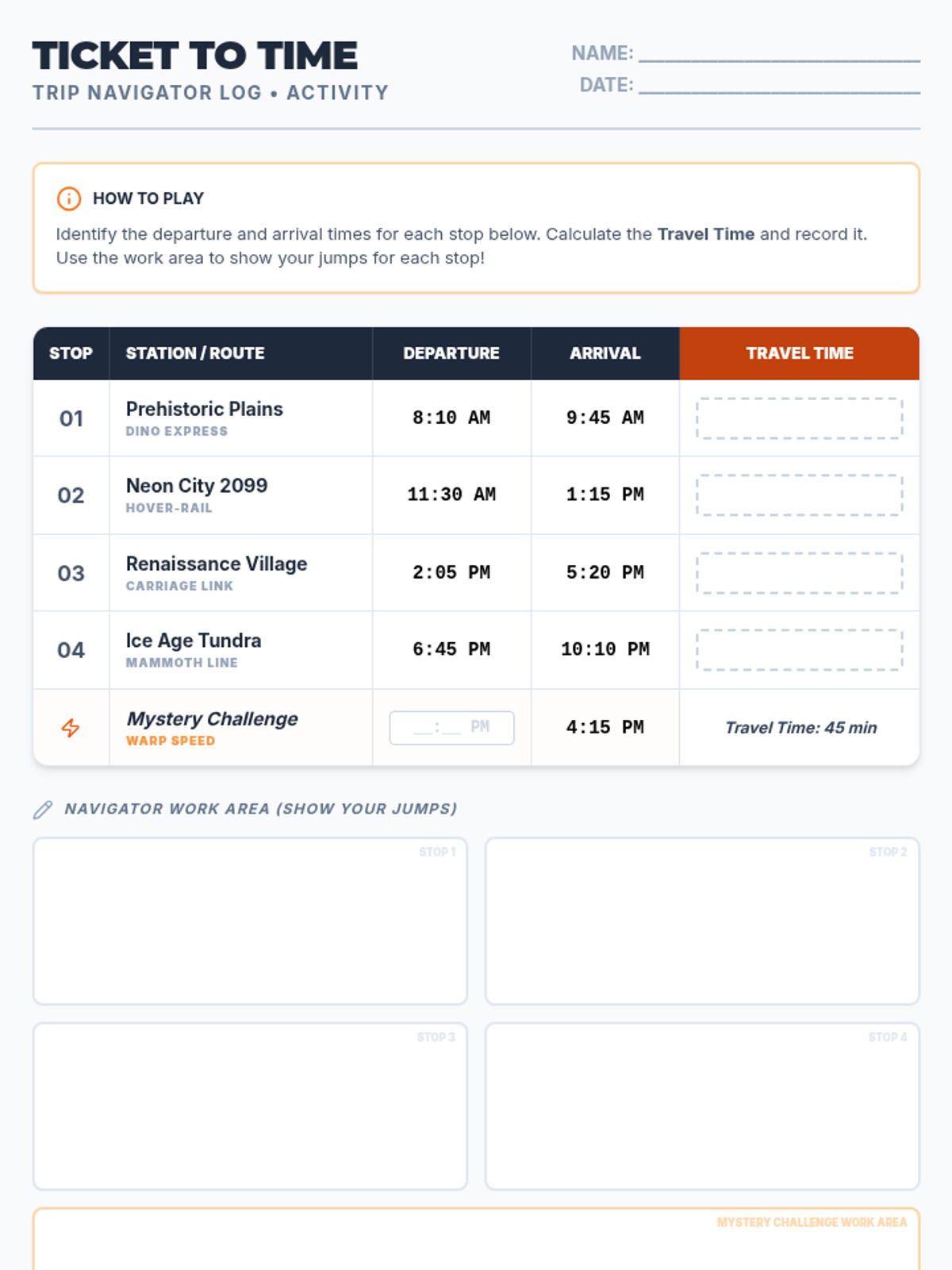
A functional math lesson using a transit map metaphor to teach students how to read schedules and calculate elapsed time, designed for grades 3-5.
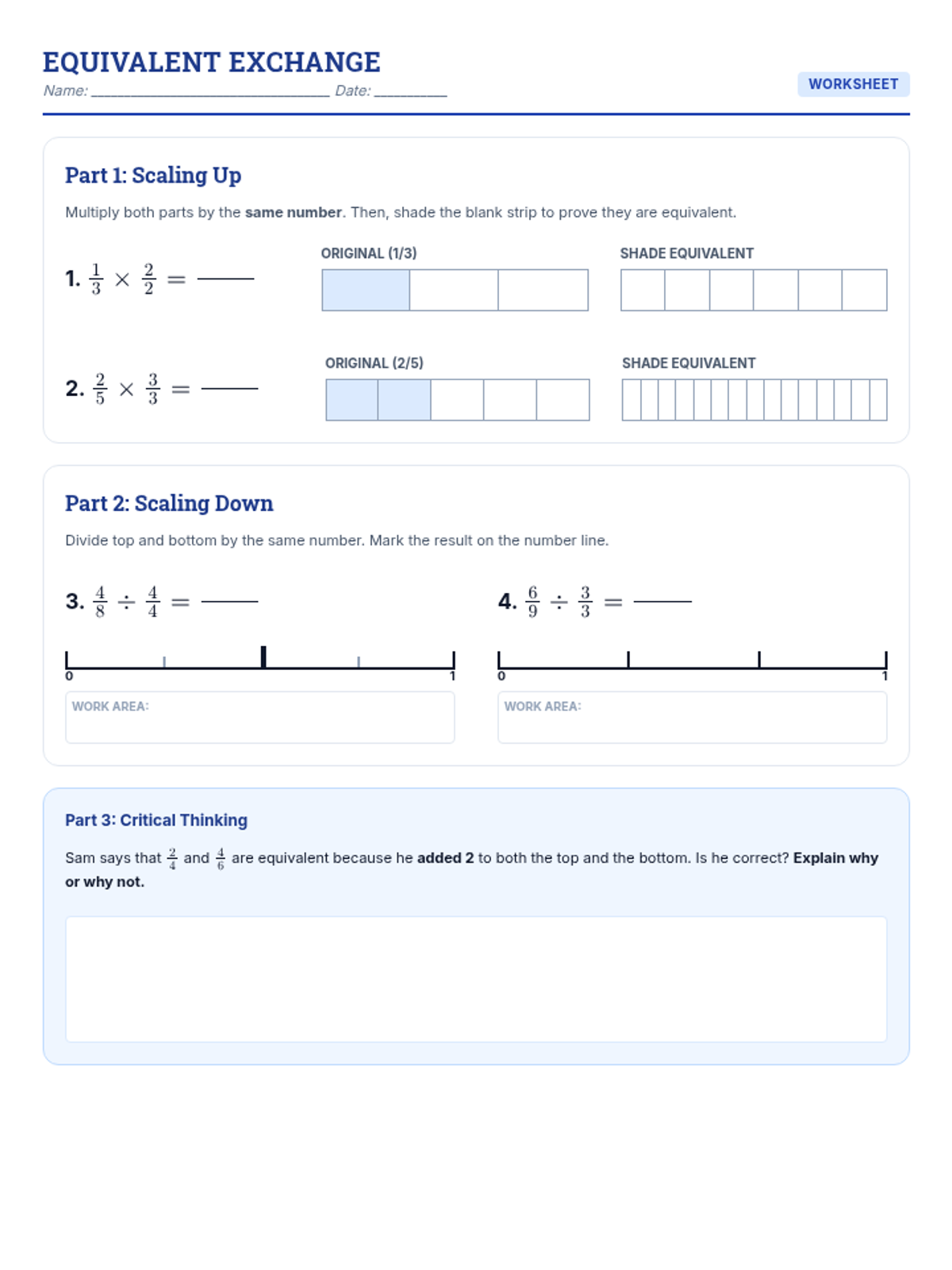
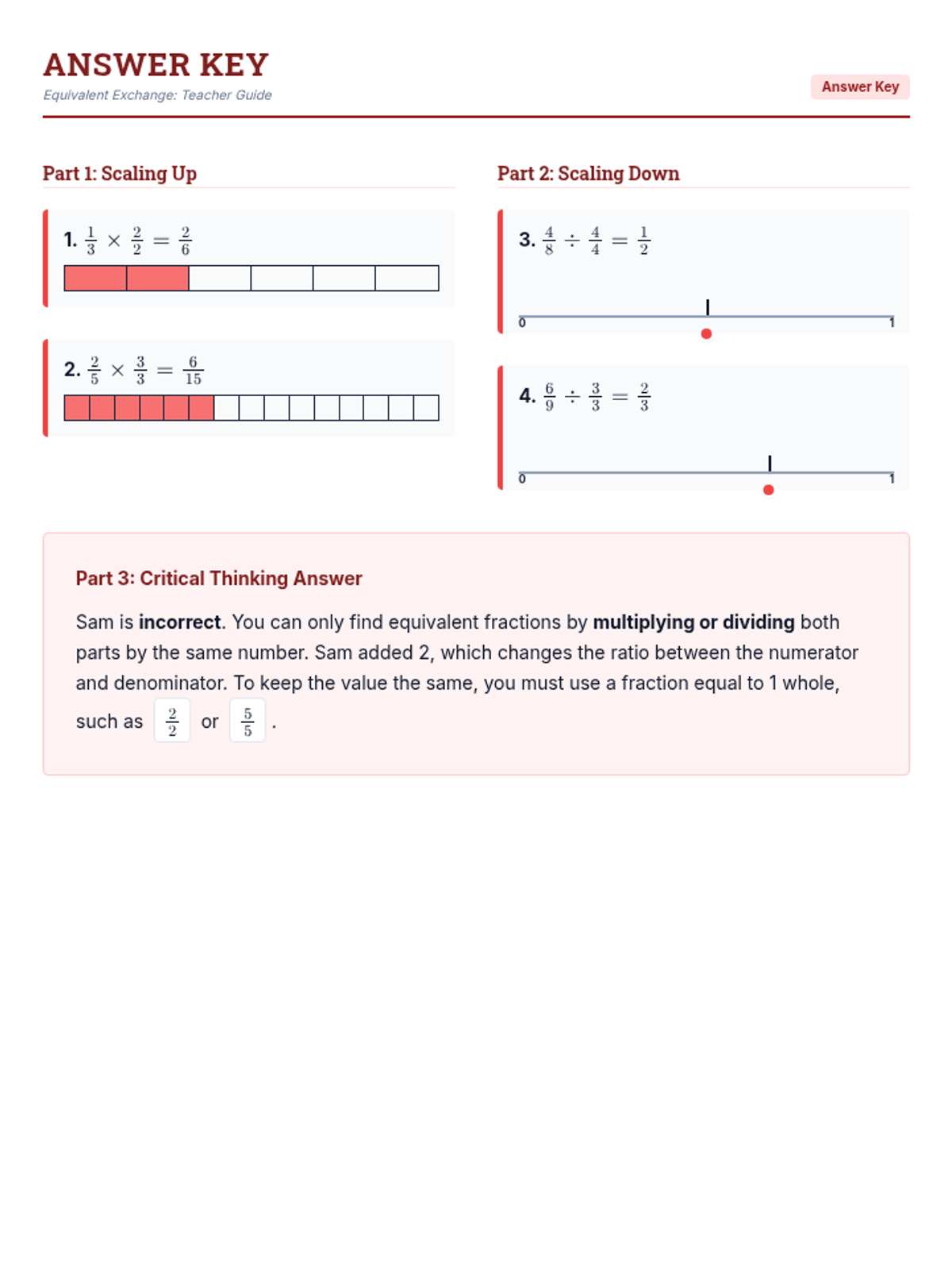
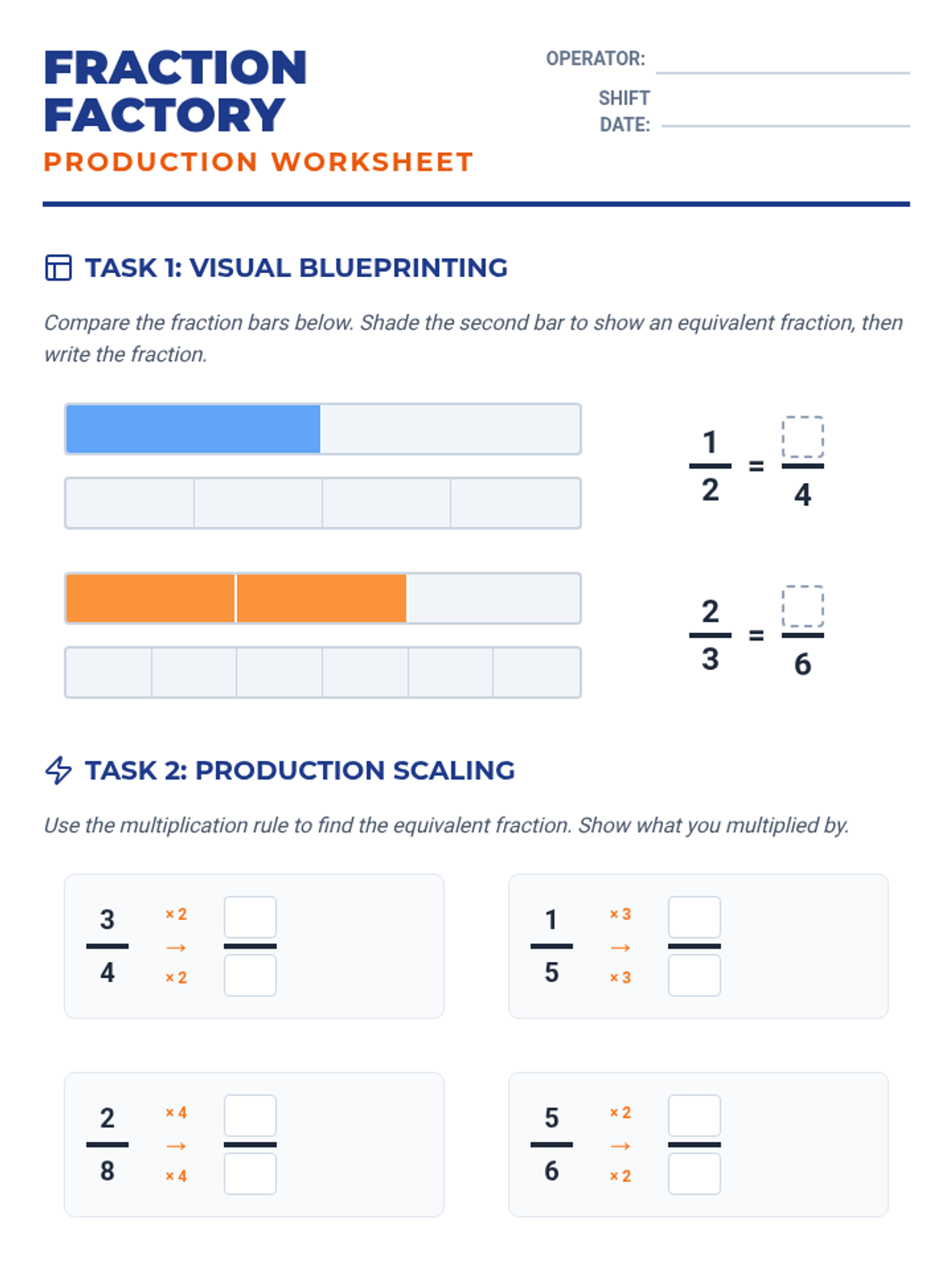
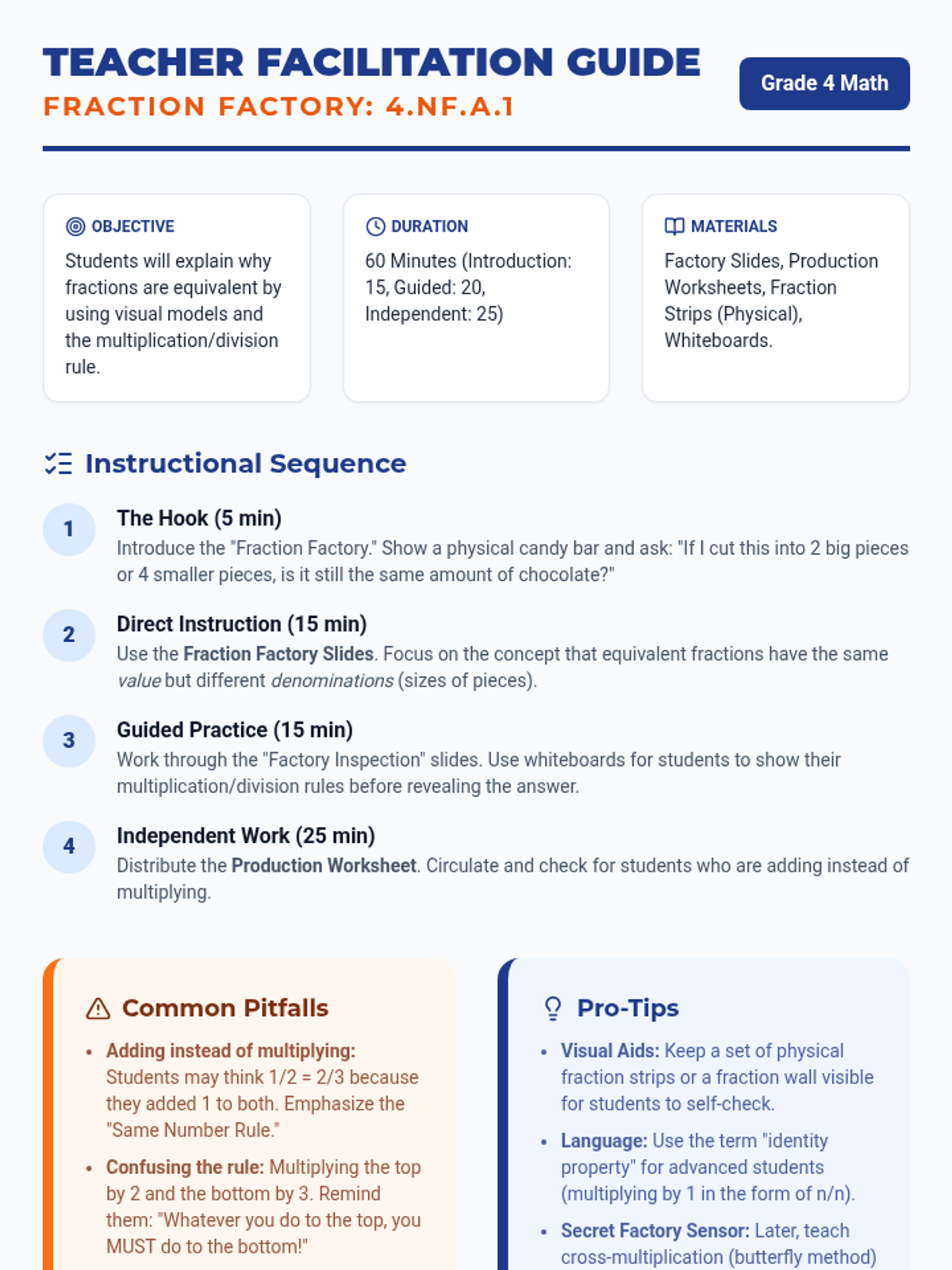
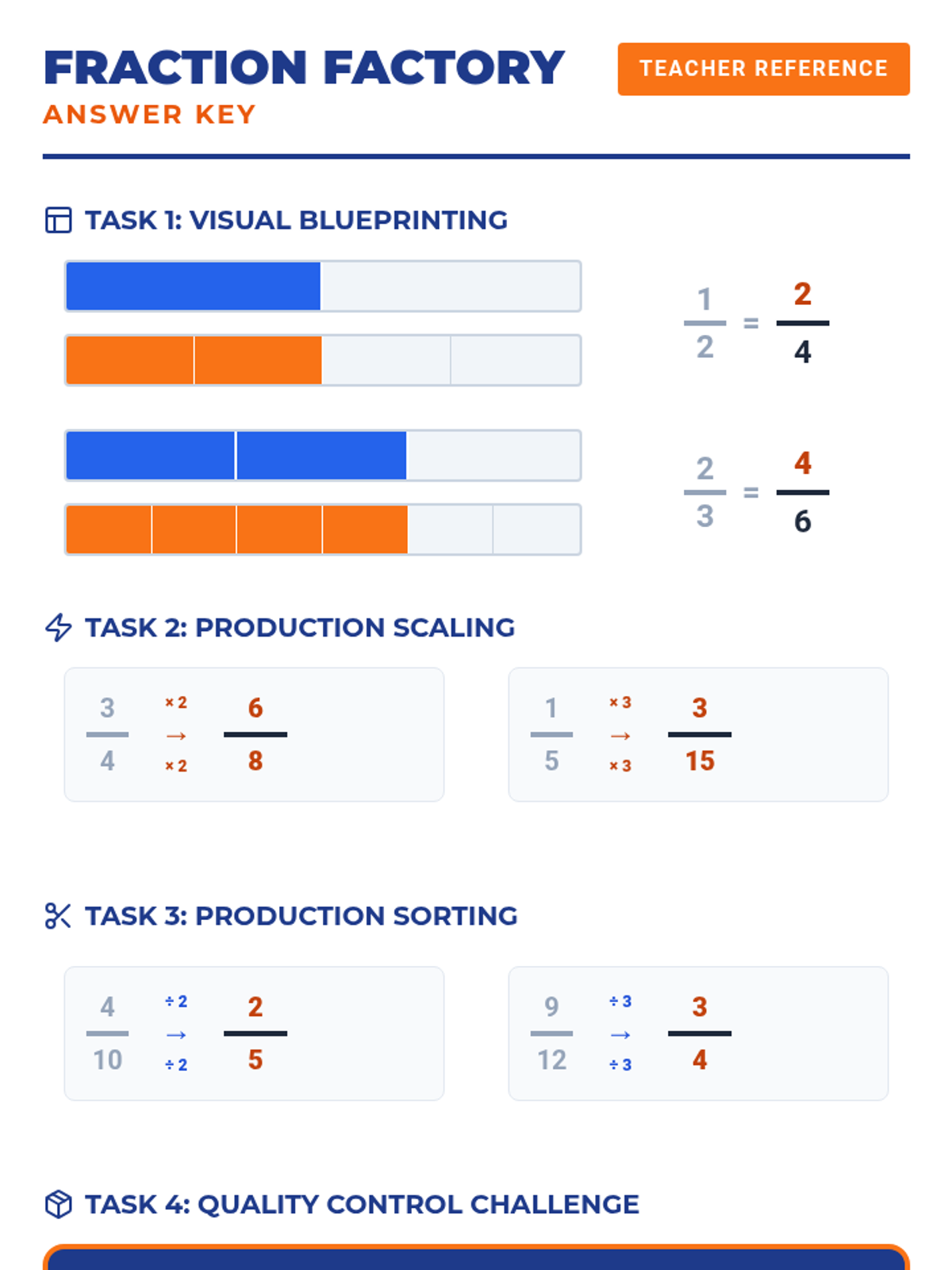
A comprehensive lesson on finding equivalent fractions using multiplication and division, supported by fraction strips and number line models. Students explore how to scale fractions up and down while maintaining the same value.
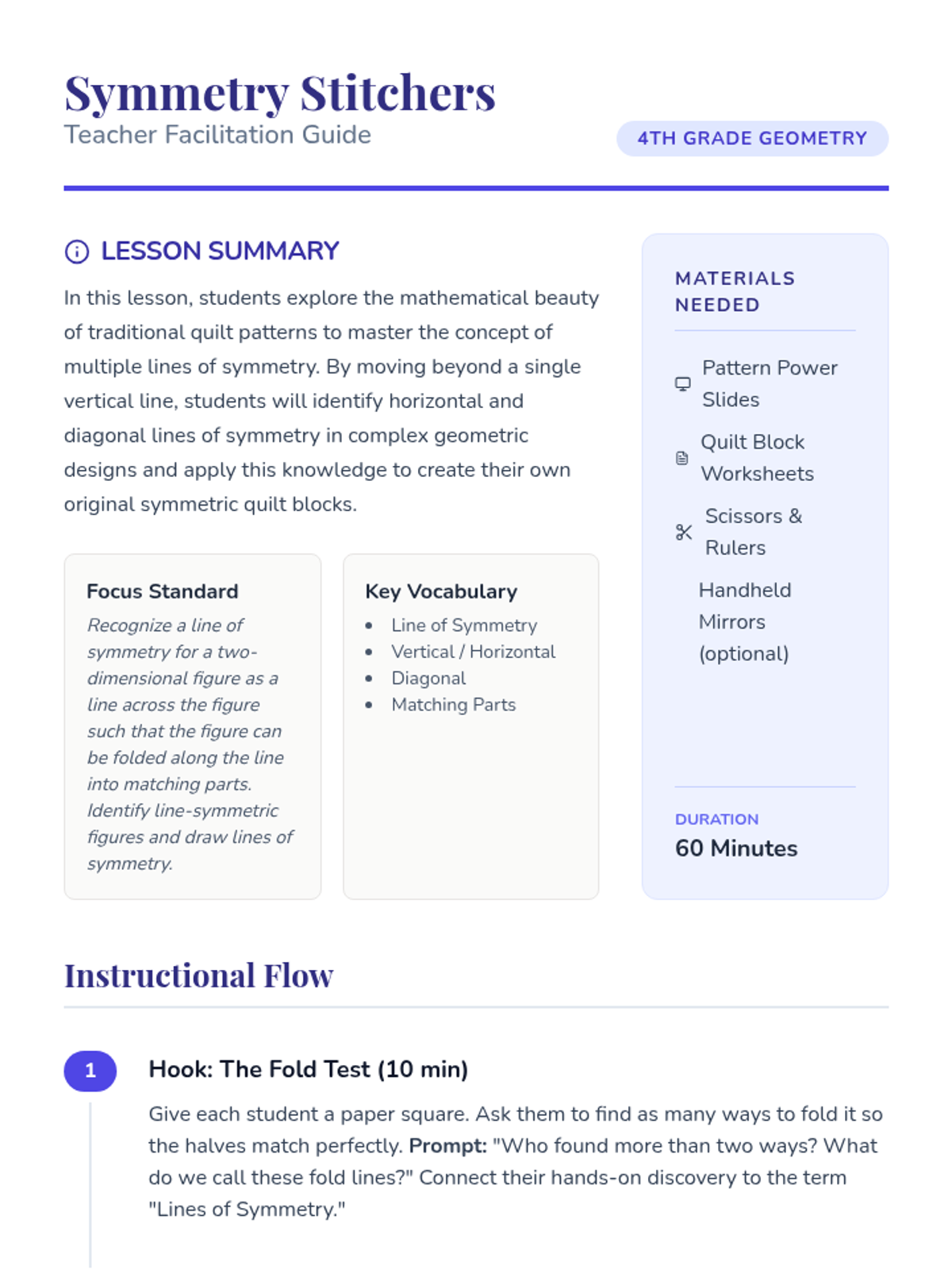
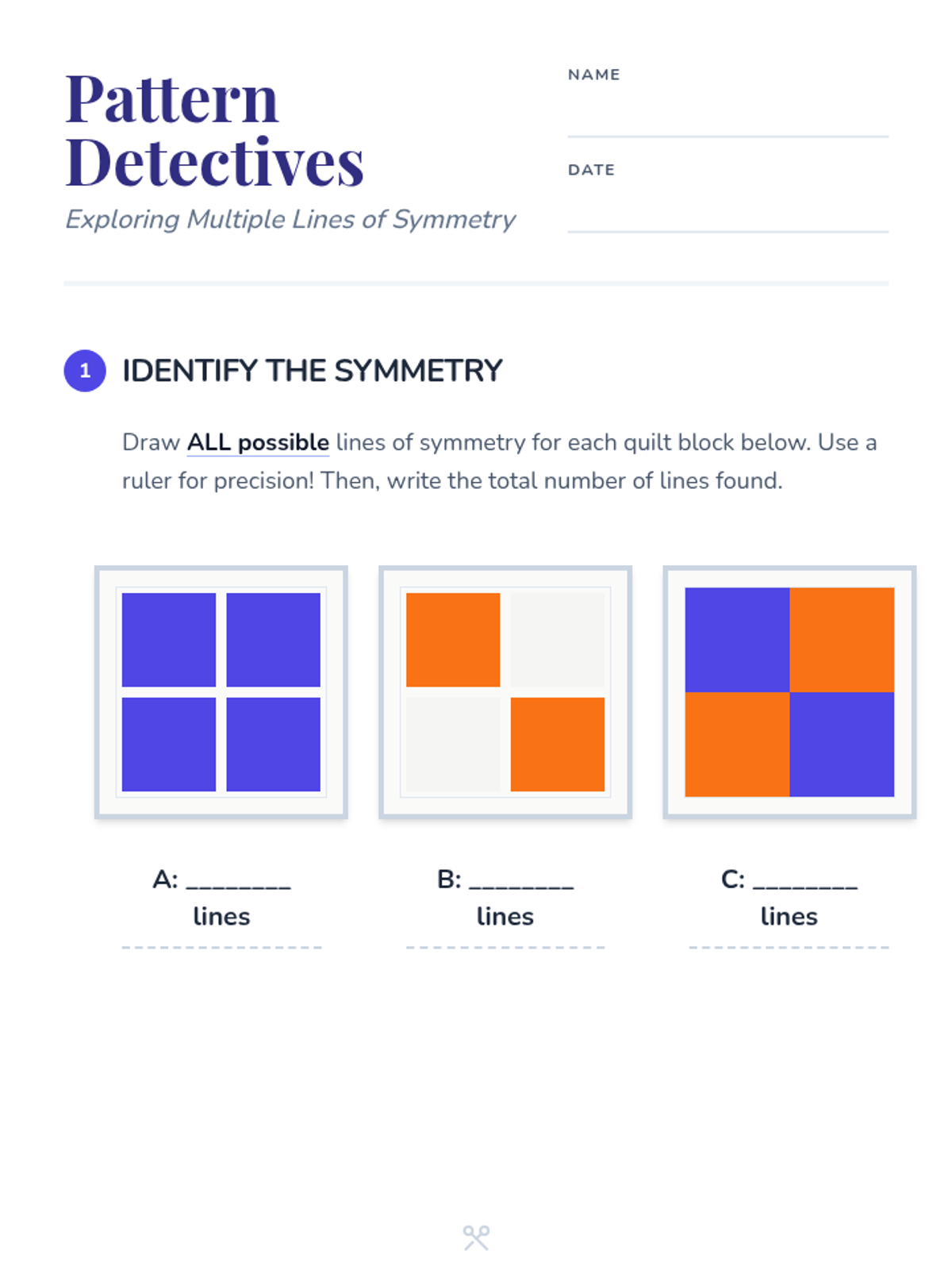
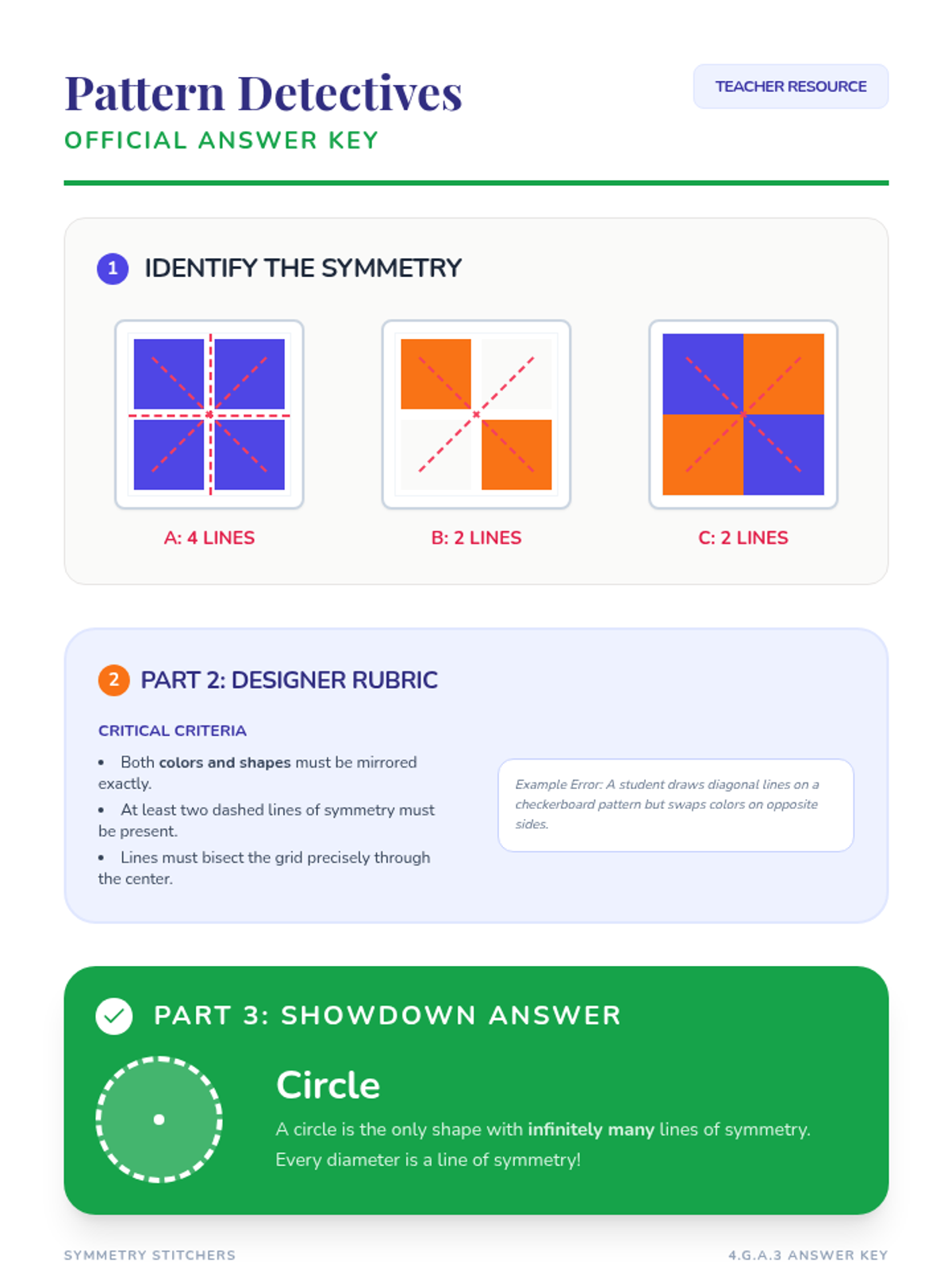
A geometry lesson focused on identifying and creating multiple lines of symmetry through the lens of traditional quilting patterns. Students explore how geometric shapes can have horizontal, vertical, and diagonal symmetry.
A 4th-grade math lesson on identifying and generating equivalent fractions using visual models like fraction strips and bars, and applying multiplication and division rules.
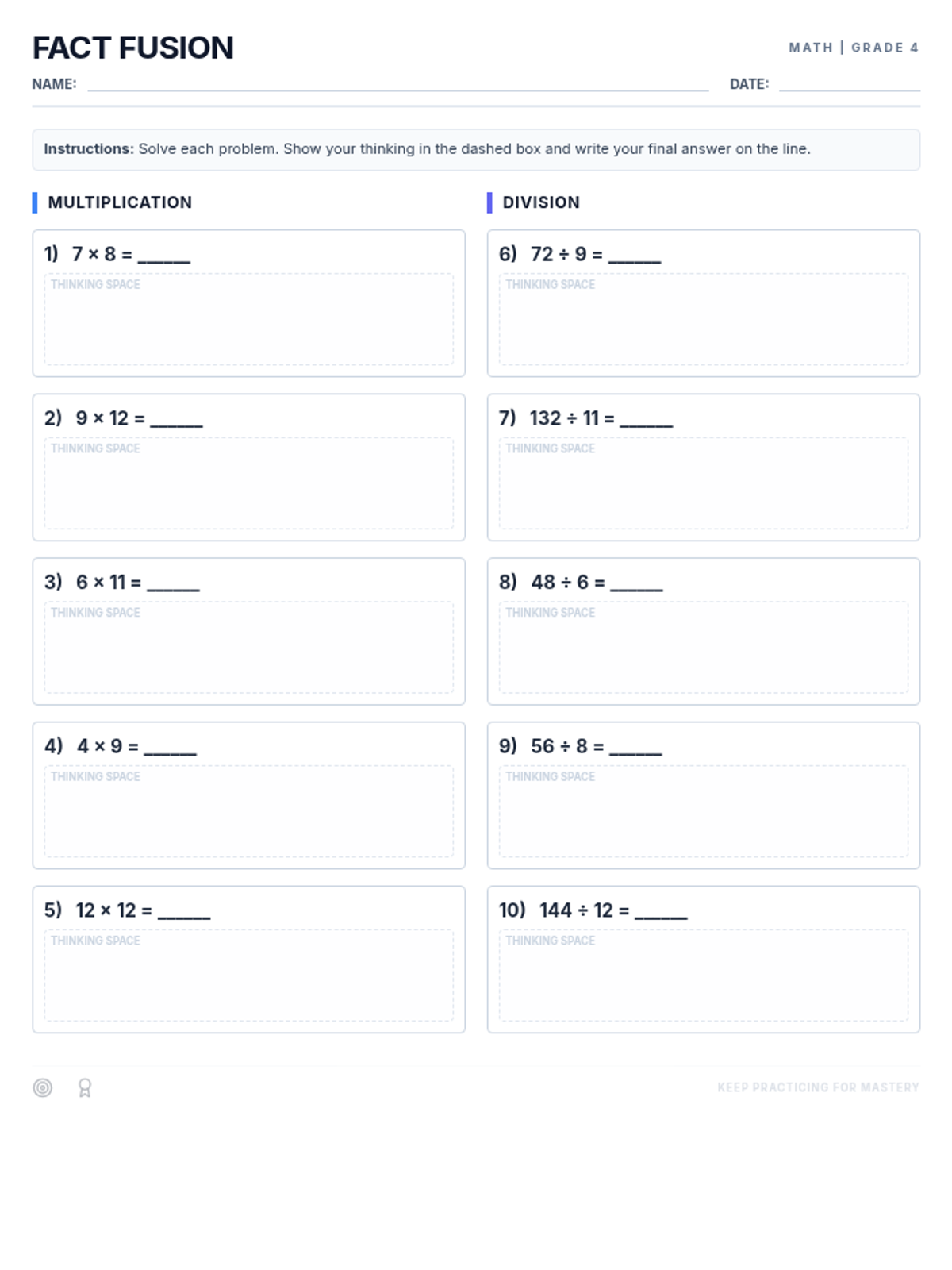
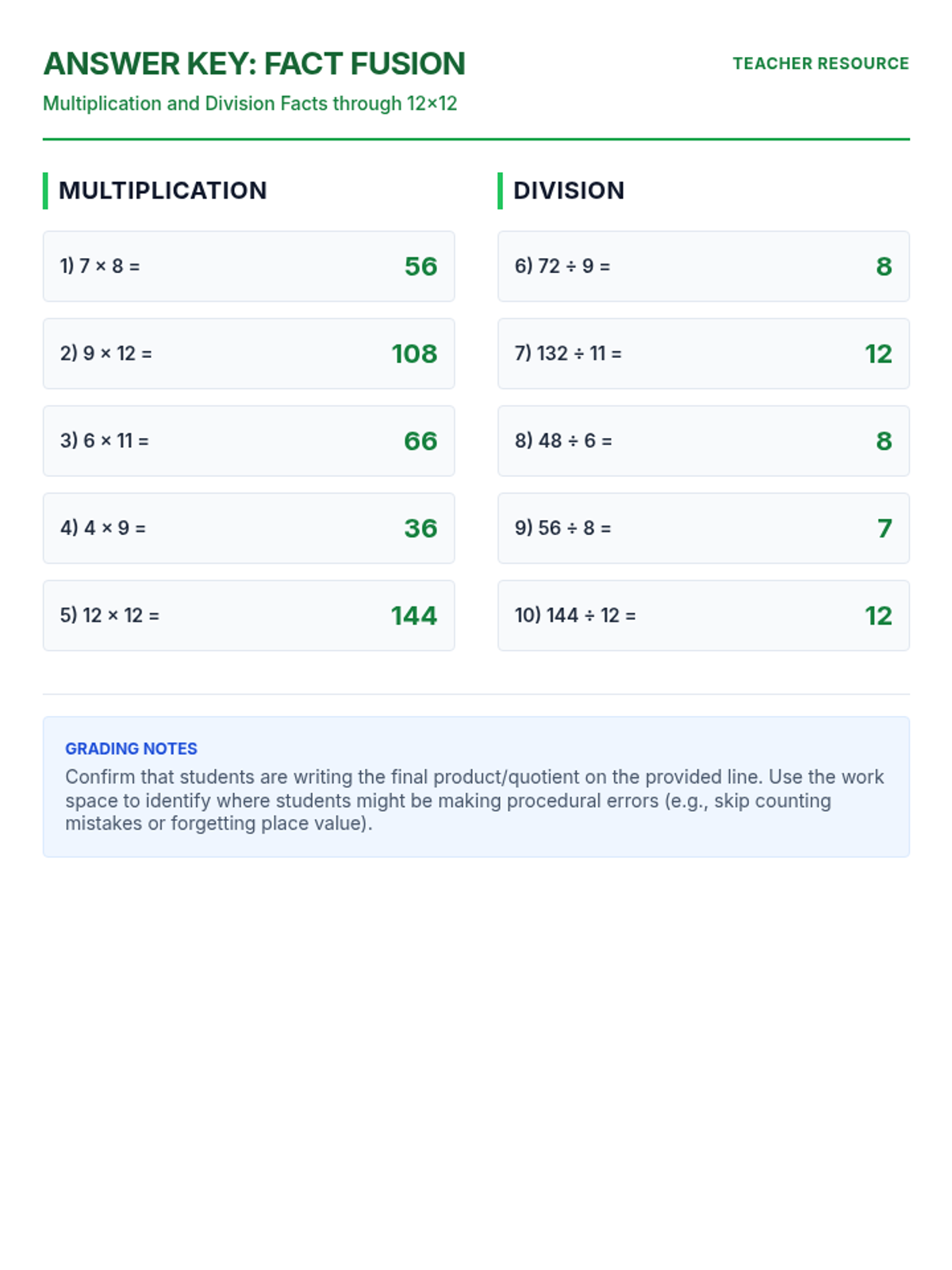
A focused practice session on basic multiplication and division facts up to 12x12. Students will solve five multiplication and five division equations to build fluency.
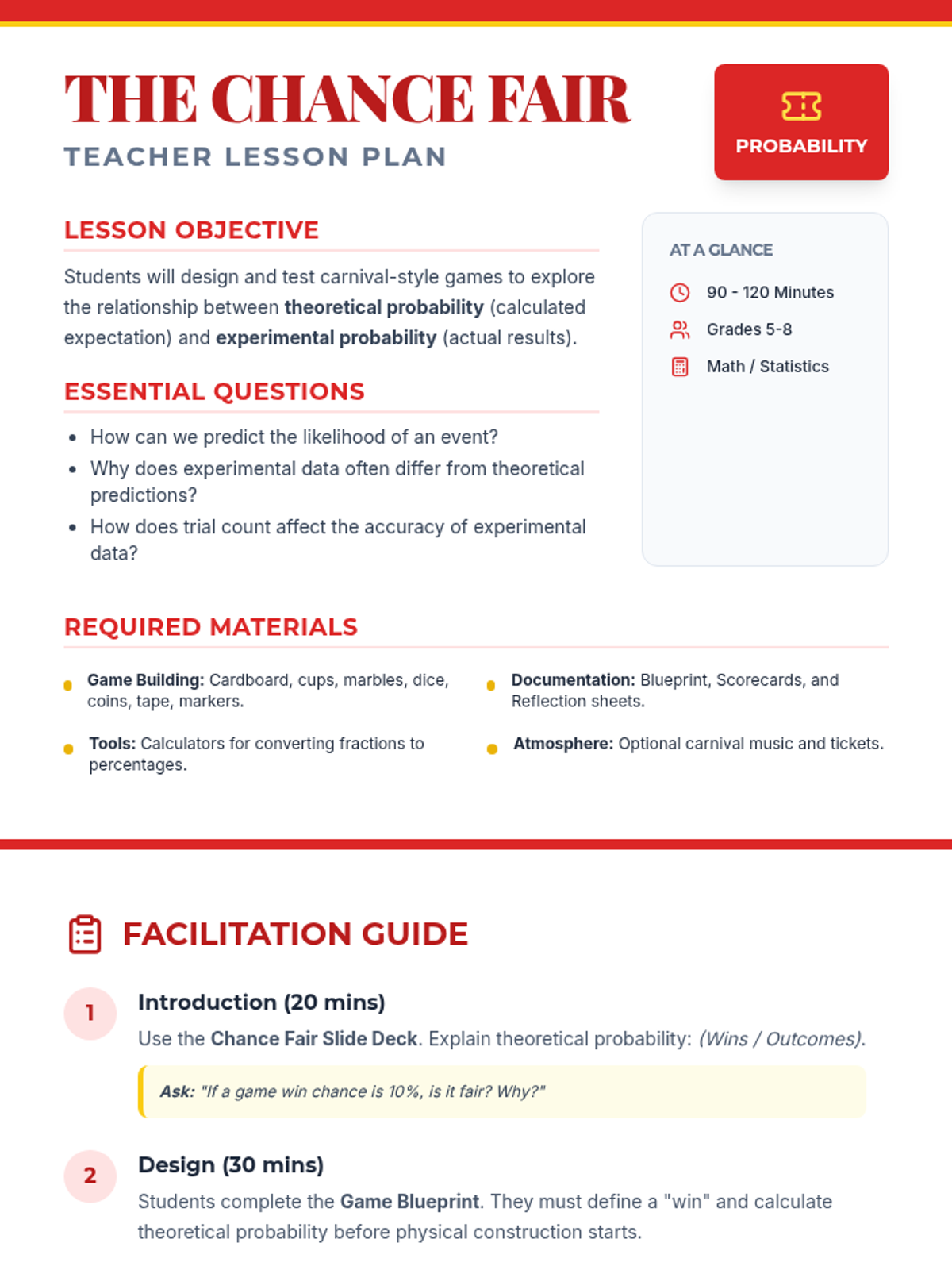
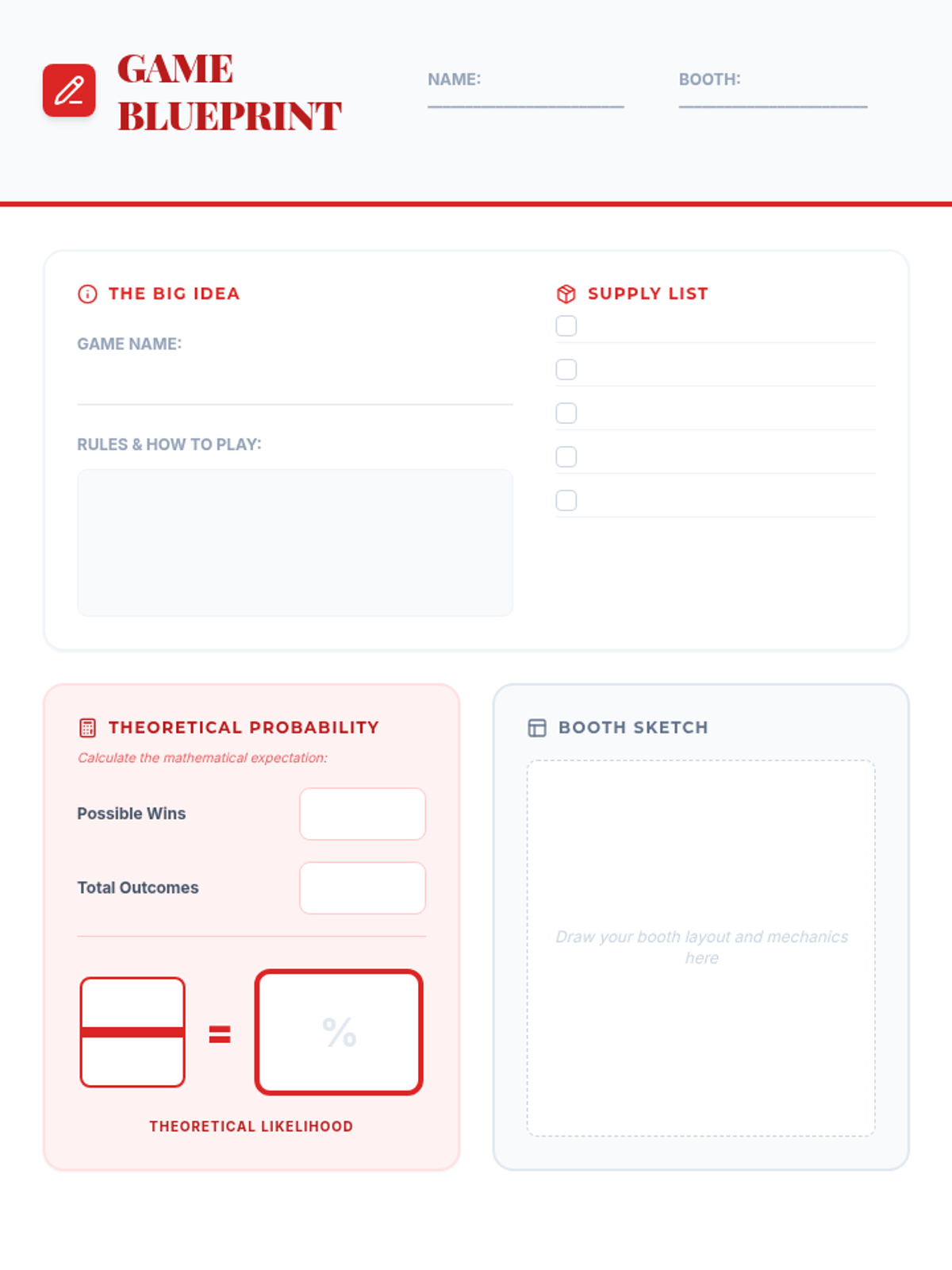
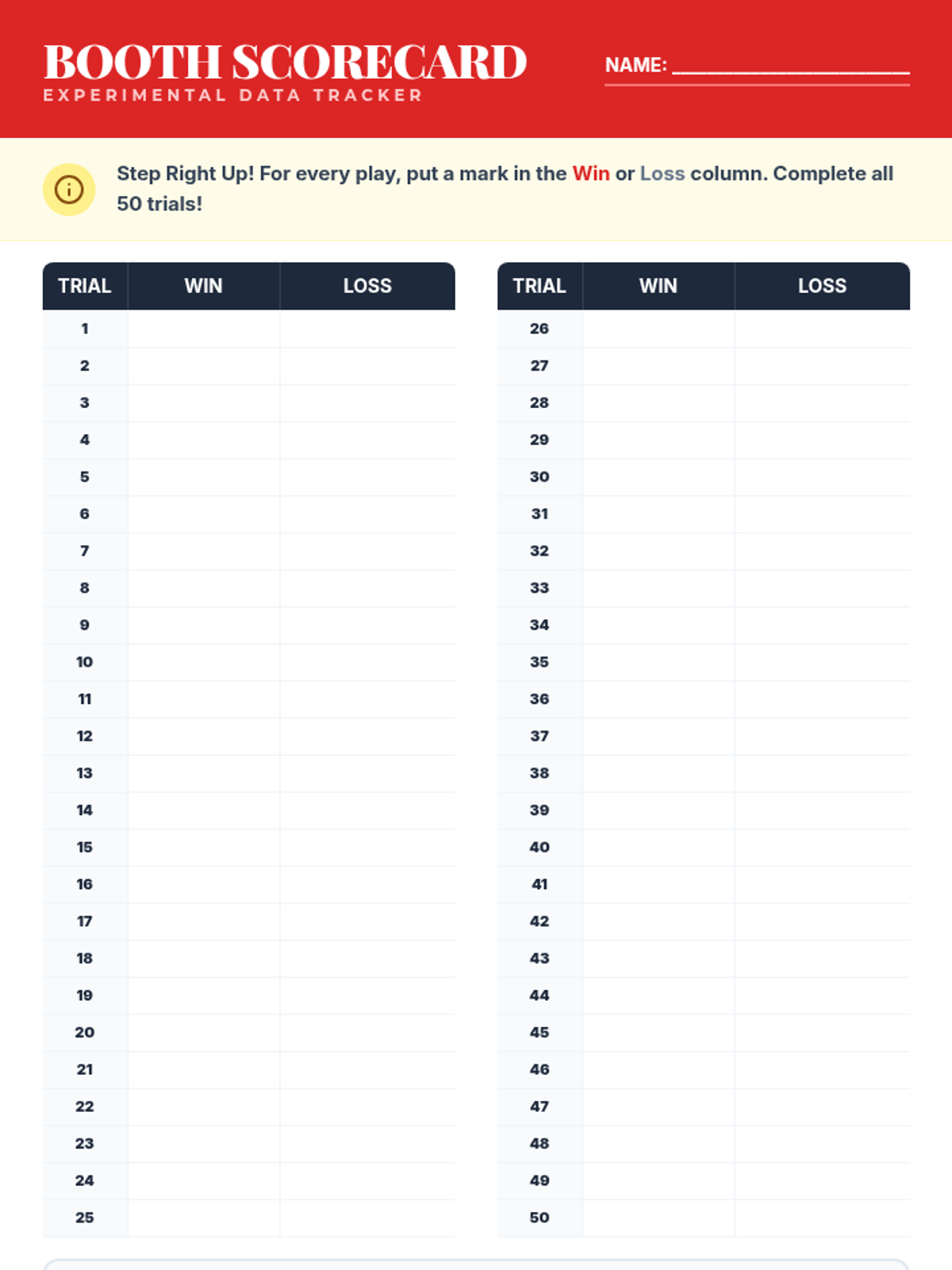
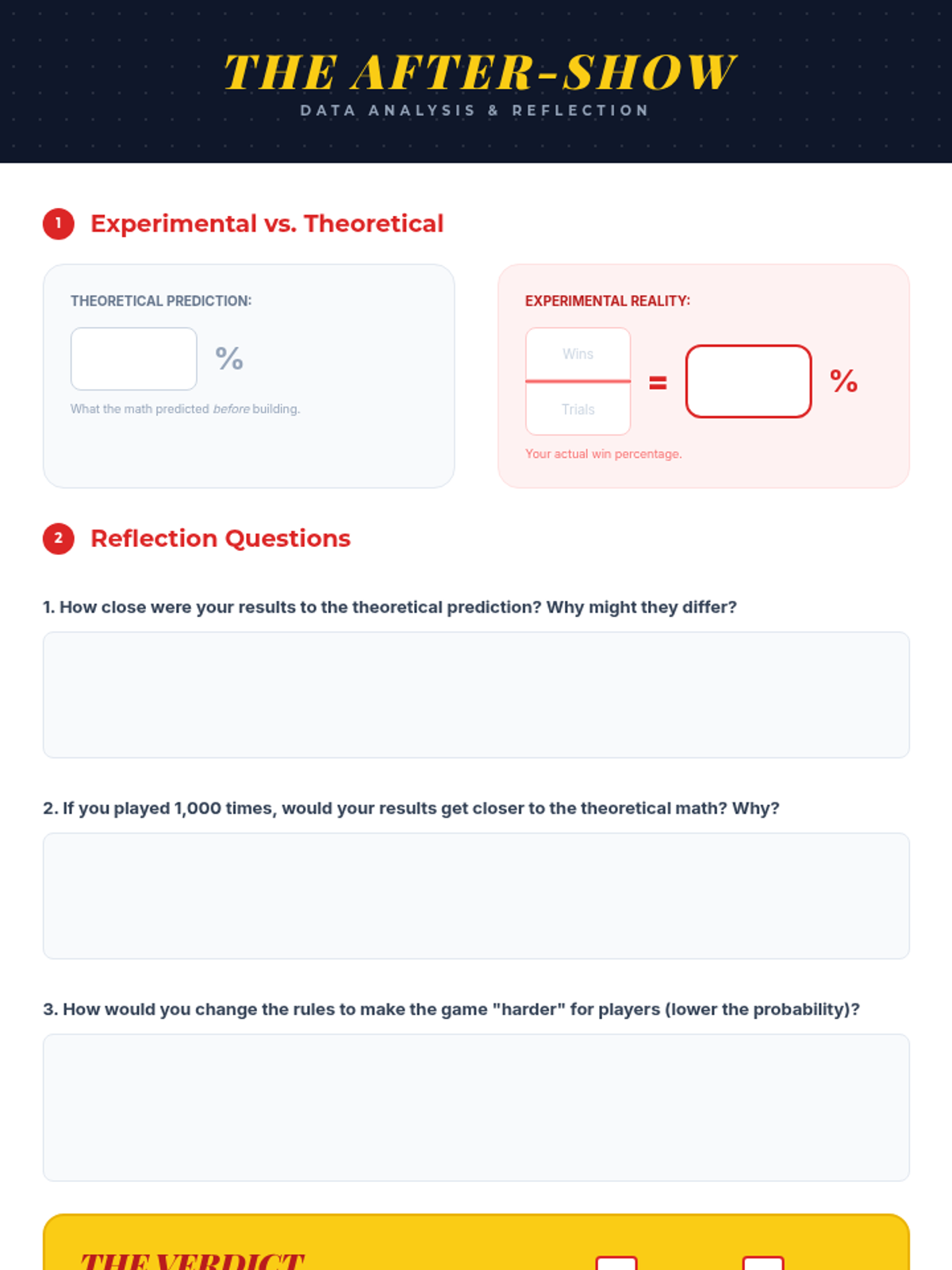
A hands-on probability project where students design, build, and test carnival games. They will calculate theoretical probability, collect experimental data, and analyze the results to understand statistical likelihood.