Students explore valid bivariate topics and form hypotheses about relationships between two variables, distinguishing between categorical and quantitative data.
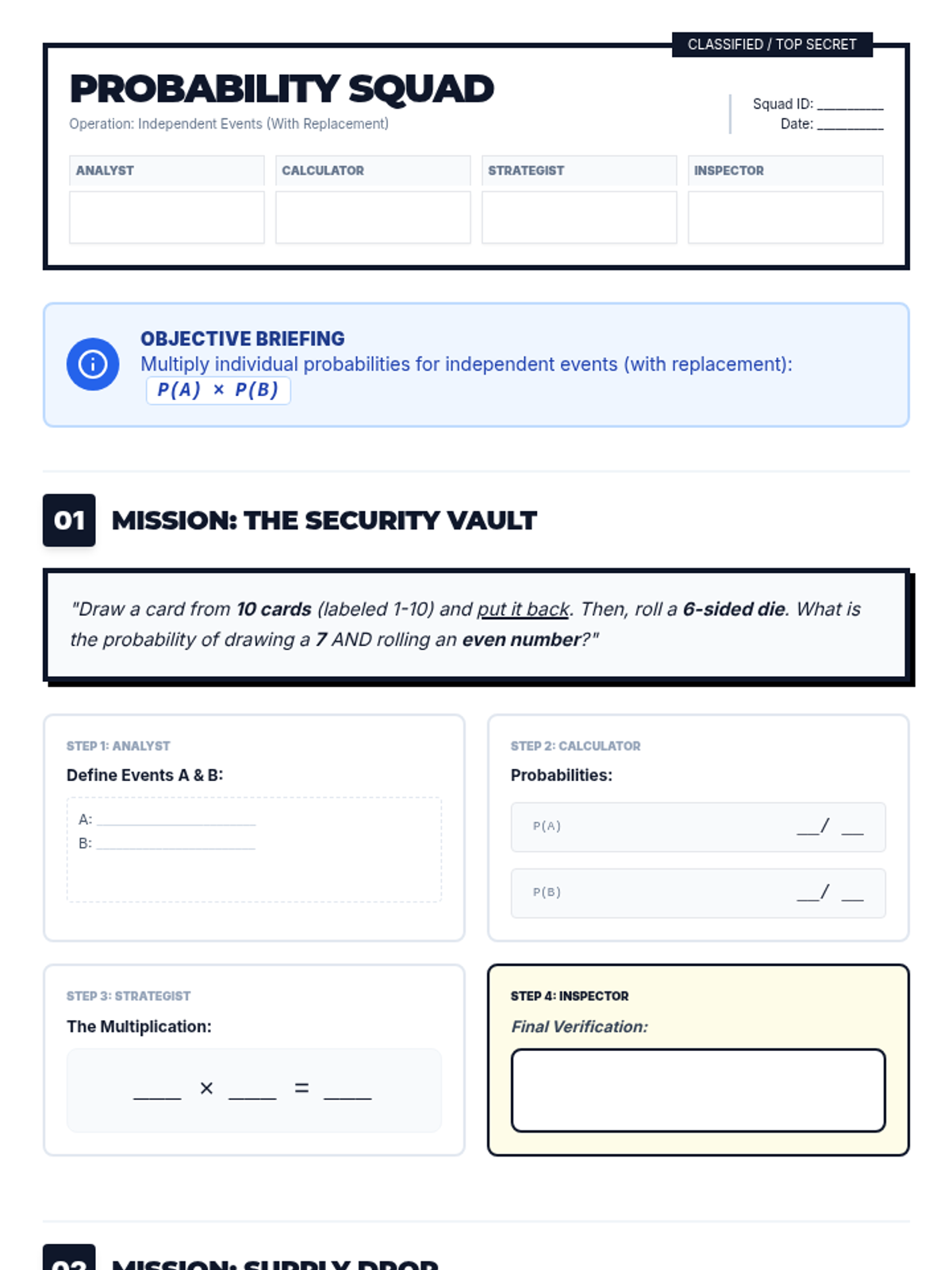
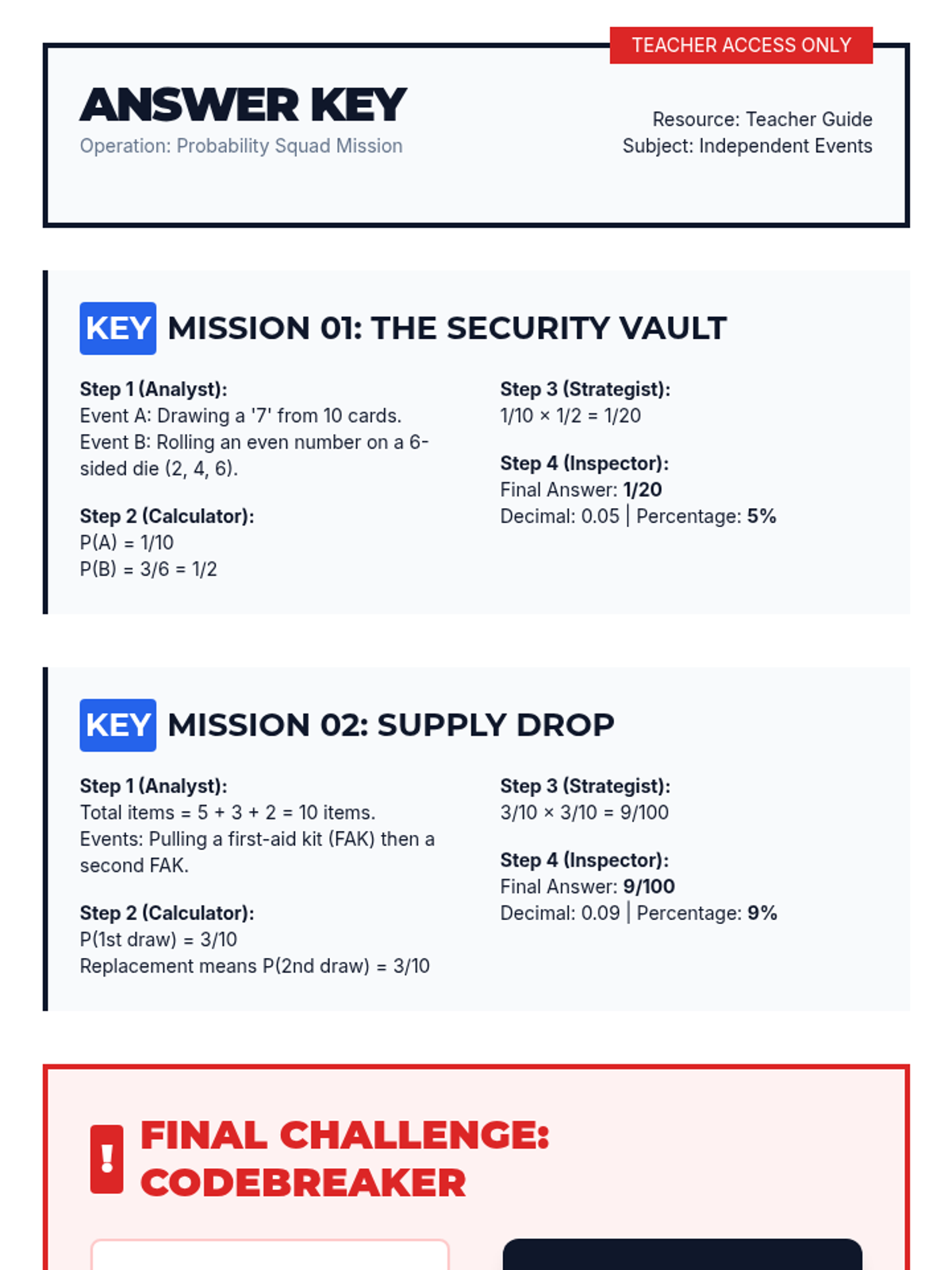
A collaborative lesson where students work in specialized roles to master compound probability of independent events with replacement through step-by-step mission scenarios.
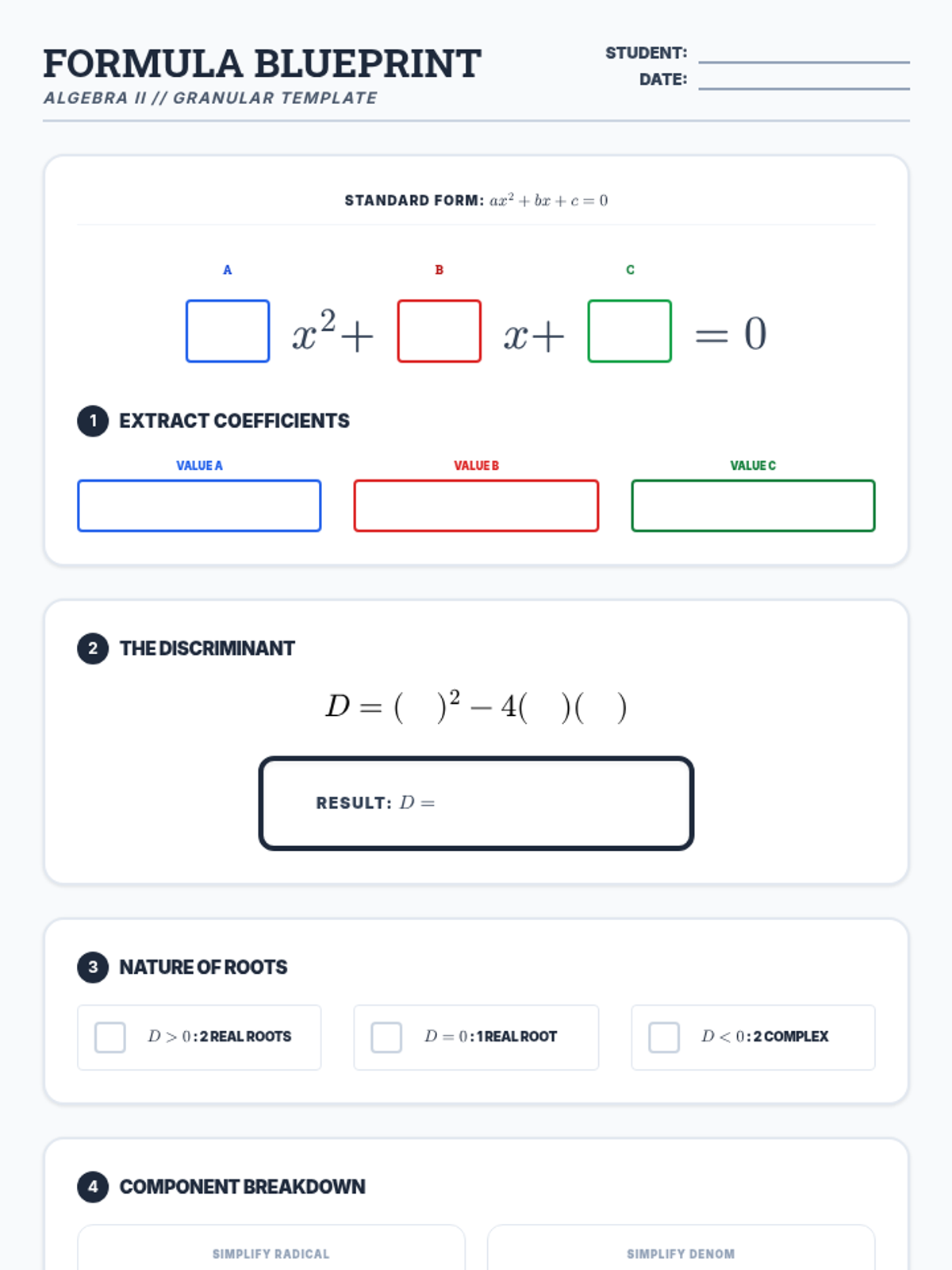
A technical, step-by-step guide and template for mastering the quadratic formula through visual color-coding. This lesson provides students with a structured 'blueprint' to decompose and solve quadratic equations with precision.
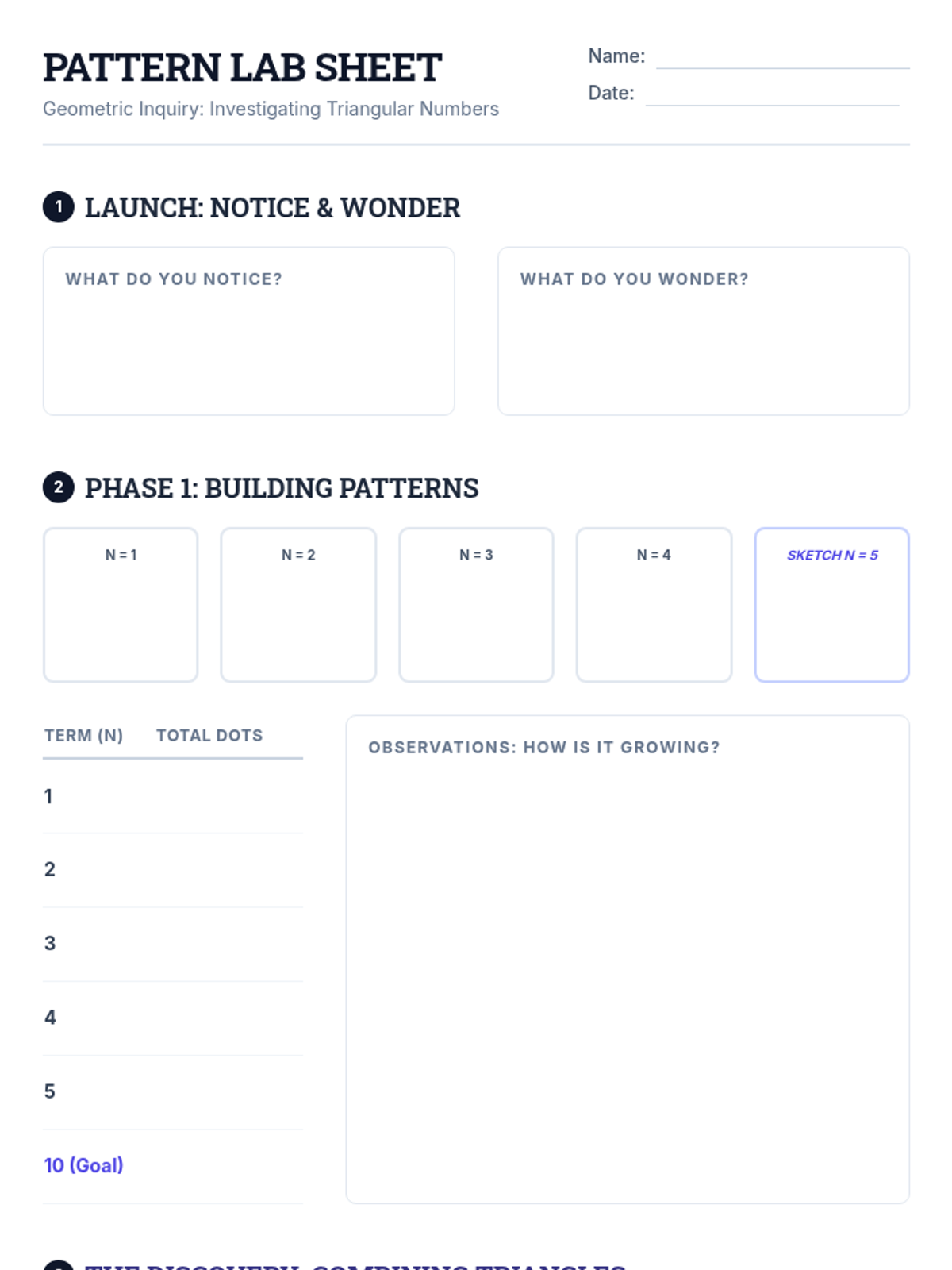
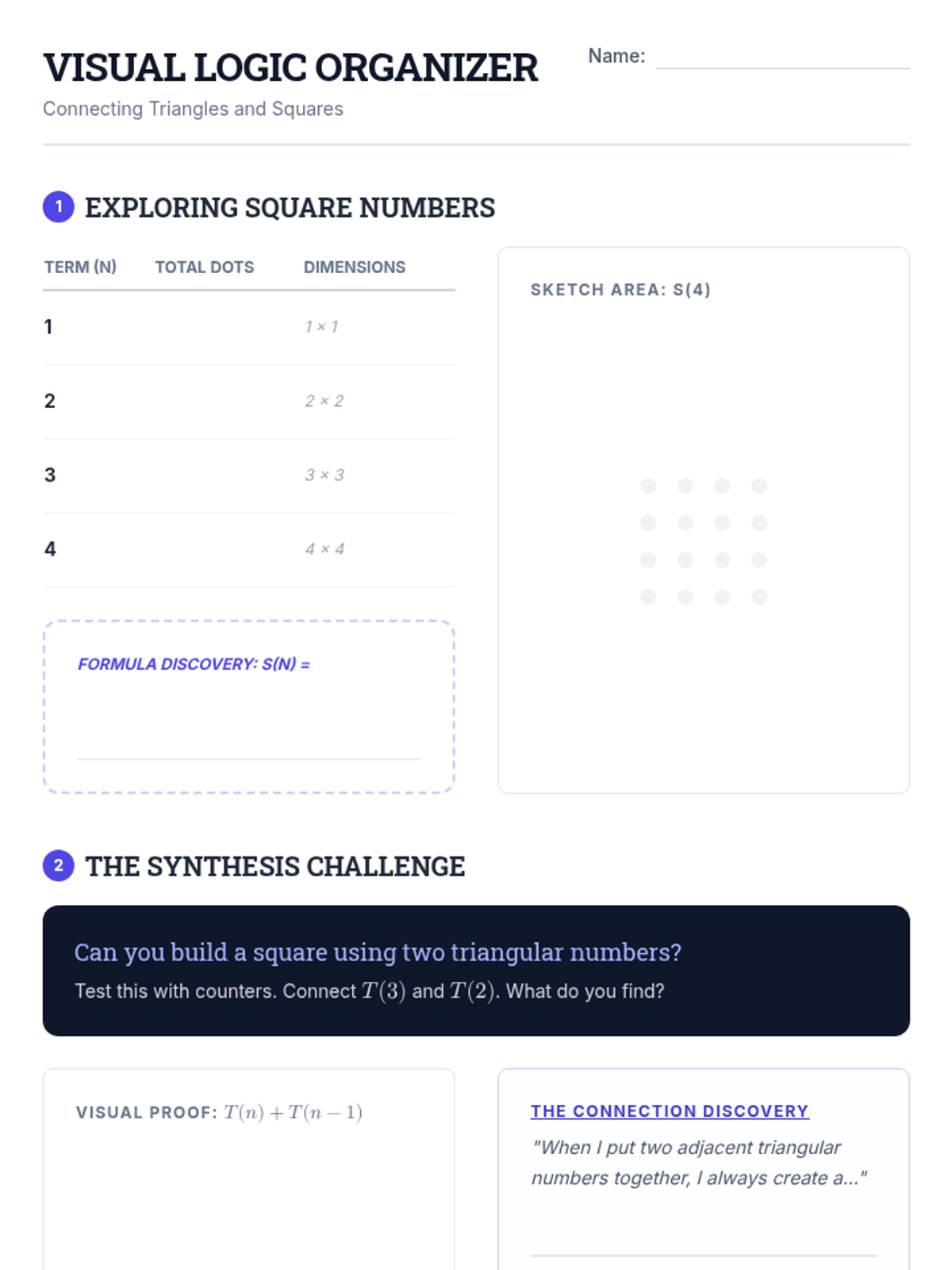
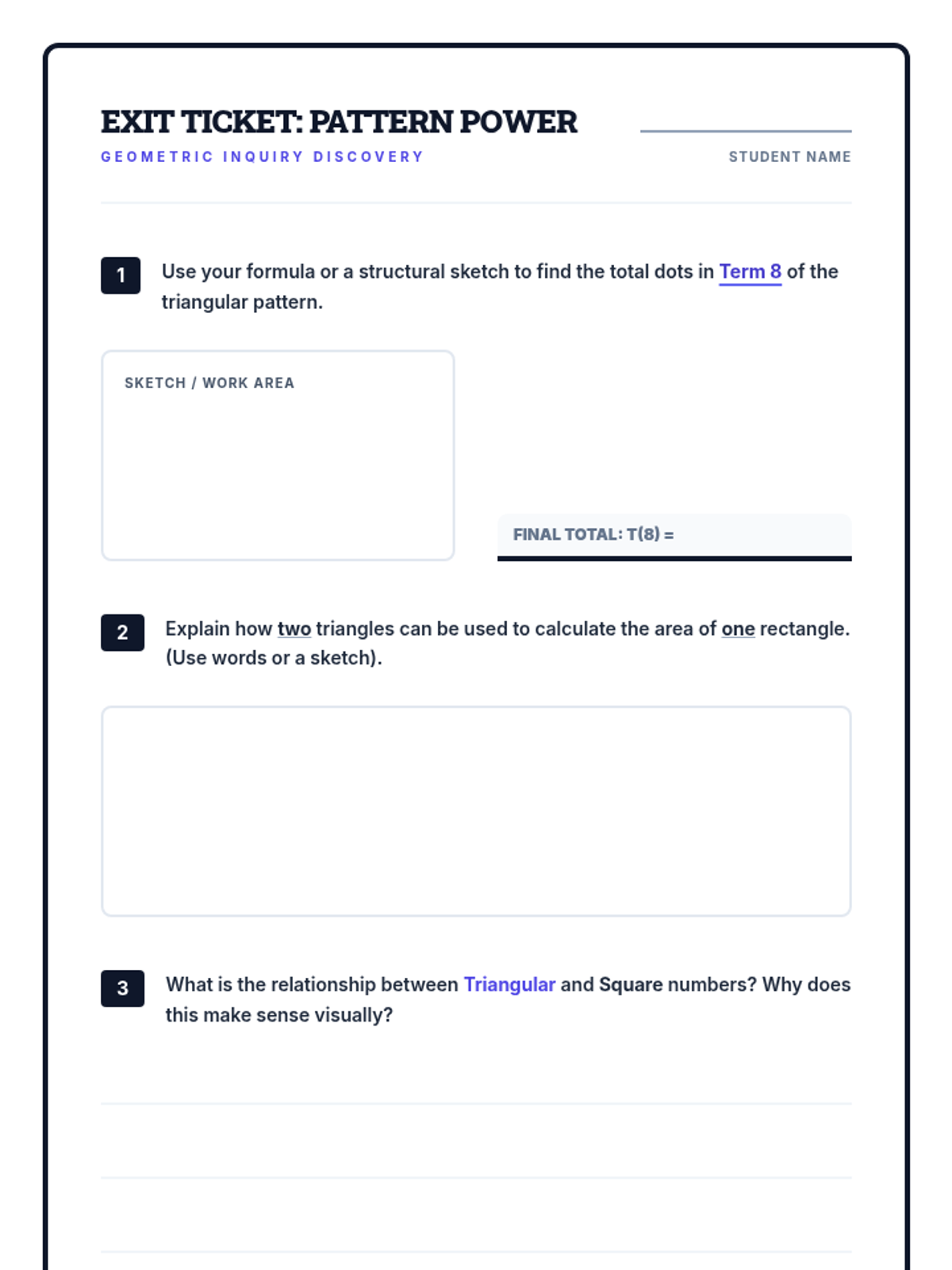
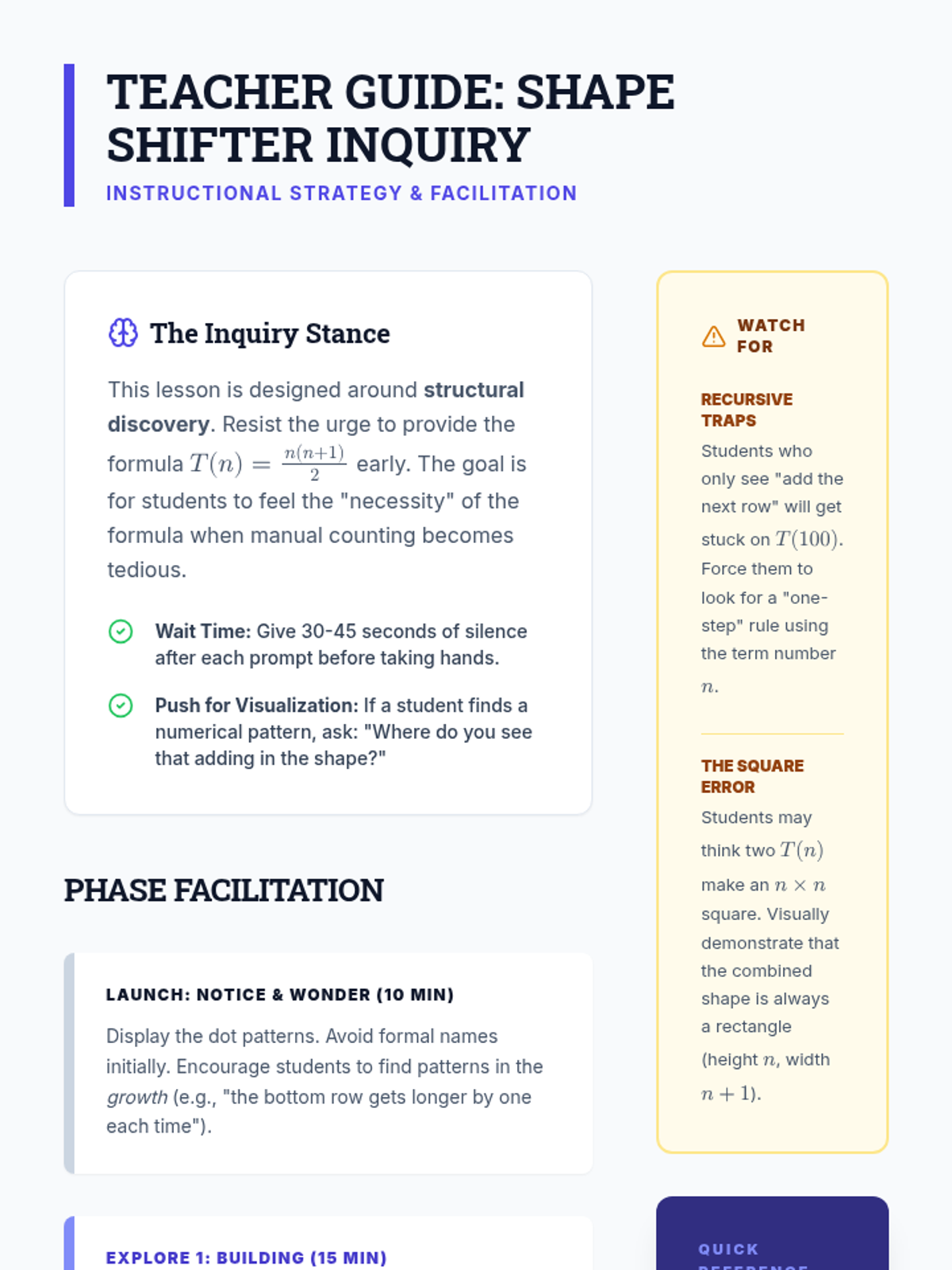
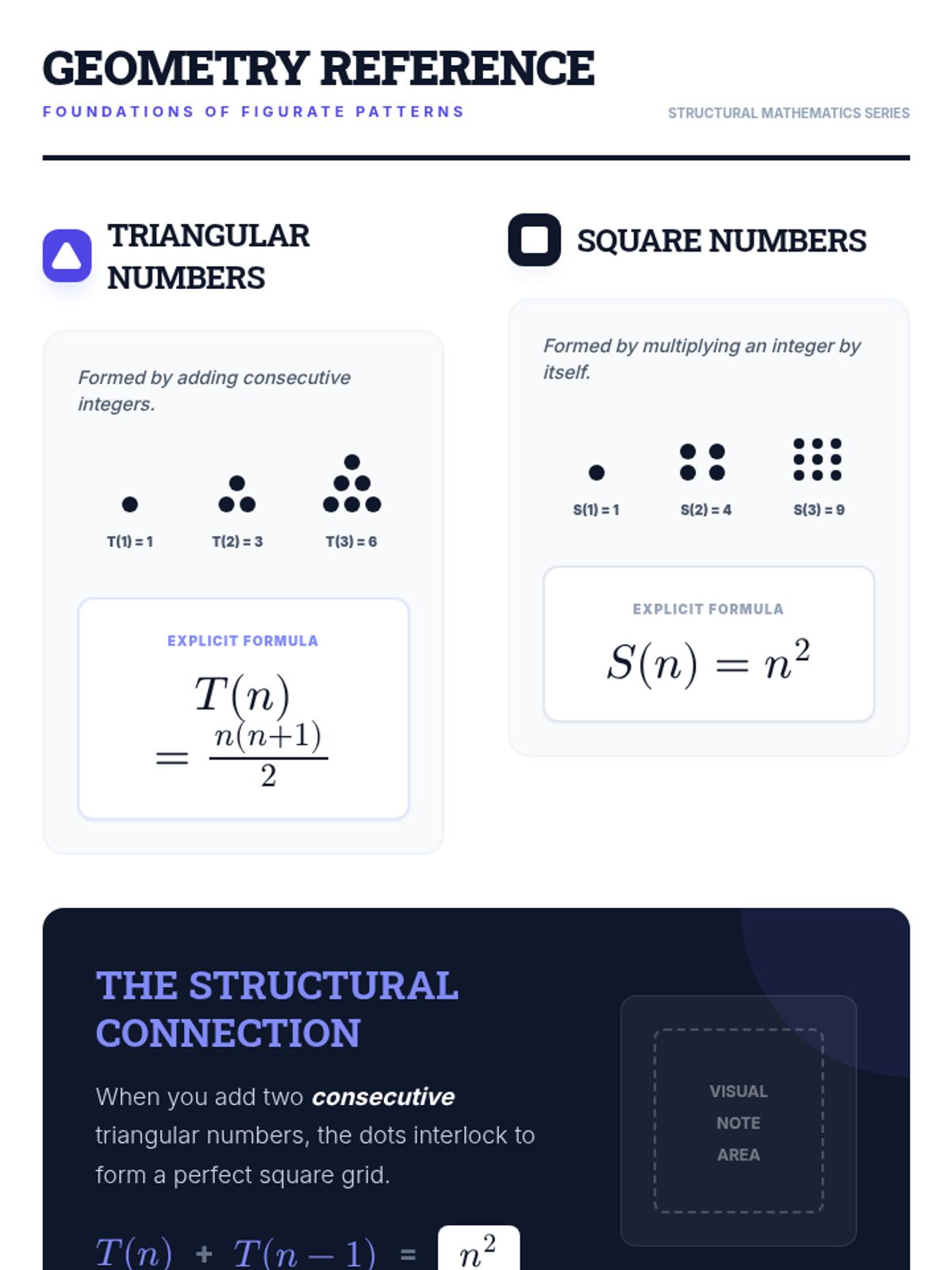
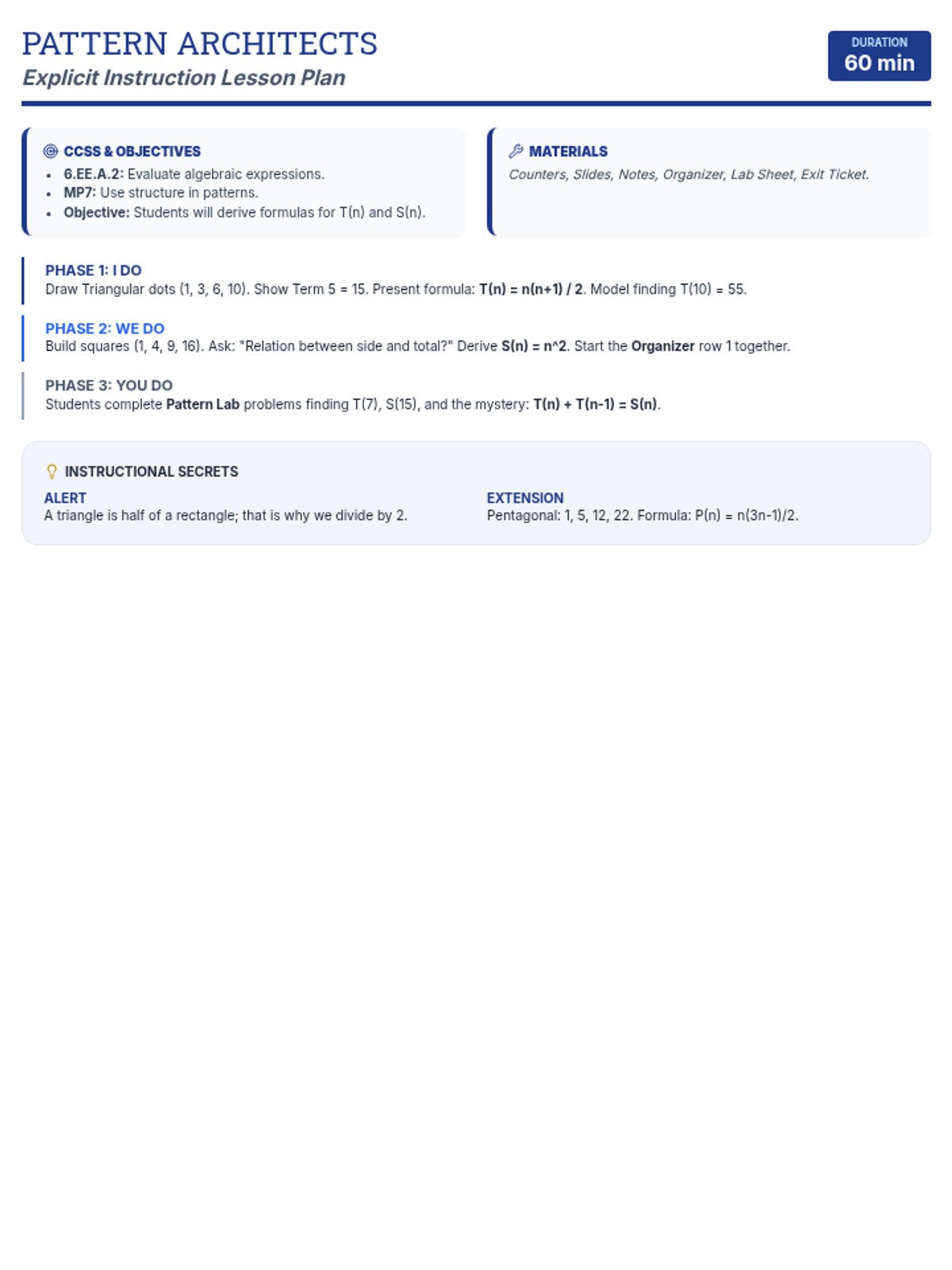
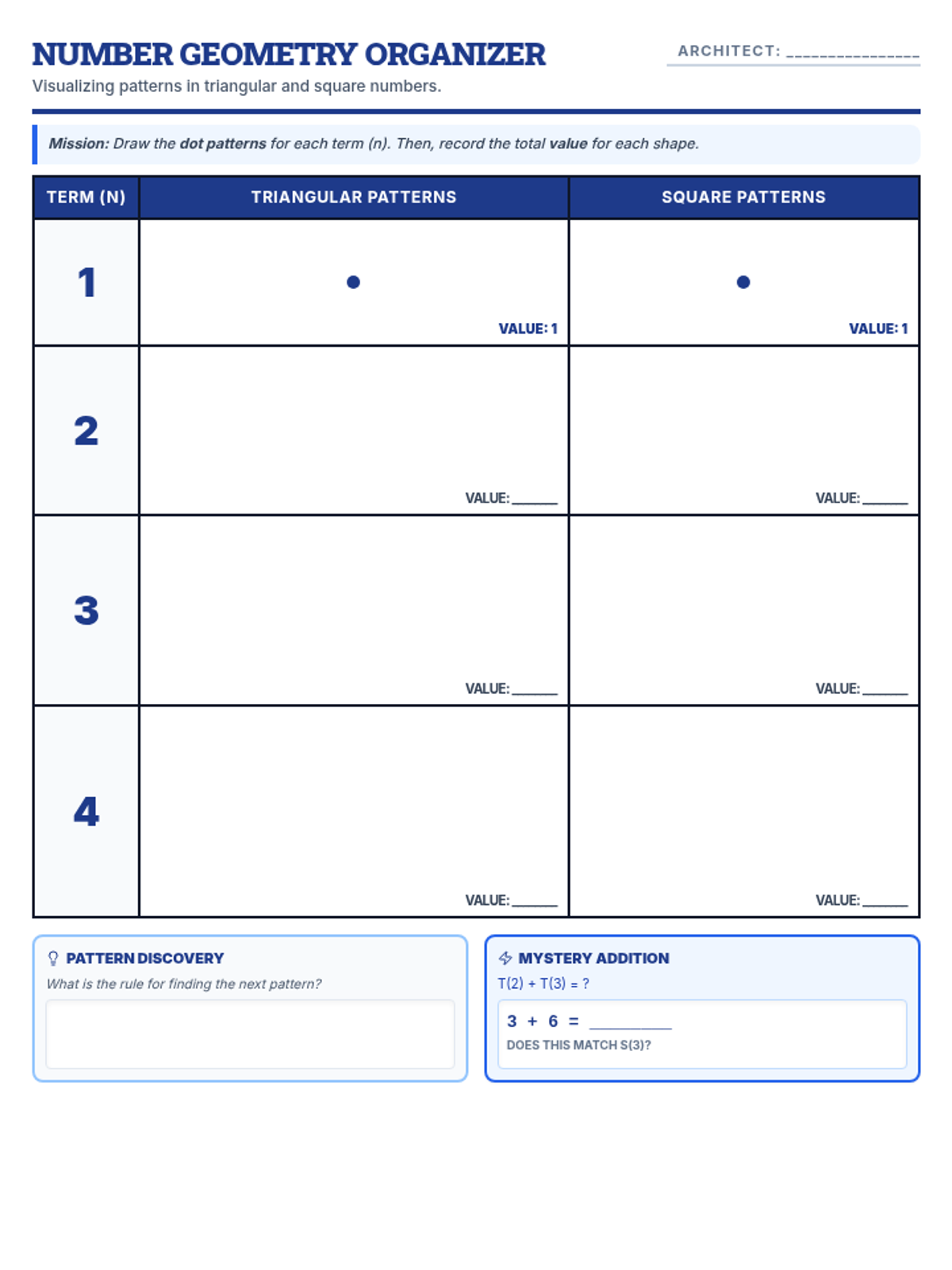
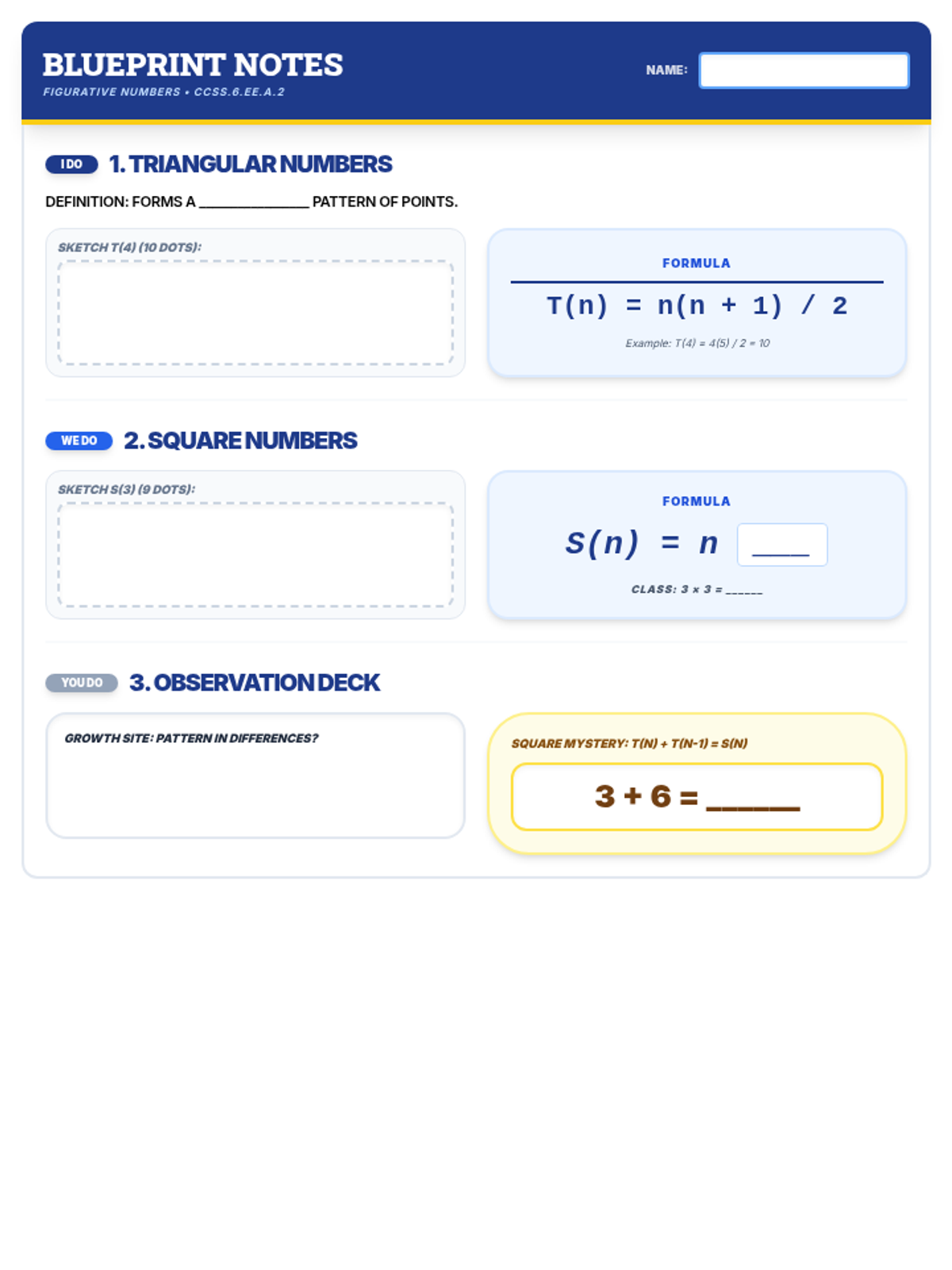
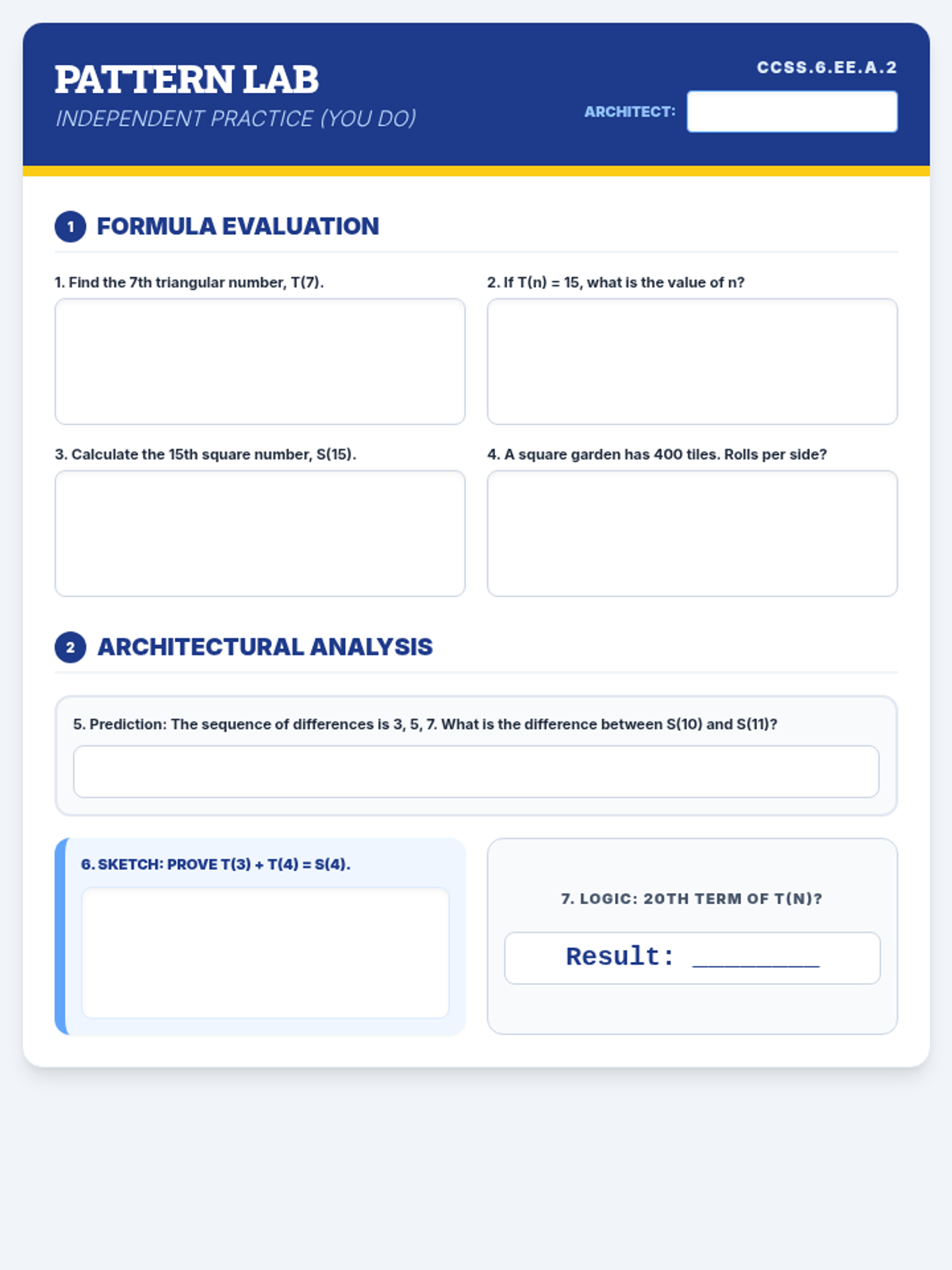
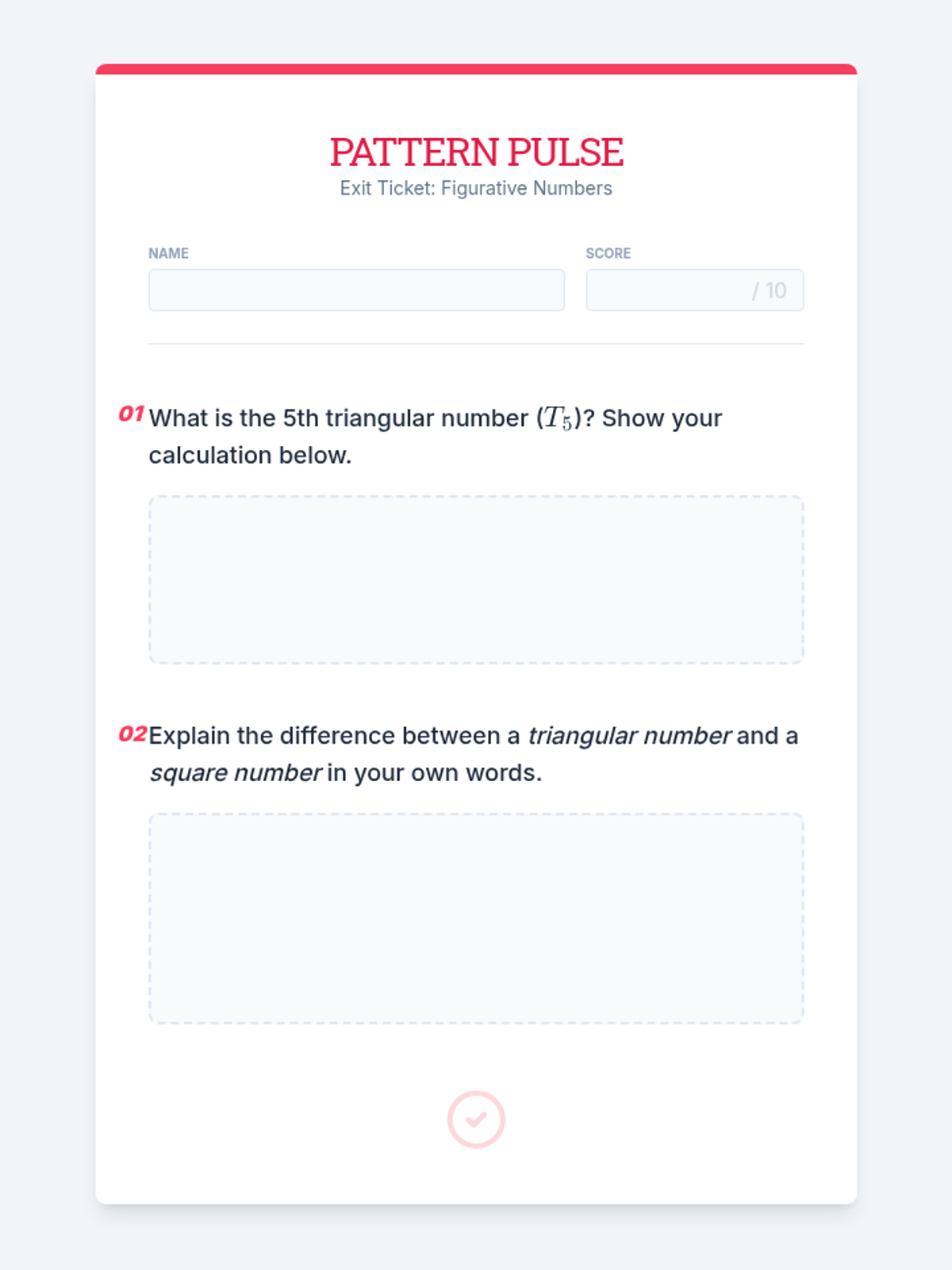
An inquiry-based exploration of triangular and square numbers where students discover formulas through visual manipulation and structural analysis.
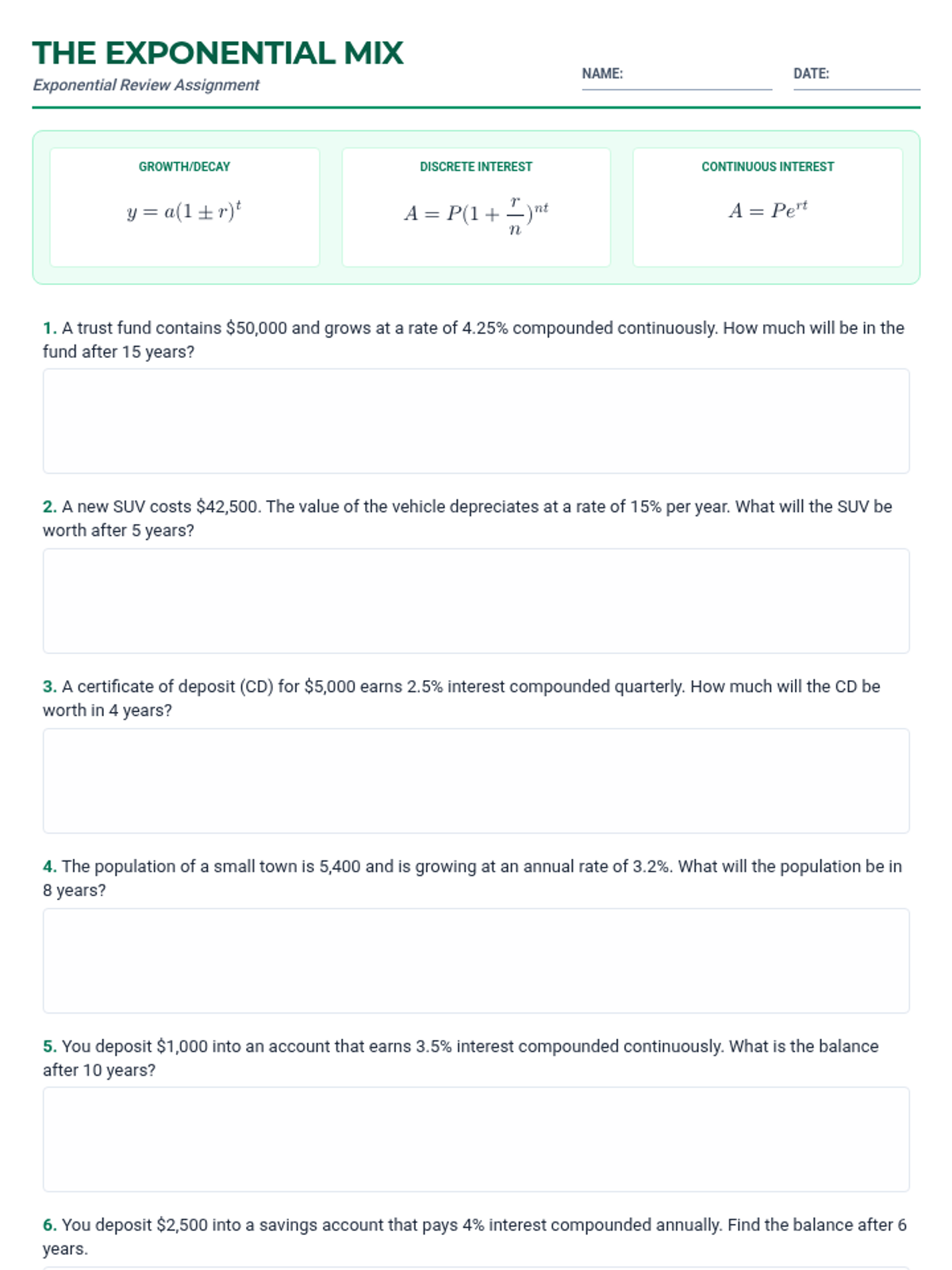
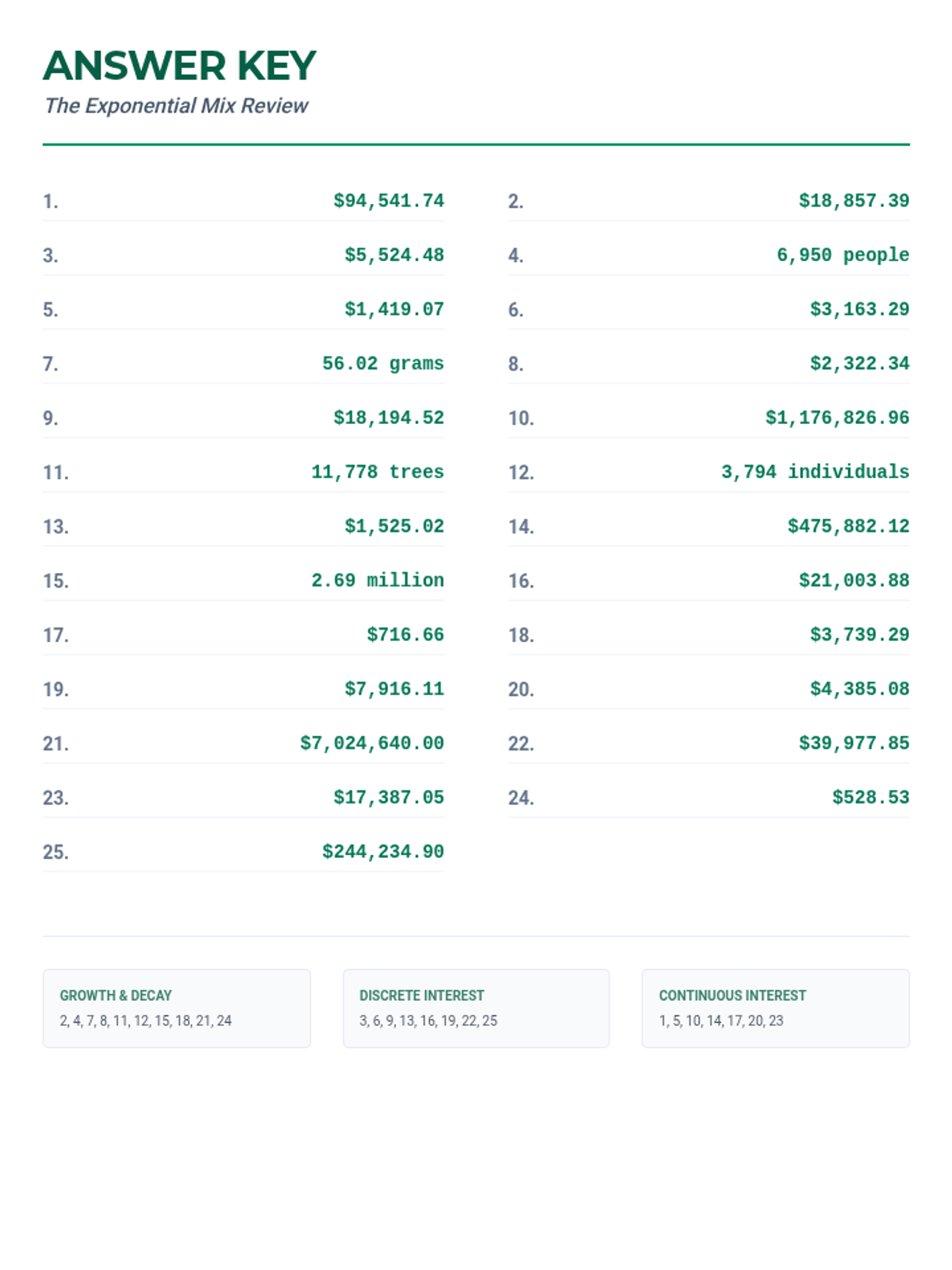
A comprehensive review of exponential growth, decay, and compound interest through real-world scenarios. Students practice applying discrete and continuous formulas to predict future values.
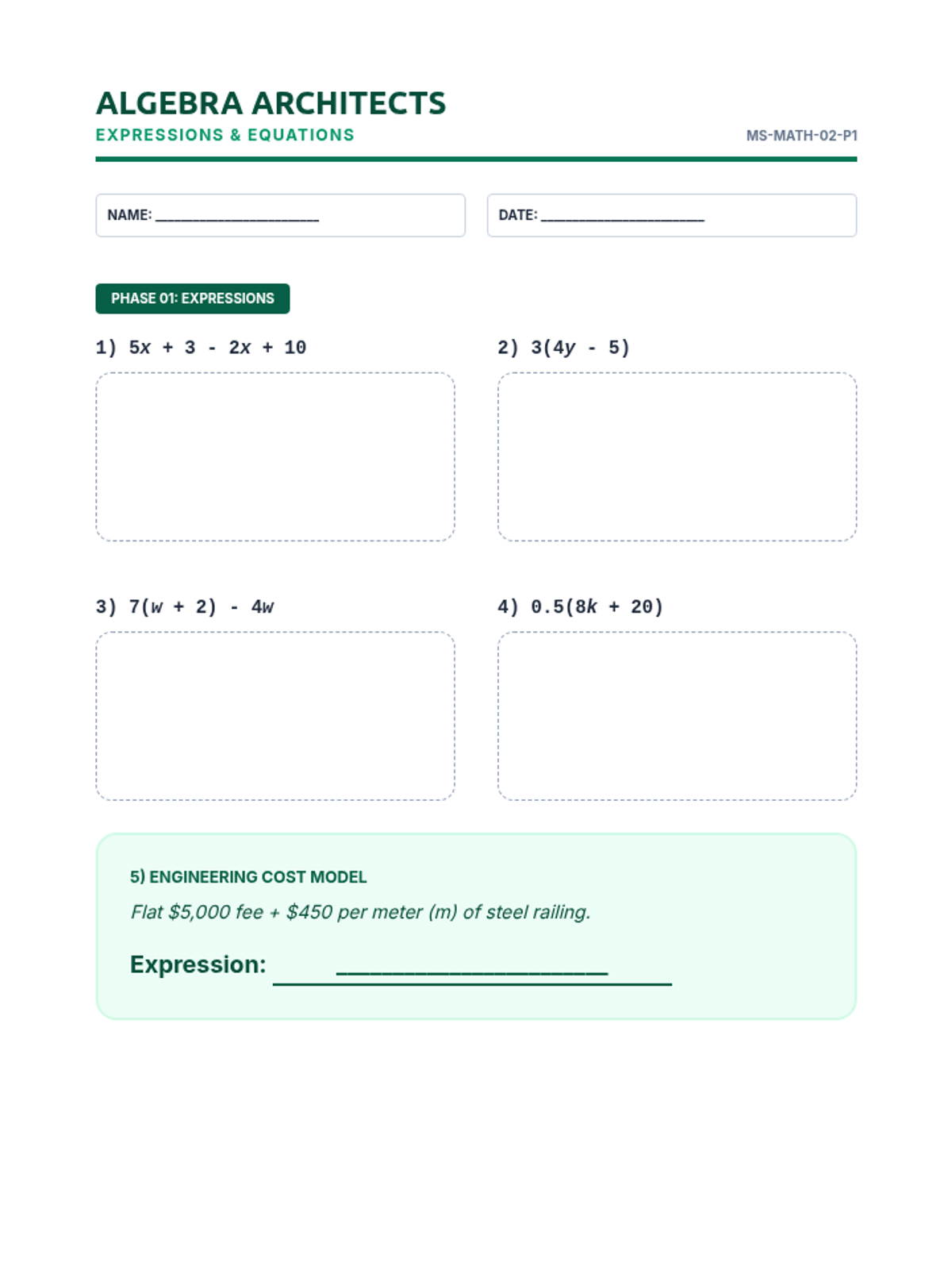
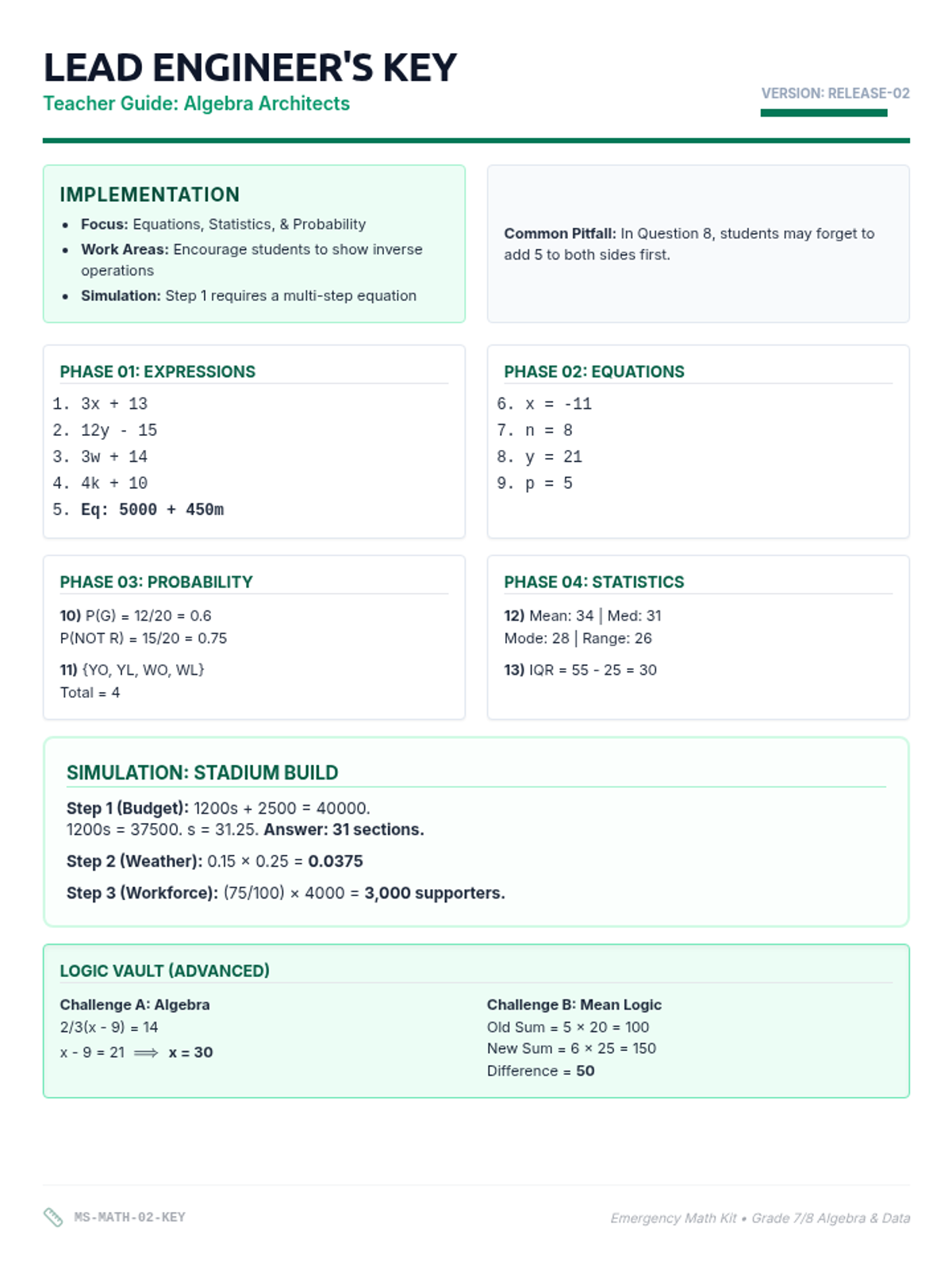
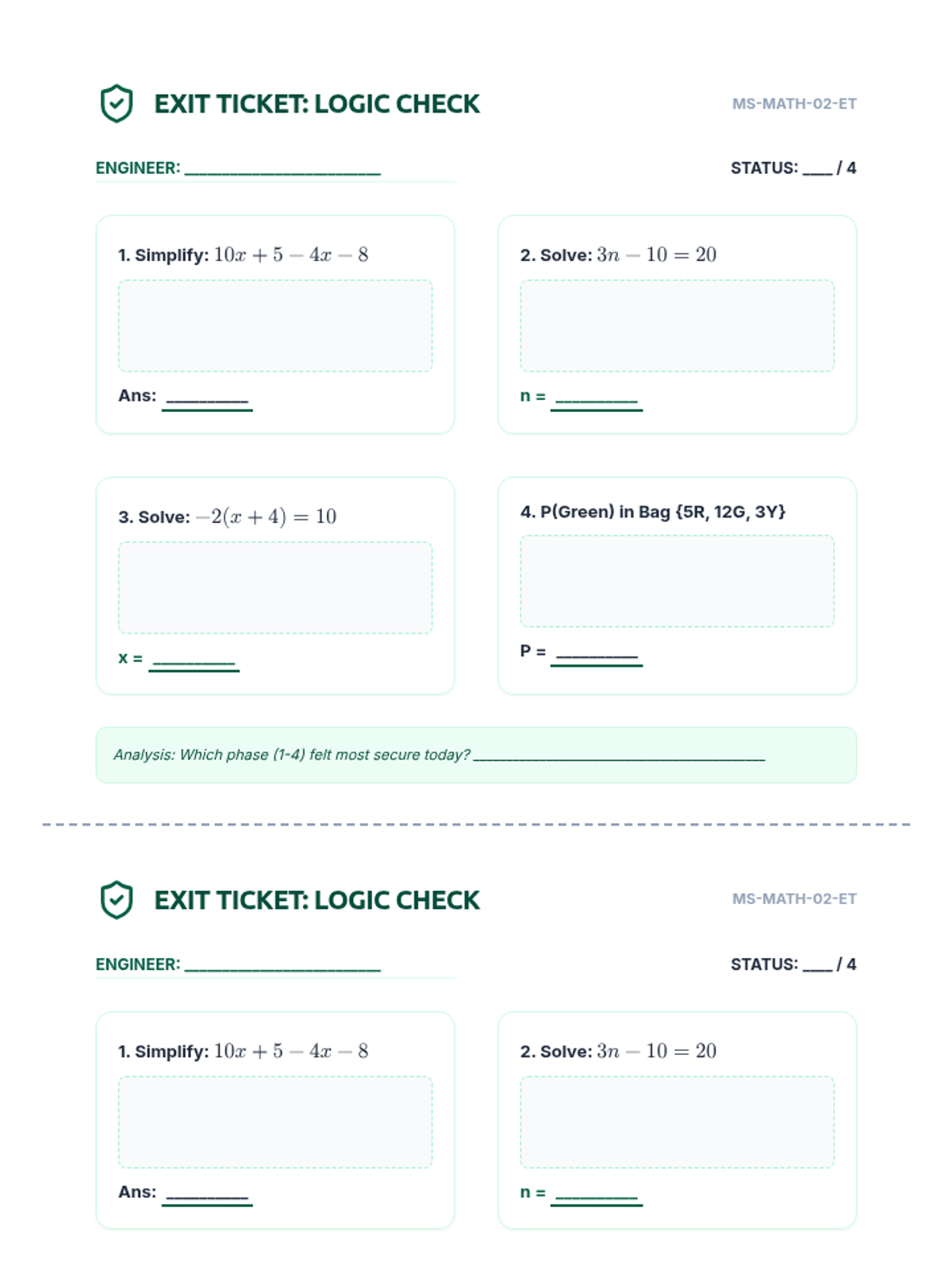
A 90-minute substitute-ready packet covering linear expressions, one- and two-step equations, probability, and statistics. Students act as "logic engineers" to solve real-world modeling problems and analyze data sets.
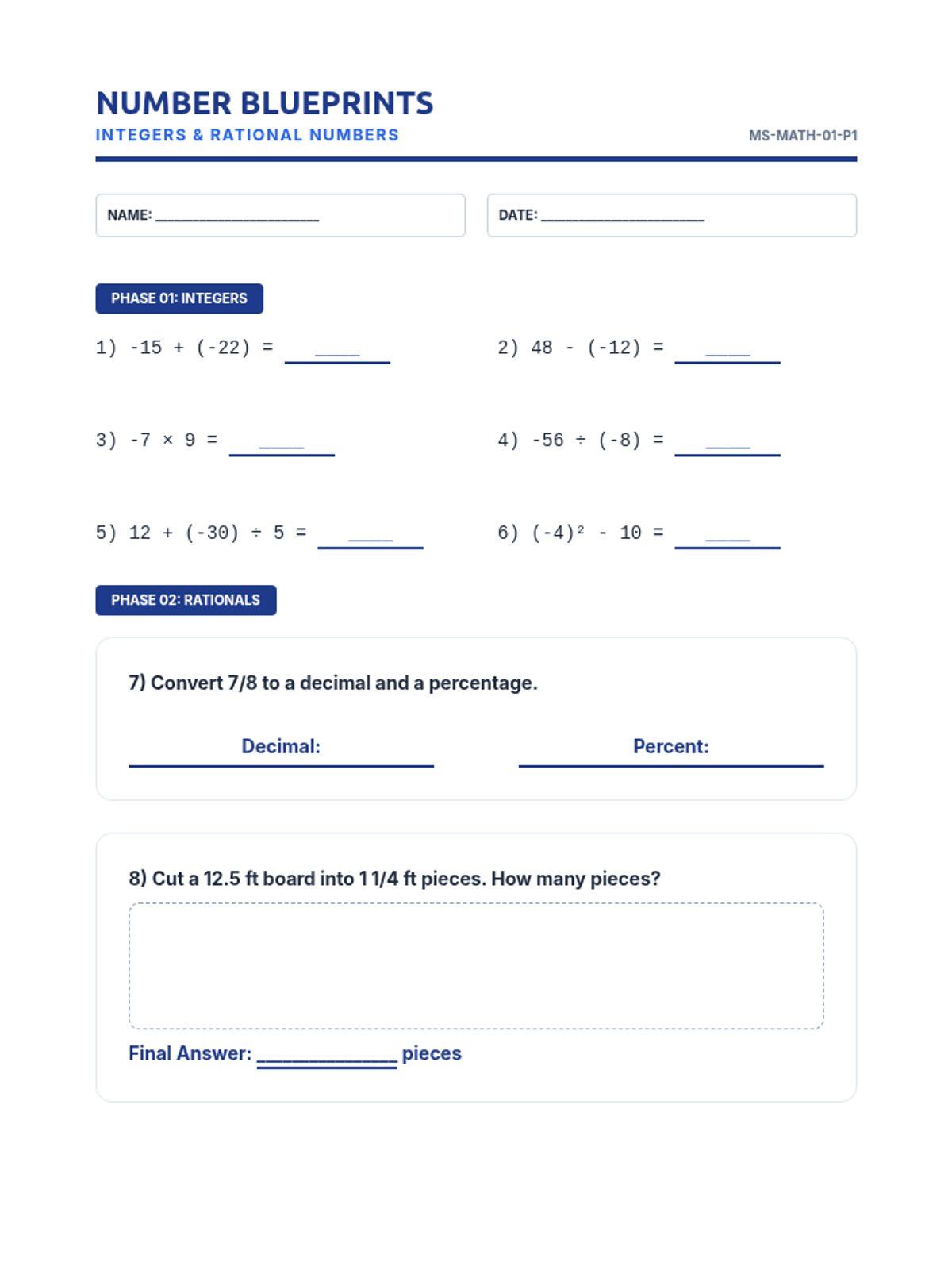
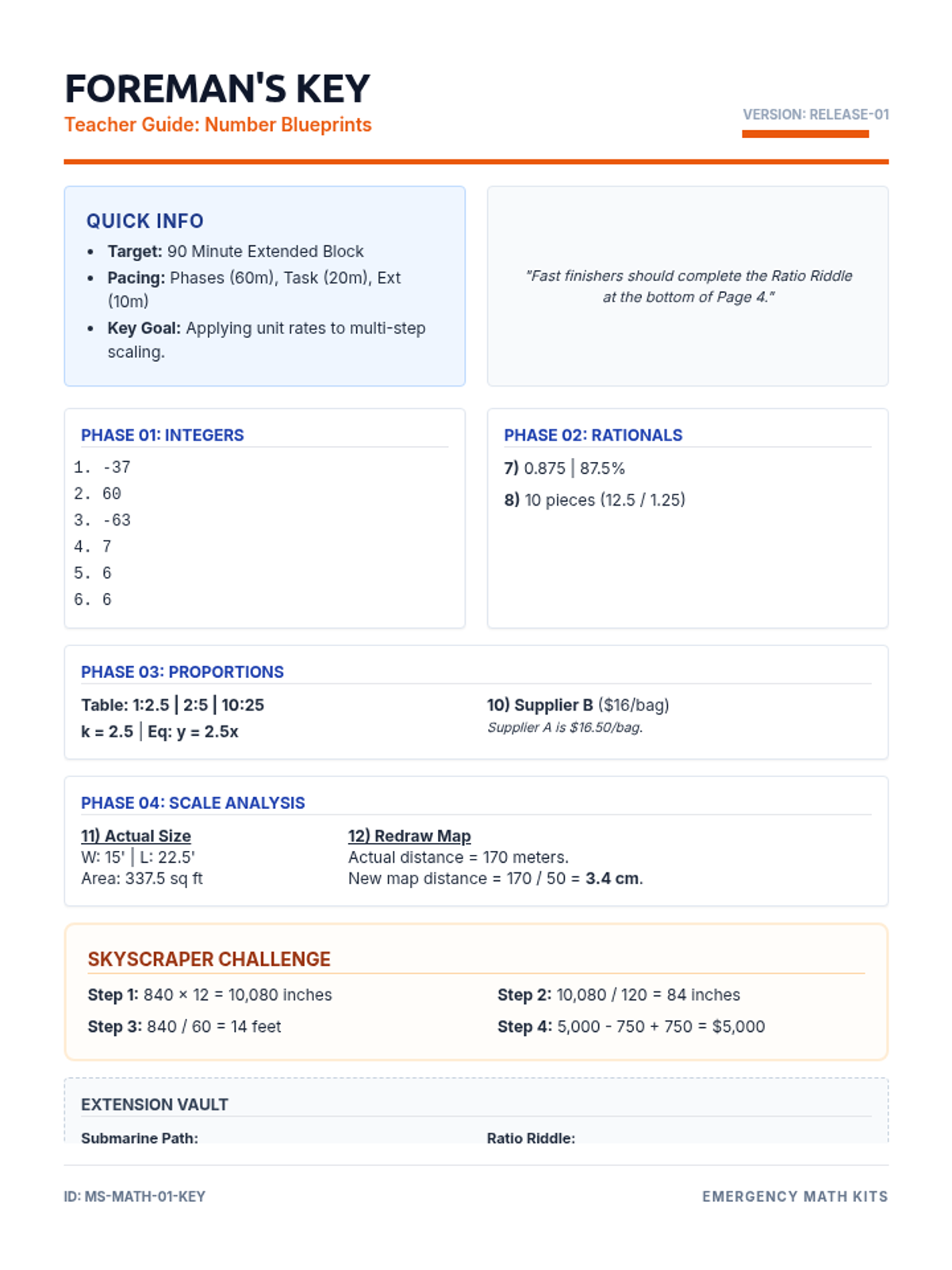
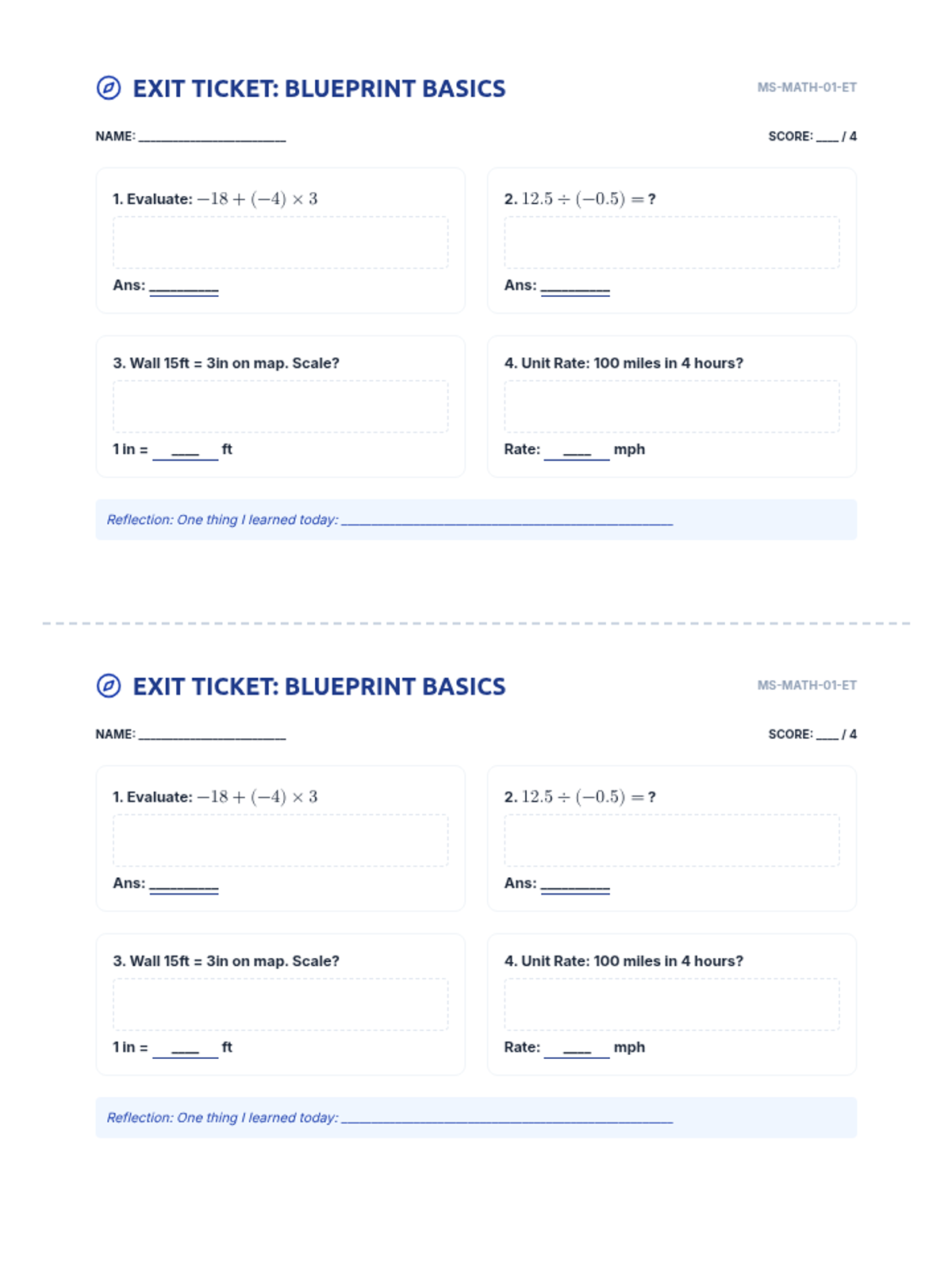
A 90-minute substitute-ready packet focusing on operations with integers, rational numbers, proportions, and scale factors. Students work through a series of "blueprint" challenges to apply their number sense and proportional reasoning.
A comprehensive 5E lesson exploring the intersection of geometry and arithmetic through triangular and square numbers. Students will identify patterns, build geometric representations, and derive algebraic formulas for figurative numbers.
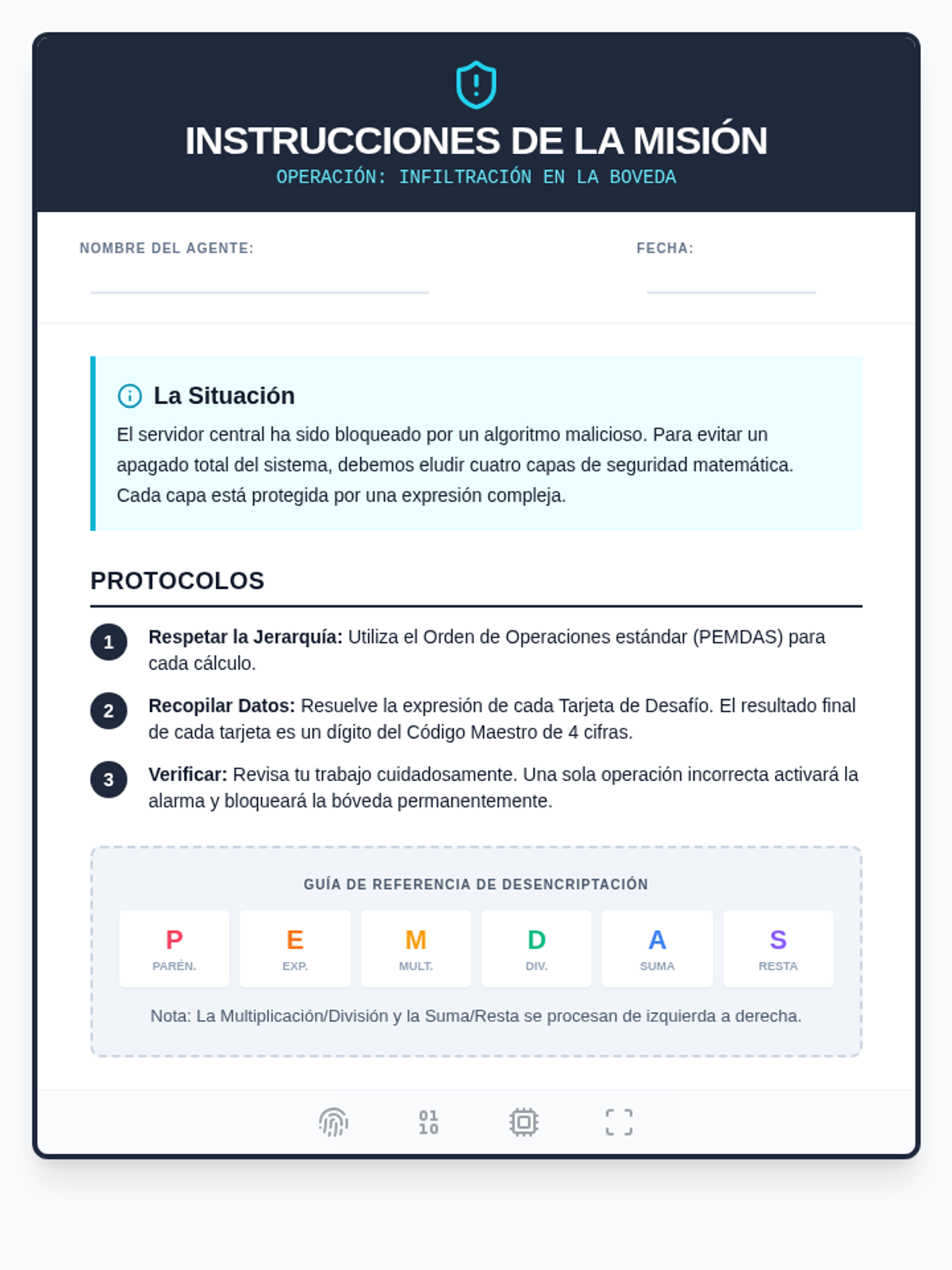
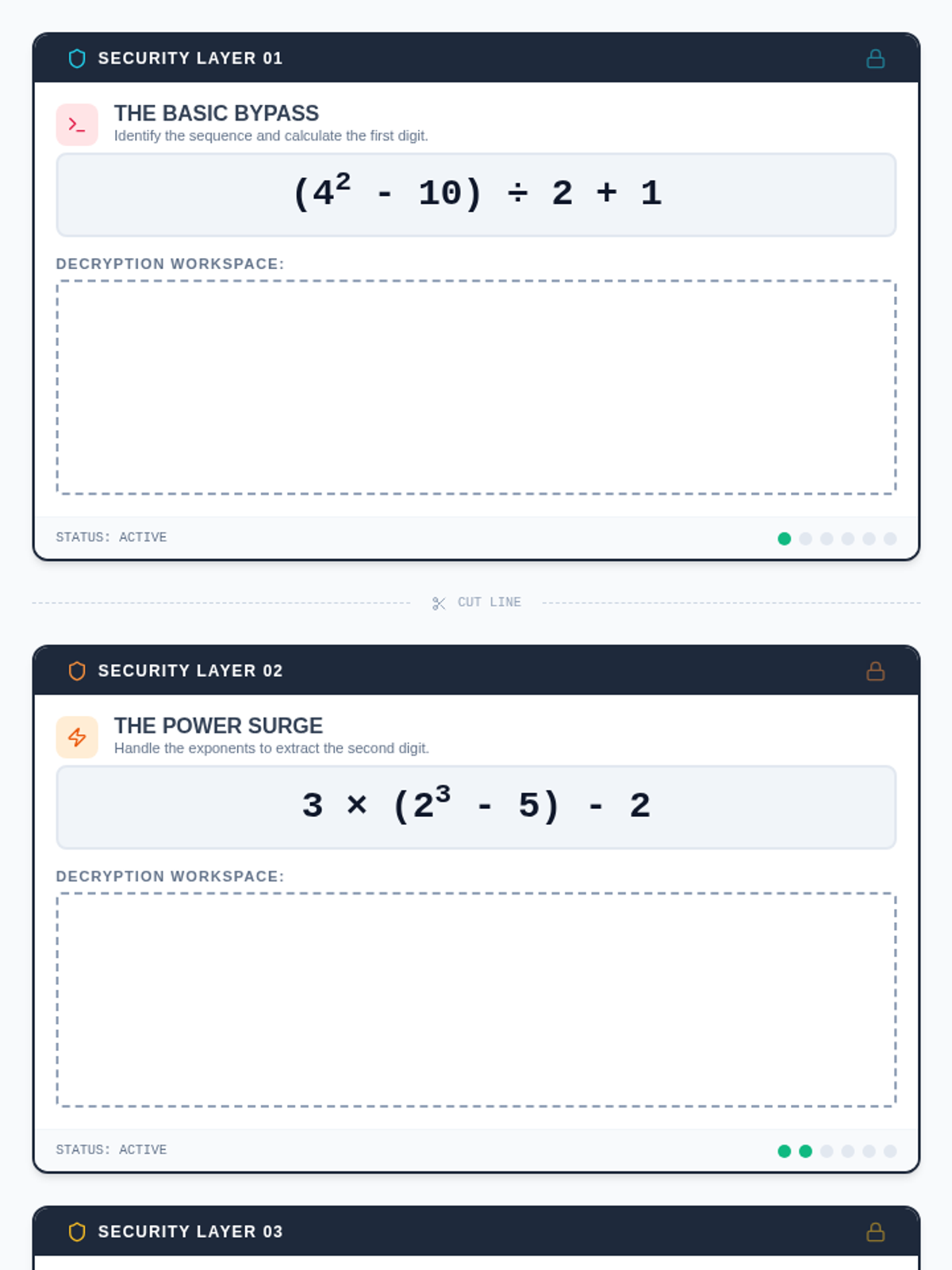
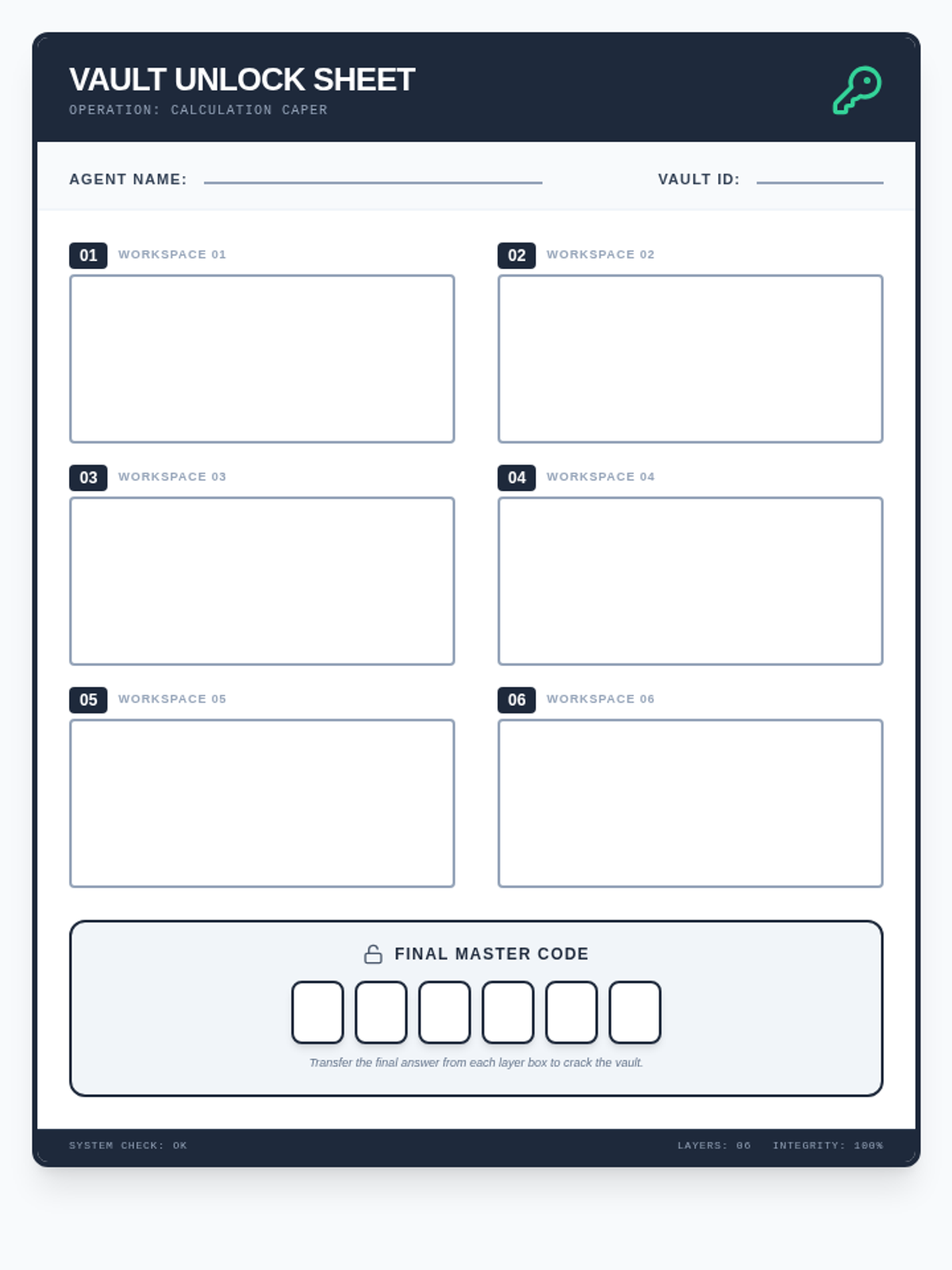
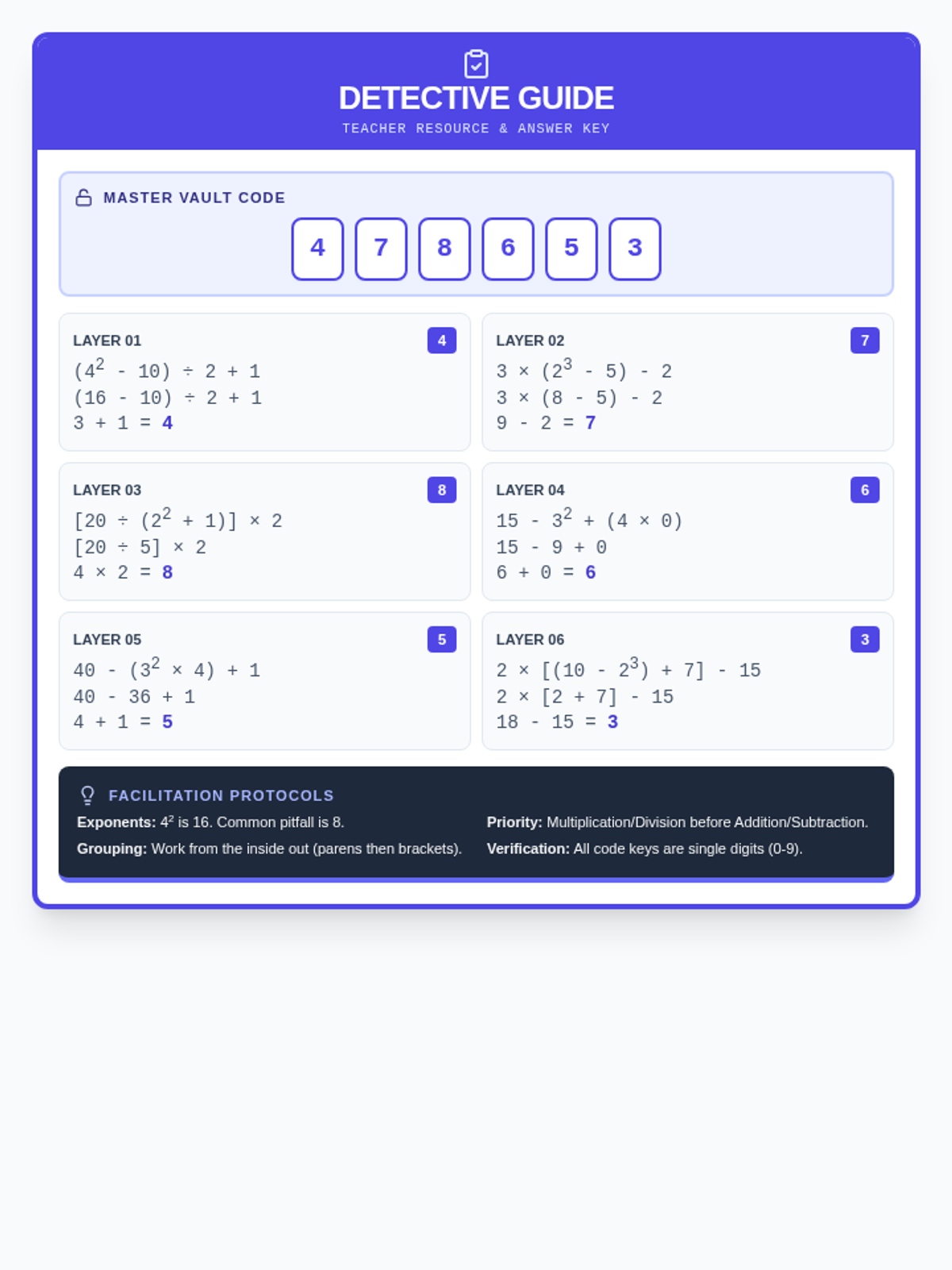
A high-stakes escape room challenge where students solve PEMDAS expressions involving exponents to crack the vault code. Students act as digital detectives navigating four distinct security layers.
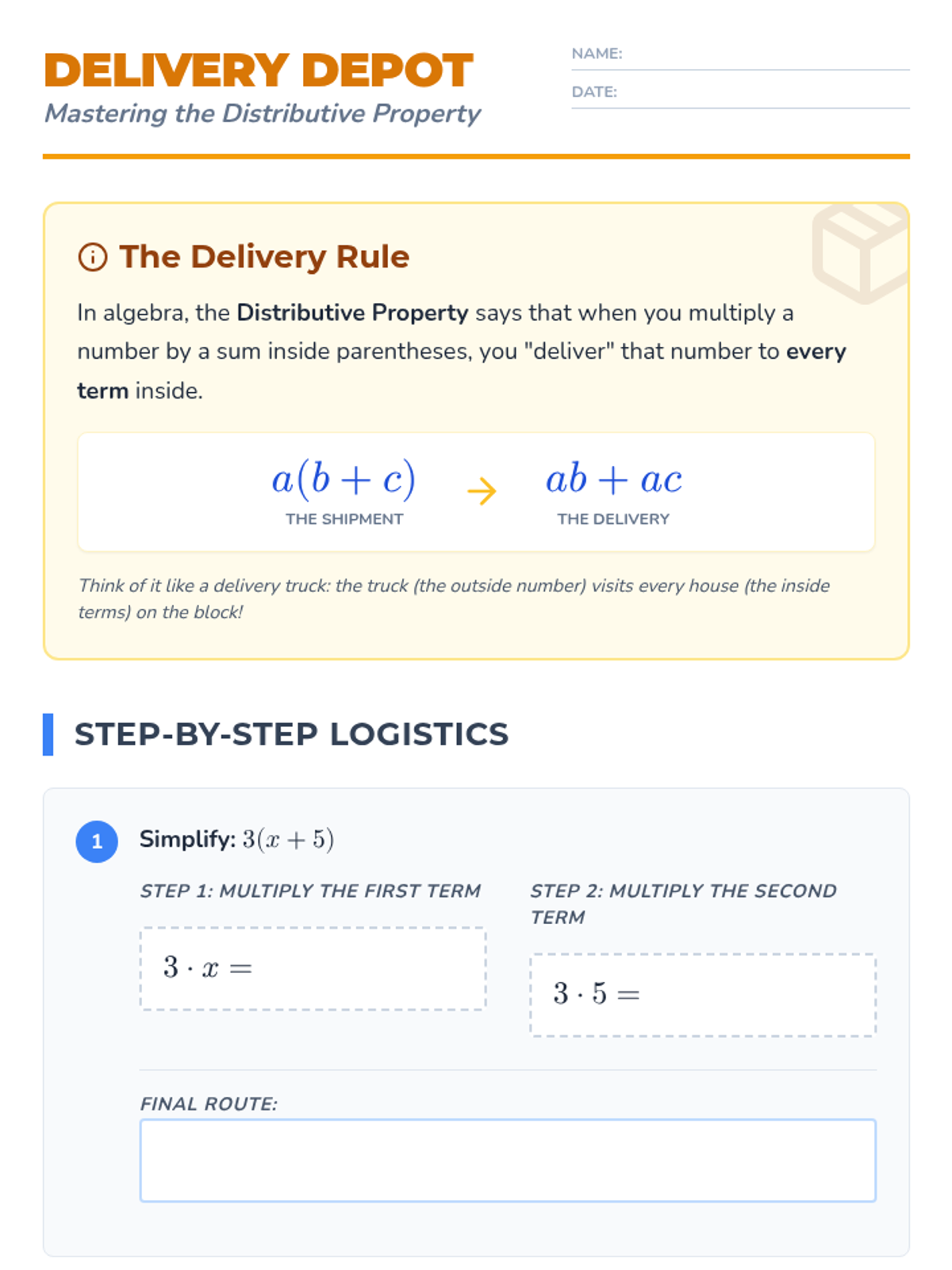
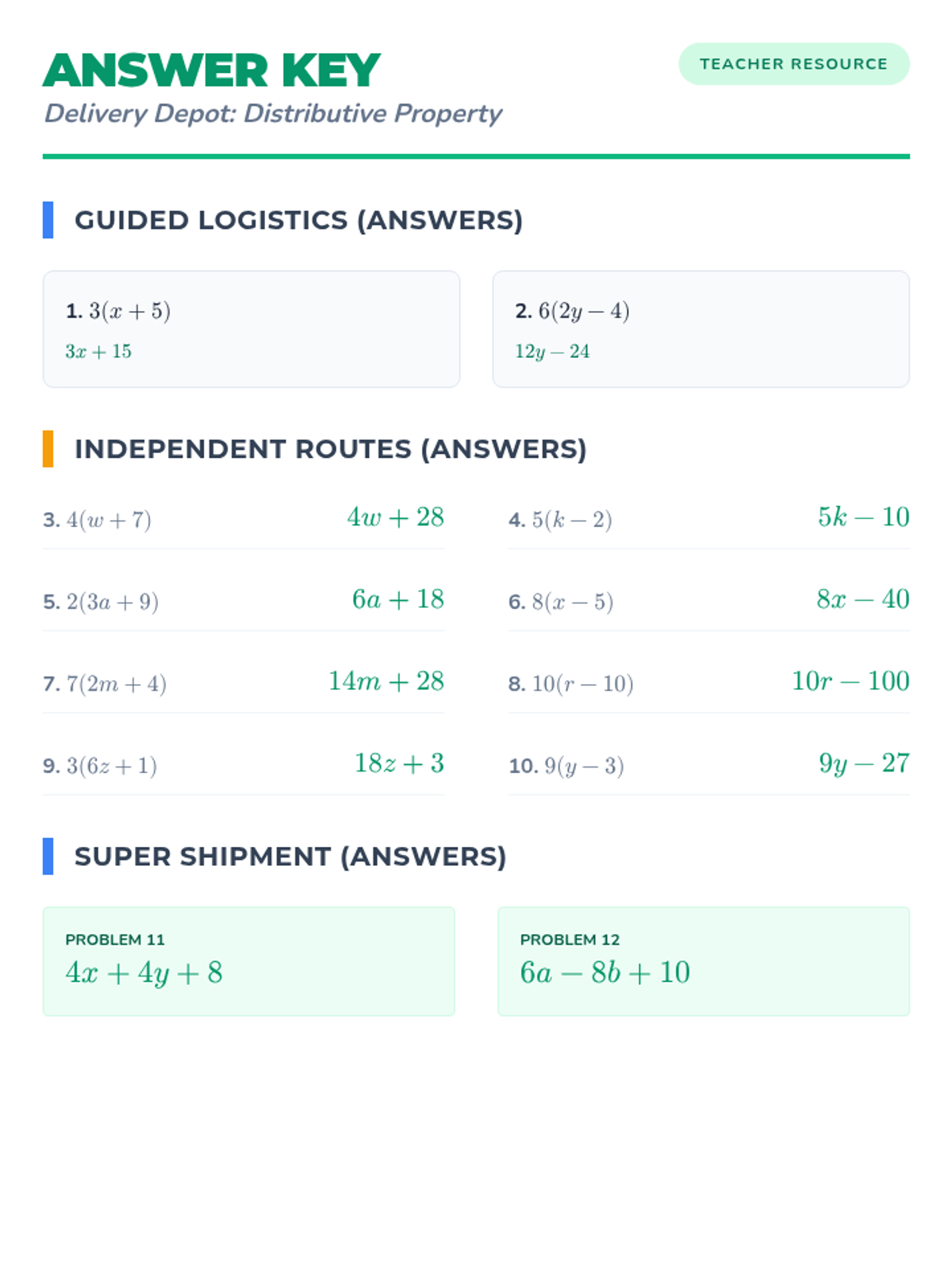
A lesson introducing the distributive property through the metaphor of a delivery service, featuring guided and independent practice.
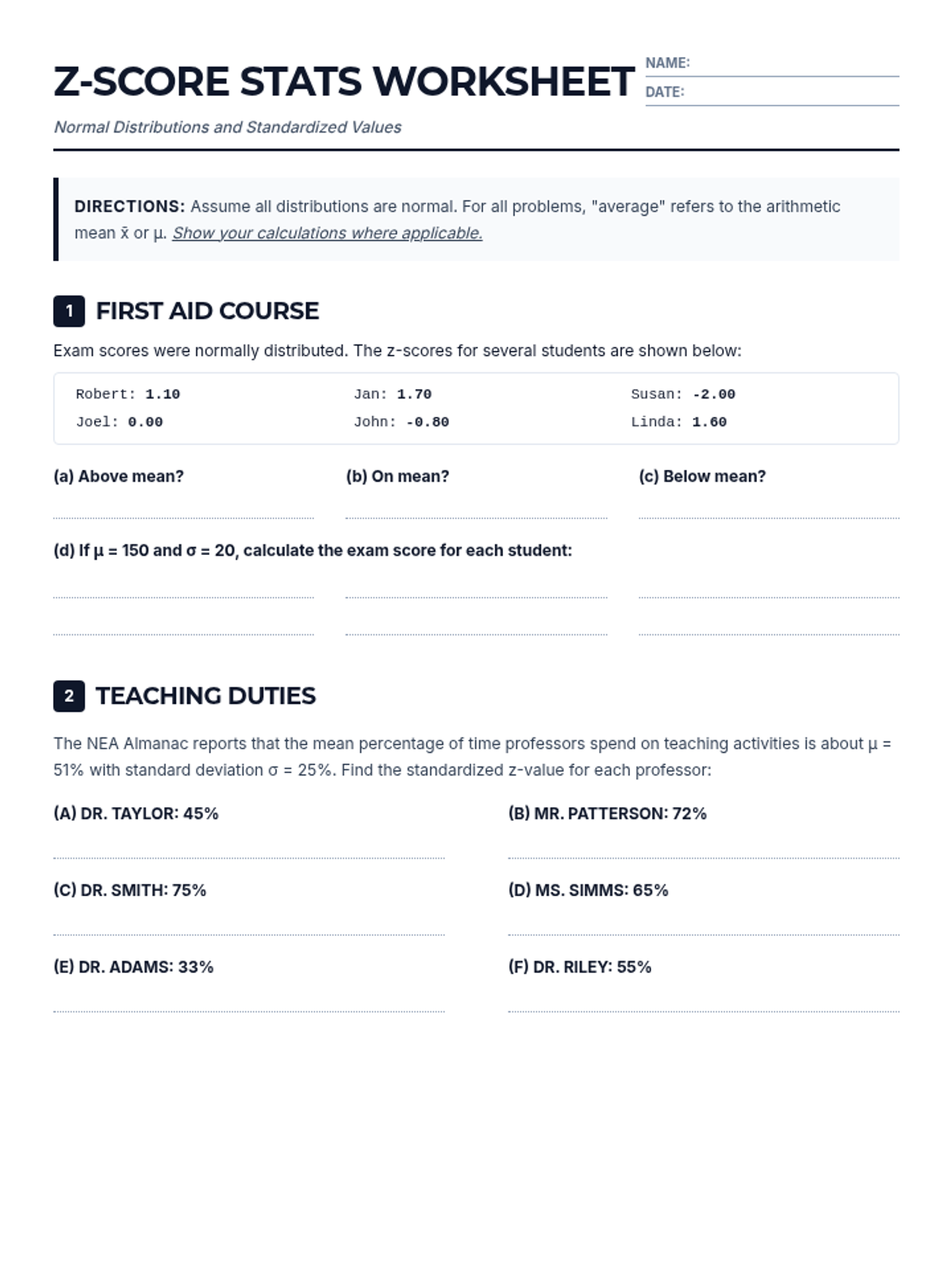
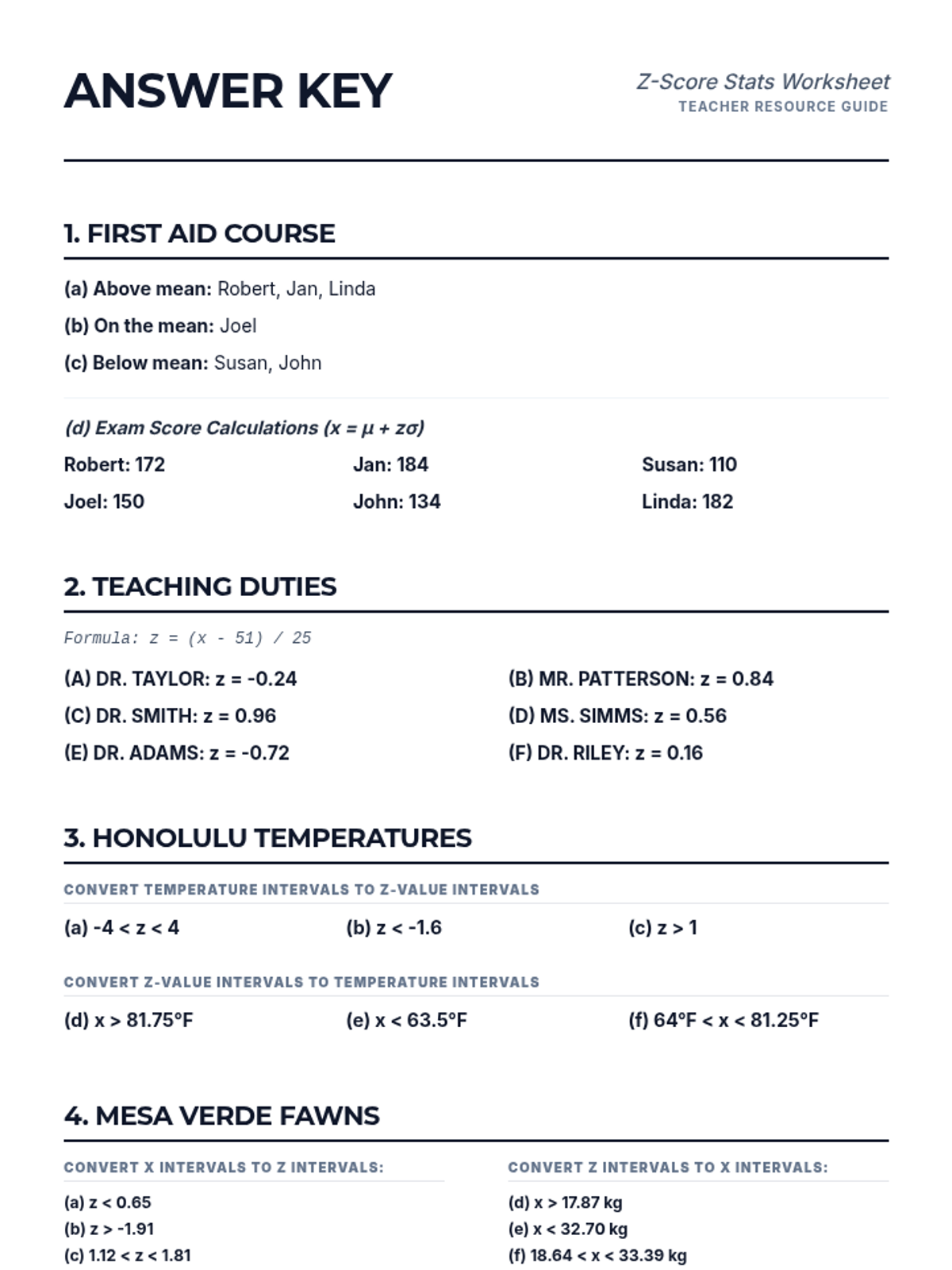
A lesson focused on understanding and applying z-scores to compare values from different normal distributions and interpret real-world statistical data.
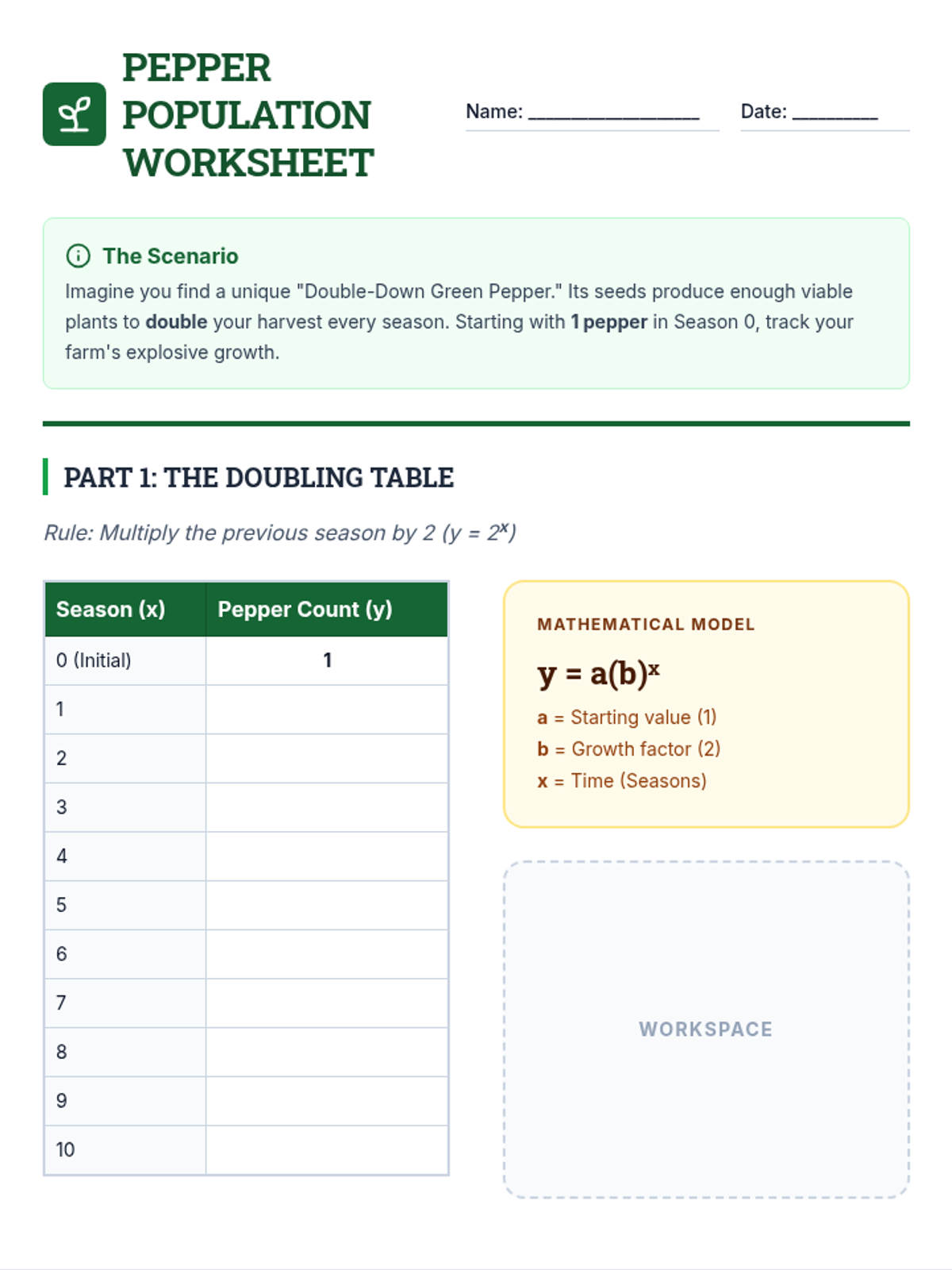
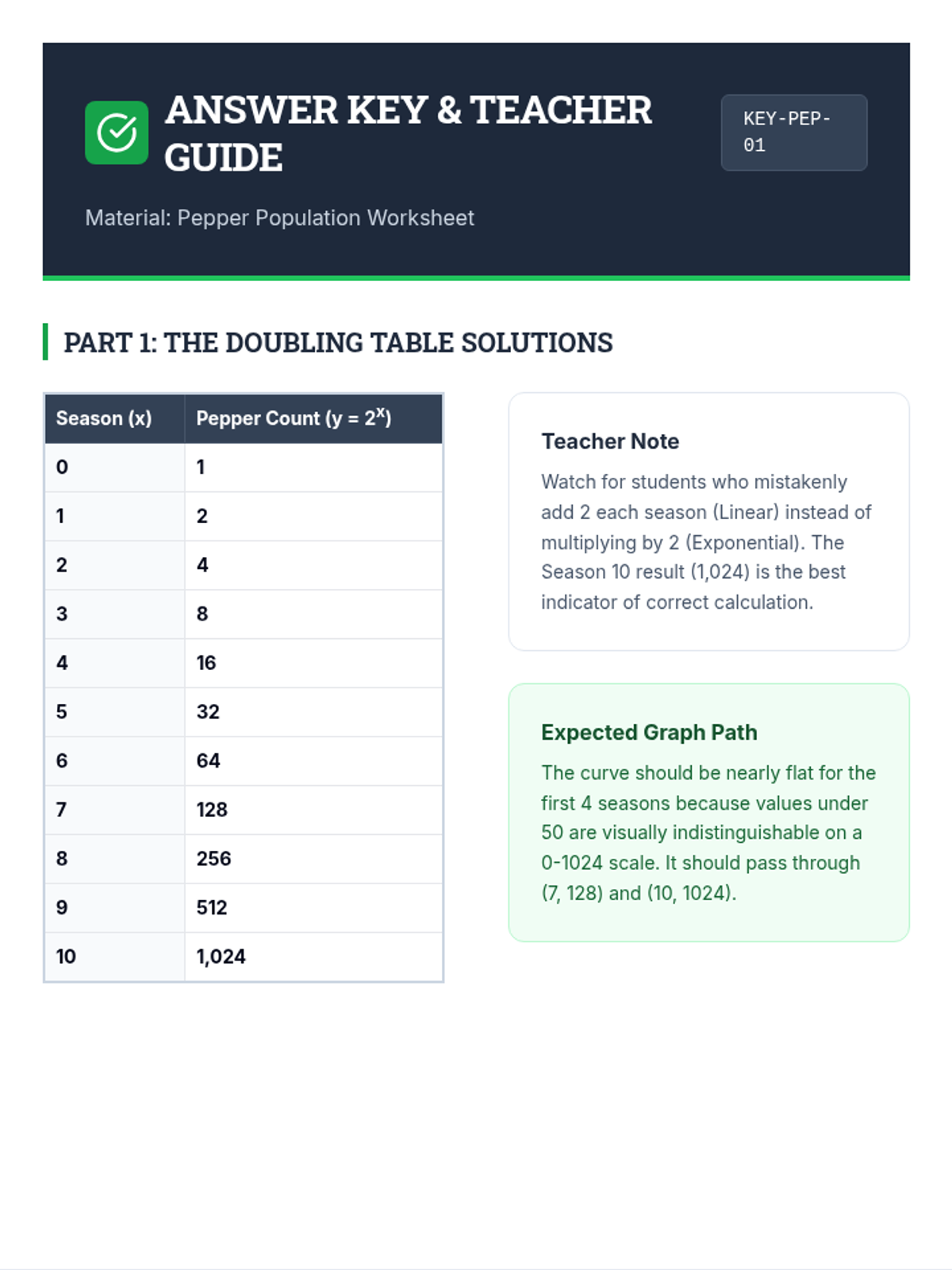
Students will model the exponential growth of a pepper population, starting from one pepper and doubling every season, to understand the power of geometric growth.
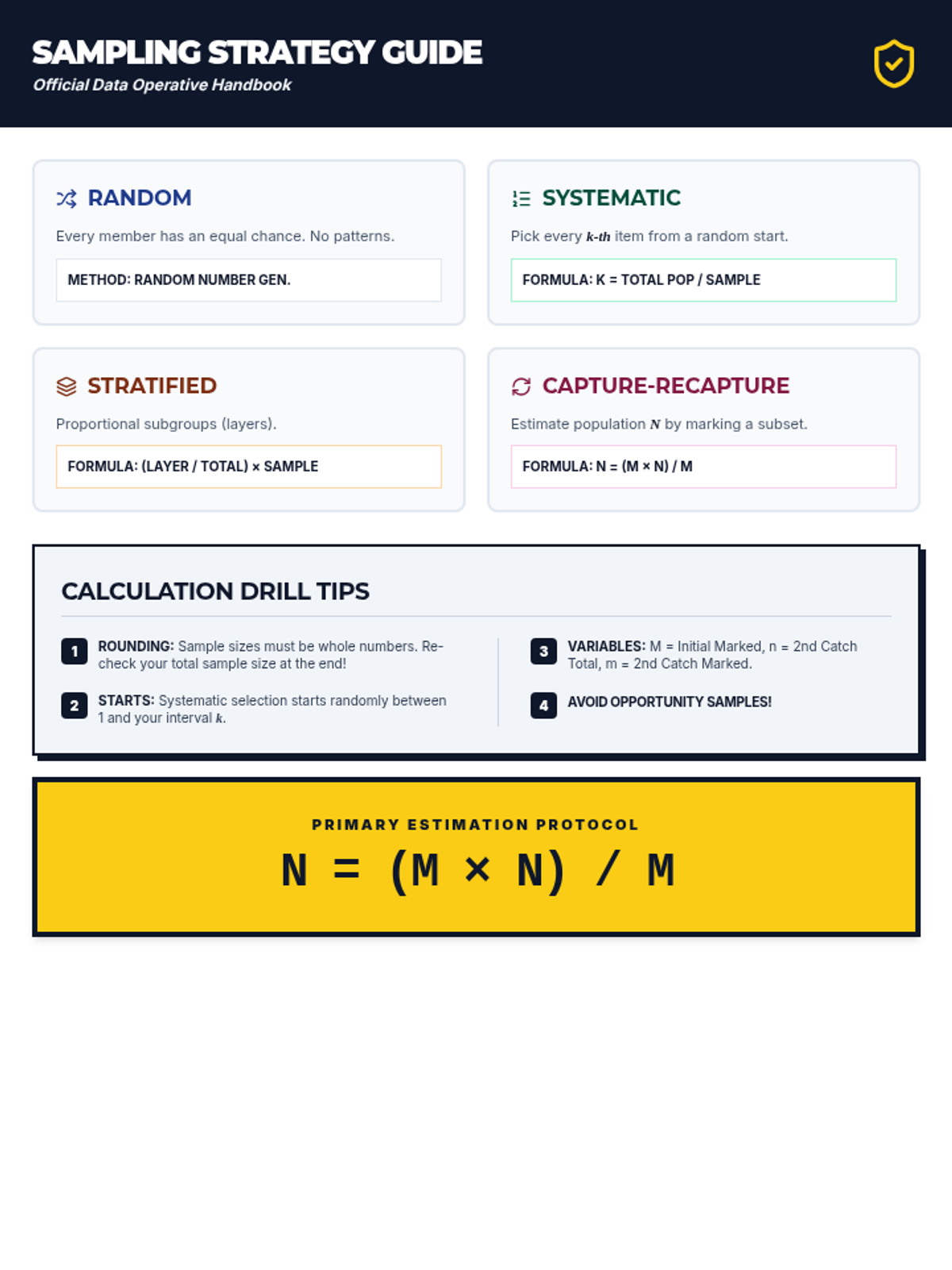
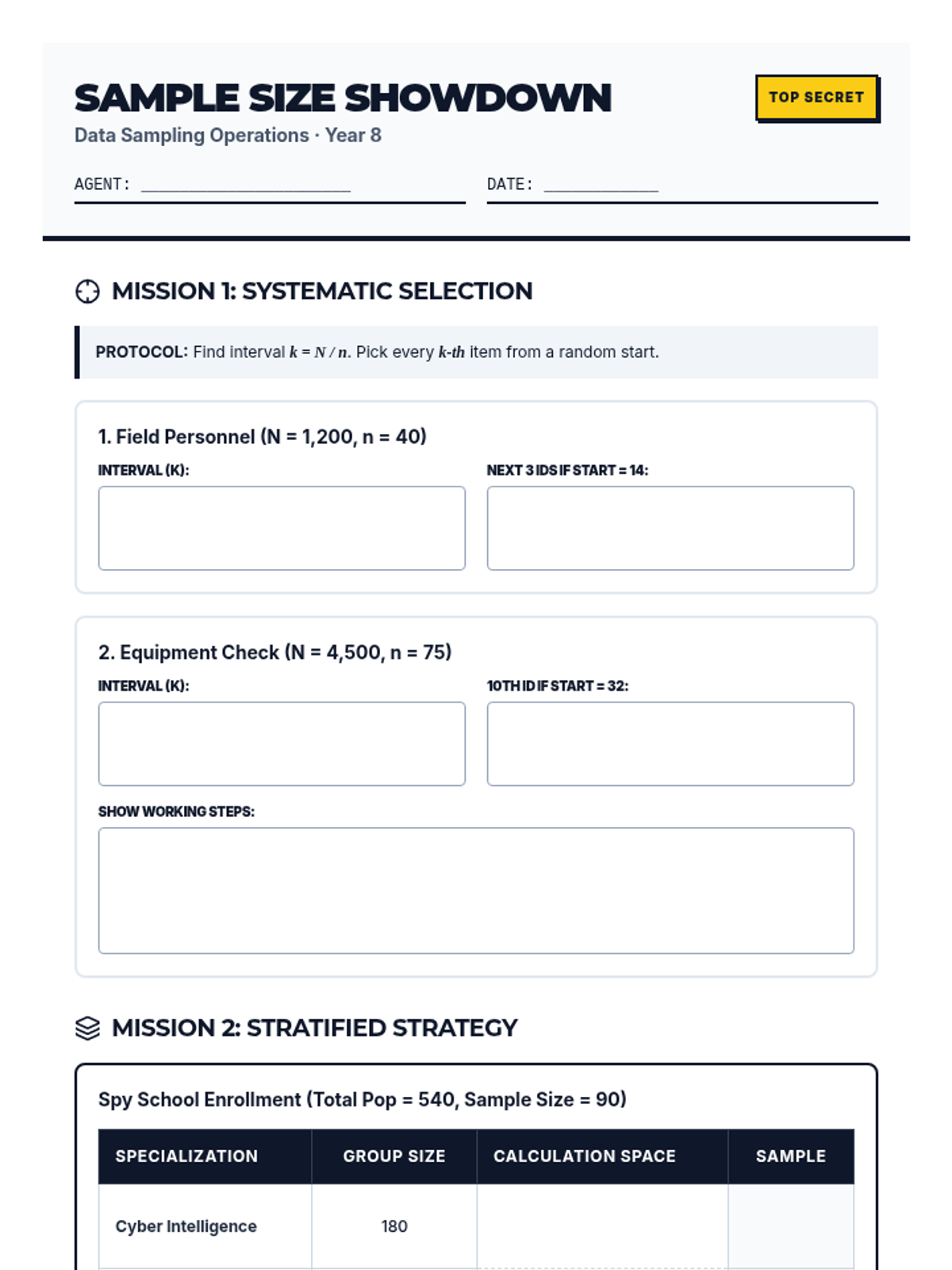
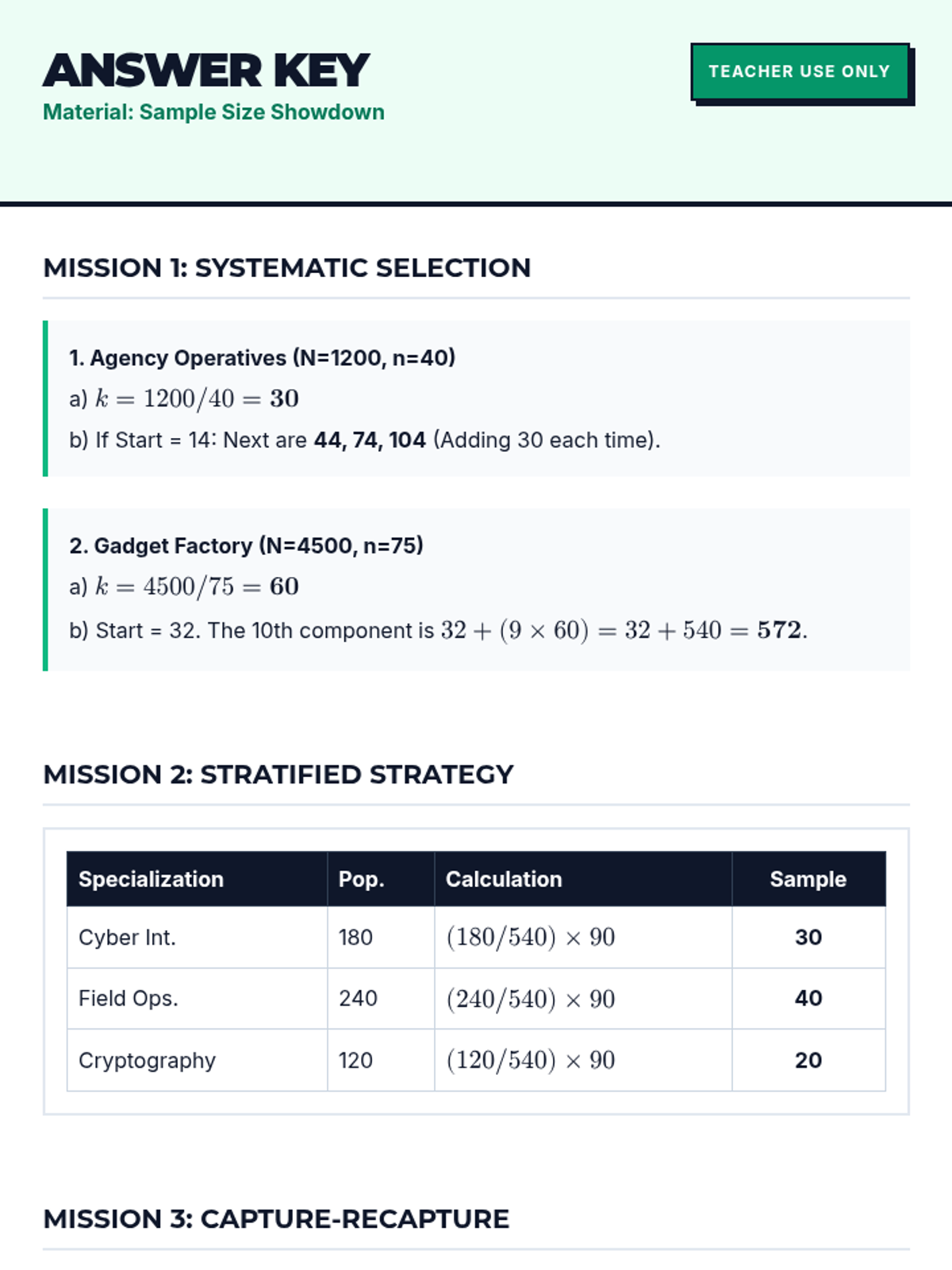
A comprehensive introduction to data sampling methods for Year 8 students, focusing on the mechanics of systematic, stratified, and capture-recapture calculations through a secret agent lens.
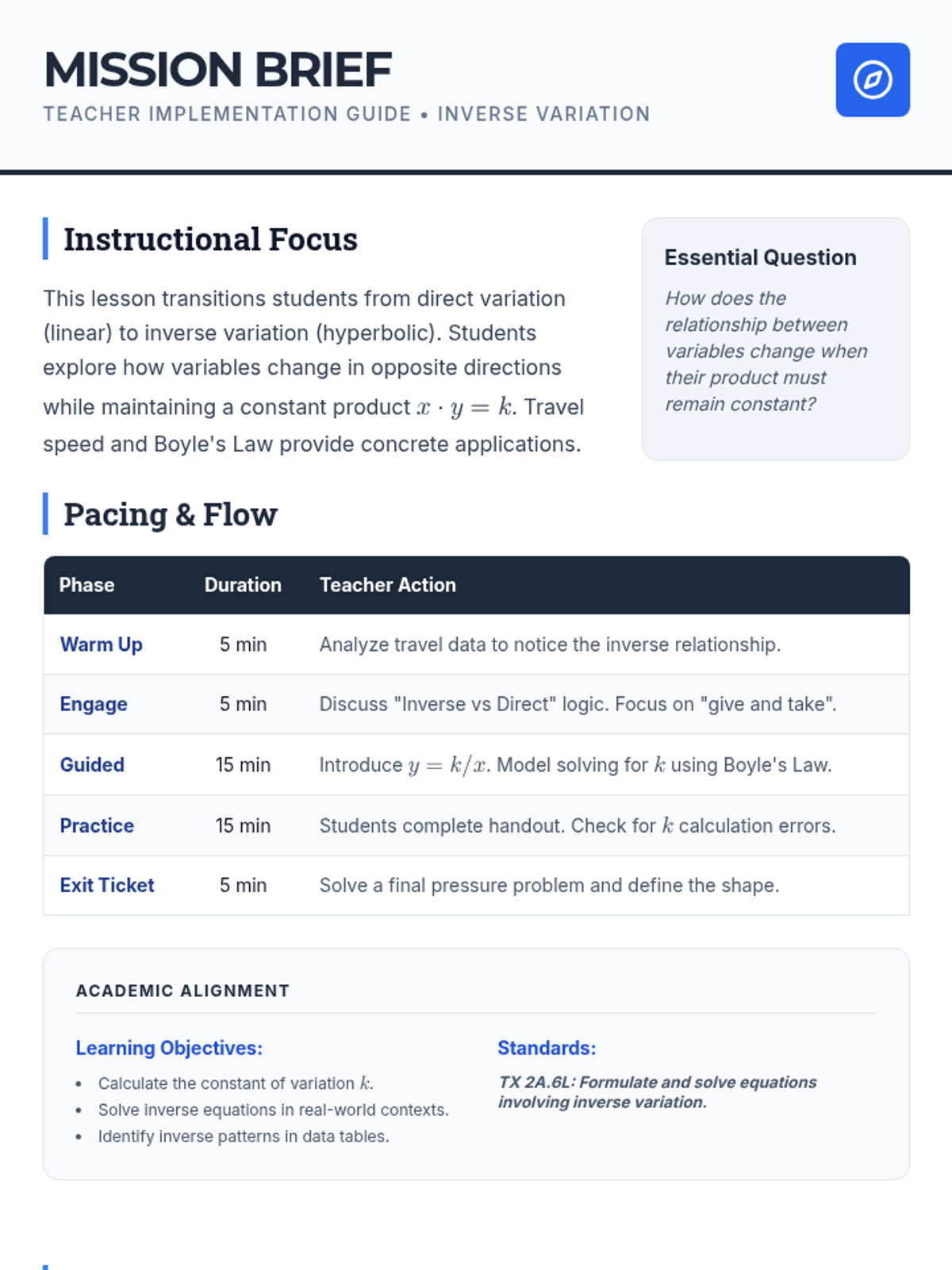
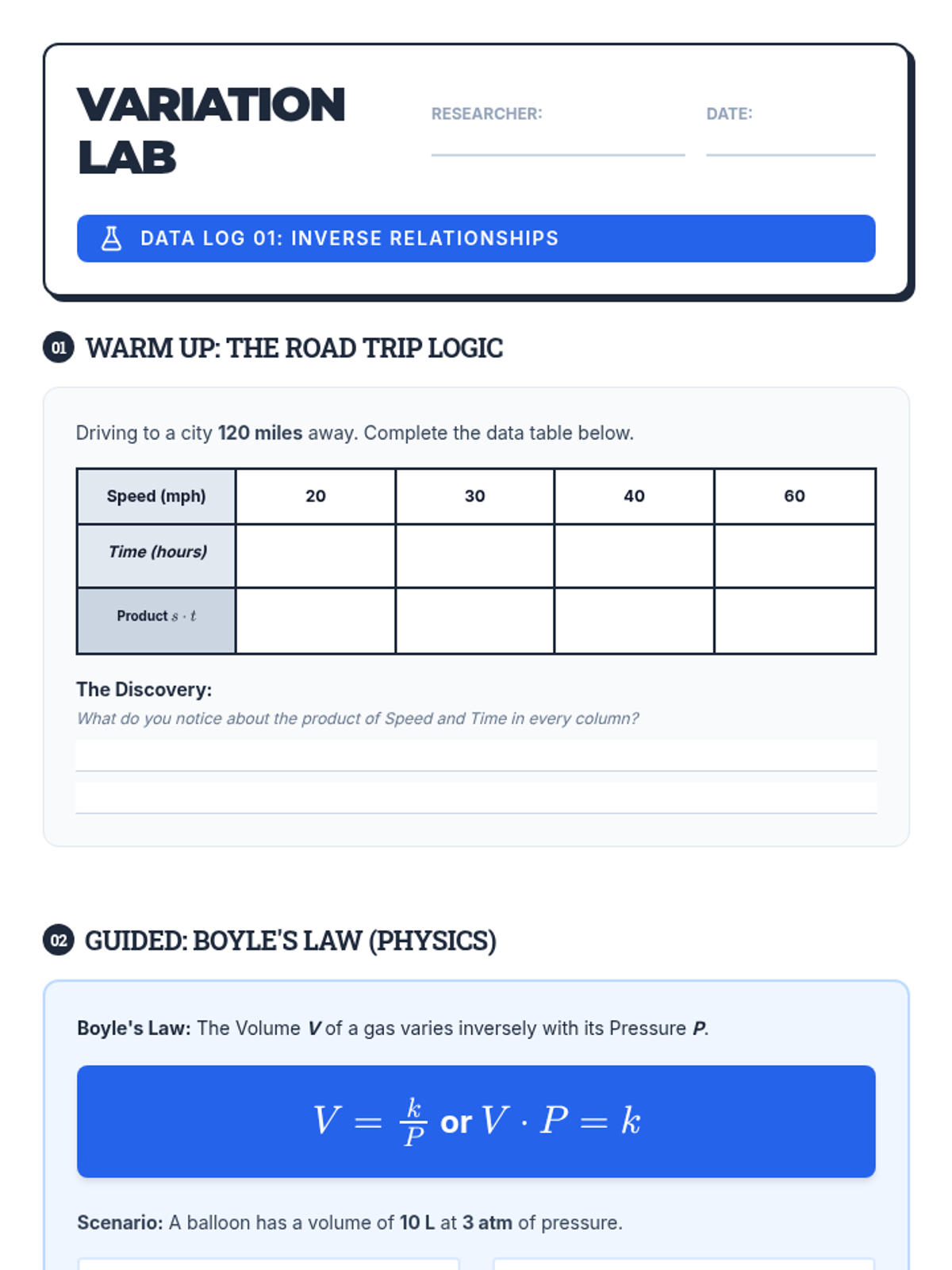
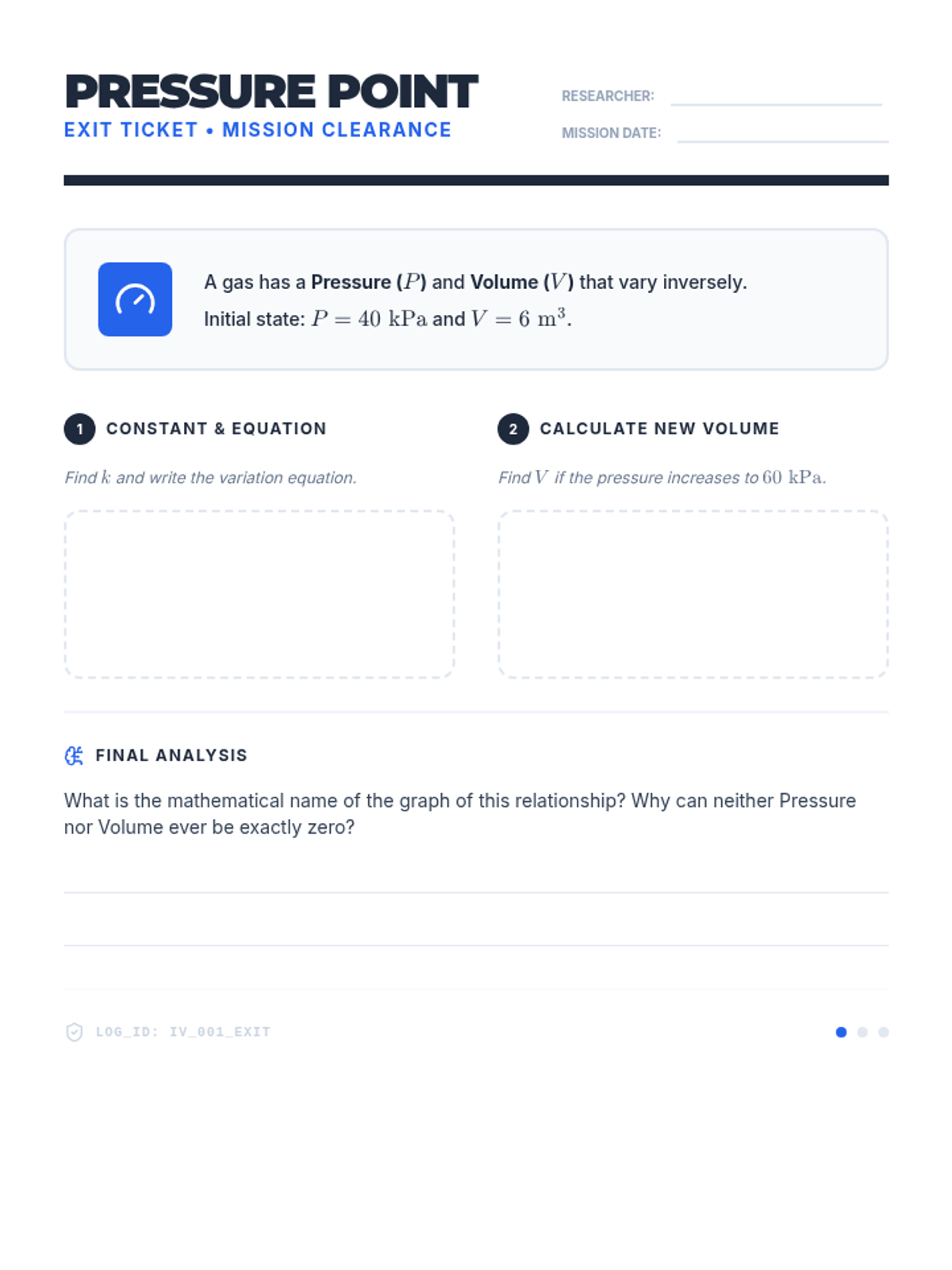
A 45-minute lesson exploring inverse variation through the lens of travel speed and Boyle's Law, focusing on formulating and solving equations for real-world scenarios.
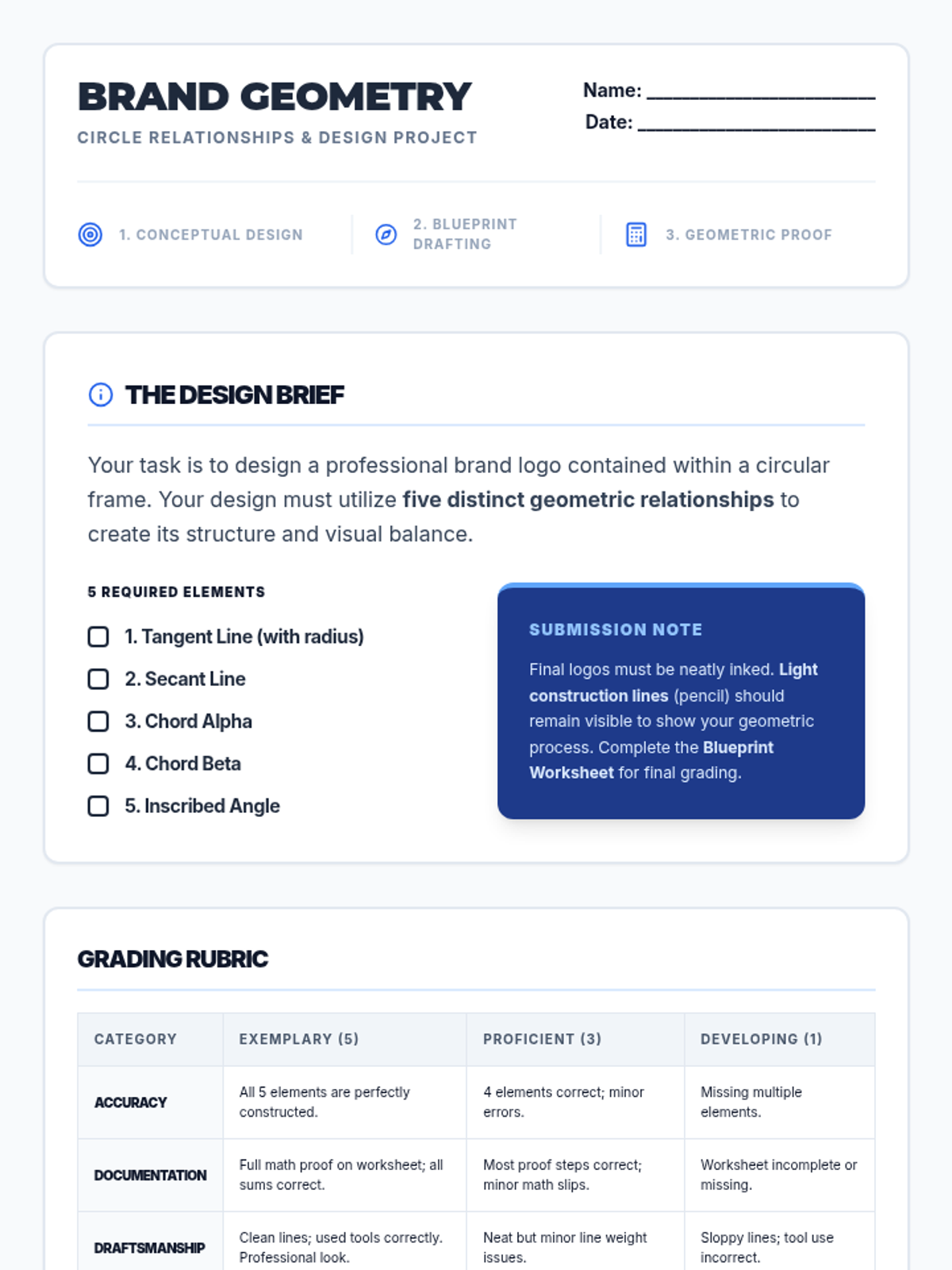
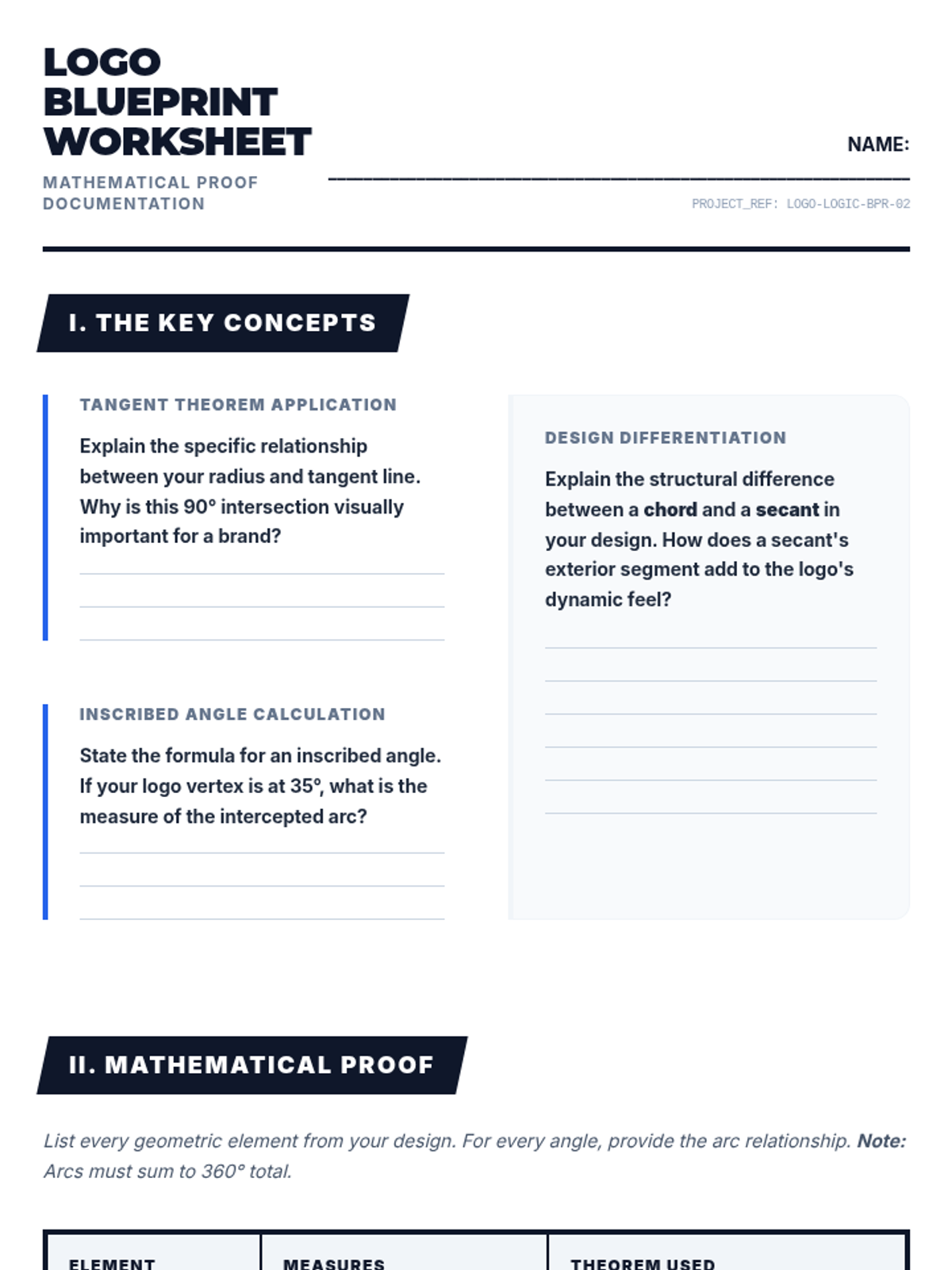
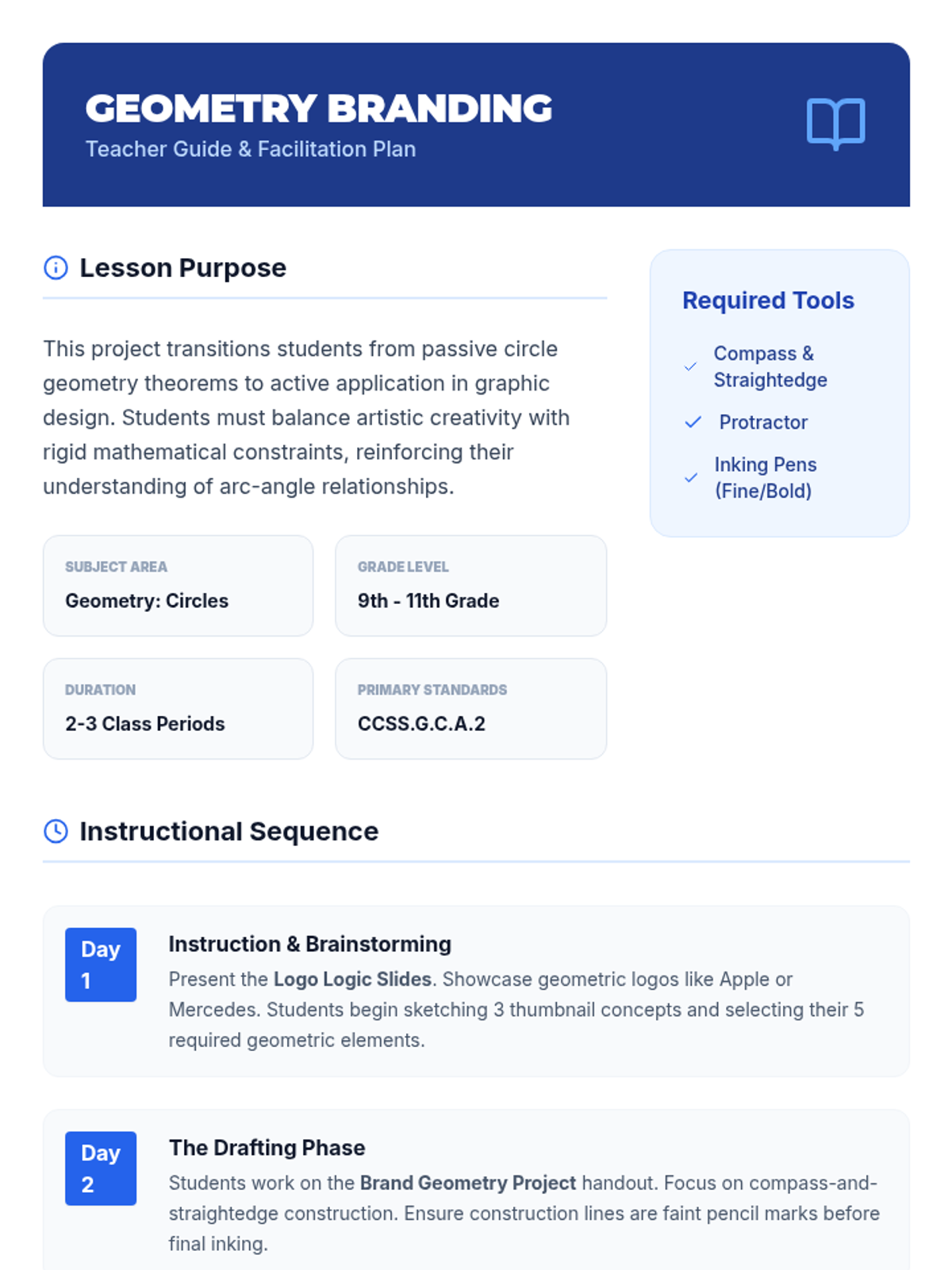
A creative geometry project where students design a brand logo using specific circle properties, including tangents, secants, chords, and inscribed angles. Students must demonstrate both artistic design and geometric precision through calculations.