Students investigate how landscape elevation (topography) influences where water flows and pools during a flood using a hands-on modeling activity and a SciShow Kids video.
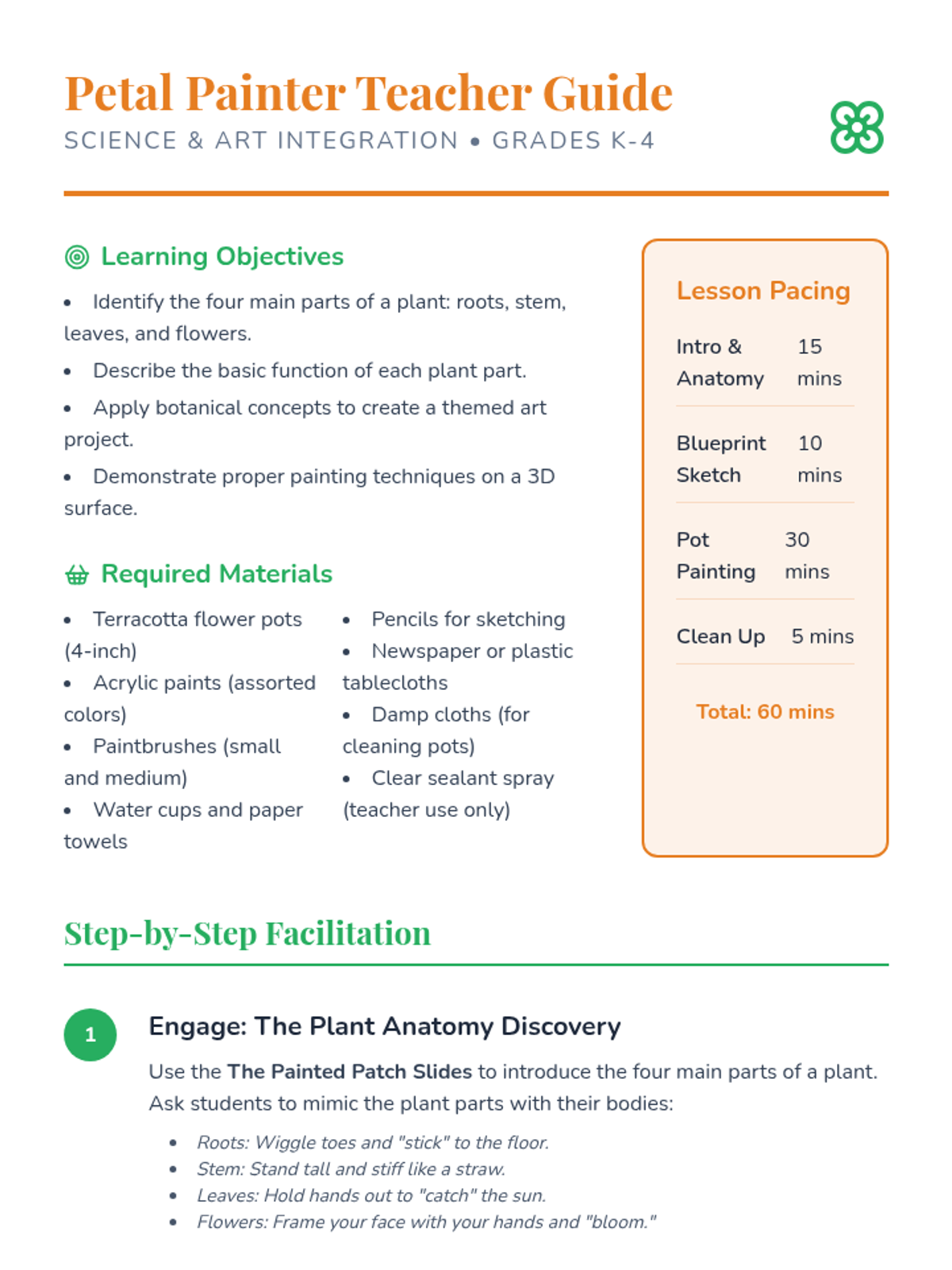
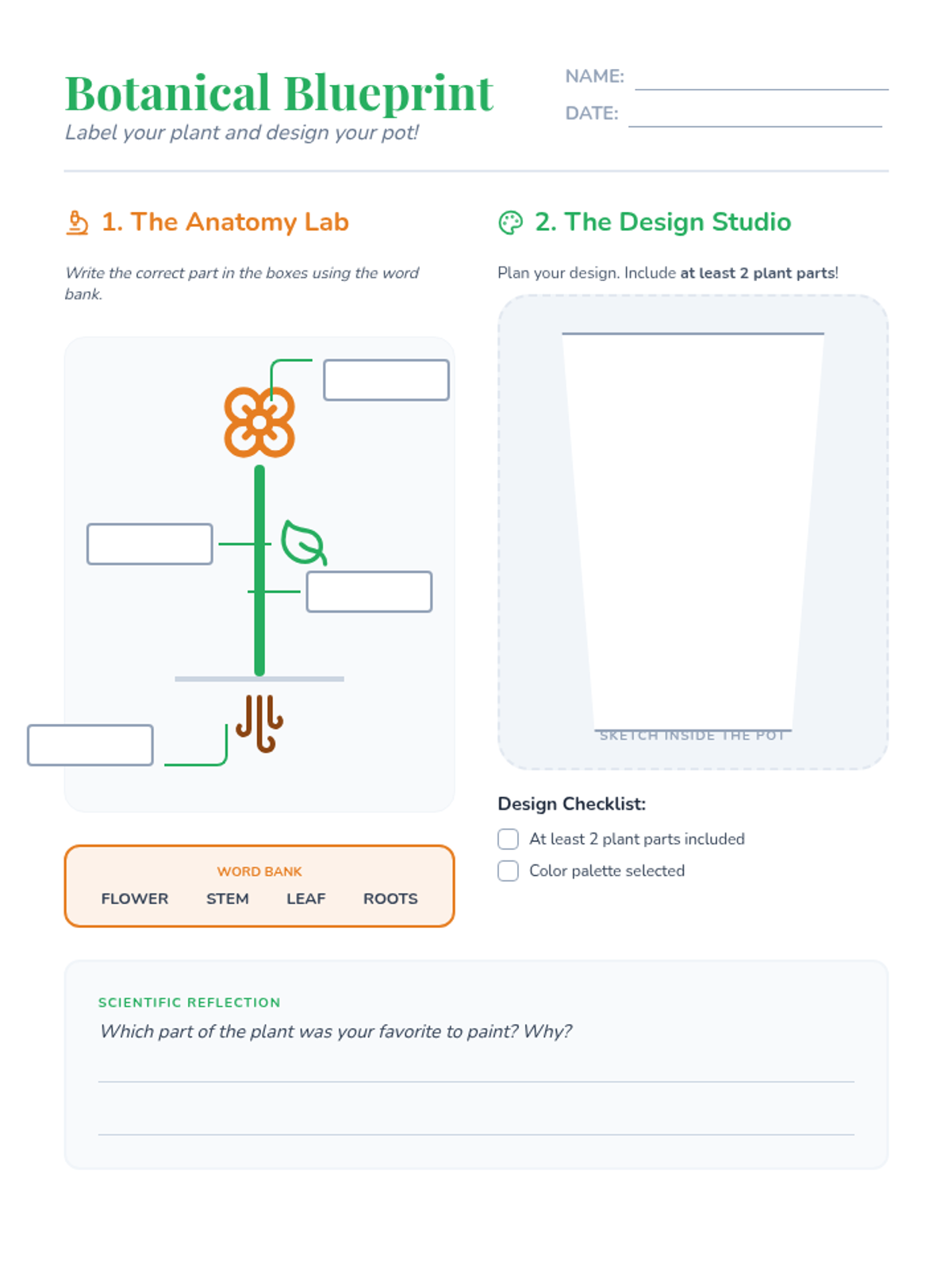
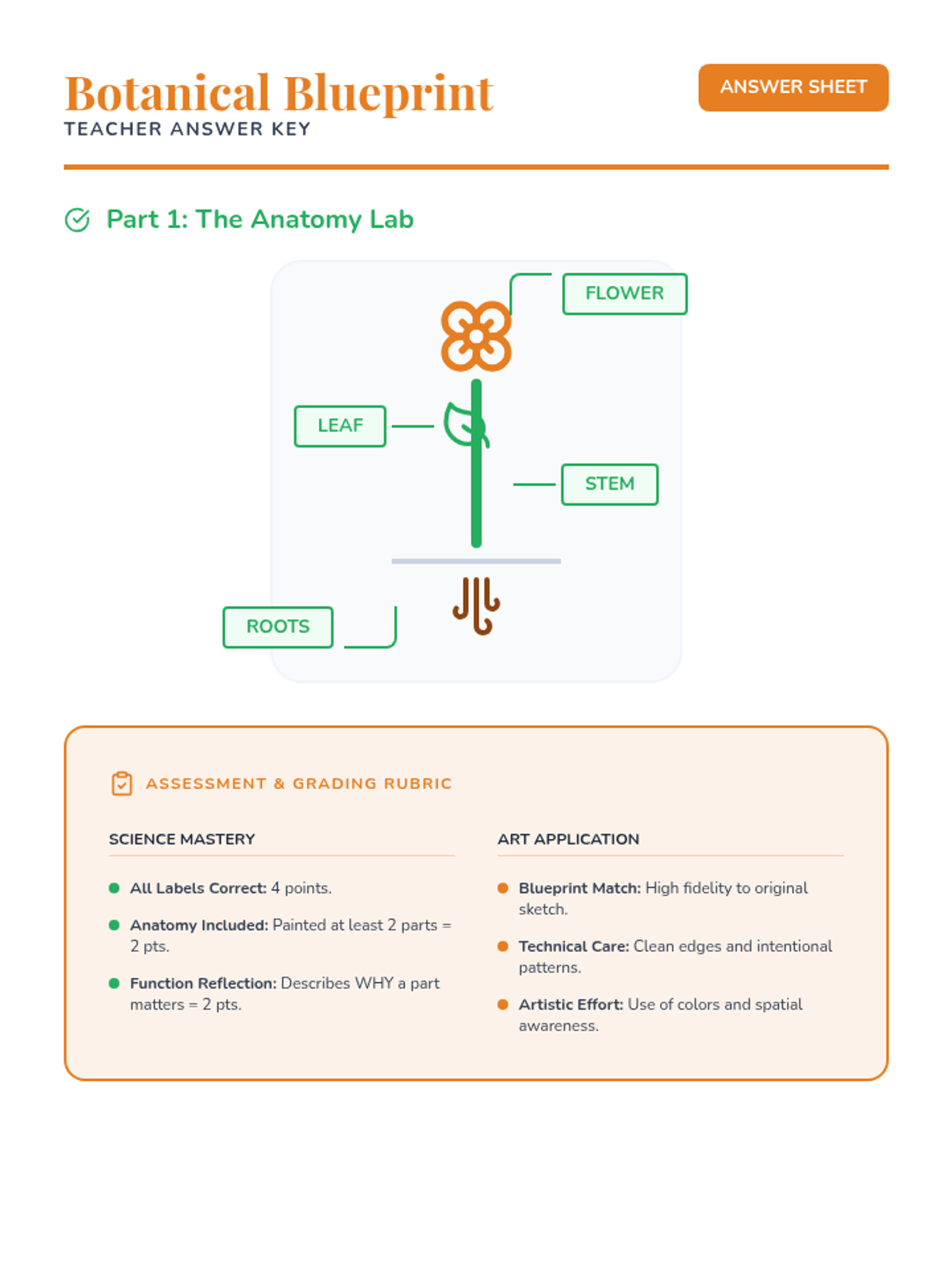
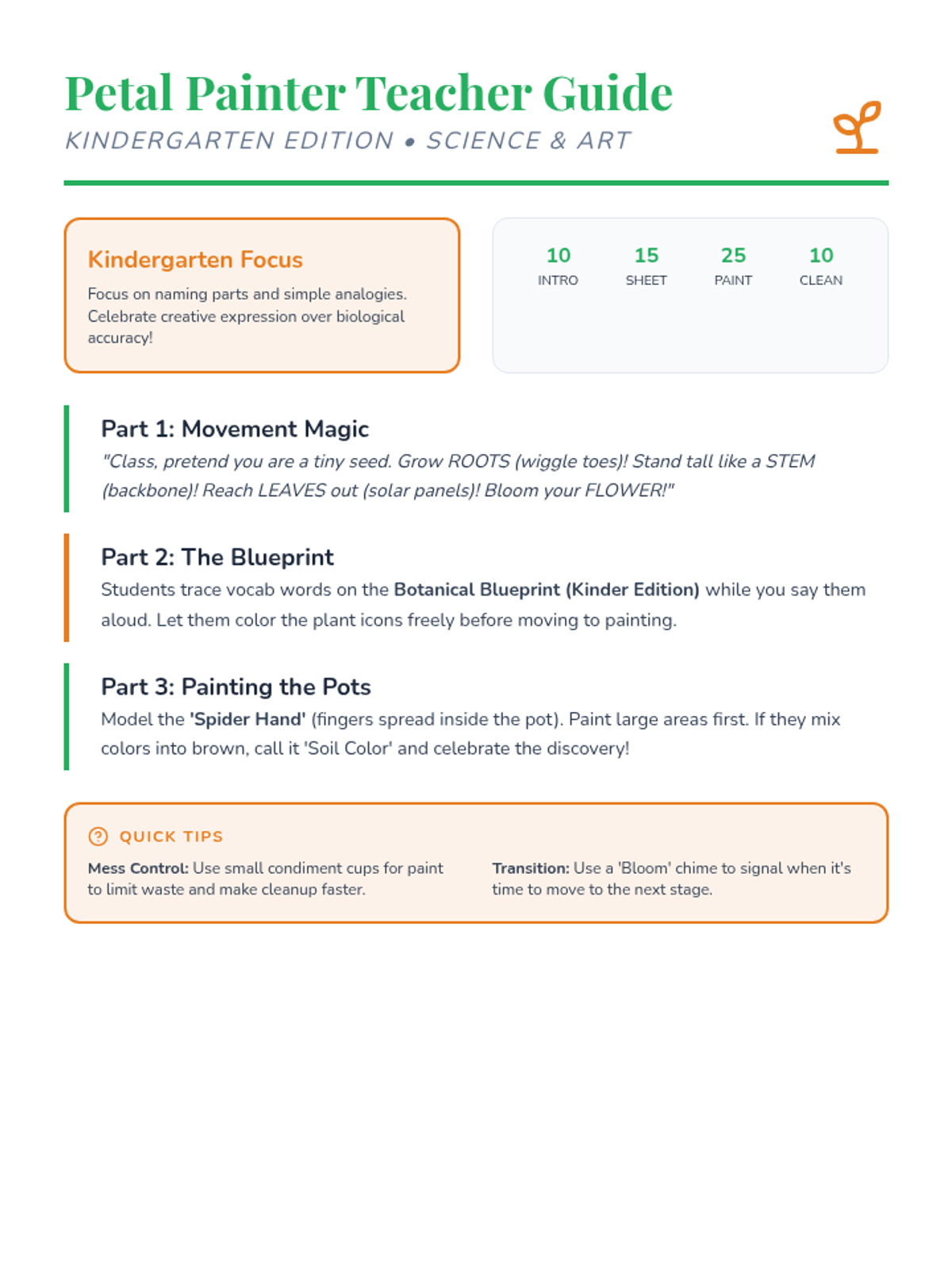
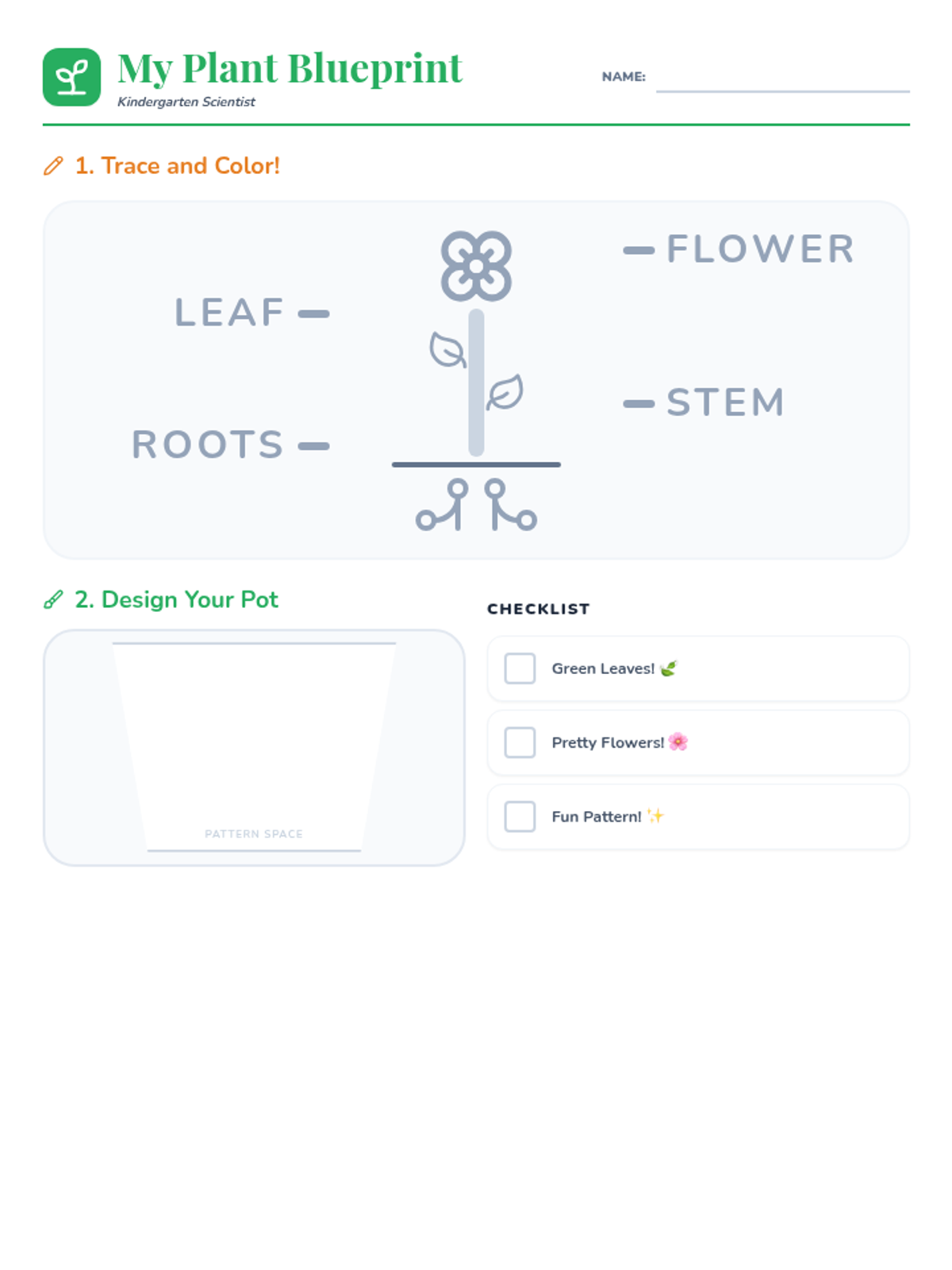
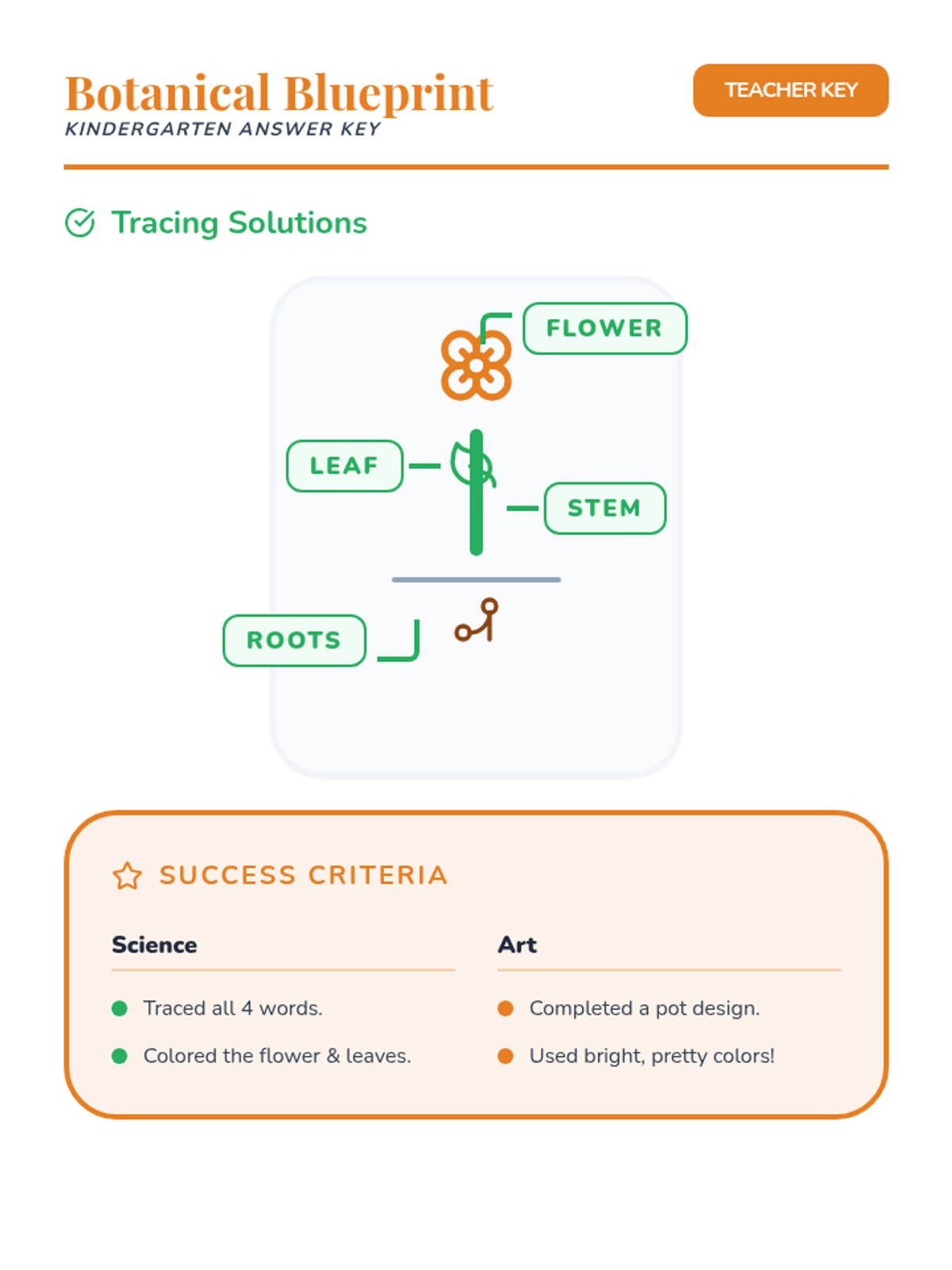
A creative hands-on lesson combining art and science where students learn about plant anatomy while decorating their own terracotta flower pots. Students will identify the functions of roots, stems, leaves, and flowers before applying their knowledge to a botanical-themed art project.
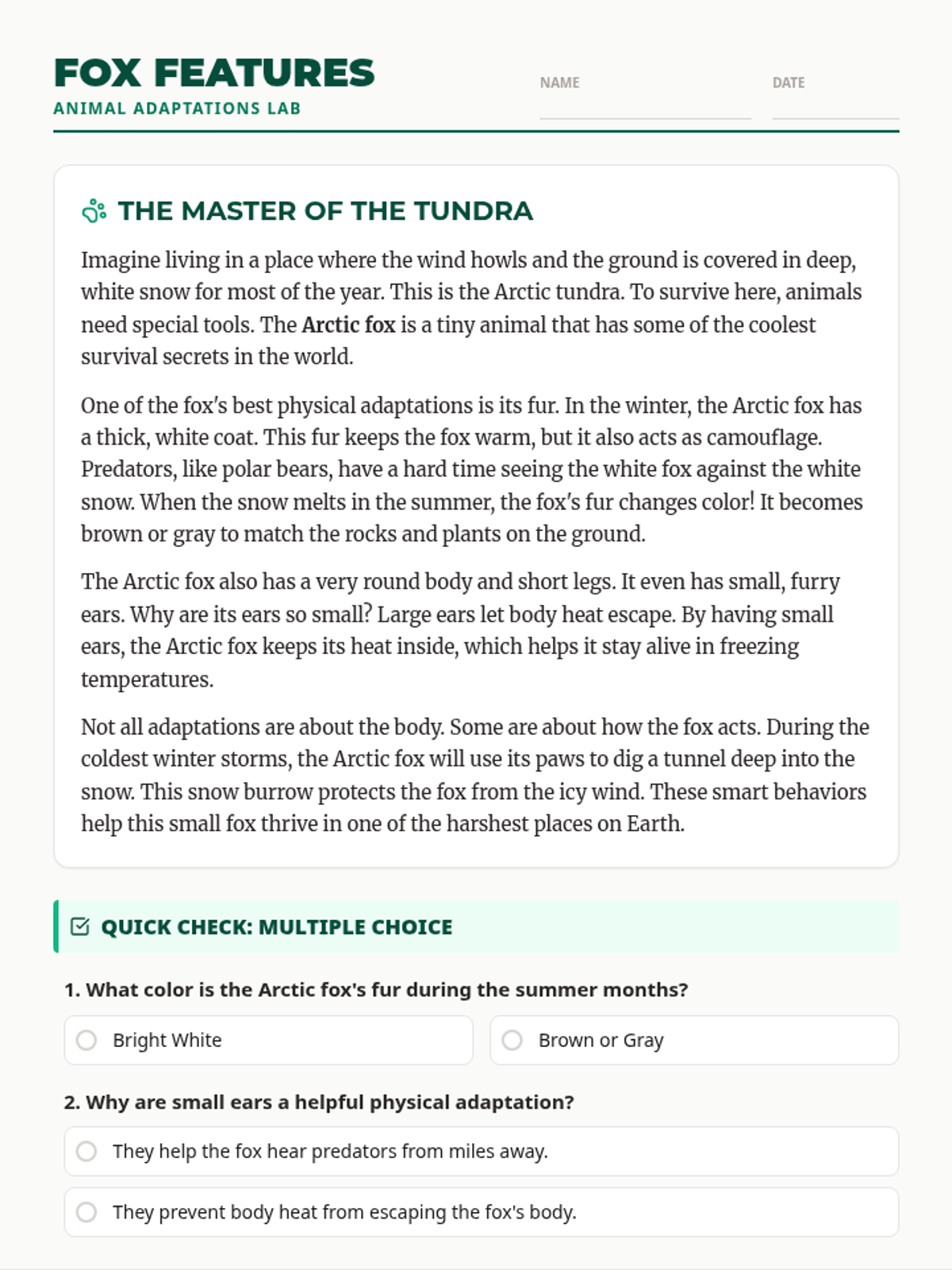
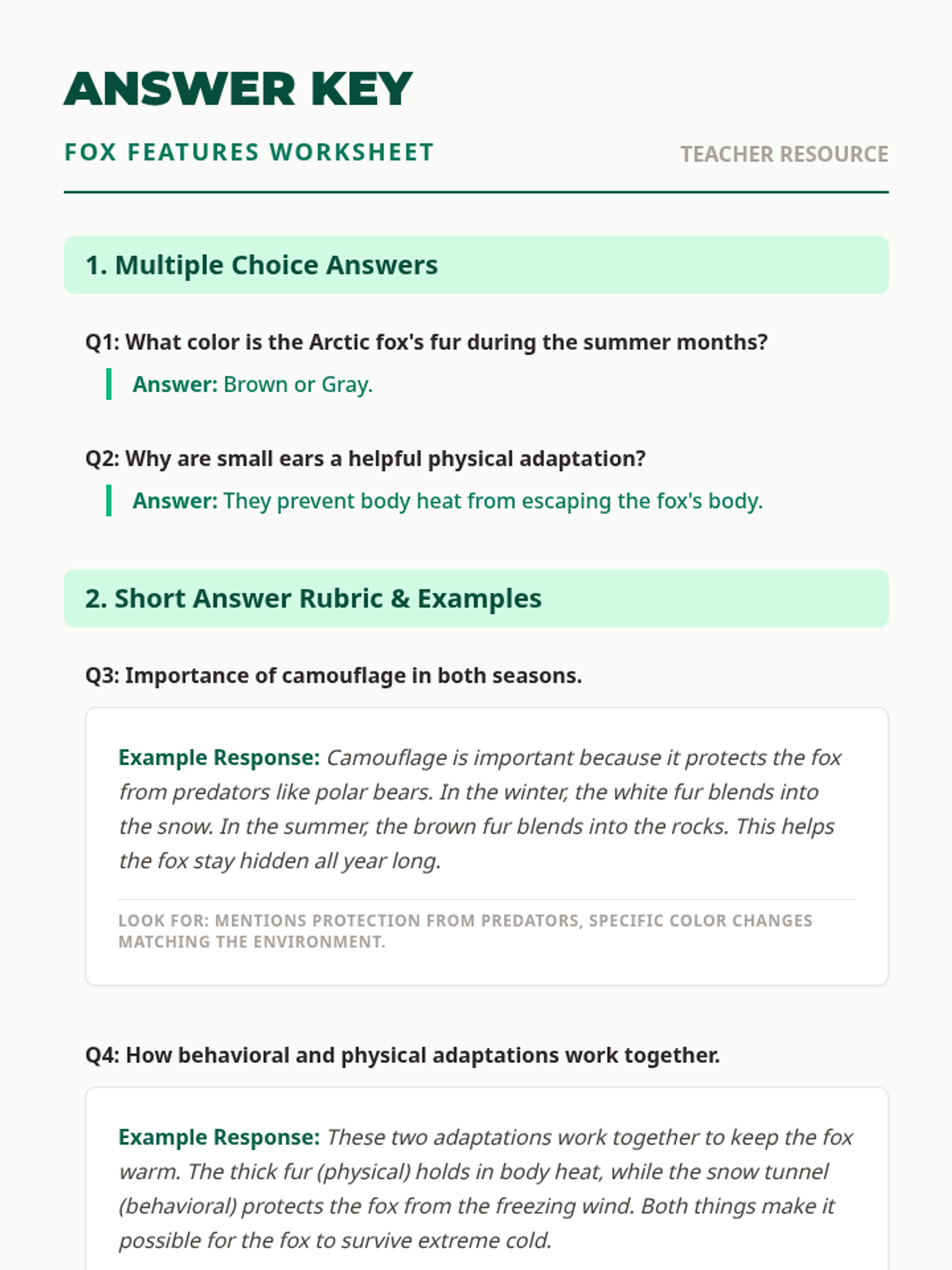
An exploration of how animals adapt to their environments to survive, focusing on the Arctic Fox as a primary example of physical and behavioral adaptations.
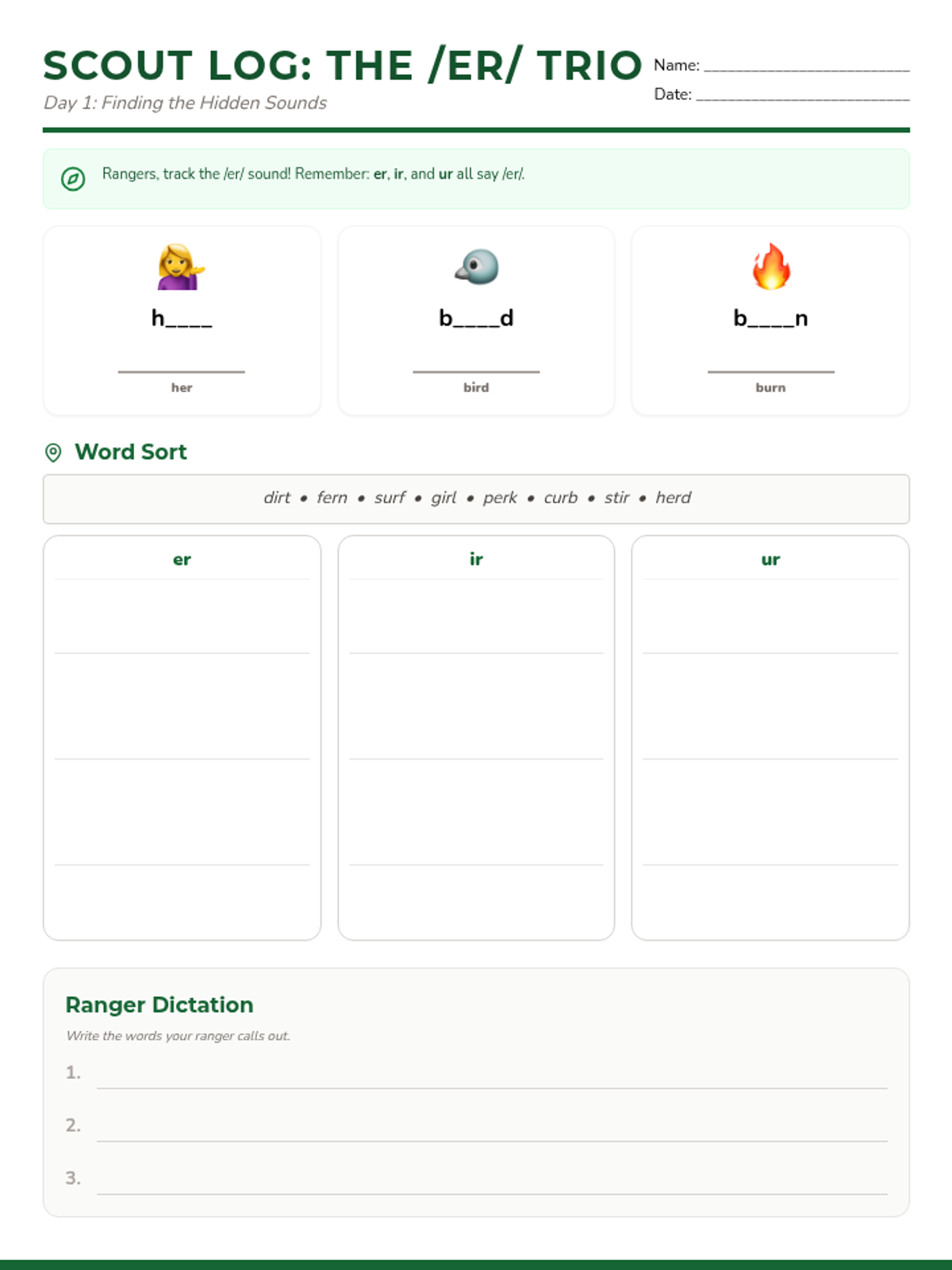
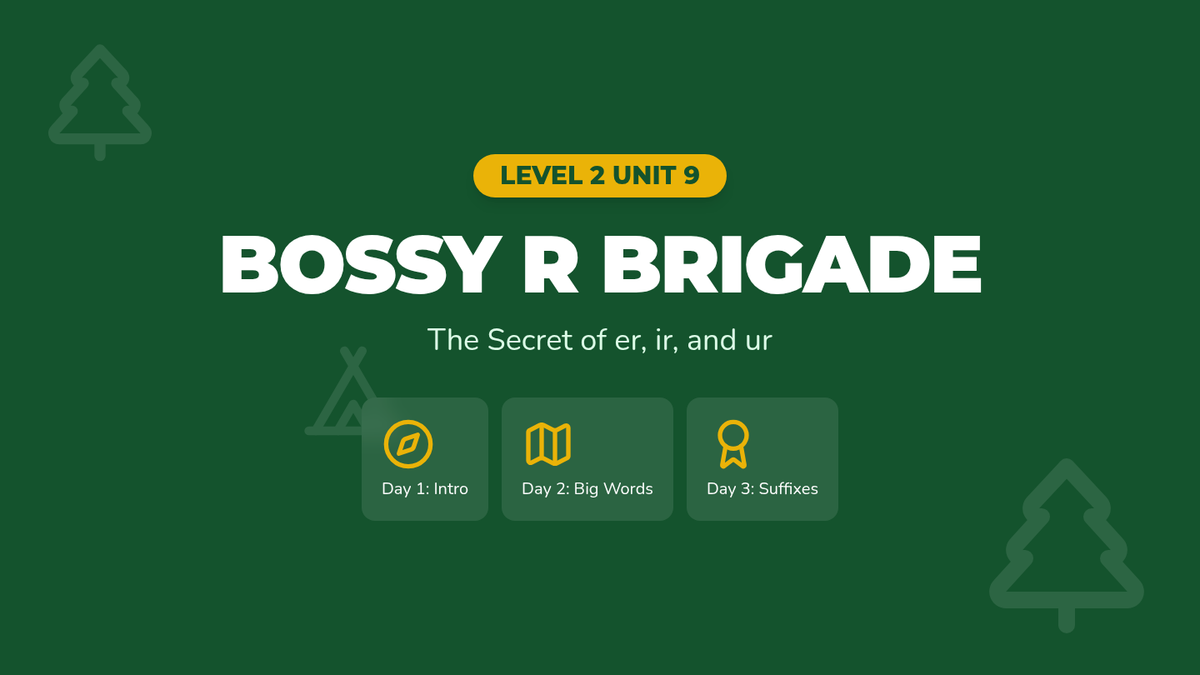
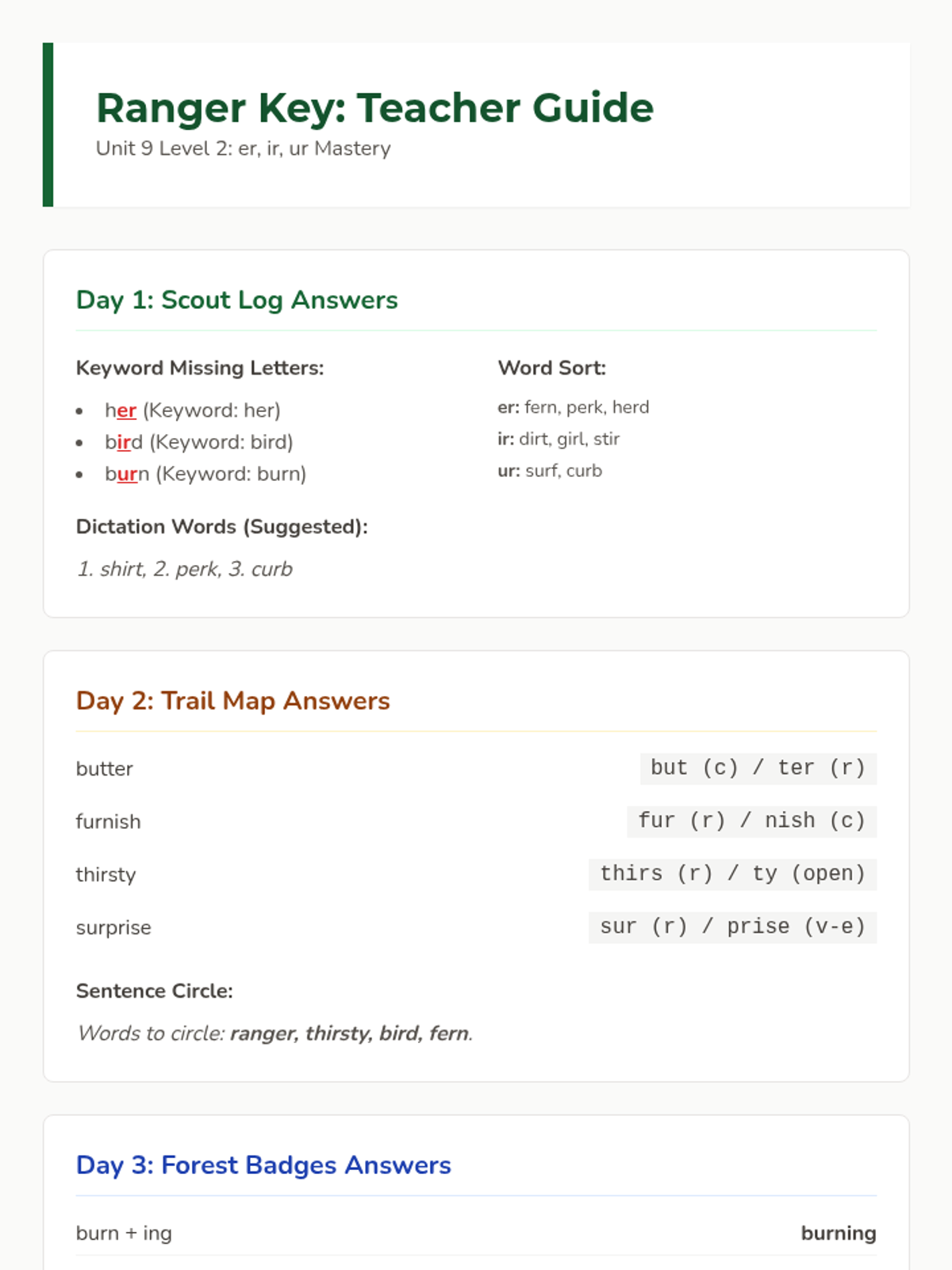
A comprehensive unit on R-controlled vowels (er, ir, ur), focusing on phonemic awareness, multisyllabic word decoding, and suffix application. Students explore these "Bossy R" sounds through a forest ranger theme.
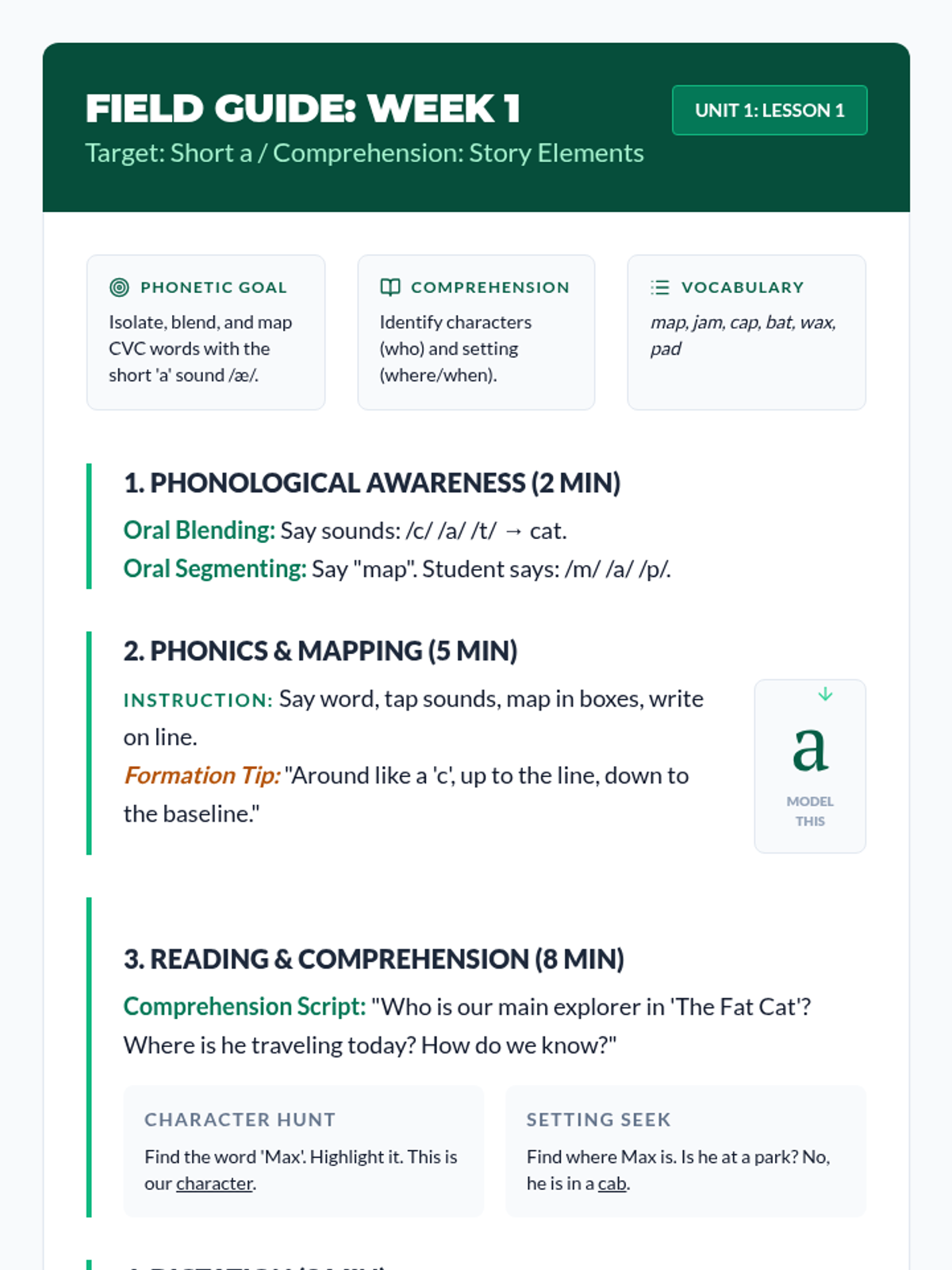
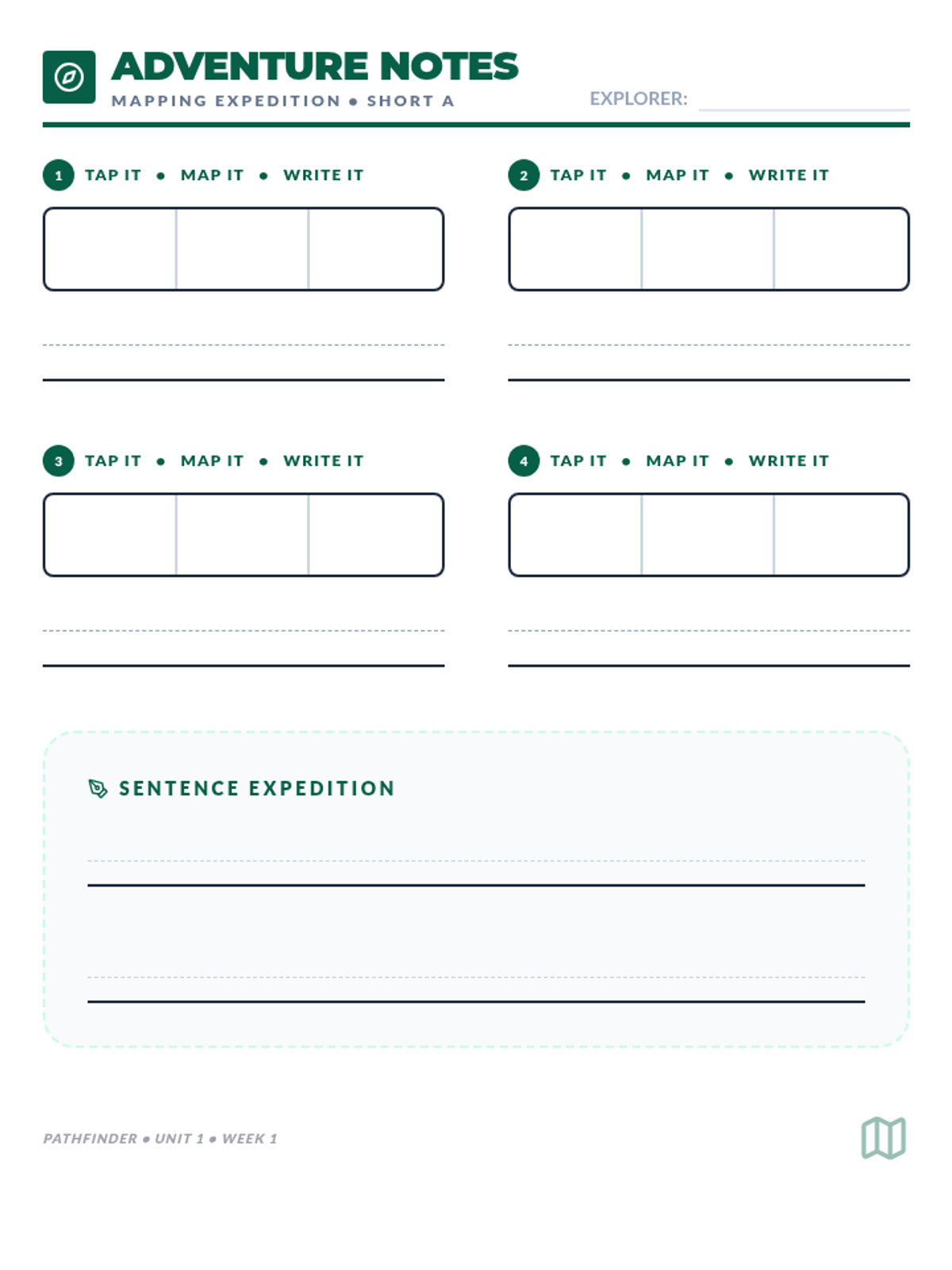
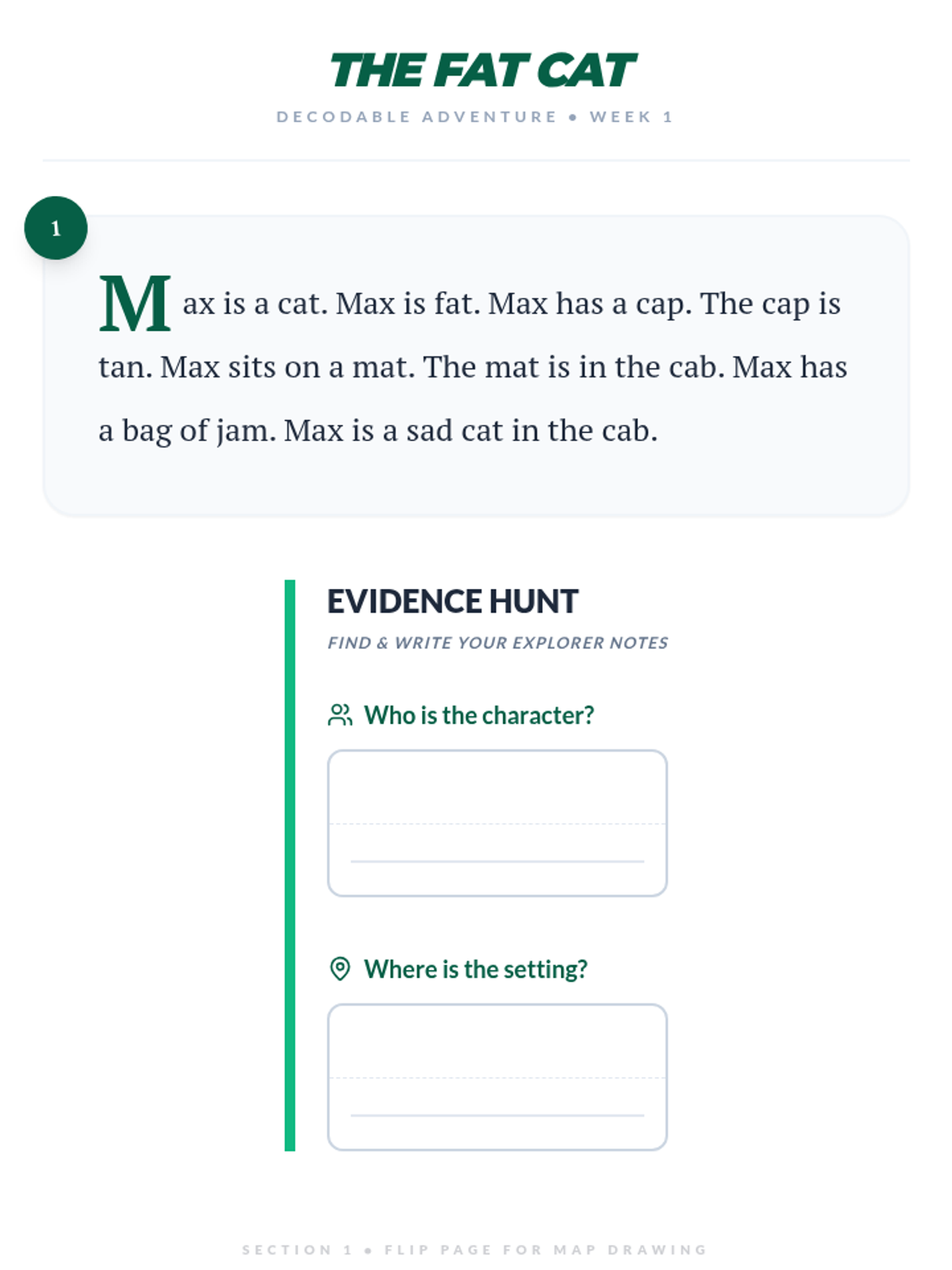
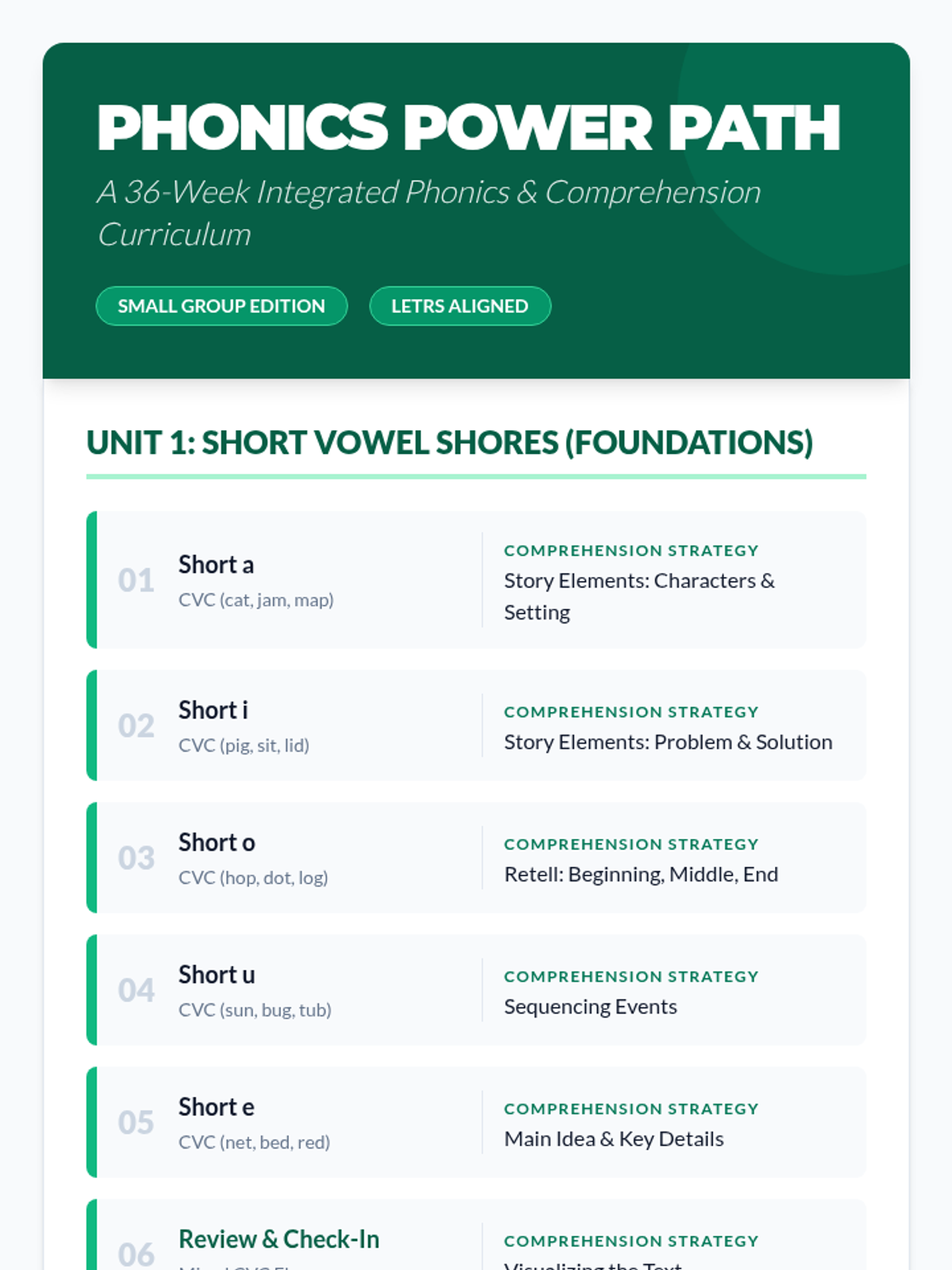
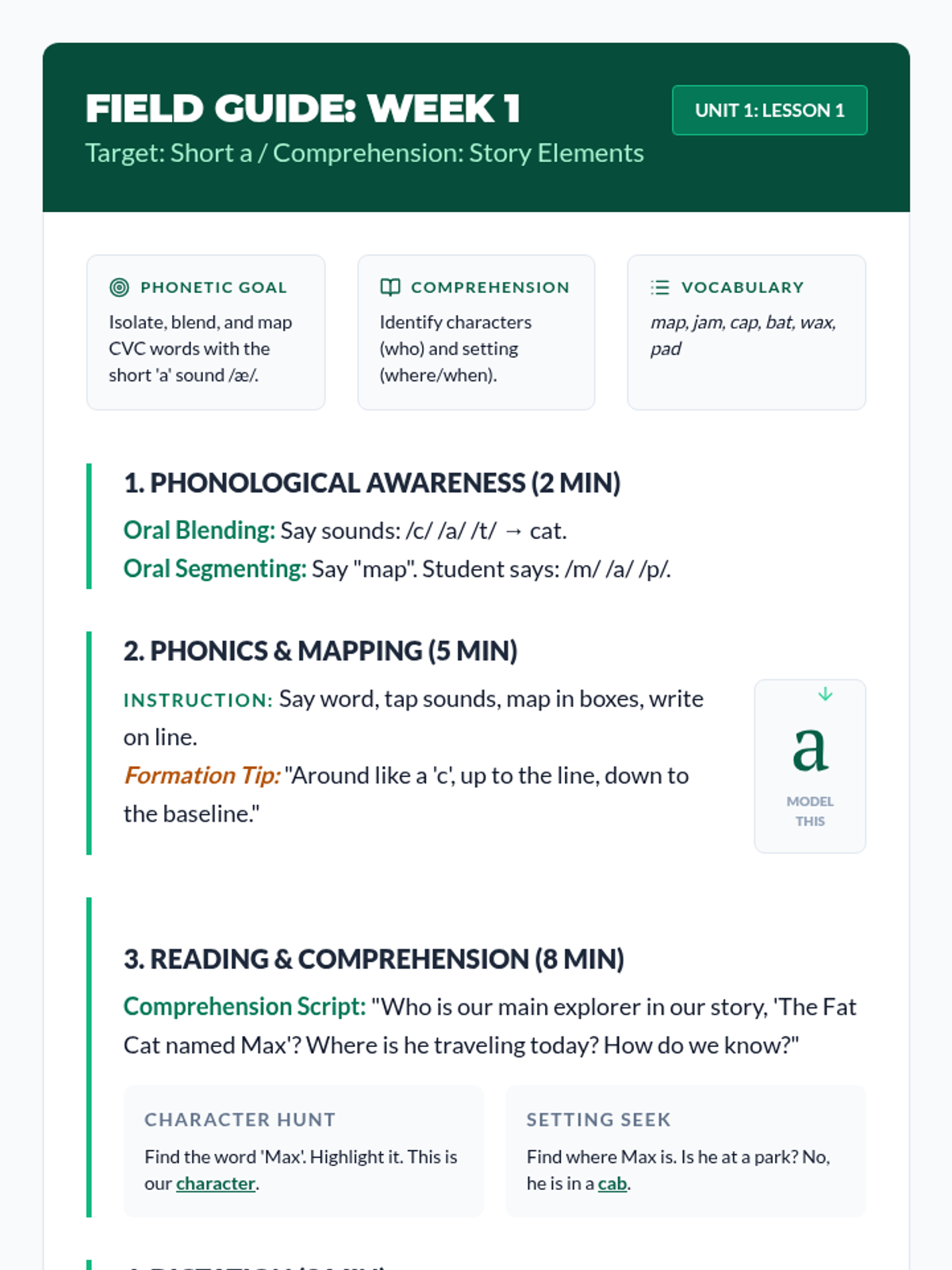
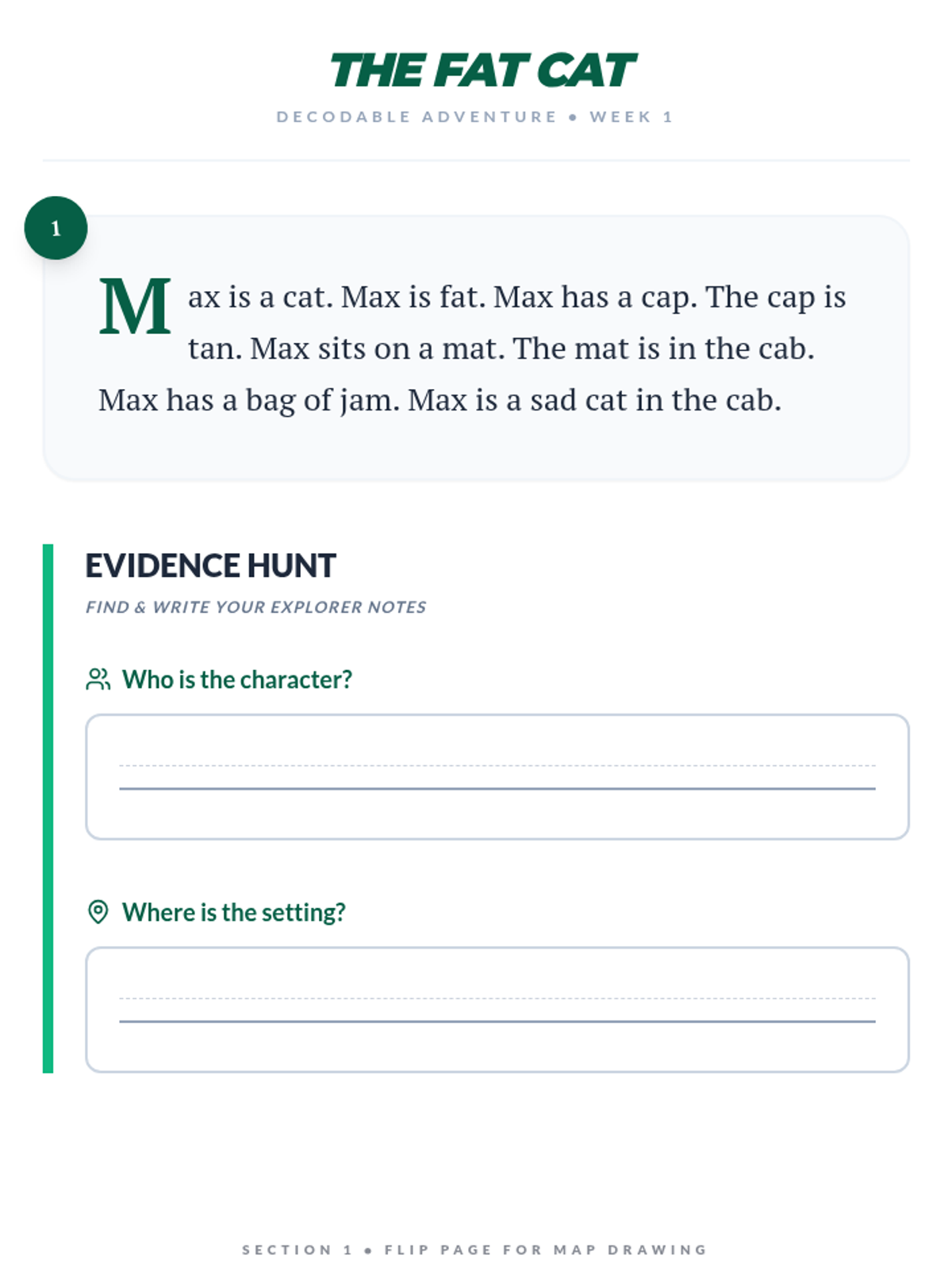
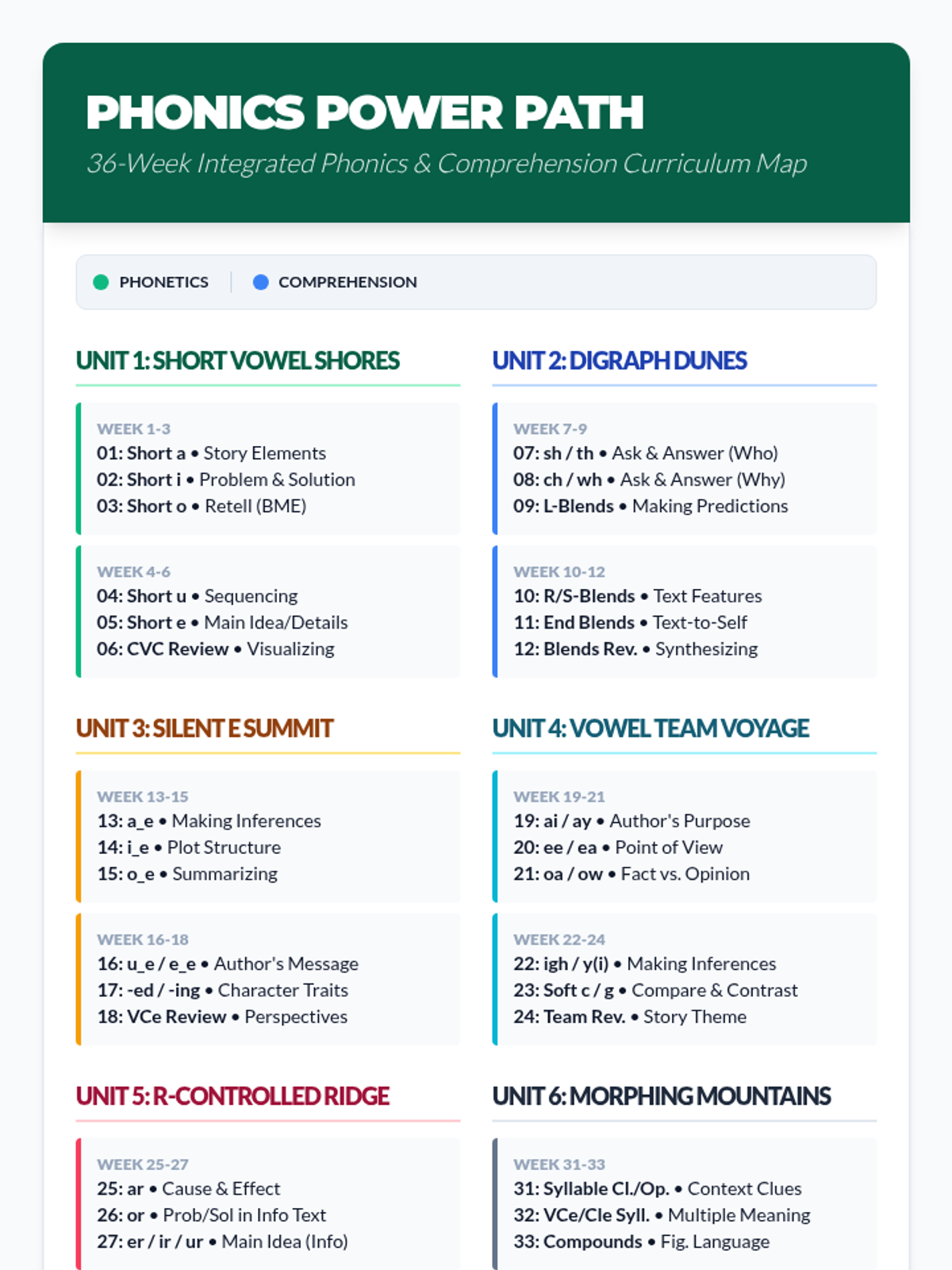
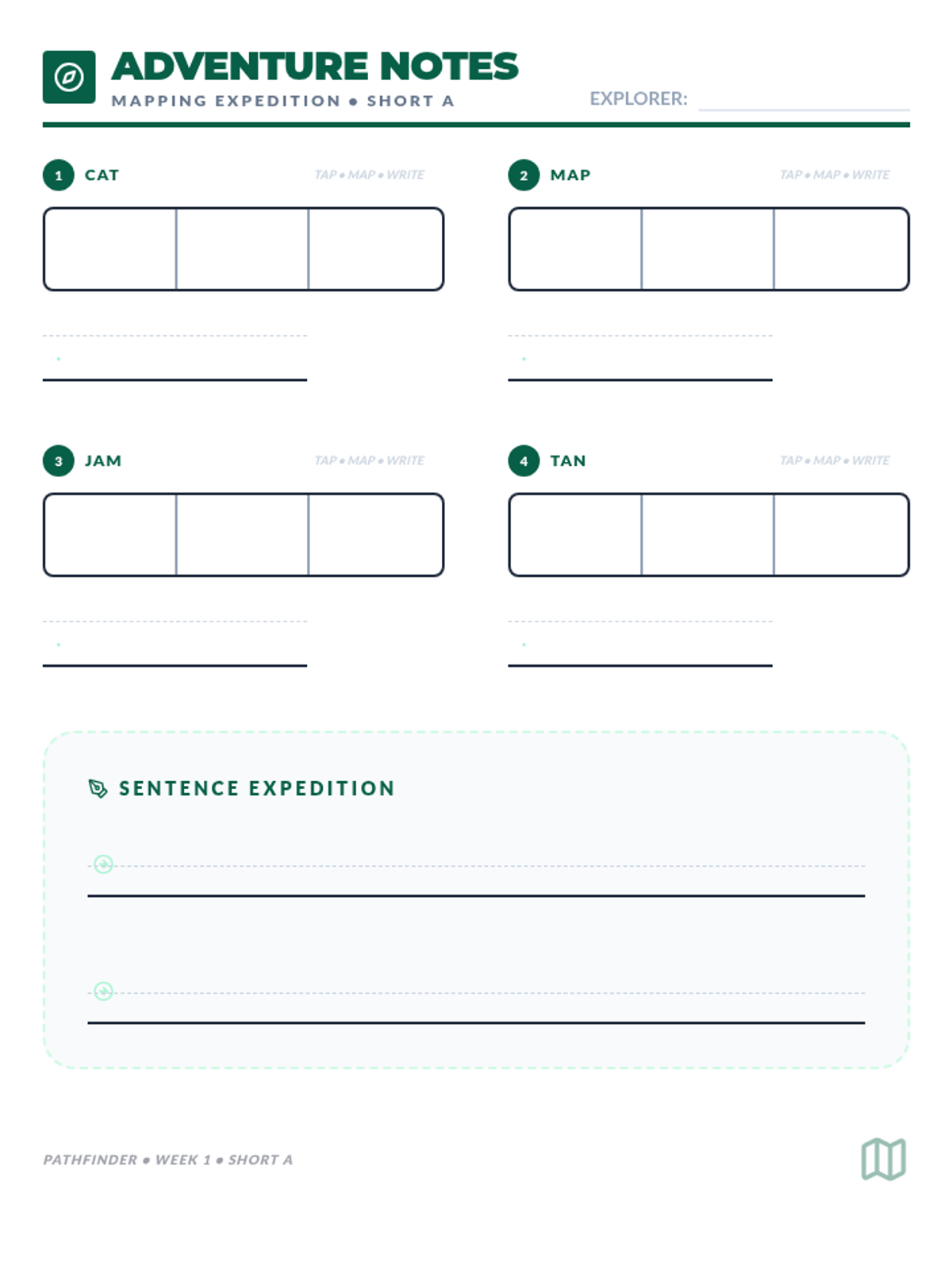
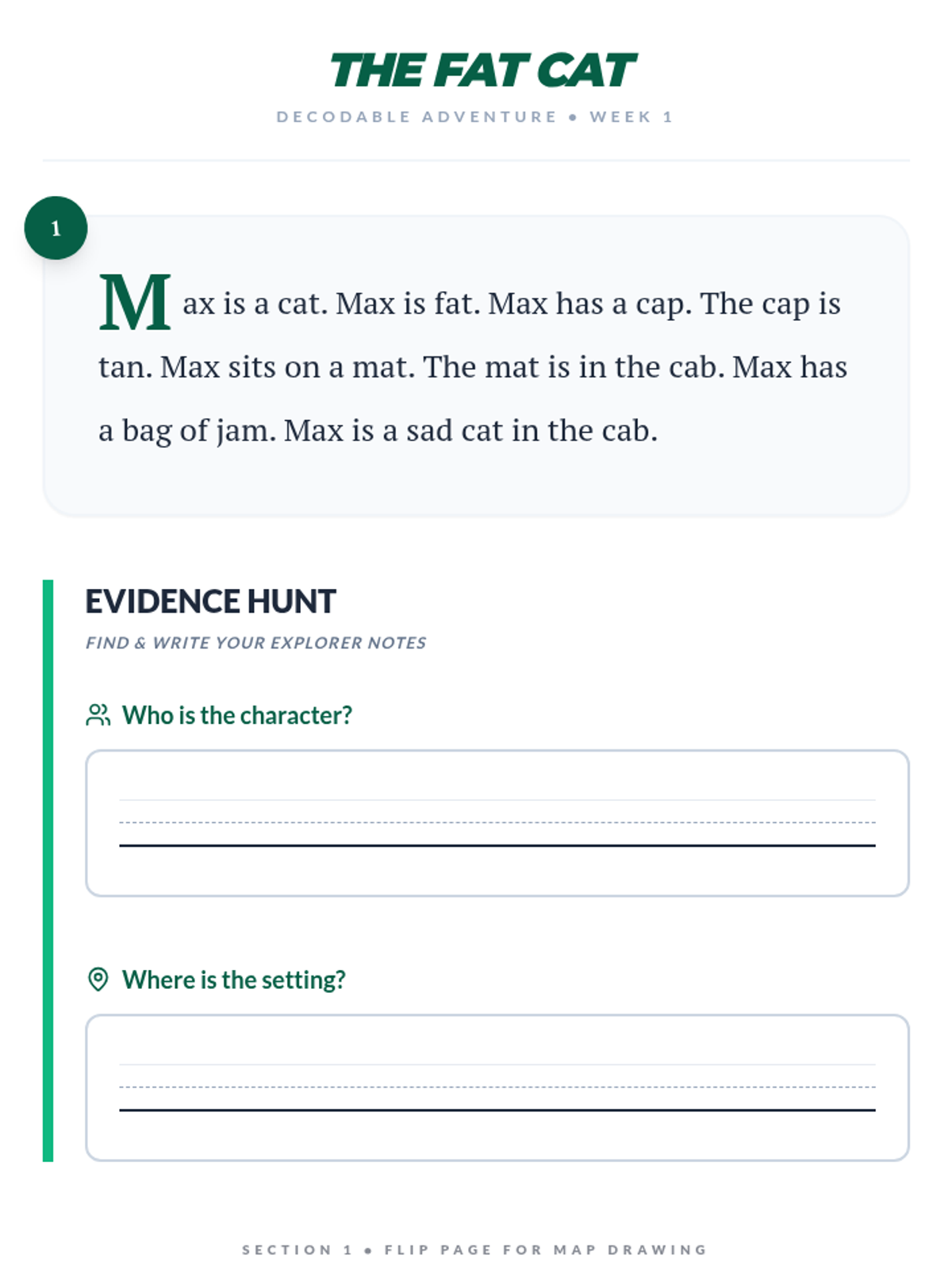
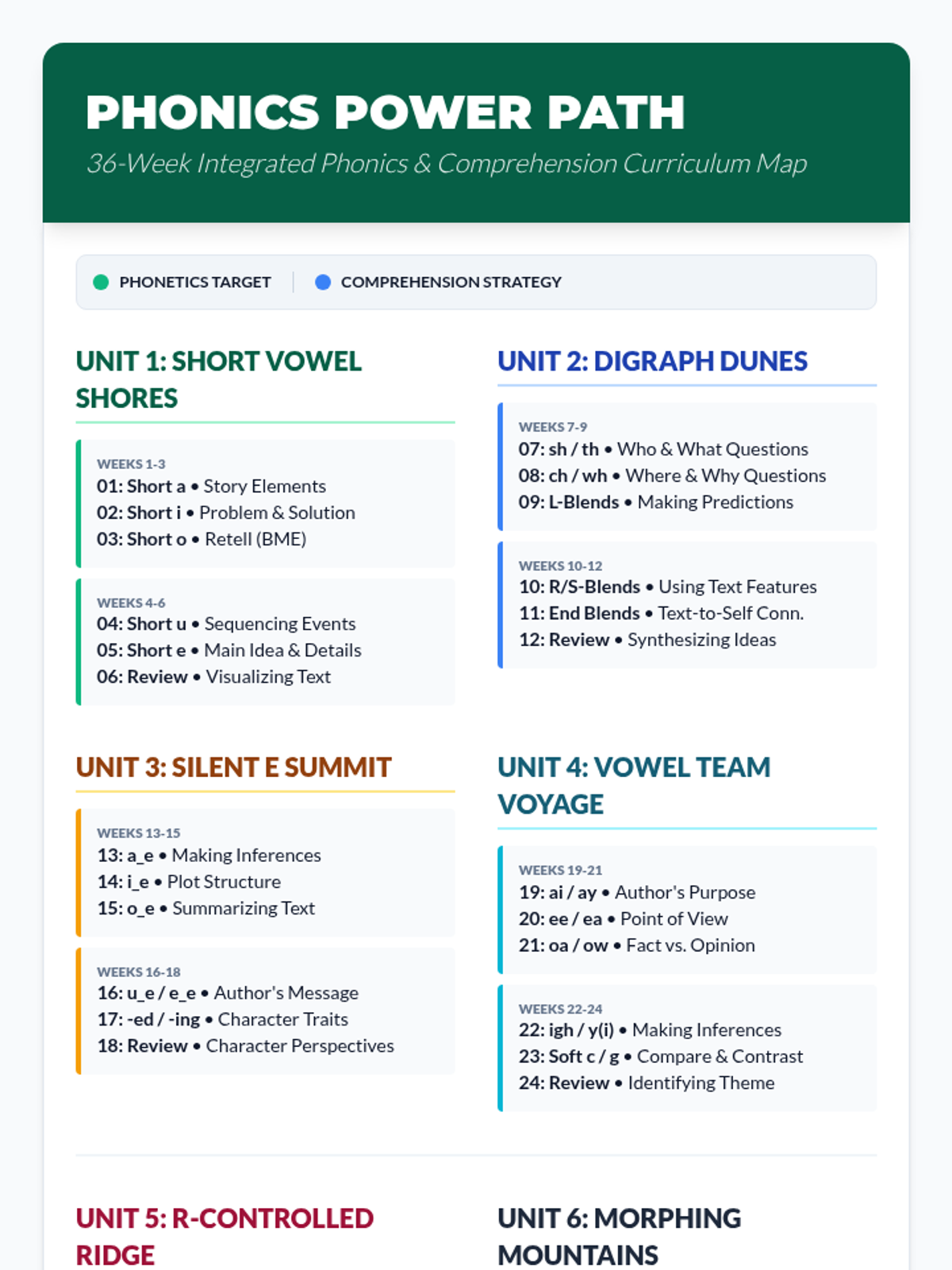
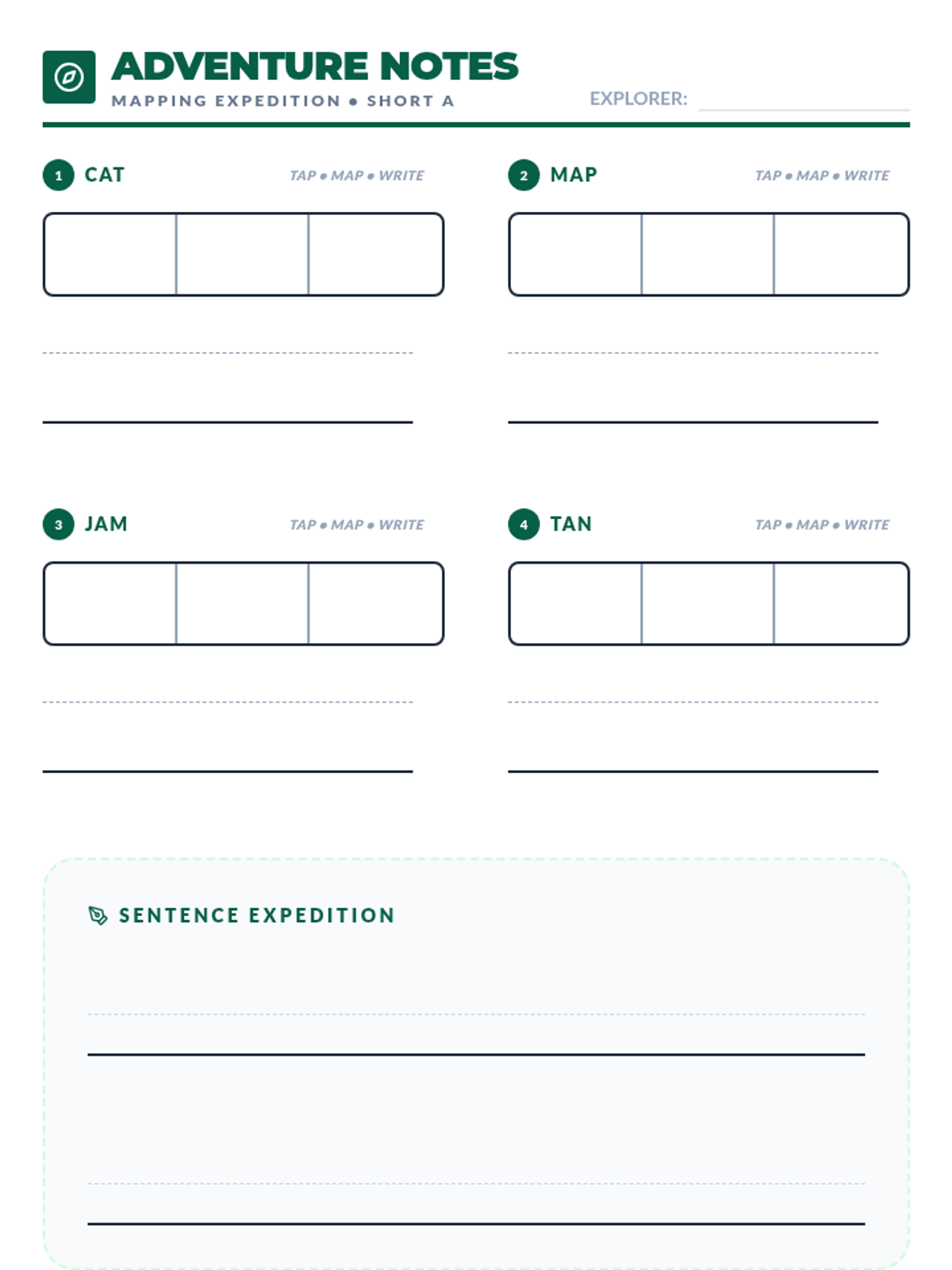
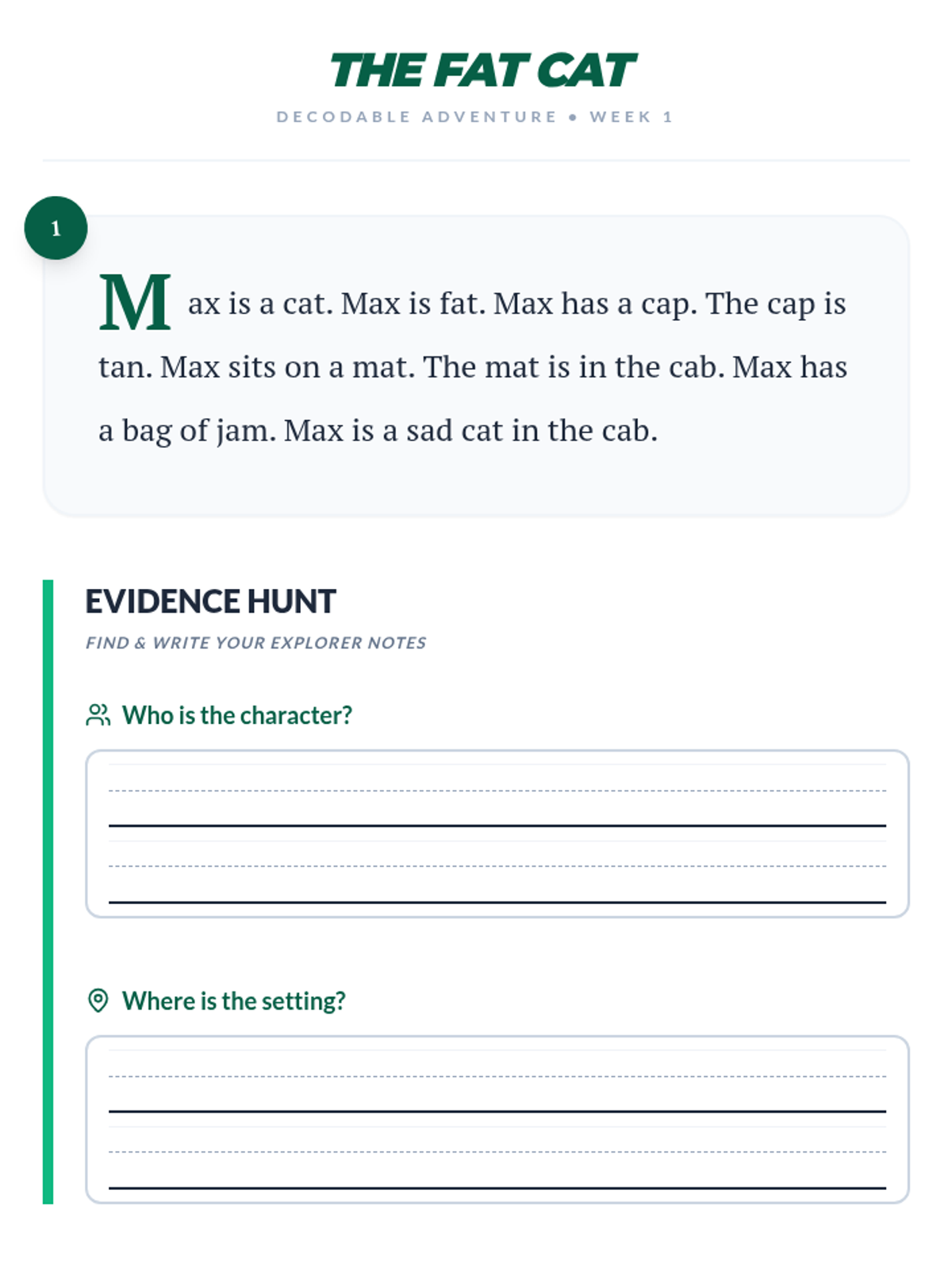
The first week of the Phonics Power Path curriculum, focusing on the short 'a' sound (CVC) and identifying basic story elements like characters and setting.
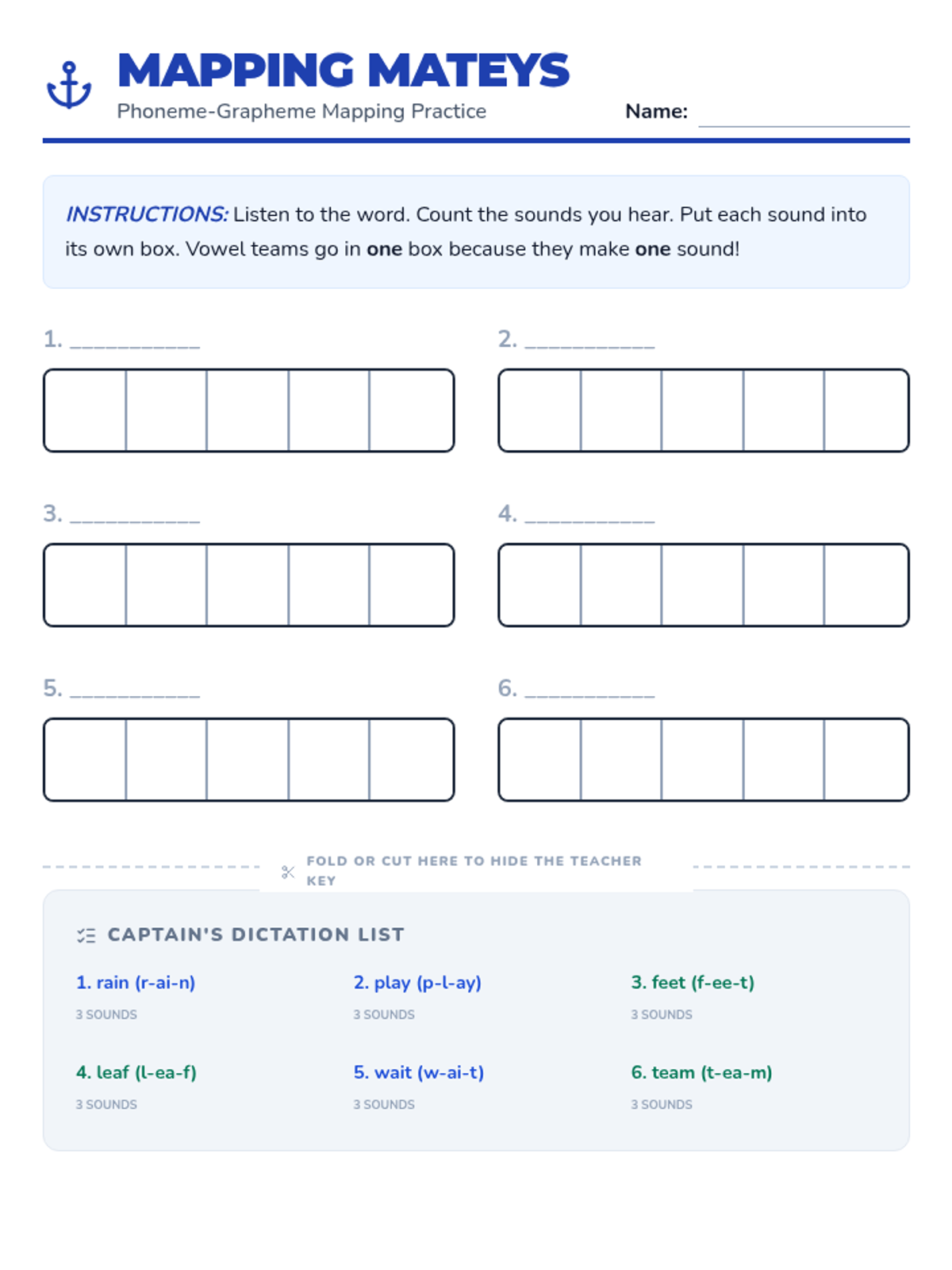
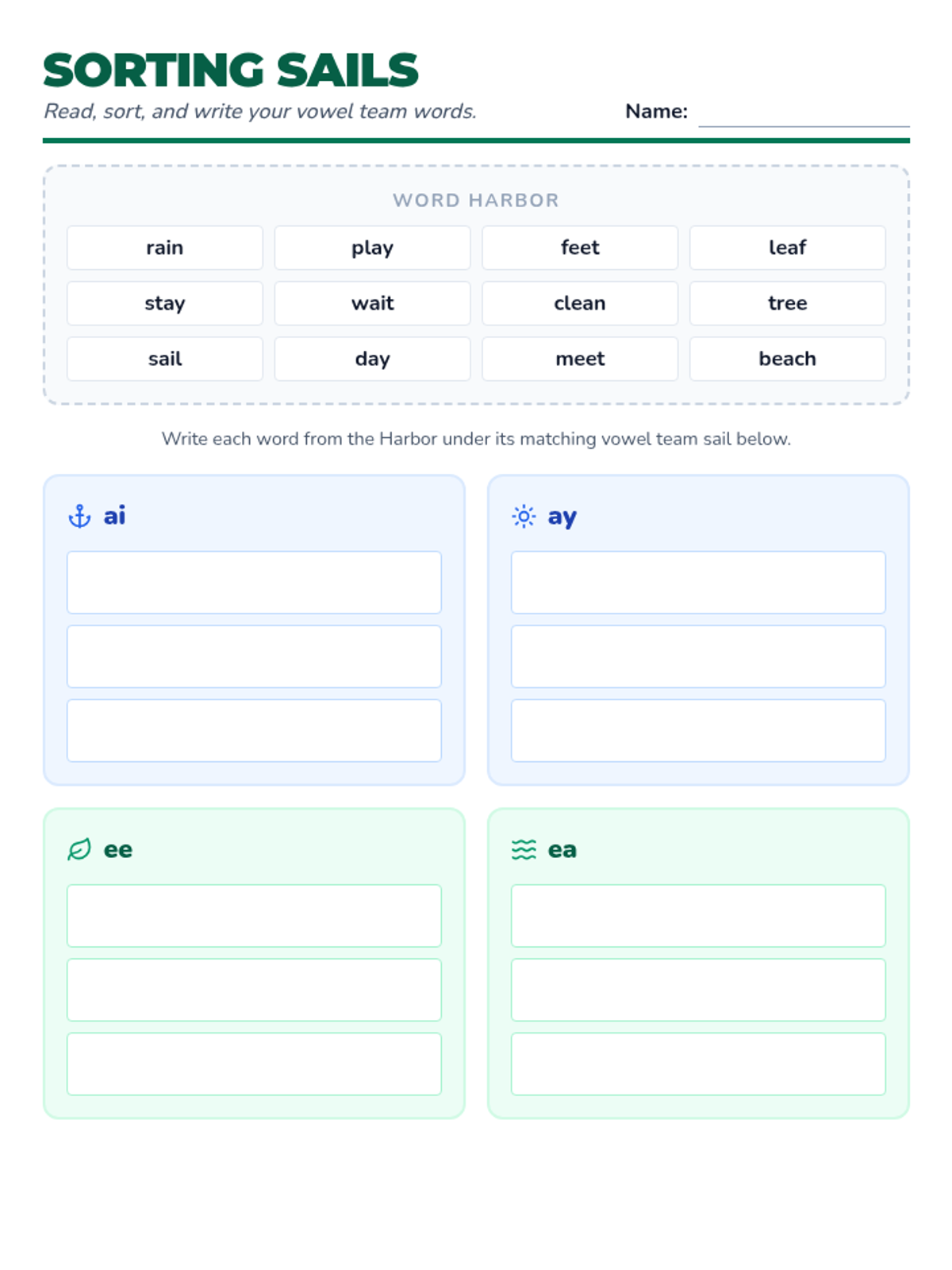
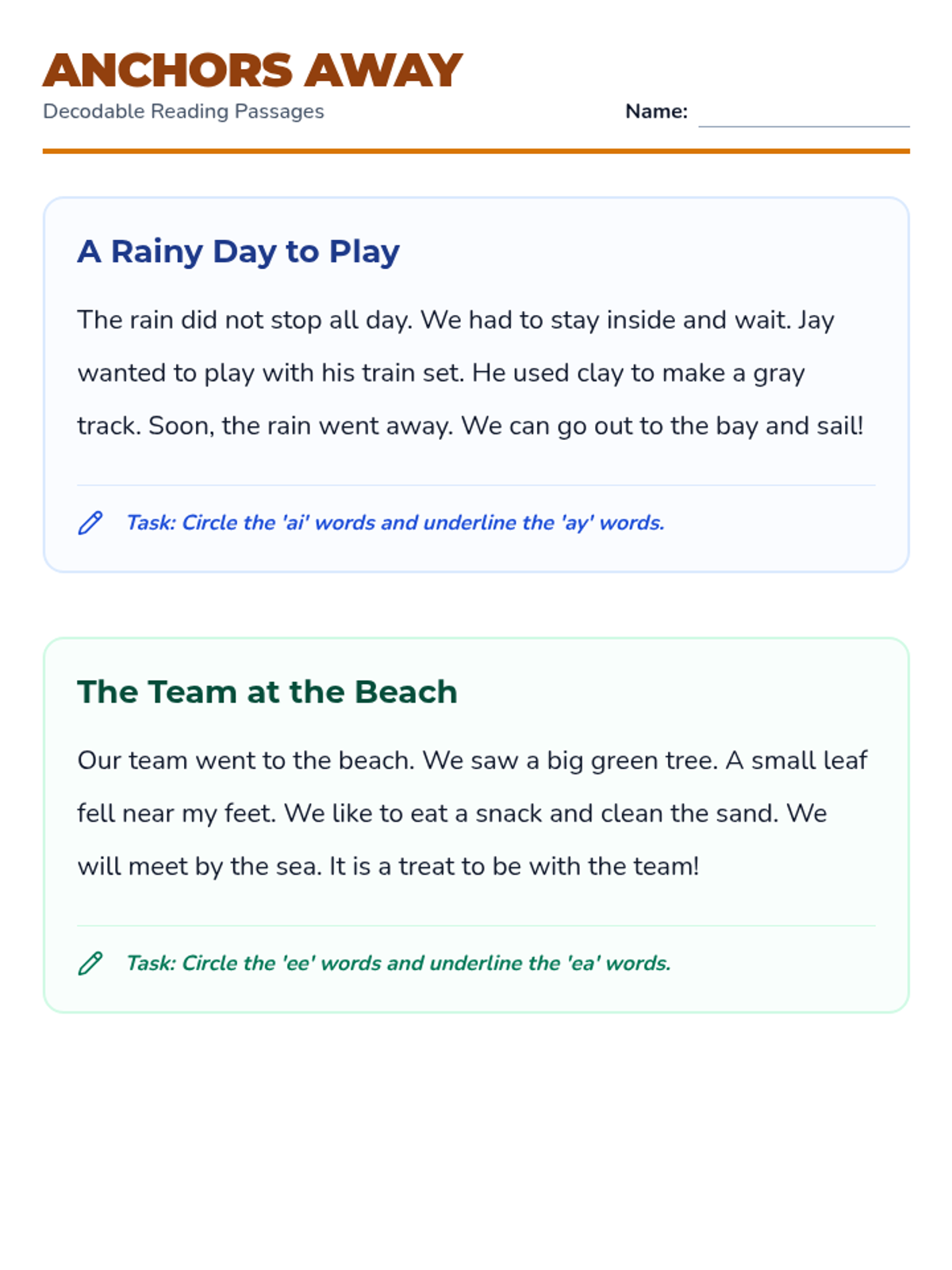
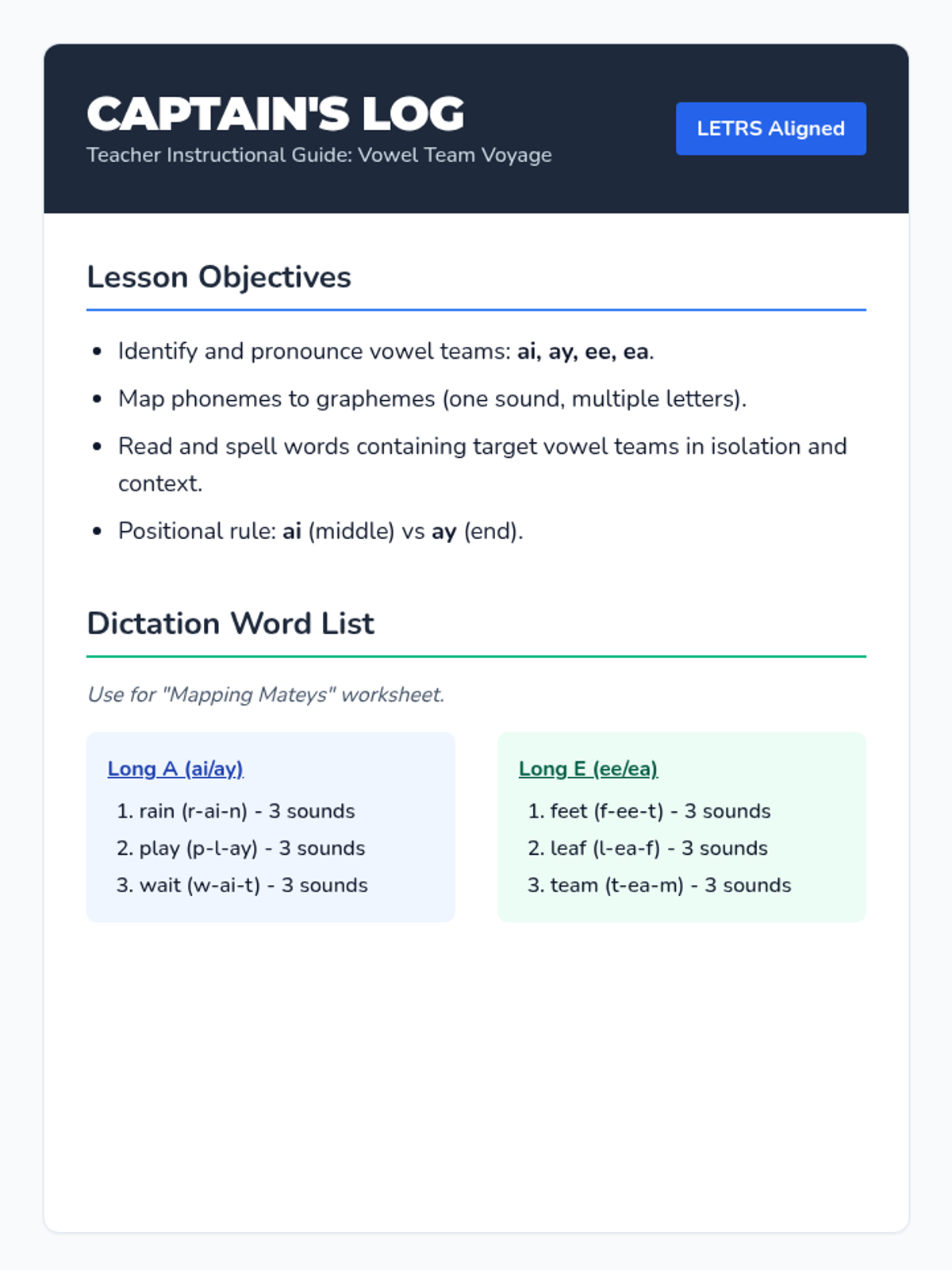
A comprehensive phonics lesson focusing on long vowel teams (ai, ay, ee, ea) following LETRS-aligned instructional practices, including phoneme-grapheme mapping and decodable reading.
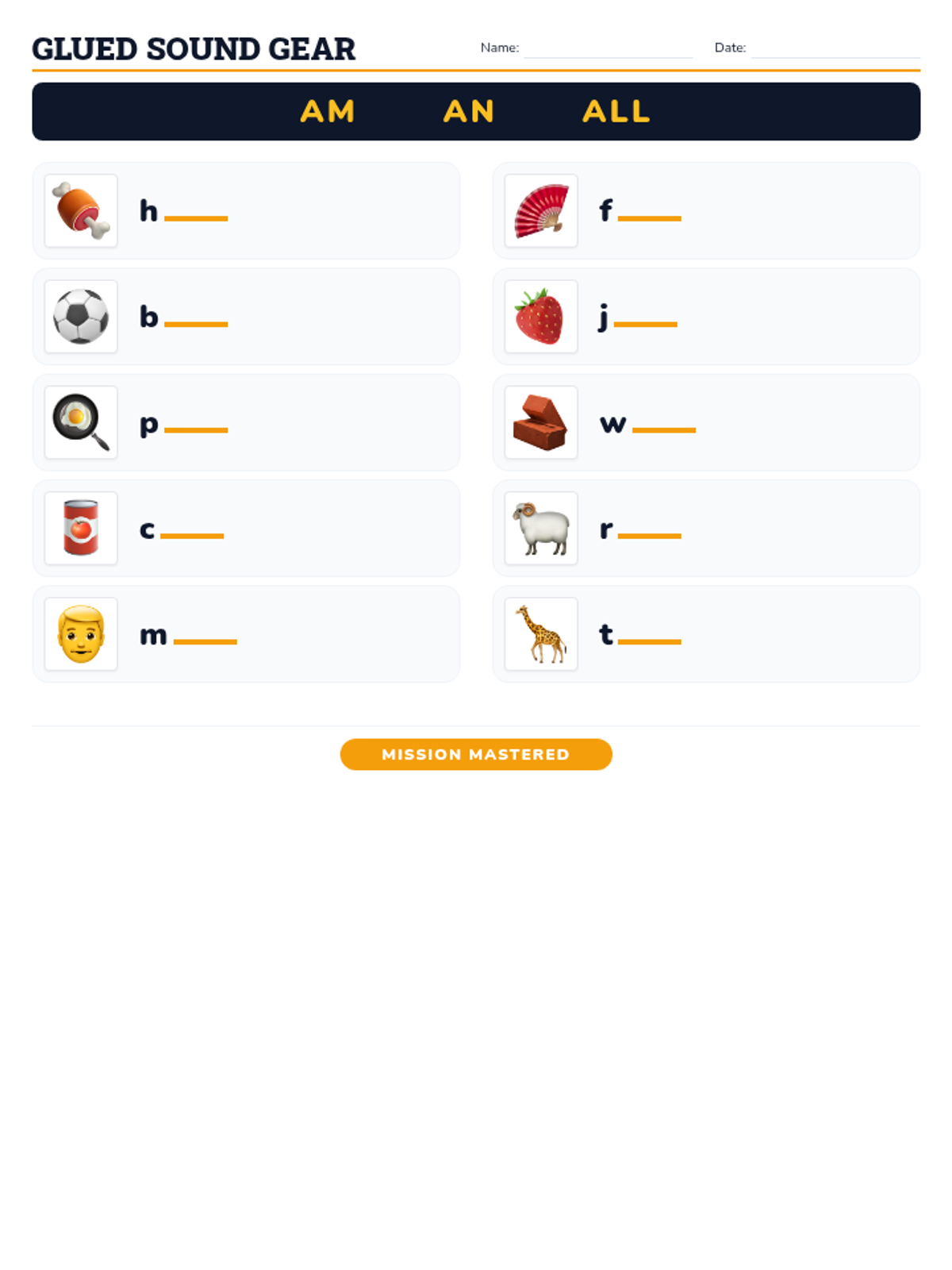
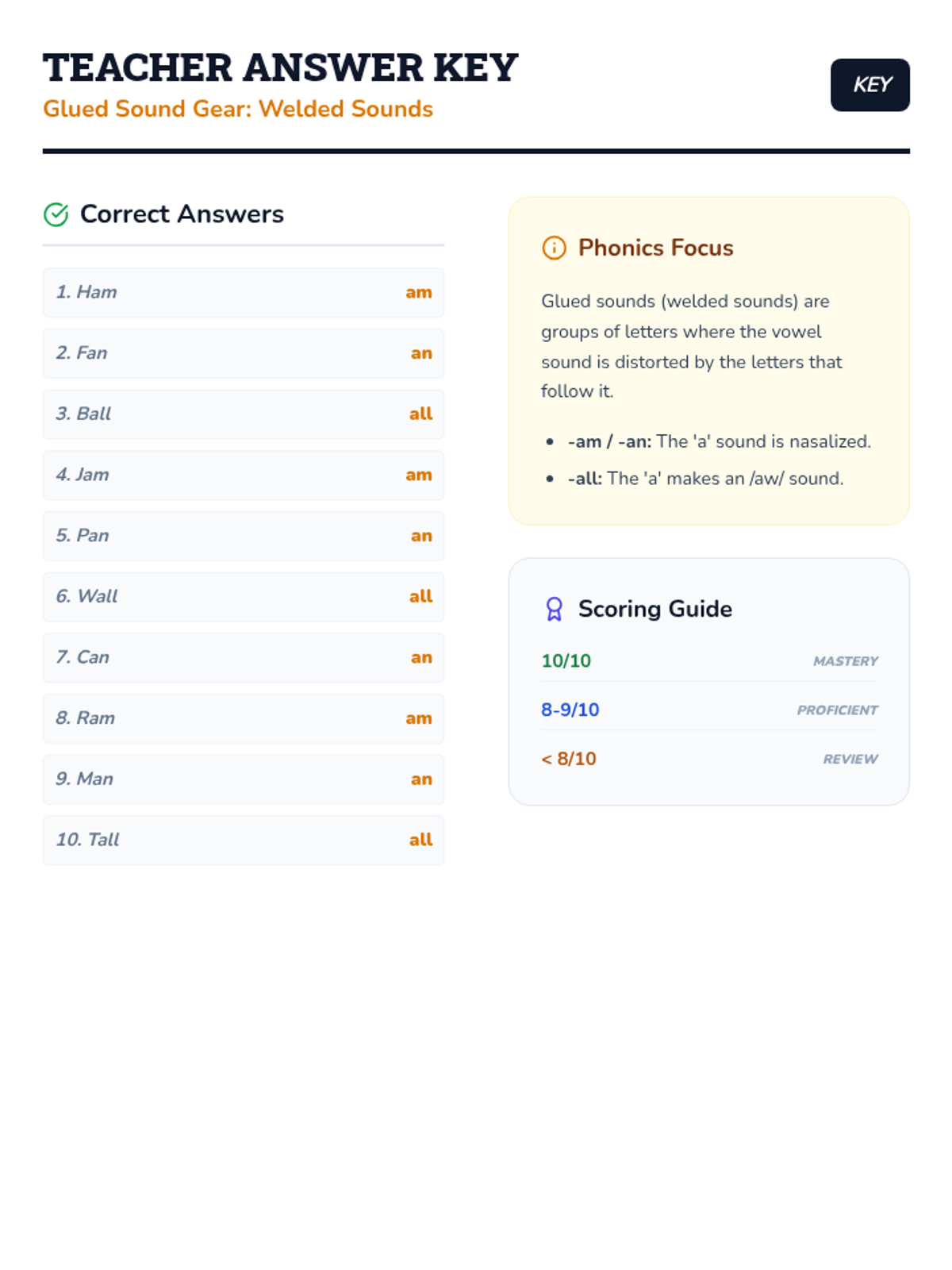
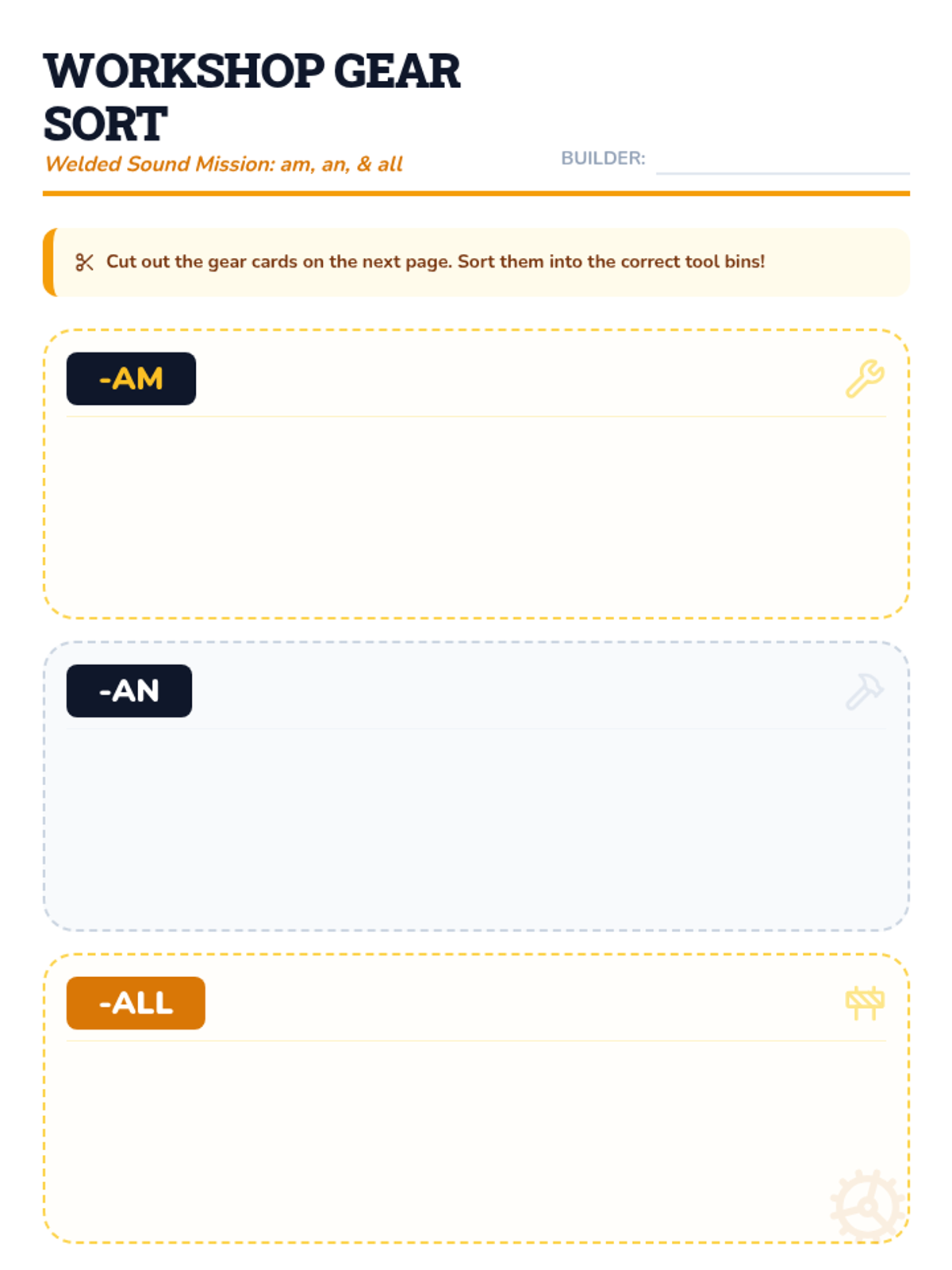
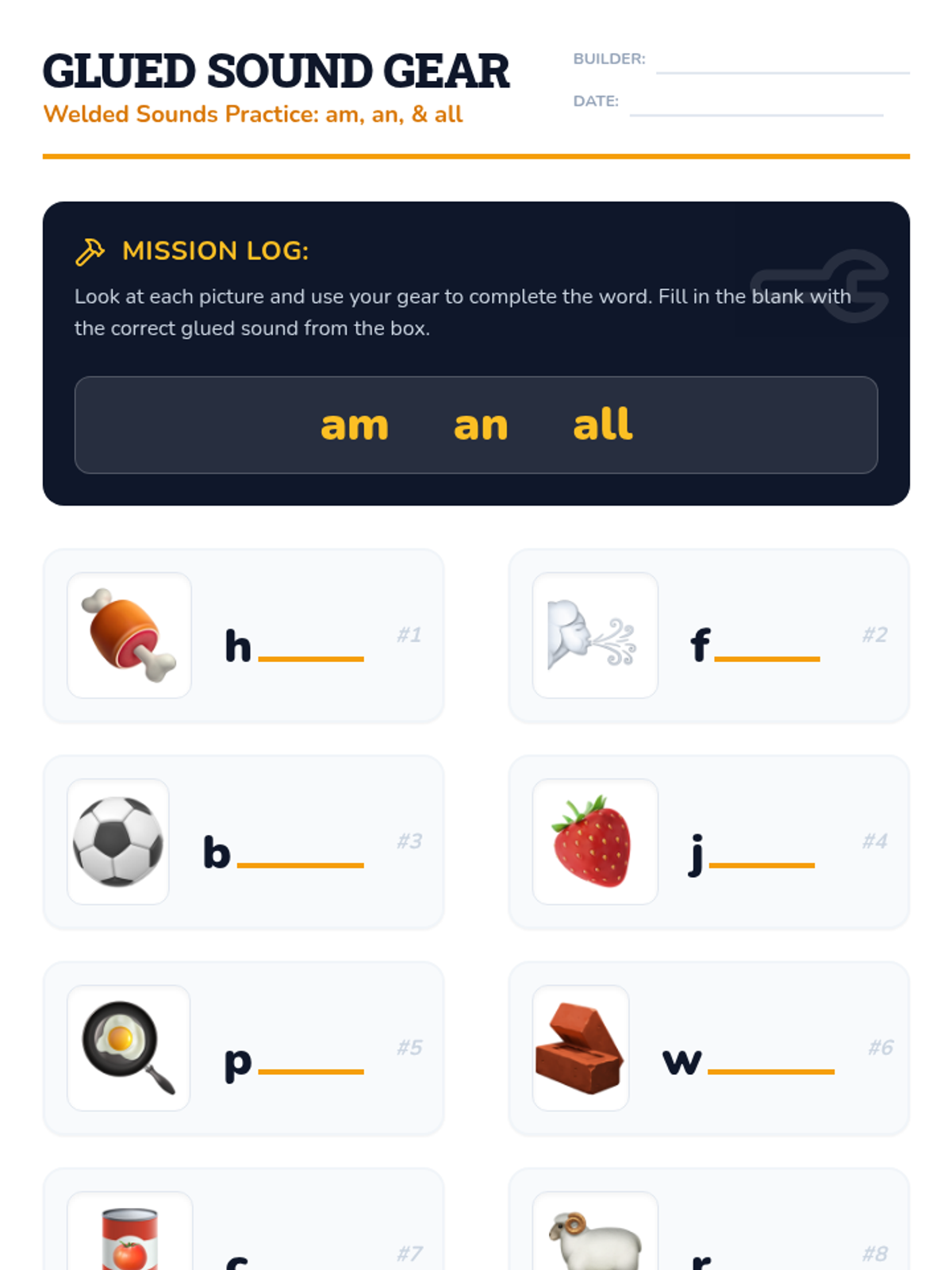
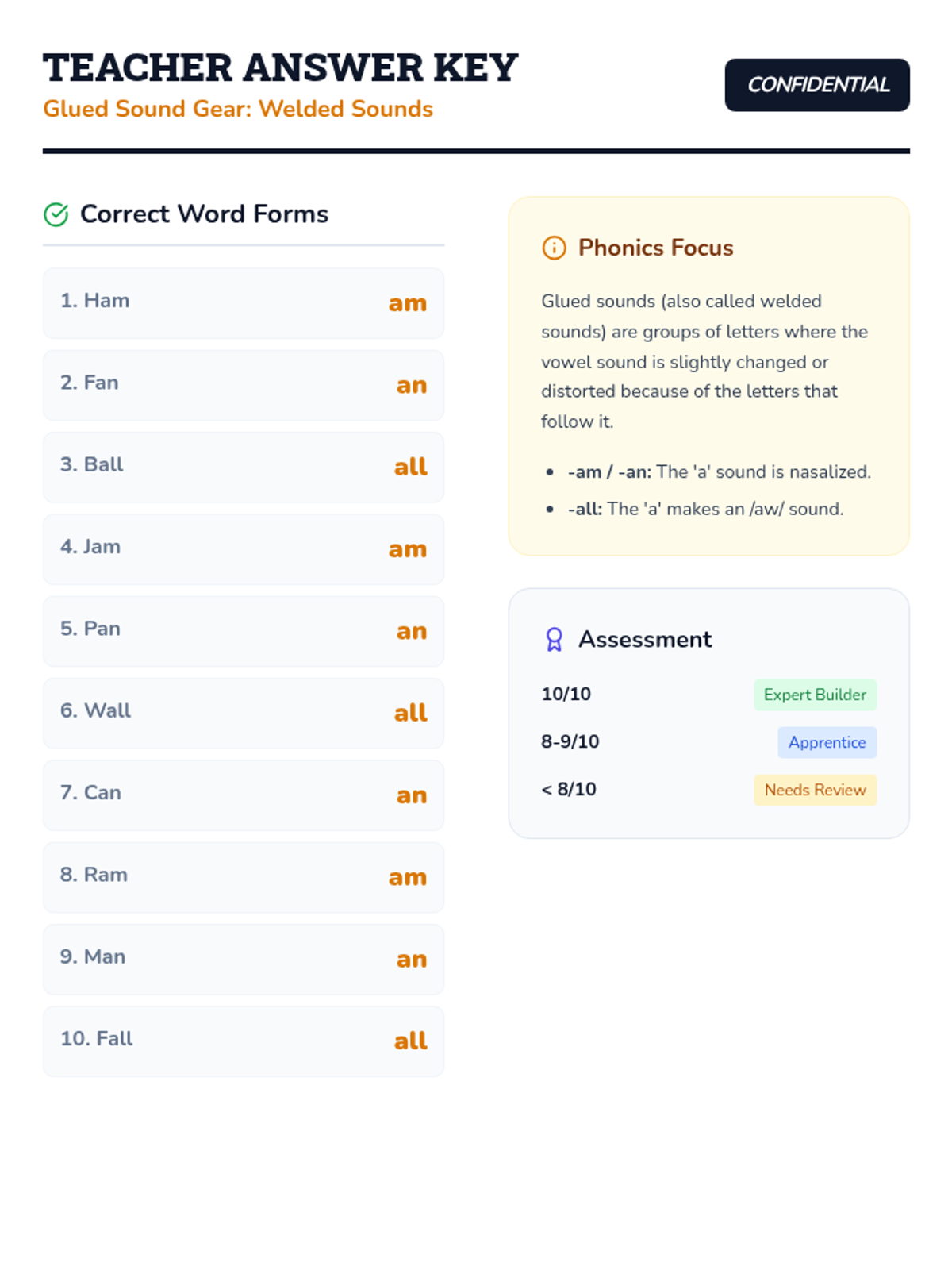
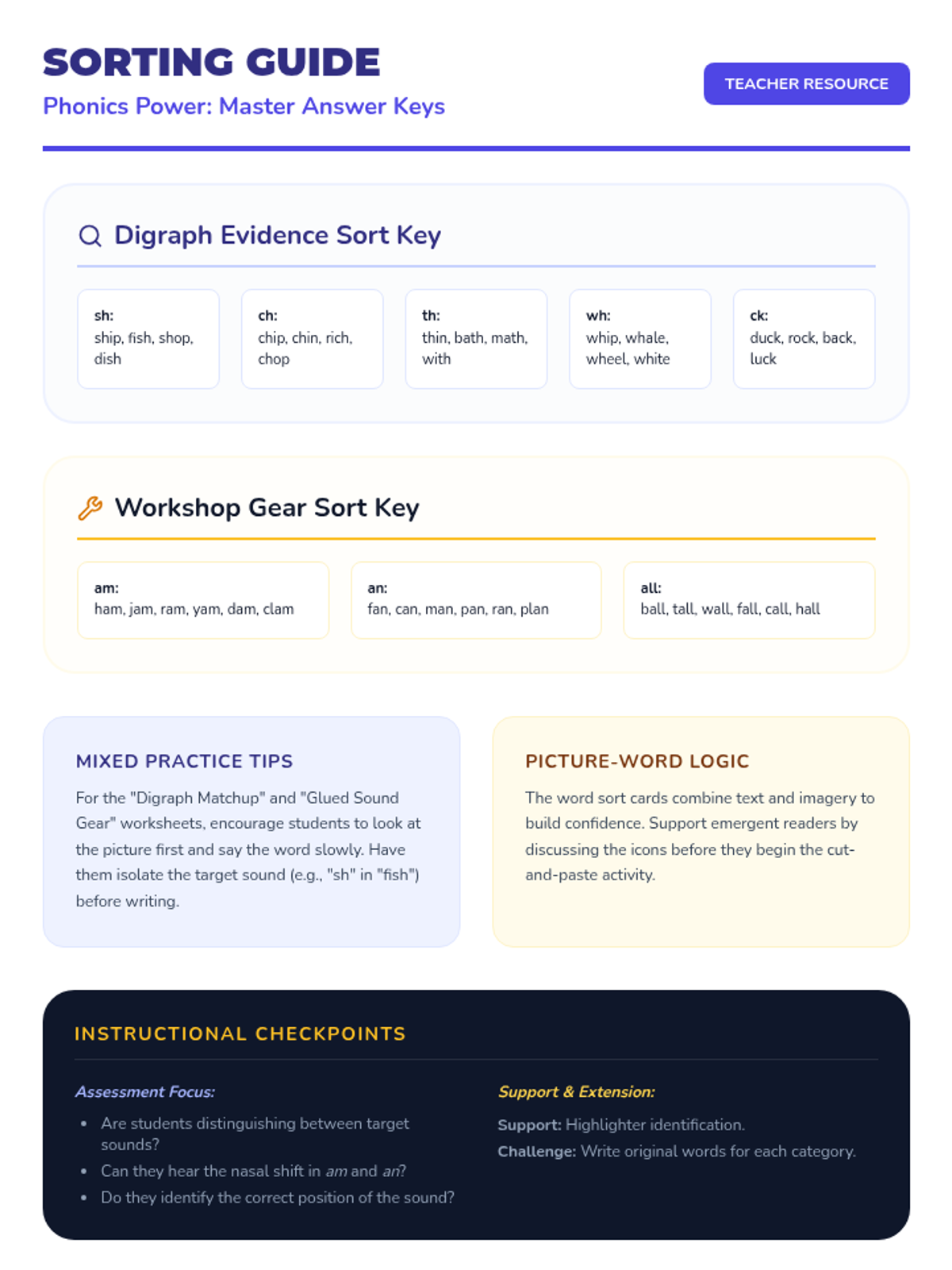
A workshop-themed phonics lesson focusing on identifying and using the 'glued' or 'welded' sounds -am, -an, and -all.
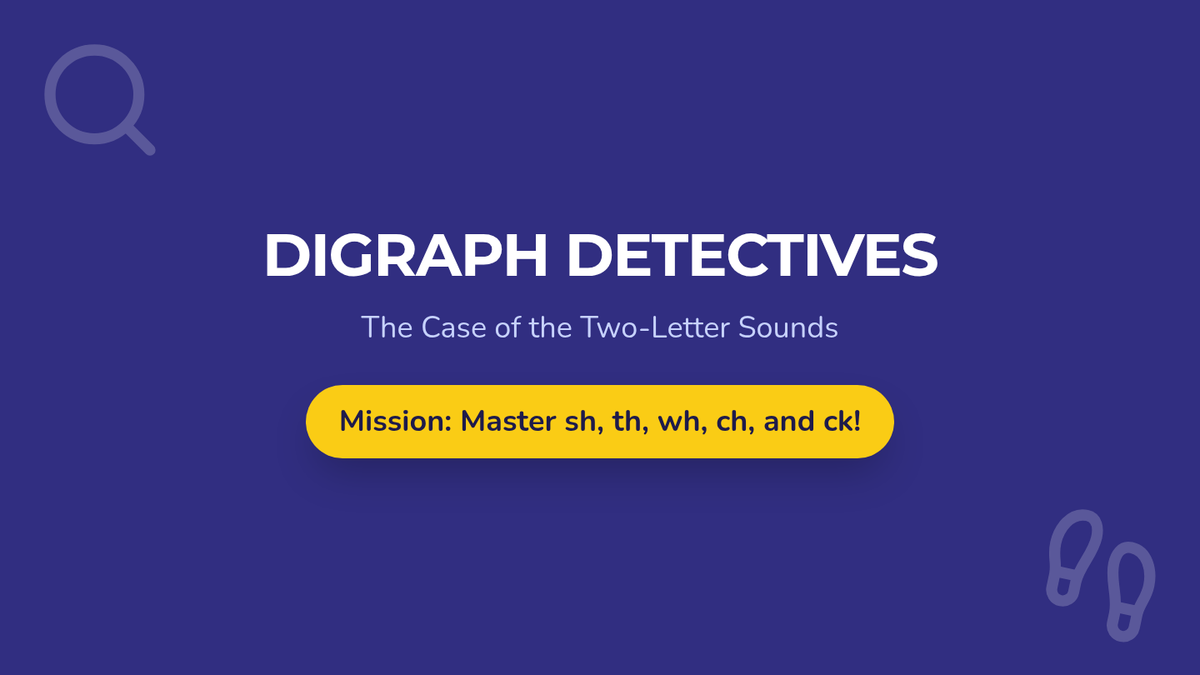
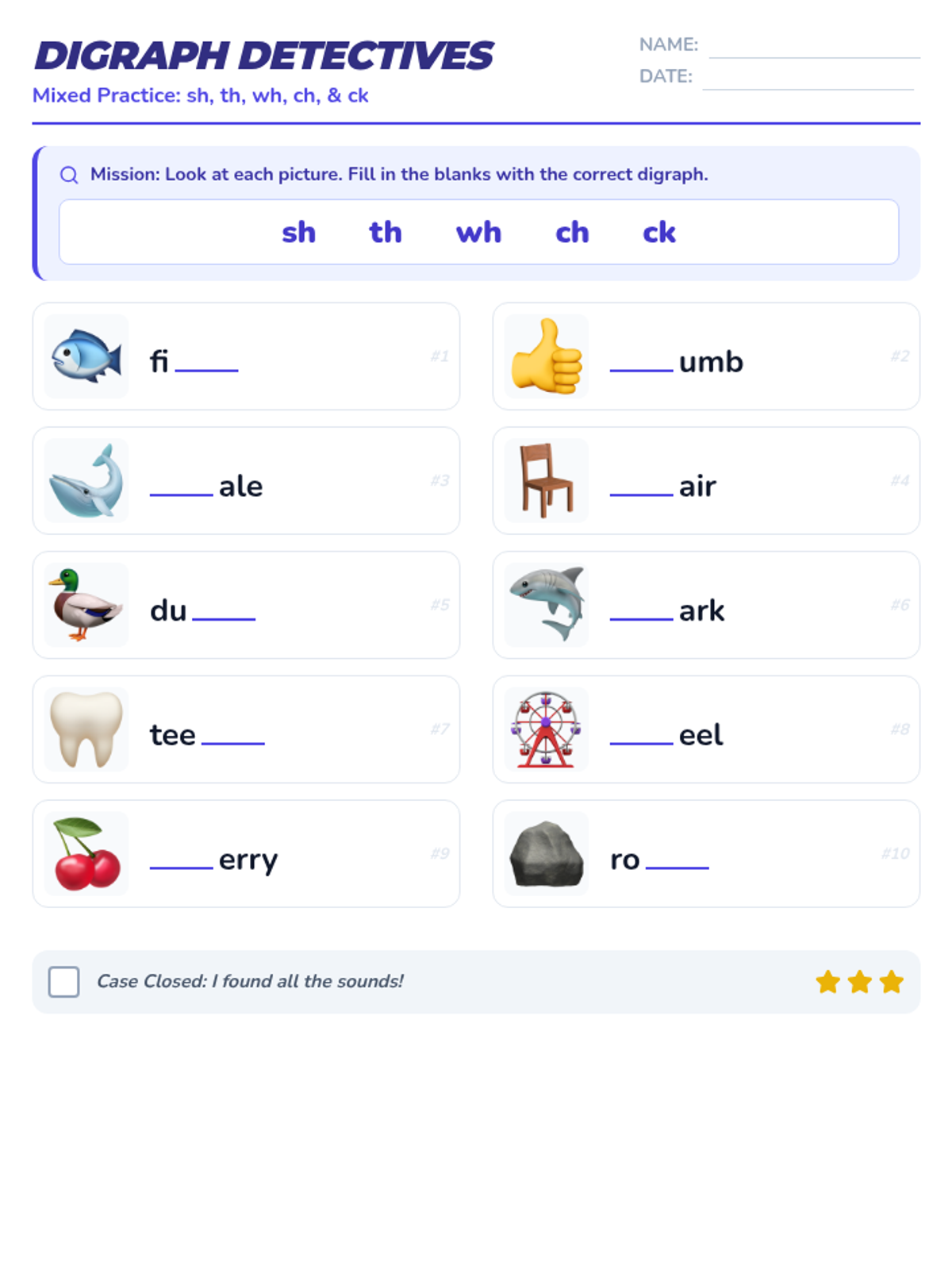
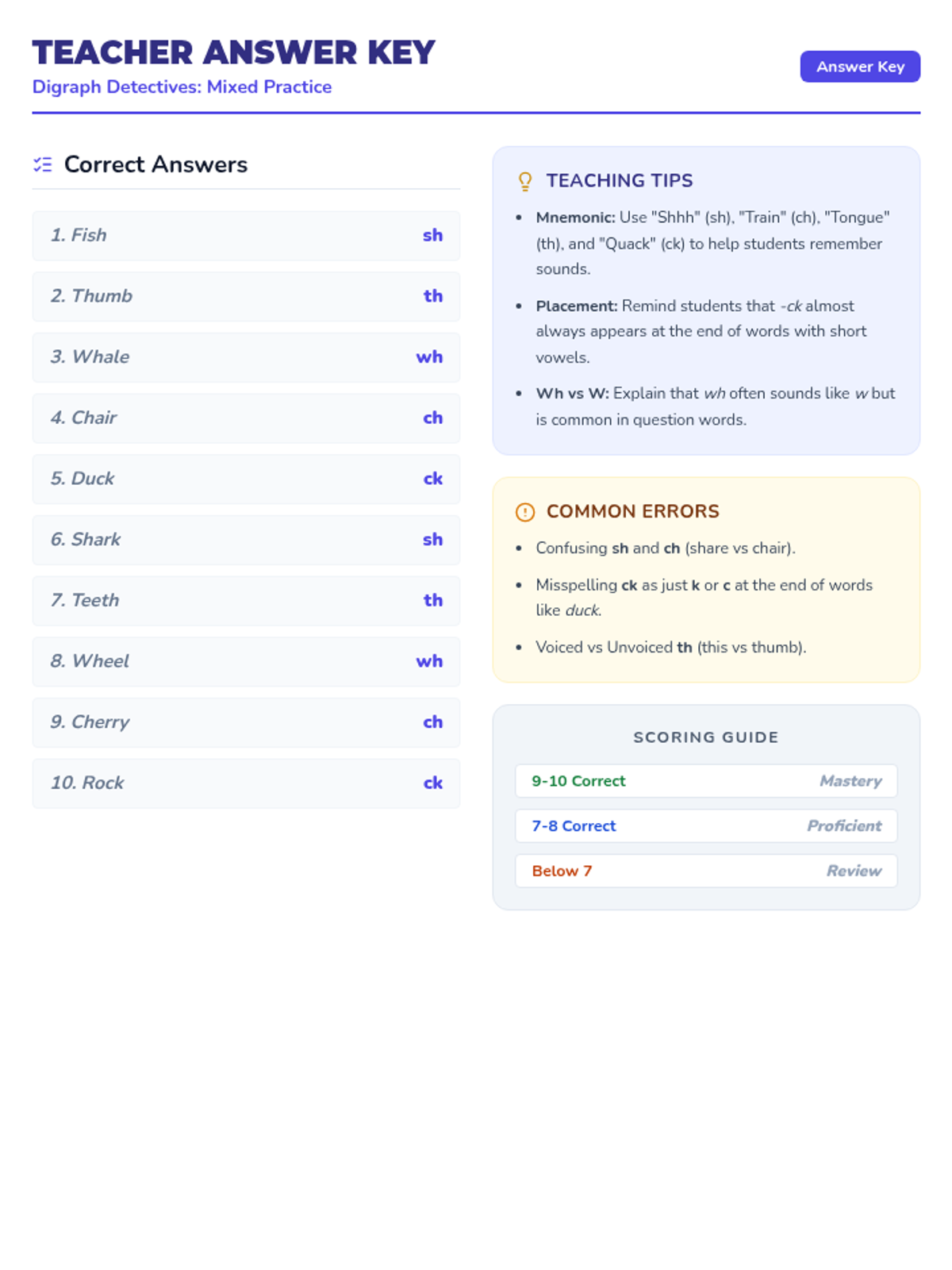
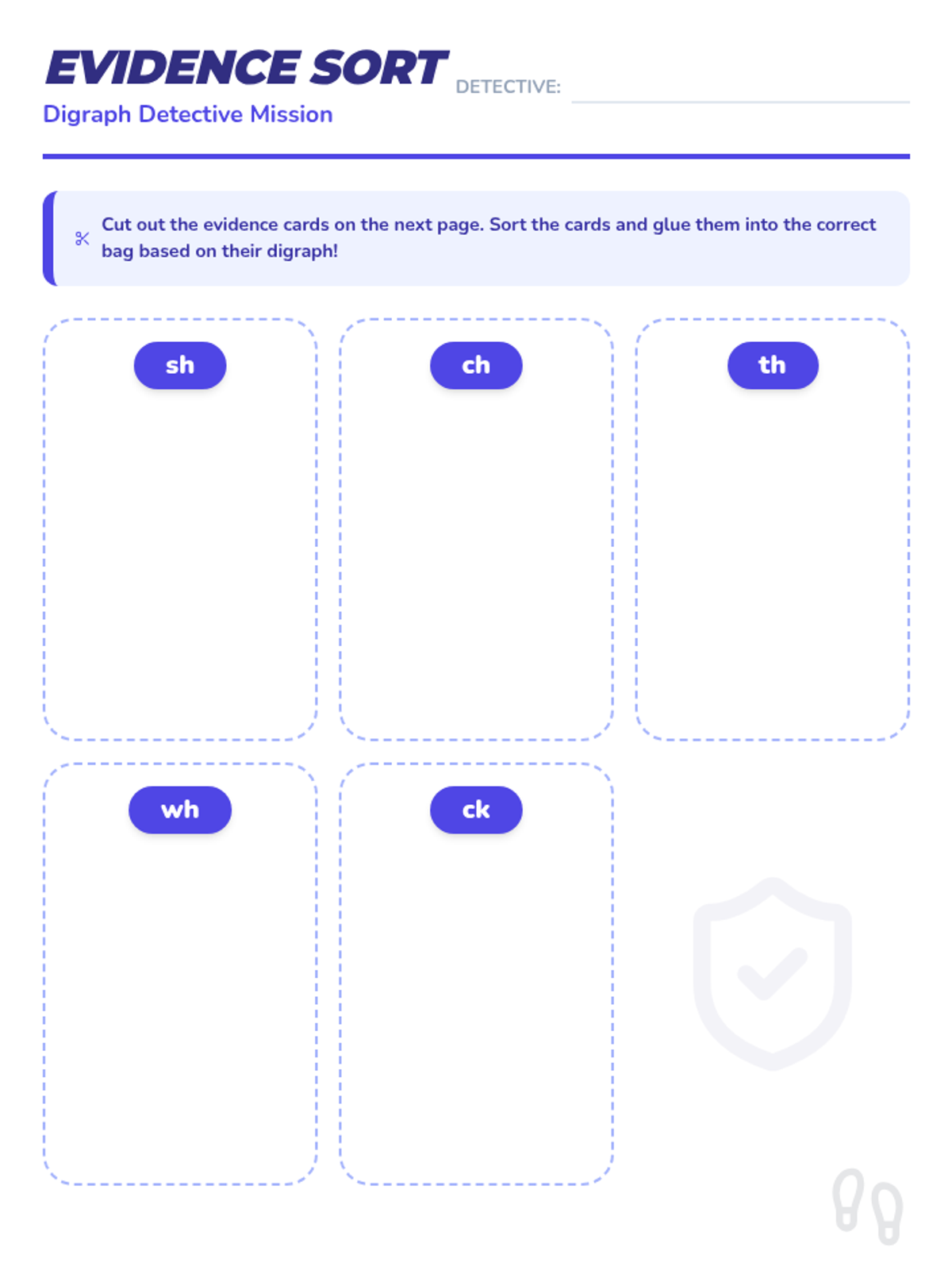
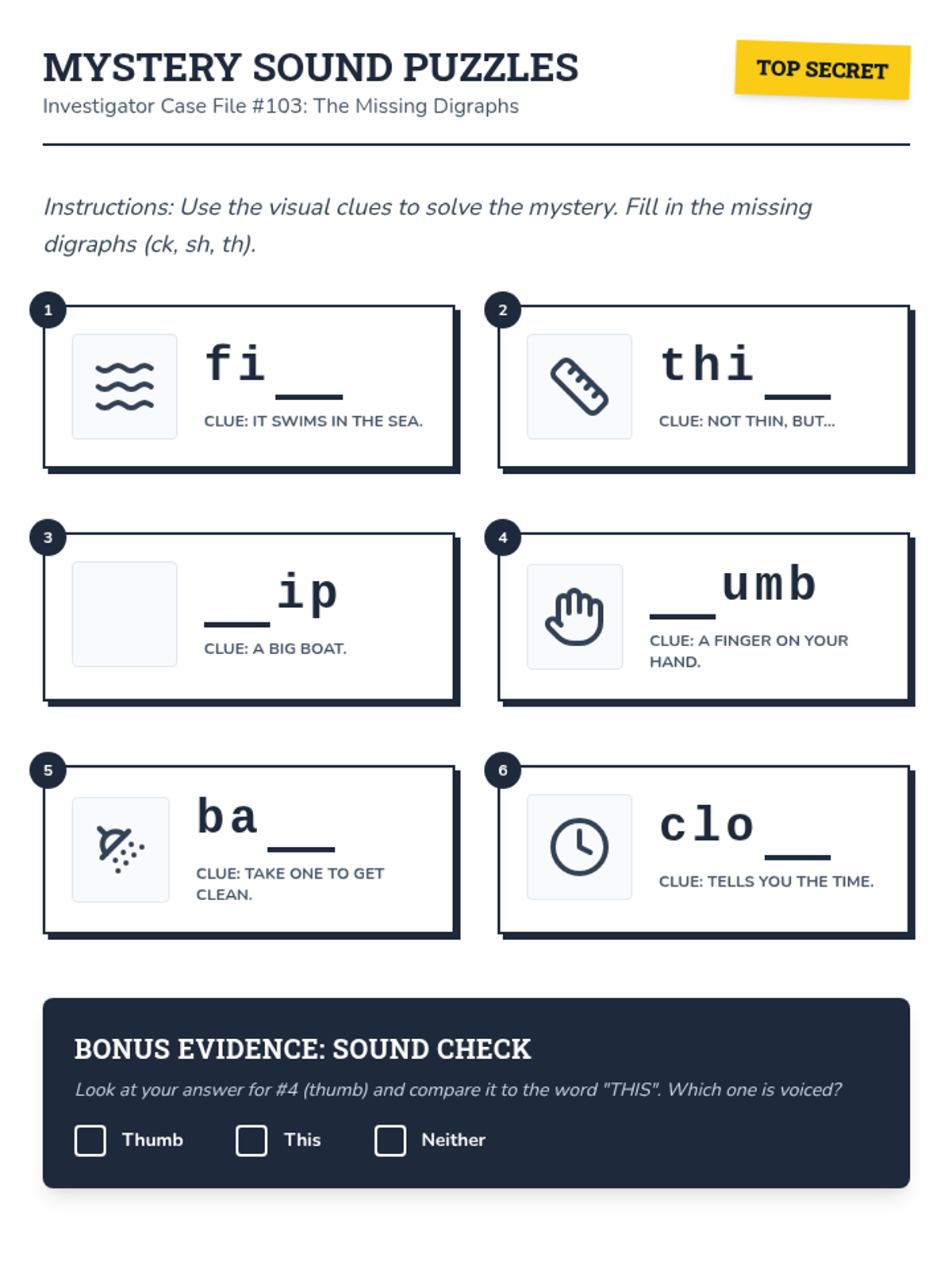
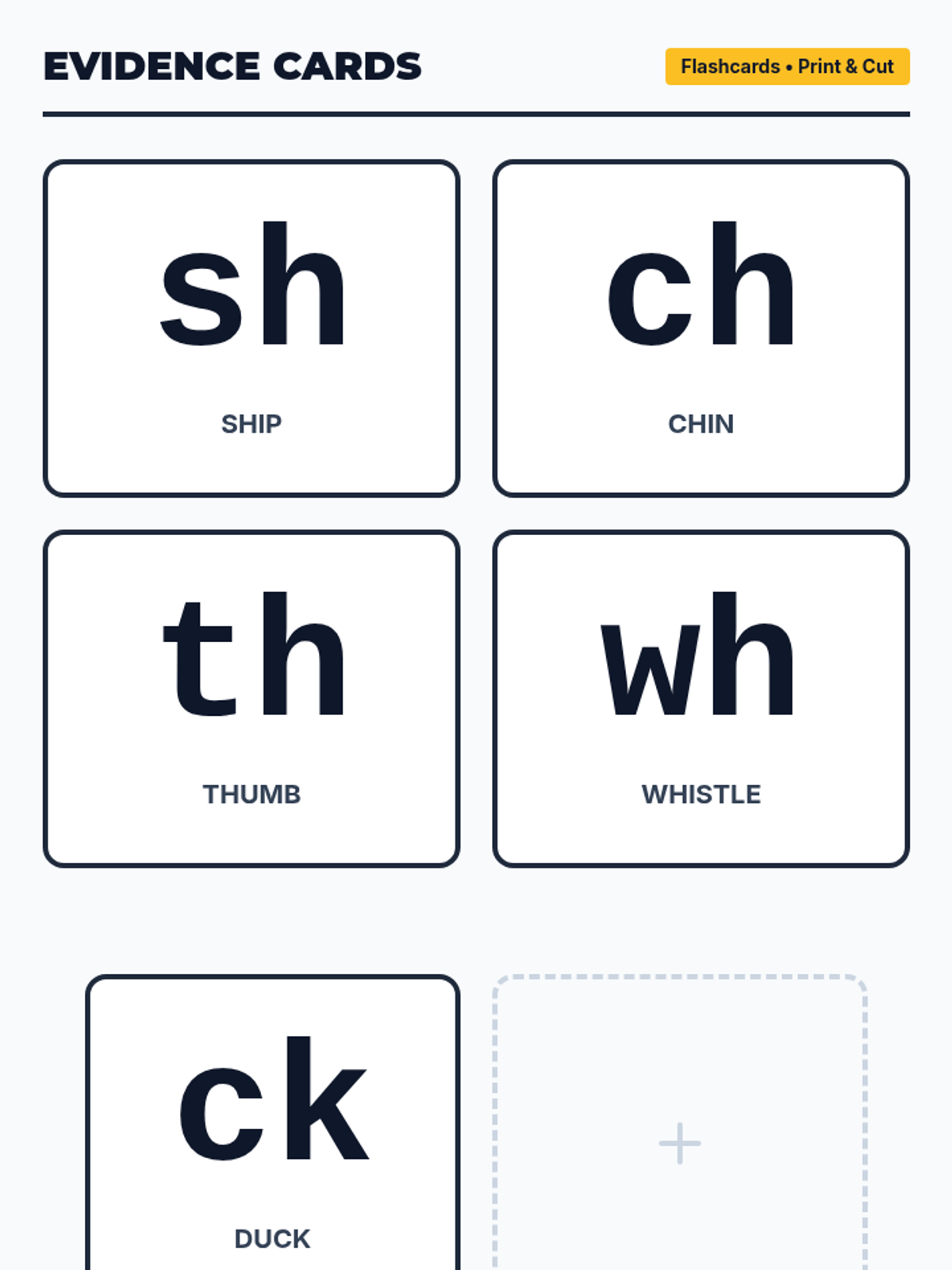
A foundational phonics lesson focusing on identifying and using the digraphs sh, th, wh, ch, and ck through visual association and word completion.
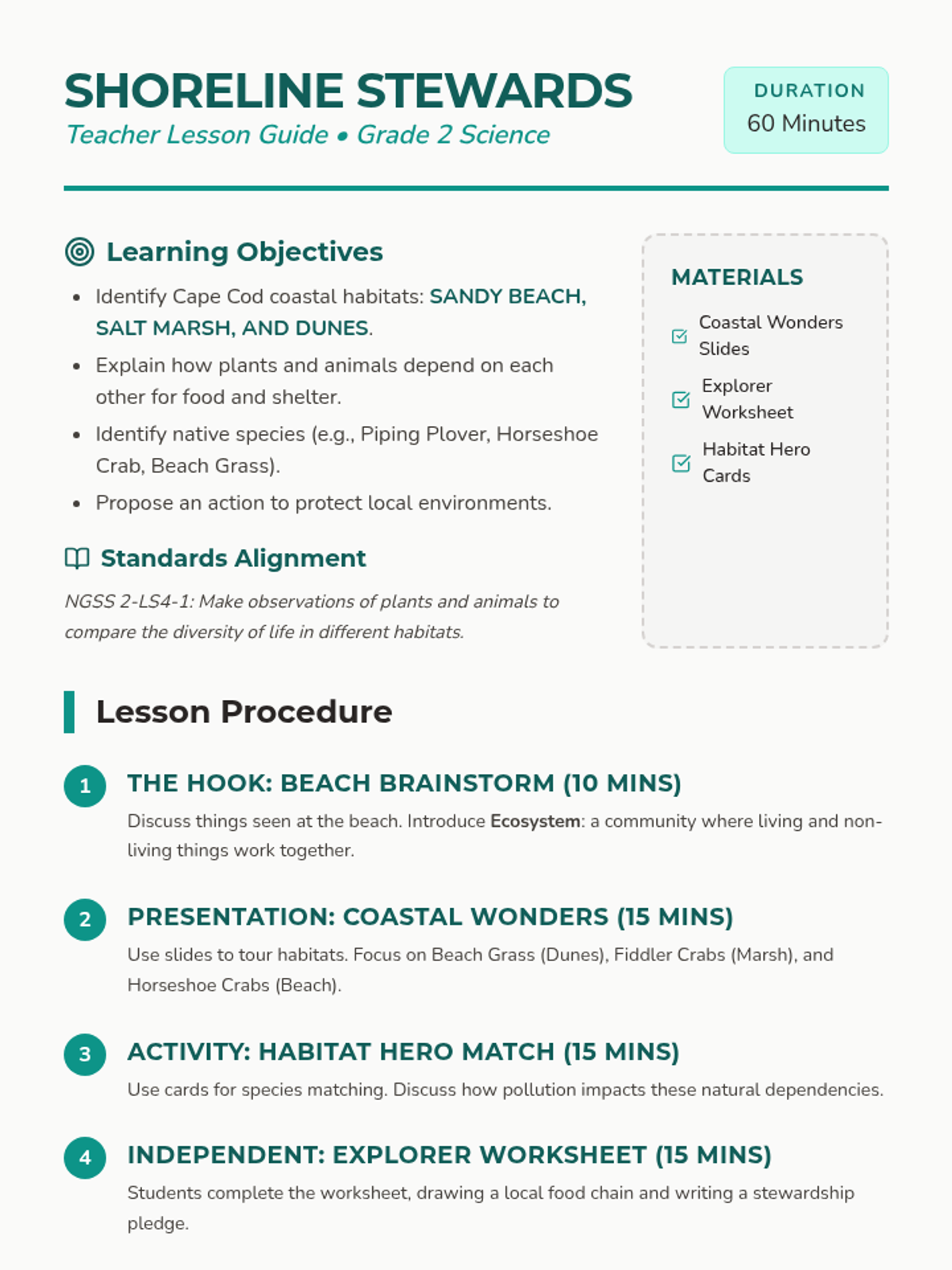
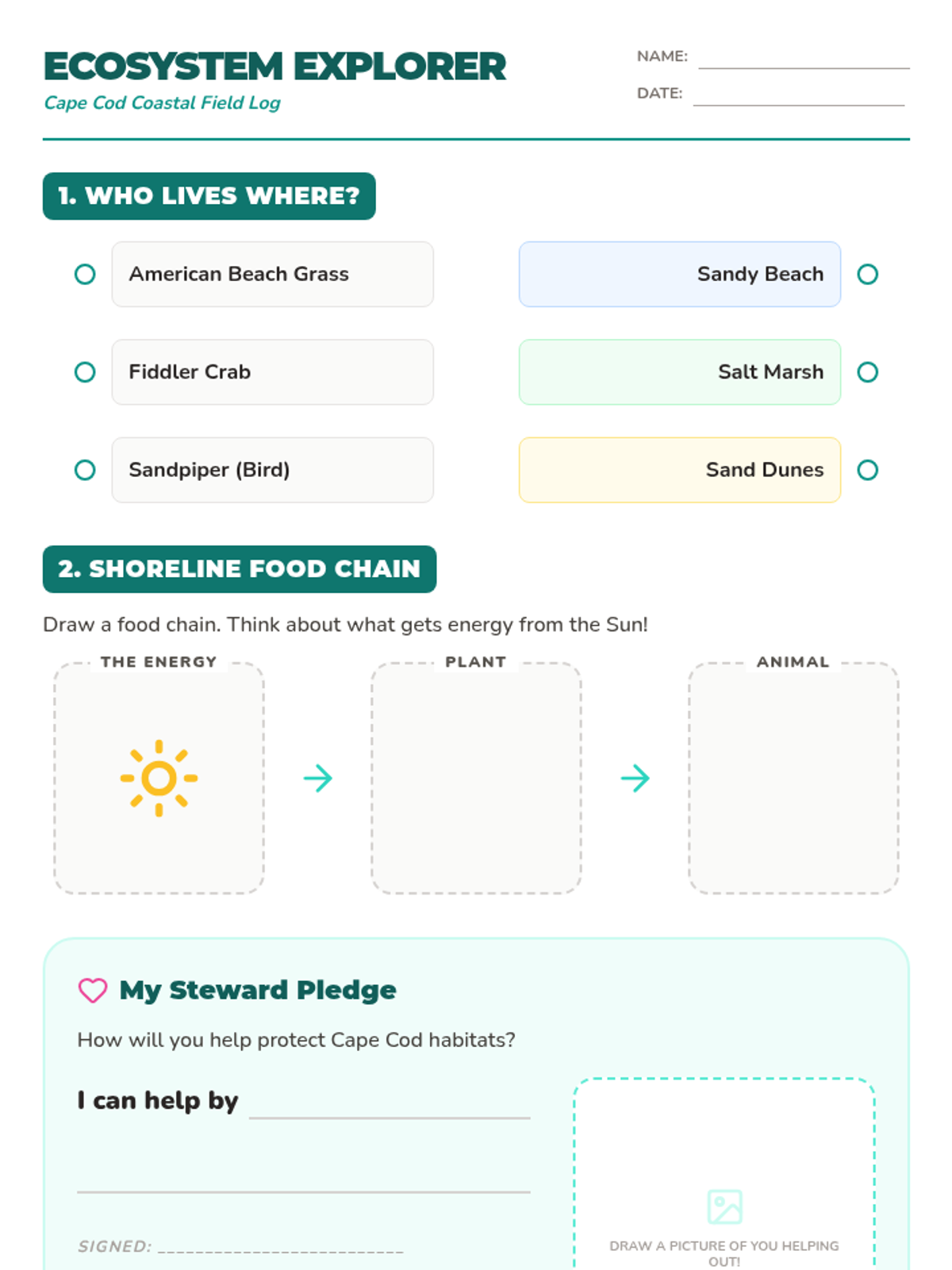
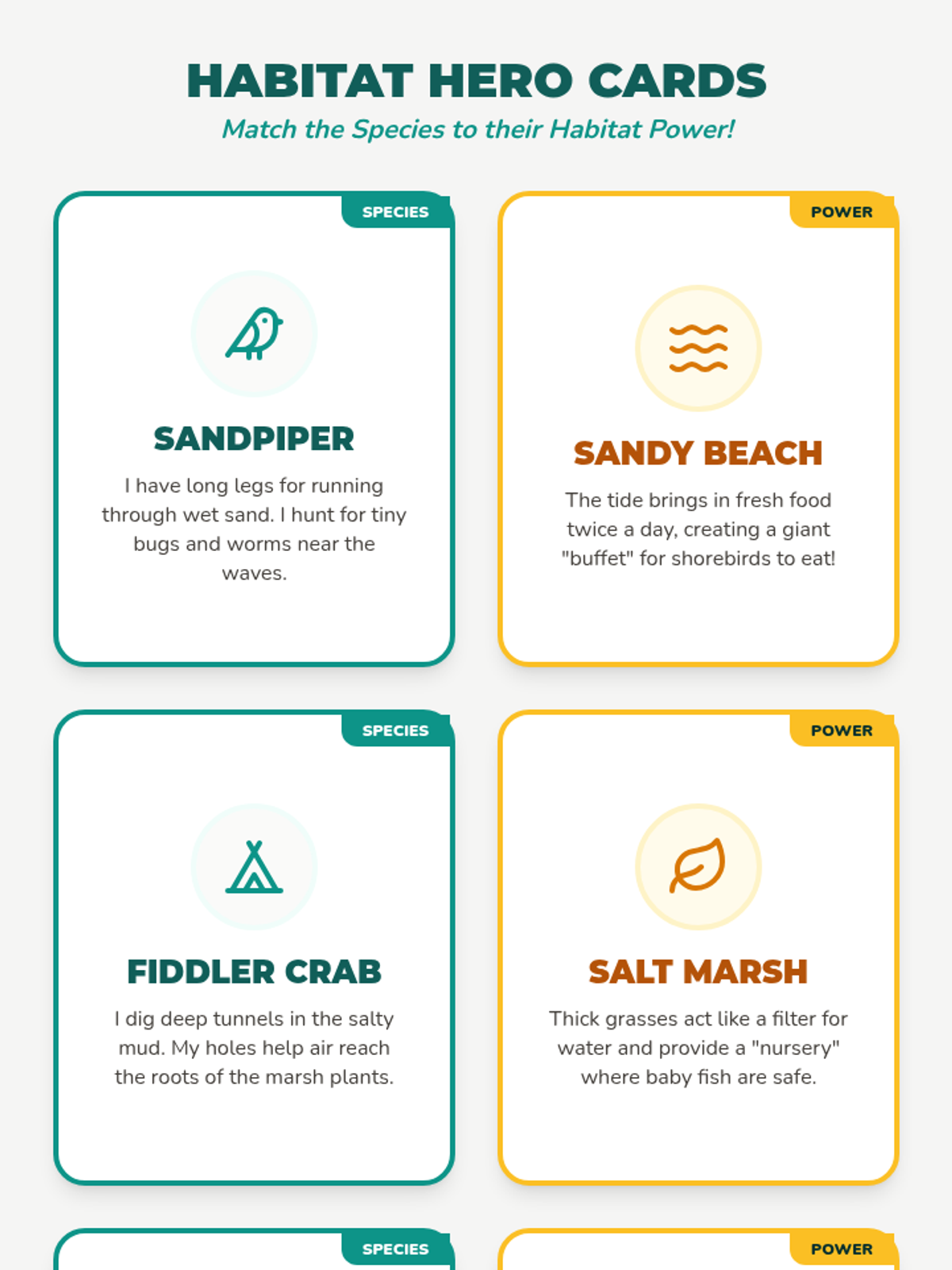
Second graders explore the unique coastal ecosystems of Cape Cod, identifying native species and learning how plants and animals depend on each other for survival. The lesson concludes with a focus on environmental stewardship and practical ways to protect local habitats.
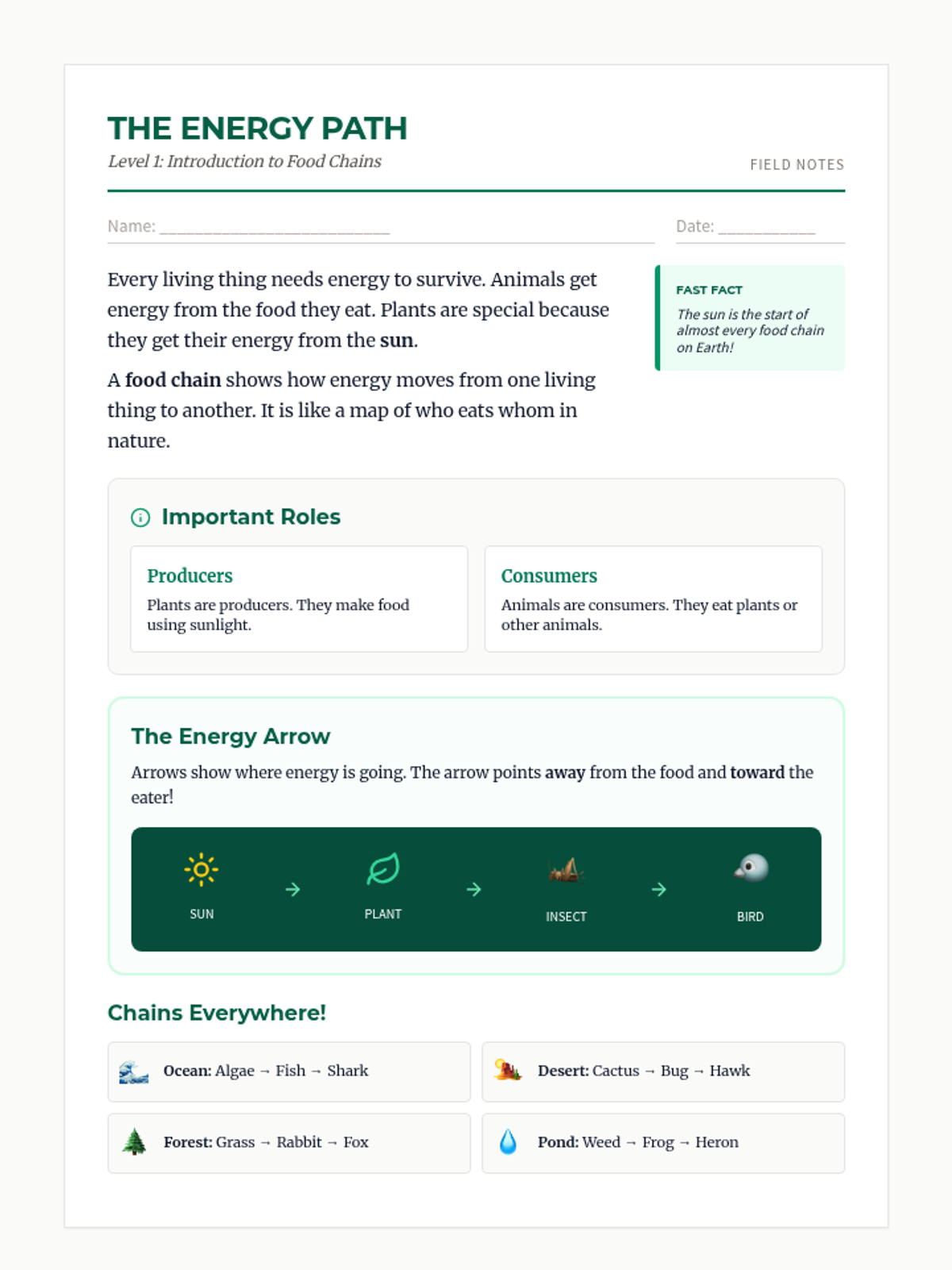
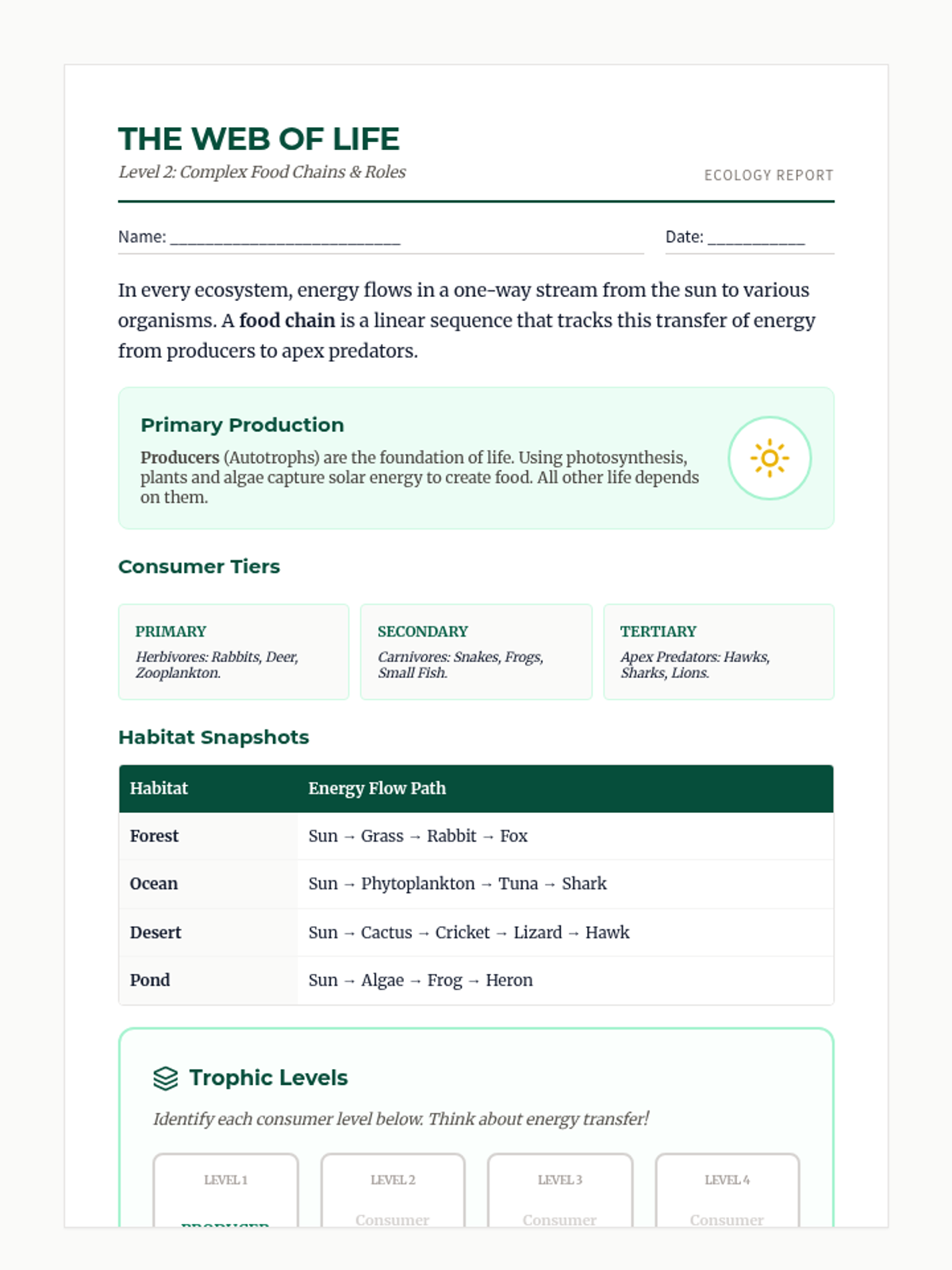
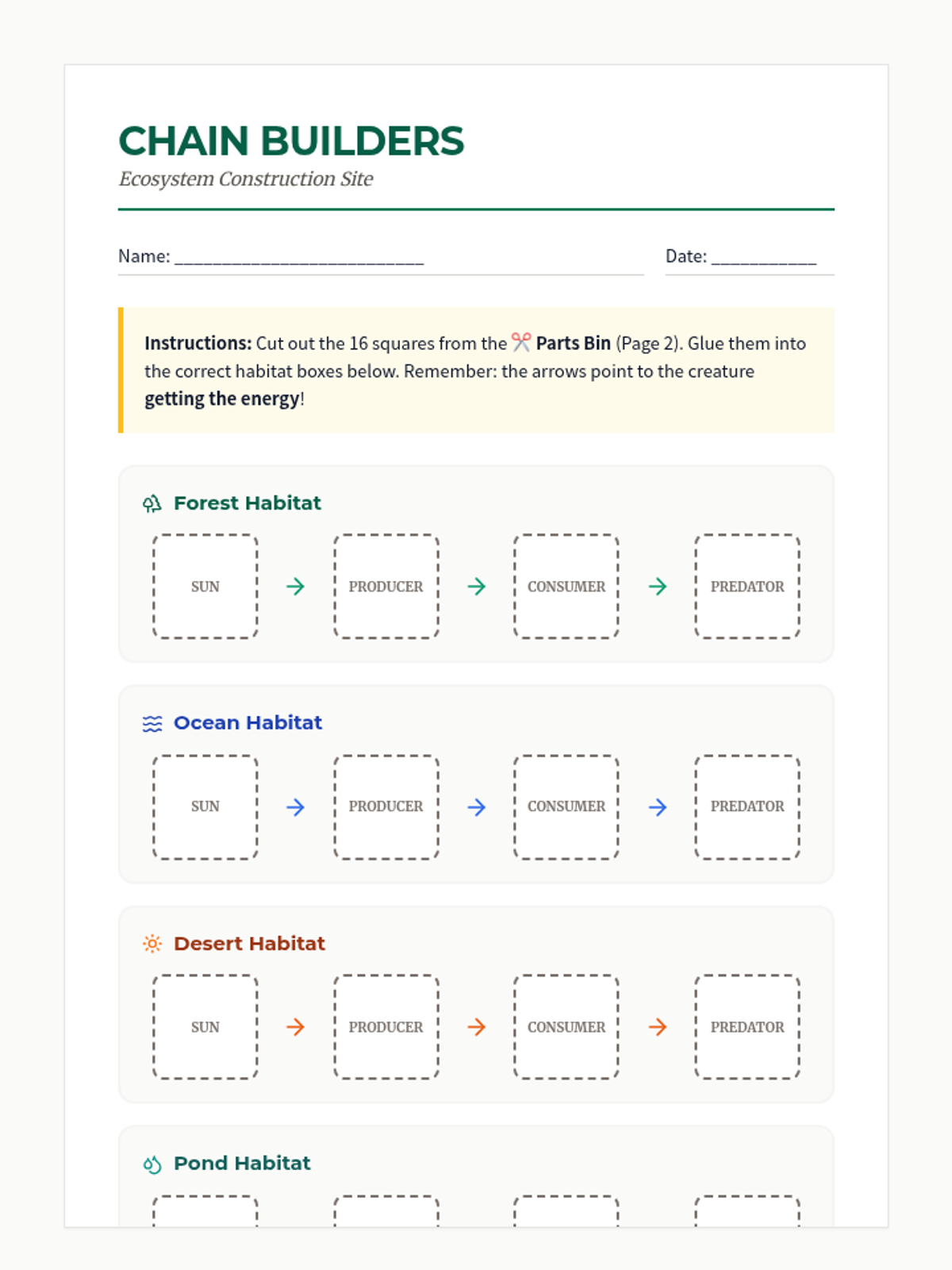
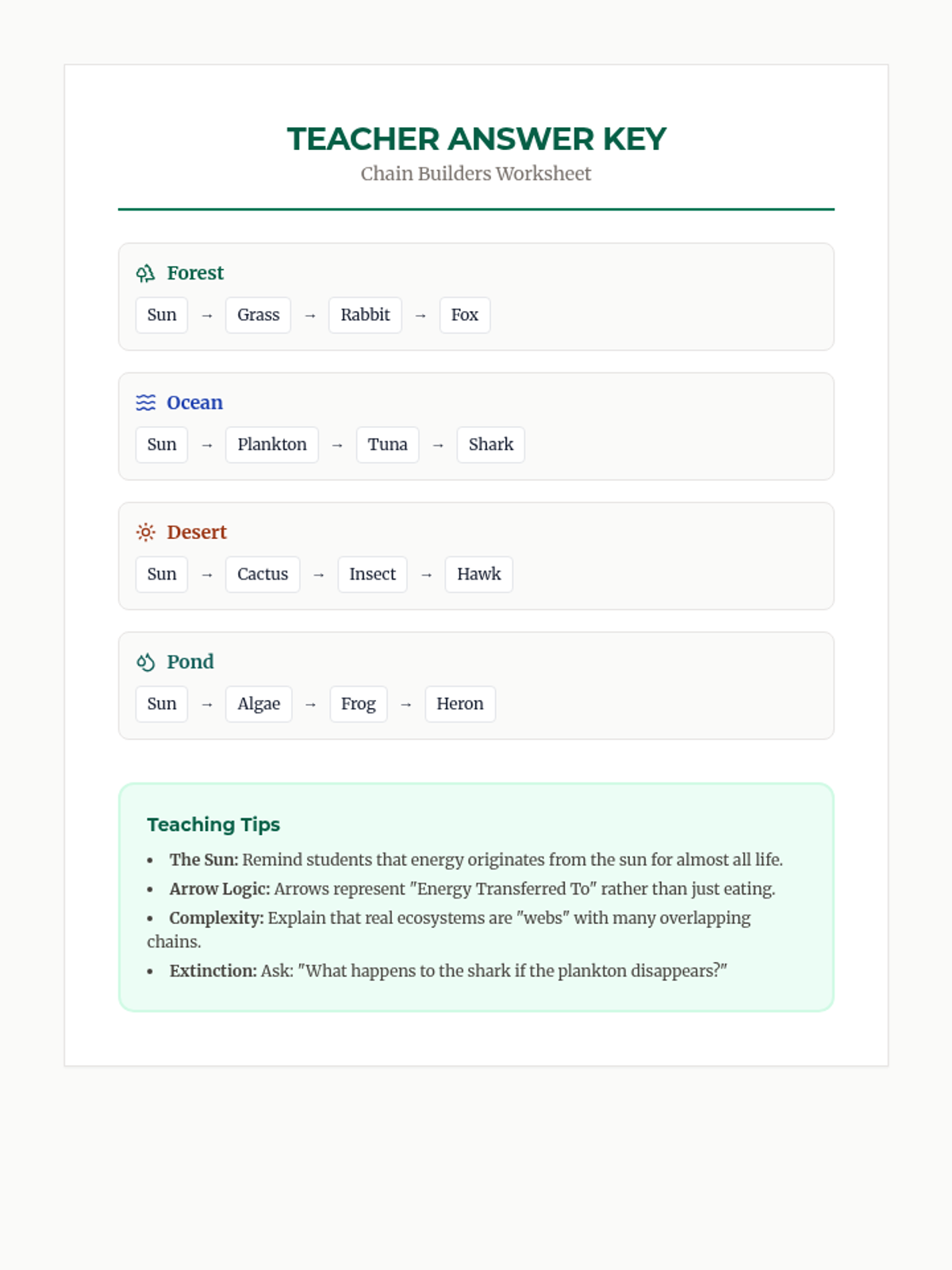
A comprehensive look at how energy moves through different ecosystems. Students explore food chains across four unique habitats through reading and hands-on activities.
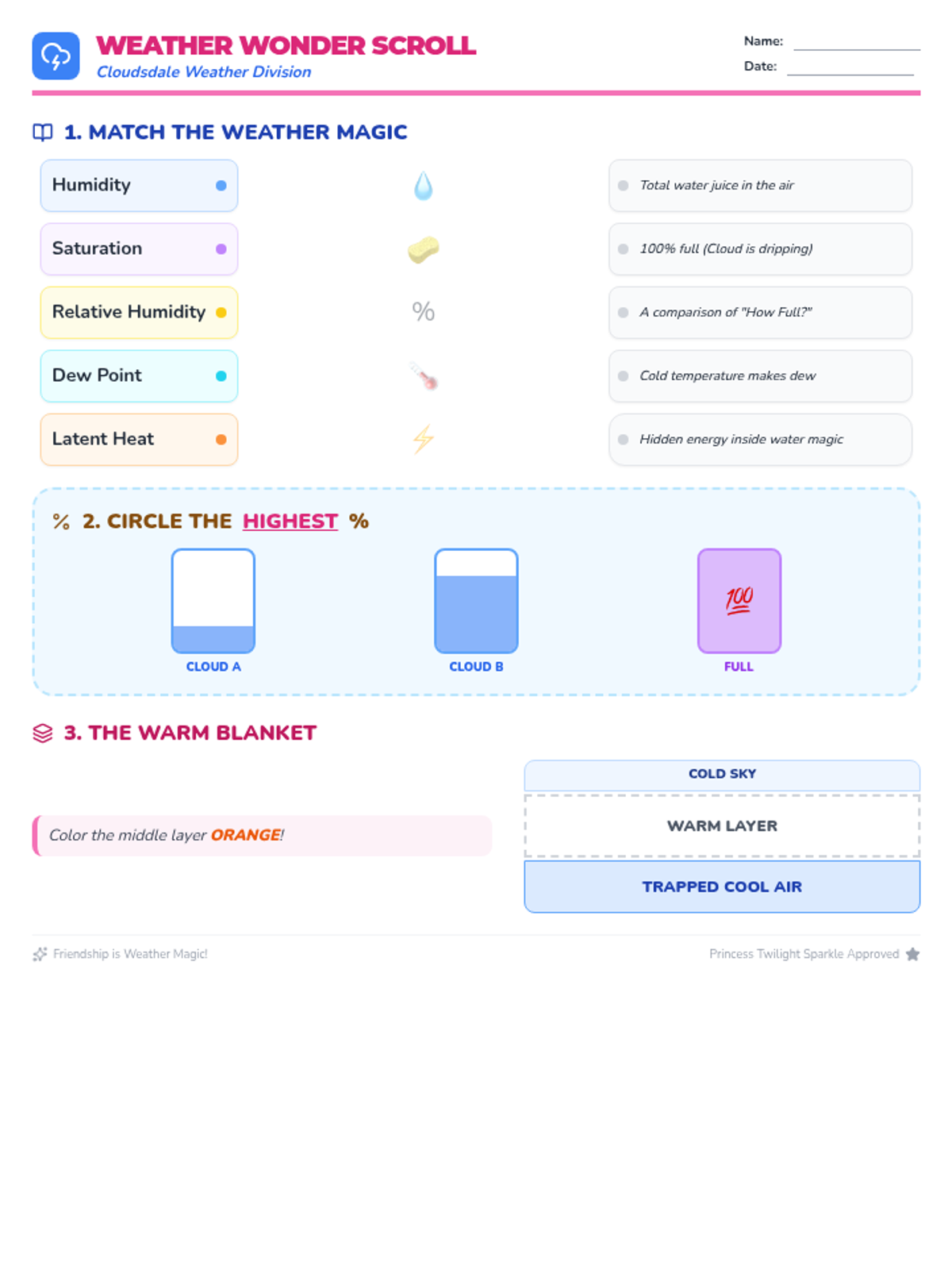
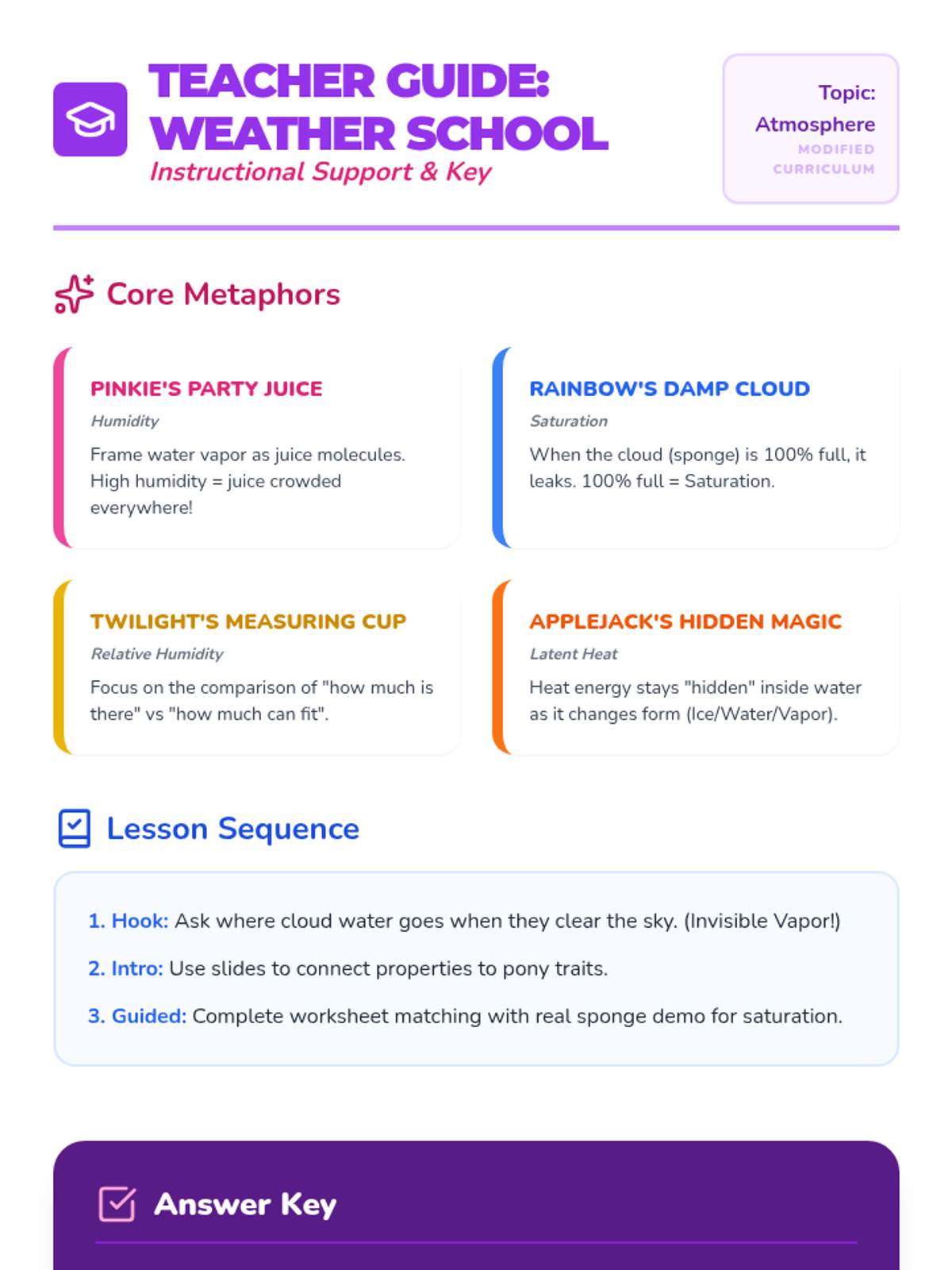
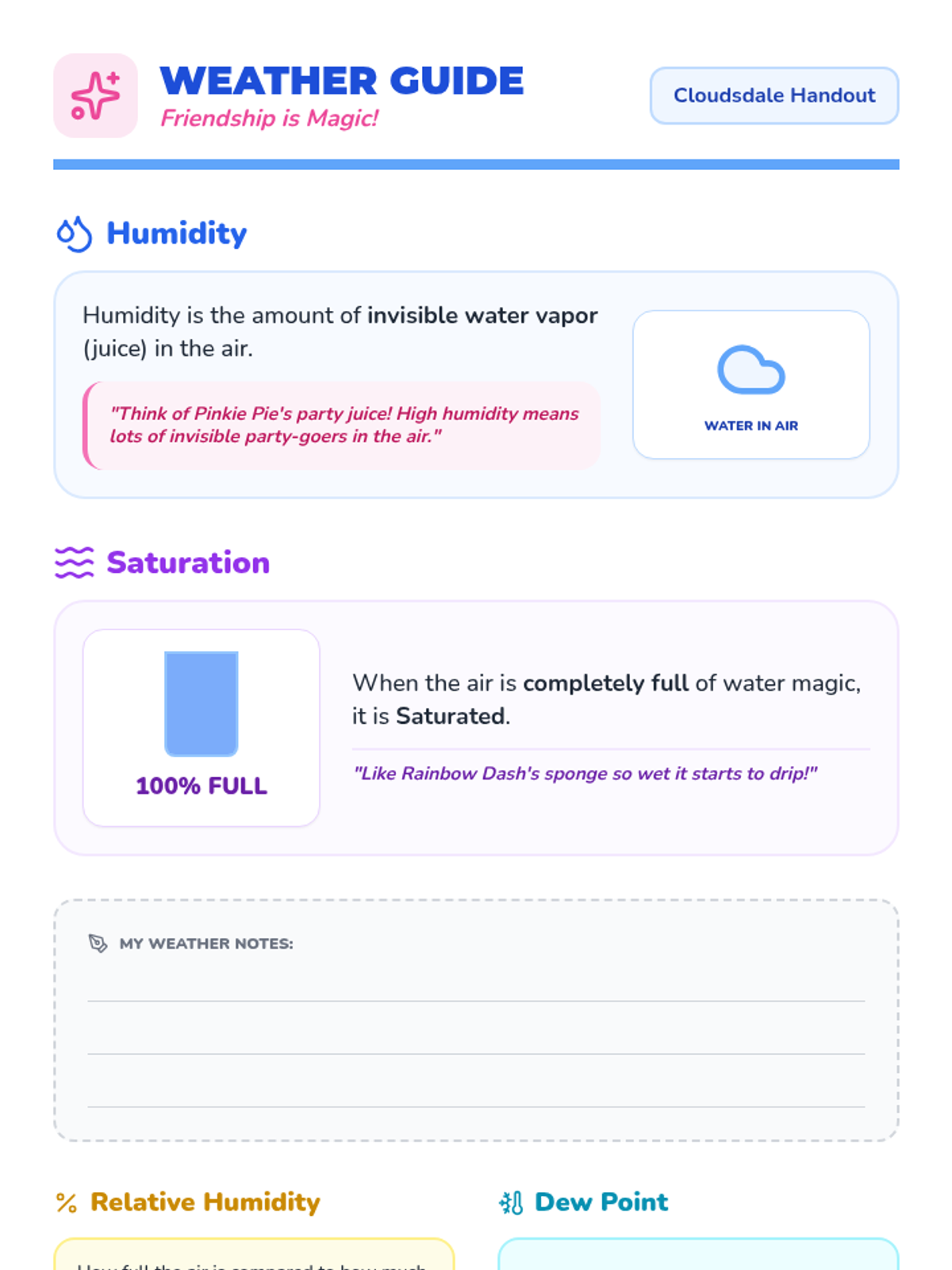
A lesson exploring the properties of the atmosphere using My Little Pony (G4) characters to explain complex weather concepts like humidity, dew point, and latent heat through visual metaphors.
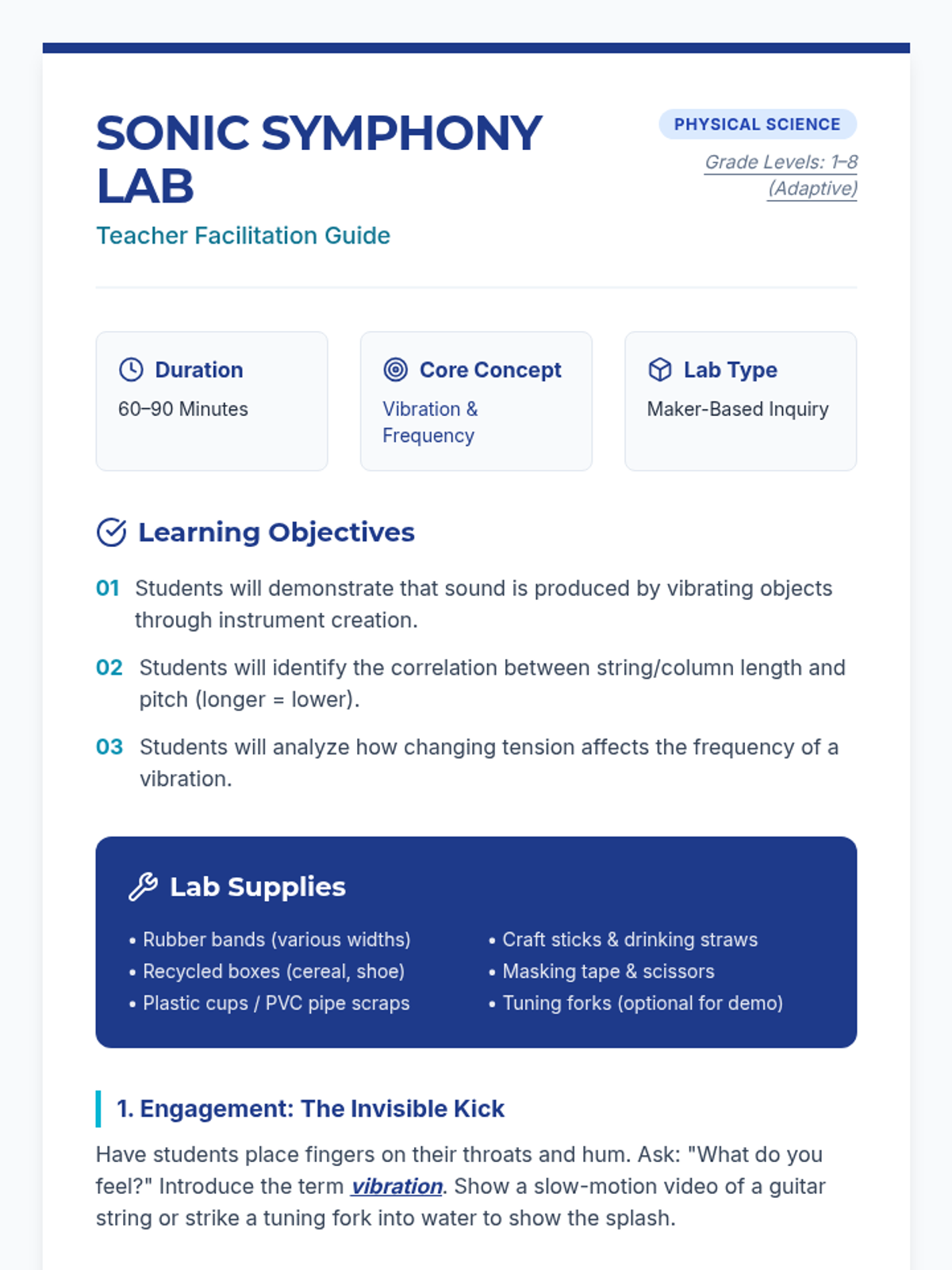
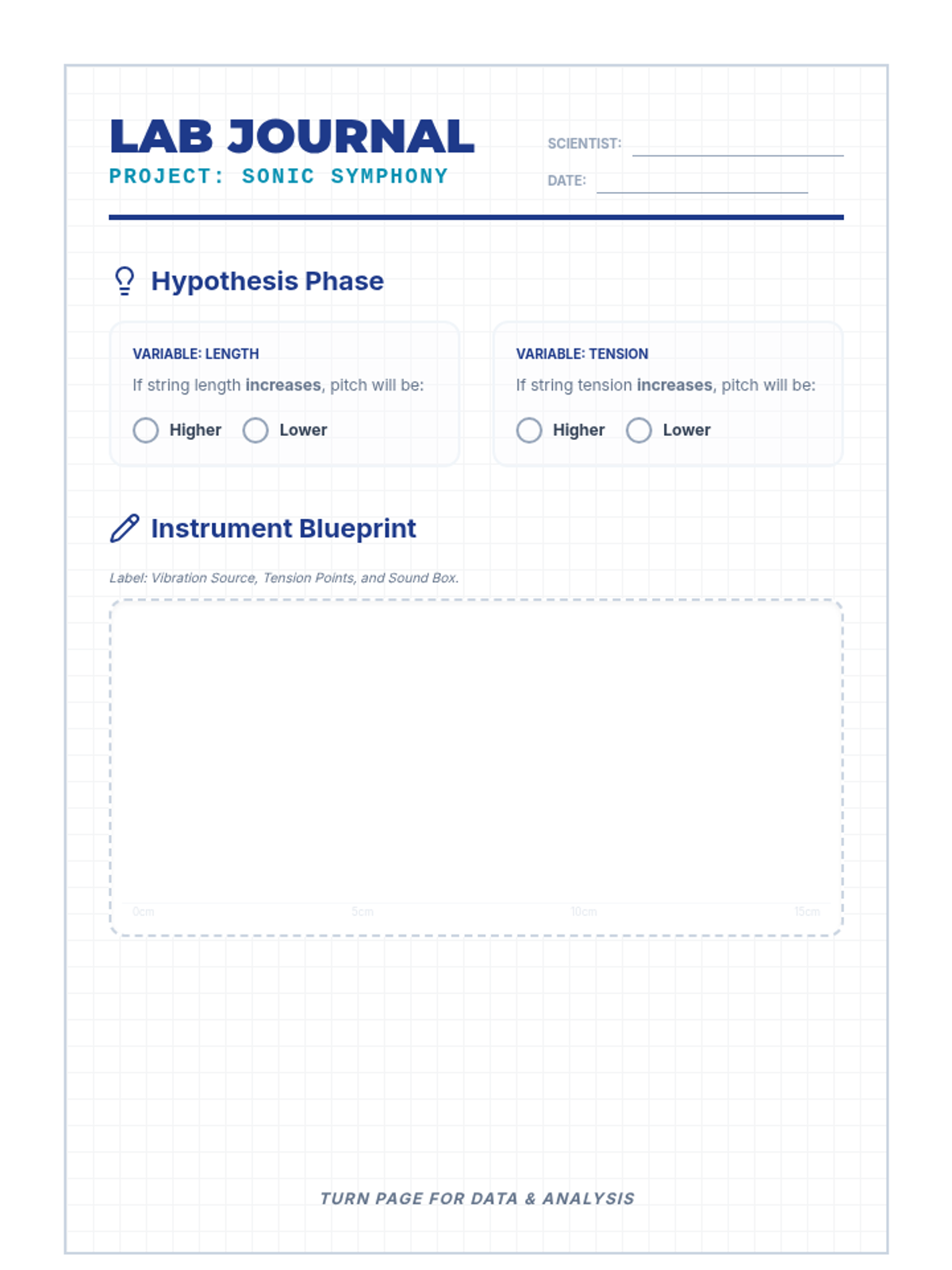
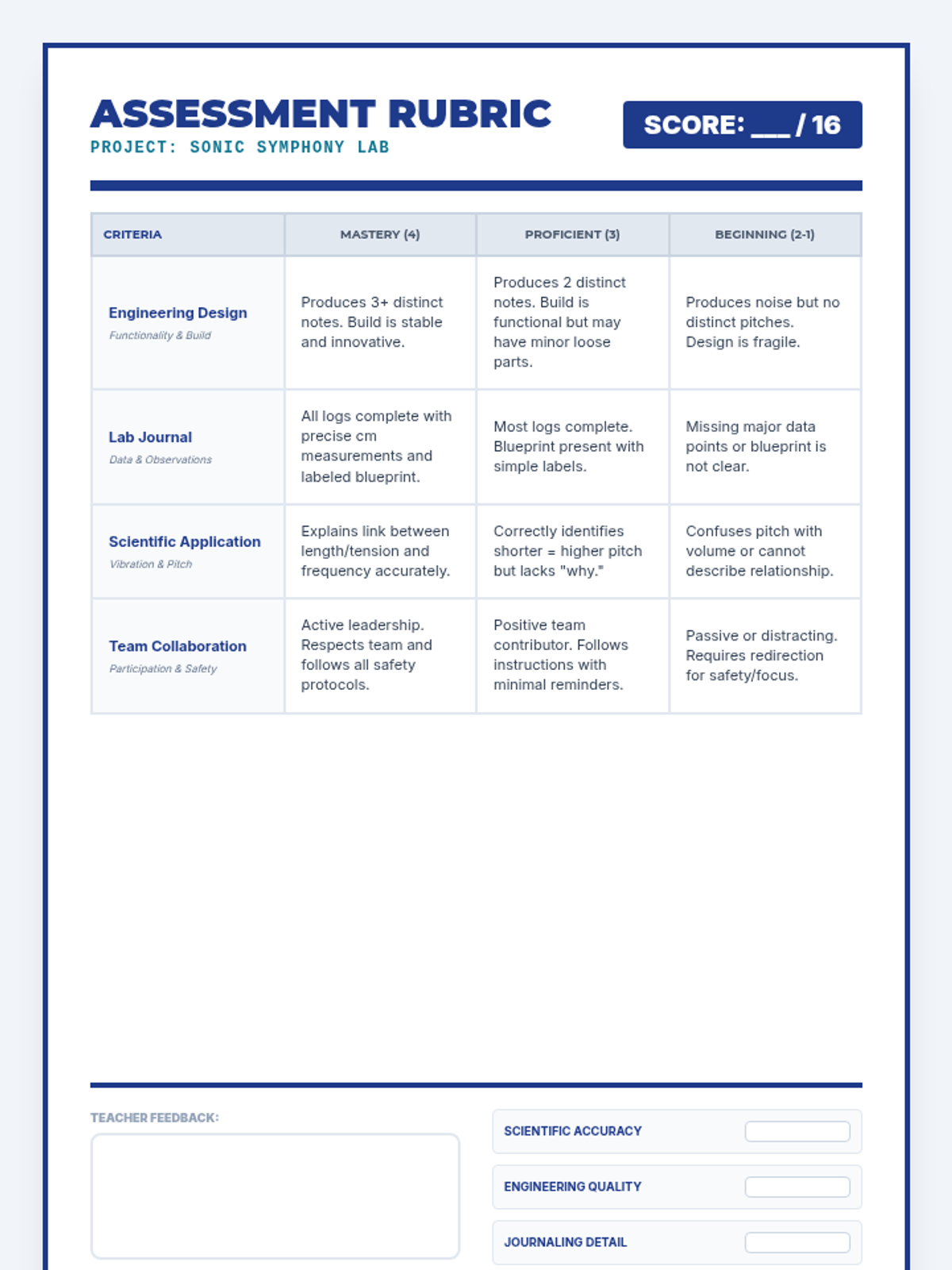
An immersive hands-on investigation into the physics of sound where students build DIY instruments to explore vibrations, pitch, and volume. This lesson bridges sensory exploration with acoustic engineering principles.
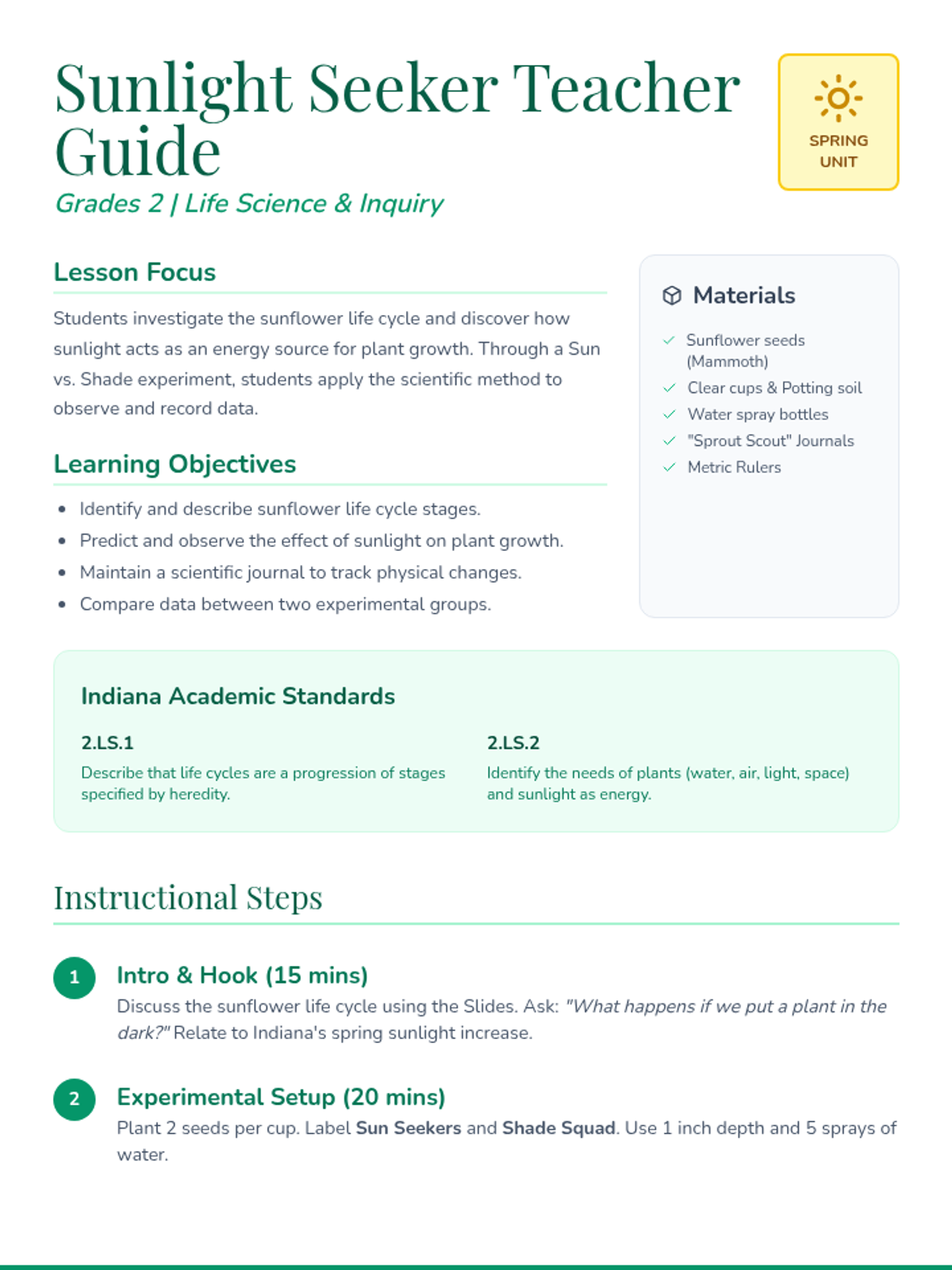
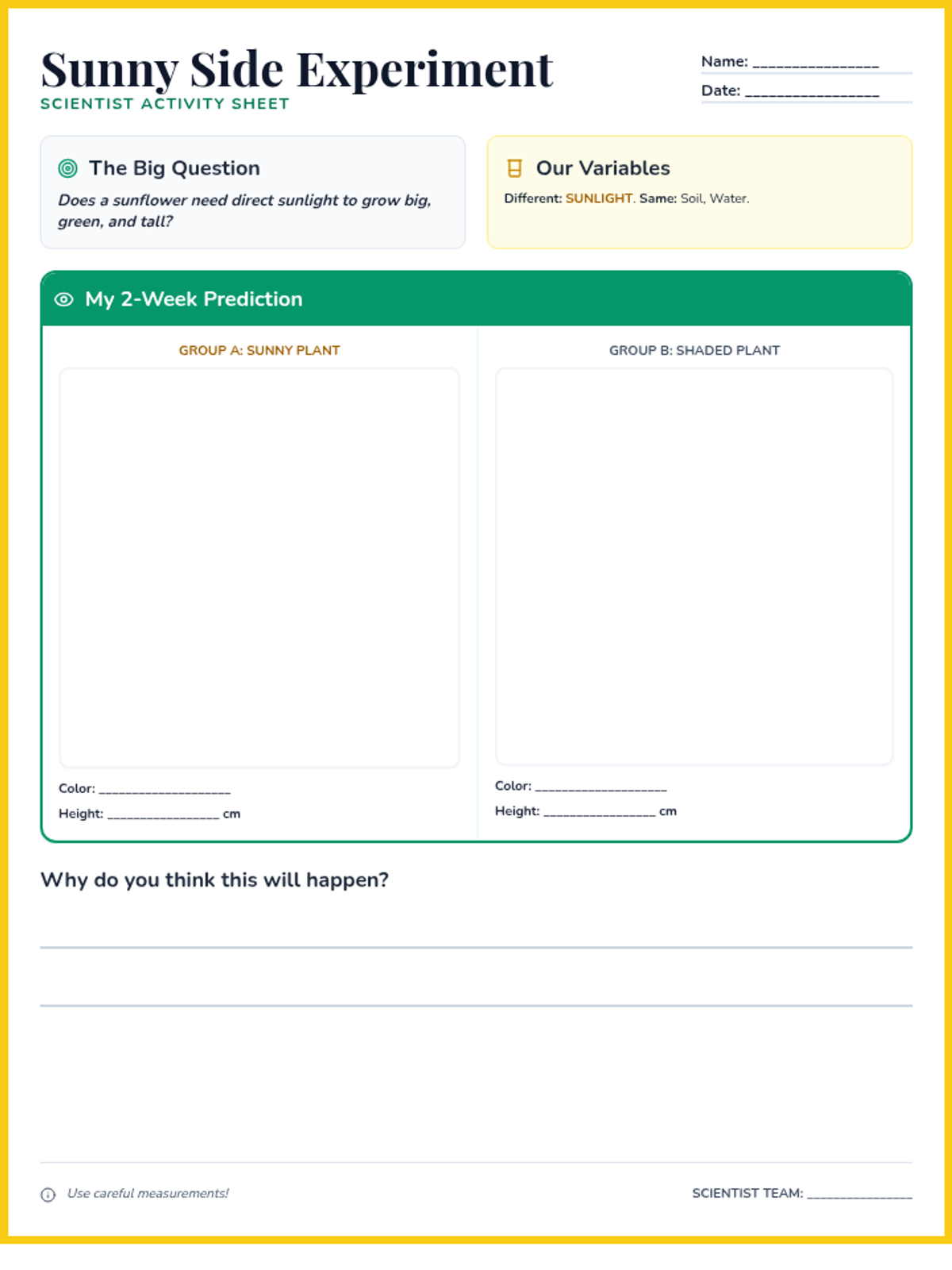
Students explore the plant life cycle and the critical role of sunlight through a hands-on sunflower experiment tailored for Indiana's spring climate.
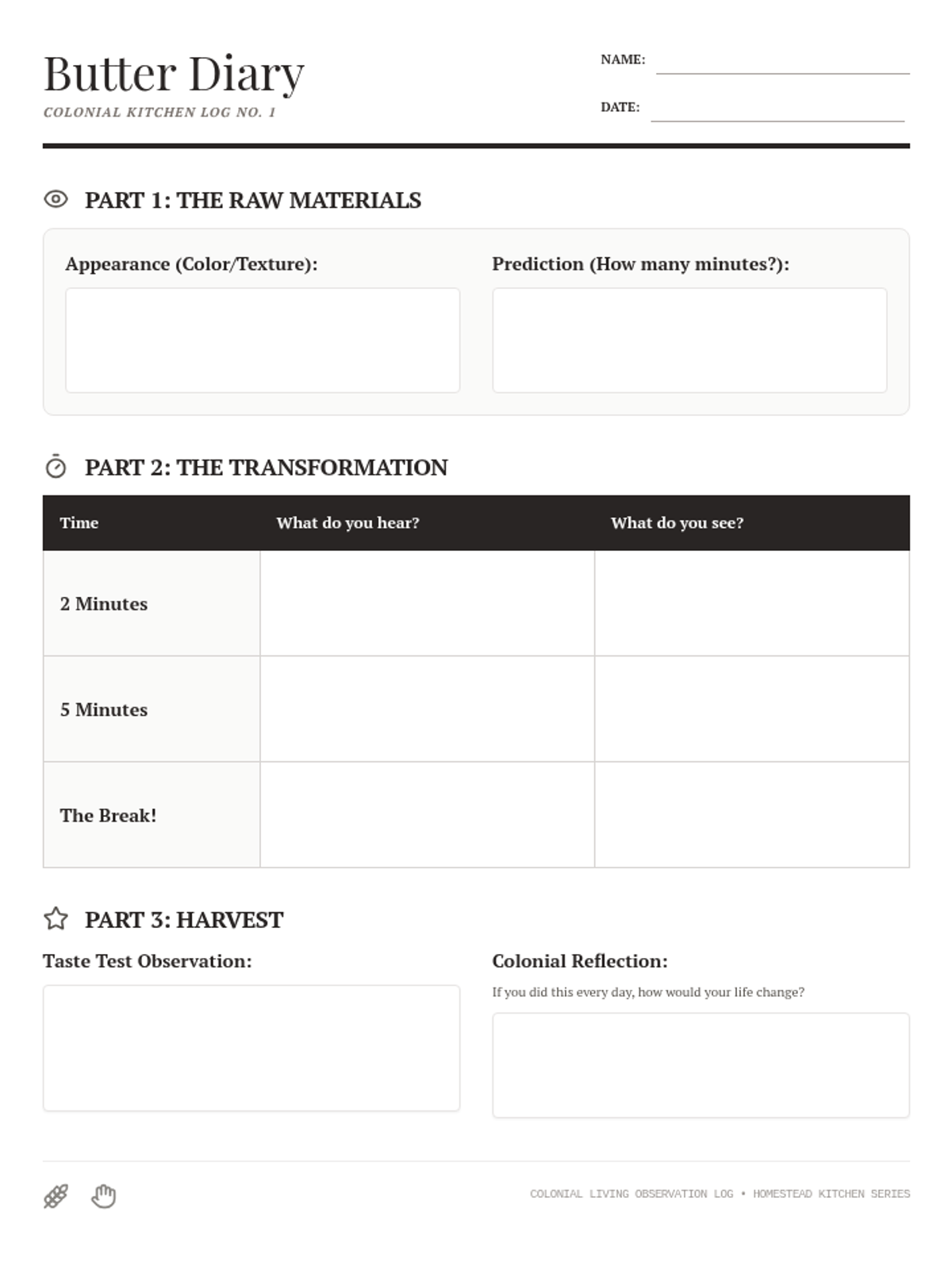
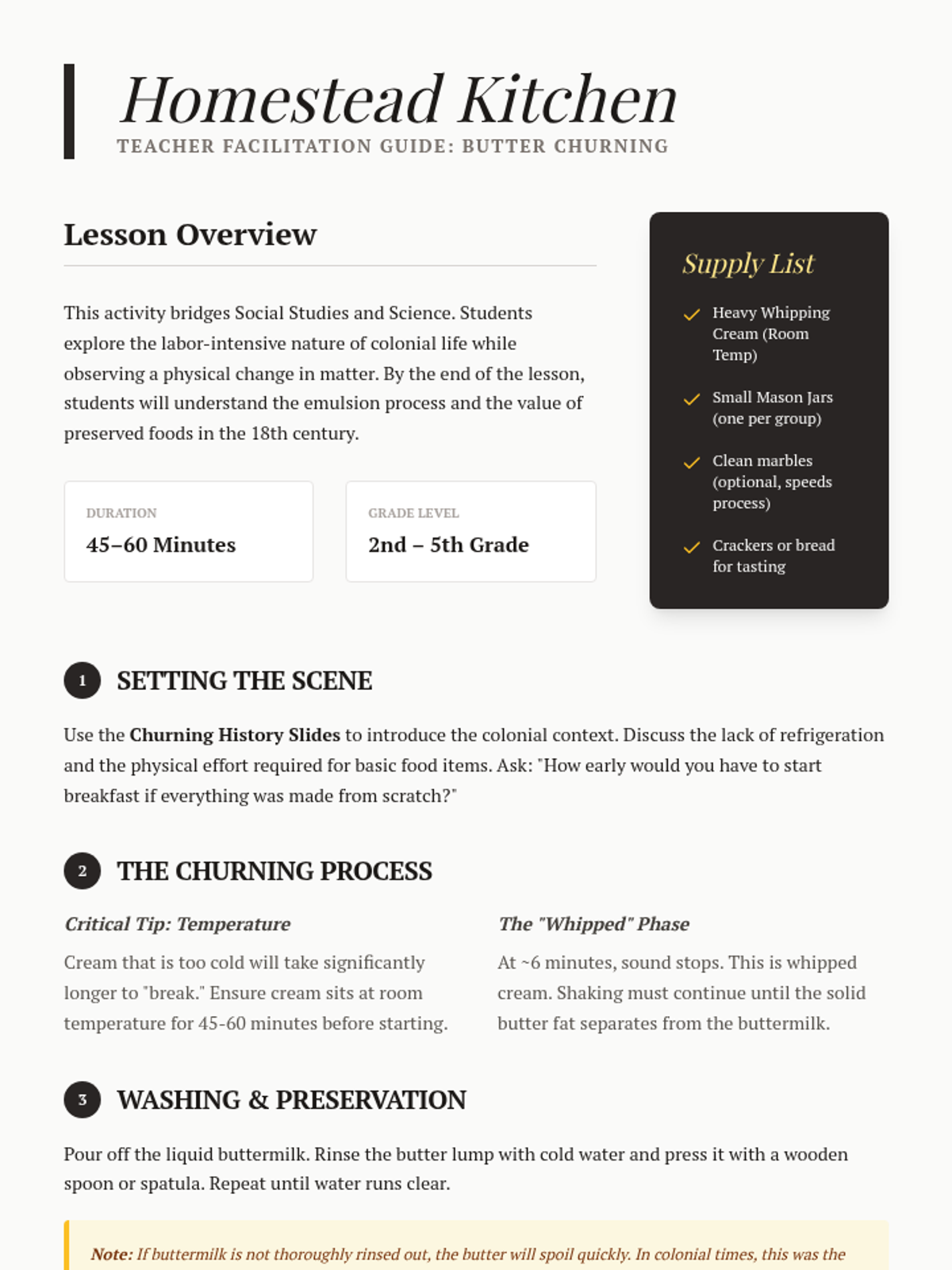
A hands-on exploration of colonial food preservation and the science of phase changes through butter making. Students learn about the effort required for daily colonial tasks while transforming heavy cream into butter using jars.
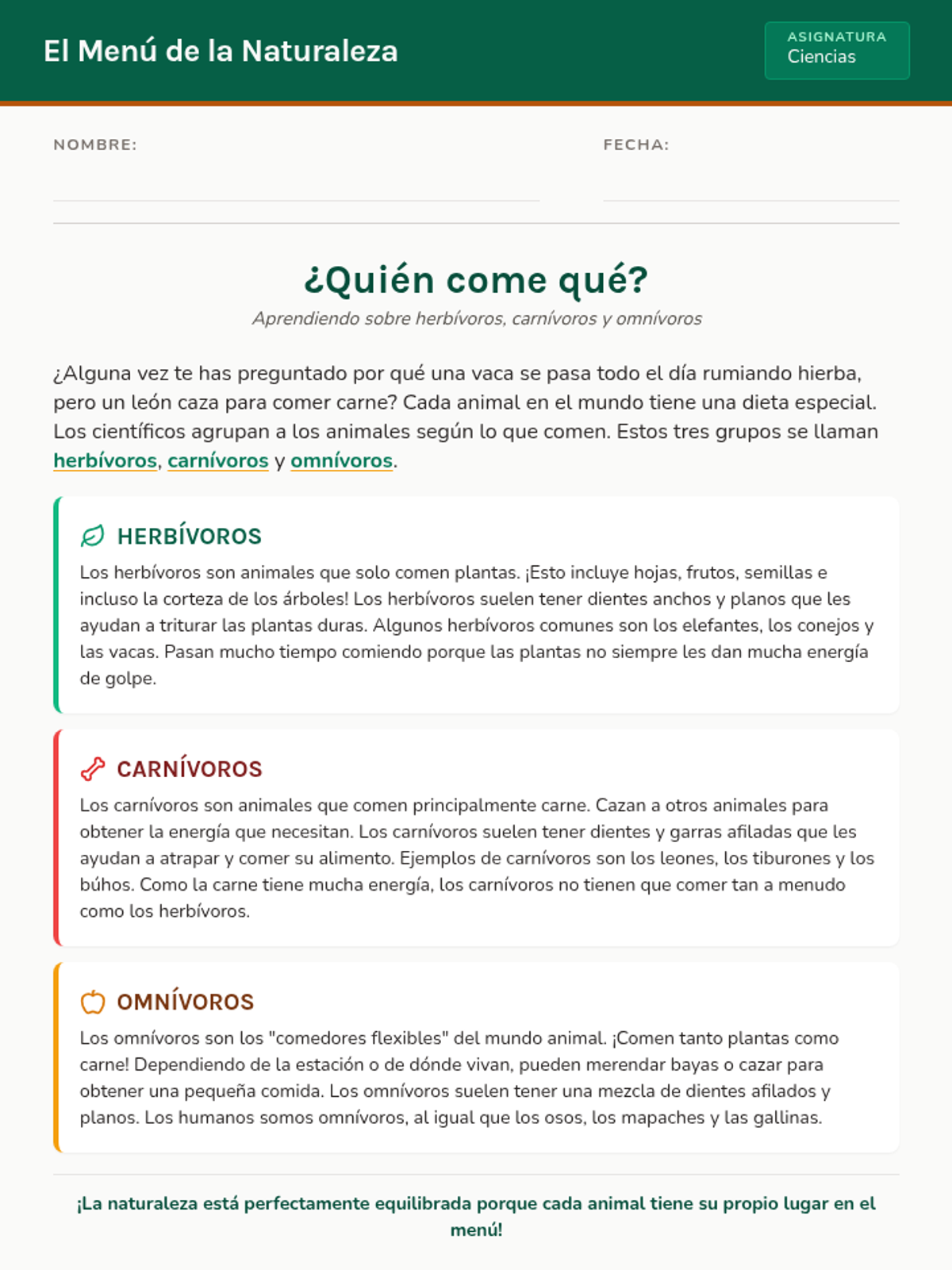
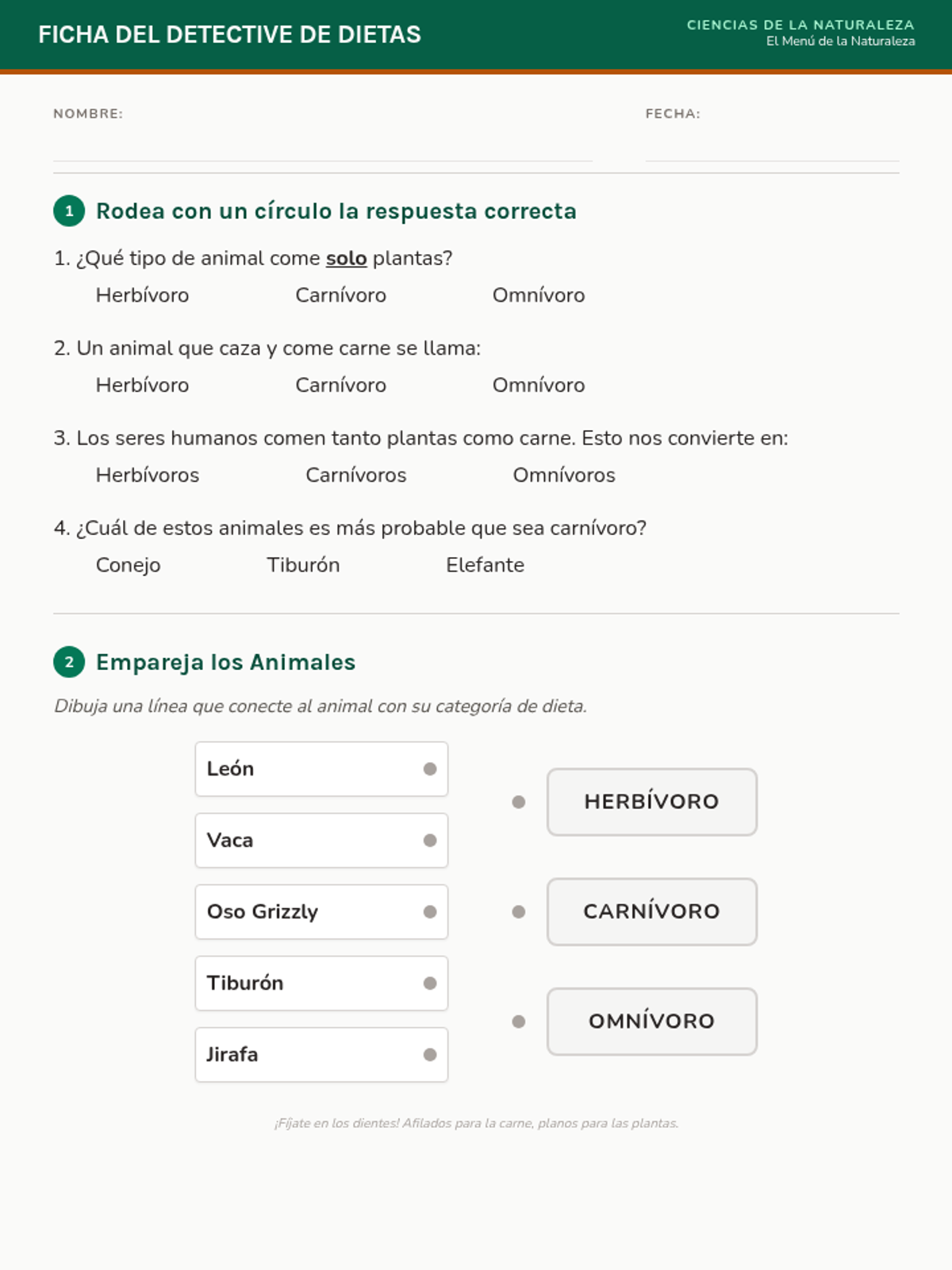
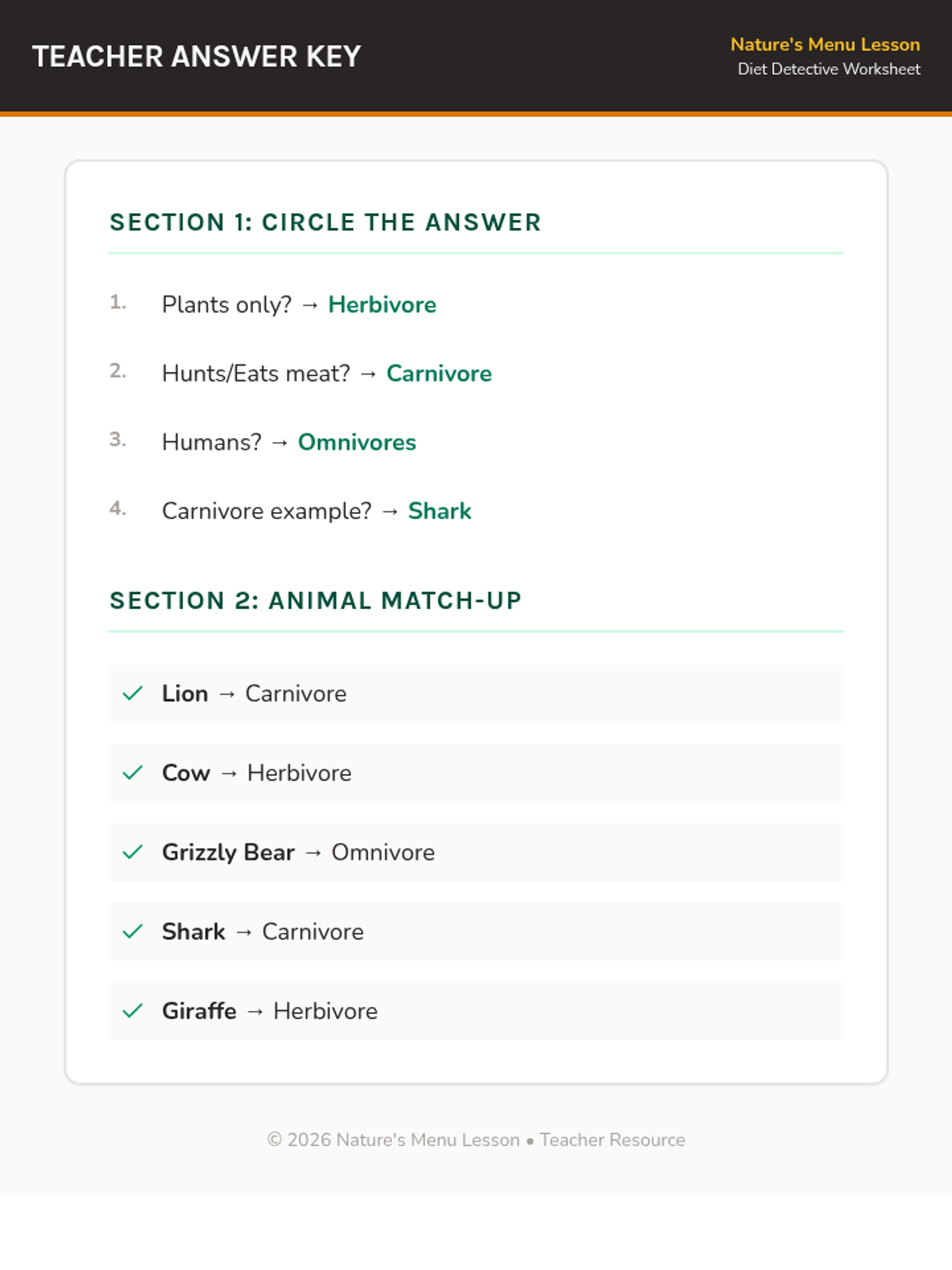
A lesson to help students identify and differentiate between herbivores, carnivores, and omnivores based on their diets and physical traits.
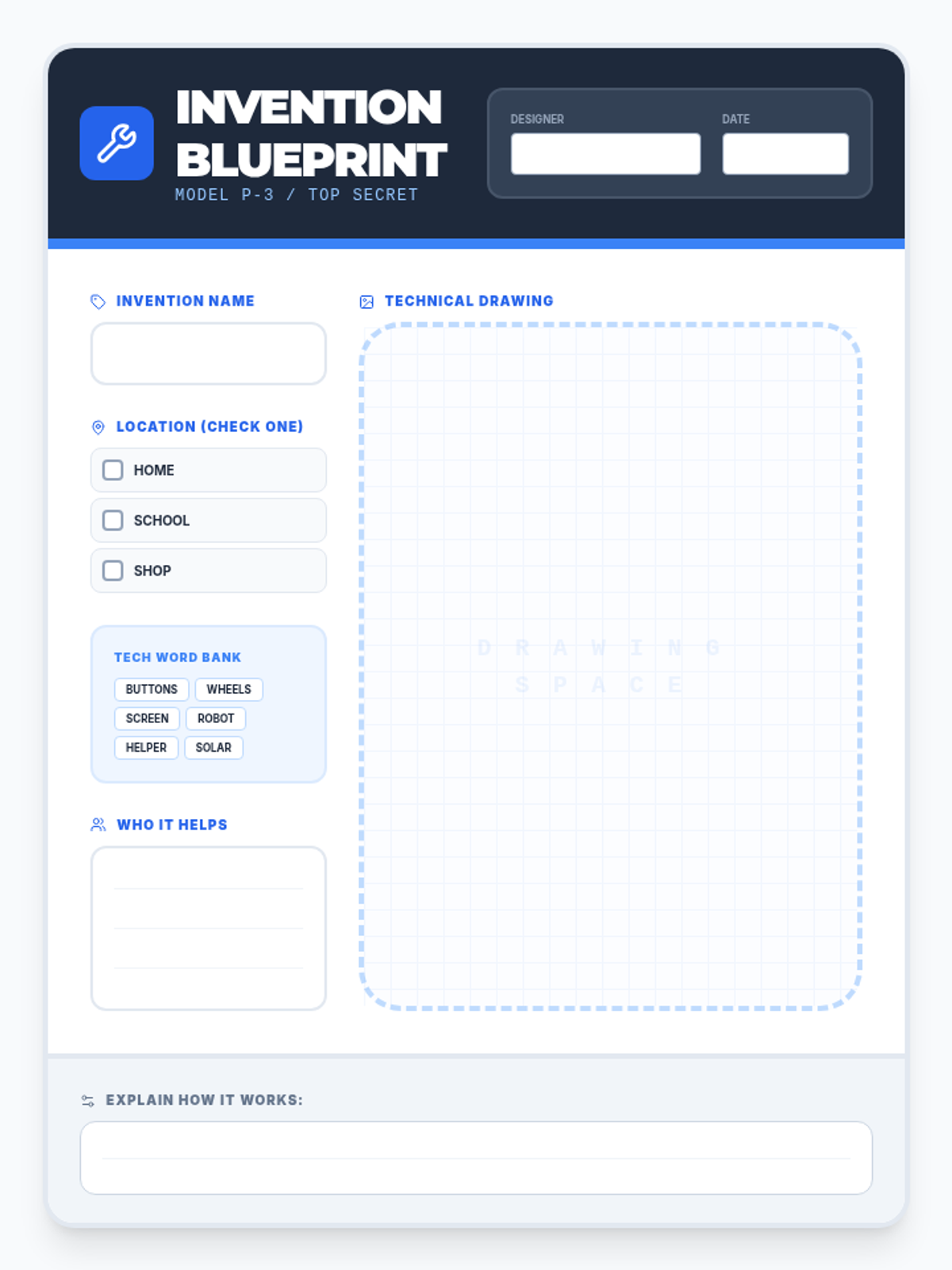
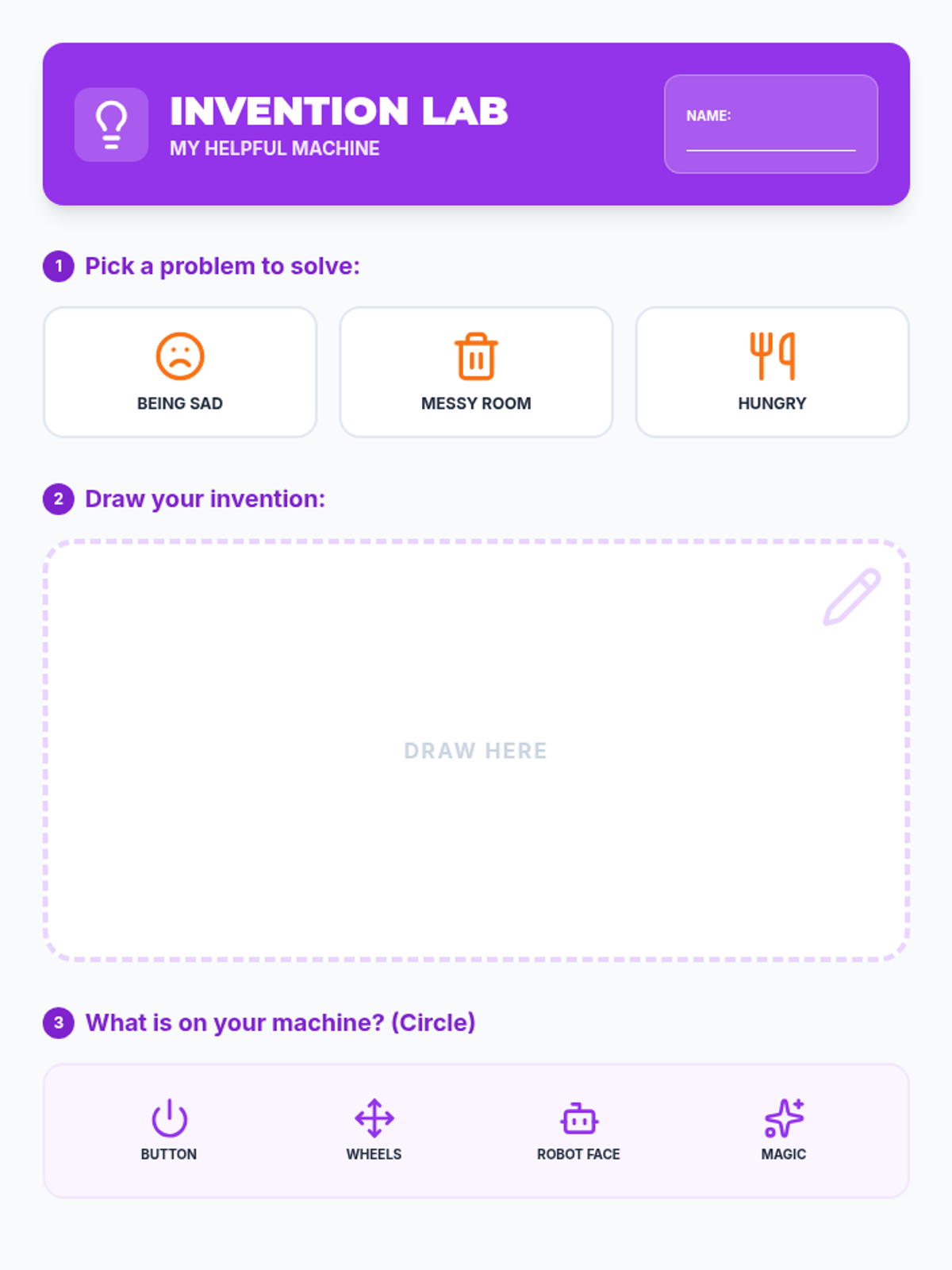
Students apply their knowledge to identify real-world problems and design innovative technological solutions.
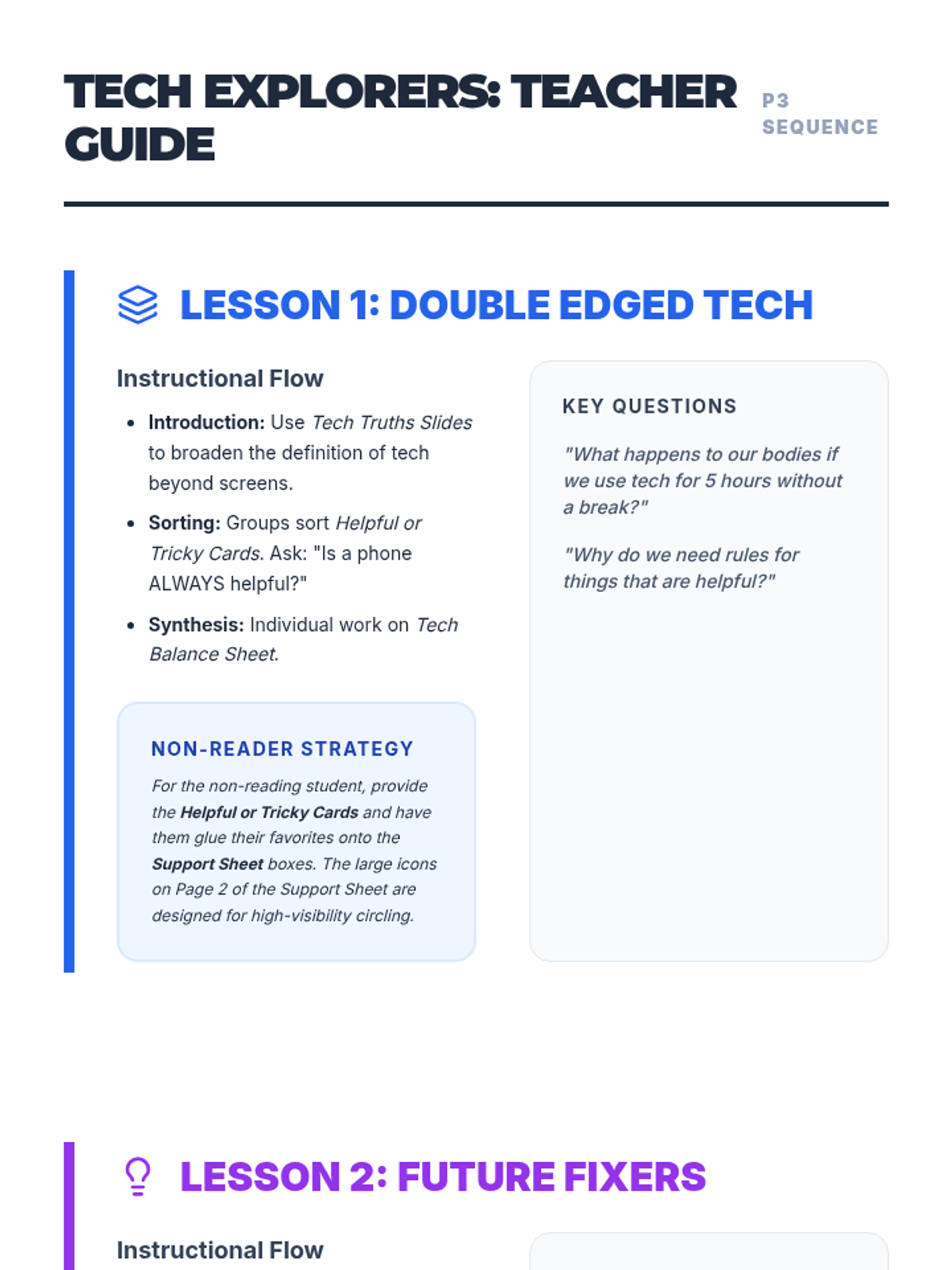
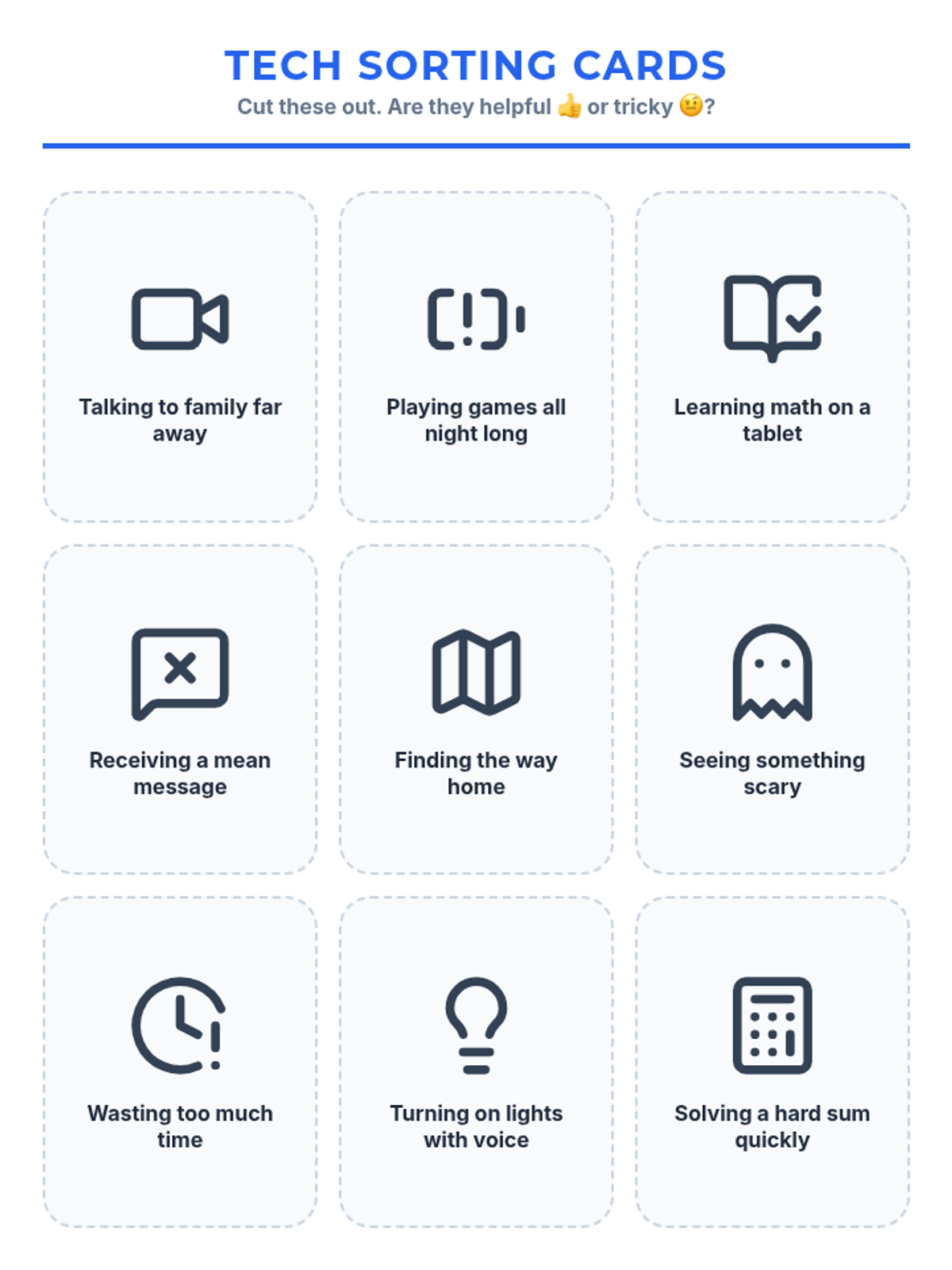
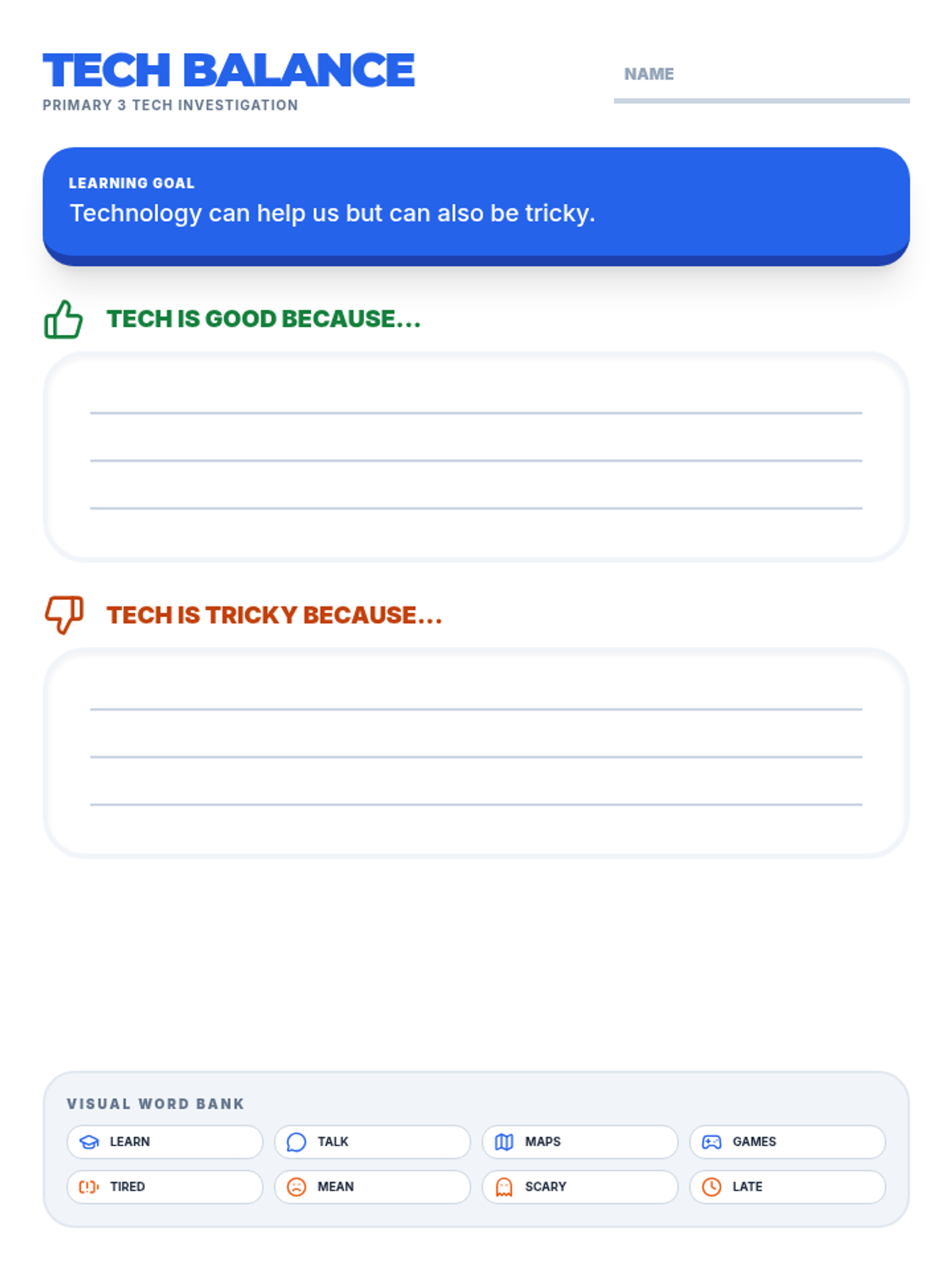
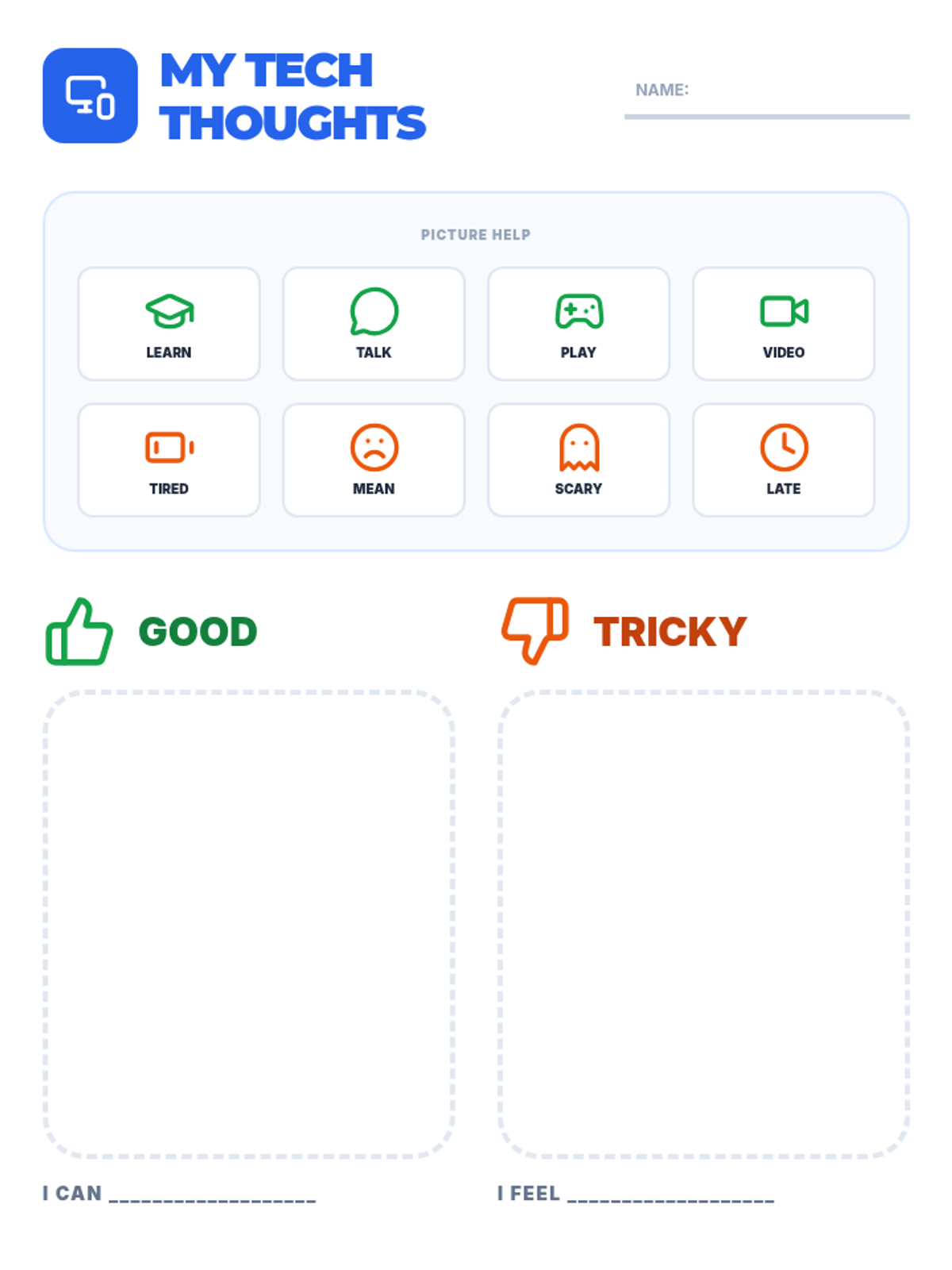
Students examine how technology can be both helpful and 'tricky', learning to identify pros and cons of digital tools.
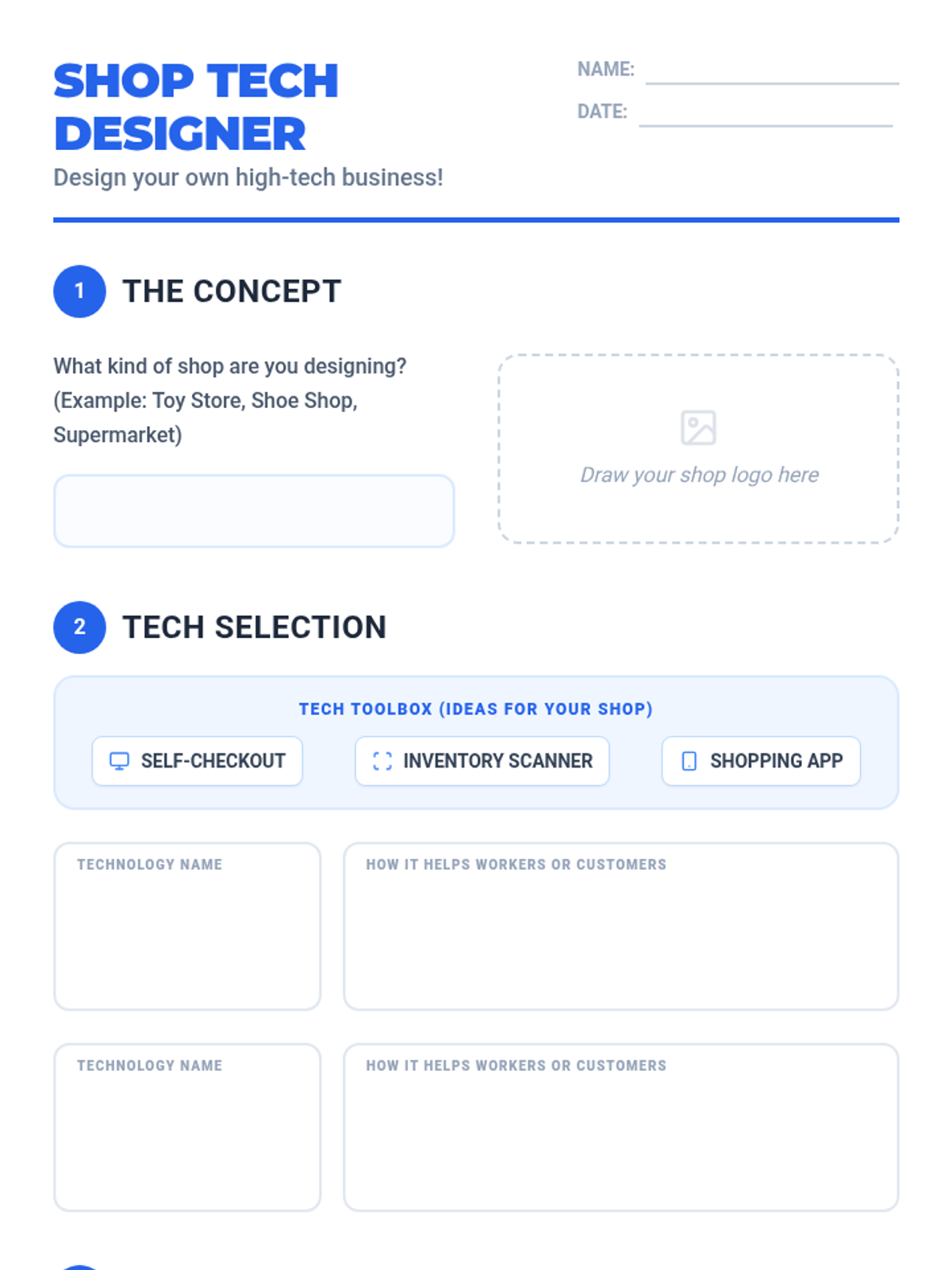
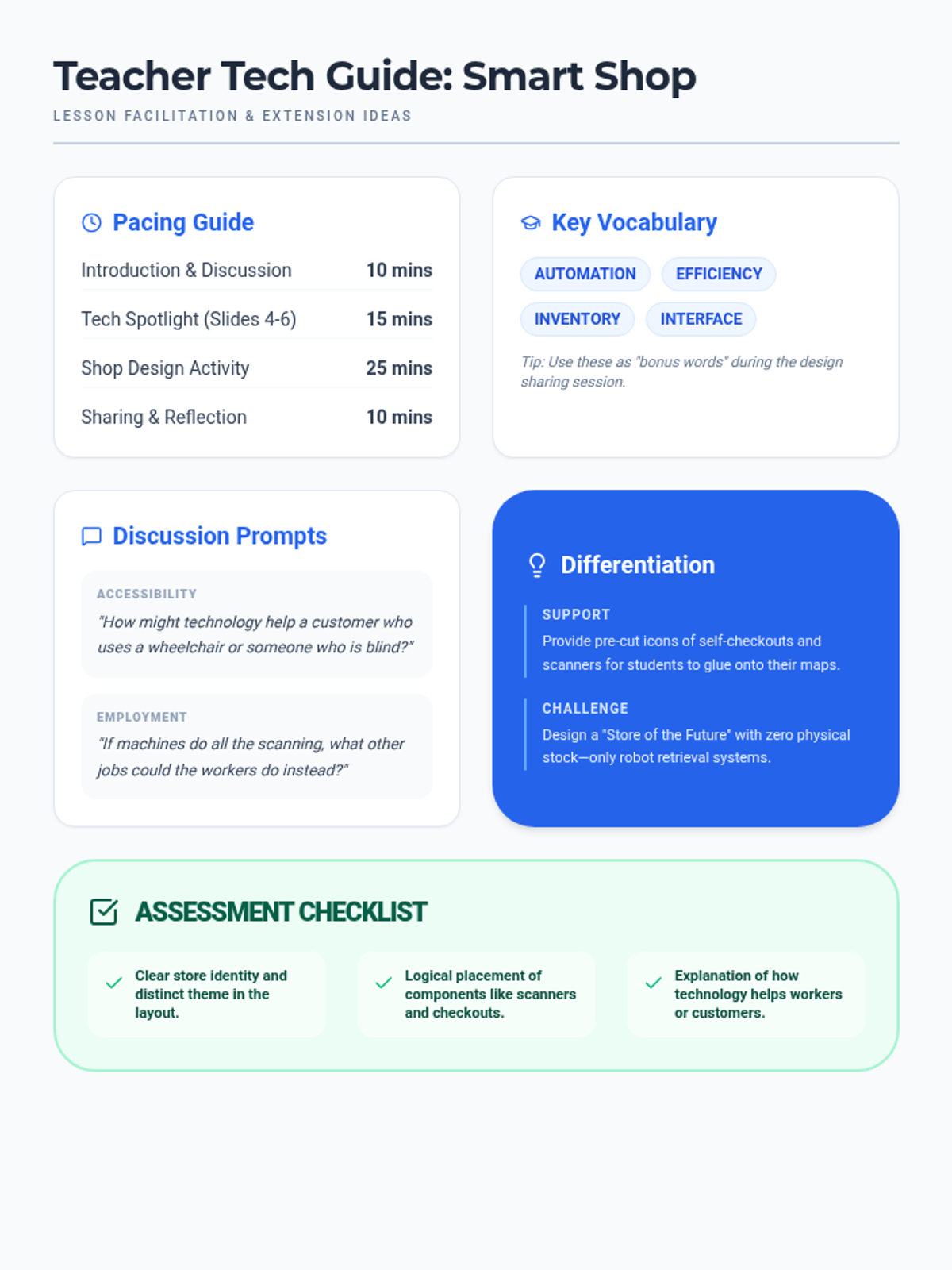
Students explore how technology like self-checkouts, scanners, and apps transform the shopping experience for both workers and customers. The lesson culminates in a creative project where students design their own tech-integrated shop.
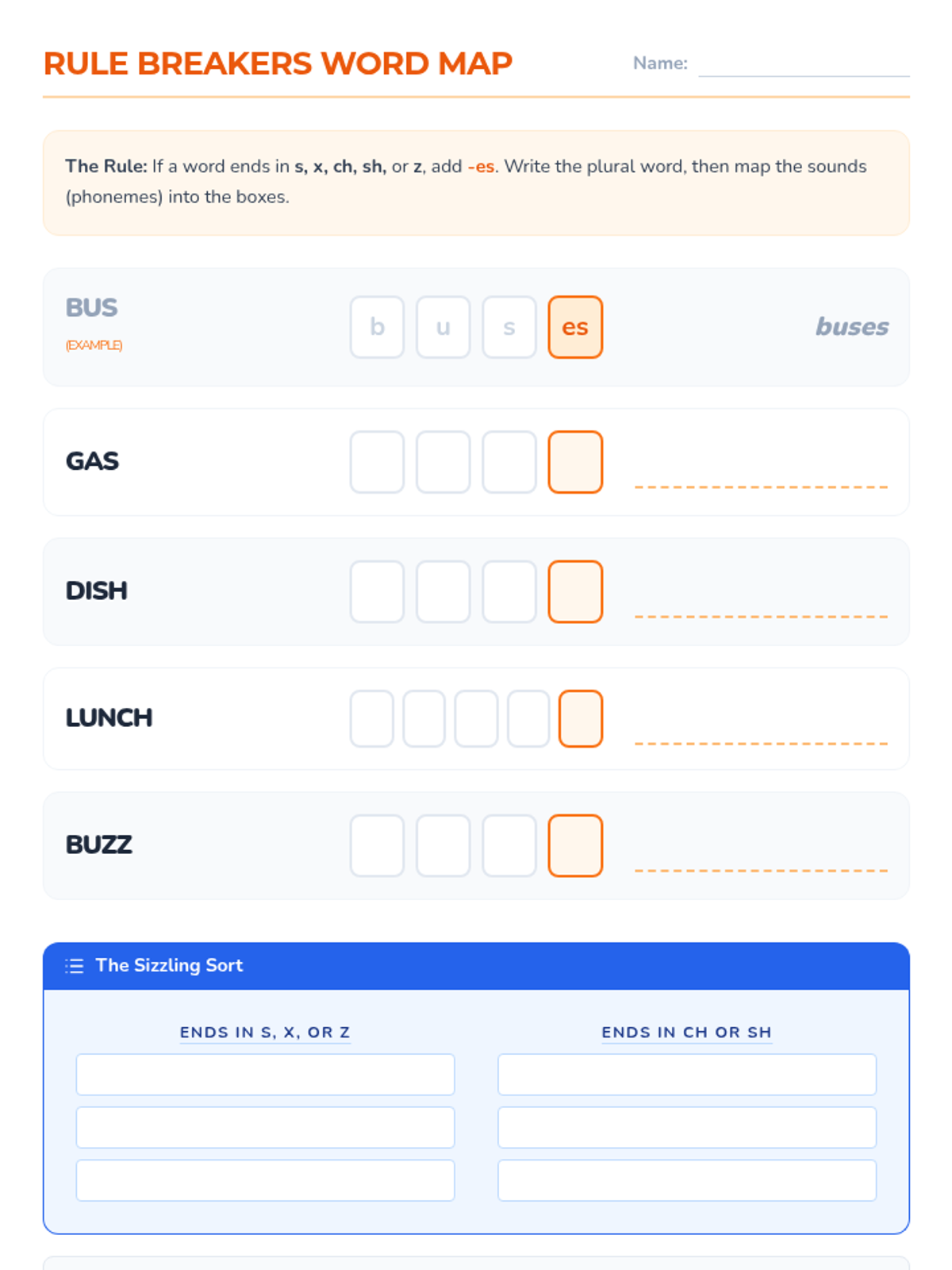
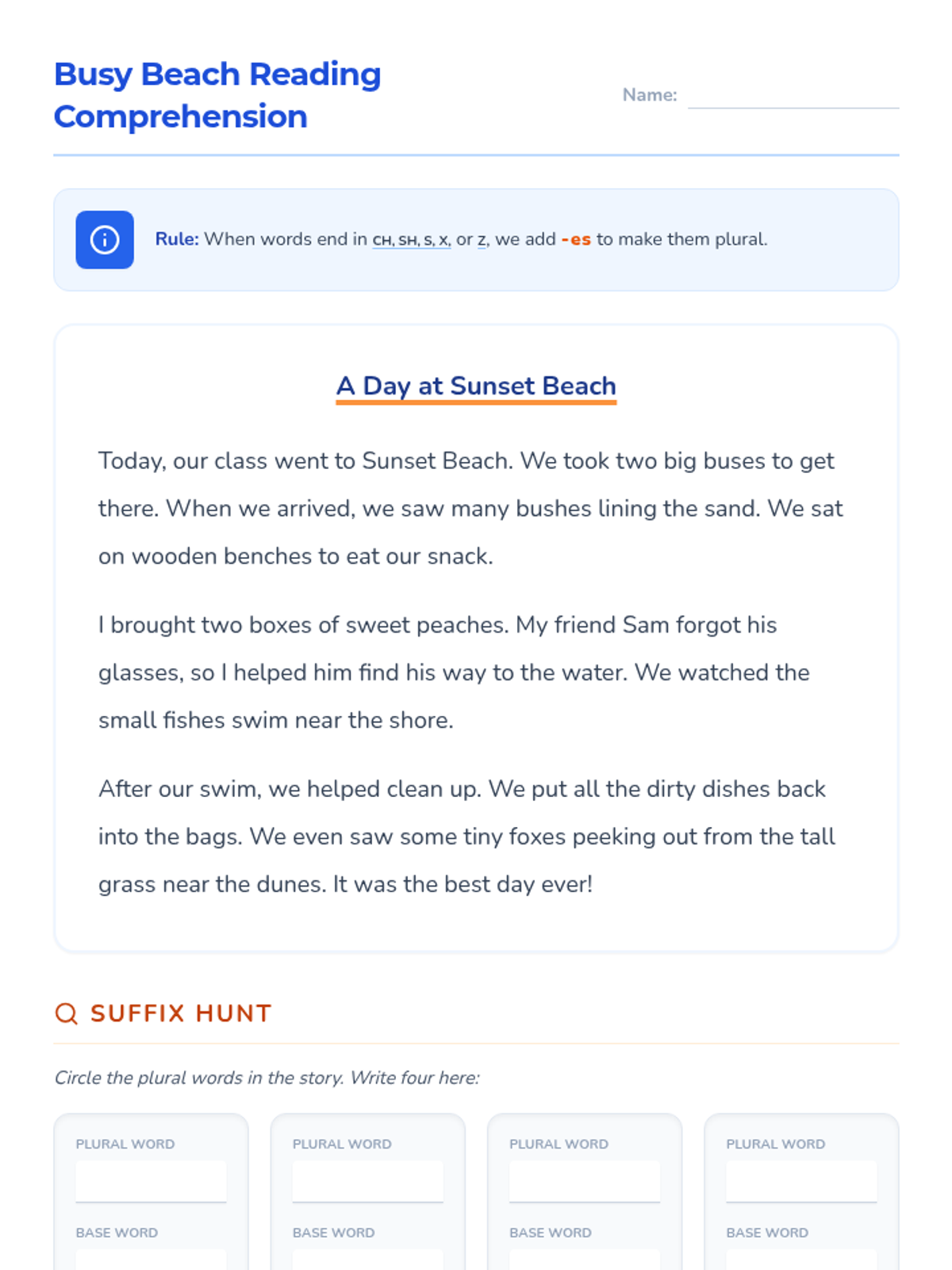
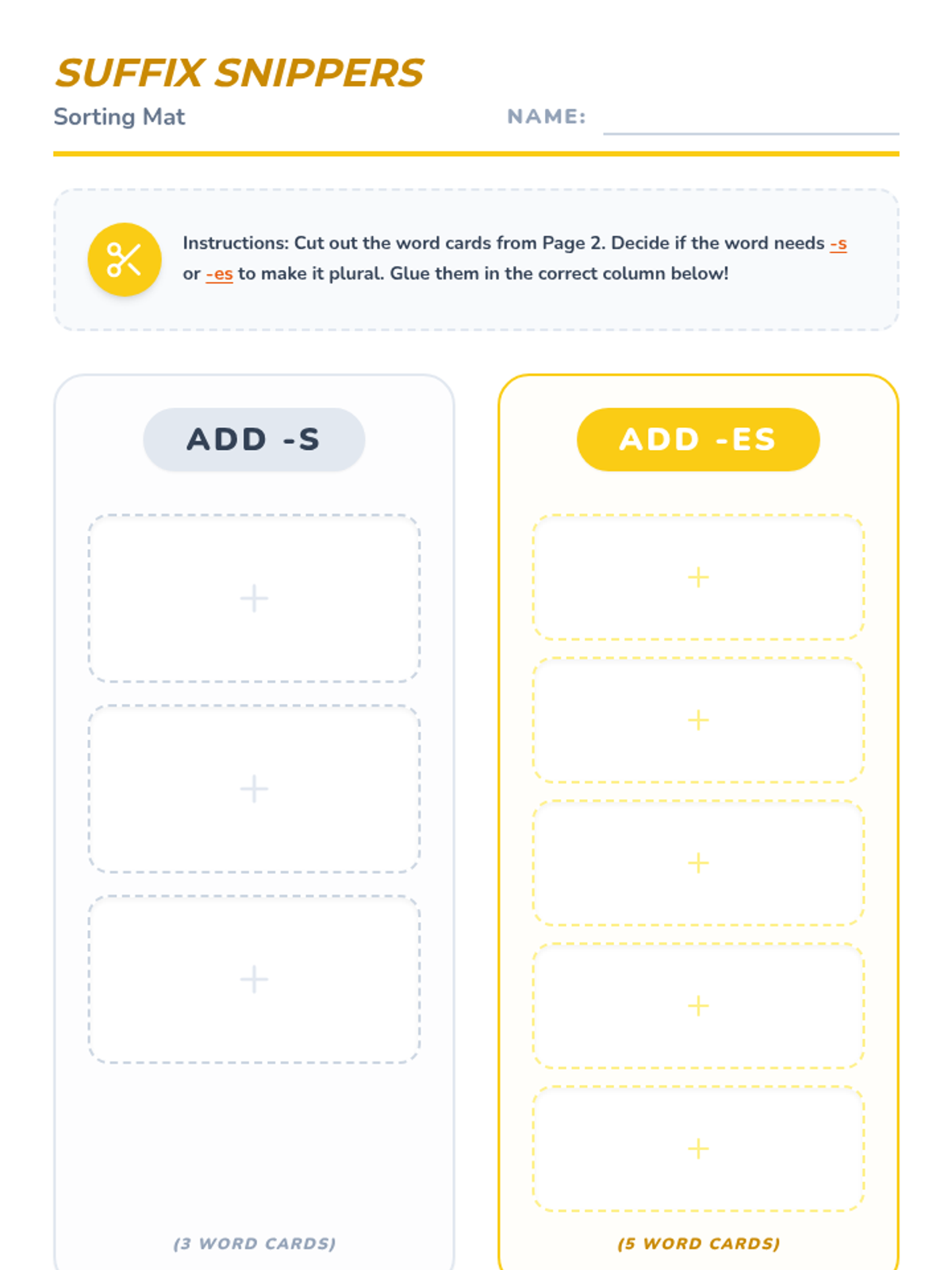
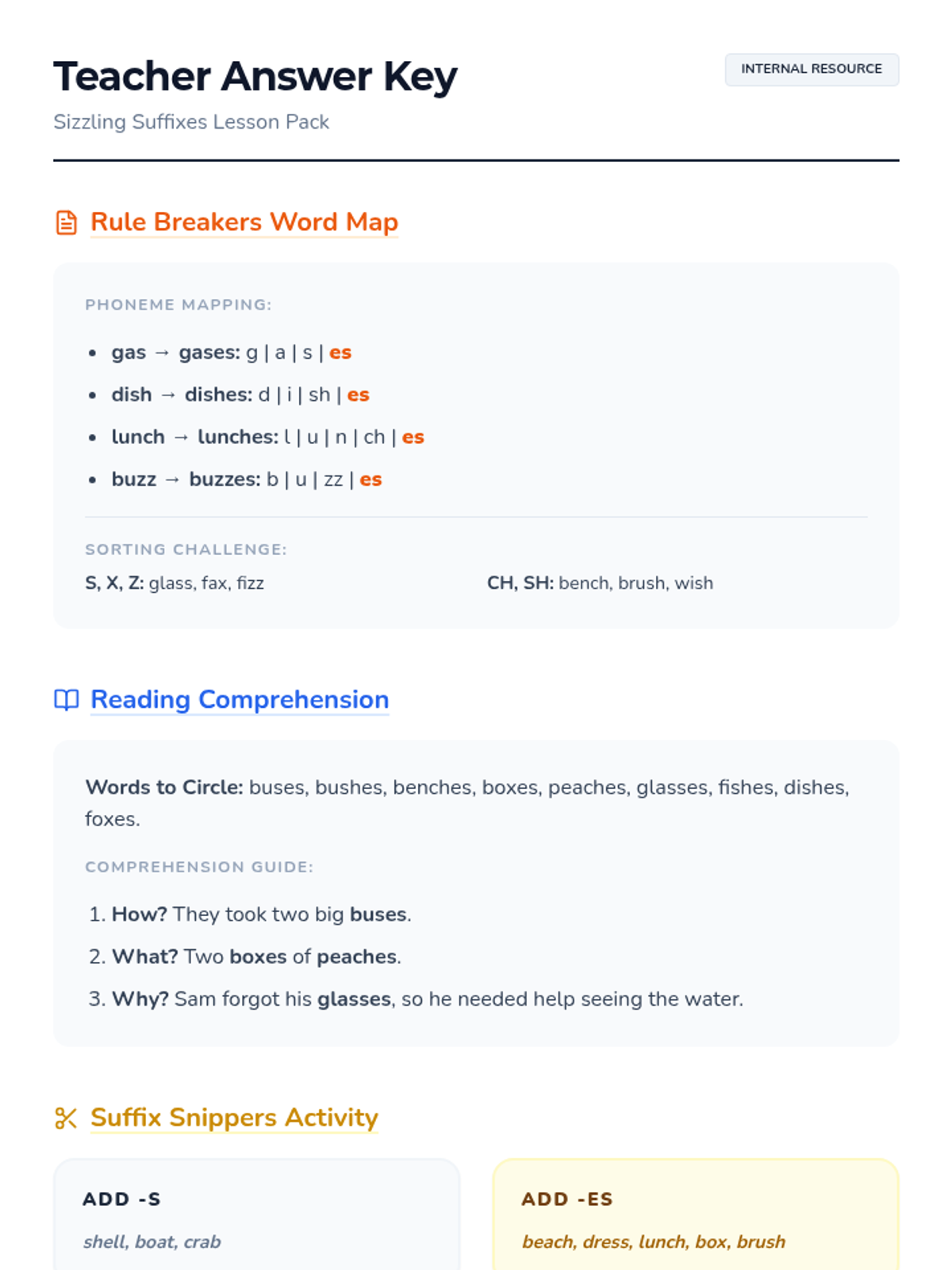
A comprehensive lesson on plurals ending in -es, covering base words ending in s, x, ch, sh, and z through multi-sensory activities.
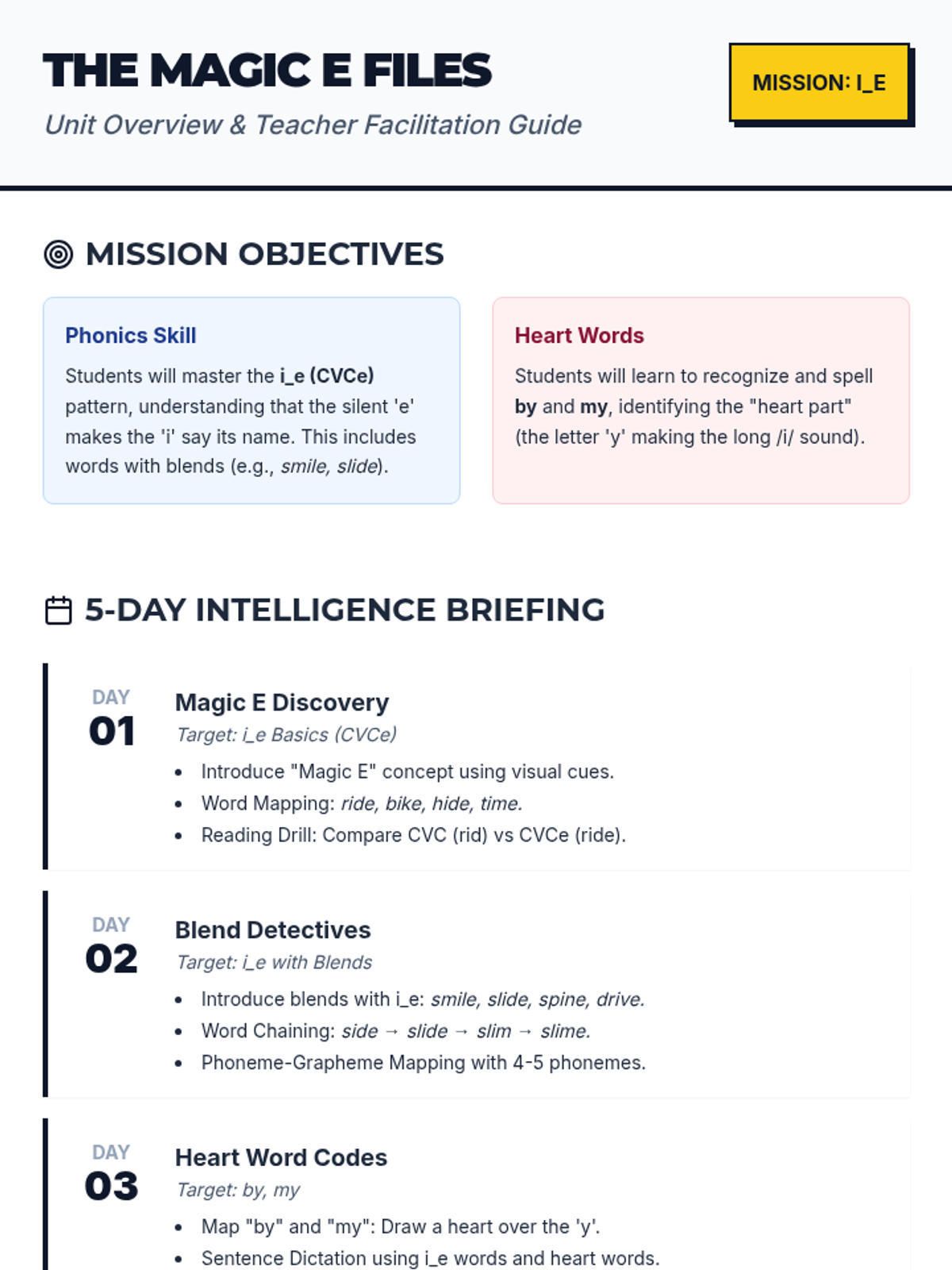
Unit overview and teacher facilitation guide for 'The Magic E Files'.
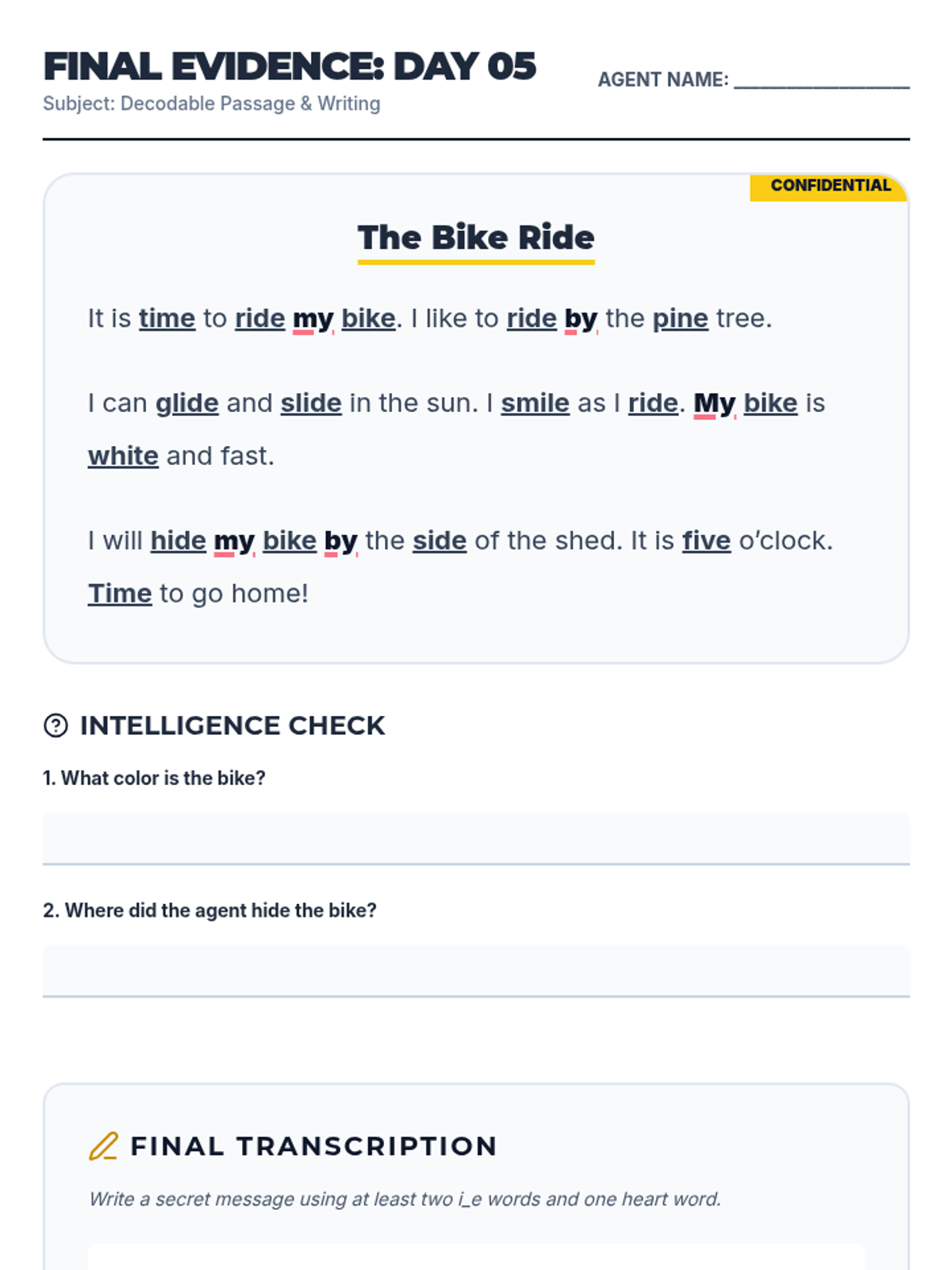
Read a decodable passage featuring i_e words and heart words, followed by a writing application.
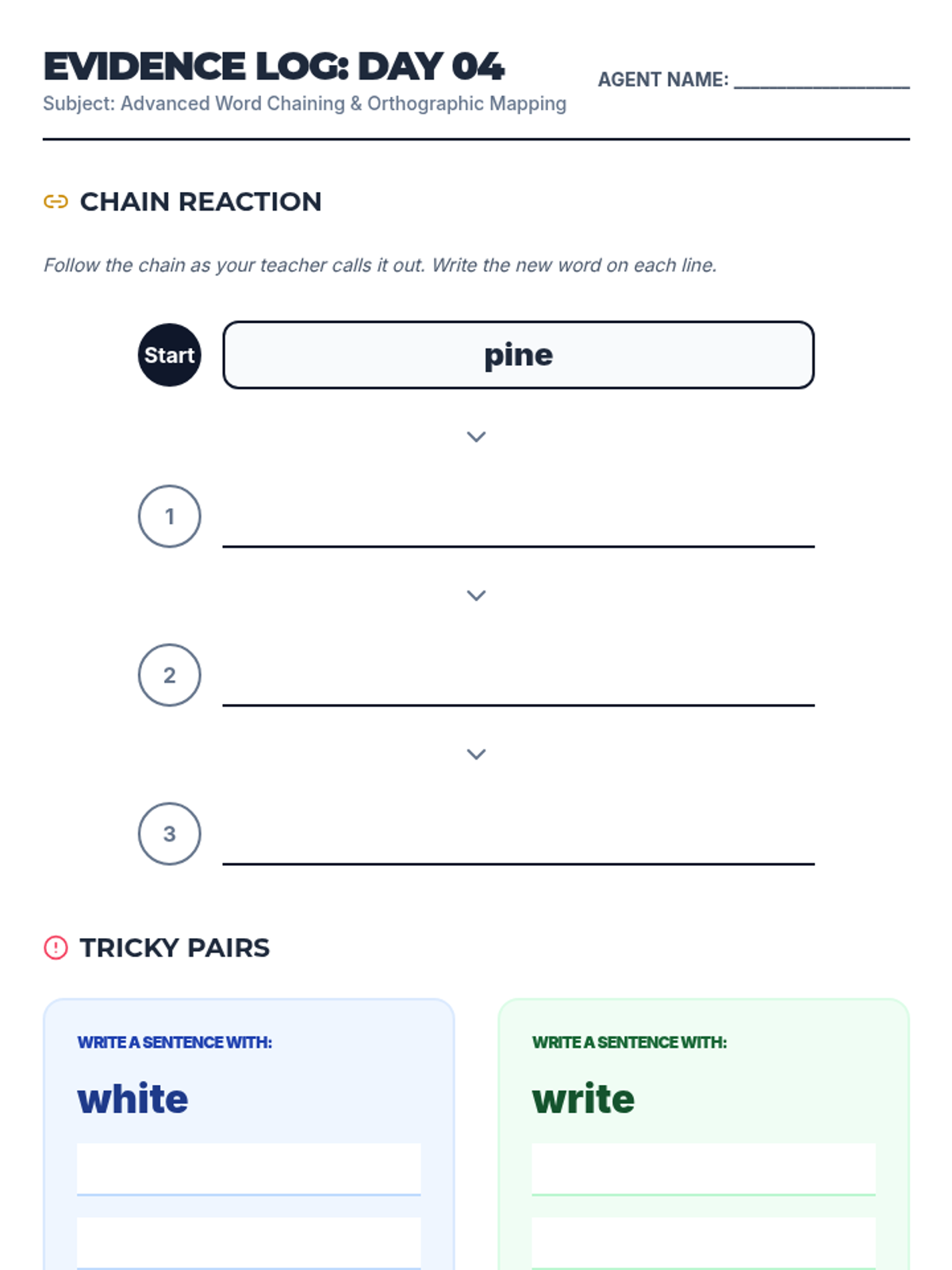
Practice complex word chains and orthographic mapping of i_e words to build automaticity.
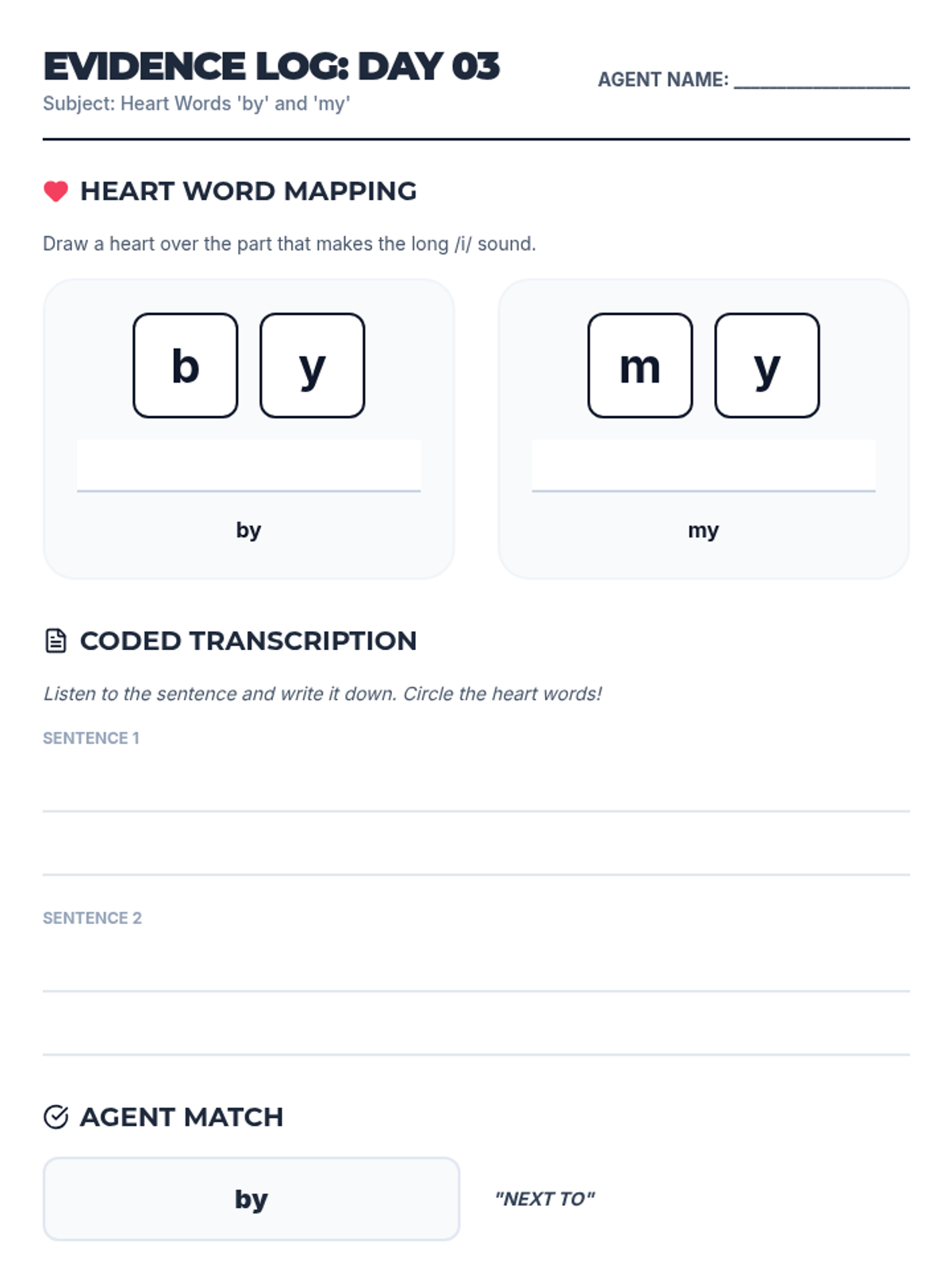
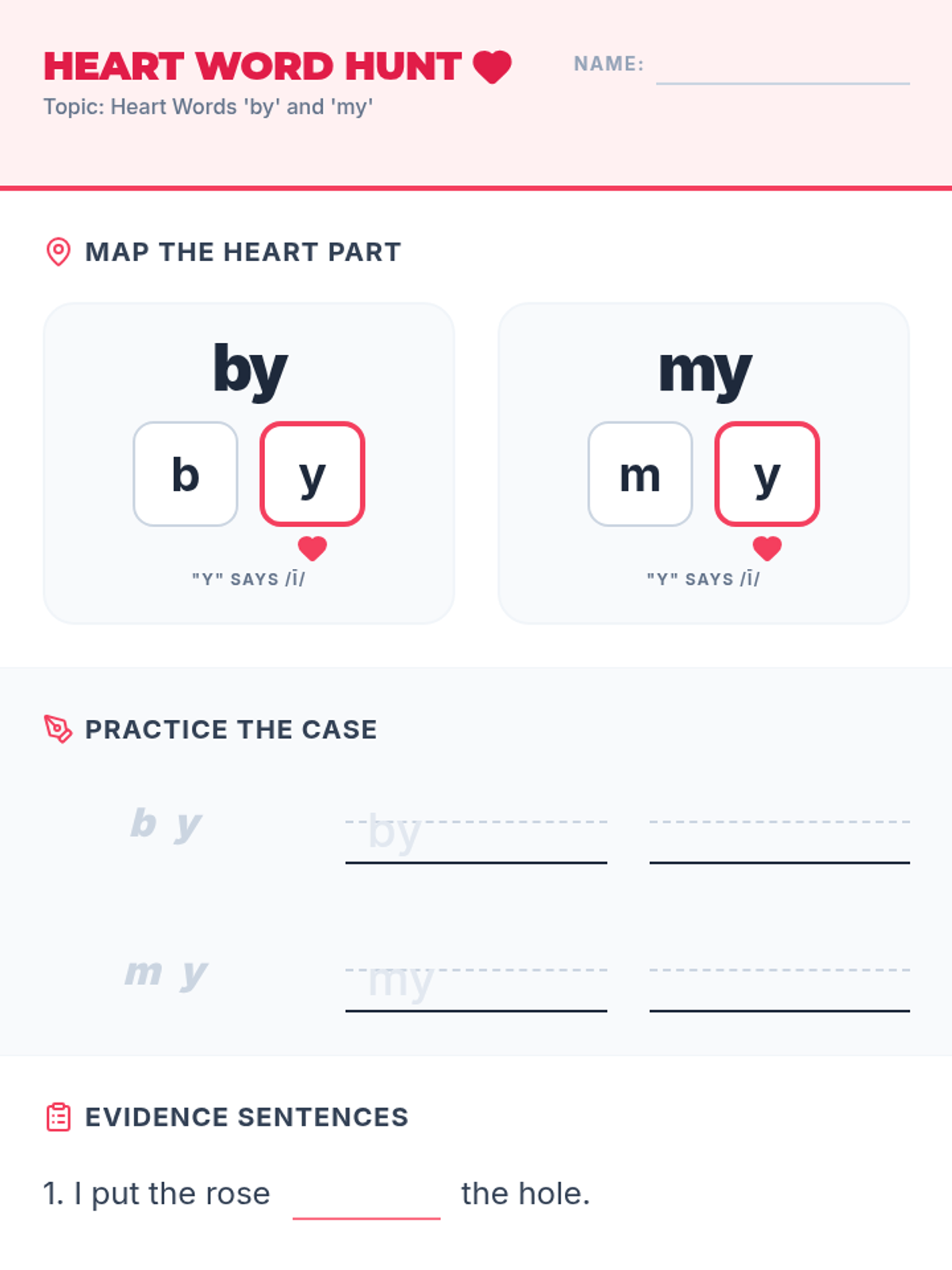
Learn and map heart words 'by' and 'my' while integrating them into i_e word sentences.
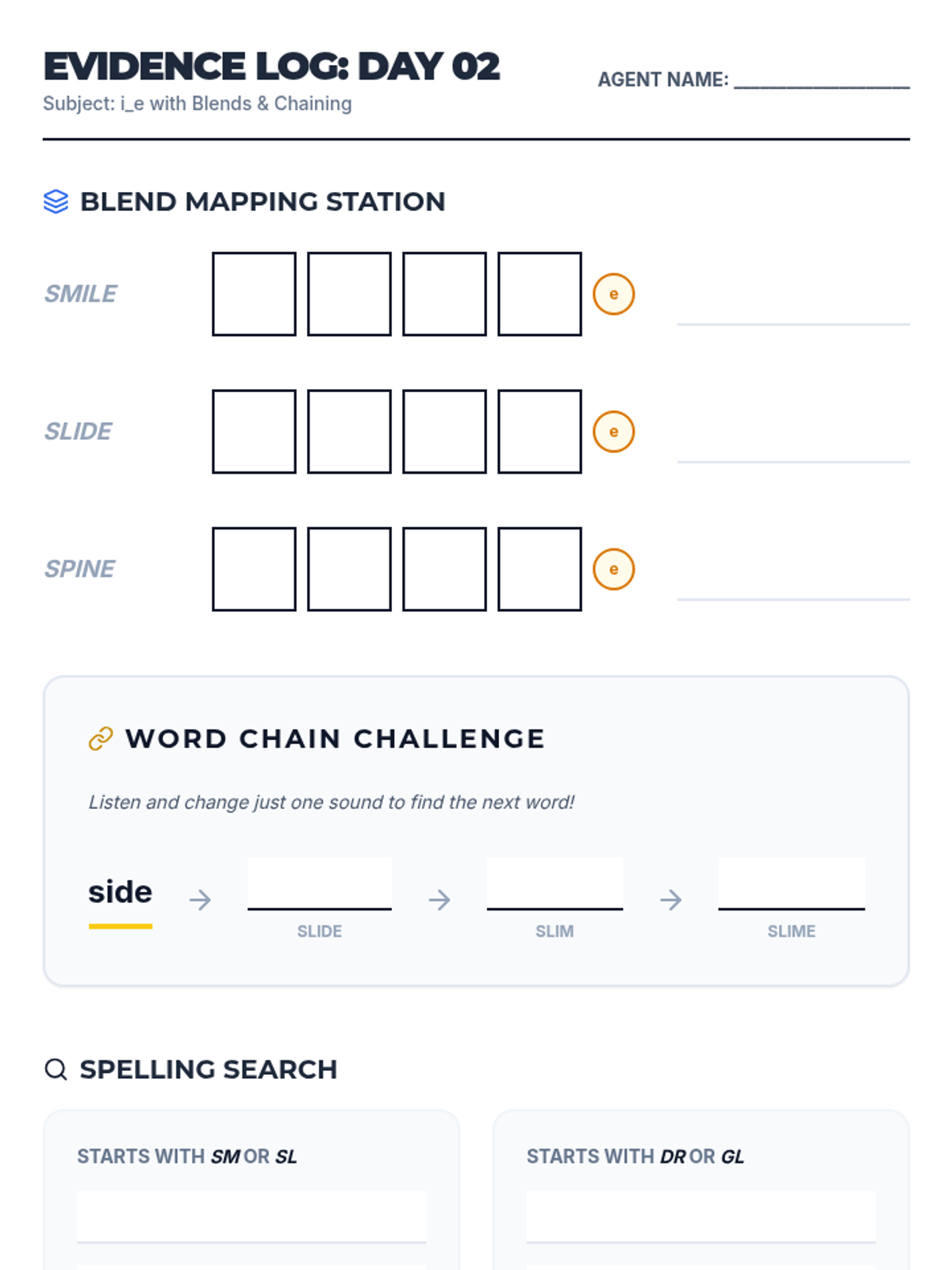
Focus on i_e words with initial and final blends like smile and slide, including word chaining activities.
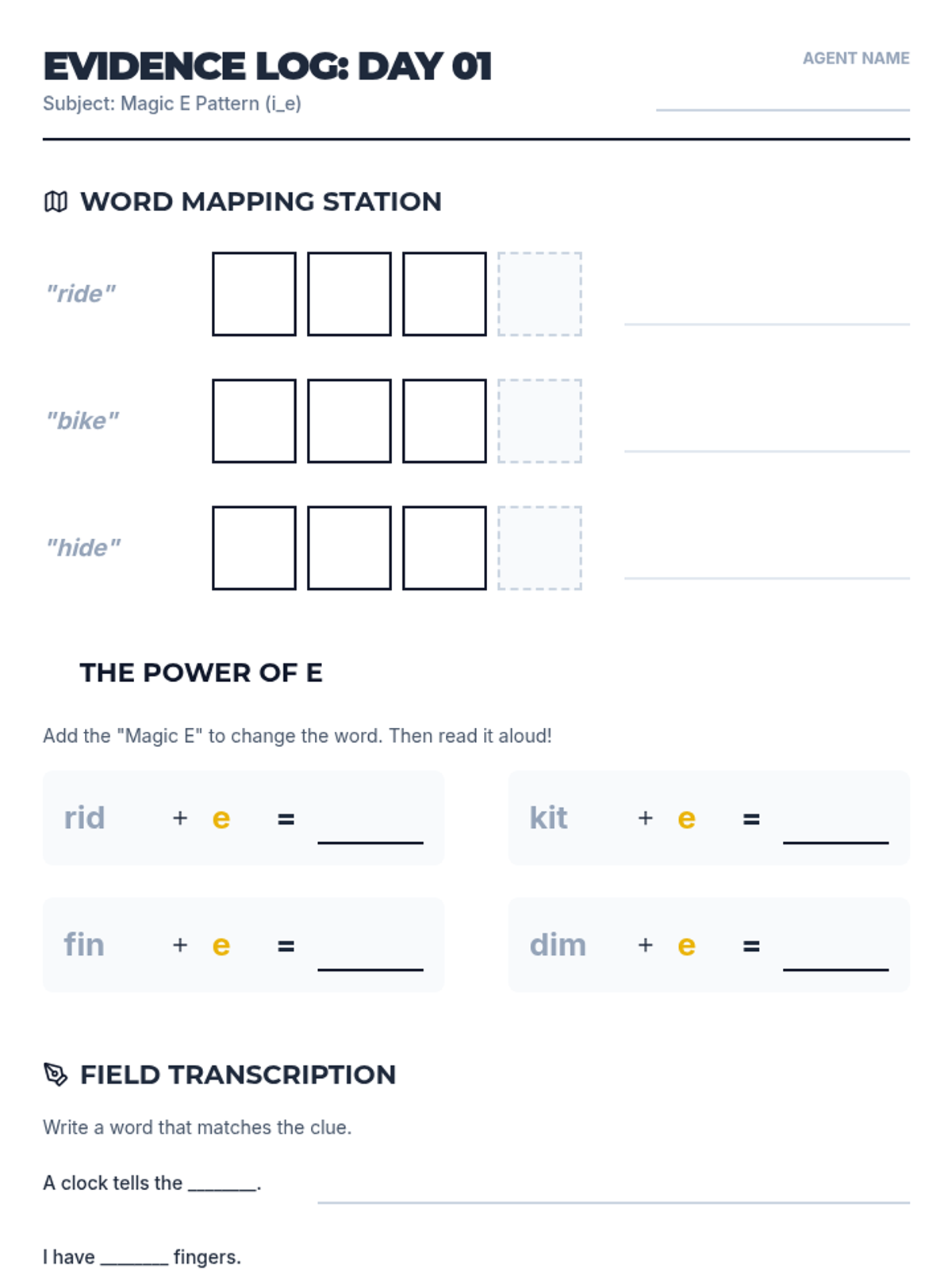
Introduce the magic 'e' concept for the long i sound in CVCe words and practice mapping basic words like ride and bike.
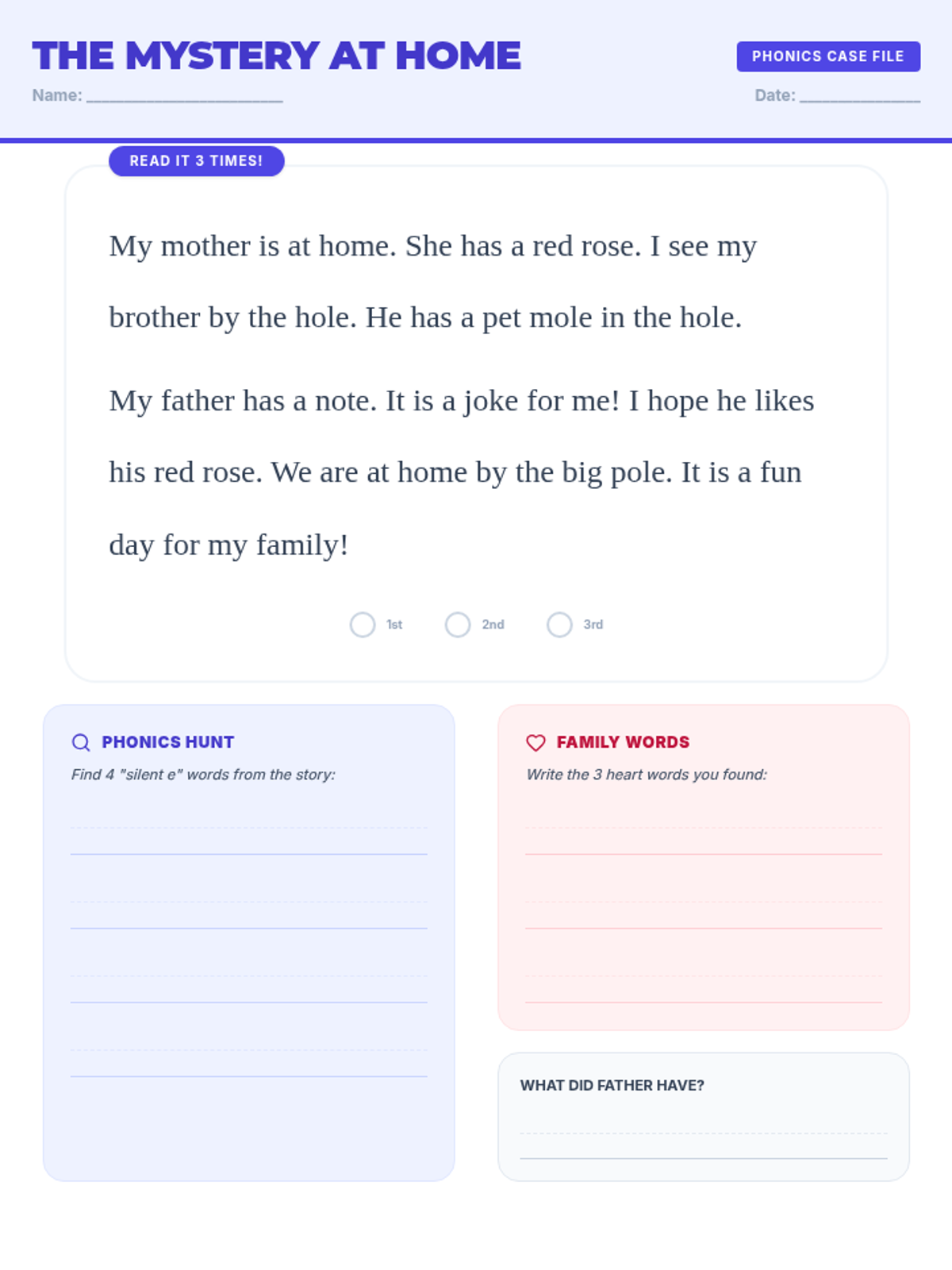
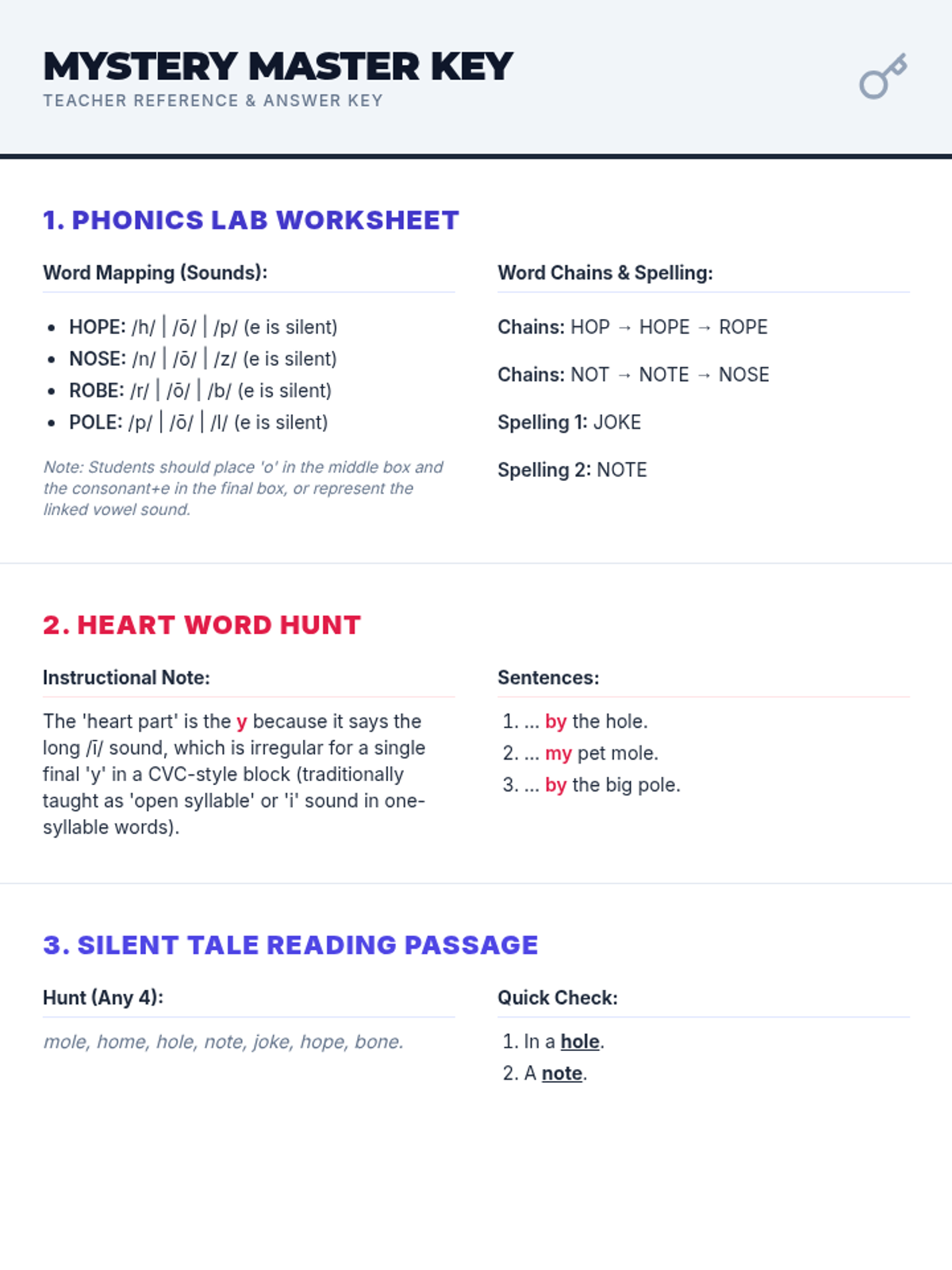
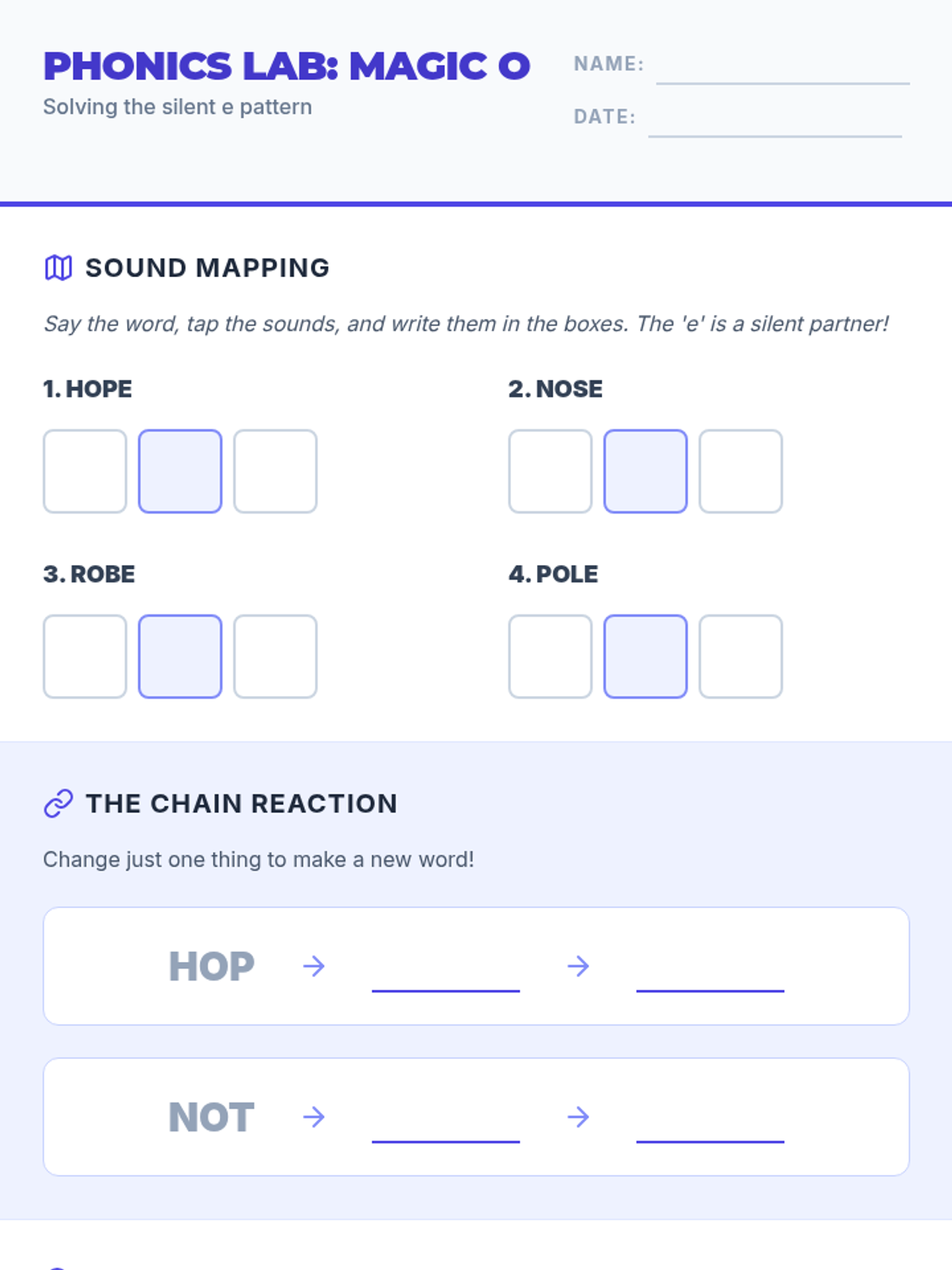
A comprehensive lesson focused on the 'o_e' (silent e) phonics pattern and the heart words 'by' and 'my' through mapping, chains, and reading.
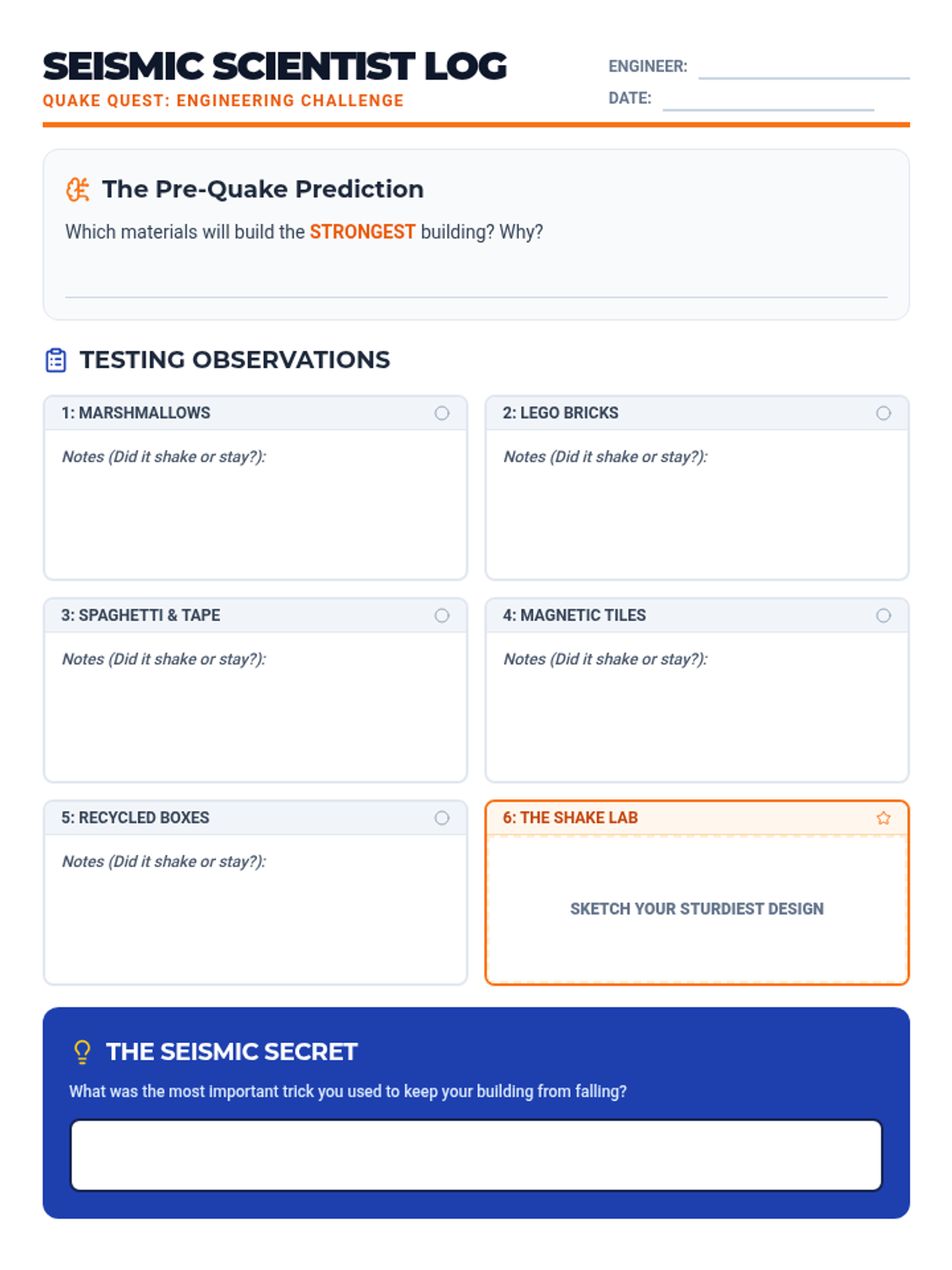
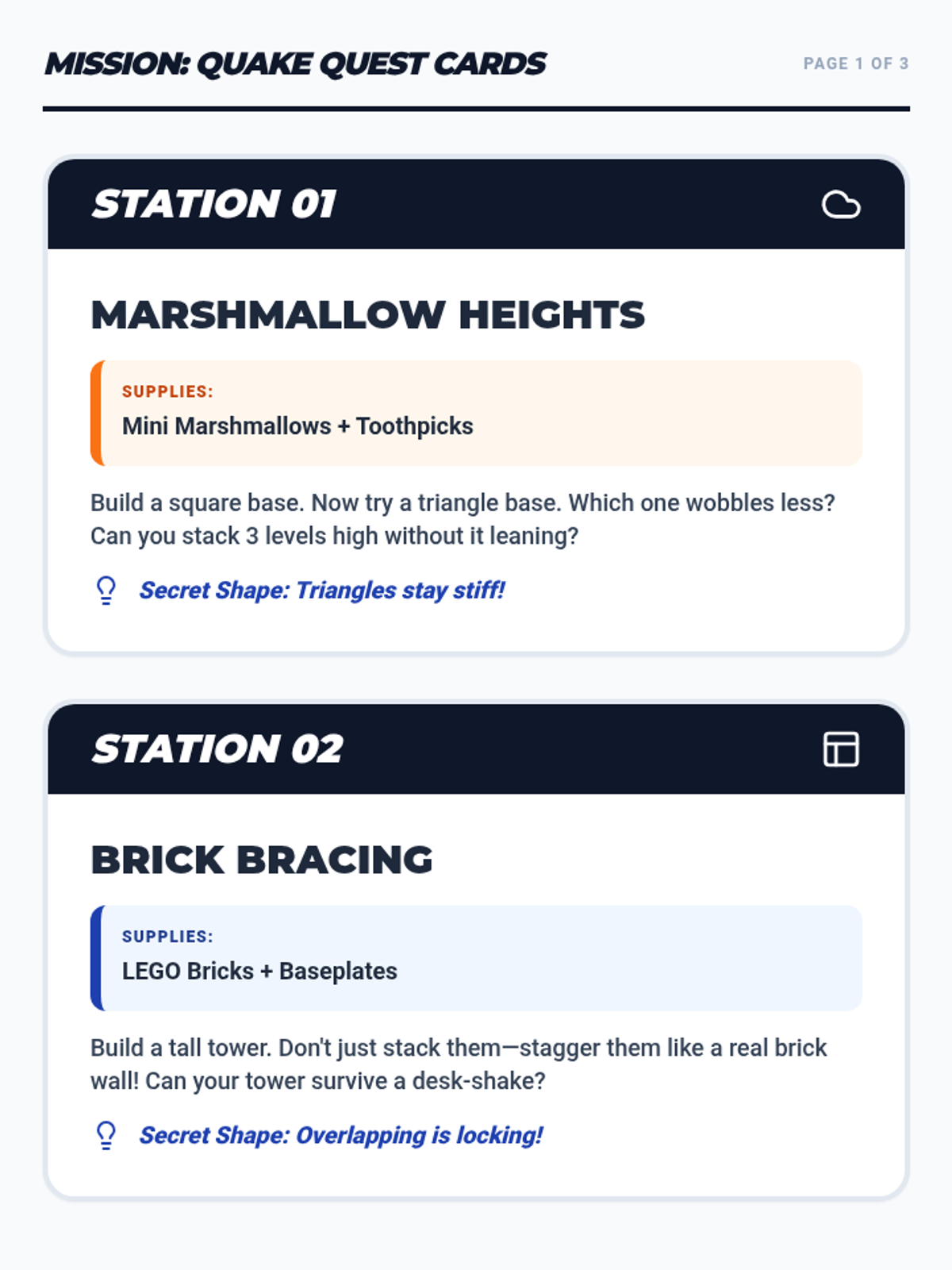
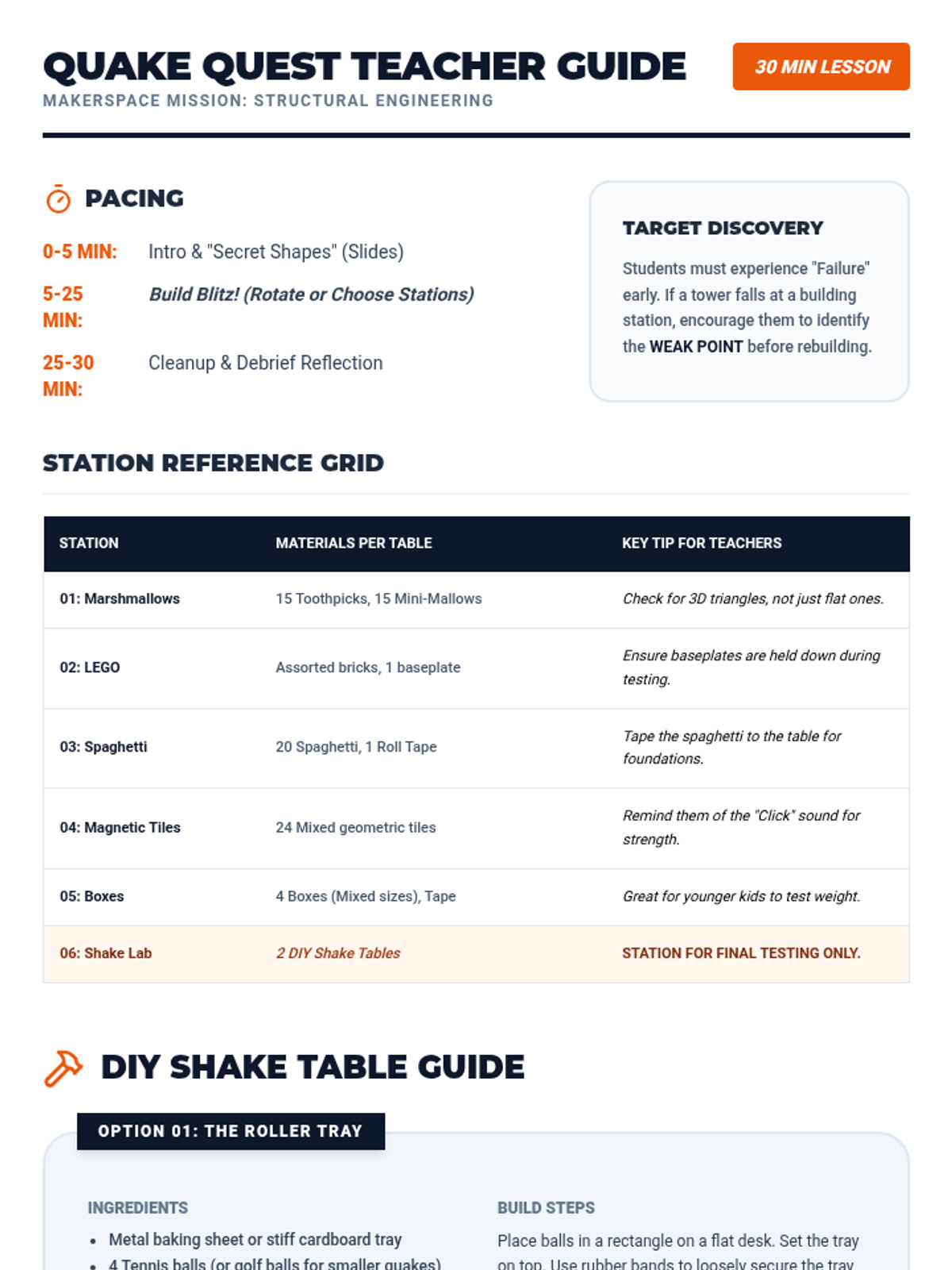
A 30-minute engineering challenge where students build and test structures using six different material stations to understand earthquake stability.
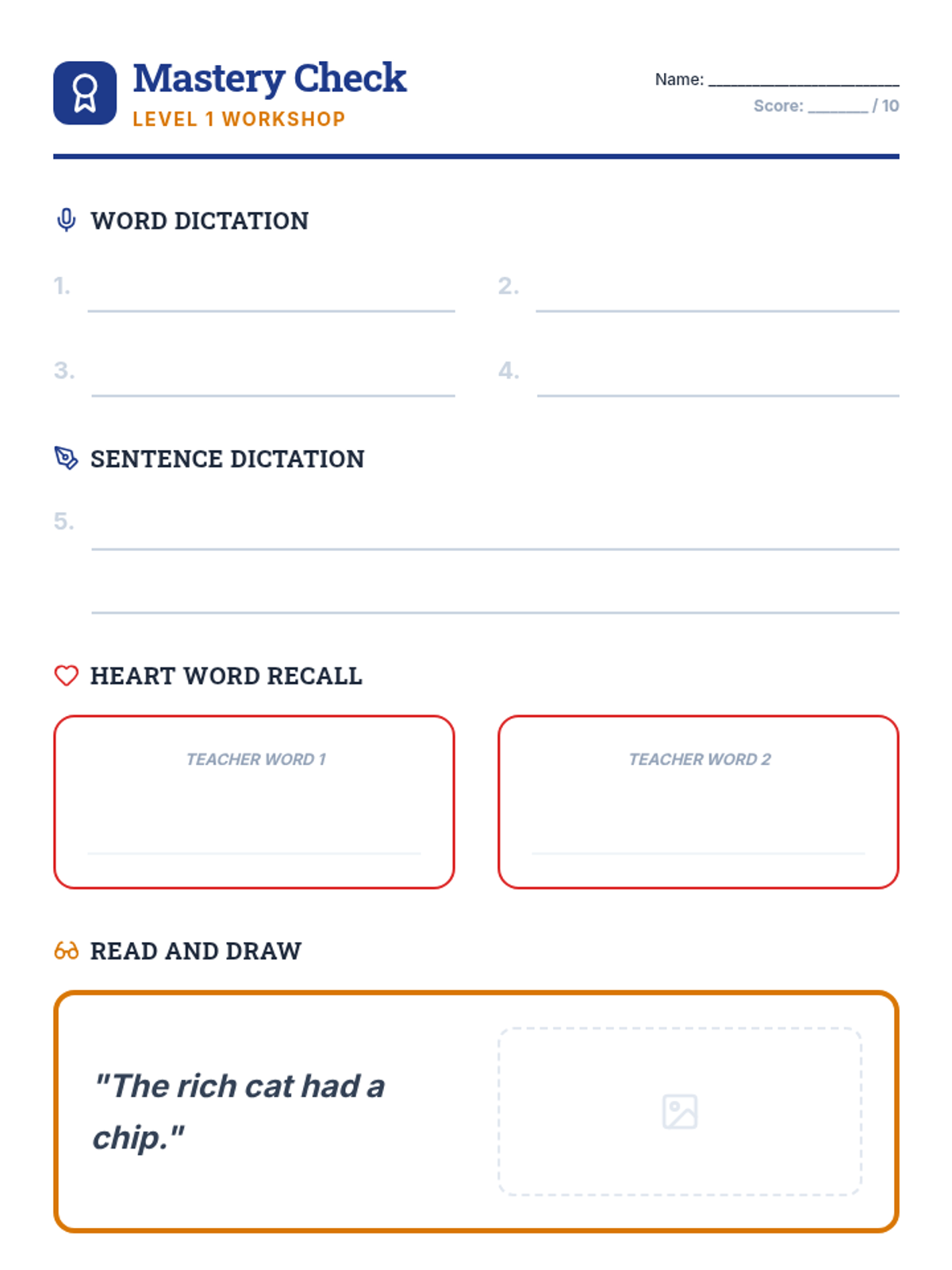
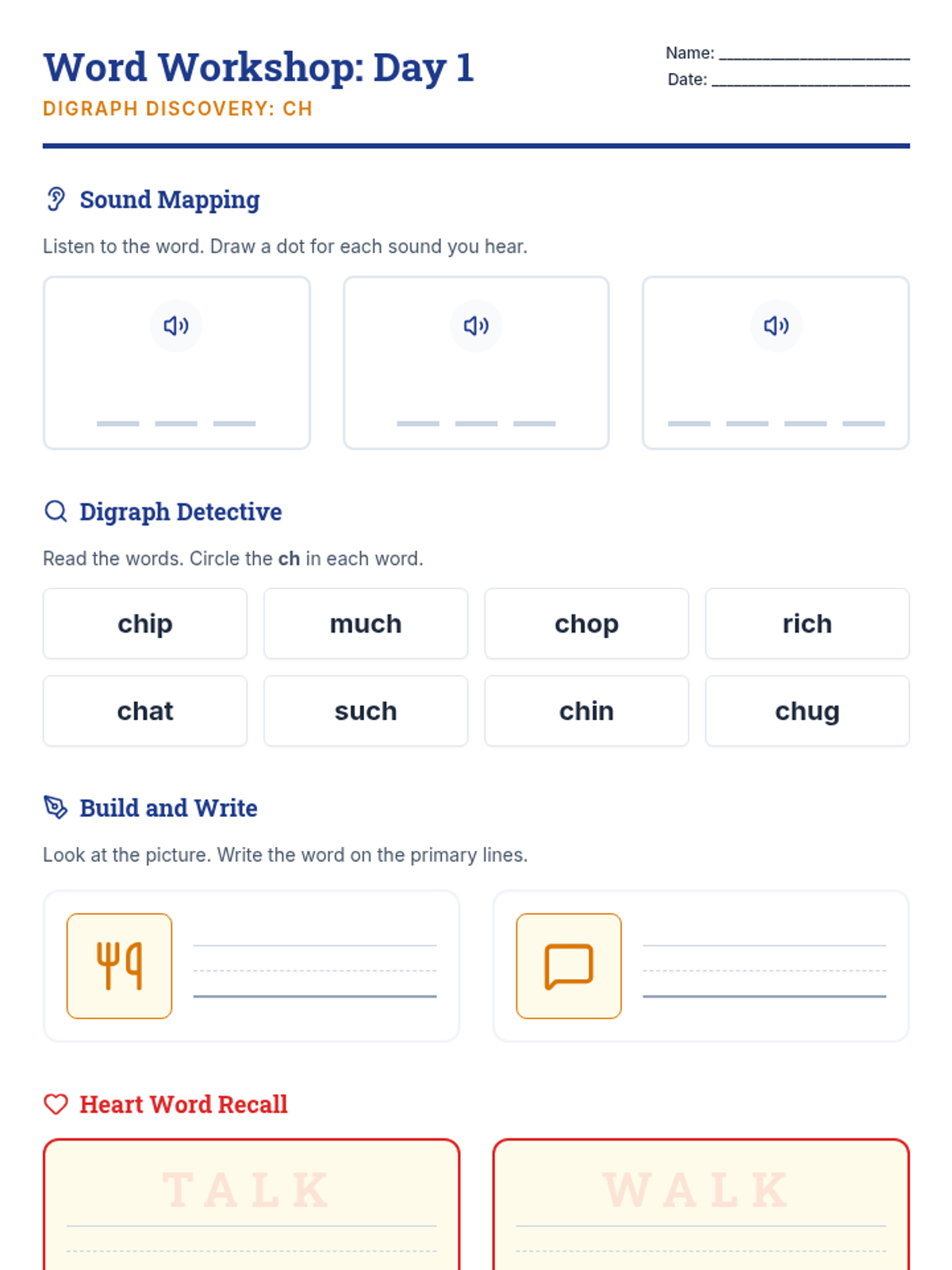
Final review and assessment of the 'ch' digraph and Heart Words. Students demonstrate mastery through dictation and independent application.
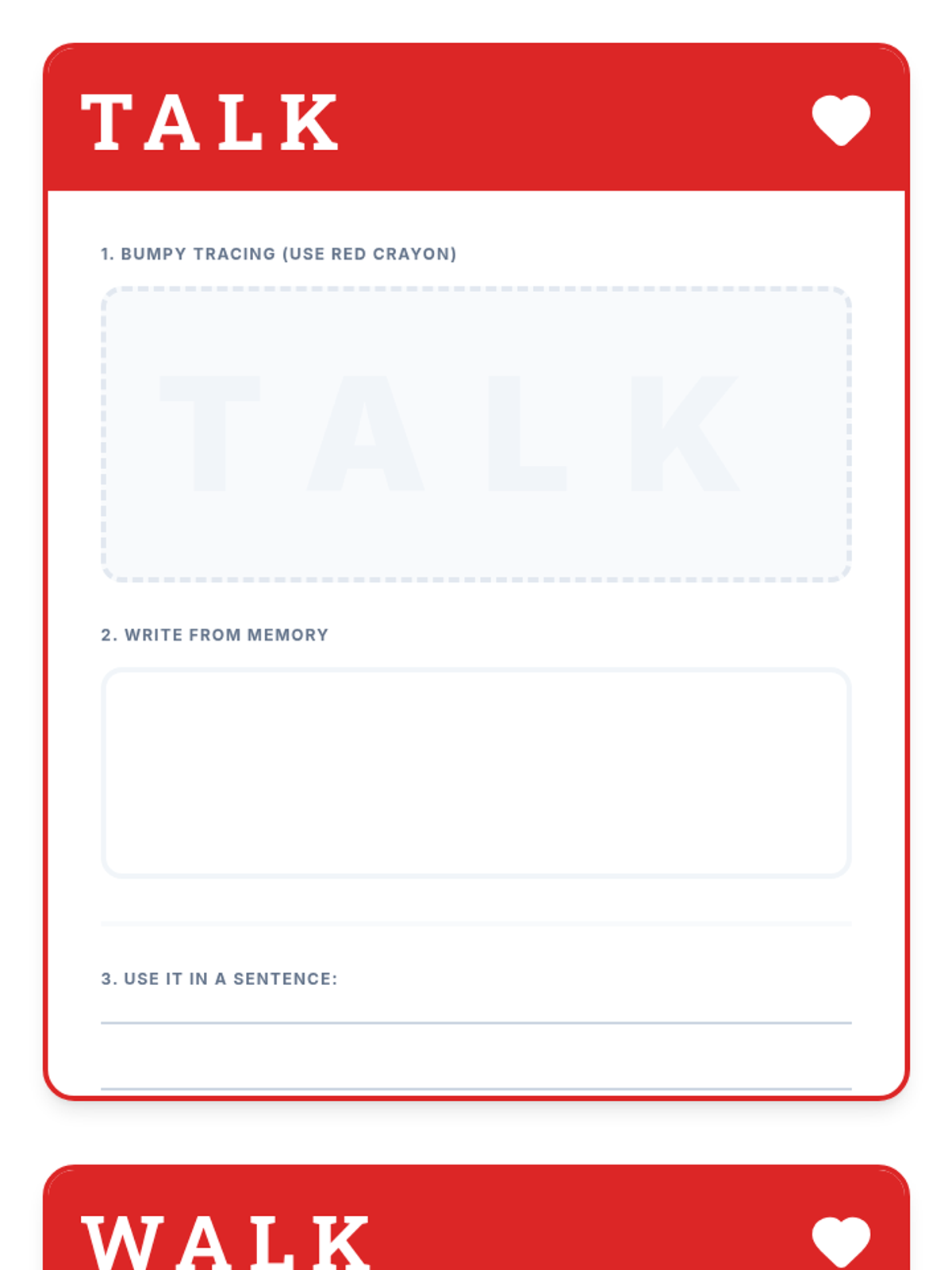
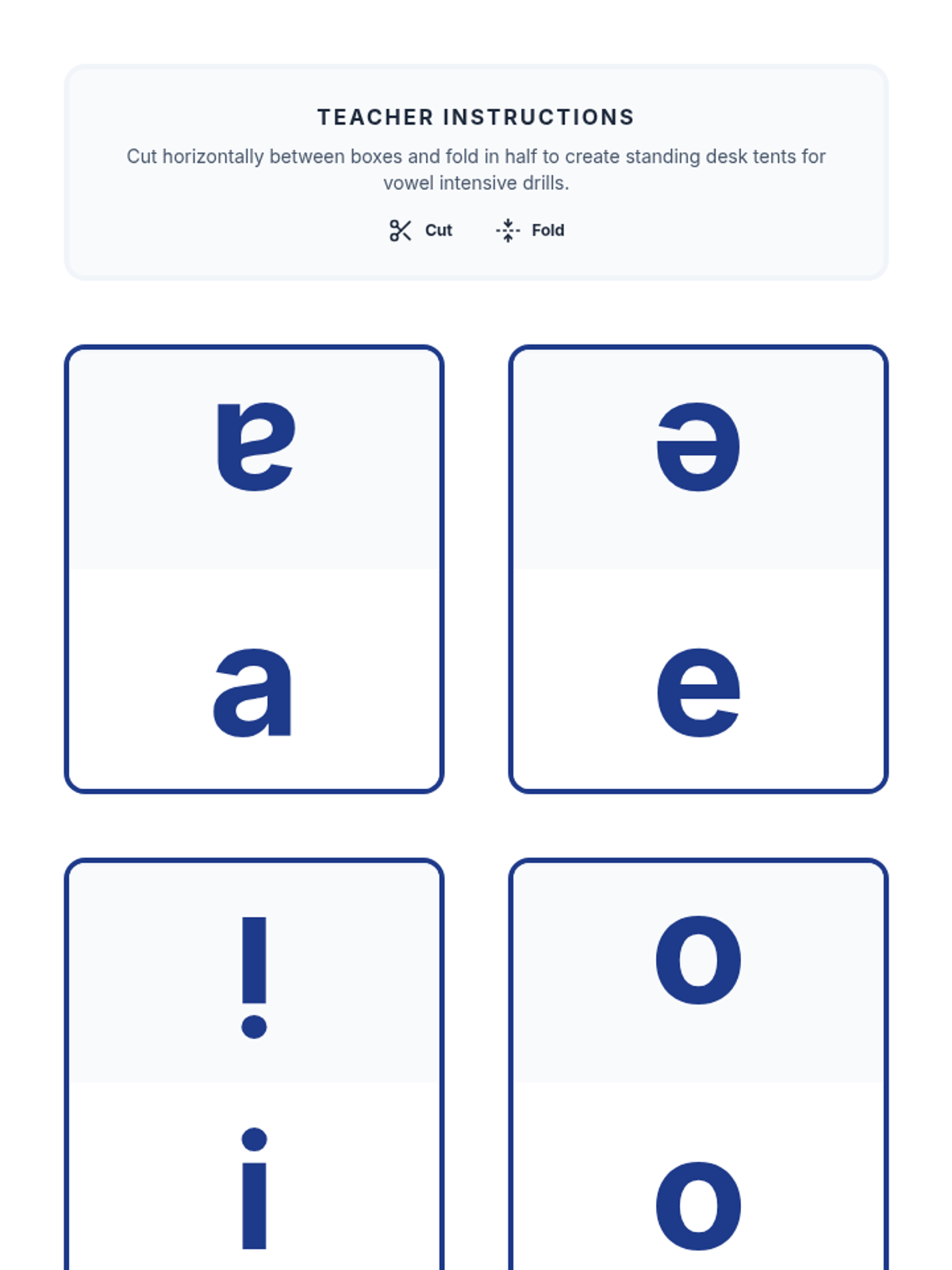
Intensive UFLI-aligned practice including vowel intensive desk tents and a deep-dive tactile study of the Heart Words 'talk' and 'walk'.
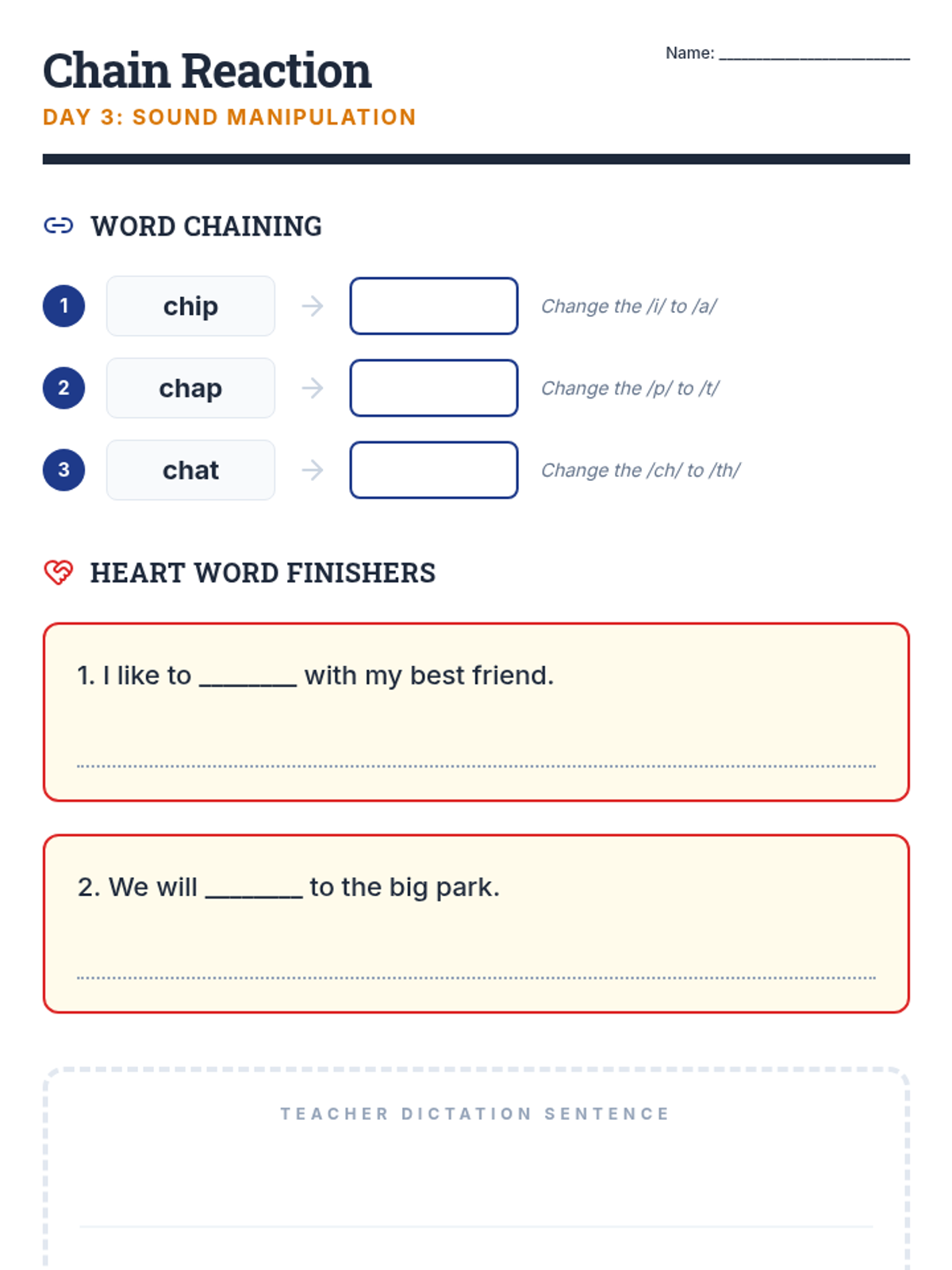
Advanced practice with 'ch' through word chaining and cumulative review. Continued reinforcement of Heart Words.
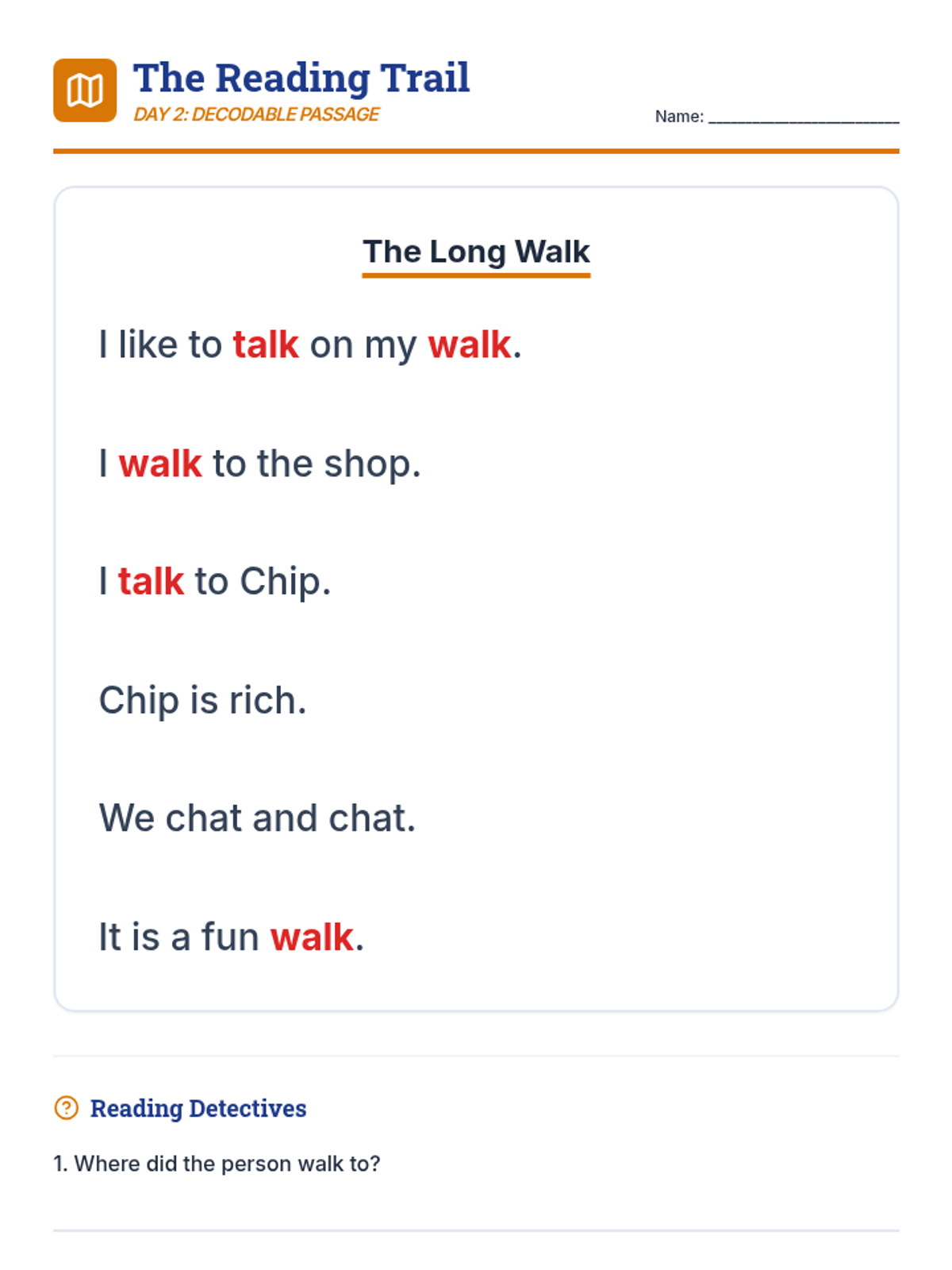
Review of 'ch' spelling and introduction to reading 'talk' and 'walk' within a decodable passage. Emphasis on fluency and comprehension.
Introduction to the 'ch' digraph with phonemic awareness blending/segmenting and the three-part drill. Focus on initial and final 'ch' in words like 'chop', 'rich', and 'chat'.
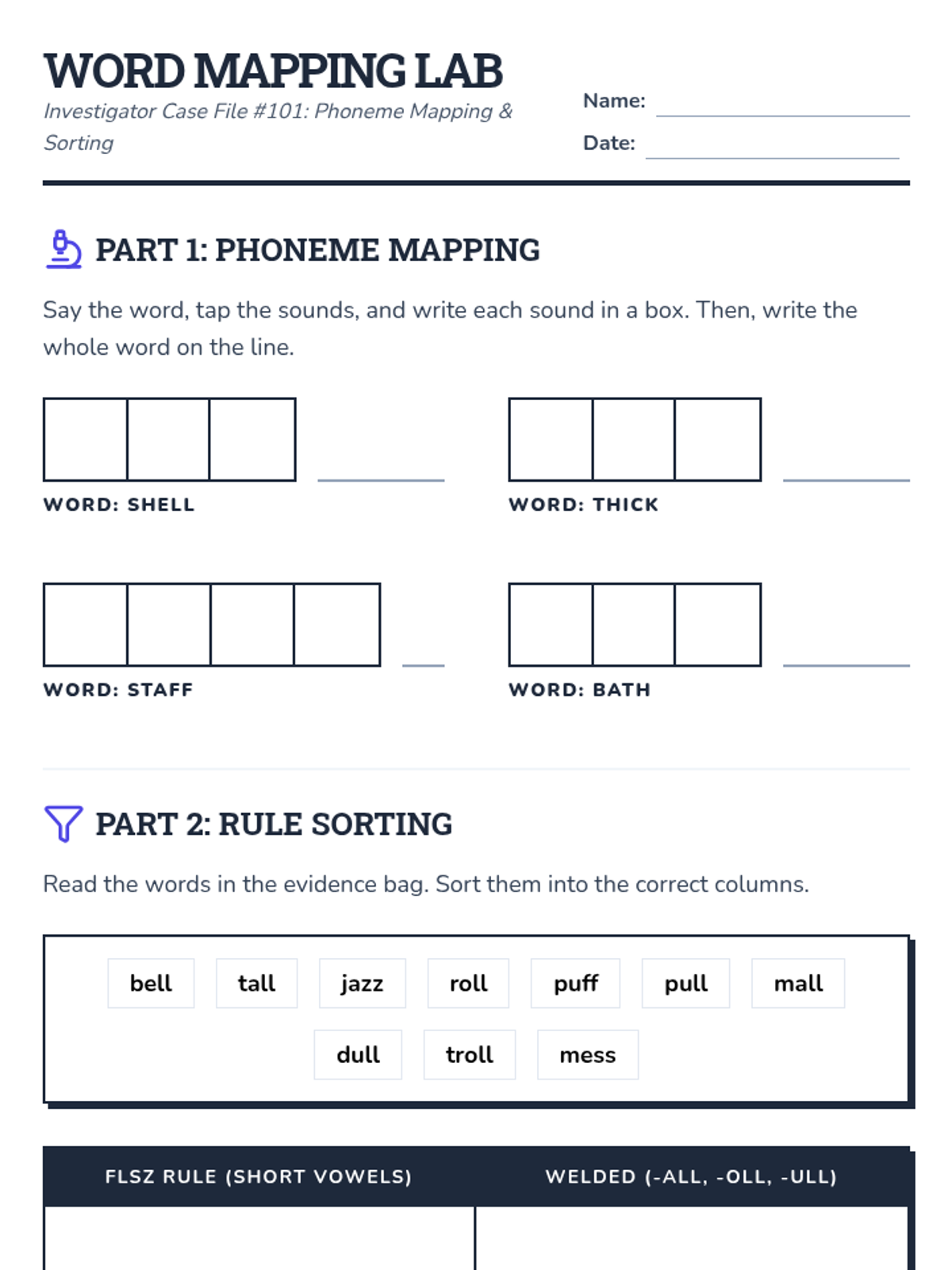
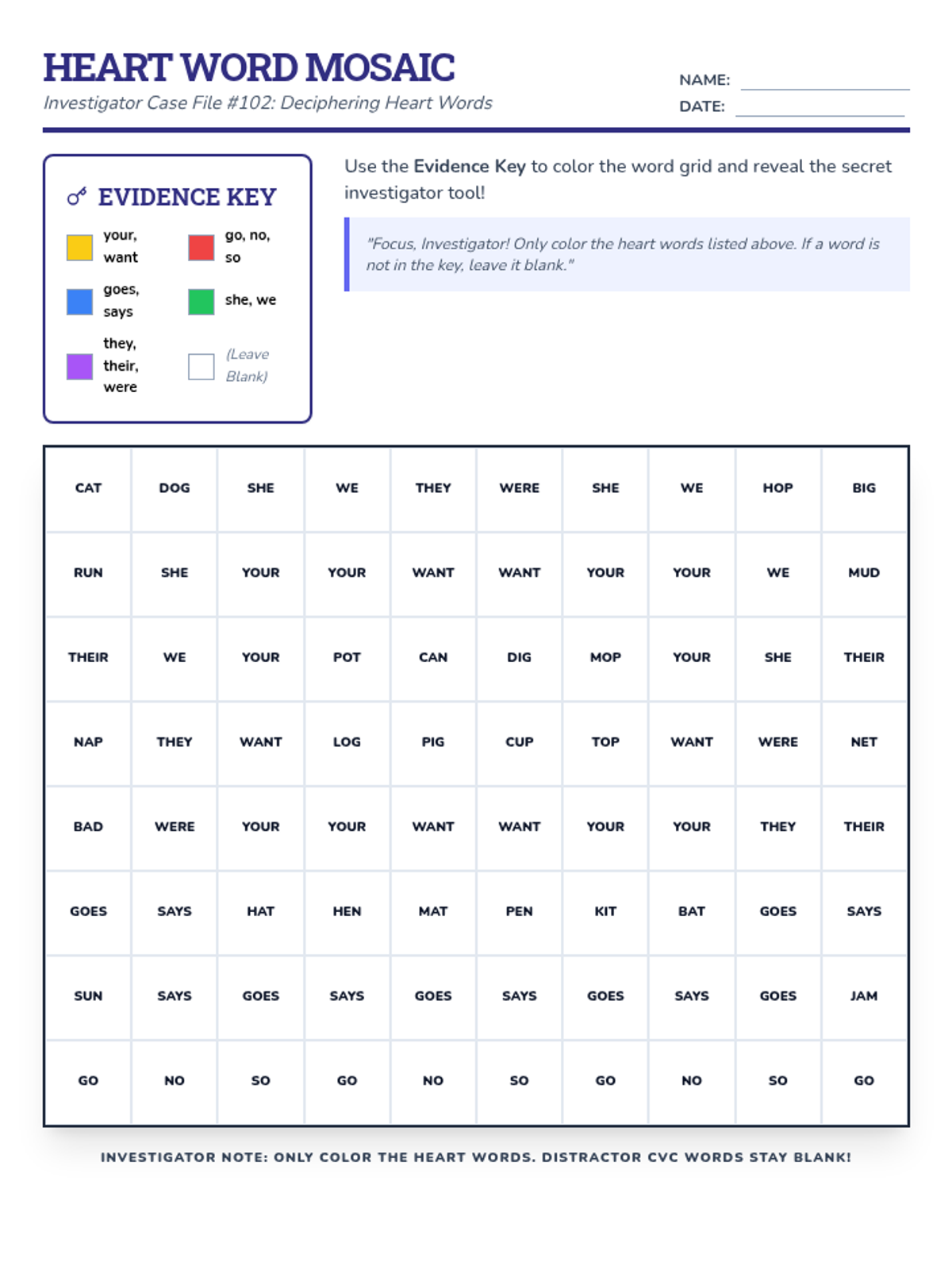
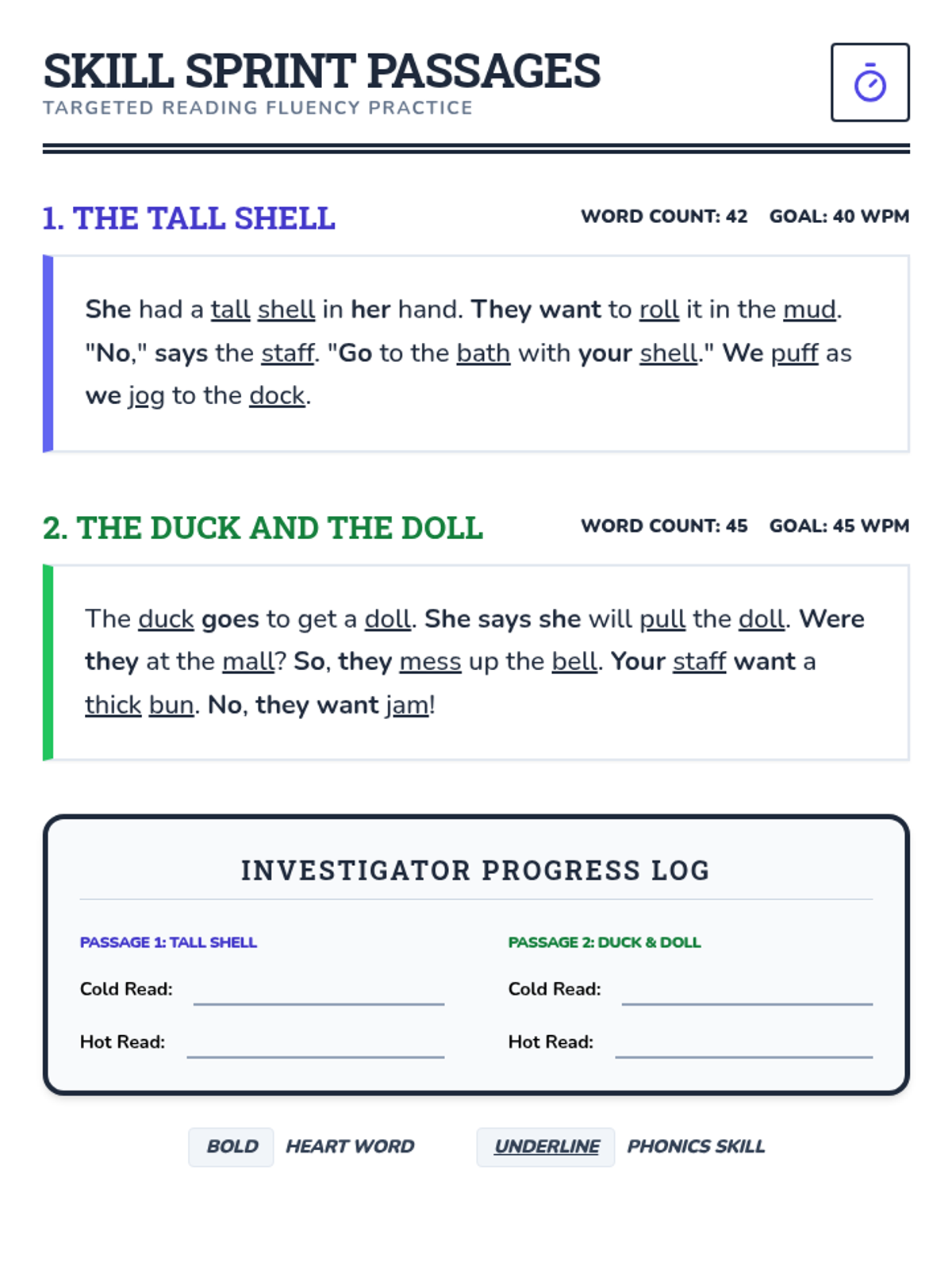
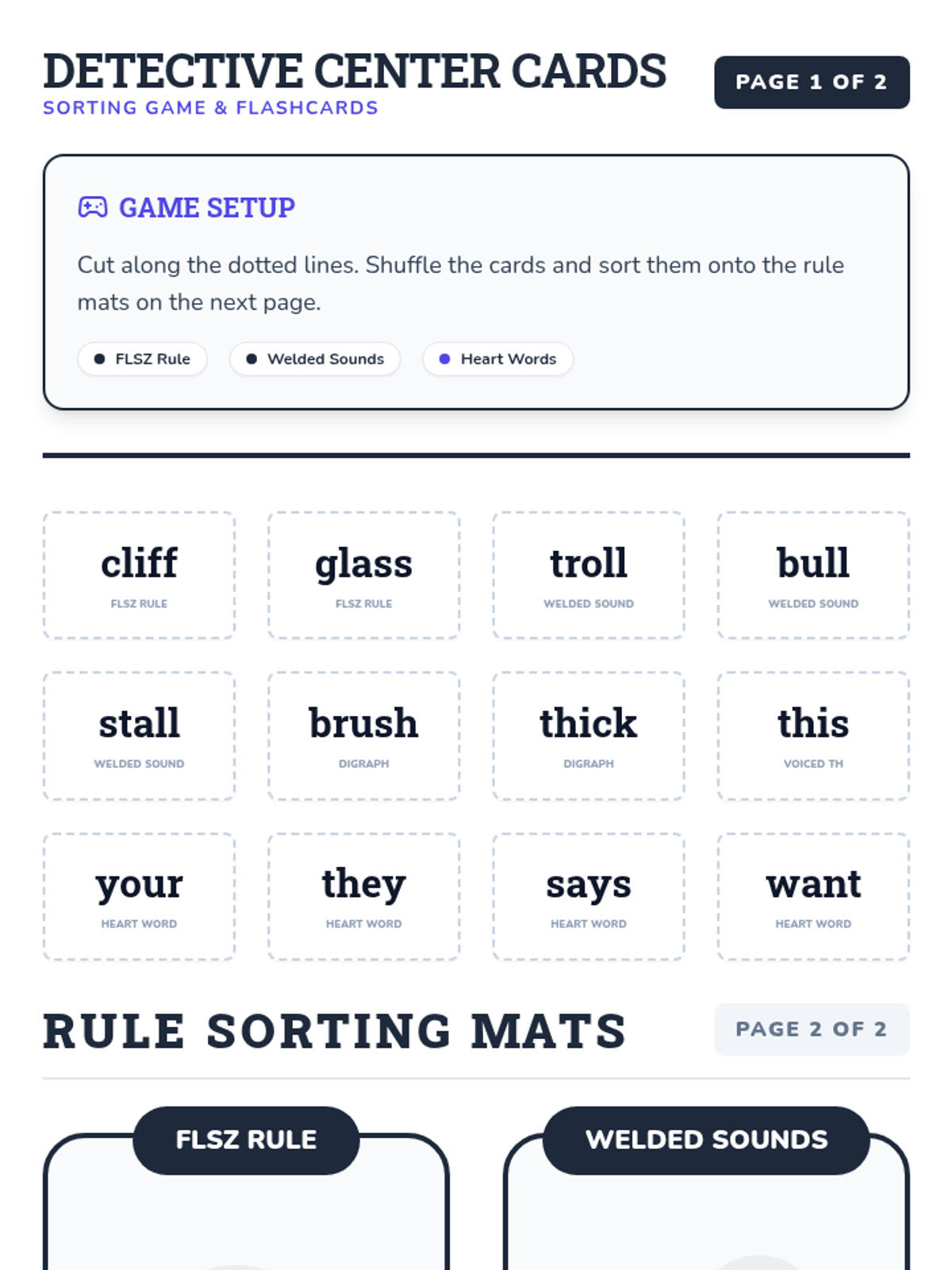
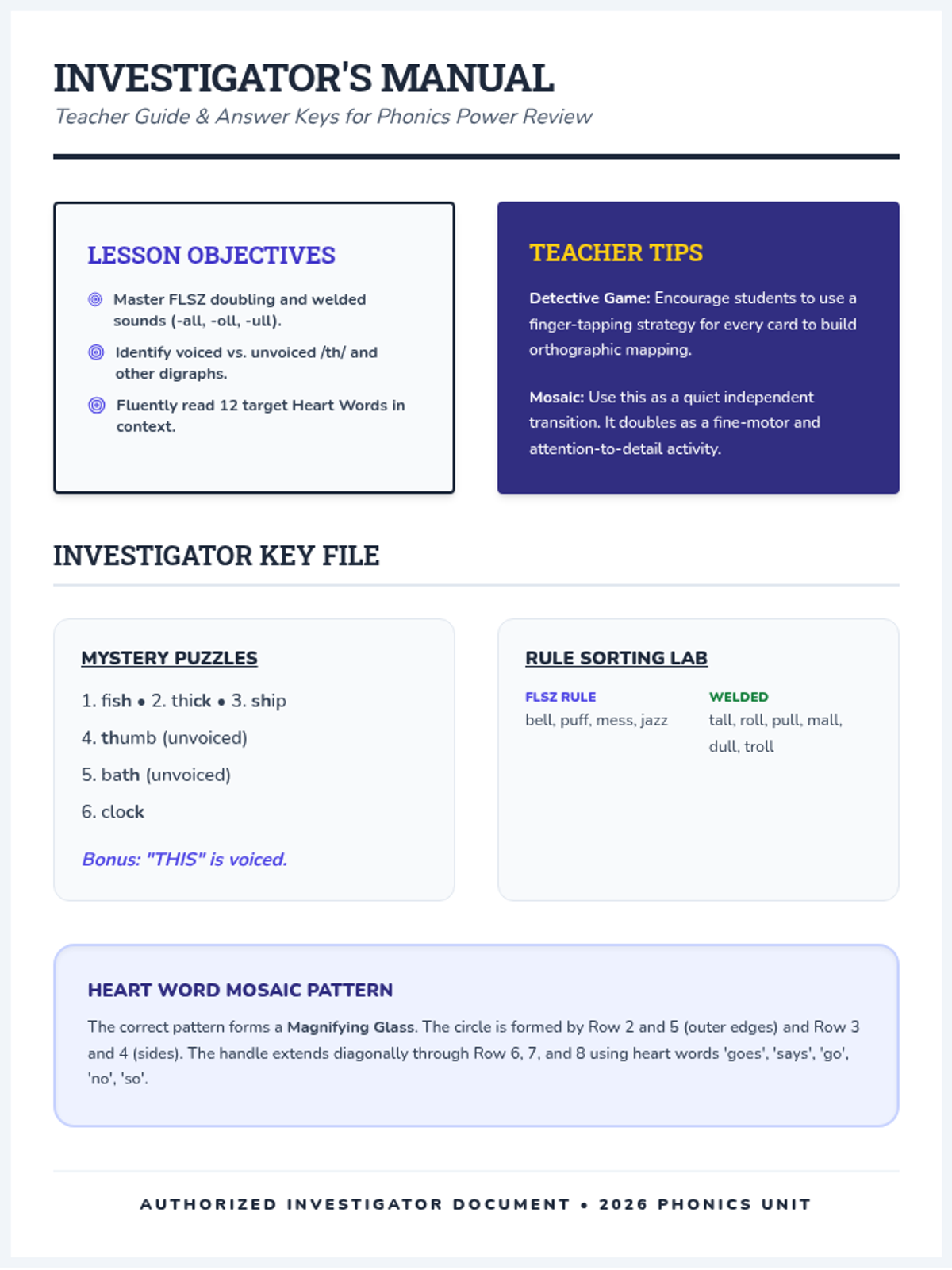
A comprehensive phonics review lesson focusing on short vowels, the FLSZ rule, welded sounds, digraphs, and specific heart words through detective-themed activities.
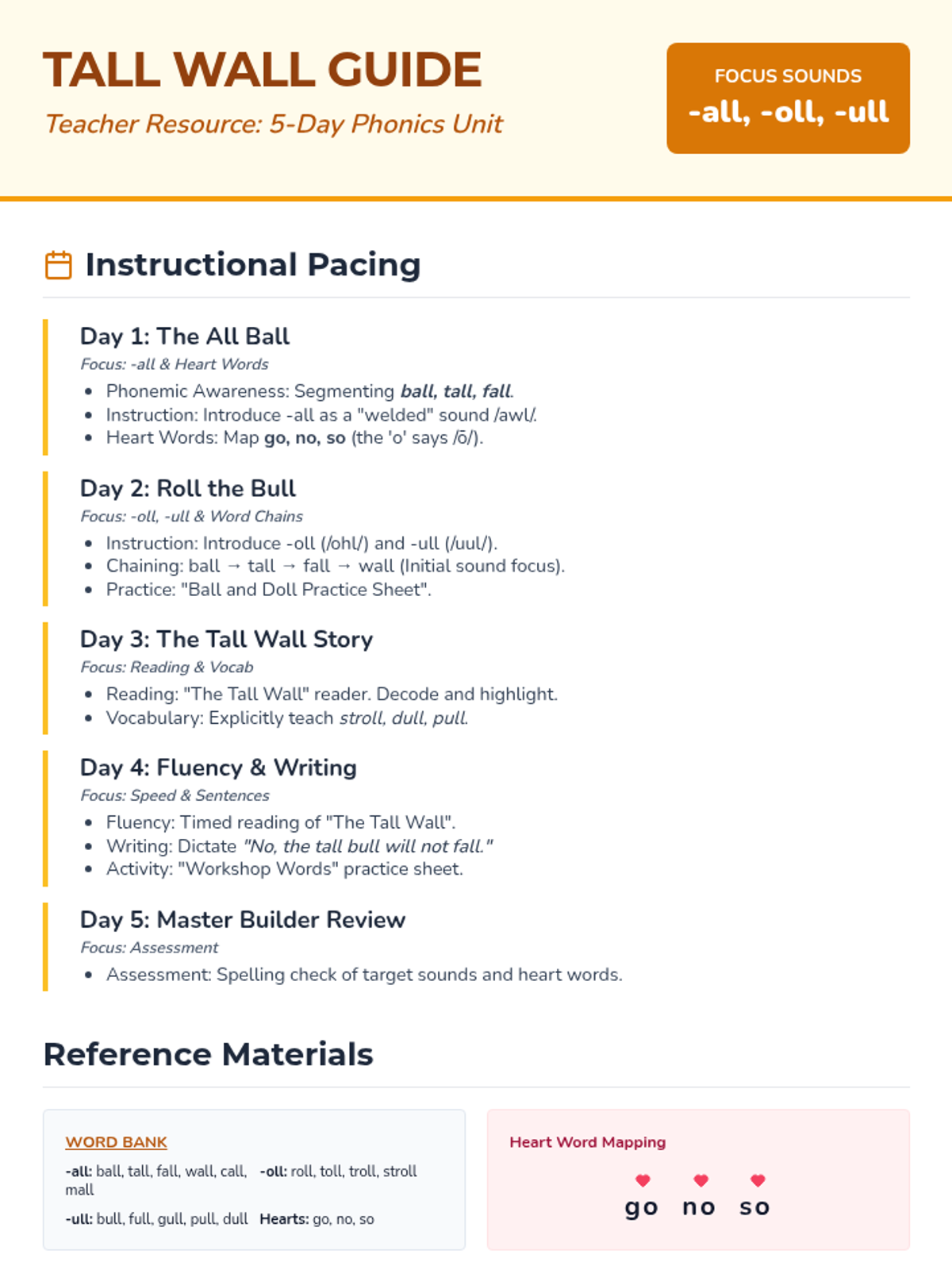
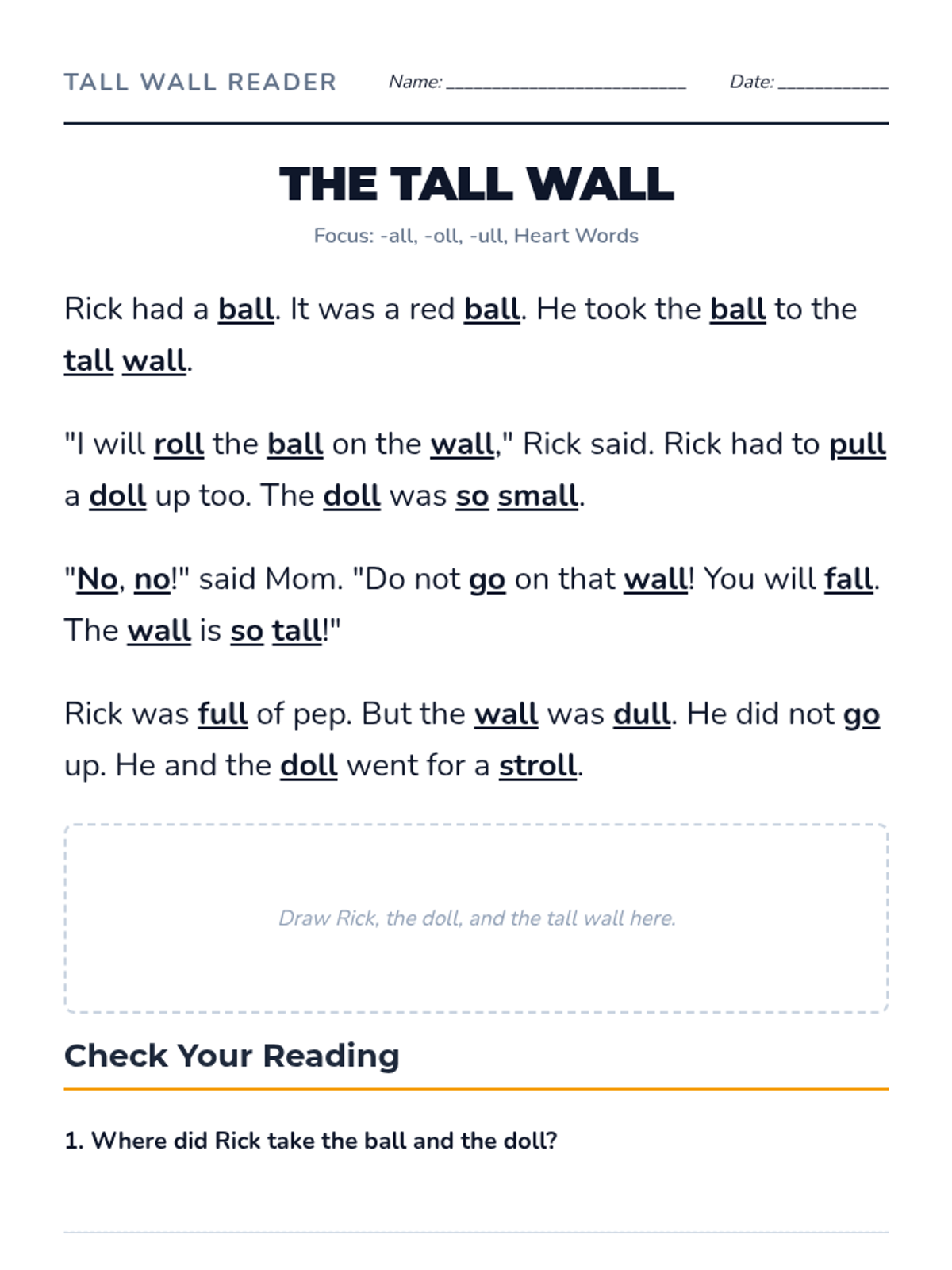
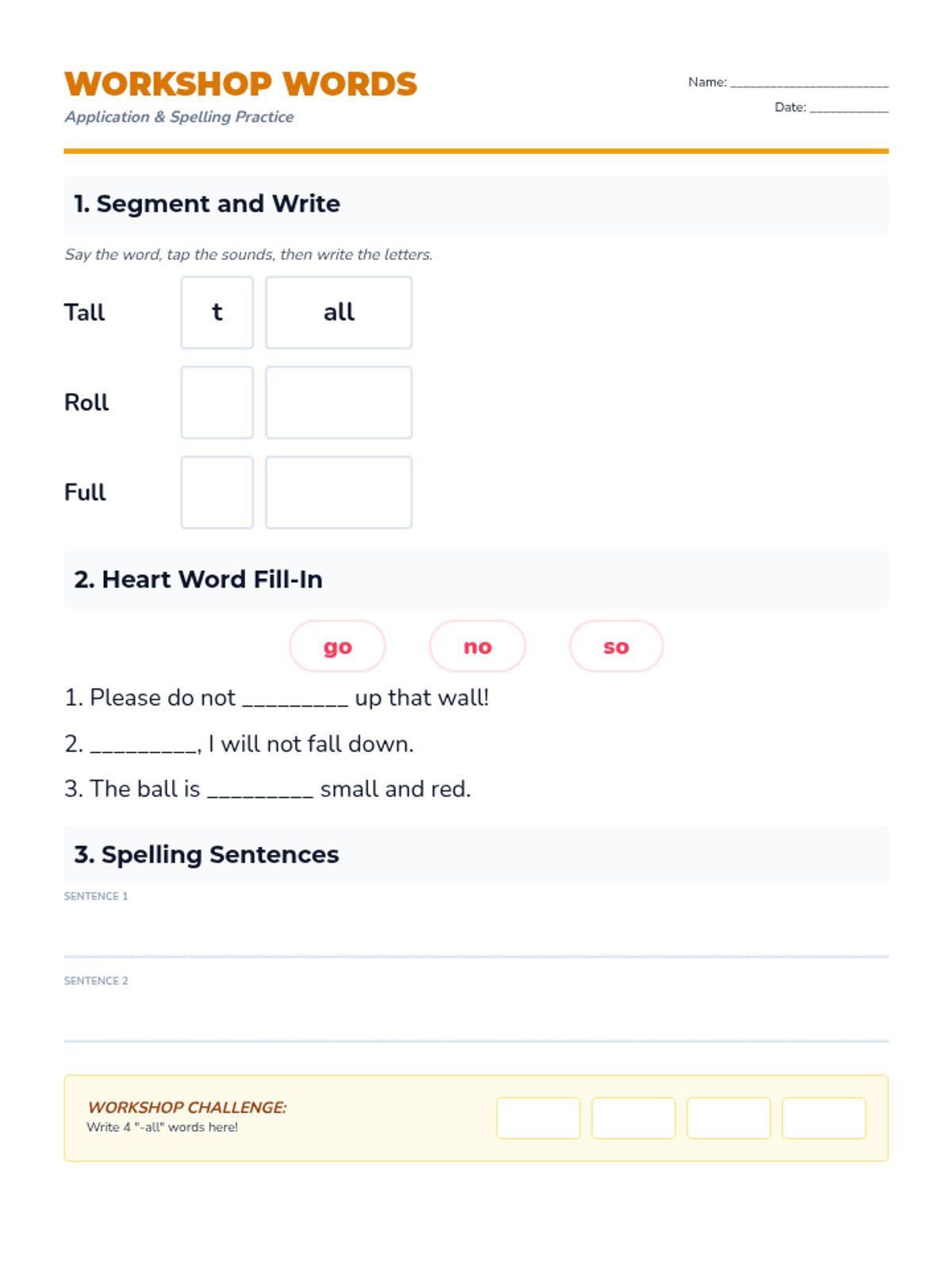
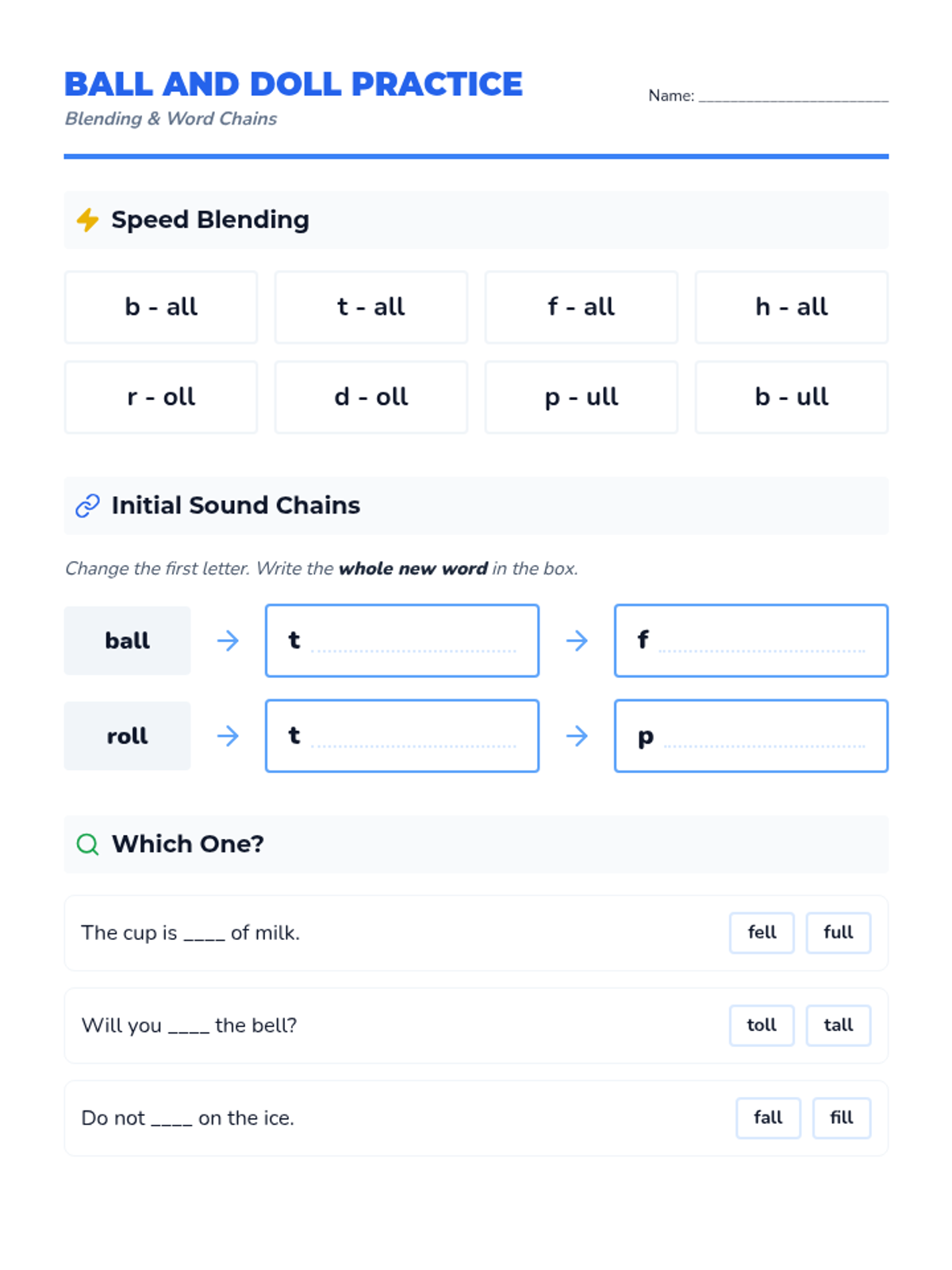
A 5-day instructional sequence for teaching the -all, -oll, and -ull sounds, including heart words, blending, segmenting, and reading application.
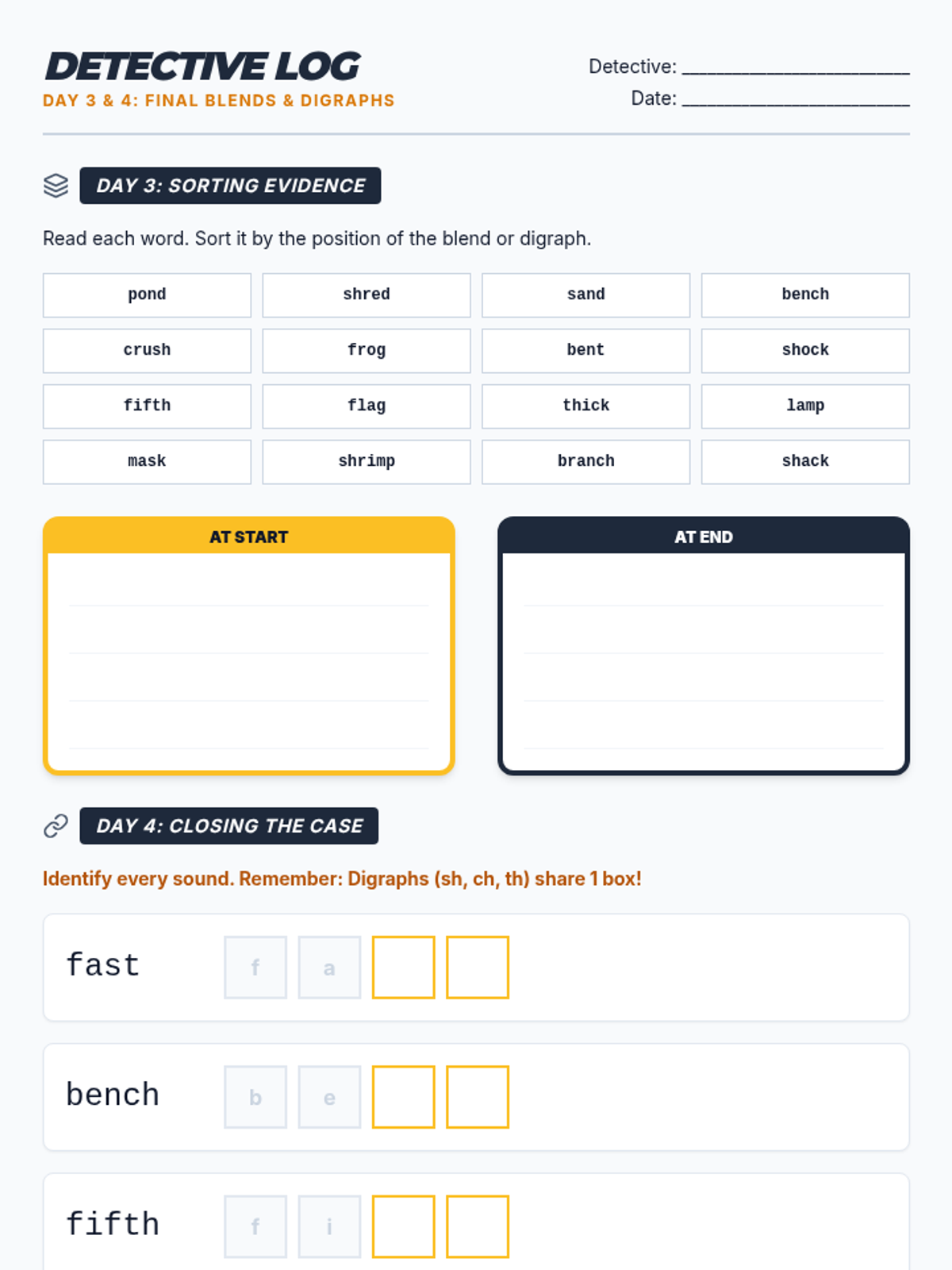
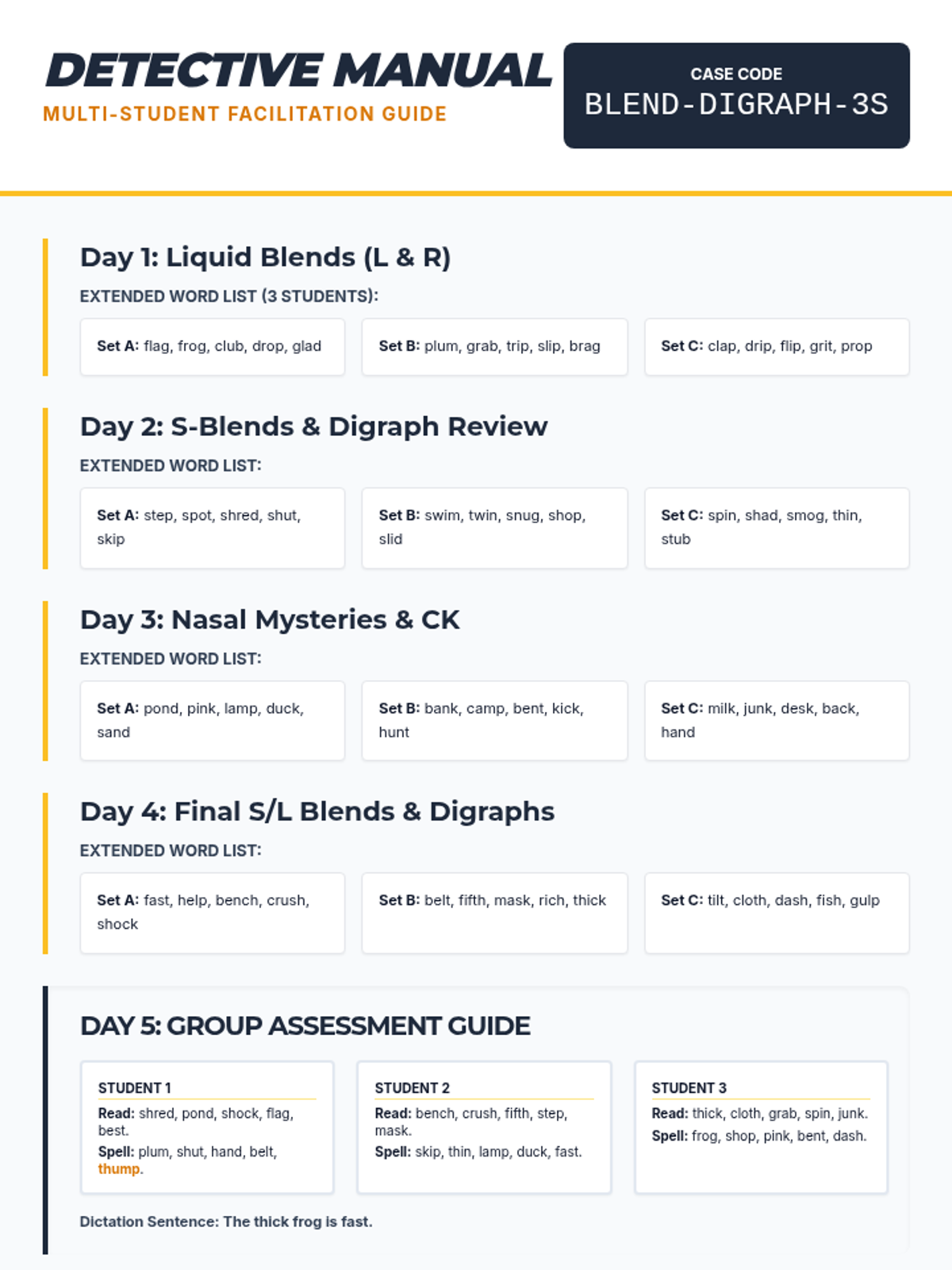
Review of the week's blend concepts and a formal assessment of decoding and encoding skills for CCVC and CVCC patterns.
Focus on CVCC words ending with S-blends (-st, -sk, -sp) and L-blends (-lt, -lp, -lk). Integration of initial and final blends.
Focus on CVCC words ending with nasal blends (-mp, -nd, -nt, -nk). Students identify the 'stuck' sound before the final consonant.
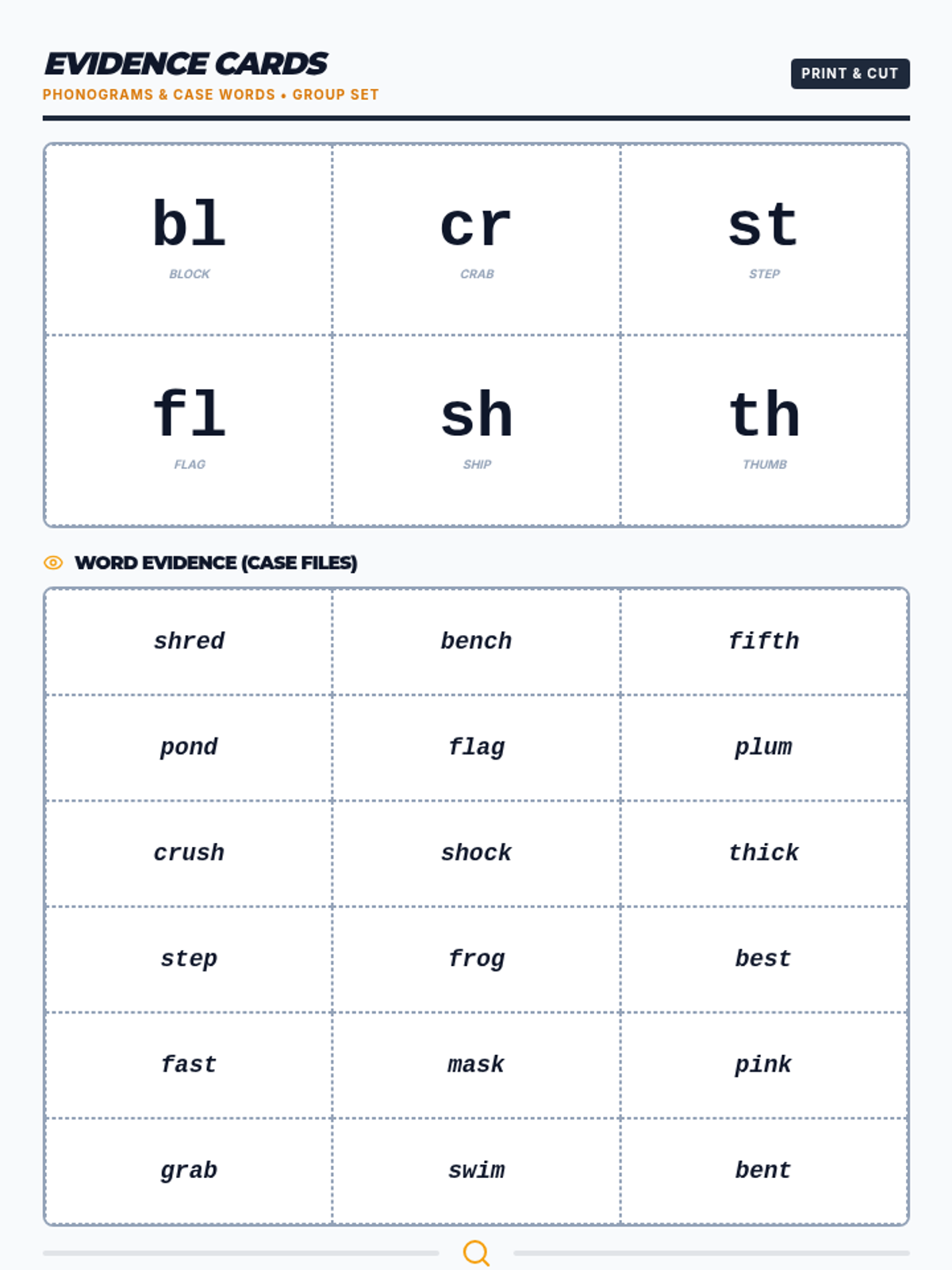
Focus on CCVC words starting with S-blends (st, sp, sl) and T-blends (tr, tw). Students practice maintaining the sequence of sounds in the cluster.
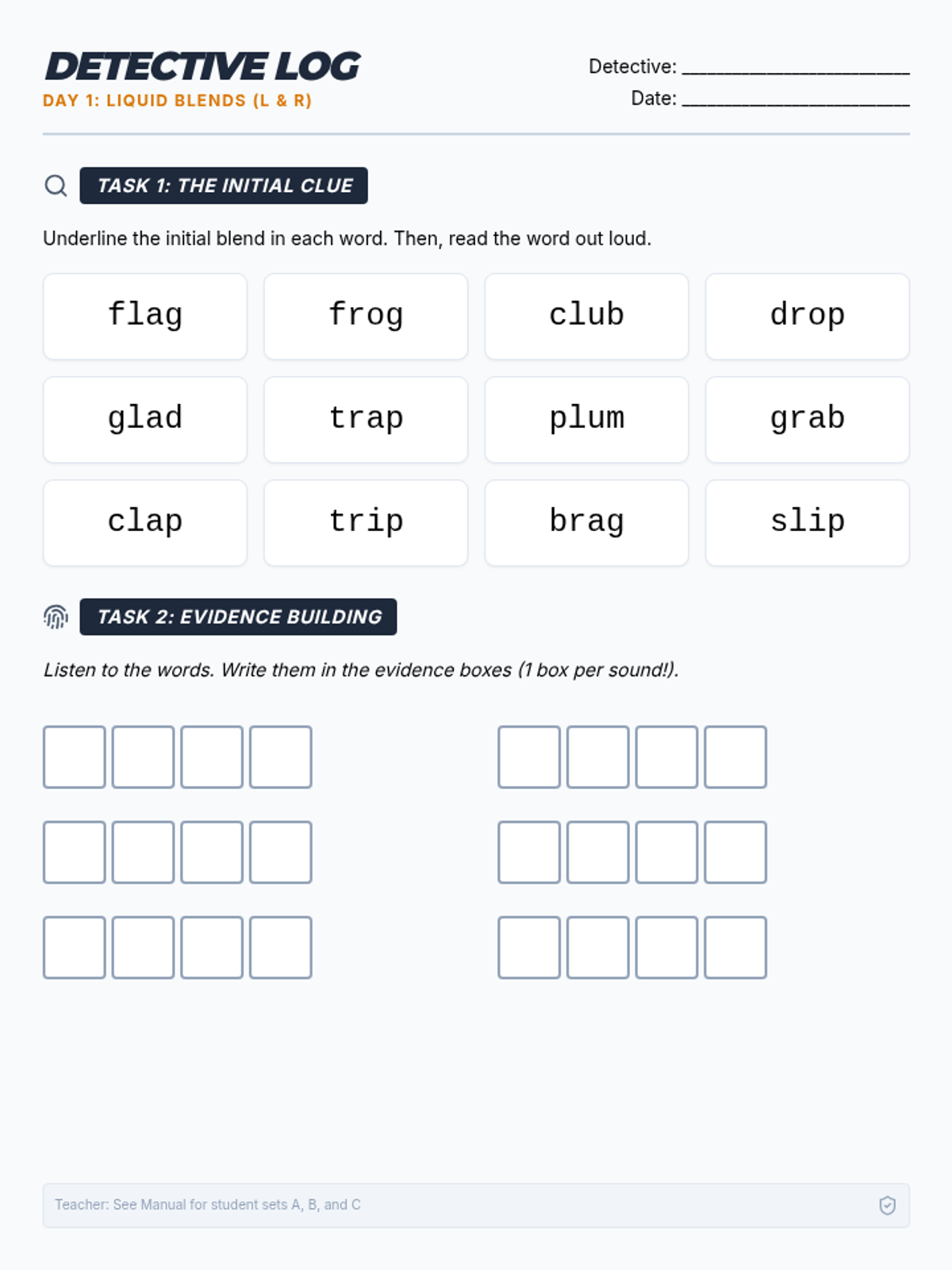
Introduction to CCVC words starting with liquid blends (L-blends like bl, cl, fl and R-blends like br, cr, dr). Students practice segmenting each sound in the blend.
Review of the week's concepts and a formal assessment of decoding and encoding skills.
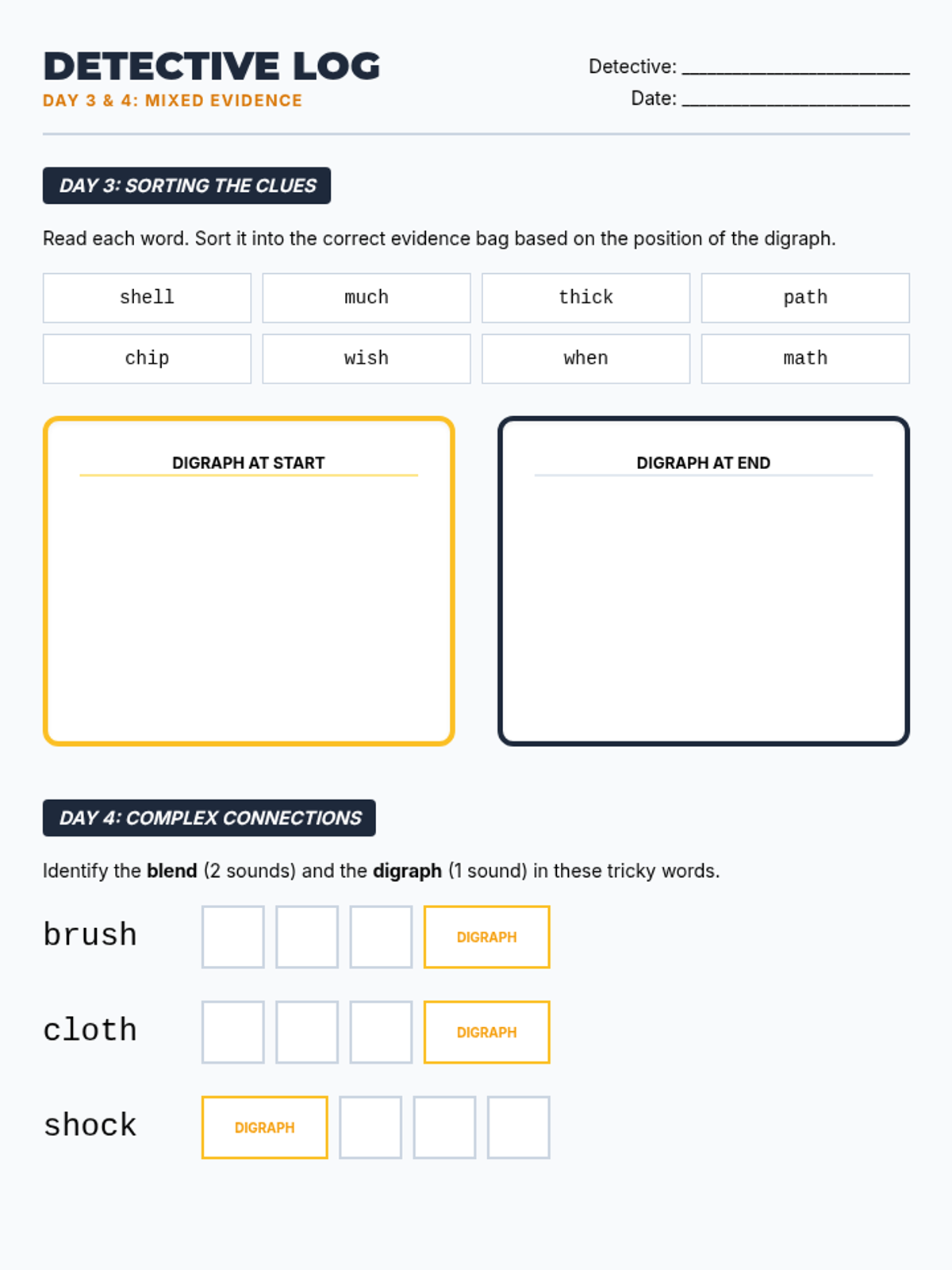
Integrating consonant blends with digraphs (e.g., brush, cloth). Focused on multi-sound blending and segmenting.
Practice with mixed CCVC and CVCC patterns. Students discriminate between sounds at the beginning and end of words.
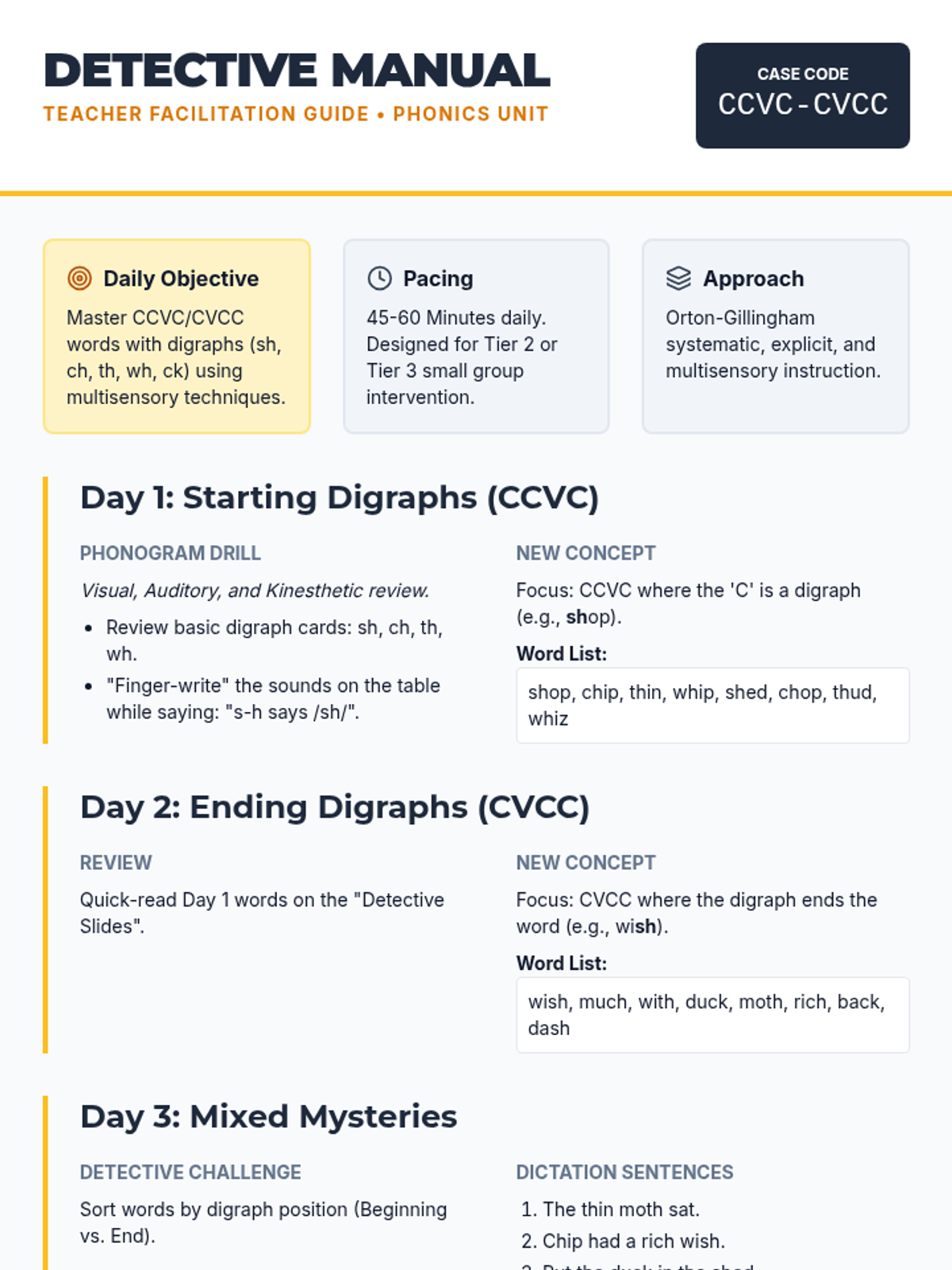
Focus on CVCC words ending with digraphs (sh, ch, th, ck). Students explore how the digraph sound completes the word.
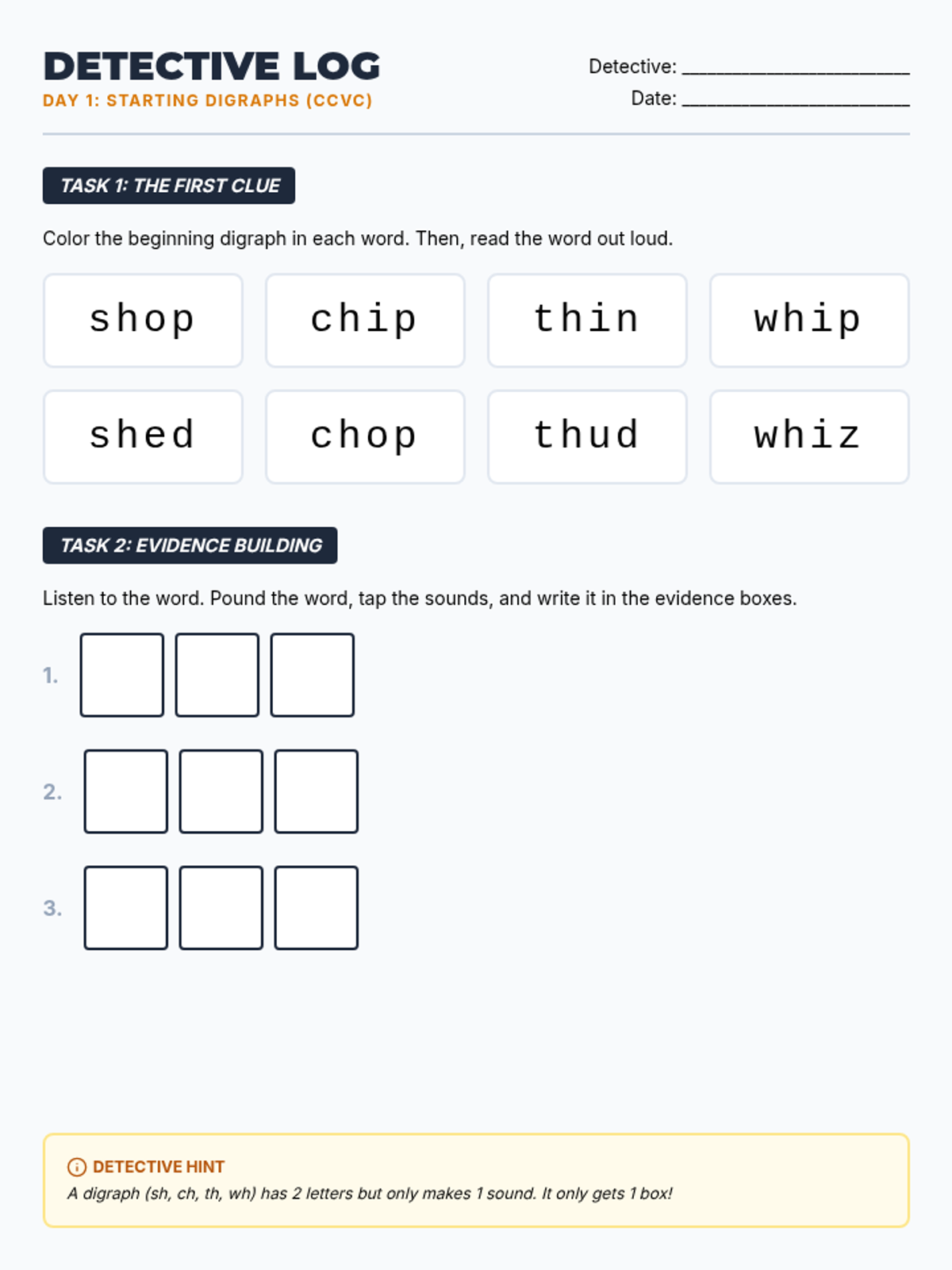
Introduction to CCVC words starting with digraphs (sh, ch, th, wh). Students practice identifying the initial digraph and blending it with the rest of the word.
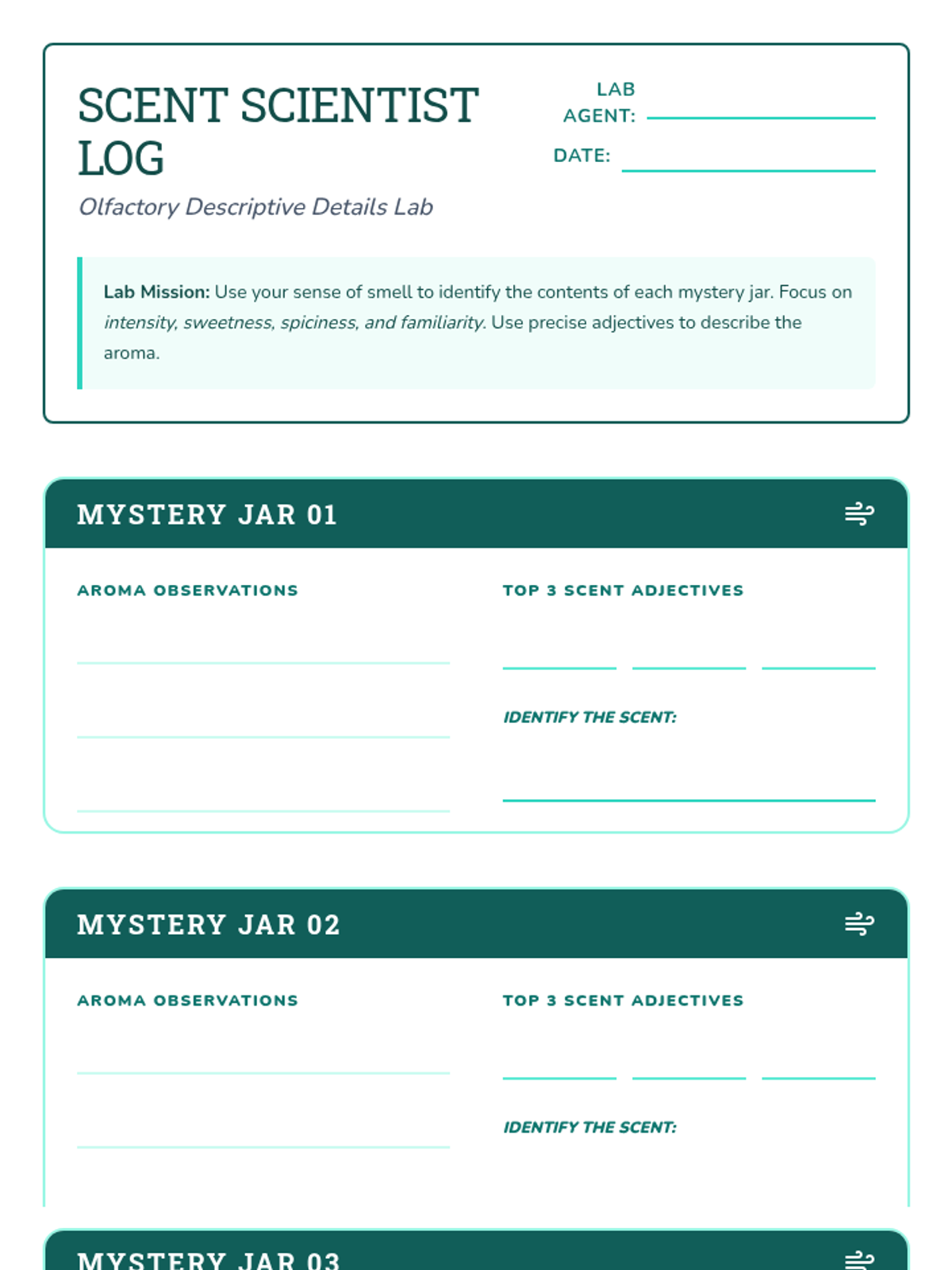
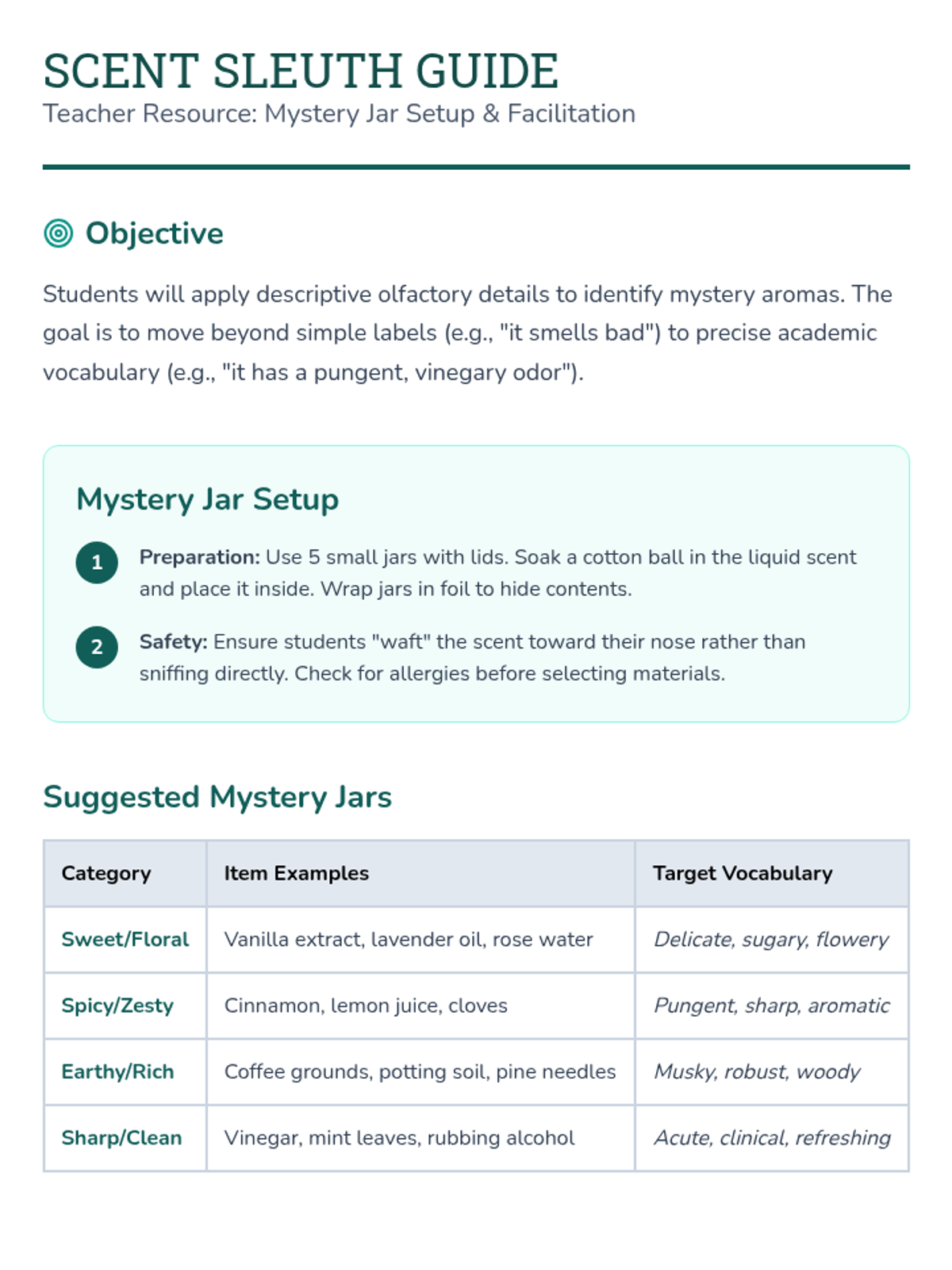
A hands-on science and ELA lesson where students explore mystery scents and use descriptive olfactory details to document their observations.
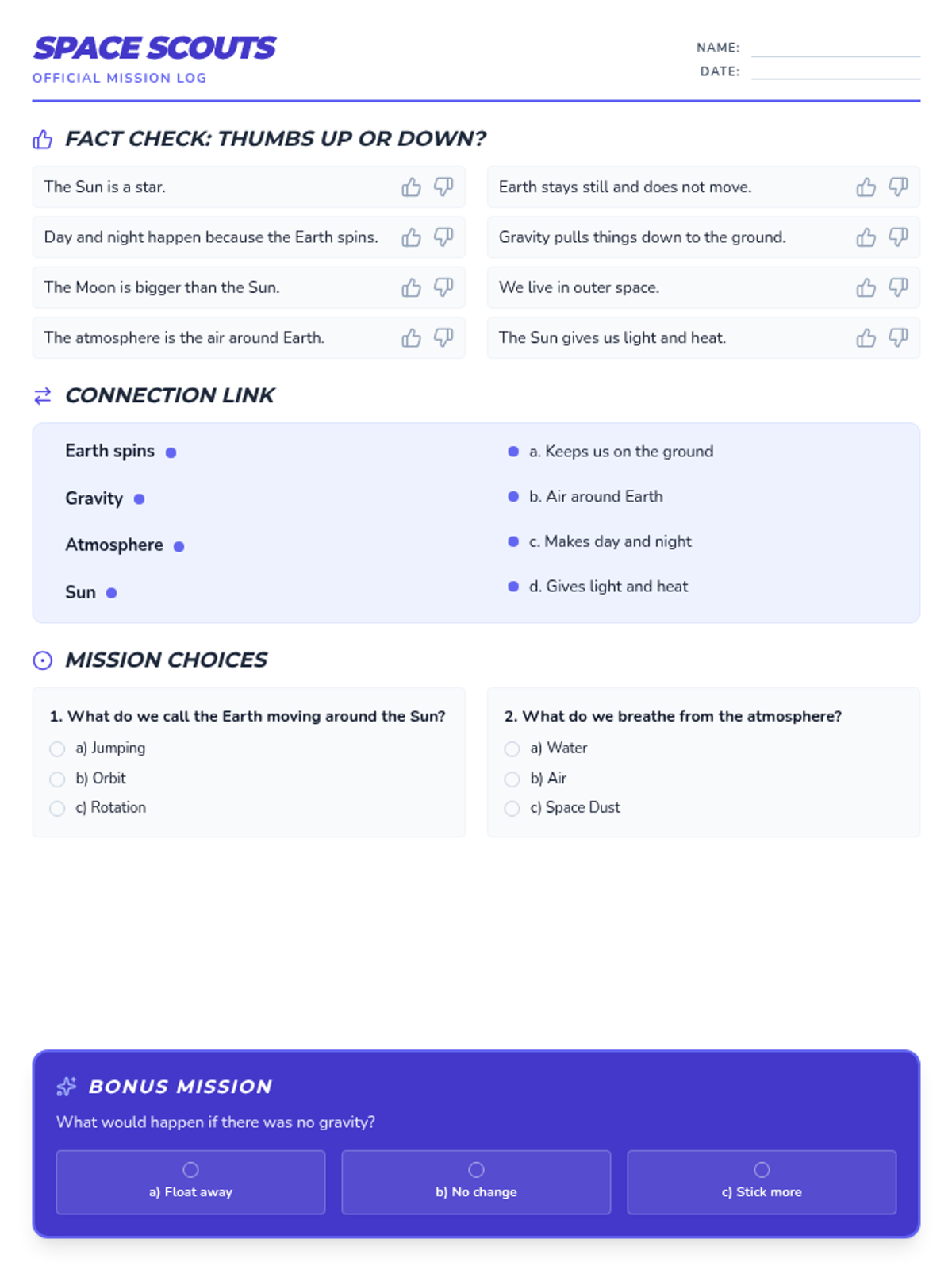
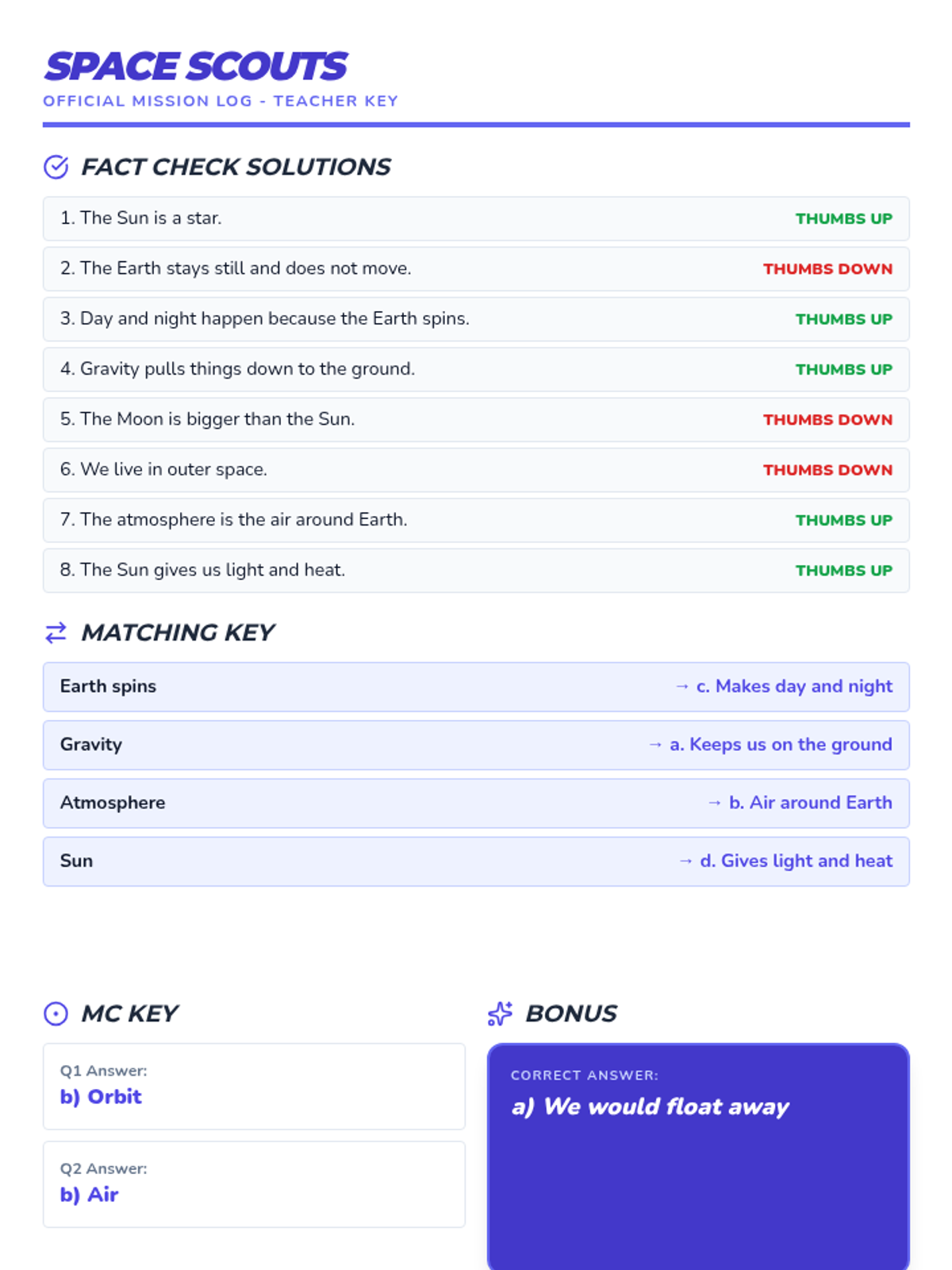
A foundational exploration of Earth's place in space, covering the Sun, gravity, atmosphere, and Earth's rotation through engaging true/false, matching, and multiple-choice questions.
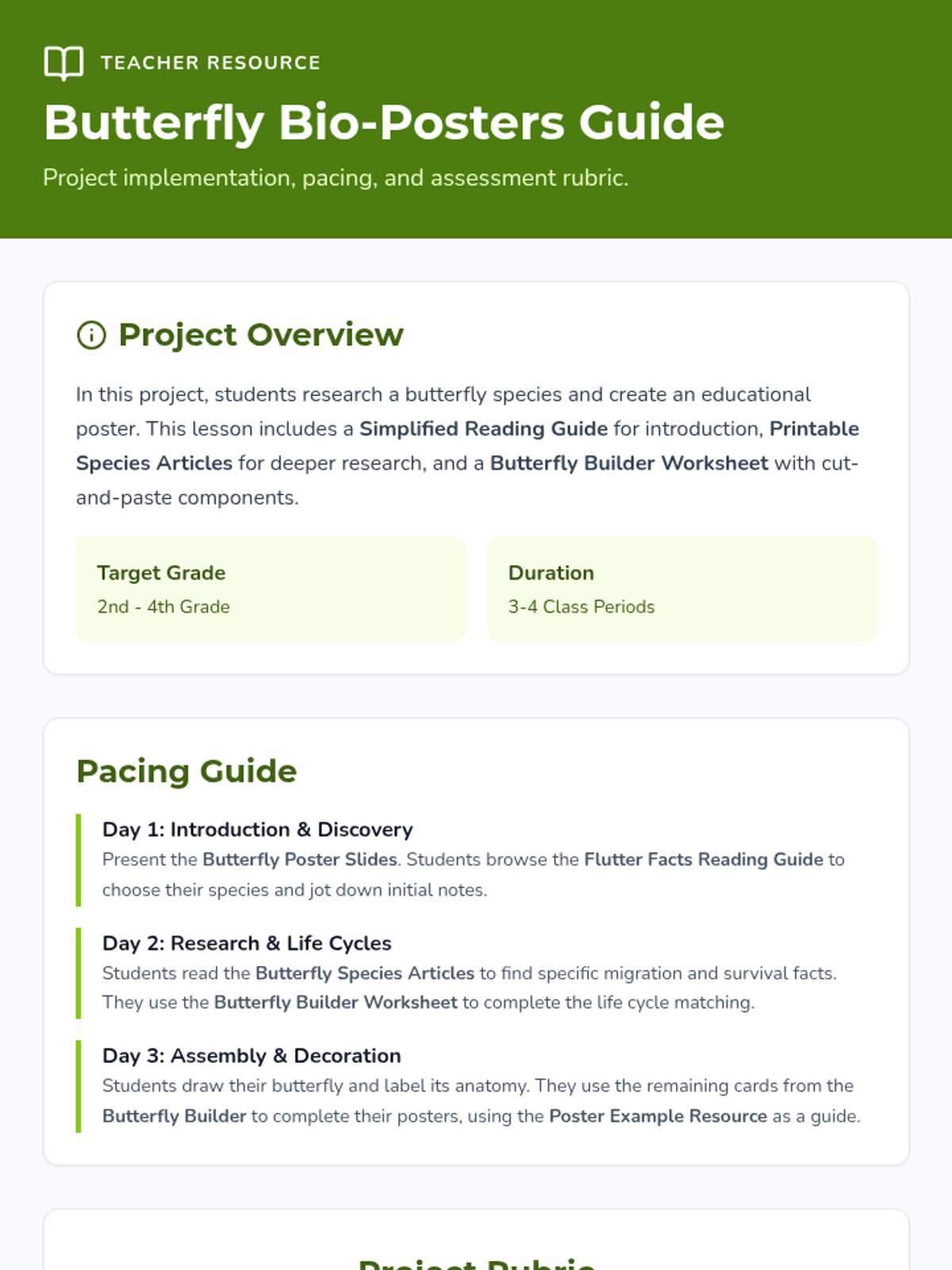
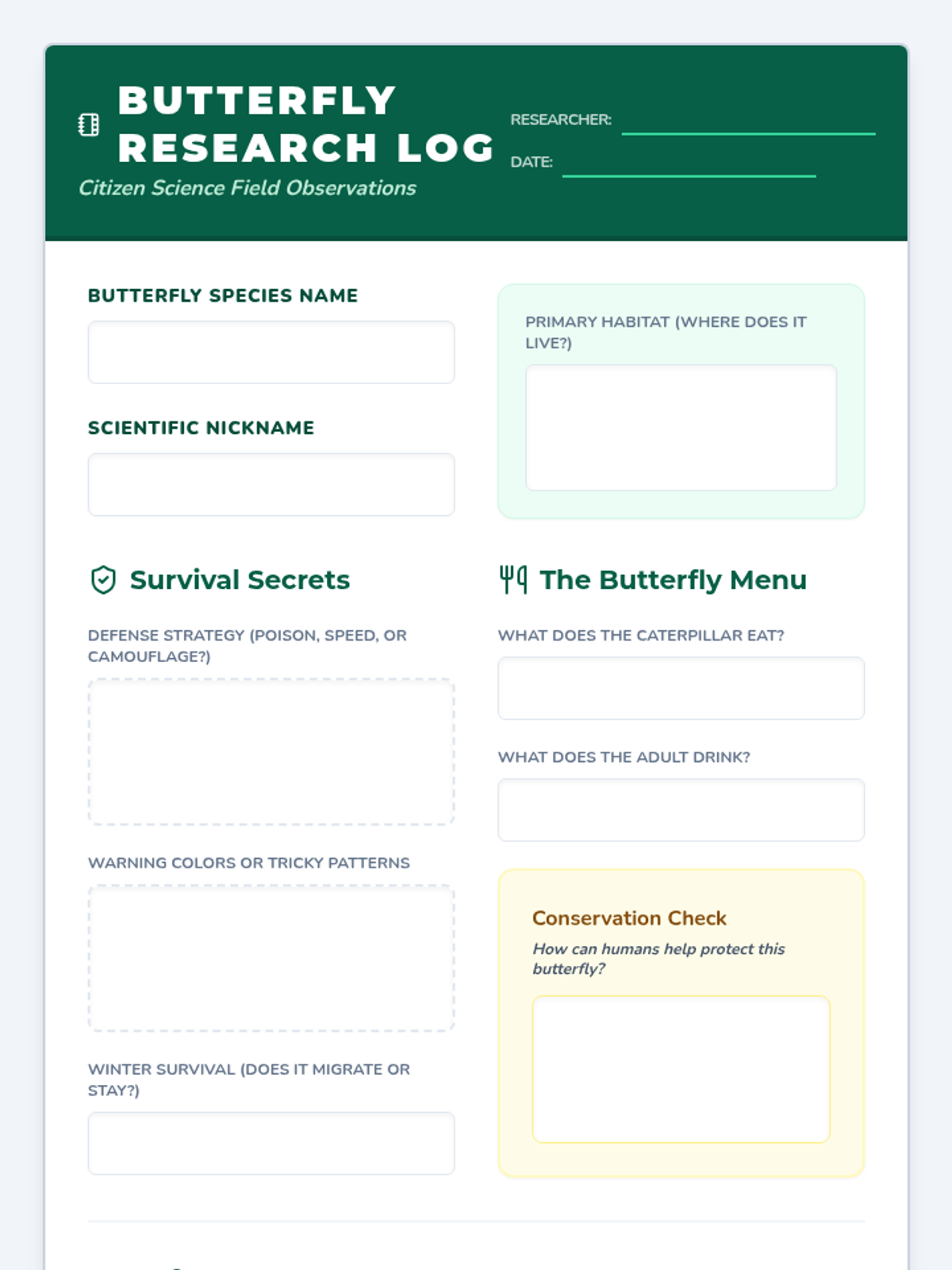
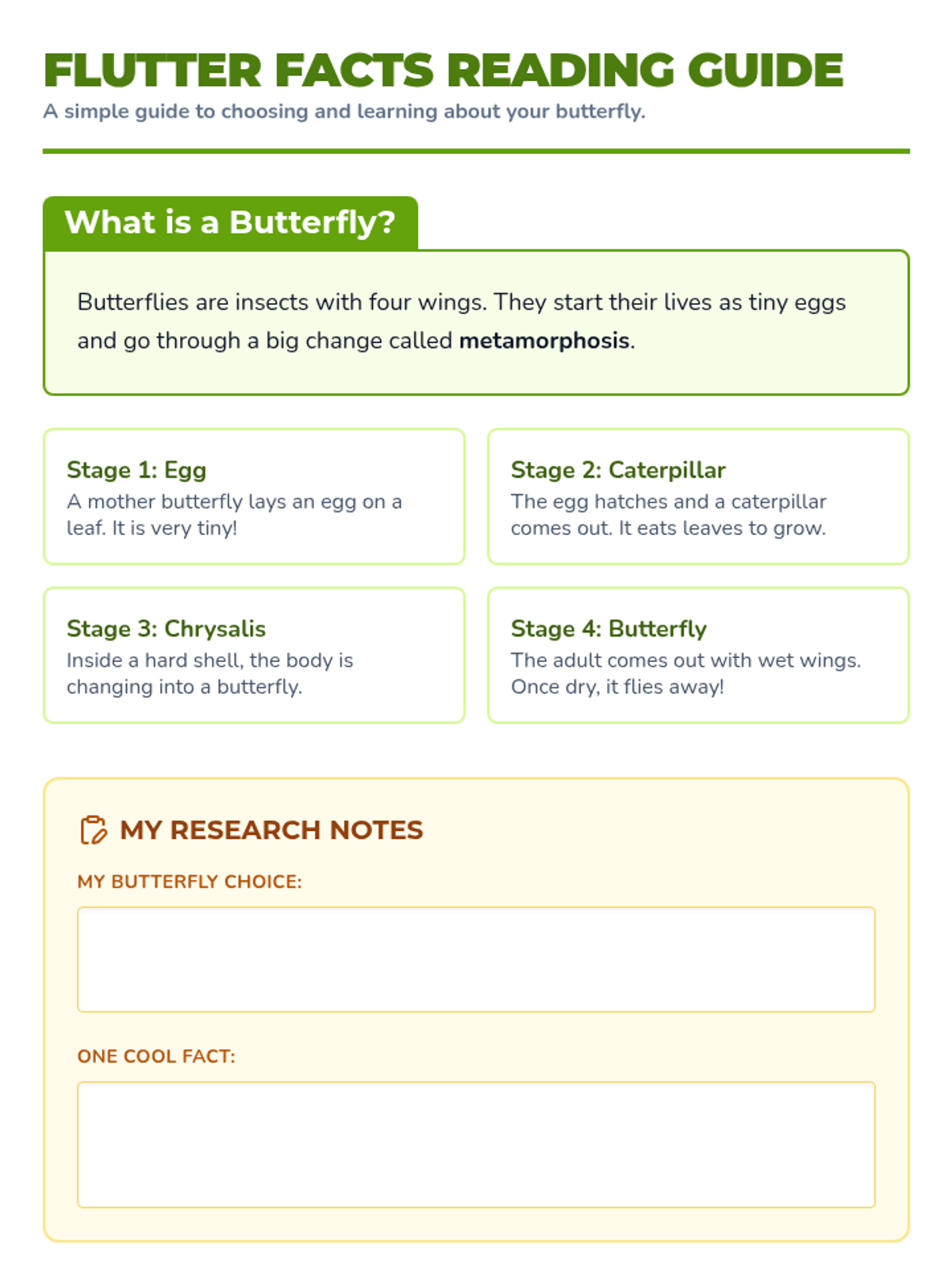
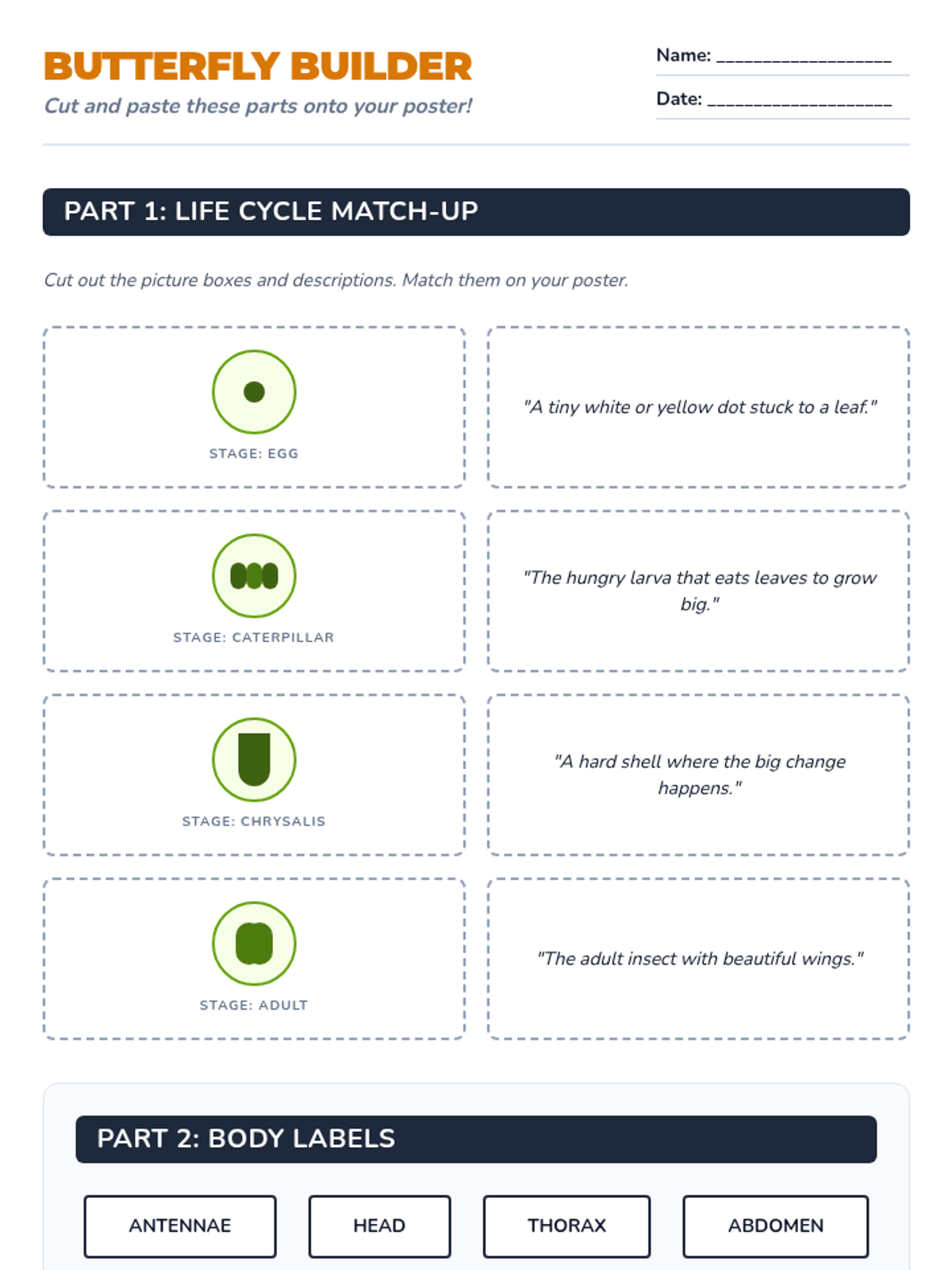
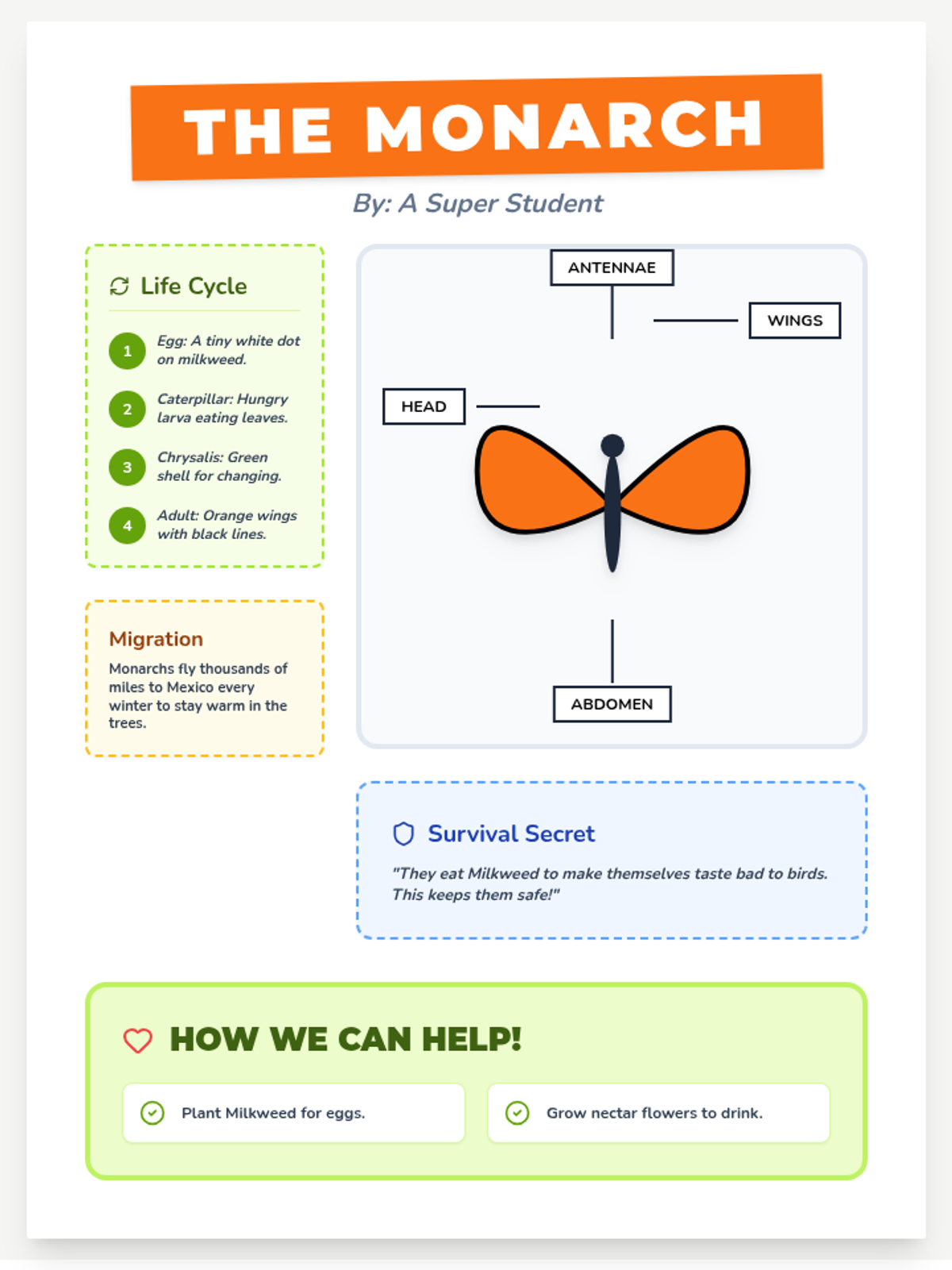
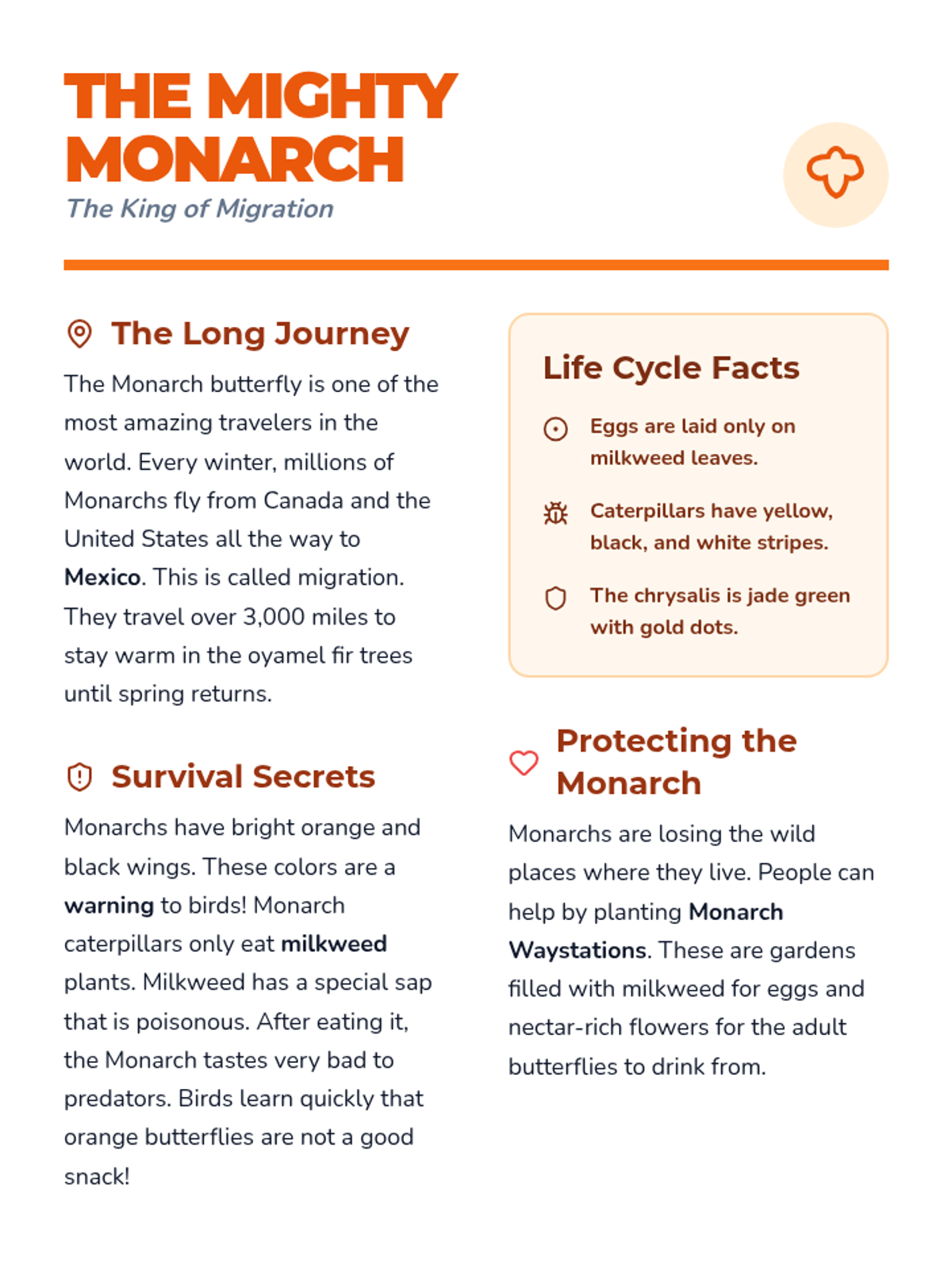
A creative science project where students research a butterfly species of their choice and design an informative poster. The lesson includes a simplified reading guide, cut-and-paste components, and a presentation to guide the project.