This lesson examines the ideological fractures within the Second-Wave Feminist movement, introducing the early articulations of intersectionality by Black feminist theorists in response to the mainstream liberal feminist agenda.
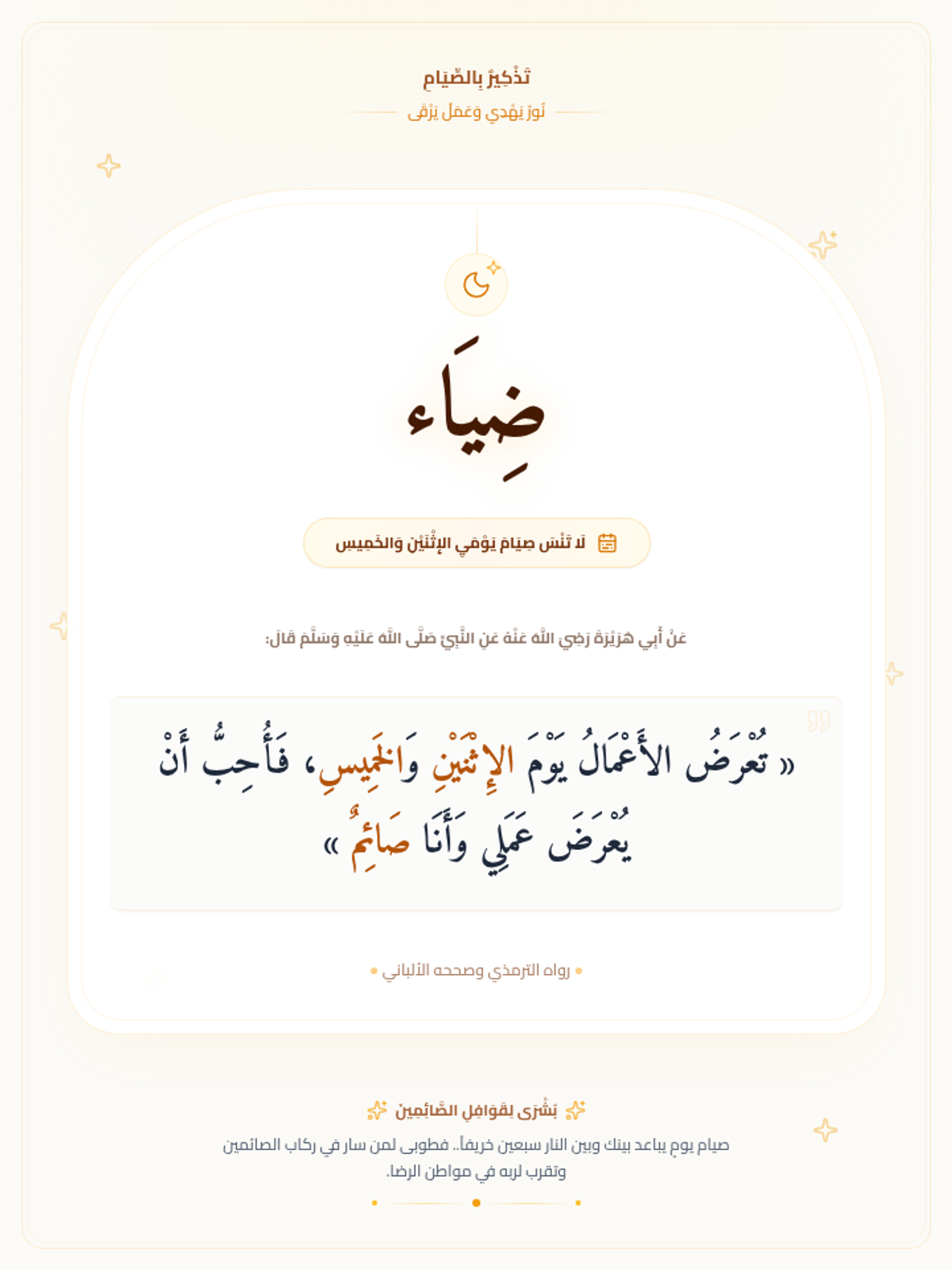
A premium, cohesive collection of beautifully designed spiritual and religious reminders for daily, weekly, and seasonal practices, featuring high-contrast connected Arabic typography, elegant arches, and glowing celestial themes.
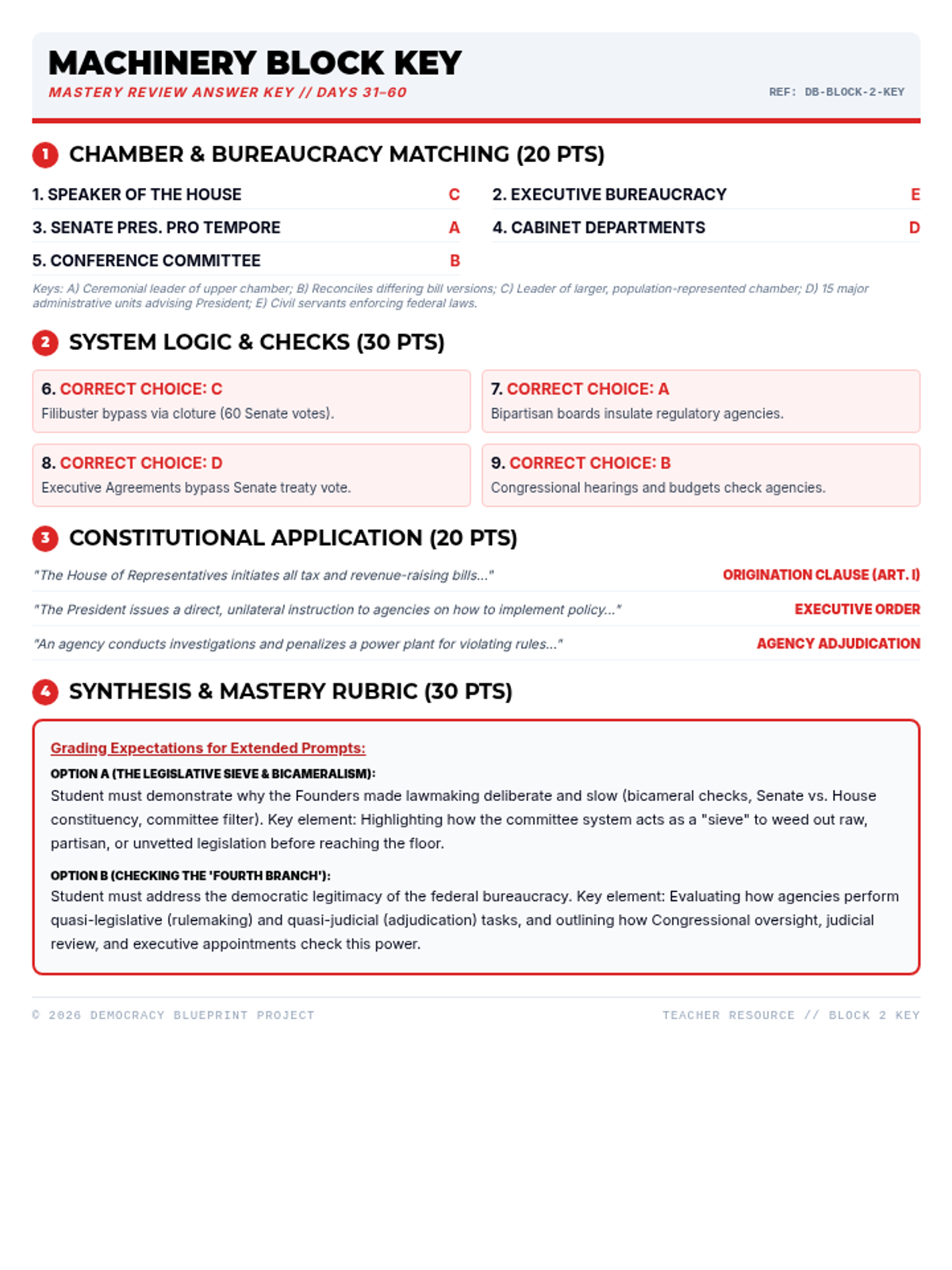
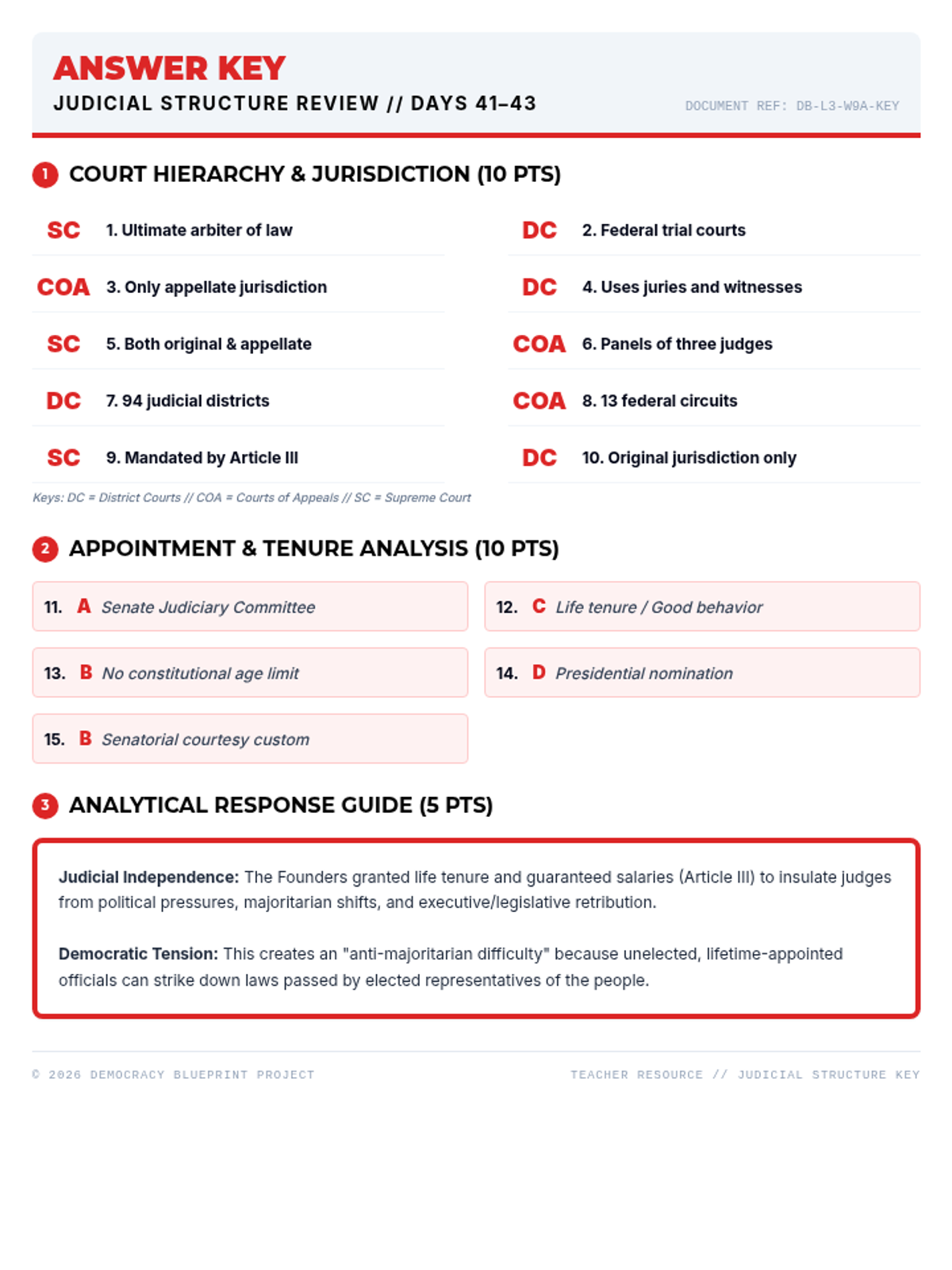
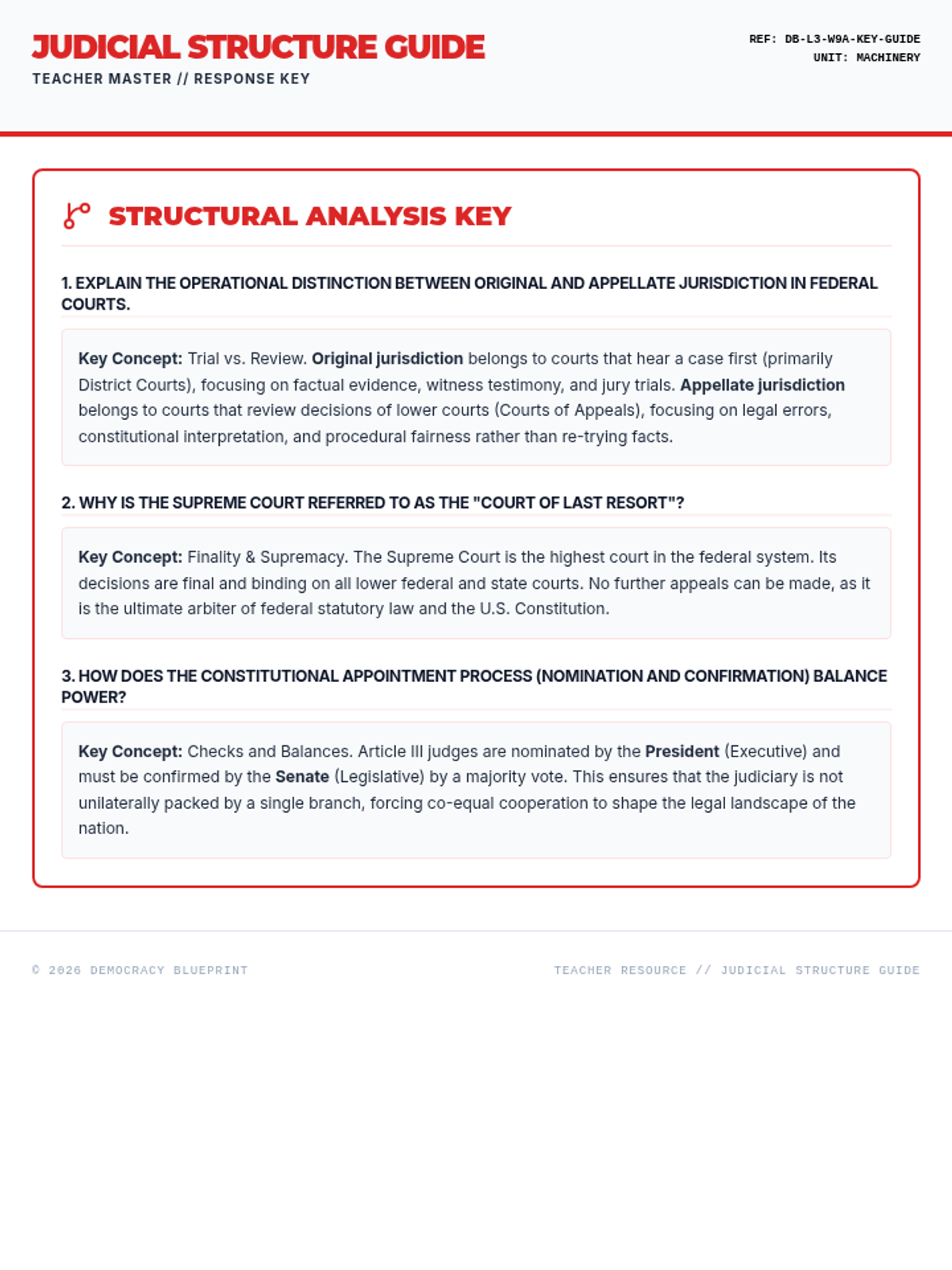
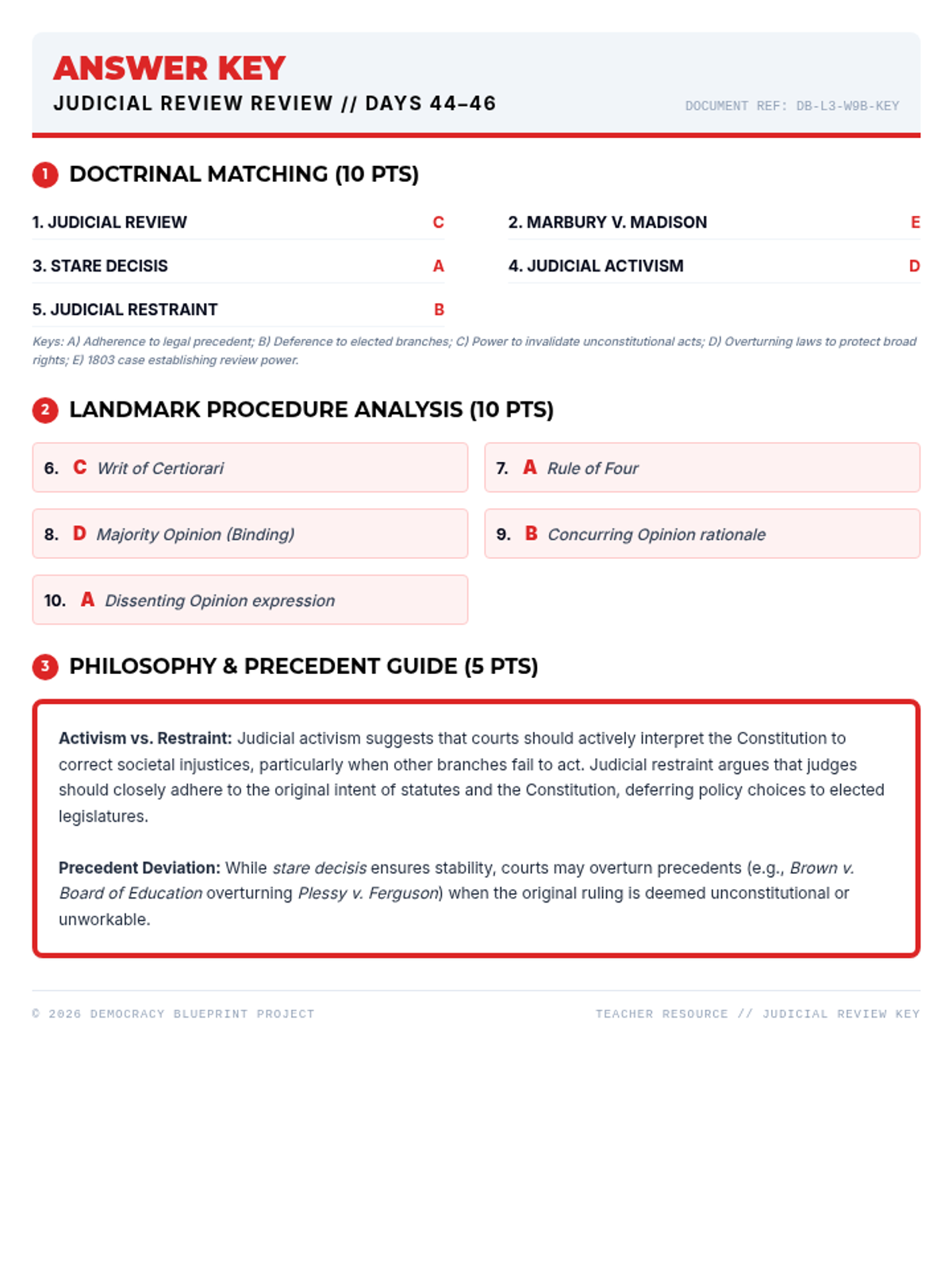
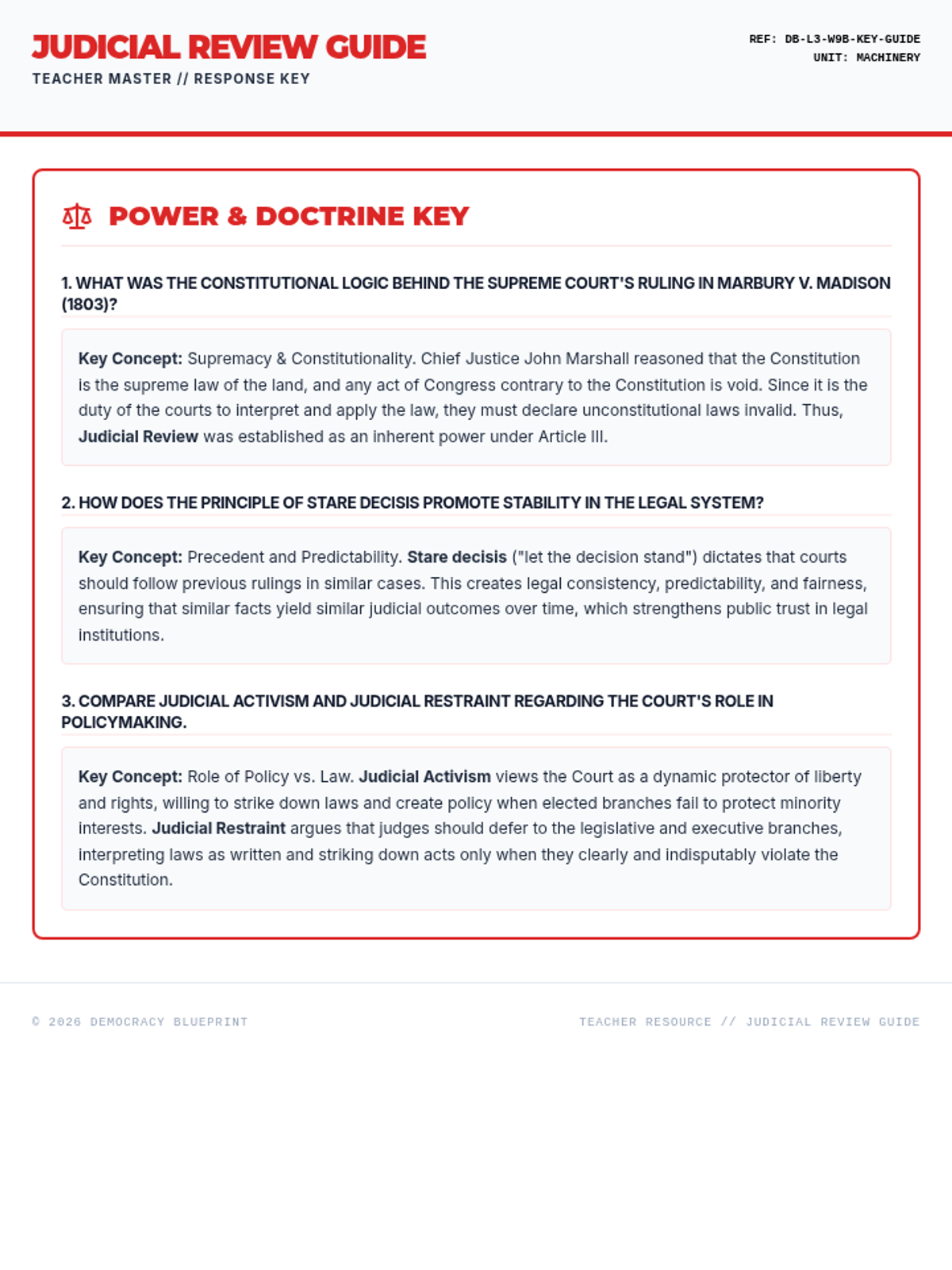
Detailed examination of the three branches of government, the bureaucracy, and the complex relationship between state and national power.
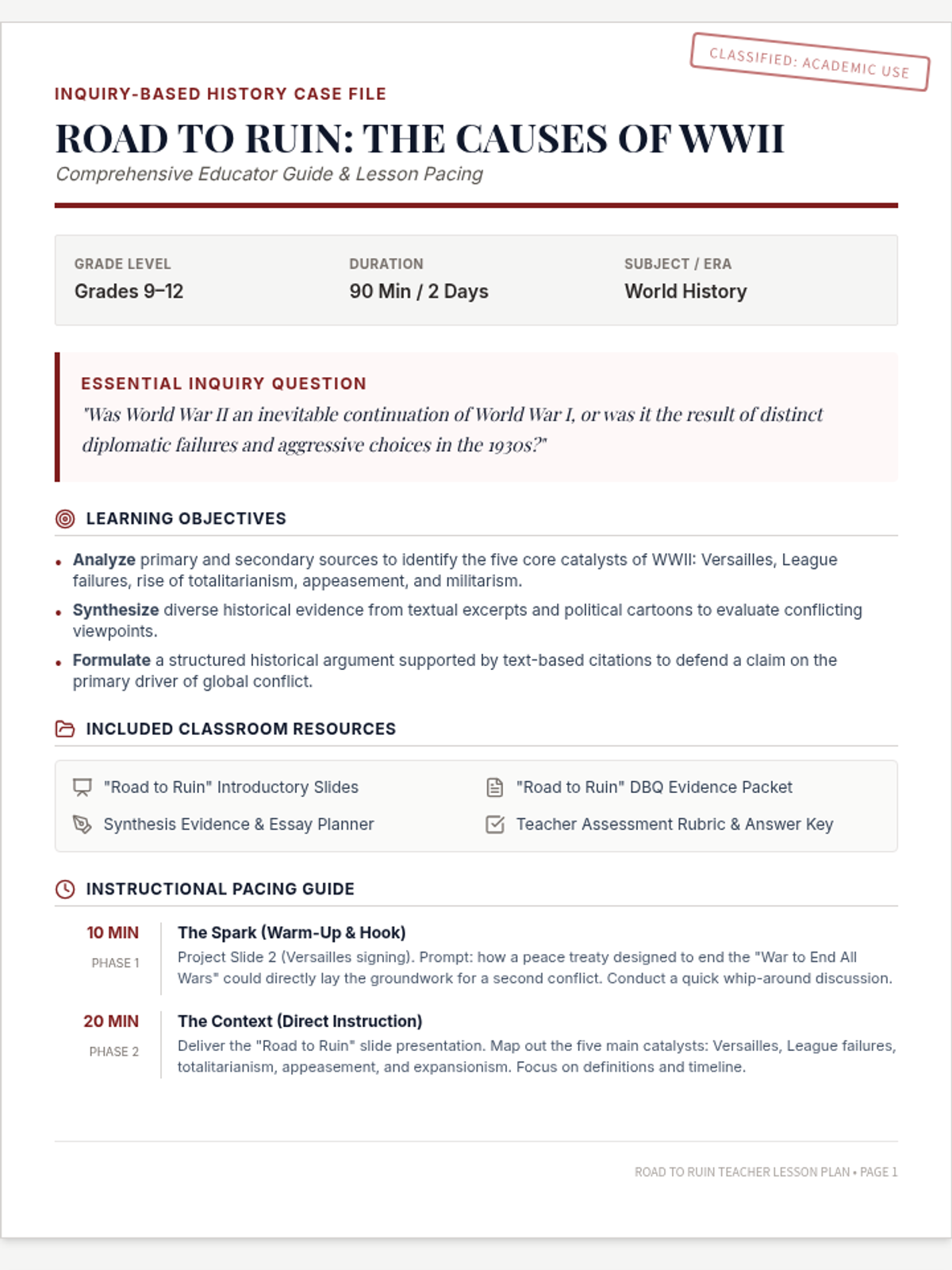
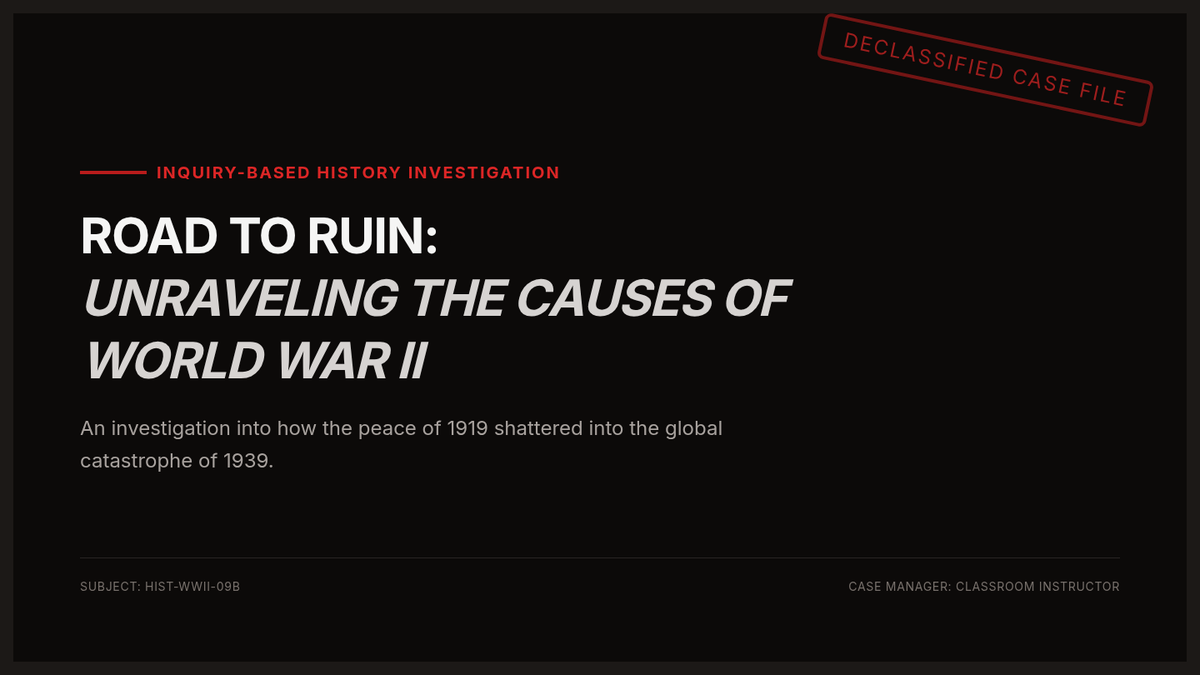
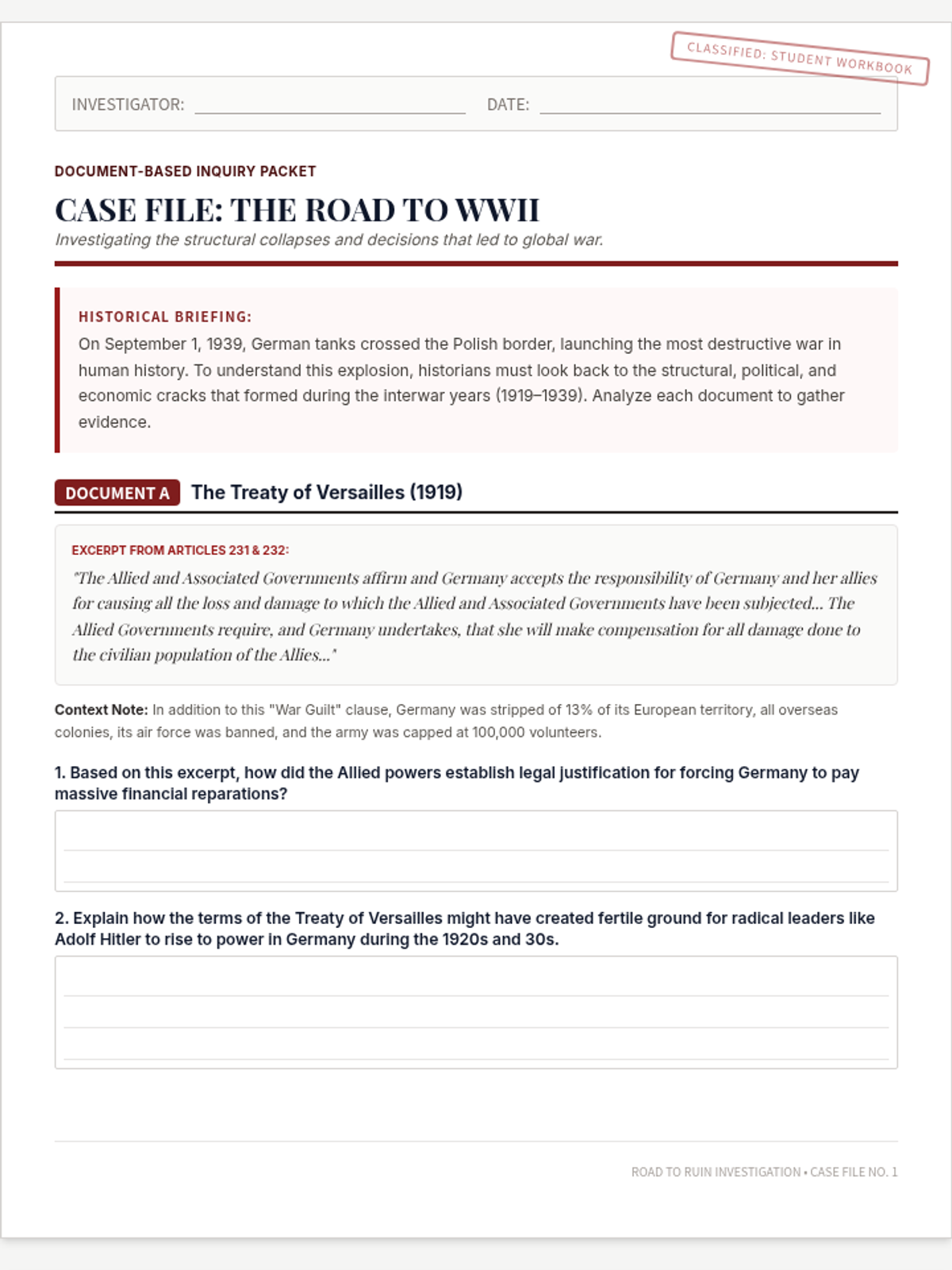
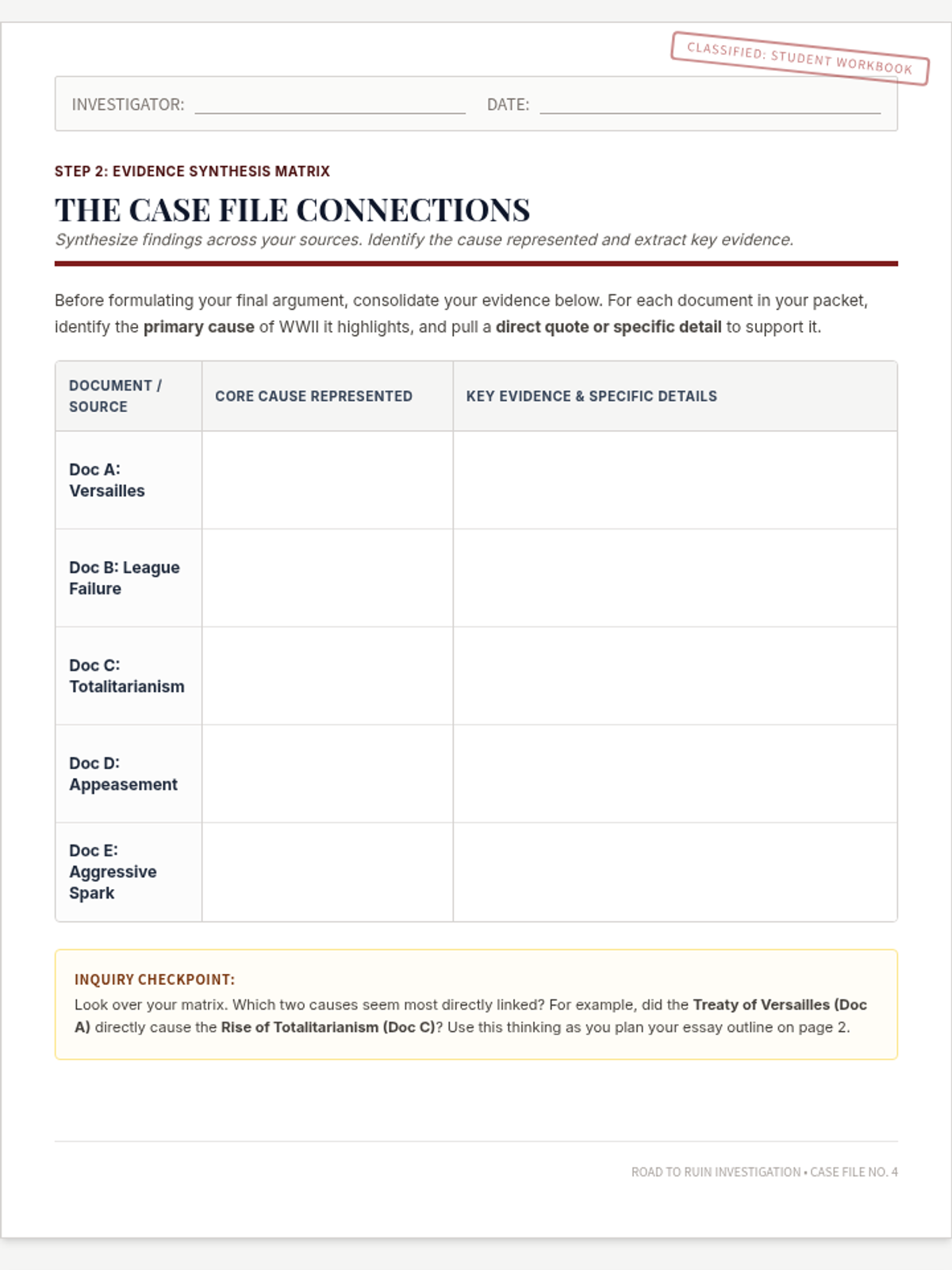
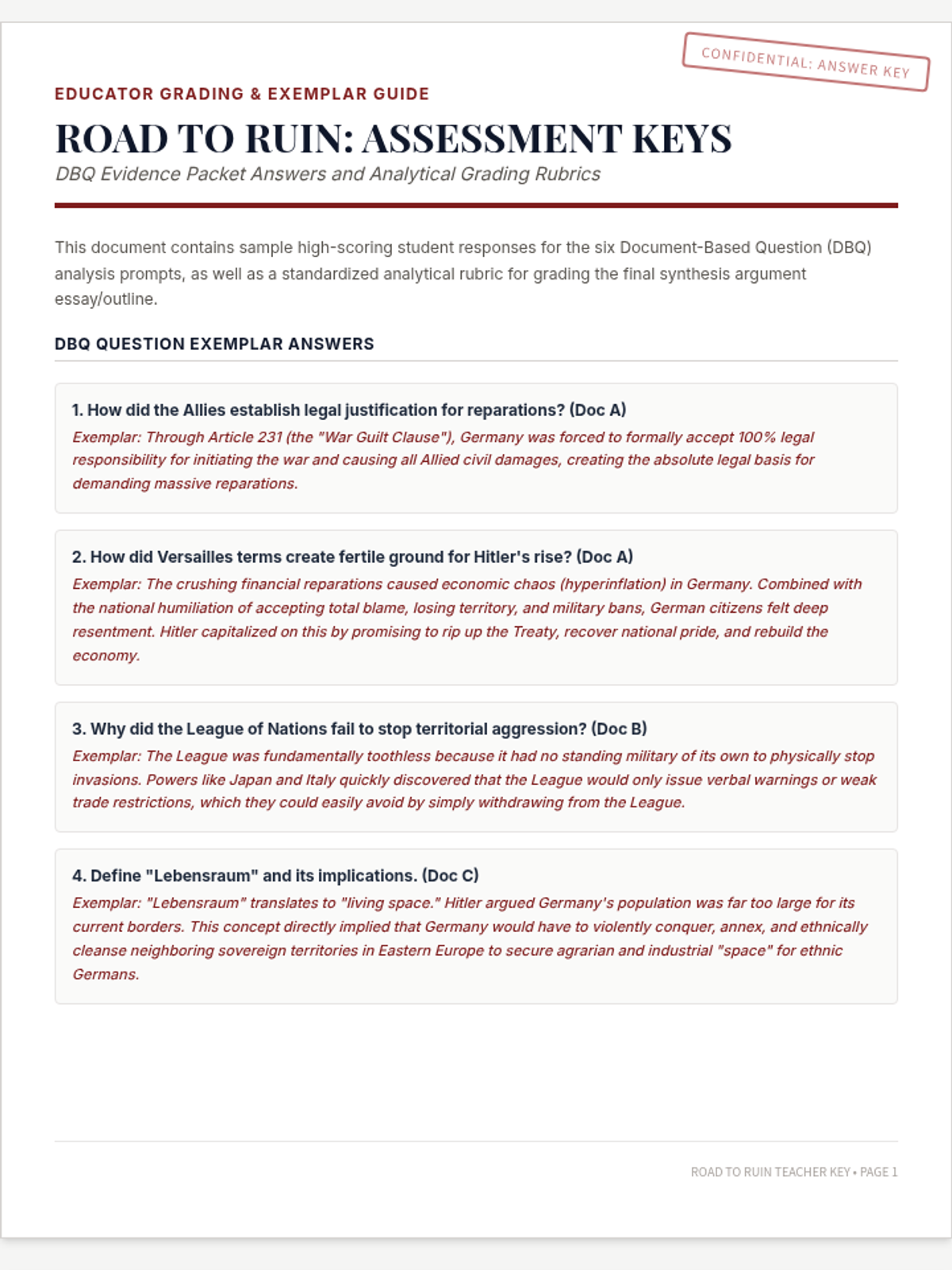
A comprehensive inquiry-based lesson exploring the multi-faceted causes of World War II (Treaty of Versailles, League of Nations failure, rise of fascism, appeasement, and aggressive expansion) through a Document-Based Question (DBQ) case study and synthesis writing activity.
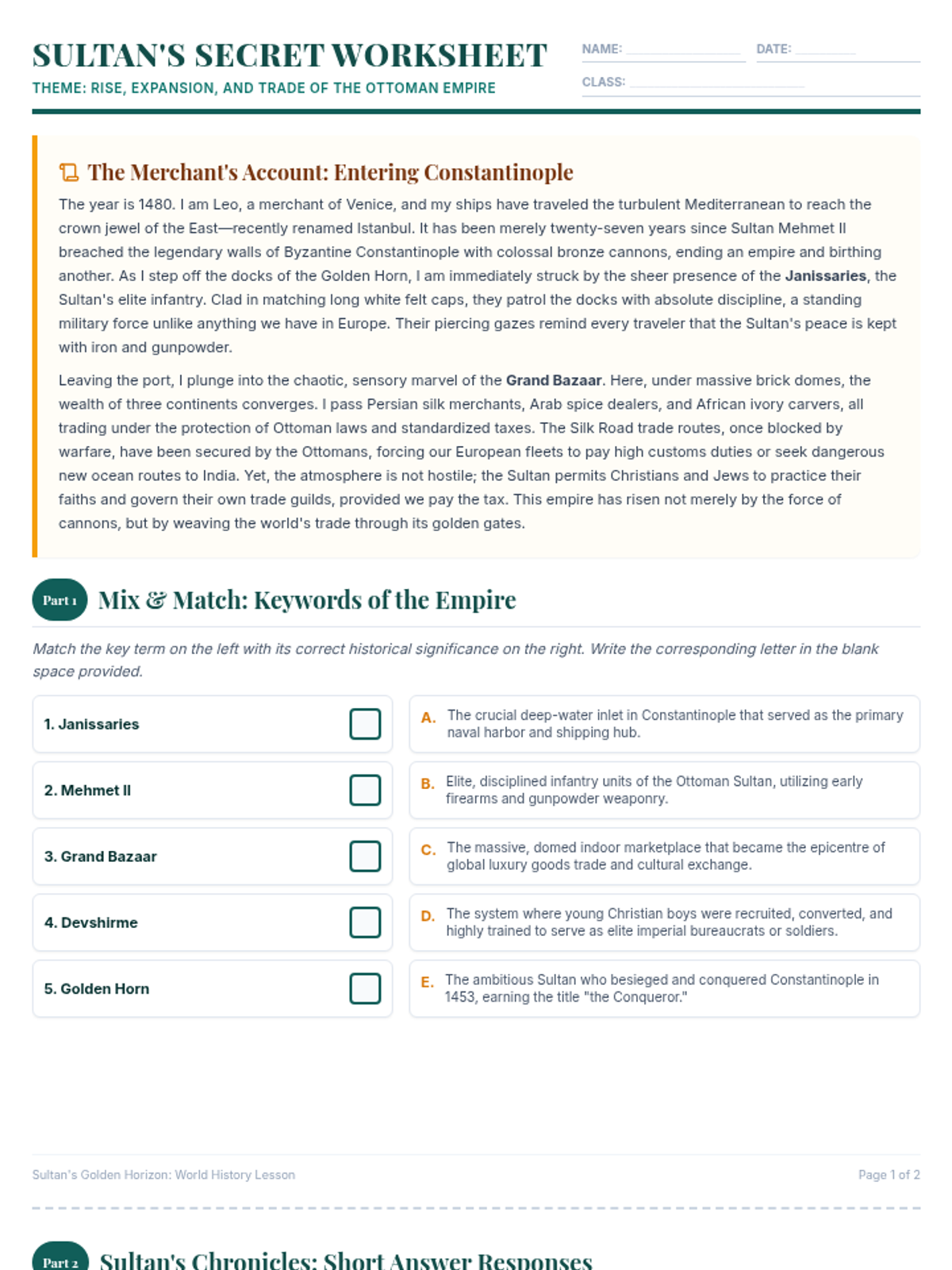
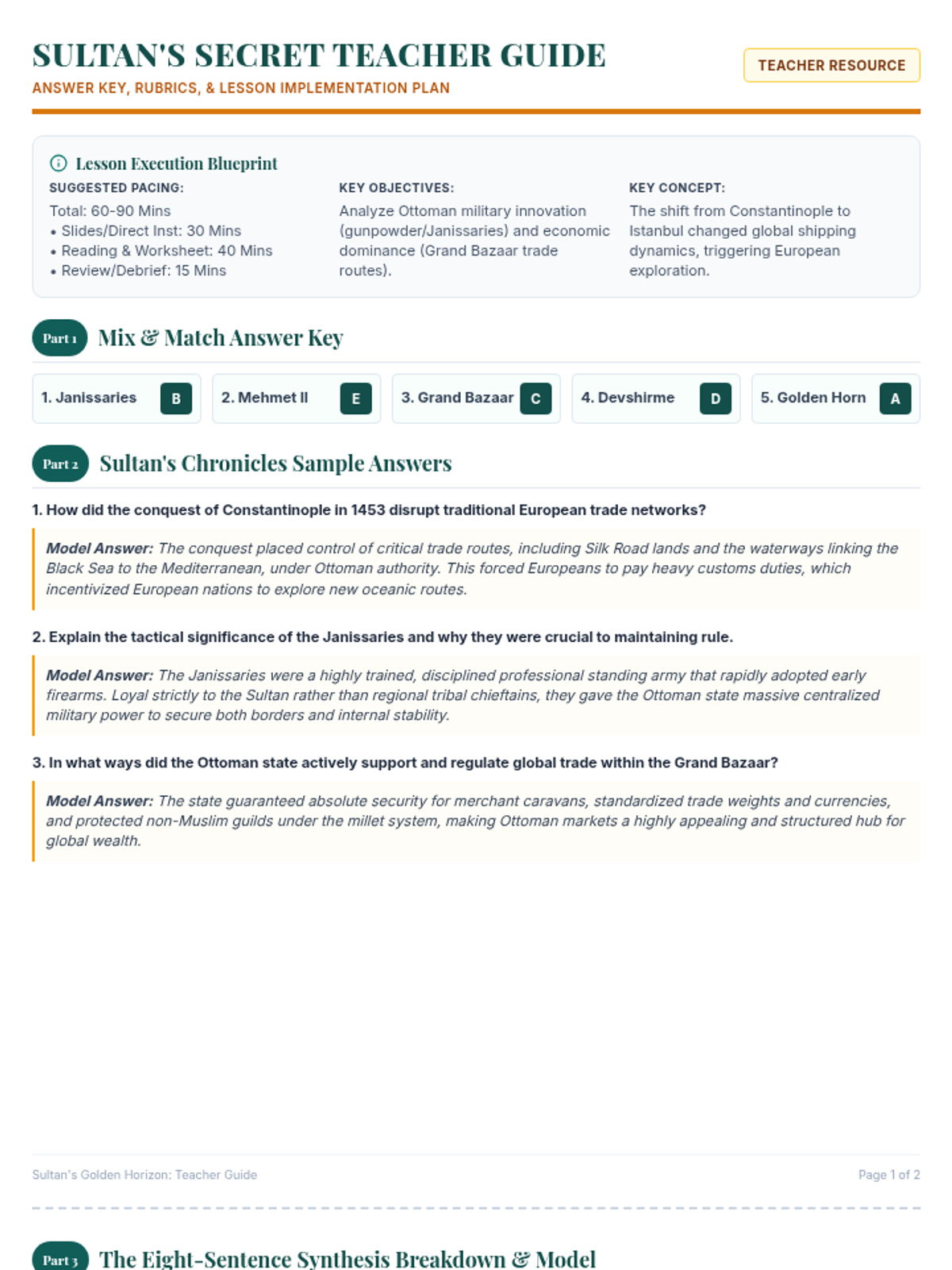
A comprehensive history lesson exploring the rise, military expansion, trade networks, and cultural exchange of the Ottoman Empire through a rich historical story, slide presentations, and structured student synthesis activities.
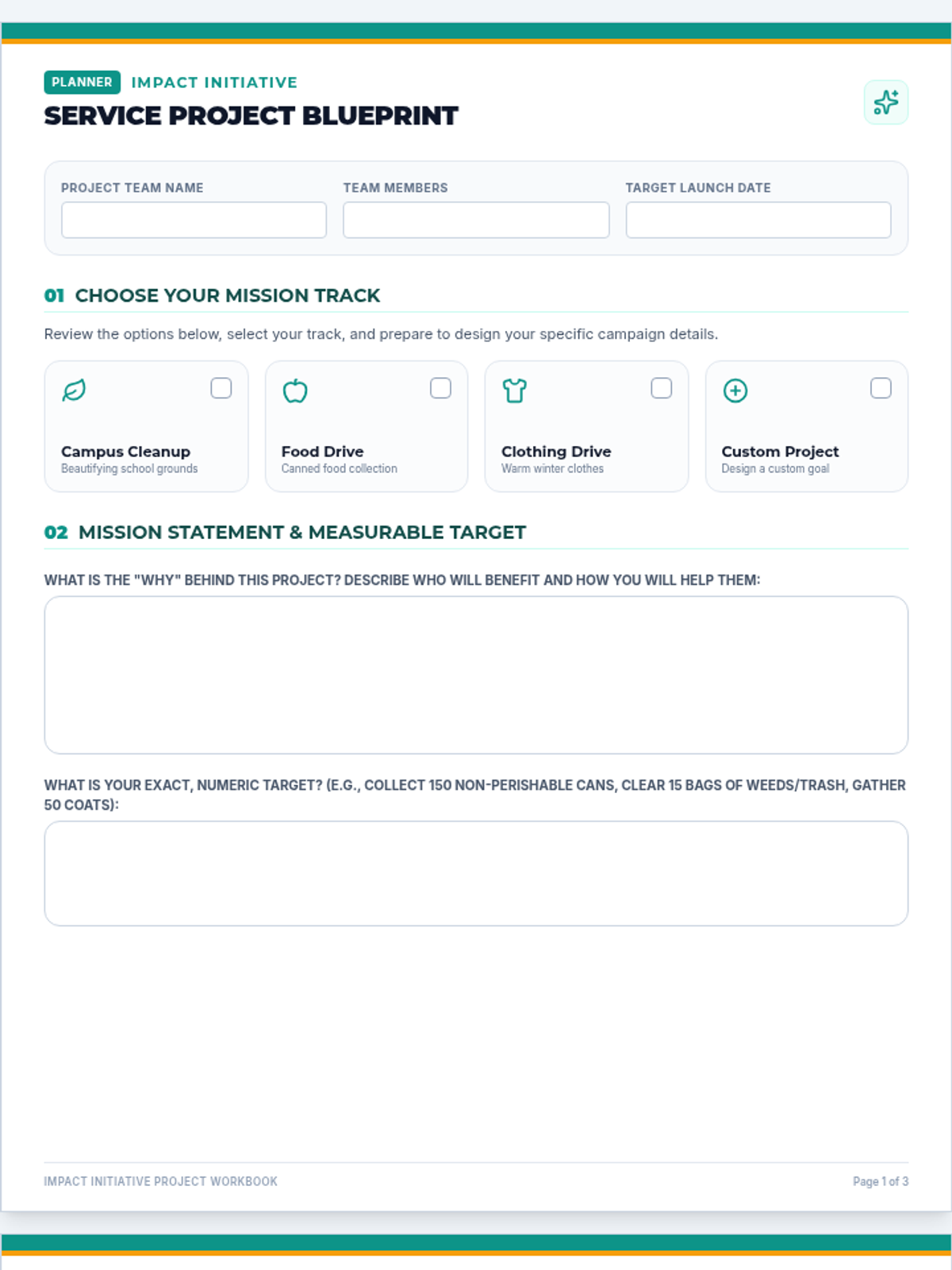
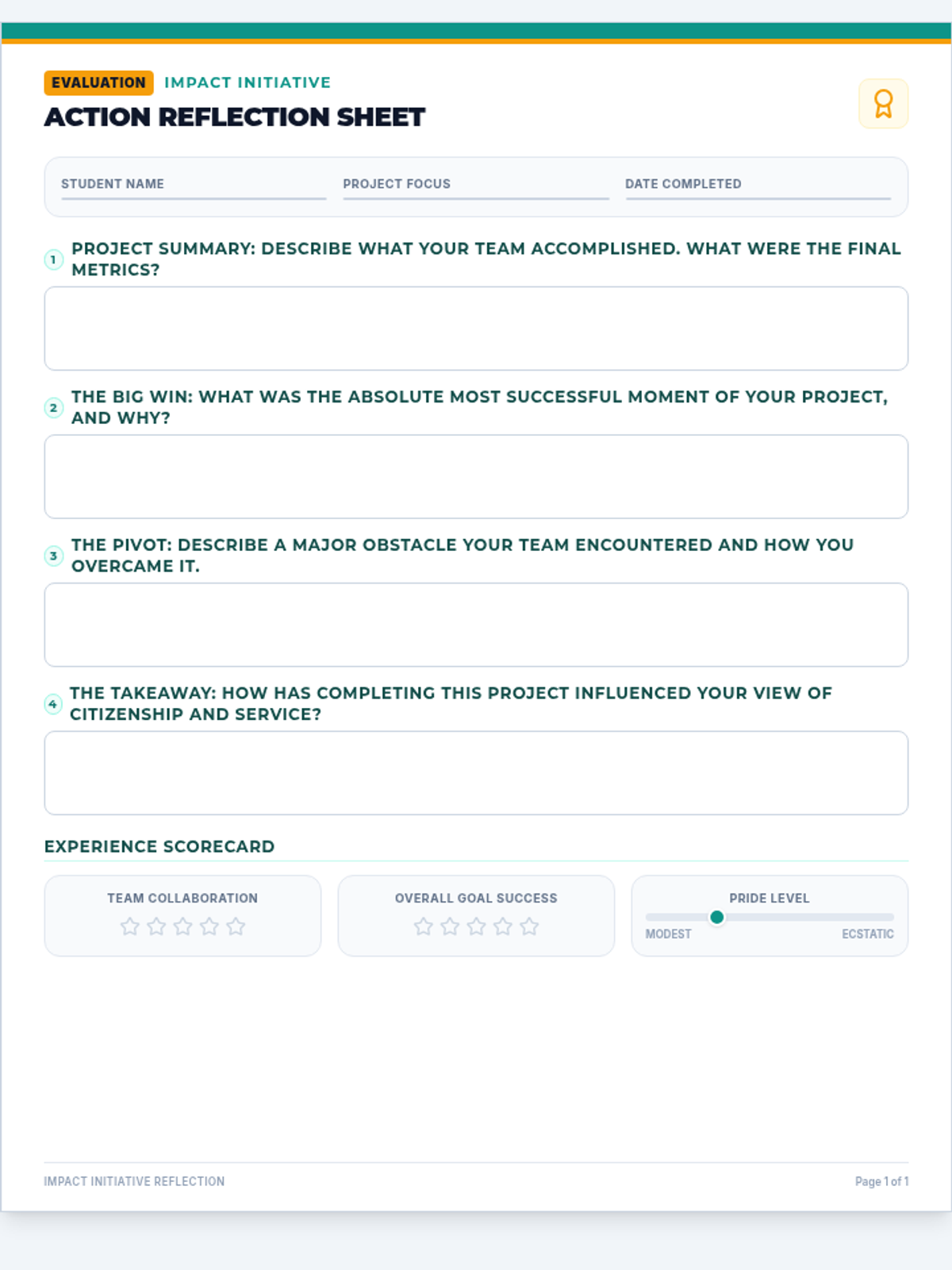
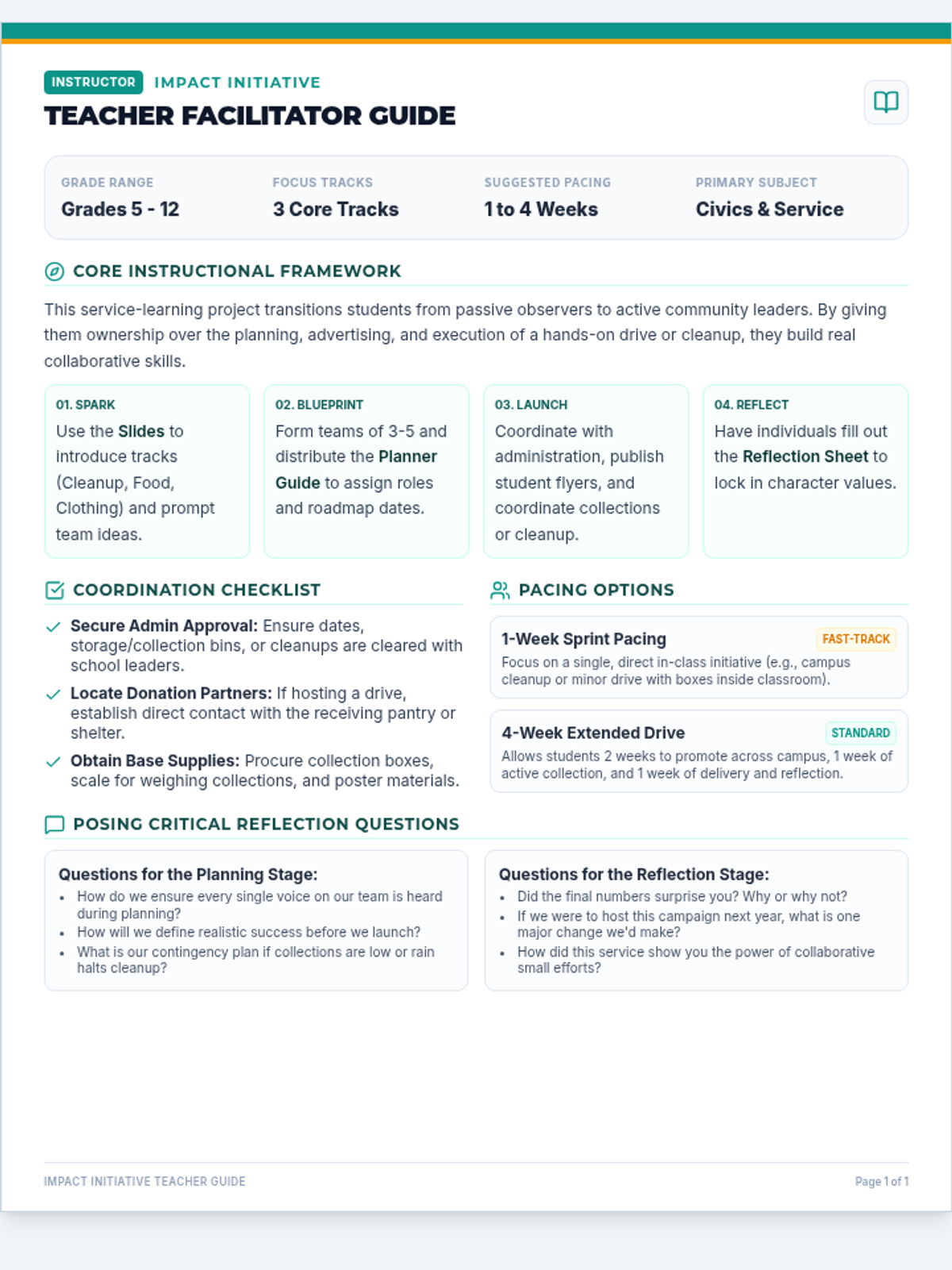
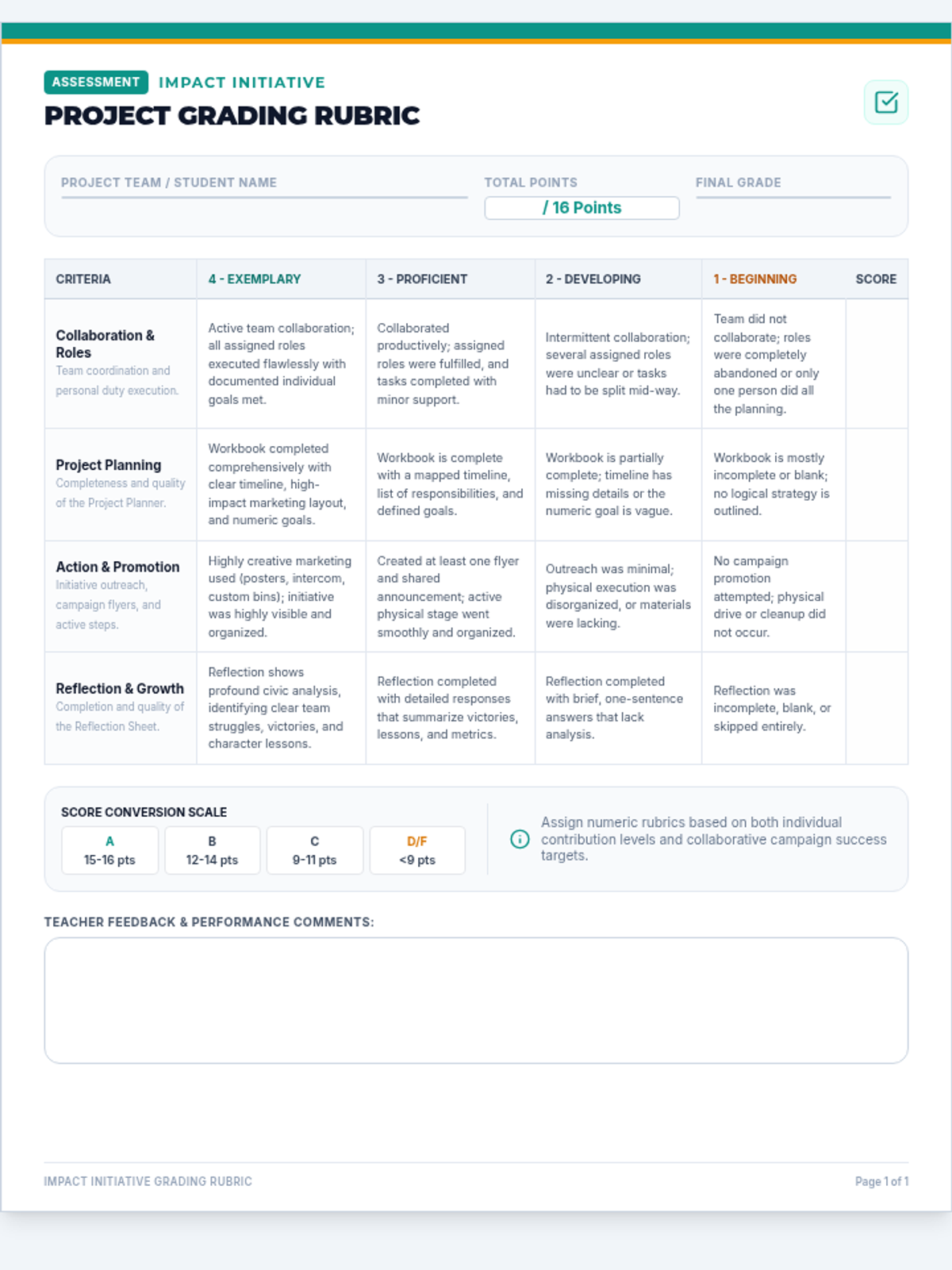
A service-learning lesson where students plan, execute, and reflect on a community service project of their choice (school campus cleanup, food drive, or clothing drive). It includes interactive presentation slides, a step-by-step project planning guide, a simplified reflection worksheet, and a teacher facilitation guide.
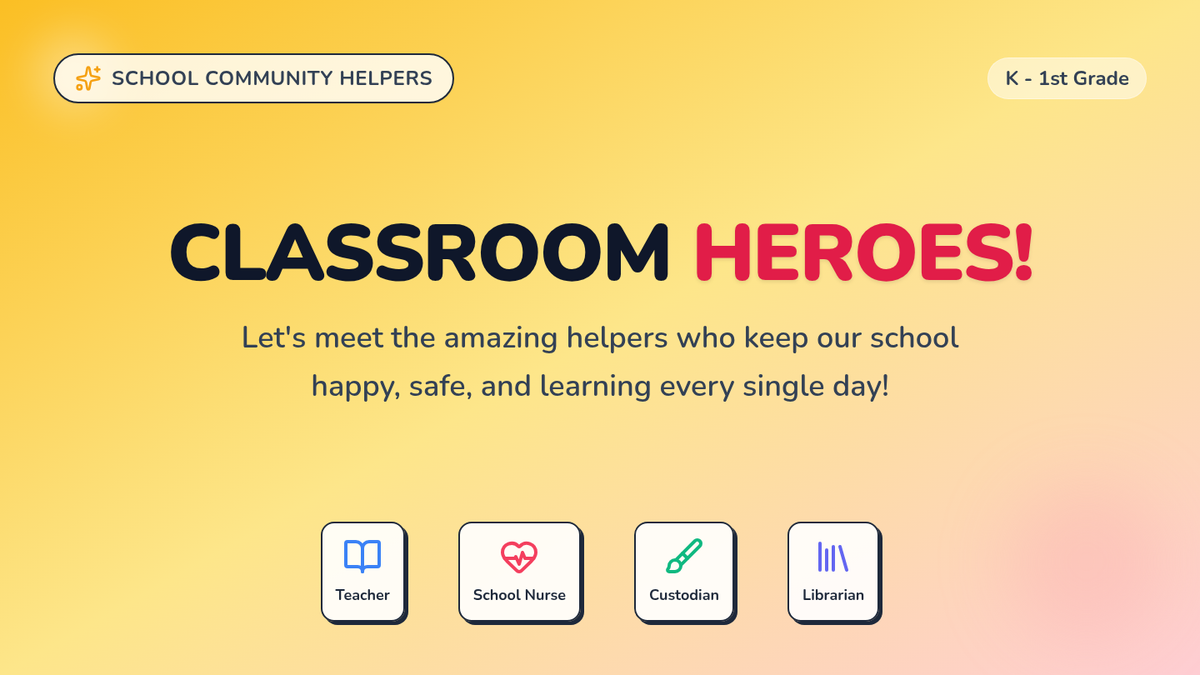
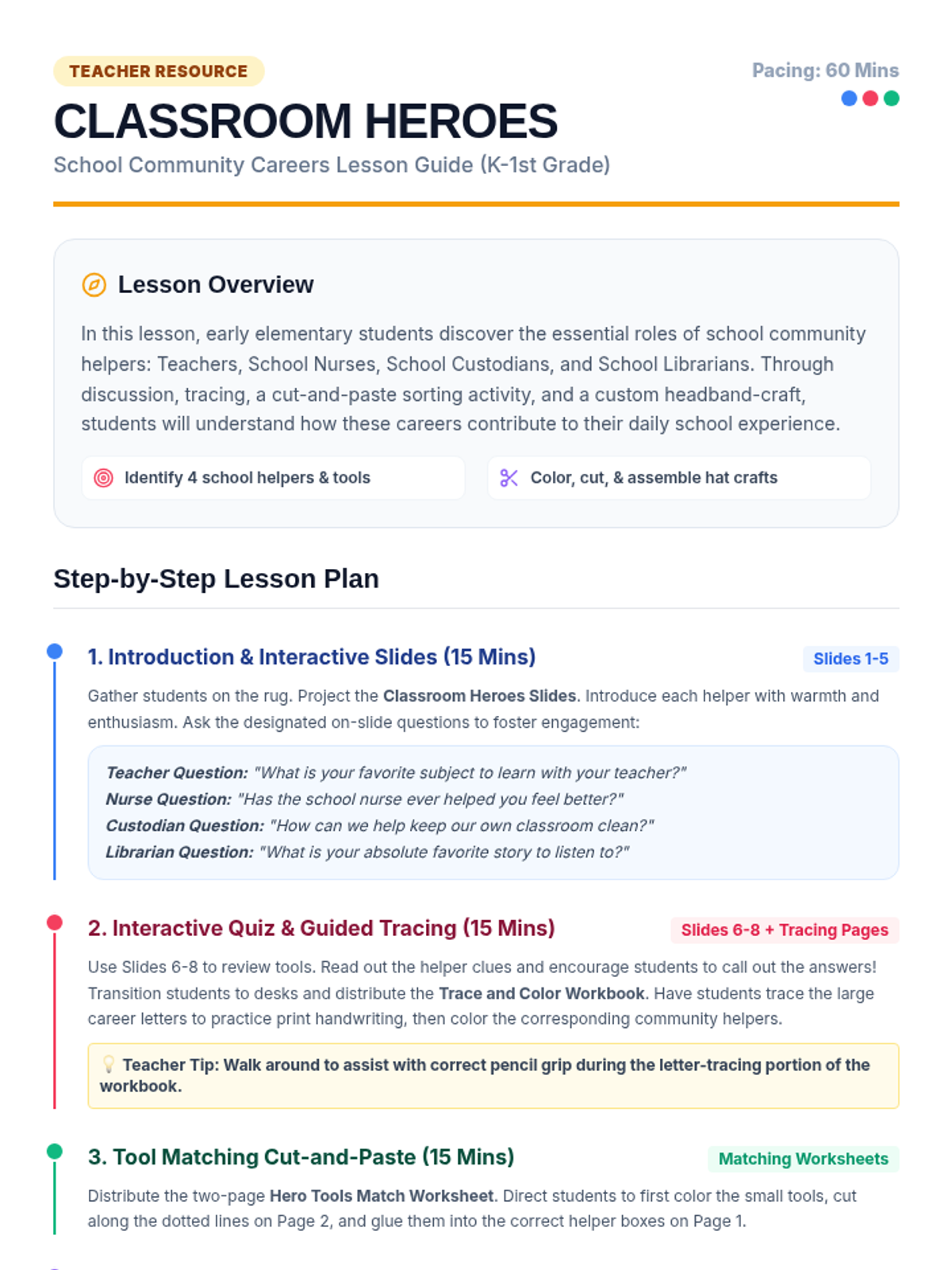
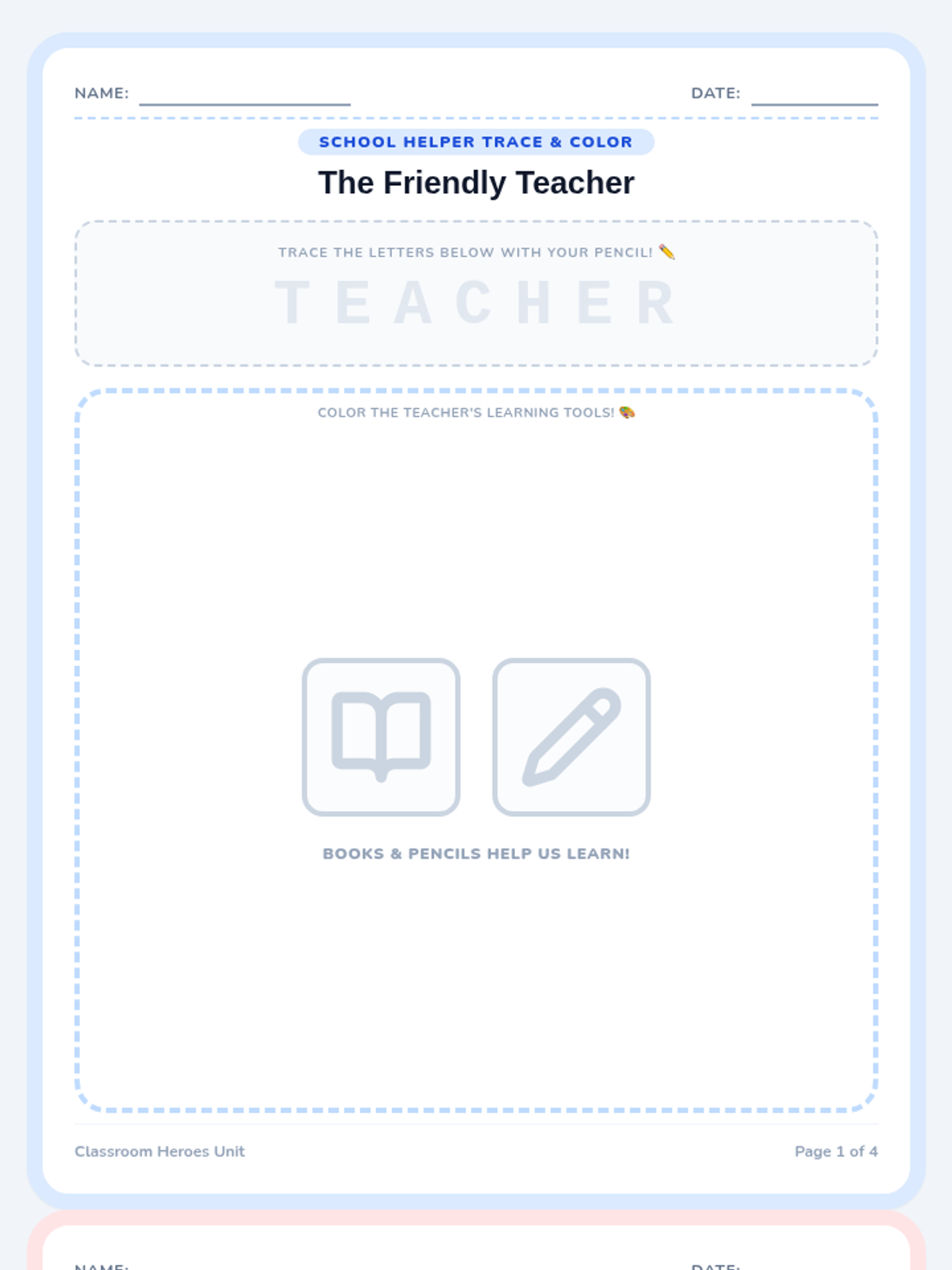
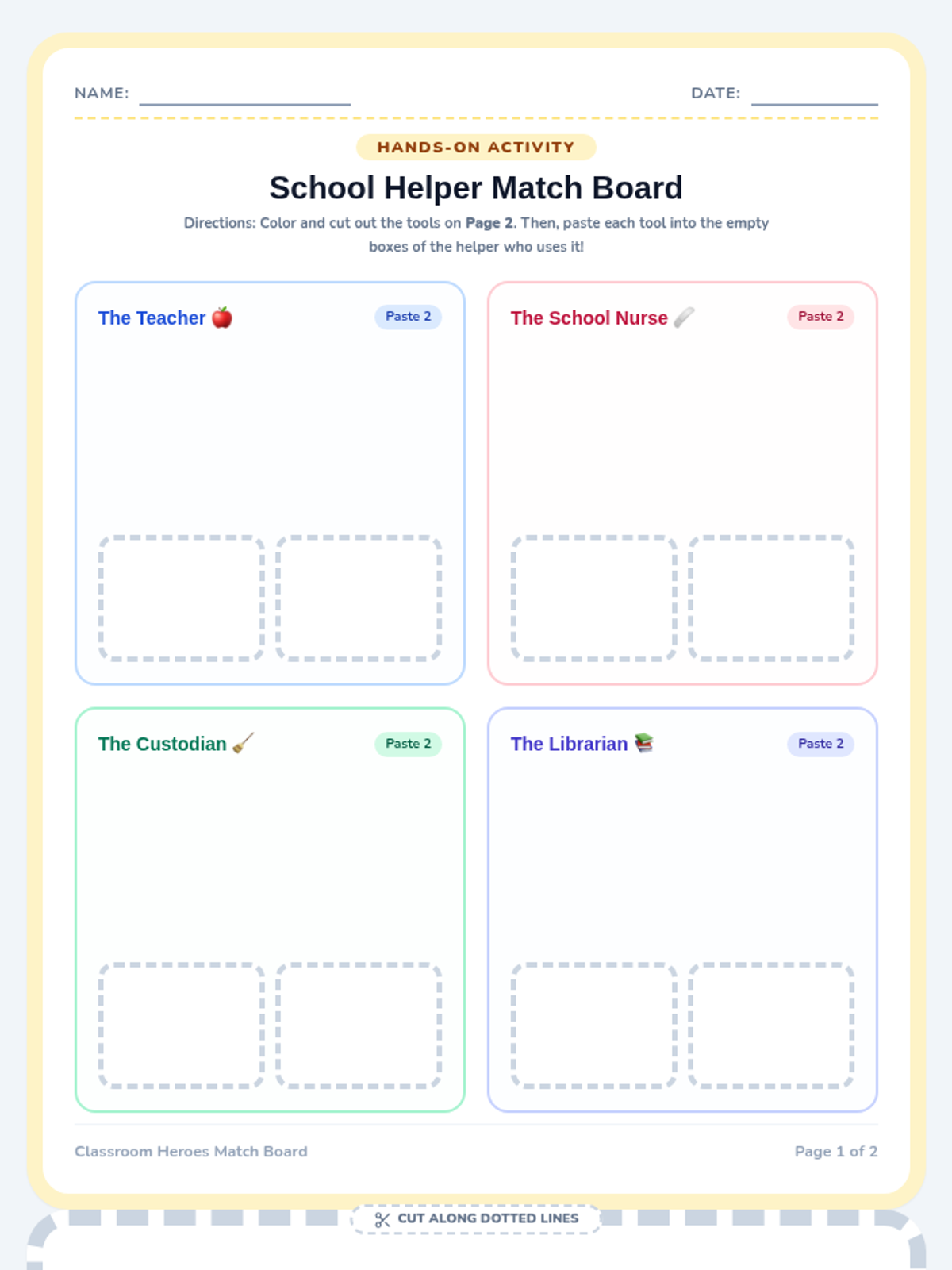
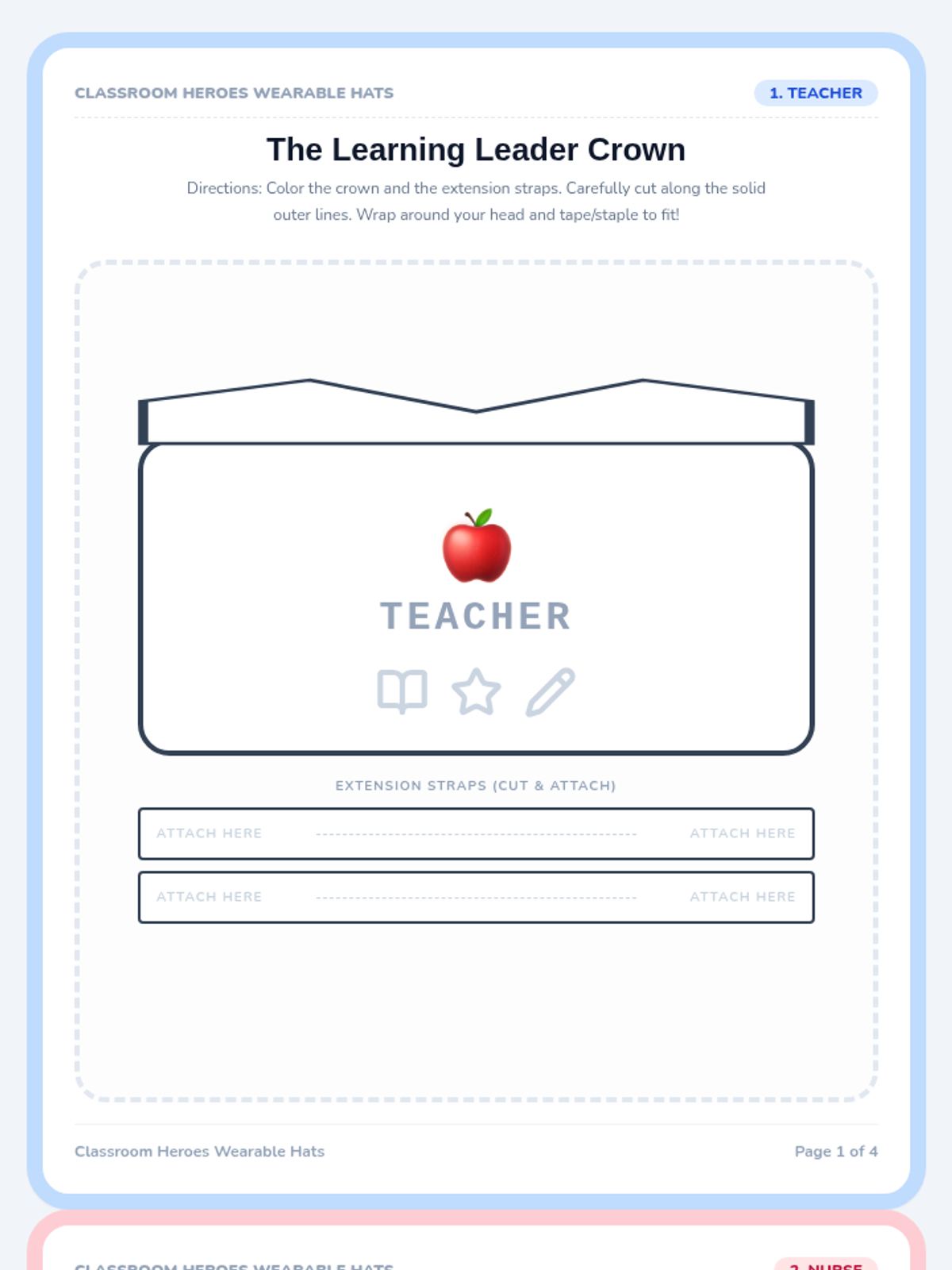
An interactive, hands-on lesson for Kindergarten and 1st-grade students to explore school community careers. This unit features interactive classroom slides, visual tracing and coloring sheets, a cut-and-paste tool-matching activity, and printable career hat crafts.
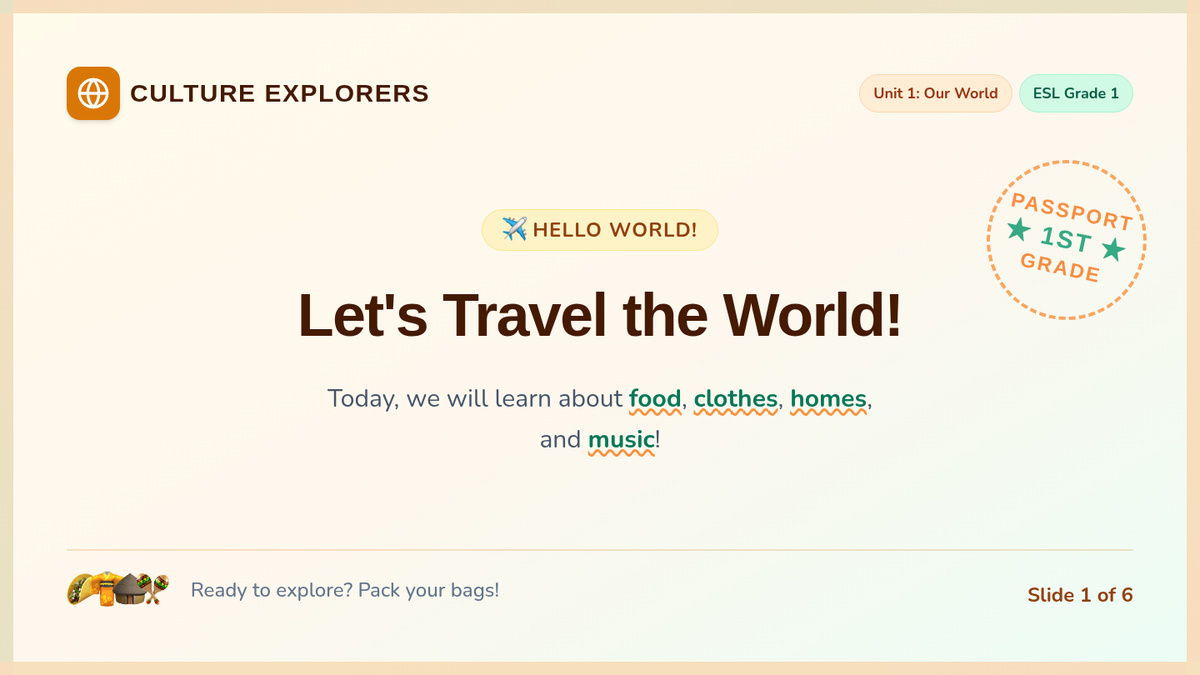
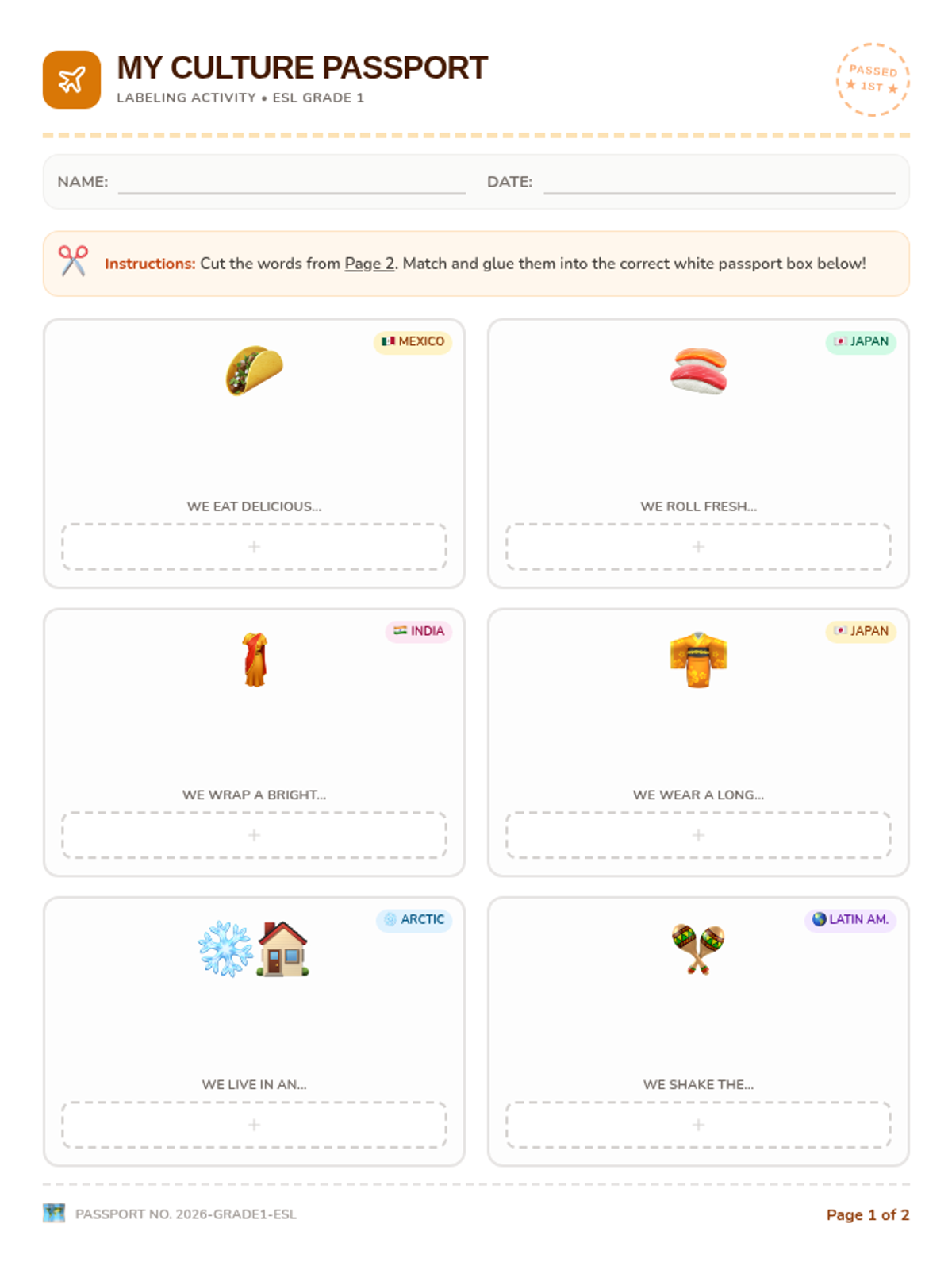
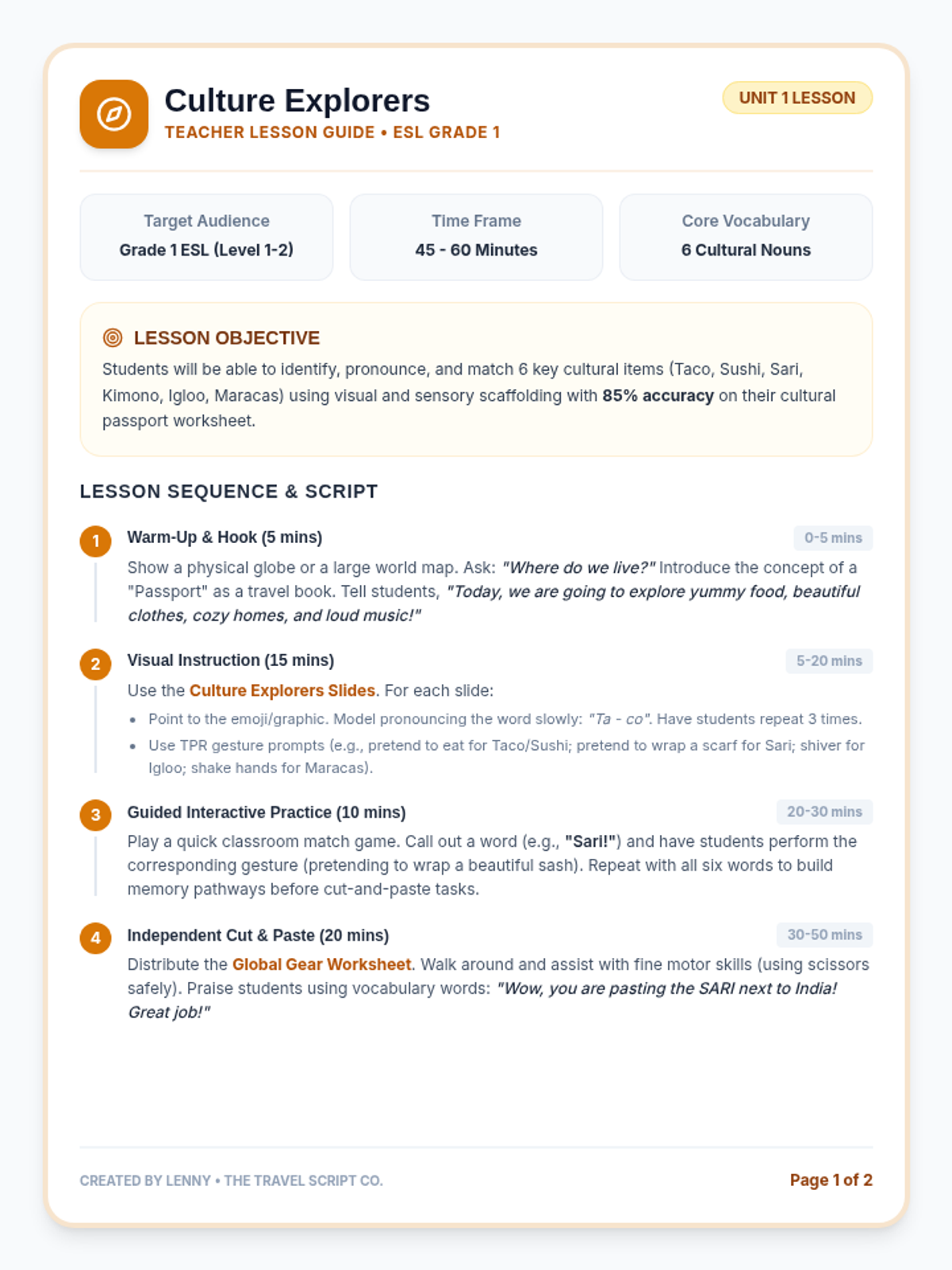
A comprehensive lesson package designed for 1st-grade ESL students to learn global vocabulary (food, clothing, shelter, music) through engaging slides, a hands-on cut-and-paste worksheet, and a supportive teacher facilitation guide.
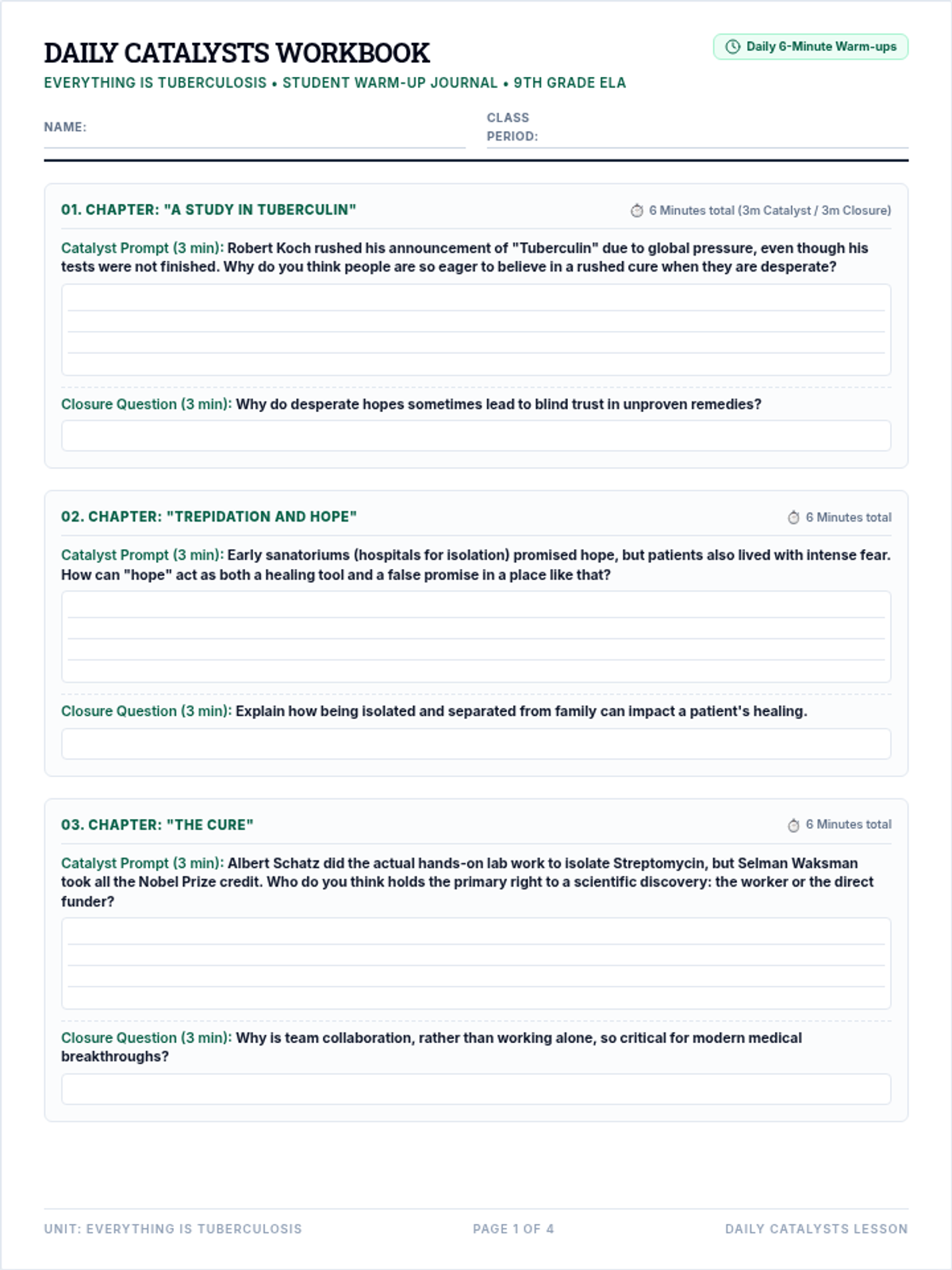
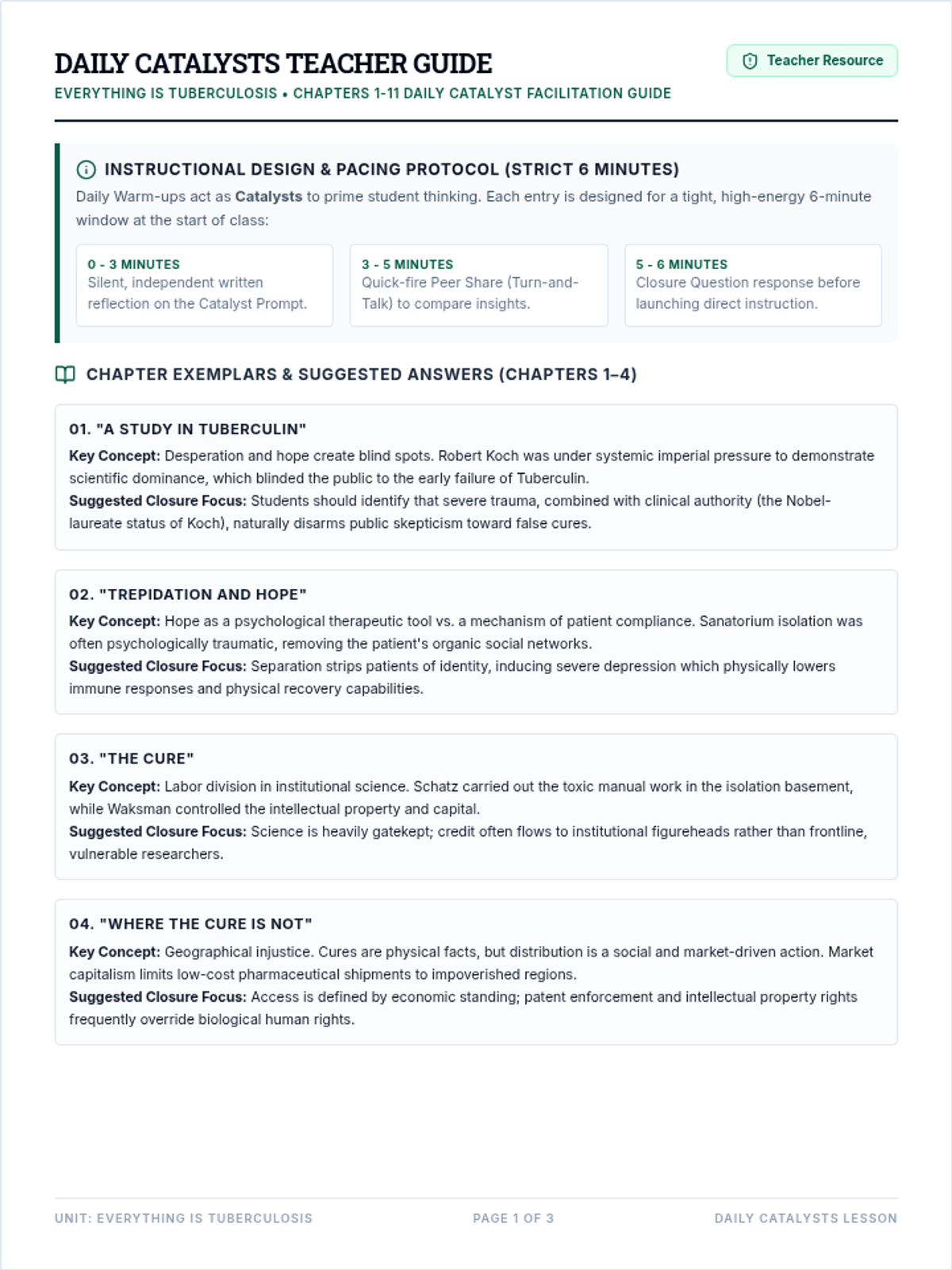
A comprehensive set of 6-minute daily warm-ups and corresponding closure questions spanning 11 crucial chapters of John Green's 'Everything is Tuberculosis'.
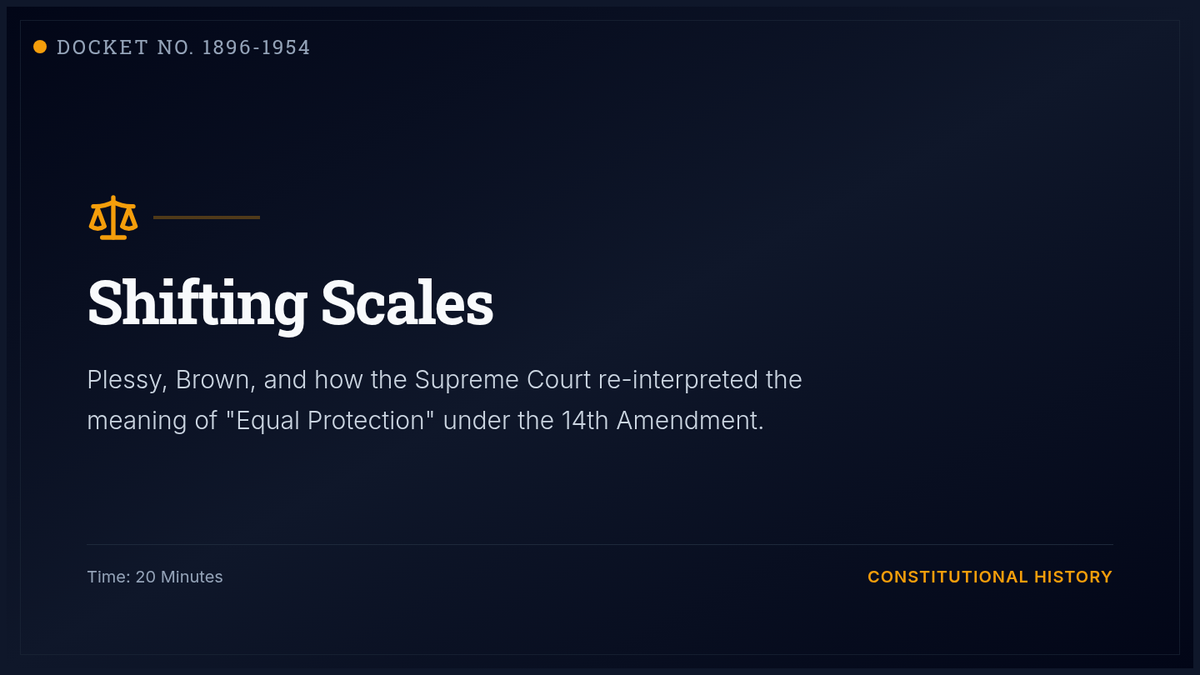
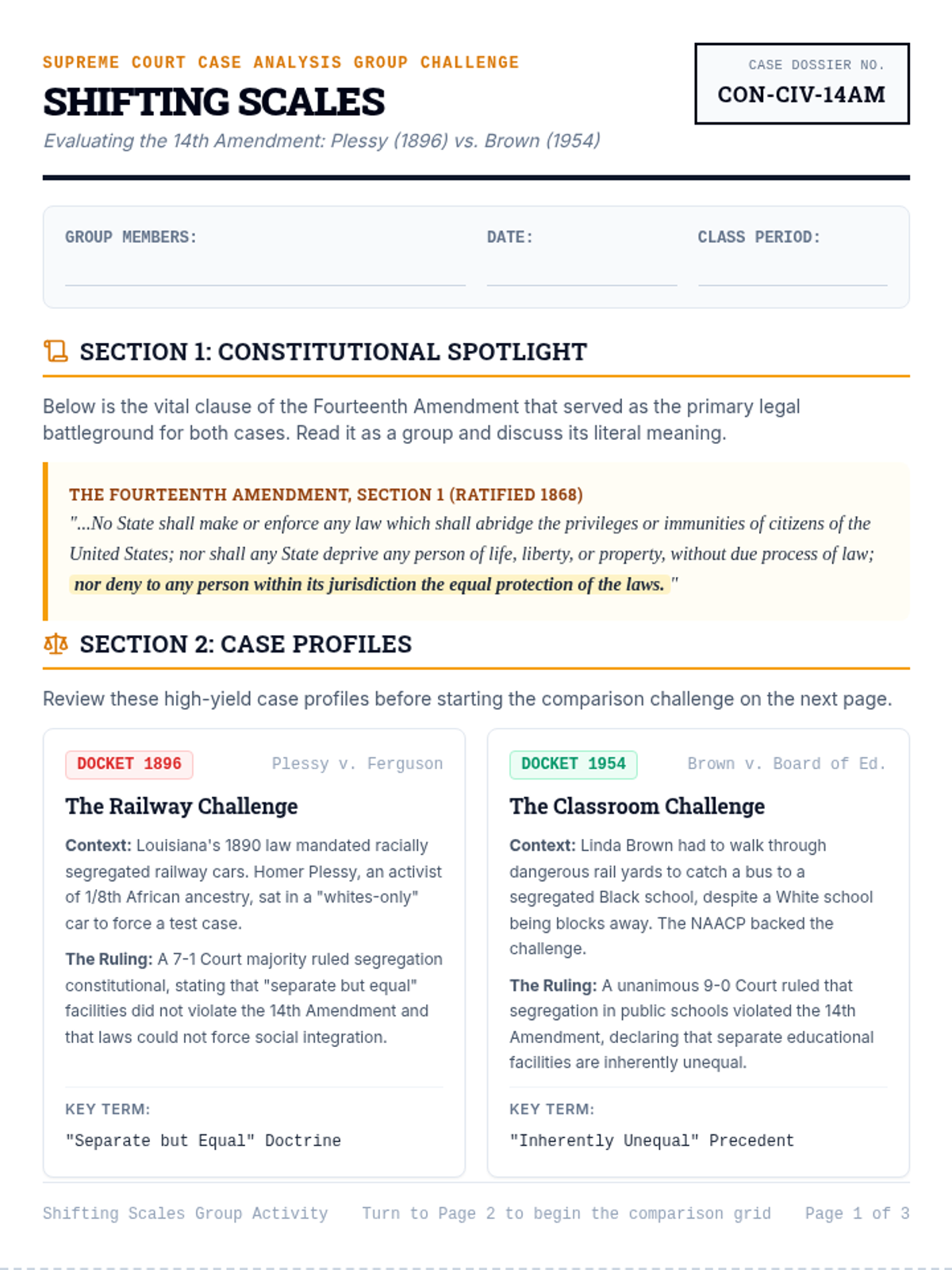
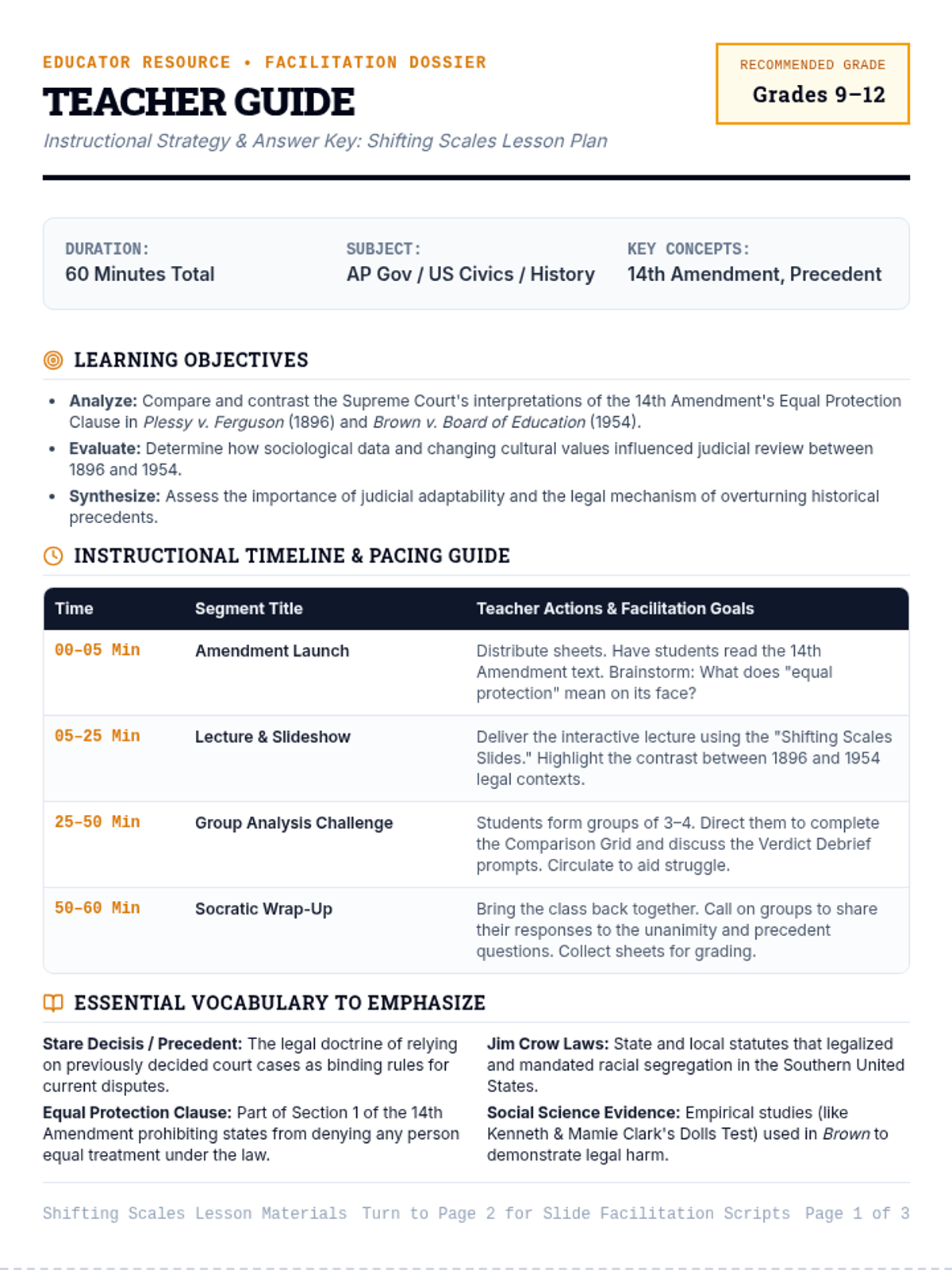
A comprehensive history and civics lesson analyzing how the Supreme Court's interpretation of the 14th Amendment evolved from Plessy v. Ferguson to Brown v. Board of Education.
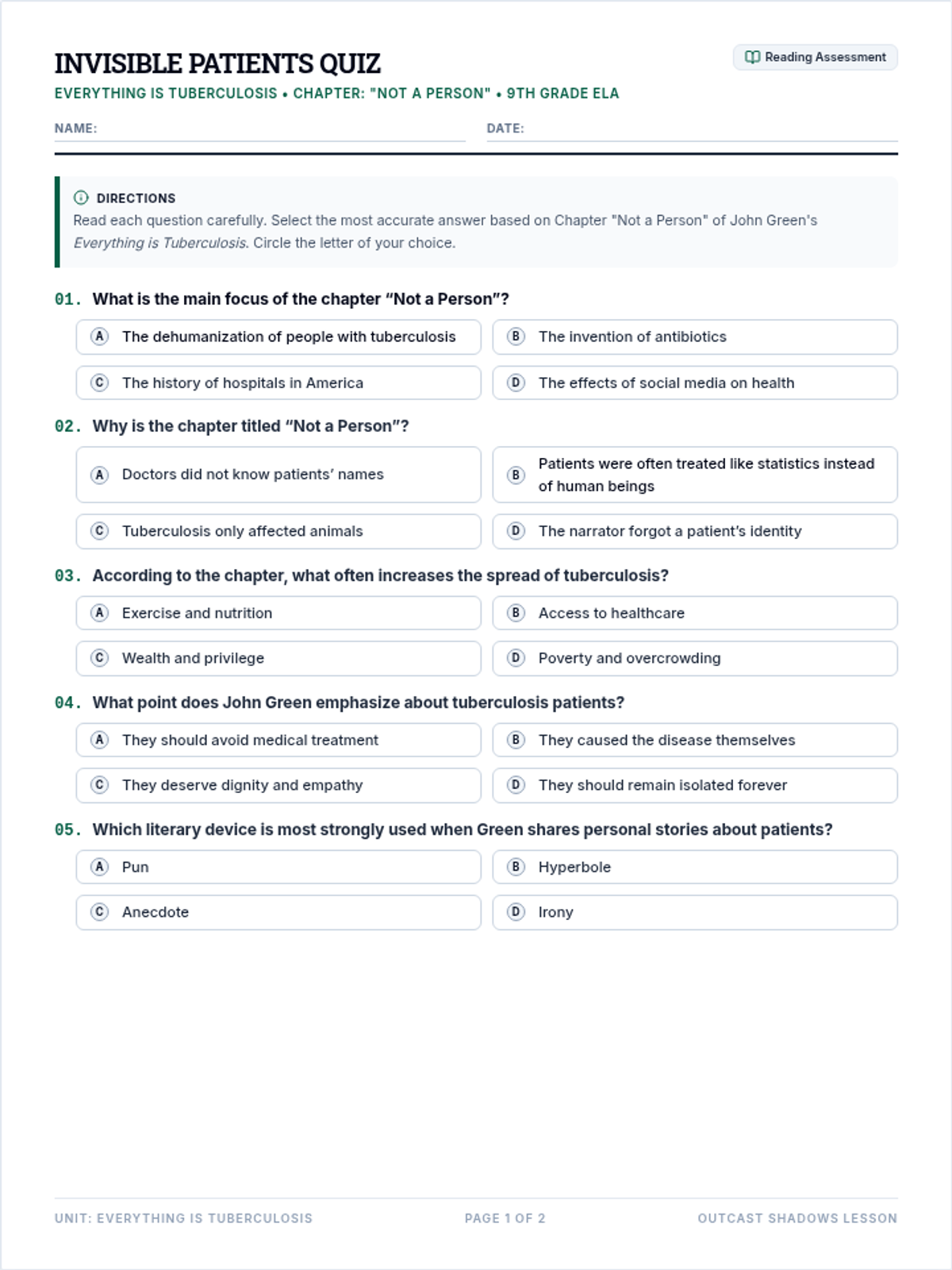
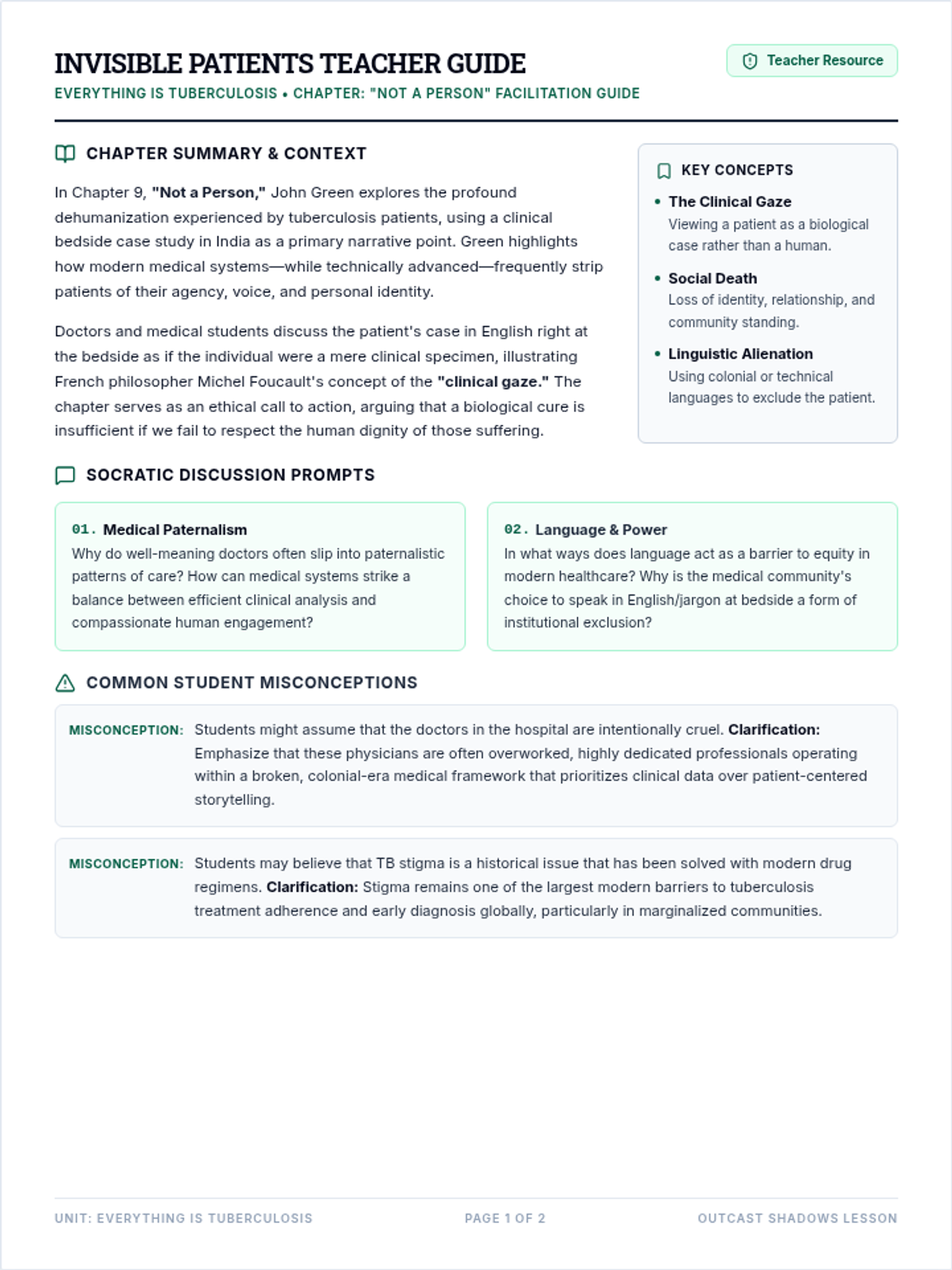
A comprehensive lesson exploring Chapter 9 ('Not a Person') of John Green's 'Everything is Tuberculosis', focusing on medical dehumanization, social stigma, and the historical and modern experiences of TB patients.
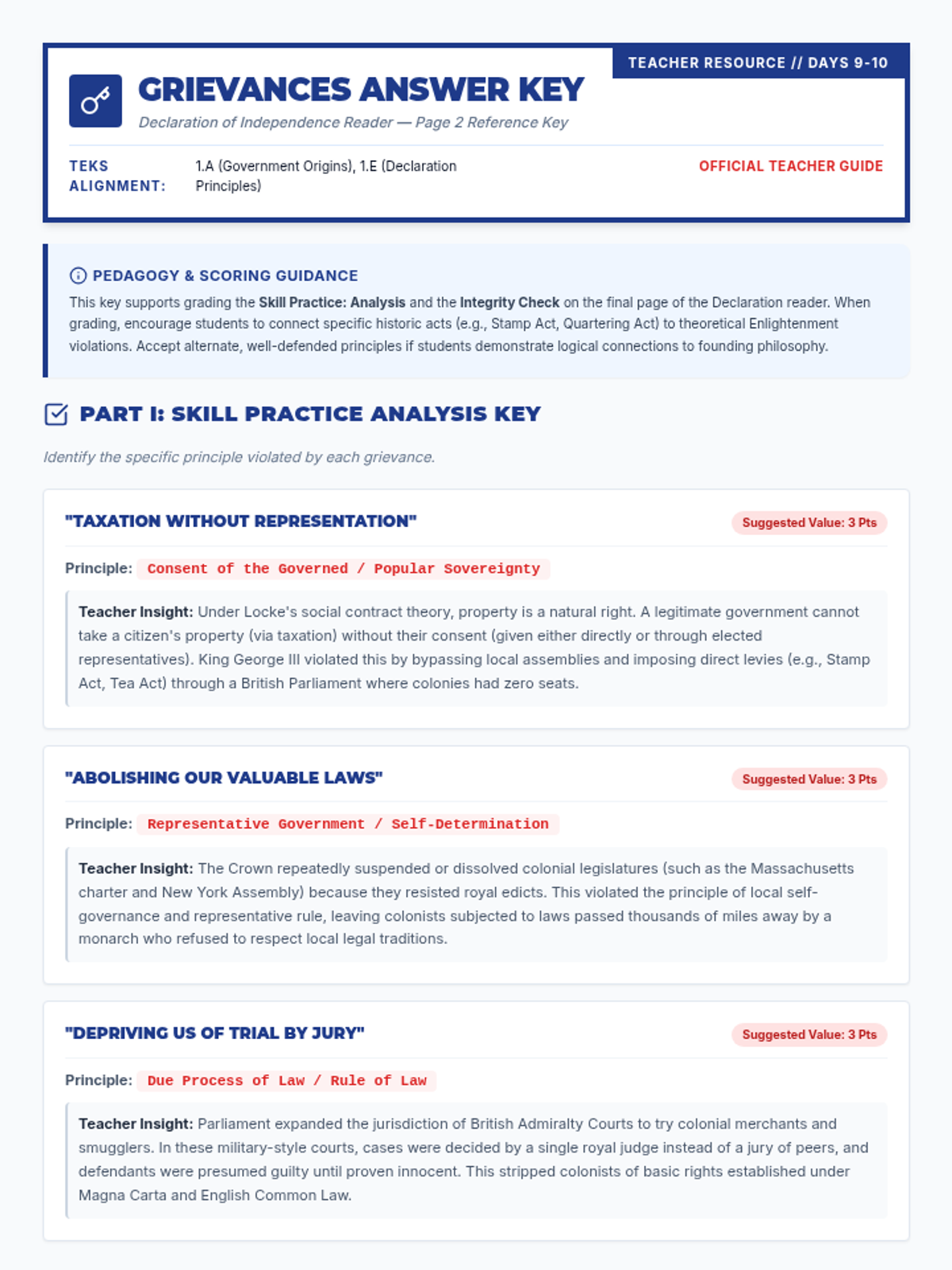
Explores the philosophical, historical, and intellectual origins of the American government and the principles established in the founding documents.
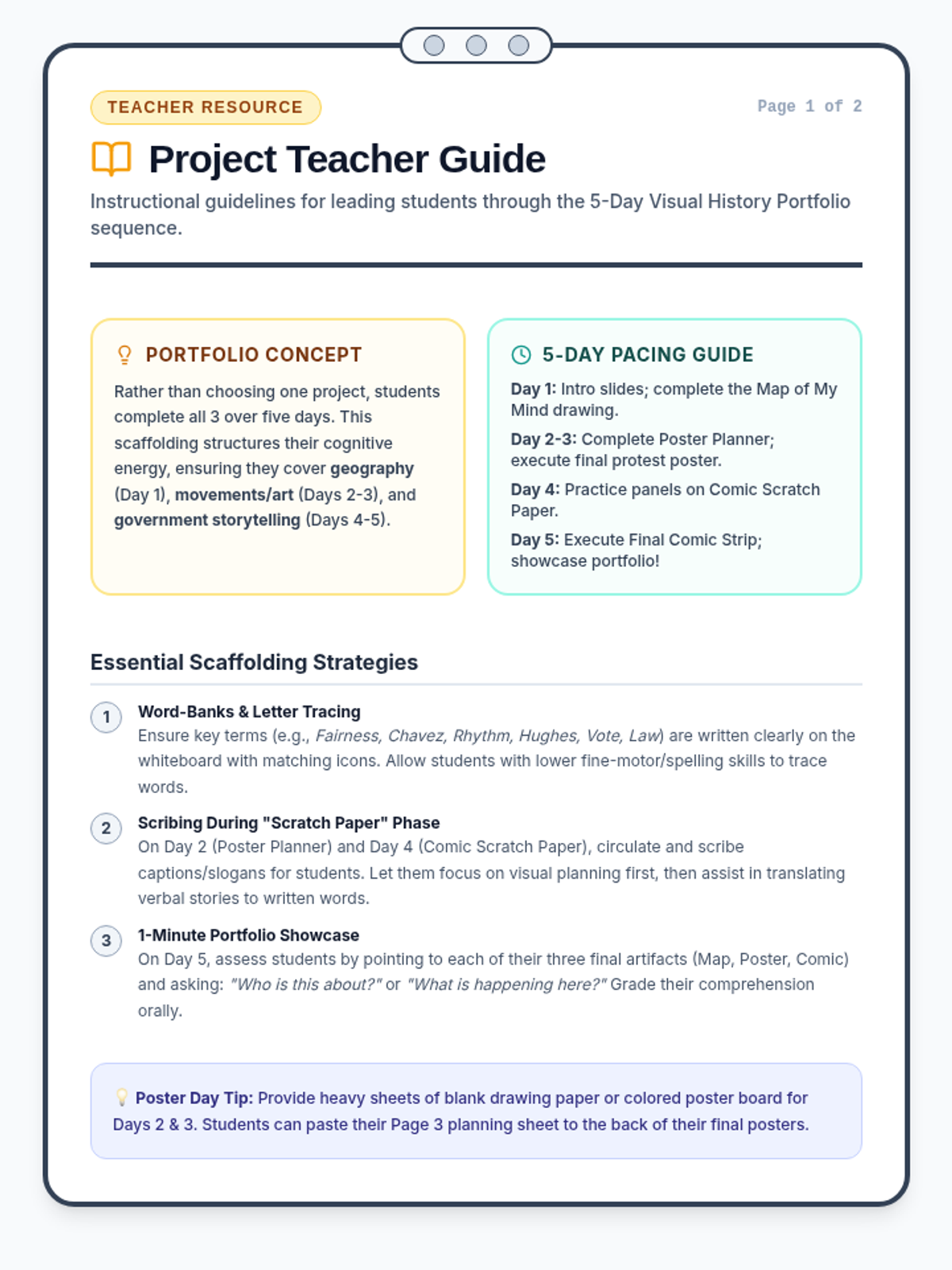
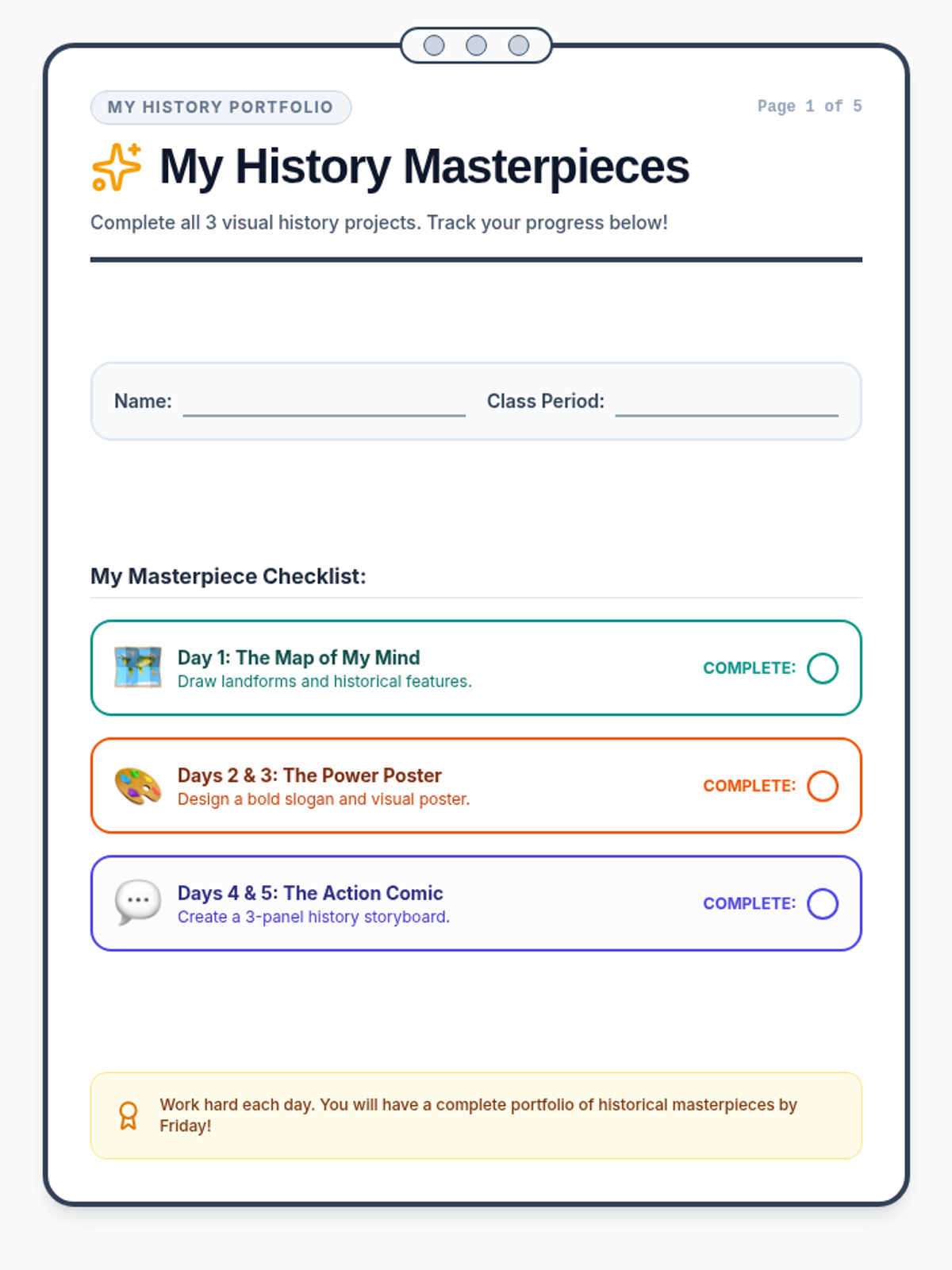
A scaffolded final project lesson where students express their historical knowledge of geography, the Farmers' Movement, government, or the Harlem Renaissance through three visual project pathways: a mind map, a protest poster, or a storyboard comic.