A high-level exploration of equine veterinary medicine through complex case studies, focusing on diagnostic reasoning and clinical analysis for 11th-grade students.
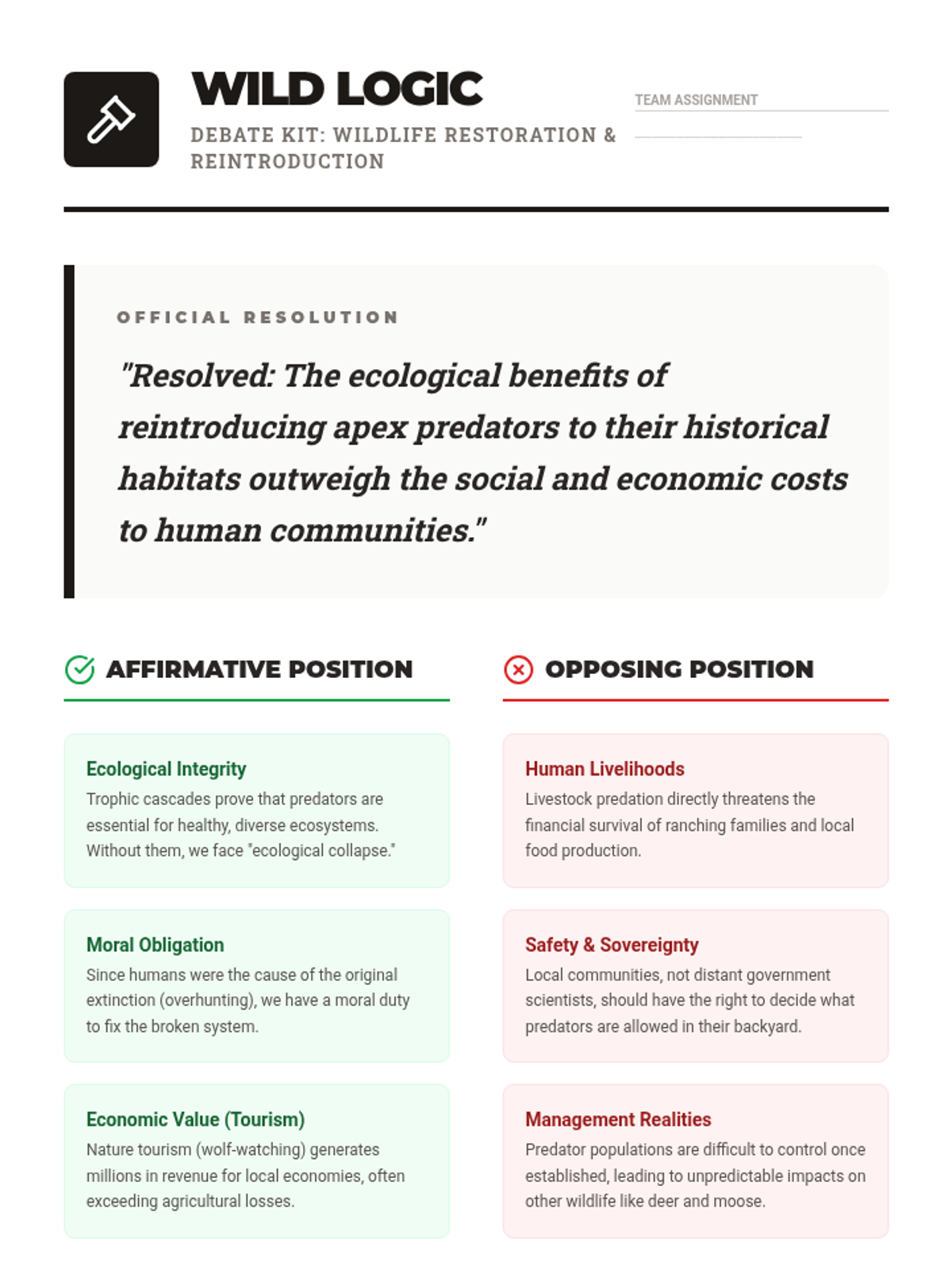
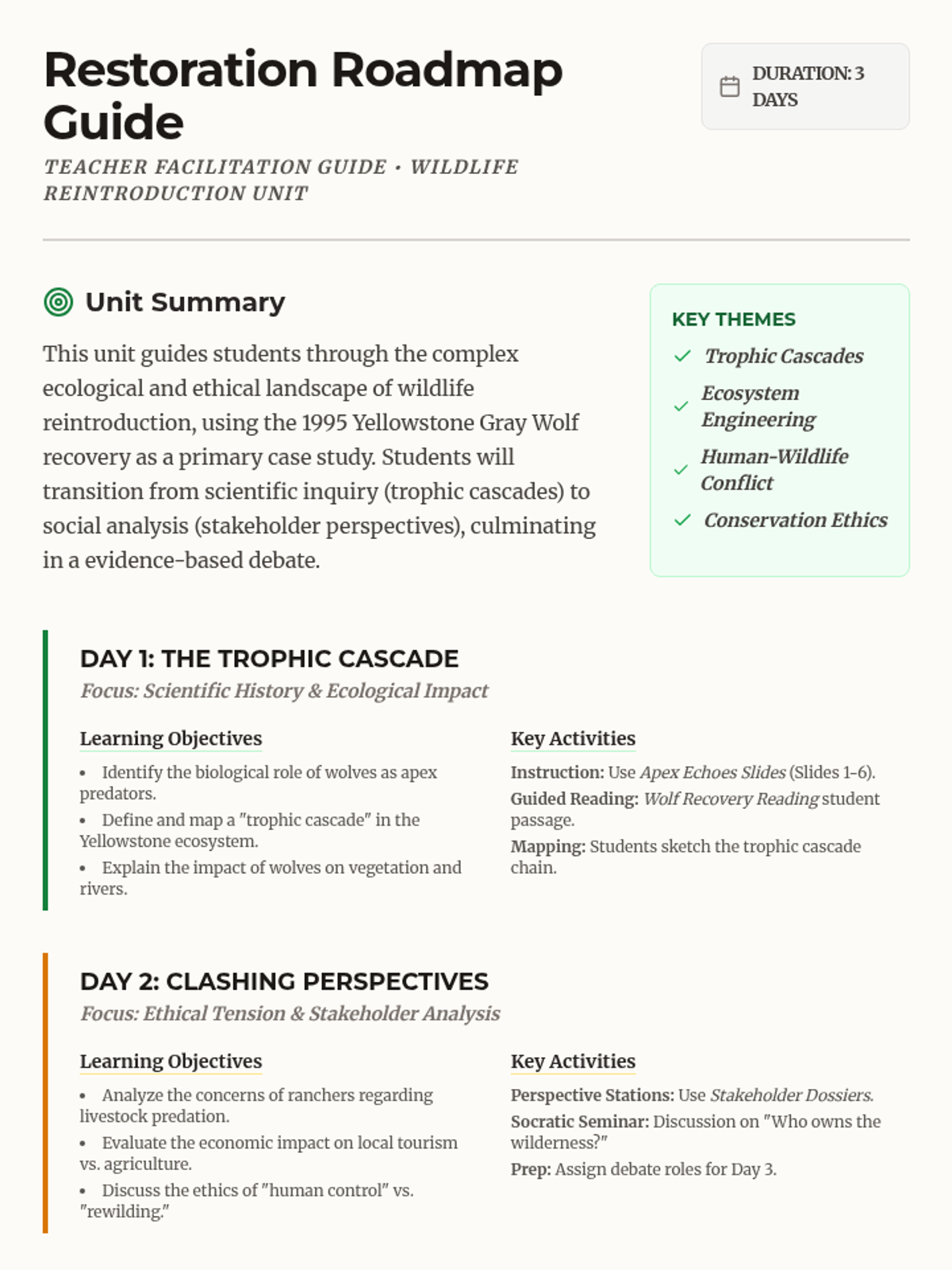
Students synthesize their knowledge to participate in a structured debate about the future of wildlife restoration.
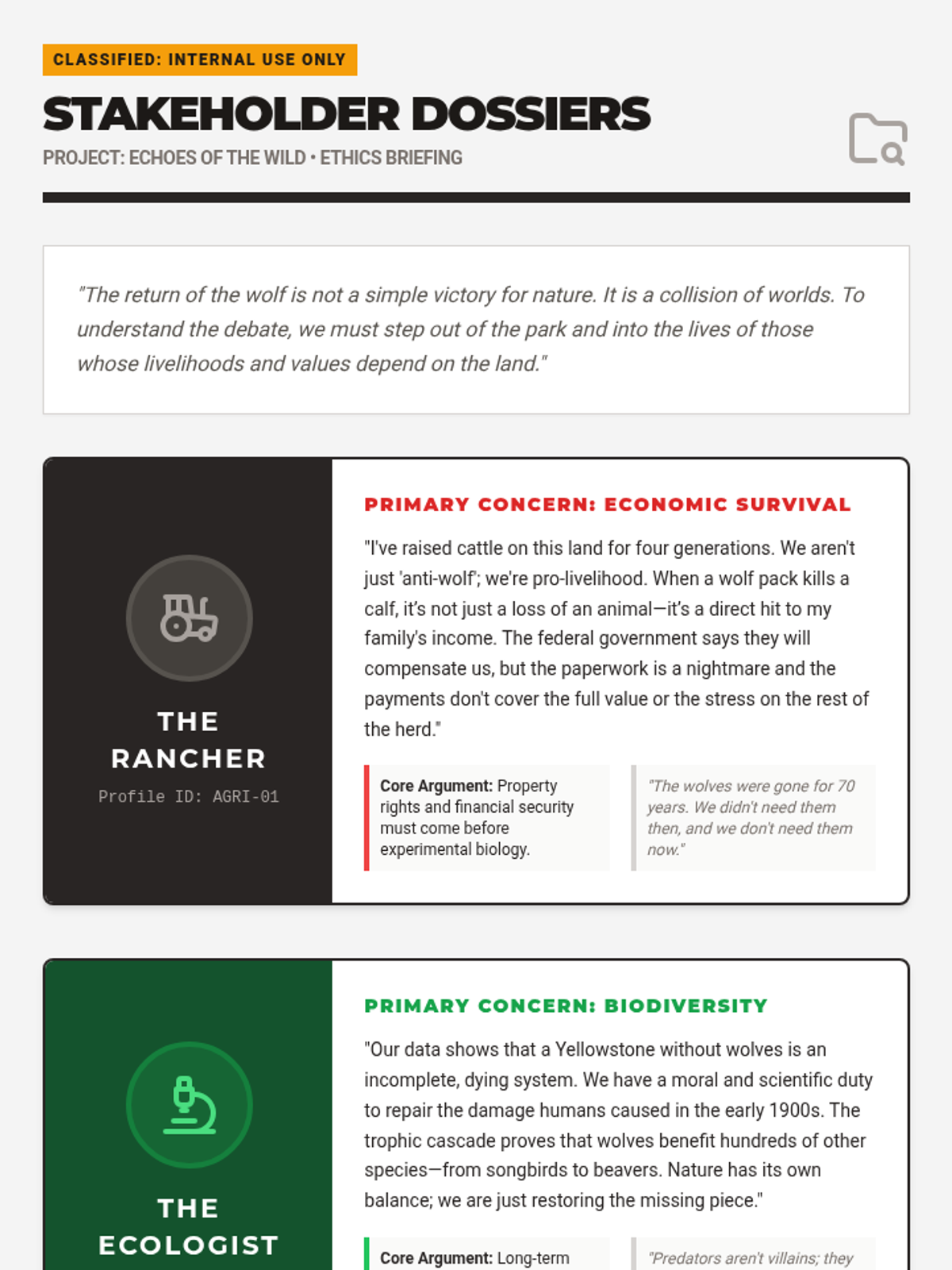
Students analyze the differing viewpoints of ranchers, environmentalists, and local communities regarding predator reintroduction.
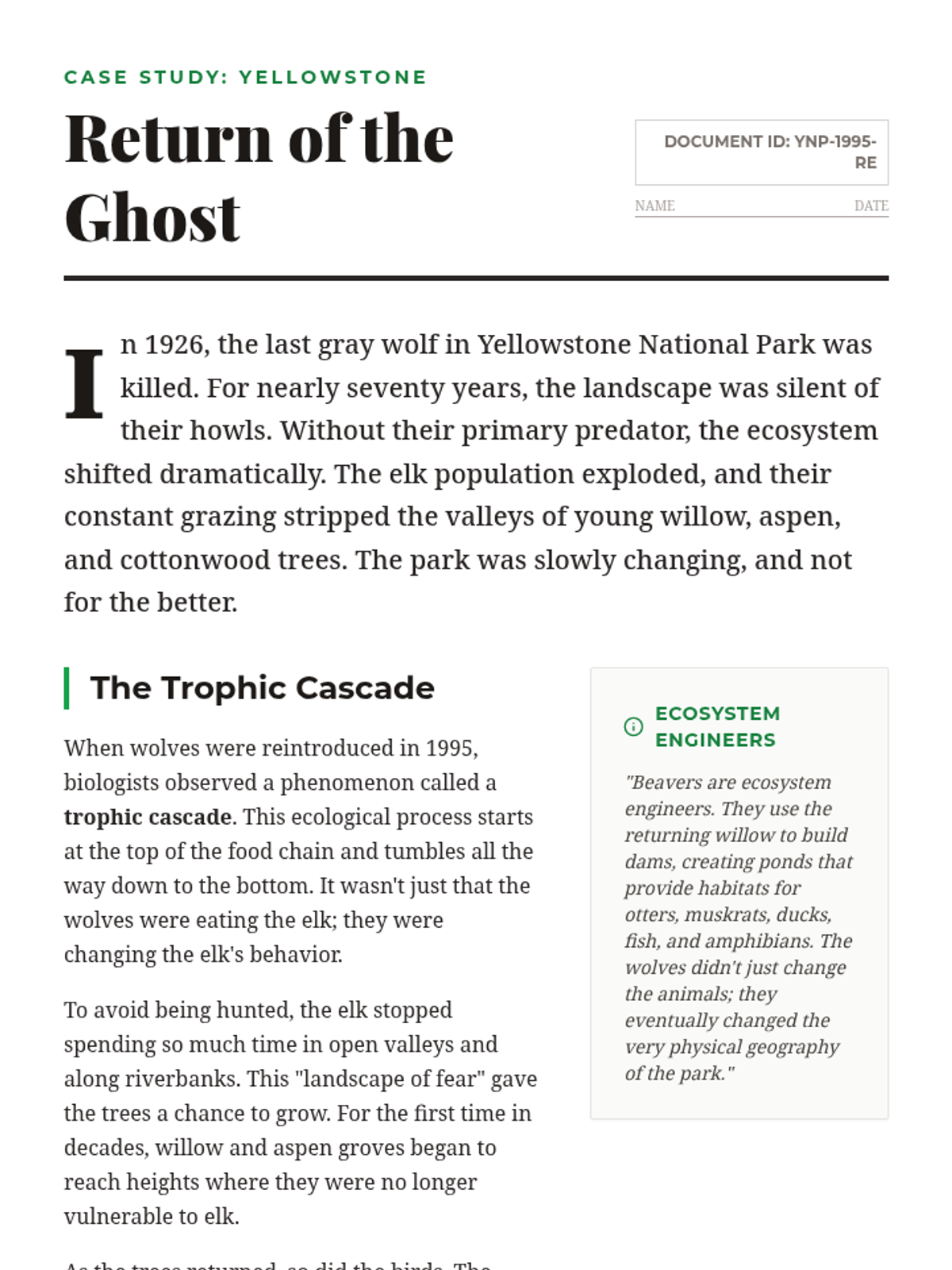
Students explore the scientific history of wolf reintroduction in Yellowstone and investigate the concept of trophic cascades and ecosystem engineering.
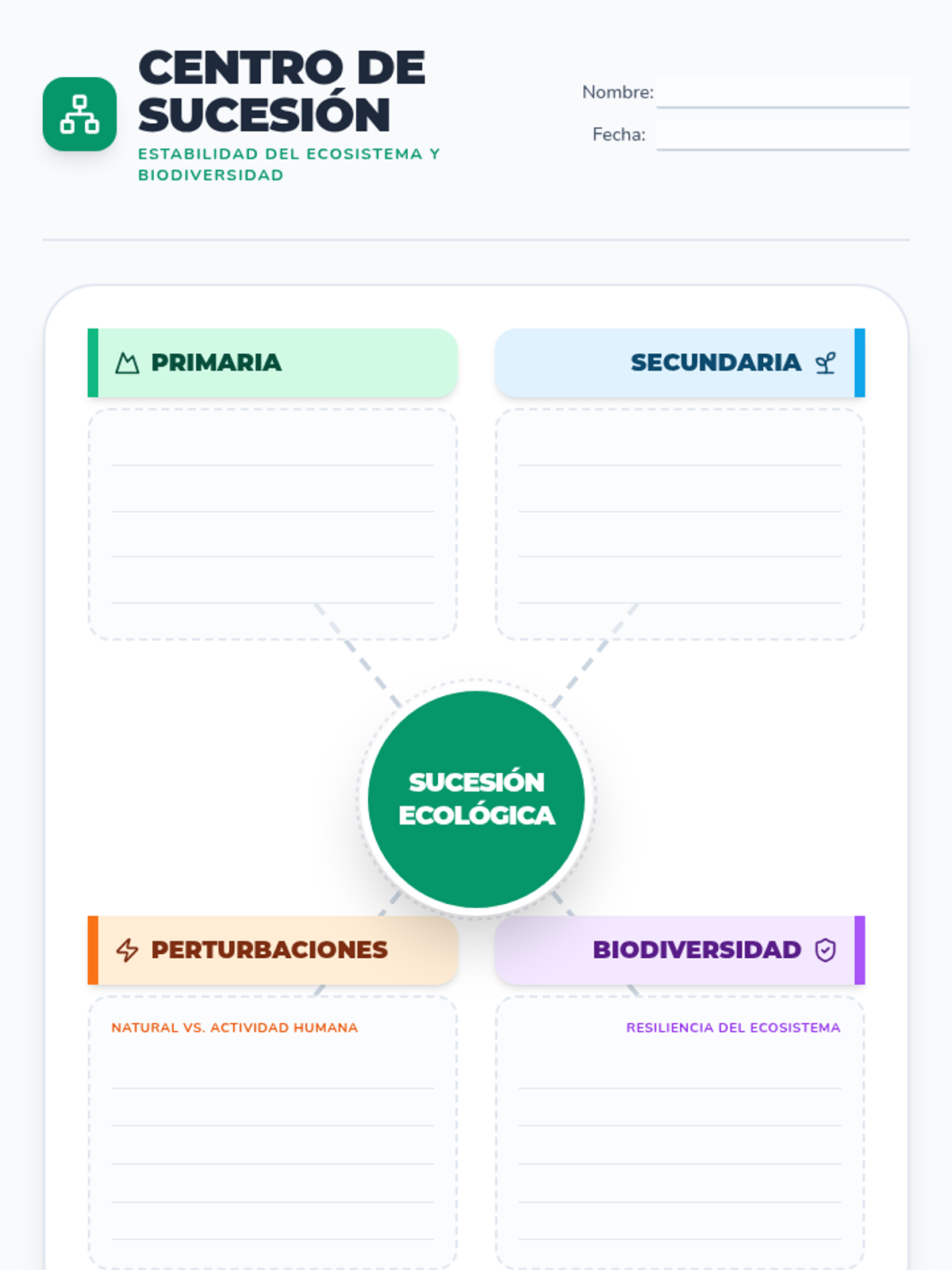
Explore how ecosystems respond to disturbances through primary and secondary succession, and analyze the relationship between biodiversity and ecosystem stability.
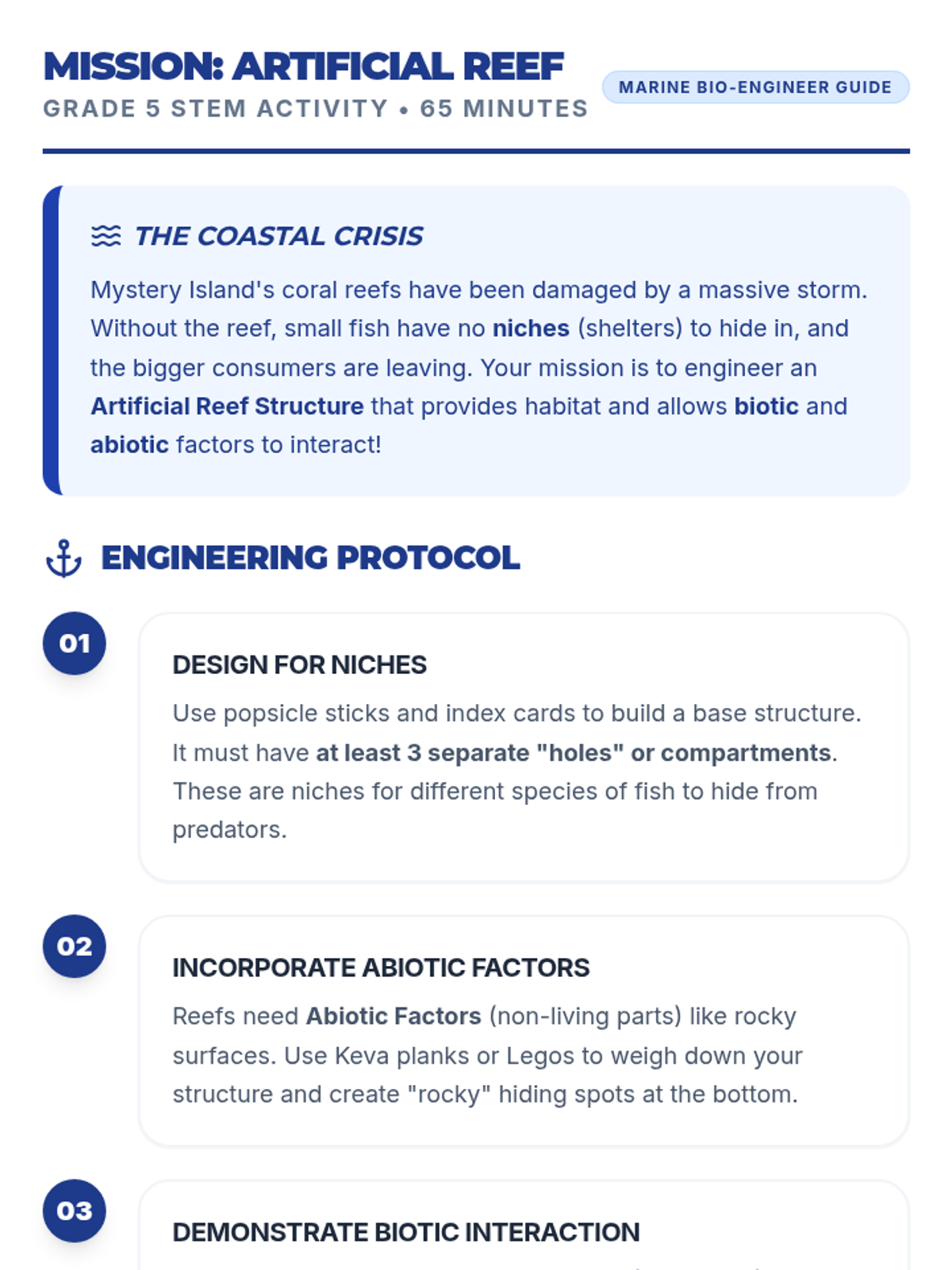
Students act as 'Marine Bio-Engineers' to design and build artificial reef structures that support a healthy ecosystem on Mystery Island's coast, focusing on biotic and abiotic interactions.
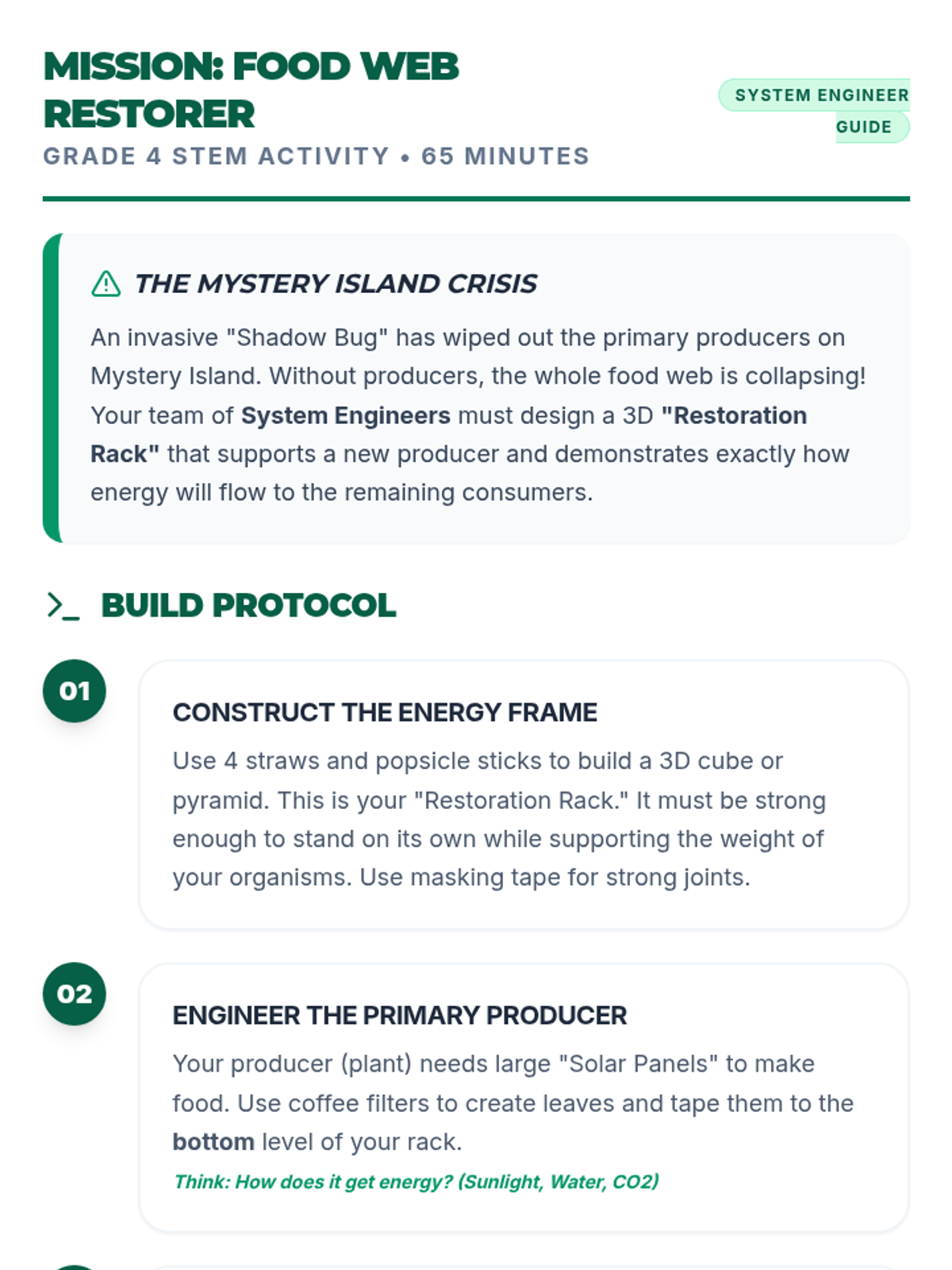
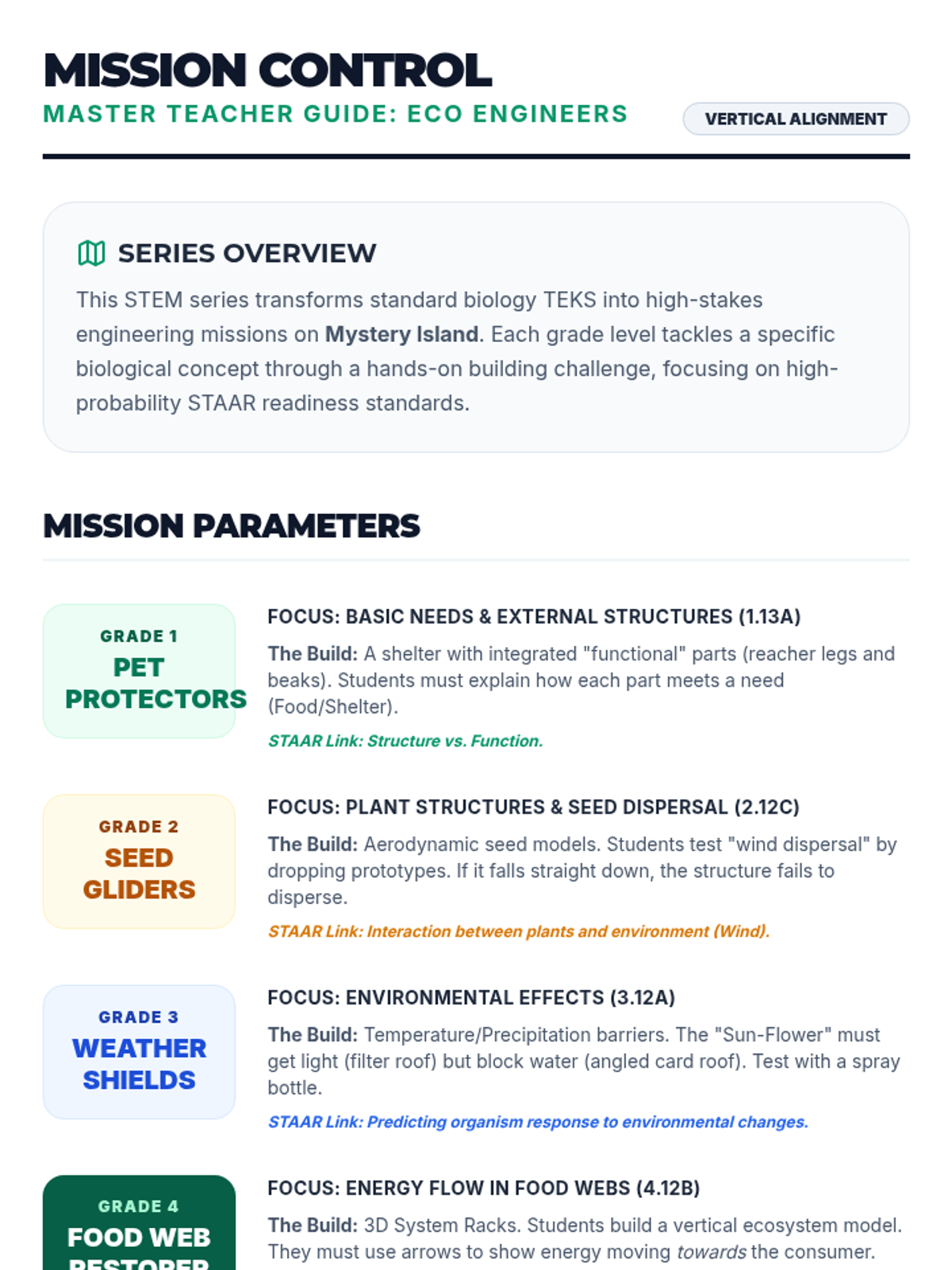
Students design and build 'Food Web Restoration' models to visualize and explain the flow of energy from producers to multiple consumers on Mystery Island.
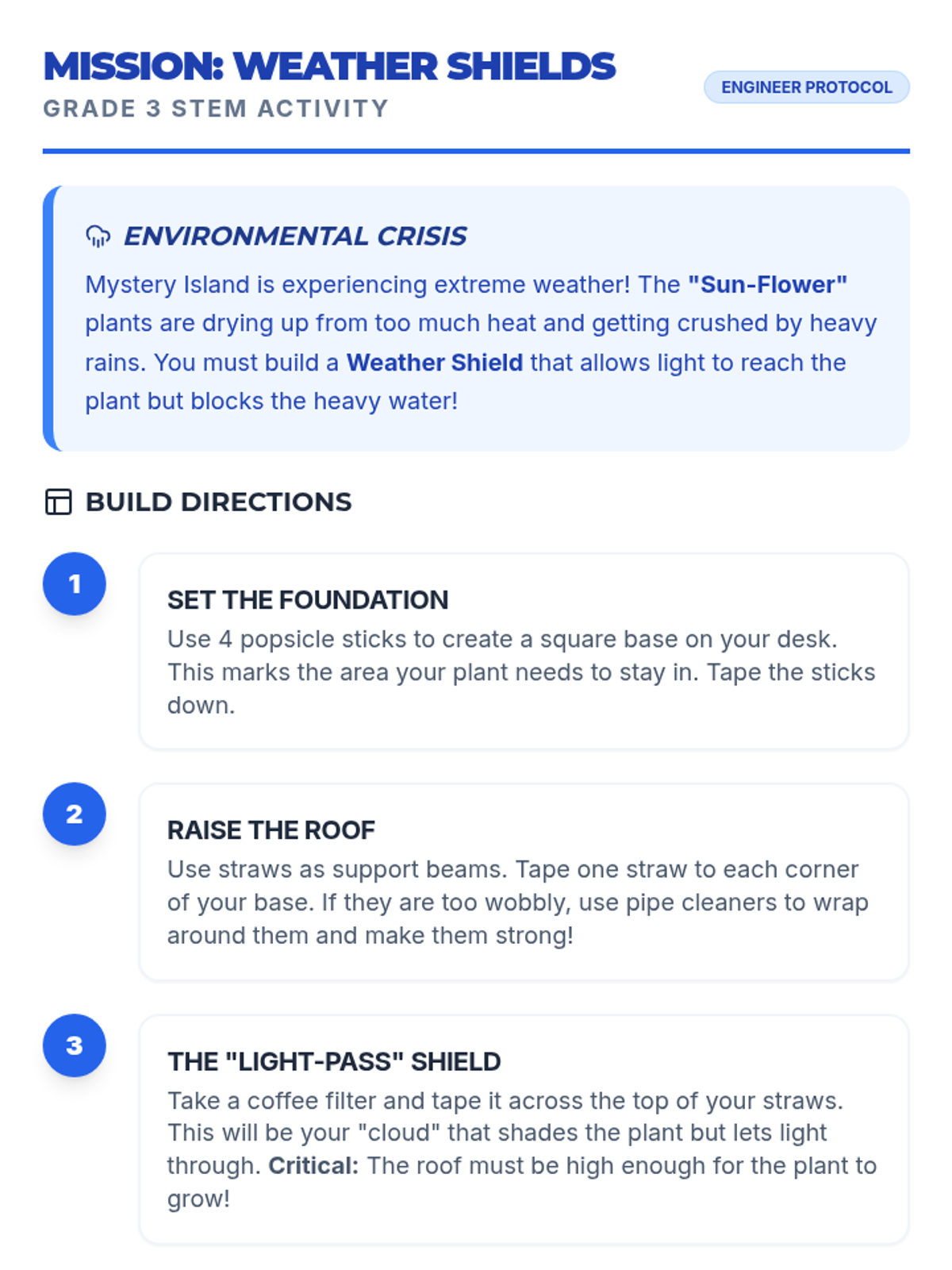
Students design and build 'Weather Shields' to protect a model plant from extreme temperature and precipitation changes on Mystery Island, exploring how environmental factors affect organisms.
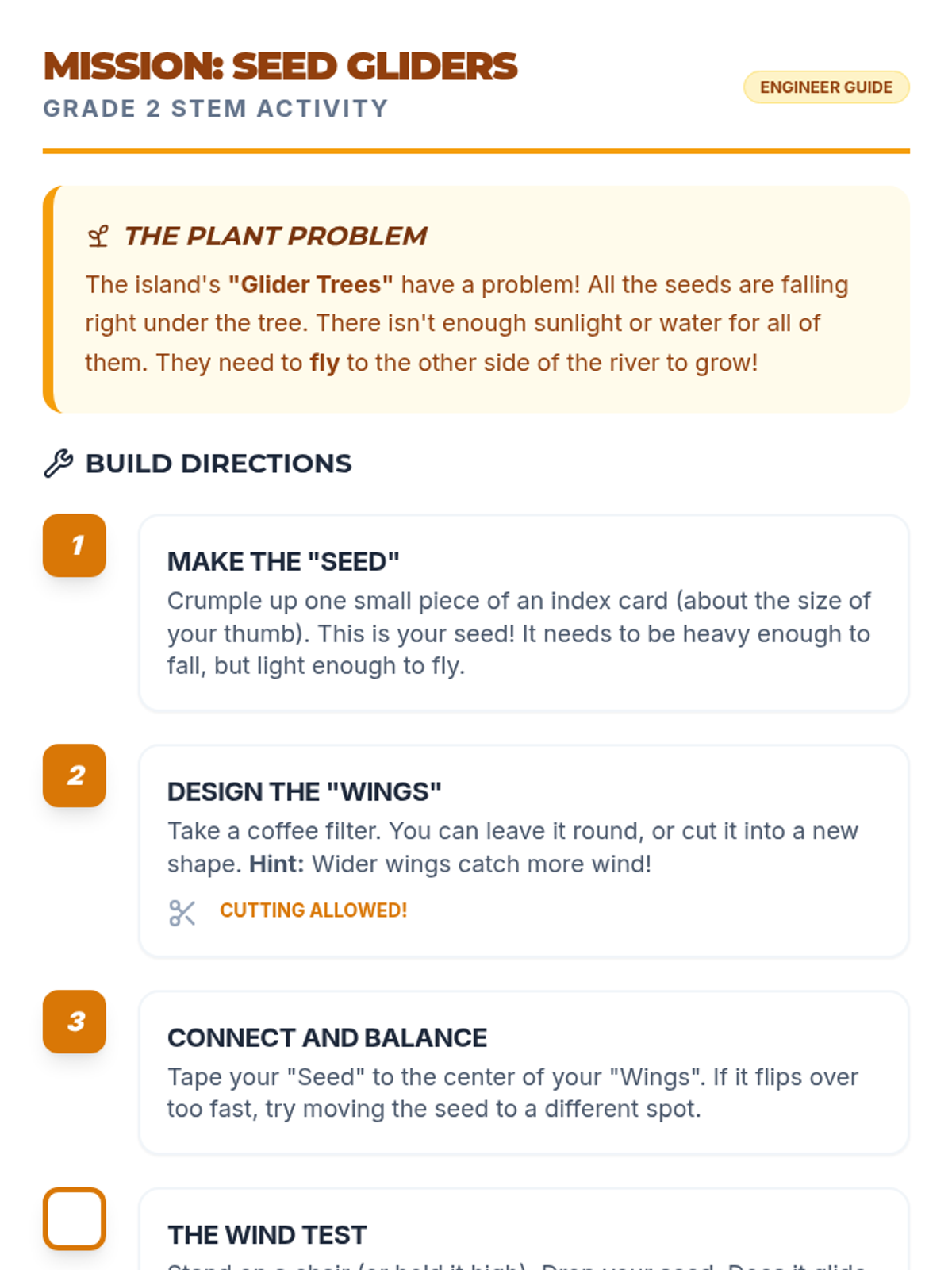
Students act as 'Botanical Engineers' to design and build seed models that can travel through the air to reach new parts of Mystery Island, focusing on seed dispersal methods.
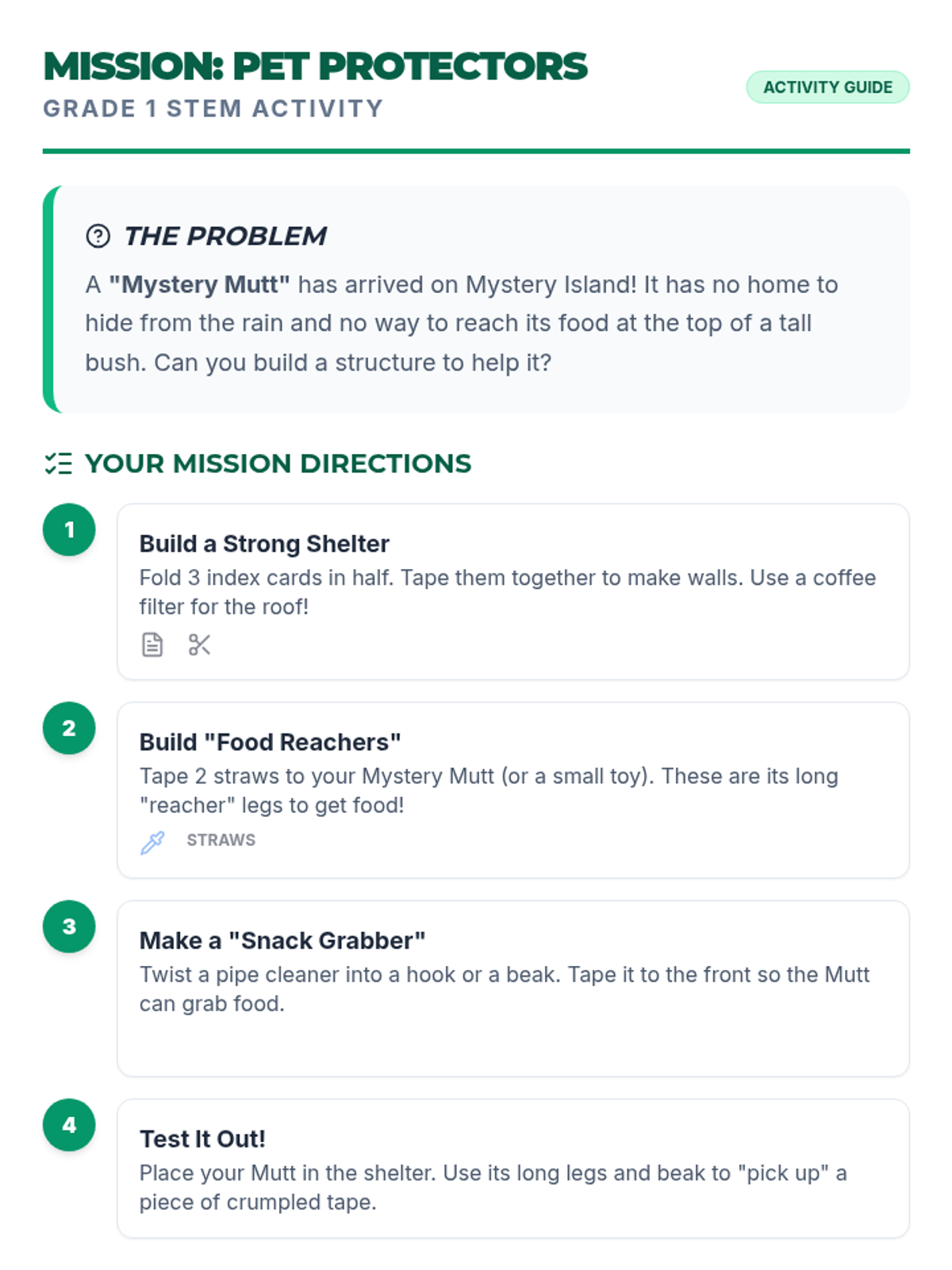
Students design external structures for a 'Mystery Organism' to help it meet its basic needs (food, water, shelter) on Mystery Island, focusing on the link between structure and function.
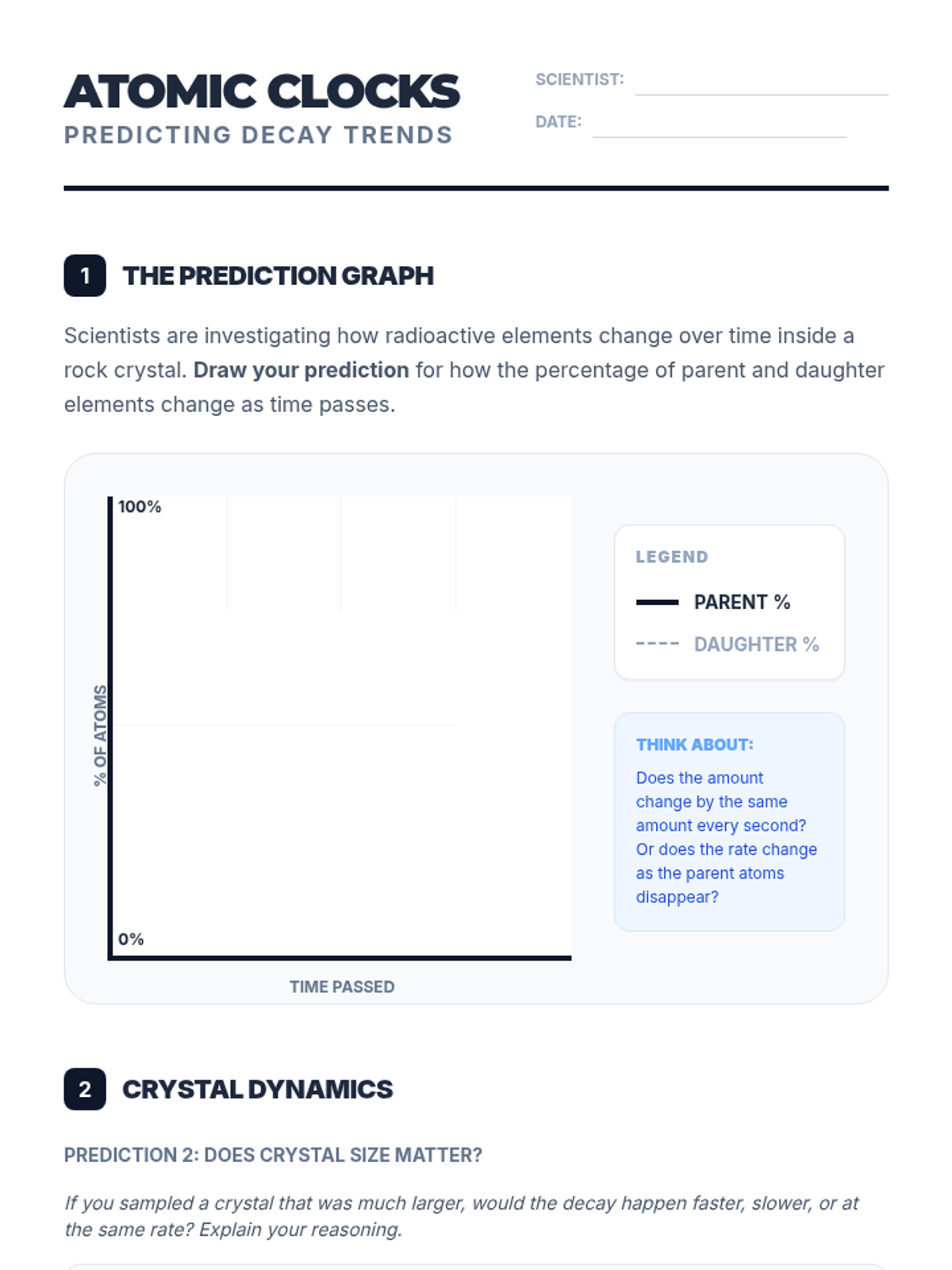
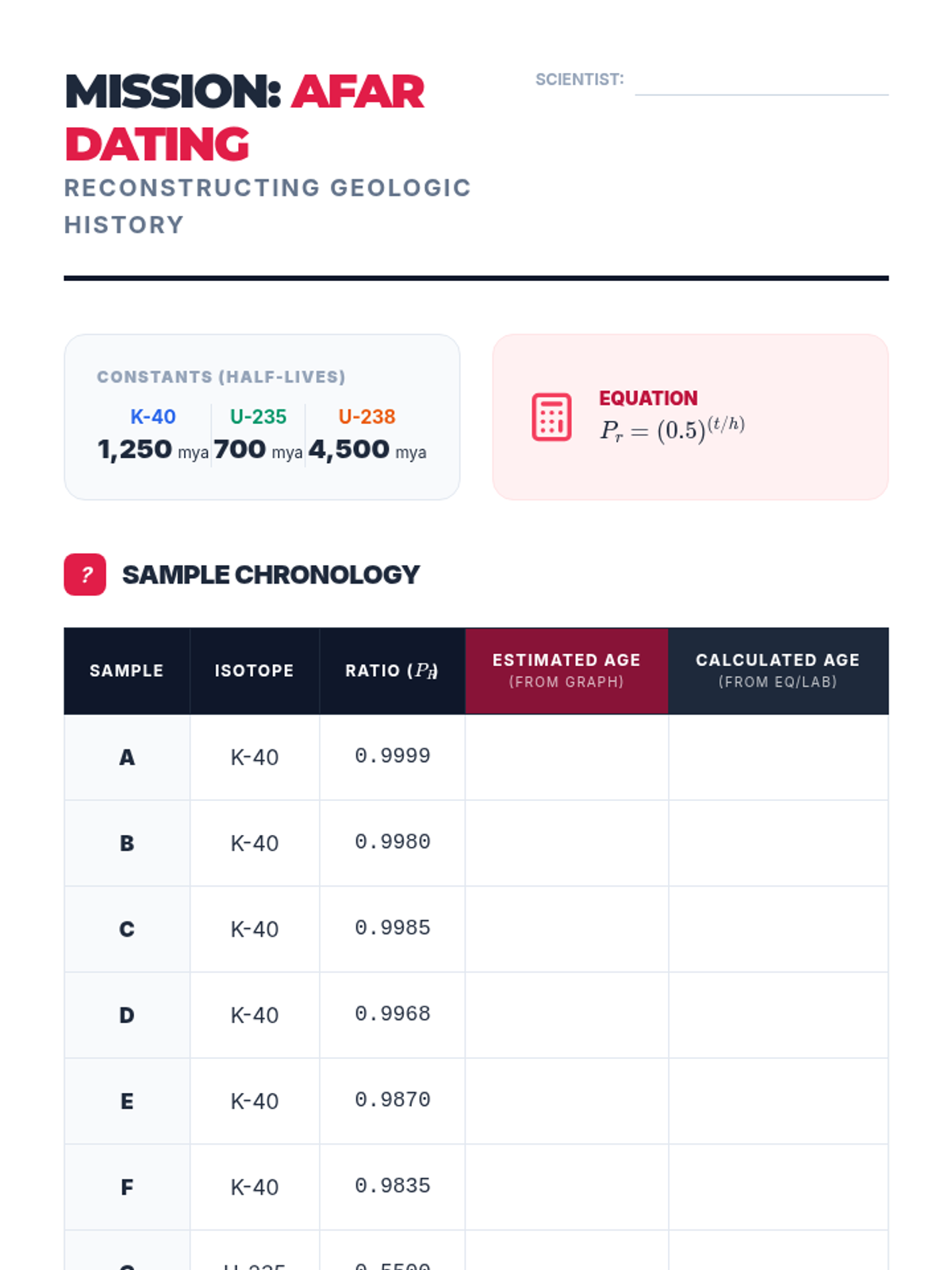
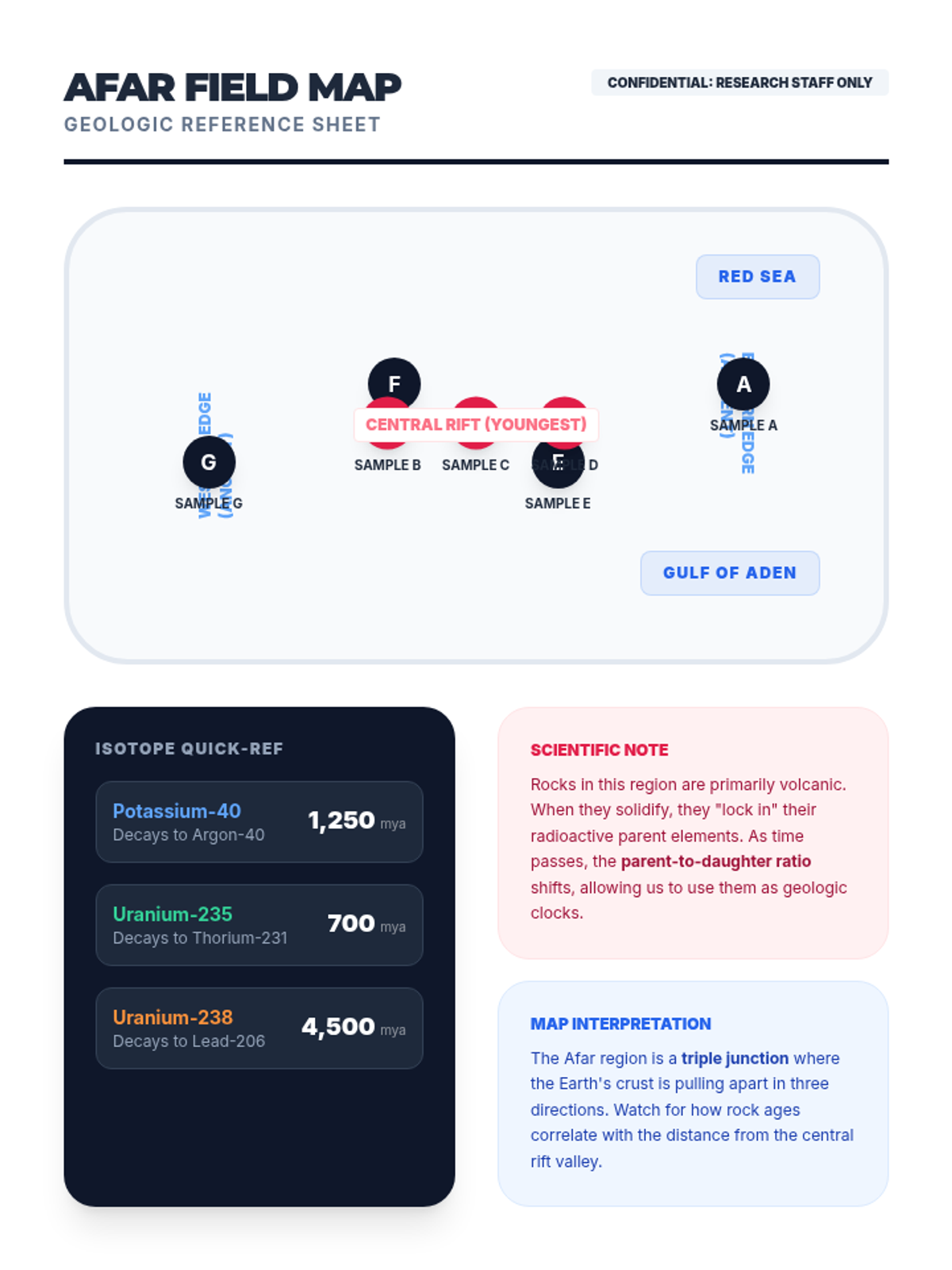
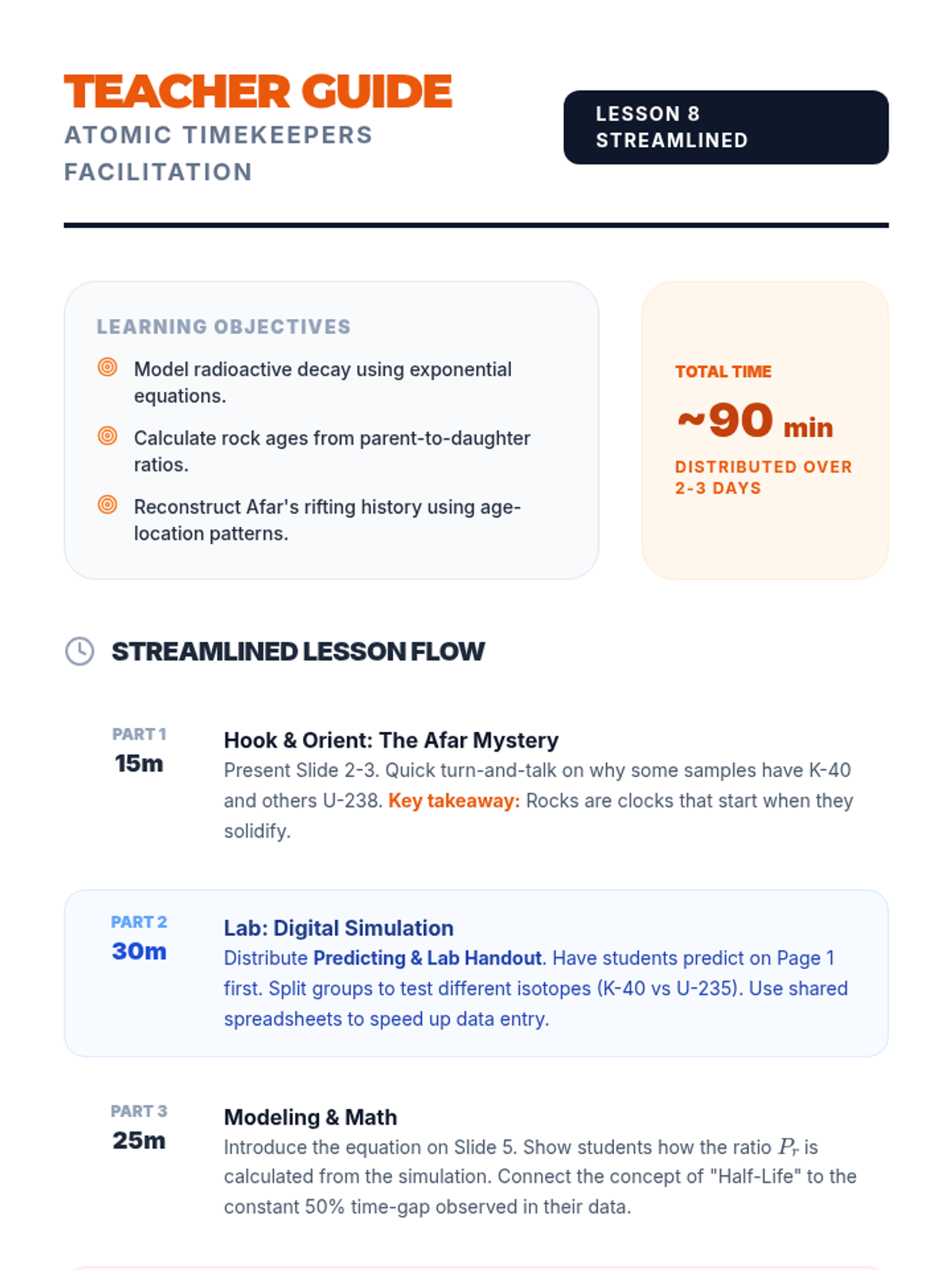
Students investigate radioactive decay in rocks from Afar to determine their age, using mathematical modeling and simulations to reconstruct the region's geologic history.
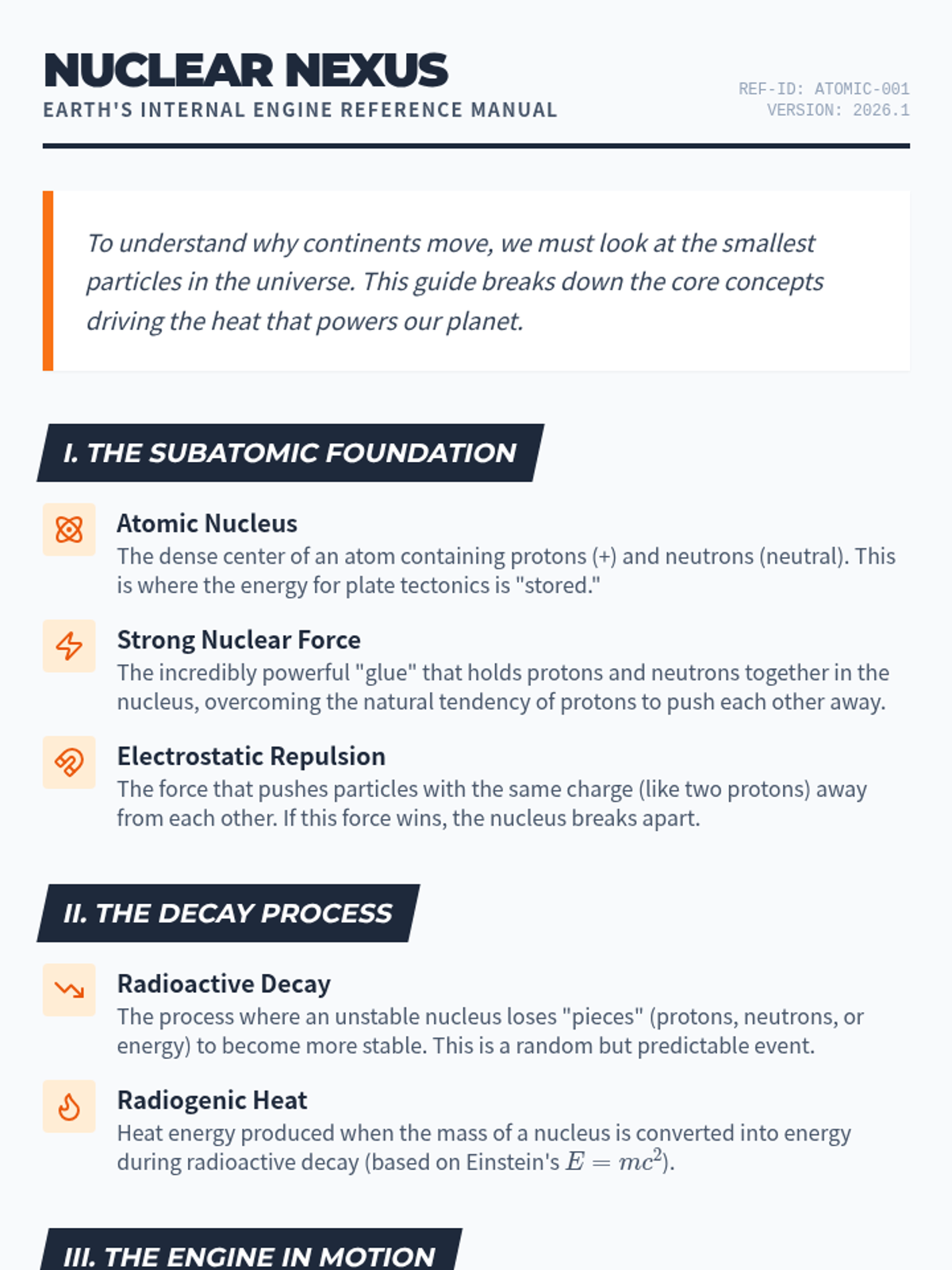
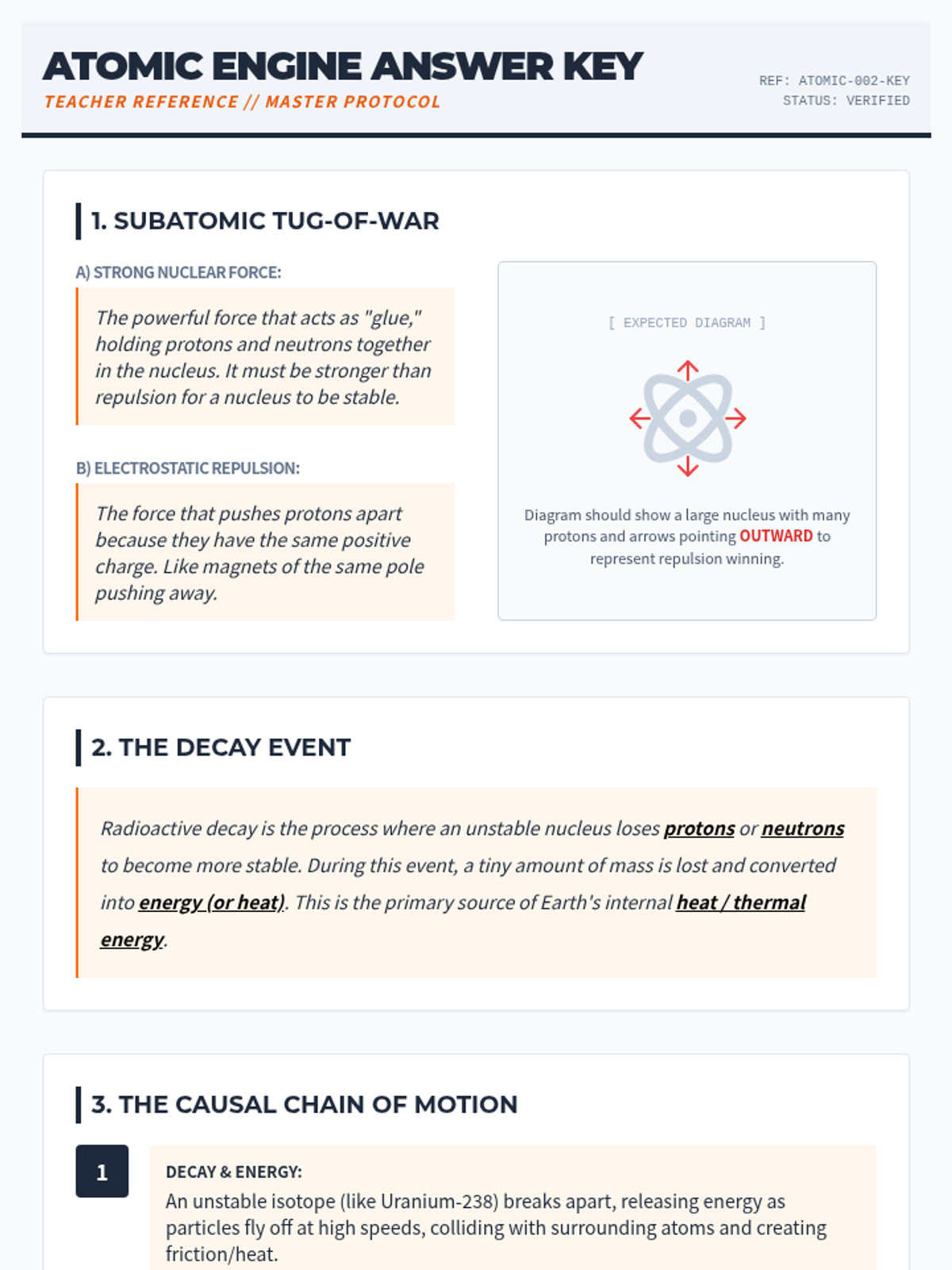
A deep dive into the subatomic origins of plate tectonics, tracing the journey from unstable nuclei to the massive convection currents that move continents.
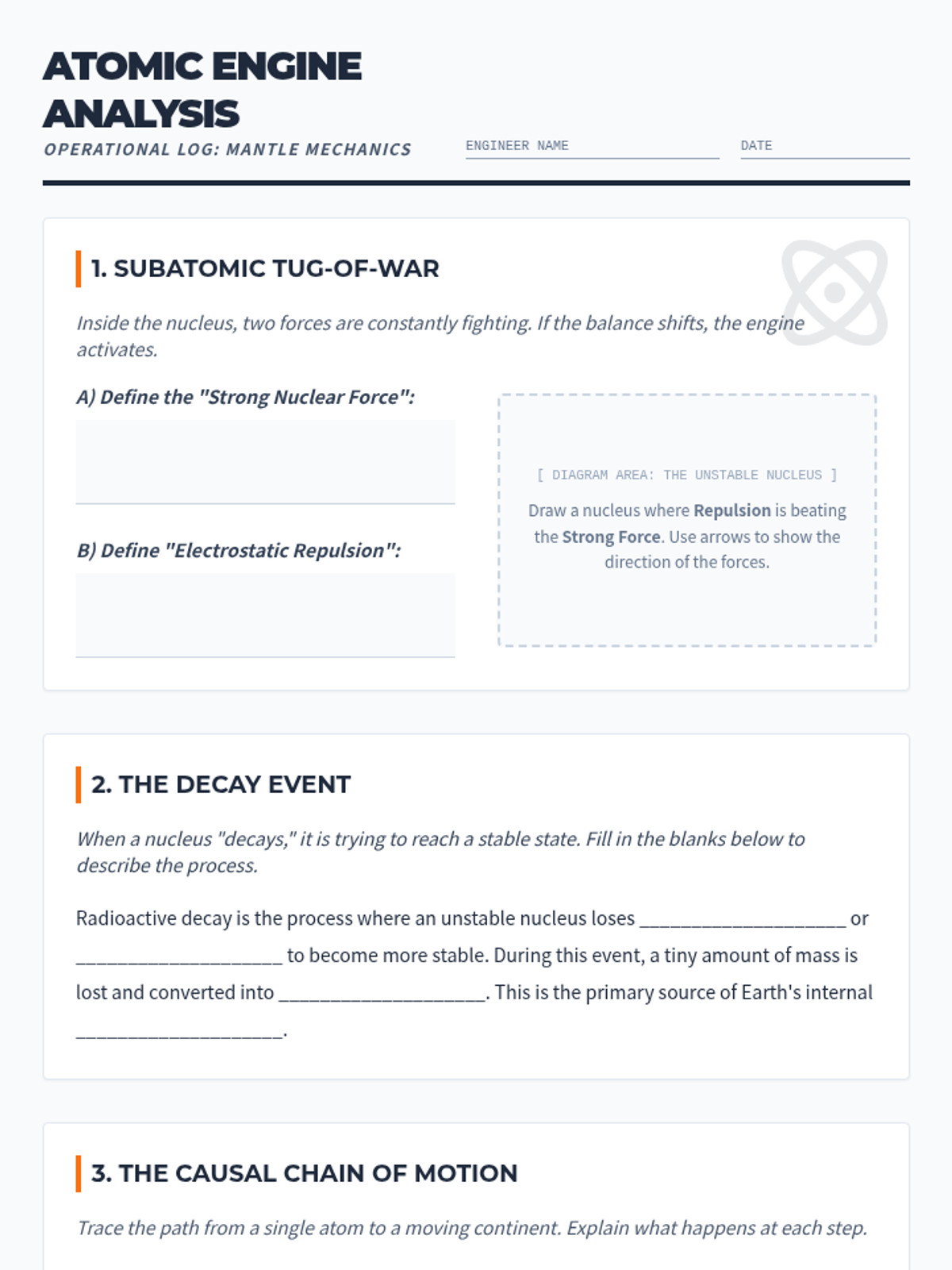
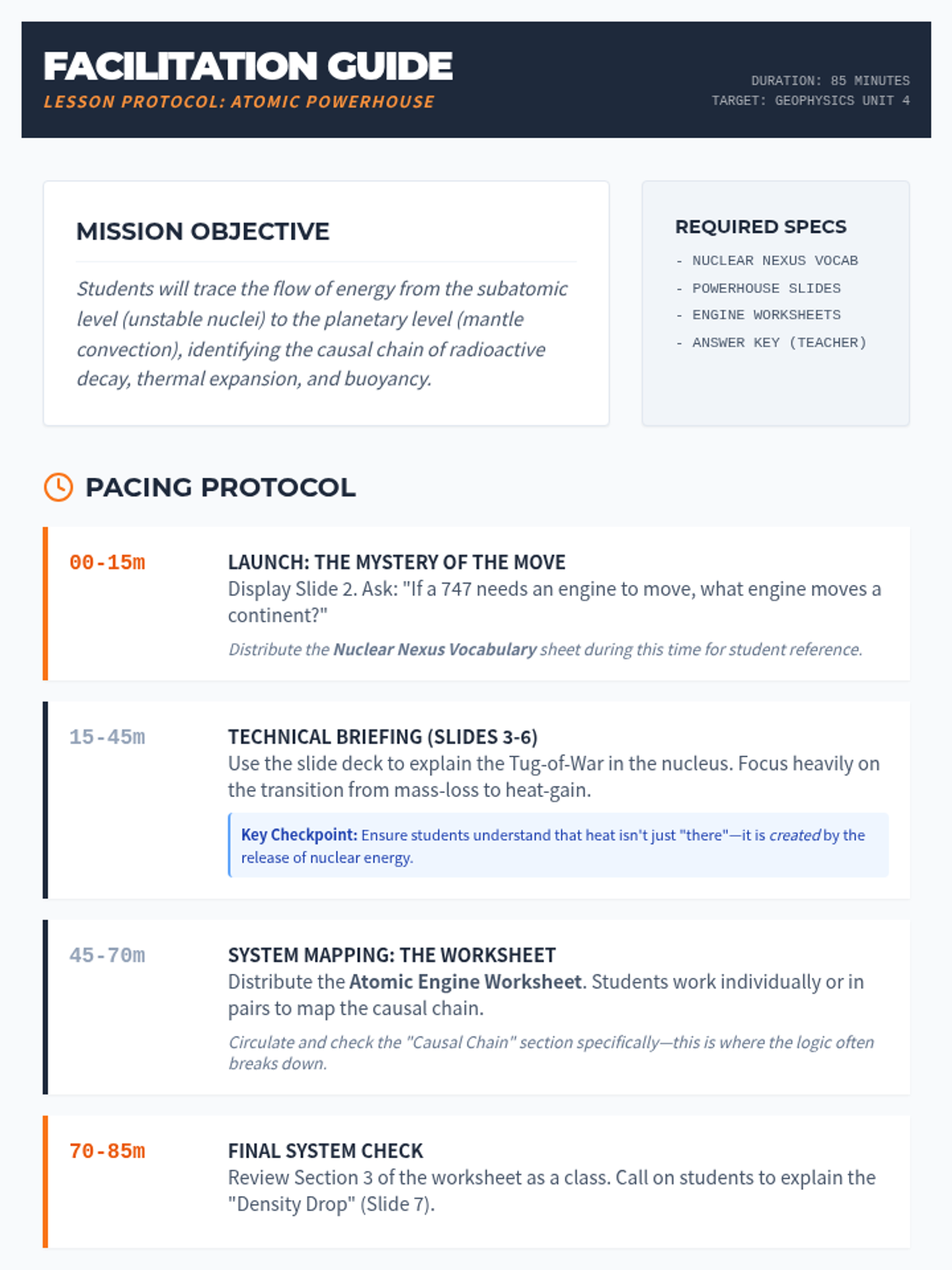
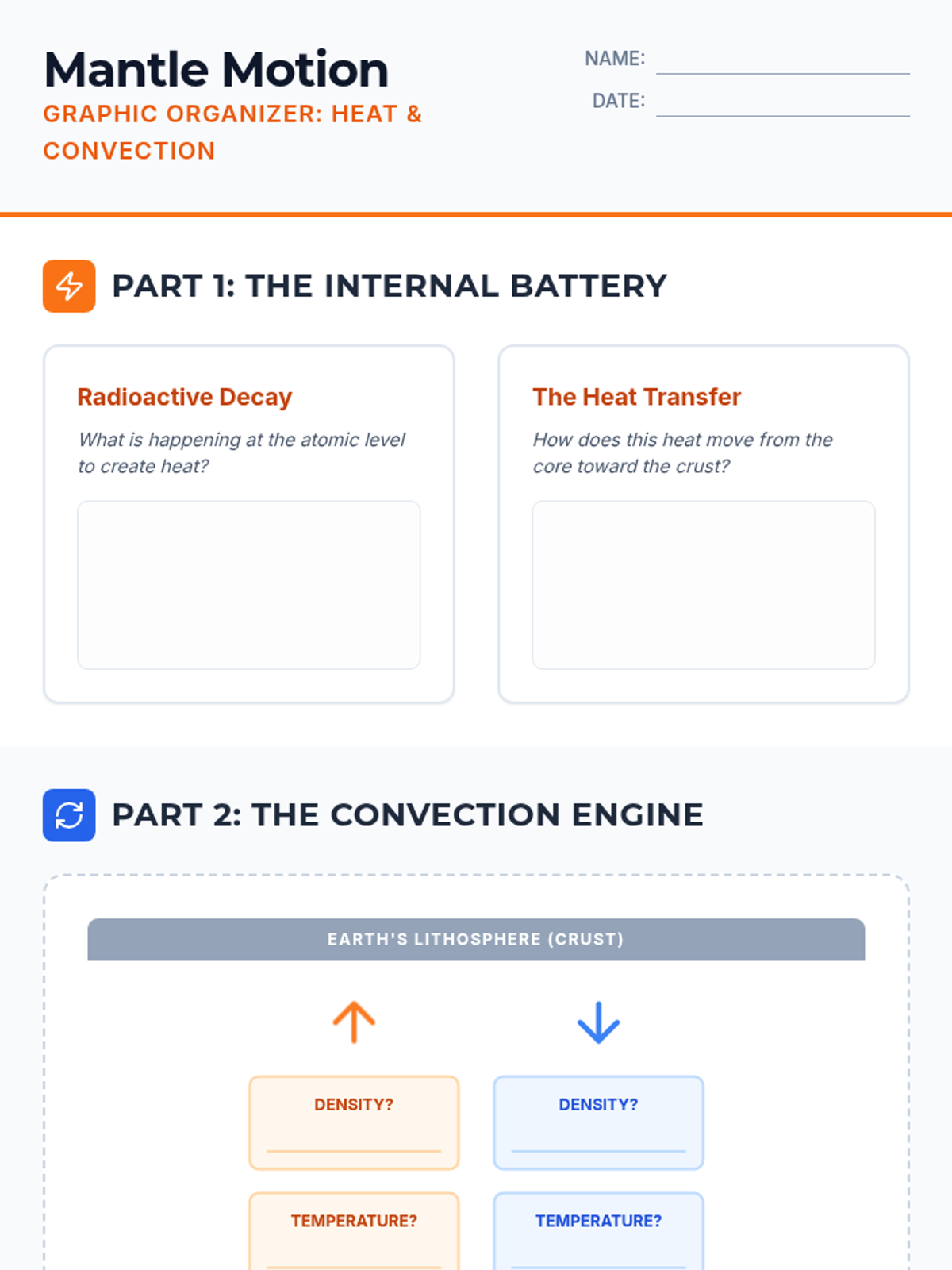
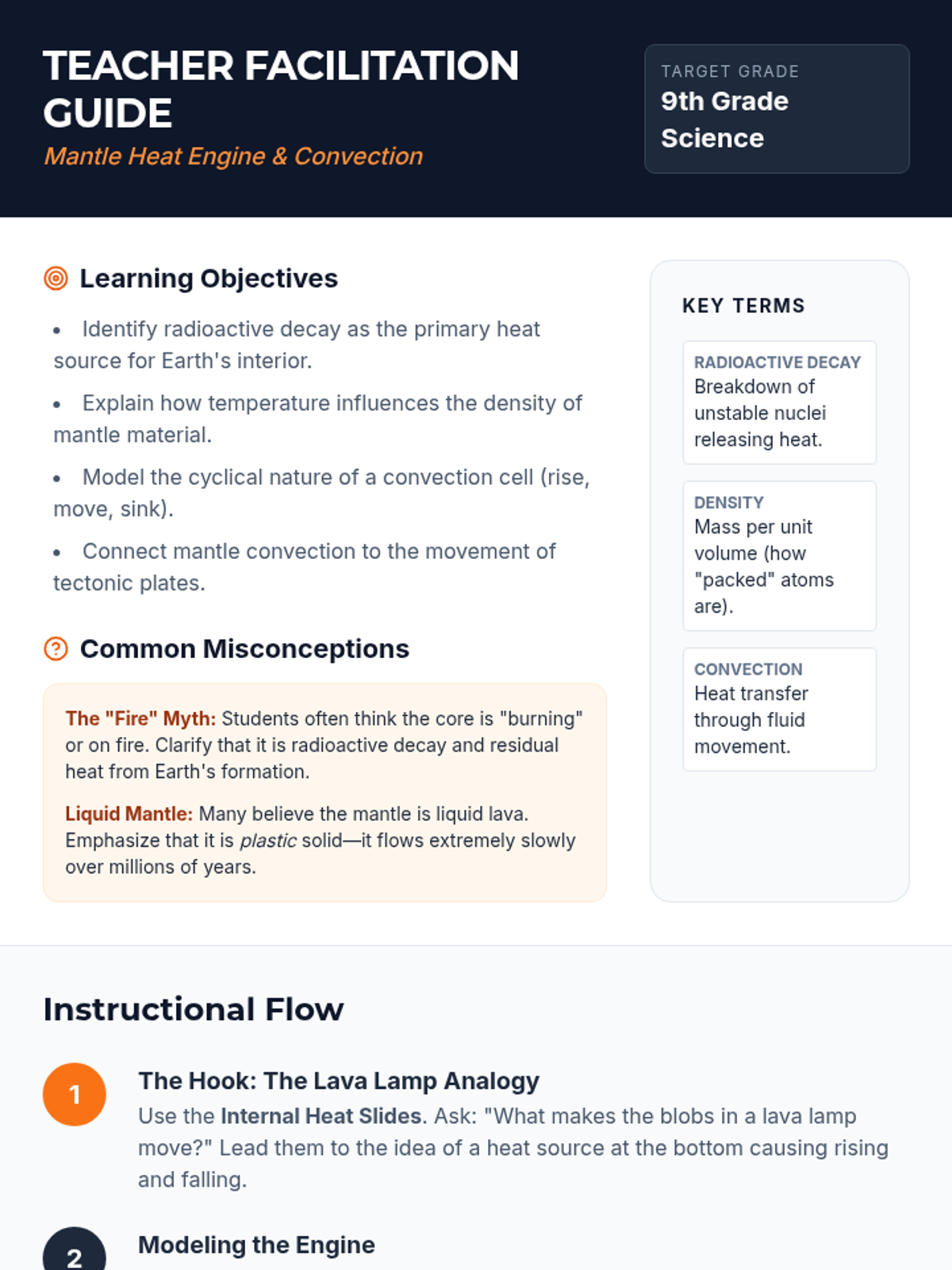
A lesson exploring how radioactive decay in Earth's mantle generates heat, driving the convection currents that move tectonic plates. Students will trace the energy path from atomic nuclei to the movement of continents.
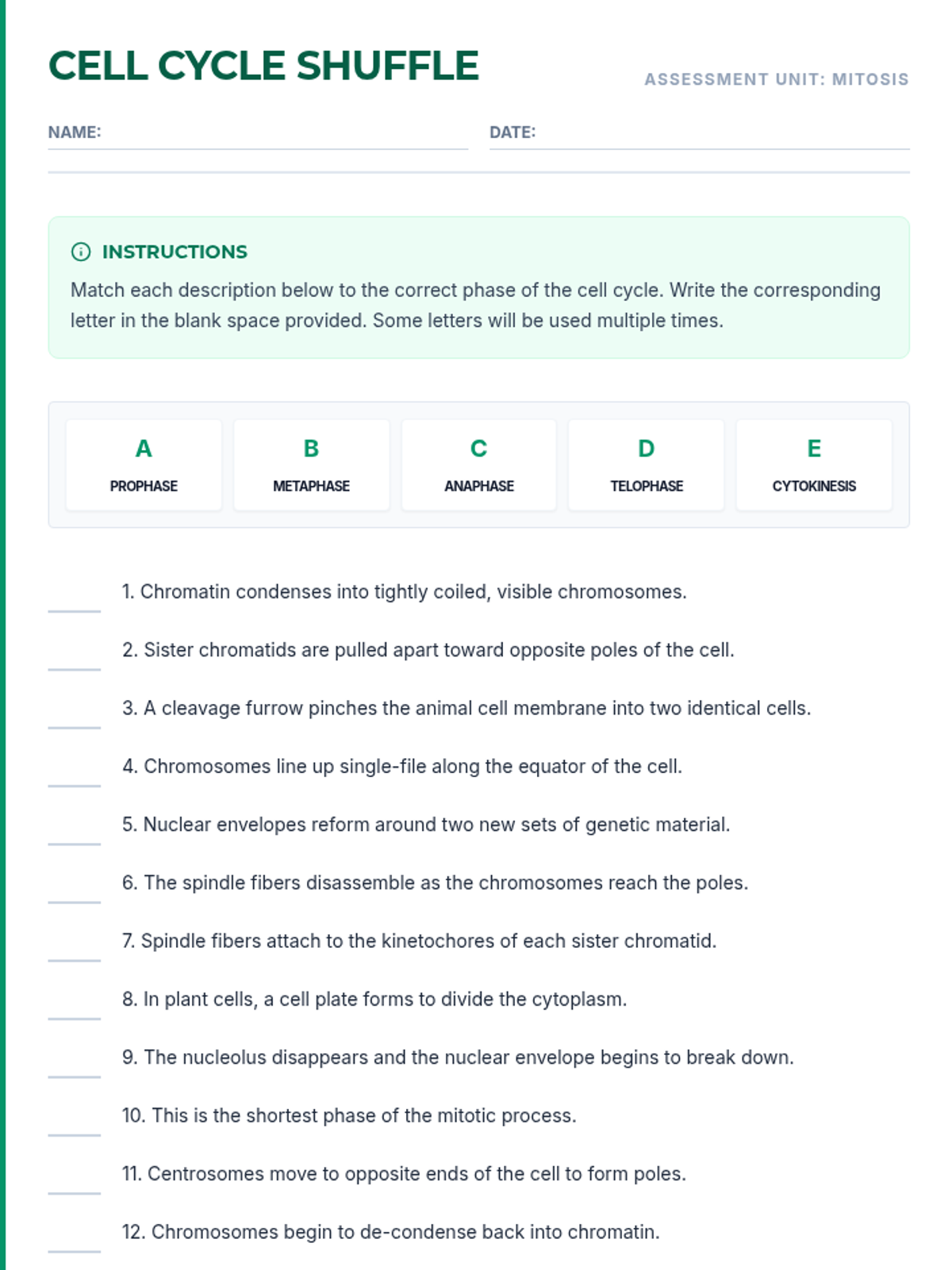
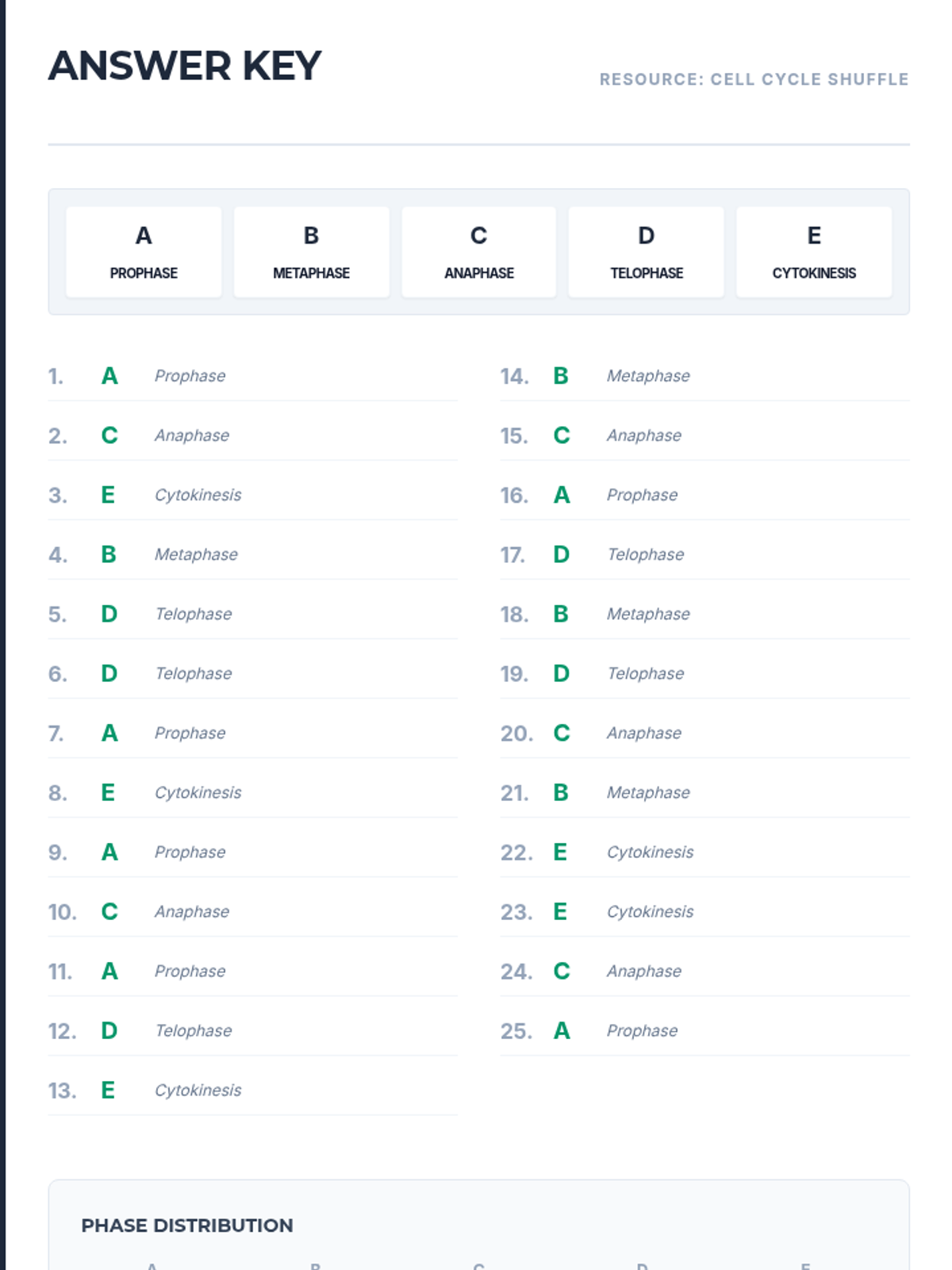
A comprehensive assessment lesson focusing on the specific events of prophase, metaphase, anaphase, telophase, and cytokinesis through detailed matching exercises.
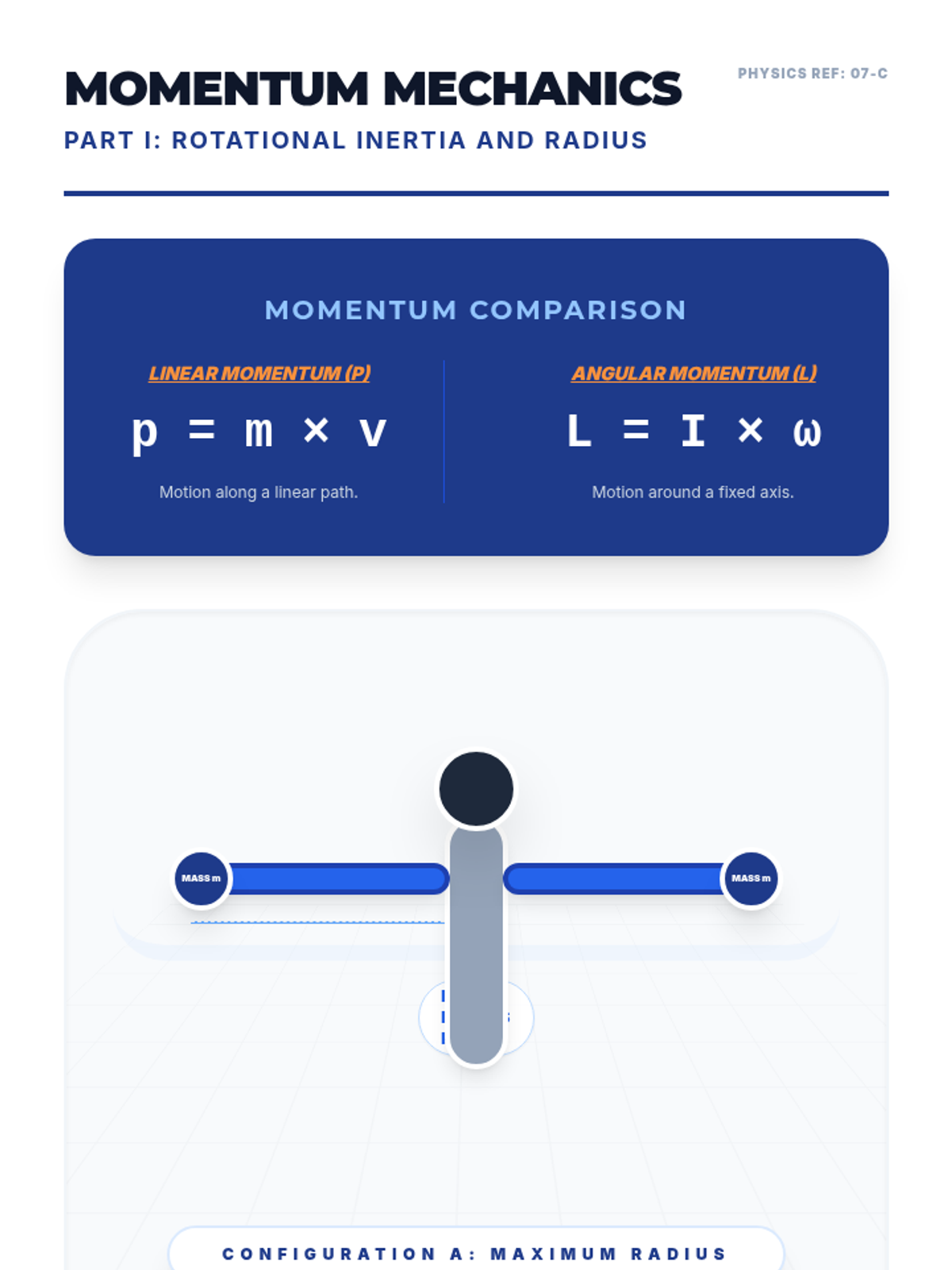
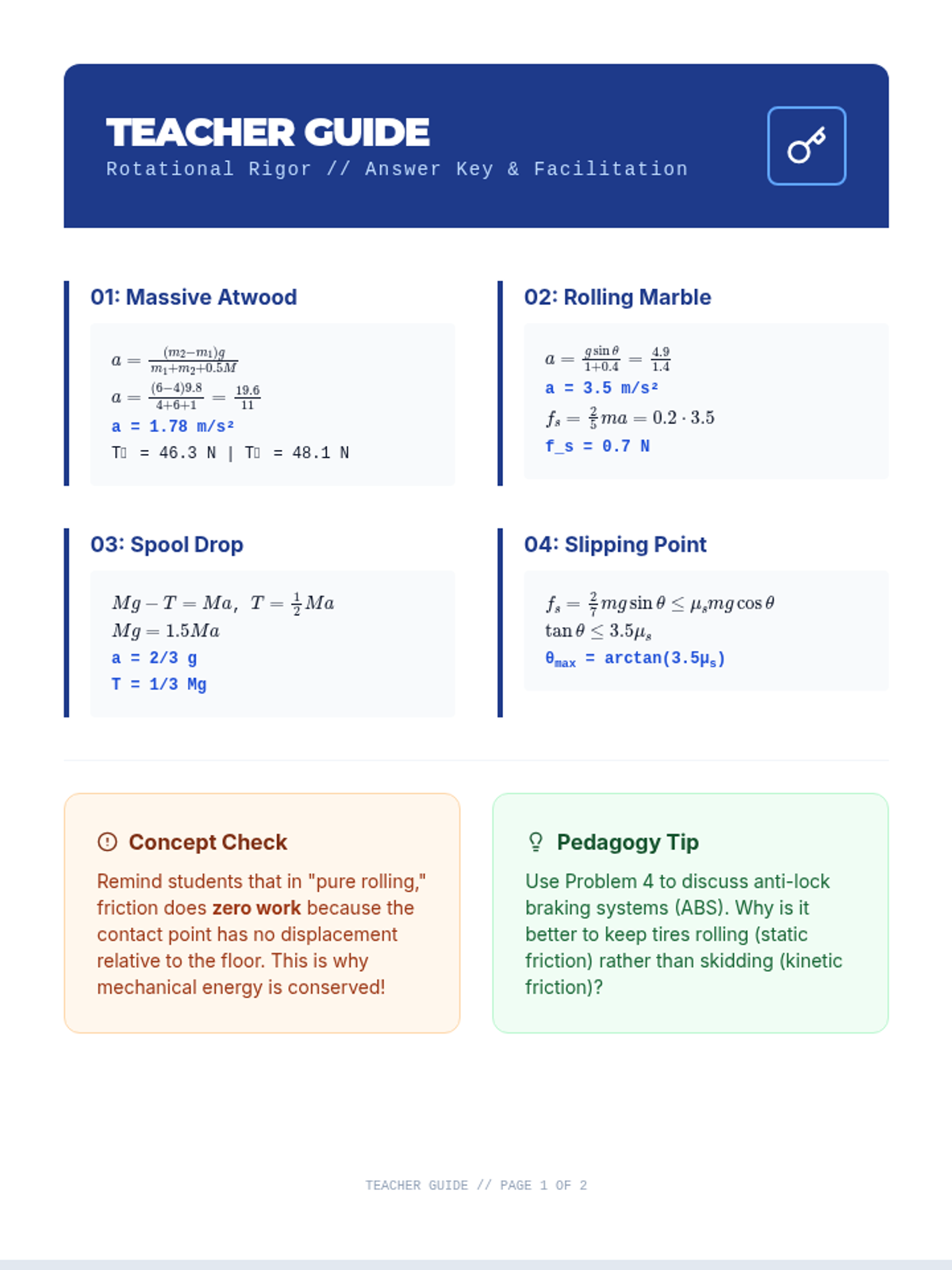
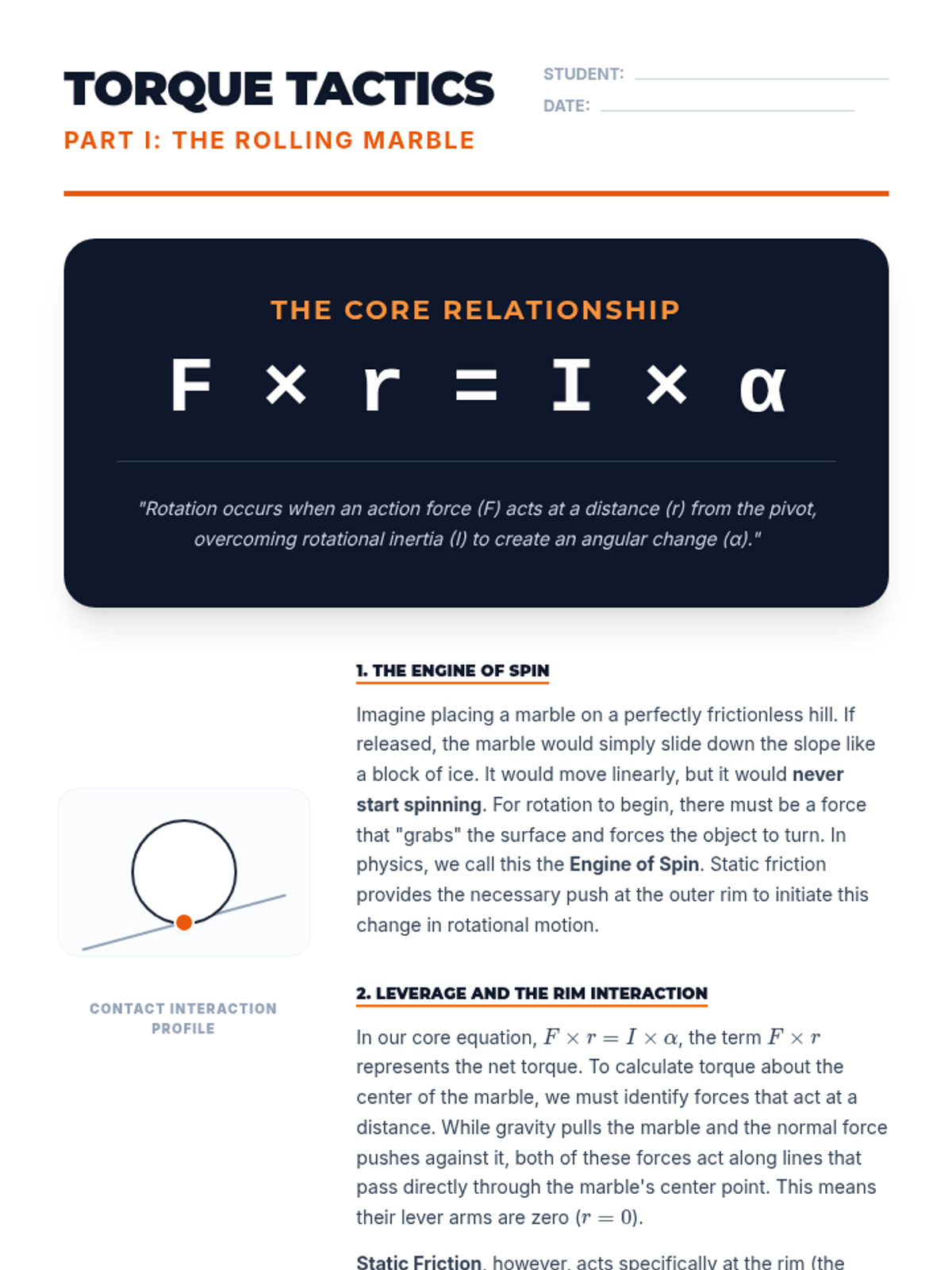
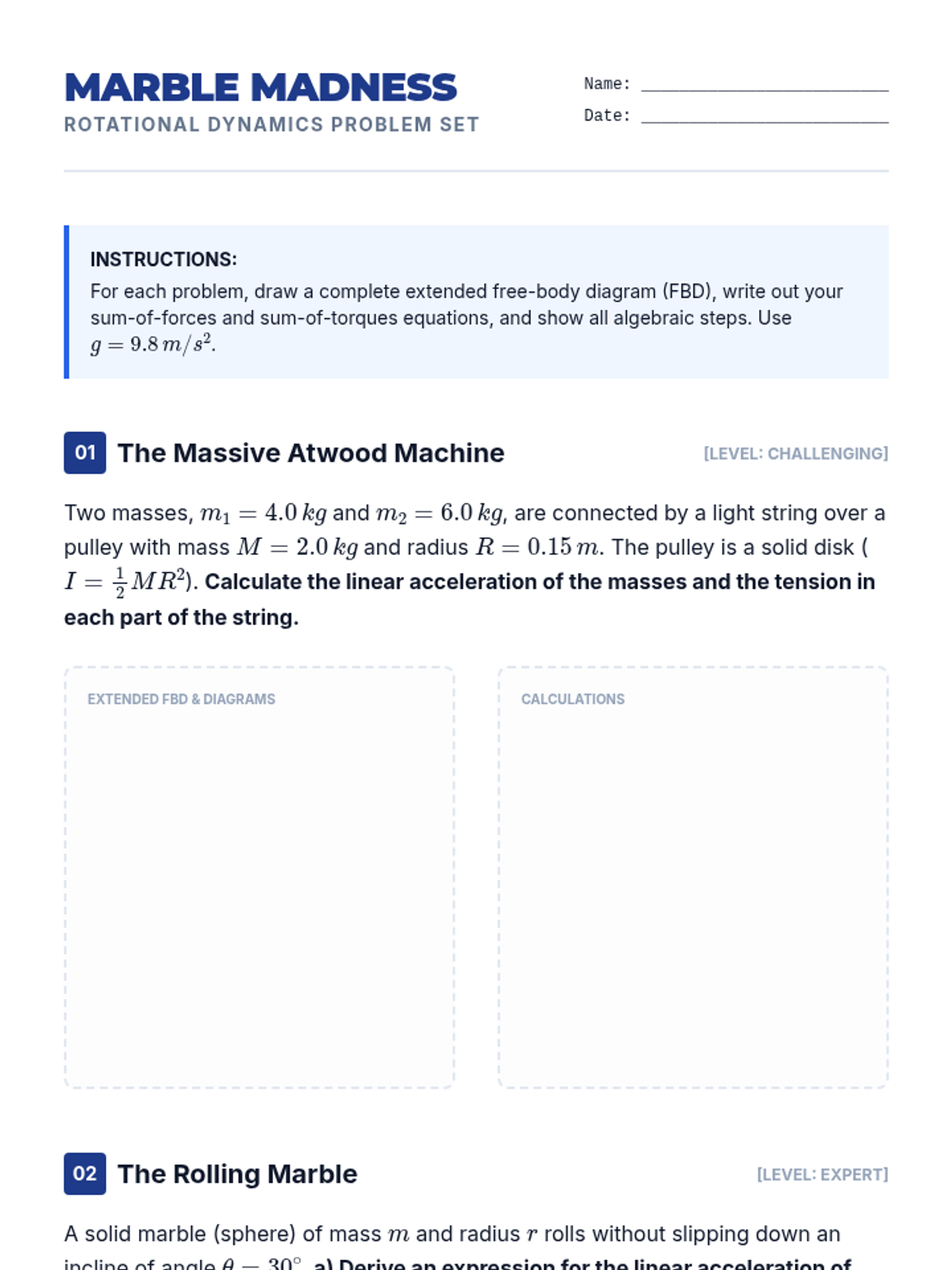
This lesson explores advanced rotational dynamics, focusing on the application of Newton's Second Law for rotation to massive pulleys and rolling objects where static friction provides the necessary torque for rolling without slipping.