Students are introduced to the role of a copyeditor, learn standard editing marks for spelling errors, and practice identifying homophone errors in simple sentences.
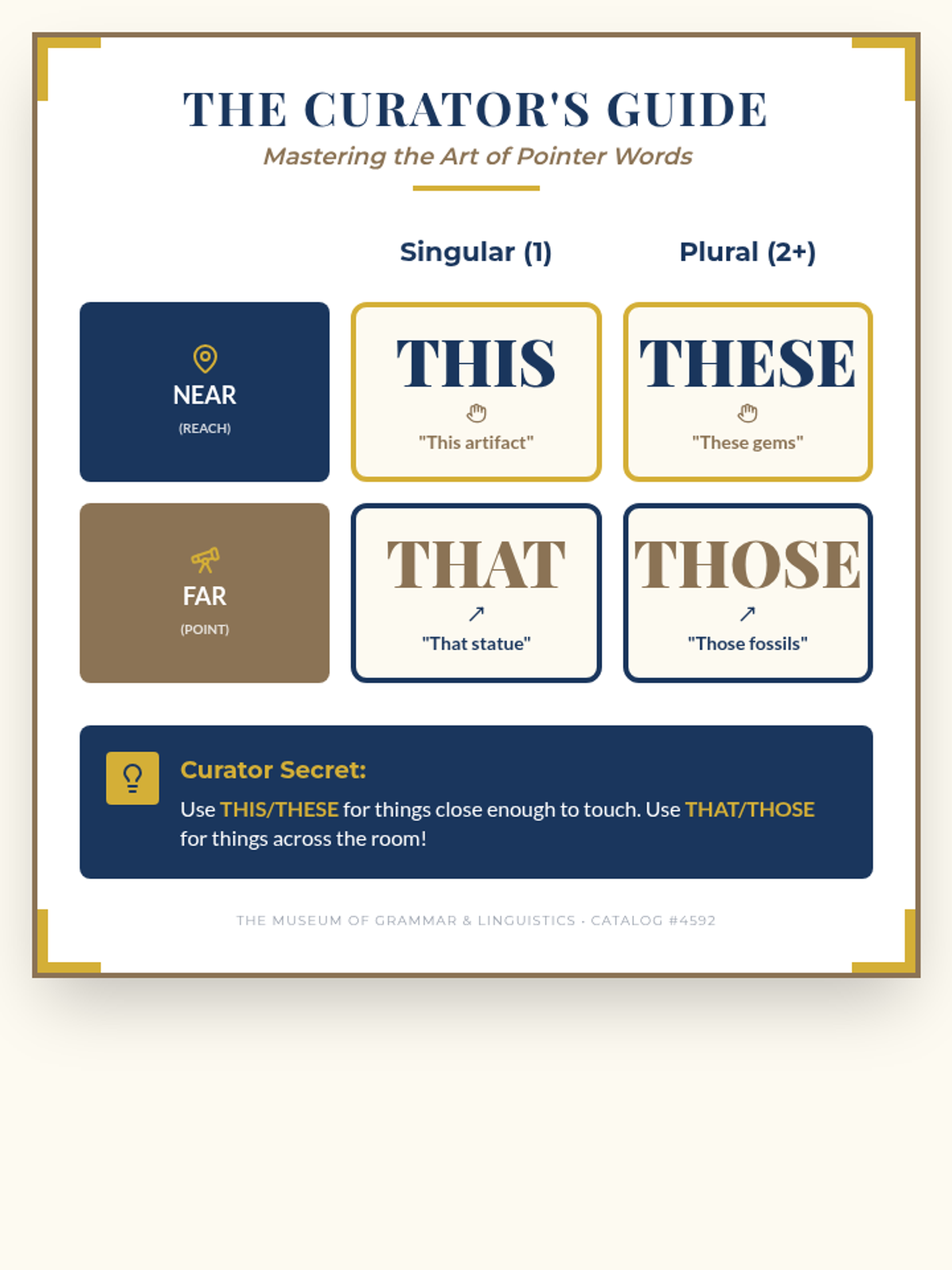
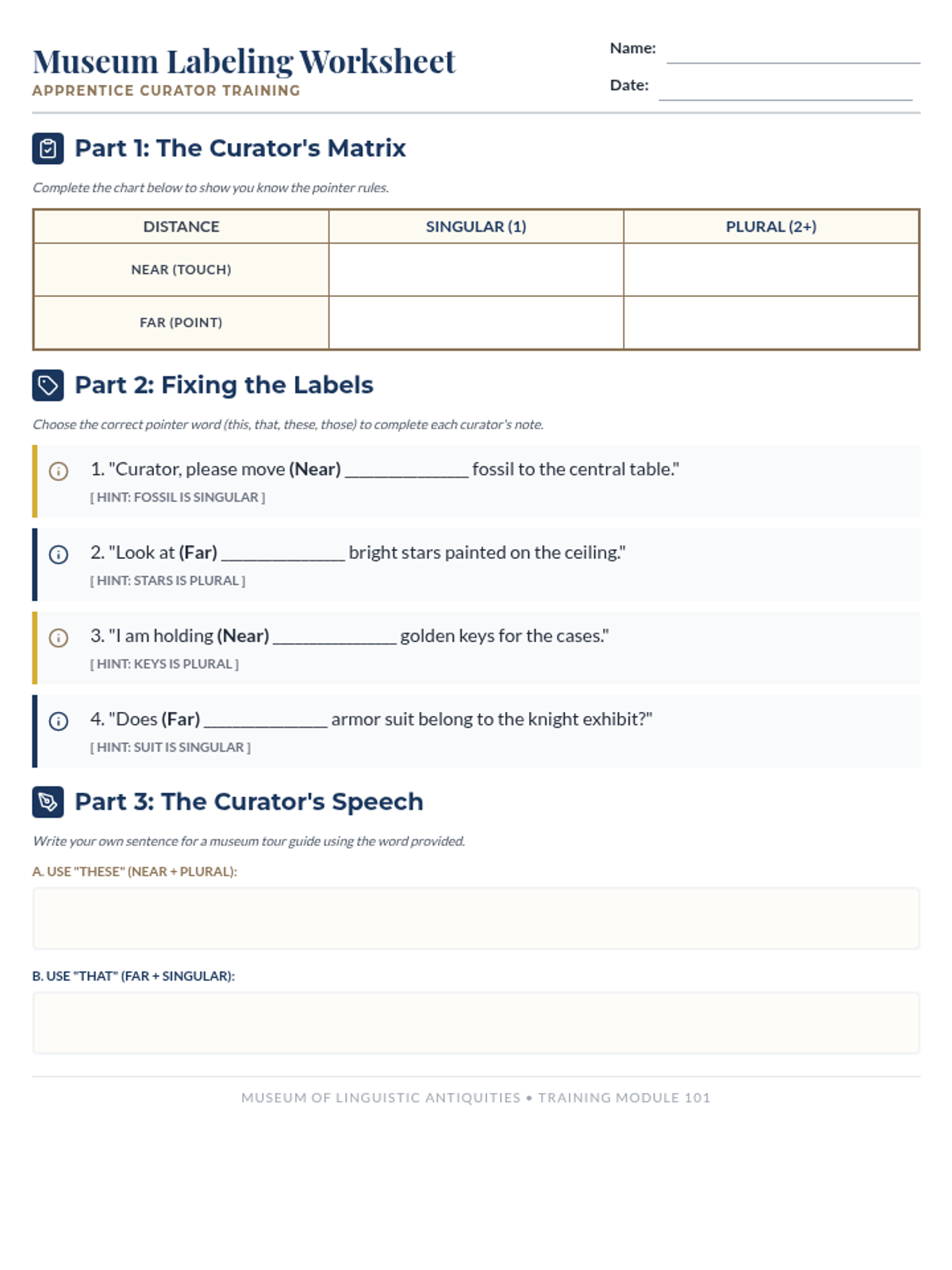
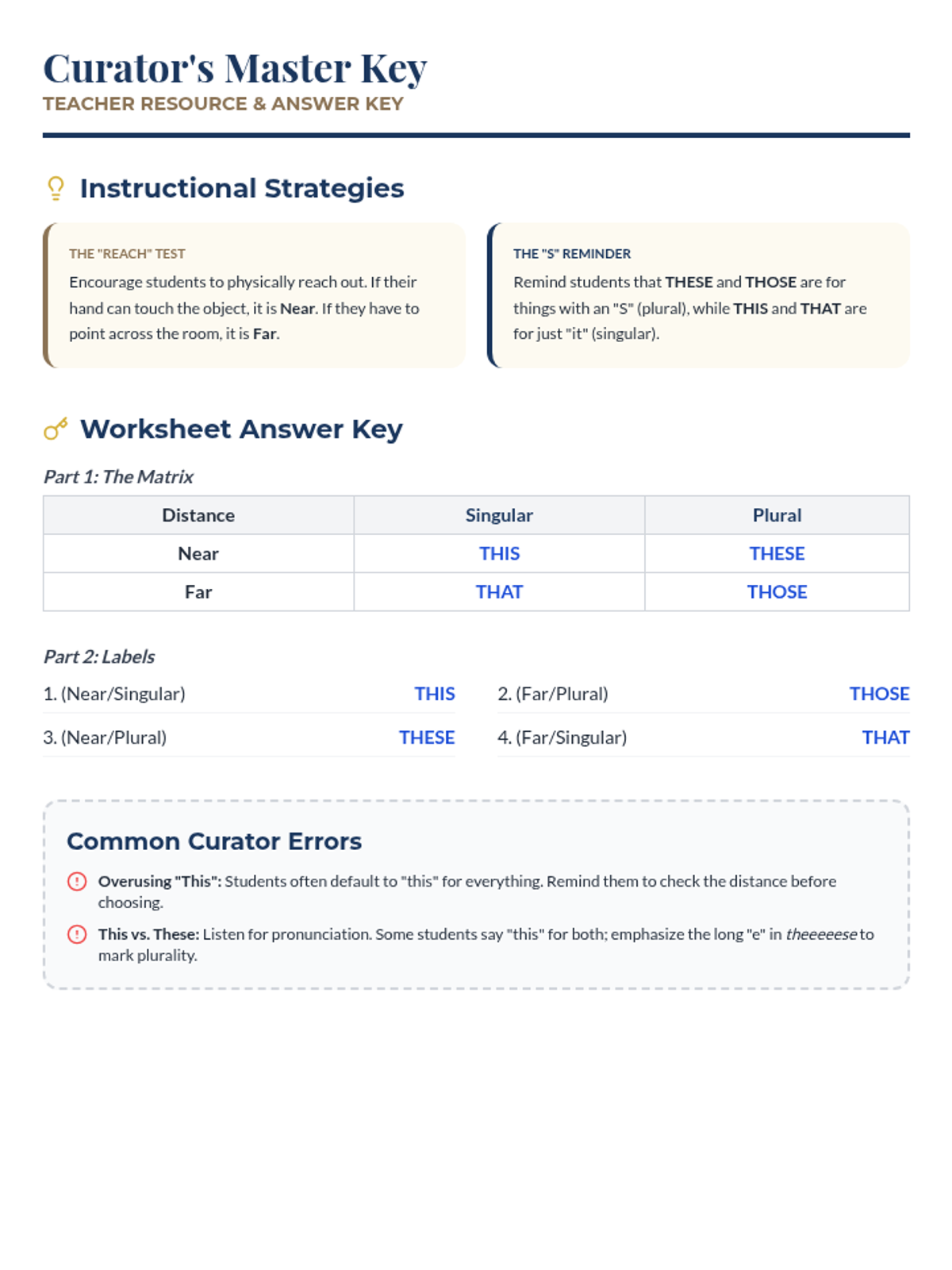
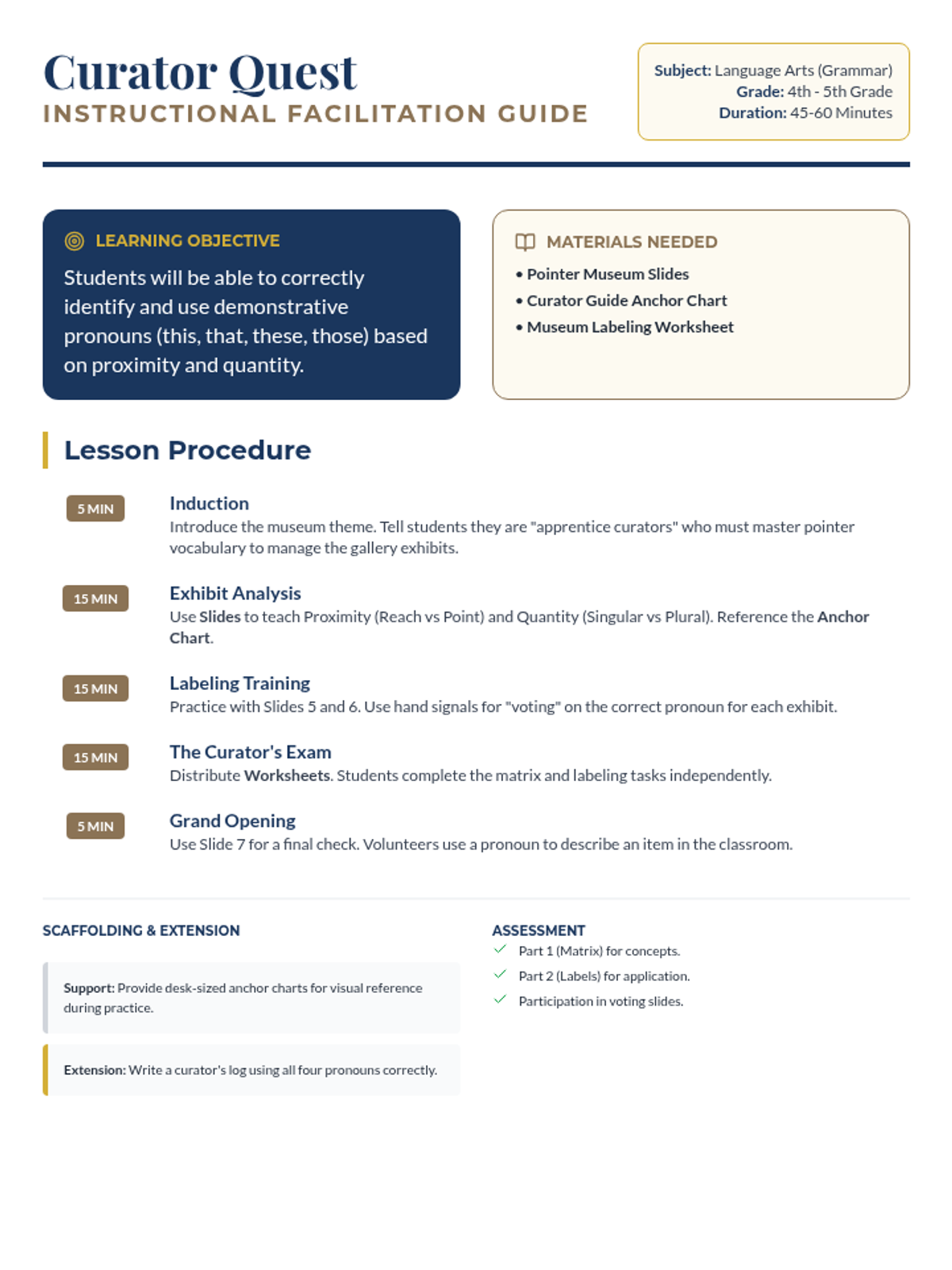
A comprehensive lesson on using demonstrative pronouns (this, that, these, those) through the lens of museum curators managing an exhibit. Students learn to distinguish between singular/plural and near/far objects.
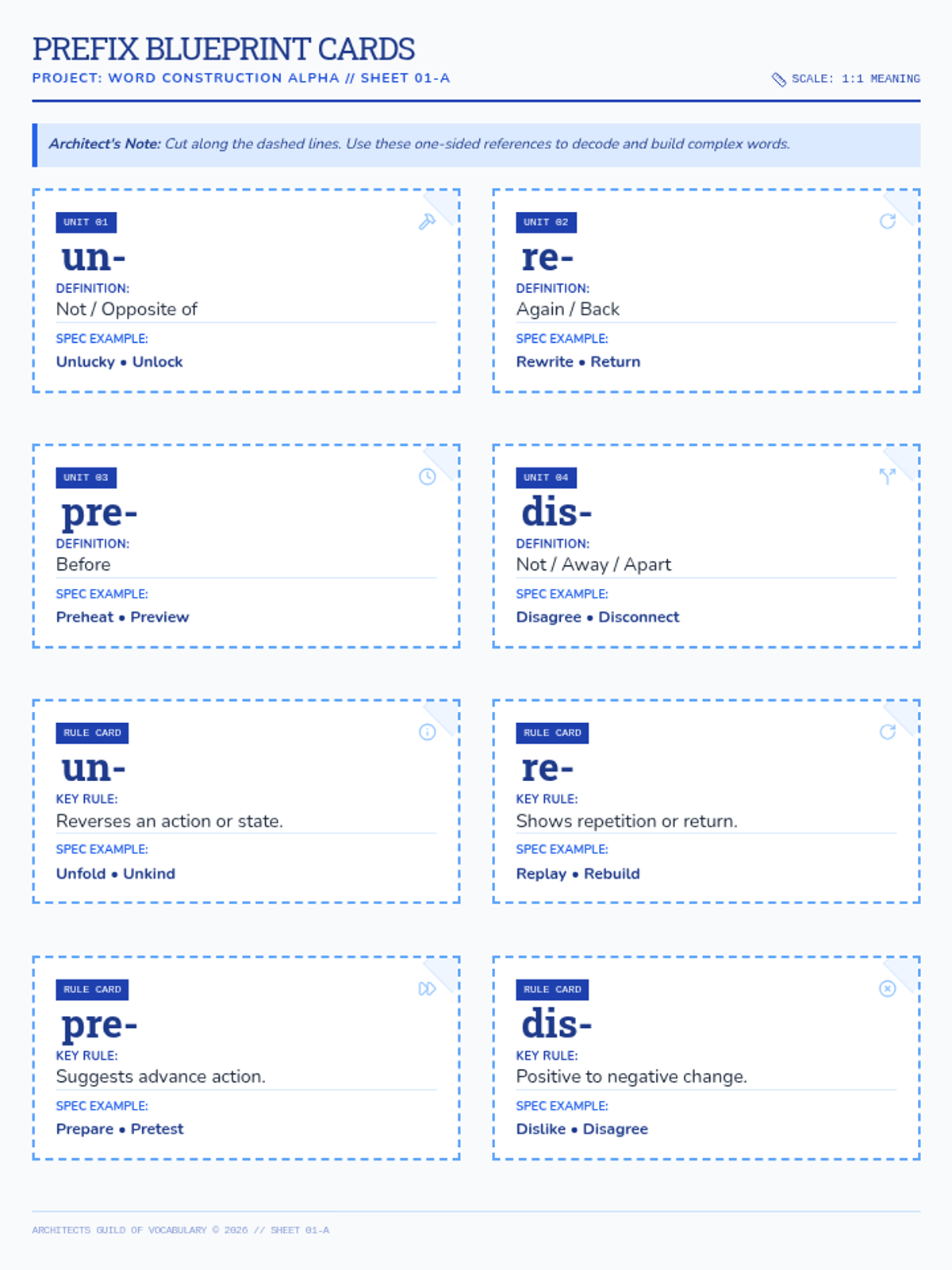
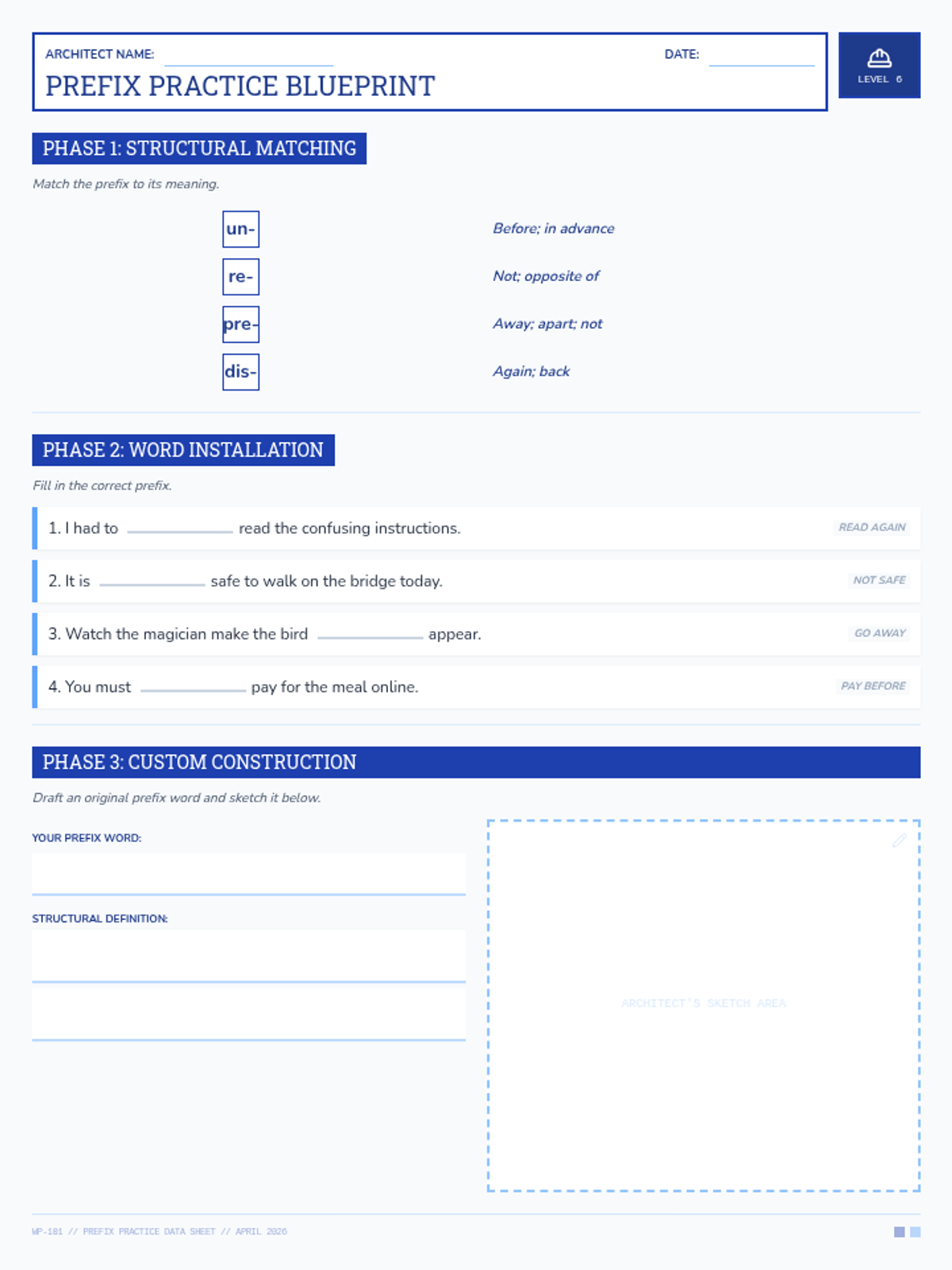
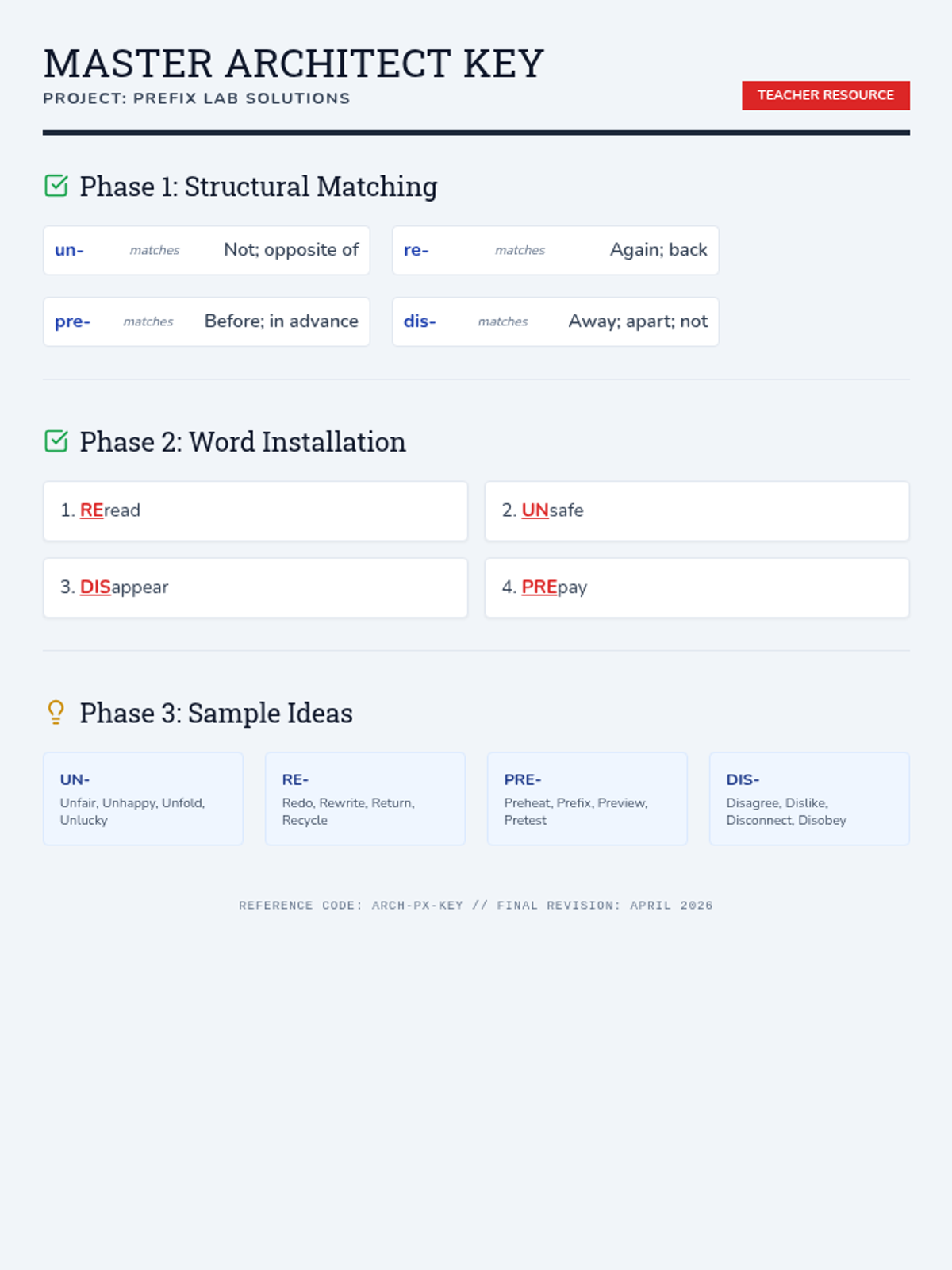
A foundational lesson on common prefixes (un-, re-, pre-, dis-) where students act as 'Word Architects' to build and deconstruct words.
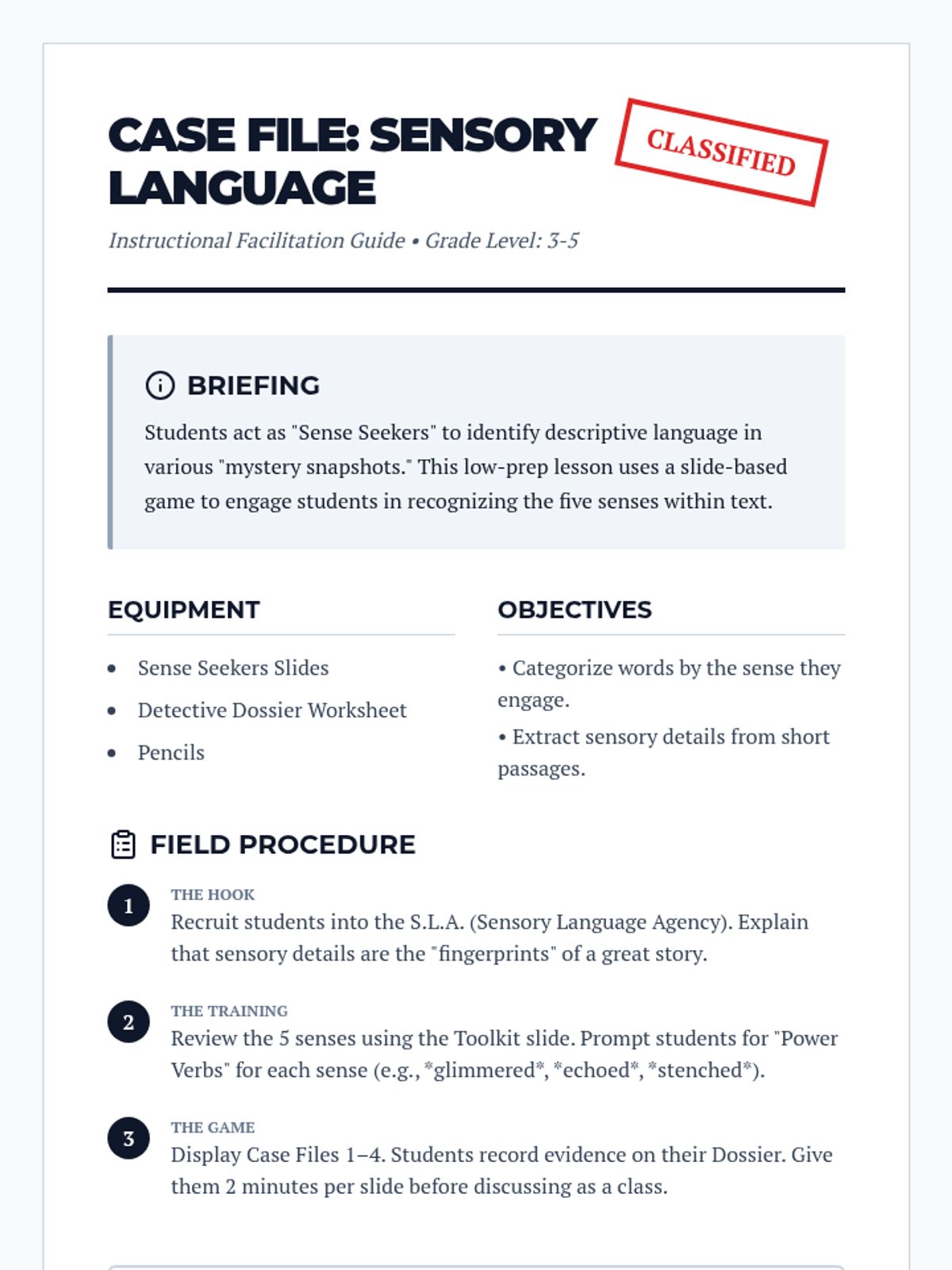
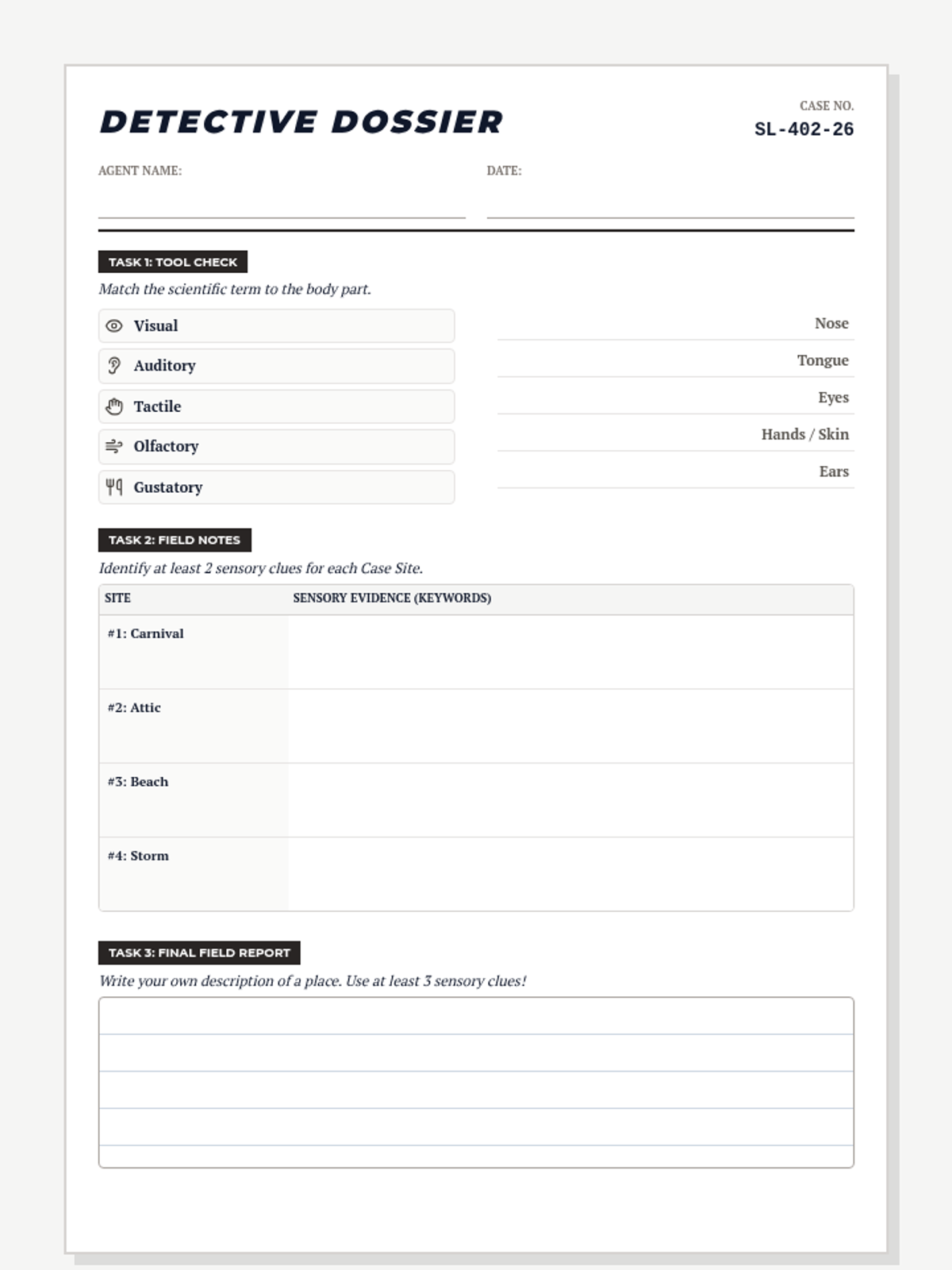
A lesson where students become 'Sense Seekers' to identify sensory language in descriptive text through a mystery-themed game.
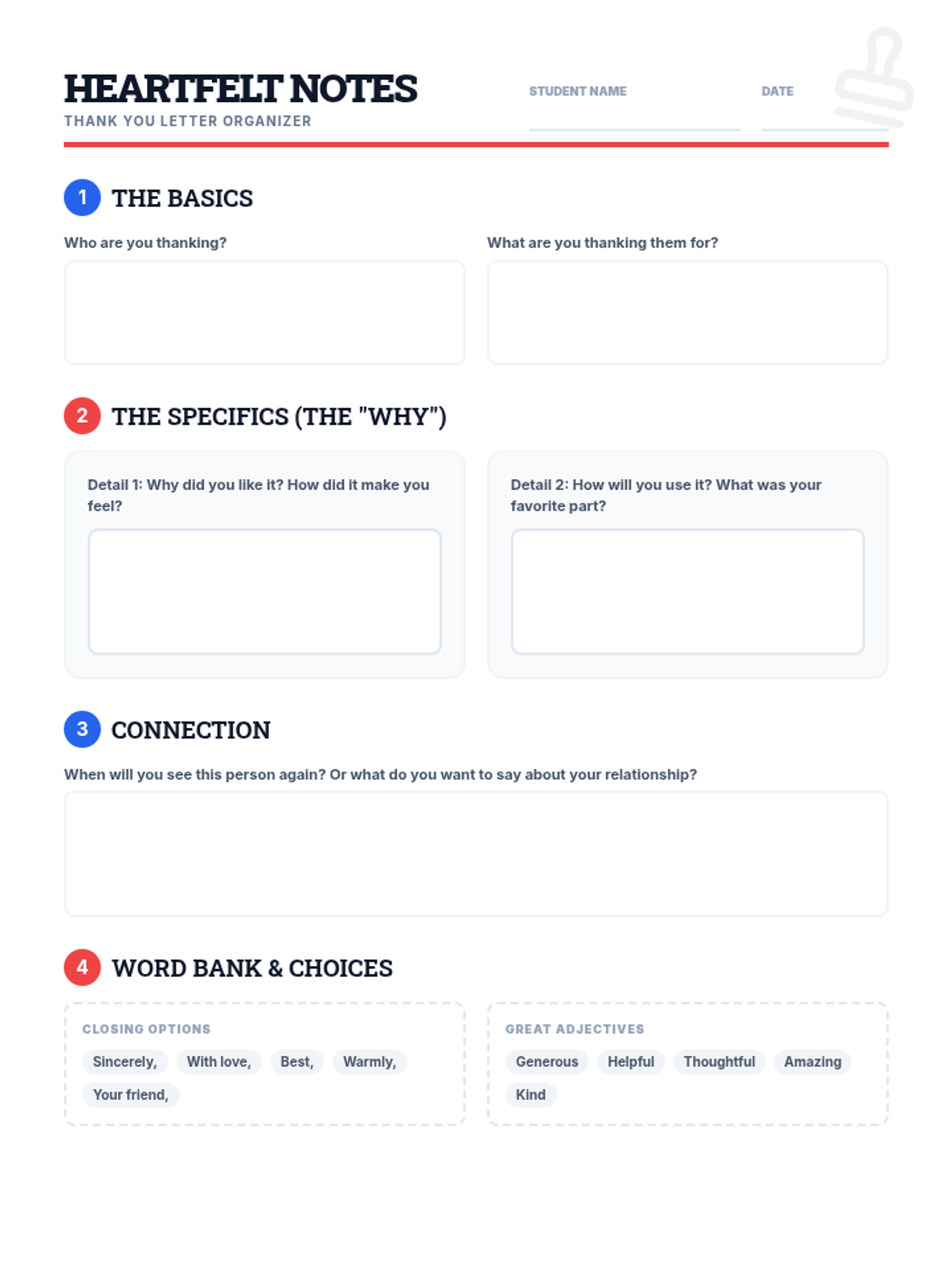
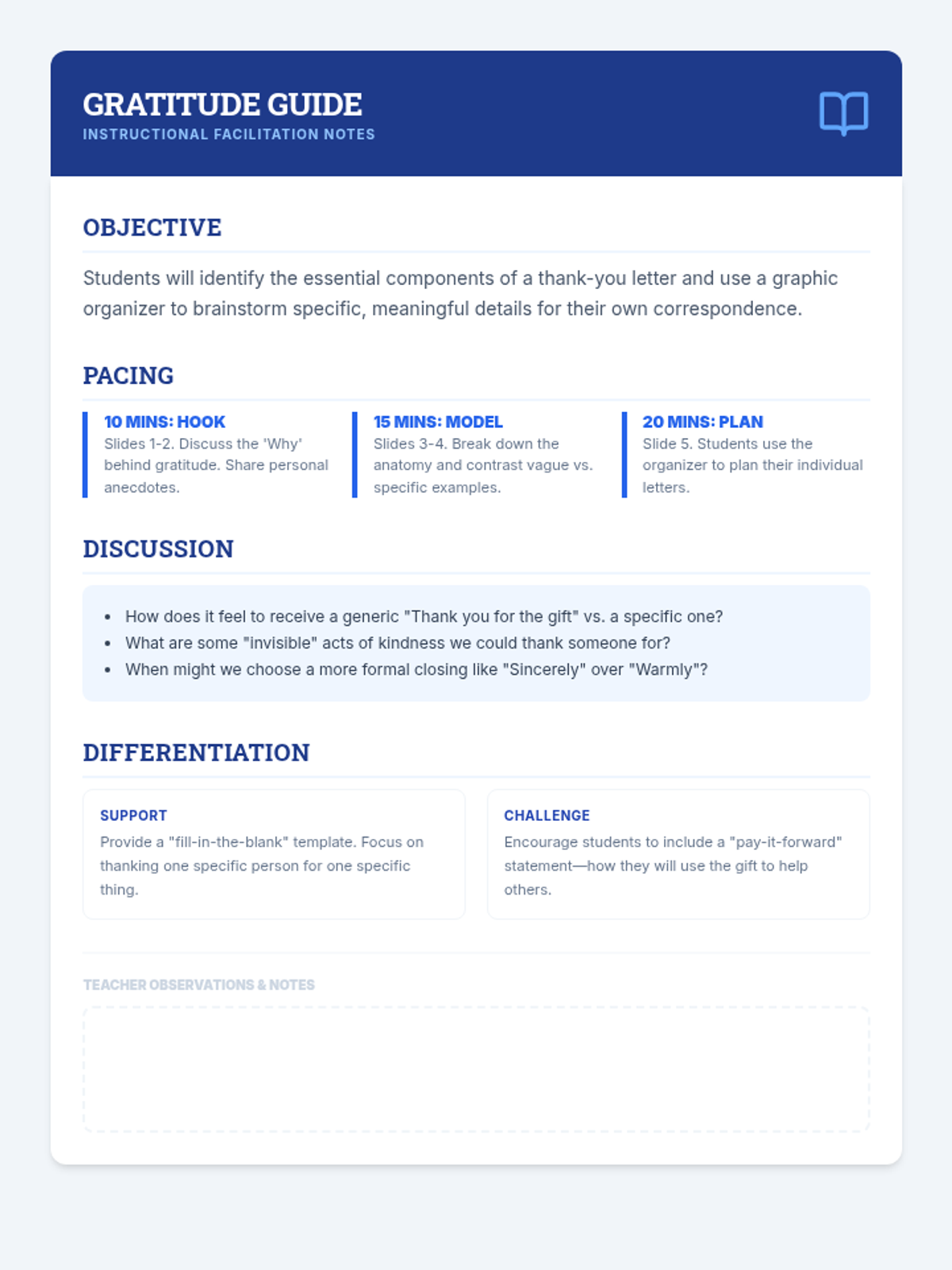
A lesson focused on the art of writing sincere thank-you letters, covering the essential components and the emotional impact of expressing gratitude.
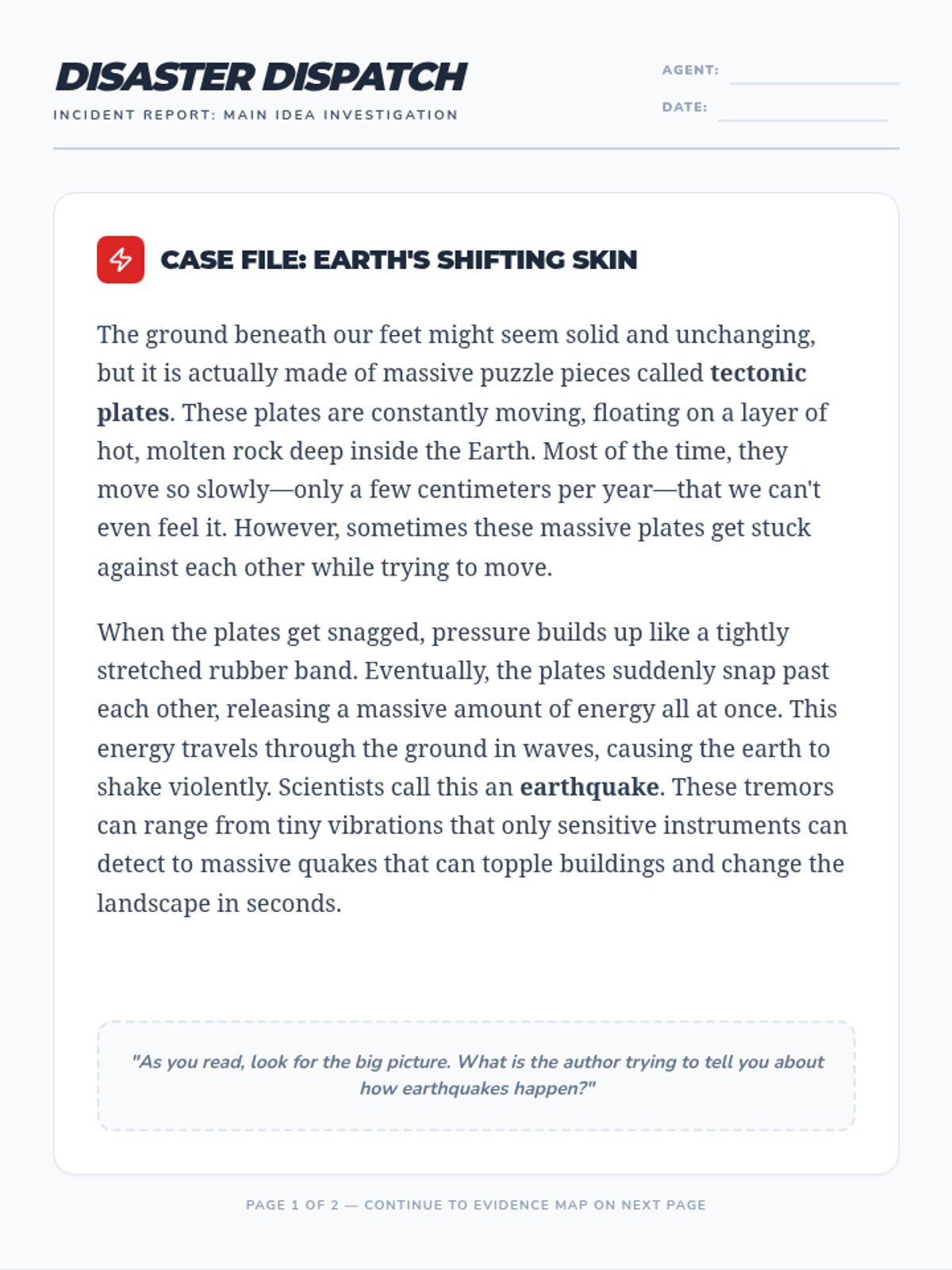
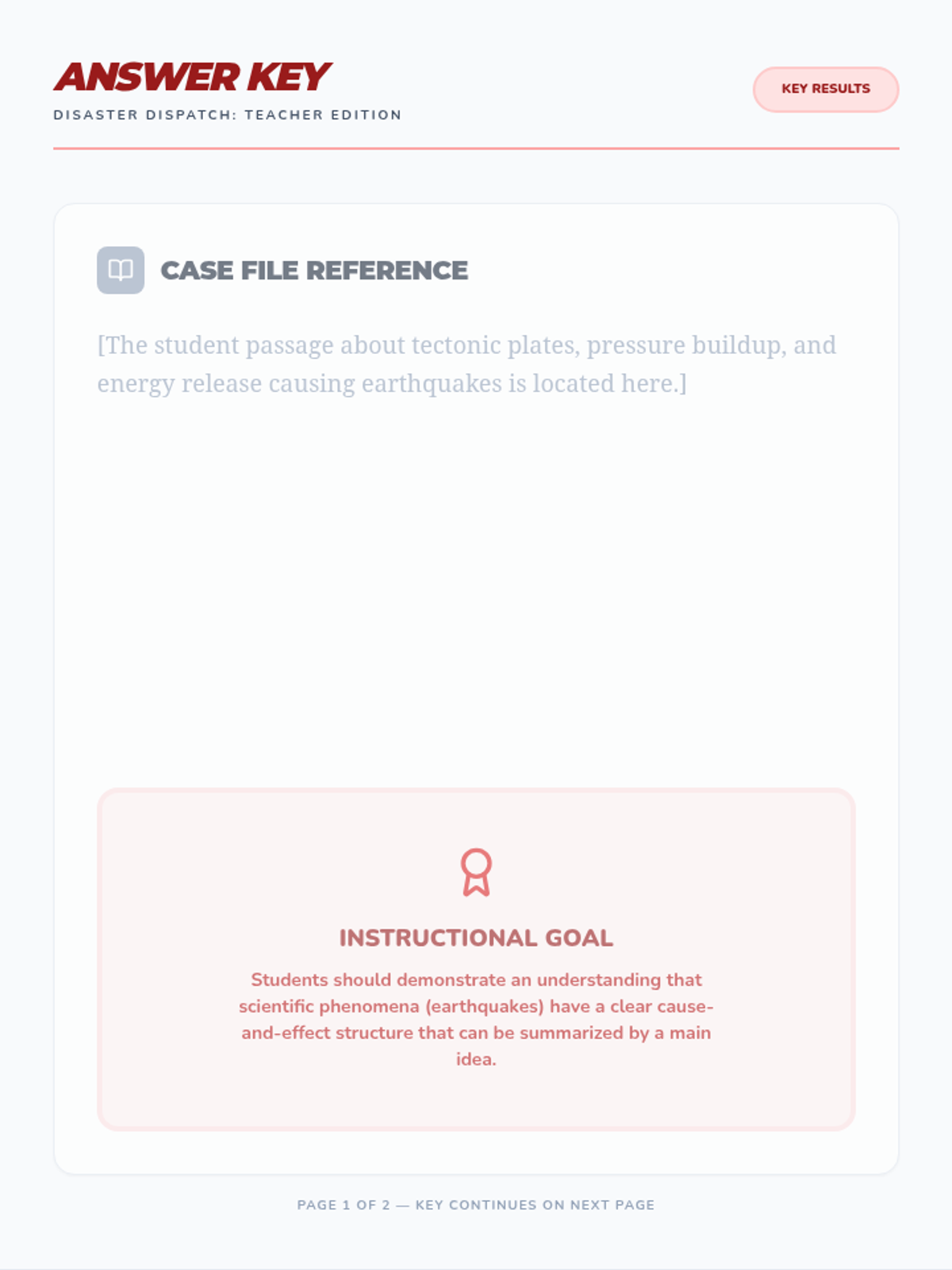
In this lesson, students practice identifying the main idea and supporting details in non-fiction texts about natural disasters. They will use a graphic organizer to map out the structure of a passage about earthquakes.
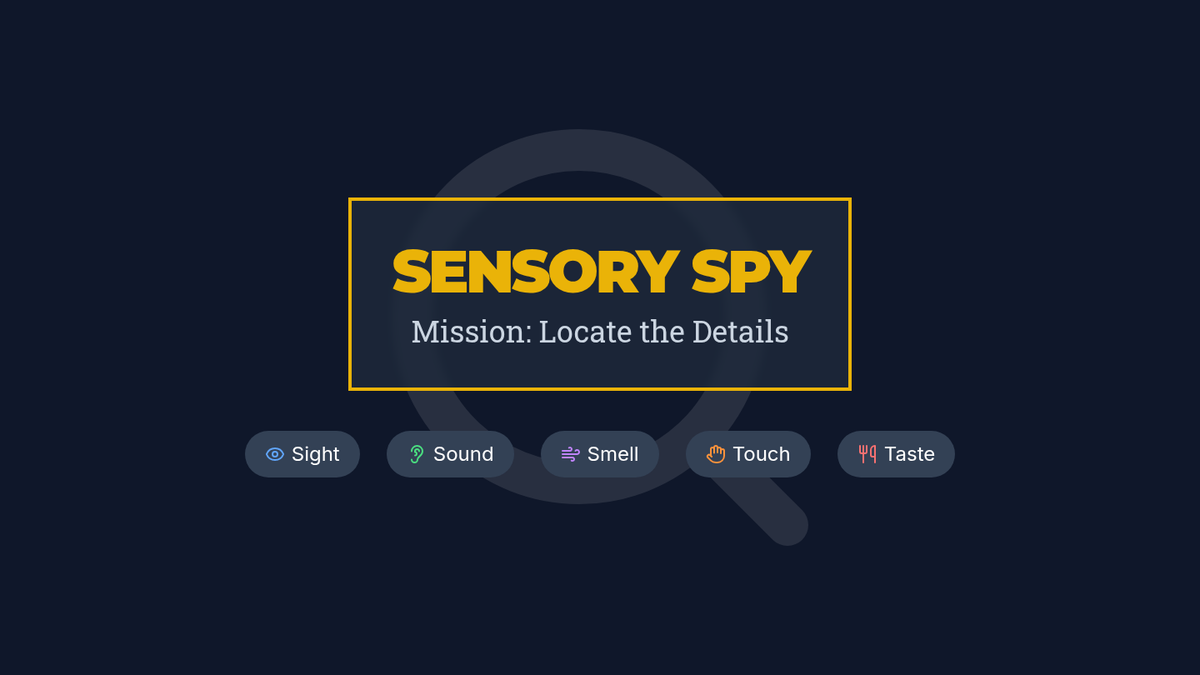
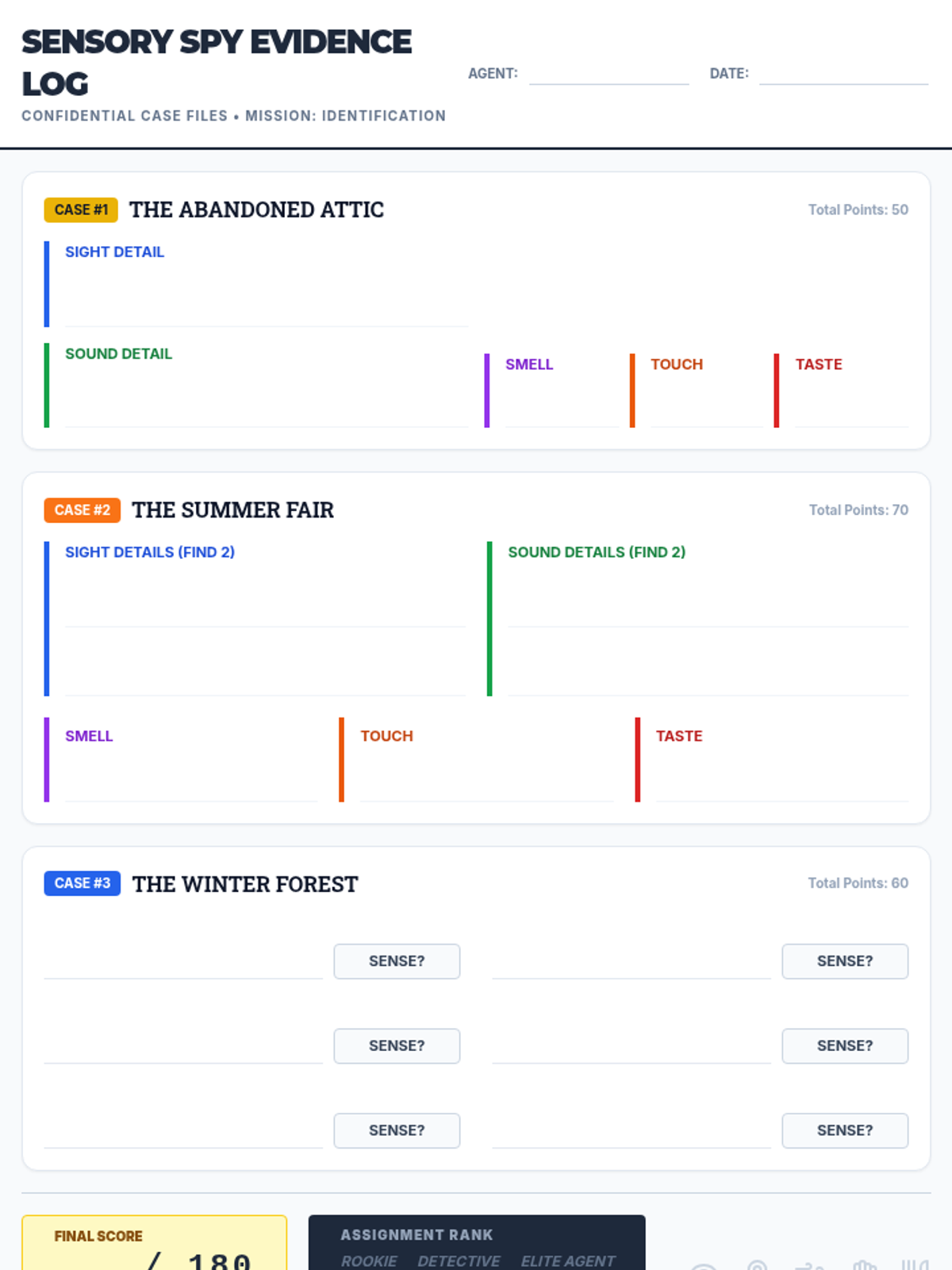
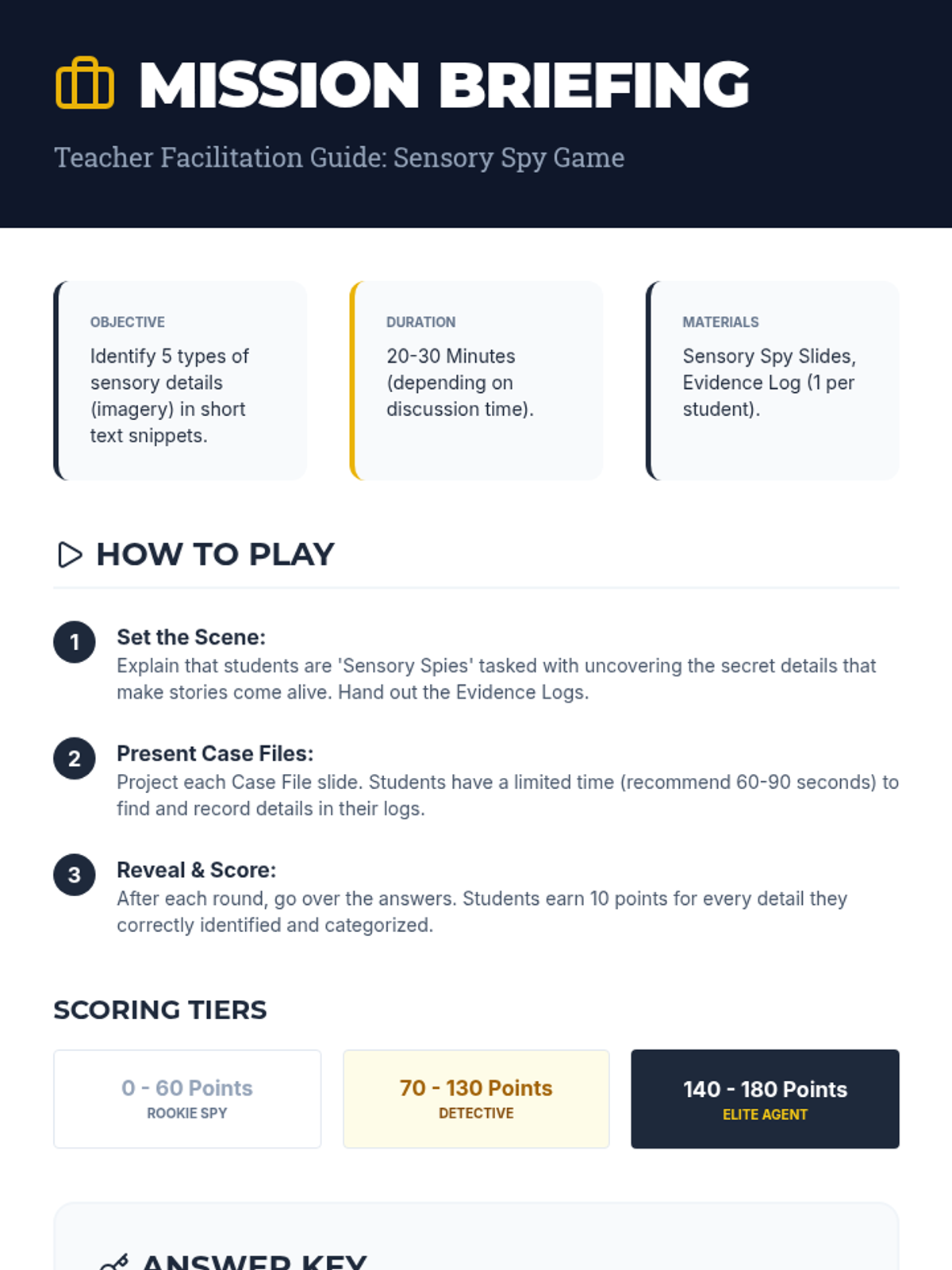
A fast-paced, interactive game where students become 'Sensory Spies' to track down descriptive language in high-interest short story snippets. Students compete to identify sights, sounds, smells, tastes, and textures hidden within case files.
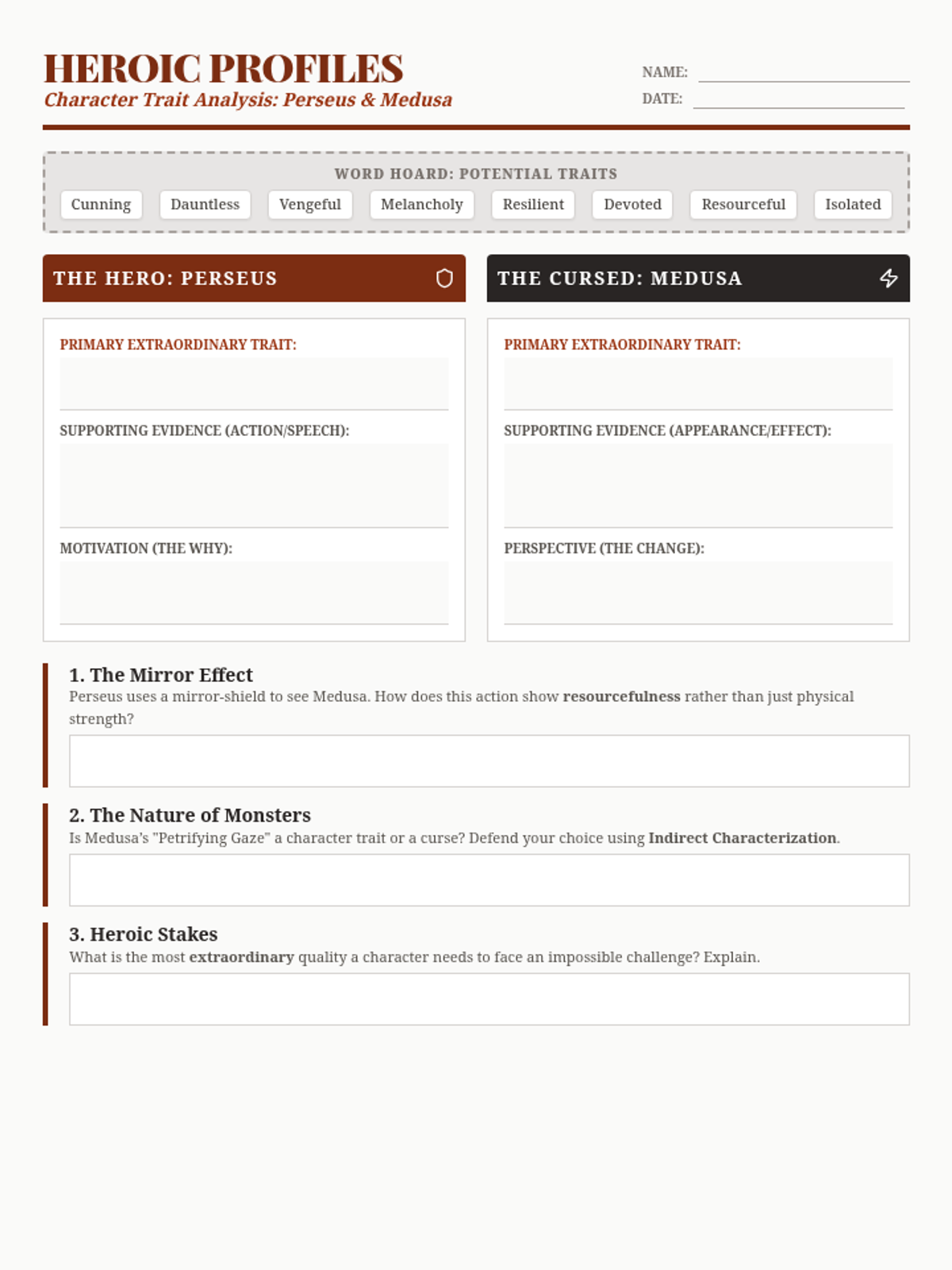
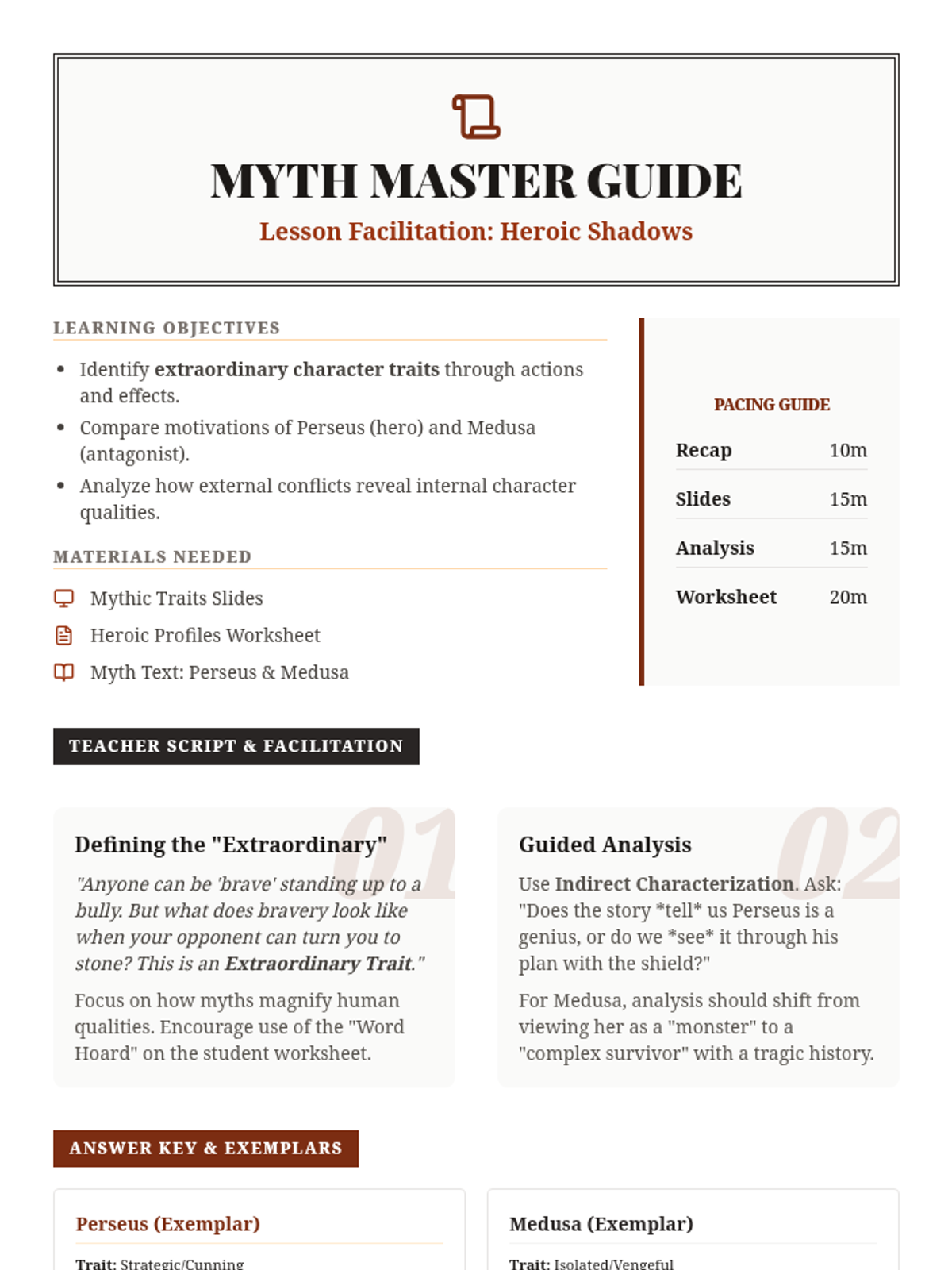
An analysis of character traits through the Greek myth of Perseus and Medusa, focusing on how extraordinary circumstances reveal inner qualities.
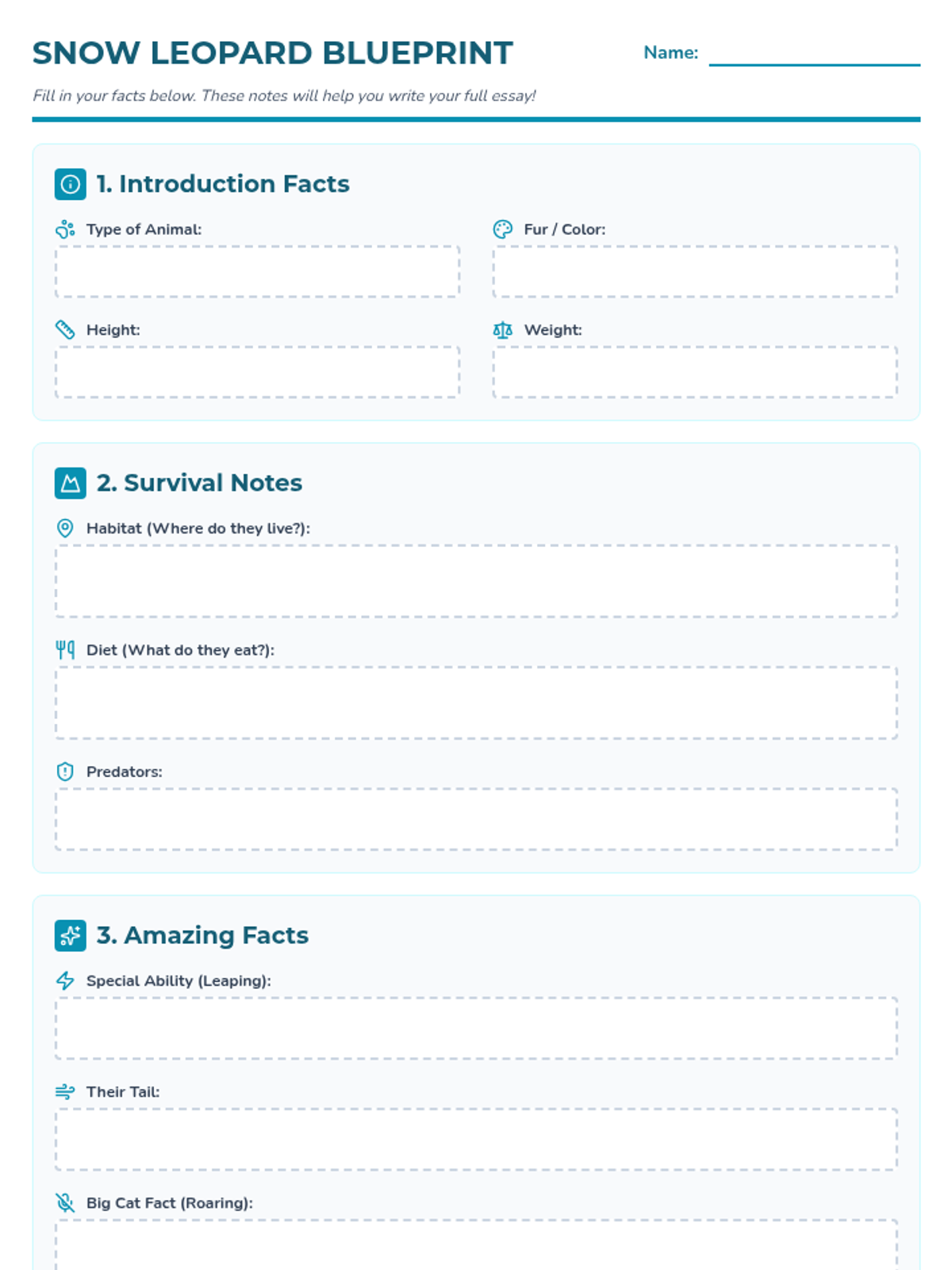
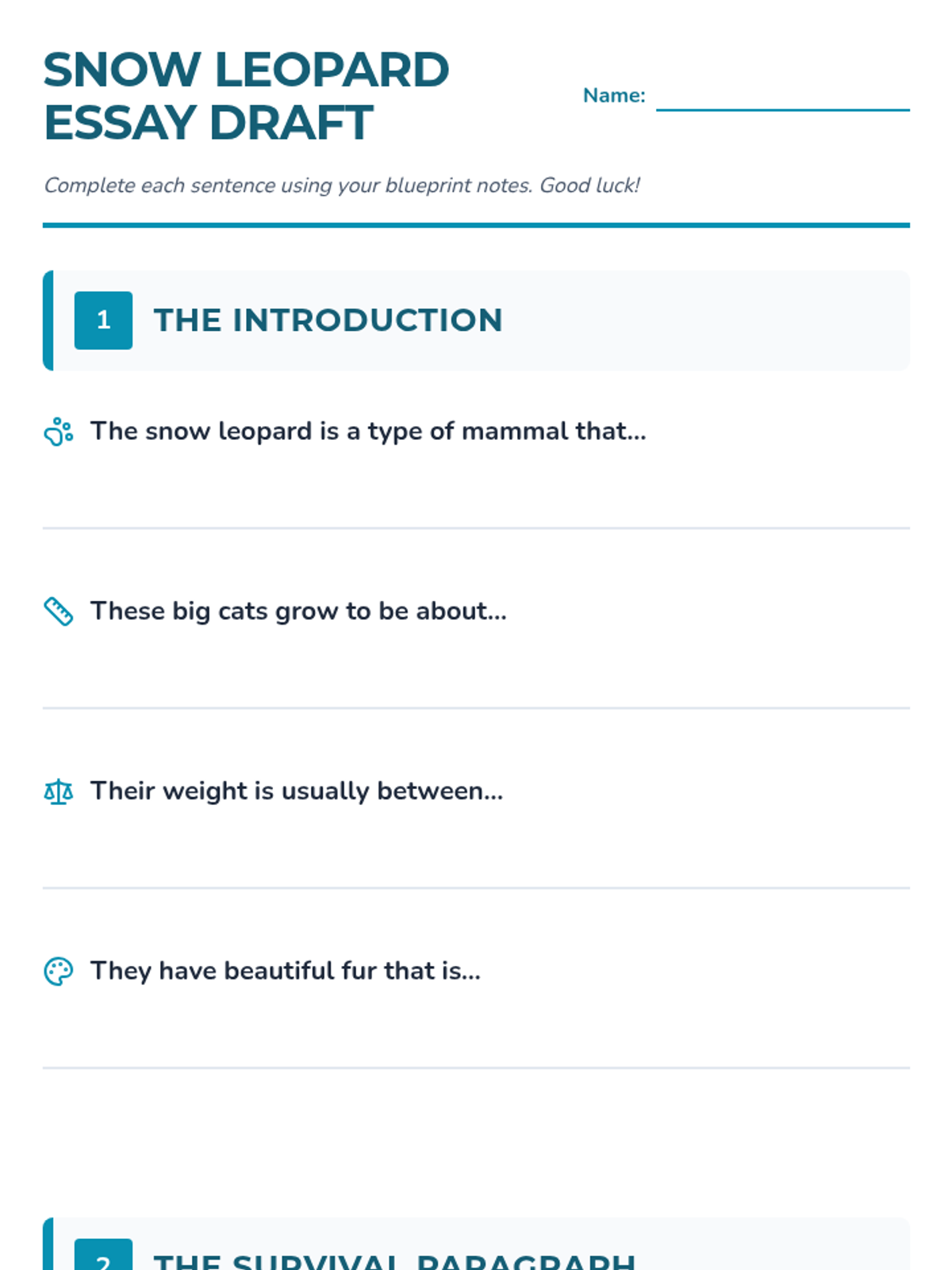
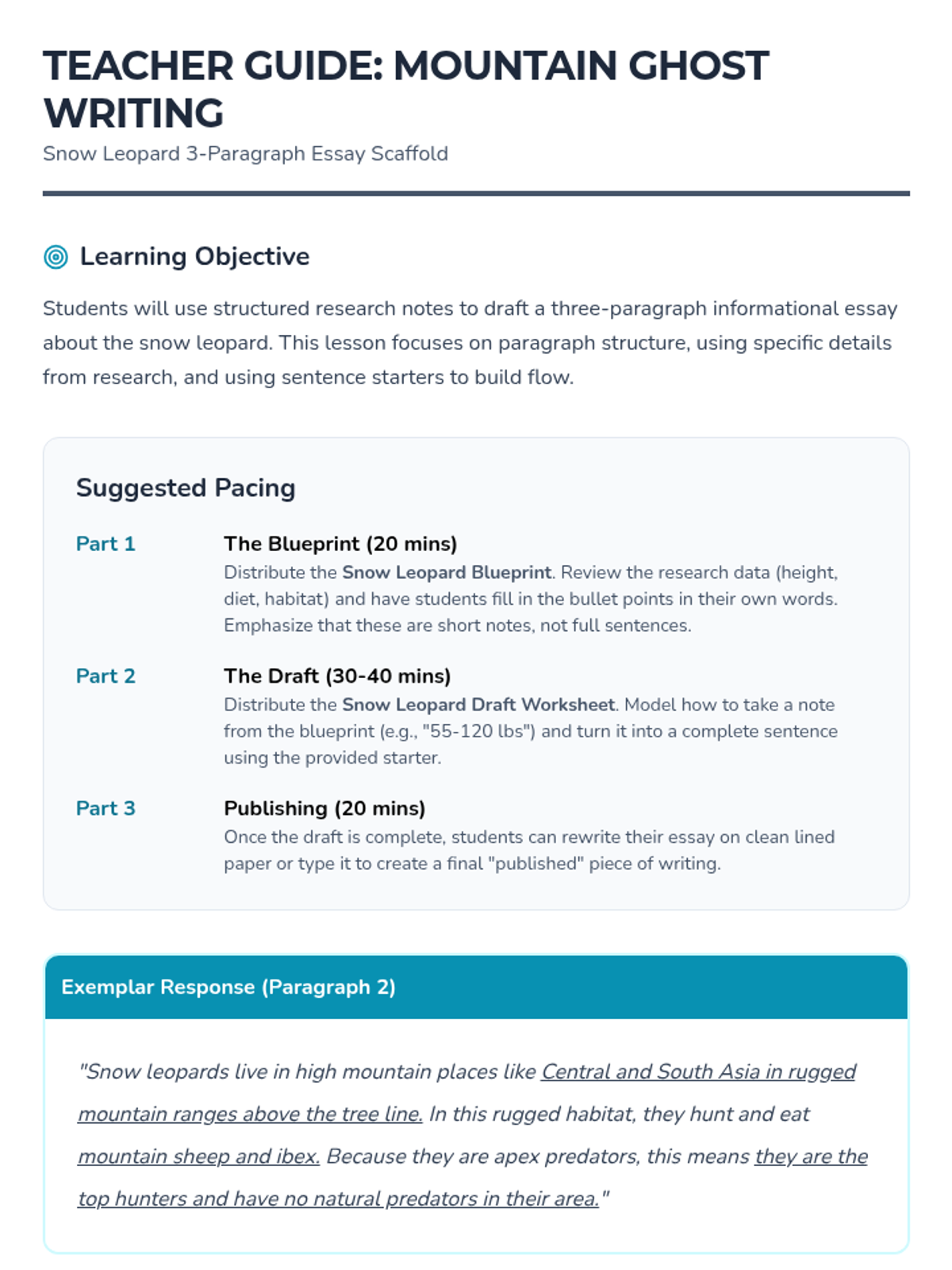
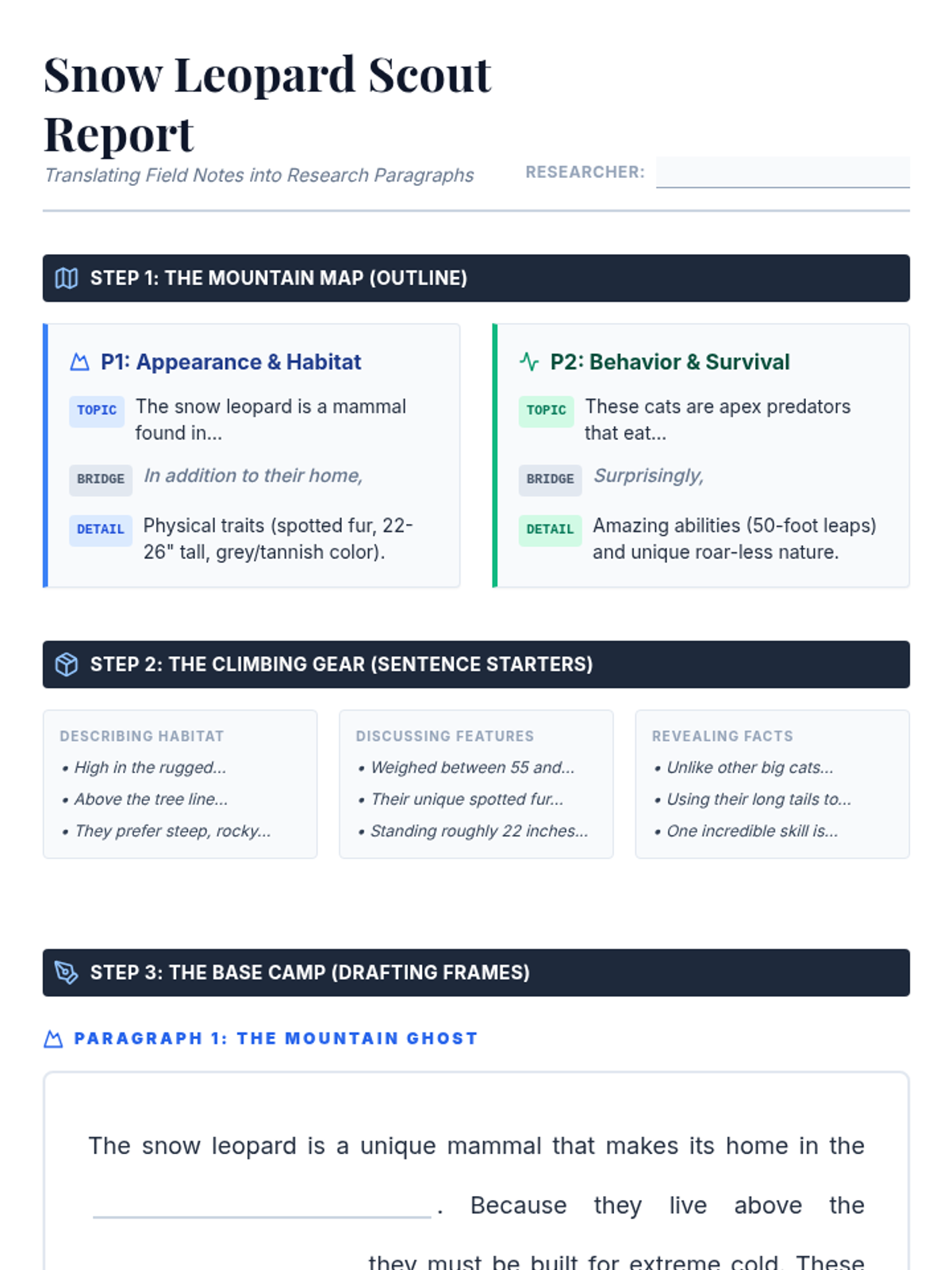
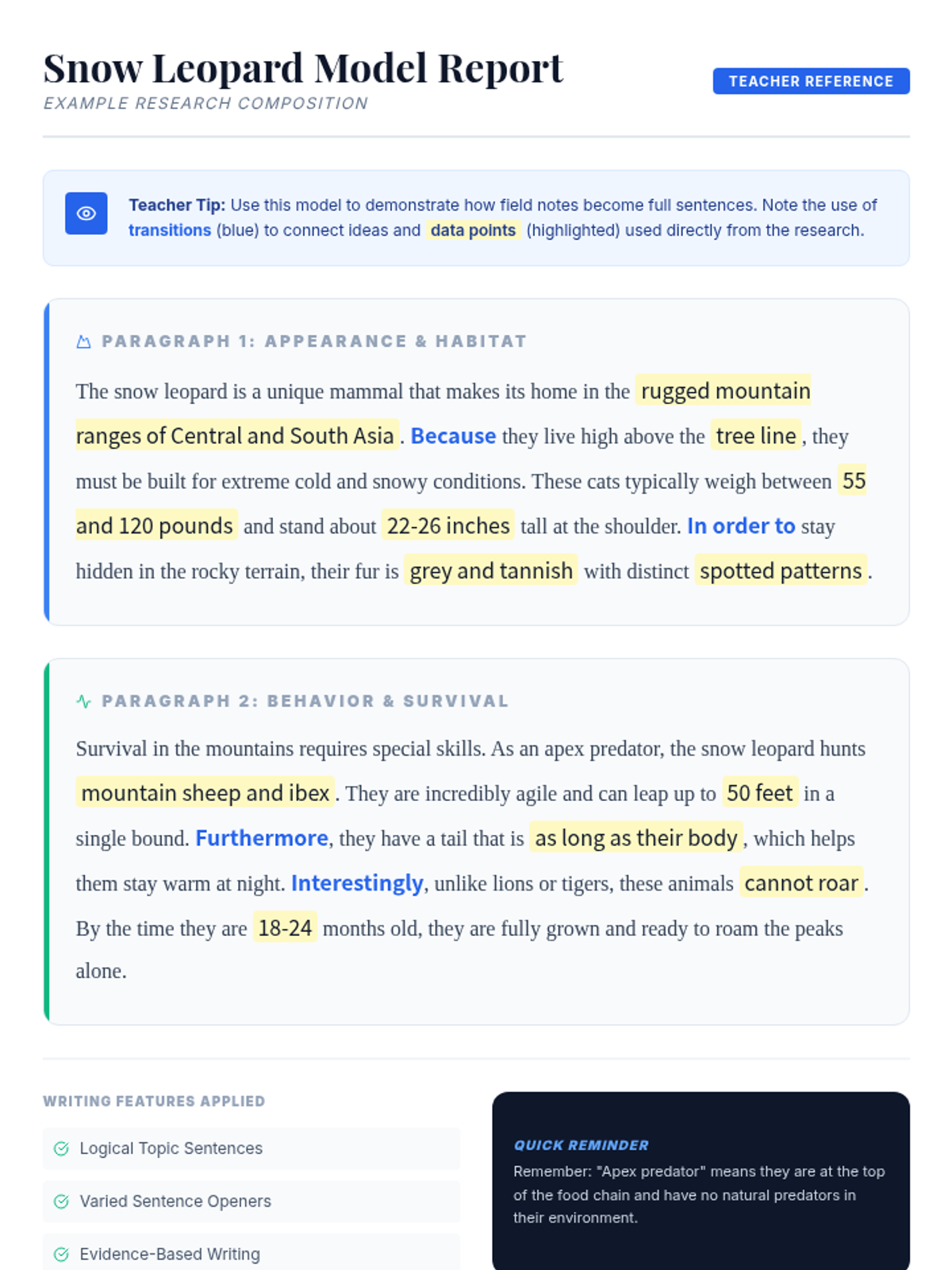
A scaffolded writing lesson designed to help students transition from research notes to a structured three-paragraph essay about the snow leopard. It includes a visual graphic organizer and a sentence-starter drafting sheet.
A lesson focused on transforming animal research notes into cohesive, descriptive paragraphs using structured writing supports like outlines and paragraph frames.
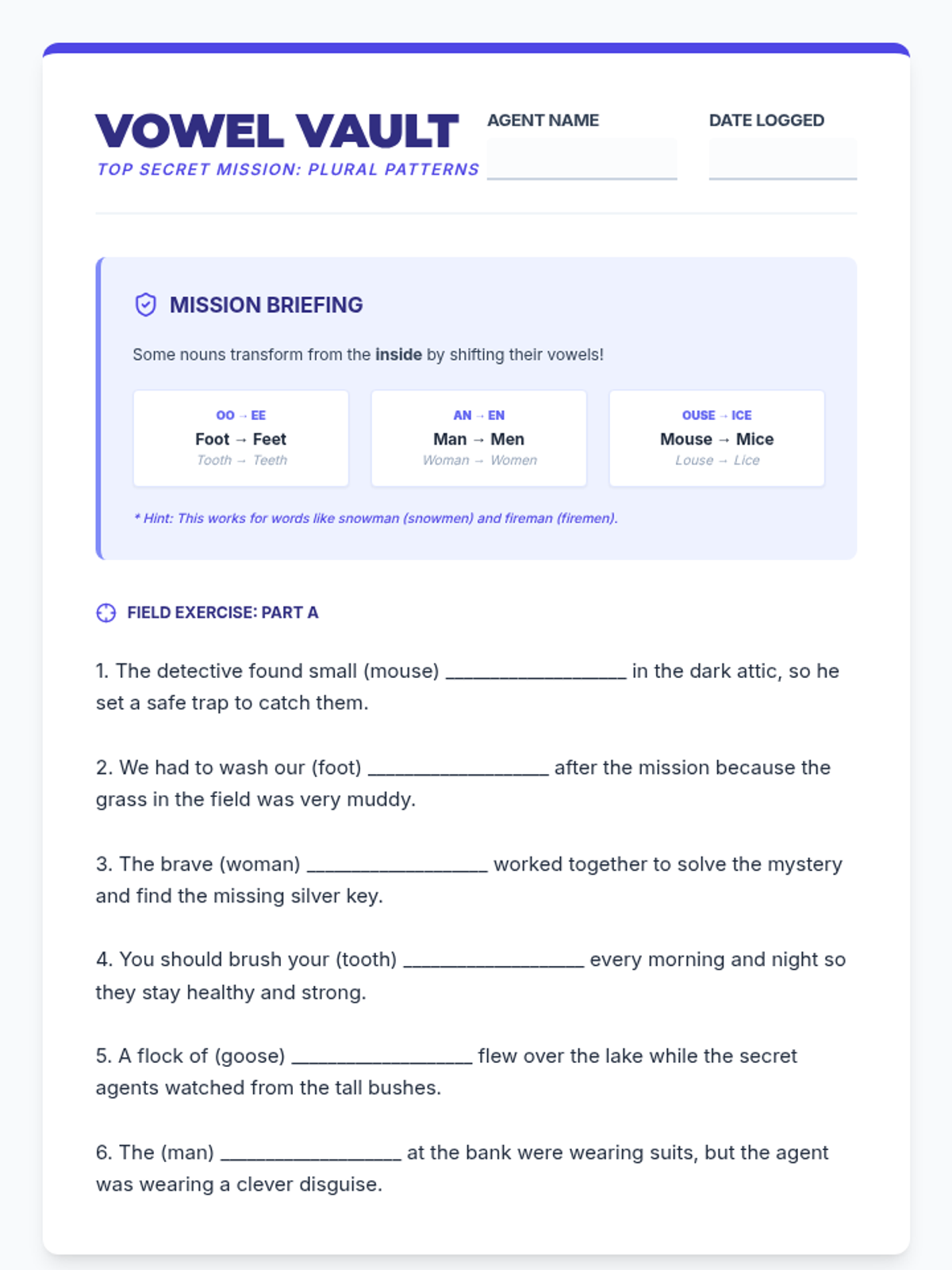
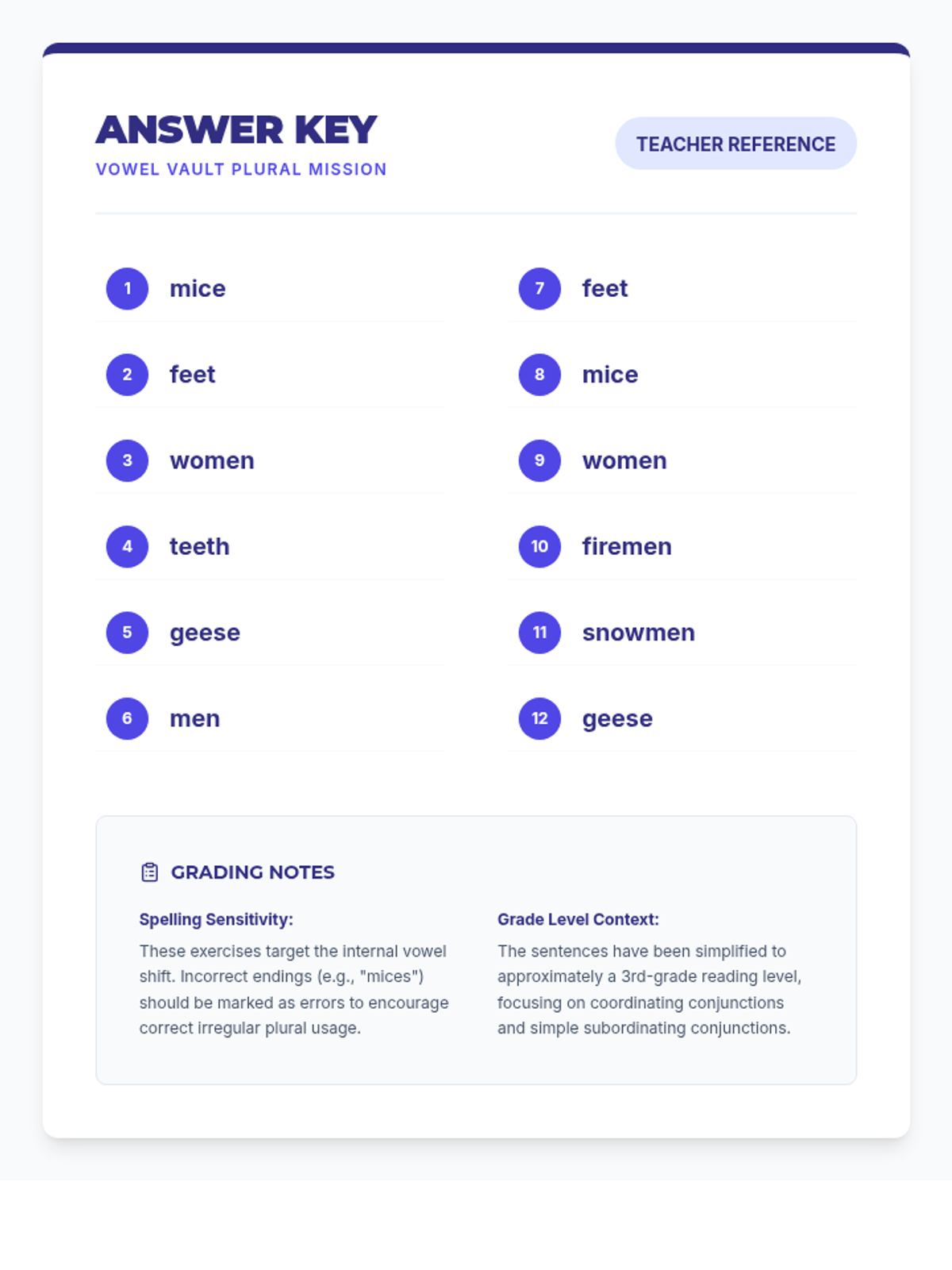
A focused lesson on irregular plural nouns that undergo vowel shifts, designed for 4th-grade students to master common internal spelling changes.
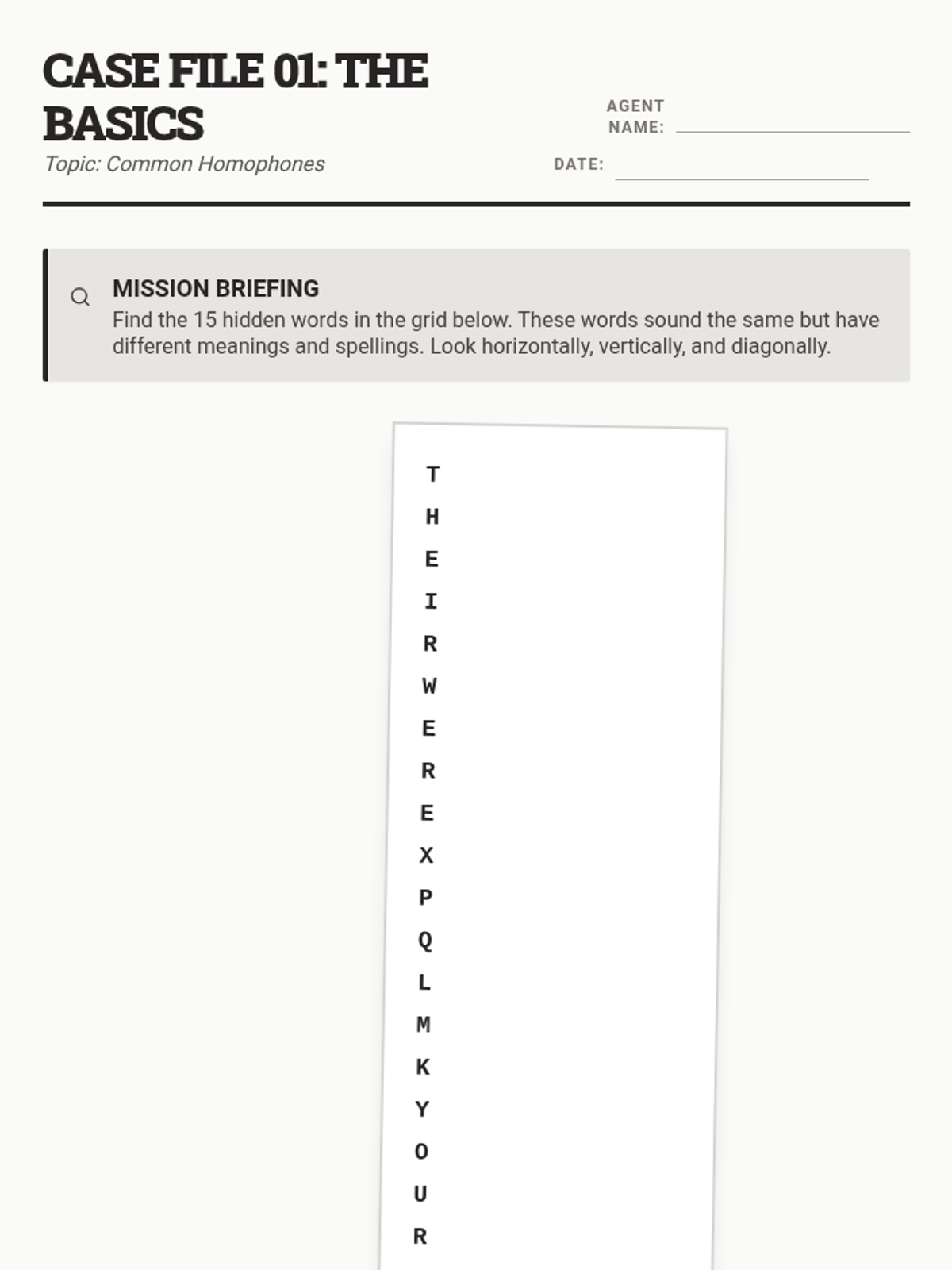
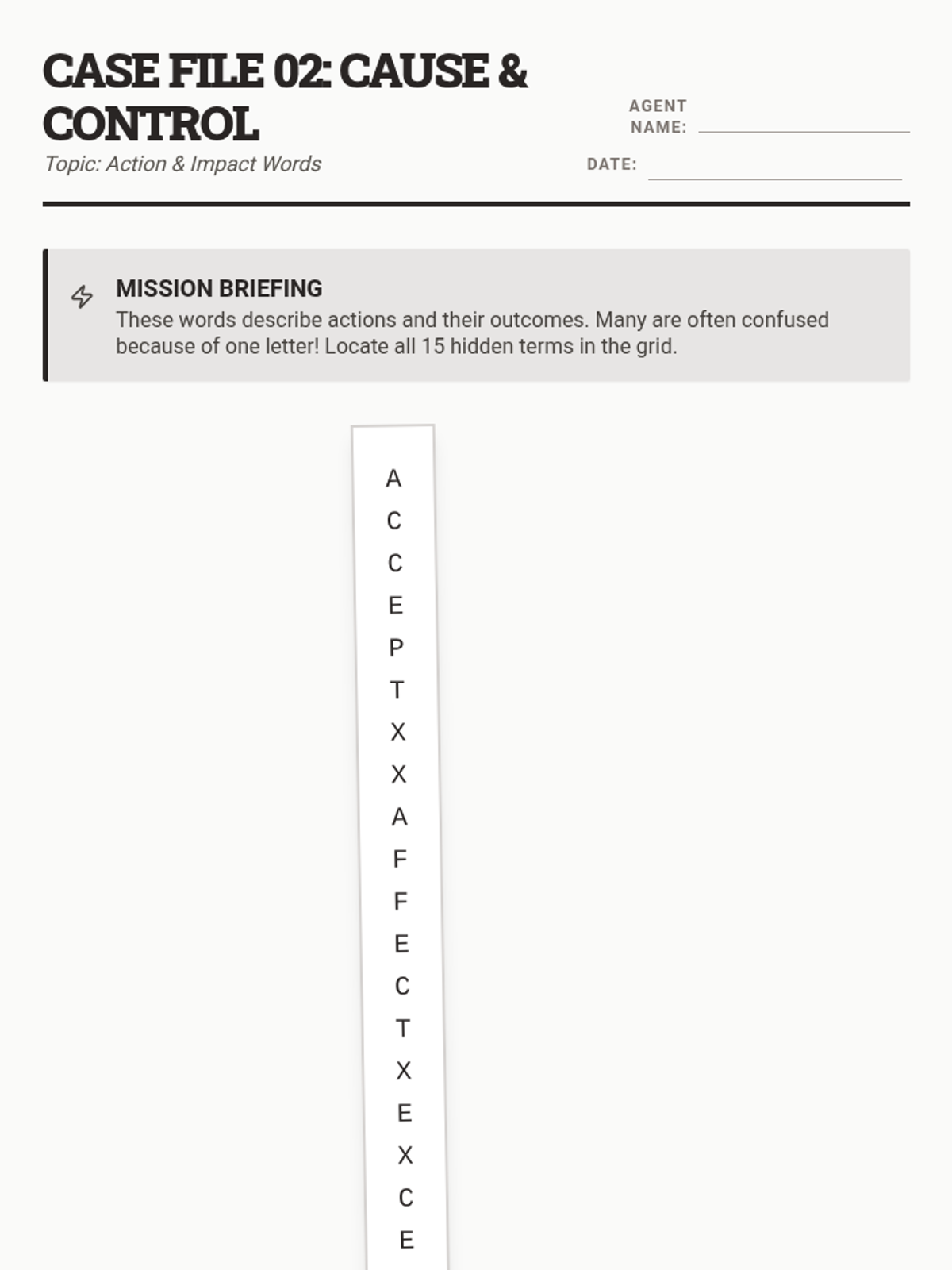
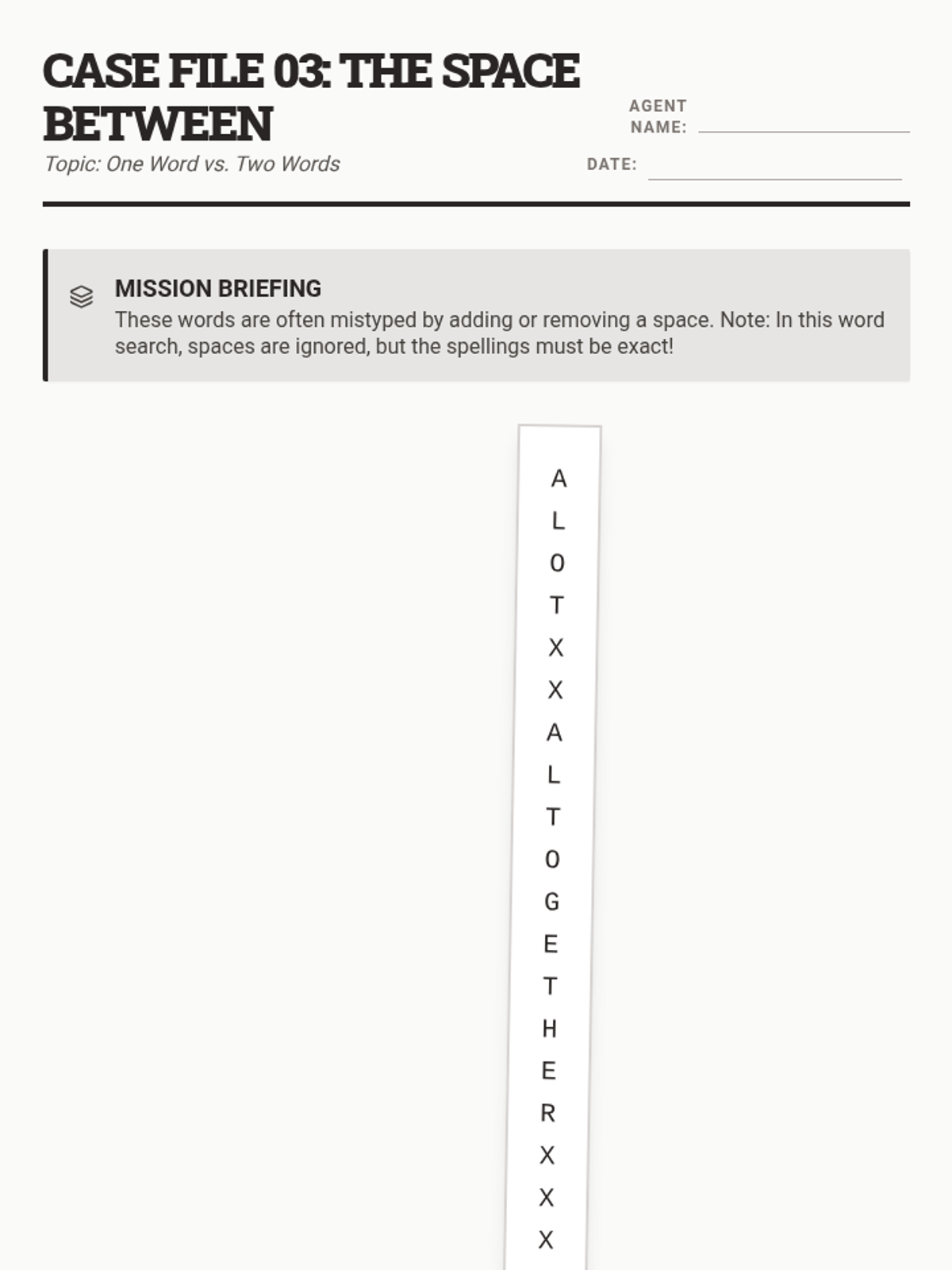
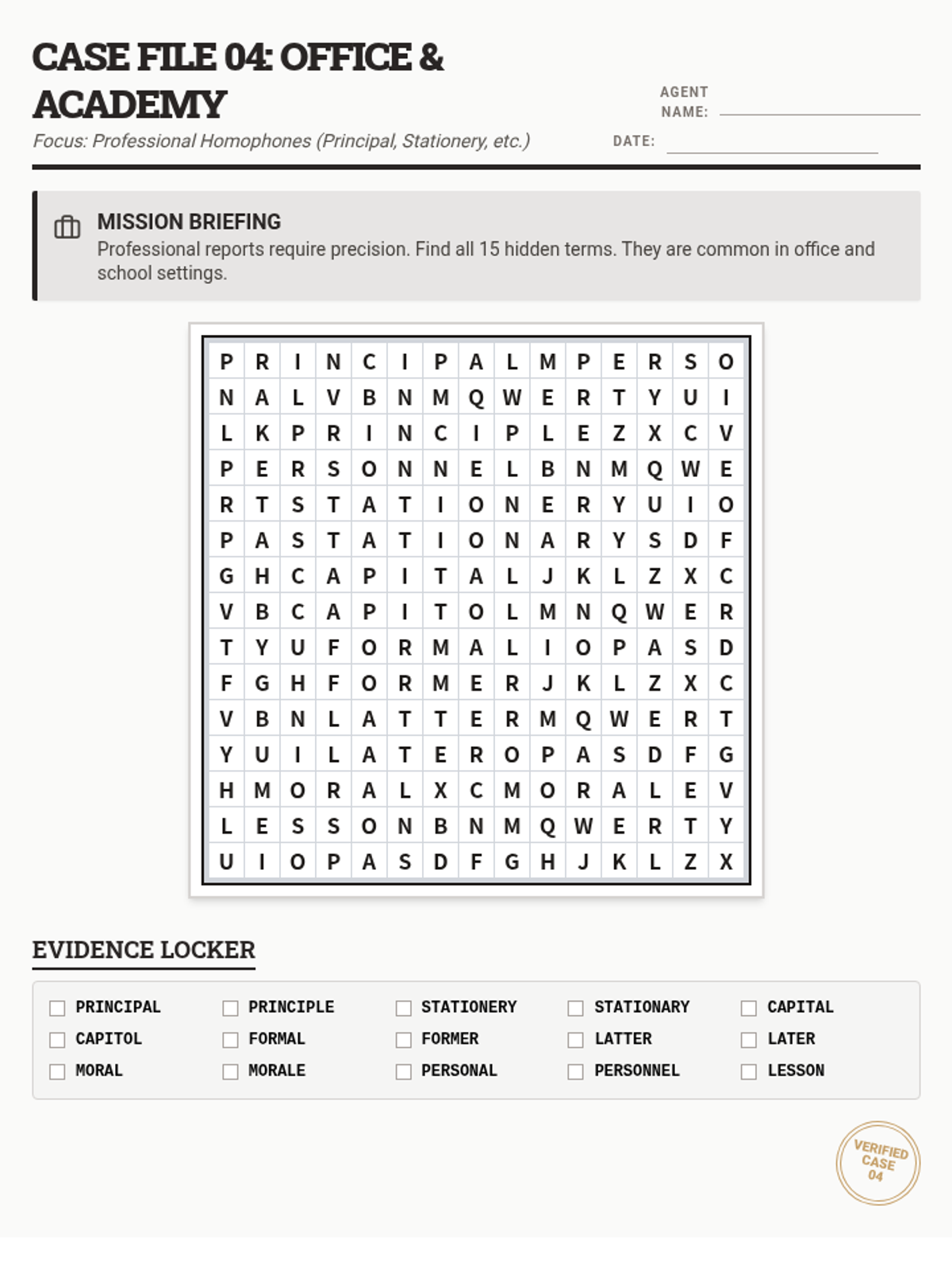
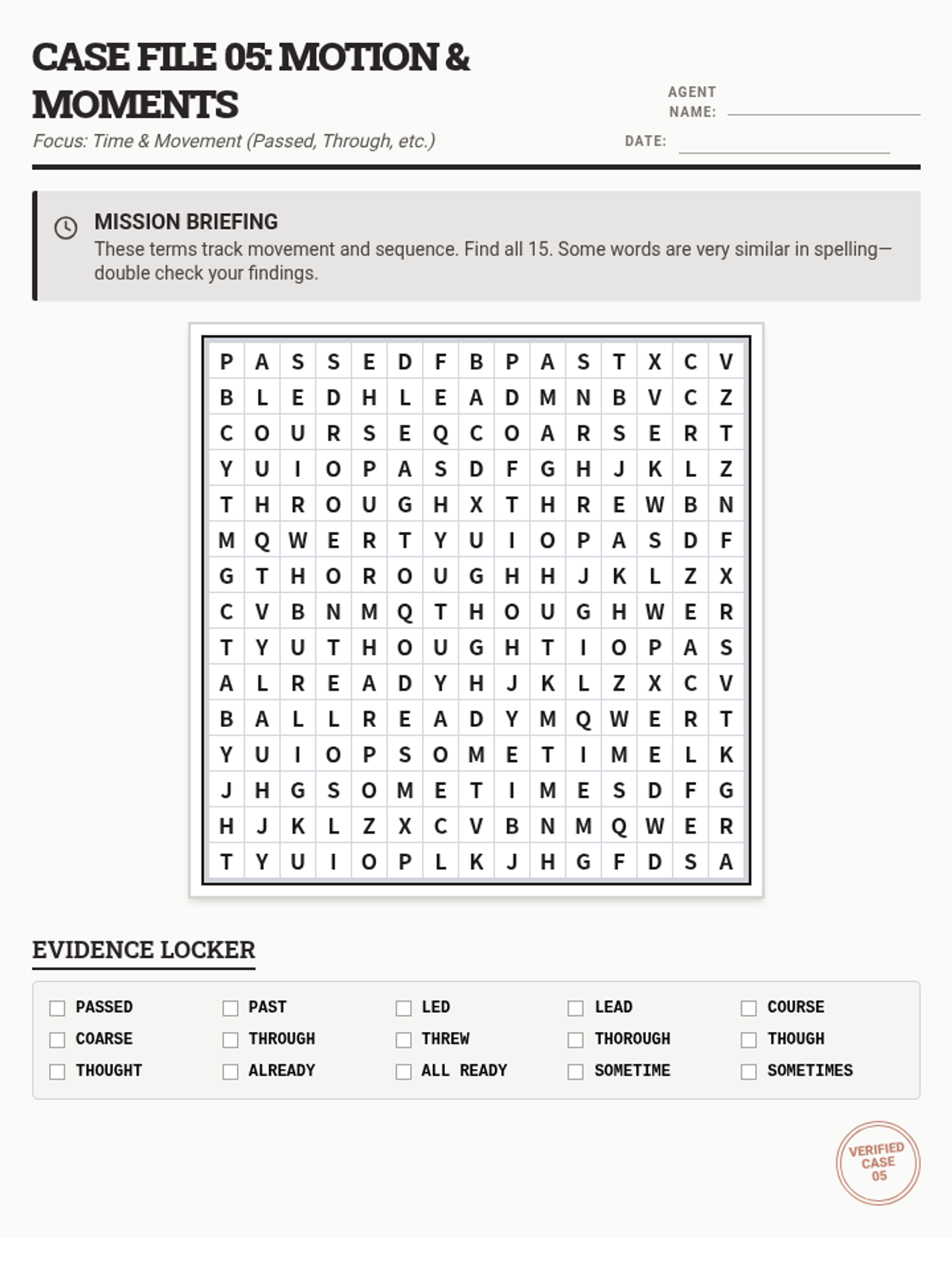
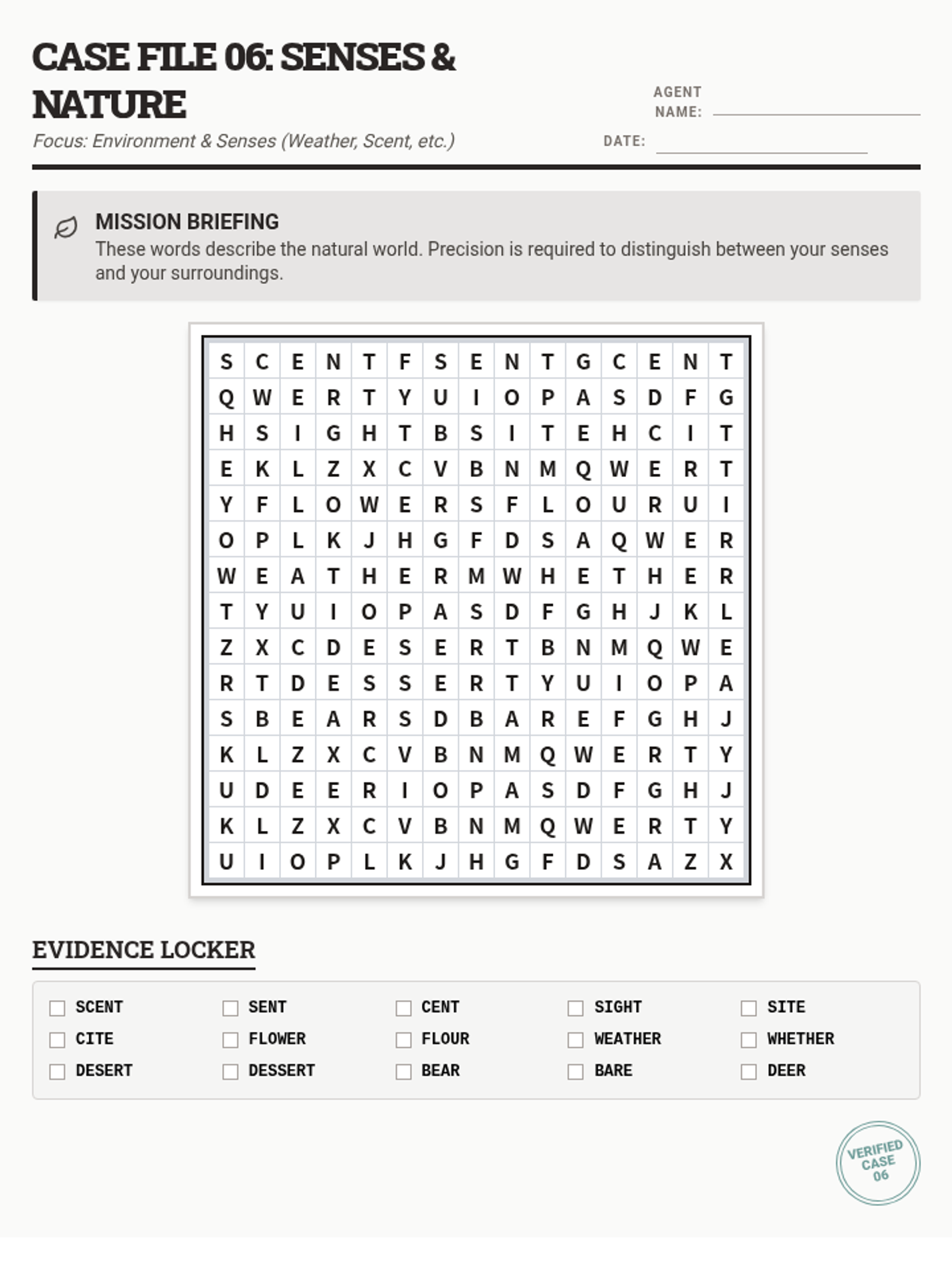
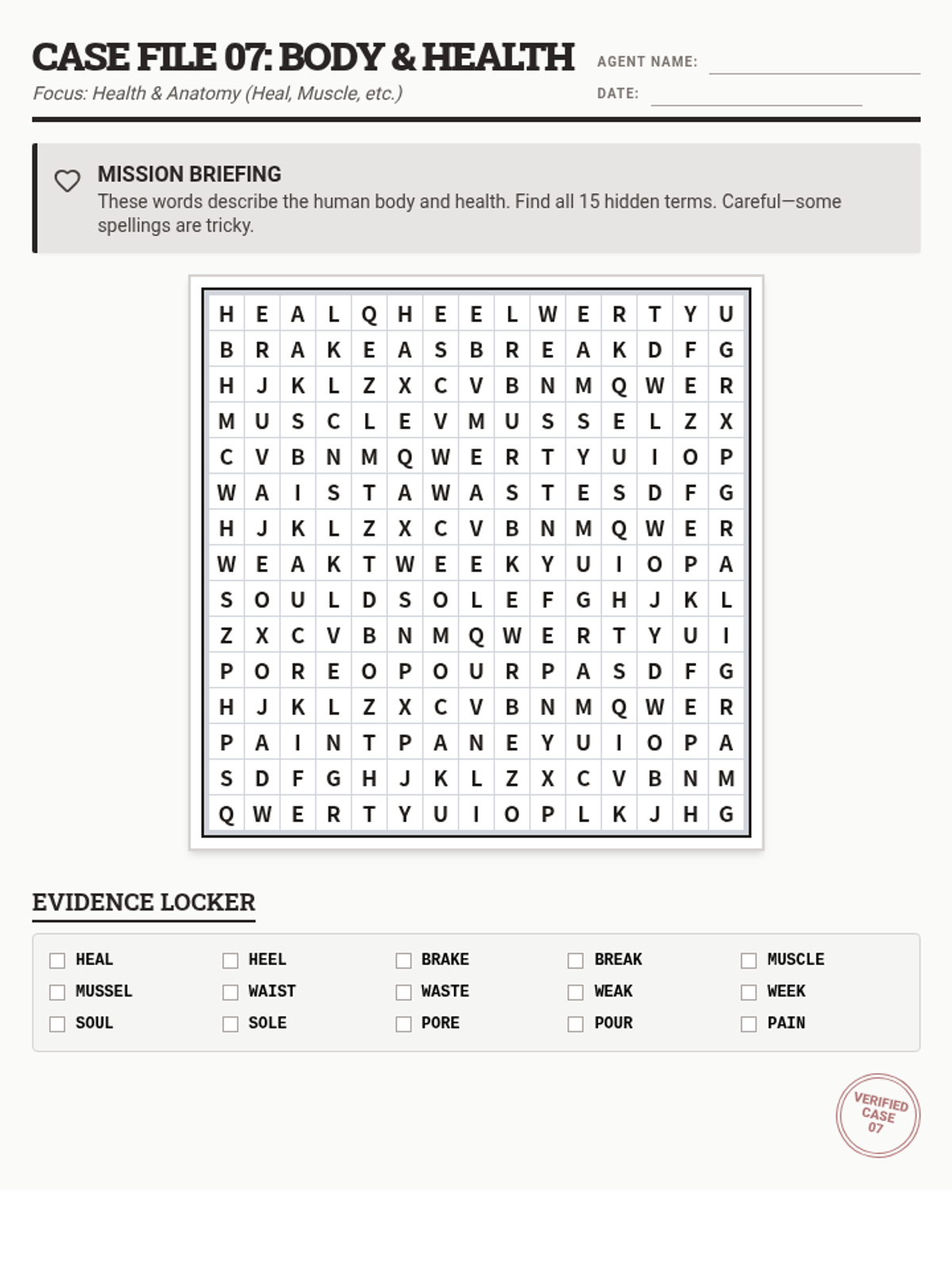
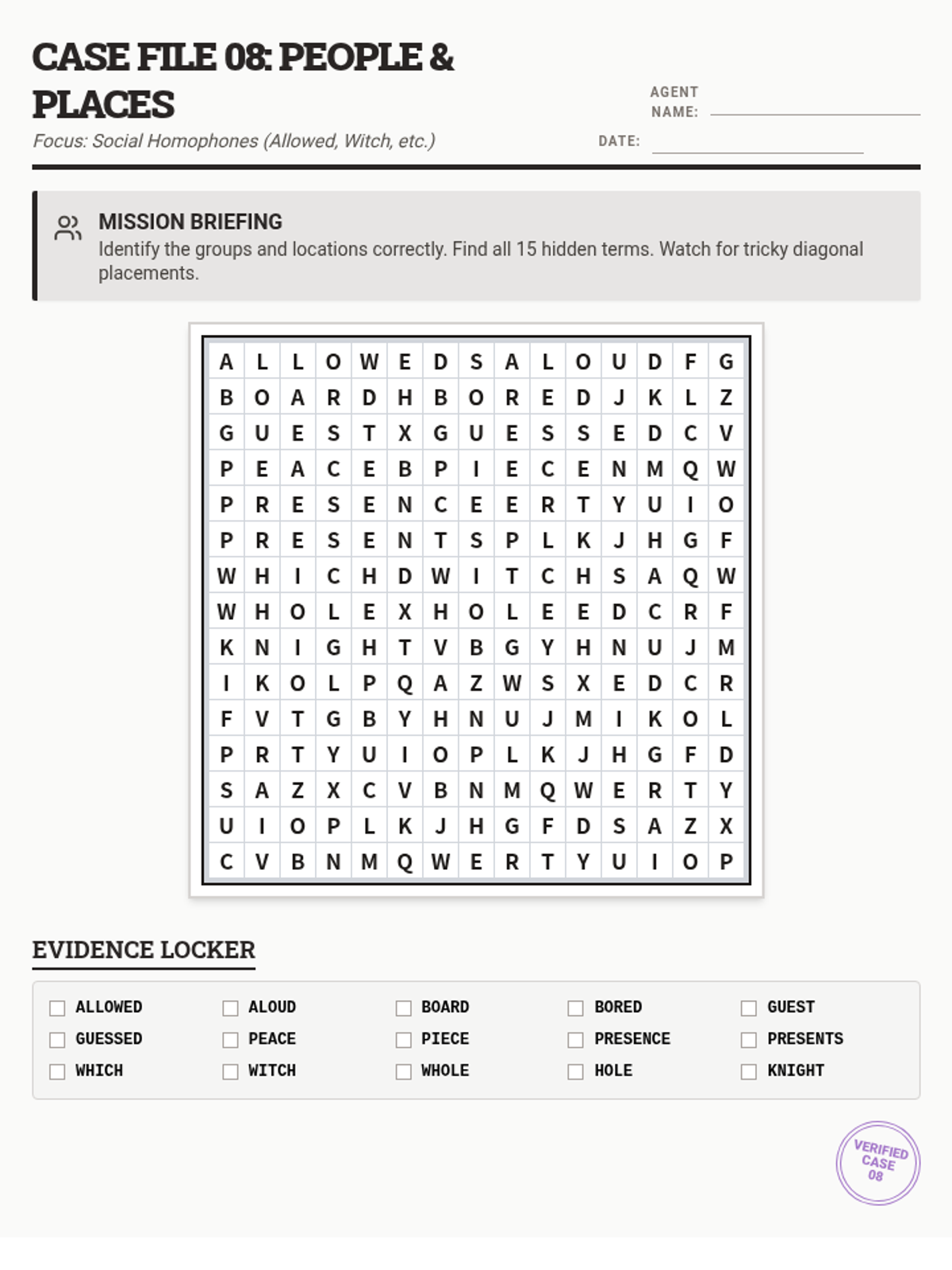
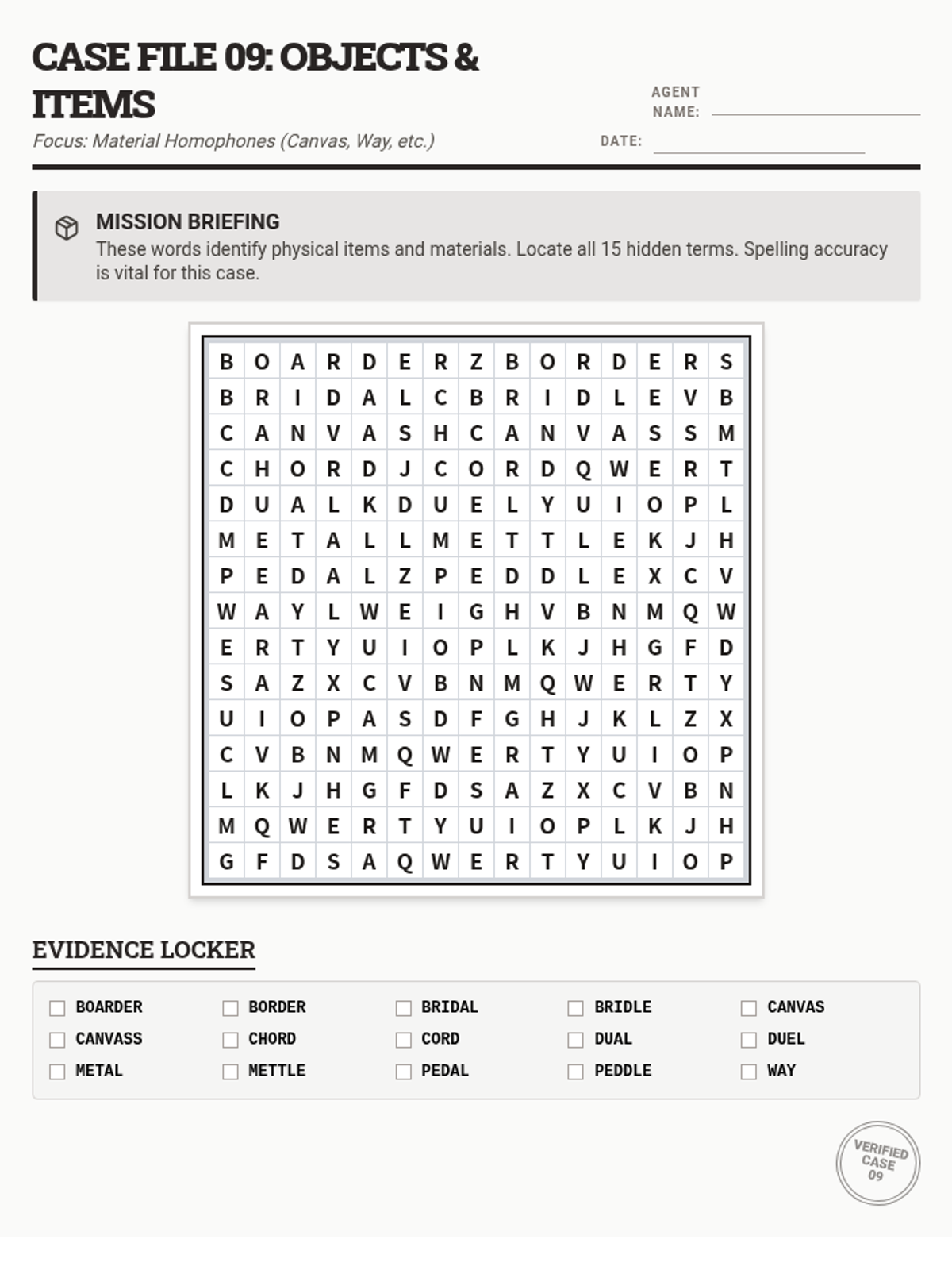
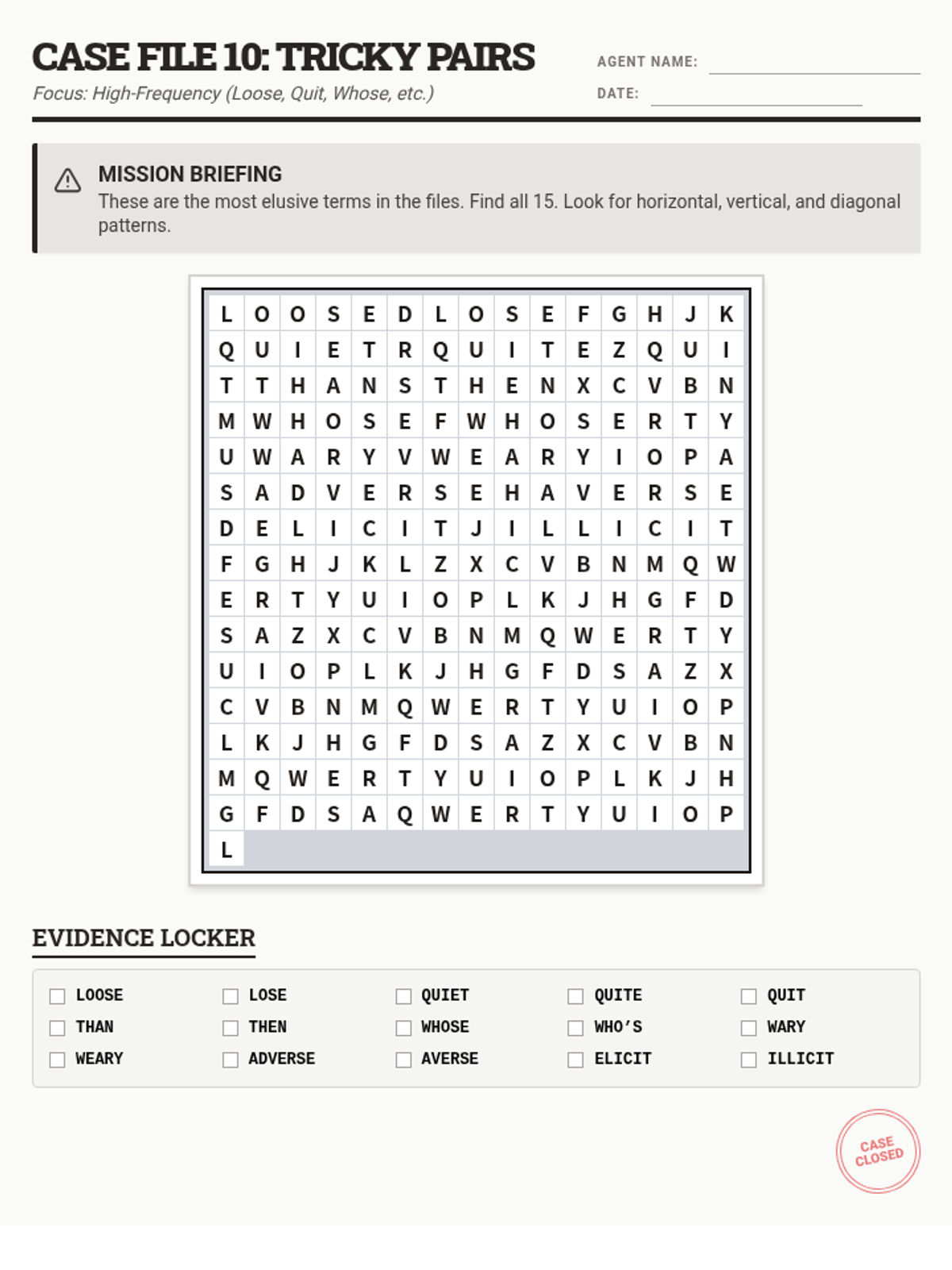
A comprehensive collection of 10 word search puzzles focusing on commonly confused words (homophones and near-homophones). Designed to improve vocabulary recognition and spelling through engaging "Case File" themed activities.
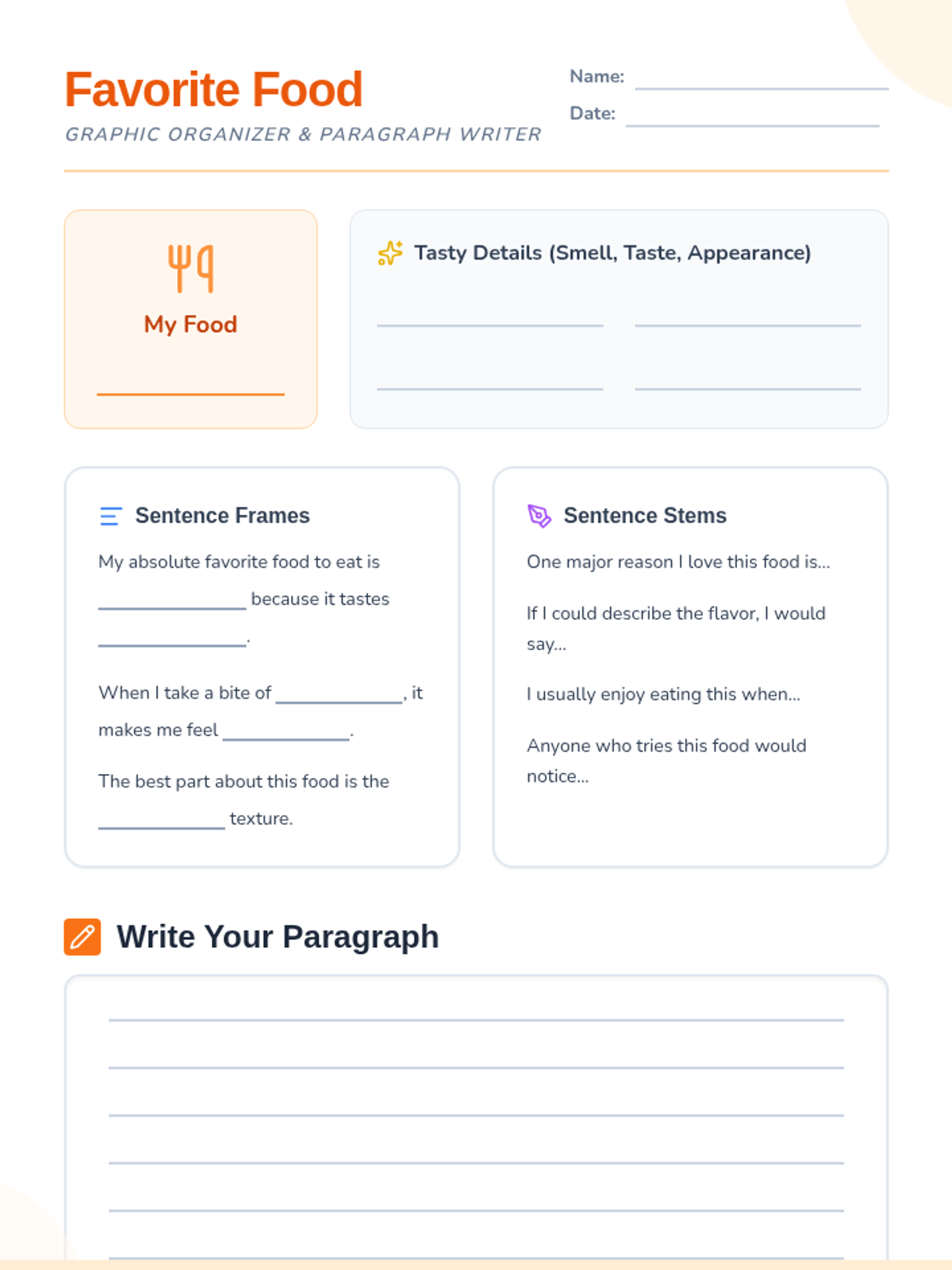
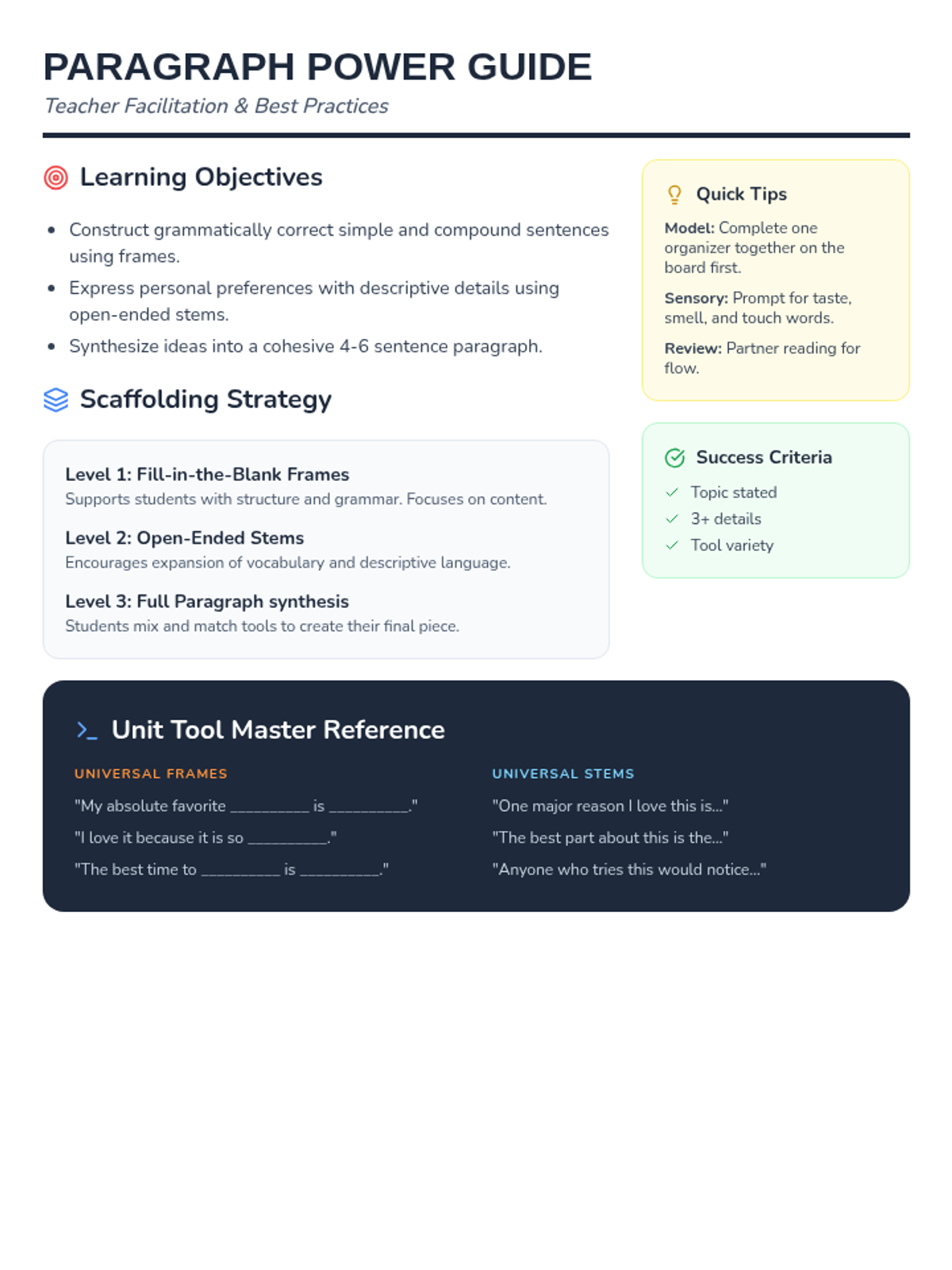
A collection of graphic organizers designed to help students write structured paragraphs about their favorite things using sentence stems and frames.
A collaborative "Pairs Compare" activity where students work in teams of four to share keywords, locate evidence, and synthesize final answers on index cards.
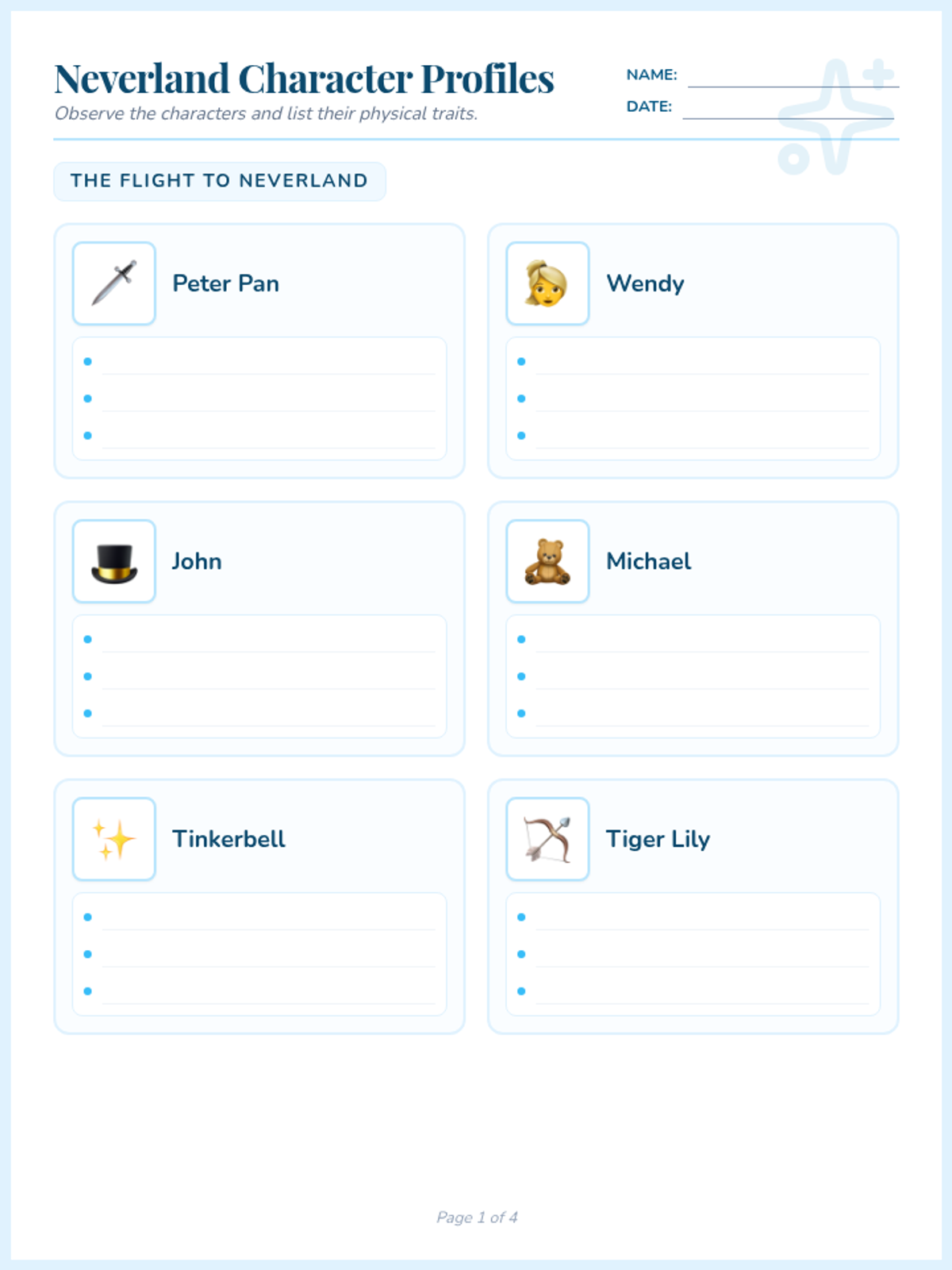
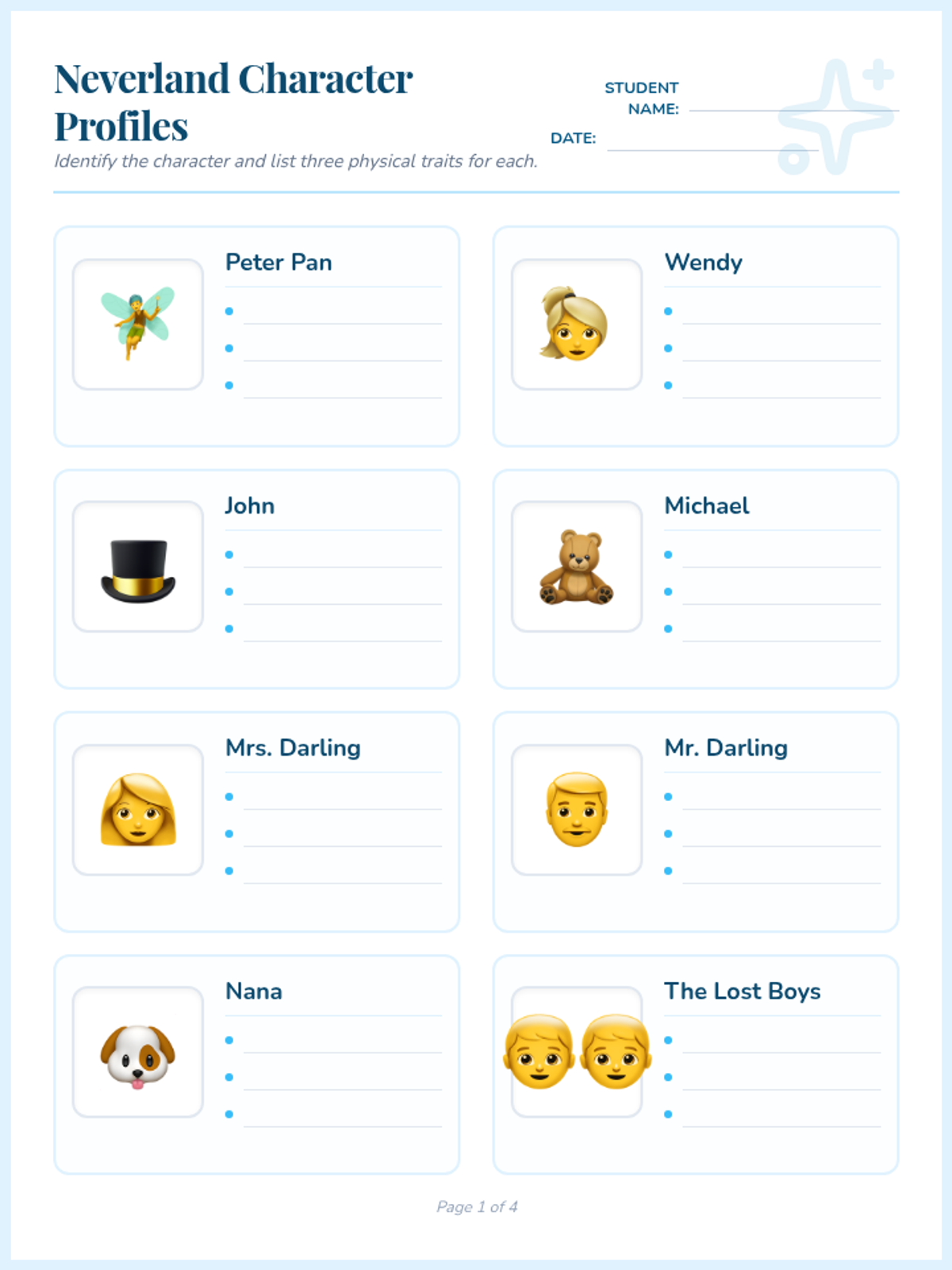
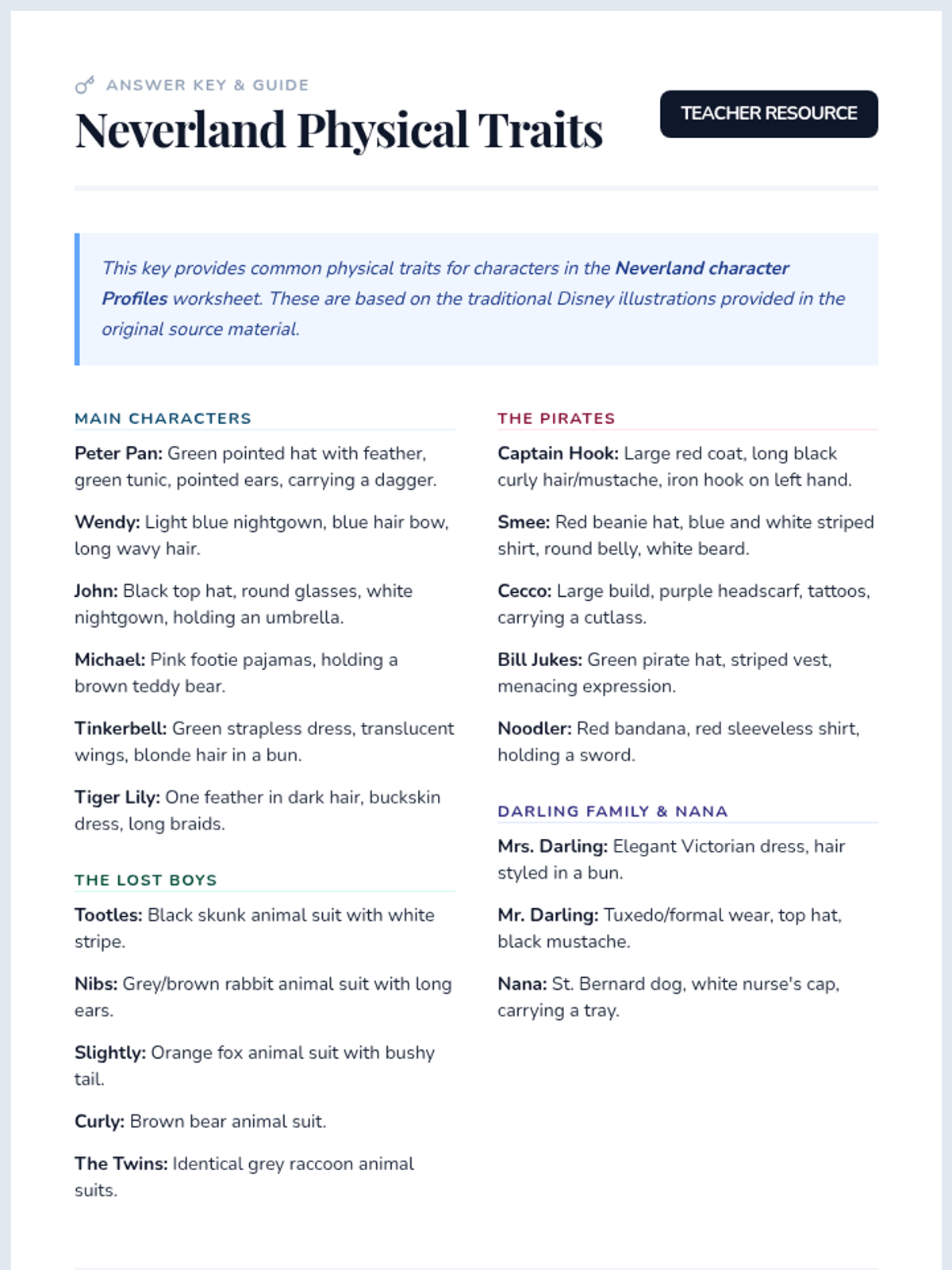
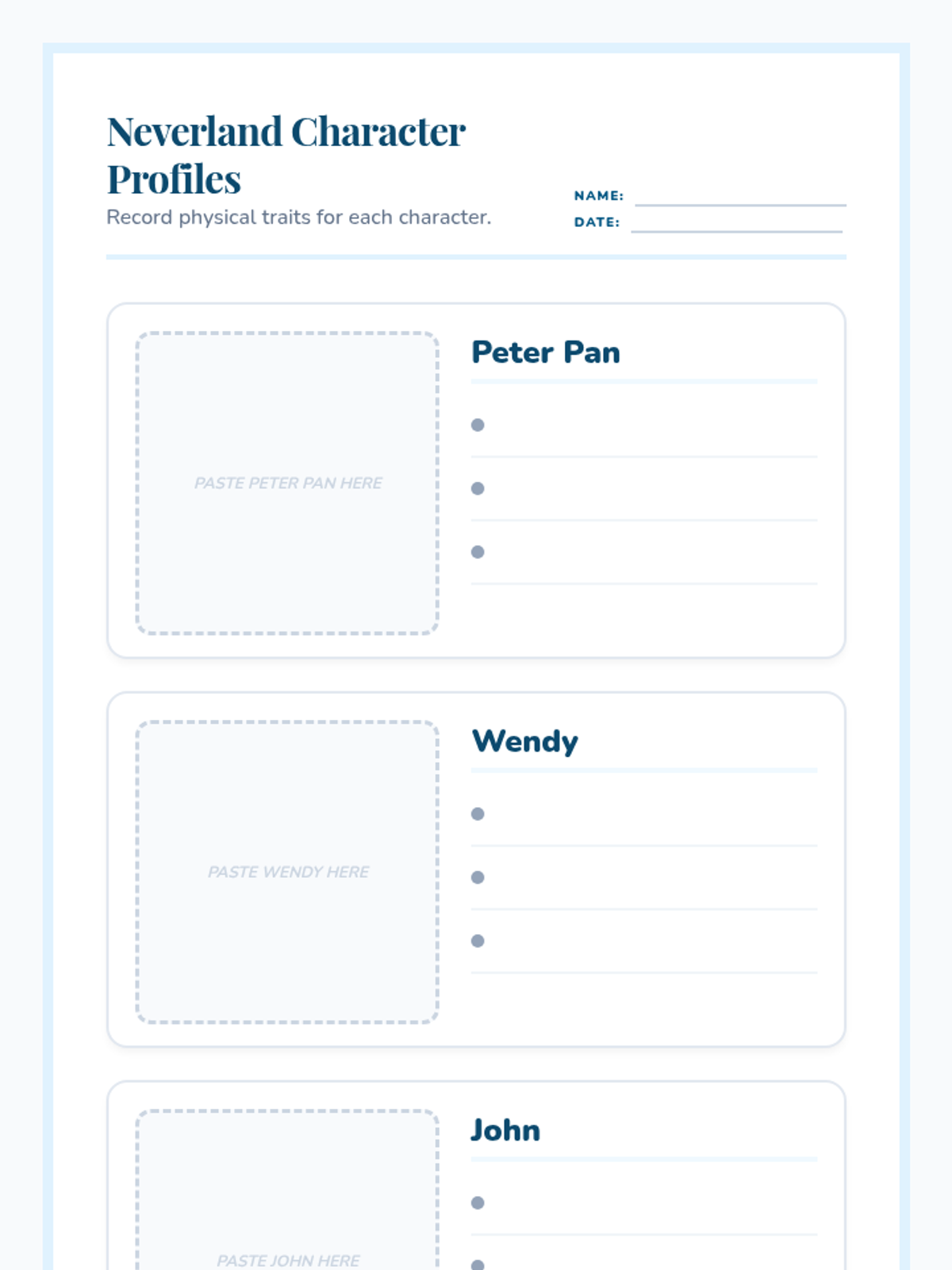
A character analysis lesson based on the classic story of Peter Pan, focusing on identifying physical traits and character descriptions.
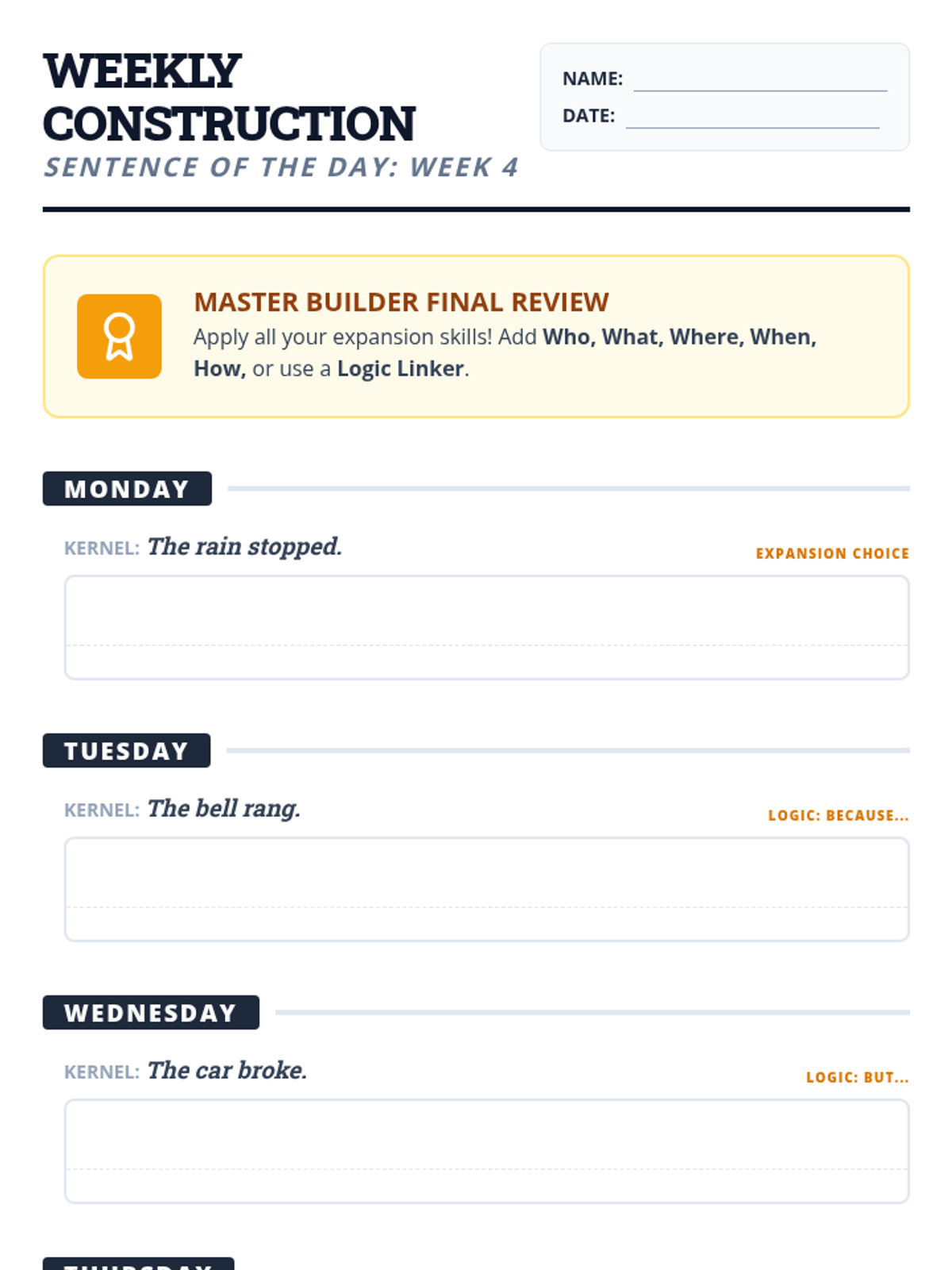
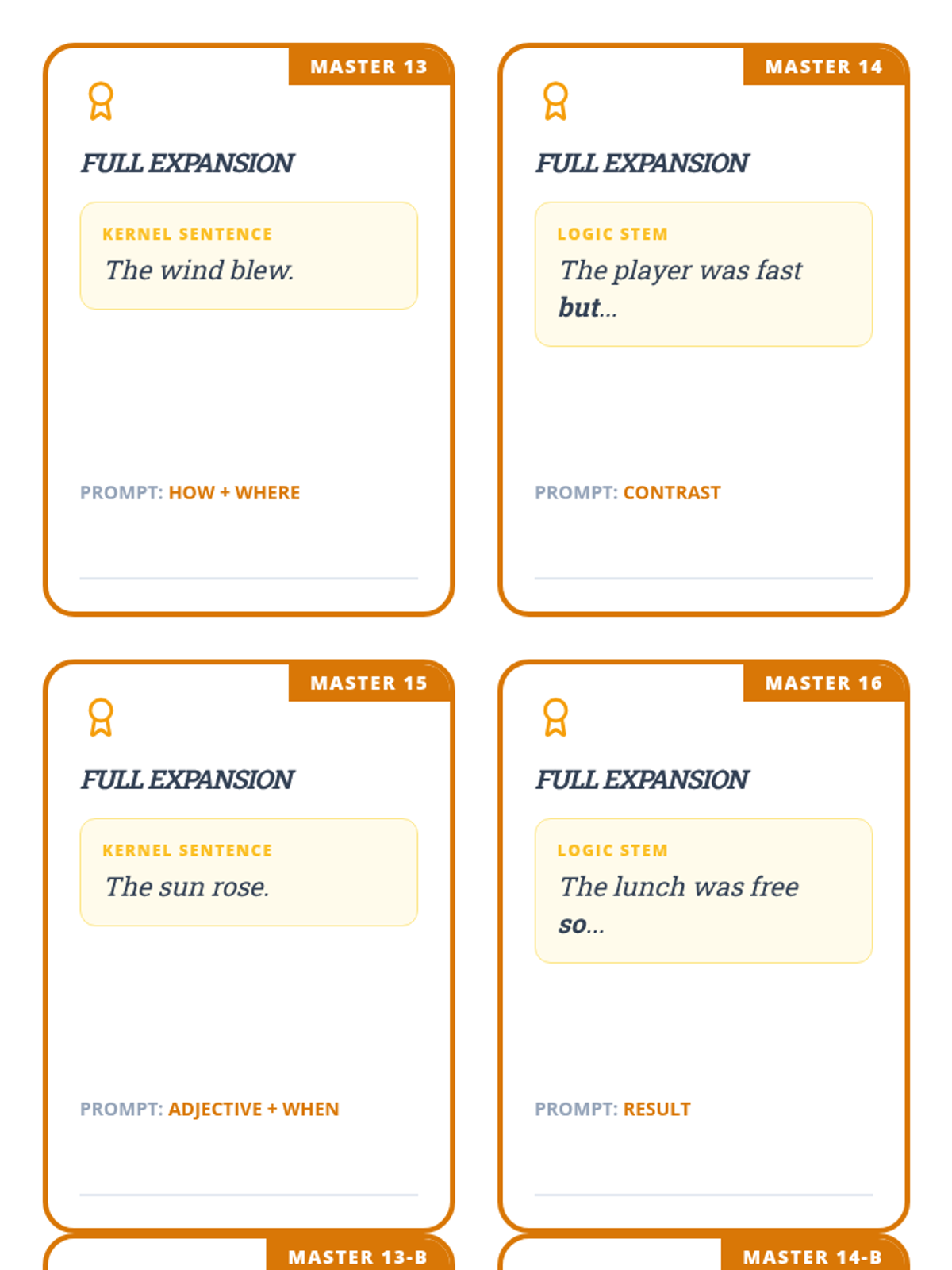
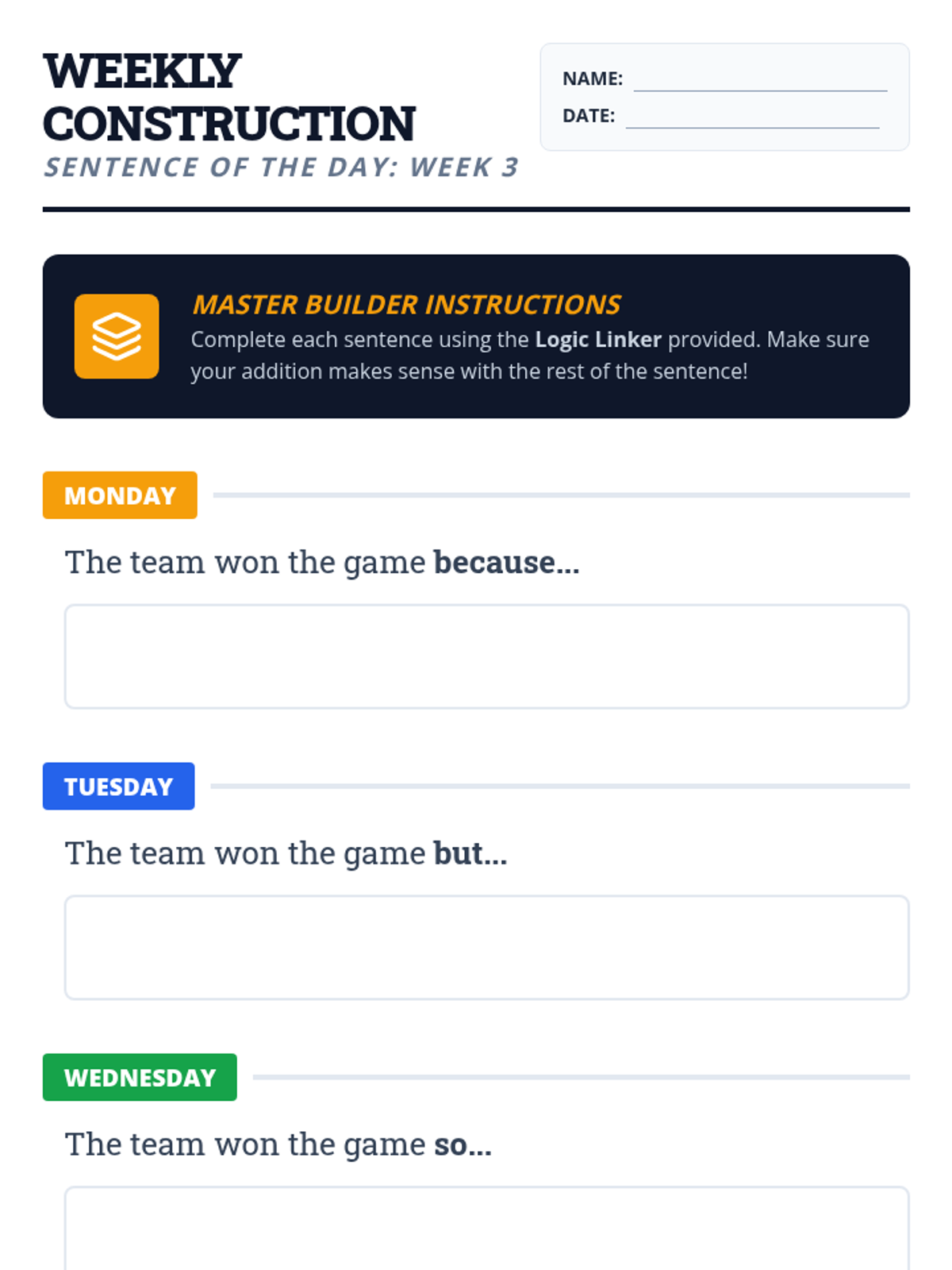
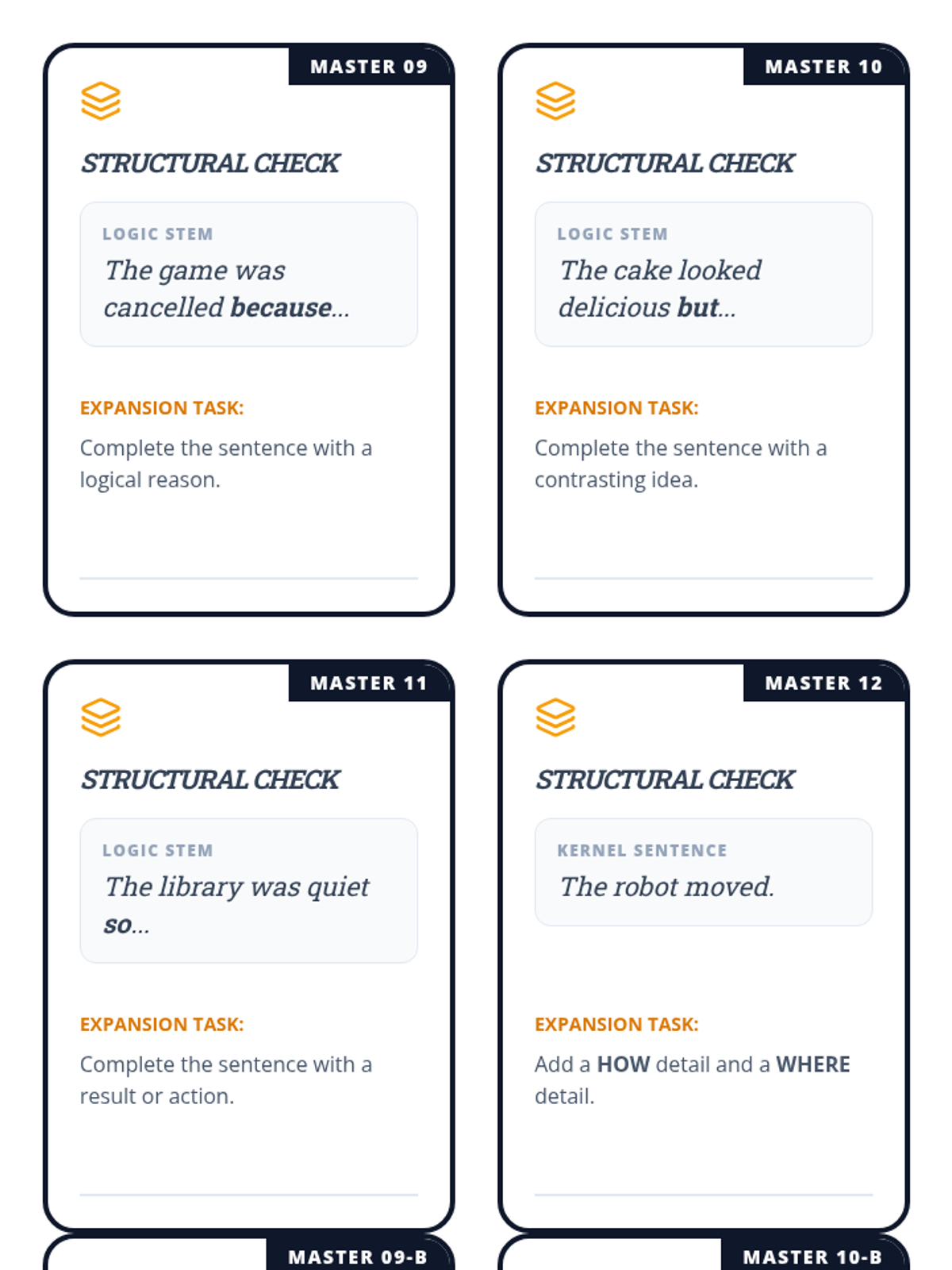
The final review lesson where students apply all previous strategies (adjectives, situational details, and logical conjunctions) to create complex and polished sentences.
The final lesson focuses on using 'Because, But, So' to expand sentences logically and demonstrate deeper reasoning and detail.