A lesson exploring the four major biogeochemical cycles (water, carbon, nitrogen, and phosphorus) through visual diagrams and key term identification.
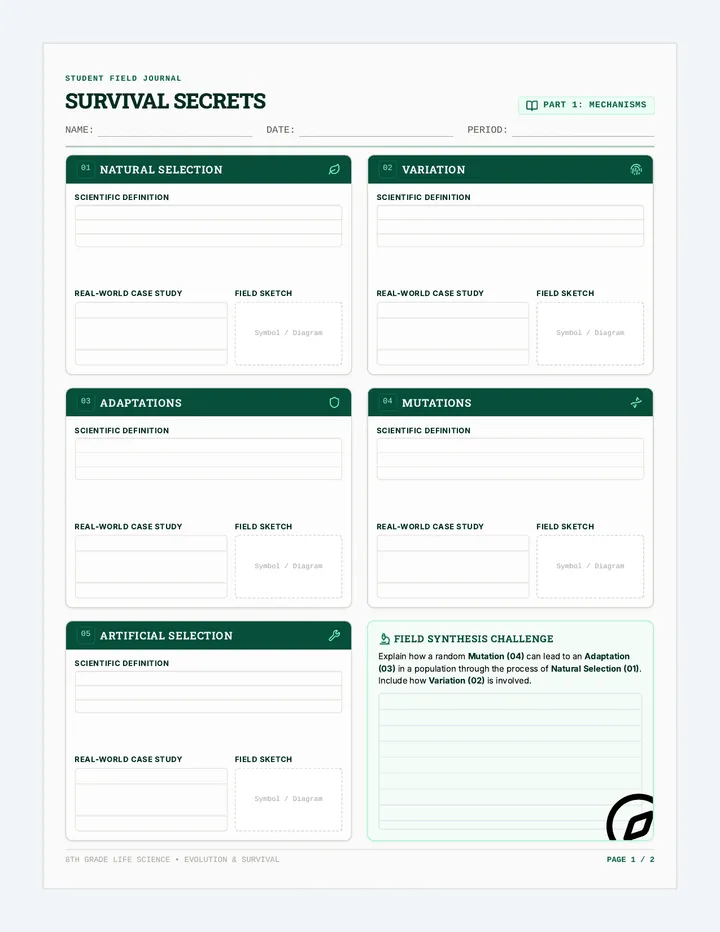
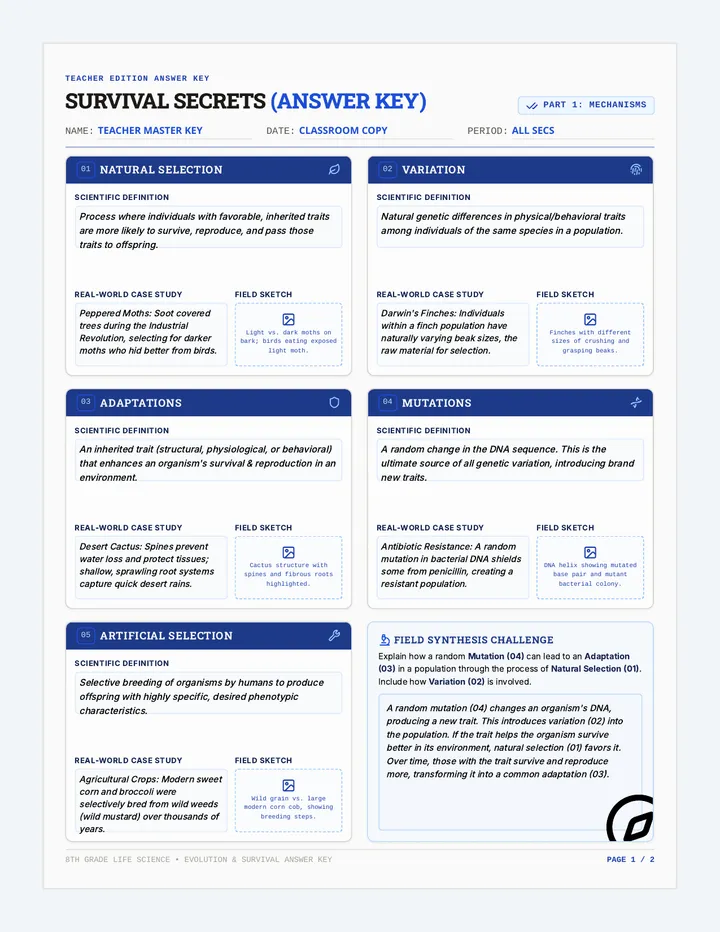
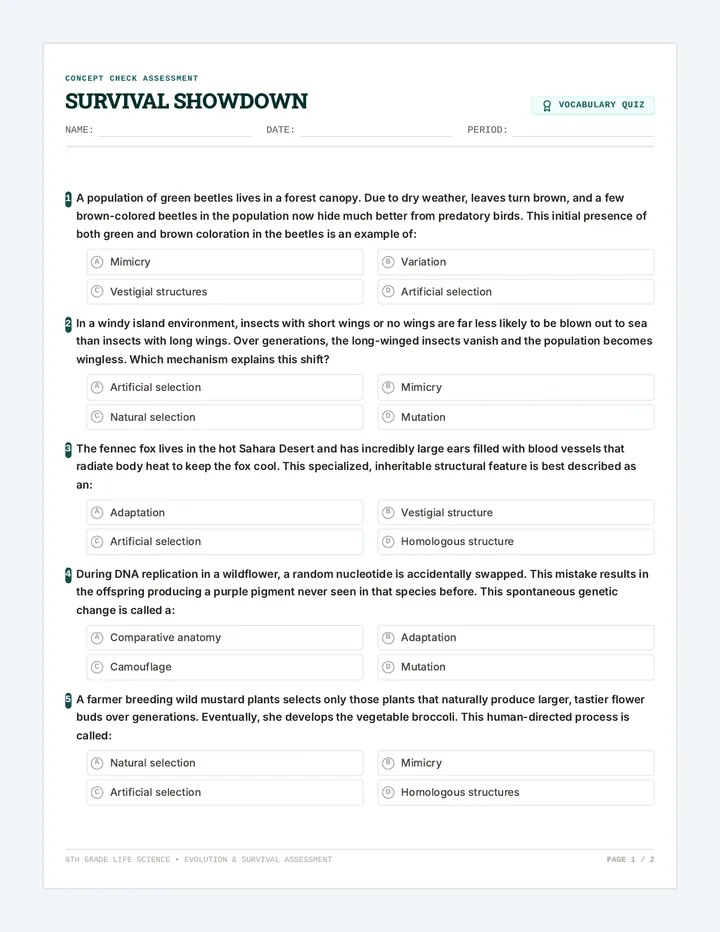
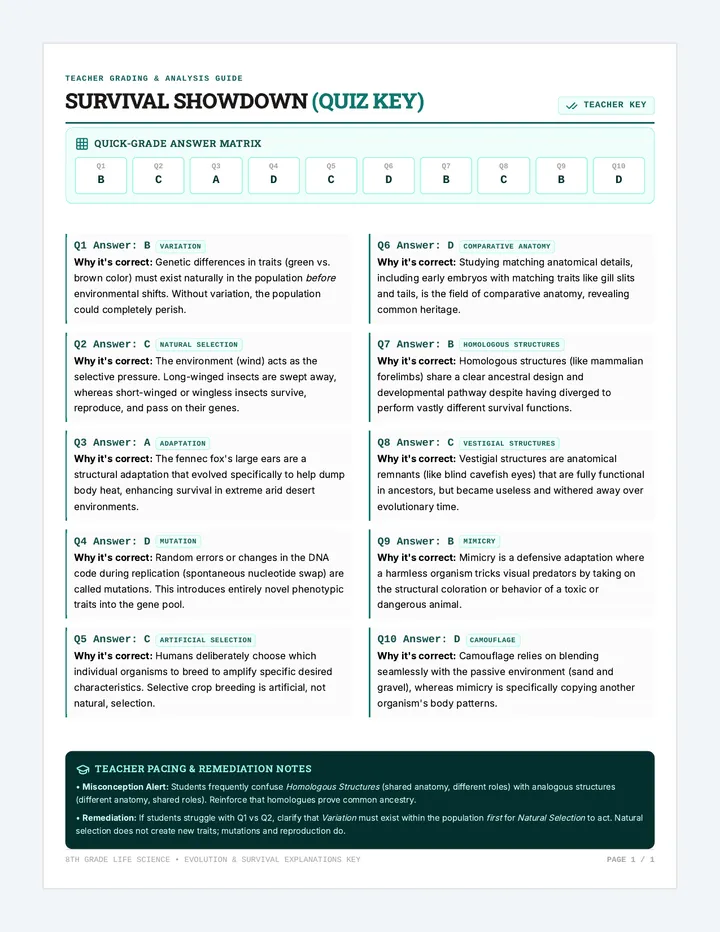
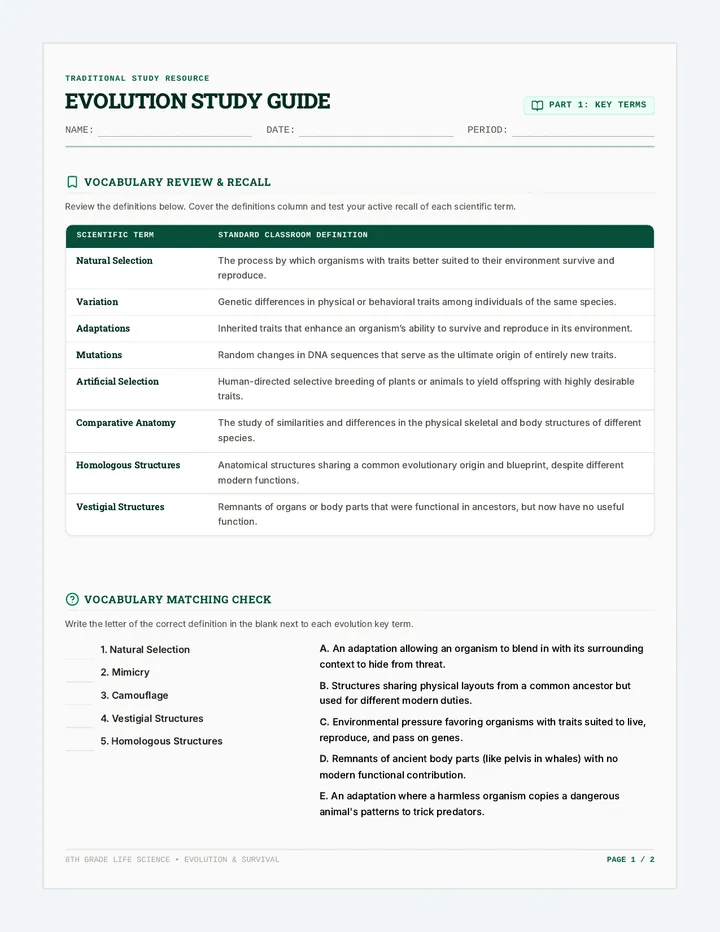
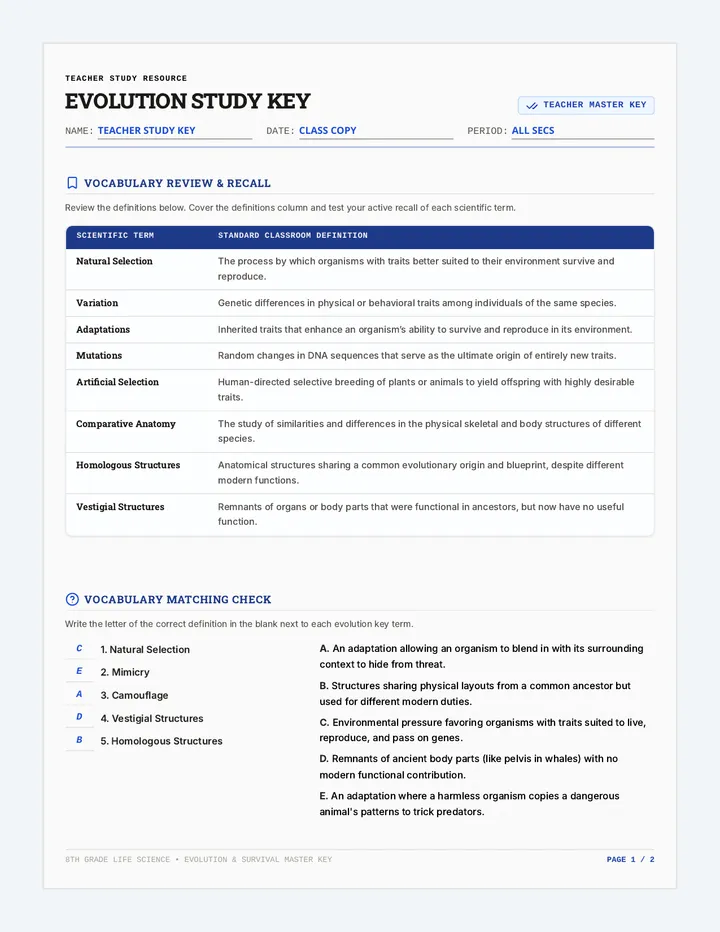
An active-recall study unit on natural selection and evolutionary evidence, featuring graphic organizers, application activities, and a practice quiz.
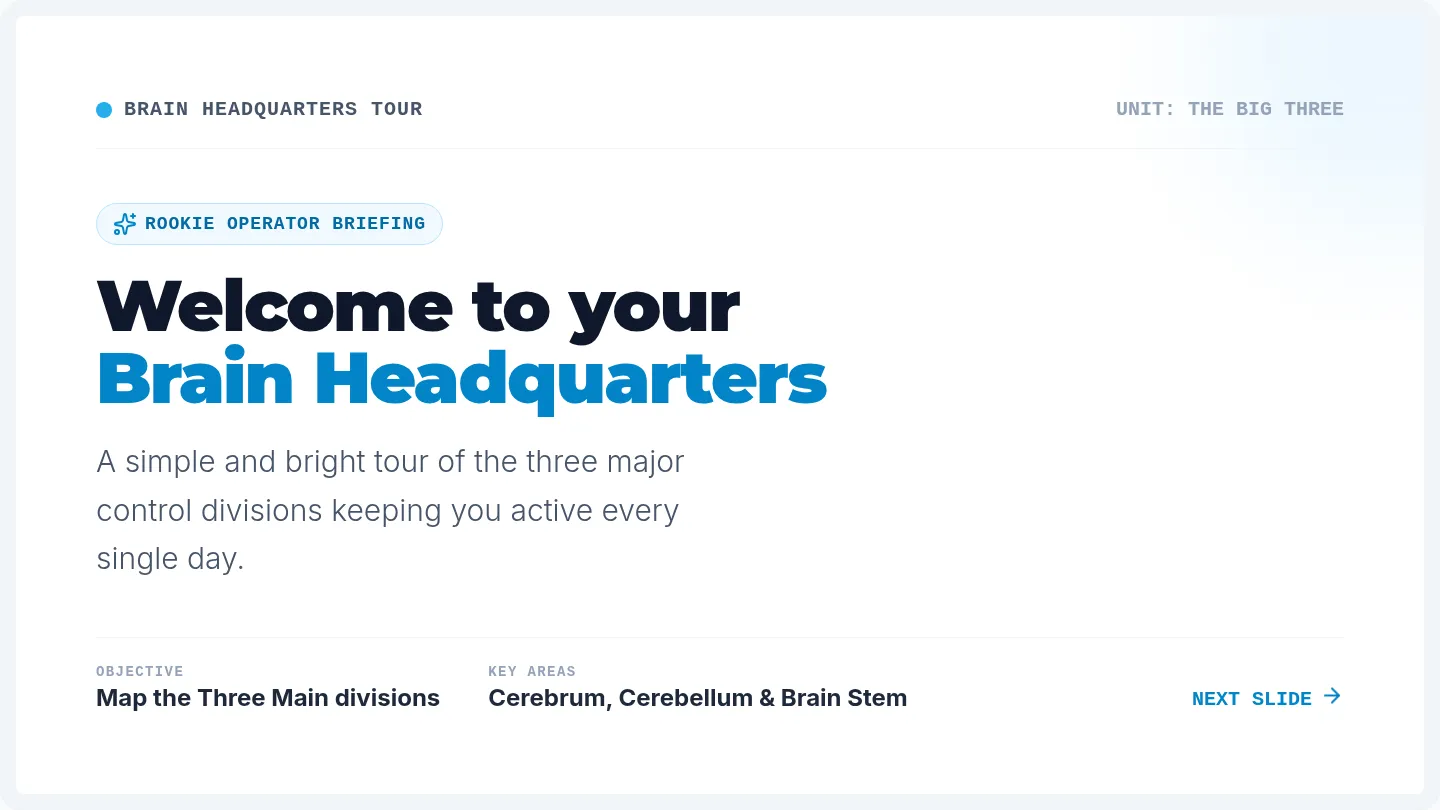
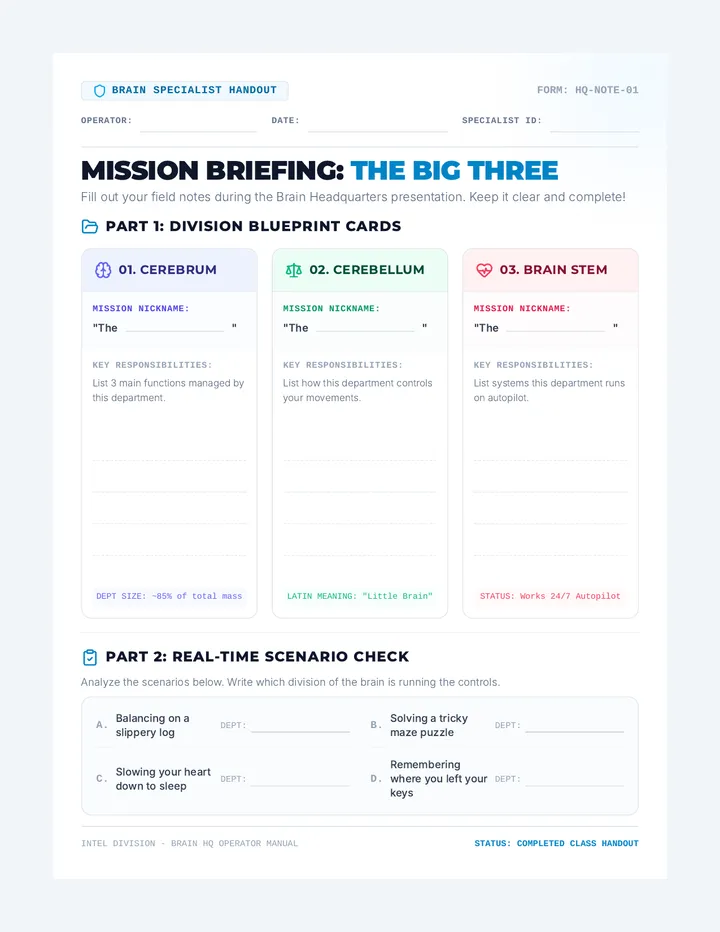
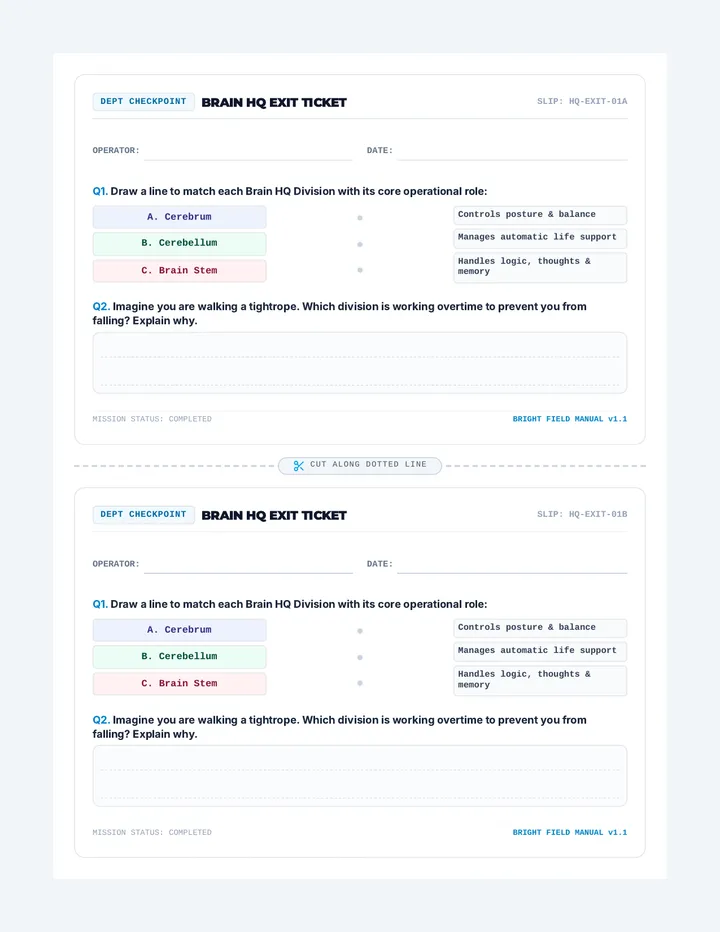
An interactive lesson introducing elementary or middle school students to the three major divisions of the brain: the Cerebrum, Cerebellum, and Brain Stem.
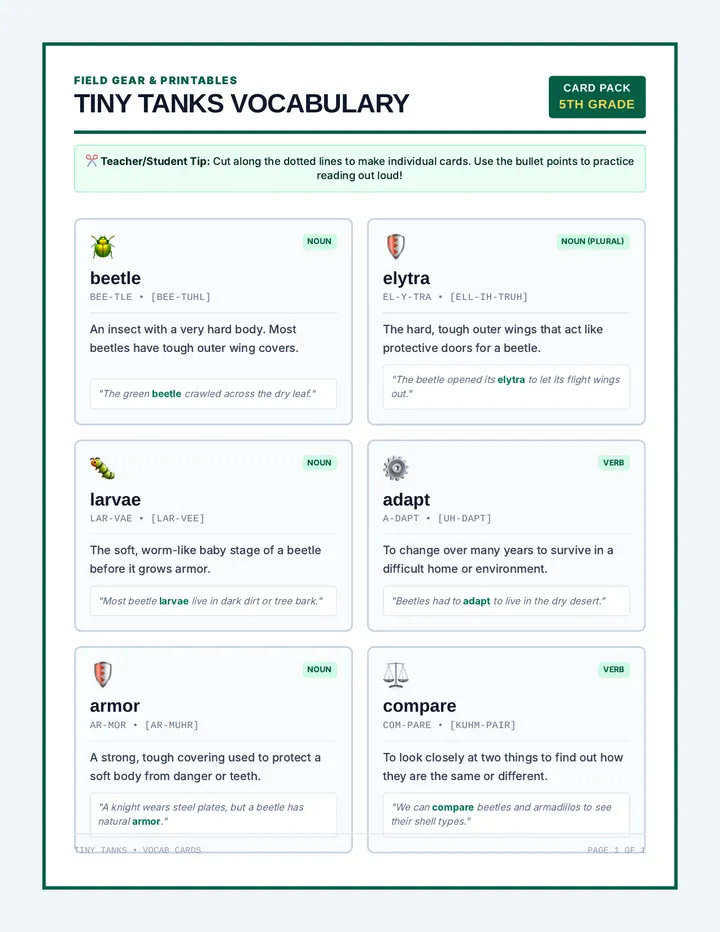
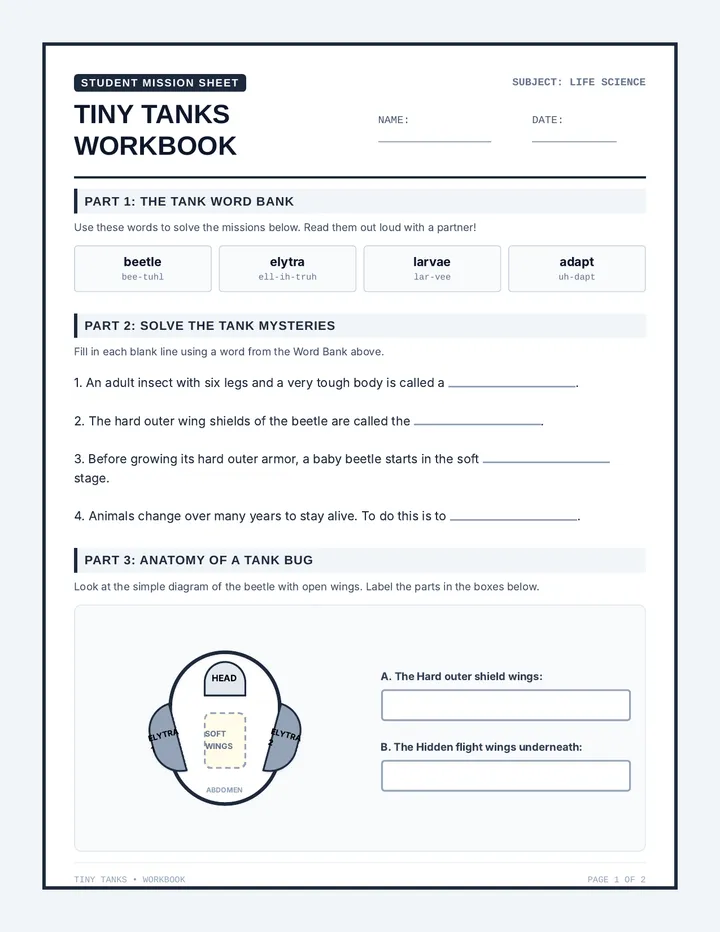
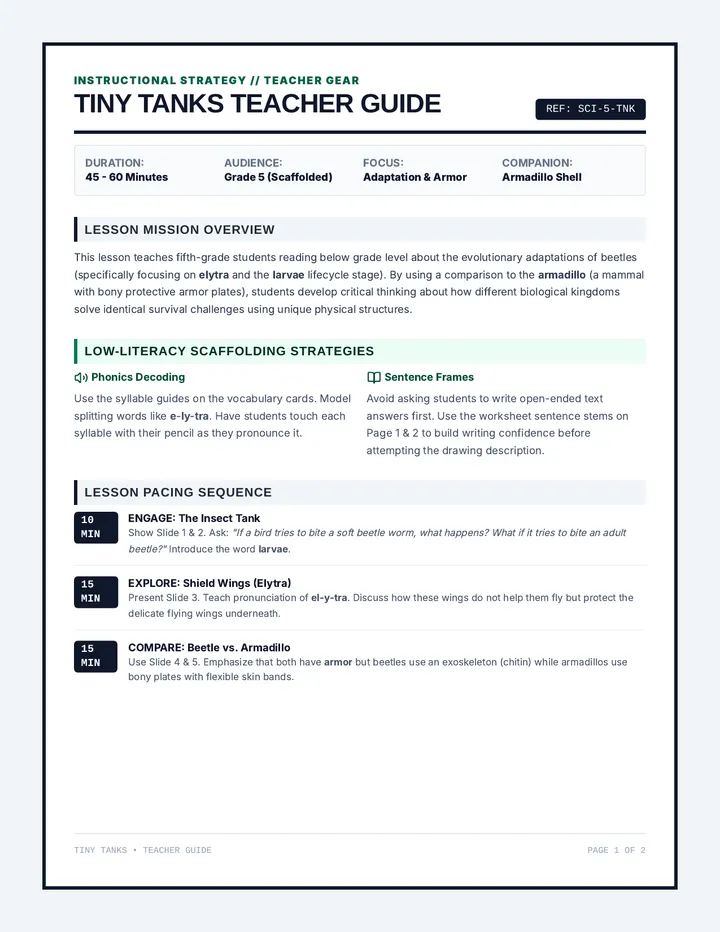
An engaging, highly visual science lesson exploring beetles as the armored tanks of the insect world, designed specifically for fifth-grade students reading below grade level. Students learn about elytra, beetle adaptation, and compare insect armor to that of the armadillo through scaffolded activities.
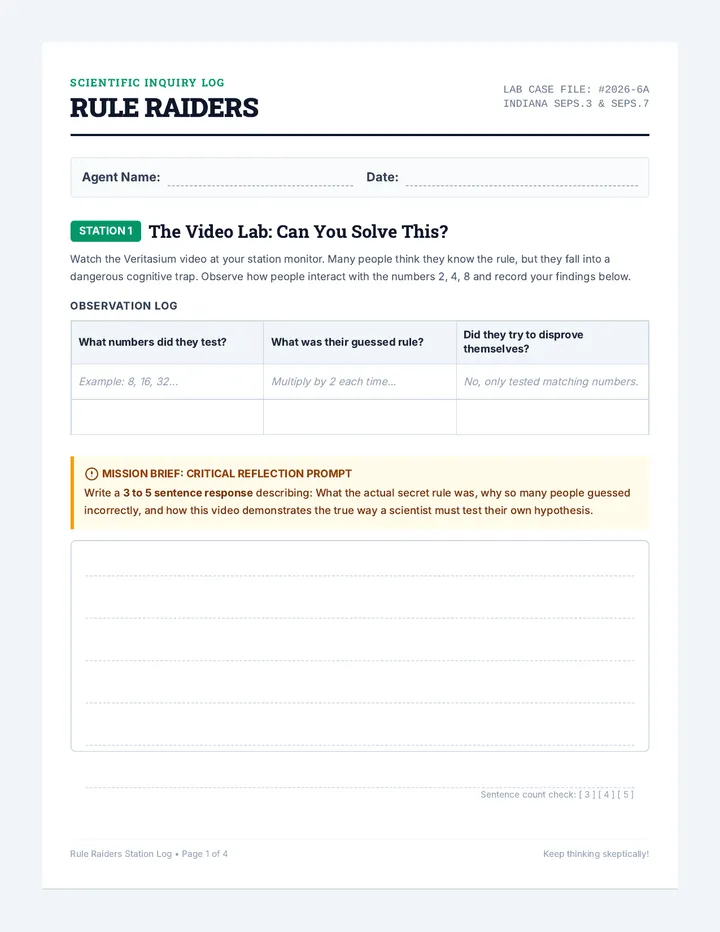
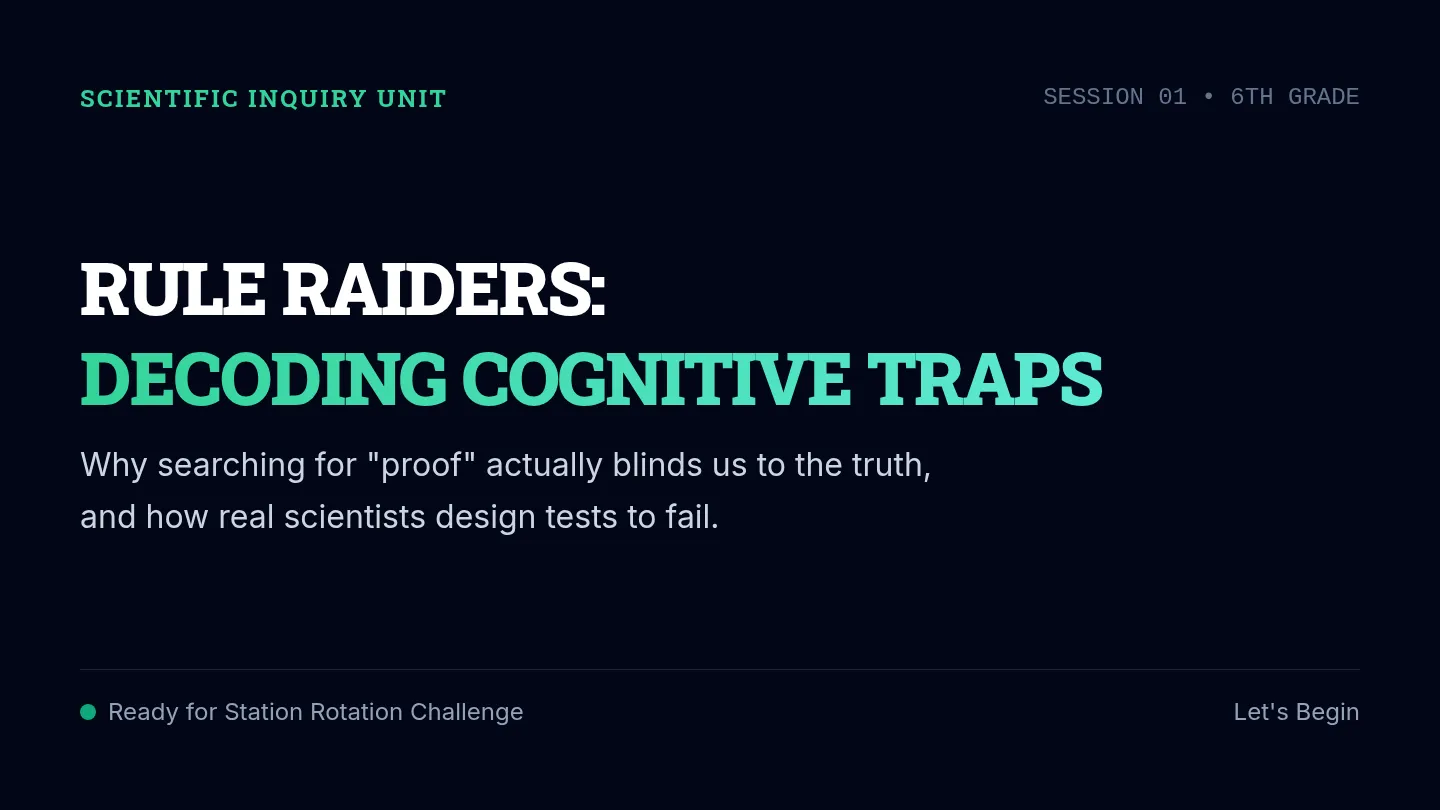
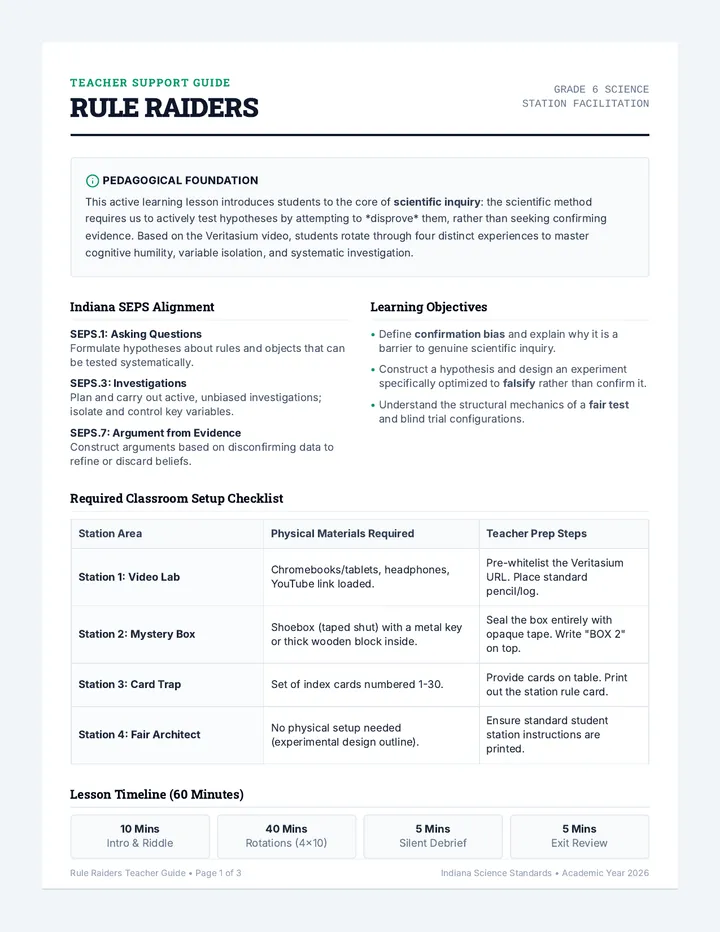
A active learning station rotation lesson where sixth-grade students discover the dangers of confirmation bias and learn the power of testing hypotheses by trying to disprove them. Based on the Veritasium 'Can You Solve This?' video, students rotate through digital and hands-on offline inquiry challenges to build robust scientific thinking skills aligned with Indiana SEPS.
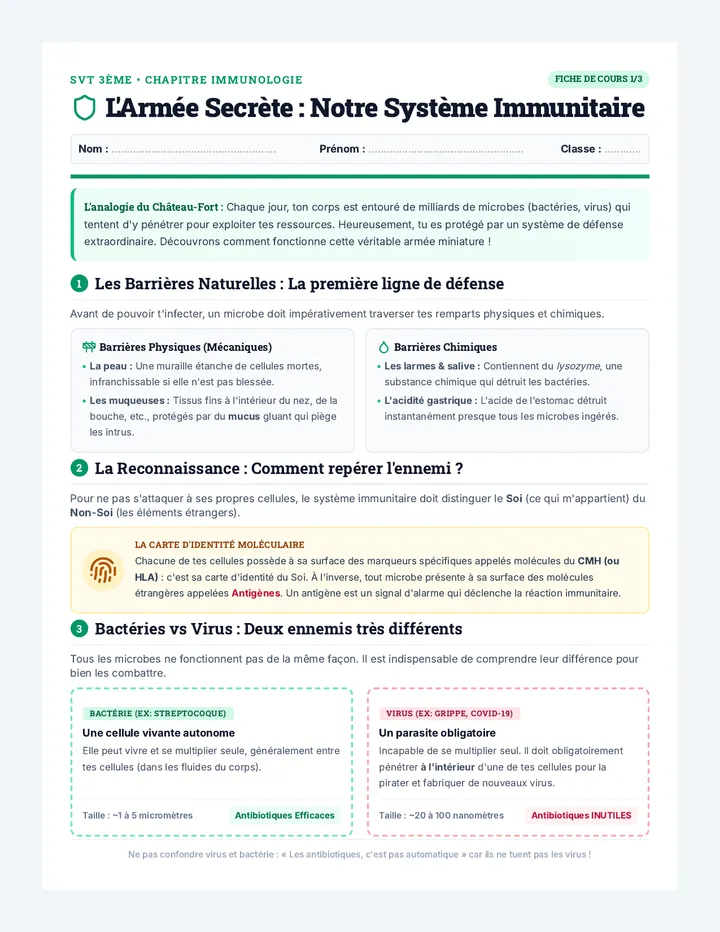
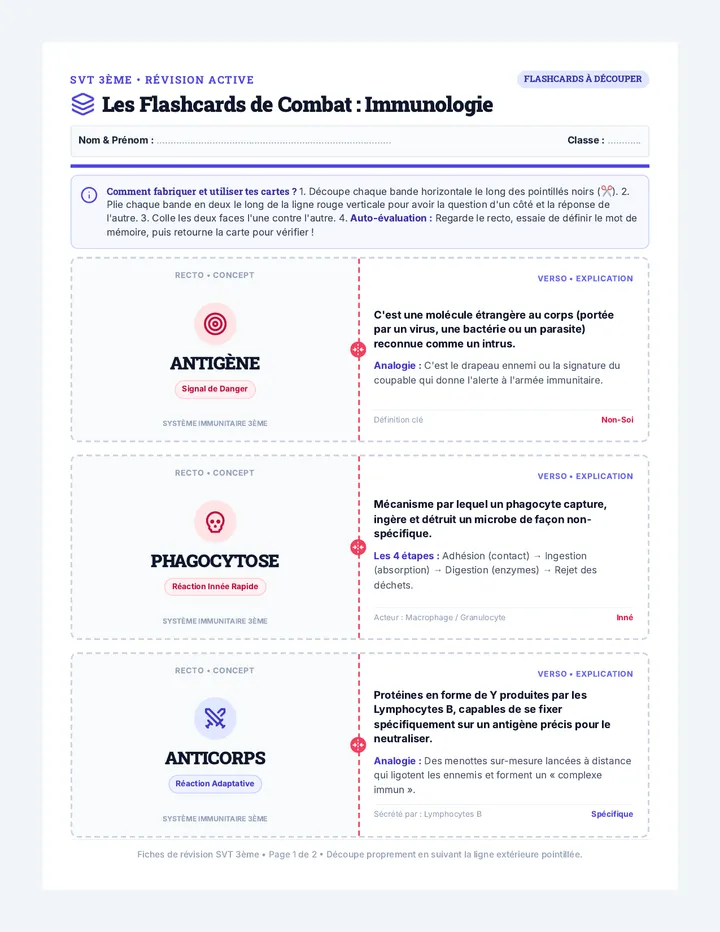
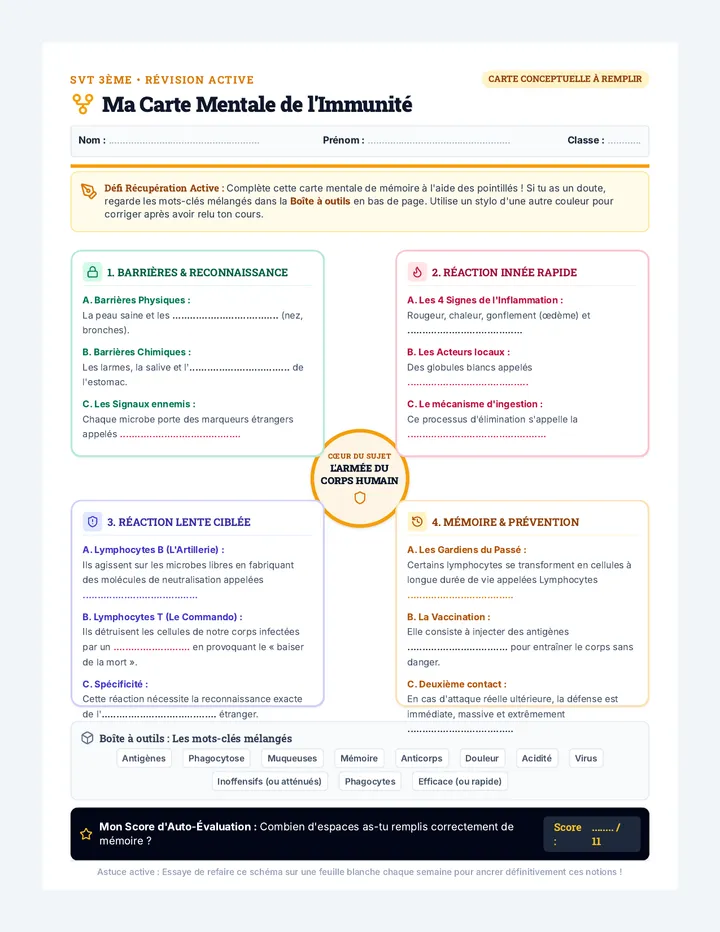
Une leçon complète et ultra-pédagogique de SVT (niveau 3ème) sur le système immunitaire. Conçue avec des analogies percutantes, des schémas structurés et des outils de révision active pour garantir la compréhension et la mémorisation de tous les élèves.
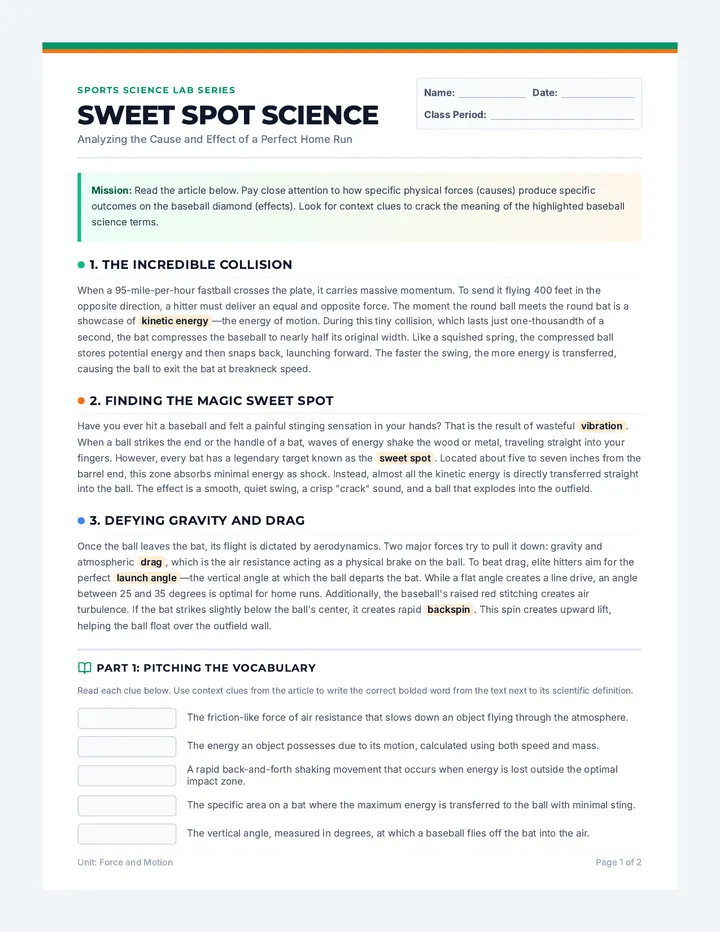
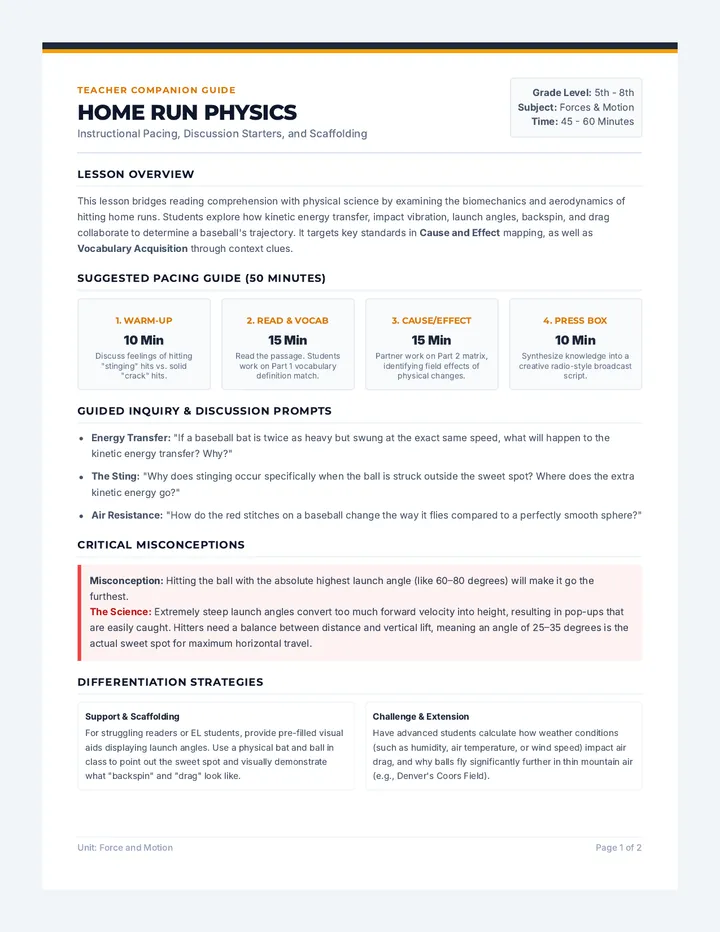
A lesson focused on the physics of hitting a home run in baseball. Students explore cause-and-effect relationships and vocabulary context clues through a reading passage, followed by comprehension questions and a creative writing prompt.
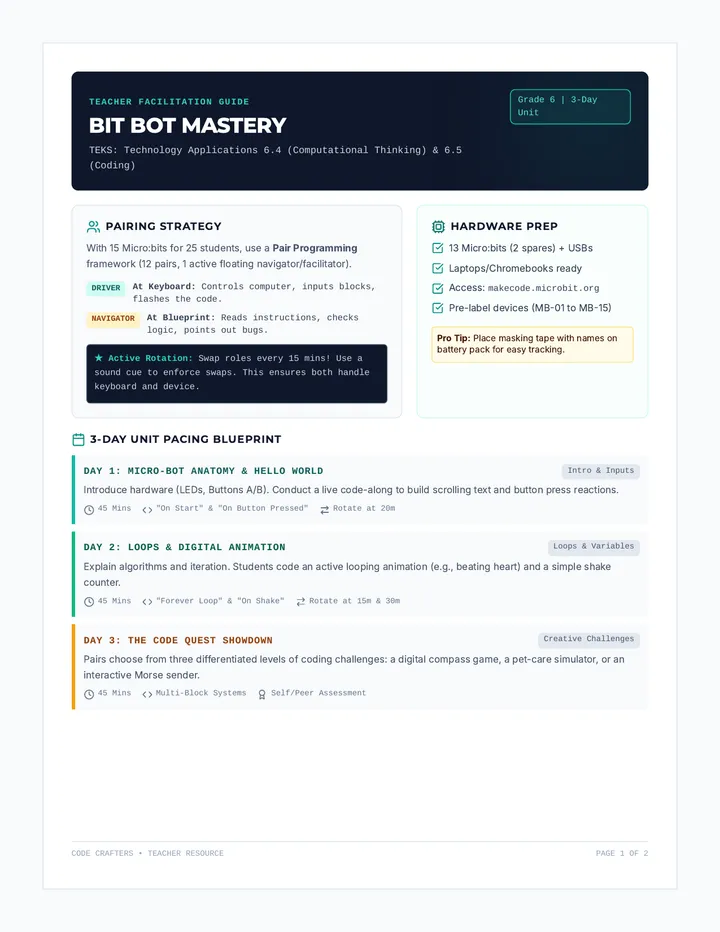
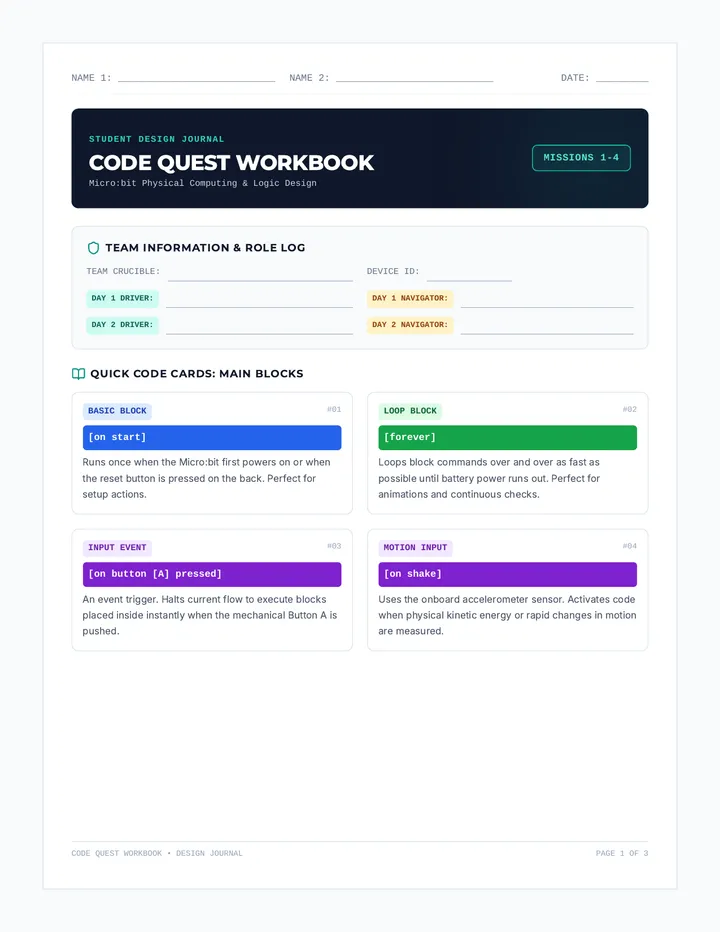
An introductory 3-day coding unit for 6th-grade students using Micro:bits. Students learn basic programming concepts like algorithms, loops, and event handlers through interactive physical computing and cooperative pair programming.
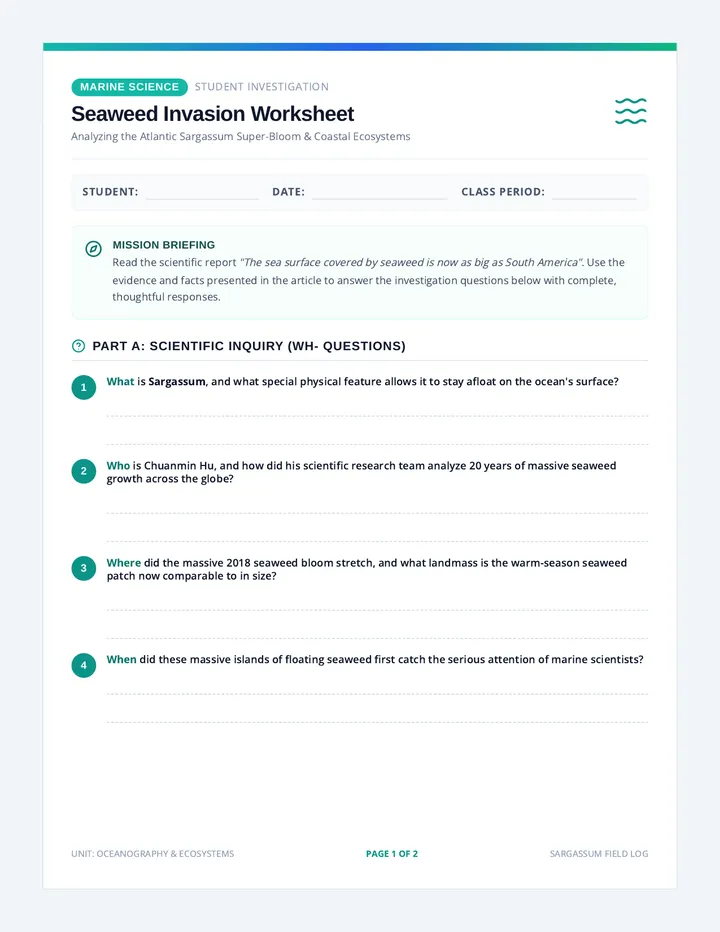
A science lesson investigating the massive Sargassum seaweed bloom stretching across the Atlantic Ocean. Students explore its ecological benefits in the open ocean, the hazards it poses to coastlines, and the human and environmental factors driving its growth.
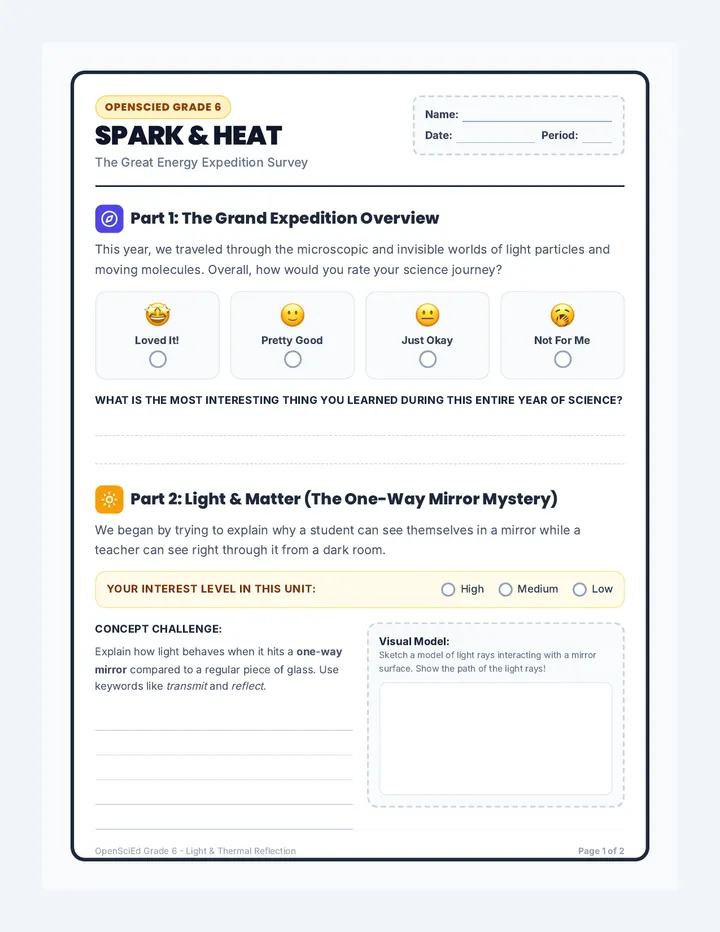
This lesson guides students through reflecting on their experiences with the OpenSciEd Grade 6 units on Light Energy and Thermal Energy. It includes a comprehensive survey for students to share their feedback, highlights, and conceptual growth.
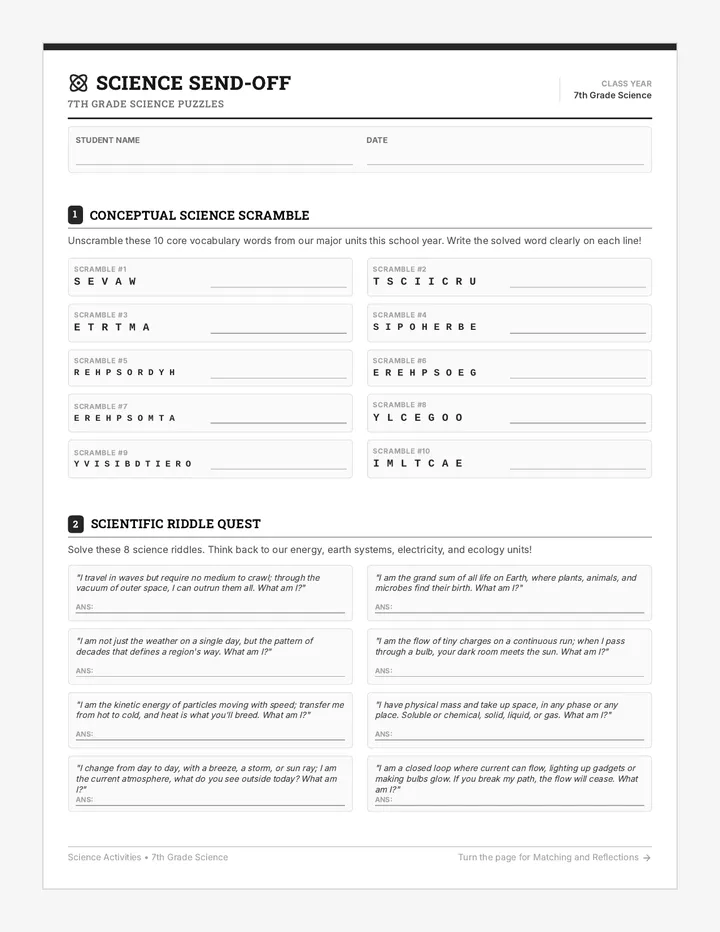
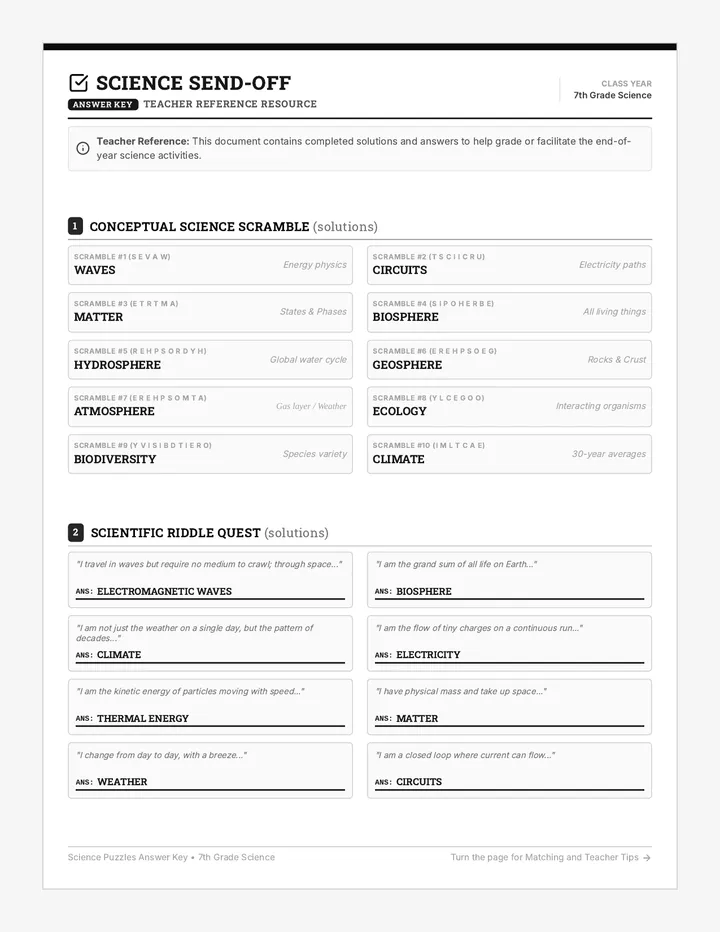
An end-of-year science celebration lesson containing engaging, black-and-white puzzle sheets and activities for 7th-grade students to complete independently.
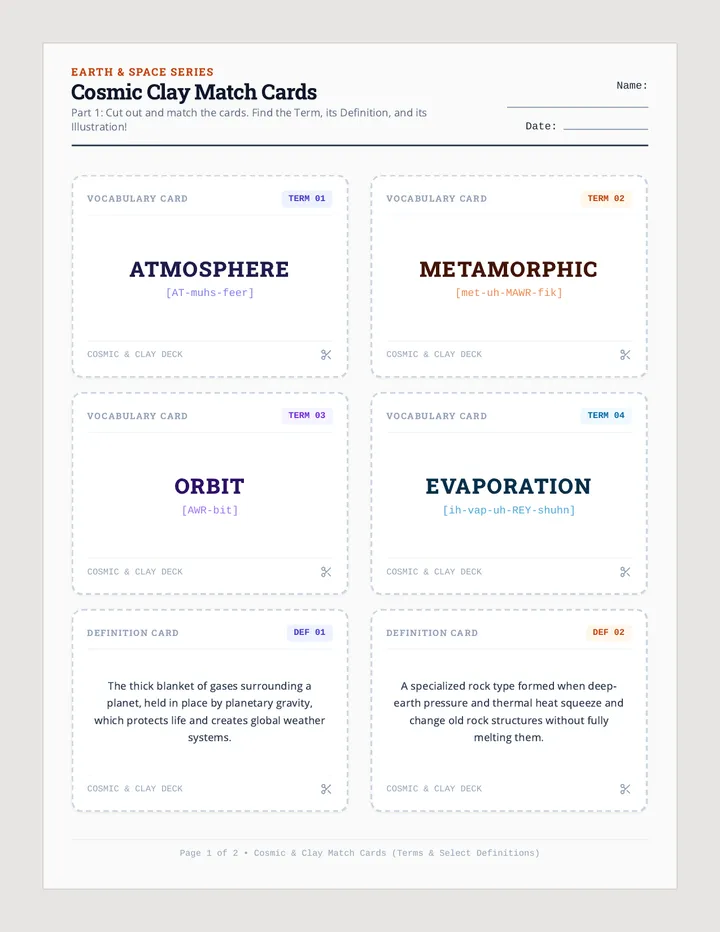
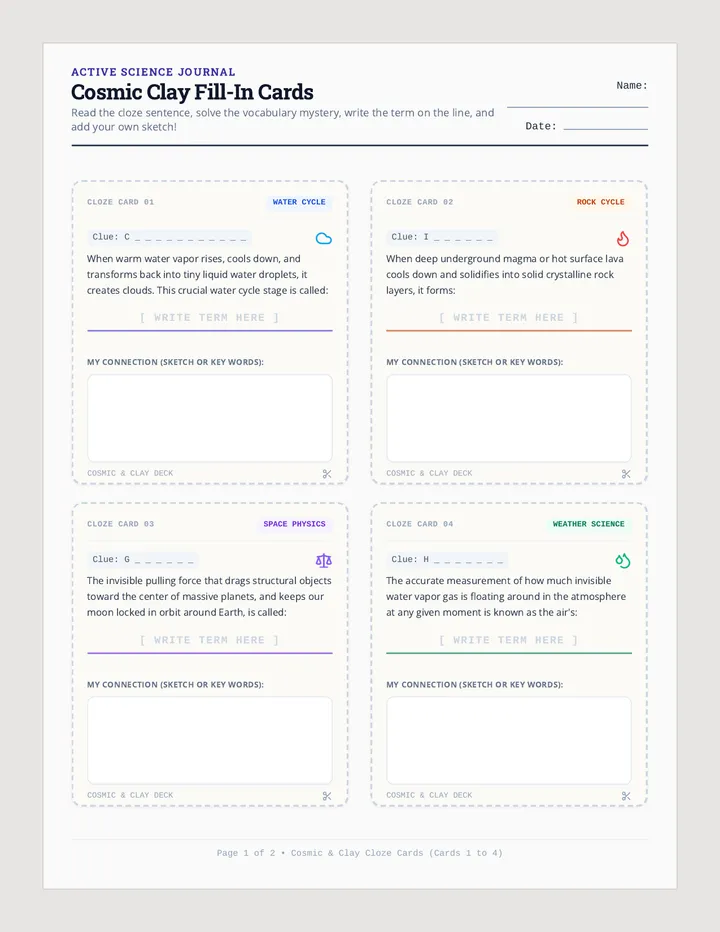
An interactive vocabulary lesson on Earth and Space Science, featuring visual matching card decks and tactile fill-in-the-blank cloze activities covering rocks, weather, water cycles, and space.
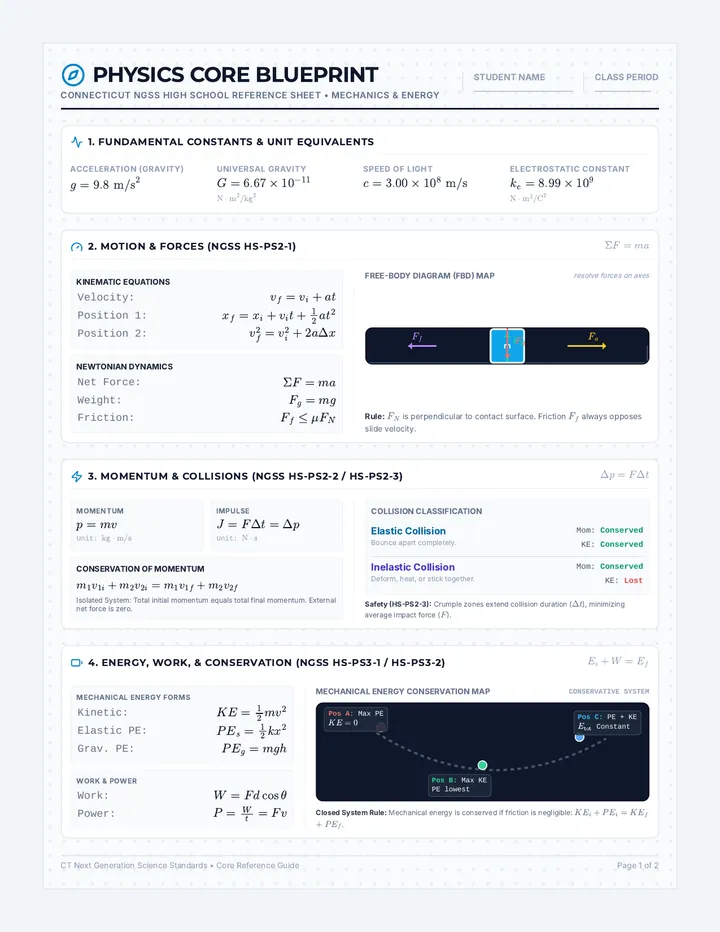
A collection of foundational reference sheets, formula grids, and problem-solving templates designed to support Connecticut high school physics students across all NGSS units.
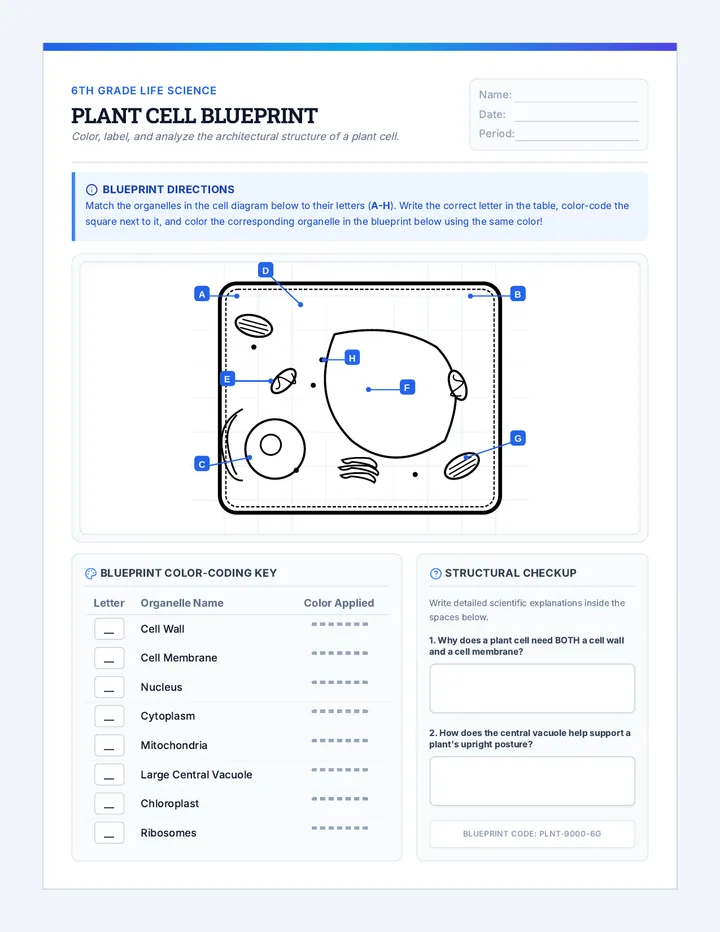
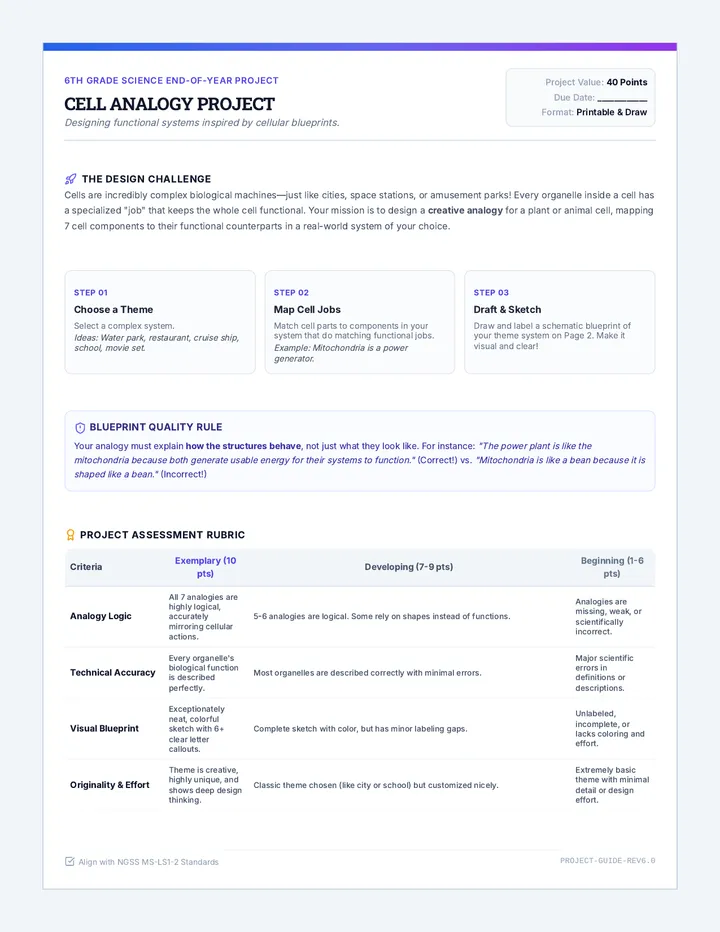
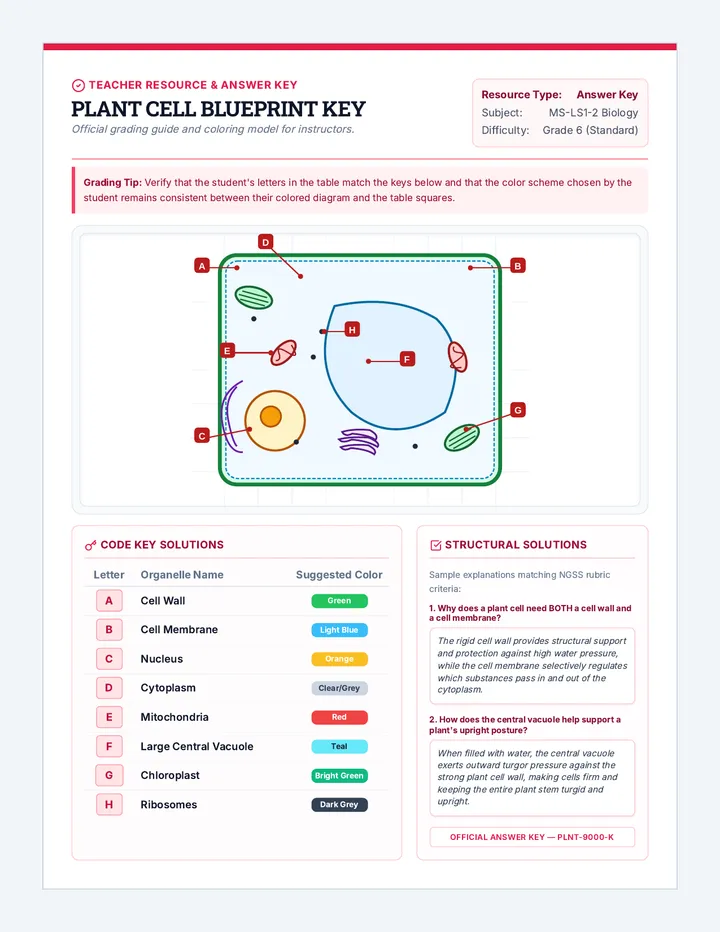
An end-of-year science project lesson where 6th-grade students explore plant and animal cells through creative coloring worksheets and a student-designed cell analogy project. Includes high-quality coloring diagrams and a comprehensive graphic organizer guide.
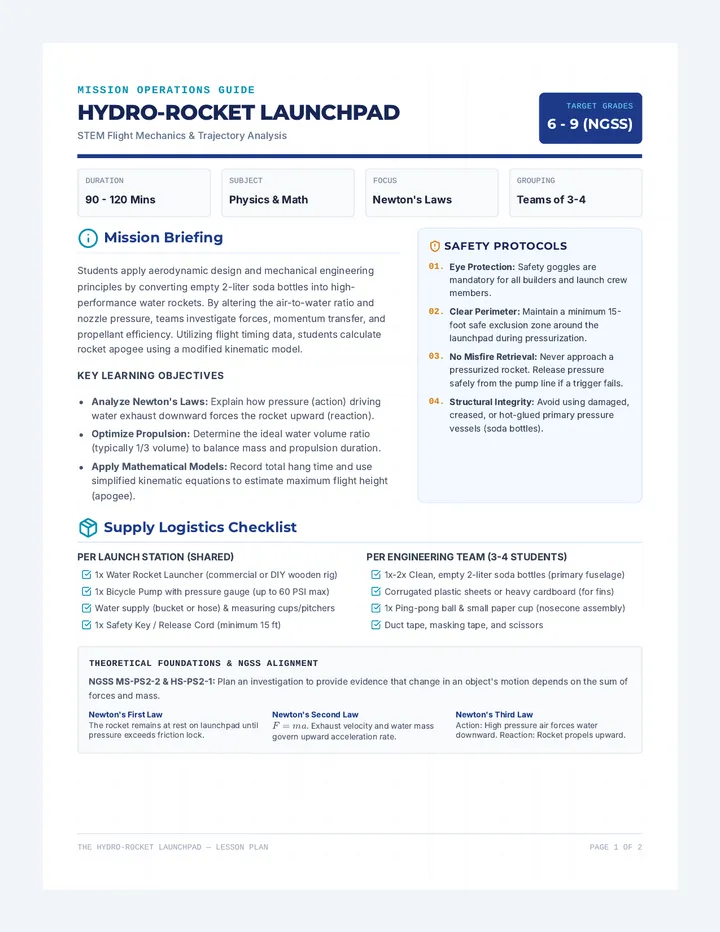
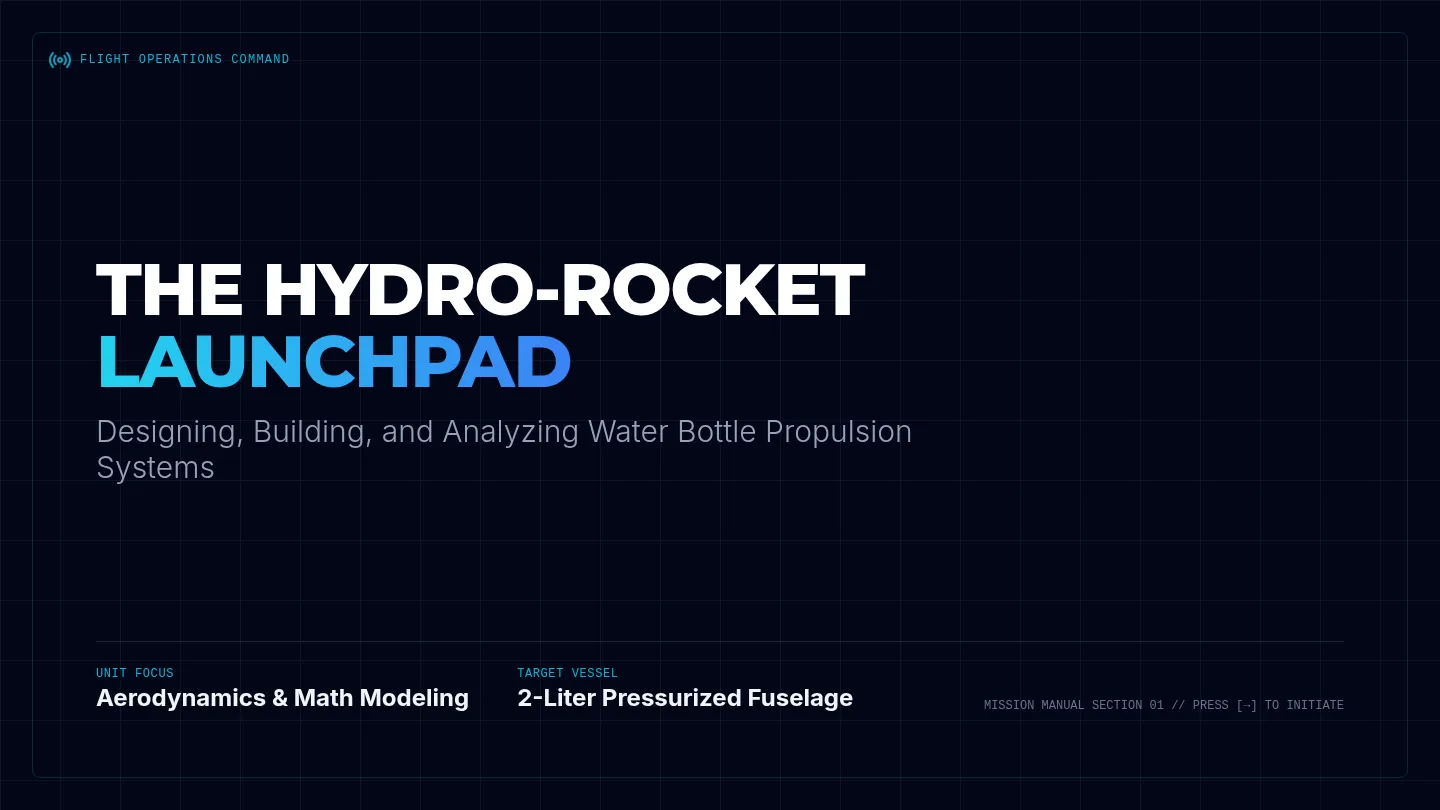
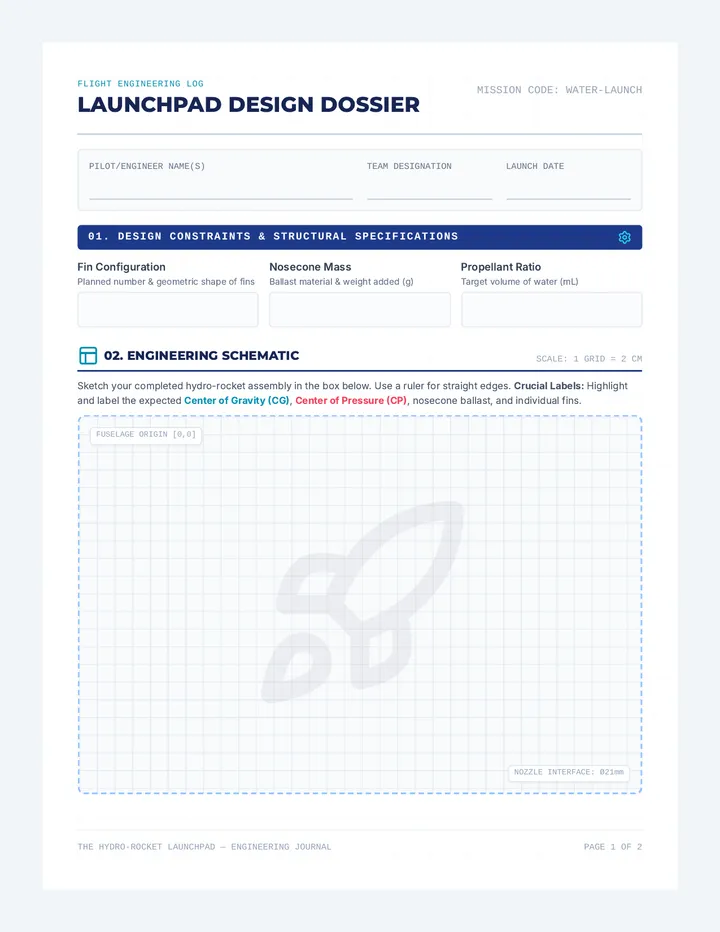
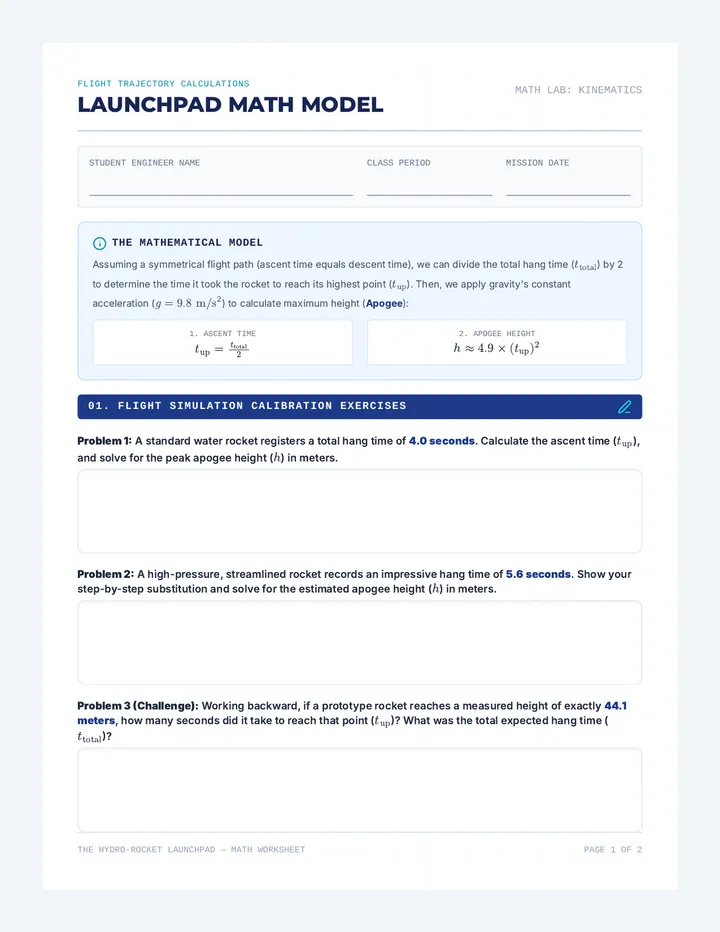
A comprehensive STEM lesson where students design, build, and launch water bottle rockets to explore pressure, volume, and Newton's laws. Students apply physics principles and mathematical formulas to model trajectories and calculate apogee height from hang time.
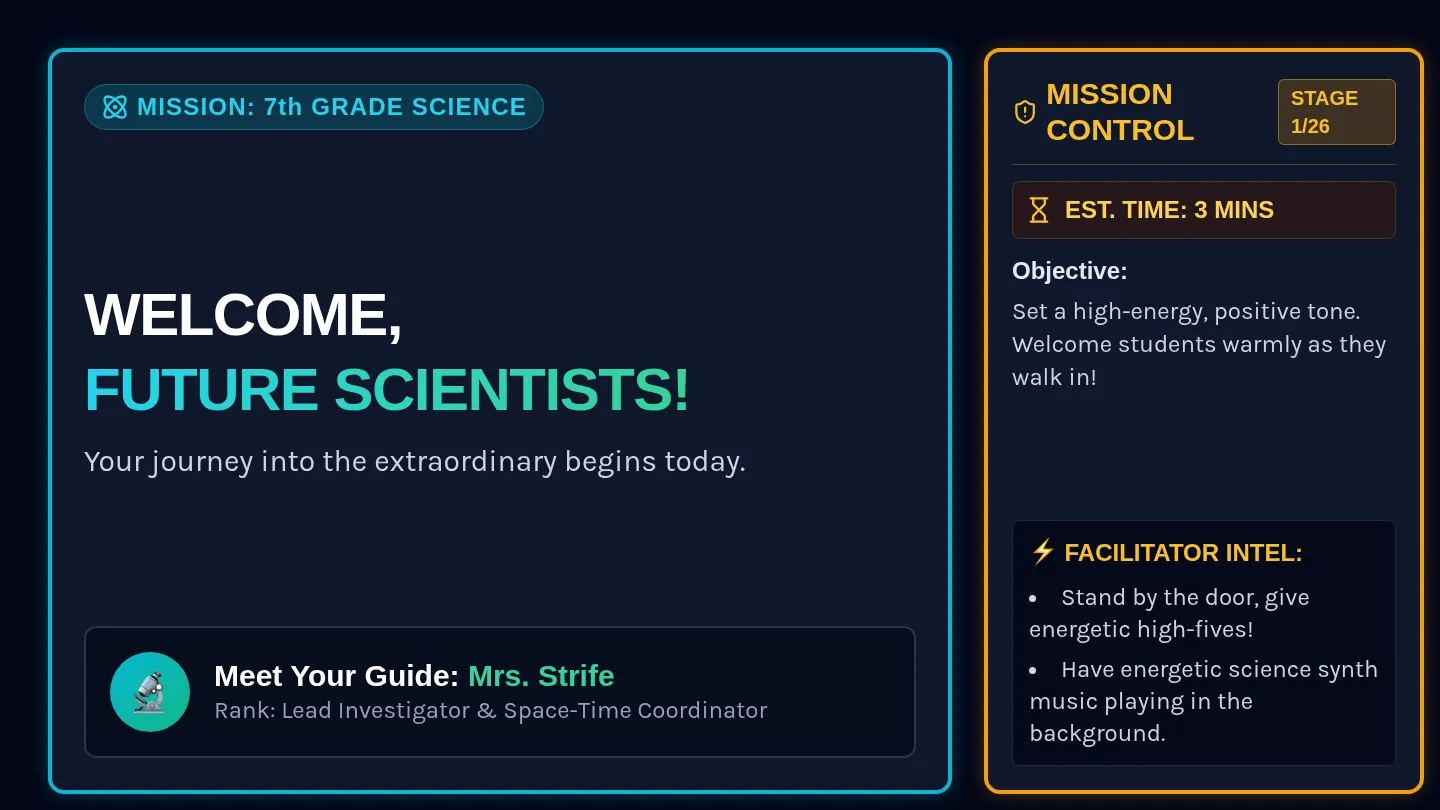
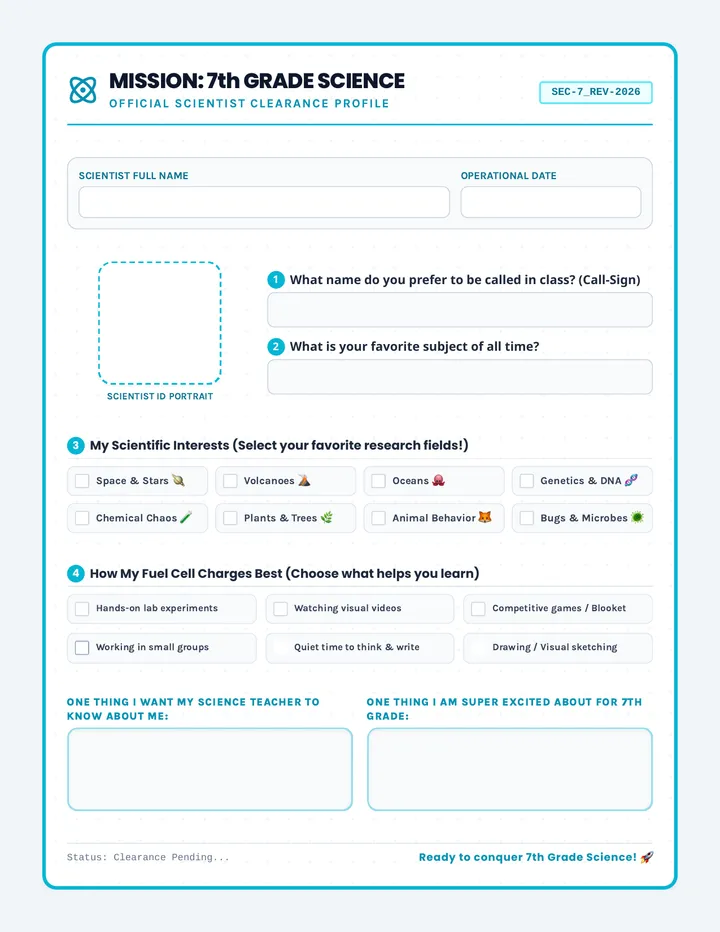
A high-energy, relationship-building transition lesson designed to introduce rising 7th graders to their future 7th-grade science classroom and teacher through interactive activities on the last day of school.
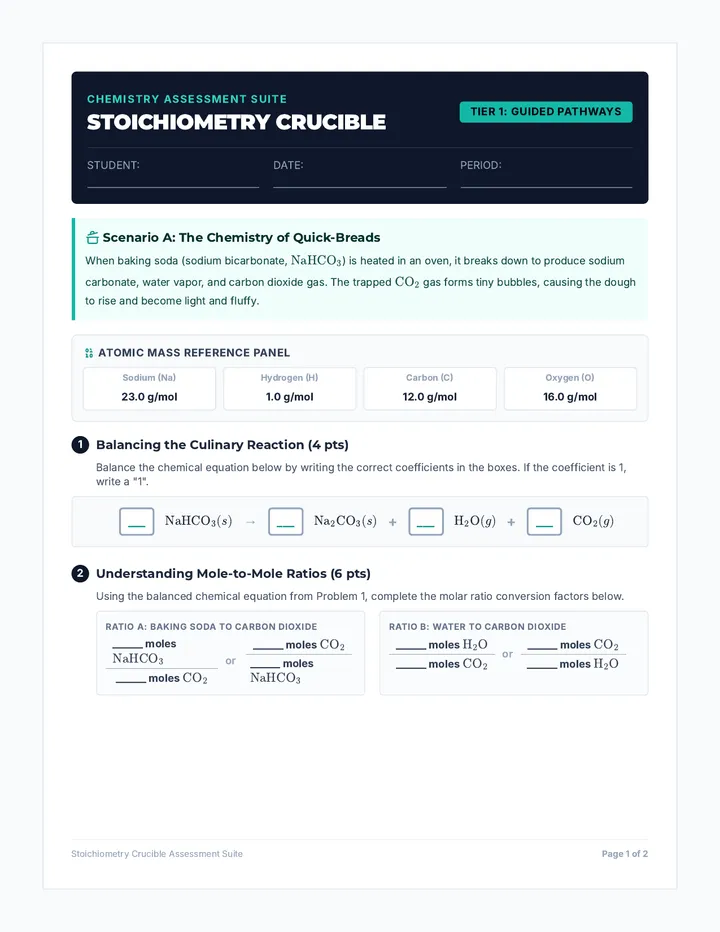
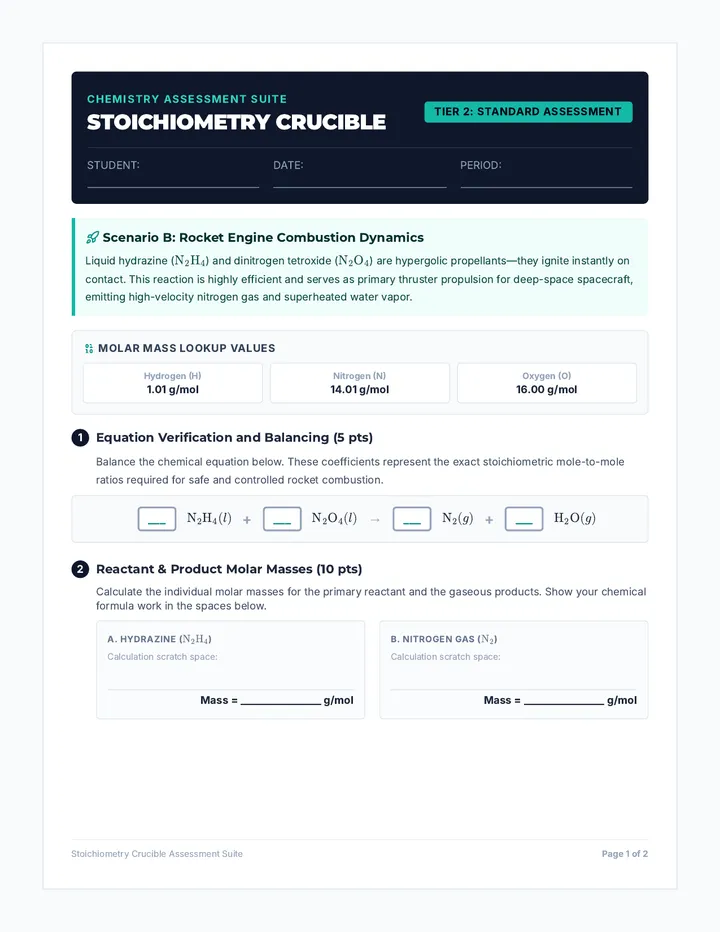
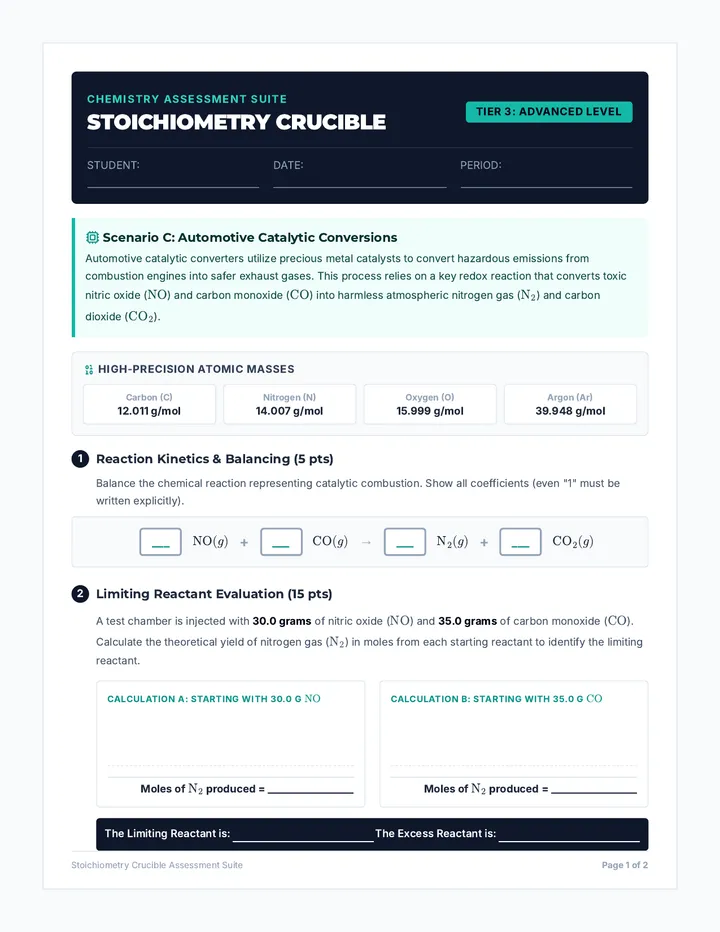
A differentiated stoichiometry assessment suite tiered by mathematical complexity, visual scaffolding, and conceptual depth. Features three distinct, parallel versions of a 2-page quiz centered around unique real-world chemistry applications.
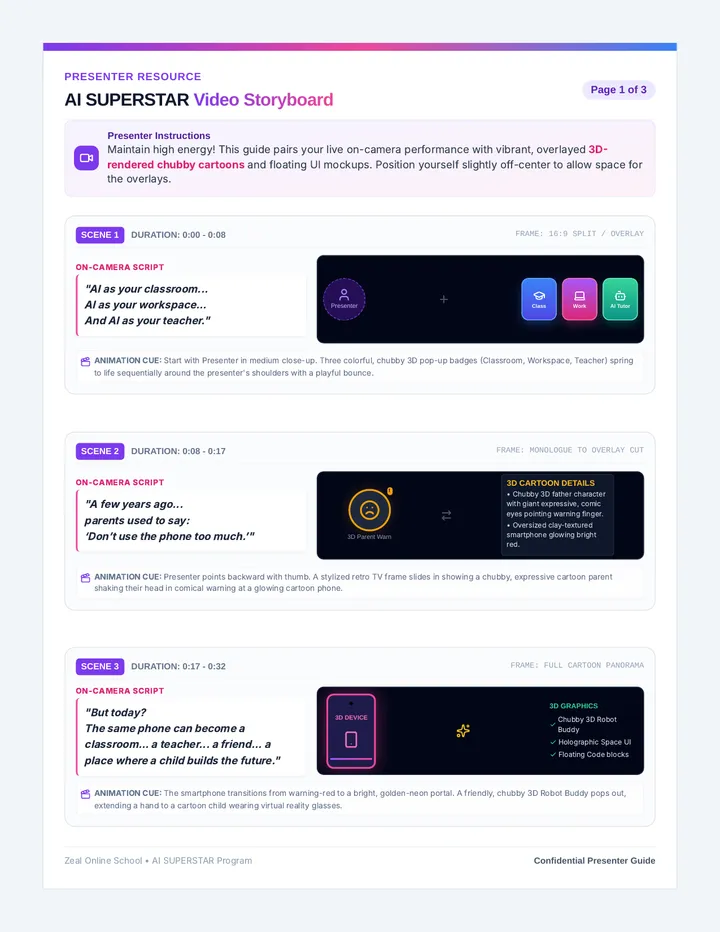
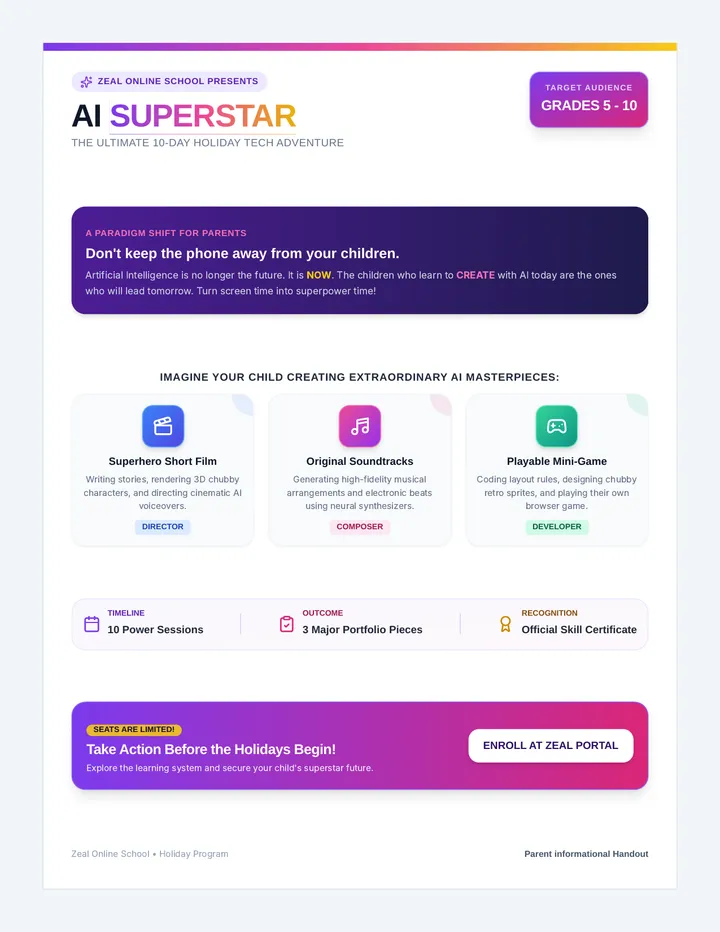
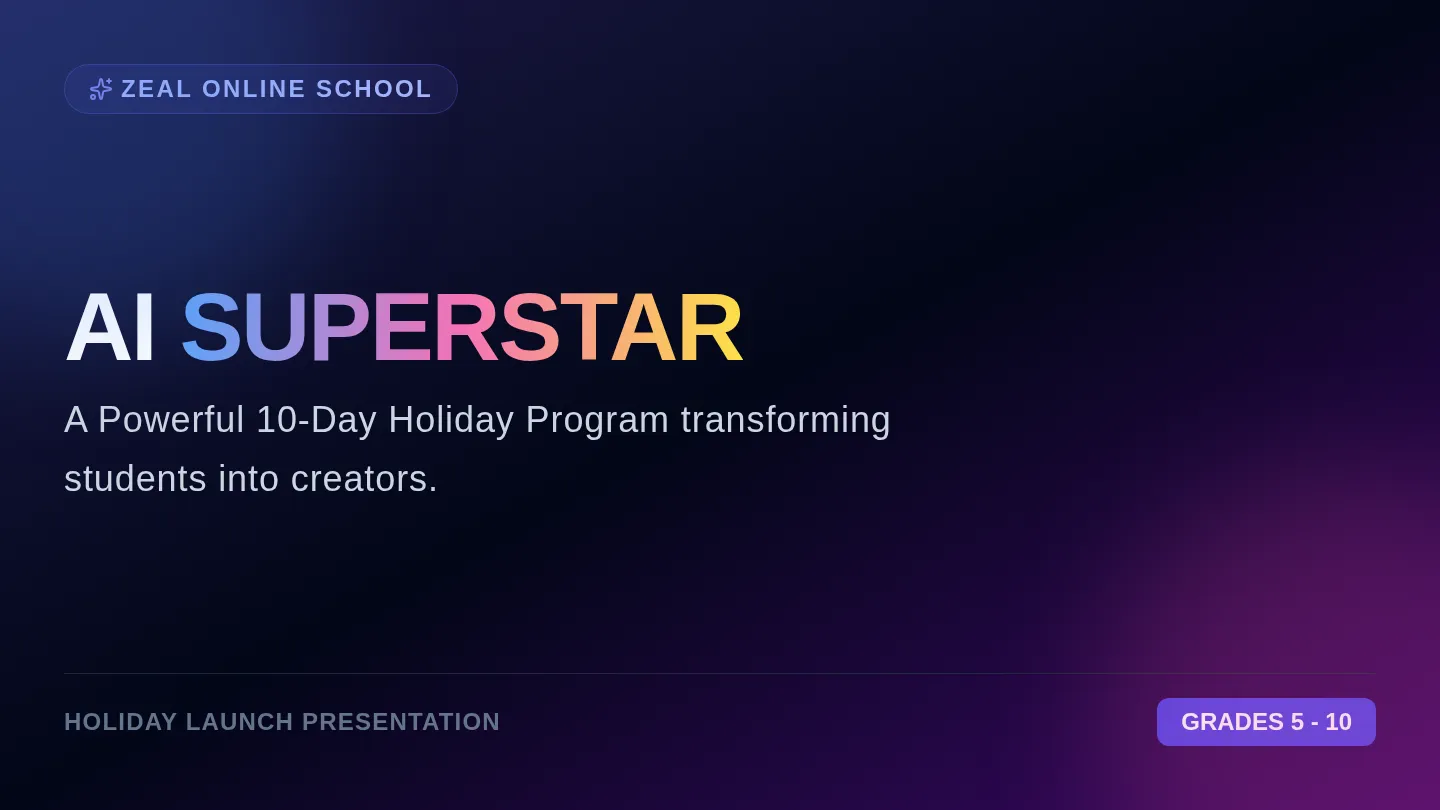
A promotional and planning resource bundle for Zeal Online School's 'AI Superstar' program. Includes a highly descriptive scene-by-scene video storyboard guide for the presenter and a vibrant promotional flyer and informational packet for parents.
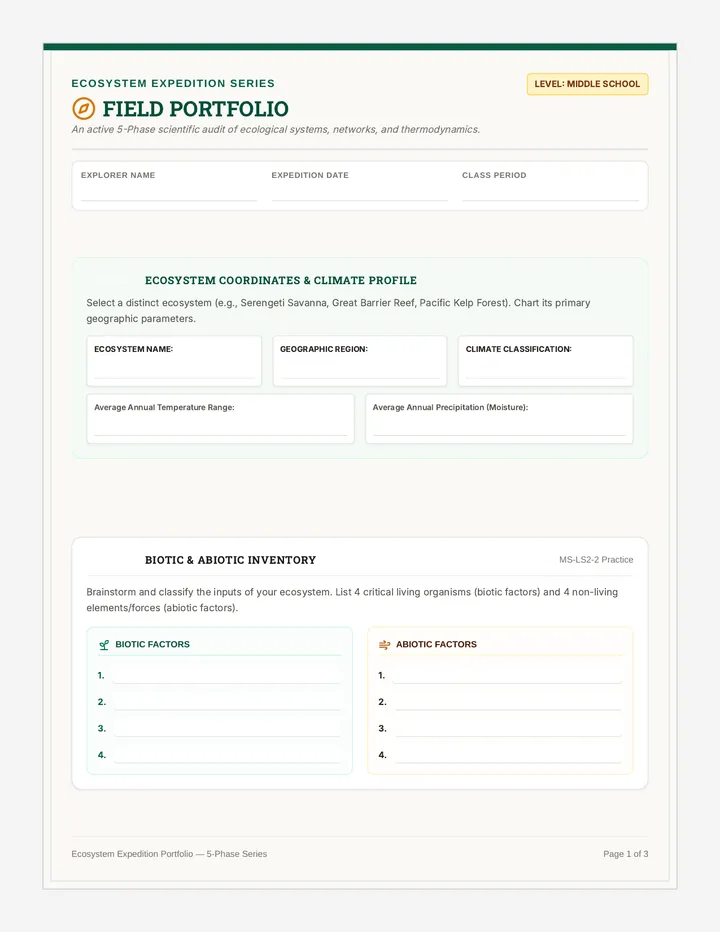
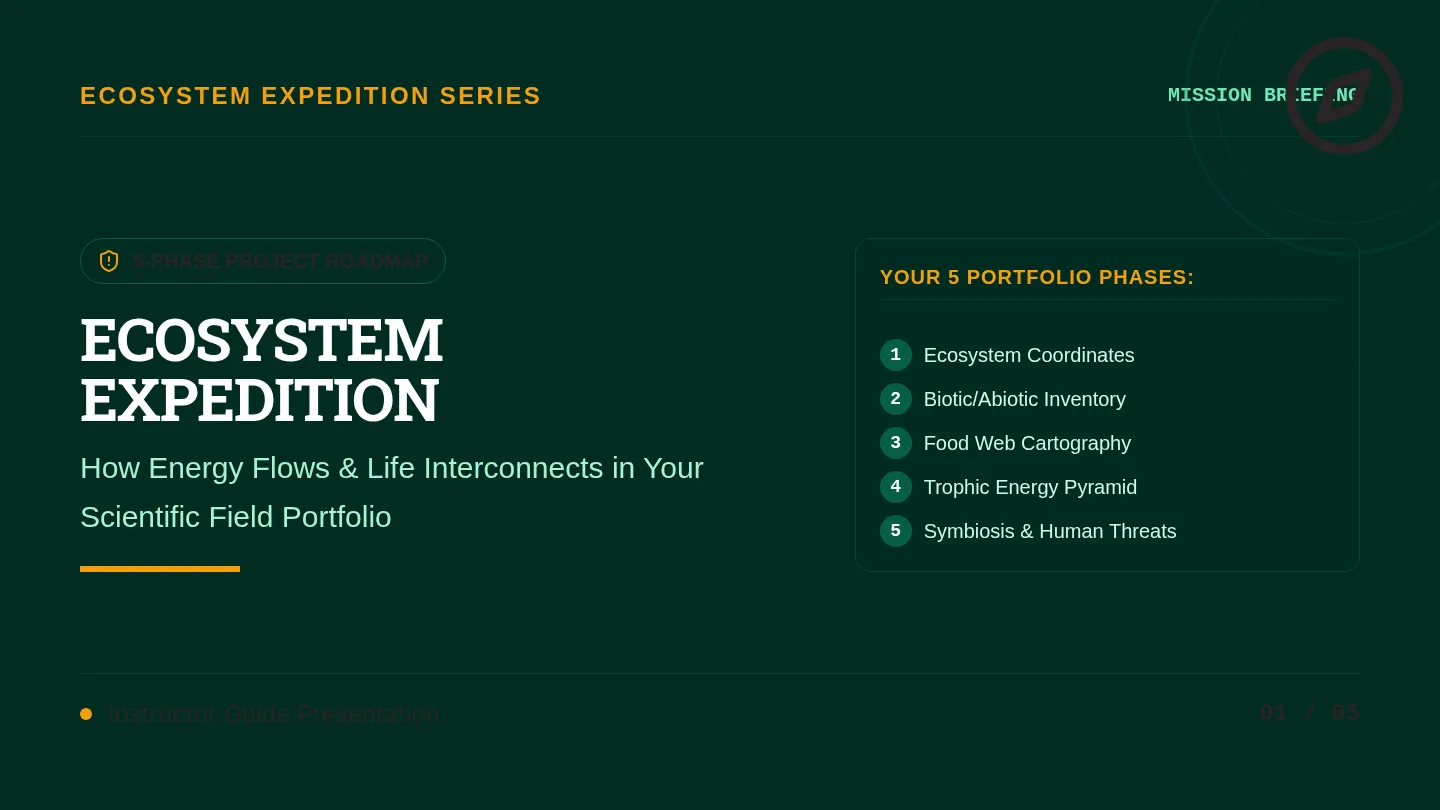
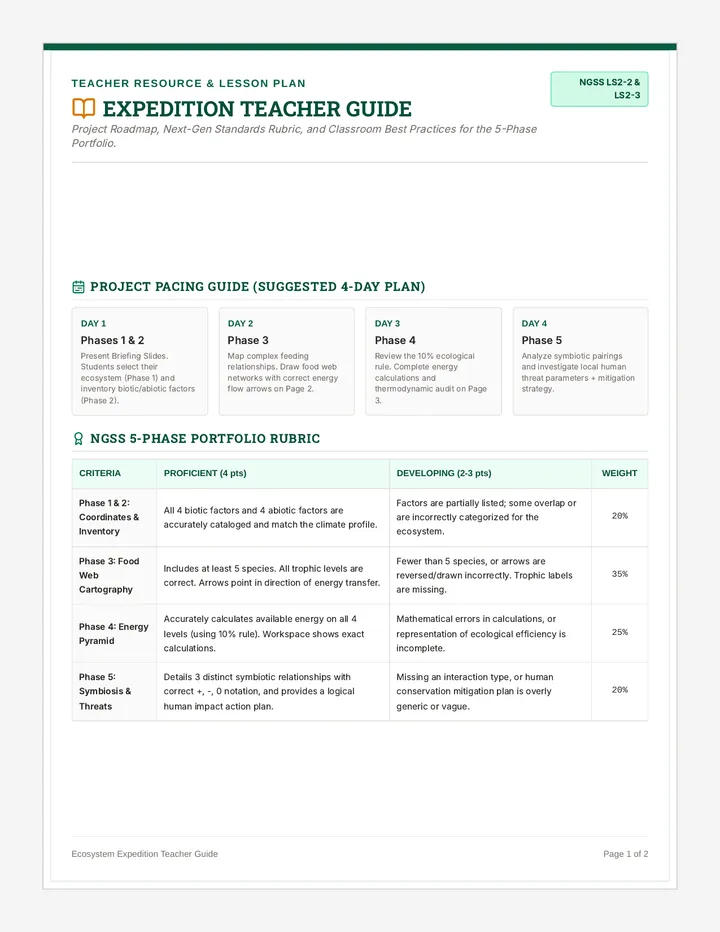
A comprehensive project-based lesson where middle school students embark on a research journey to analyze a specific ecosystem, mapping out food webs, calculating energy pyramids, and identifying symbiotic relationships in a structured field-portfolio format.
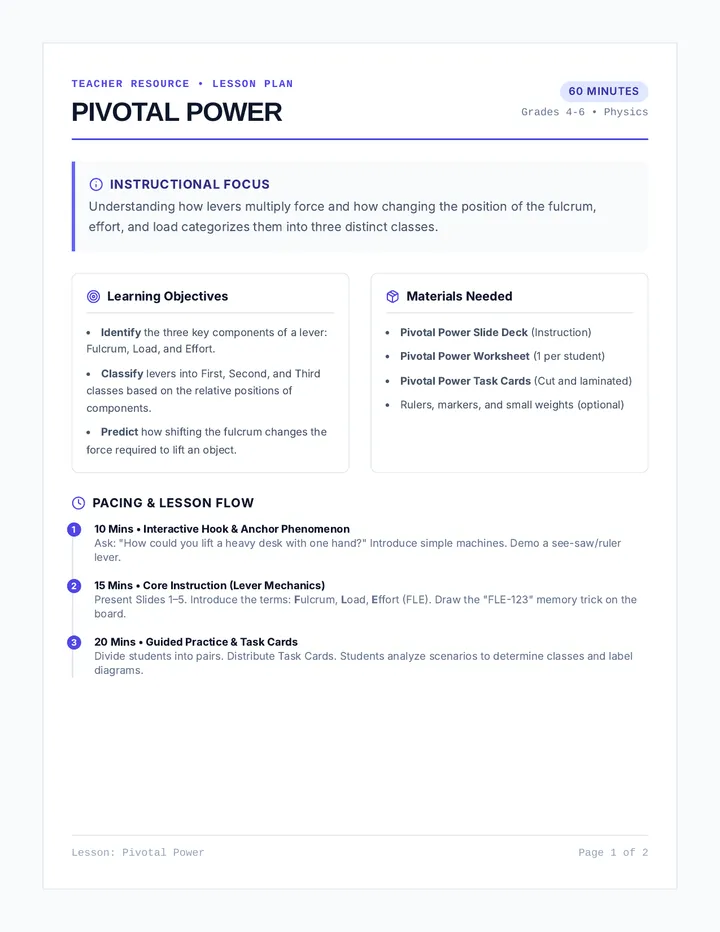
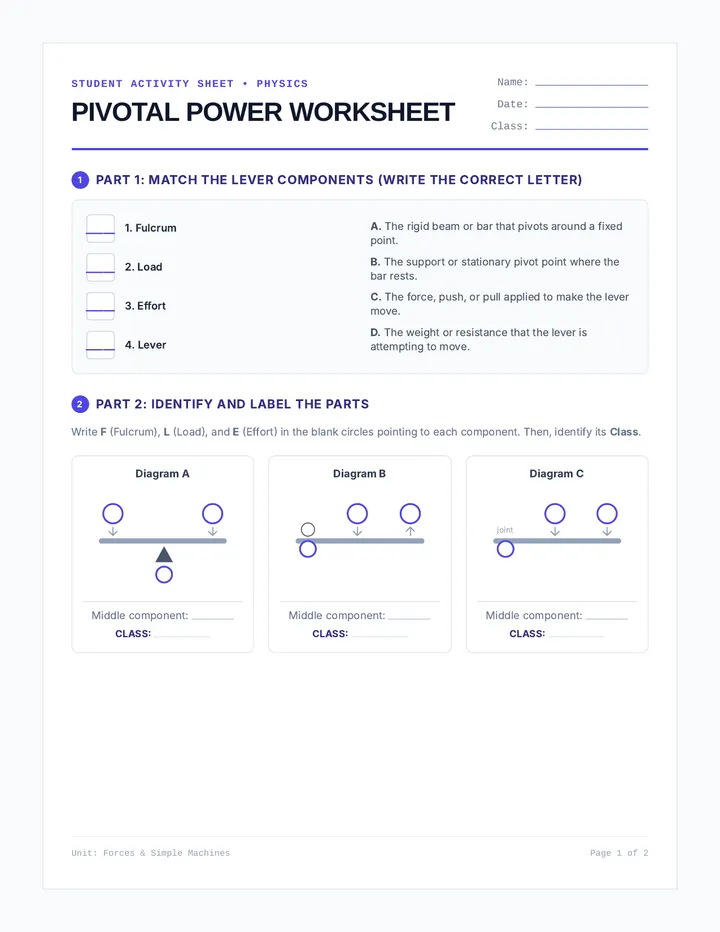
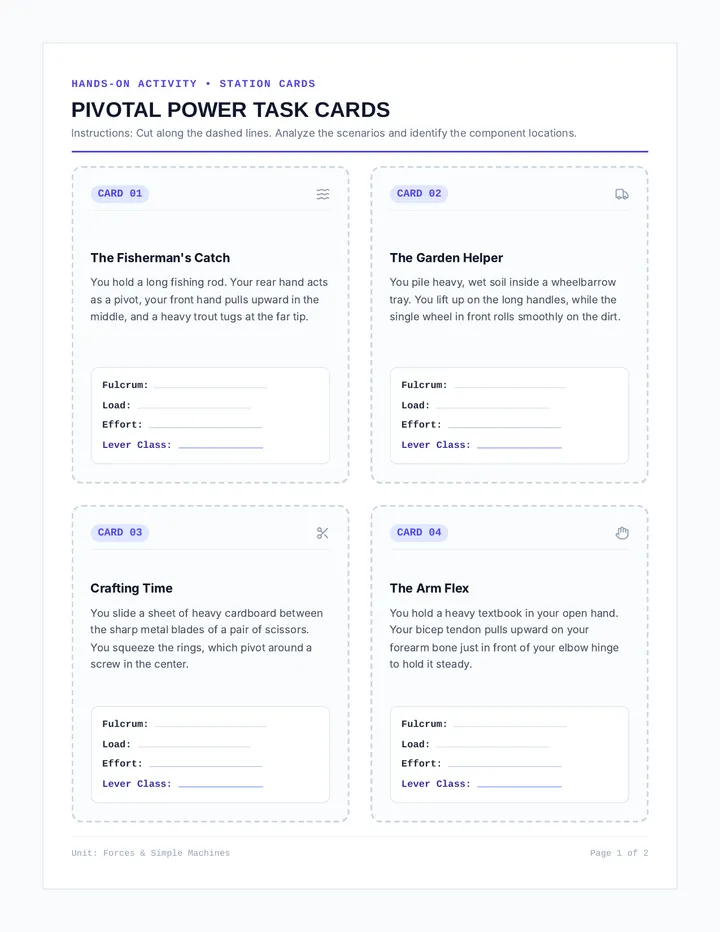
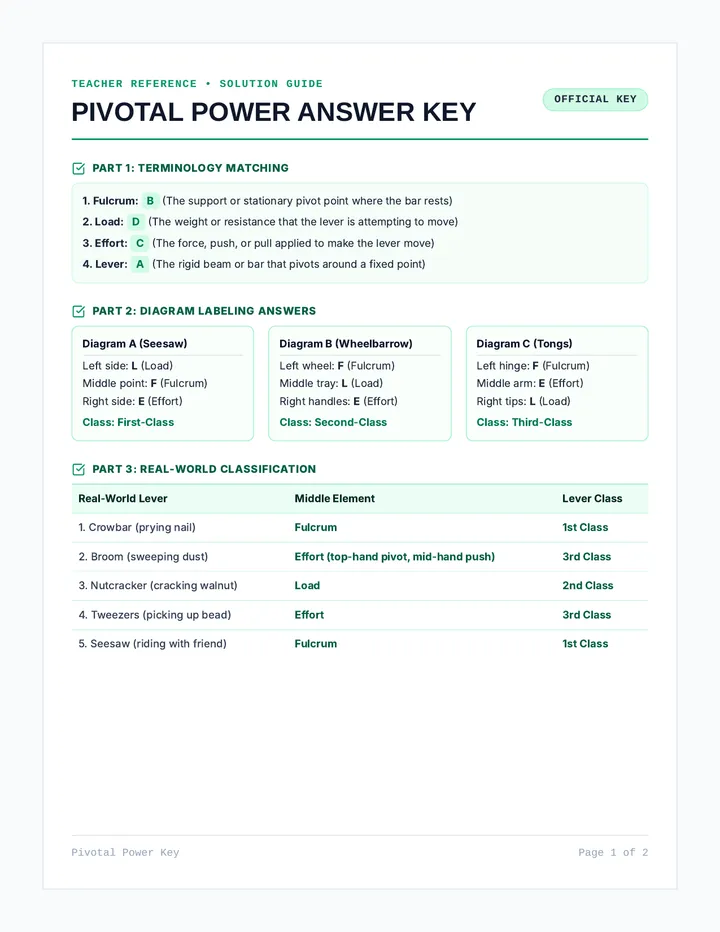
A dynamic science lesson on simple machines focusing on levers and fulcrums. Students explore the three classes of levers through hands-on scenarios, visual models, and interactive challenges.
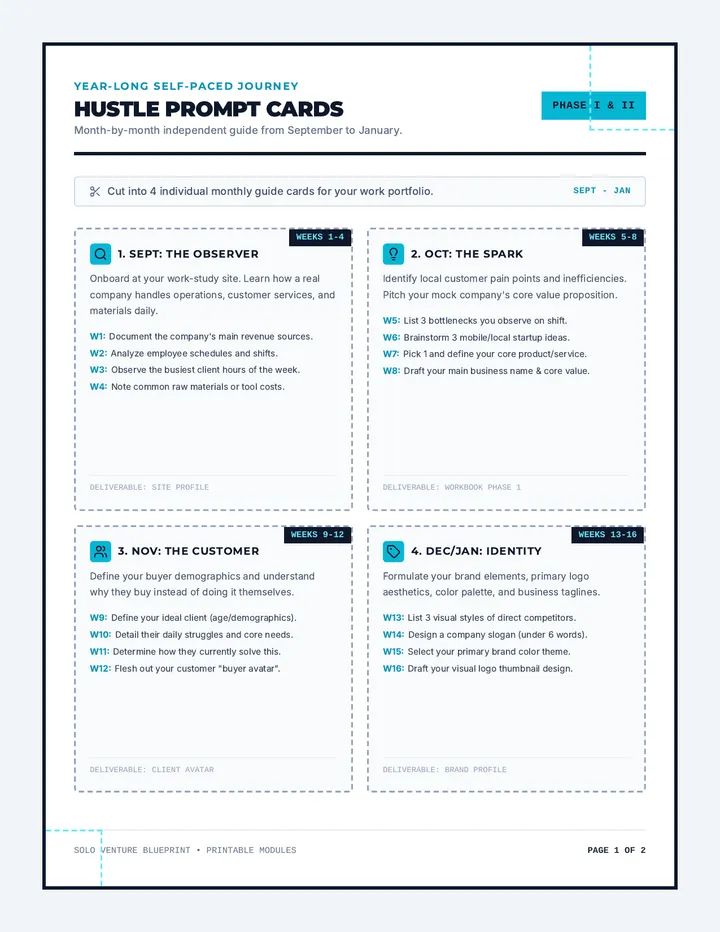
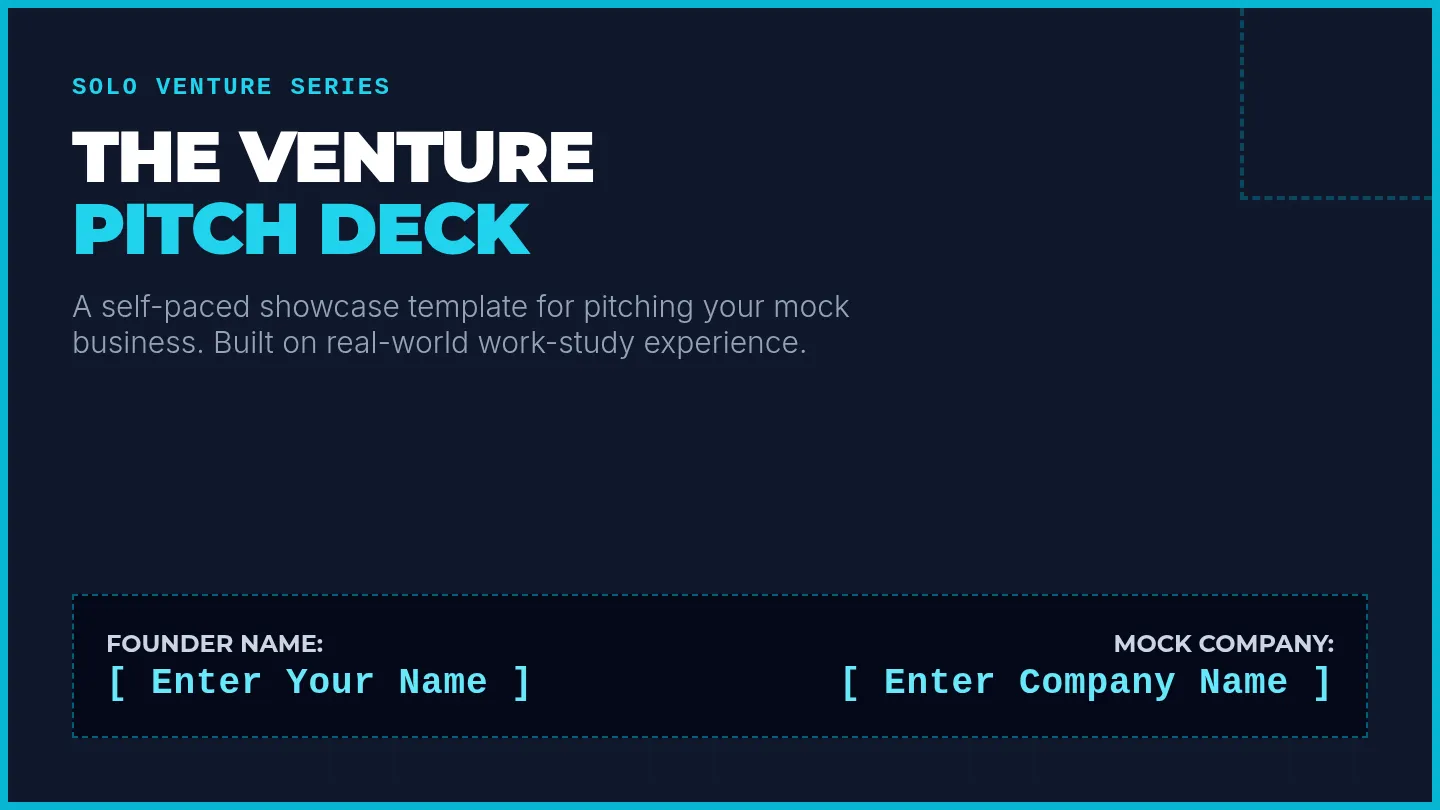
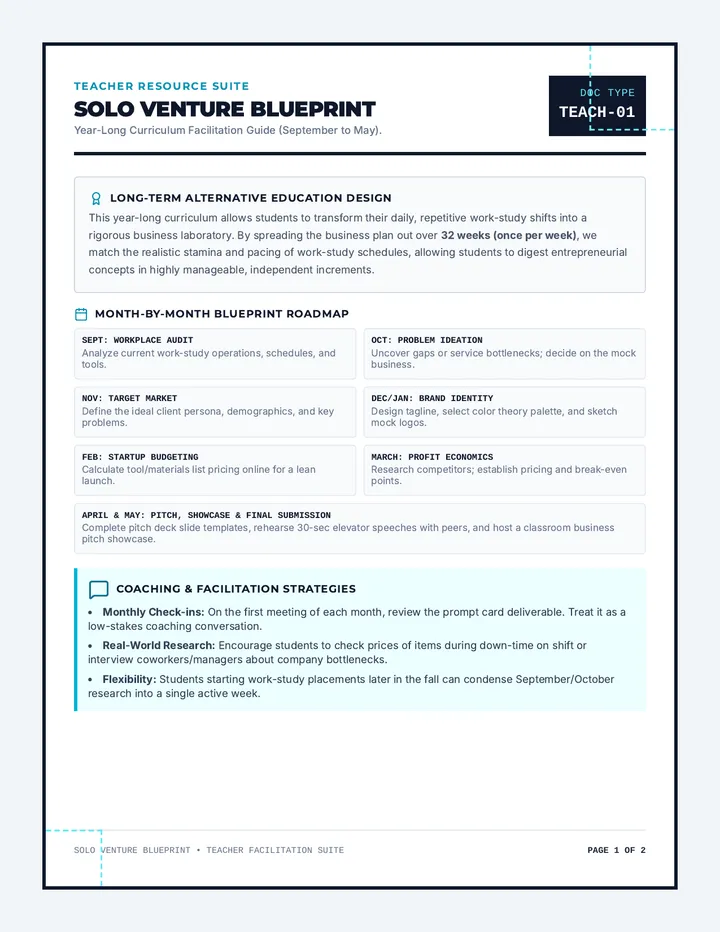
A modular, self-paced entrepreneurship project designed for alternative education students in work-study programs. It bridges real-world work experience with business planning, allowing students to design and pitch their own mock business.
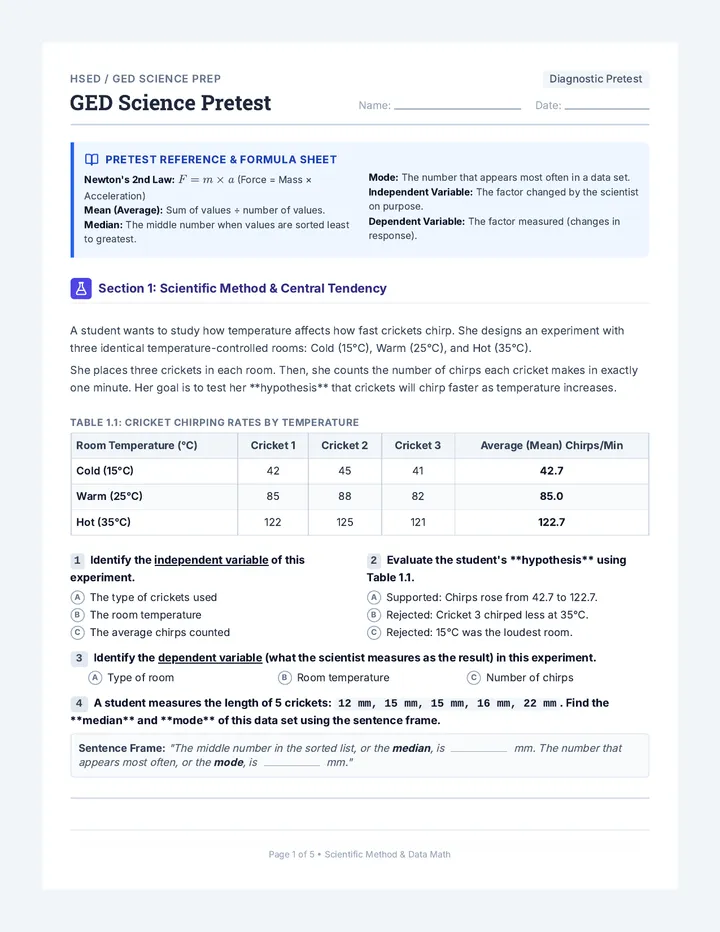
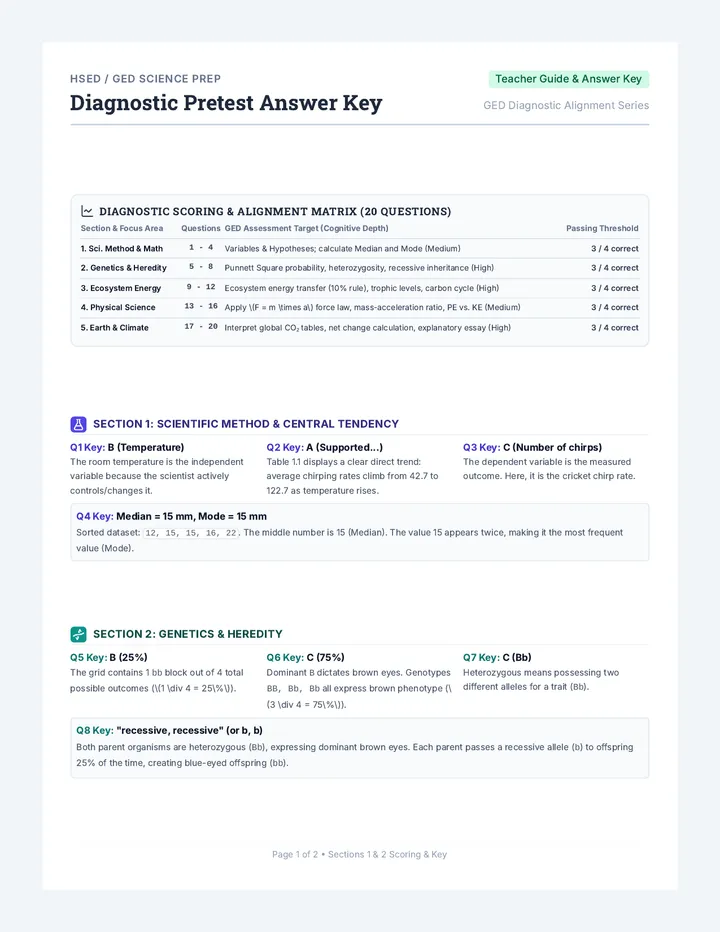
A comprehensive, scaffolded pretest aligned to the GED Science test. It includes student-facing diagnostics for life, physical, earth, and space sciences, alongside a detailed teacher answer key with explanatory feedback.