A focused spelling lesson on the doubling rule for suffixes and the -ge/-dge ending rule, using a secret agent theme to engage students.

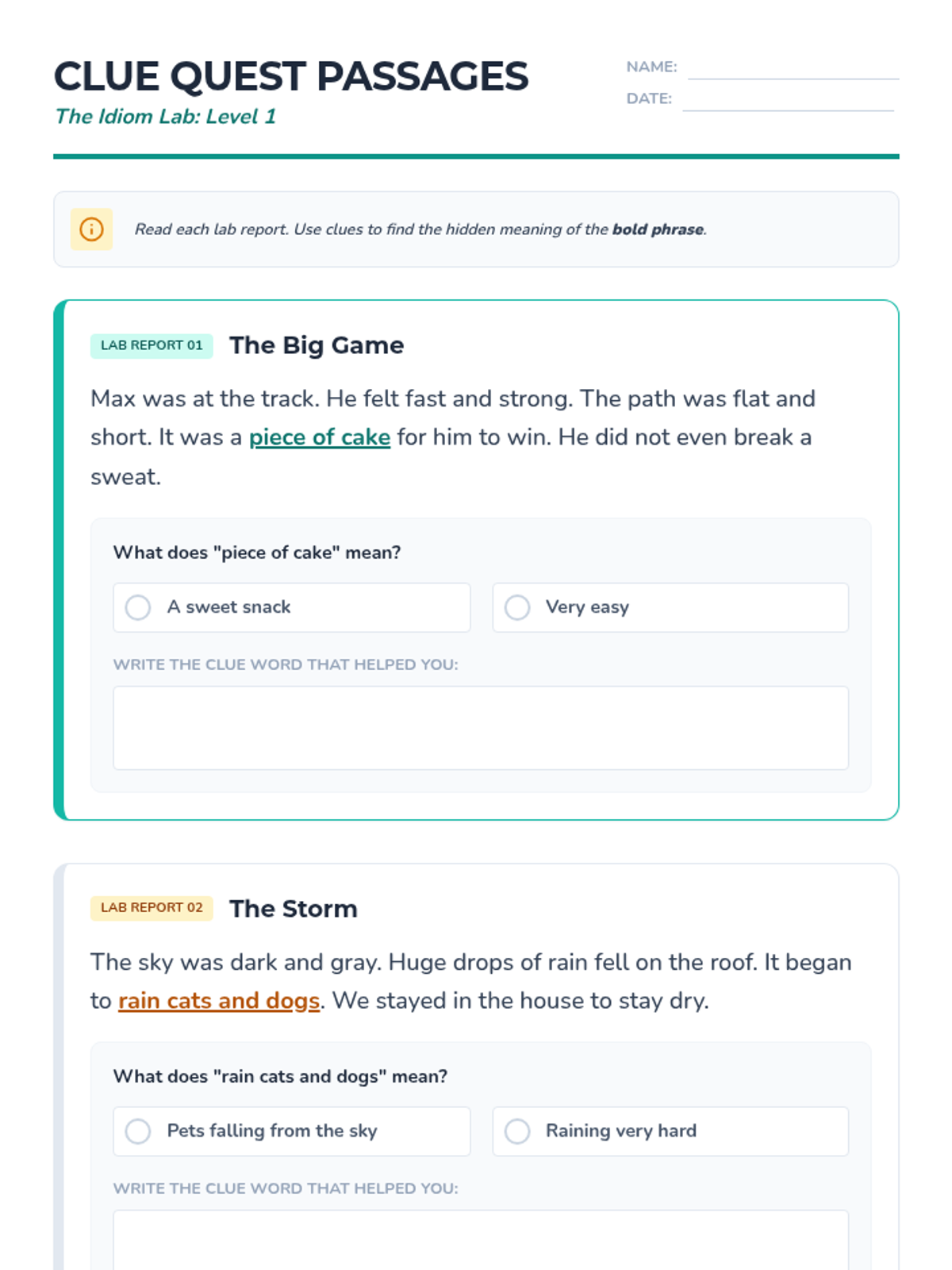
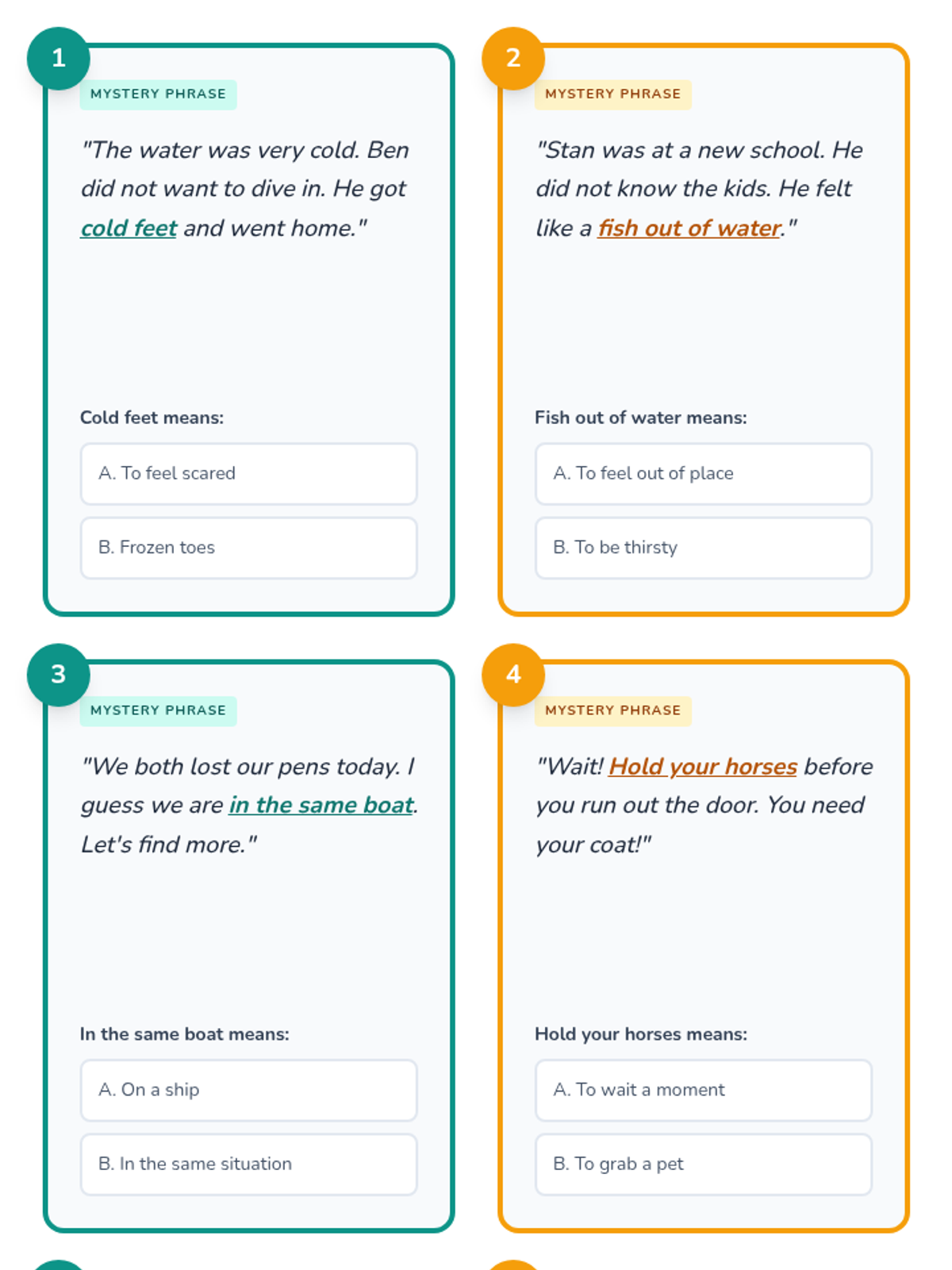
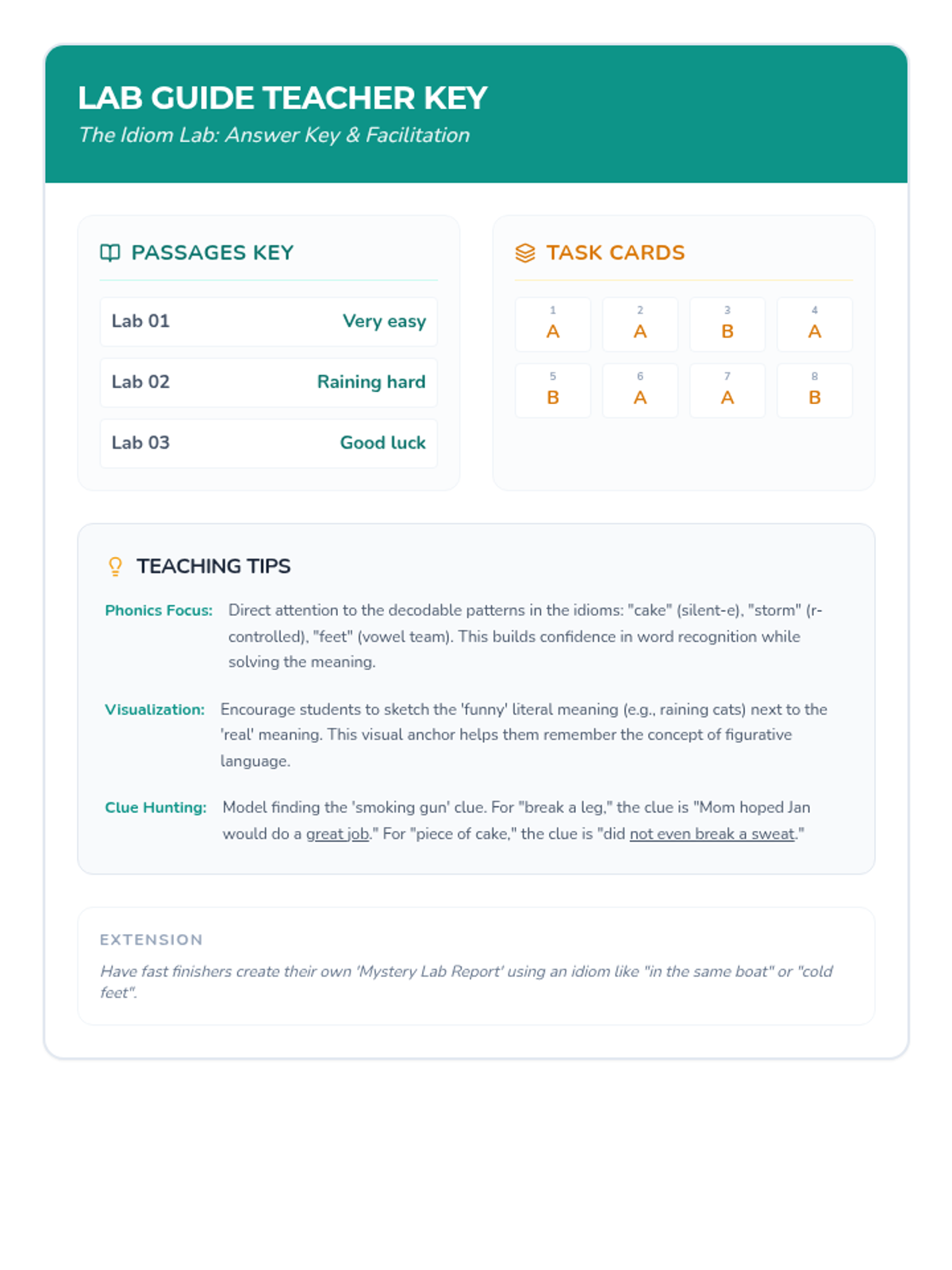
A foundational lesson on identifying and interpreting common idioms using context clues, specifically designed with decodable text for struggling readers.
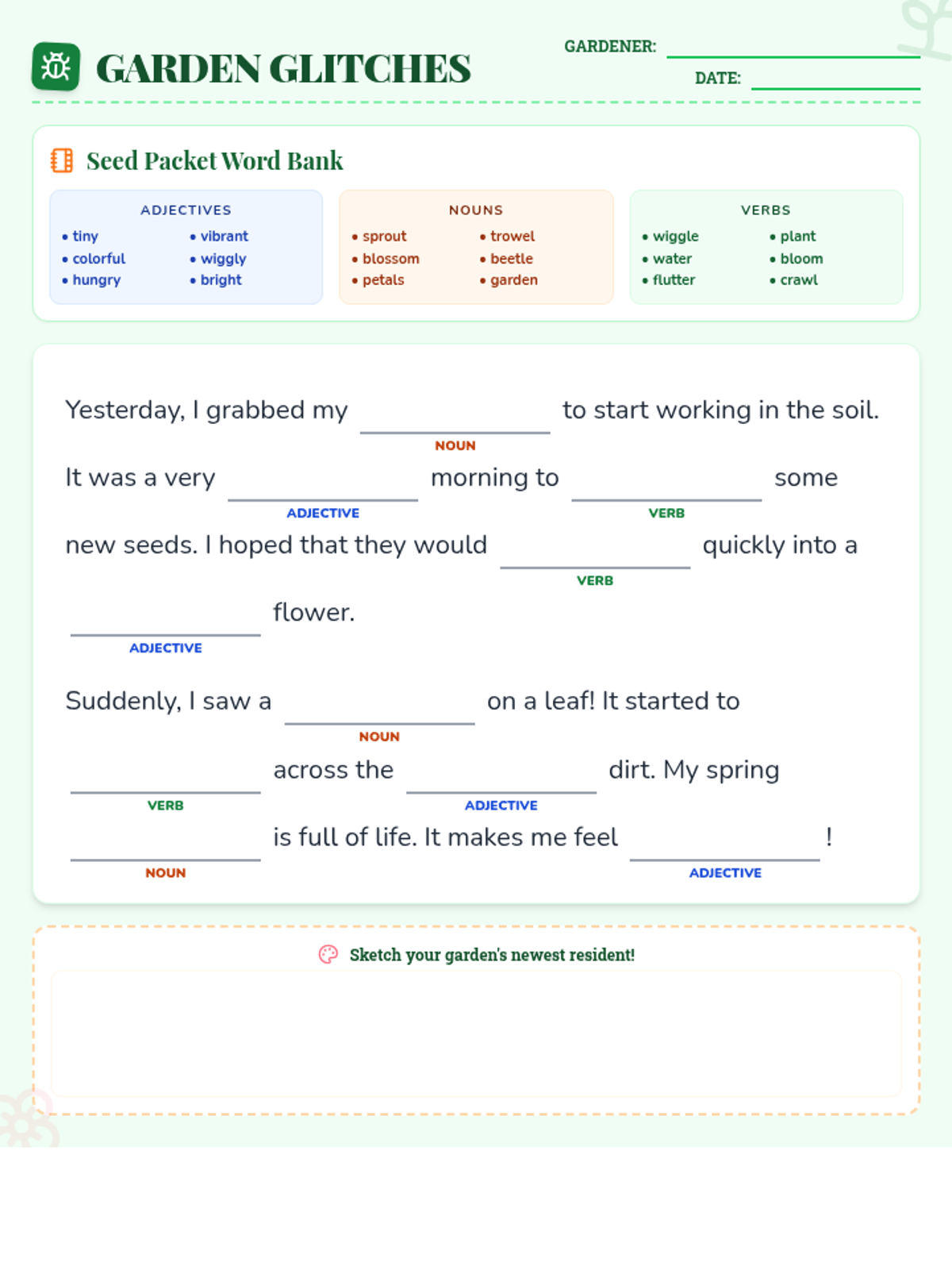
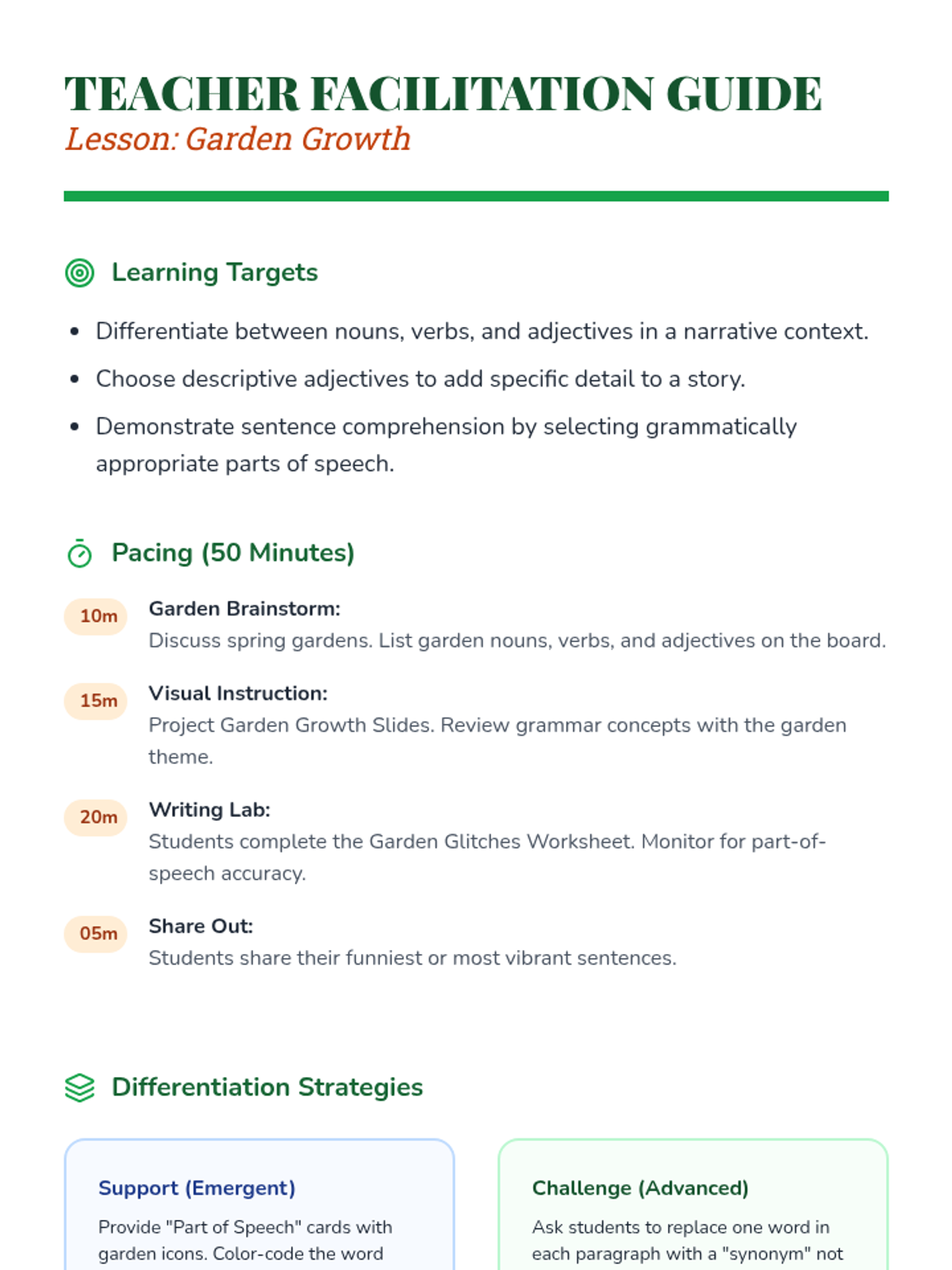
A second-grade focused lesson on nouns, verbs, and adjectives set in a vibrant spring garden. Students will explore descriptive language while filling in a garden-themed story.
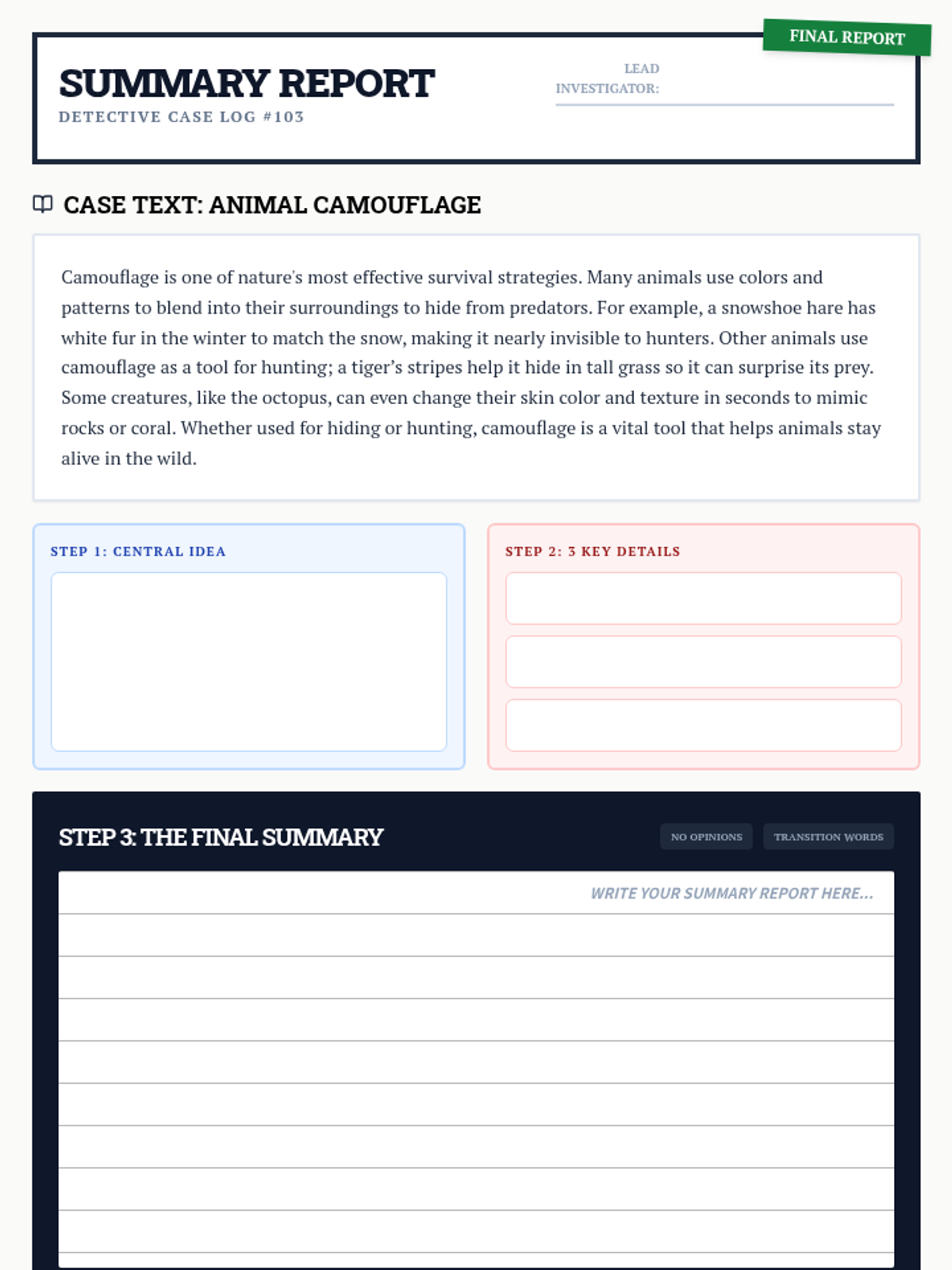
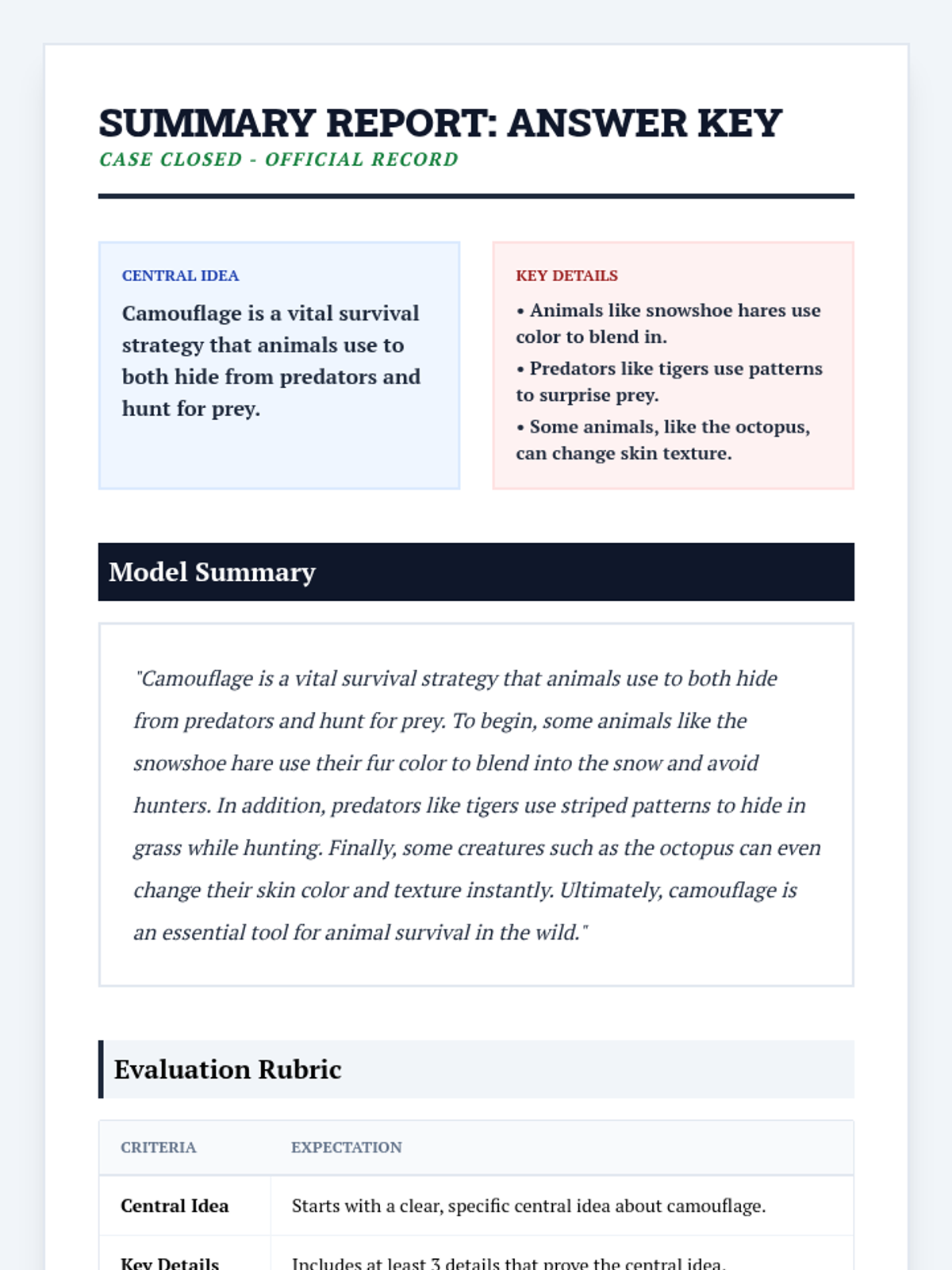
Provides a scaffolded approach to combining the central idea and key details into a cohesive, objective non-fiction summary.
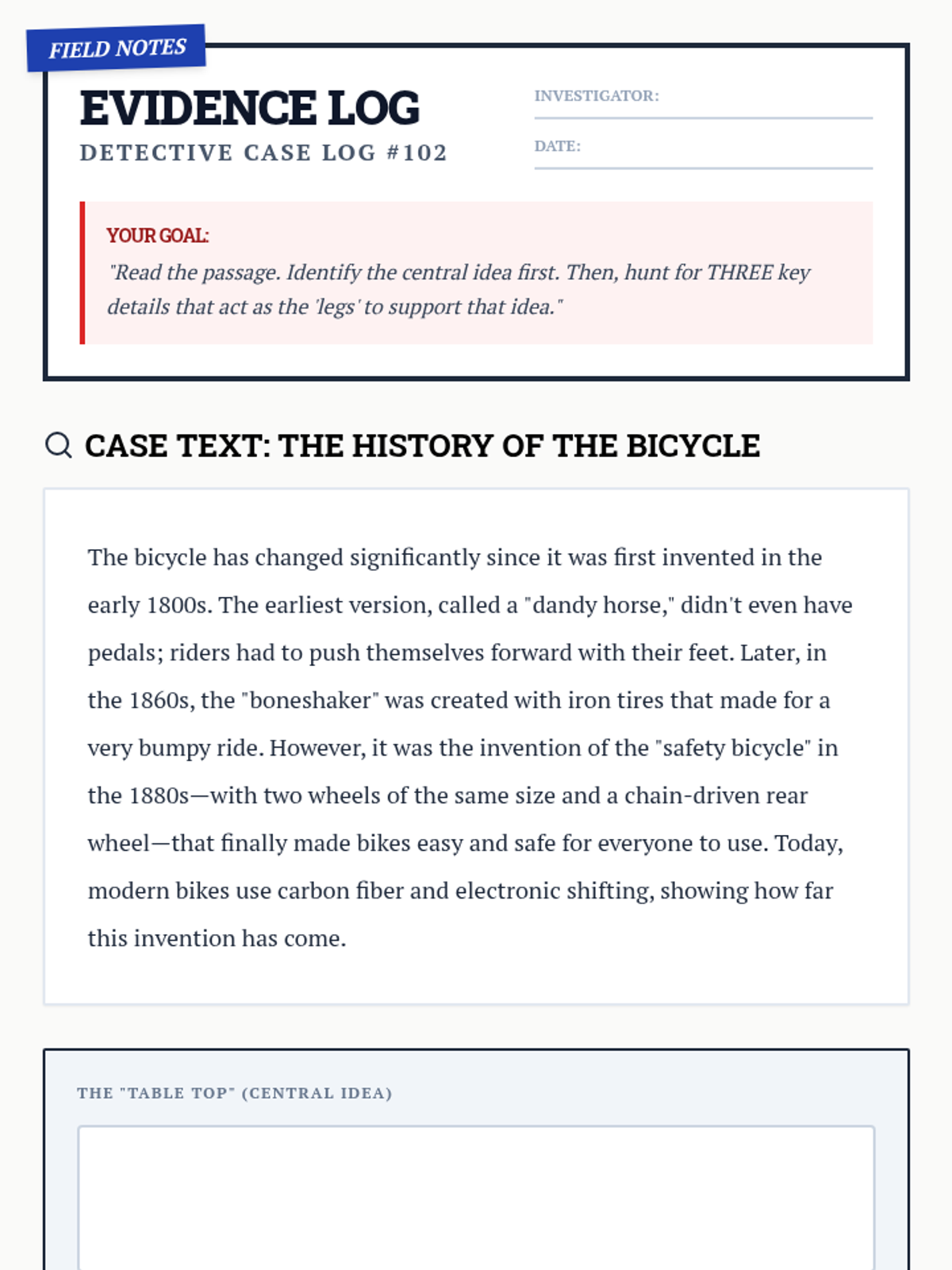
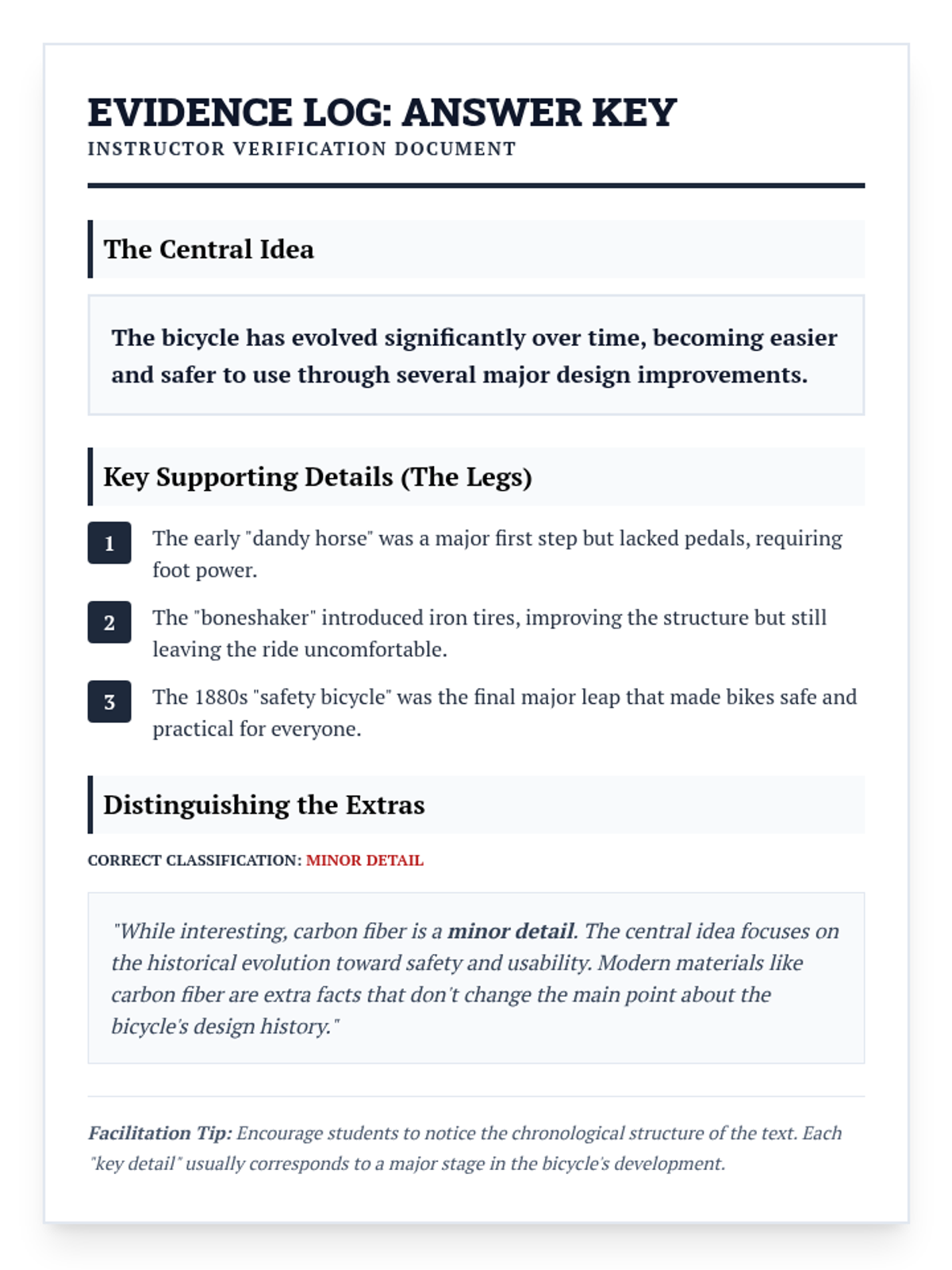
Focuses on identifying key details that directly support the central idea while filtering out interesting but non-essential information.
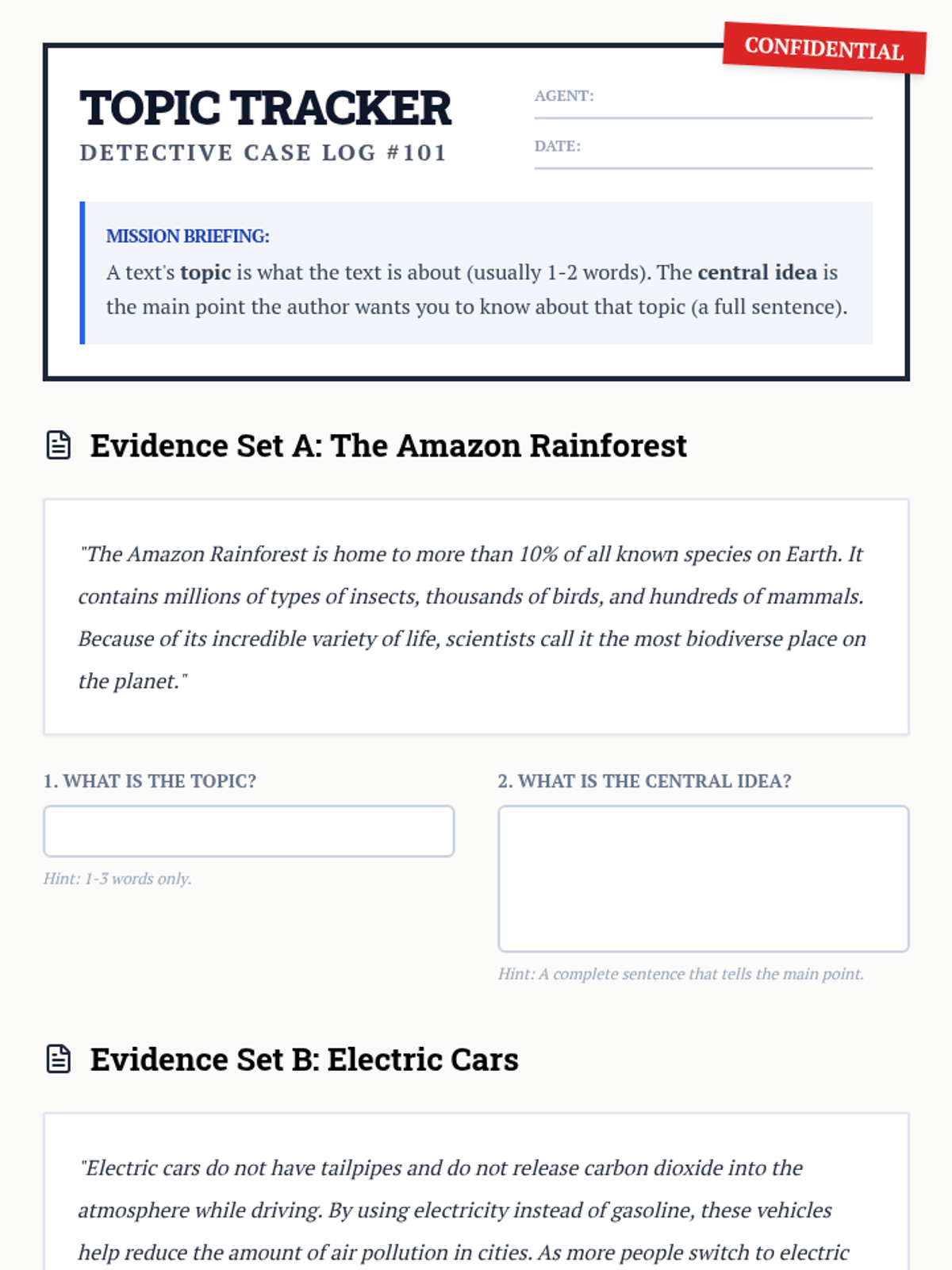
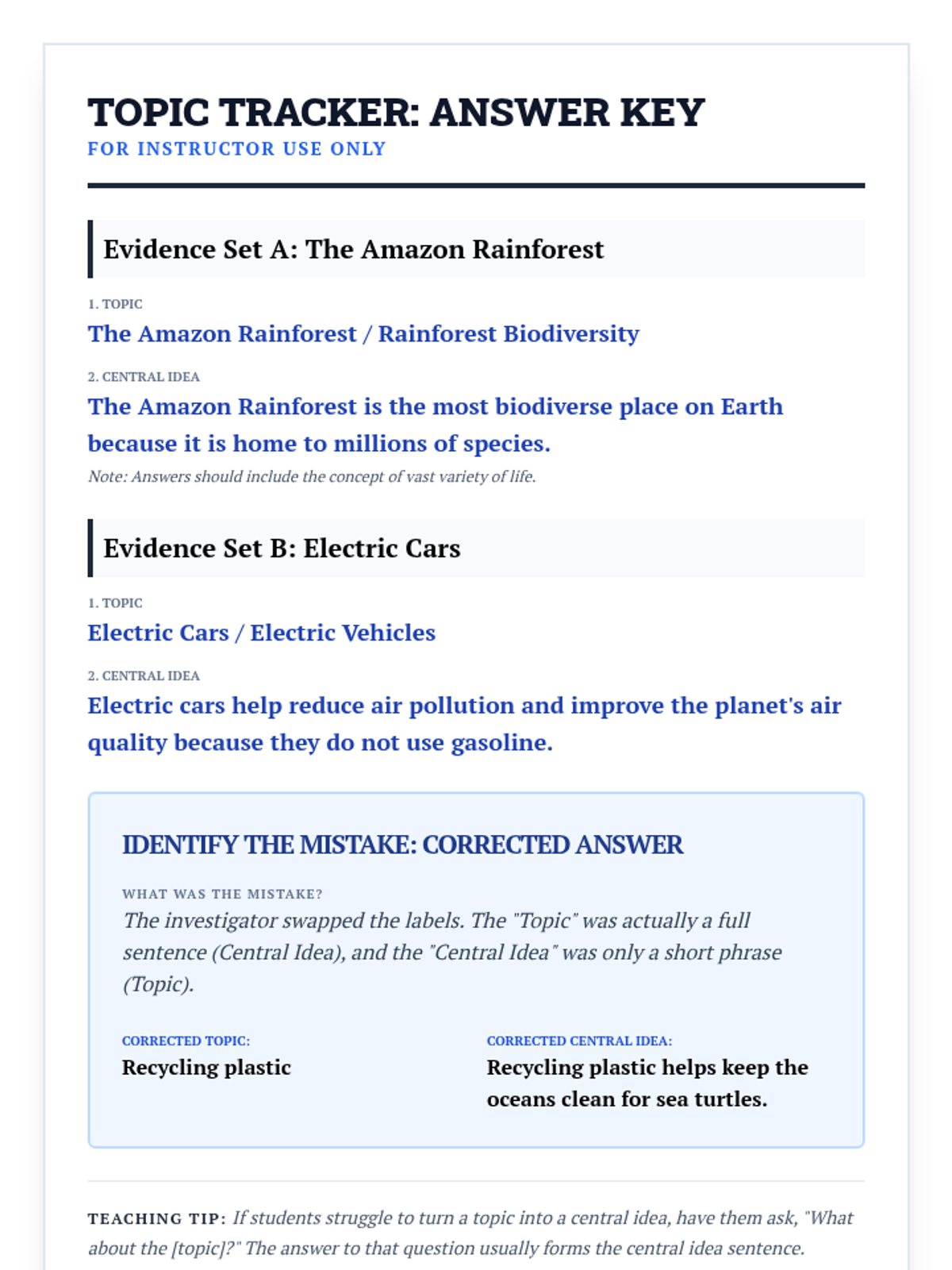
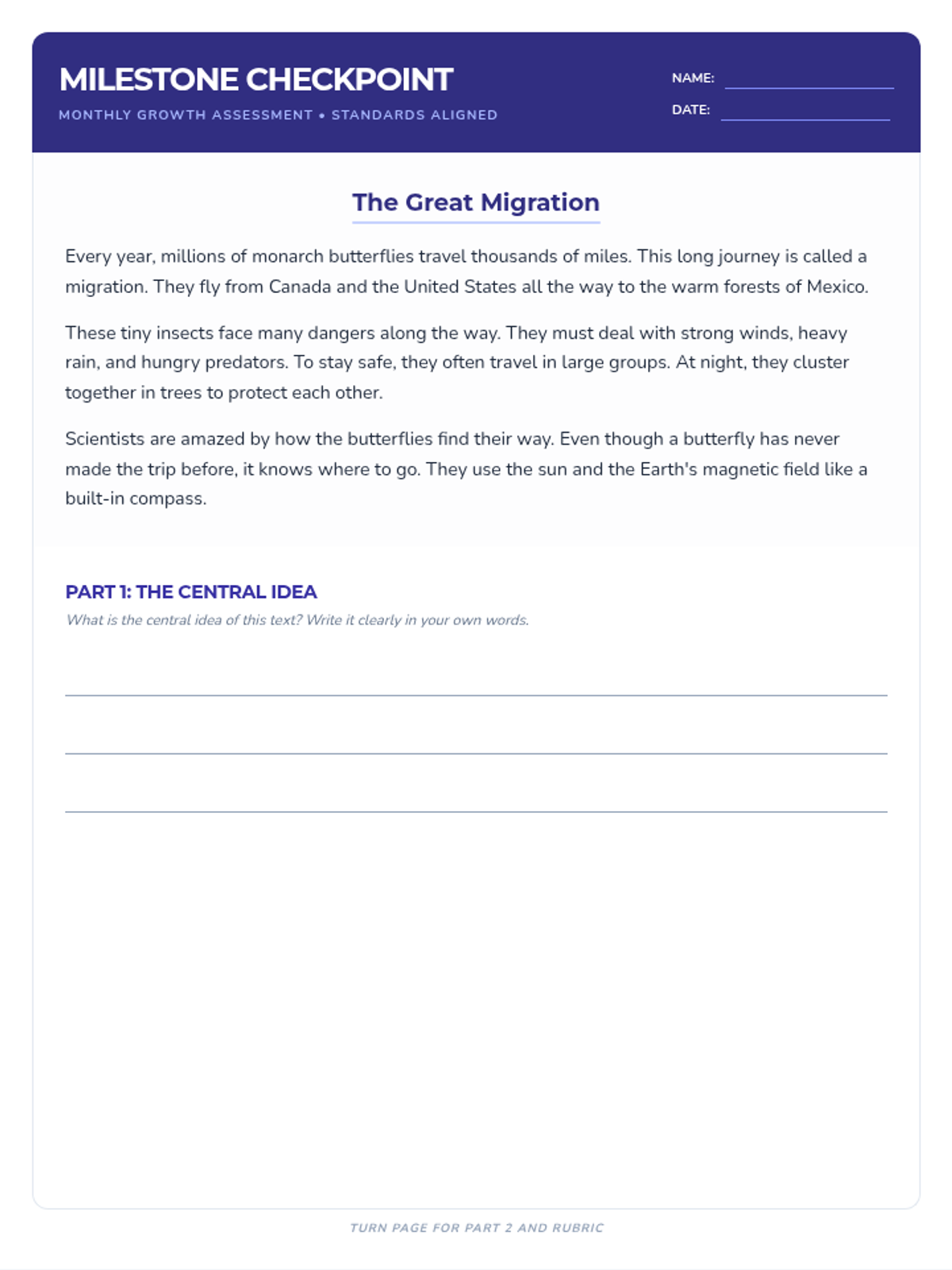
Teaches students to distinguish between the general topic (what the text is about) and the central idea (the specific point the author is making about that topic).
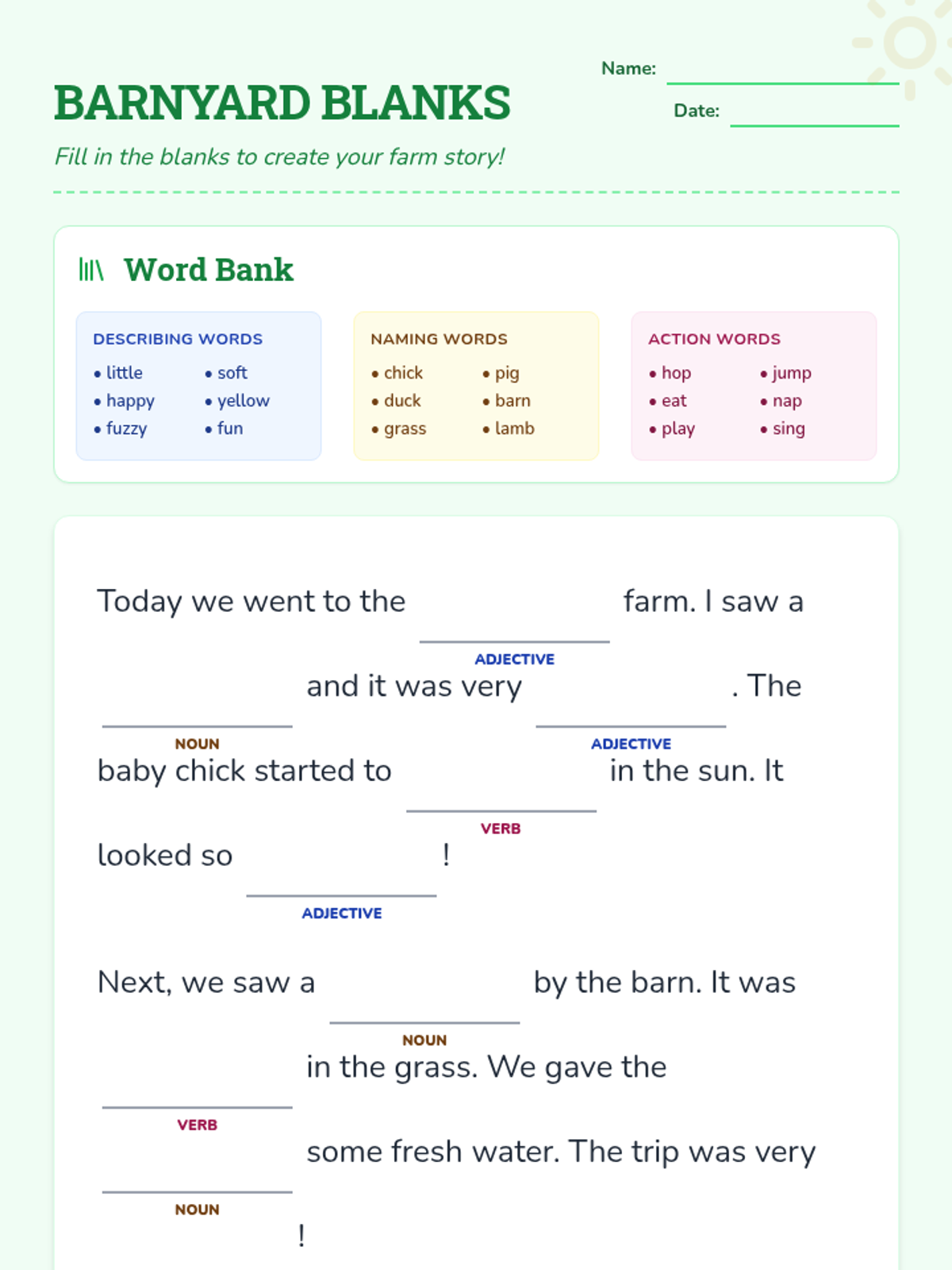
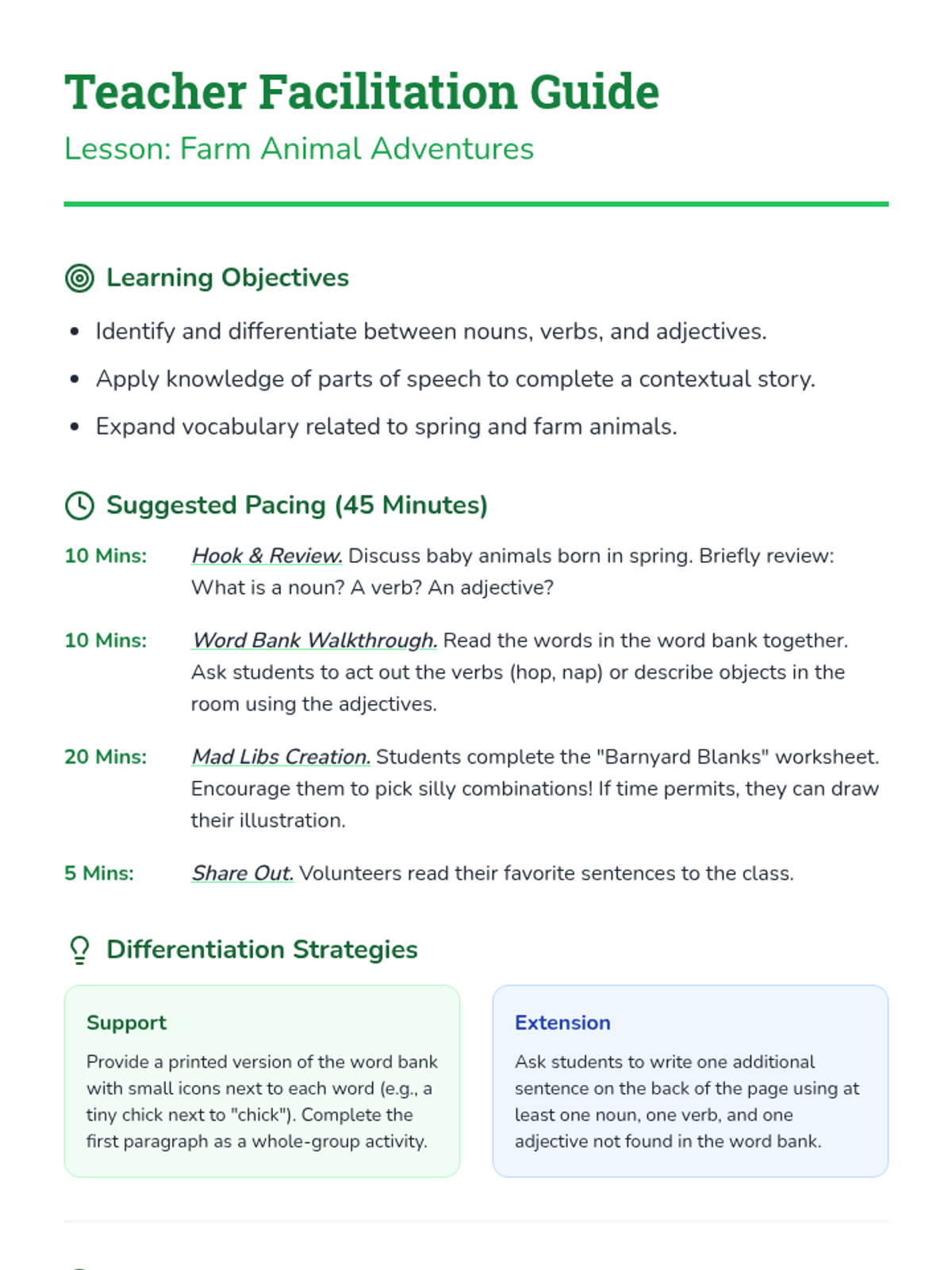
A fun, spring-themed lesson focused on identifying and using nouns, verbs, and adjectives through a baby animal farm story. Students will practice parts of speech while creating their own silly farm adventure.
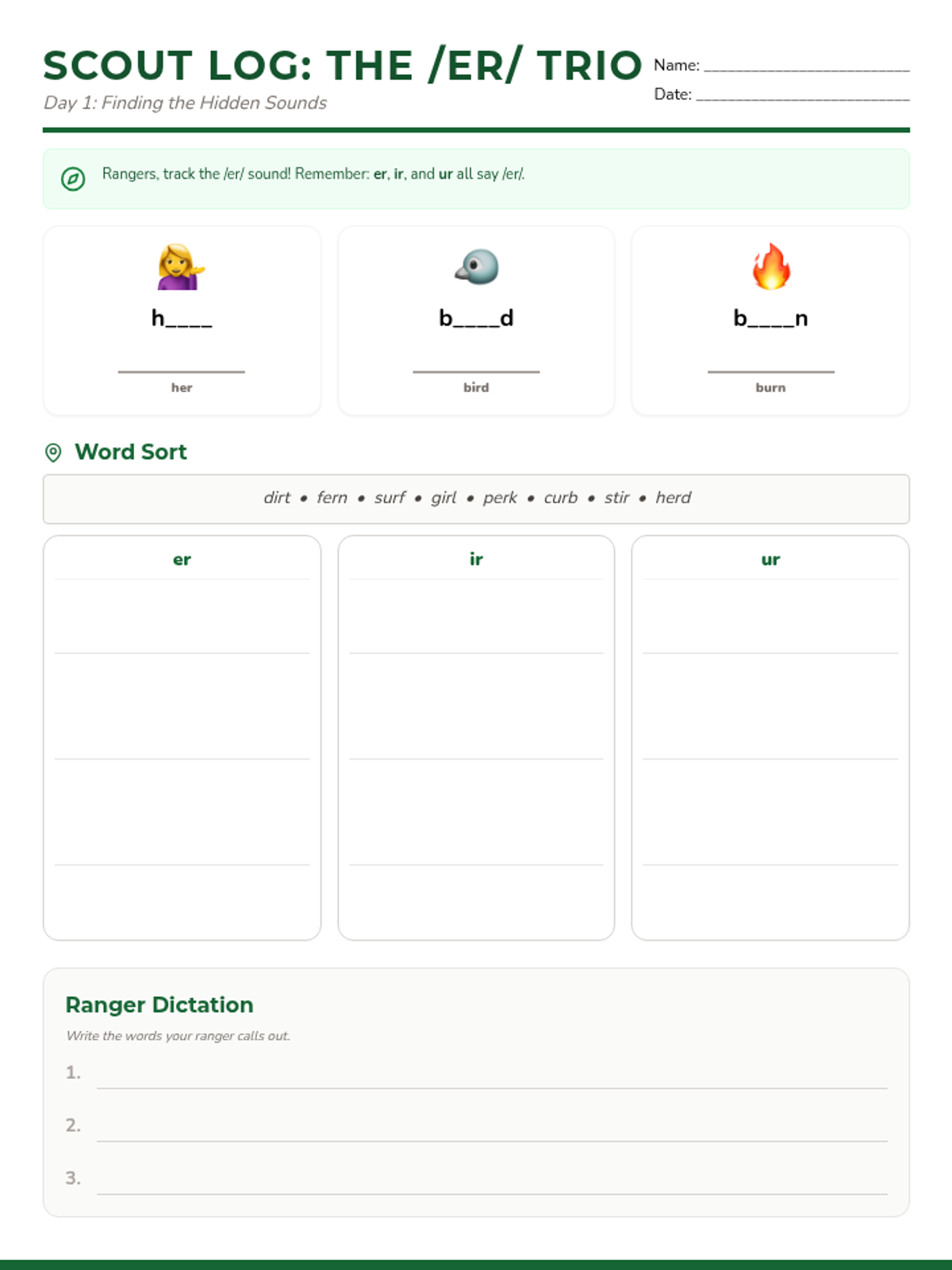
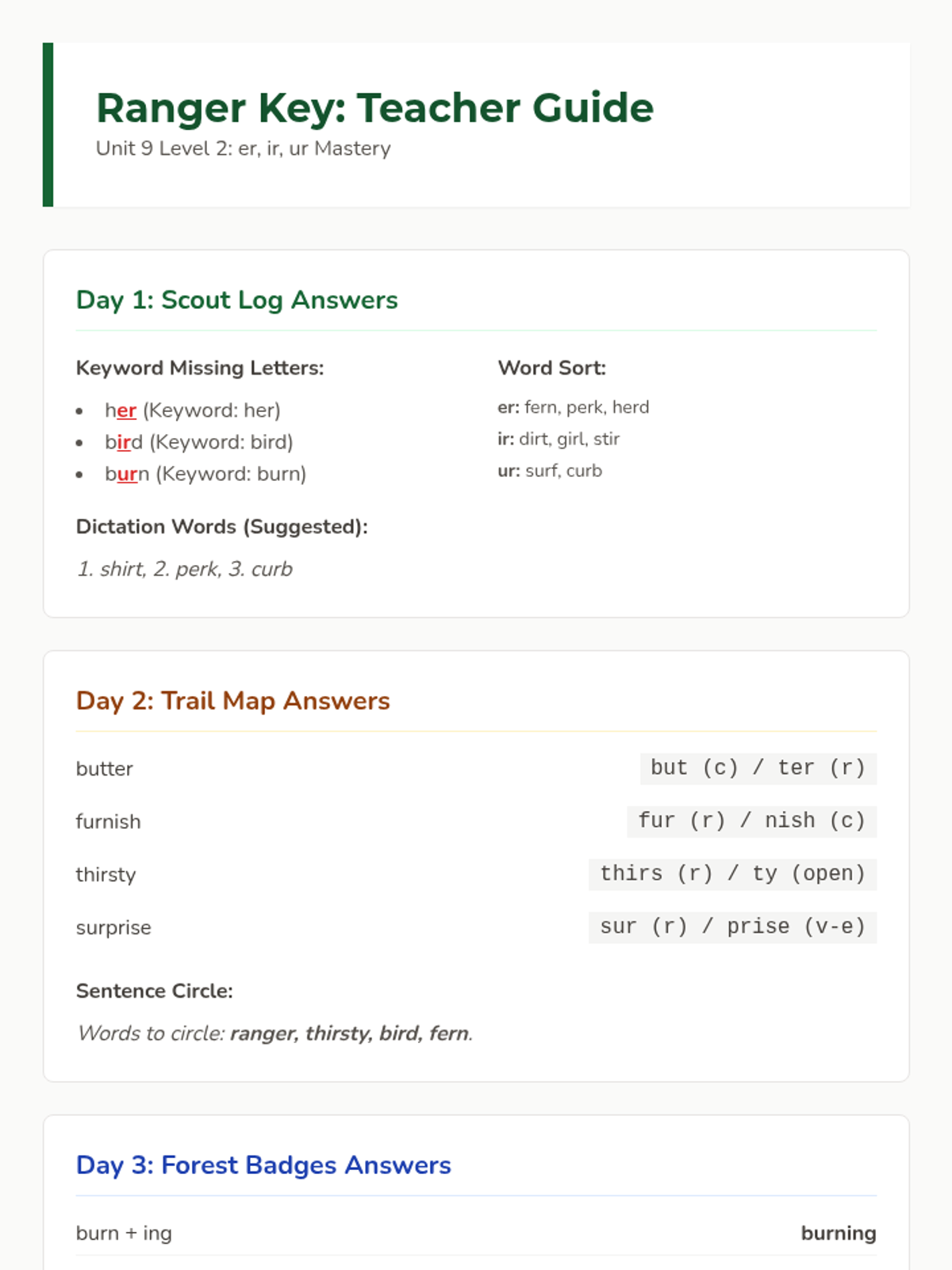
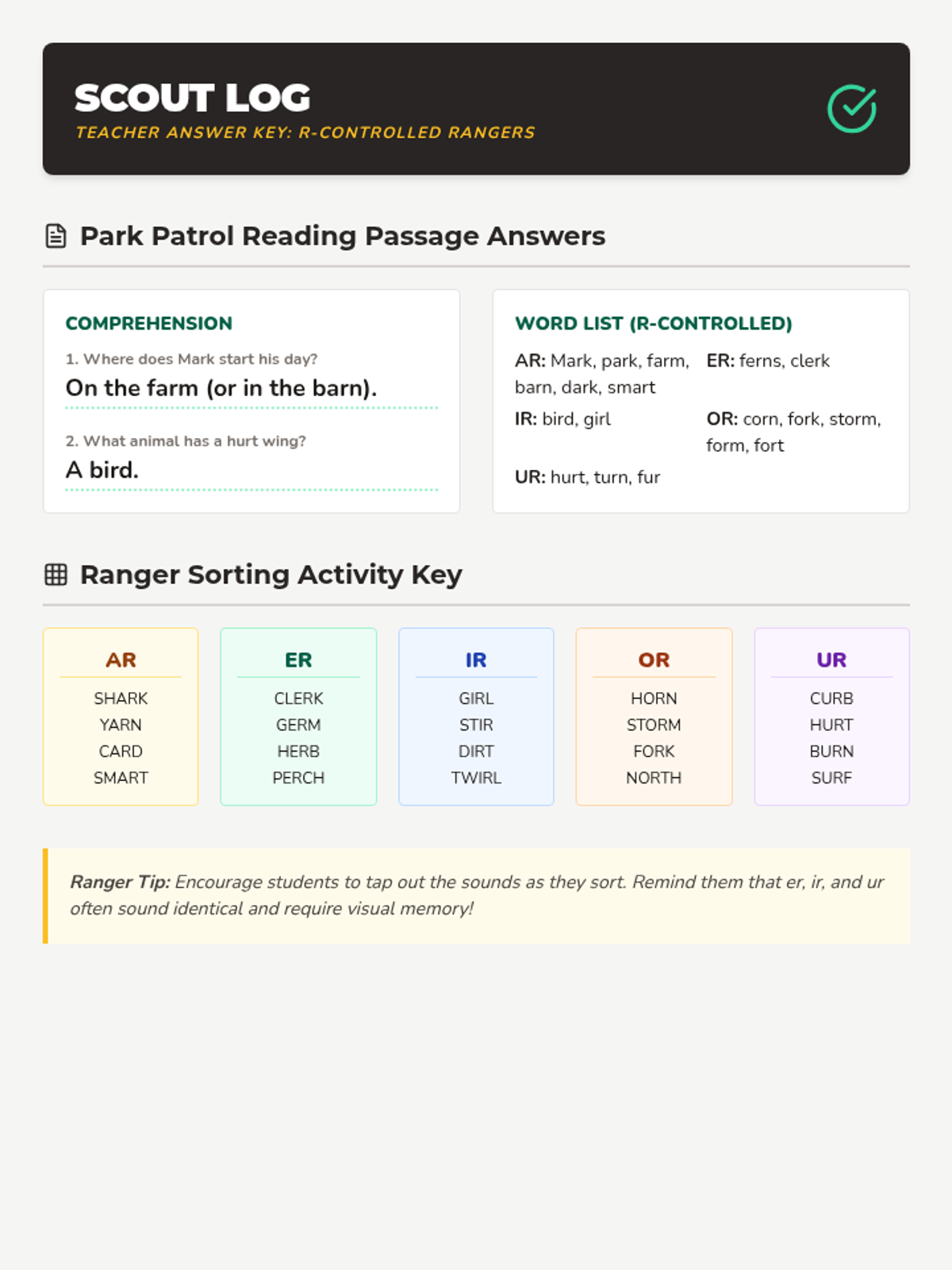
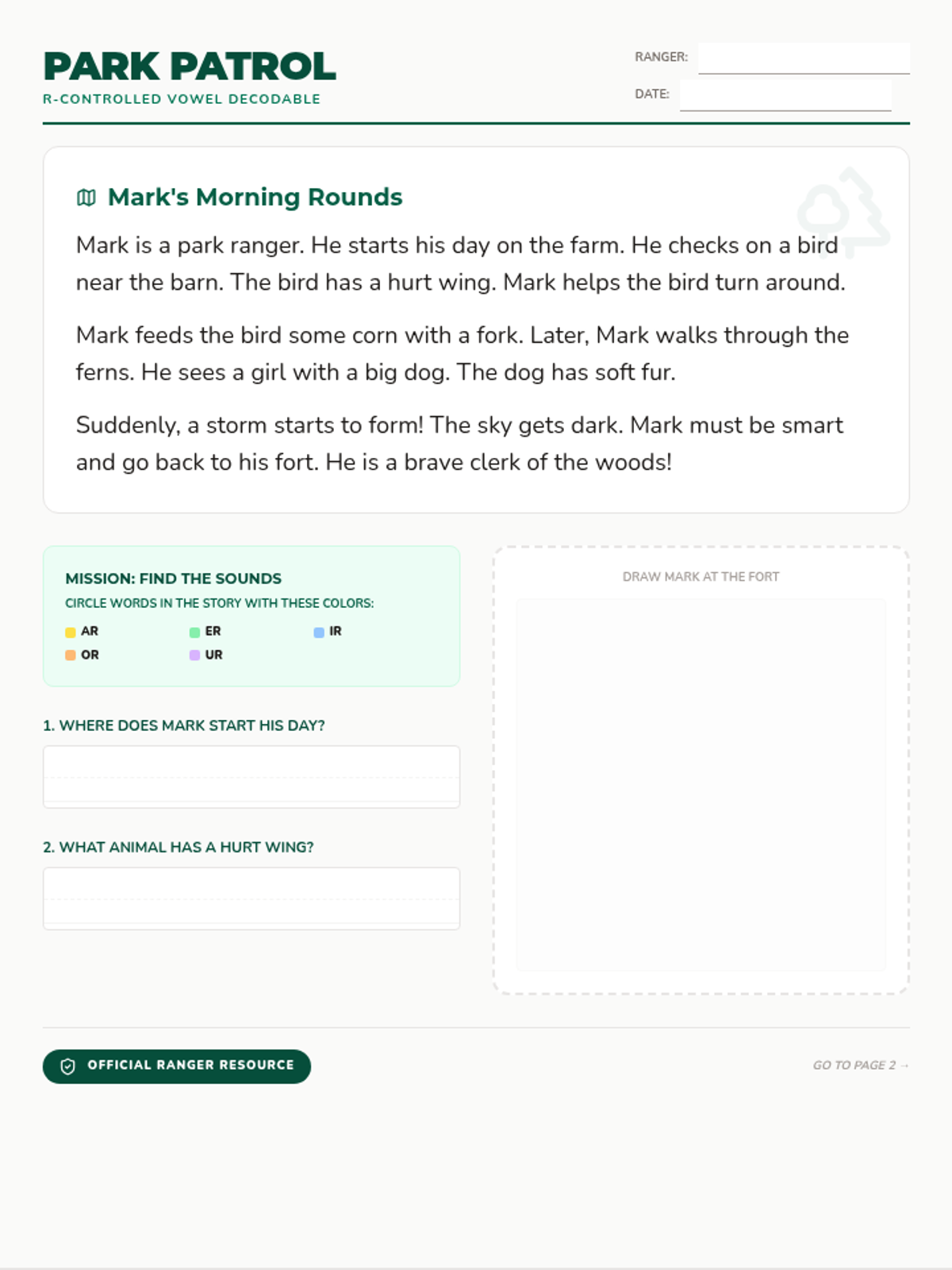
A comprehensive unit on R-controlled vowels (er, ir, ur), focusing on phonemic awareness, multisyllabic word decoding, and suffix application. Students explore these "Bossy R" sounds through a forest ranger theme.
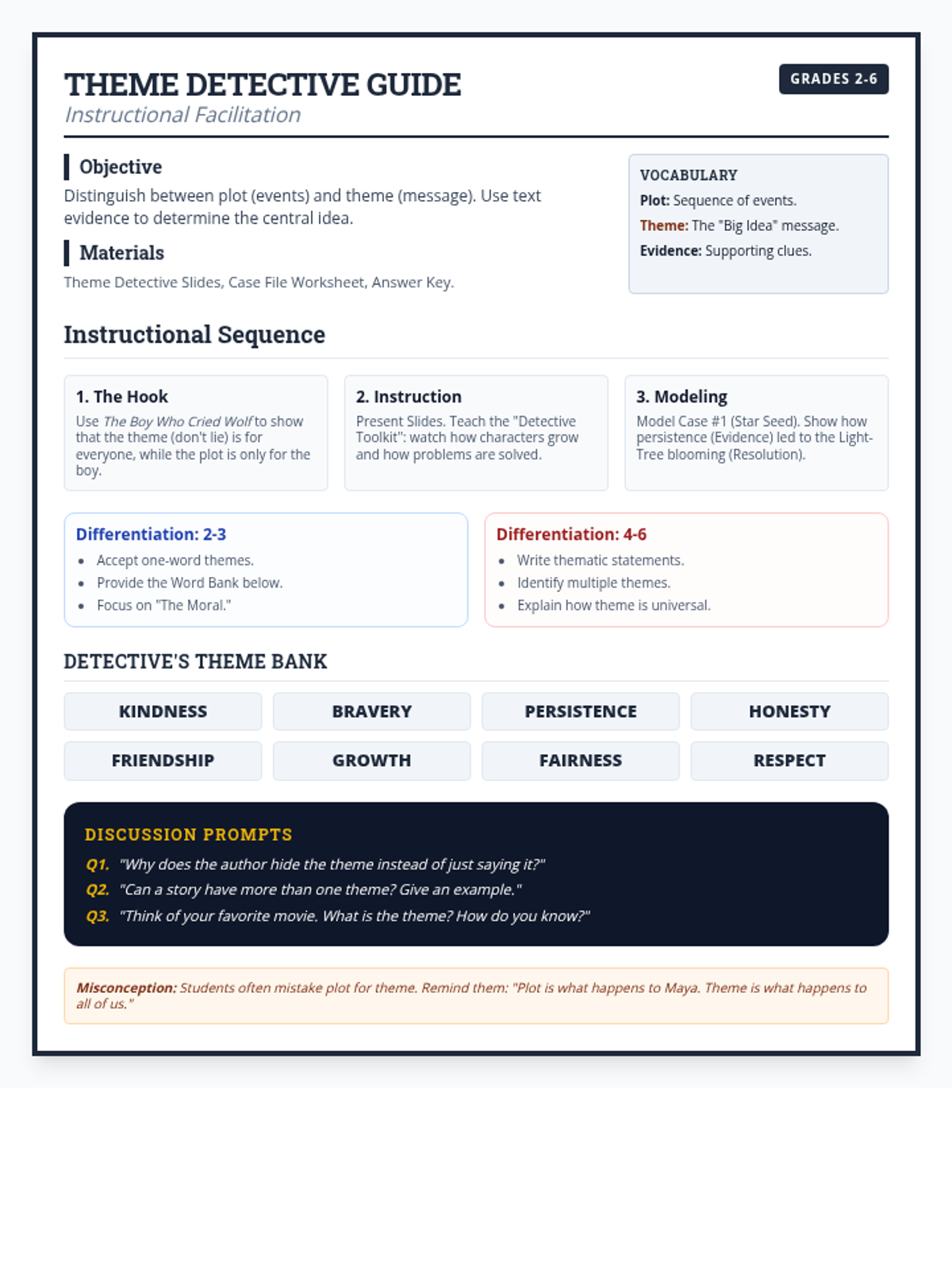
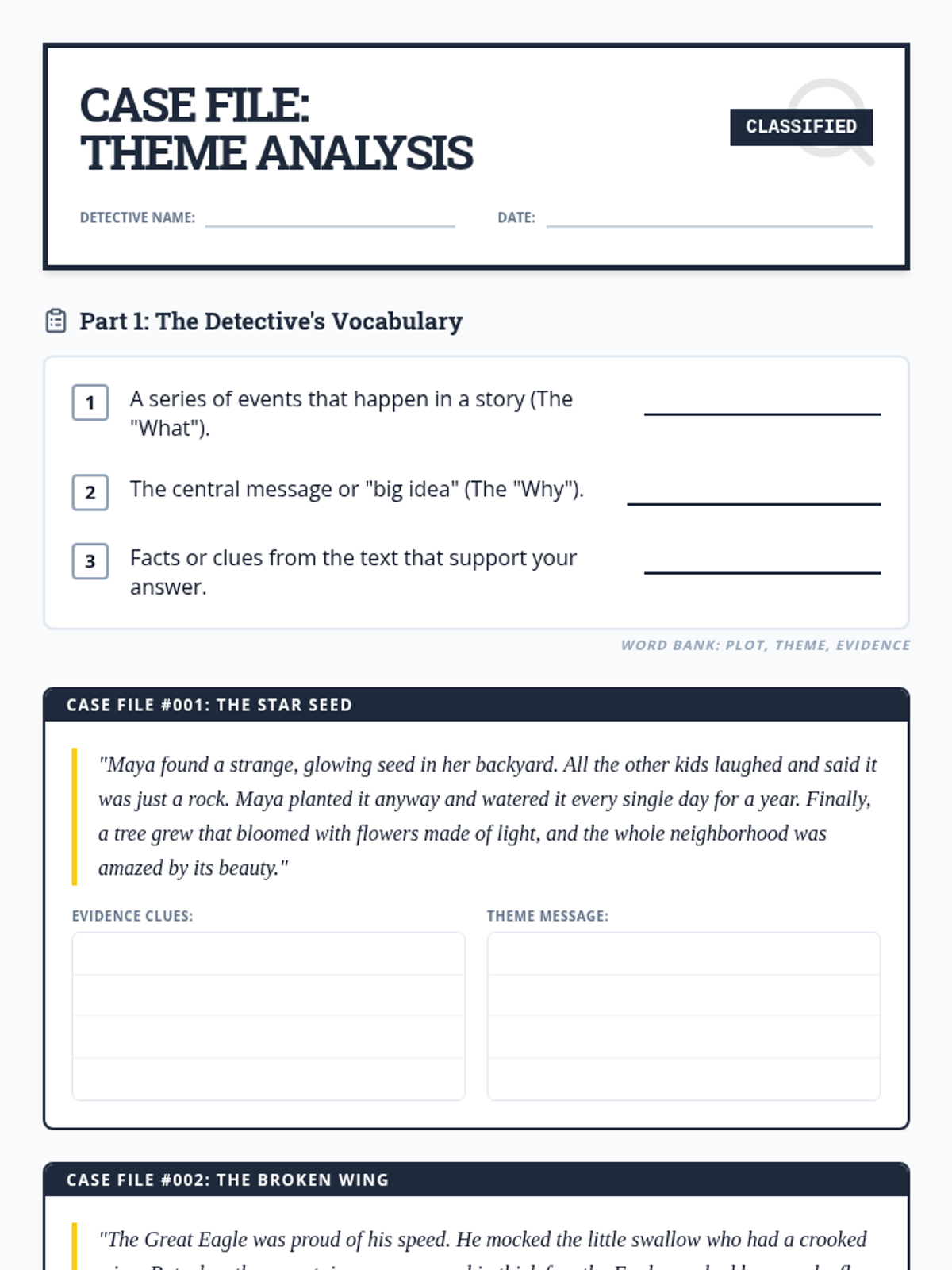
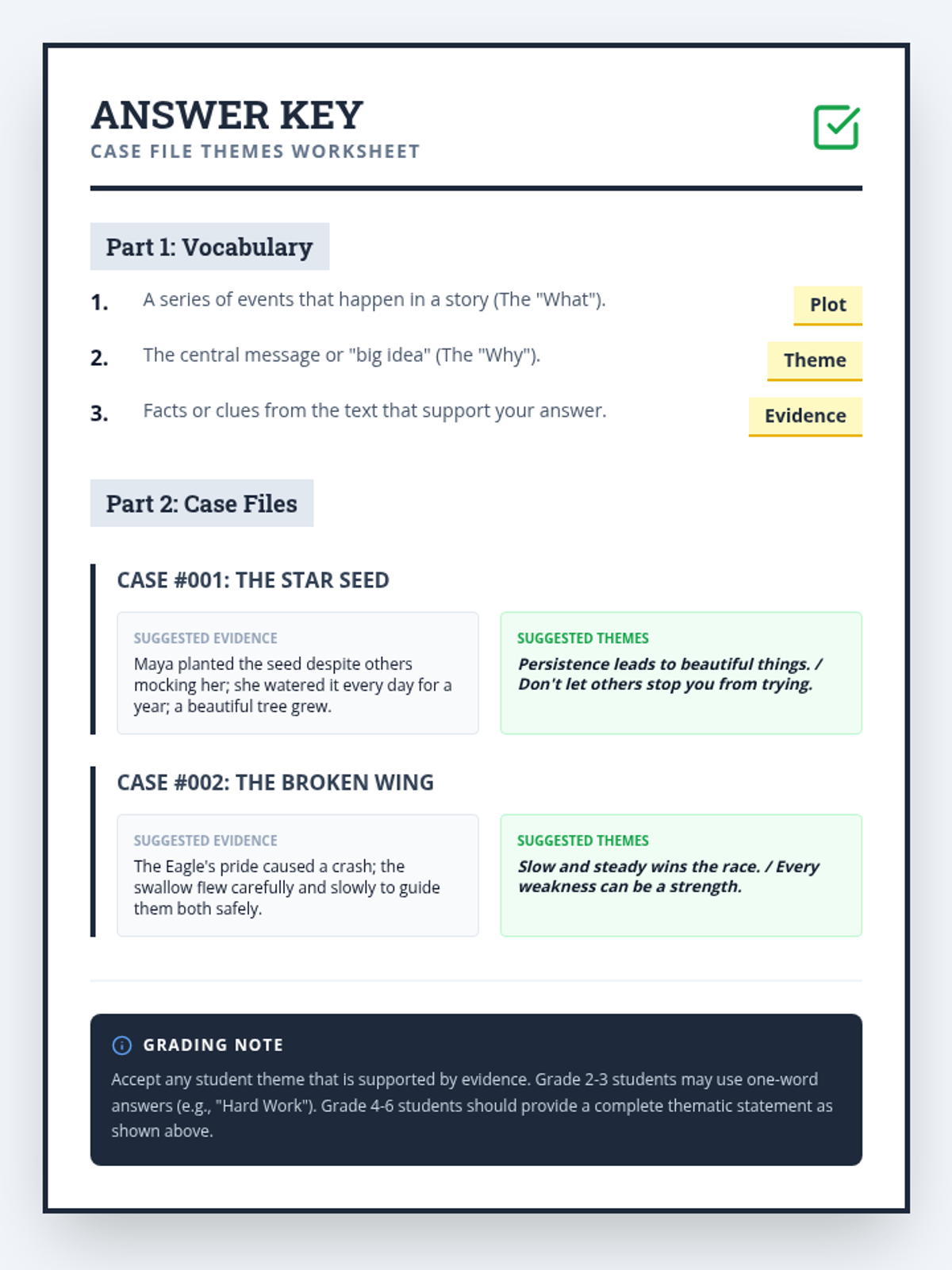
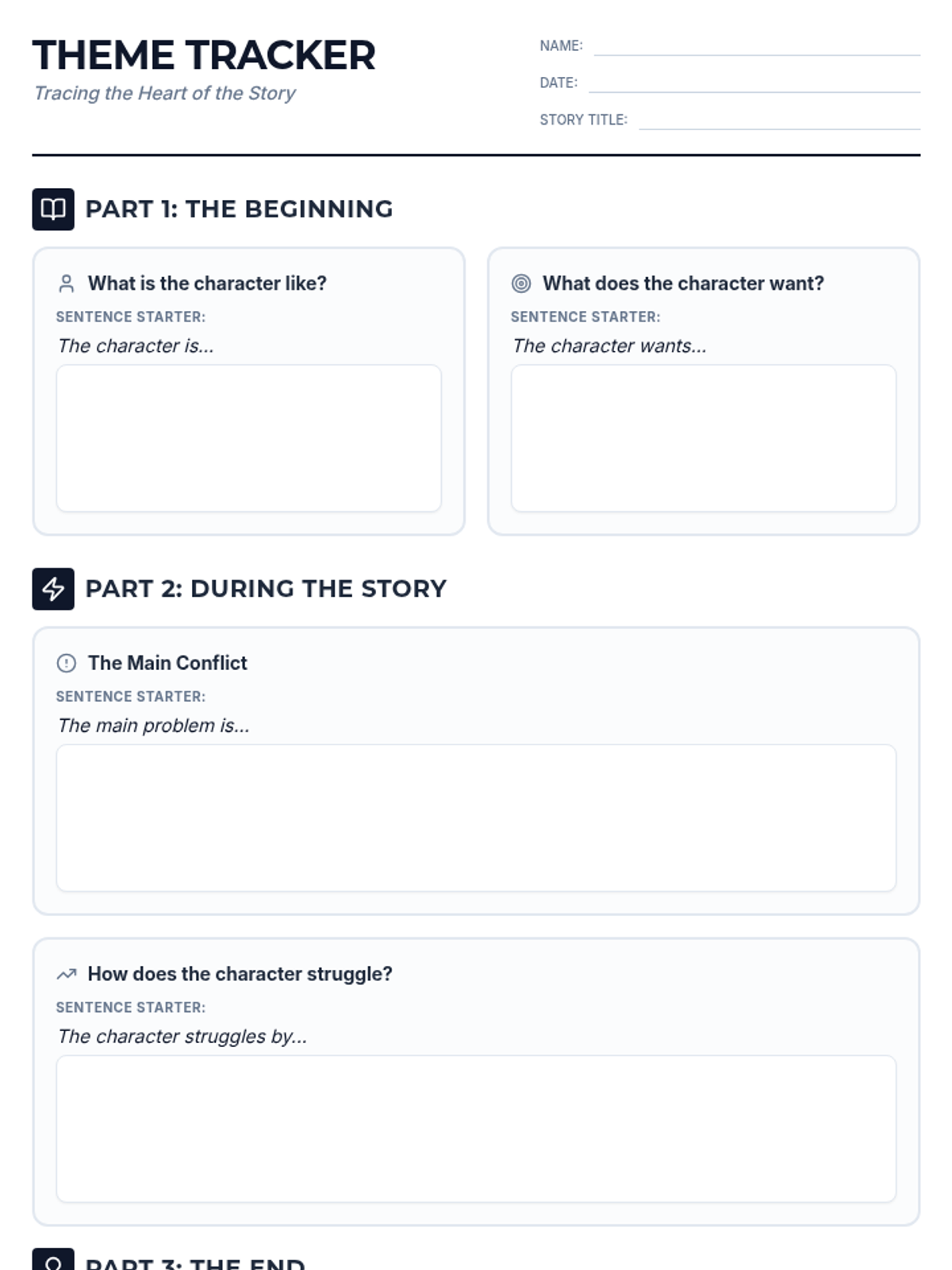
A comprehensive lesson on identifying and analyzing themes in literature, using a 'detective' metaphor to help students find the 'big idea' within stories. Includes differentiated strategies for grades 2-6.
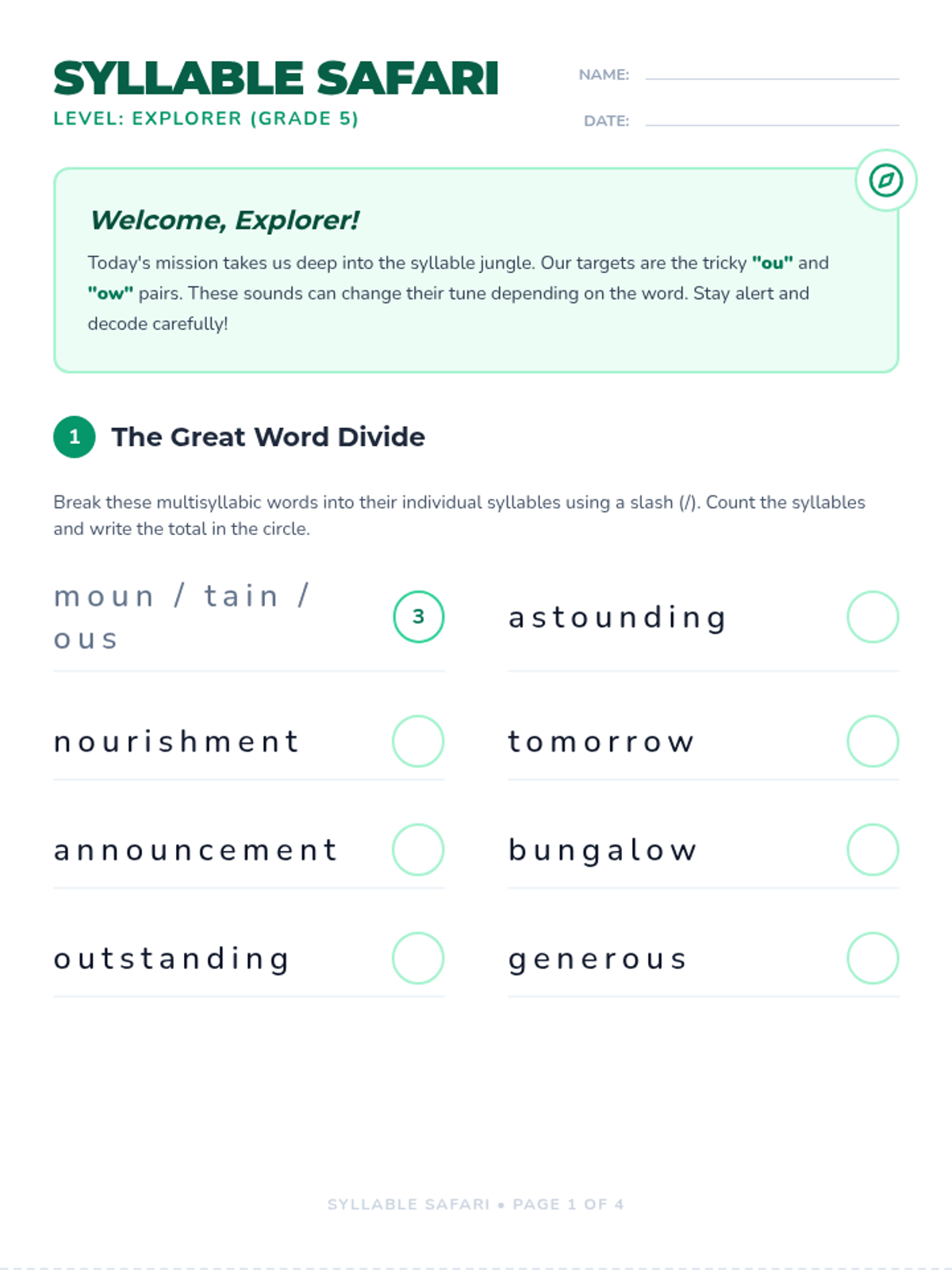
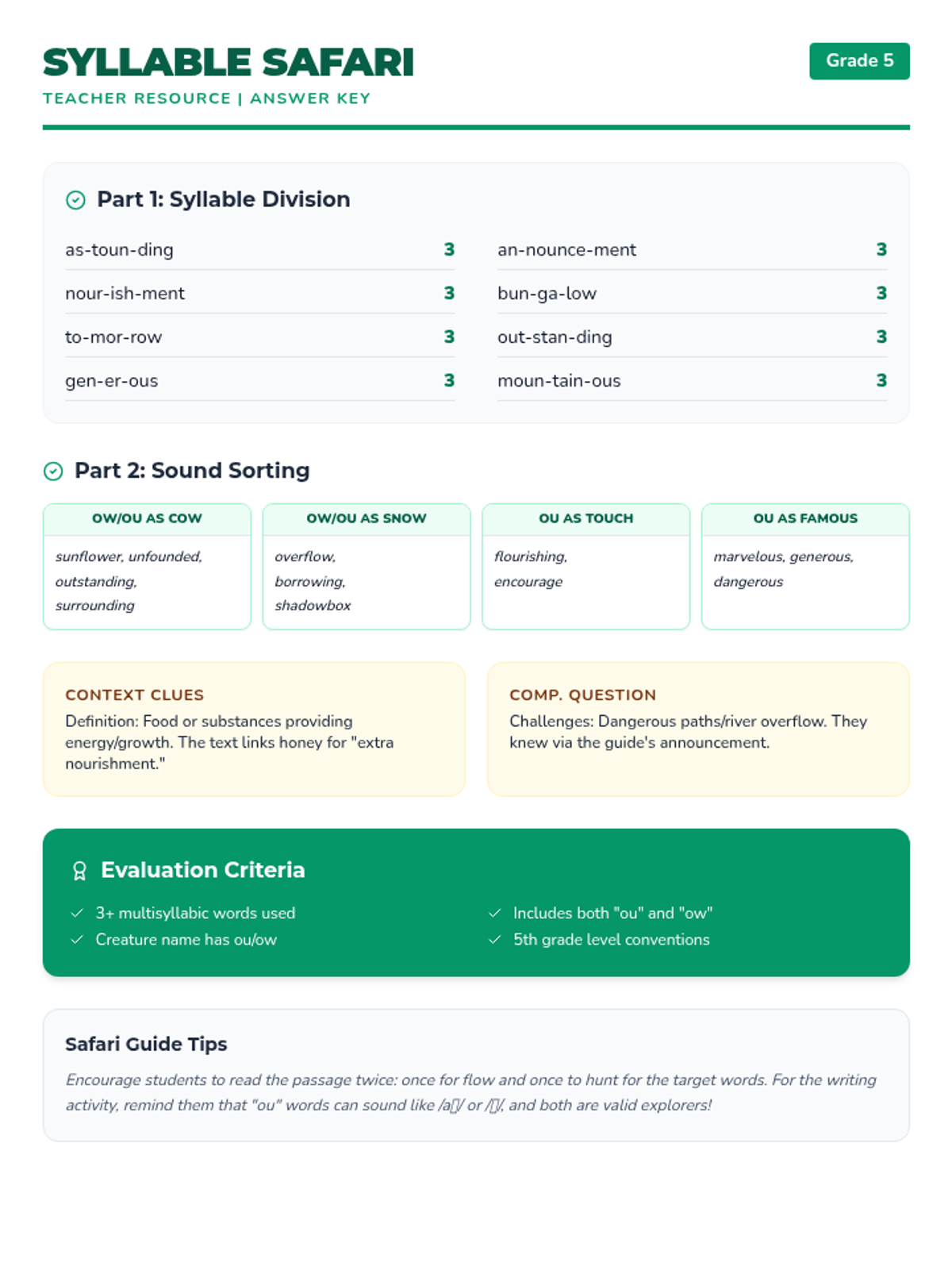
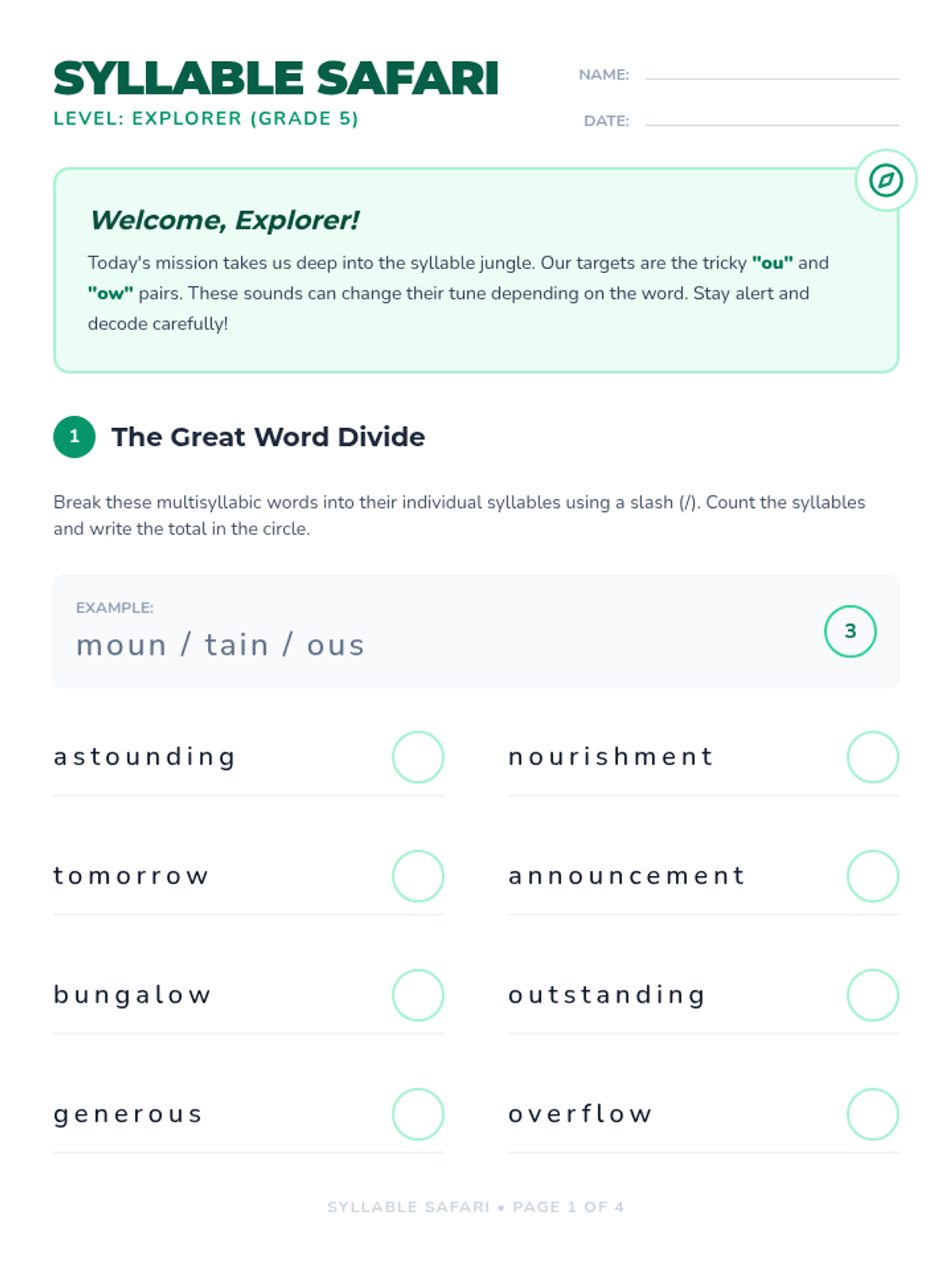
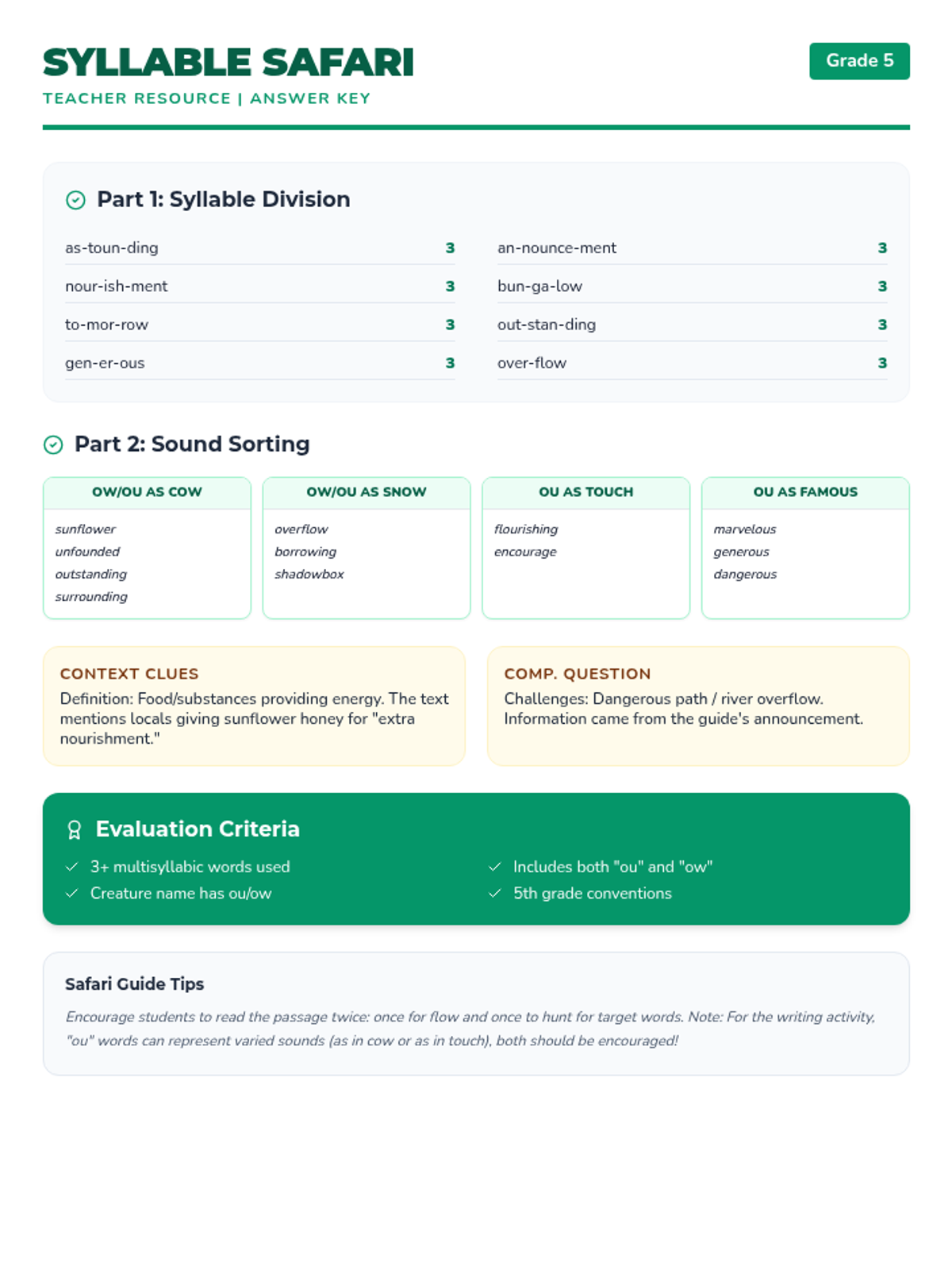
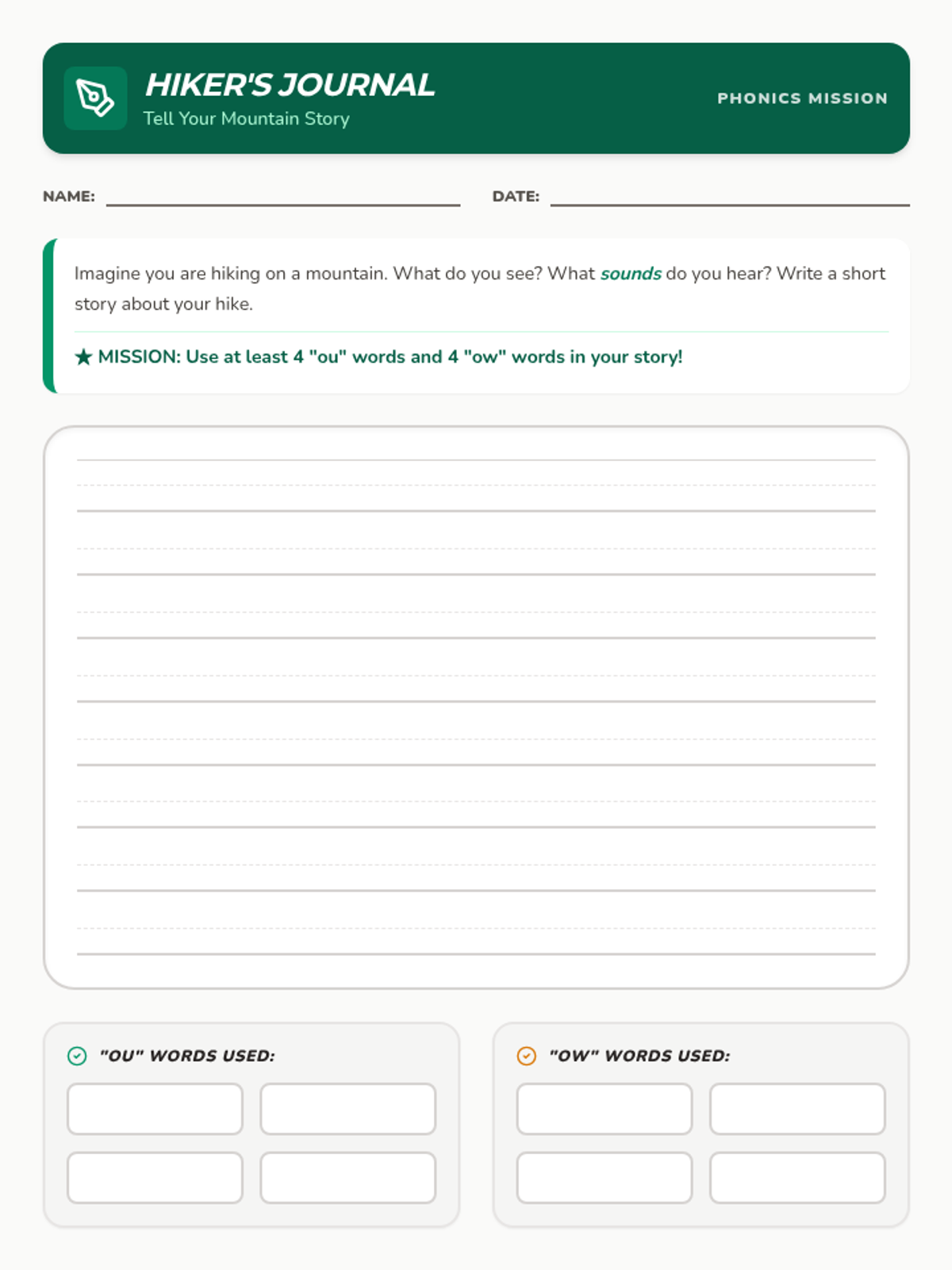
A comprehensive set of activities focusing on multisyllabic words containing 'ou' and 'ow' patterns, designed to improve decoding, sorting, reading comprehension, and creative writing skills for 5th-grade students.
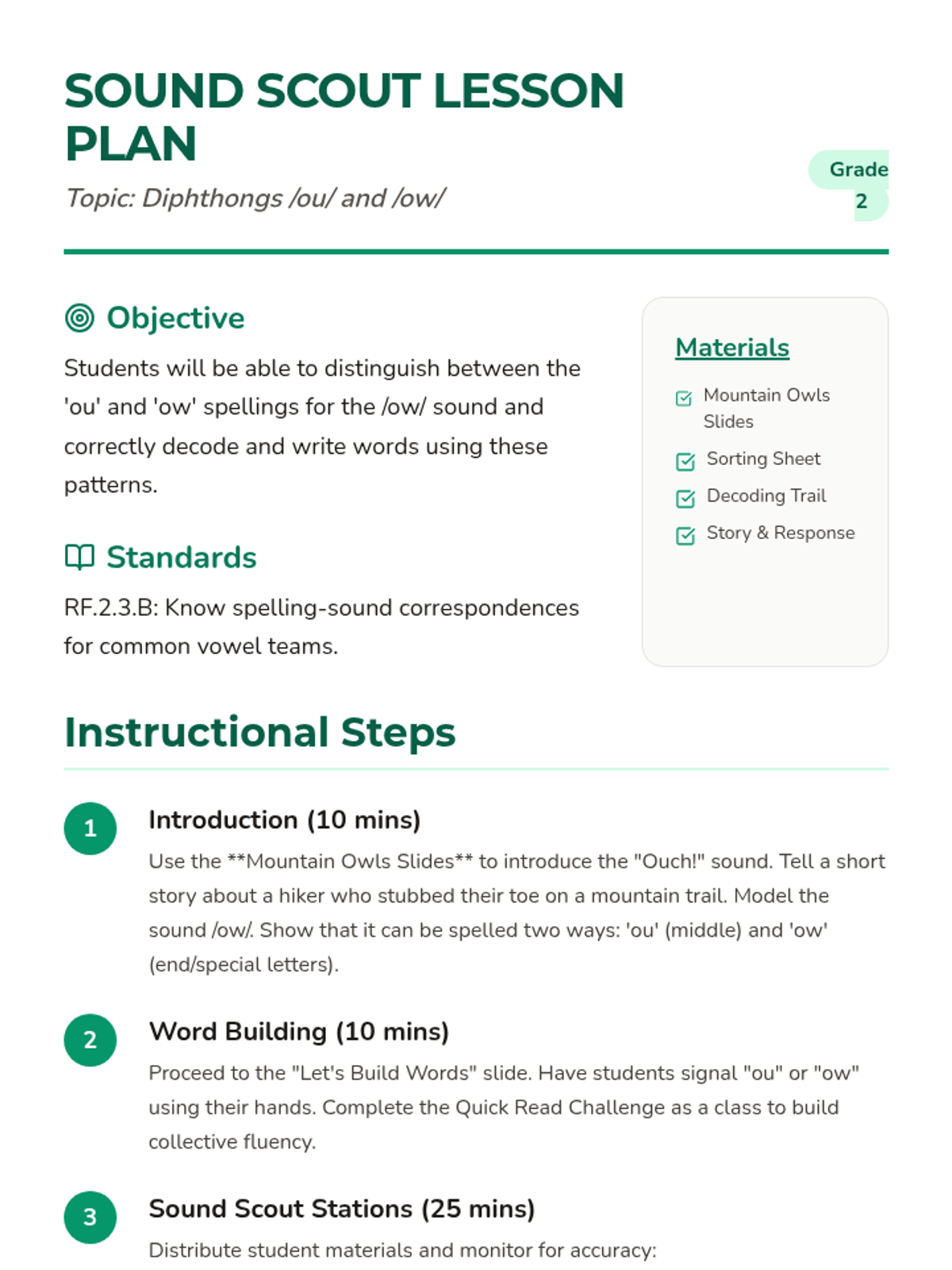
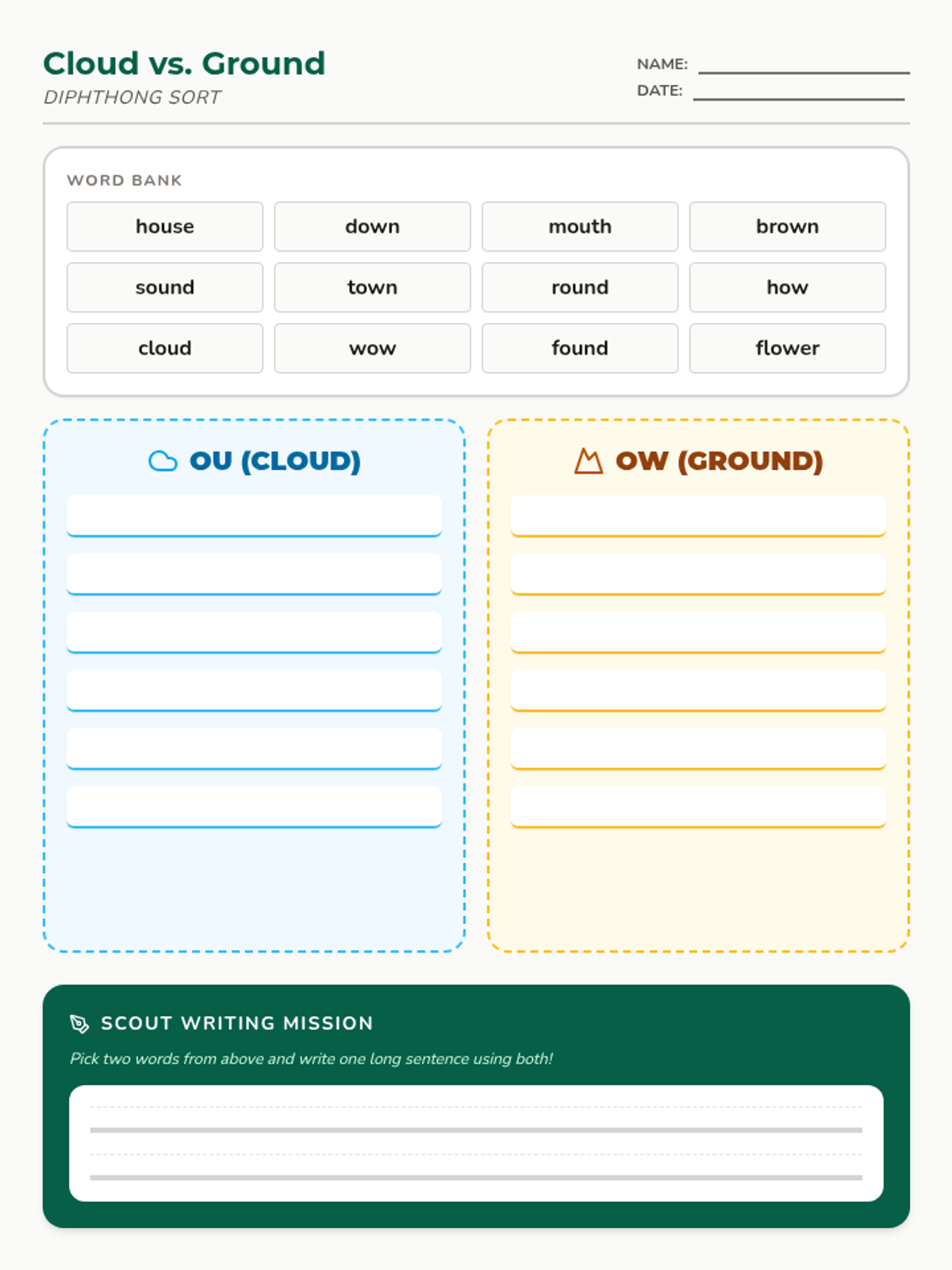
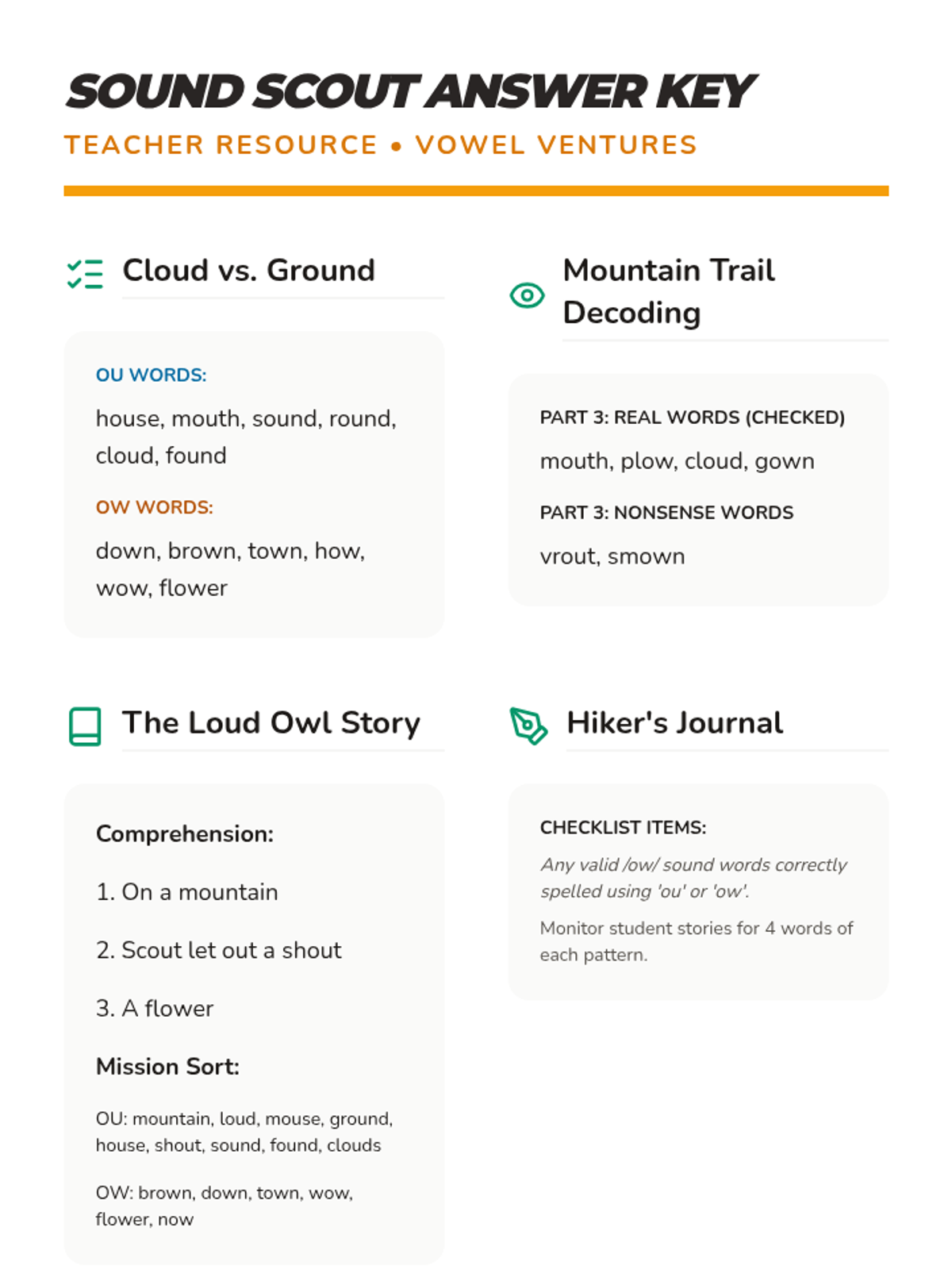
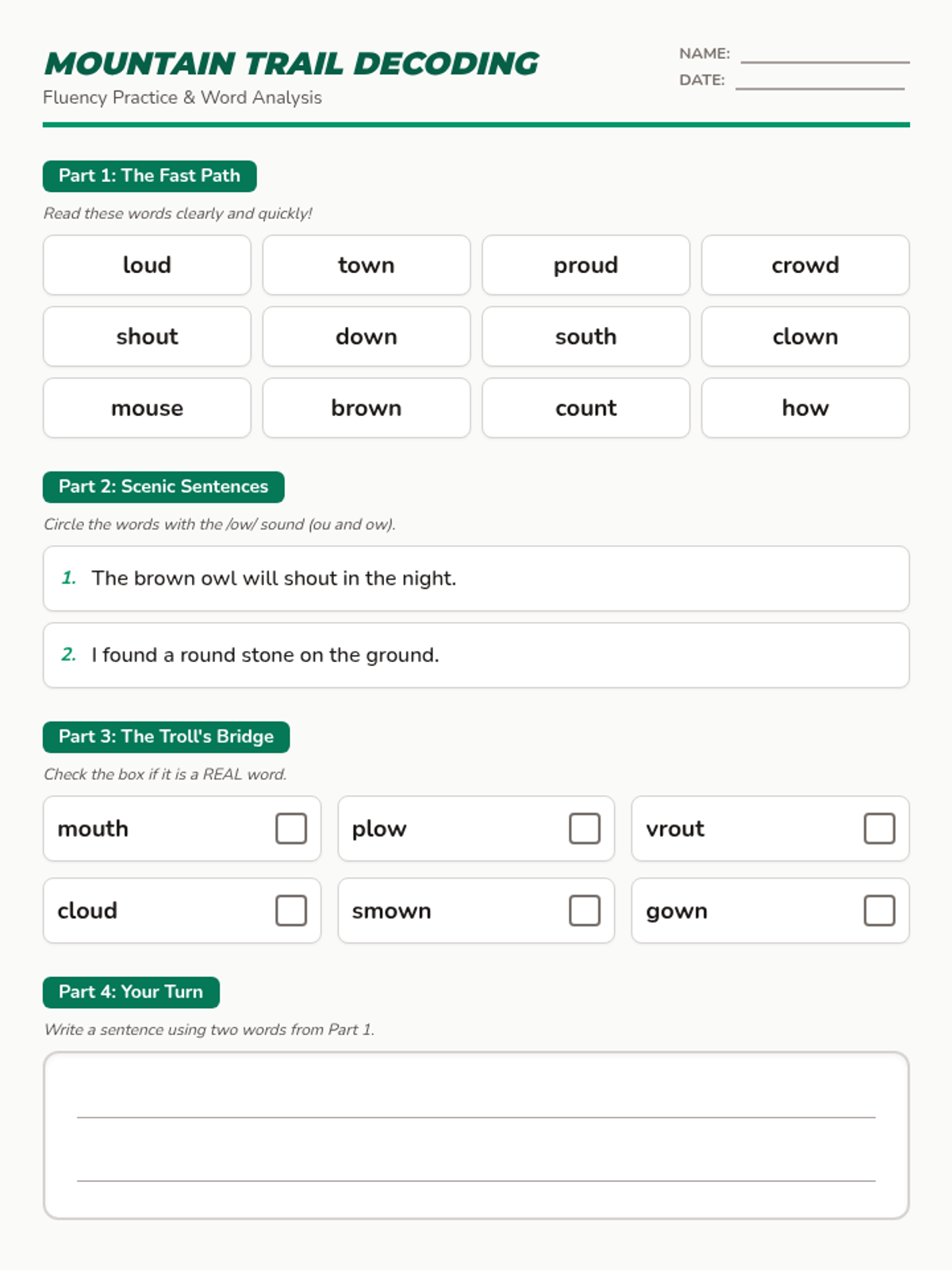
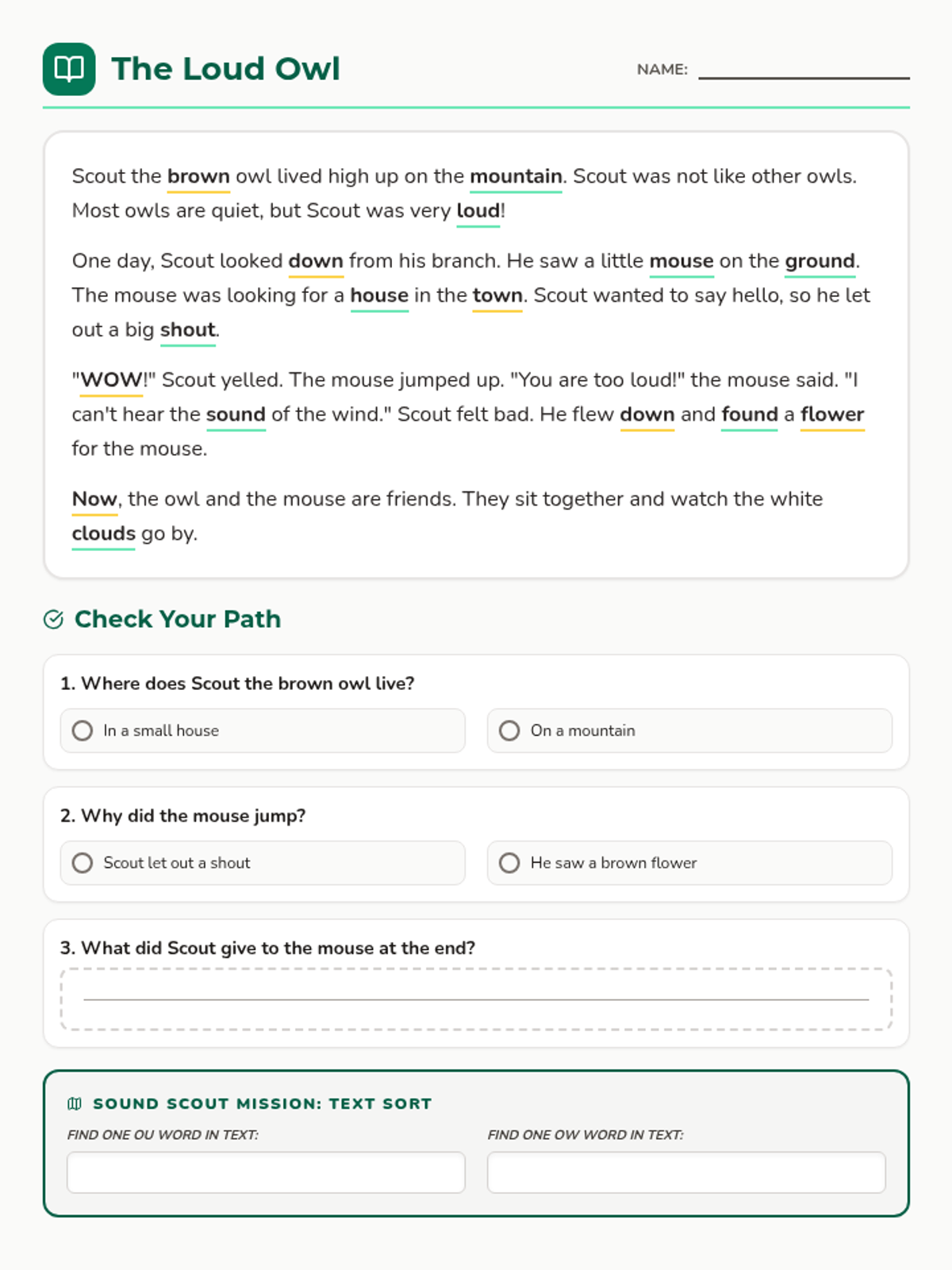
A comprehensive lesson on the diphthongs 'ou' and 'ow', using a 'Mountain Owls and Ground Hounds' theme to engage students in sorting, decoding, and reading comprehension.
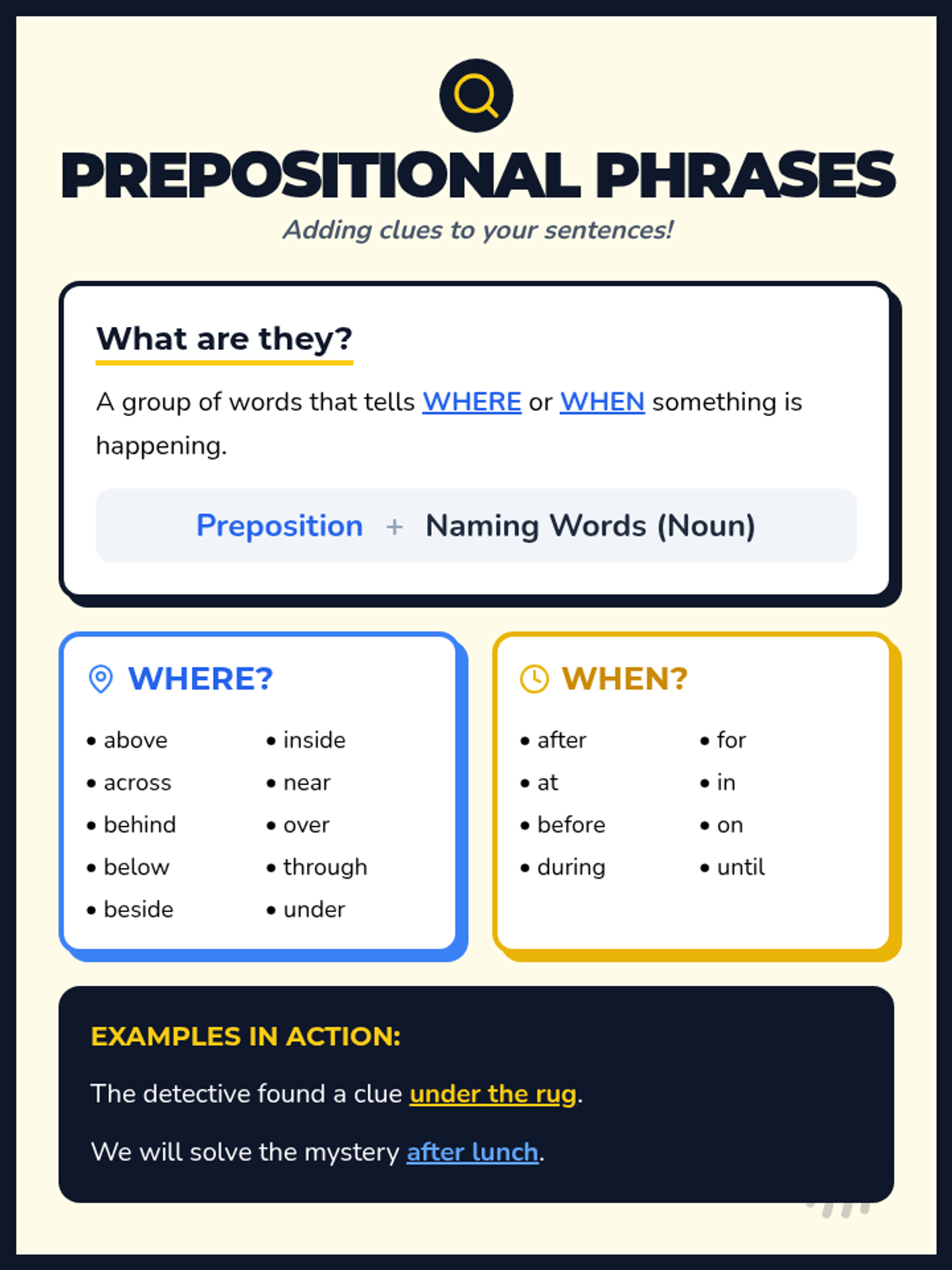
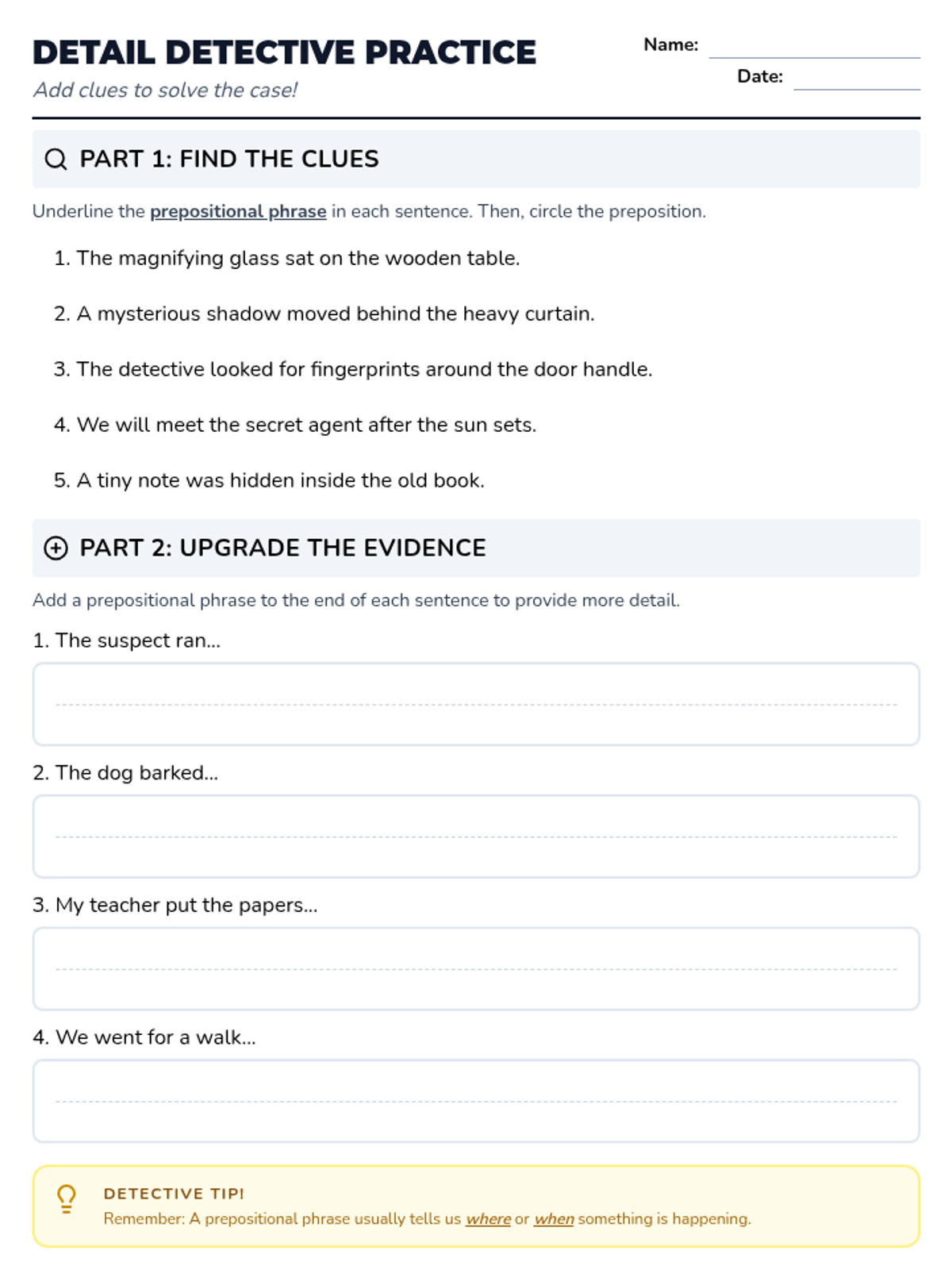
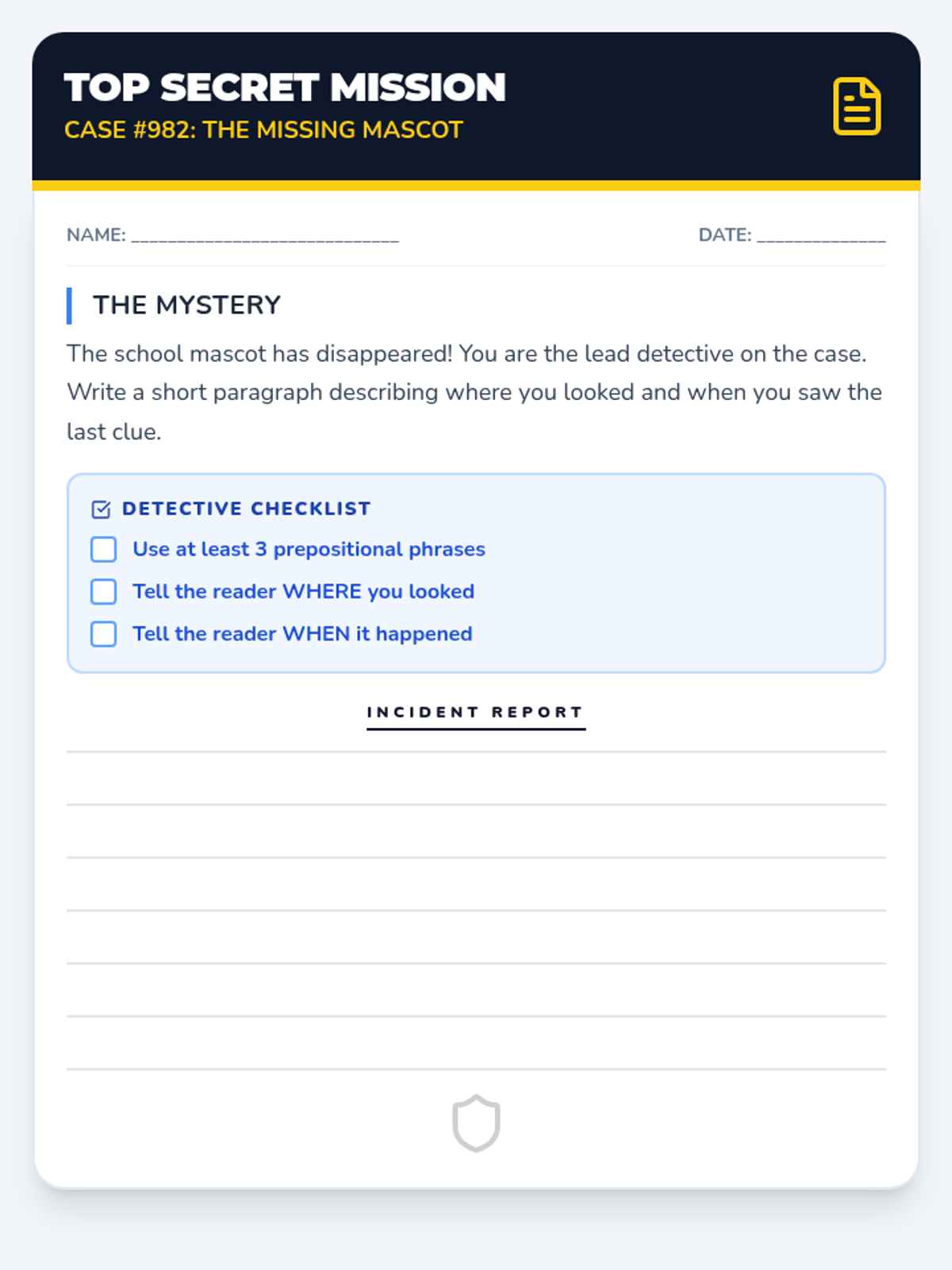
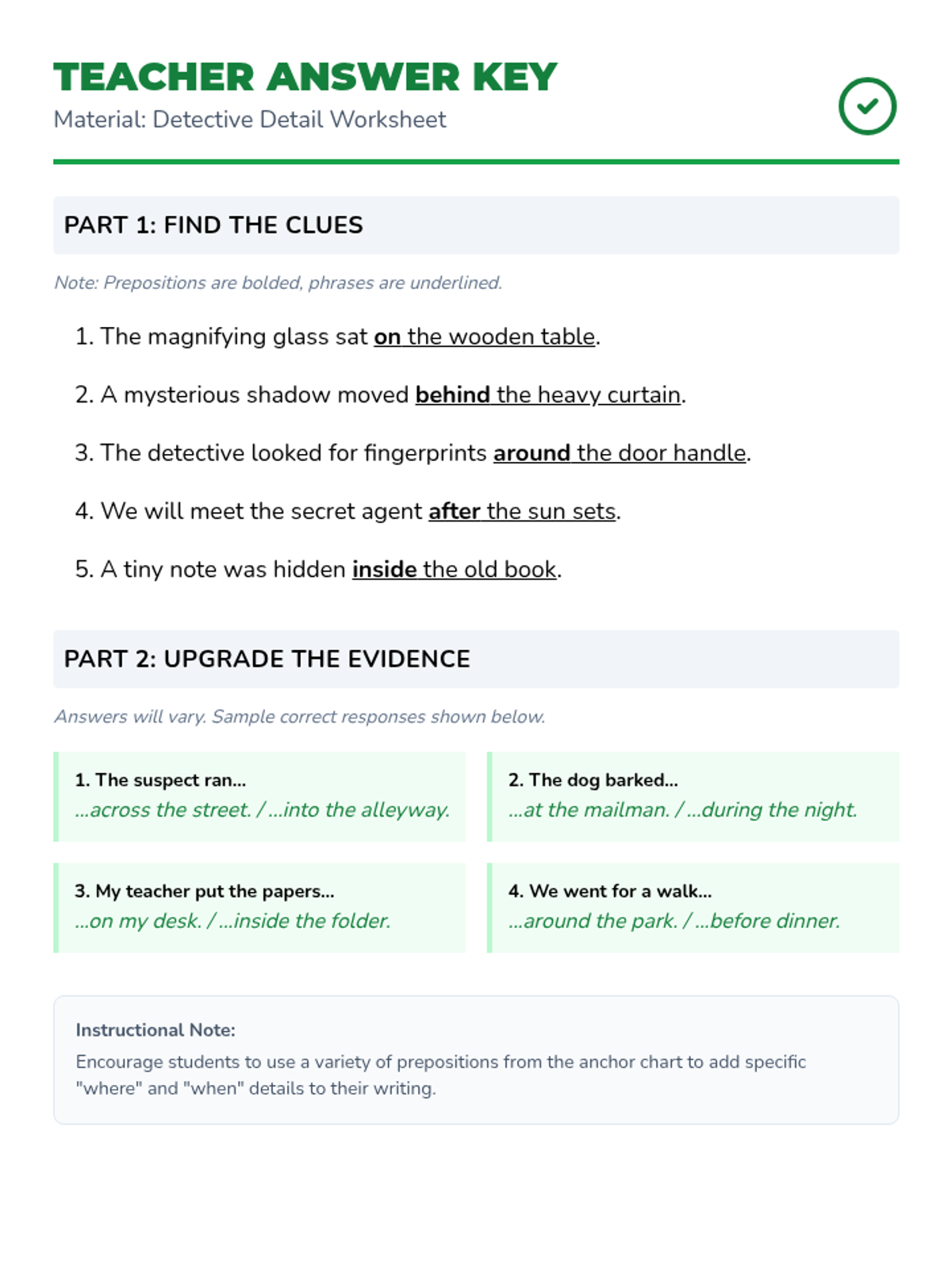
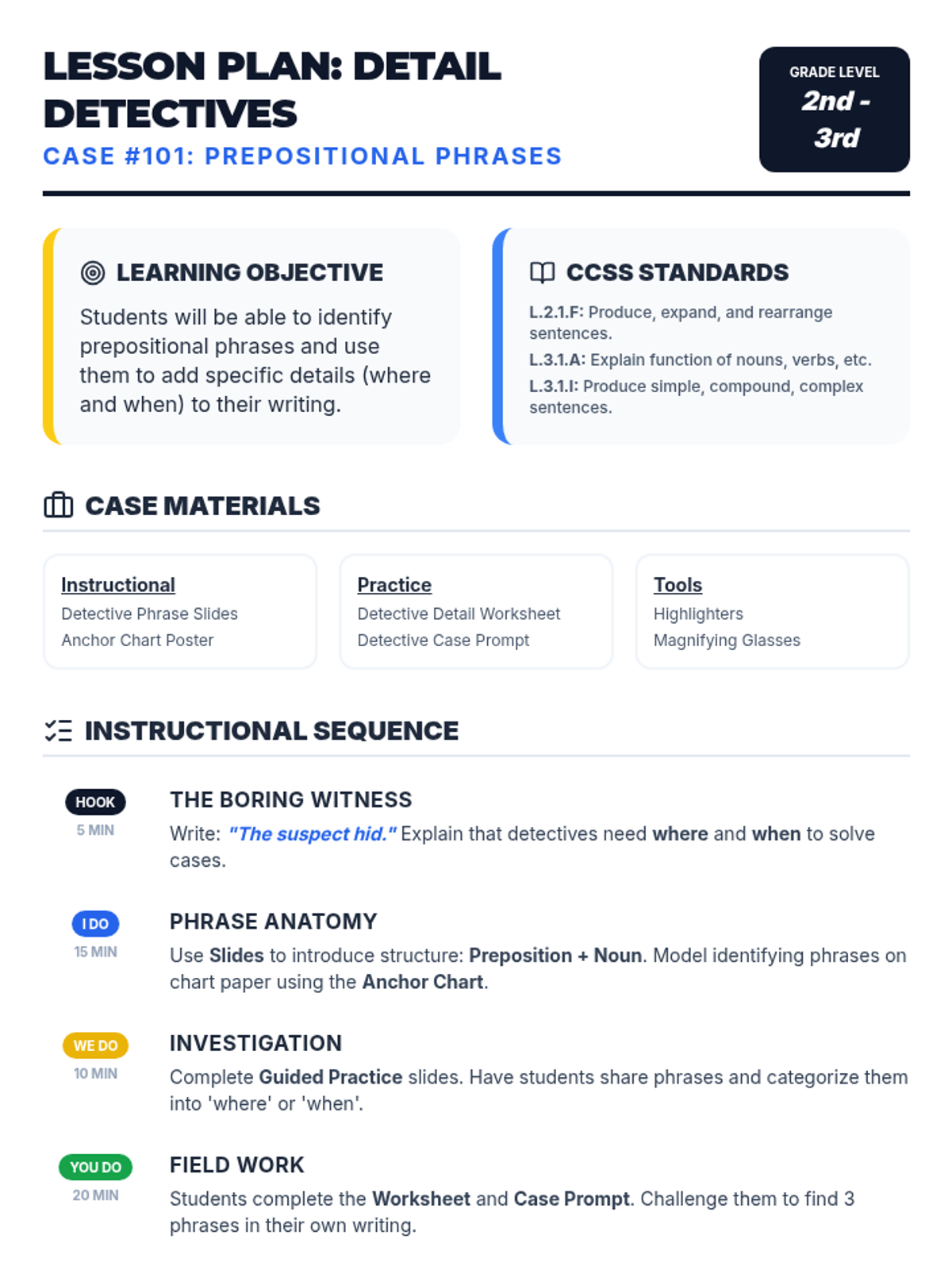
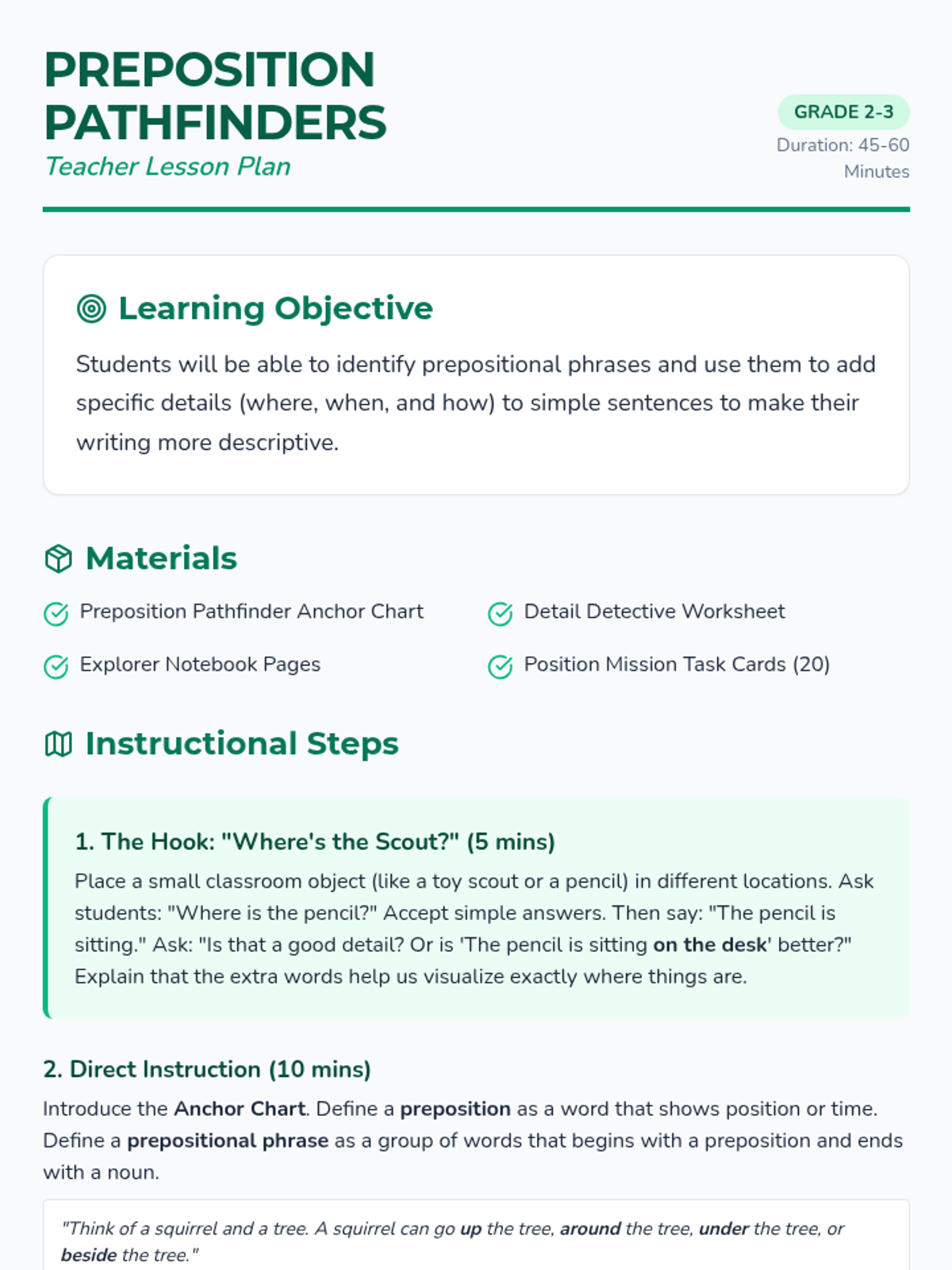
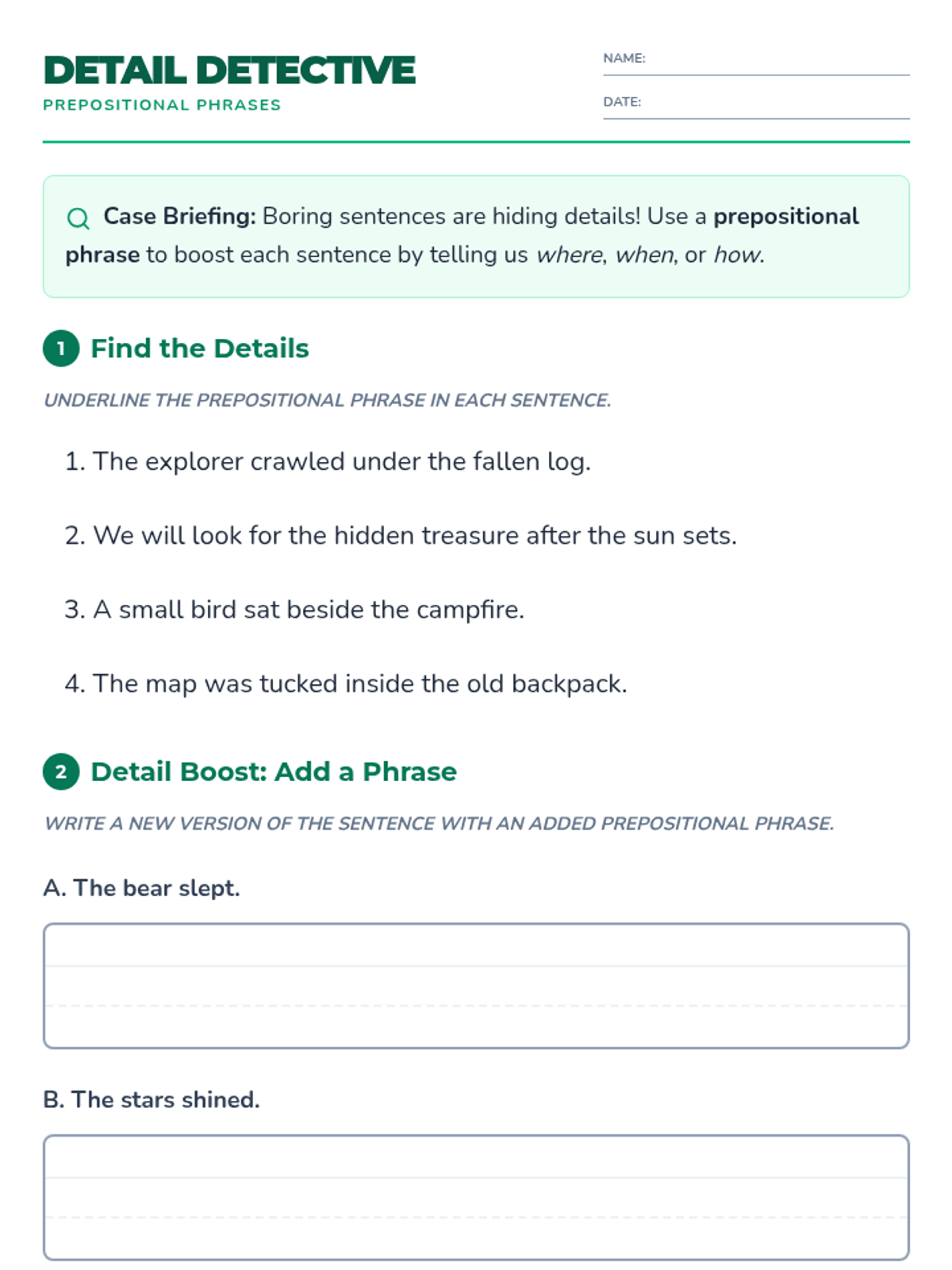
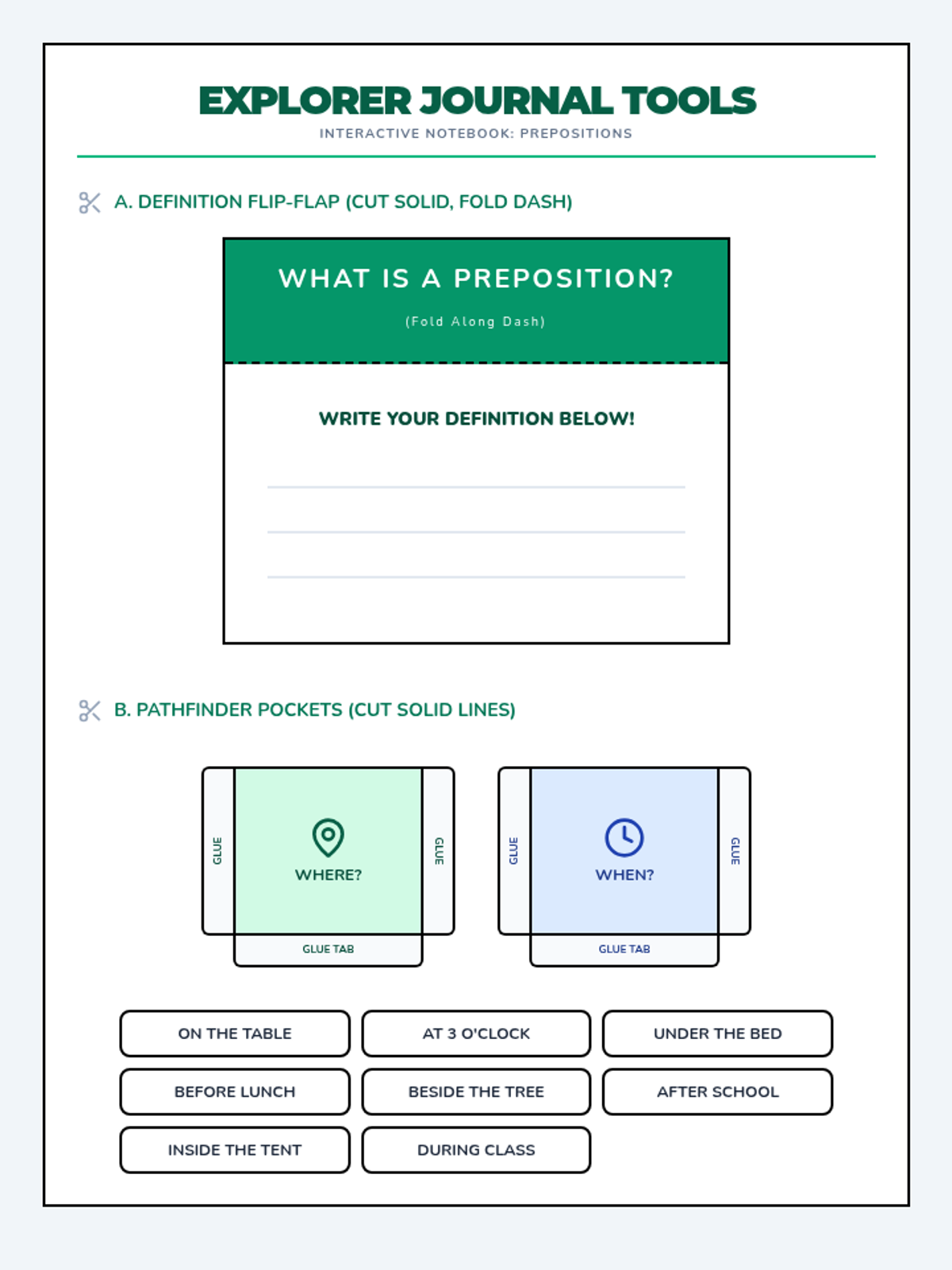
A lesson for 2nd and 3rd graders on using prepositional phrases to add specific details to their sentences, helping them describe where, when, and how things happen.
Students will identify the development of a story's theme by tracking character traits, motivations, conflicts, and resolutions. This lesson provides a structured framework for analyzing how a message emerges from narrative elements.

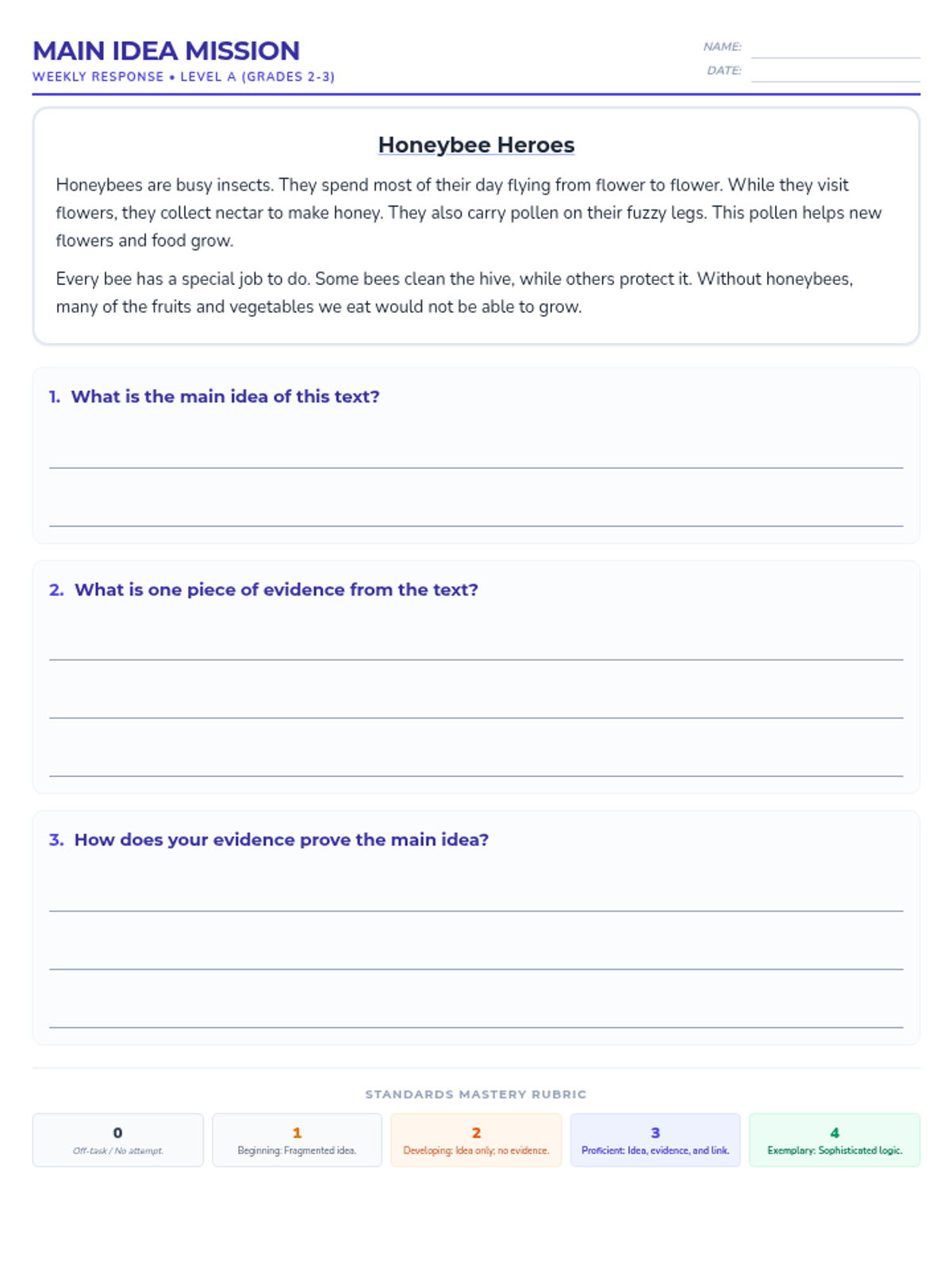
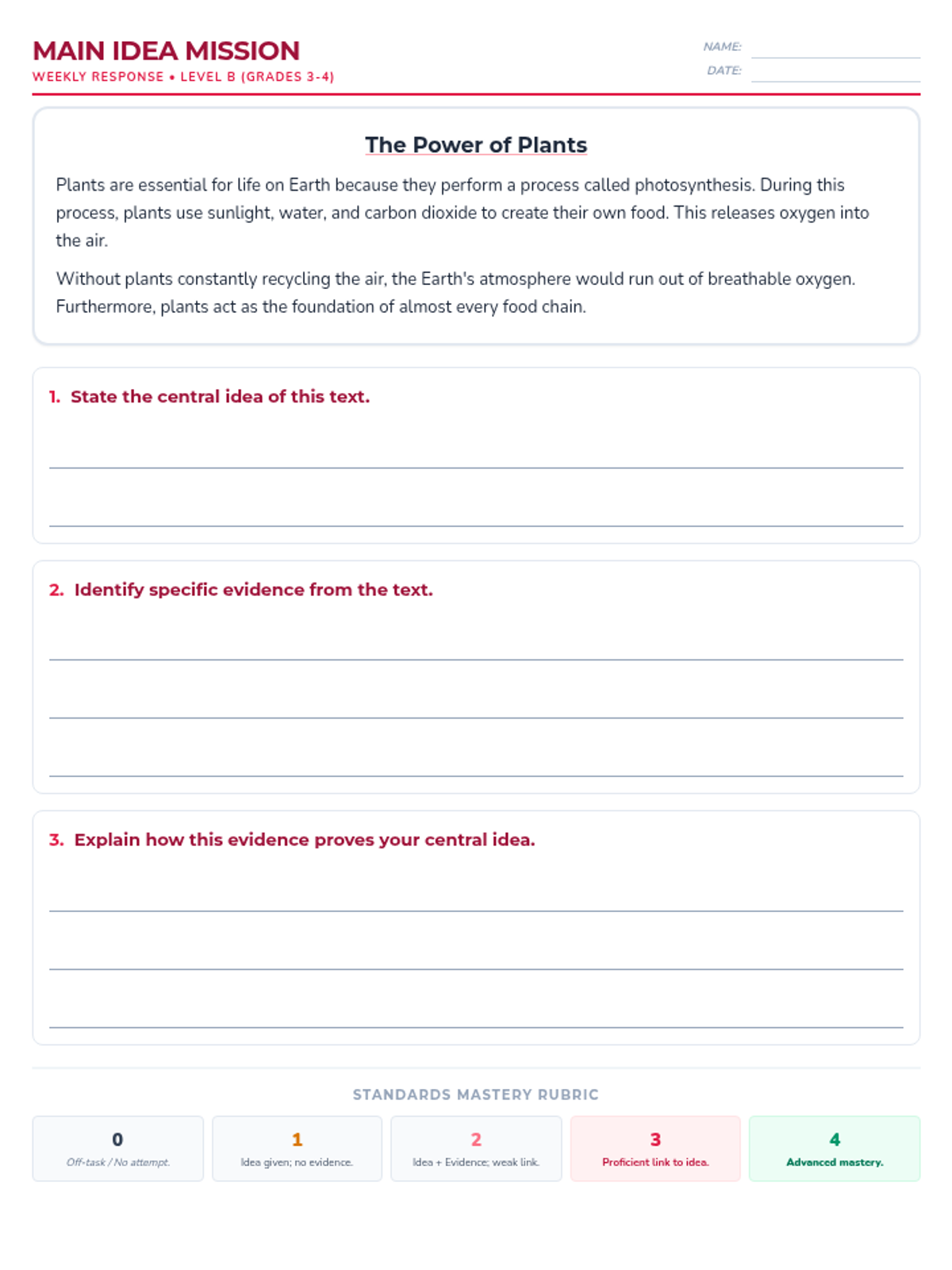
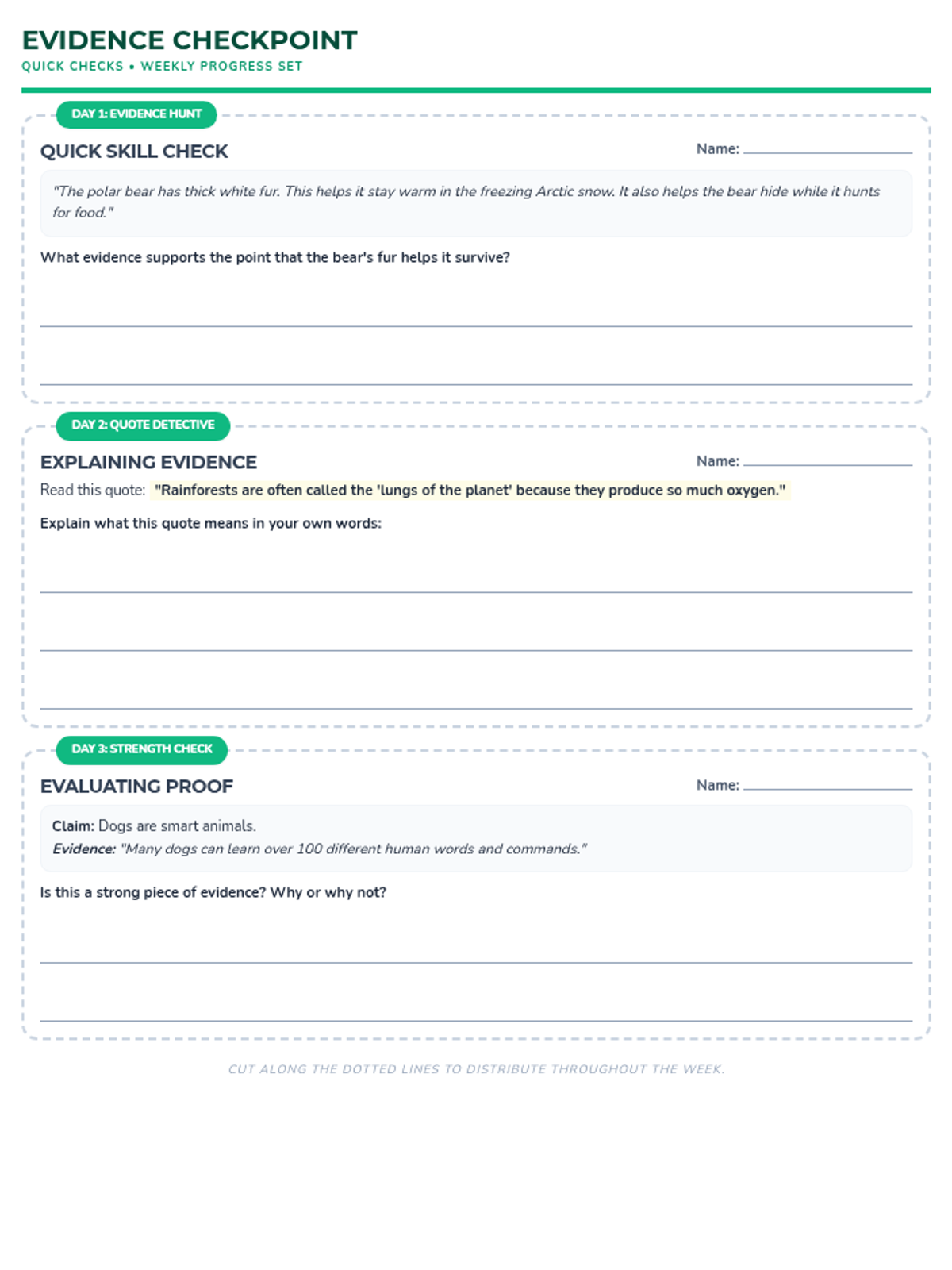
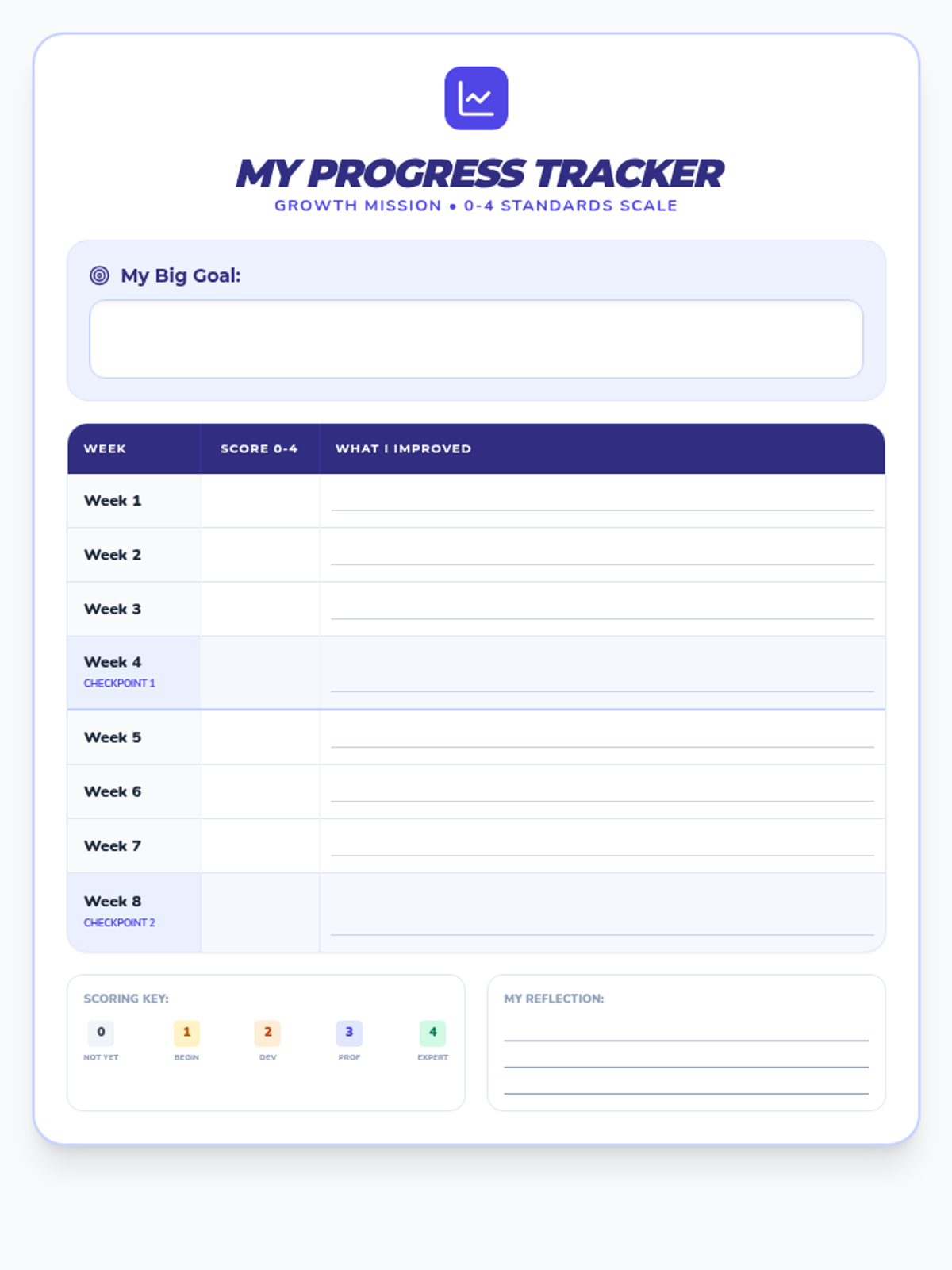
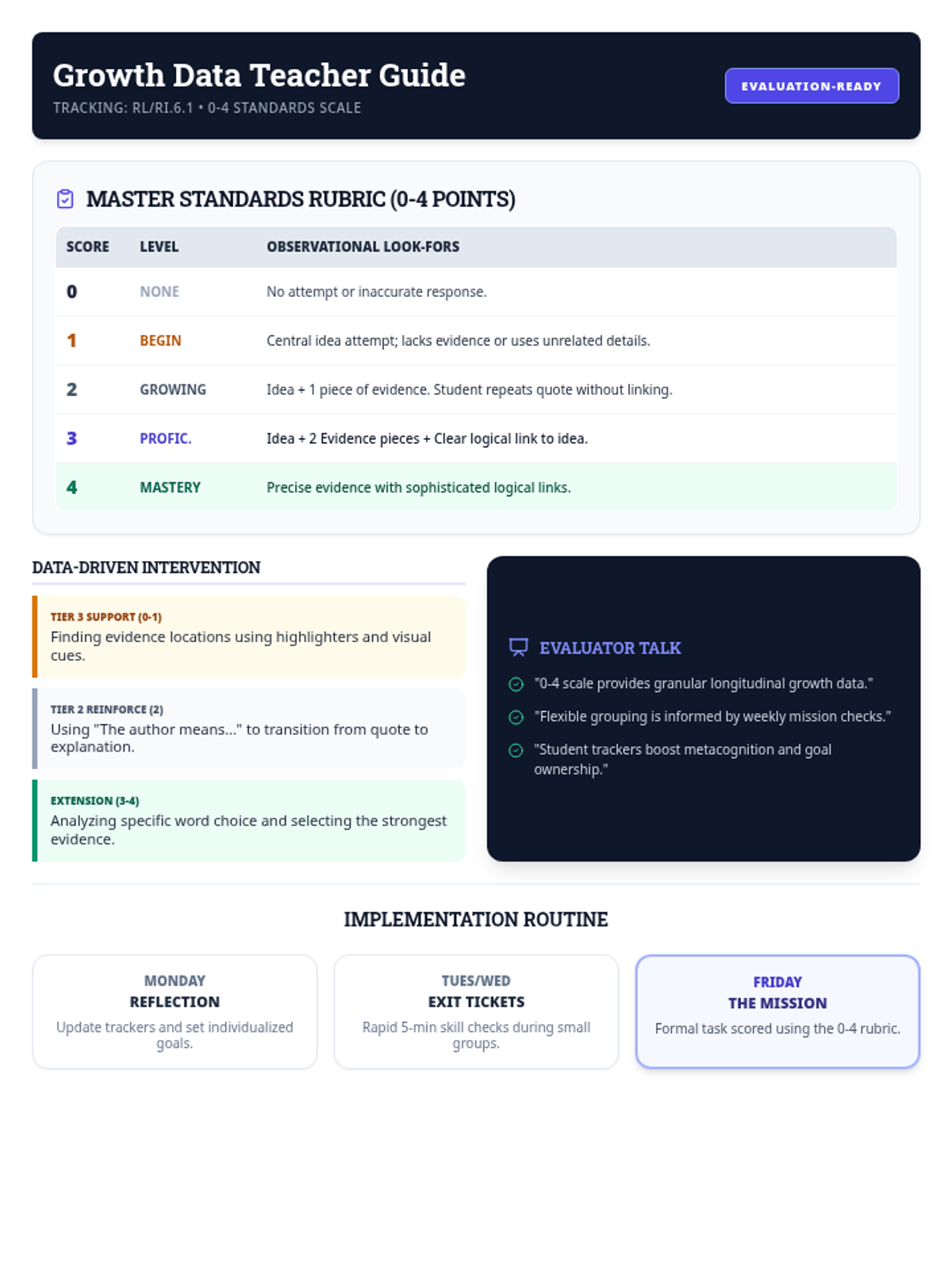
The introductory set of materials focused on identifying main ideas and supporting them with text evidence through a structured weekly routine.
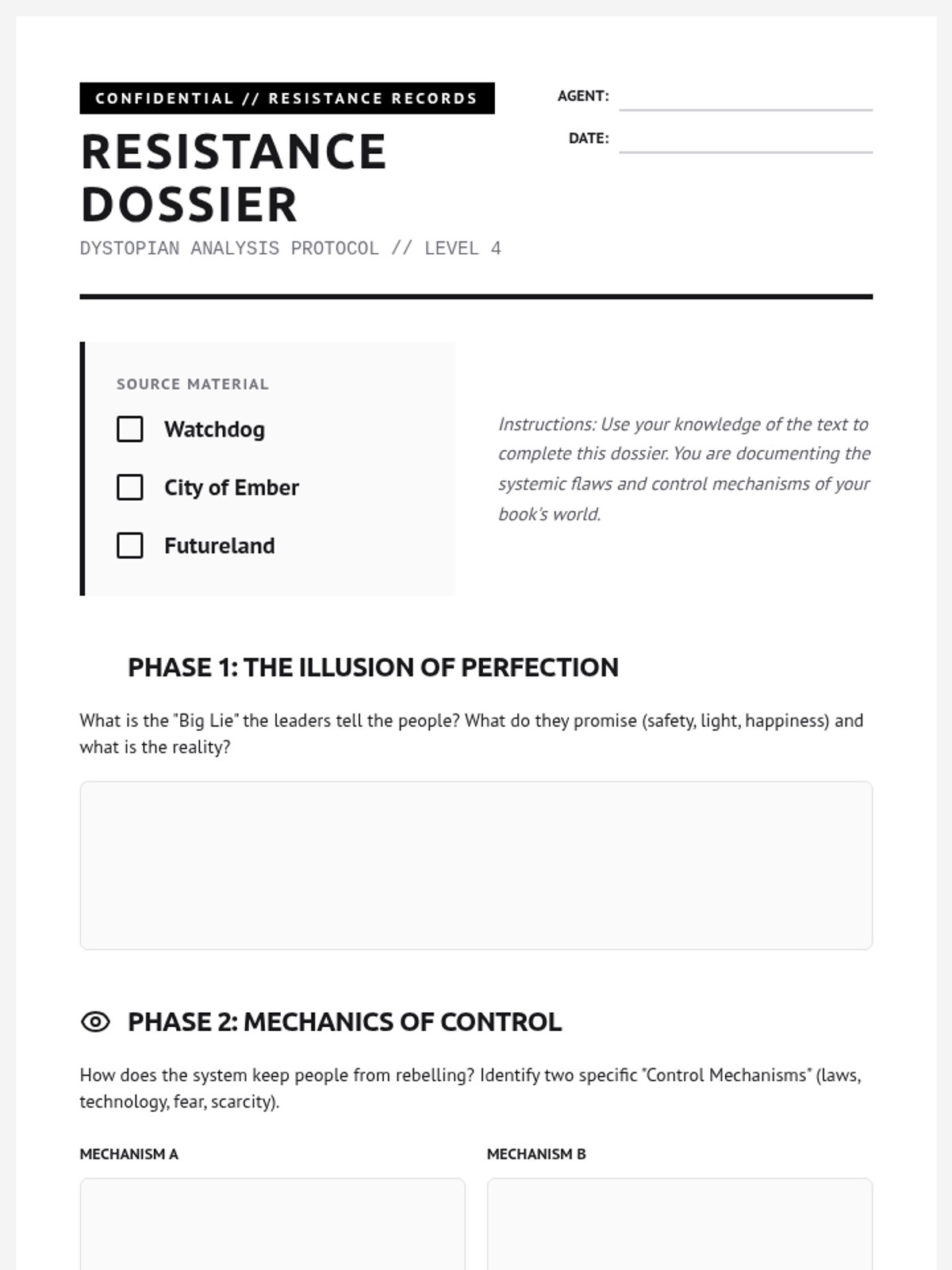
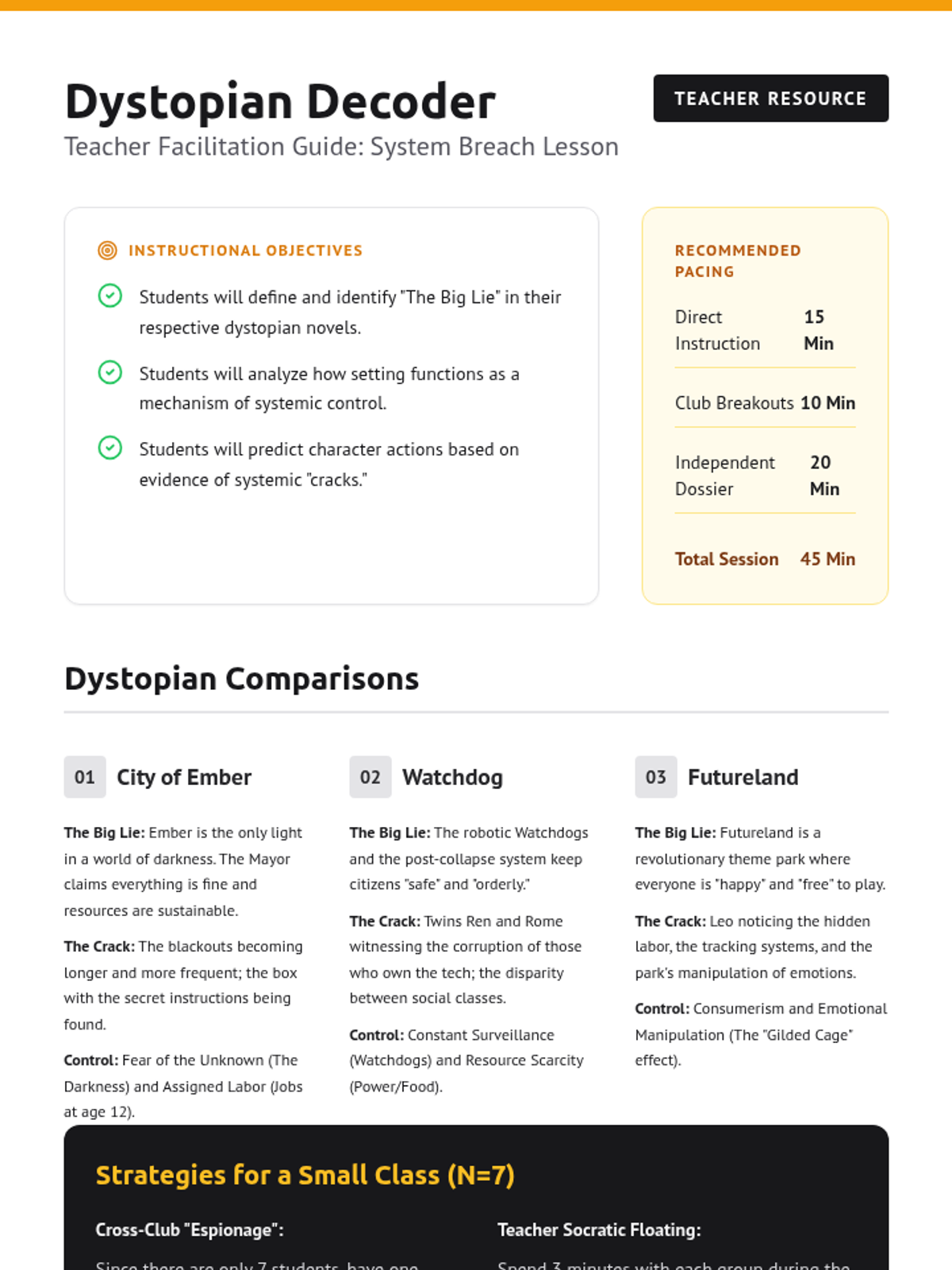
A lesson focused on analyzing systemic control and the 'big lie' in dystopian literature, specifically tailored for students reading Watchdog, City of Ember, and Futureland. Students explore how settings function as characters and how protagonists begin to challenge the status quo.
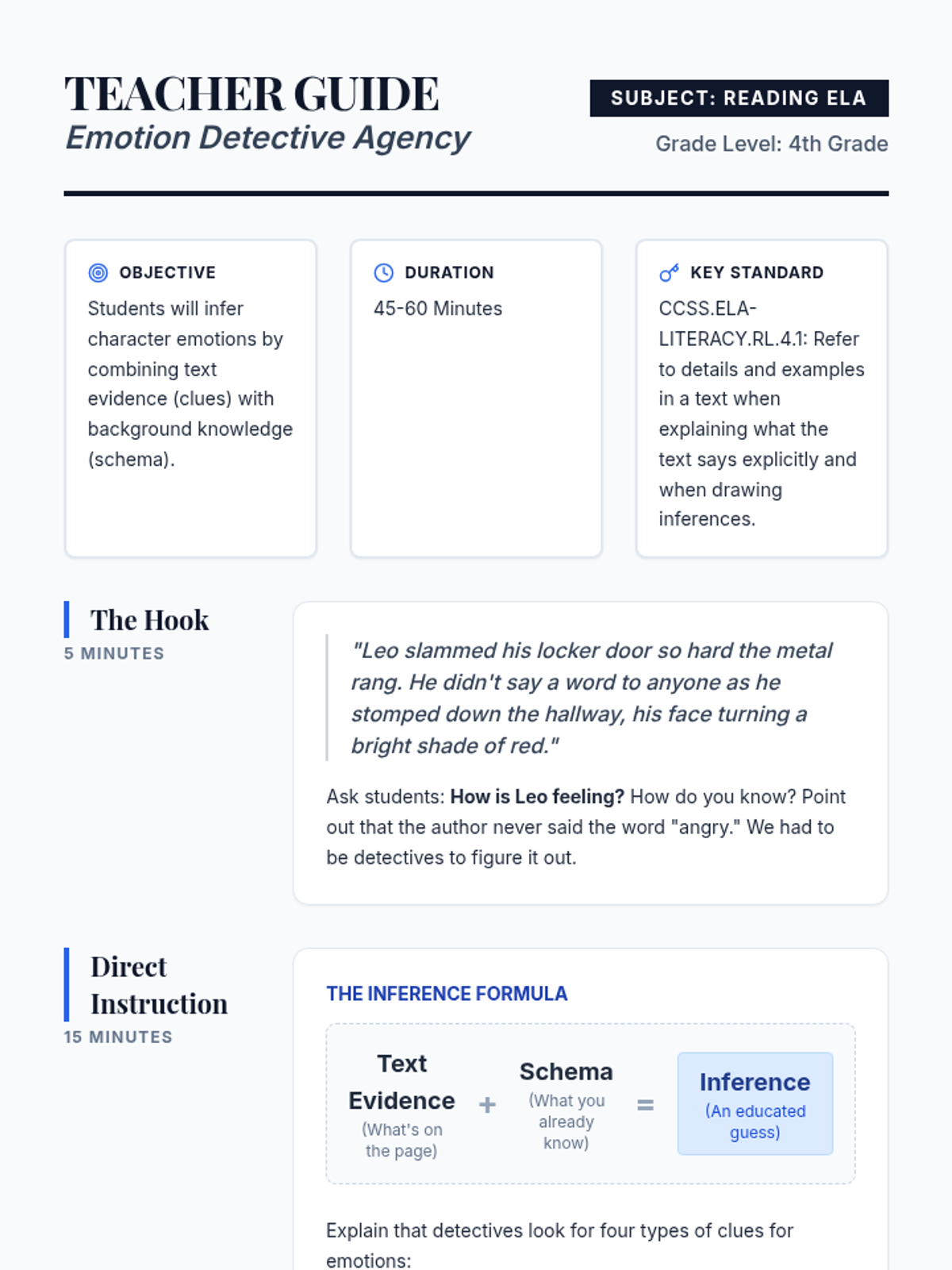
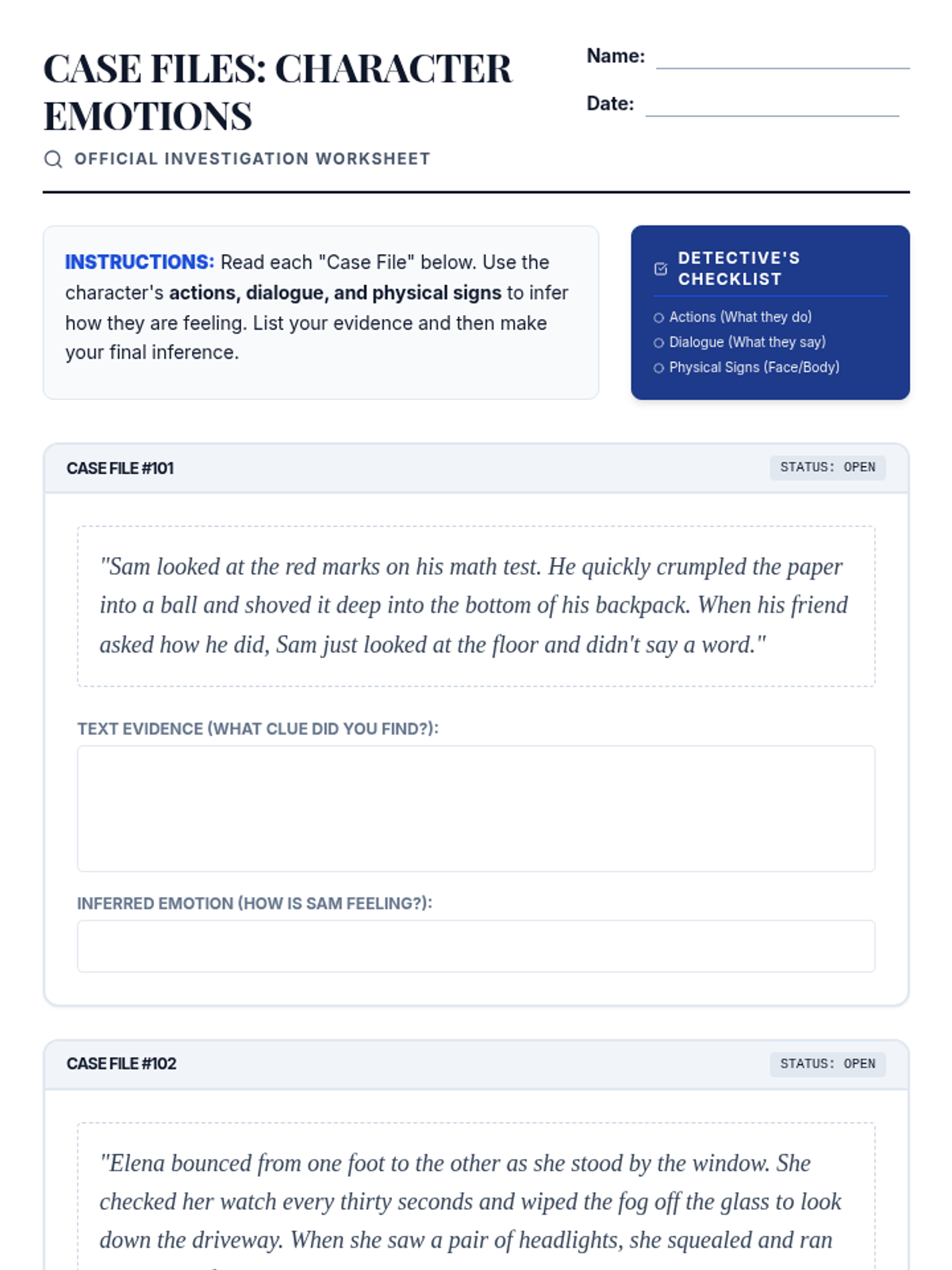
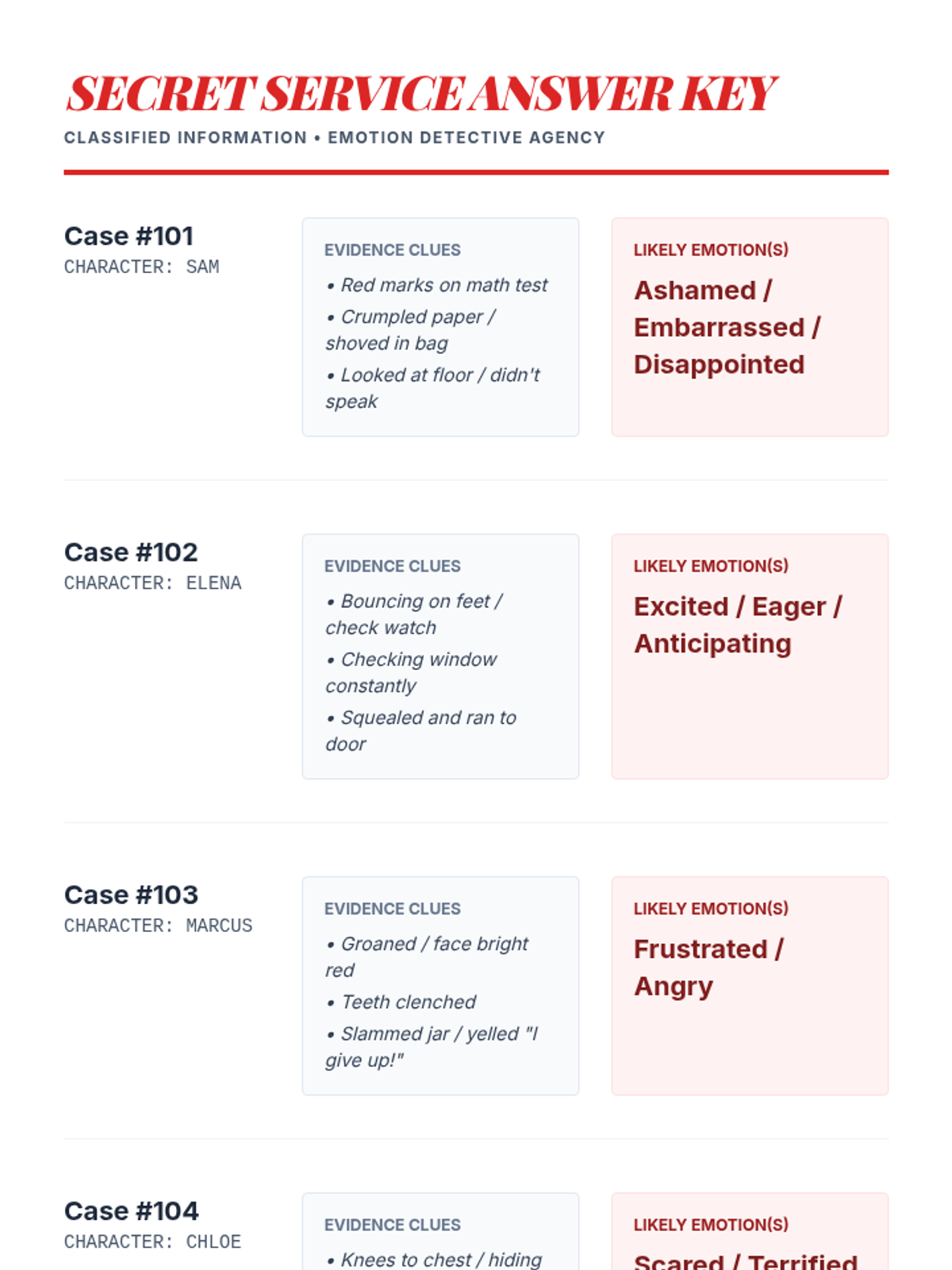
An engaging lesson designed for 4th graders to master the art of inferring character emotions by combining text evidence with their own background knowledge. students act as 'Emotion Detectives' to solve short character mysteries.
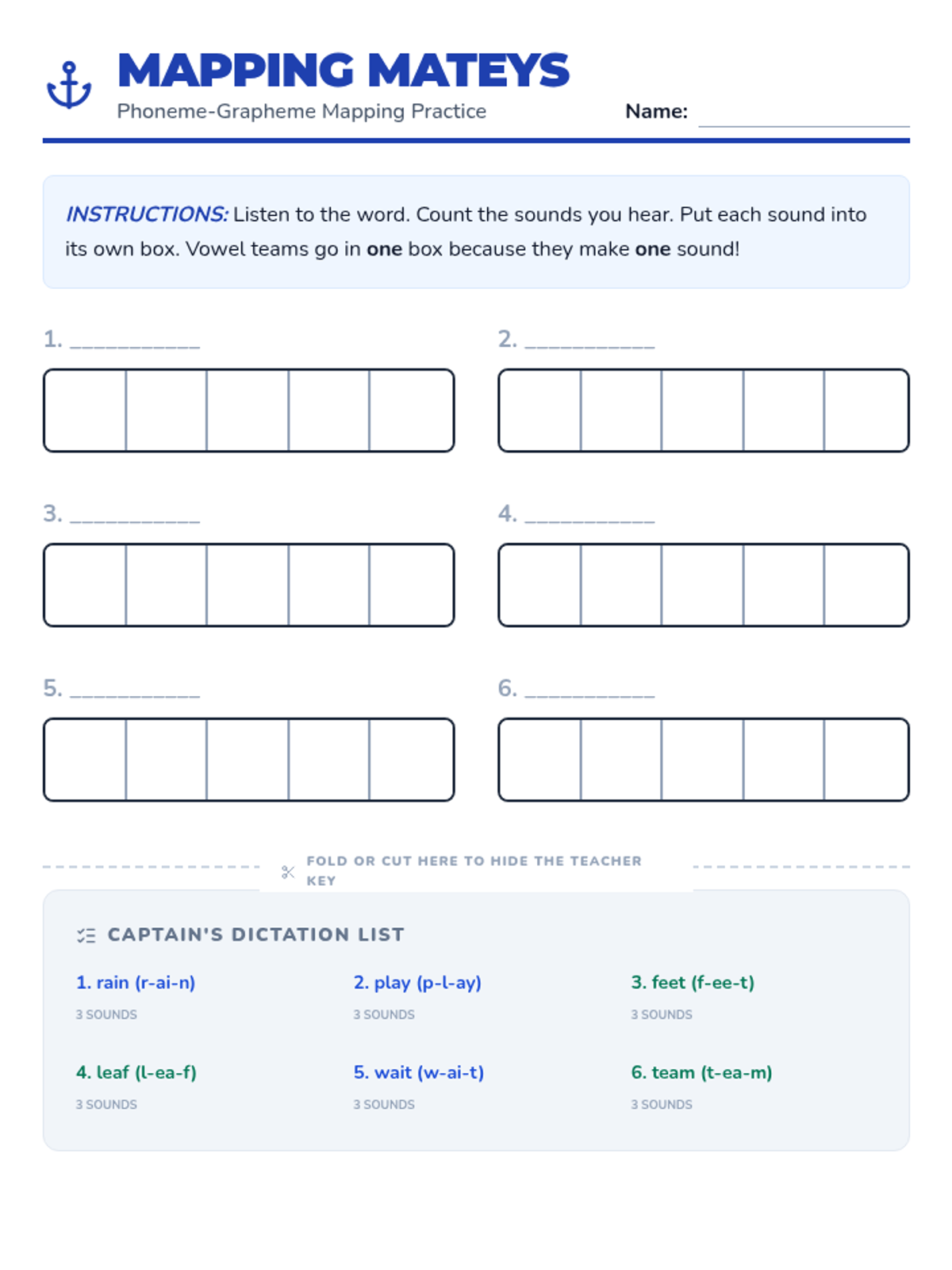
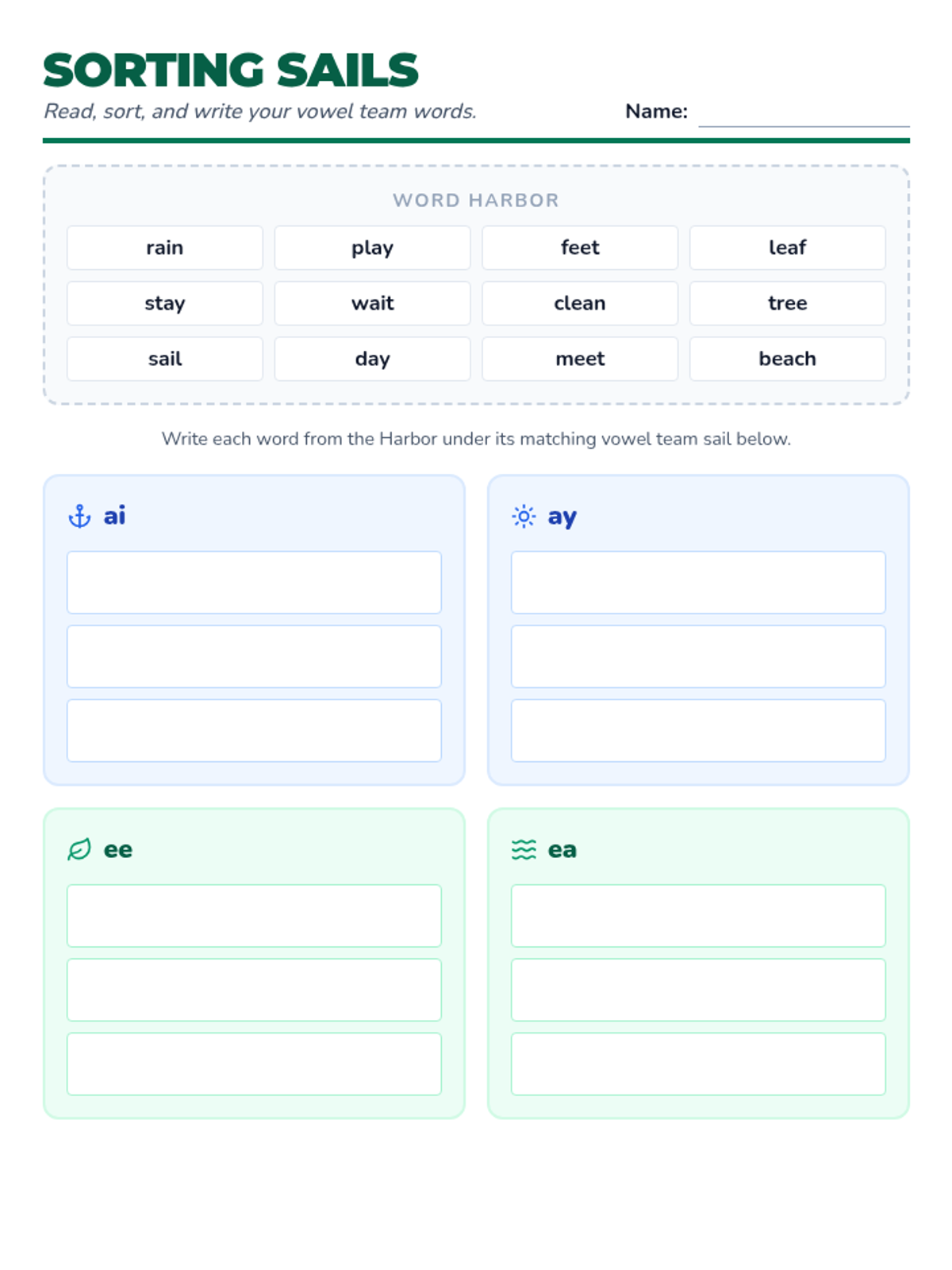
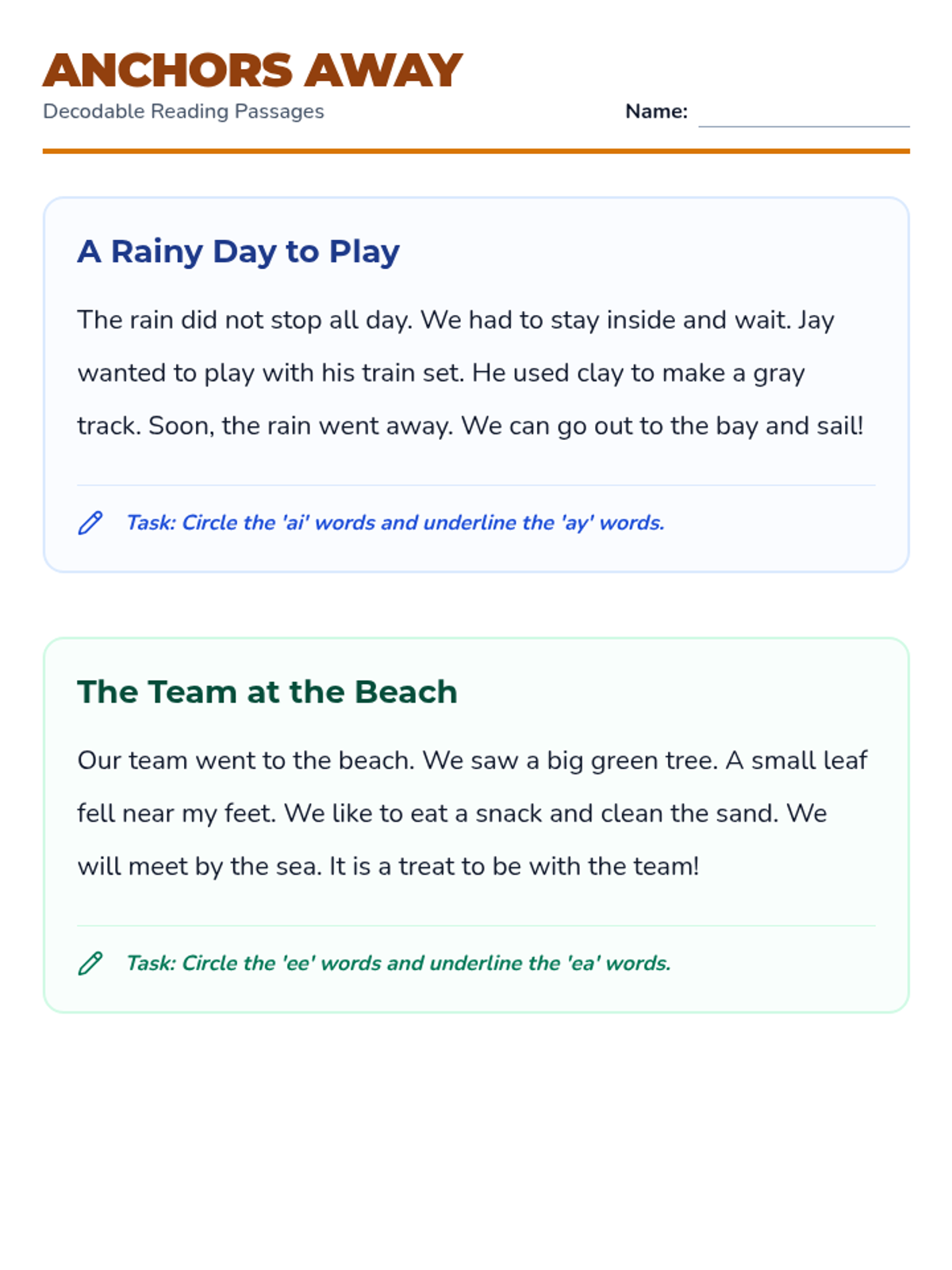
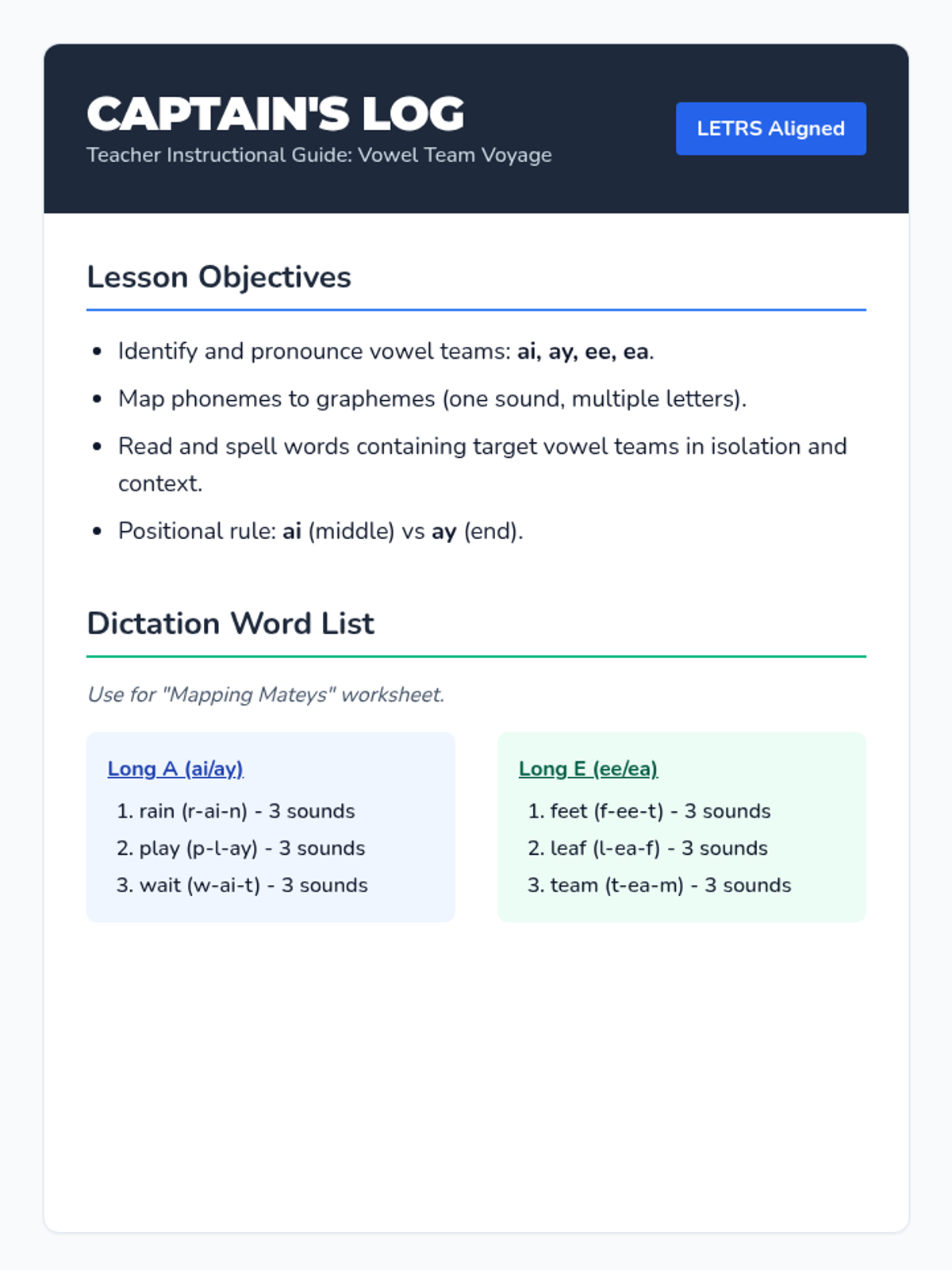
A comprehensive phonics lesson focusing on long vowel teams (ai, ay, ee, ea) following LETRS-aligned instructional practices, including phoneme-grapheme mapping and decodable reading.
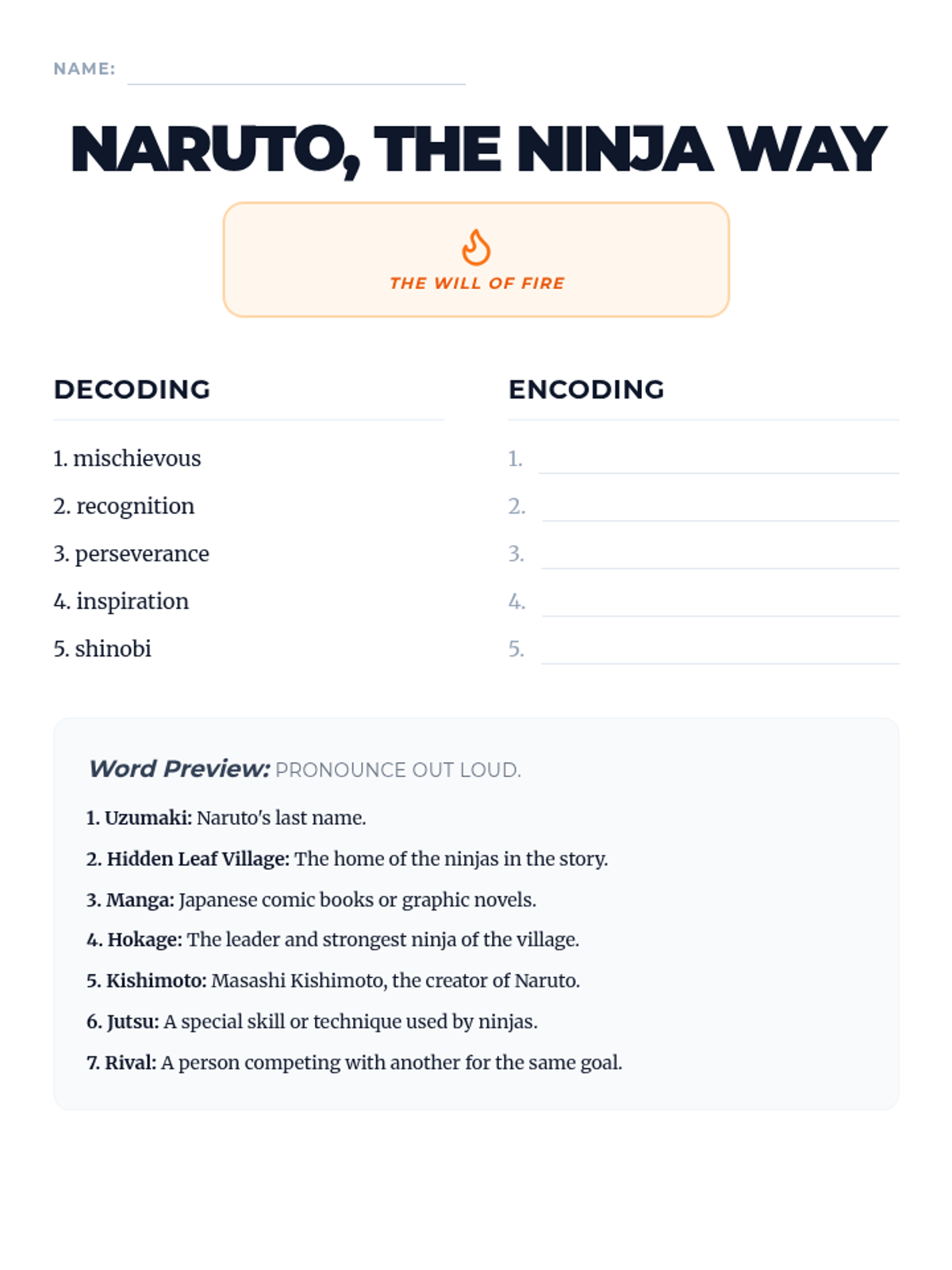
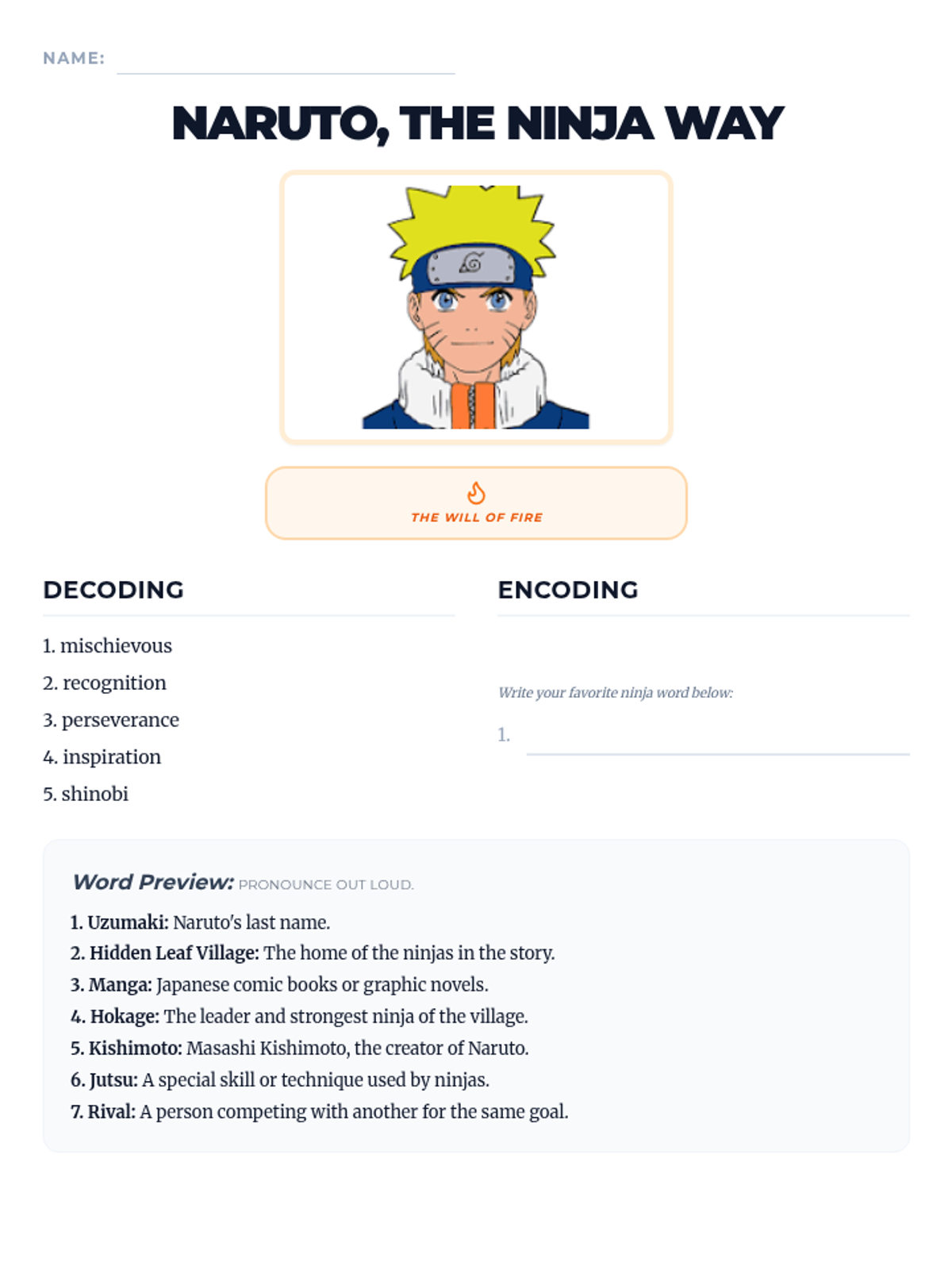
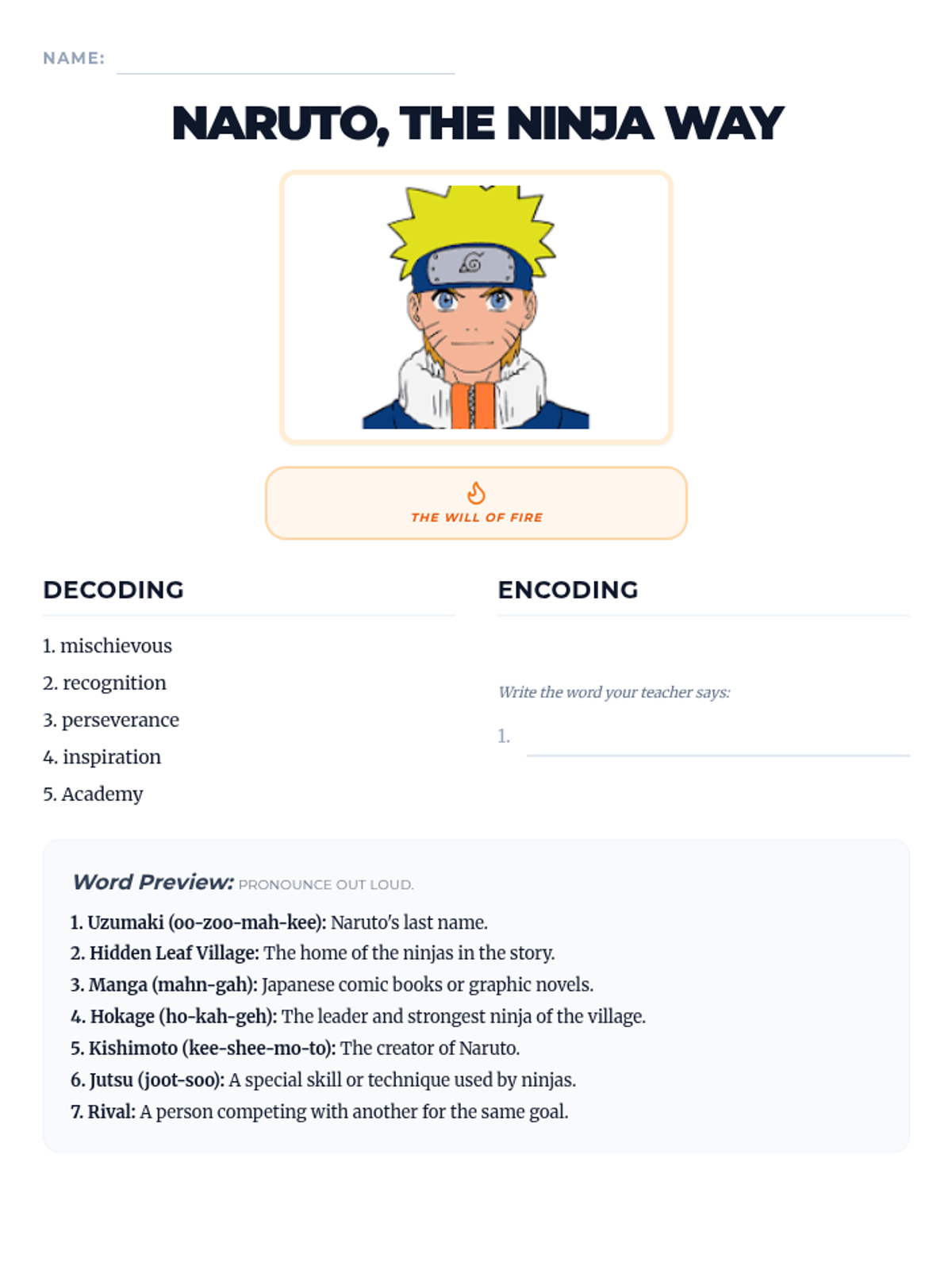
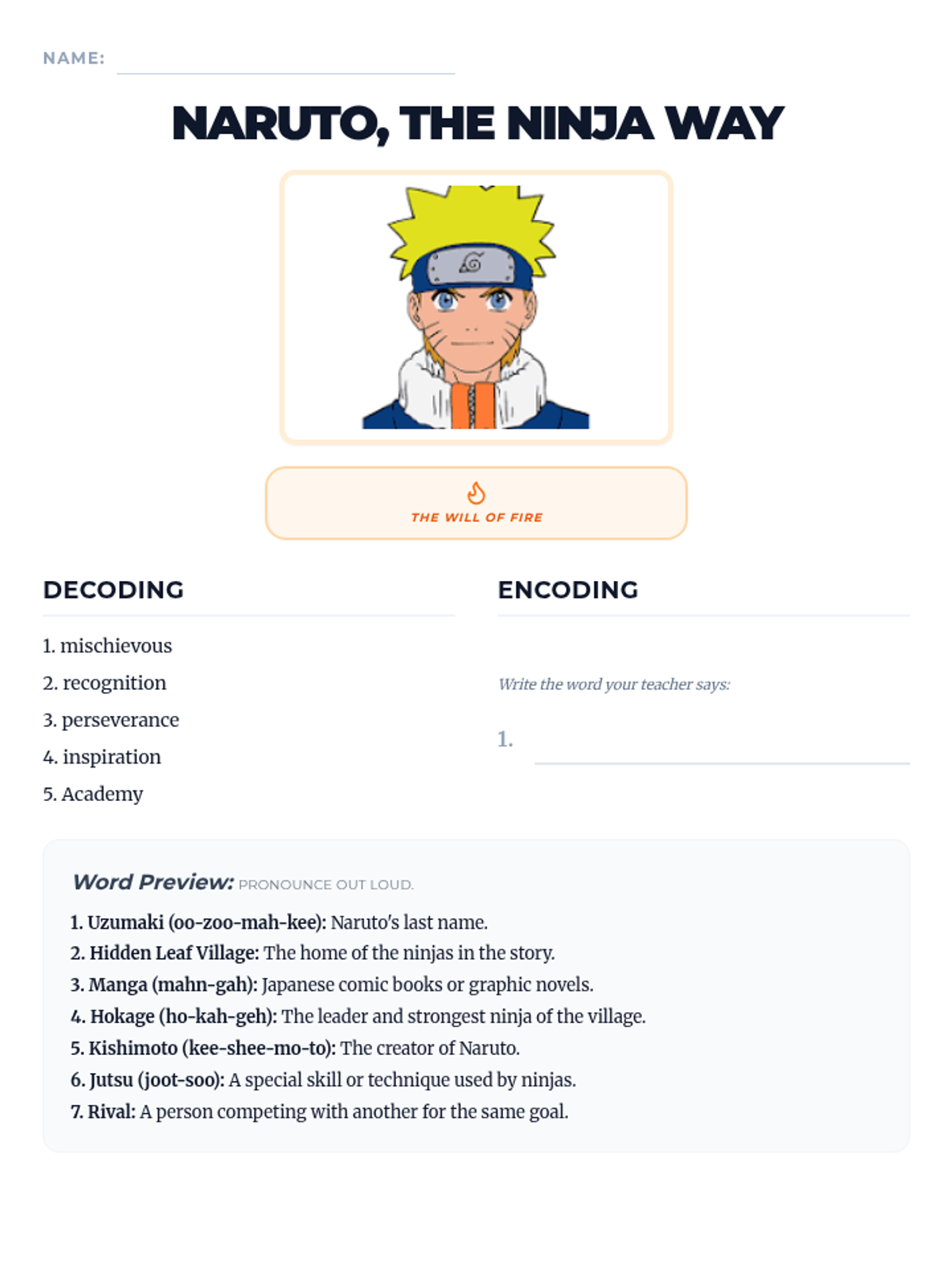
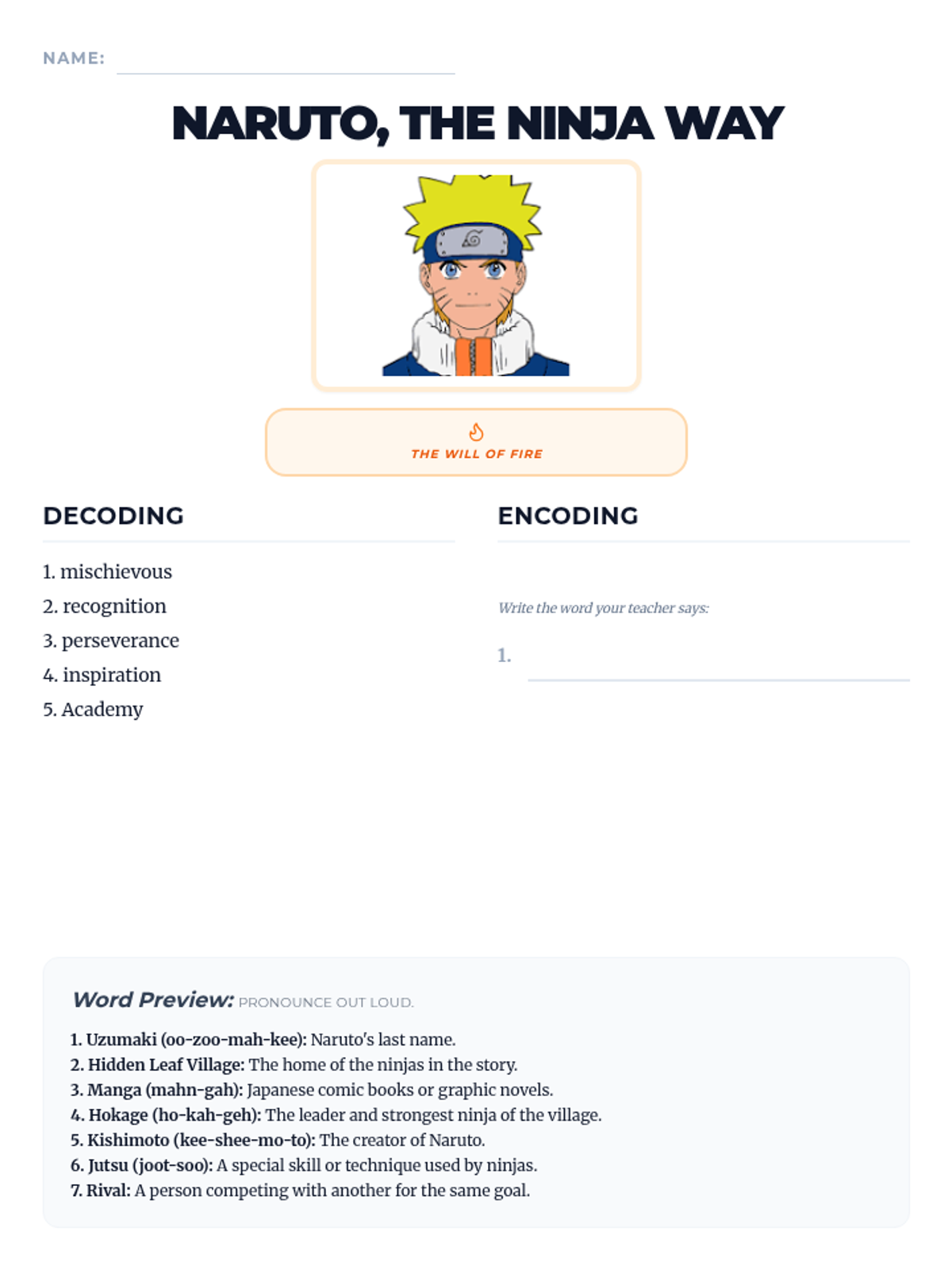
A reading stamina-building lesson for 4th graders focused on the story of Naruto and its creator, Masashi Kishimoto. Following a structured fluency and decoding format, students explore themes of perseverance and the creative process.
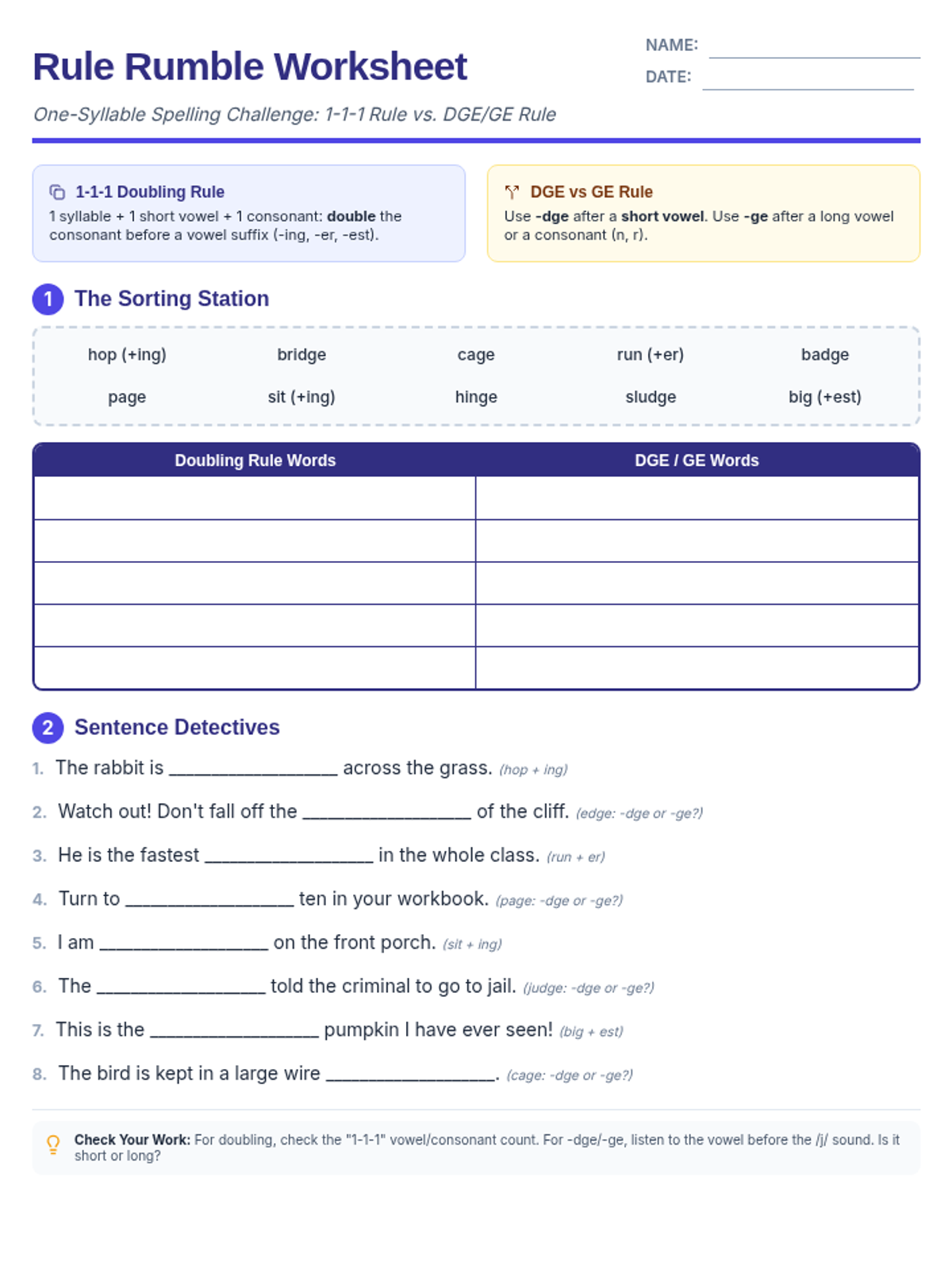
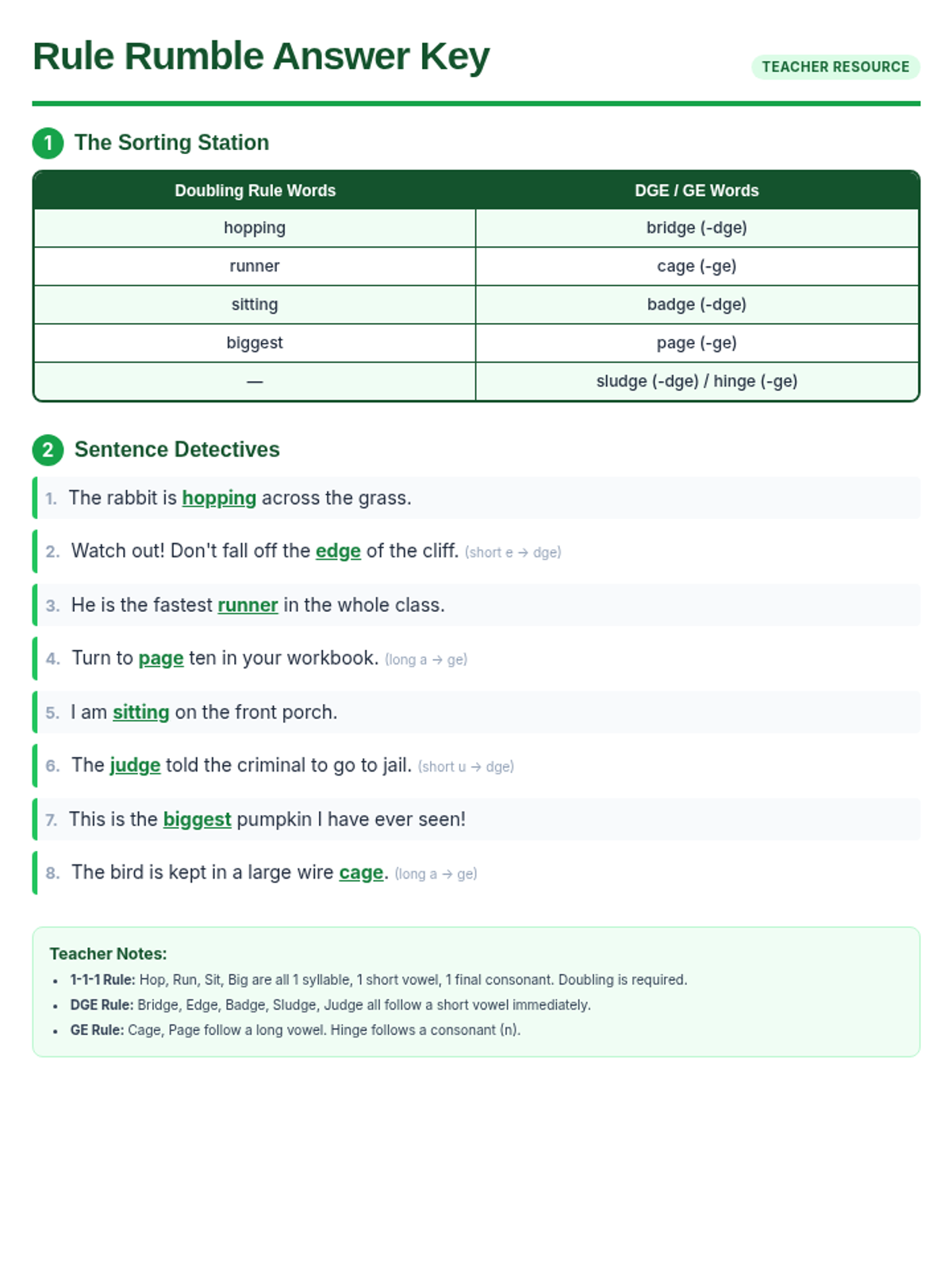
A focused spelling lesson on the 1-1-1 doubling rule and the dge/ge ending rule for one-syllable words. Students practice identifying vowel sounds and applying the correct spelling patterns through sorting and context-based sentences.
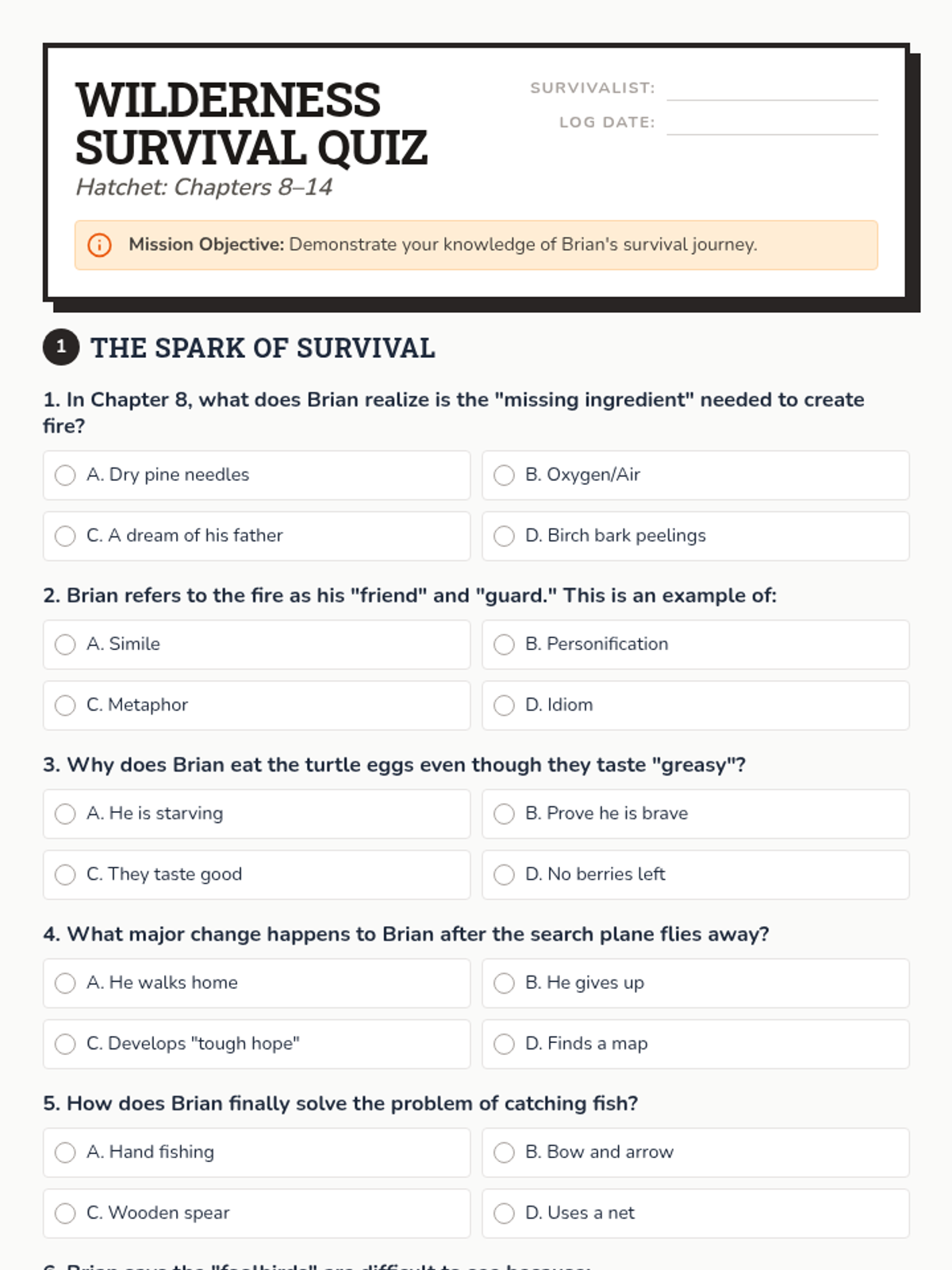
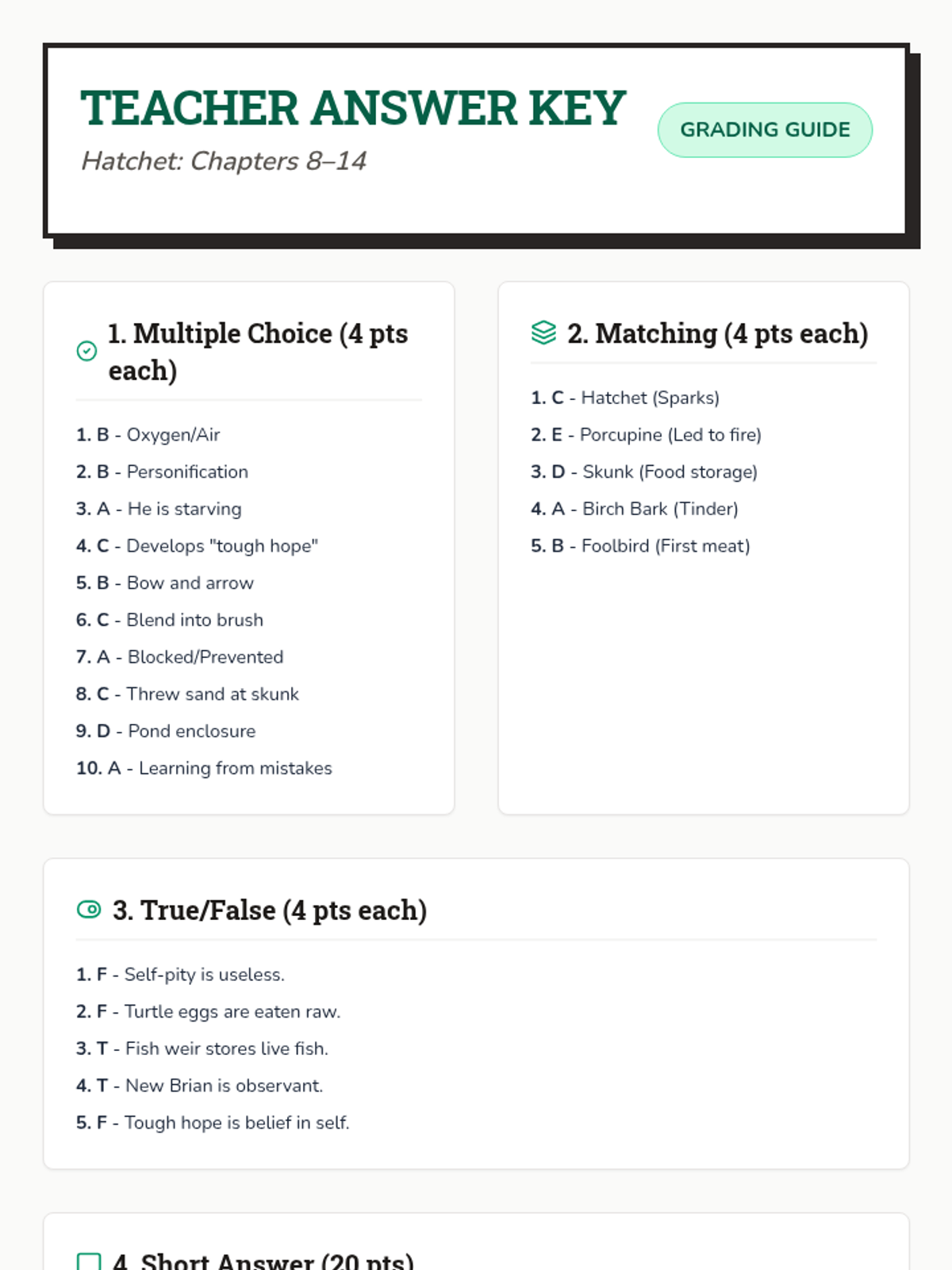
A lesson covering chapters 8-14 of Hatchet, focusing on survival strategies, character growth, and figurative language.
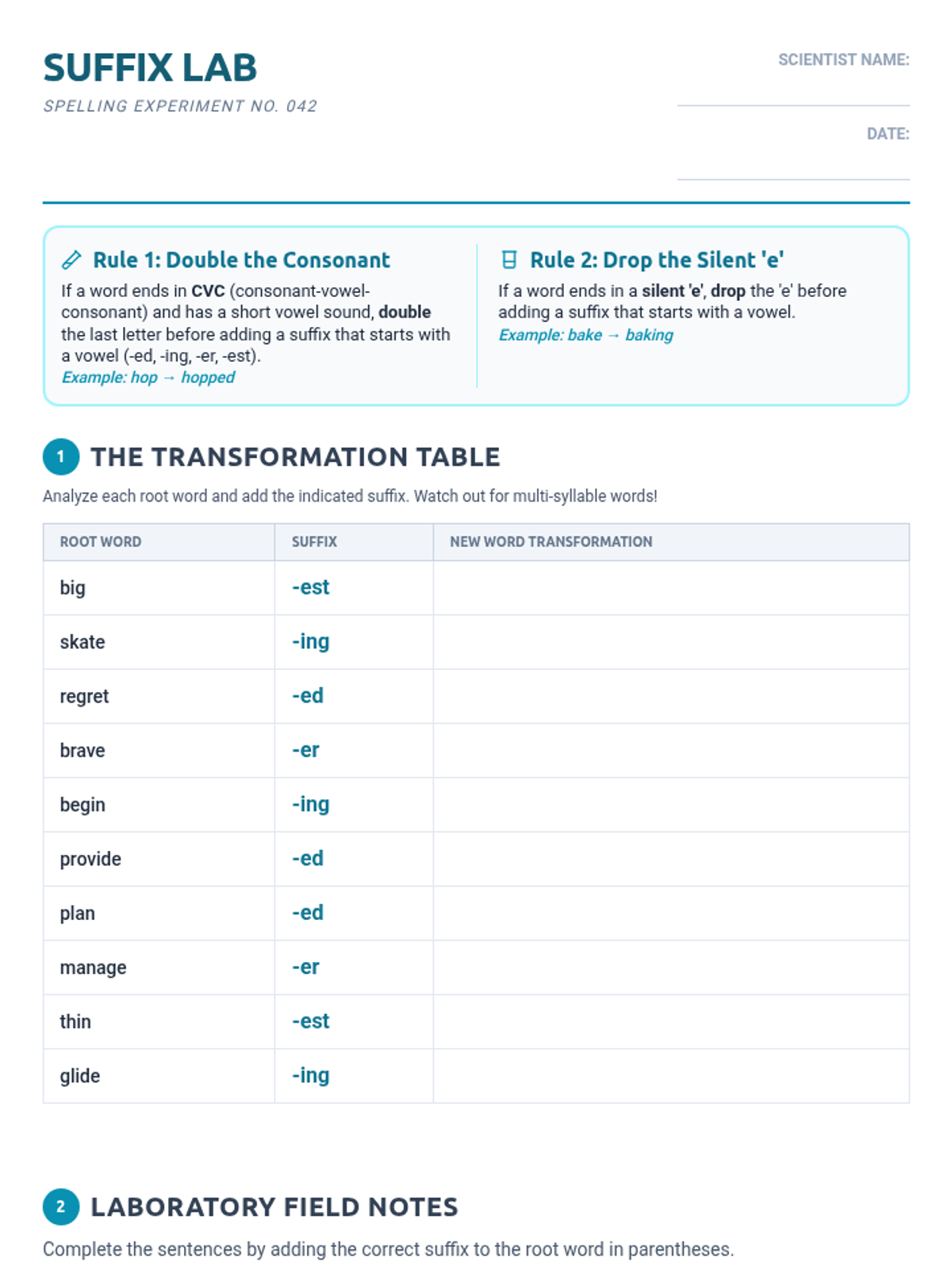
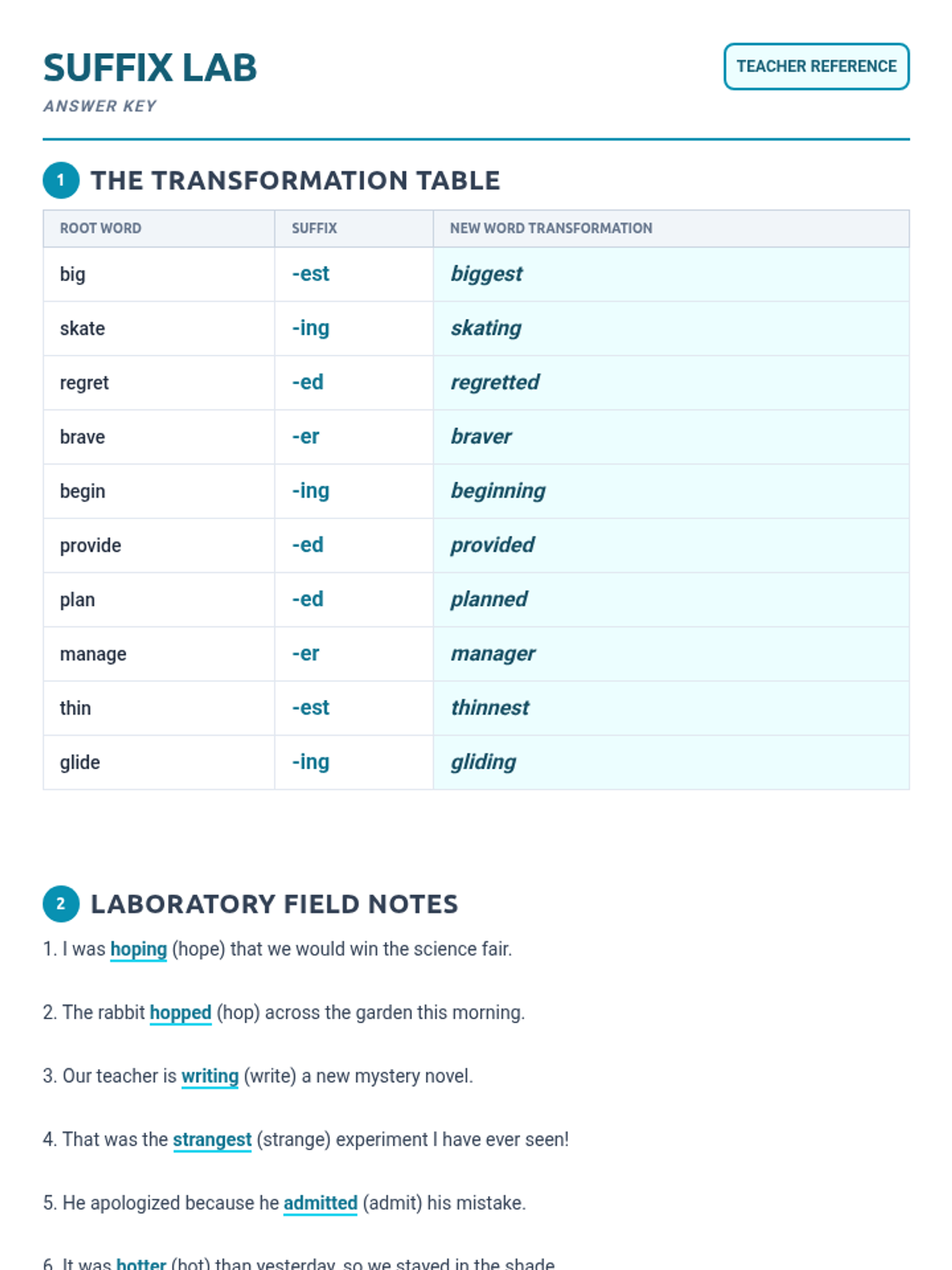
A lesson focused on mastering suffix spelling rules, specifically when to double the final consonant or drop the silent 'e'. Students will practice with a variety of single and multi-syllable root words.
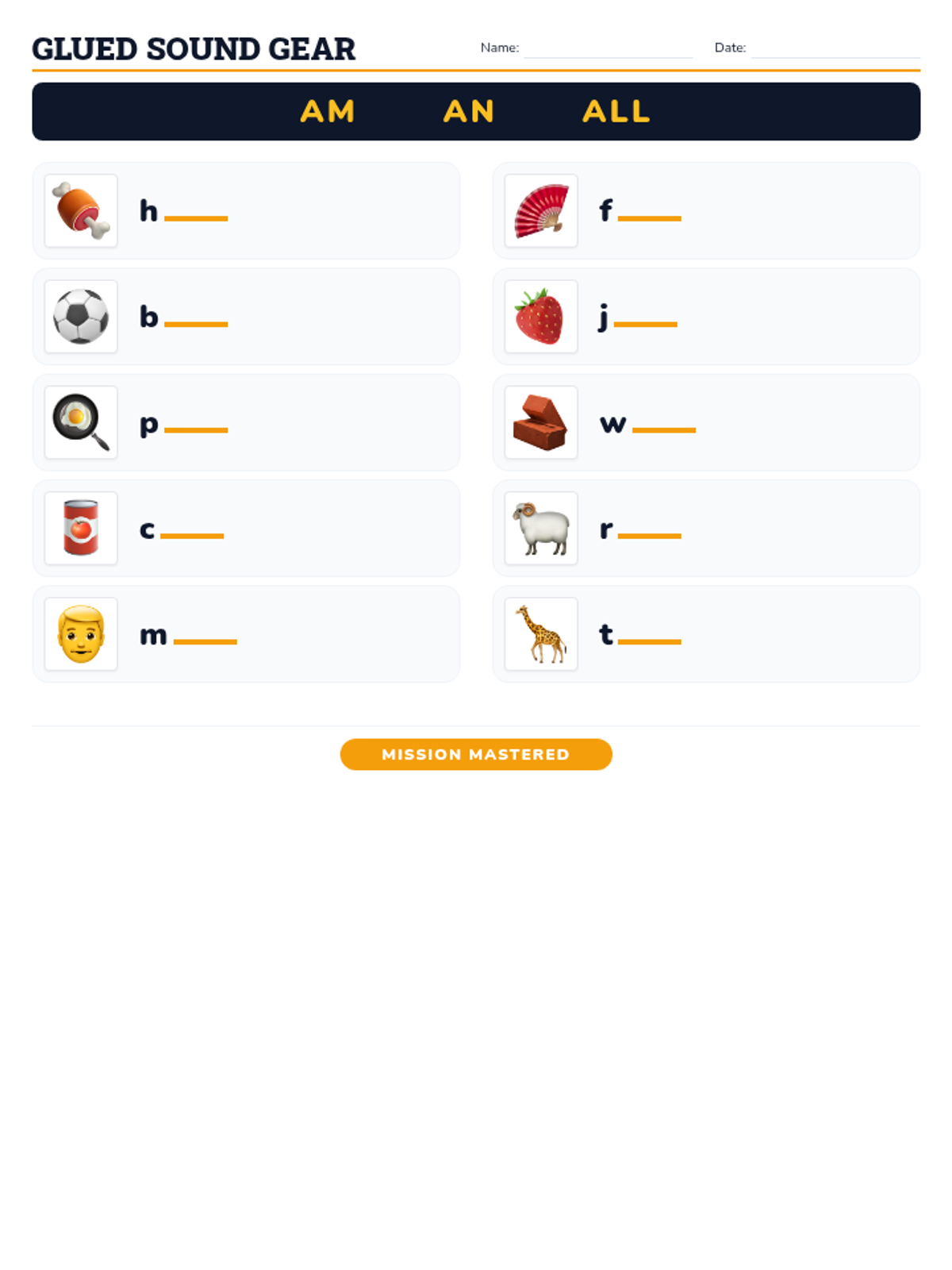
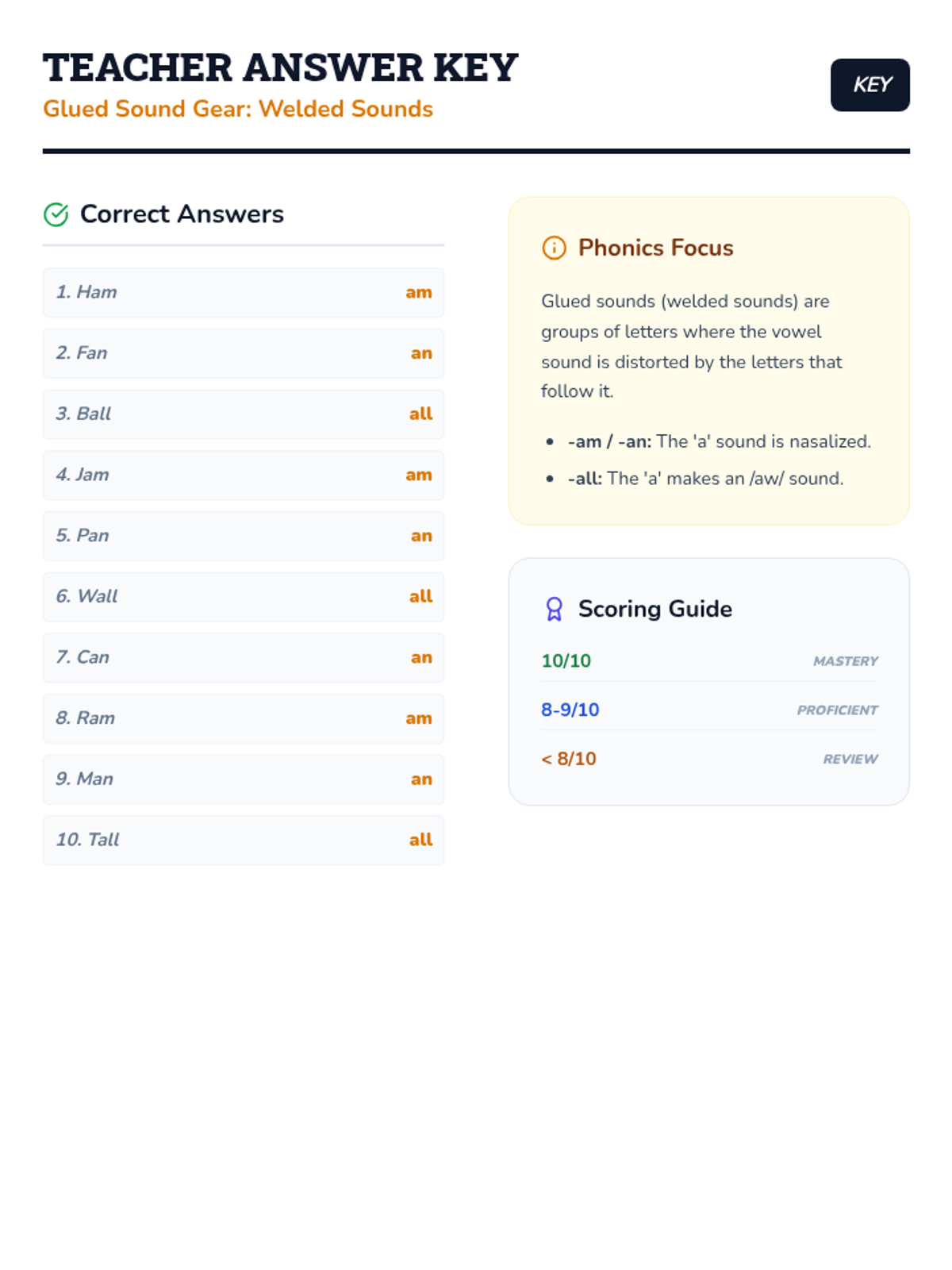
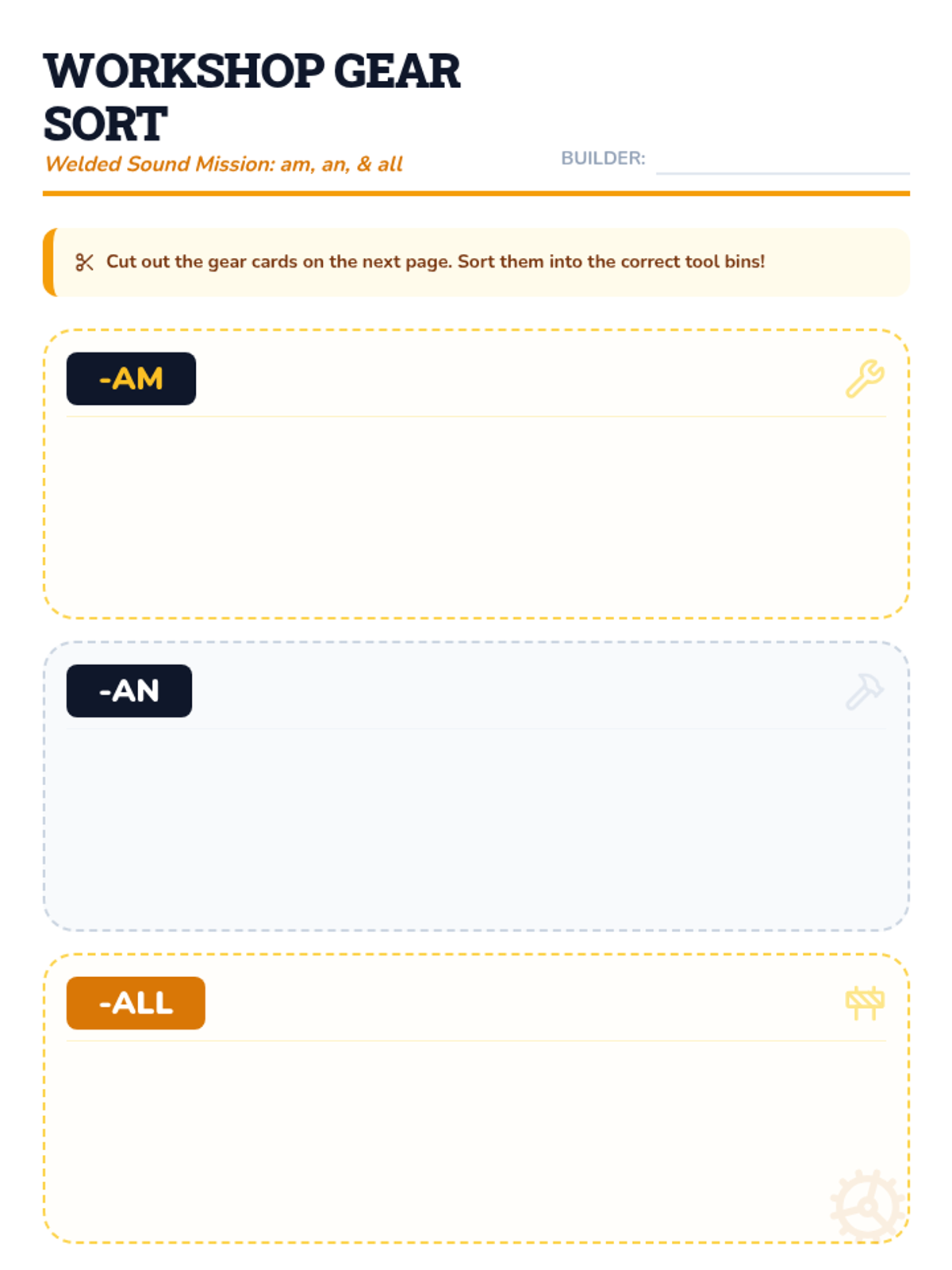
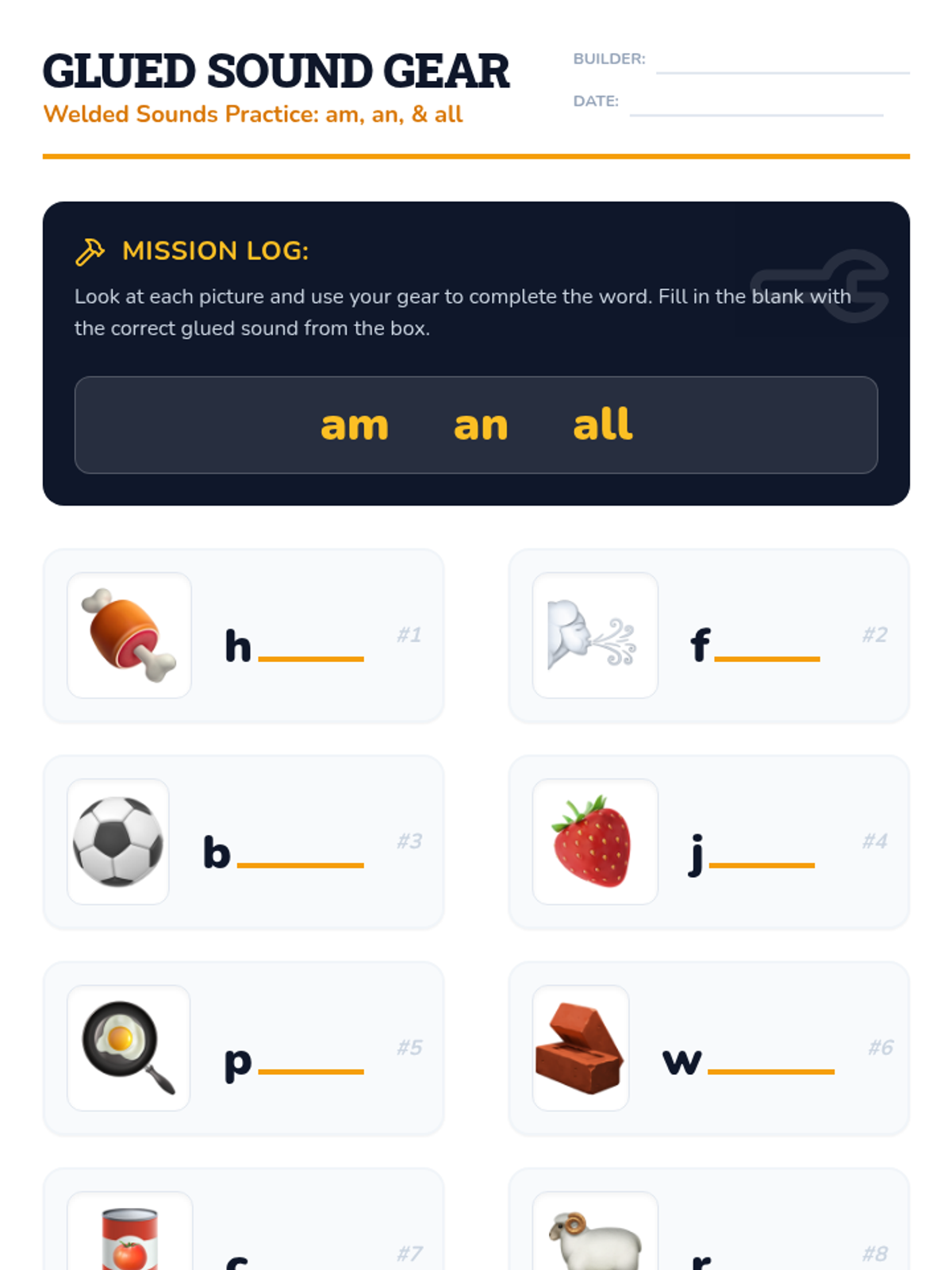
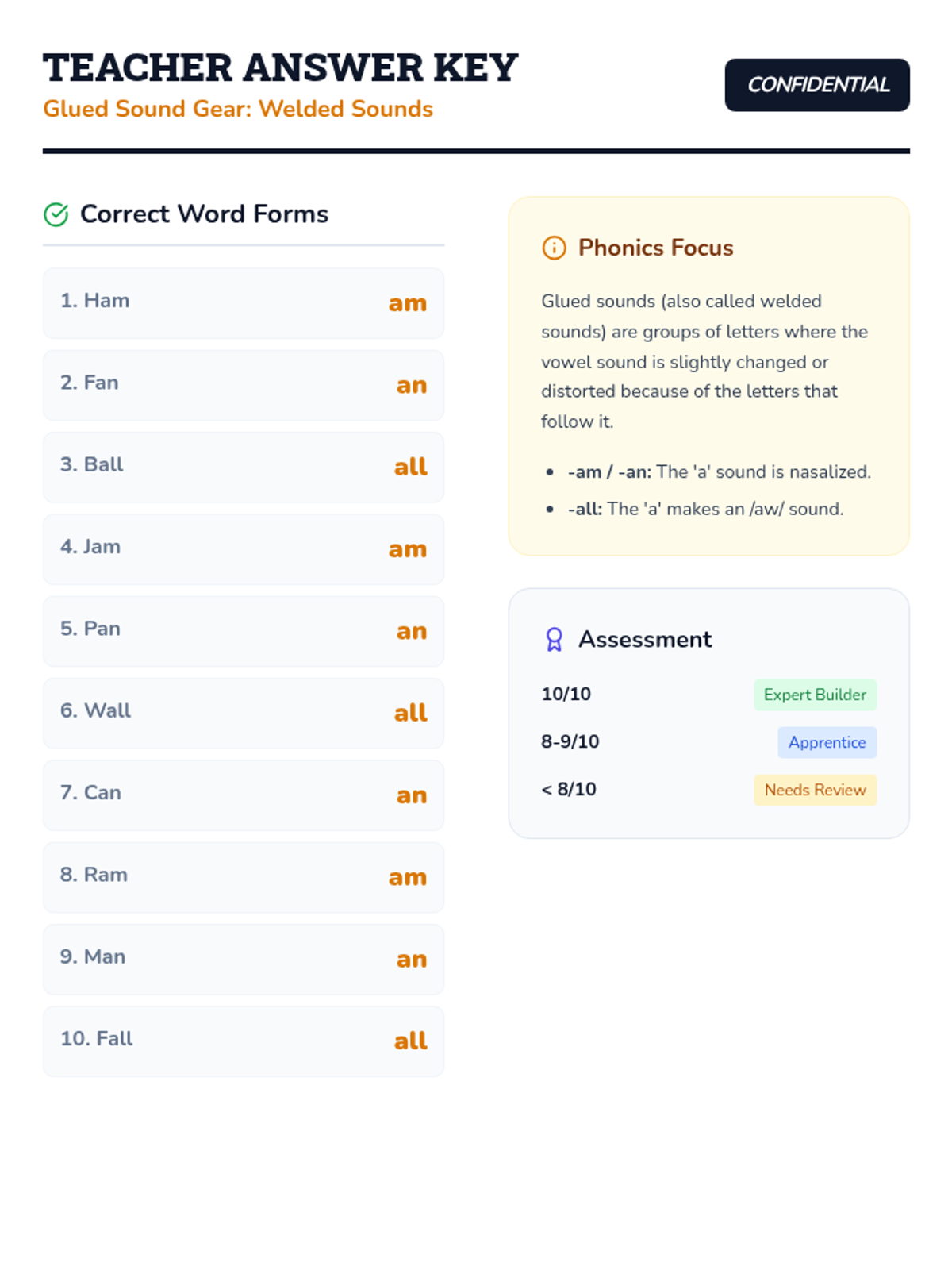
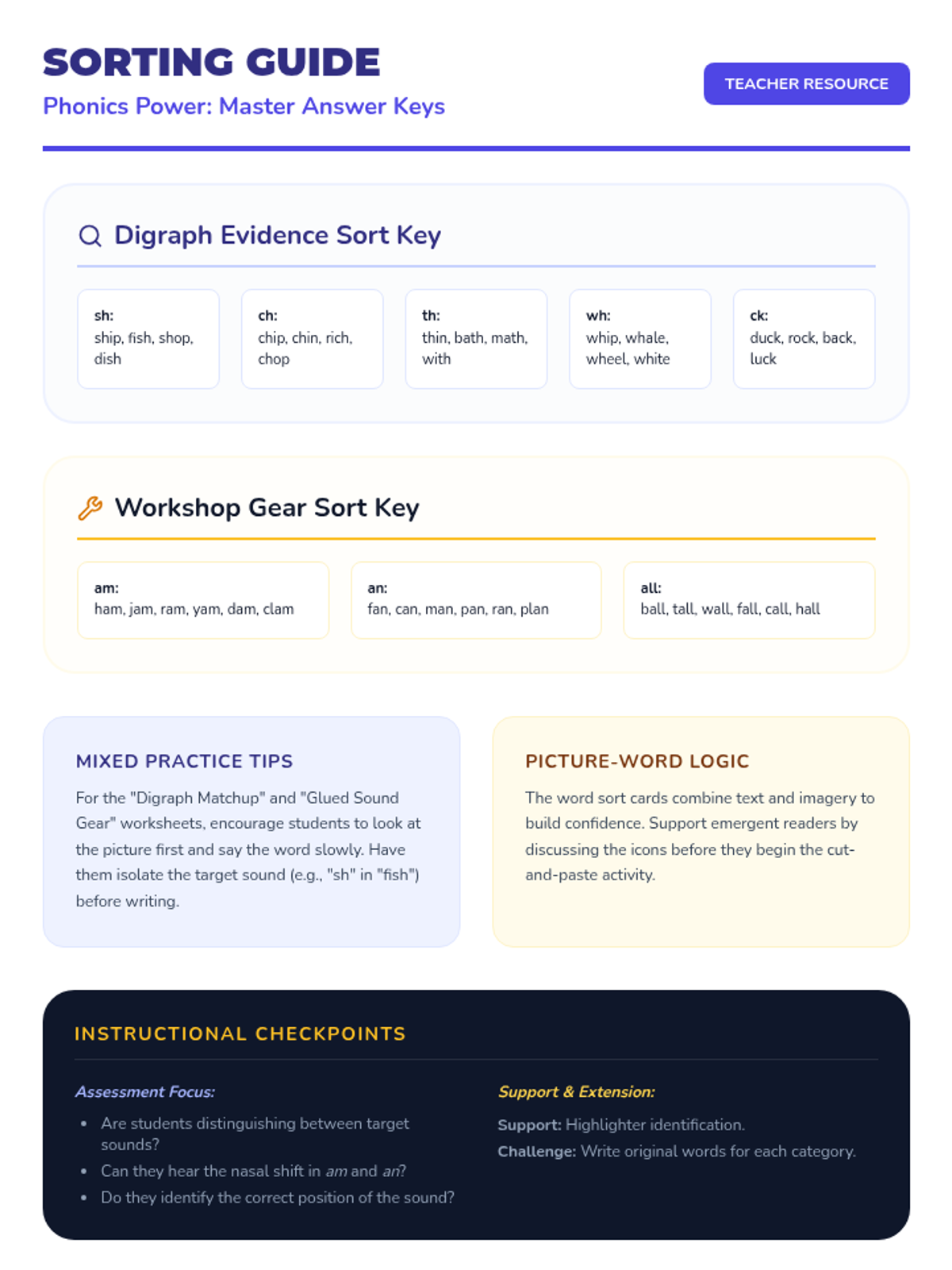
A workshop-themed phonics lesson focusing on identifying and using the 'glued' or 'welded' sounds -am, -an, and -all.
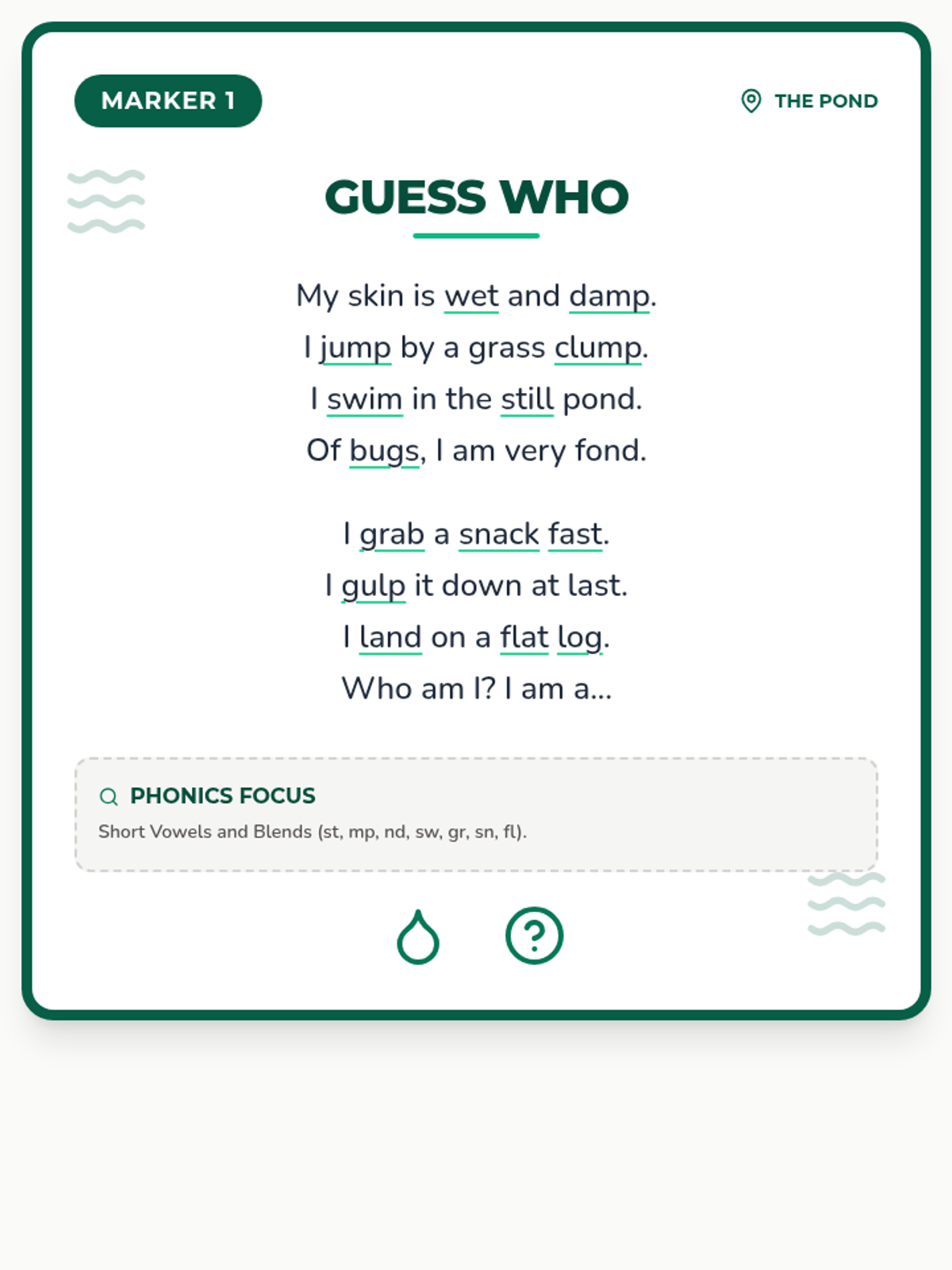
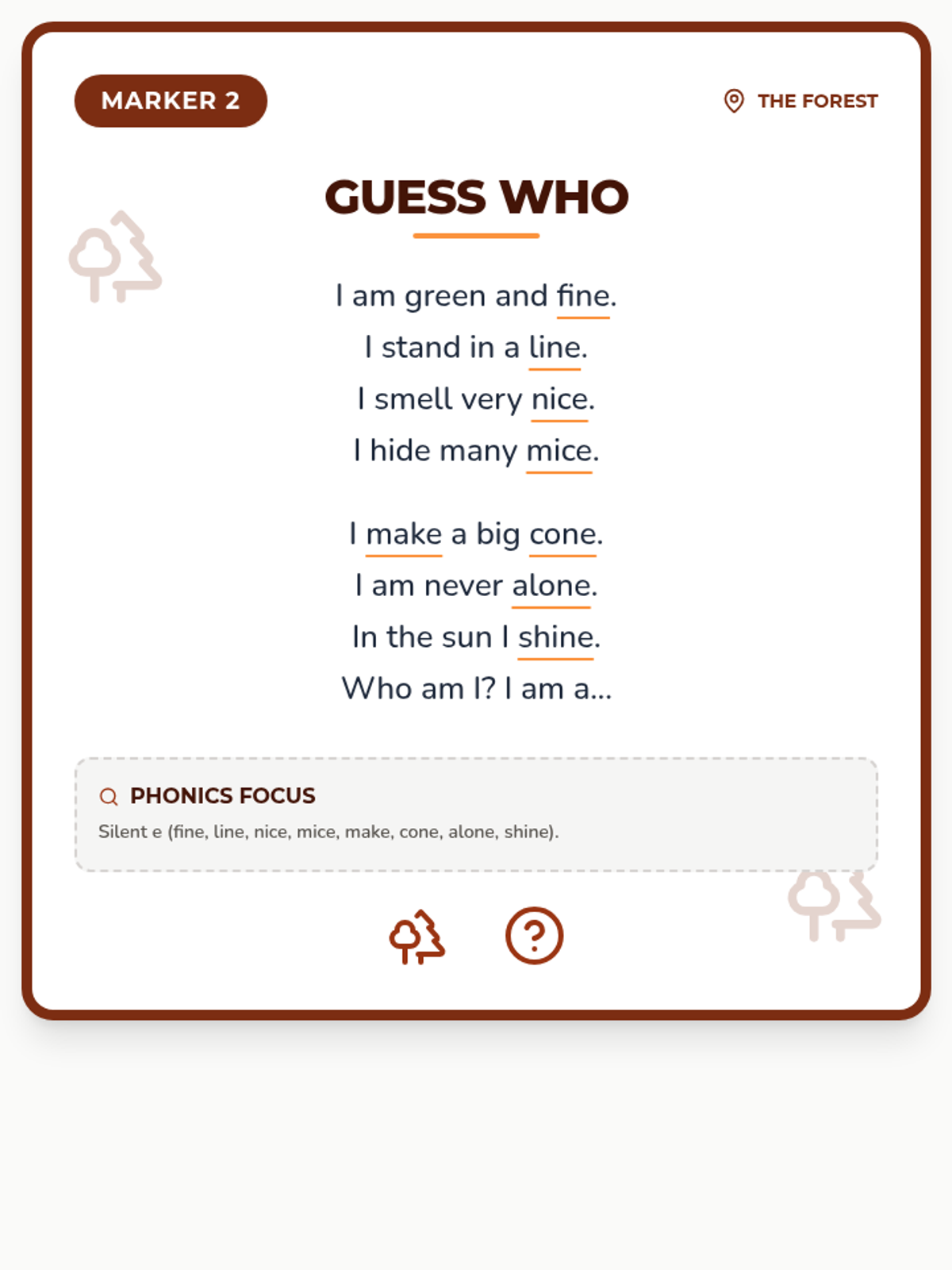
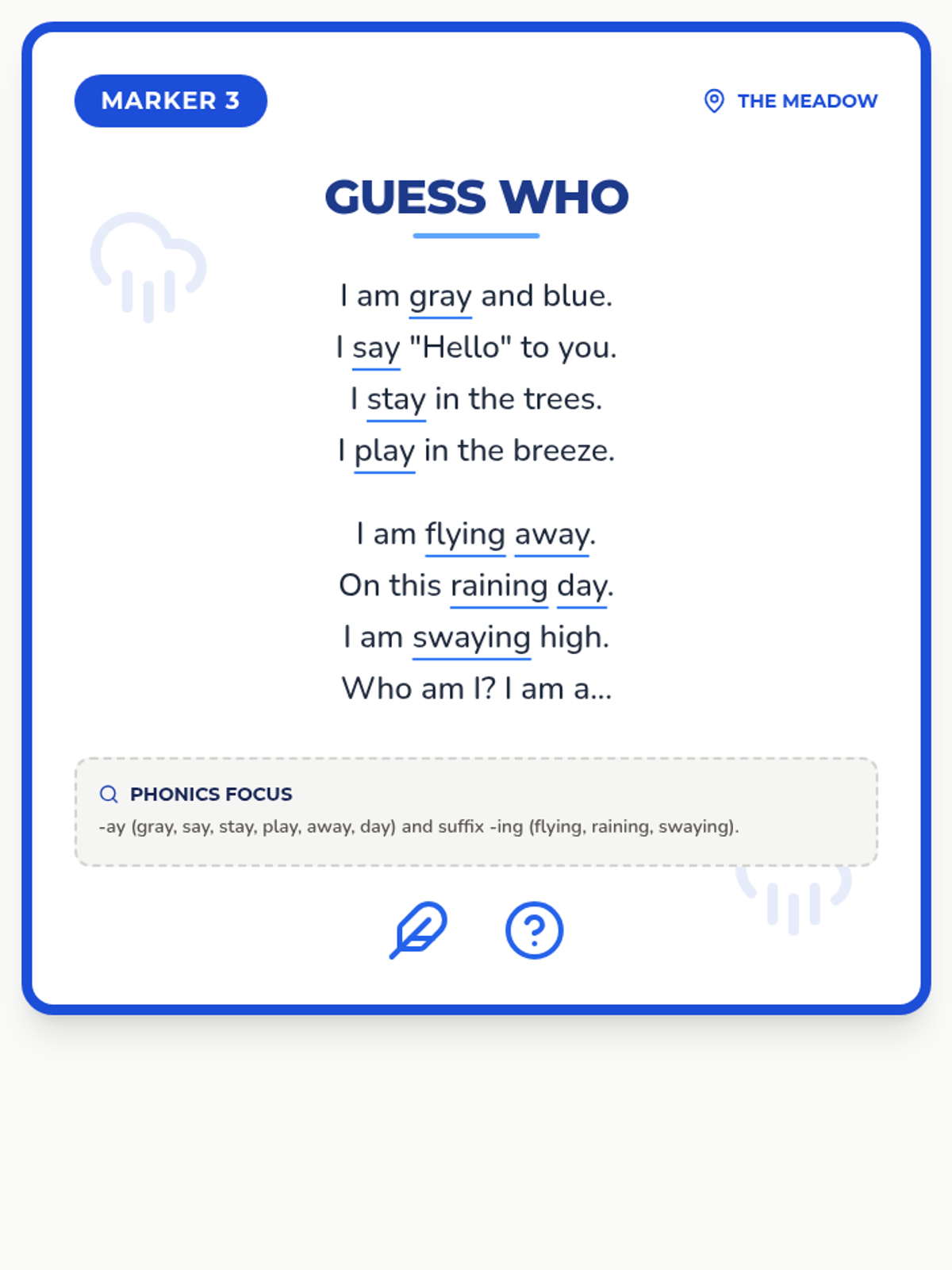
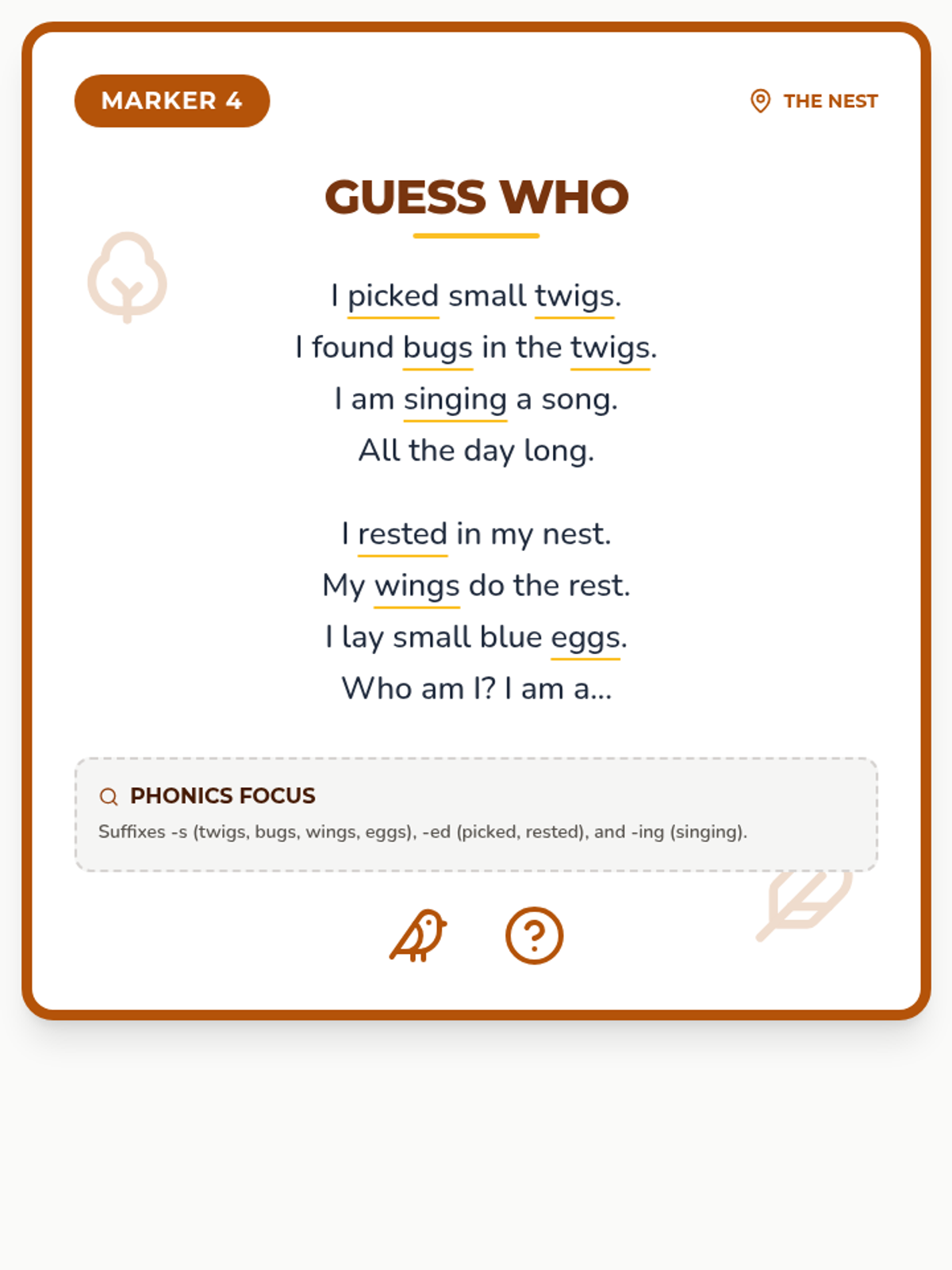
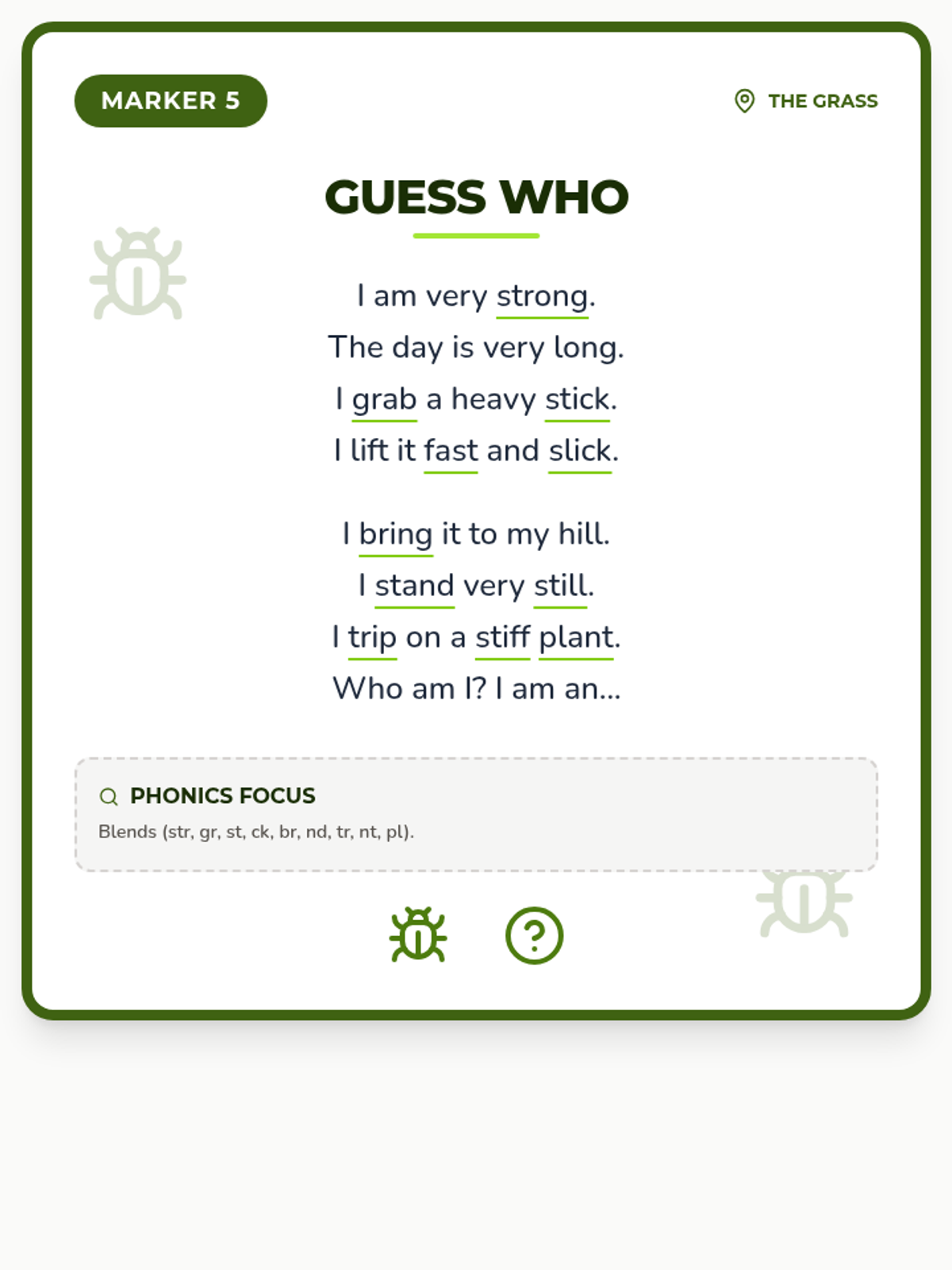
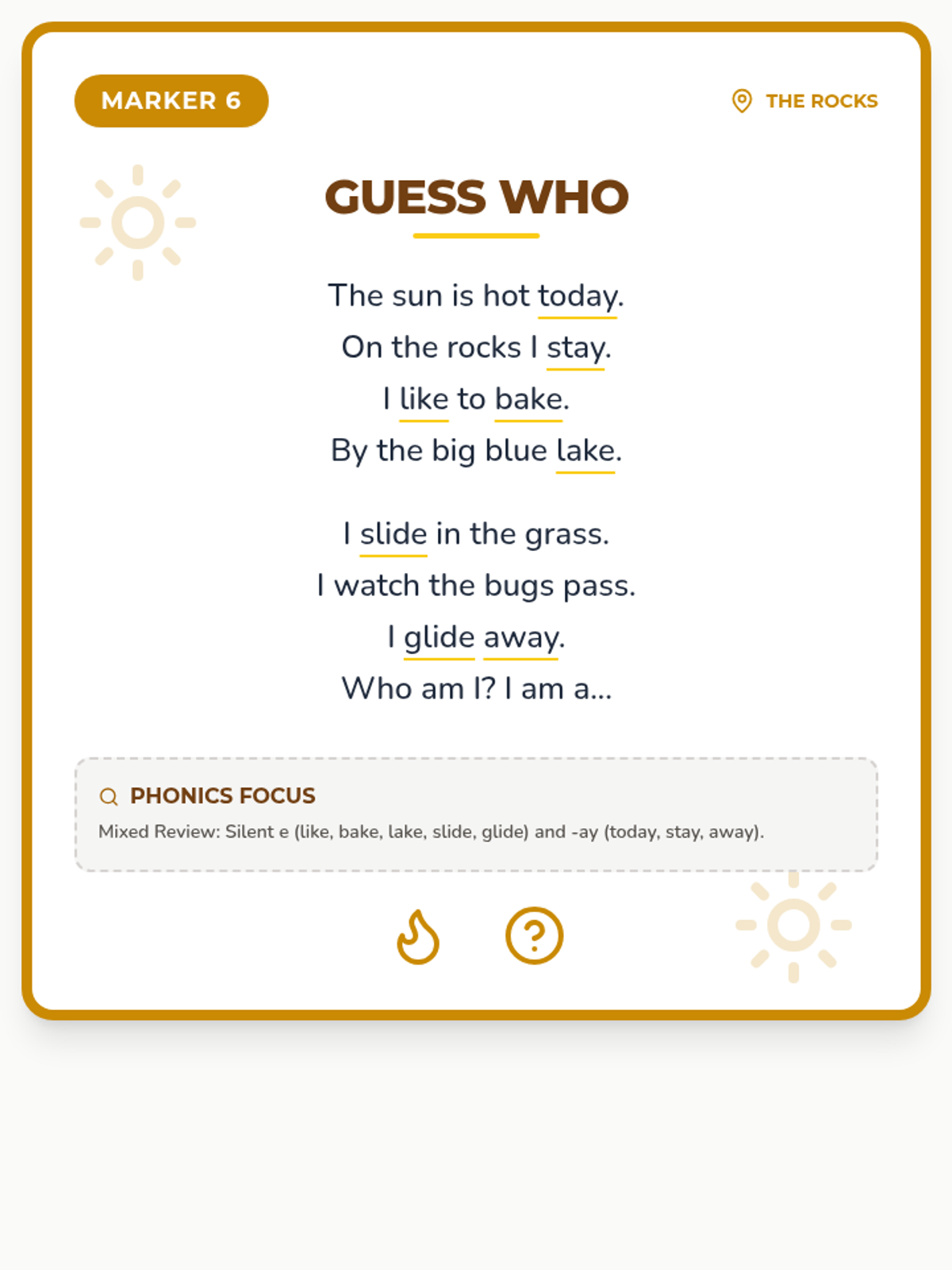
A collection of six decodable poems designed for an outdoor nature trail, targeting specific phonics patterns like CVC, silent e, blends, and suffixes for 2nd and 3rd grade readers.
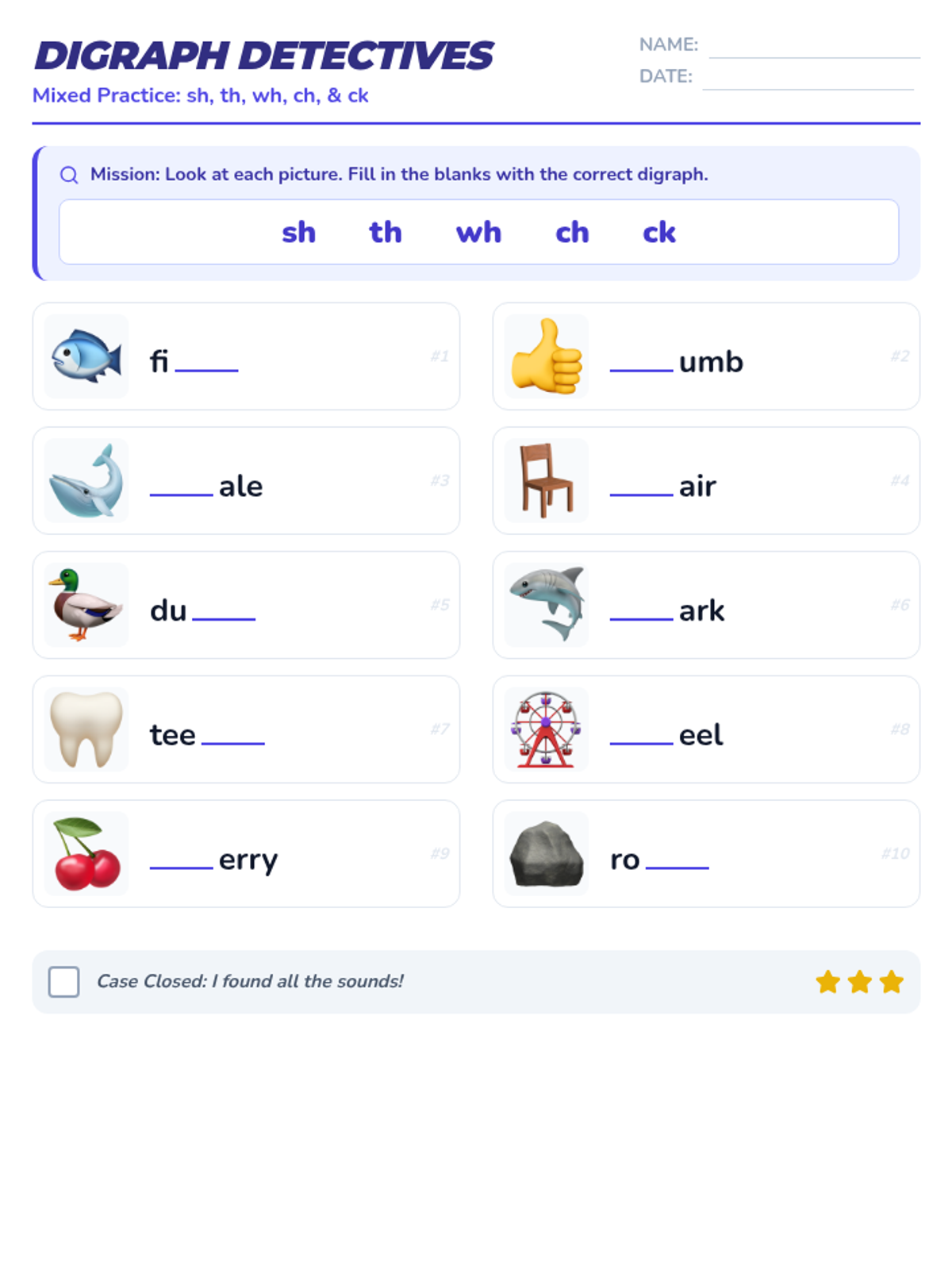
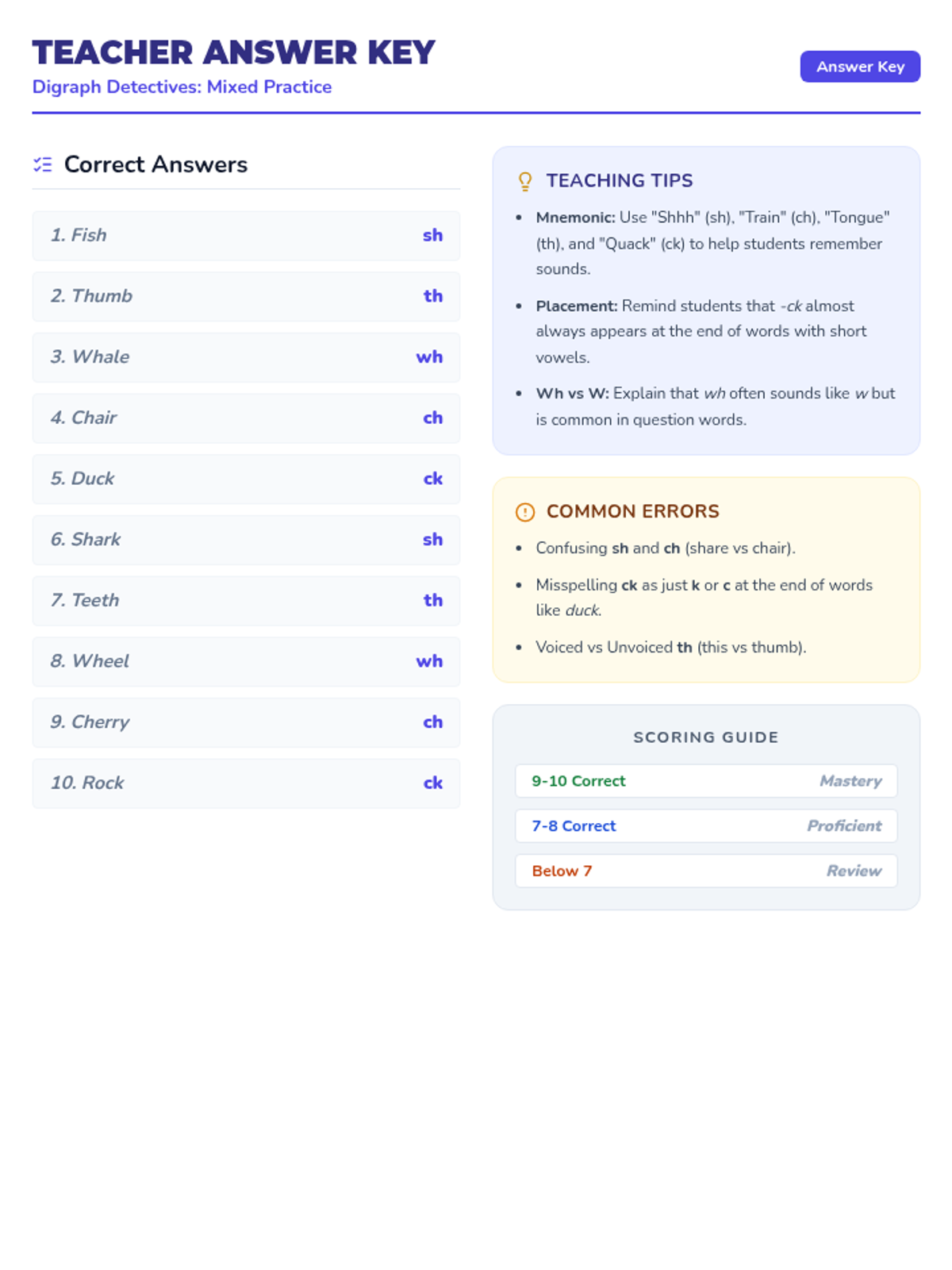
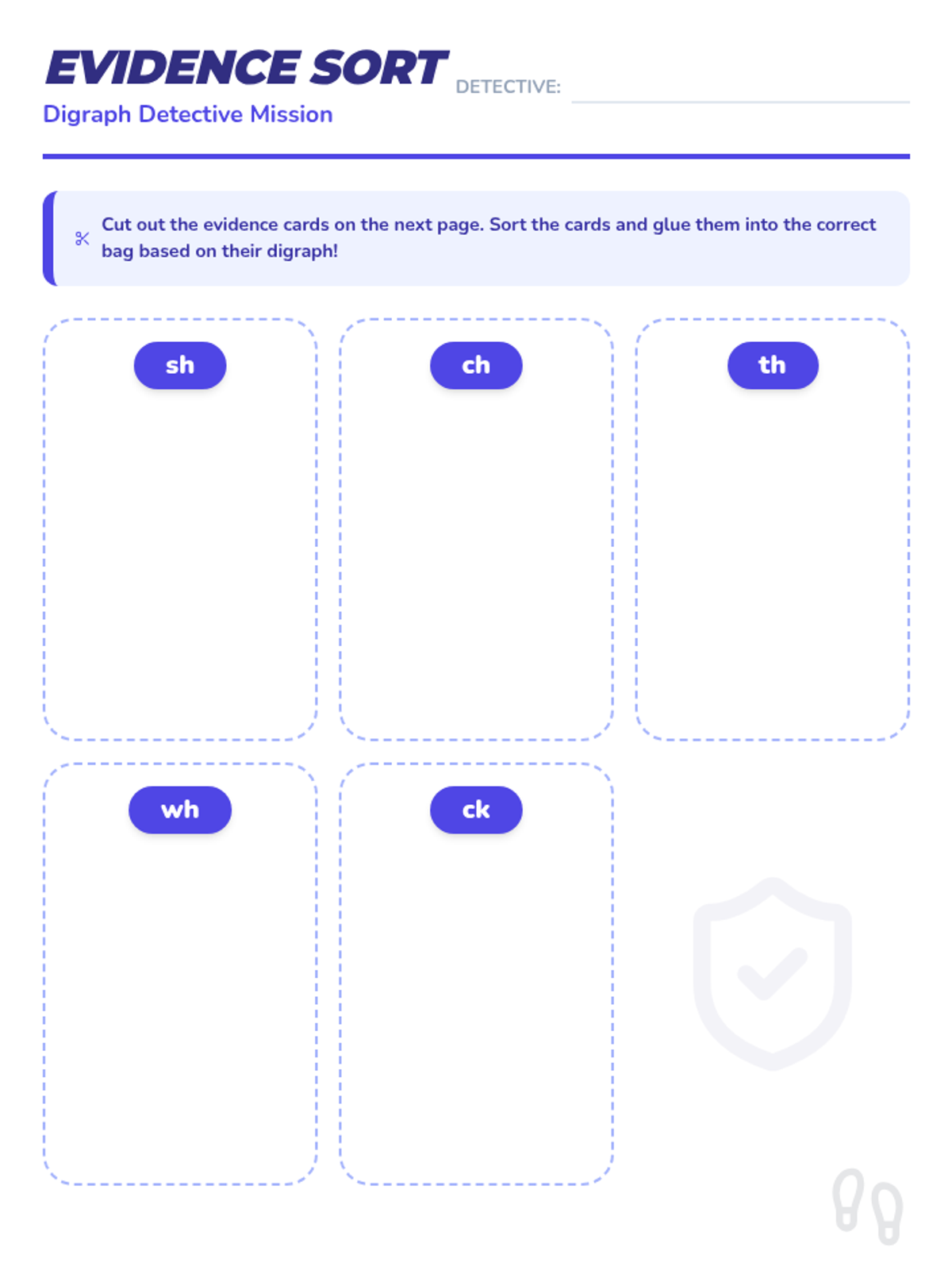
A foundational phonics lesson focusing on identifying and using the digraphs sh, th, wh, ch, and ck through visual association and word completion.
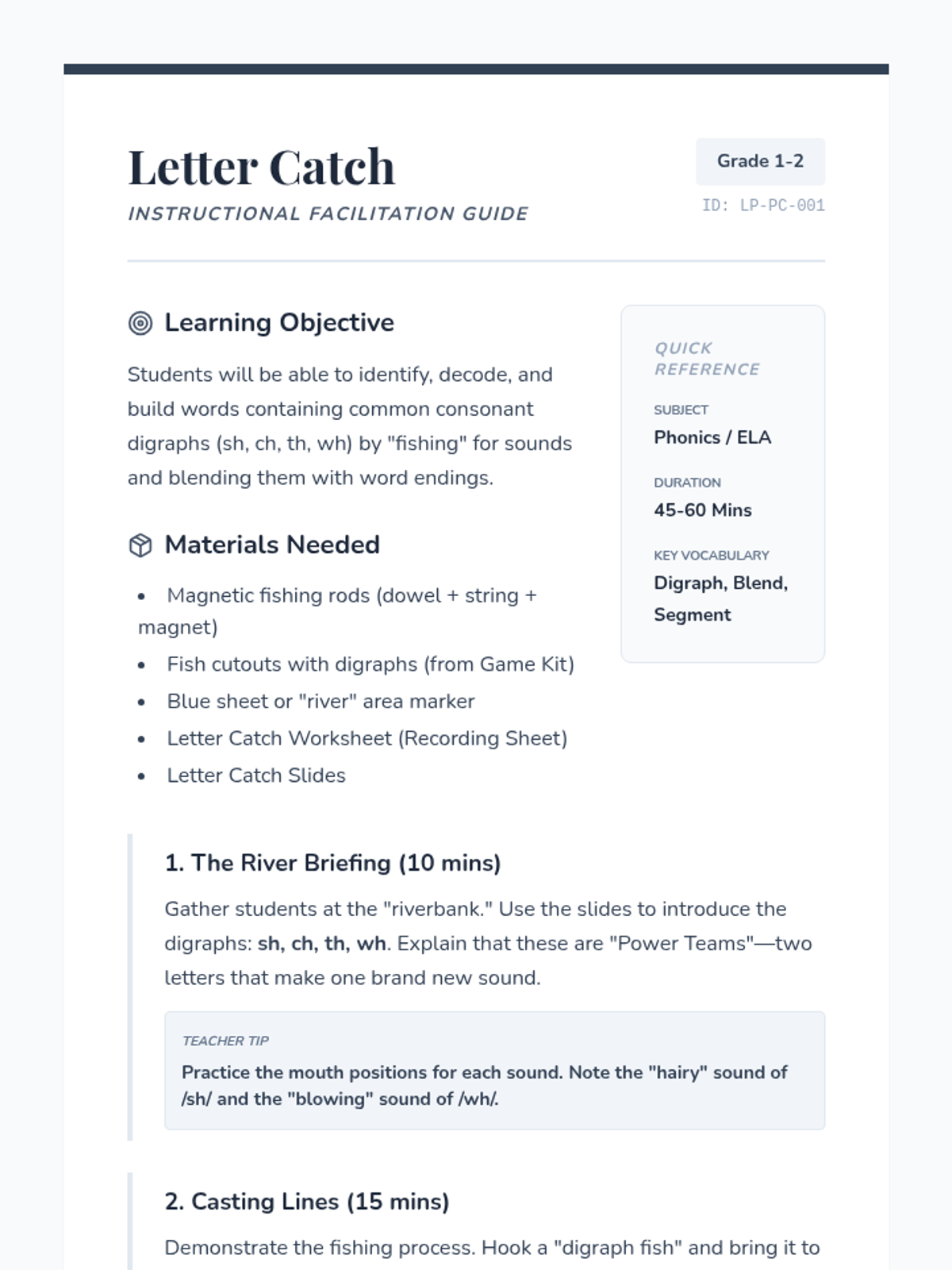
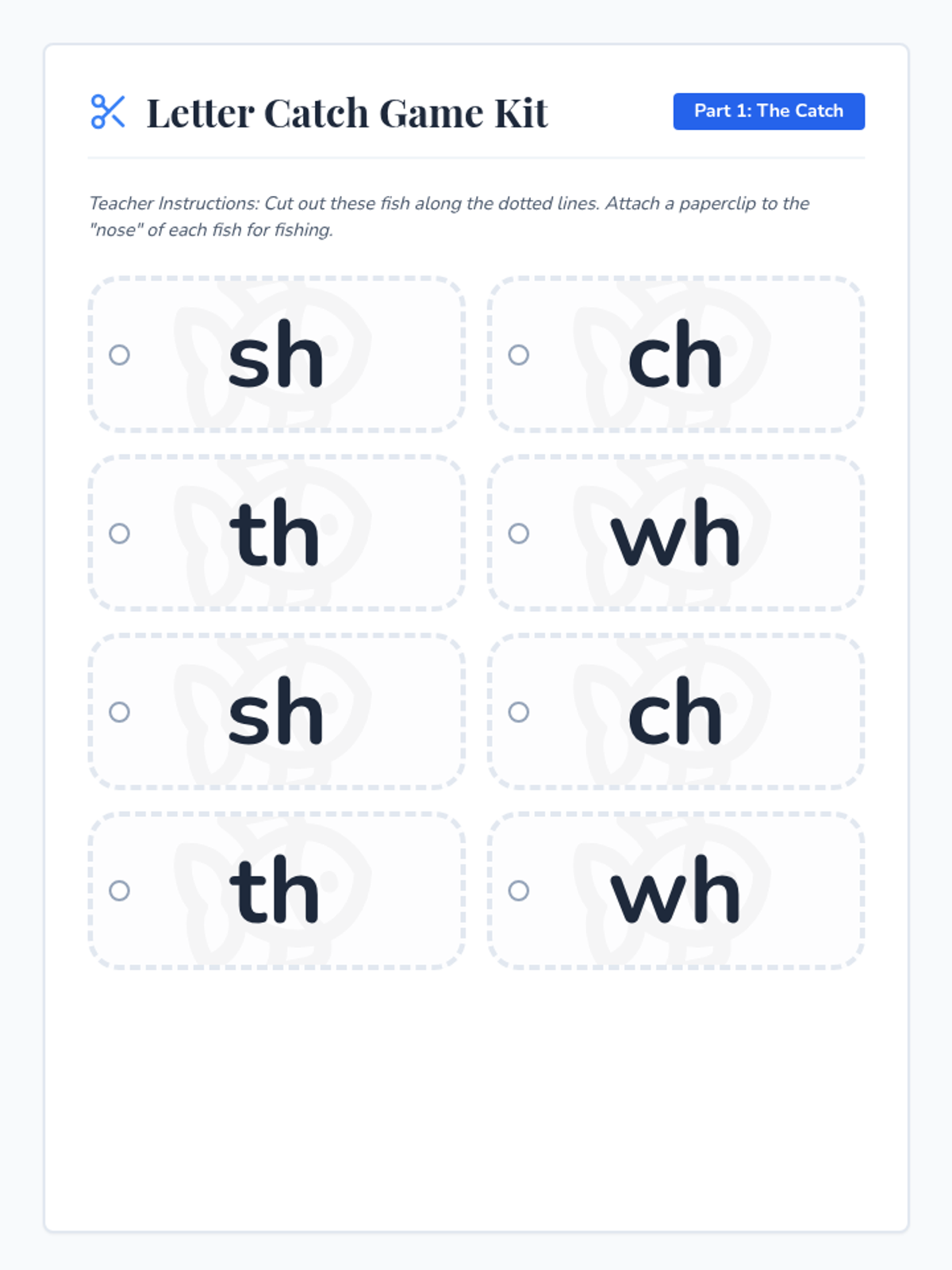
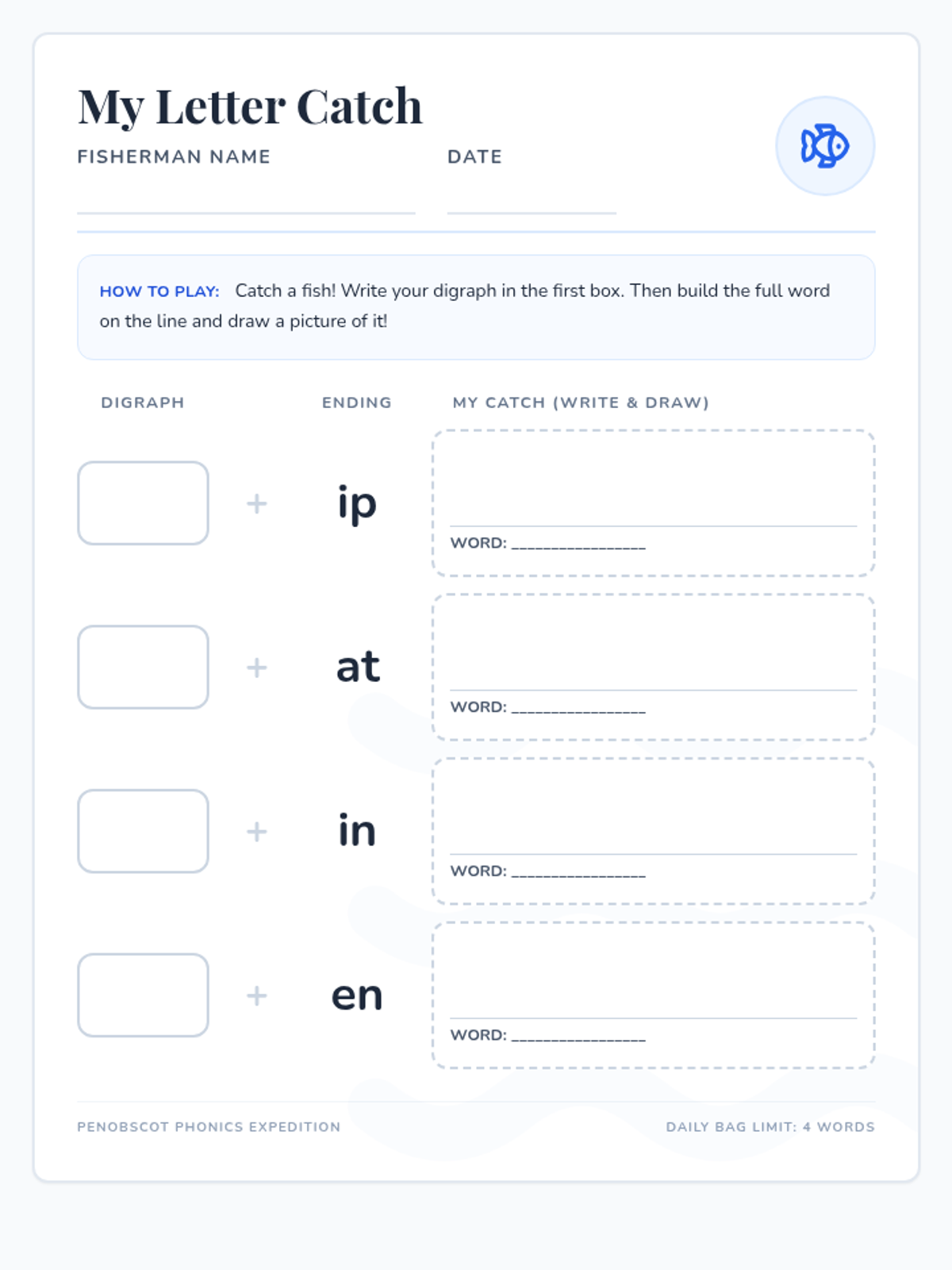
An active phonics lesson where students 'fish' for digraphs (sh, ch, th, wh) in the Penobscot River to build and decode words, blending physical movement with auditory mastery.
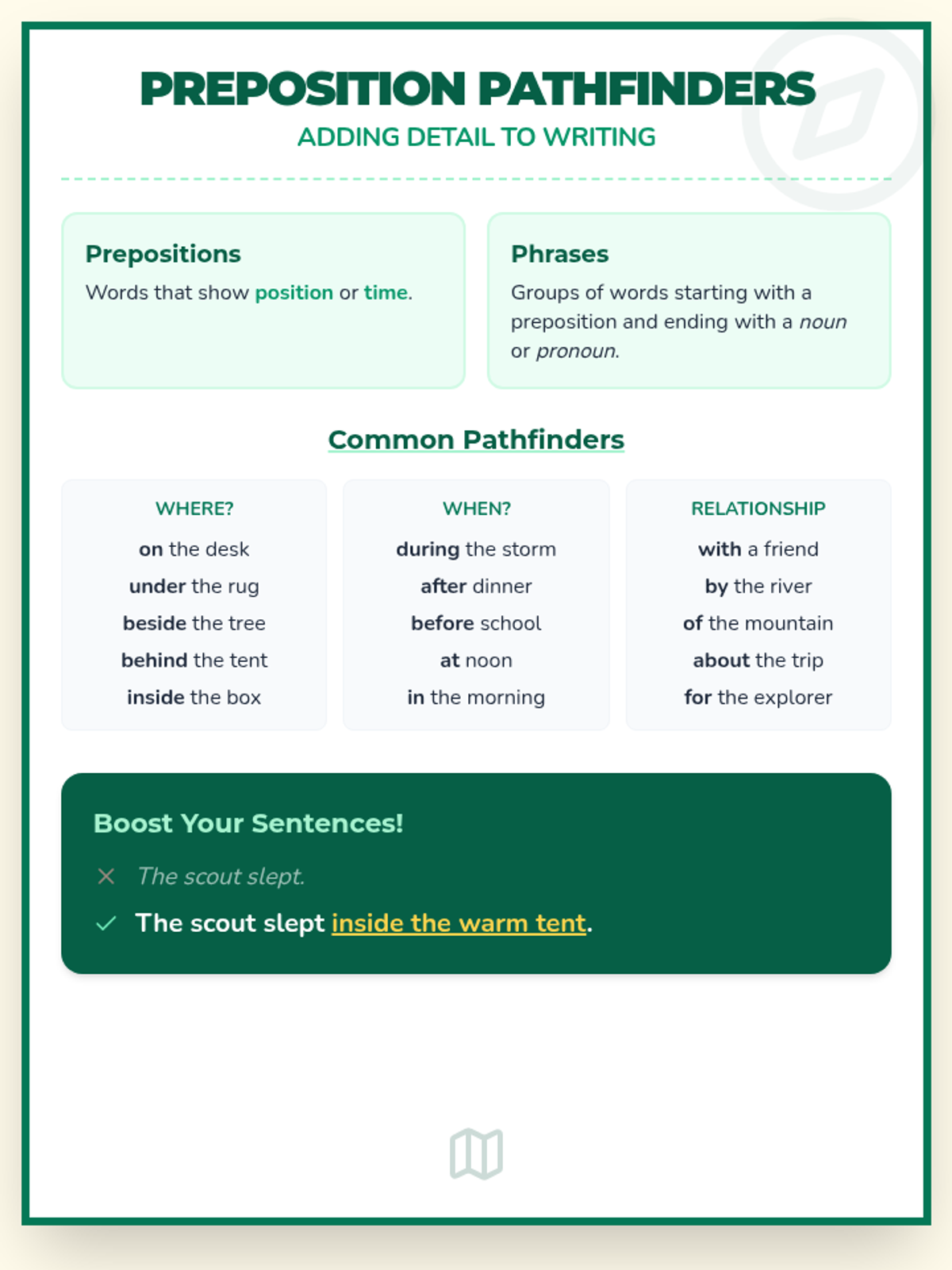
A grammar adventure where students learn to use prepositional phrases to add descriptive details about location, time, and relationship to their writing.
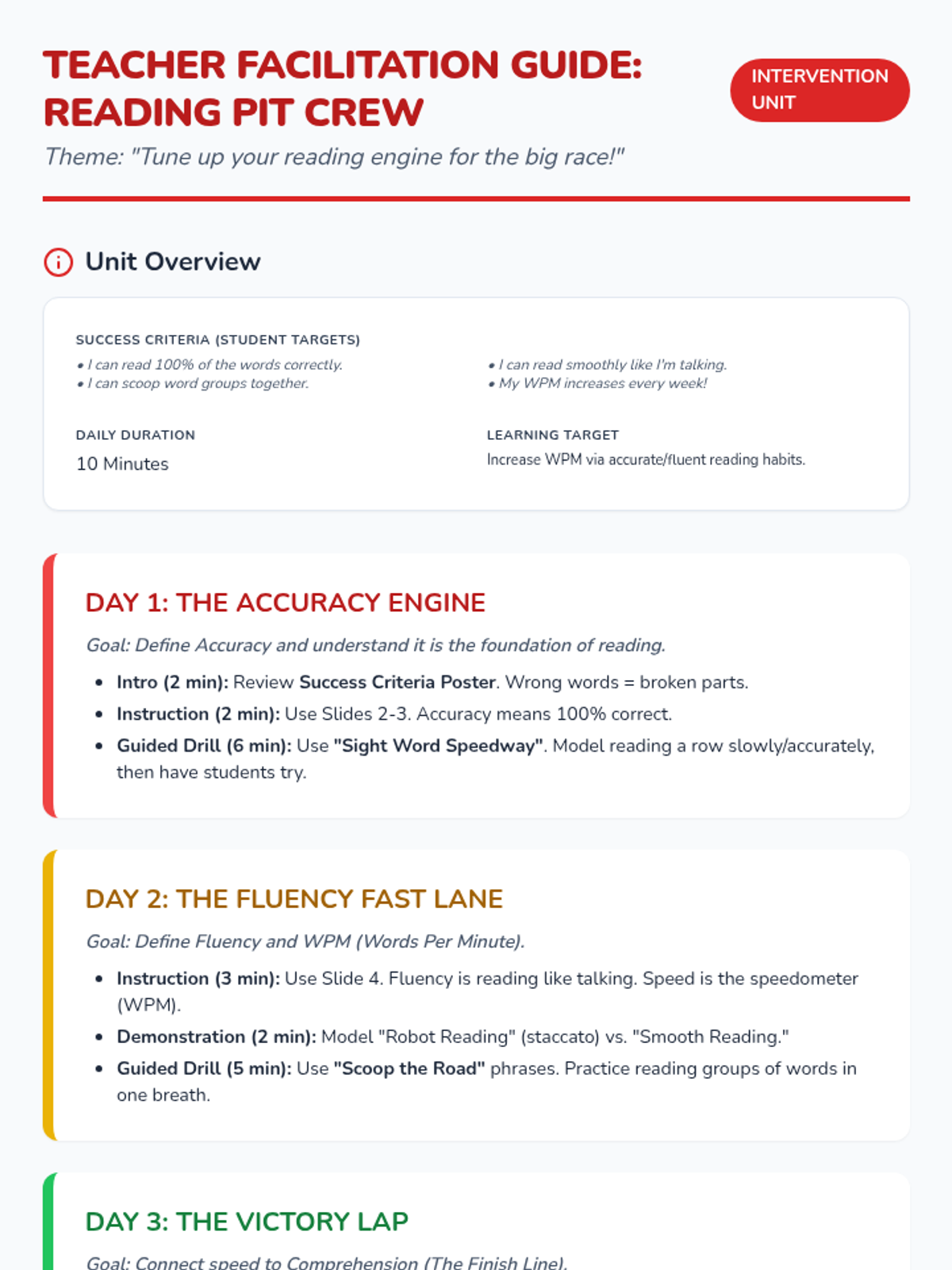
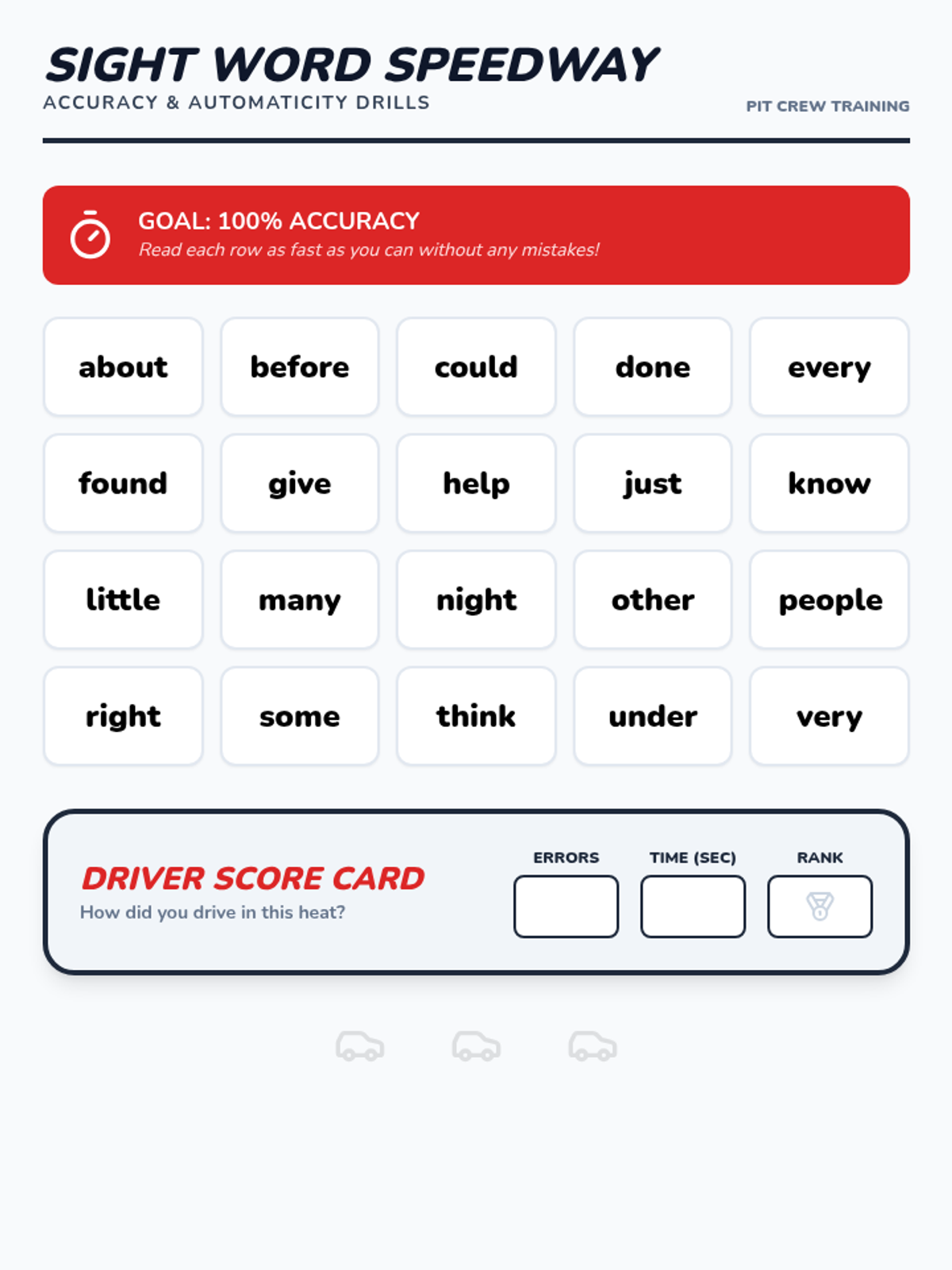
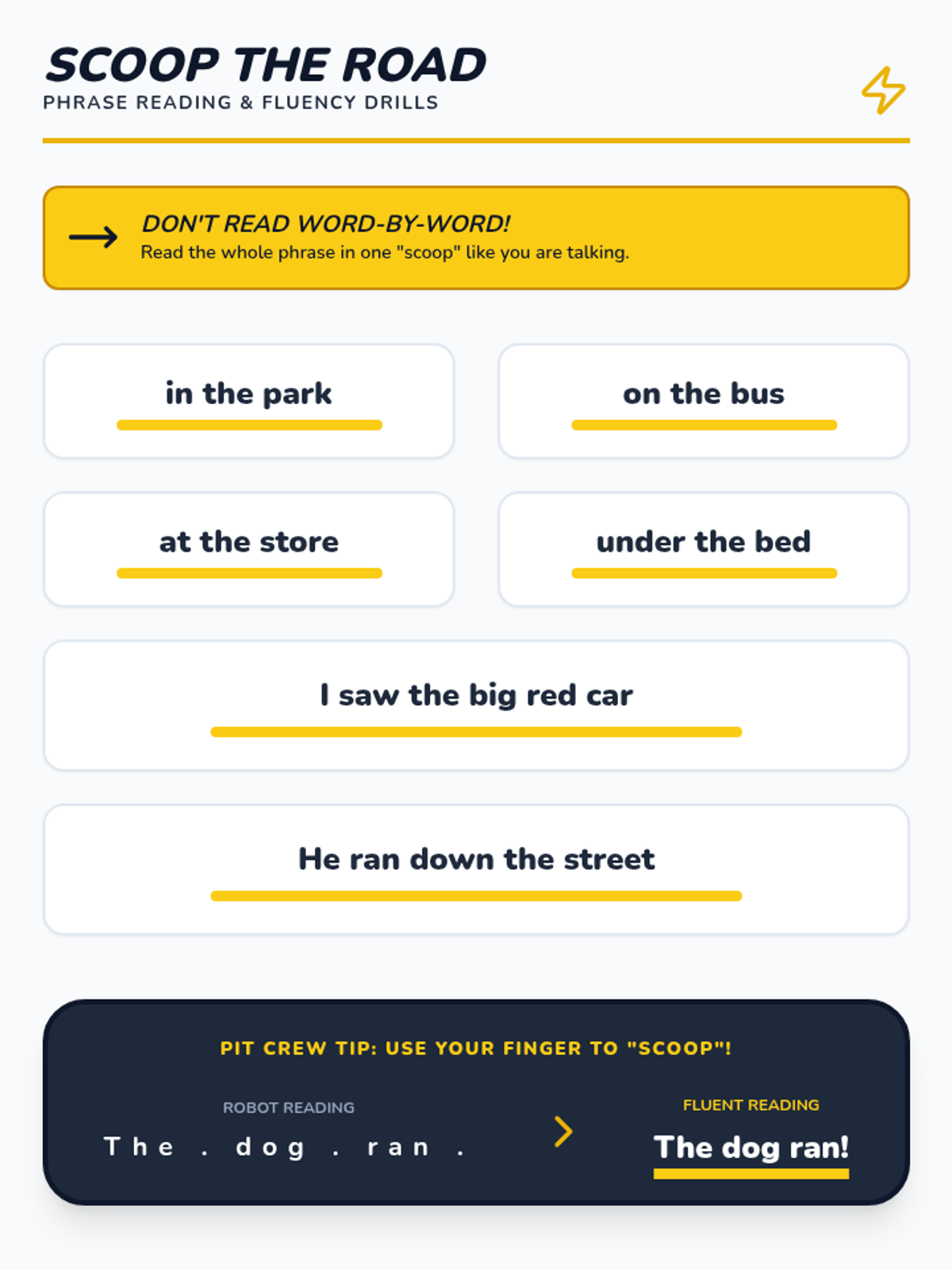
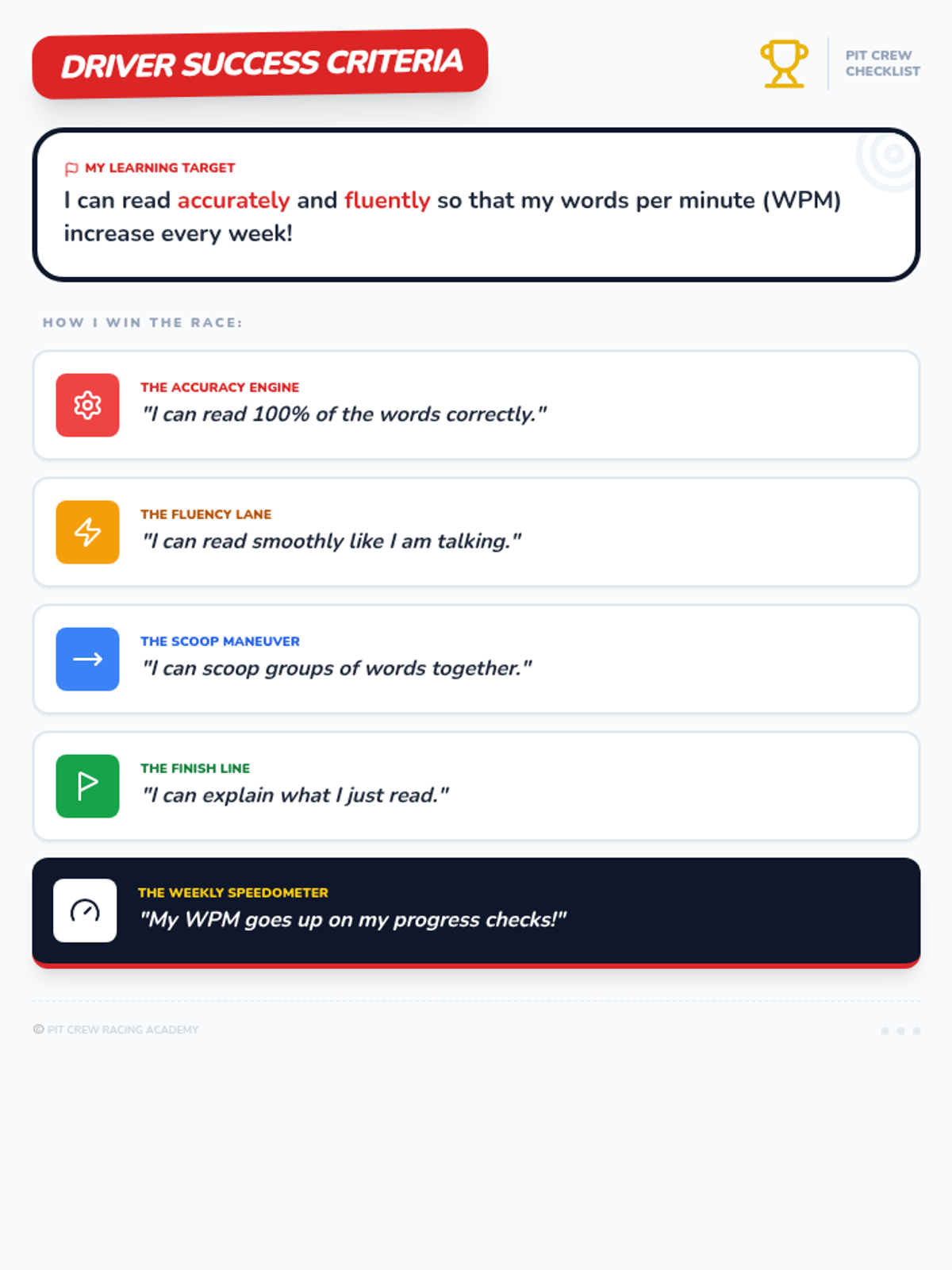
Focused on the definition of fluency, the relationship between accuracy and speed (WPM), and techniques for smoother reading.
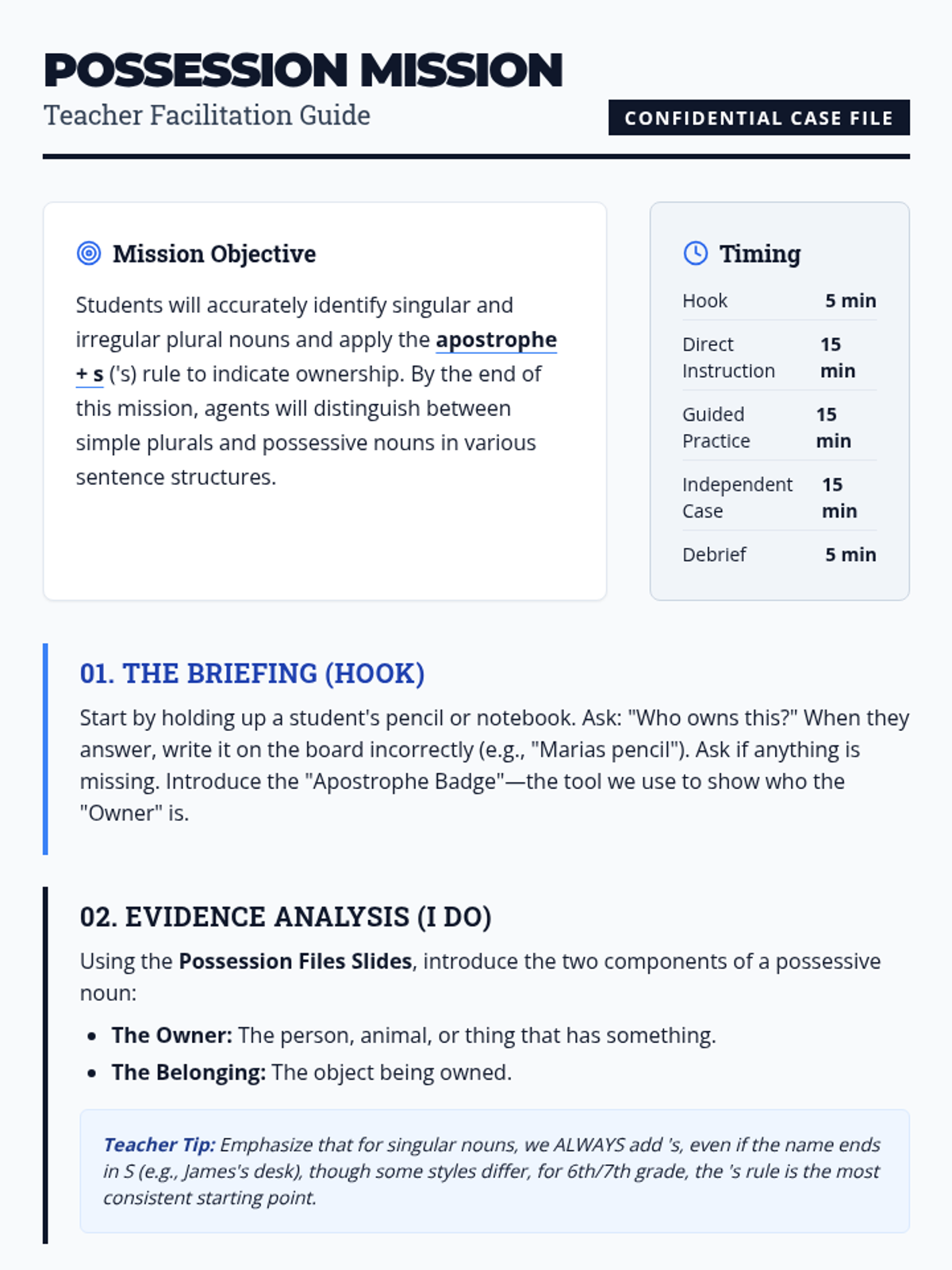
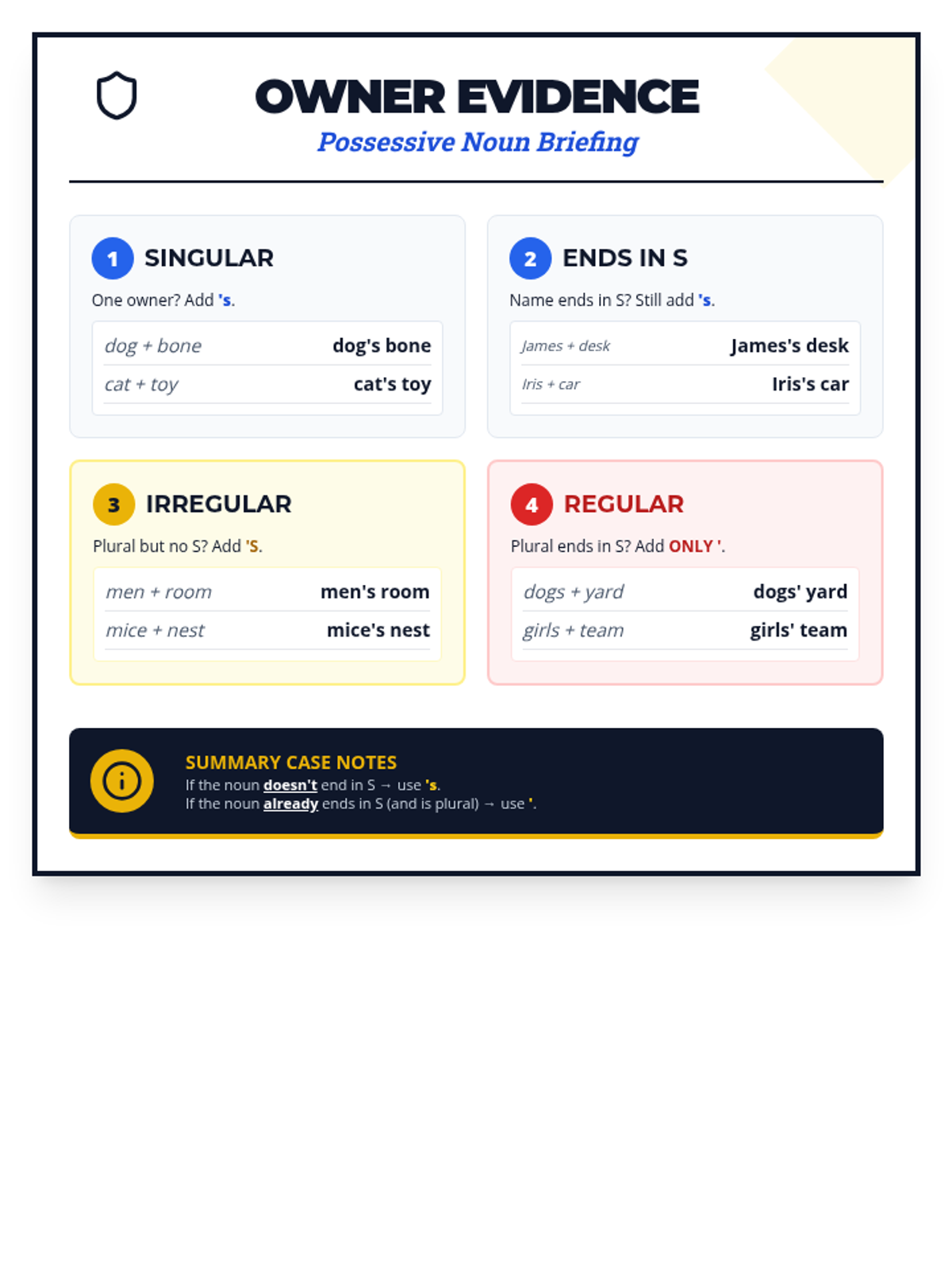
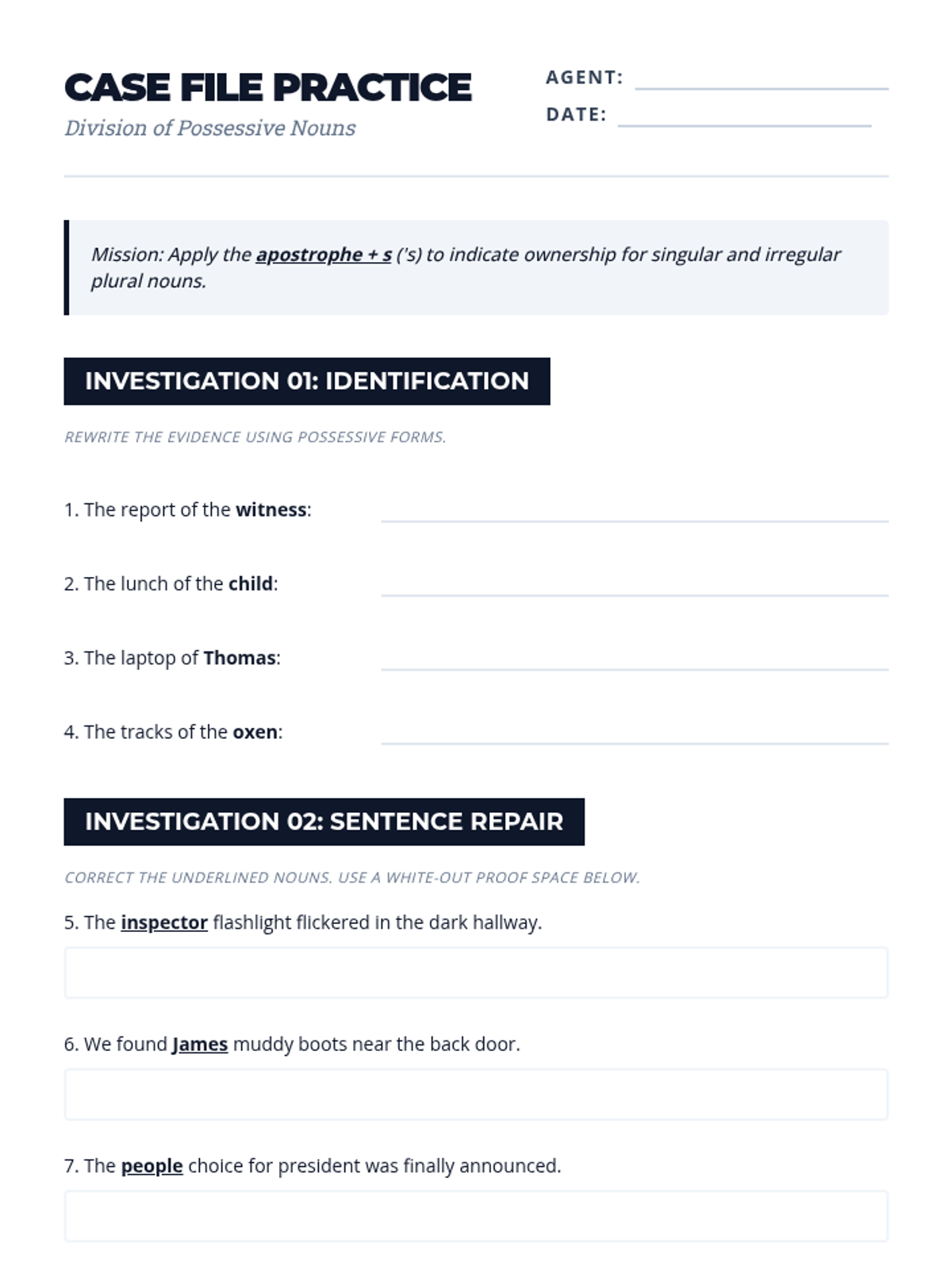
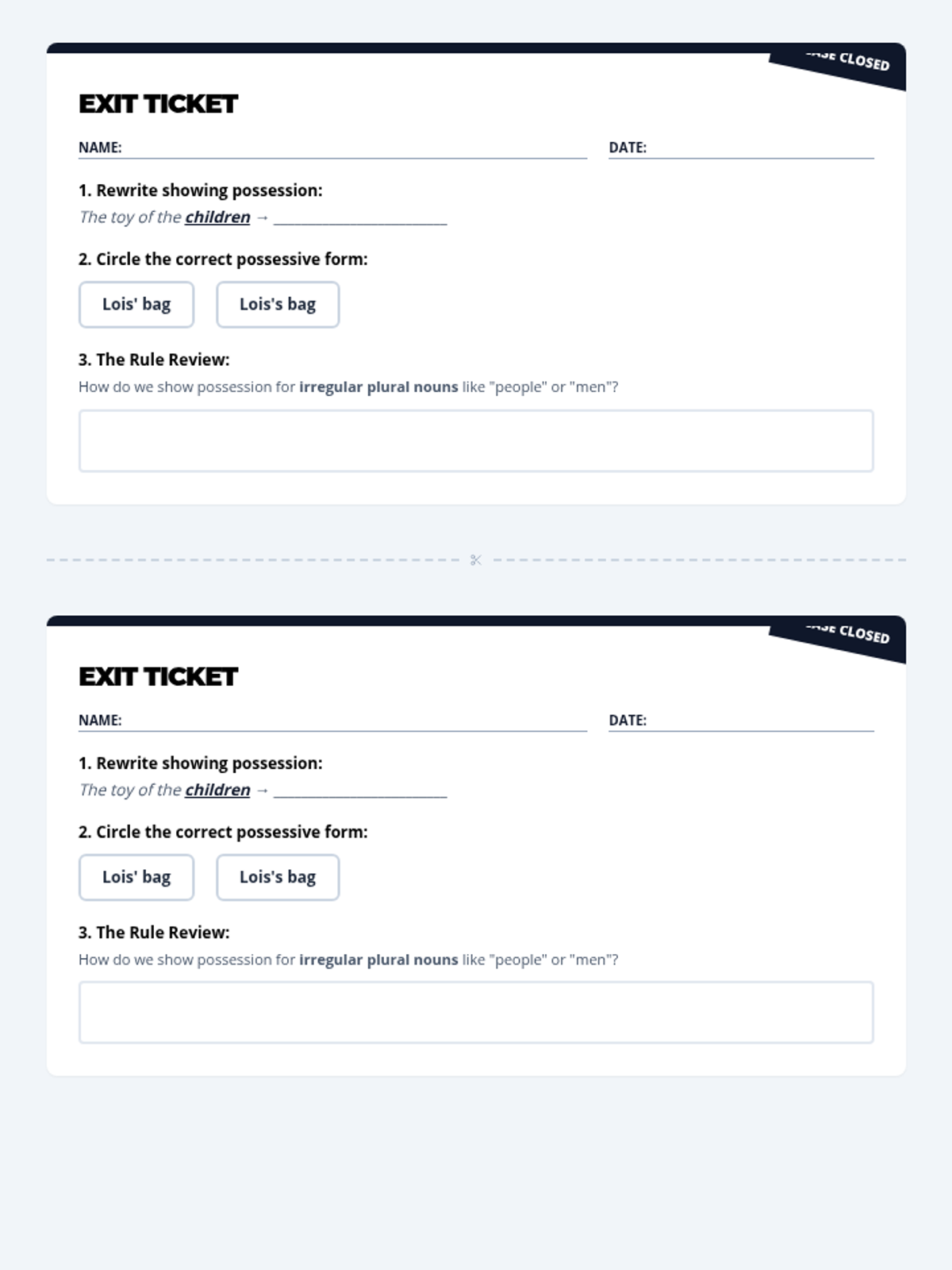
A comprehensive lesson on using apostrophes to show possession for singular and irregular plural nouns, themed as a detective investigation. Students will identify owners and objects to correctly apply the 's rule.
A set of phonics resources focused on R-controlled vowels (ar, er, ir, or, ur) using a forest ranger theme. Includes a decodable reading passage and a hands-on word sorting activity.
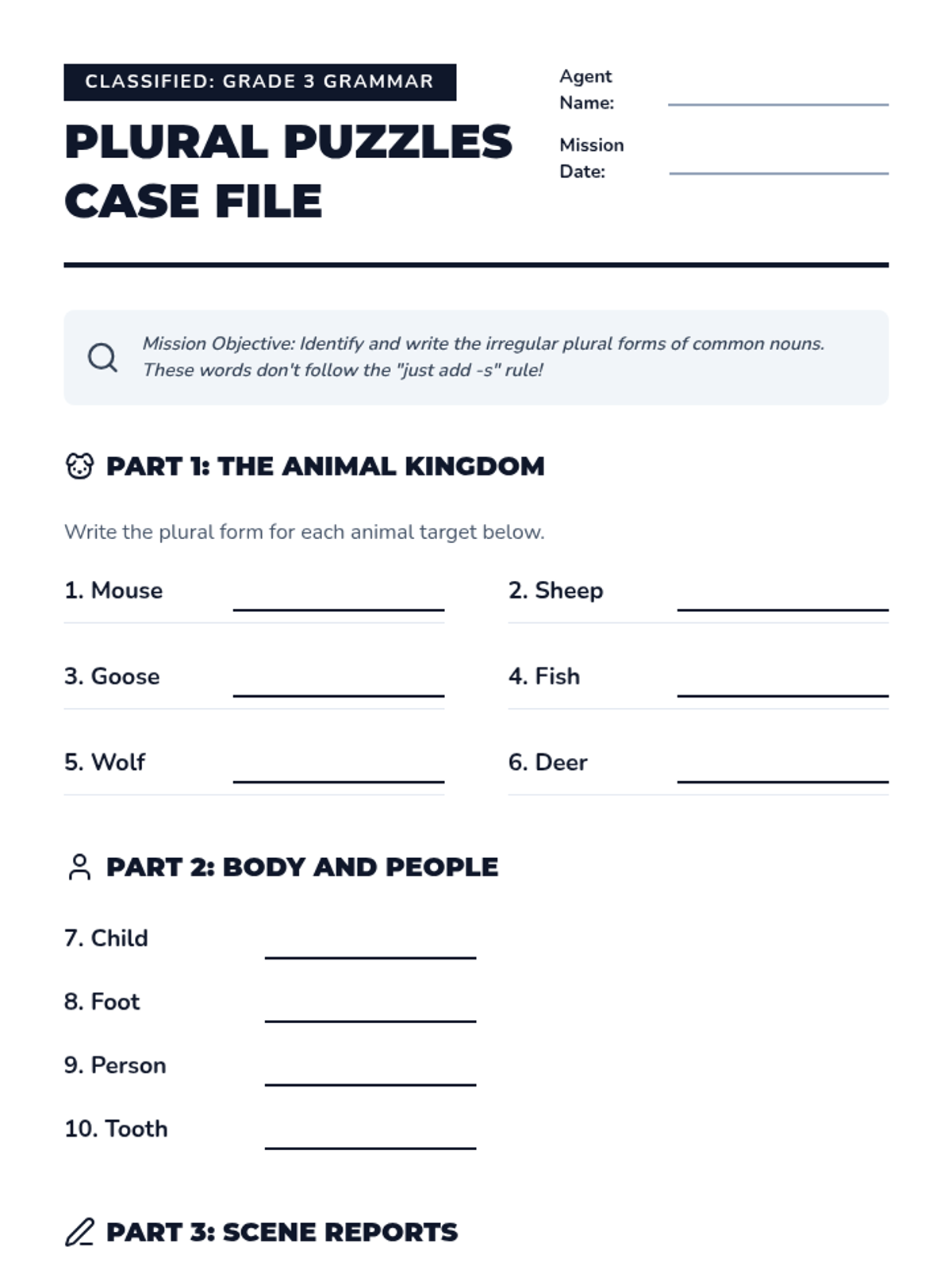
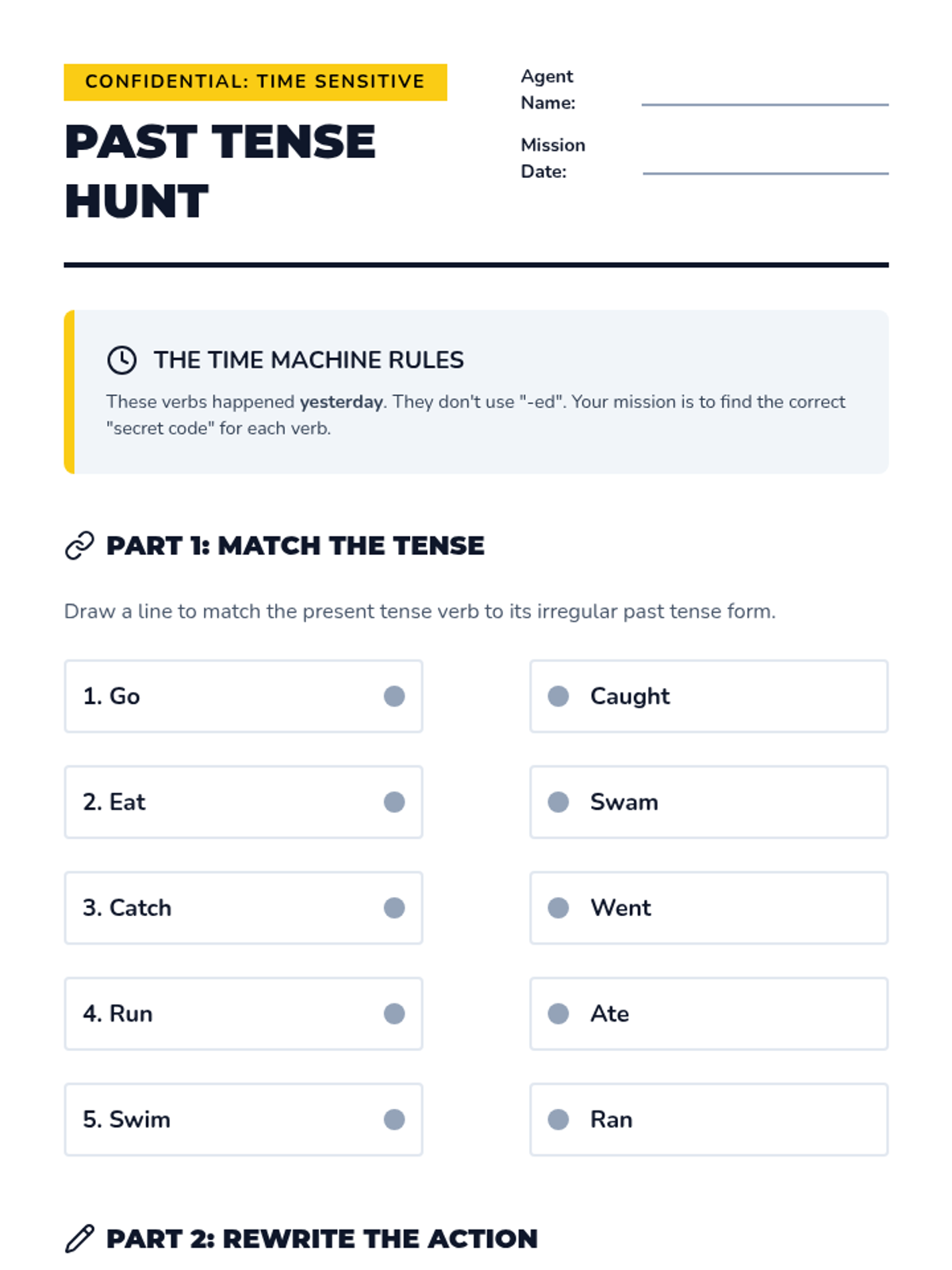
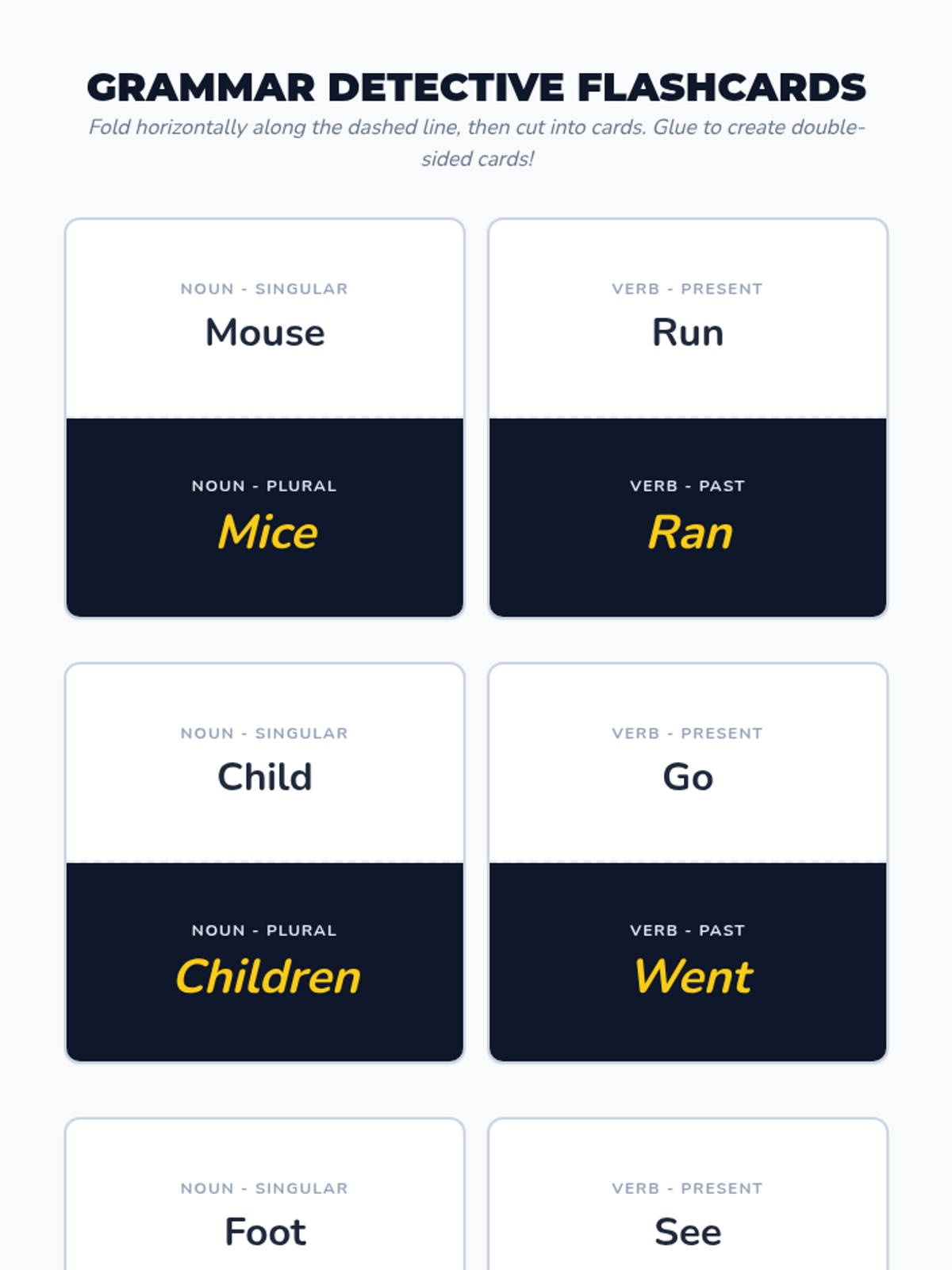
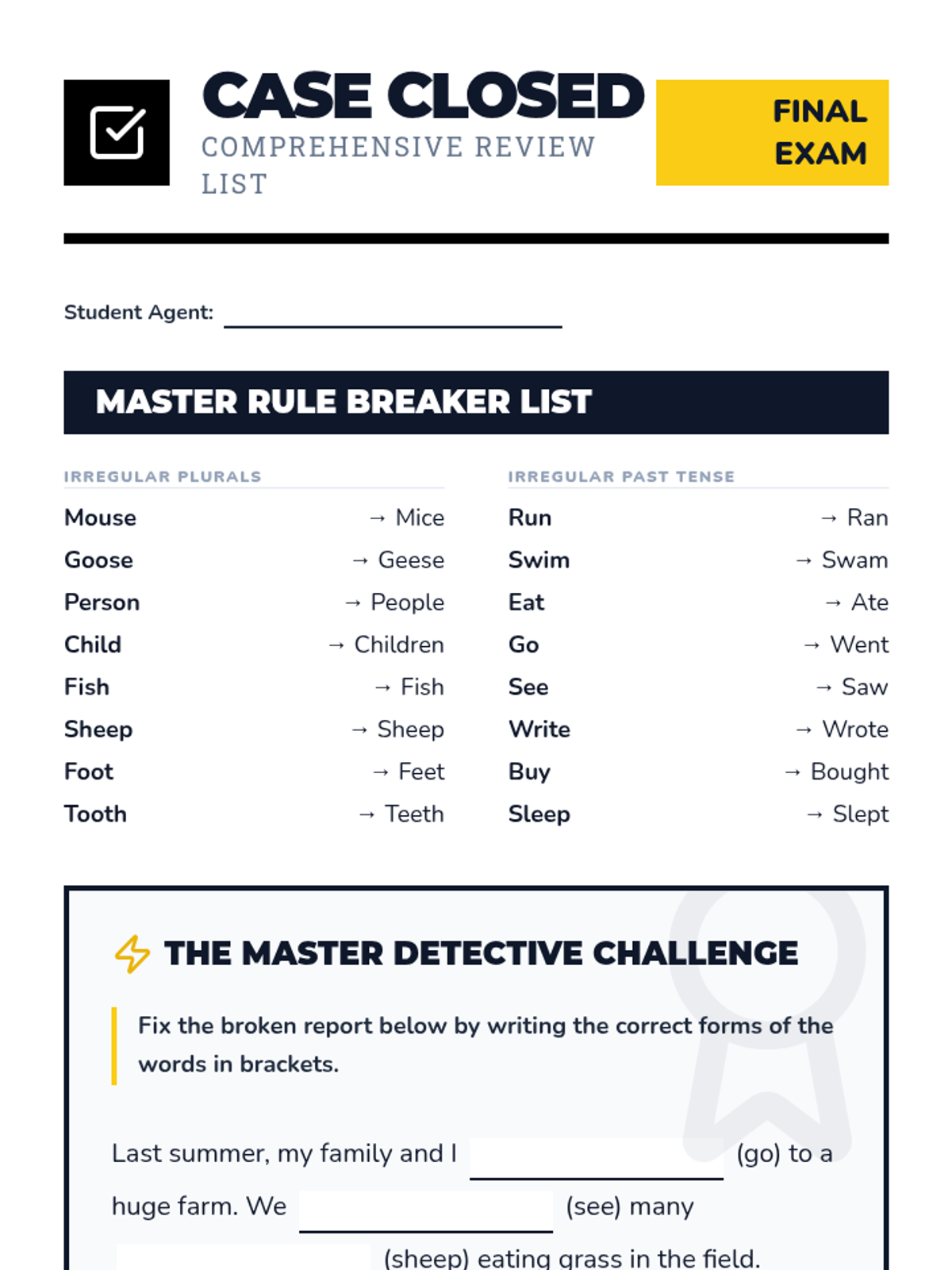
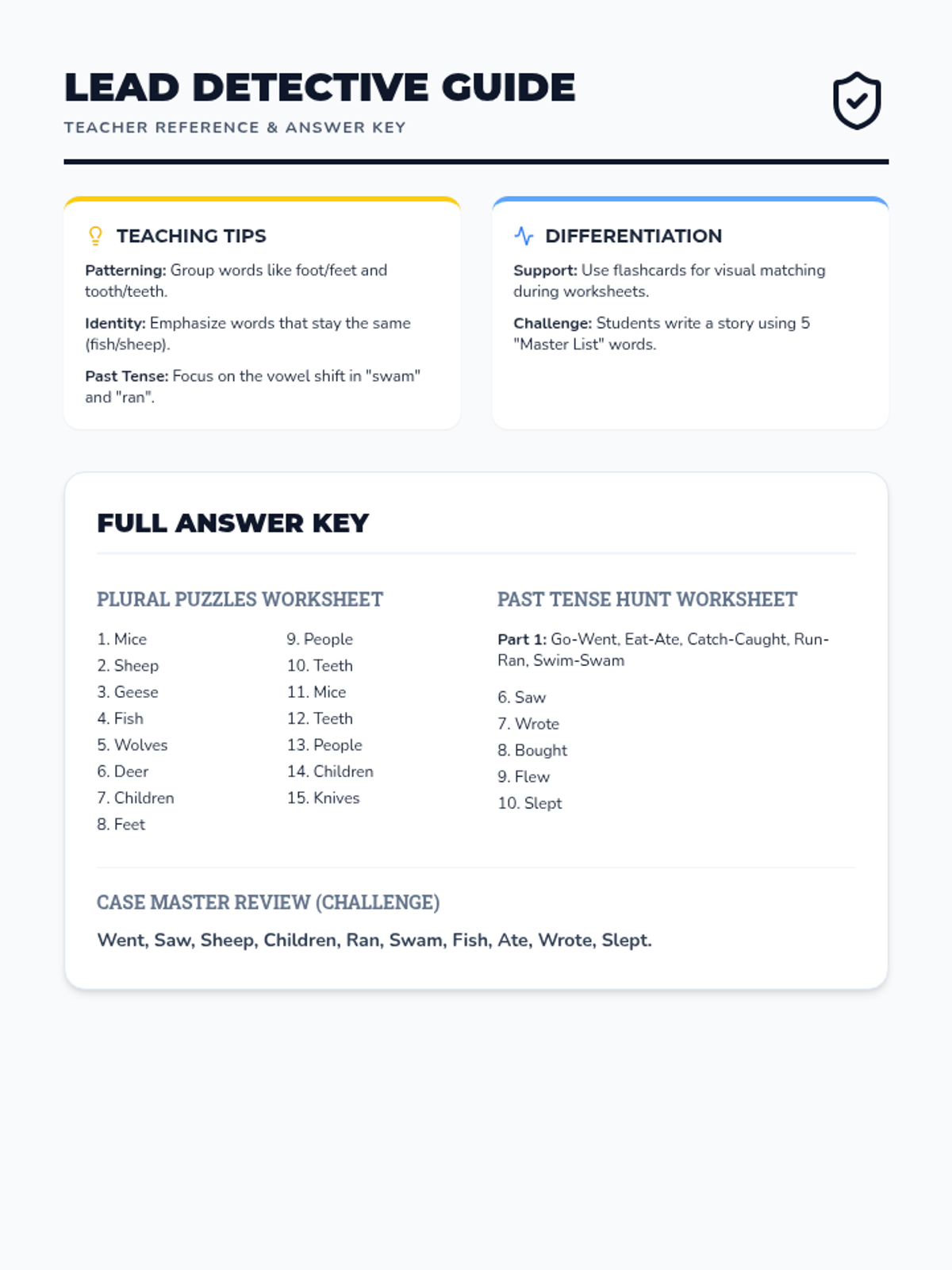
A comprehensive lesson on irregular plurals and irregular past tense verbs, themed around a 'Grammar Detective' investigation where students track down words that break the rules.
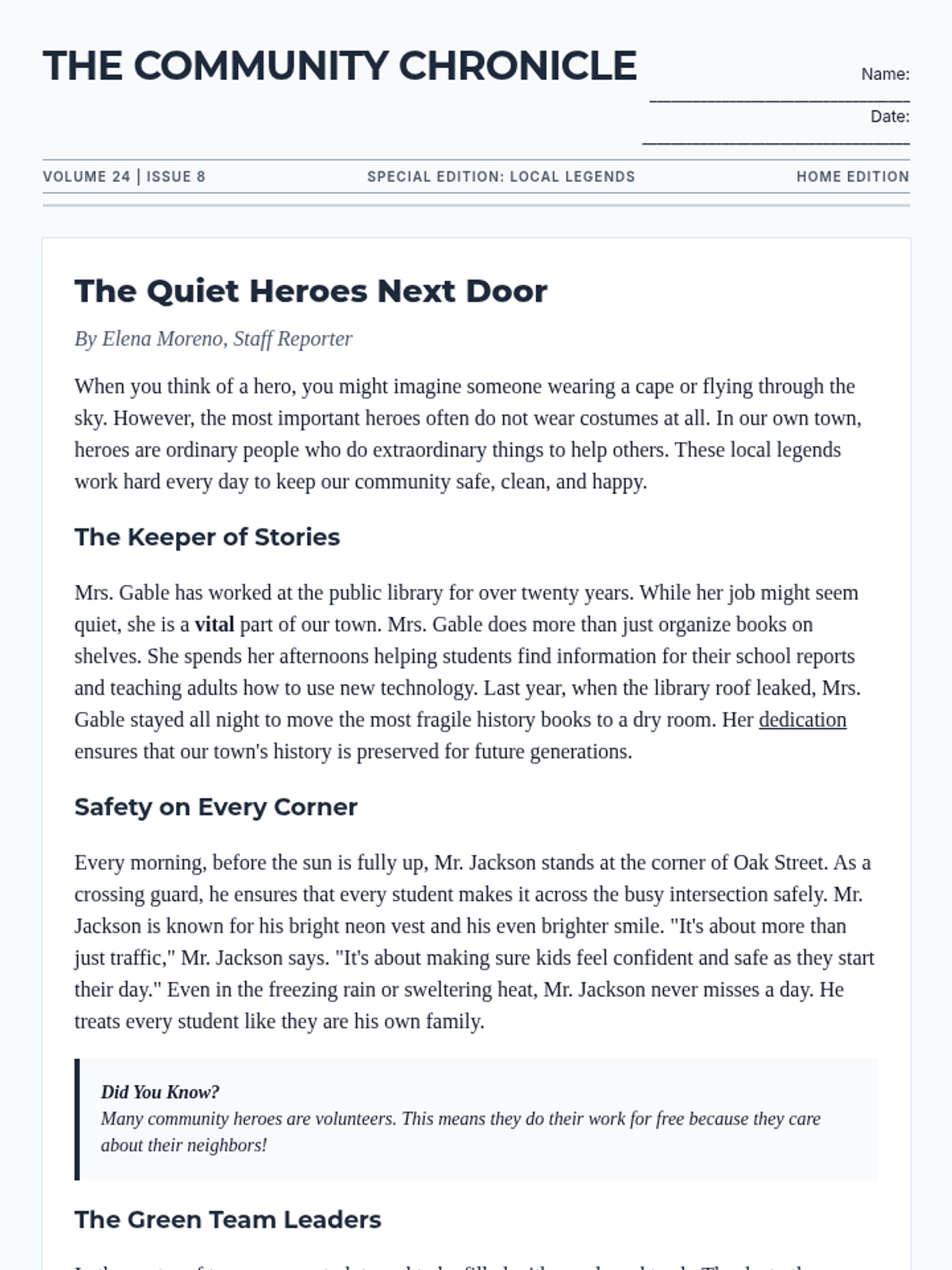
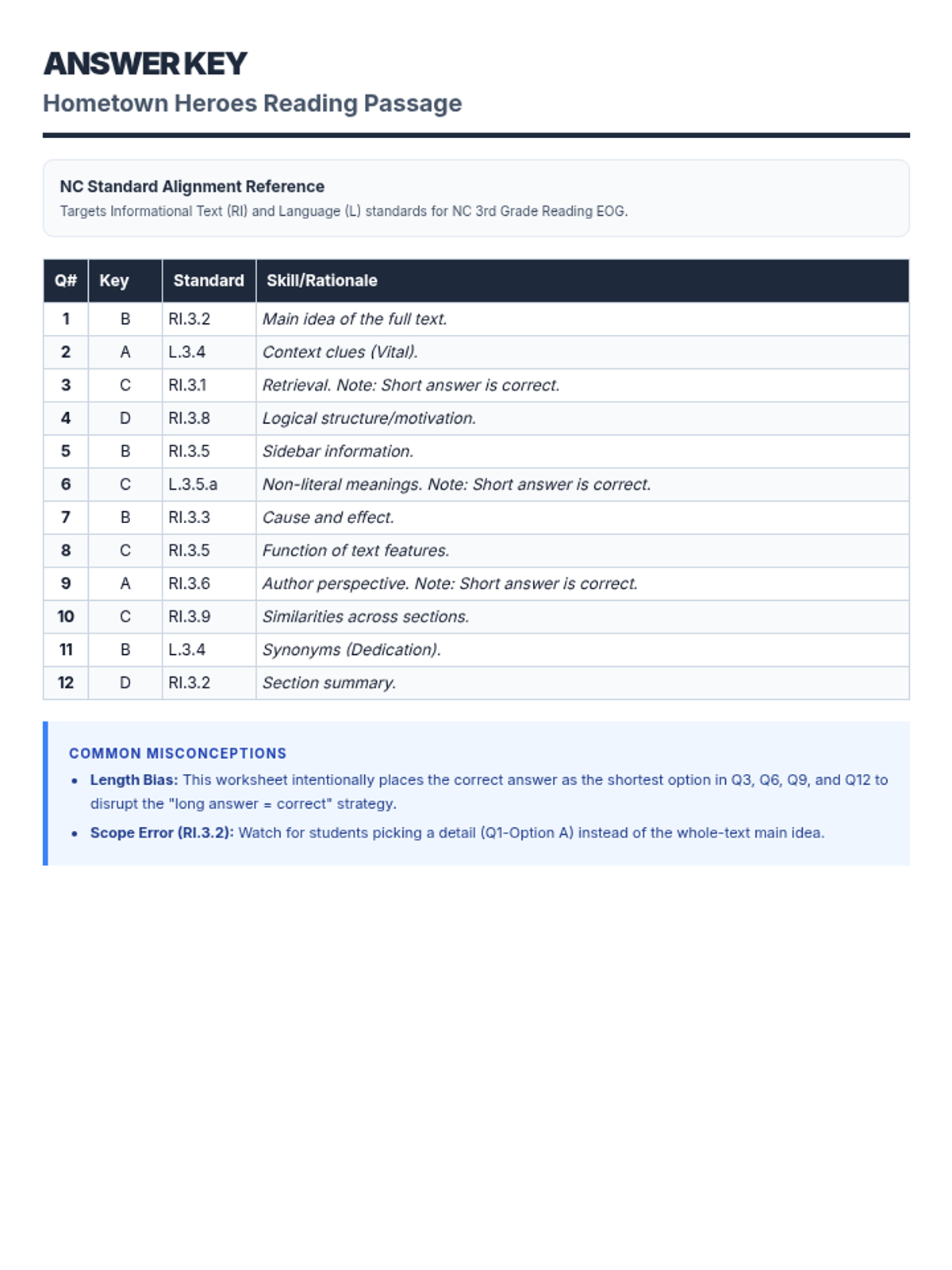
A high-rigor reading comprehension lesson focused on 3rd grade North Carolina Informational Text standards, exploring the roles of local community heroes.
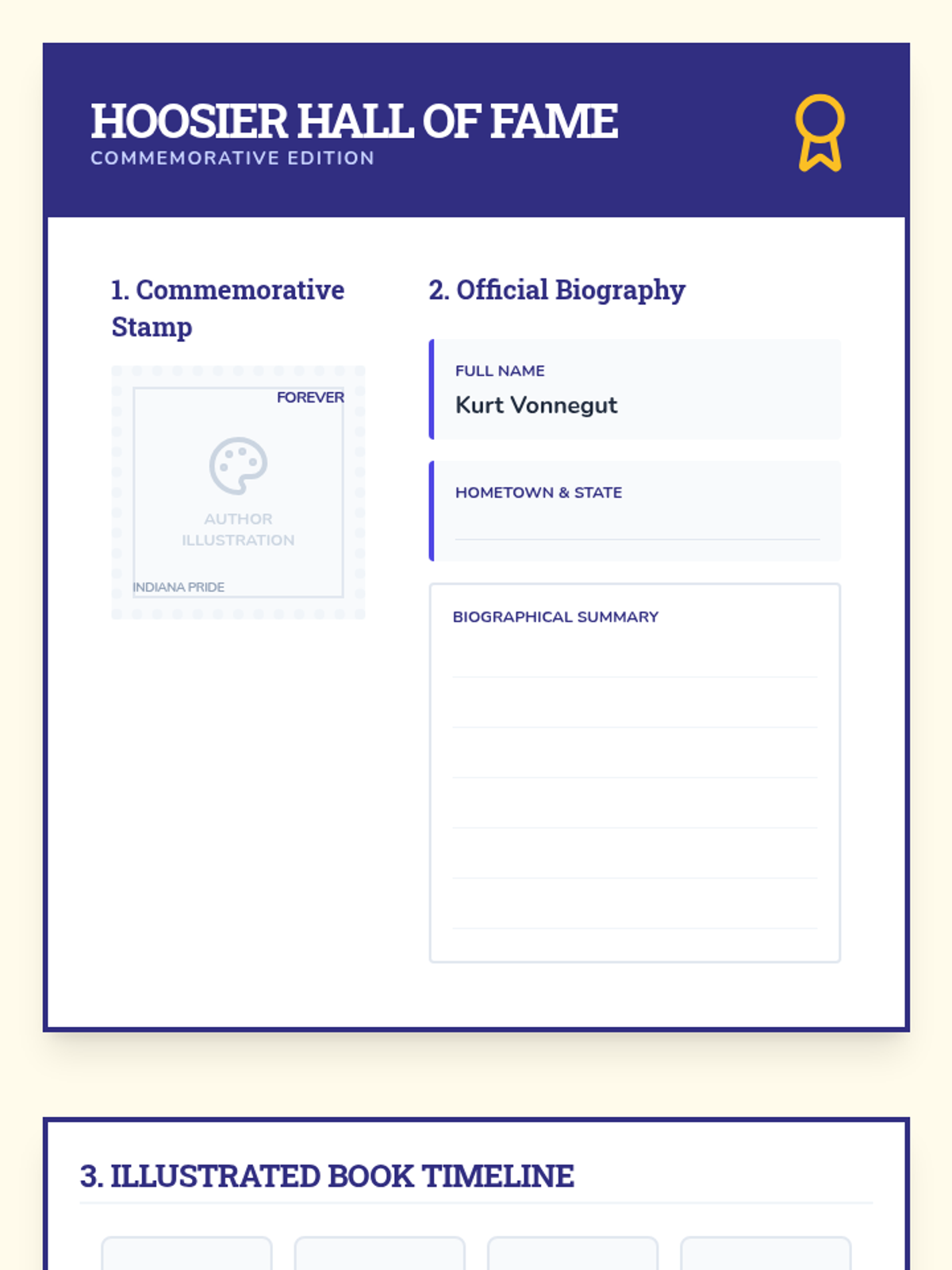
The final project day where students synthesize their learning into a commemorative stamp, biography, and Hall of Fame plaque.
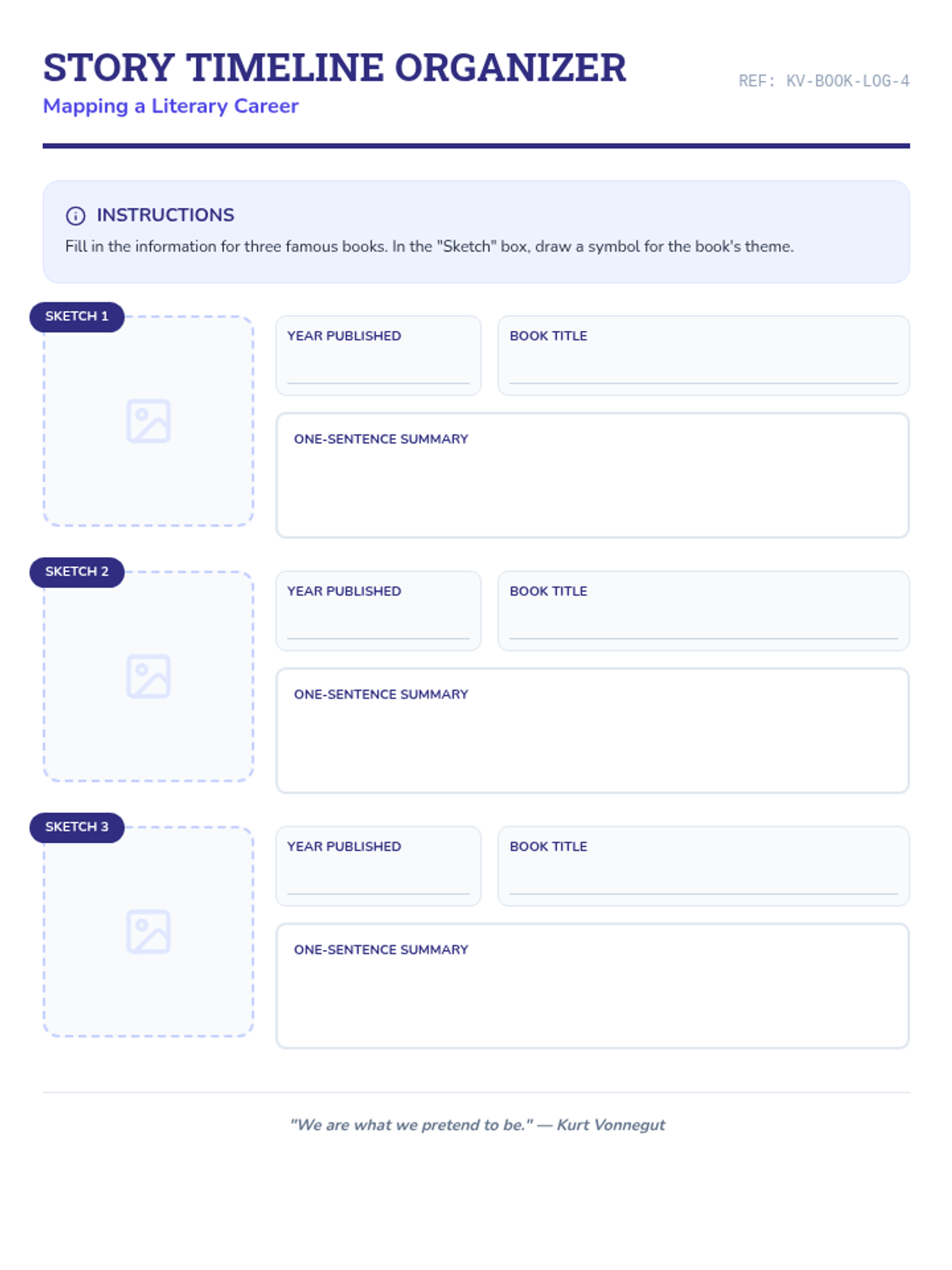
An exploration of Vonnegut's literary career and the development of an illustrated timeline of his major works.
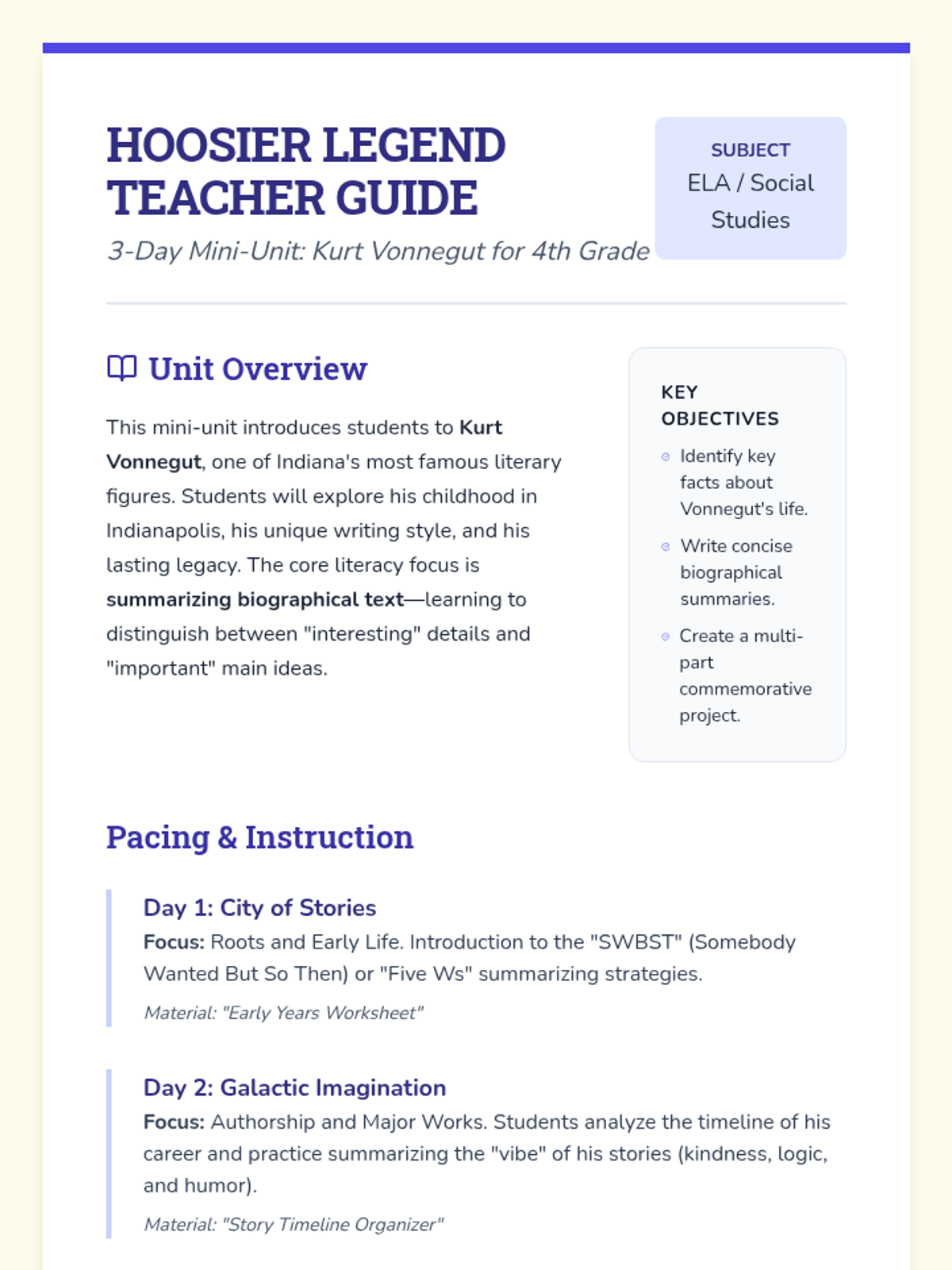
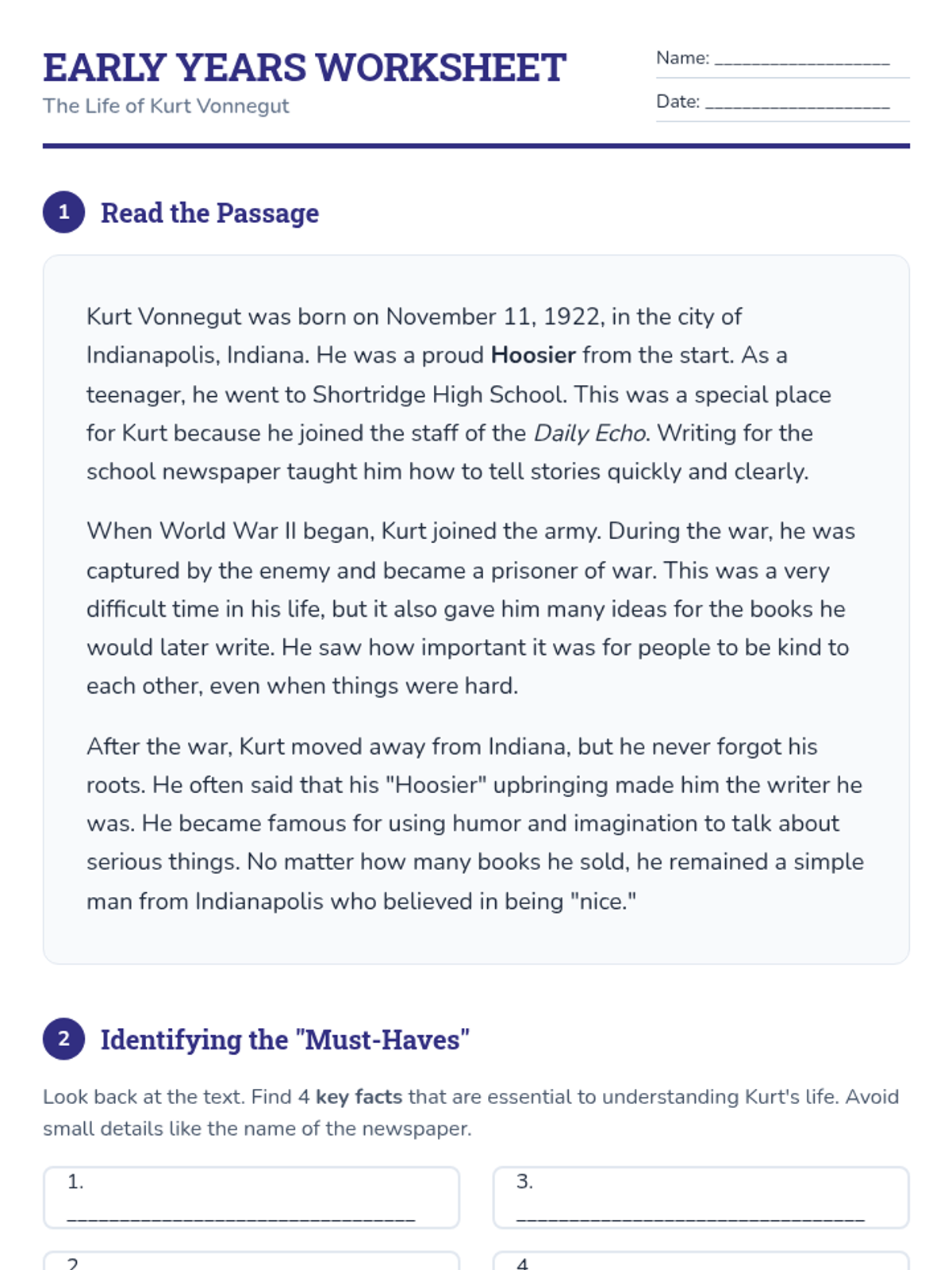
Introduction to Kurt Vonnegut's early life in Indianapolis and the basics of summarizing biographical information.
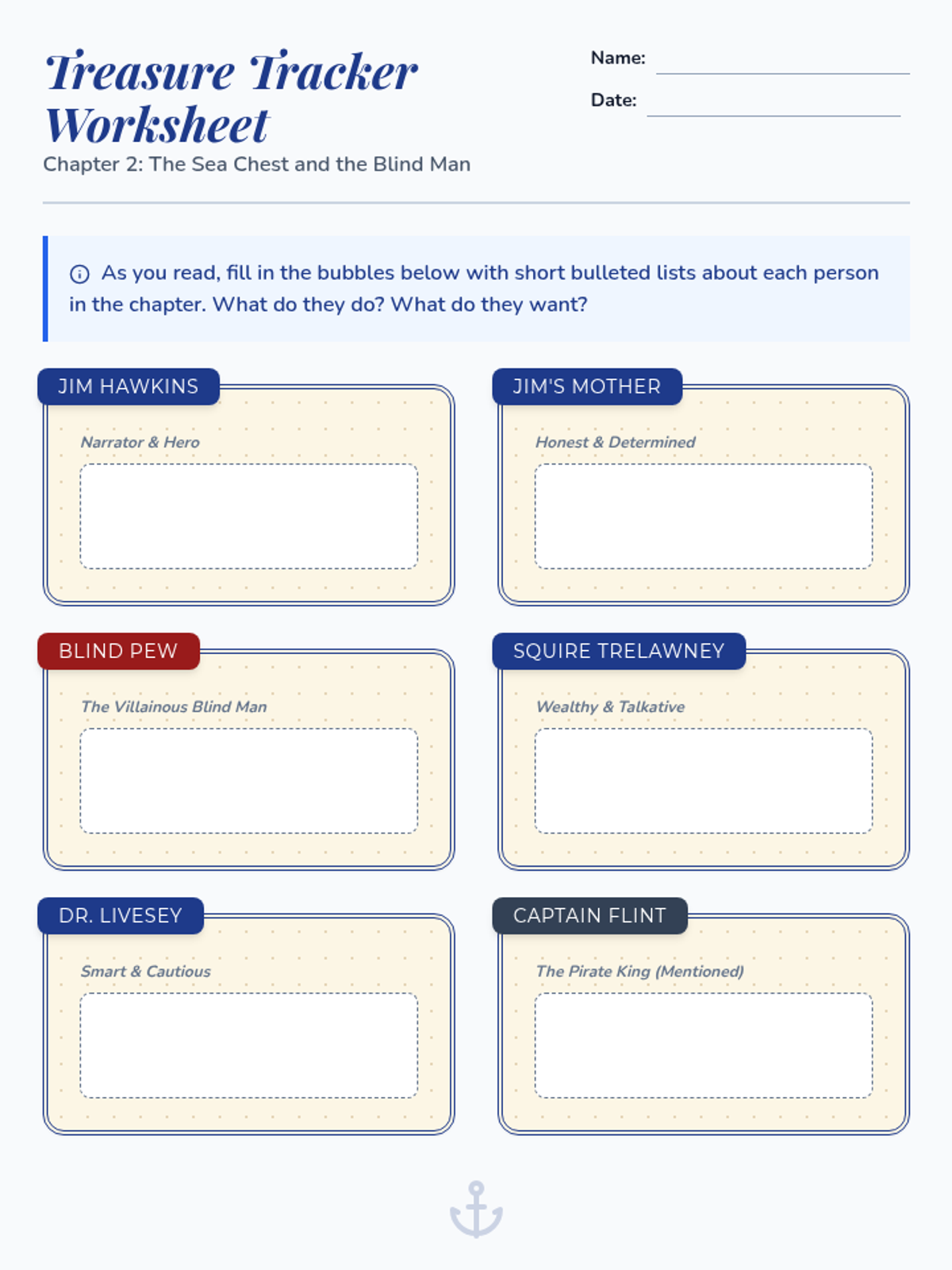
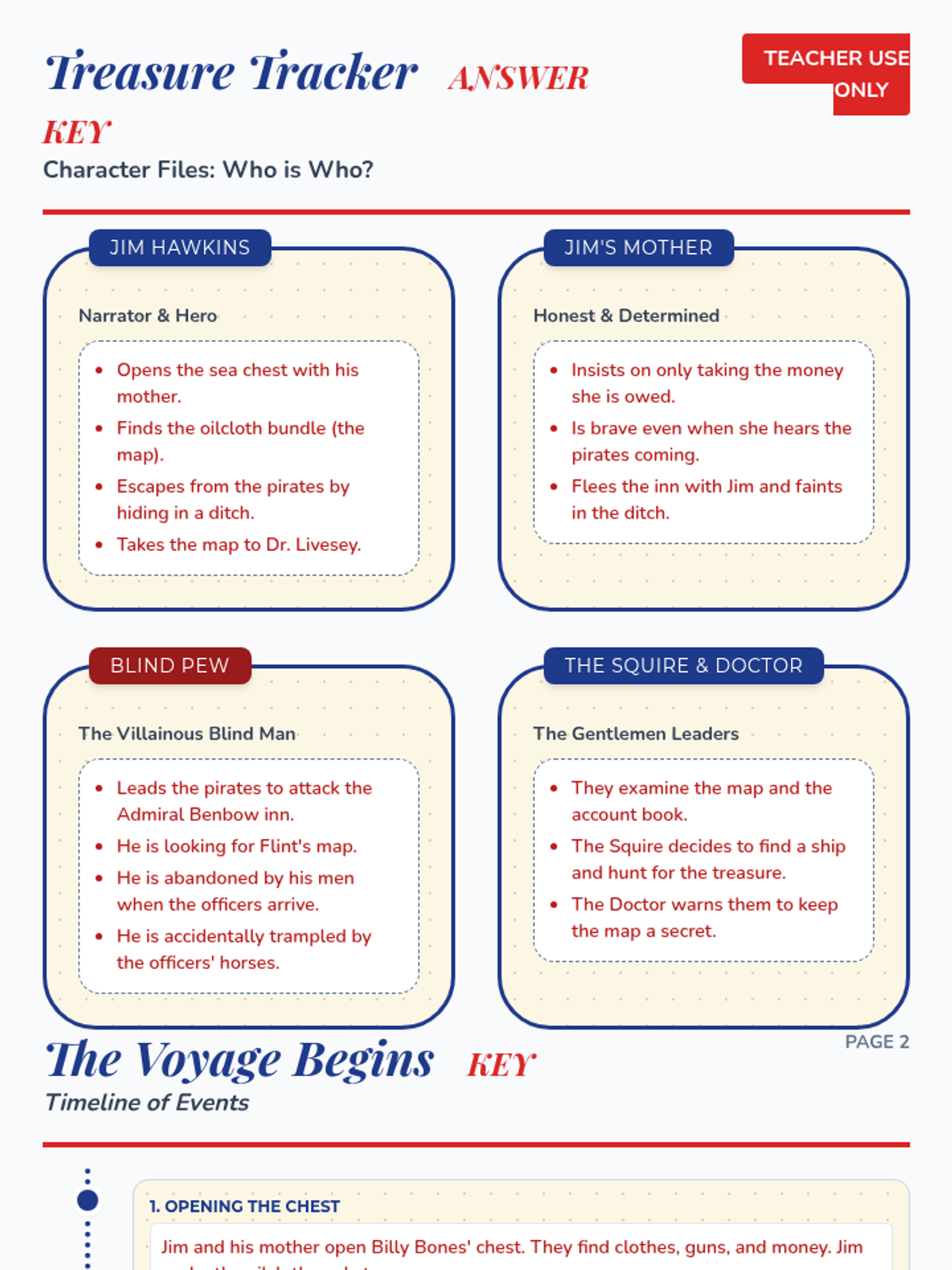
A lesson focused on analyzing Chapter 2 of Treasure Island, including character tracking and chronological event mapping.
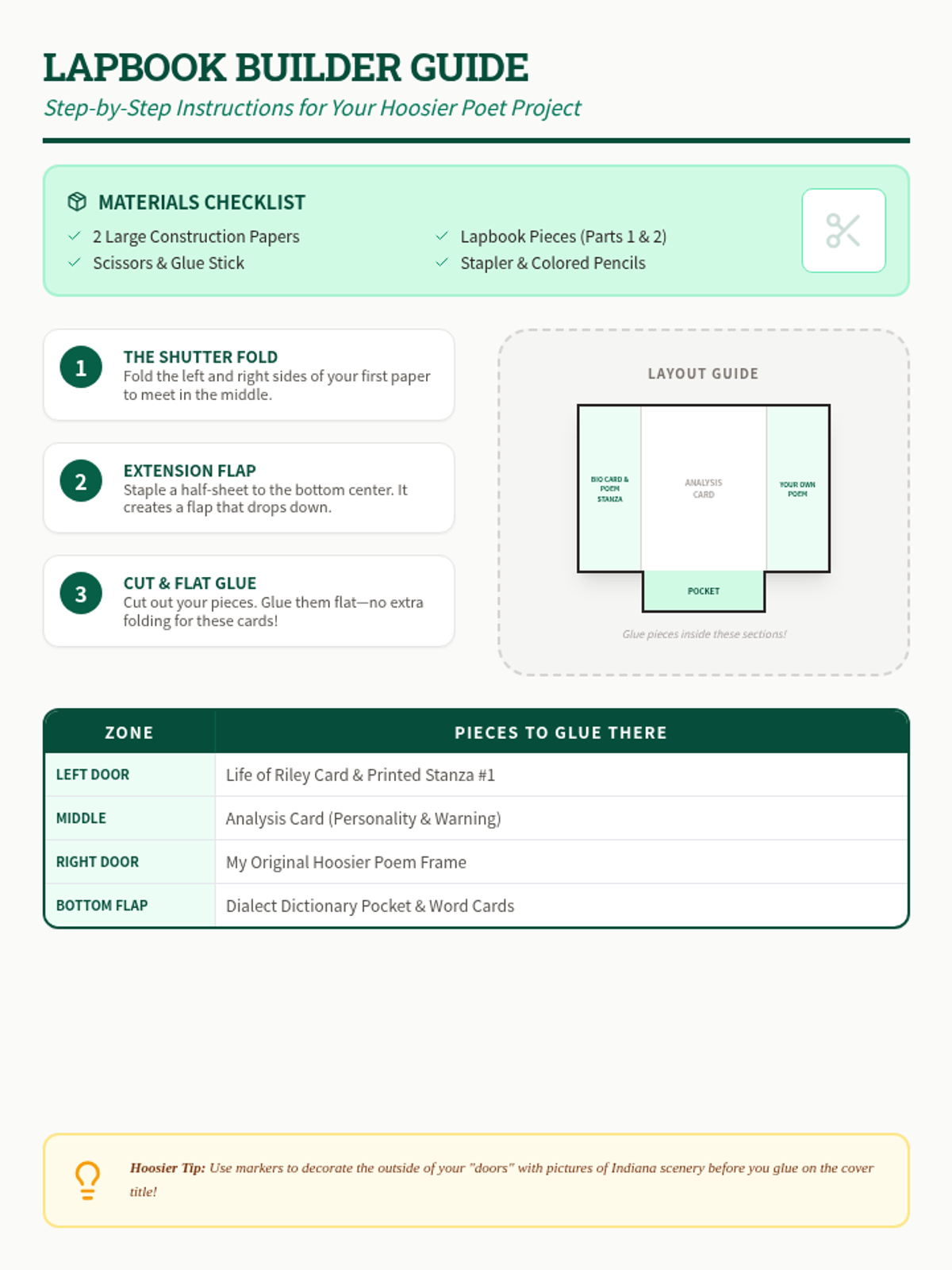
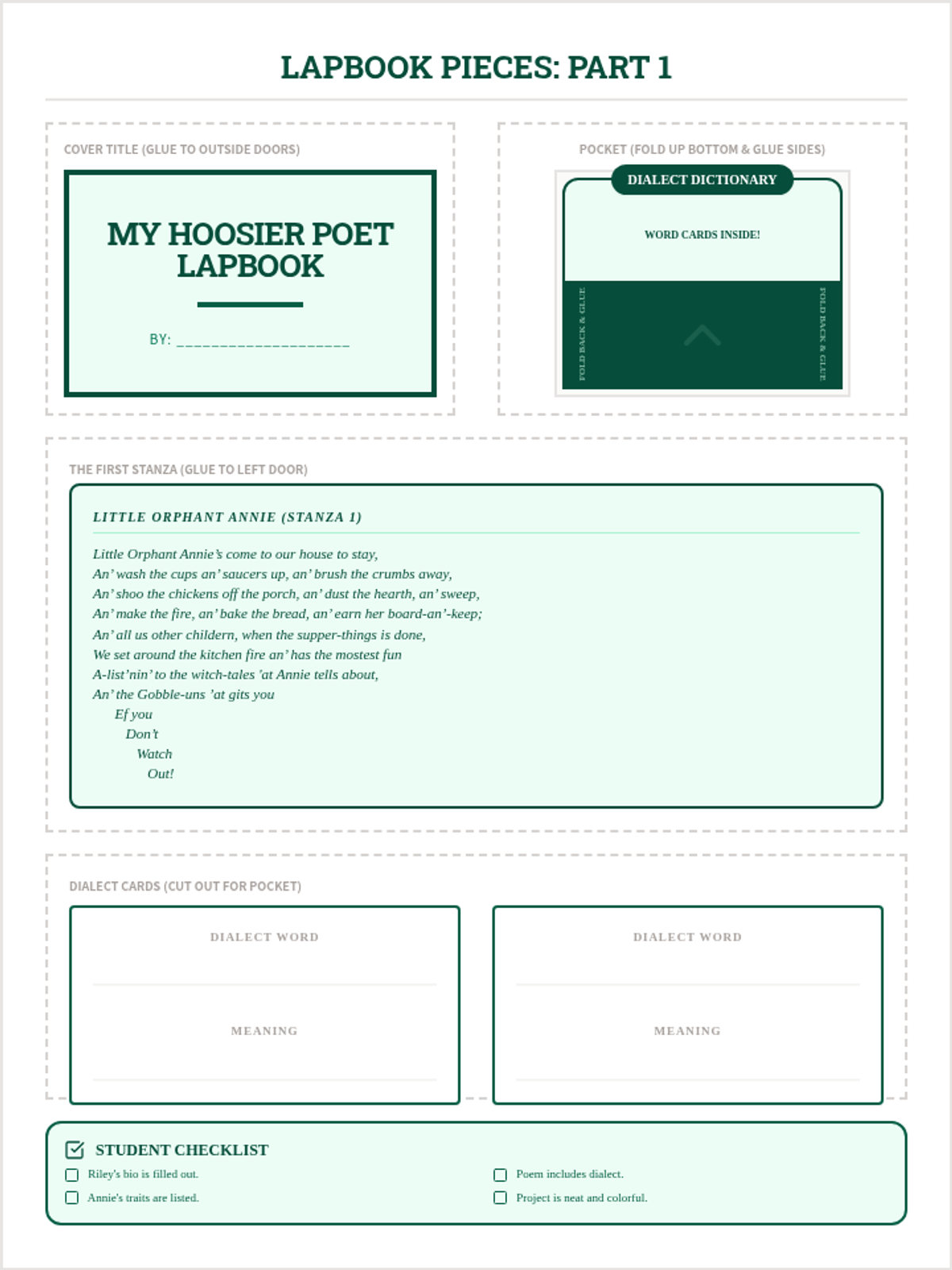
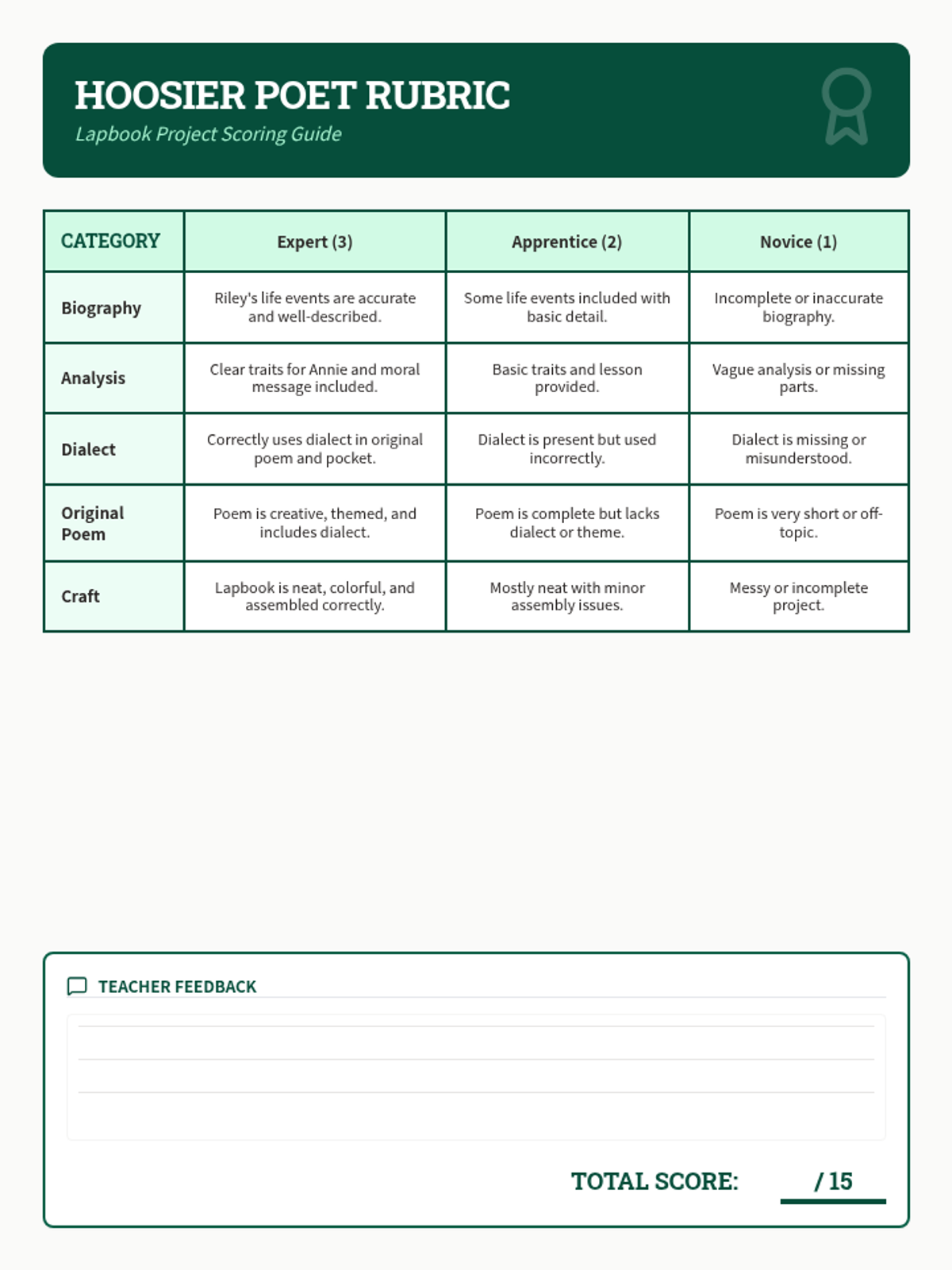
A hands-on creative project where students assemble a construction-paper lapbook to showcase their learning. They will include biography facts, poem analysis, and their own original poem written in a specific style.