Introduction to the compass rose and the four cardinal directions (North, South, East, West).
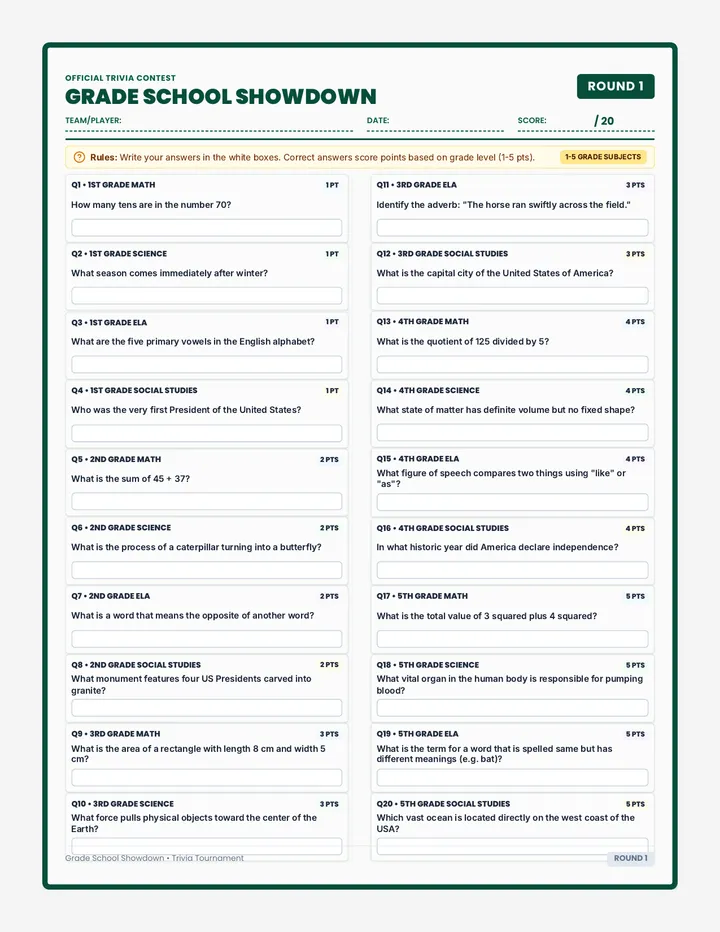
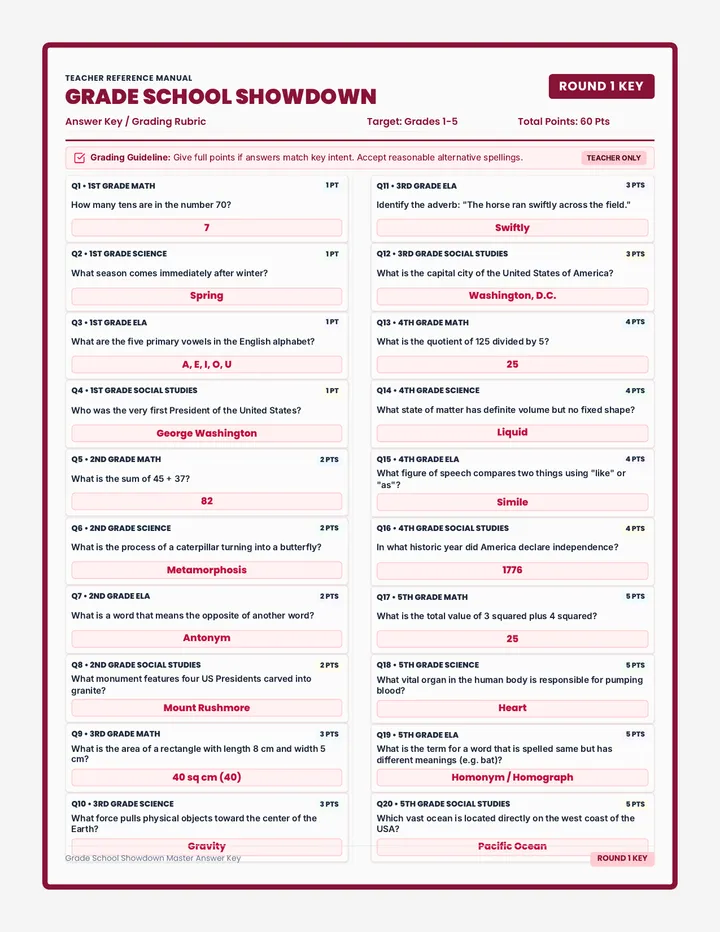
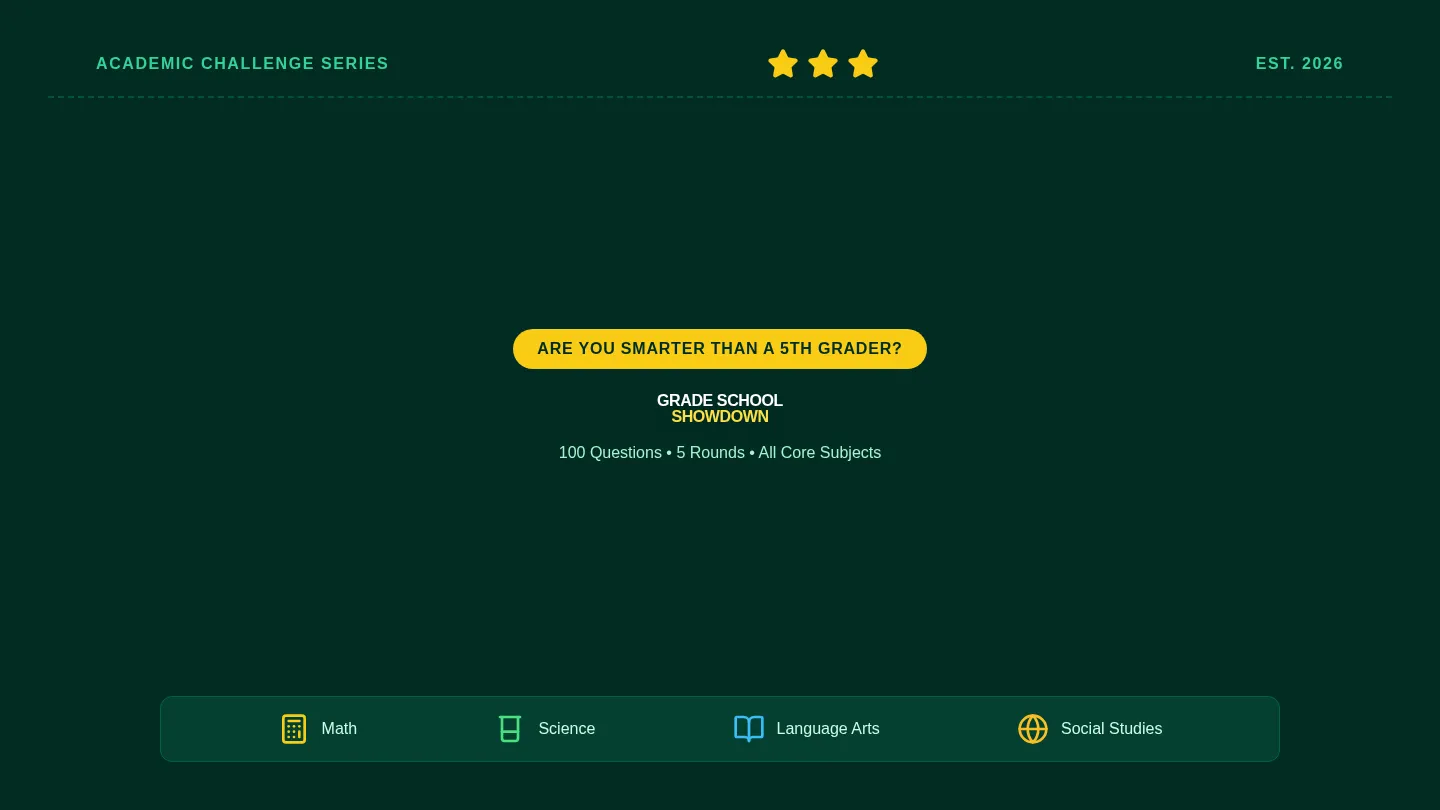
An engaging academic trivia game based on "Are You Smarter Than a 5th Grader?". Includes five comprehensive rounds of questions across five grade levels, complete with an interactive presentation, a print-ready student booklet, and a teacher's answer guide.
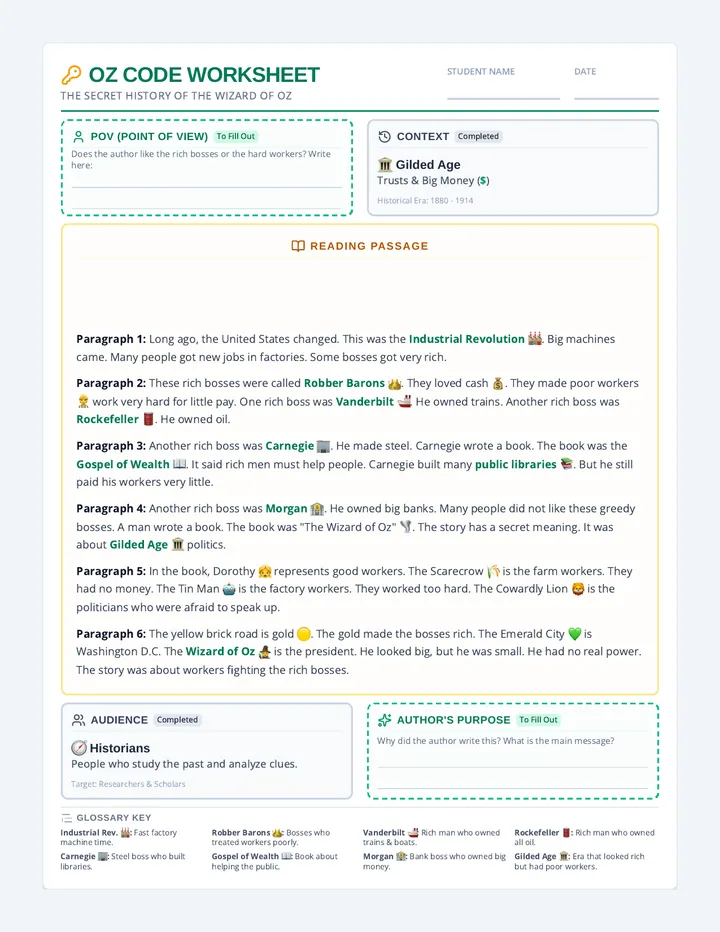
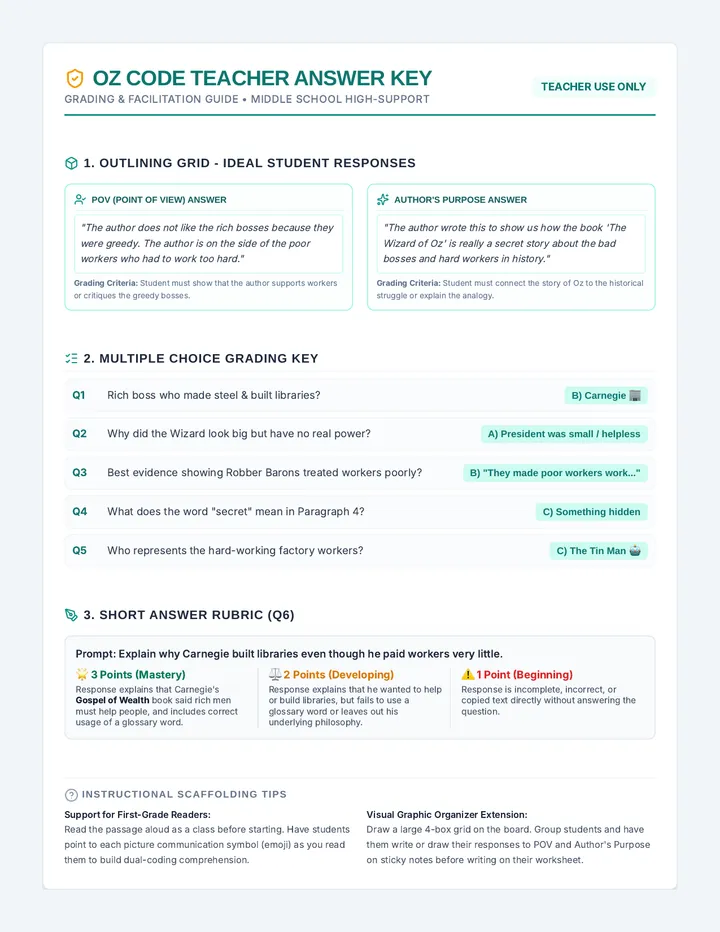
A lesson on the Gilded Age, the Industrial Revolution, robber barons, and their symbolic representation in L. Frank Baum's 'The Wizard of Oz'. Designed with high-support scaffolding for middle schoolers reading at a first-grade level.
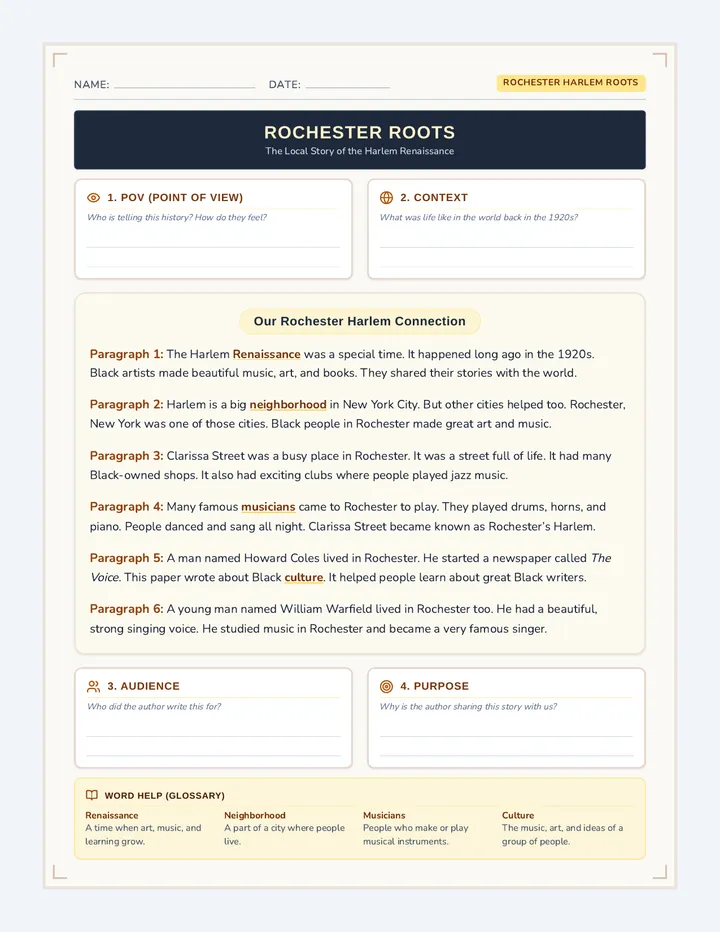
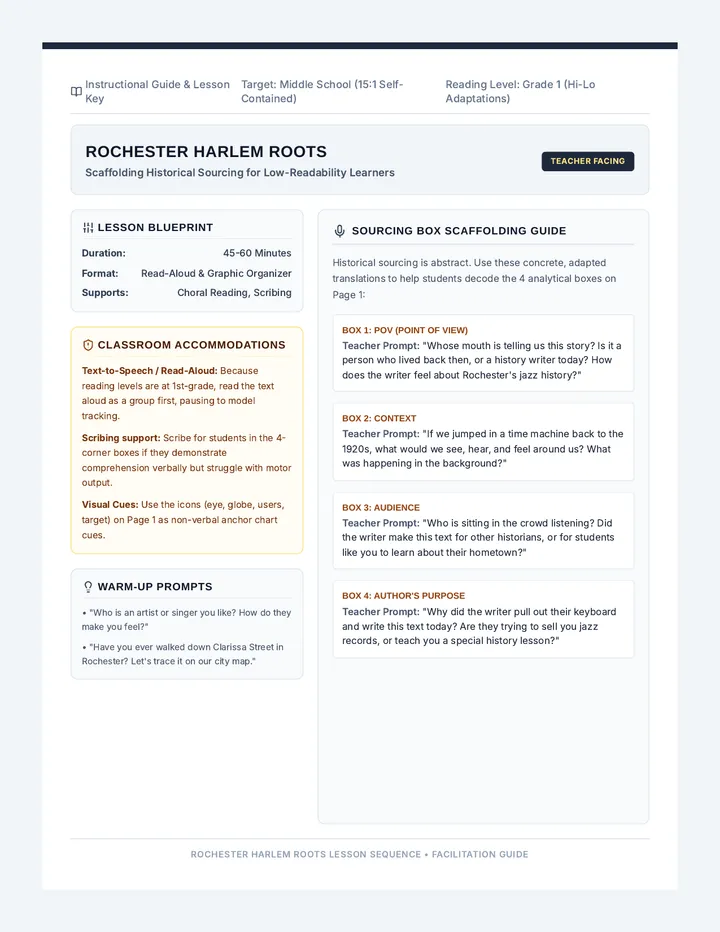
A specialized history and reading comprehension lesson focused on Rochester's local contributions to the Harlem Renaissance, designed with low-readability, high-interest content for middle schoolers reading at a first-grade level.
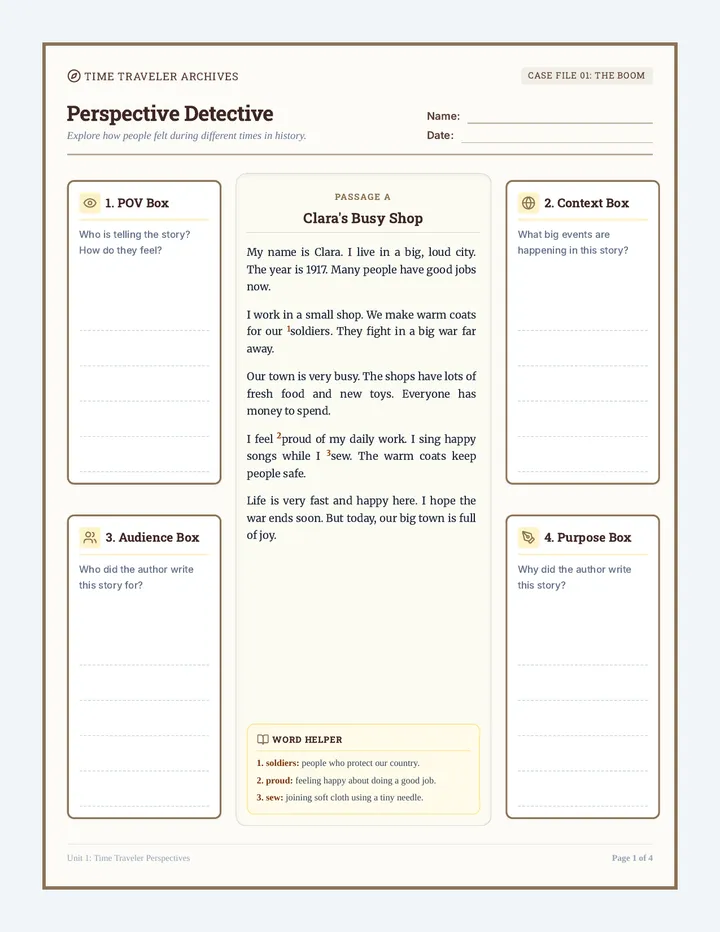
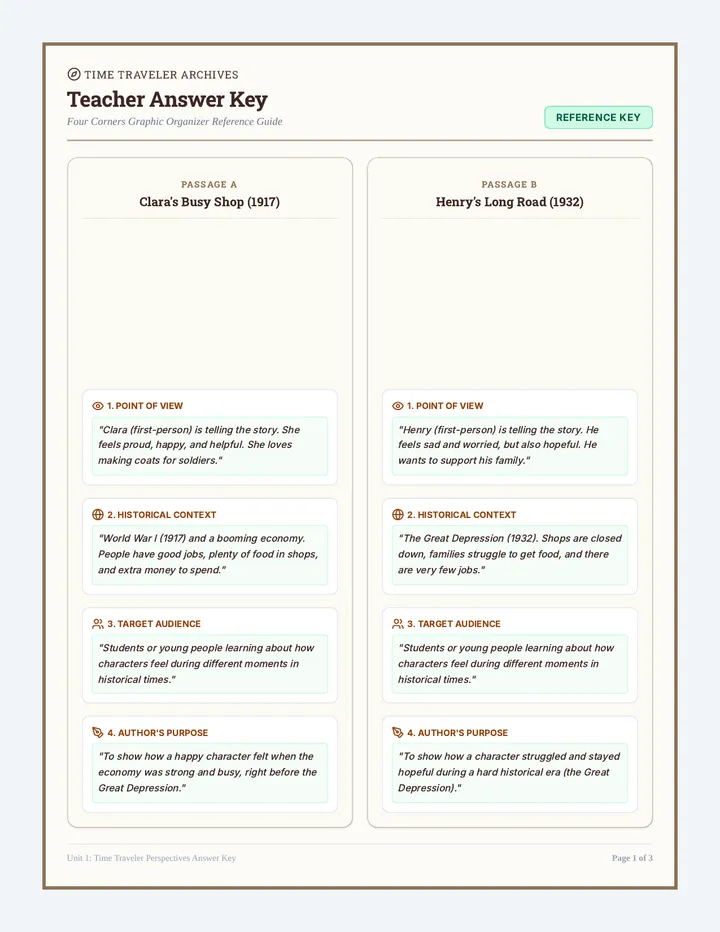
An independent reading unit focusing on perspective and point of view during two contrasting historical eras: World War I and the Great Depression. Students analyze character emotions and historical contexts using a 'four corners' layout.
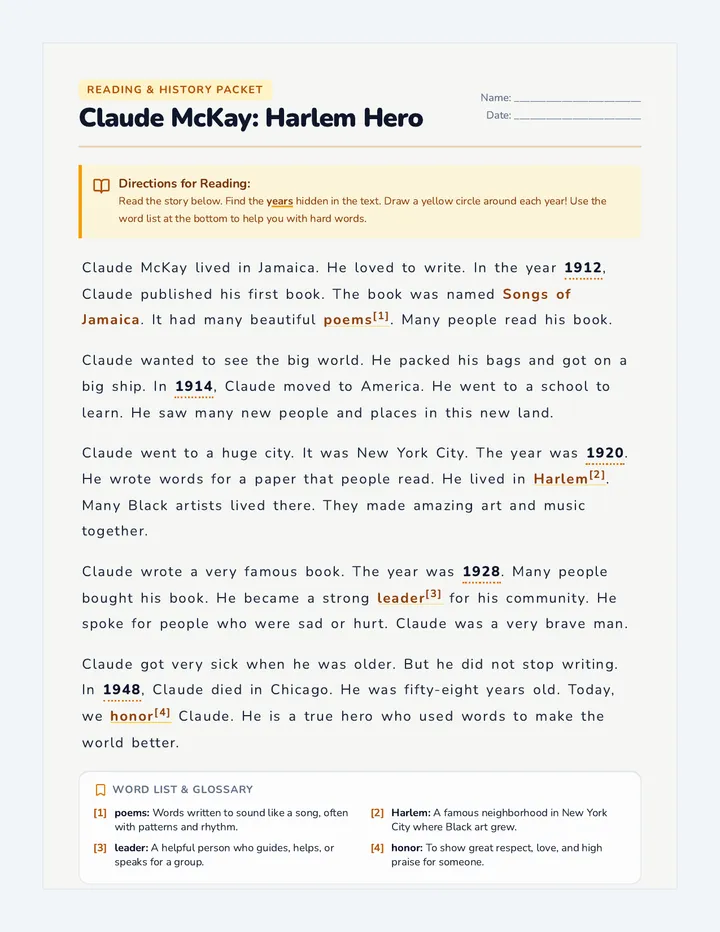
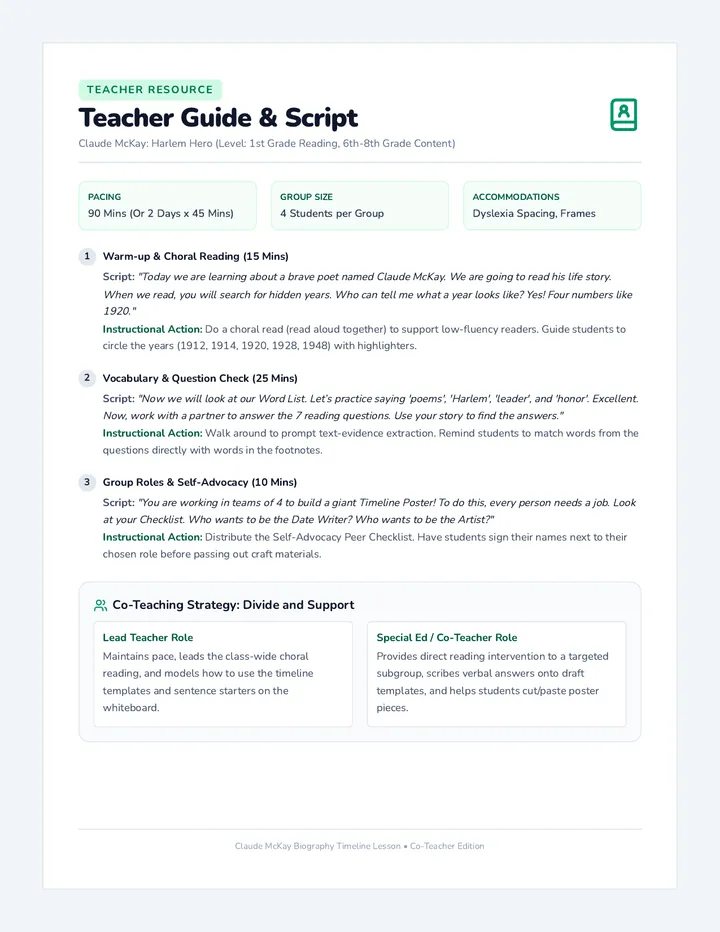
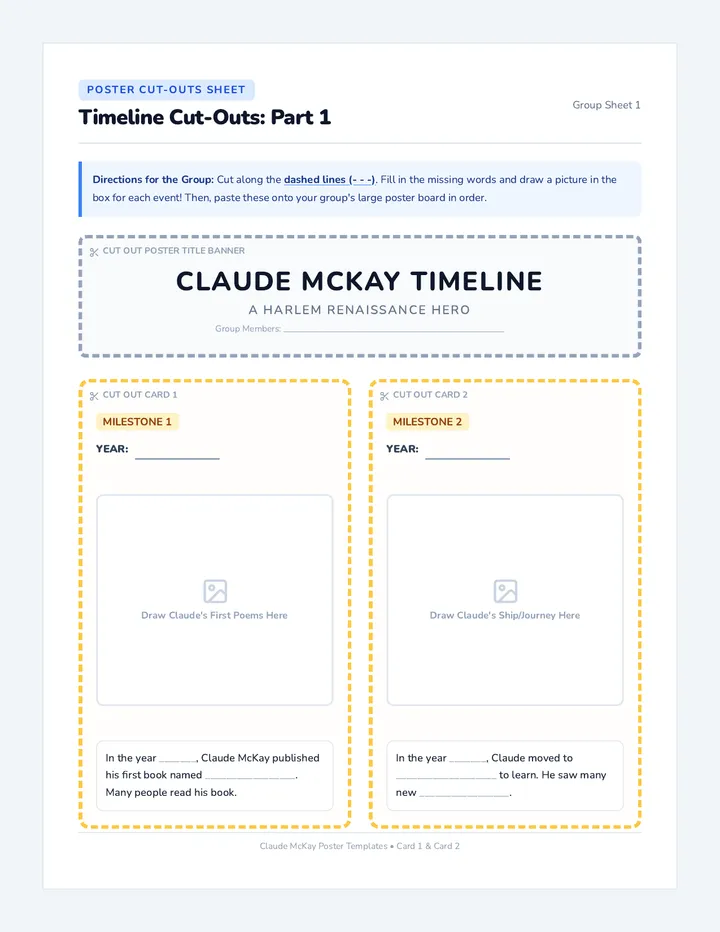
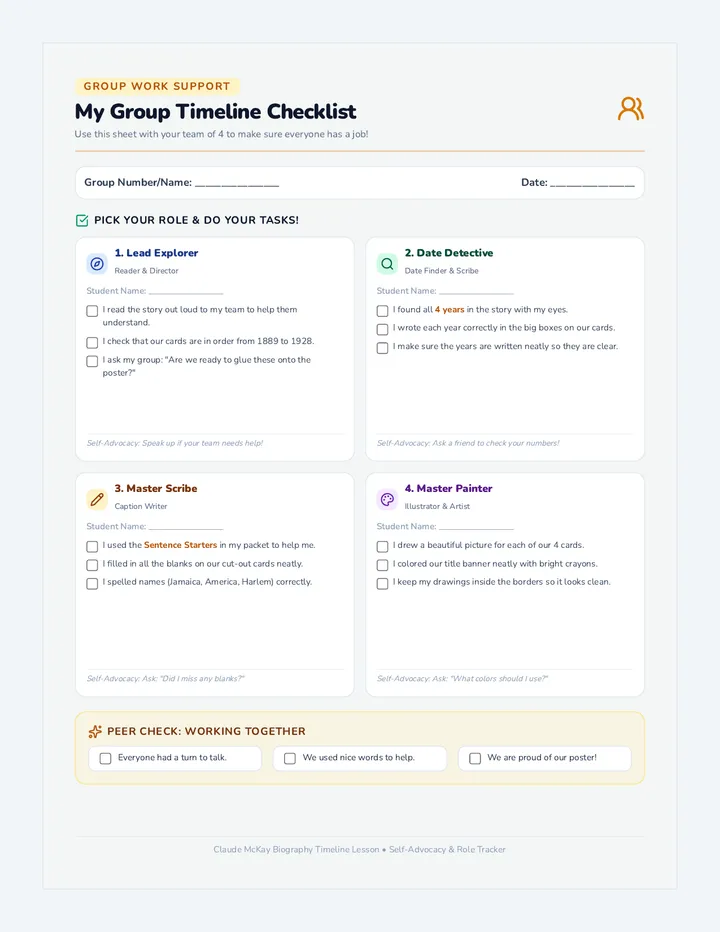
A highly scaffolded middle school lesson on Harlem Renaissance poet Claude McKay, adapted for a first-grade reading level. Includes a text analysis, footnote glossary, comprehension questions, a group timeline poster project, and support tools for co-teachers.
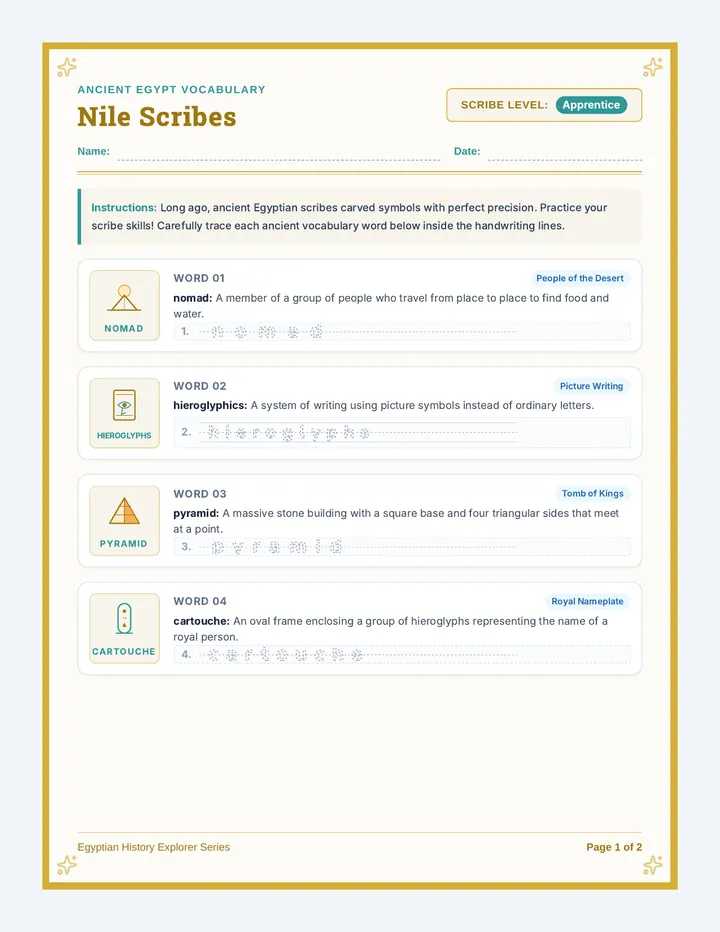
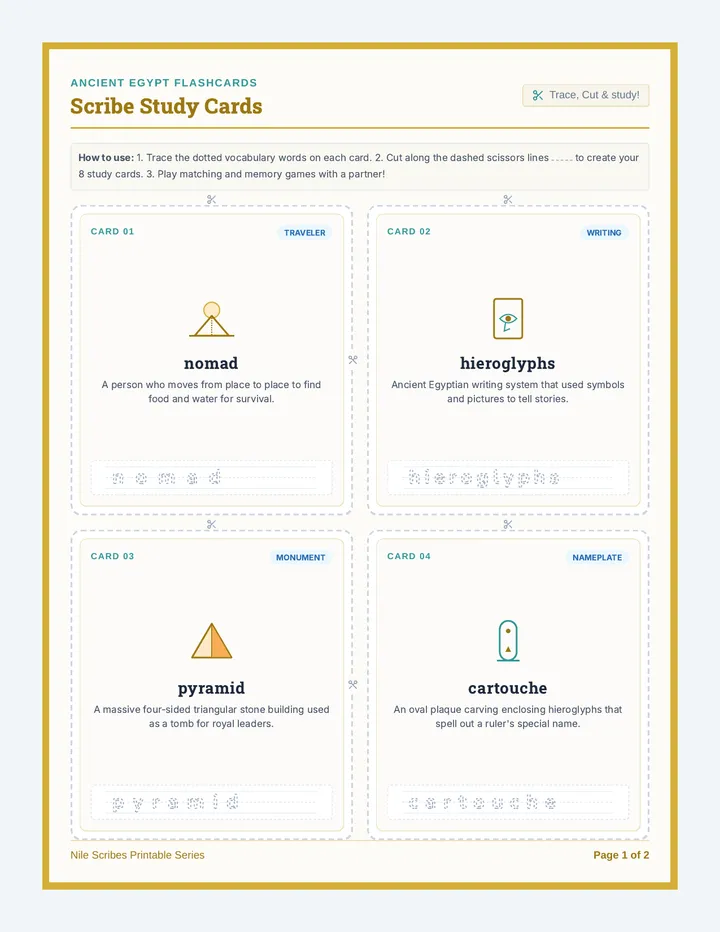
An introductory early-literacy vocabulary lesson about Ancient Egypt. Students learn key terms through tactile hands-on tracing worksheets, vocabulary matching games, and printable trace-and-cut flashcards.
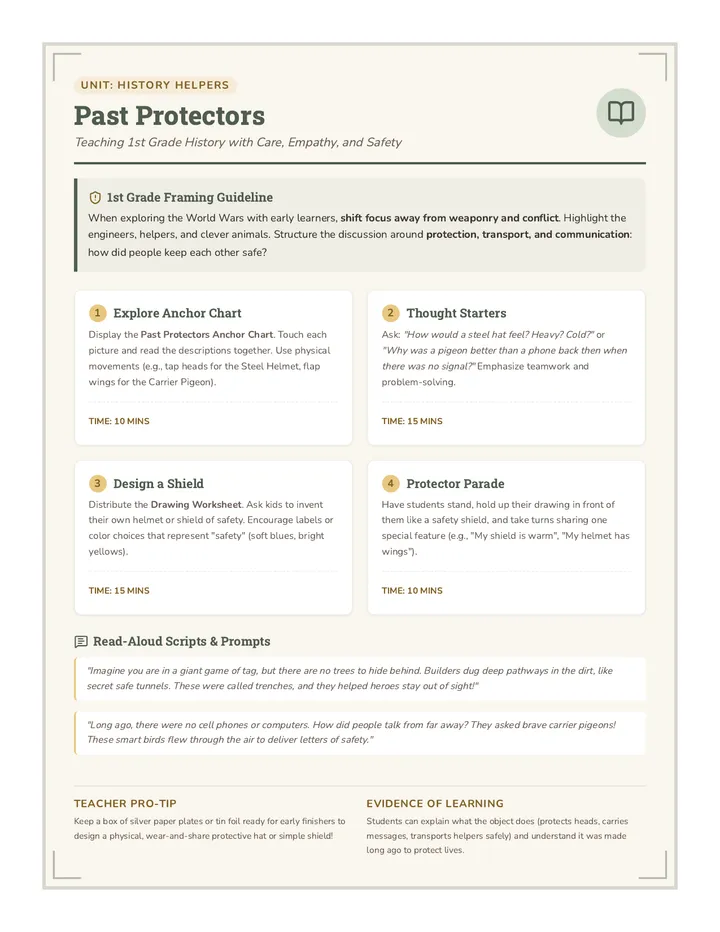
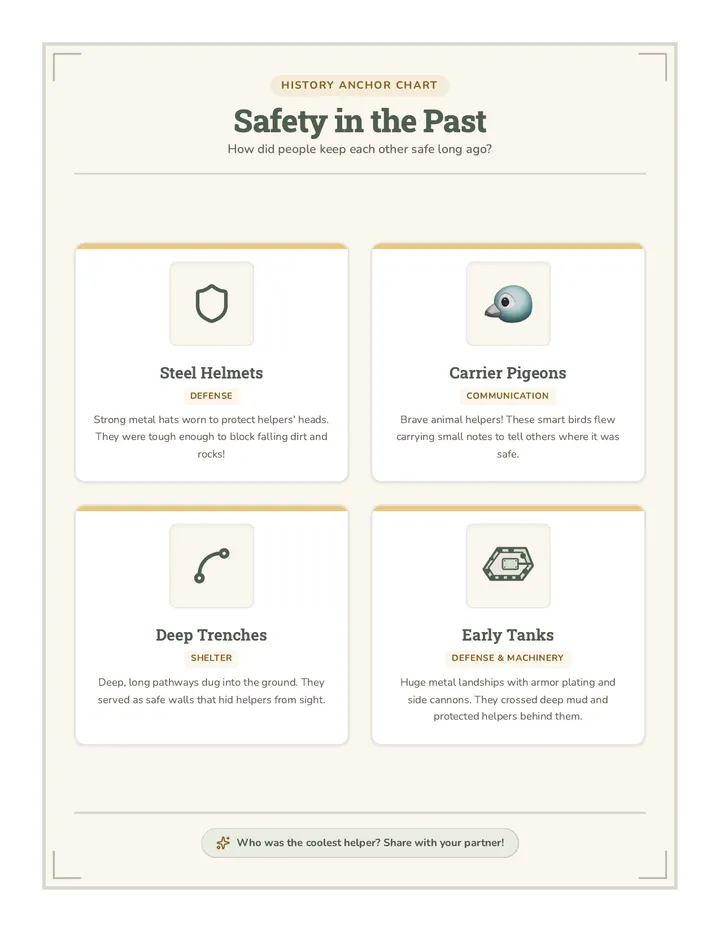
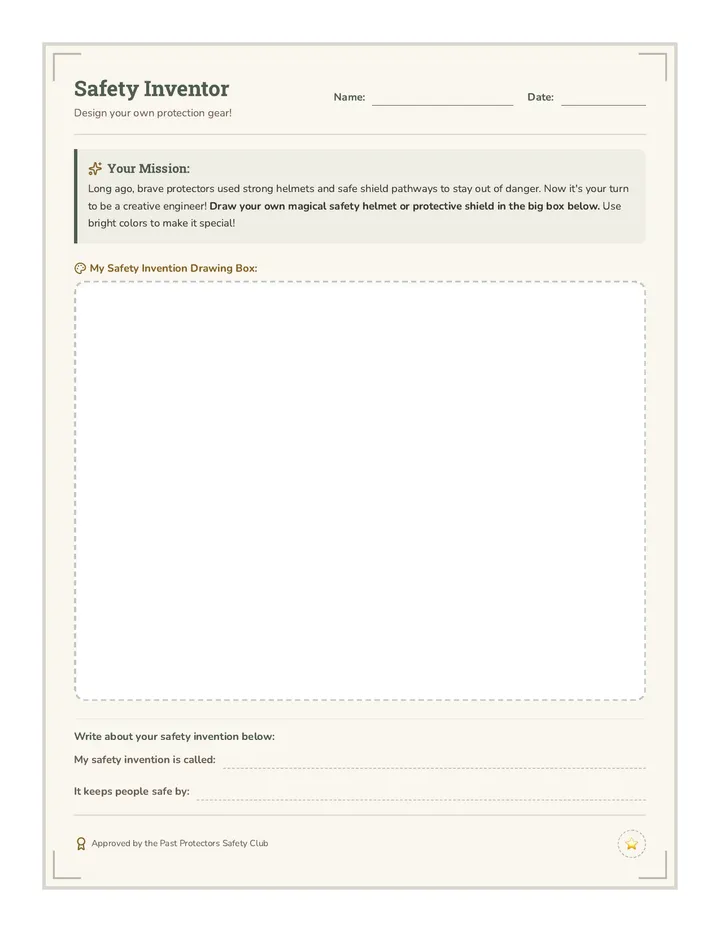
A gentle, age-appropriate history lesson for first graders focusing on defensive technology, safety gear, transport, and communication from the era of the World Wars.
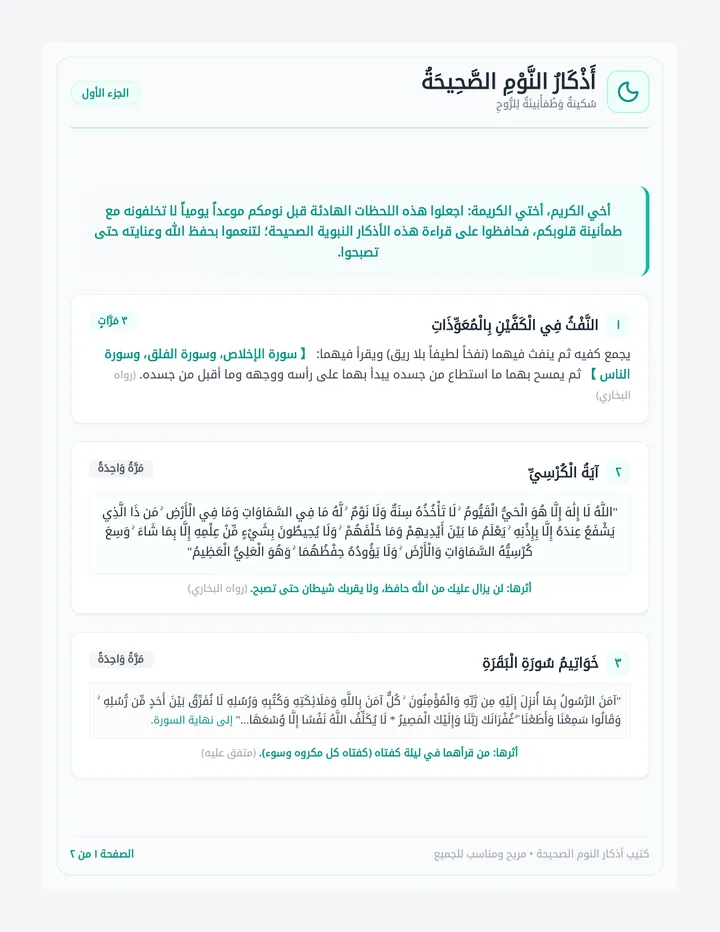
أذكار النوم الصحيحة من السنة النبوية الشريفة مصممة بأسلوب عصري وألوان مهدئة للعين (الرمادي والتركواز الفاتح) لتسهيل القراءة والتصفح اليومي قبل النوم.
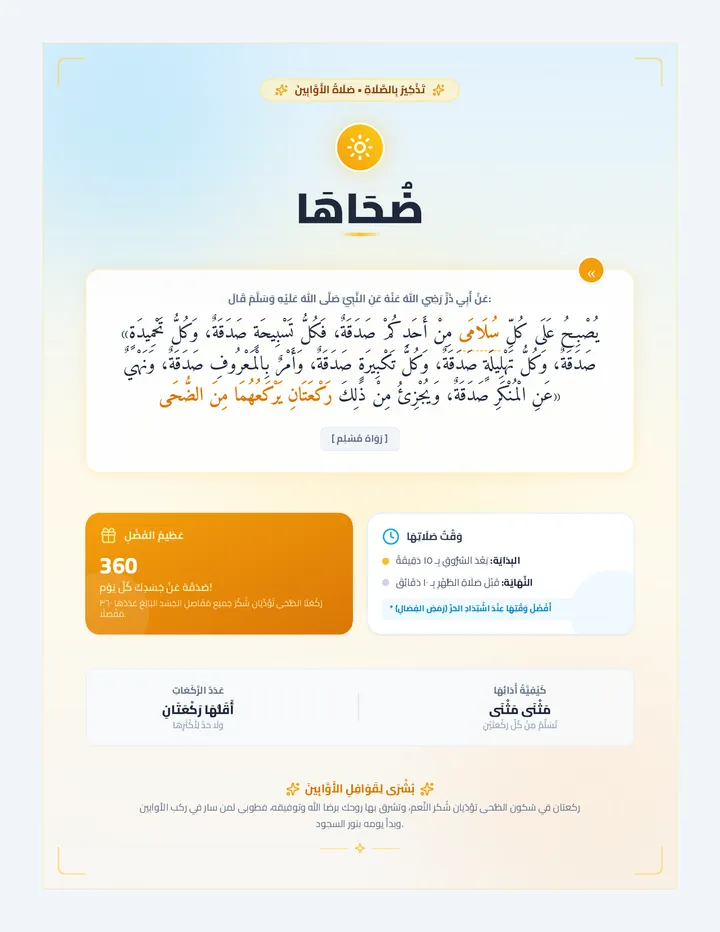
A lesson focusing on daily spiritual habits, providing beautifully designed reminder cards and resources for students and teachers to cultivate consistent worship.
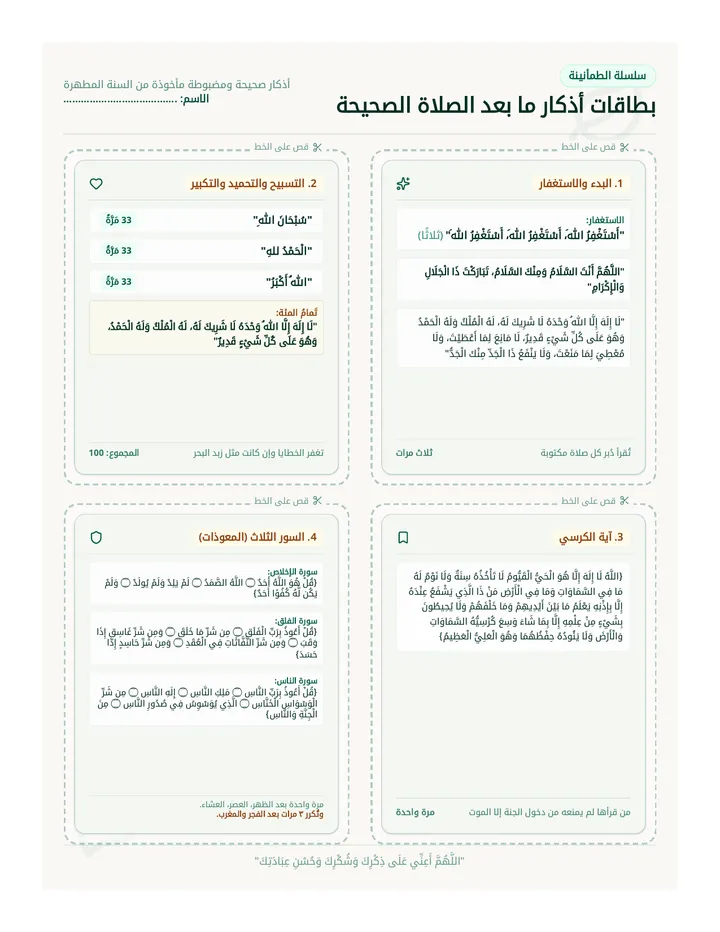
مجموعة تعليمية مصممة لمساعدة الطلاب على حفظ وتطبيق أذكار ما بعد الصلاة اليومية بيسر وطمأنينة.
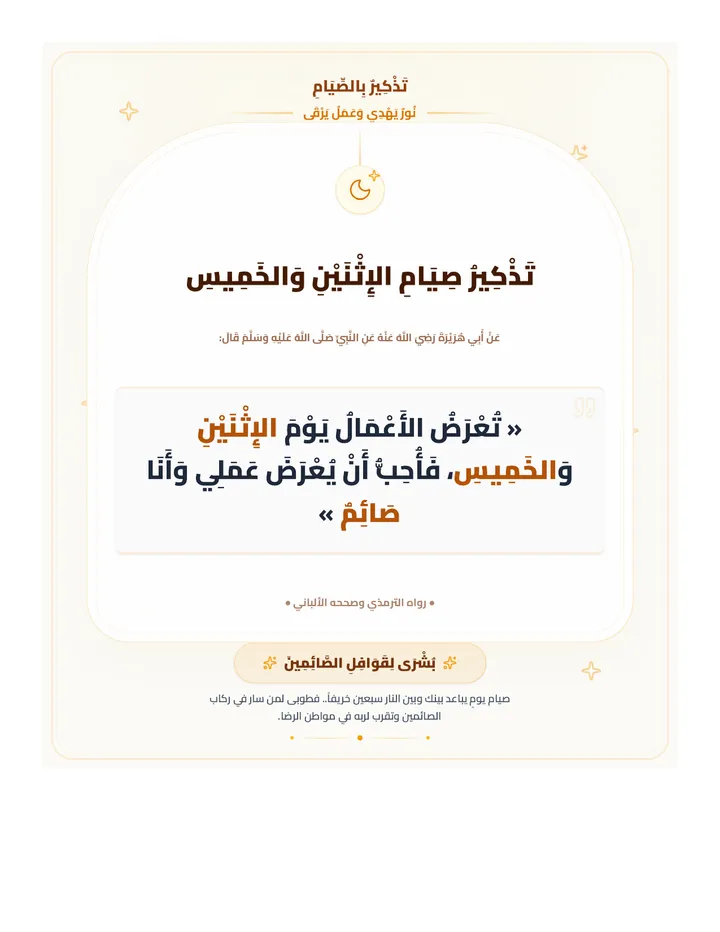
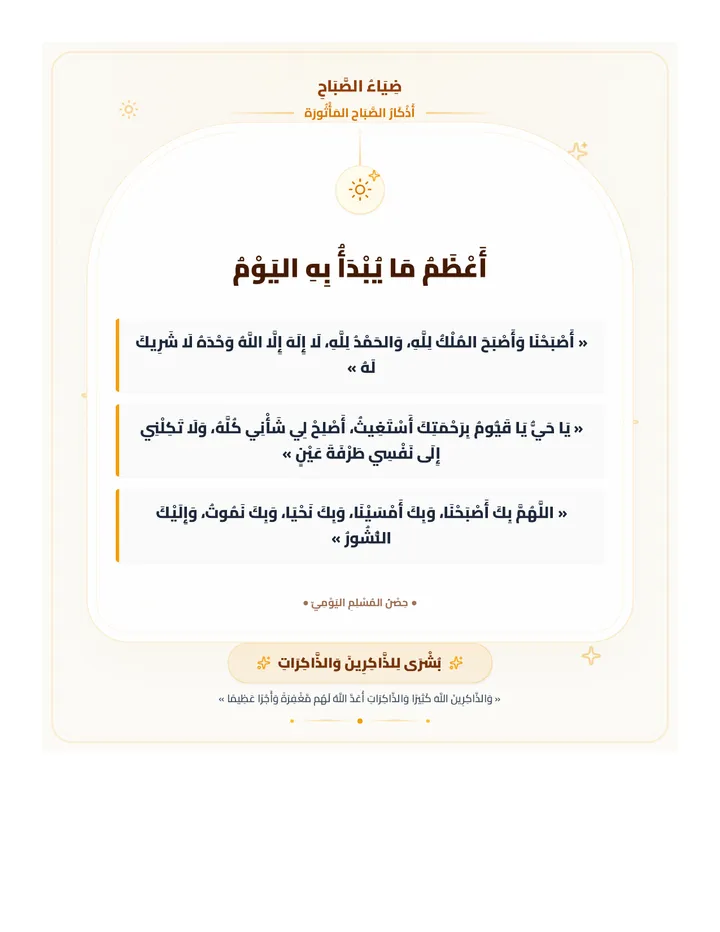
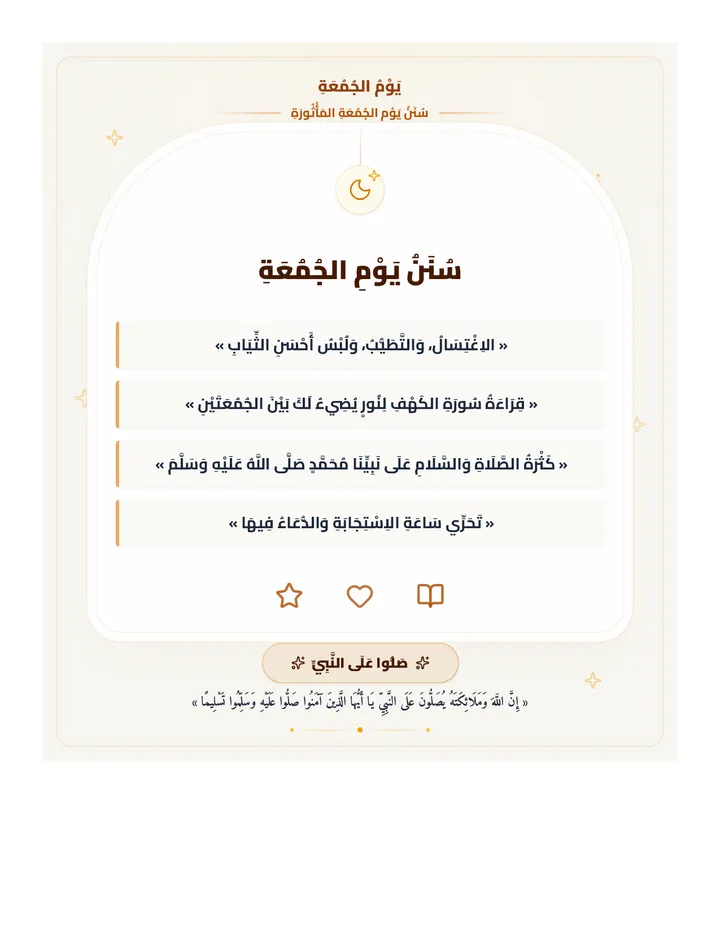
A premium, cohesive collection of beautifully designed spiritual and religious reminders for daily, weekly, and seasonal practices, featuring high-contrast connected Arabic typography, elegant arches, and glowing celestial themes.
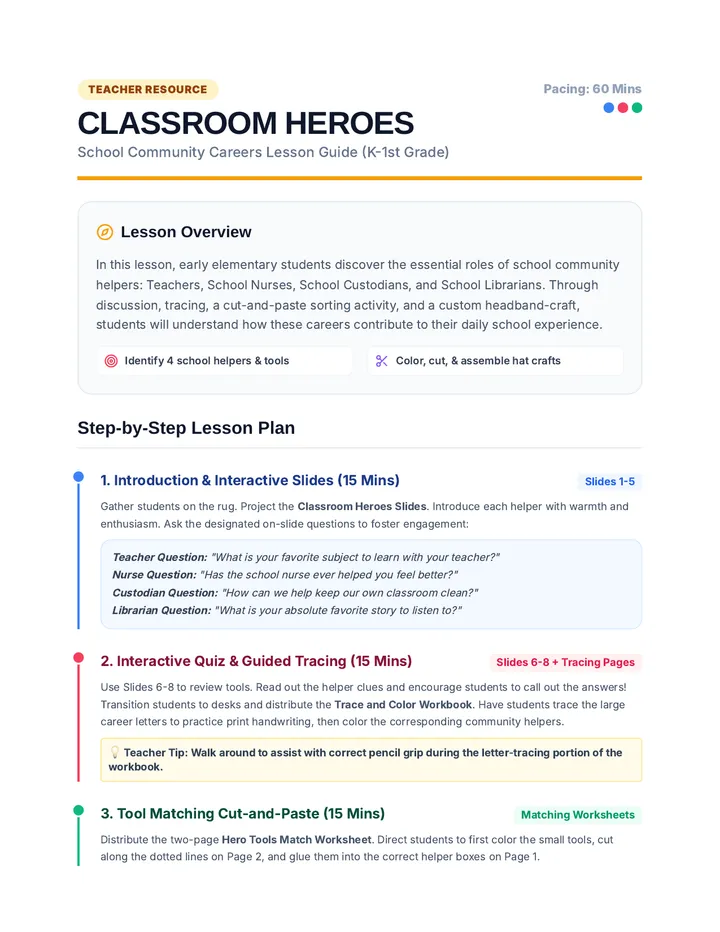
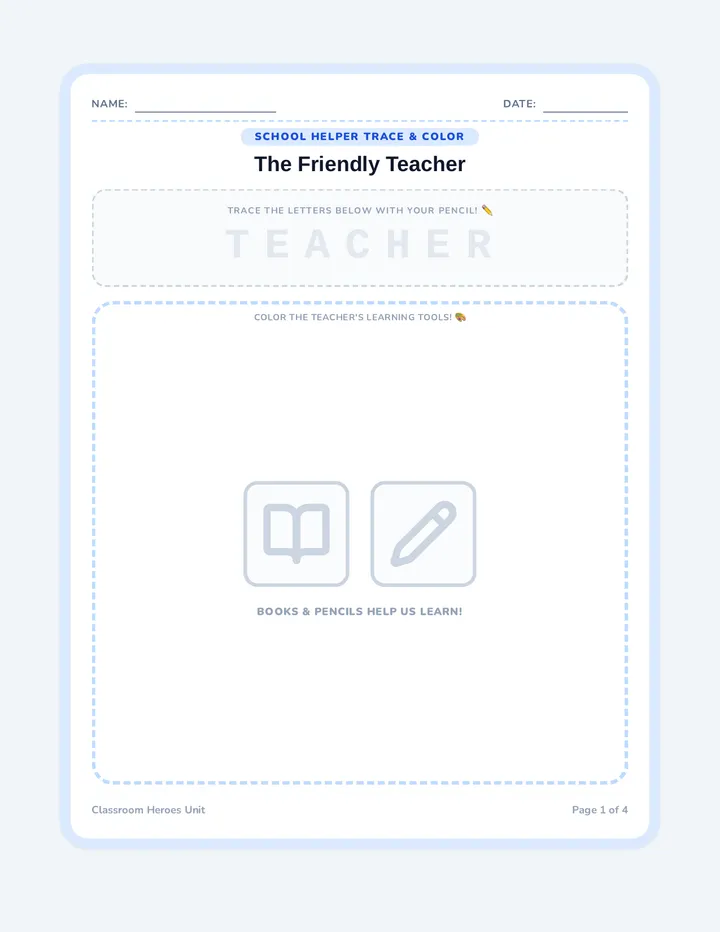
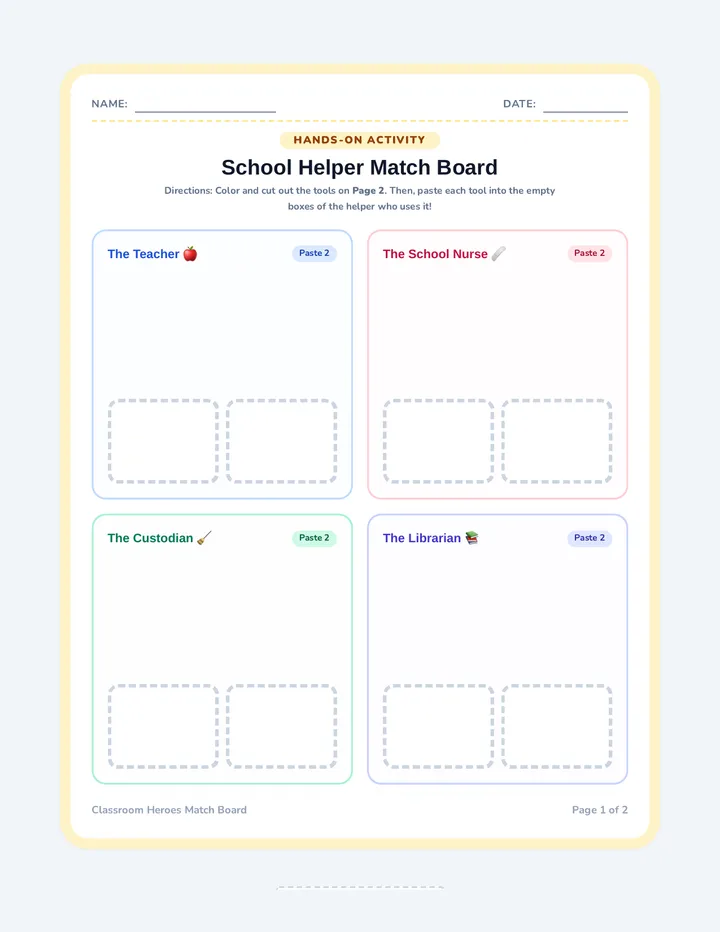
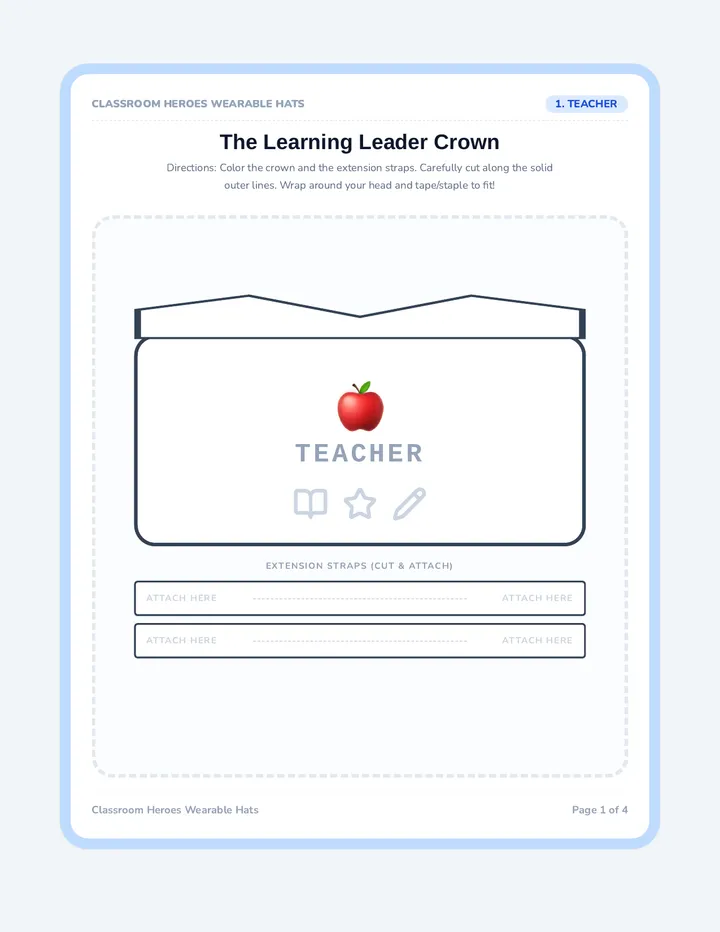
An interactive, hands-on lesson for Kindergarten and 1st-grade students to explore school community careers. This unit features interactive classroom slides, visual tracing and coloring sheets, a cut-and-paste tool-matching activity, and printable career hat crafts.
A comprehensive lesson package designed for 1st-grade ESL students to learn global vocabulary (food, clothing, shelter, music) through engaging slides, a hands-on cut-and-paste worksheet, and a supportive teacher facilitation guide.
A 30-minute civics lesson for 1st graders focused on school pride and community responsibility. Students explore their school identity and commit to a concrete action for their Class Charter.
A 30-minute introductory lesson for 1st graders on school pride and community responsibility, culminating in the creation of a shared Class Charter.
A vibrant introductory lesson for first graders exploring Colombia's diverse geography, unique animals like the jaguar and condor, and the rhythmic world of Vallenato music.
A lesson focusing on life in a medieval castle, featuring a reading passage adapted for Grade 3 reading levels that aligns with Grade 4 CKLA social studies standards. Students will practice vocabulary, answer comprehension questions, and use the RACER strategy for an open response.
A lesson introducing the concepts of push and pull factors of migration through simplified text, visual icons, and structured response tasks designed for IEP support.
A lesson about the history and landmarks of Bedford, Massachusetts, featuring a simplified story with visual supports and a comprehension assessment.
A beginner's guide to cardinal directions (North, South, East, West) featuring a guided exploration game and a creative story-building activity for first graders.
A poetry analysis assignment set at a first-grade reading level focused on key figures of the Harlem Renaissance. Students decode a secret message about the importance of studying history to become future writers.
A lesson for first graders about the life and character of Jackie Robinson, focusing on his bravery and hard work in breaking the color barrier in baseball.
A 20-30 minute introductory lesson for 1st graders to understand the significance of Memorial Day, the concept of a hero, and key national symbols of remembrance.
A collaborative review lesson where students identify and discuss influential historical figures through a 'Who Am I?' game. The lesson emphasizes critical thinking and collective memory about the impact of diverse leaders, activists, and icons.
A differentiated literacy packet for 1st-grade students focused on the story of Paul Revere's Midnight Ride, featuring simplified text and multiple-choice comprehension questions.
A foundational lesson on global geography focusing on identifying and labeling the seven continents using visual cues and spatial relationships.
A beginner-friendly introduction to Paris, France, designed for 1st-grade ESL students. This lesson covers iconic landmarks, French food, basic colors, and modes of transportation through simple language and vibrant visuals.