Examines the evolution of privacy rights in the digital age, focusing on Carpenter v. United States and the Fourth Amendment's application to cell phone data.
A 45-minute civics lesson exploring the First Amendment through the lens of the landmark Supreme Court case Tinker v. Des Moines, empowering students to understand their rights and responsibilities.
Students explore the vital role of a free press as the 'Fourth Estate' in a democracy, examining historical impact and current relevance through inquiry and analysis.
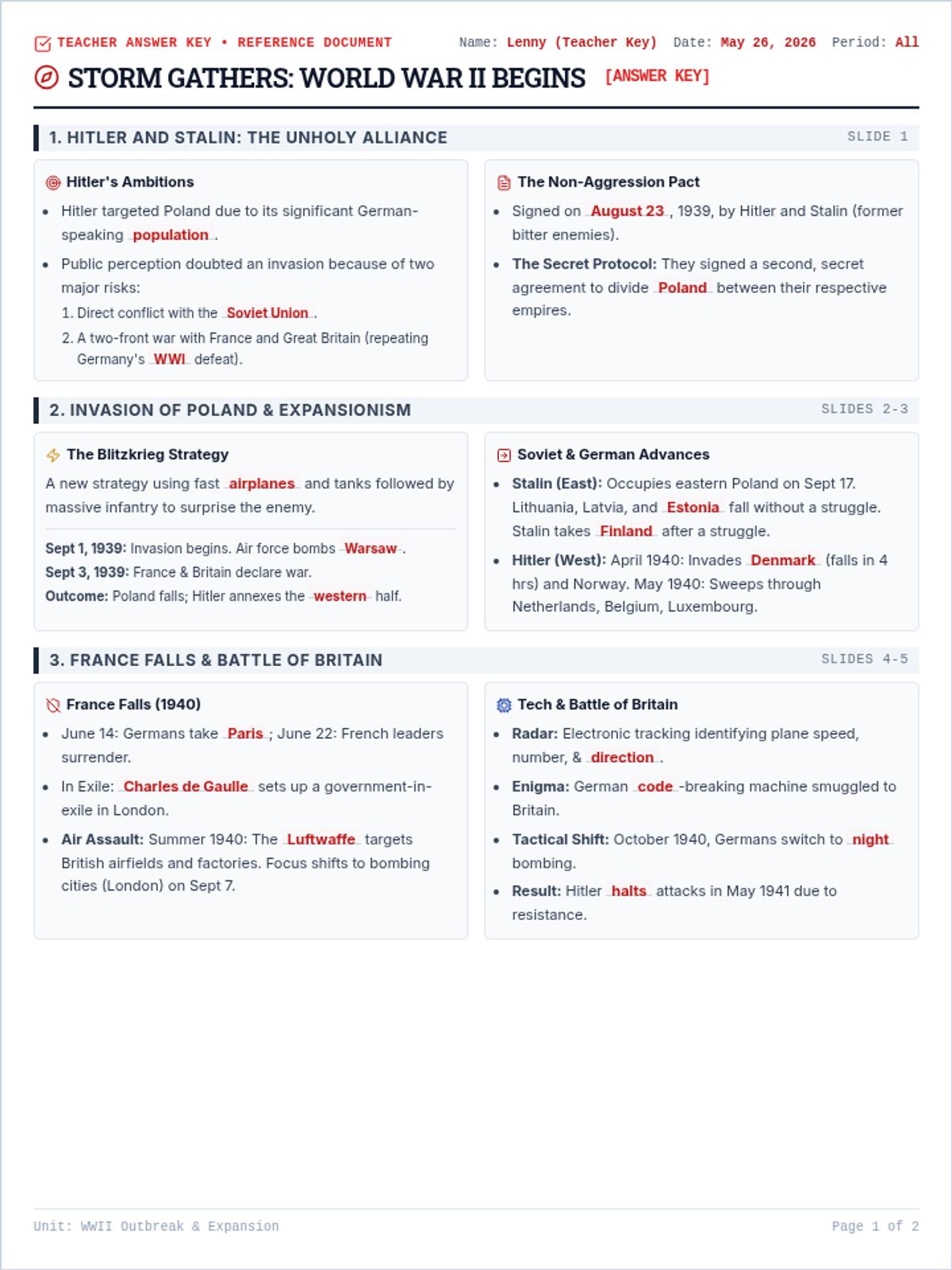
A historical exploration of tropical storms in the Caribbean, focusing on significant events, technological evolution, and the impact on regional history from the colonial era to the late 20th century.
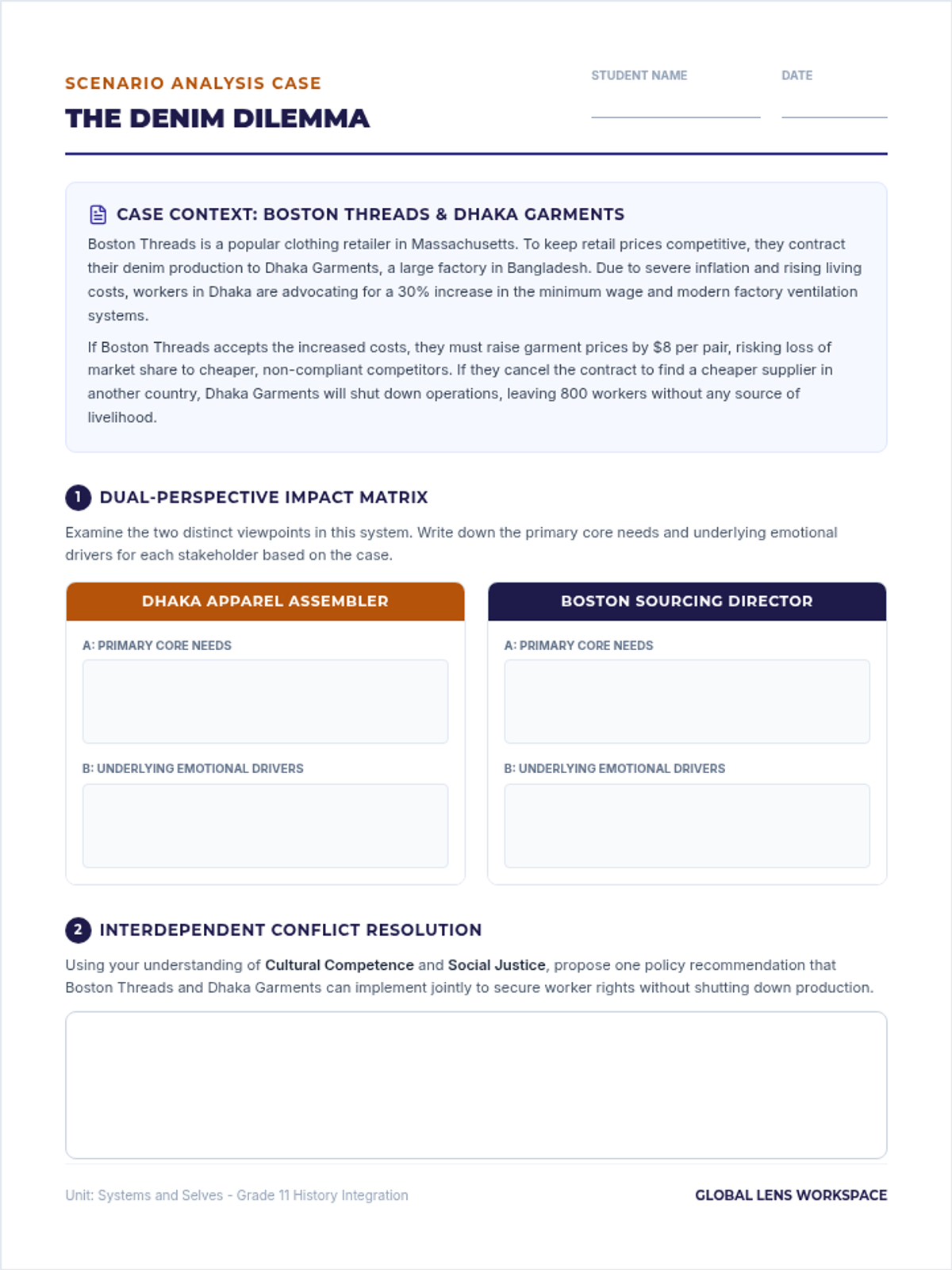
A comparative look at Hawaiian culture and Southern US culture, focusing on language, housing, economics, and deep-rooted family values.
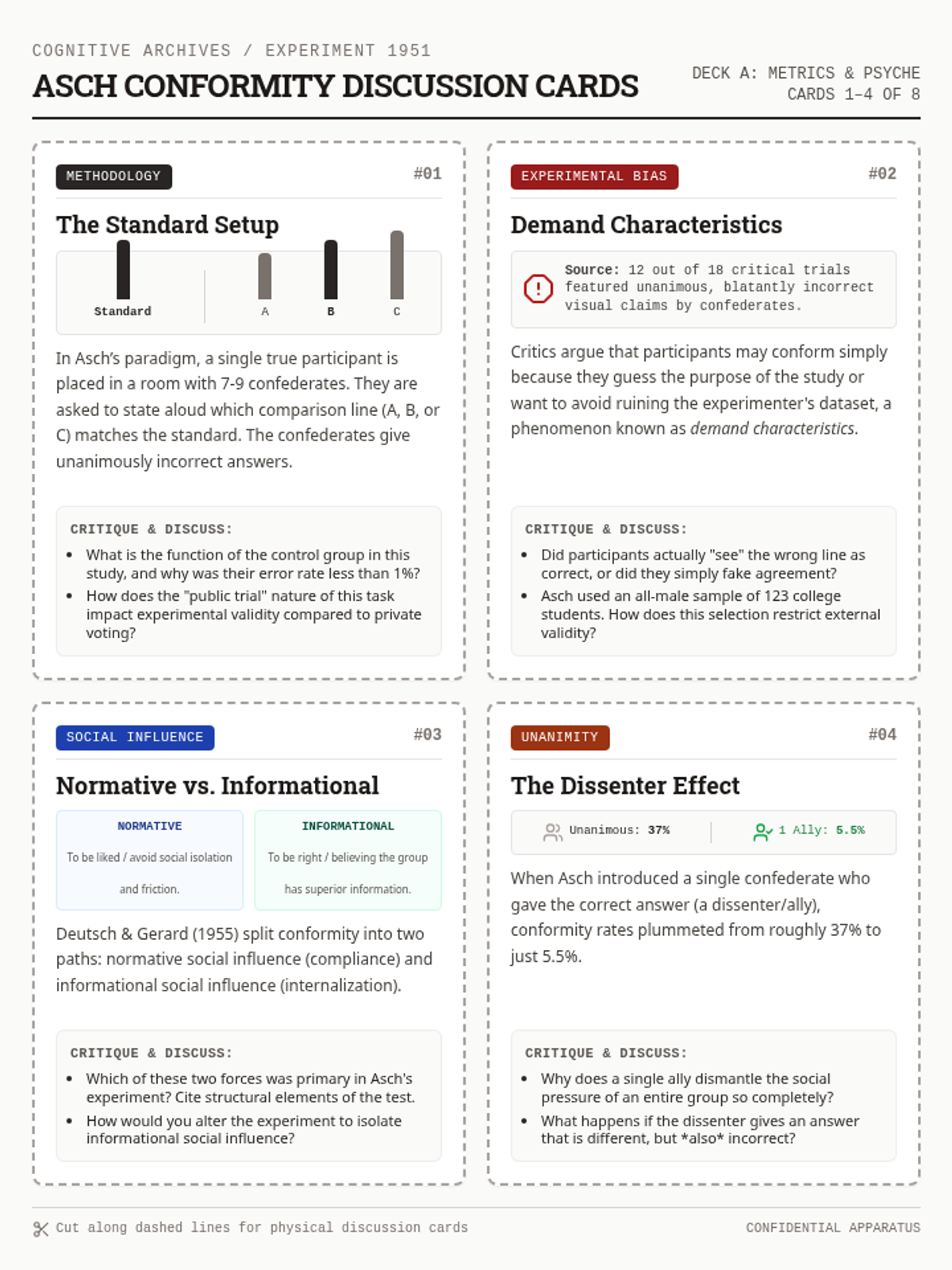
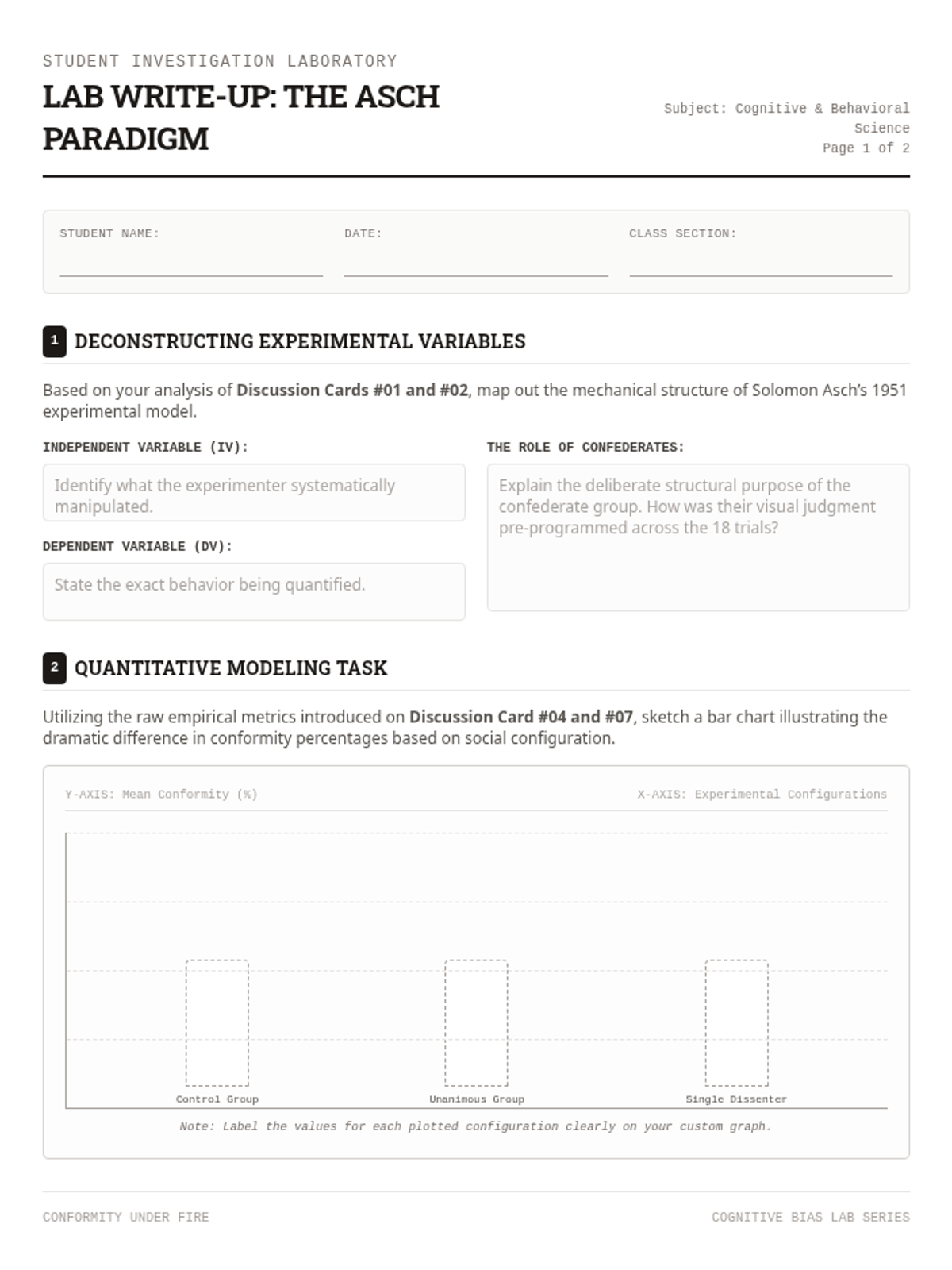
A comprehensive lesson on Public Relations in Psychology, focusing on translating complex research for public consumption, managing public perception of psychological science, and ethical communication.
This lesson explores the intersection of psychological principles and public relations strategies, designed for university-level teacher training. It covers behavioral influence, cognitive biases, and ethical communication frameworks.
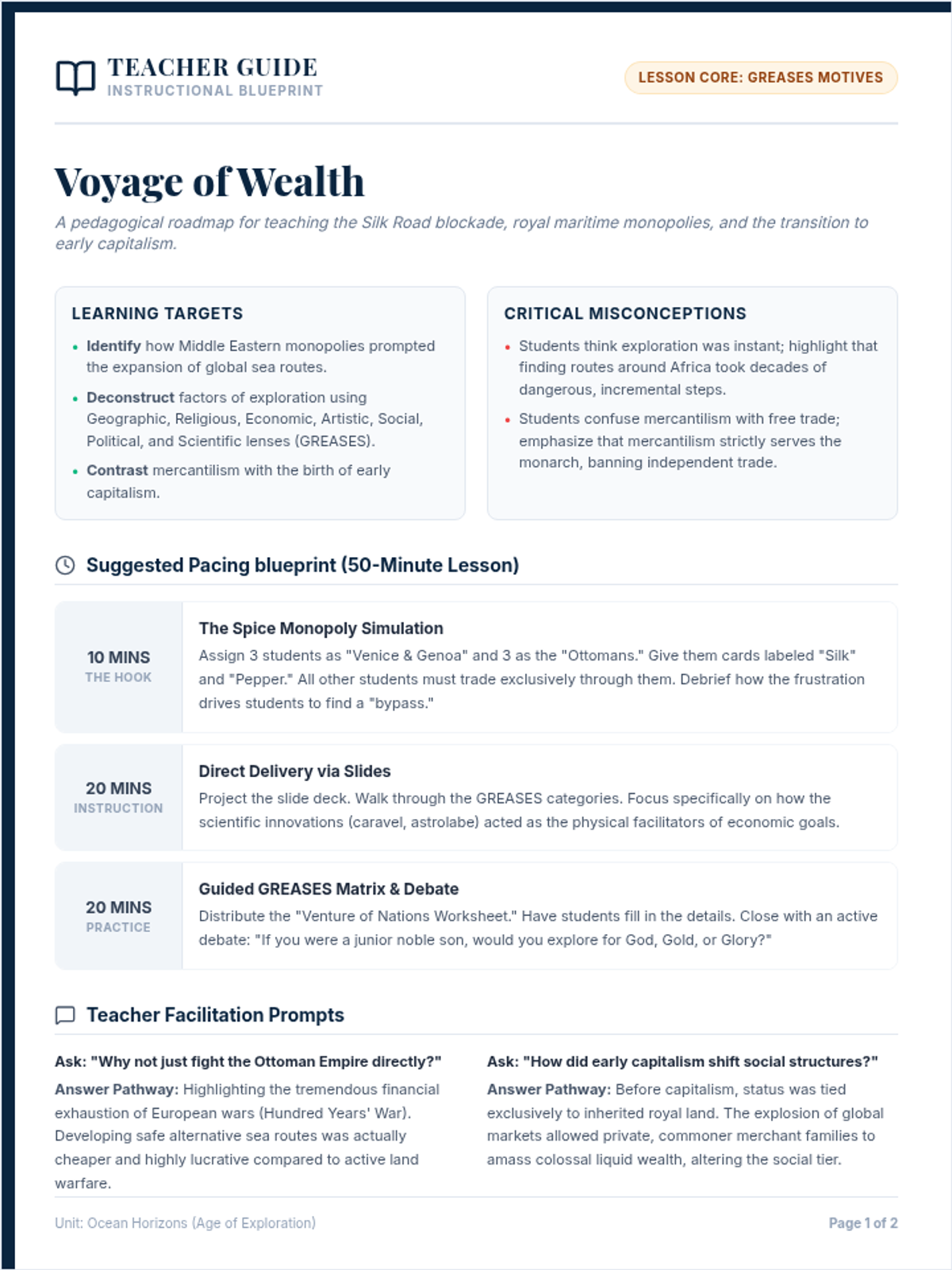
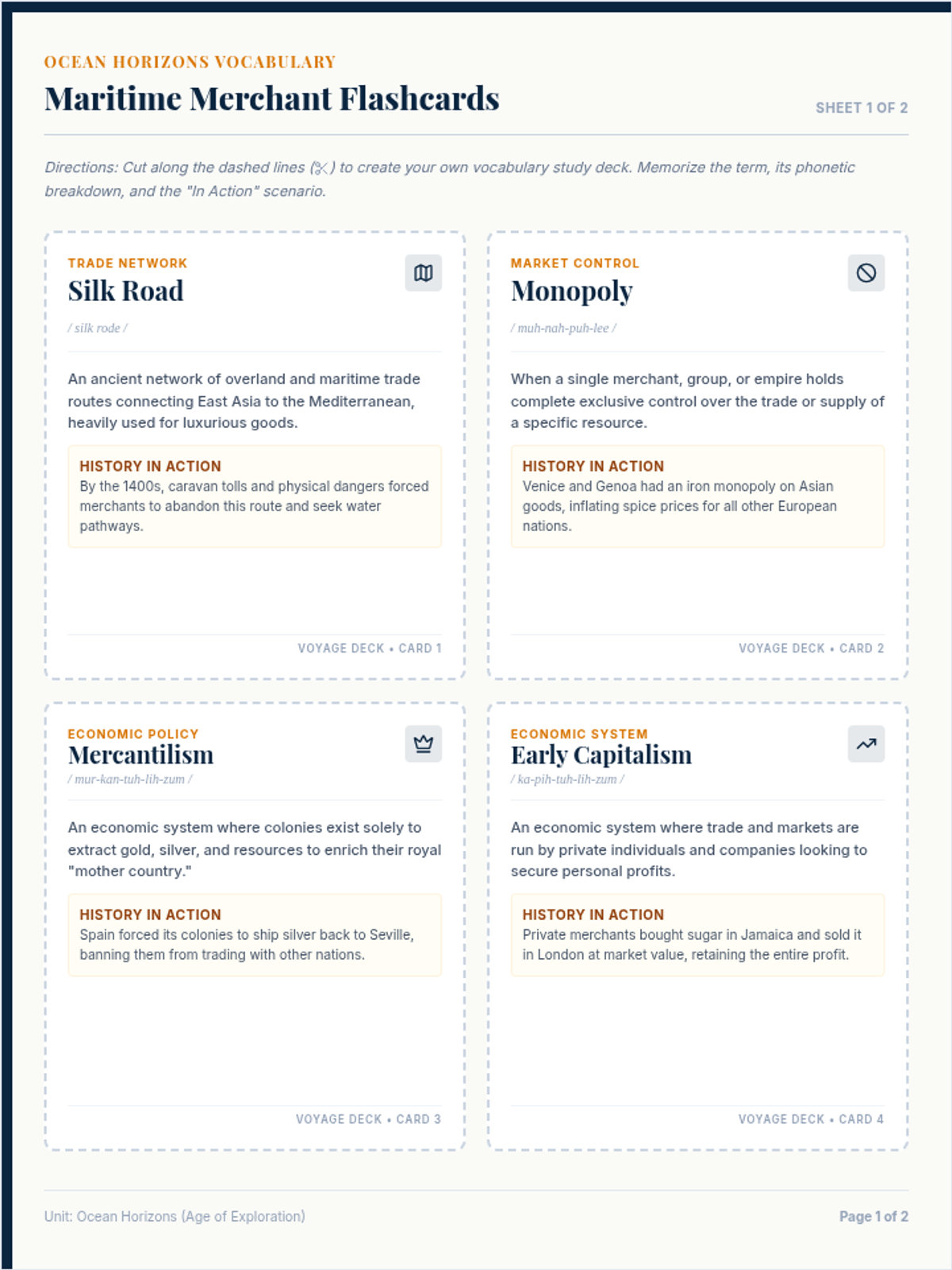
A 4-week project-based learning unit where students plan a cross-country journey to explore the history and landscape of America's National Parks. Students balance logistical planning with deep historical research into the creation and cultural significance of each site.
A reflective lesson where students explore the poetic beauty and personal significance of the Psalms, choosing a specific passage to analyze and connect with their own lives.
A lesson exploring the theory and impact of Reaganomics through a comparative analysis of supply-side economic arguments. Students will examine primary perspectives on tax cuts, deregulation, and government spending to understand the debate over 'trickle-down' economics.
The final synthesis of the unit where students craft an evidence-based argument regarding the continued influence of the frontier myth on modern American identity.
A critical evaluation of the Frontier Thesis through the lens of 'The New Western History.' Students analyze whose voices were left out and how Turner's narrative justified westward expansion at the expense of others.
Examination of the specific personality traits Turner attributed to frontier life: individualism, practicality, and democratic spirit. Students analyze how these traits became embedded in the American identity.
A deep-dive literacy lesson focusing on Turner's 1893 essay. Students practice close reading and annotation to identify his core arguments regarding the safety valve theory and the 'Americanization' process.
Introduction to the 1890 Census announcement and the 'closing' of the frontier. Students explore the historical context that prompted Turner's thesis and its immediate impact on the American psyche.
A deep dive into the ideological conflict of the Cold War through the lens of propaganda. Students will analyze techniques used by both the US and the USSR to influence public opinion and contrast their messaging strategies.
Students explore the core tenets of Confucianism, Taoism, and Buddhism by analyzing three alternative endings to the Avatar: The Last Airbender series, each reflecting a different Eastern philosophy.