Students learn to differentiate between realistic mental pictures and schematic mental diagrams. They practice converting descriptive text about cycles and systems into functional mental models.
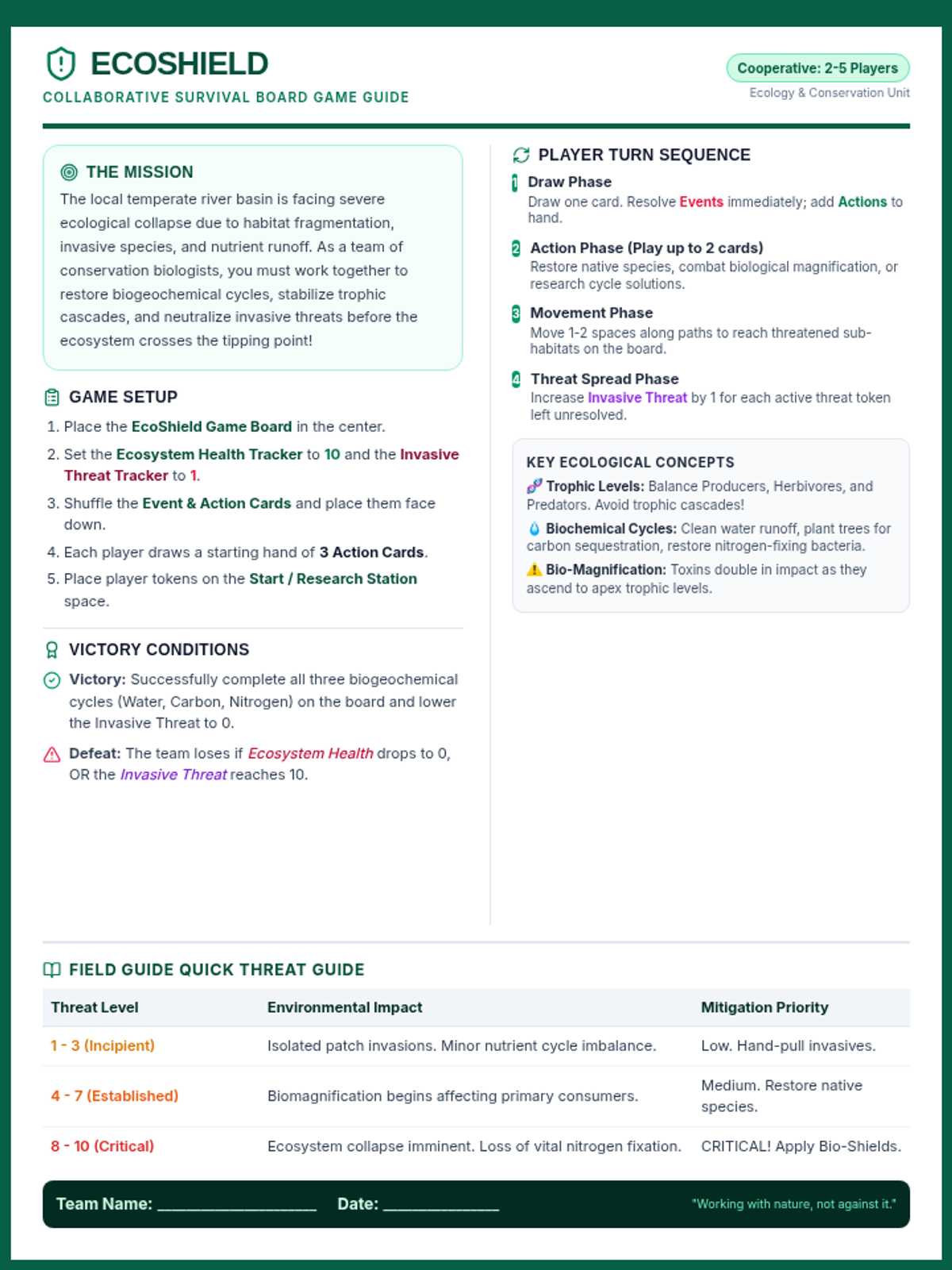
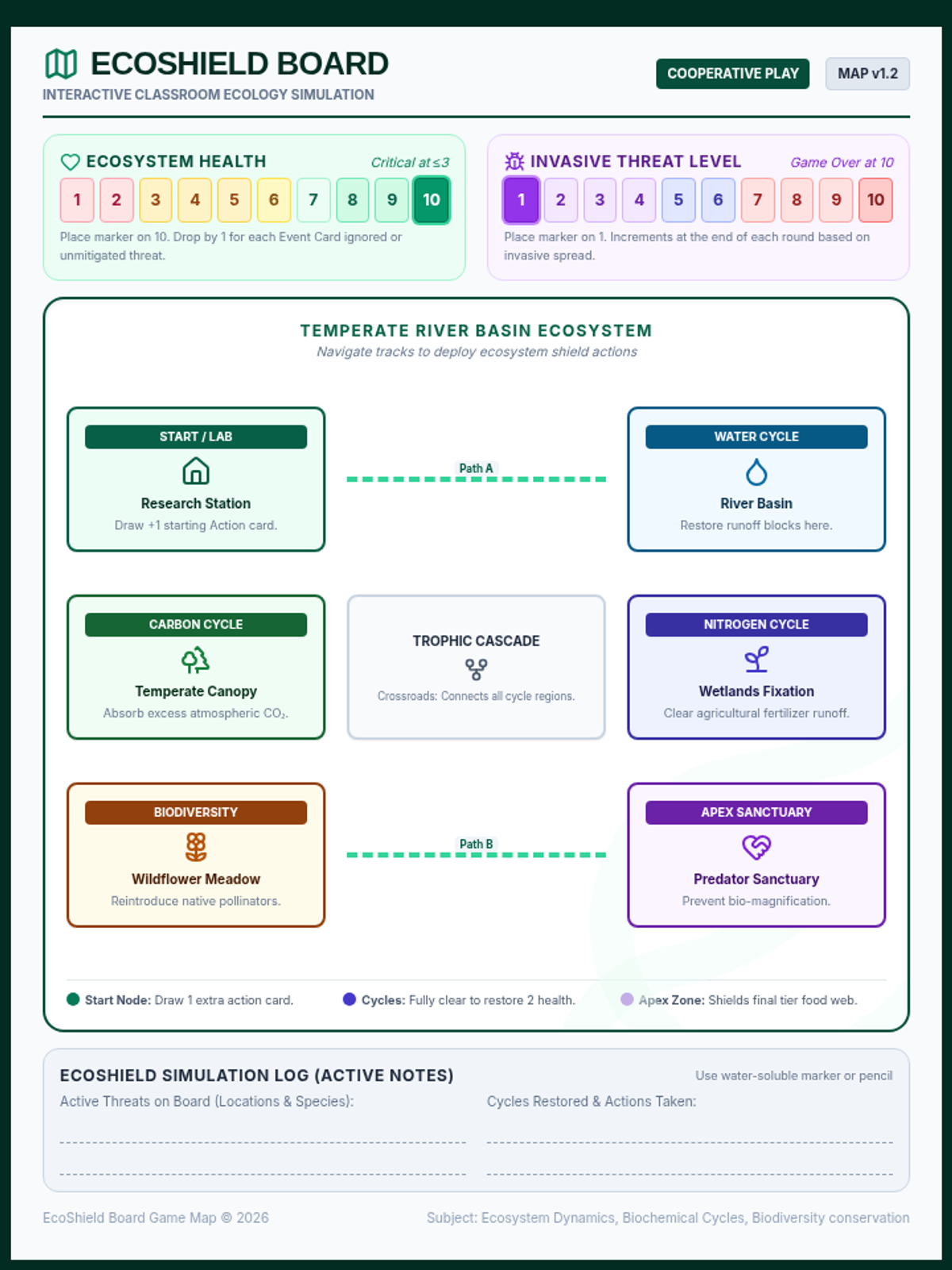
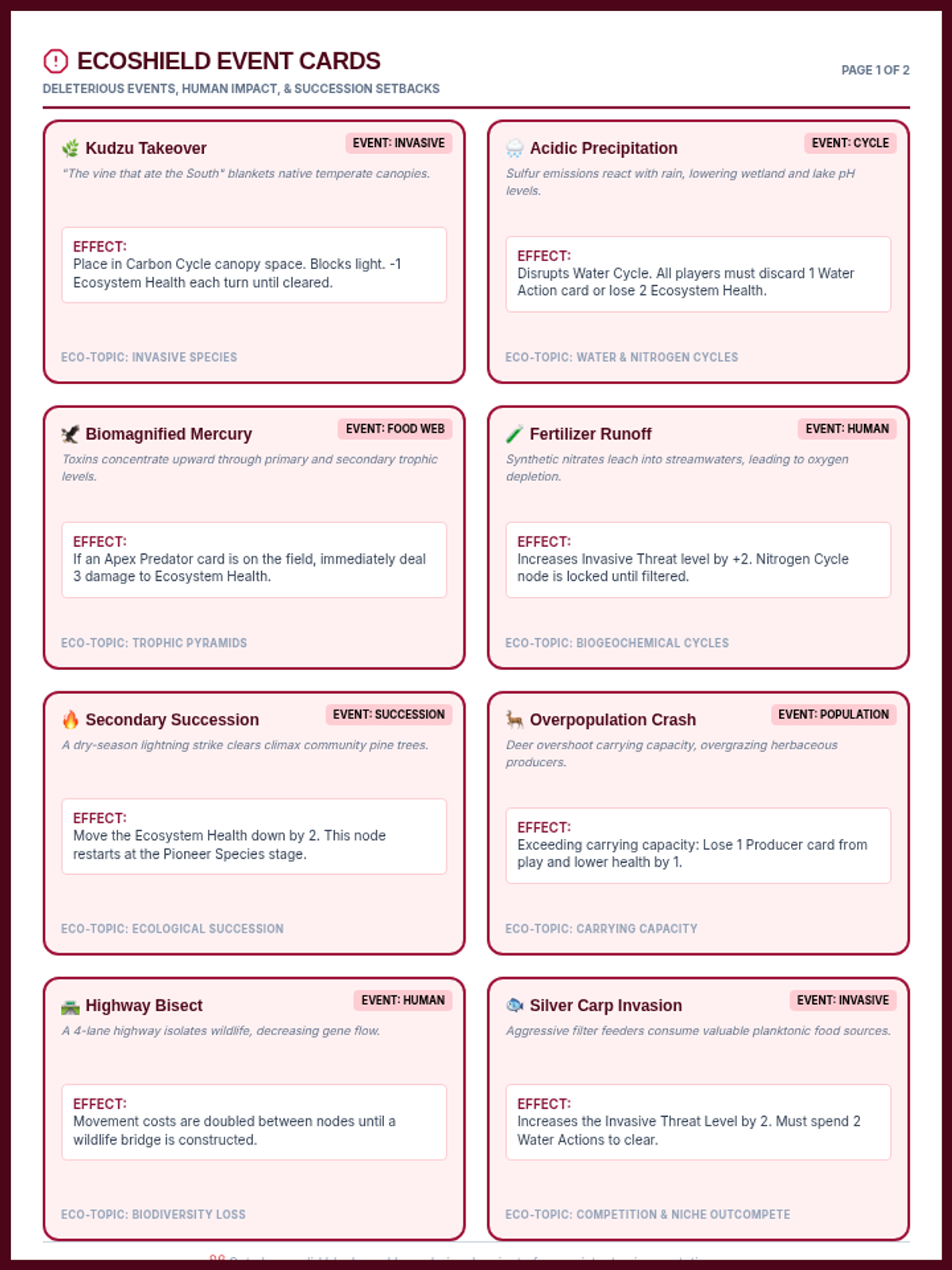
A collaborative board game lesson where students work together to save an ecosystem from ecological threats, human impact, and invasive species using food web dynamics and biochemical cycle actions.
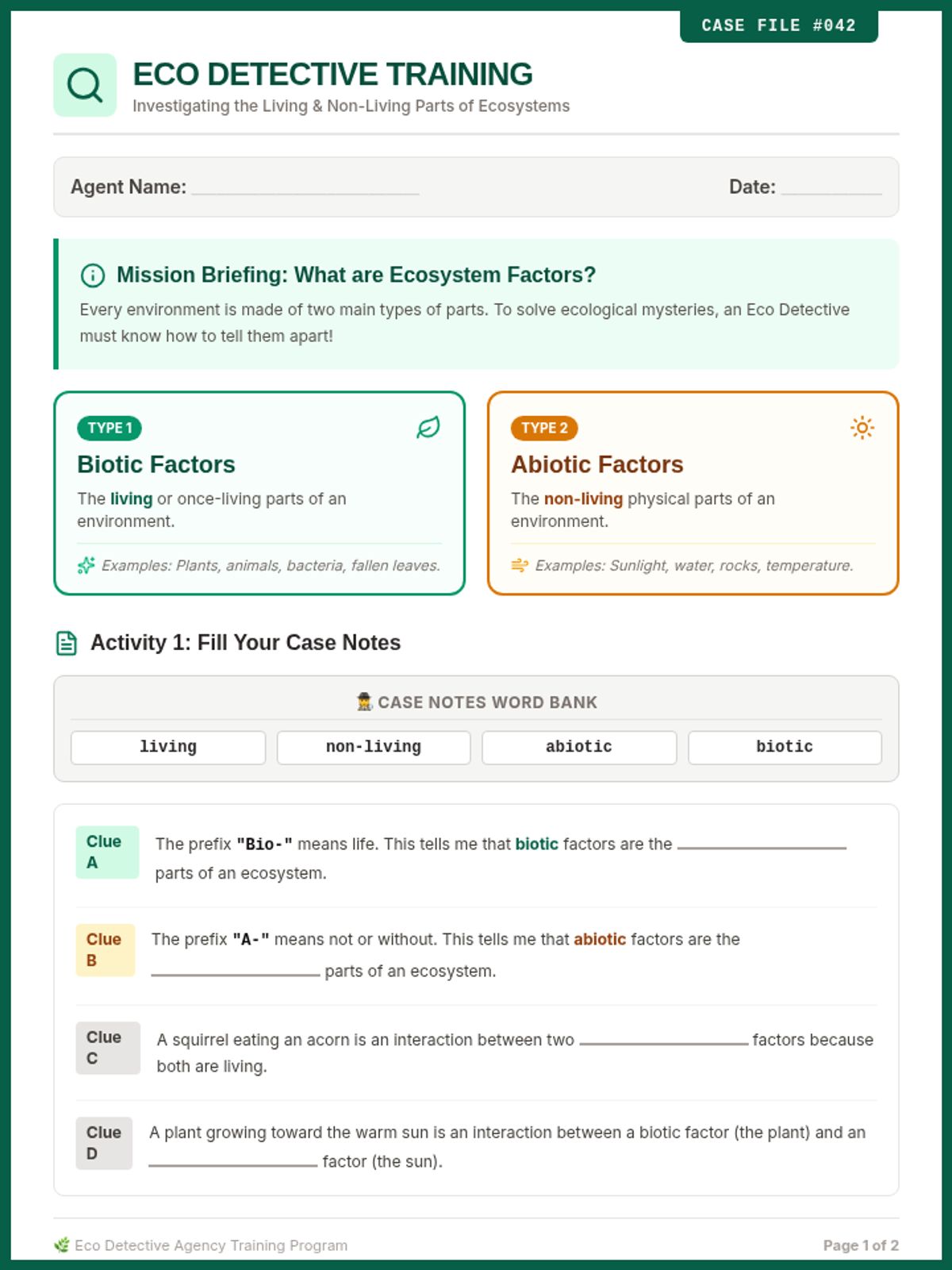
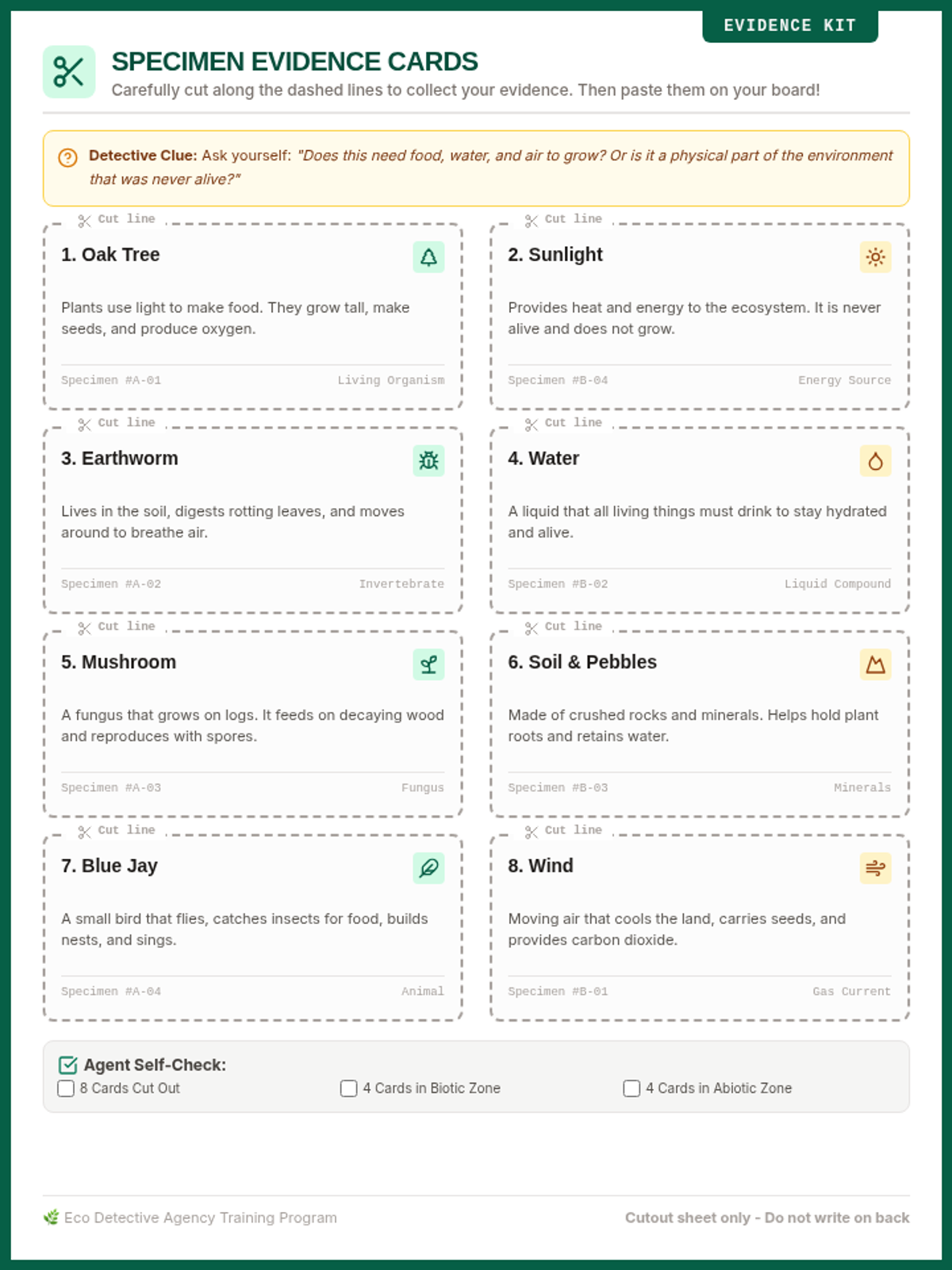
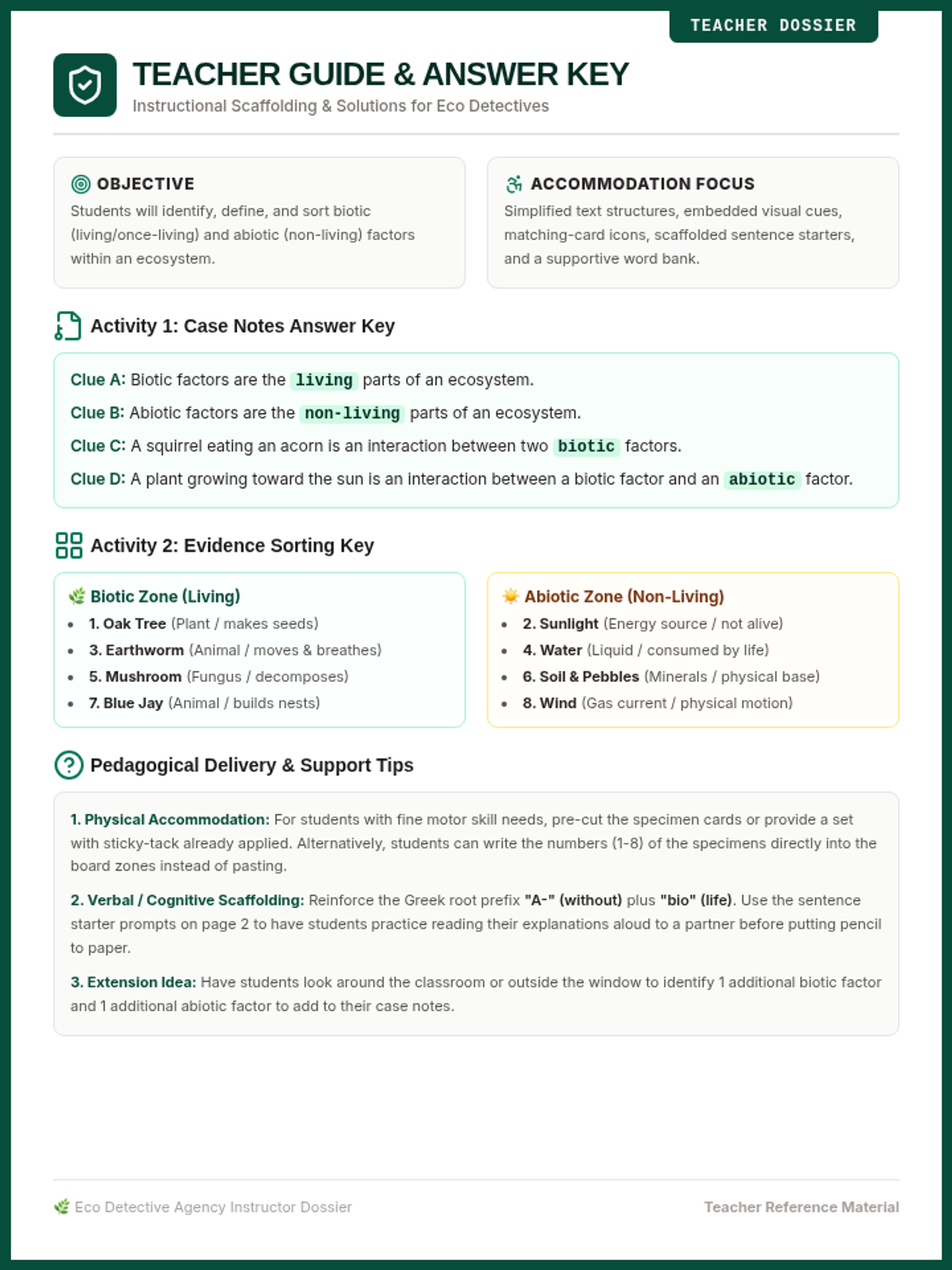
An interactive, scaffolded lesson introducing biotic and abiotic factors in ecosystems. Includes guided notes with sentence starters, a word bank, and a hands-on sorting activity designed for students requiring accommodation.
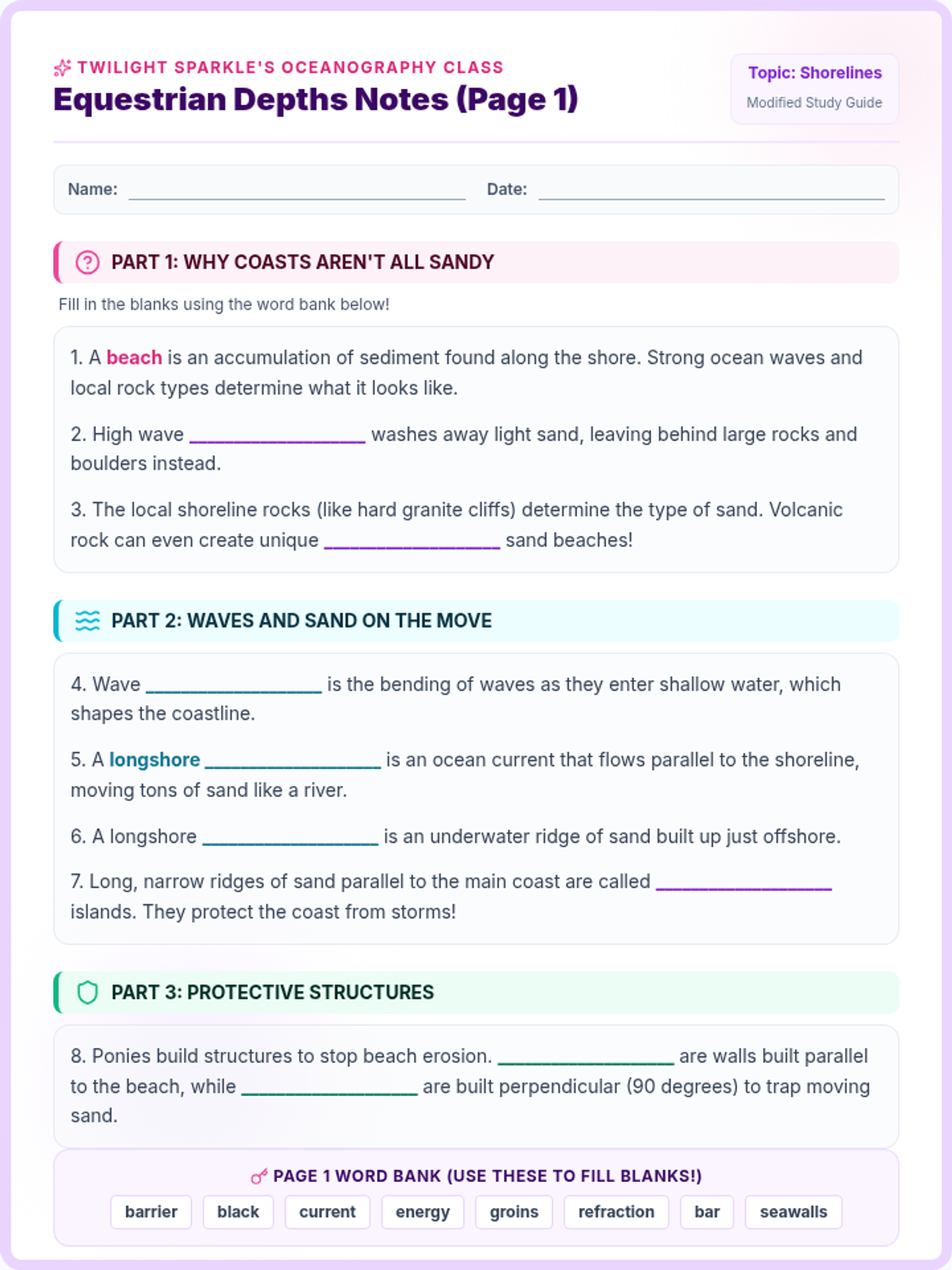
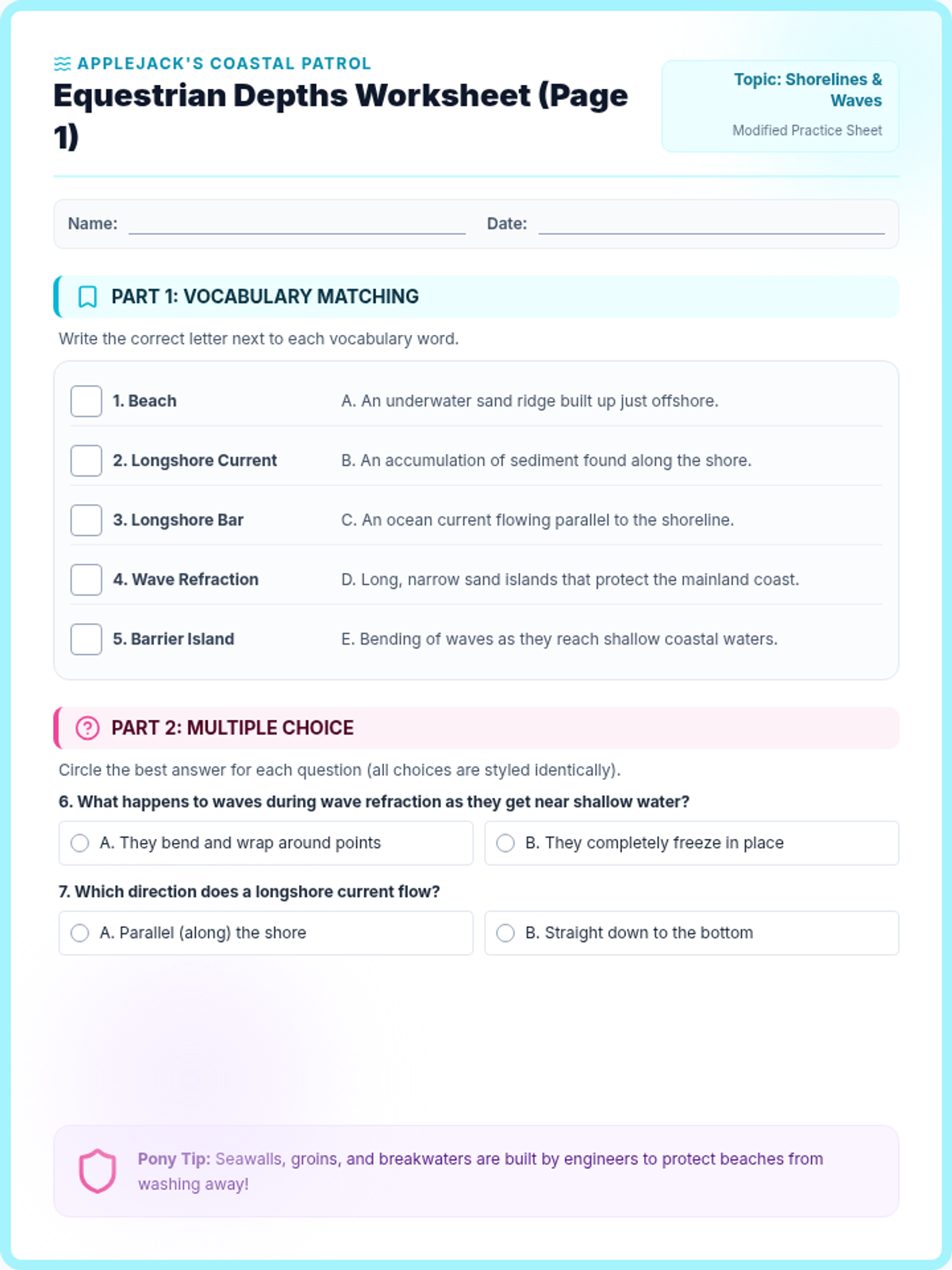
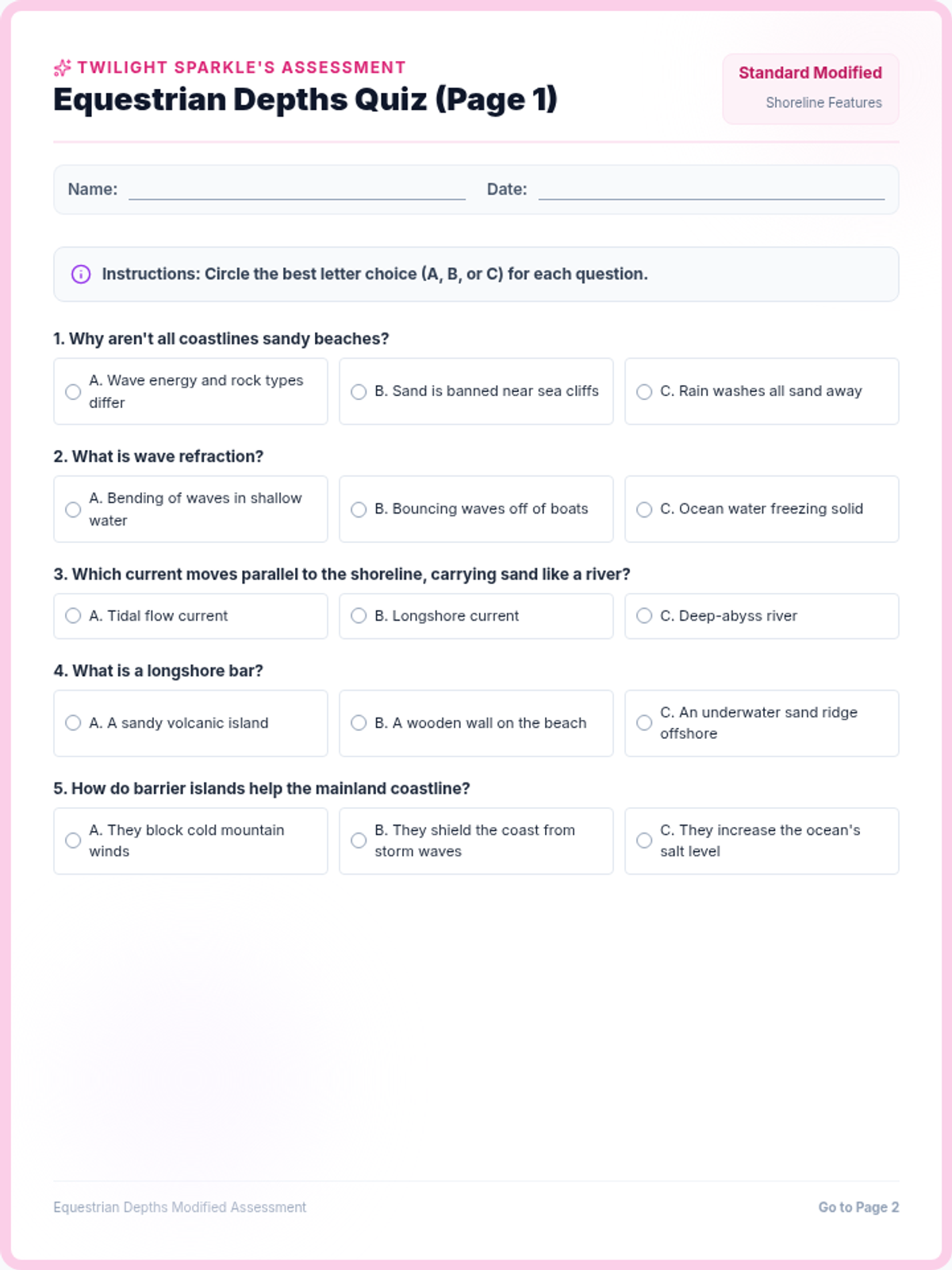
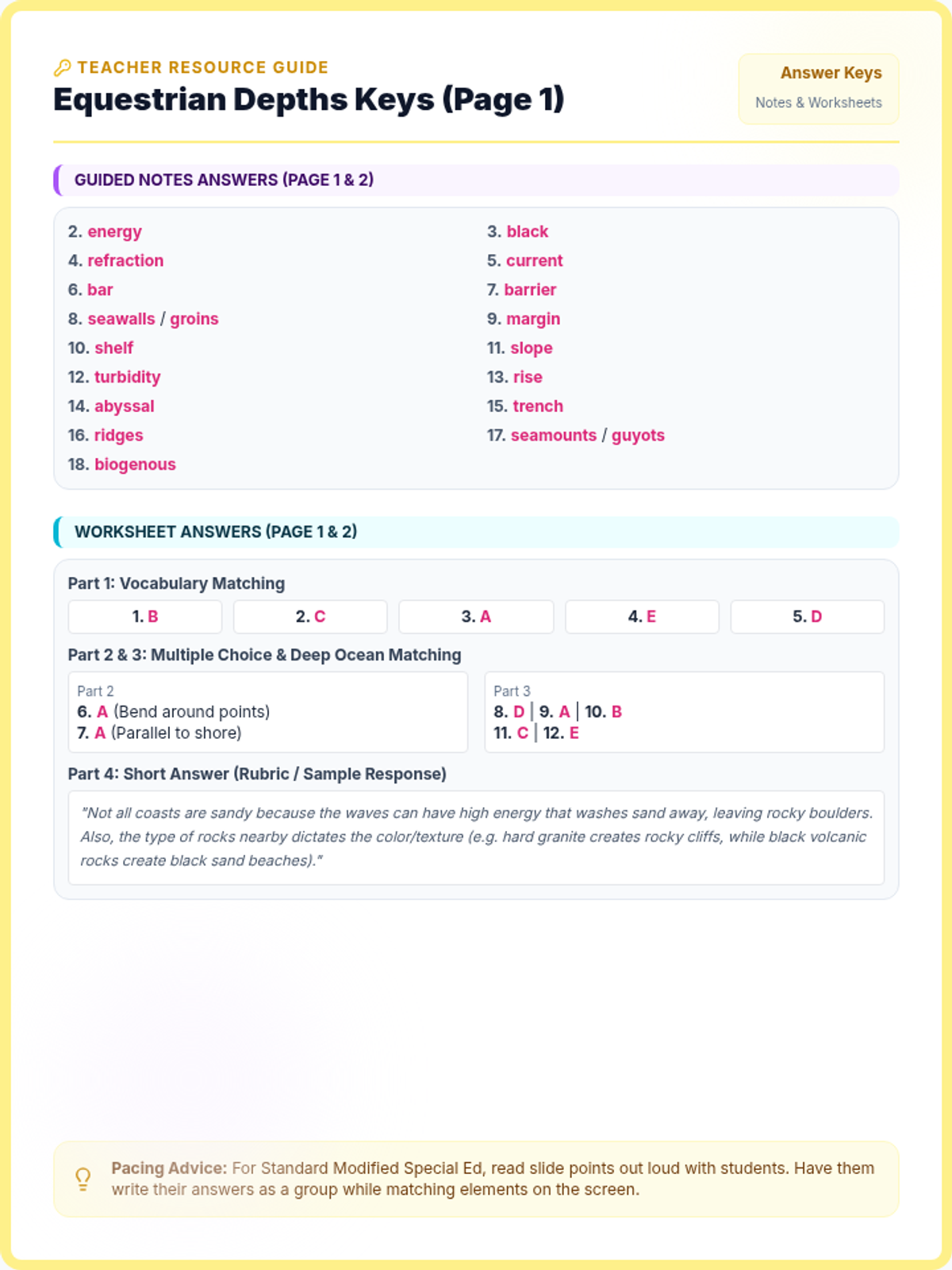
A lesson on oceanography covering shorelines, coastal features, and the deep seafloor, adapted with a friendly My Little Pony decorative theme and chunked, accessible text for Standard Modified Special Education students.
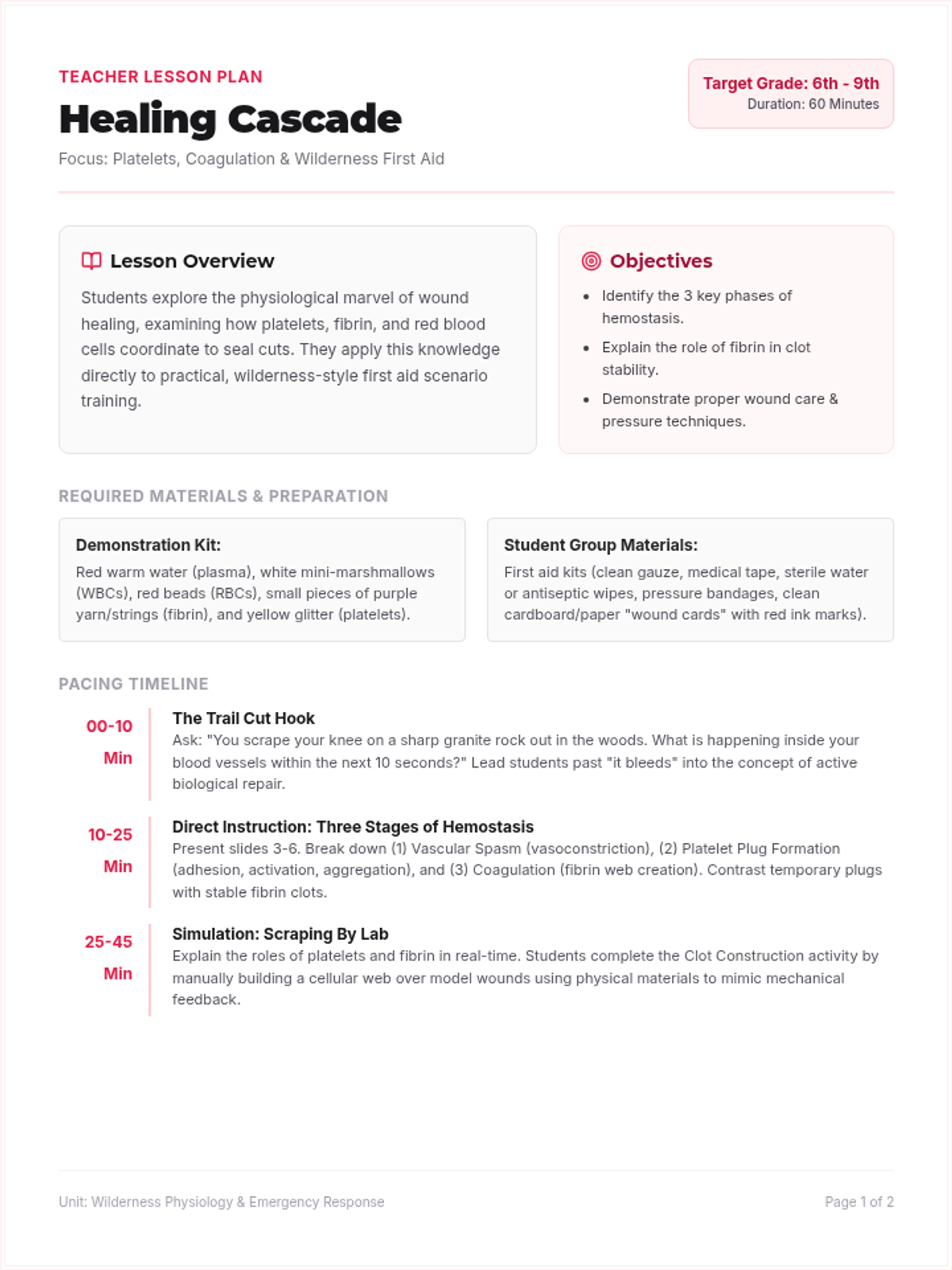
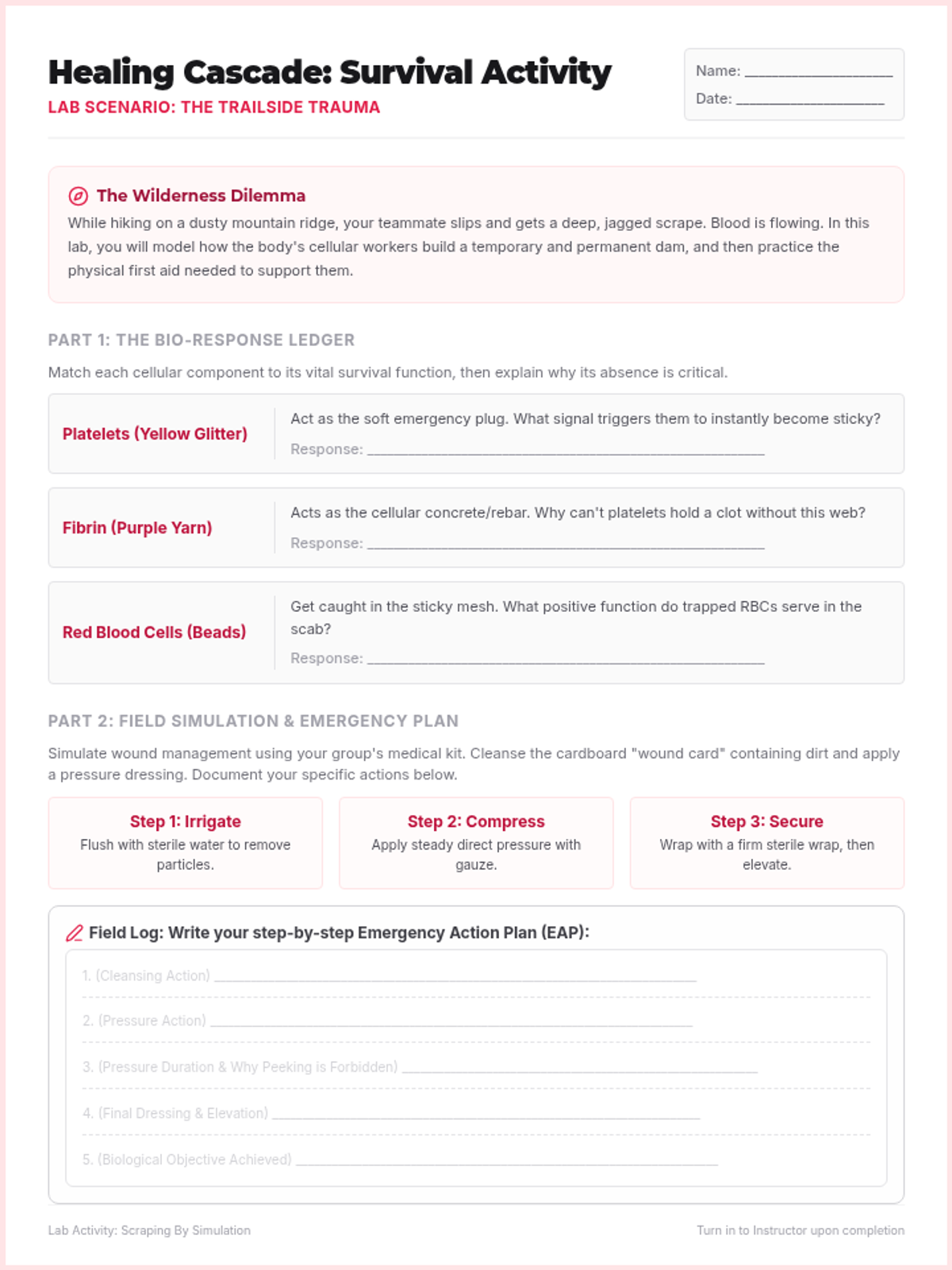
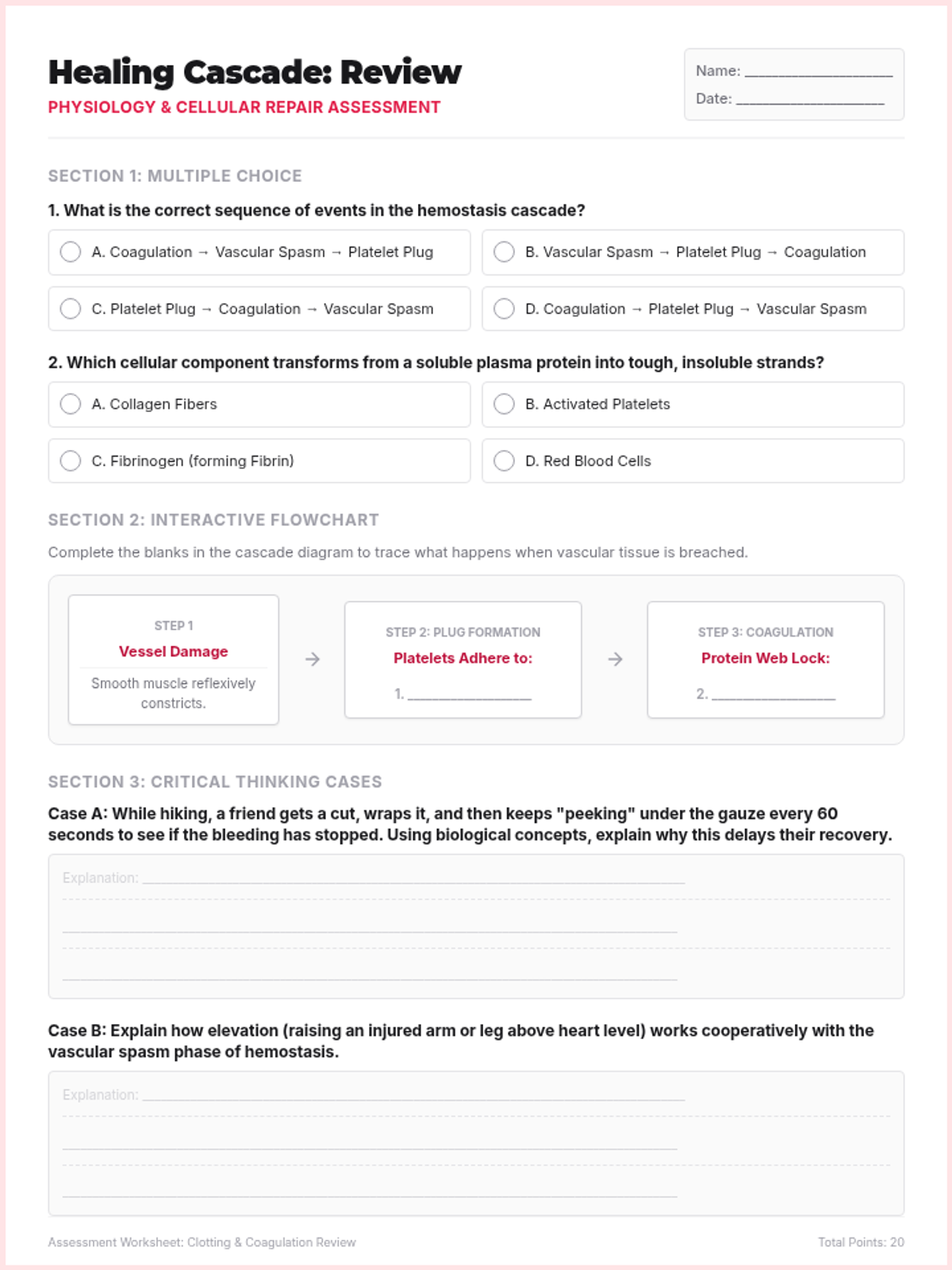
This lesson explores the physiological marvel of wound healing, focusing on platelets, coagulation, and cellular repair. Students learn how the body heals scrapes and cuts and apply this knowledge to practical, outdoors-focused first aid.
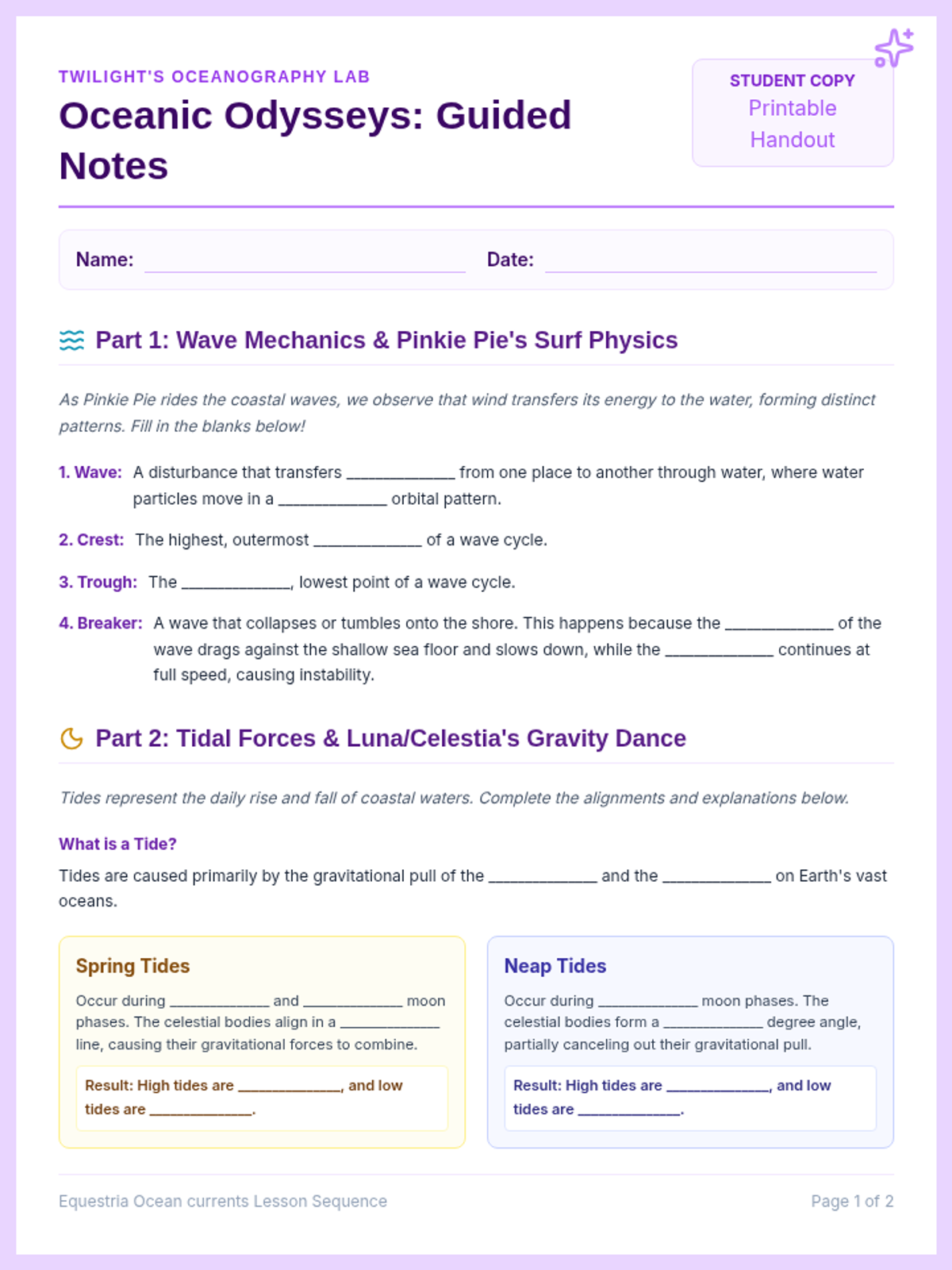
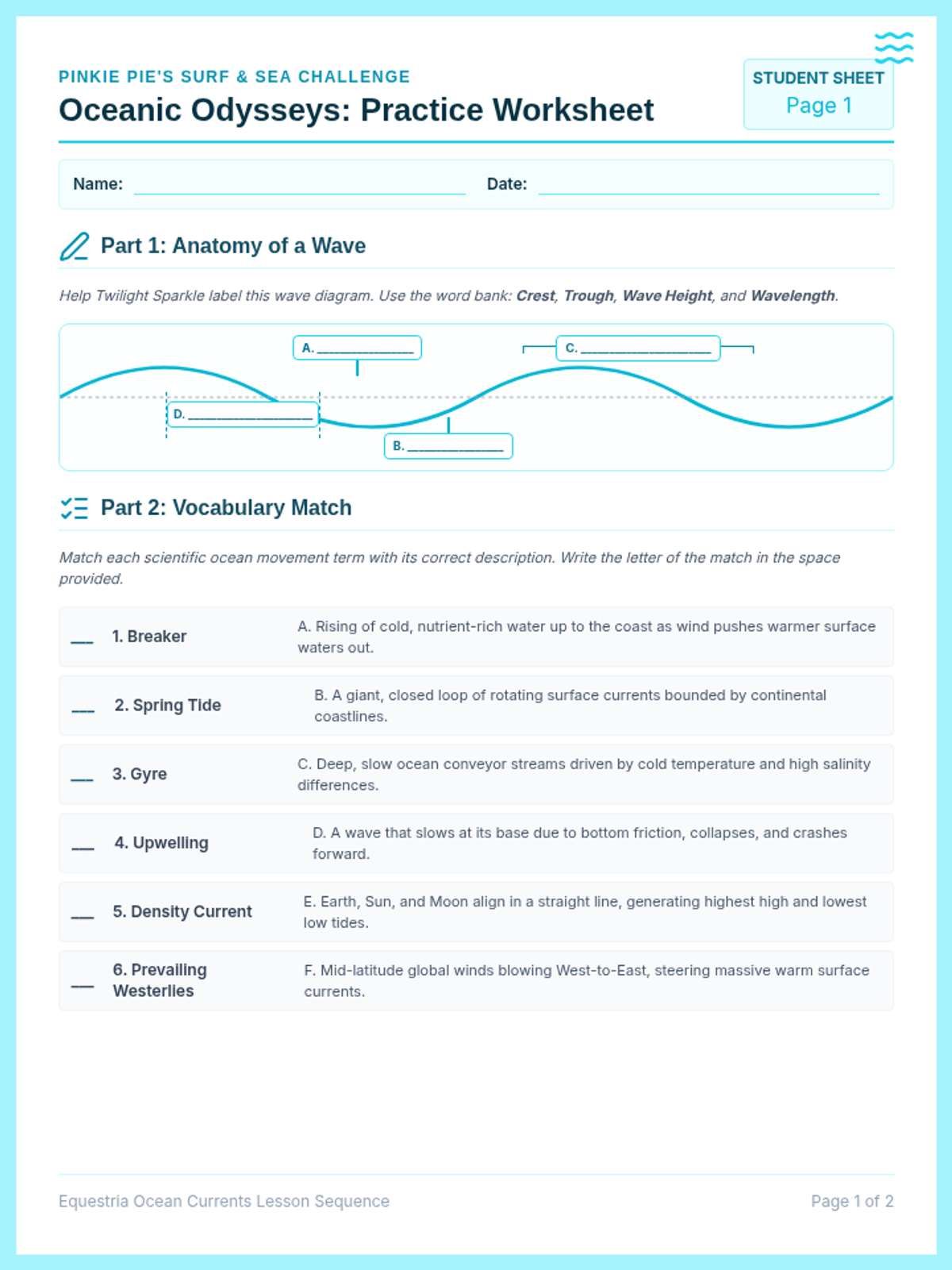
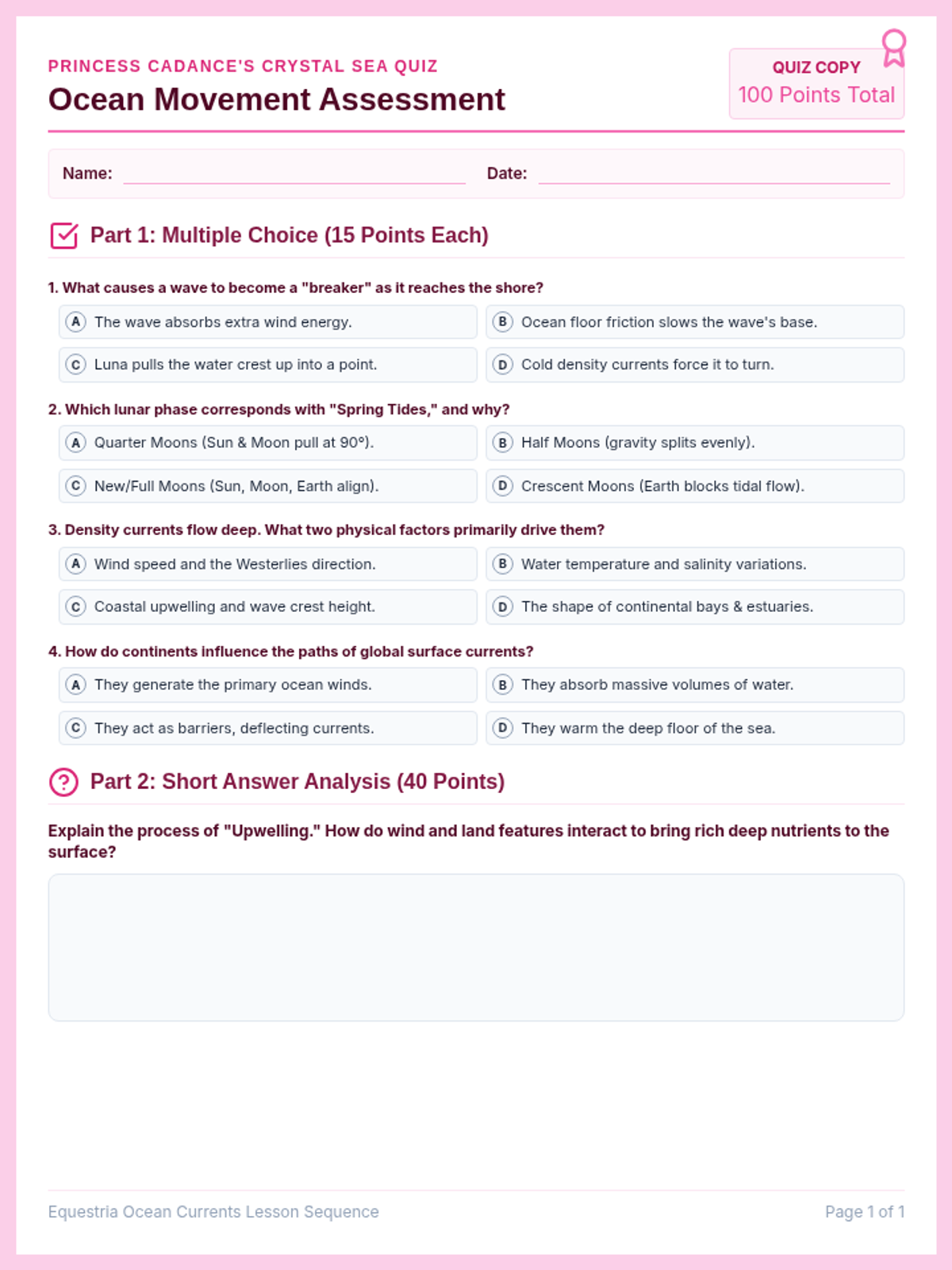
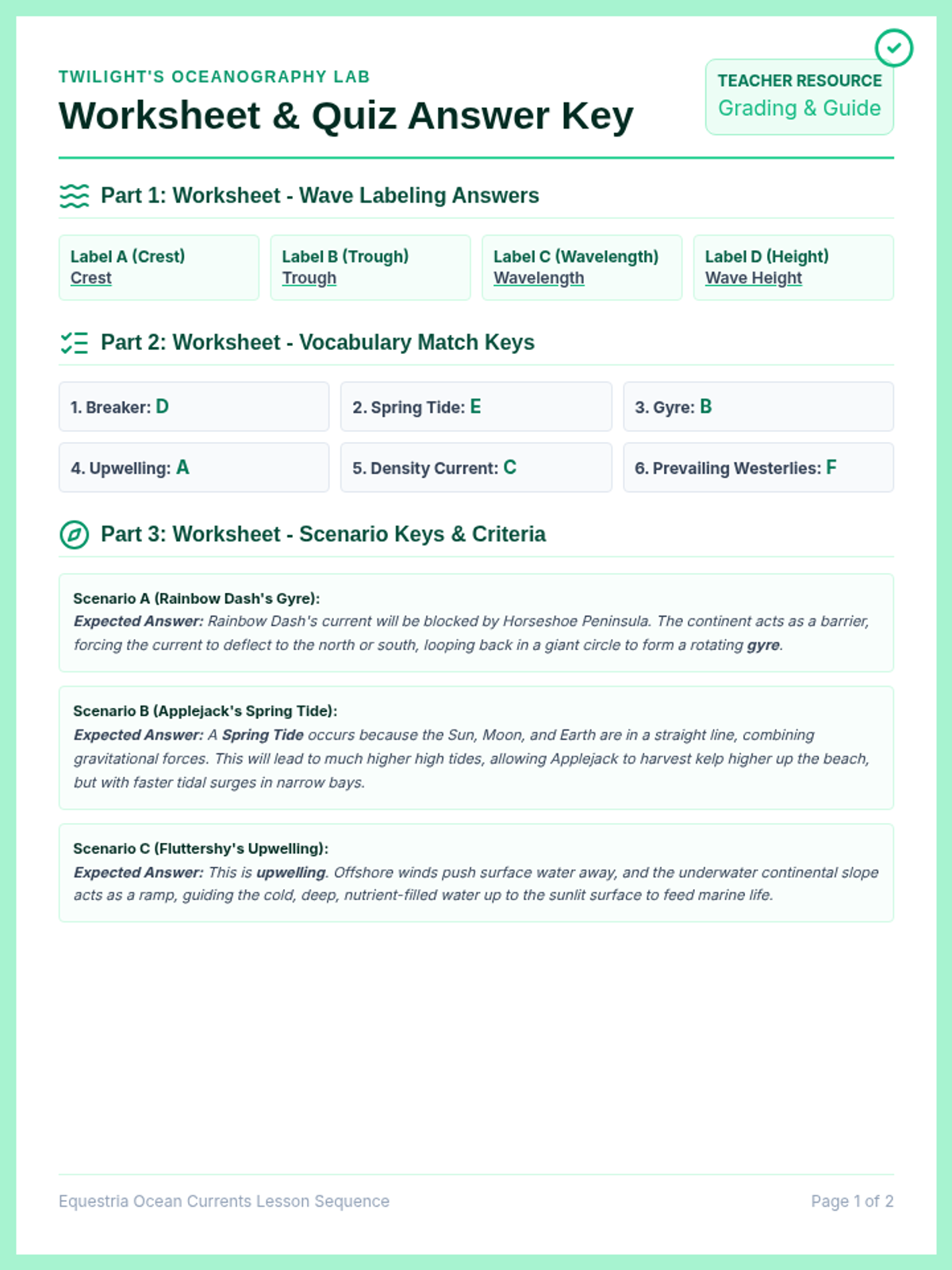
A comprehensive, MLP:FiM-themed lesson on ocean movement (waves, tides, currents, gyres, and land influences) featuring Twilight Sparkle and friends.
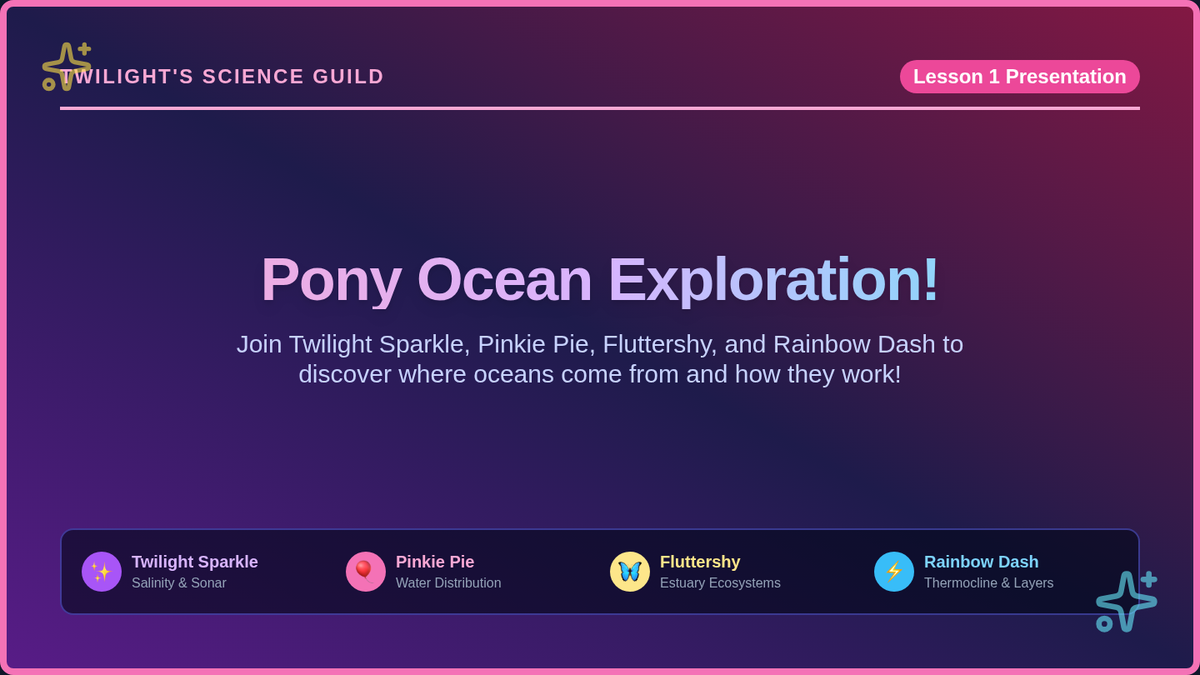
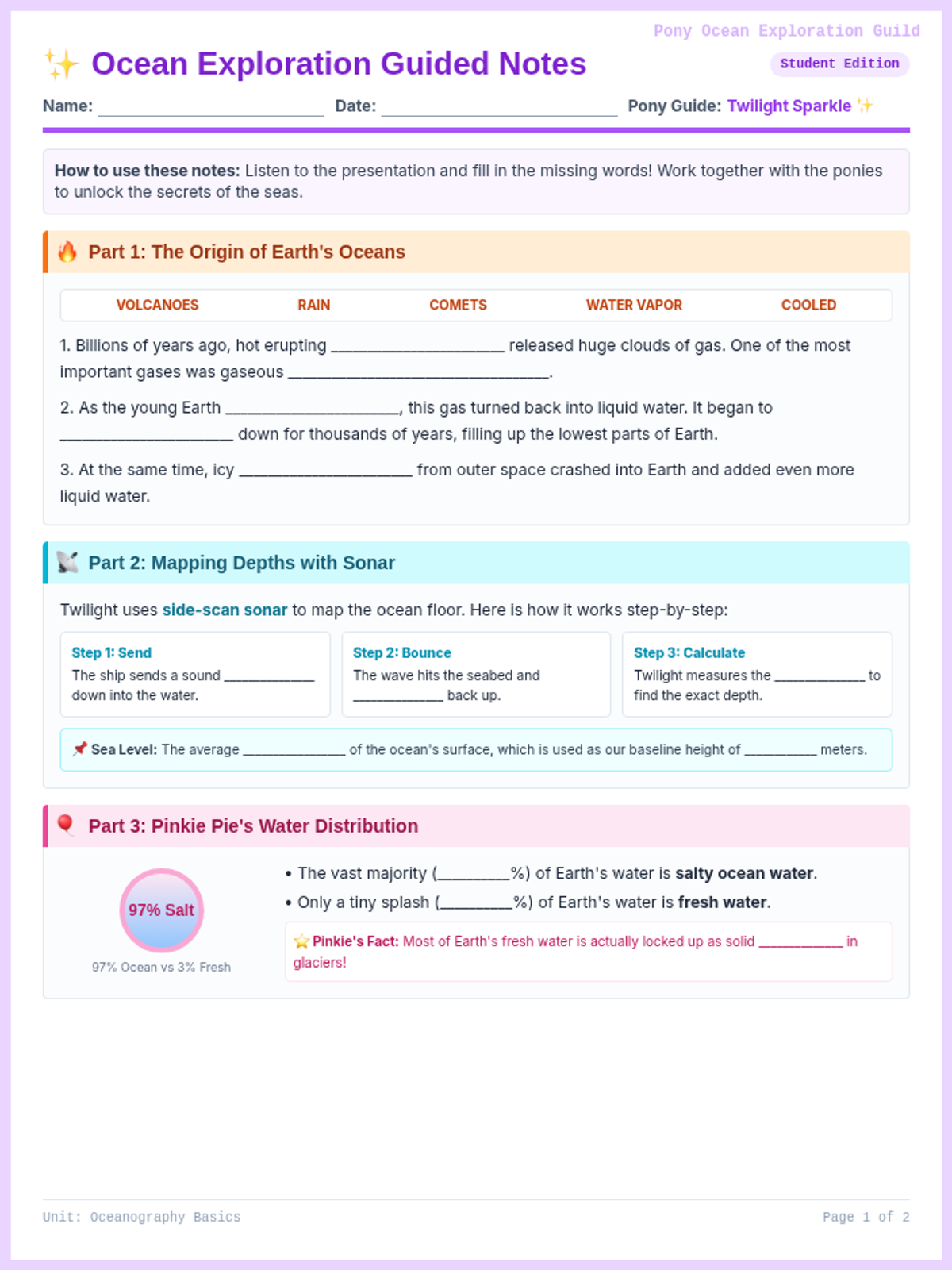
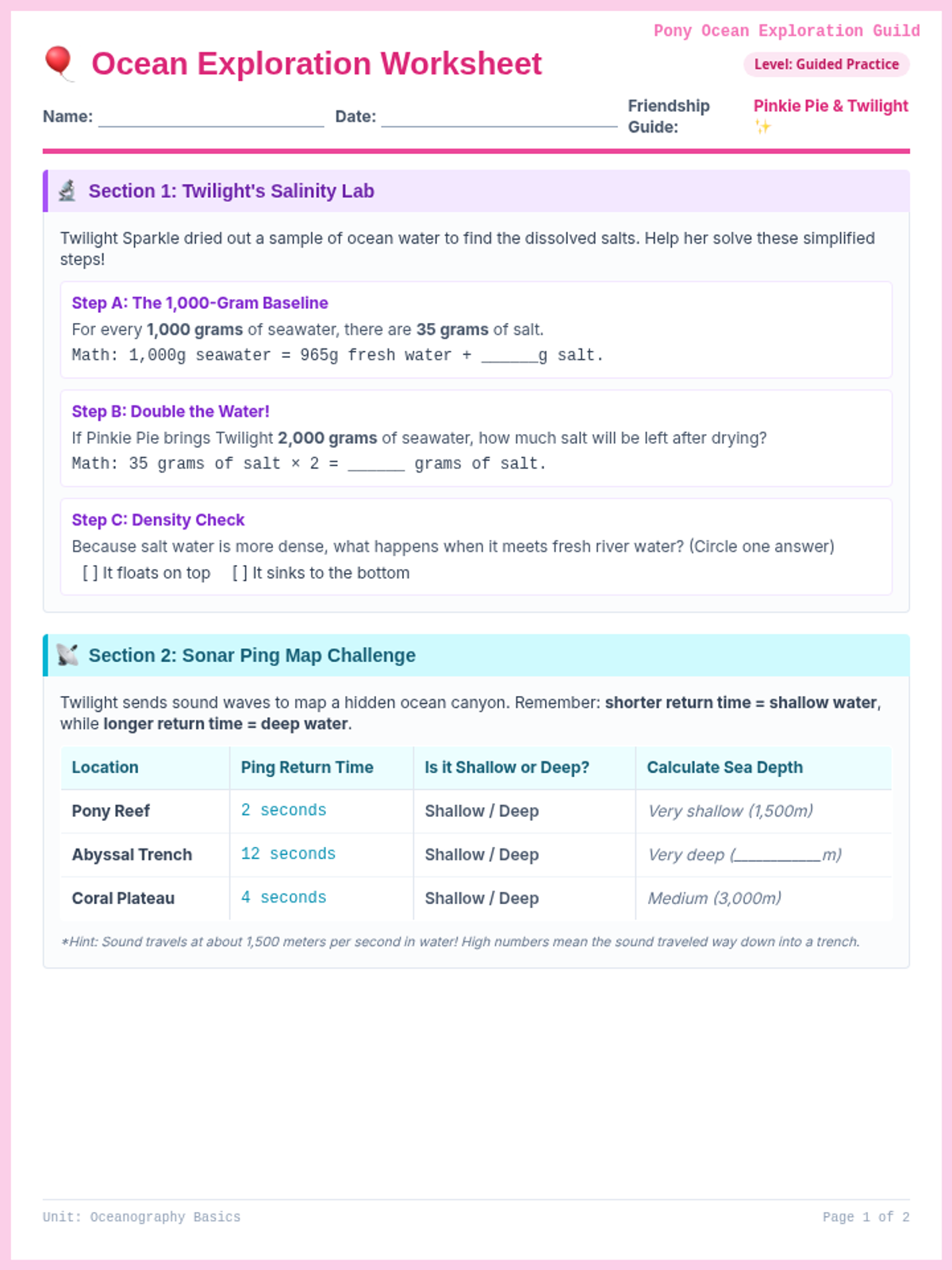
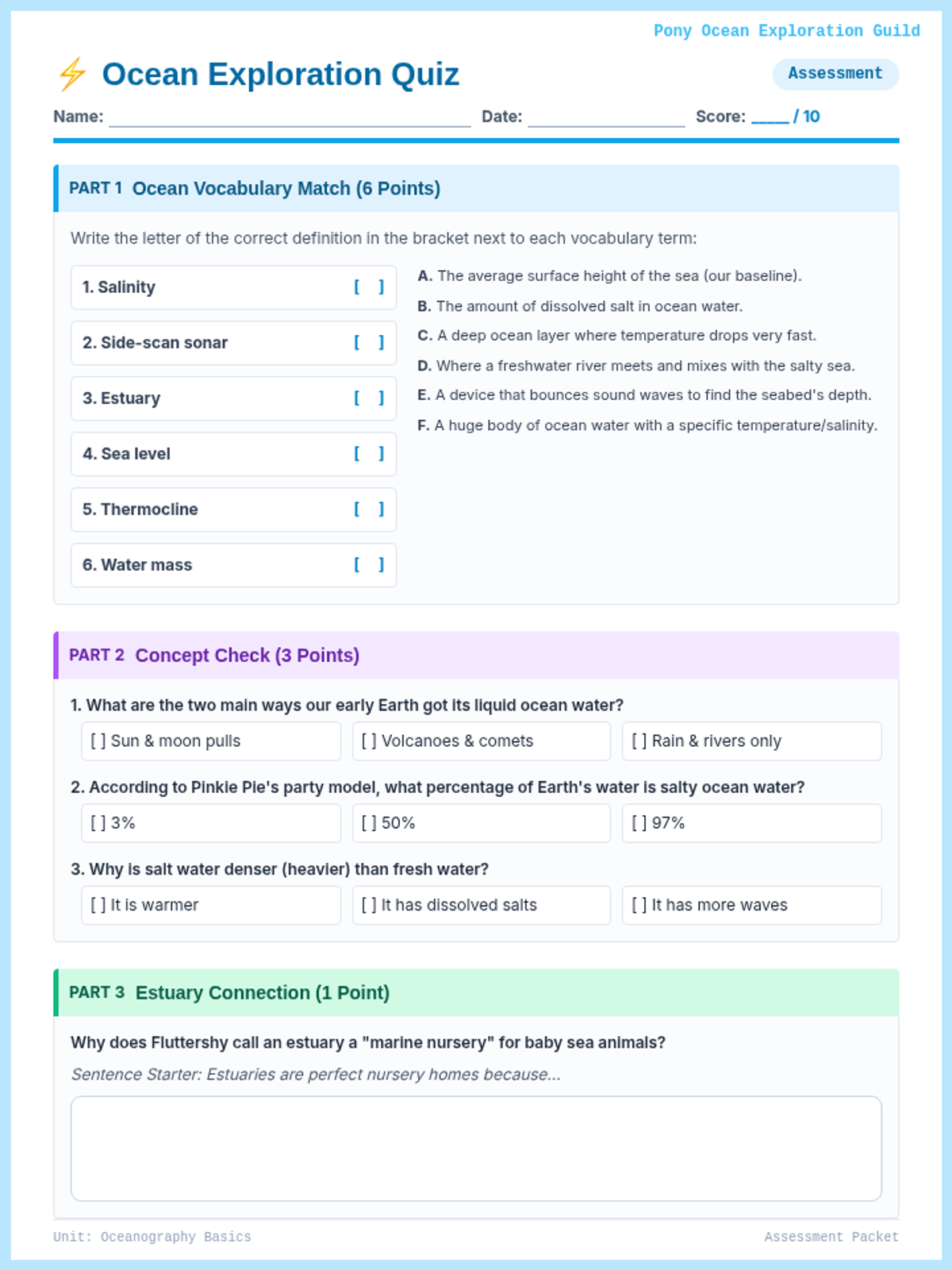
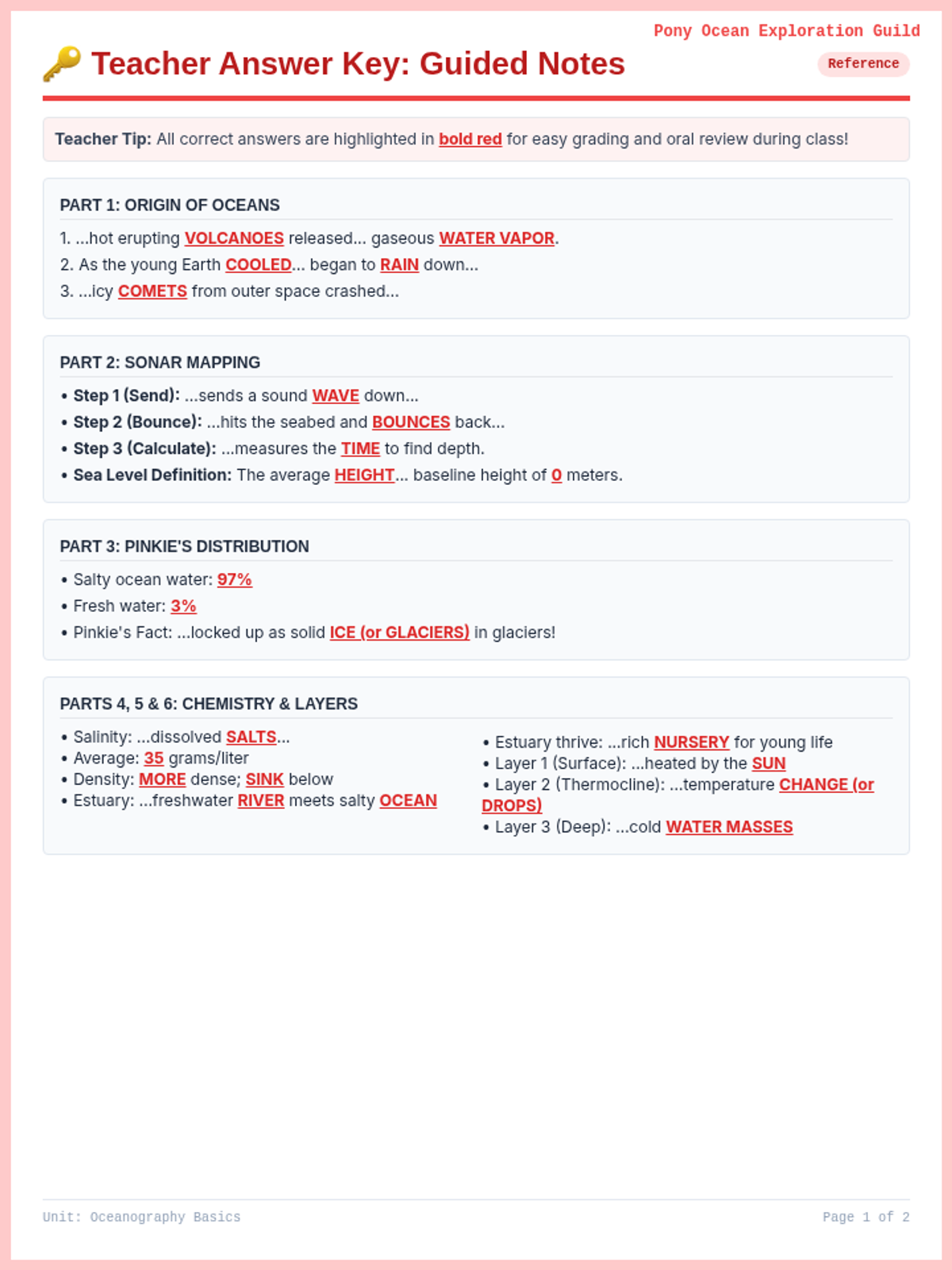
Join Twilight Sparkle, Pinkie Pie, Fluttershy, and Rainbow Dash as they explore the origin, composition, and structure of Earth's oceans. This lesson is highly visual, simplified, and carefully structured with guided practice, word banks, and sentence starters.
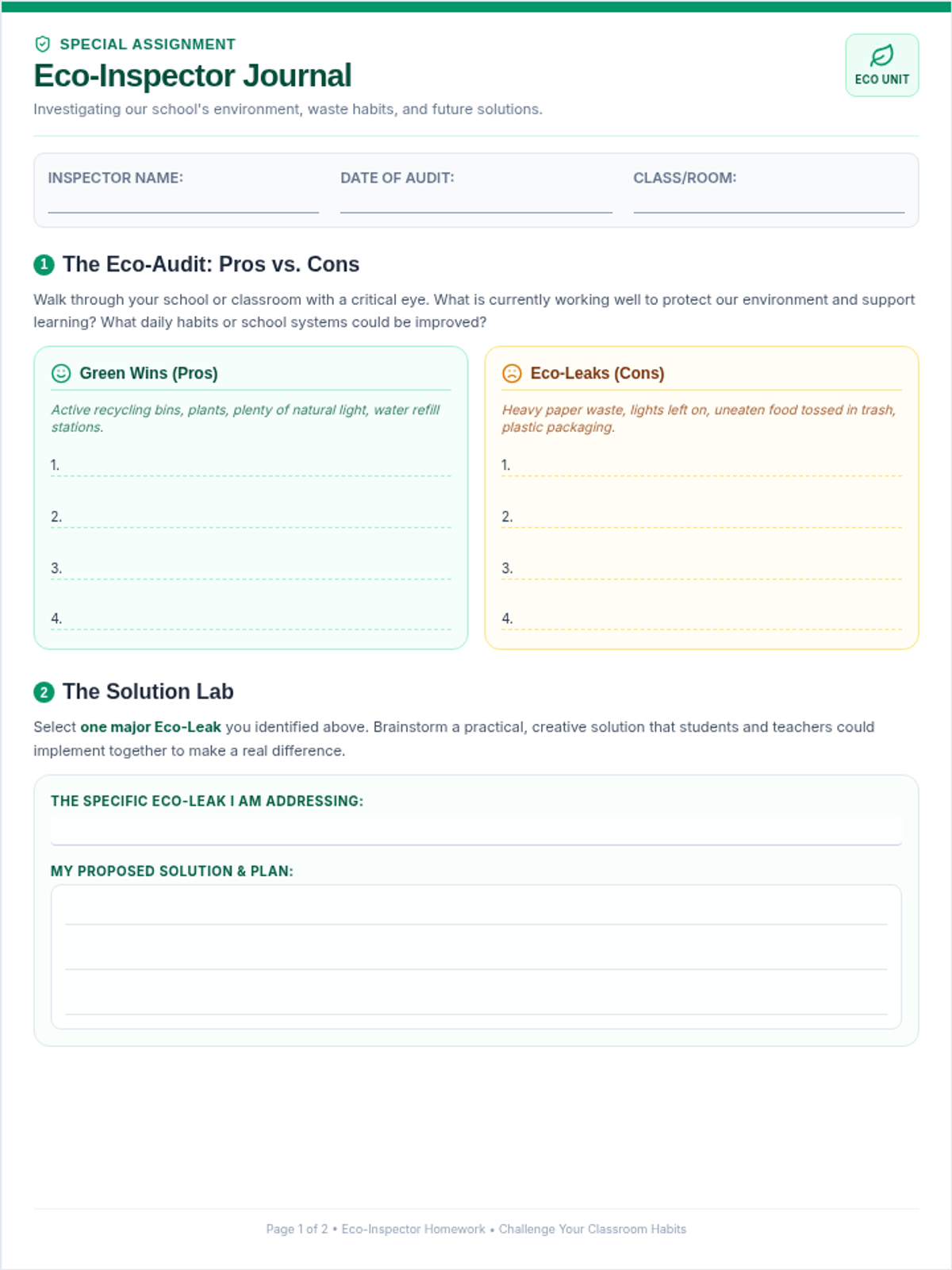
A homework-centered lesson where students investigate school environmental habits, conduct a mini-audit, and plan statistical data collection around waste and ecological impact.
An engineering design challenge where students design, prototype, and test magnet mazes, exploring how different backing materials block or allow magnetic forces to pass through.
A highly engaging, hands-on lesson teaching the importance of precision, clarity, and chronological sequencing through the classic "Exact Instructions Challenge" using Marshmallow Fluff and Jelly. Students write step-by-step instructions, and the teacher follows them verbatim, humorously demonstrating how easily vague directions can go sticky.
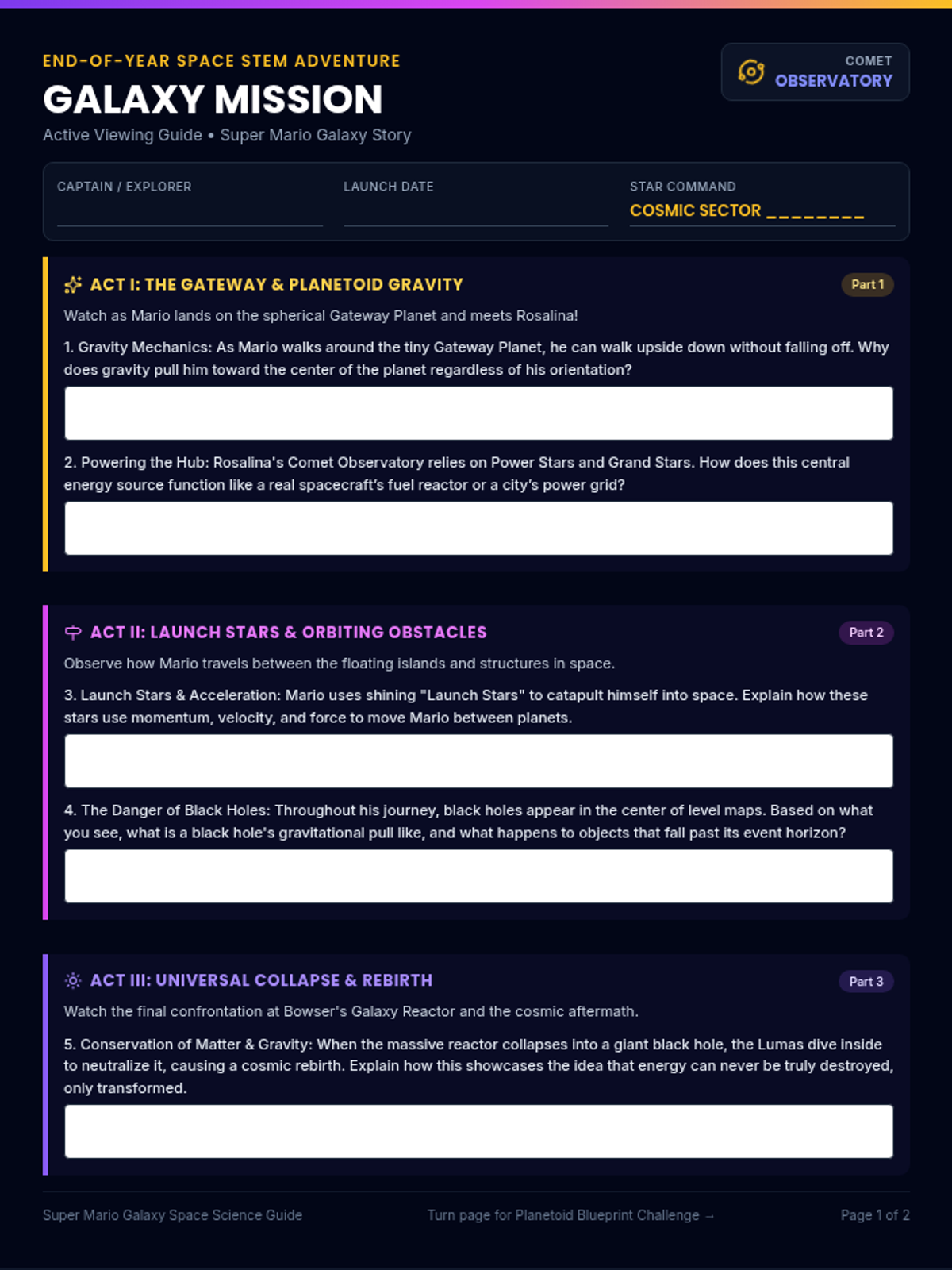
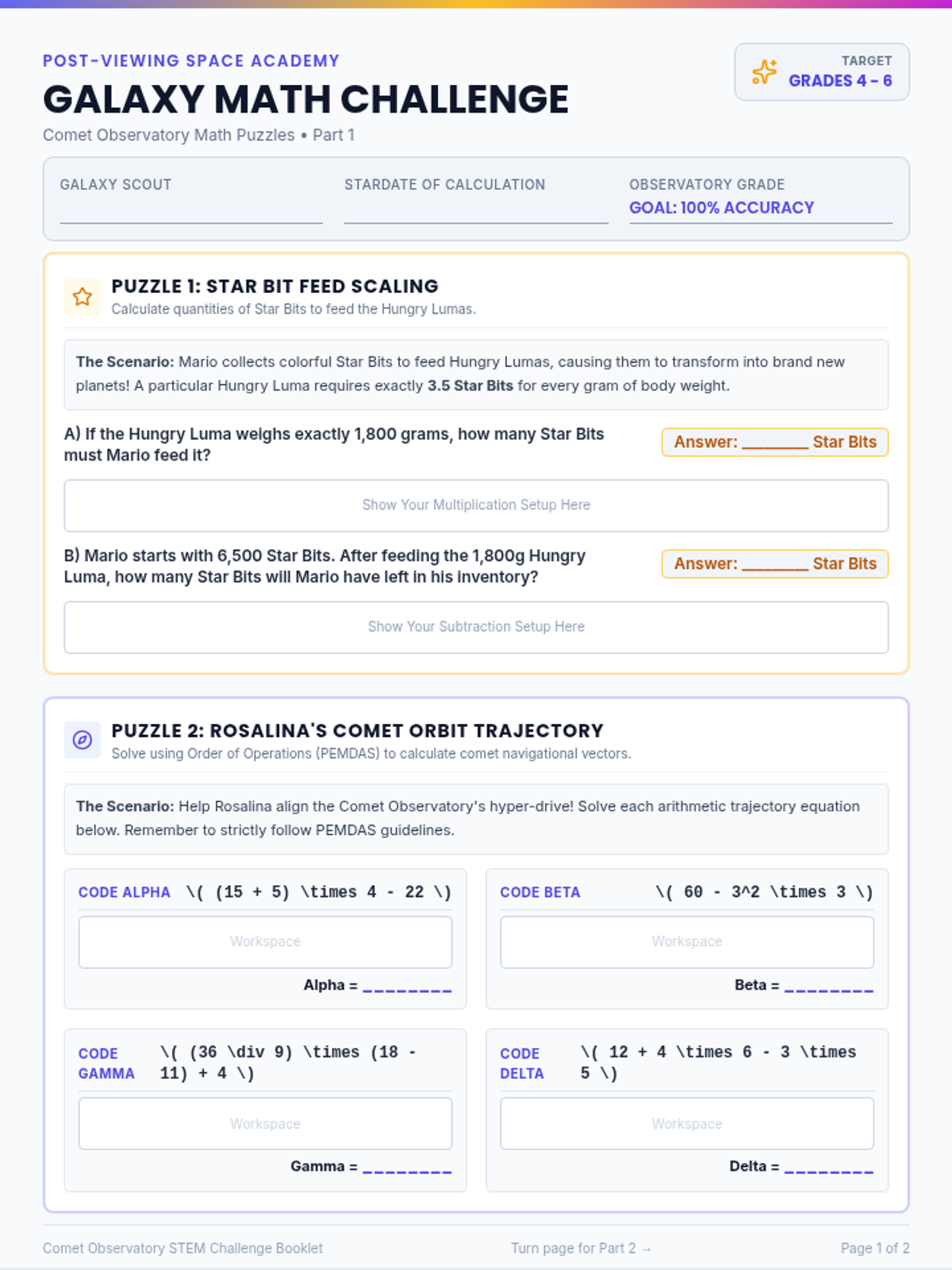
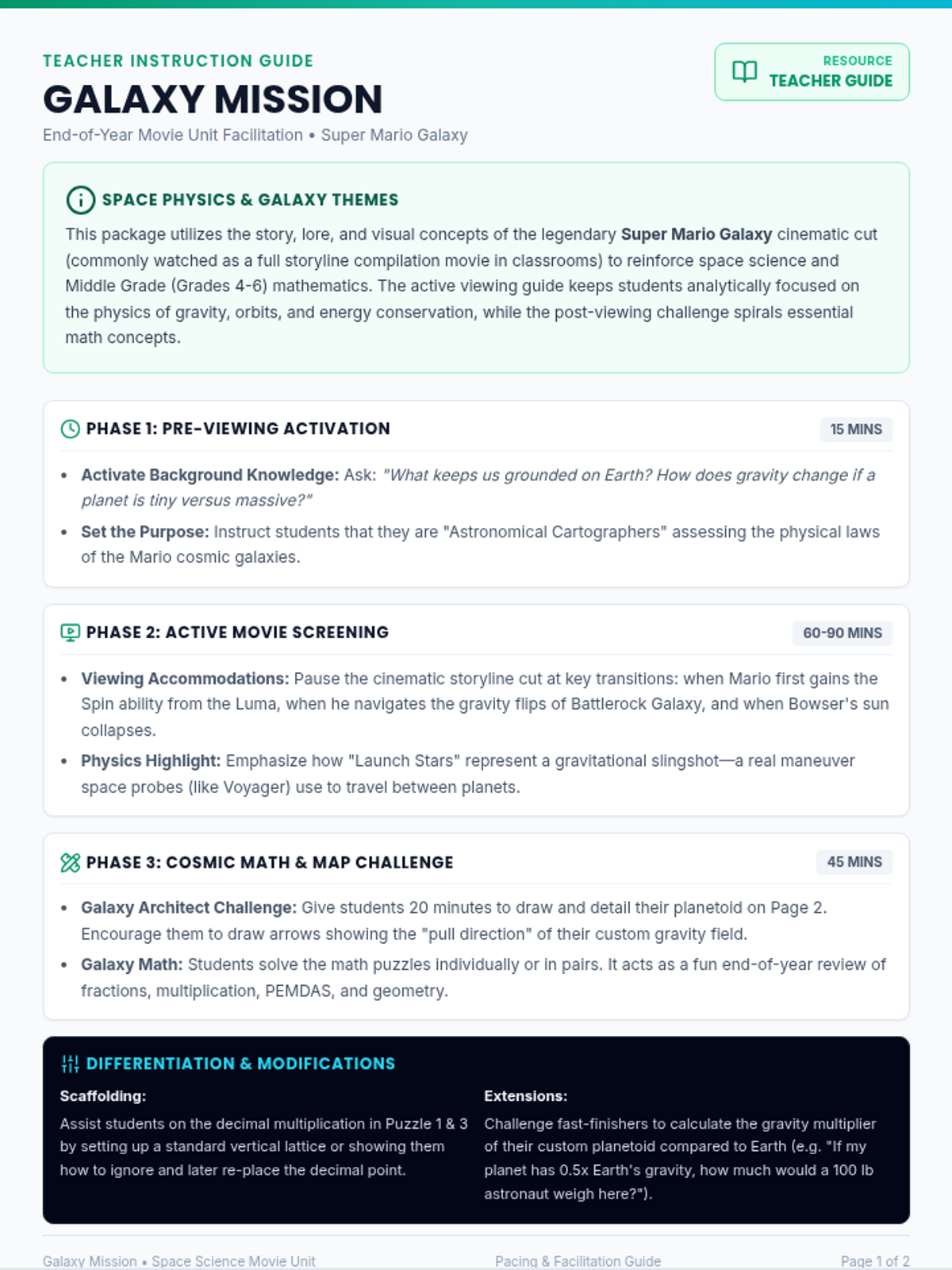
An end-of-year educational movie unit and math workbook based on the story of Super Mario Galaxy. Students explore gravity, orbits, and space physics through active viewing, followed by high-energy space-themed math puzzles.
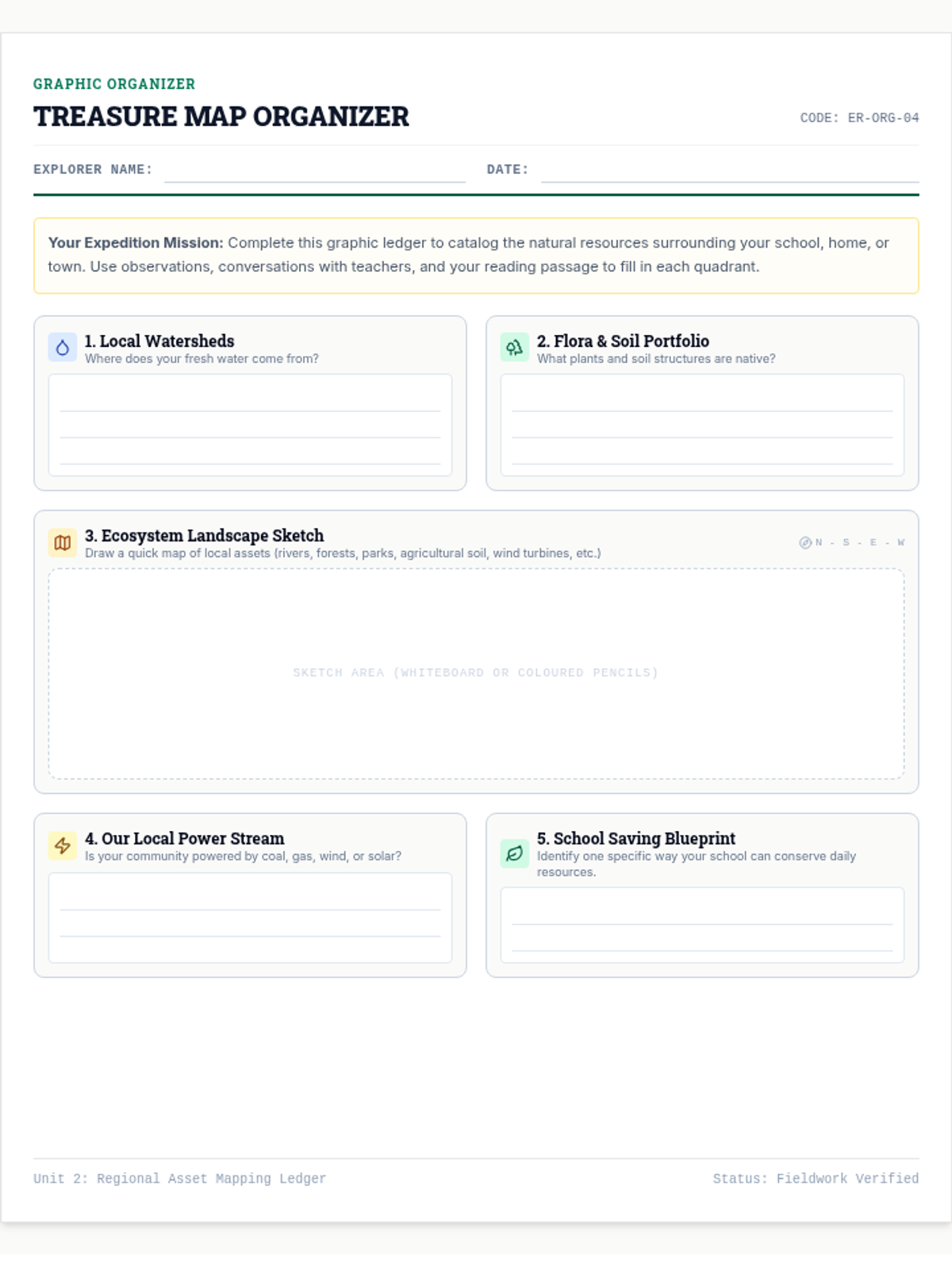
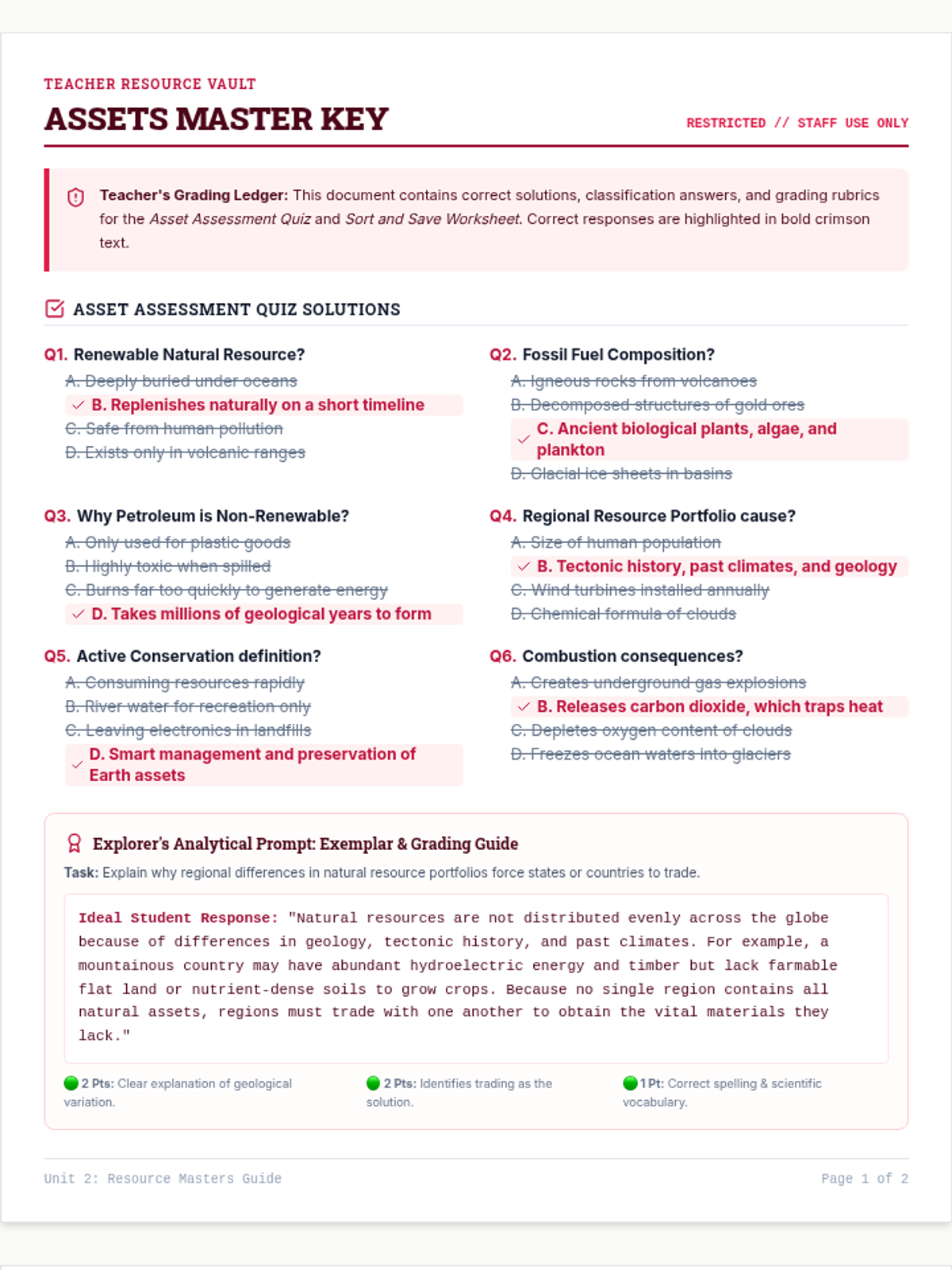
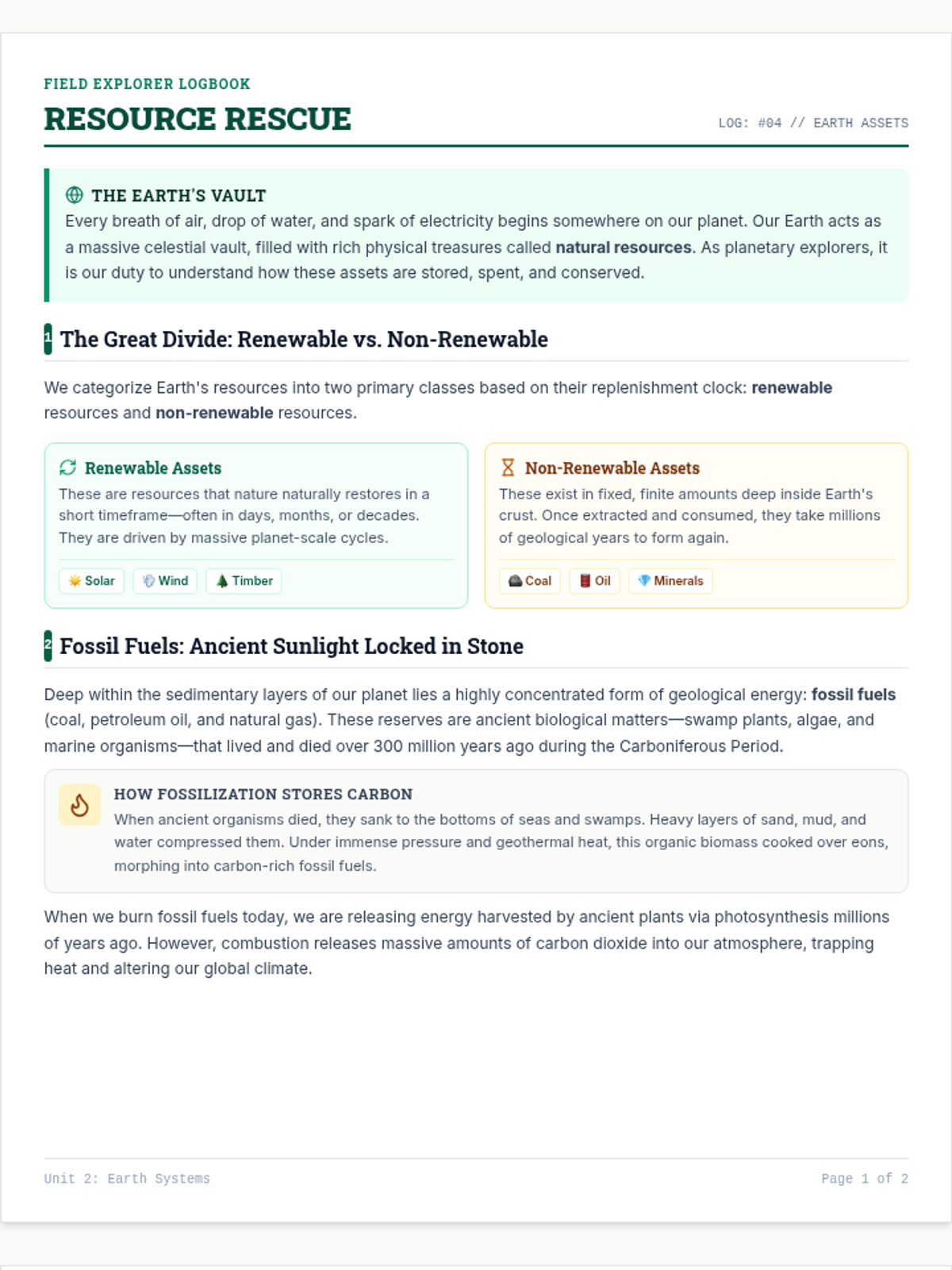
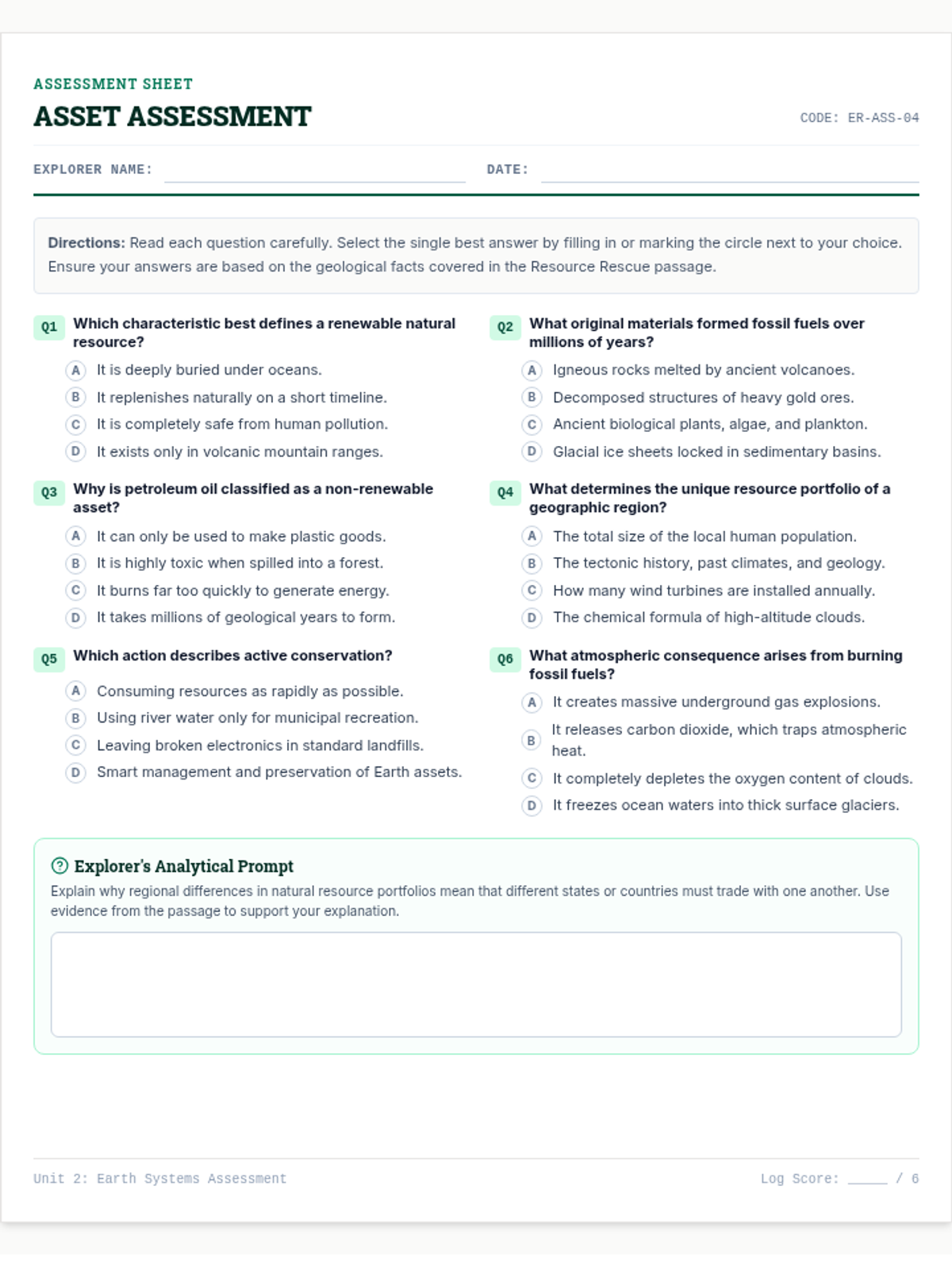
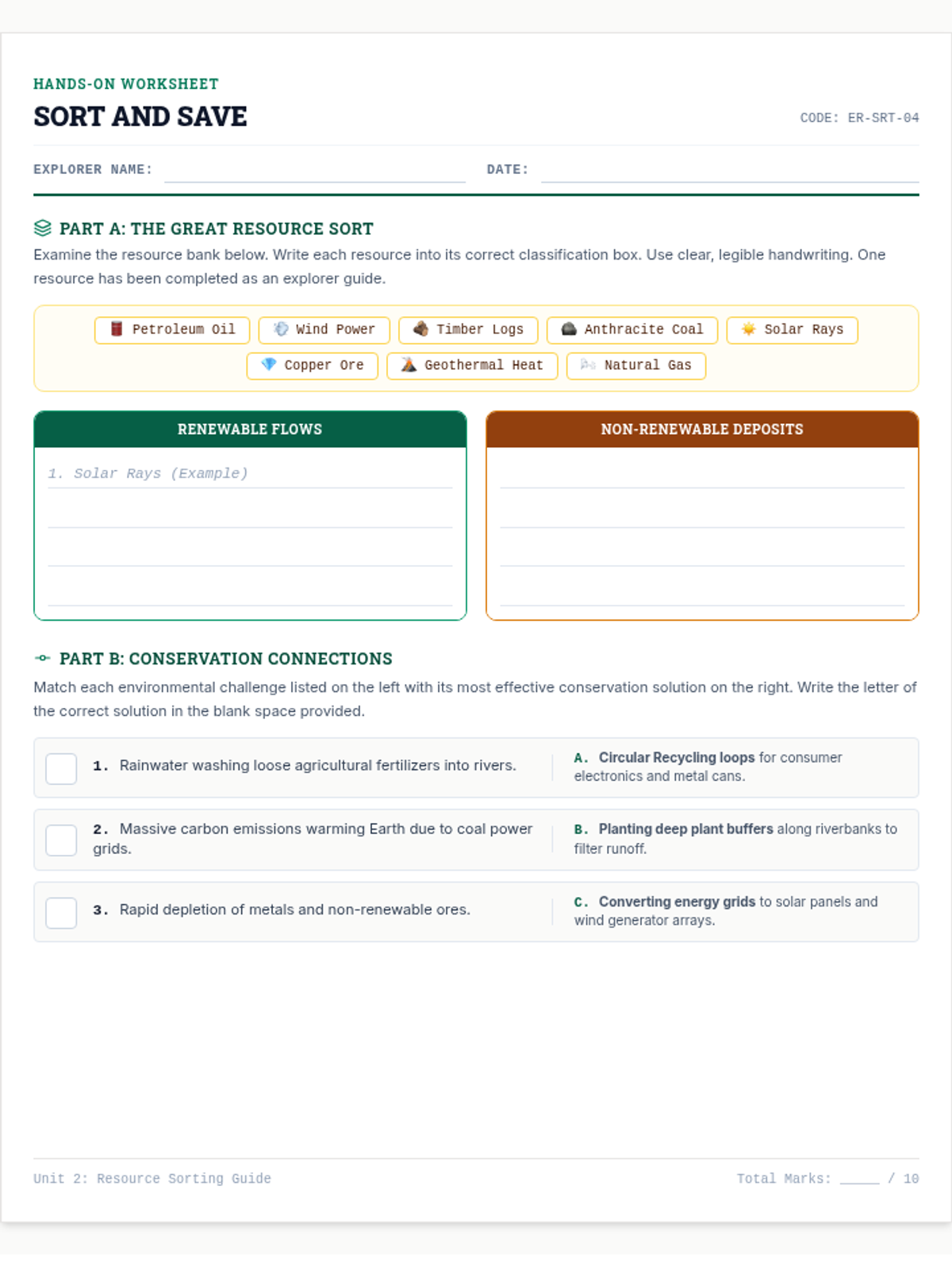
An engaging exploration of renewable and non-renewable natural resources, fossil fuels, and local conservation efforts through field-guide inspired readings, assessments, interactive sorting, and local mapping exercises.
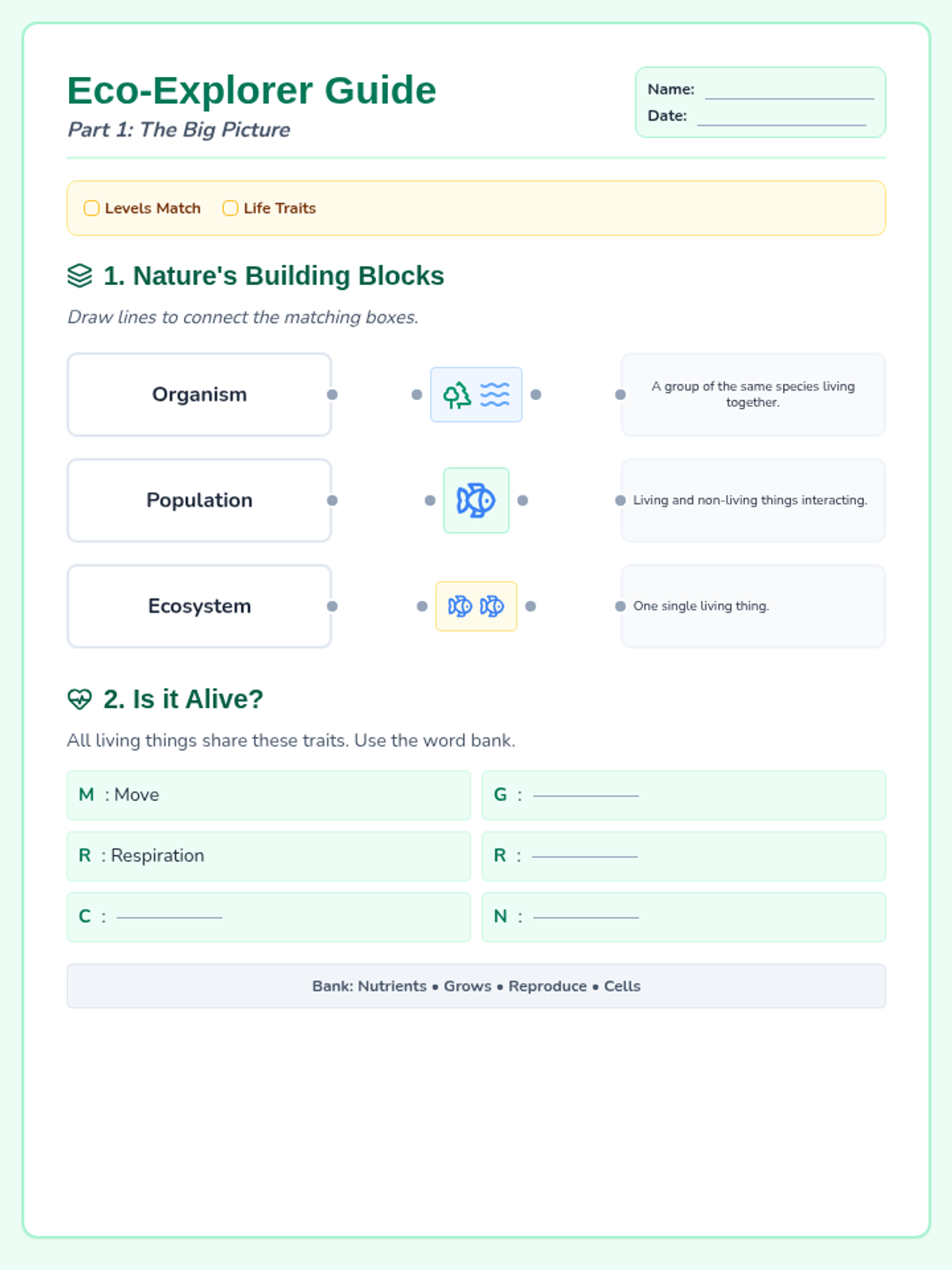
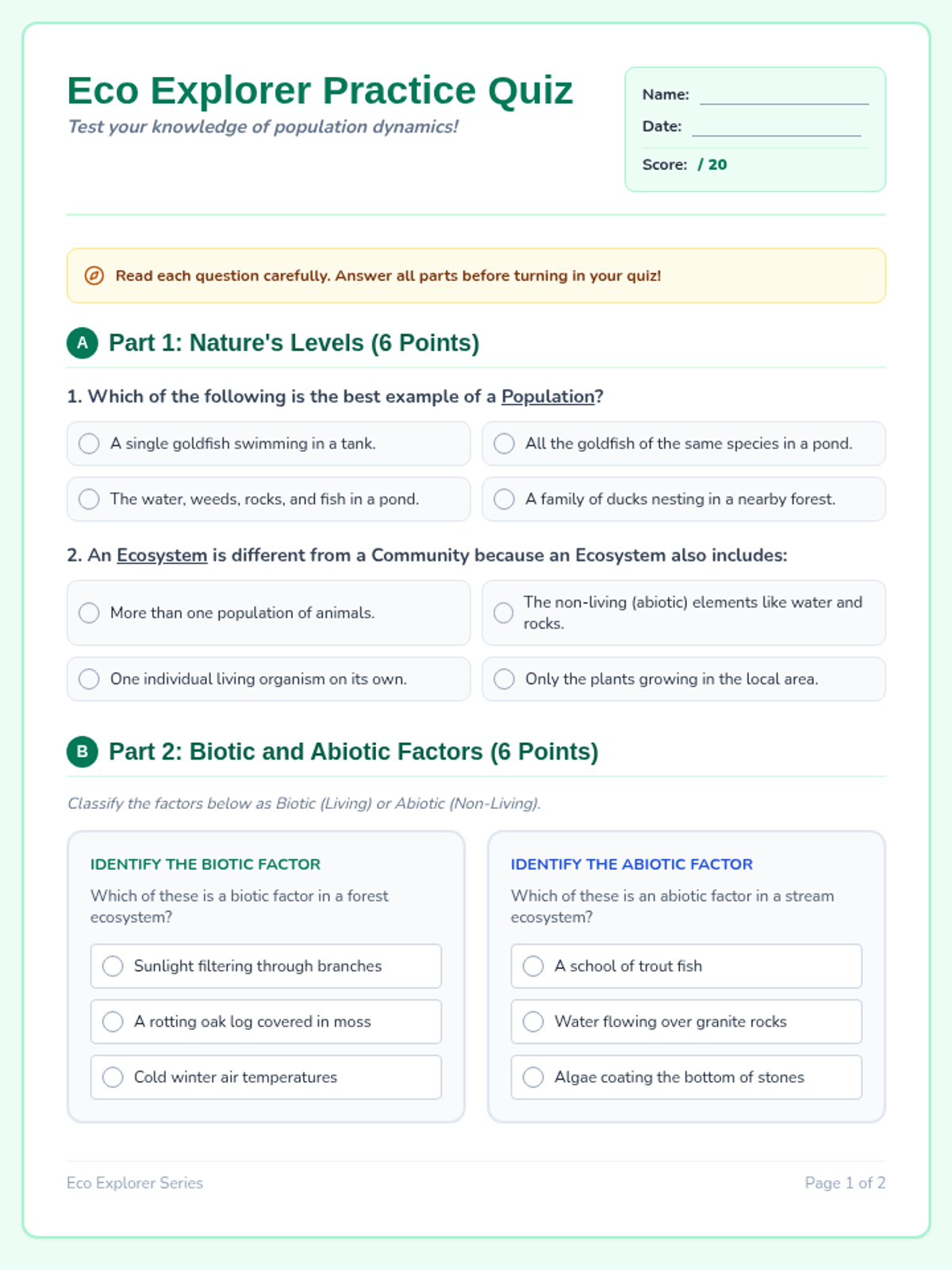
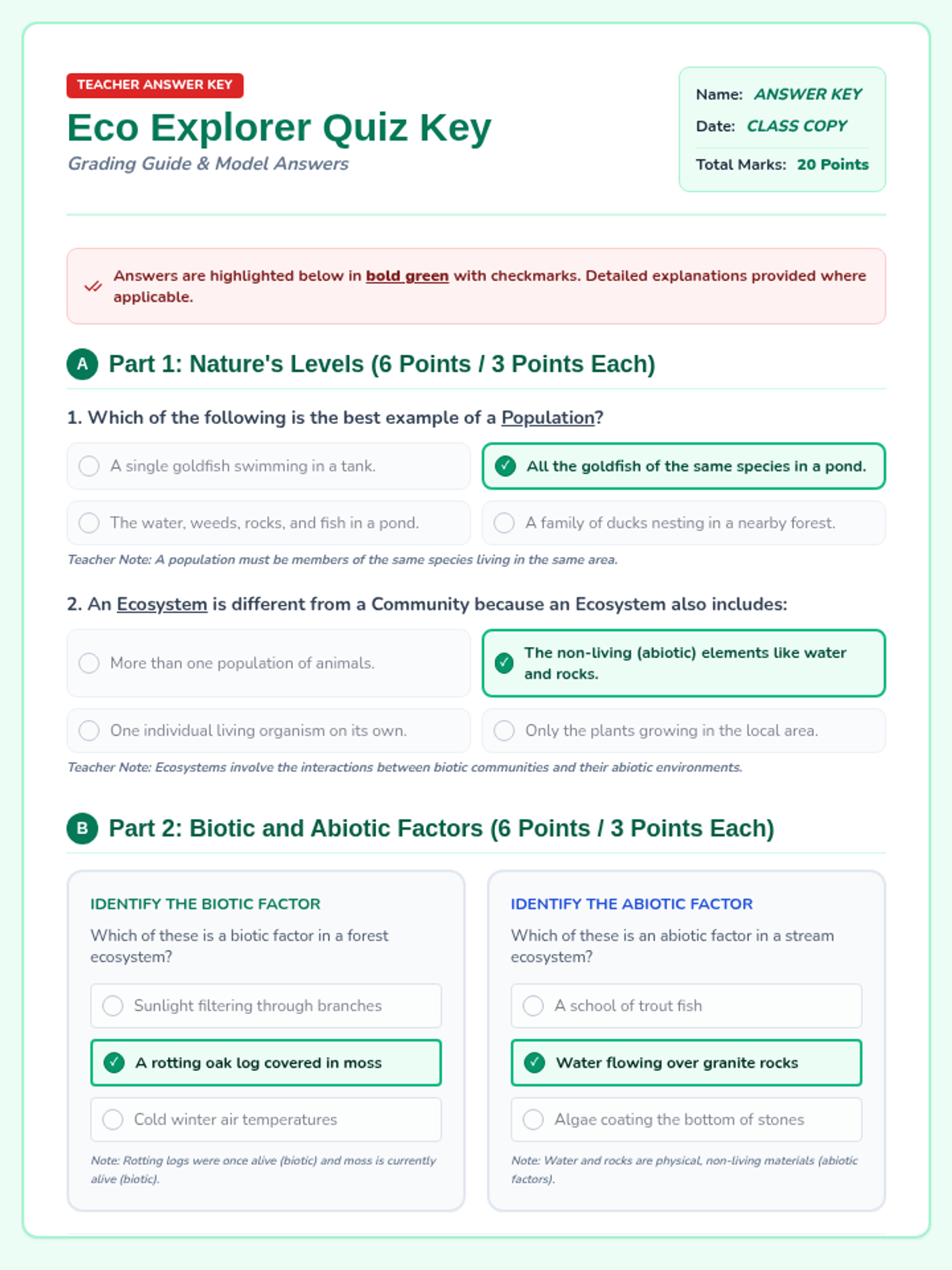
An introductory science lesson exploring ecological levels of organization, biotic versus abiotic factors, and population growth limits.
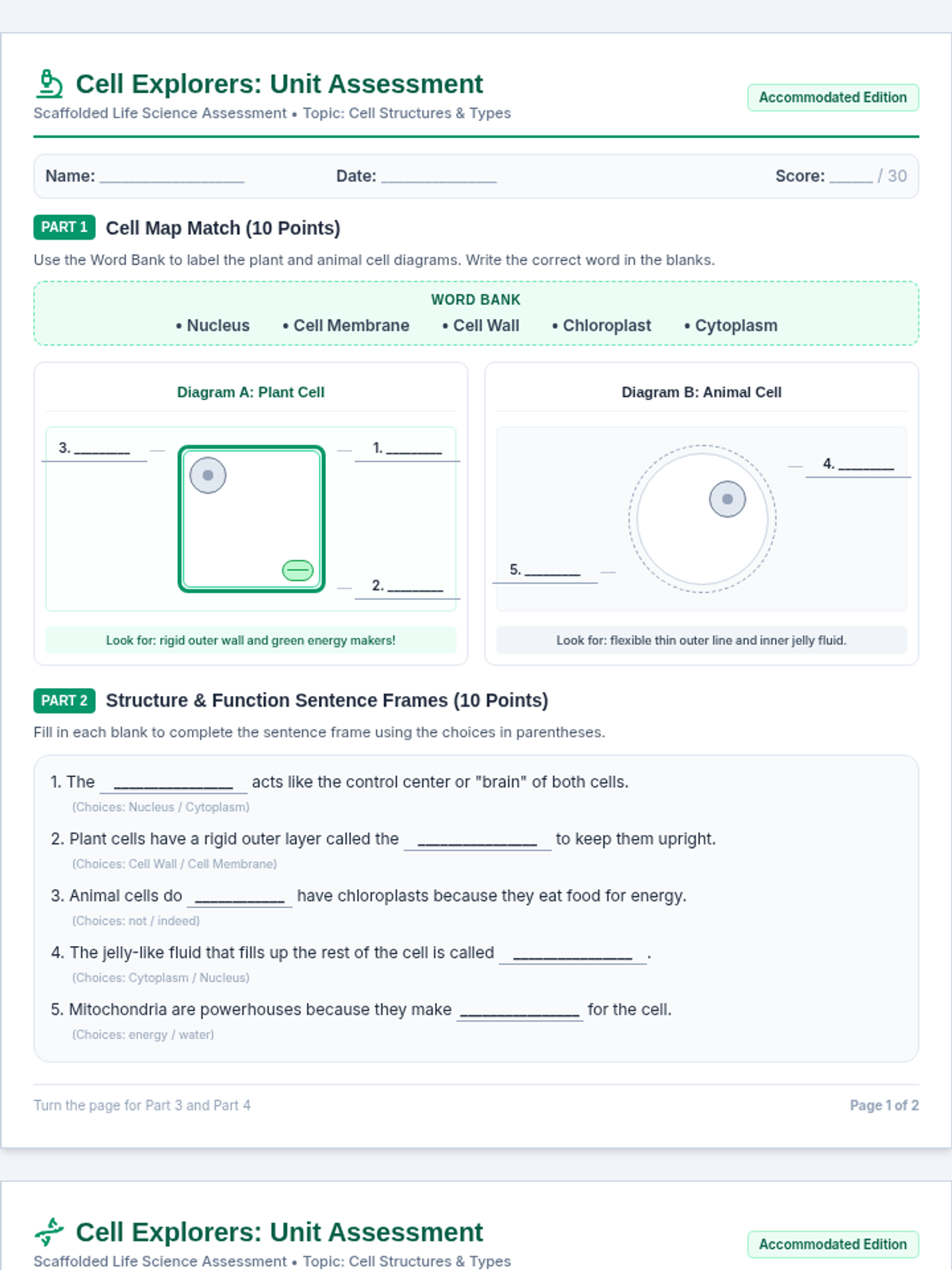
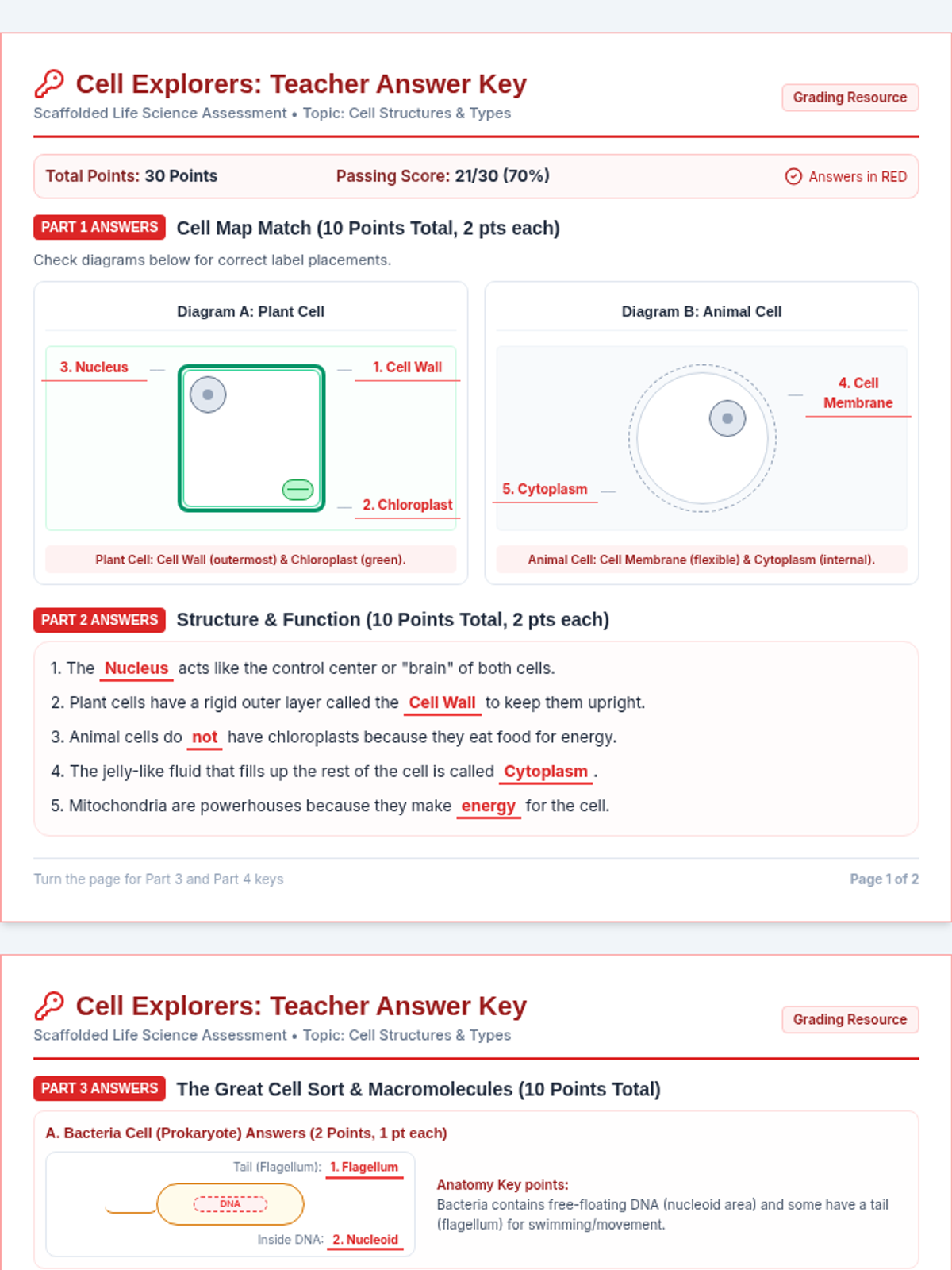
A scaffolded 2-page assessment and corresponding answer key covering prokaryotic and eukaryotic cells, including bacteria, plant, animal, and human cells. Features visual matching, labeling with word banks, sentence frames, and guided sentence starters.
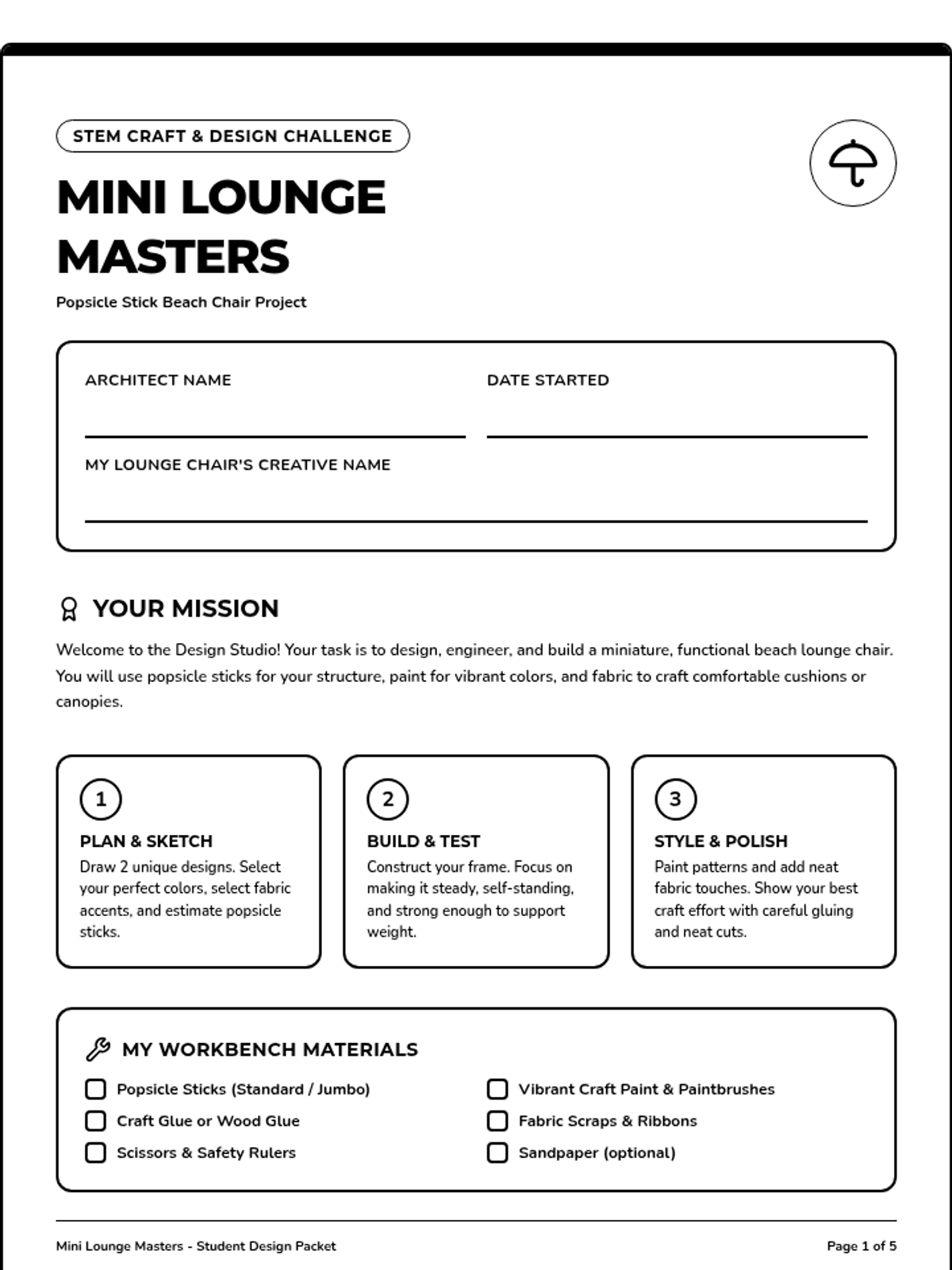
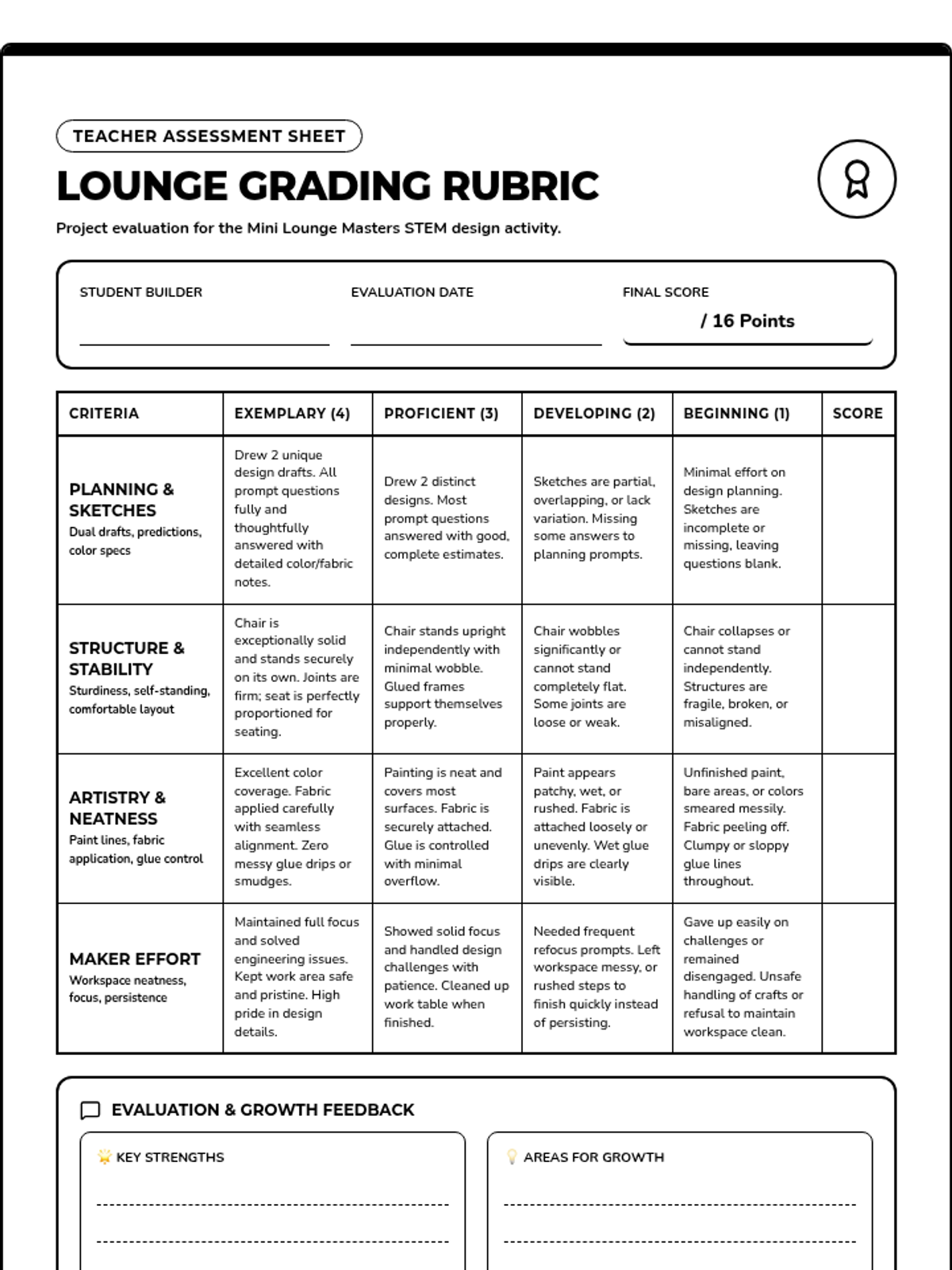
A hands-on engineering and design project where students sketch, build, and decorate a miniature beach chair using popsicle sticks, fabric, and paint. Includes a comprehensive student-facing project packet with milestone checklist and a teacher grading rubric.
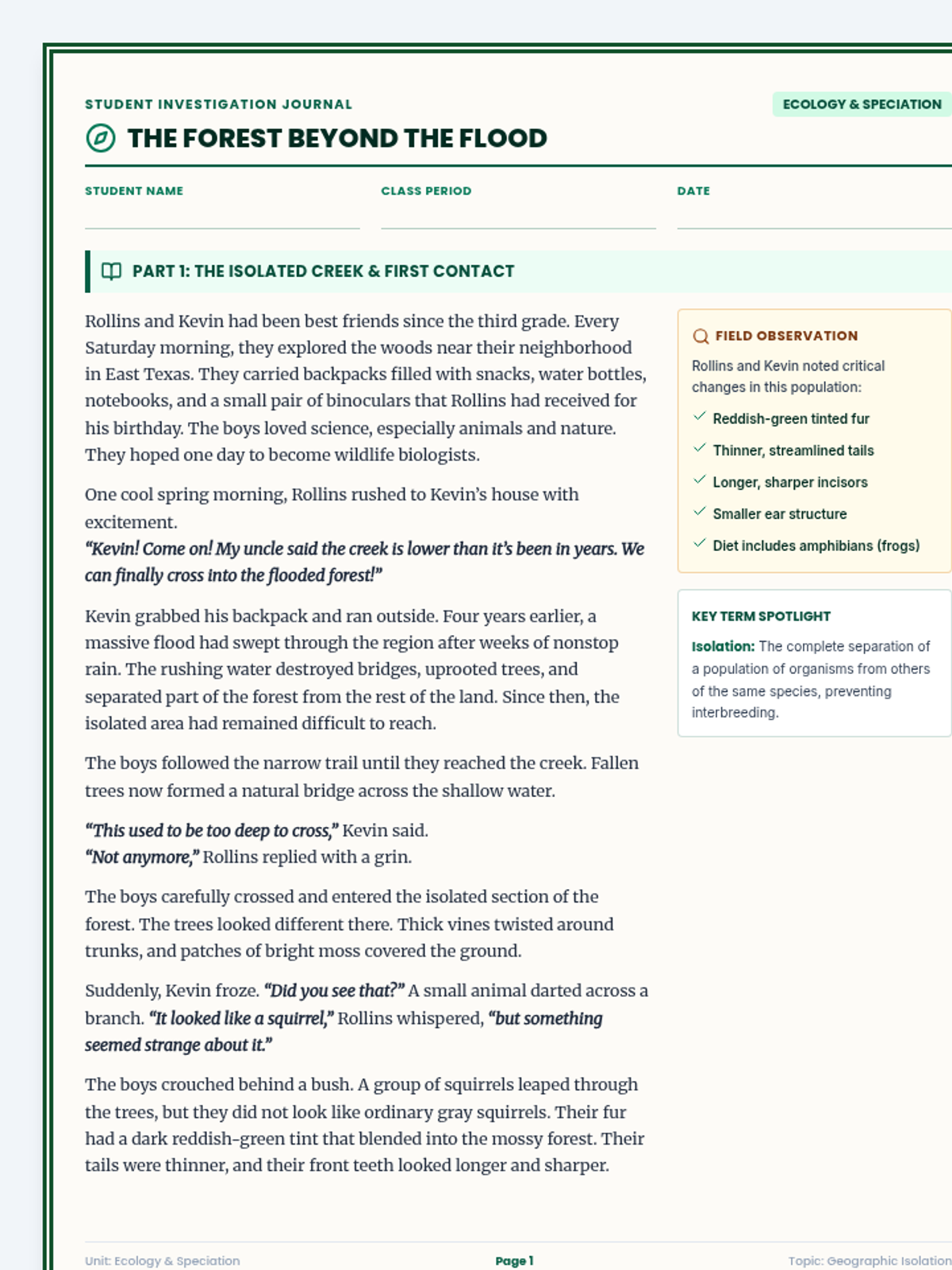
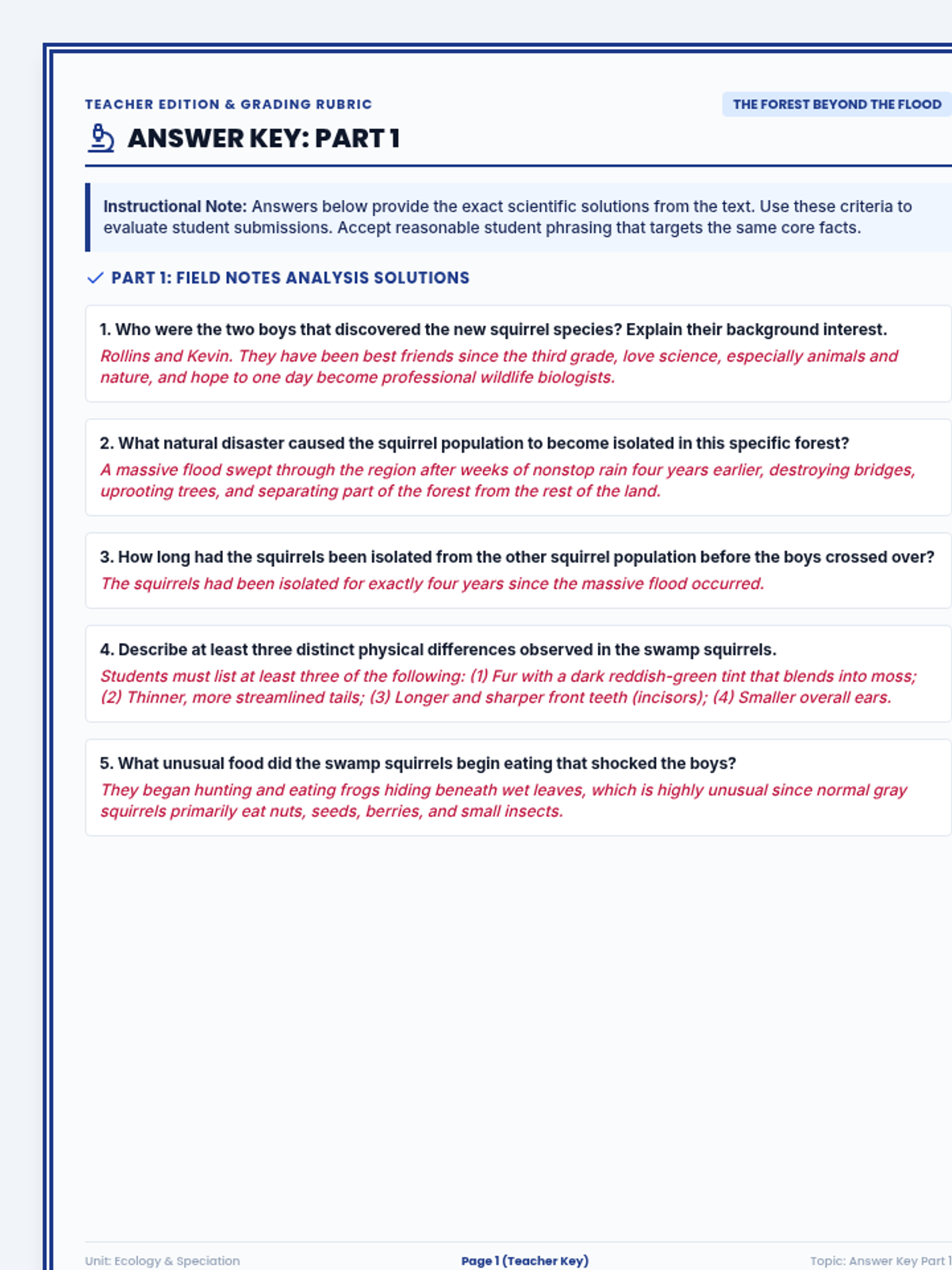
A complete lesson exploring natural selection, speciation, and invasive species through the story of Rollins and Kevin discovering the 'Swamp Squirrels' in an isolated East Texas forest. Includes a student reading packet with integrated comprehension questions and a detailed teacher answer key.
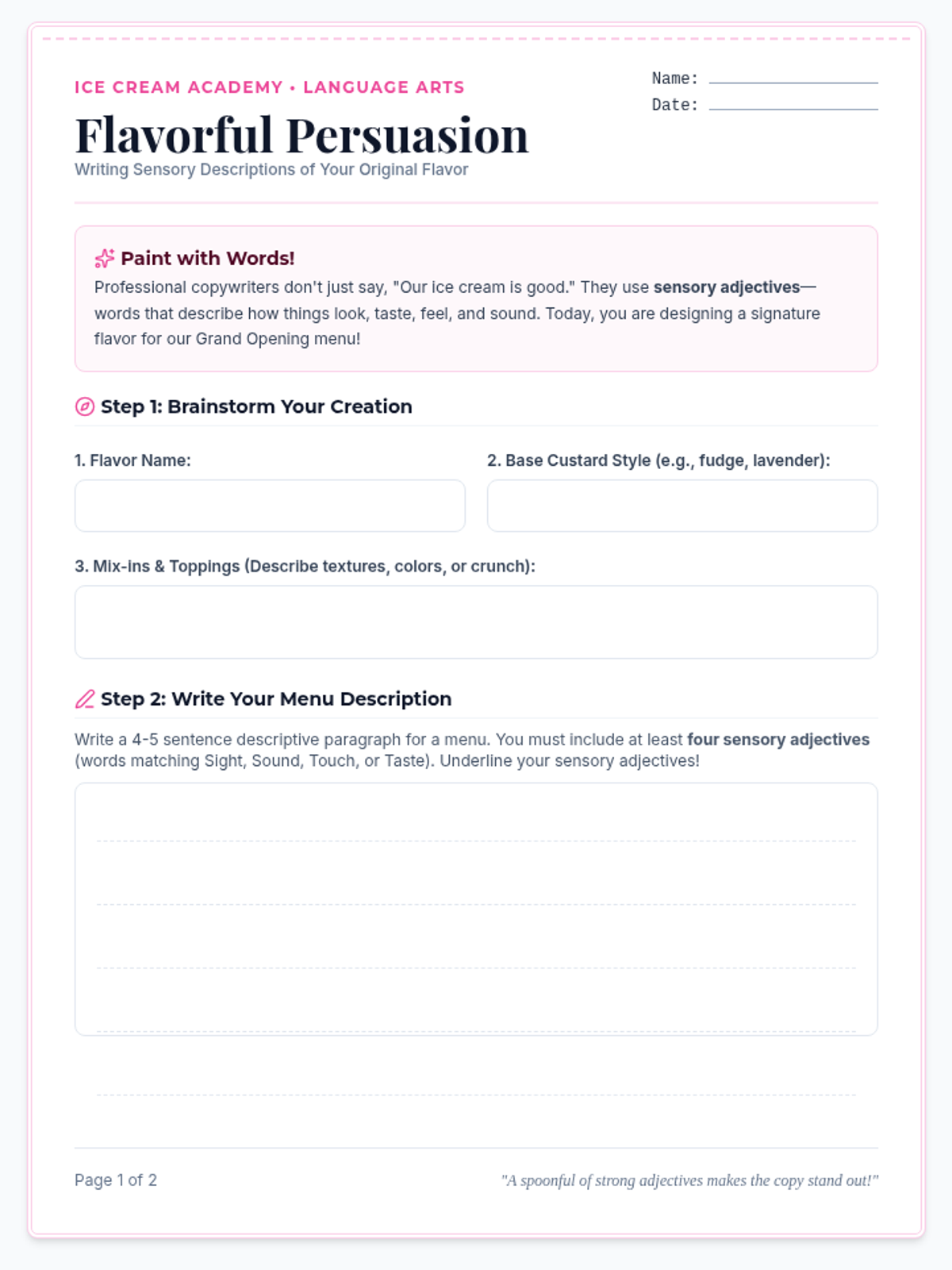
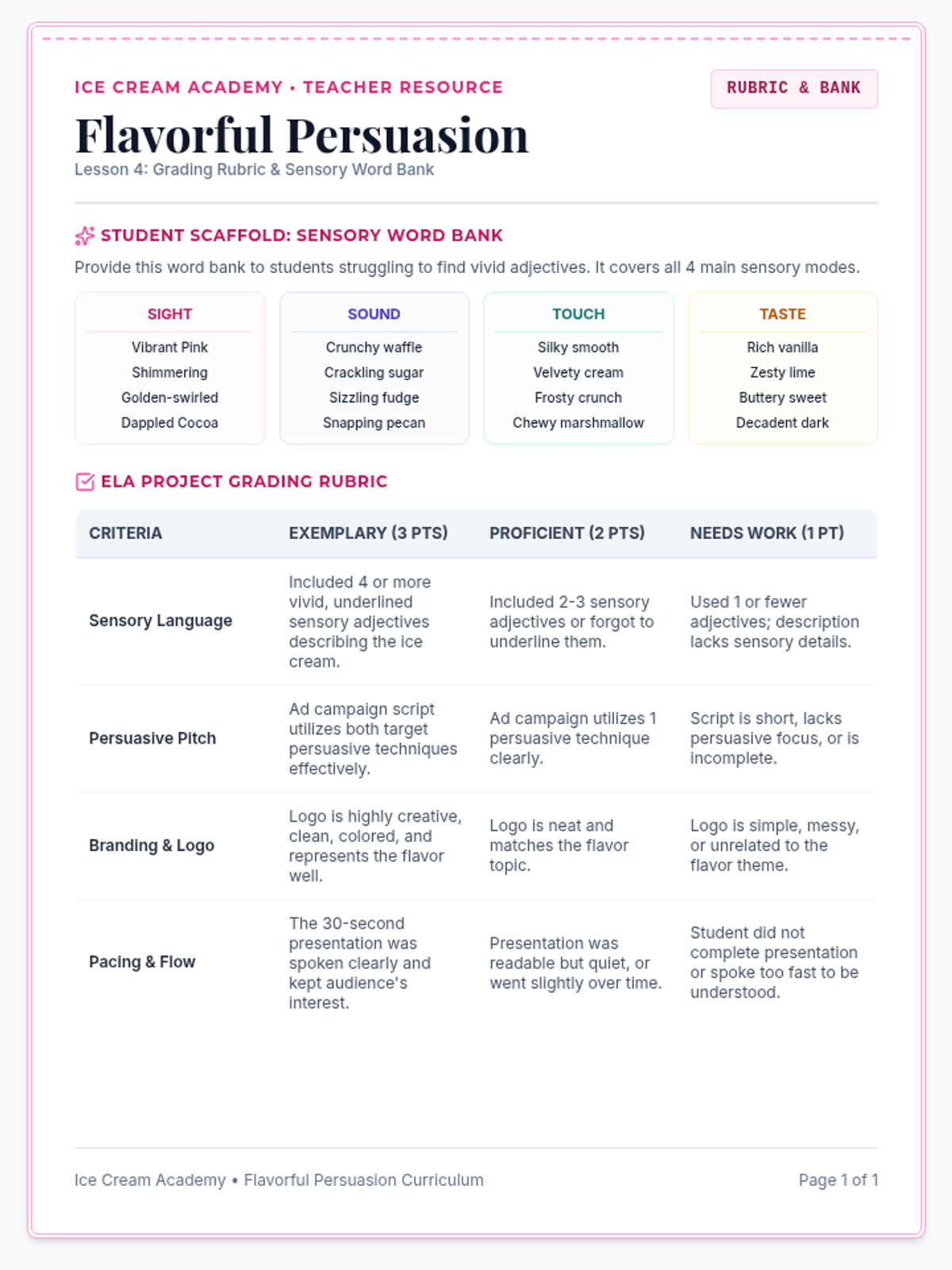
Master sensory language and persuasive advertising techniques by designing an original ice cream flavor, brand logo, and marketing pitch.
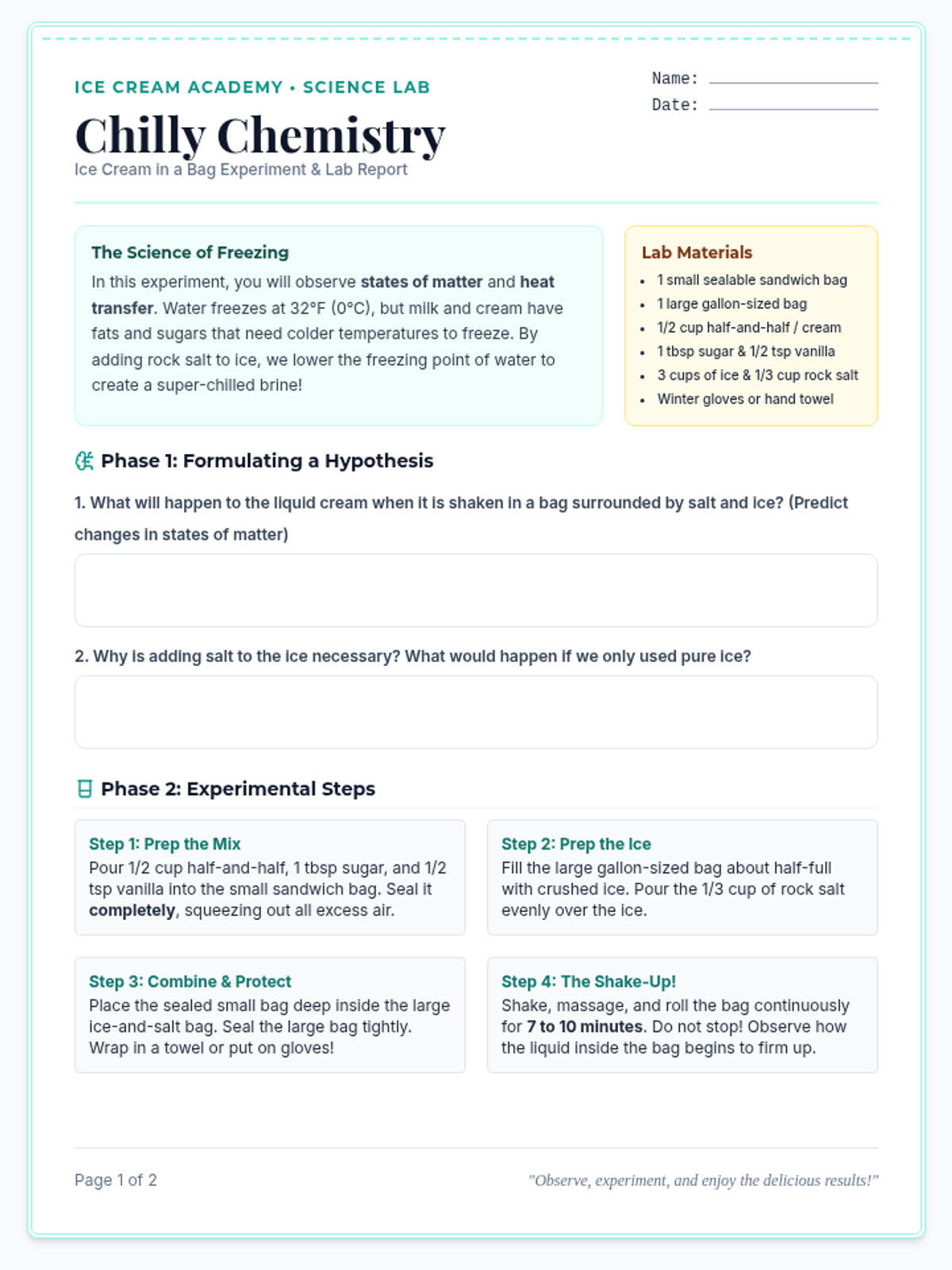
Explore states of matter, heat transfer, and freezing-point depression by making homemade ice cream in a bag using ice, salt, and cream.
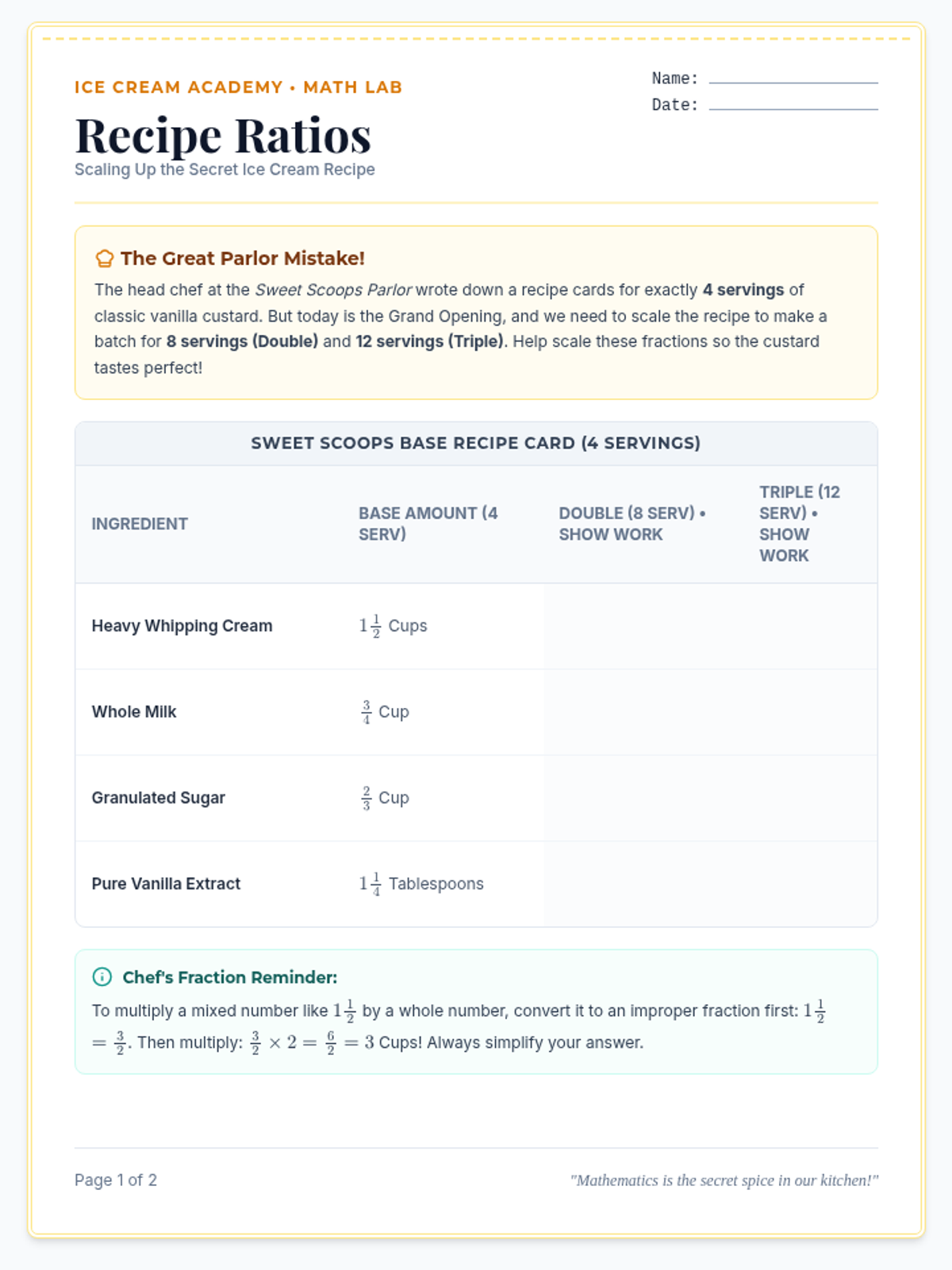
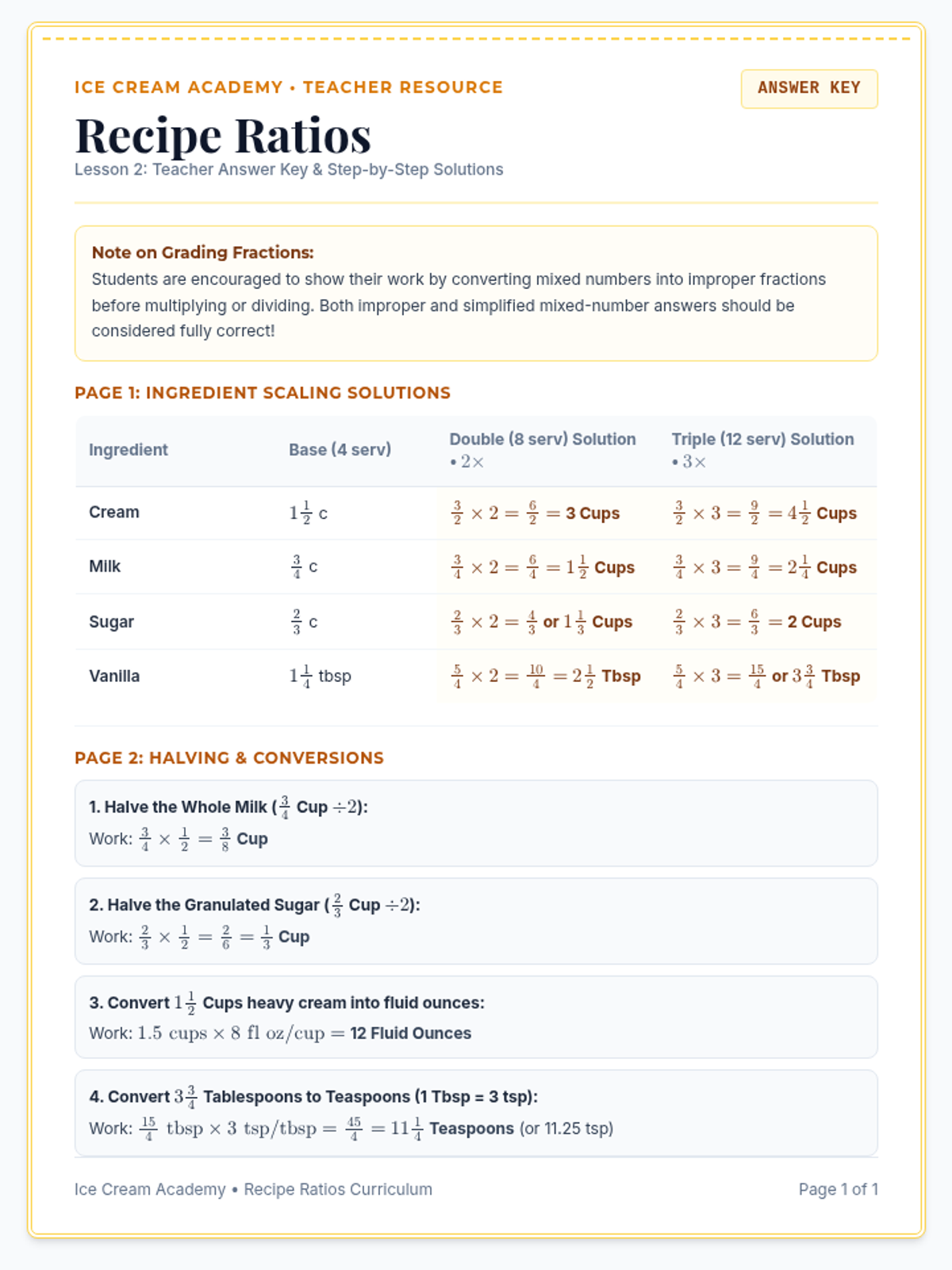
Apply fraction multiplication and division to scale ice cream recipes up and down, converting fluid ounces, cups, and tablespoons.
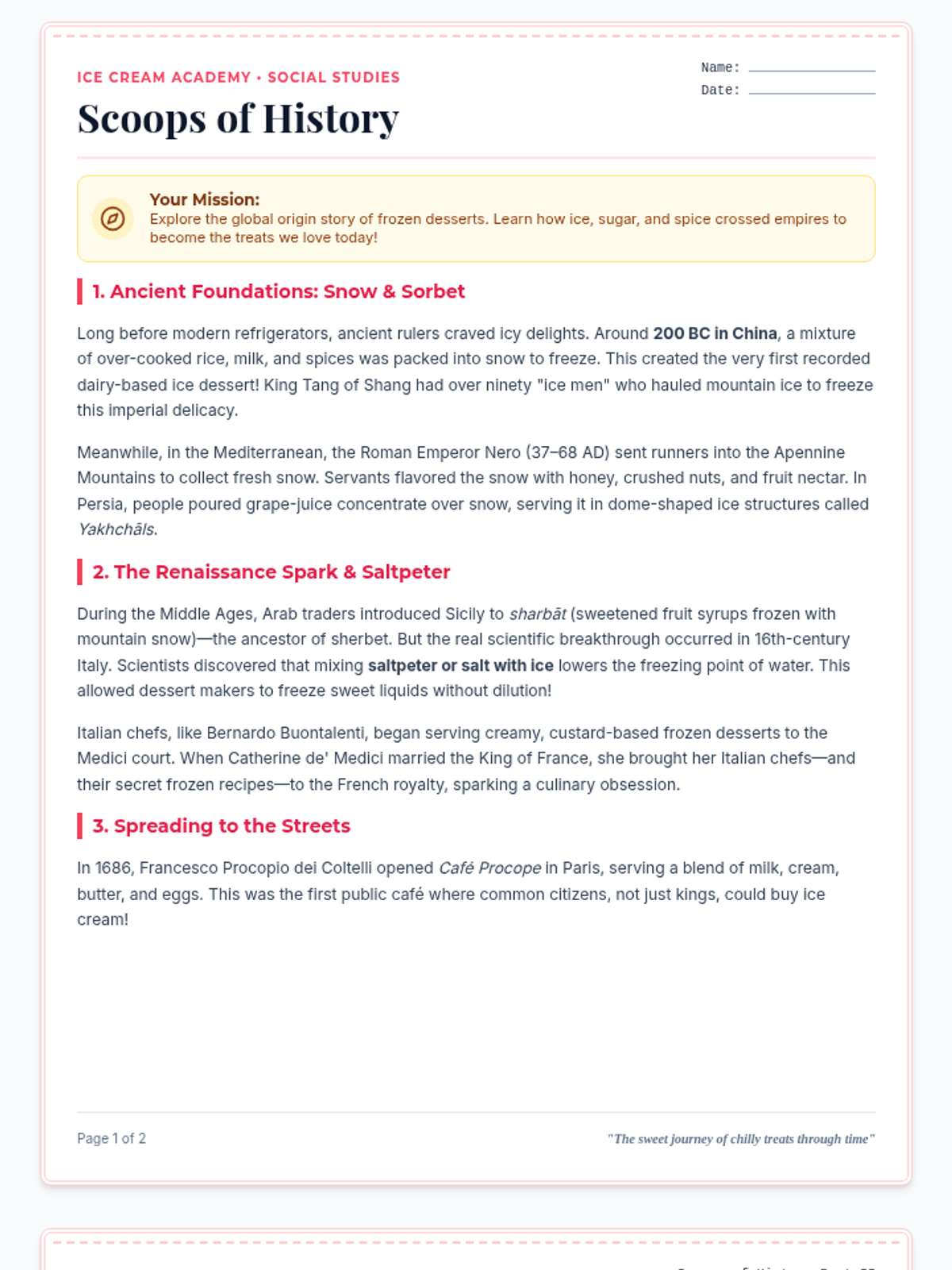
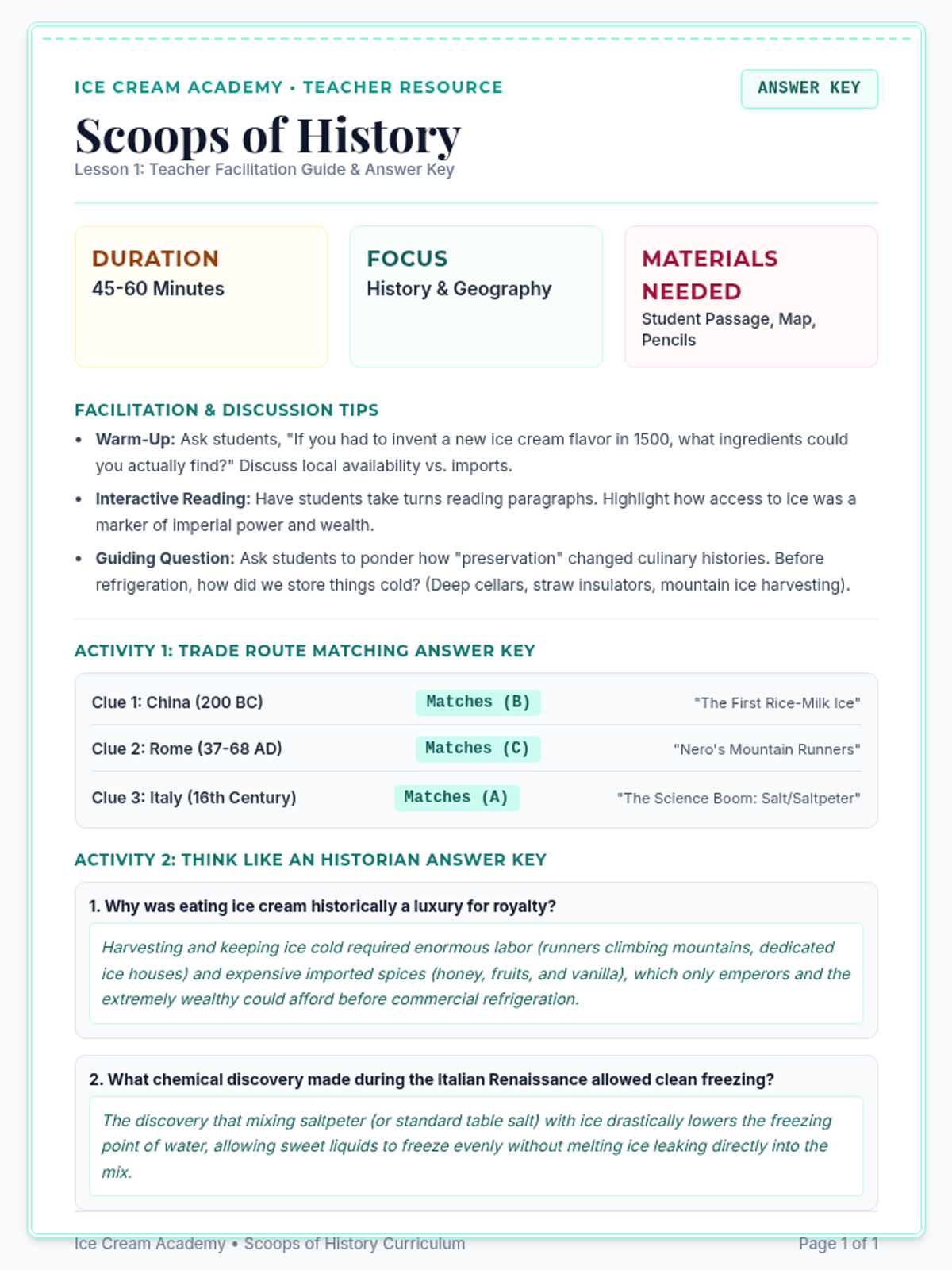
Trace the historical origins of frozen desserts from ancient China and Rome to modern day, mapping how ingredients like vanilla, sugar, and cacao traveled globally.
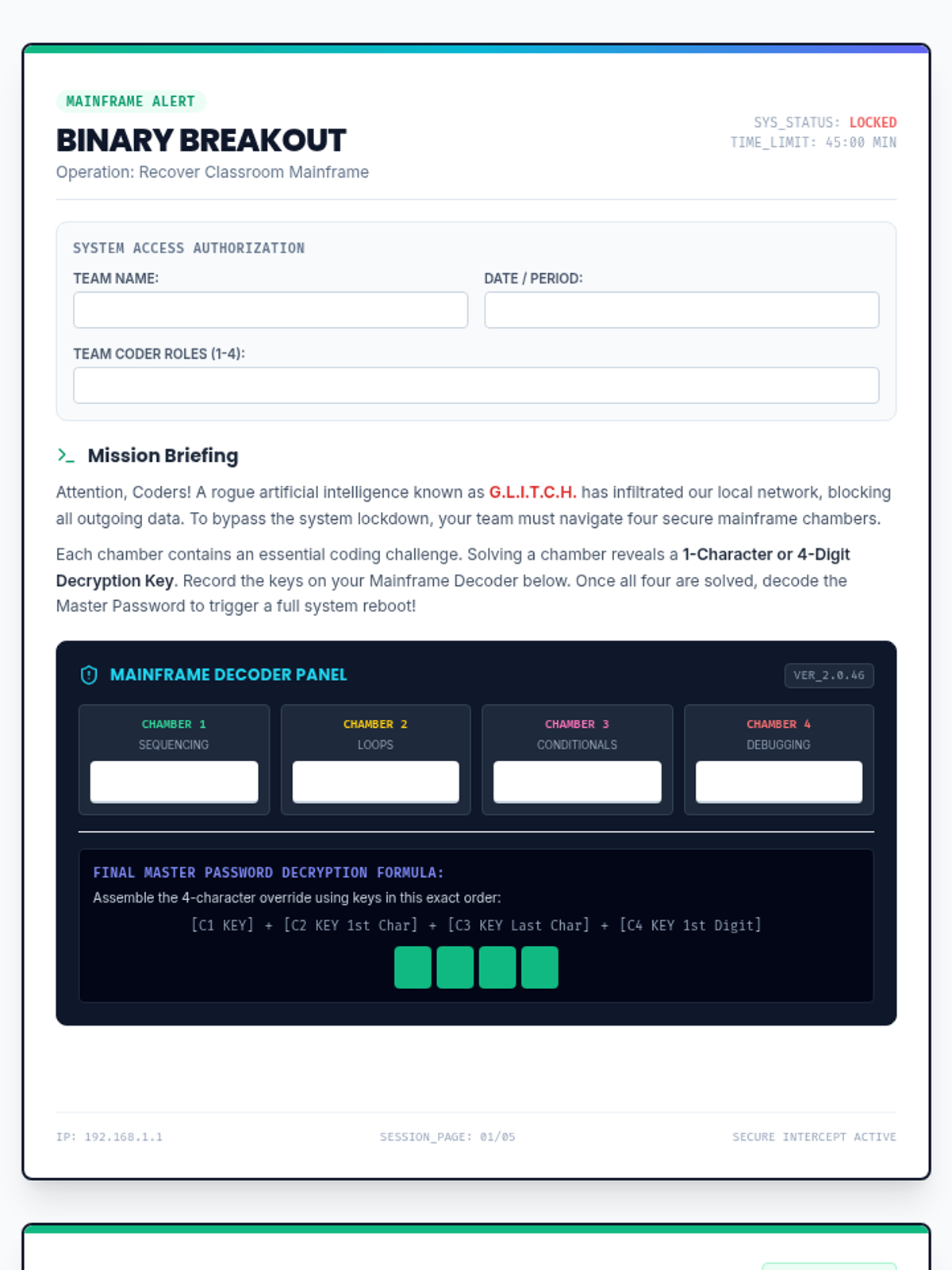
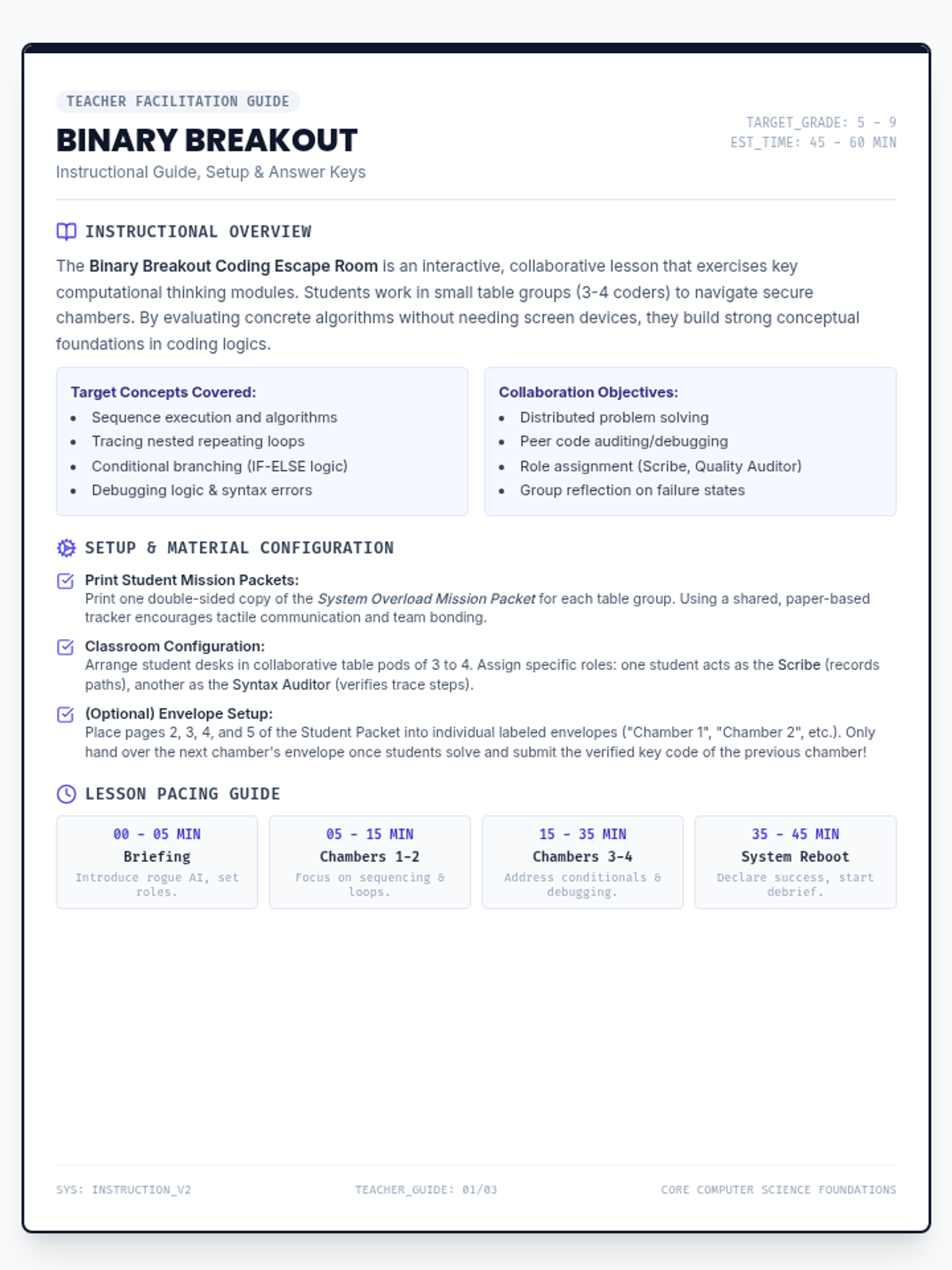
An immersive, puzzle-driven coding escape room where students work in table groups to defeat a rogue AI. By solving four distinct chambers focusing on sequencing, loops, conditionals, and debugging, students demonstrate core computational thinking skills.
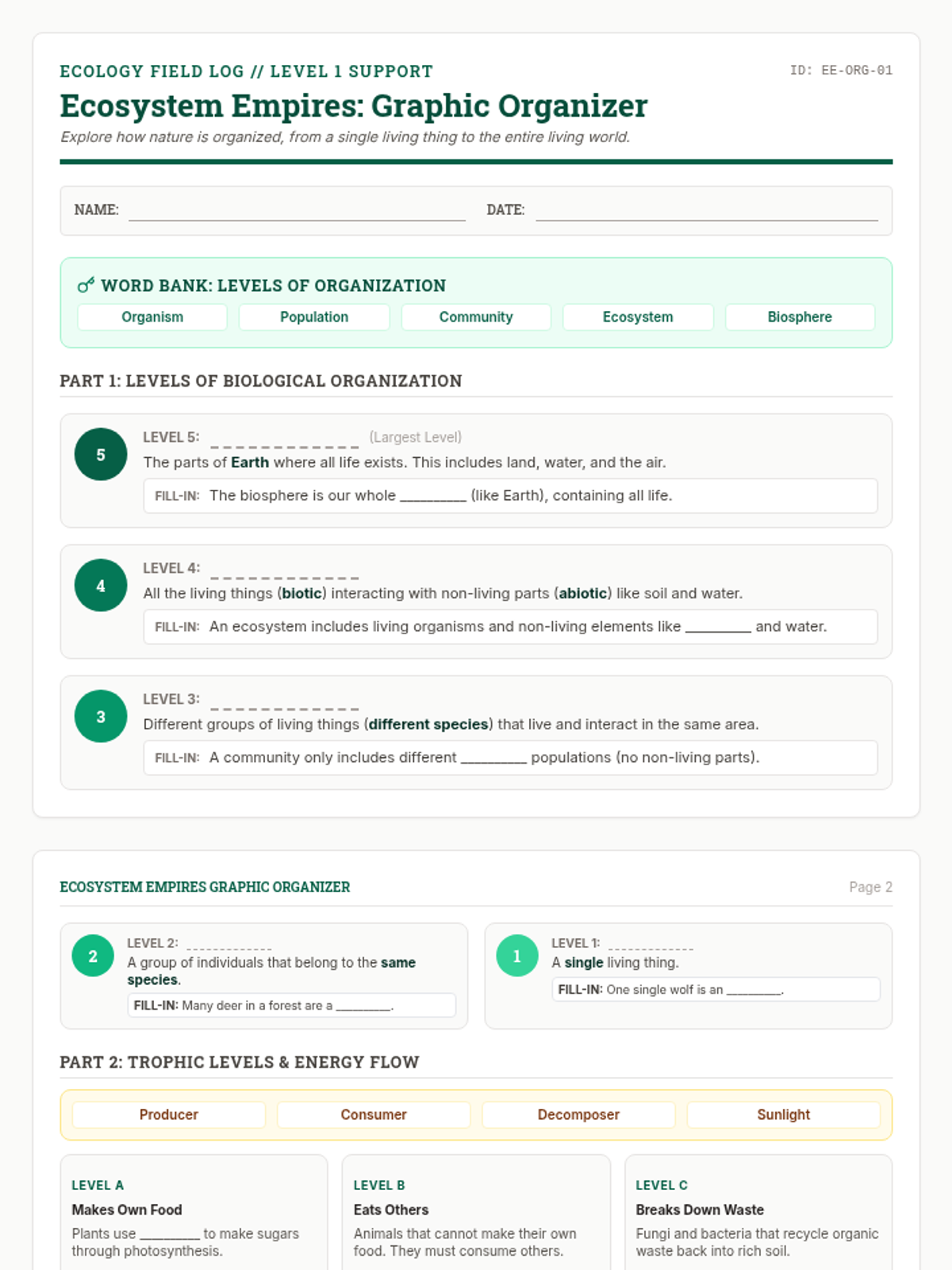
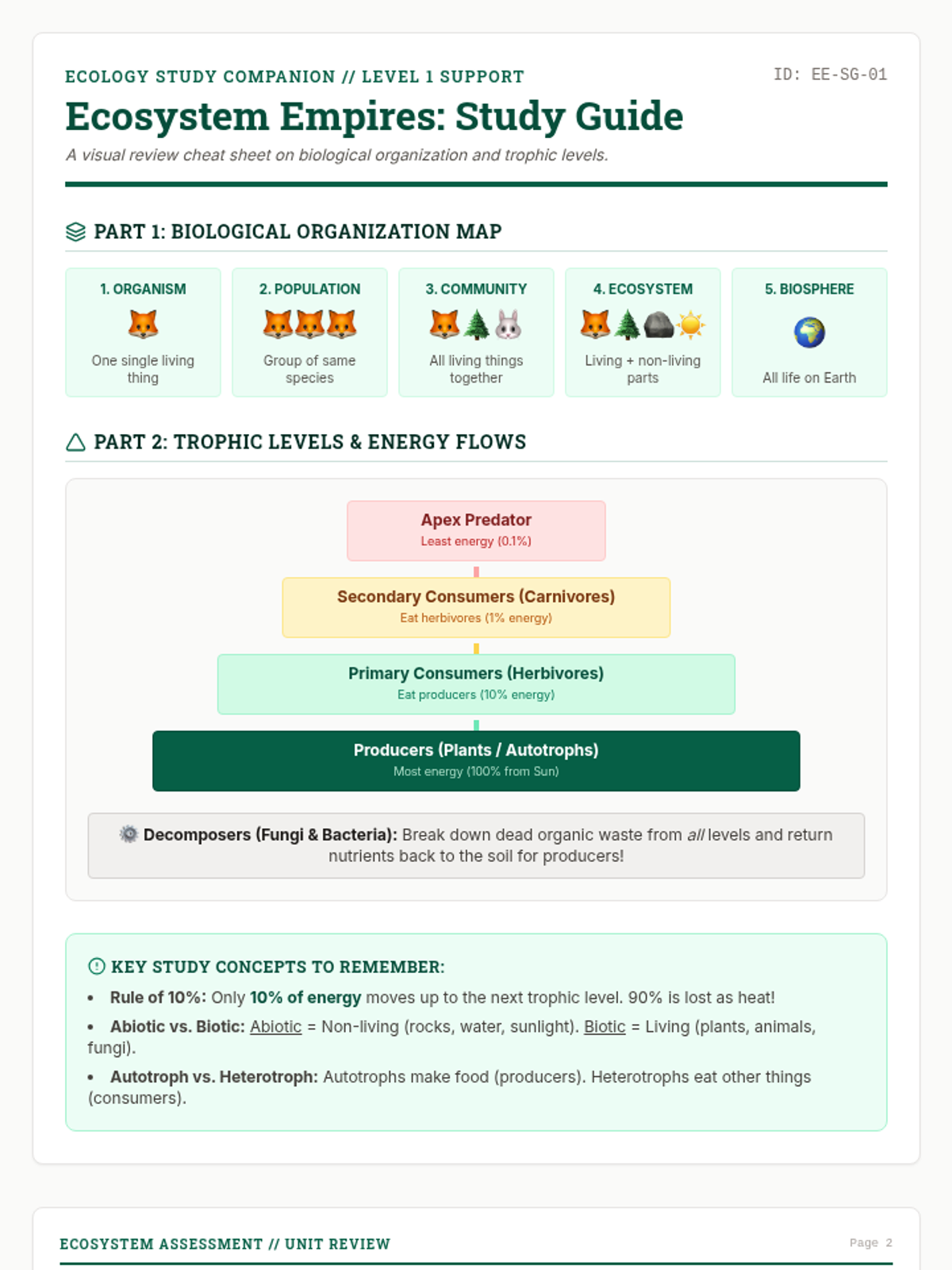
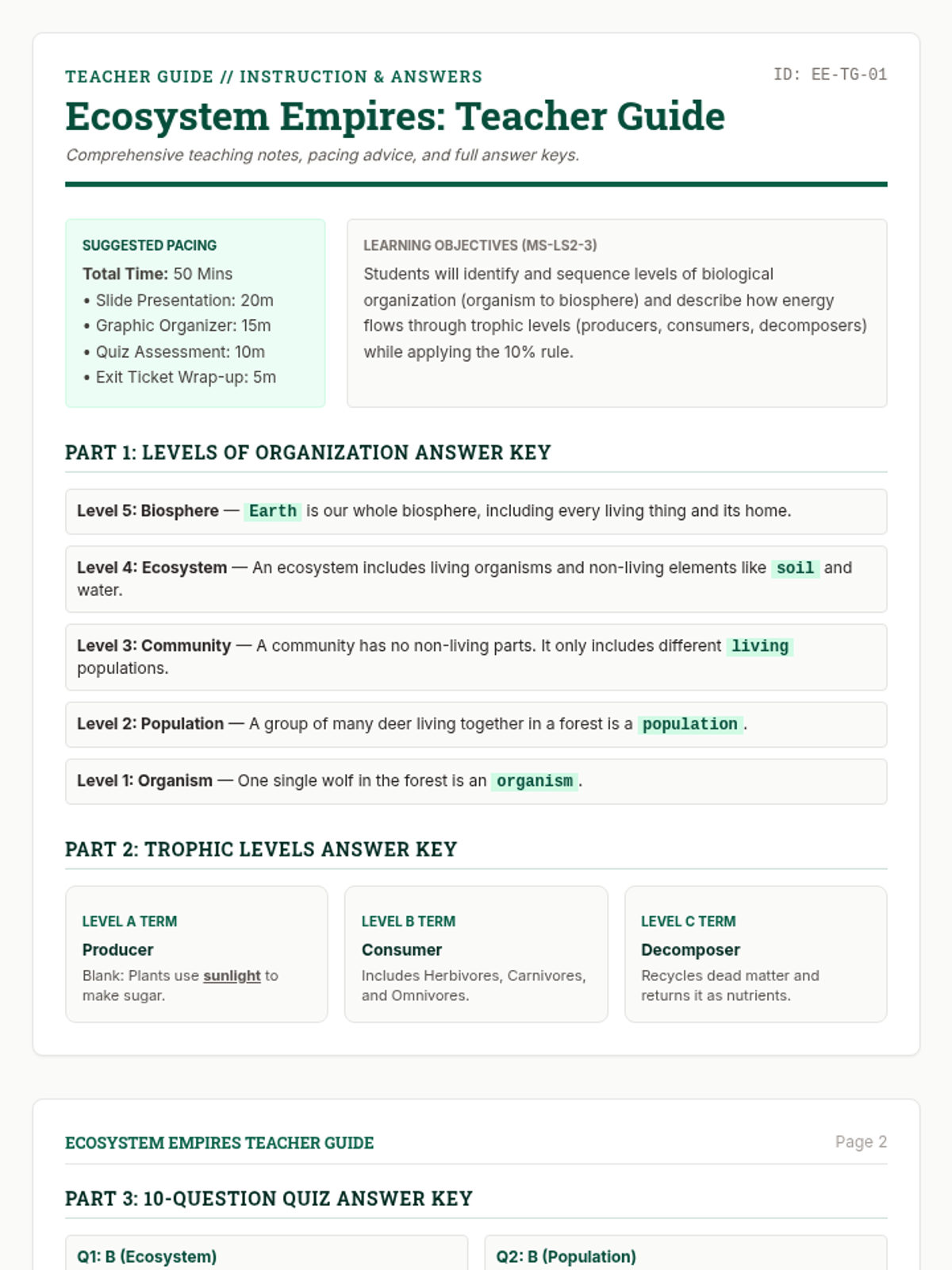
A comprehensive ecology review lesson focused on the levels of biological organization (organism to biosphere) and trophic levels (energy flow, producers, consumers, decomposers). Designed with scaffolded, modified text and guided fill-in-the-blanks for accessible learning.