Students act as genetic designers. They are given specific DNA sequences that code for traits and must draw the resulting organism, demonstrating the direct link between genotype and phenotype.
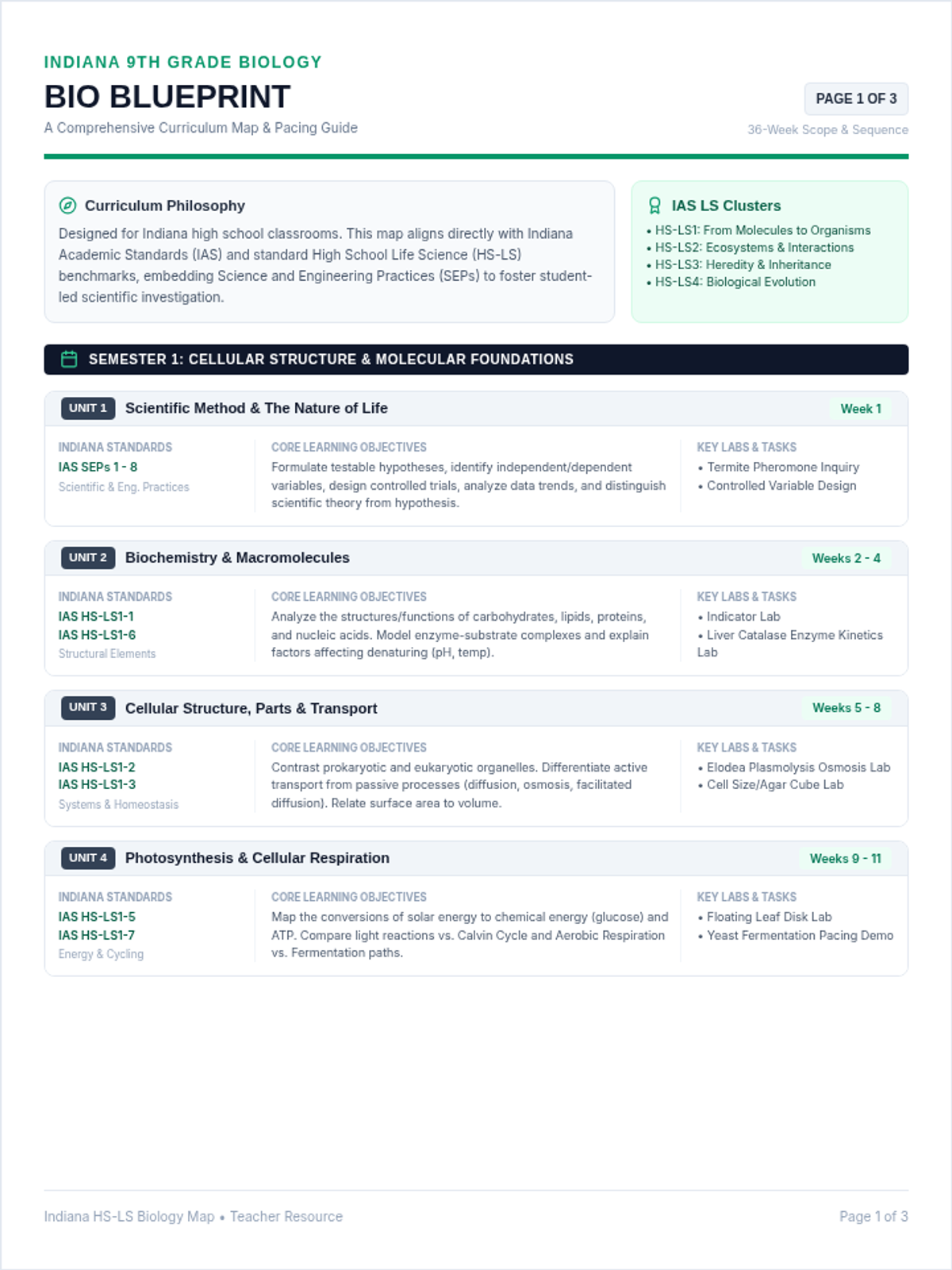
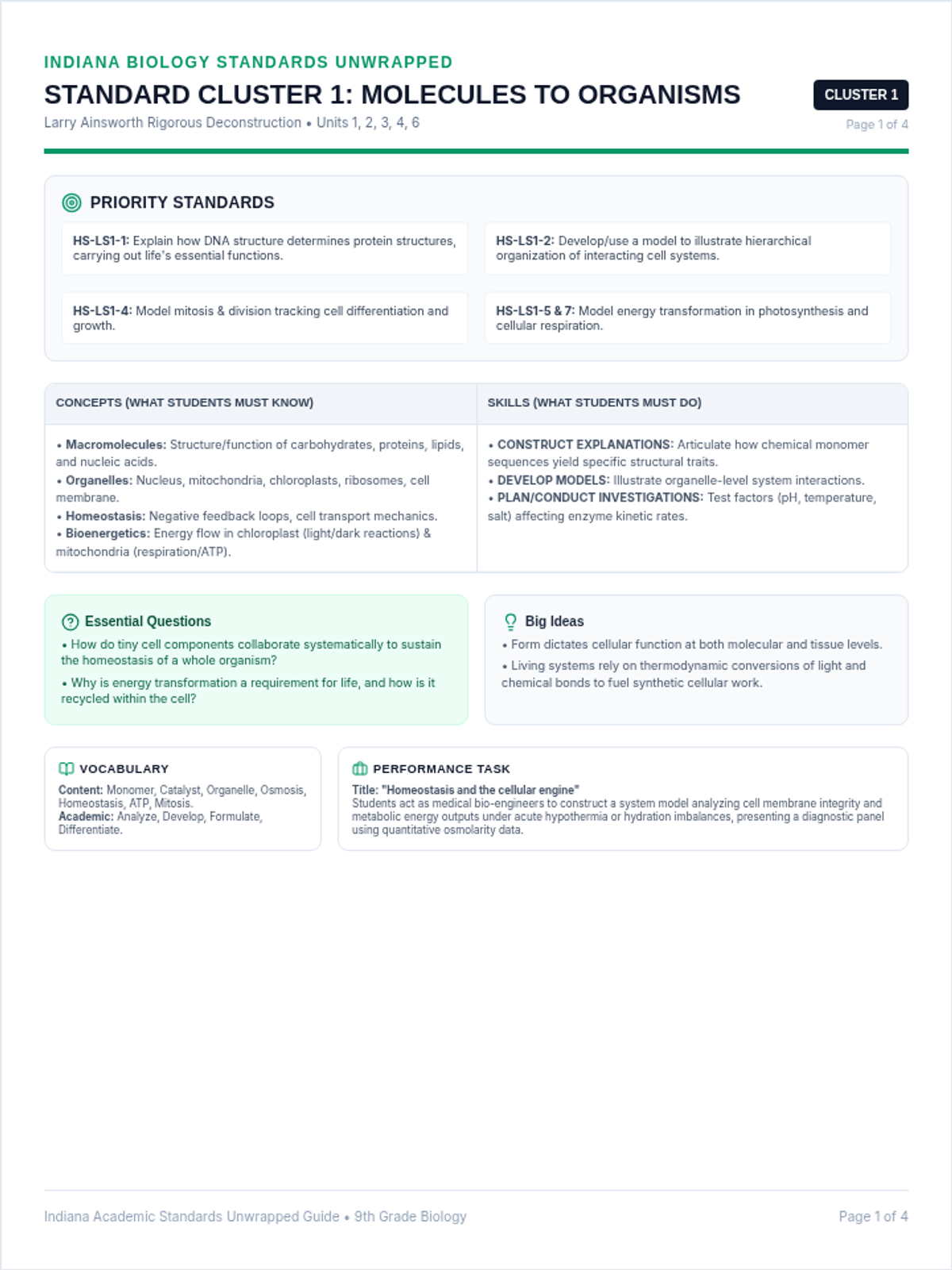
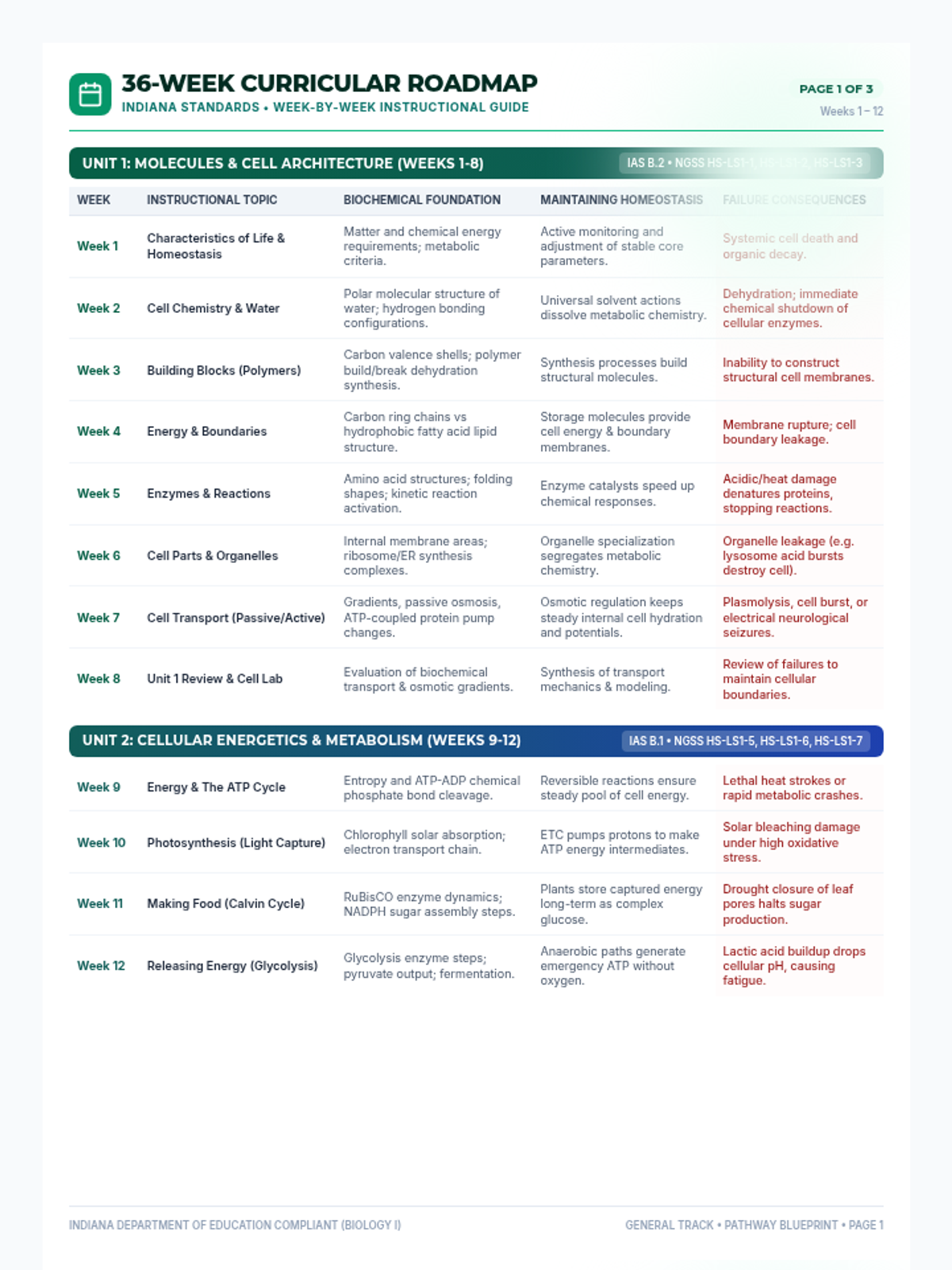
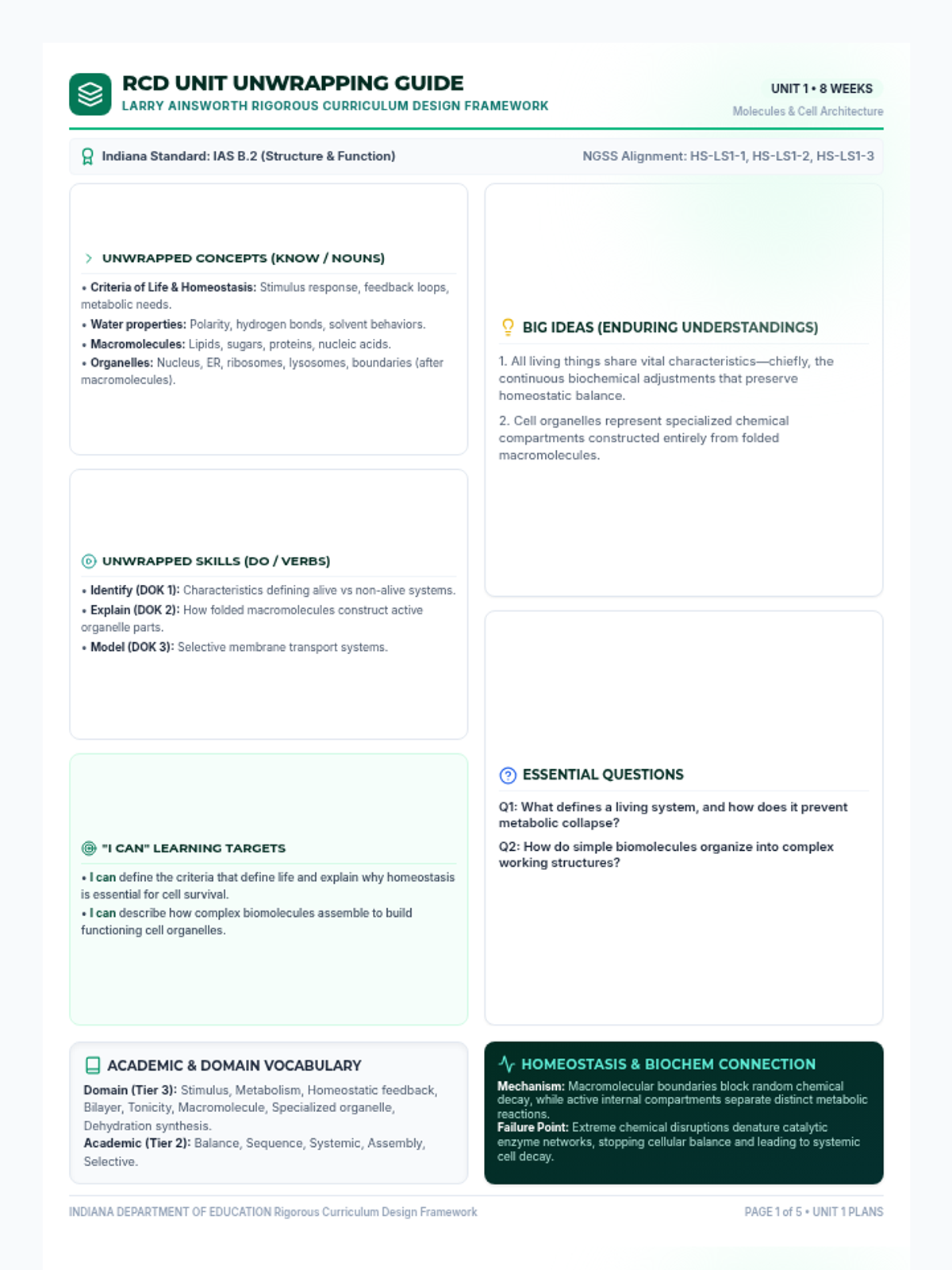
High-level curriculum planning resources, alignment maps, and pacing guides for teaching Indiana 9th-grade Biology.
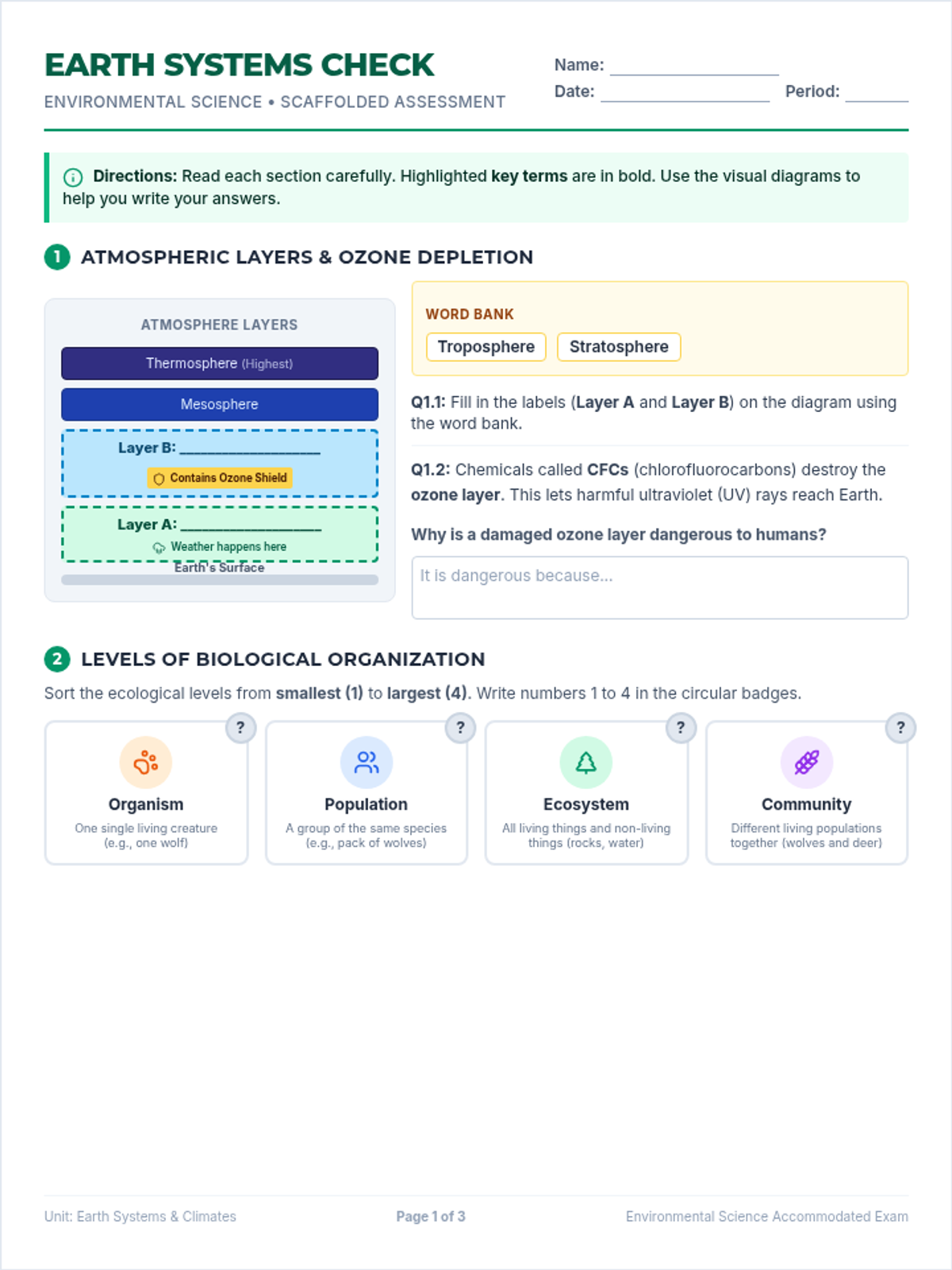
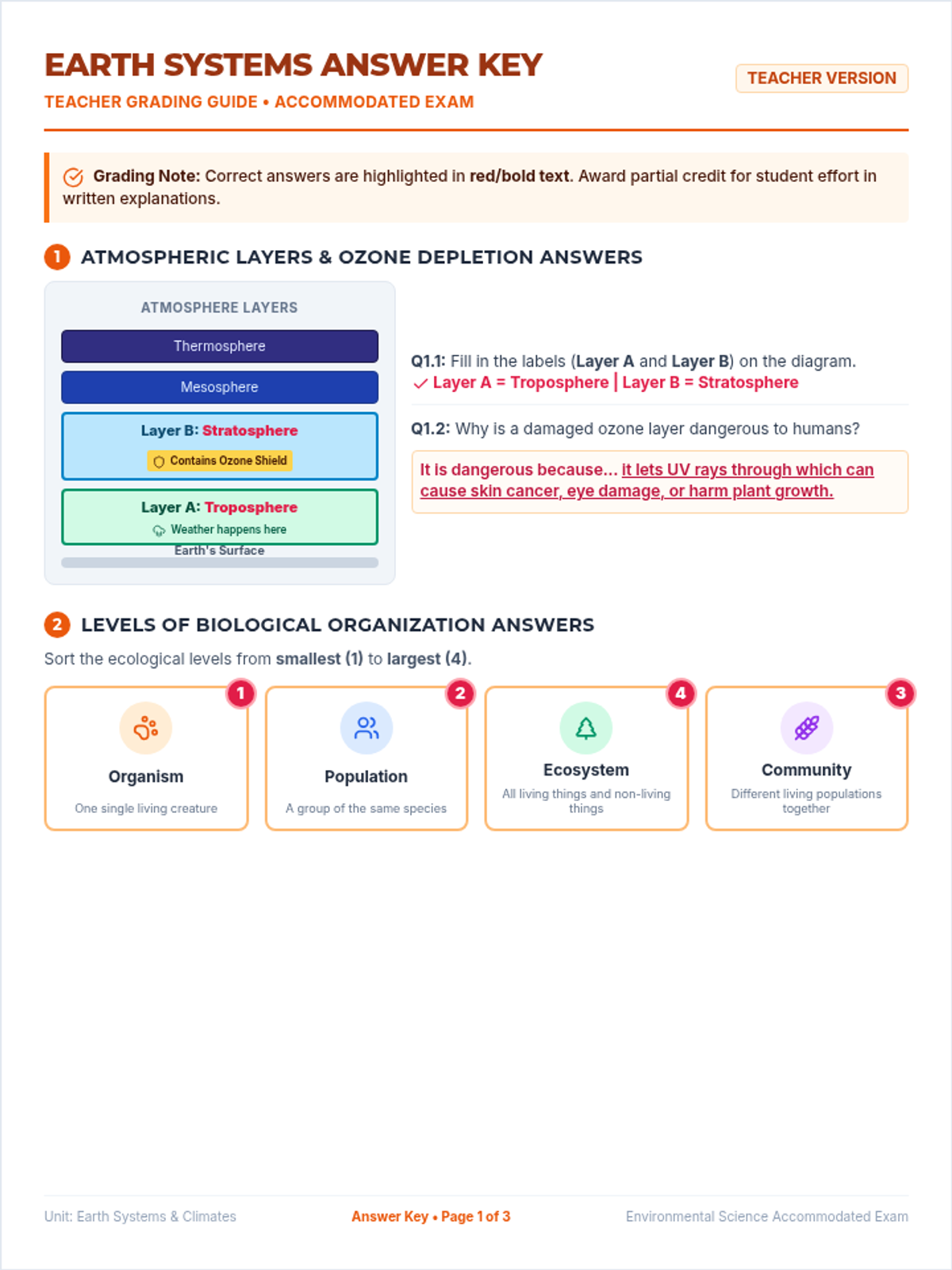
A highly visual, scaffolded assessment and corresponding answer key covering atmospheric layers, resource classification, carbon footprints, biological levels, trophic webs, ice proxies, and photosynthesis.
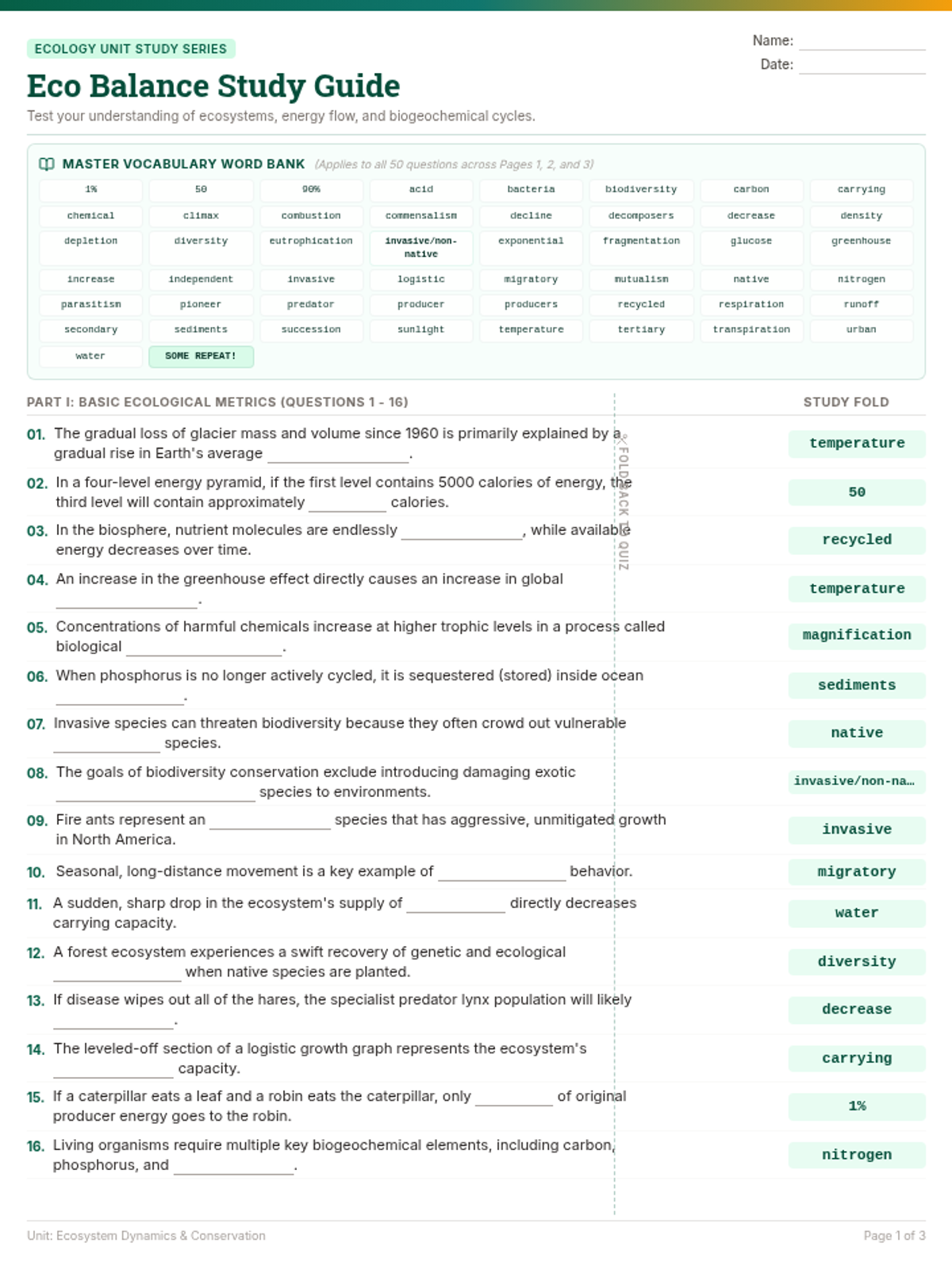
An essential study unit focusing on ecosystem dynamics, energy flow, biogeochemical cycles, and human impacts on biodiversity.
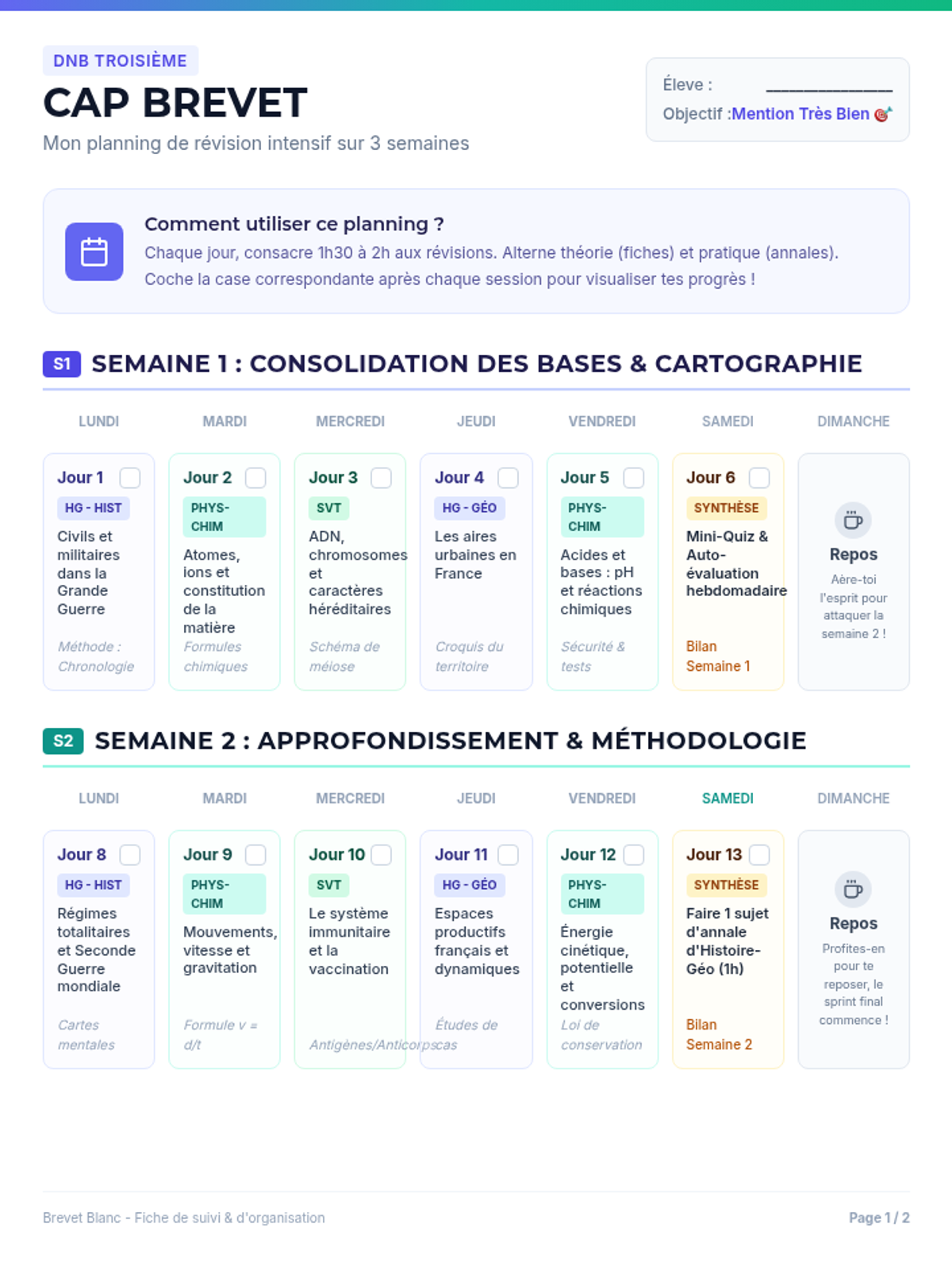
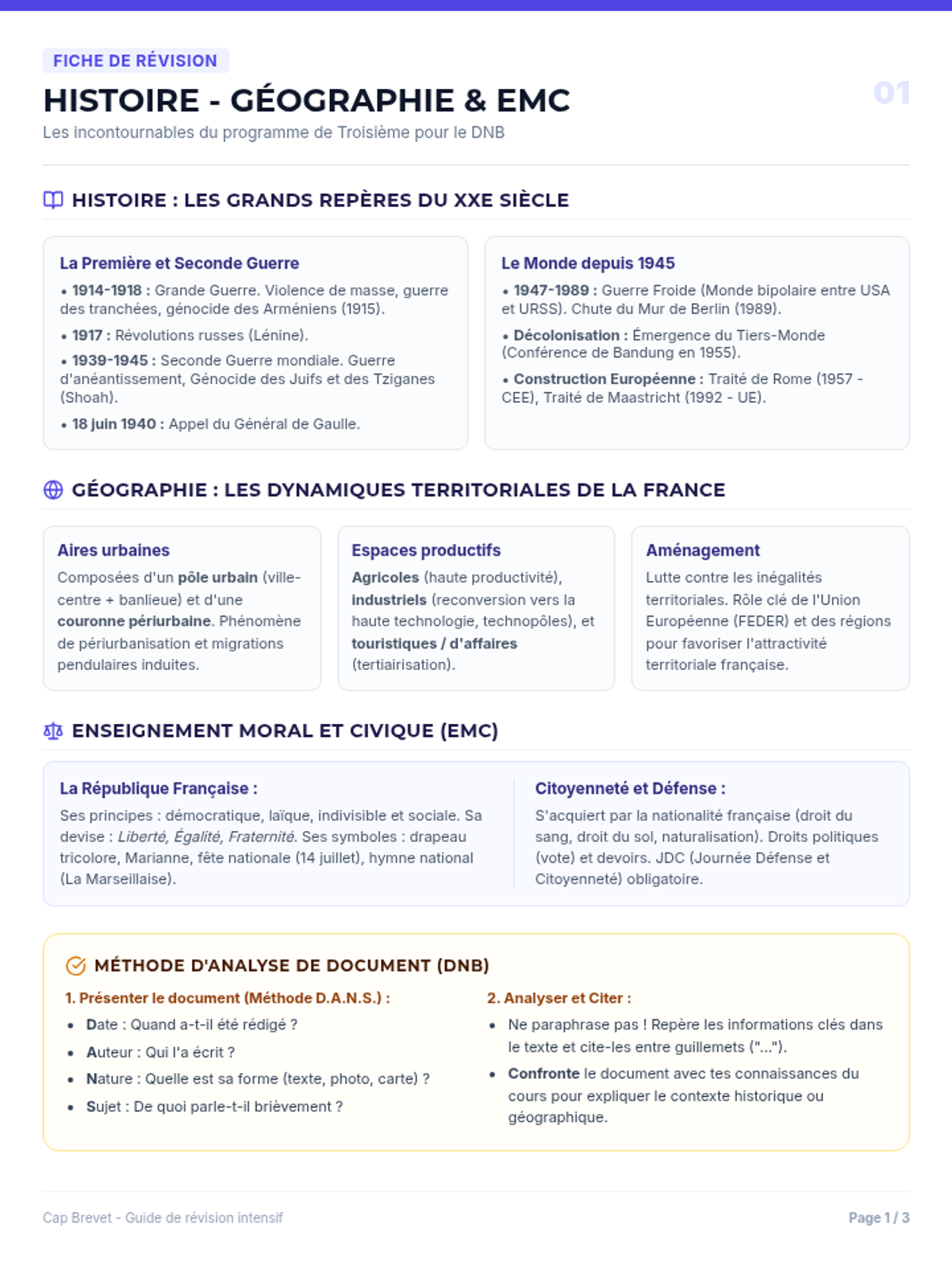
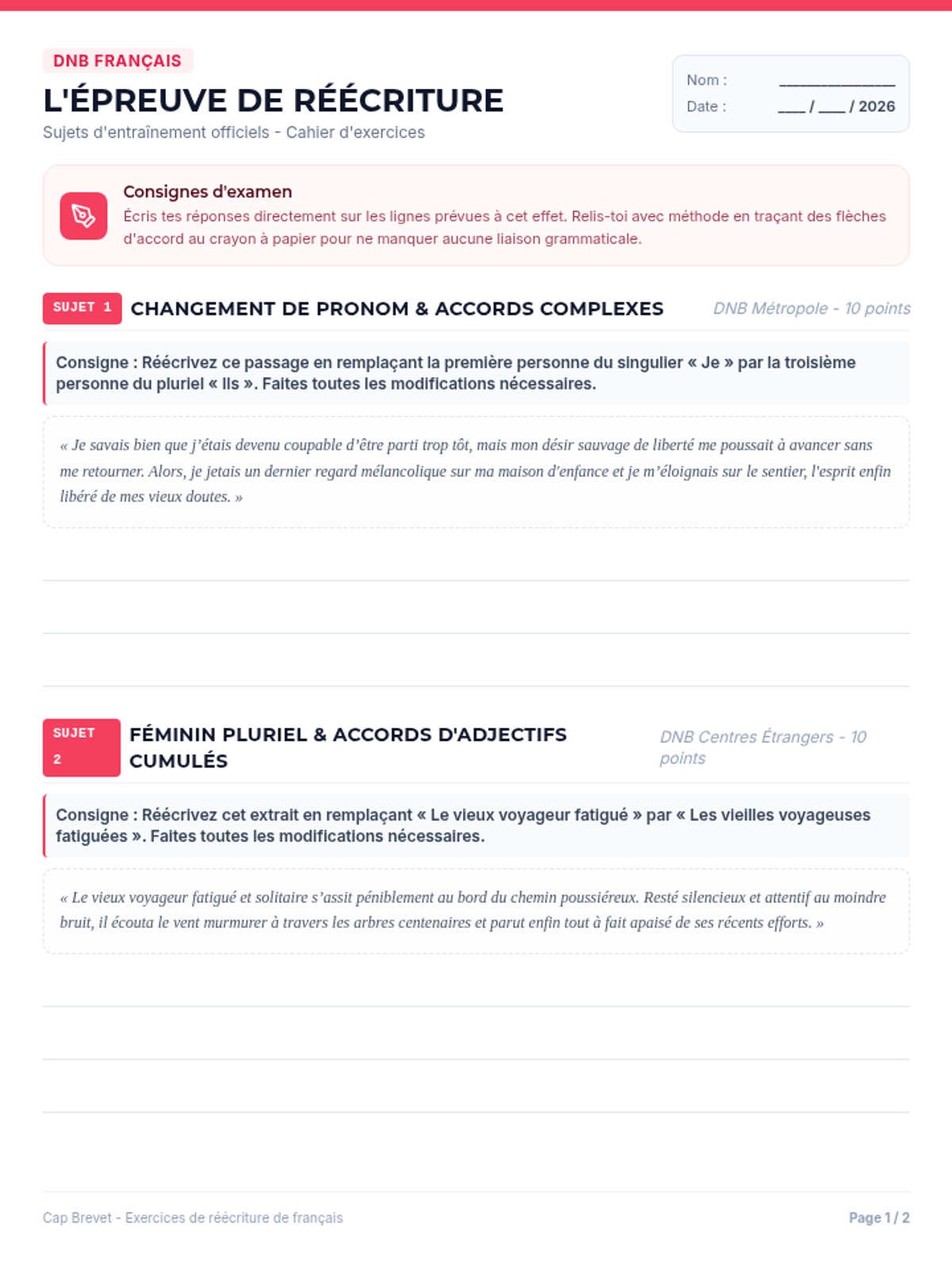
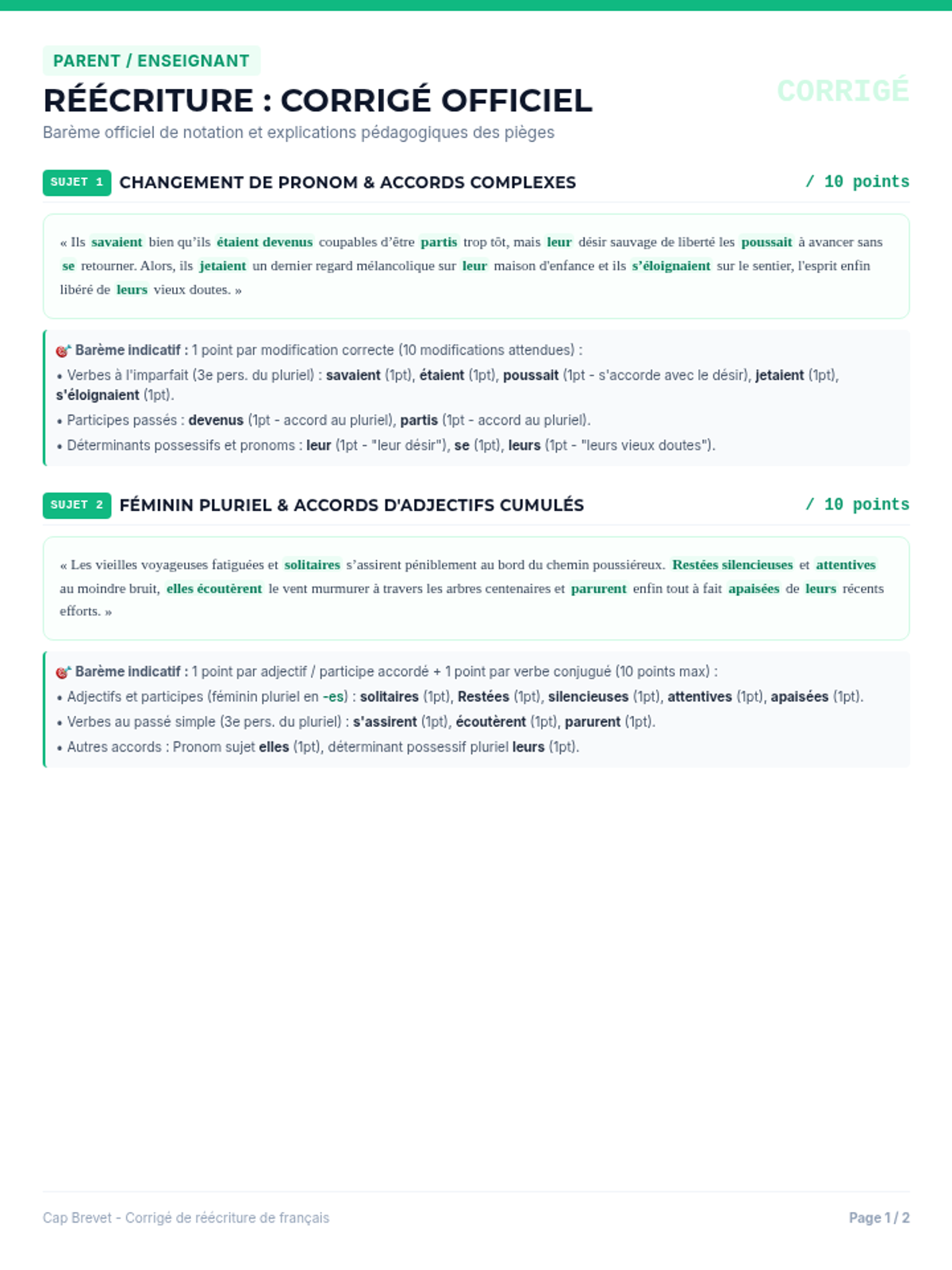
Un programme de révision intensif et structuré sur 3 semaines pour préparer sereinement les épreuves de SVT, Physique-Chimie et Histoire-Géographie du Diplôme National du Brevet.
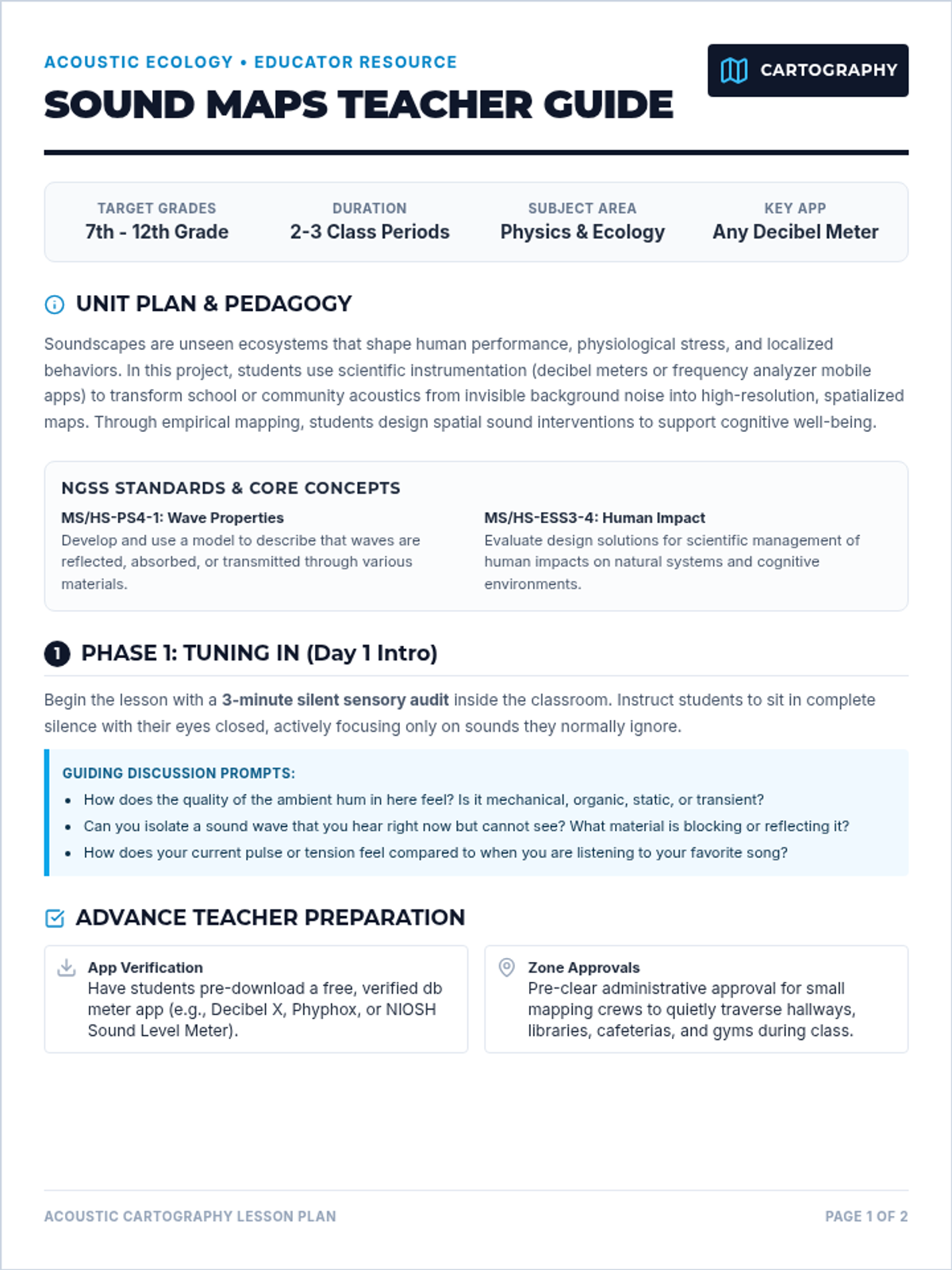
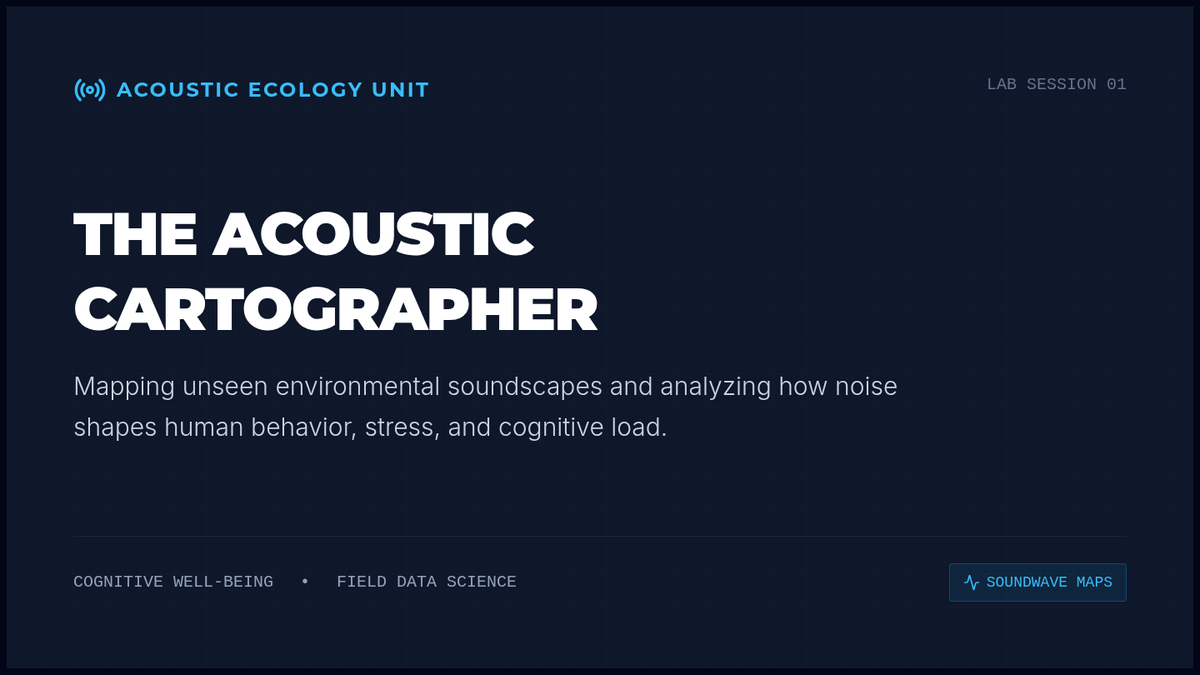
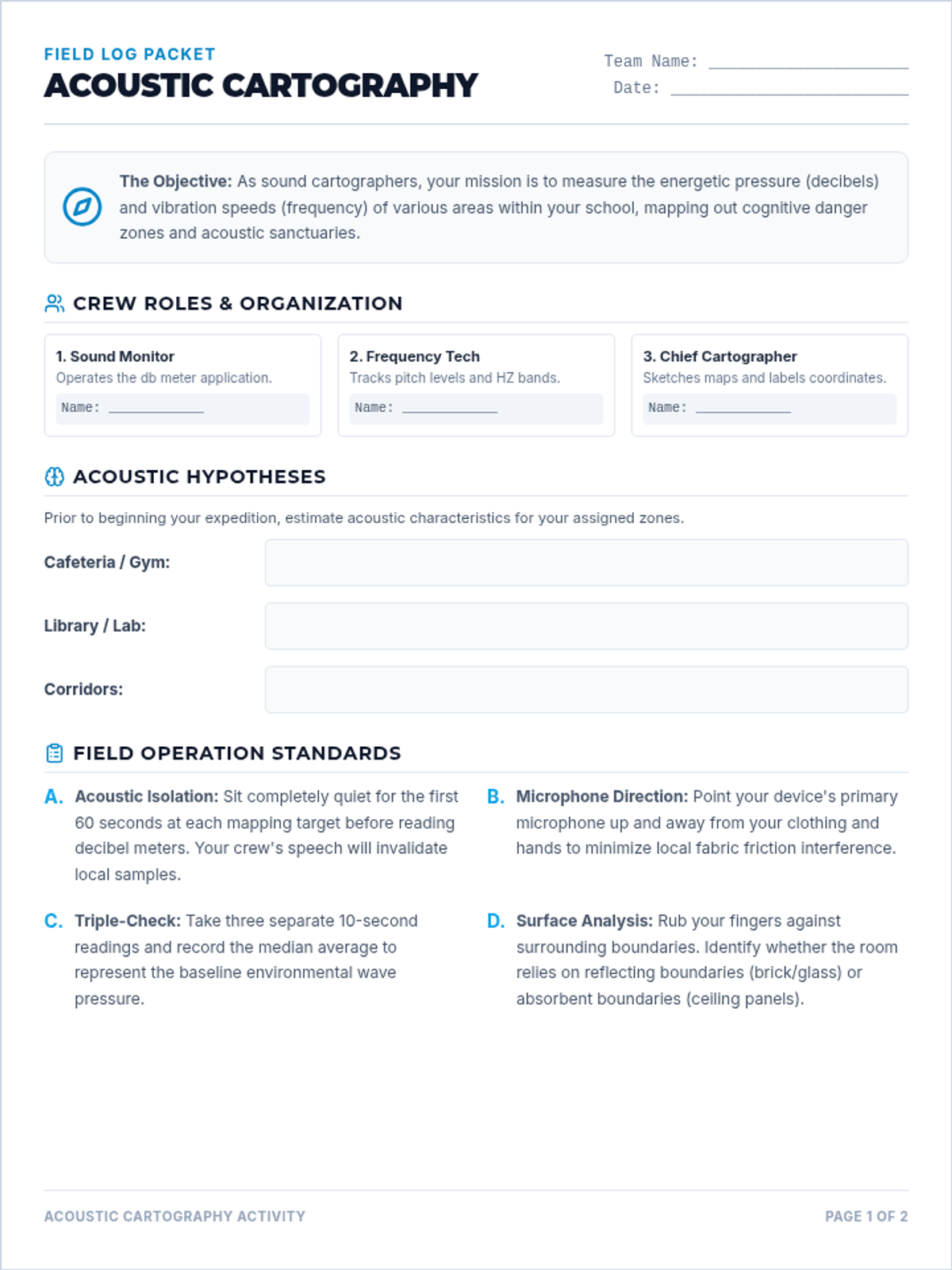
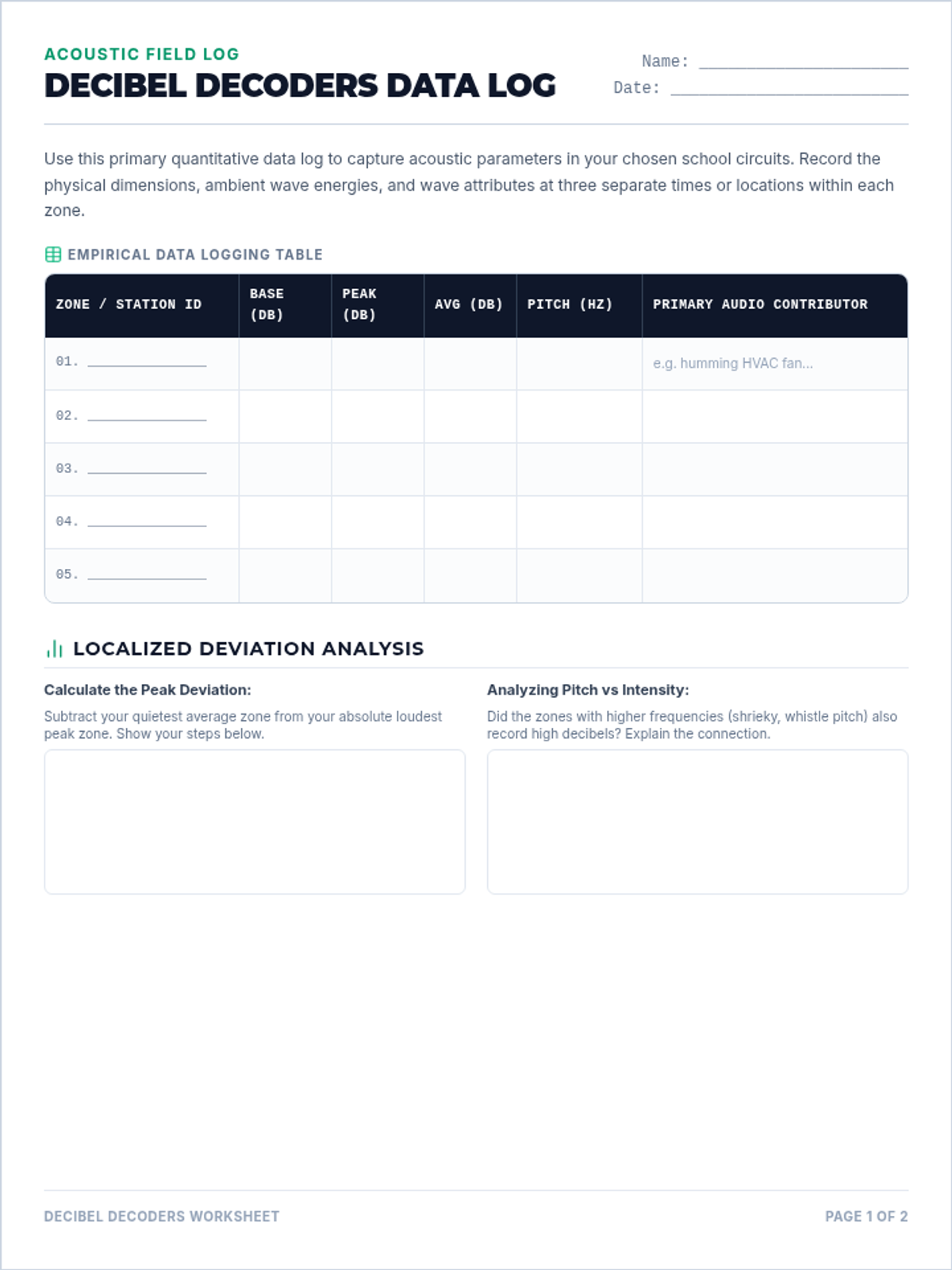
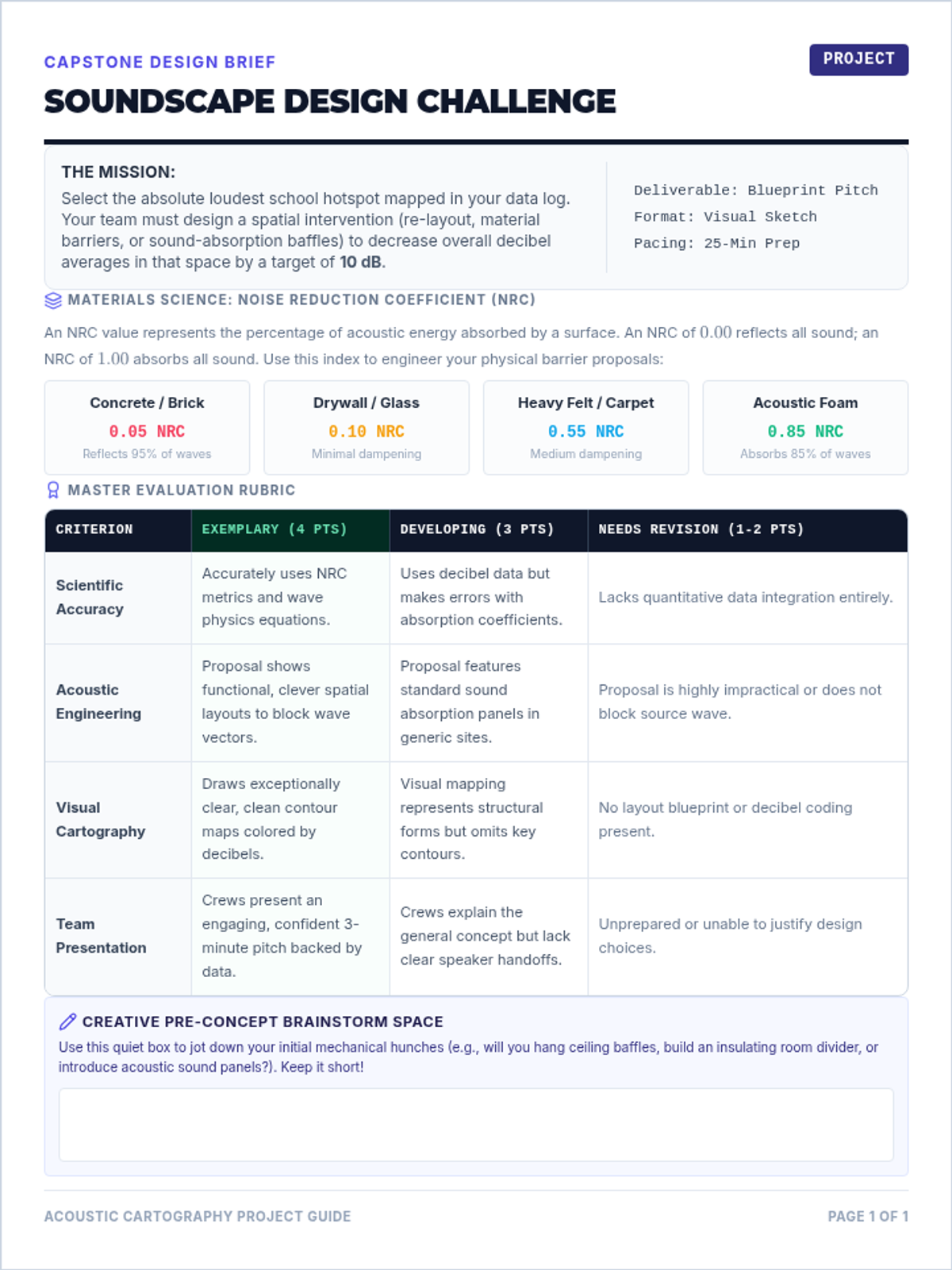
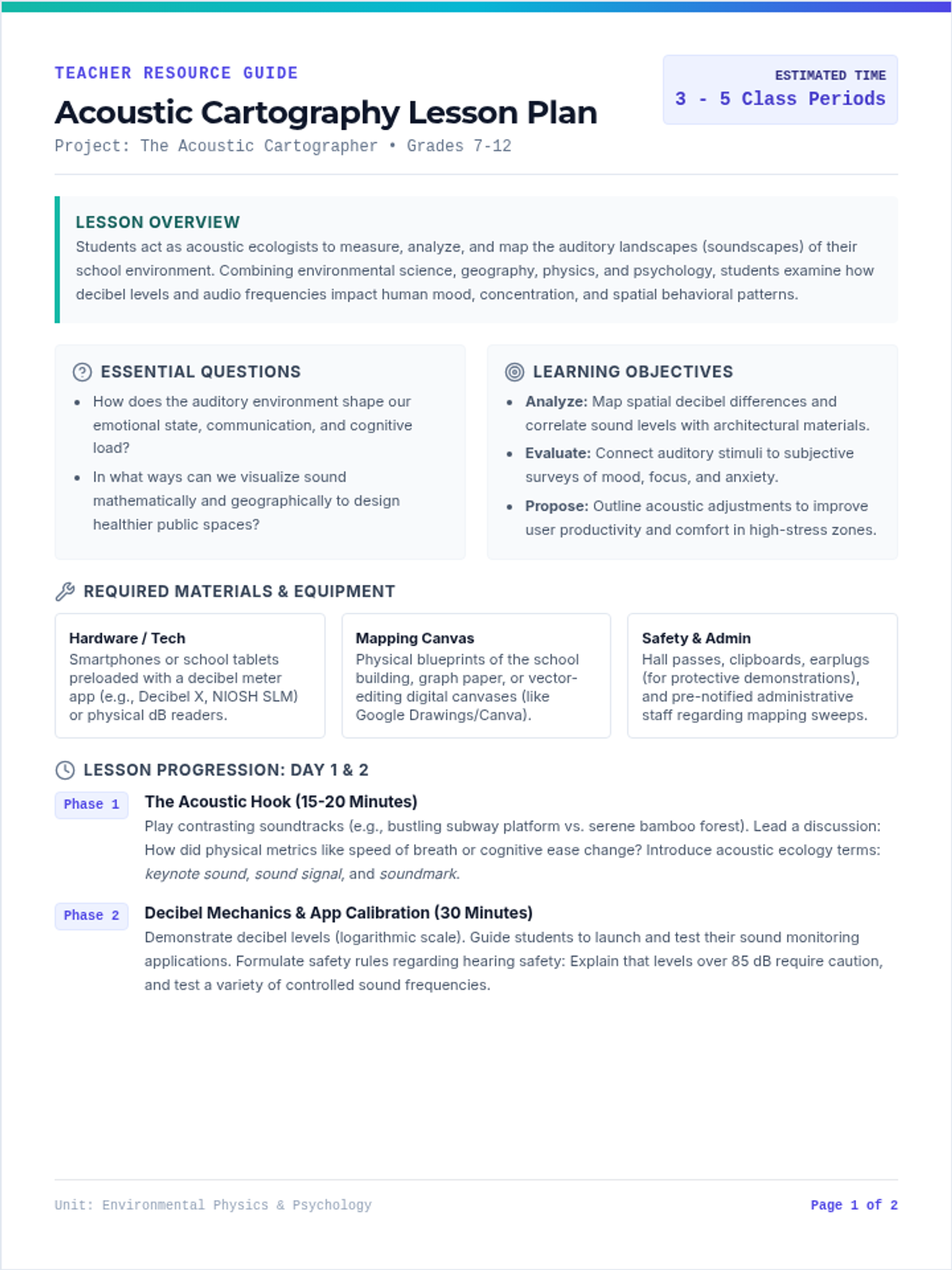
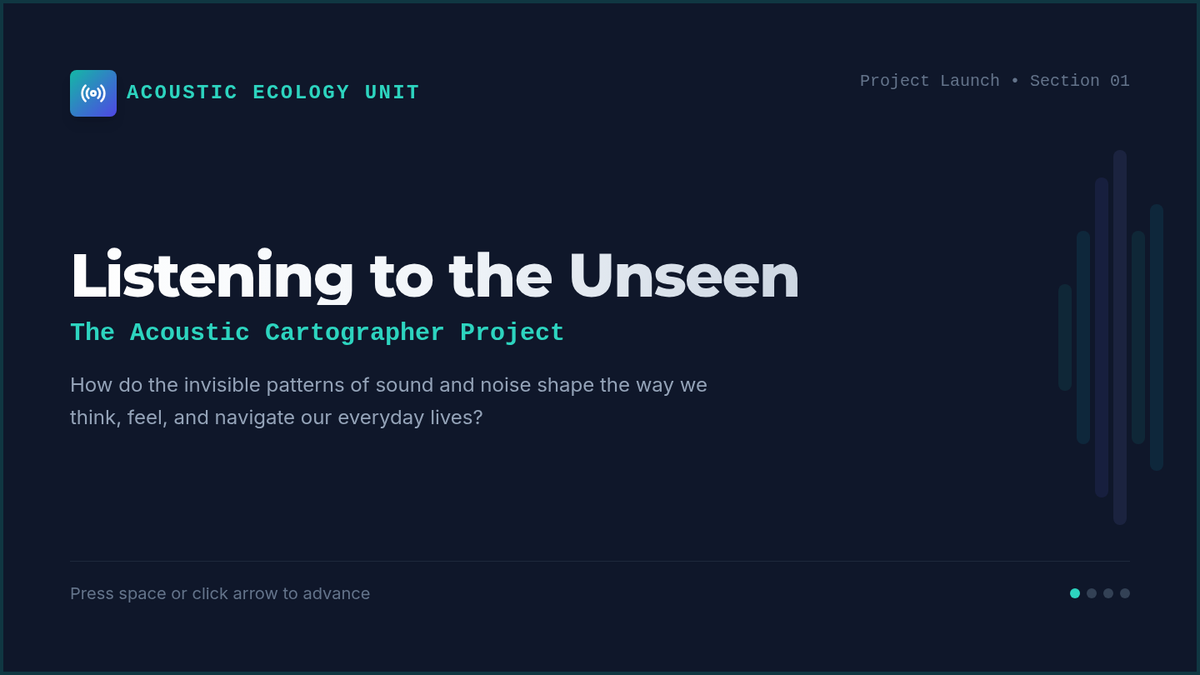
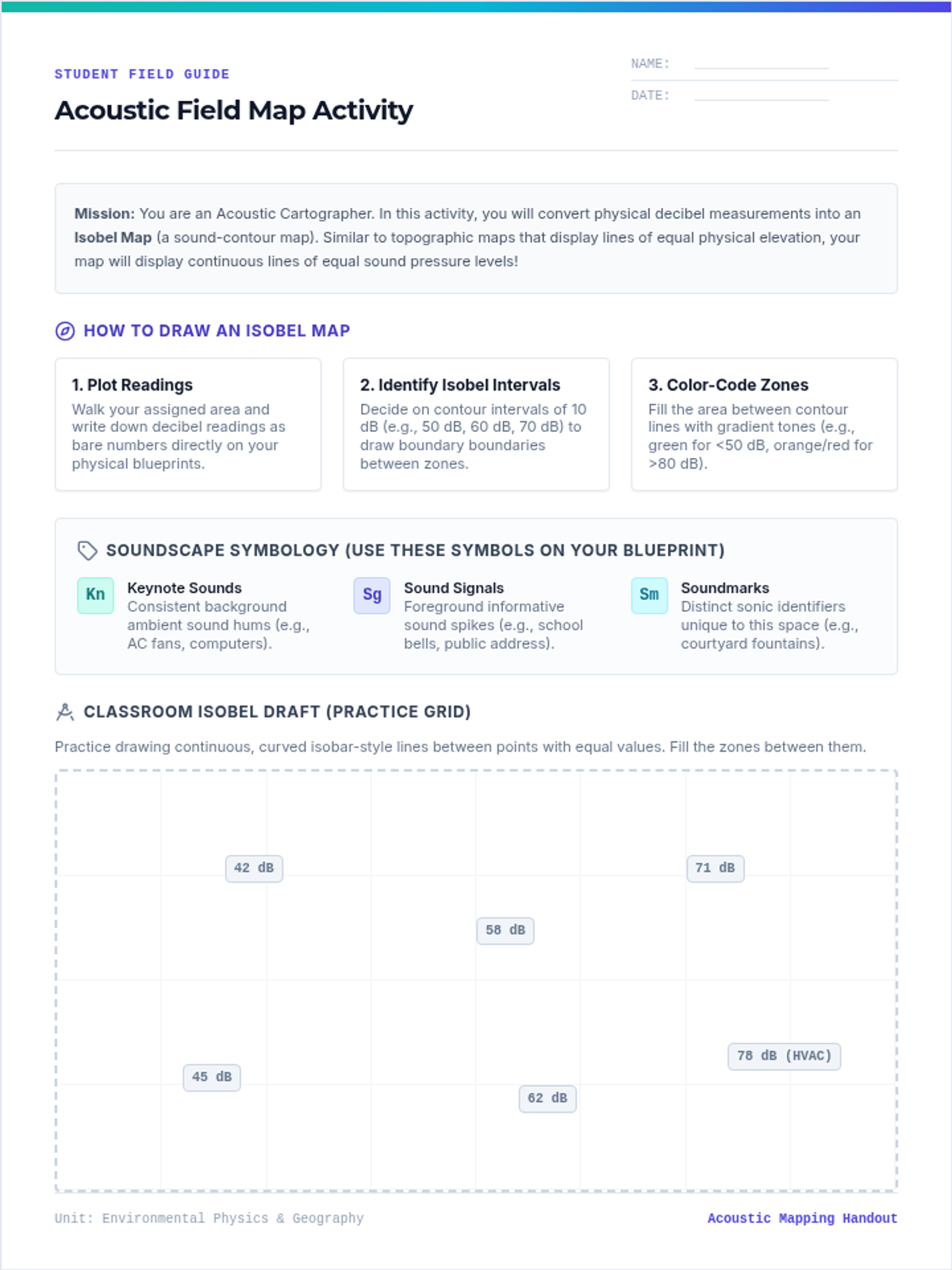
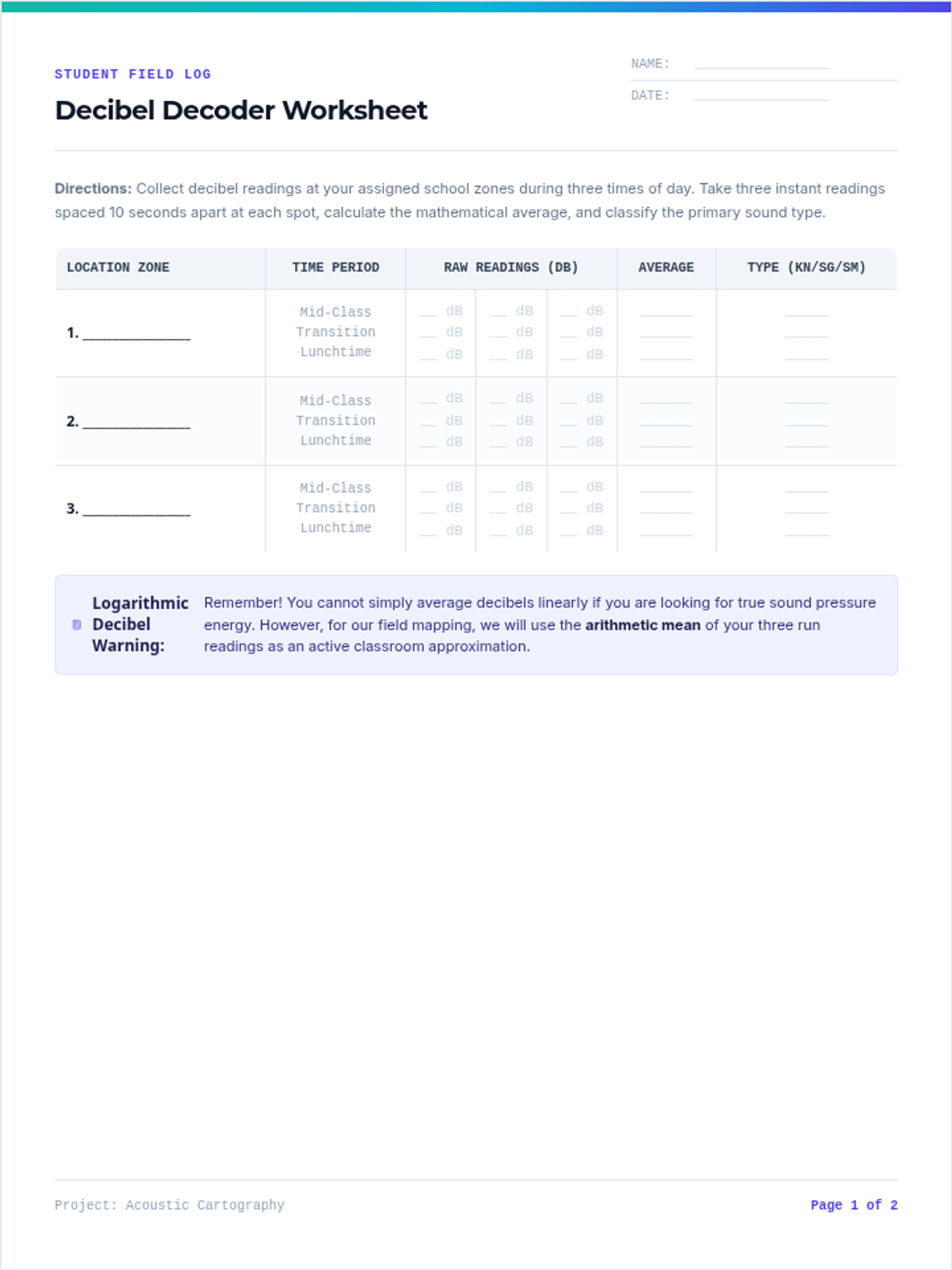
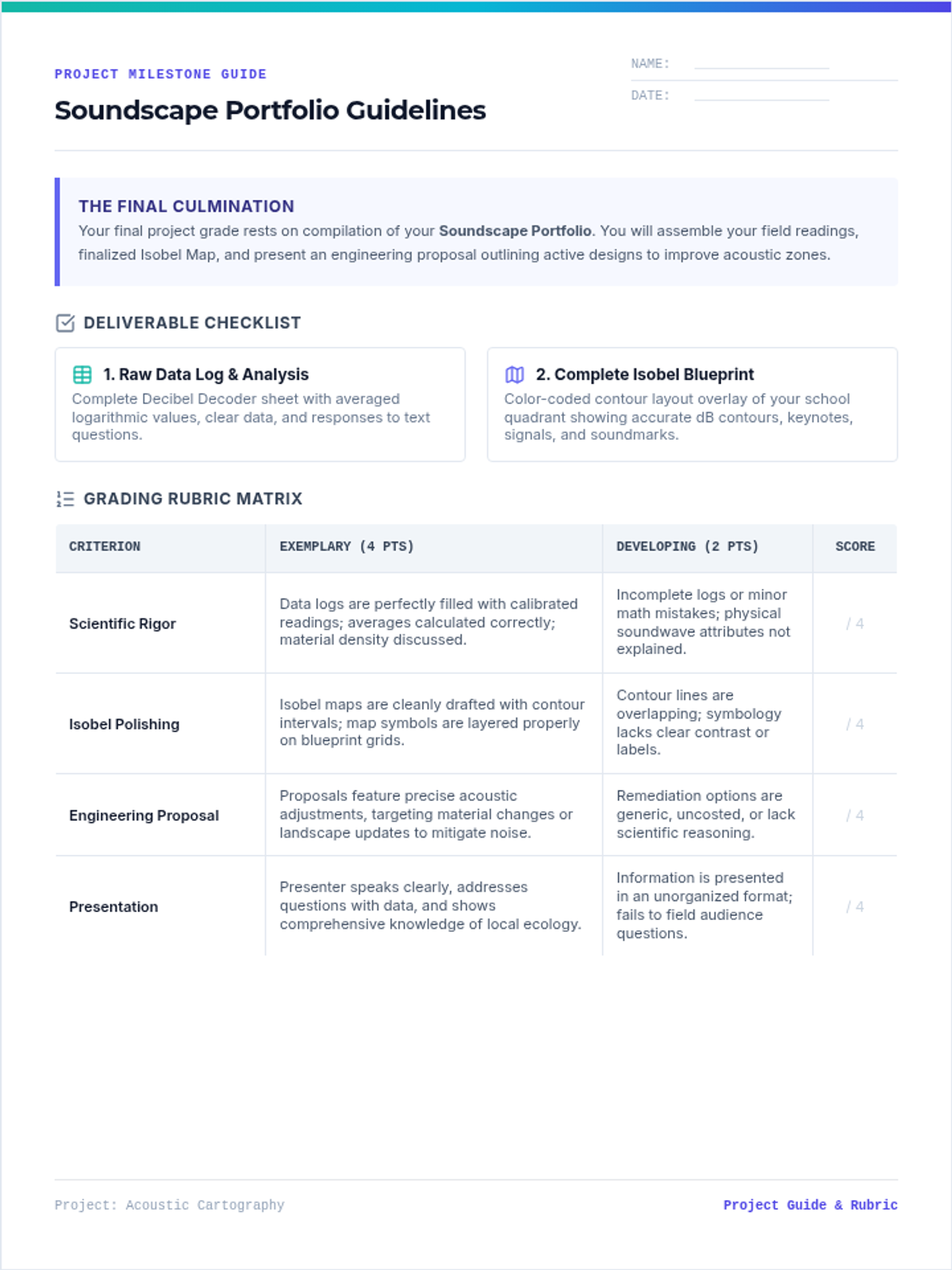
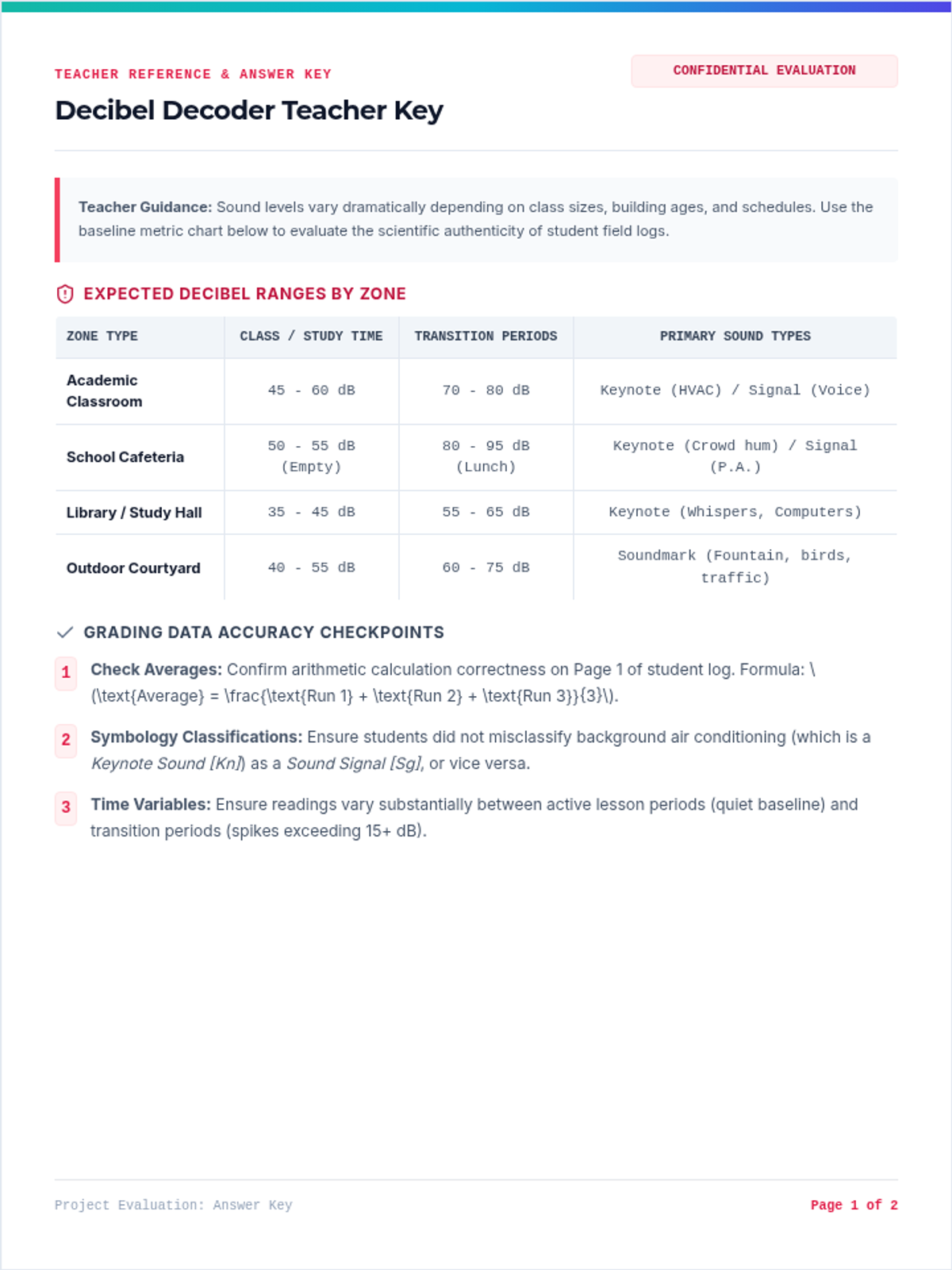
A project-based lesson where students explore acoustic ecology by recording, mapping, and analyzing ambient decibel and frequency levels to study their impact on cognitive load and emotional well-being.
A comprehensive middle and high school project-based lesson where students explore acoustic ecology by recording, charting, and analyzing the decibel levels and sound frequencies of various school zones to map their auditory environment and understand its impact on human behavior.
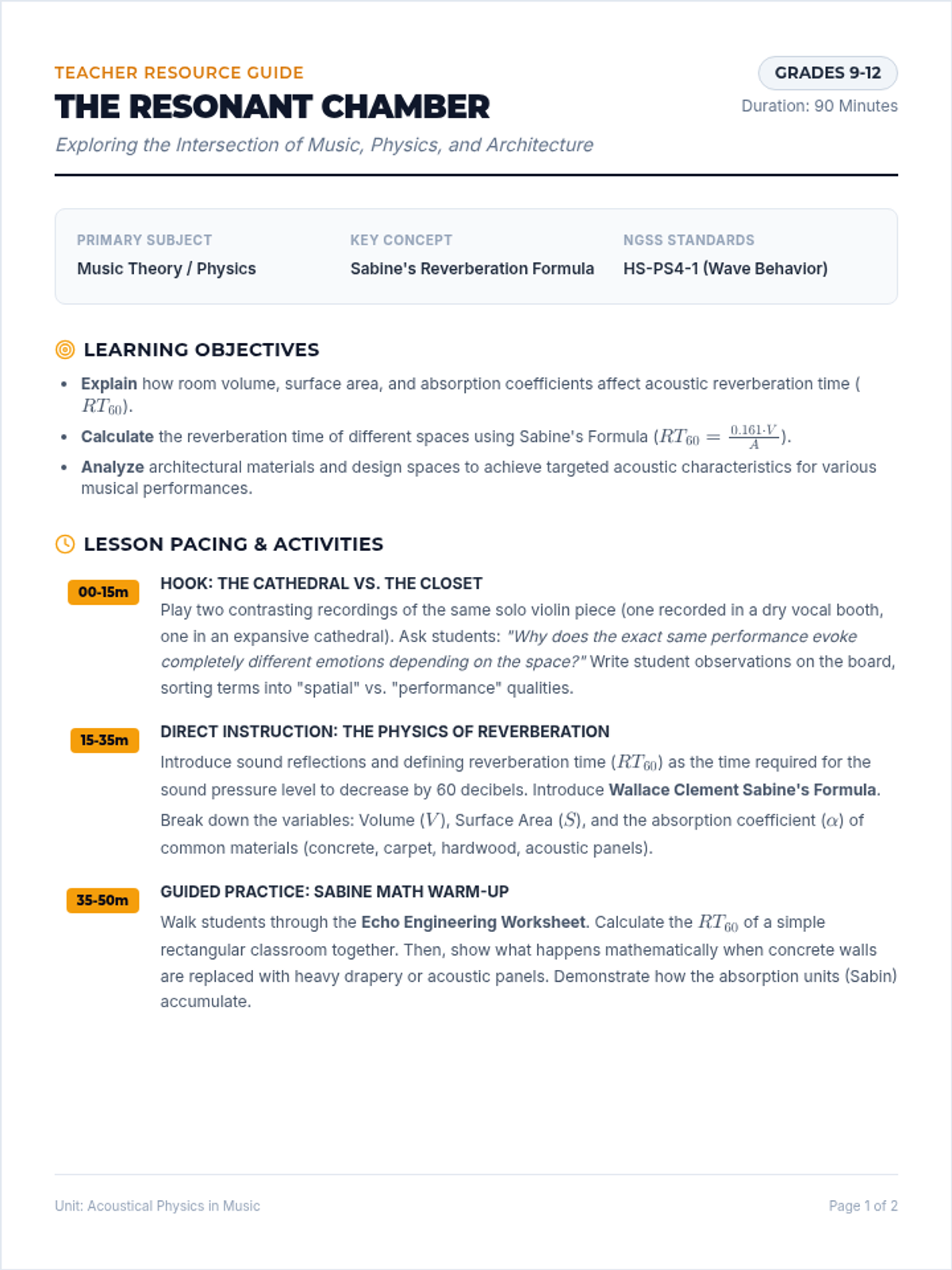
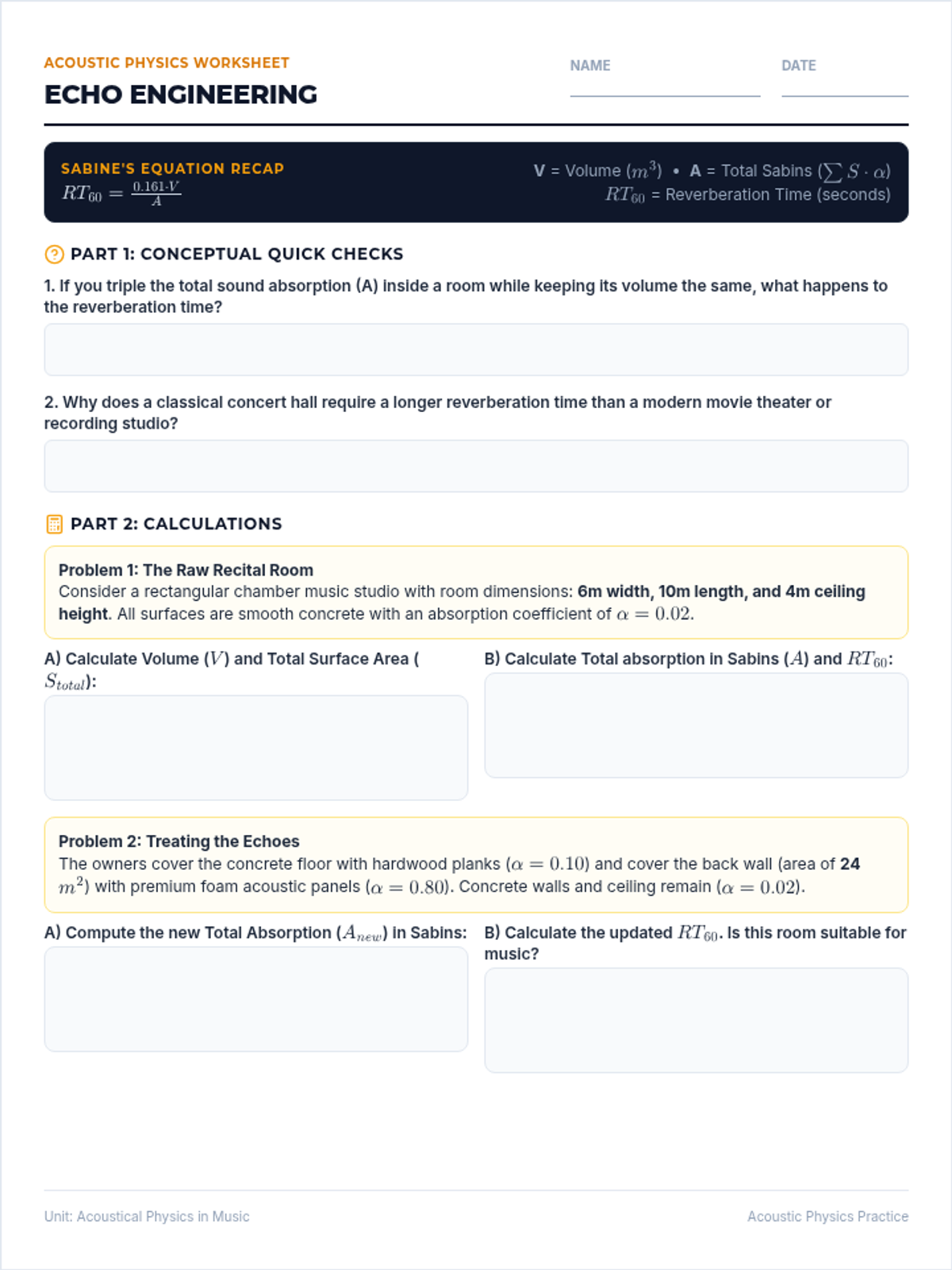
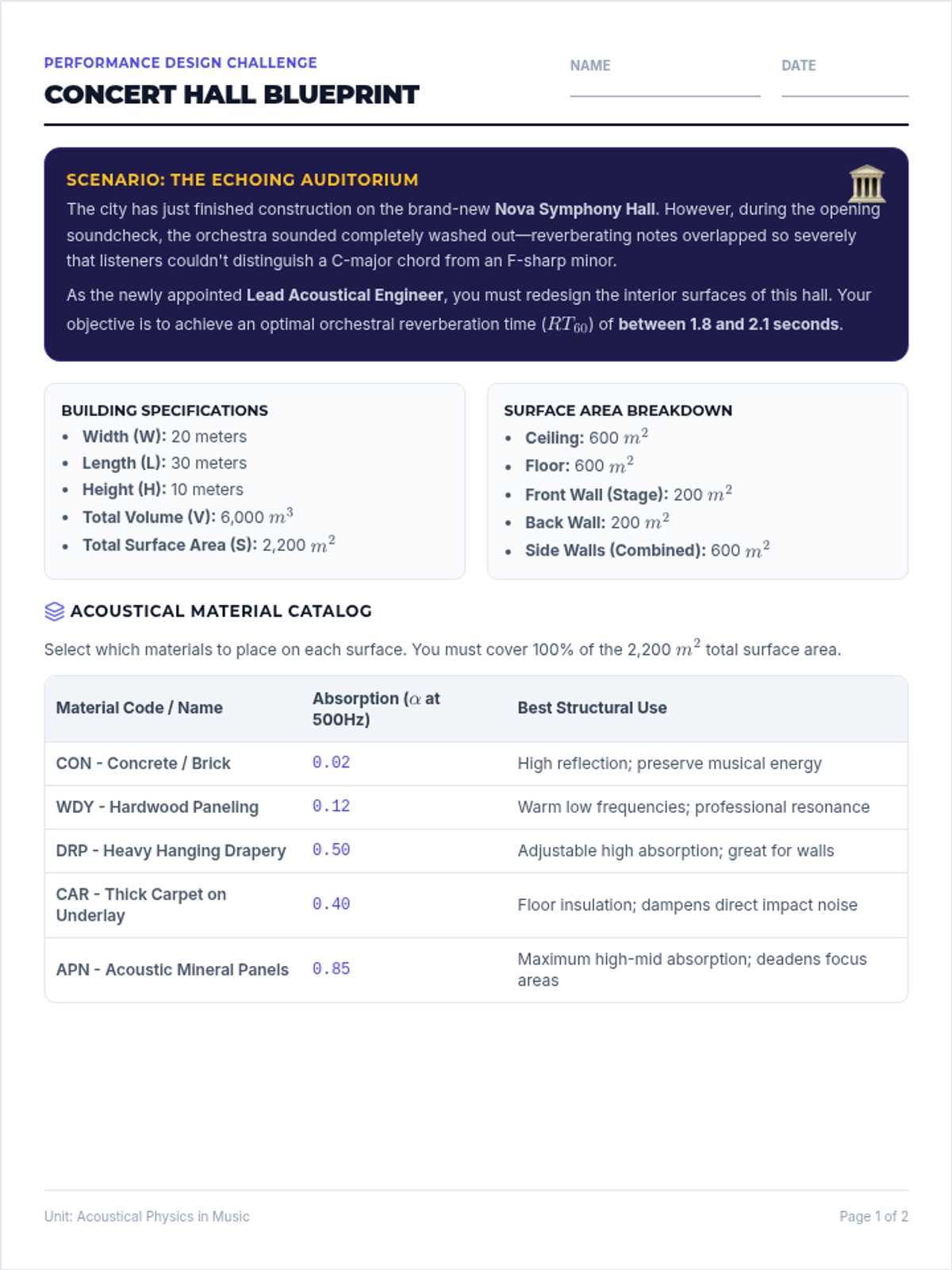
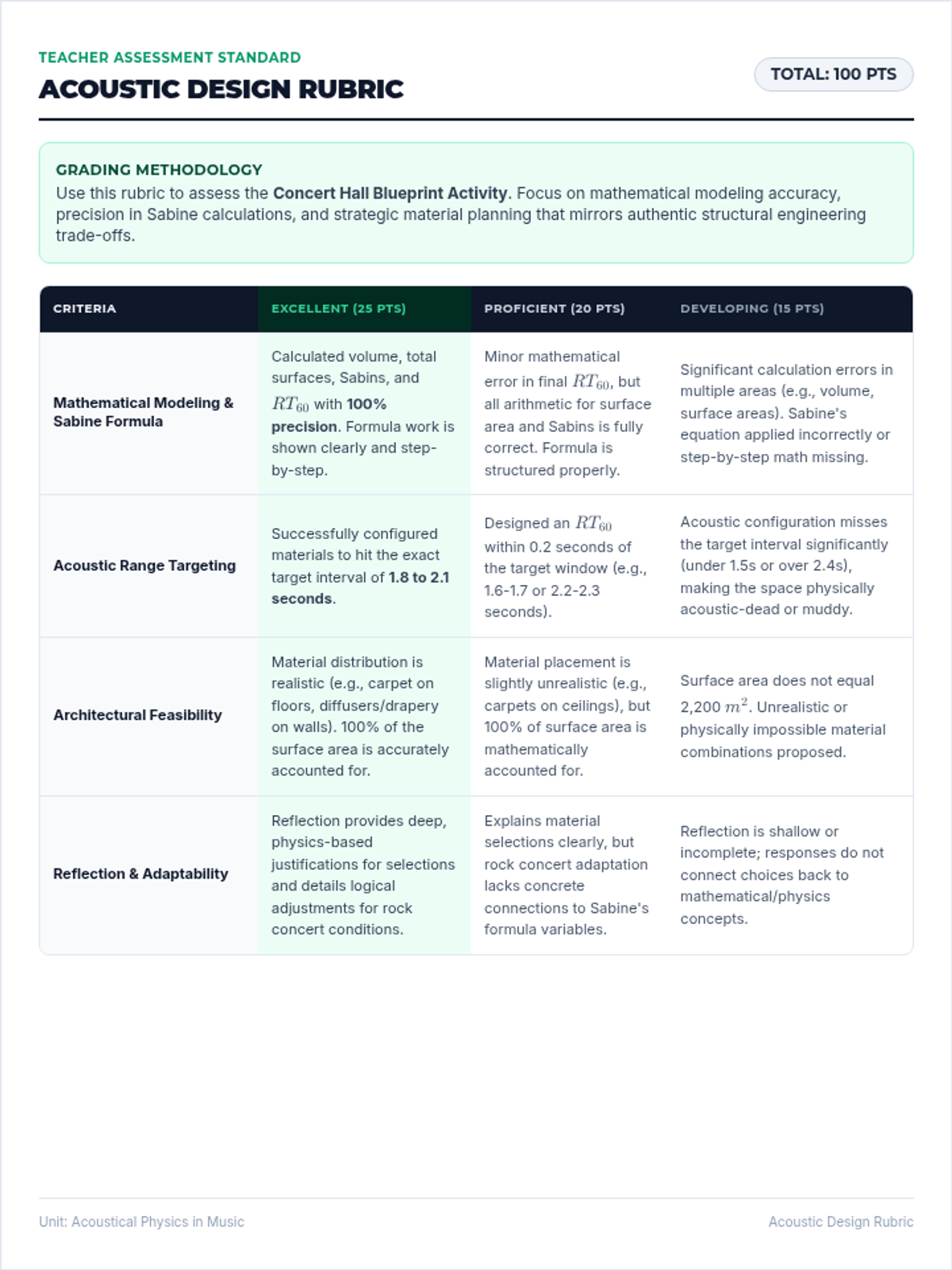
A high school music and physics lesson where students explore architectural acoustics, analyze how materials and dimensions affect sound, and apply Sabine's Formula to calculate and optimize reverberation times for world-class concert halls.
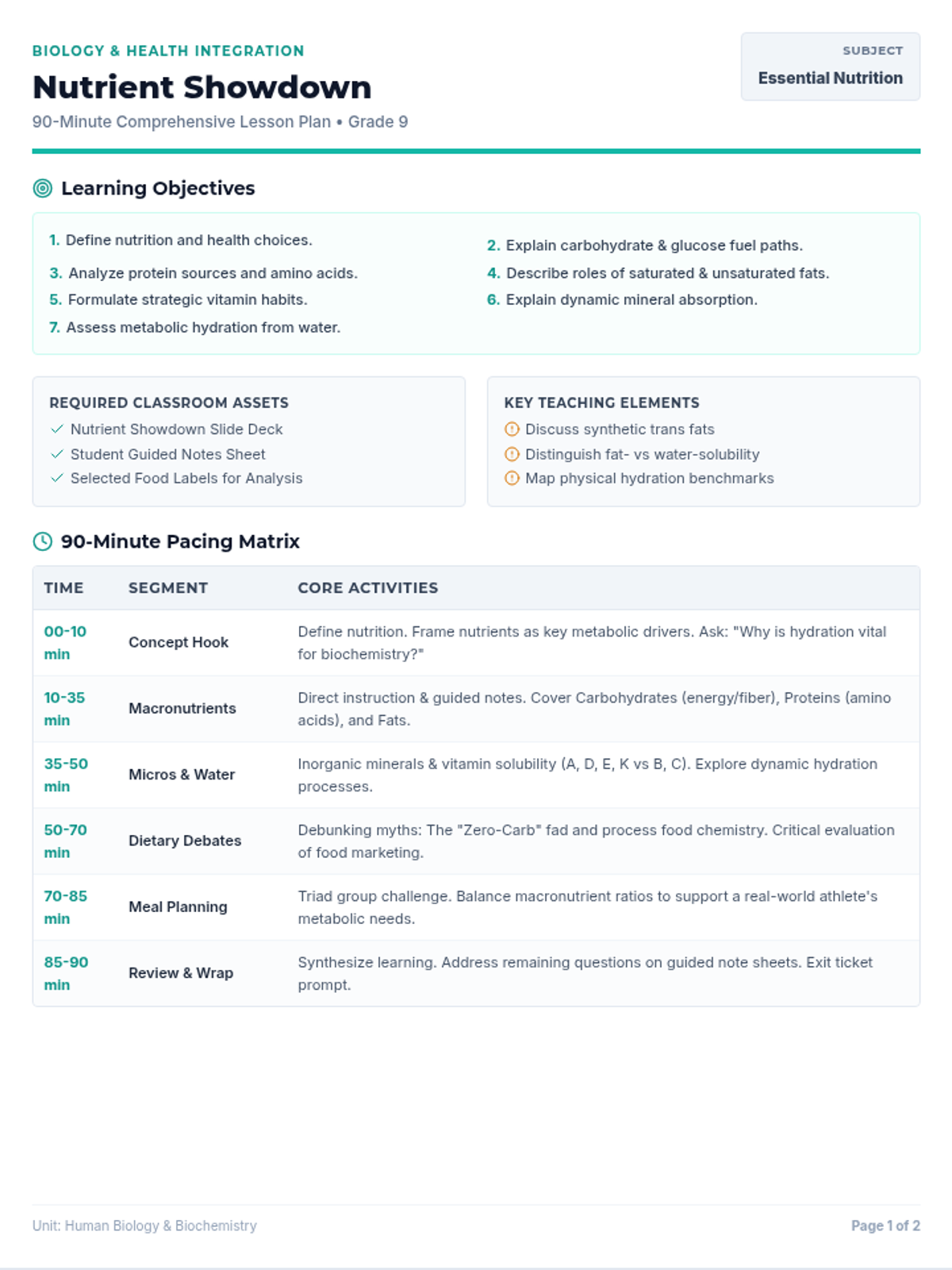
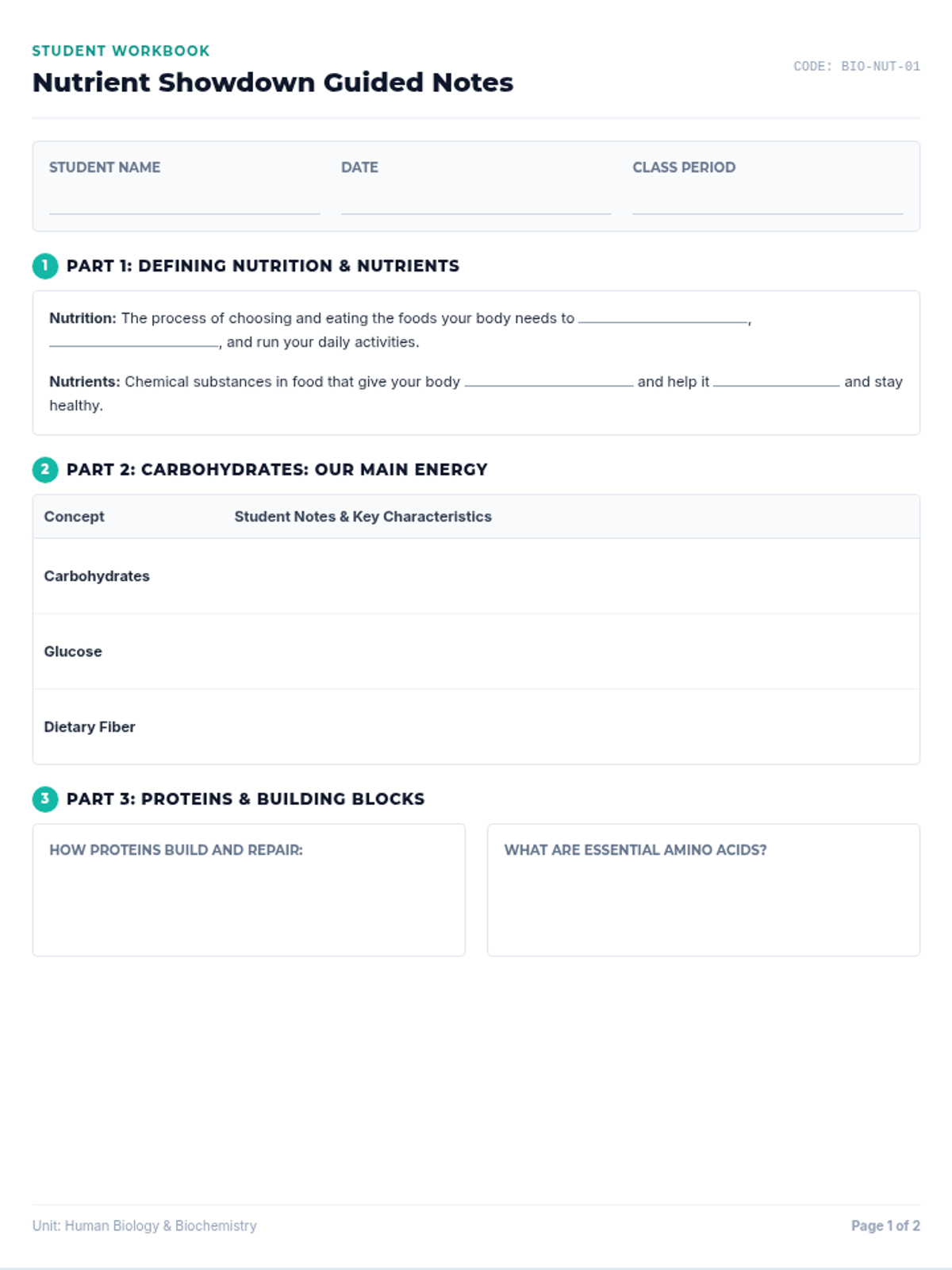
A comprehensive 90-minute biology-focused nutrition lesson for 9th graders. It covers the seven learning objectives and key terms through real-world scenarios, collaborative meal-planning, and debates on dietary trends. Includes teacher guides, a 15-slide presentation, and a guided notebook.
An advanced course launch framework establishing rigorous academic policies, AP/IB preparatory standards, and the integrated biochemistry roadmap for Honors Biology.
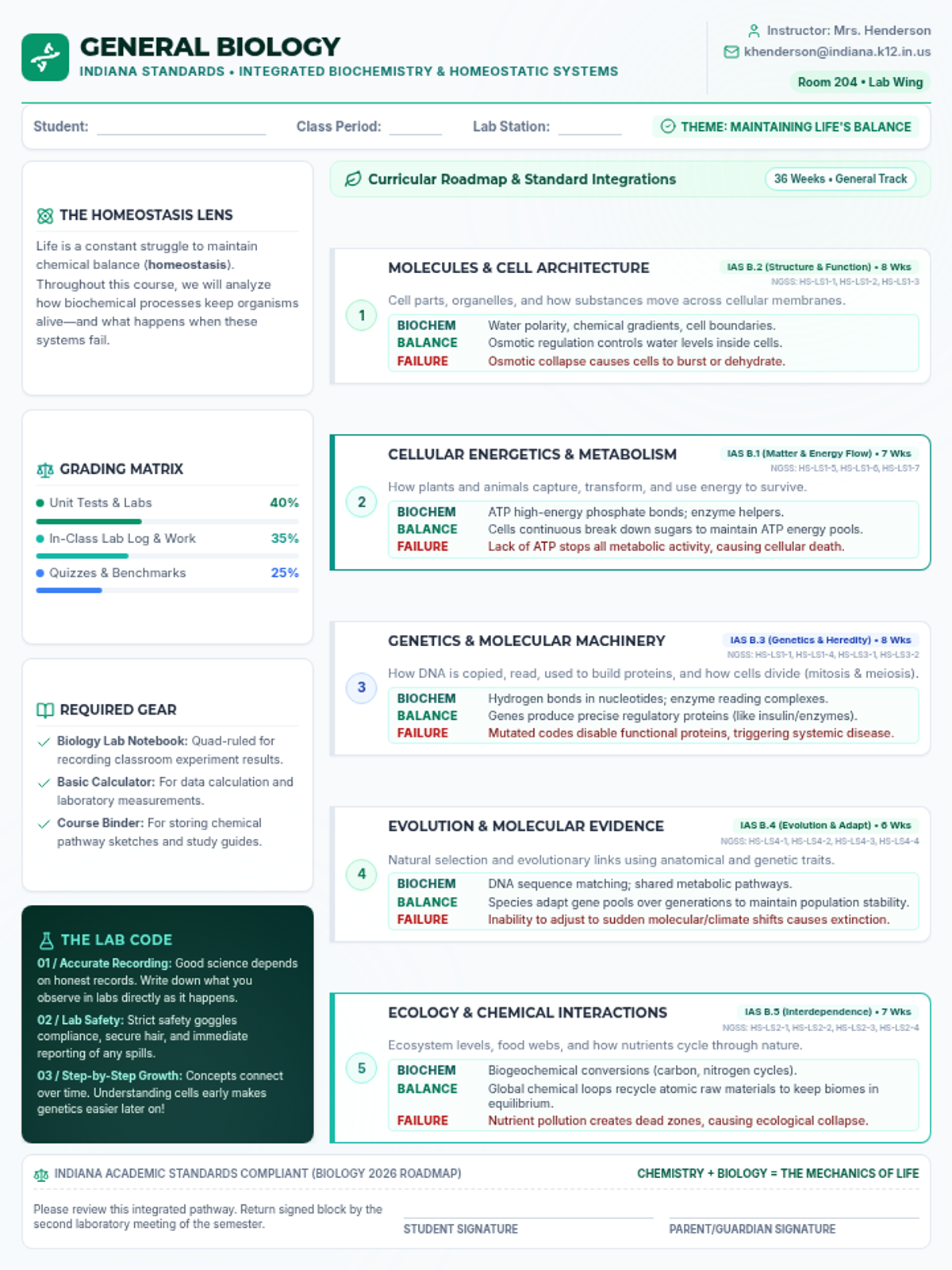
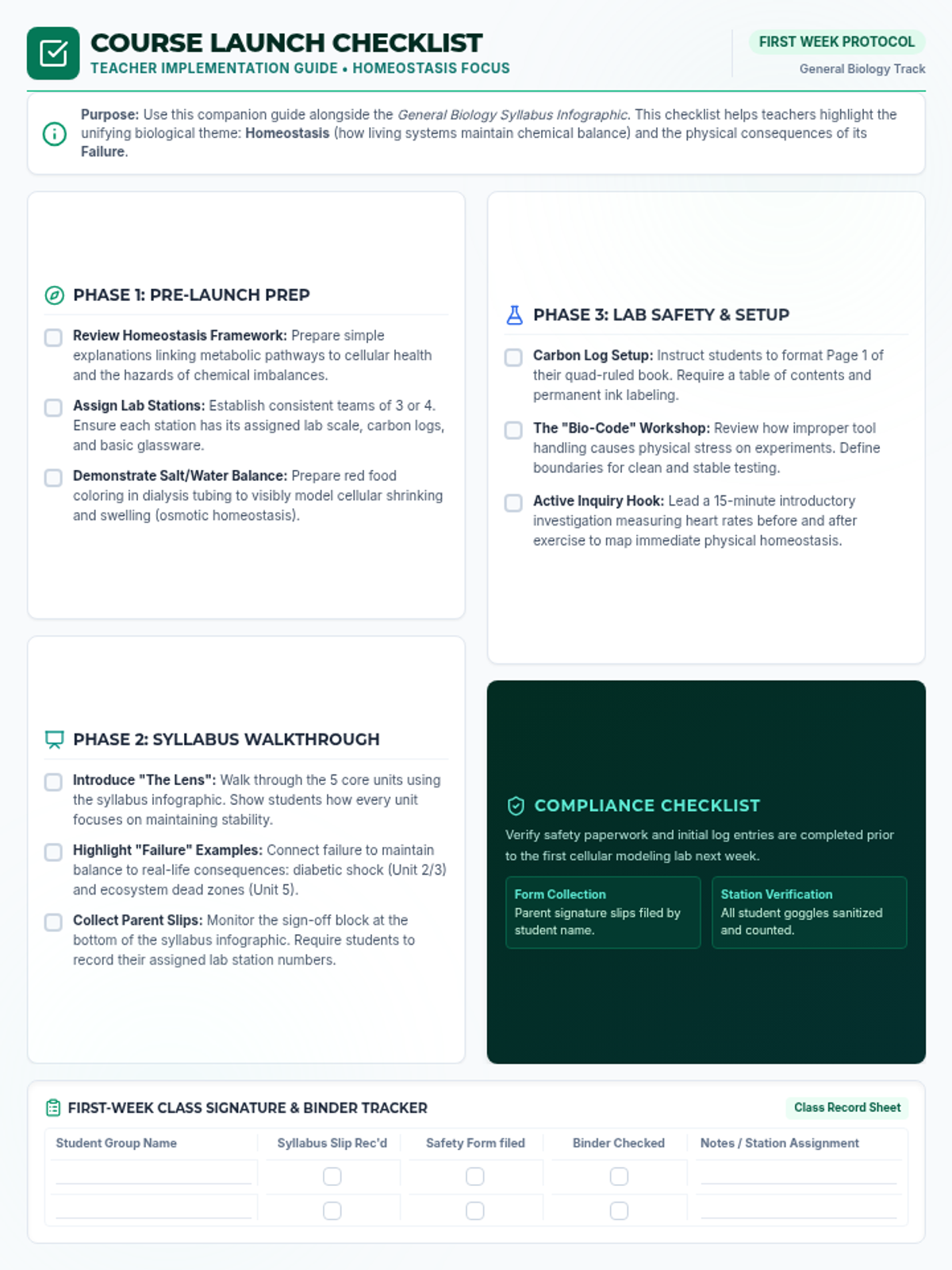
An introductory framework establishing course policies, Indiana state biology standards, and the integrated biochemistry roadmap for the academic year.
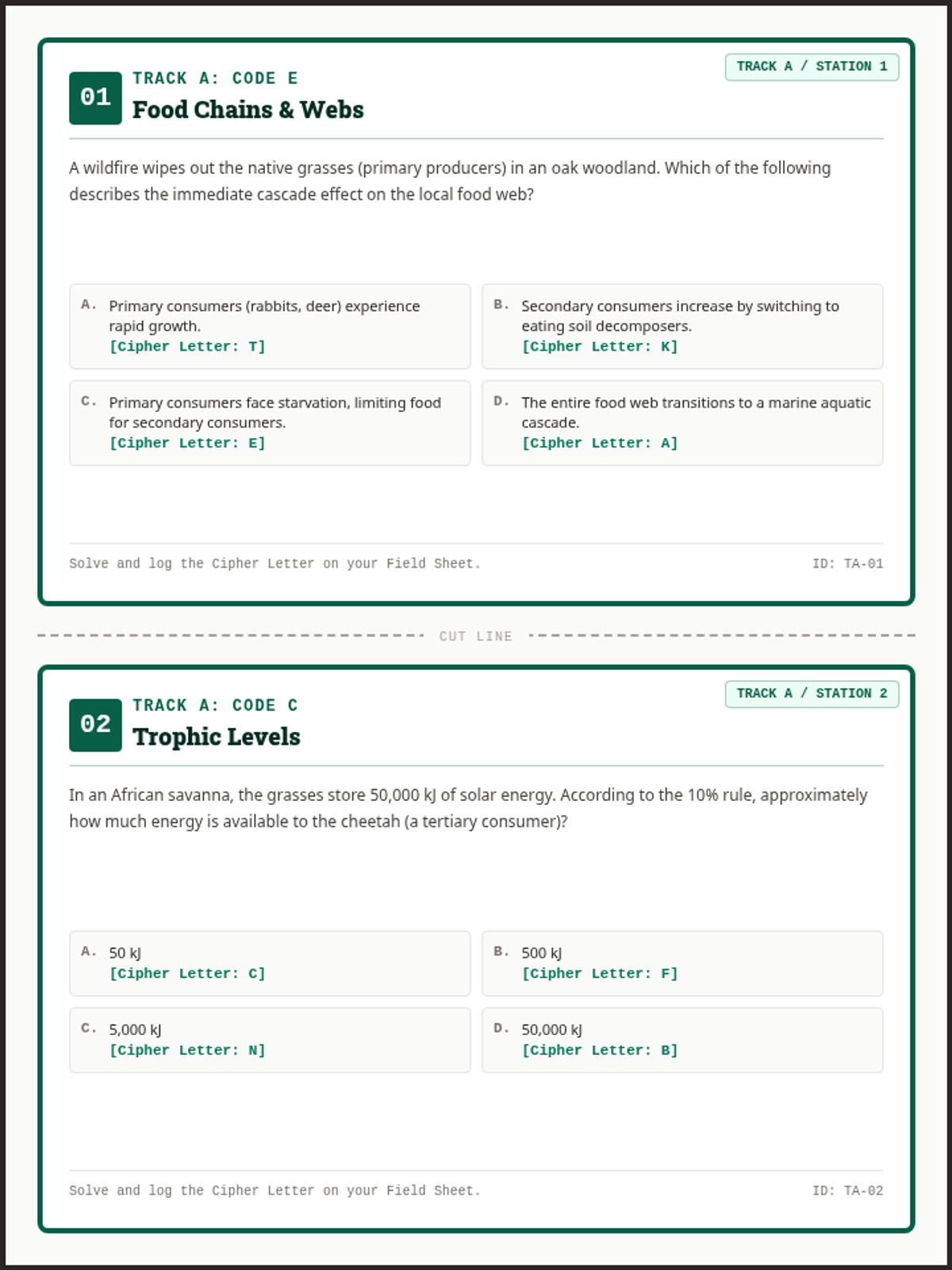
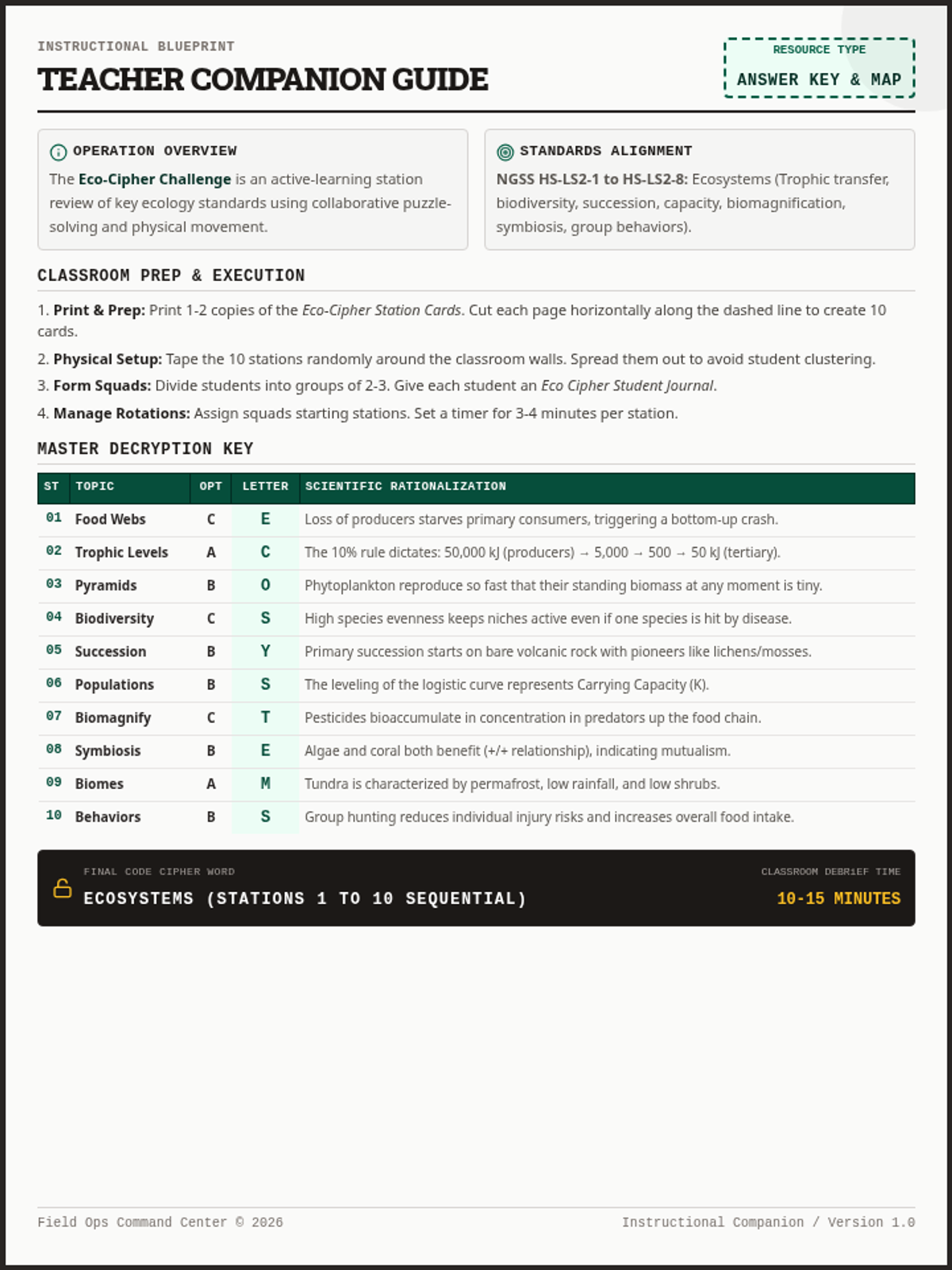
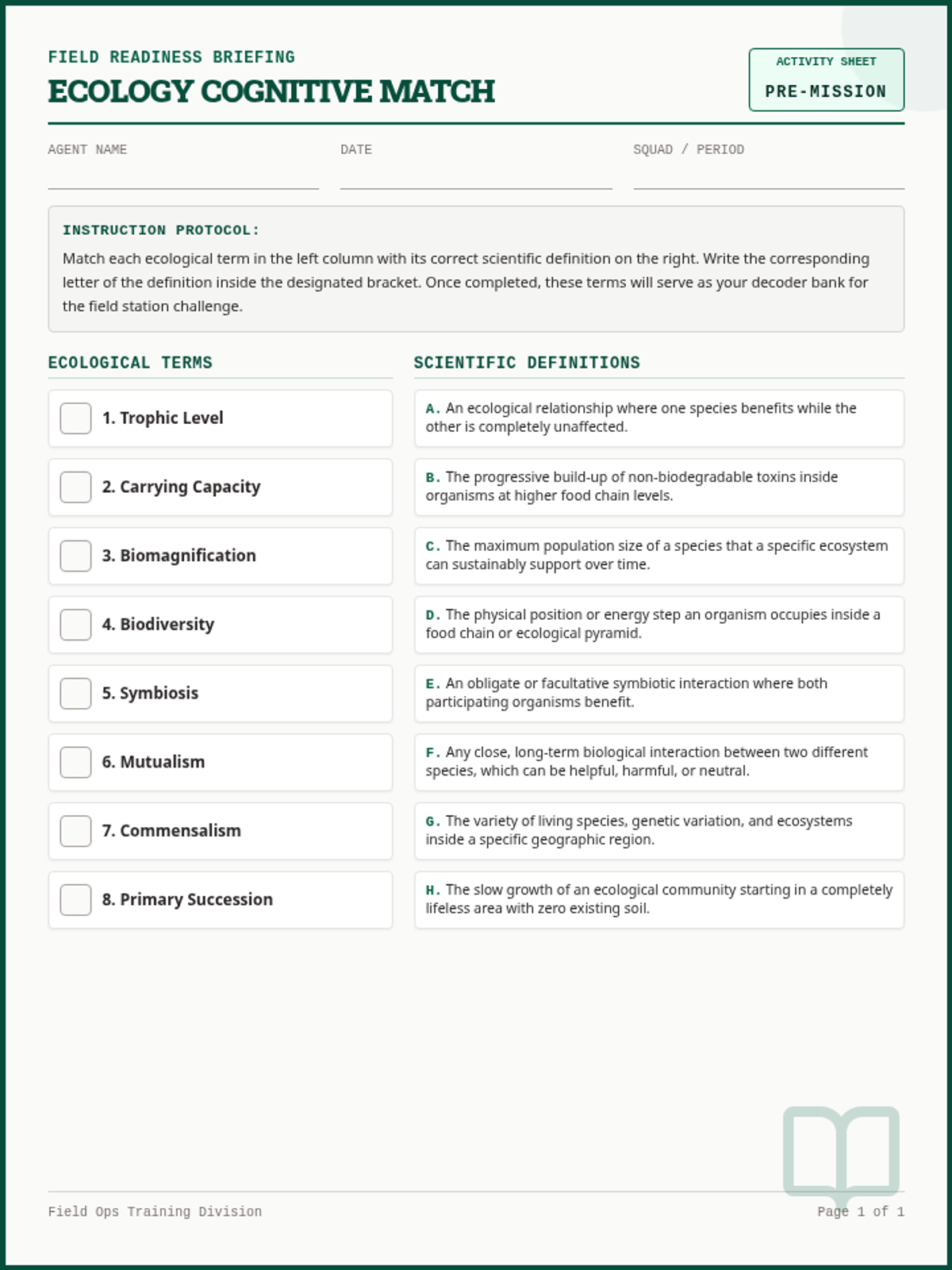
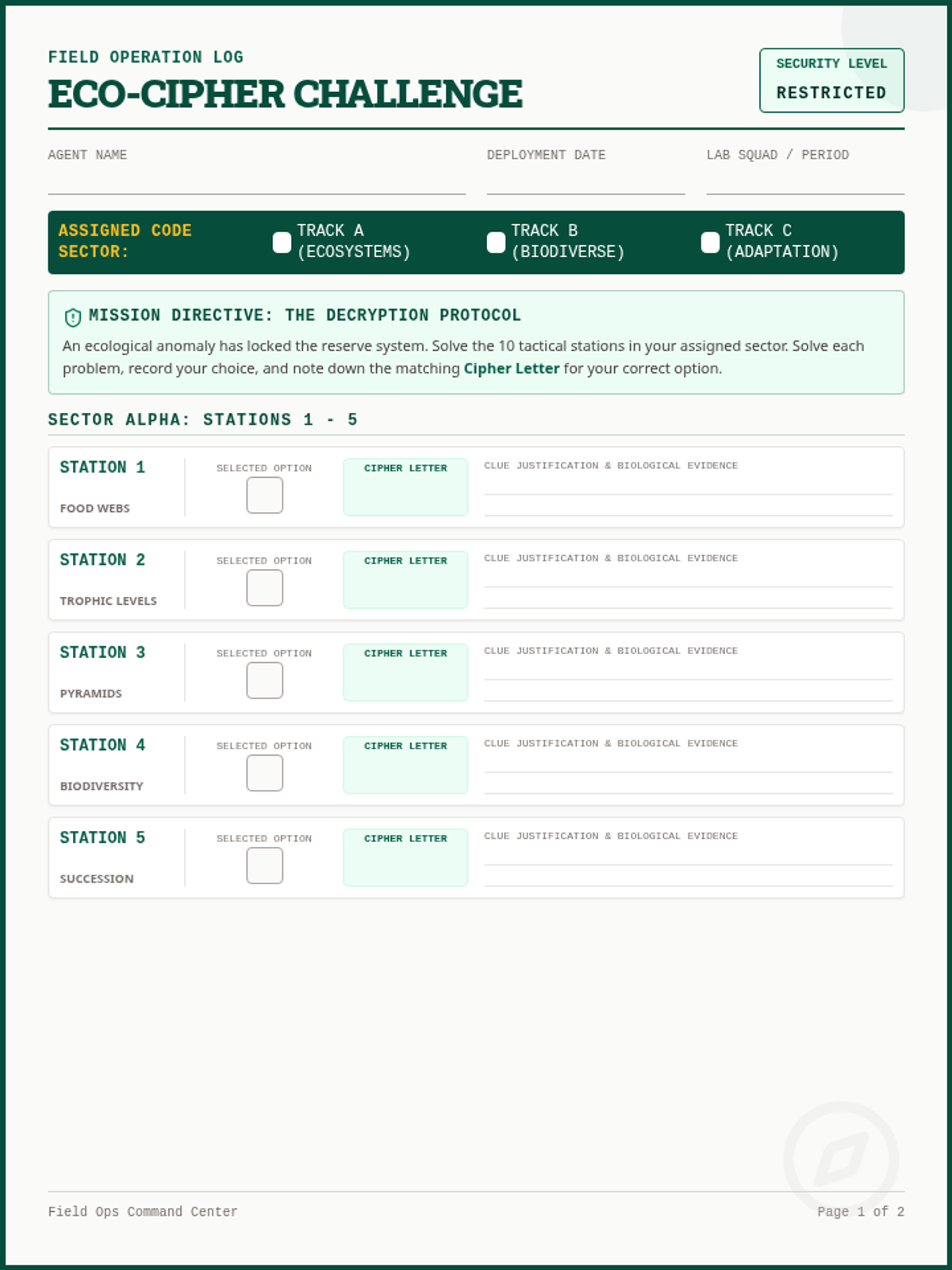
An interactive, station-based scavenger hunt where students solve ecological mysteries to decode a final ten-letter secret cipher ('ECOSYSTEMS'). Students review core concepts like food webs, trophic levels, symbiosis, succession, biomagnification, and populations.