A comprehensive math lesson focused on TEKS 4.3G, helping students represent and locate fractions and decimals on a number line using a nautical navigation theme.
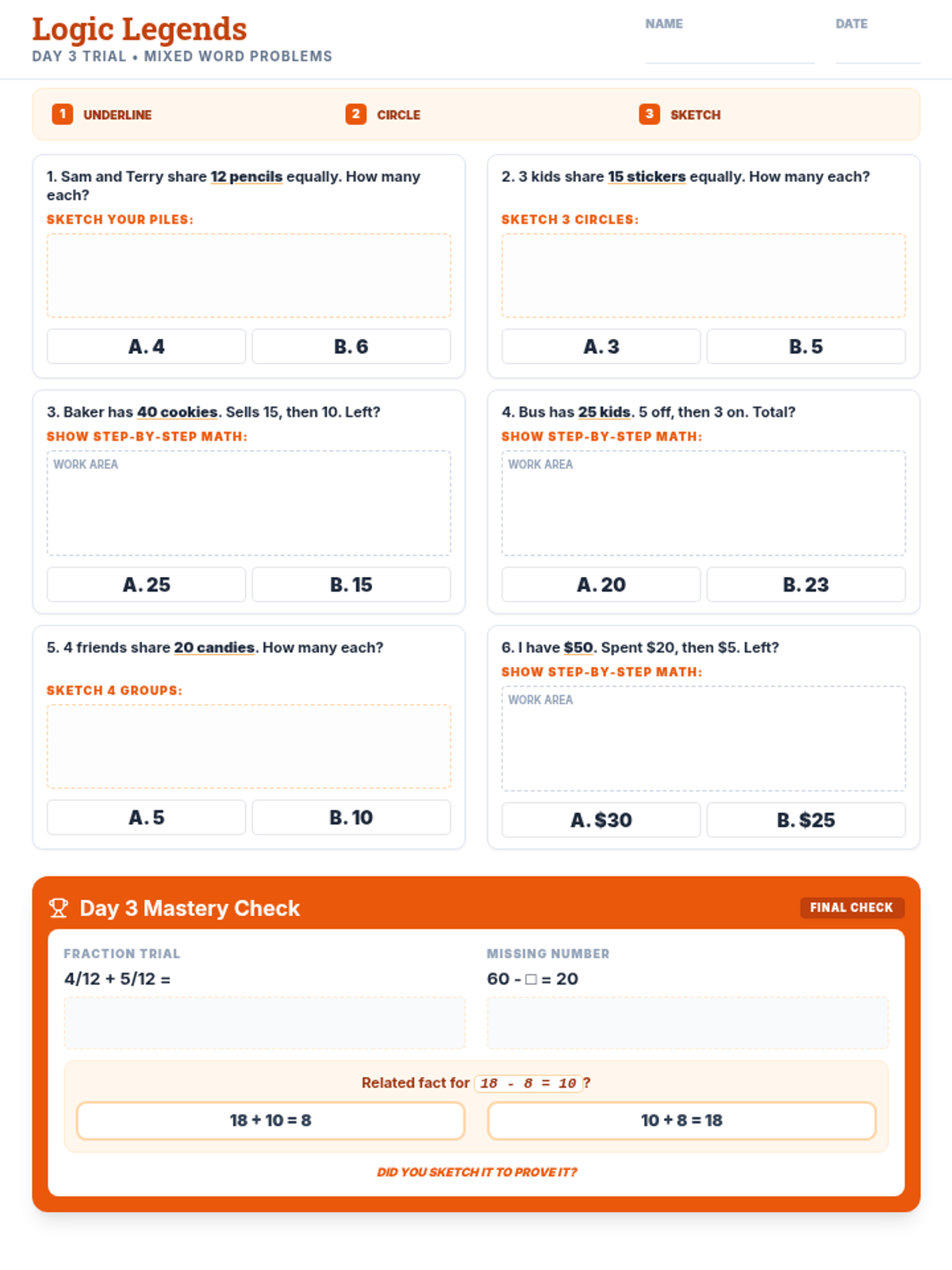
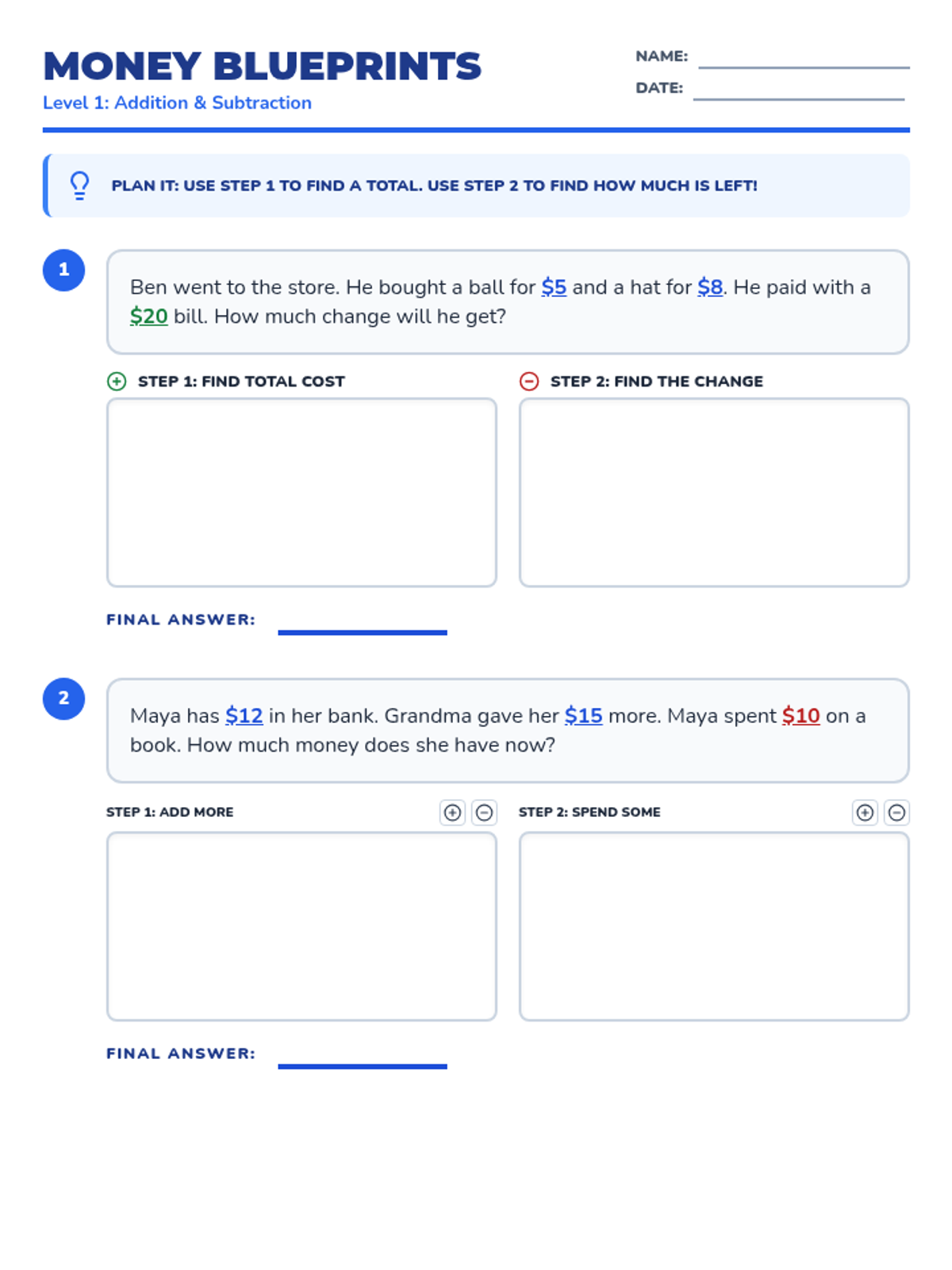
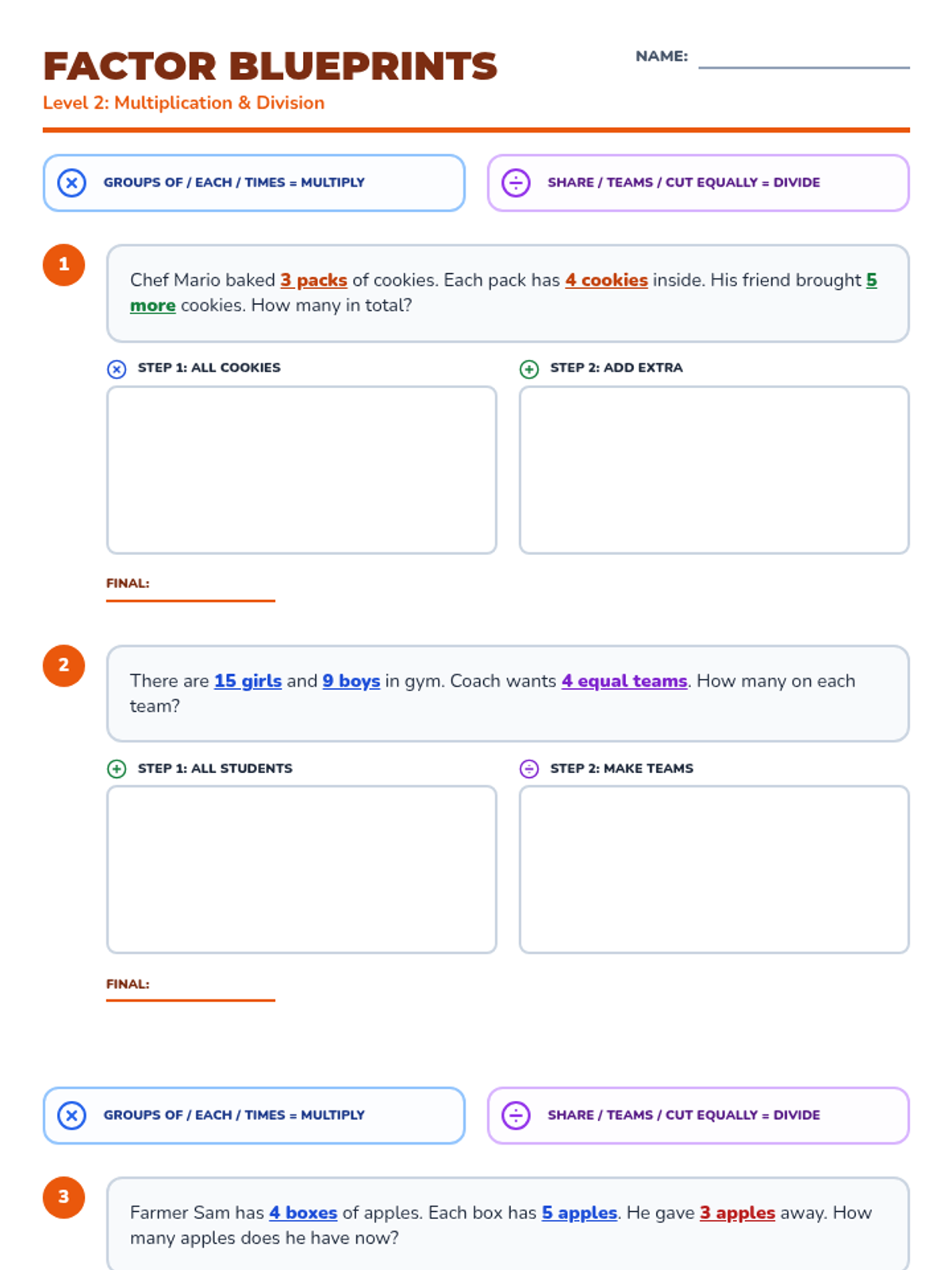
Students apply computation skills to solve real-world word problems involving equal groups and multi-step addition and subtraction.
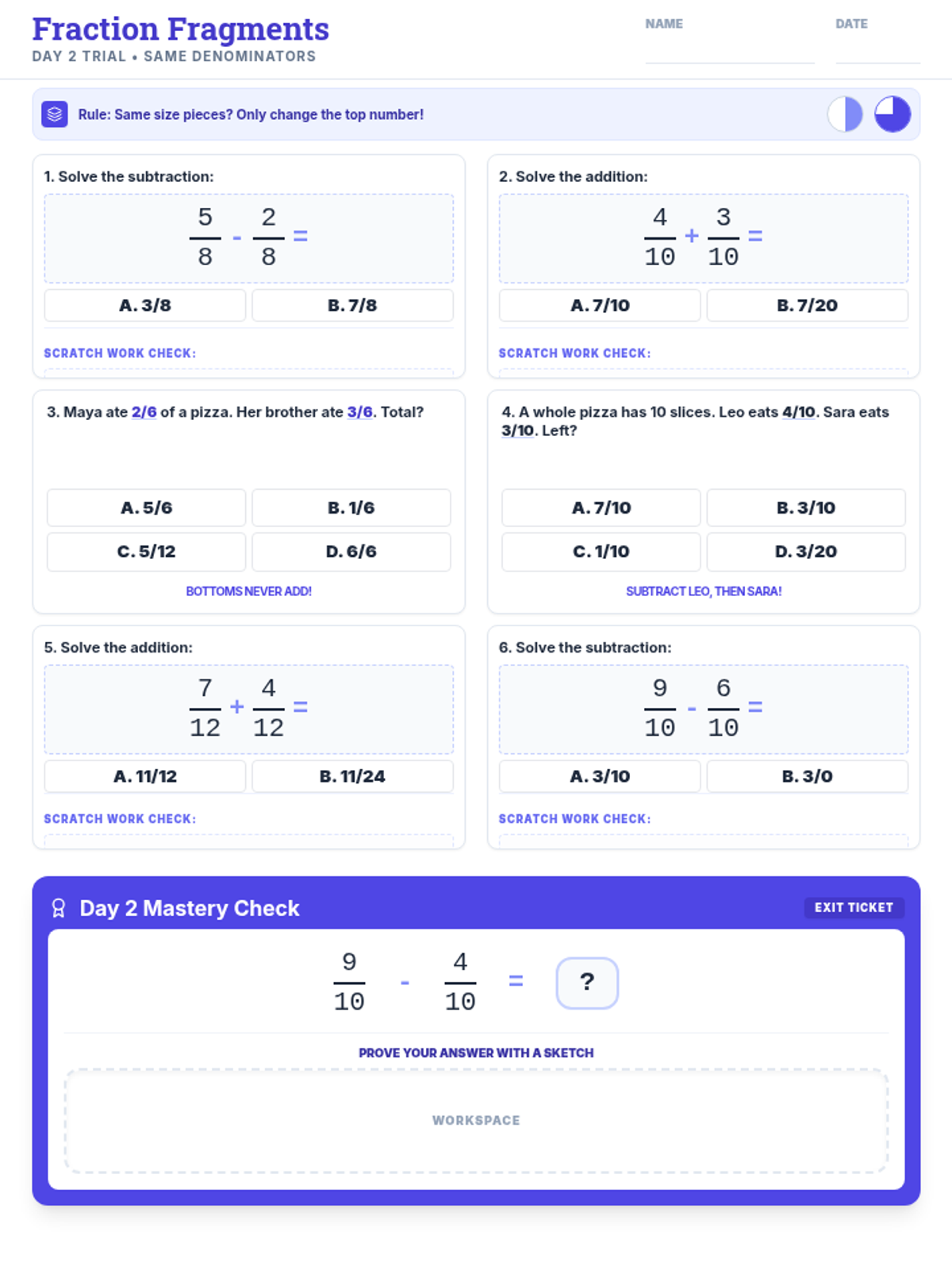
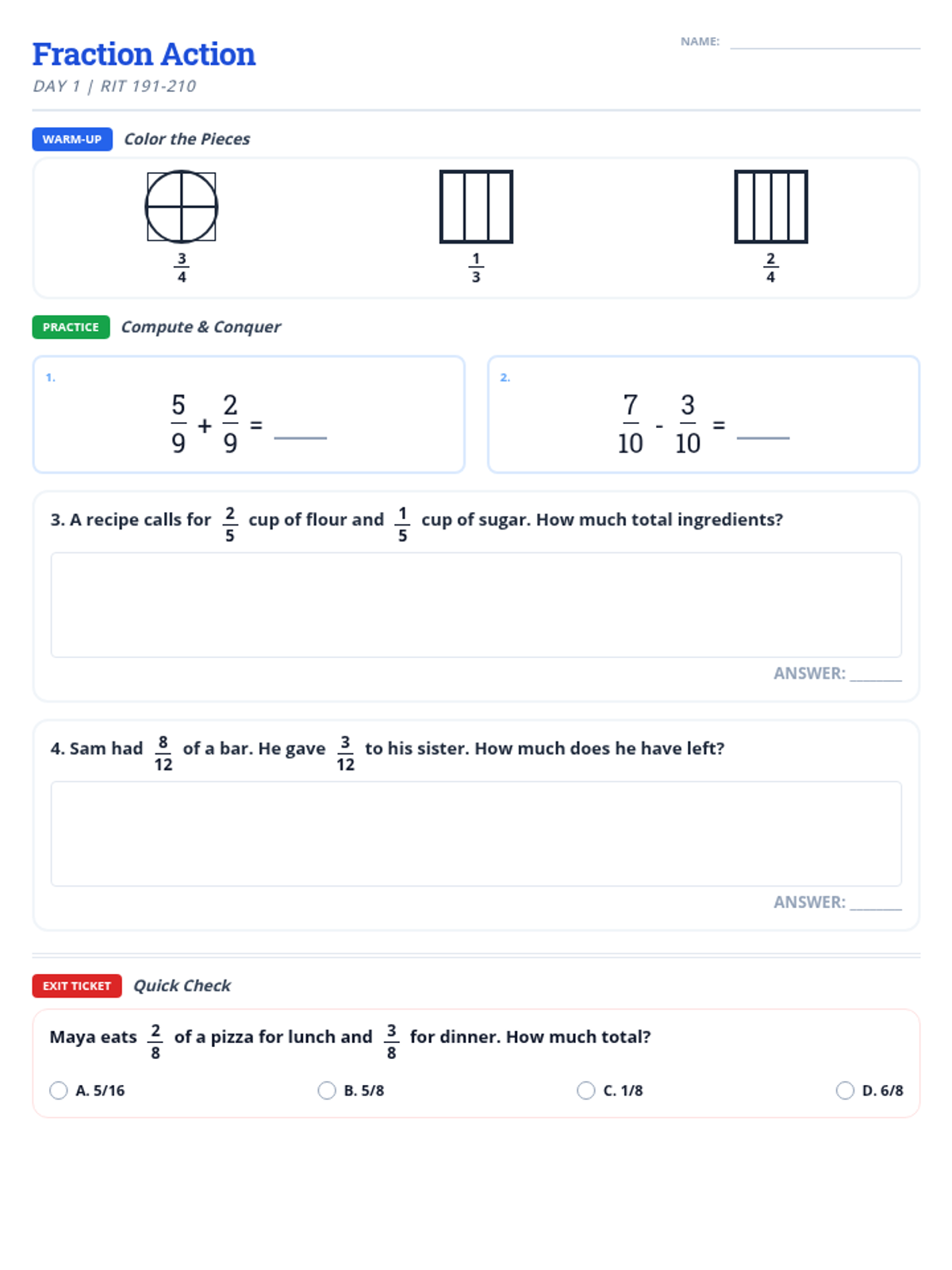
Students explore adding and subtracting fractions with common denominators using visual models and symbolic computation.
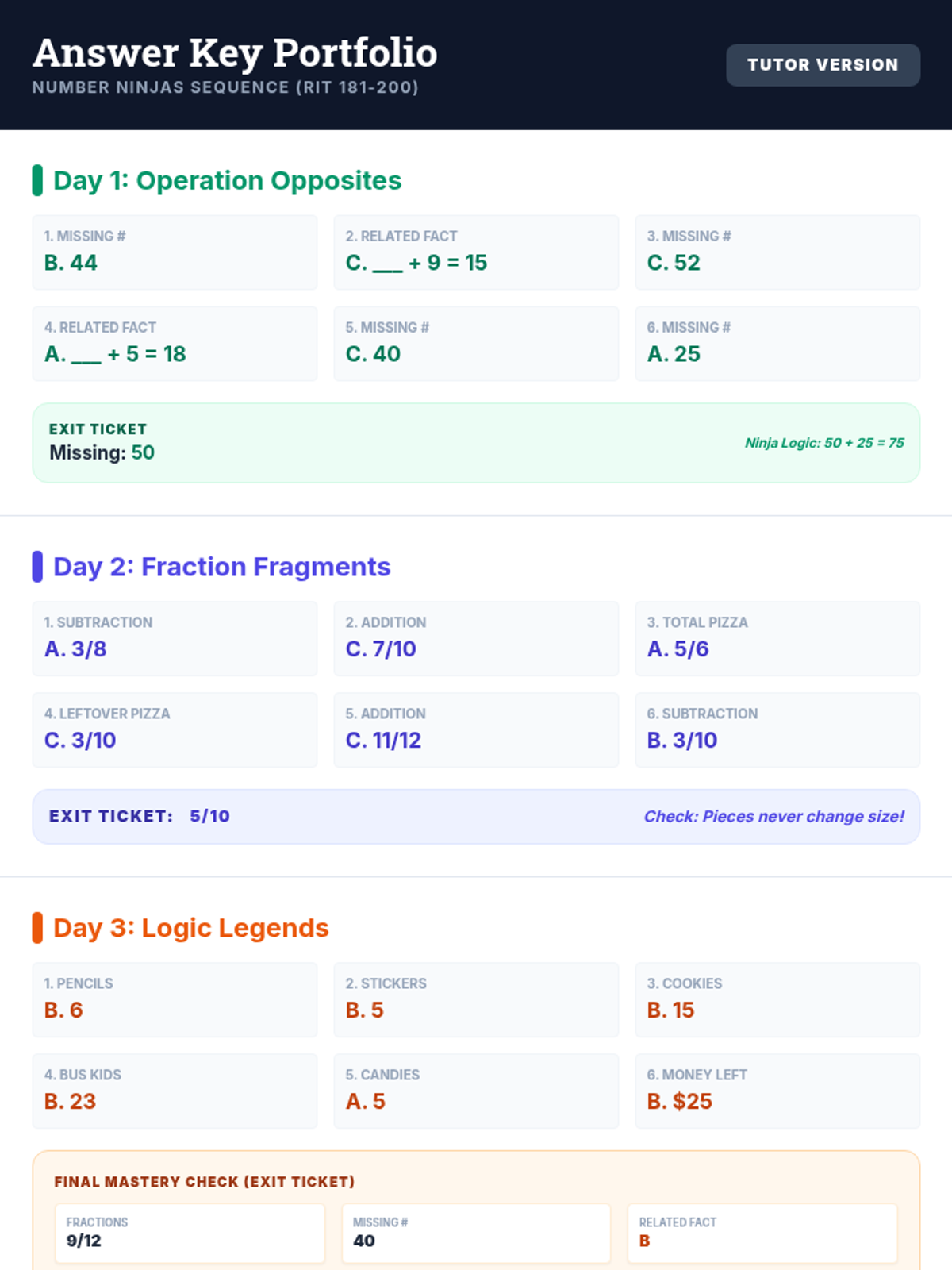
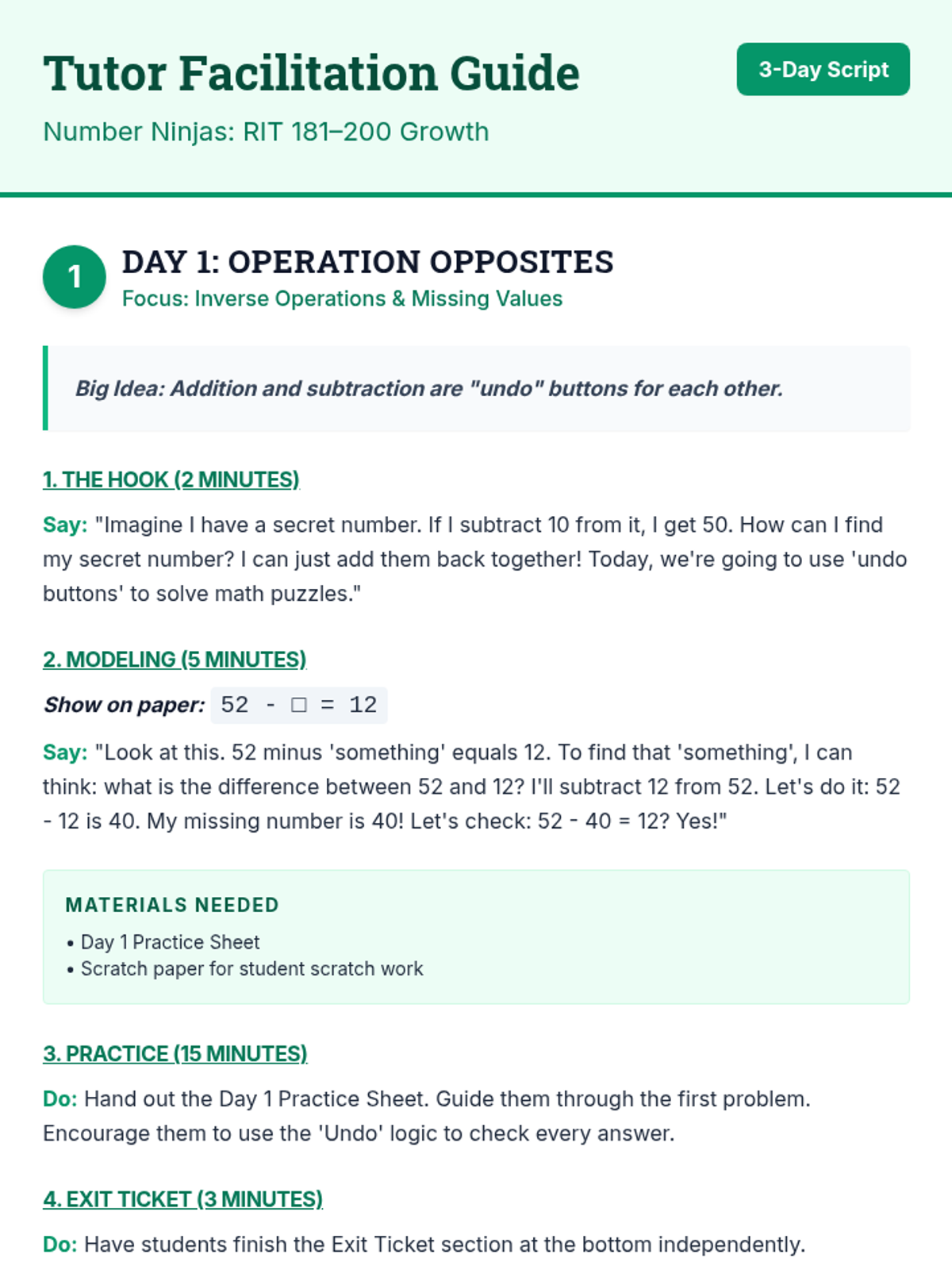
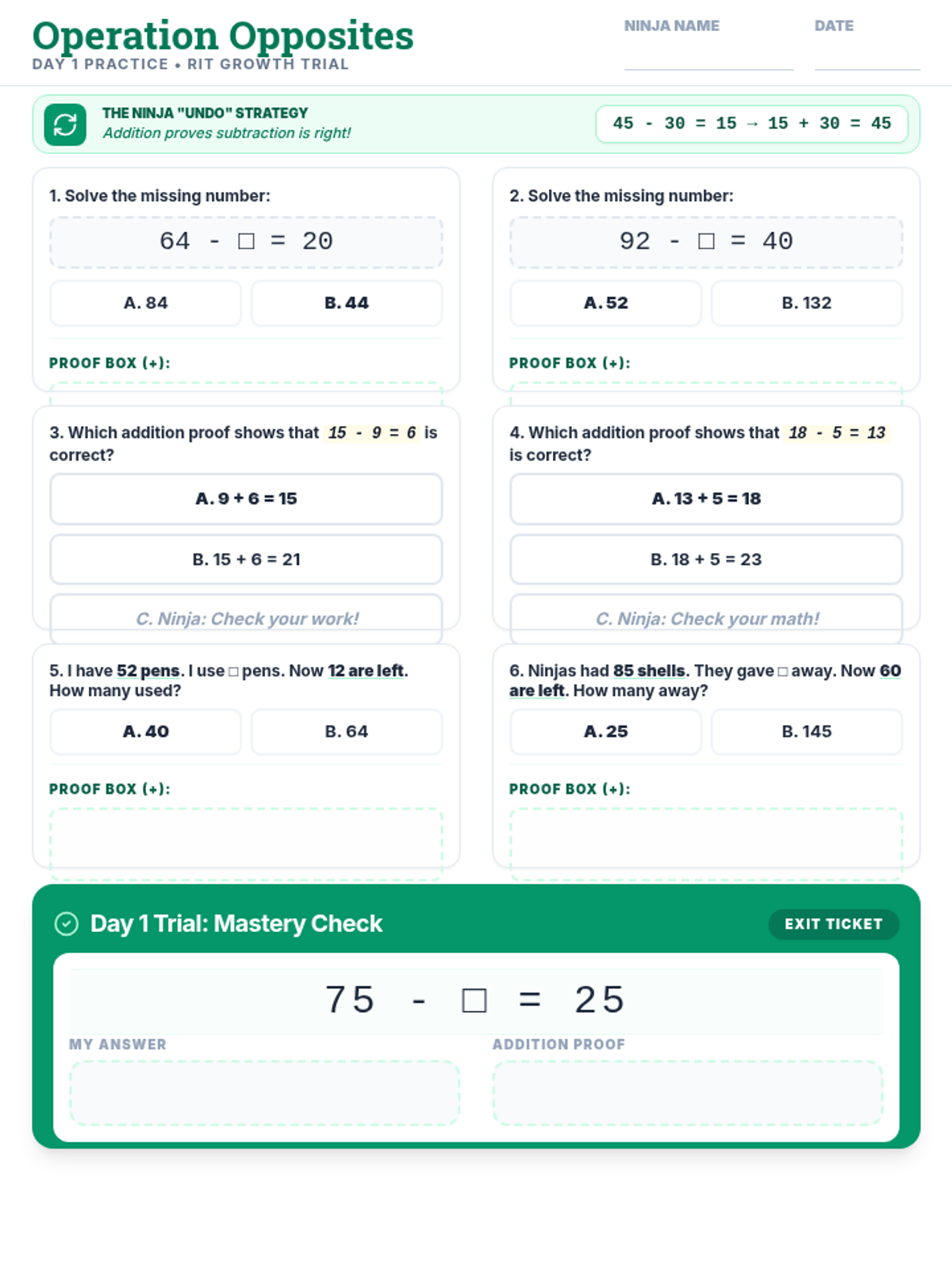
Students learn to use the relationship between addition and subtraction to solve for missing numbers and check their work, bridging the gap from simple subtraction to algebraic thinking.
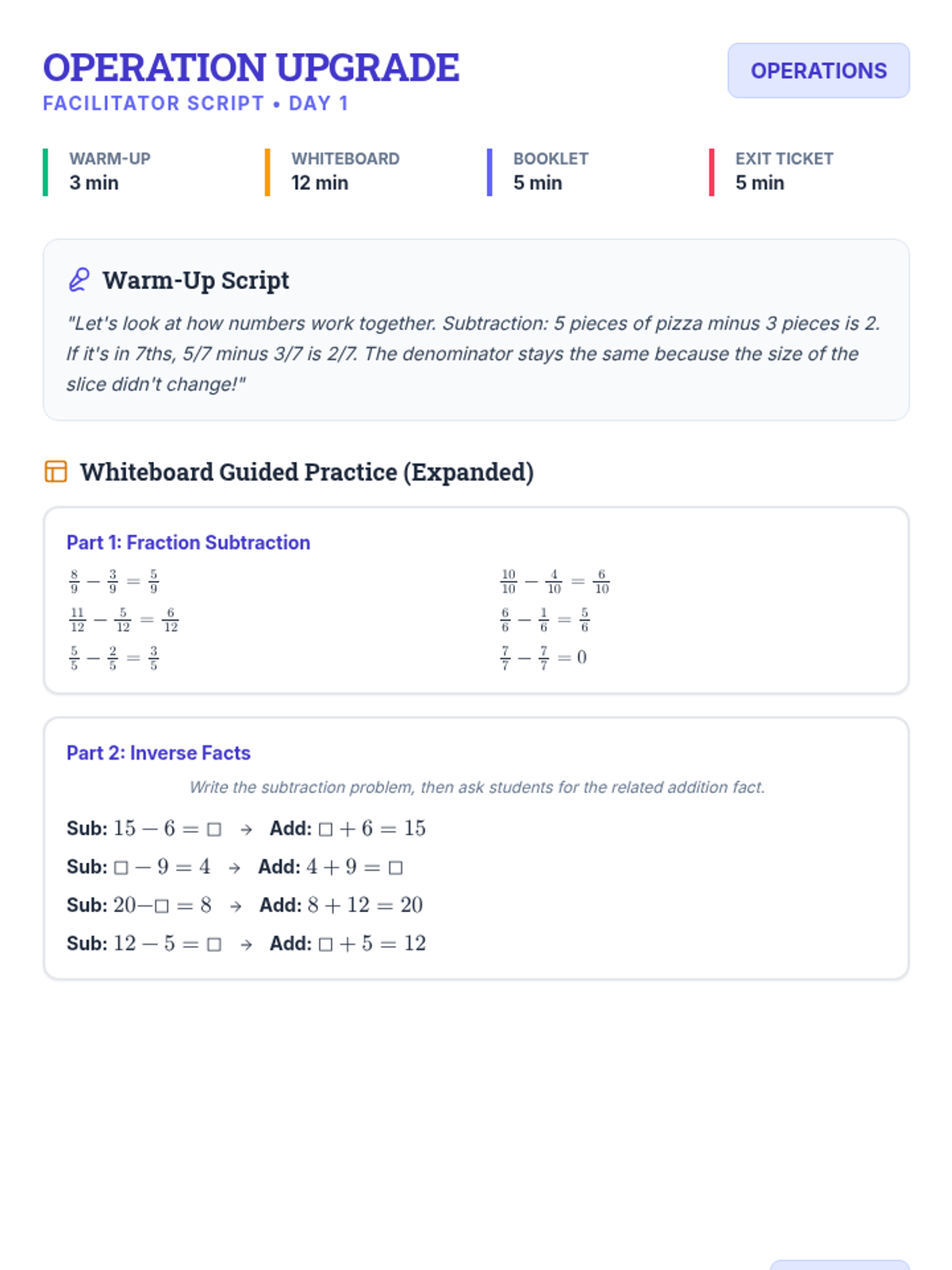
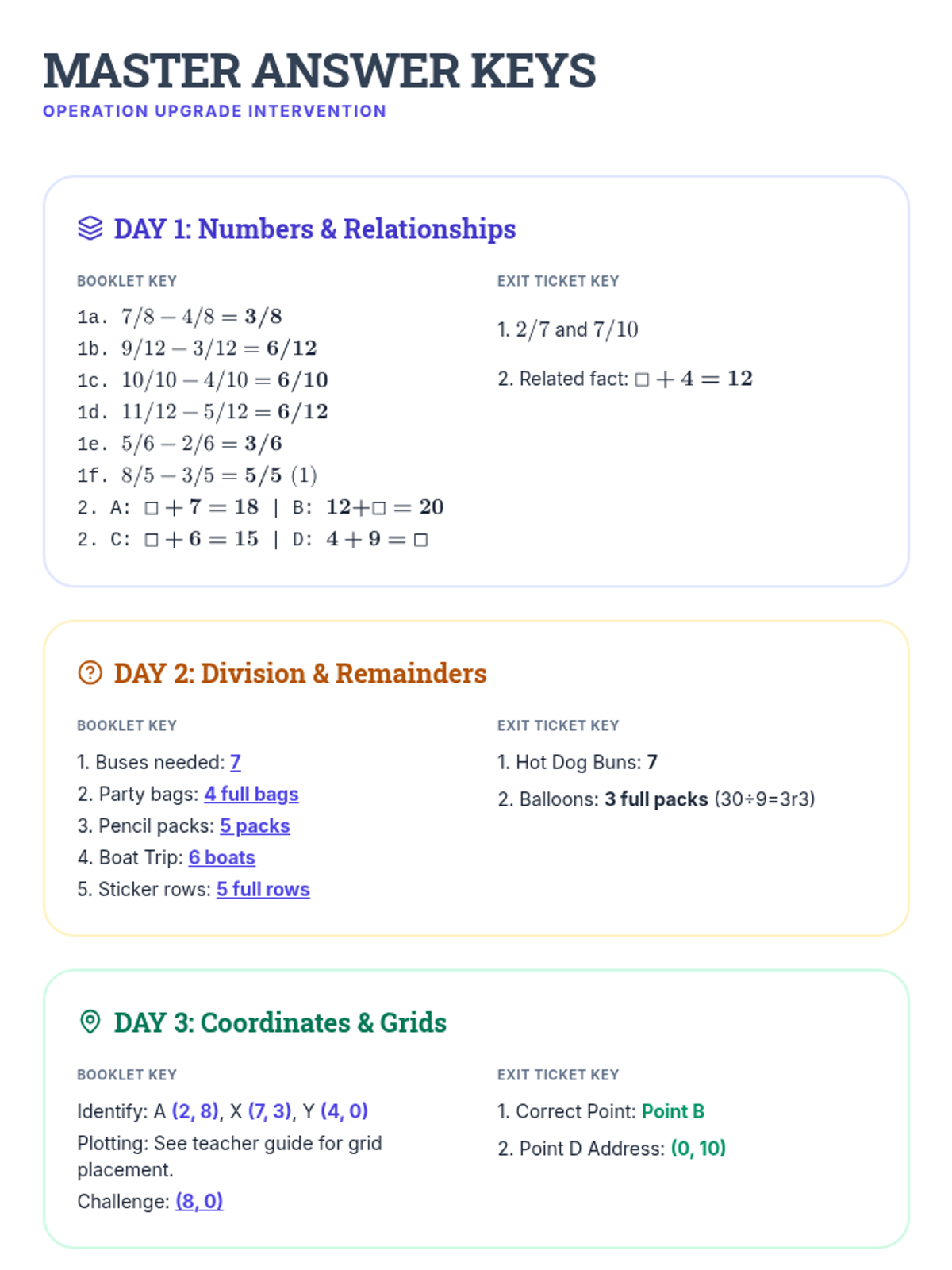
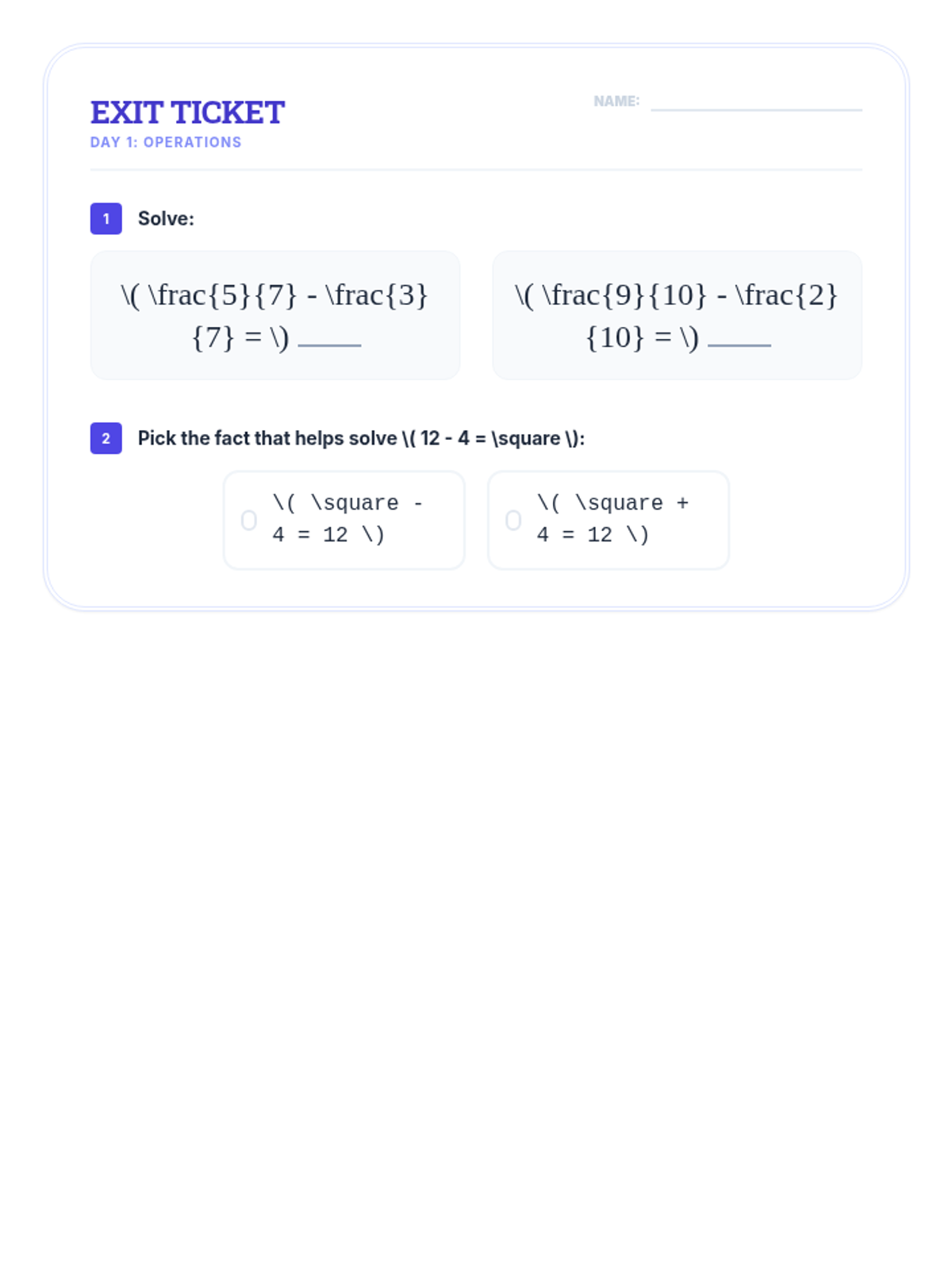
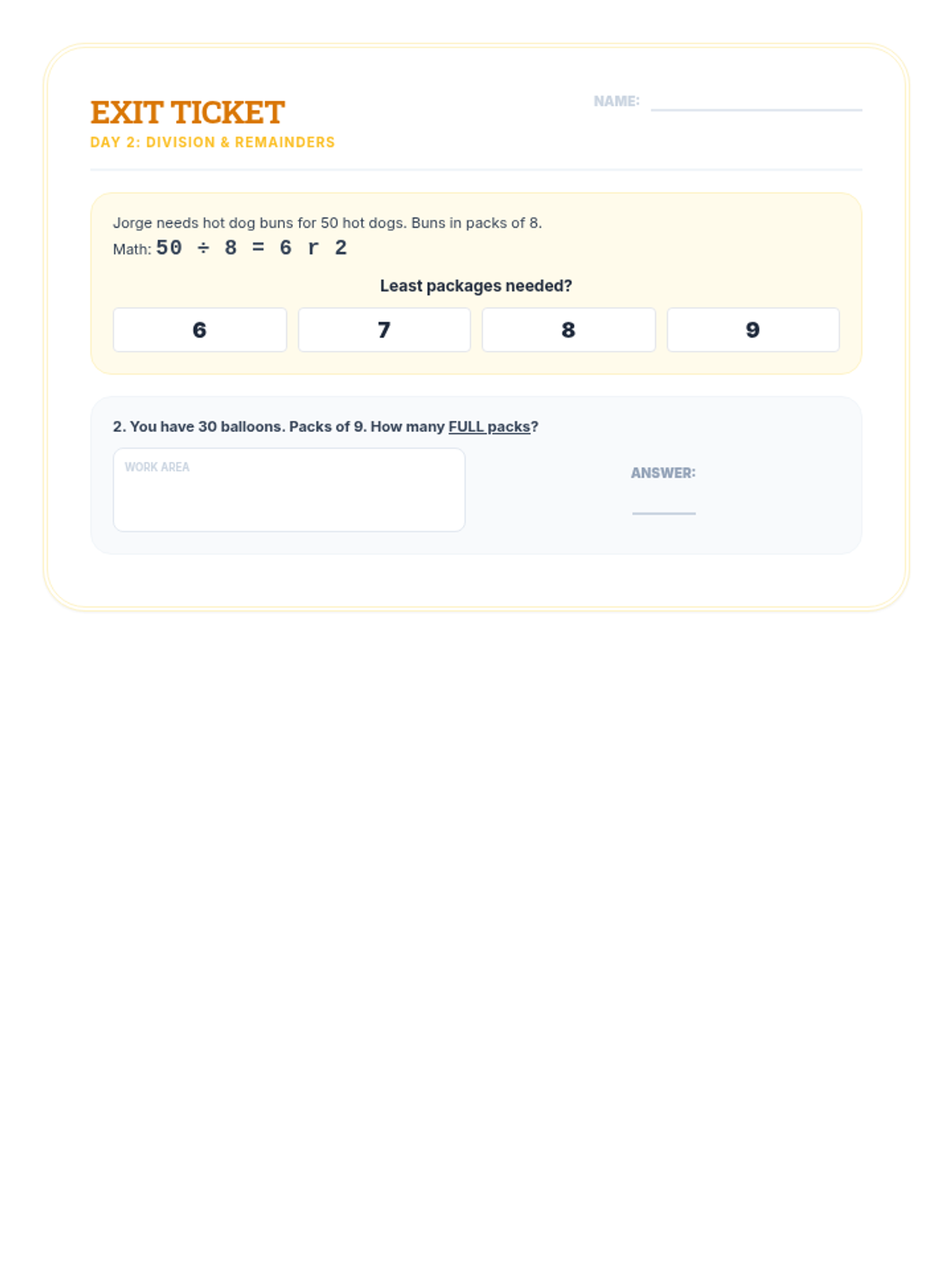
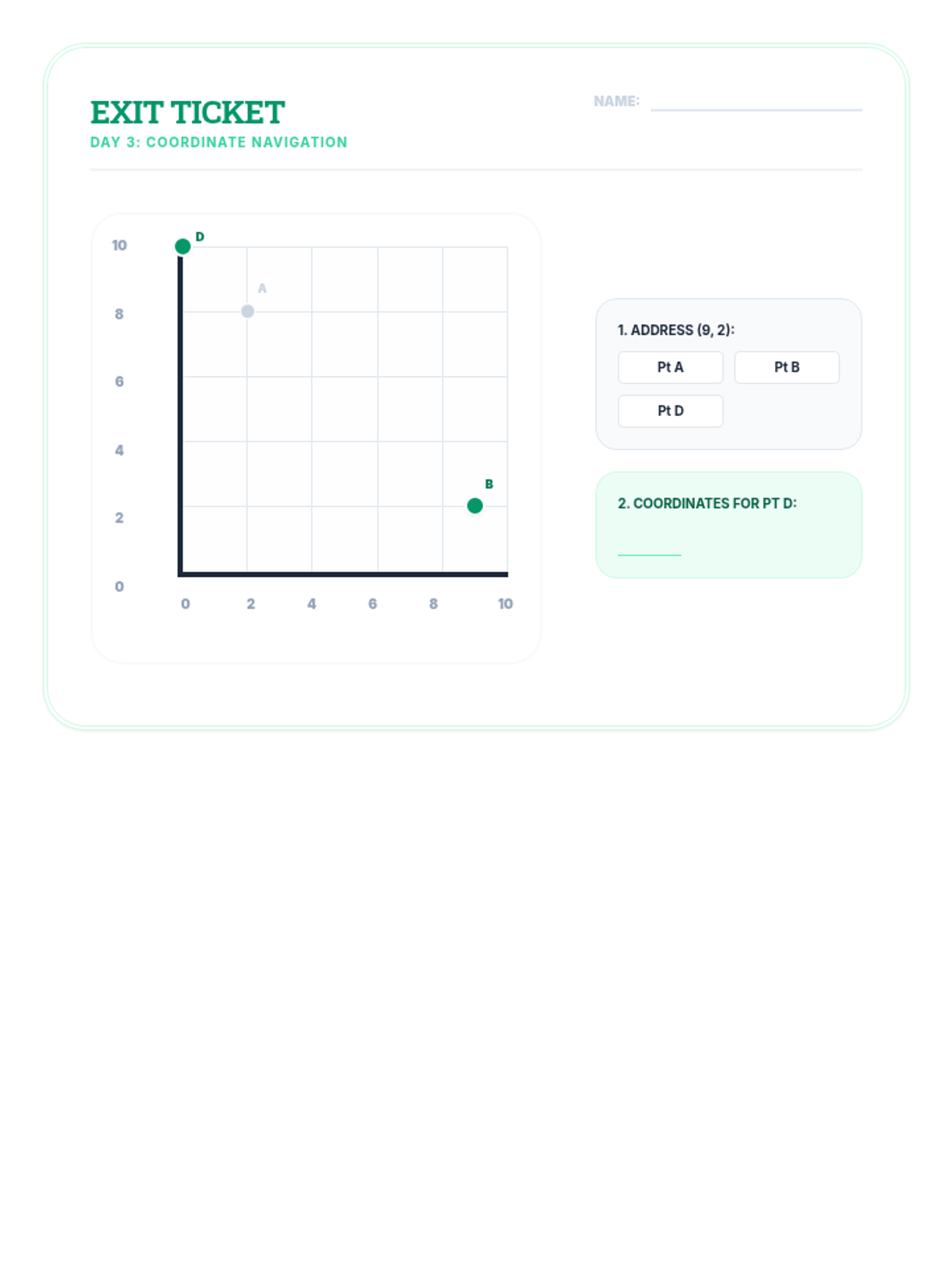
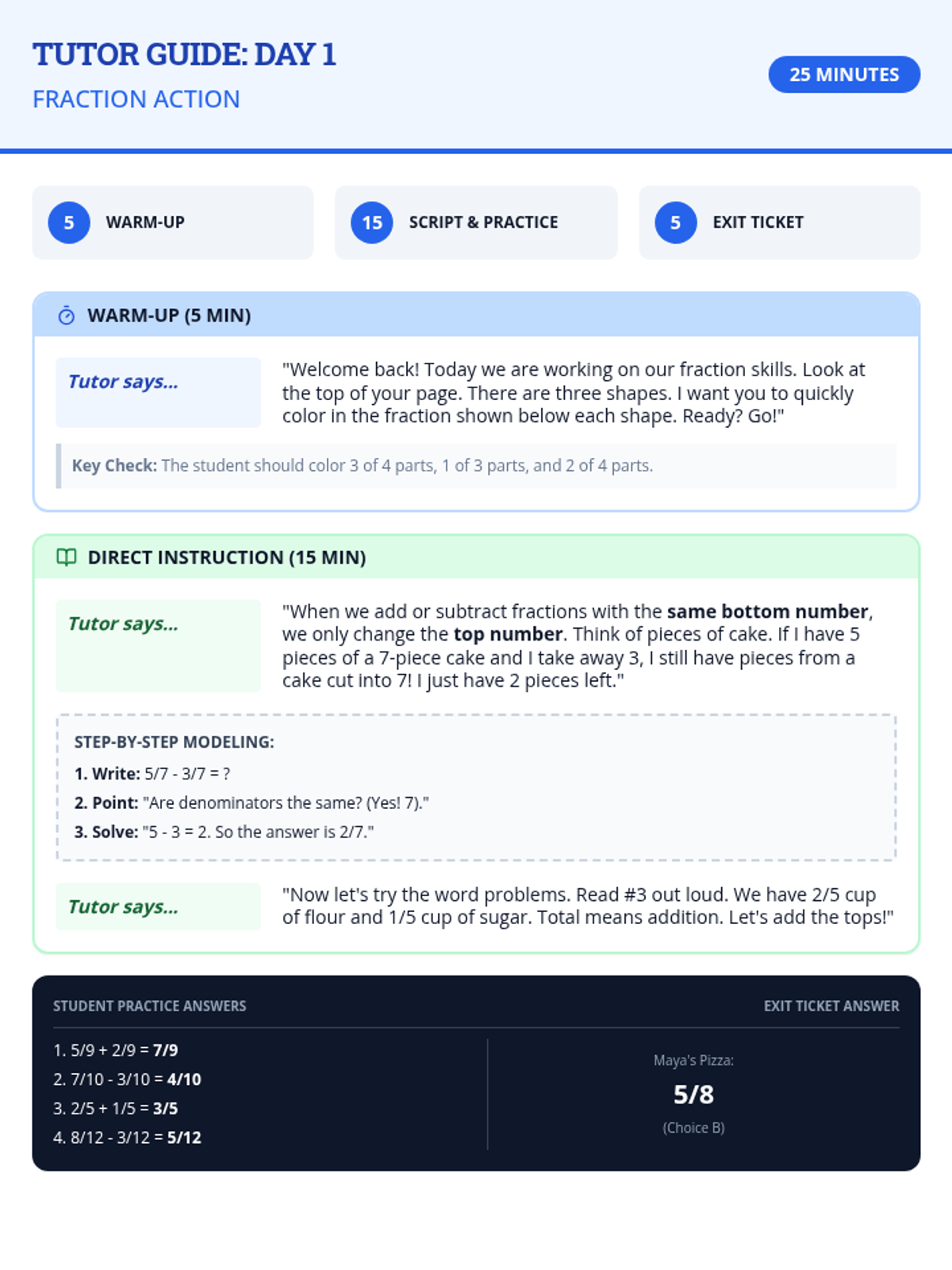
A 3-day small group intervention focused on RIT 191-210 skills: fraction subtraction, inverse operations, interpreting remainders, and coordinate plane graphing. Includes teacher scripts and student workbooks designed for 25-minute sessions without technology.
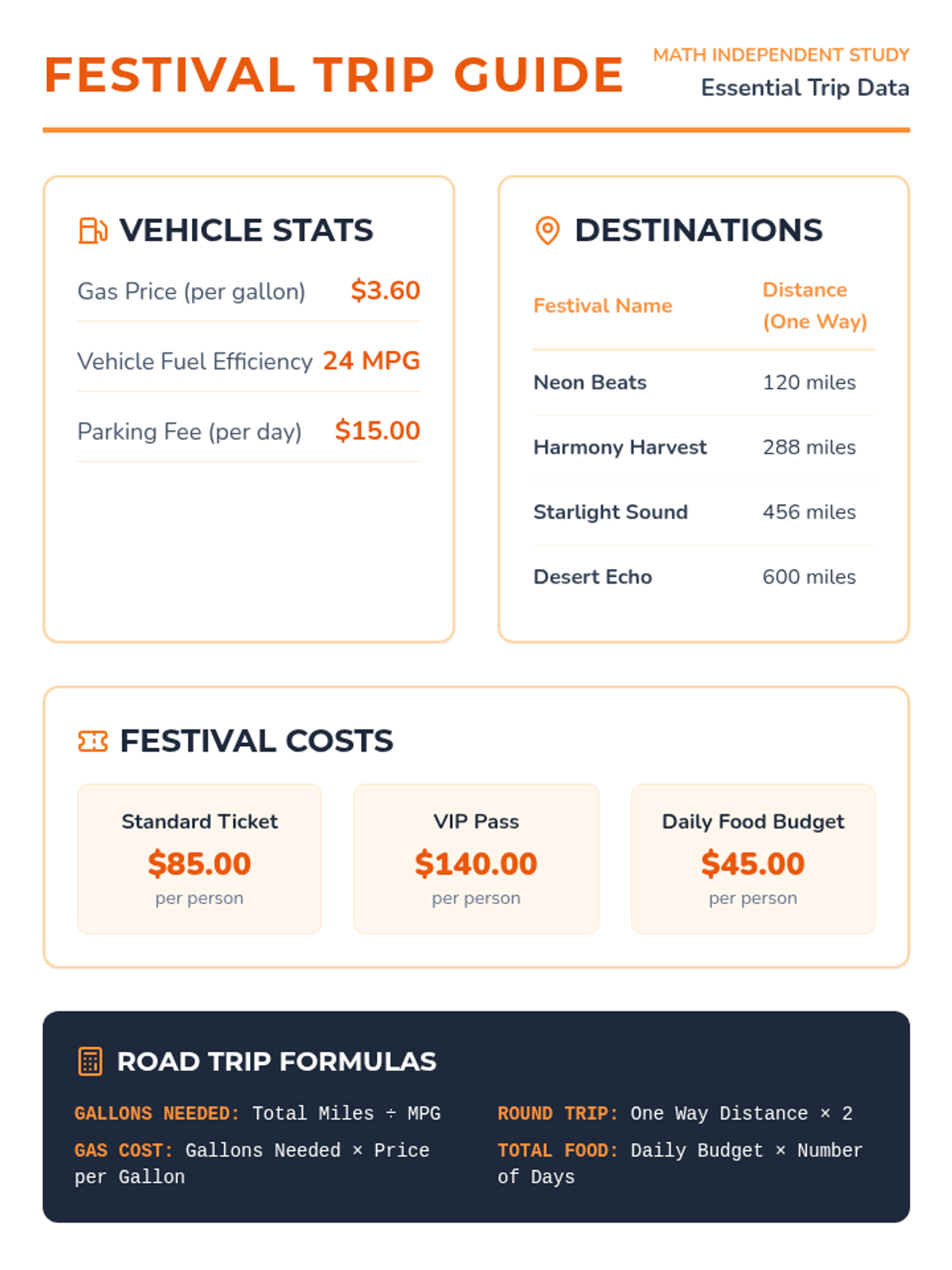
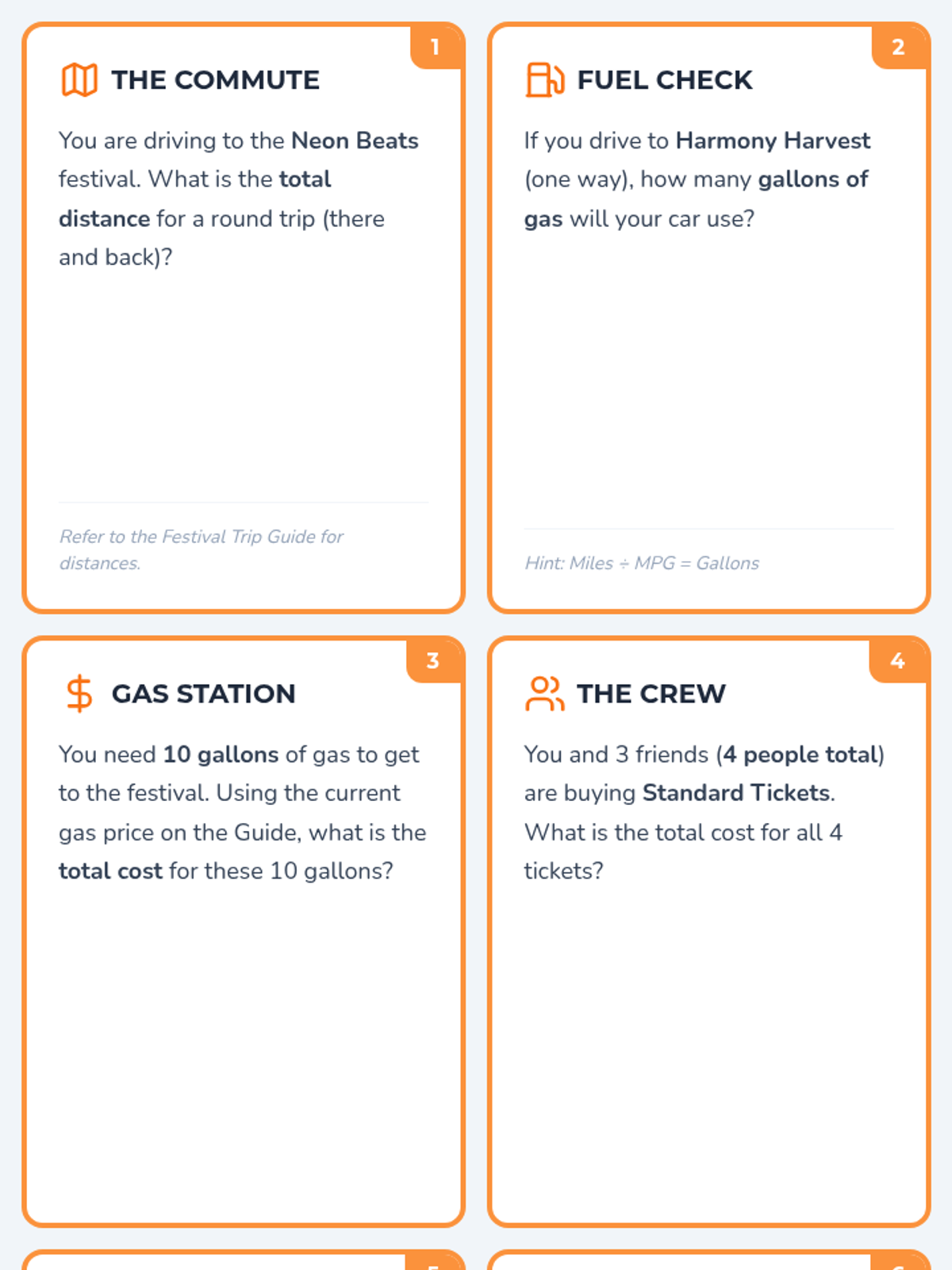
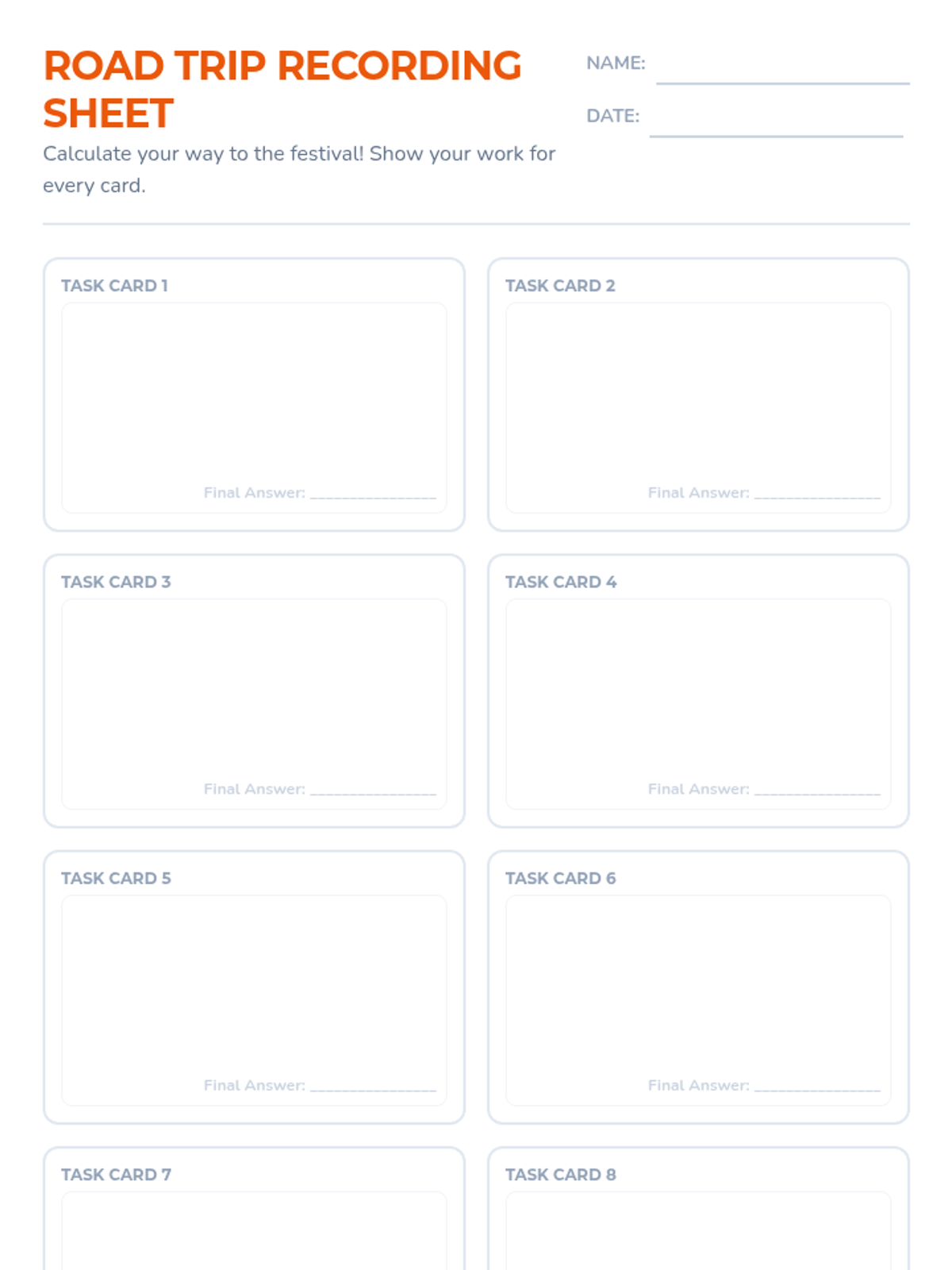
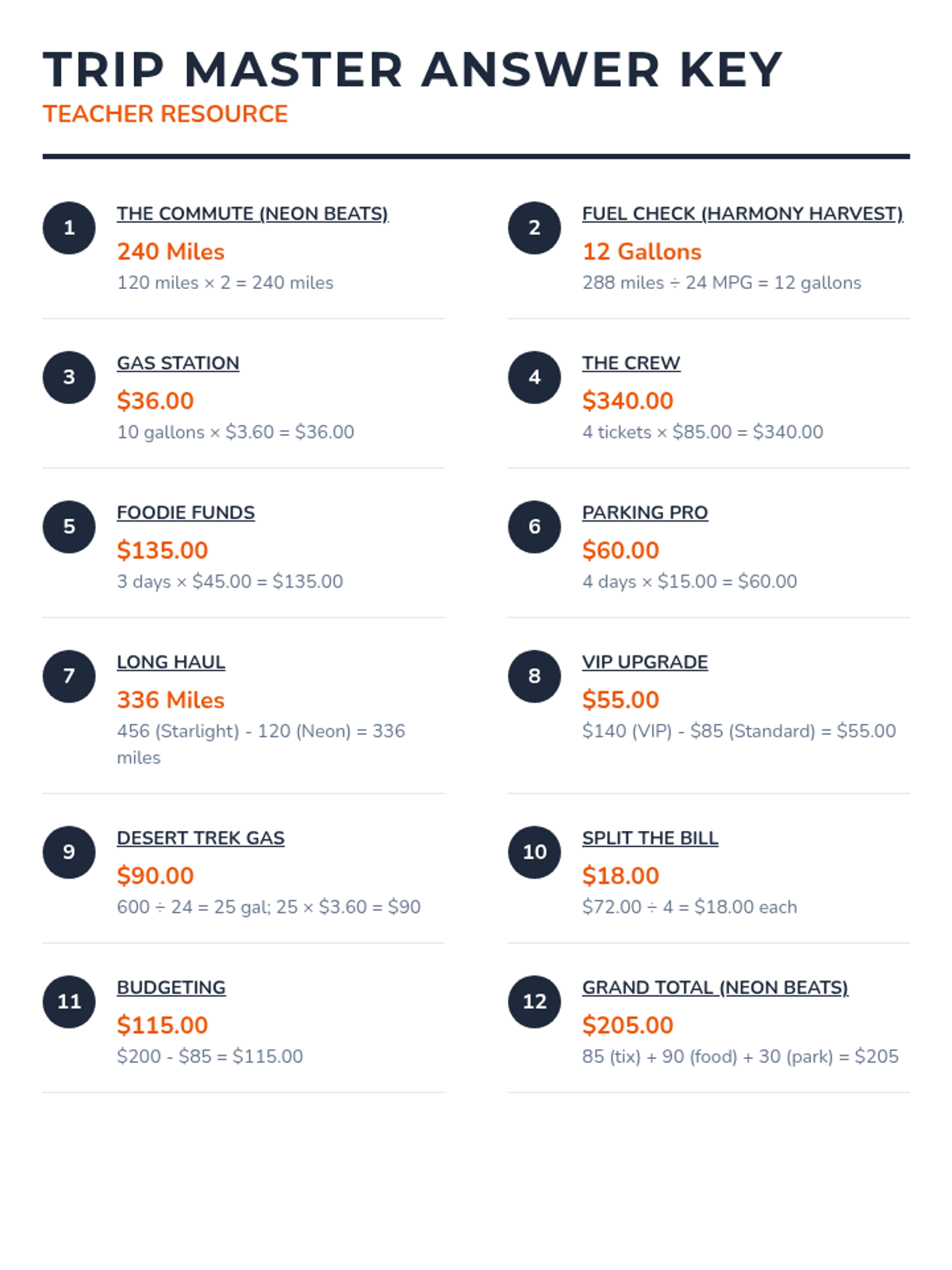
A math independent study unit where students calculate distances, fuel costs, and festival expenses for various road trip scenarios.
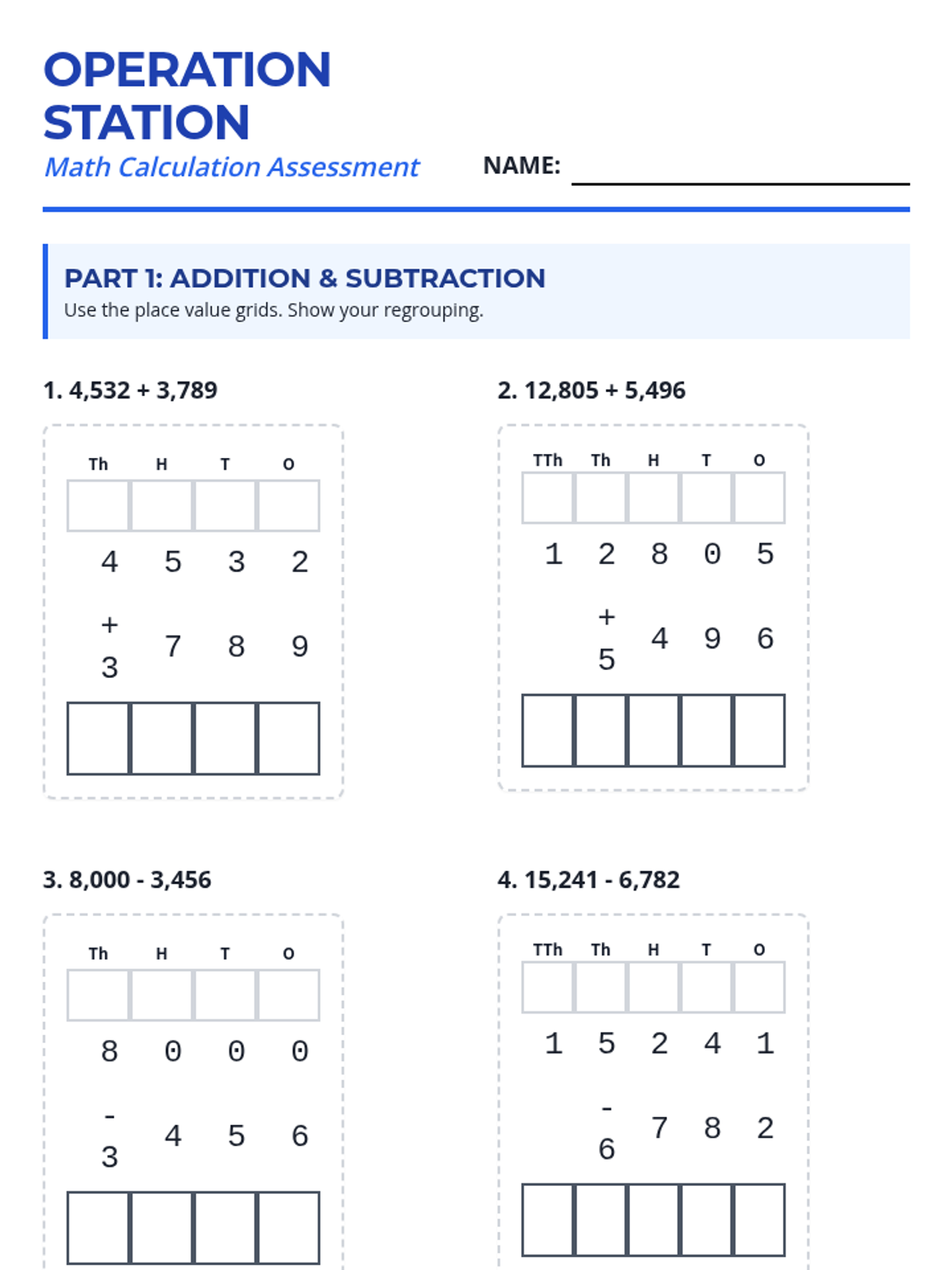
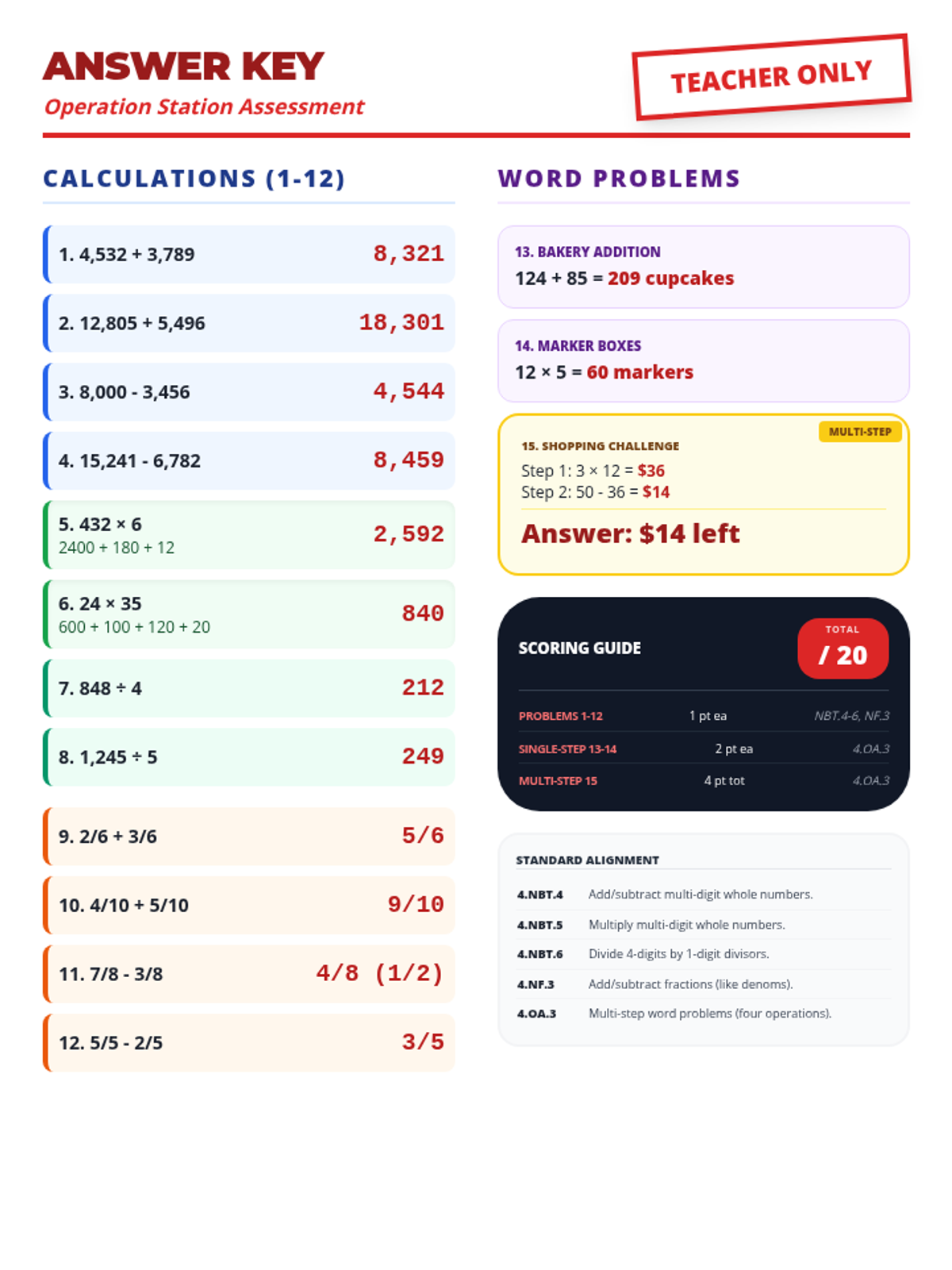
A comprehensive 4th-grade math assessment covering whole number and fraction operations with built-in graphic organizers and large-print accessibility features.
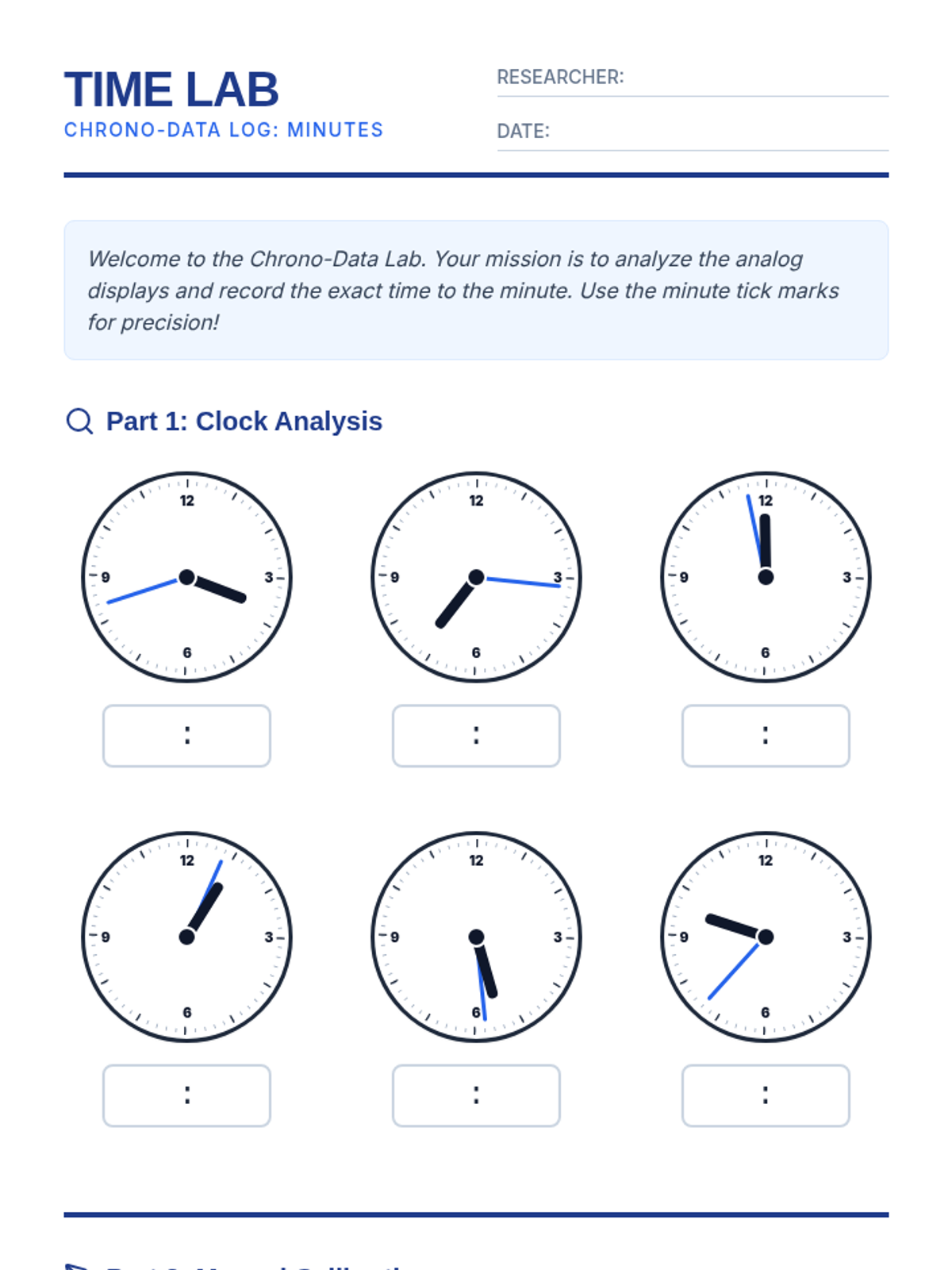
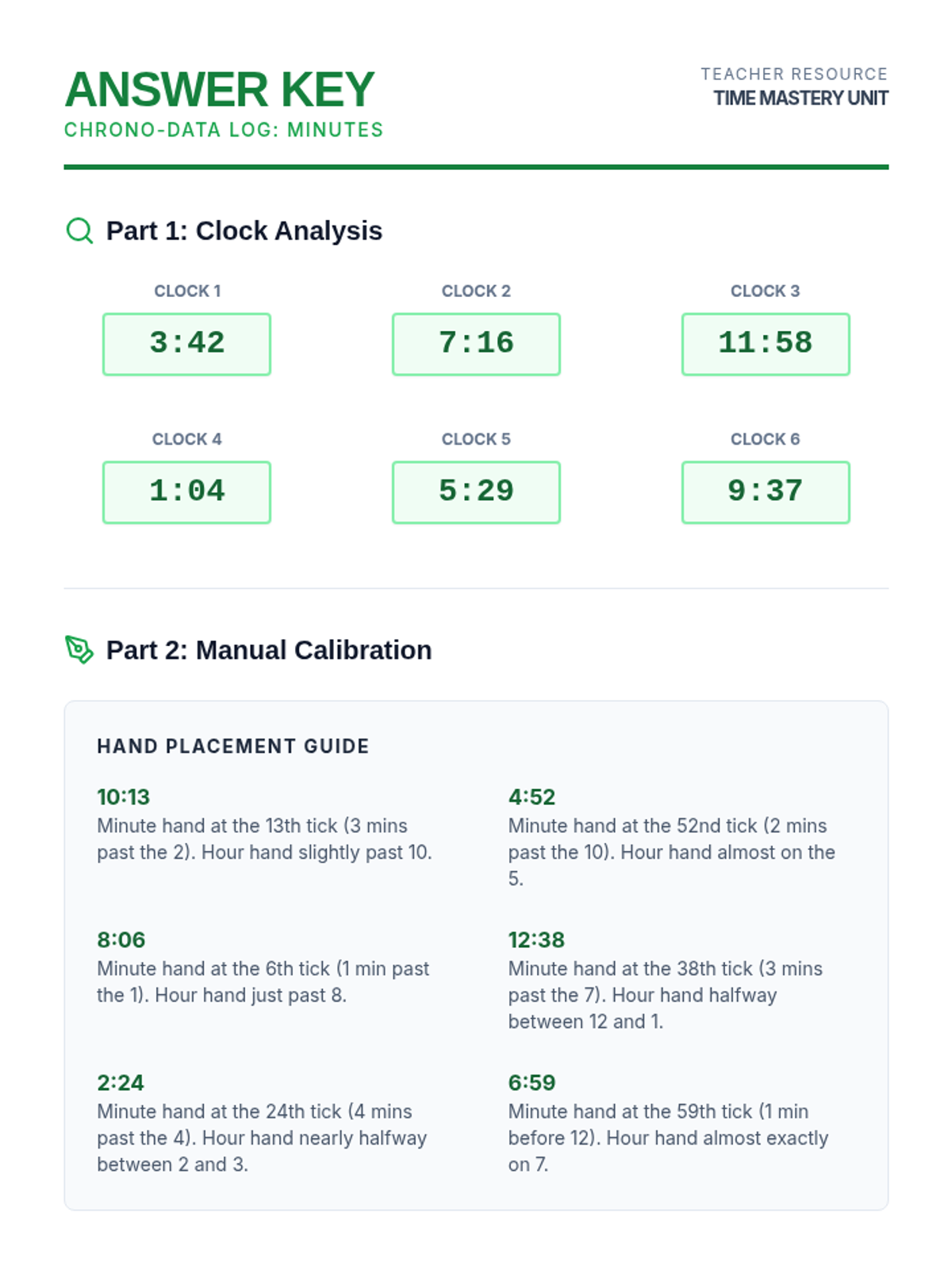
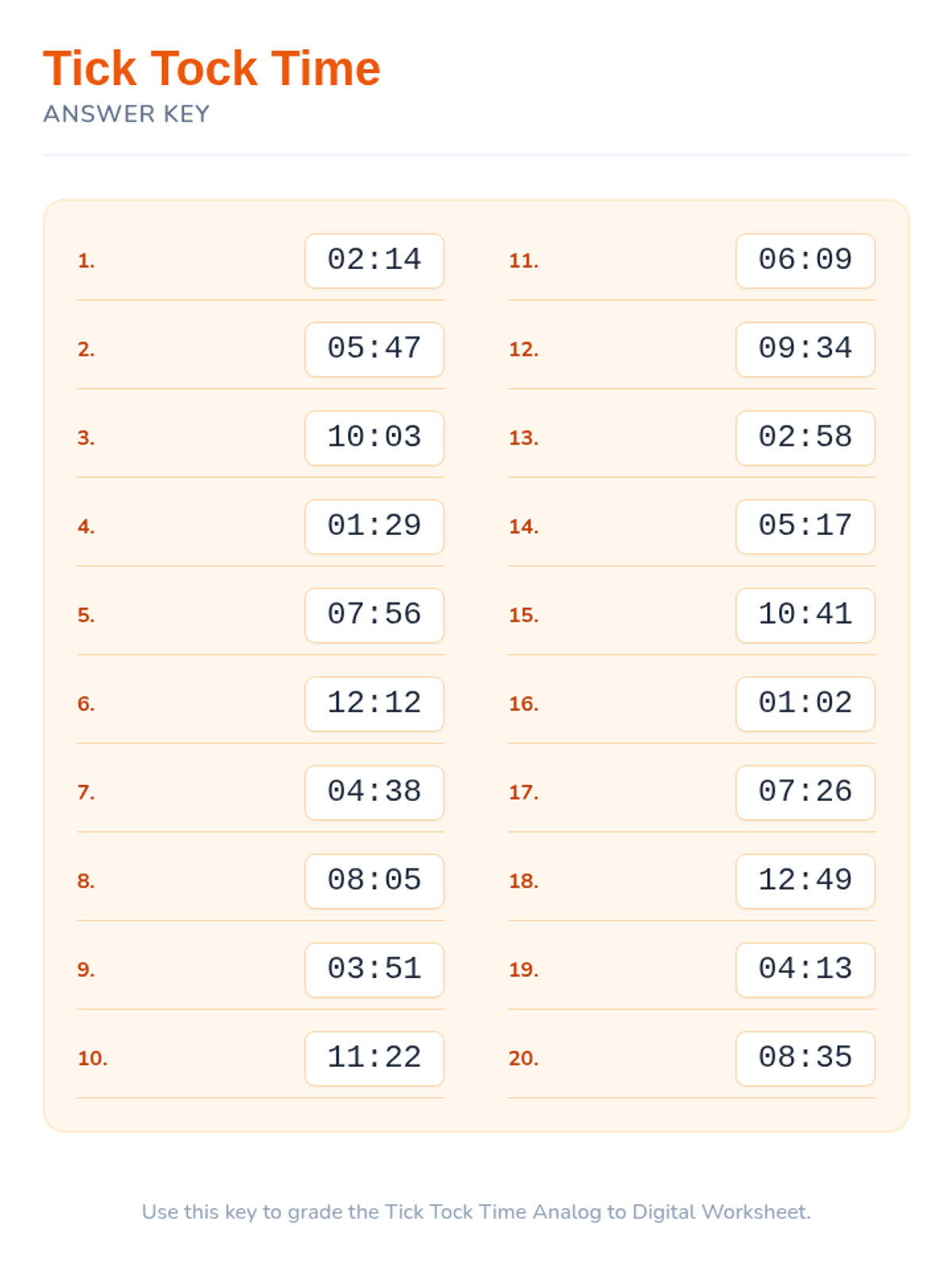
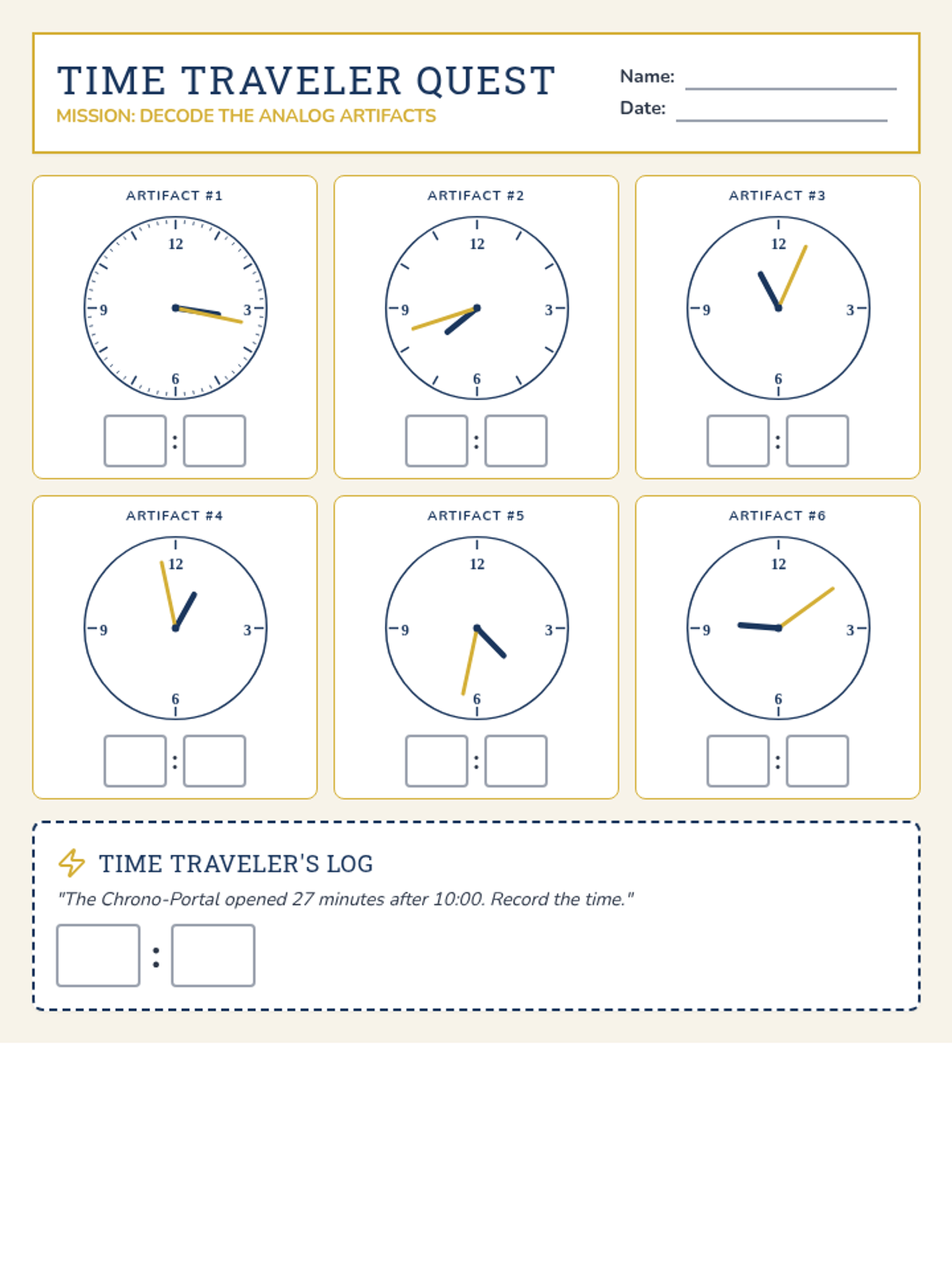
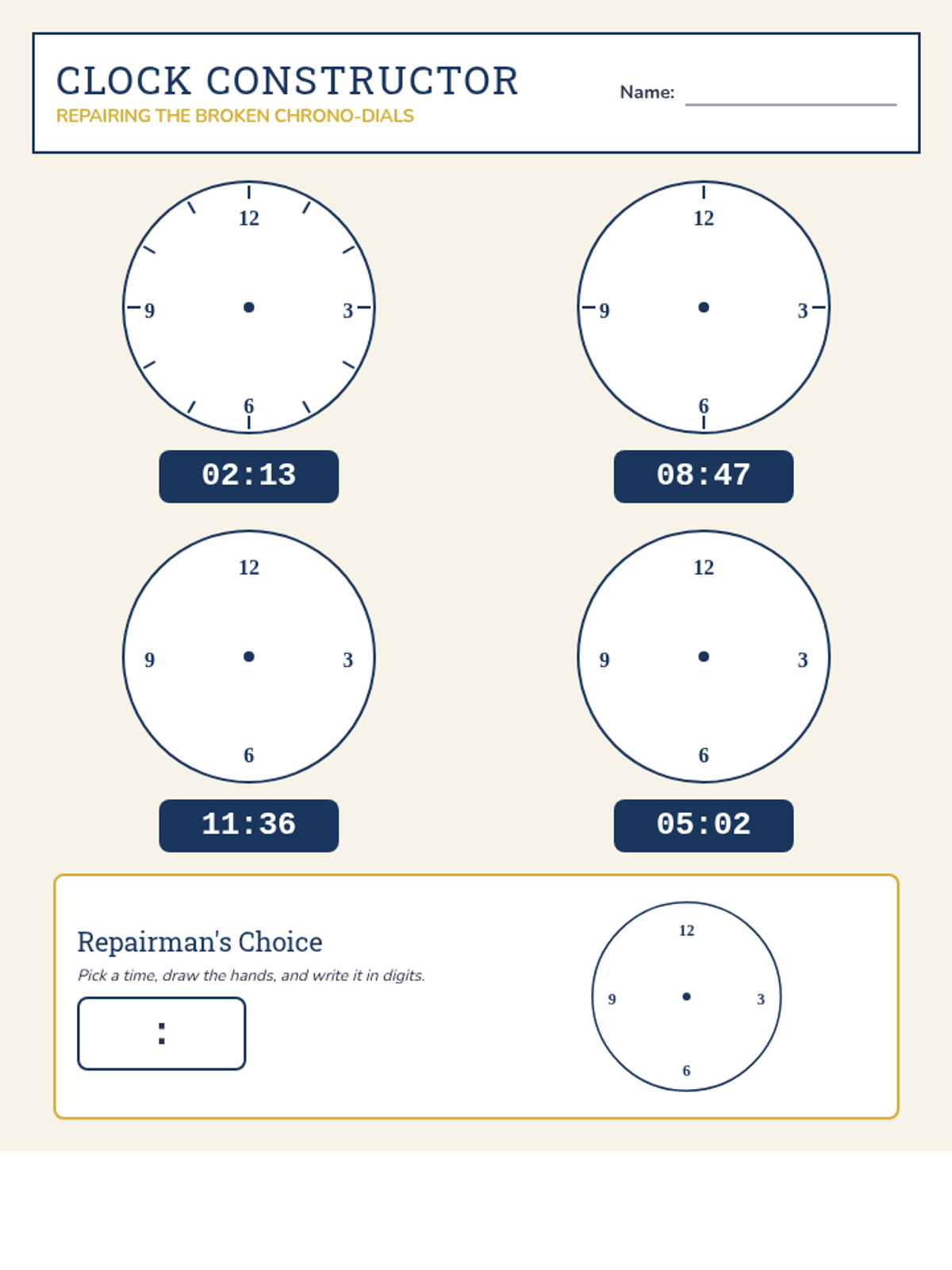
Students will master reading and drawing time on analog clocks to the exact minute through visual analysis and manual practice.
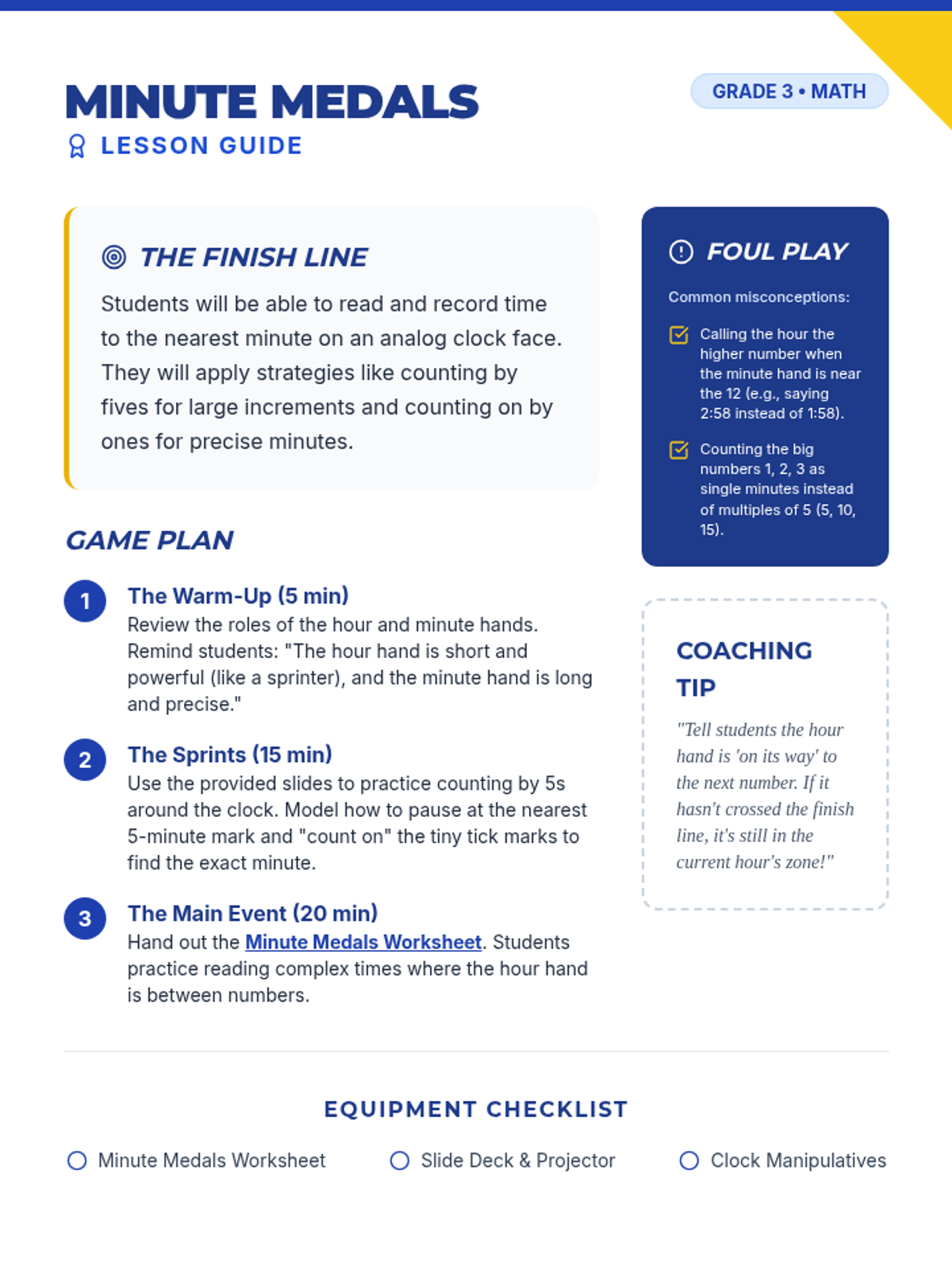
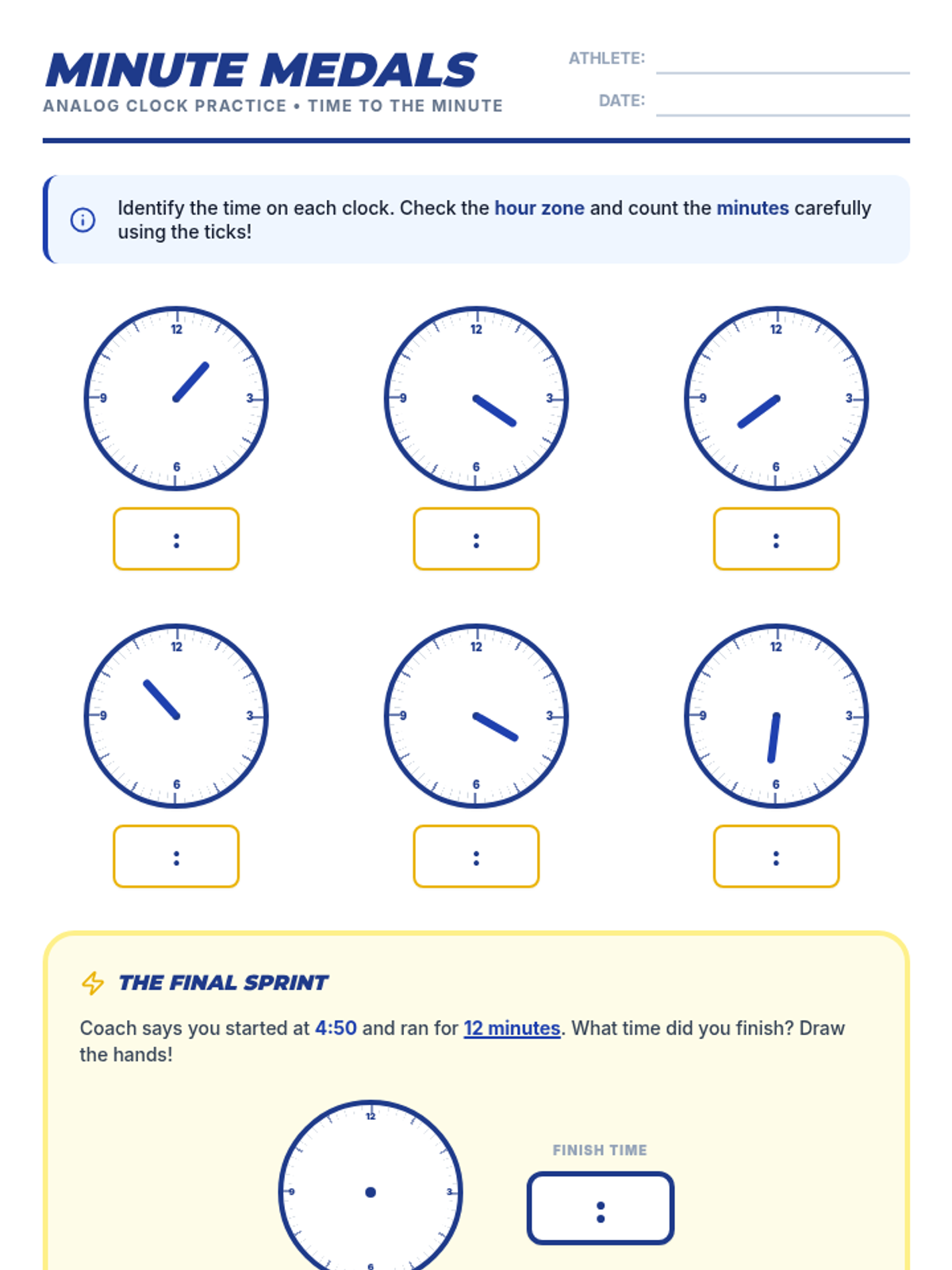
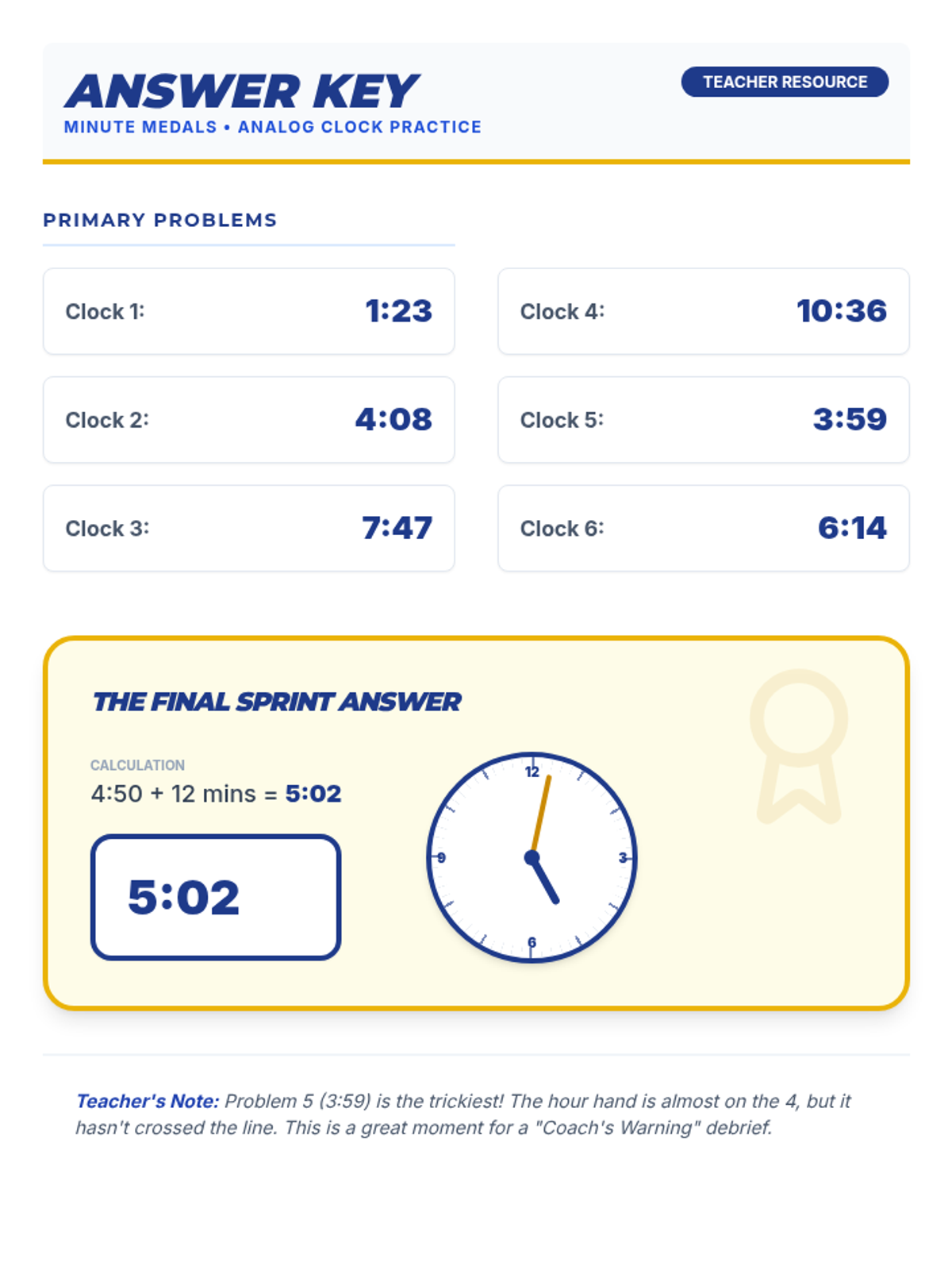
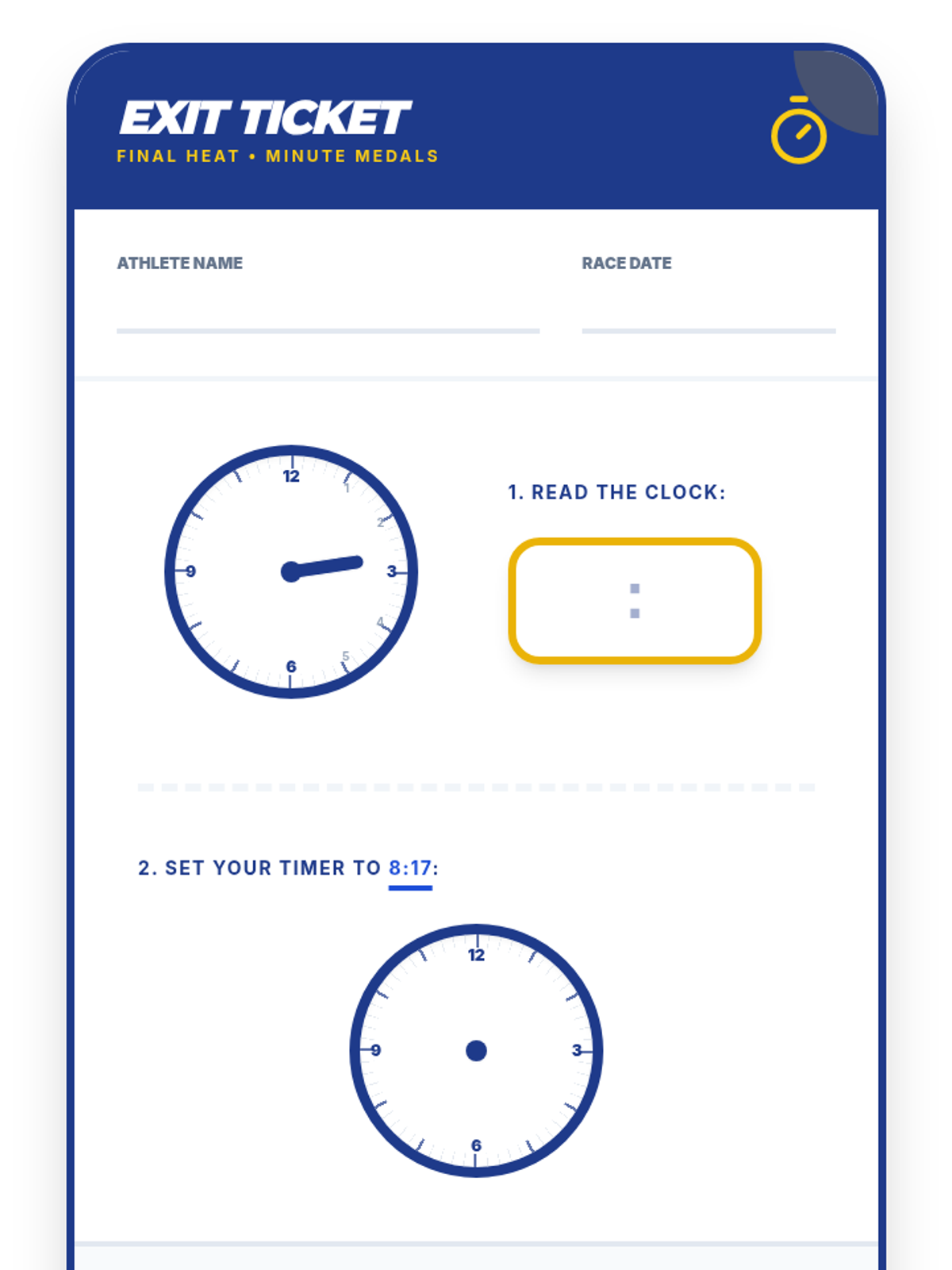
A high-energy, sports-themed lesson focused on mastering the skill of reading analog clocks to the exact minute. Students learn to navigate the clock face like a track, using landmarks and counting on to reach the finish line.
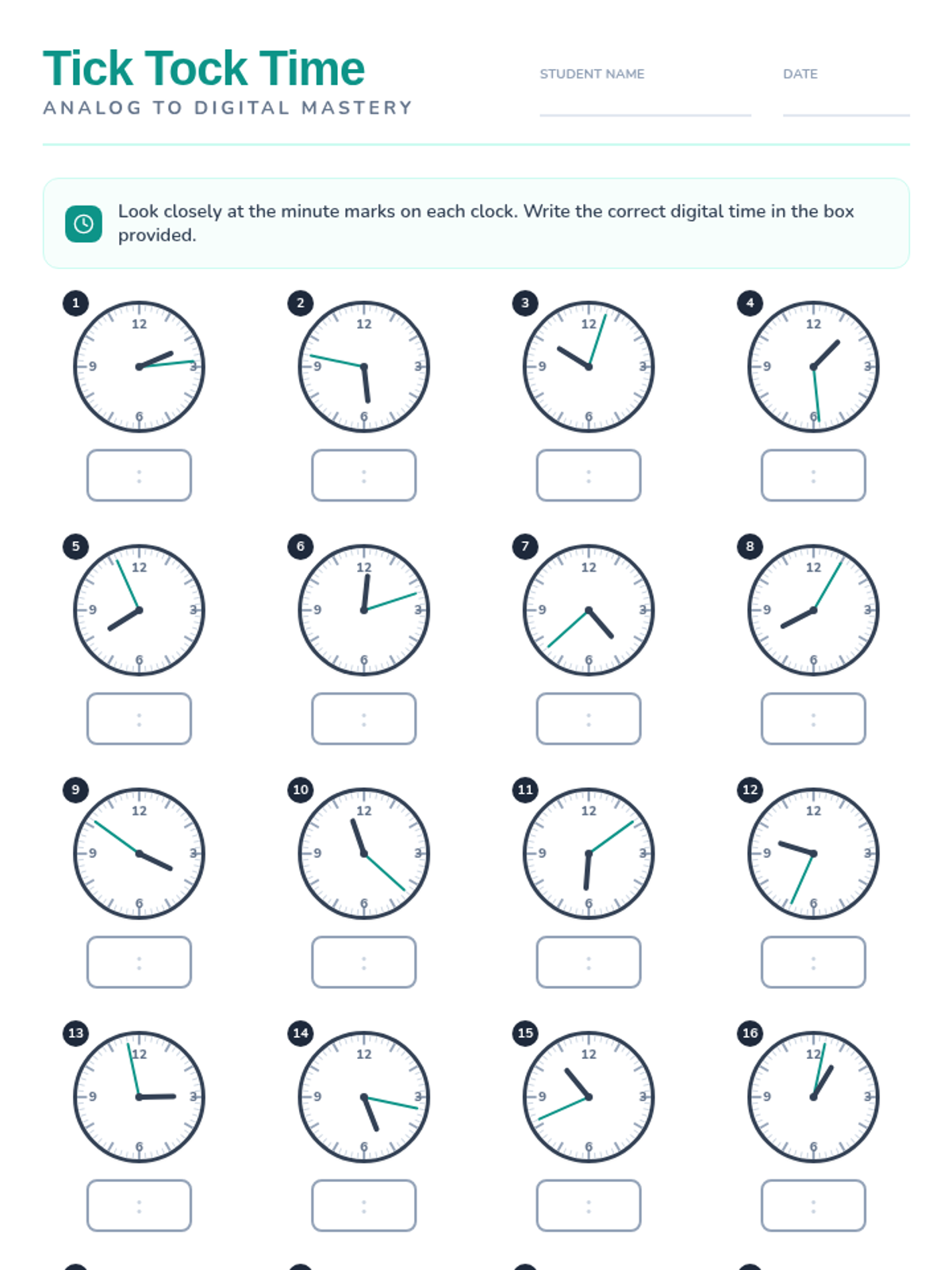
A focused lesson on reading analog clocks to the precise minute and converting them to digital format.
A comprehensive 4th-grade lesson on long division focusing on the Area Model, Partial Quotients, and Standard Algorithm through guided and independent practice.
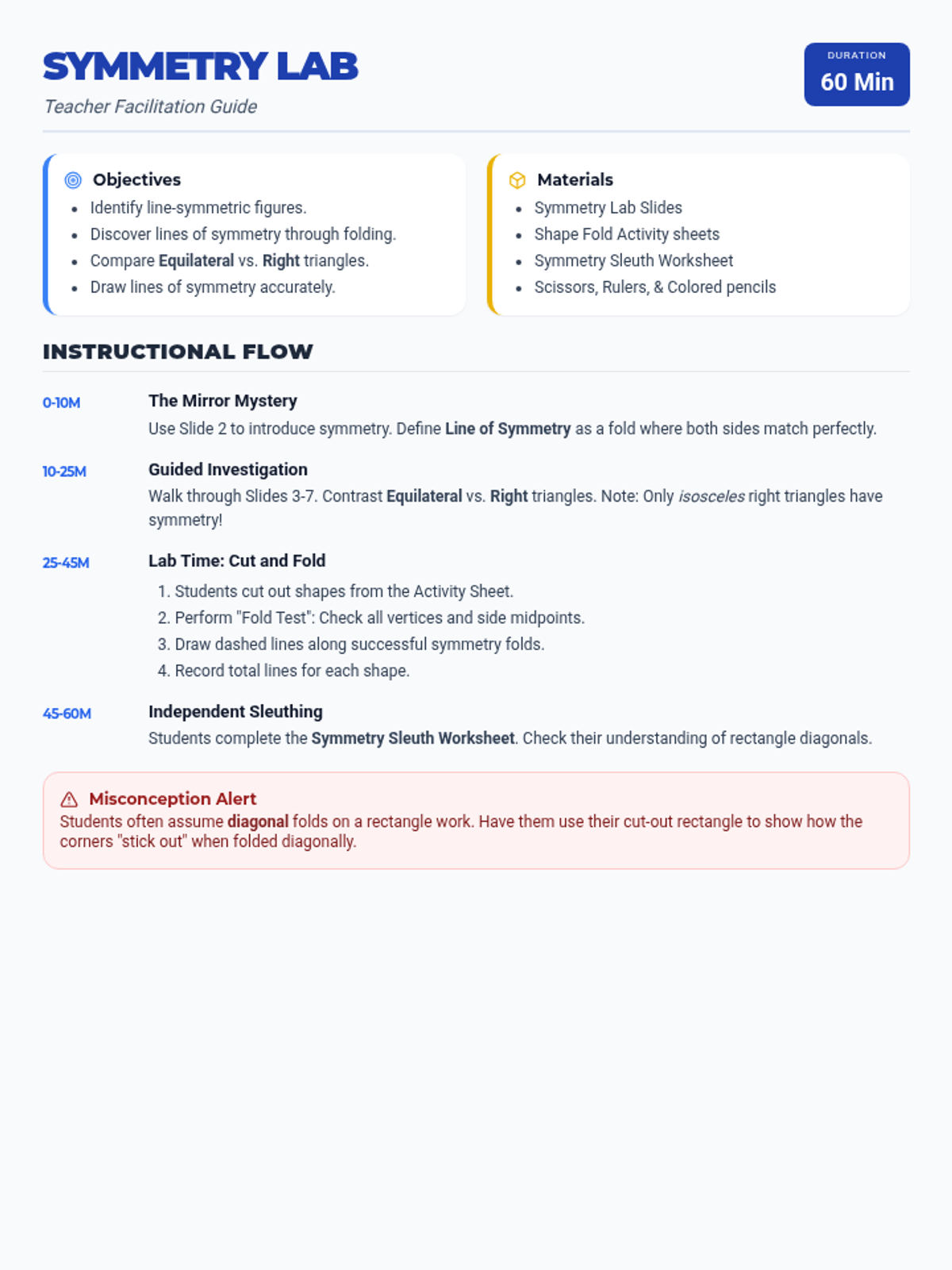
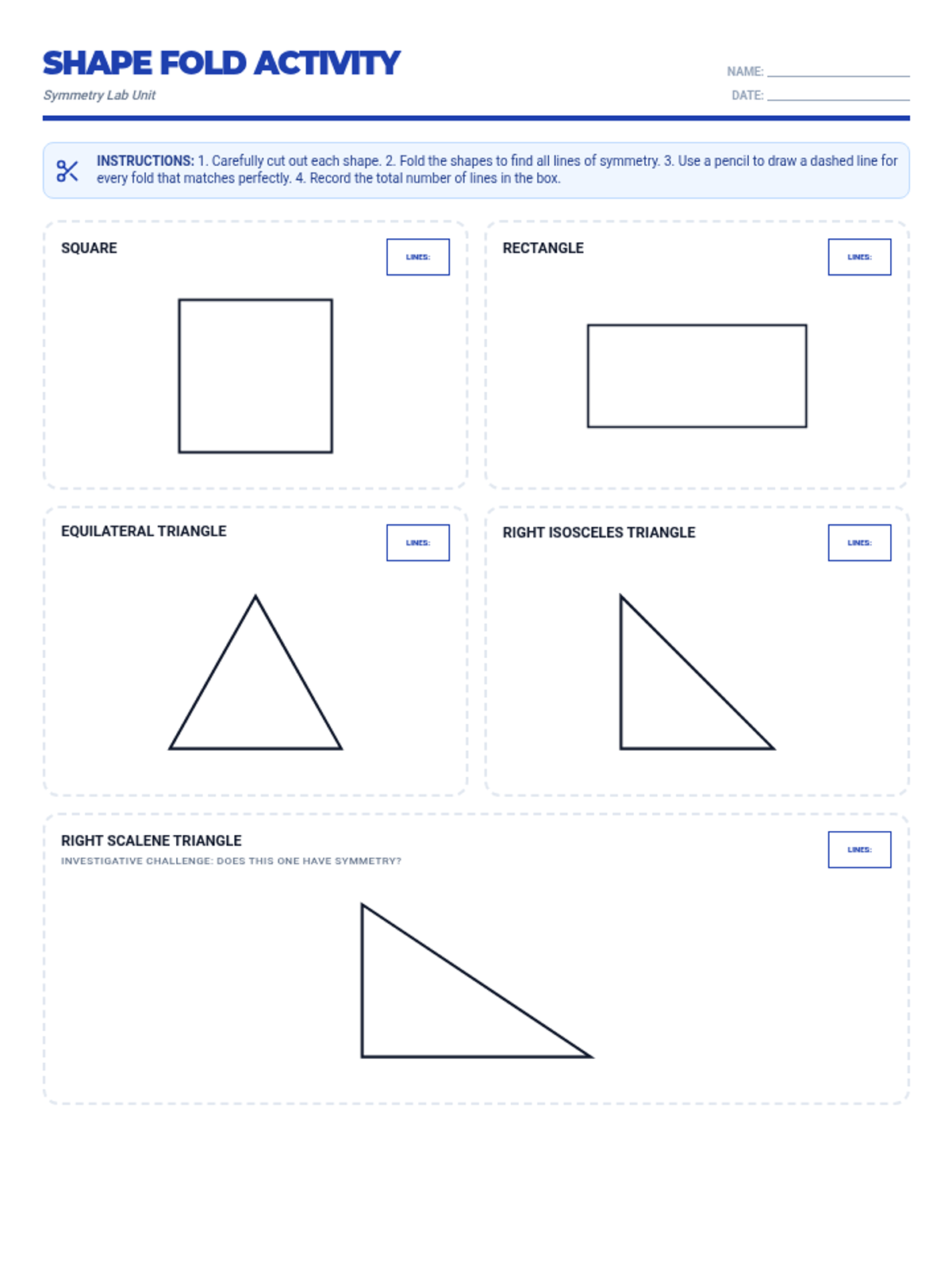
An investigative lesson where students use a 'cut and fold' technique to discover lines of symmetry in quadrilaterals and triangles.
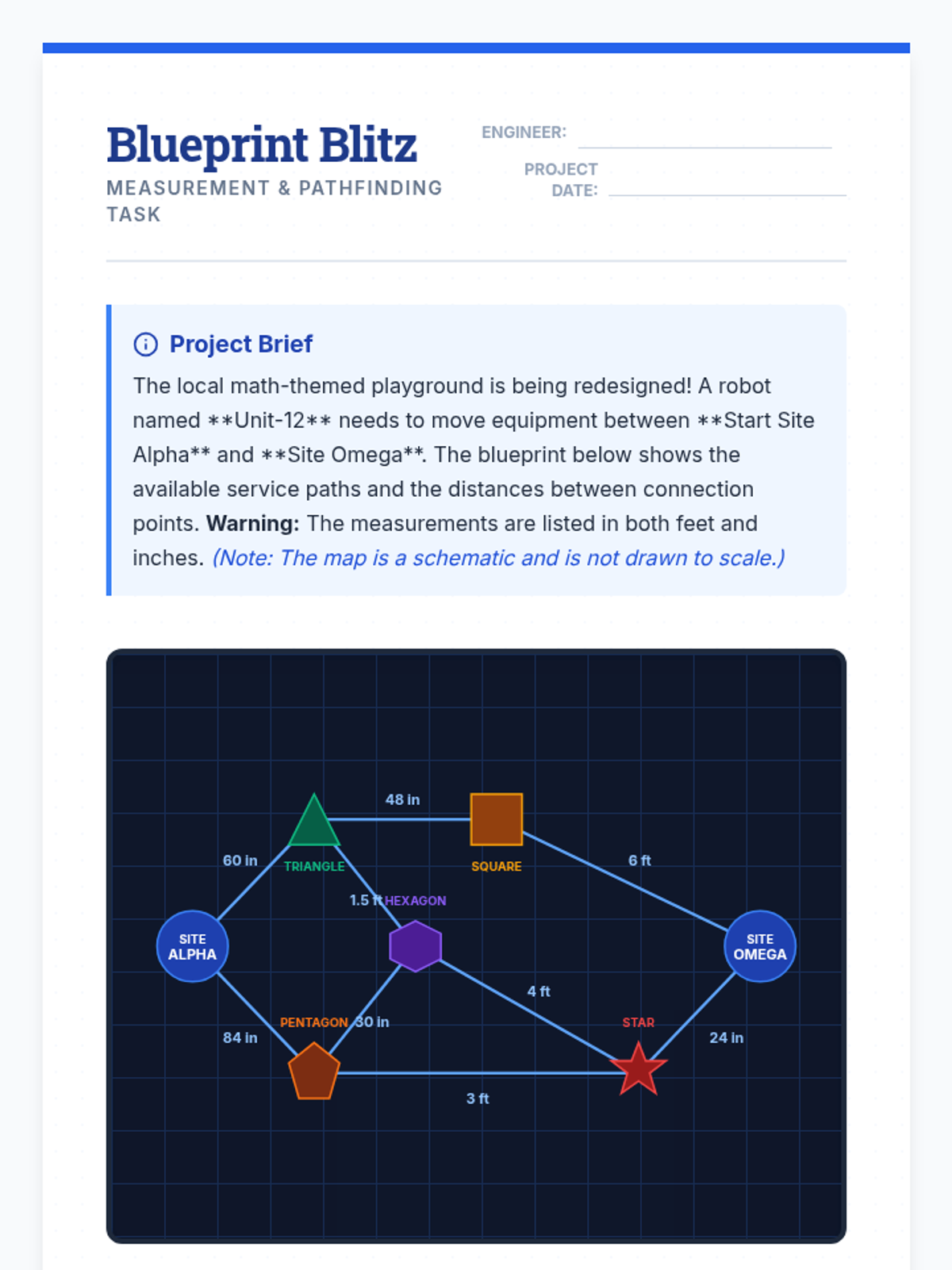
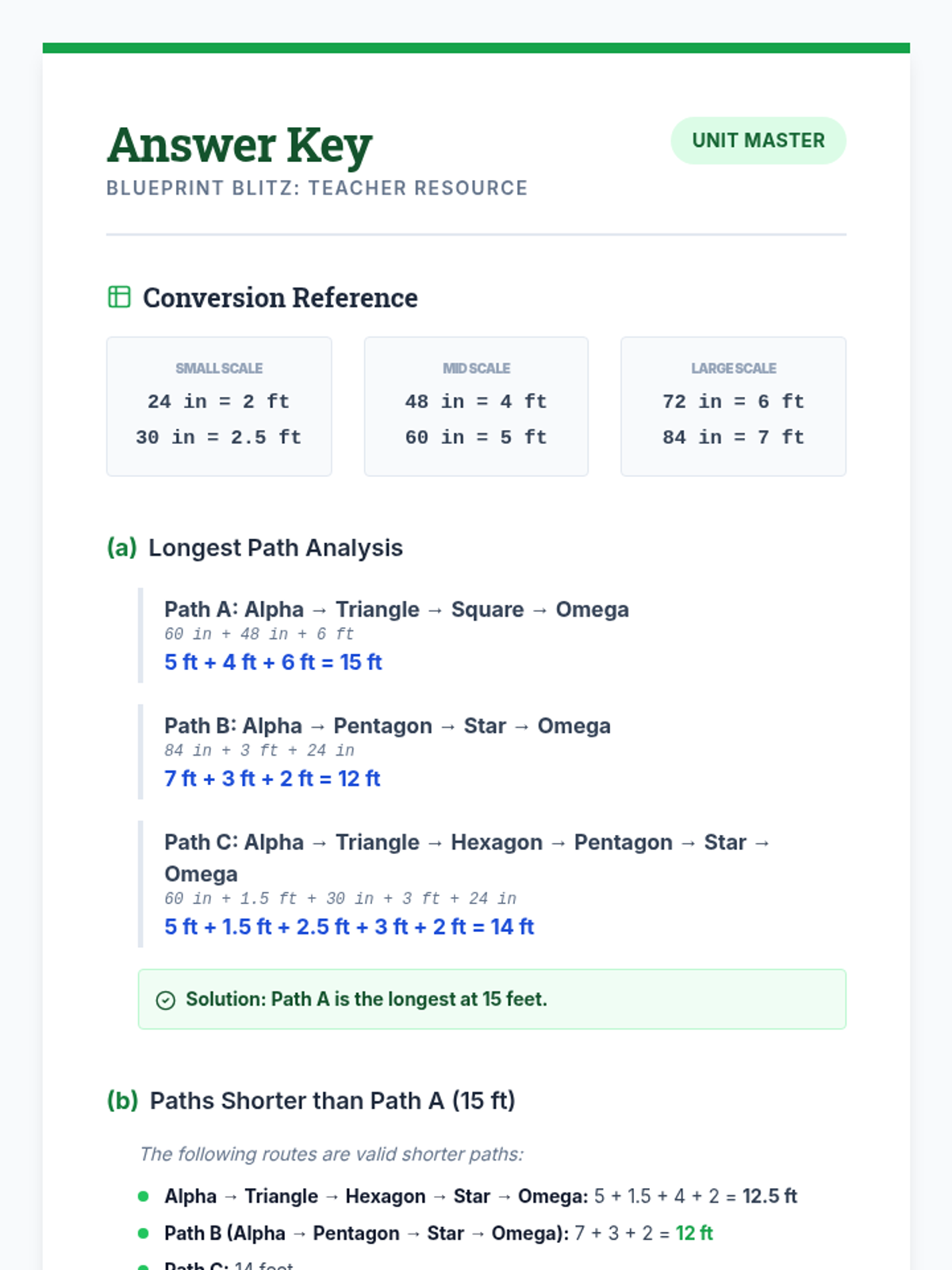
A lesson focused on unit conversion (feet and inches) through the lens of navigating a complex blueprint map. Students will calculate total distances of various paths and find the most efficient route.
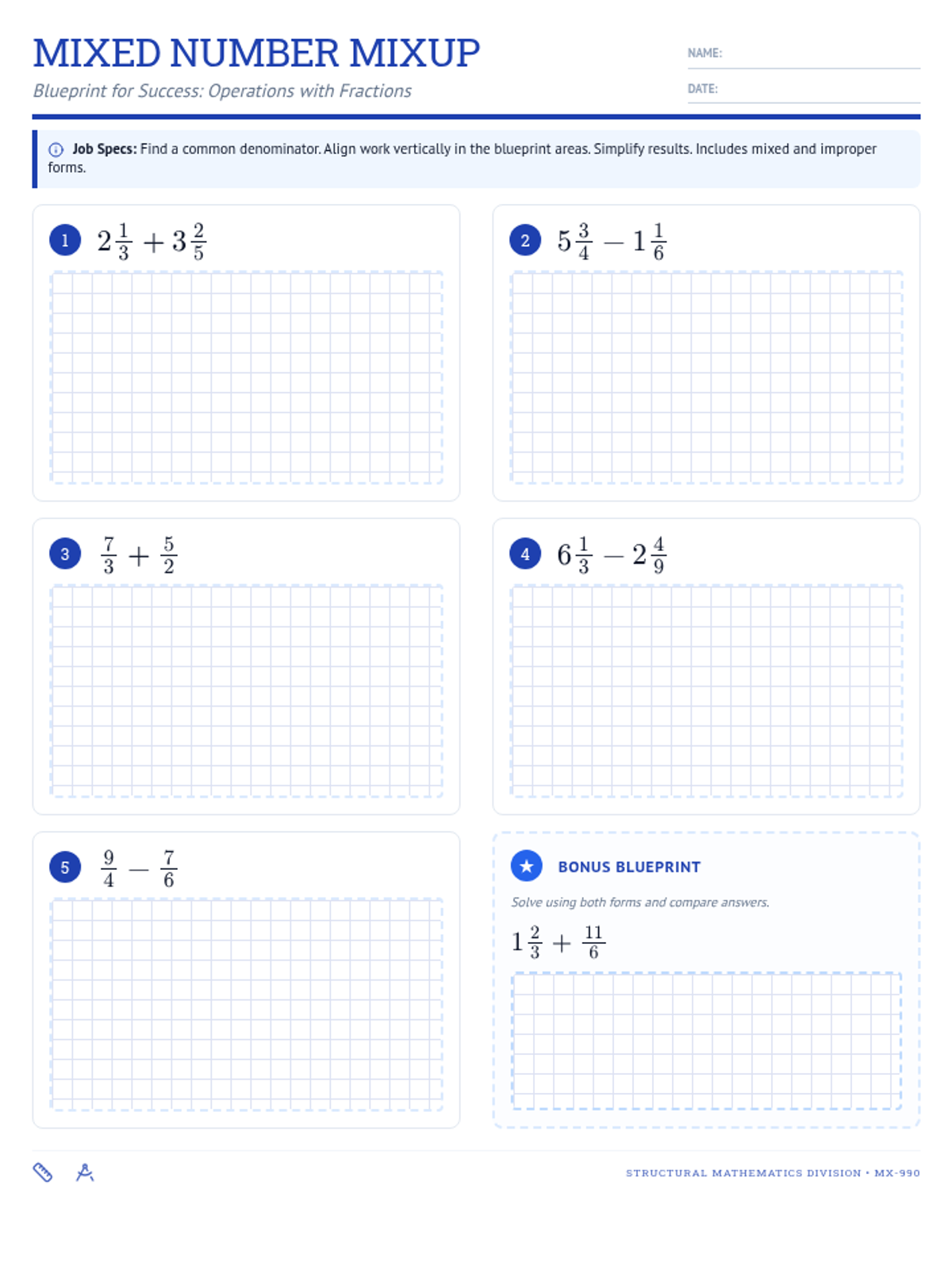
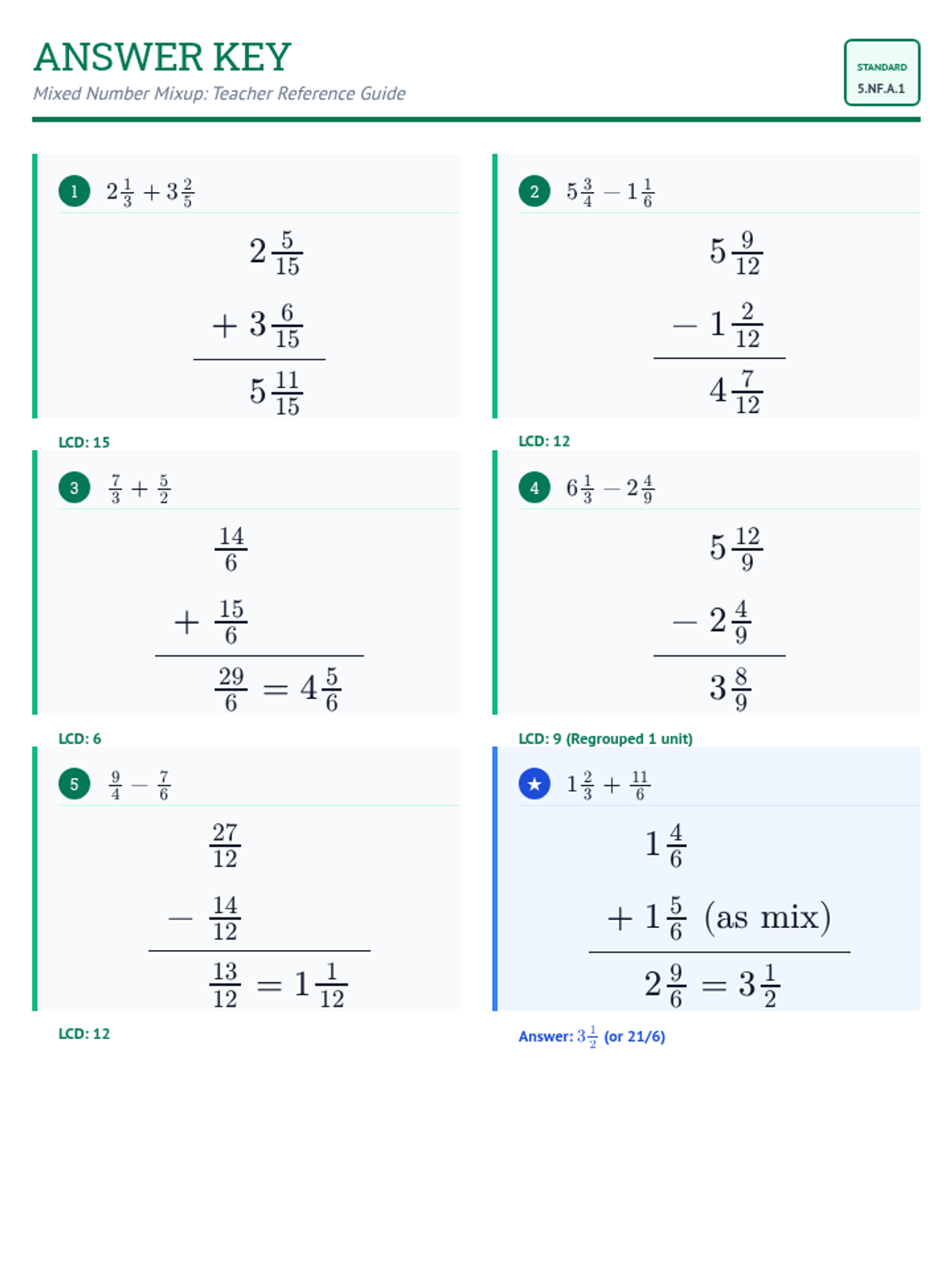
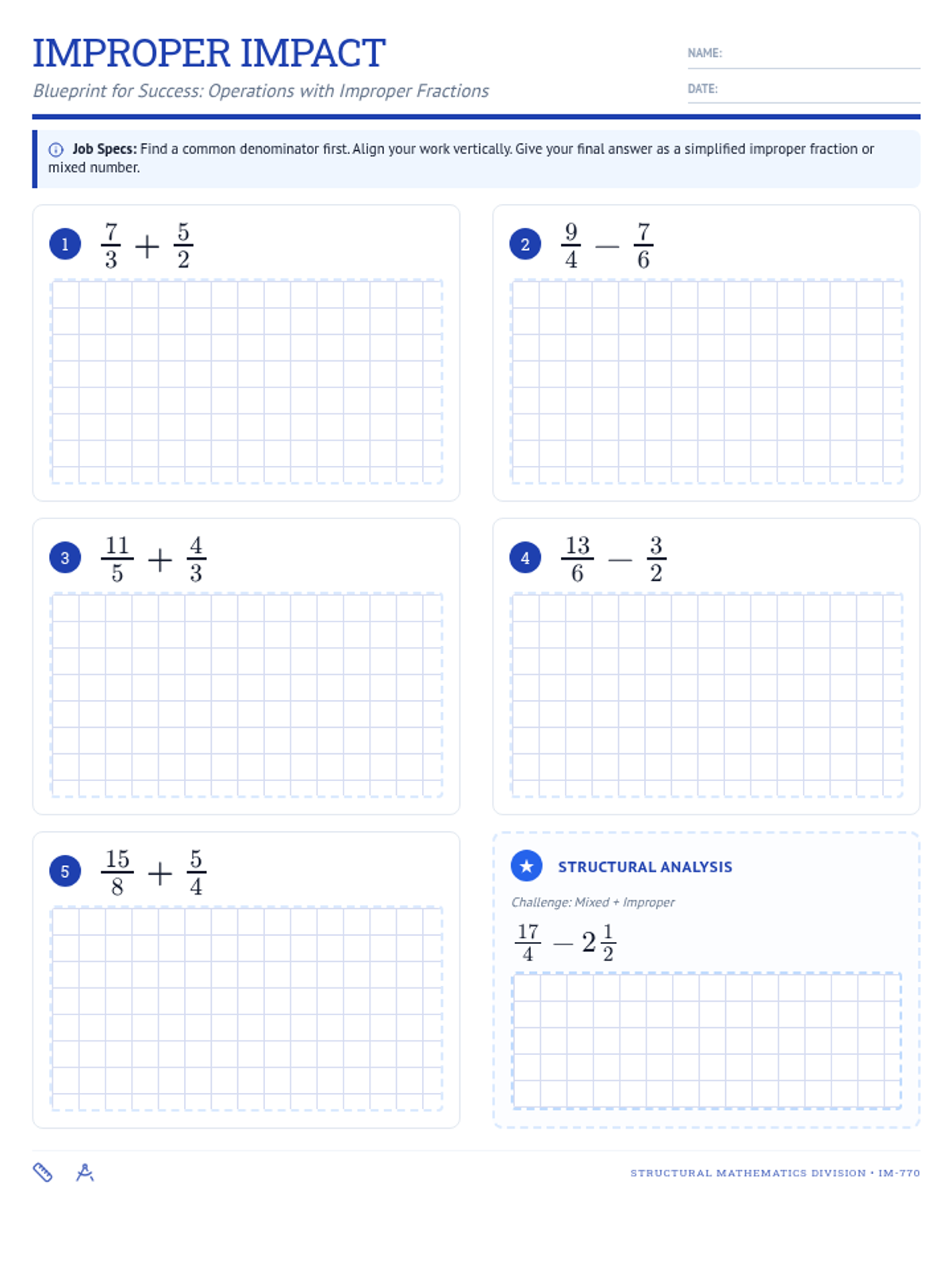
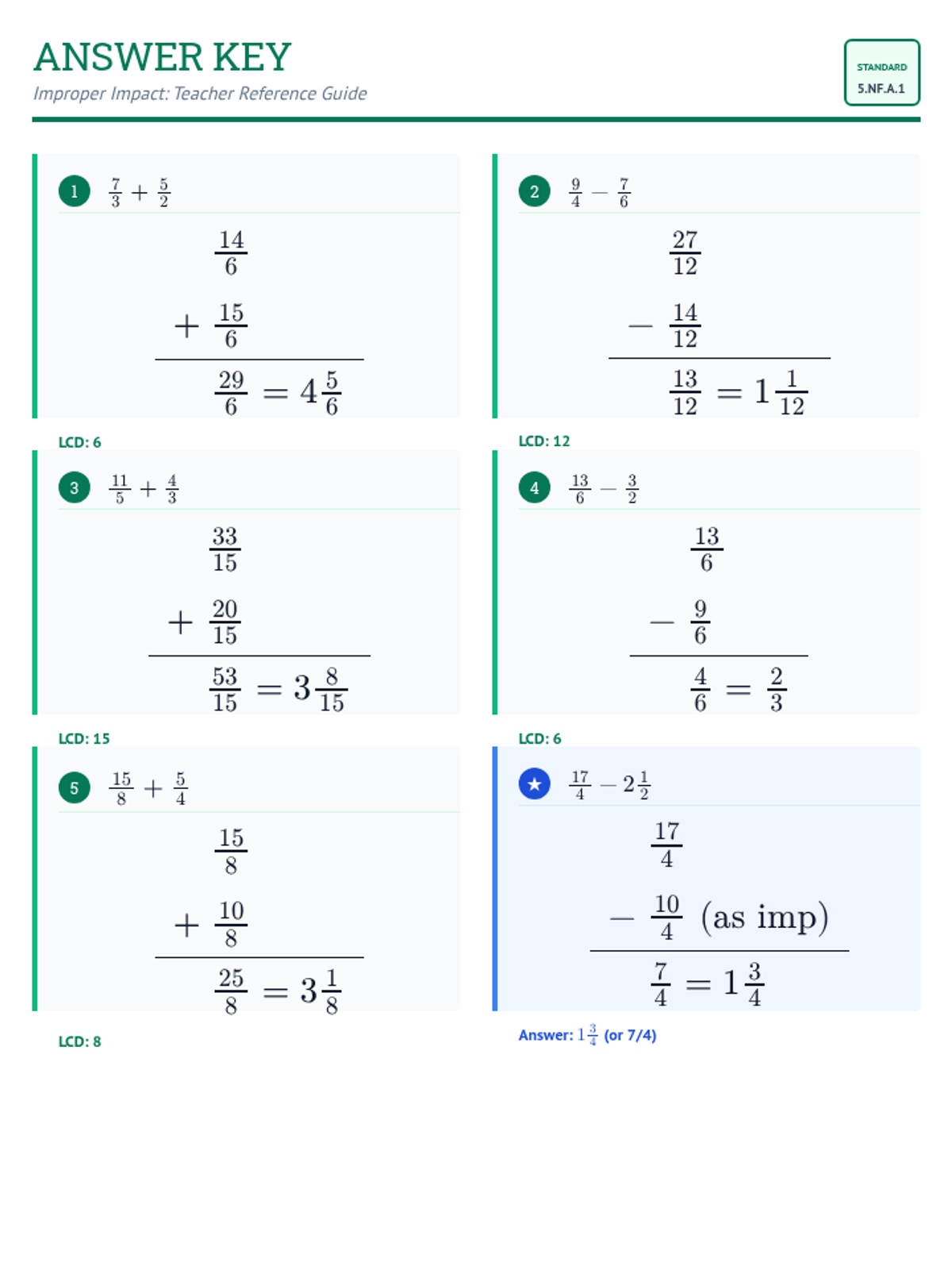
A comprehensive lesson on operations with mixed numbers and improper fractions, focusing on finding common denominators, regrouping, and converting between forms.
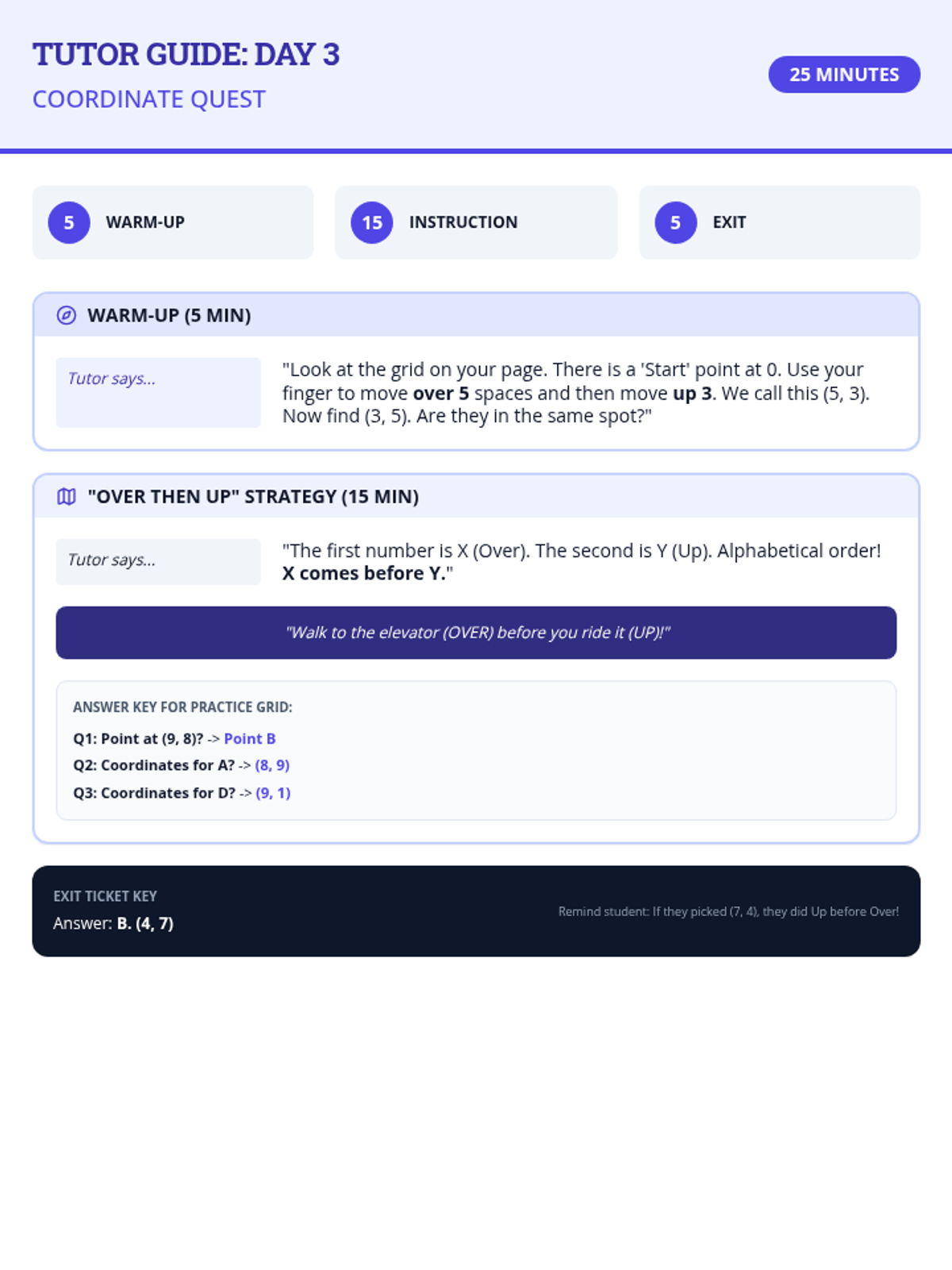
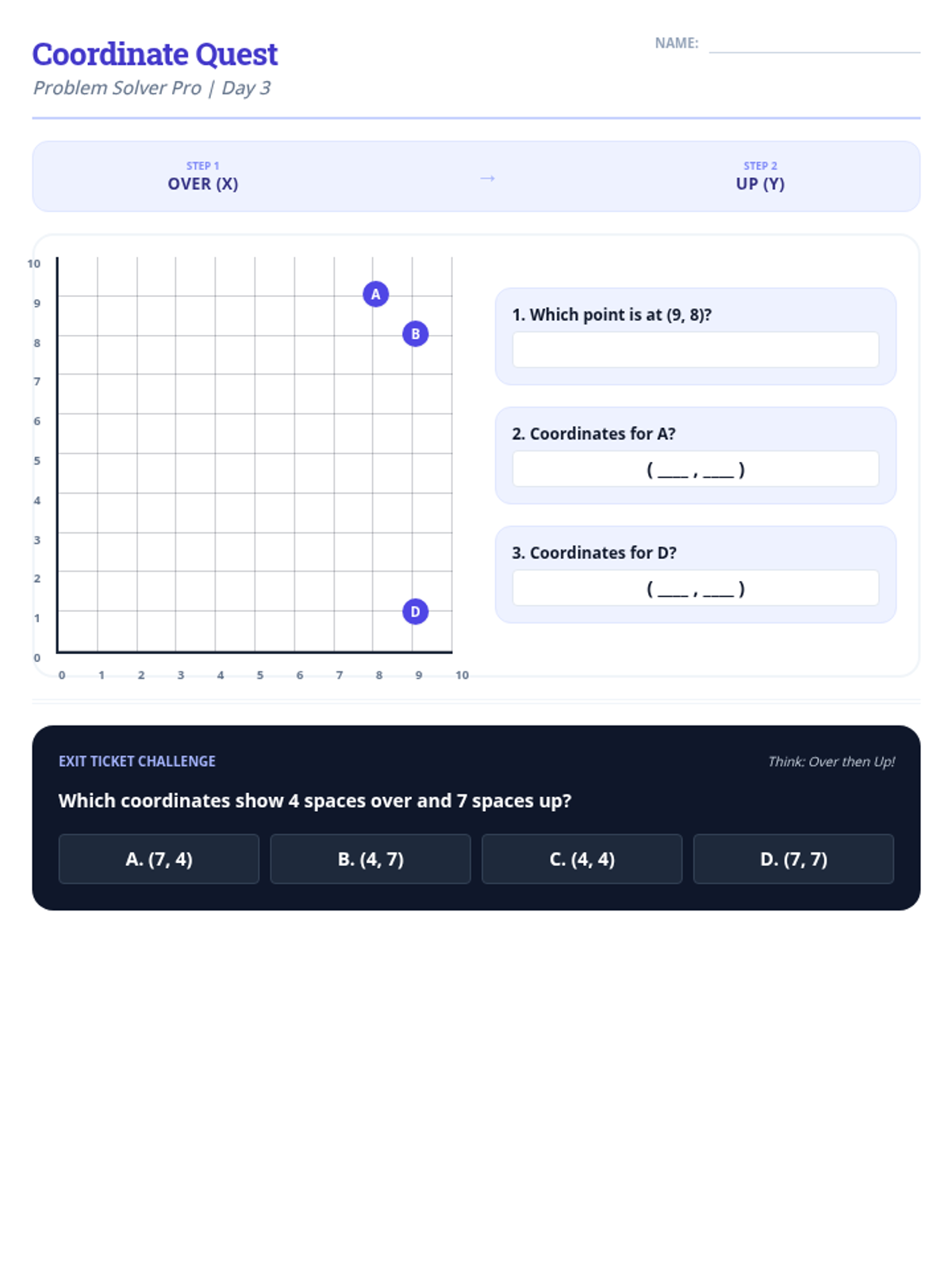
Introduces and reinforces the use of coordinate planes, focusing on identifying (x, y) coordinates using the 'over then up' strategy.
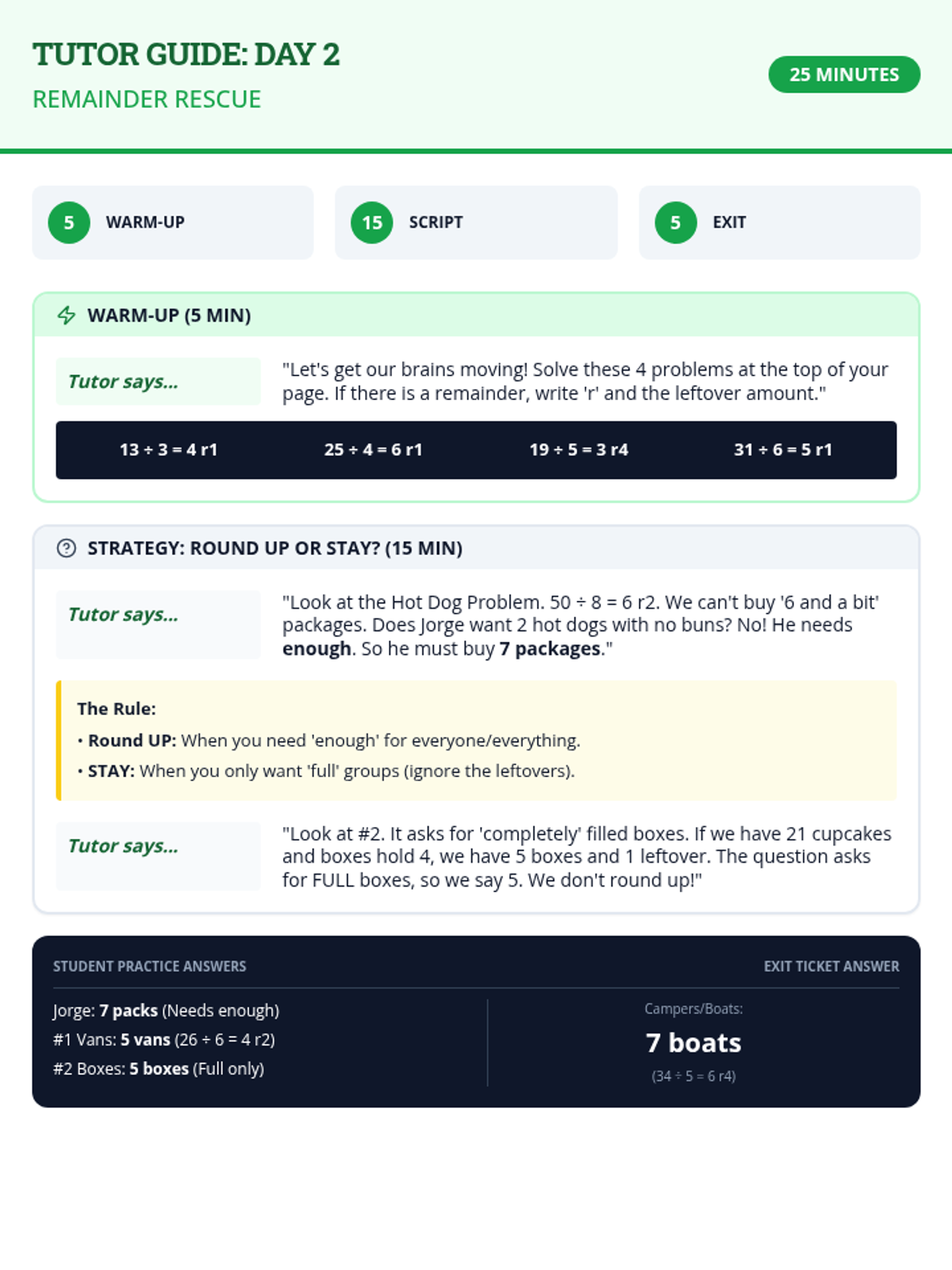
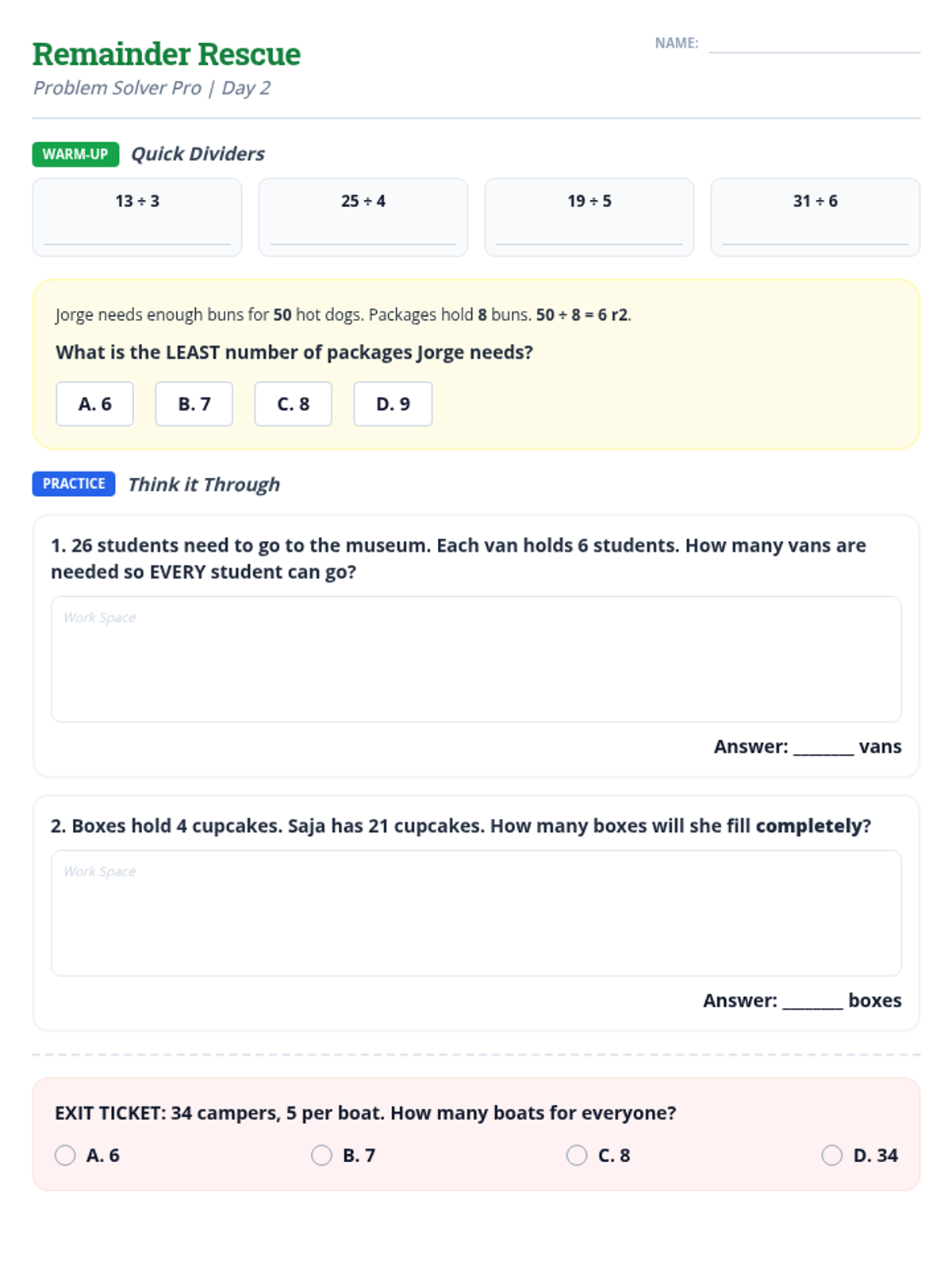
Teaches students how to interpret remainders in real-world division problems, specifically deciding when to 'round up' to ensure everyone or everything is included.
Focuses on adding and subtracting fractions with like denominators, emphasizing that the denominator represents the size of the piece and remains constant.
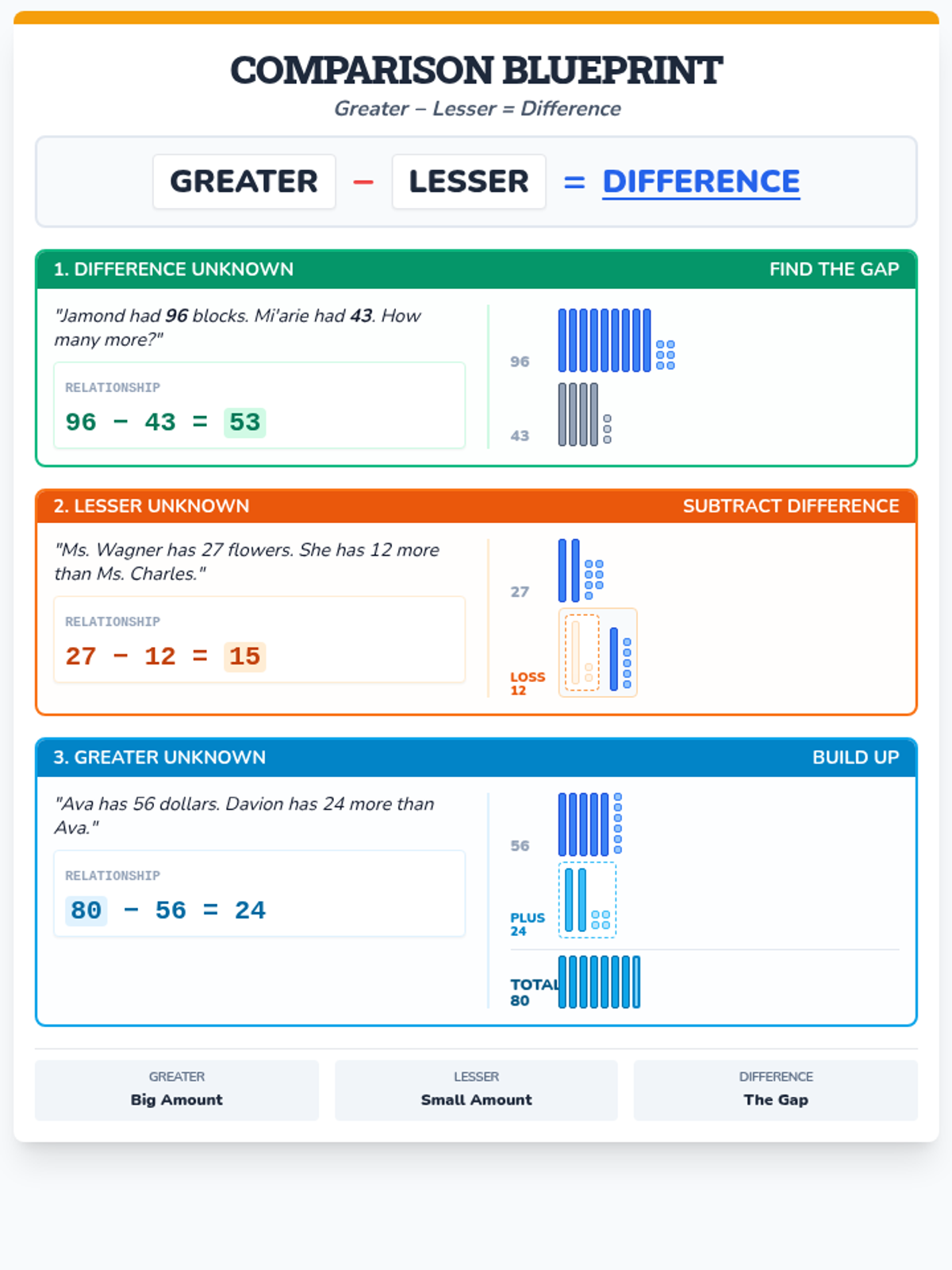
A comprehensive lesson on understanding and solving comparison story problems using the Greater-Lesser-Difference relationship and base ten block visuals.
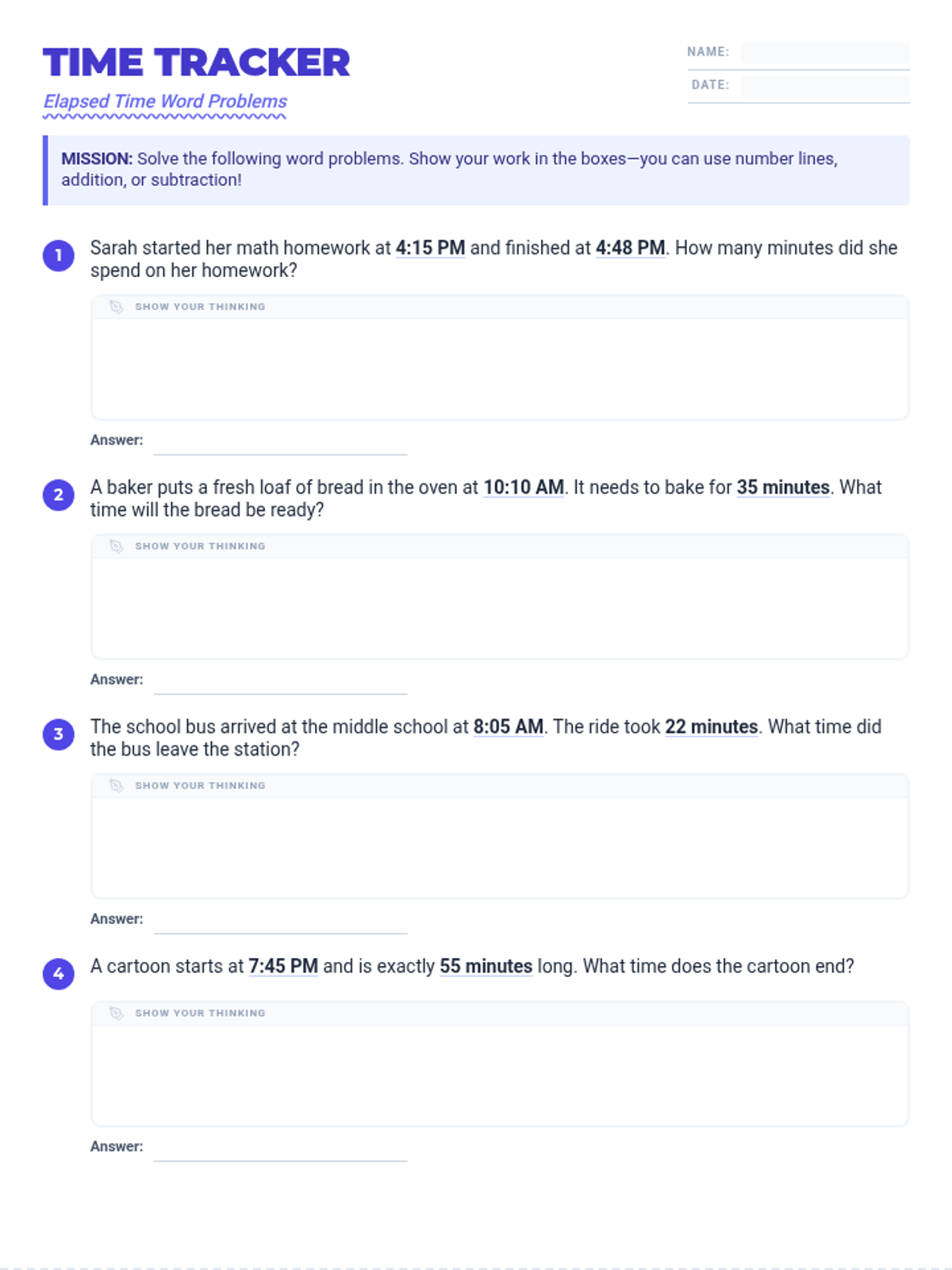
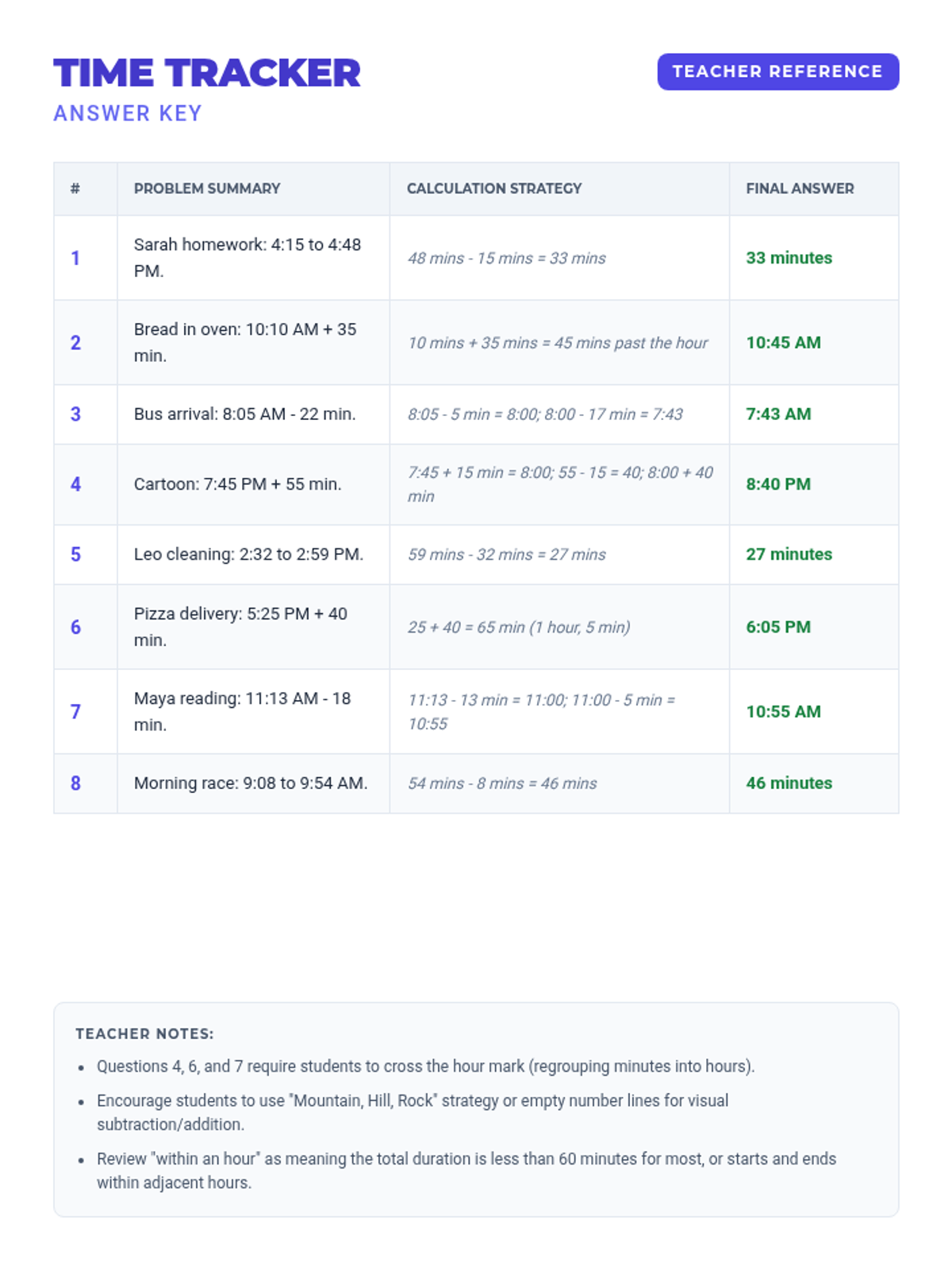
A practice-focused lesson on calculating elapsed time within a single hour, including word problems that cover finding start times, end times, and durations.
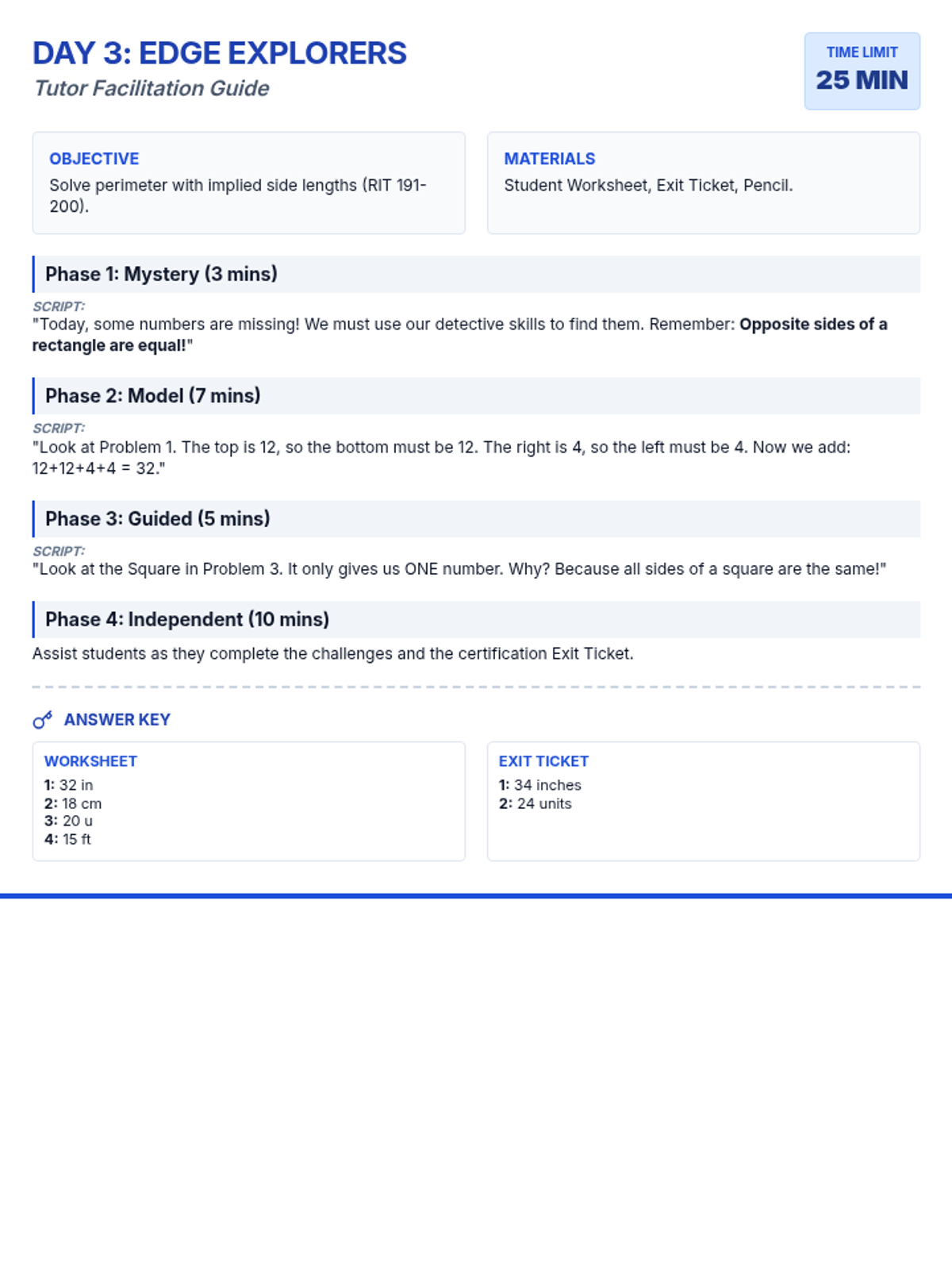
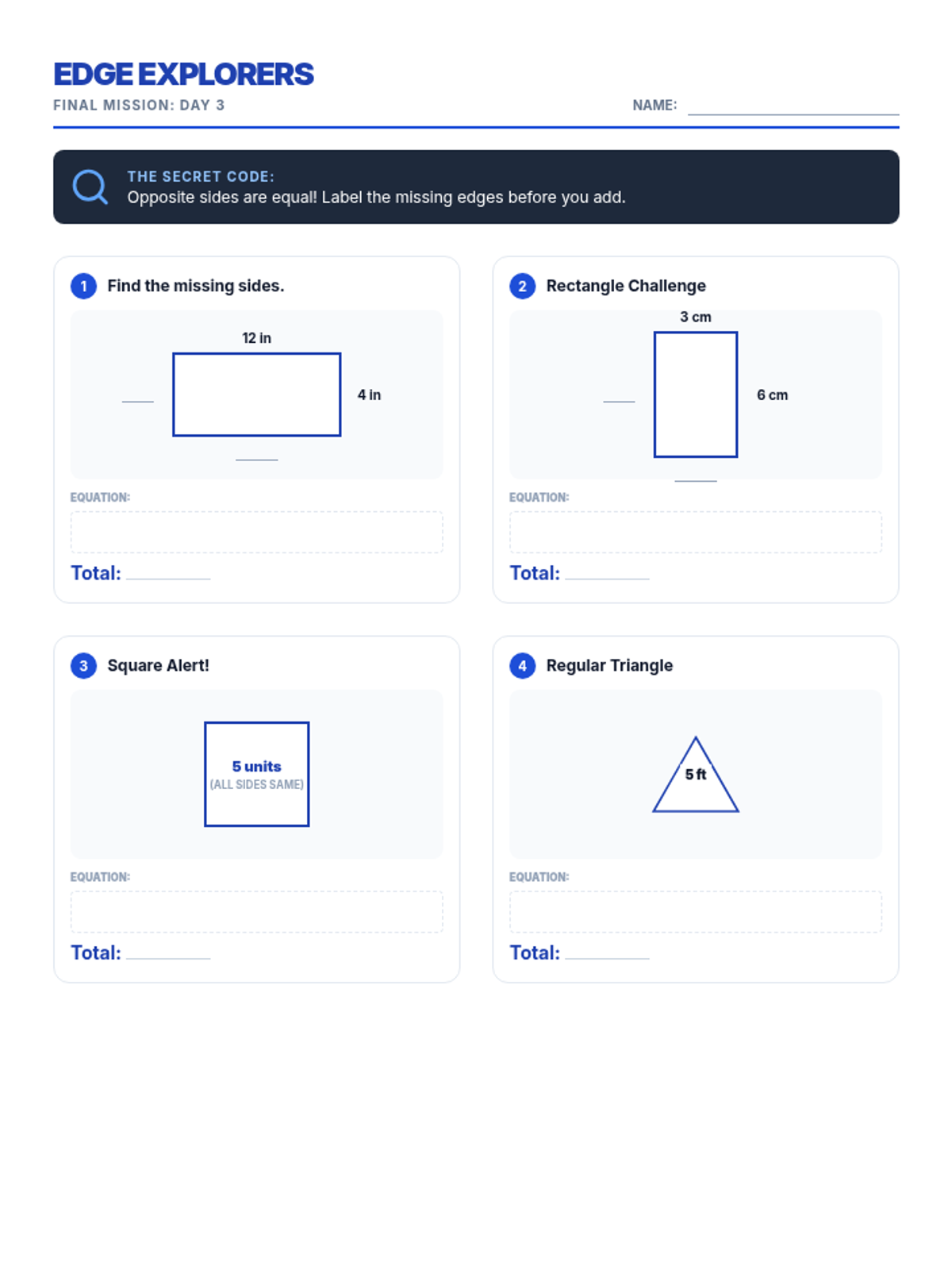
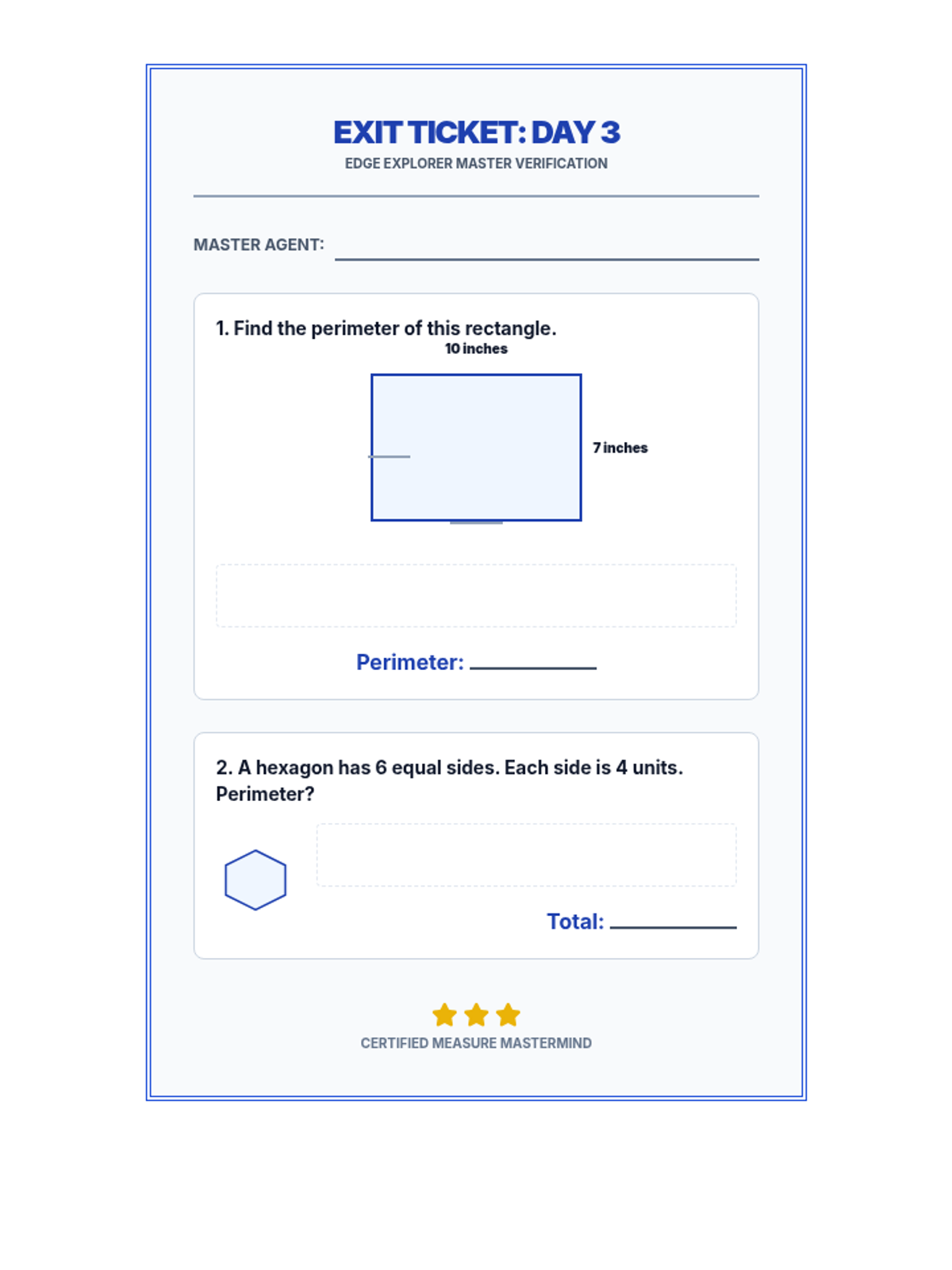
Students solve perimeter problems where some side lengths are implied or shapes are complex (191-200 focus).
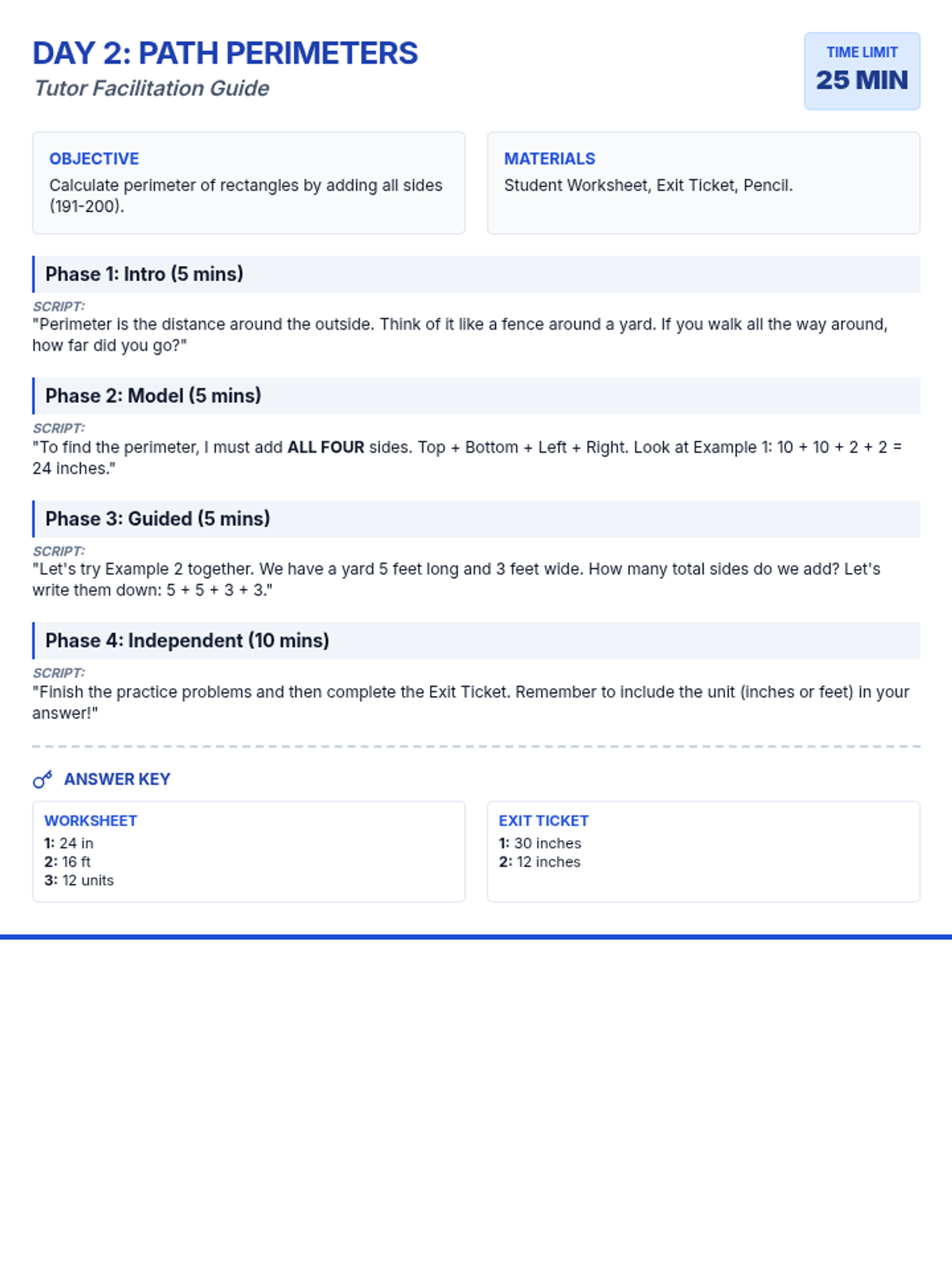
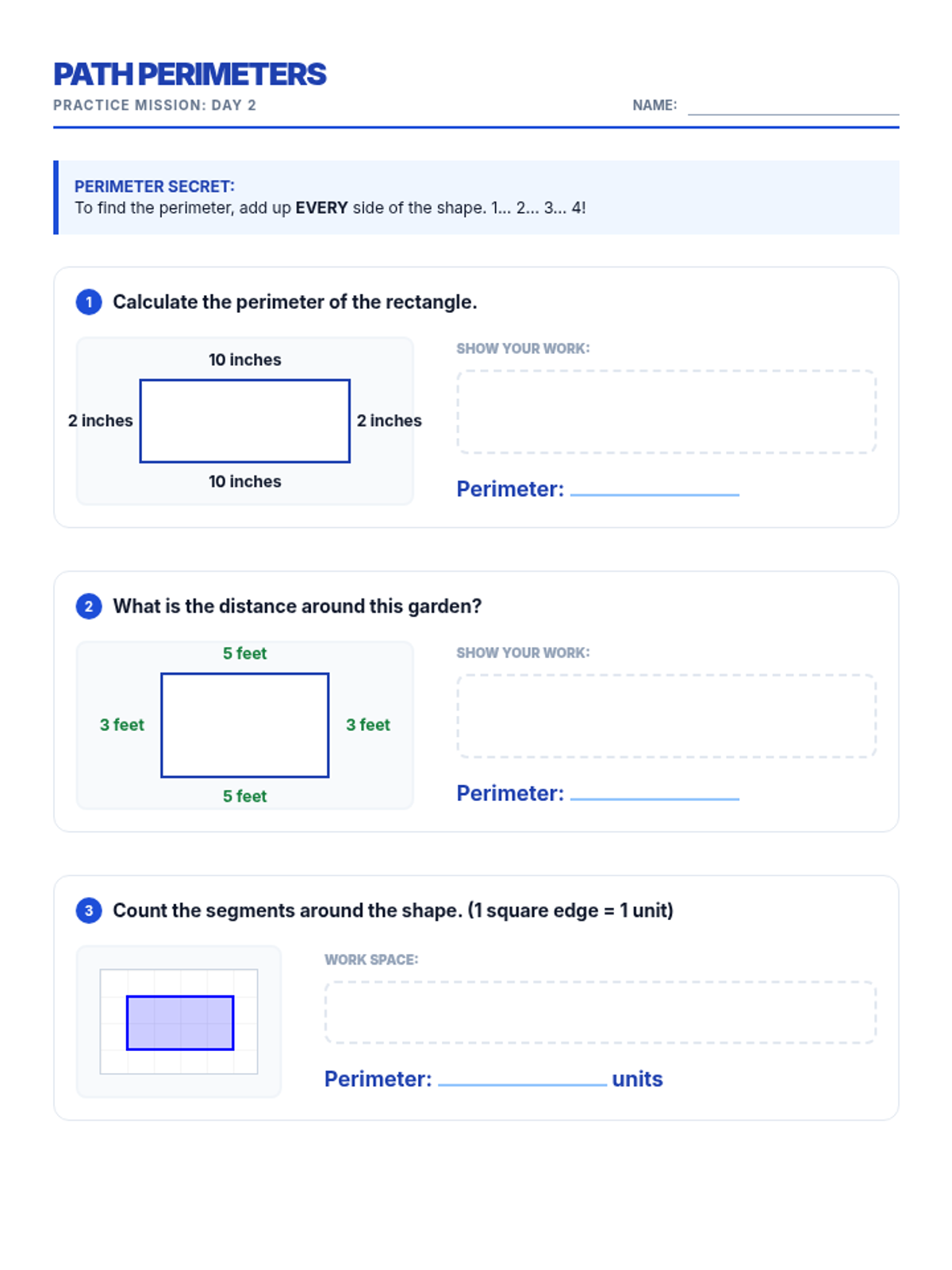
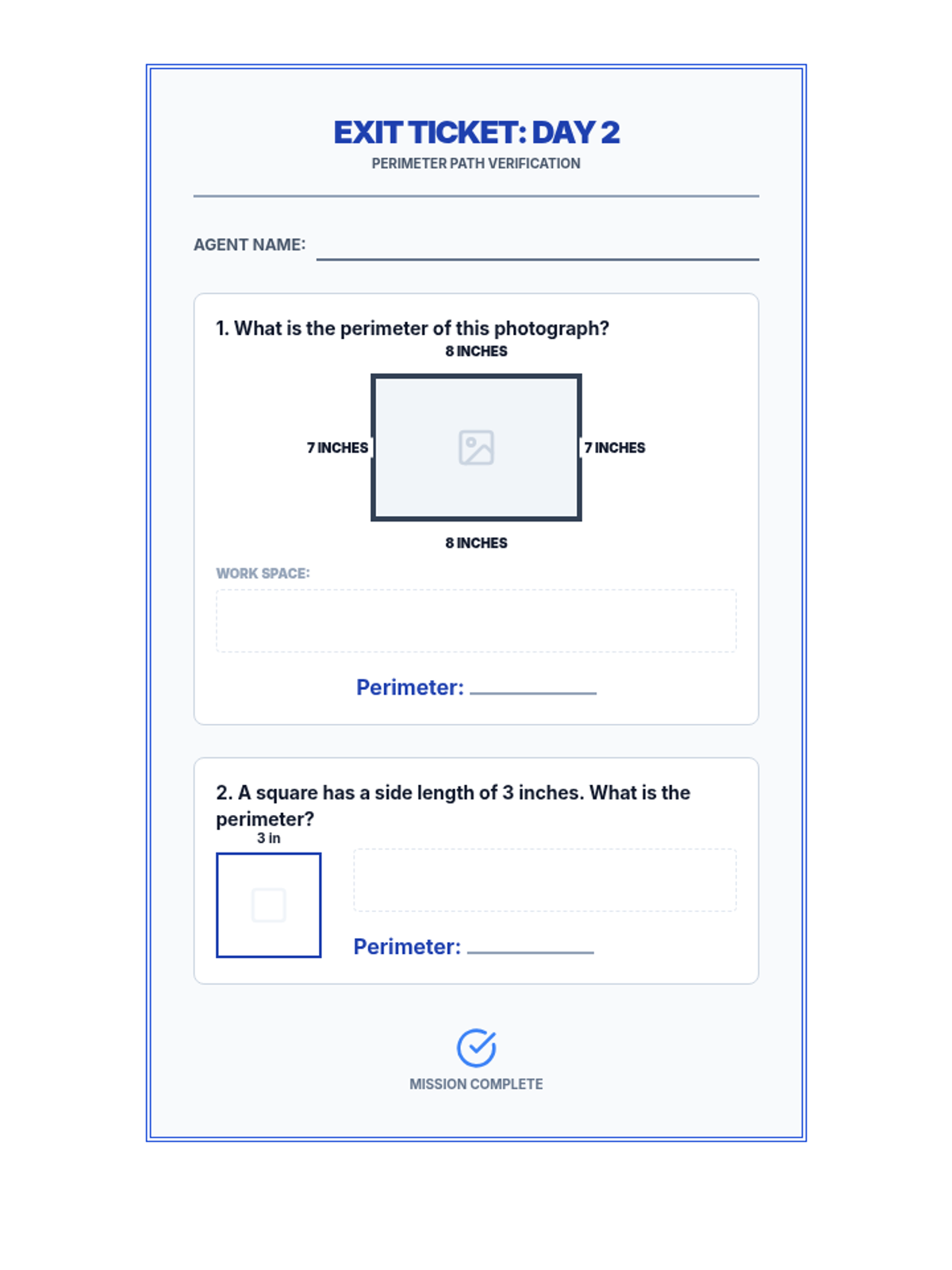
Students transition from basic counting and addition to calculating the perimeter of rectangles (191-200).
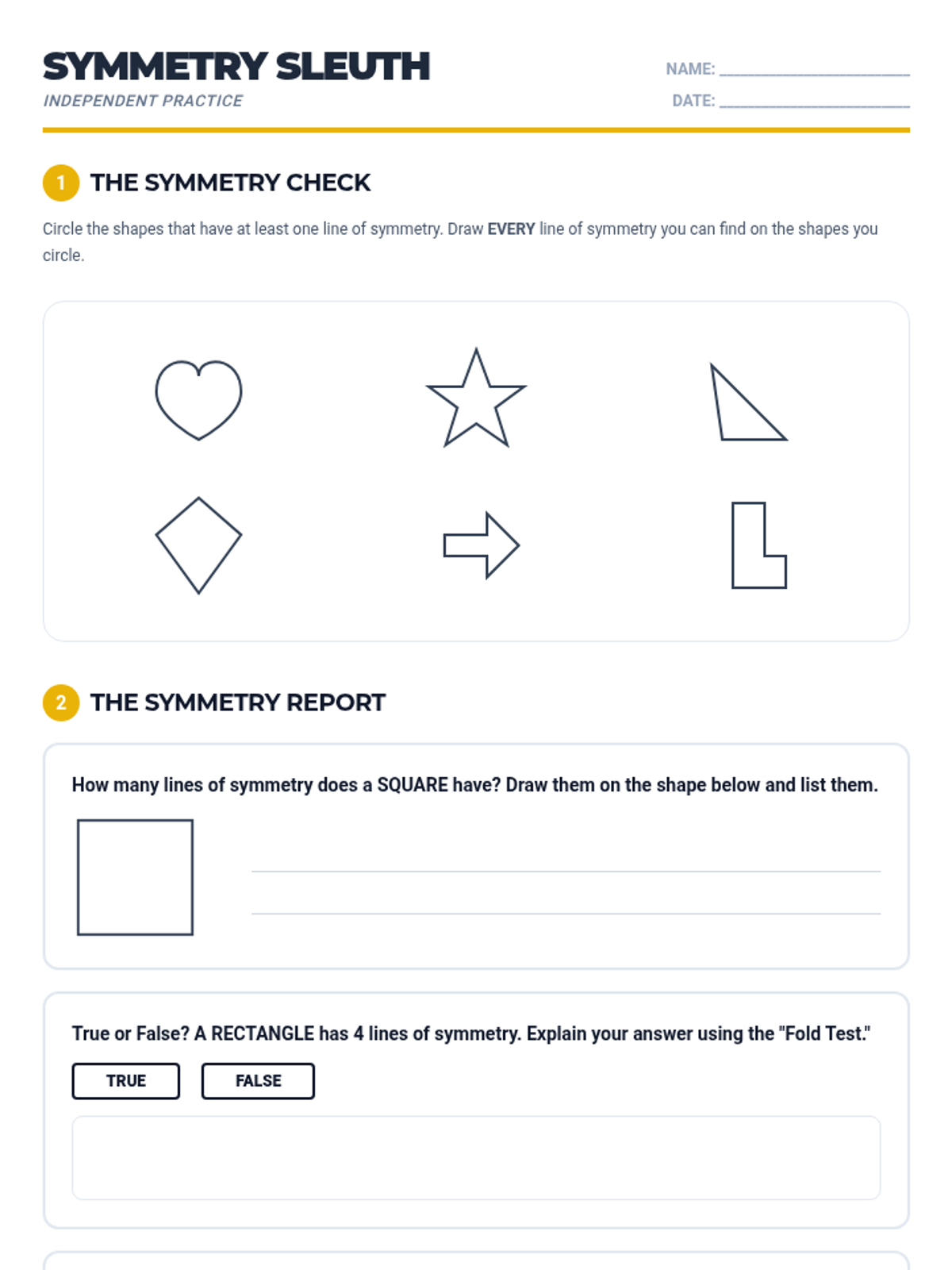
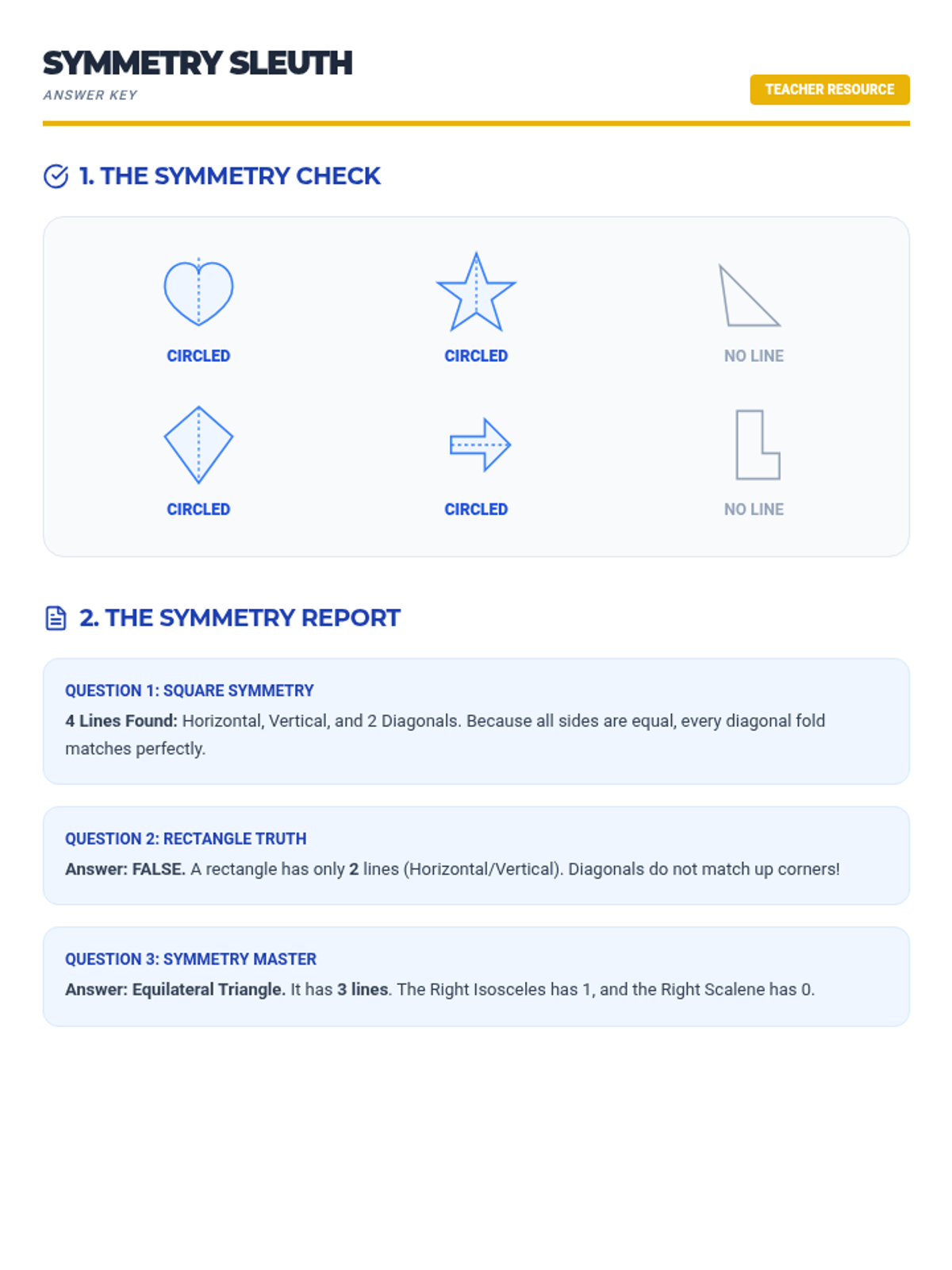
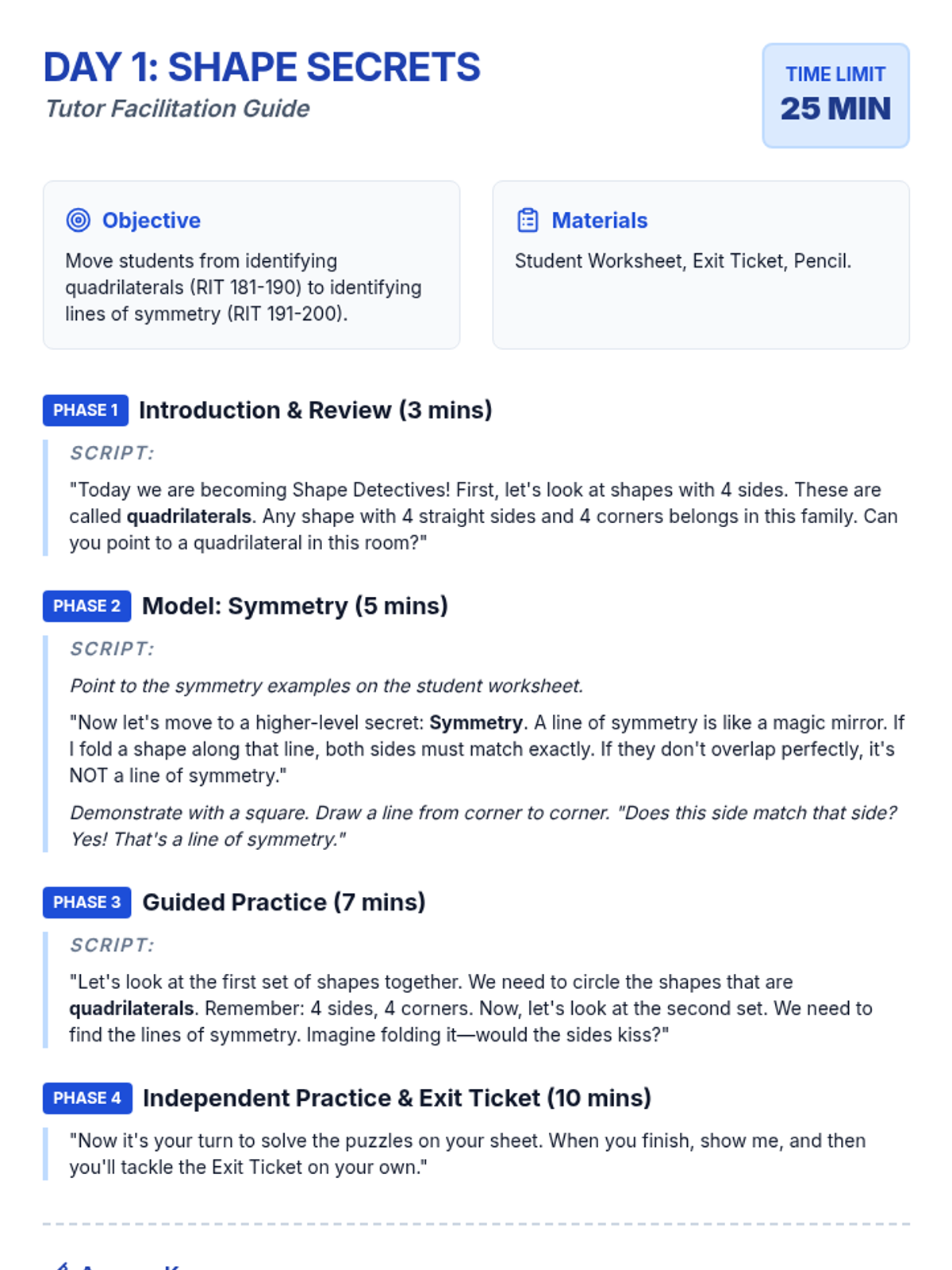
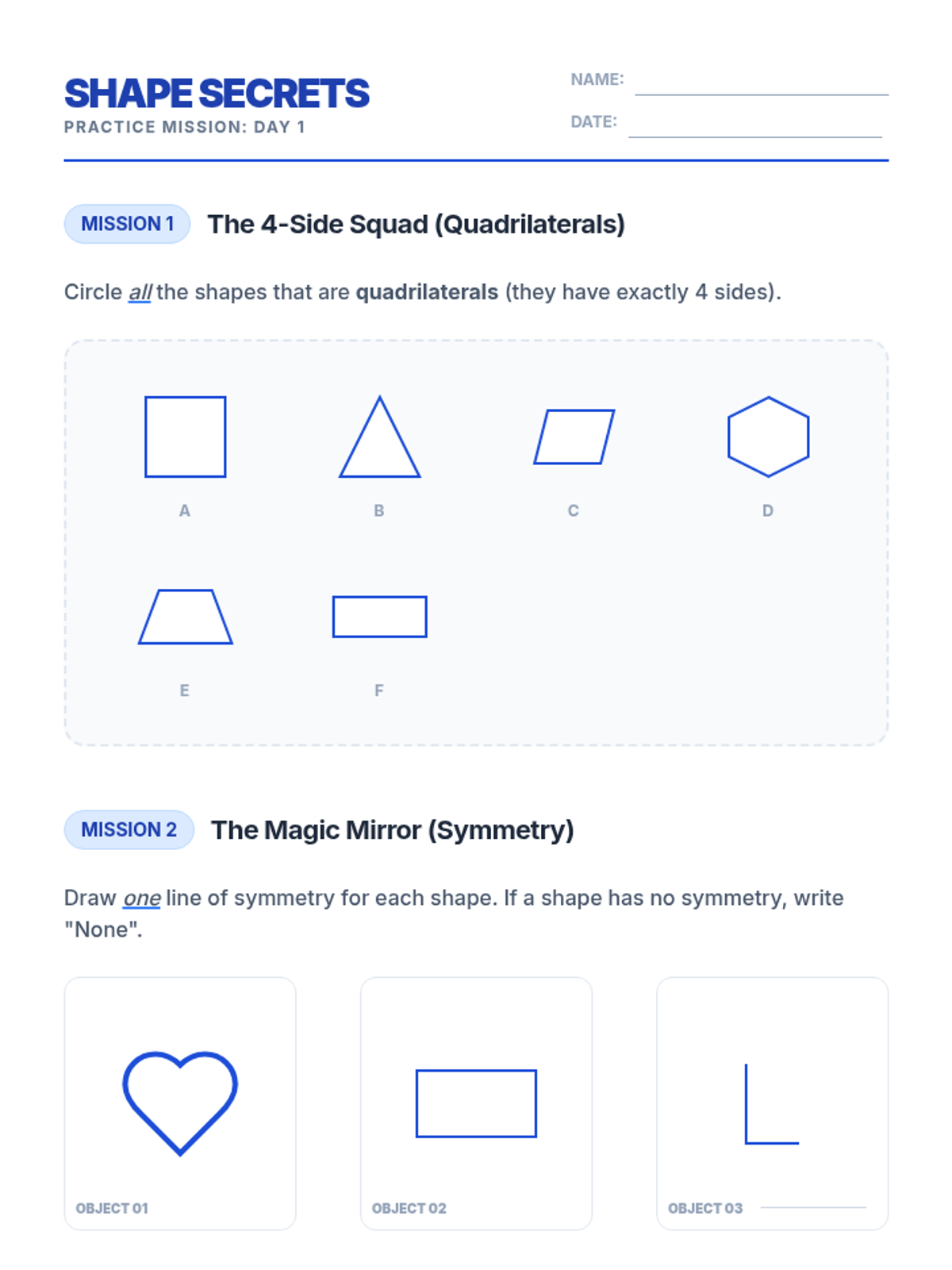
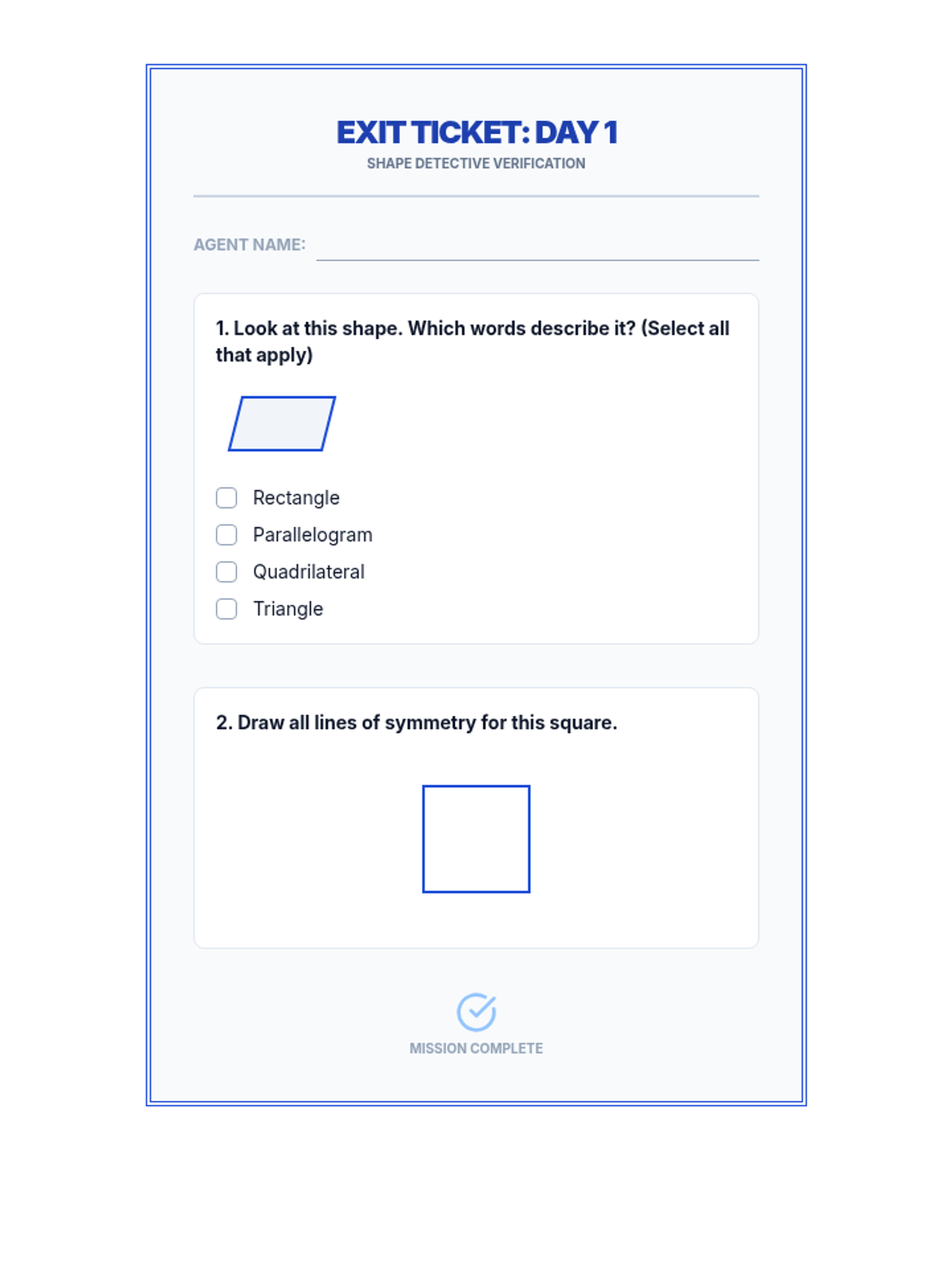
Students identify attributes of quadrilaterals (181-190) and explore lines of symmetry in 2D shapes (191-200).
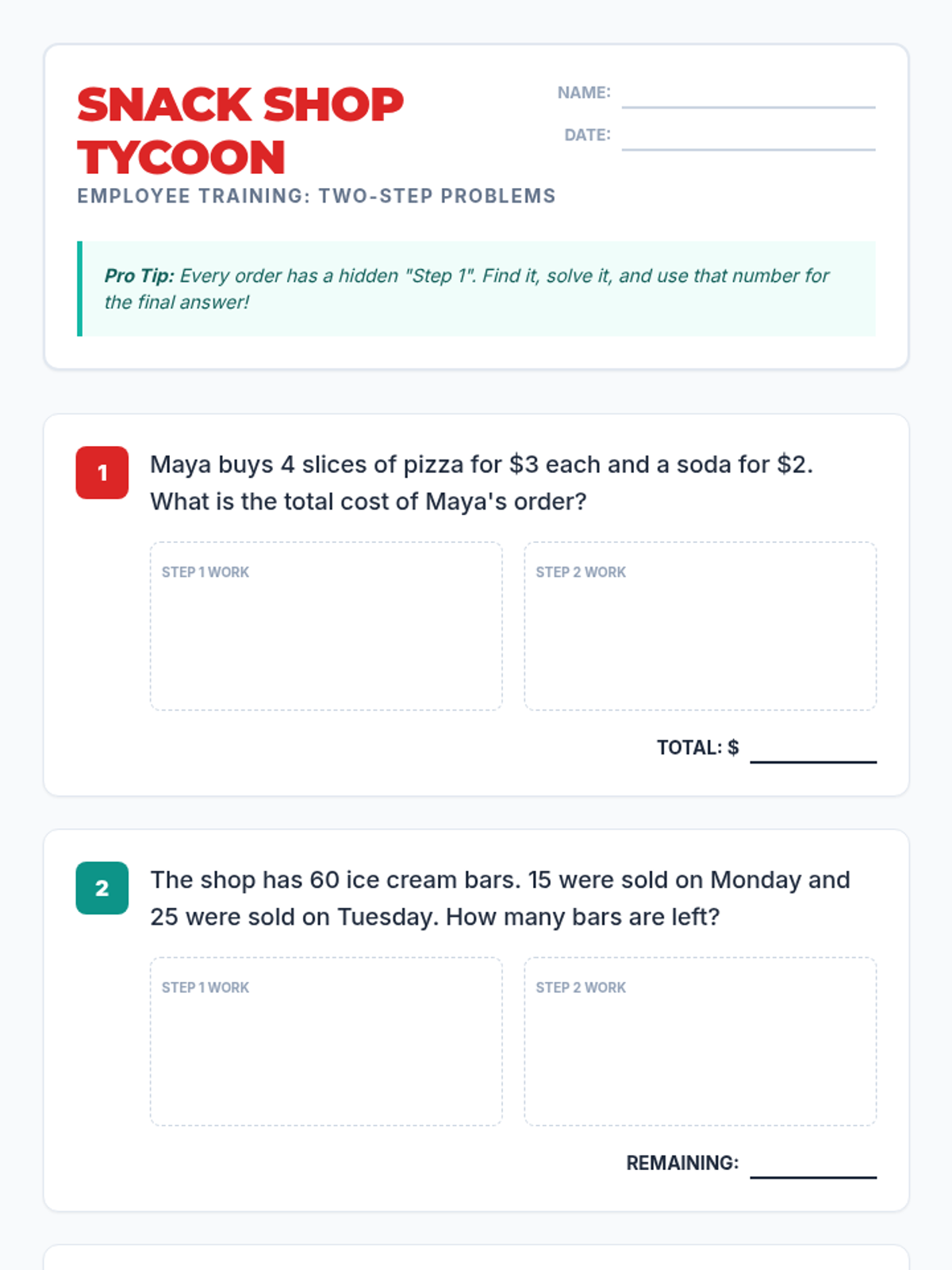
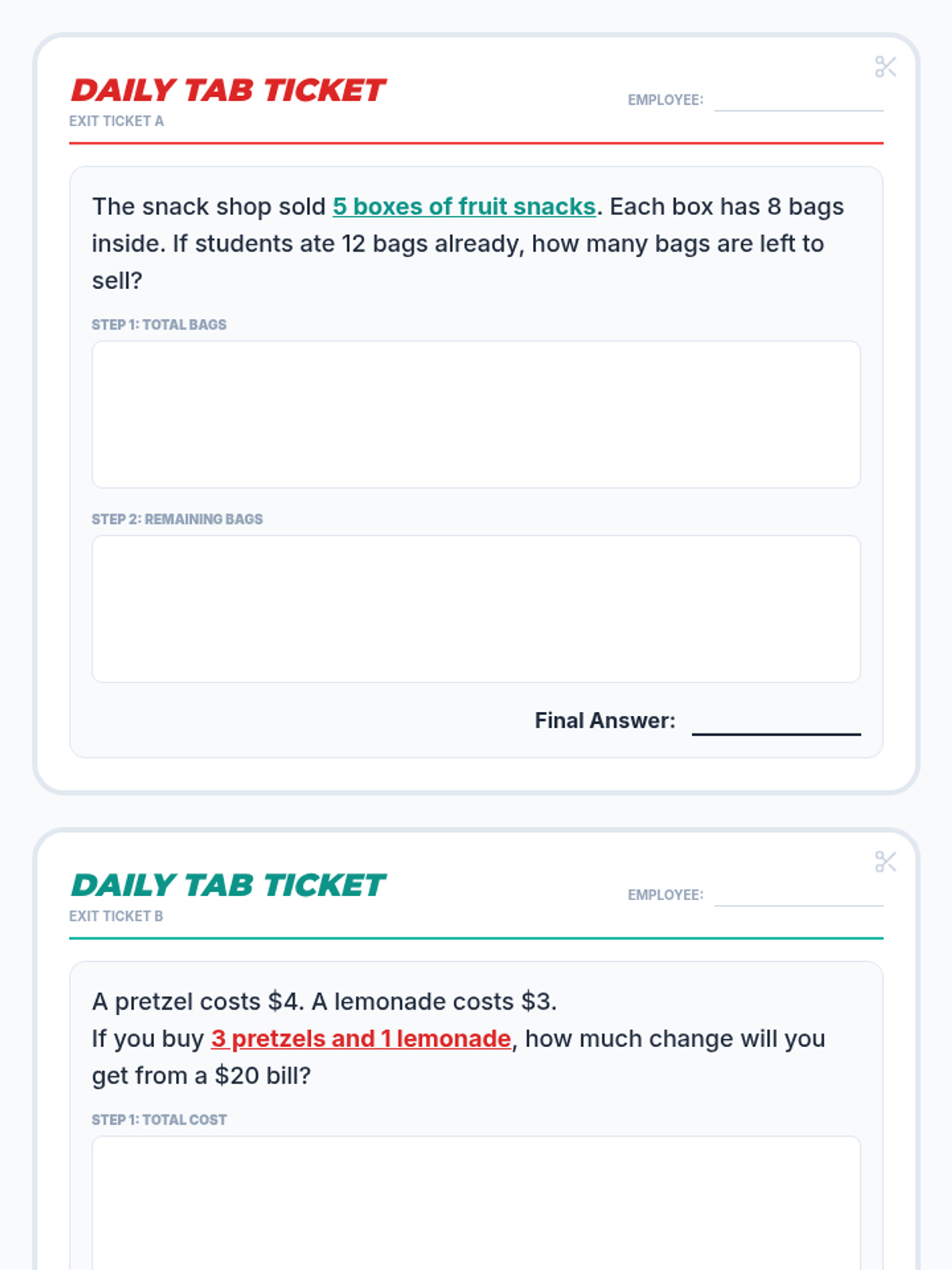
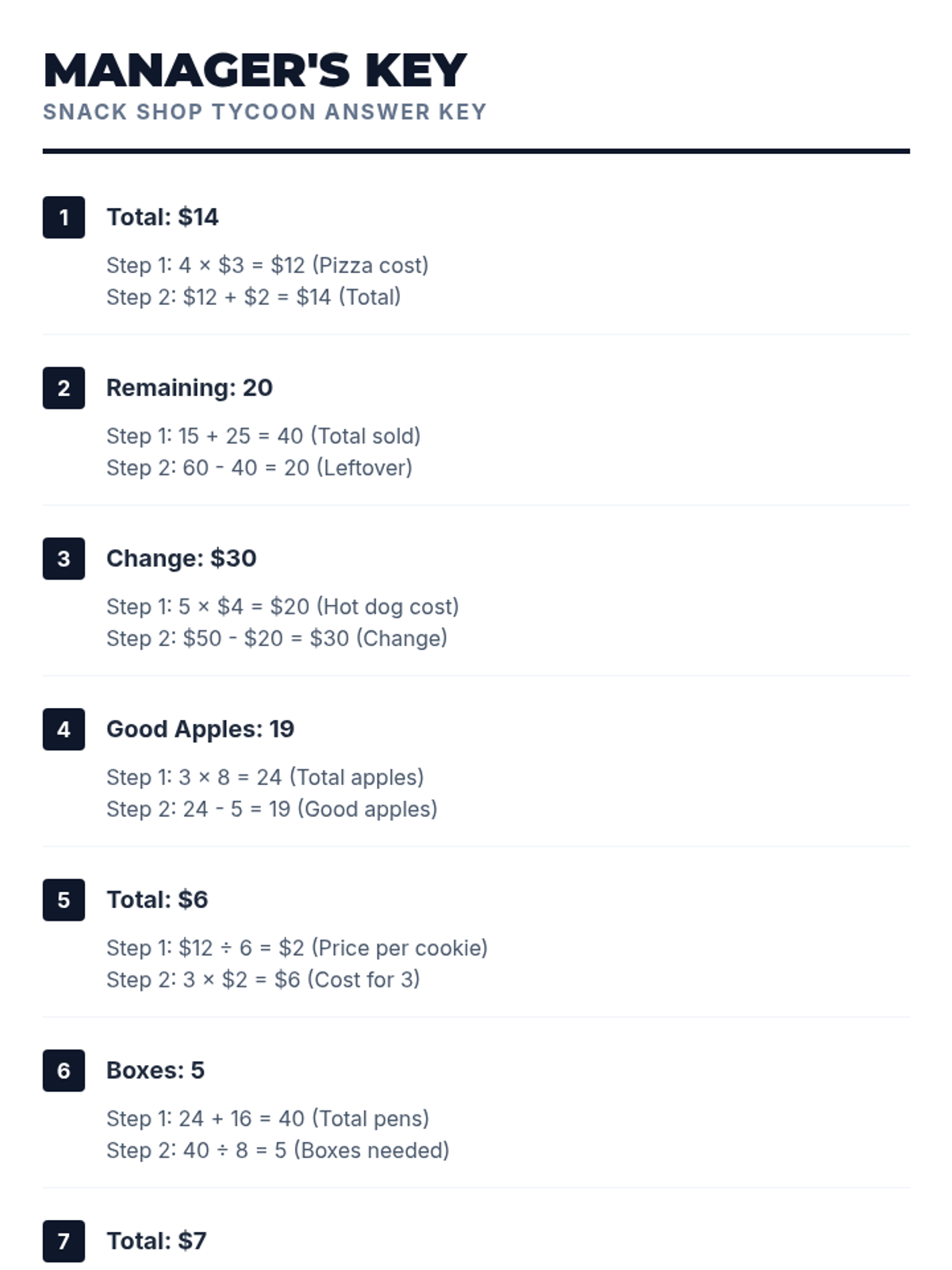
A math lesson focused on solving two-step word problems using the four operations, themed around managing a busy snack shop. Students learn to break down complex problems into manageable steps.
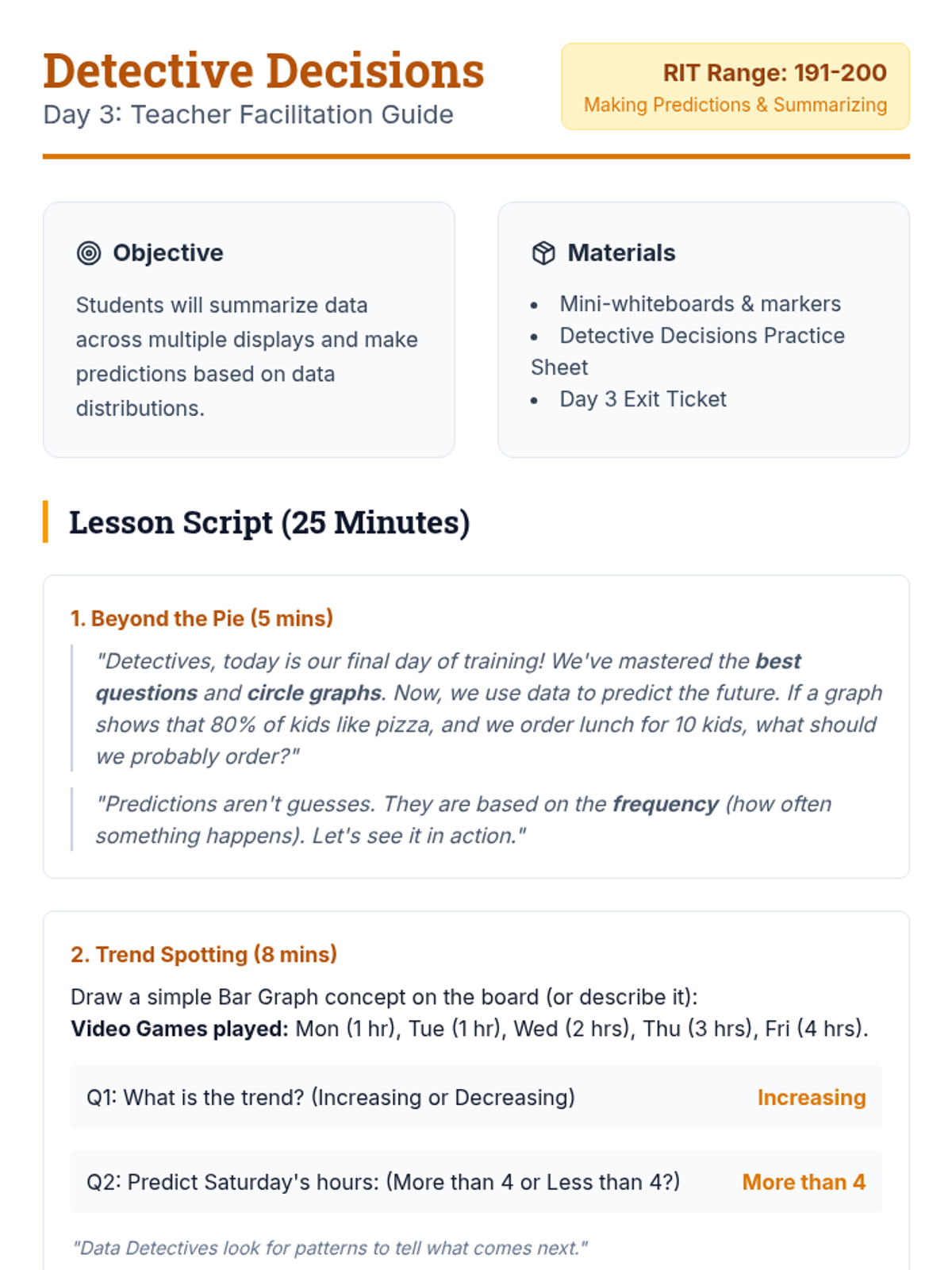
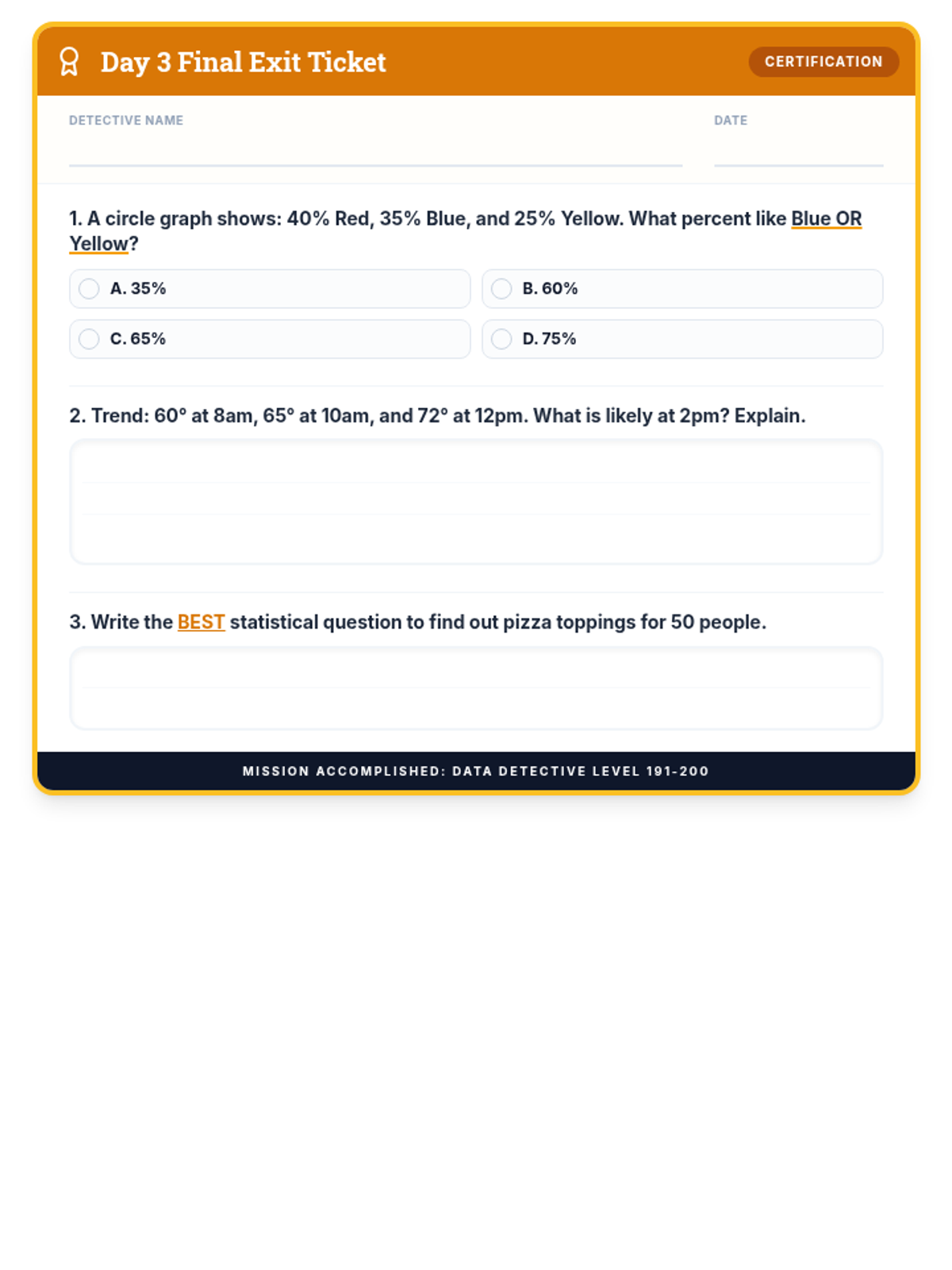
Students will use data from various displays to make predictions and solve multi-step problems.
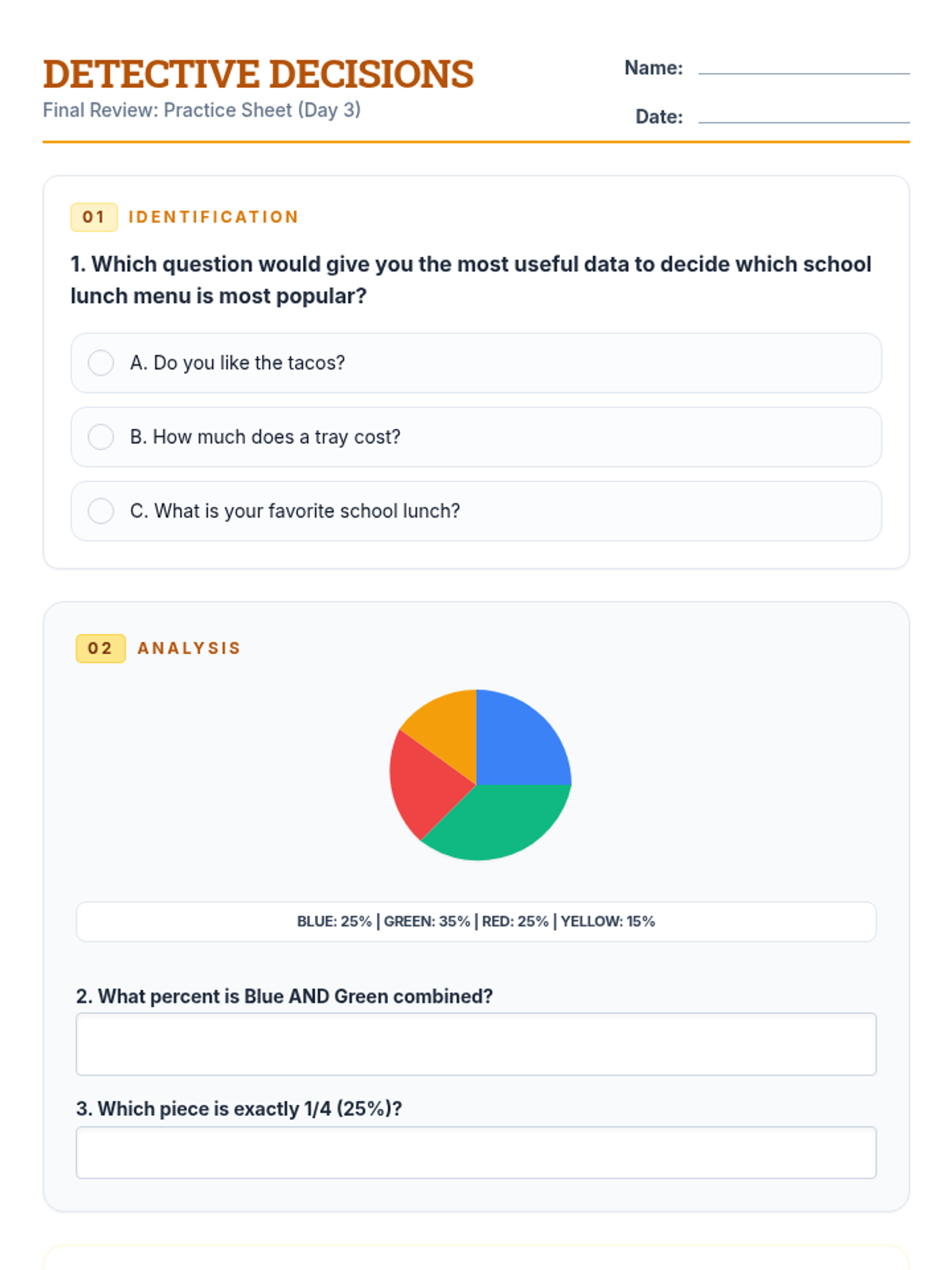
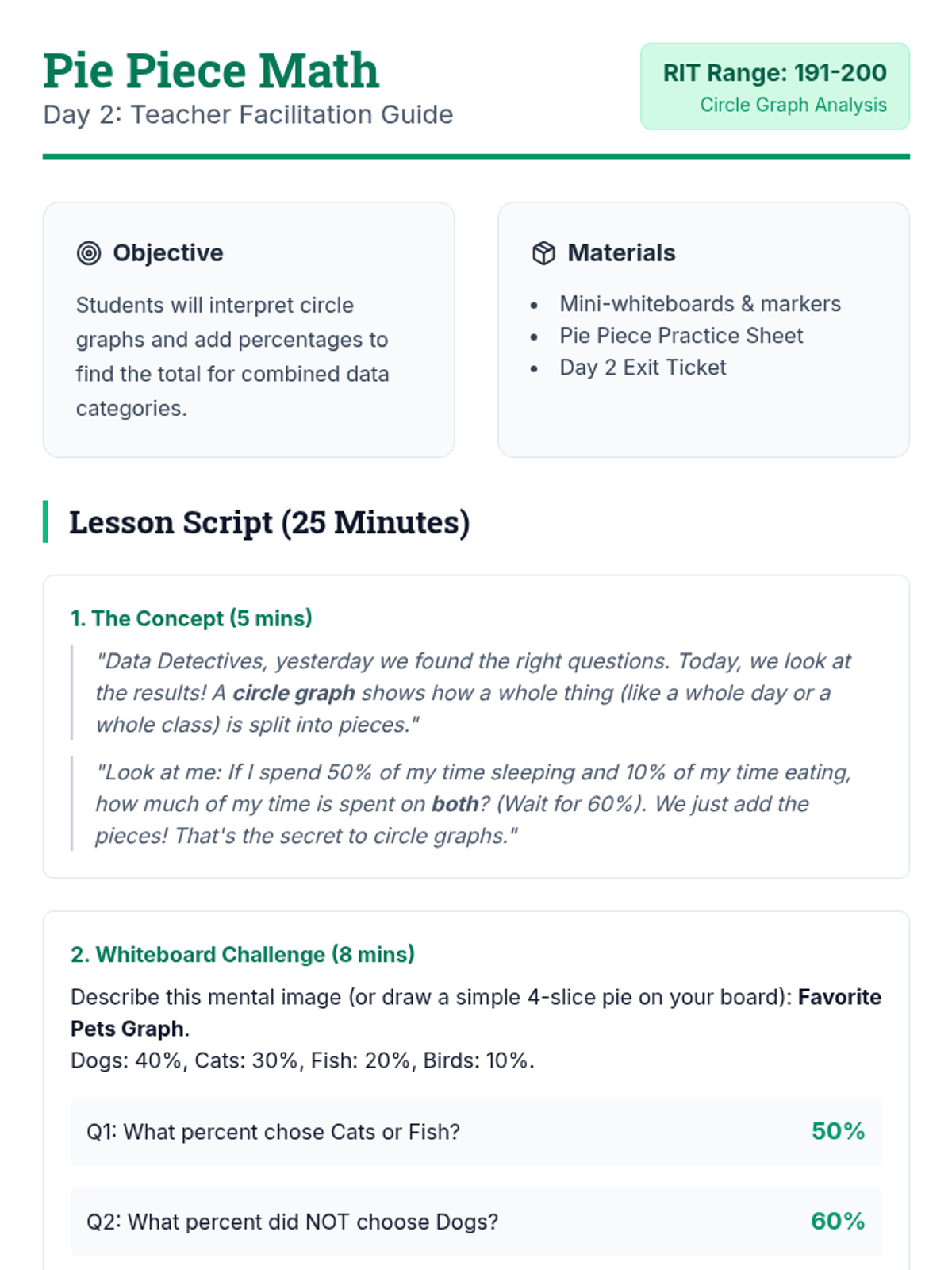
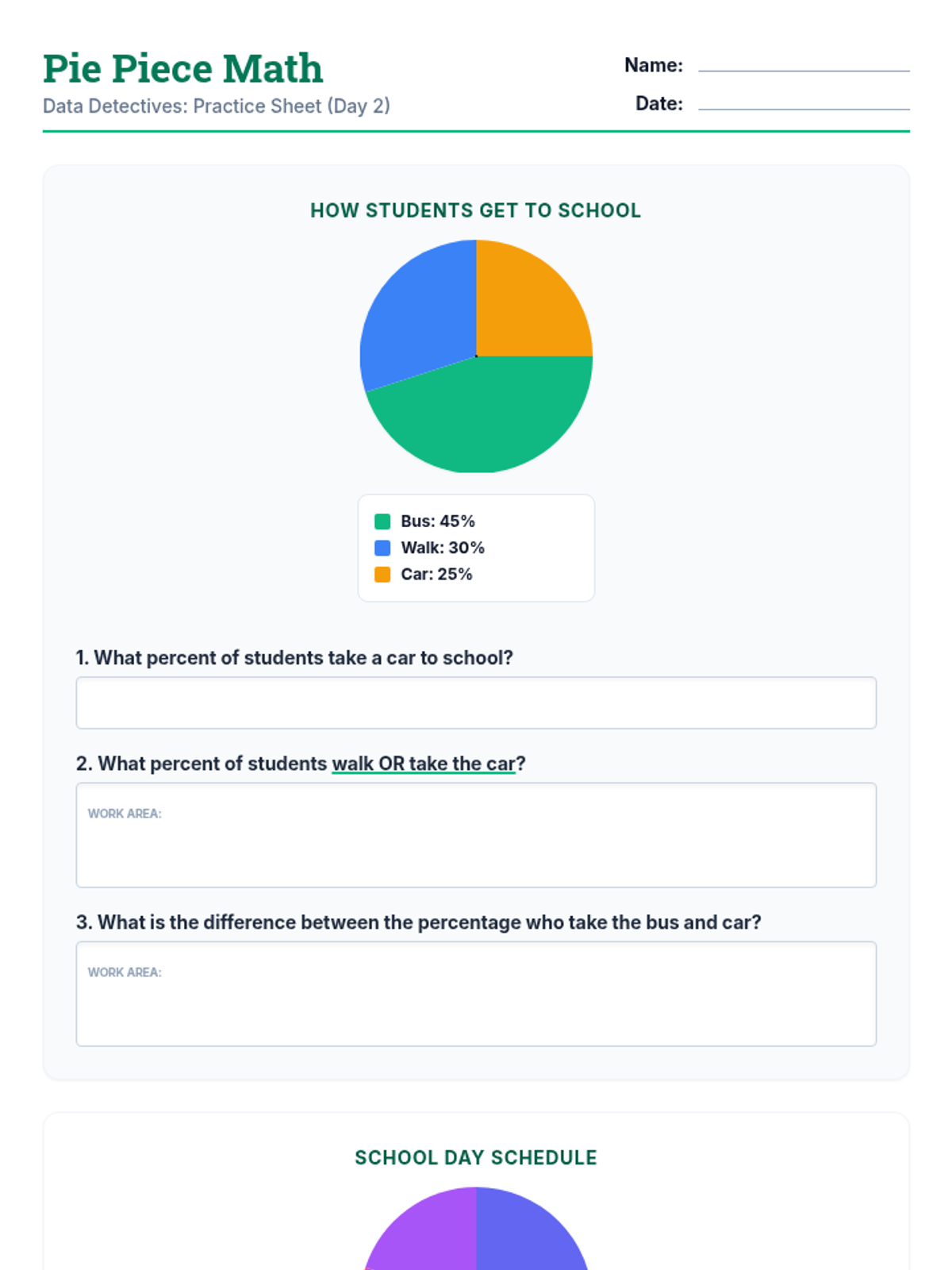
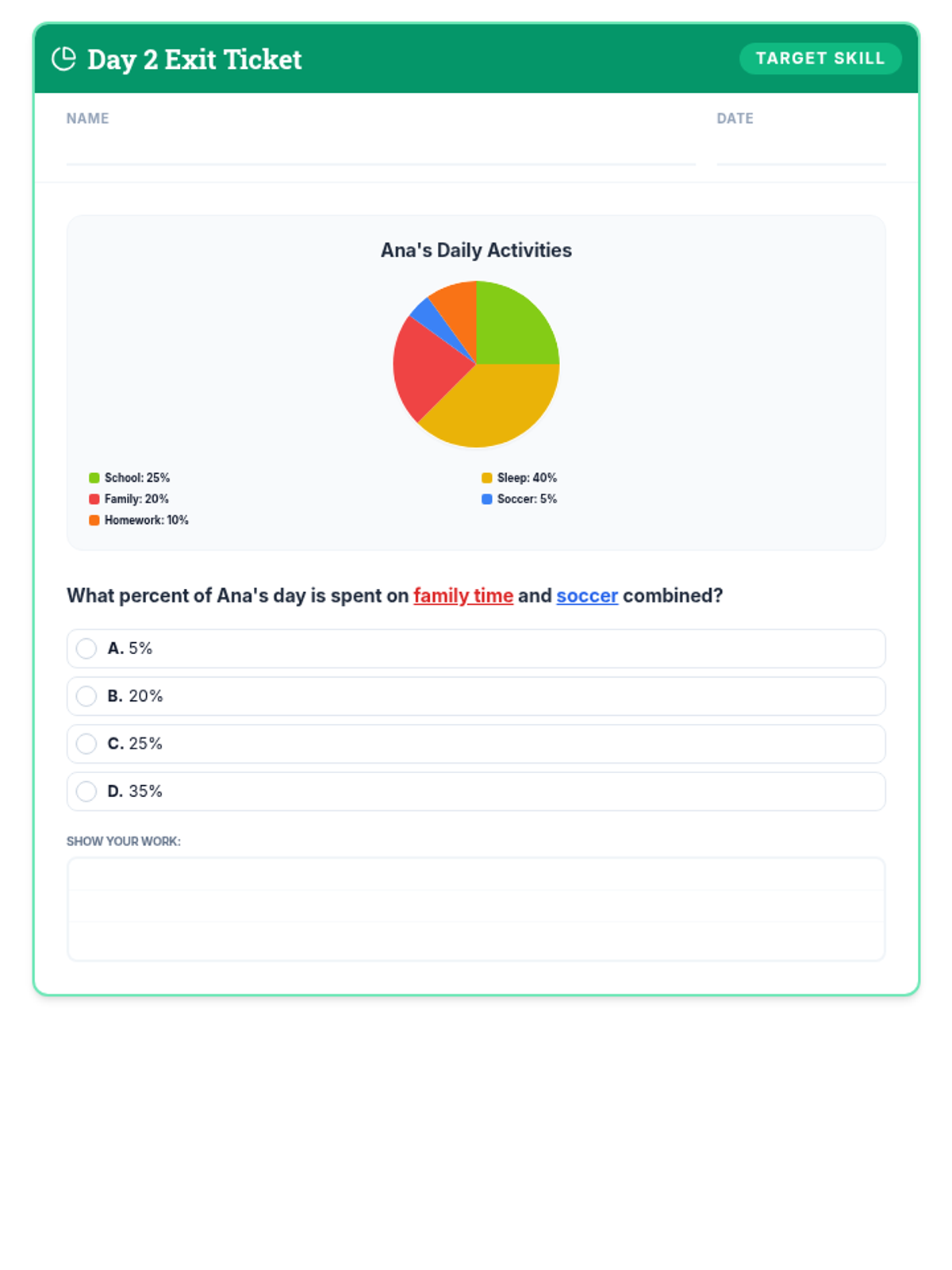
Students will interpret circle graphs and solve problems involving combining data categories, targeting RIT 191-200 skills.
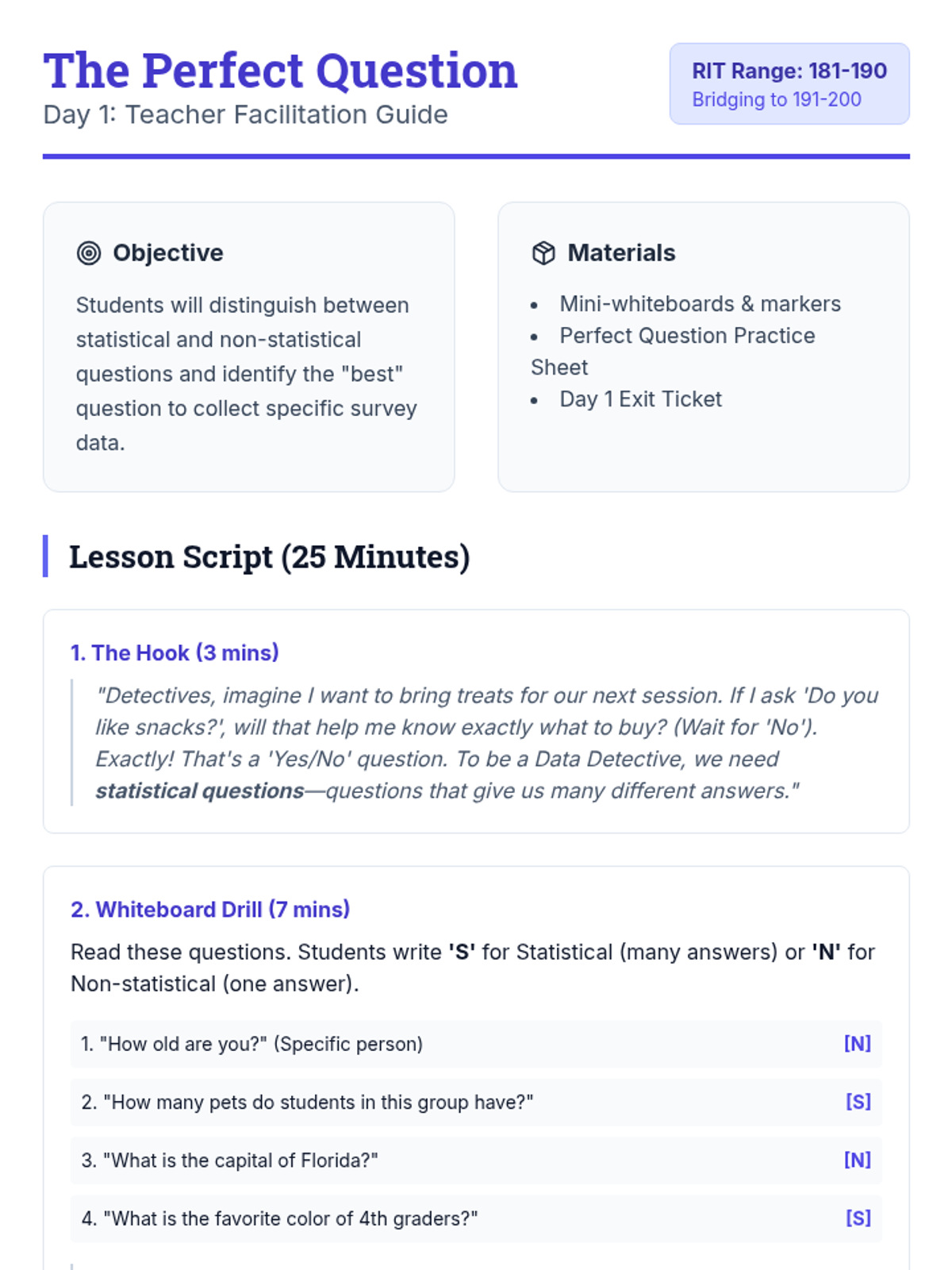
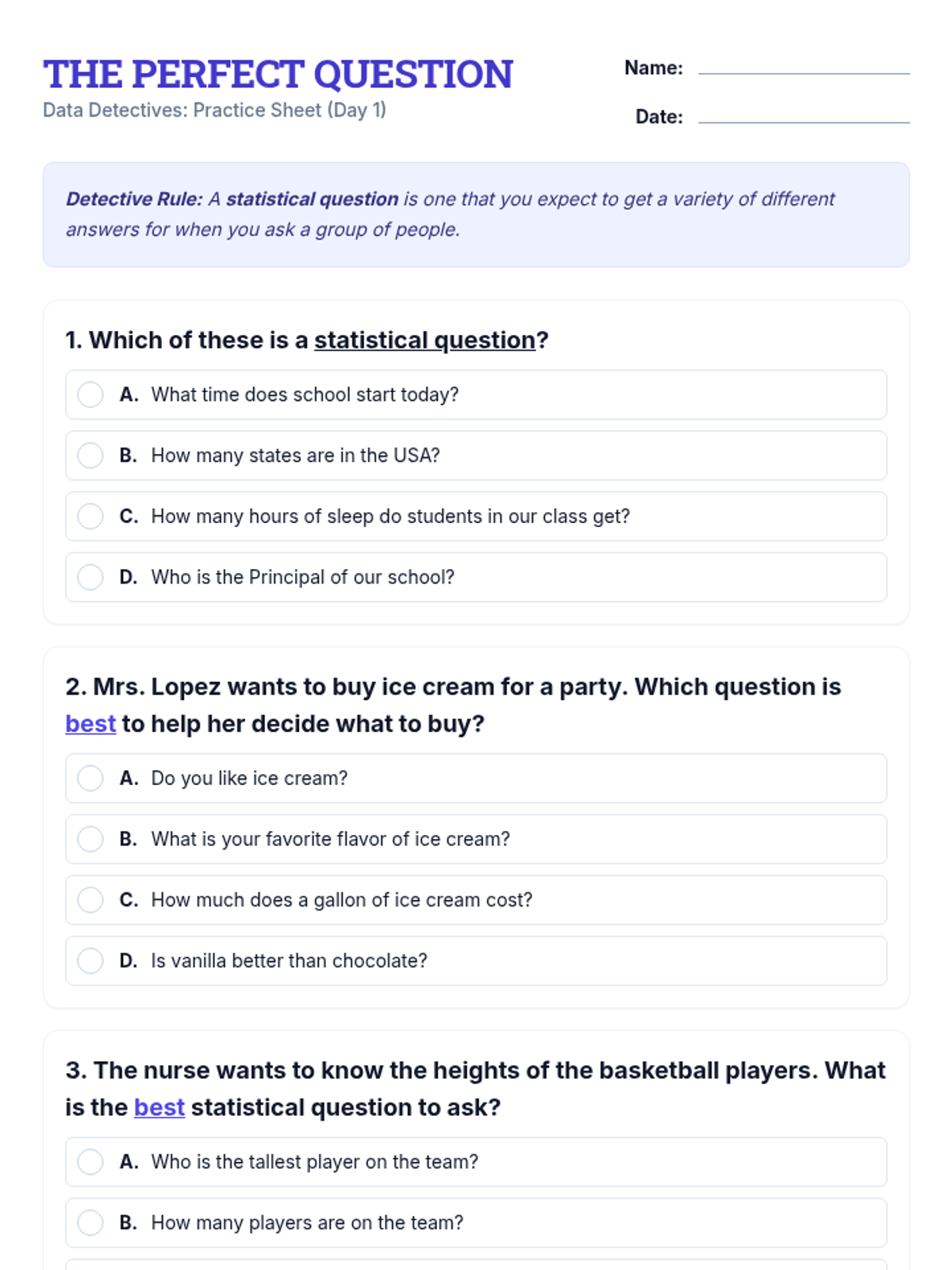
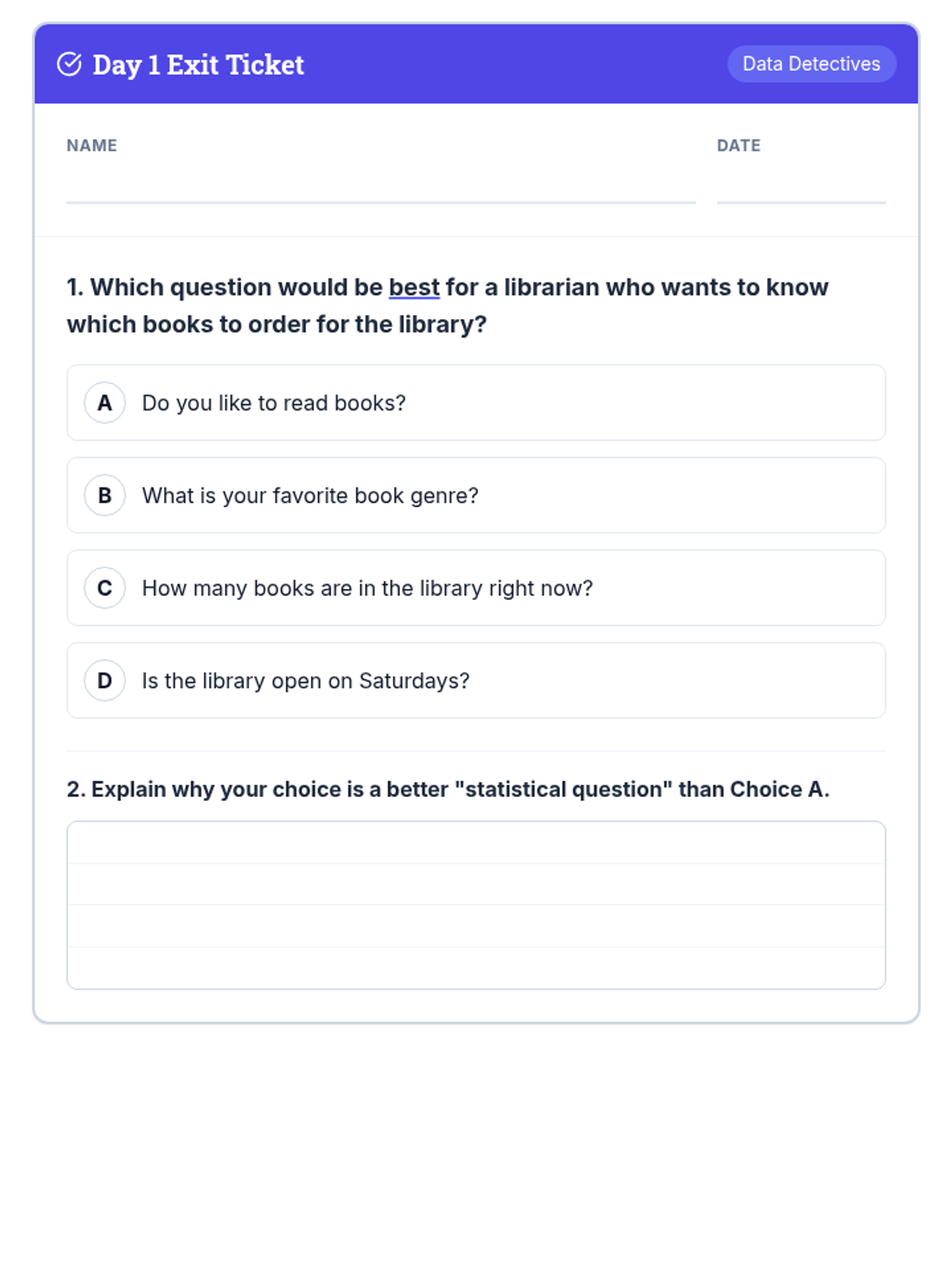
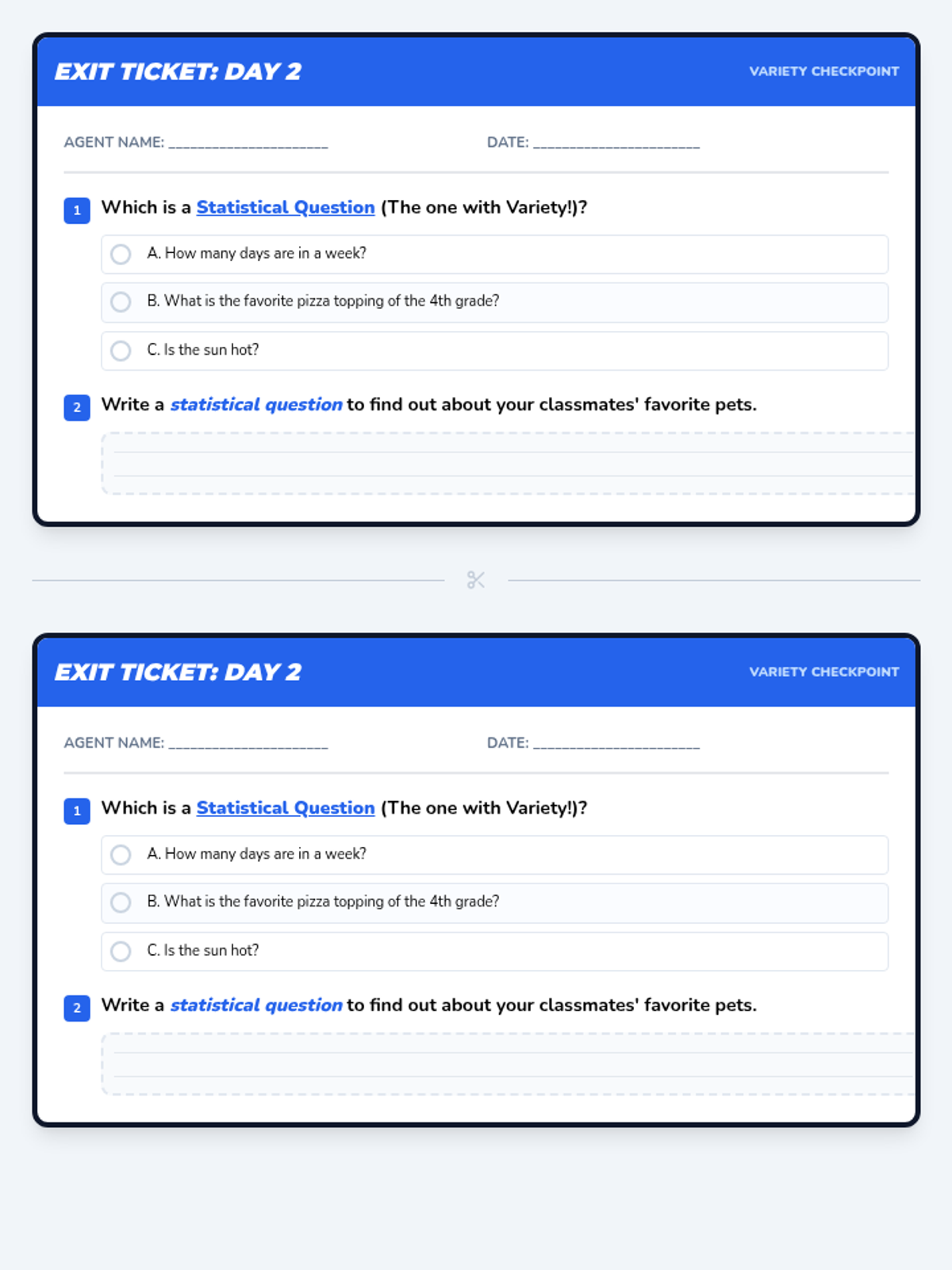
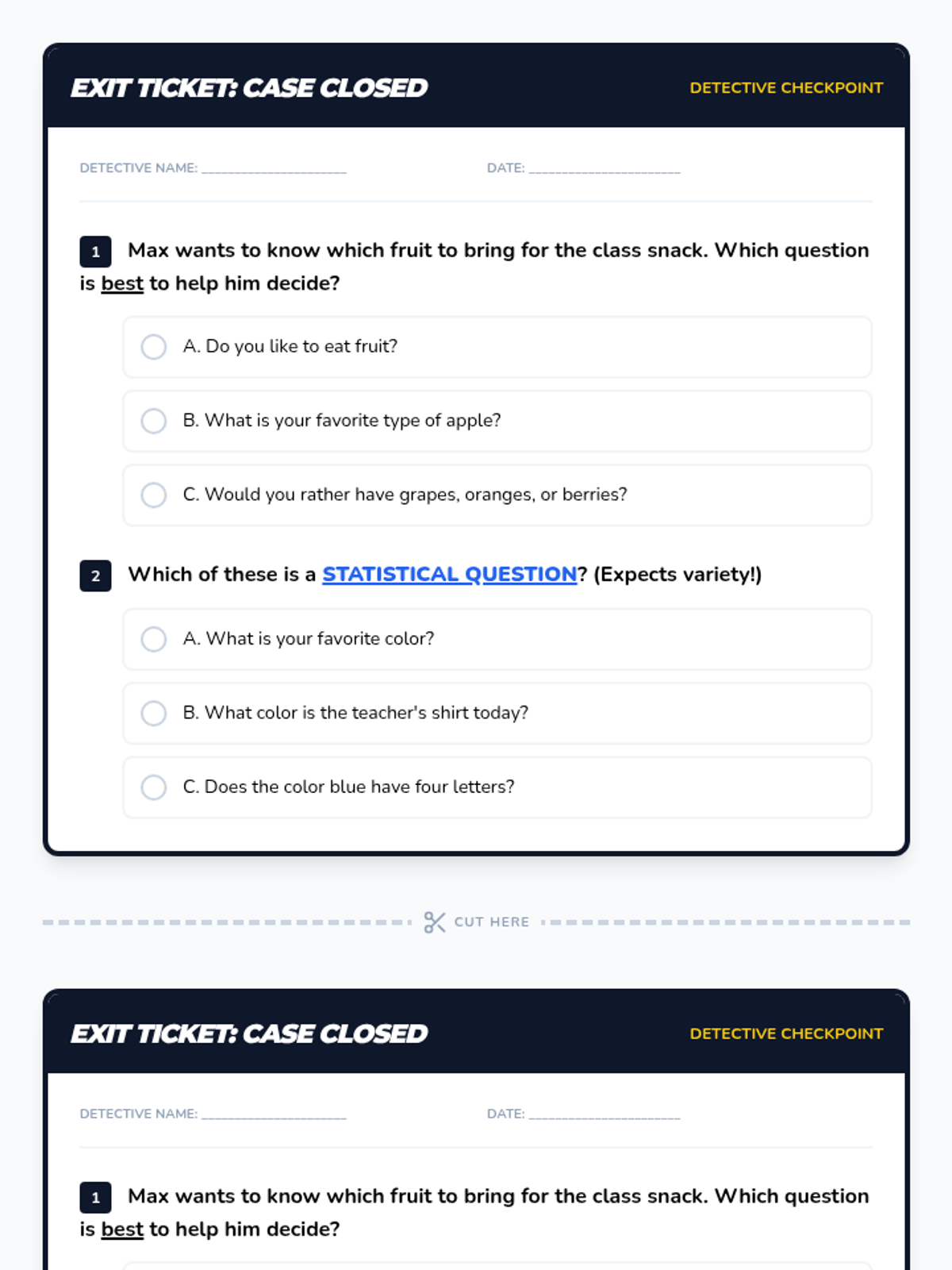
Students will learn to identify and formulate statistical questions that yield variable data, bridging the gap from RIT 181-190.
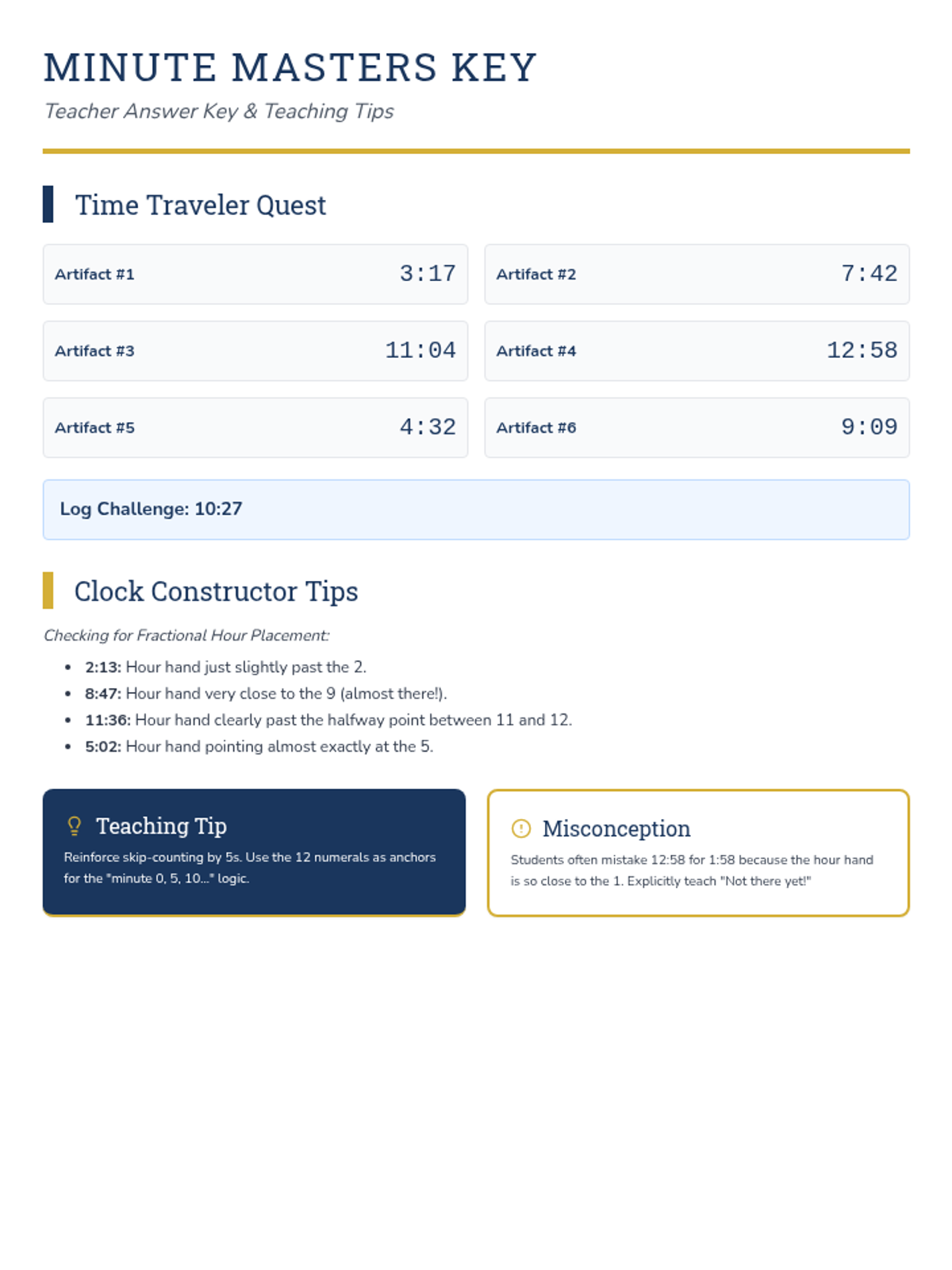
A comprehensive lesson on telling time to the minute, focusing on reading analog clocks and representing time accurately. Students will practice reading intricate clock faces and drawing hands to represent specific times.
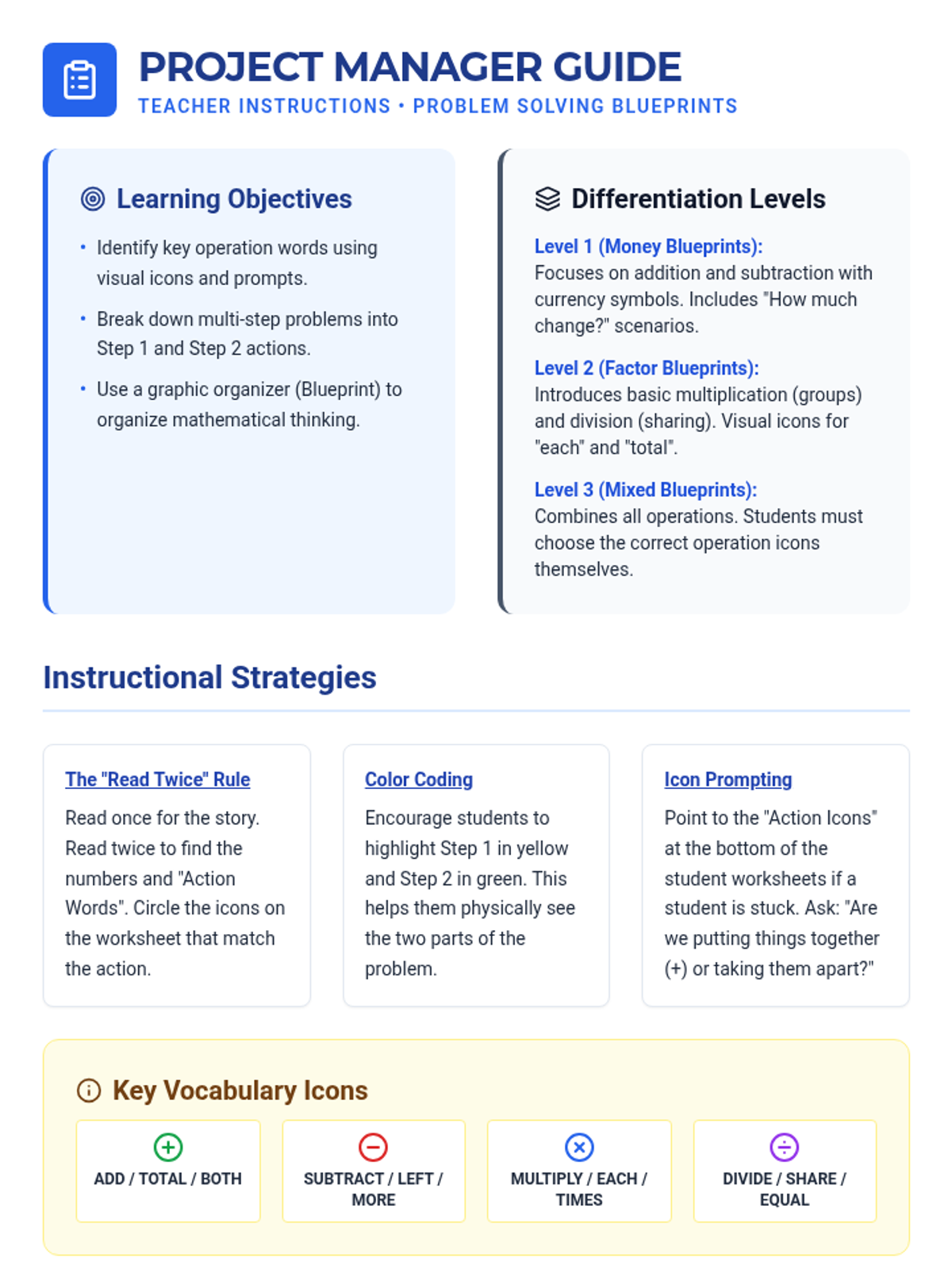
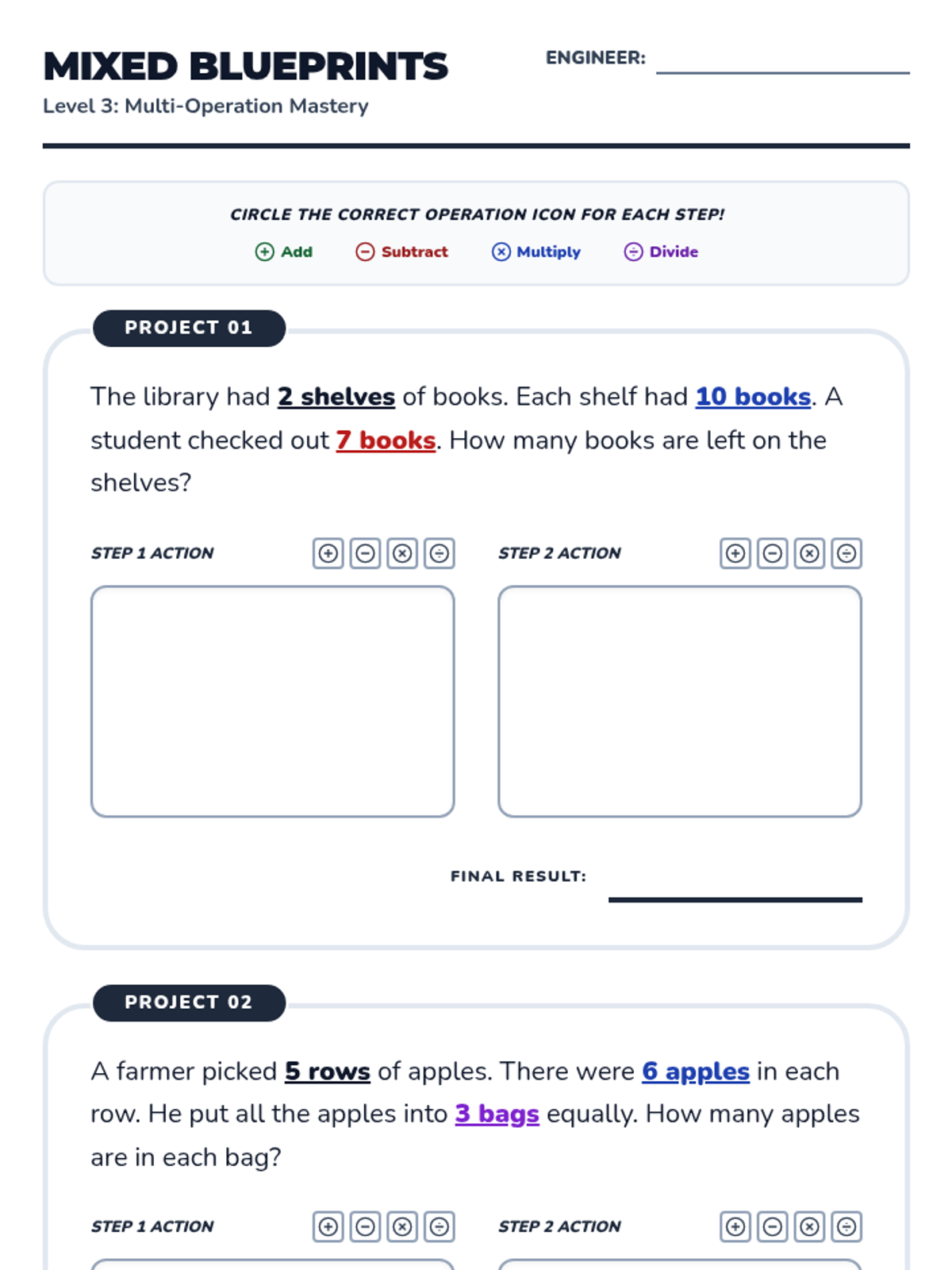
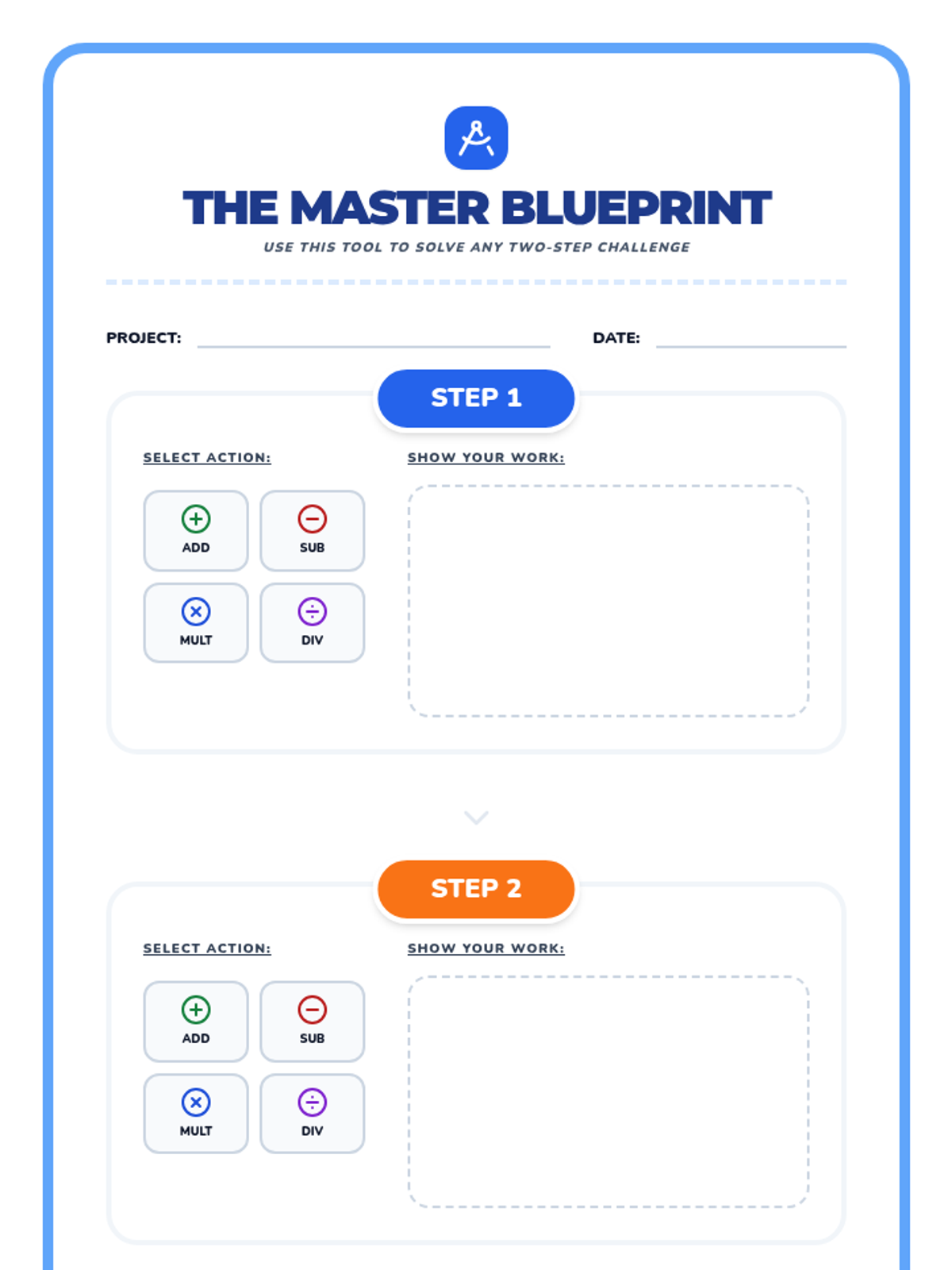
This lesson introduces students to multi-step word problems using a consistent graphic organizer (the Blueprint). It includes differentiated materials for various skill levels and operational focuses.
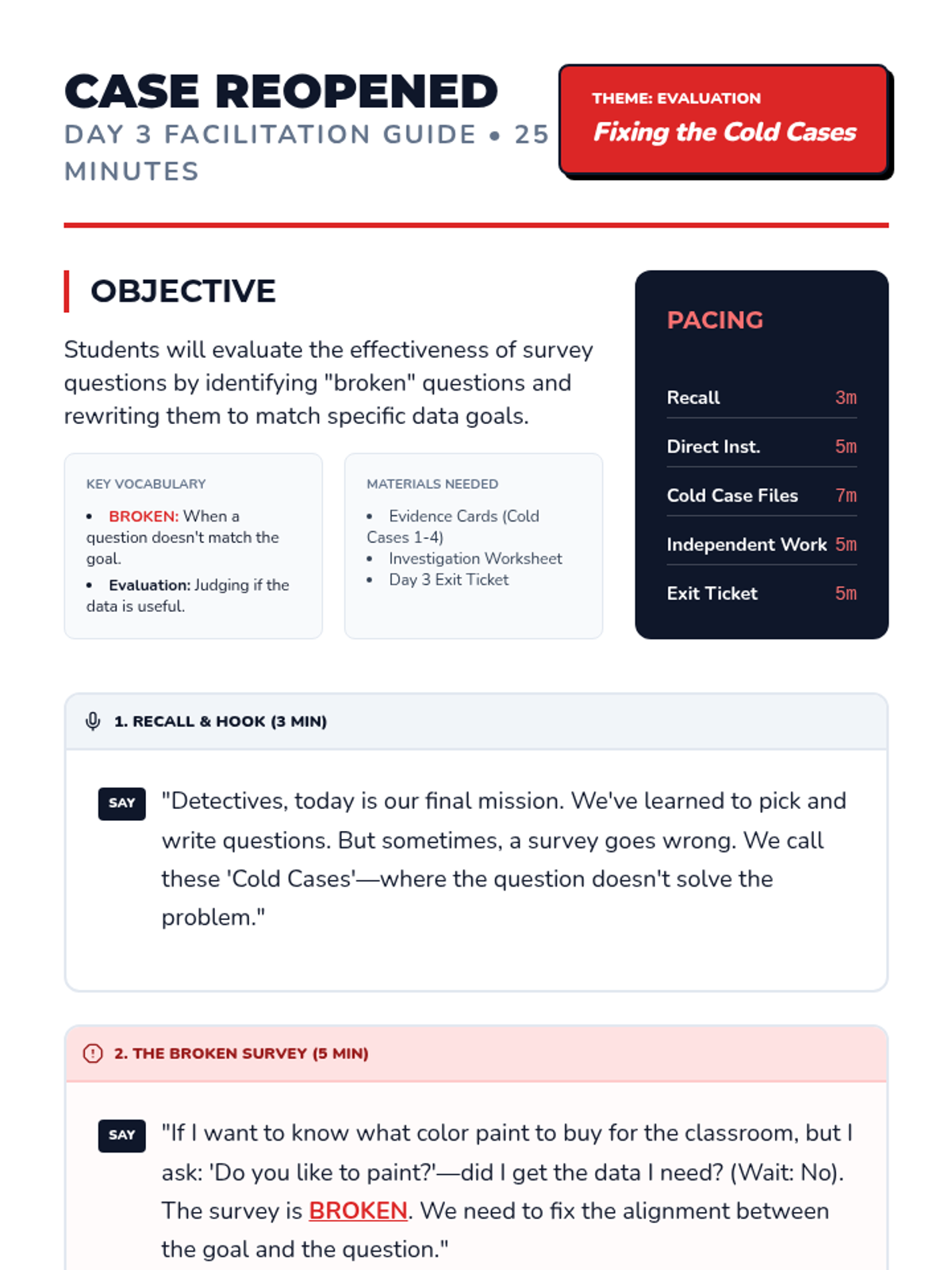
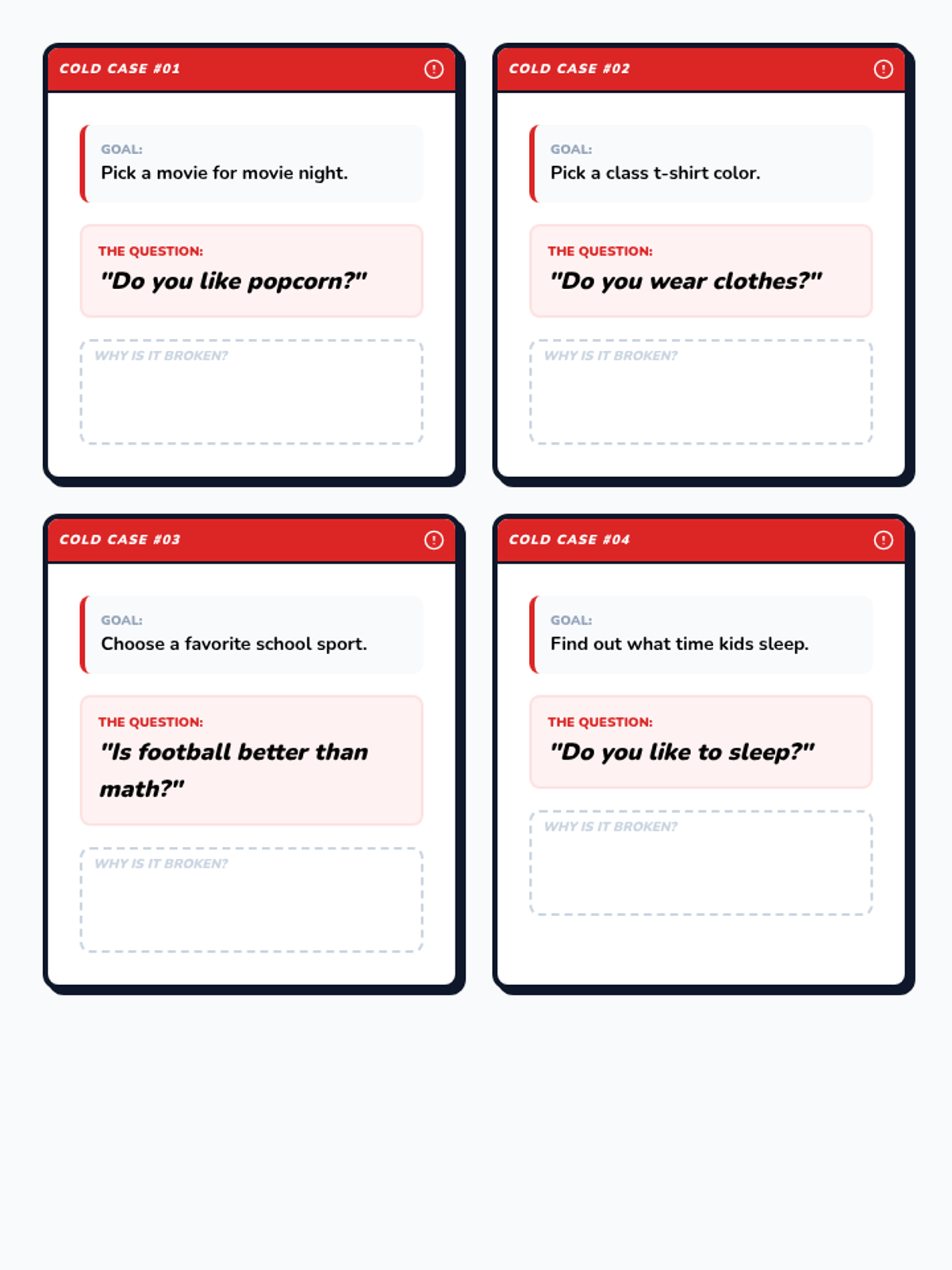
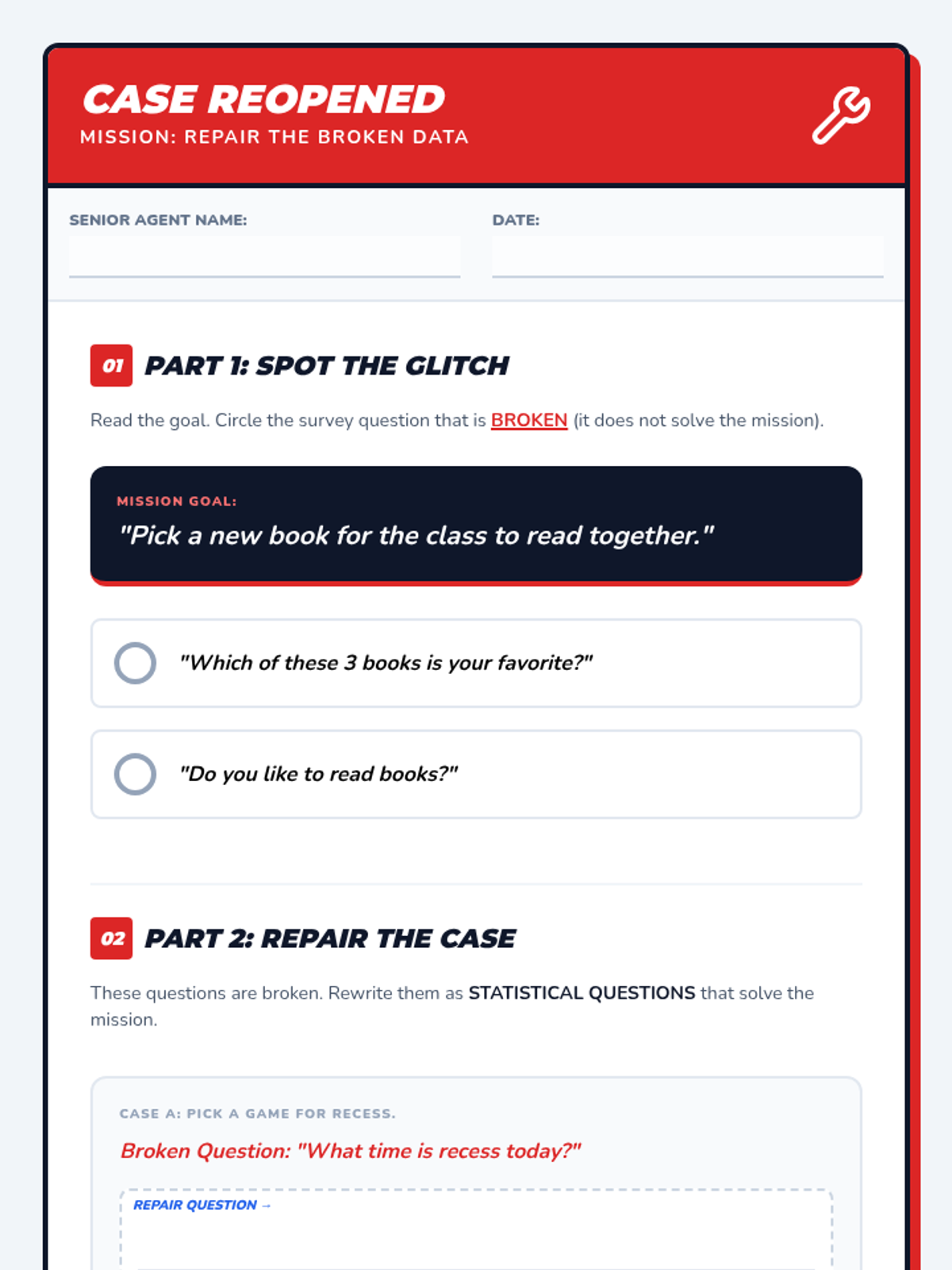
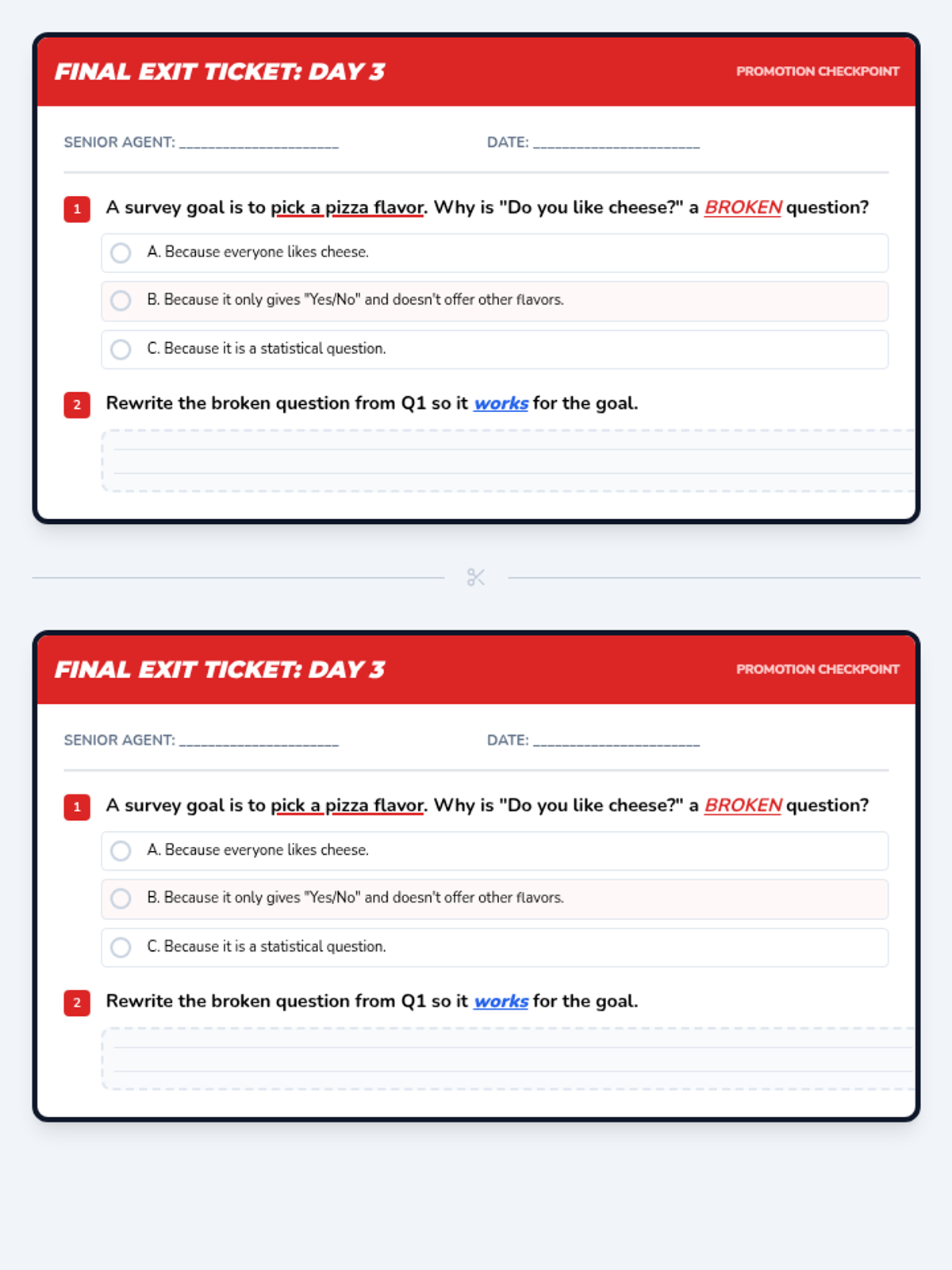
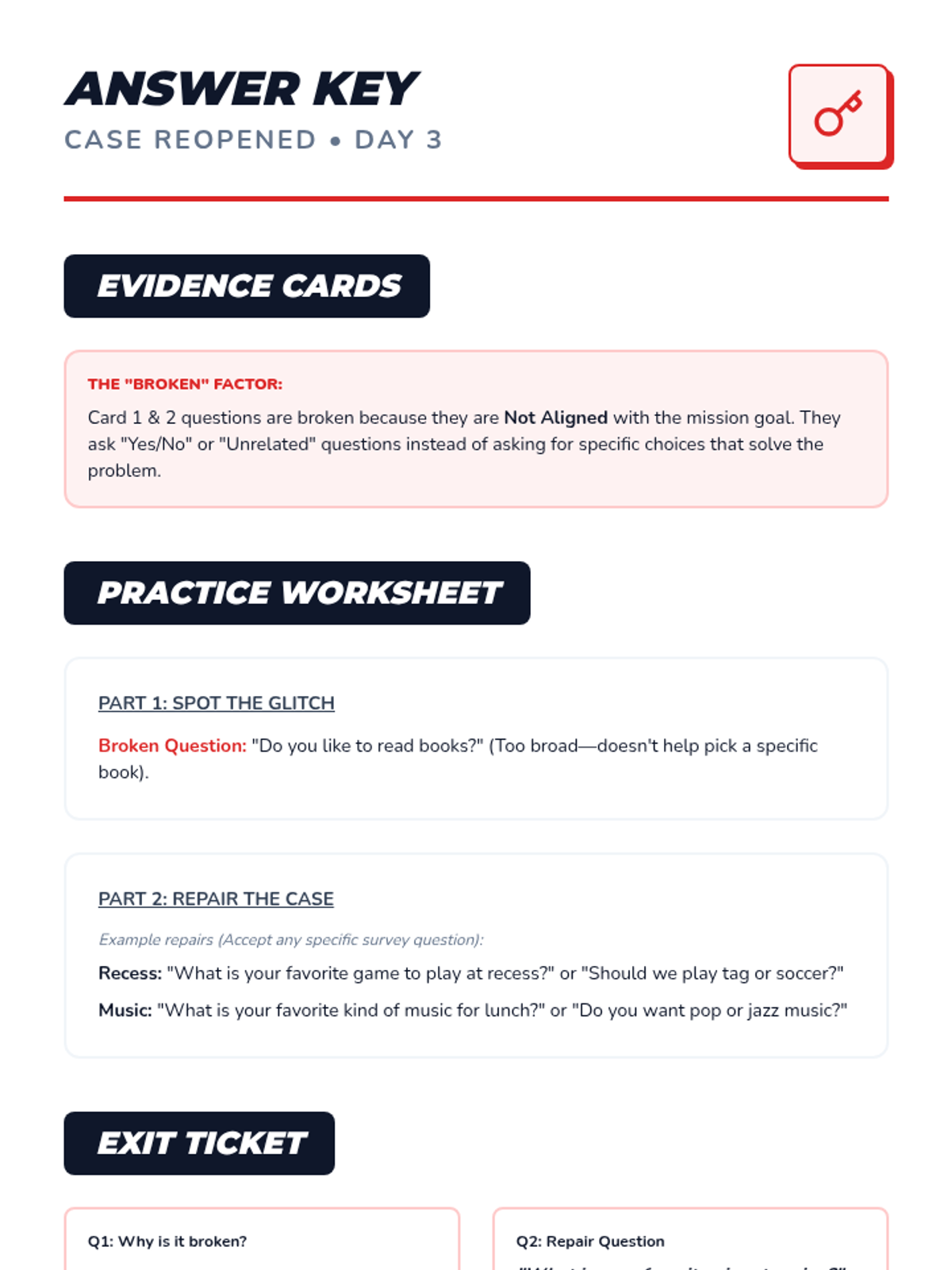
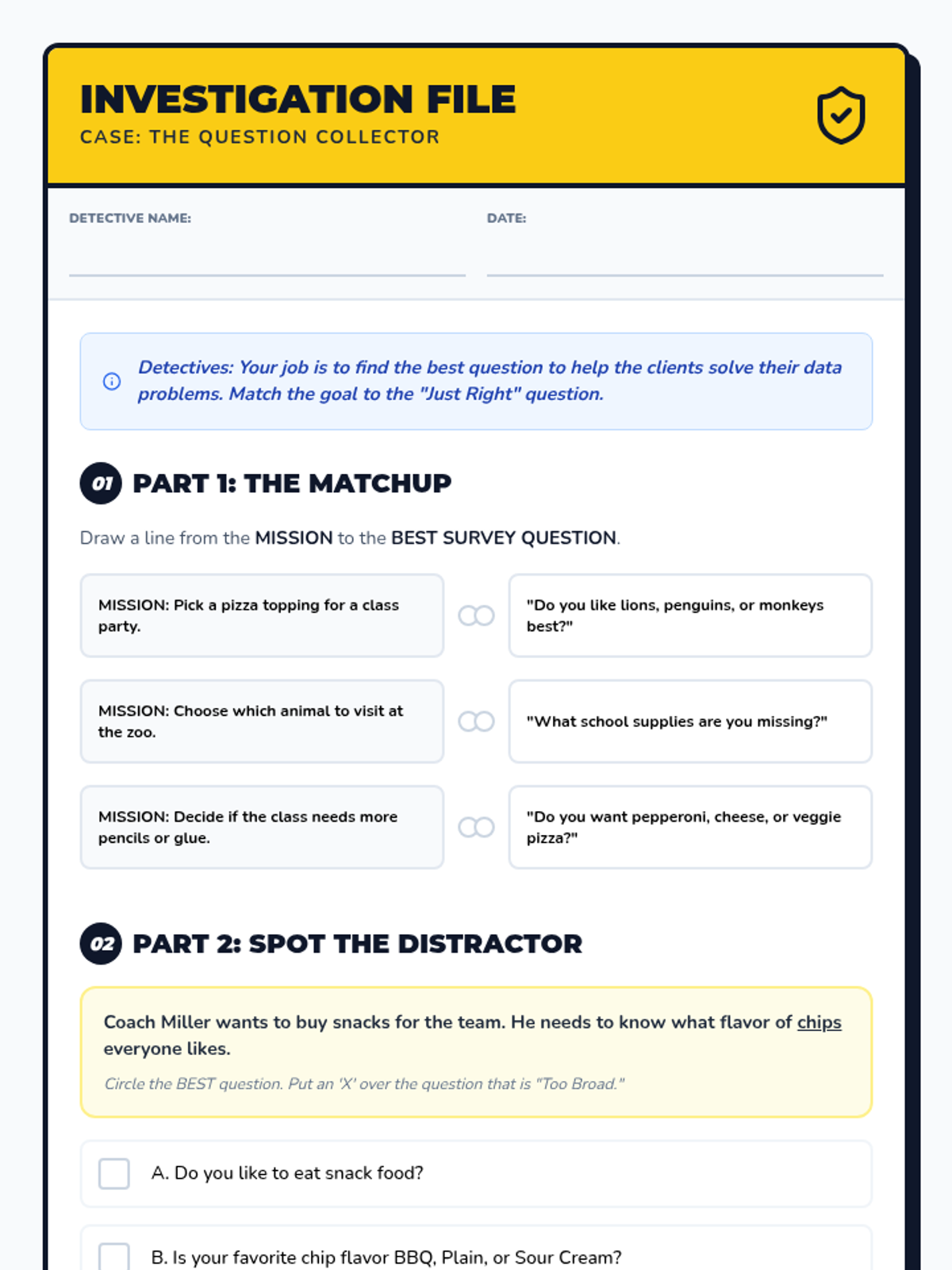
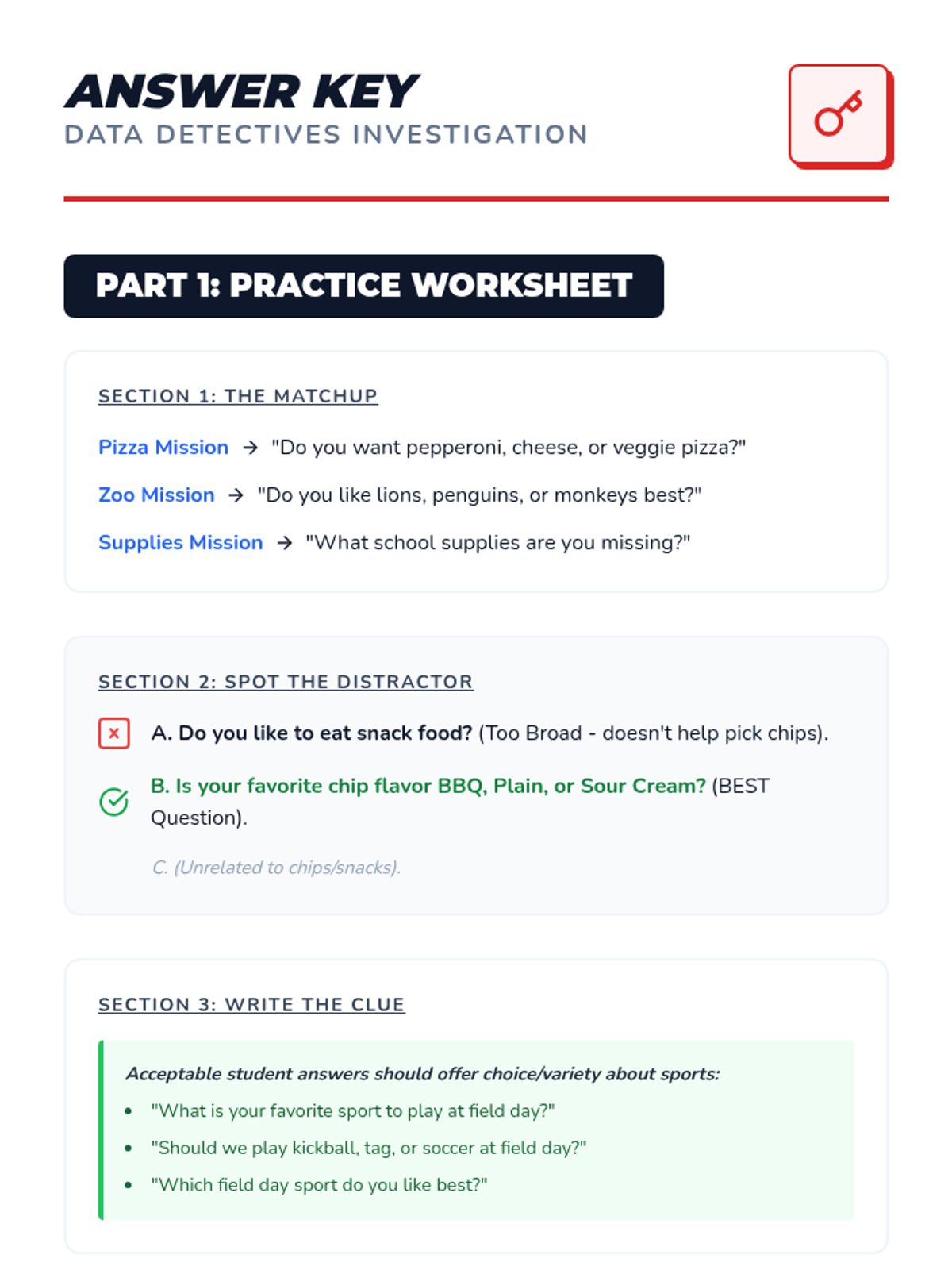
The final mission where students evaluate the effectiveness of data collection. They analyze "broken" surveys where the question didn't match the goal and practice rewriting them for accuracy.
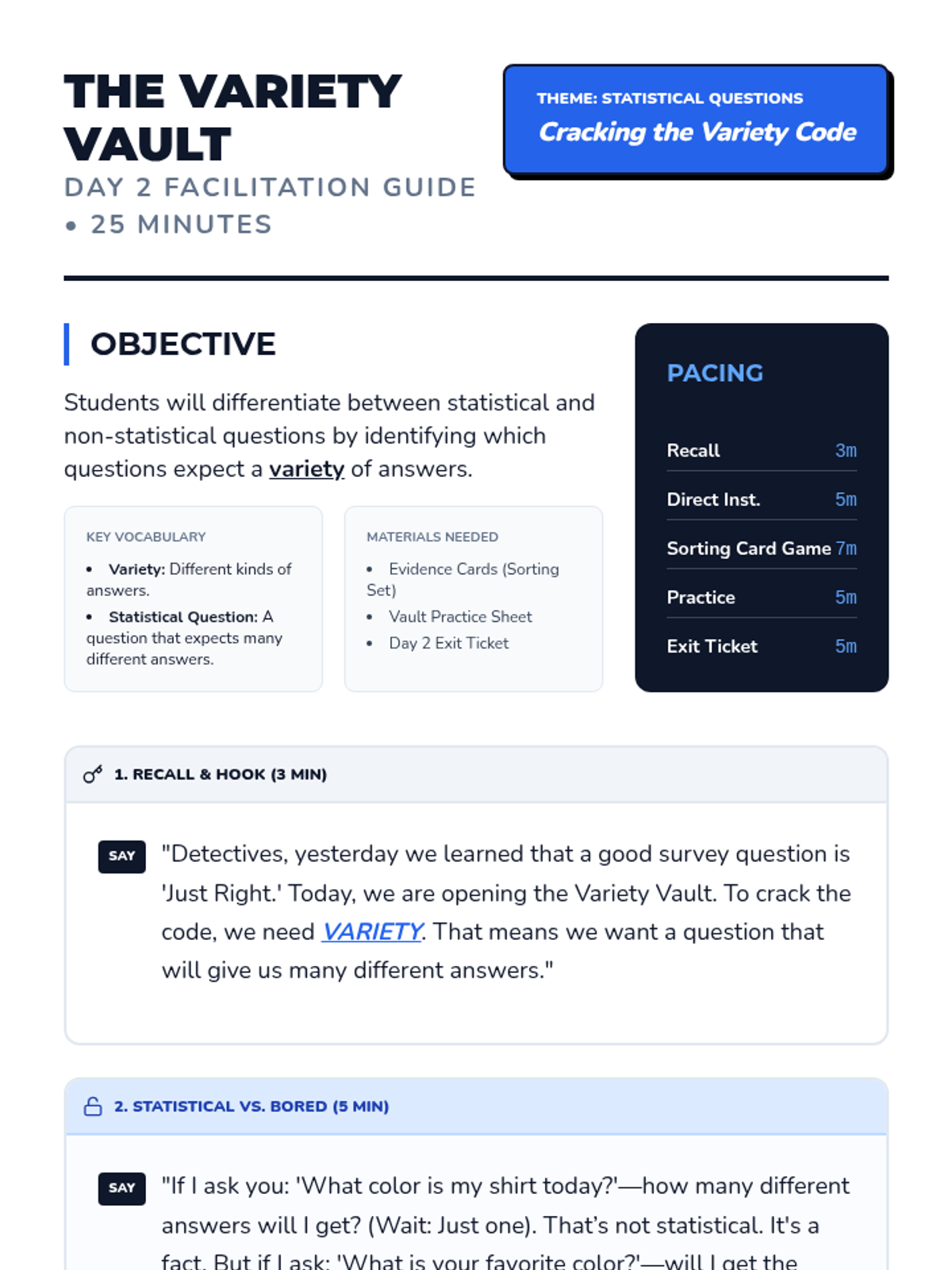
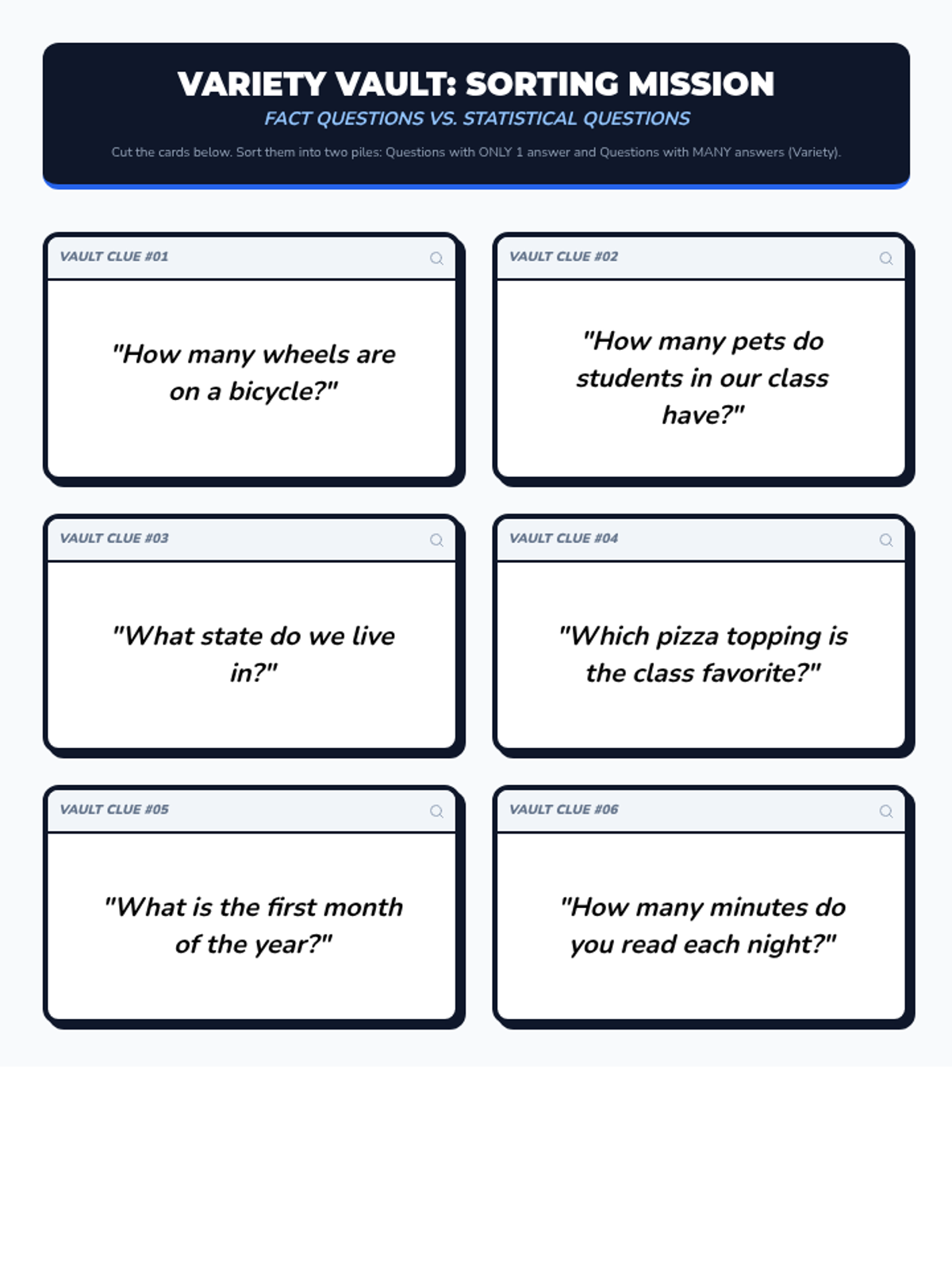
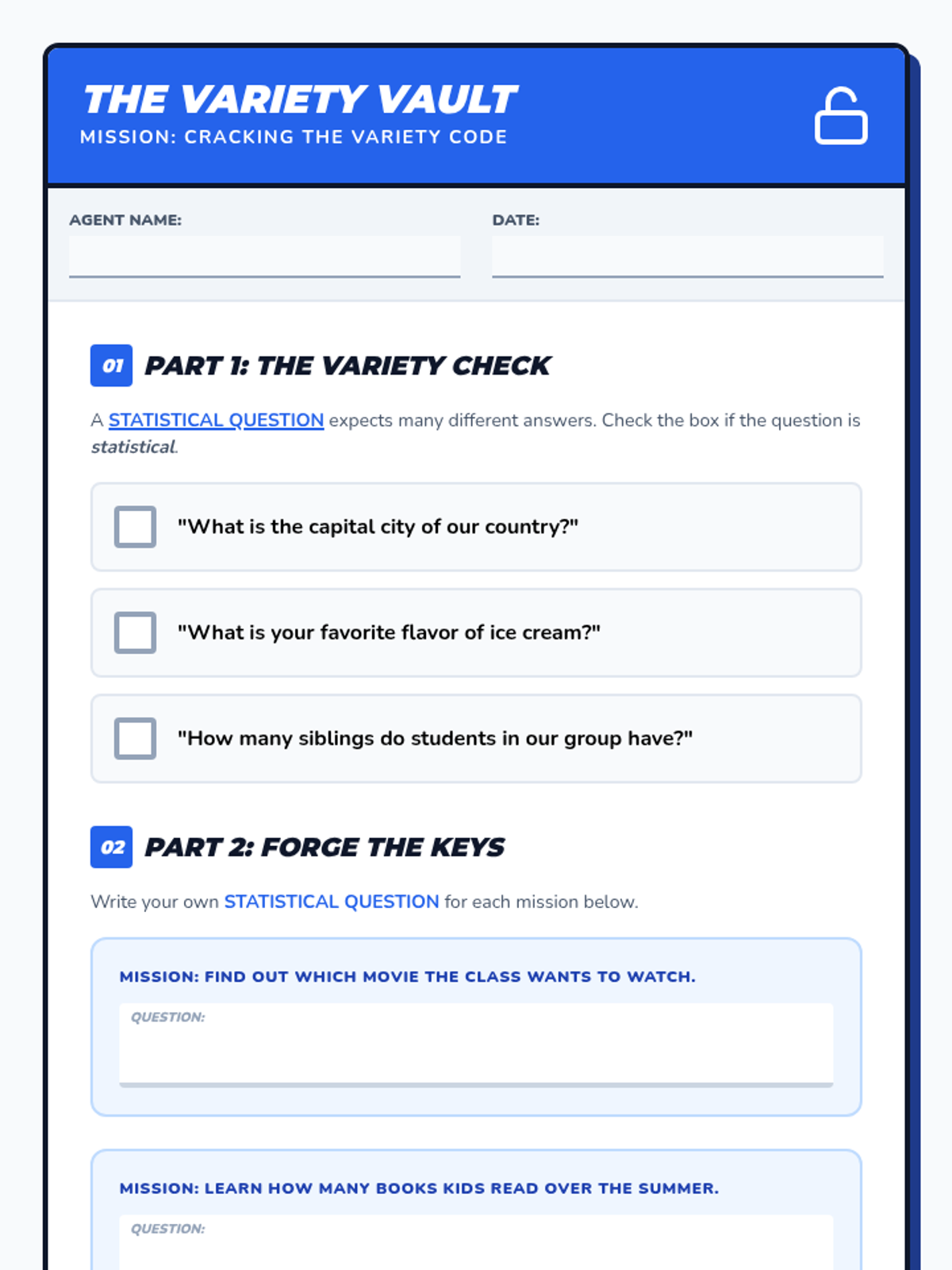
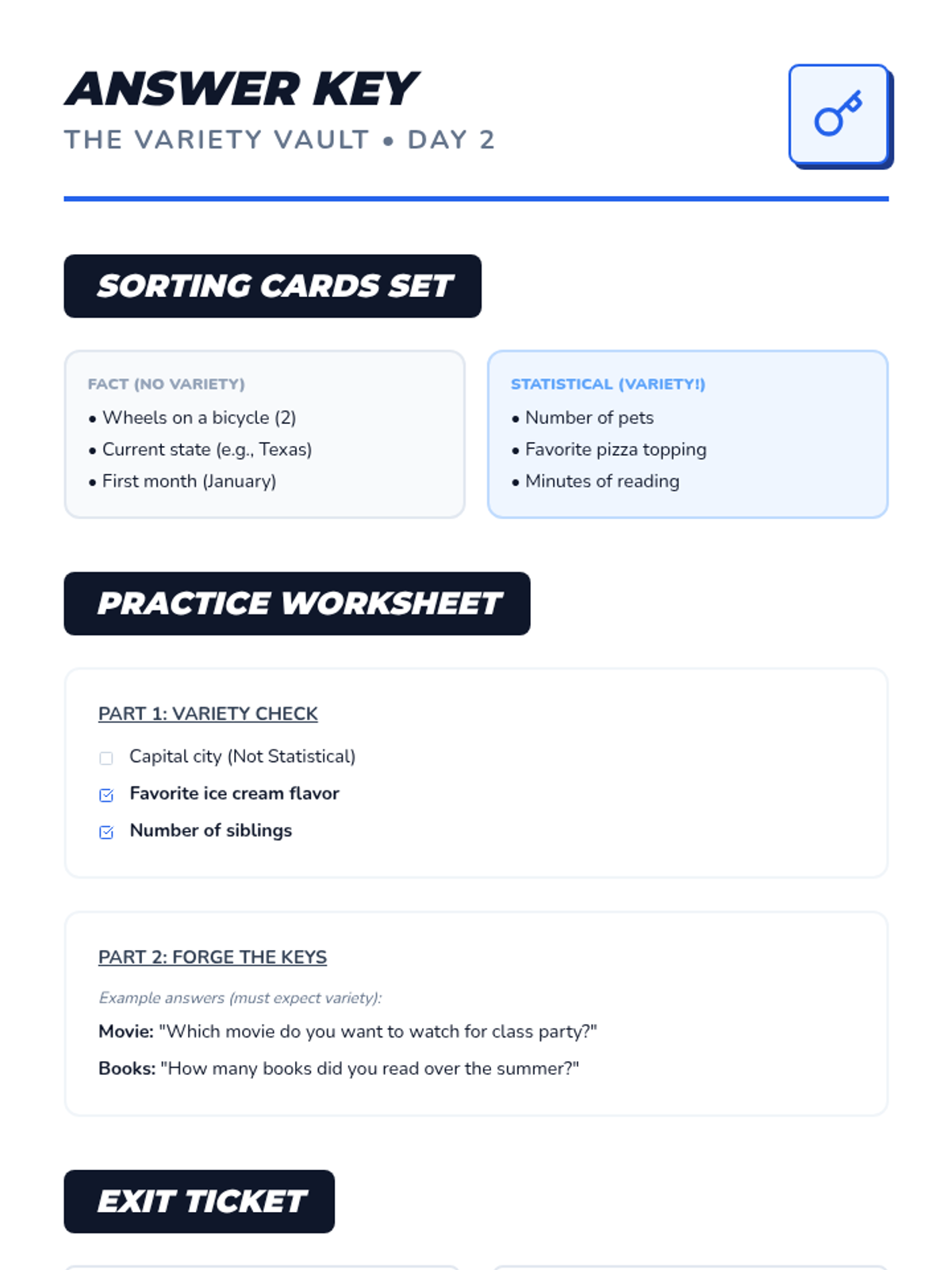
Focuses on differentiating between statistical and non-statistical questions. Students learn that a good survey question must expect a variety of answers to be useful for data collection.
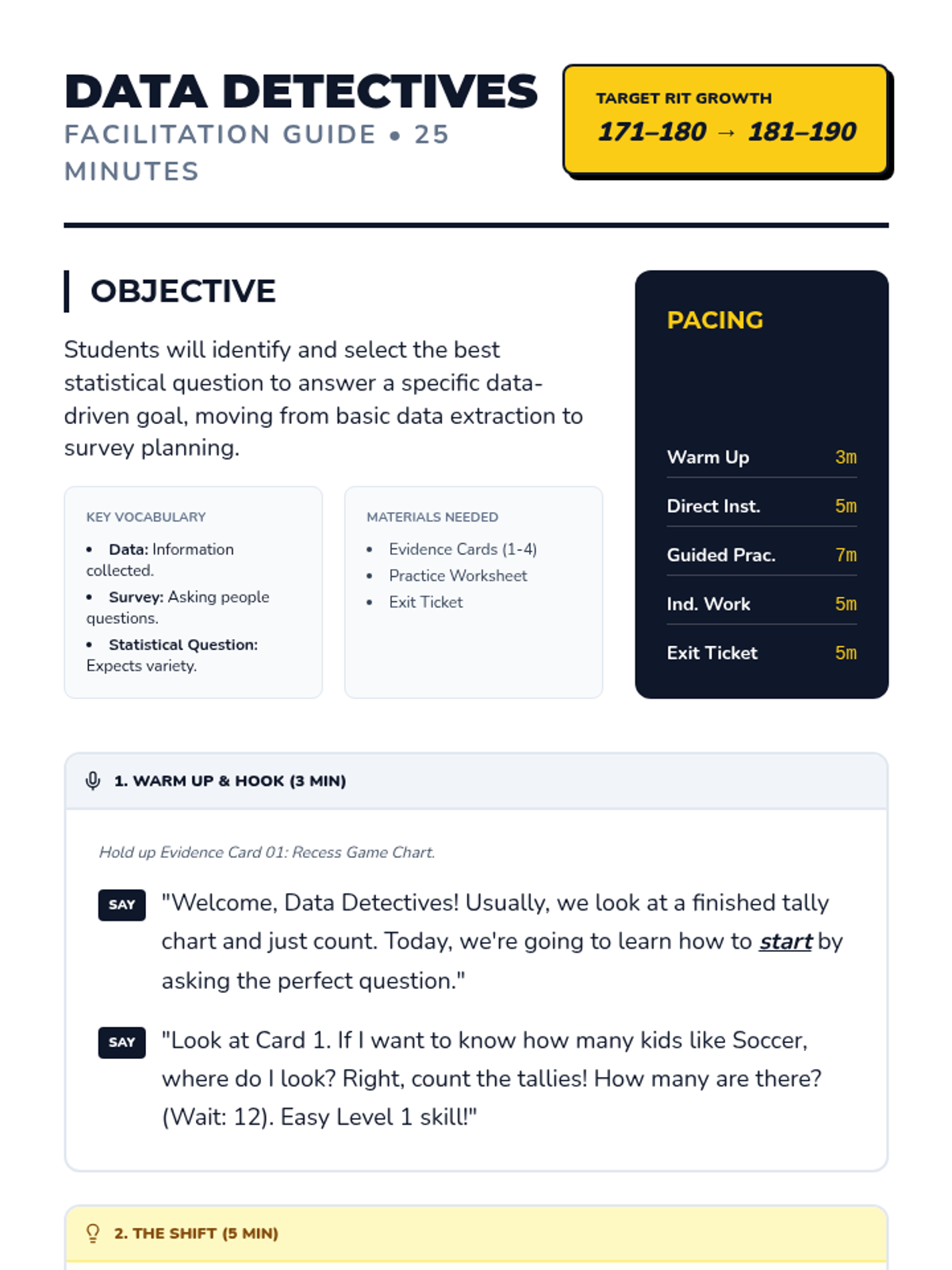
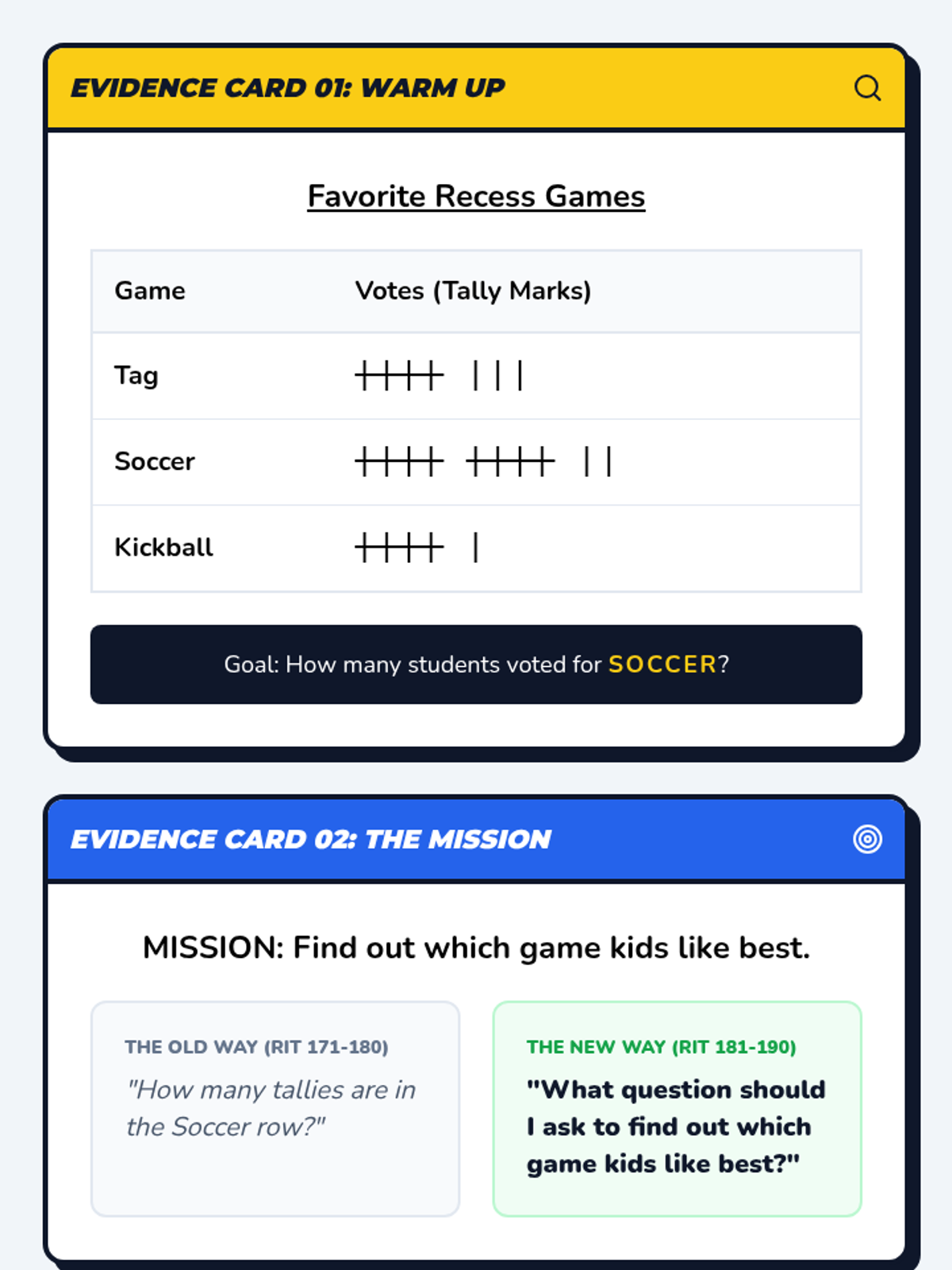
A 25-minute small group lesson designed to move students from RIT 171-180 to 181-190 by shifting from basic data interpretation to formulating and selecting effective statistical questions.
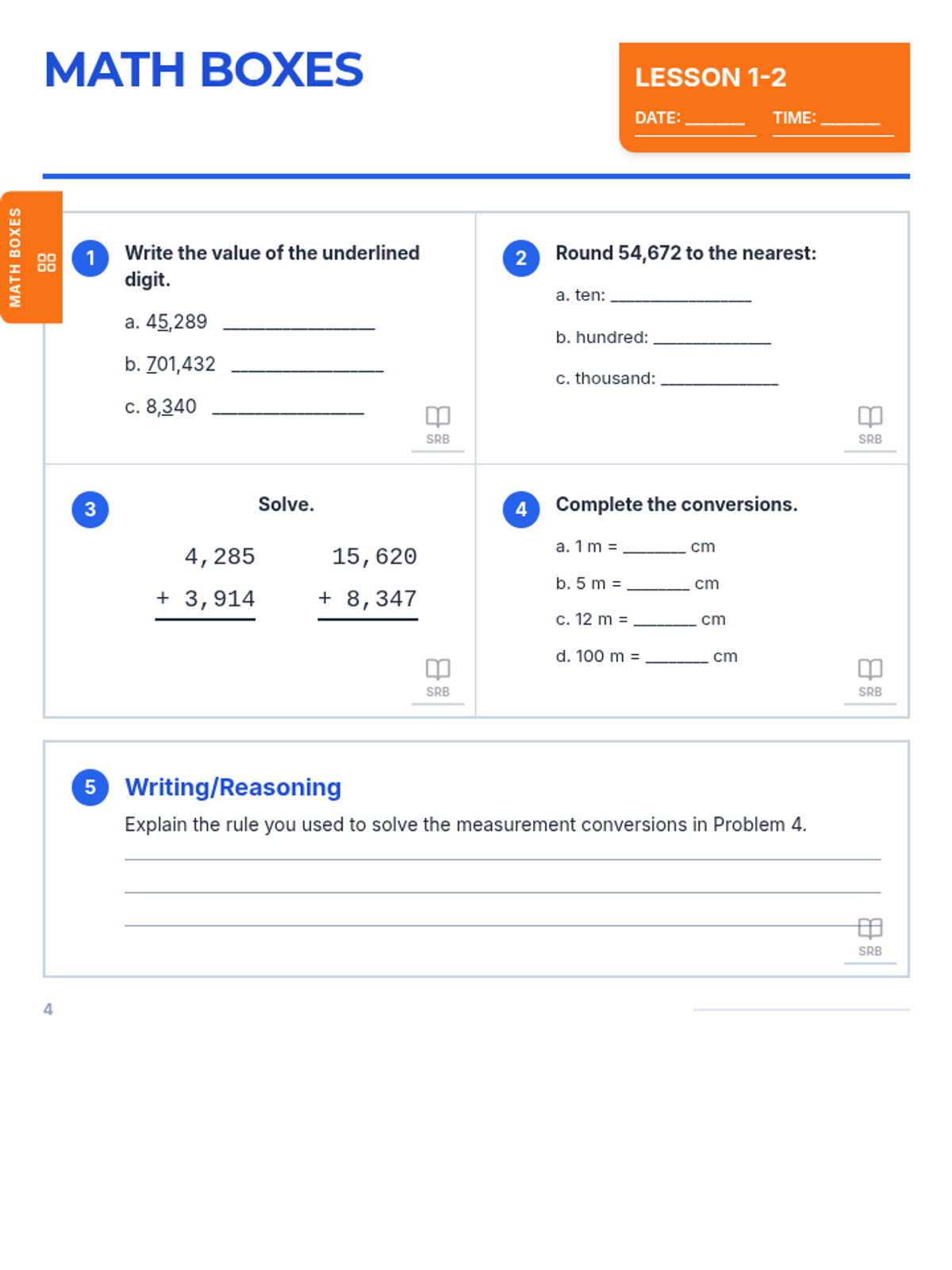
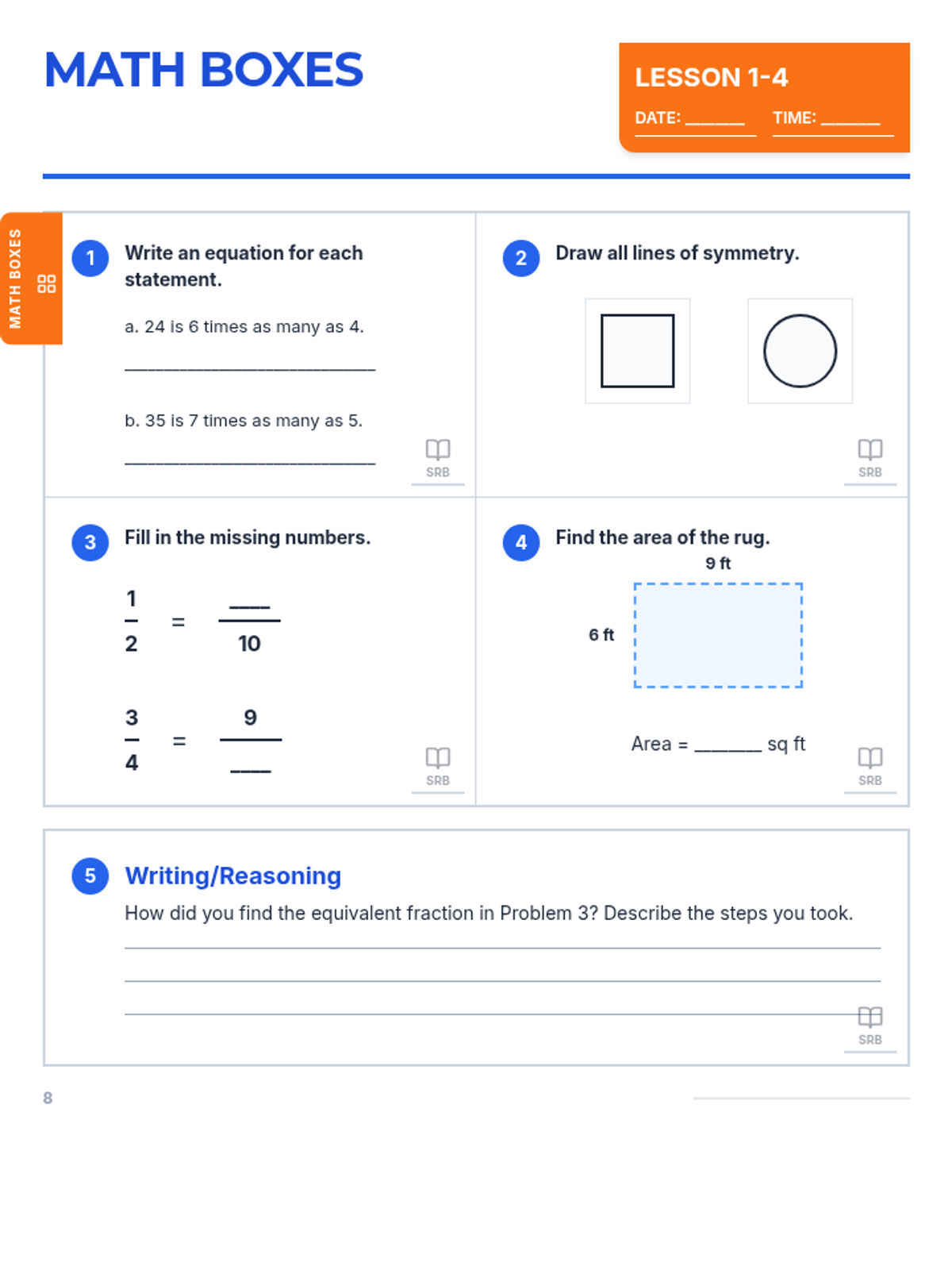
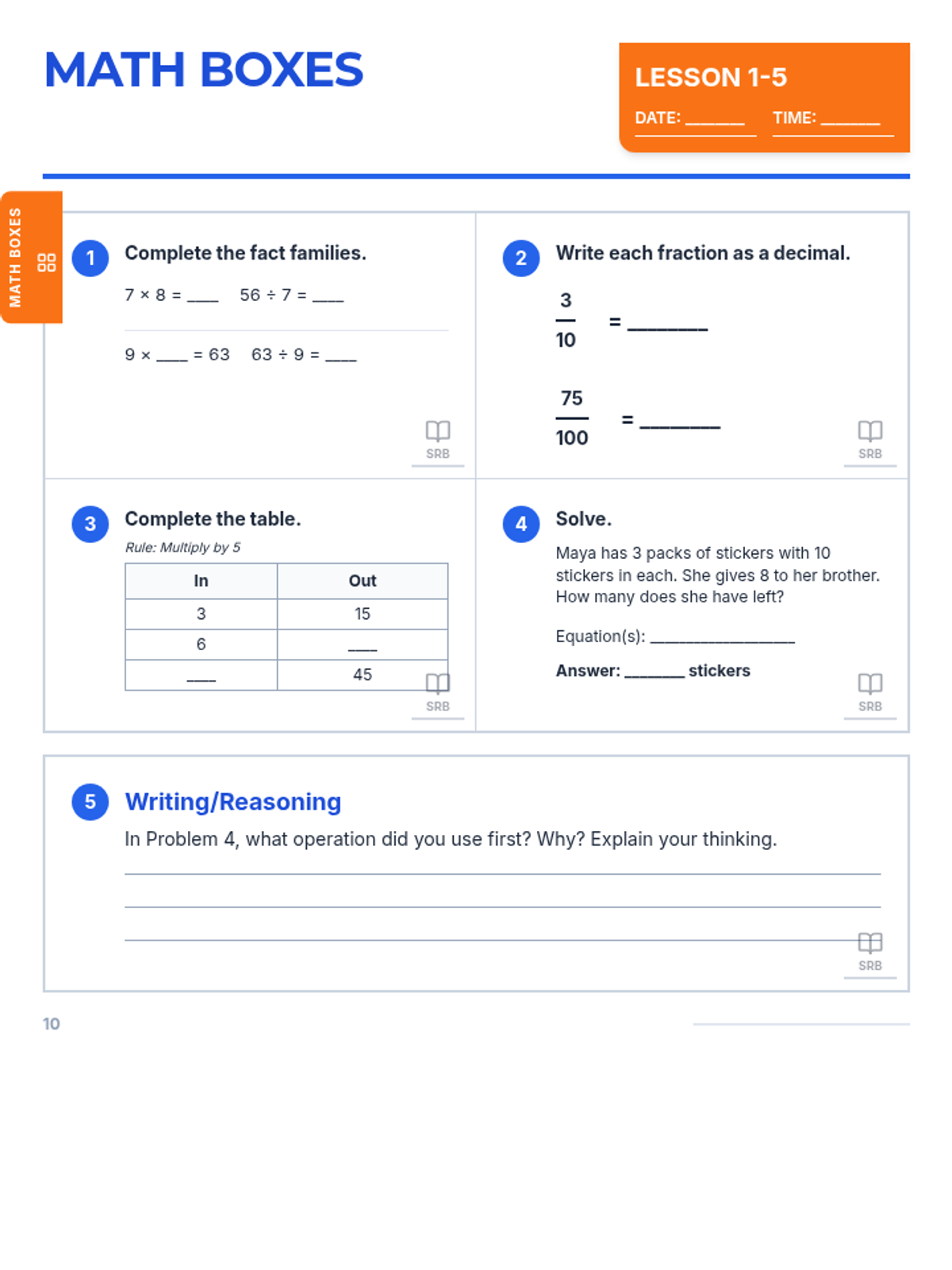
A series of mixed-review math worksheets designed for daily practice or formative assessment, covering key 4th-grade standards.
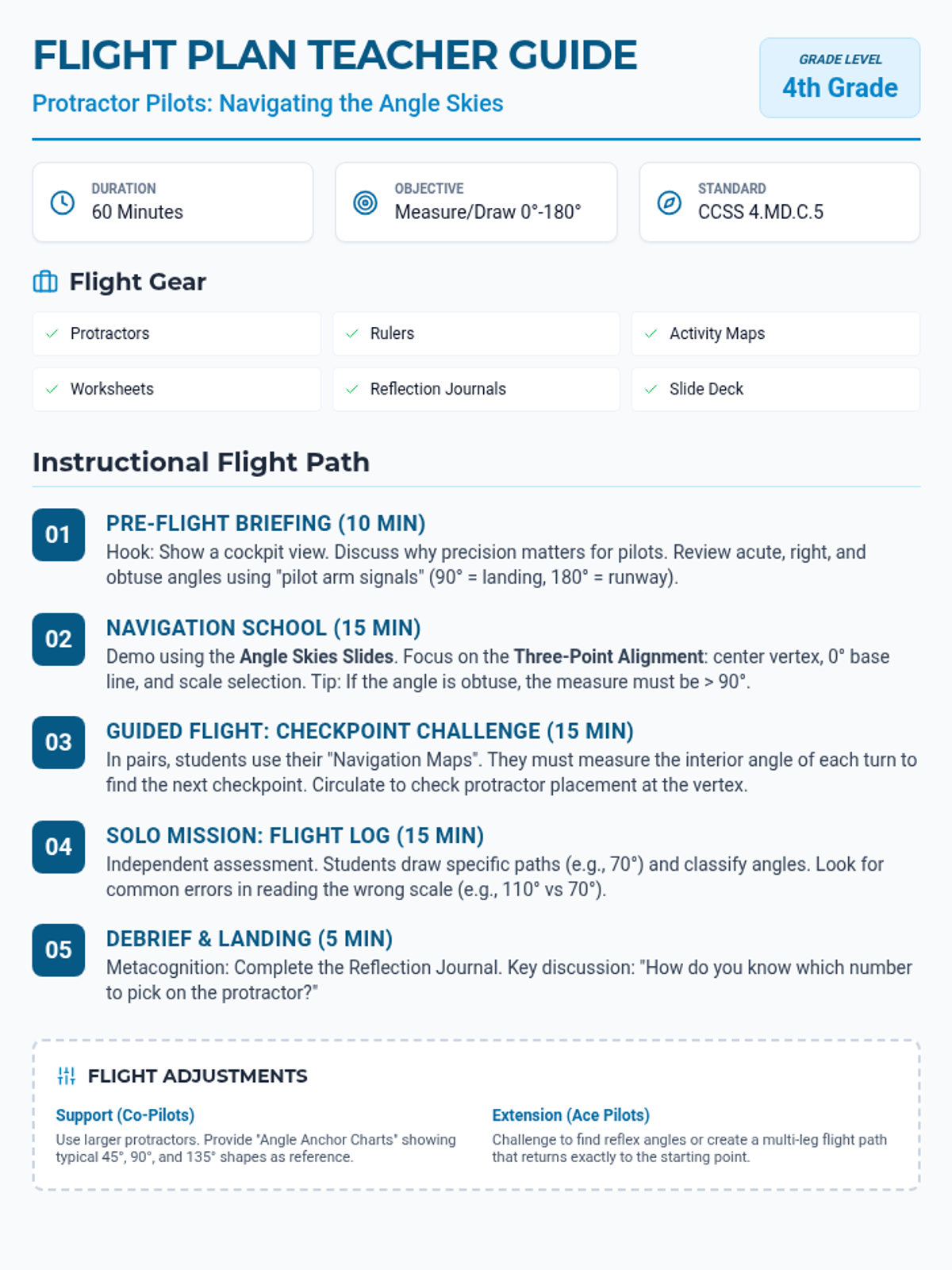
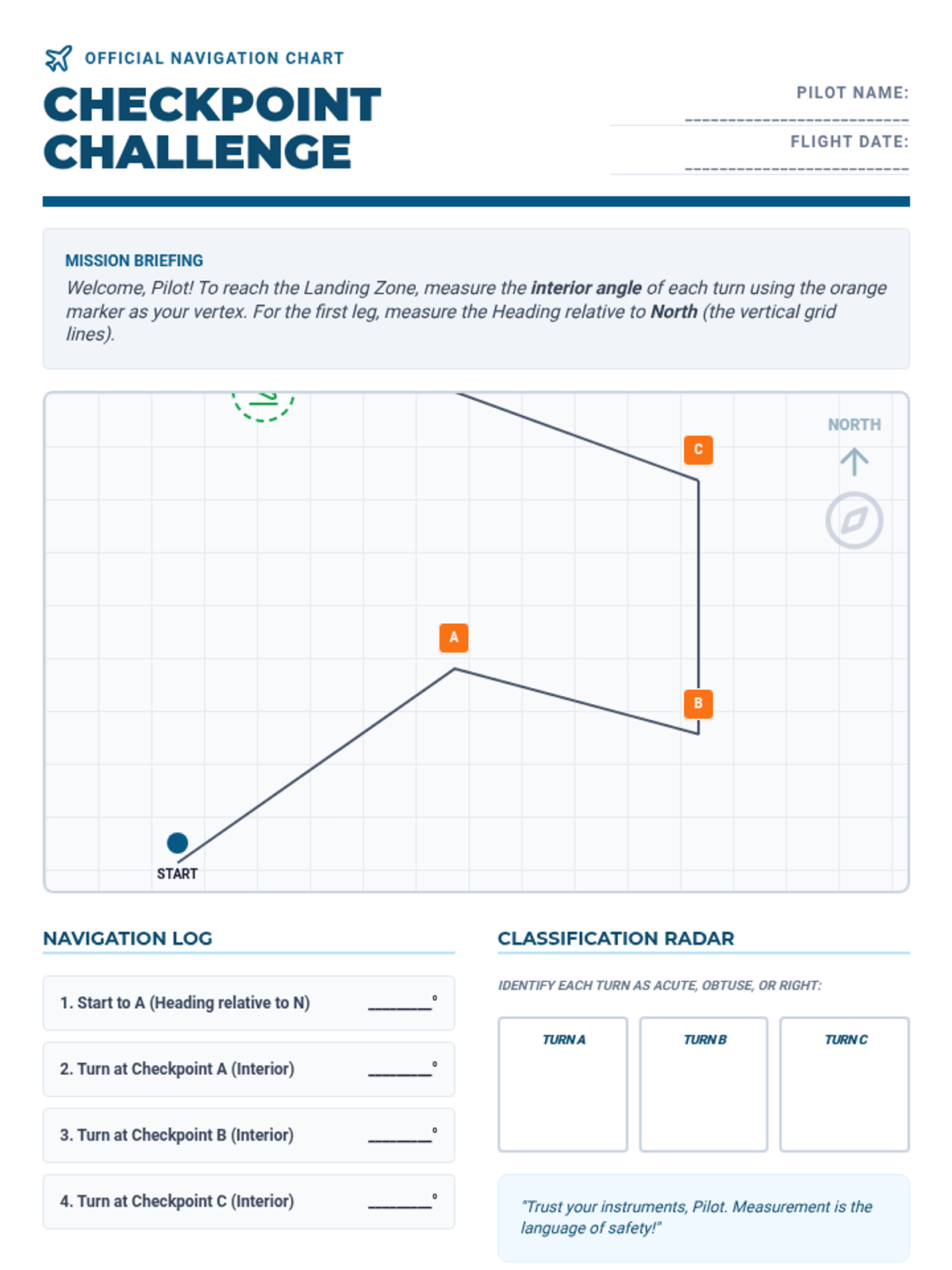
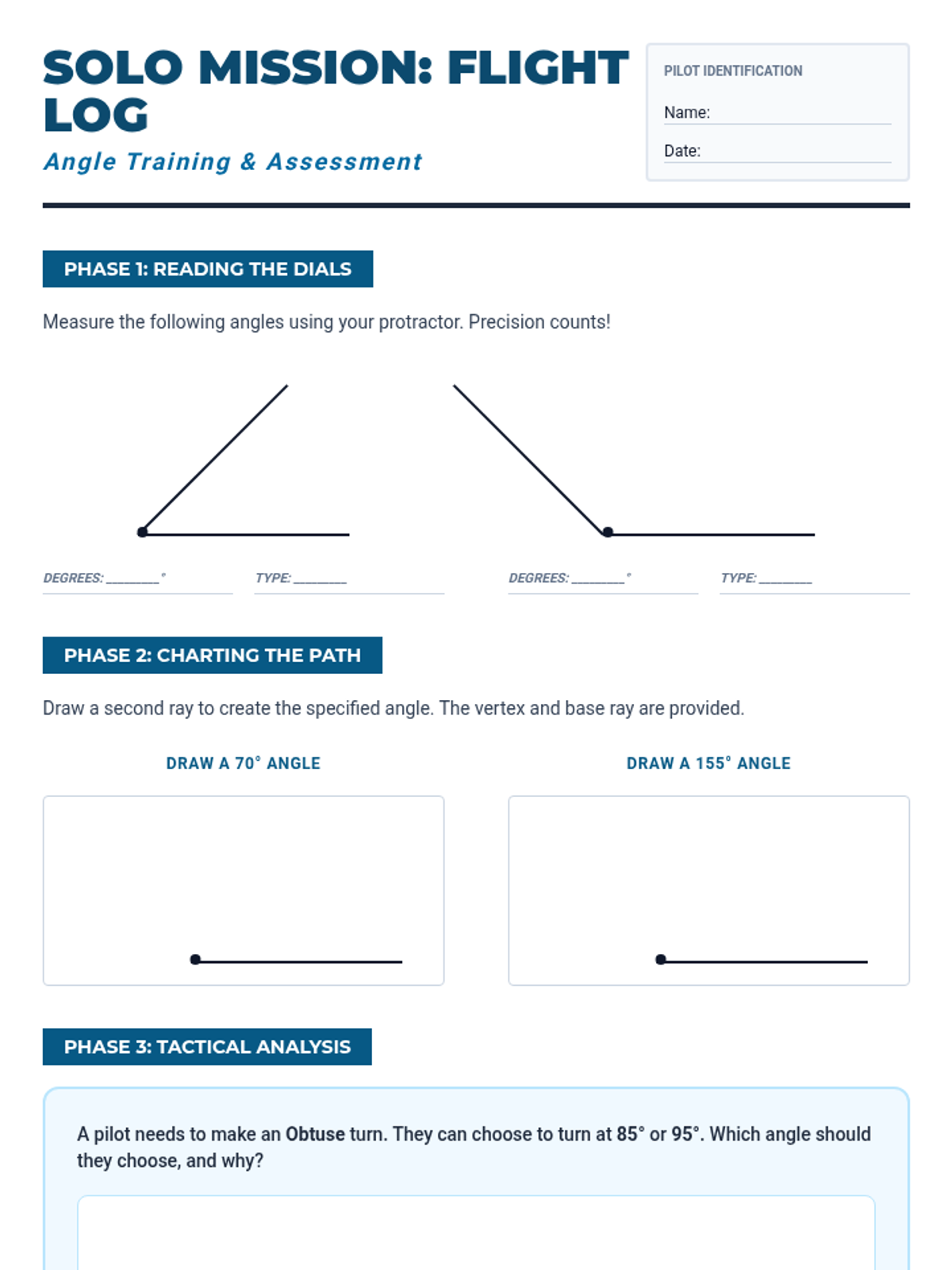
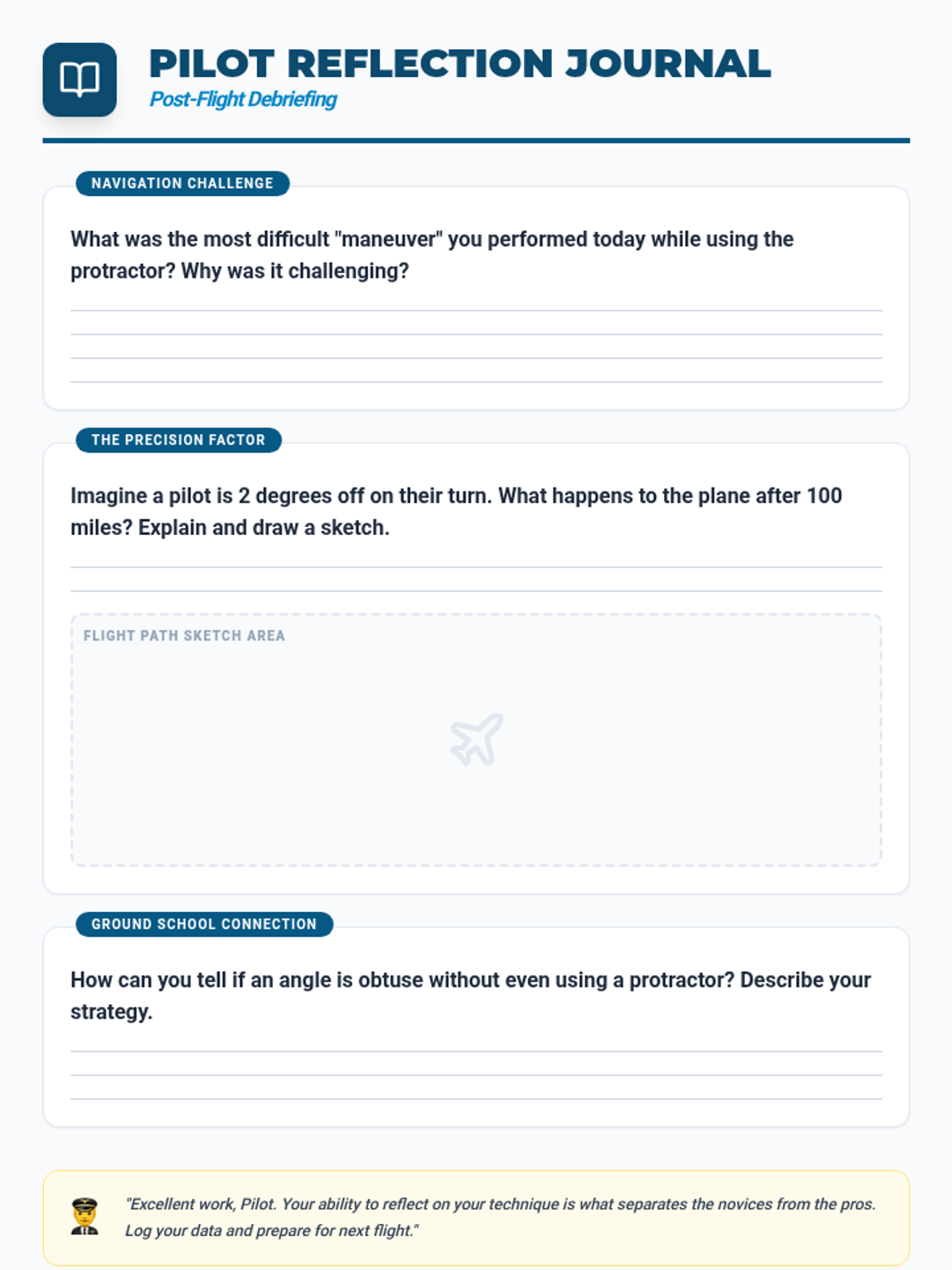
Students take to the skies as 'Protractor Pilots' to master measuring and drawing angles. This aviation-themed lesson focuses on precision, classifying angles, and spatial reasoning through a flight navigation simulation.
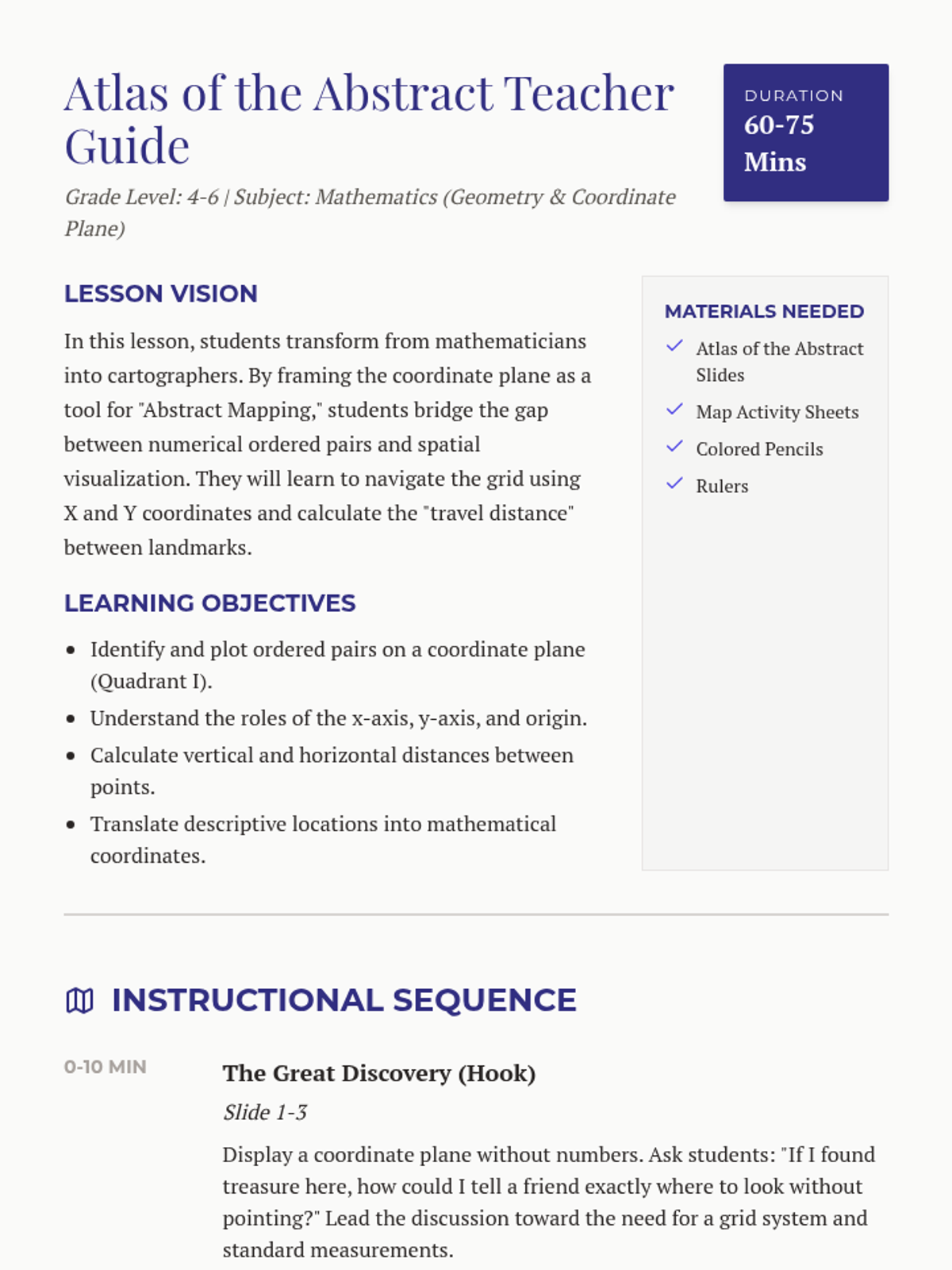
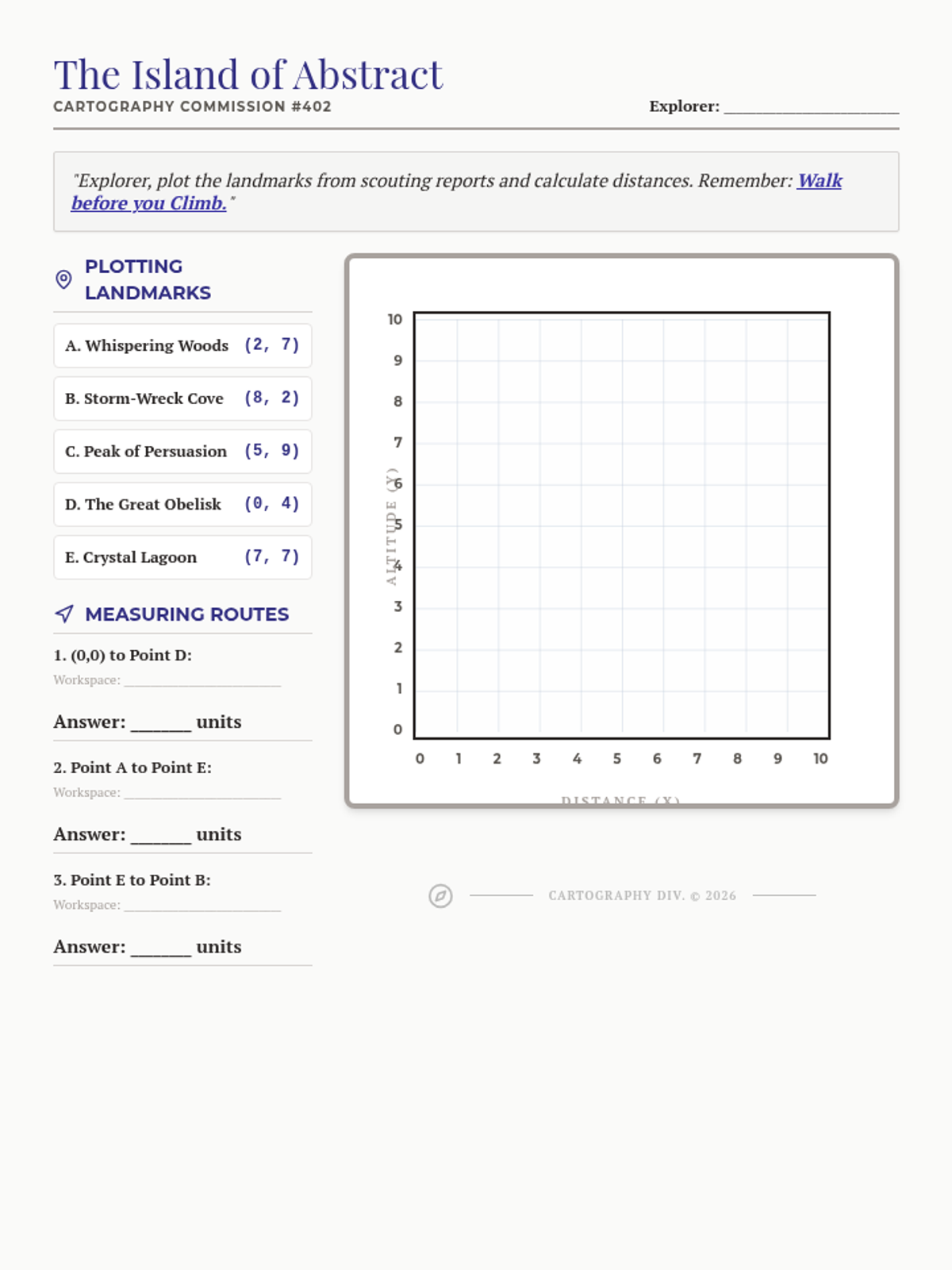
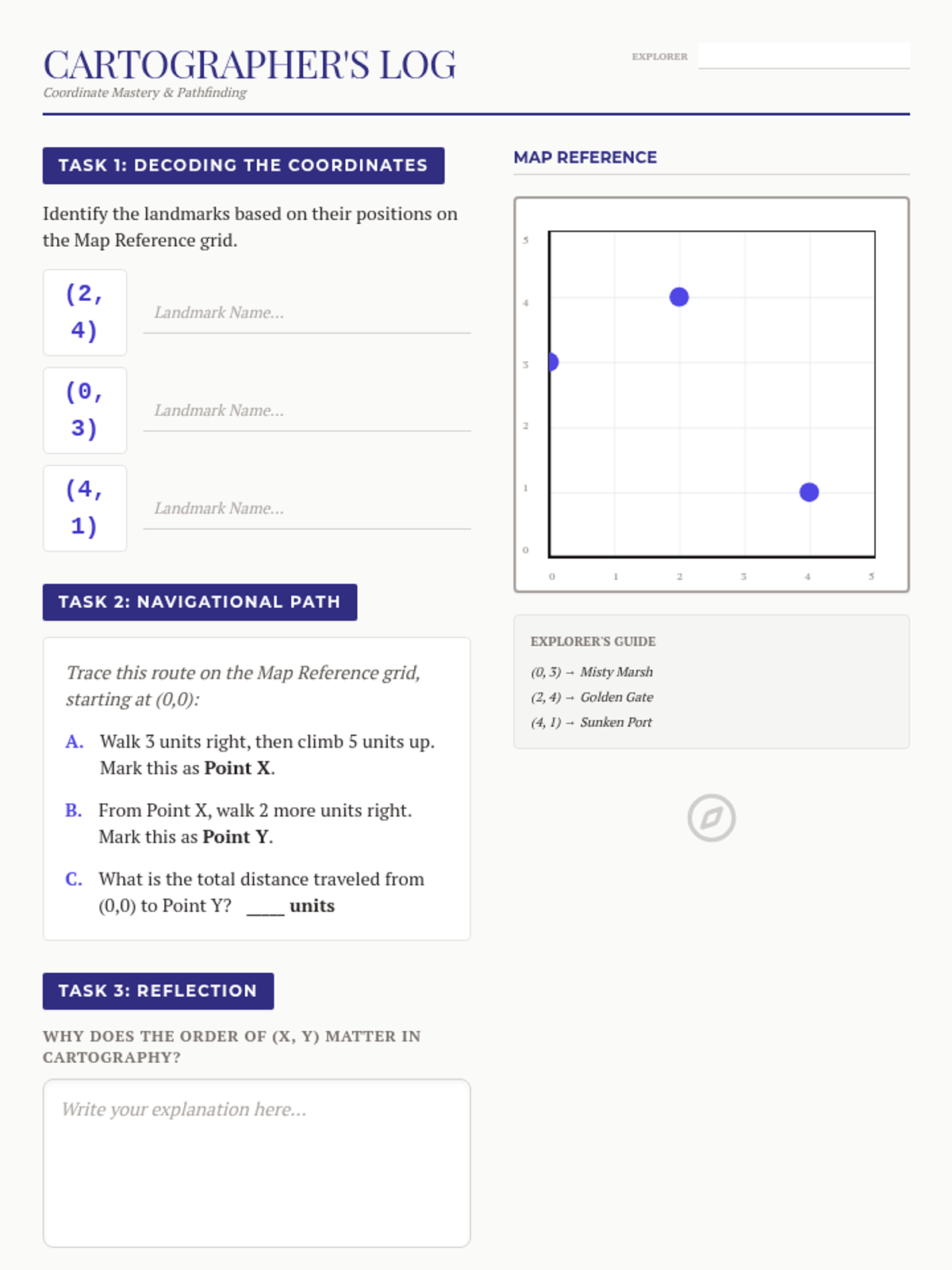
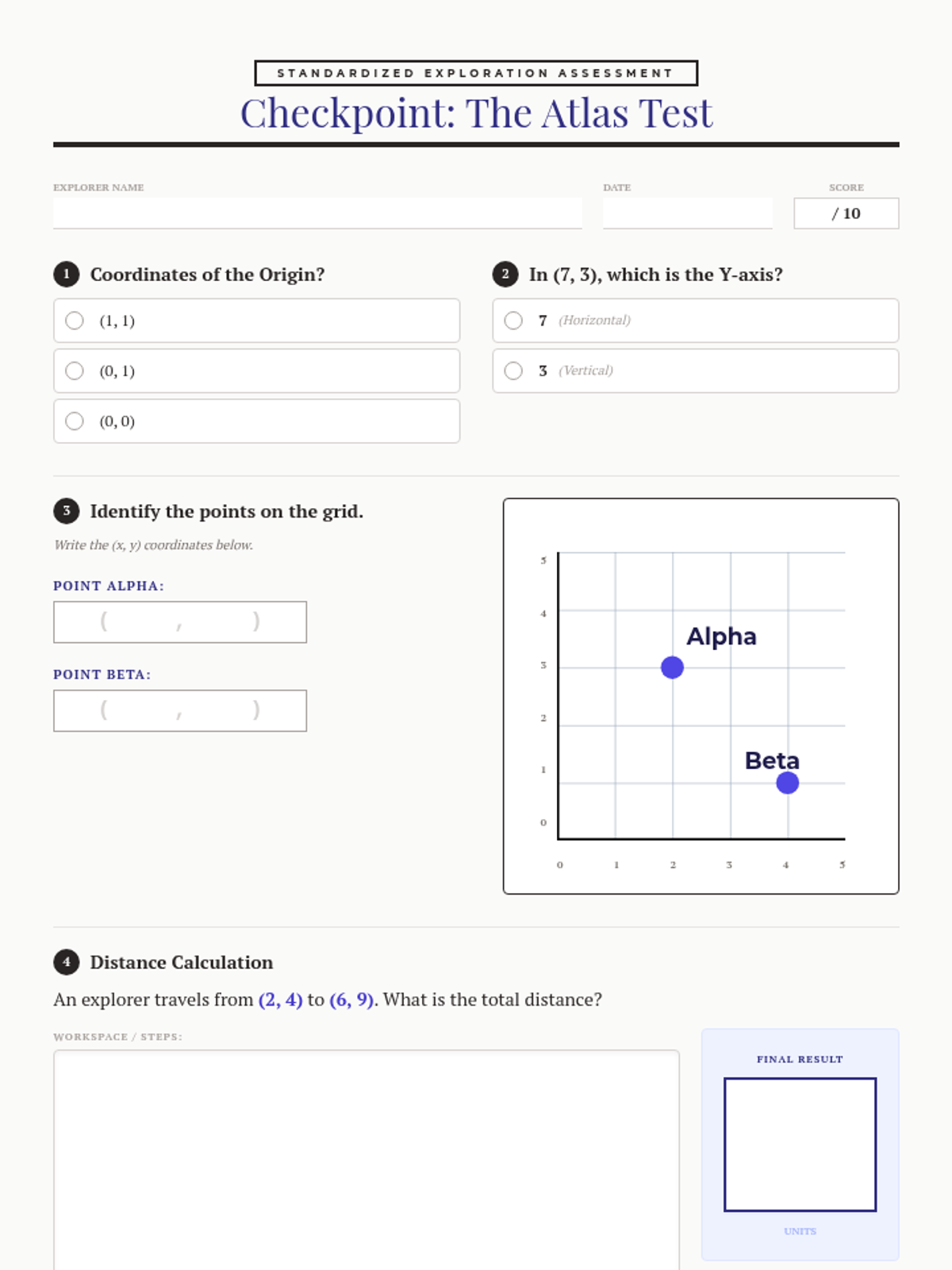
Students explore the coordinate plane through the lens of cartography, mapping imaginary landscapes using ordered pairs and calculating distances between landmarks.
A foundational lesson on measurement, specifically focusing on inches and half-inches, translated into Japanese. Students learn to partition rulers and record data.
A comprehensive introduction to measurement, focusing on length, using inches and halves of an inch. Students learn to use rulers, collect data, and represent it on line plots while developing precision in their measurements.