Day three challenges agents with algebraic equations and geometry-based laser grid puzzles.
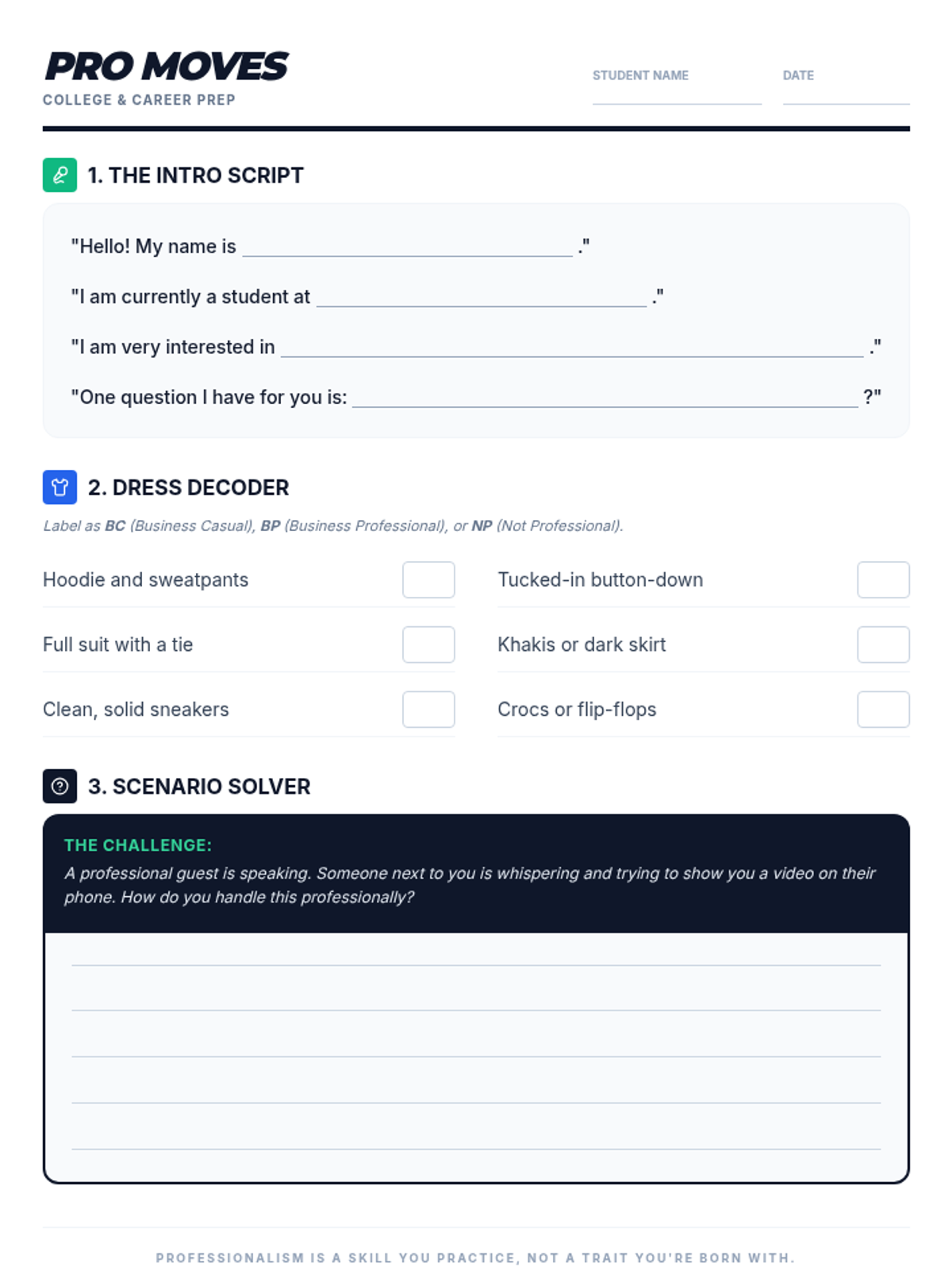
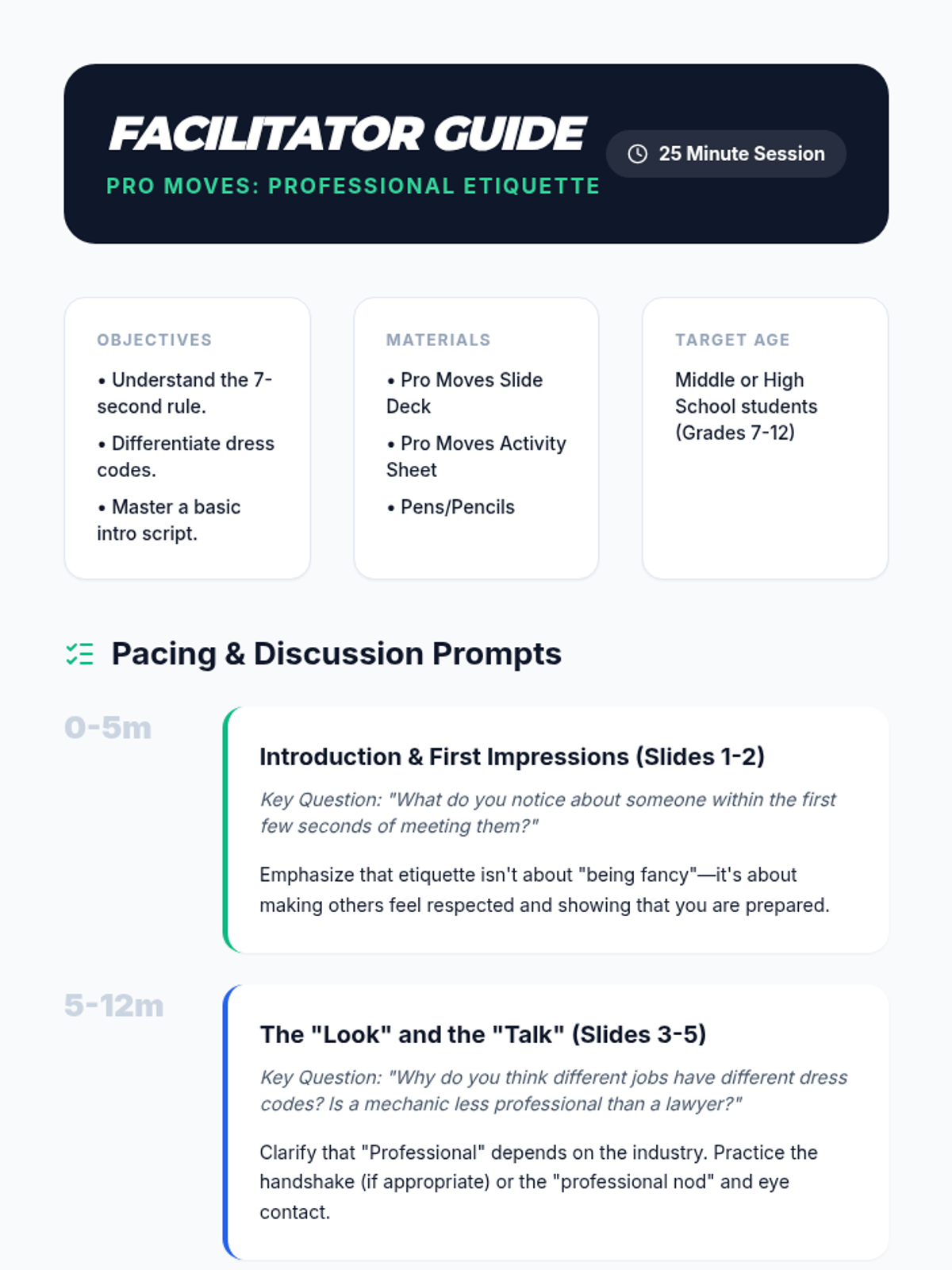
A fast-paced guide to professional etiquette, covering dress, manners, and communication to prepare students for interacting with industry professionals during College and Career Week.
A lesson designed to help students transition into summer break with mindfulness and coping strategies to manage end-of-year nerves and summer stressors.
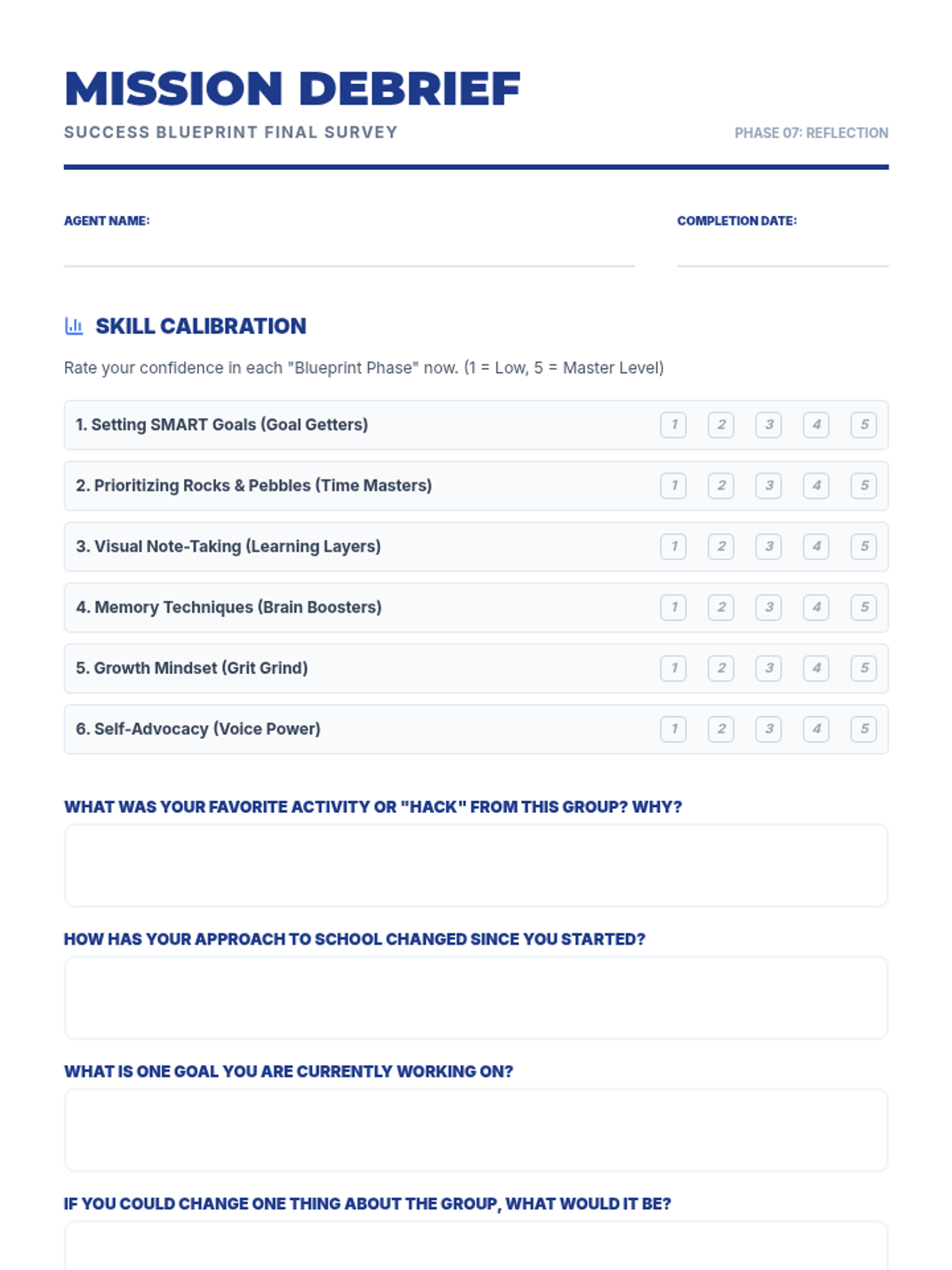
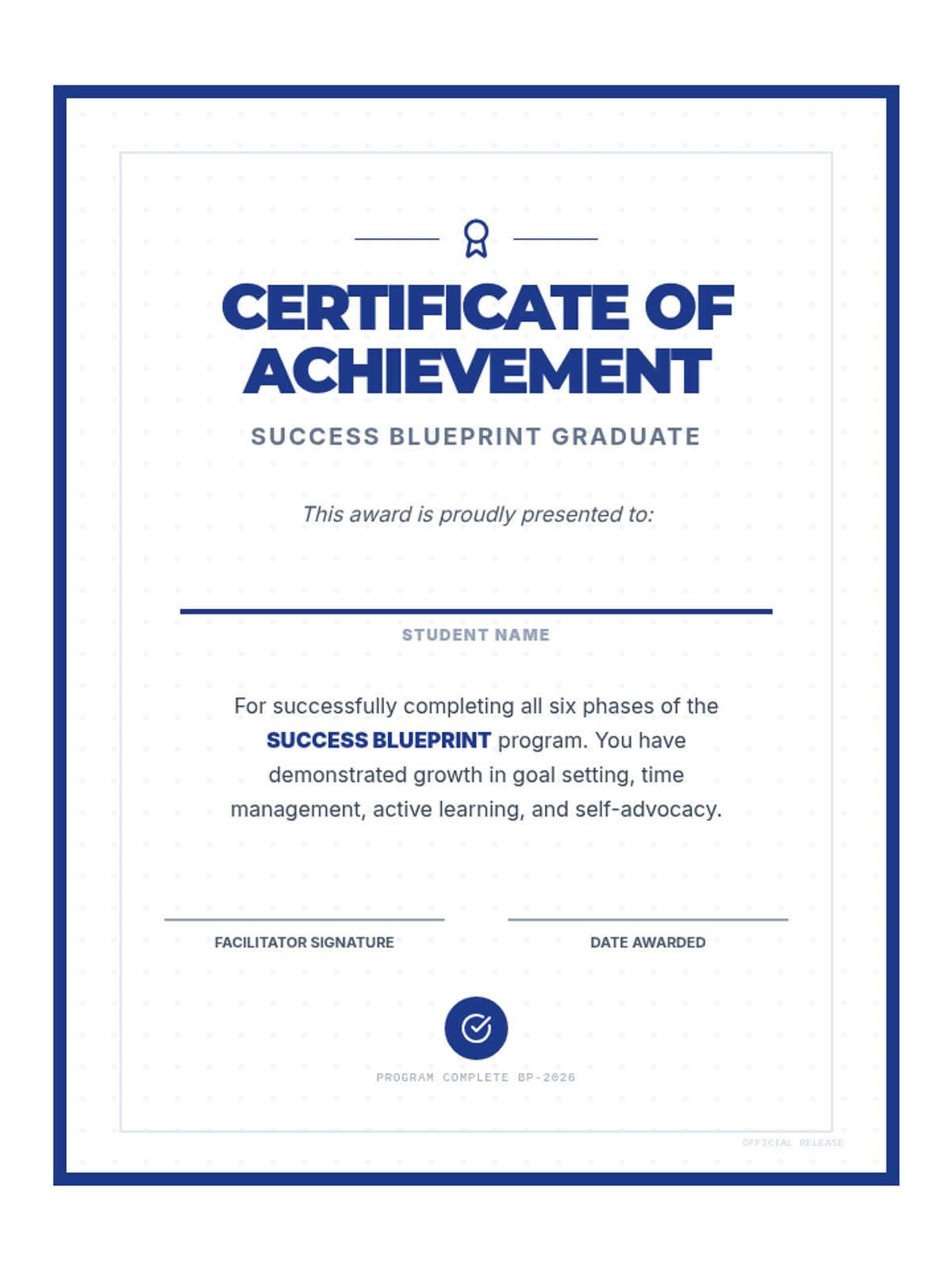
The final session of the program where students reflect on their growth, provide feedback via a final survey, and receive their completion certificates.
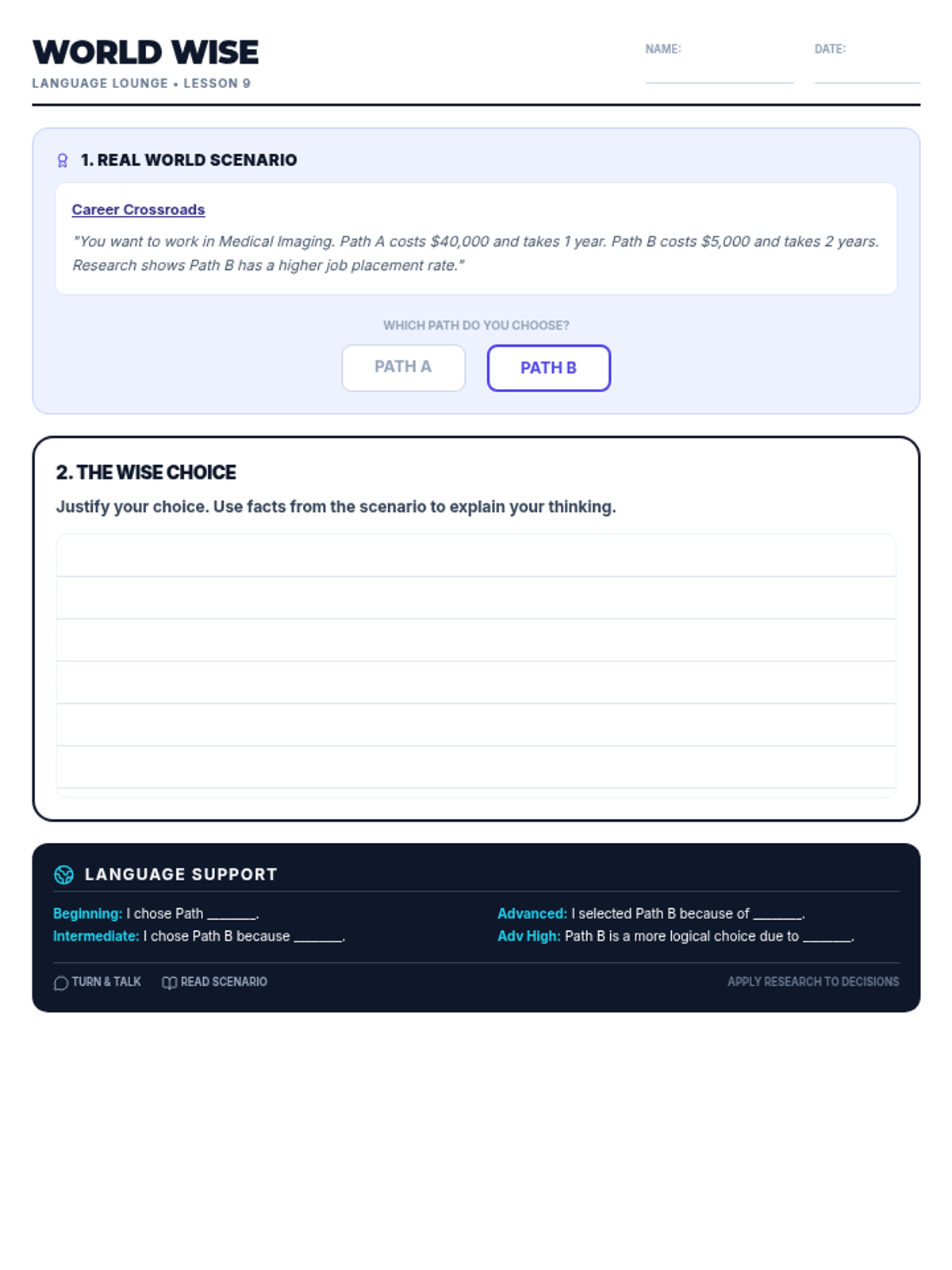
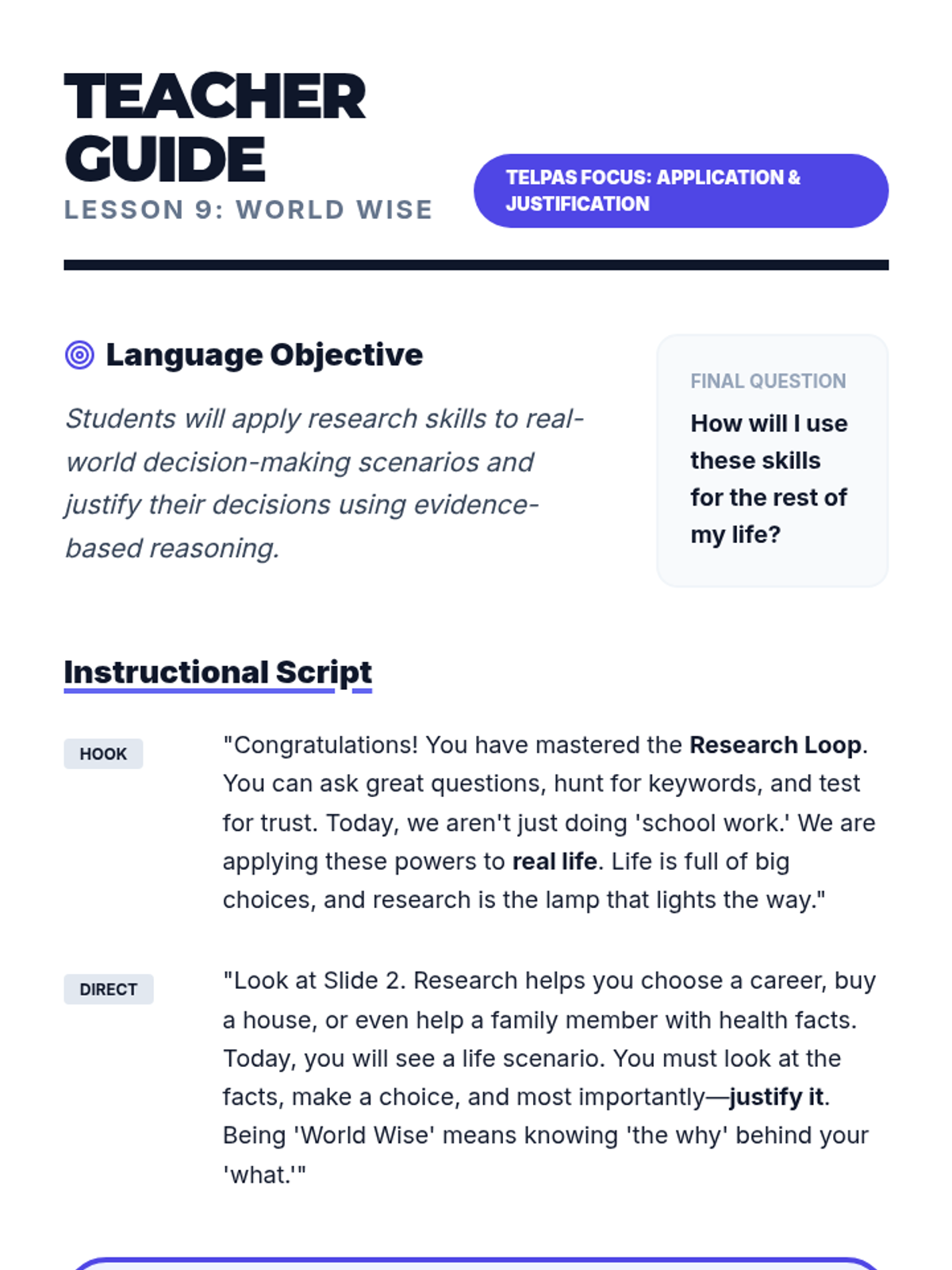
Students apply their research skills to a real-world scenario, justifying decisions with evidence.
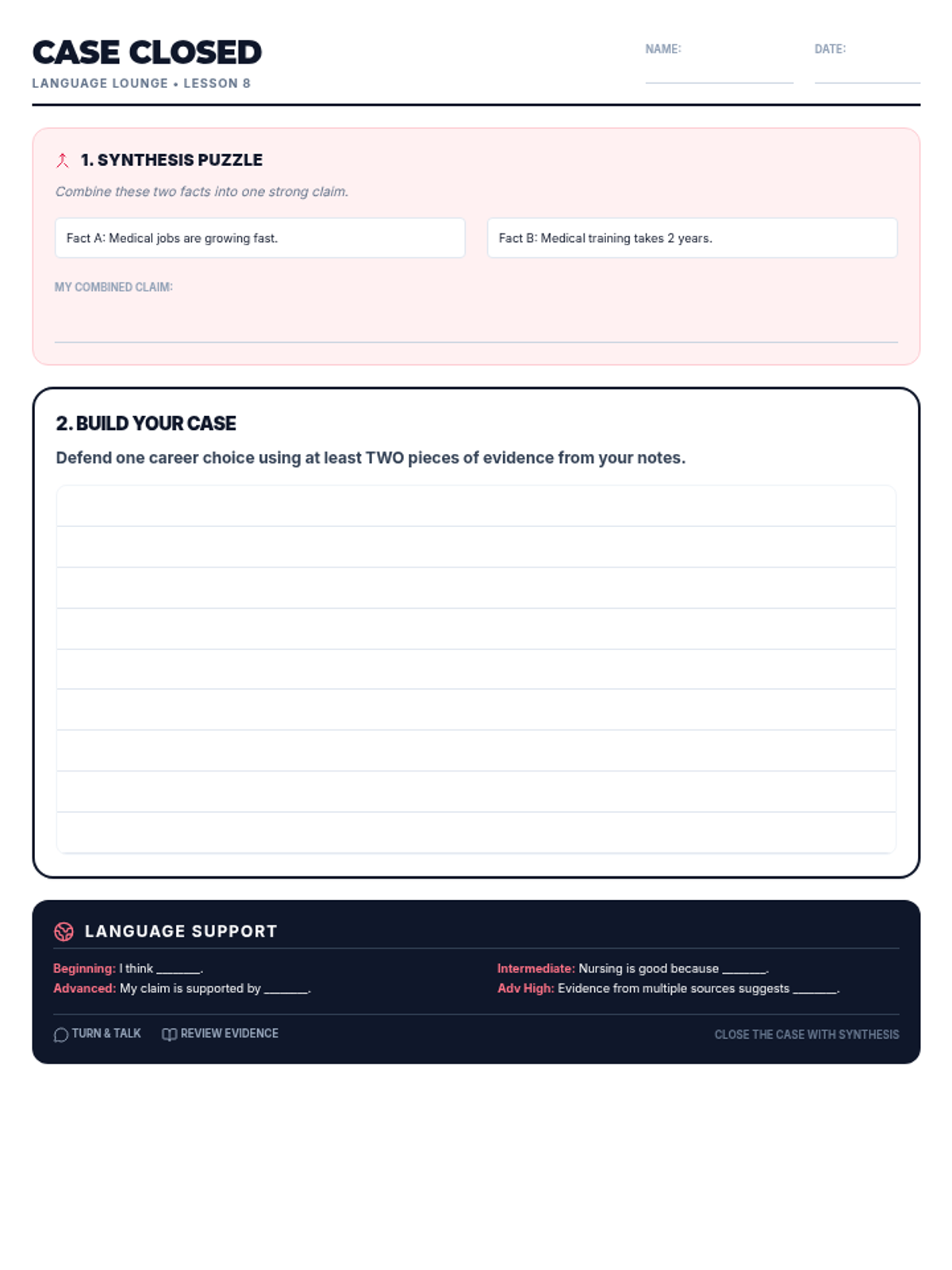
Students synthesize information from multiple sources to construct and defend academic claims.
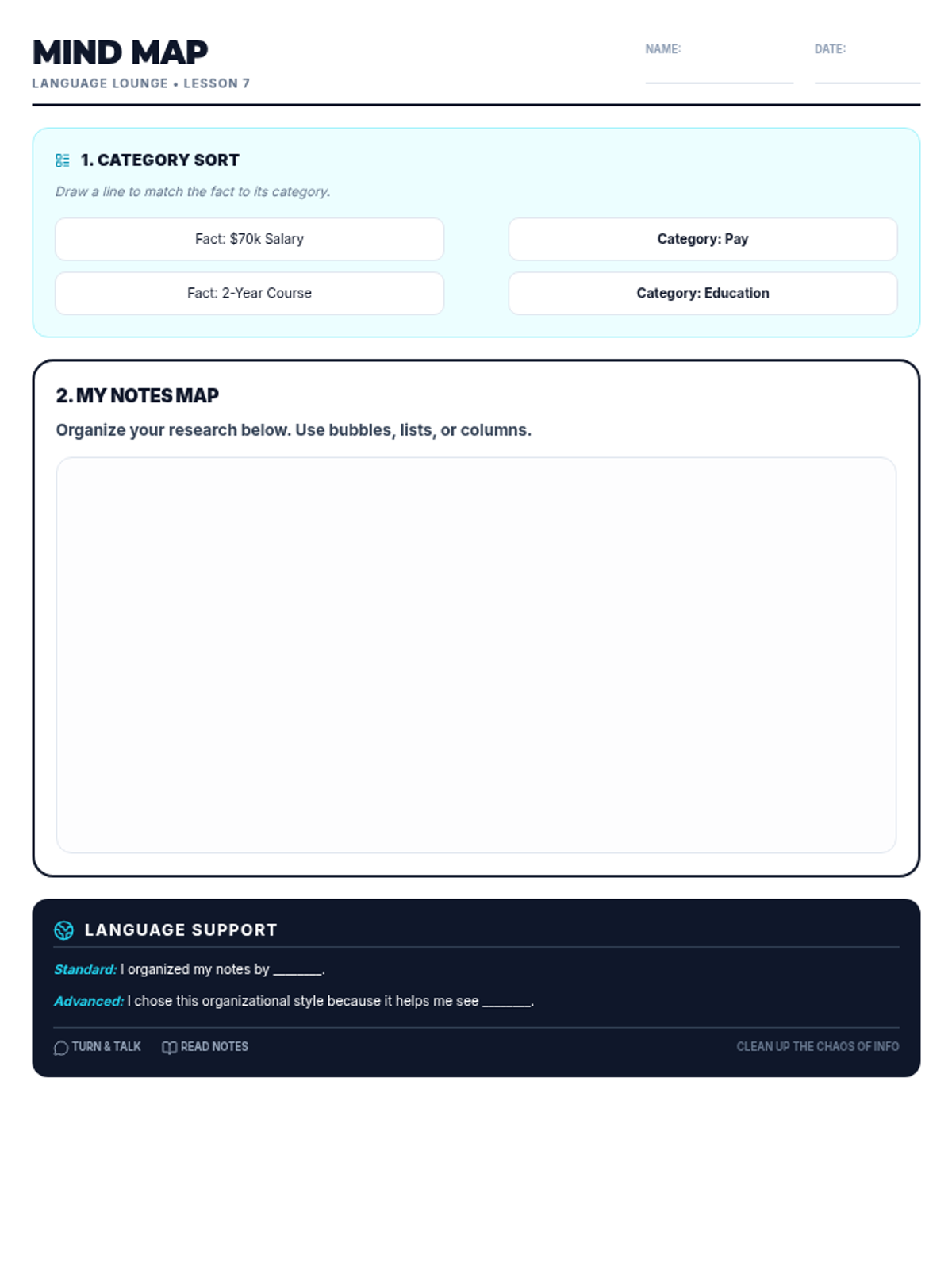
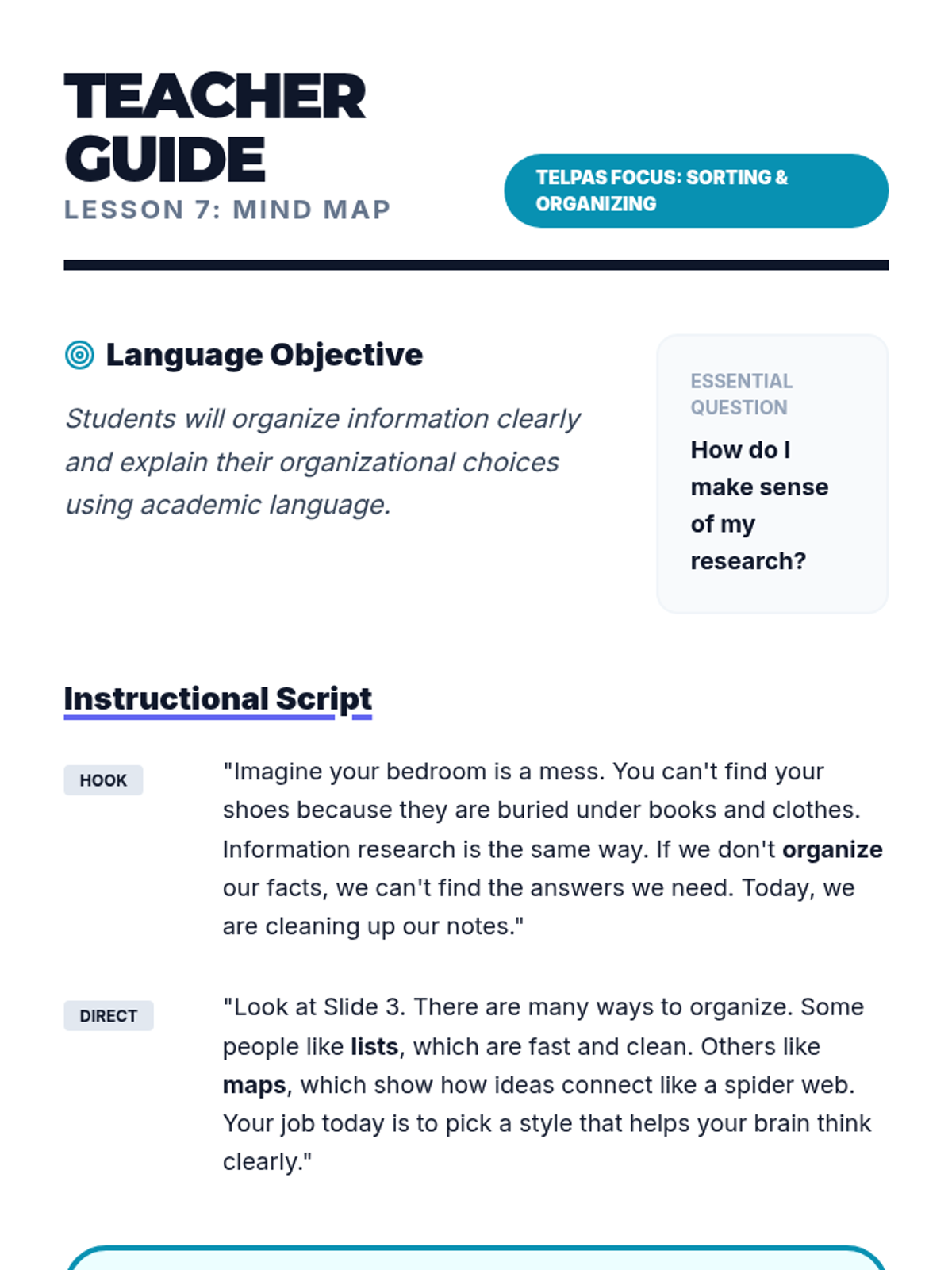
Students utilize various note-taking and organization strategies to manage career and college research.
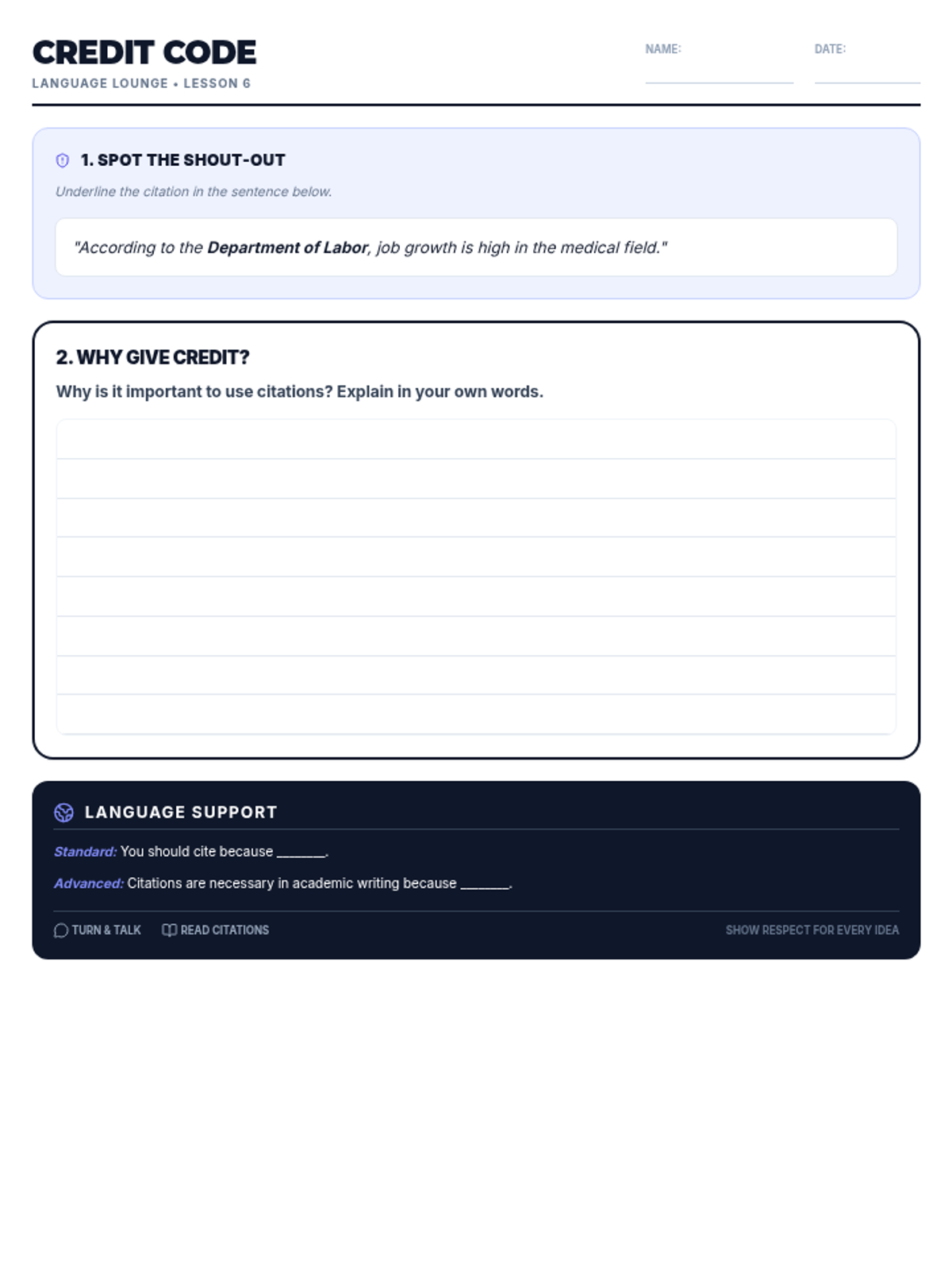
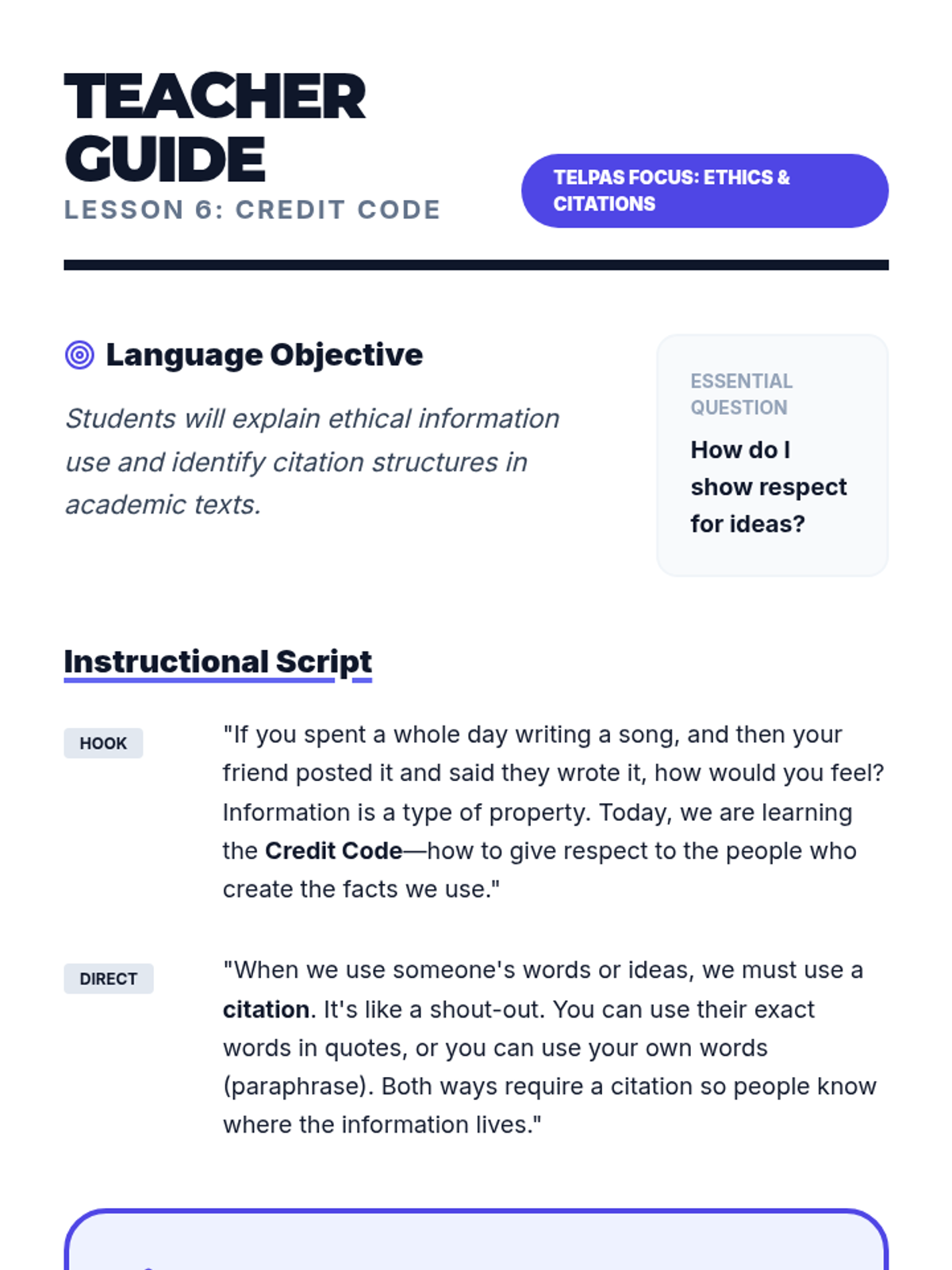
Students explore the ethics of information use, including plagiarism, citations, and responsible social media sharing.
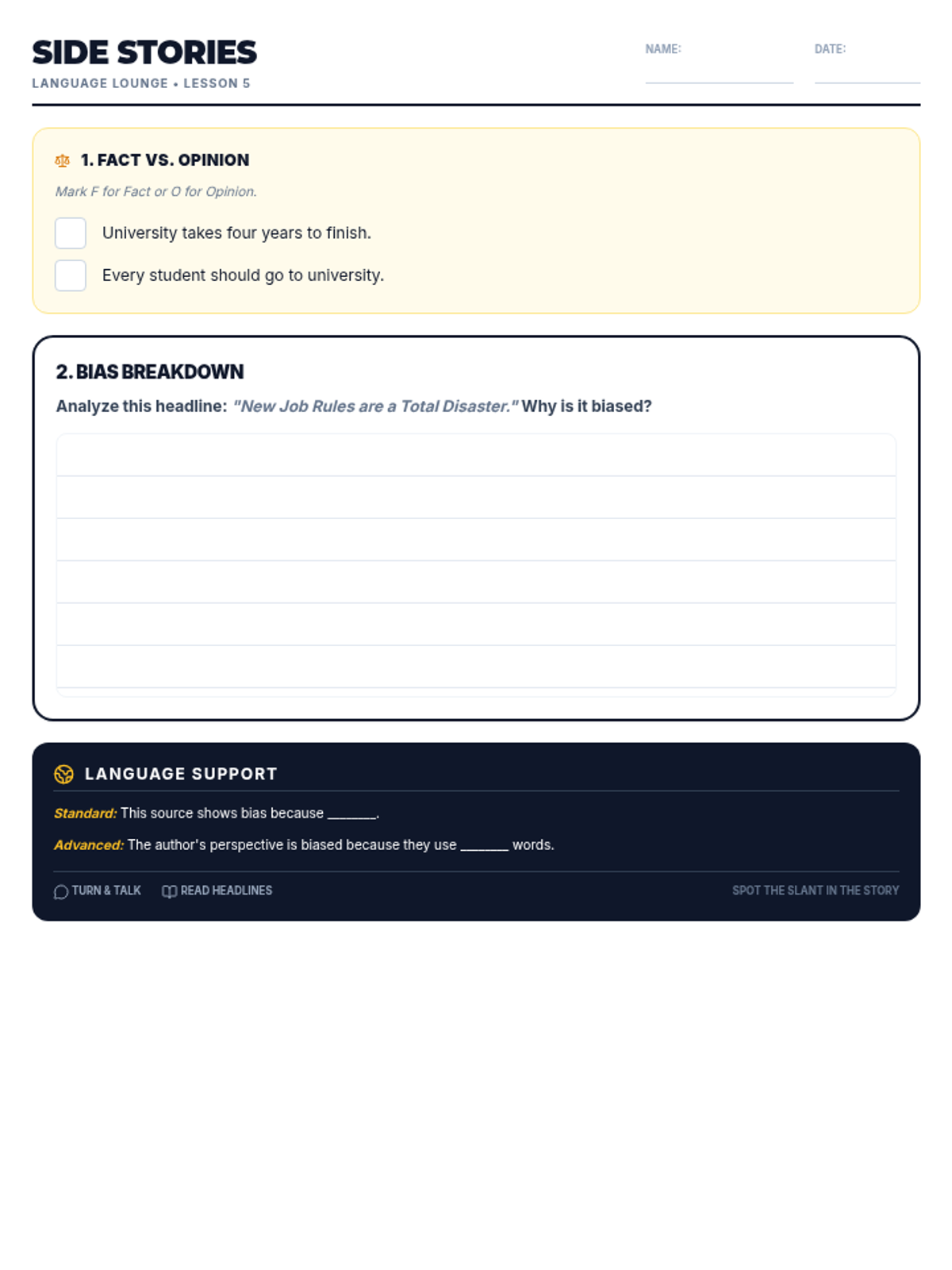
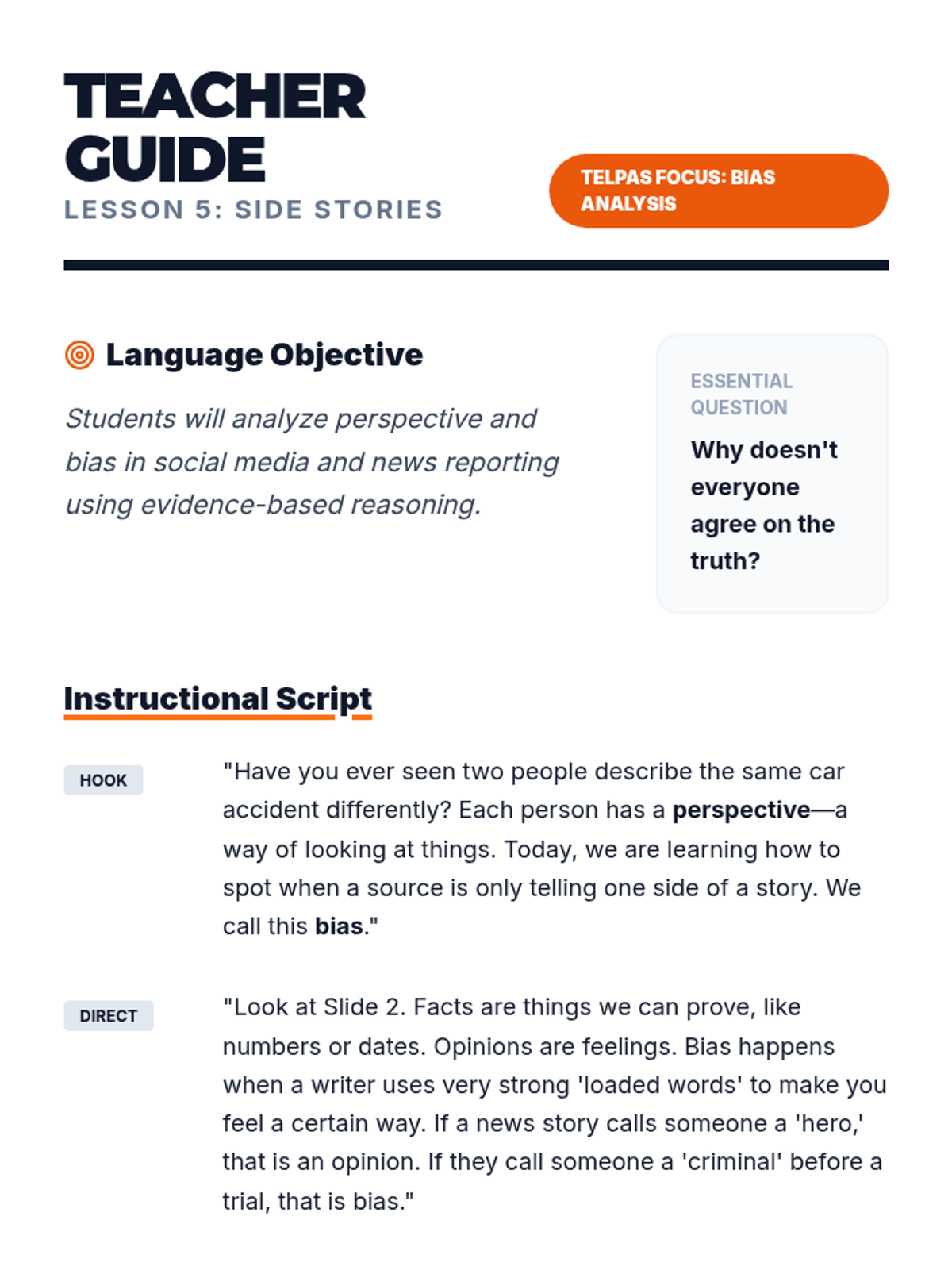
Students identify fact versus opinion and recognize bias in social media and news reporting.
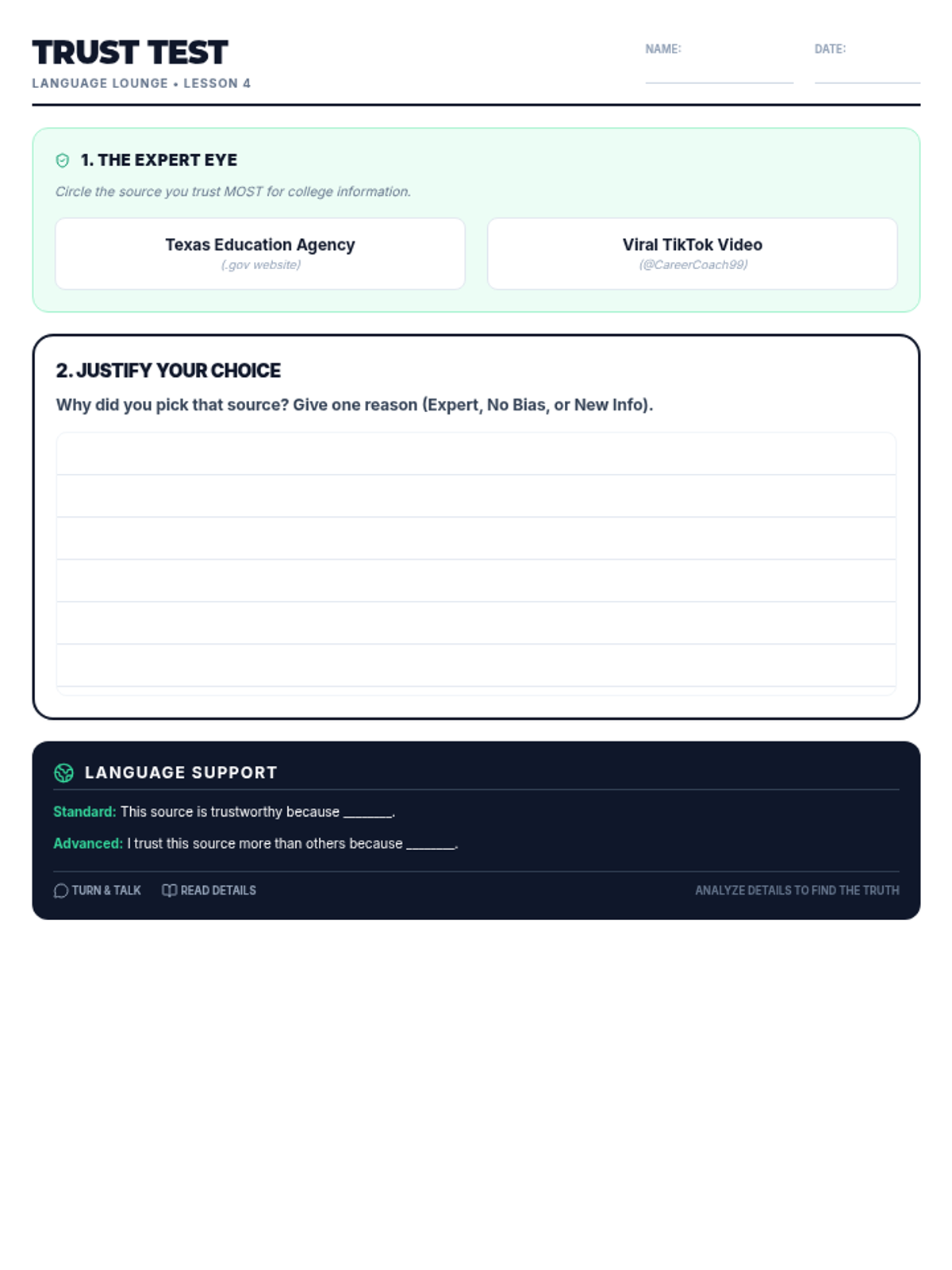
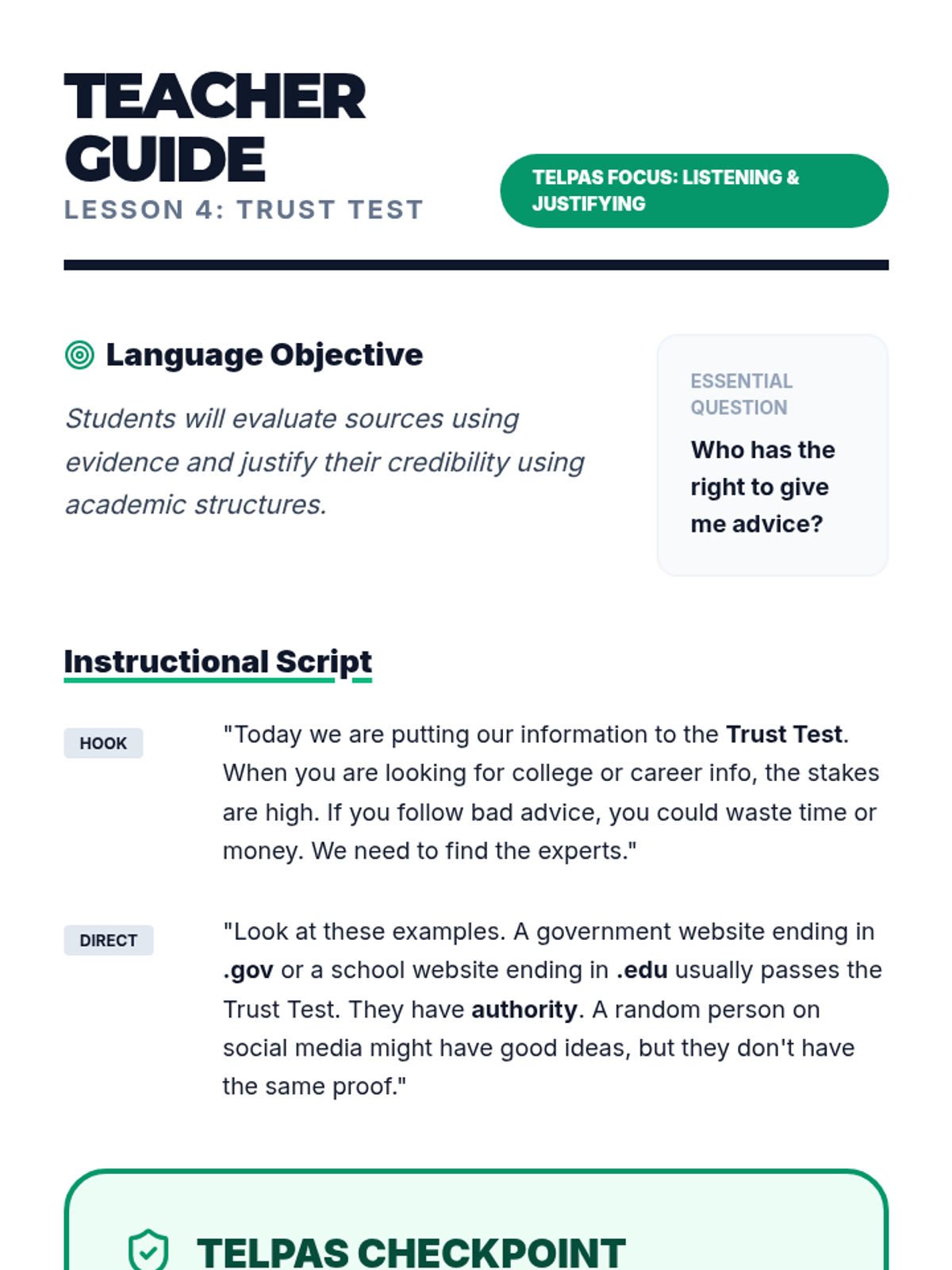
Students analyze the credibility of college and career resources using evidence-based evaluation techniques.
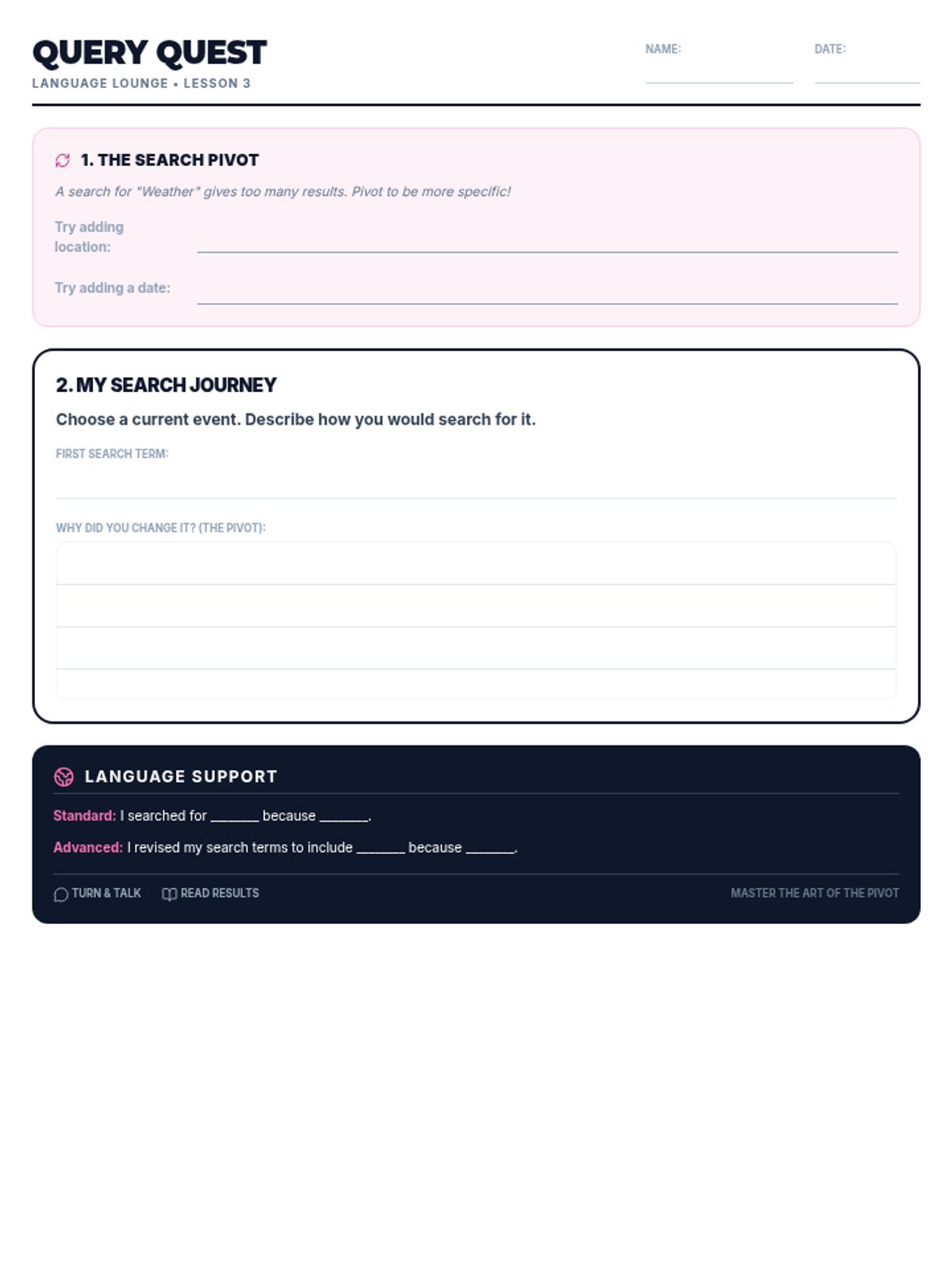
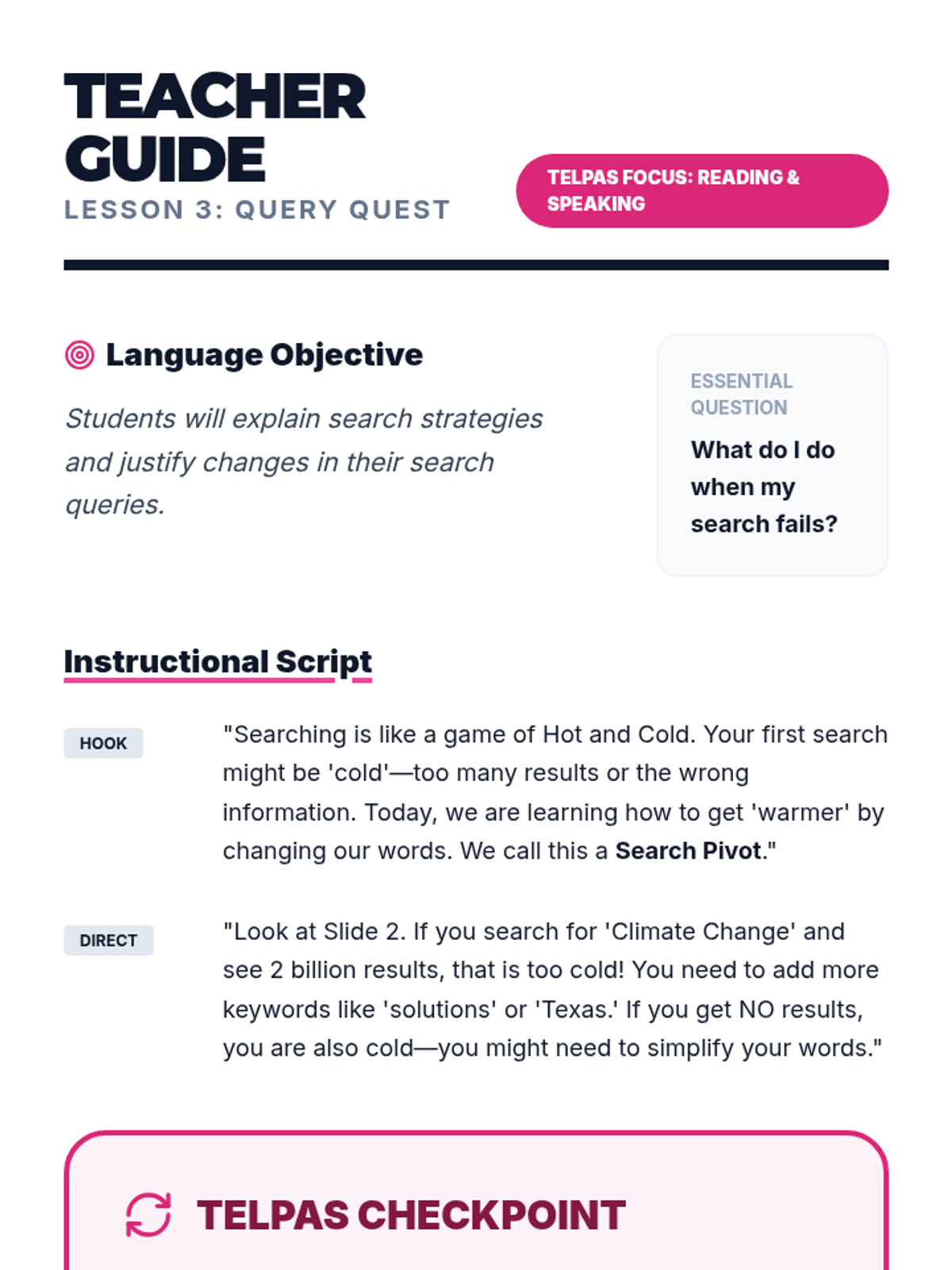
Students practice advanced search strategies to navigate current events and filter for high-quality information.
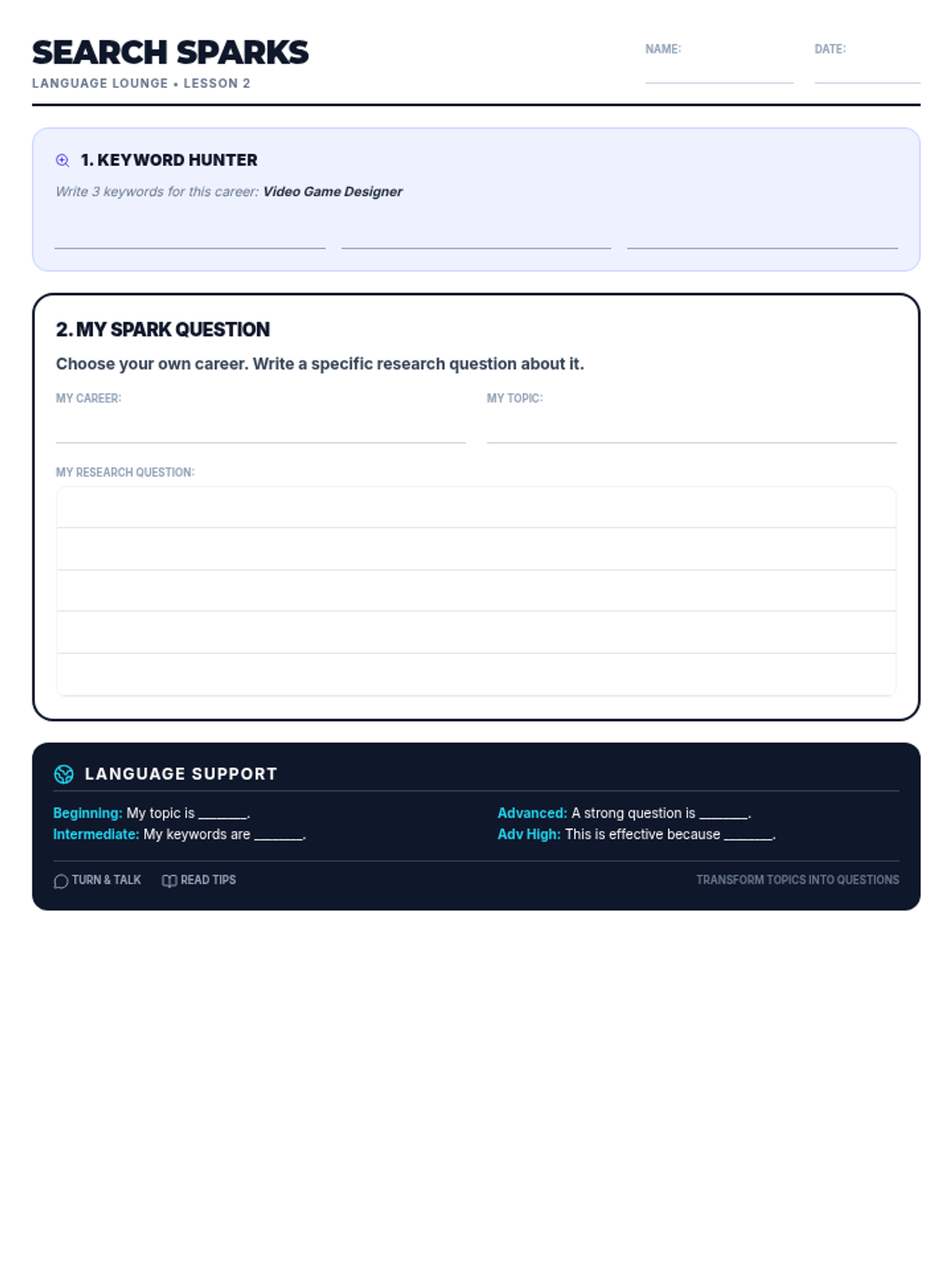
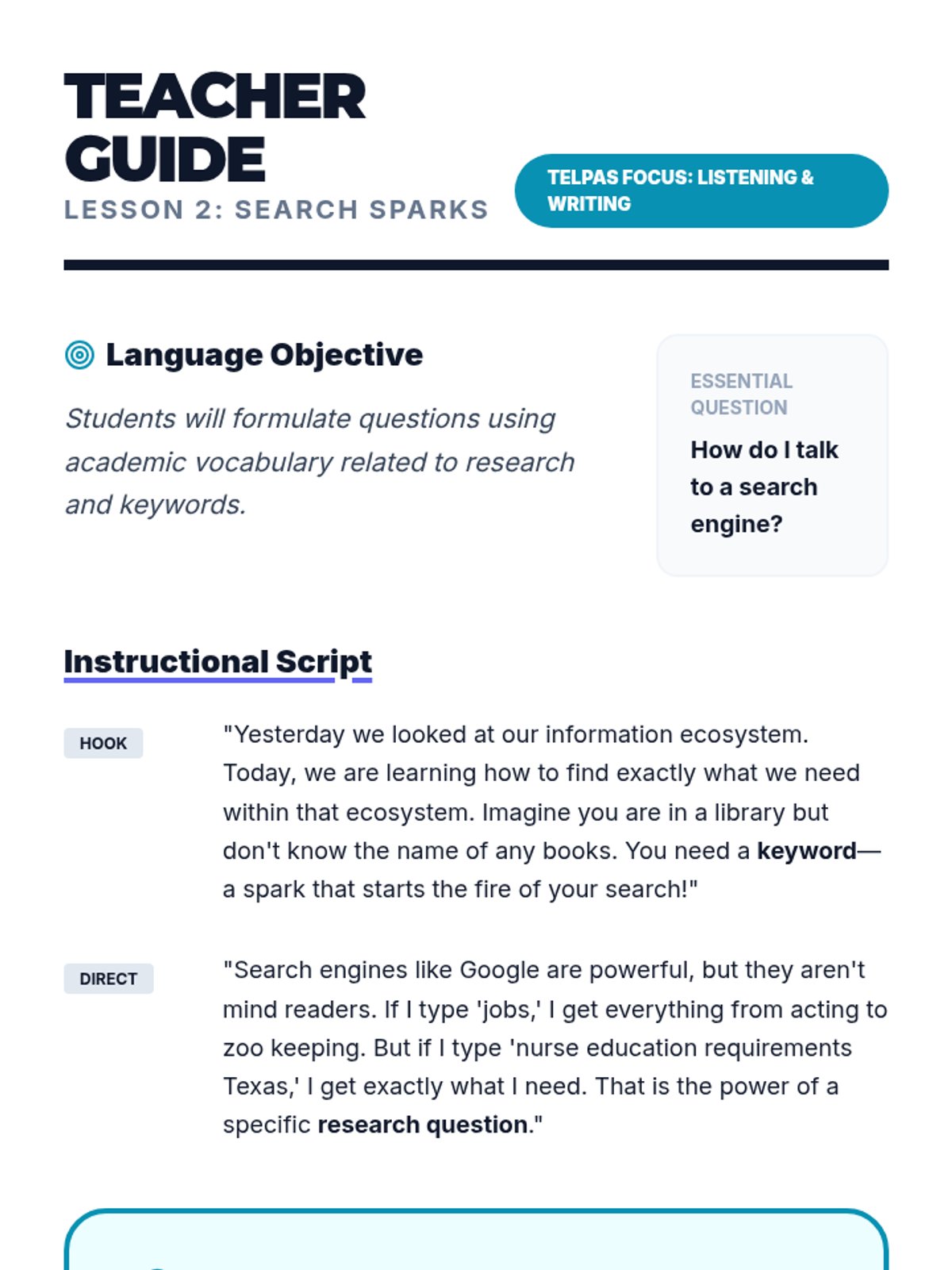
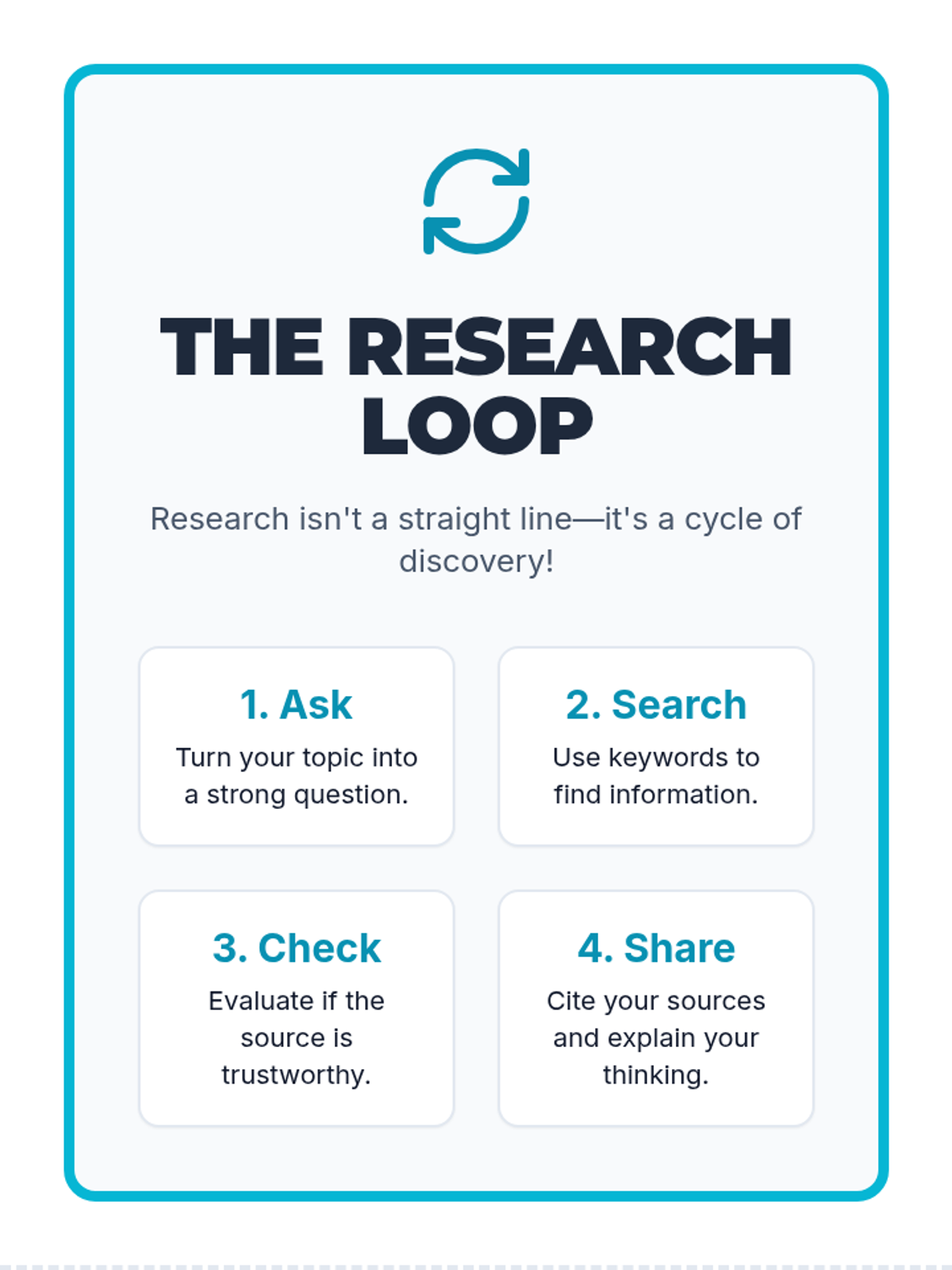
Students learn to transform broad topics like career interests into specific, searchable research questions and keywords.
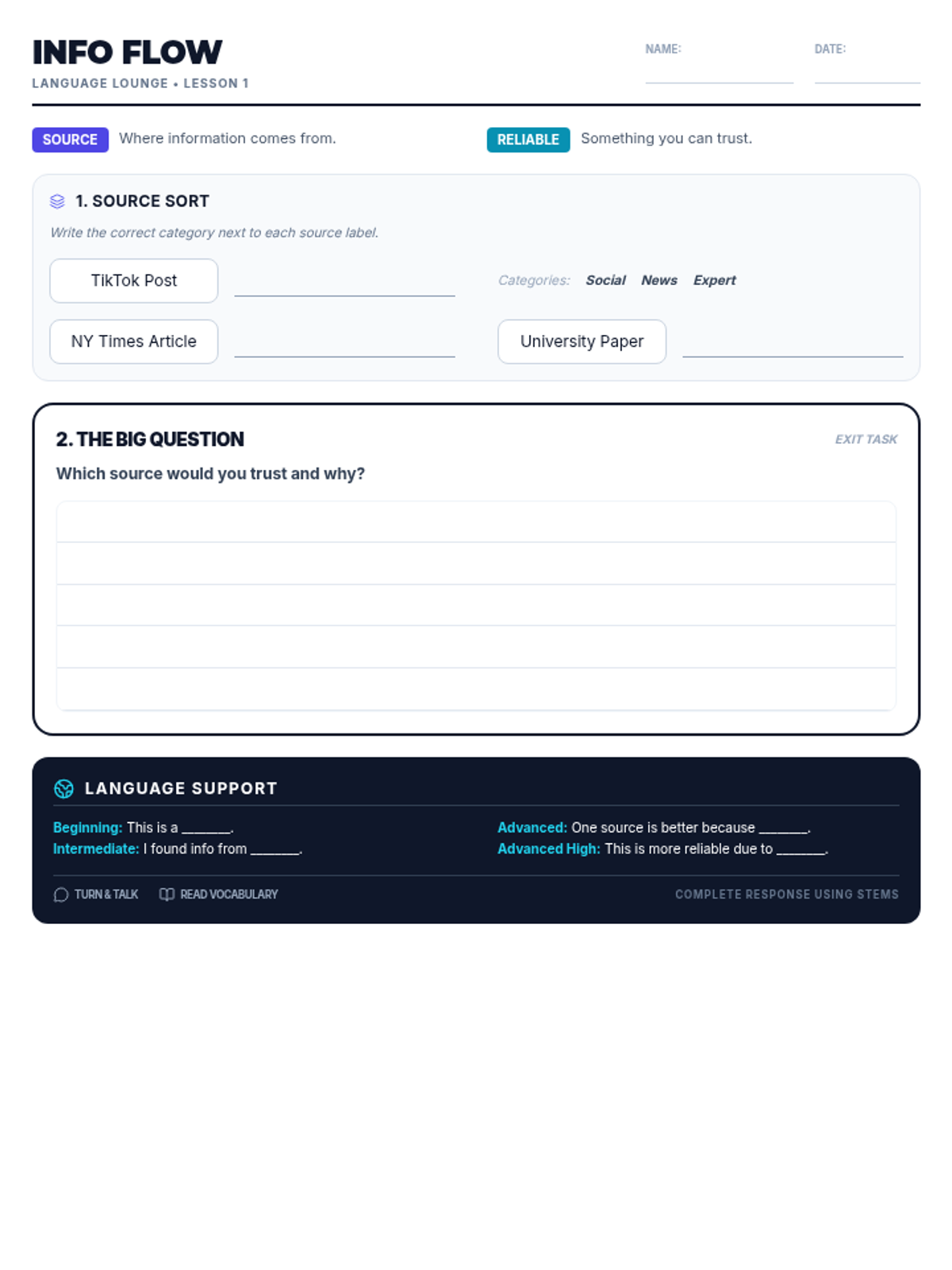
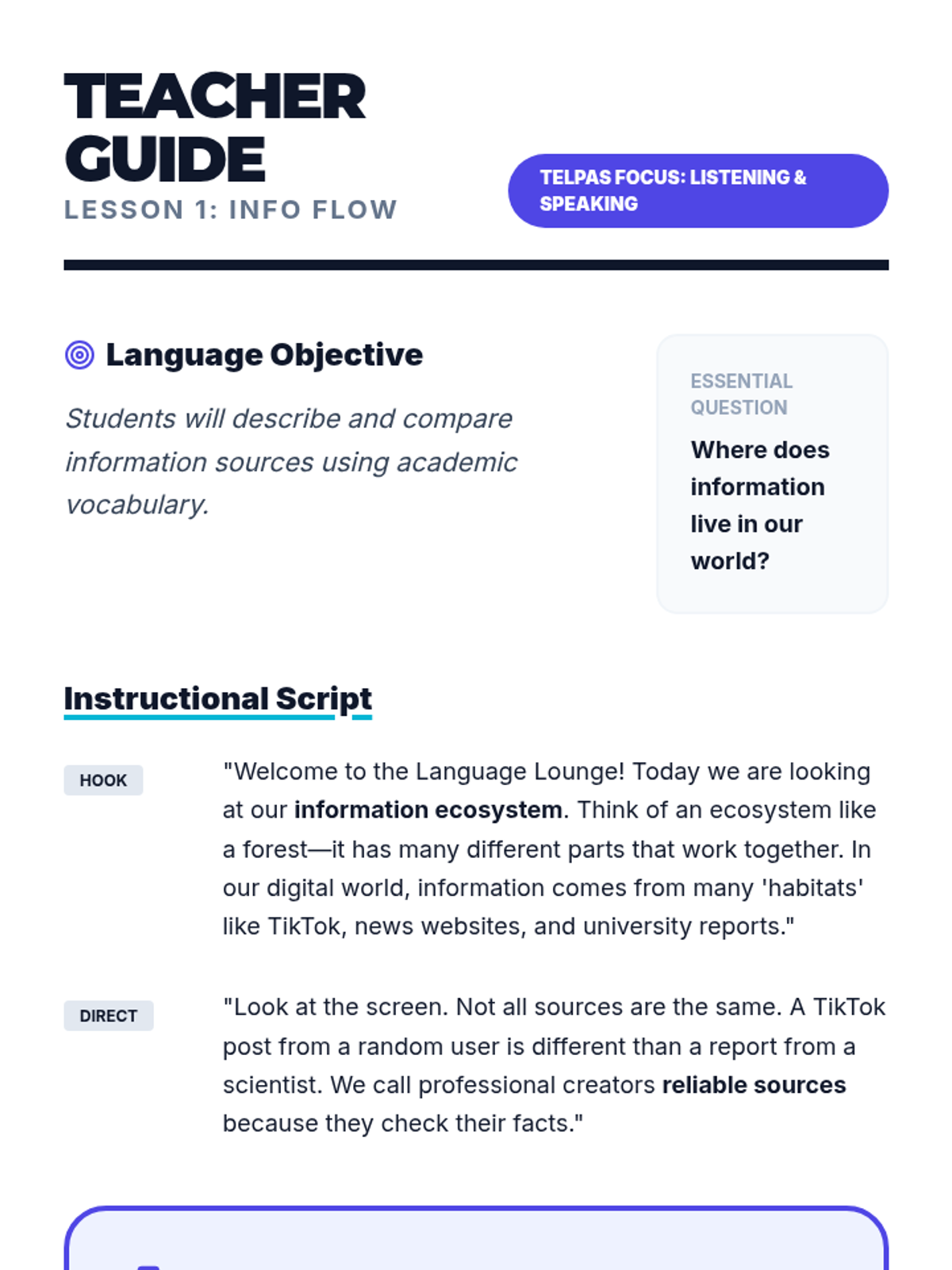
Students identify and classify different types of information sources within the digital ecosystem, focusing on social media and news outlets.
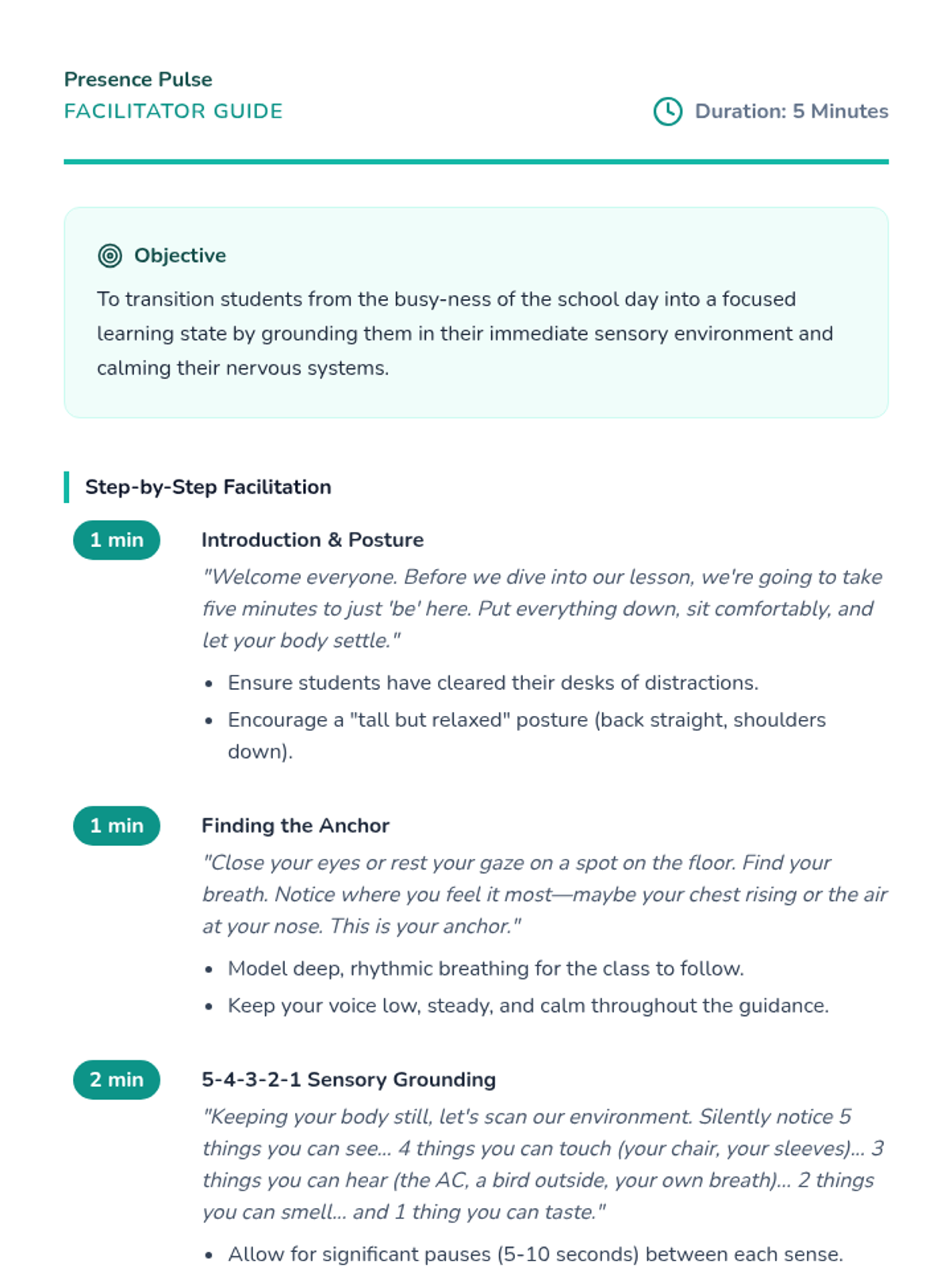
A quick, 5-minute mindfulness session designed to ground students in the present moment before beginning academic work. This lesson uses sensory awareness and breathing techniques to calm the mind and improve focus.
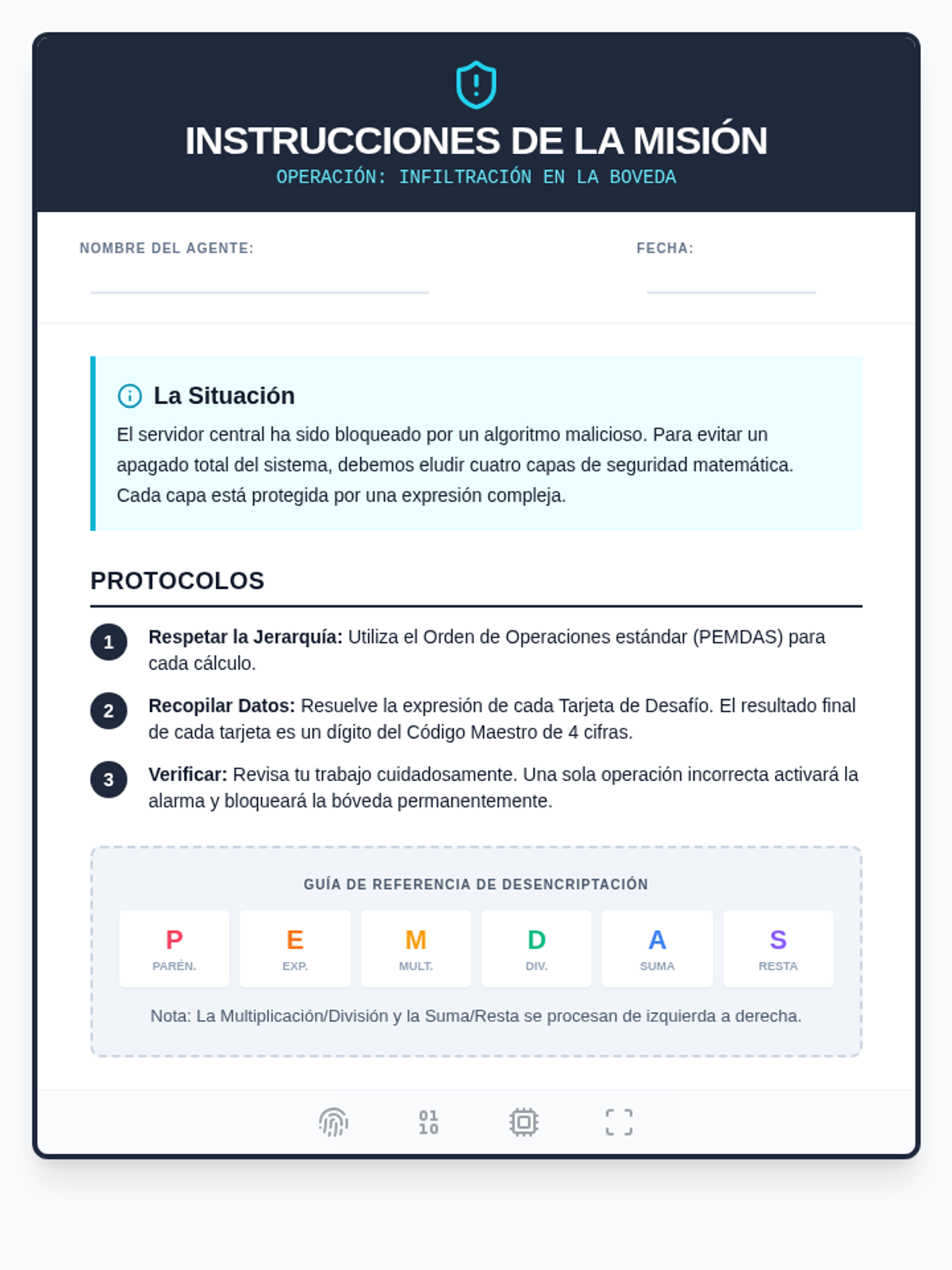
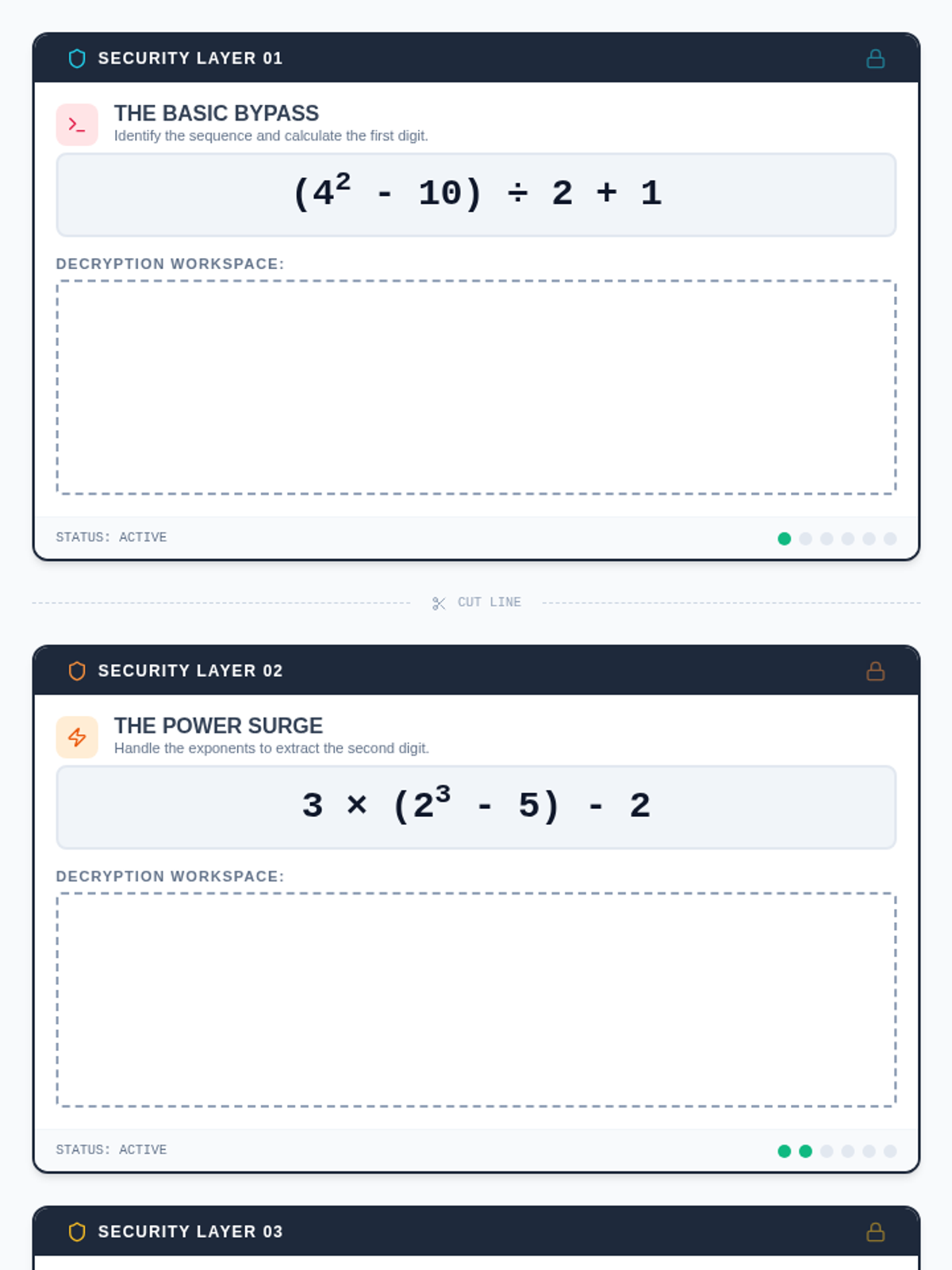
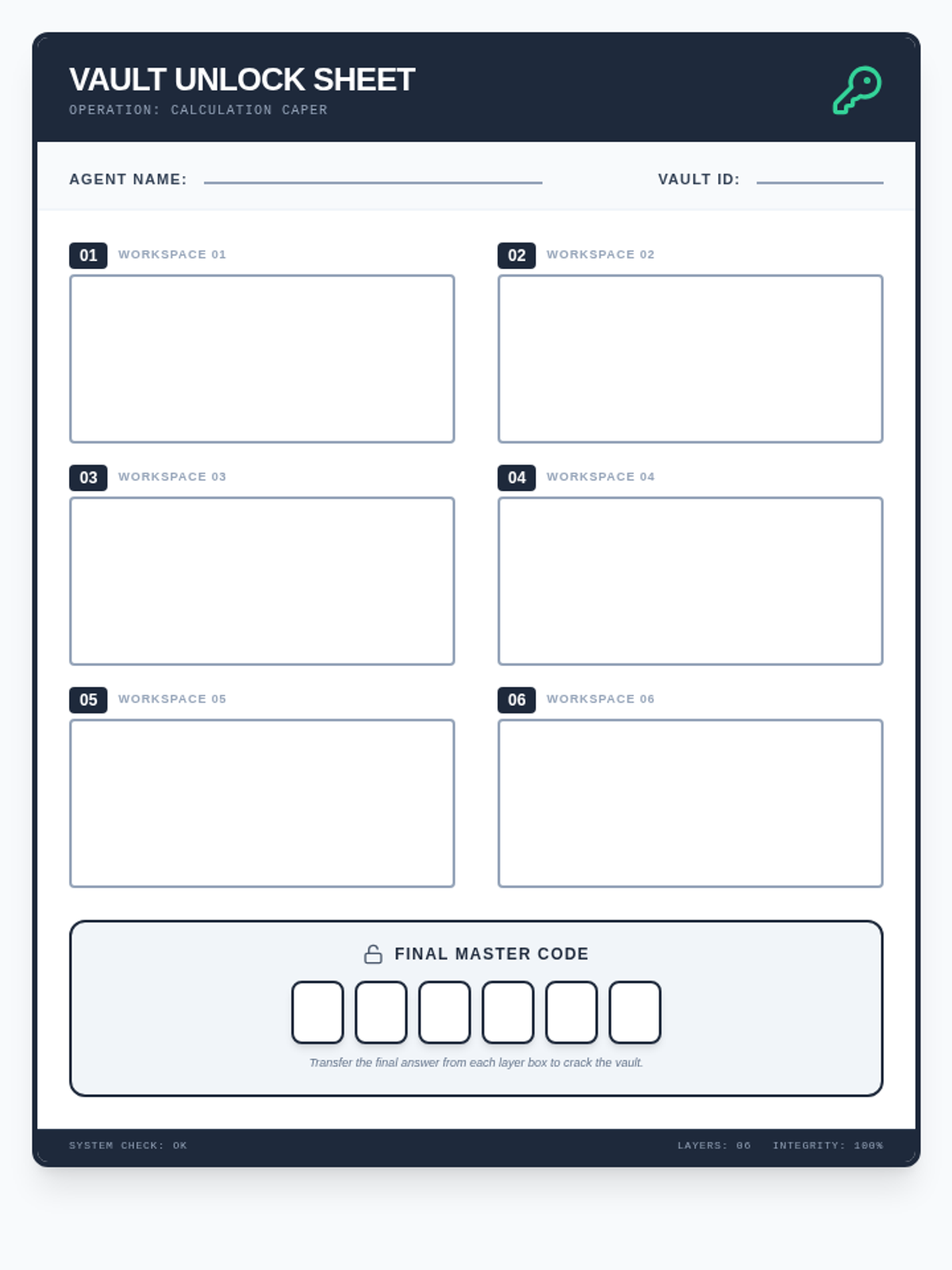
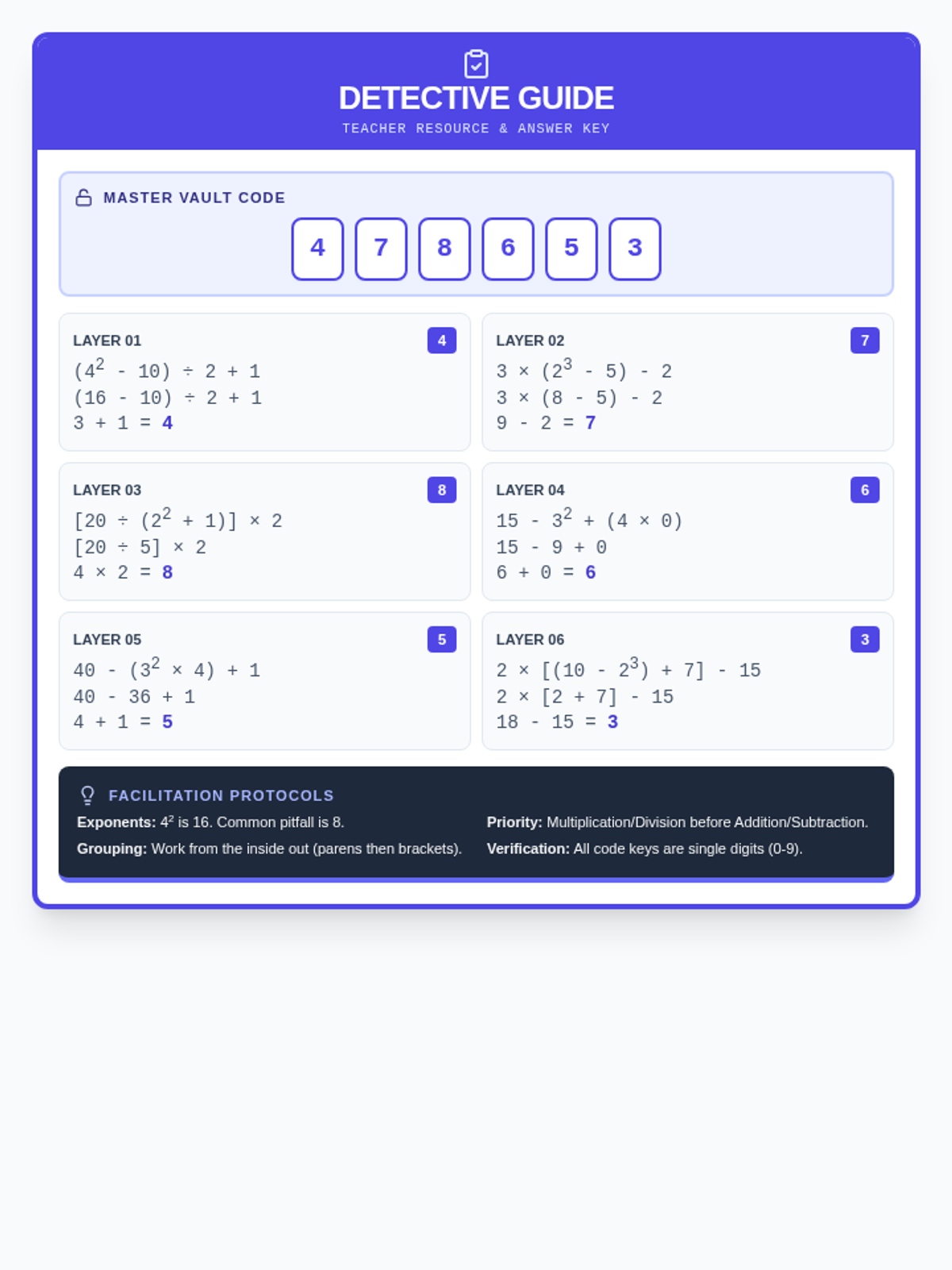
A high-stakes escape room challenge where students solve PEMDAS expressions involving exponents to crack the vault code. Students act as digital detectives navigating four distinct security layers.
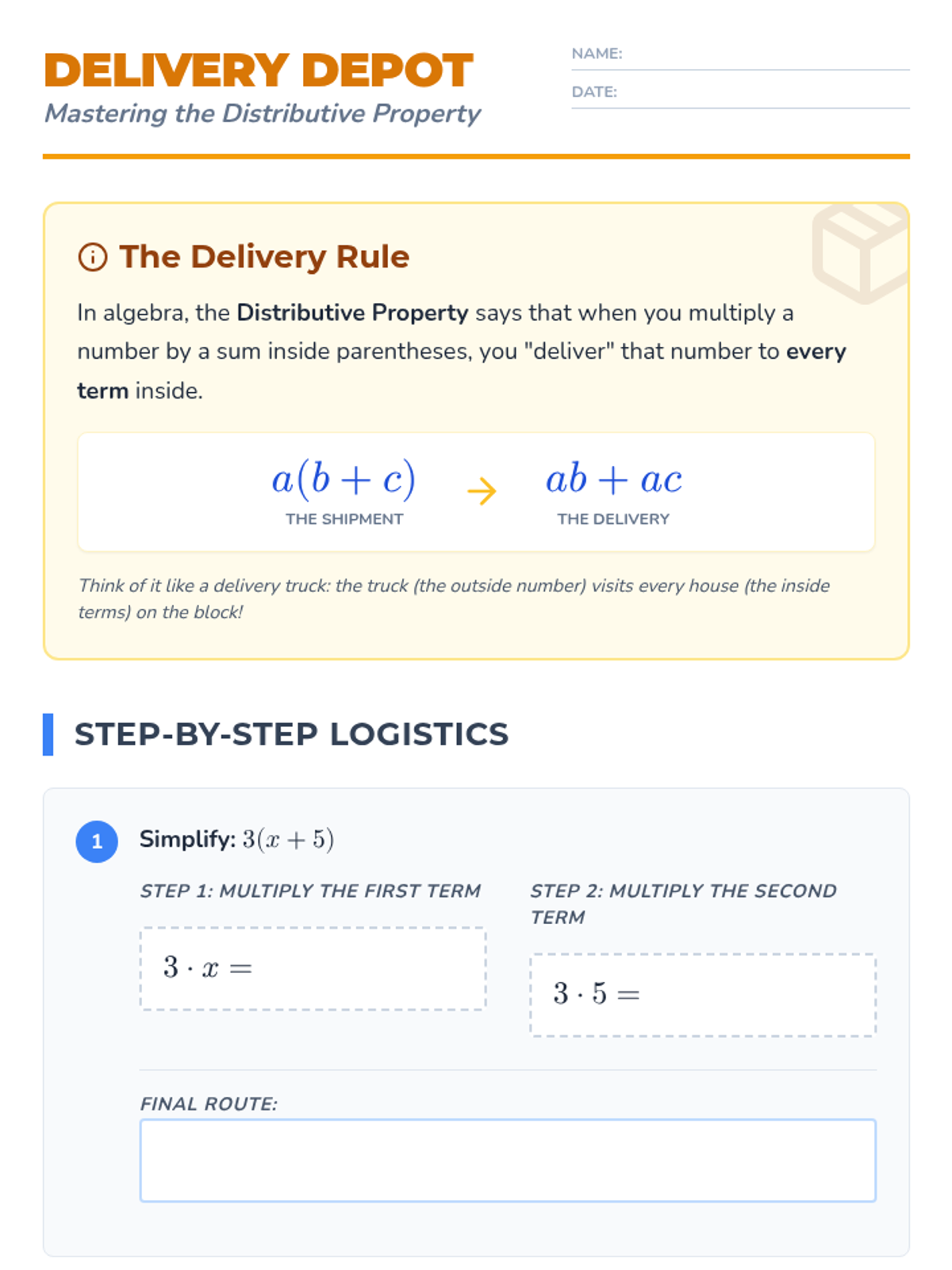
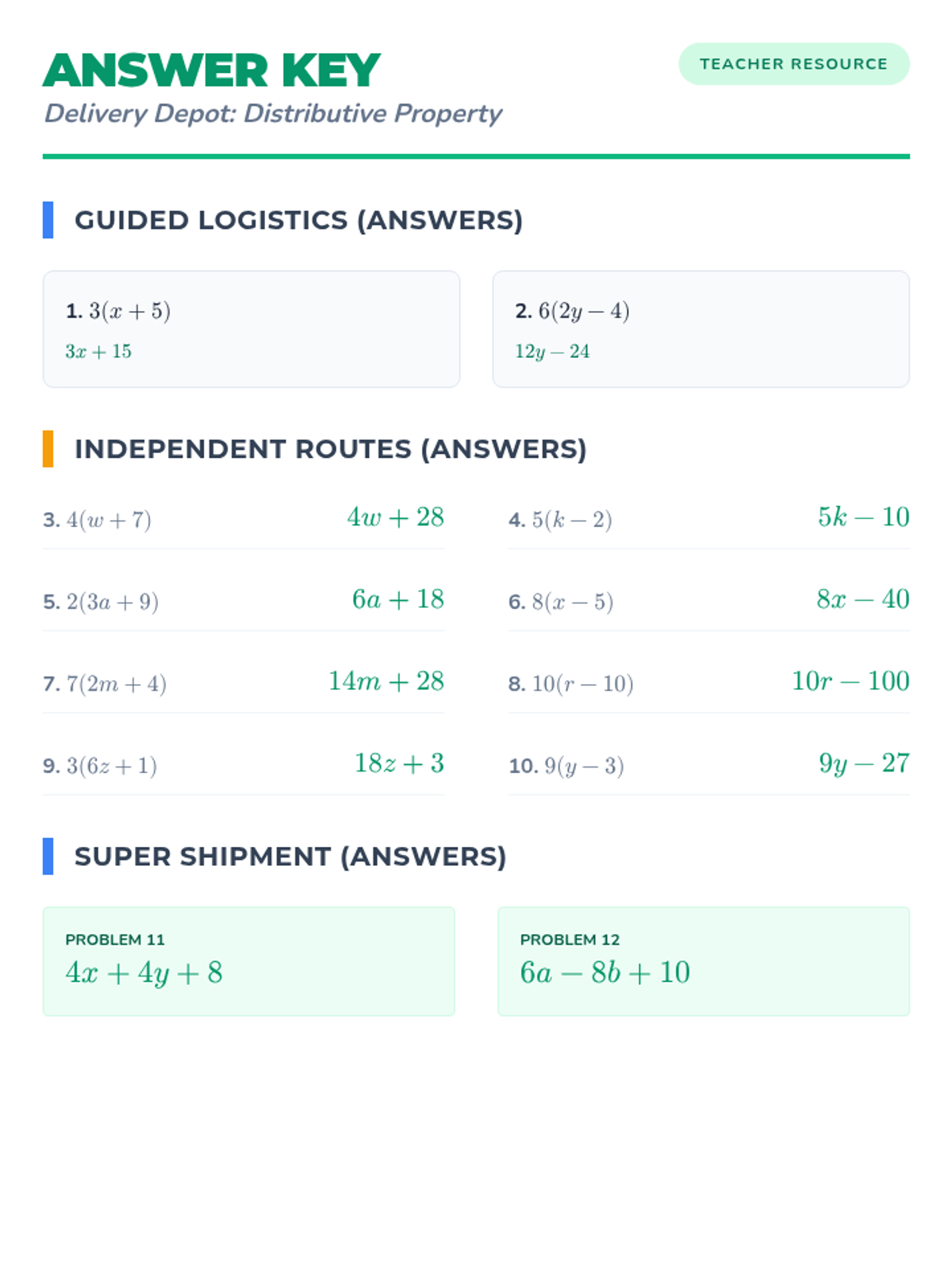
A lesson introducing the distributive property through the metaphor of a delivery service, featuring guided and independent practice.
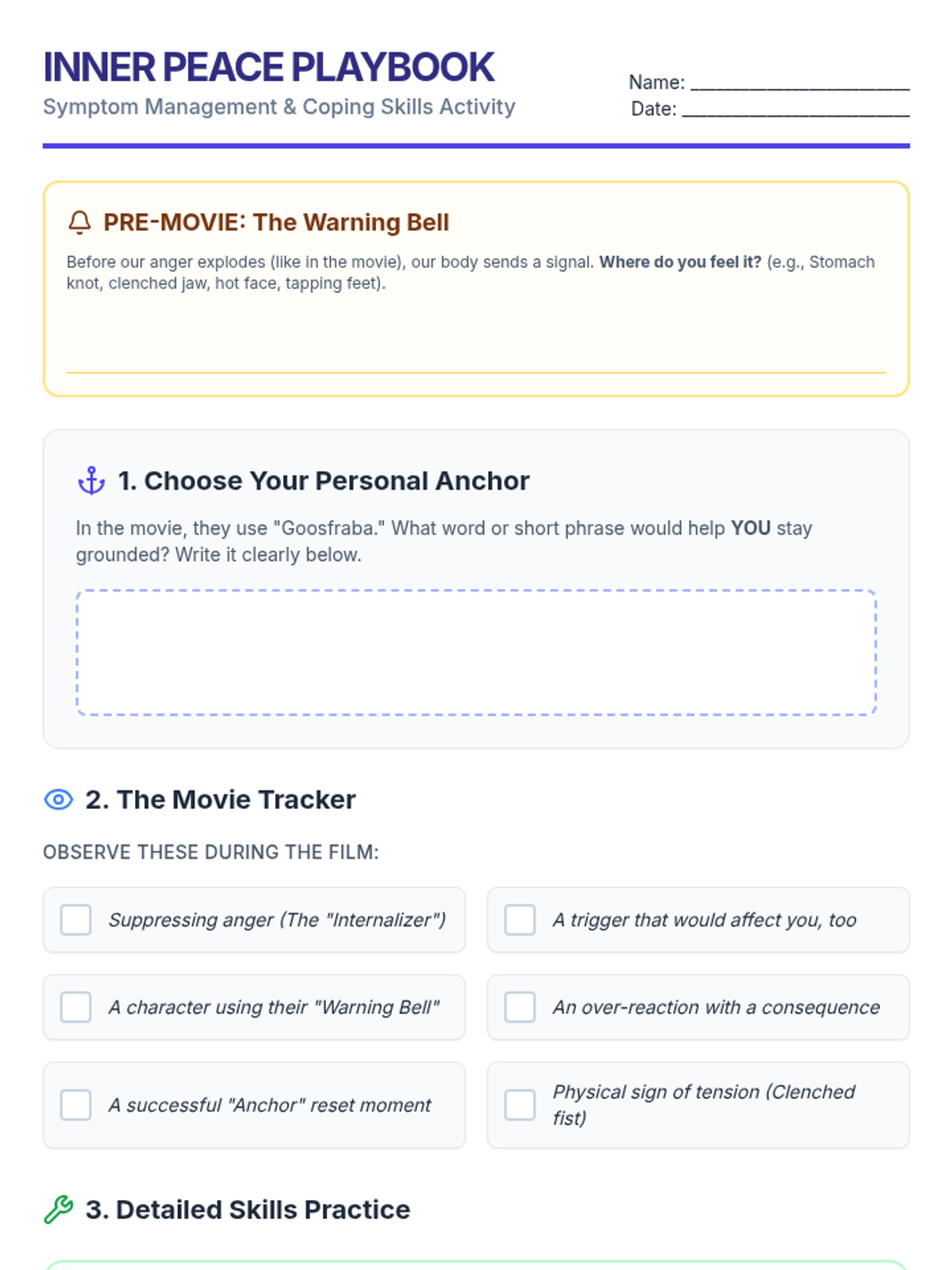
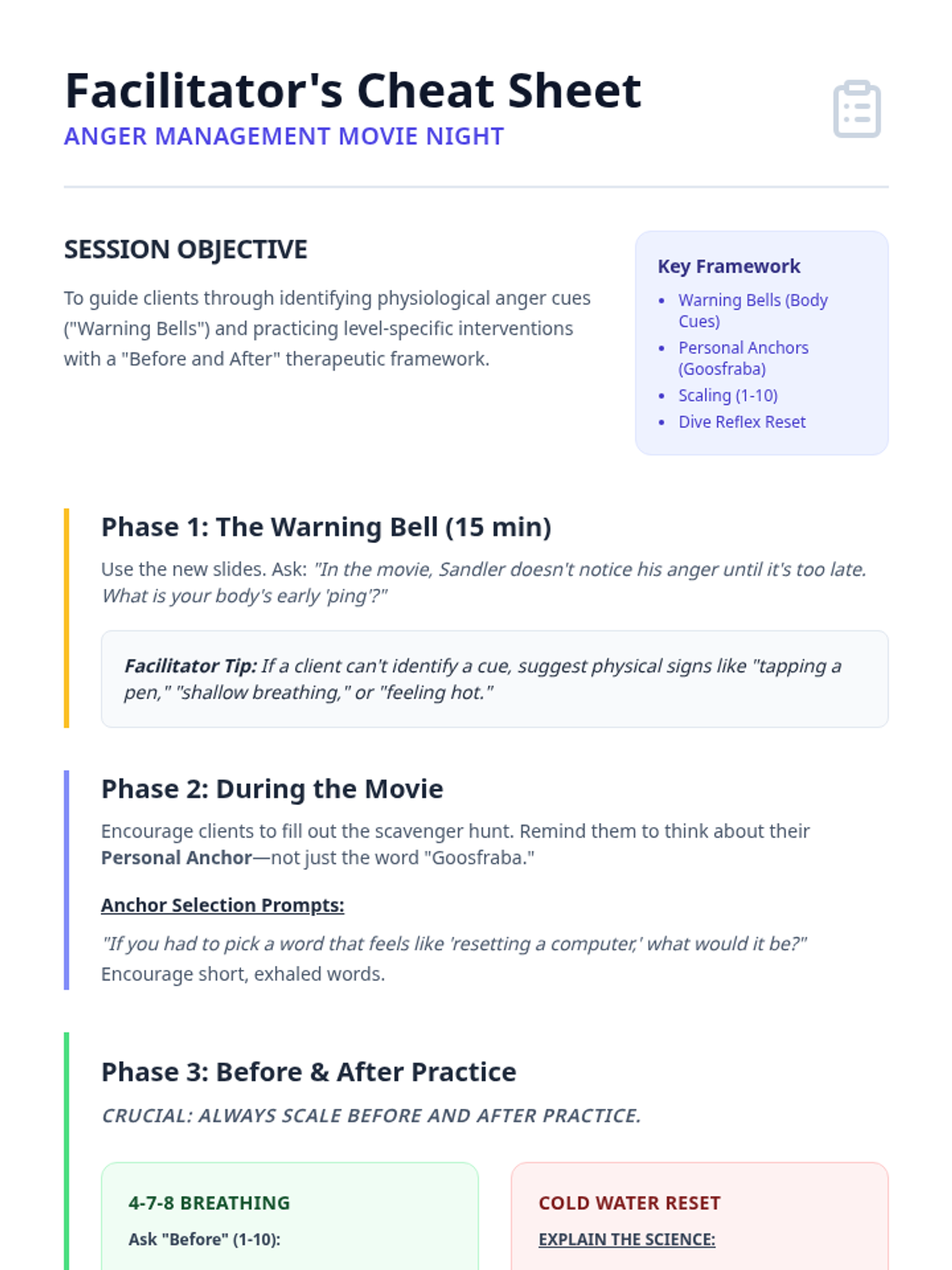
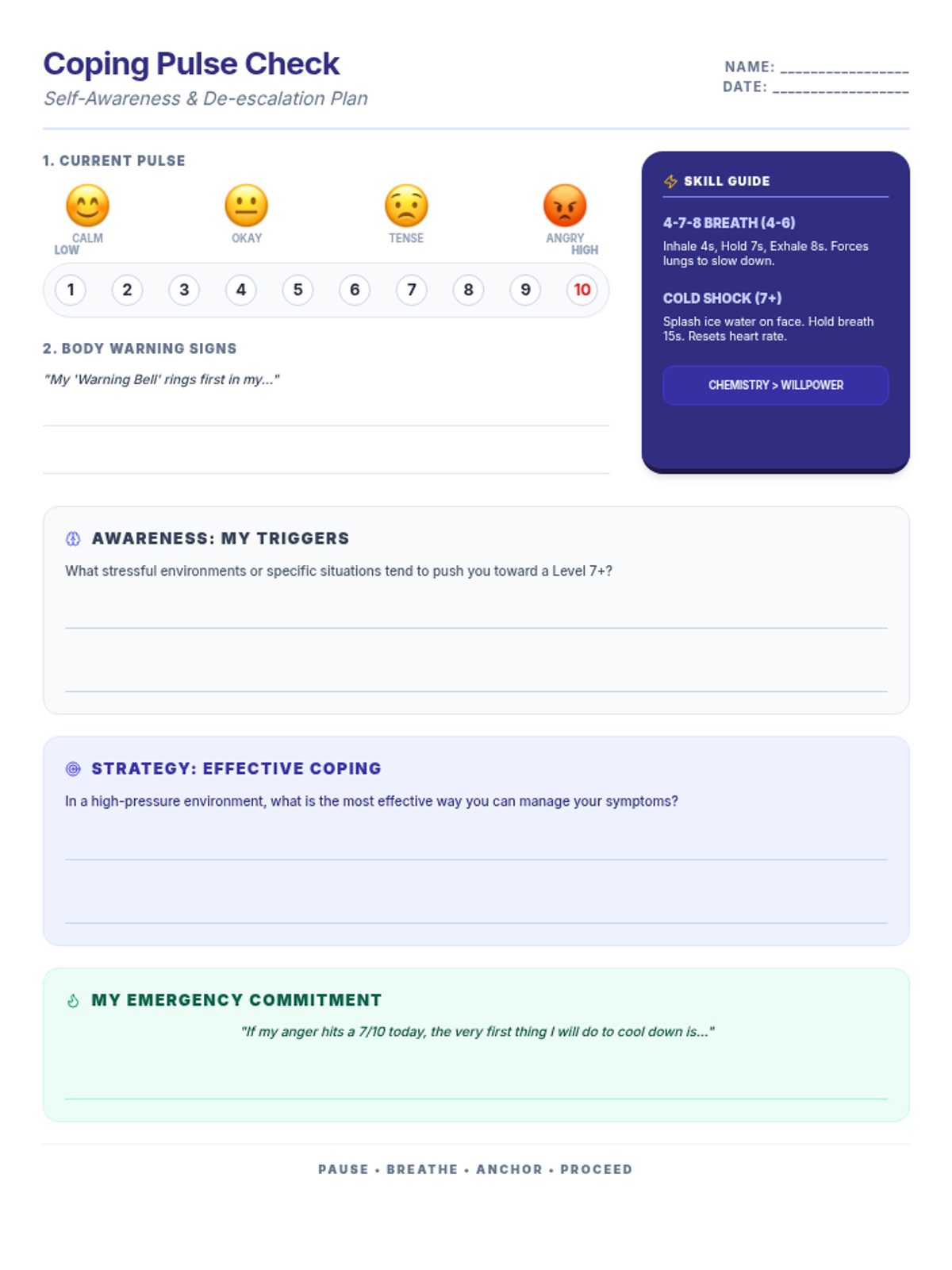
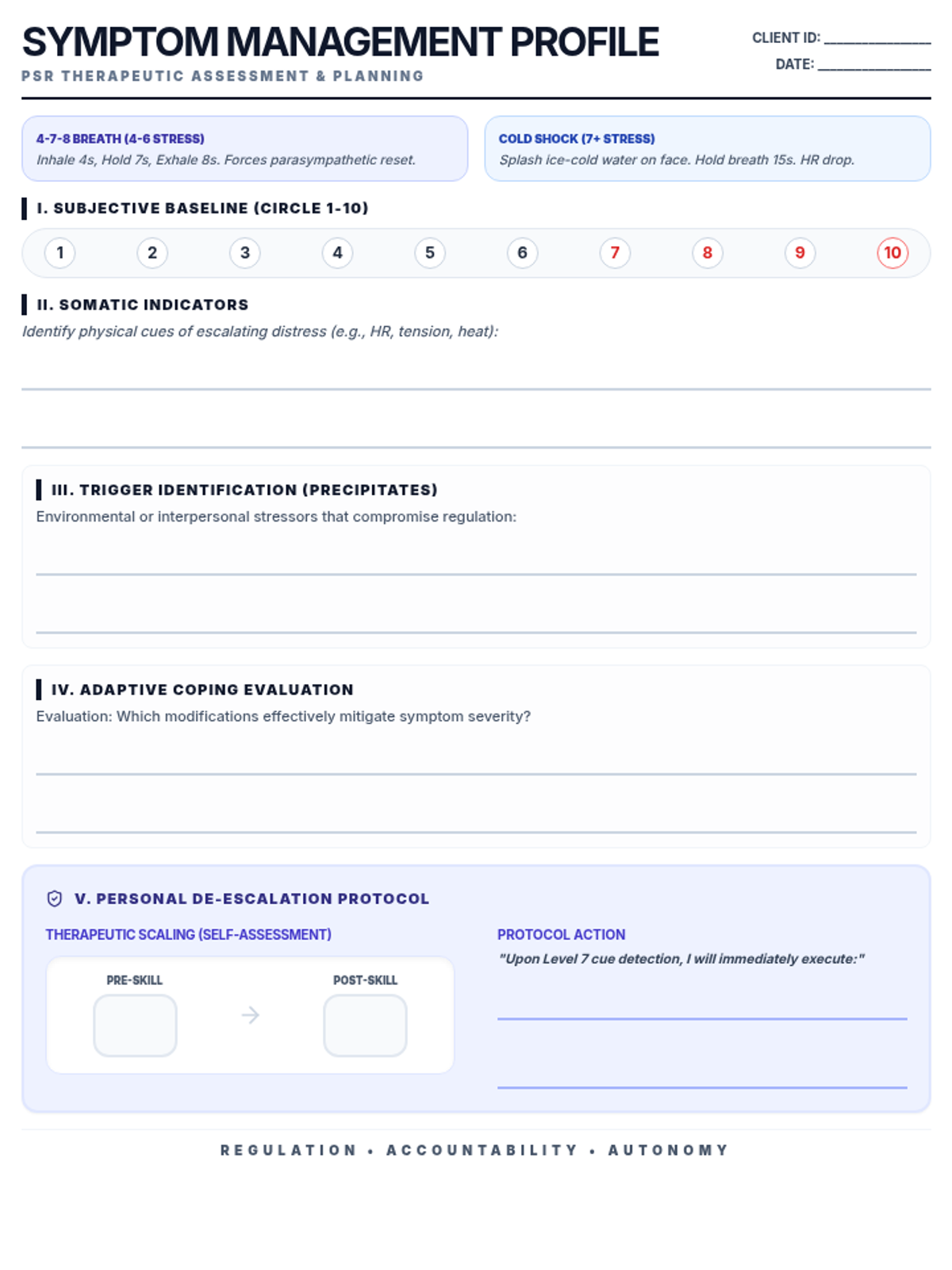
An interactive PSR group lesson centered on the movie 'Anger Management,' focusing on identifying personal triggers and building a hierarchy of coping skills from moderate stress to severe anger.
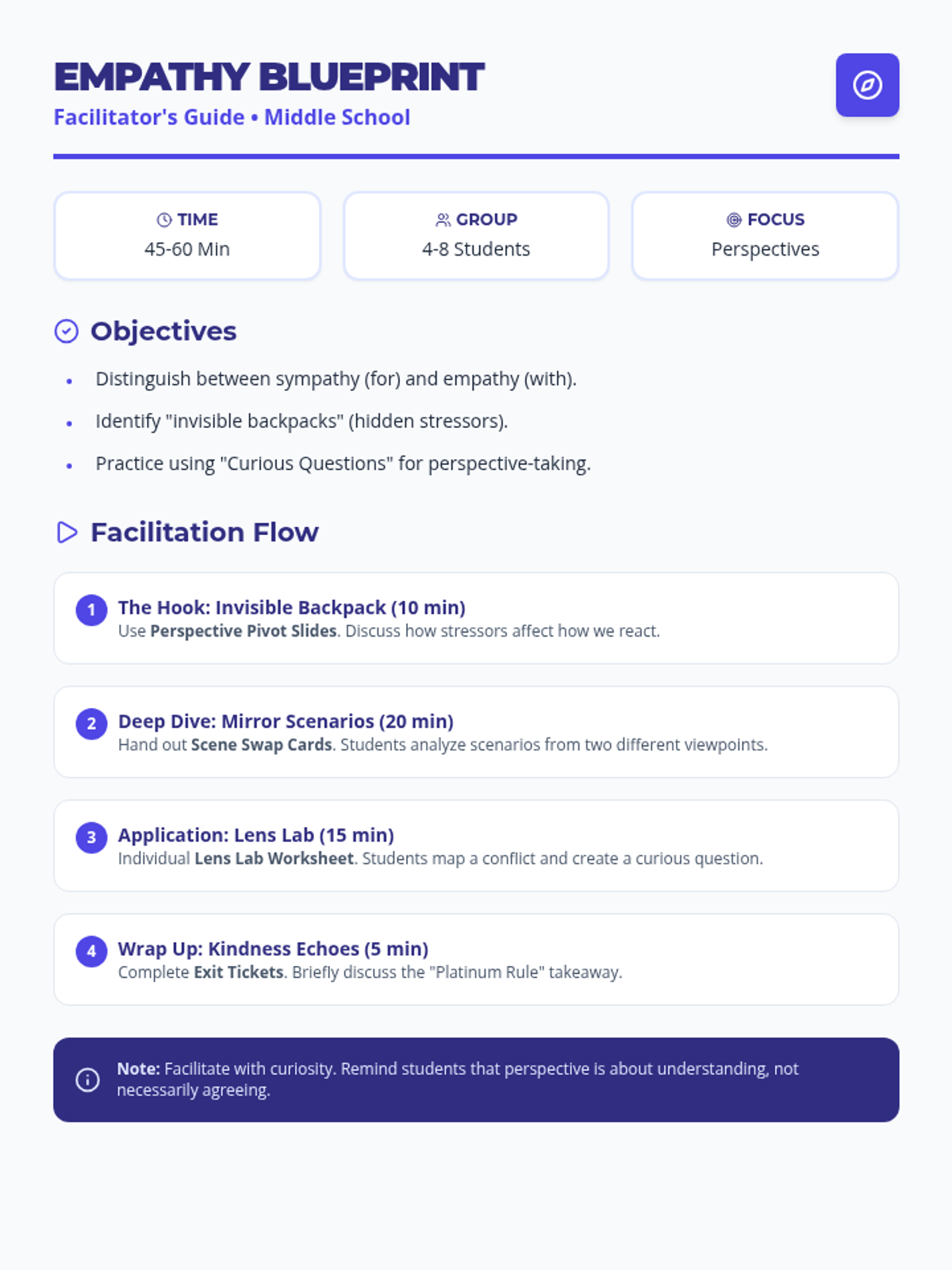
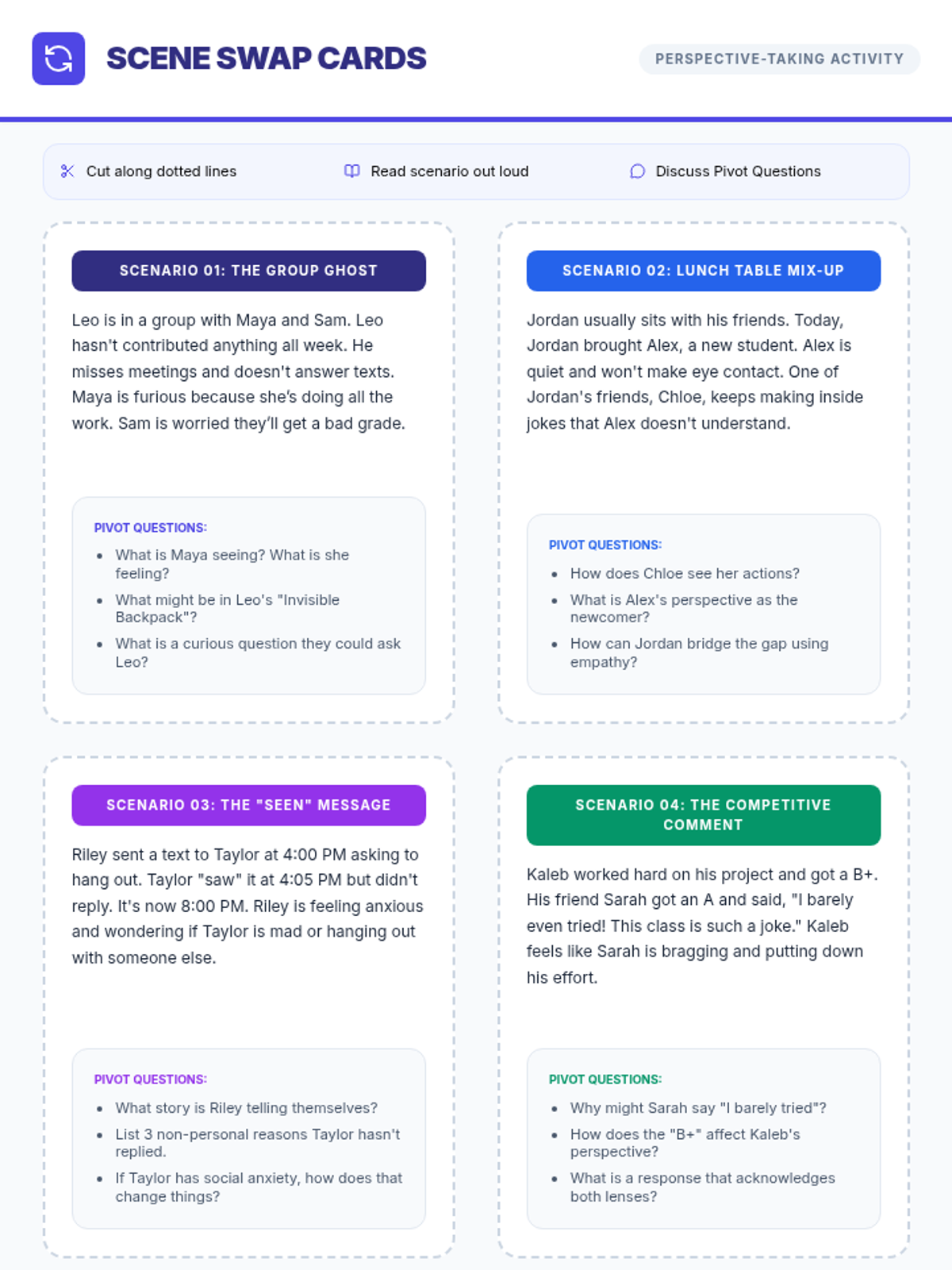
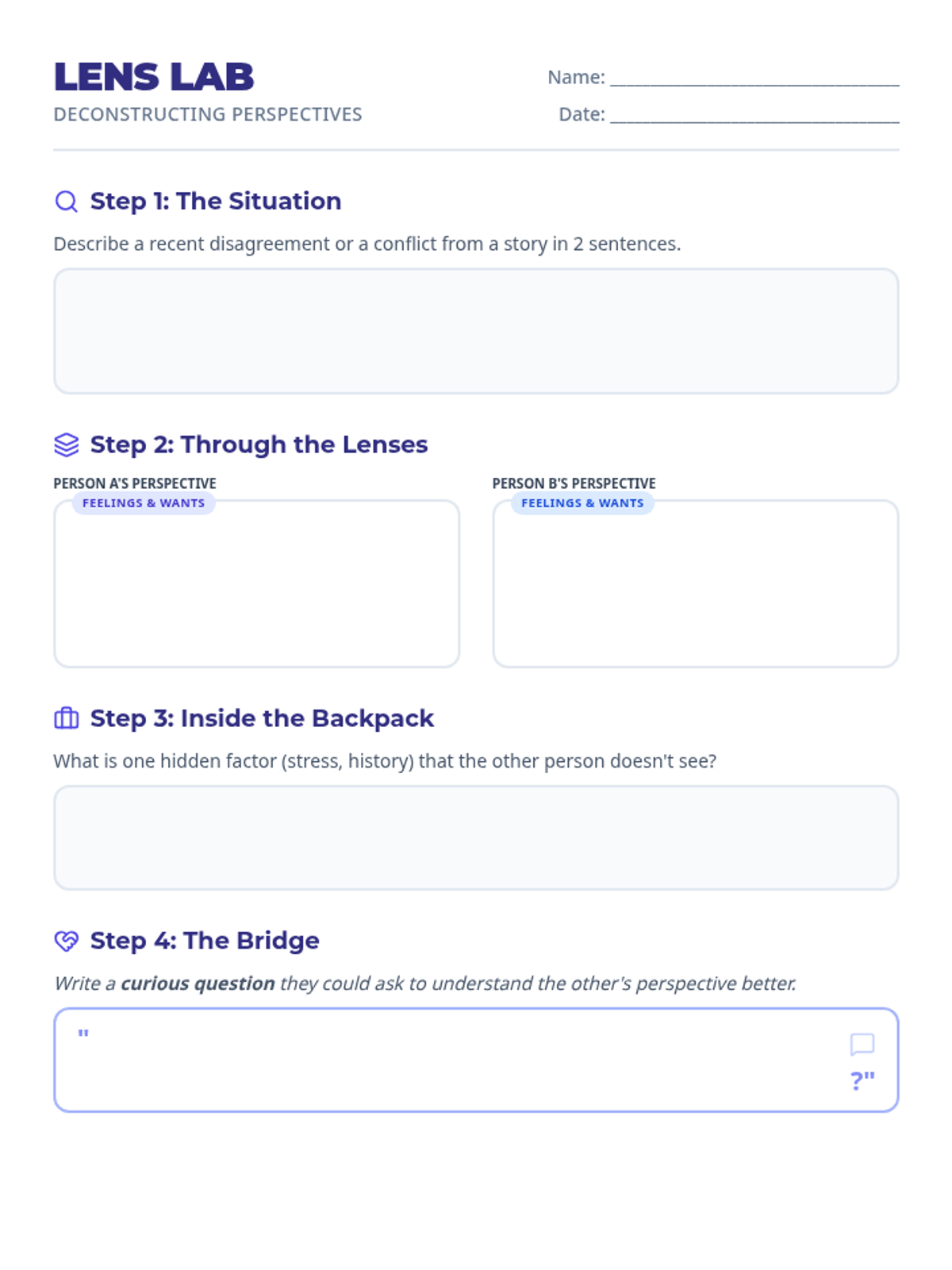
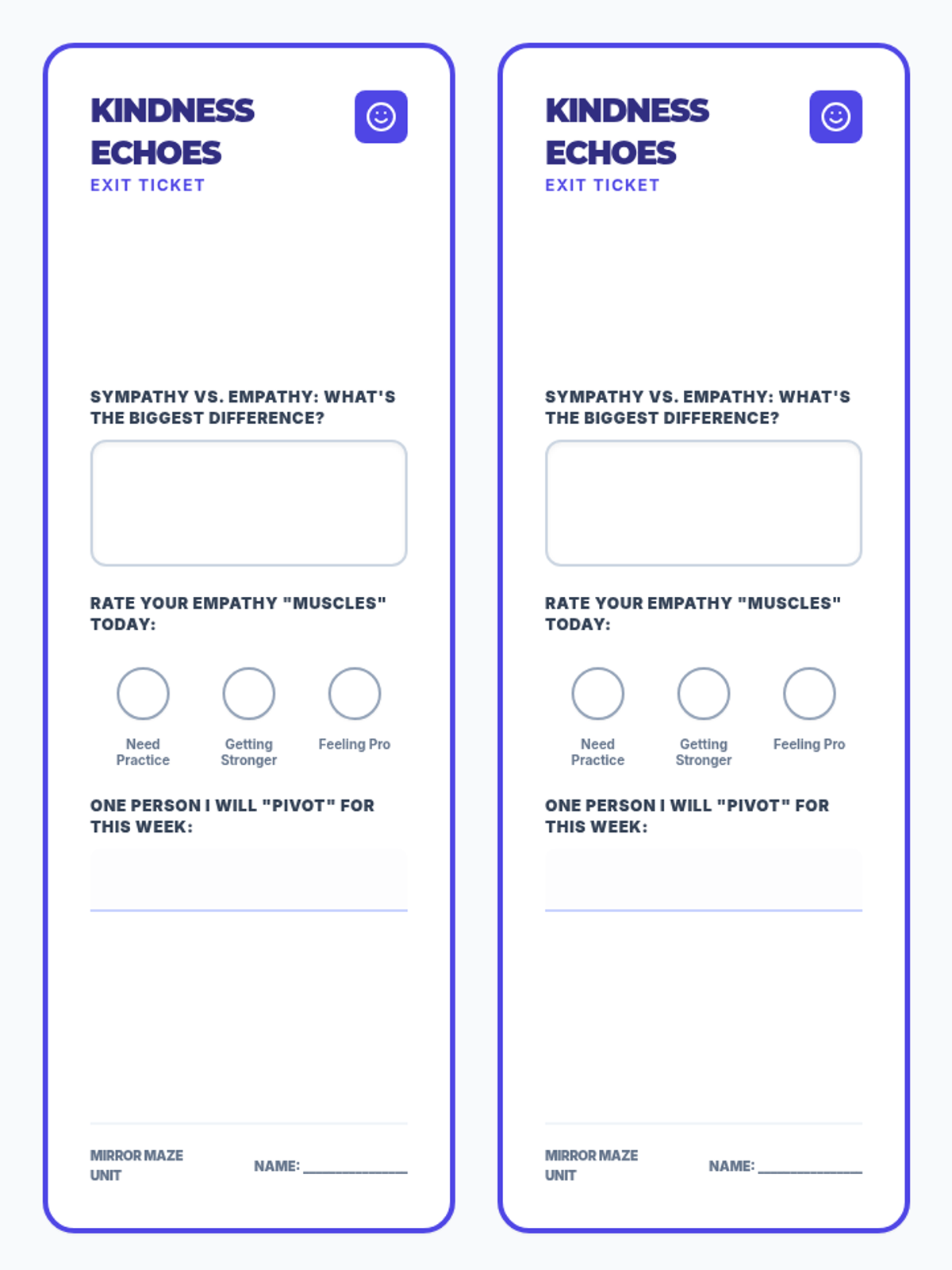
A middle school small group unit focused on developing empathy and the ability to see situations from multiple perspectives. students engage in scenario-based discussions and reflection activities to build social-emotional skills.
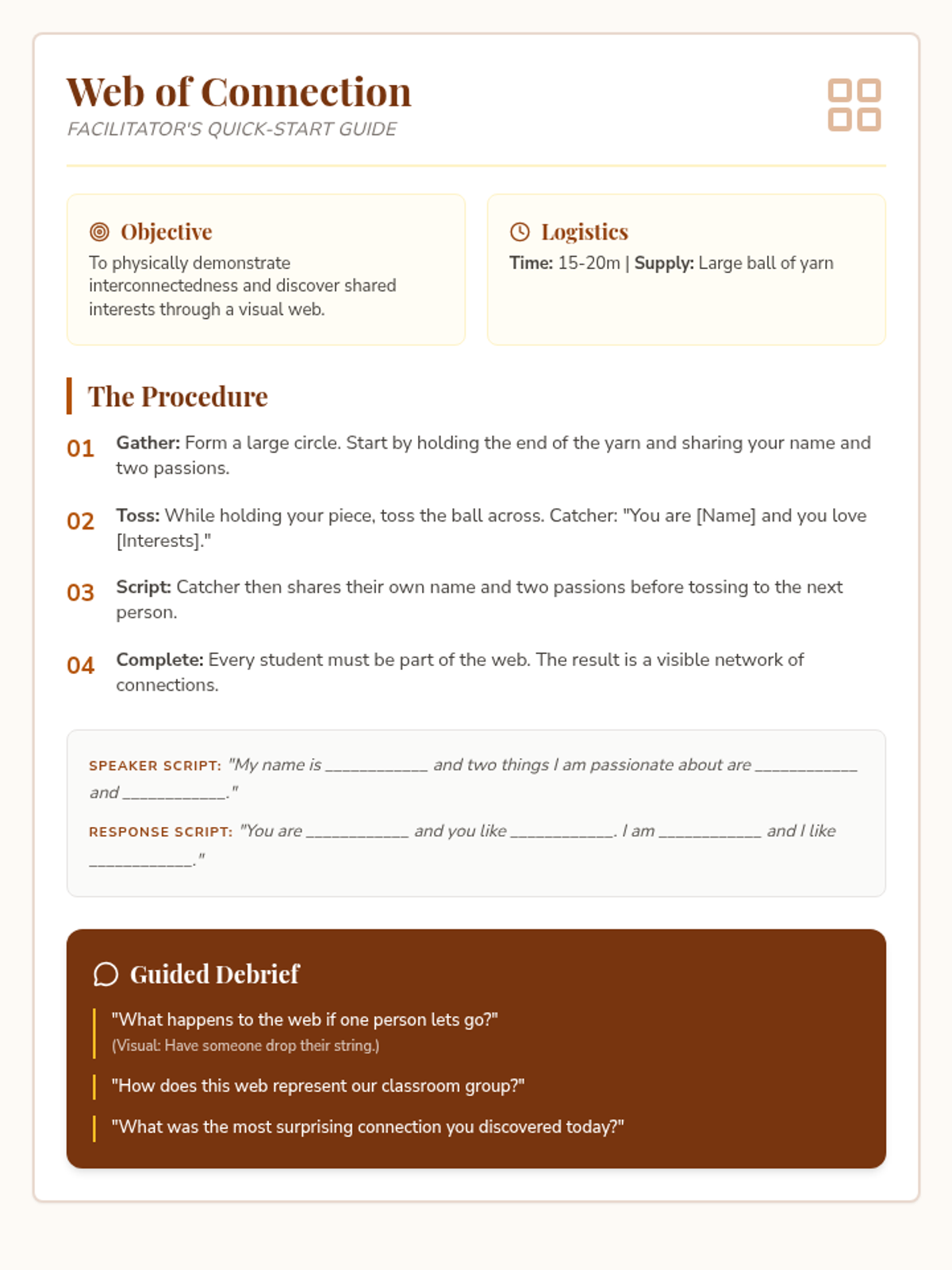
A community-building activity where students use a ball of string to create a physical web, visualizing their shared interests and the strength of their group connection.
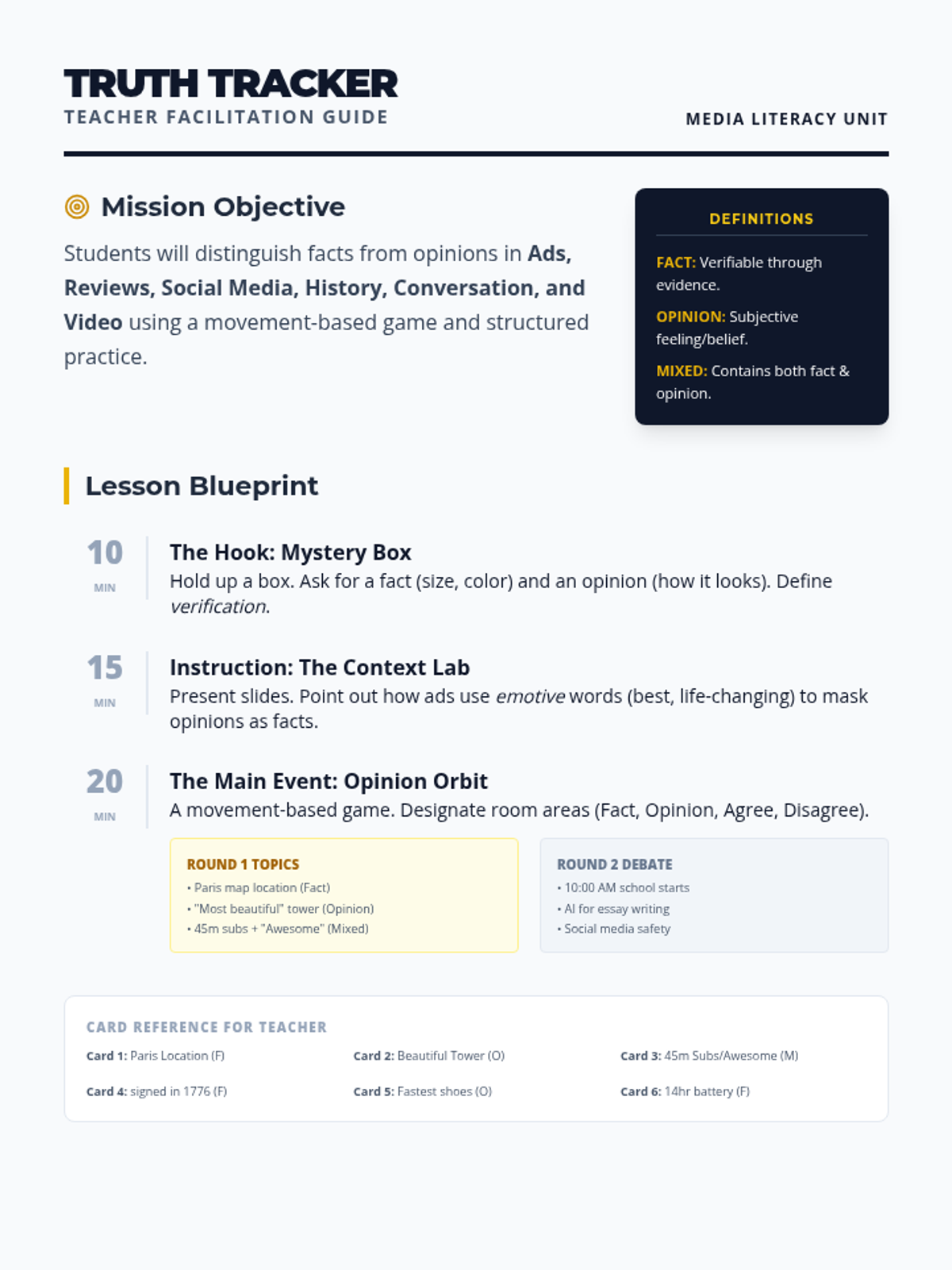
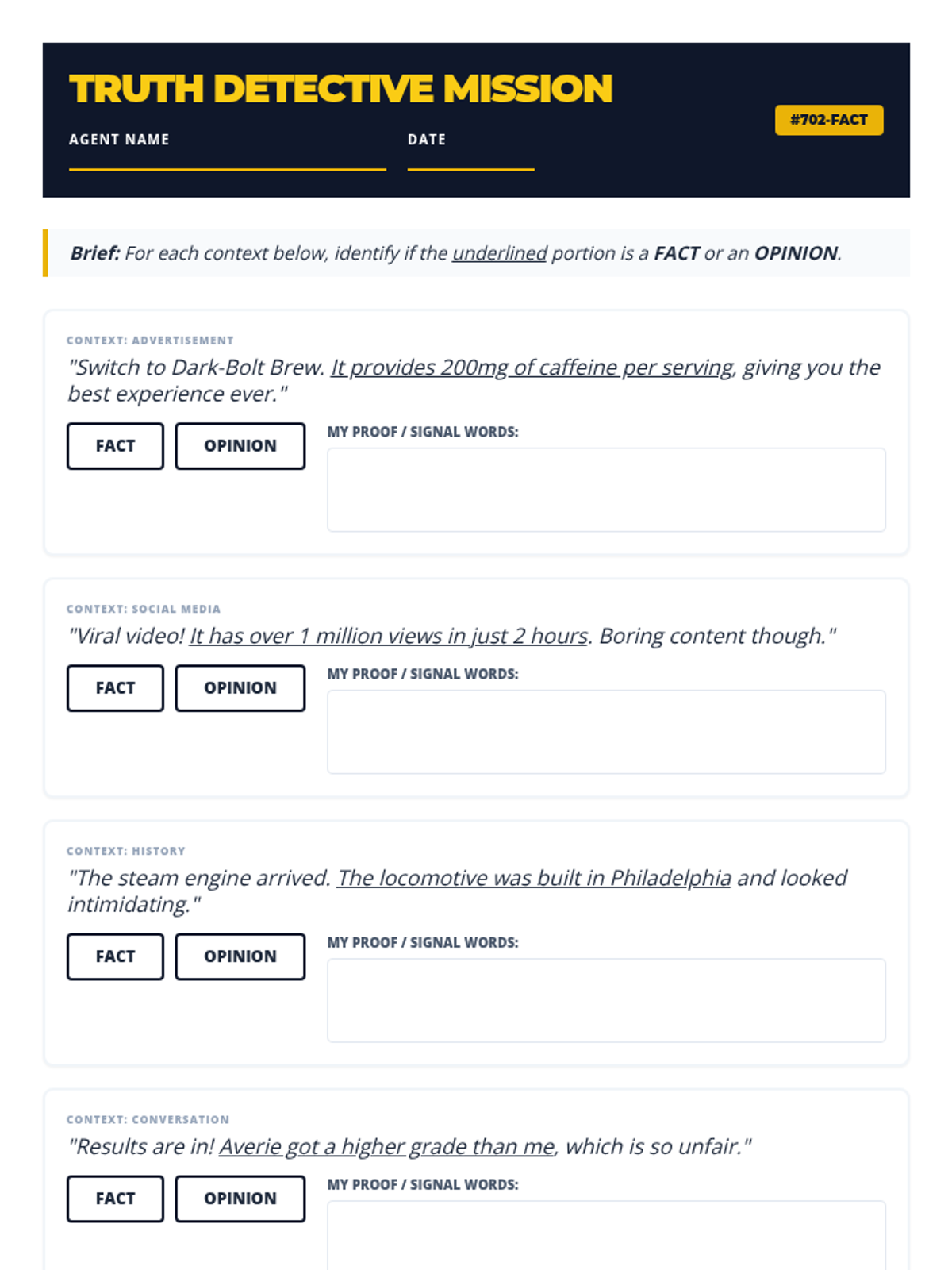
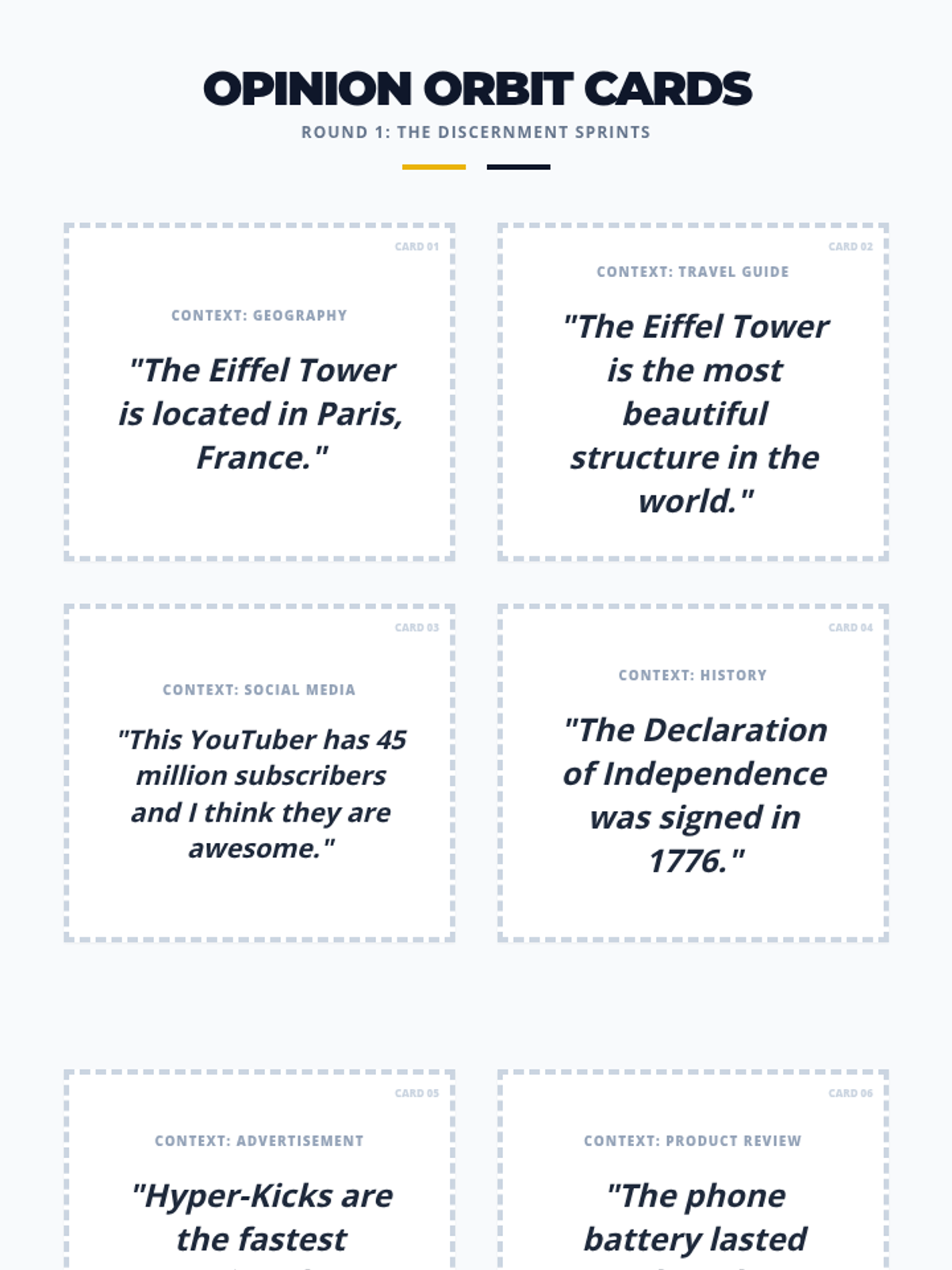
A middle school lesson focused on distinguishing between objective facts and subjective opinions across modern media contexts, featuring a movement-based 'Opinion Orbit' activity.
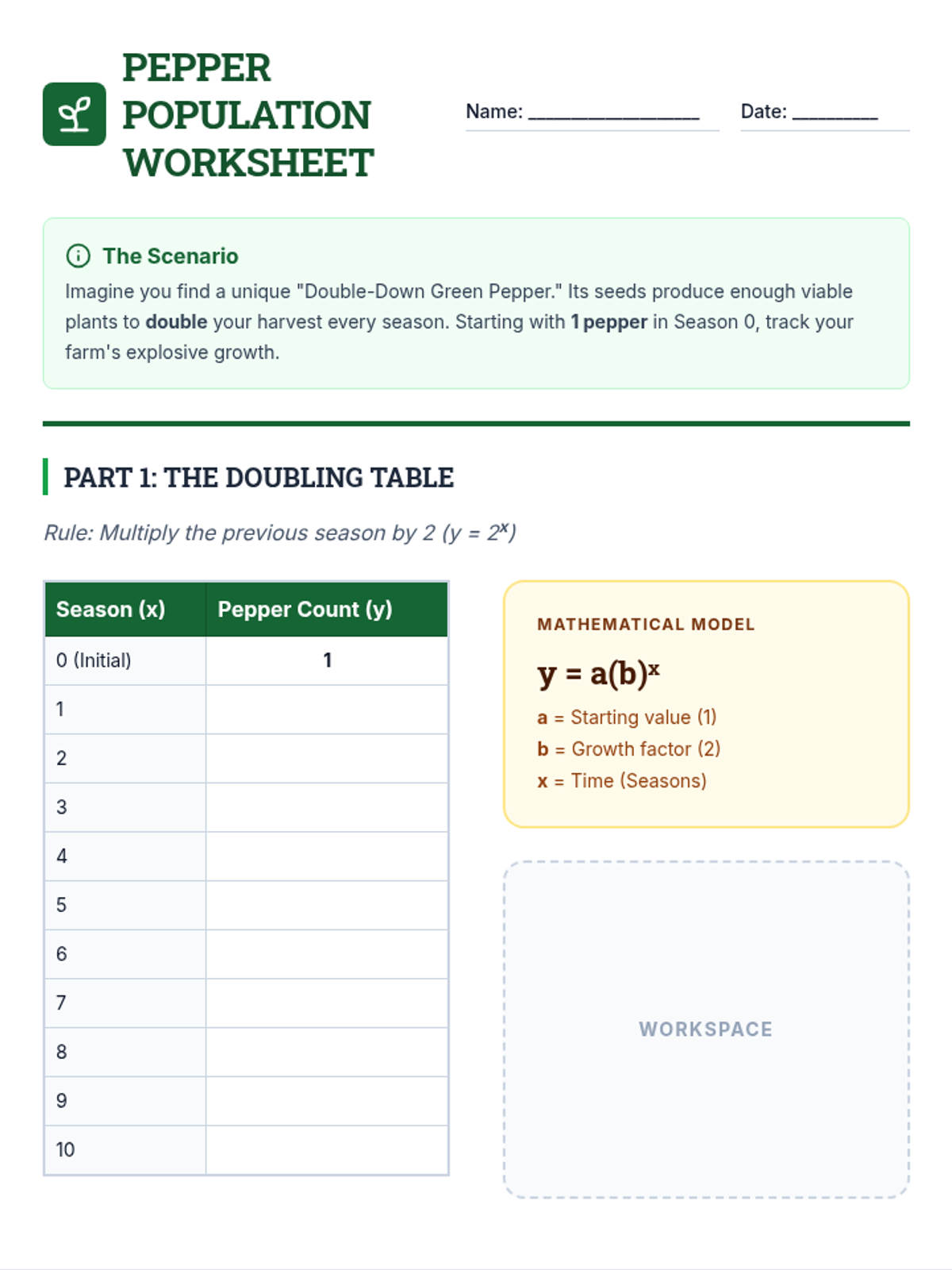
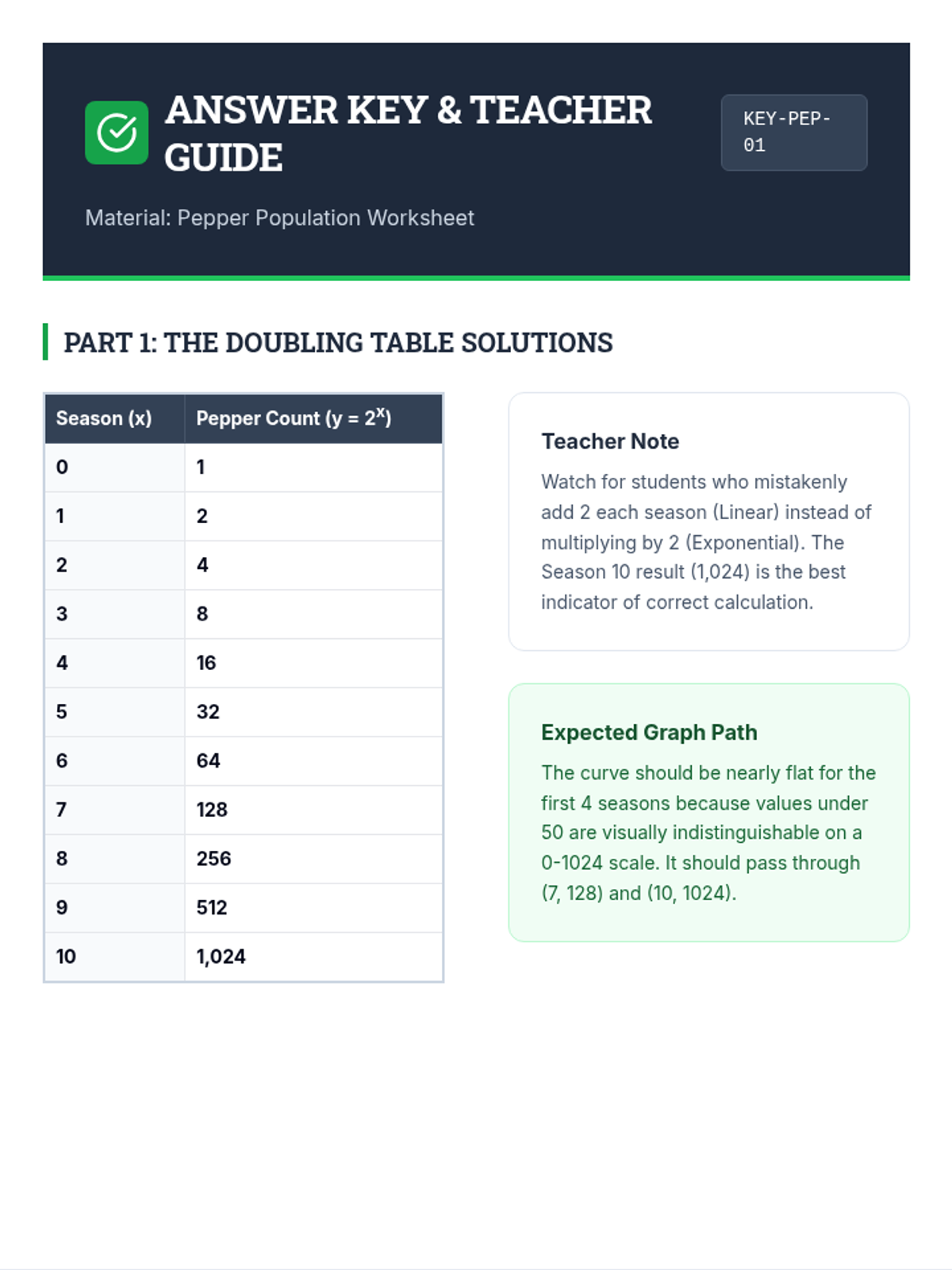
Students will model the exponential growth of a pepper population, starting from one pepper and doubling every season, to understand the power of geometric growth.
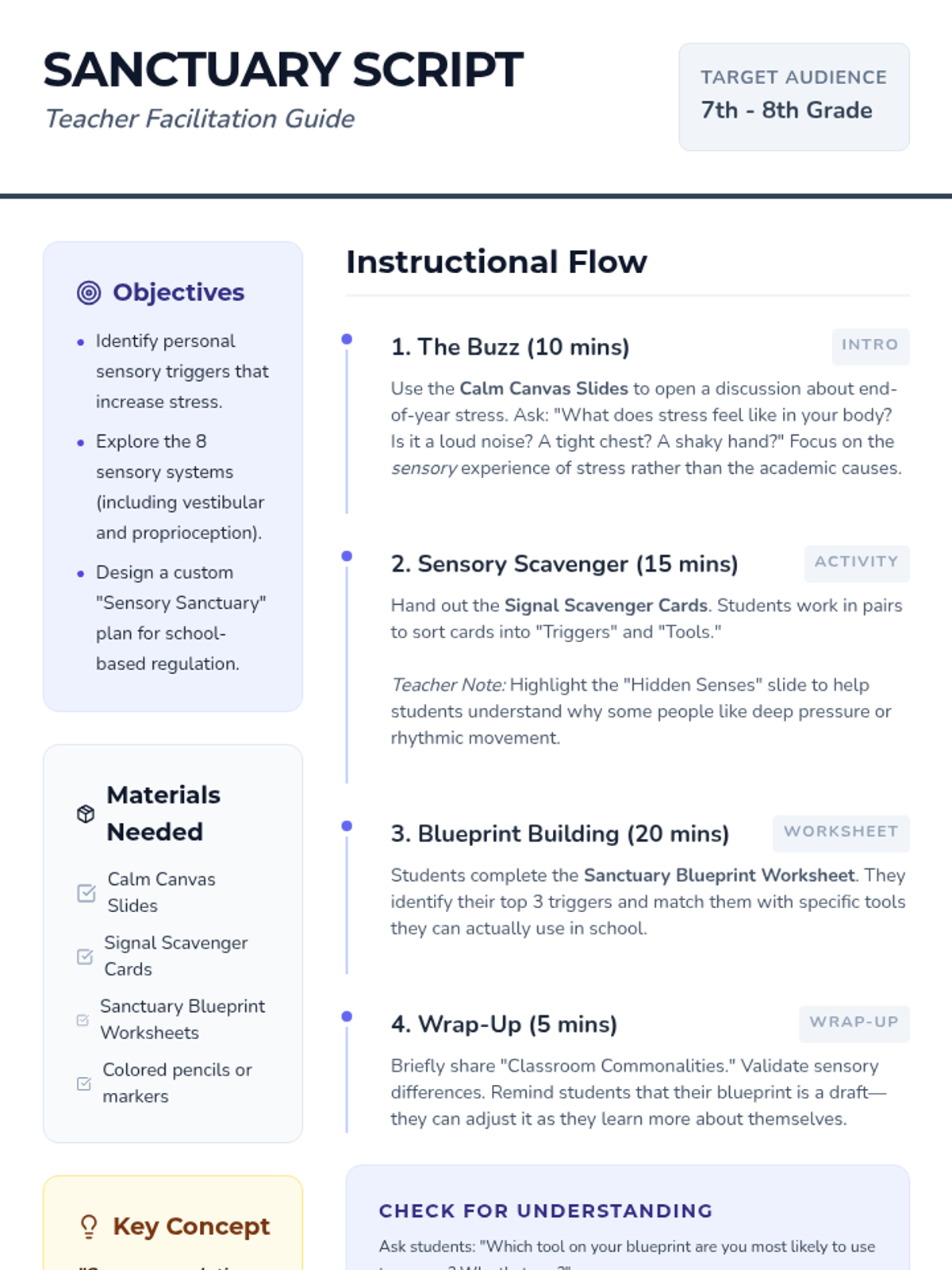
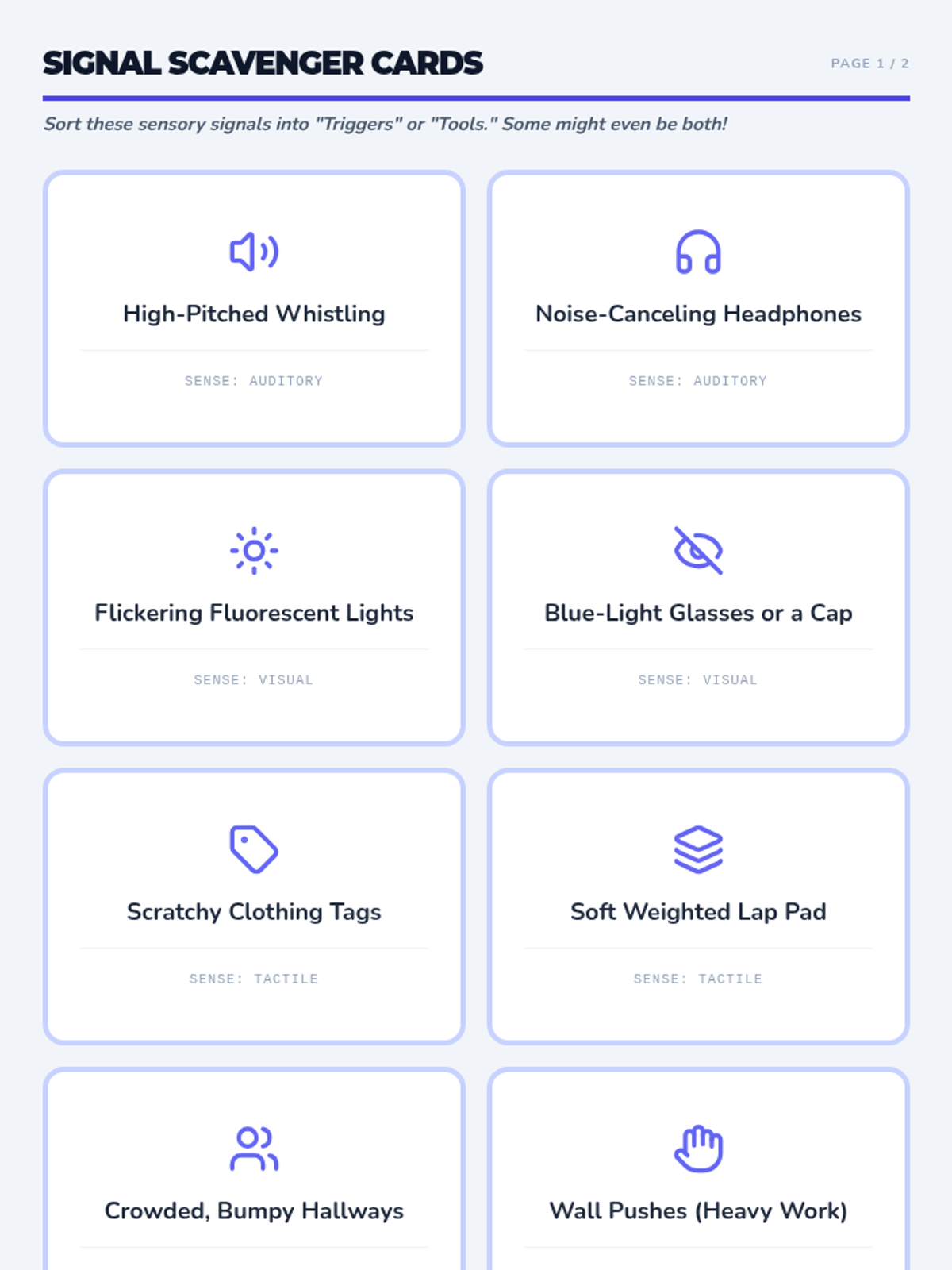
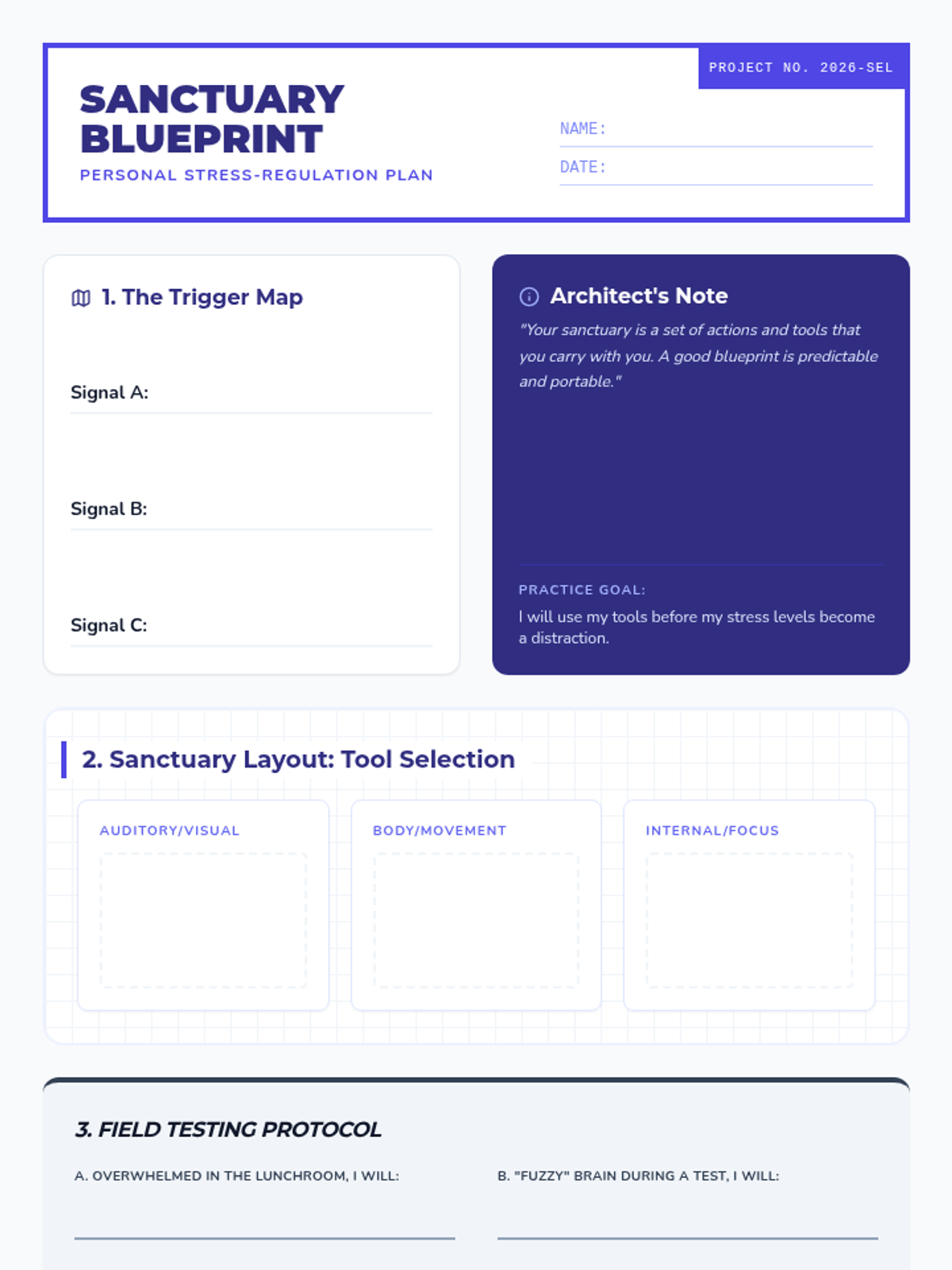
A social-emotional learning lesson where middle schoolers identify sensory triggers and design a personalized 'Sanctuary Blueprint' for stress management during the end-of-year rush. Students explore the eight sensory systems and build a toolkit of specific coping strategies.
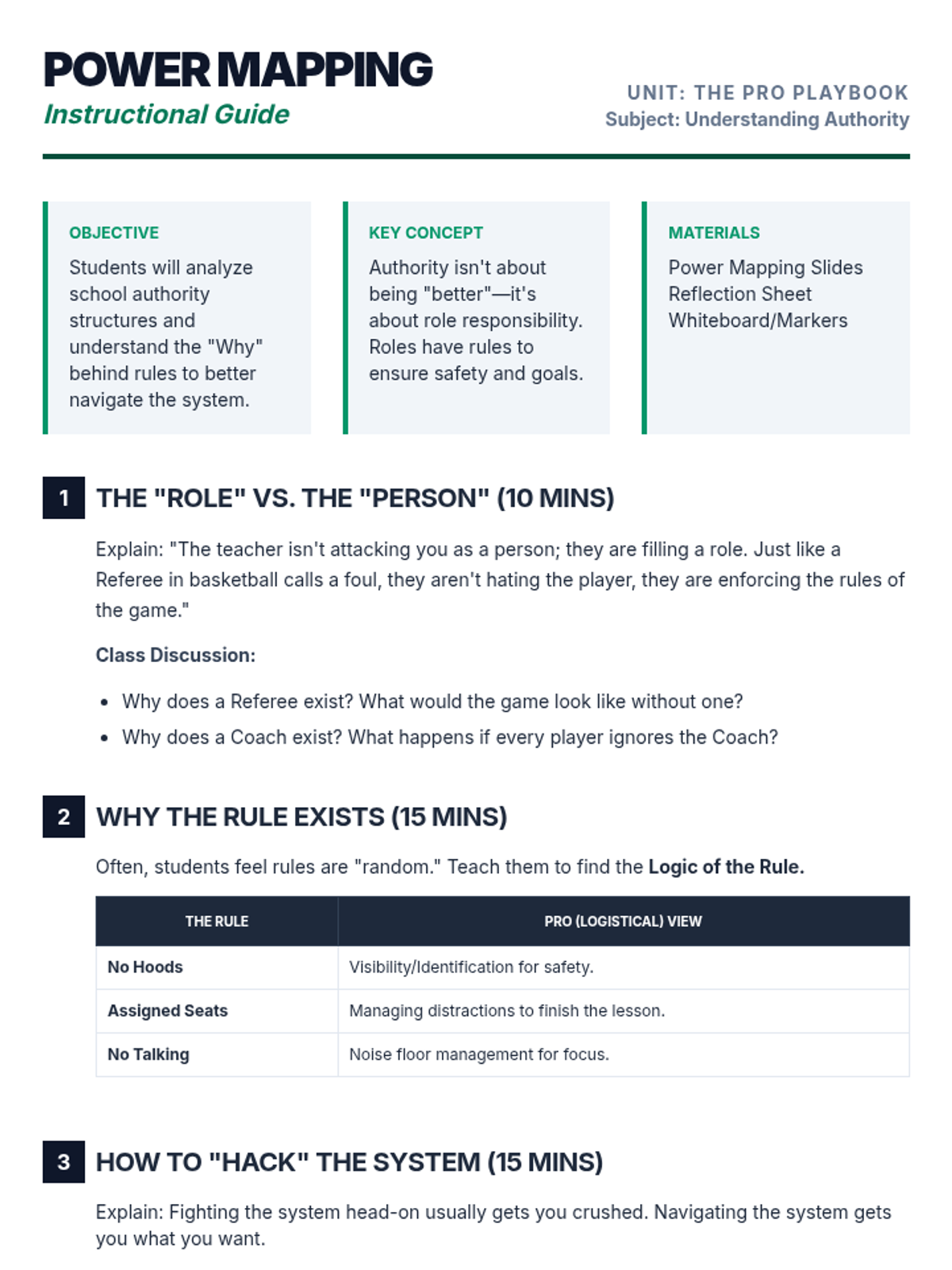
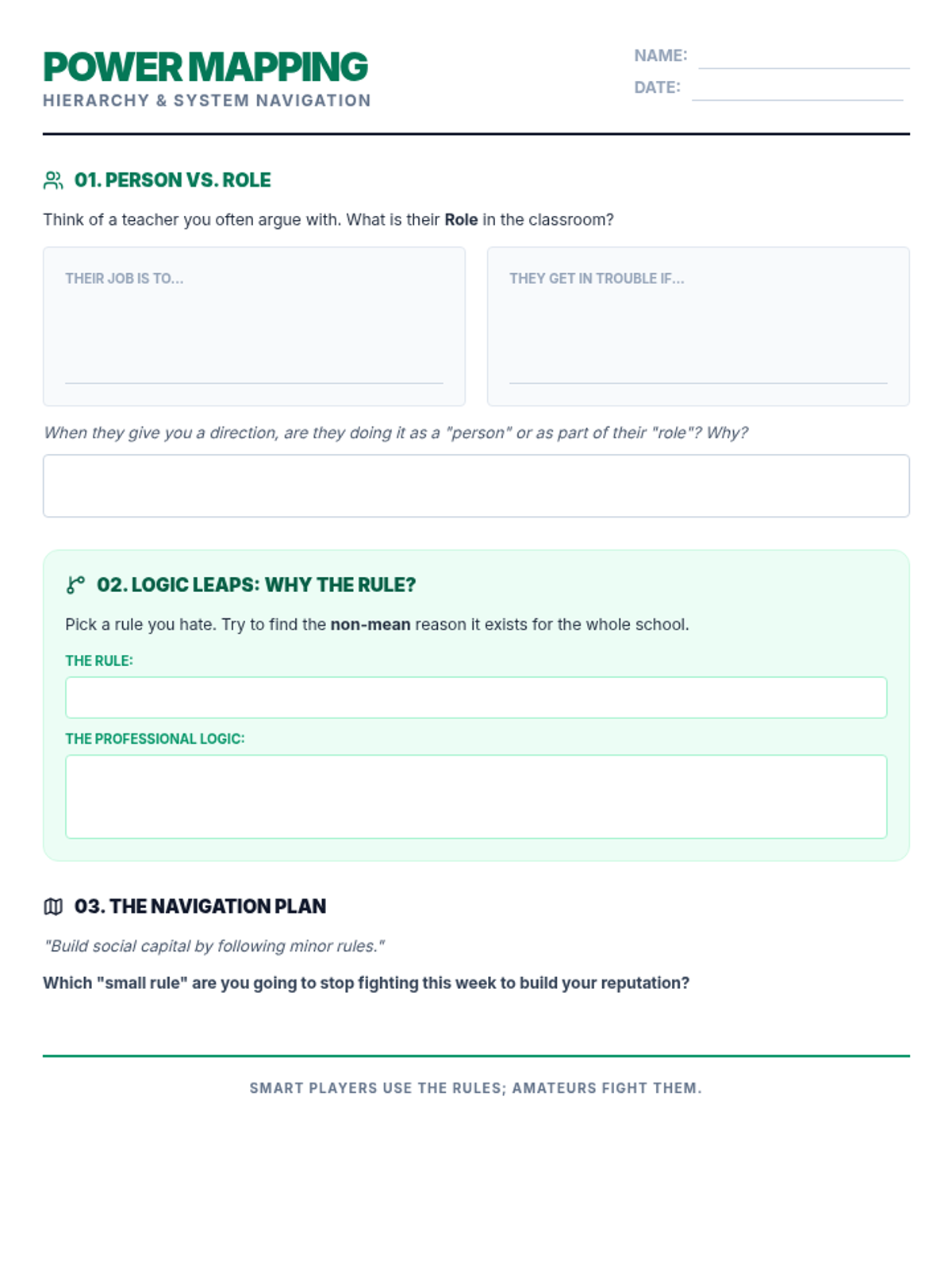
Explores the structure of school authority and how students can work within the system to achieve their goals rather than fighting against it.
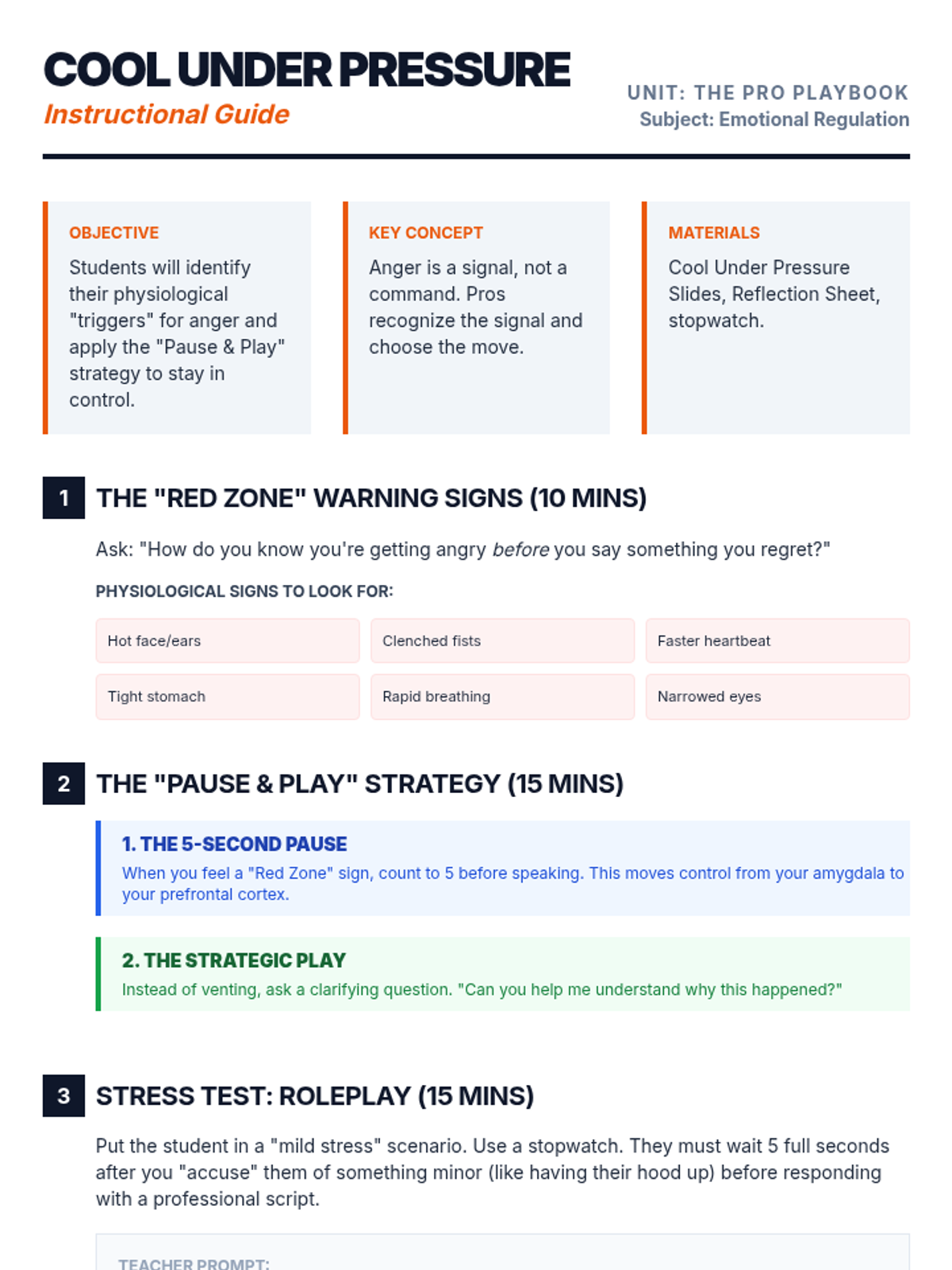
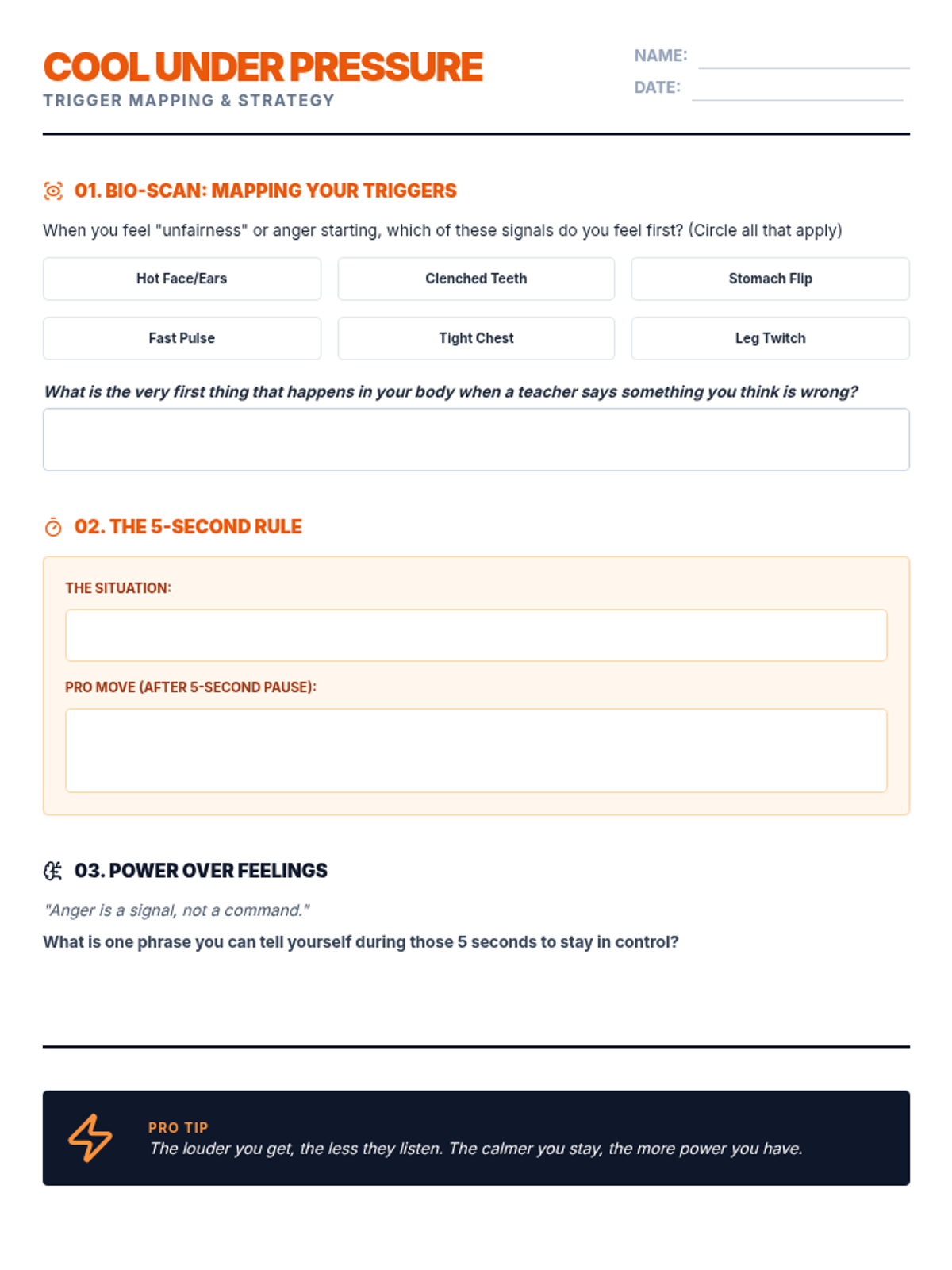
Teaches students how to identify physical triggers of anger and implement immediate de-escalation strategies when they feel unfairly treated.
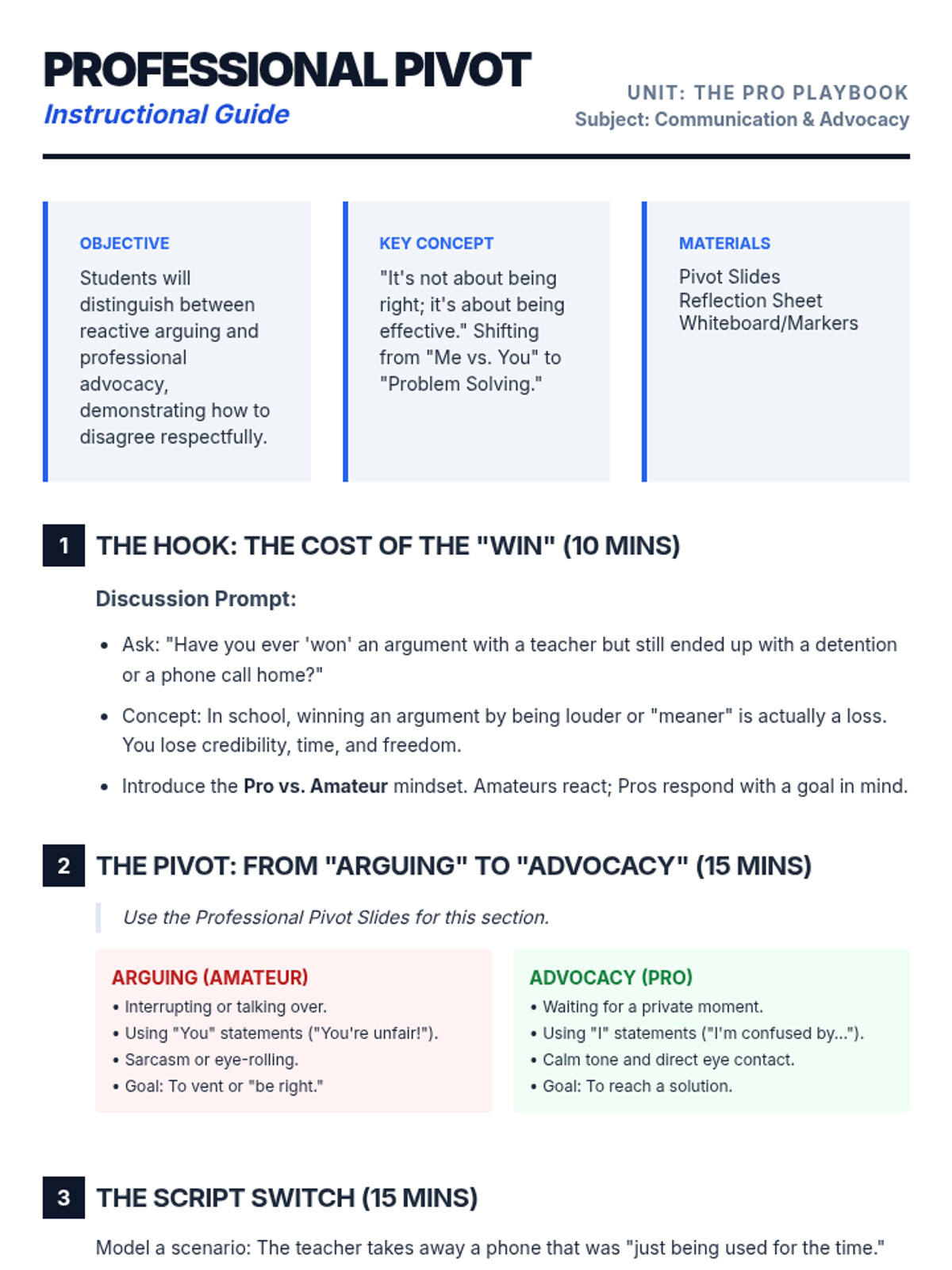
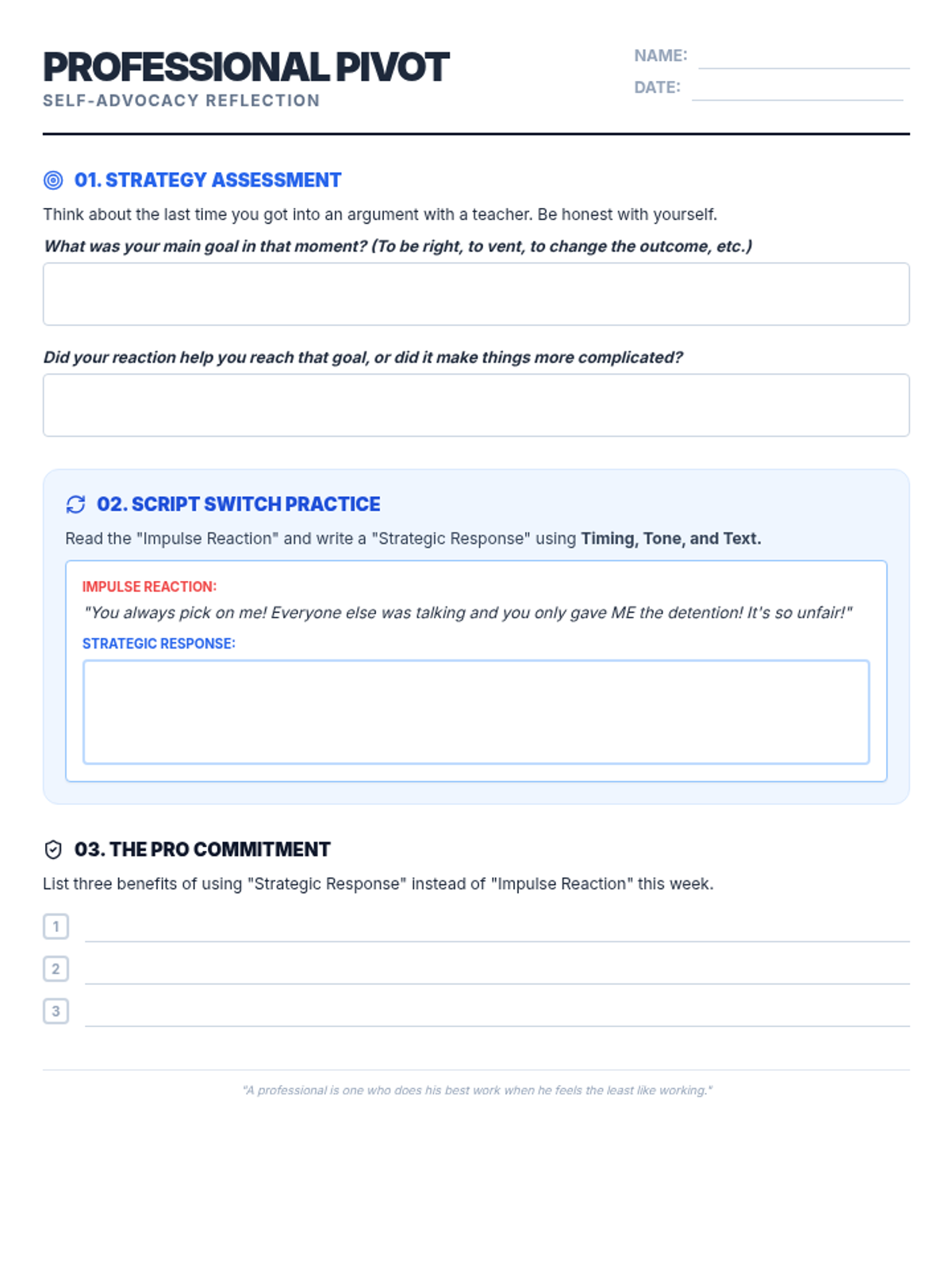
Focuses on the distinction between arguing and professional advocacy, teaching students how to express disagreement without escalating conflict.
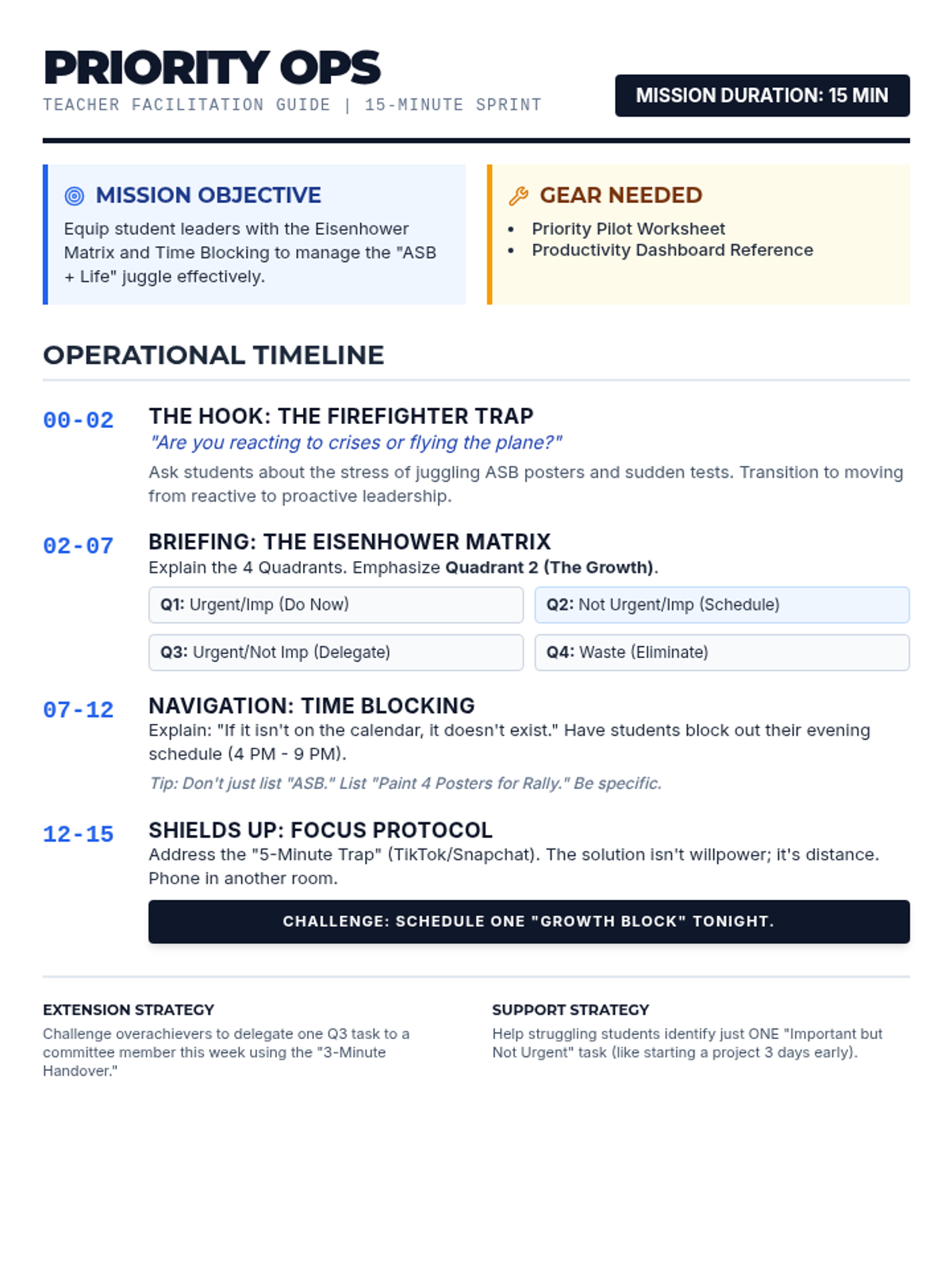
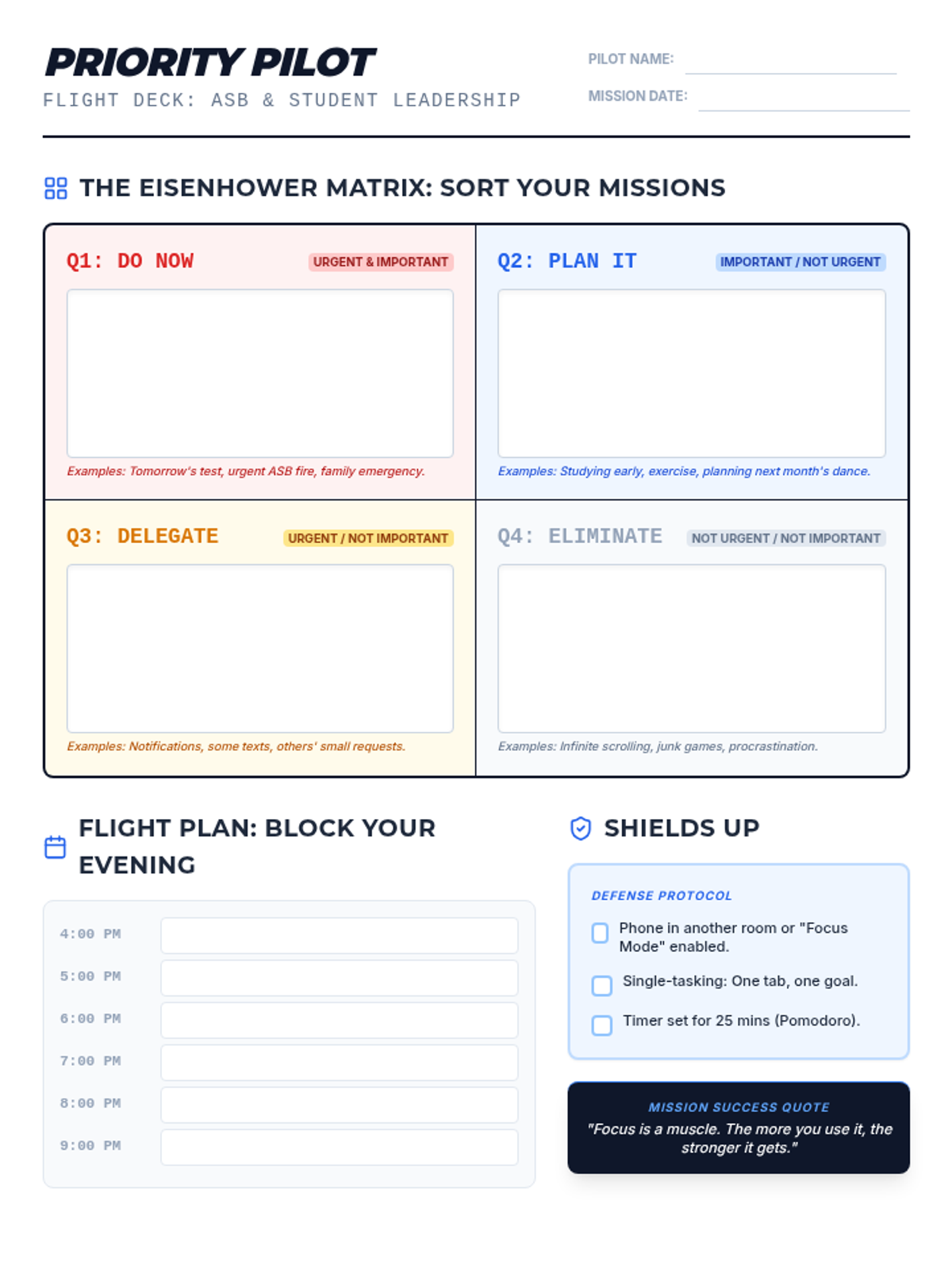
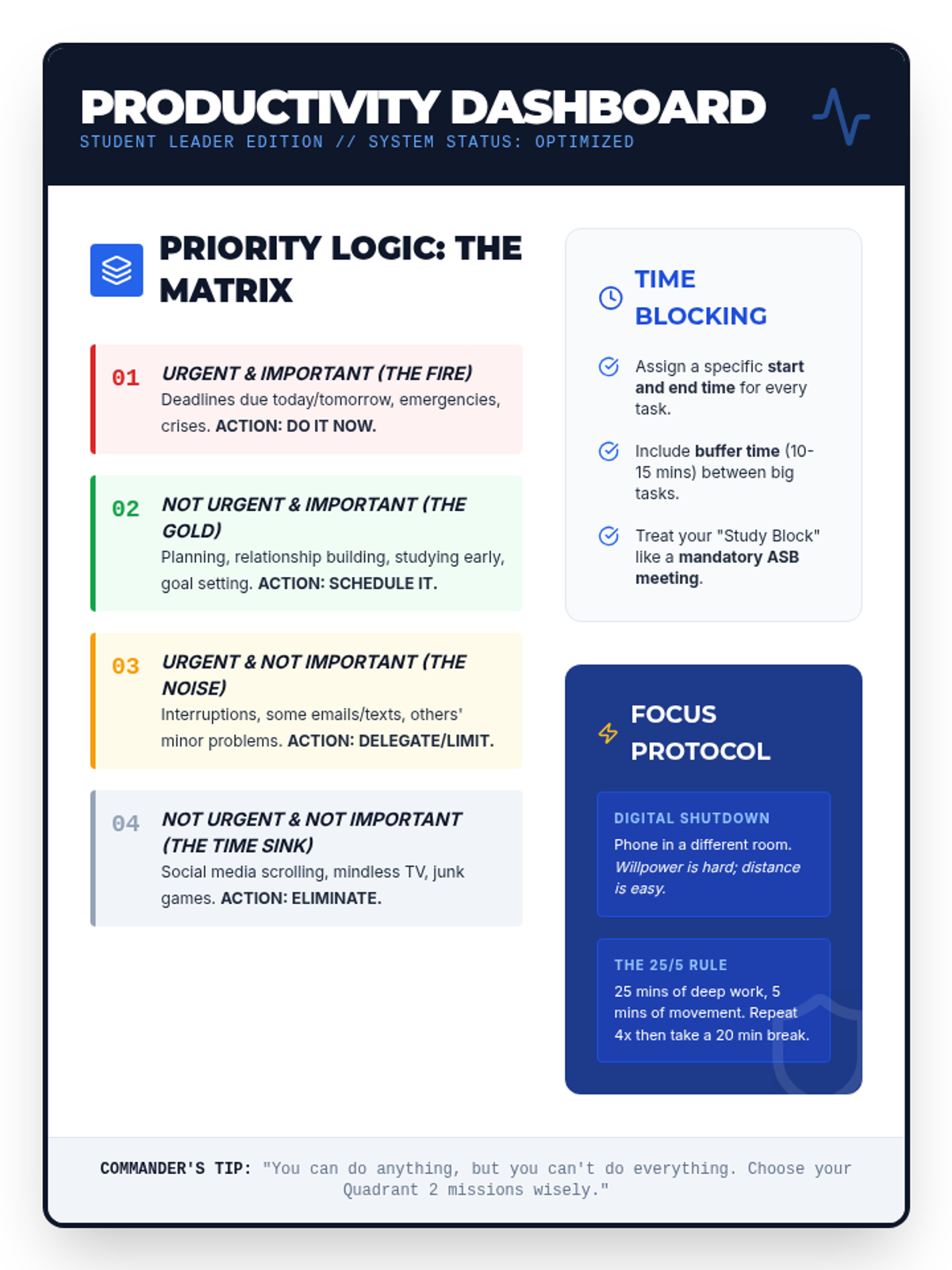
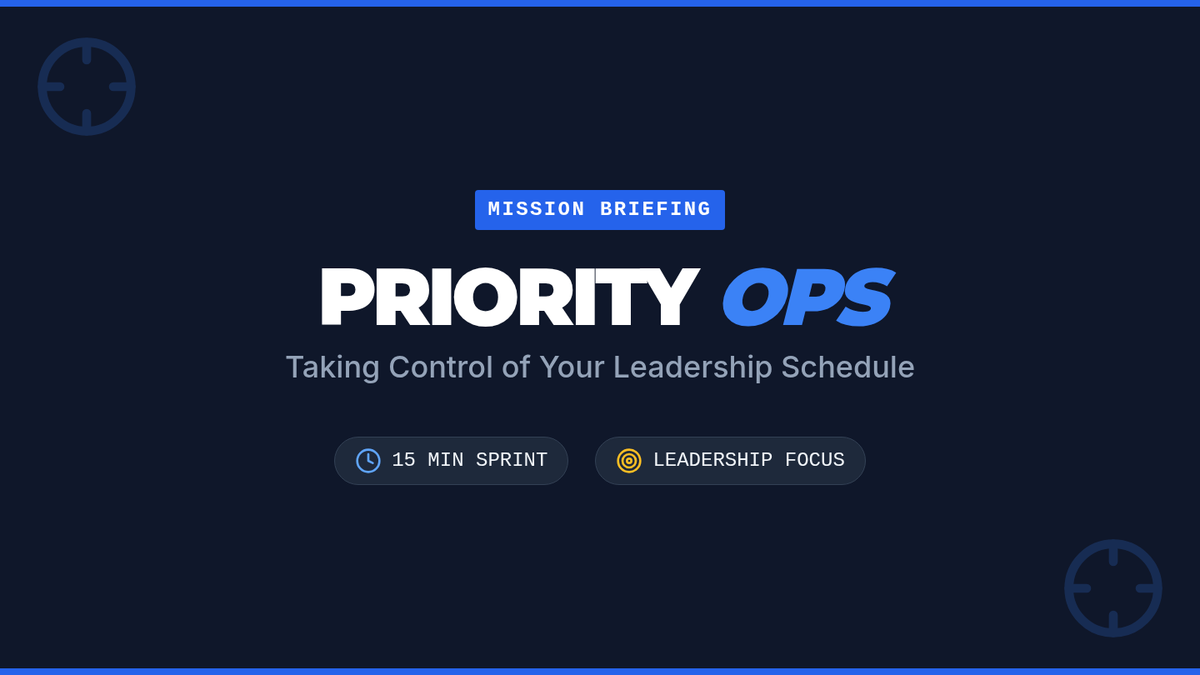
A high-impact, 15-minute workshop designed for student leaders to master the Eisenhower Matrix, time-blocking, and digital focus techniques.
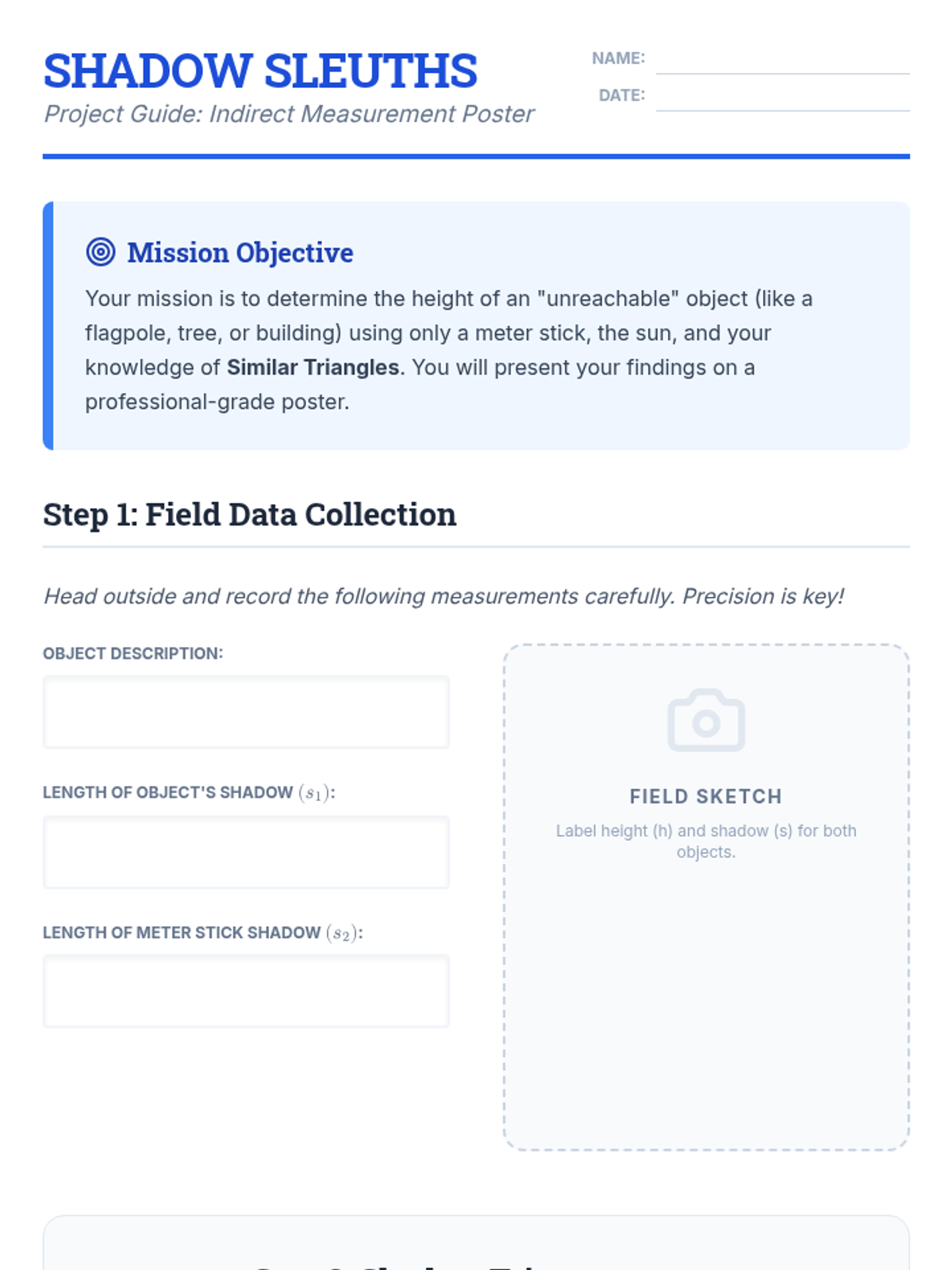
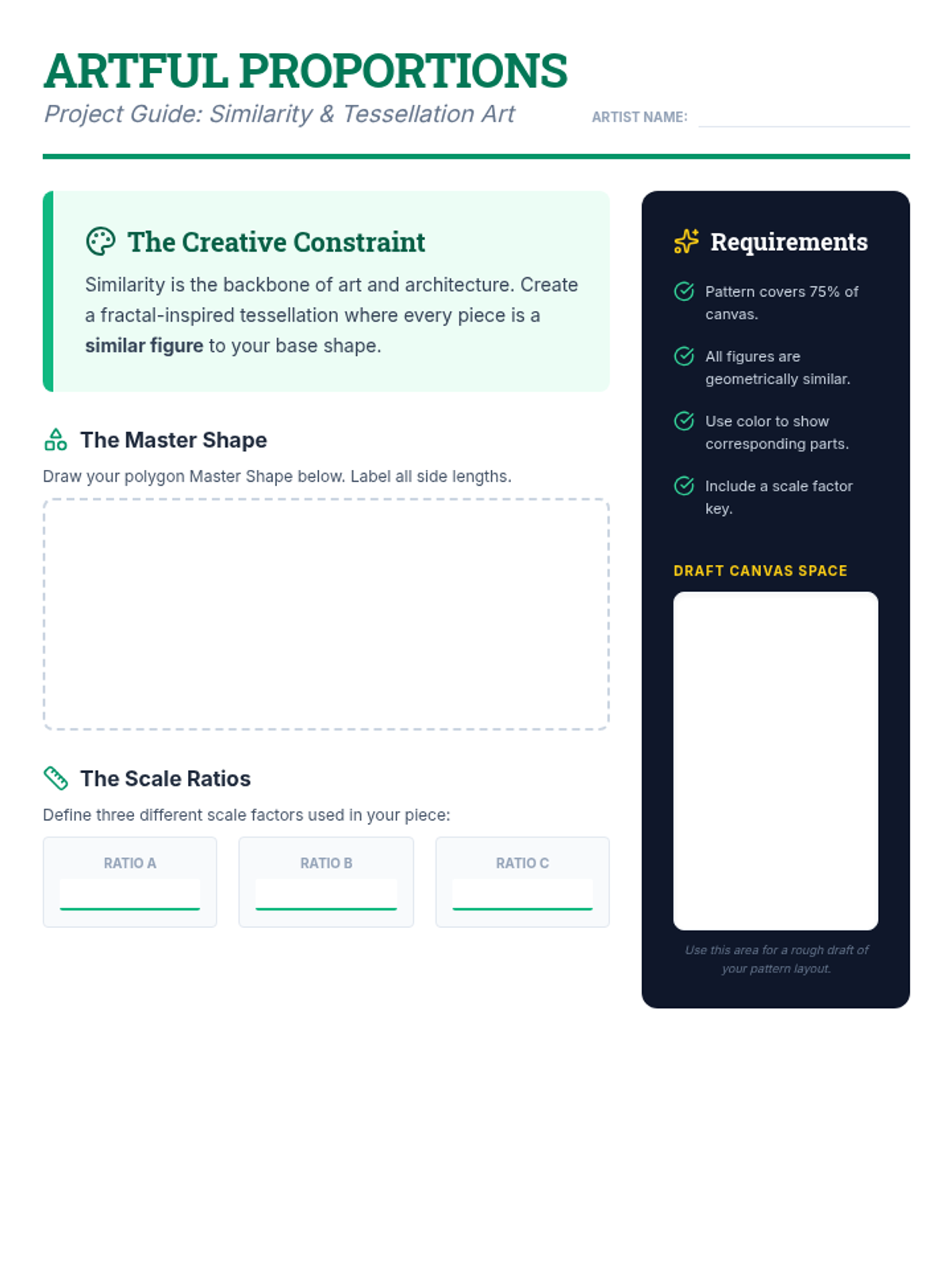
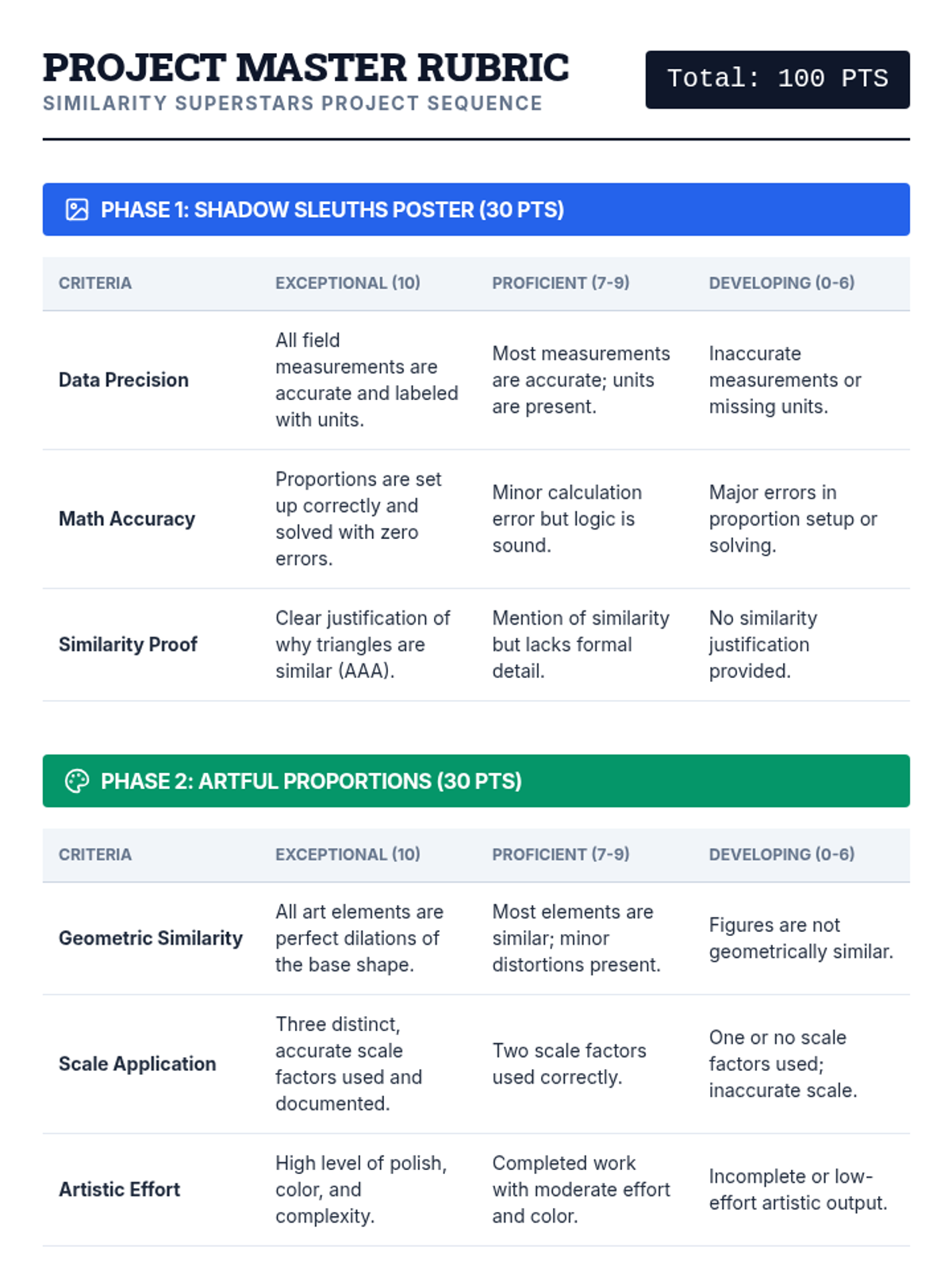
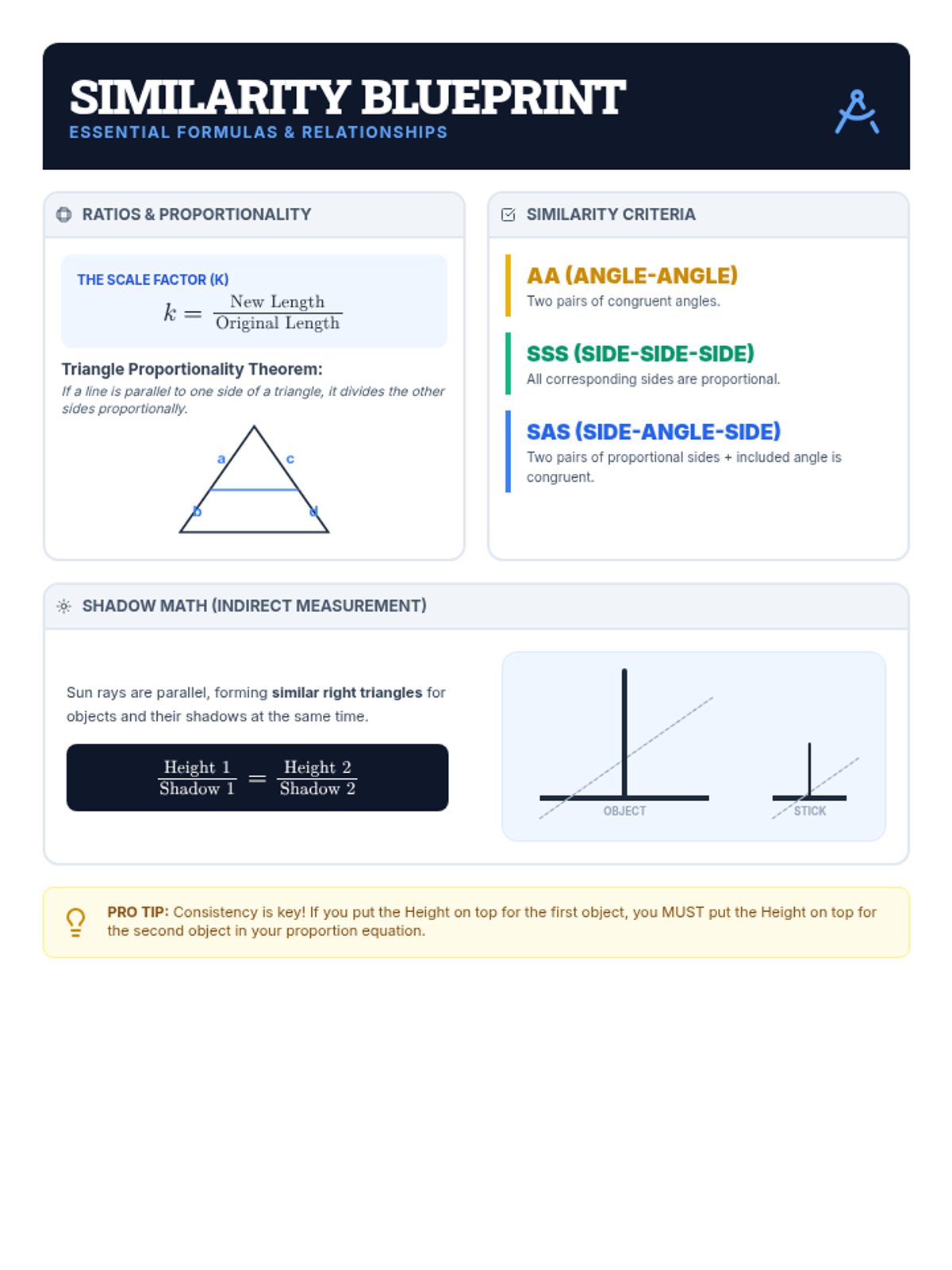
Students explore geometric similarity through art and tessellations, applying ratios and proportional parts to create scaled masterpieces.
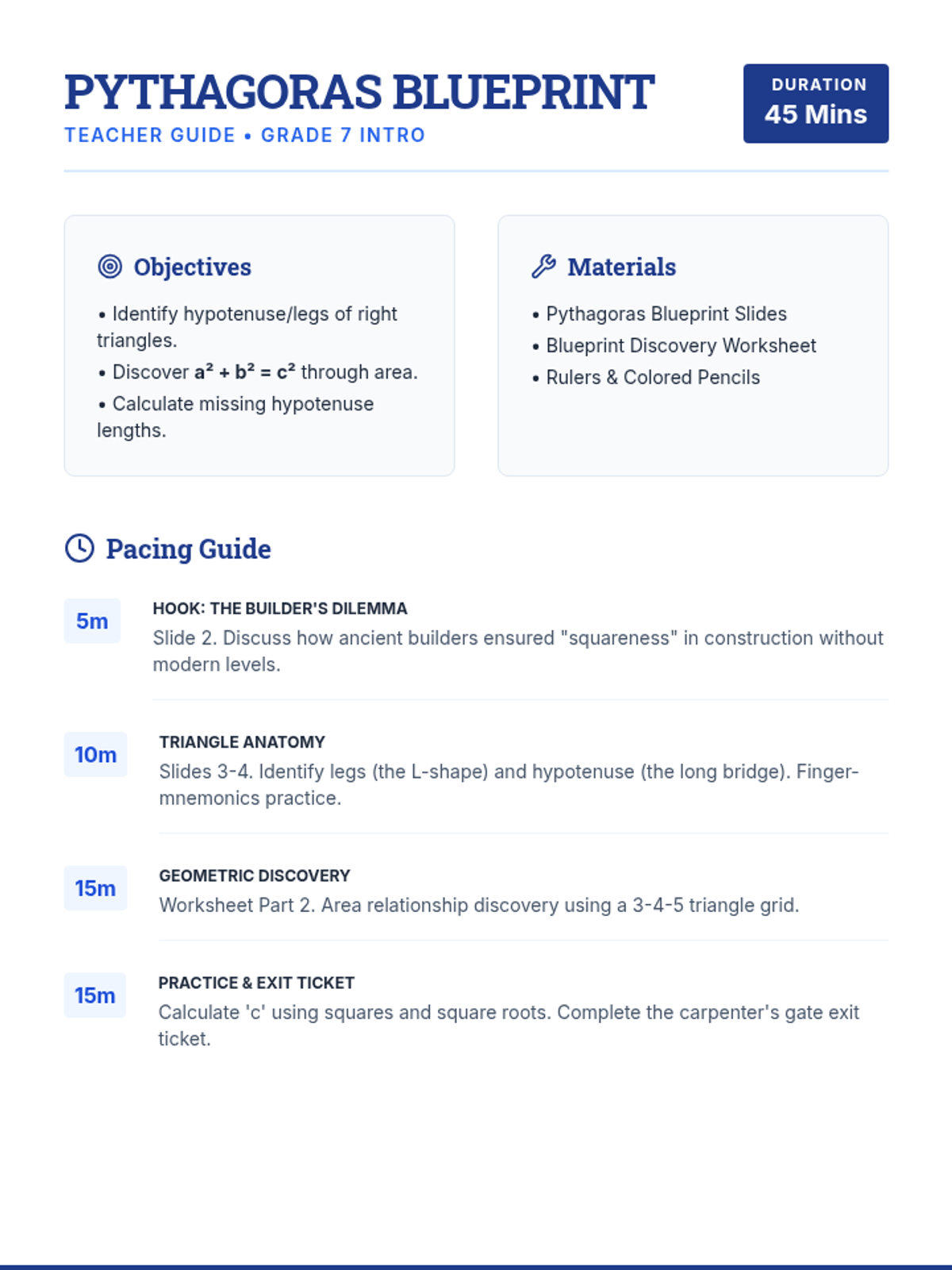
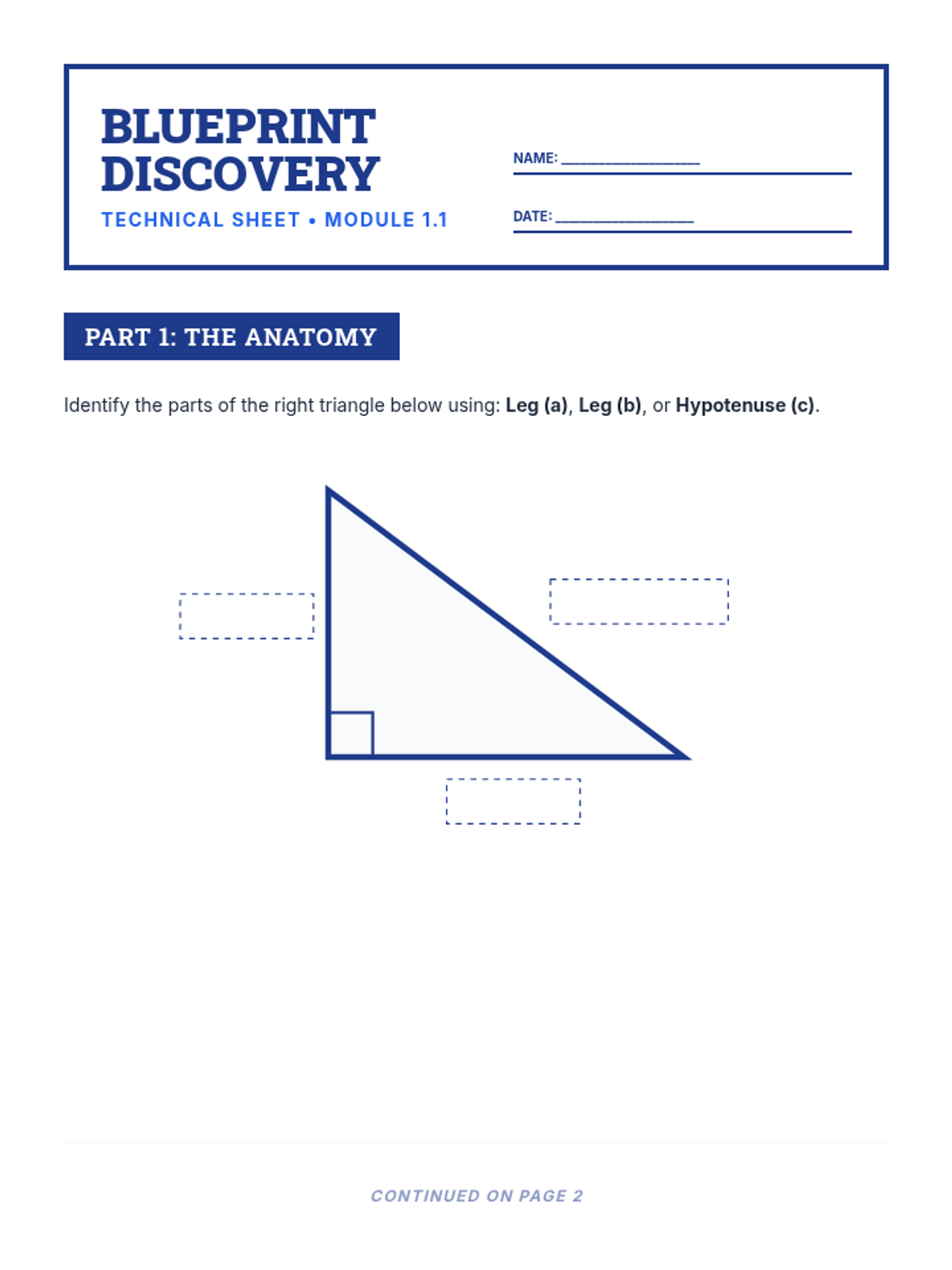
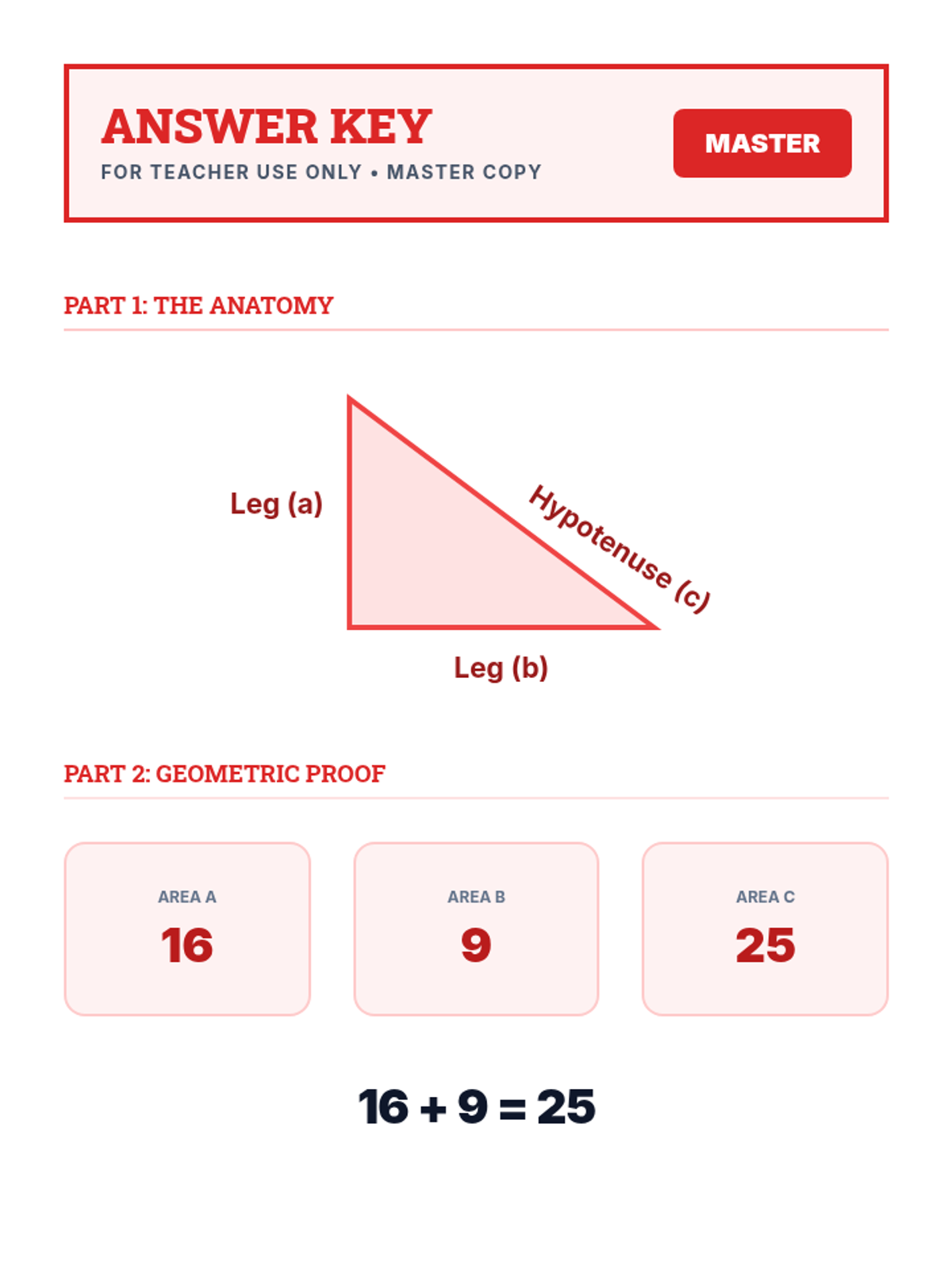
A 45-minute introductory lesson to the Pythagorean Theorem for 7th grade, focusing on identifying triangle parts and discovering the fundamental relationship between side lengths.
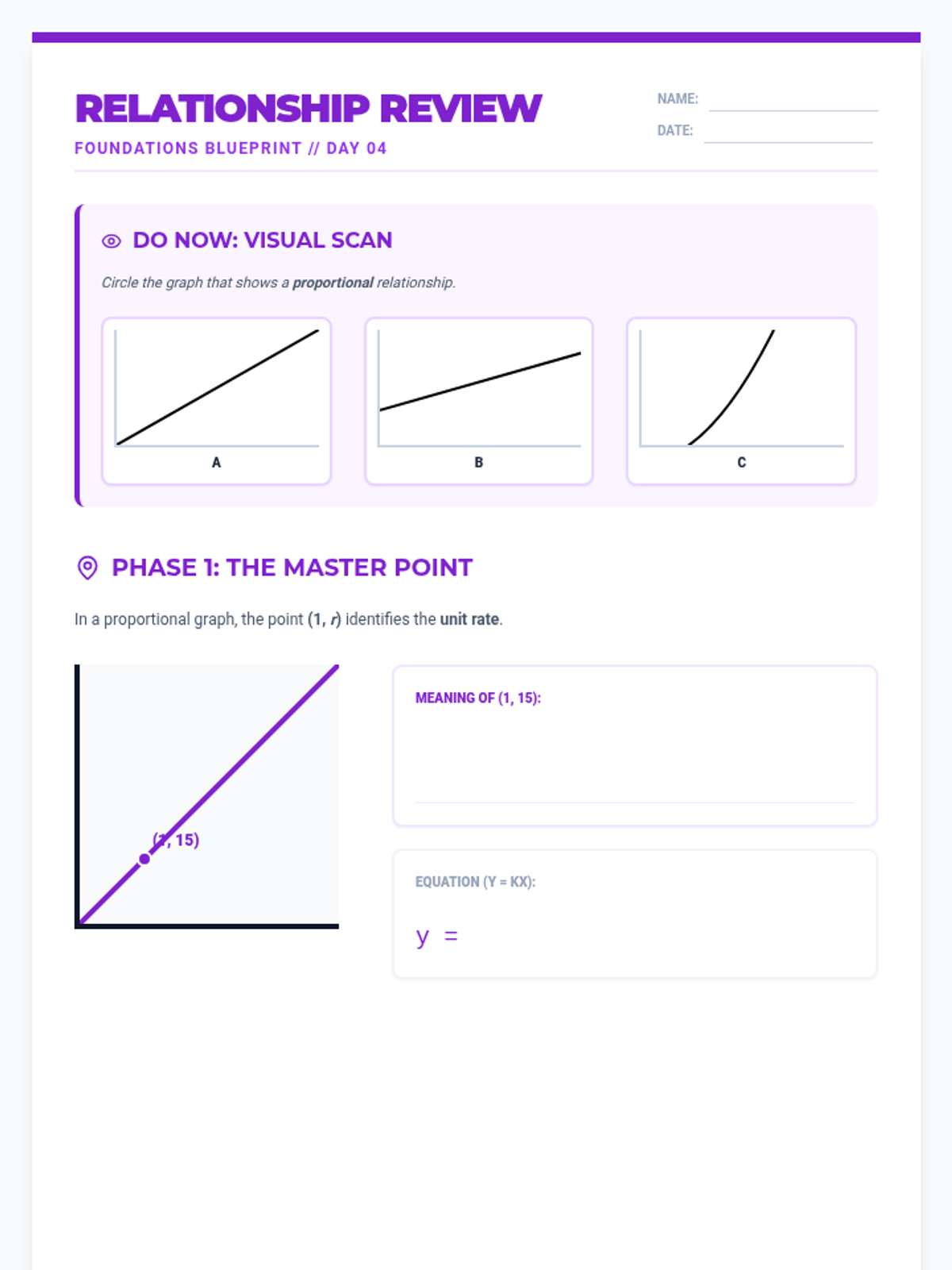
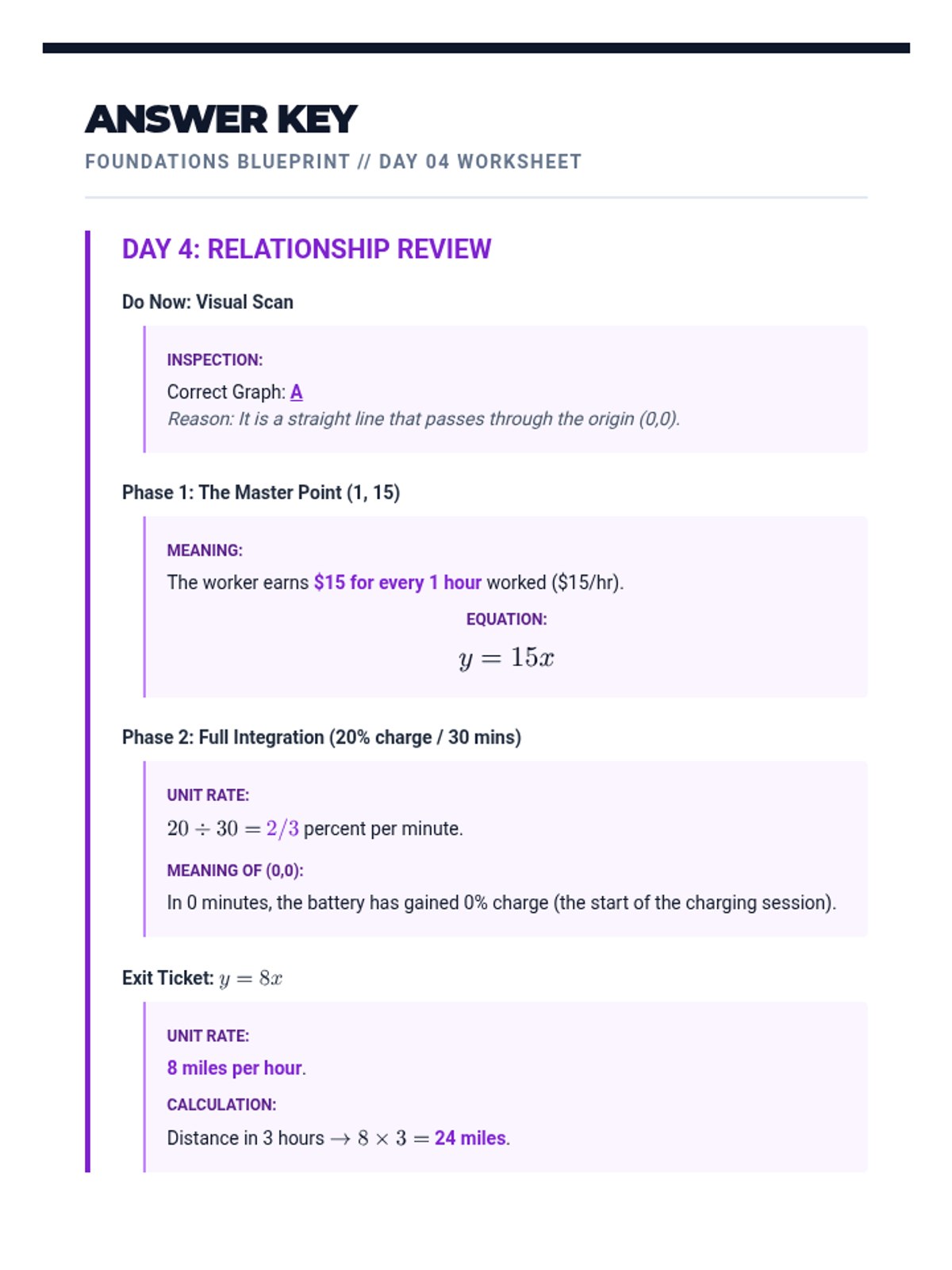
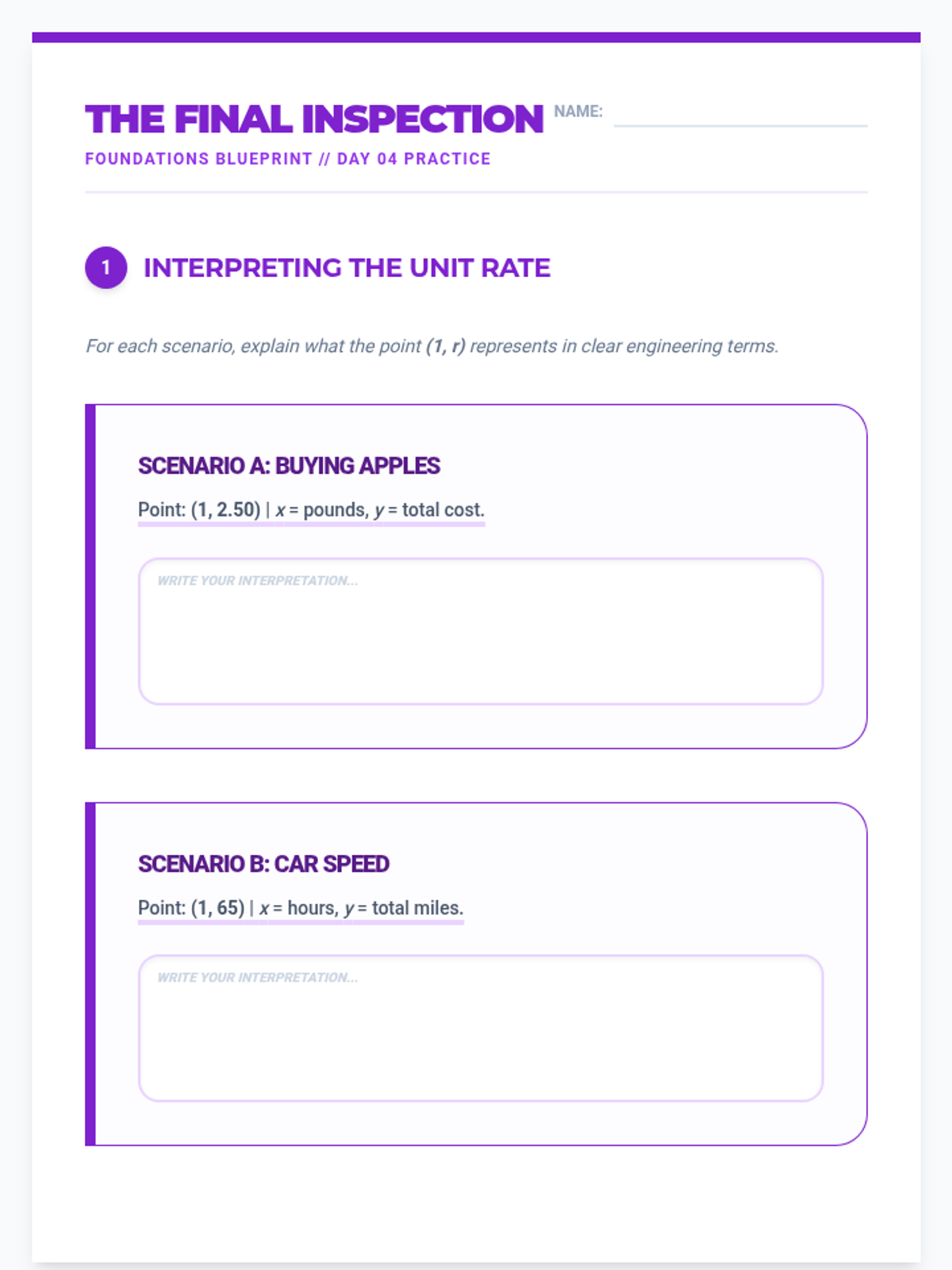
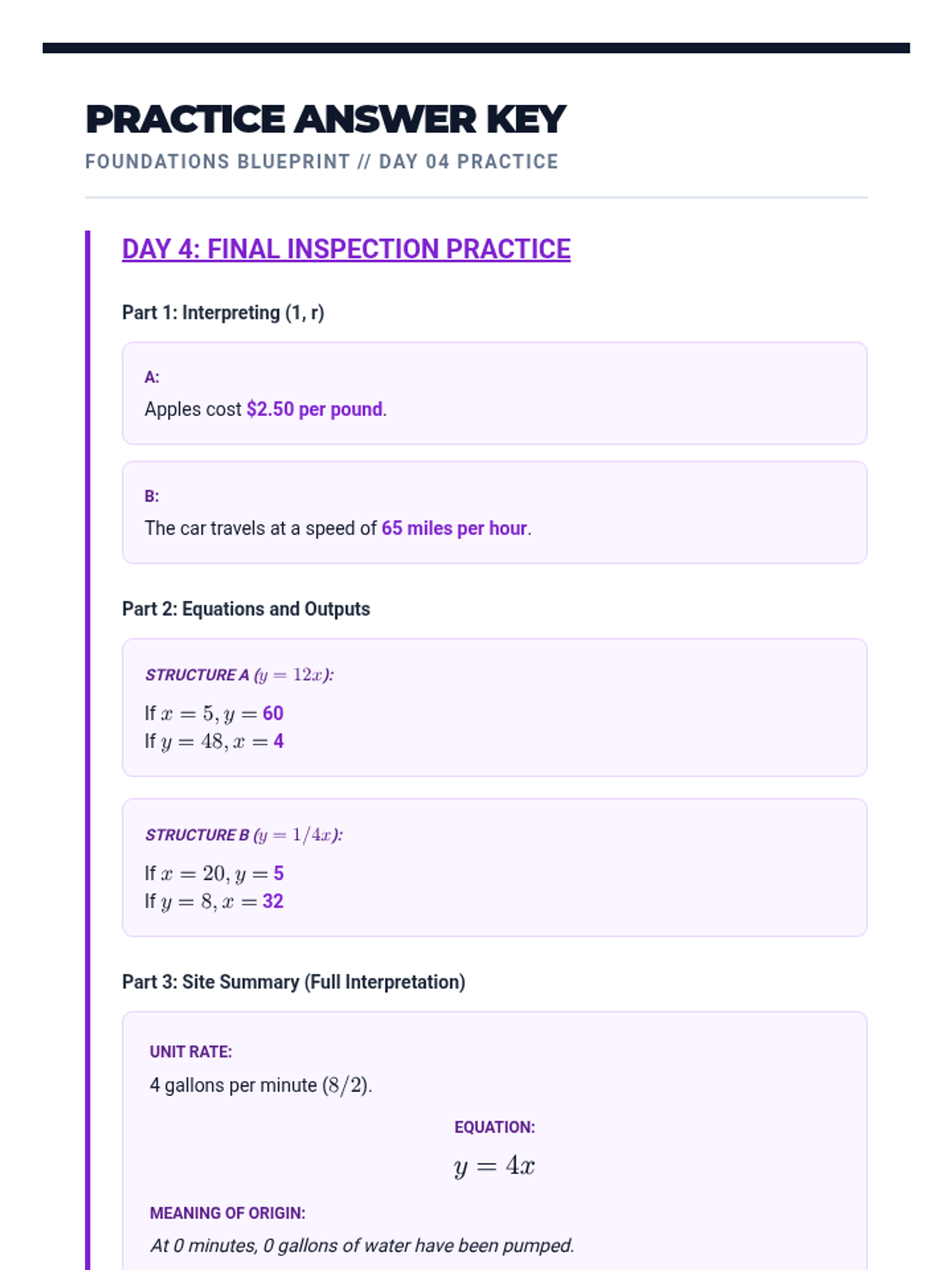
In-depth look at interpreting points on a proportional graph, specifically the unit rate (1, r) and the origin (0, 0).