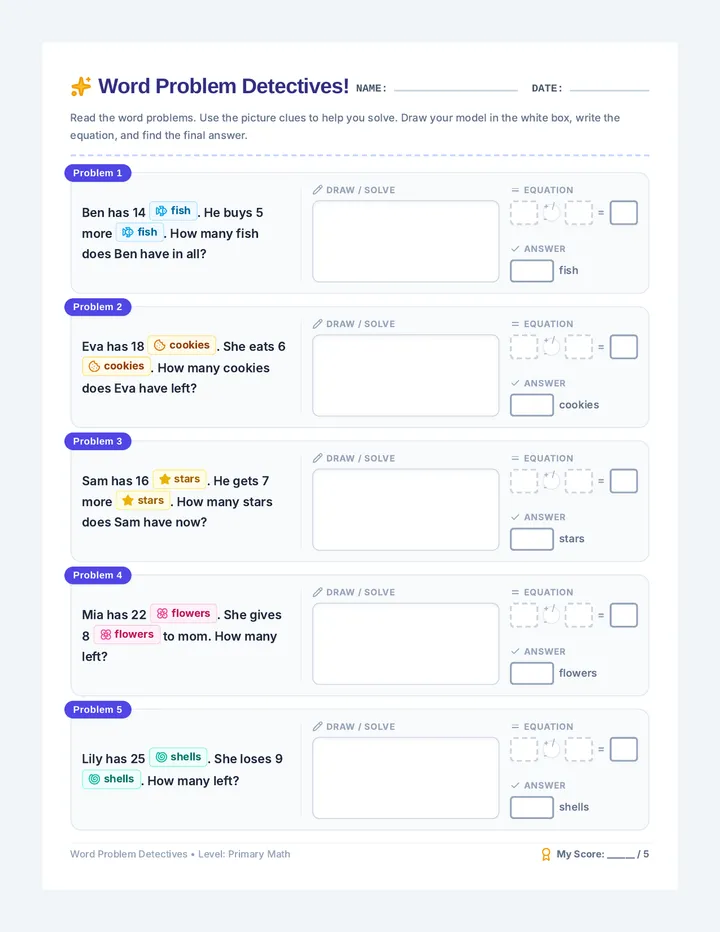
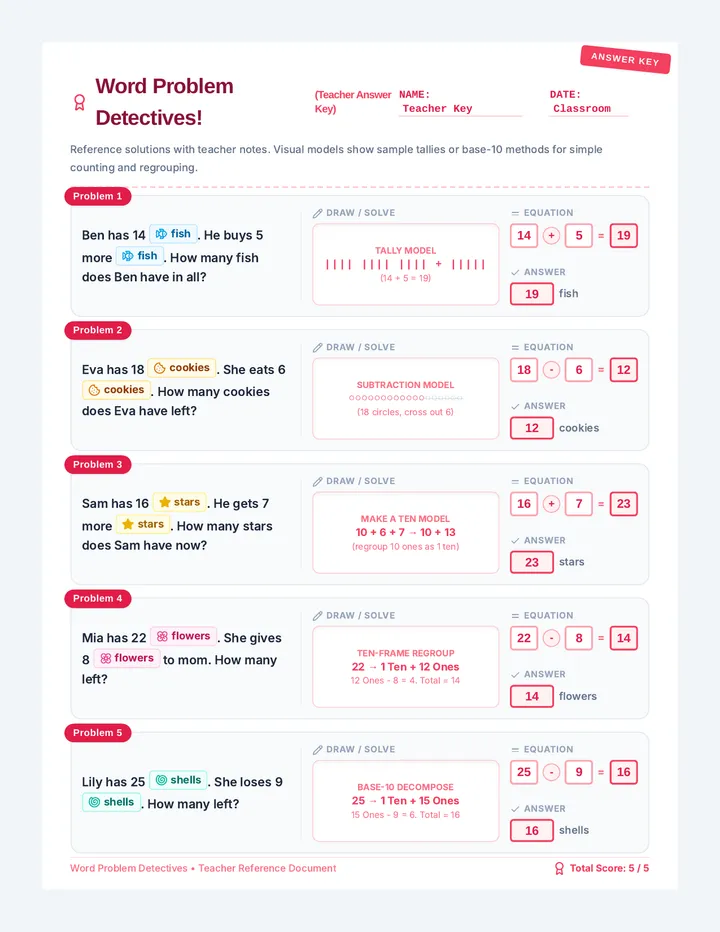
Introduction to two-step word problems using addition and subtraction. Students learn to use bar models to visualize the relationships between numbers and solve for unknowns.
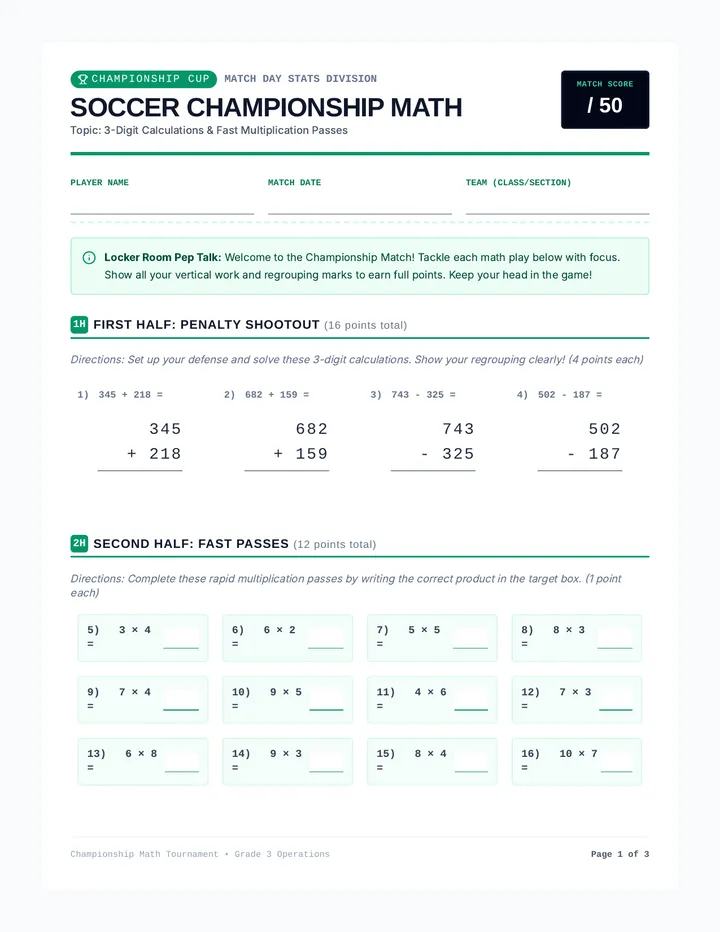
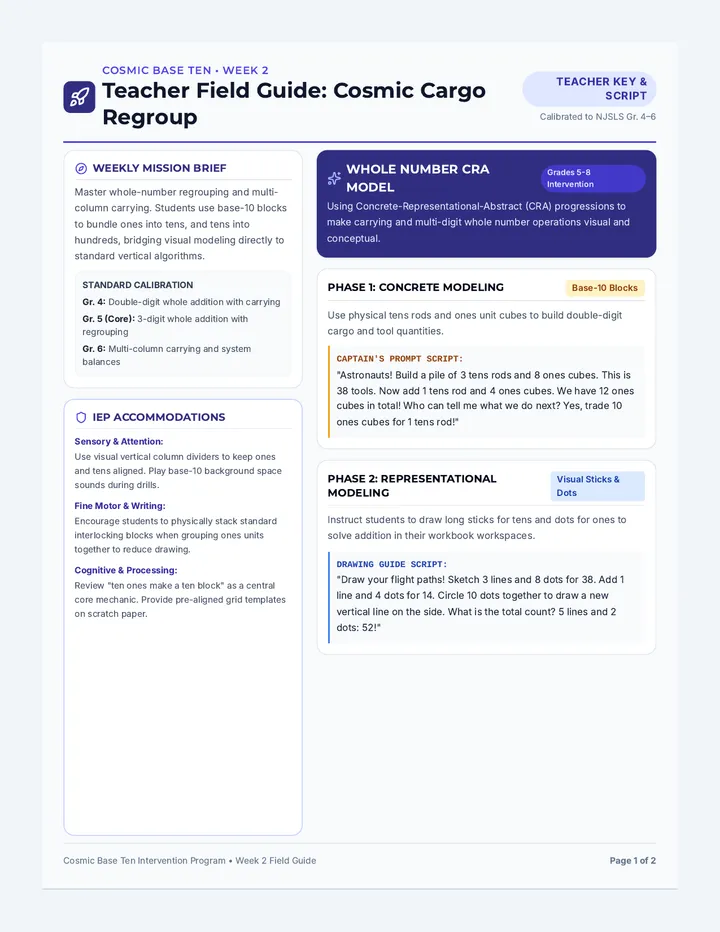
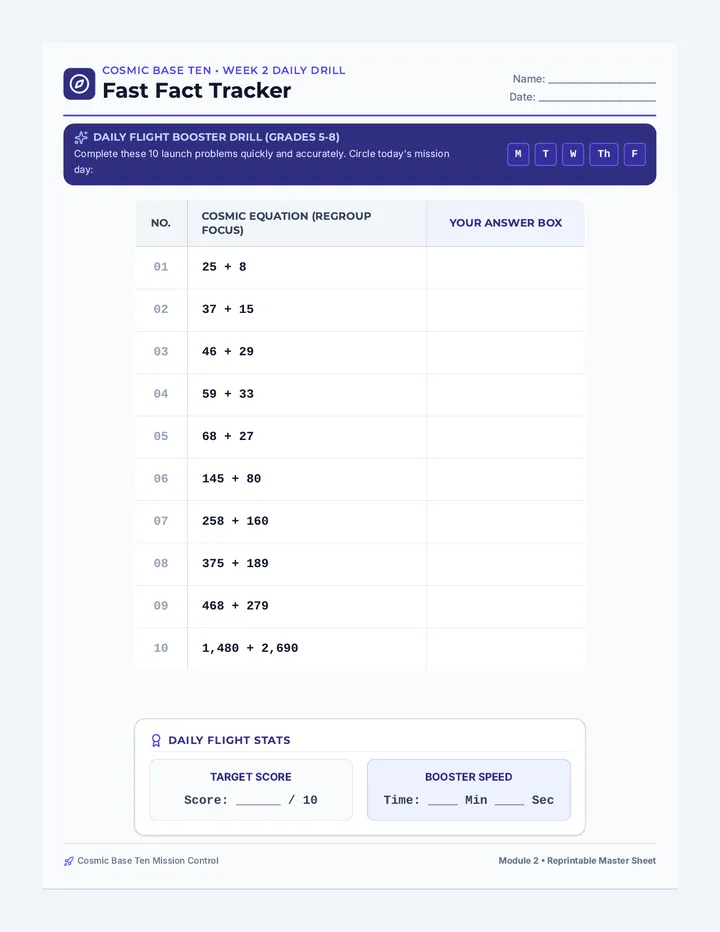
A comprehensive lesson on 2-digit addition with regrouping and subtraction with borrowing, using a construction-themed approach to visualize building and breaking tens.
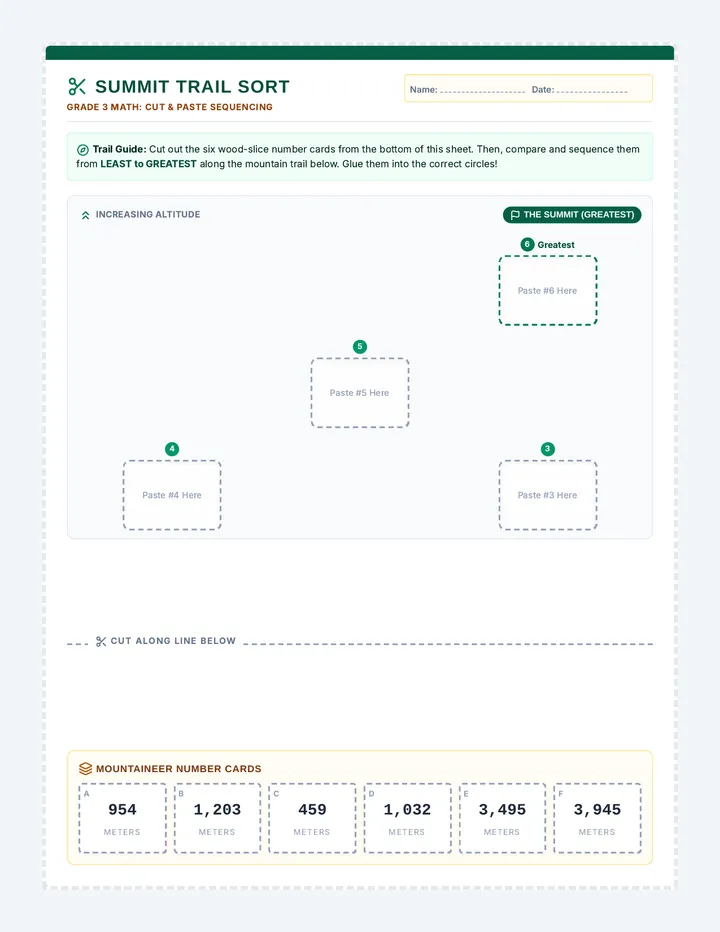
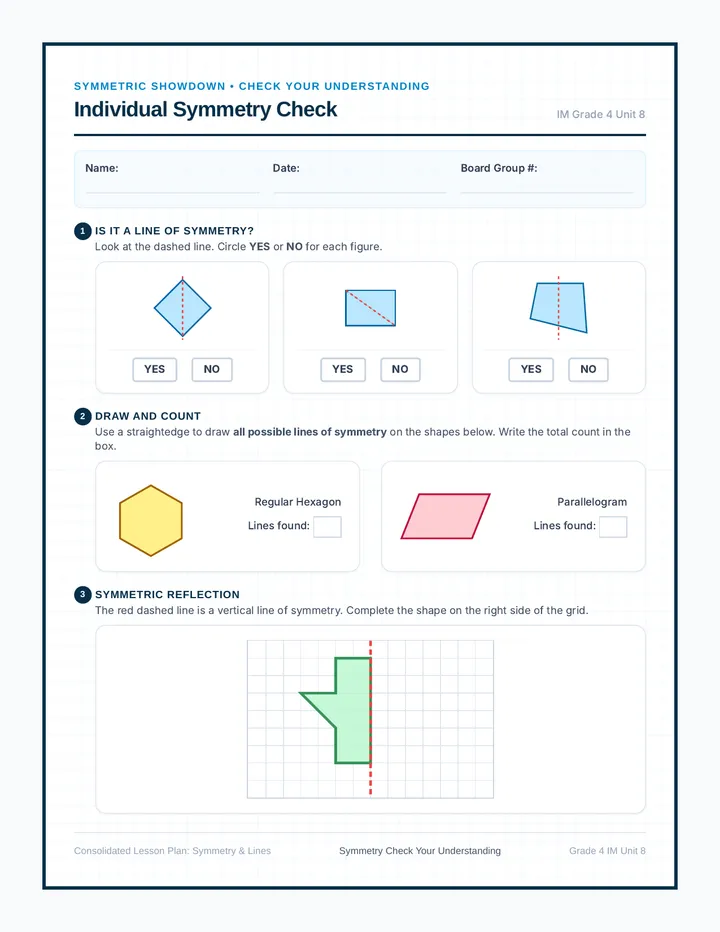
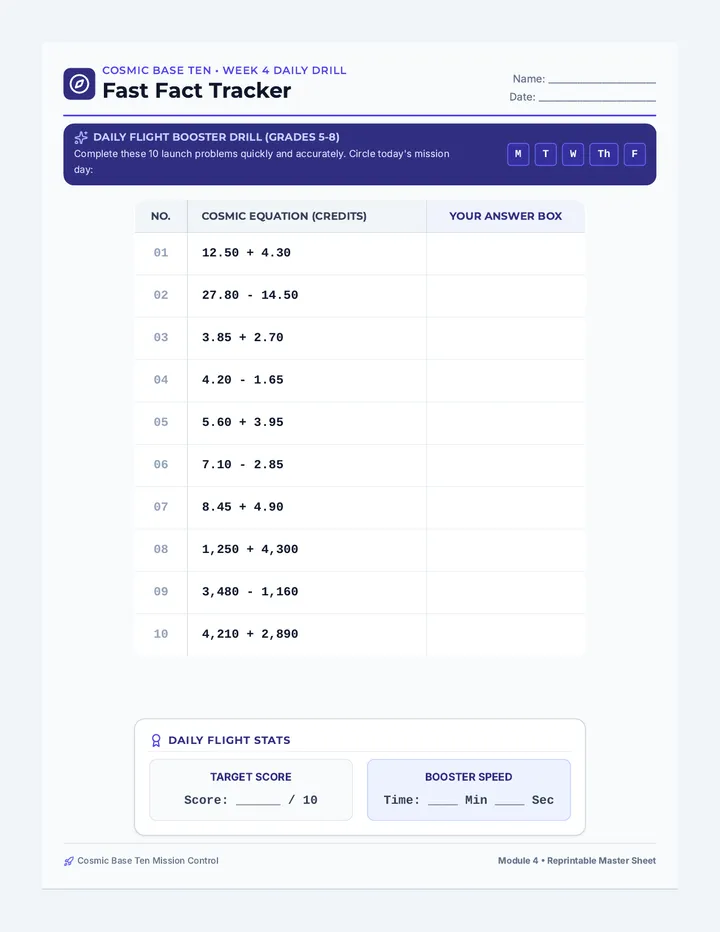
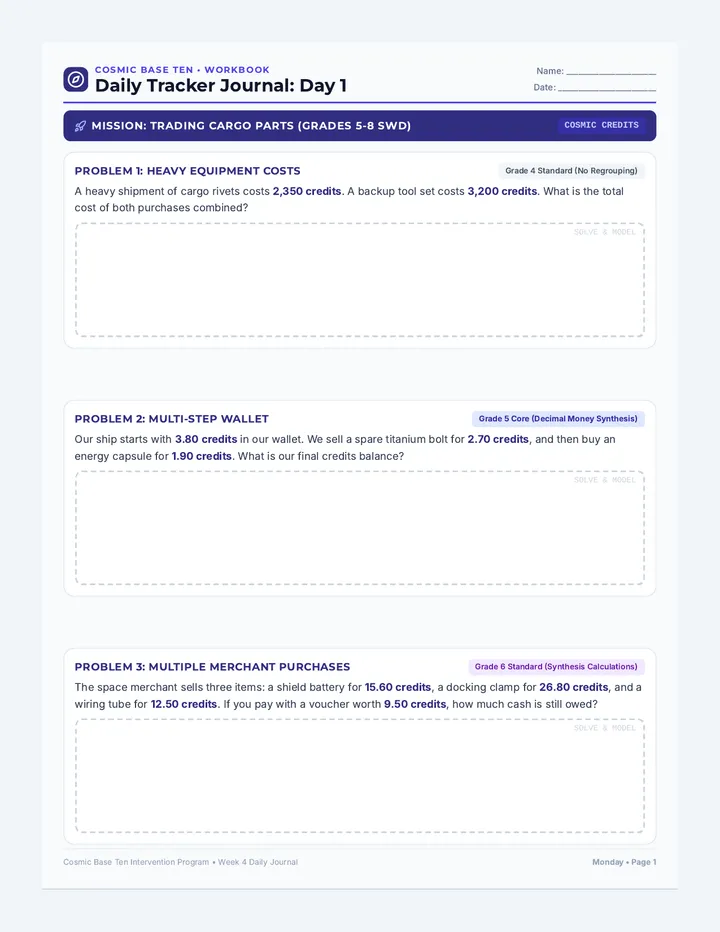
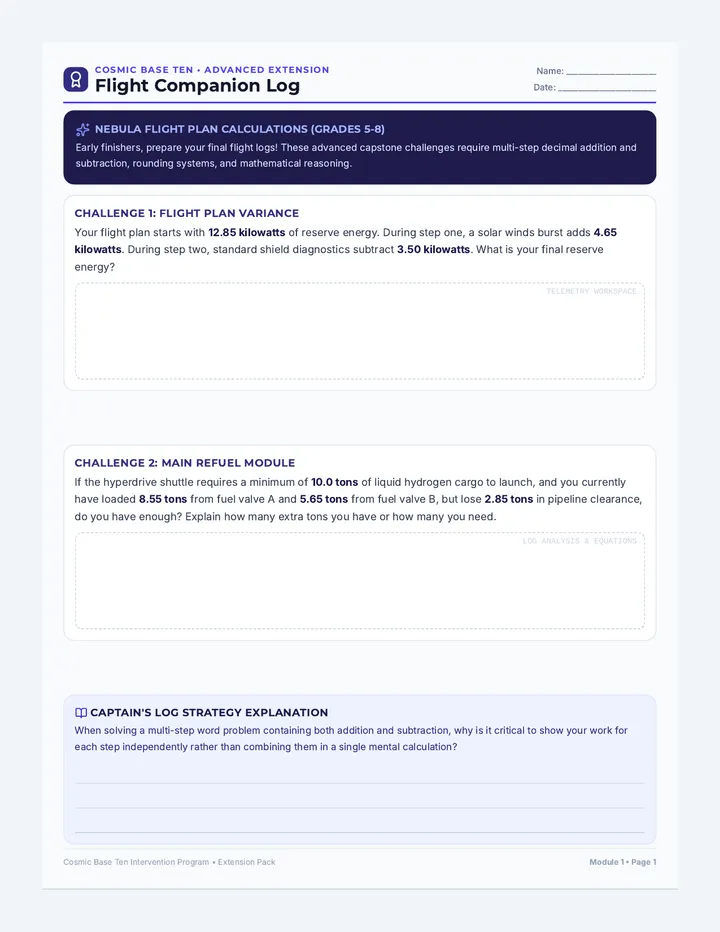
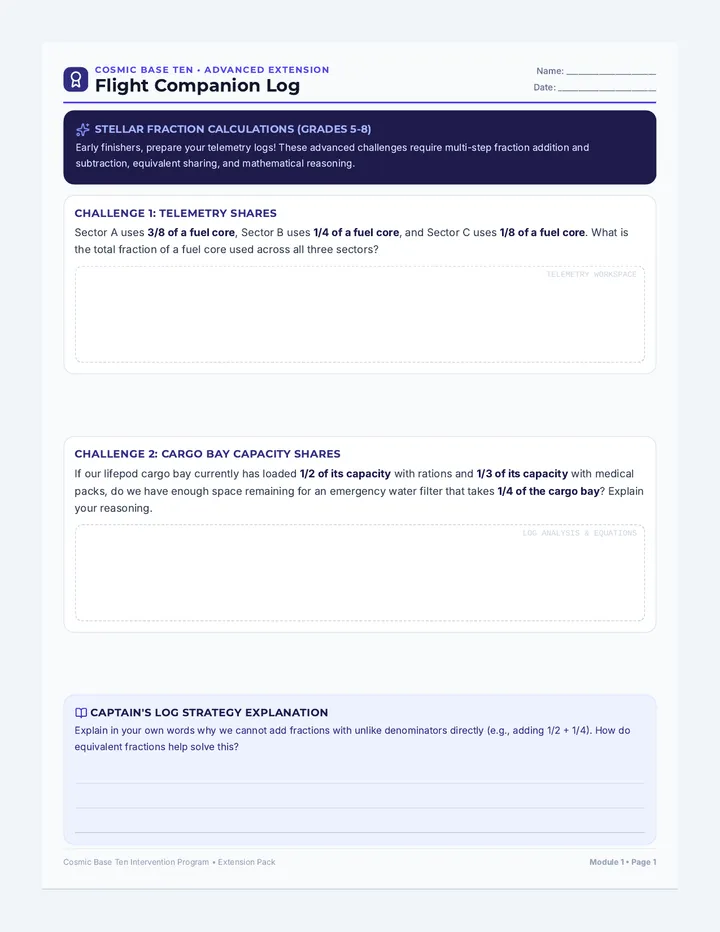
The second week of spiral review shifts towards multi-step word problems, decimal notation, and geometric properties.
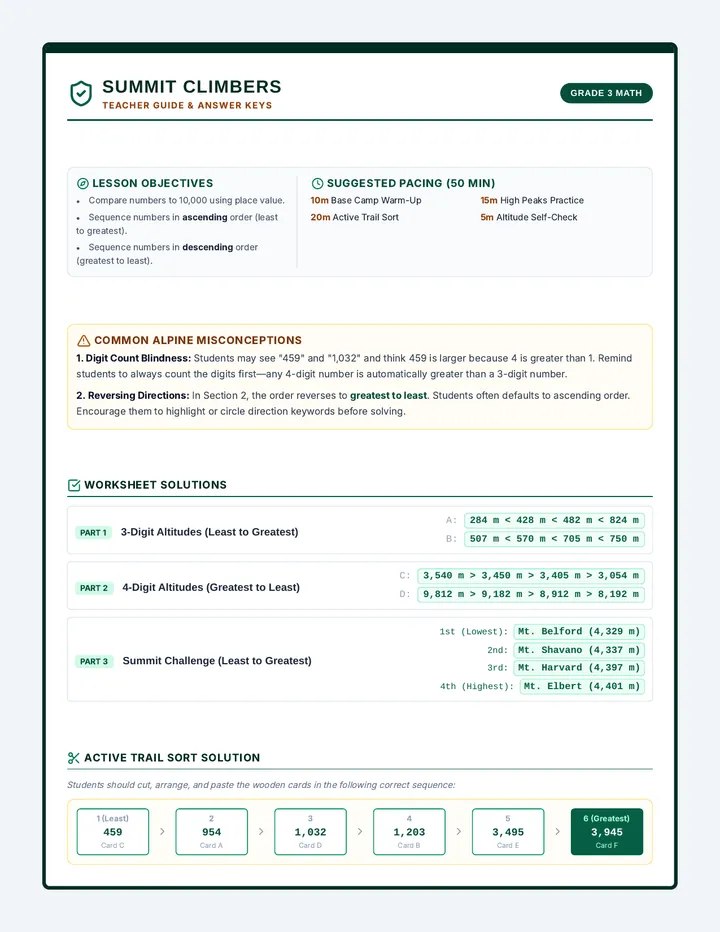
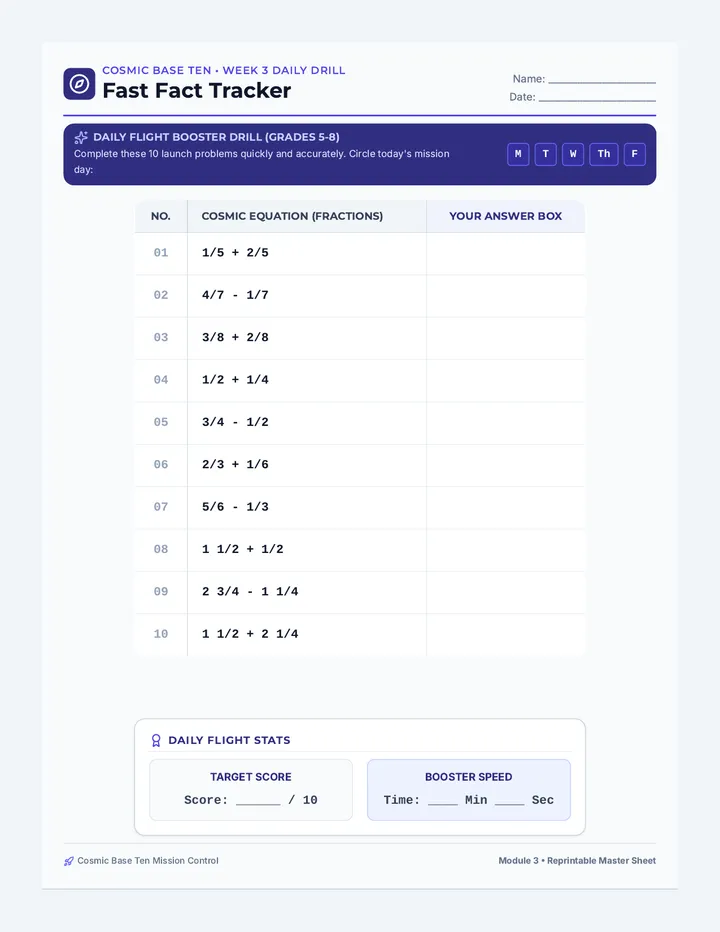
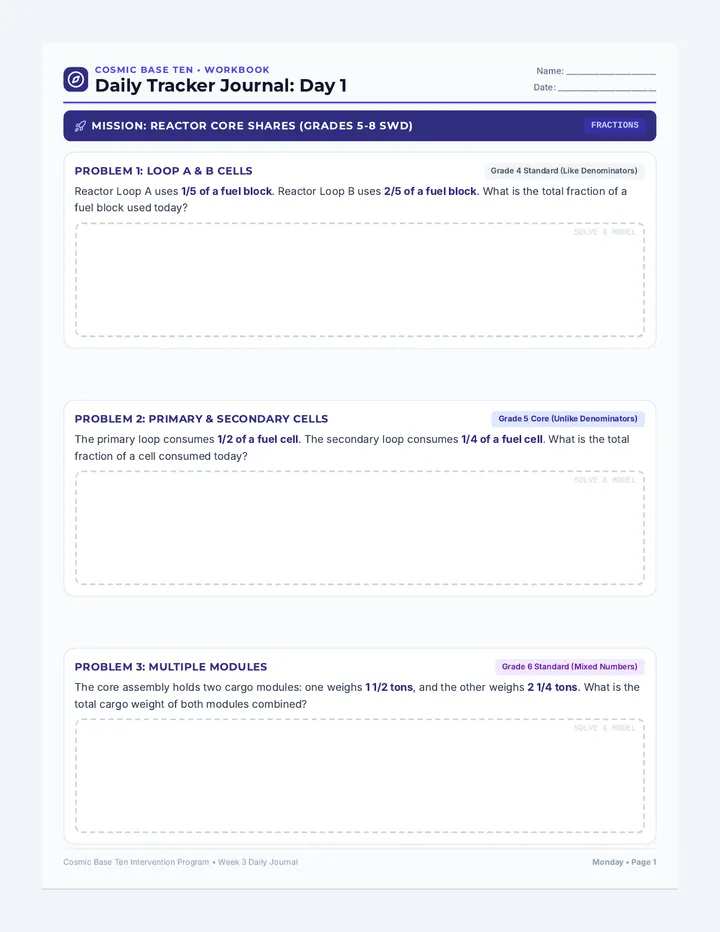
The first week of spiral review focuses on place value, basic multi-digit operations, and introductory fraction concepts.

A comprehensive lesson on scaled picture and bar graphs with a festive Cinco de Mayo theme, featuring taco toppings and piñata treats. Students will practice drawing graphs and solving 'how many more/less' problems.
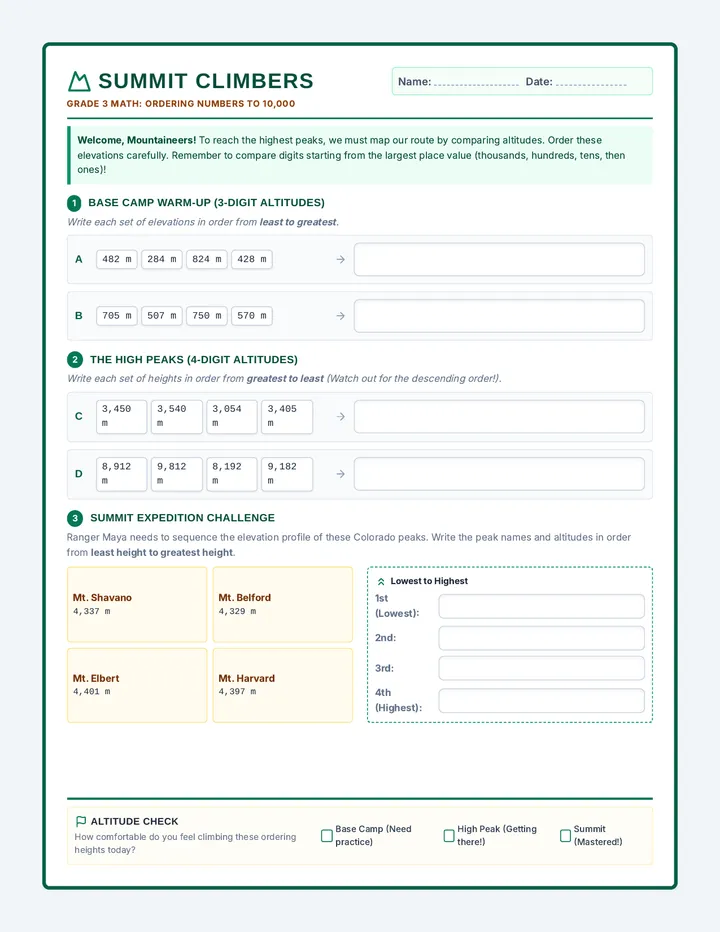
A series of targeted math worksheets for 3rd-grade RSP students to master 2nd-grade mental math and comparison standards using highly scaffolded place value supports.
A math lesson for 3rd-grade RSP students focusing on foundational 2nd-grade number sense skills. Students will practice mental addition of 10 and 100 and use place value to compare numbers up to 1,000 using scaffolding such as place value mats and visual aids.
A comprehensive math intervention unit for 3rd-grade RSP students, focusing on 2nd-grade mental math, comparisons, and place value standards through a martial arts 'Number Ninja' theme.
Foundational tools for assessing student levels and planning instruction based on California Power Standards across grades K-5.
A comprehensive 4-week spiral review of 4th-grade math standards designed for 5th graders. Focuses on place value, multiplication, division, fractions, and decimals through a secret agent themed mission.
Synthesizing the week's learning with a cut-and-paste sorting activity and a final assessment on partial products and the distributive property.
Hands-on application using dice and playing cards. Students generate their own problems and use place value disks to verify their partial product calculations.
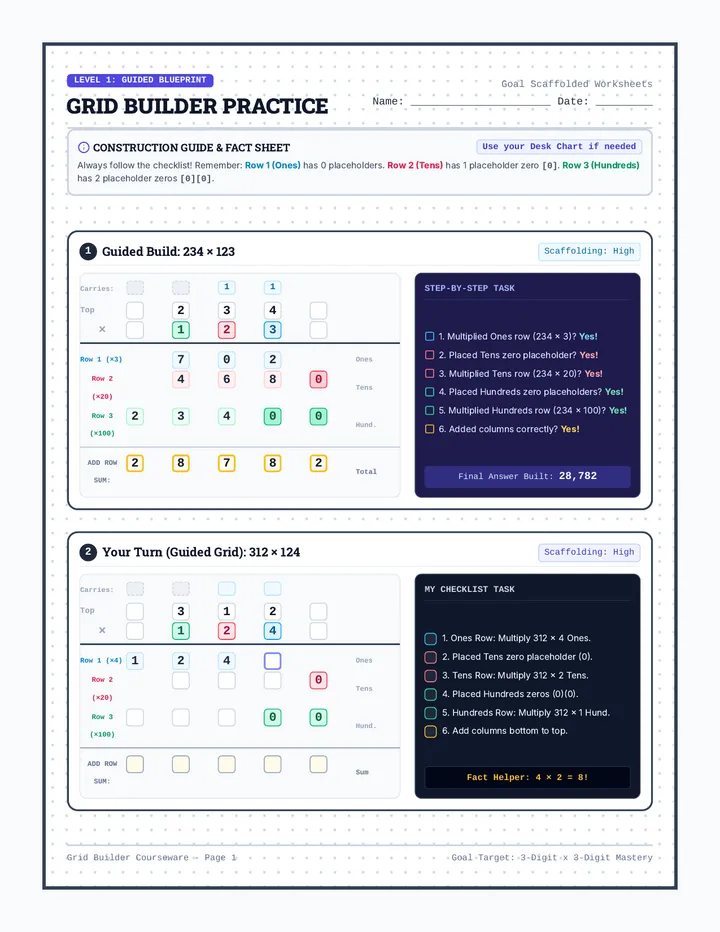
Transitioning from the visual area model to the vertical partial products algorithm. Students learn to record each calculation clearly in a "tower" format.