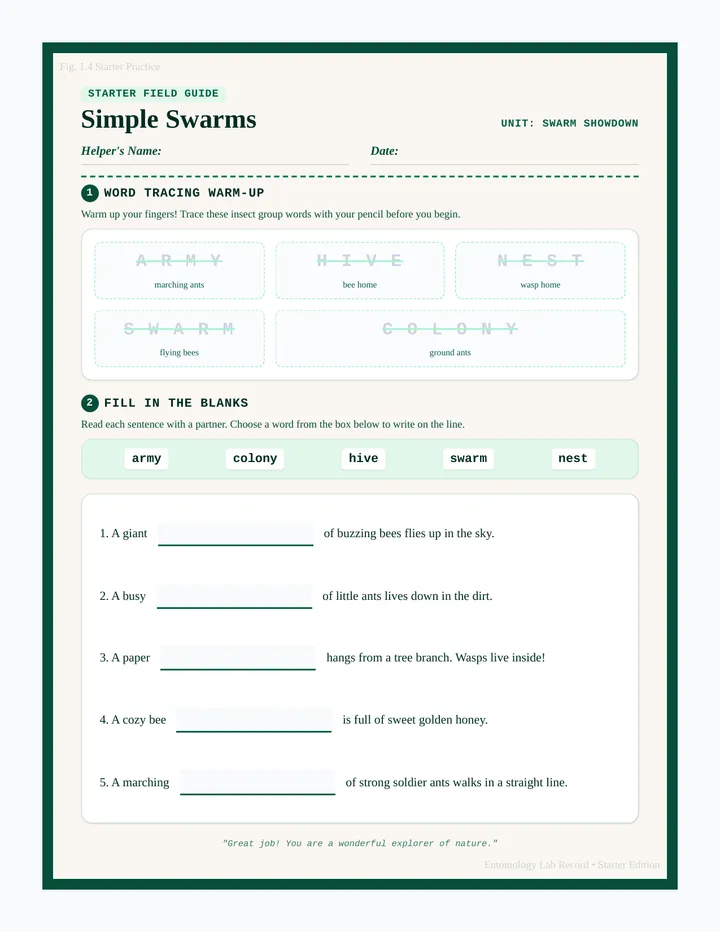
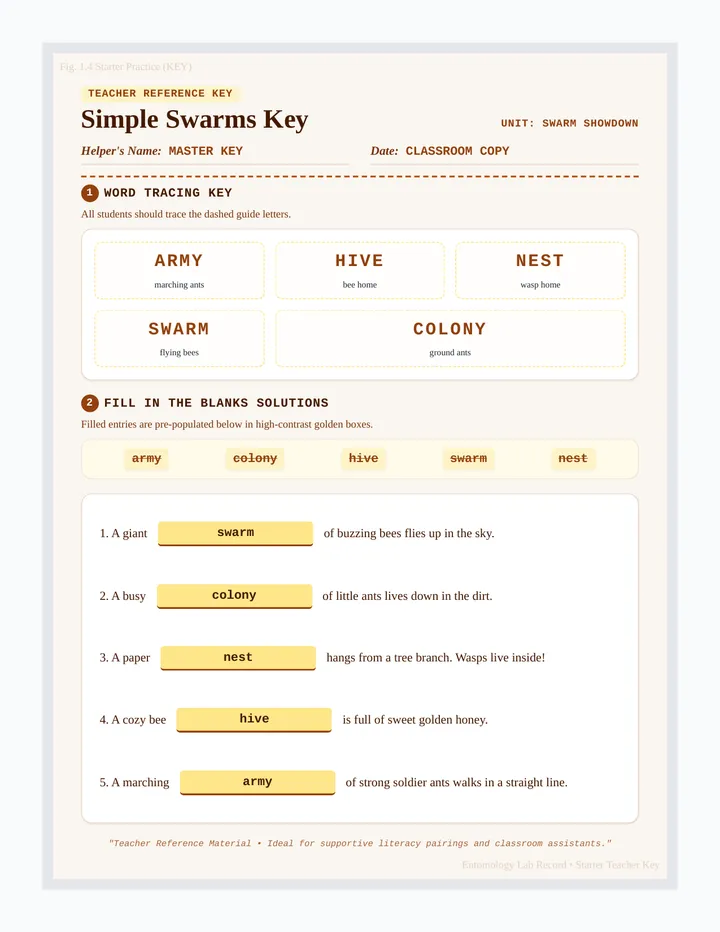
Introduces curvy letter forms and nasal sounds including C, K, E, H, M, and D through visual and auditory discrimination.
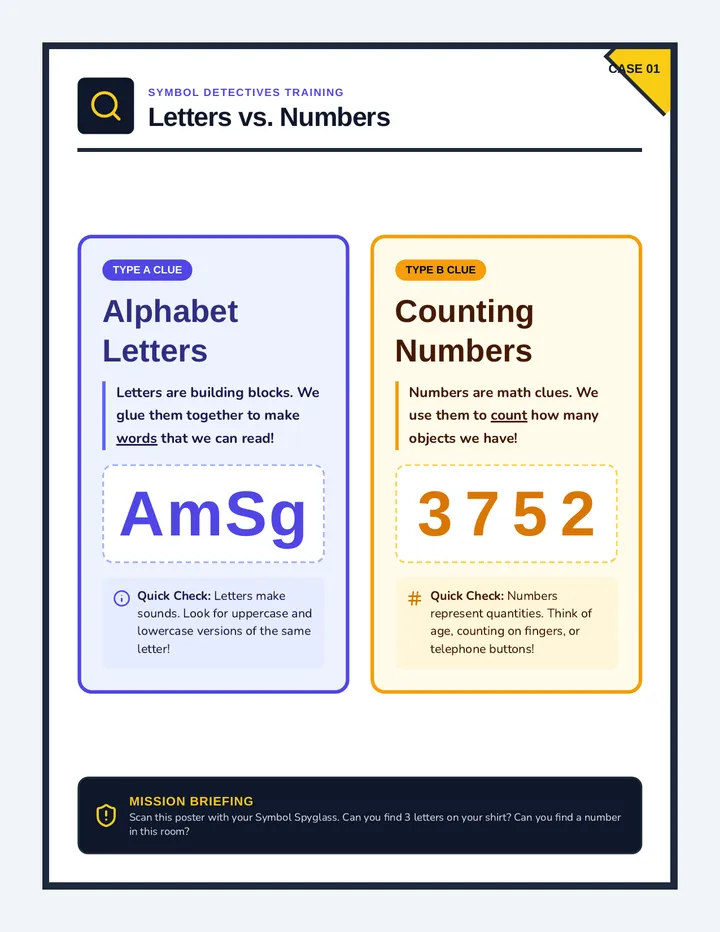
Focuses on common vowel digraphs (AI, EE, EA, OA) where two vowels work together to make one long vowel sound.
Introduces the silent E pattern (CVCE) and how it "makes the vowel say its name," featuring visual transformations and word-building practice.
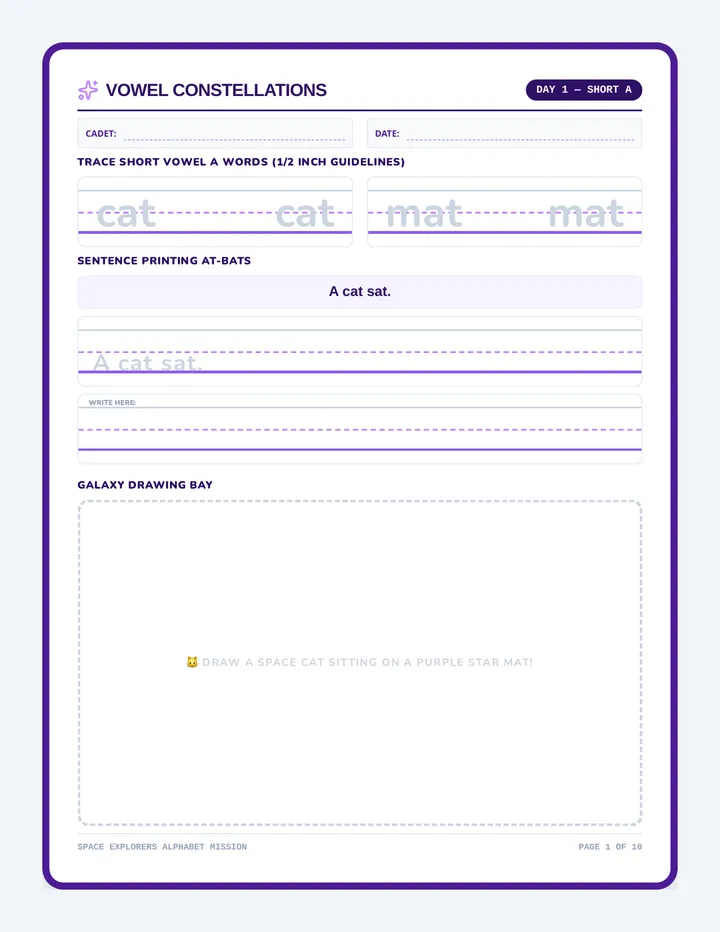
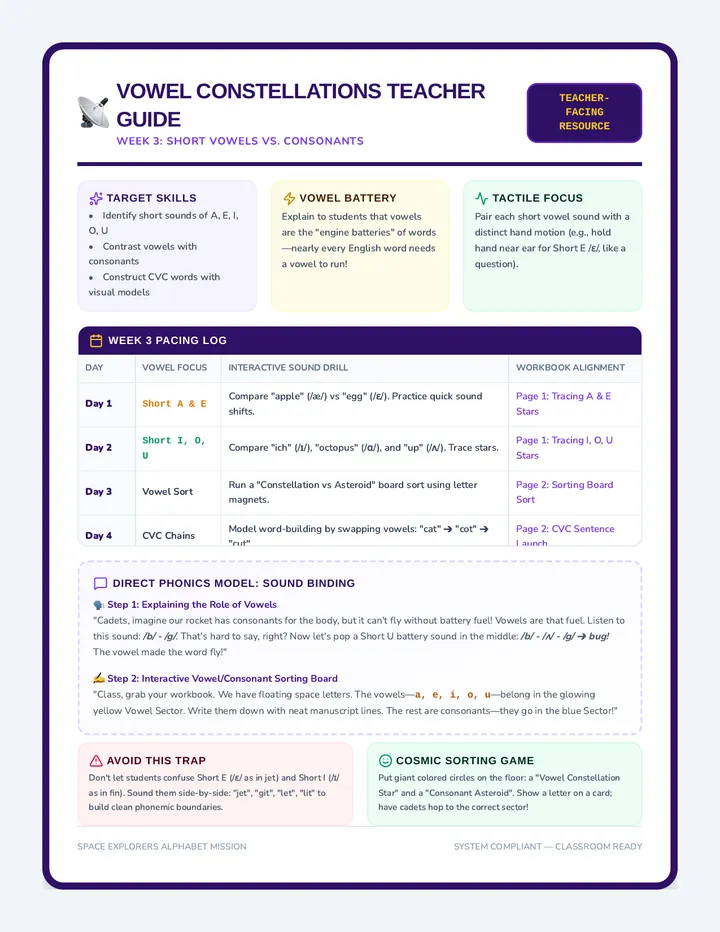
Focuses on the identification and differentiation of short vowel sounds (A, E, I, O, U) using visual anchors and word-image associations.
Wraps up the alphabet with X and Y, and introduces basic digraphs (SH, CH) to prepare students for complex blending.
Targets less common and often confused sounds J, Z, W, F, V, and Q to build phonetic fluency.
Explores the sounds R, G, O, U, L, and B, focusing on vowel differentiation and distinct consonant production.
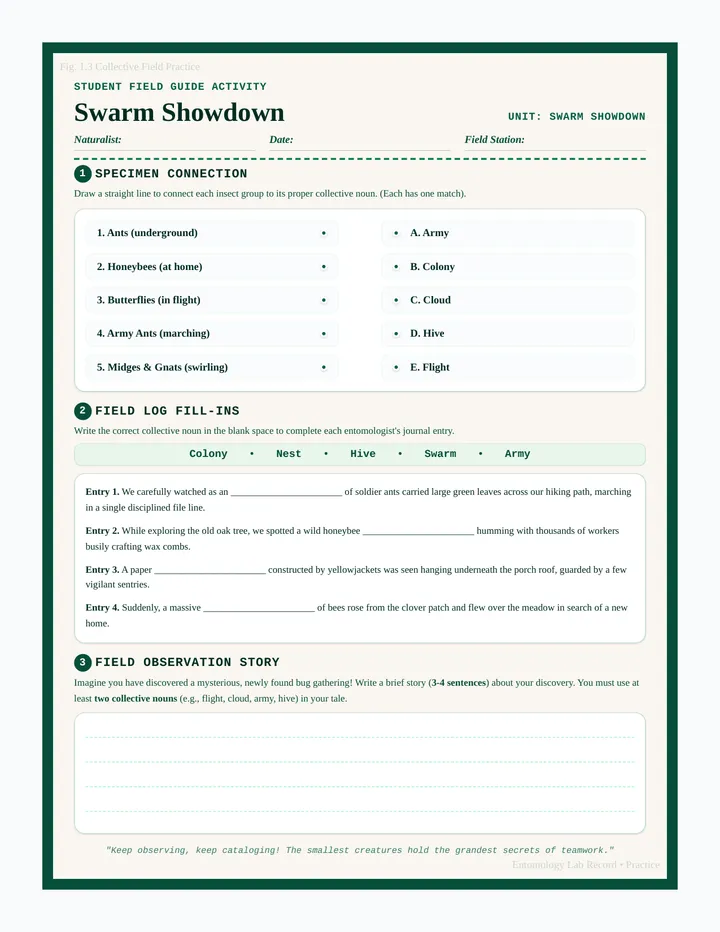
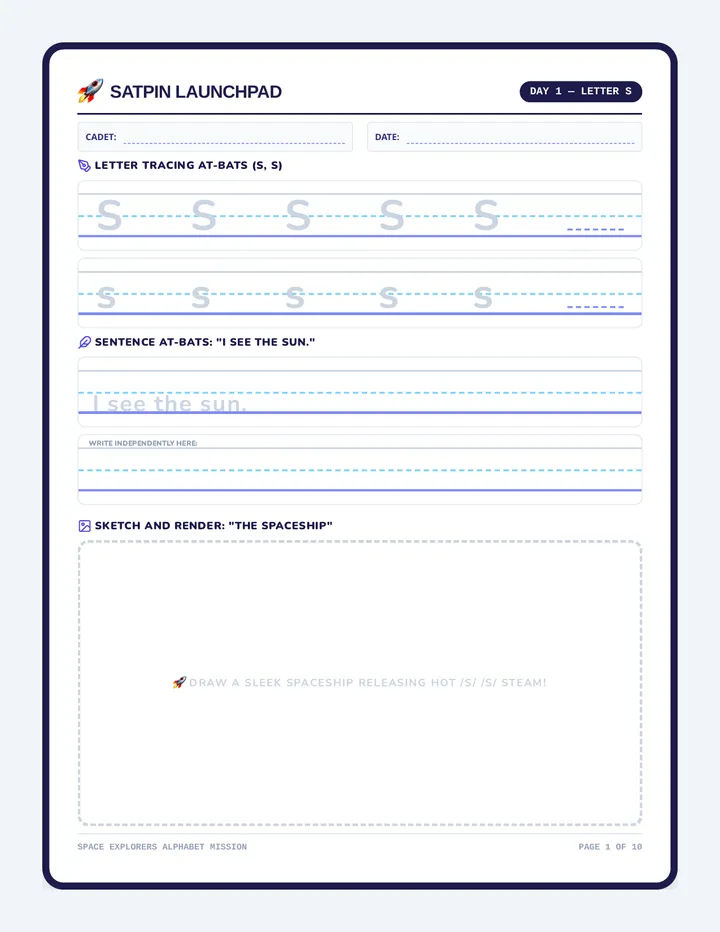
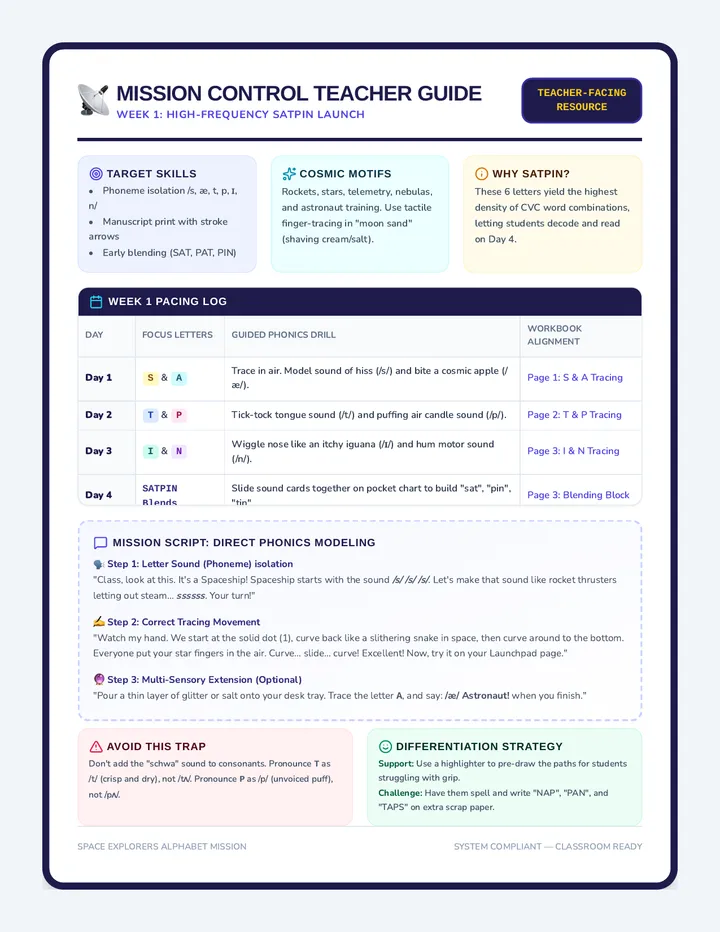
Focuses on the high-frequency, easily blendable sounds S, A, T, P, I, N, providing the foundation for early decoding.