A comprehensive set of resources for presenting a curriculum adoption proposal to a district committee, focusing on the UFLI Foundations program.

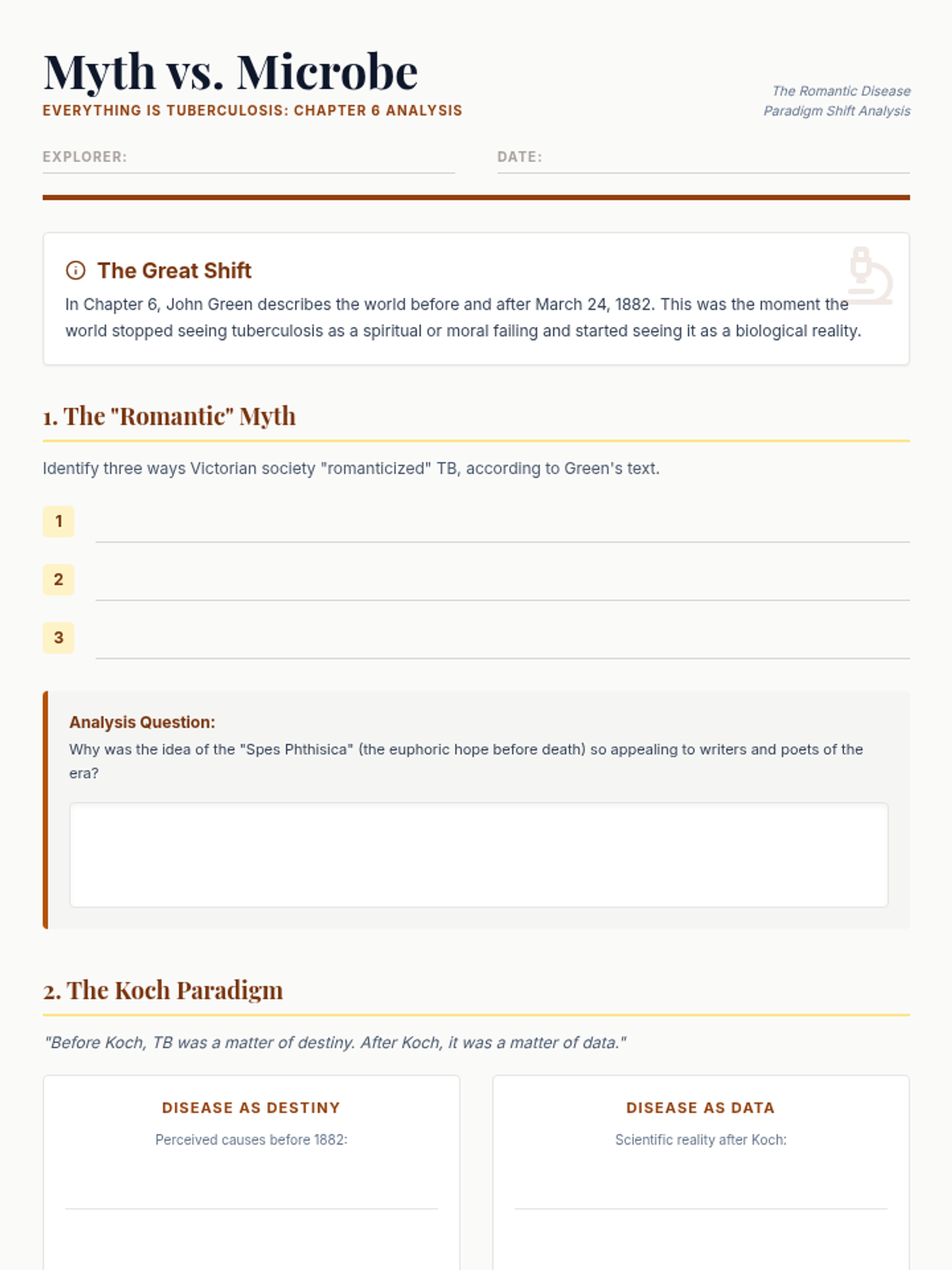
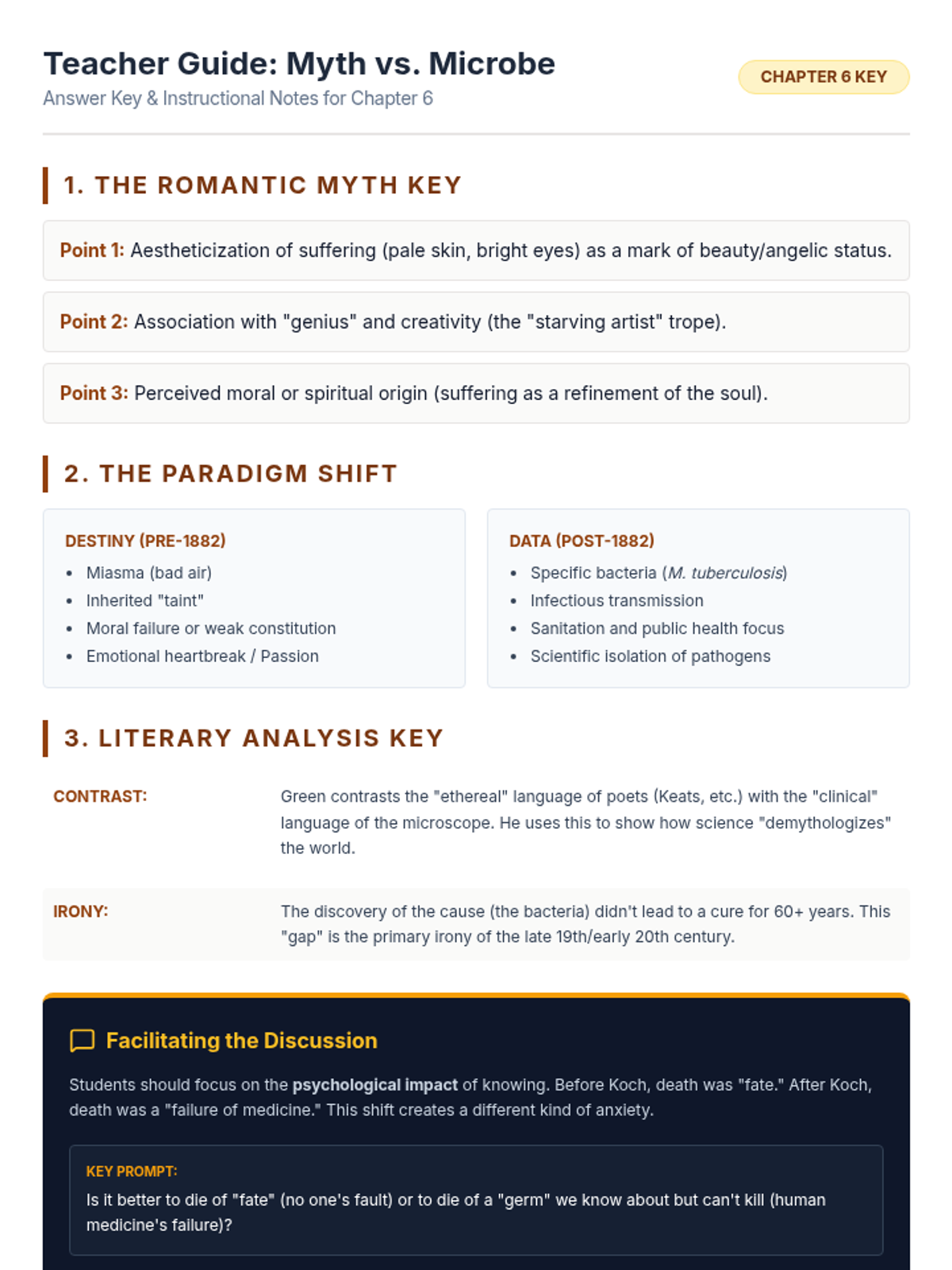
An analysis of Chapter 6, exploring the Victorian romanticization of tuberculosis as a 'beautiful death' and the paradigm-shifting scientific discovery of the bacteria by Robert Koch.

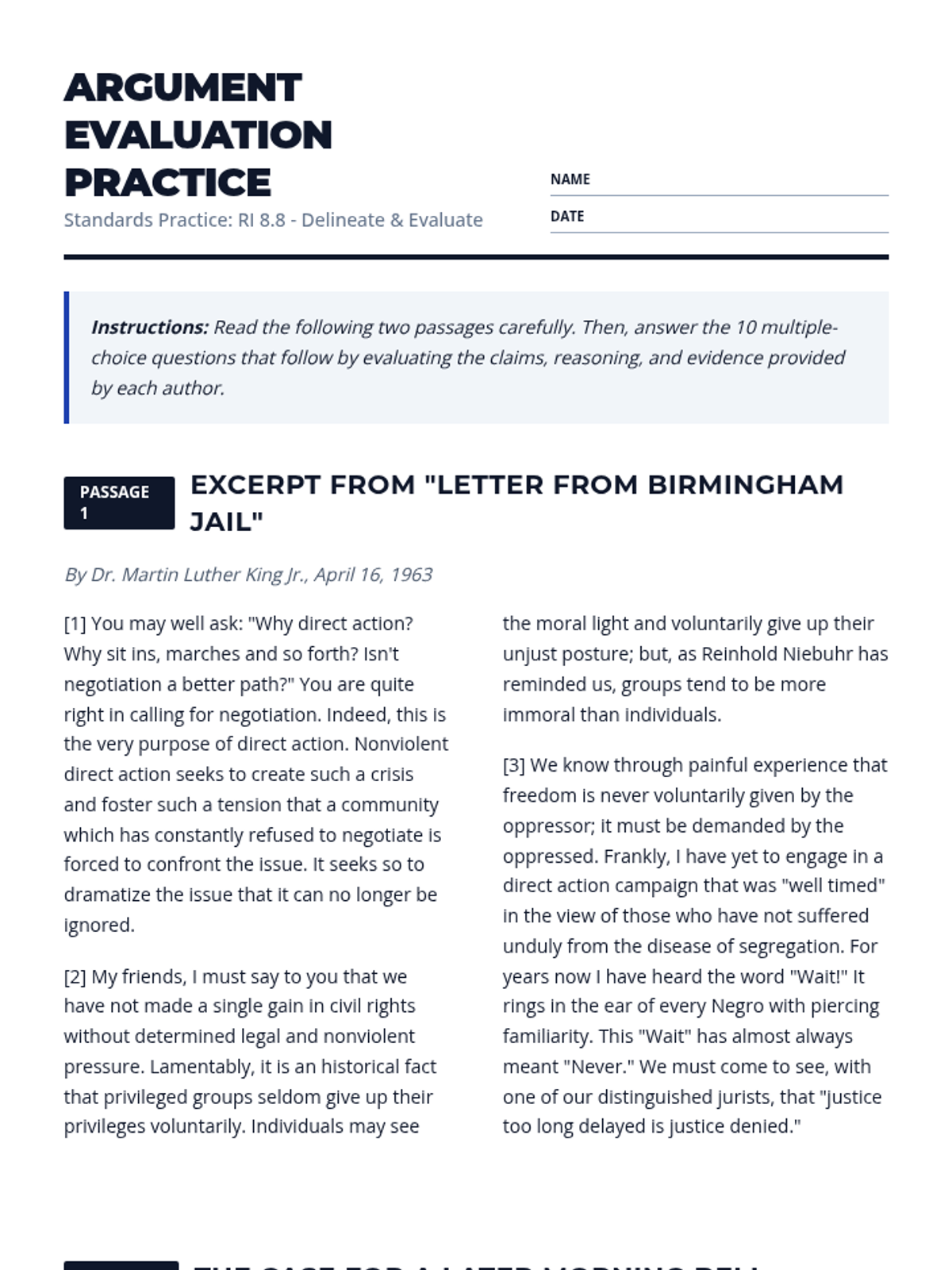
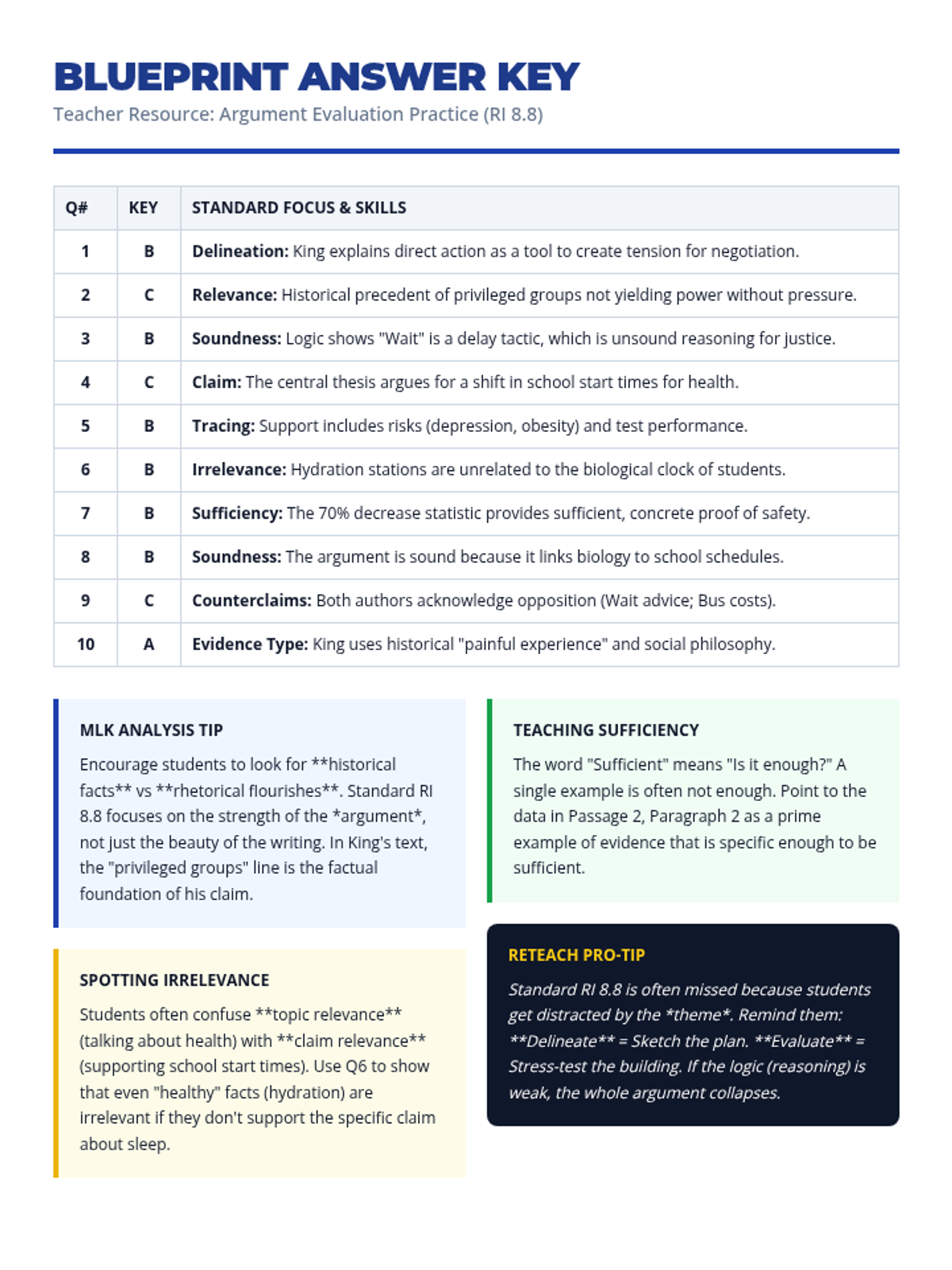
A intensive reteach lesson on RI 8.8, focusing on delineating and evaluating arguments using MLK Jr.'s 'Letter from Birmingham Jail' and a modern editorial on school start times. Students will assess claims, reasoning, and evidence relevance and sufficiency.
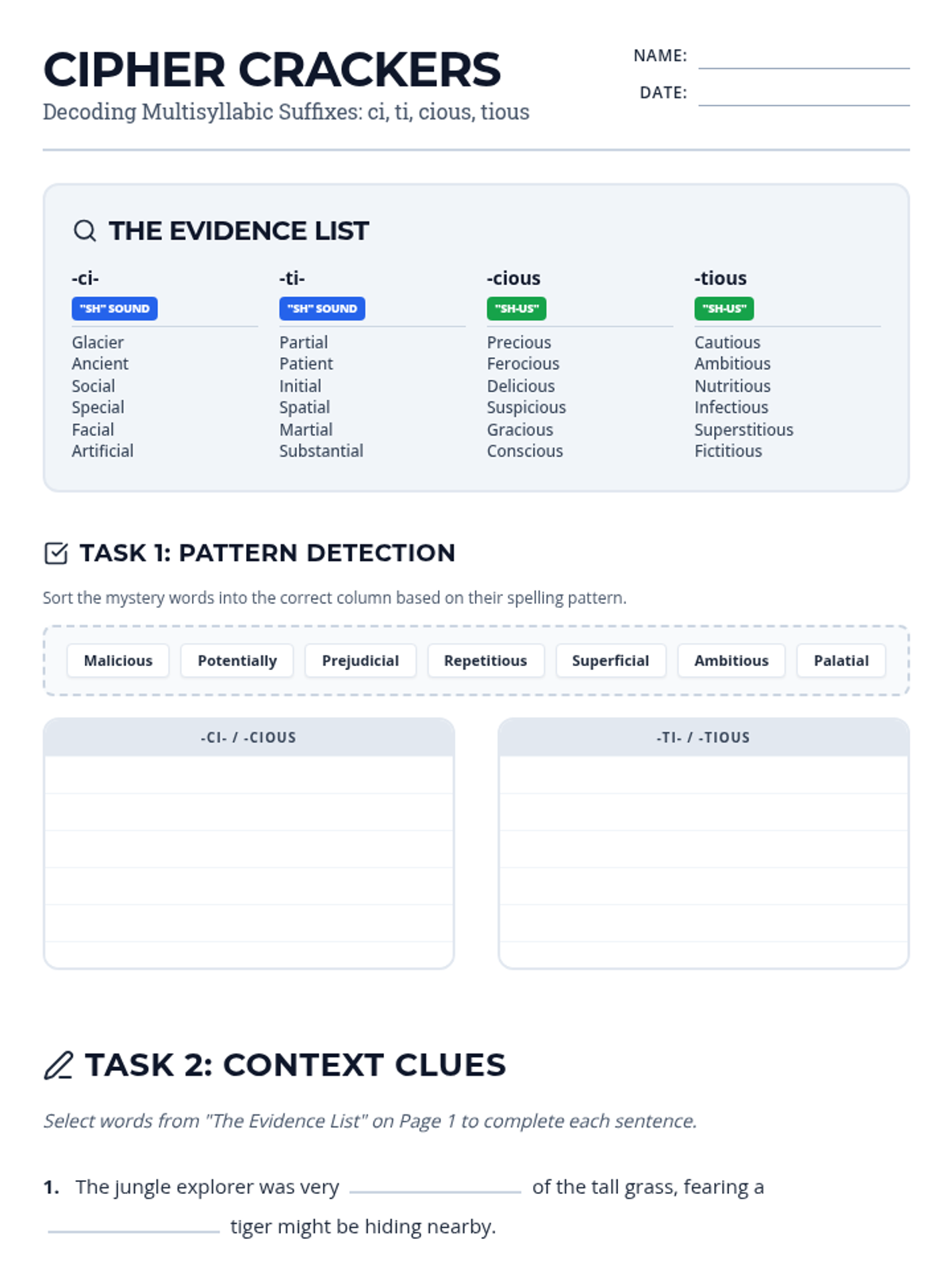
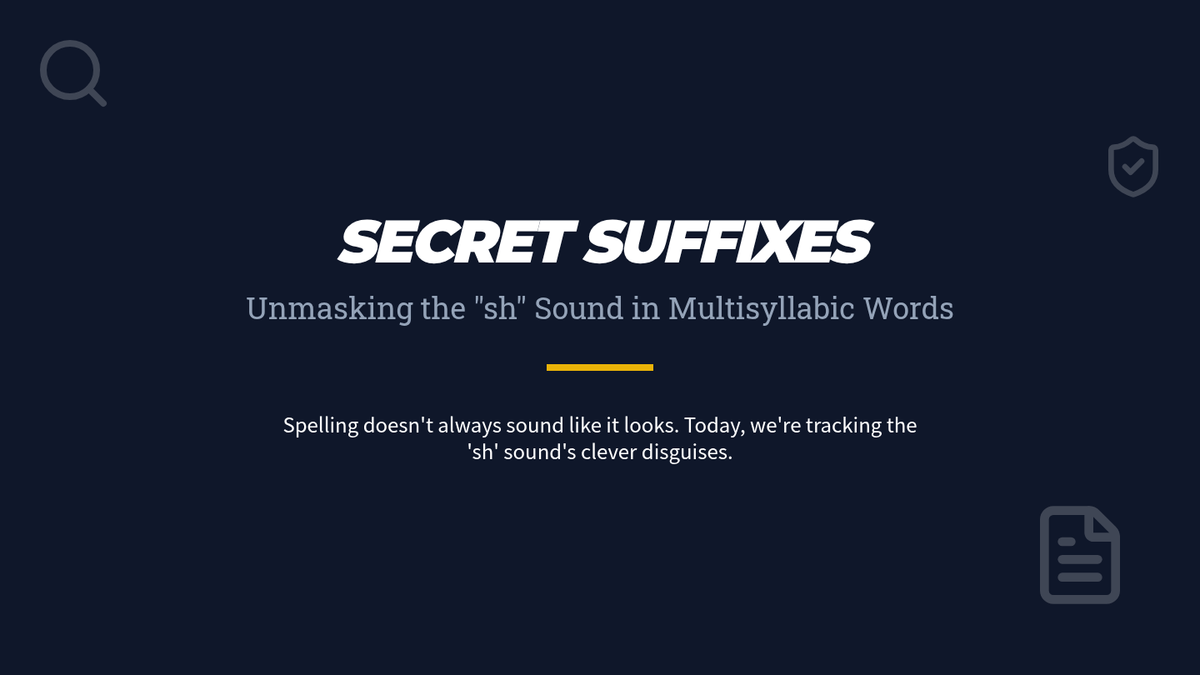
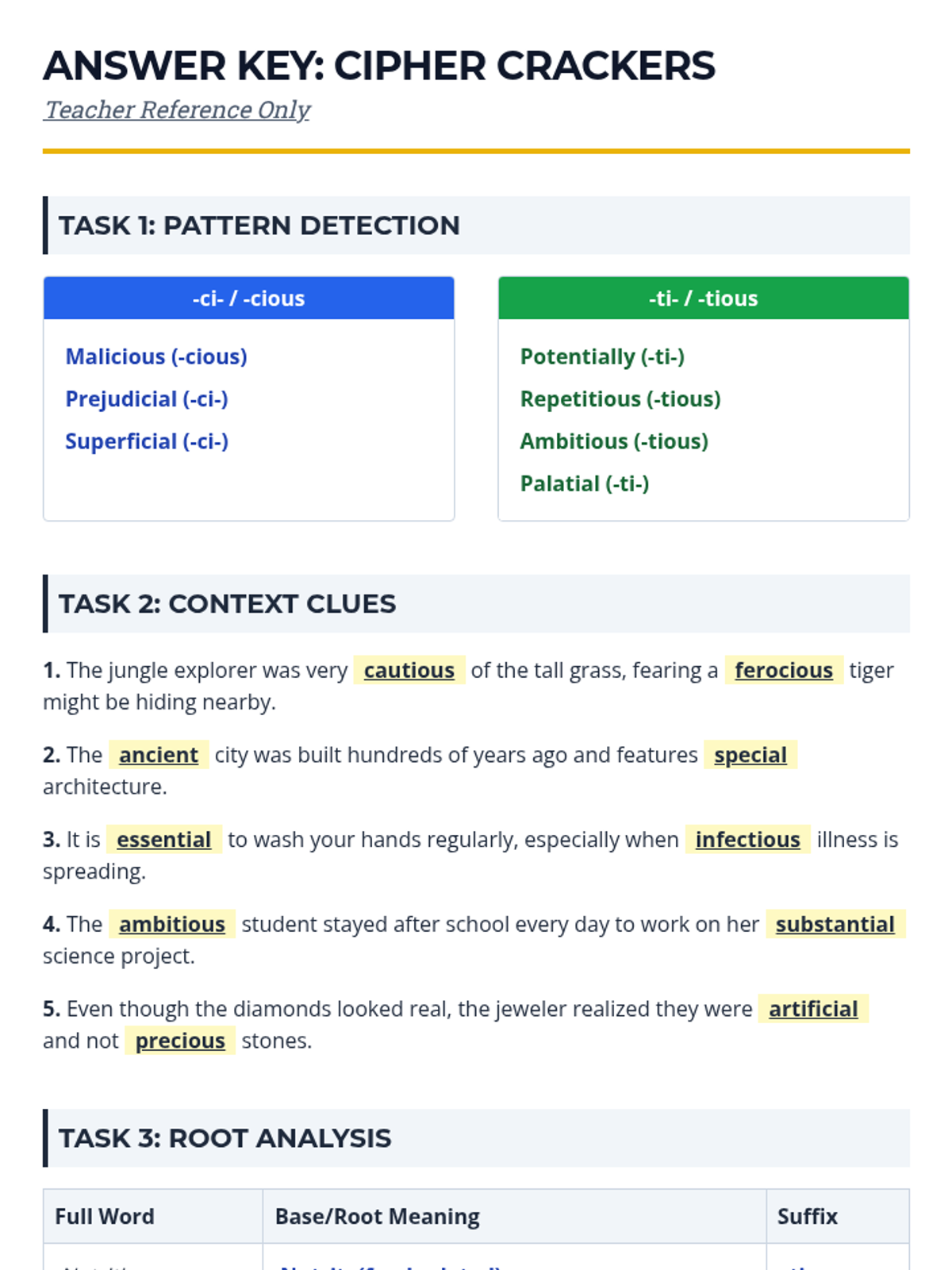
A lesson focused on identifying and using multisyllabic words with the 'sh' sound spelled as 'ci', 'ti', 'cious', and 'tious'. Students will analyze word patterns and apply their knowledge through vocabulary exercises.
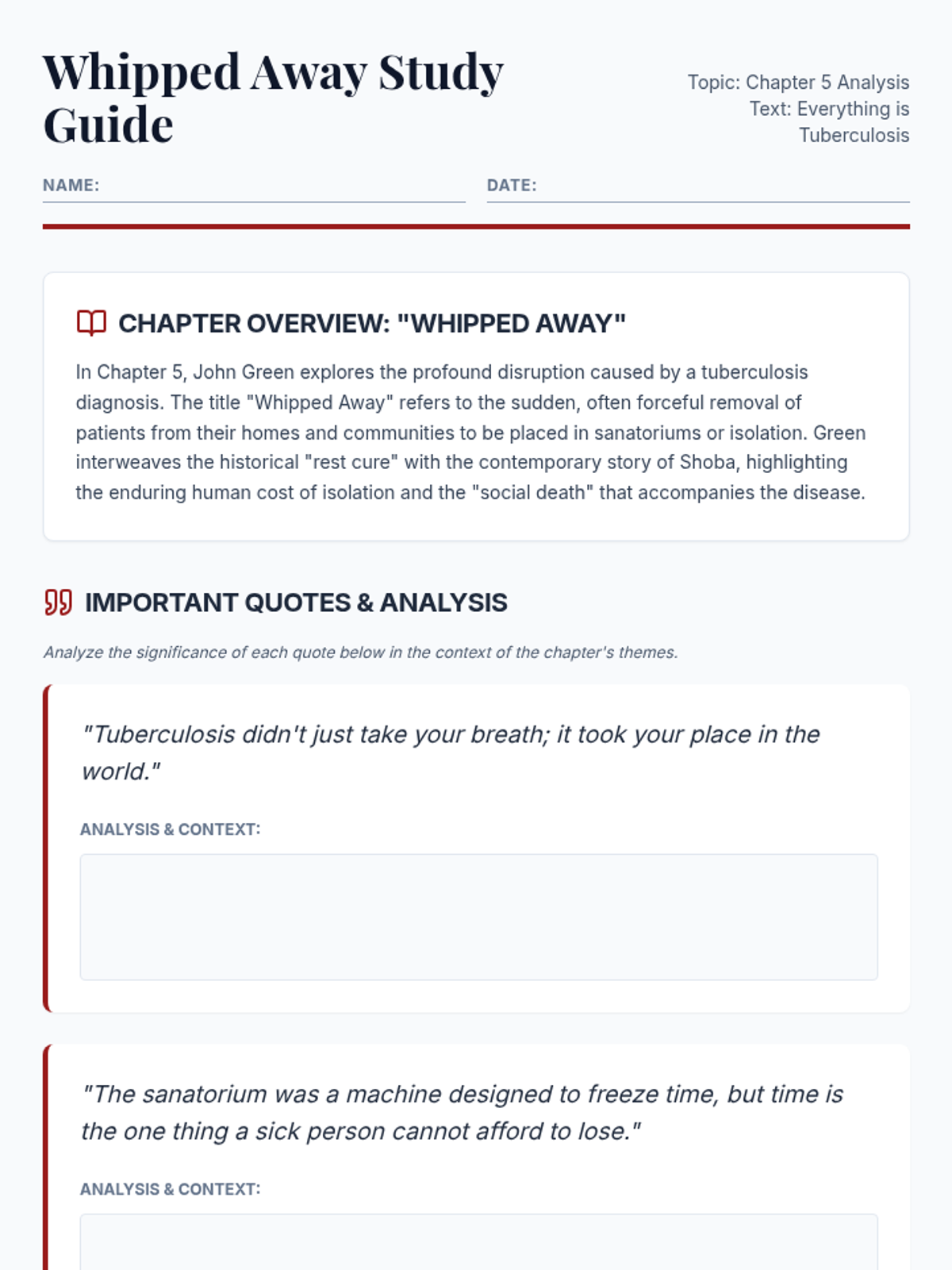
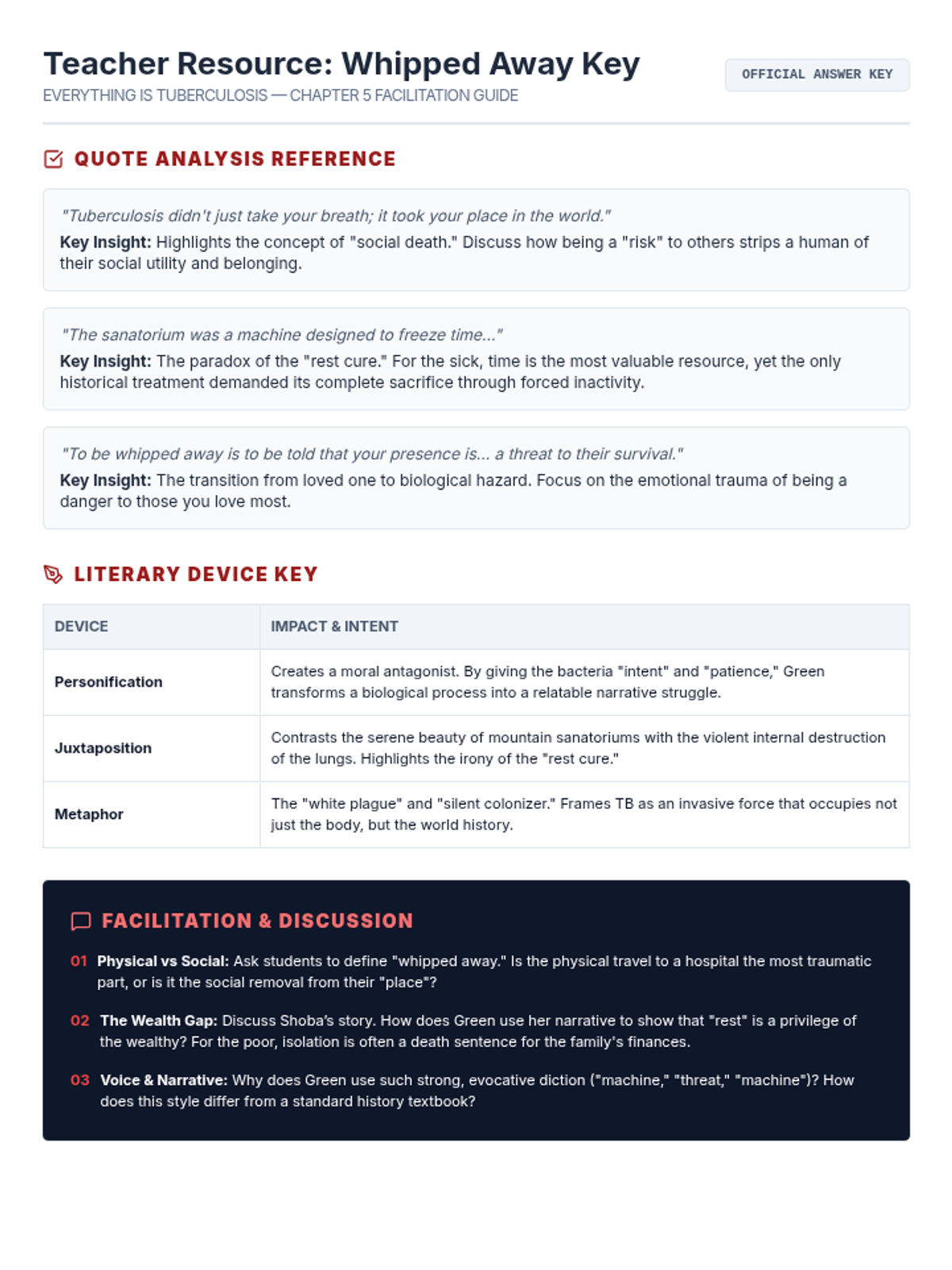
A deep dive into Chapter 5 of John Green's 'Everything is Tuberculosis', focusing on the sudden isolation of patients and the narrative techniques used to convey historical and personal trauma.
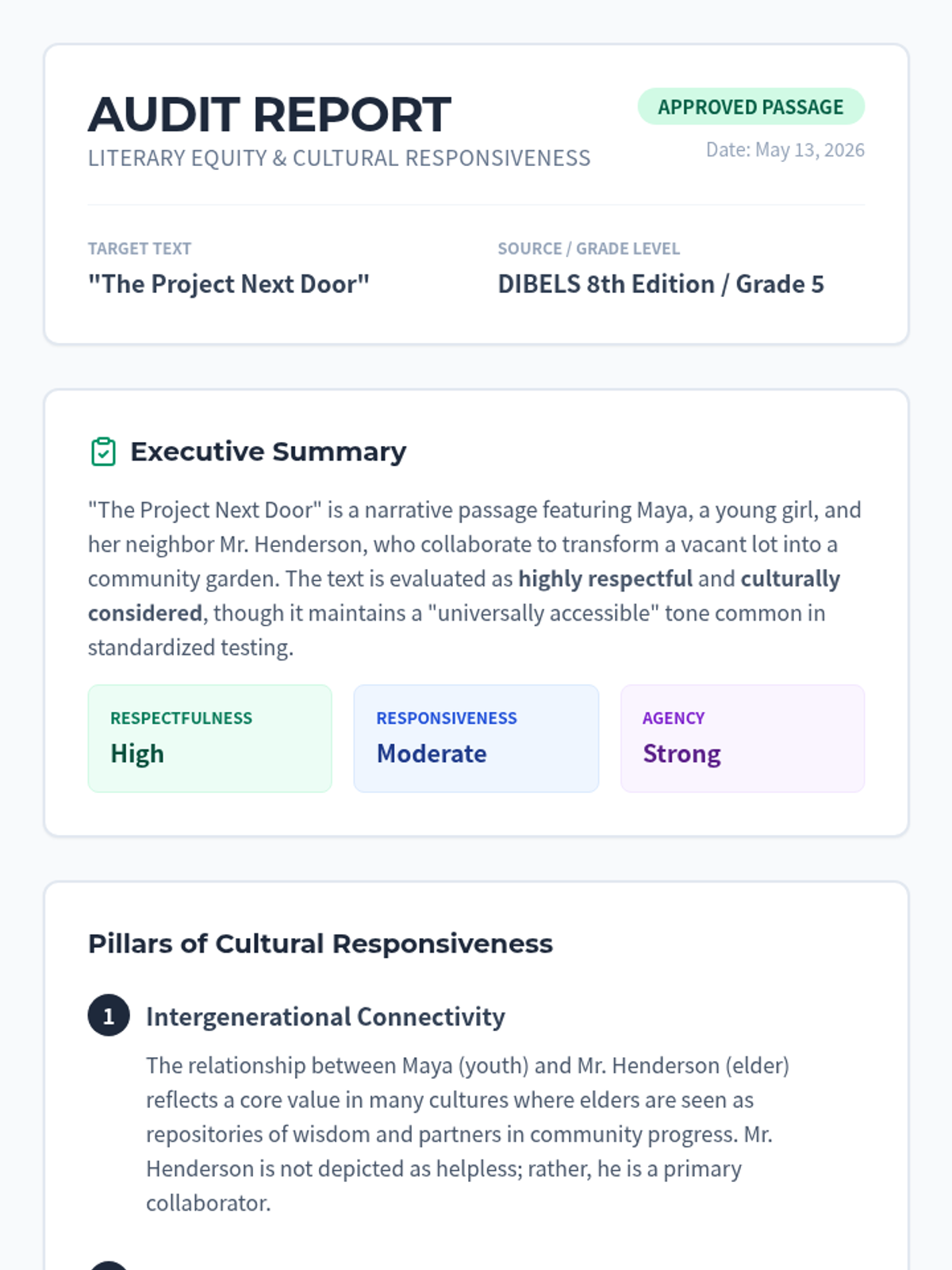
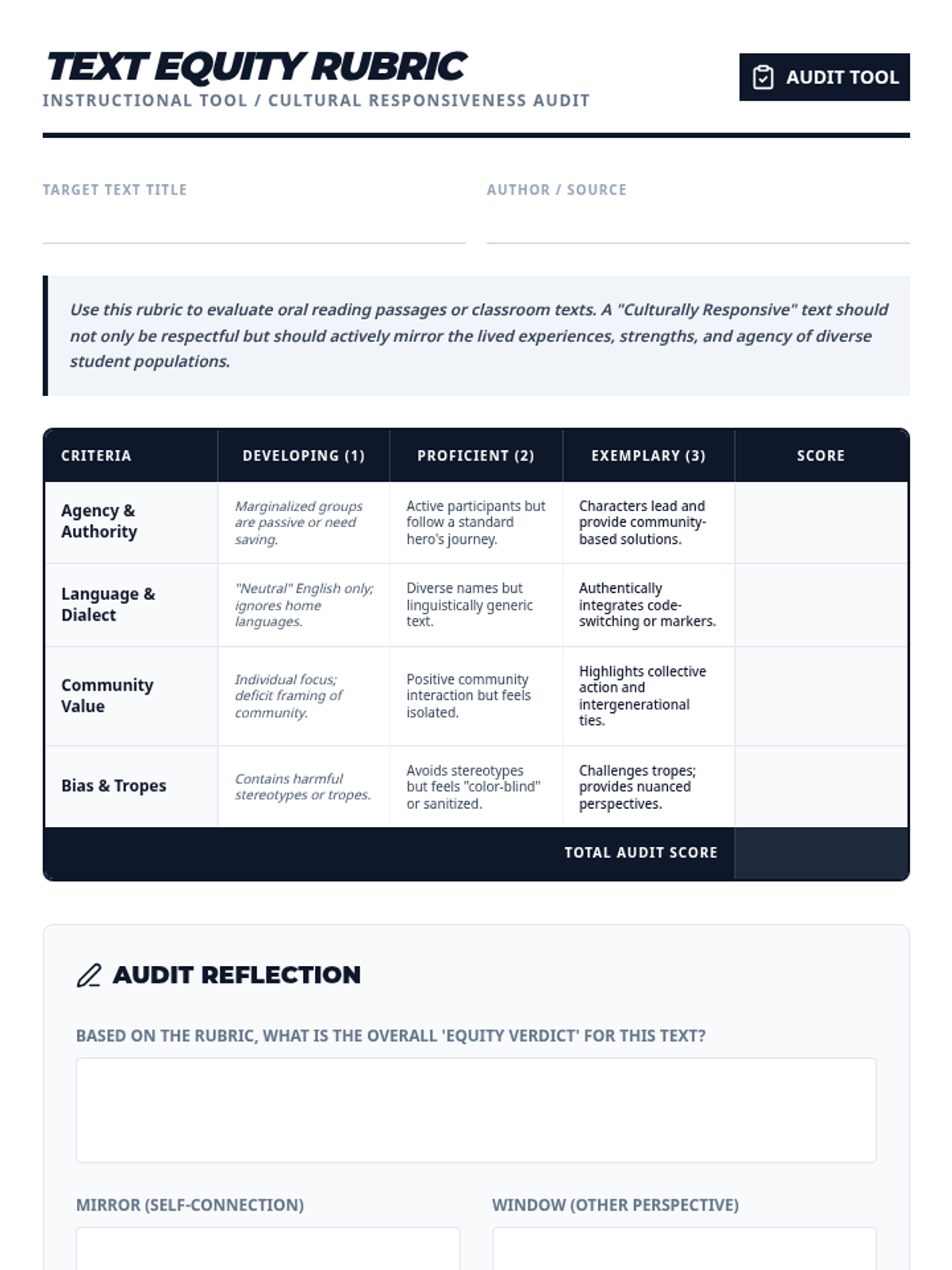
A comprehensive evaluation of the DIBELS 8th Edition passage 'The Project Next Door' through the lens of culturally responsive teaching (CRT). This lesson includes a detailed analysis report, a universal text equity rubric for teachers, and a slide deck for professional development.
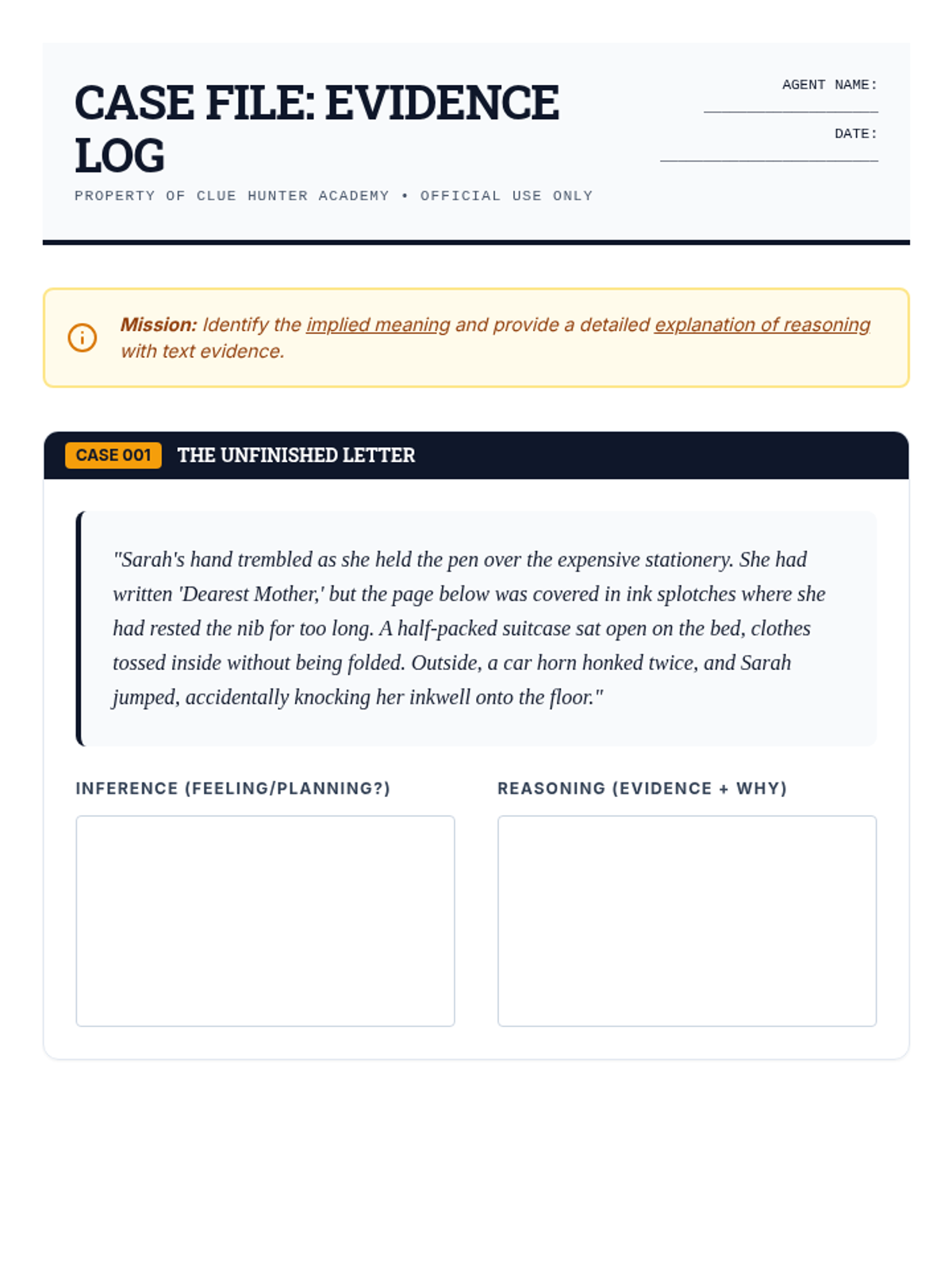
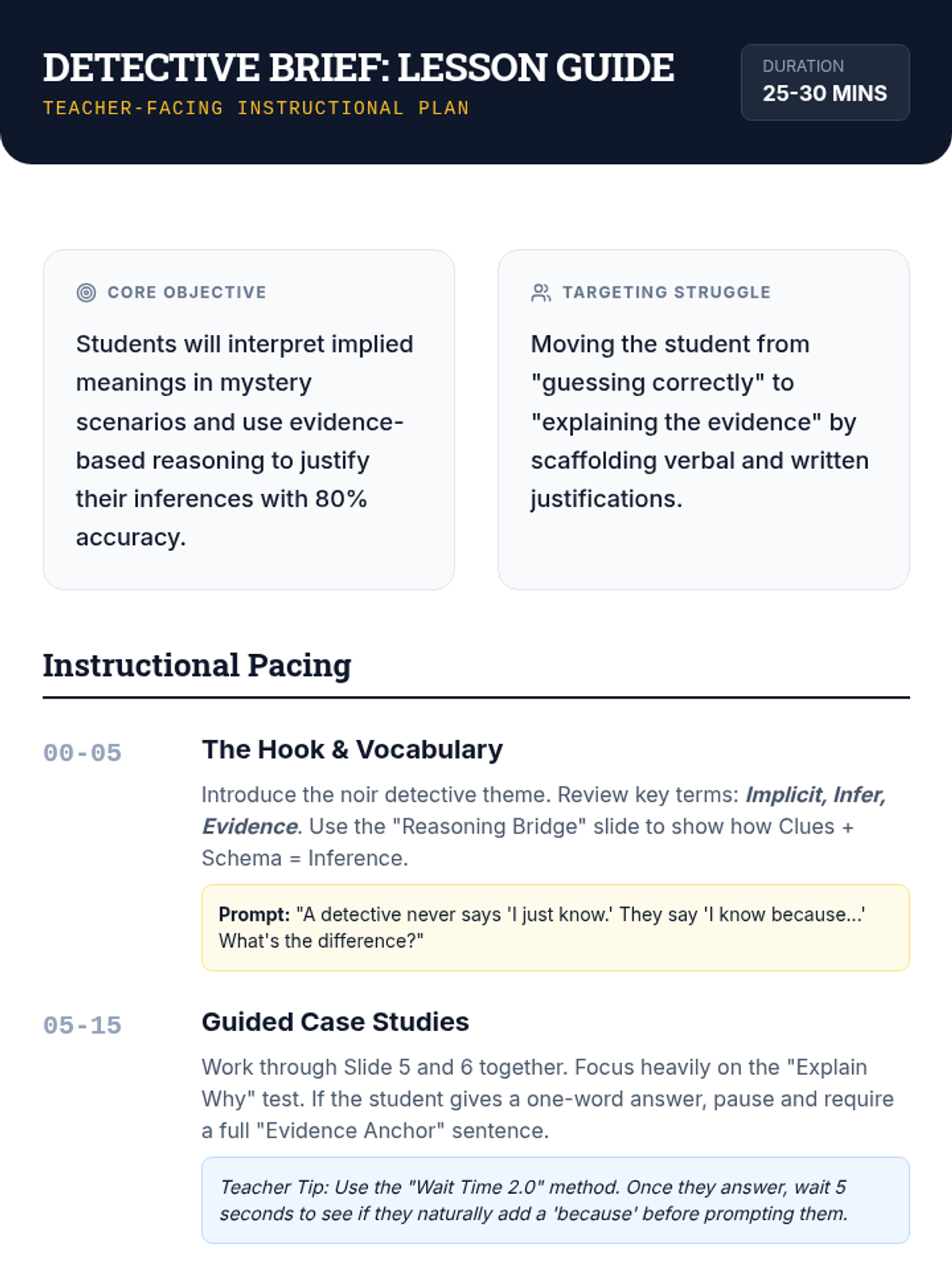
A targeted 1:1 intervention lesson focused on inferential reasoning and evidence-based explanations using a noir mystery theme. Students will practice identifying implied meanings in short scenarios and using specific sentence frames to justify their conclusions.
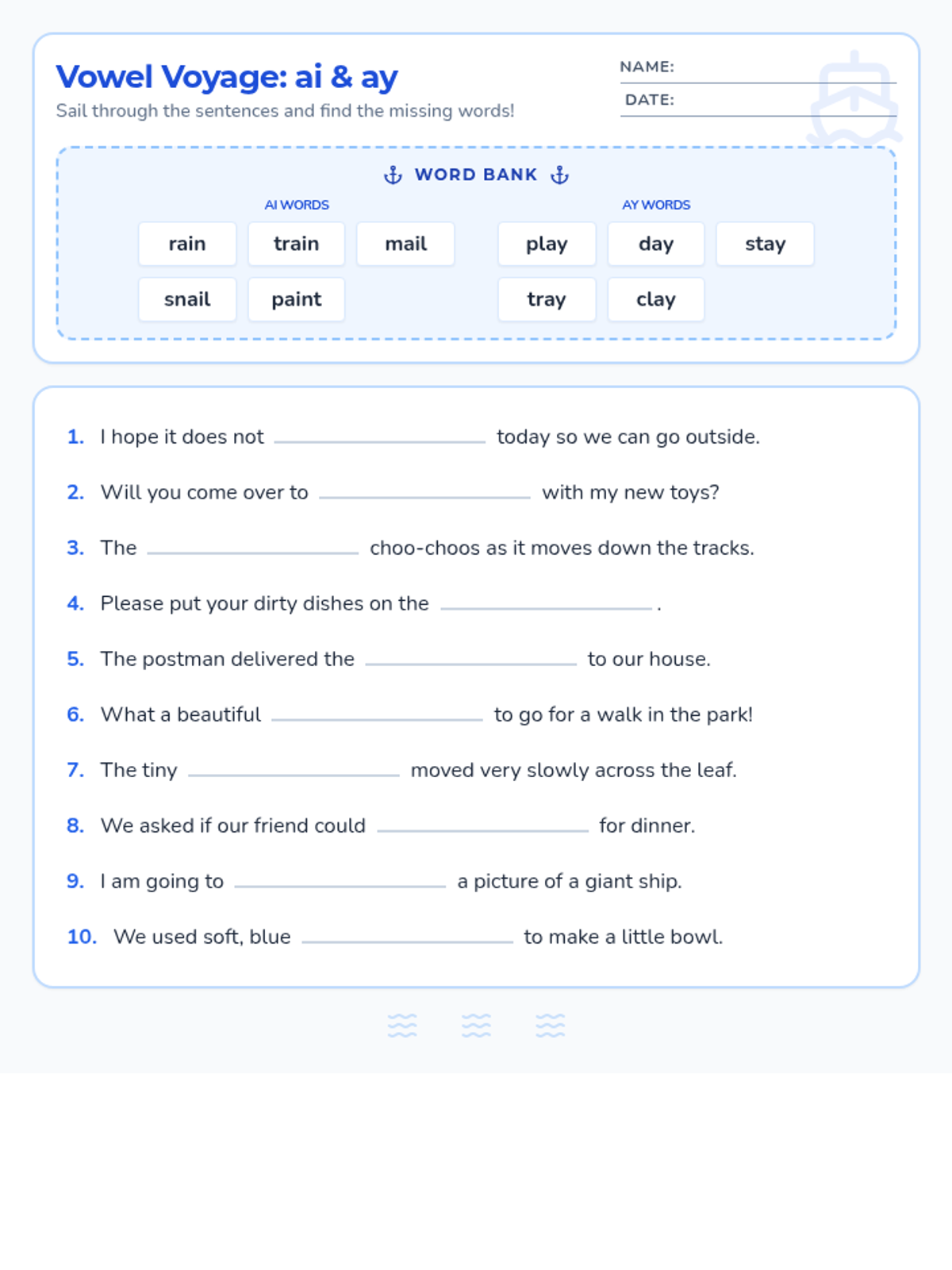
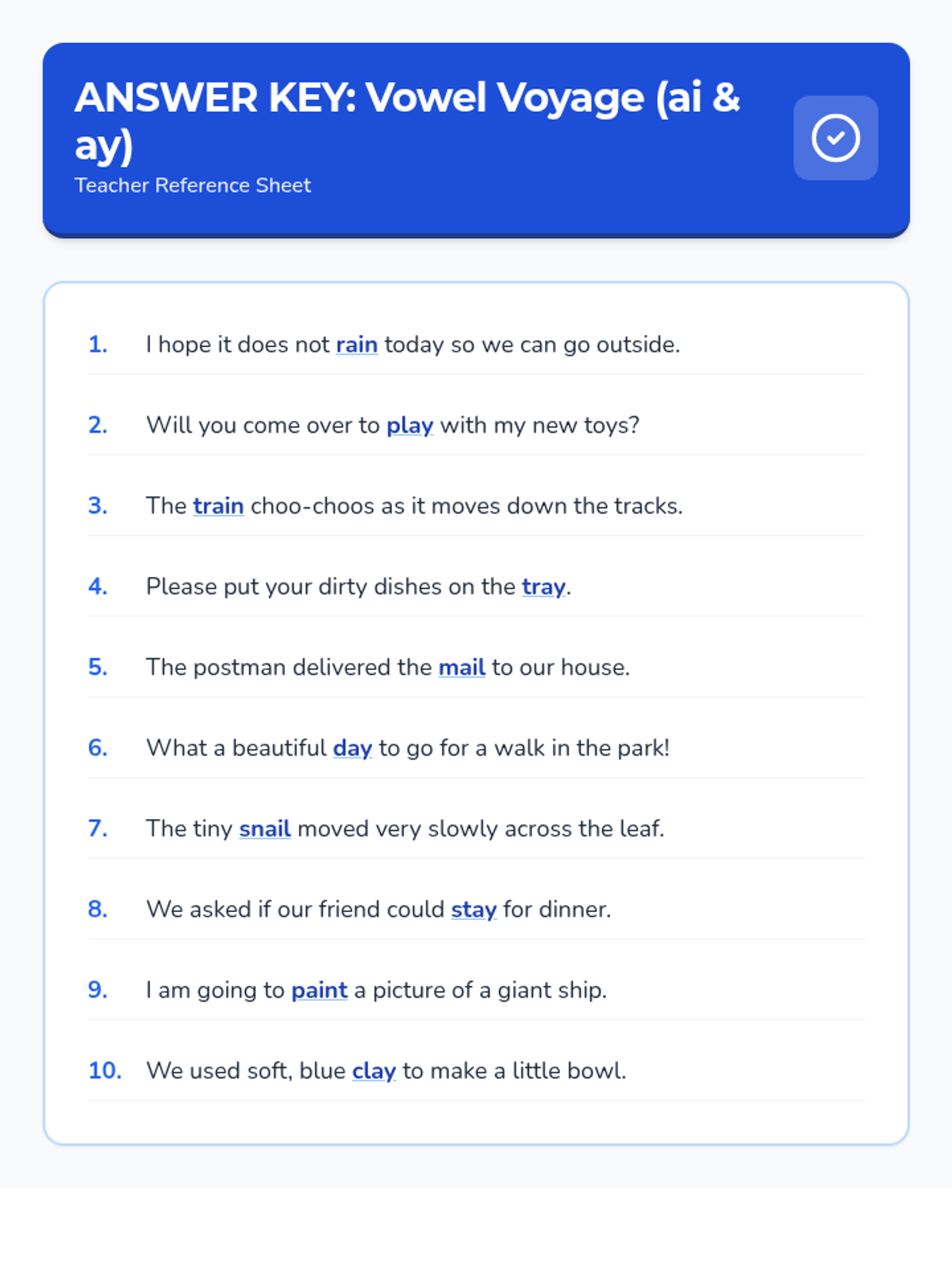
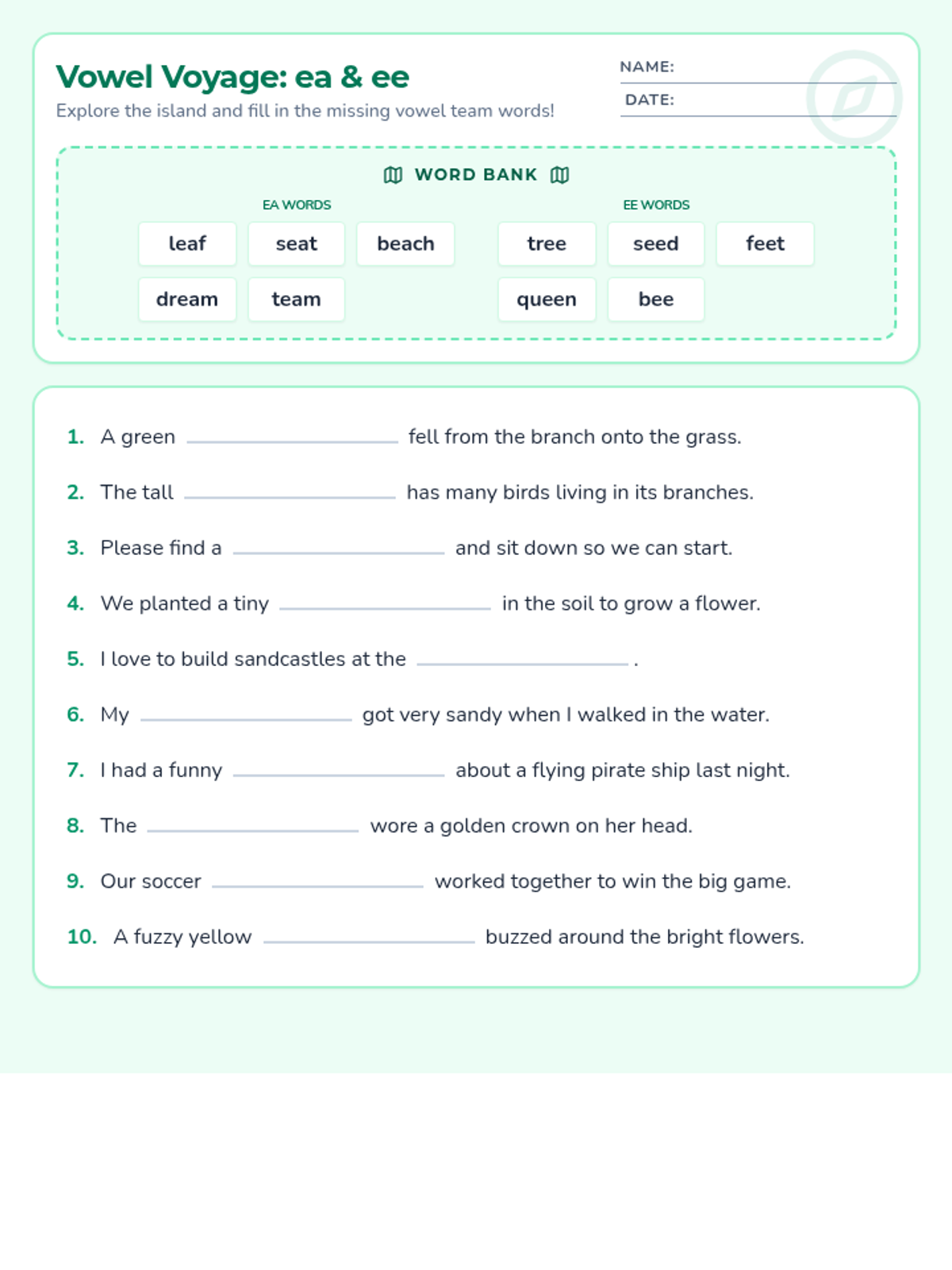
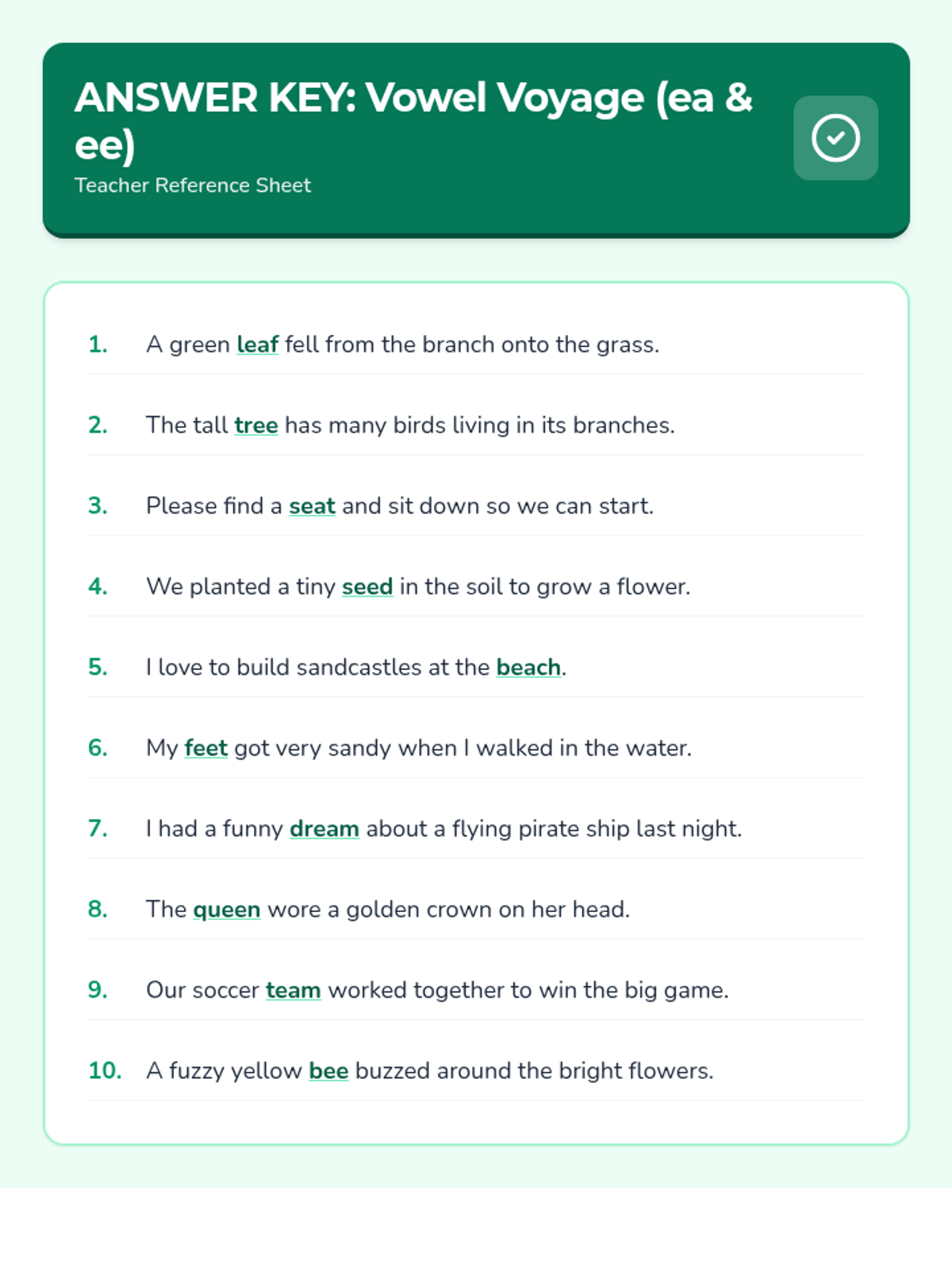
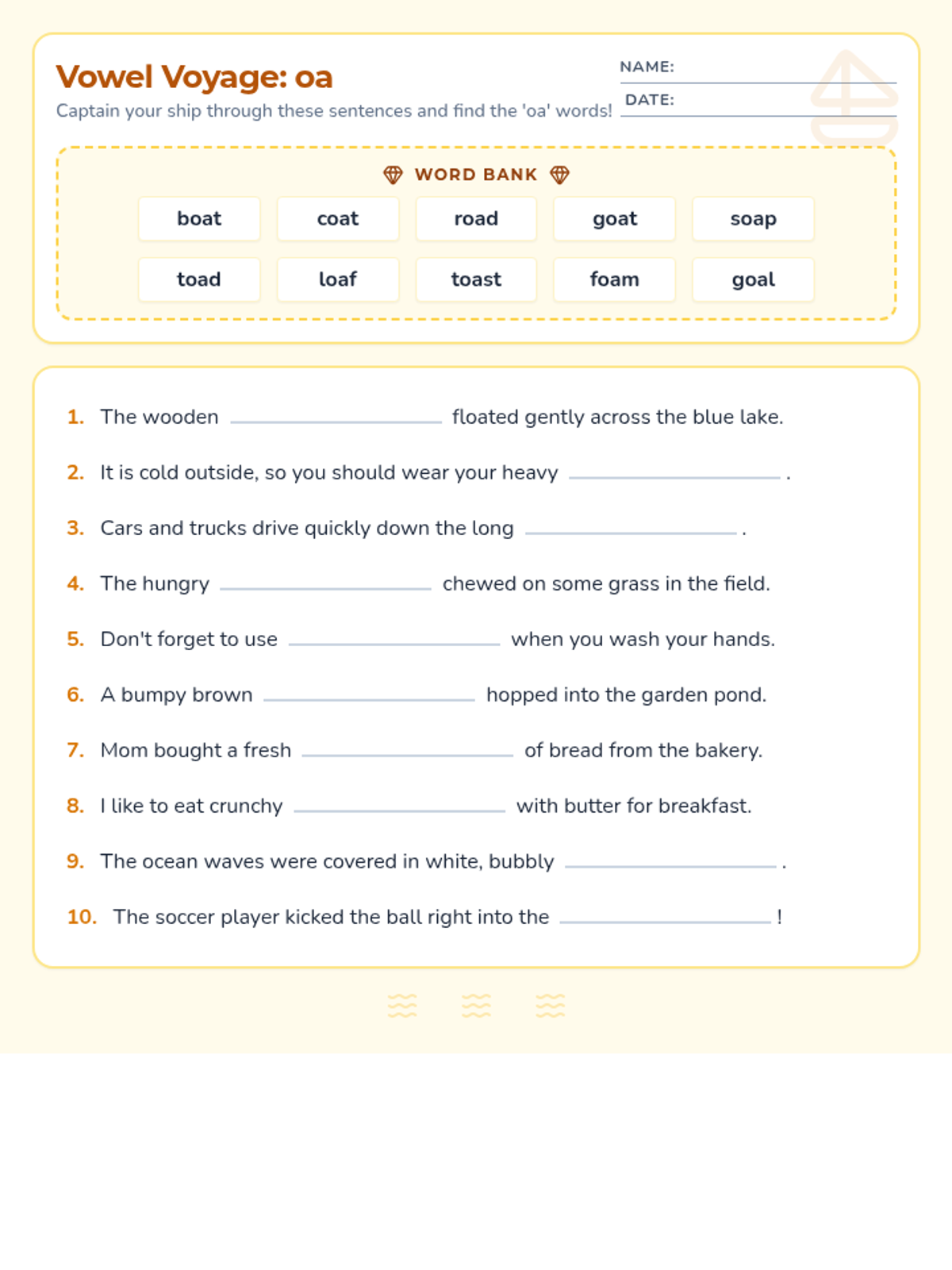
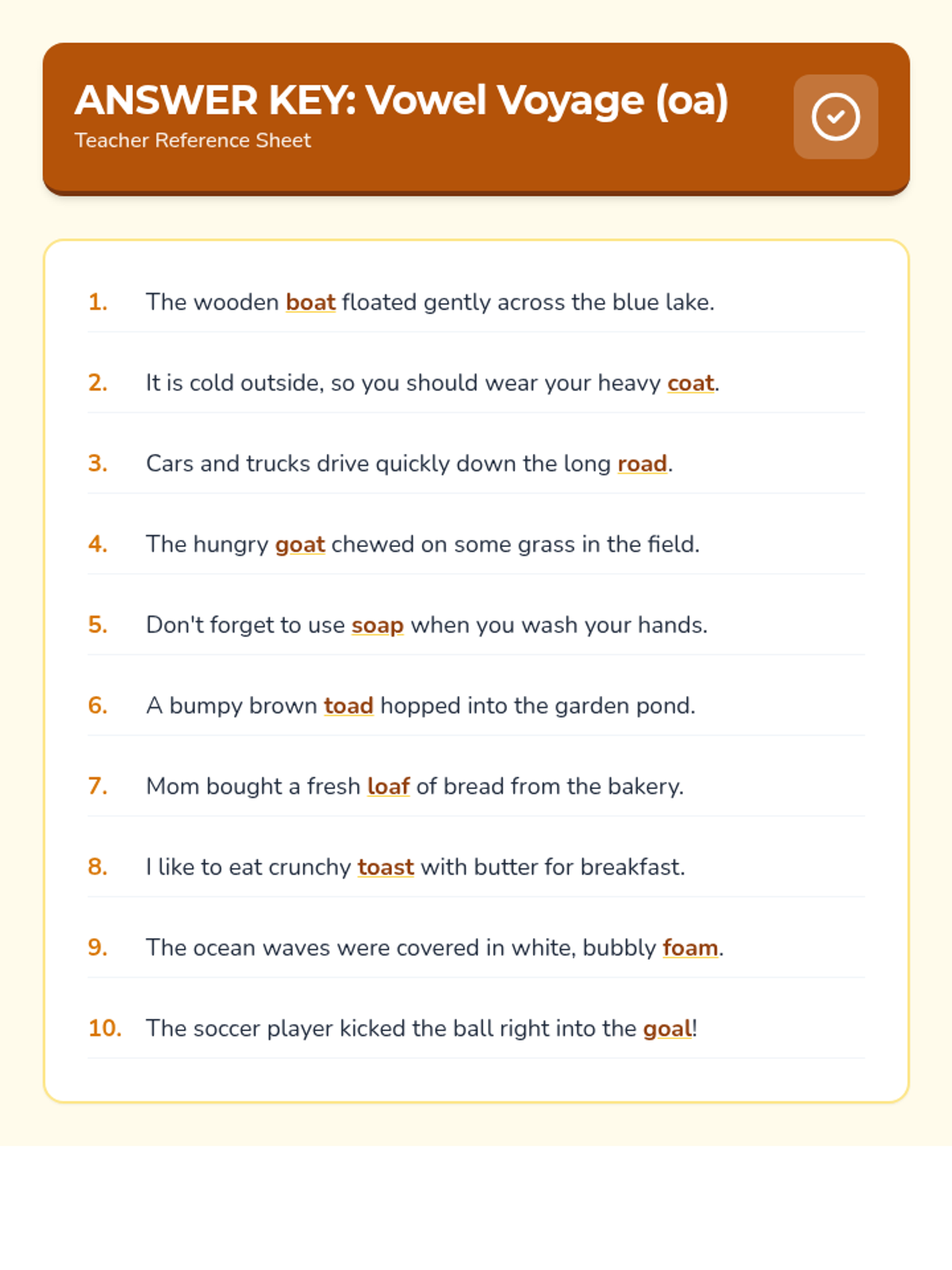
A series of worksheets focusing on common vowel teams (ai/ay, ea/ee, oa) using a nautical explorer theme to engage second-grade students.
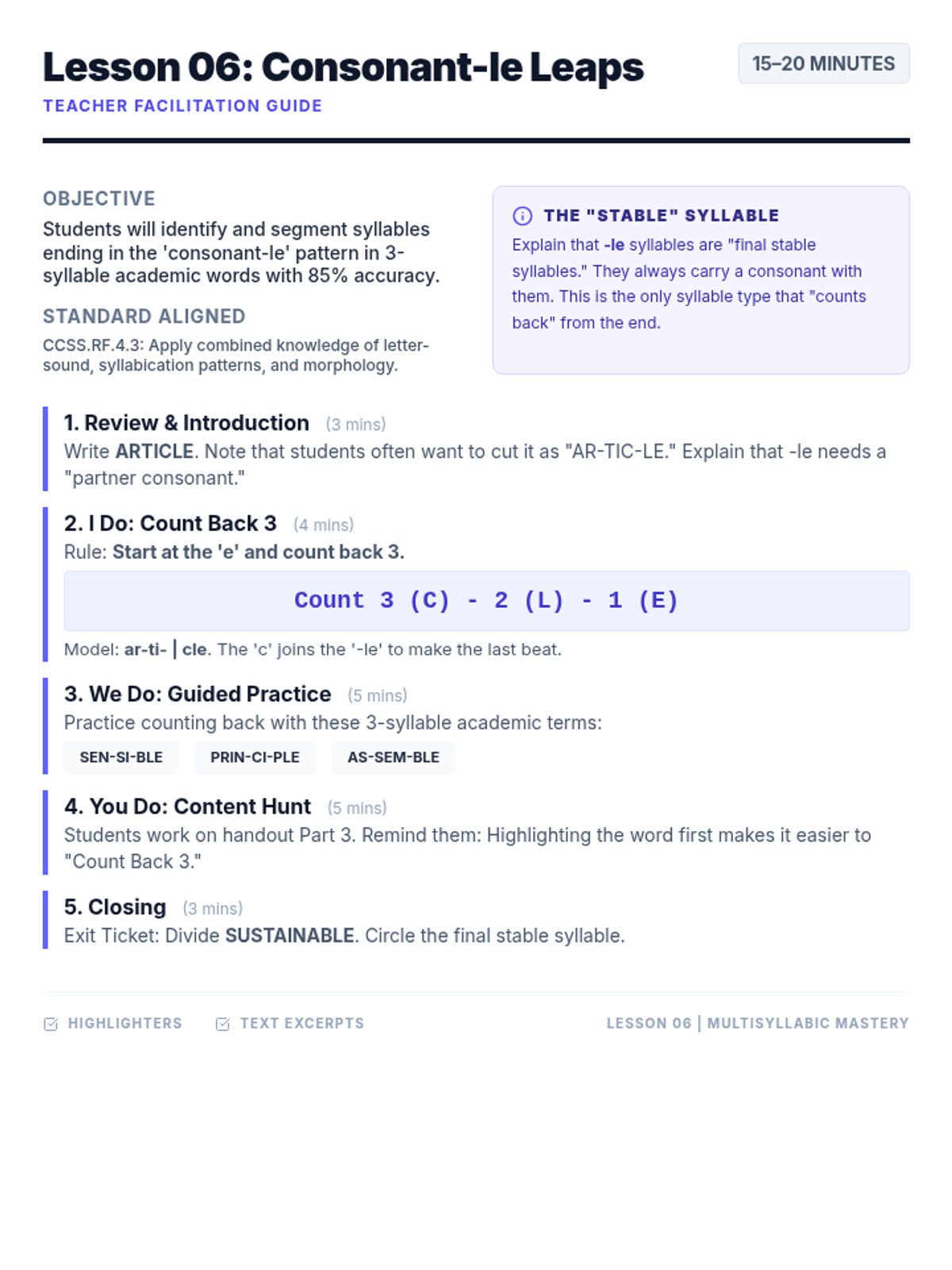
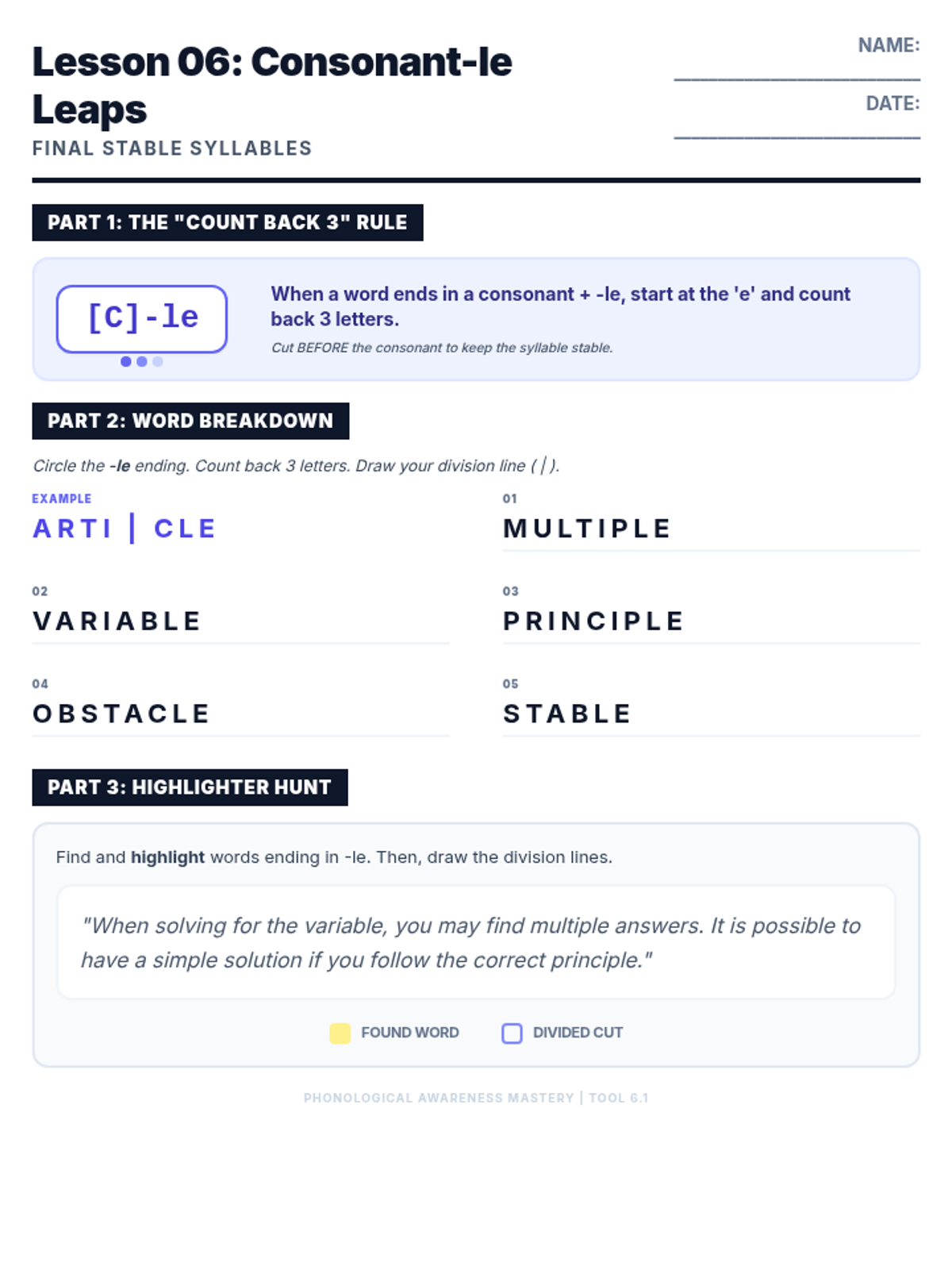
Sixth lesson in the sequence, focusing on identifying and dividing syllables ending in the 'consonant-le' pattern in academic vocabulary.
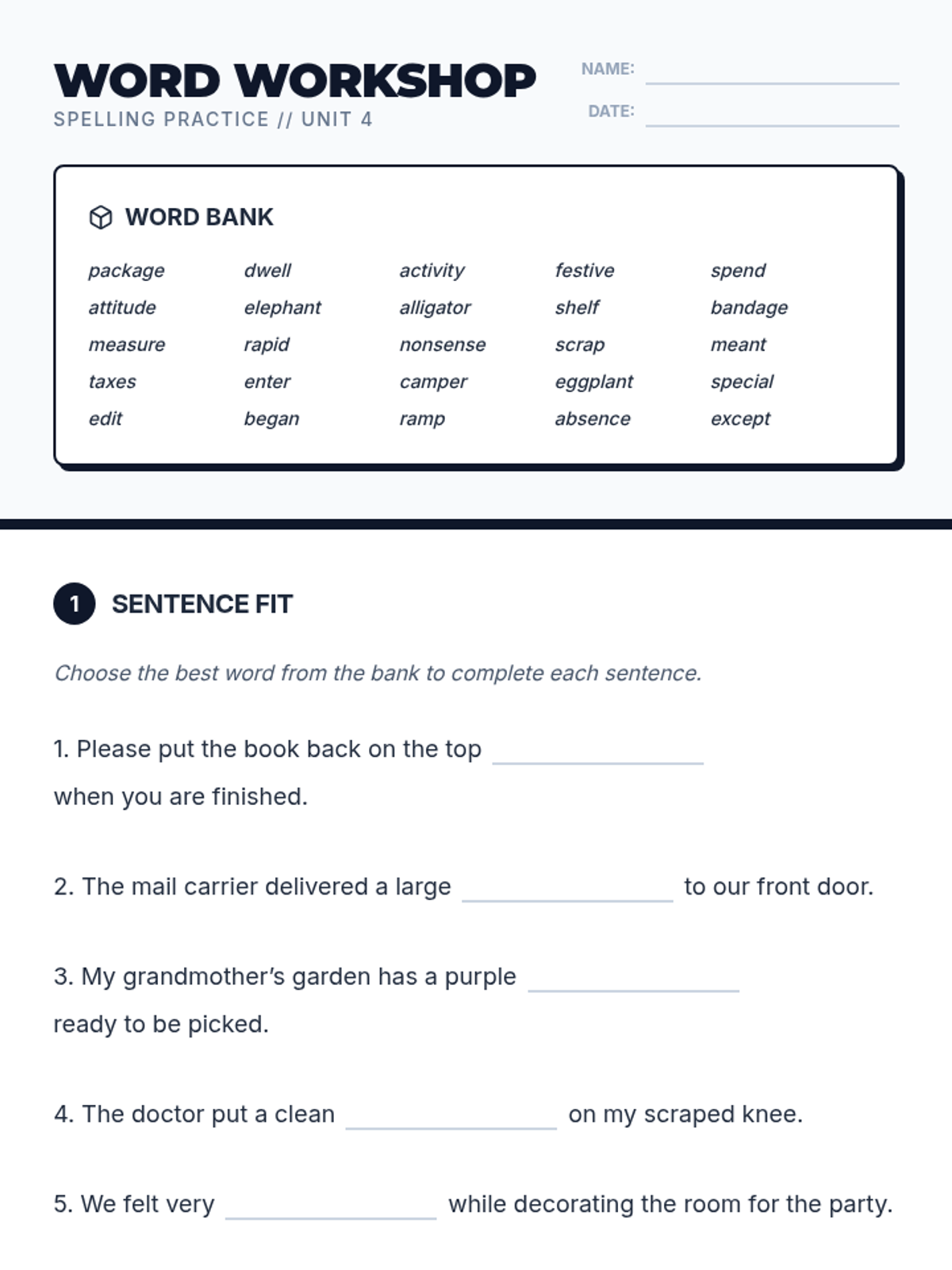
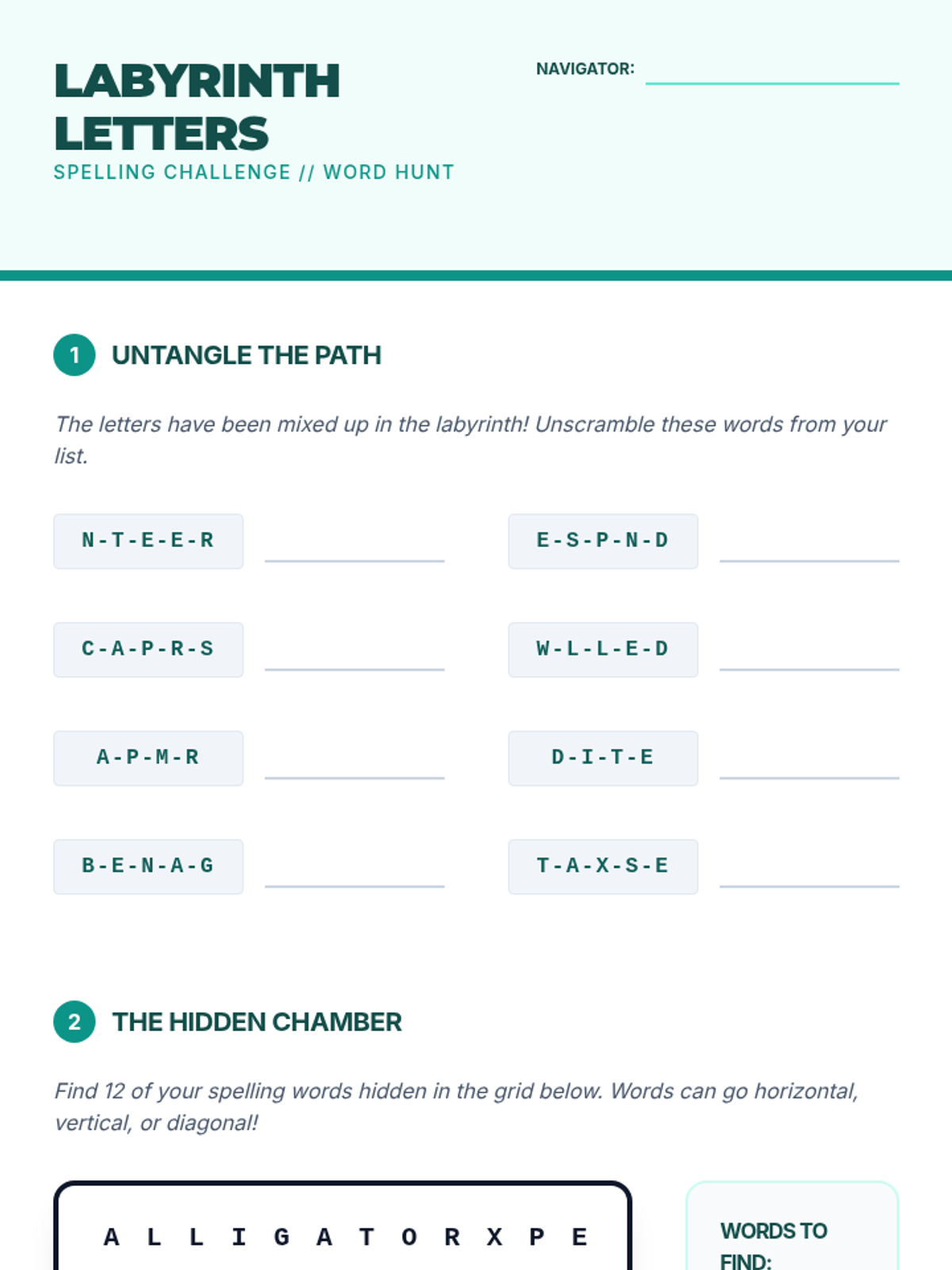
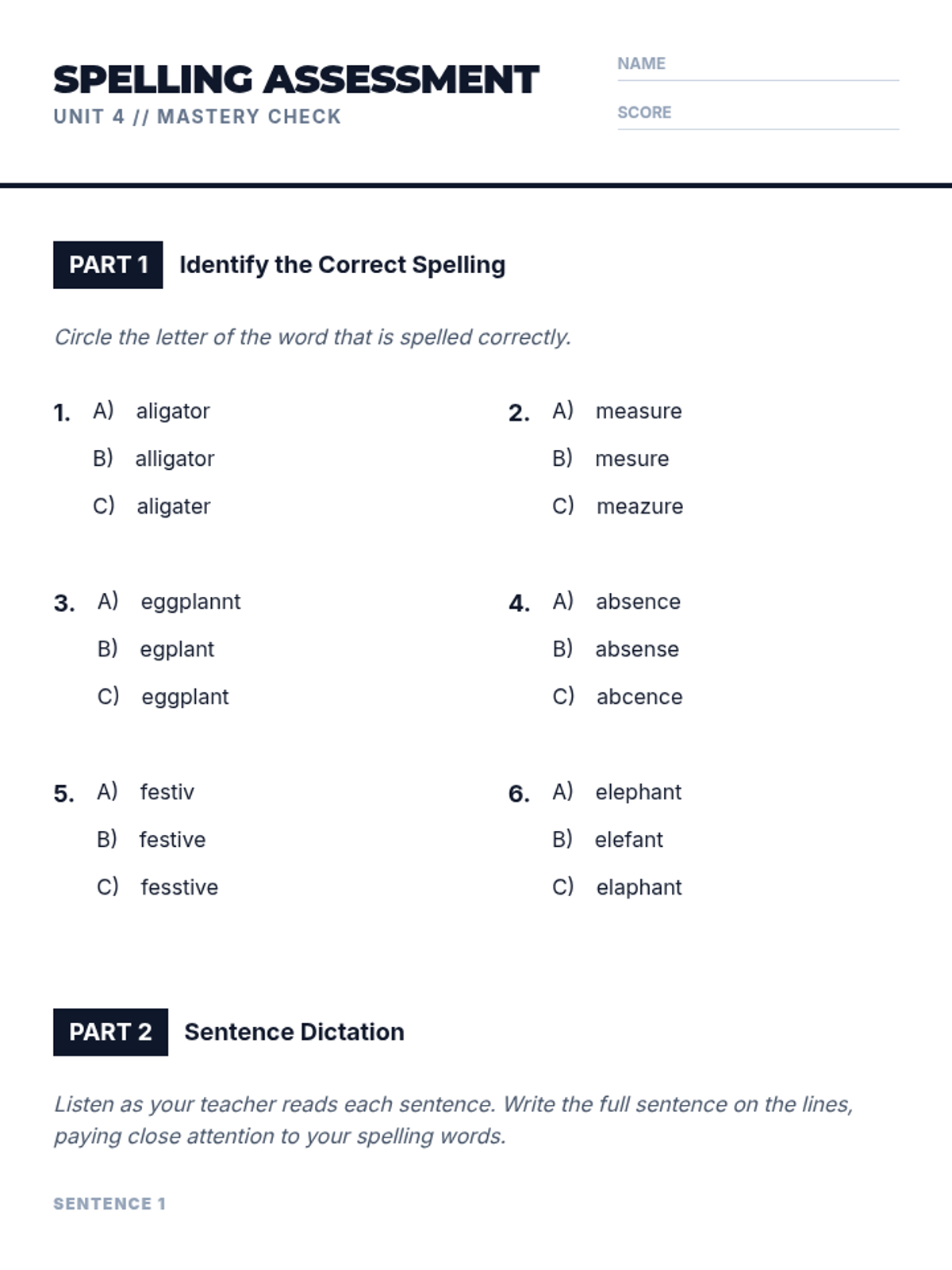
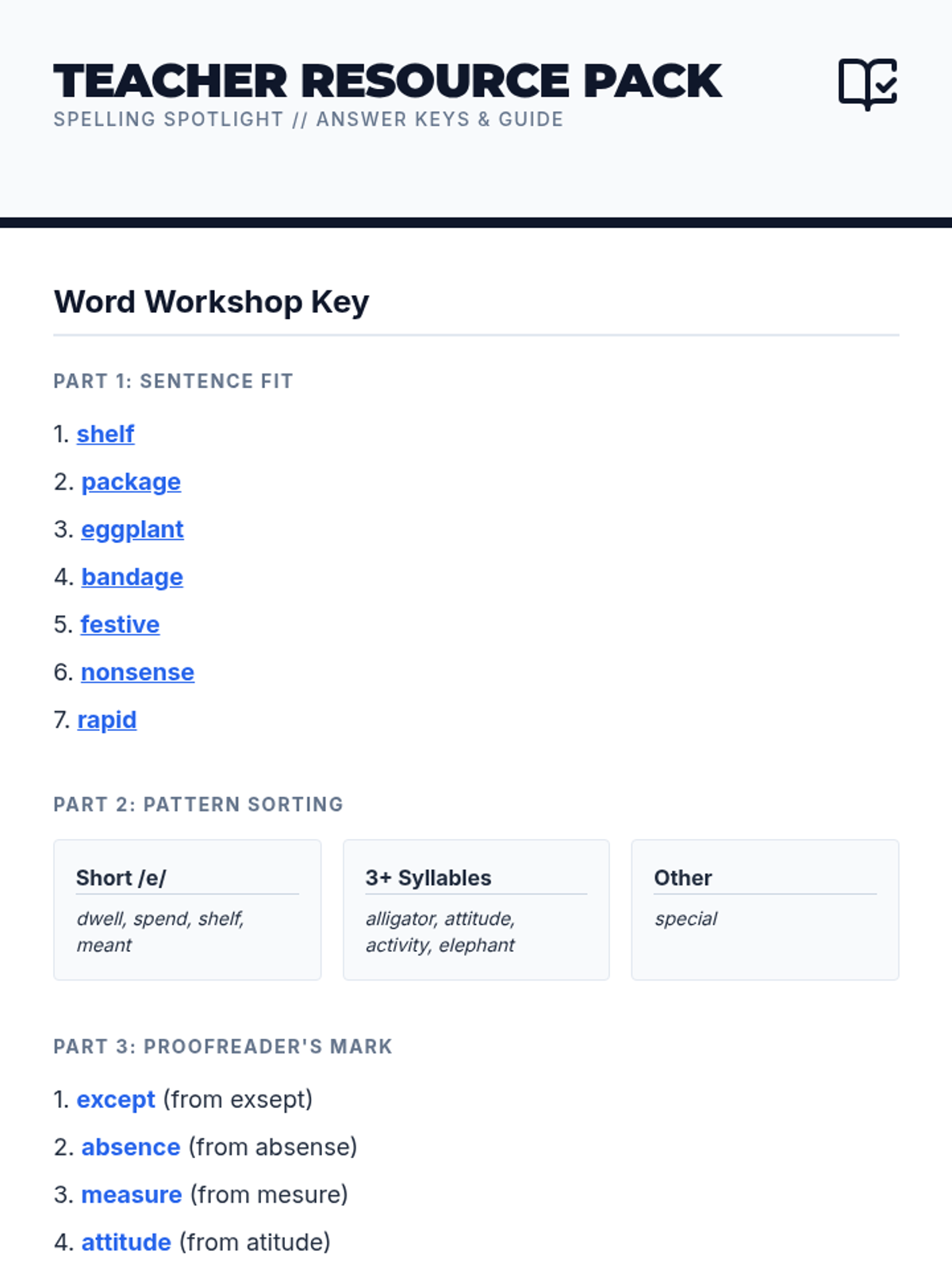
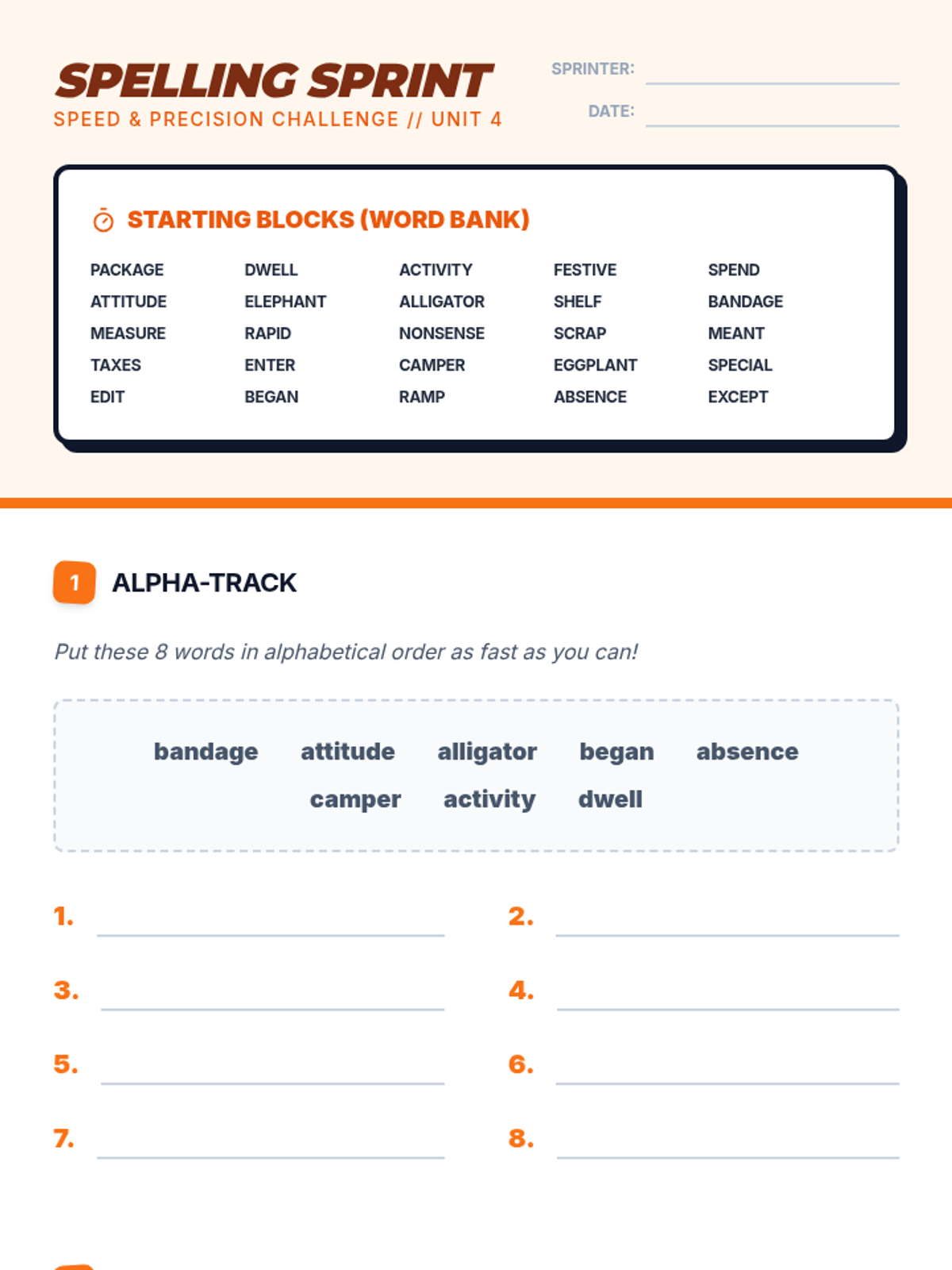
A comprehensive spelling lesson focusing on a diverse set of 25 words, including multi-syllabic terms and varied vowel patterns. Includes instructional slides, practice worksheets, engaging activities, and assessments.
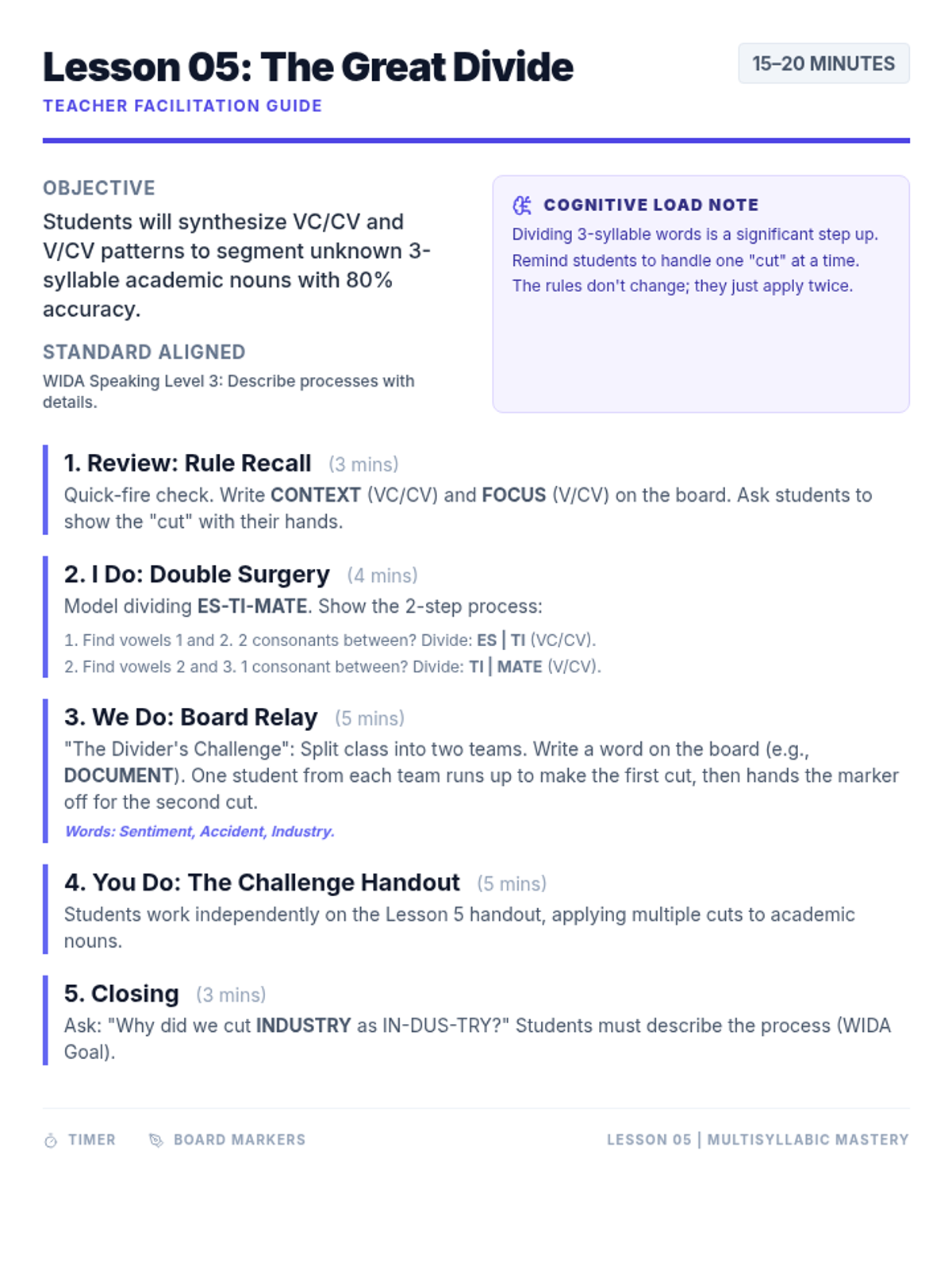
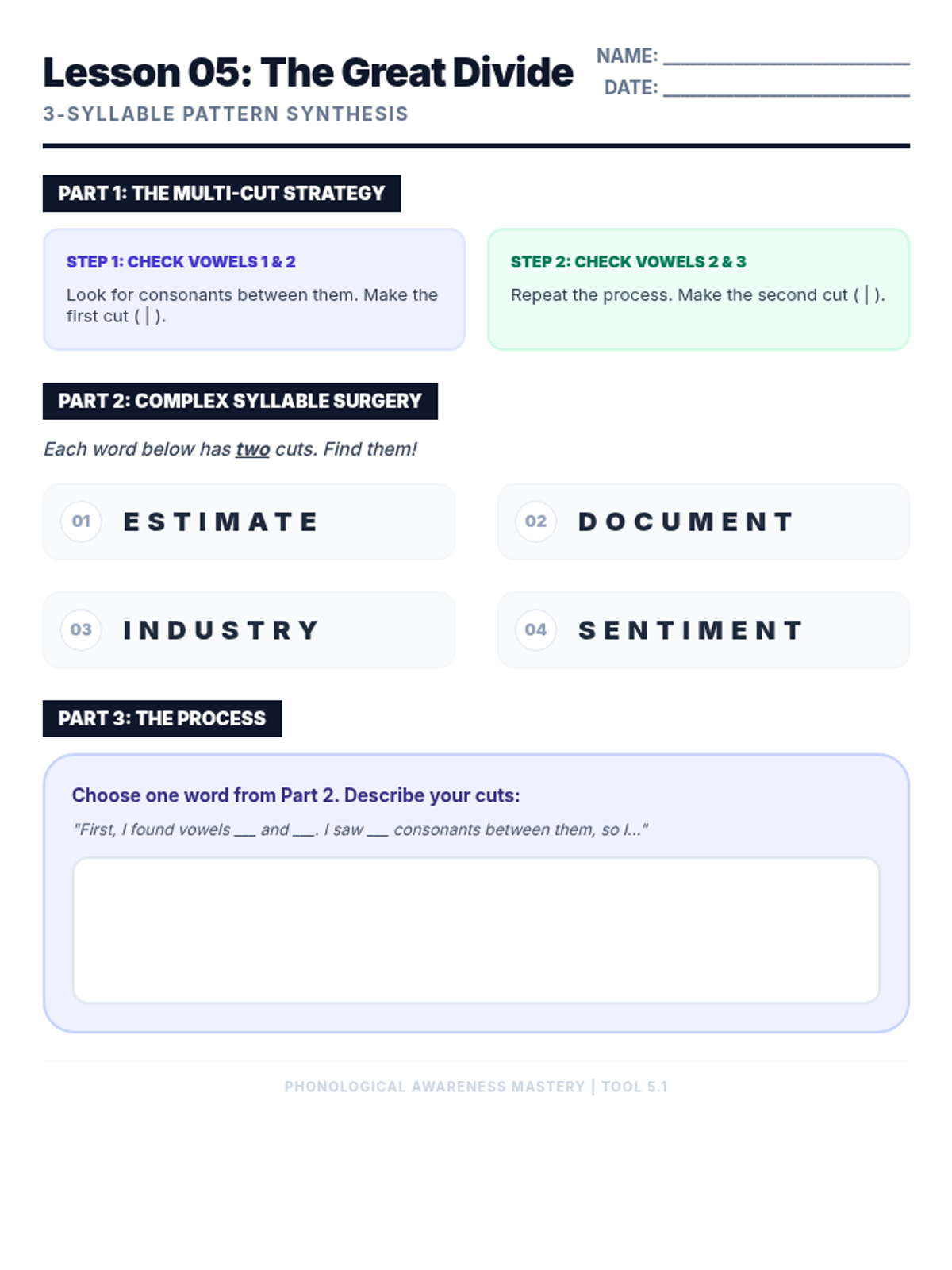
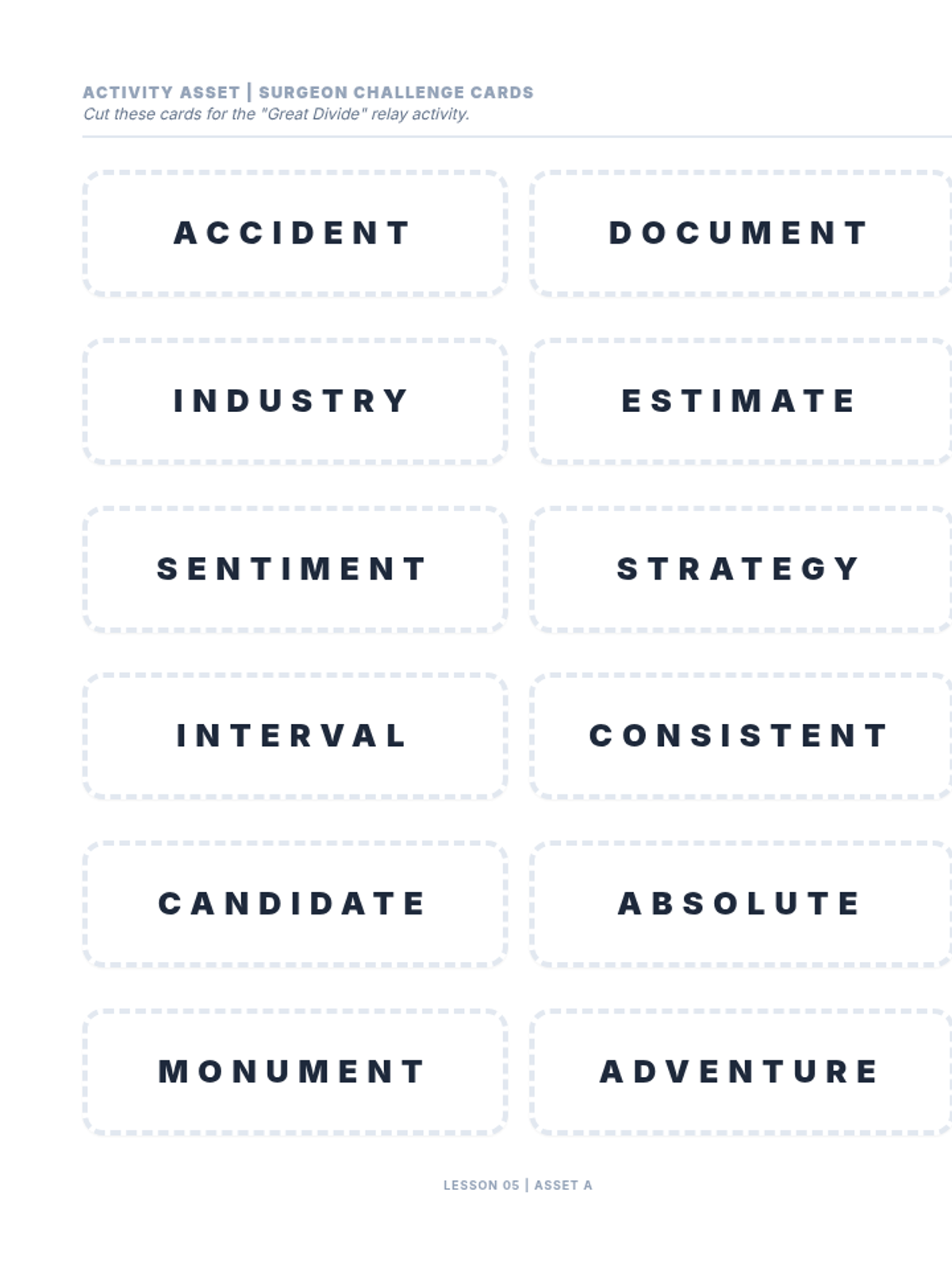
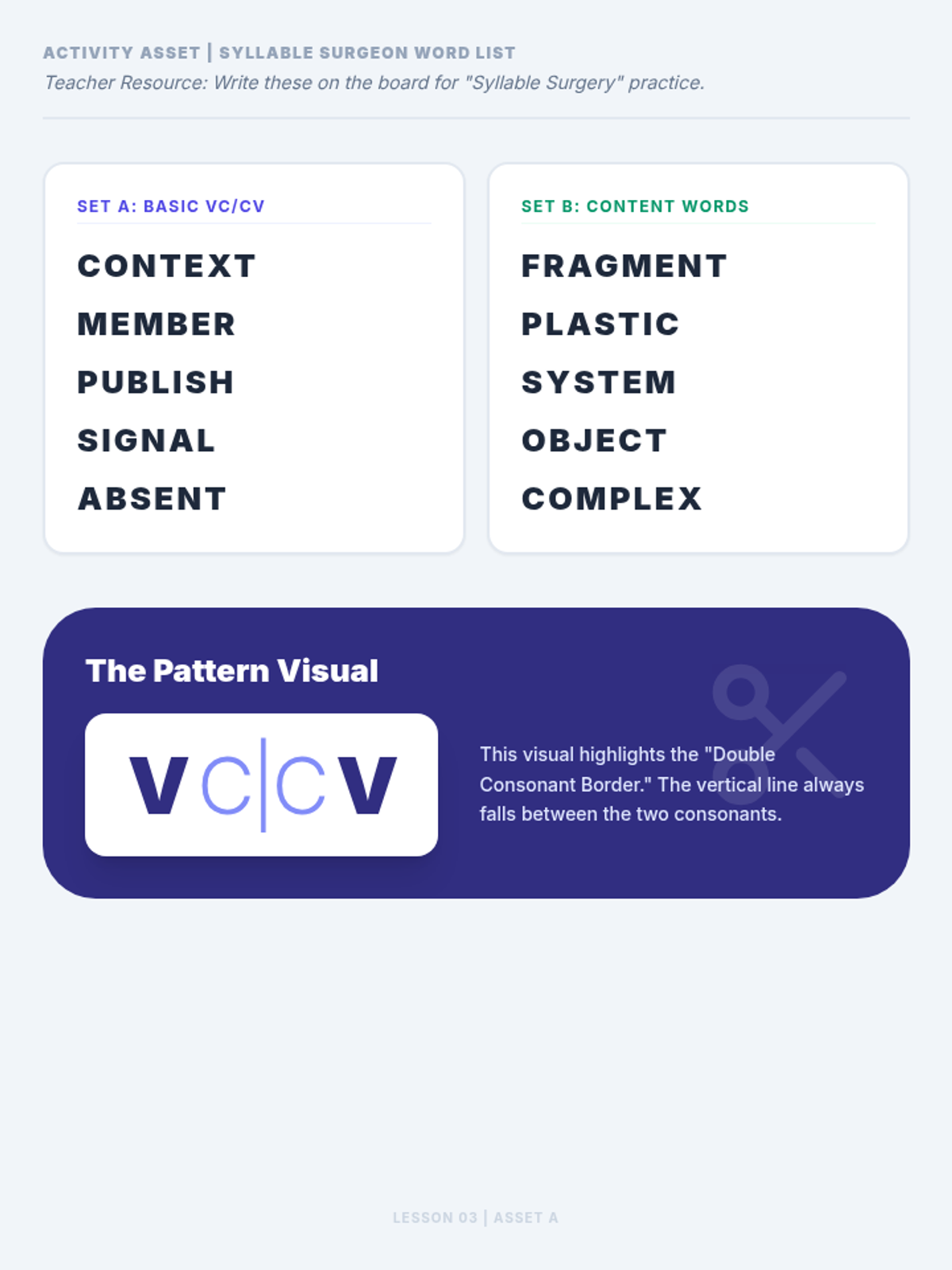
Fifth lesson in the sequence, focusing on synthesizing VC/CV and V/CV patterns to divide 3-syllable academic vocabulary.
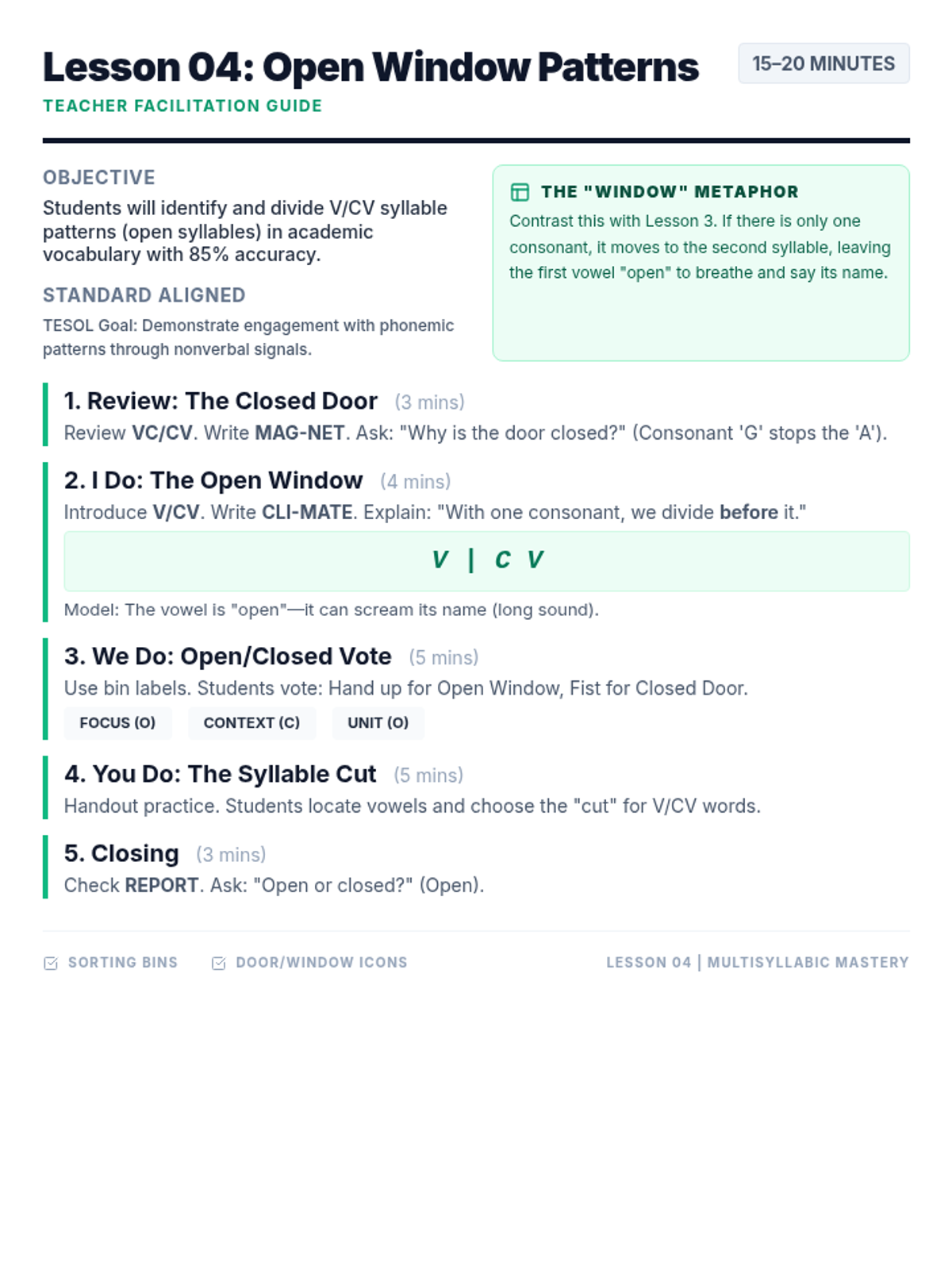
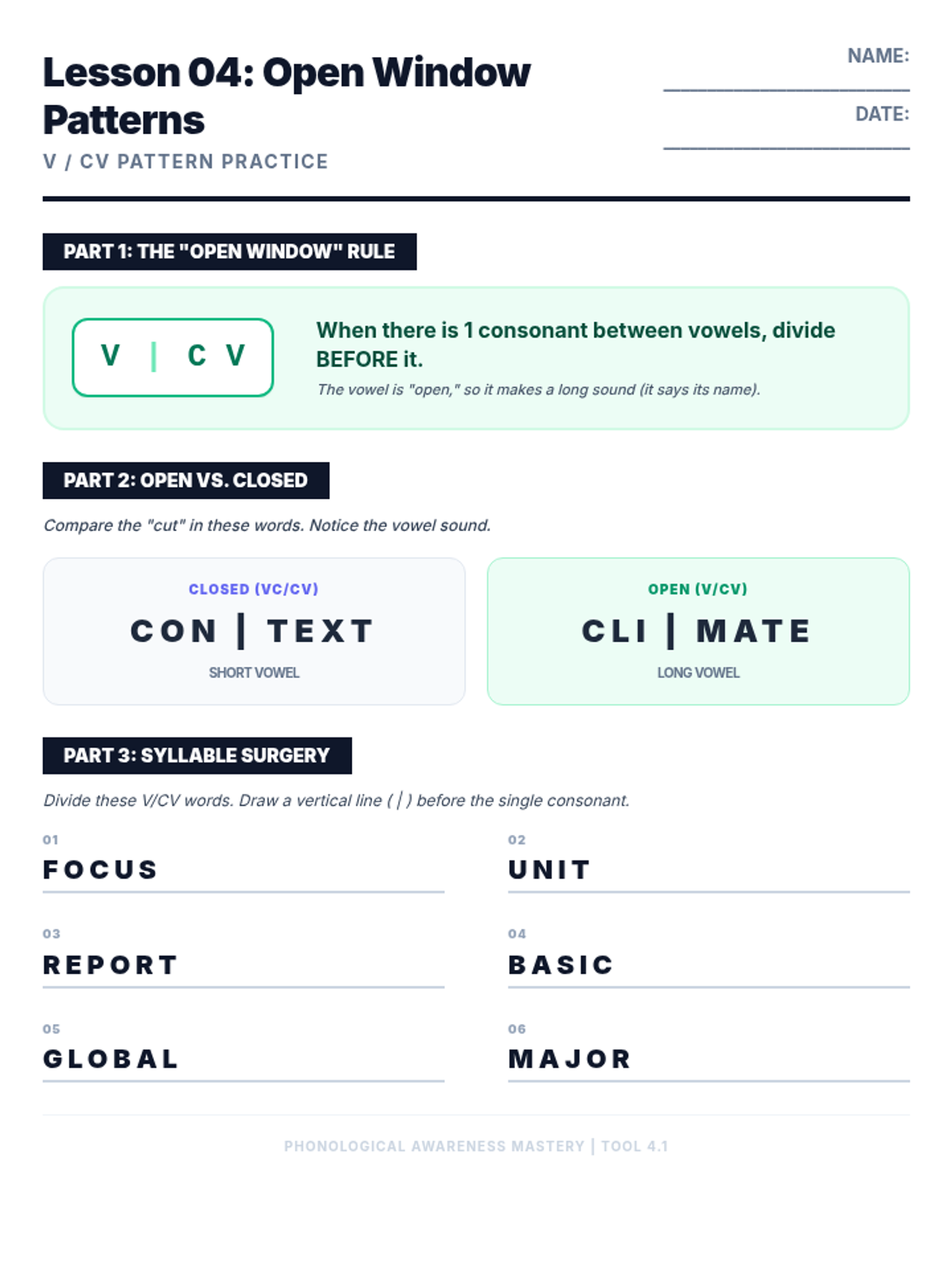
Fourth lesson in the sequence, focusing on identifying and dividing the V/CV (open syllable) pattern in academic vocabulary.
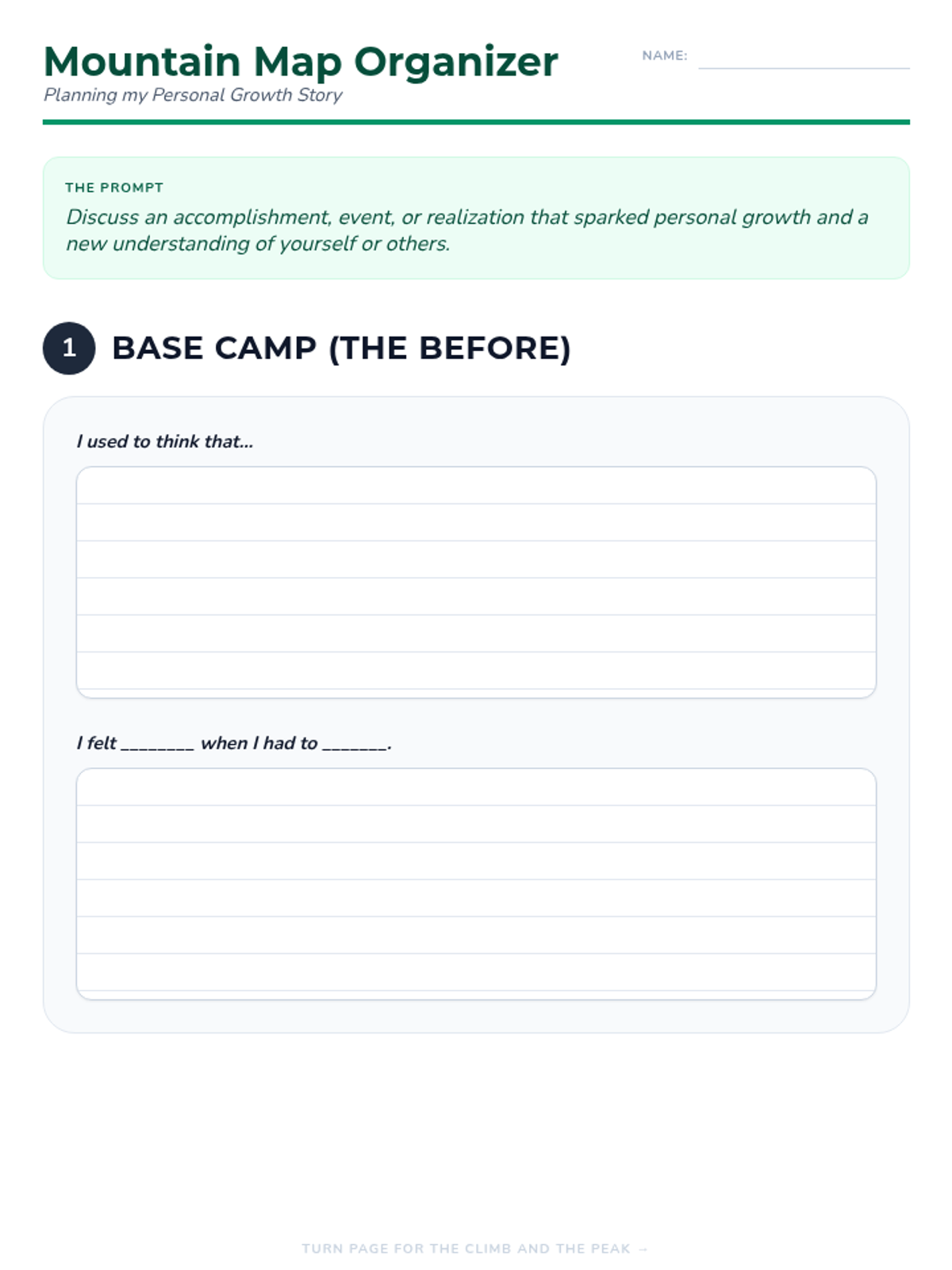
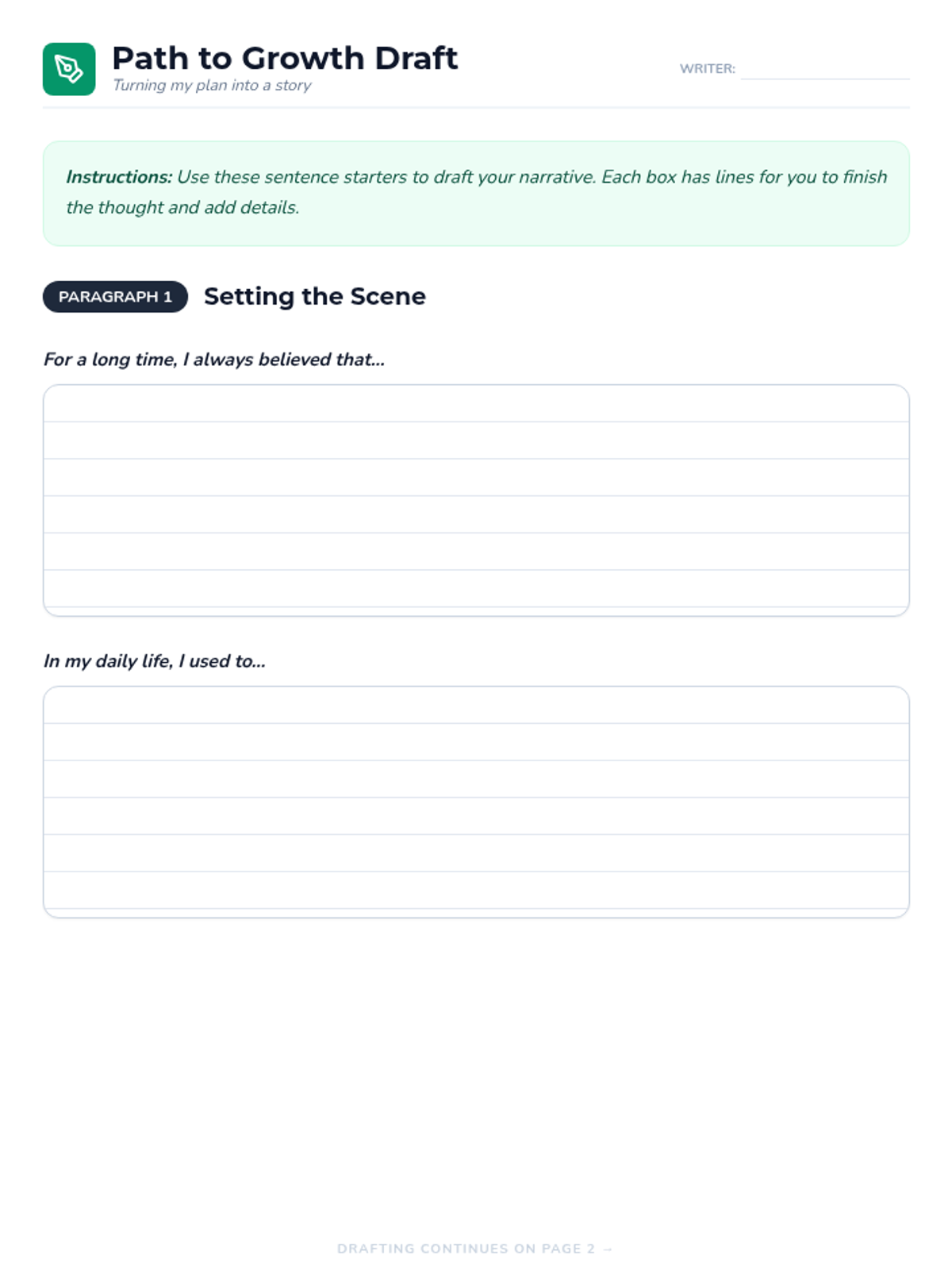
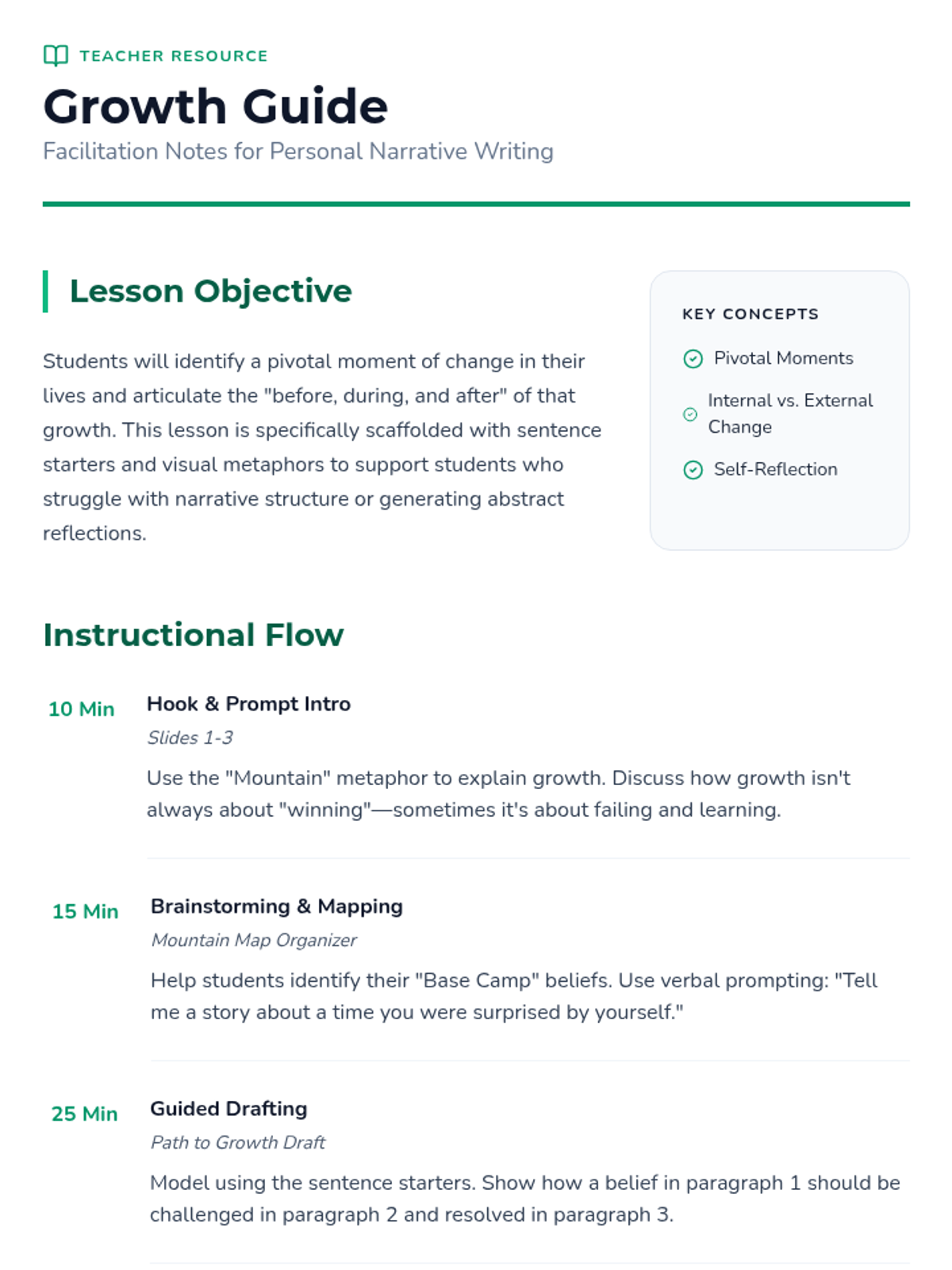
A scaffolded lesson designed to help students reflect on a pivotal moment of change. It includes a graphic organizer and a drafting sheet with heavy sentence starters to support narrative writing.
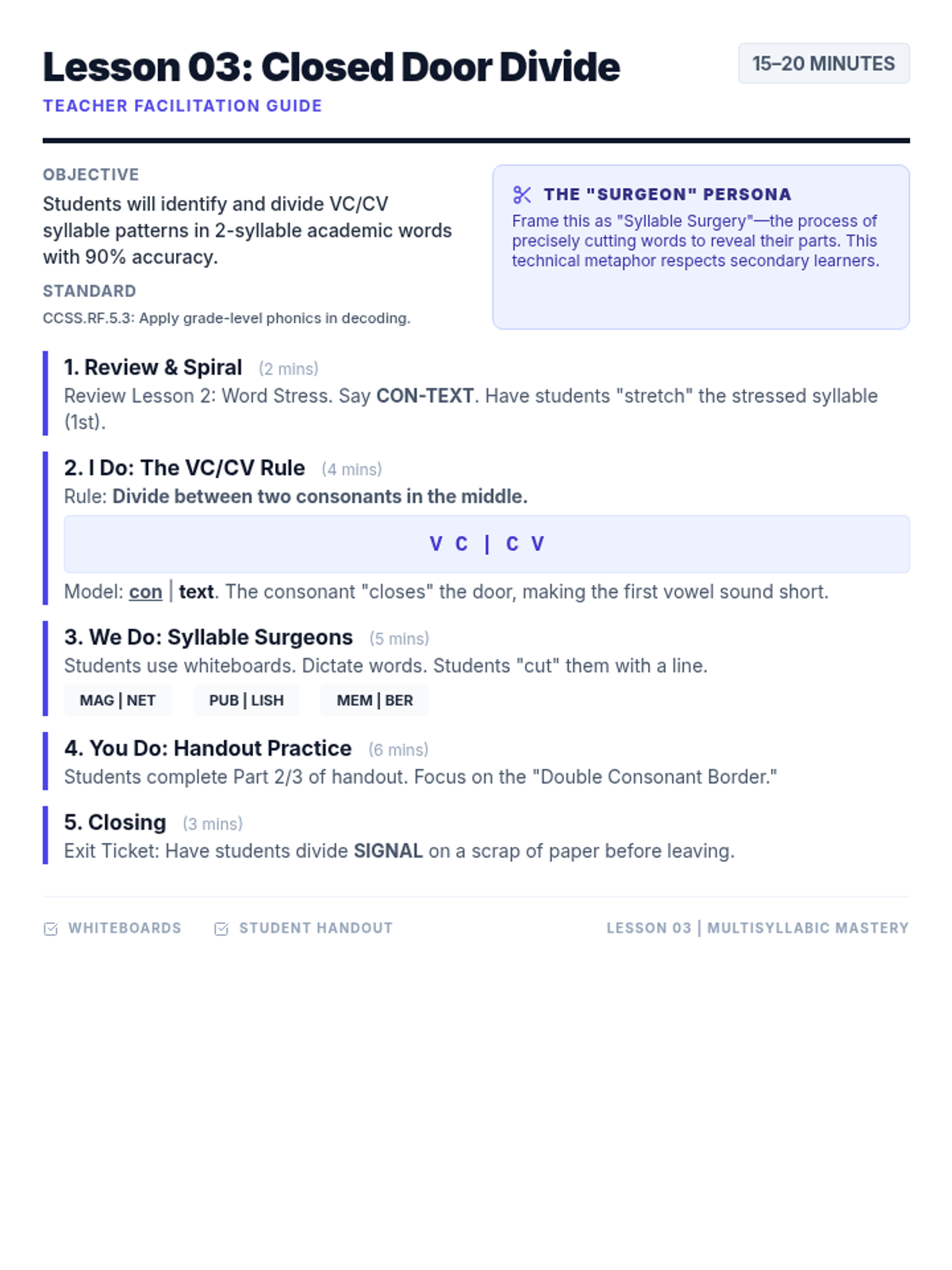
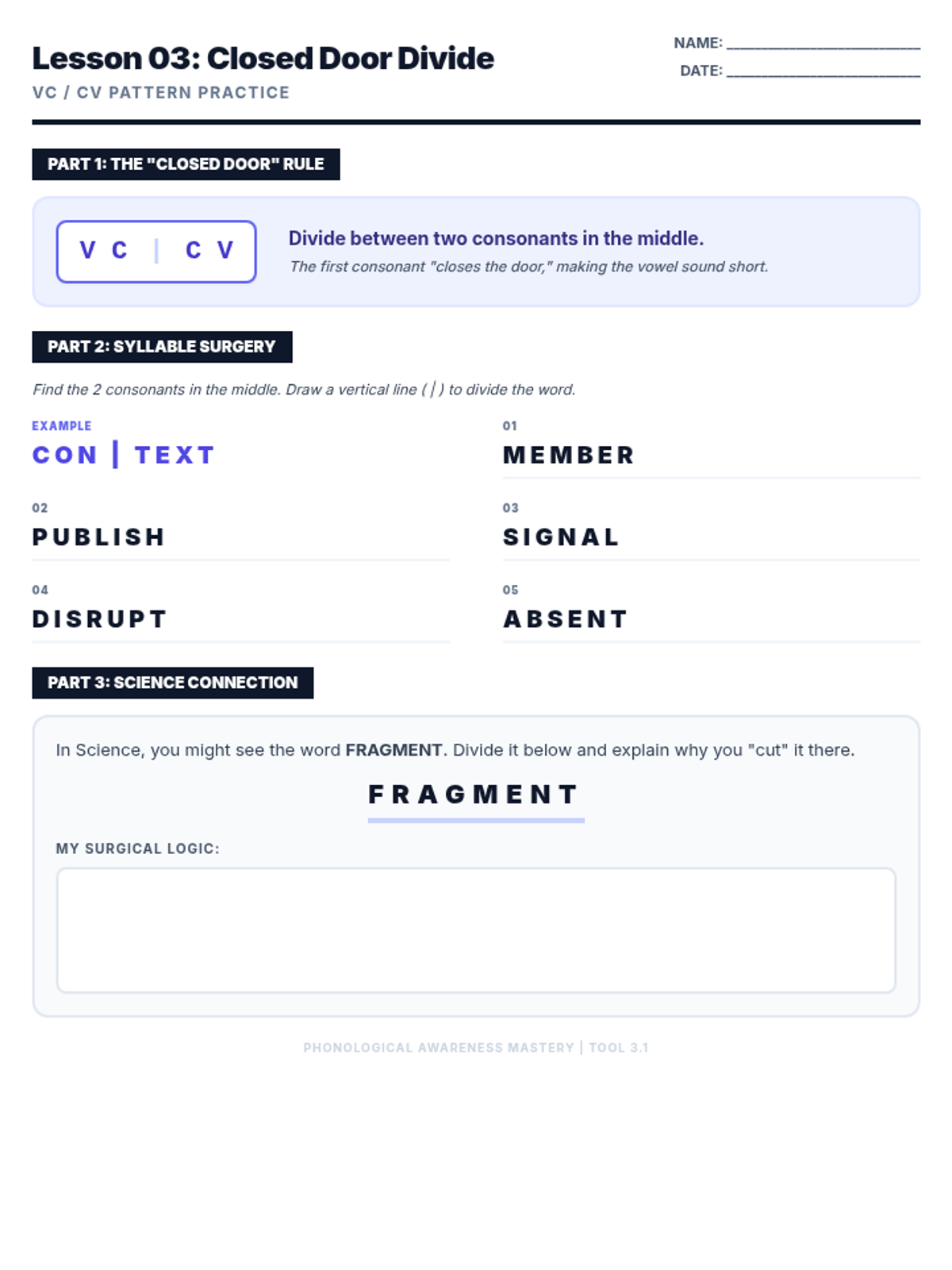
Third lesson in the sequence, focusing on identifying and dividing the VC/CV (closed syllable) pattern in academic vocabulary.
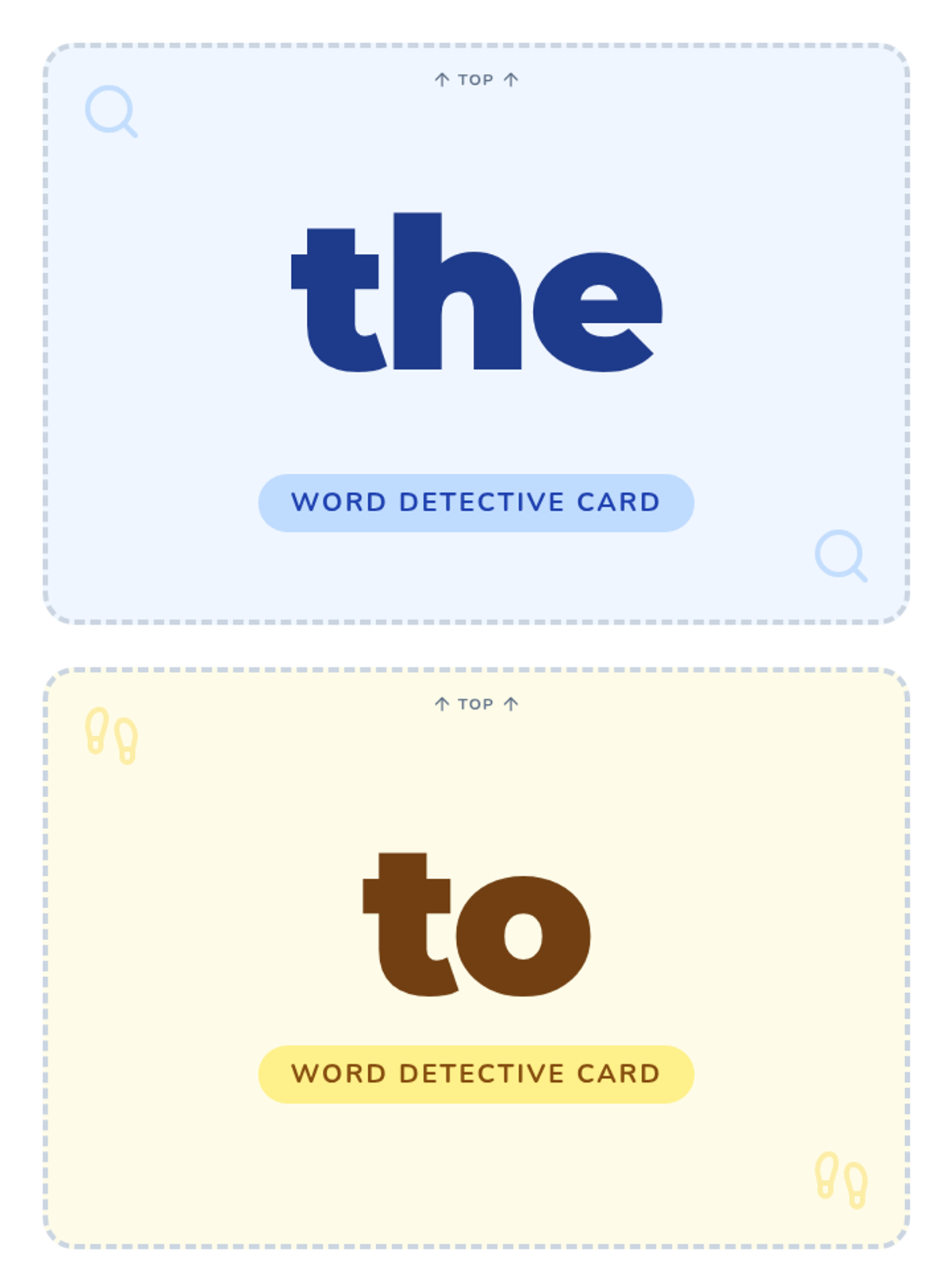
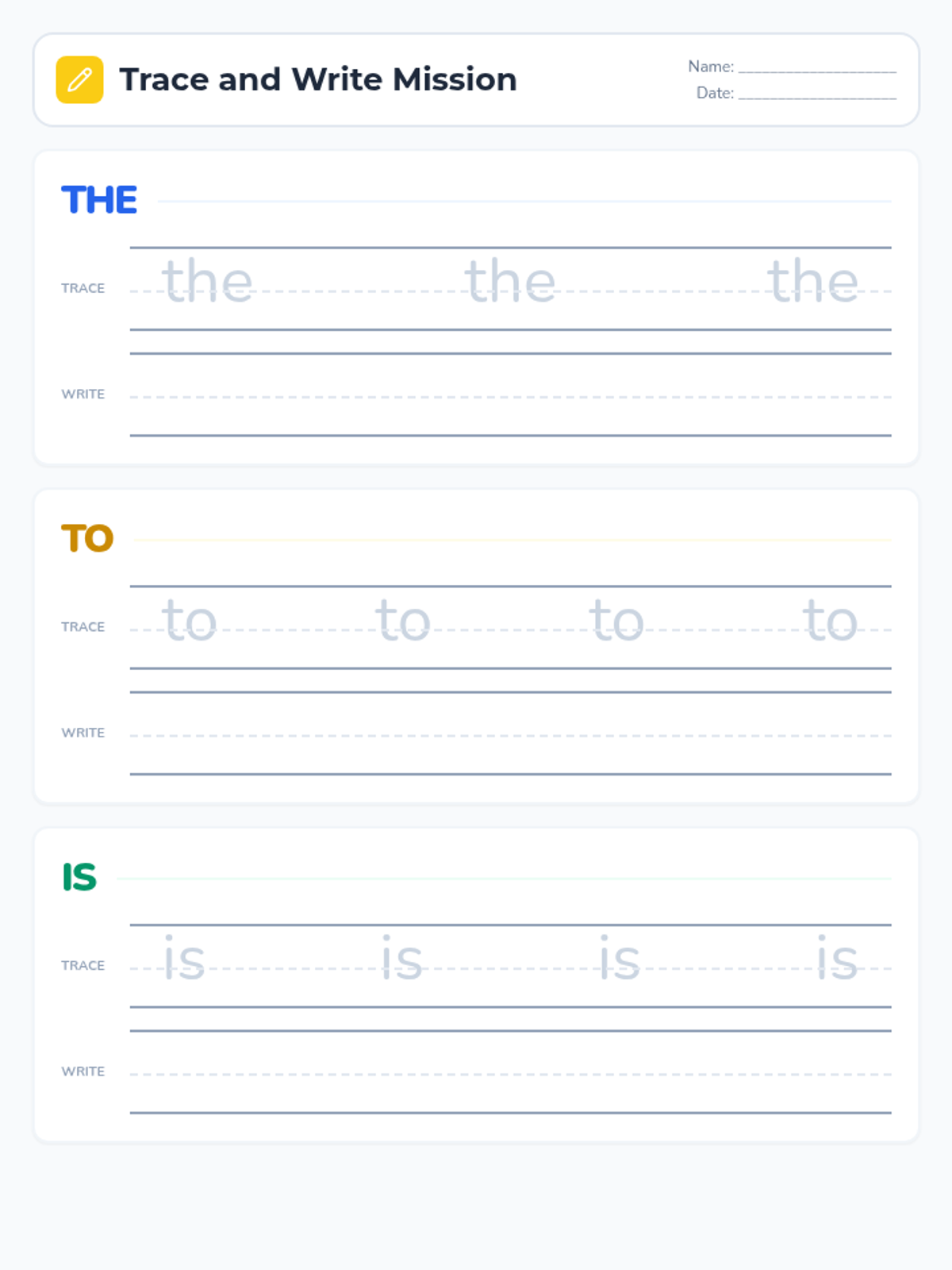
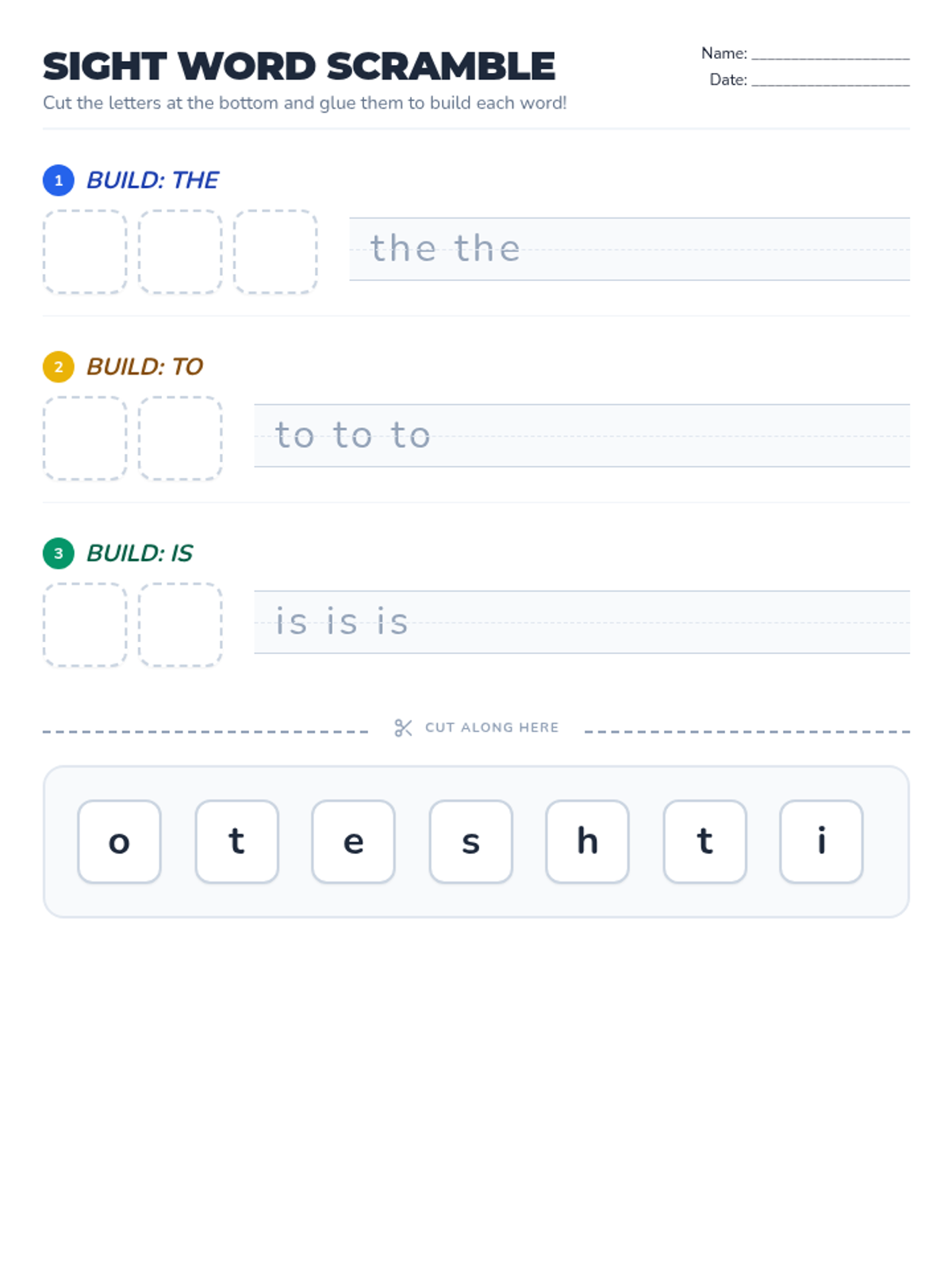
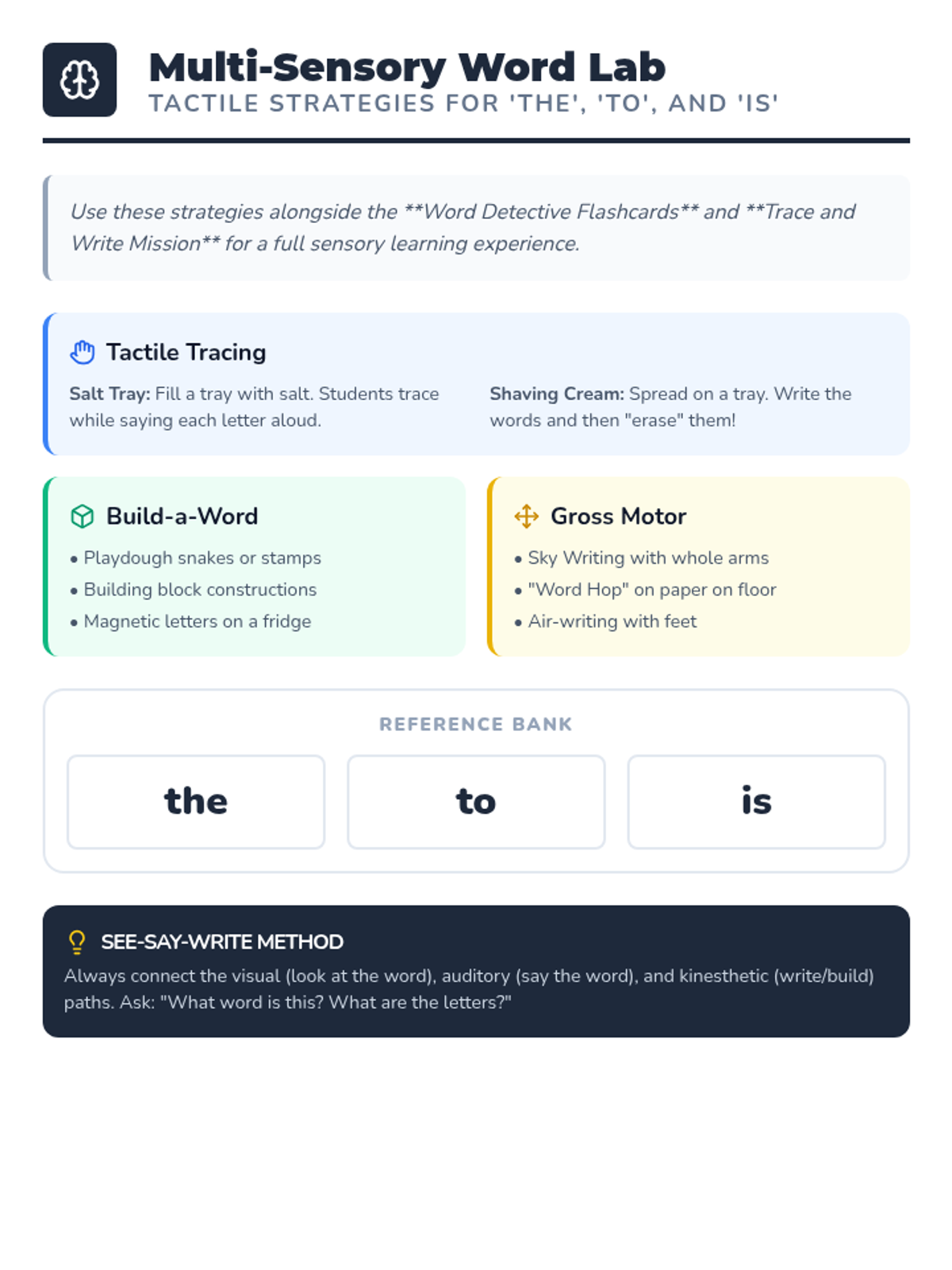
A hands-on introduction to the sight words 'the', 'to', and 'is' using visual recognition, tracing practice, and tactile building activities. Students act as Word Detectives to master these high-frequency words.
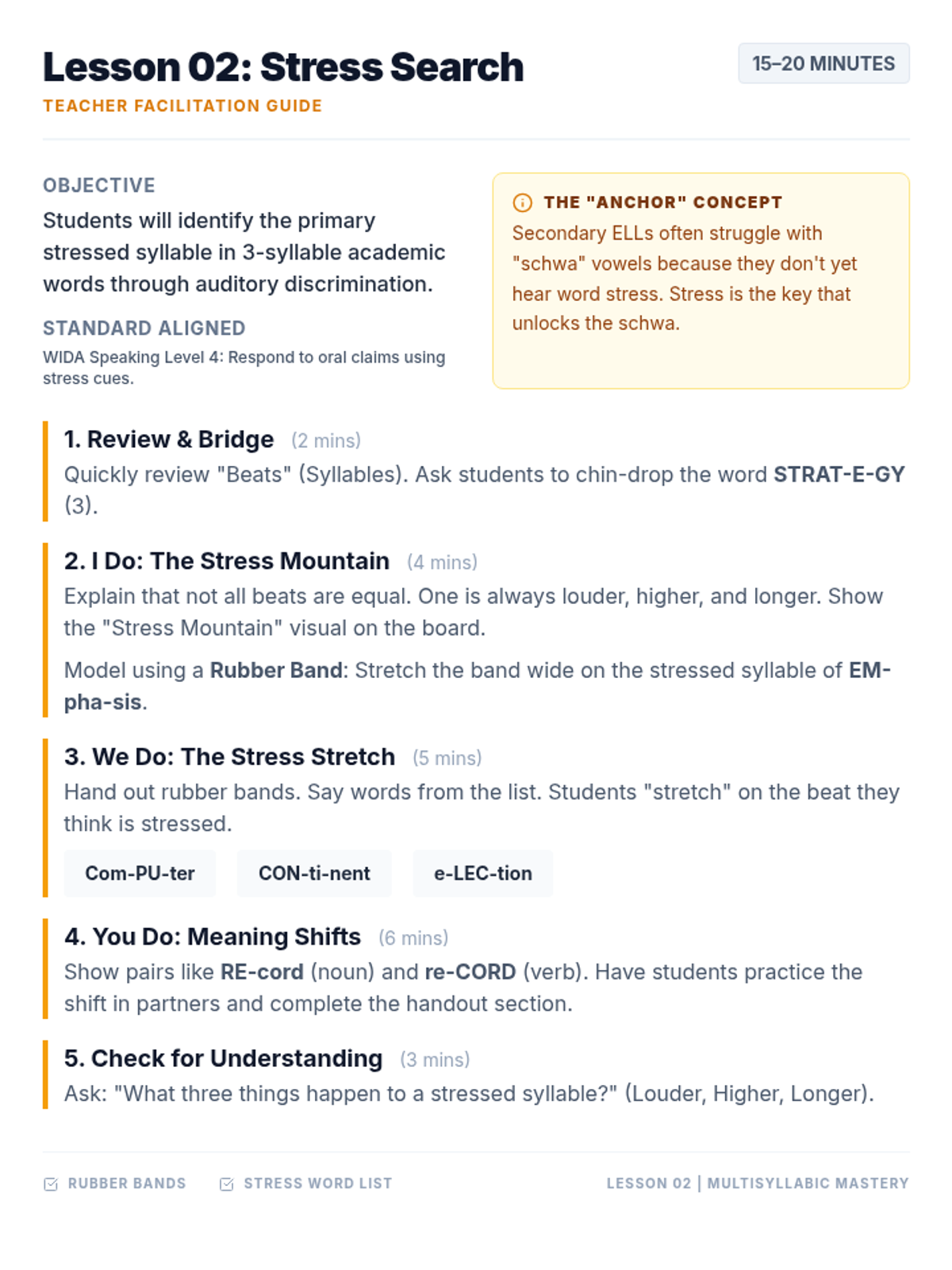
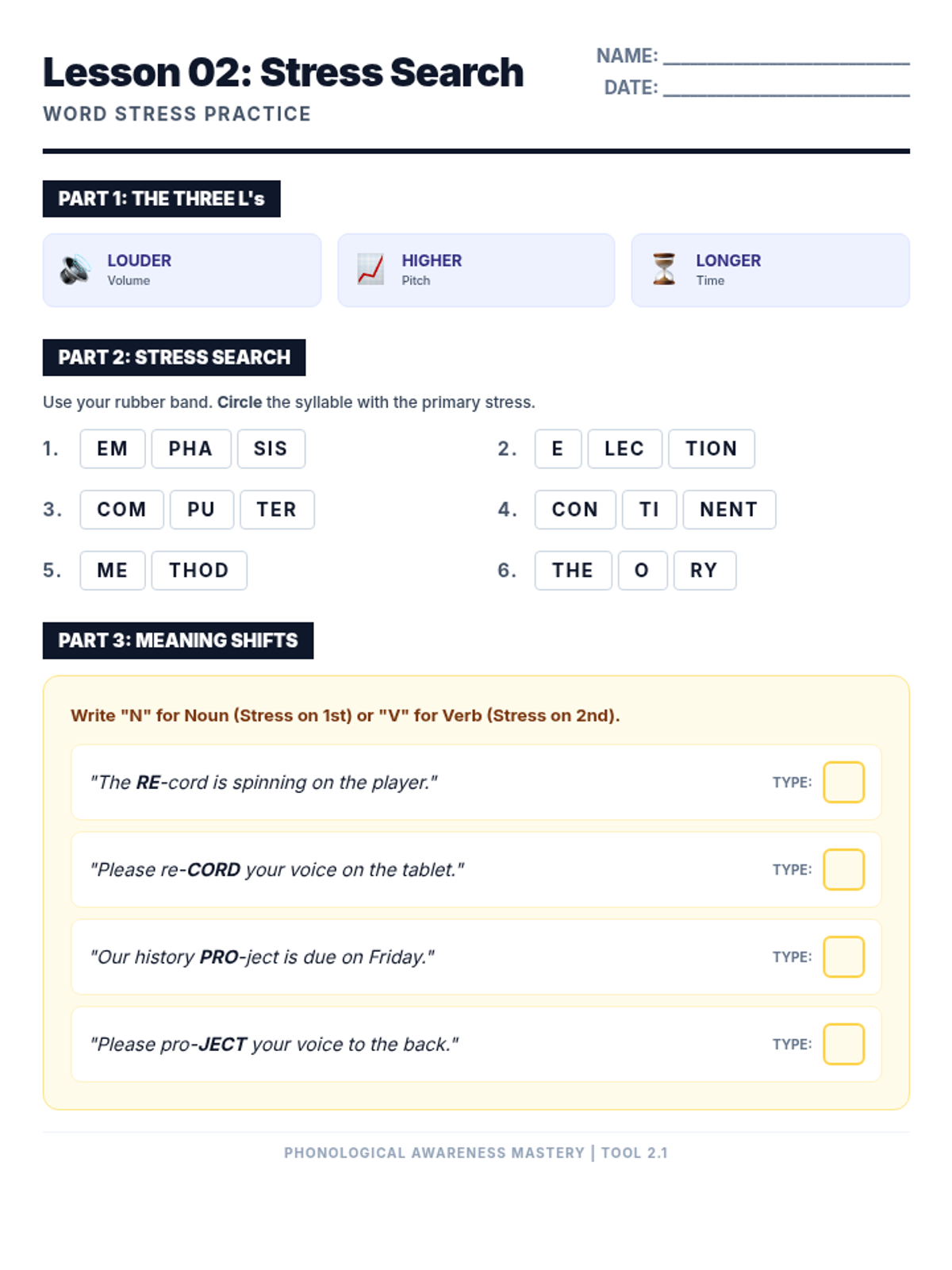
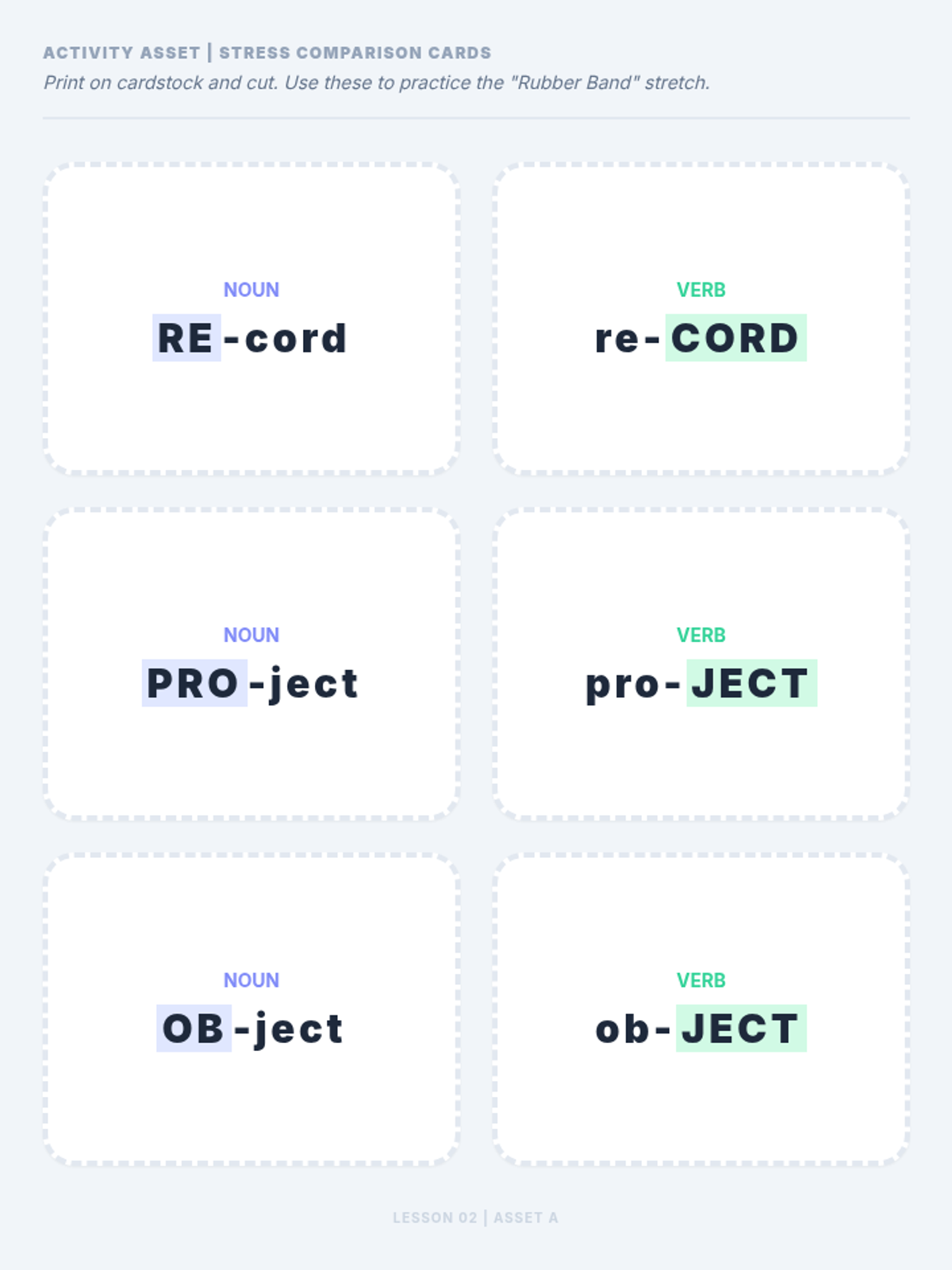
Second lesson in the sequence, focusing on identifying and manipulating primary word stress in academic vocabulary.
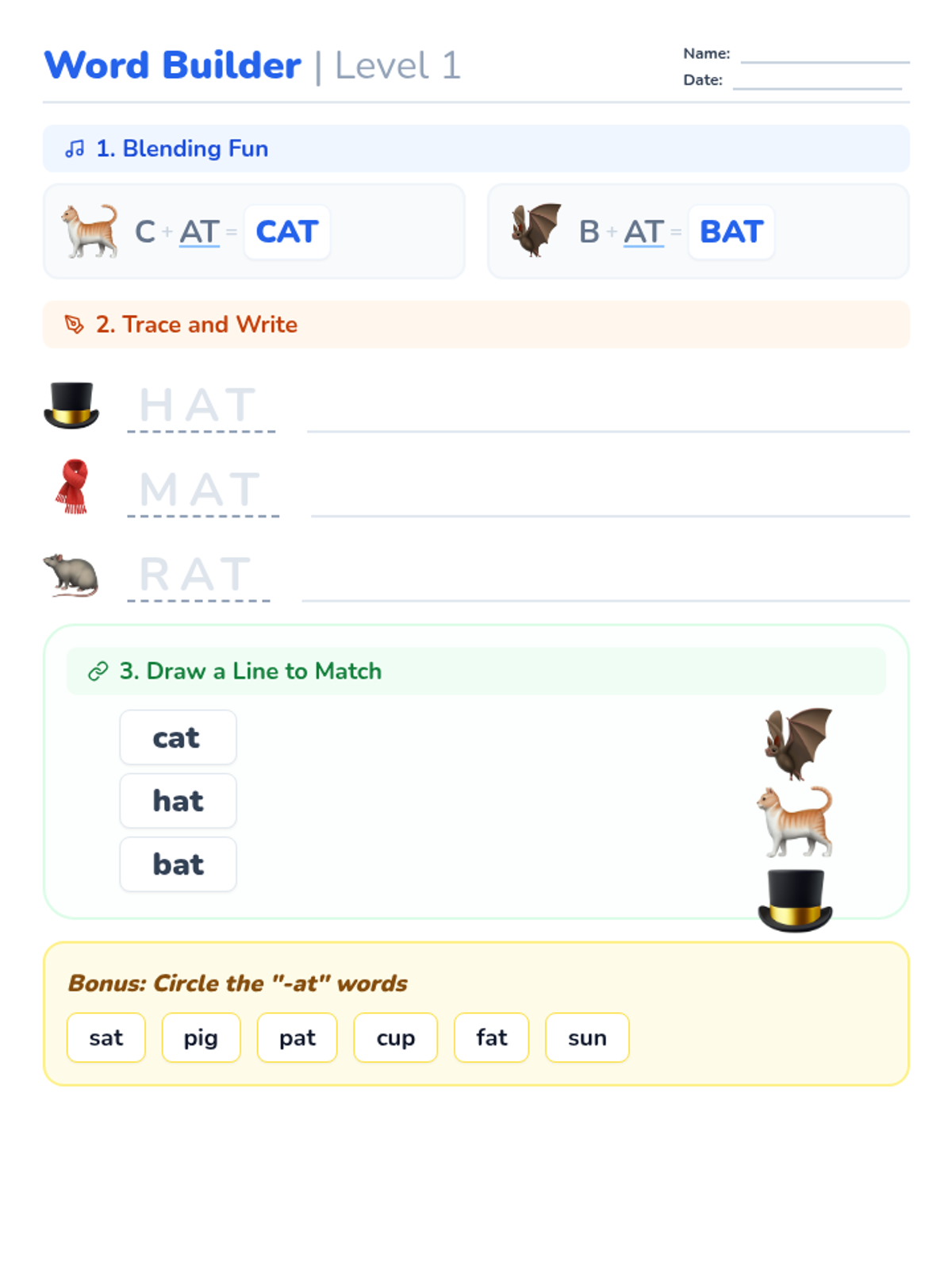
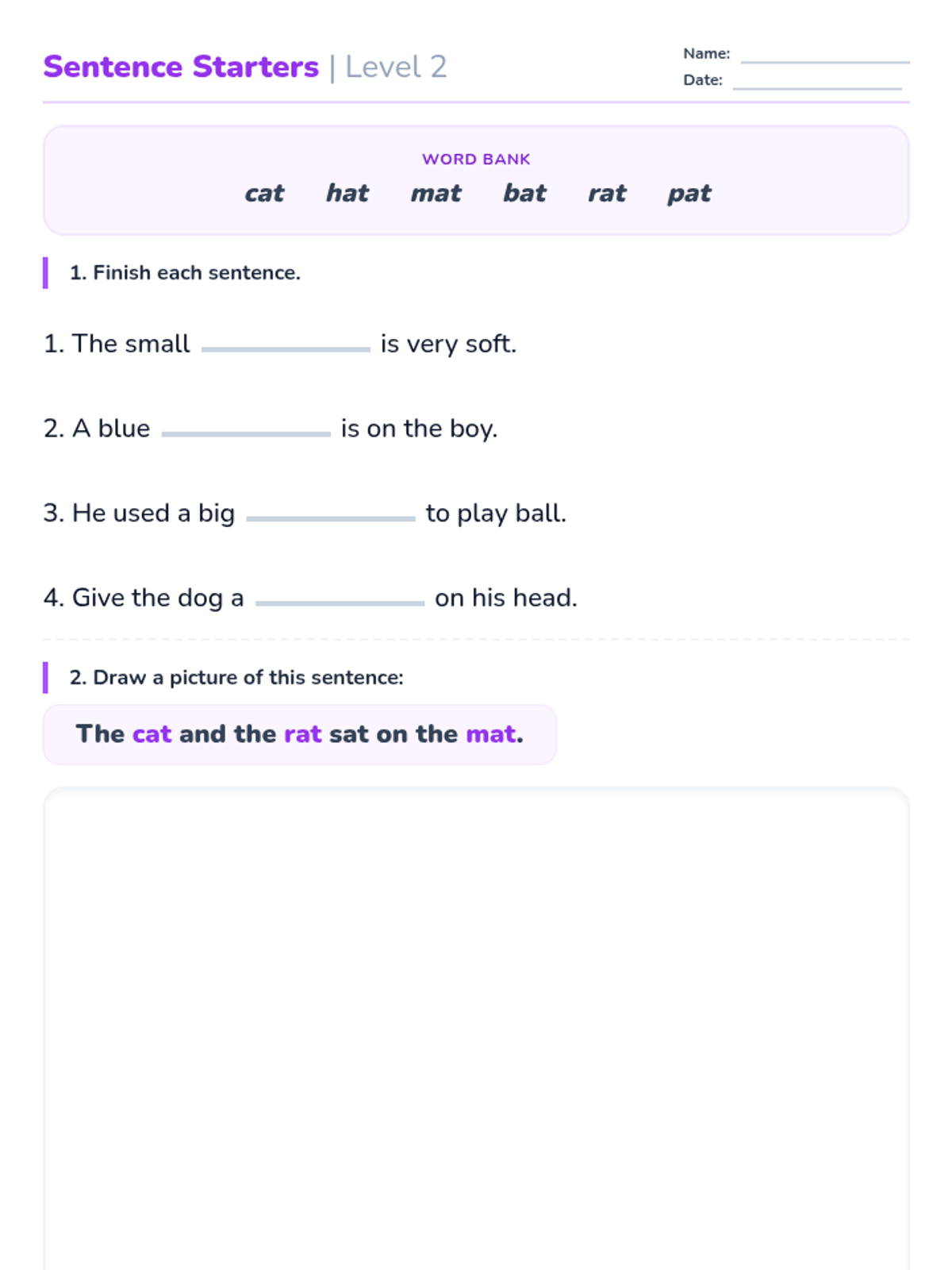
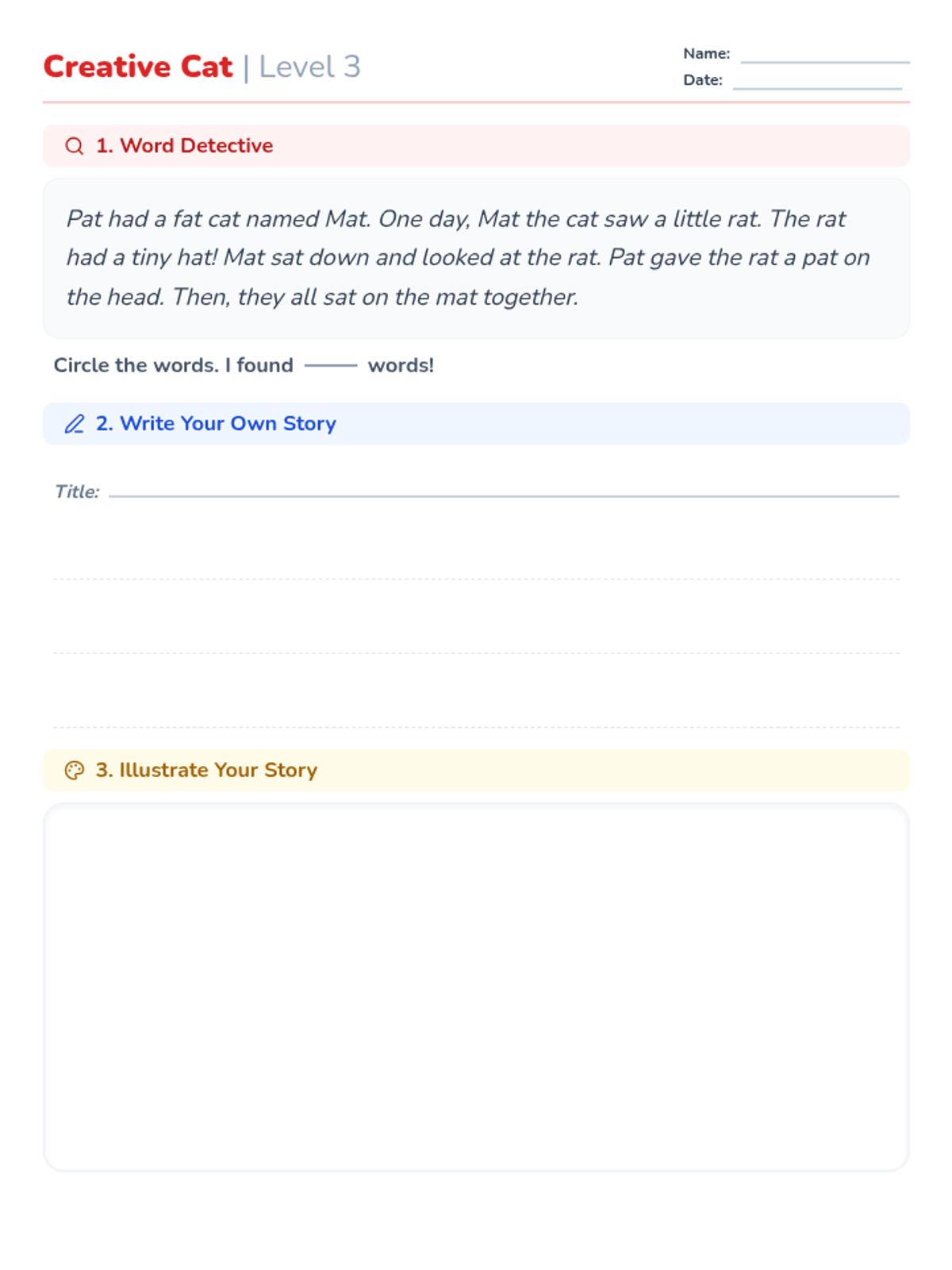
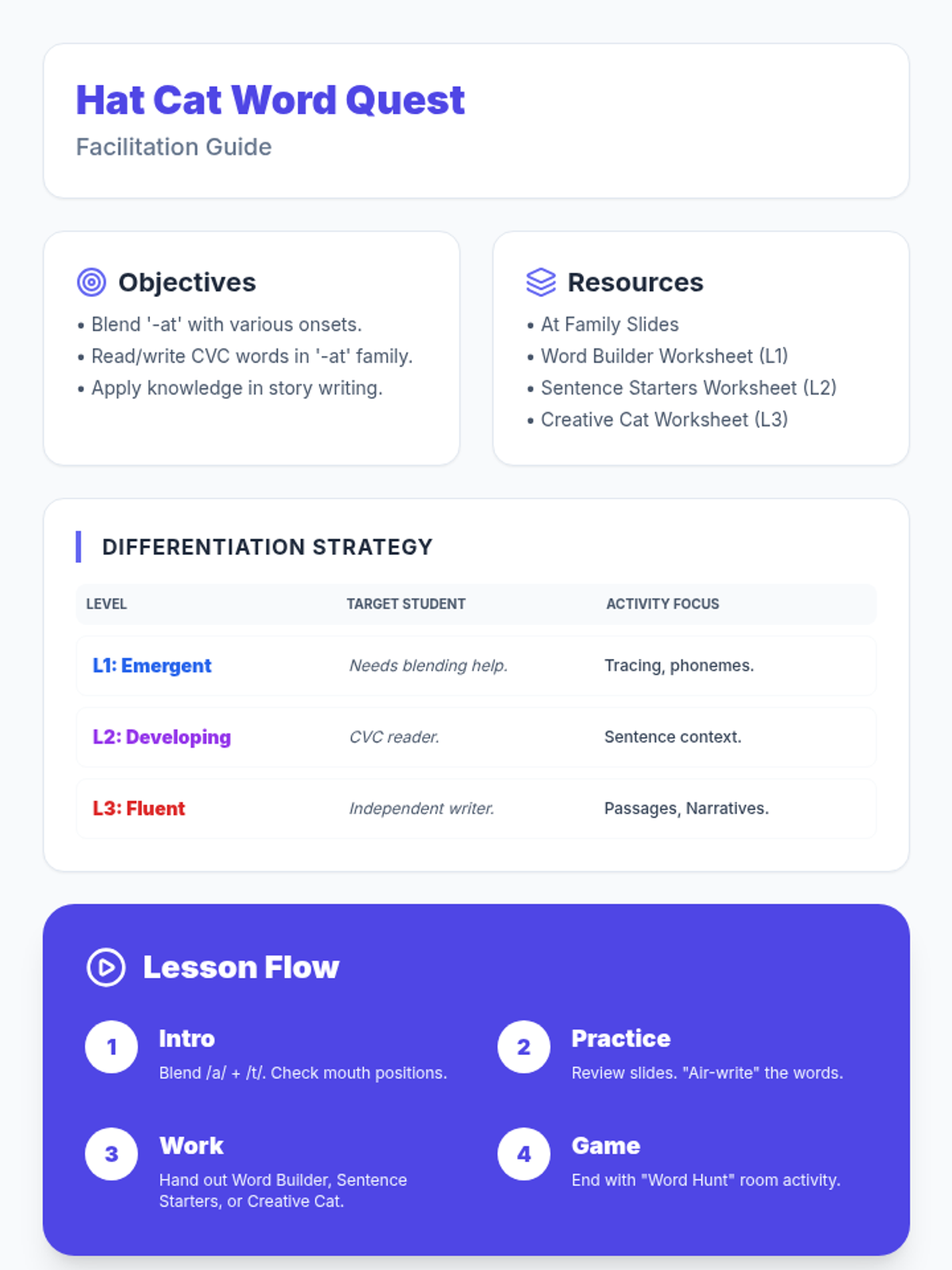
A comprehensive literacy lesson focusing on the '-at' word family through reading, writing, and phonics. Includes three levels of differentiated worksheets to support emergent, developing, and fluent young readers.
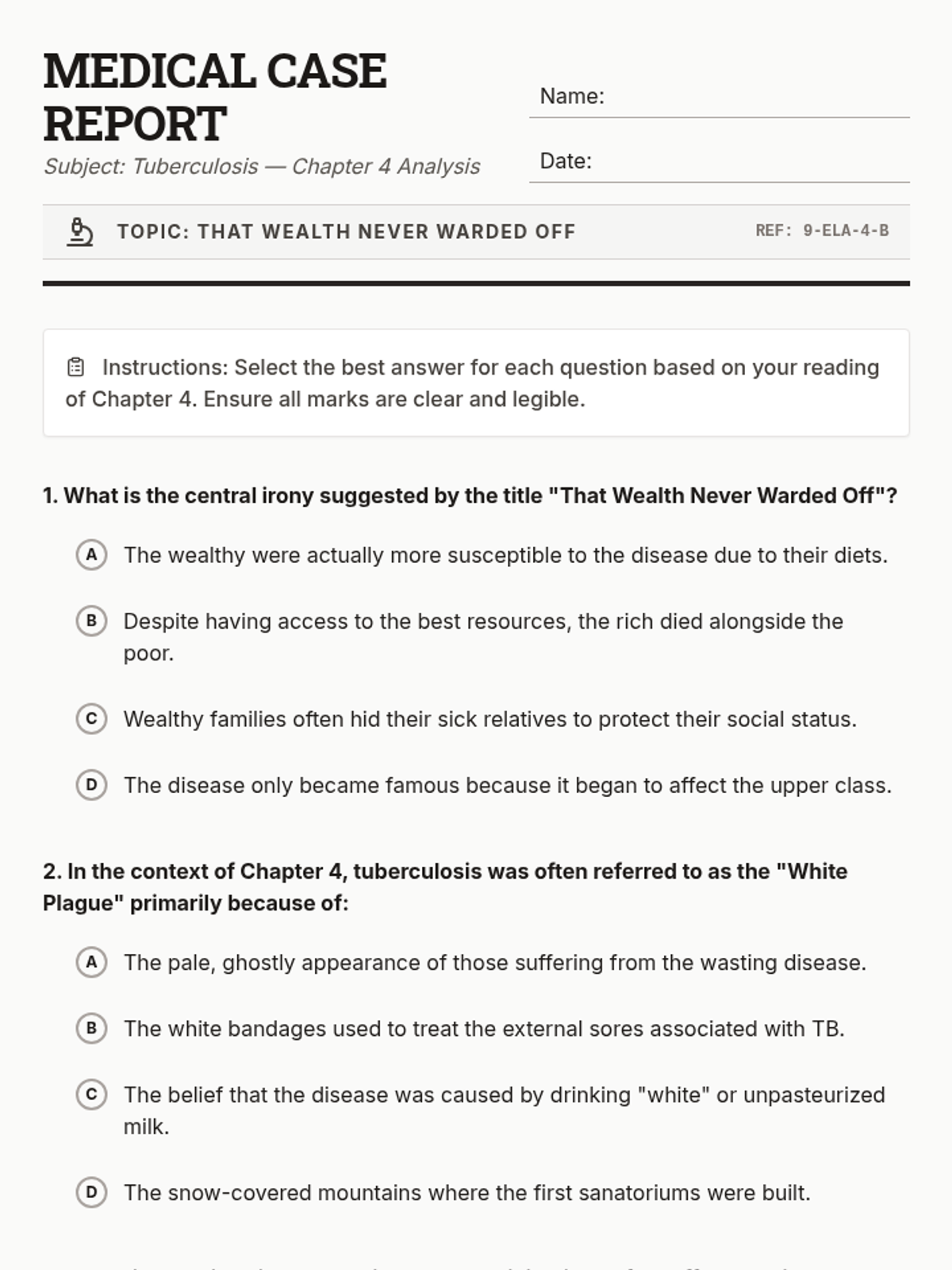
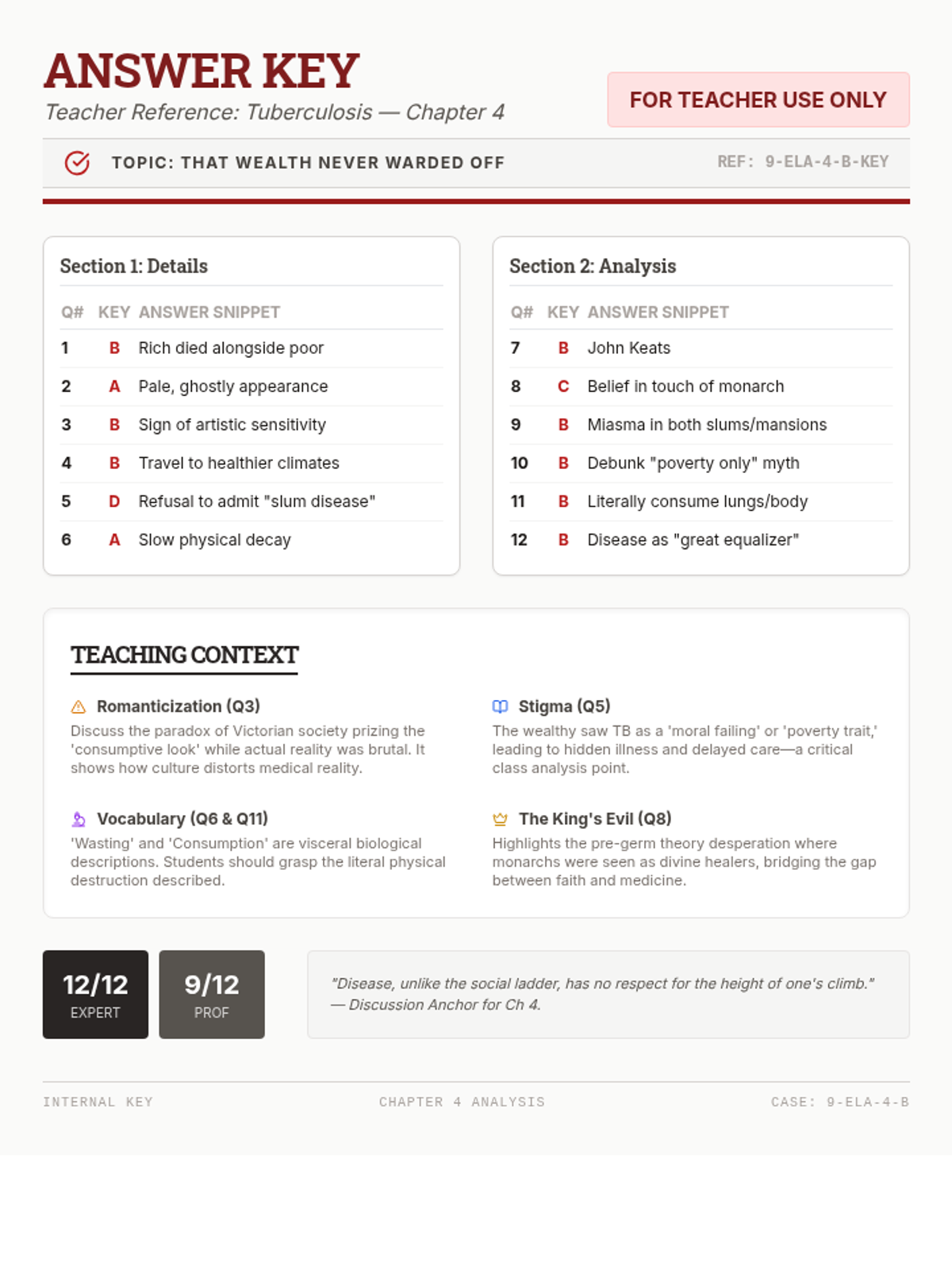
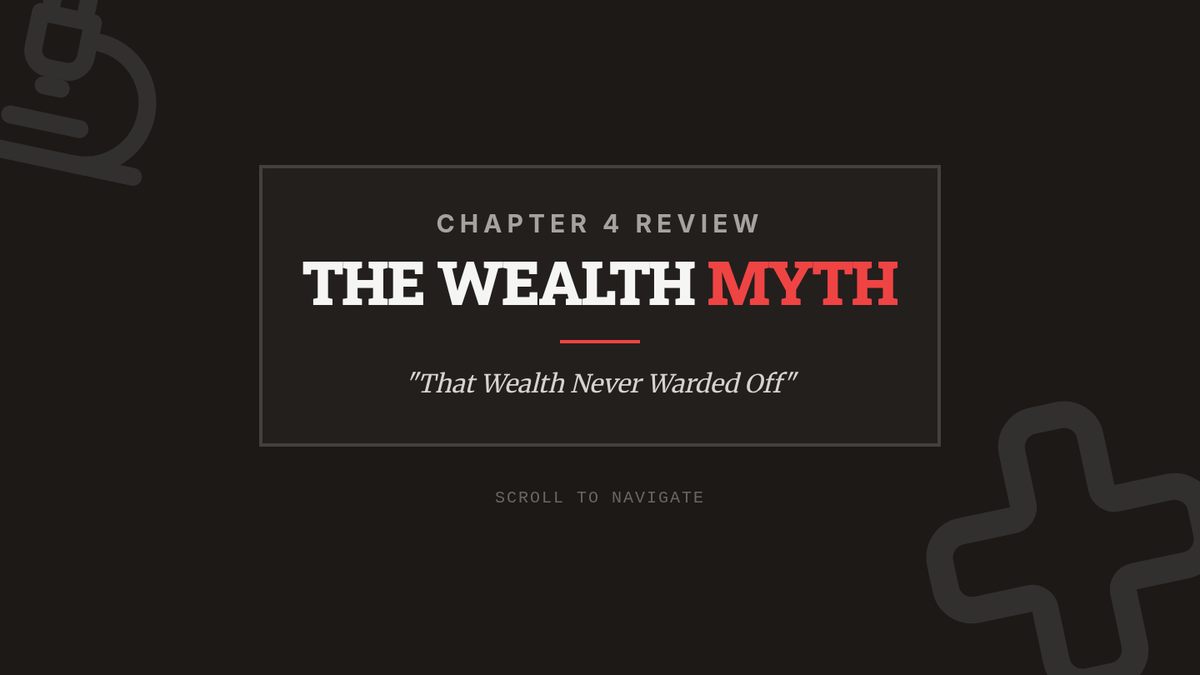
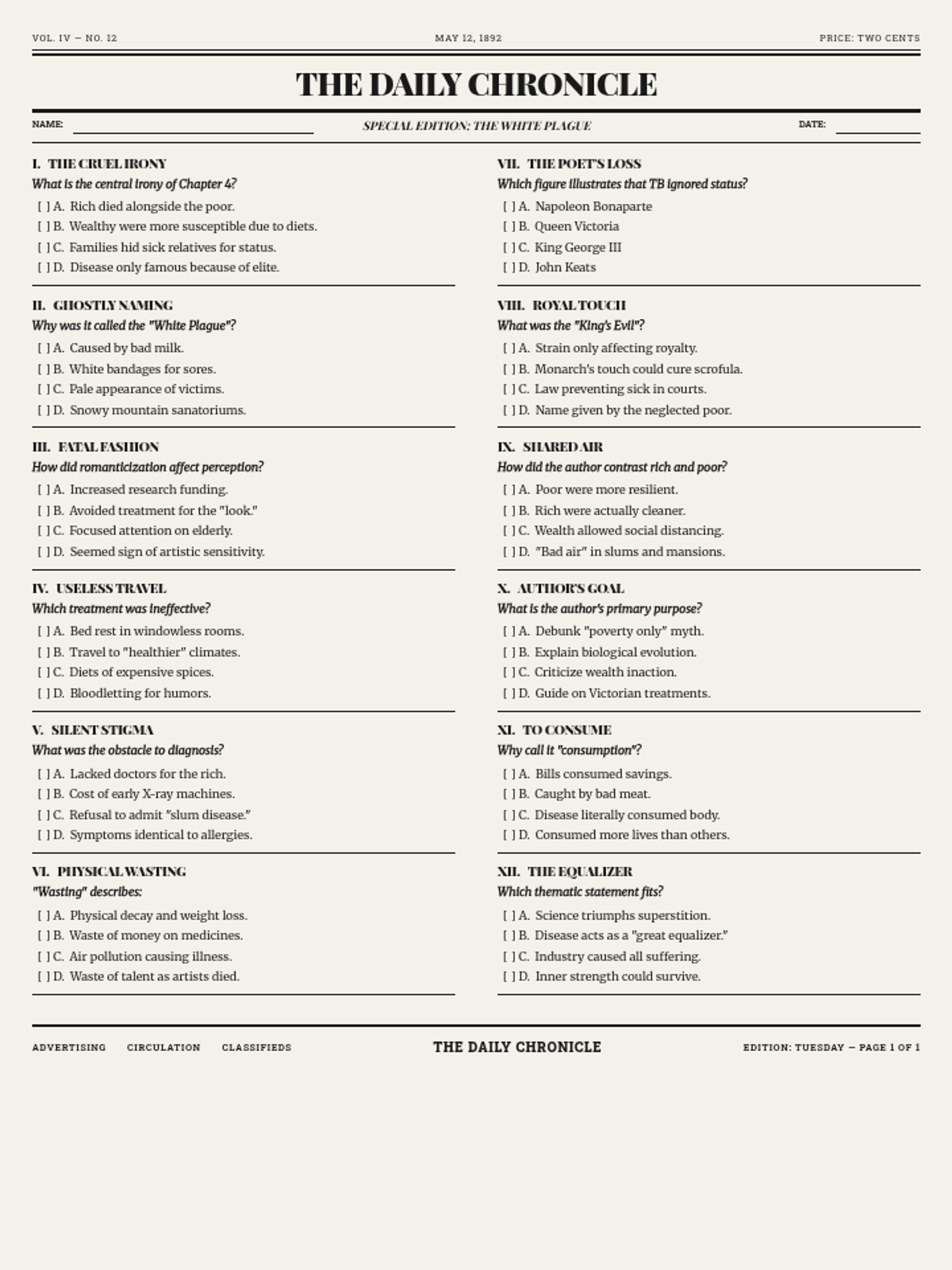
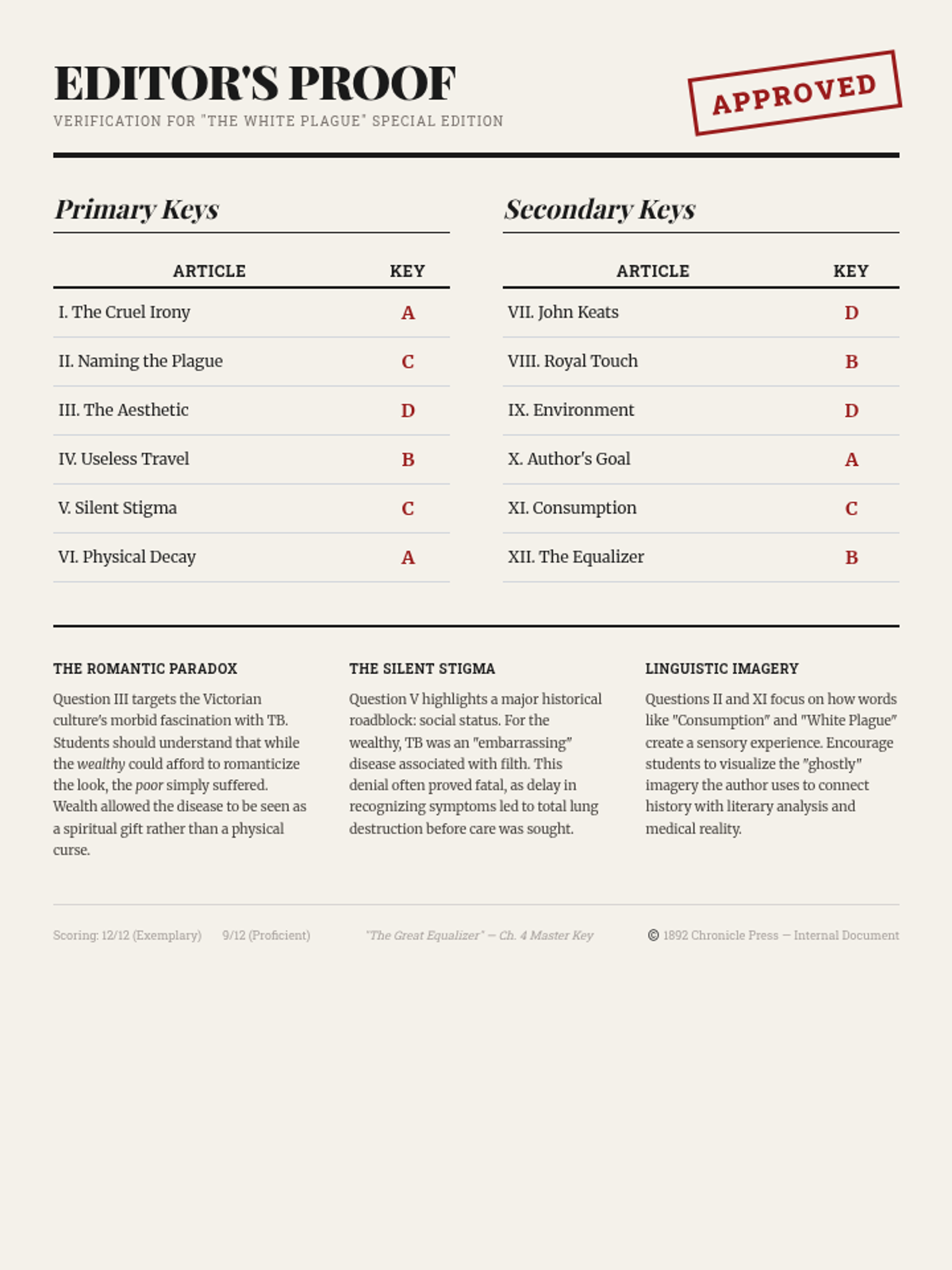
A assessment-focused lesson covering the historical impact of Tuberculosis as detailed in 'That Wealth Never Warded Off', focusing on the theme that disease transcends social class.
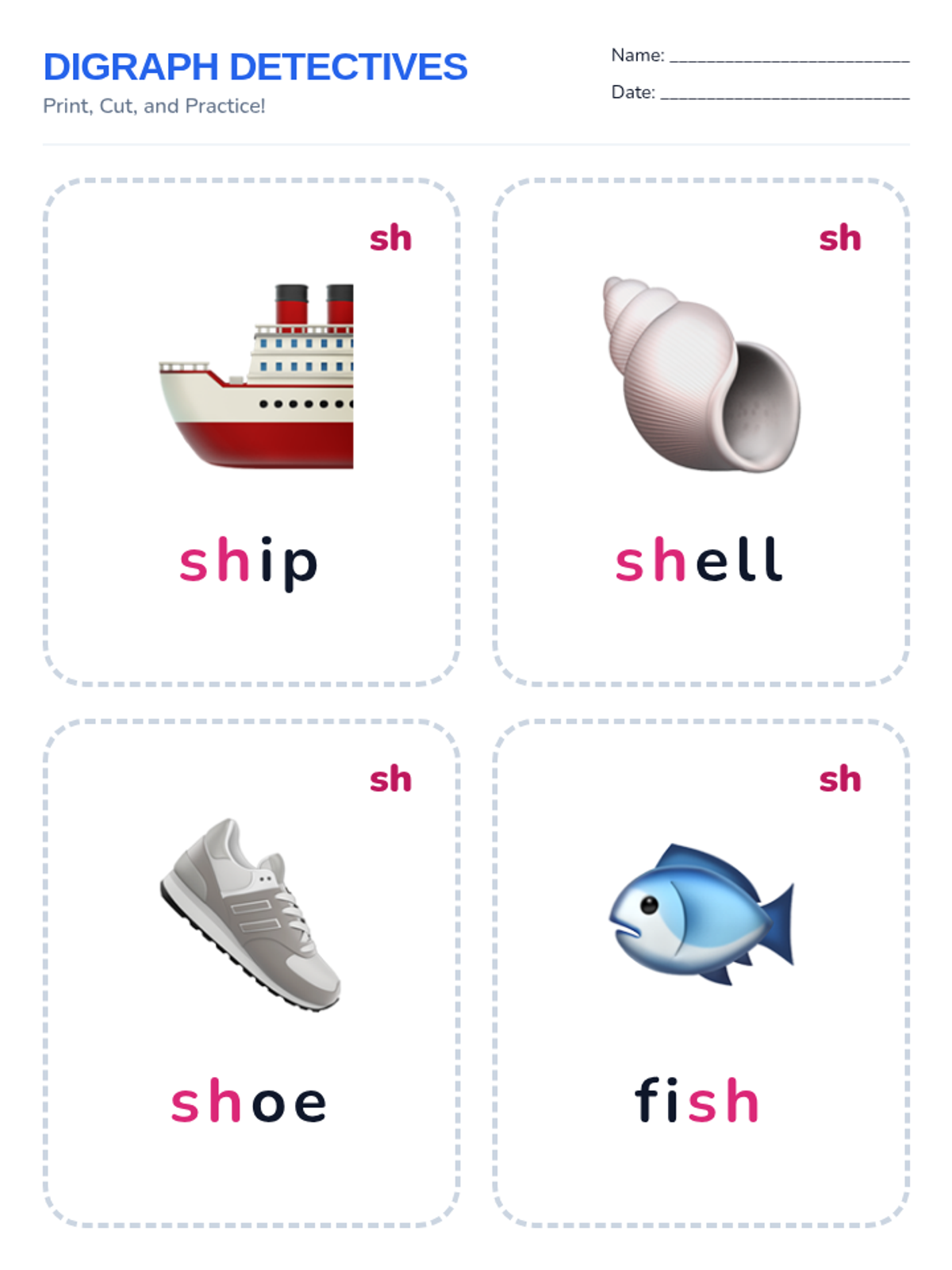
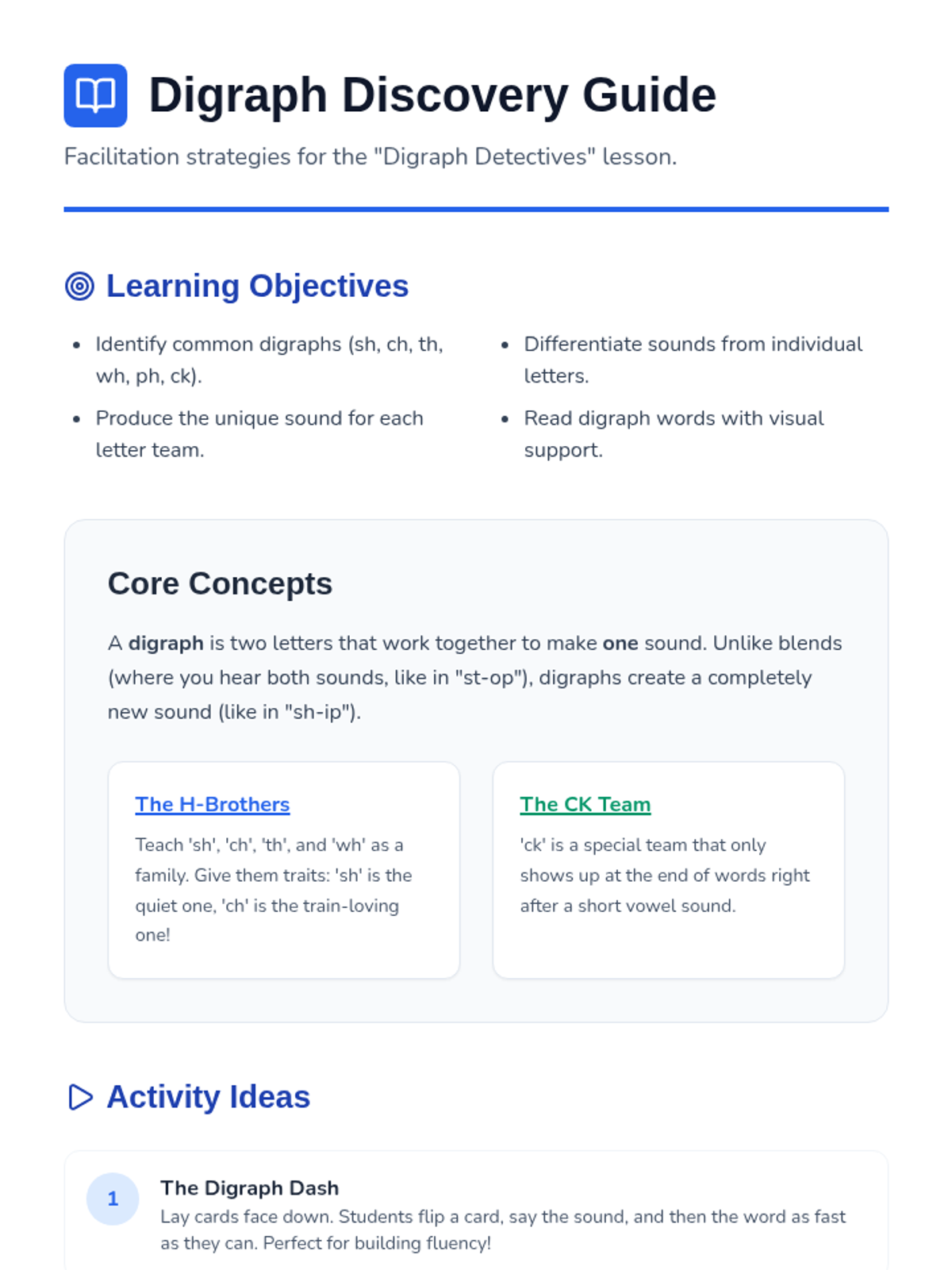
A foundational phonics lesson introducing common digraphs (sh, ch, th, wh, ph, ck) through visual recognition and interactive word-building activities.
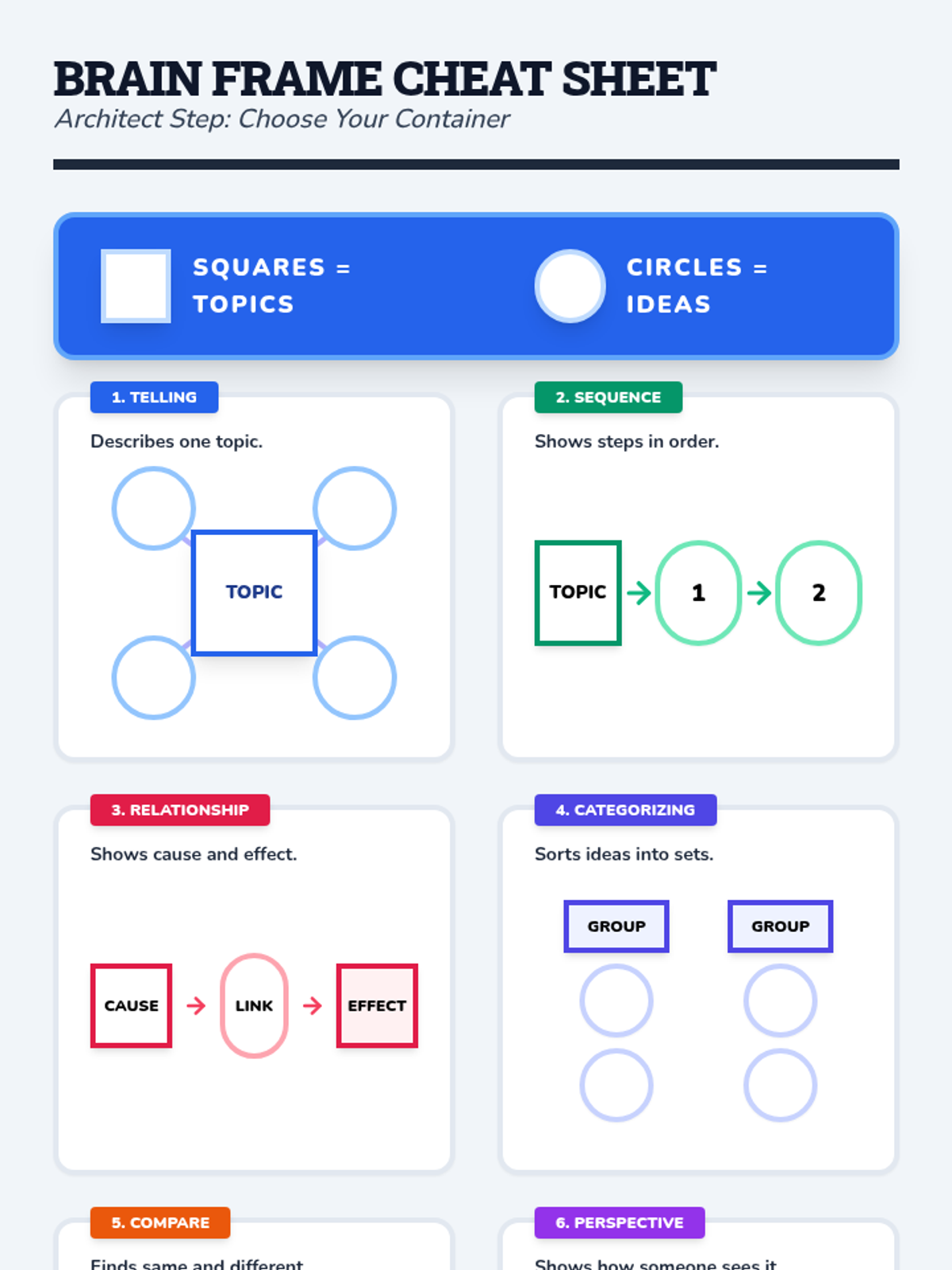
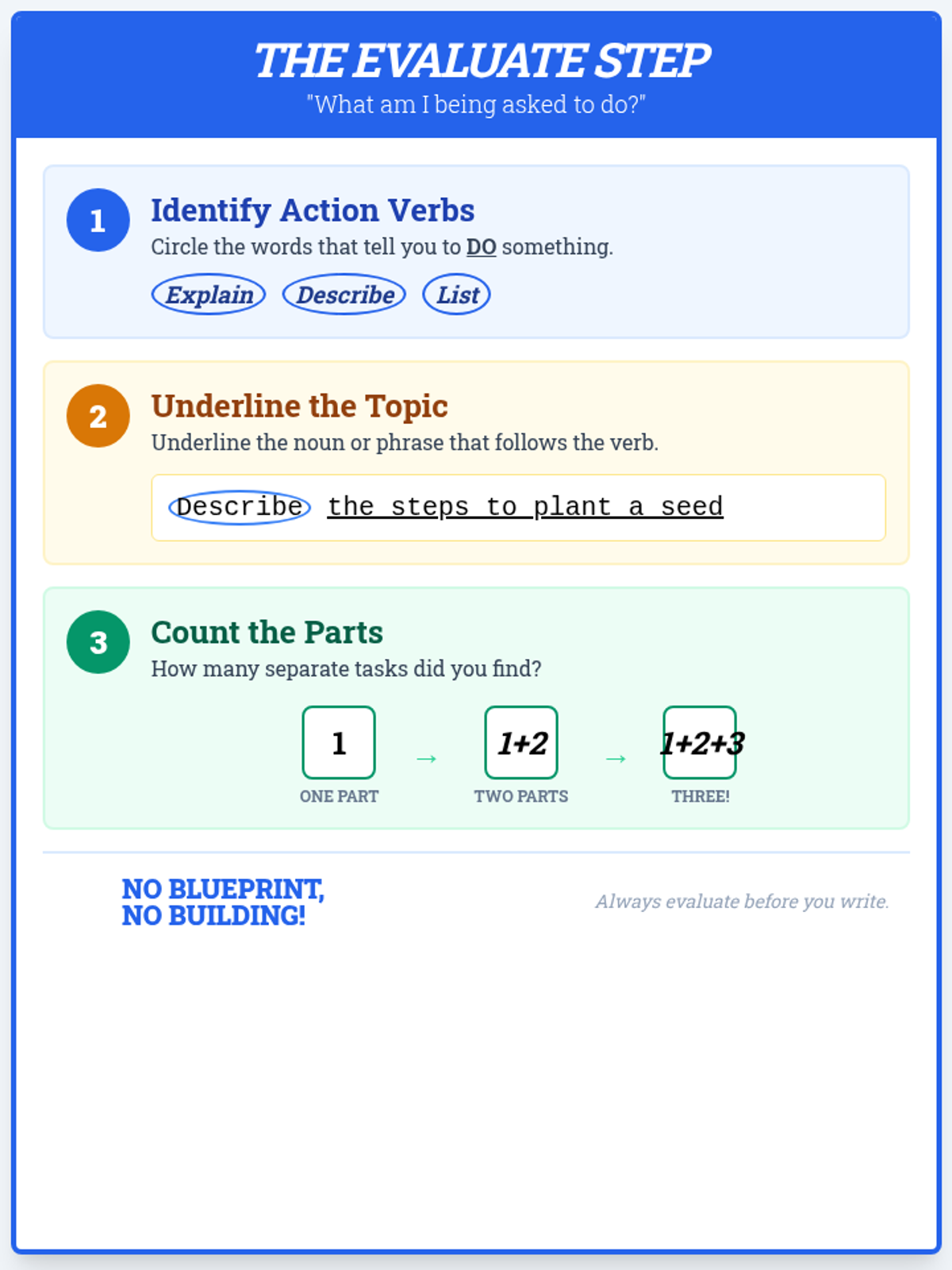
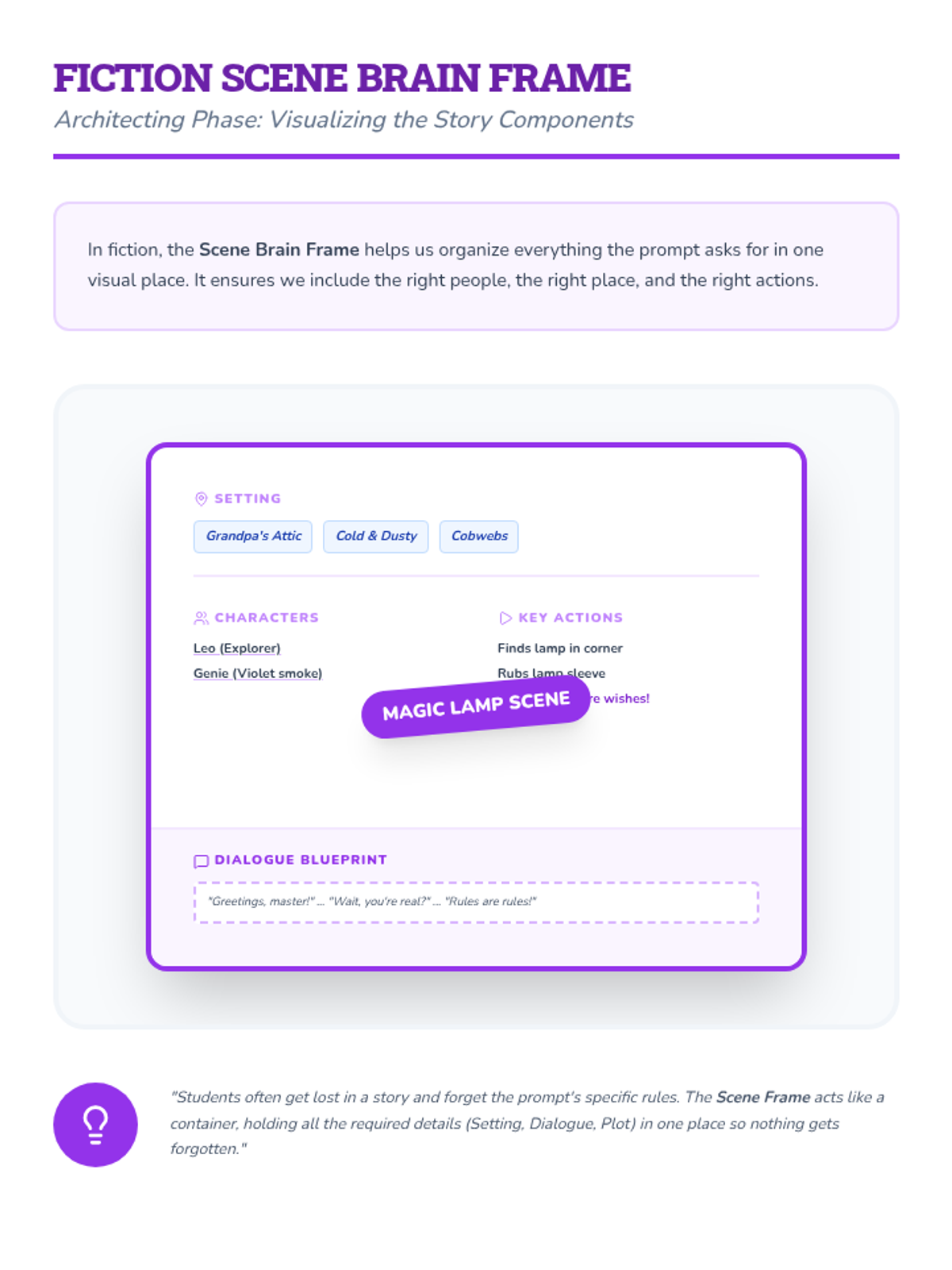
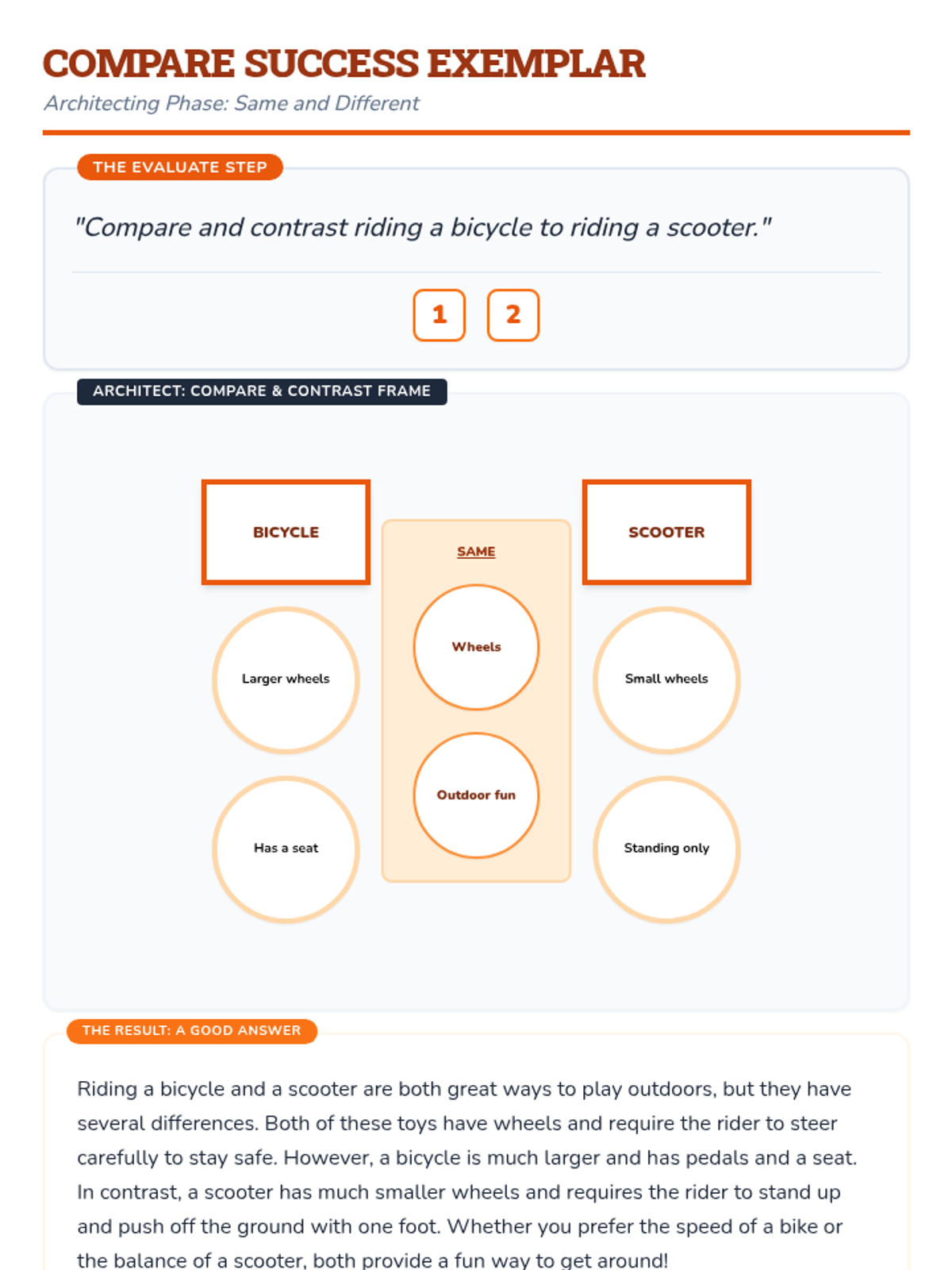
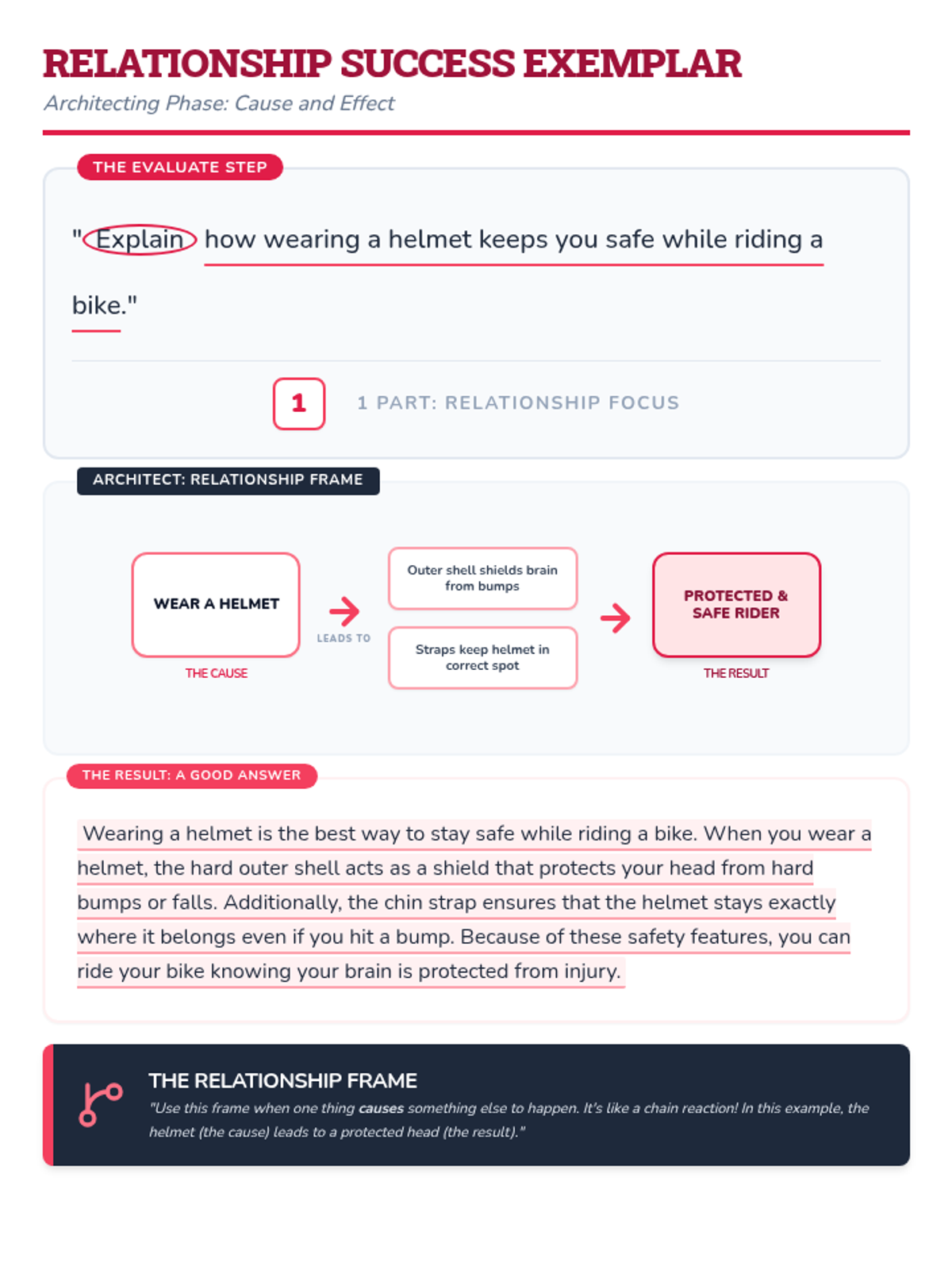
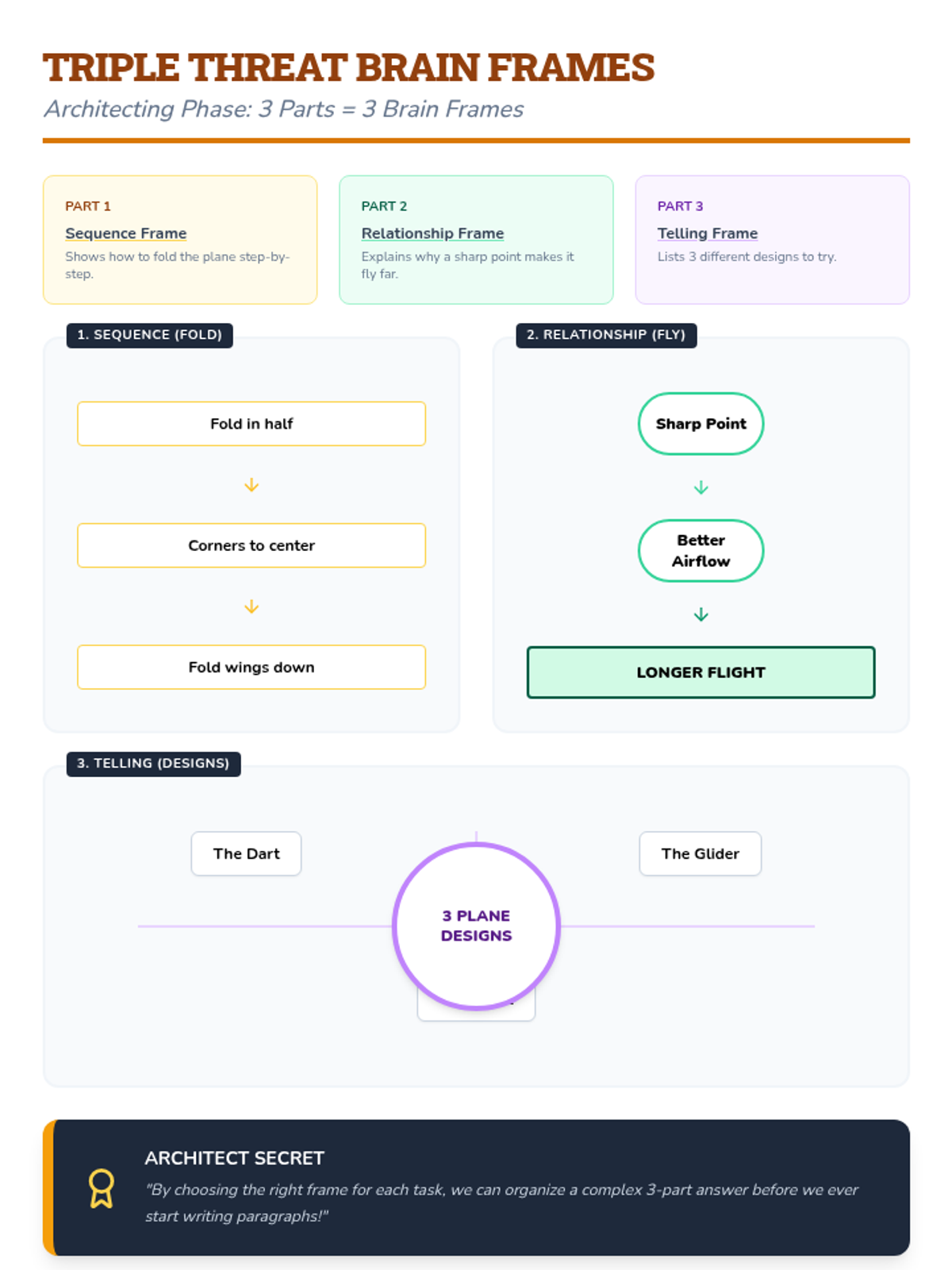
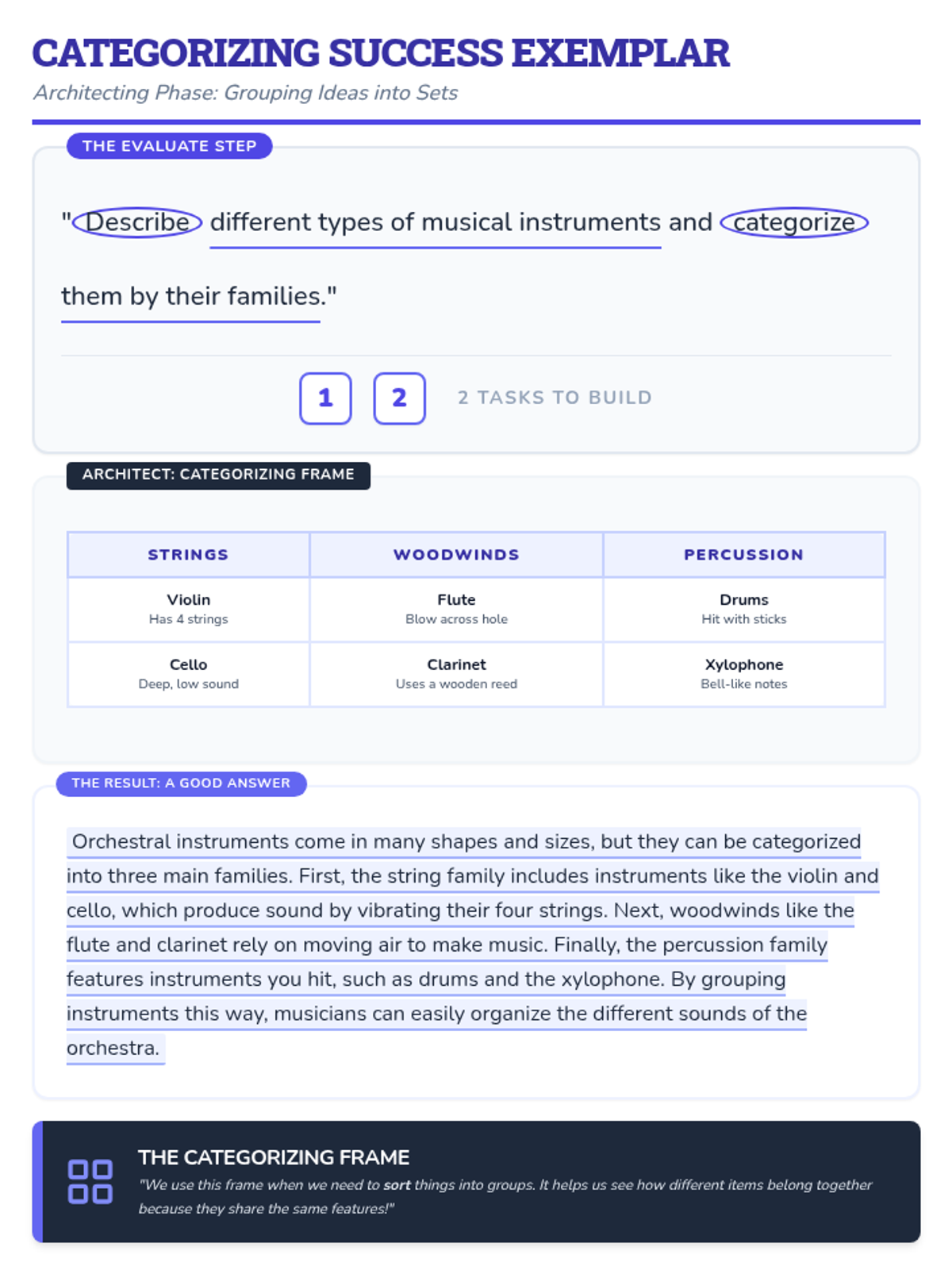
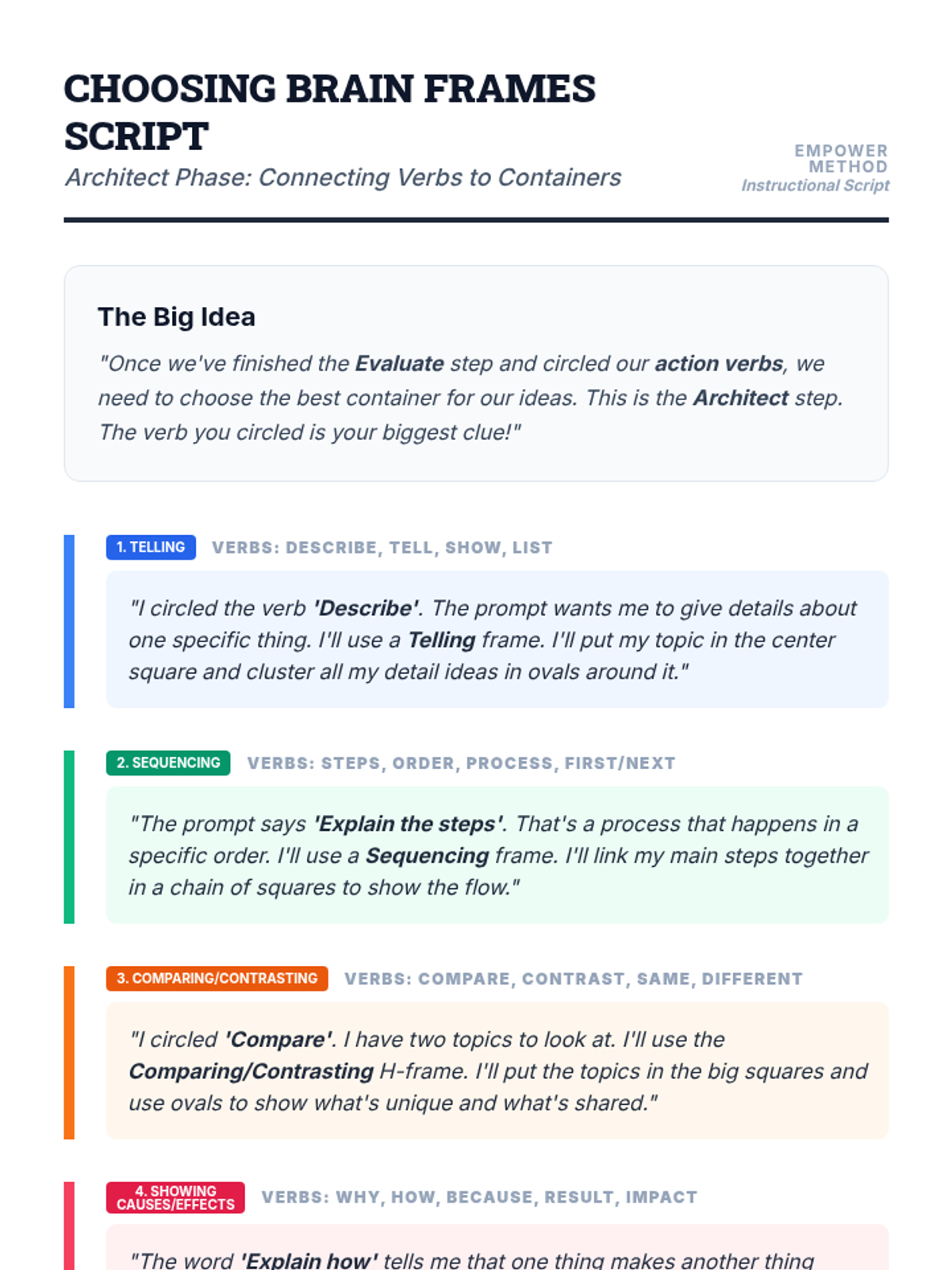
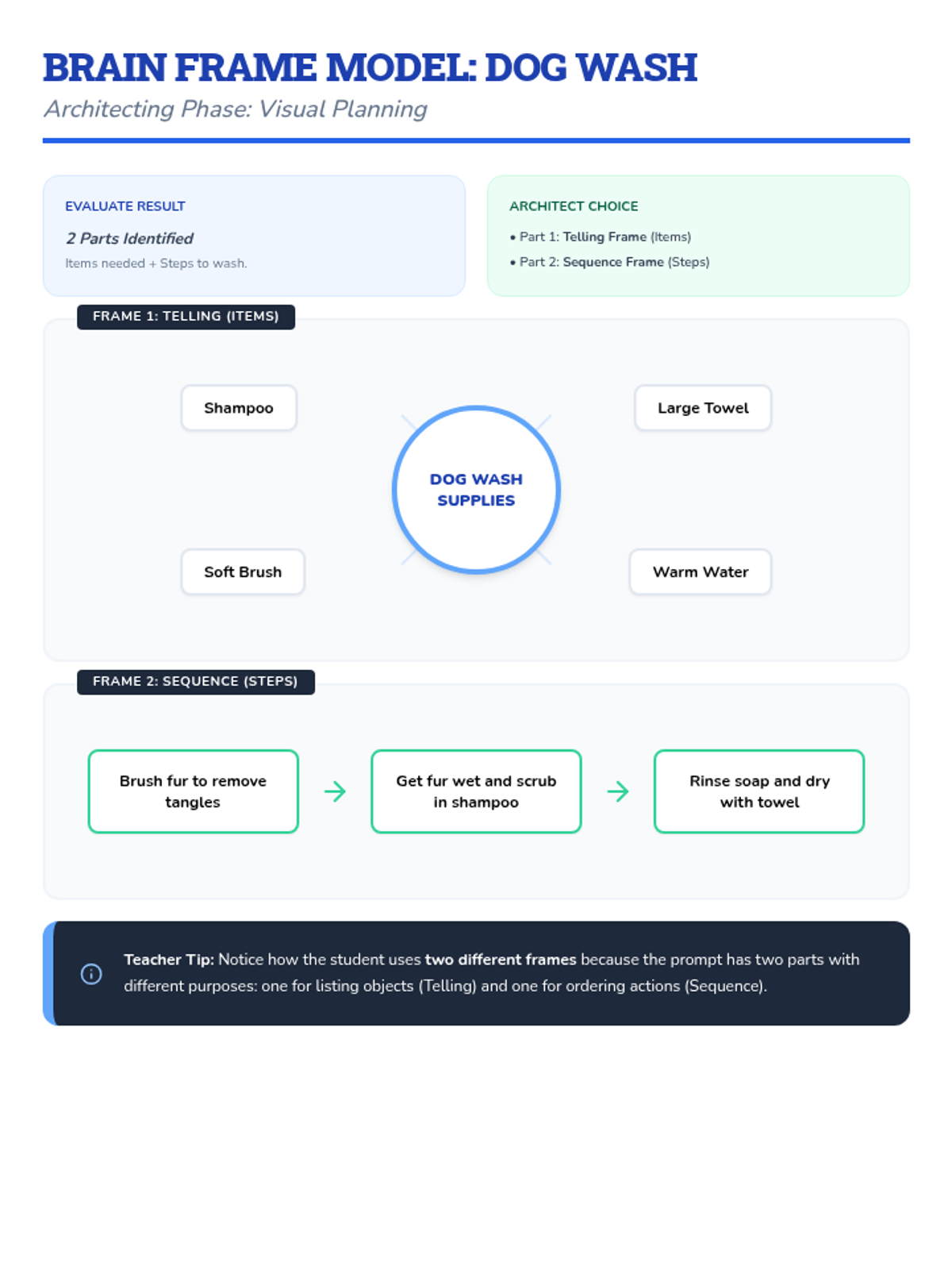
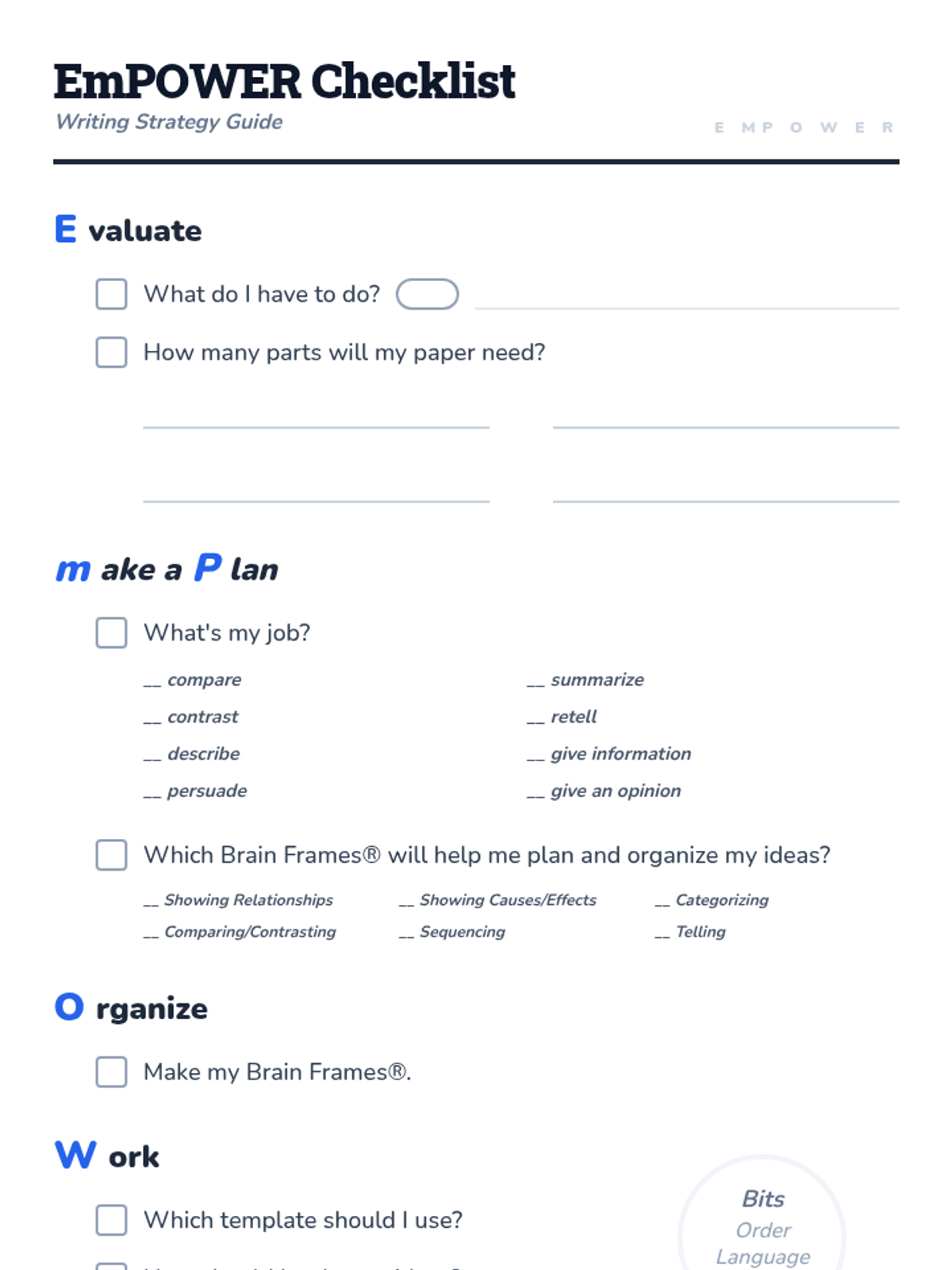
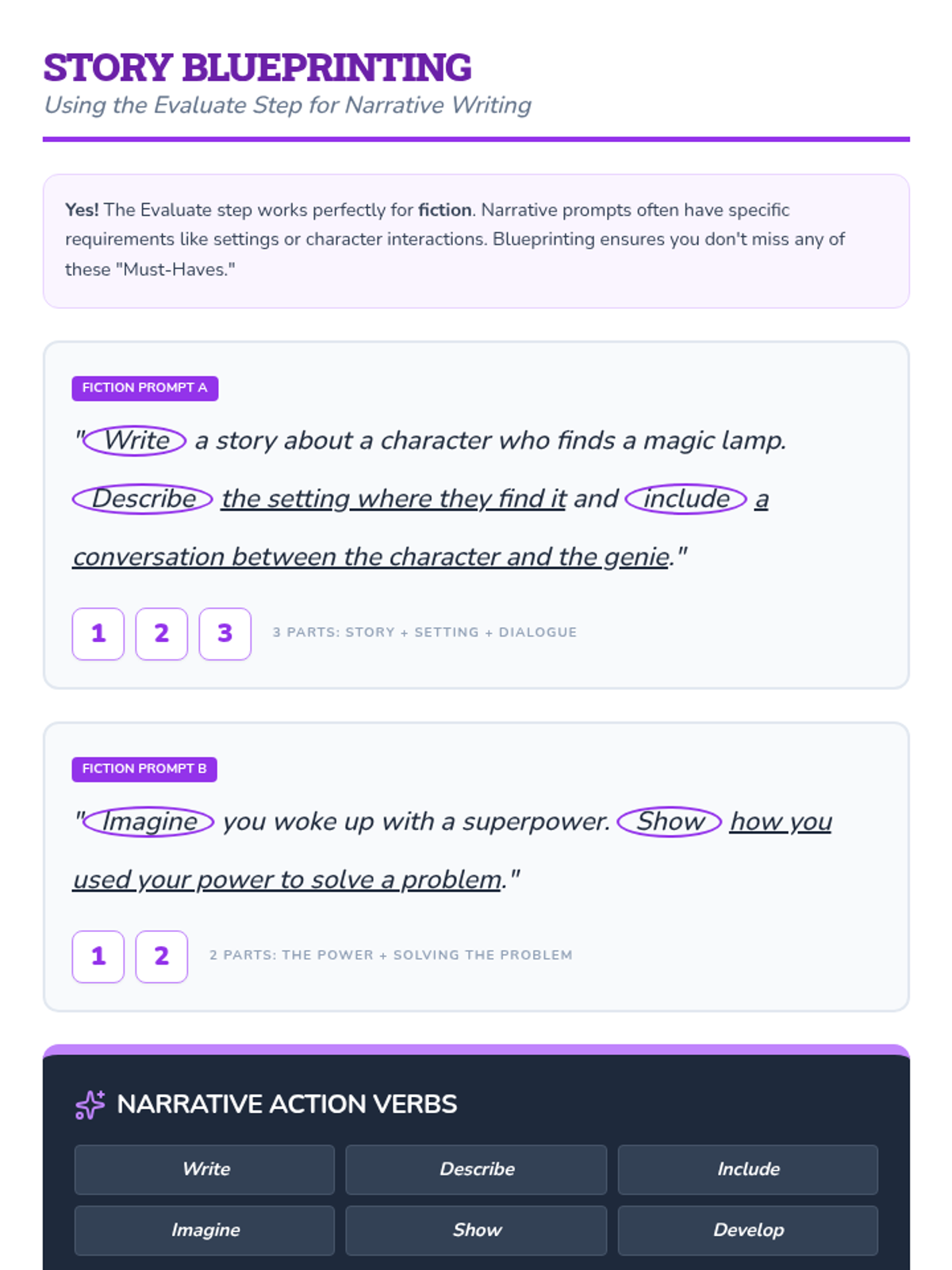
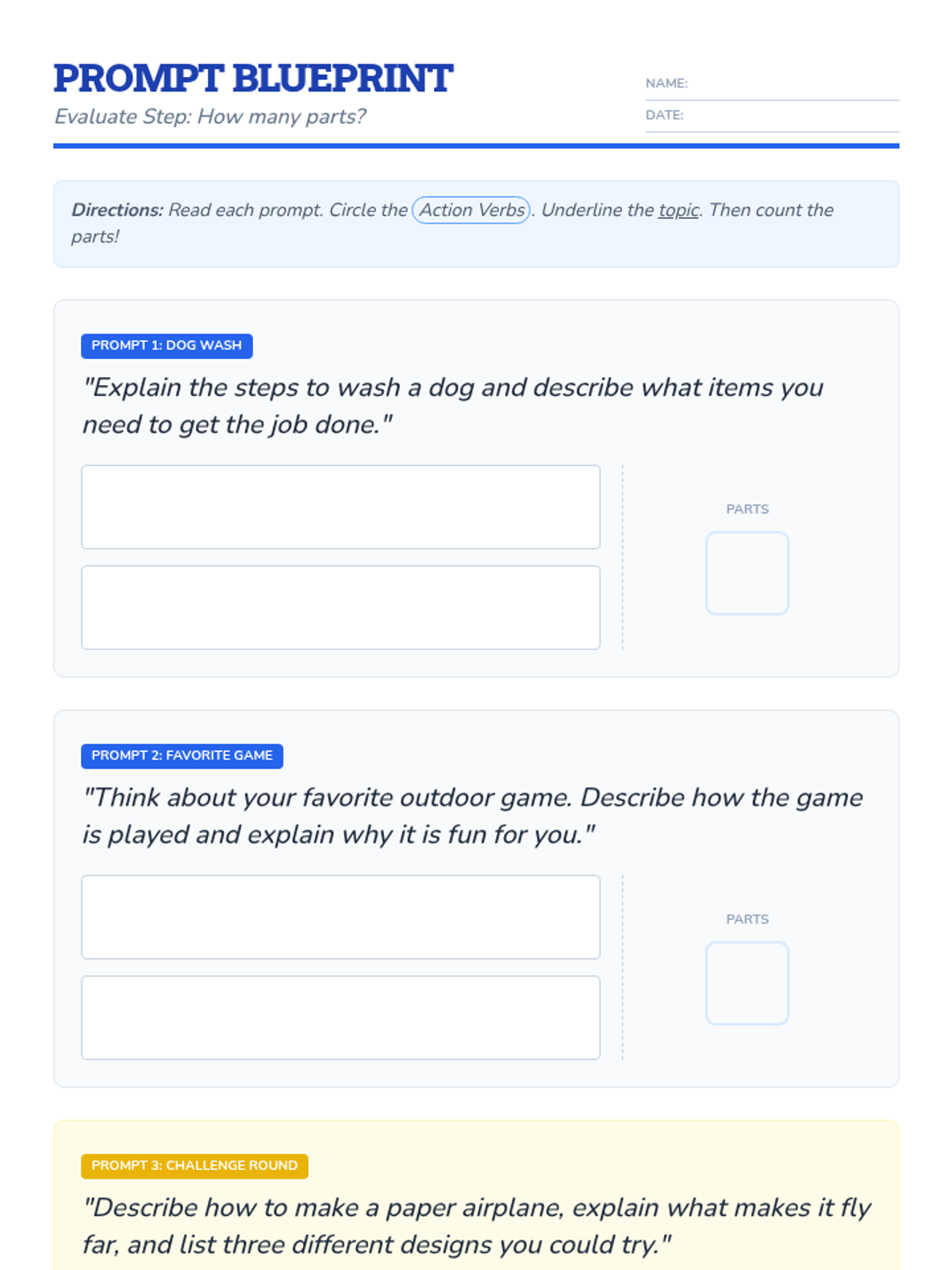
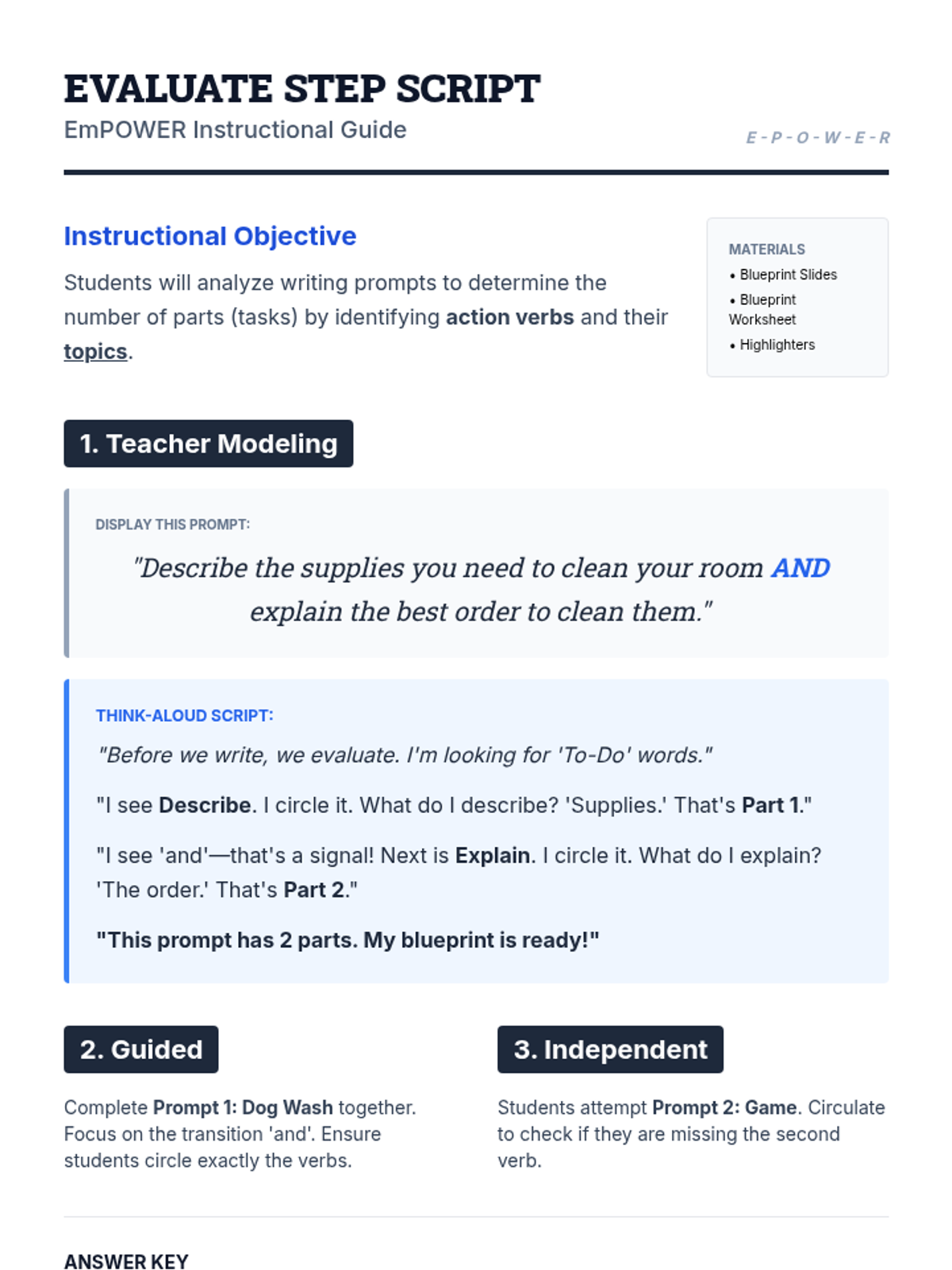
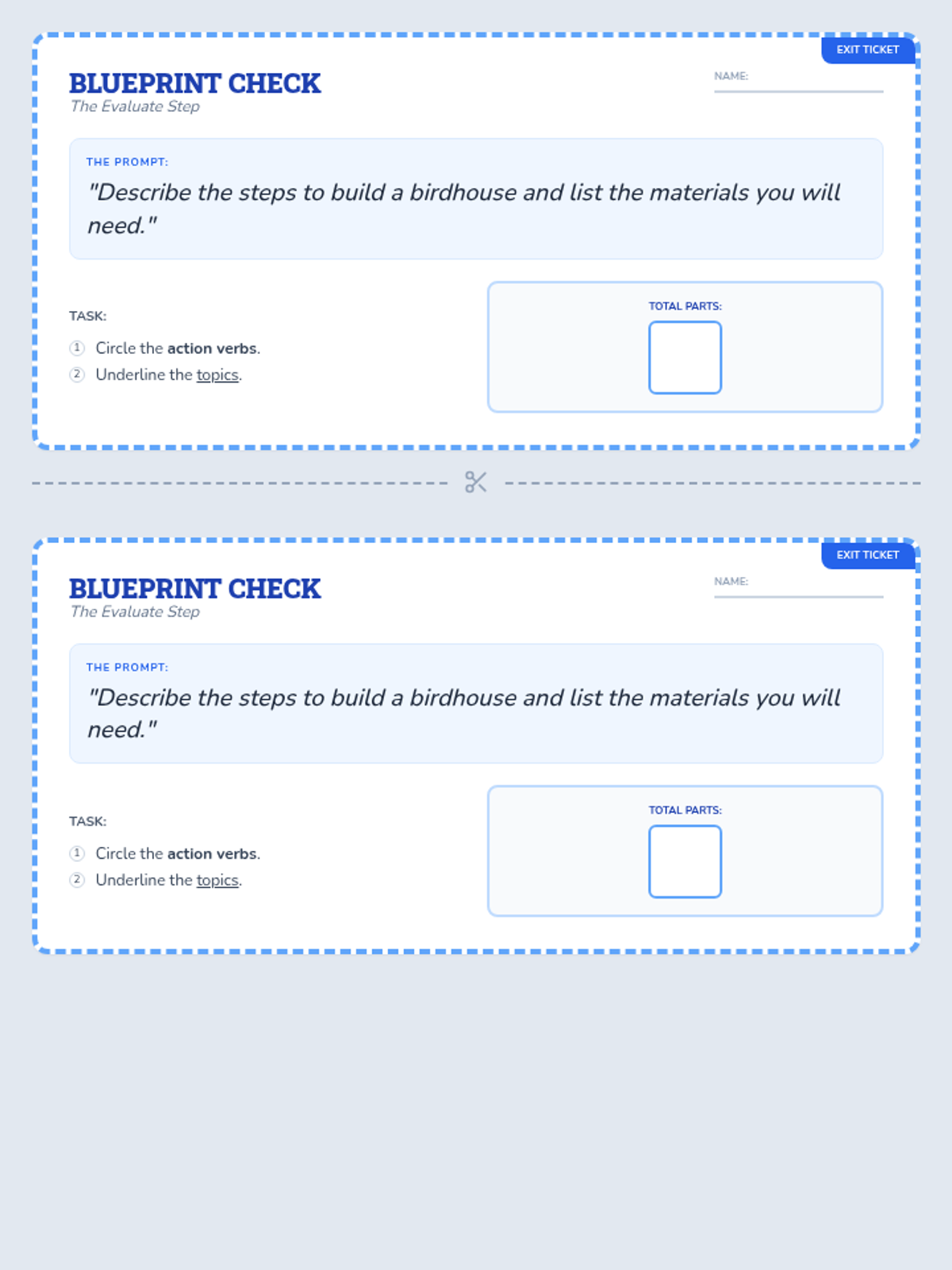
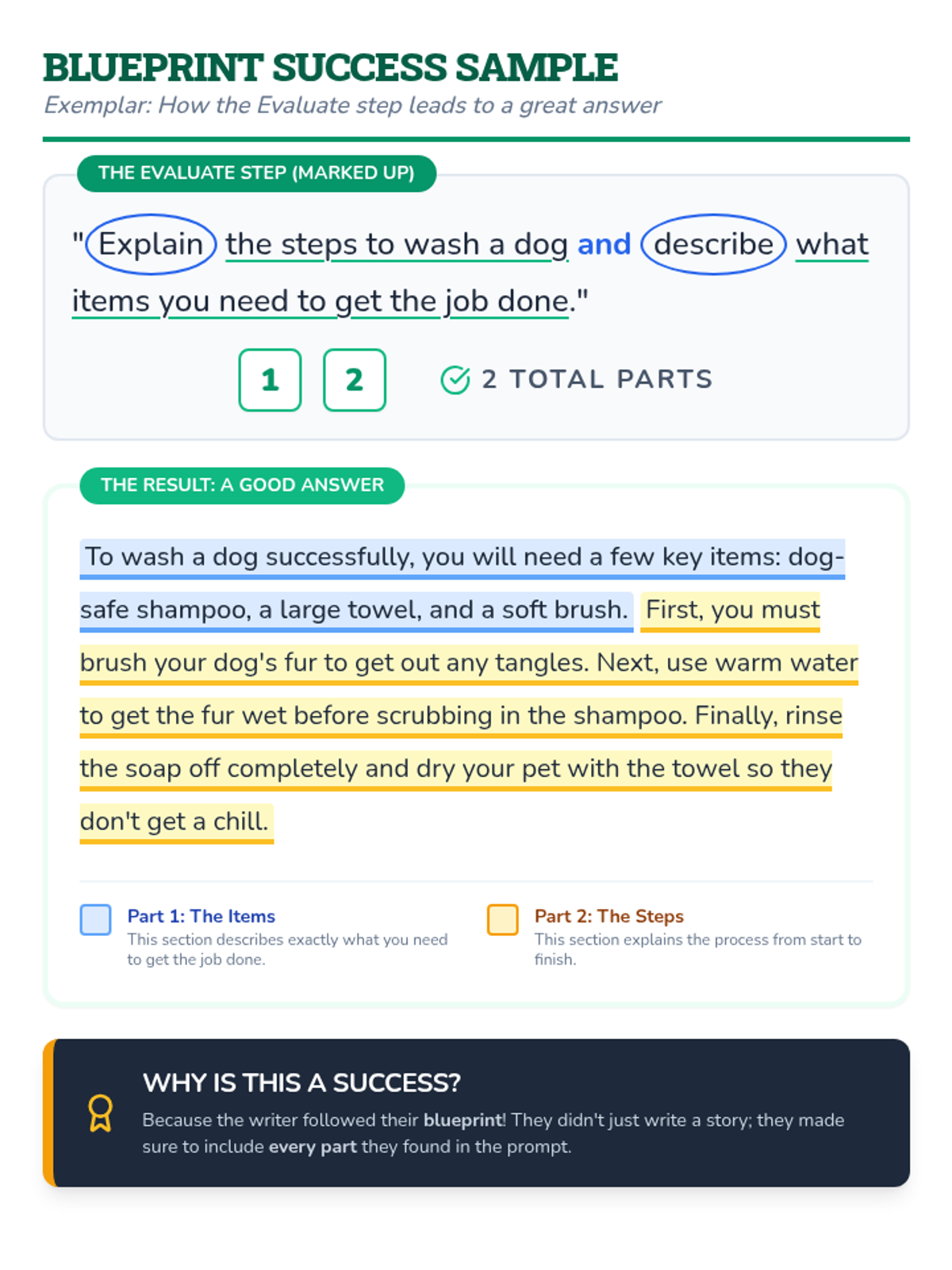
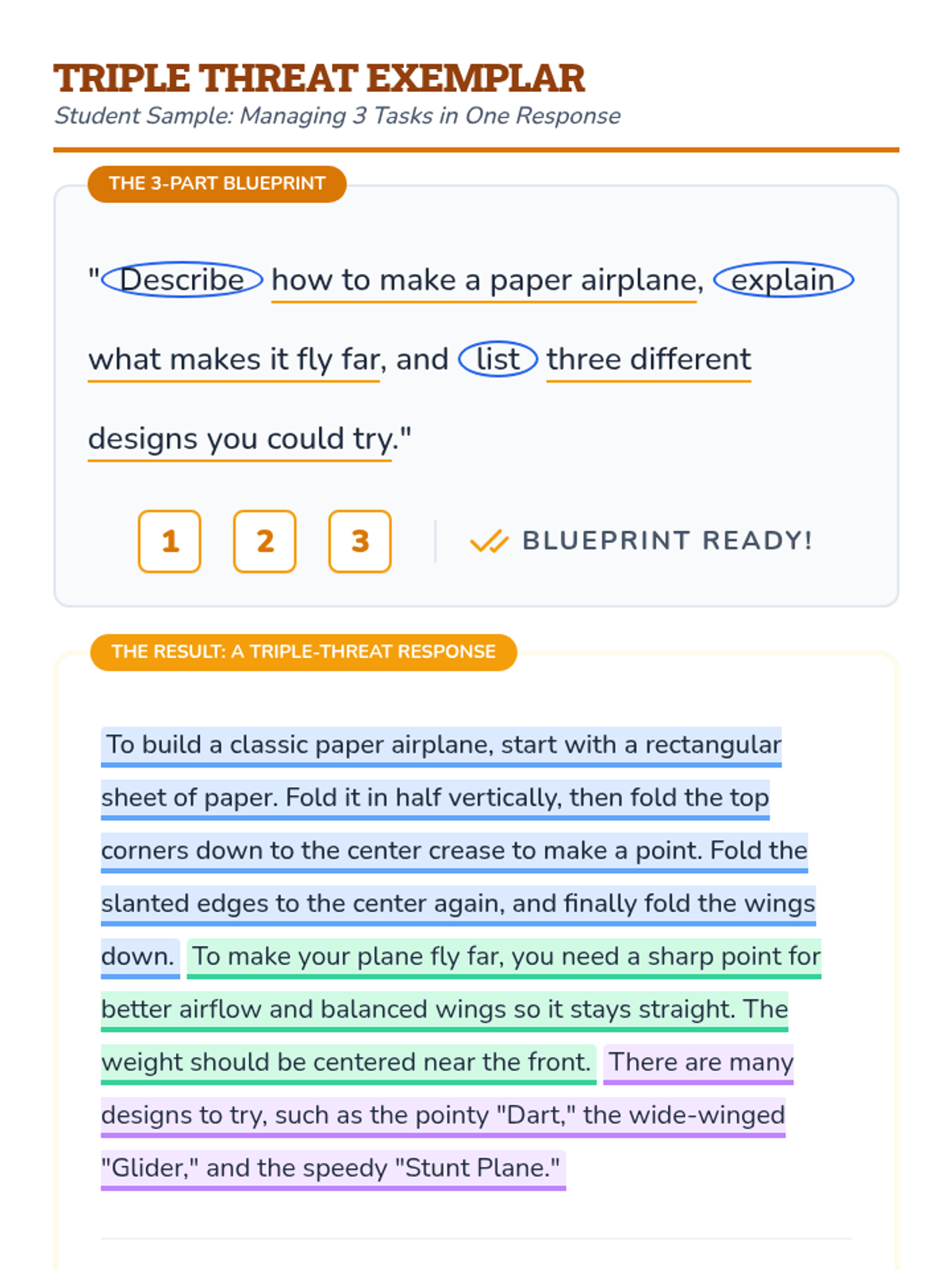
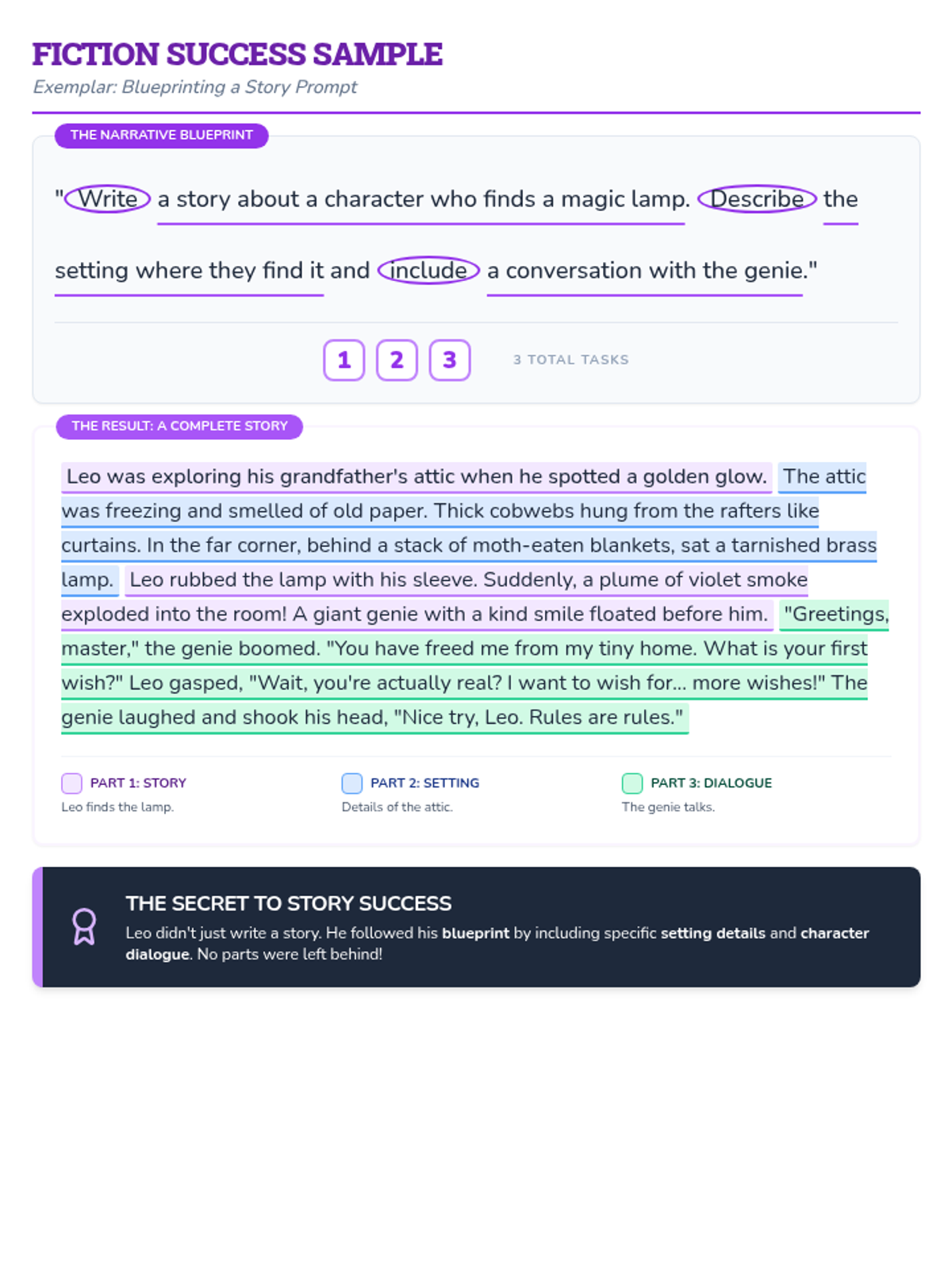
A focused lesson on the first step of the EmPOWER writing method, teaching students how to analyze writing prompts to determine the required number of parts for their response.