A hands-on introduction to the sight words 'the', 'to', and 'is' using visual recognition, tracing practice, and tactile building activities. Students act as Word Detectives to master these high-frequency words.
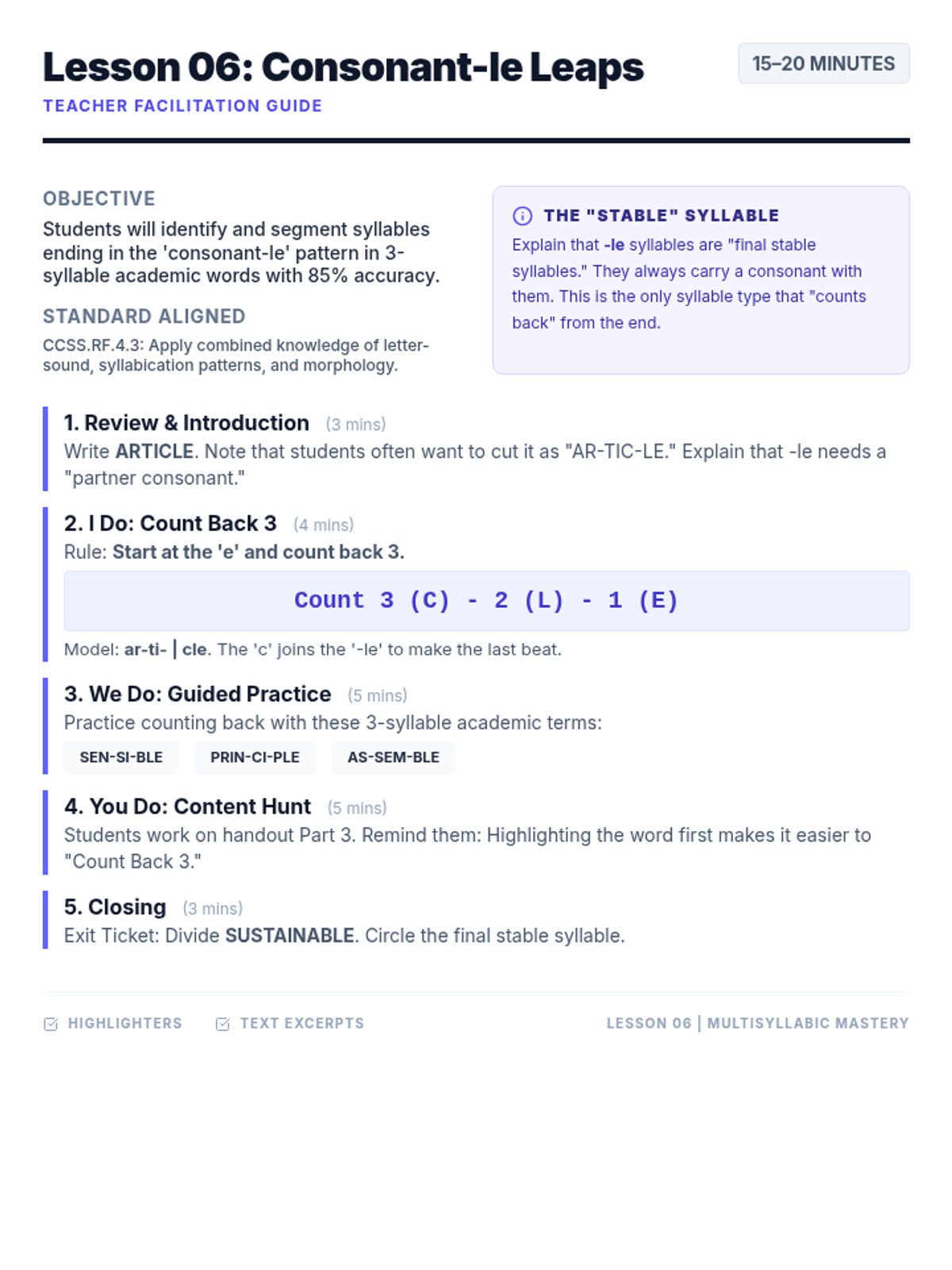
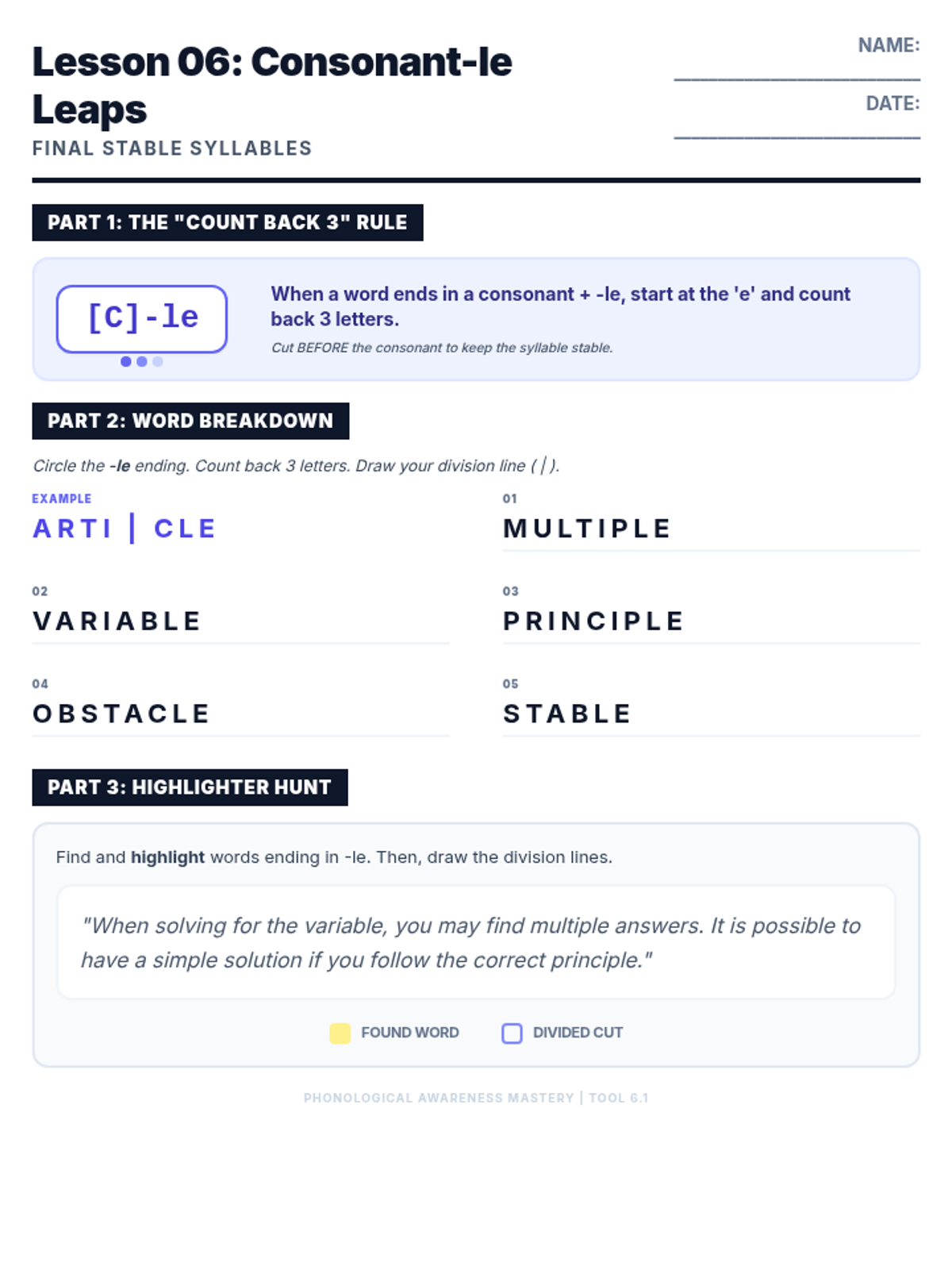
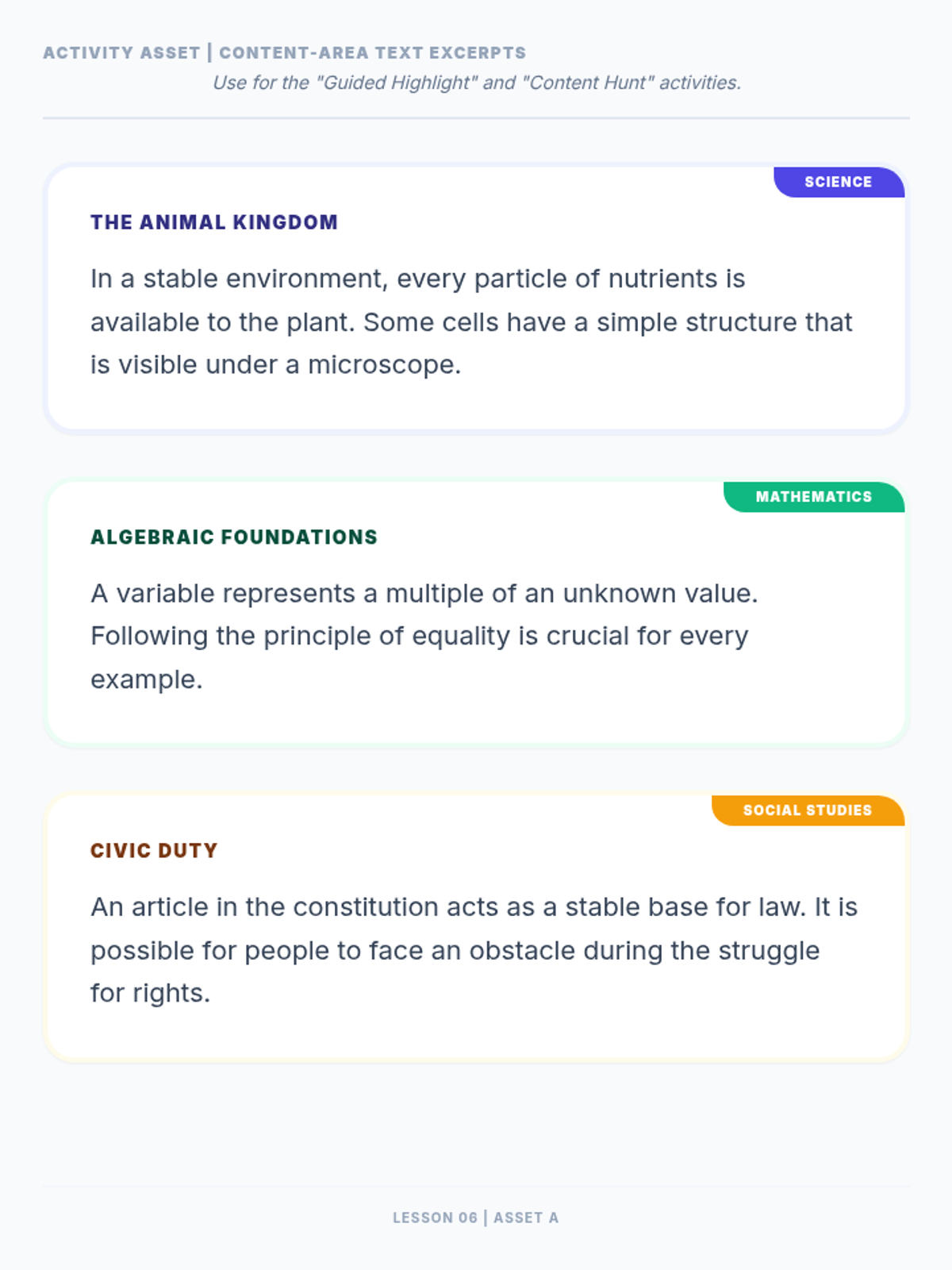
Sixth lesson in the sequence, focusing on identifying and dividing syllables ending in the 'consonant-le' pattern in academic vocabulary.
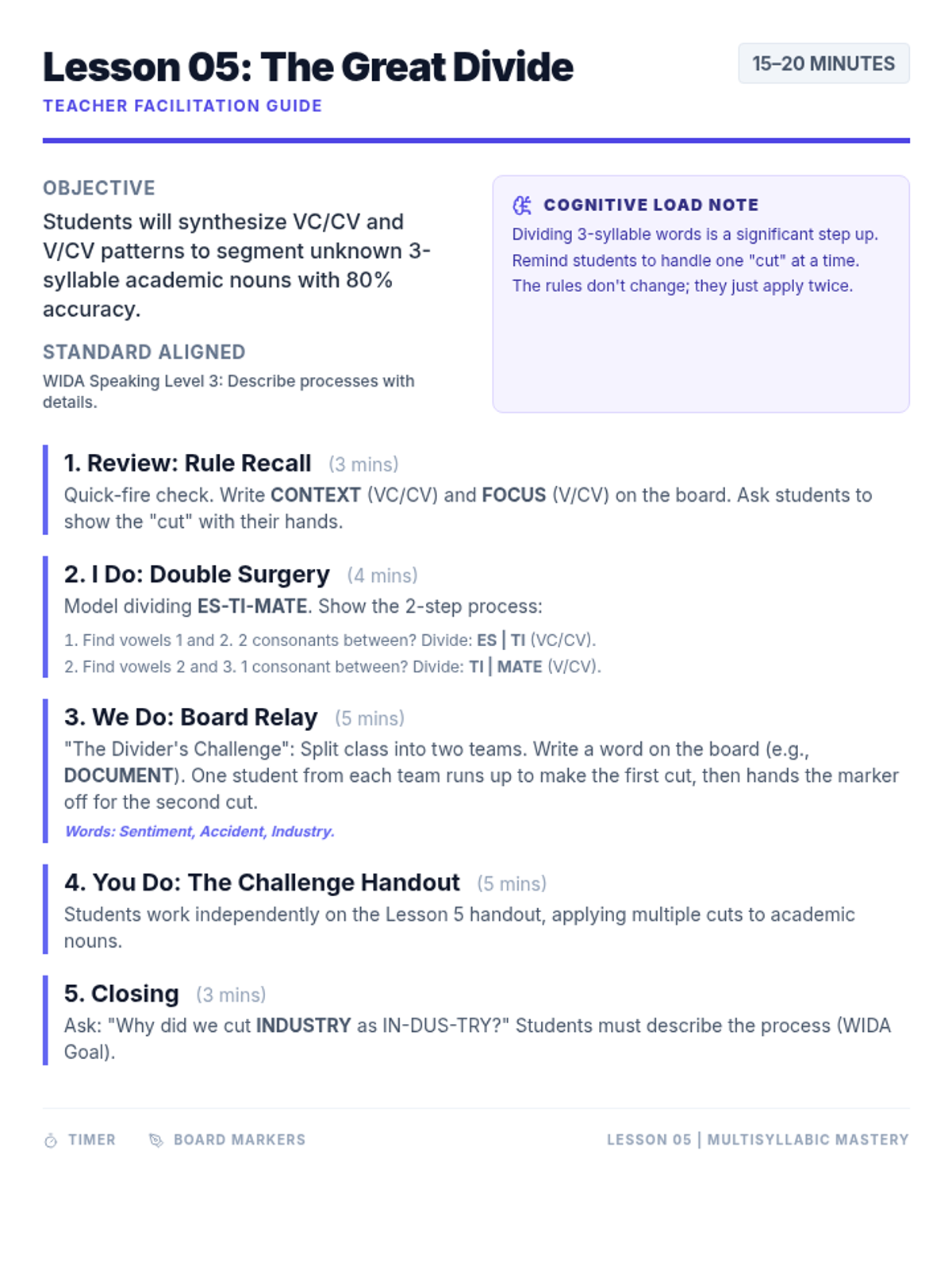
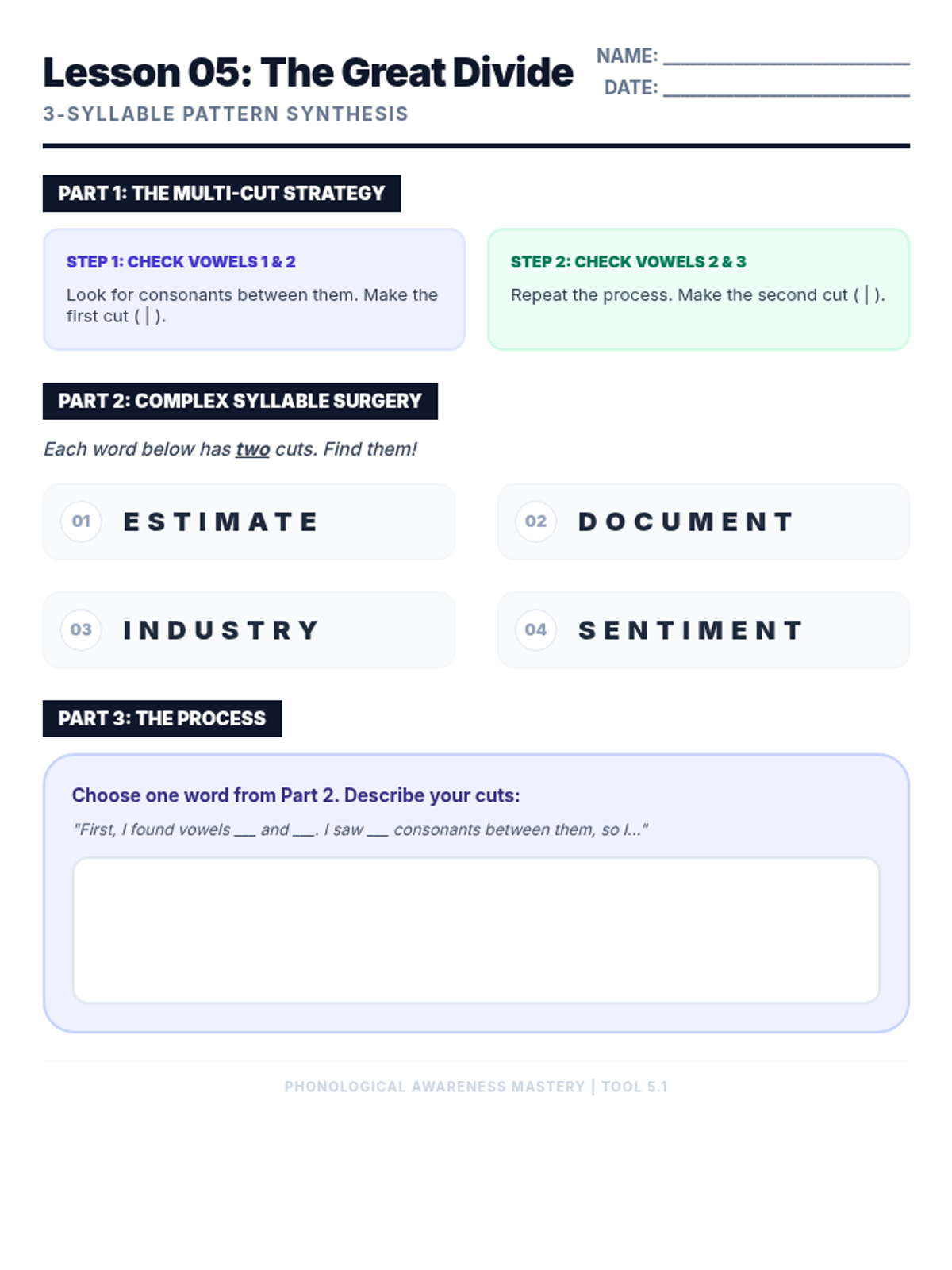
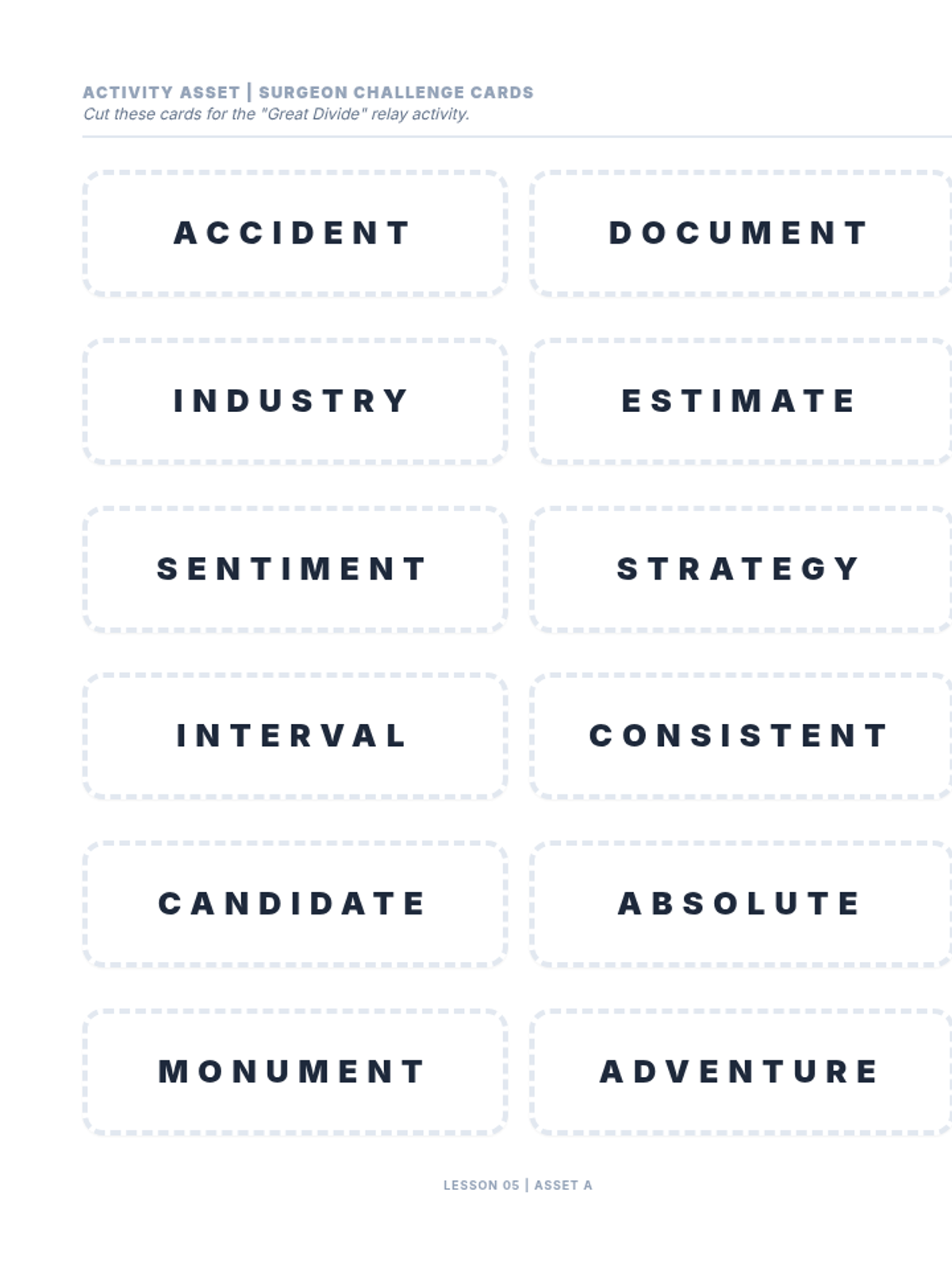
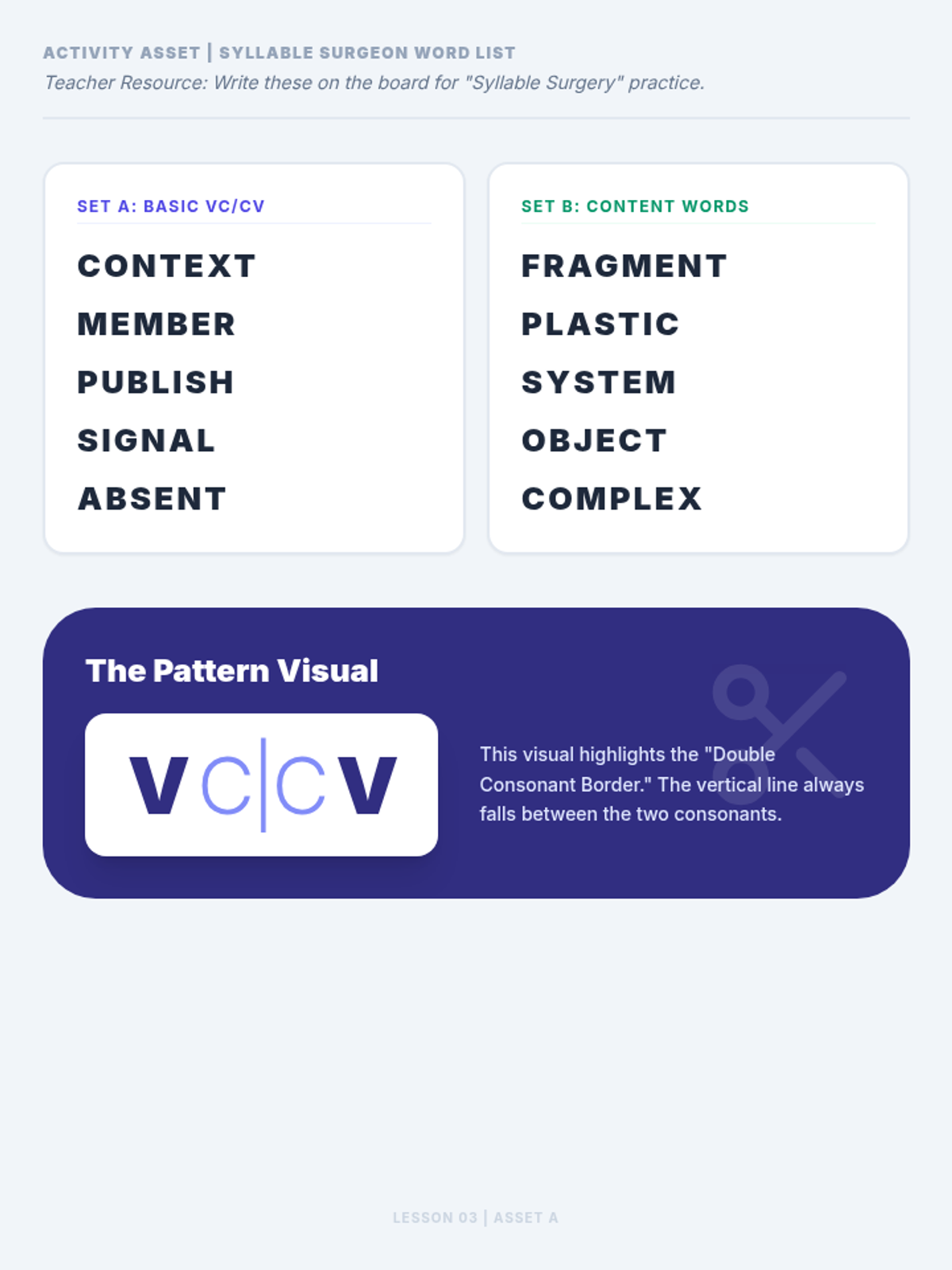
Fifth lesson in the sequence, focusing on synthesizing VC/CV and V/CV patterns to divide 3-syllable academic vocabulary.
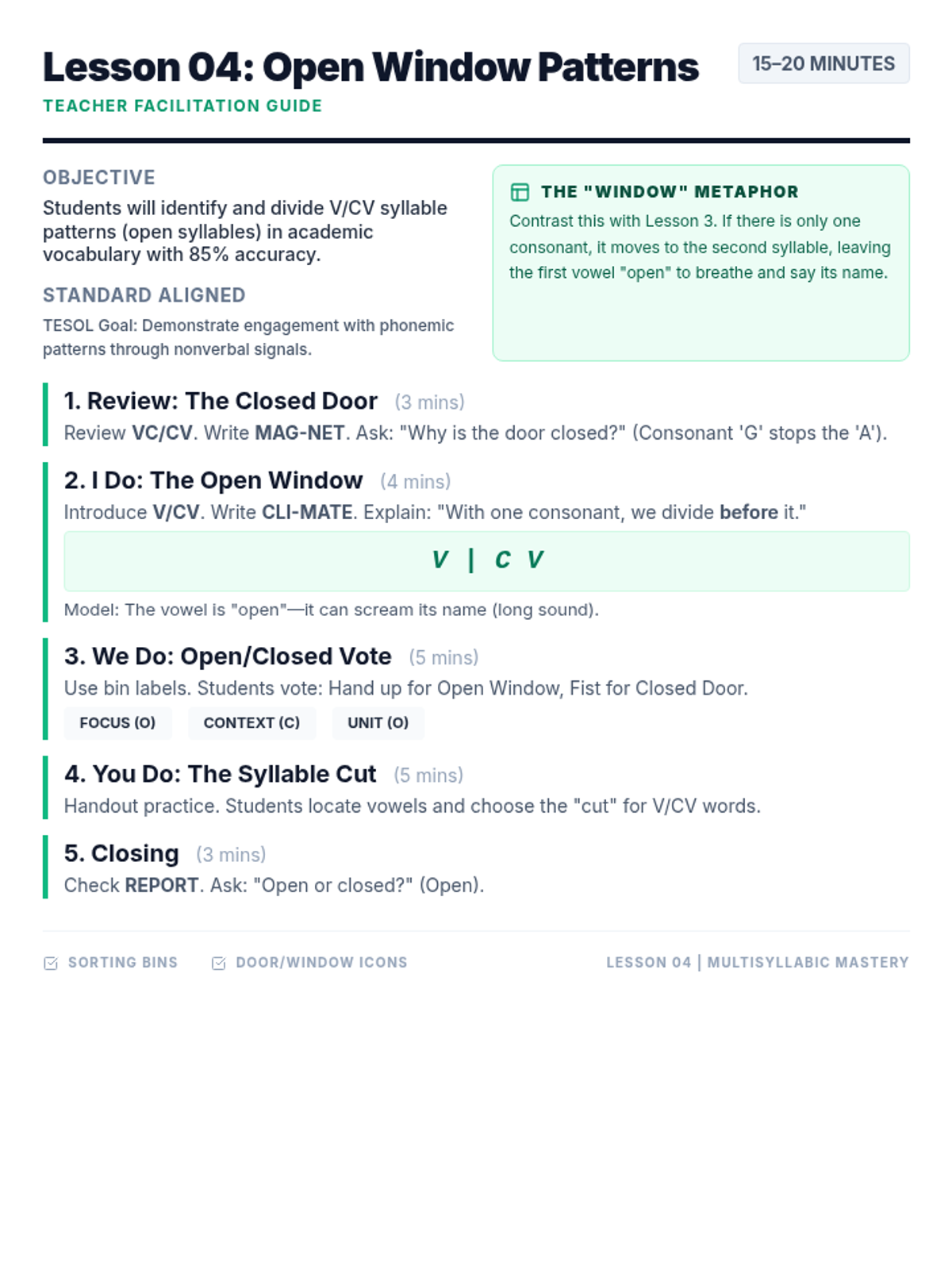
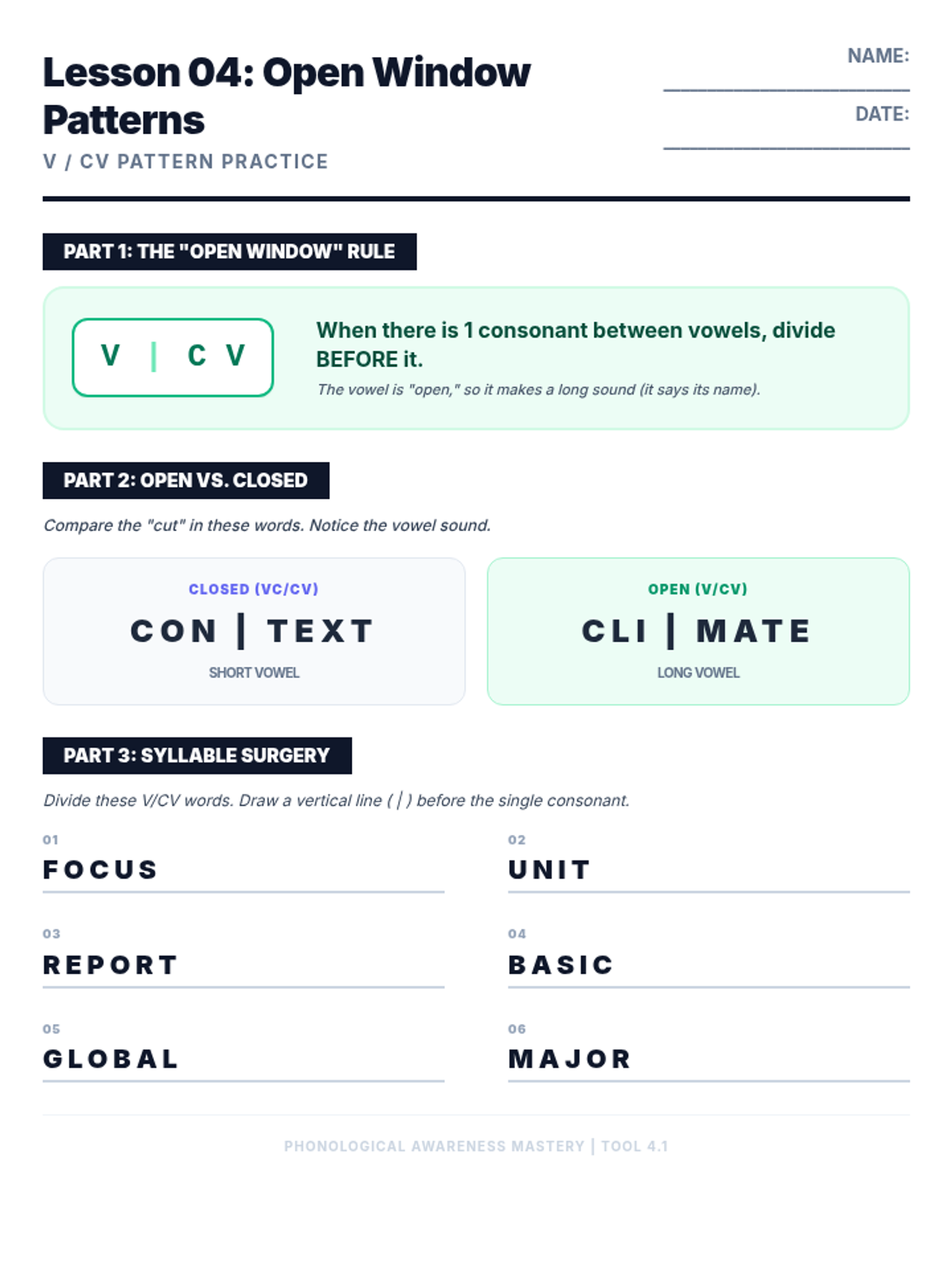
Fourth lesson in the sequence, focusing on identifying and dividing the V/CV (open syllable) pattern in academic vocabulary.
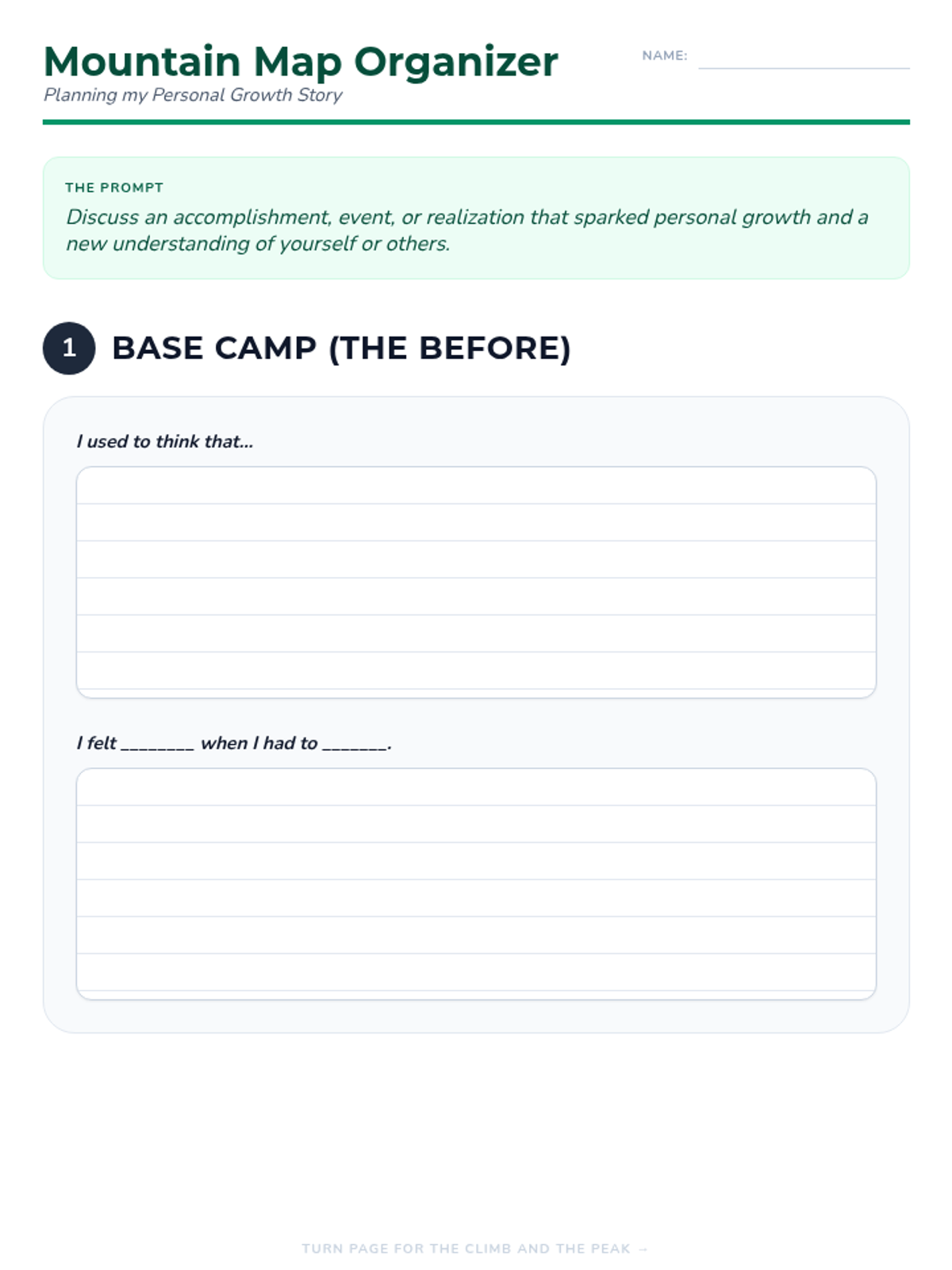
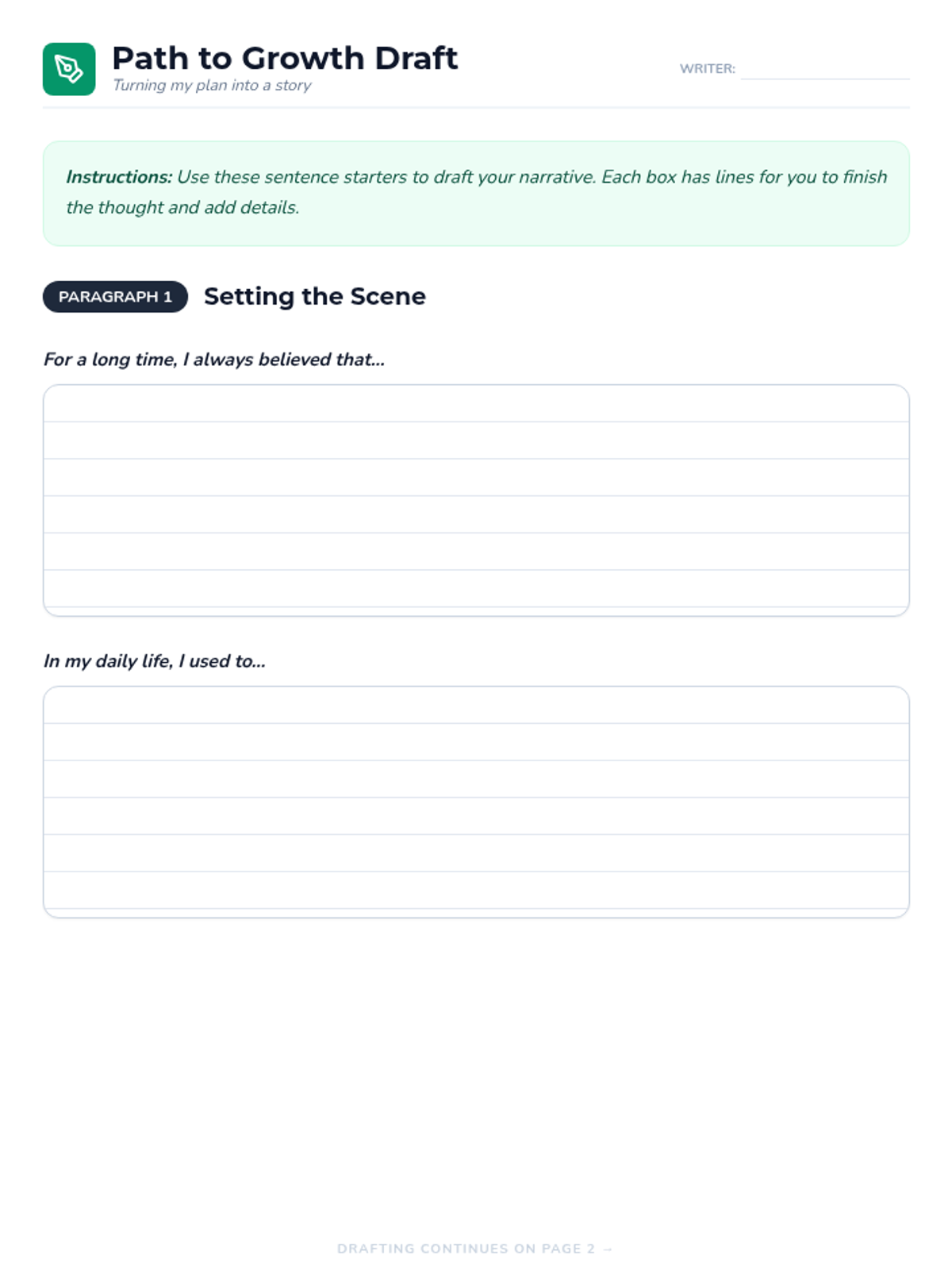
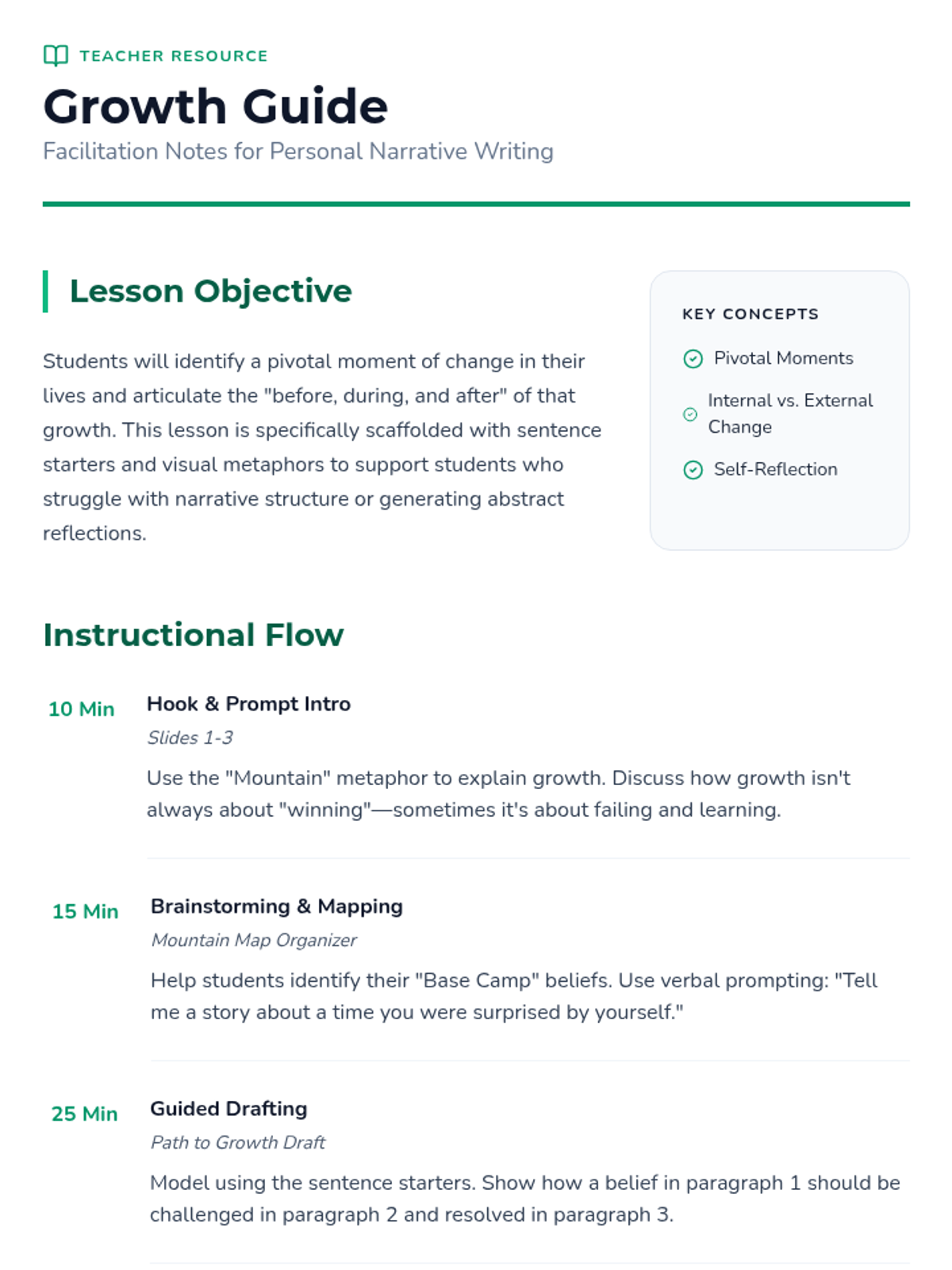
A scaffolded lesson designed to help students reflect on a pivotal moment of change. It includes a graphic organizer and a drafting sheet with heavy sentence starters to support narrative writing.
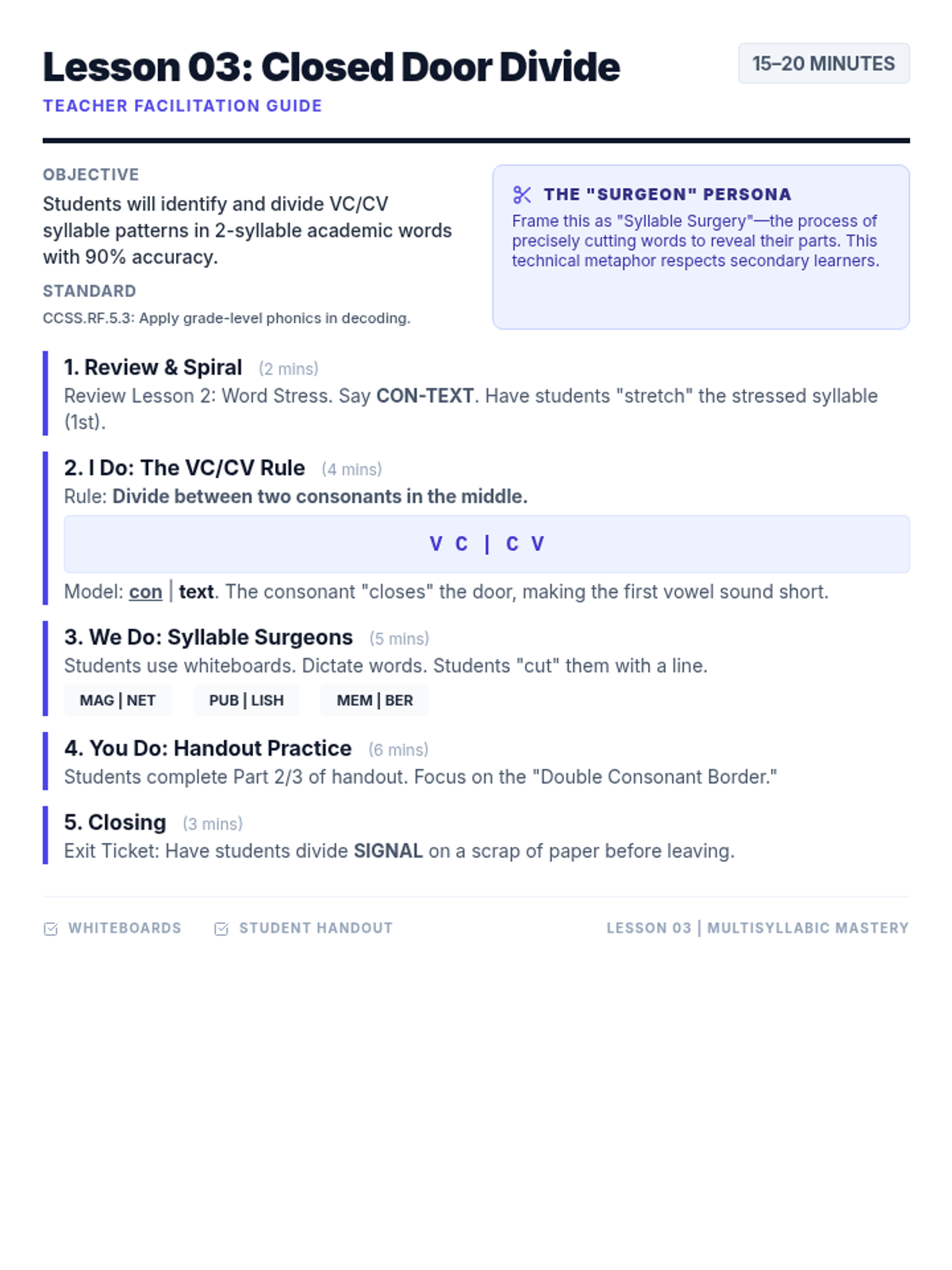
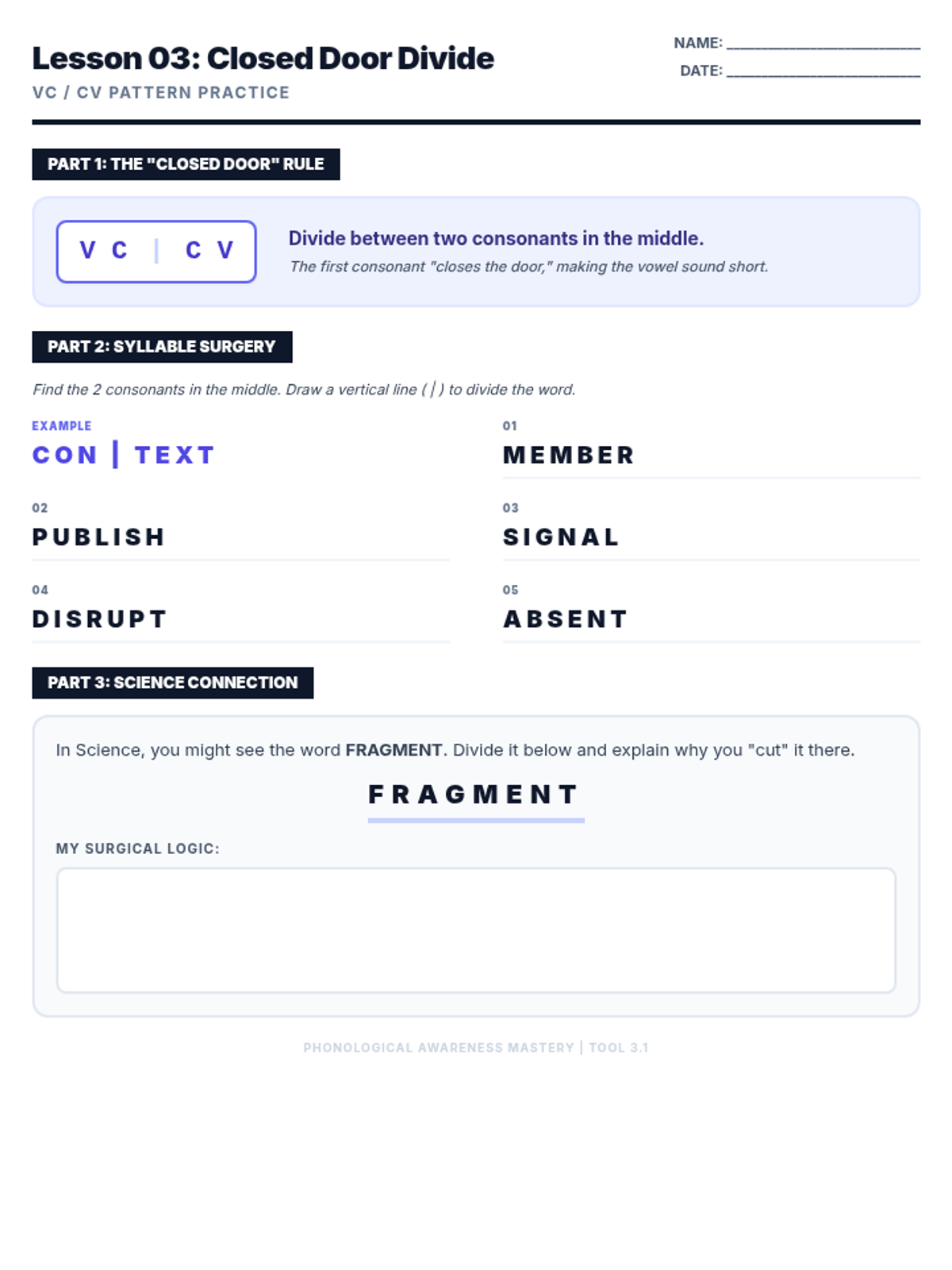
Third lesson in the sequence, focusing on identifying and dividing the VC/CV (closed syllable) pattern in academic vocabulary.
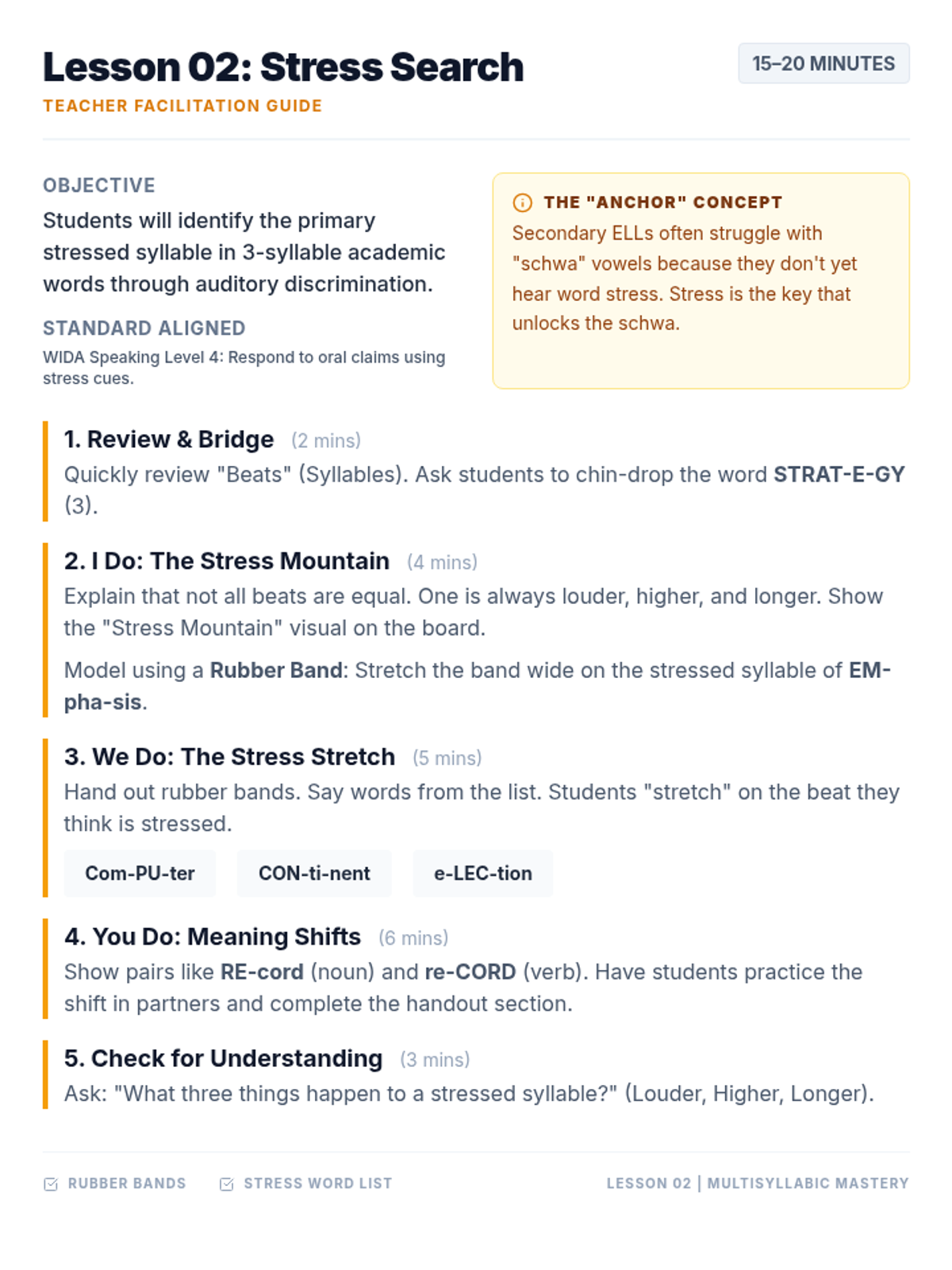
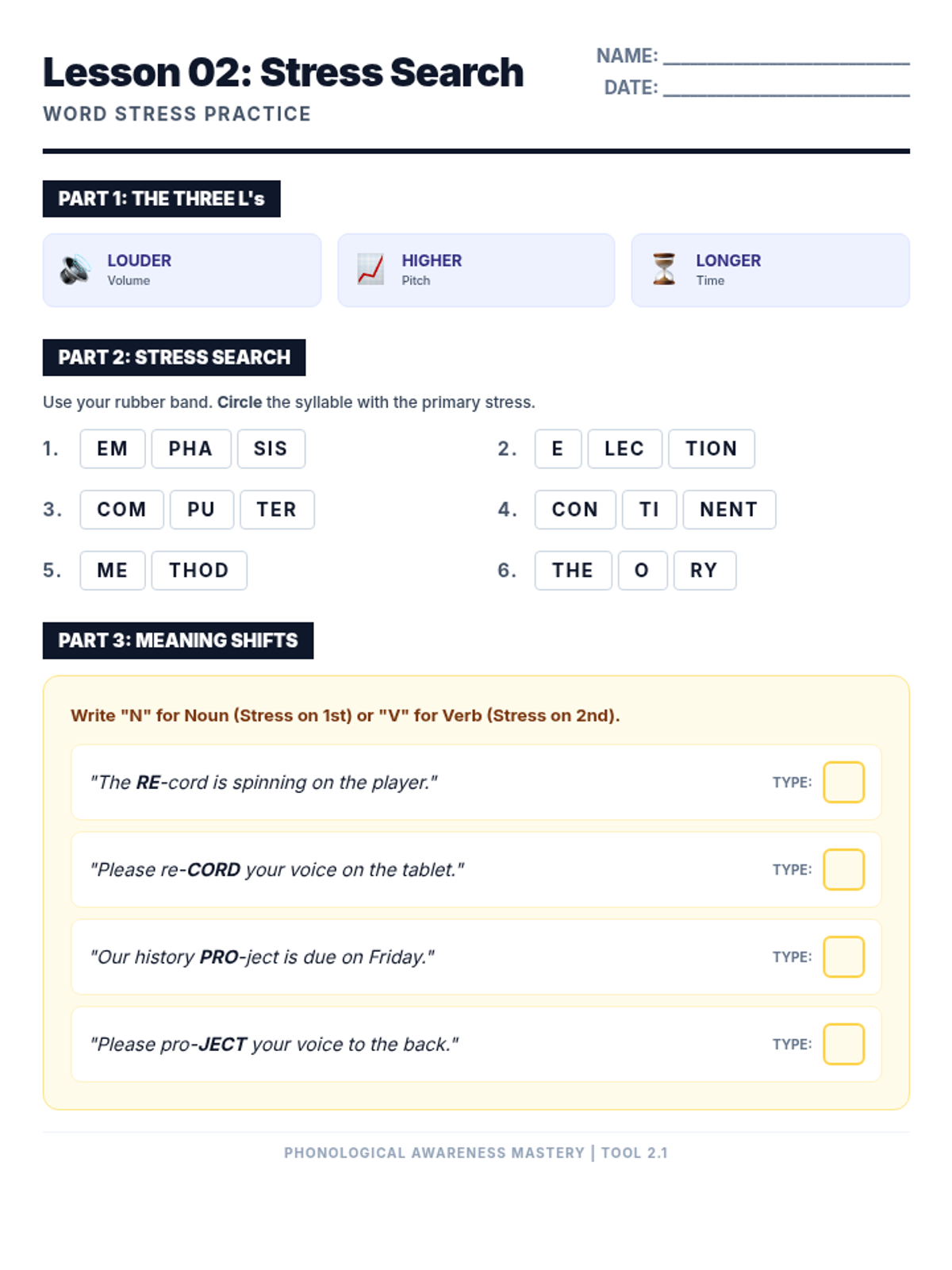
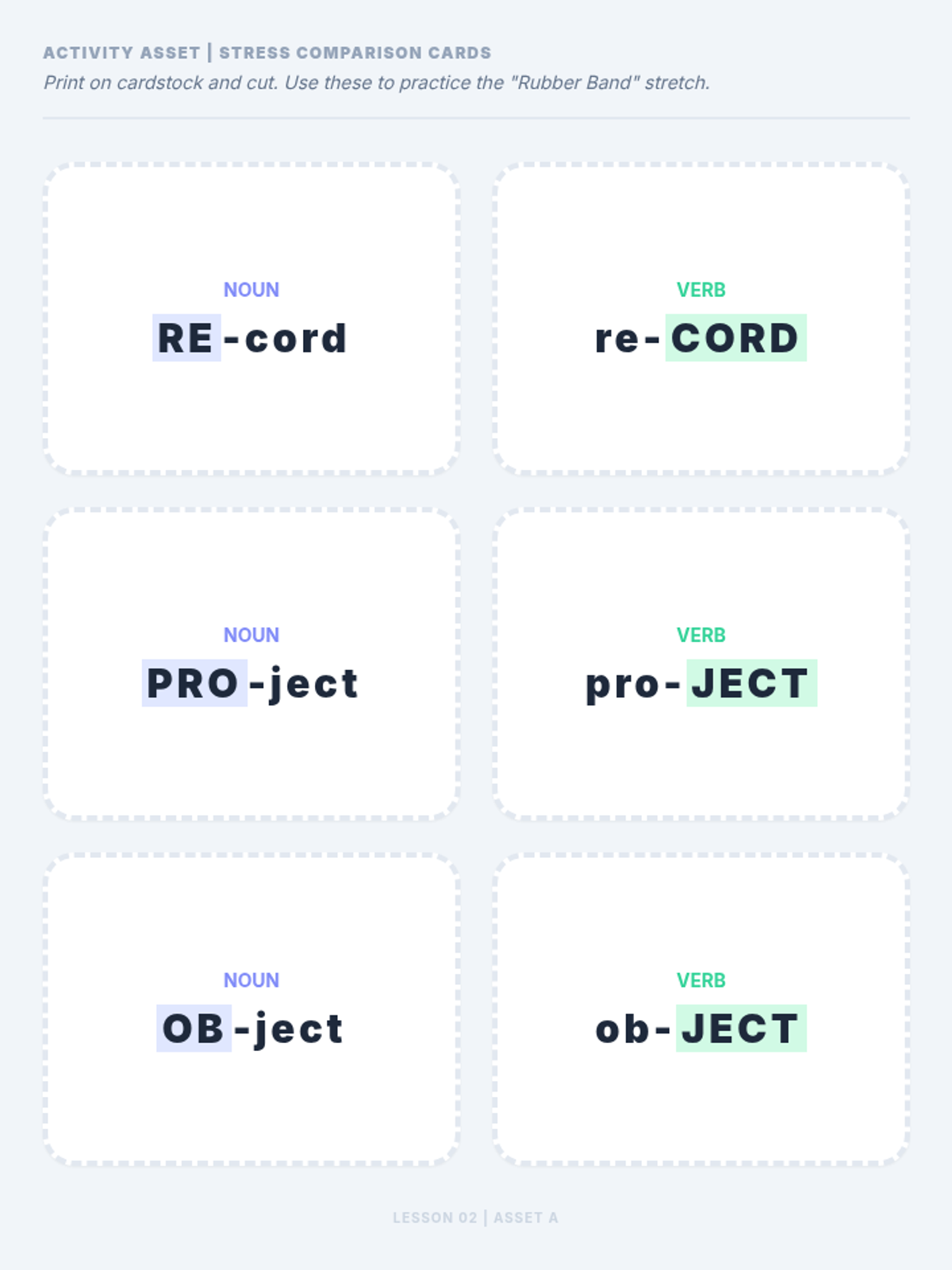
Second lesson in the sequence, focusing on identifying and manipulating primary word stress in academic vocabulary.
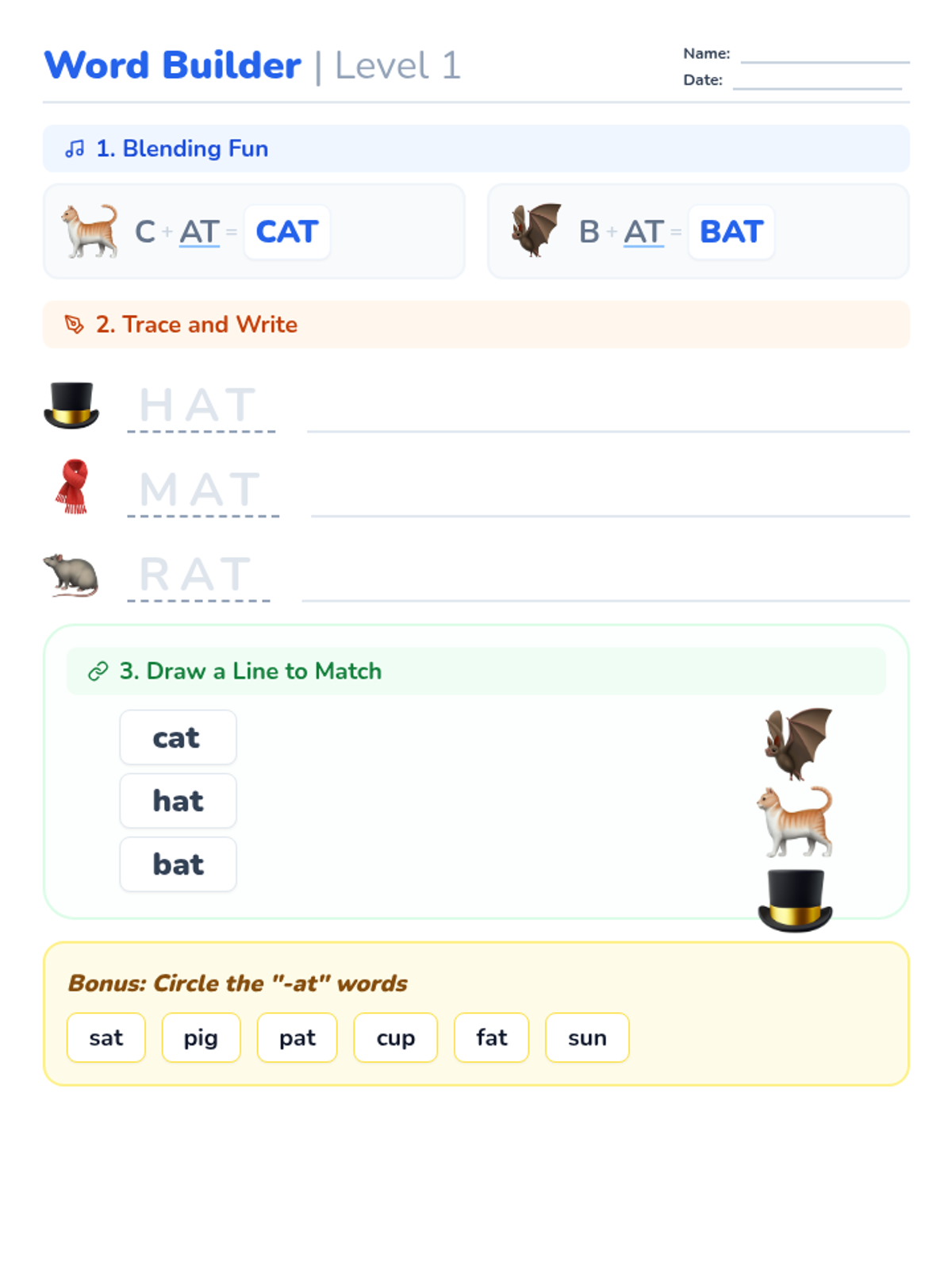
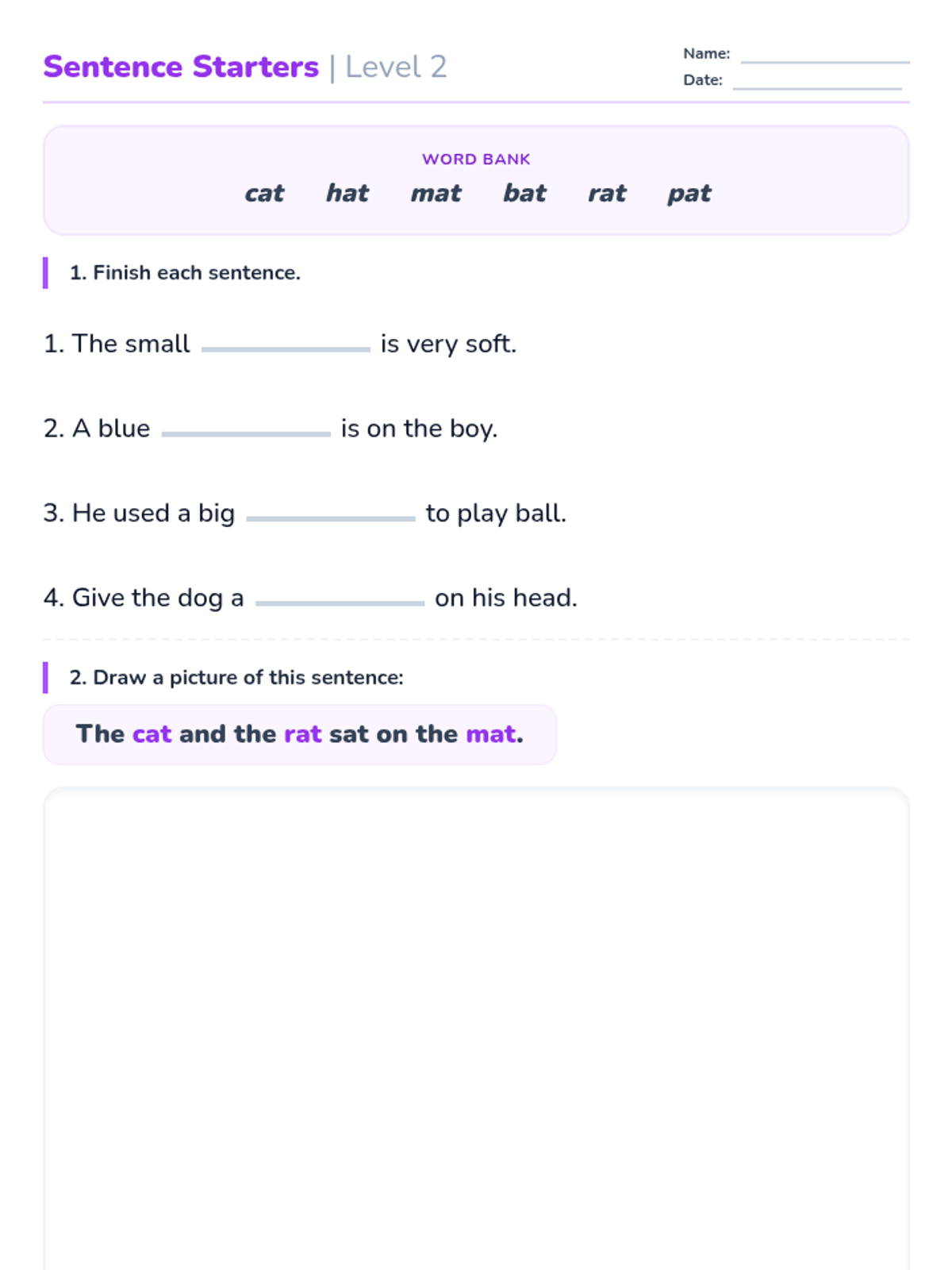
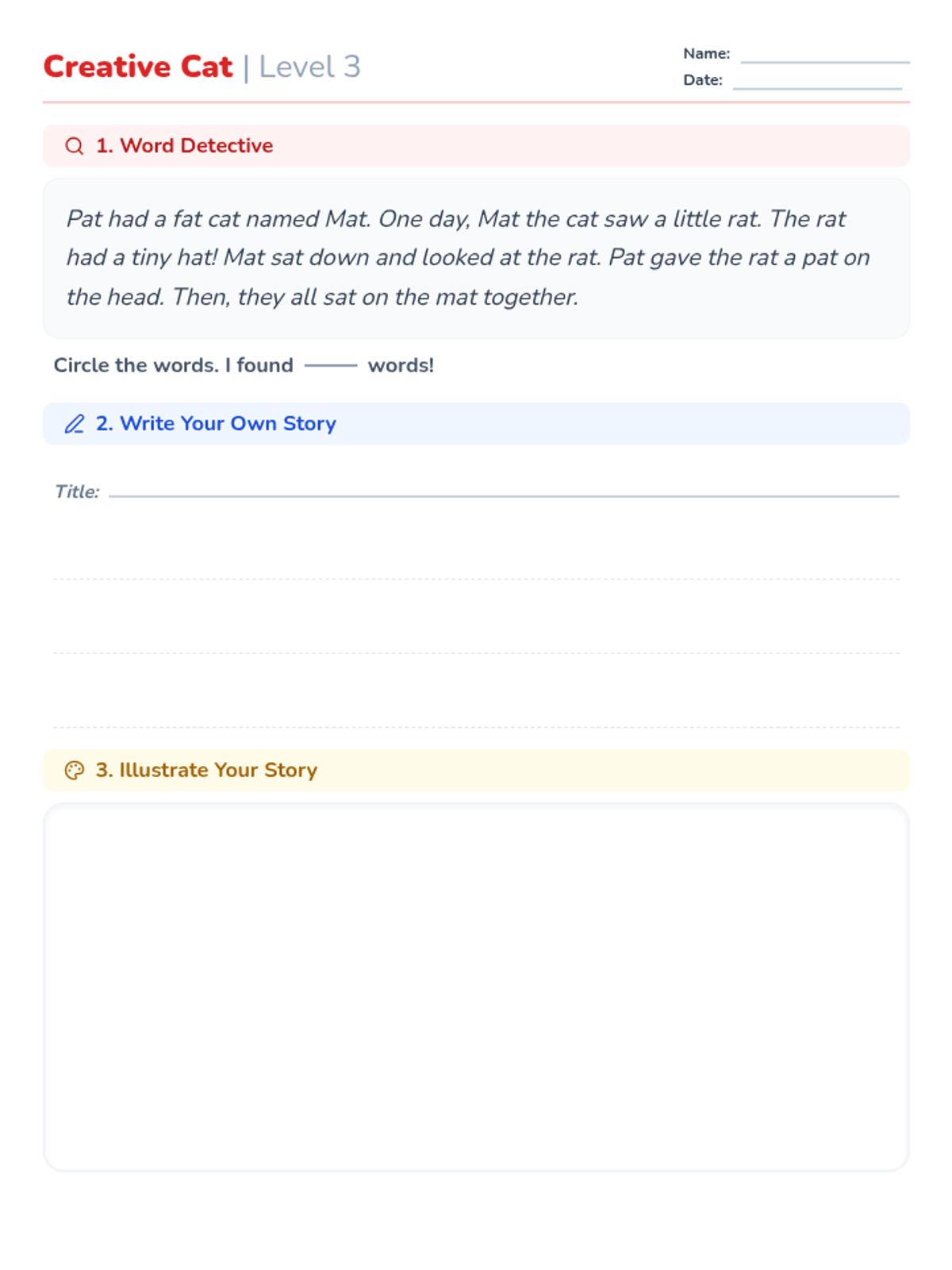
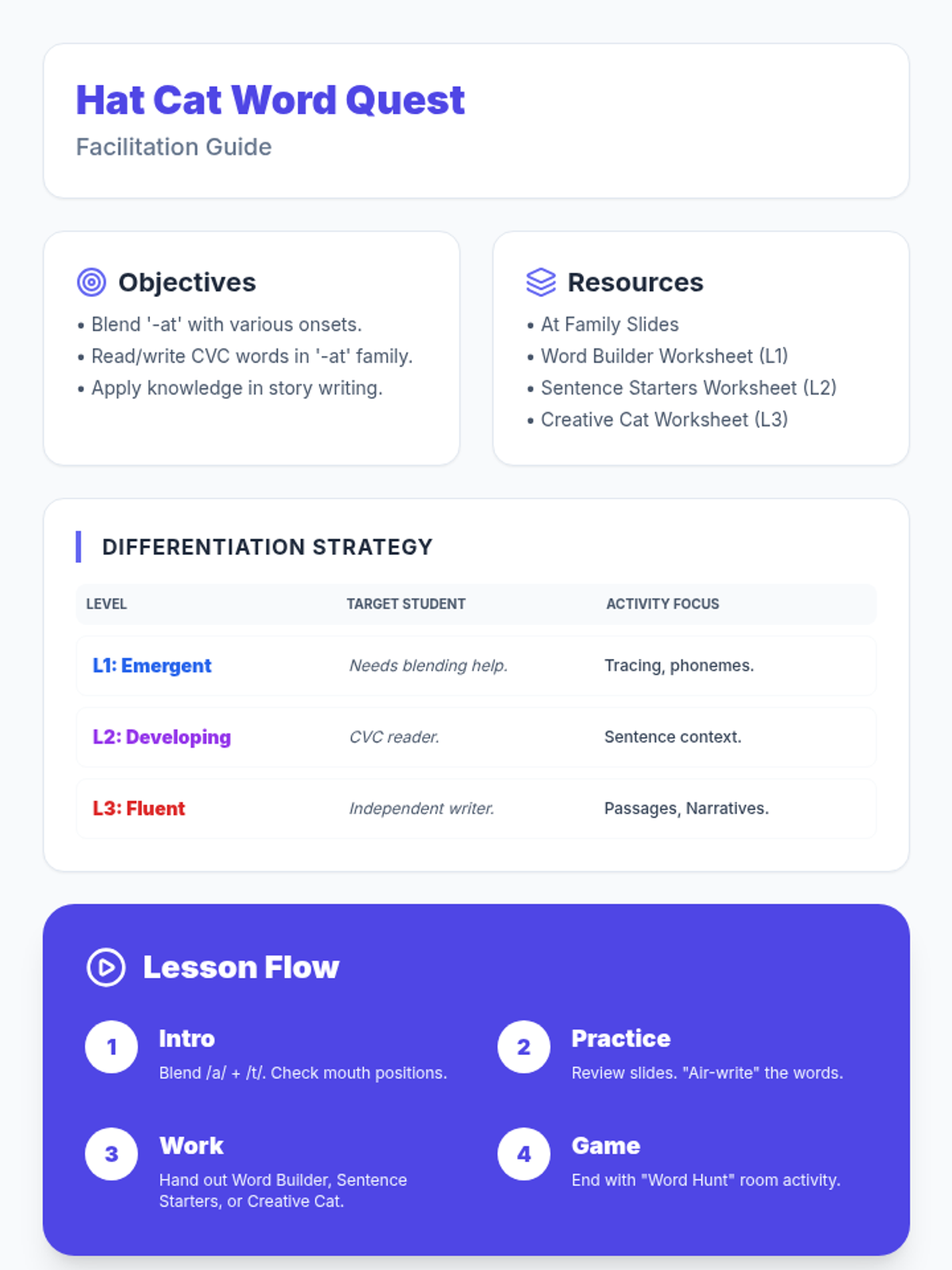
A comprehensive literacy lesson focusing on the '-at' word family through reading, writing, and phonics. Includes three levels of differentiated worksheets to support emergent, developing, and fluent young readers.
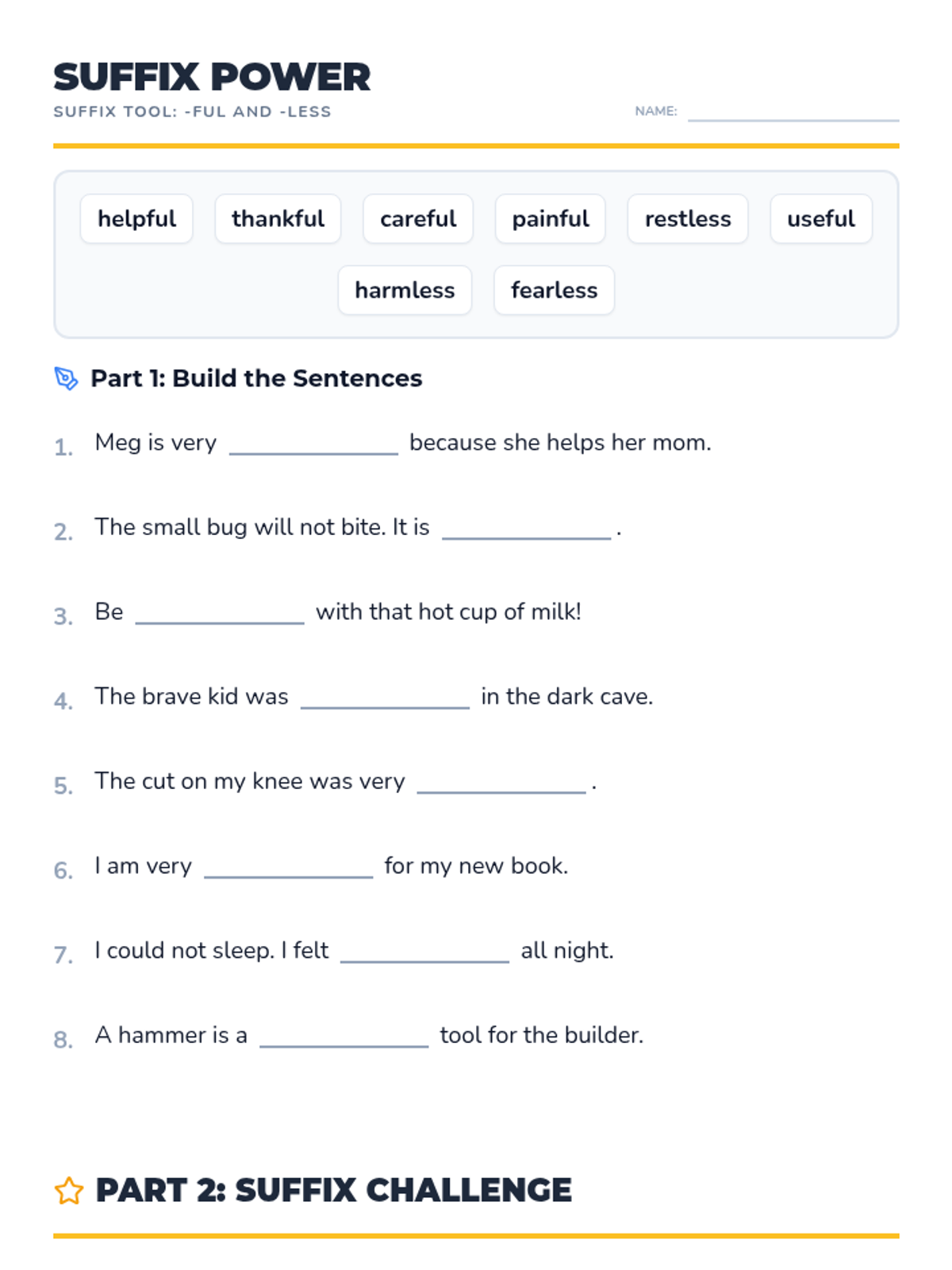
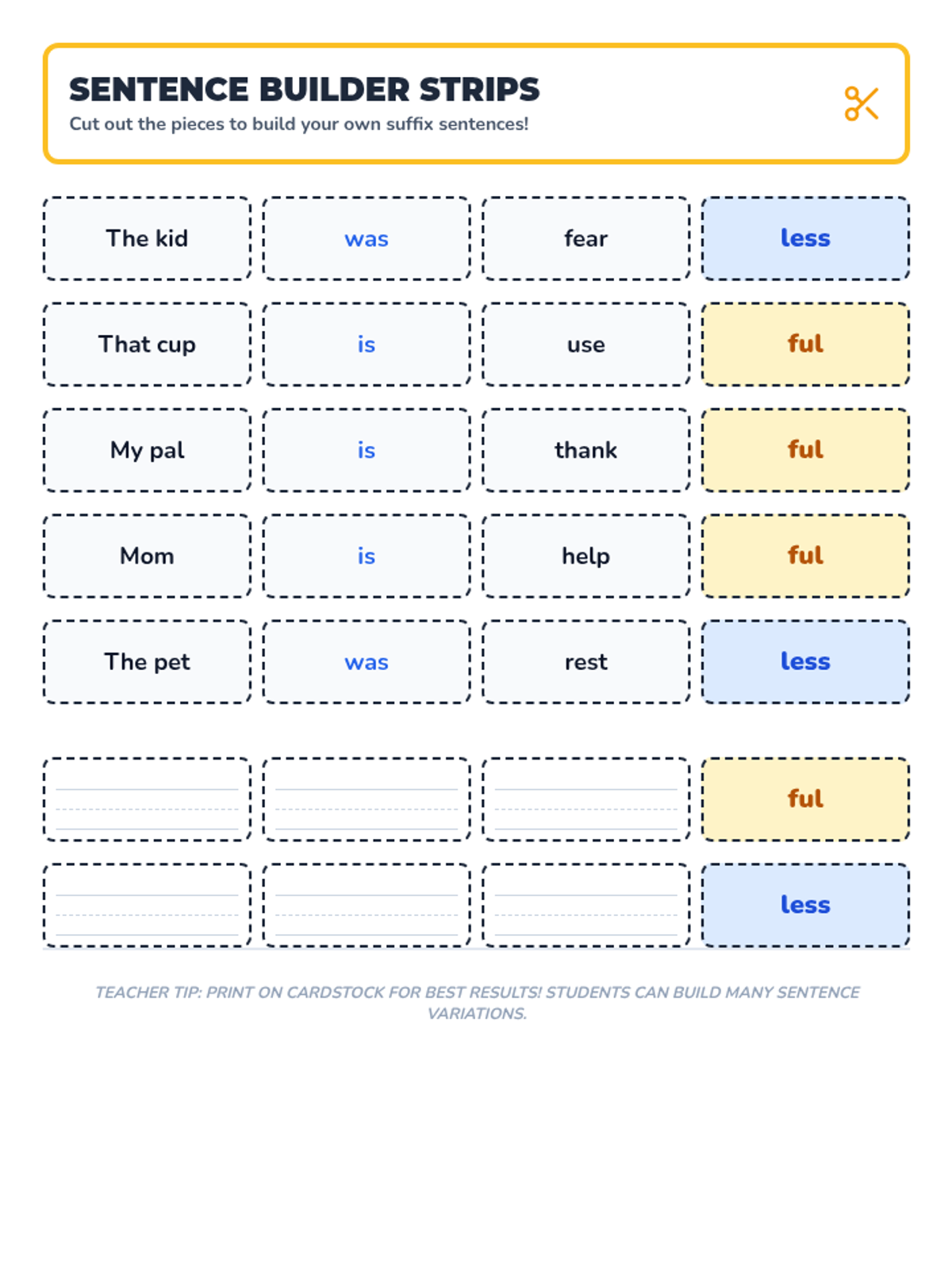
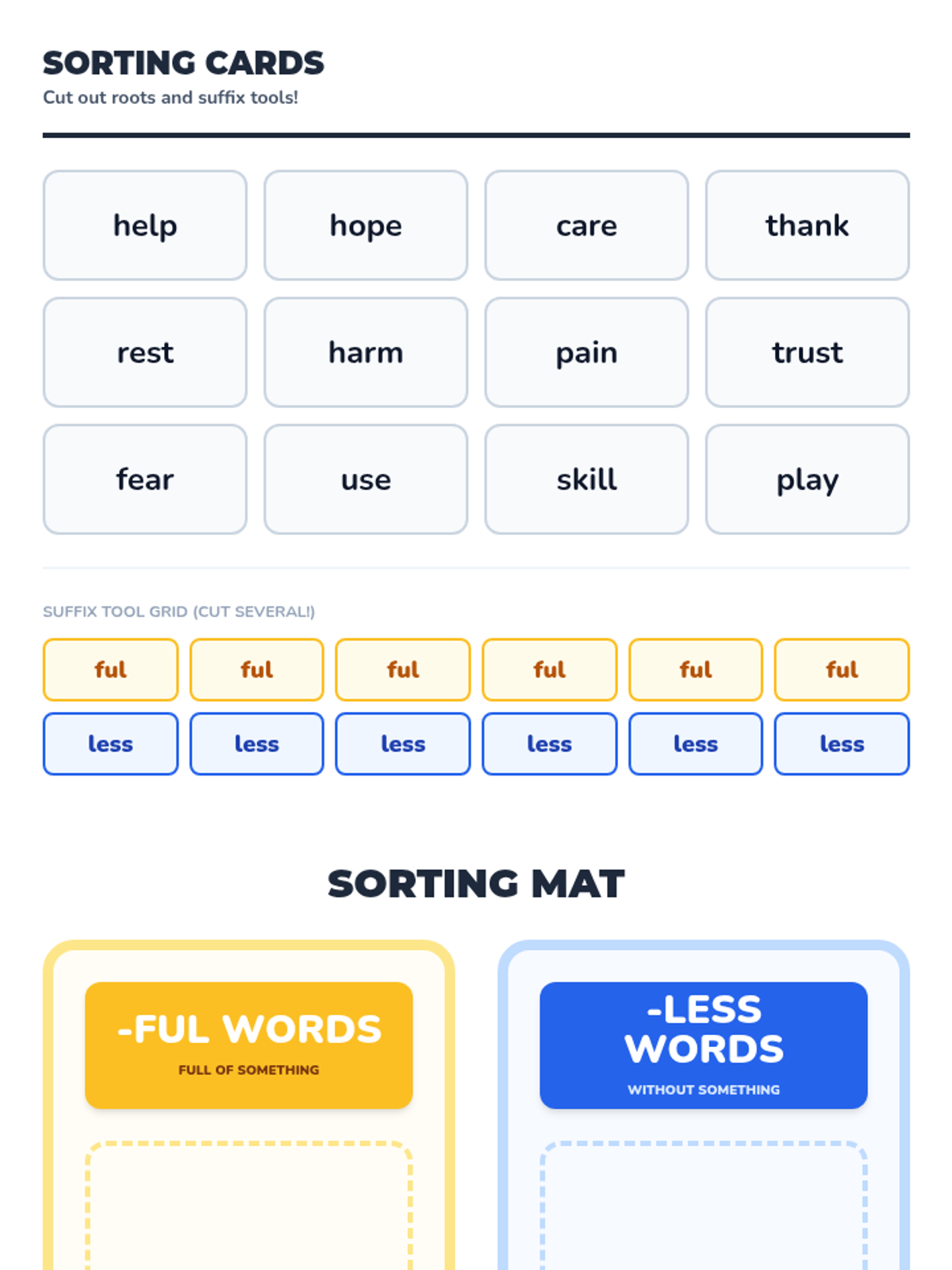
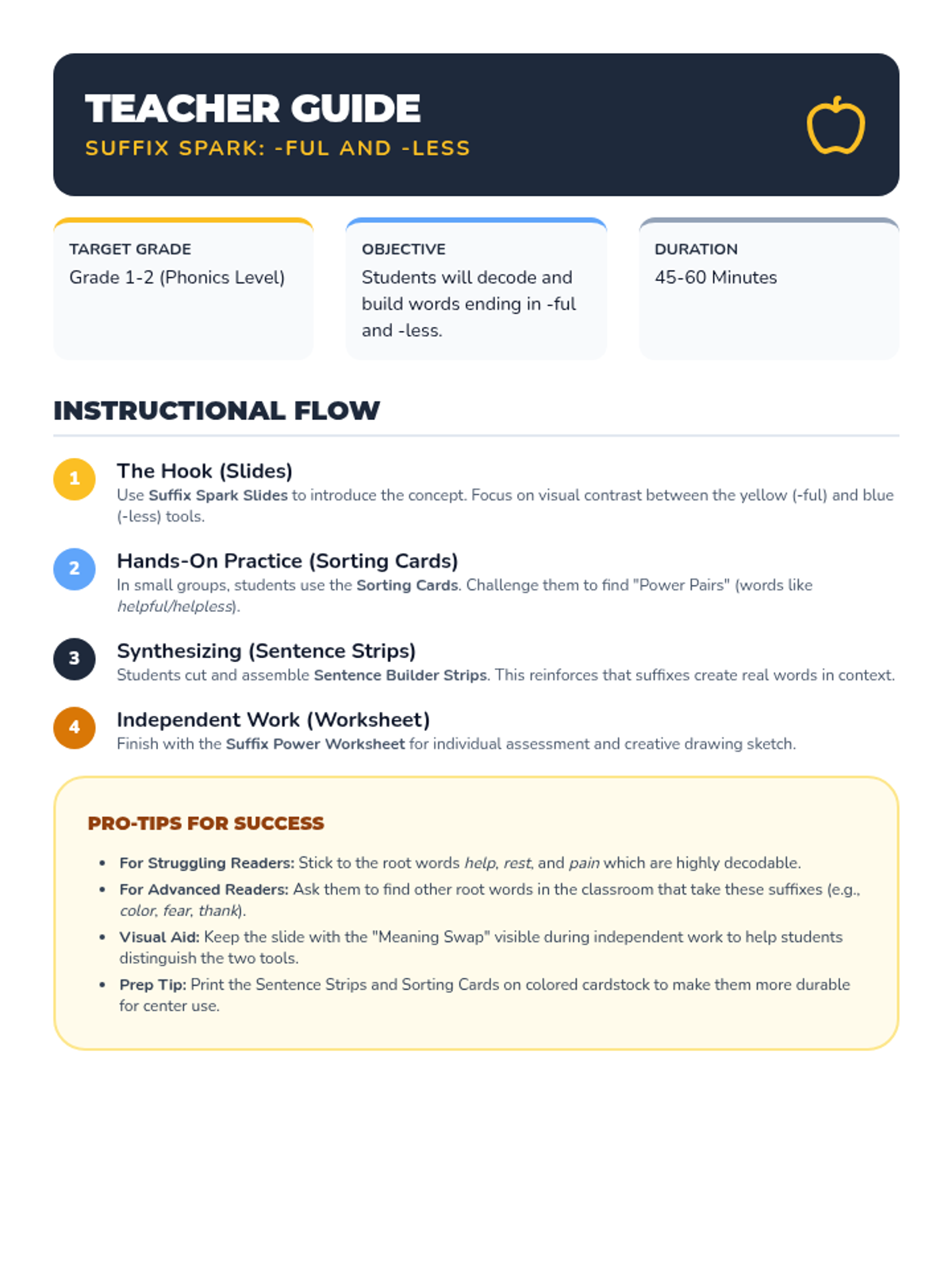
A hands-on literacy lesson focusing on the suffixes -ful and -less, using decodable root words and phonics-based vocabulary. Students will learn how these suffixes change word meanings through sorting, sentence building, and written practice.
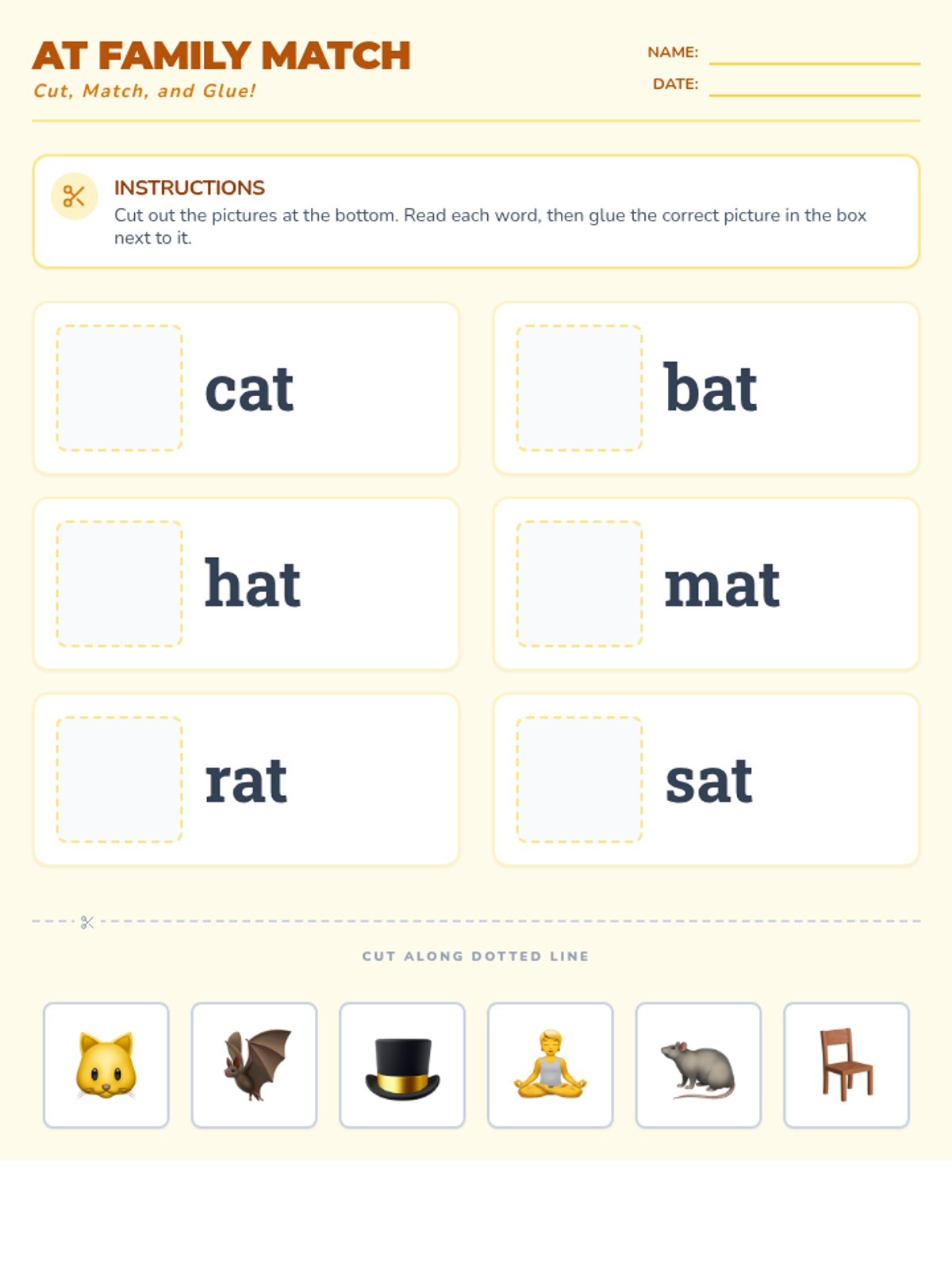
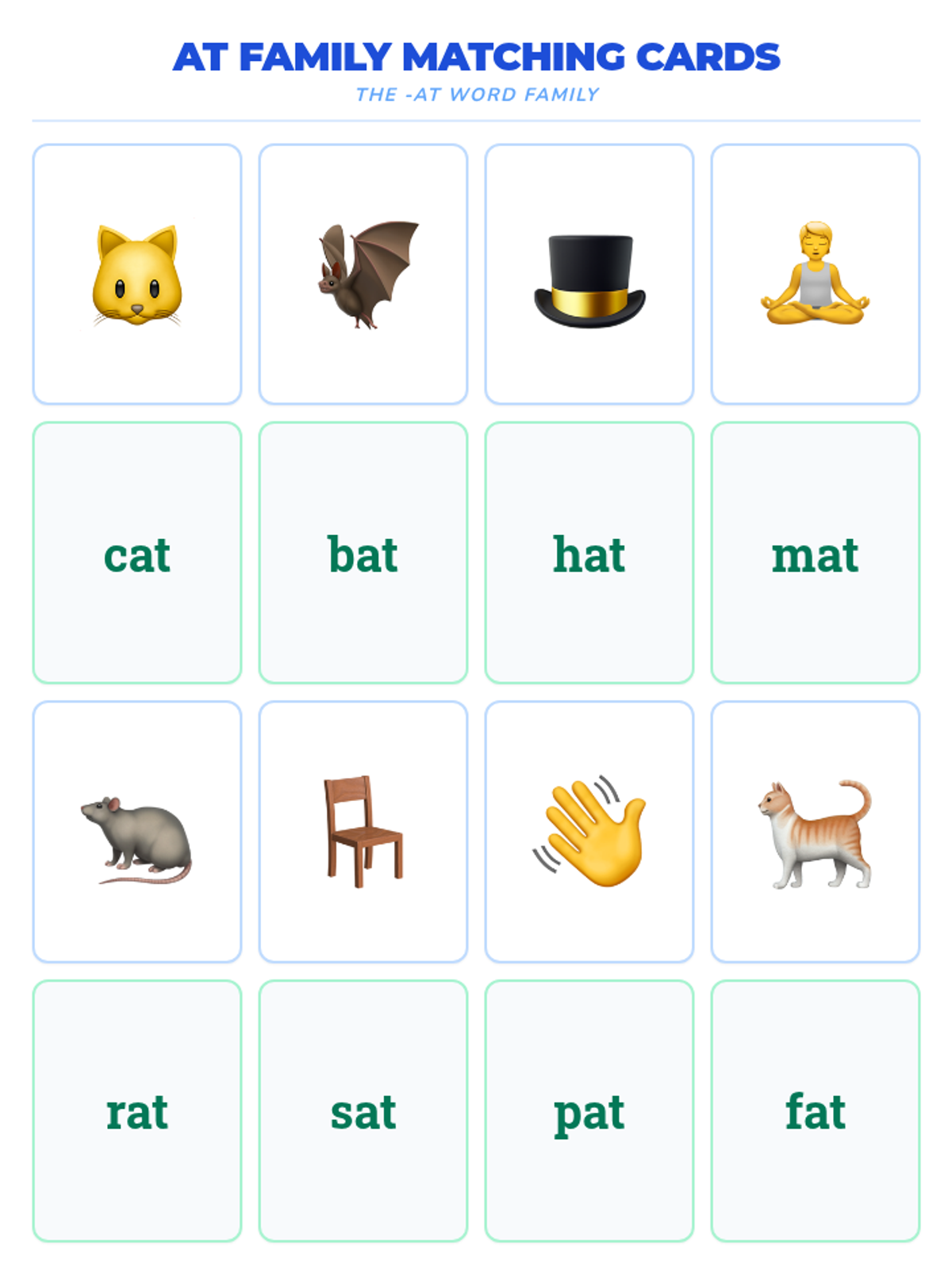
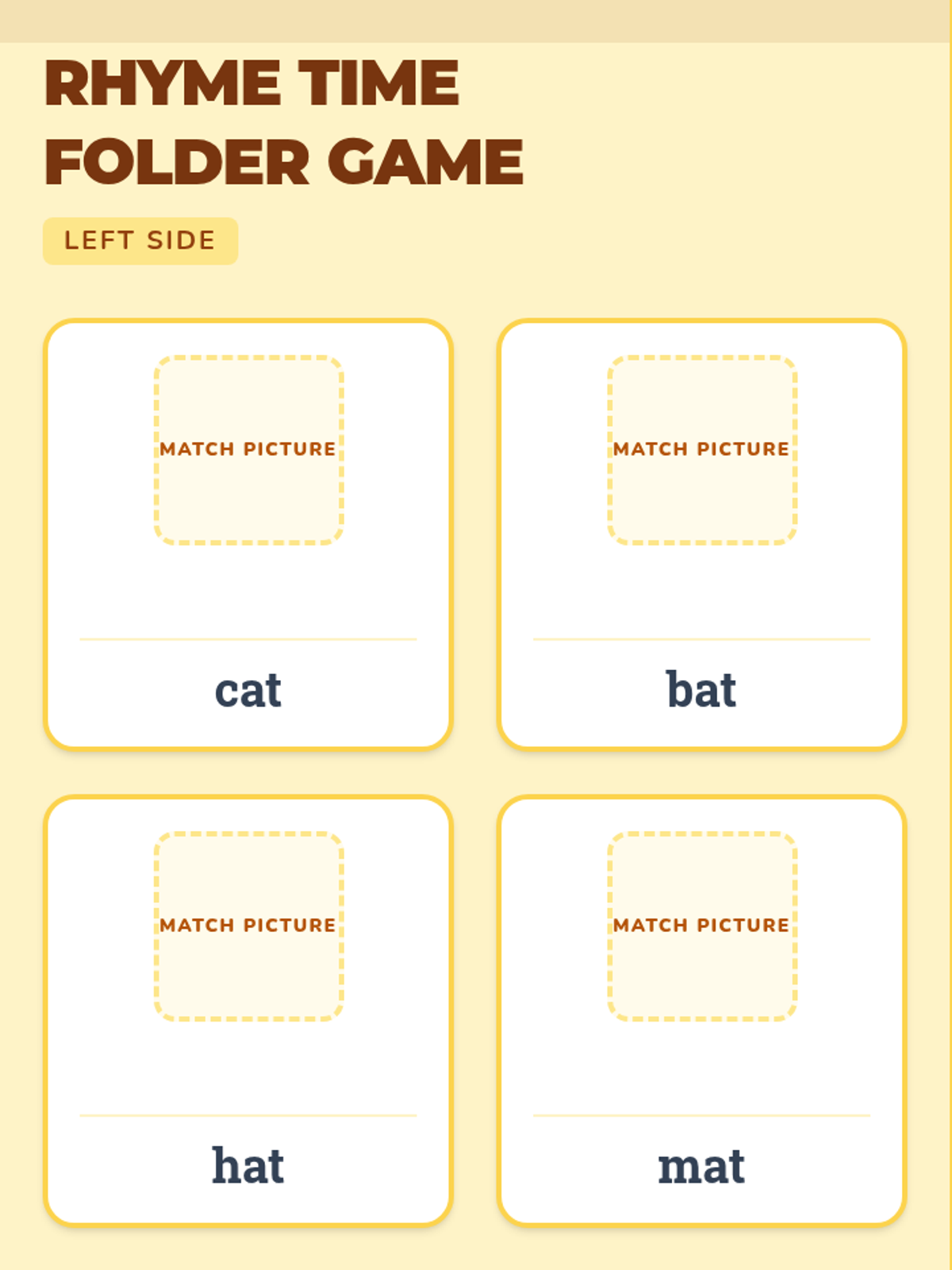
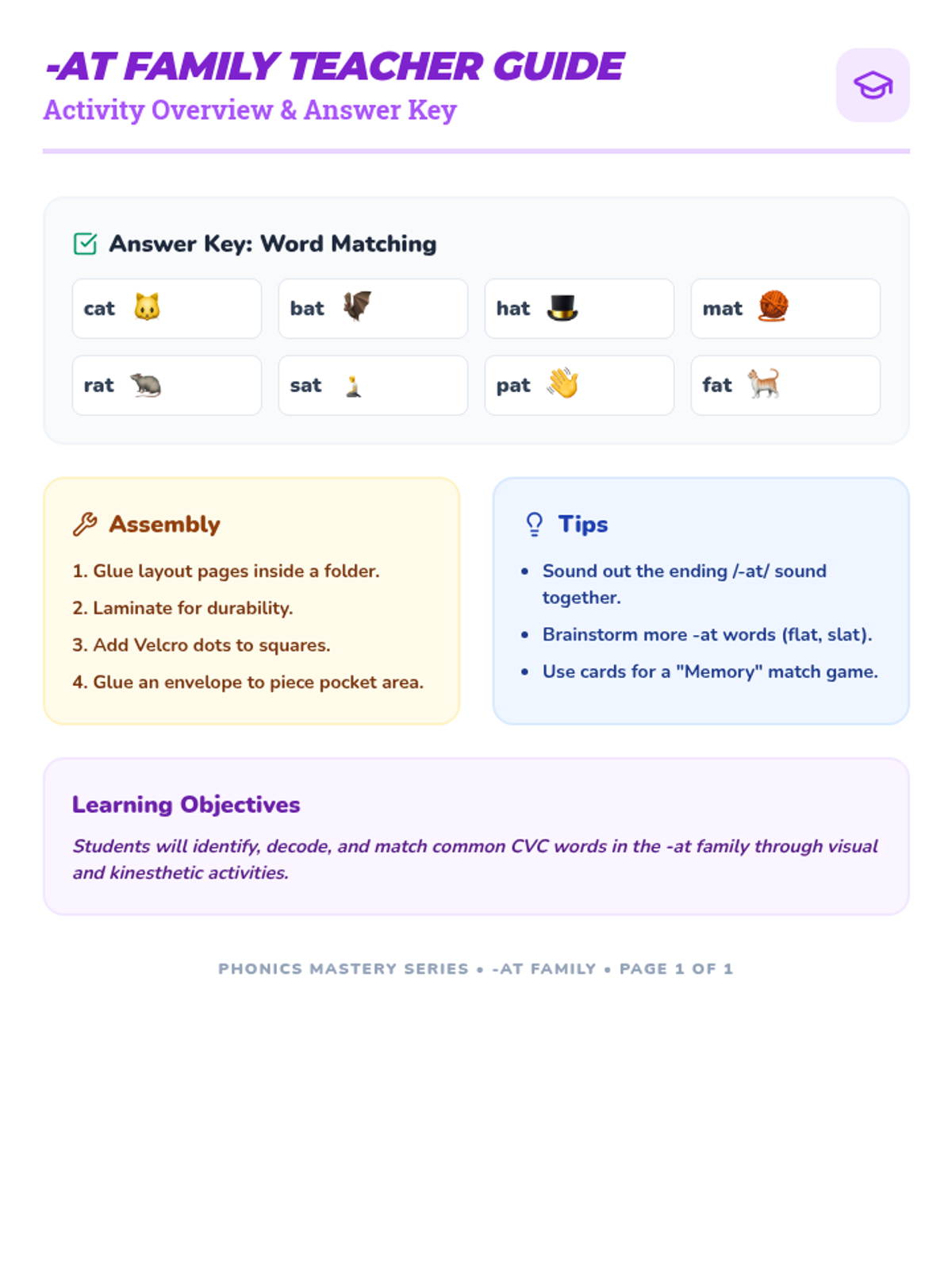
A collection of hands-on activities for practicing the -at CVC word family, including a cut-and-paste worksheet, matching cards, and a file folder game layout.
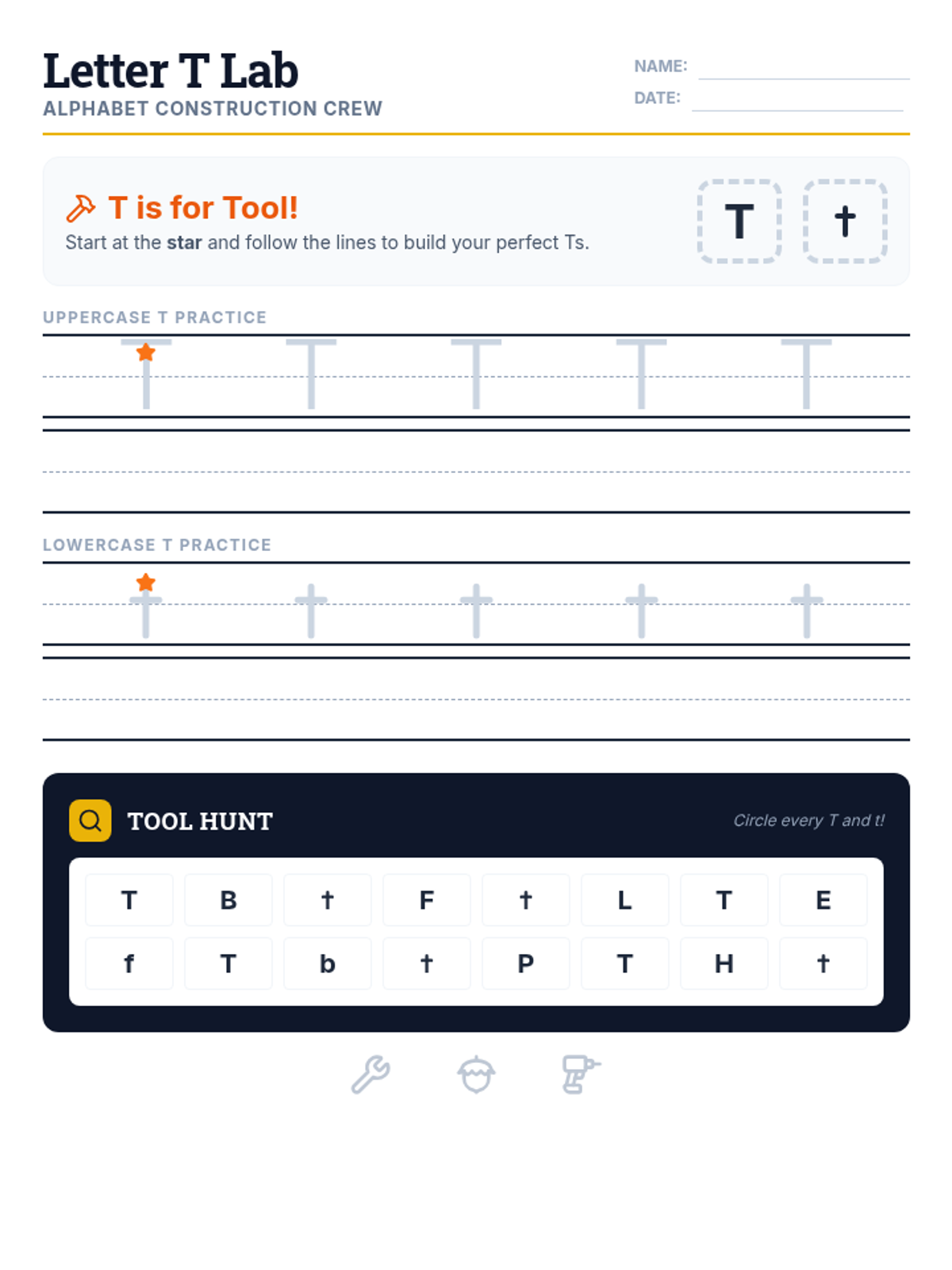
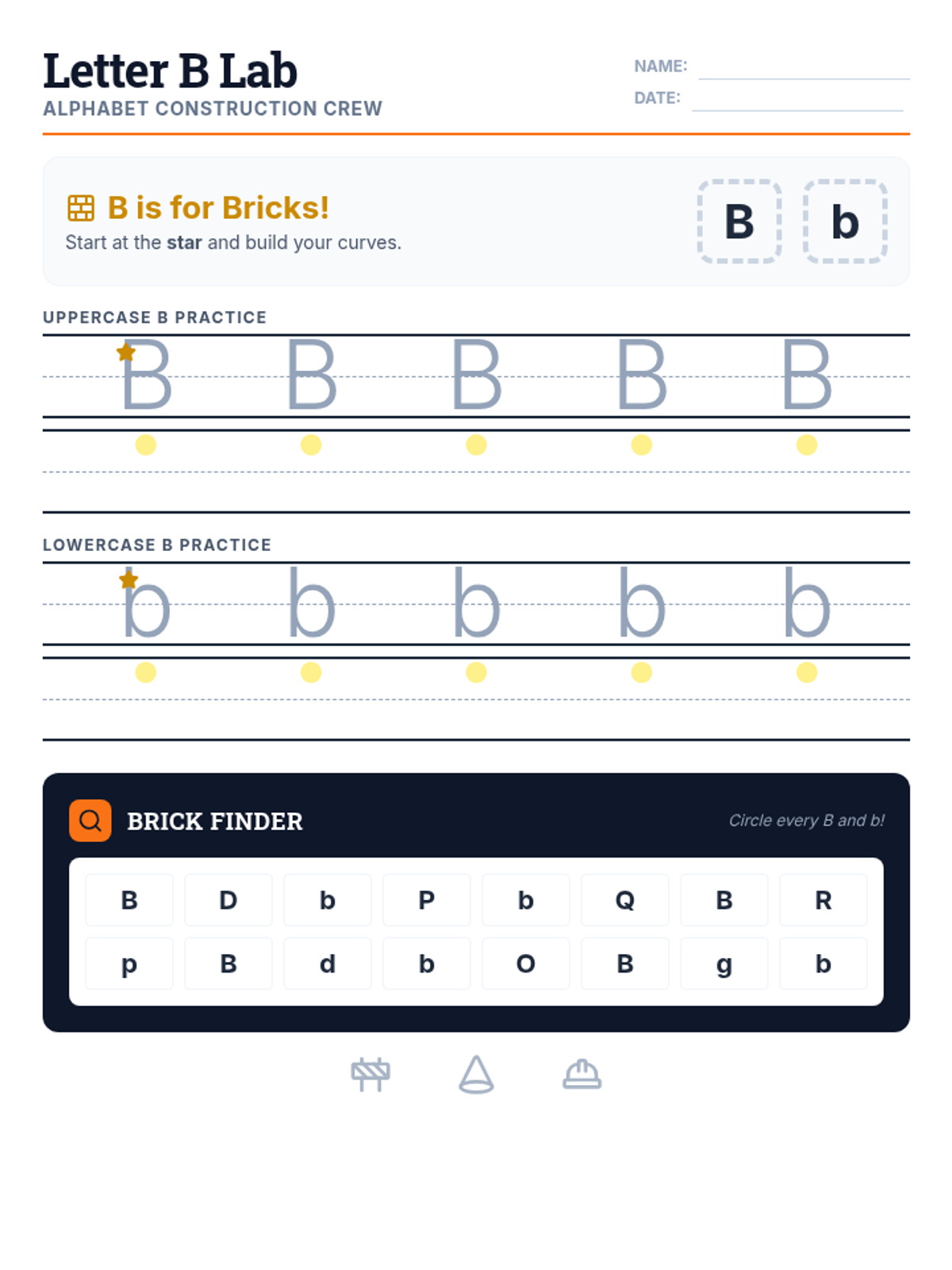
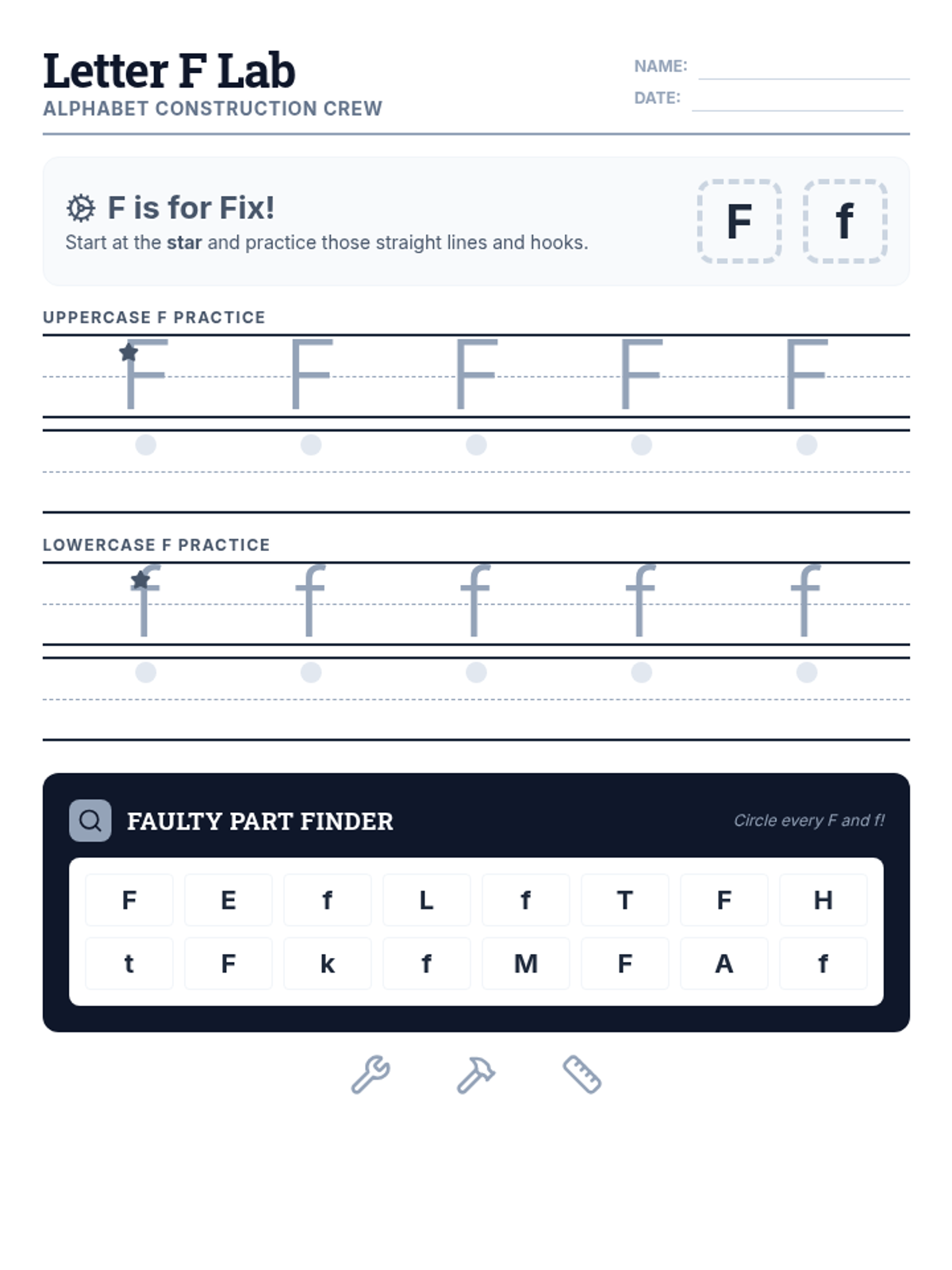
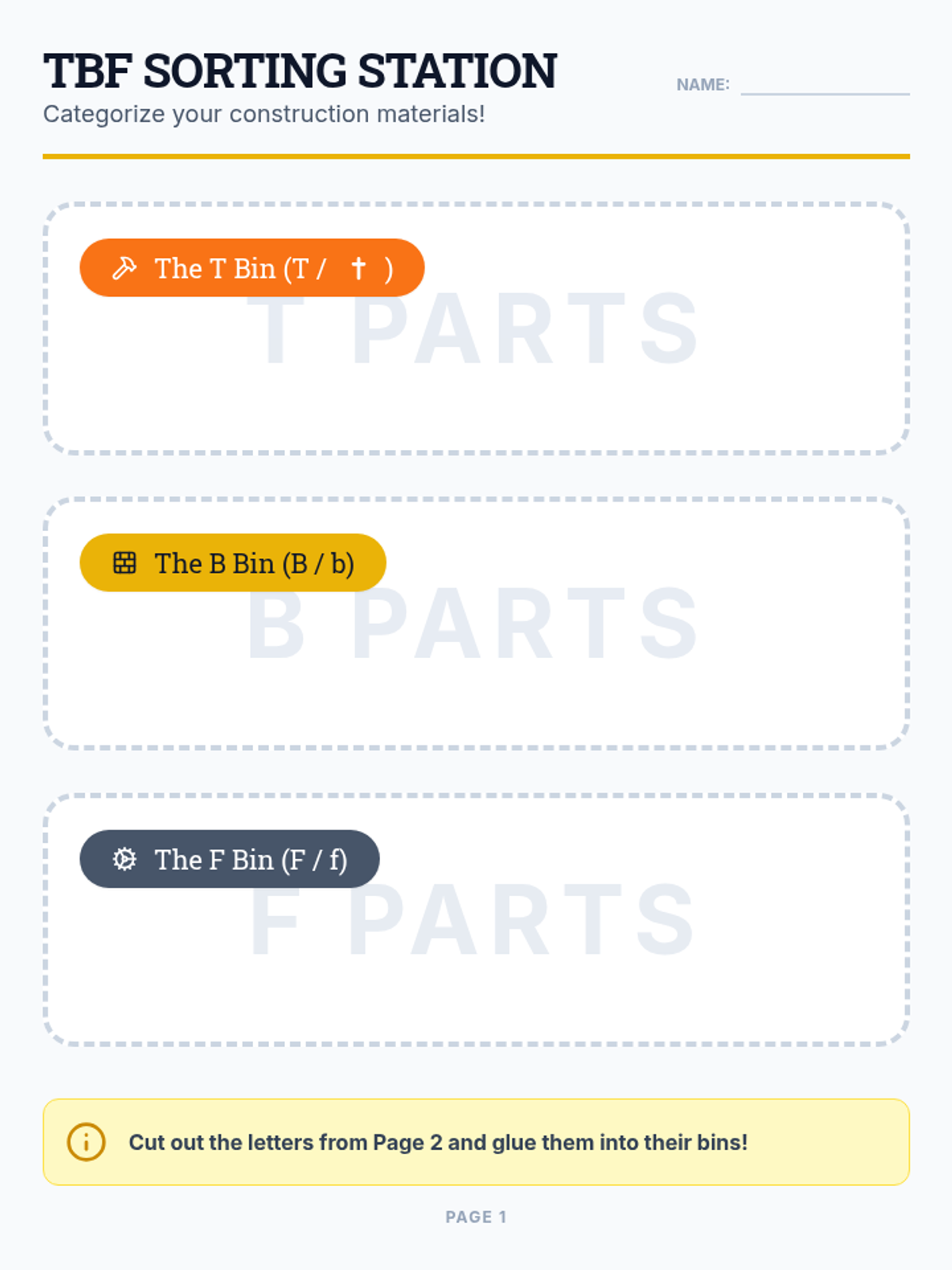
A set of construction-themed worksheets and activities focusing on letter identification and formation for the letters T, B, and F in both uppercase and lowercase.
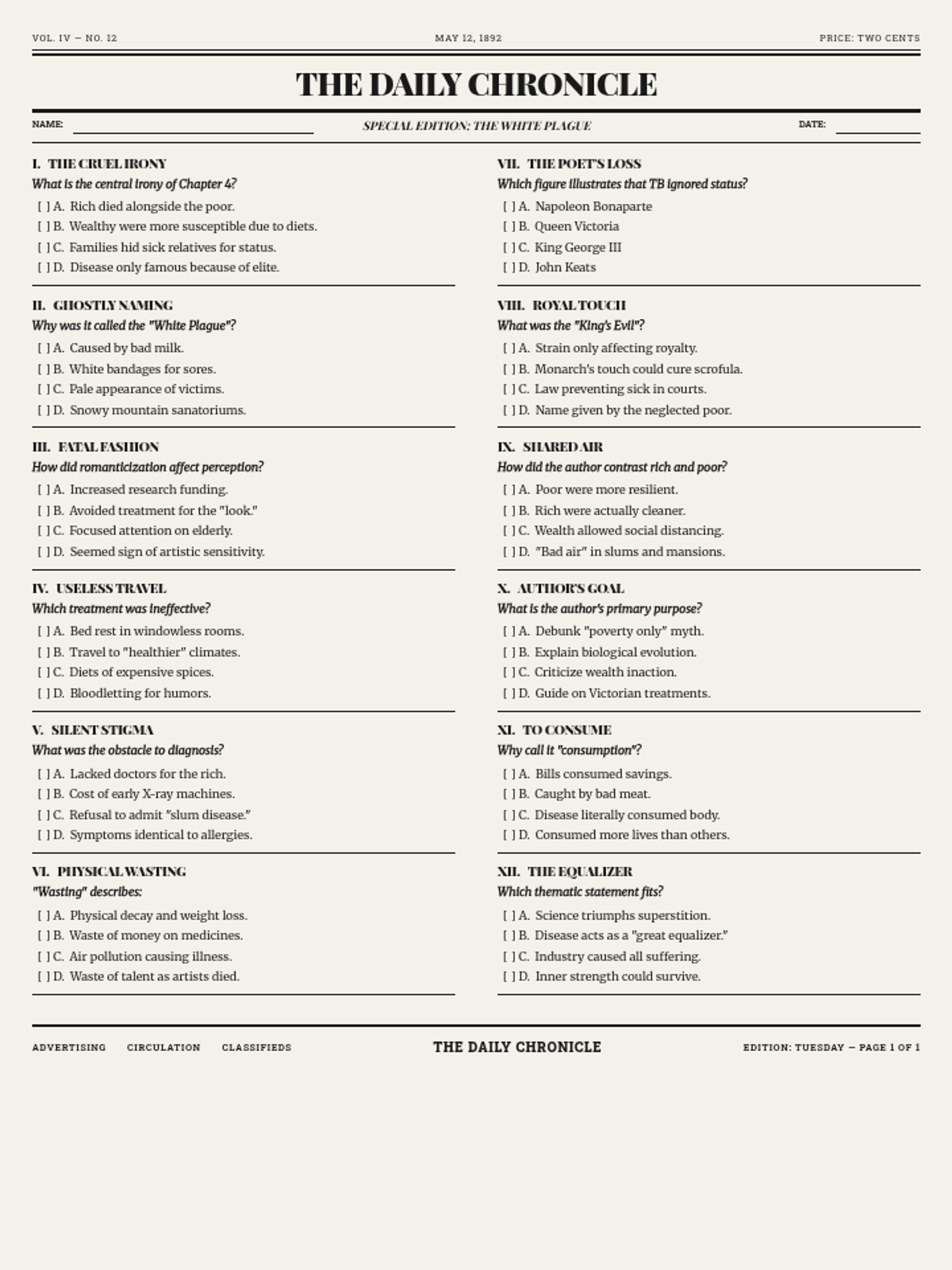
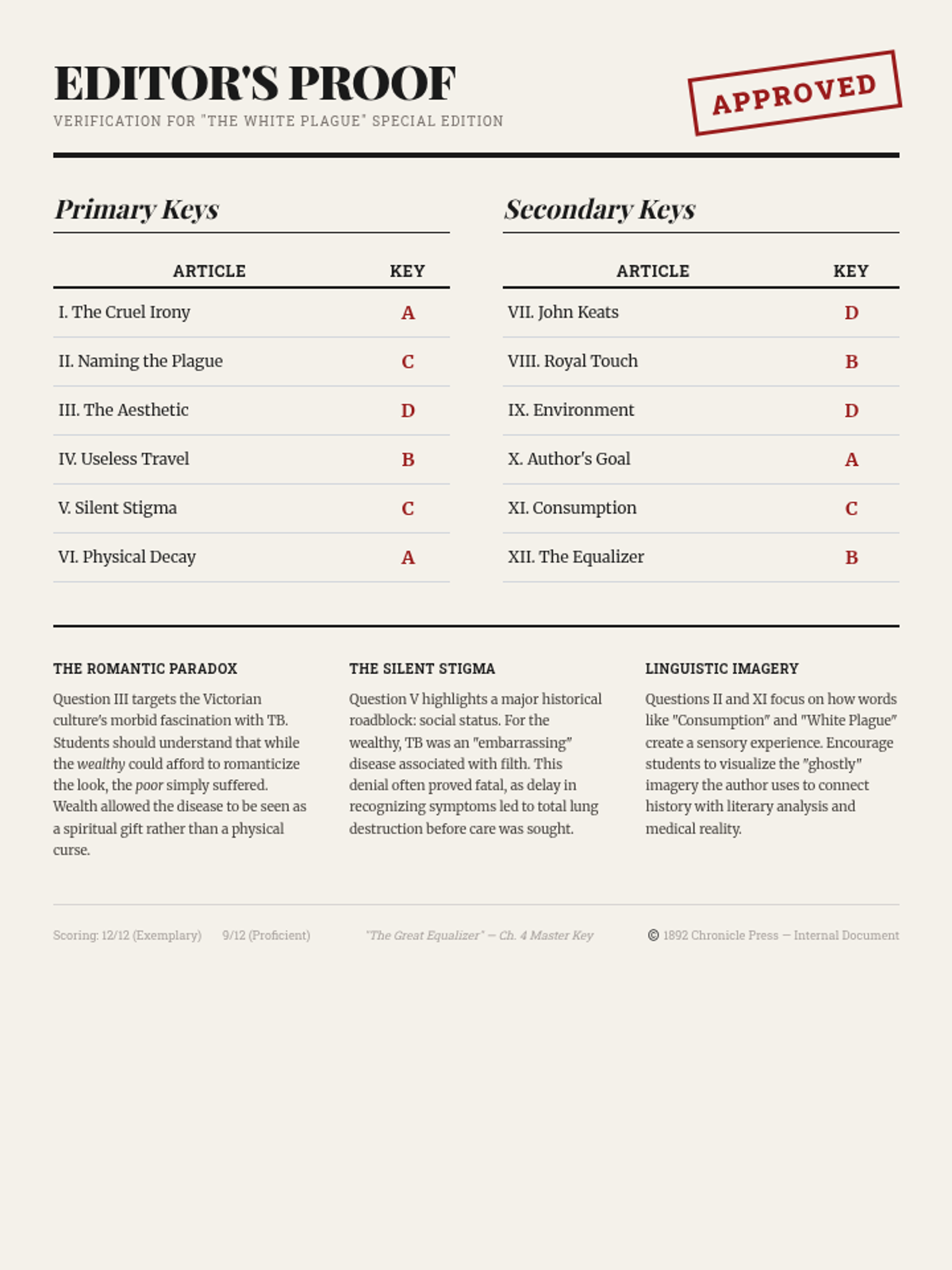
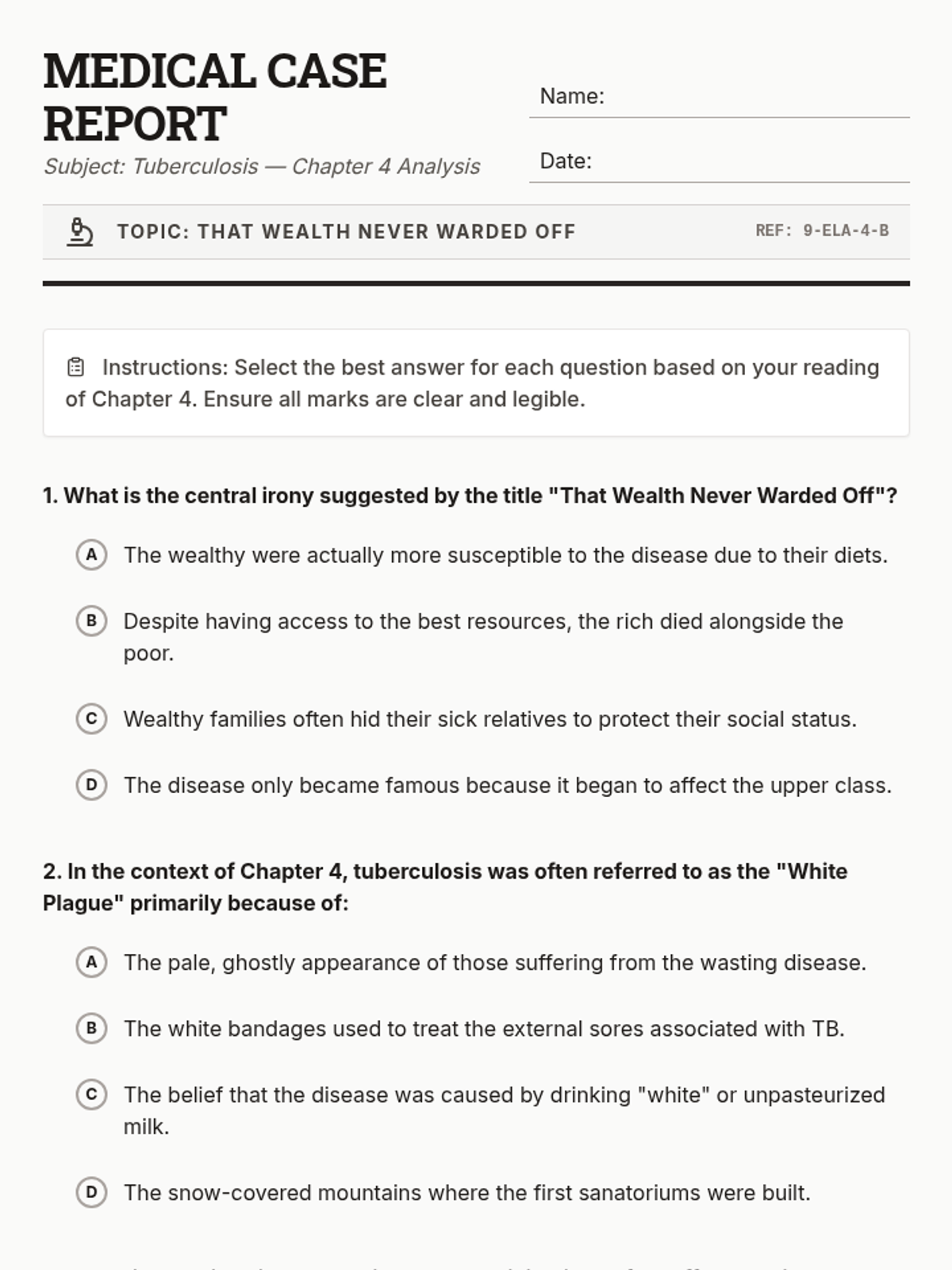
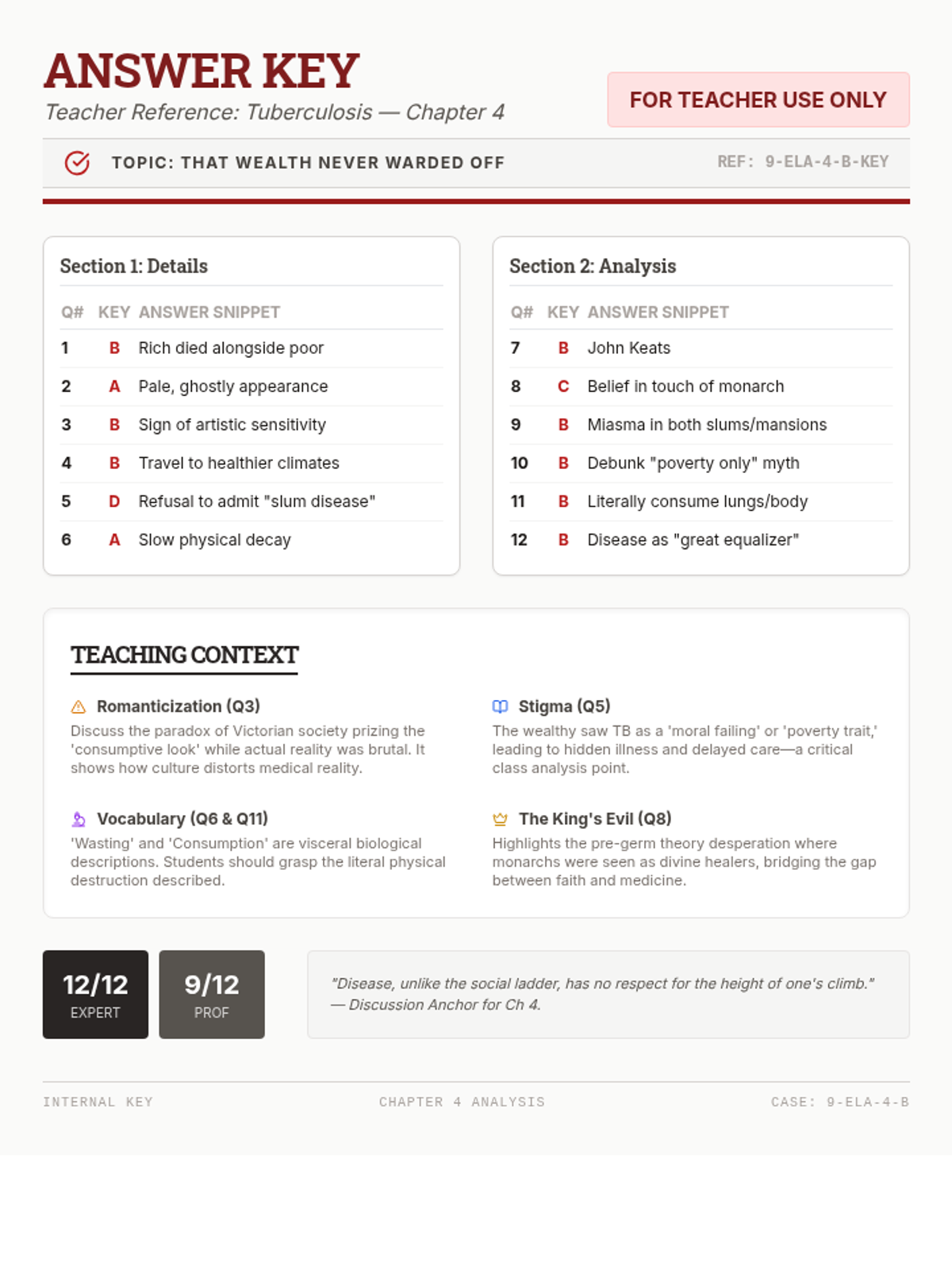
A assessment-focused lesson covering the historical impact of Tuberculosis as detailed in 'That Wealth Never Warded Off', focusing on the theme that disease transcends social class.
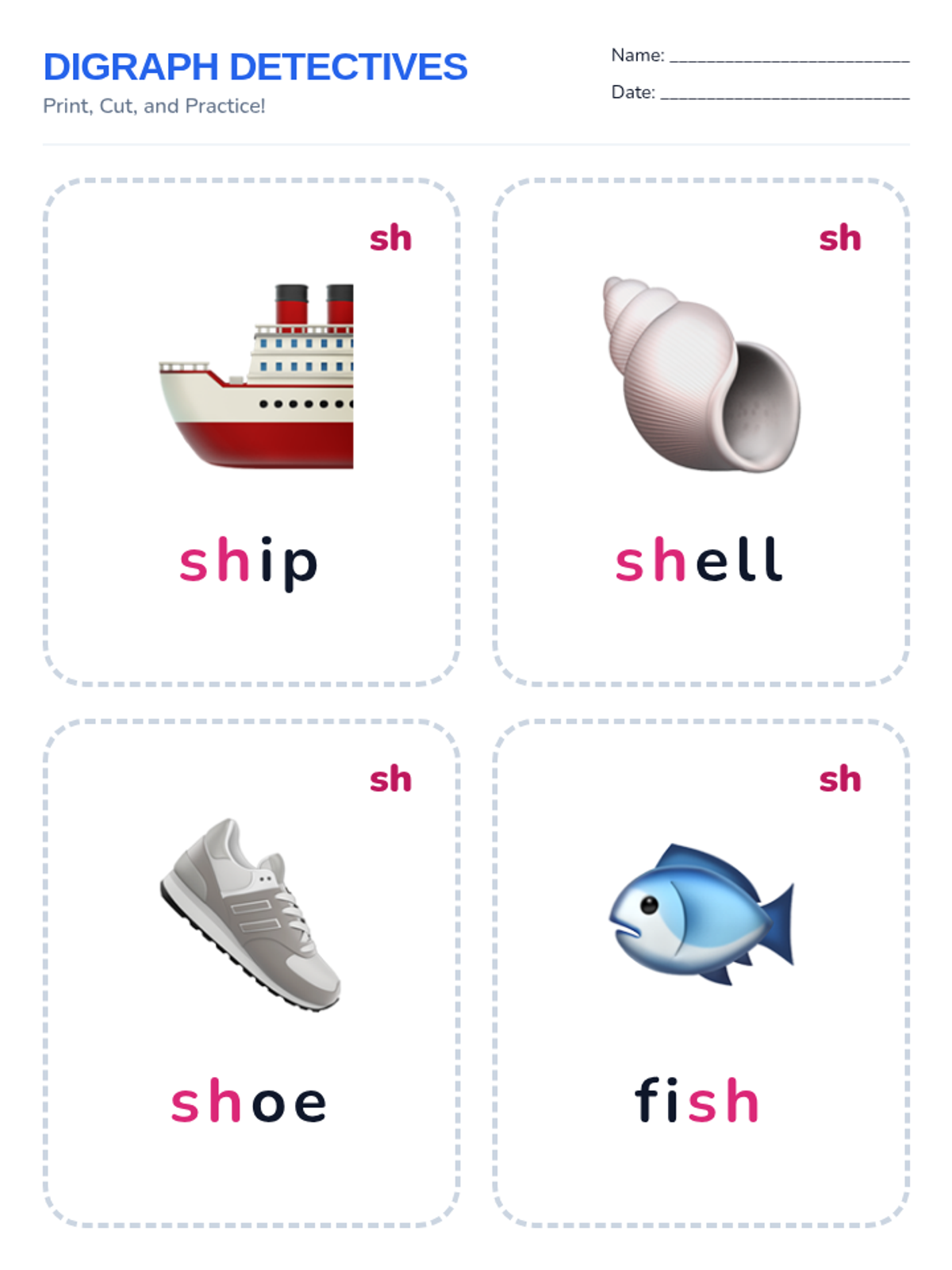
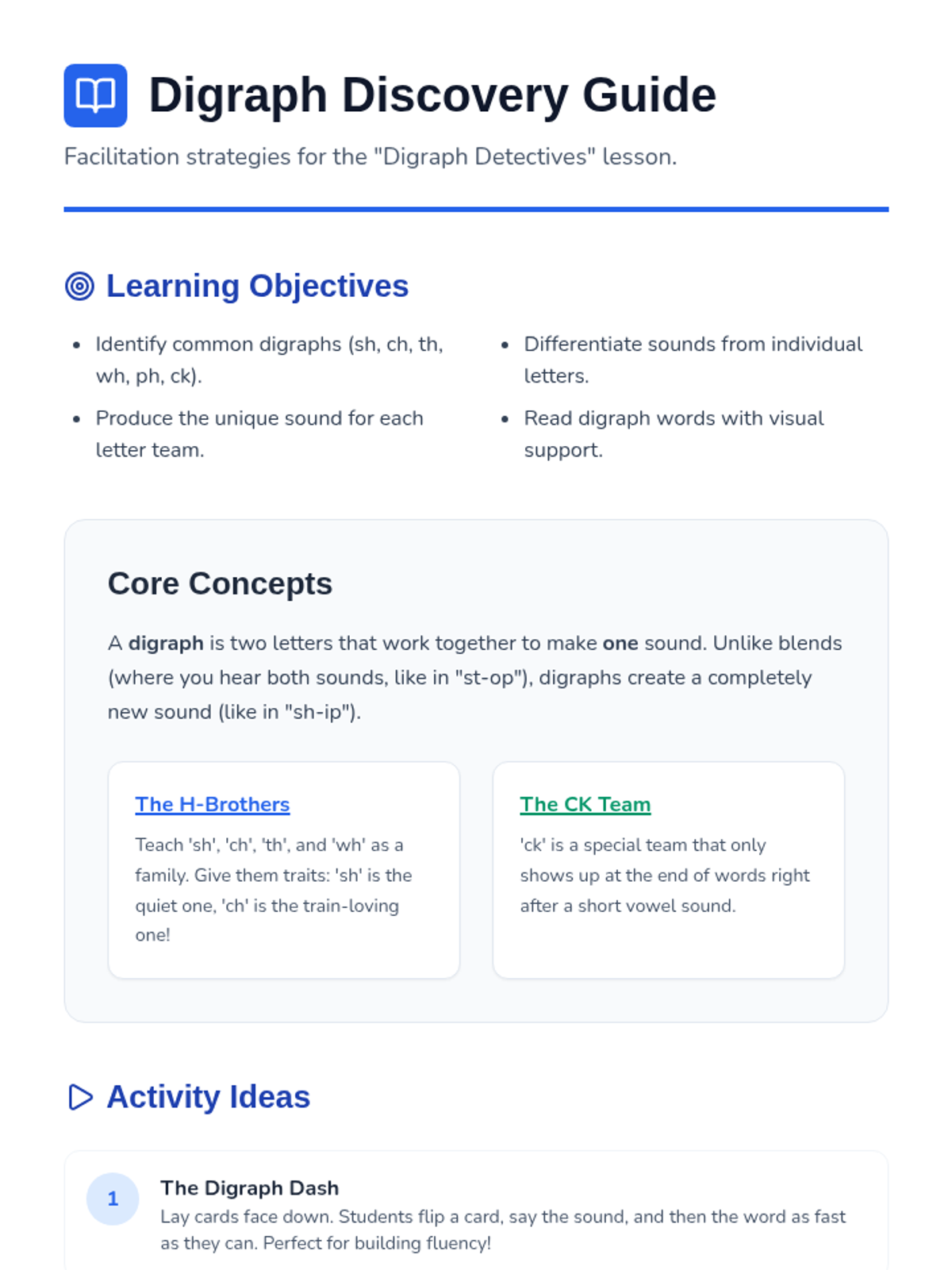
A foundational phonics lesson introducing common digraphs (sh, ch, th, wh, ph, ck) through visual recognition and interactive word-building activities.
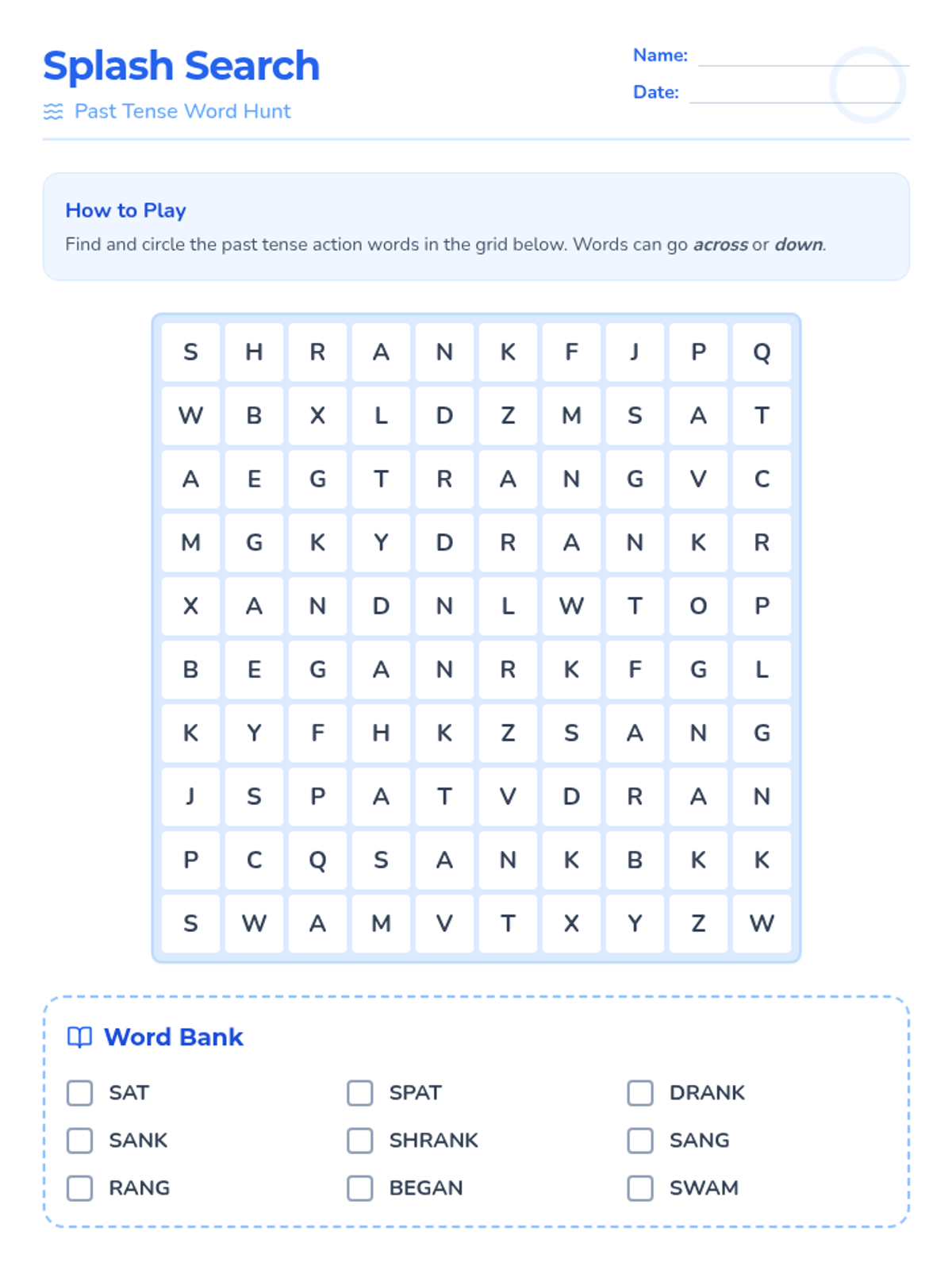
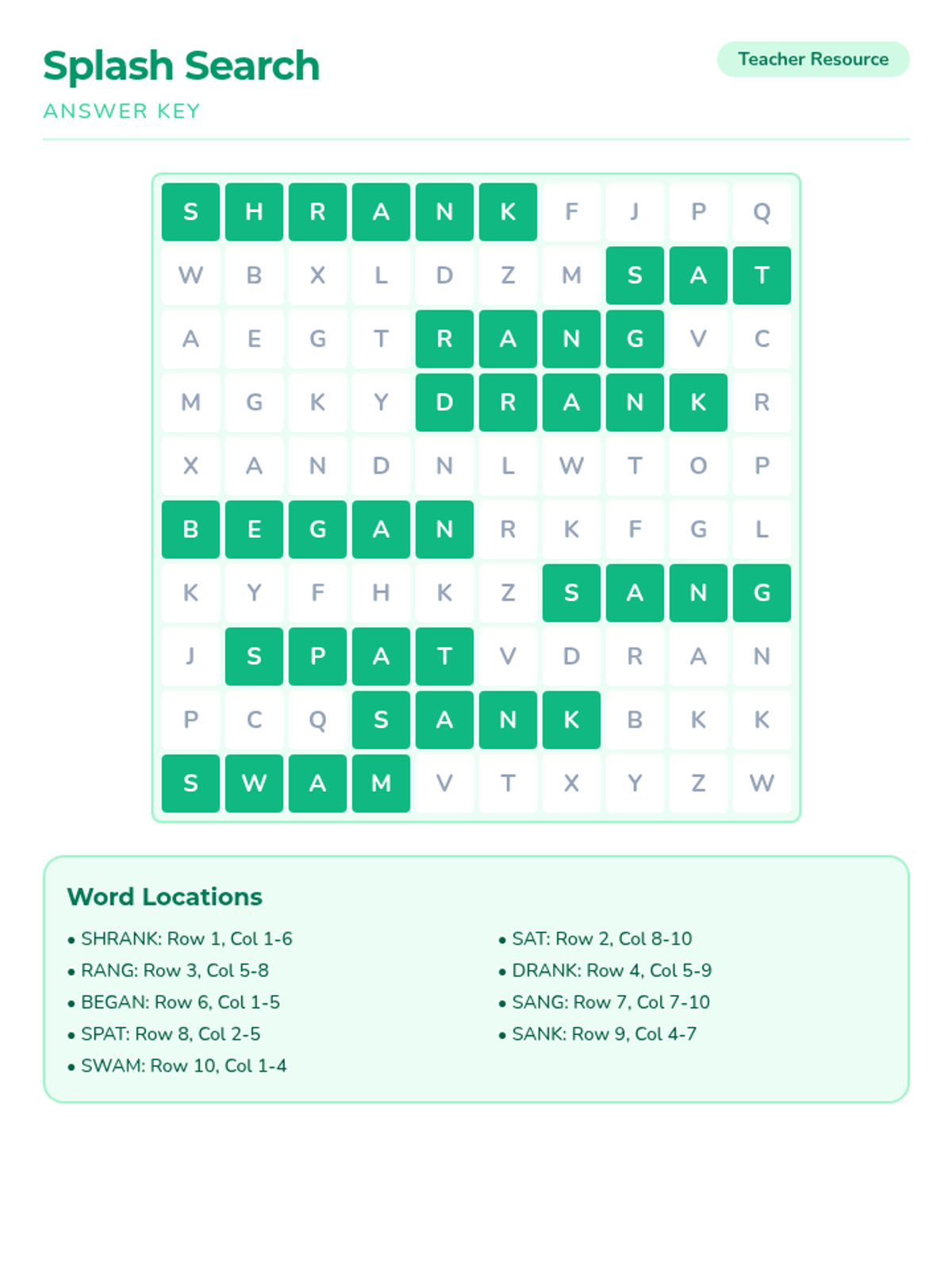
A fun, water-themed lesson focusing on irregular past tense verbs ending in -ang, -ank, and -an. Students will practice identifying and spelling these words through interactive activities.
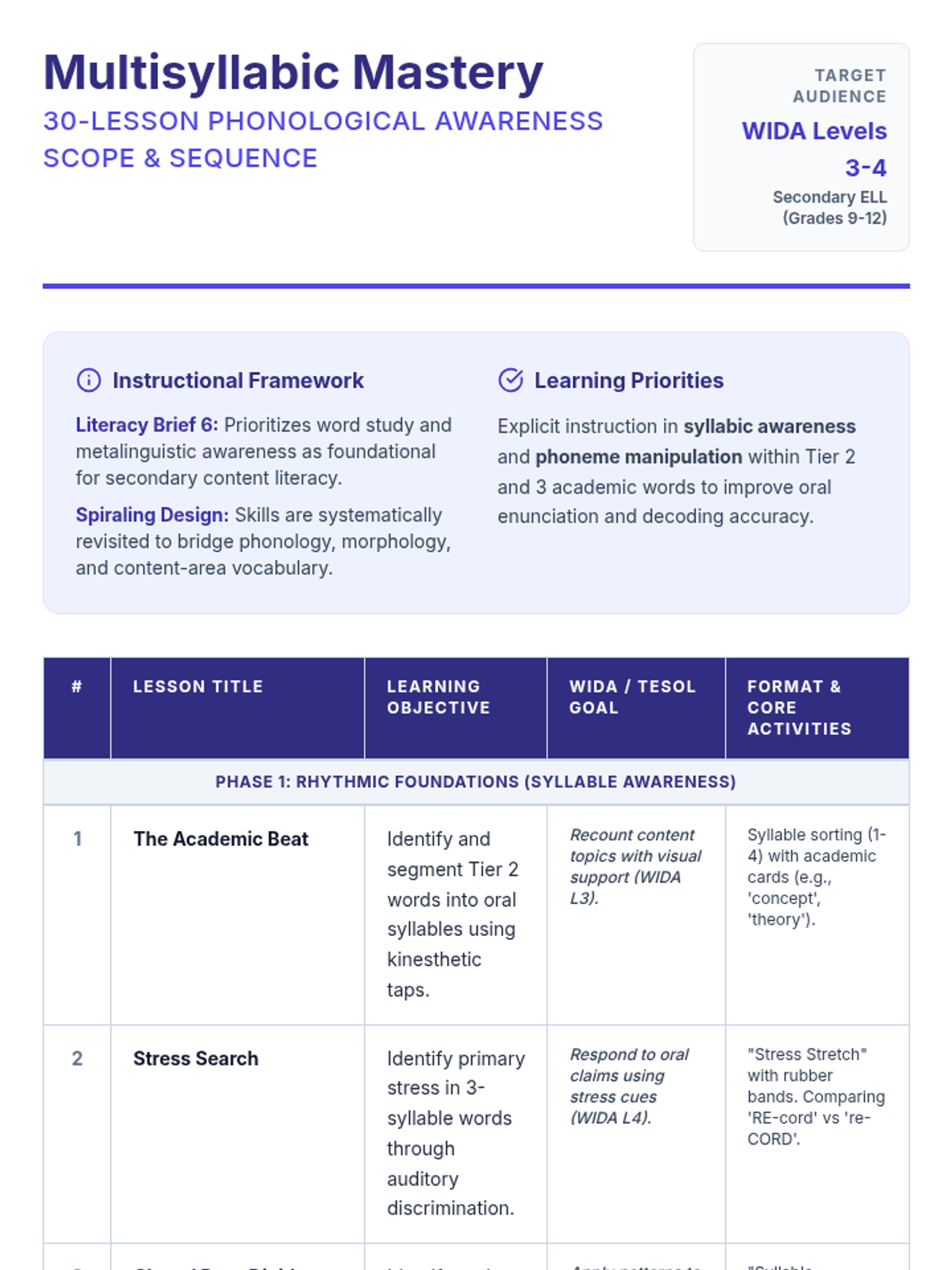
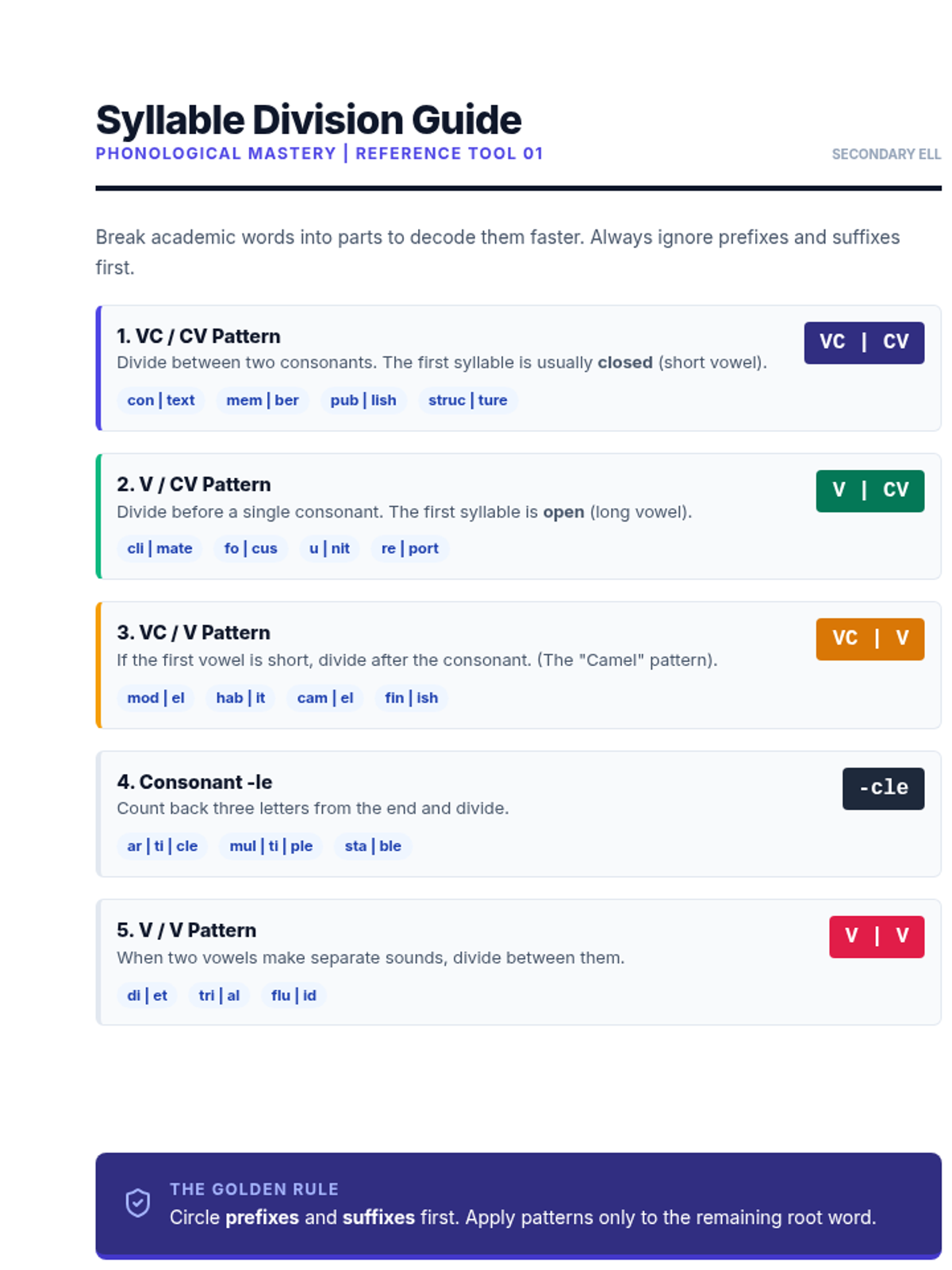
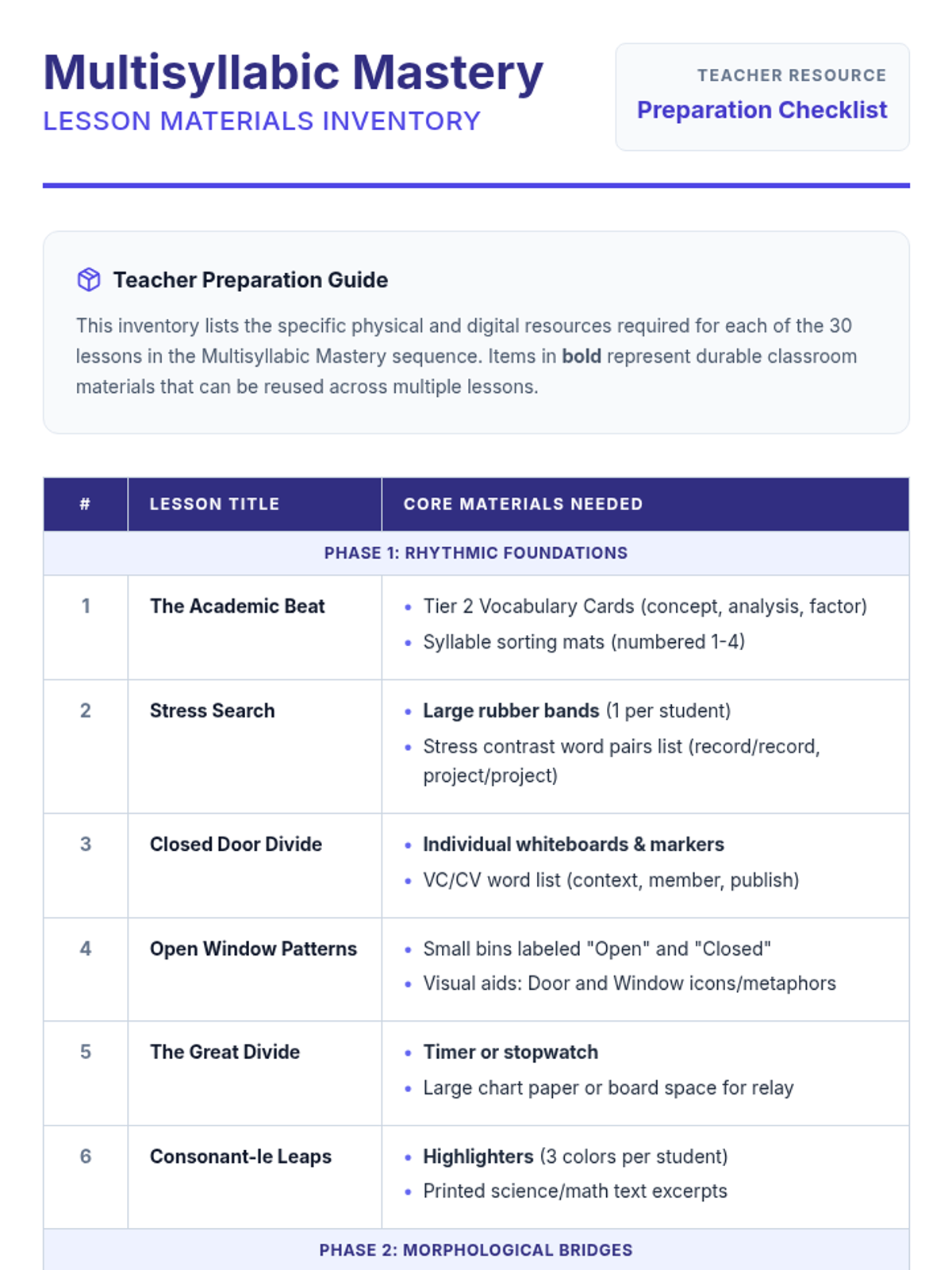
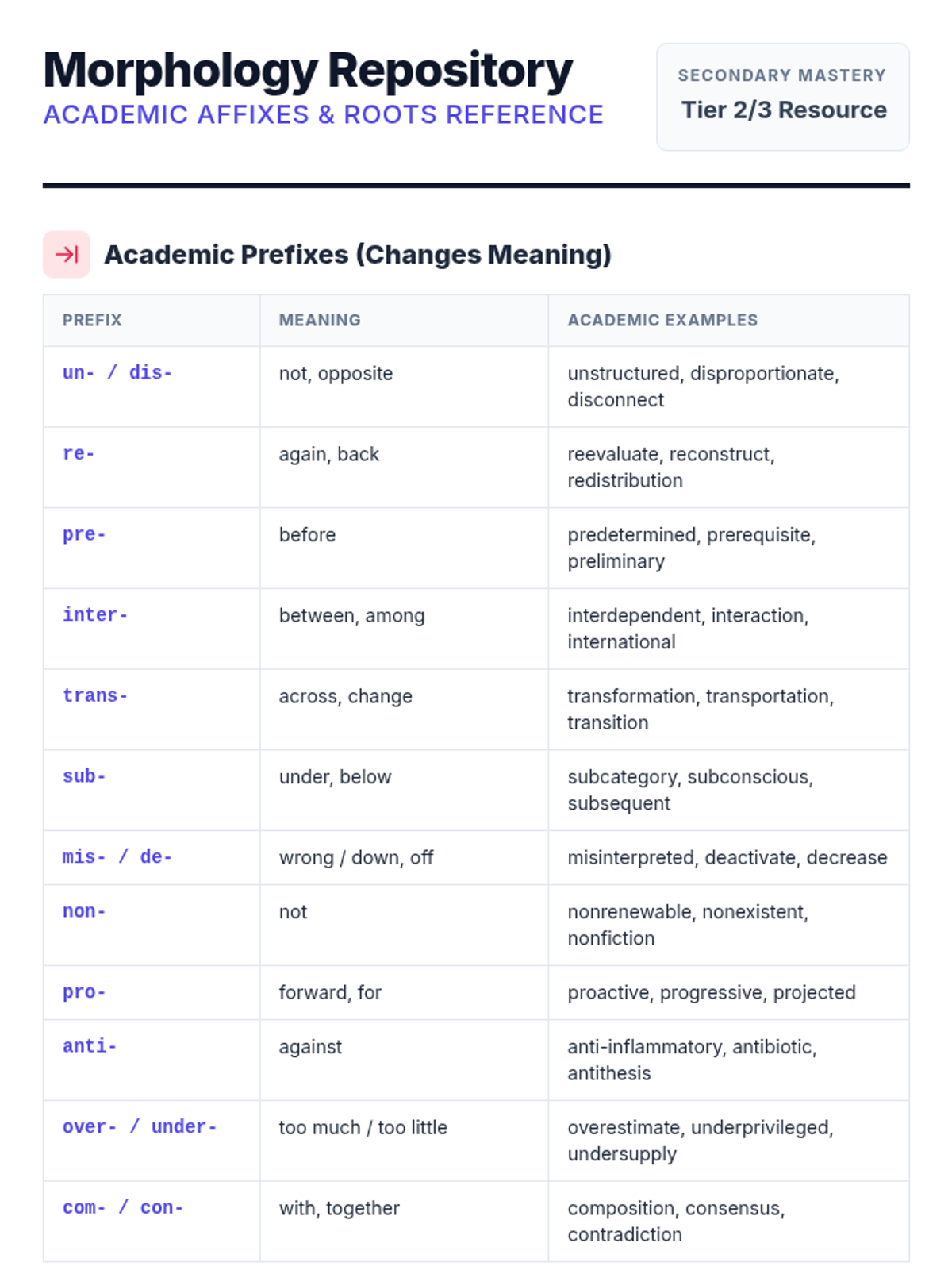
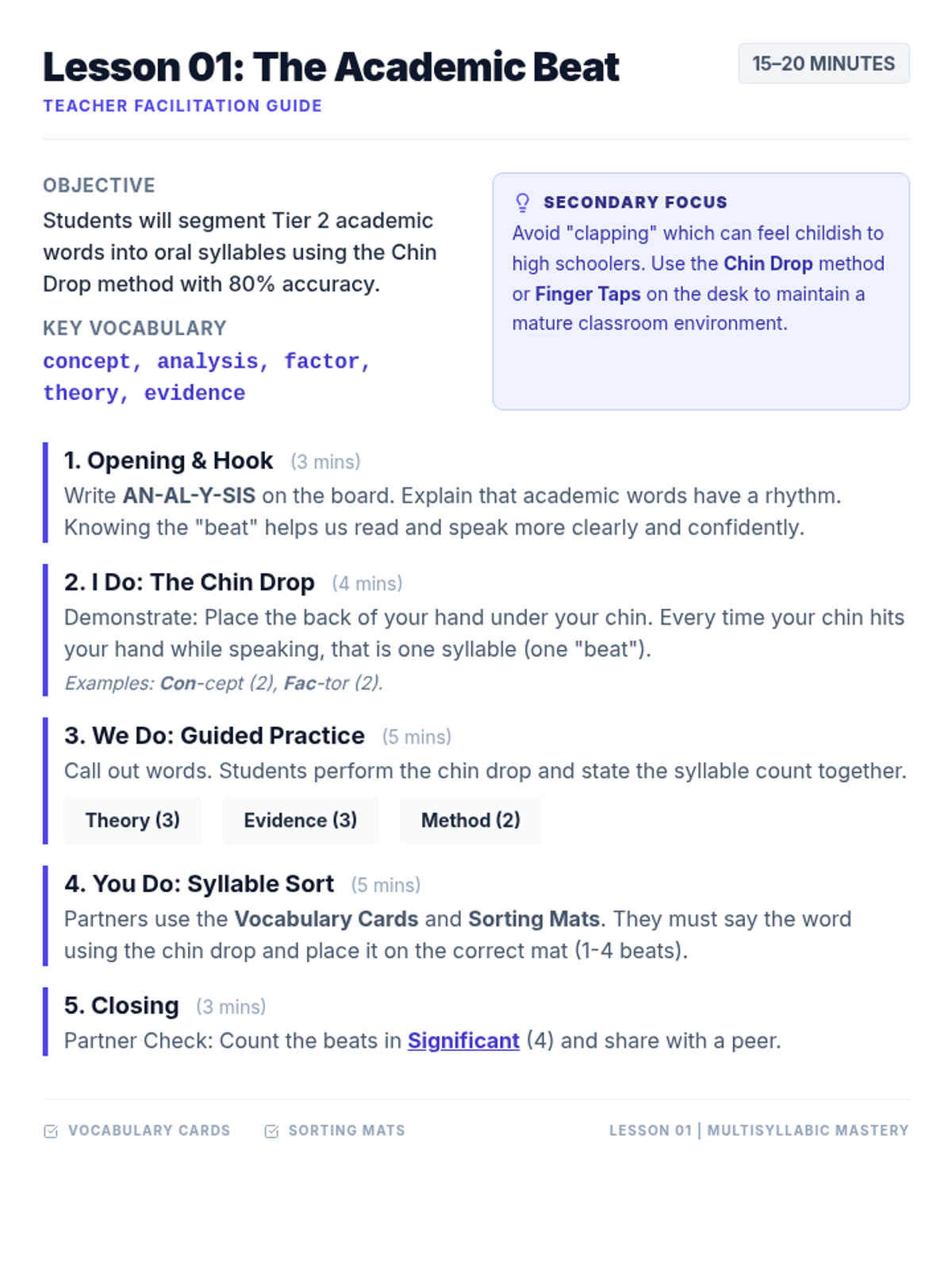
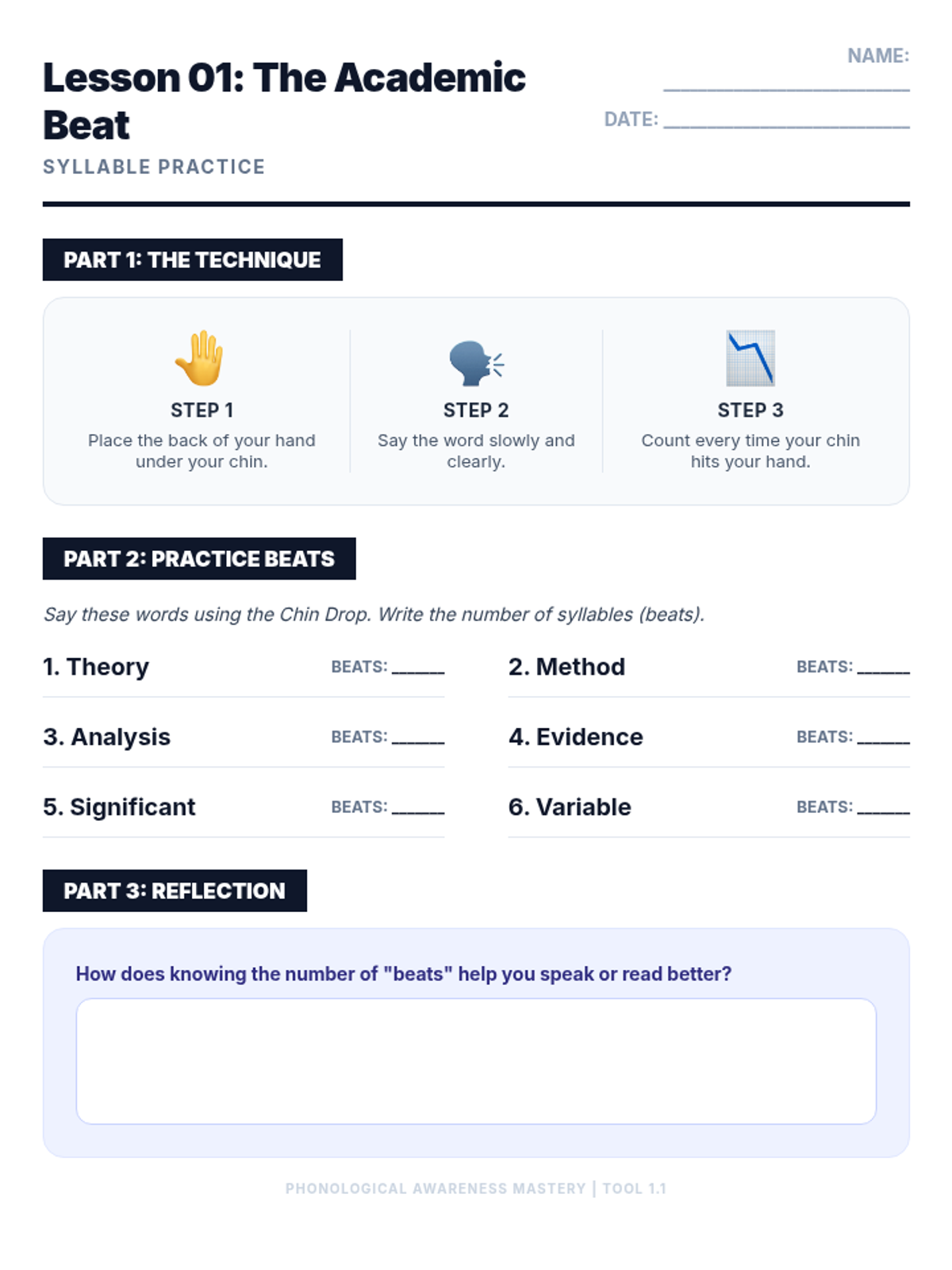
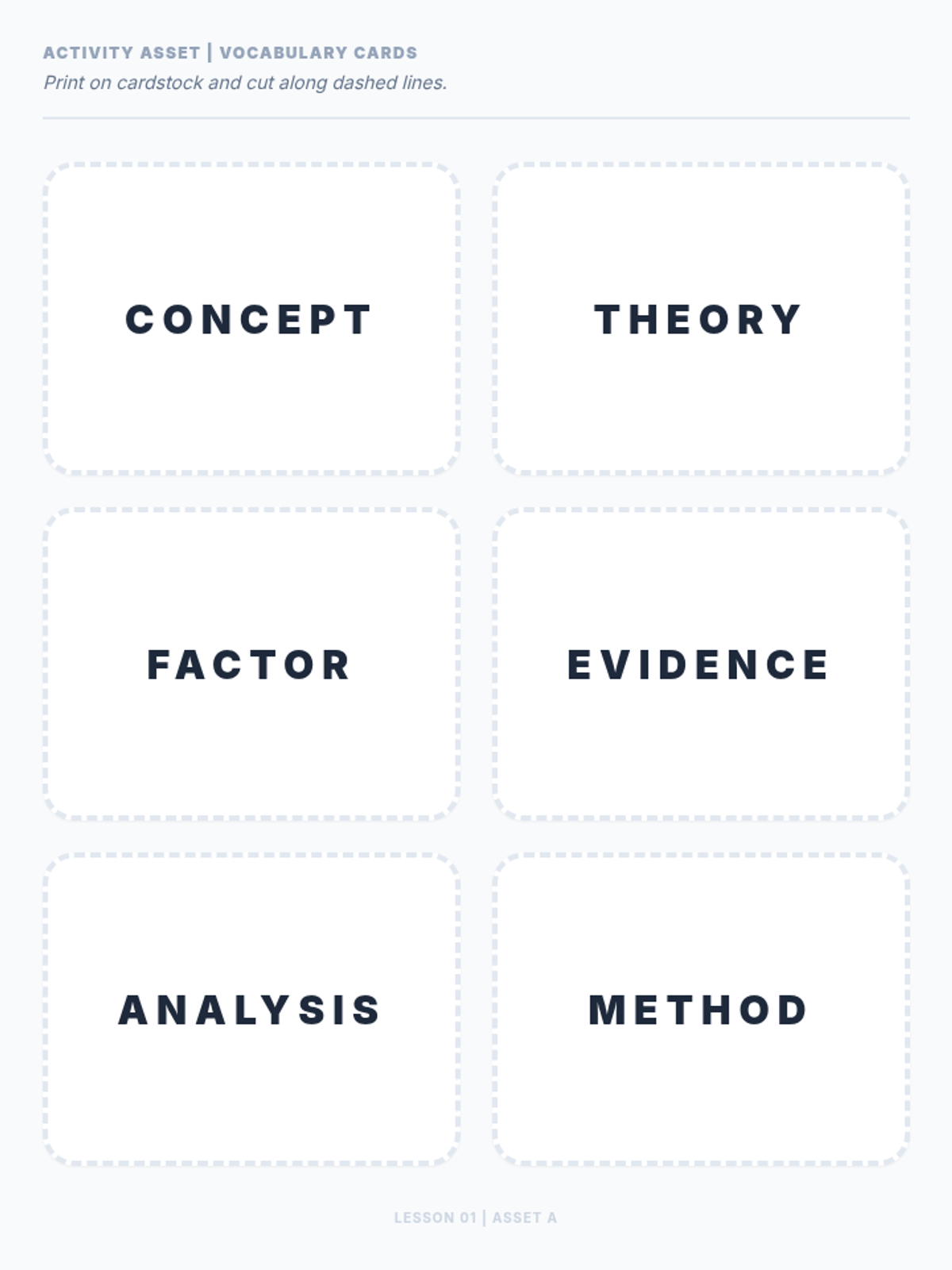
A comprehensive scope and sequence for teaching phonological awareness to secondary ELLs, focusing on multisyllabic academic vocabulary and phoneme manipulation.
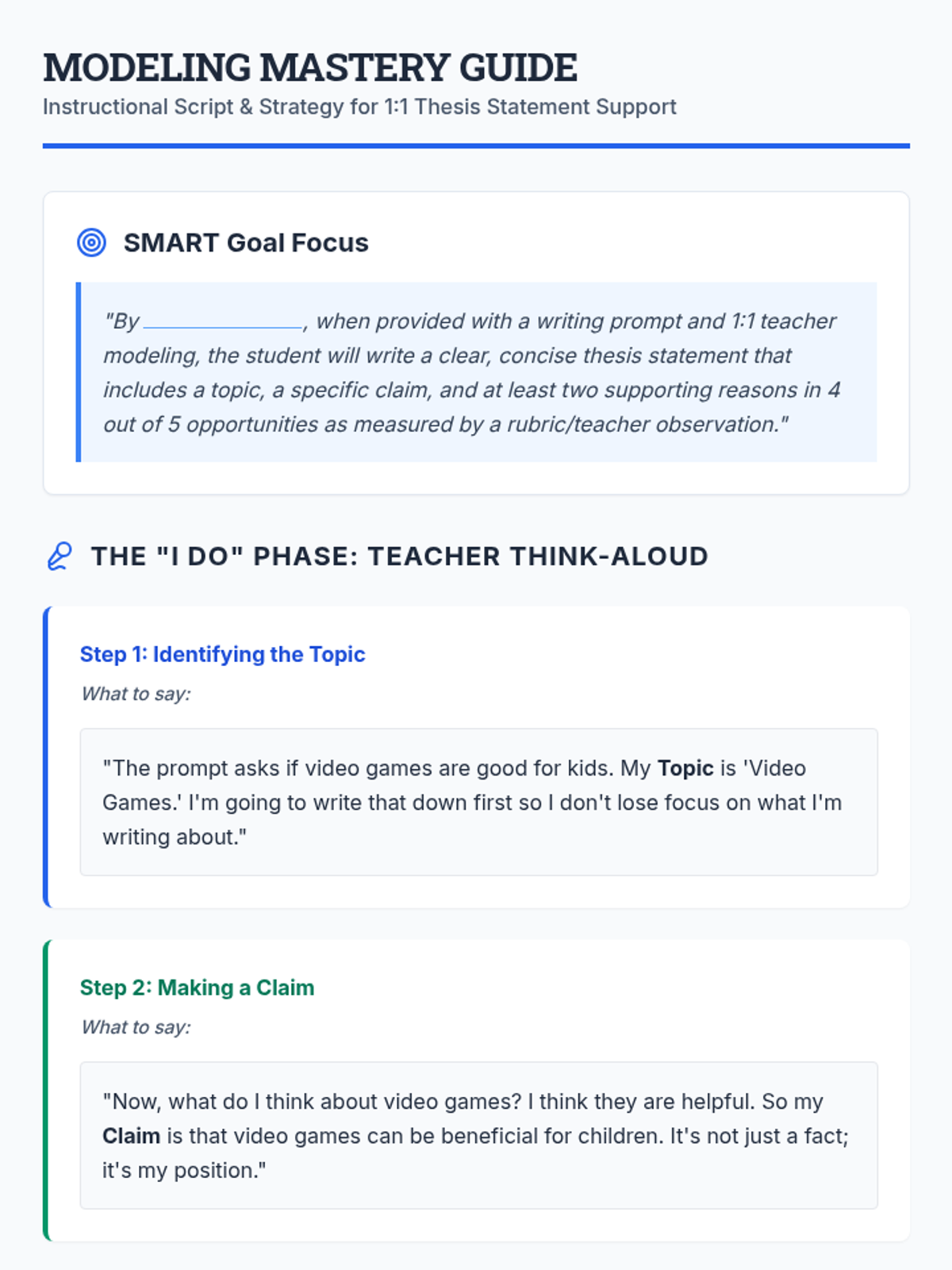
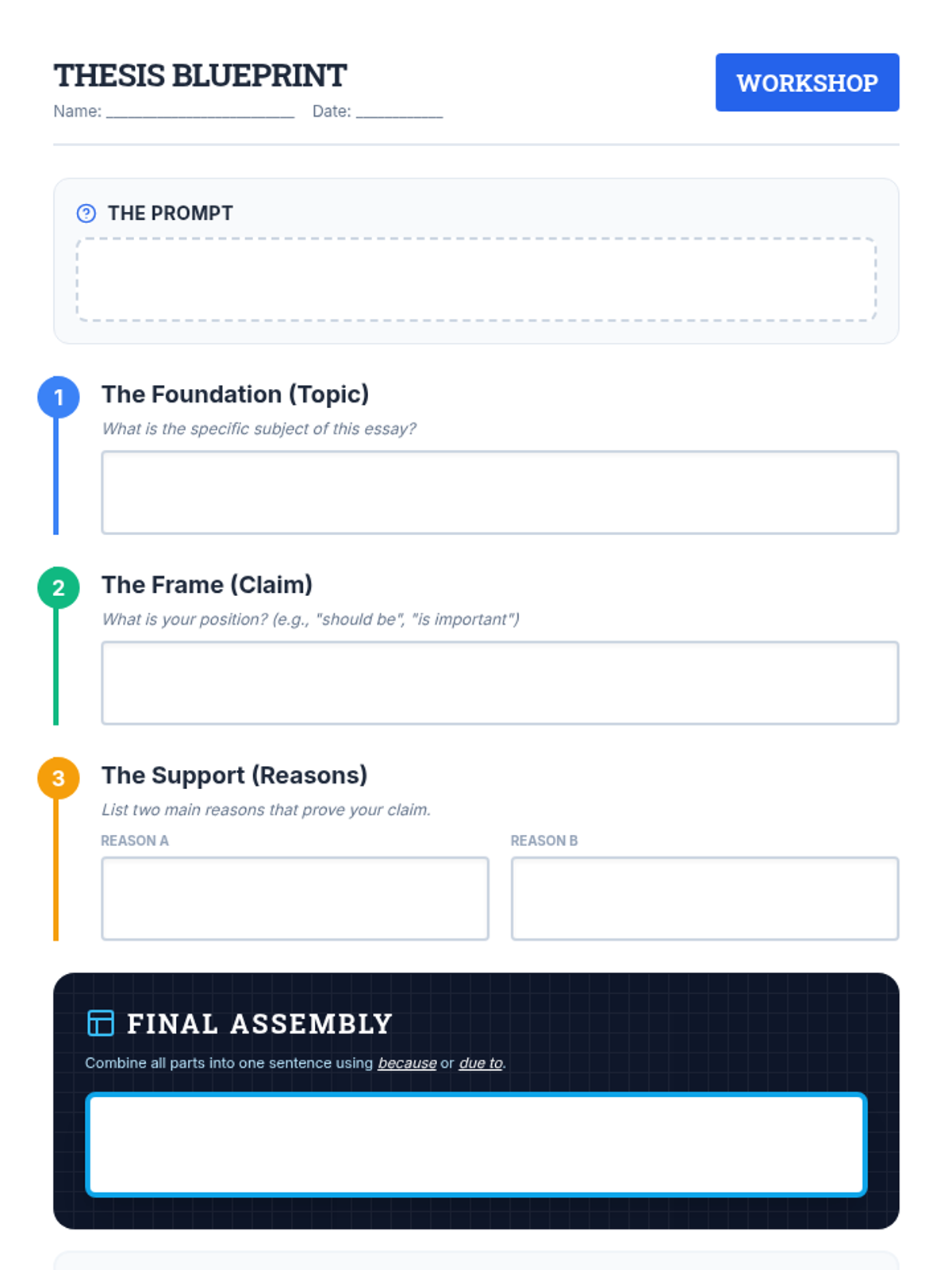
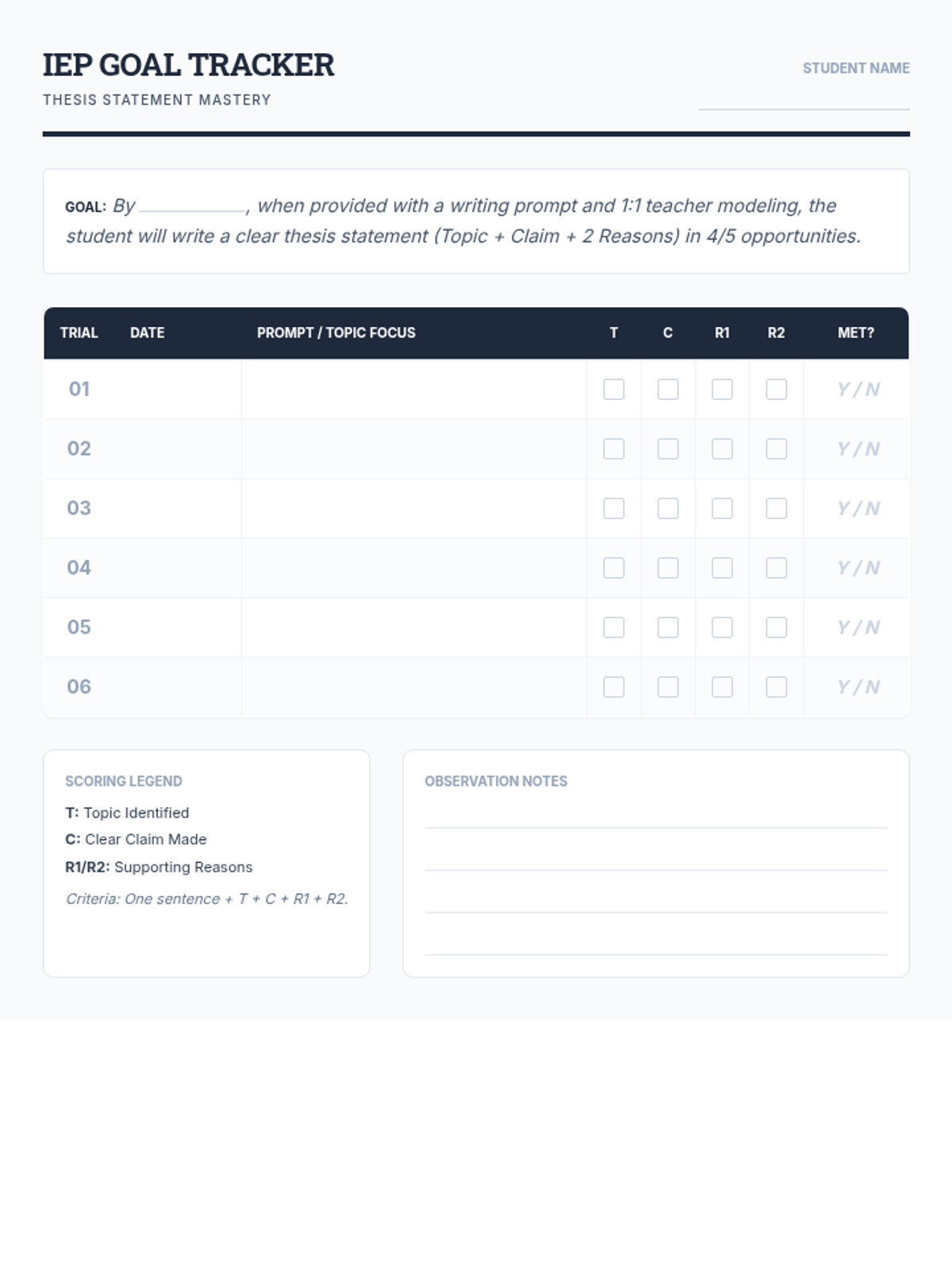
A focused lesson on building thesis statements using the Topic + Claim + Reasons formula, specifically designed for 1:1 instructional settings.
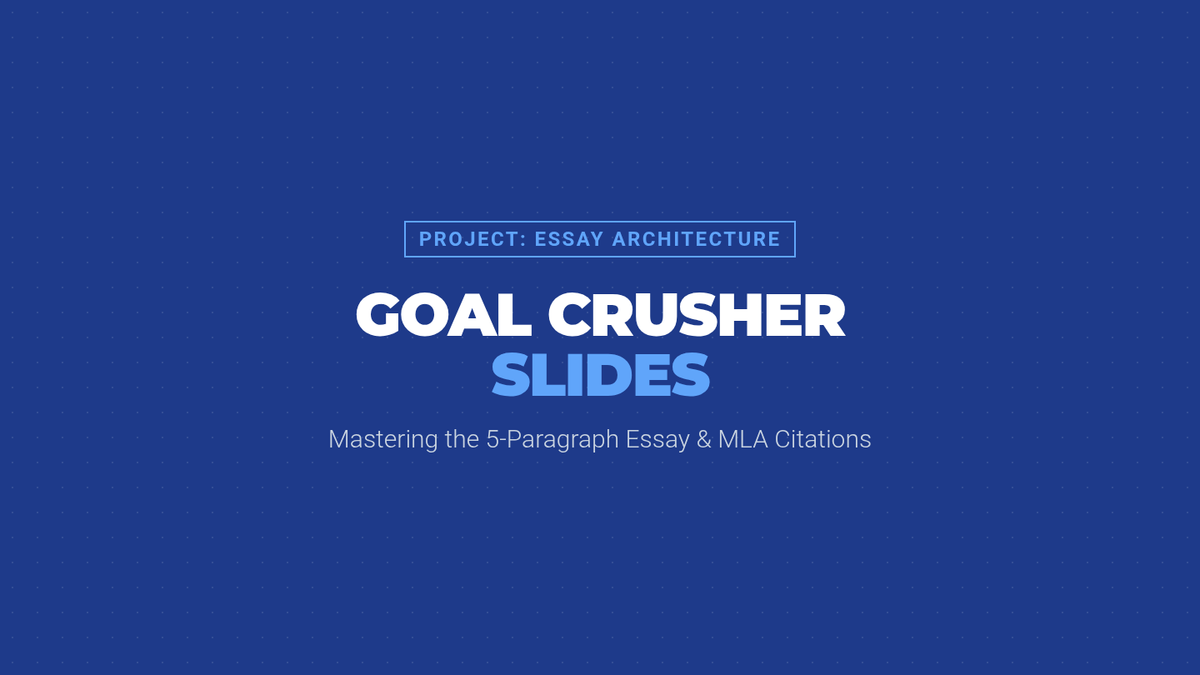
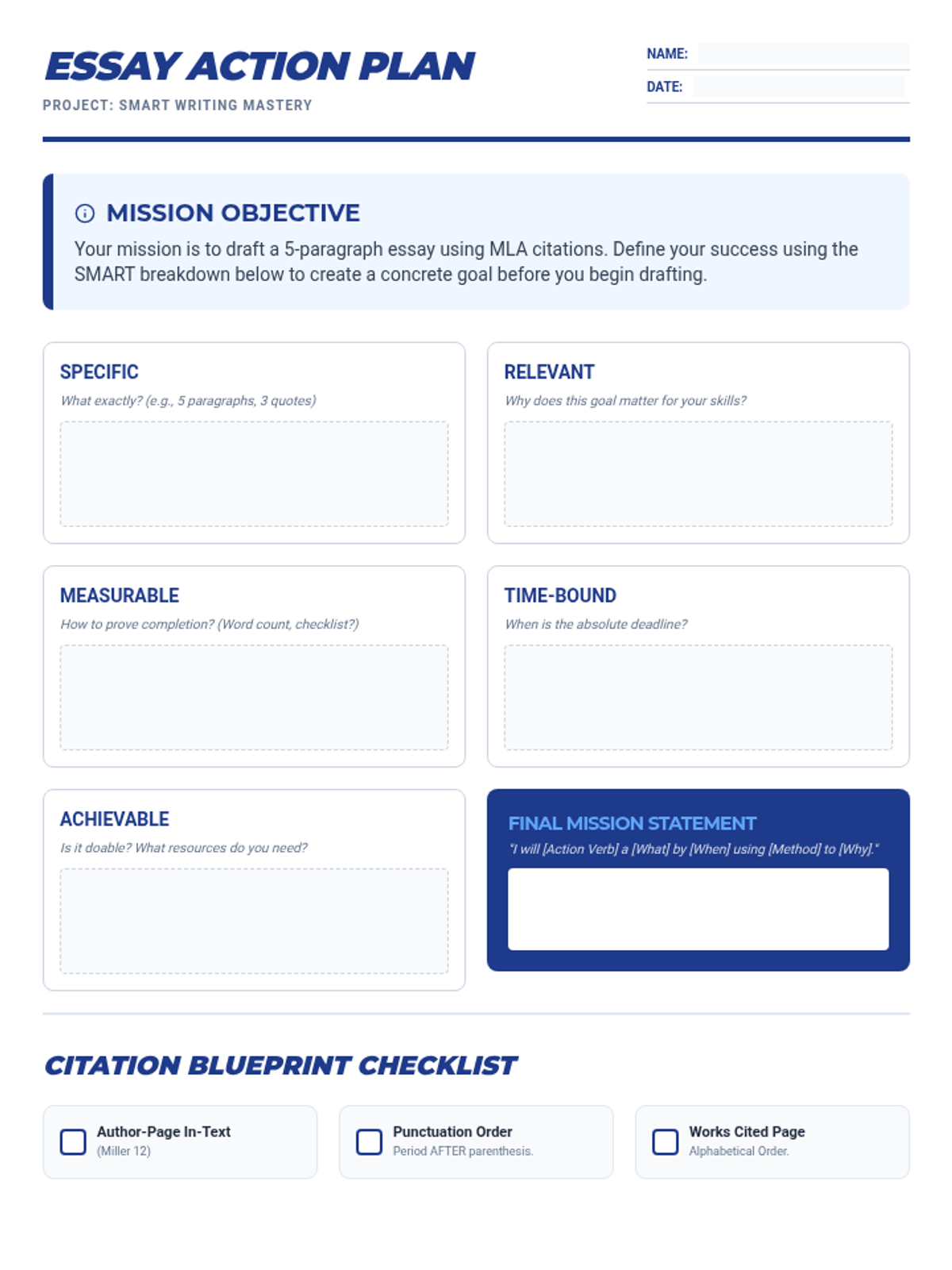
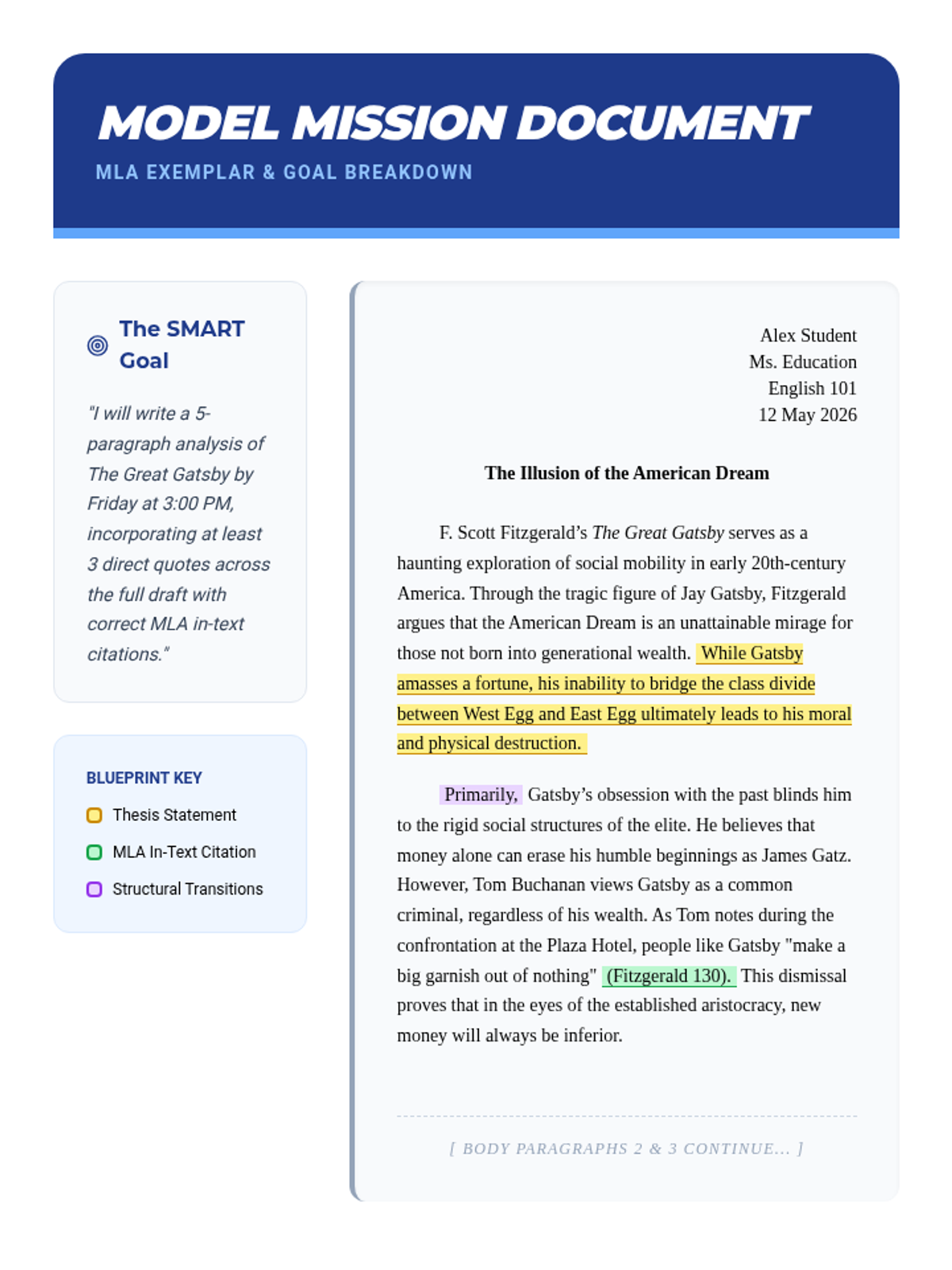
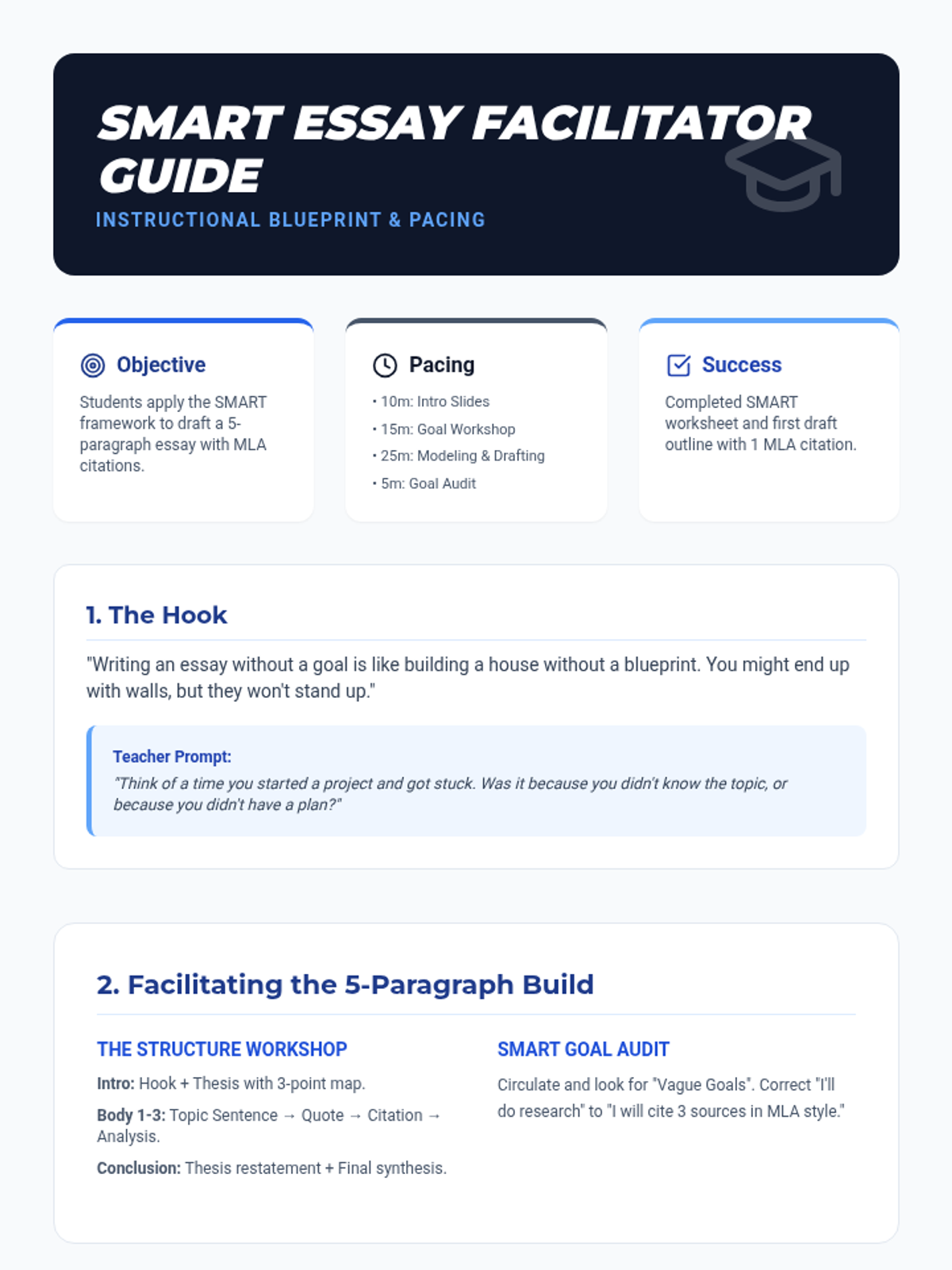
In this lesson, students will define specific, measurable, achievable, relevant, and time-bound goals for their essay writing process, specifically focusing on the 5-paragraph structure and MLA citation requirements.
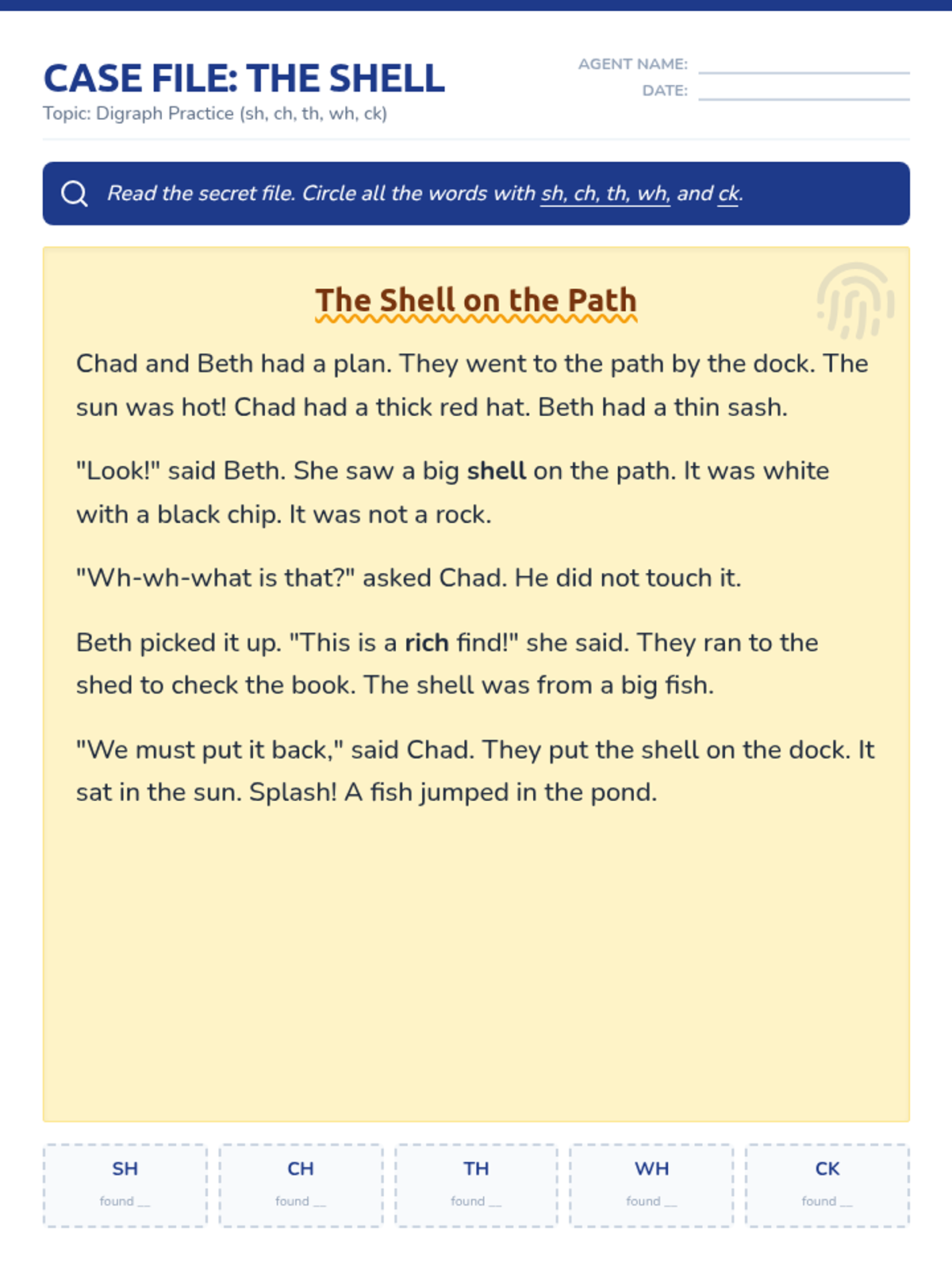
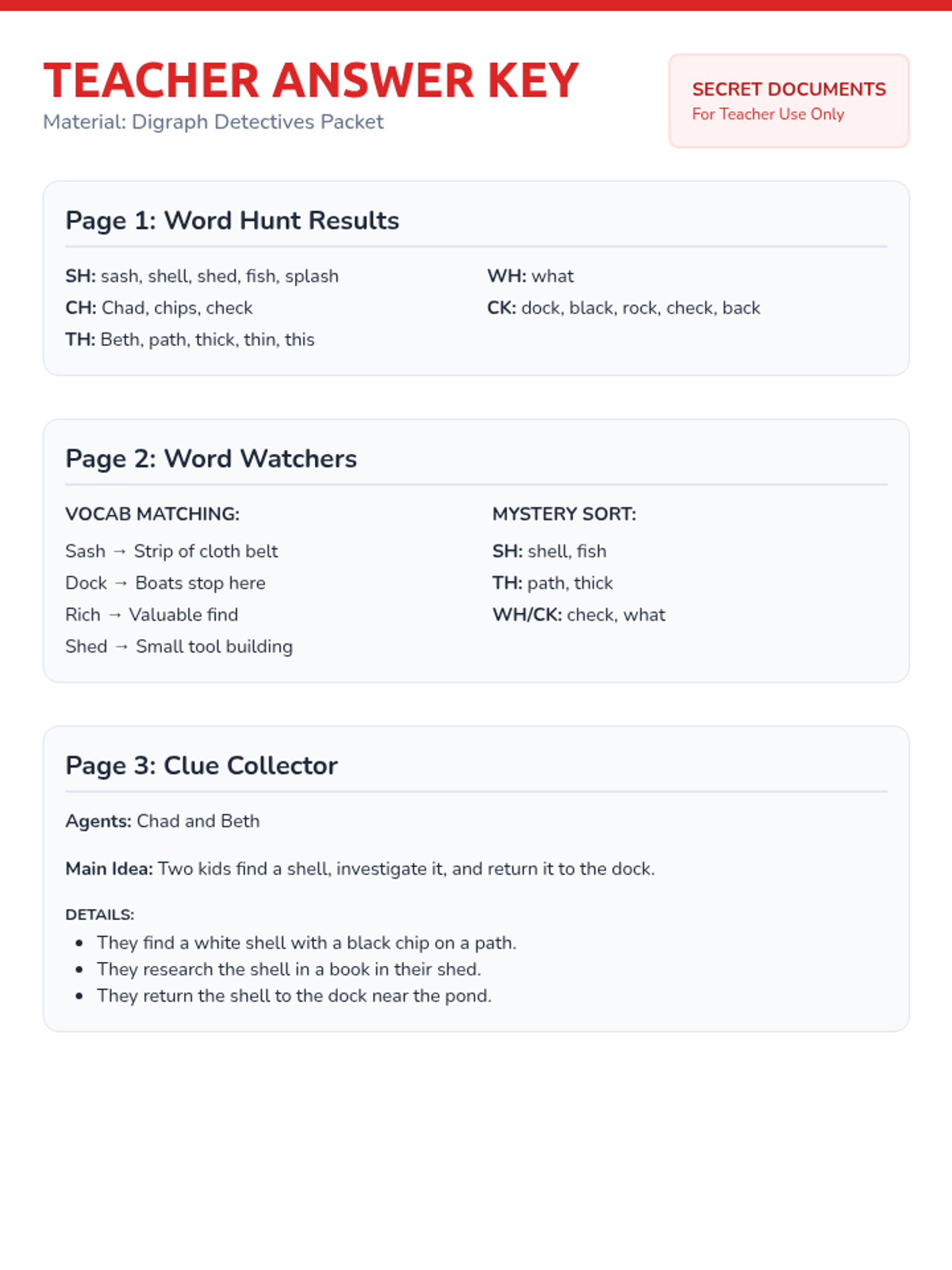
A comprehensive reading comprehension packet focusing on digraphs (sh, ch, th, wh, ck) through a decodable mystery story. Students practice decoding, vocabulary, character analysis, and both explicit and inferential questioning.
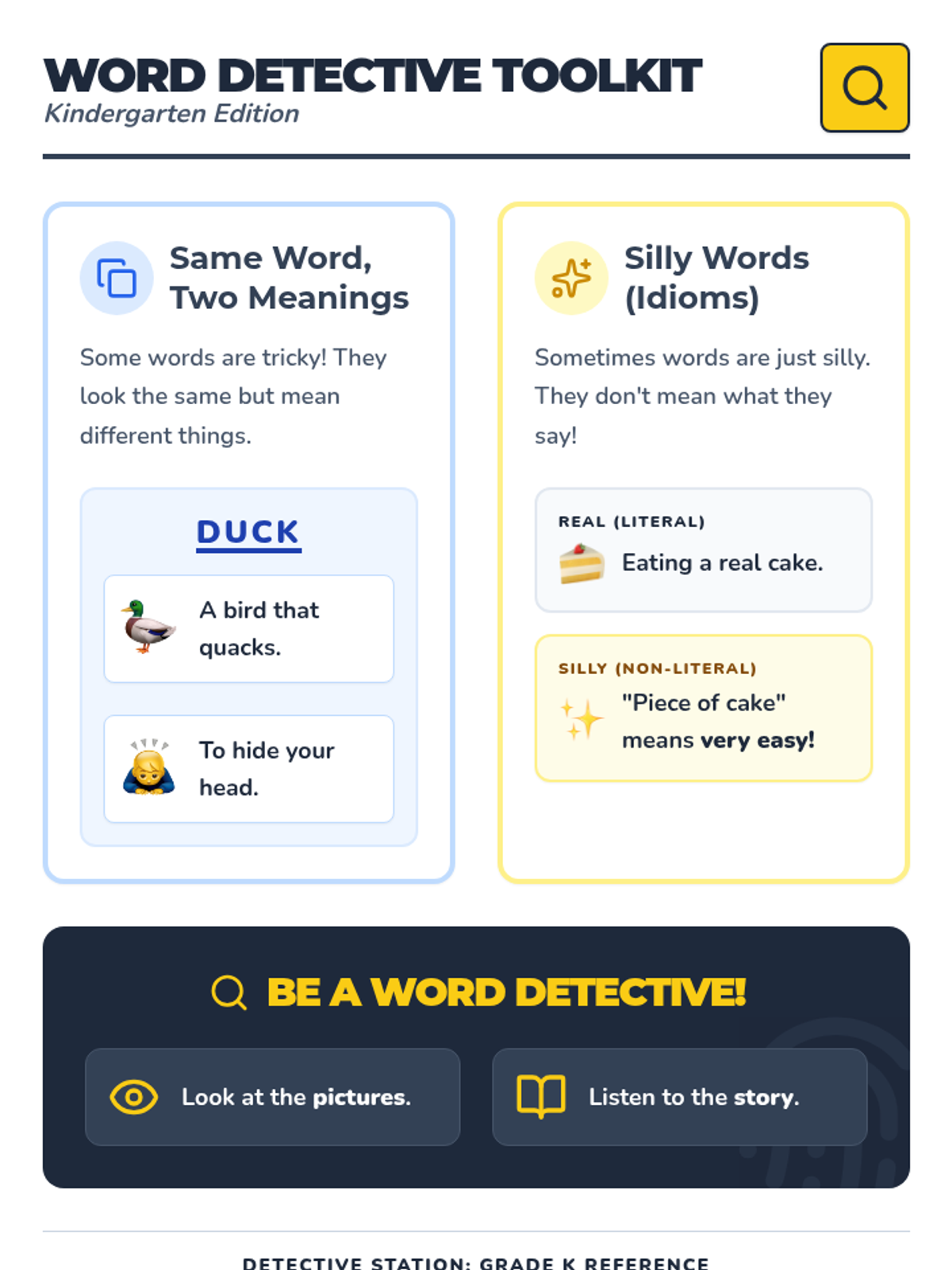
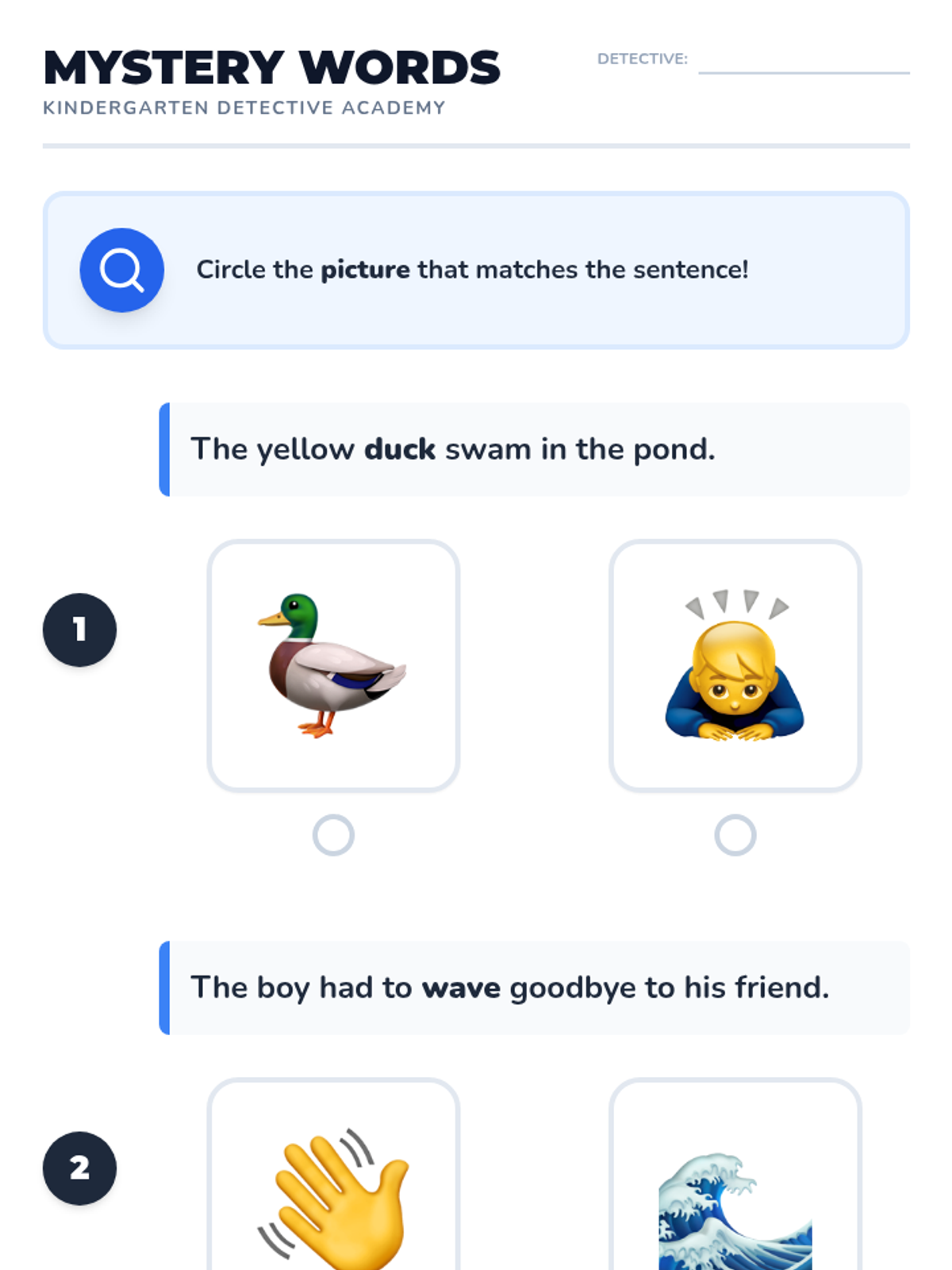
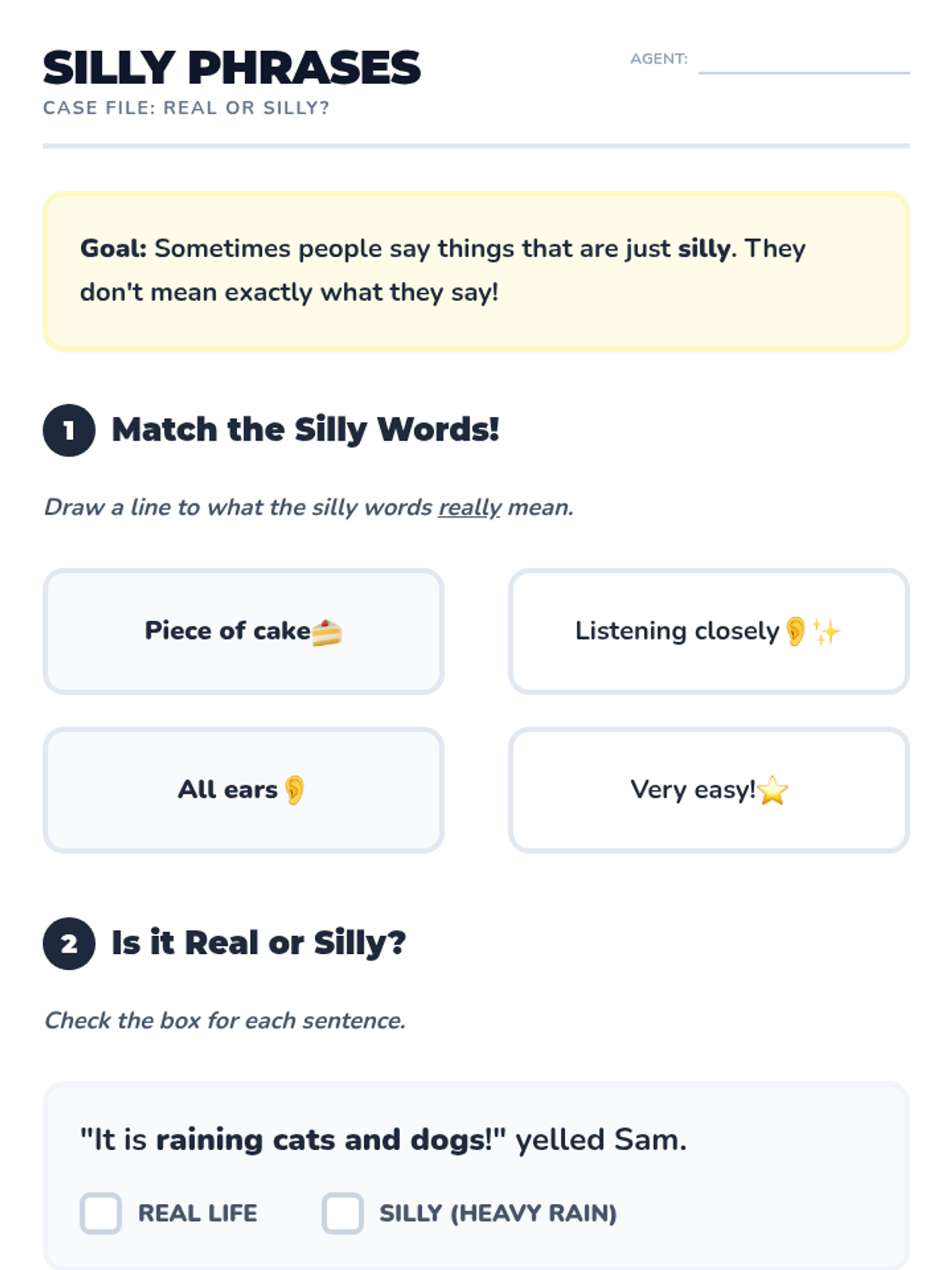
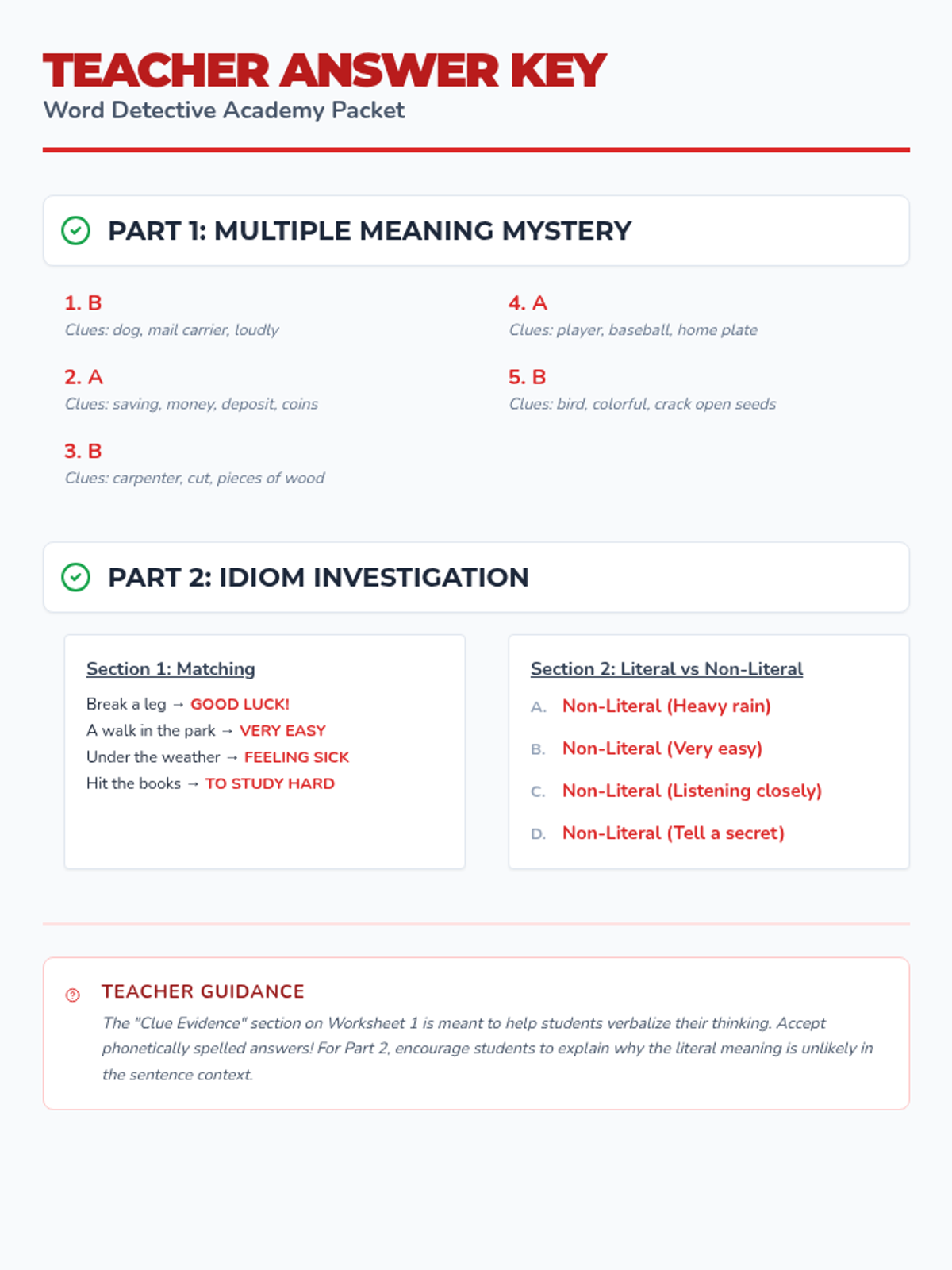
A focused set of activities for EC students to master multiple meaning words and idioms through a detective-themed investigation. Students use context clues to solve linguistic mysteries and distinguish between literal and figurative language.
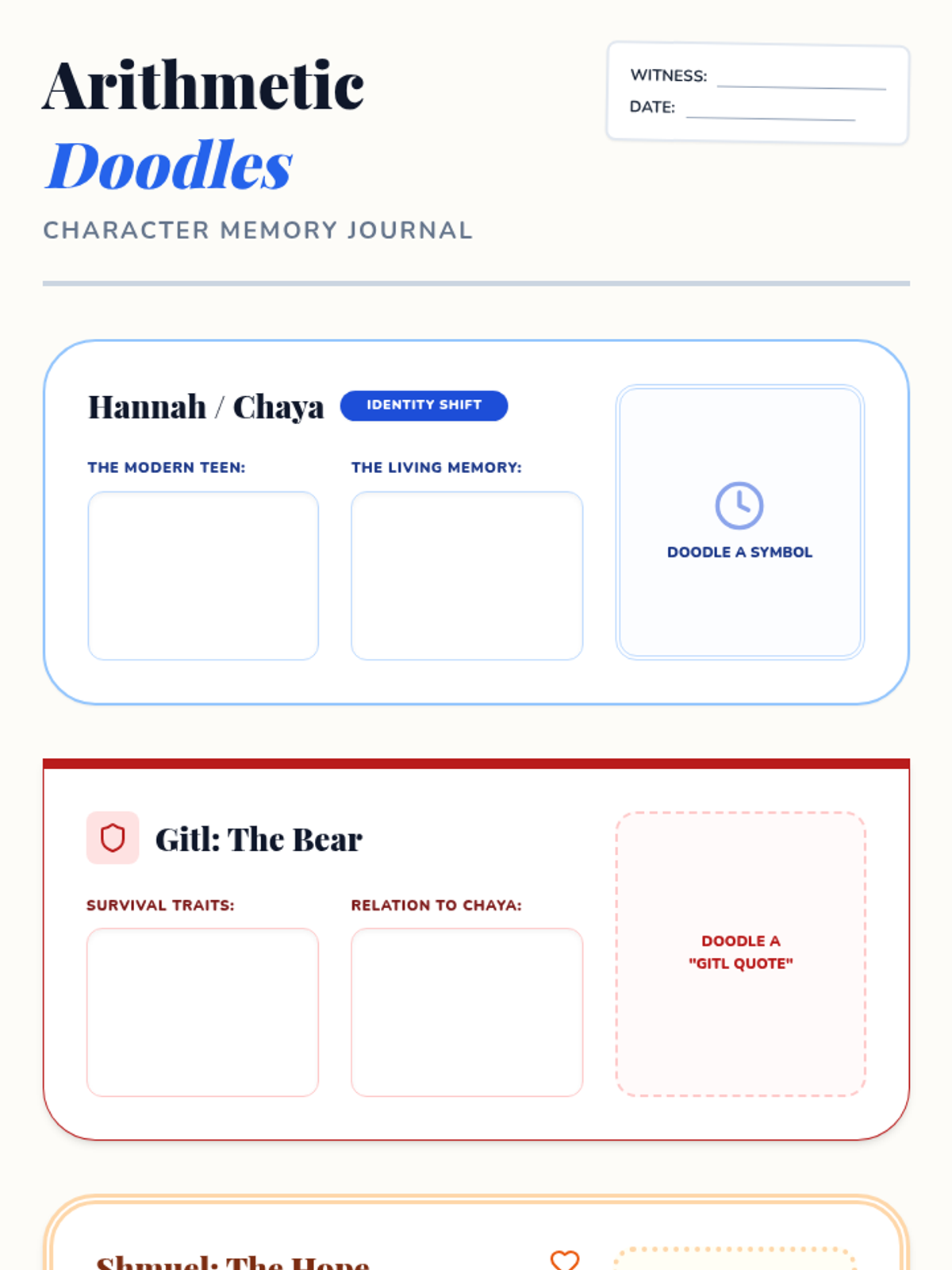
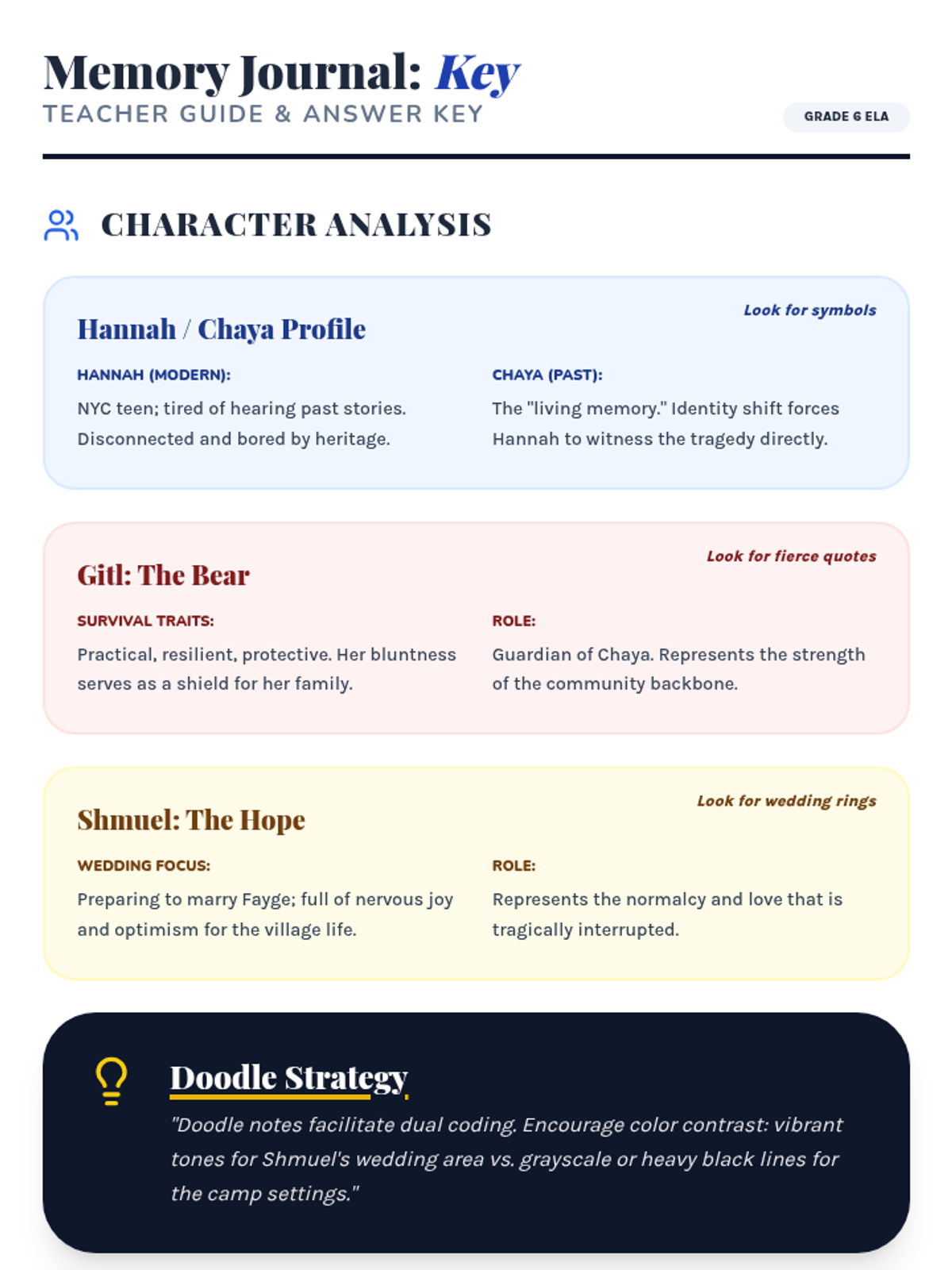
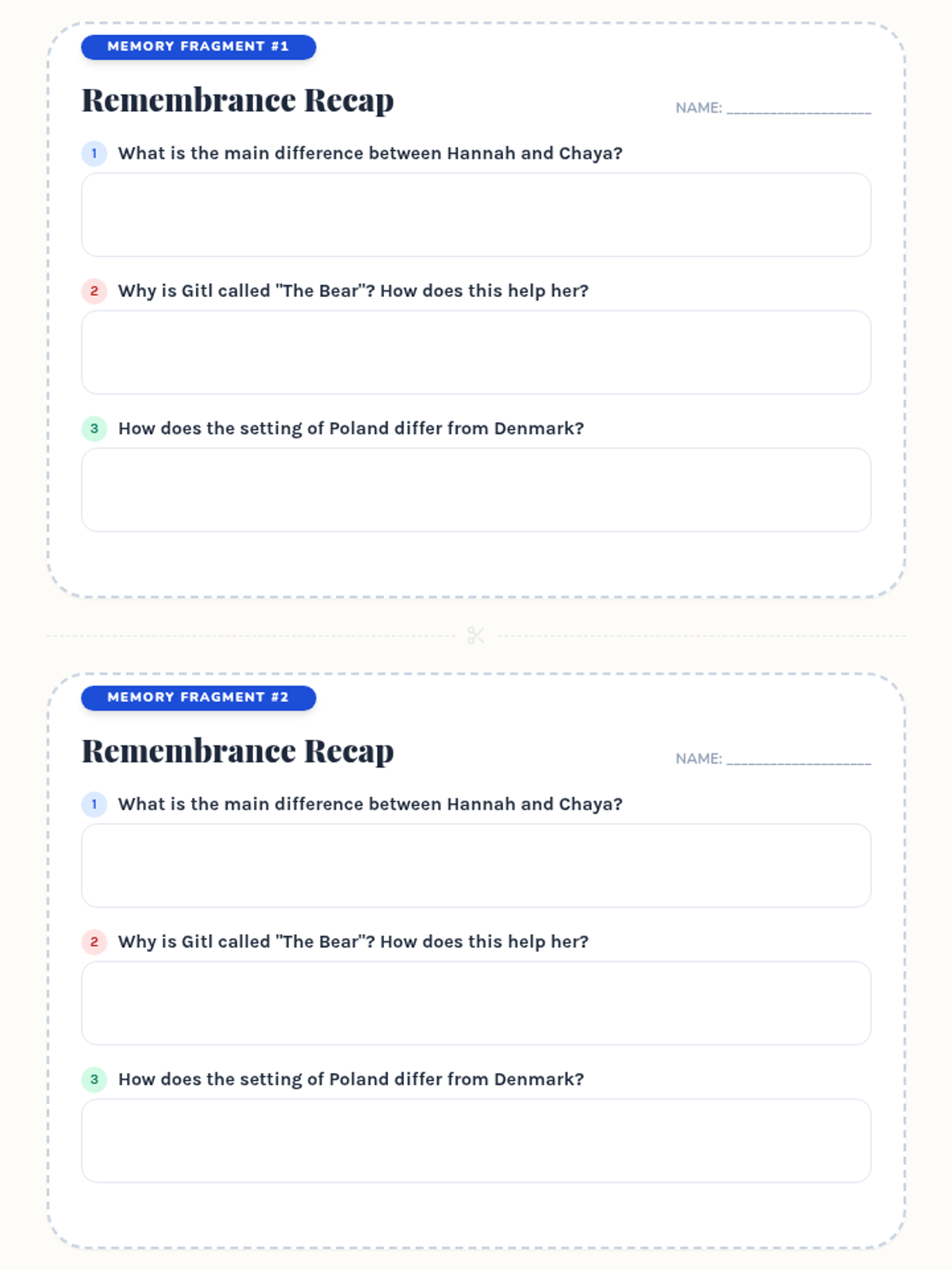
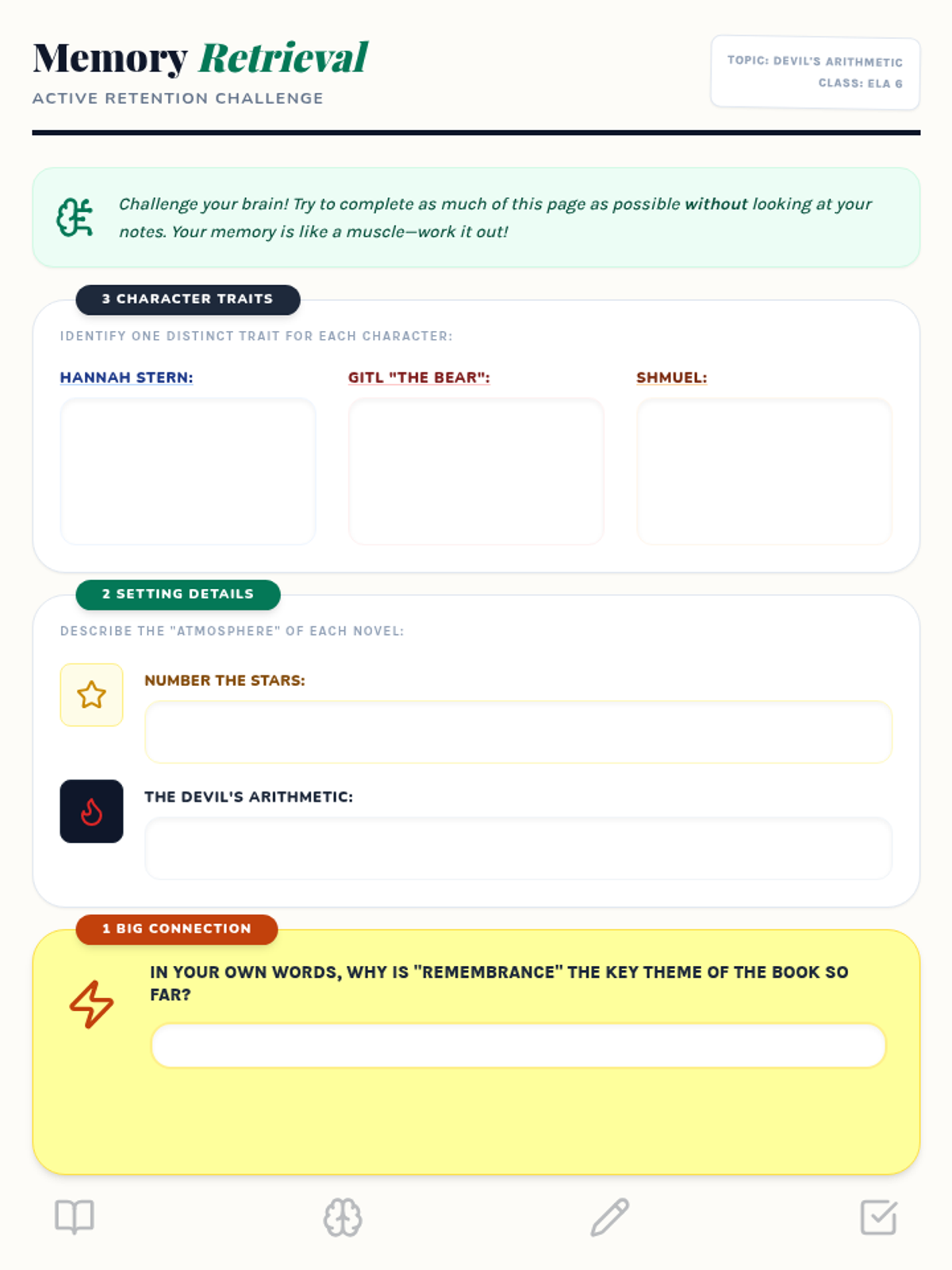
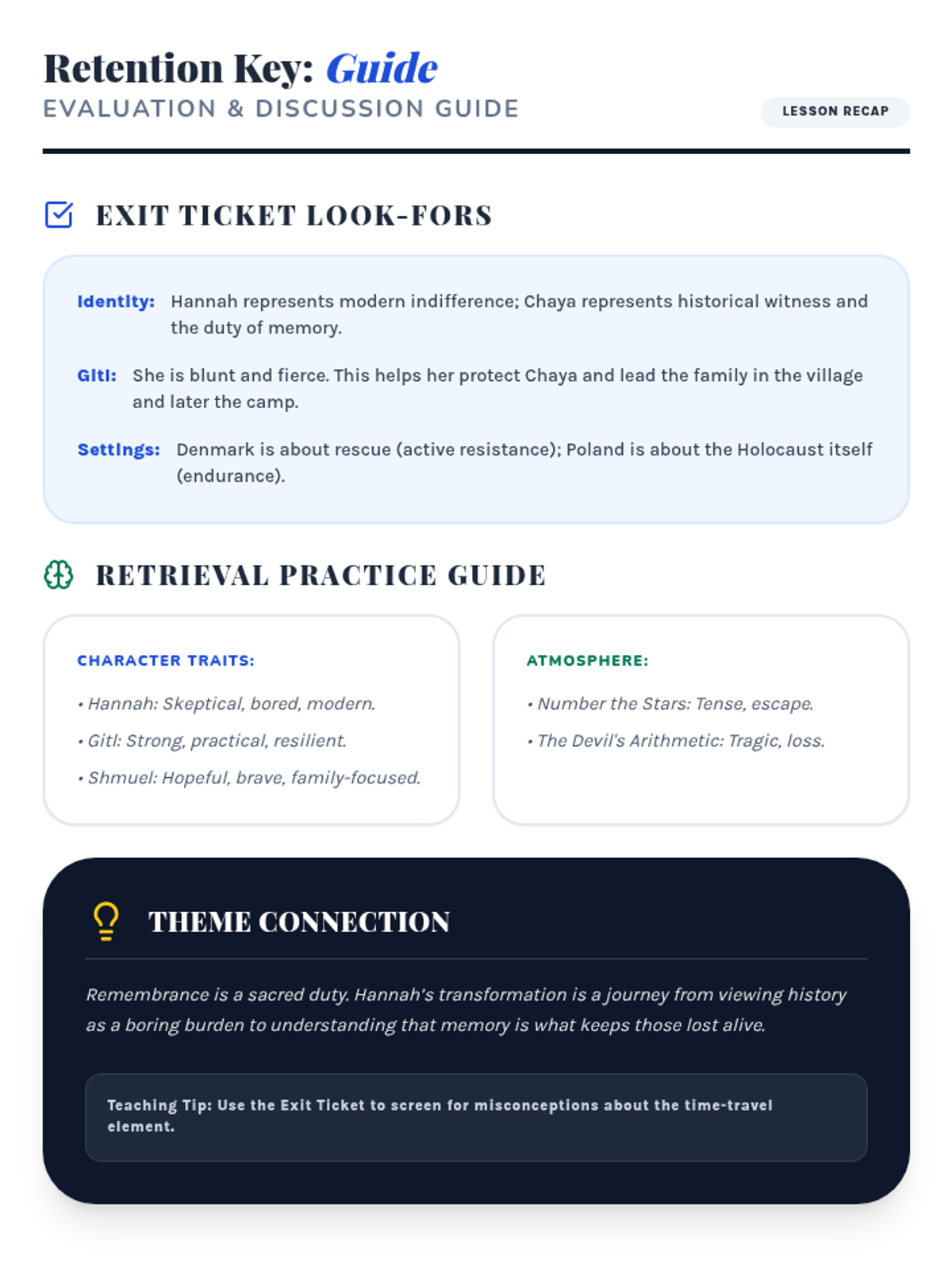
An introductory lesson to Jane Yolen's 'The Devil's Arithmetic,' focusing on character analysis and contrasting historical settings with 'Number the Stars.'
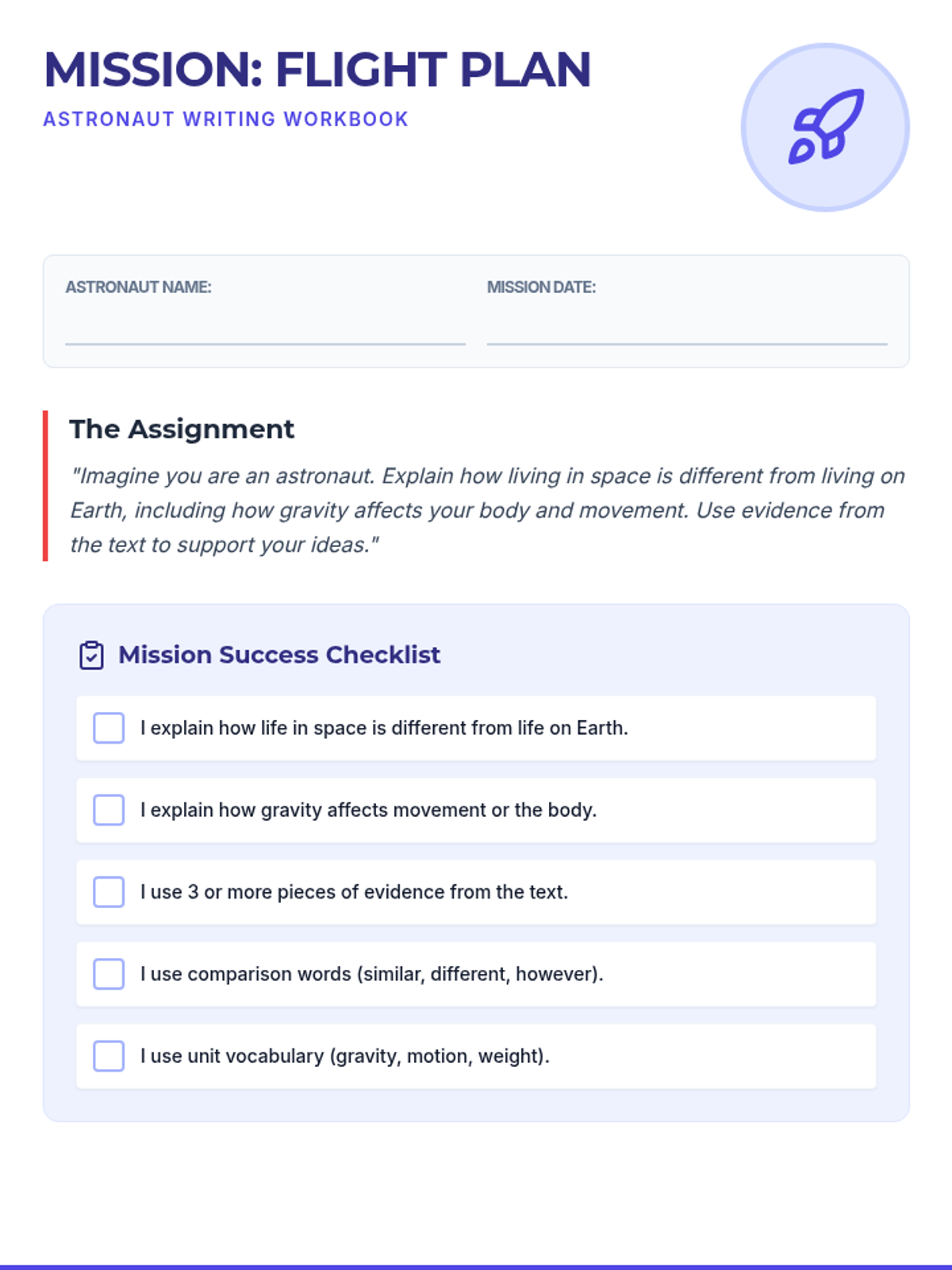
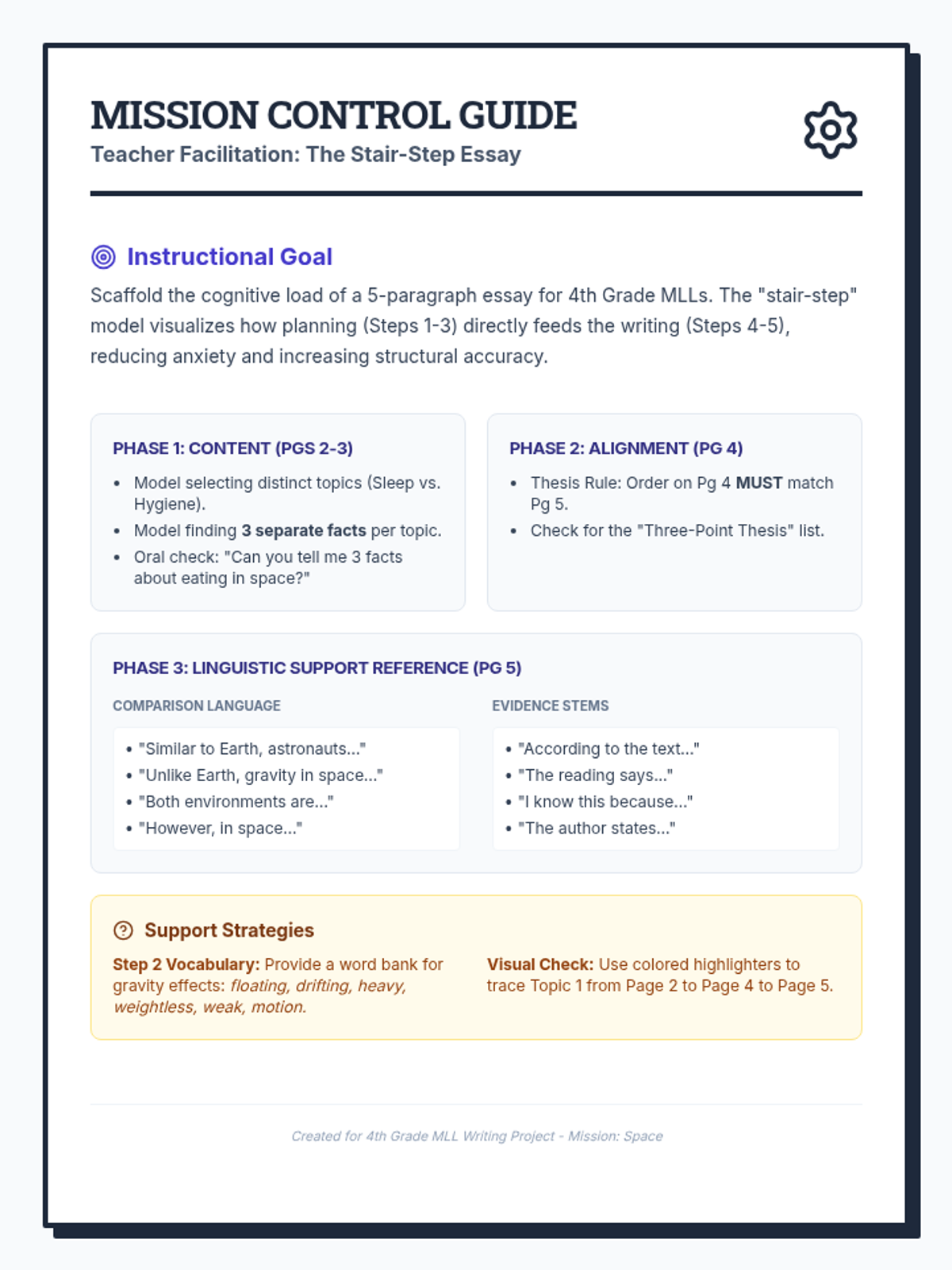
A comprehensive writing packet for 4th-grade MLLs to guide them through a 5-paragraph essay comparing life on Earth vs. life in space. The lesson includes a scaffolded workbook and a teacher facilitation guide.
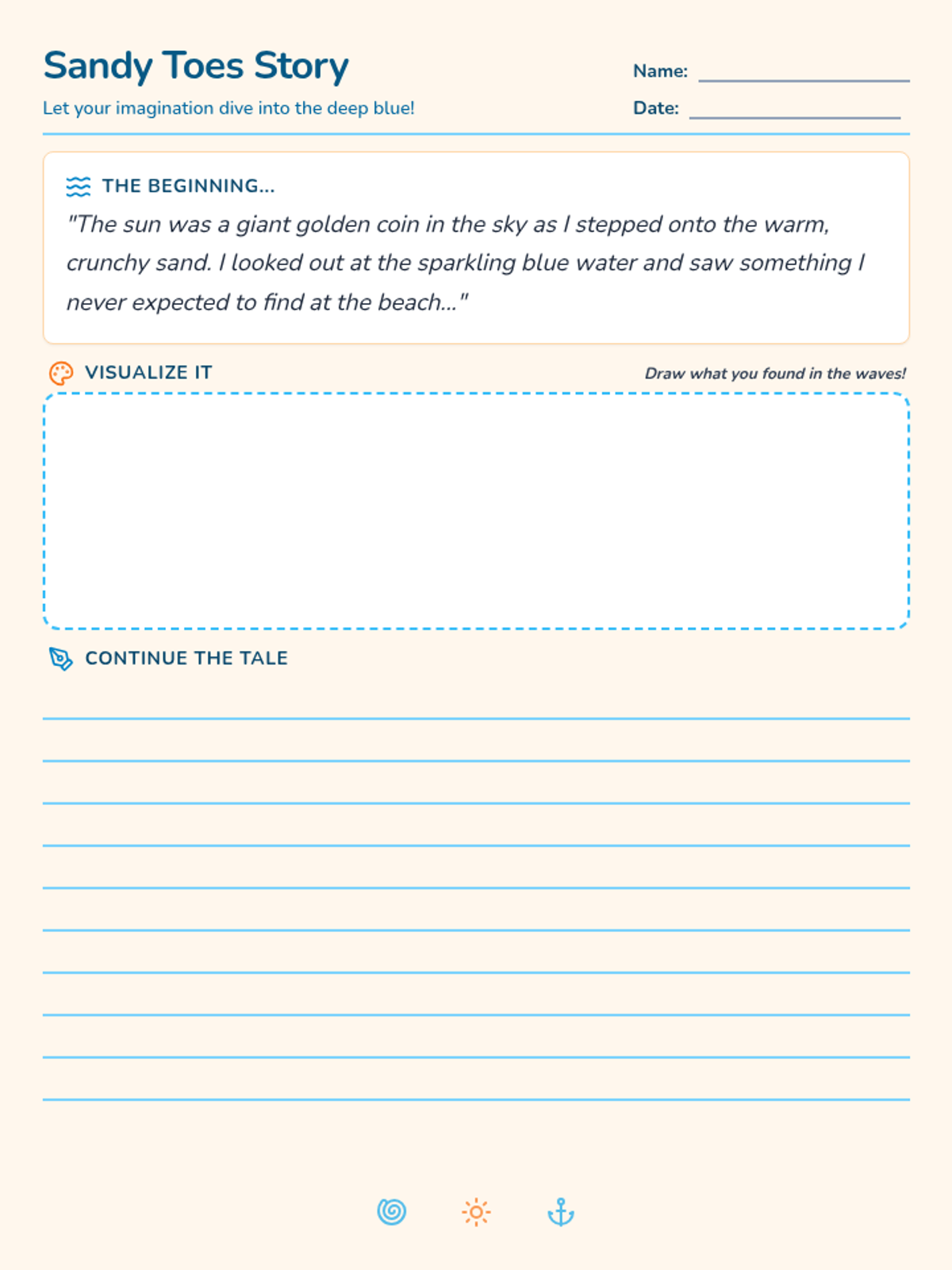
A creative writing lesson focused on descriptive narrative skills through a beach-themed story starter and illustration prompt.
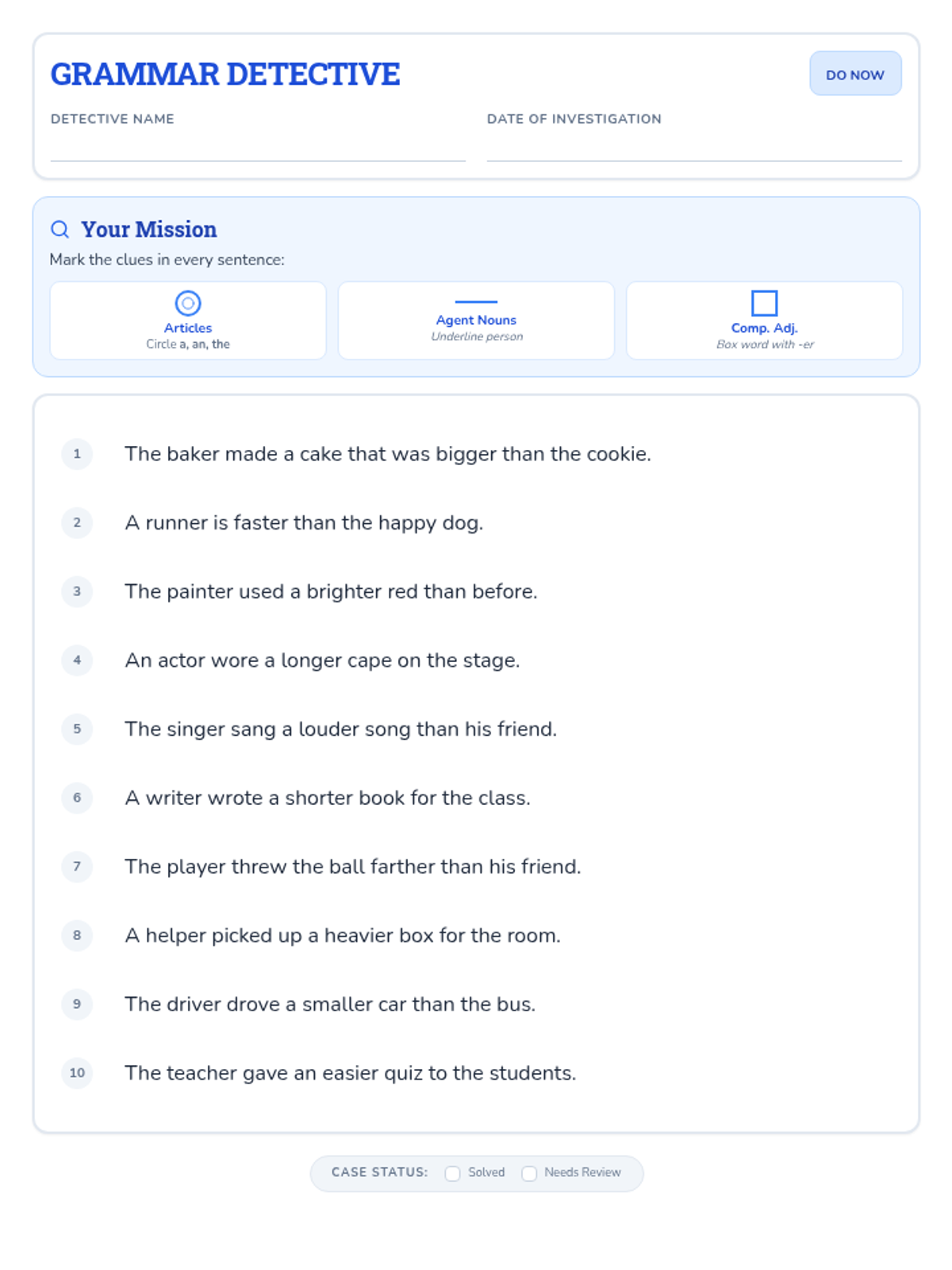
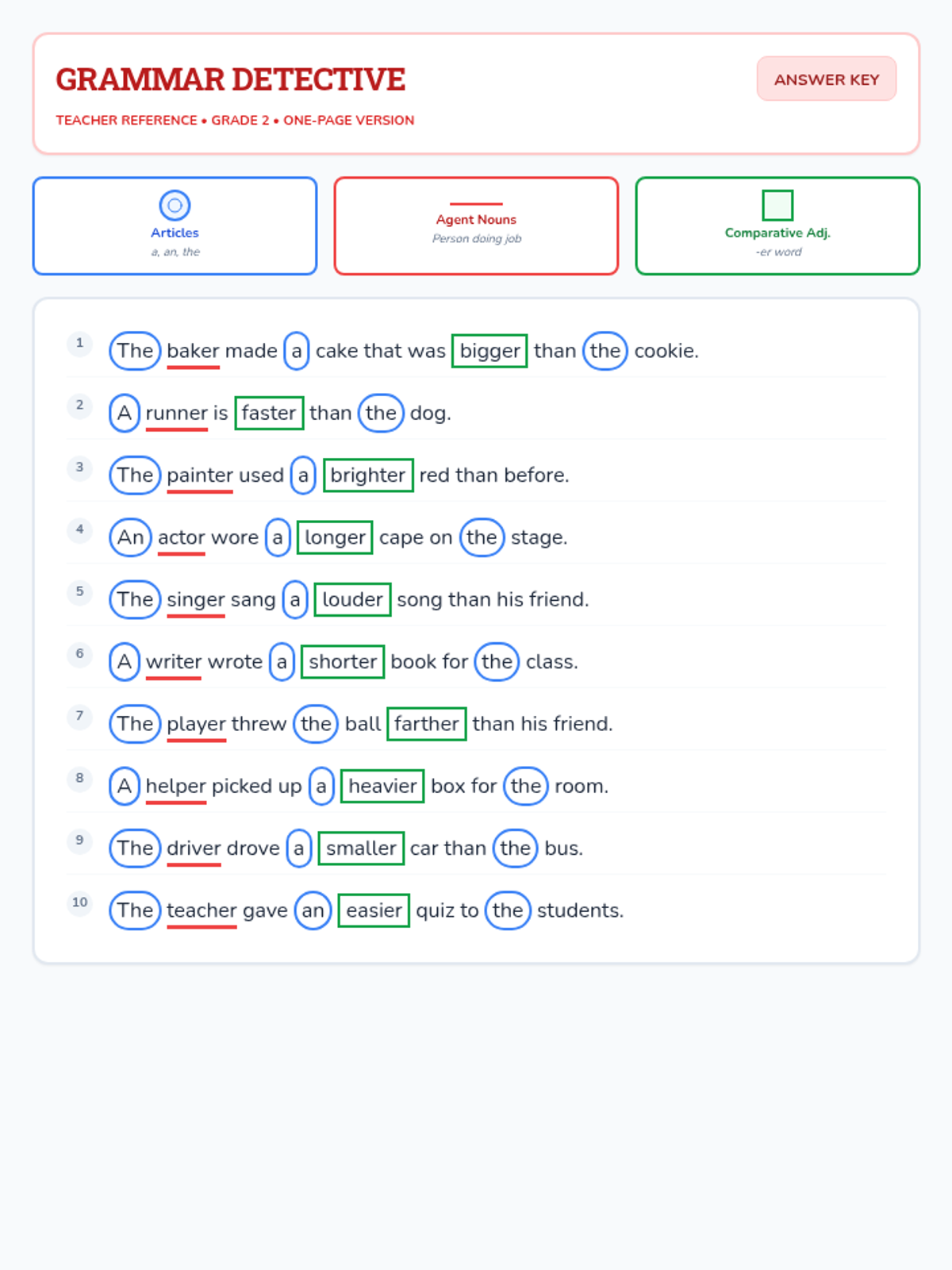
A grammar-focused lesson for 2nd graders to practice identifying articles, agent nouns, and comparative adjectives in sentences.
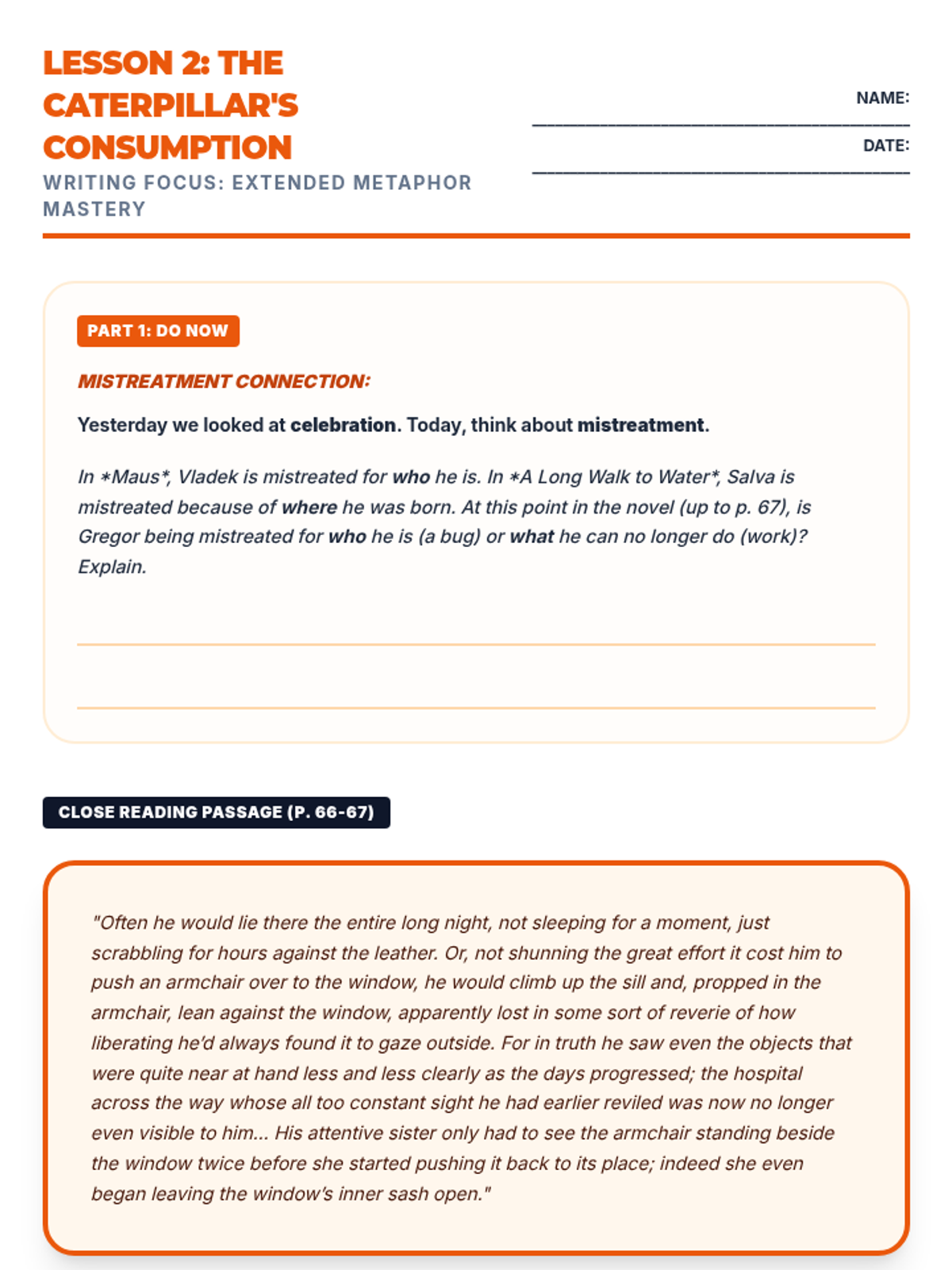
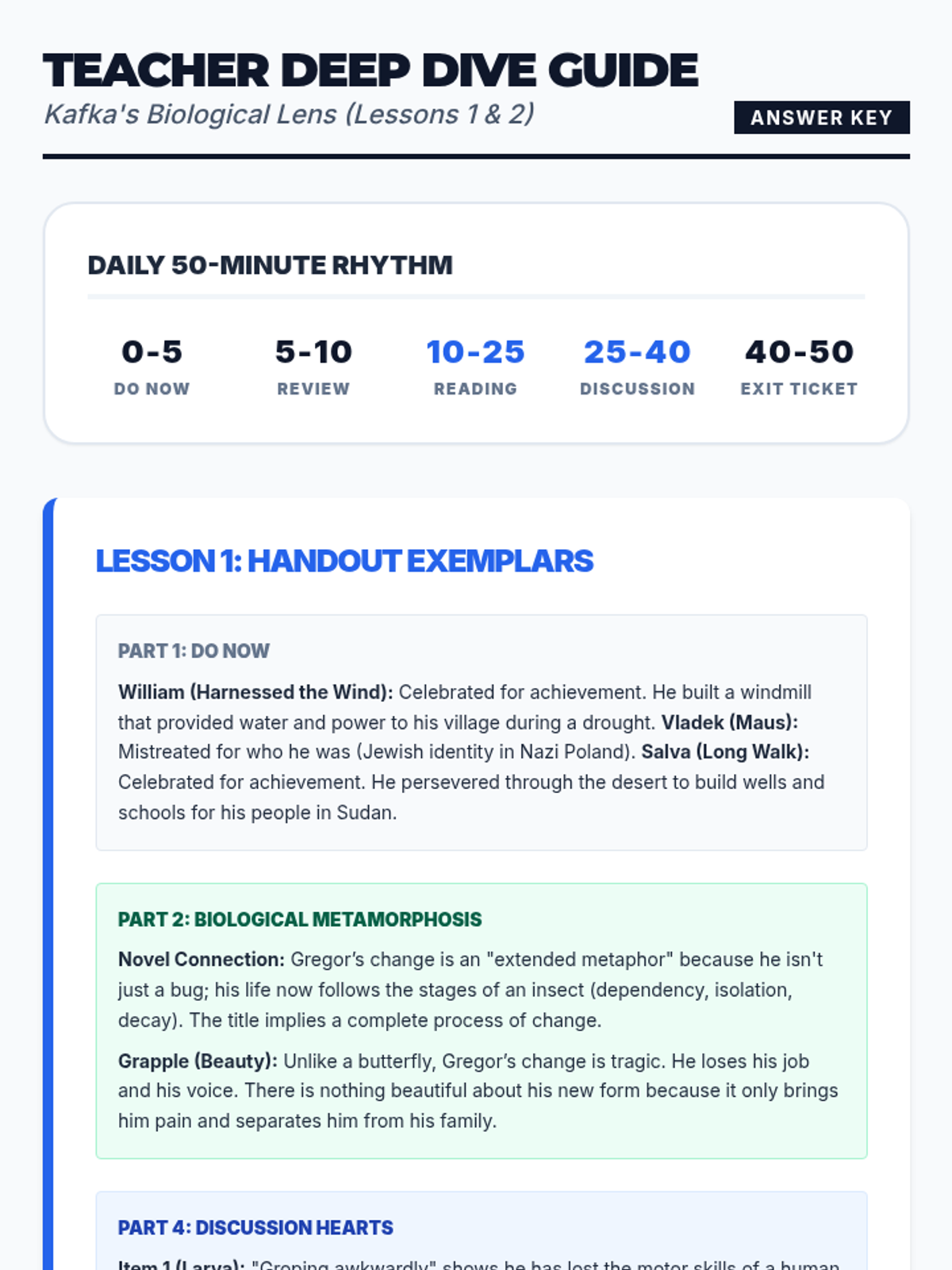
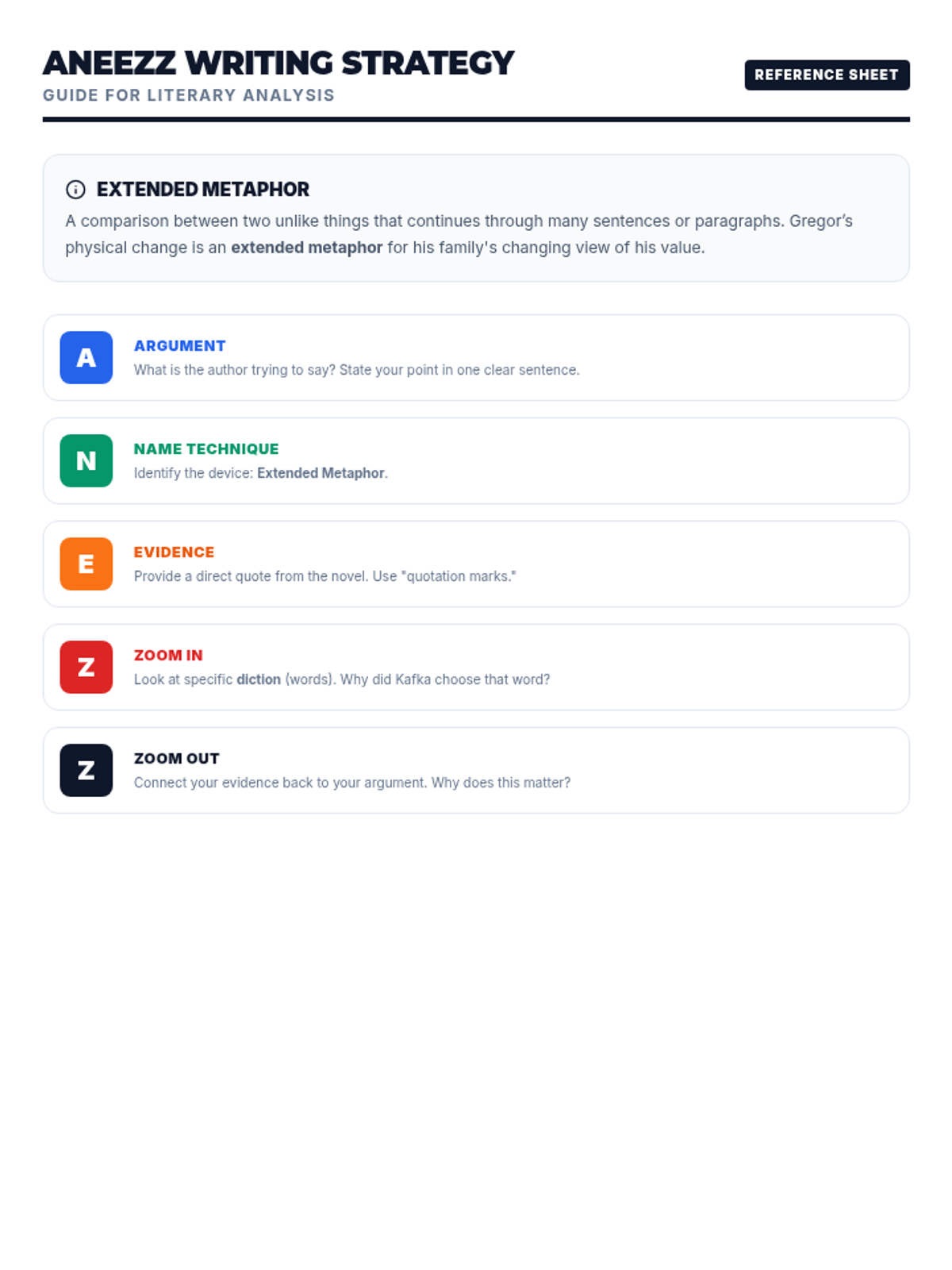
Students analyze pages 66-67, focusing on the 'Caterpillar' stage of consumption and shame. Focus is on writing high-quality ANEEZZ paragraphs that analyze Kafka's use of extended metaphor.
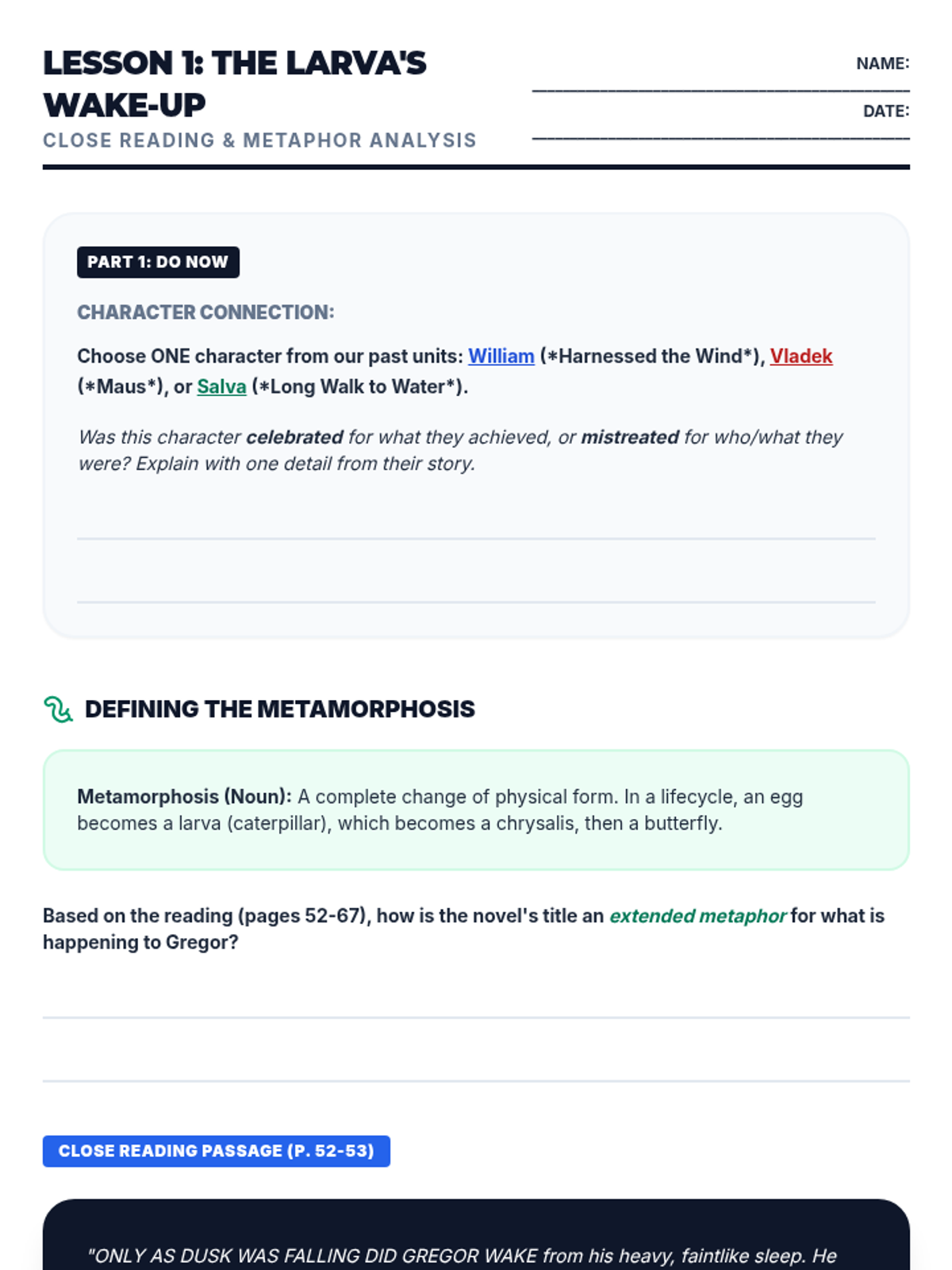
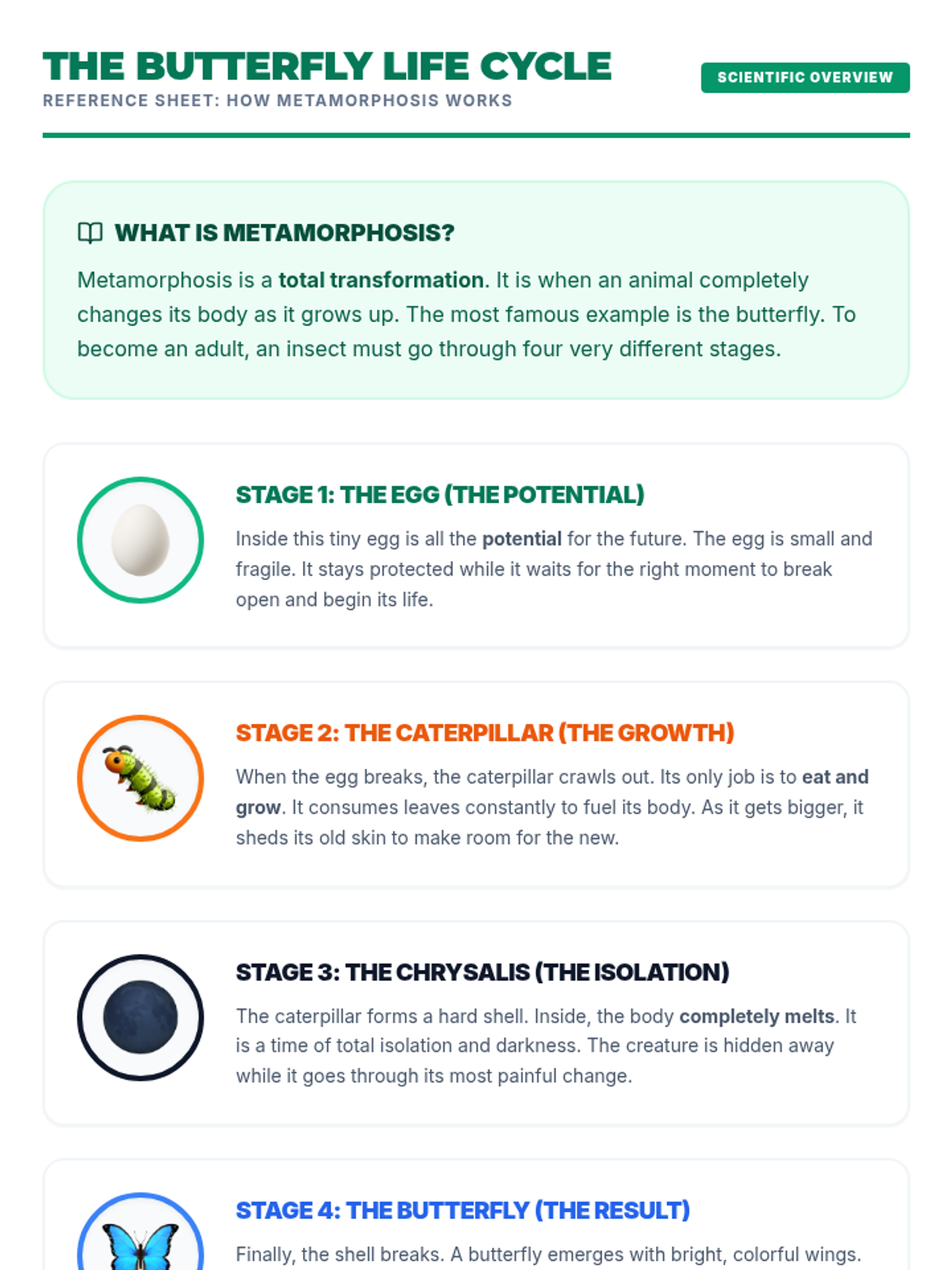
Students analyze pages 52-53 to explore the 'Egg/Larva' stage of metamorphosis. Focus is on reading comprehension and identifying the extended metaphor of biological change in Gregor's initial transformation.
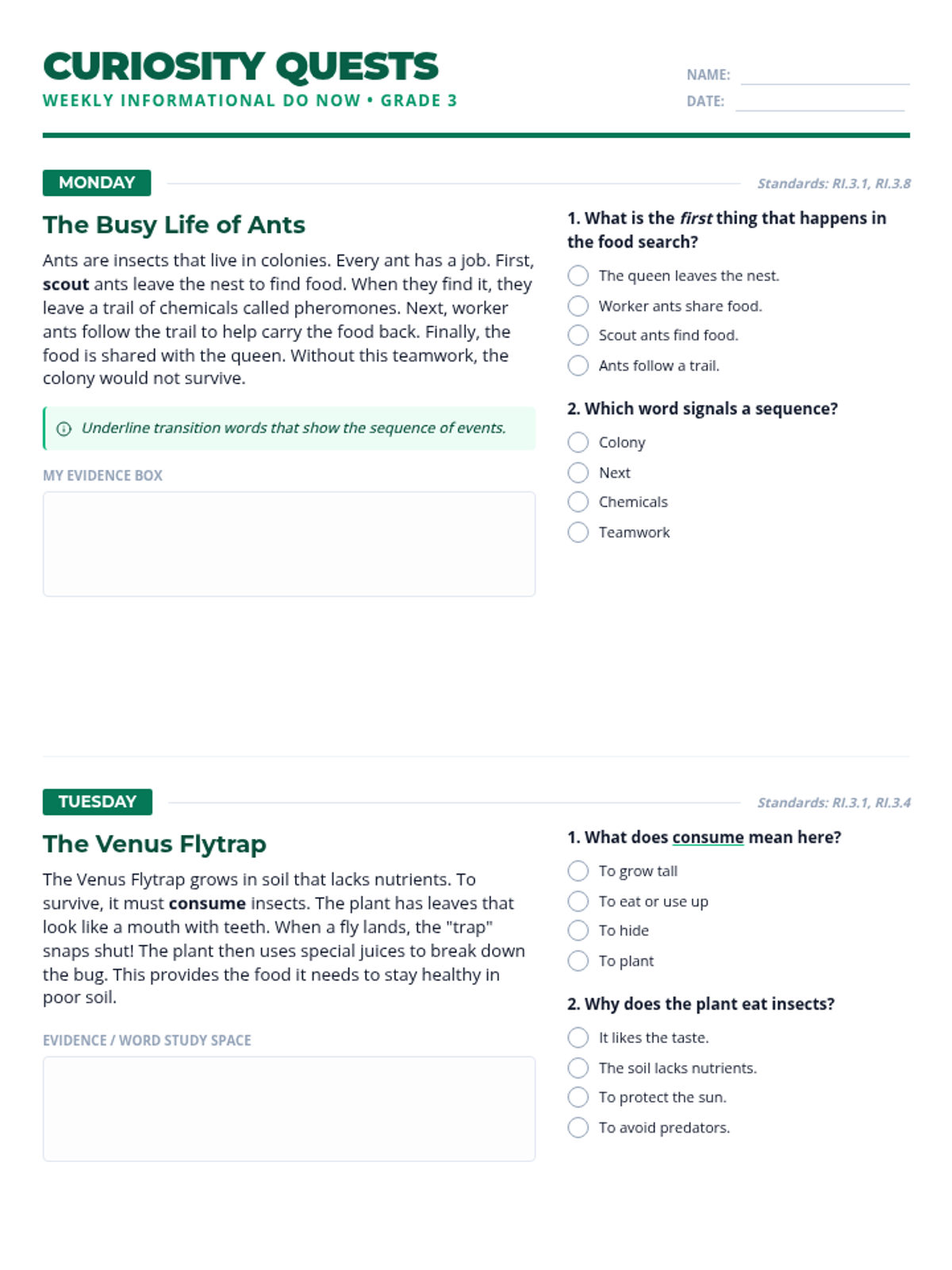
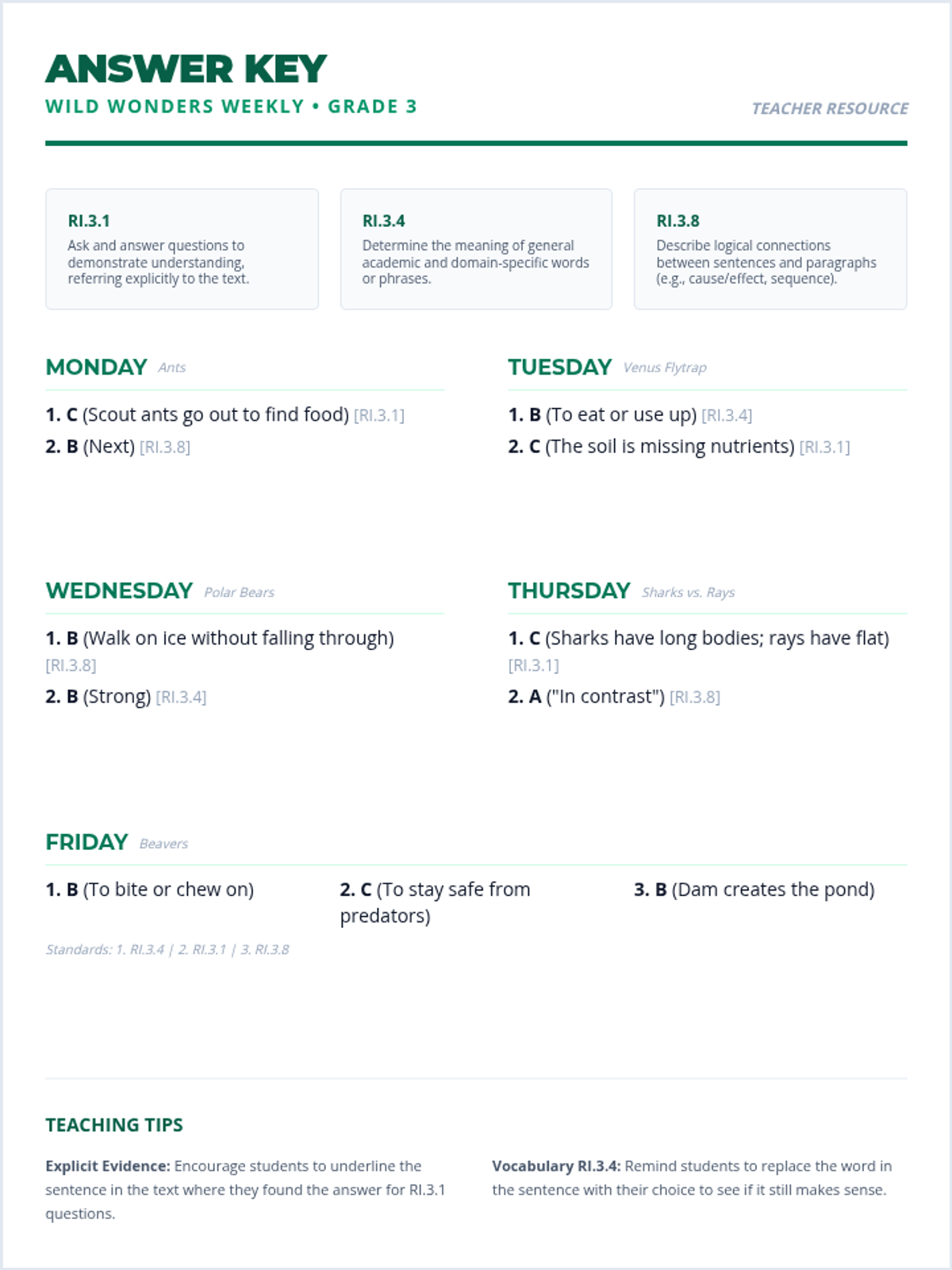
A week-long series of daily 'Do Now' activities focused on 3rd-grade informational text standards, including text evidence, vocabulary, and logical connections.
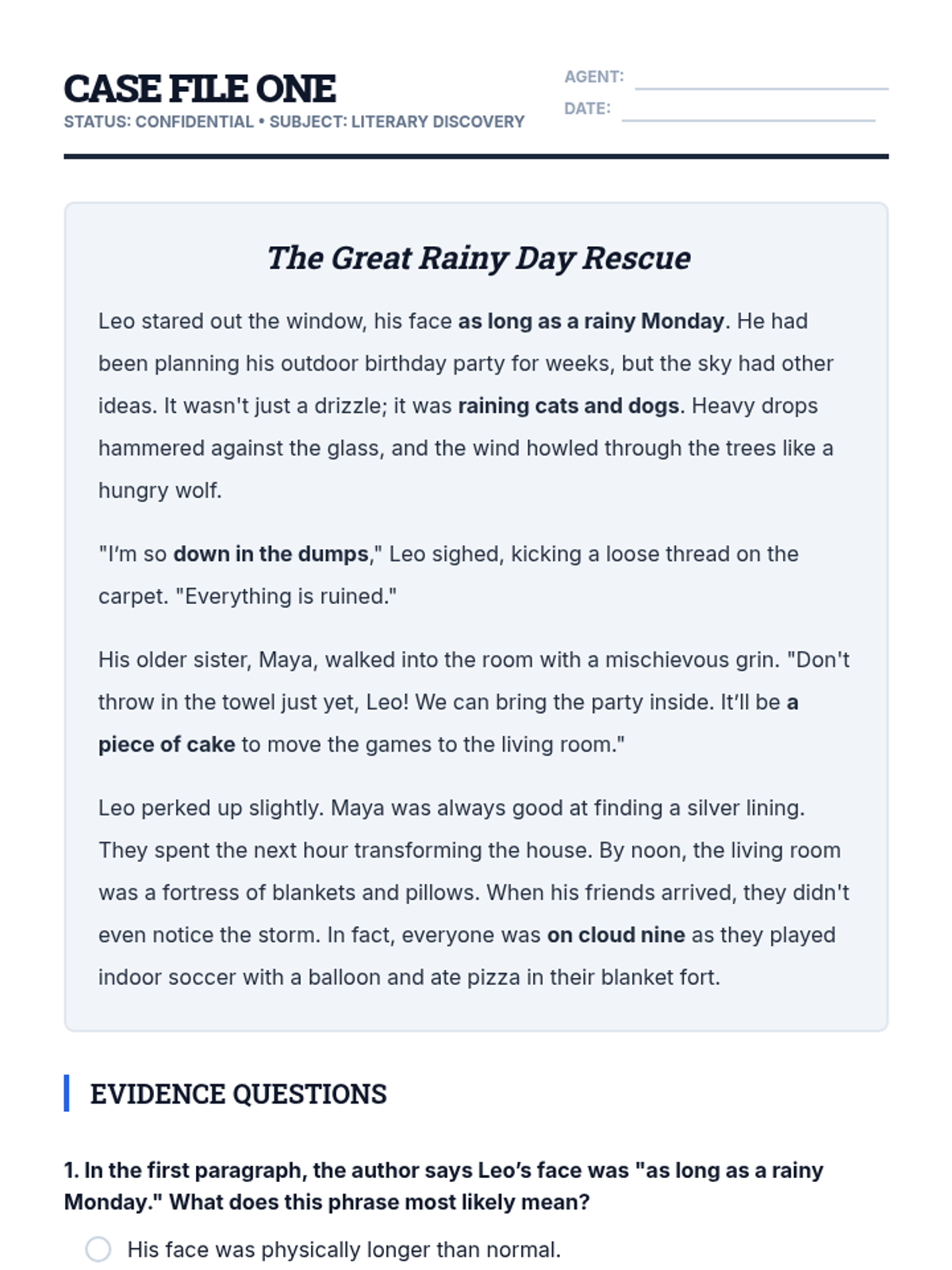
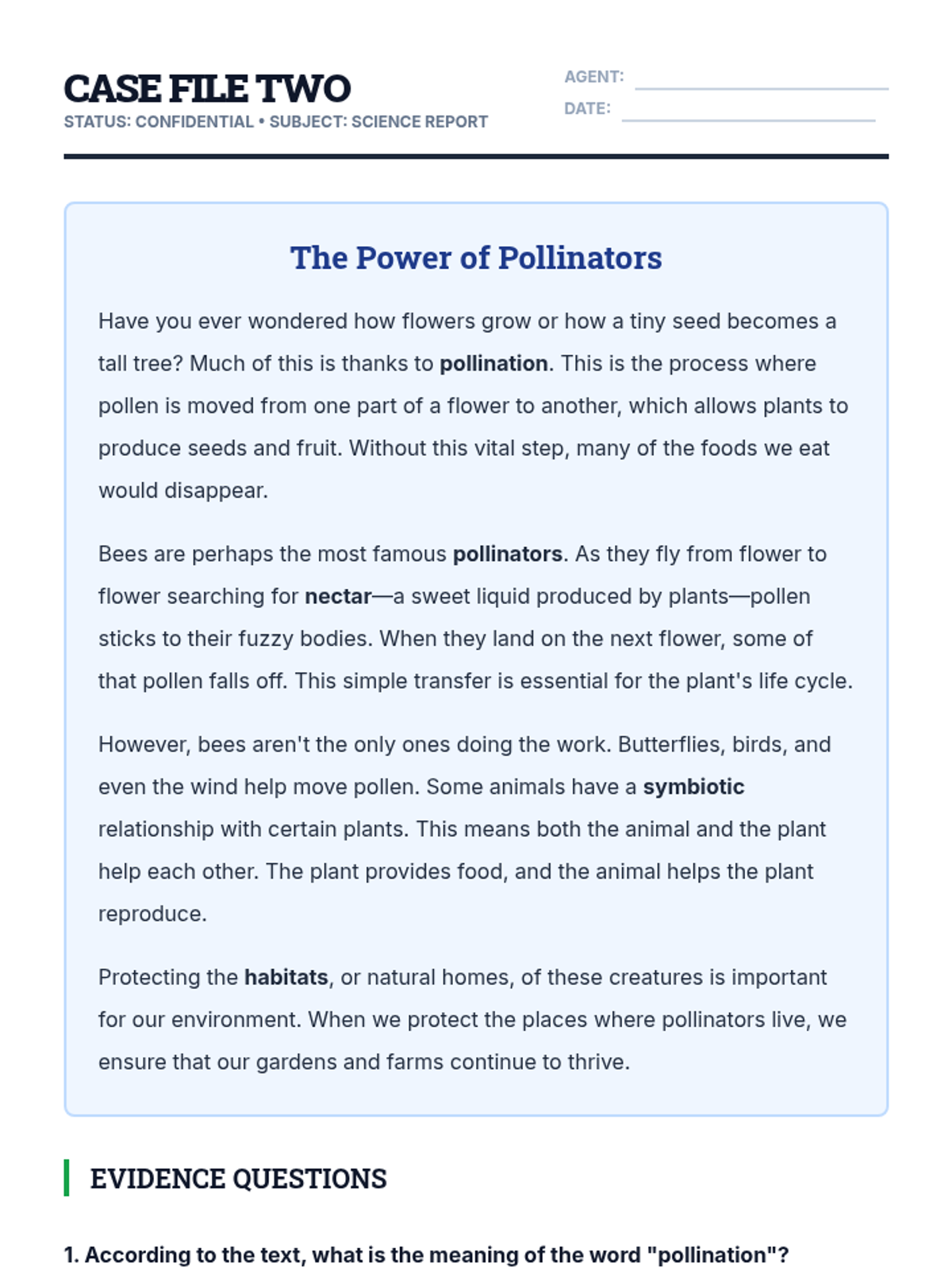
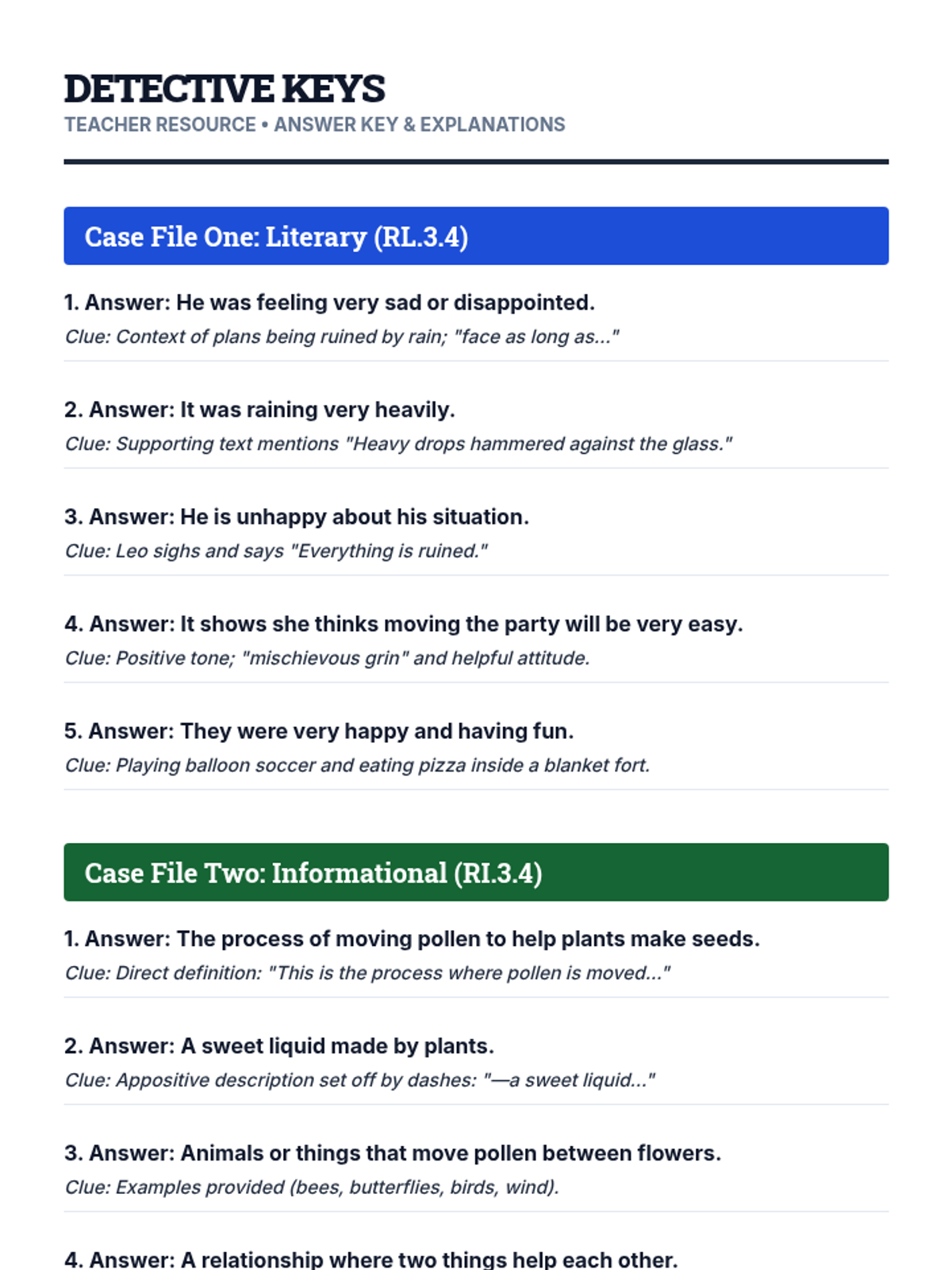
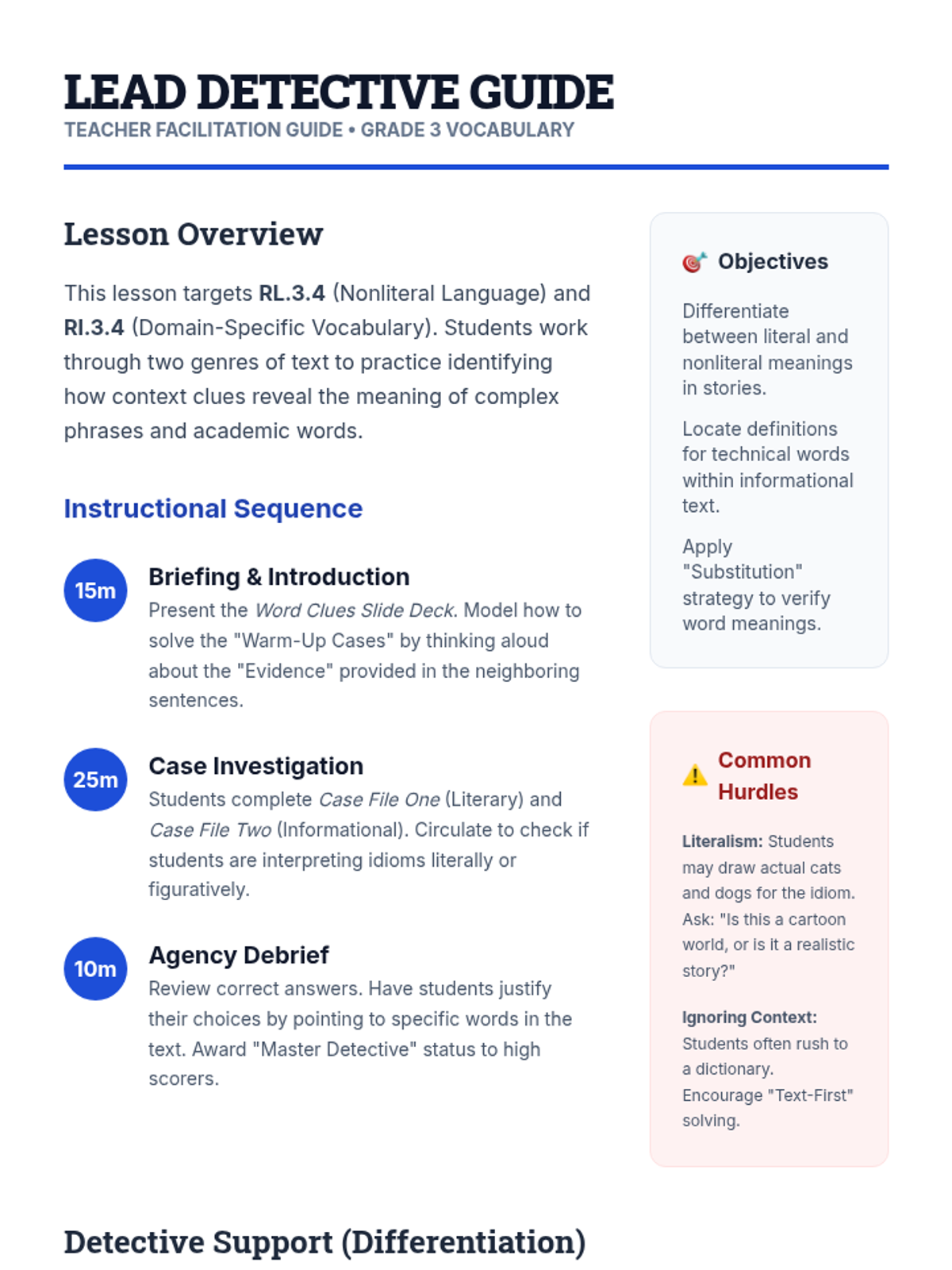
A comprehensive lesson where students learn to identify nonliteral language in literature and academic vocabulary in informational texts using a detective theme.
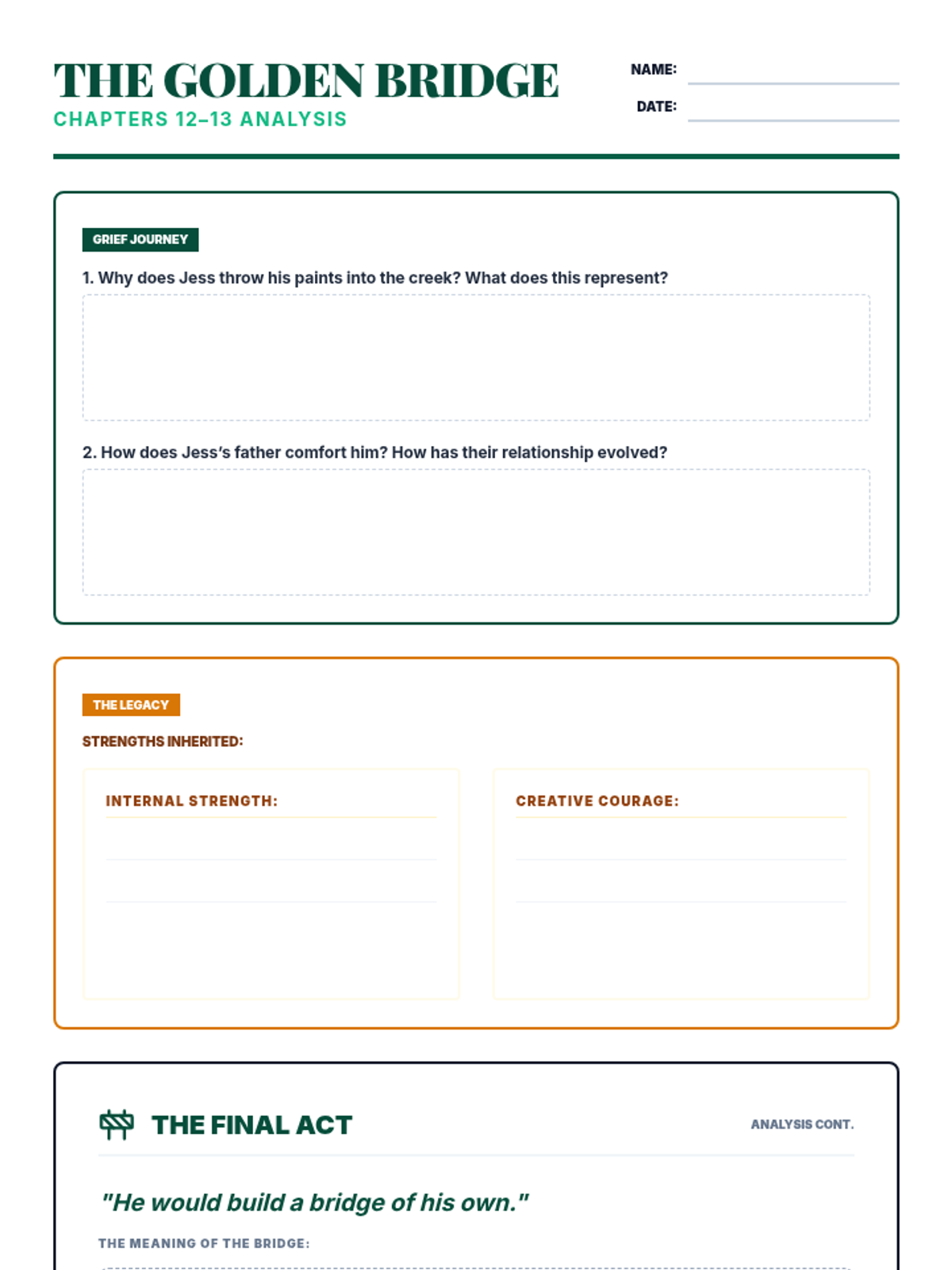
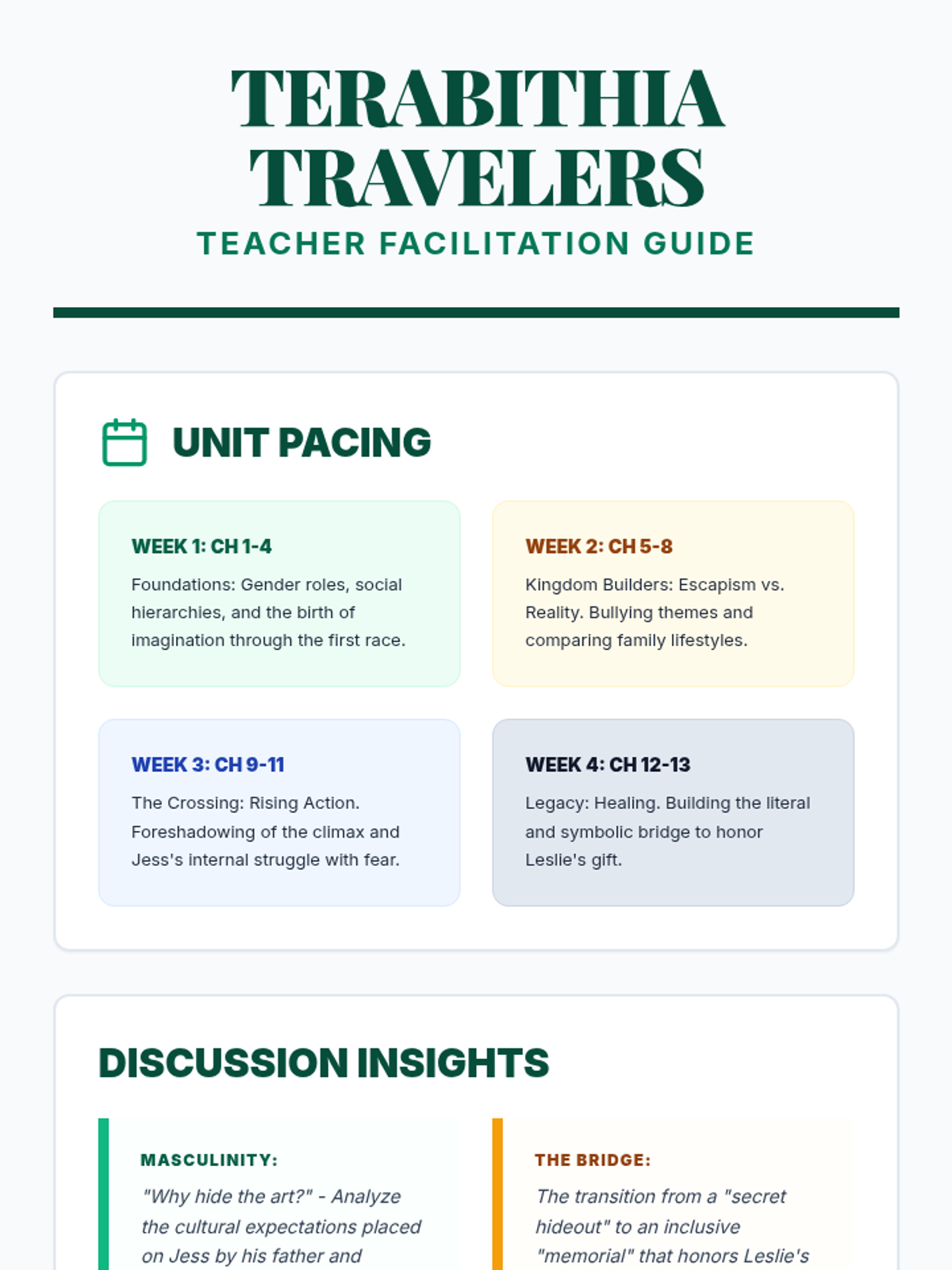
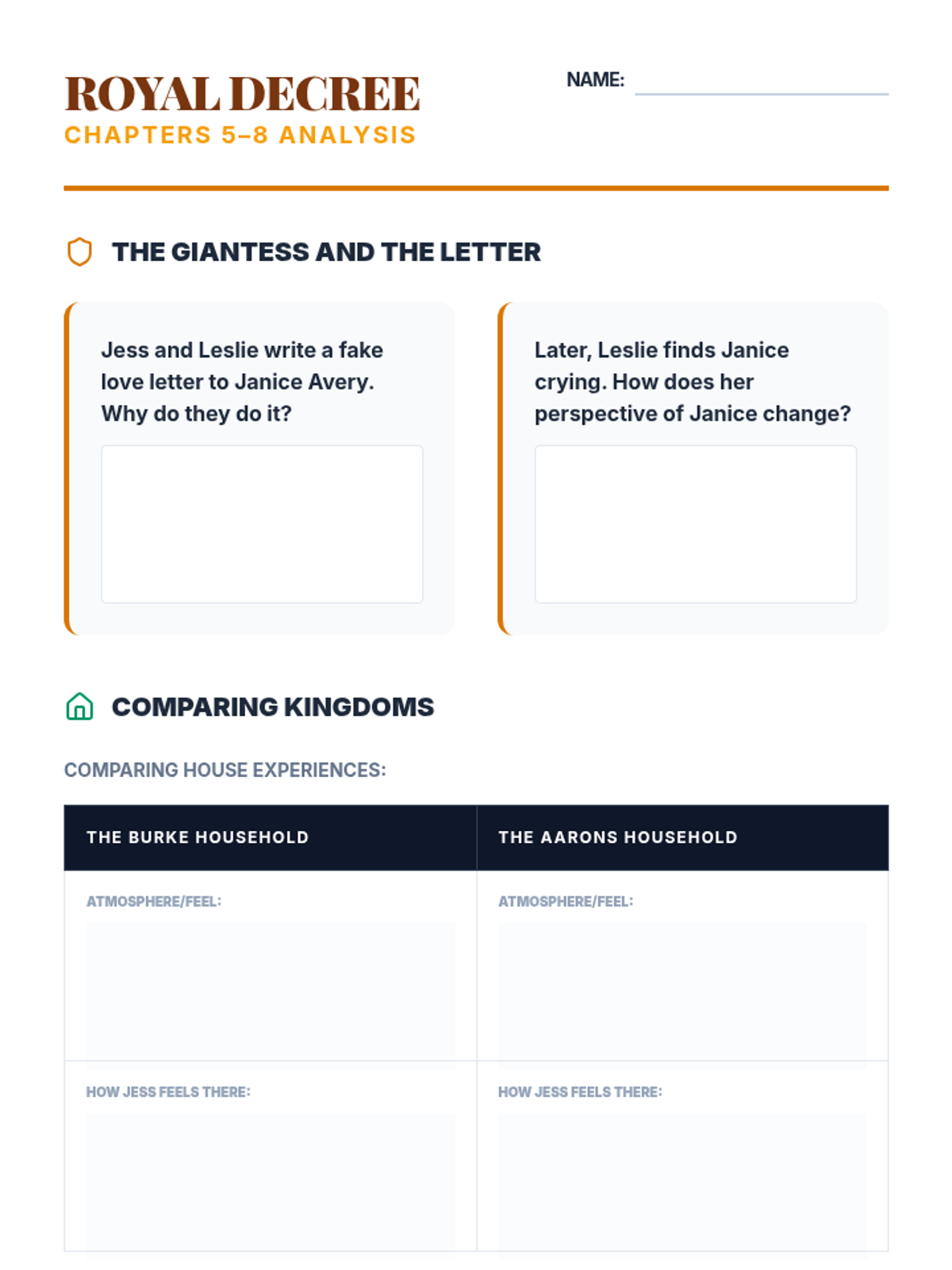
Exploring the stages of grief, Jess's growth, and the final act of building the bridge to honor Leslie's legacy.
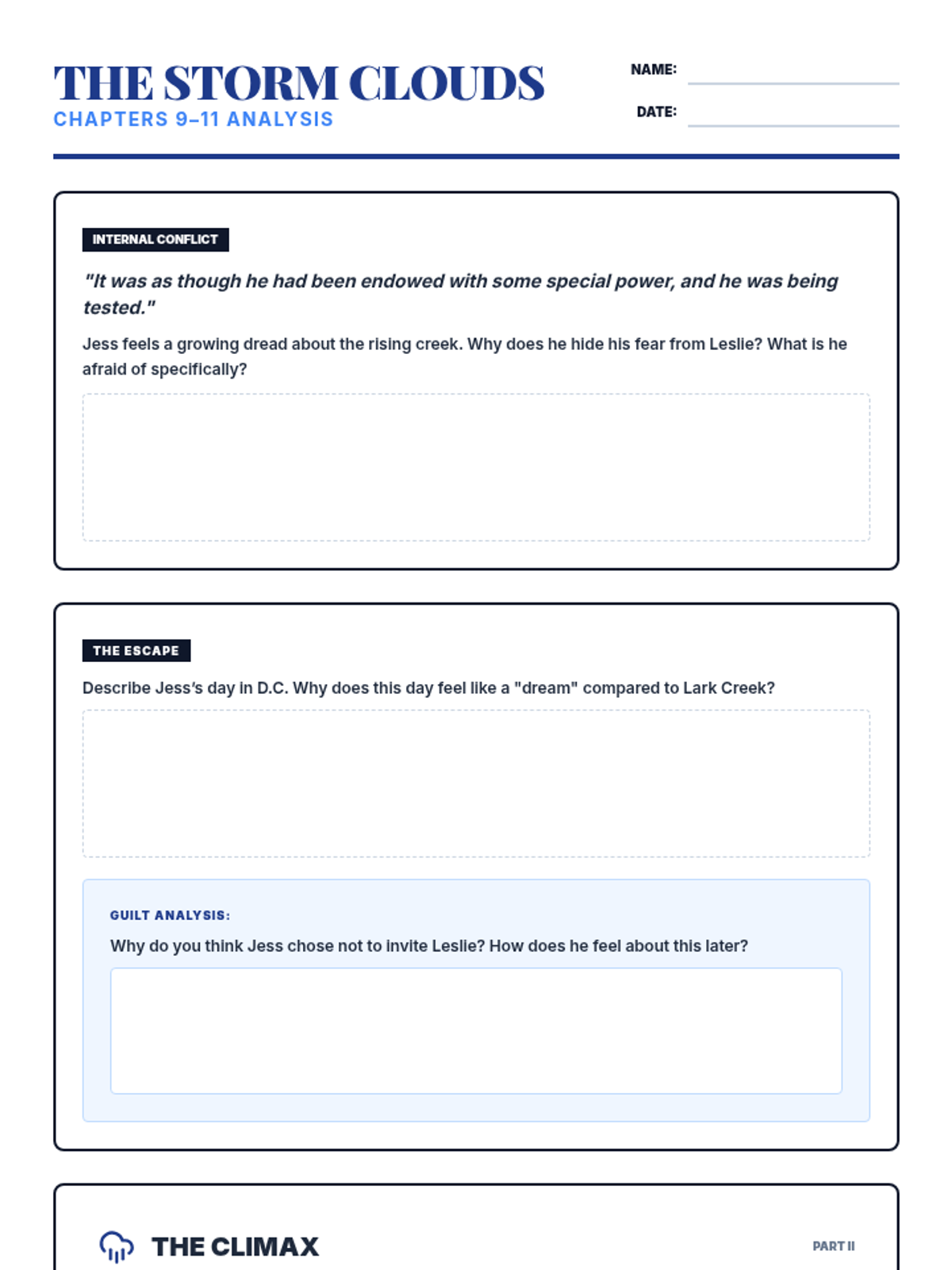
Analyzing the shift in tone as the rain starts, the trip to Washington, and the tragic climax of the novel.
The creation of Terabithia, the dynamics of school life with Janice Avery, and the deepening bond between the two protagonists.
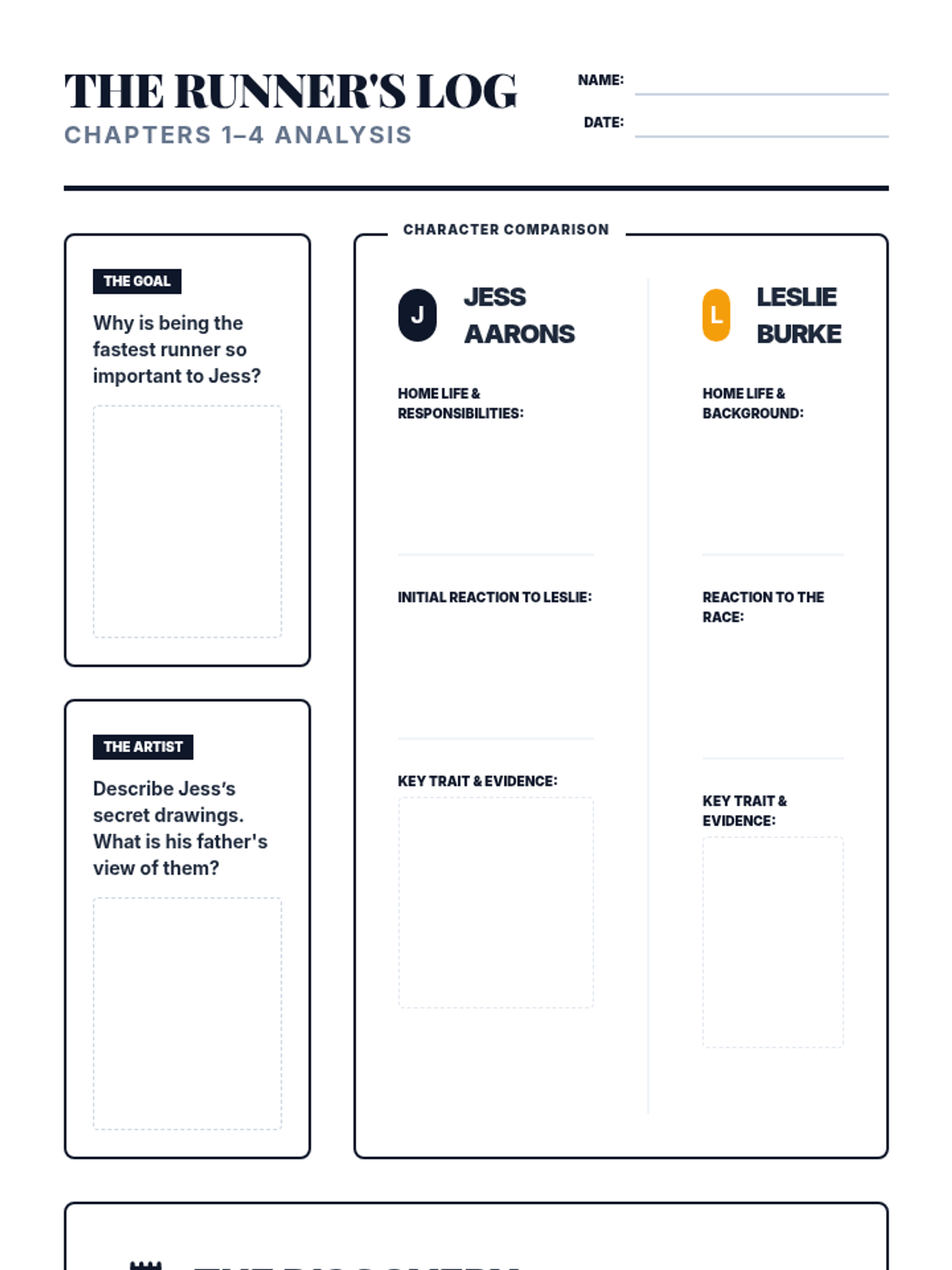
Introduction to Jess Aarons, the race, and the arrival of Leslie Burke, focusing on establishing character motivations and initial impressions.
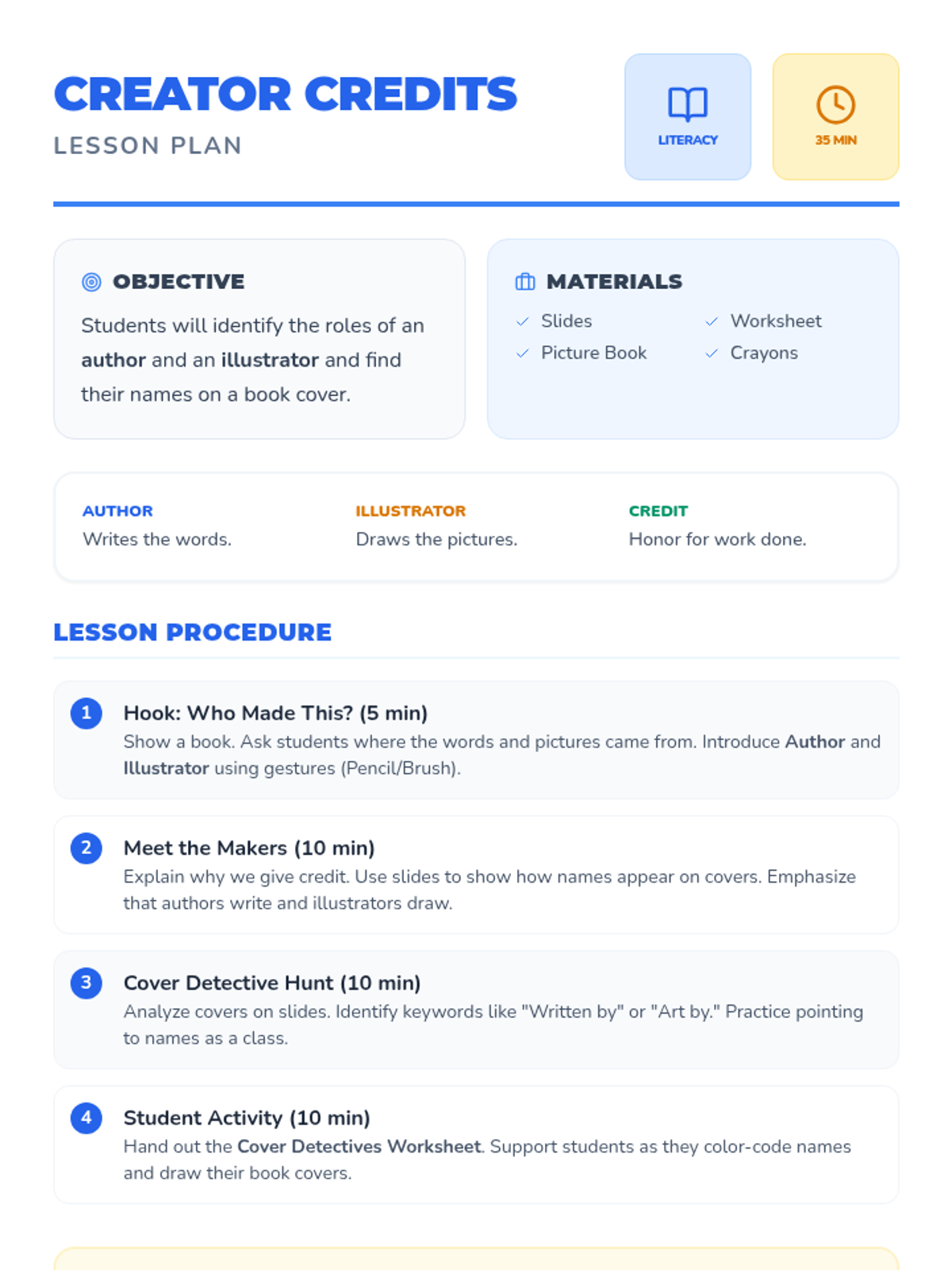
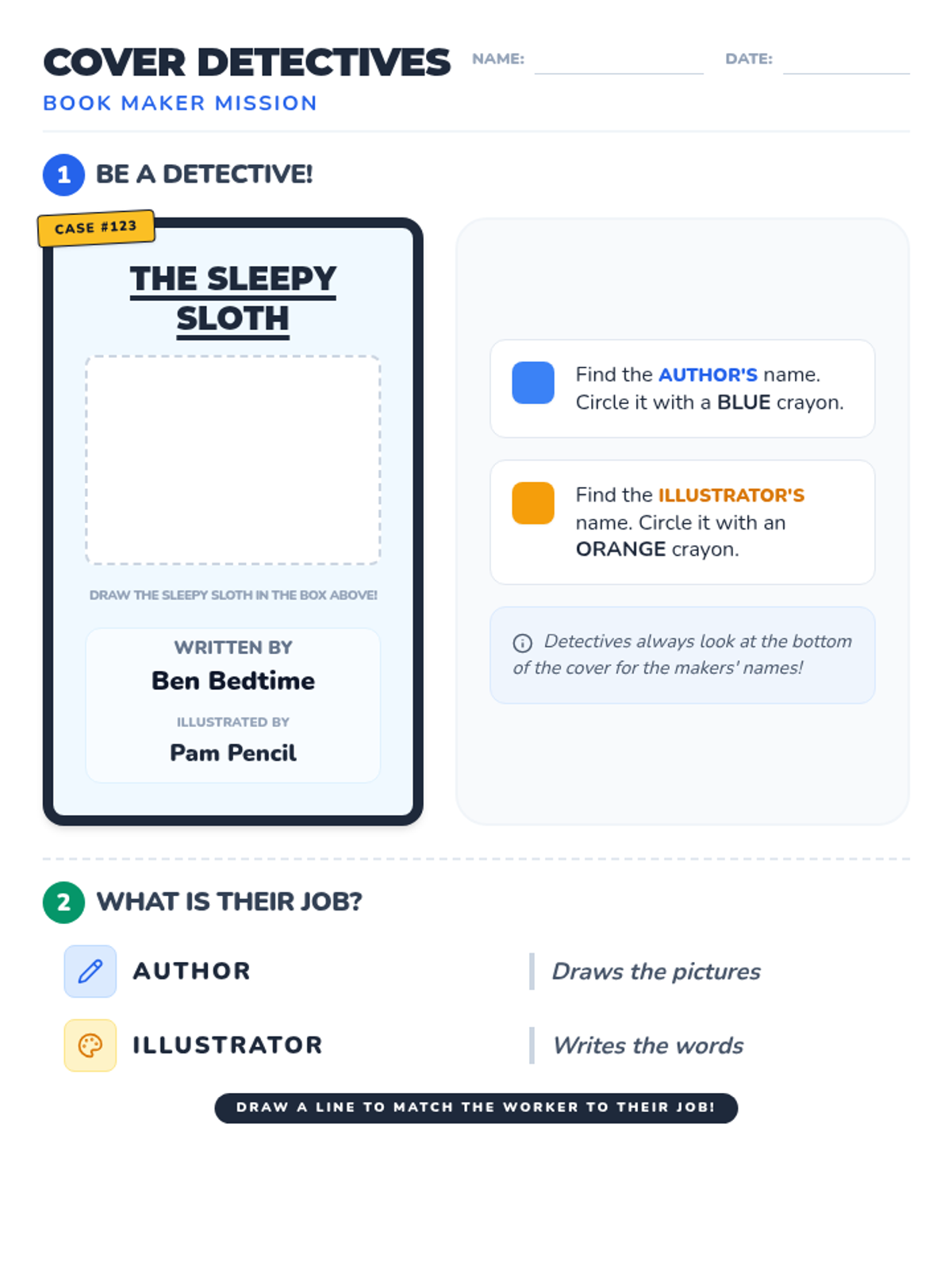
In this lesson, kindergarten students learn to identify and credit the roles of authors and illustrators. They will practice finding these names on book covers and understand how each person contributes to a story.
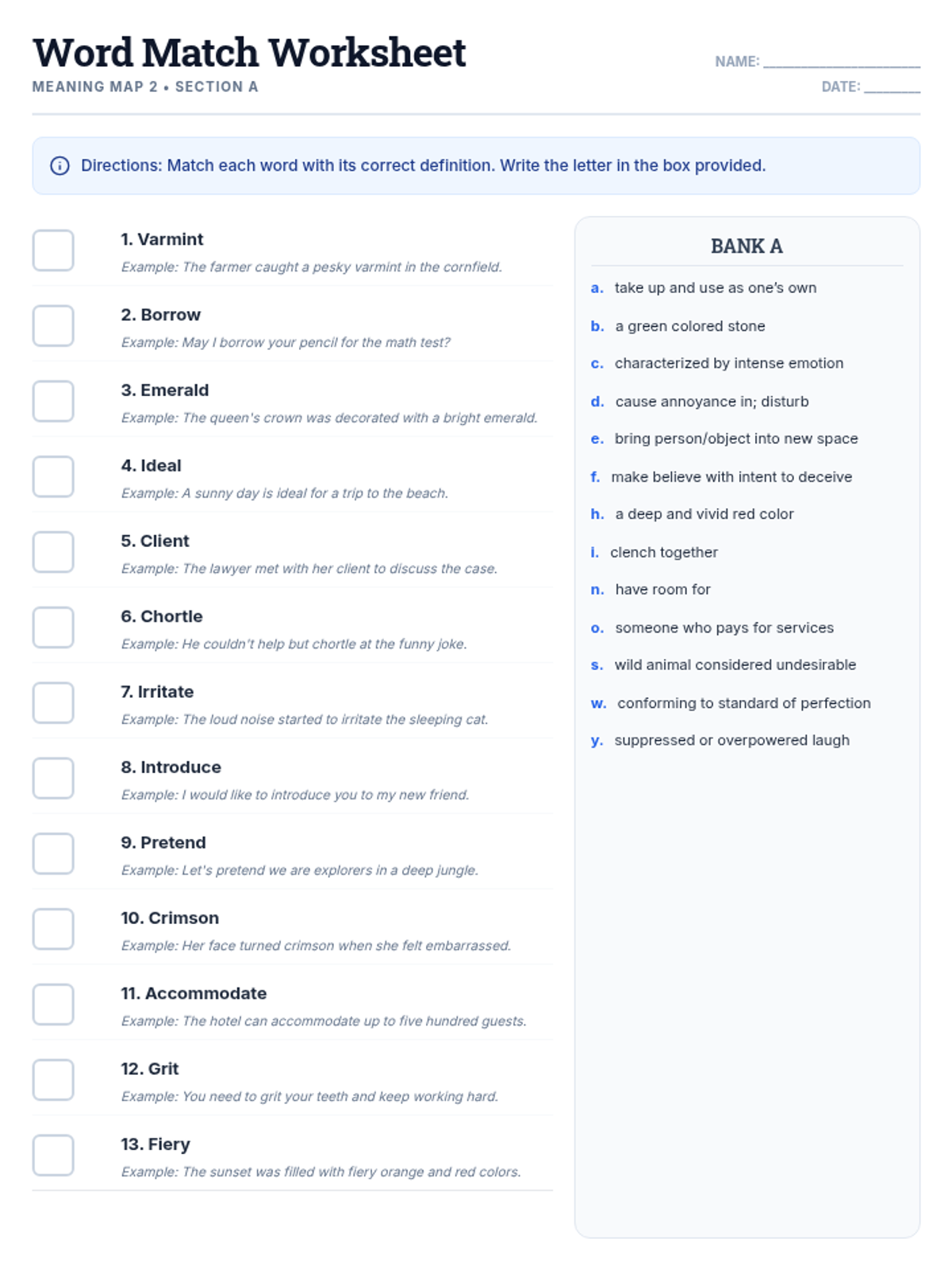
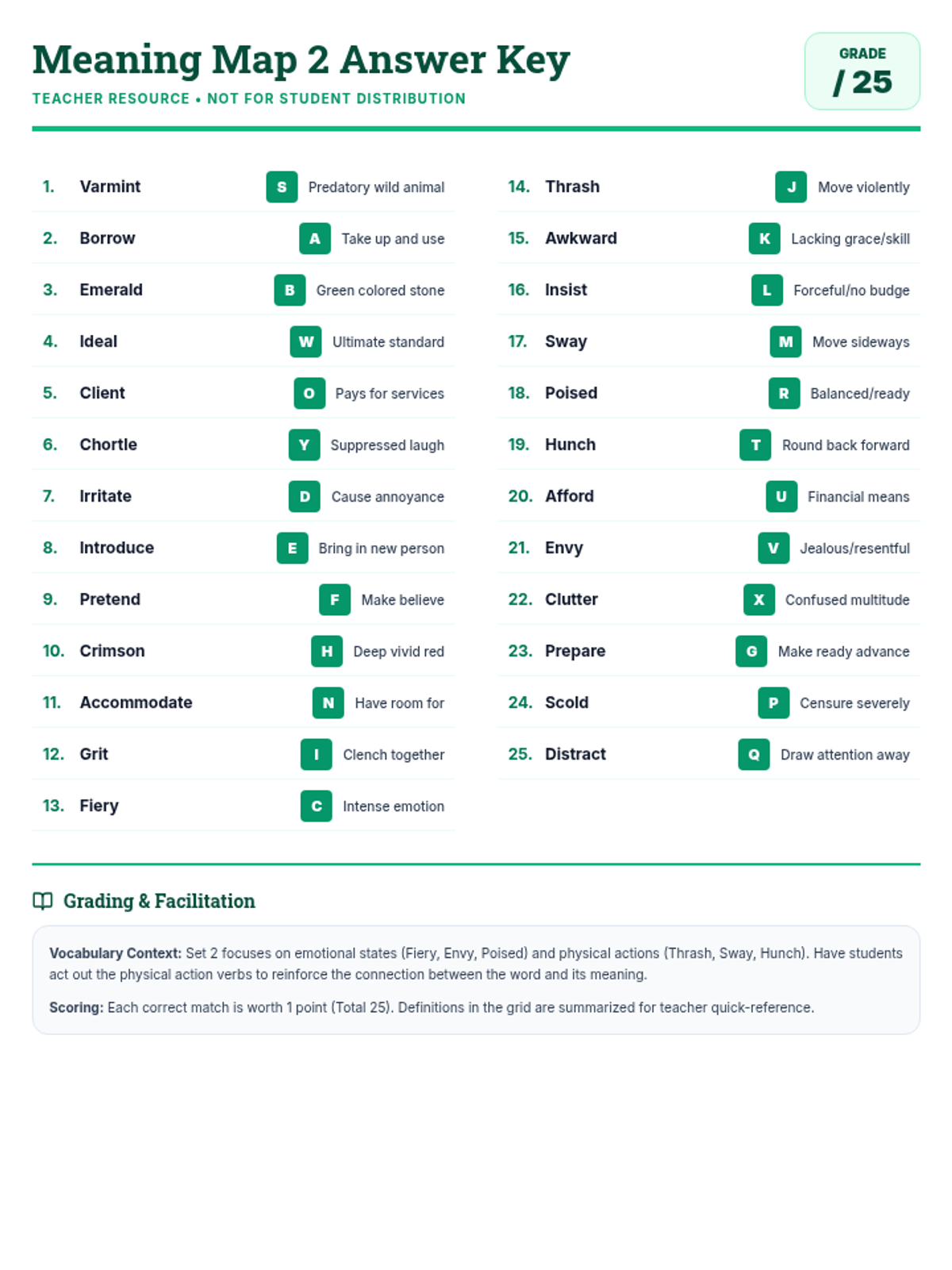
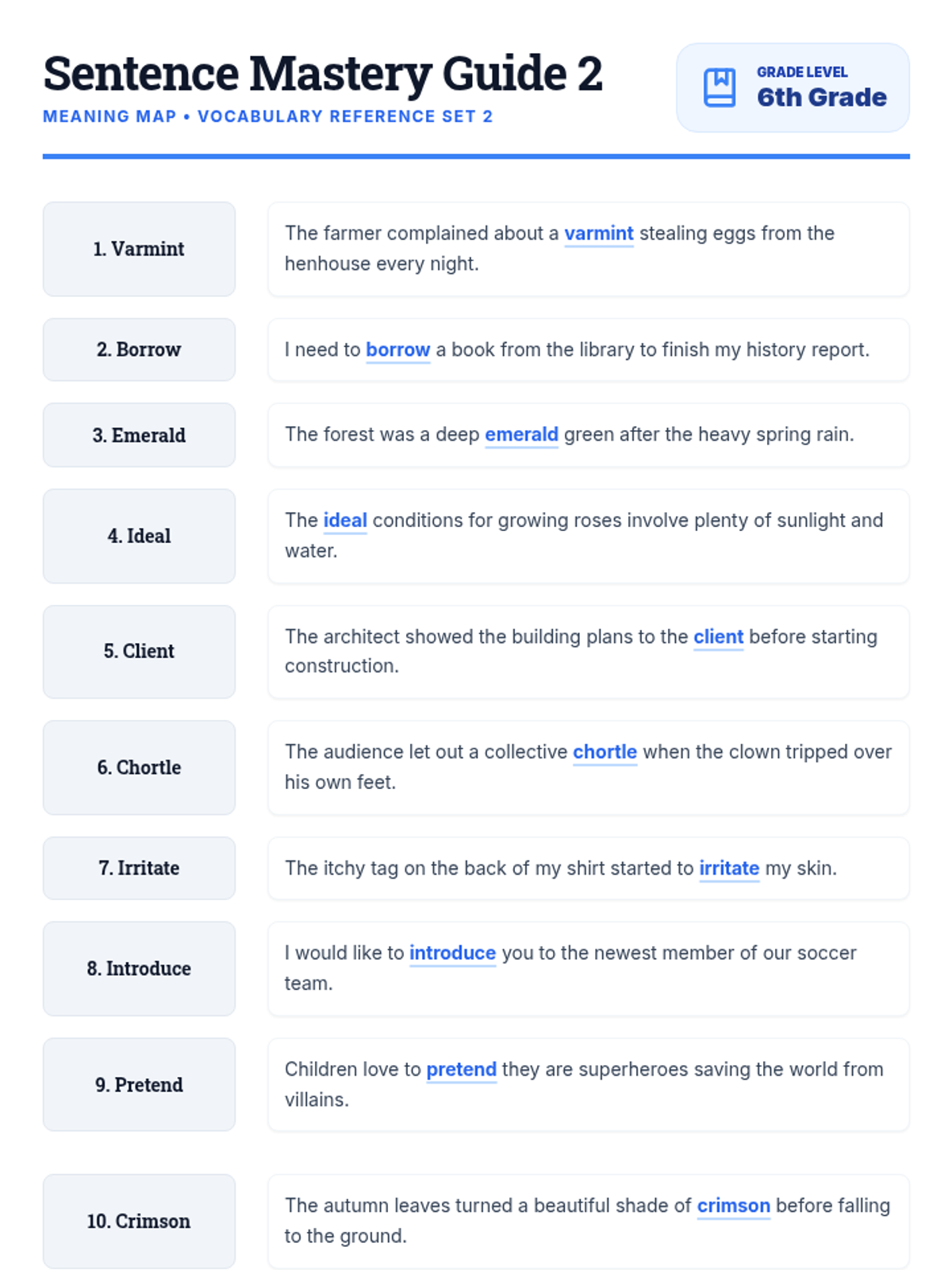
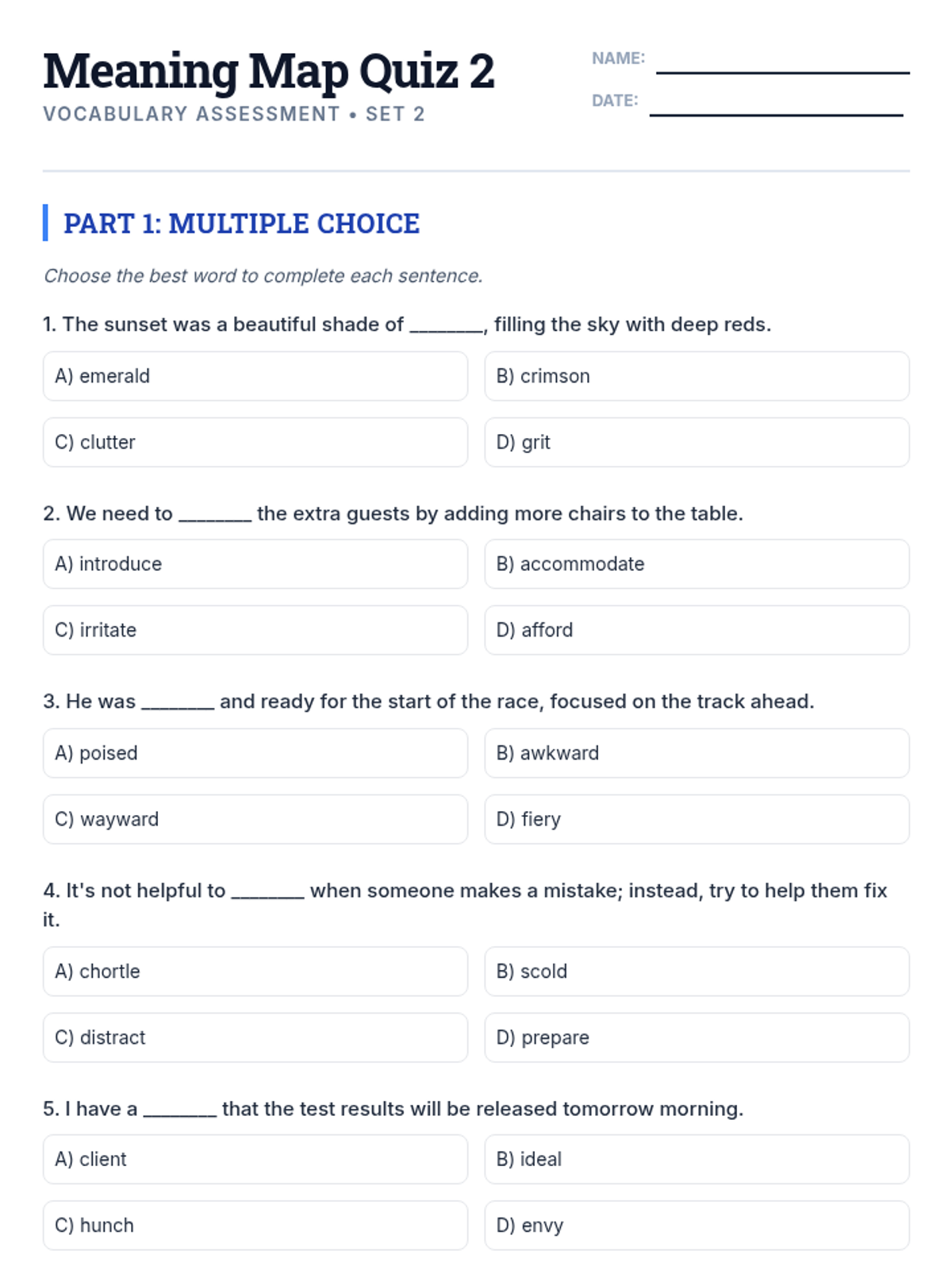
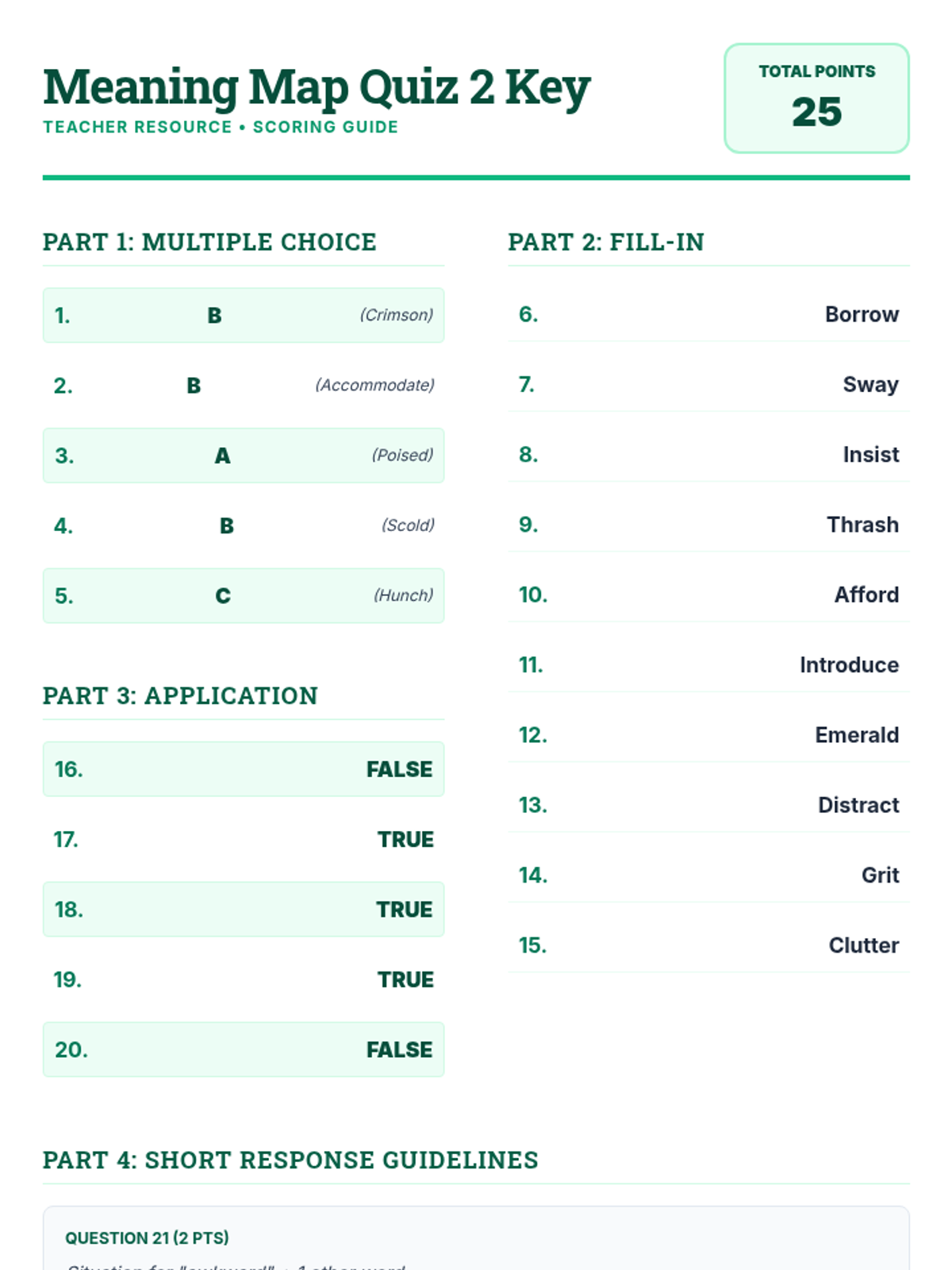
A second deep-dive into vocabulary mastery, focusing on 25 new terms through matching, sentence usage, and assessment.
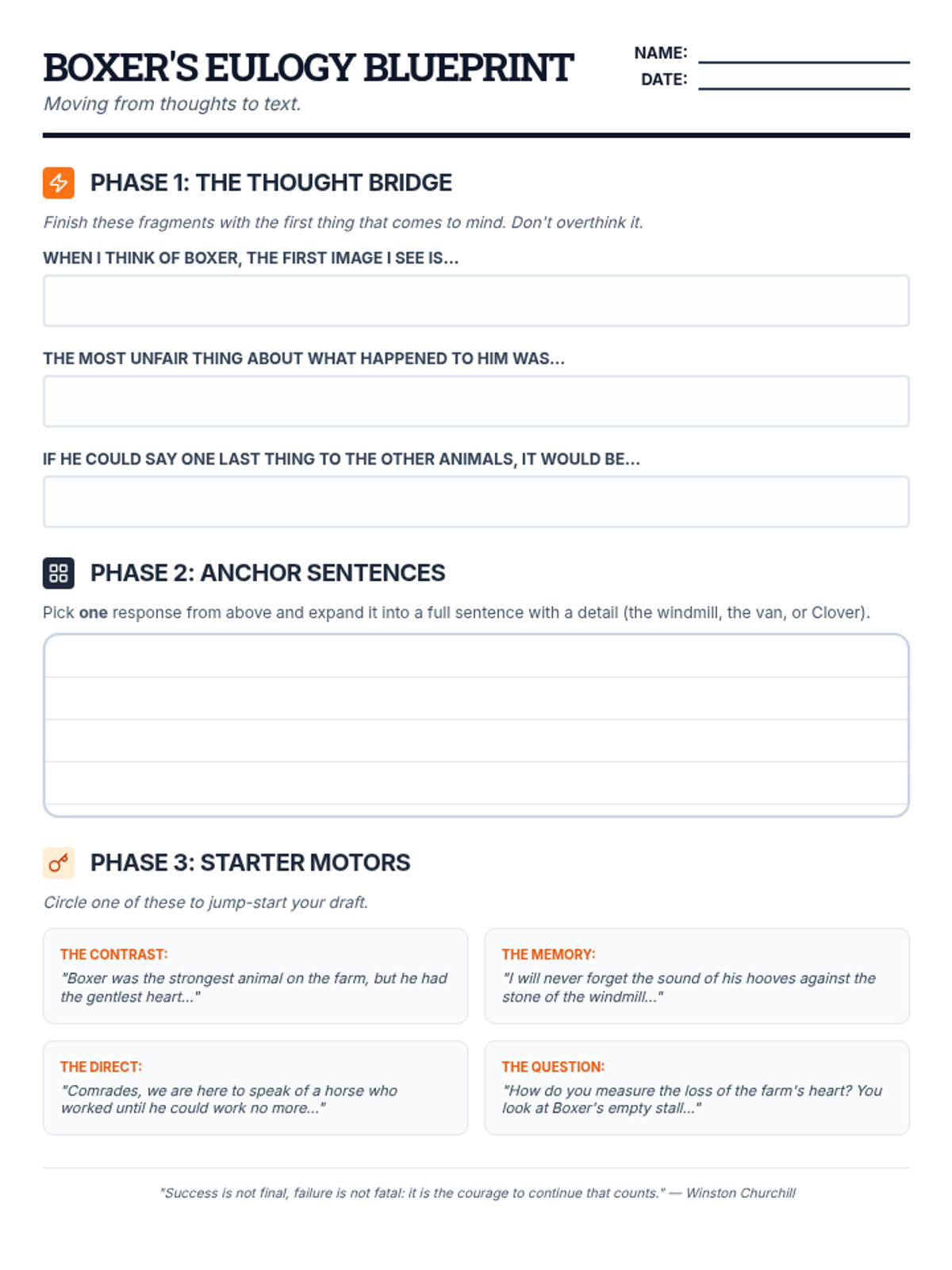
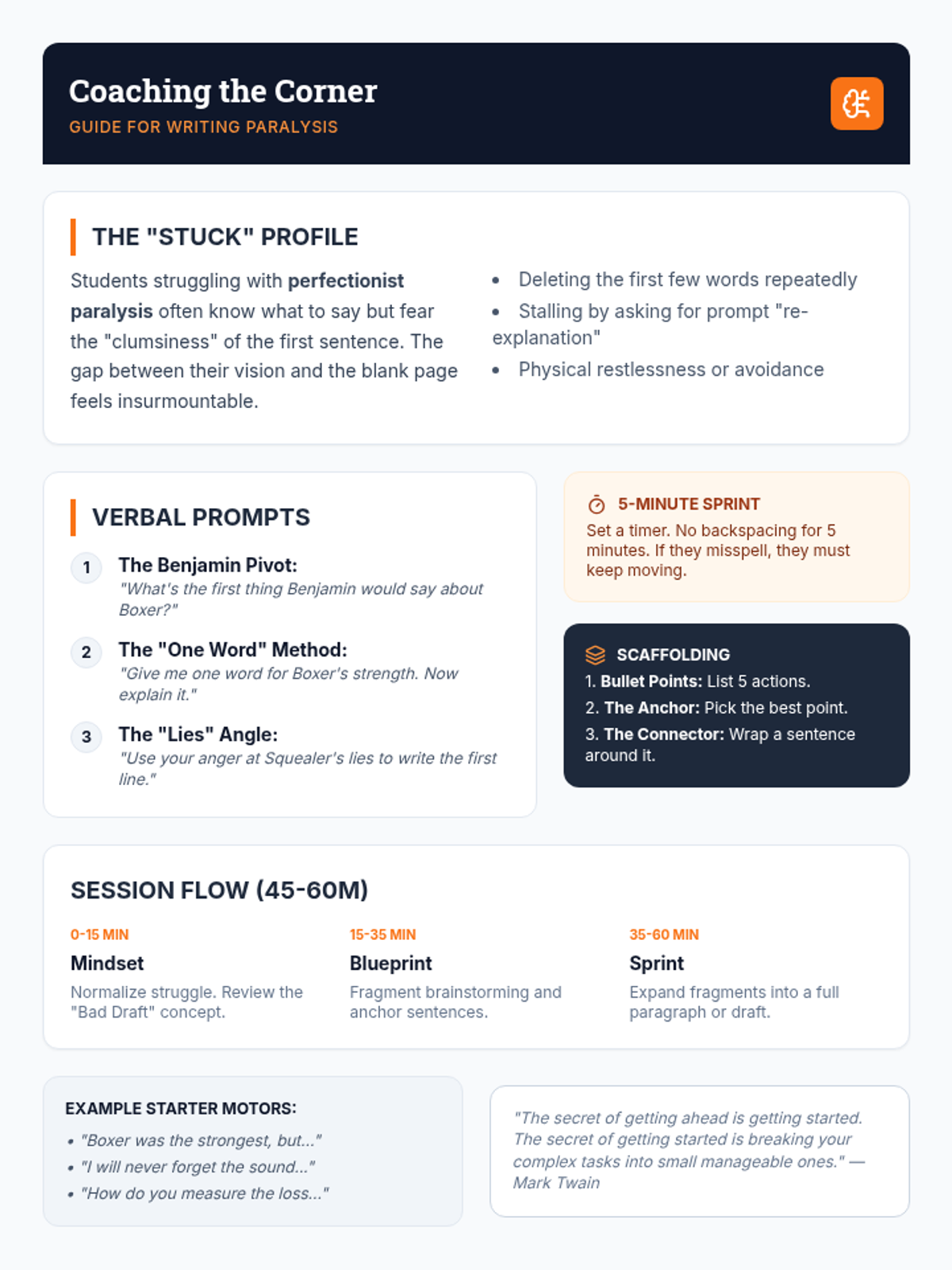
A specialized lesson for students who struggle with starting their writing, focusing on the character of Boxer from Animal Farm. It provides concrete 'starter' strategies to move from thoughts to text.
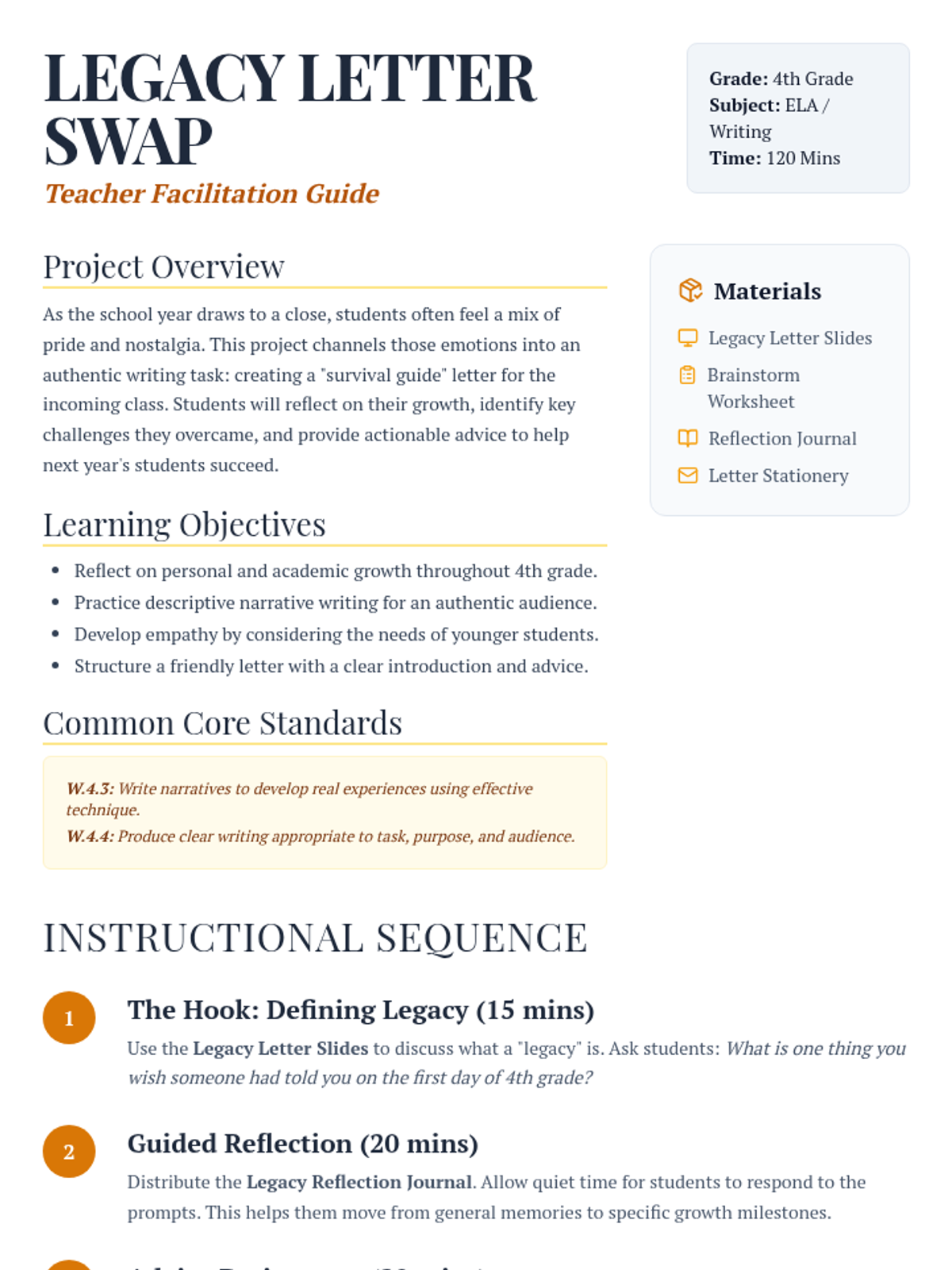
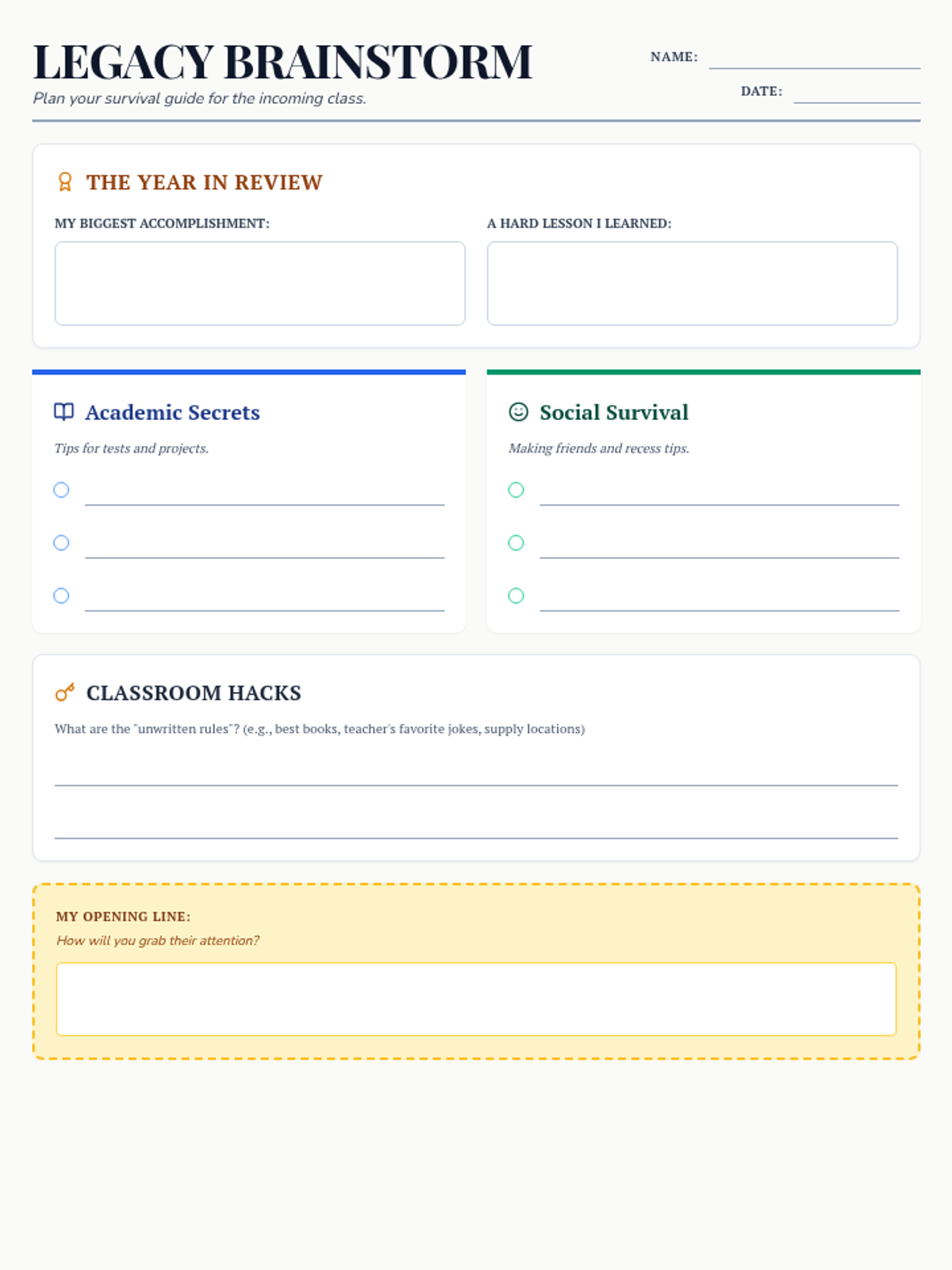
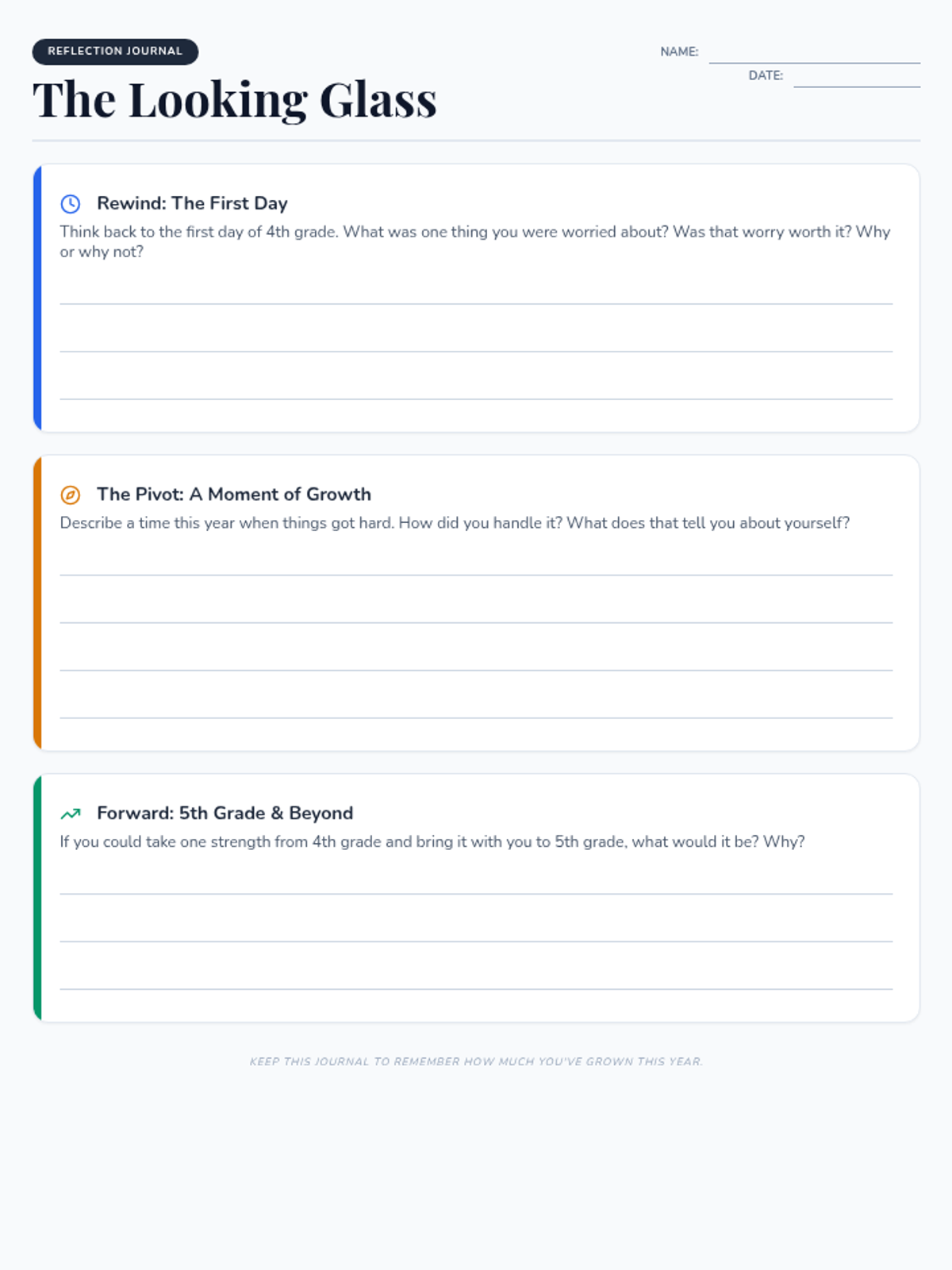
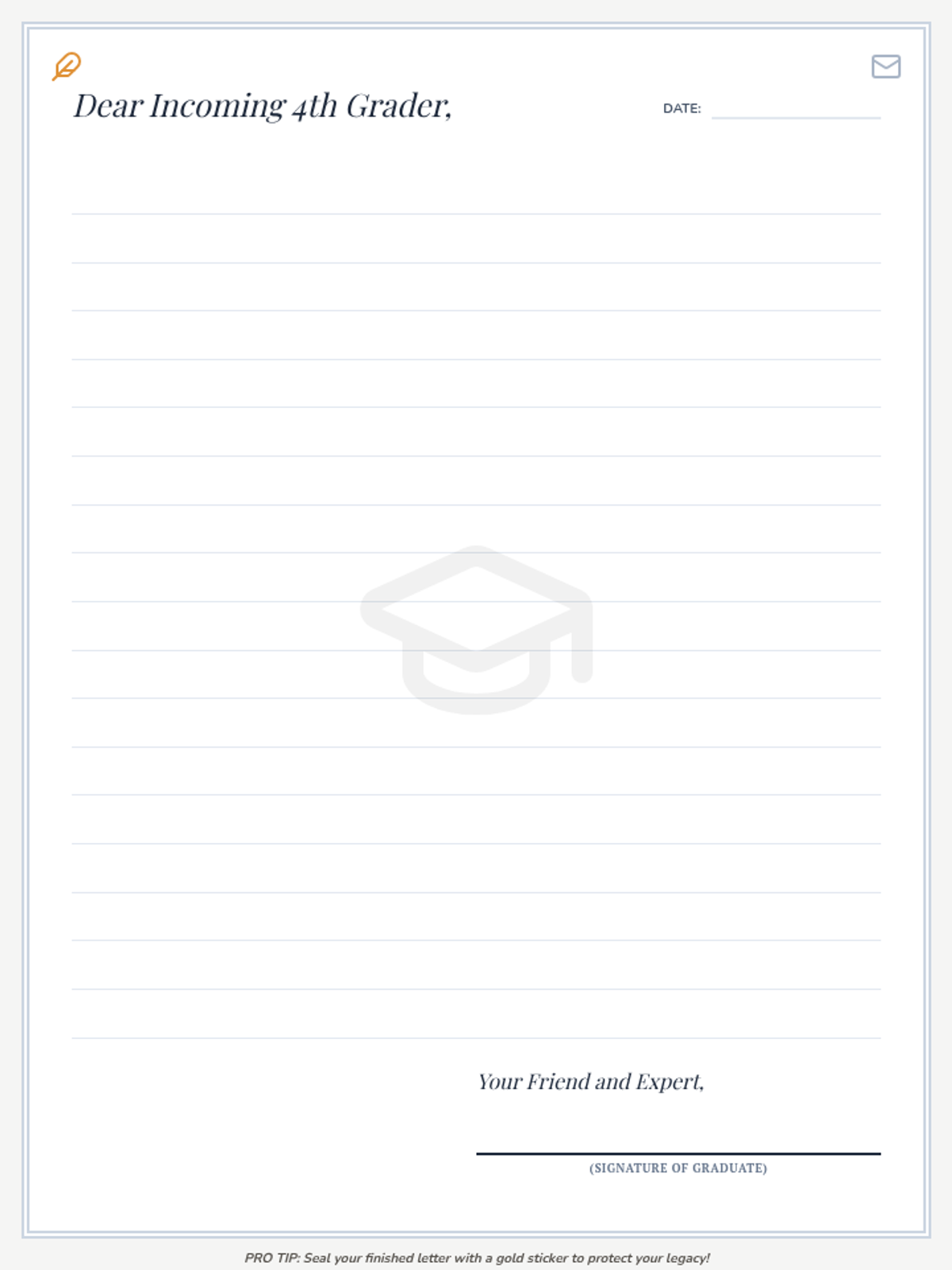
A reflective writing project where departing fourth graders write advice-filled letters to incoming students, practicing perspective-taking and descriptive narrative writing.
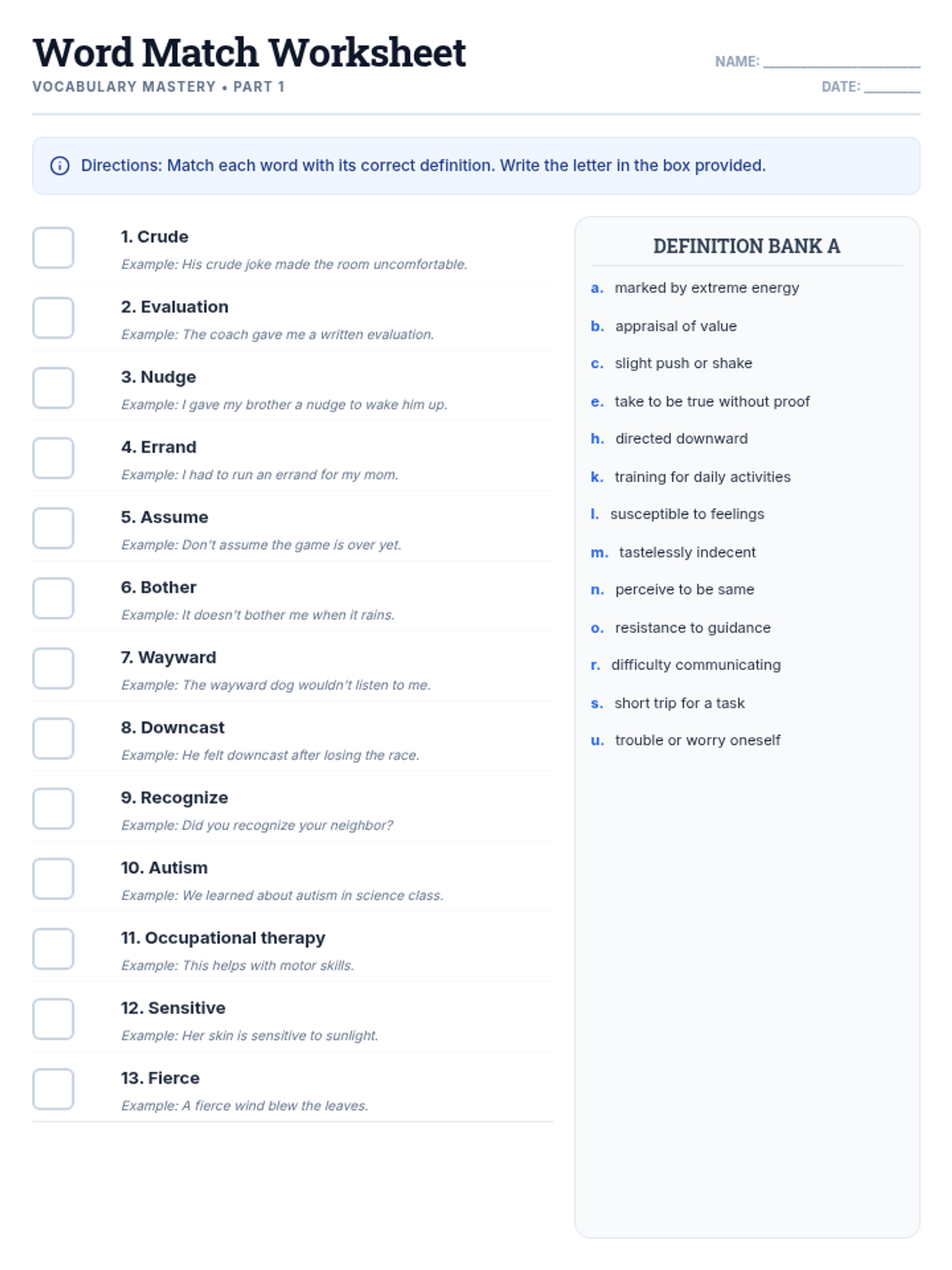
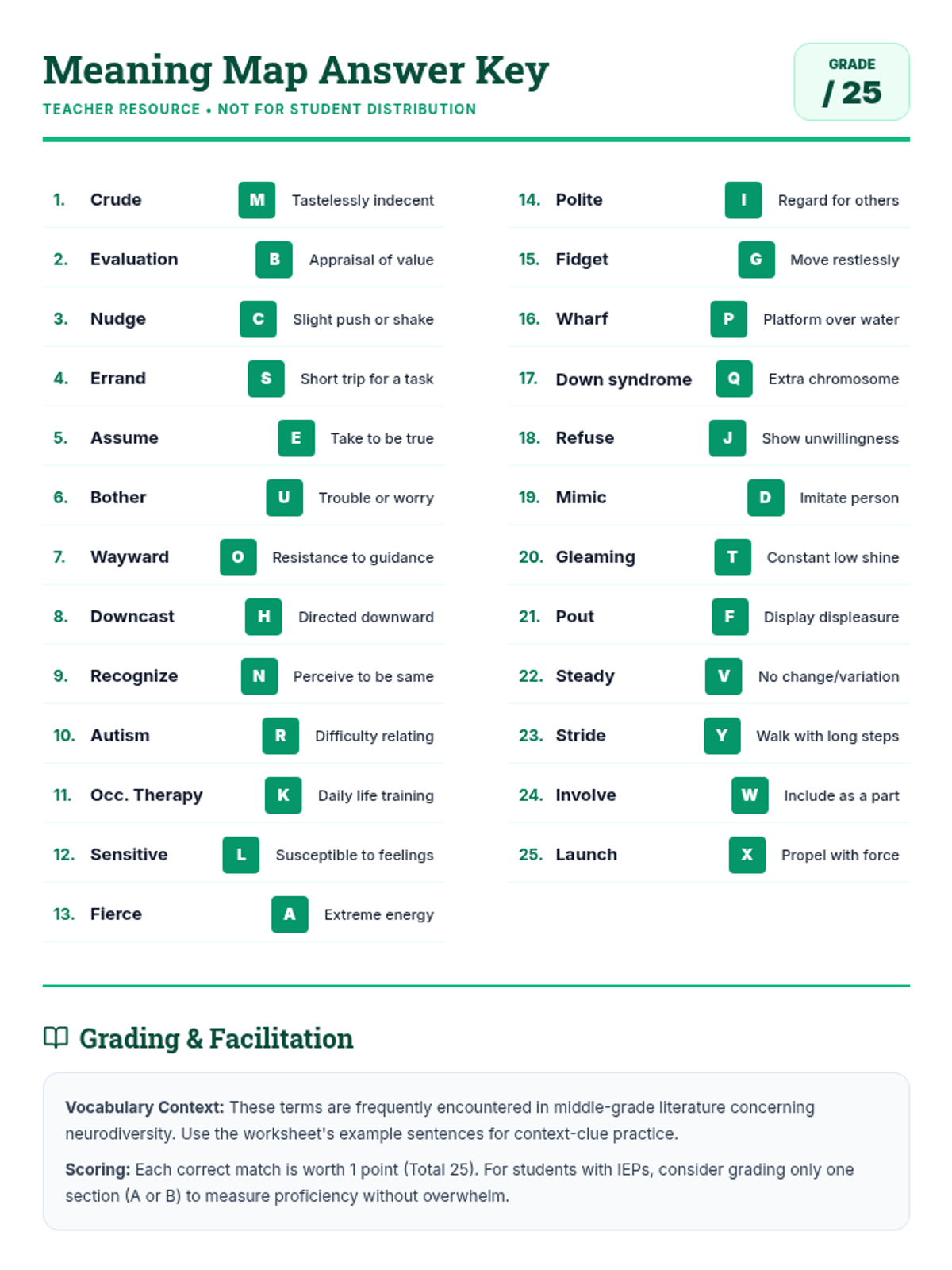
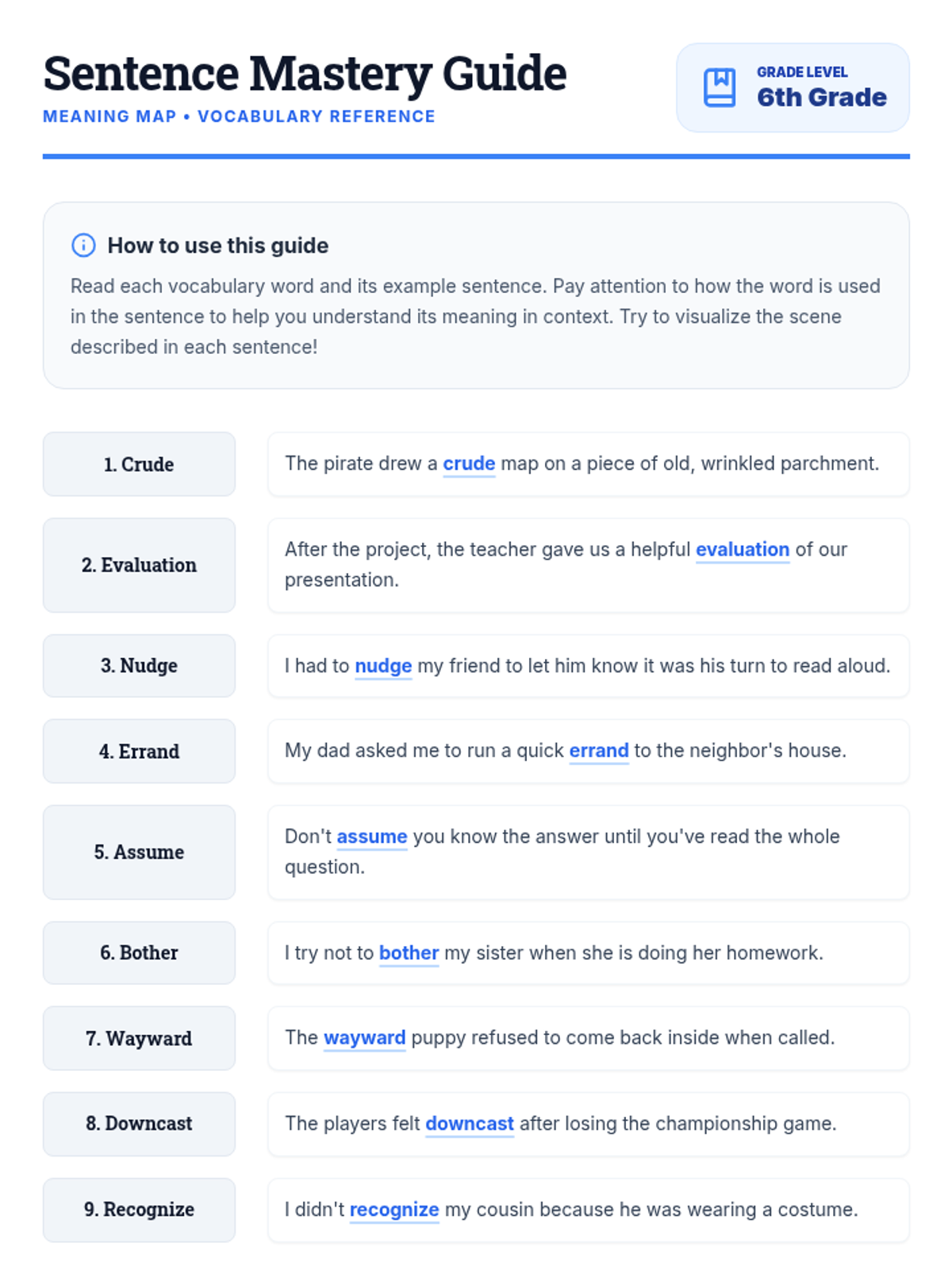
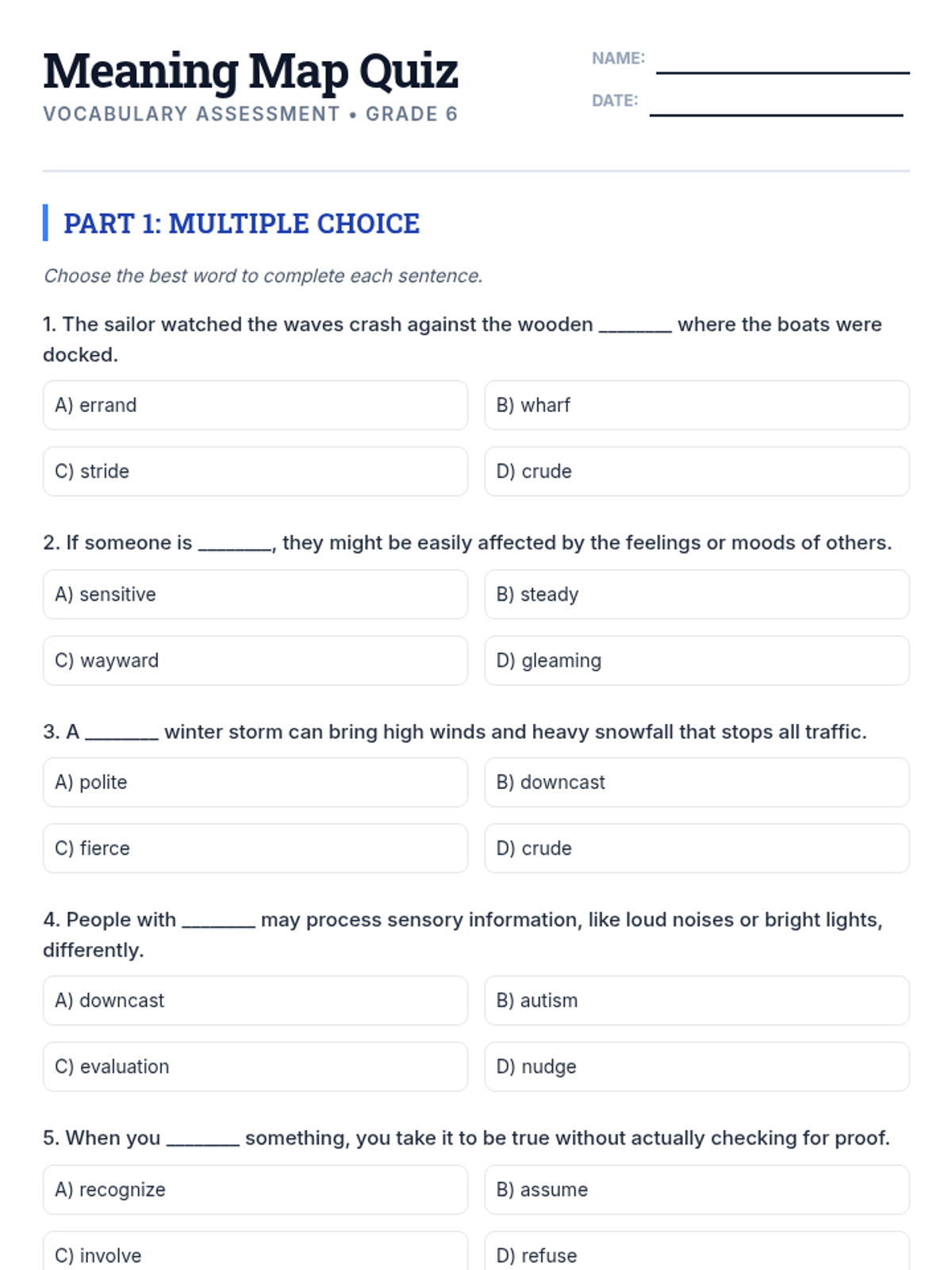
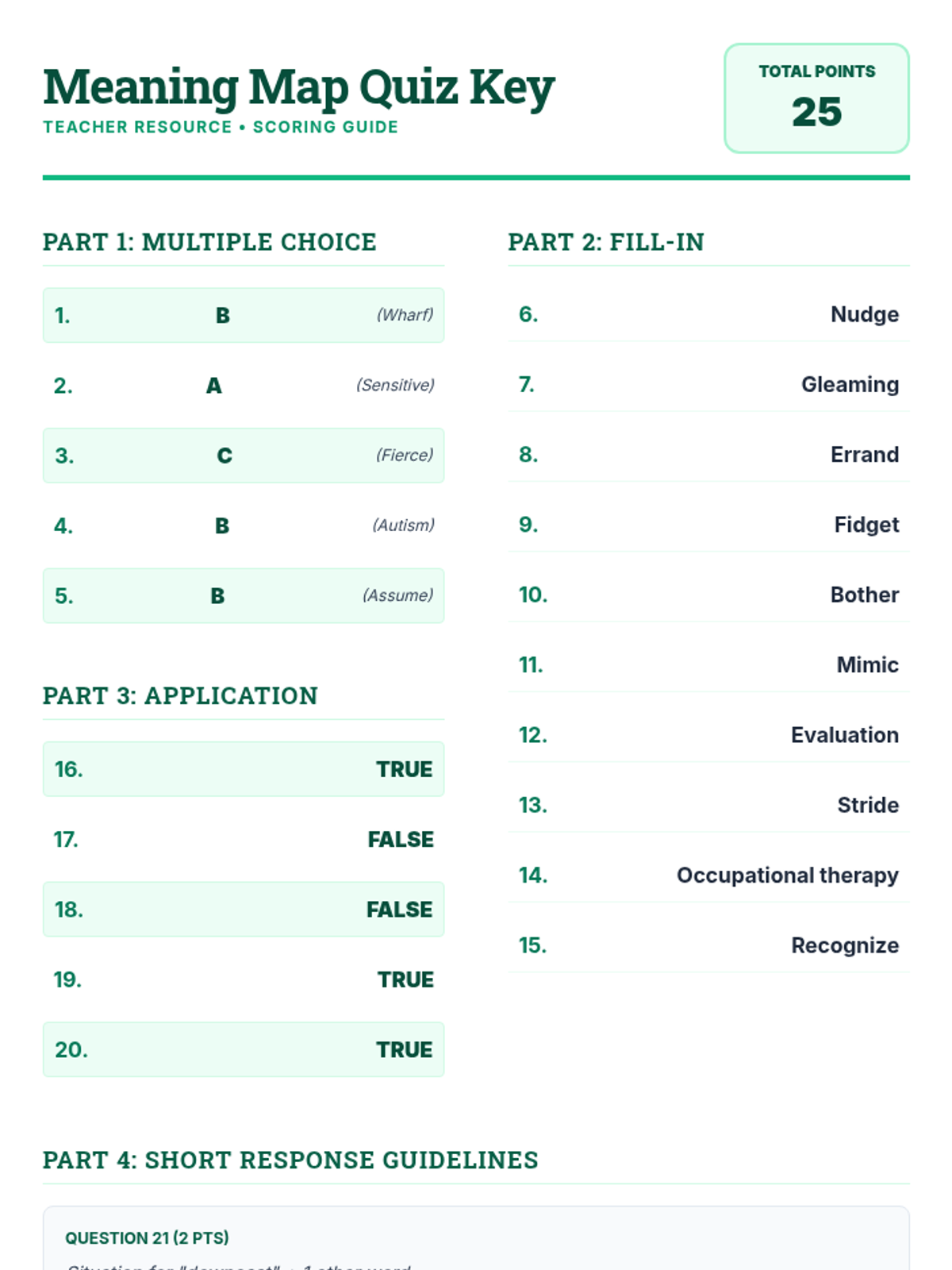
A comprehensive vocabulary lesson focused on matching complex terms with their definitions and using them in context-rich sentences.
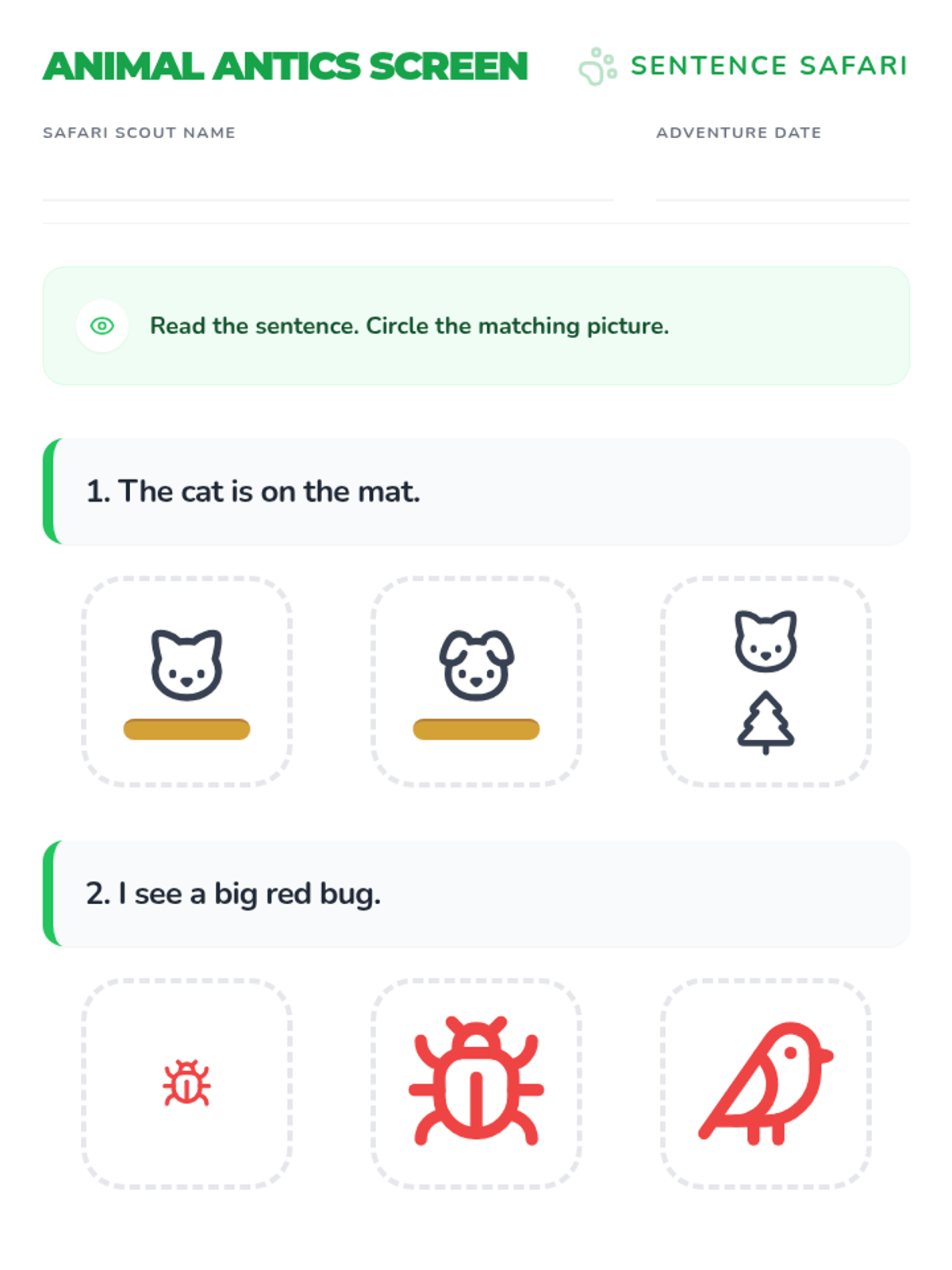
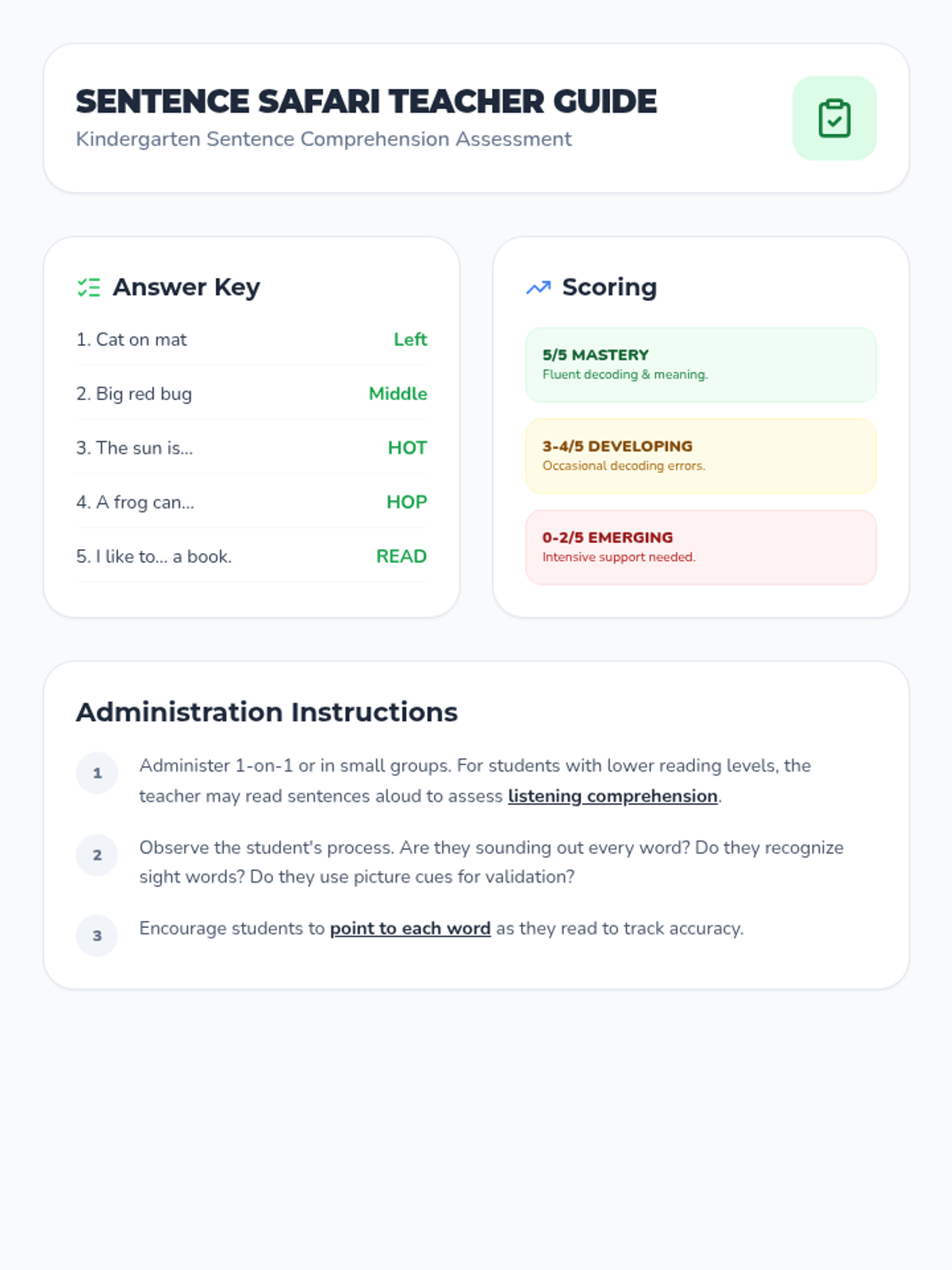
A quick assessment of Kindergarten sentence comprehension focusing on decoding simple sentences and matching them to visual representations.