The first week of morning mental exercises focusing on foundational critical thinking skills across various domains.
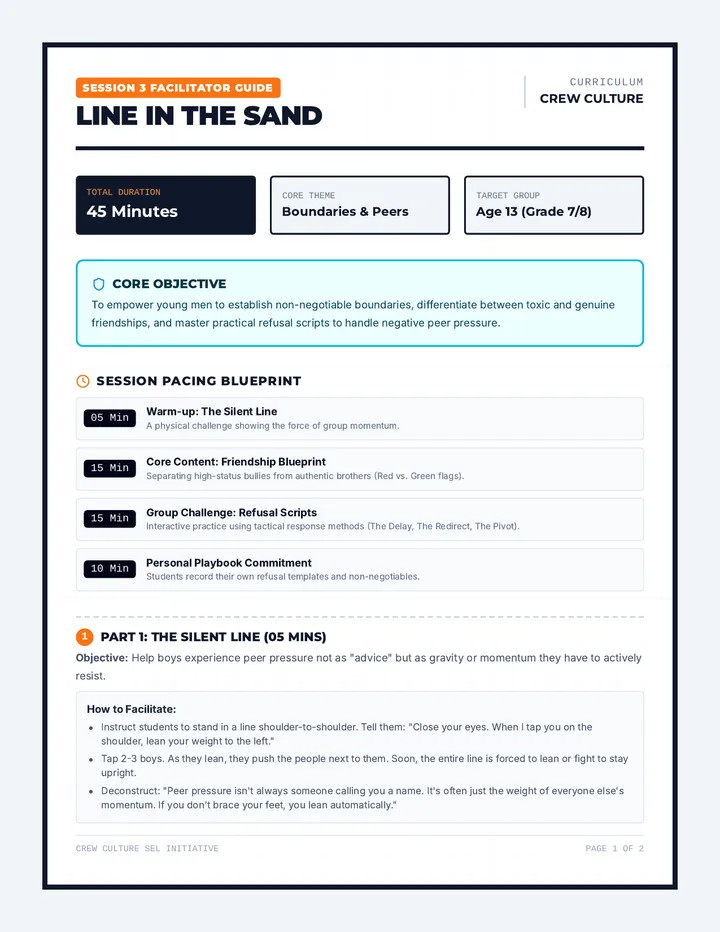
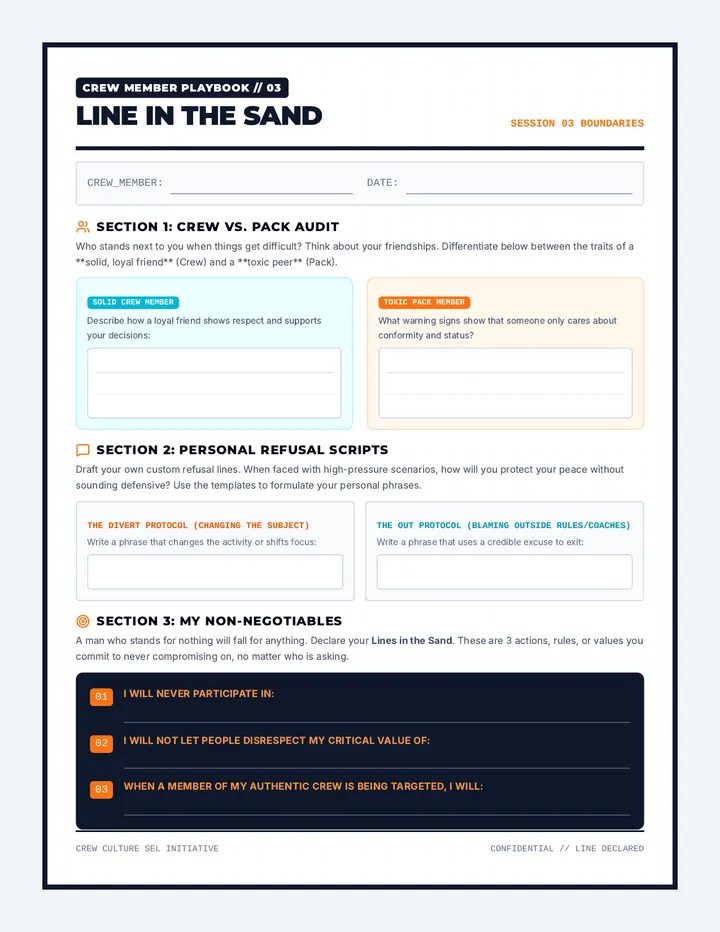
Students learn to set healthy boundaries, navigate peer pressure, and establish what authentic trust looks like in real-world friendships.
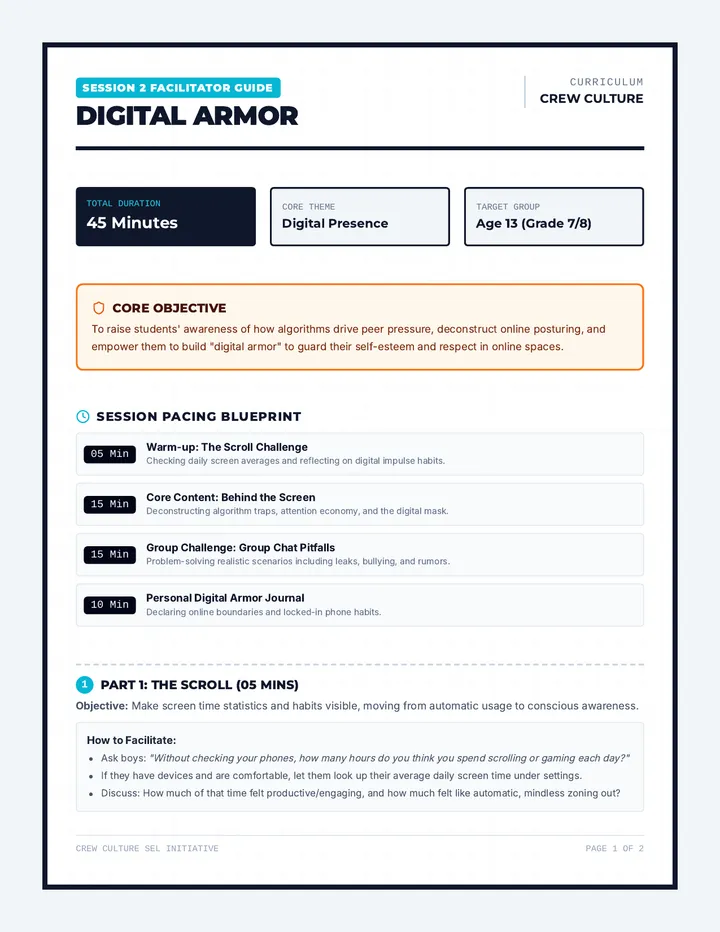
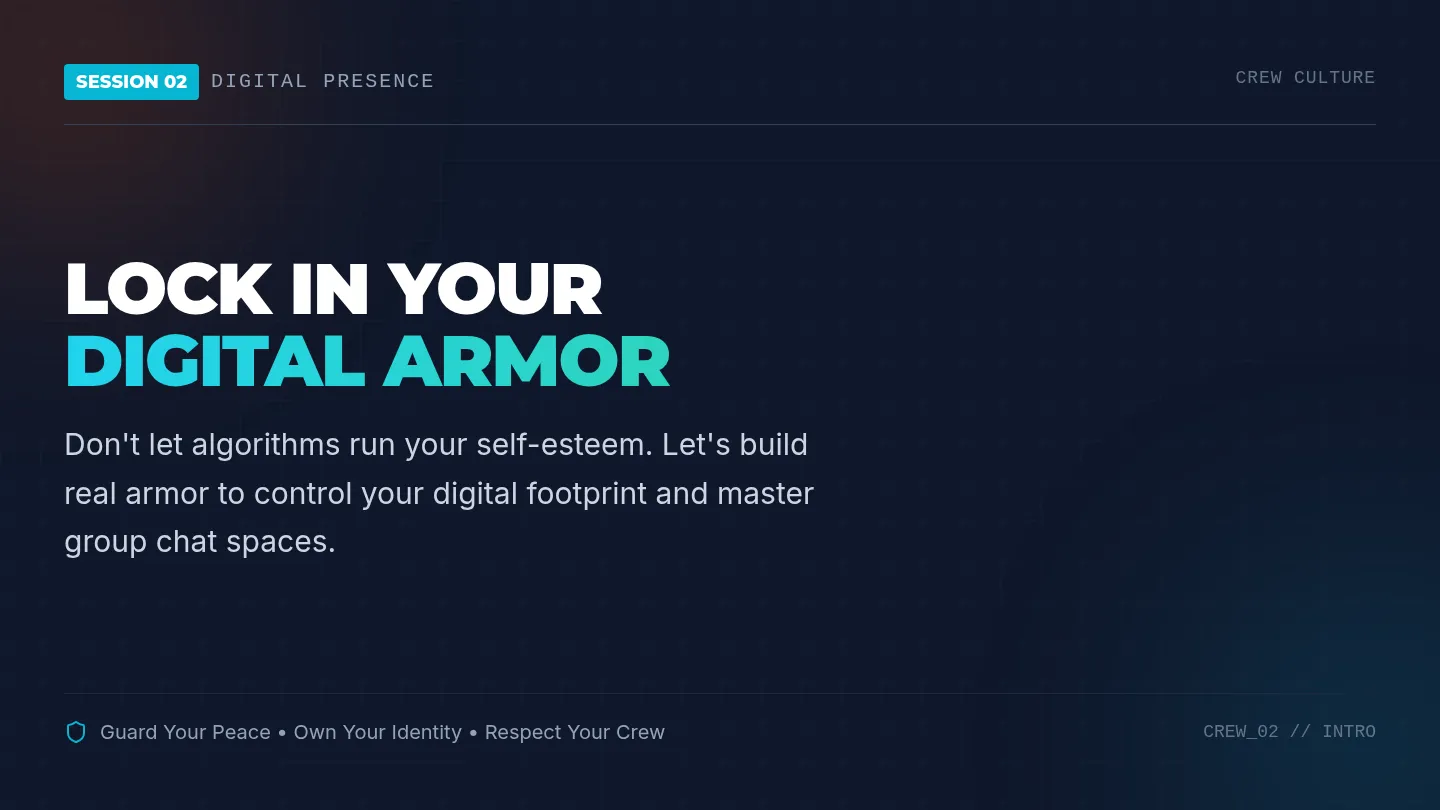
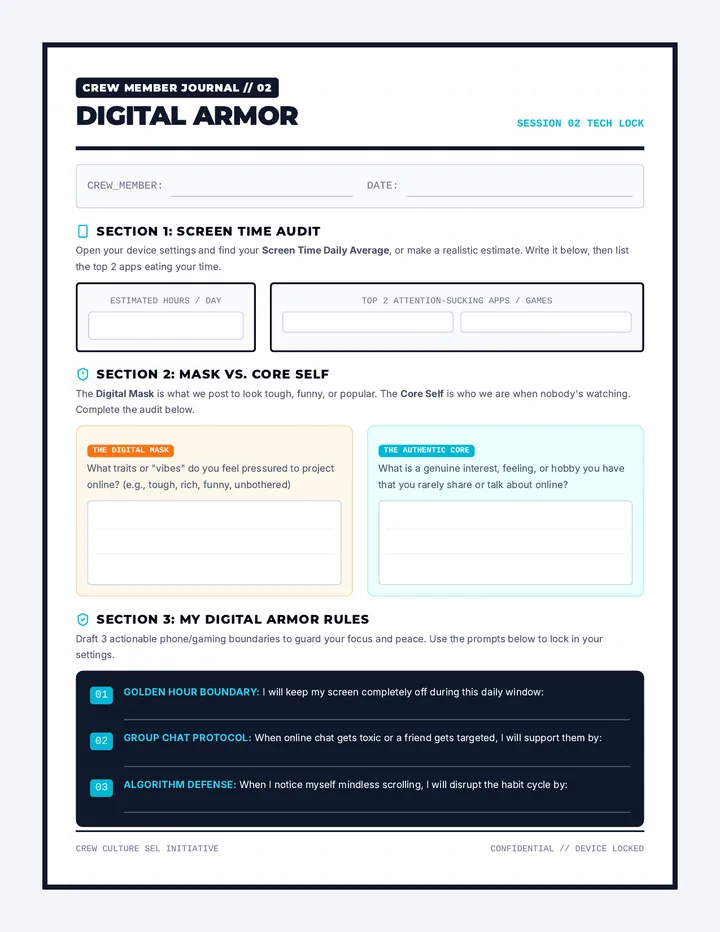
Students analyze their digital footprint, discuss modern social media pressures, and learn how to align their online actions with their offline values.
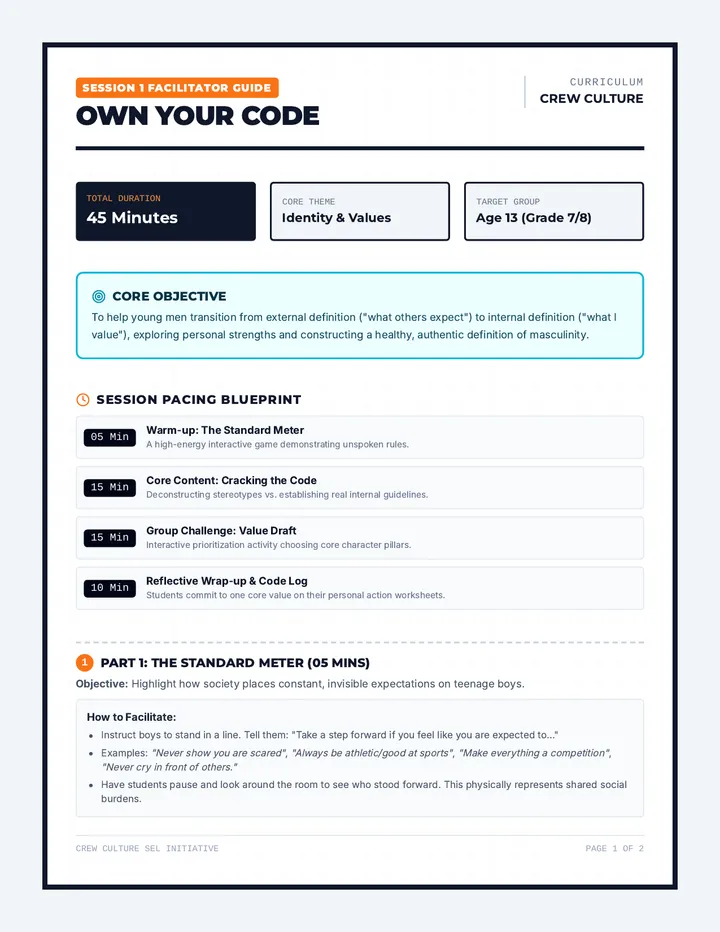
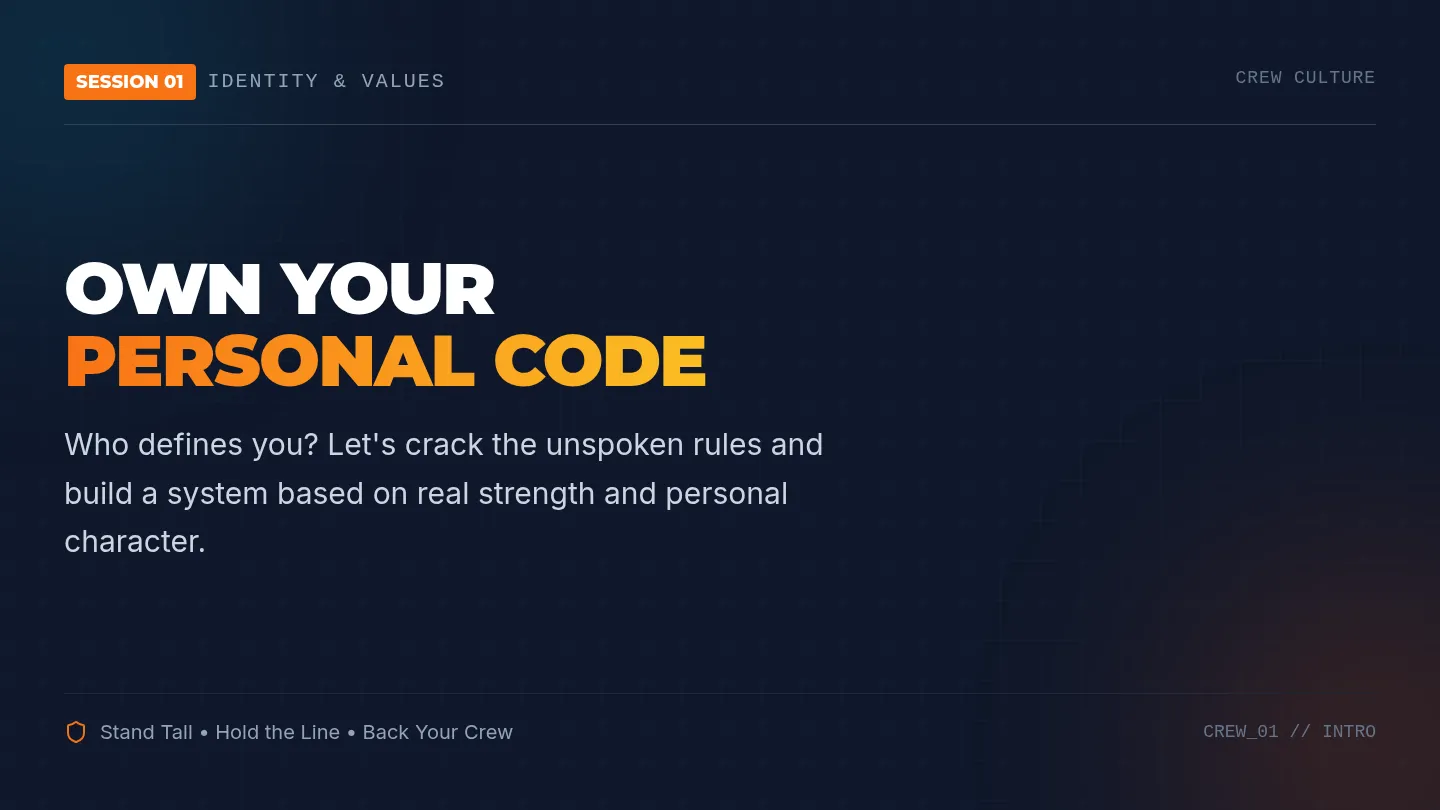
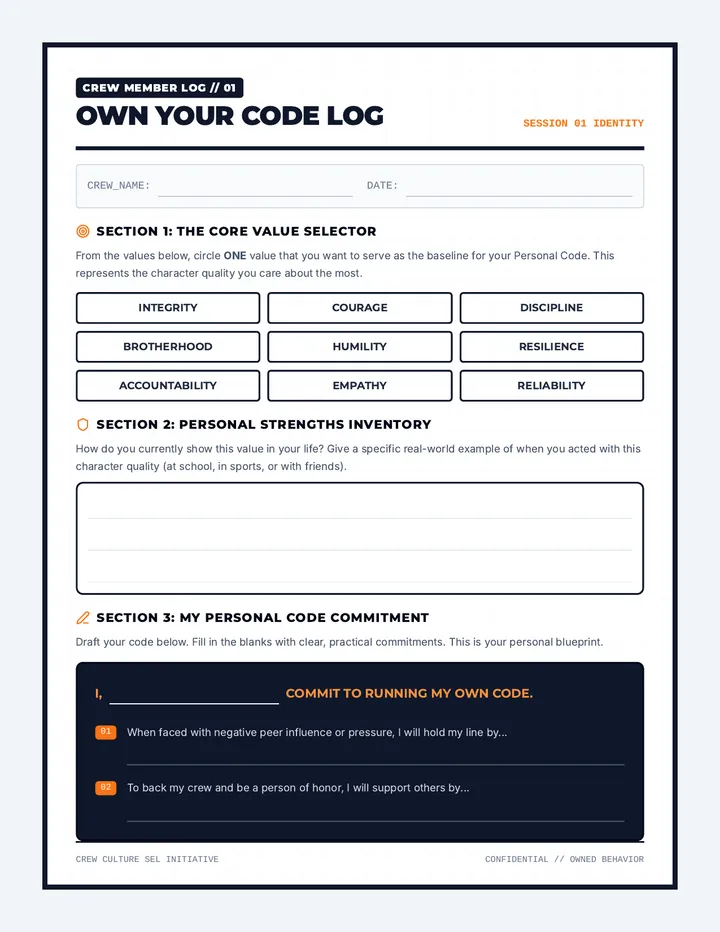
Students explore their personal identity, core values, and what healthy masculinity looks like in their daily lives.
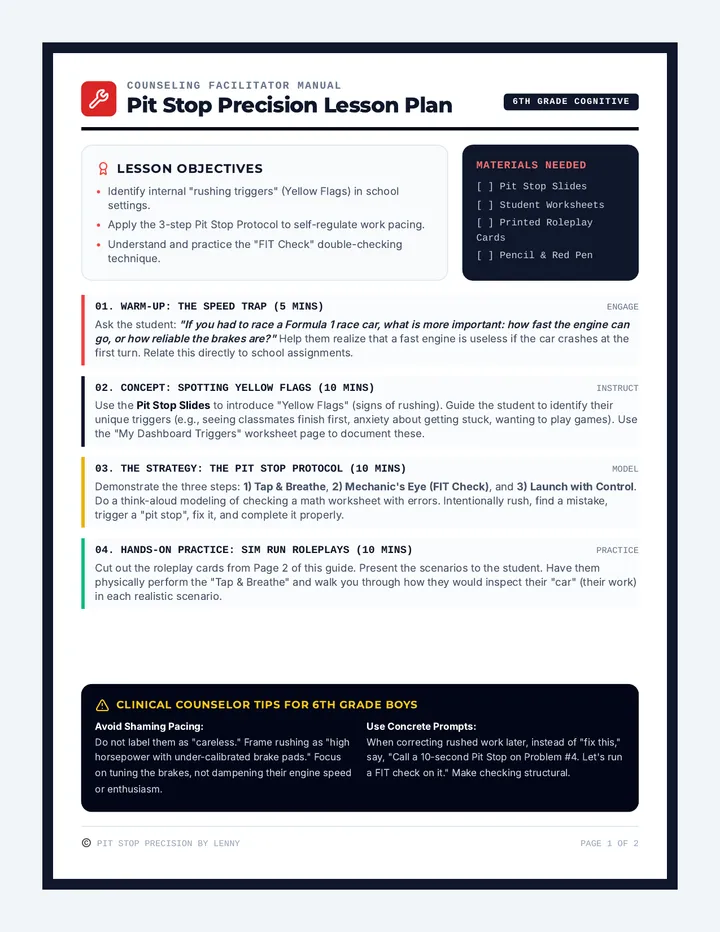
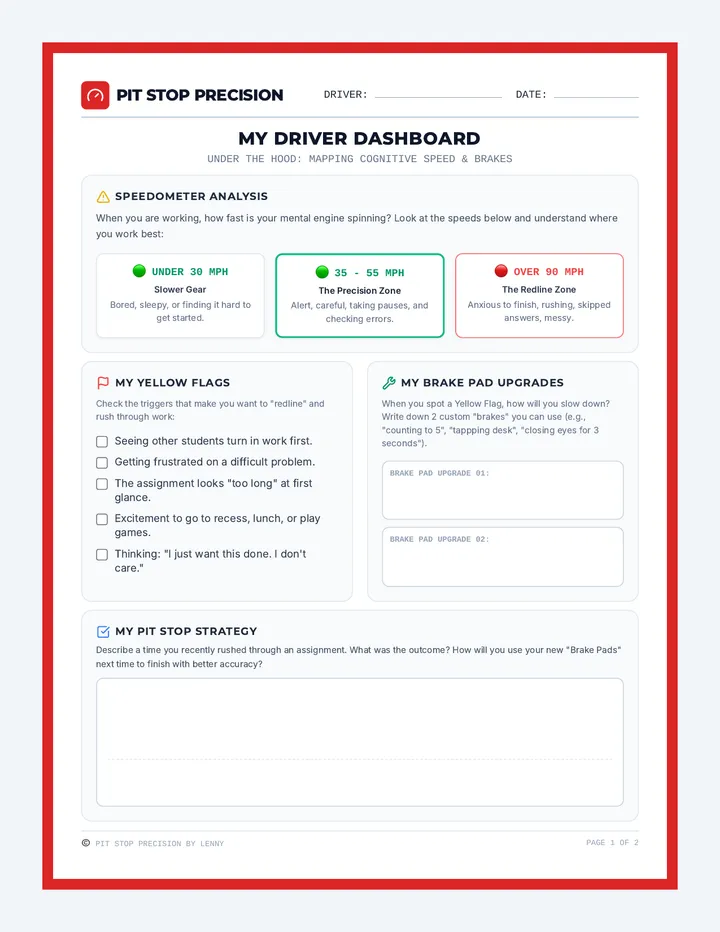
A counseling and self-regulation lesson for middle school students, using a high-octane racing 'Pit Stop' metaphor to teach self-control, persistence, and double-checking work instead of rushing.
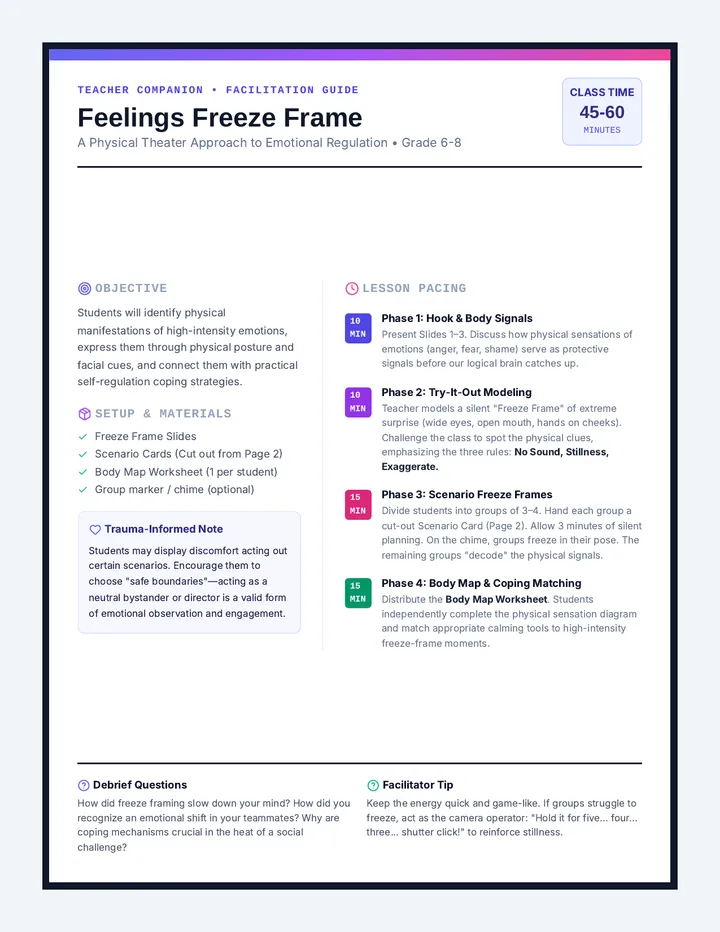
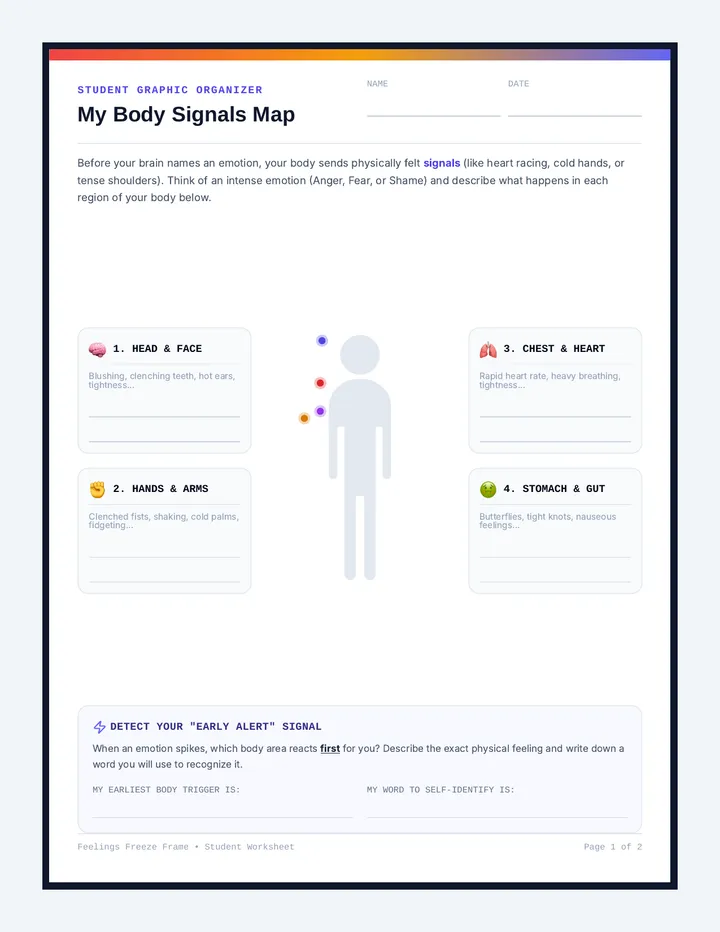
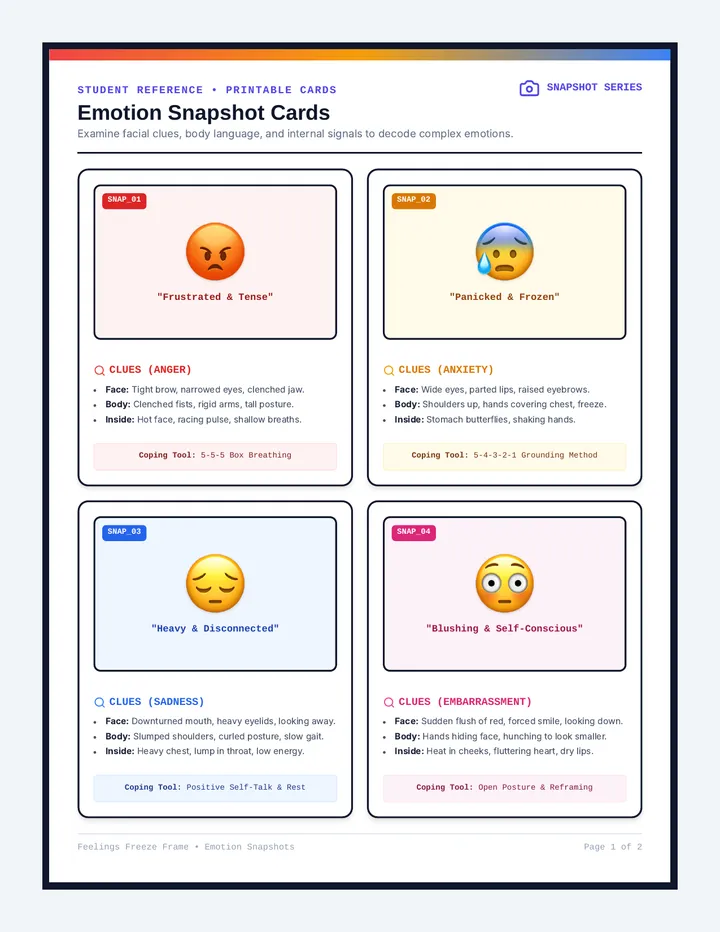
A comprehensive middle school lesson bundle on emotional literacy and self-regulation. Students explore physical sensations of high-intensity emotions, act out relatable scenarios in freeze frames, and match coping strategies using printable cards and graphic organizers.
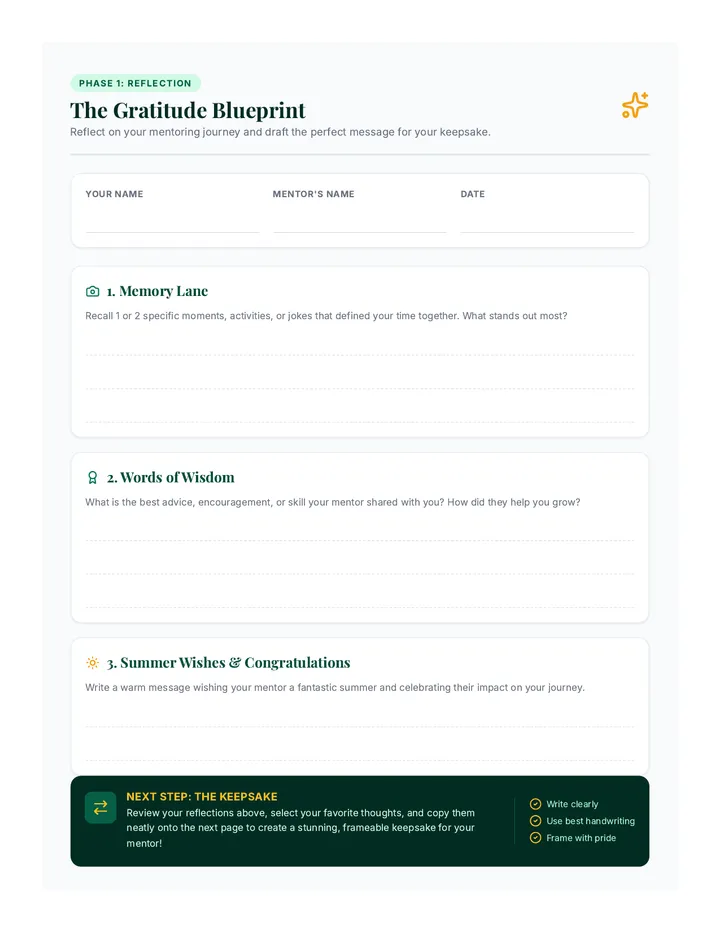
A heartfelt lesson designed to guide mentees through reflecting on their journey with their mentors, writing meaningful thank-you messages, and creating a beautiful framed keepsake.
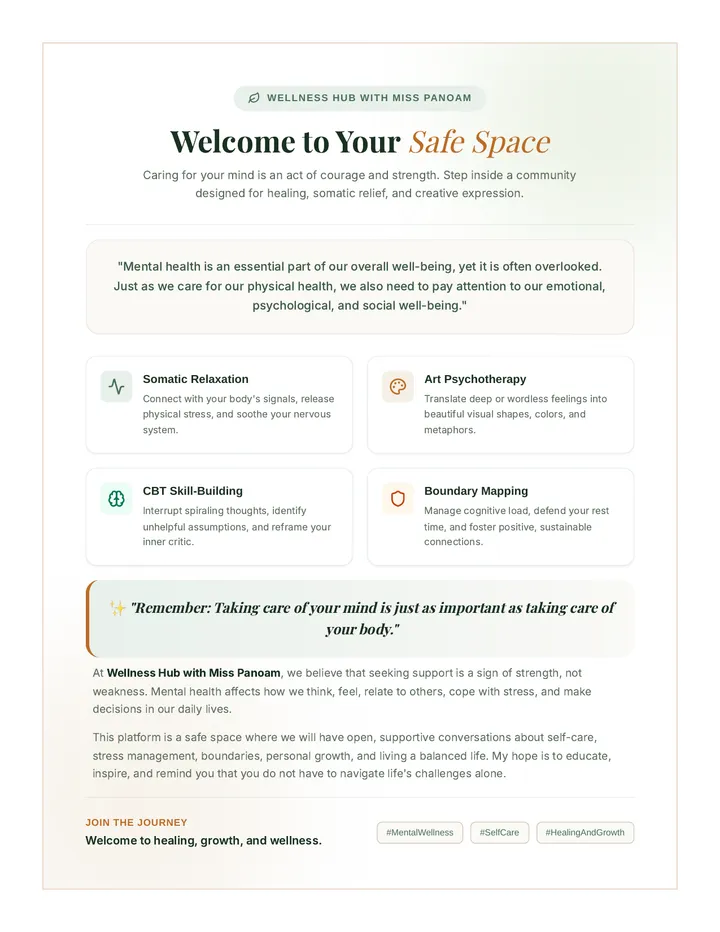
An elegant, welcoming visual announcement page introducing the Wellness Hub with Miss Panoam, designed for counseling psychology, art therapy, and somatic mindfulness support.
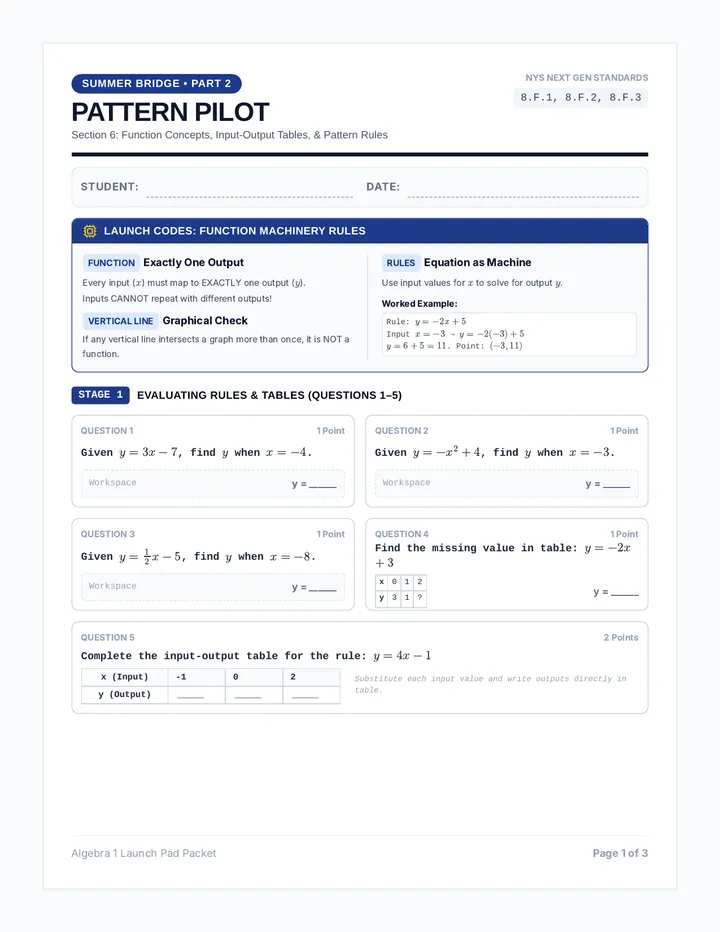
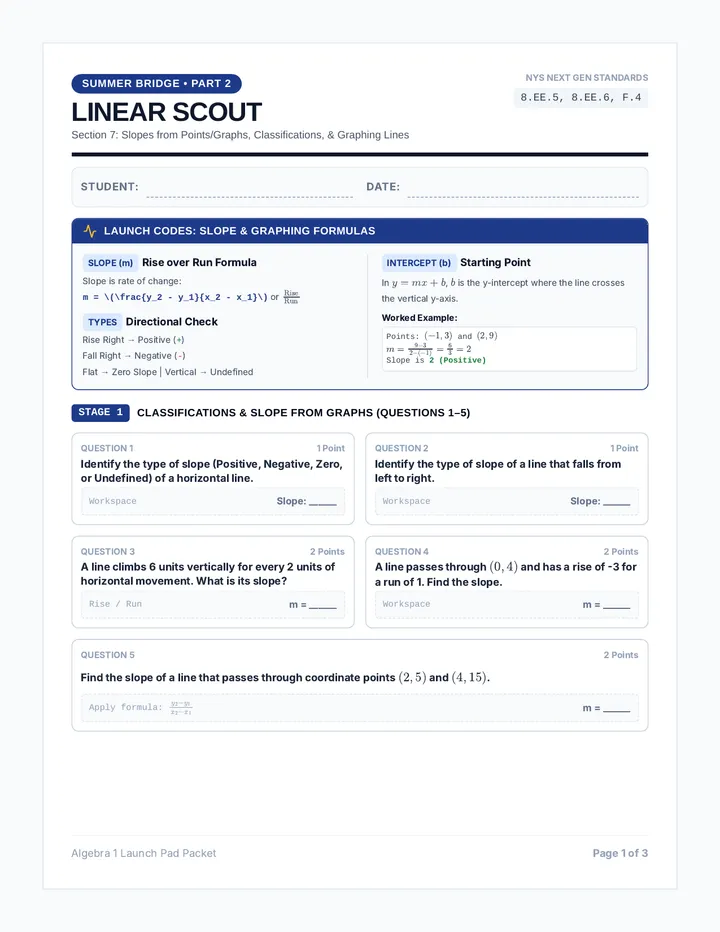
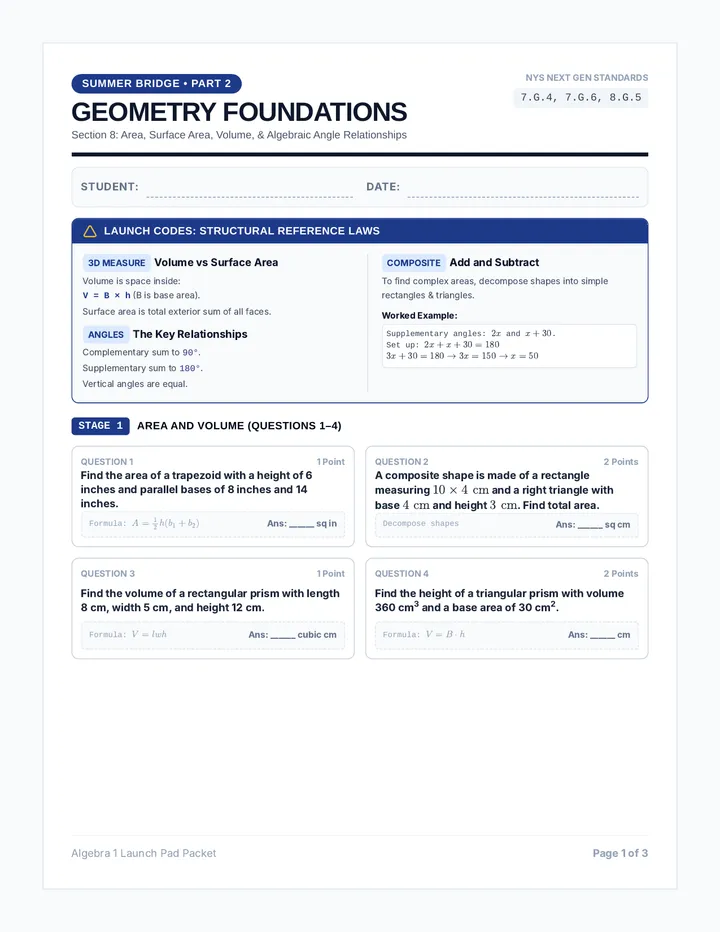
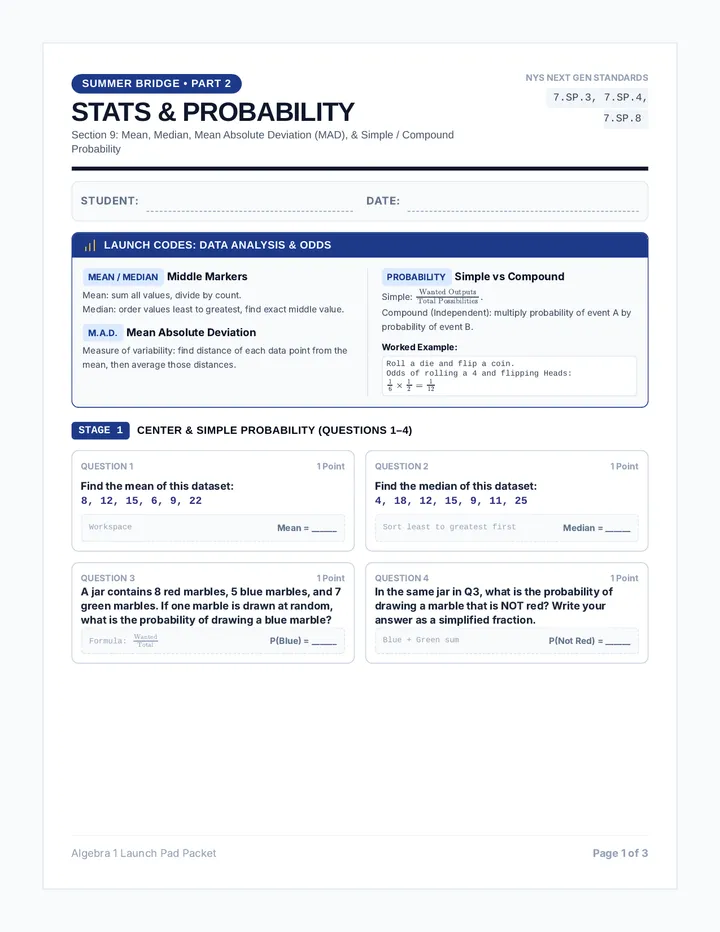
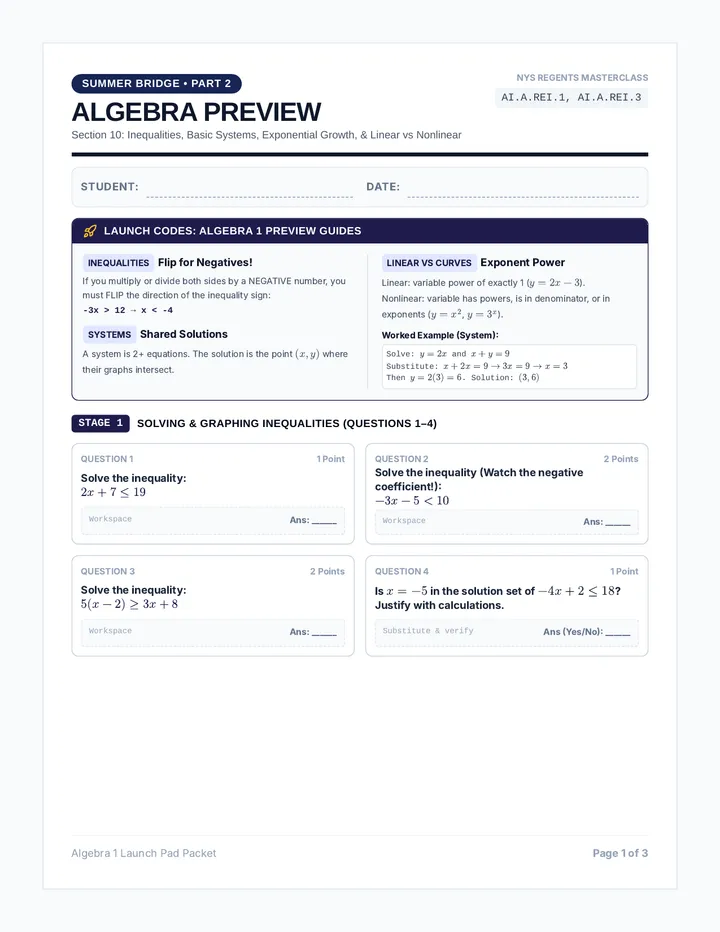
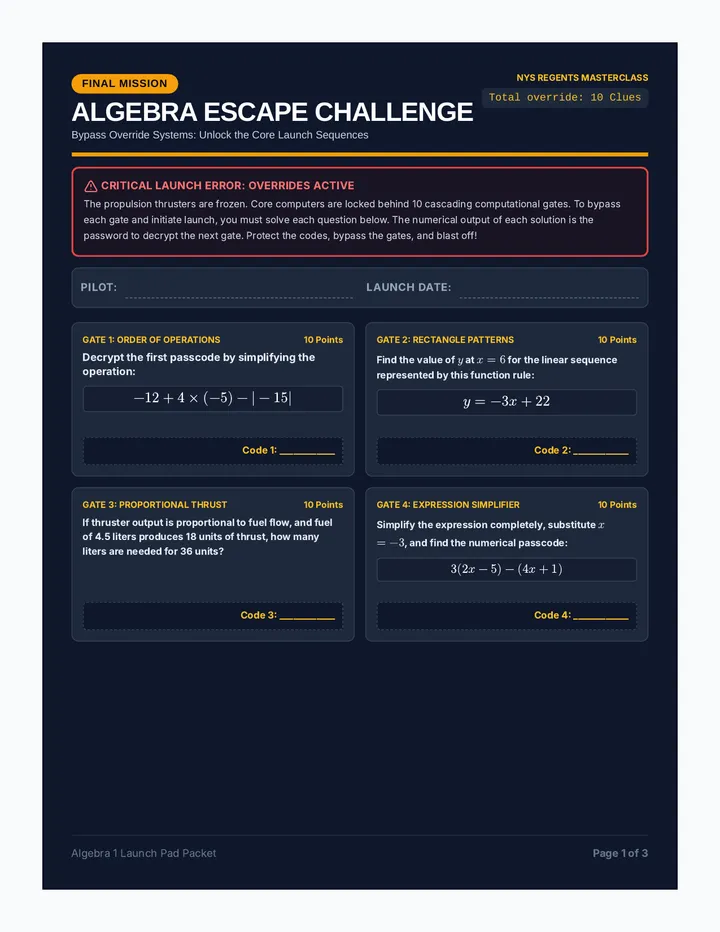
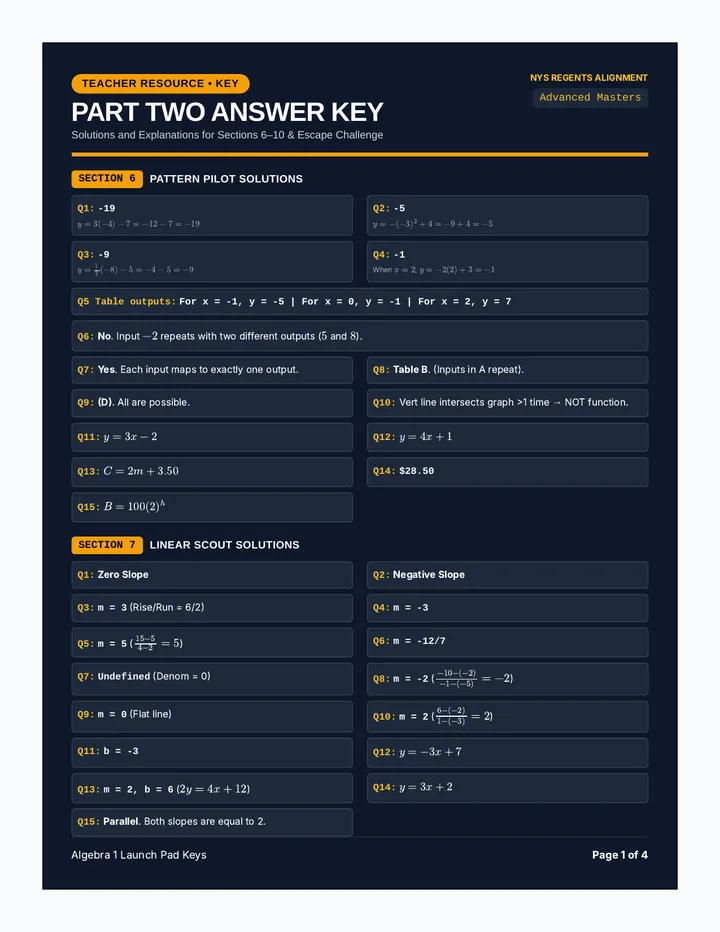
The second part of the Algebra 1 Summer Bridge Packet. It covers functions & patterns, linear relationships, geometric foundations, statistics & probability, and an advanced Algebra 1 preview.
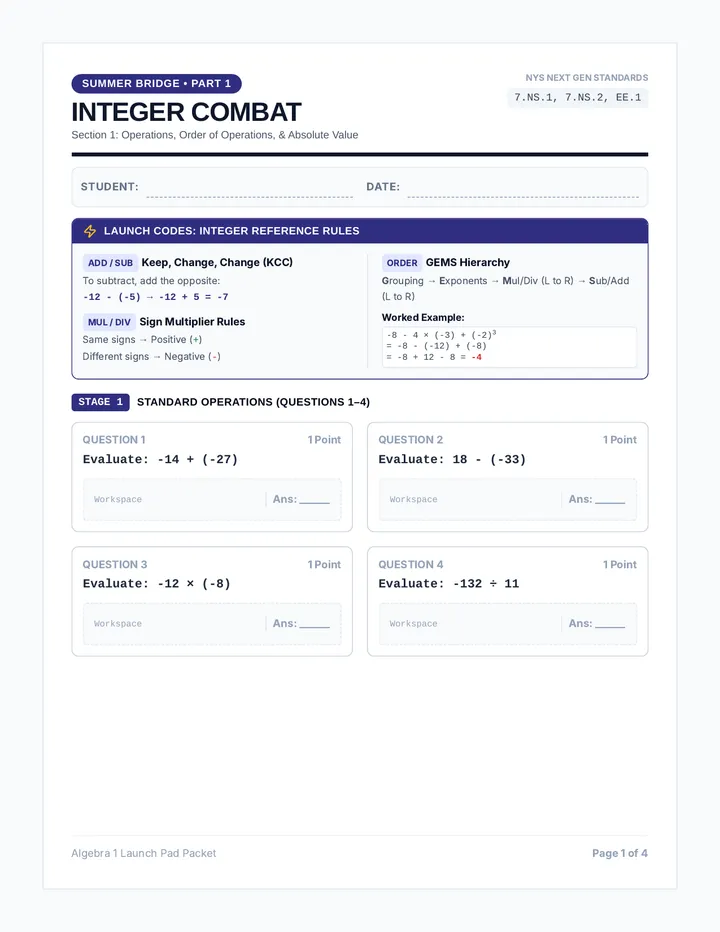
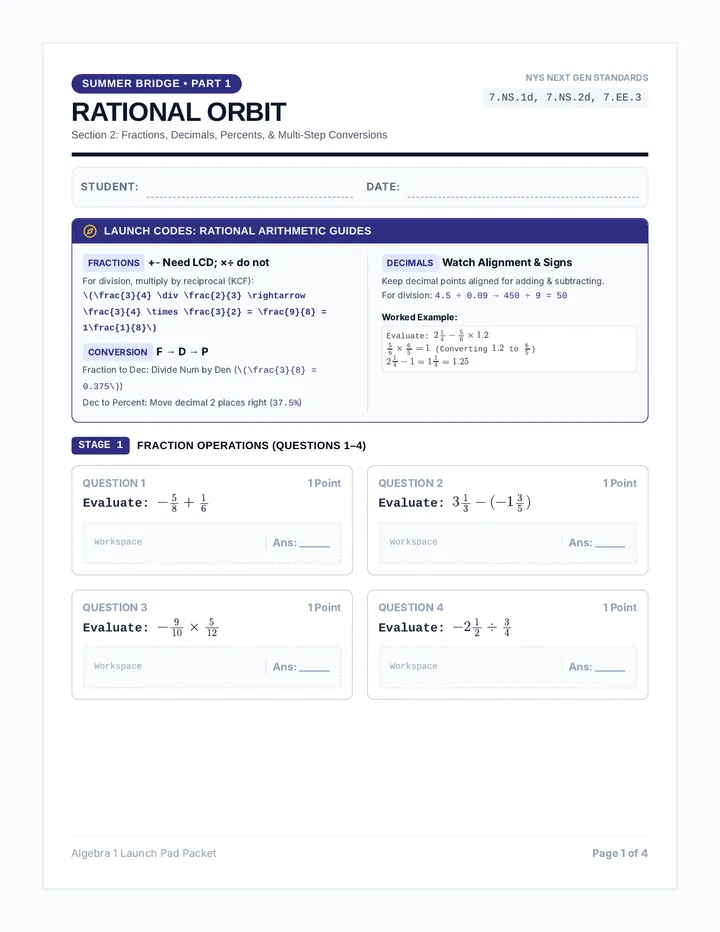
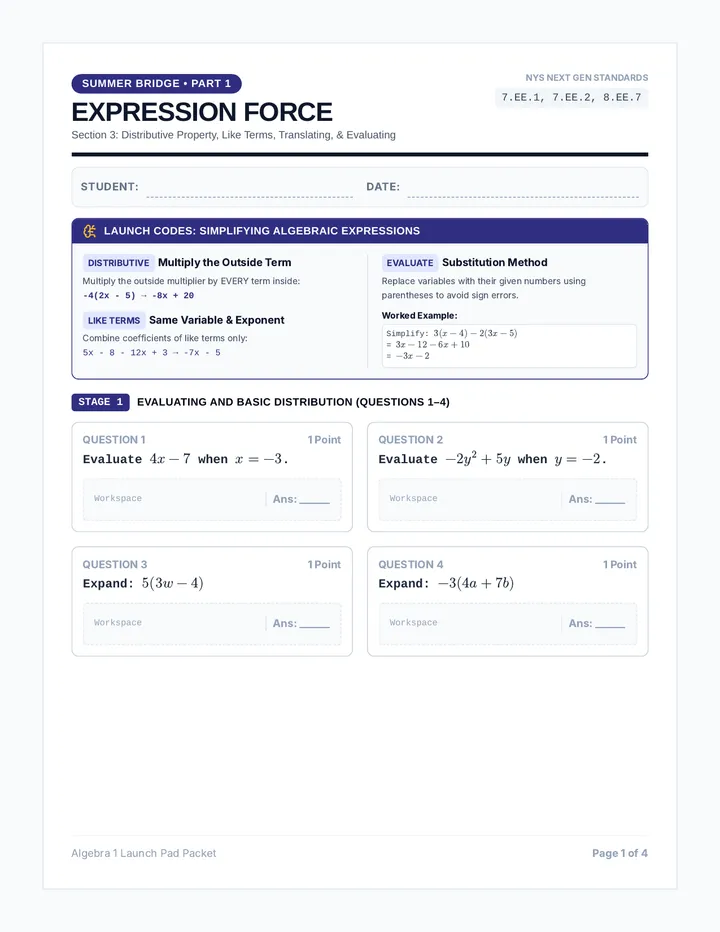
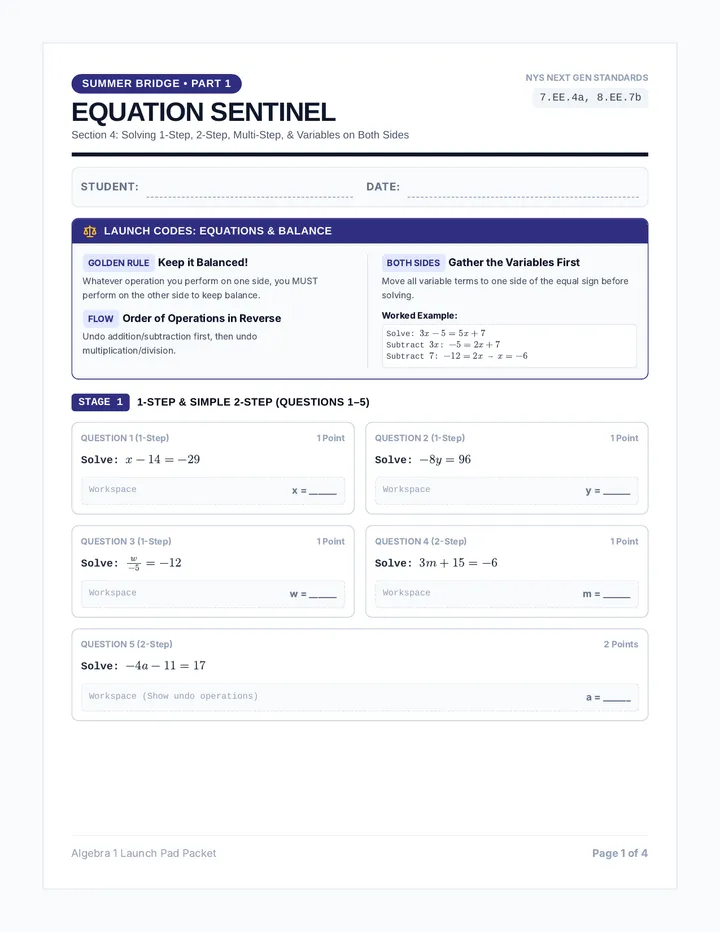
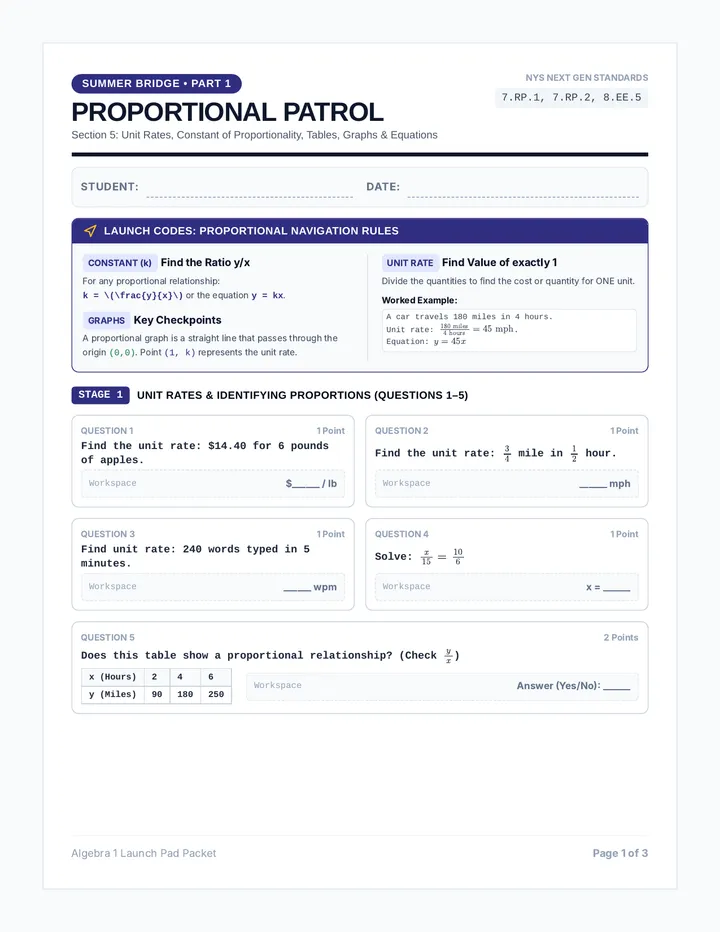
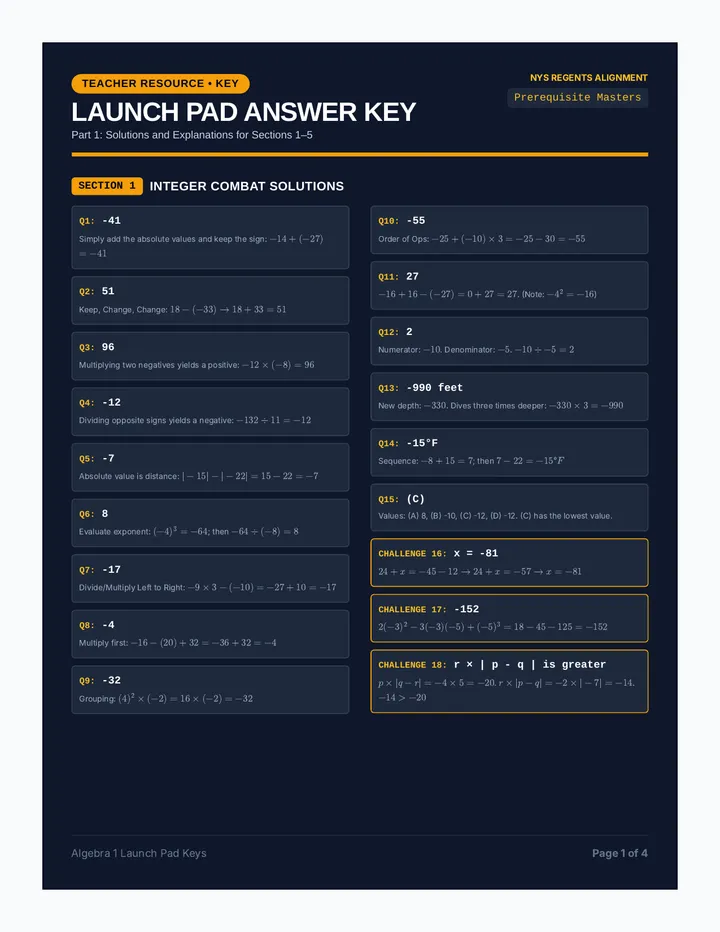
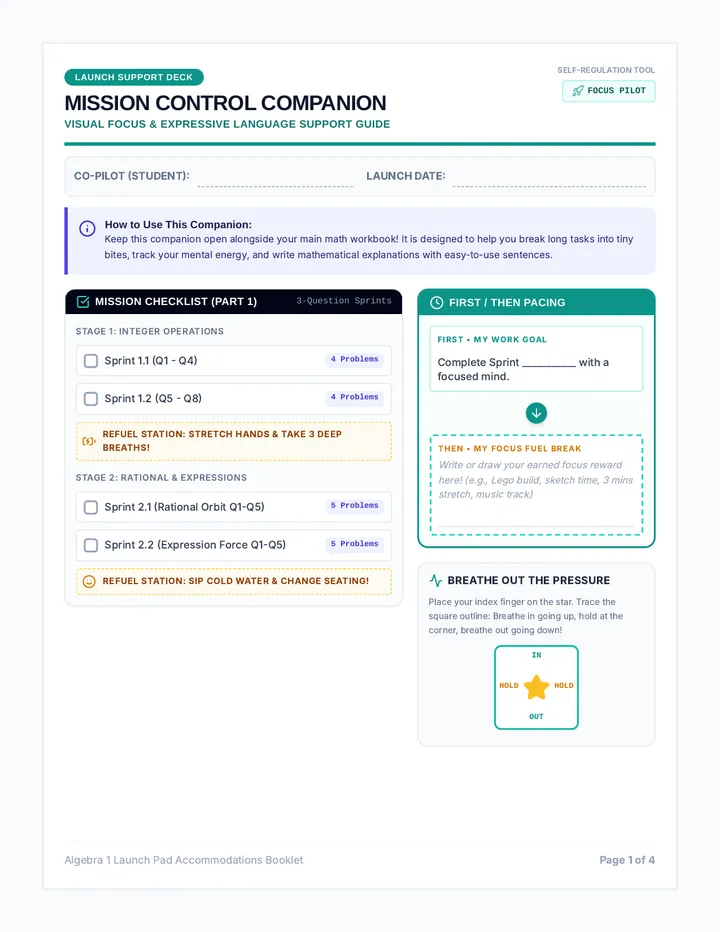
The first part of the Algebra 1 Summer Bridge Packet for rising 8th graders. It covers integer operations, rational numbers, expressions, solving equations, and proportional relationships with worked examples and workspaces.
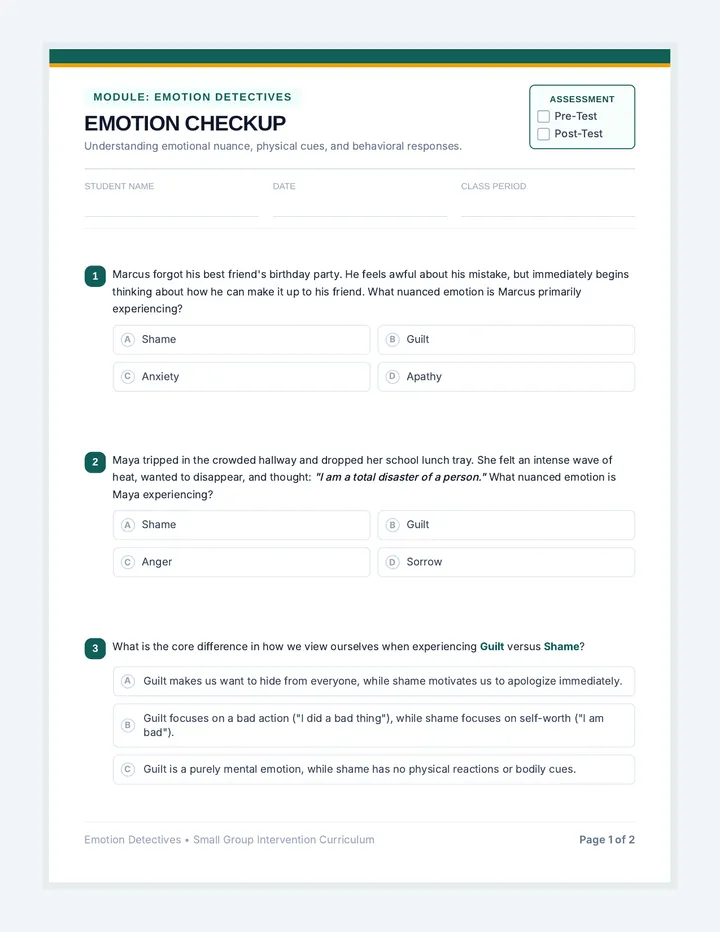
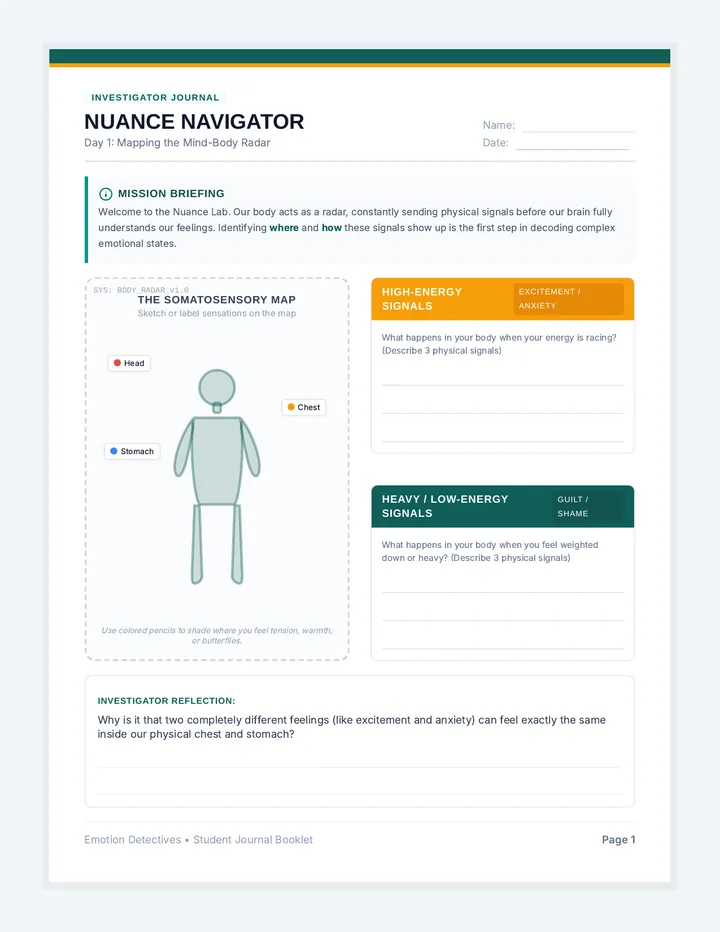
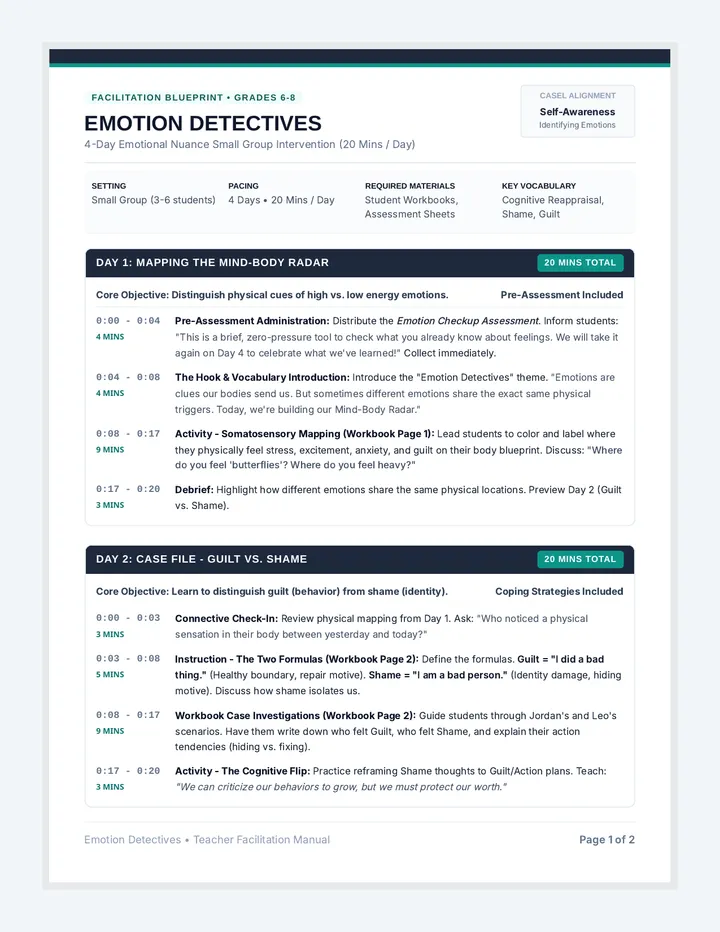
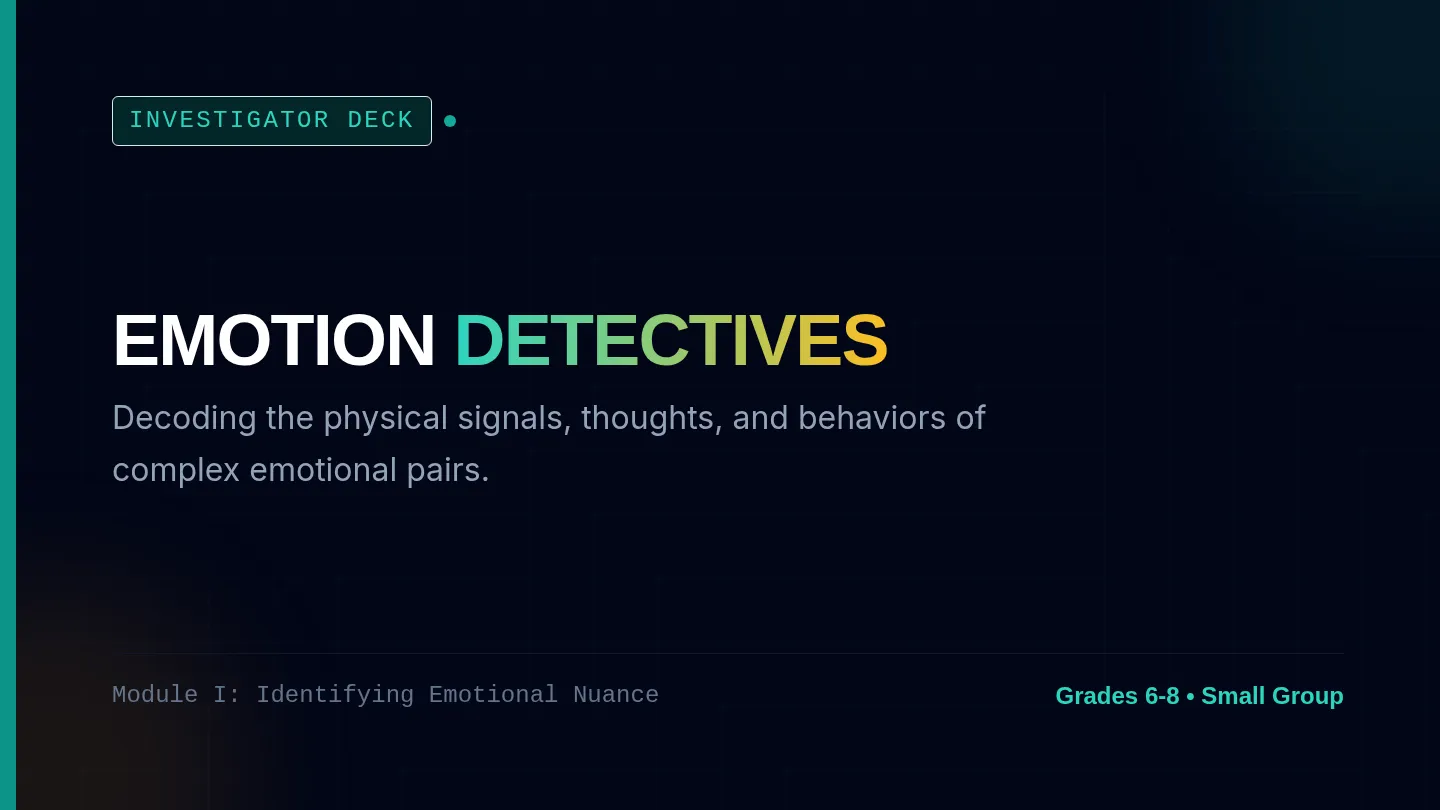
A 4-day small group intervention for grades 6-8 focusing on self-awareness and emotional nuance. Students explore the physical, cognitive, and behavioral distinctions between complex emotional pairs like guilt versus shame and excitement versus anxiety.
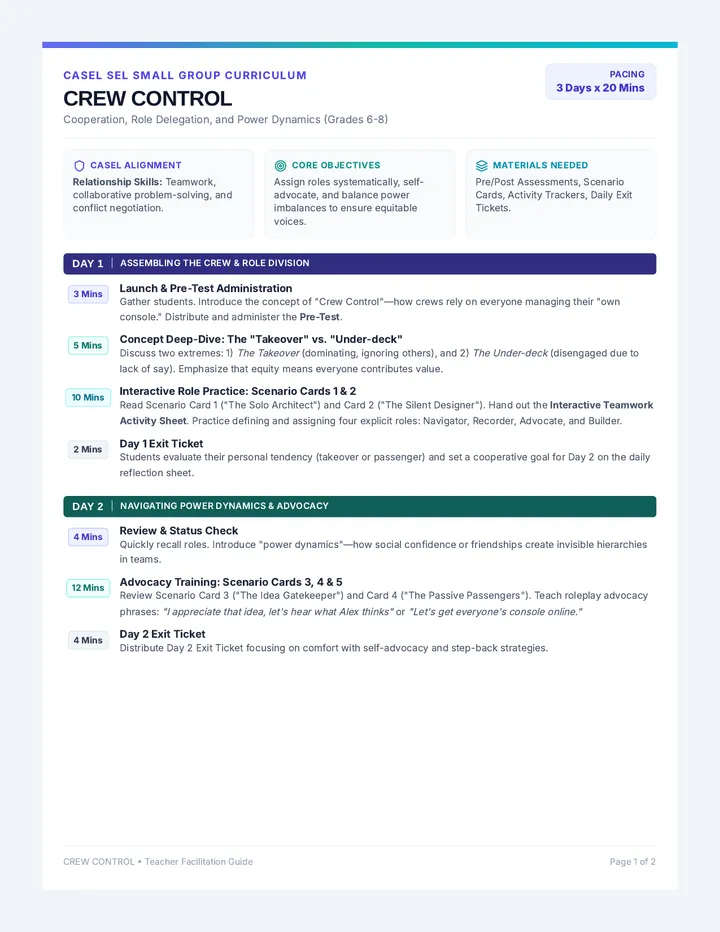
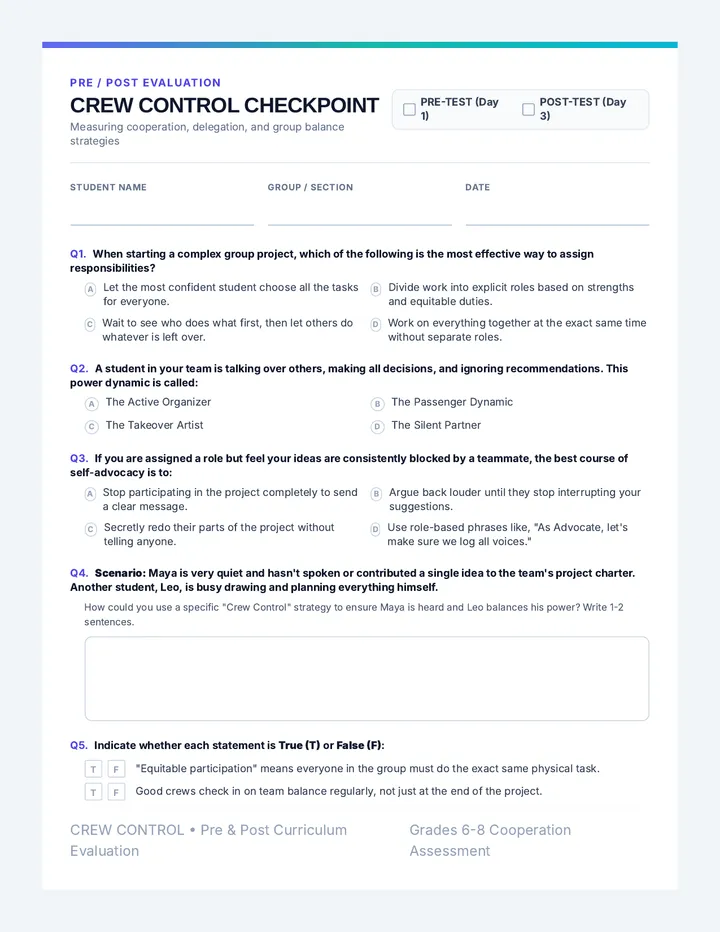
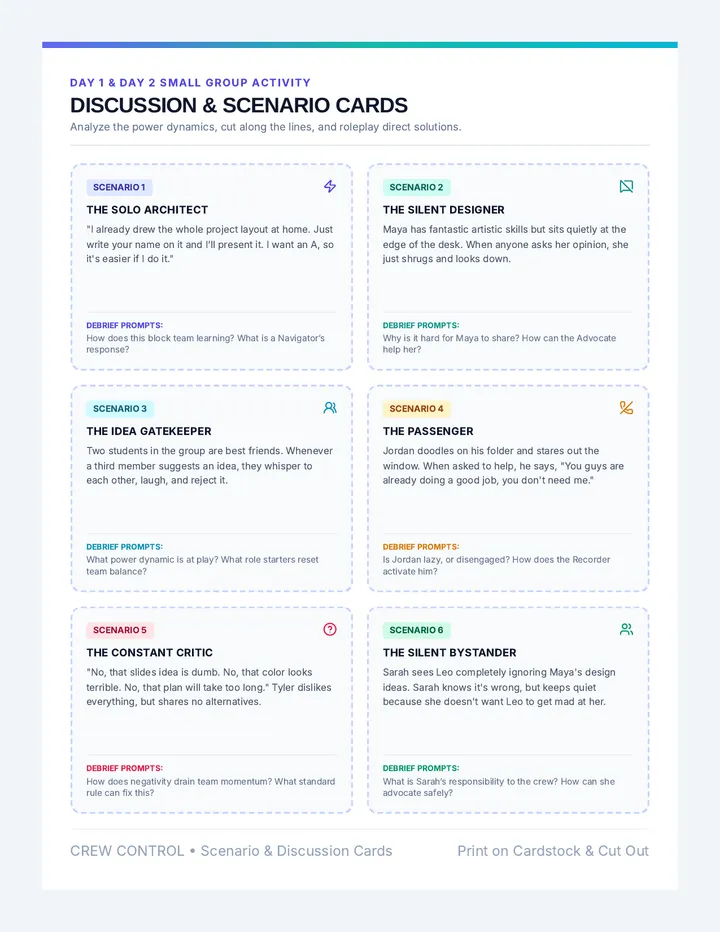
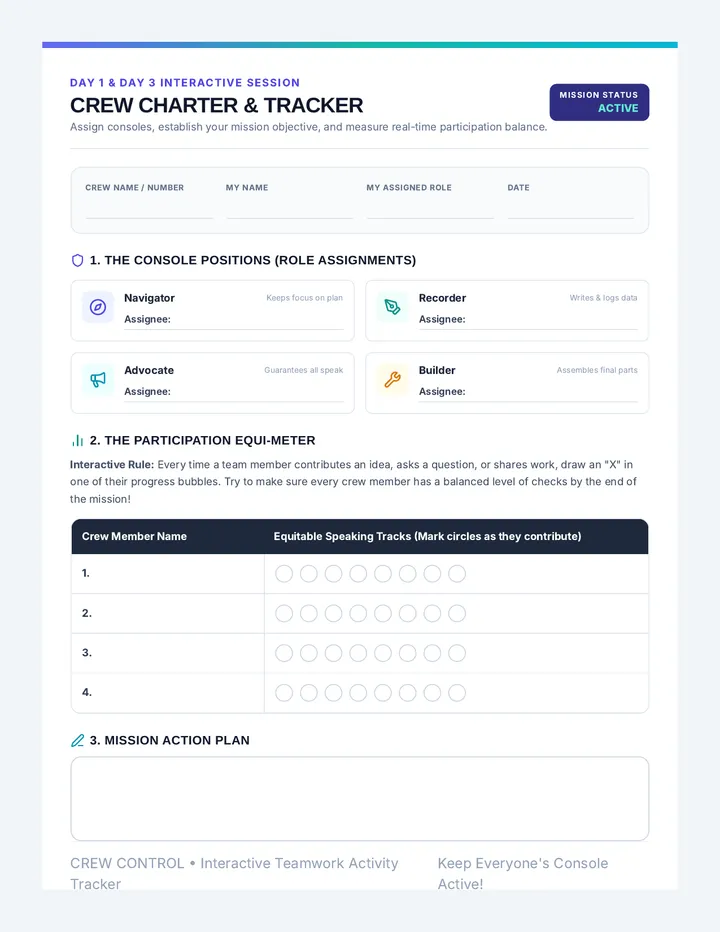
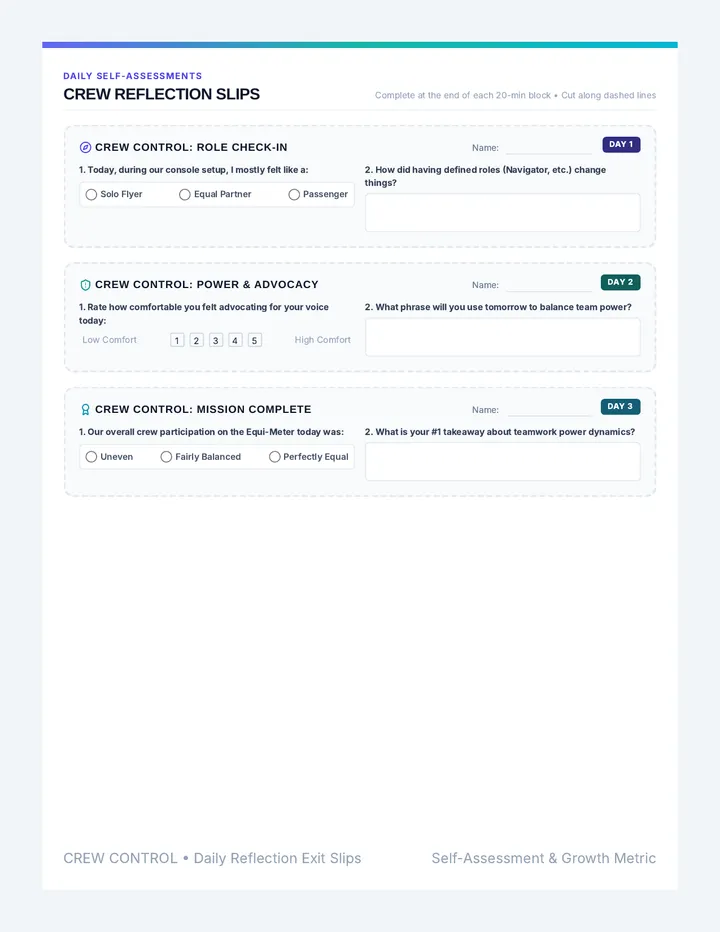
A cohesive 3-day small group curriculum that teaches middle school students how to coordinate project responsibilities, self-advocate, and address dominance or passivity to ensure equitable participation.
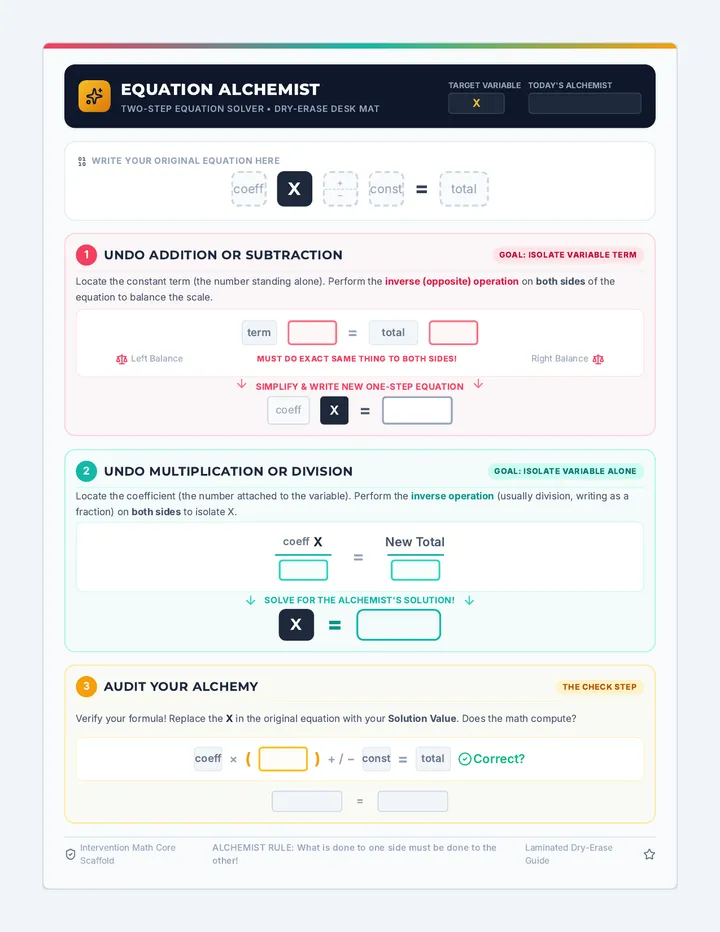
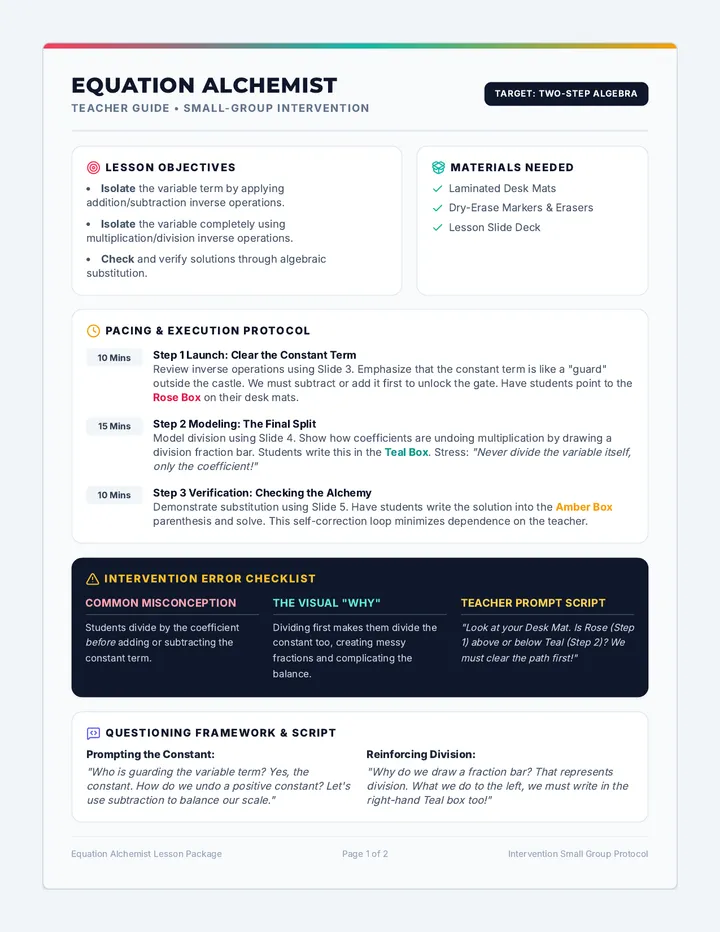
A comprehensive math intervention lesson targeting two-step algebraic equations. Features a color-coded step-by-step visual organizer that guides students through undoing addition/subtraction first, followed by multiplication/division to isolate the variable.