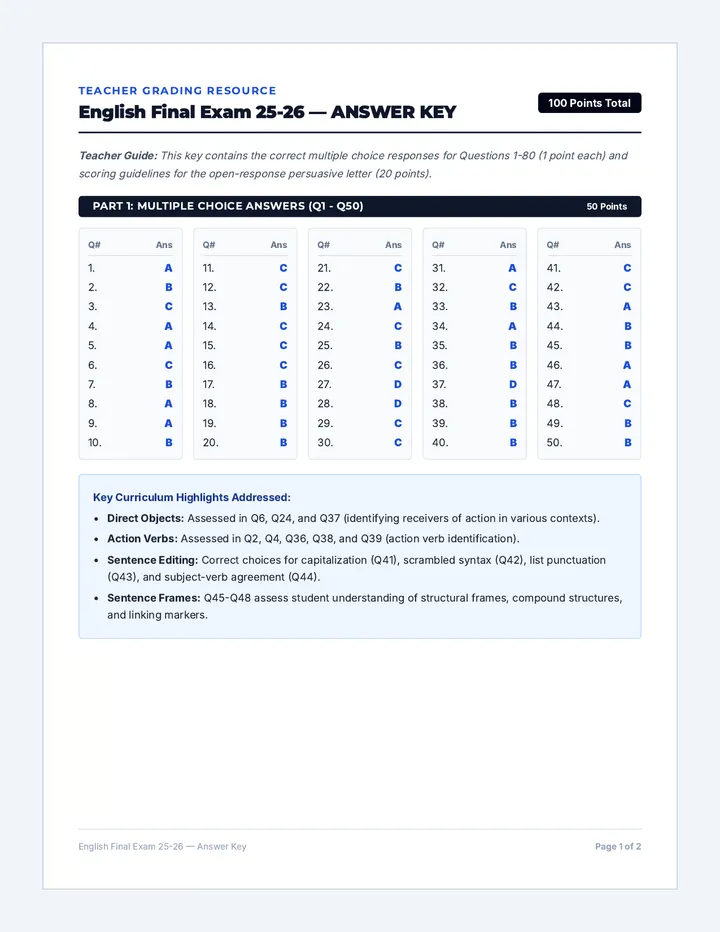
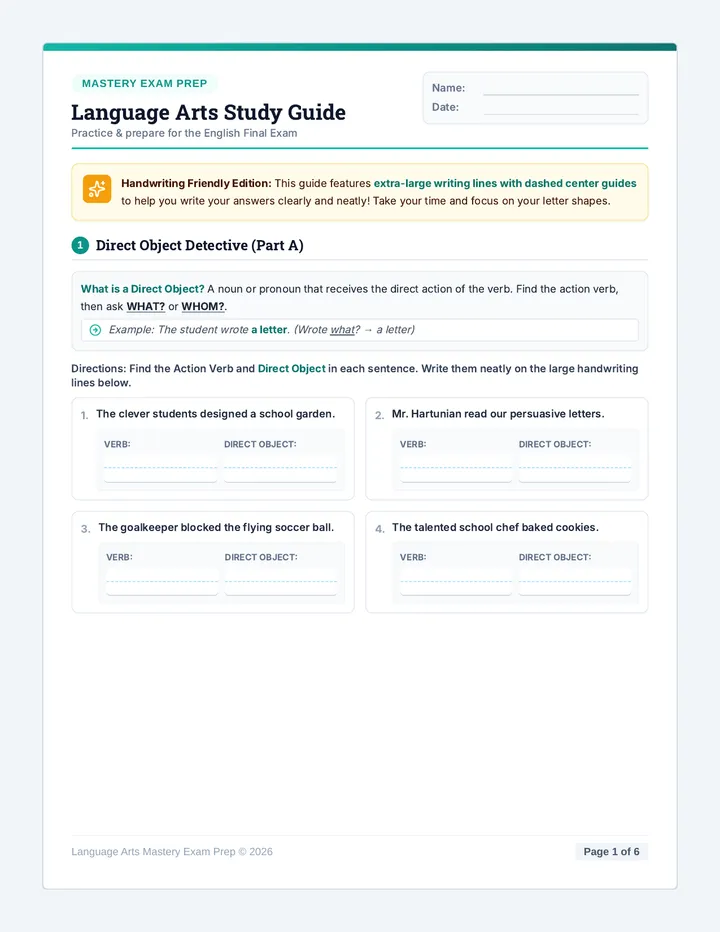
A collaborative writing lesson where Grade 4 students work in pairs to build a story sentence by sentence, focusing on teamwork, listening, and creative expansion.
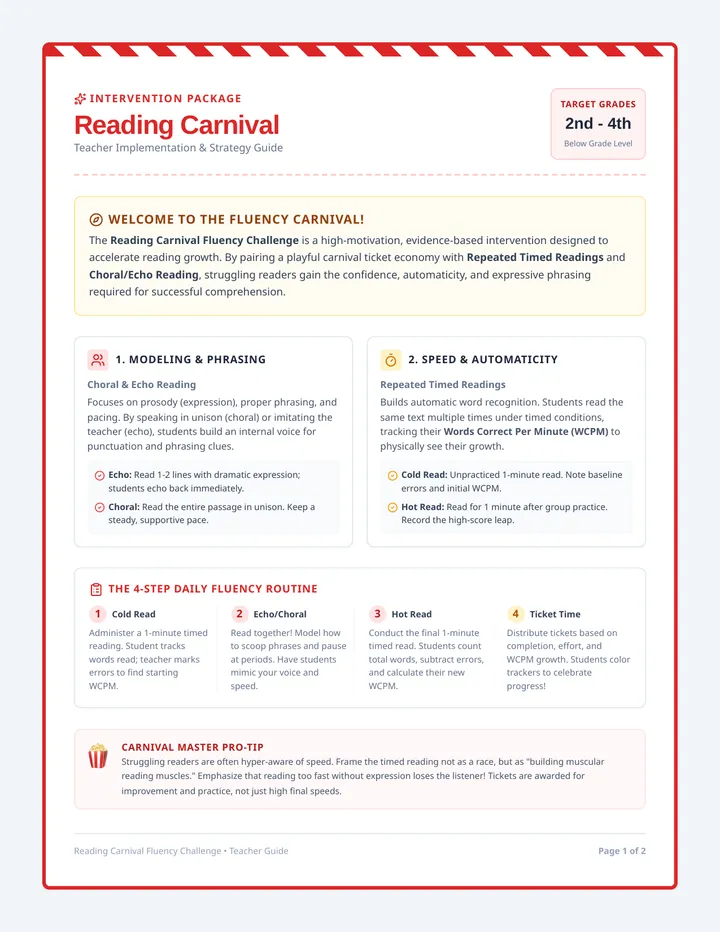
A lesson focusing on the transition of the Watson family from Flint to Birmingham, analyzing setting development and character shifts in chapters 12 and 13.
A deep dive into Chapter 10 of 'The Watsons Go to Birmingham – 1963', focusing on how the Appalachian setting and the shroud of night symbolize the growing racial tensions as the family heads South.
A cumulative review and formal assessment of dictionary navigation and entry analysis skills.
Focuses on the anatomy of a dictionary entry, specifically how to identify and choose between multiple definitions based on sentence context.
Introduction to the physical and digital structure of a dictionary, with a deep dive into using guide words for rapid word location.
A collection of worksheets designed to help students write structured biographical paragraphs about historical figures using mind maps and sentence starters. Each worksheet features a unique theme tailored to the figure's profession.
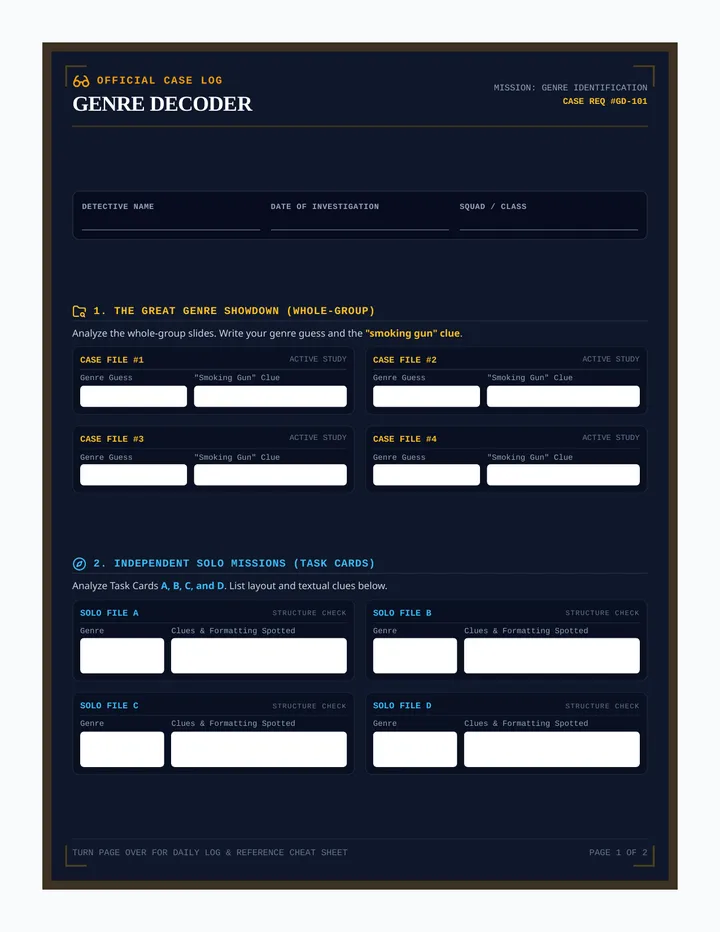
Students identify antonym clues to understand what a word is NOT, using contrasting pictures to solve the vocabulary puzzle.
Students use synonym clues to find words that mean the same thing as the unknown word, using pictures to match similar concepts.
Students explore example clues, where a sentence provides specific instances of a word to help reveal its meaning, paired with helpful visual supports.
Students learn to identify definition clues in sentences where the meaning of a tricky word is explained directly, using illustrations to confirm their findings.
A lesson focused on narrative sequencing and logical flow through the lens of mystery and suspense stories. Students analyze transition words, cause and effect, and character development to reorder scrambled narratives.
A comprehensive small-group lesson focused on the foundational skills of retelling and paraphrasing using short fiction. Students use blueprint-themed tools to identify story structure and practice restating ideas in their own words.
A collection of reflective and creative activities for Memorial Day, including a poppy craft writing activity, a gratitude letter template, and acrostic poems to honor fallen heroes.
Students work in small groups to rehearse and perform mystery plays, analyzing their specific plot structures and reflecting on social-emotional themes.
Students learn the fundamental components of a play script and use a model play to identify setting, characters, and plot structure.
A lesson on identifying and using common transition words to create cohesion in writing. Students will categorize transitions by purpose (Addition, Contrast, Cause/Effect, Time) and use them to link ideas.
A comprehensive lesson on identifying and using main verbs and primary auxiliary verbs (be, do, have) in sentences. Includes a structured lesson plan, a practice handout, and a detailed answer key with monitoring tools.
A lesson focused on using the present progressive tense to describe actions happening in the moment, themed around capturing live action with a camera.
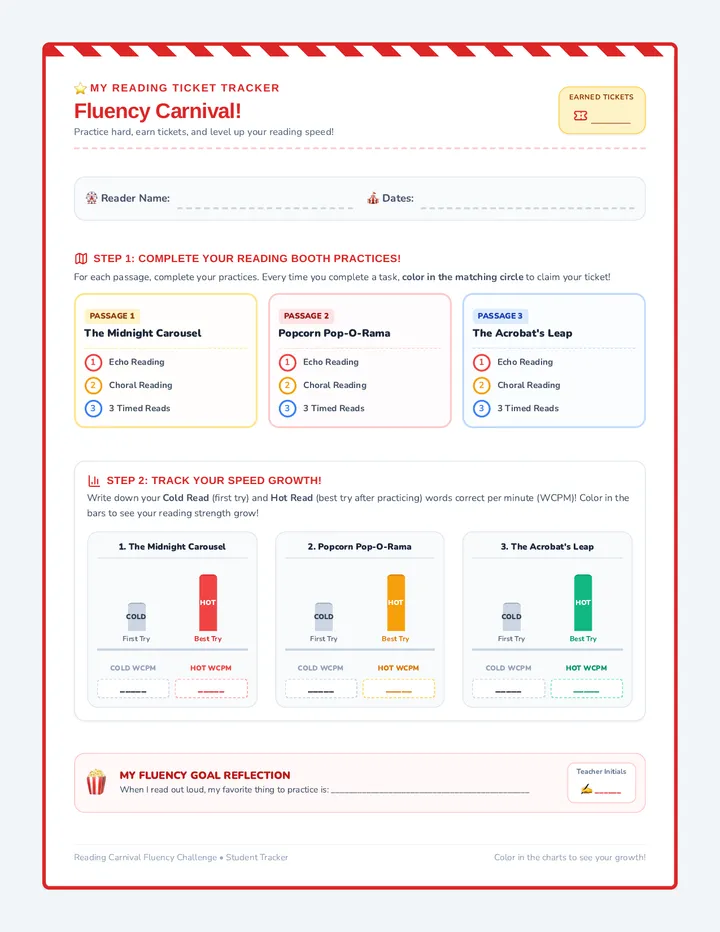
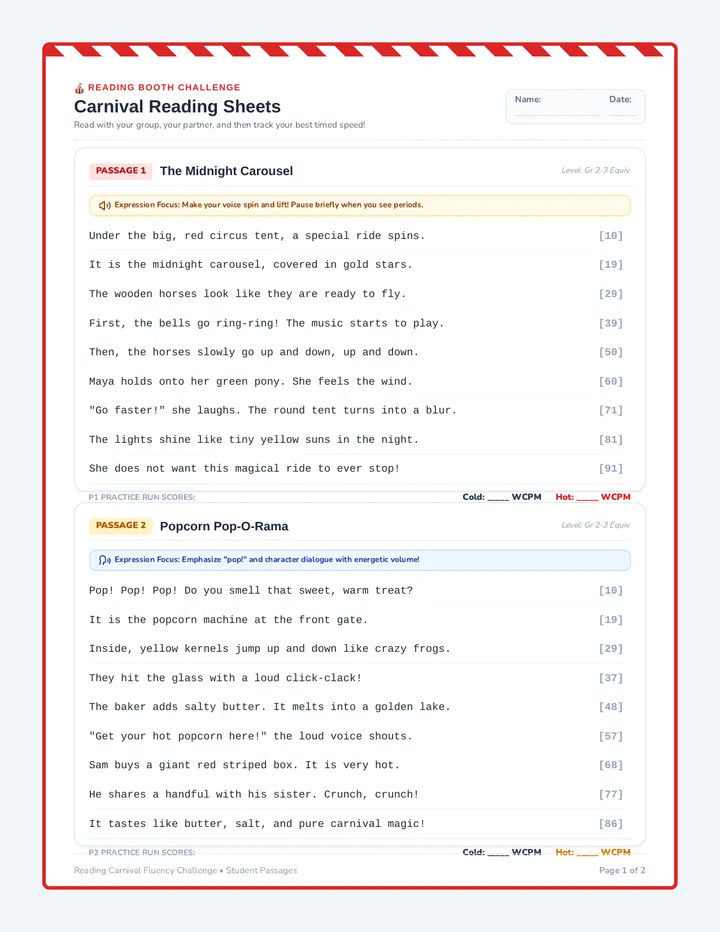
A 5-day independent reading homework packet designed for 4th-grade reluctant readers, focusing on high-interest sports and vocabulary building. Each night features a 4-paragraph passage with literal, inferential, and vocabulary comprehension questions.
A lesson designed to help students analyze and sequence fairy tales, focusing on identifying the conflict, resolution, and underlying theme through structured graphic organizers.
A lesson focusing on identifying and analyzing the five stages of plot structure using the novel Al Capone Does My Shirts as a primary example. Students explore the arc of Moose Flanagan's journey on Alcatraz.
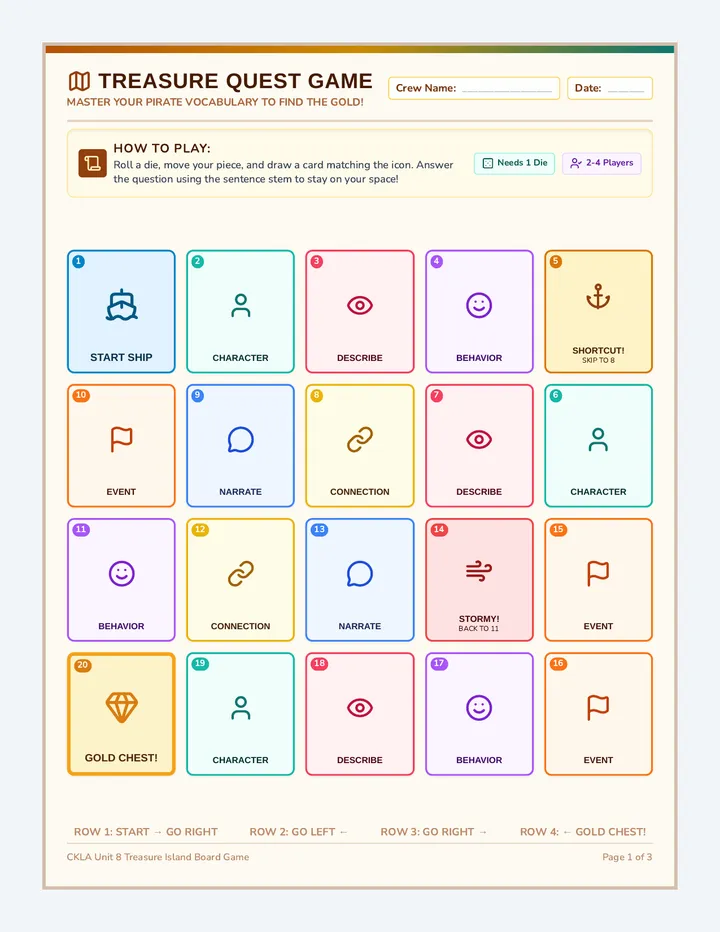
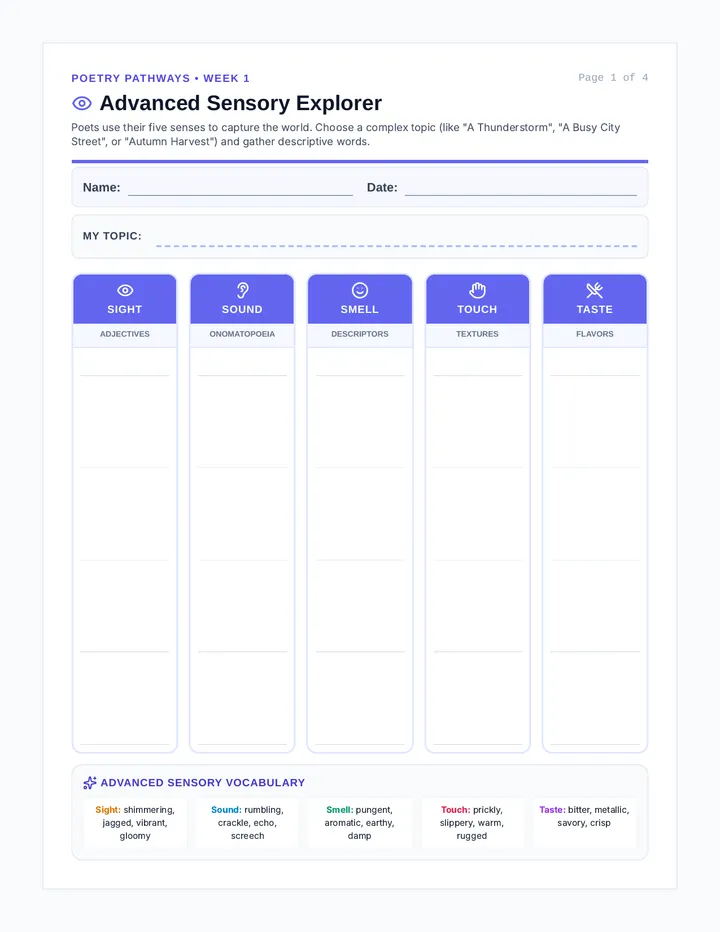
A collection of versatile graphic organizers designed to help students analyze fiction and nonfiction picture books. Each organizer focuses on a specific reading skill, providing a structured framework for student response.