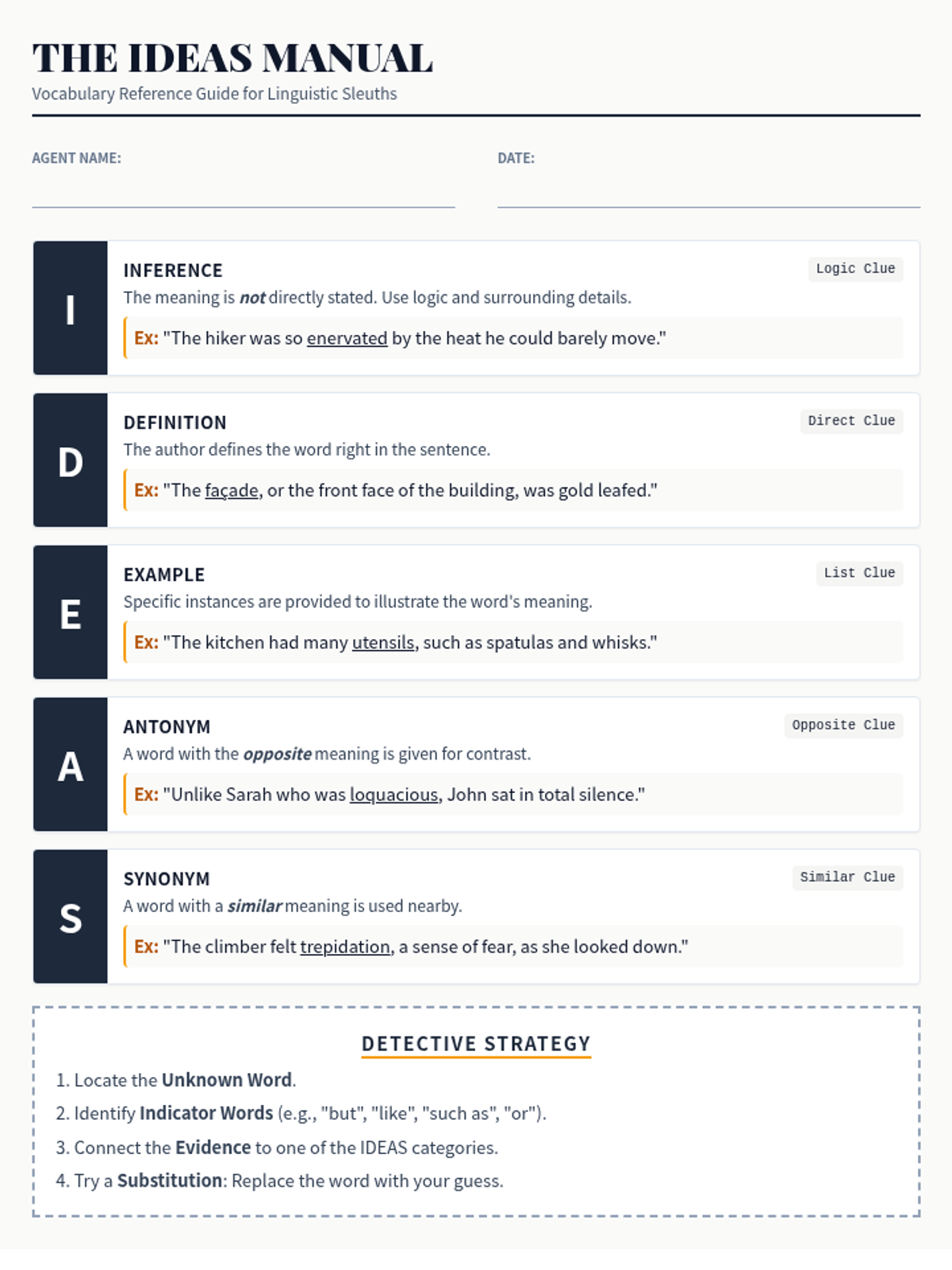
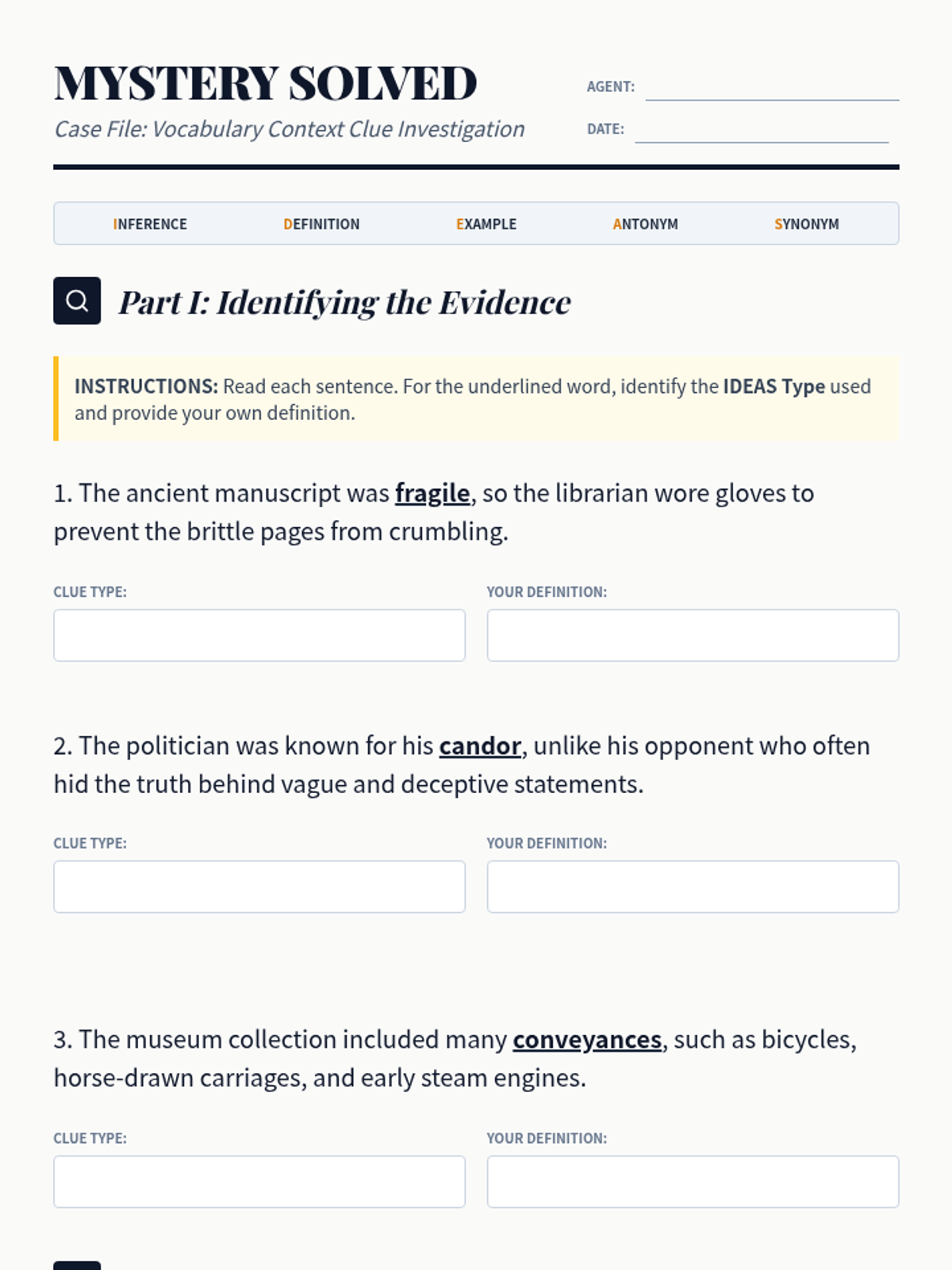
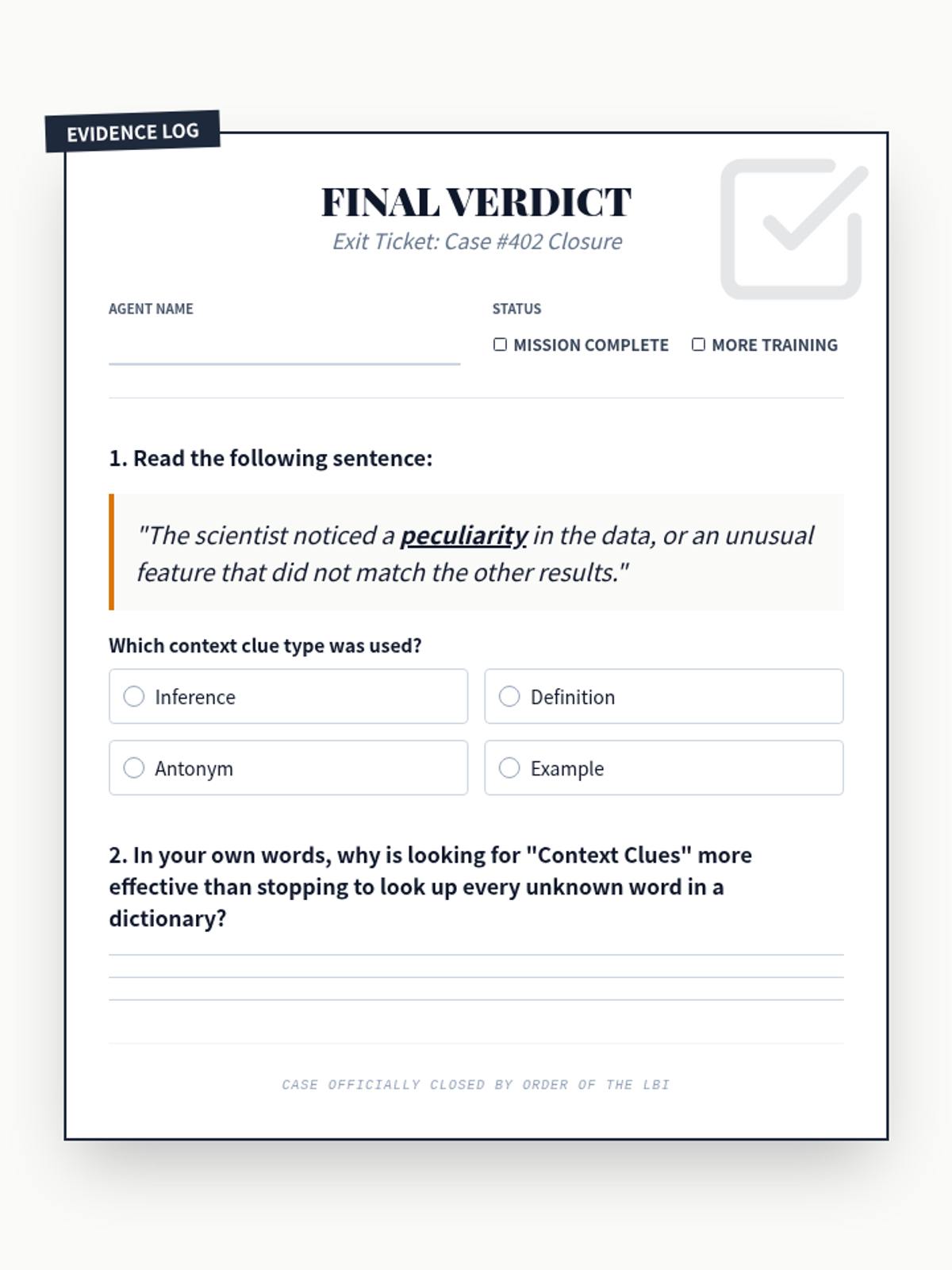
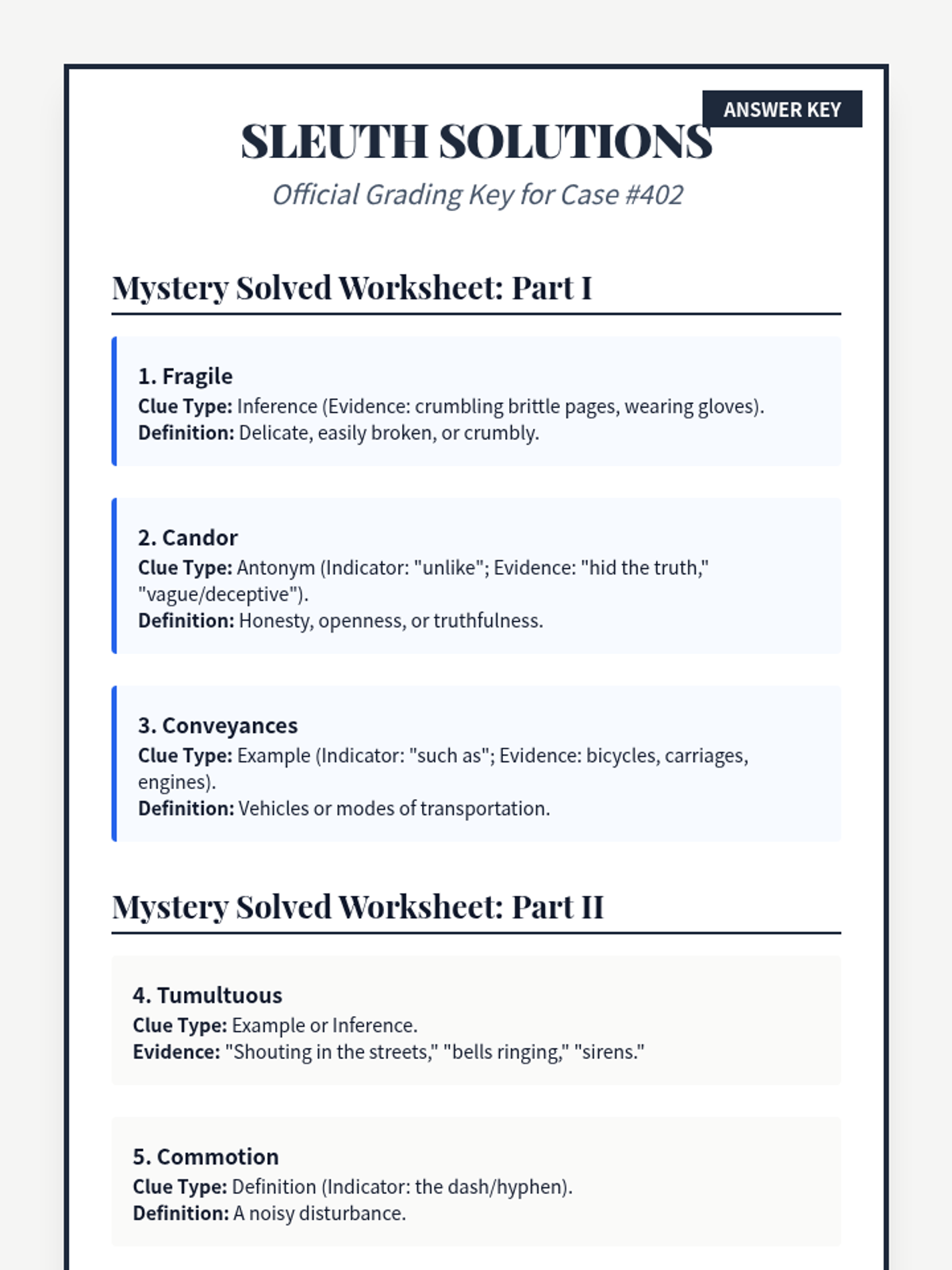
A grade 4 lesson focused on identifying word meanings using various types of context clues (synonyms, antonyms, definitions, and examples) aligned with NWEA MAP standards. Students take on the role of detectives to solve vocabulary mysteries.
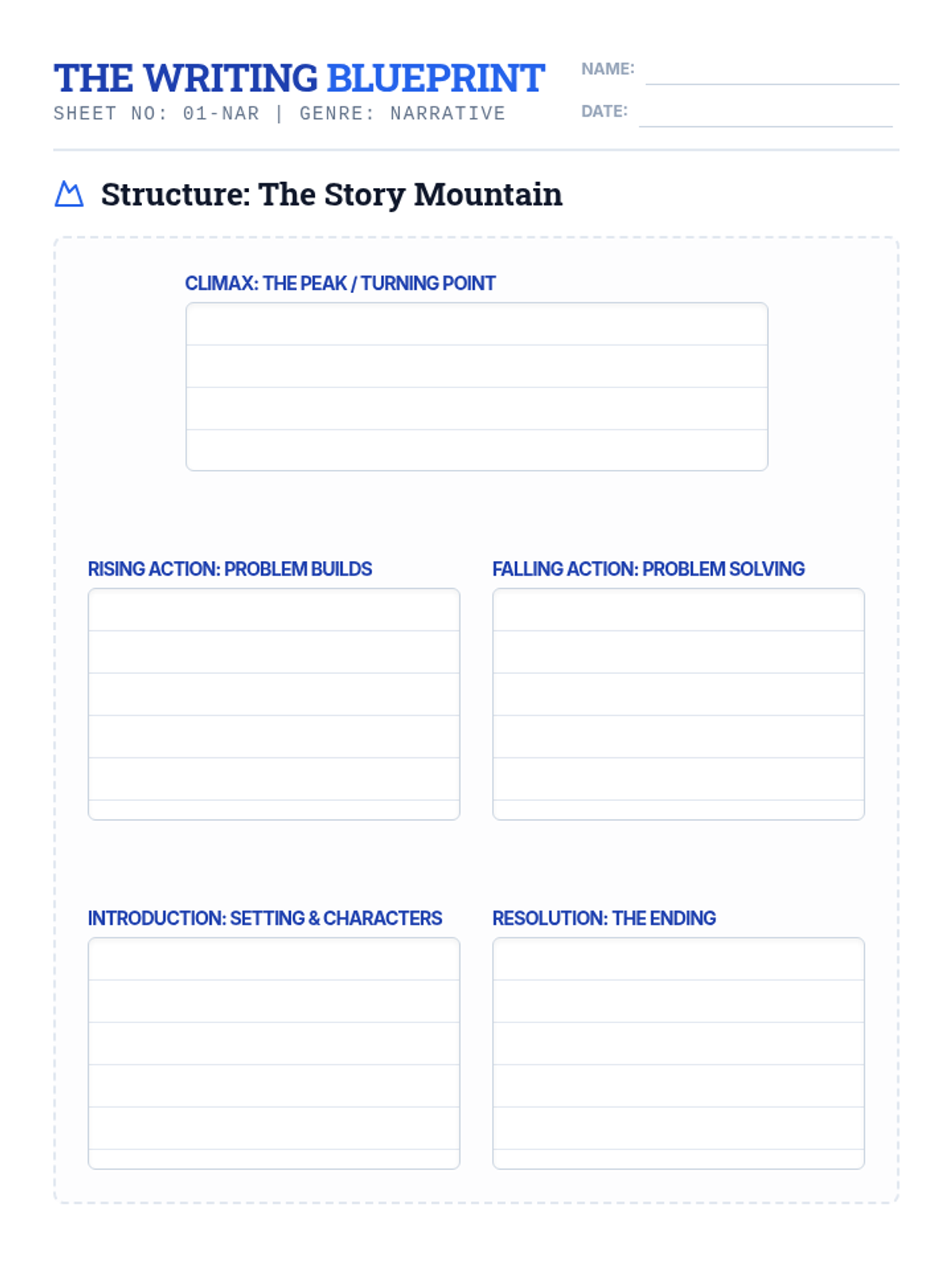
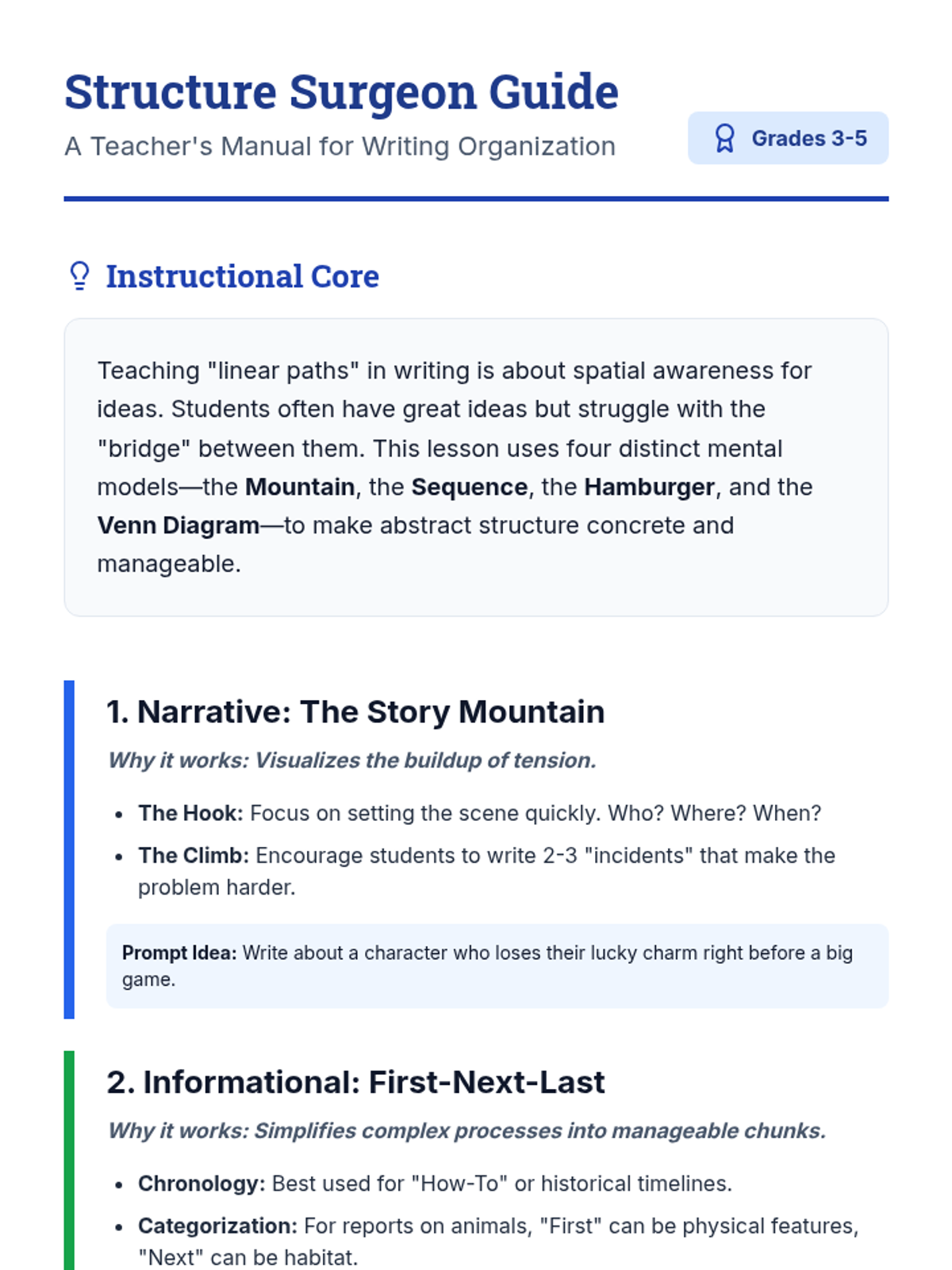
A comprehensive lesson teaching students how to organize their writing using specific structures for narrative, opinion, informational, and compare/contrast genres. Students will learn to use the Story Mountain, Hamburger Map, First-Next-Last sequences, and Venn Diagrams to ensure their writing follows a clear, linear path.
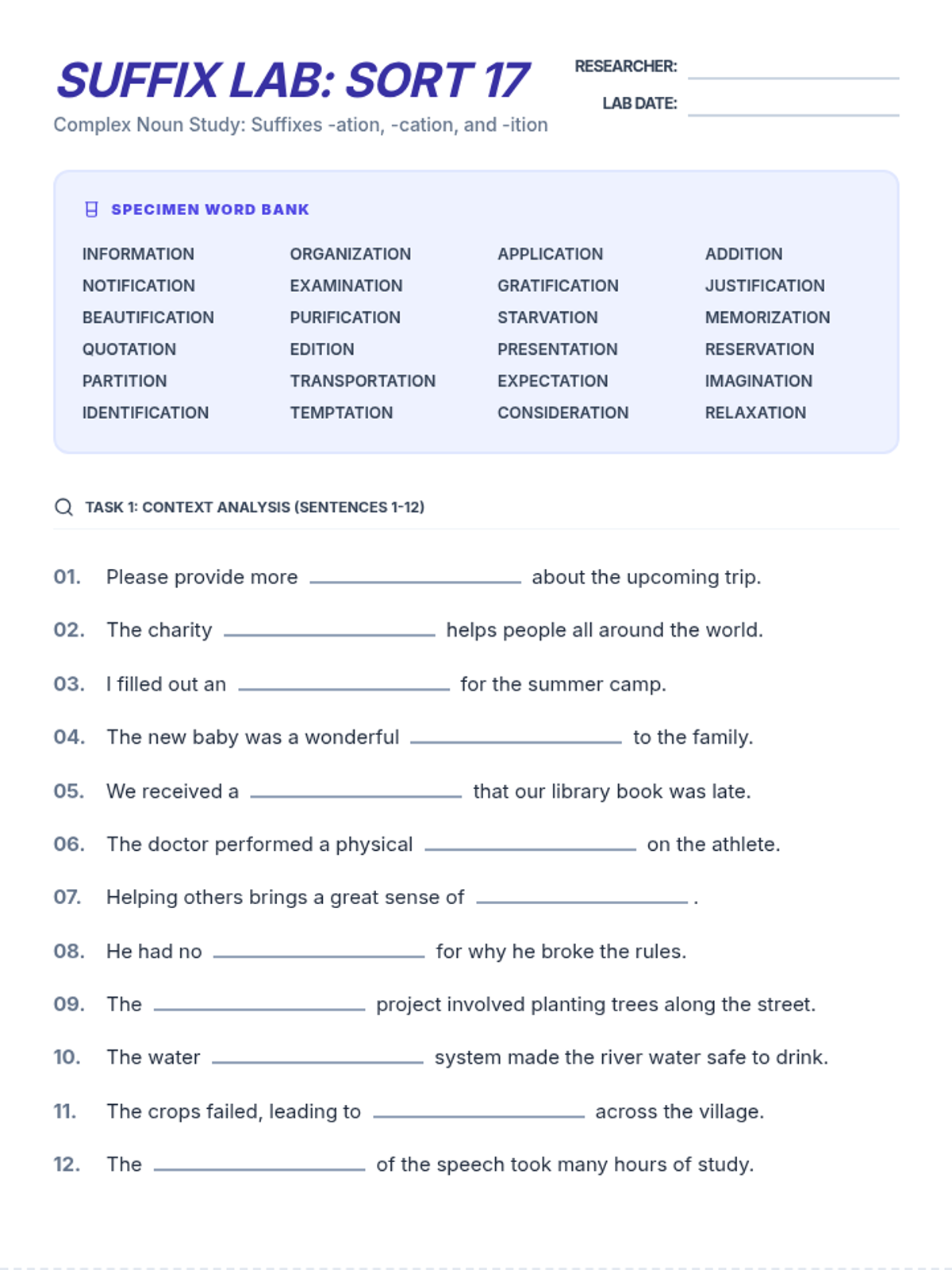
A lesson focused on the suffixes -ation, -cation, and -ition and how they transform verbs into nouns. Students analyze word pairs like 'inform' and 'information'.
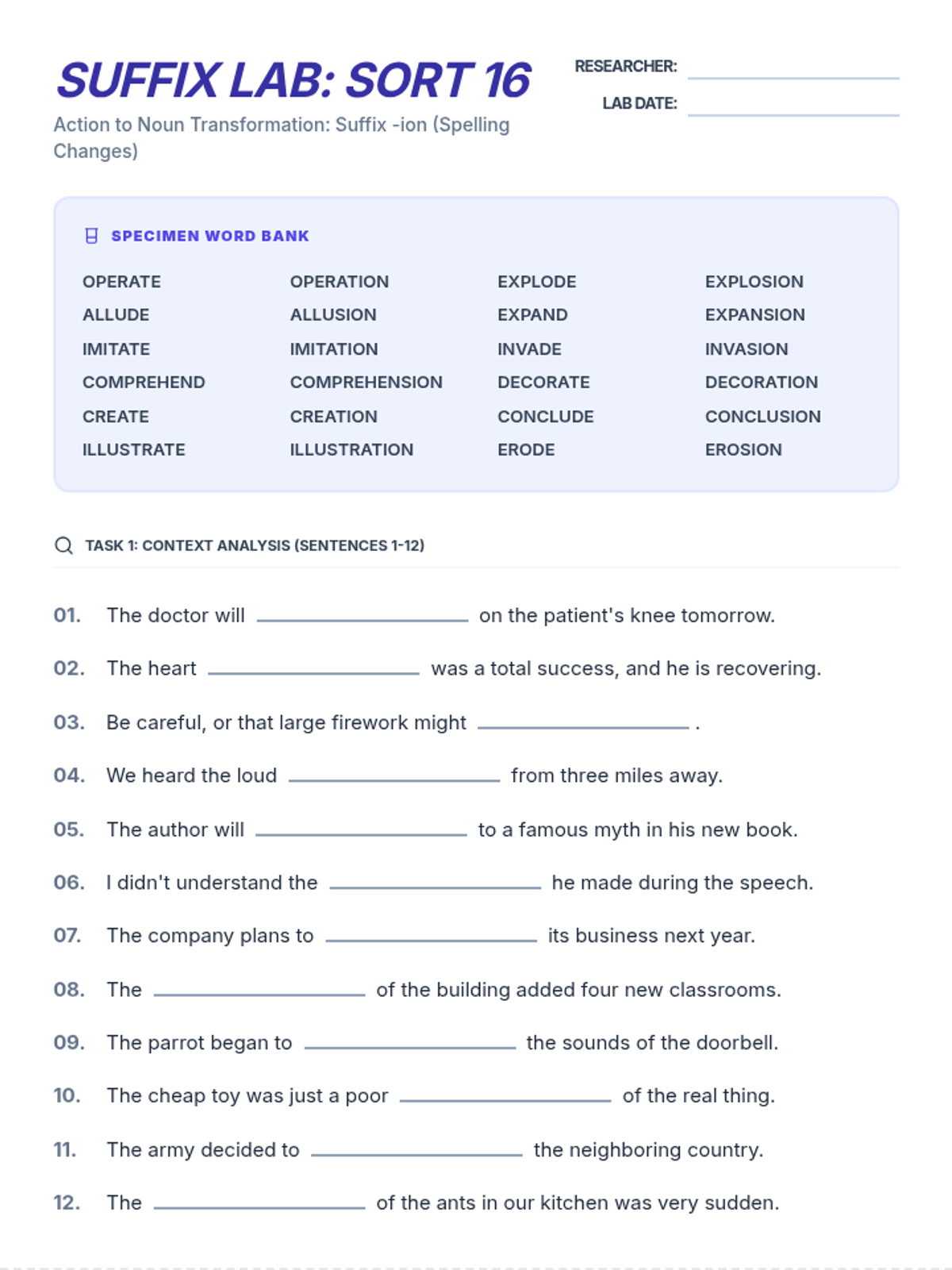
A lesson focused on the suffix -ion involving spelling changes such as dropping the final 'e' or changing 'd' to 's'. Students analyze pairs like 'operate' and 'operation'.
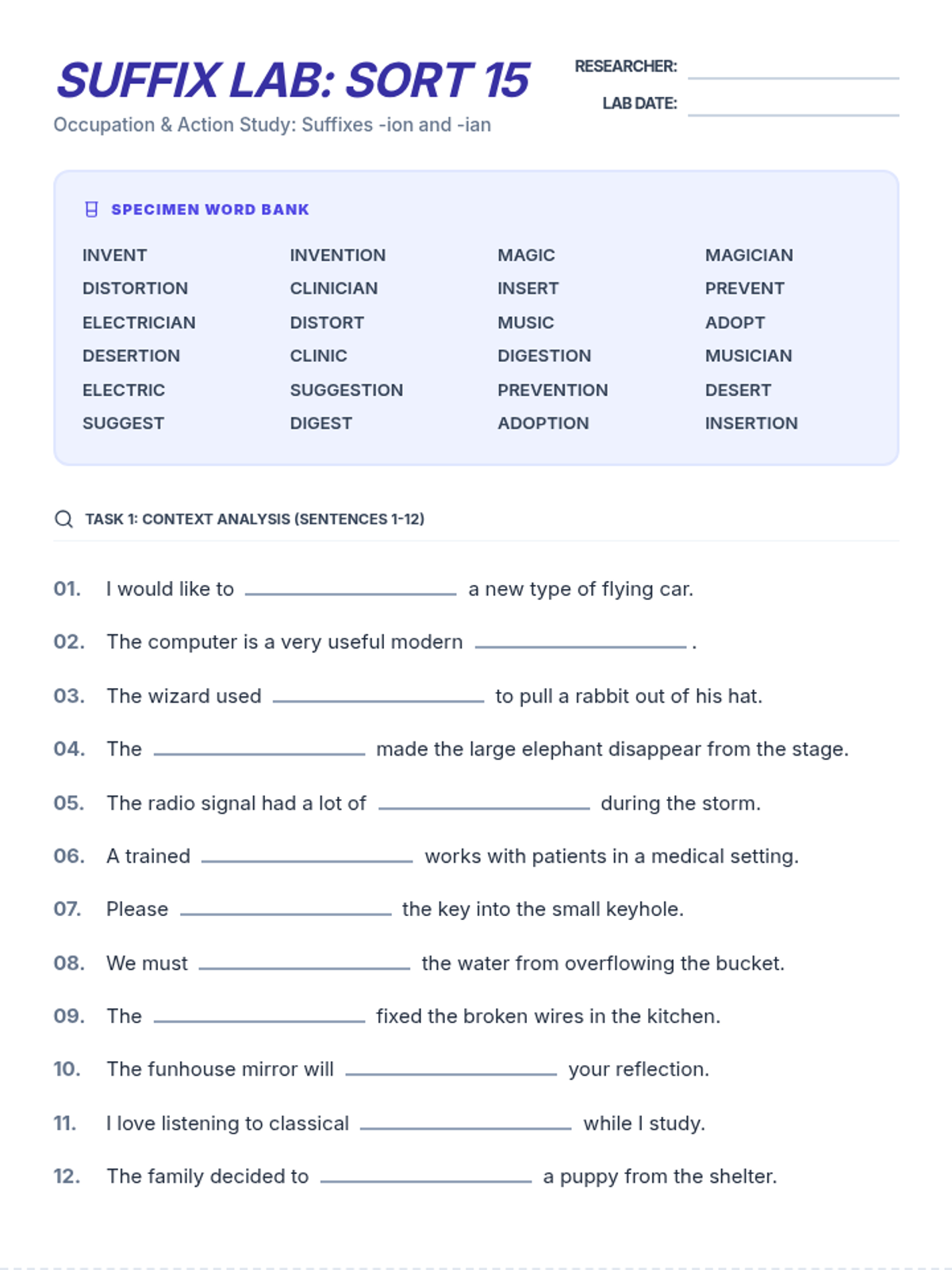
A lesson focused on the suffixes -ion and -ian with no spelling change to the base word. Students analyze nouns like 'invention', 'magician', and 'musician'.
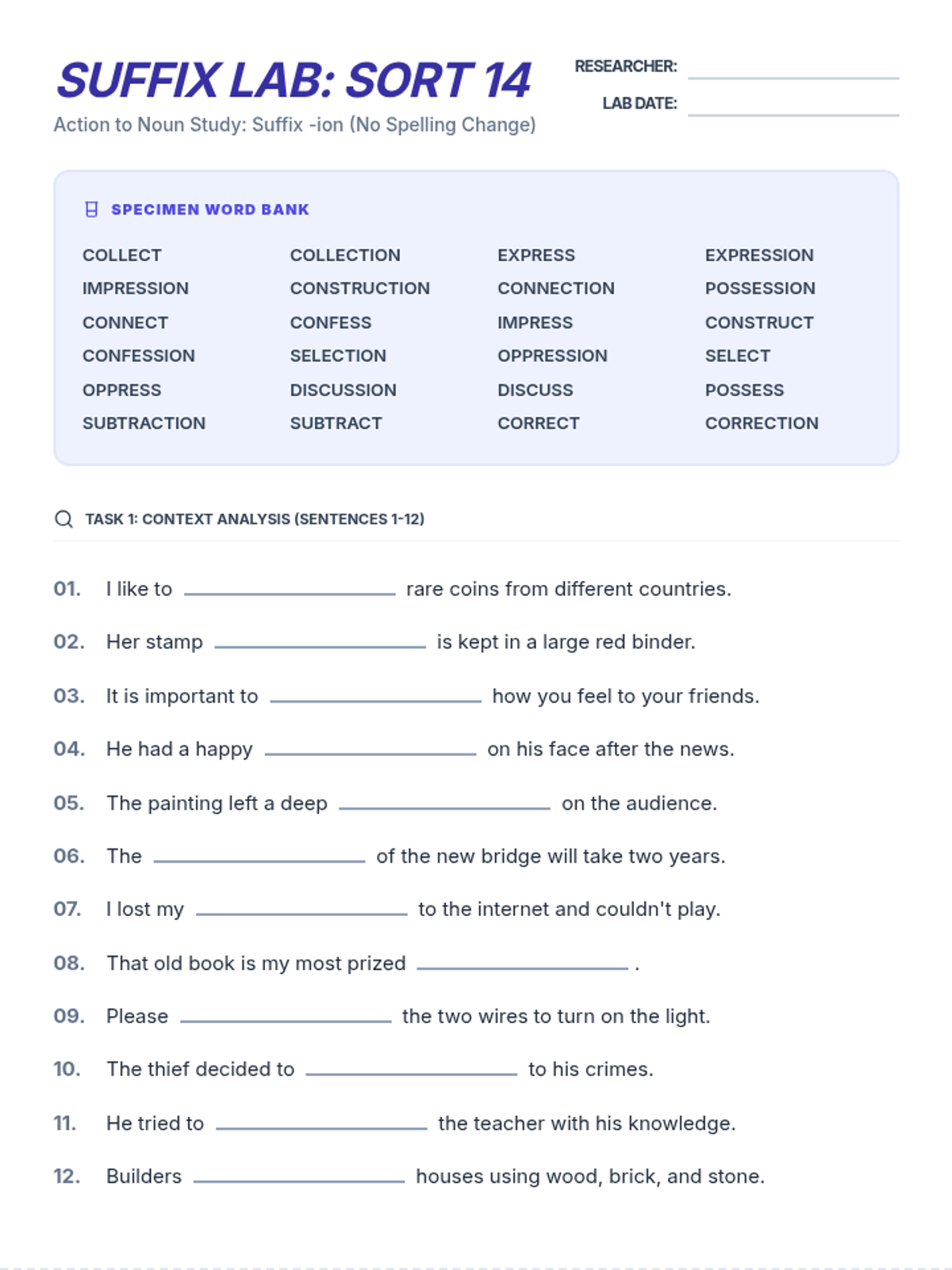
A lesson focused on the suffix -ion and how it changes verbs into nouns with no spelling change to the base word. Students analyze word pairs like 'collect' and 'collection'.
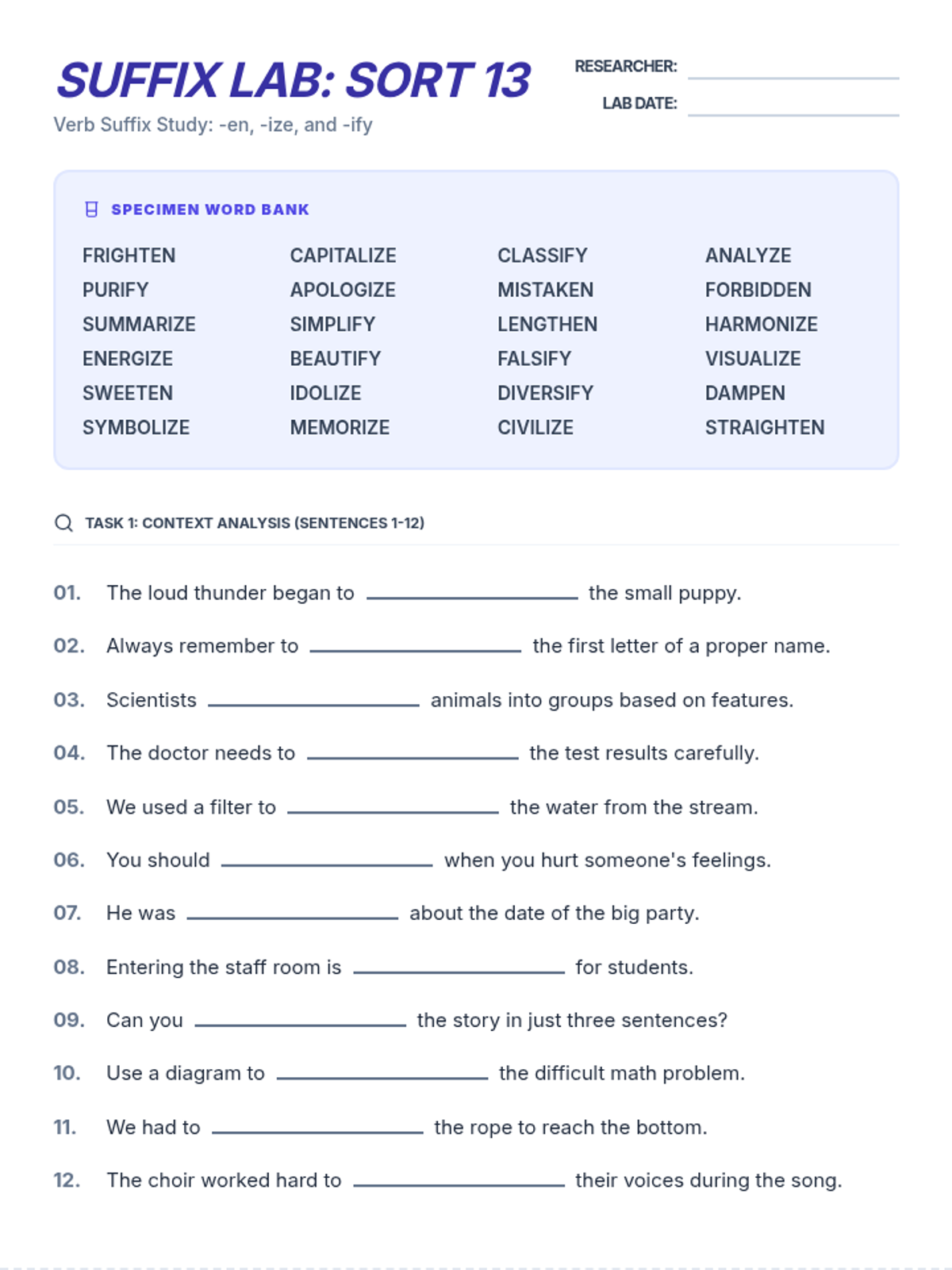
A lesson focused on the suffixes -en, -ize, and -ify. Students investigate how these suffixes transform base words into verbs representing actions or states.
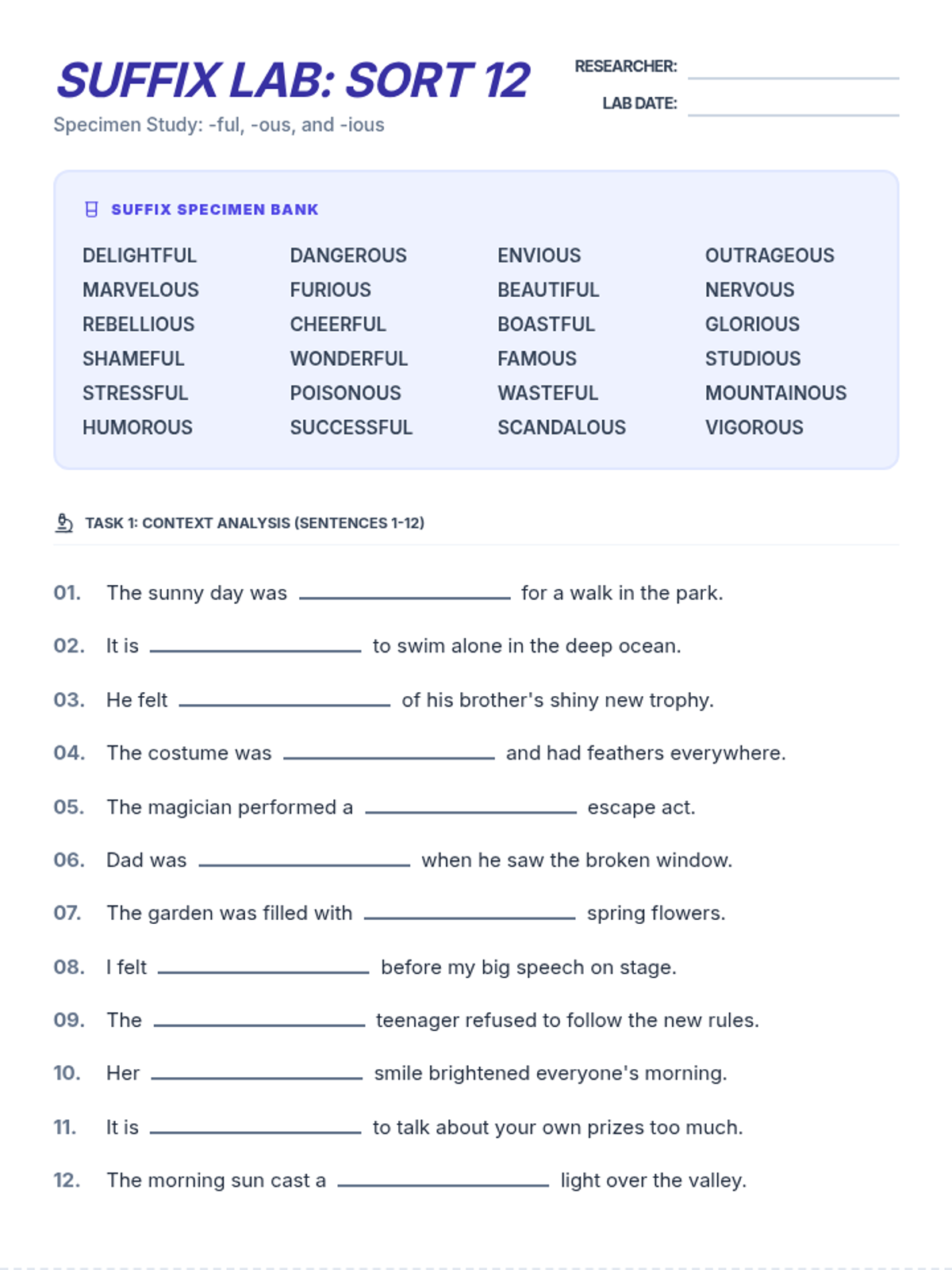
A lesson focused on the suffixes -ful, -ous, and -ious. Students analyze how these suffixes form adjectives from nouns, representing full of or having qualities of.
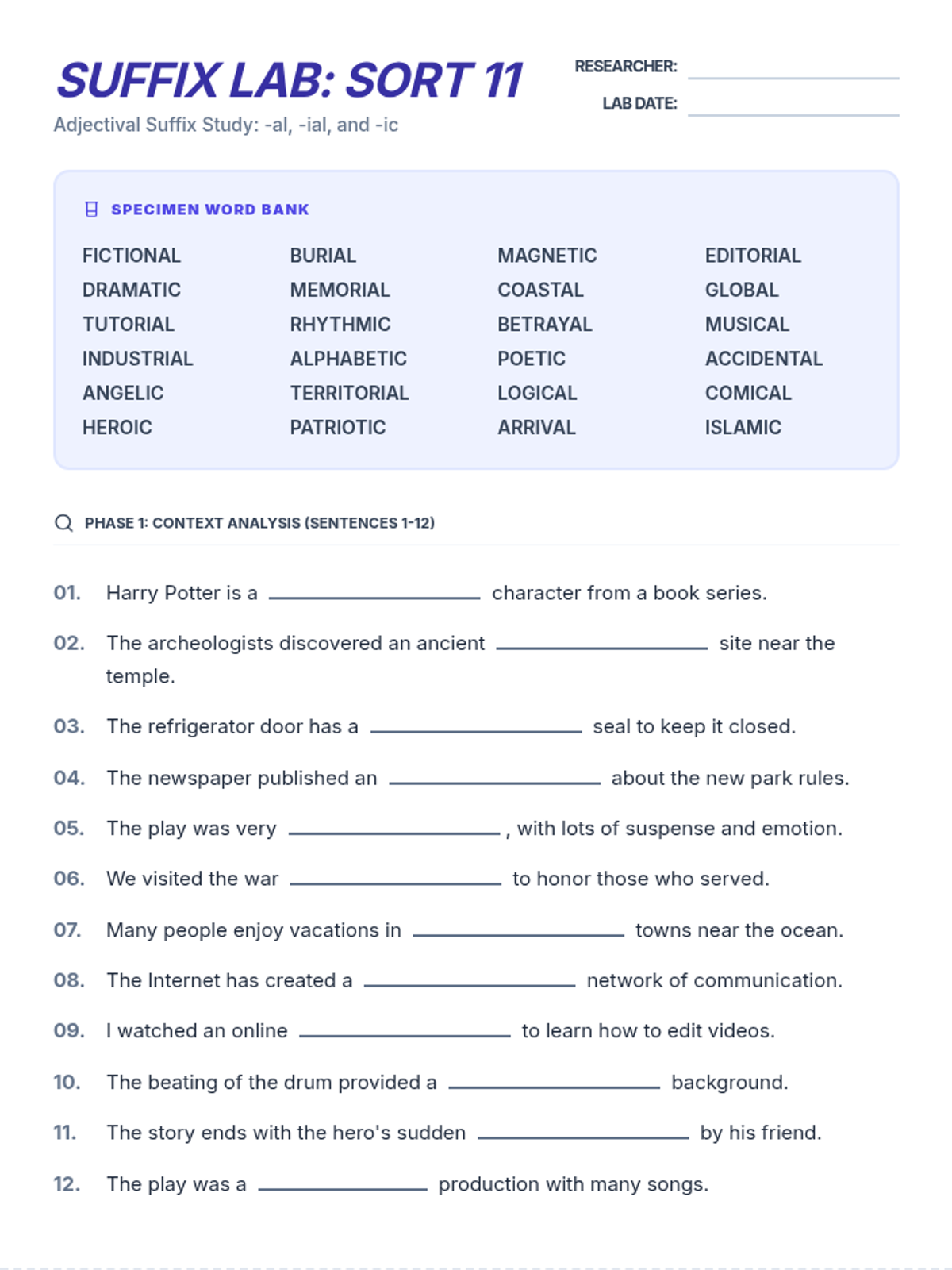
A lesson focused on the suffixes -al, -ial, and -ic. Students analyze how these suffixes form adjectives from nouns, representing relating to or having qualities of.
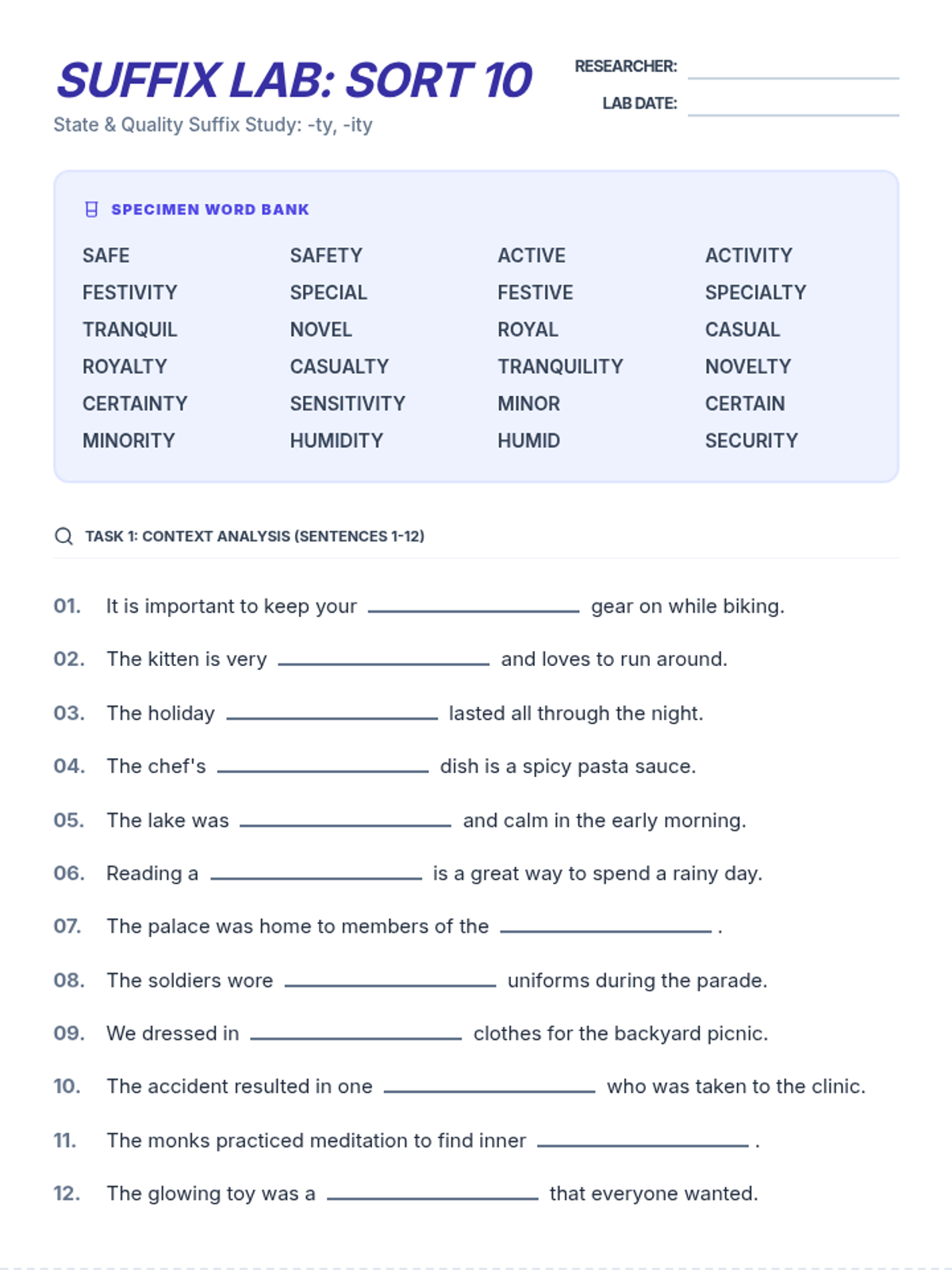
A lesson focused on the suffixes -ty and -ity. Students analyze how these suffixes form nouns from adjectives, representing states or qualities.
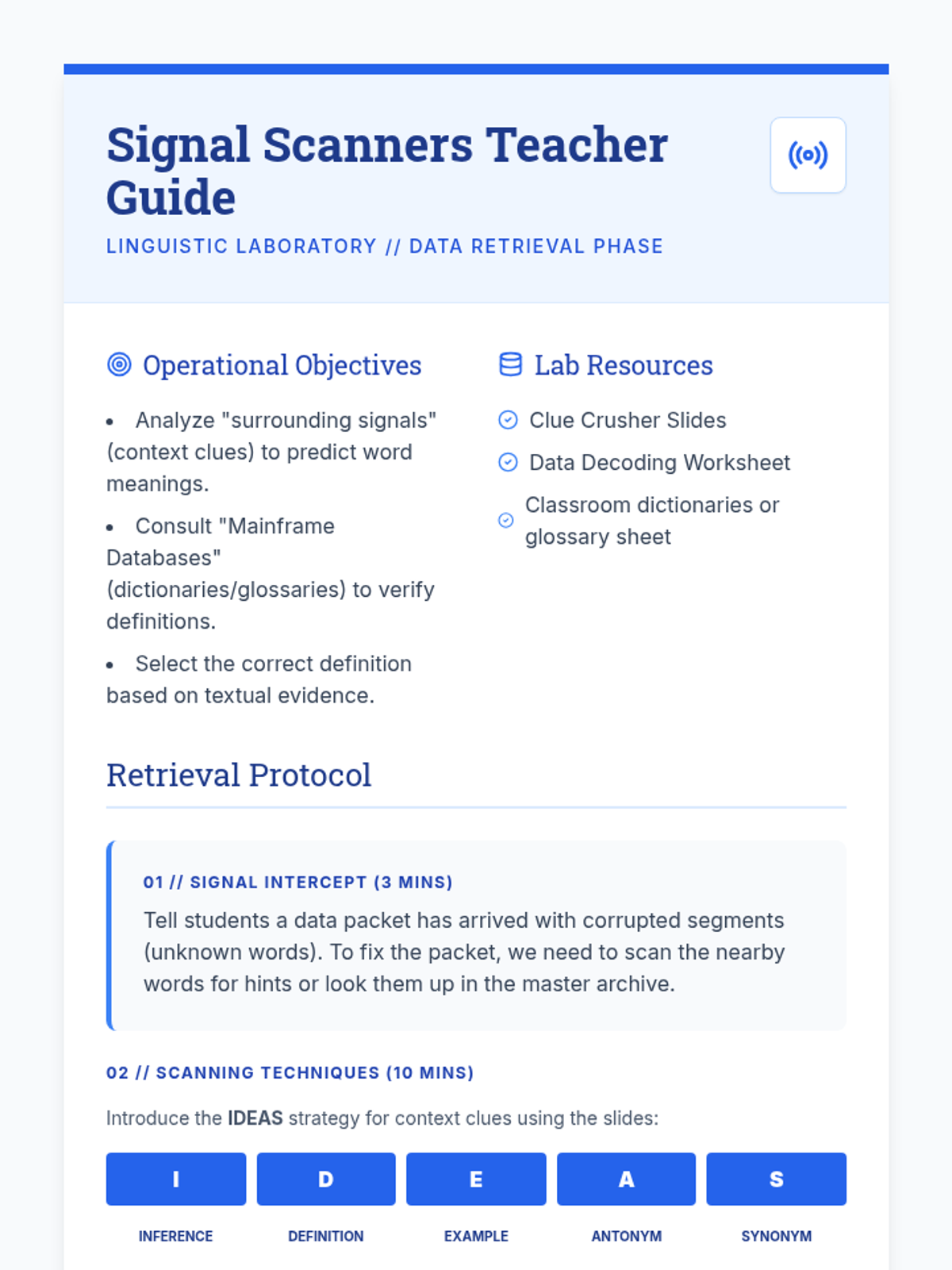
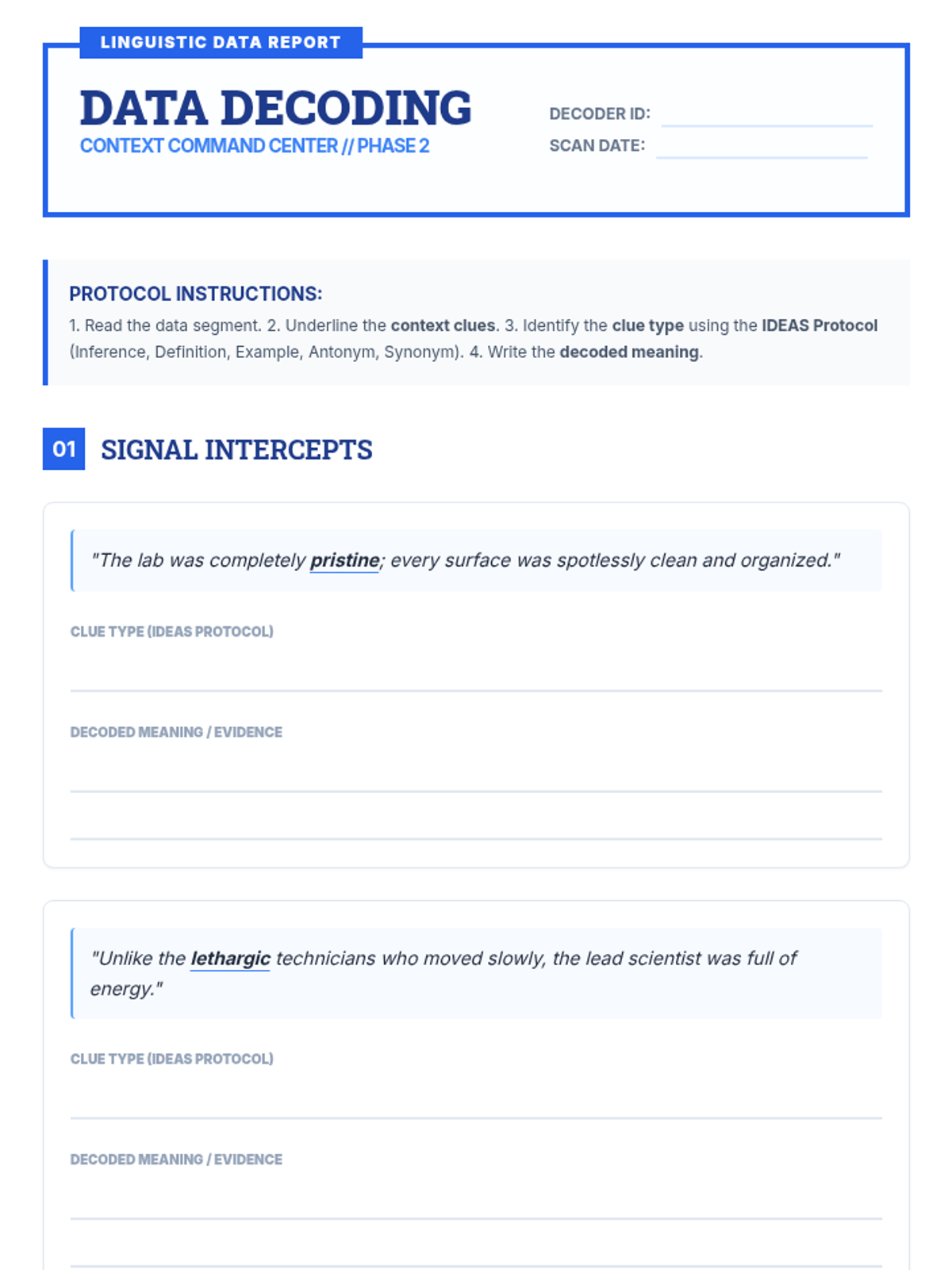
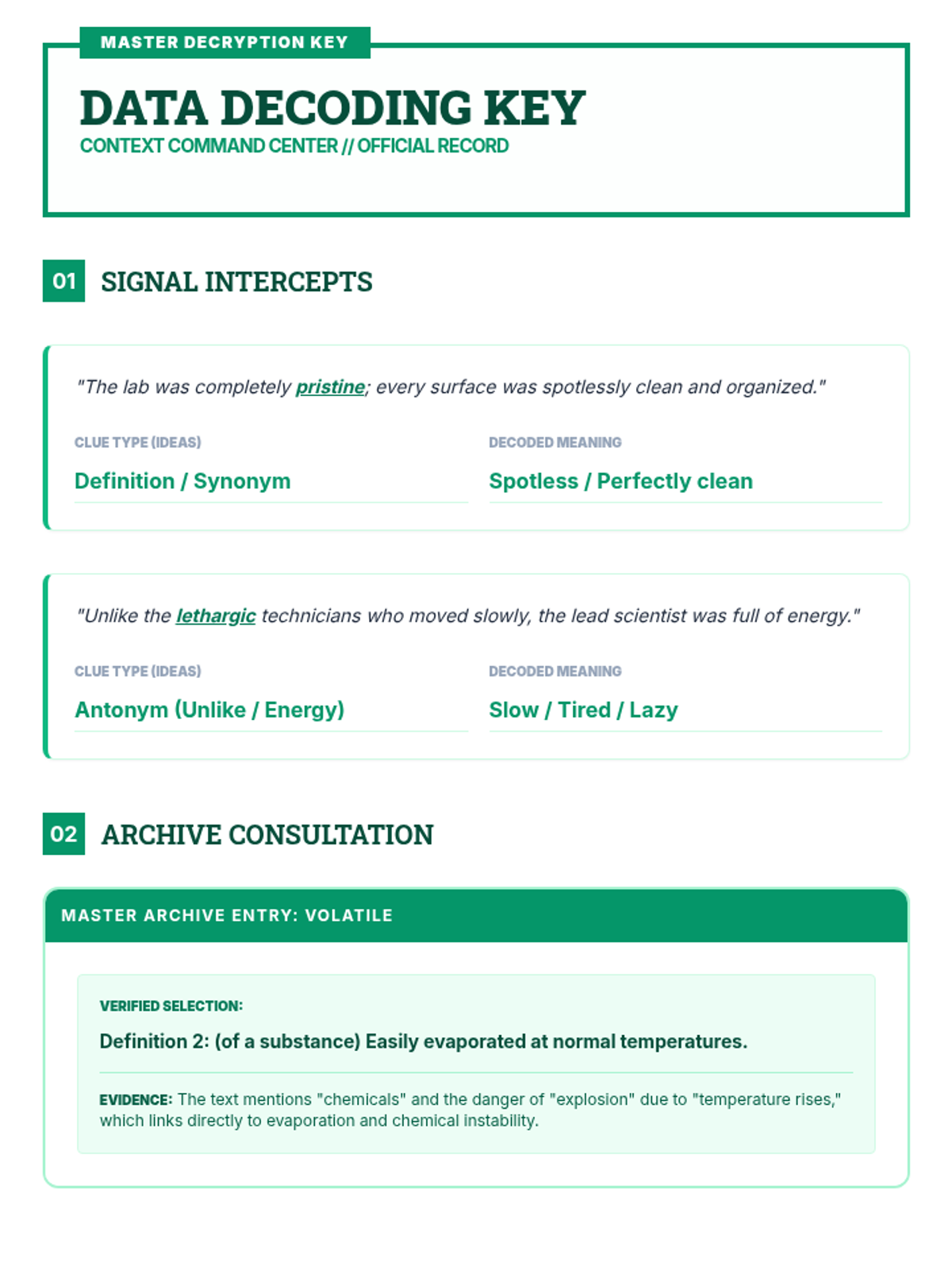
A focused small group lesson exploring how to use context clues and reference materials like dictionaries and glossaries to decipher unknown words.
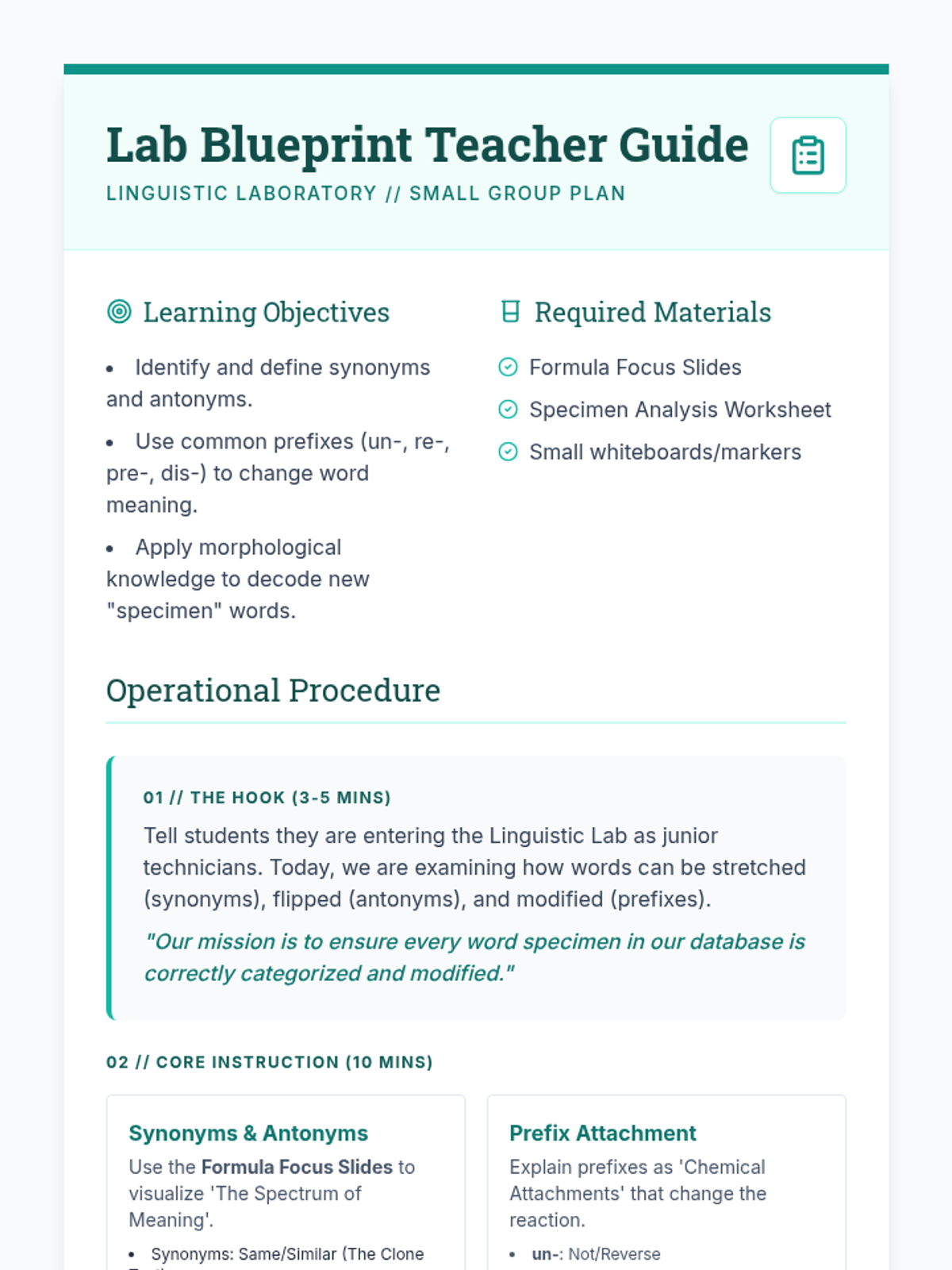
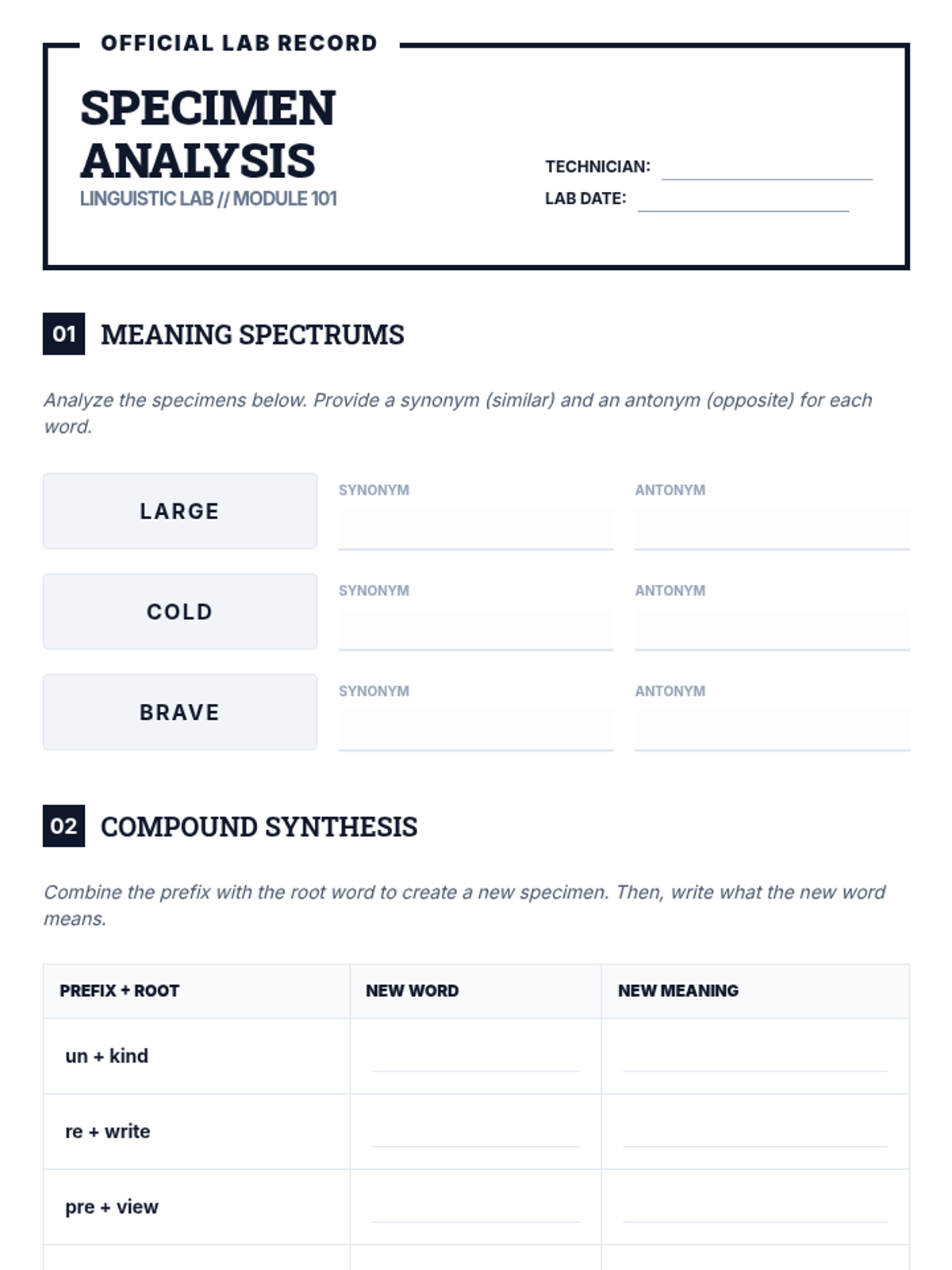
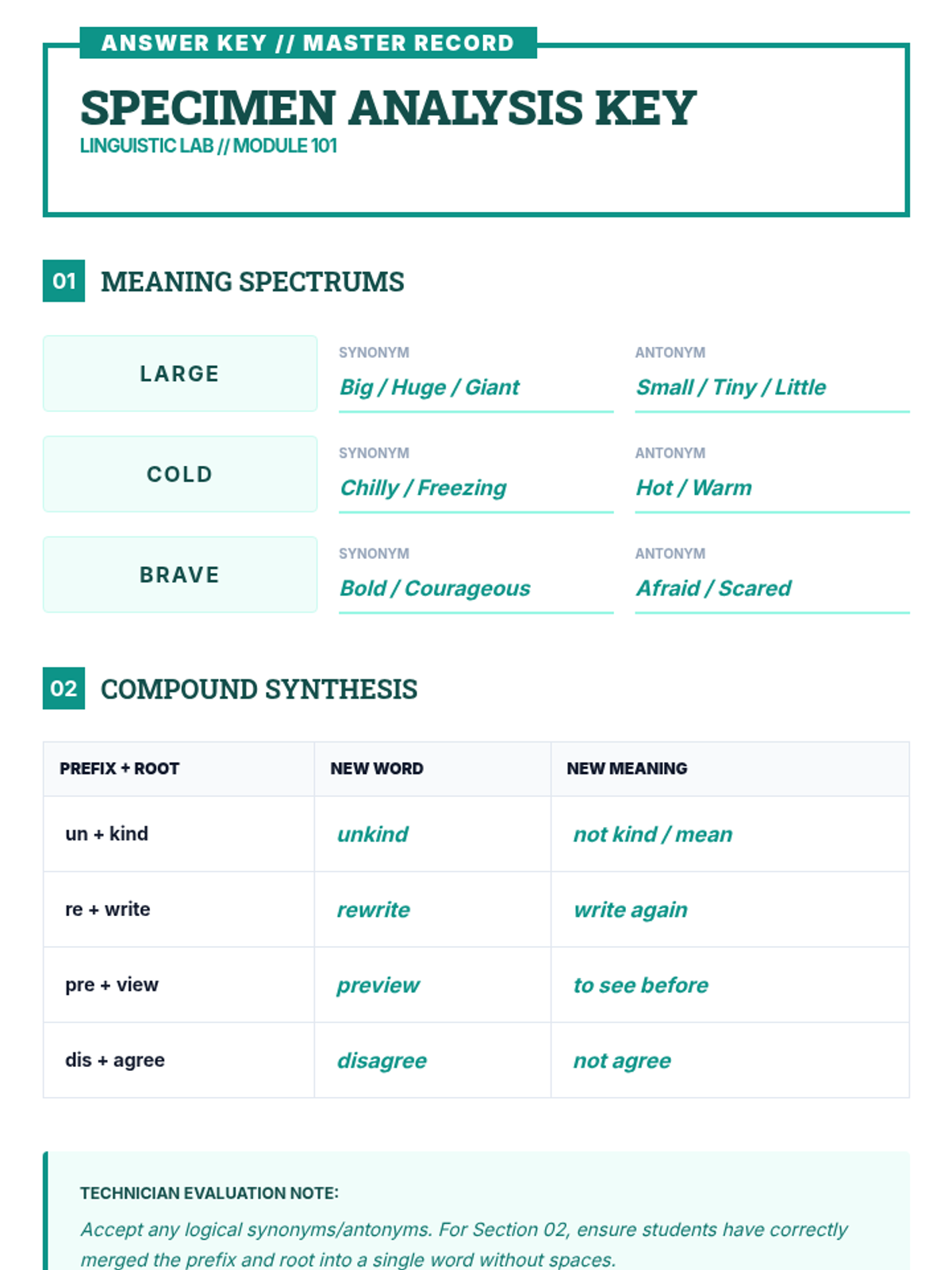
A focused small group lesson exploring the mechanics of words through synonyms, antonyms, and common prefixes using a clinical laboratory theme.
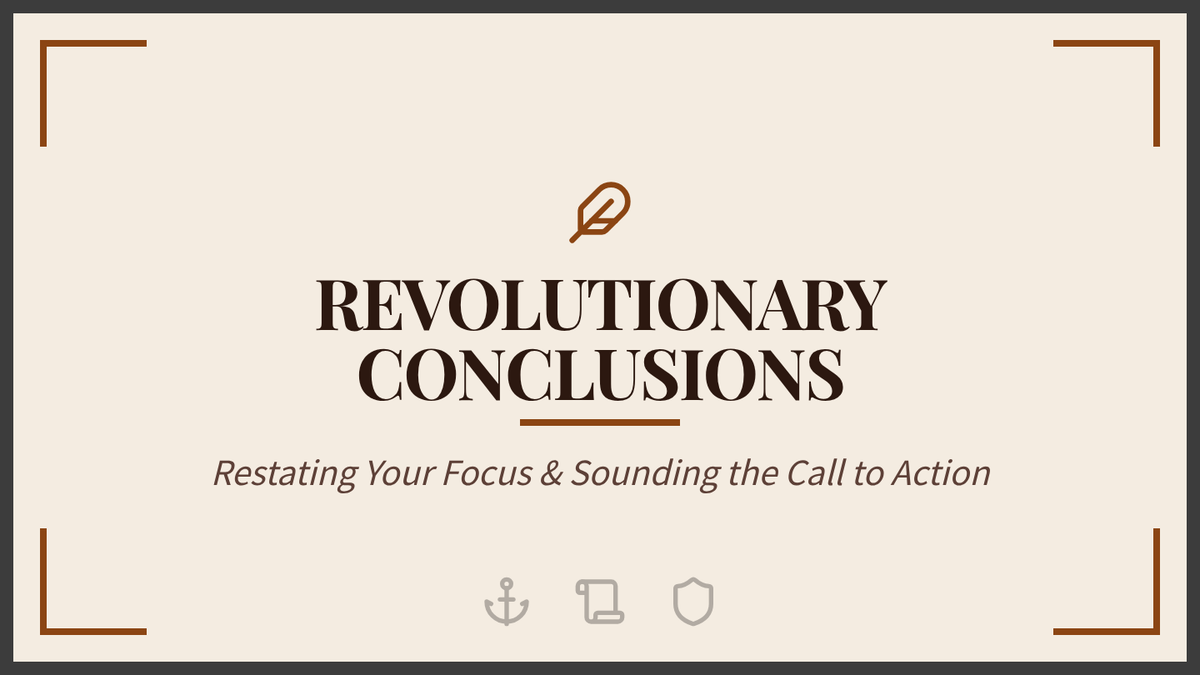
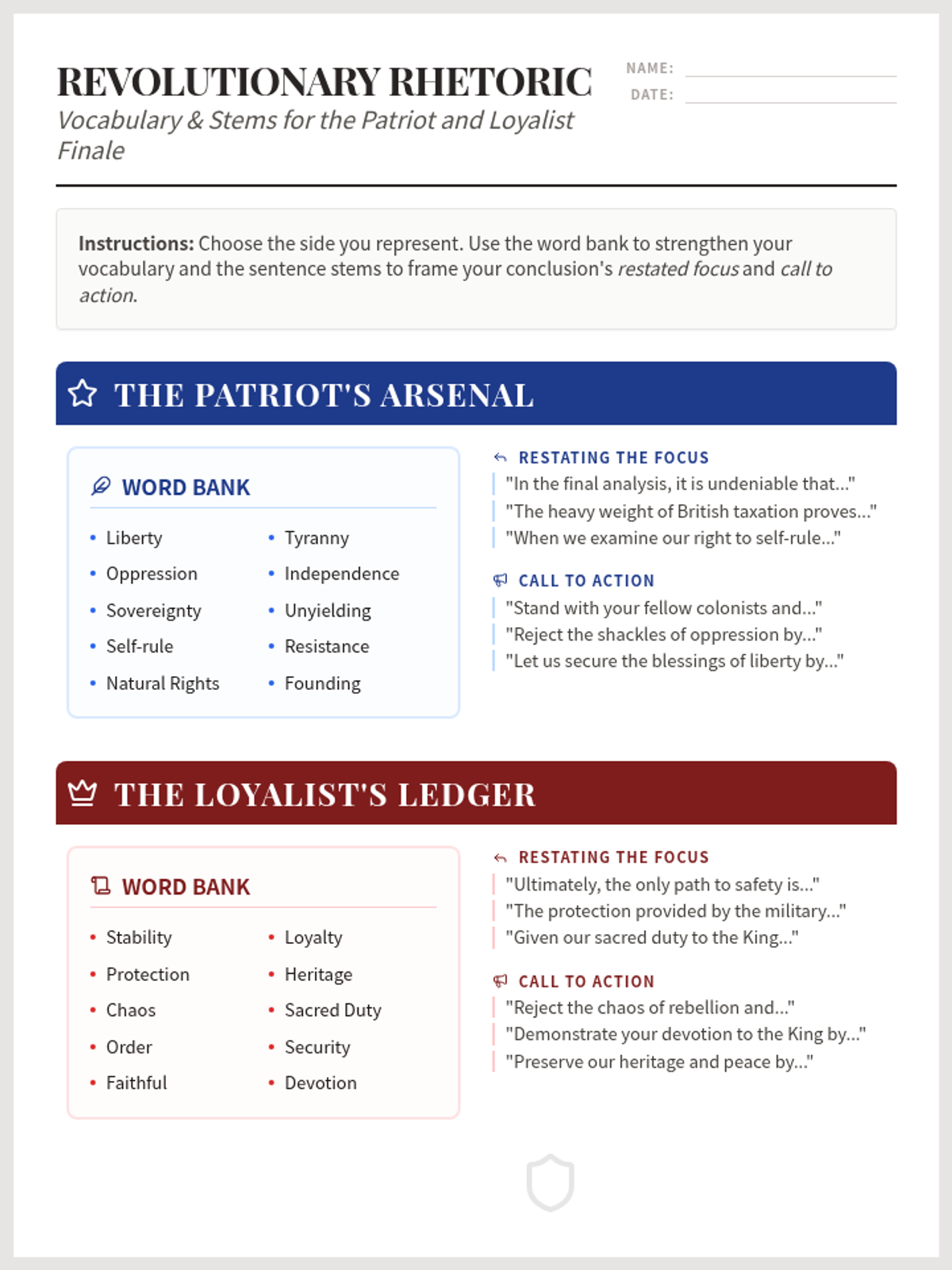
This lesson helps students master the art of writing persuasive conclusions for American Revolution opinion essays. Students learn to restate their focus and provide a compelling call to action from either a Patriot or Loyalist perspective.
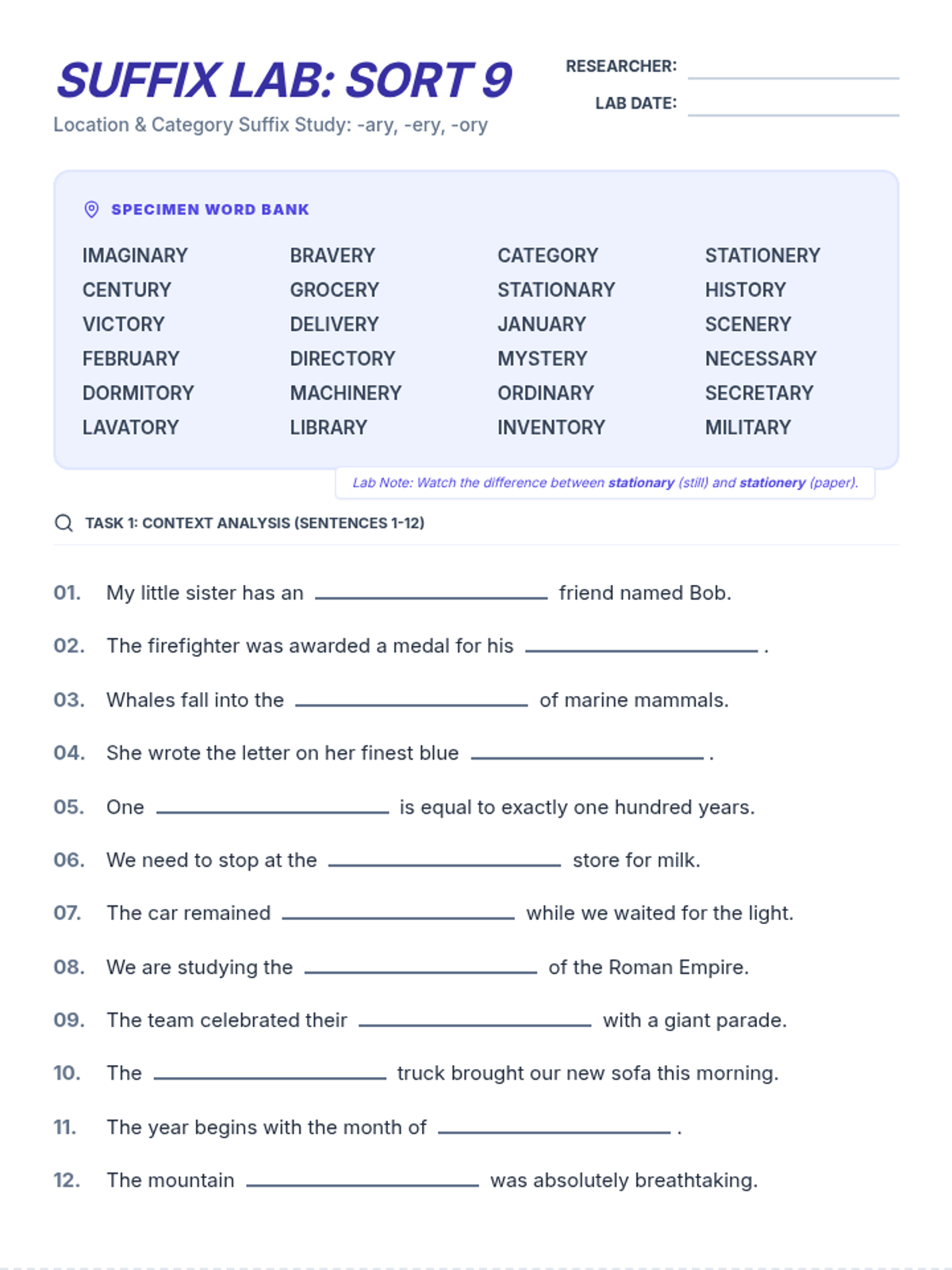
A lesson focused on location and category suffixes (-ary, -ery, -ory). Students analyze how these suffixes form nouns and adjectives related to places, groups, and qualities.
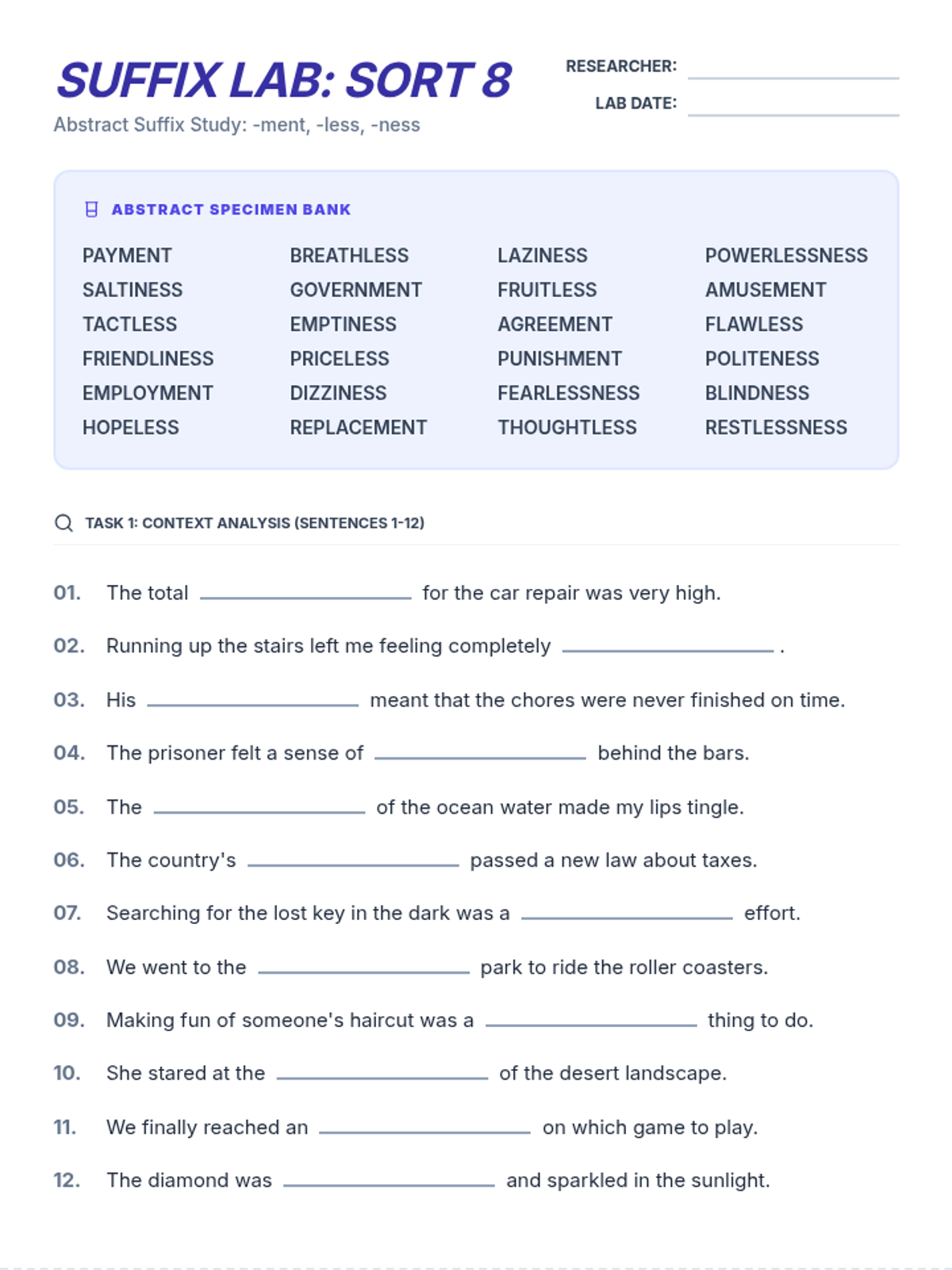
A lesson focused on abstract suffixes (-ment, -less, -ness). Students explore how these suffixes form nouns and adjectives related to states, qualities, and actions.
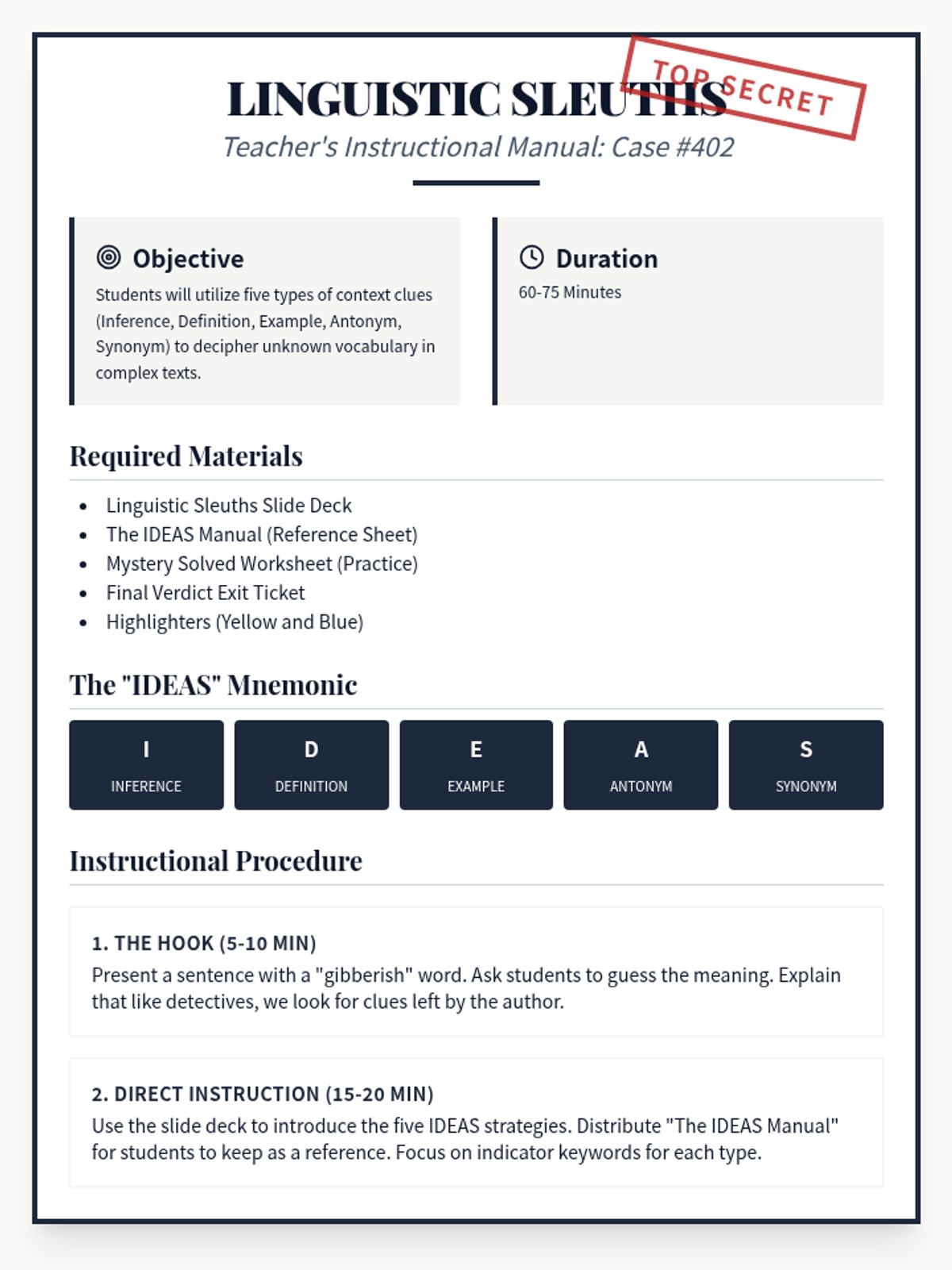
An intermediate-level lesson on identifying and using context clues (IDEAS: Inference, Definition, Example, Antonym, Synonym) to determine the meaning of unfamiliar words. Includes a detailed lesson plan, instructional slides, student reference sheet, practice worksheet, and assessment.
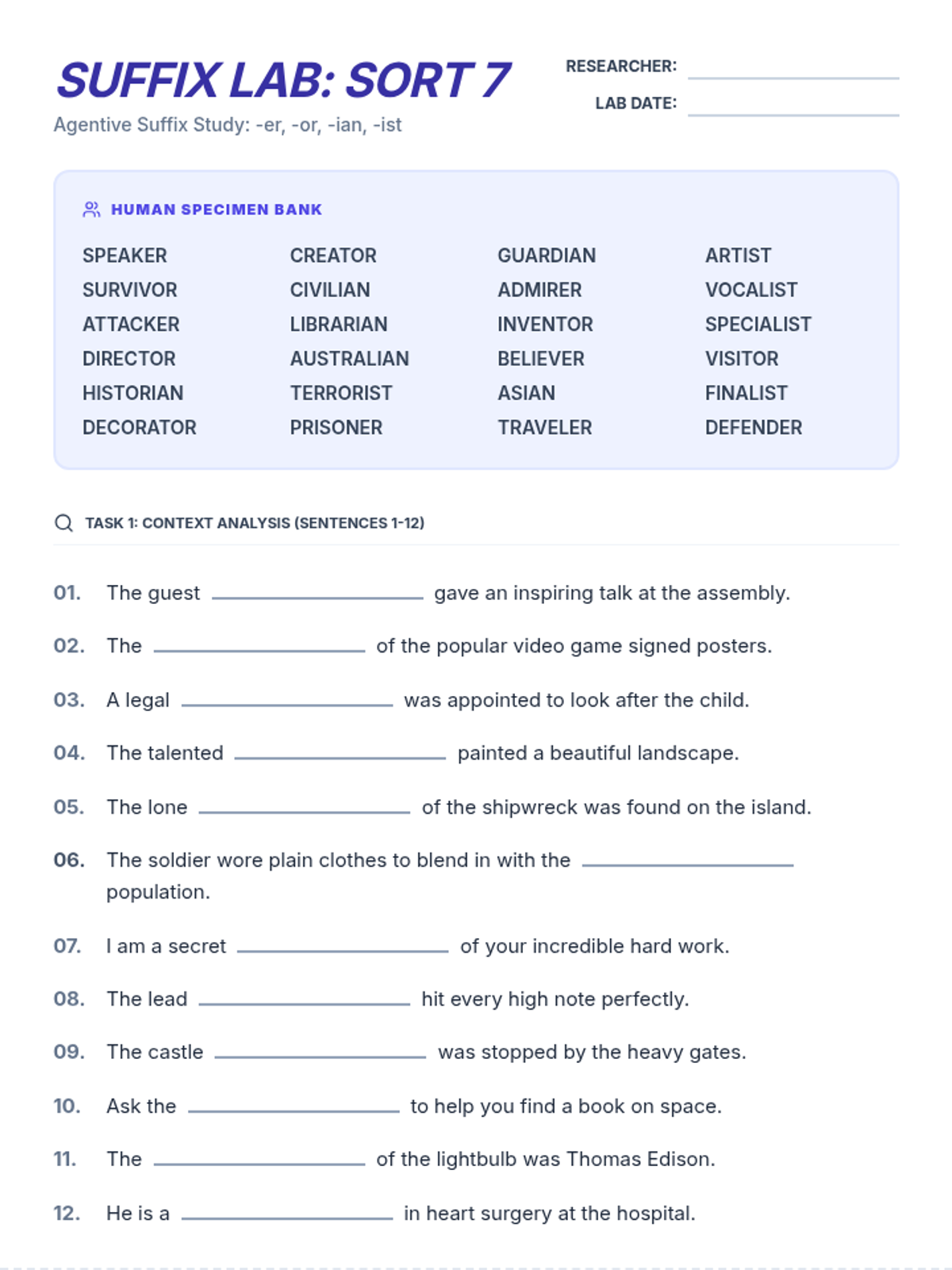
A lesson focused on agentive suffixes (-er, -or, -ian, -ist). Students analyze how these suffixes identify people who perform specific actions or hold certain roles.