This lesson explores the diverse traditions and cultural significance of Christmas celebrations across different countries, fostering global awareness and appreciation for diversity in 8th-grade students.
Examine the origins of constitutional government with the Magna Carta, the growth of medieval towns, and the transition toward the Renaissance.
Investigate the origins, symptoms, and catastrophic social and economic consequences of the Bubonic Plague in 14th-century Europe.
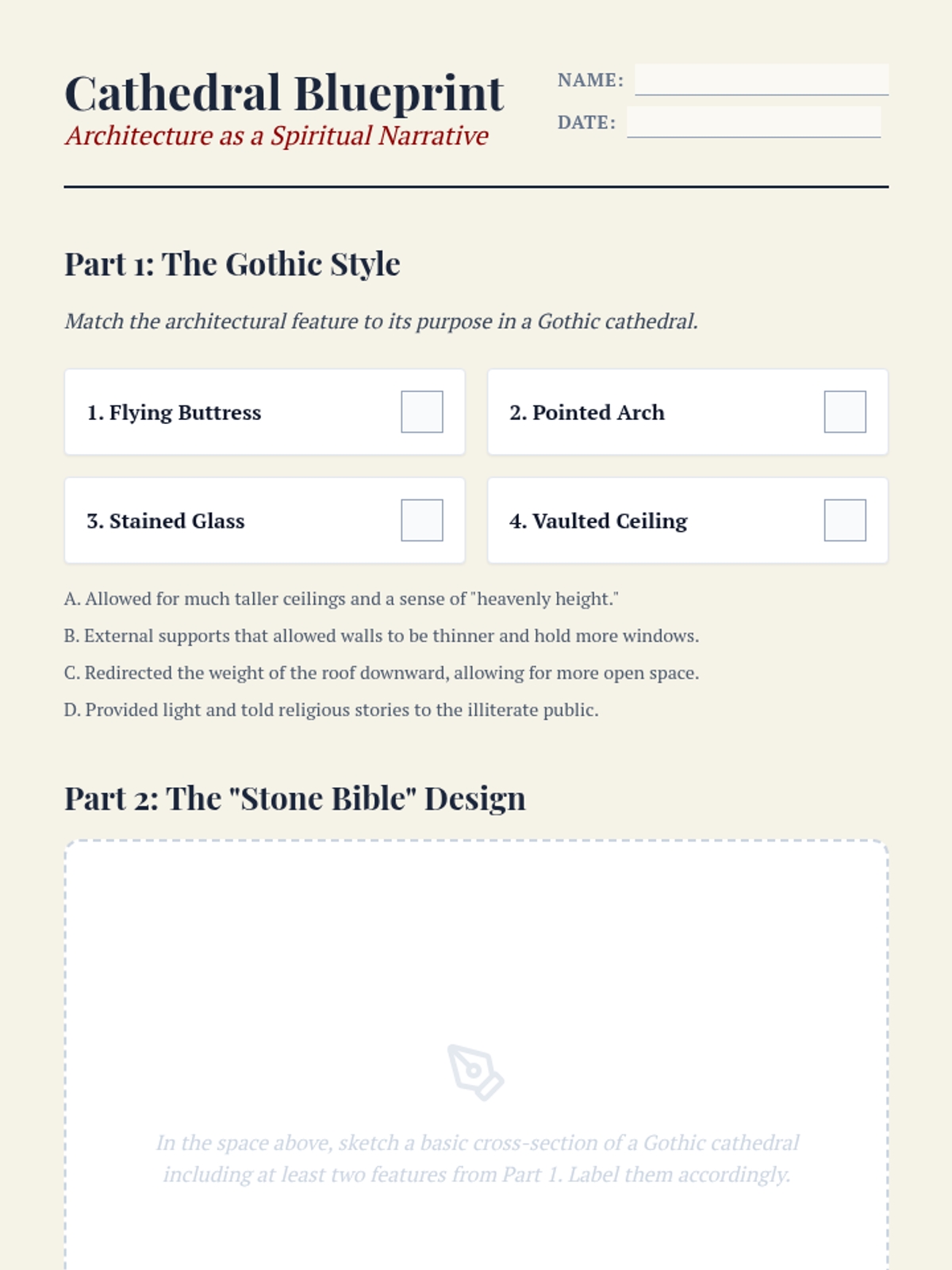
Analyze the immense power and influence of the Catholic Church on daily life, politics, and the cultural landscape of Medieval Europe.
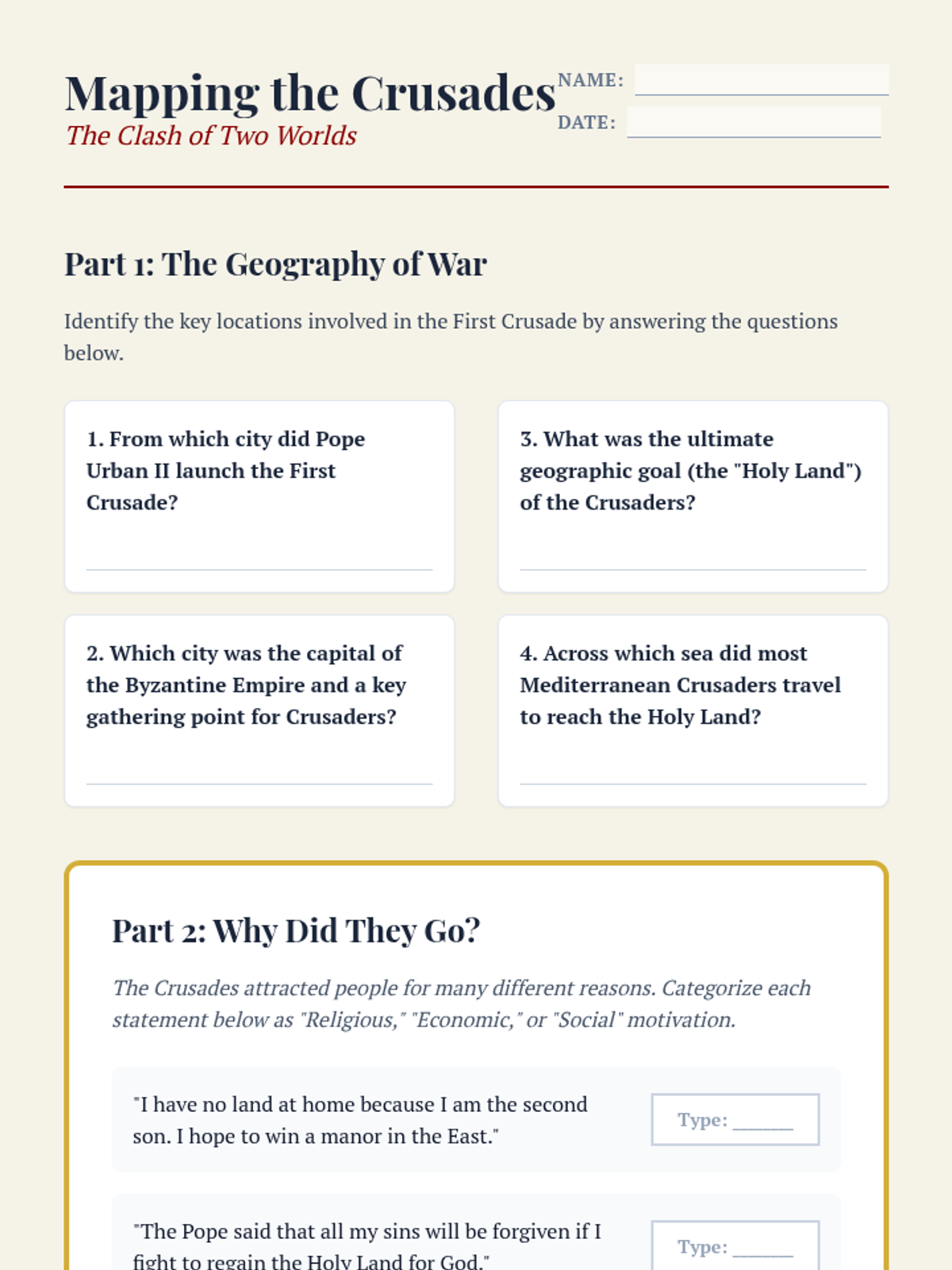
Explore the life of a medieval knight, the code of chivalry, and the religious motivations behind the Crusades.
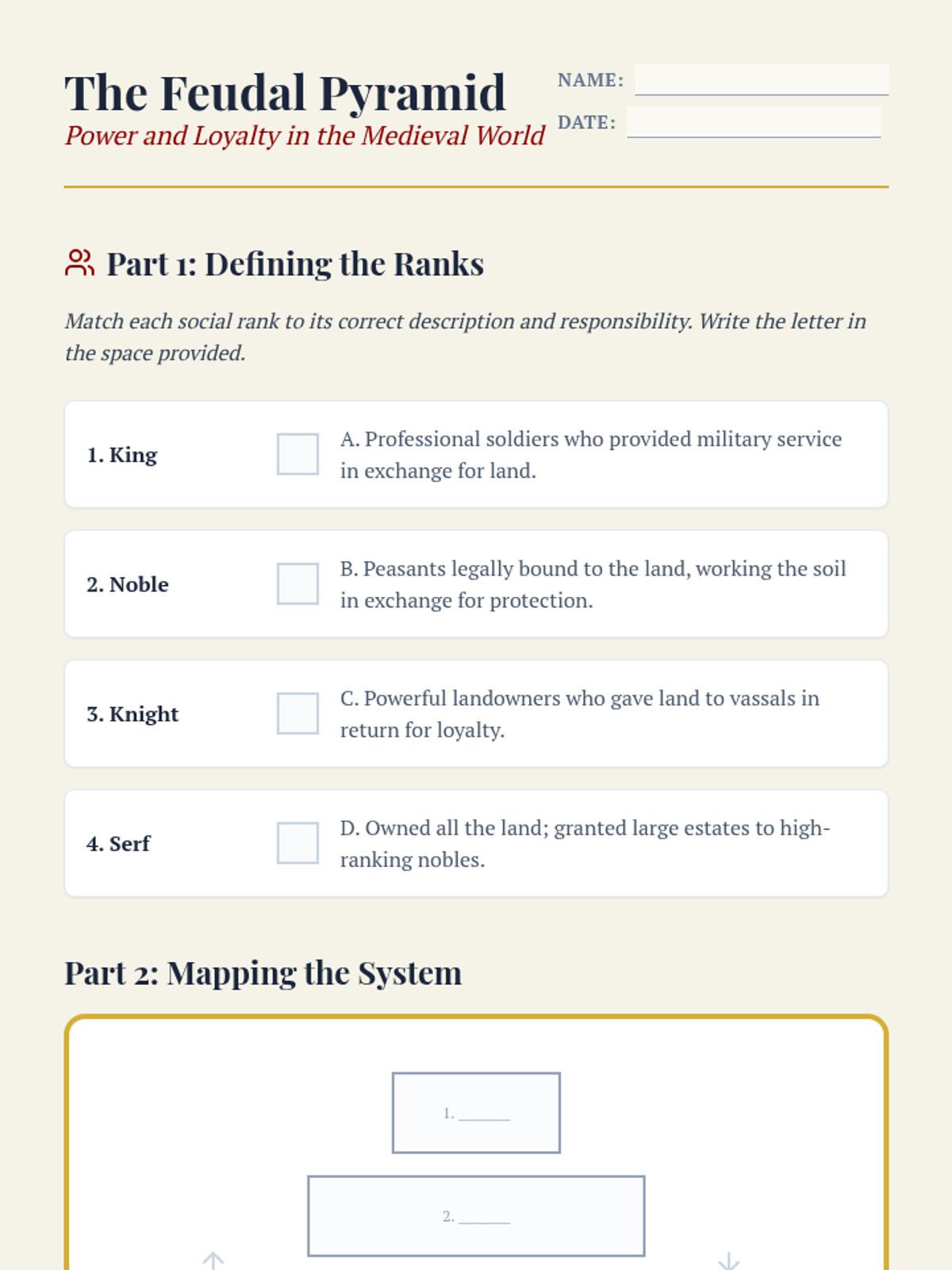
Explore the rigid social structure of feudalism and the economic system of manorialism that defined life in the Middle Ages.
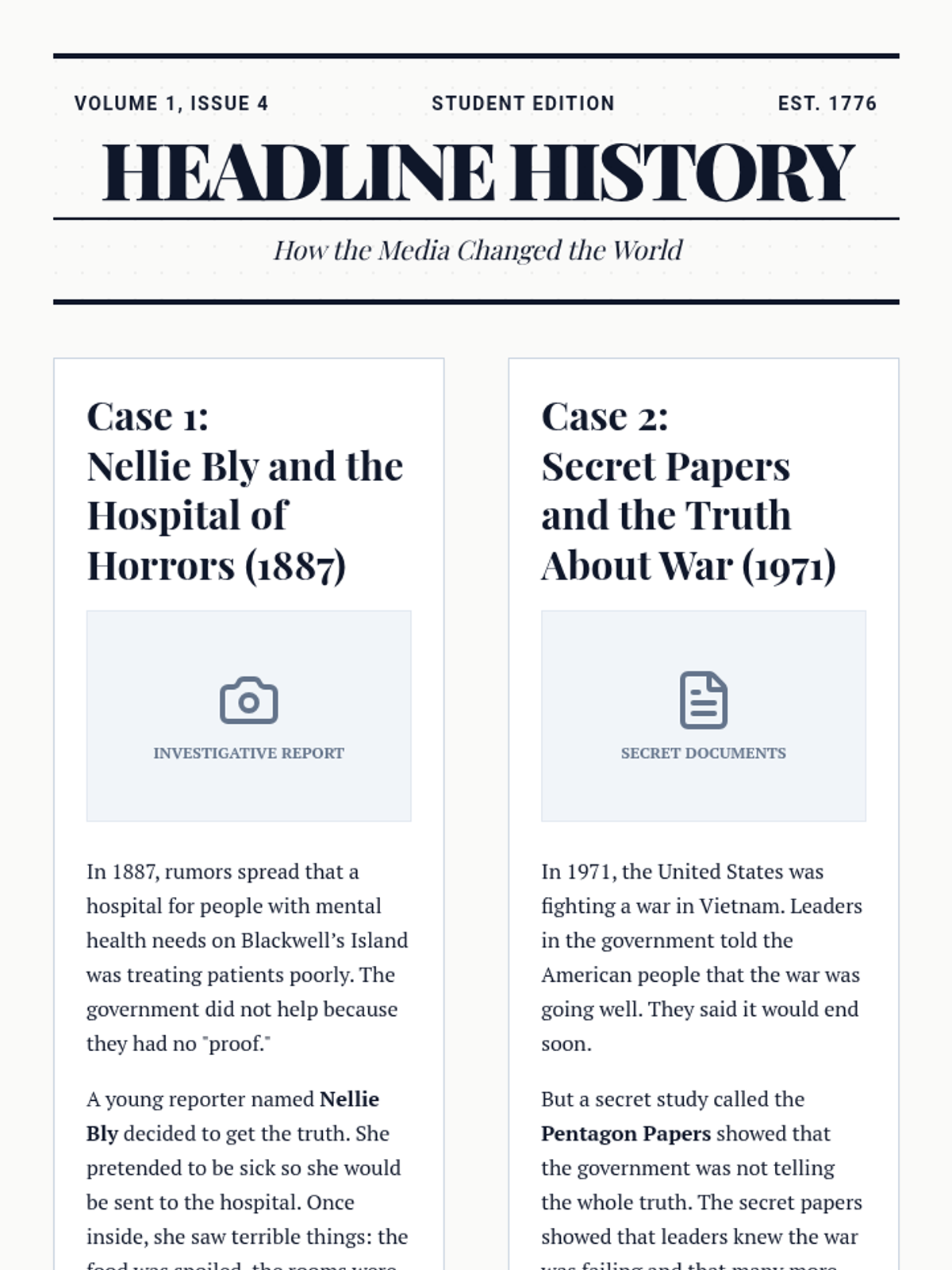
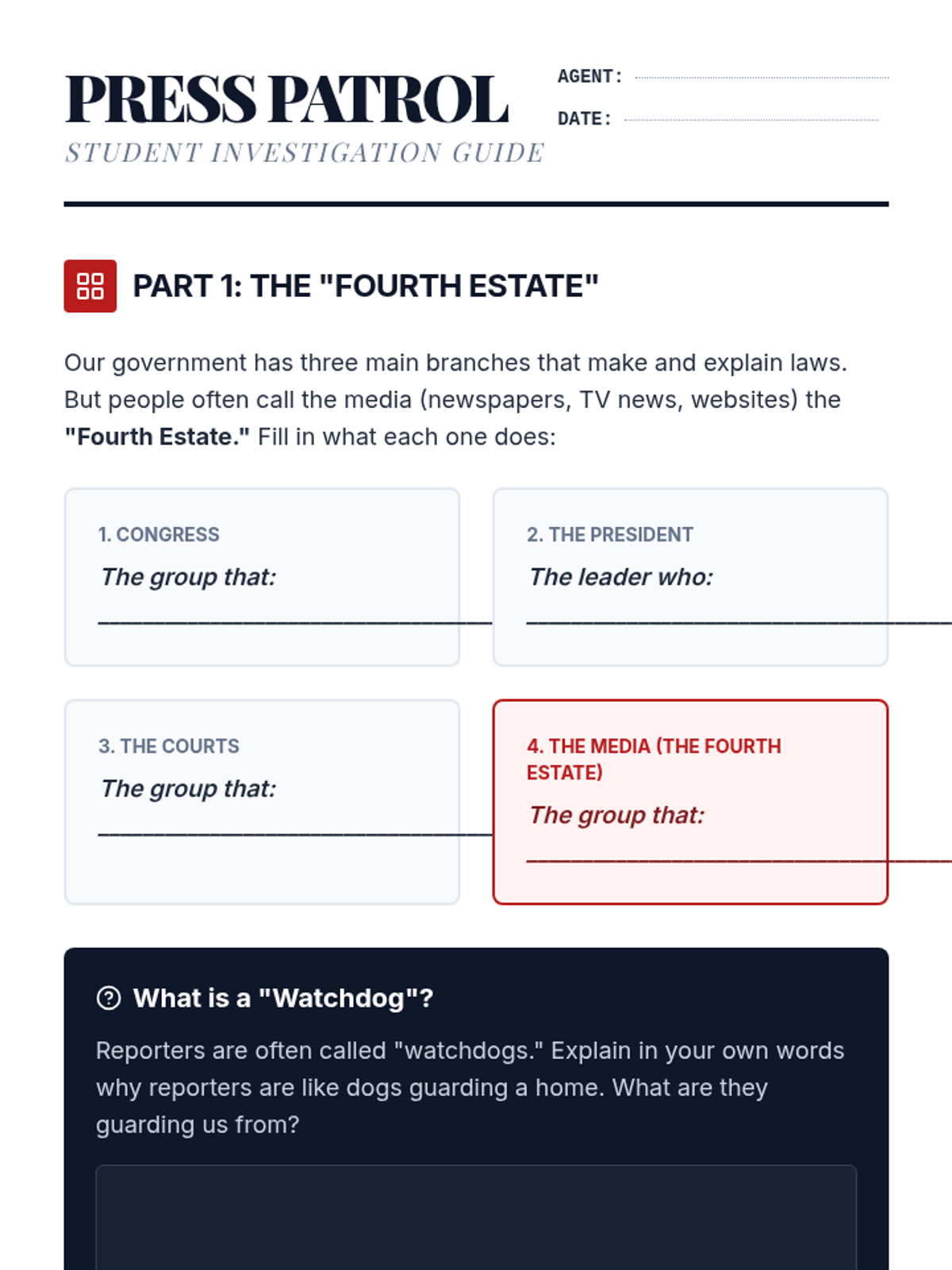
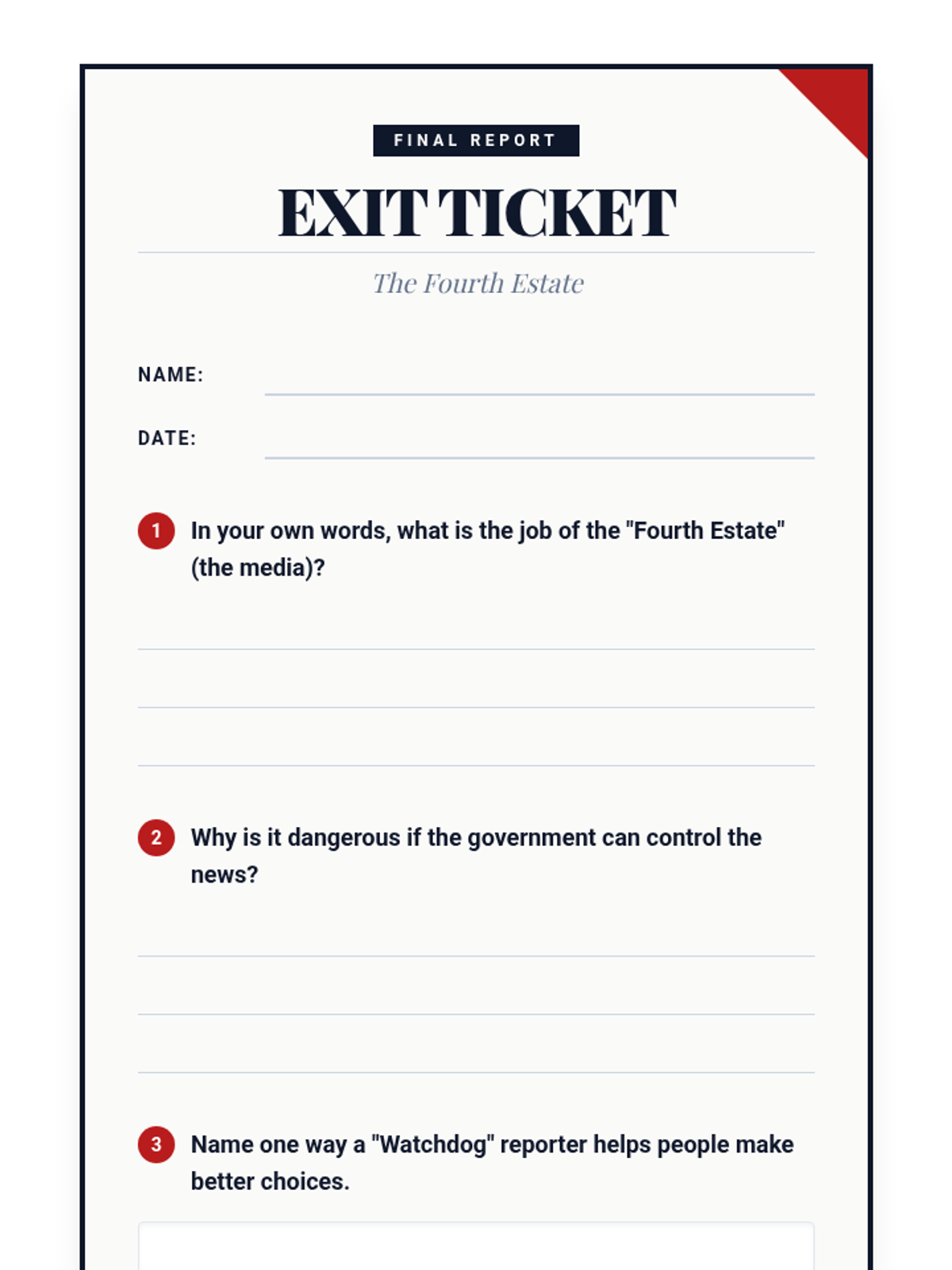
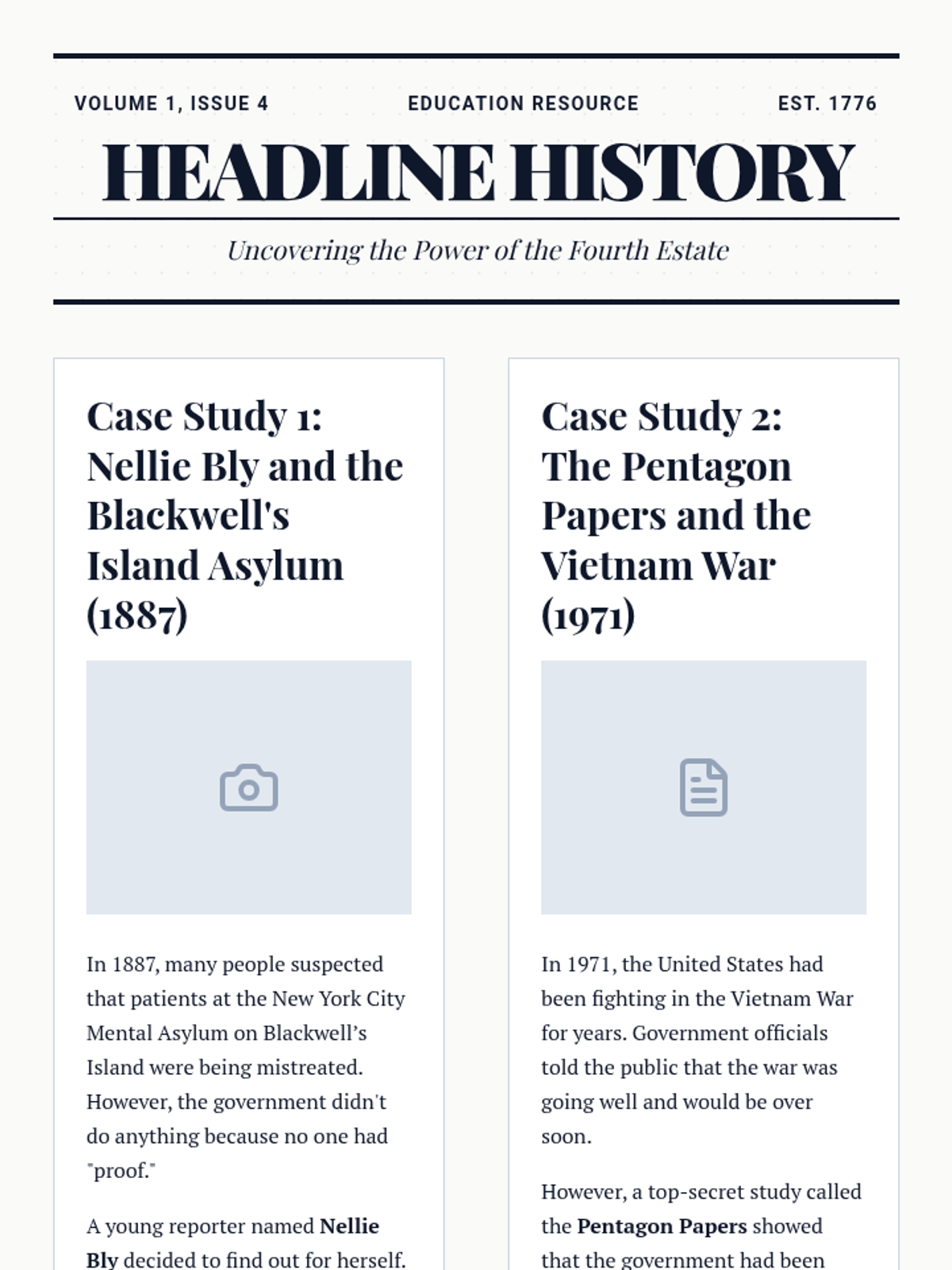
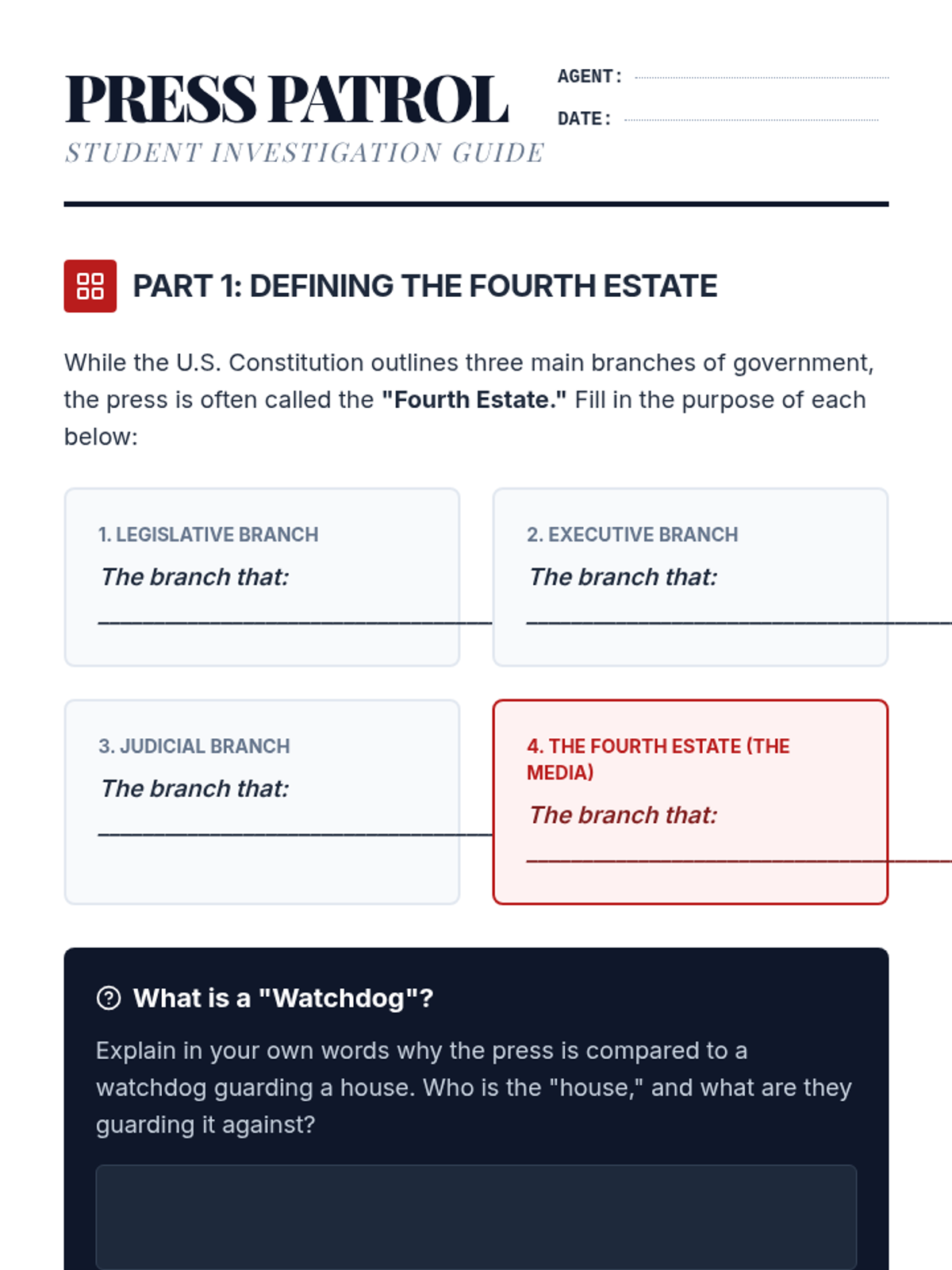
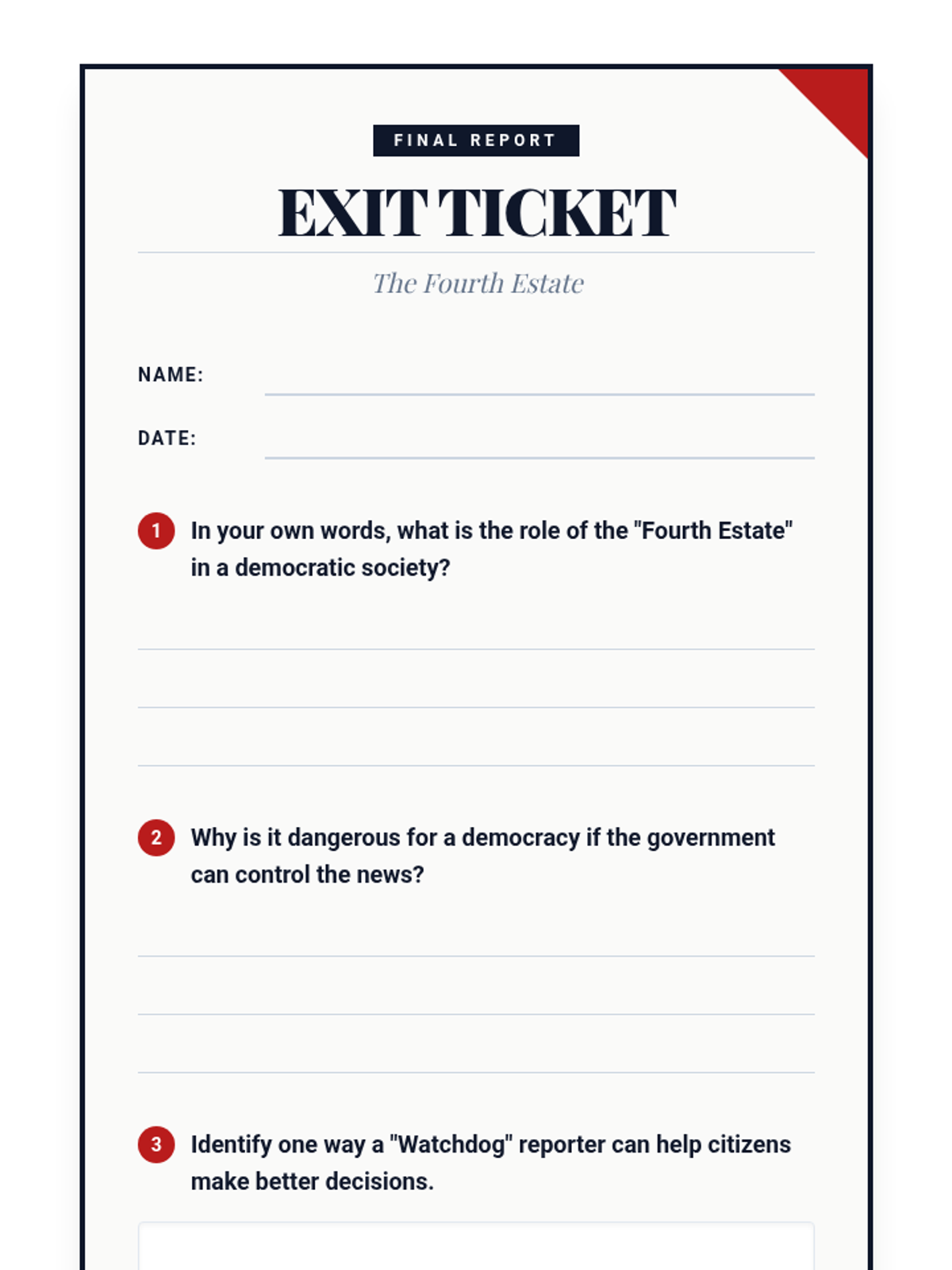
Students explore the vital role of a free press as the 'Fourth Estate' in a democracy, examining historical impact and current relevance through inquiry and analysis.
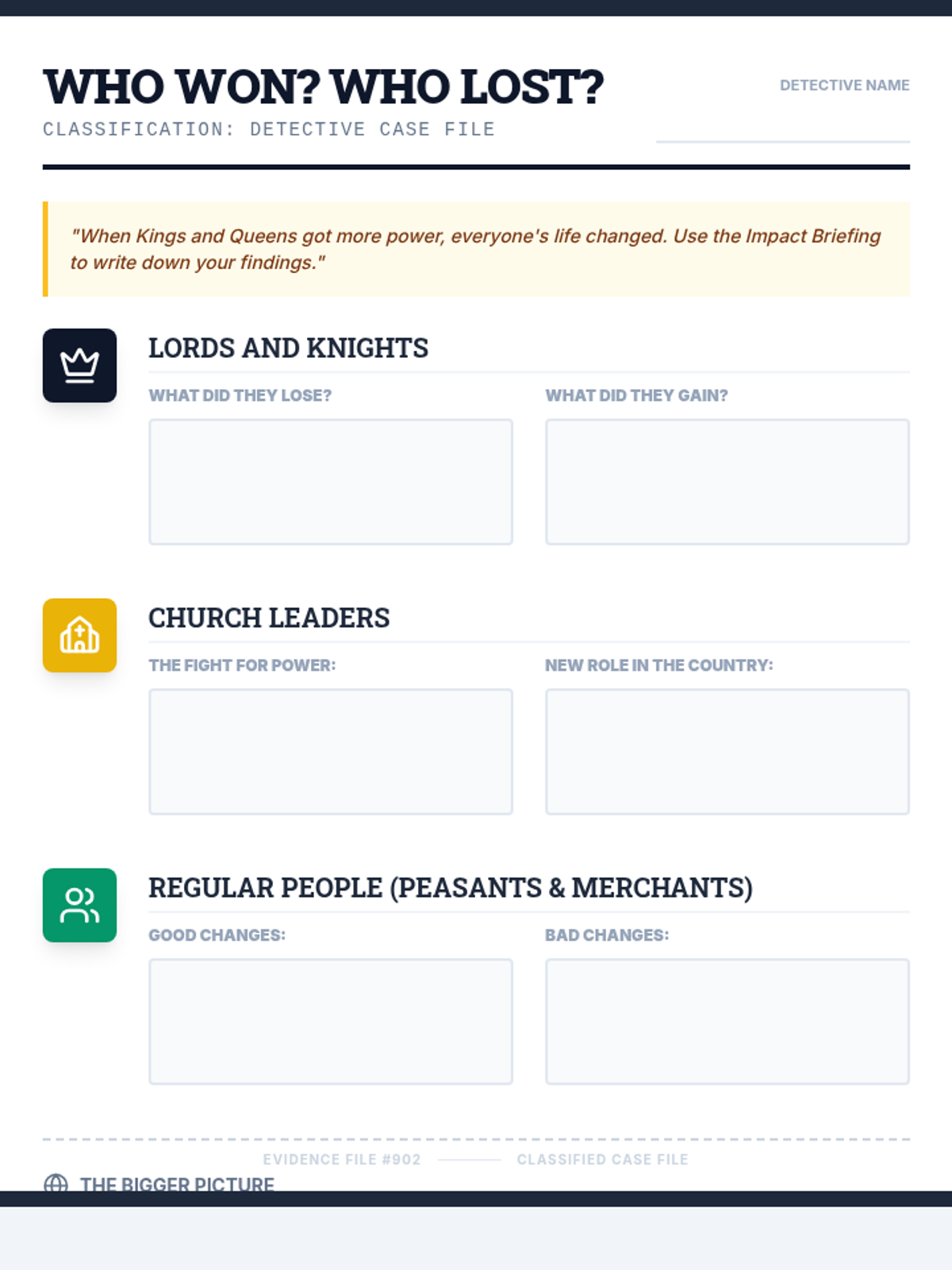
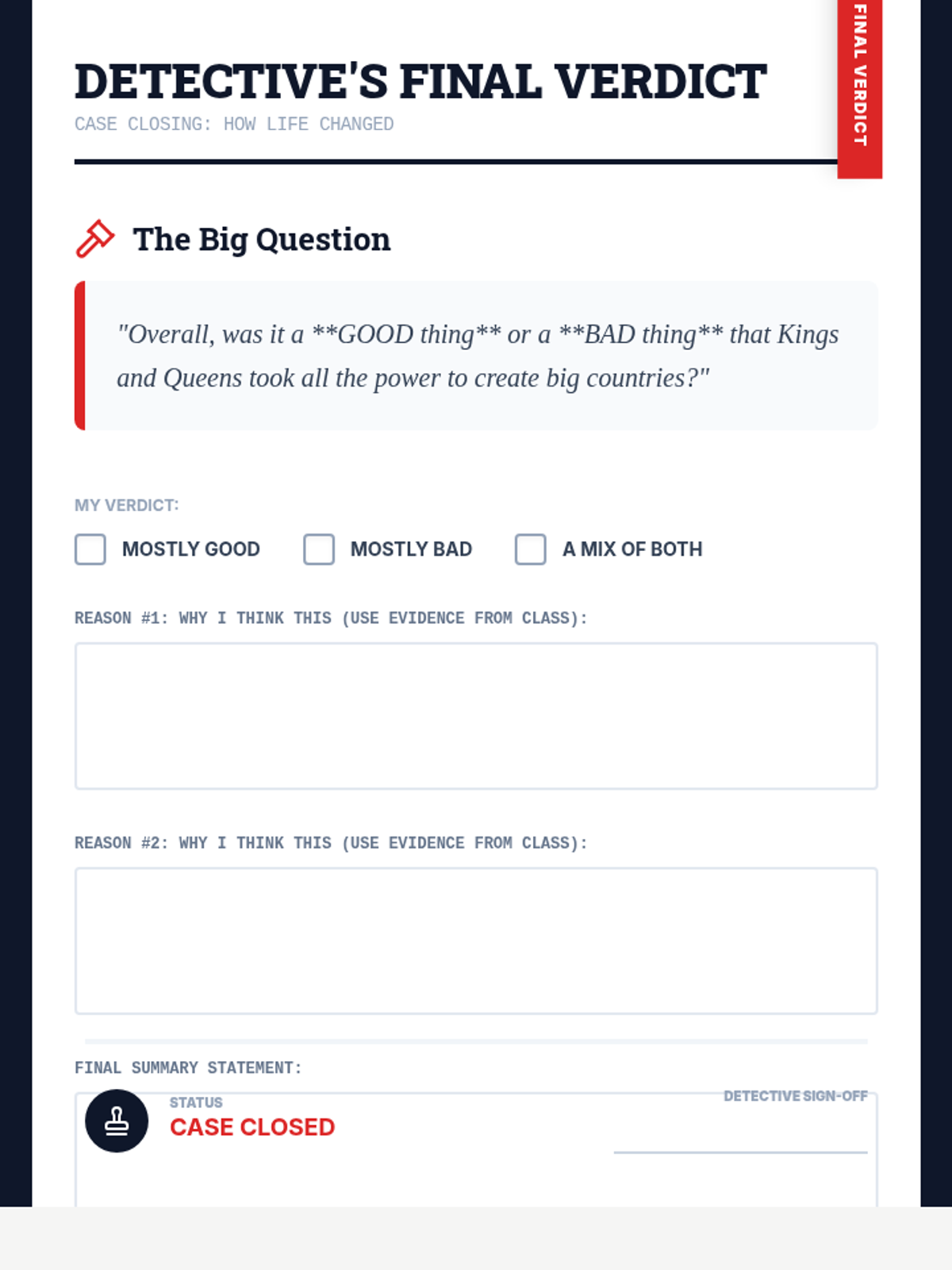
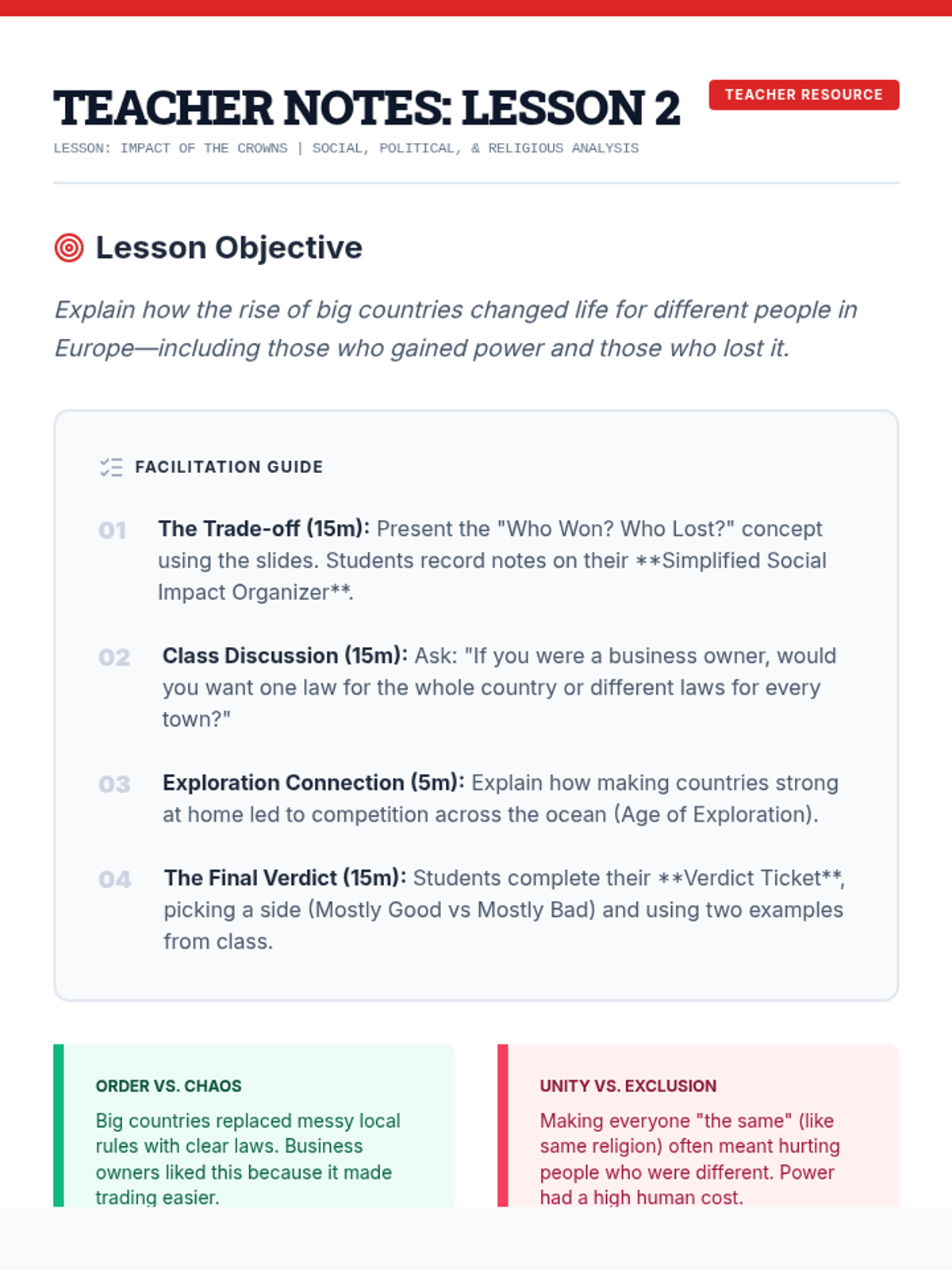
Students investigate the profound social, religious, and political impacts of centralized power, examining how the rise of nation-states led to both stability and systemic conflict across Europe.
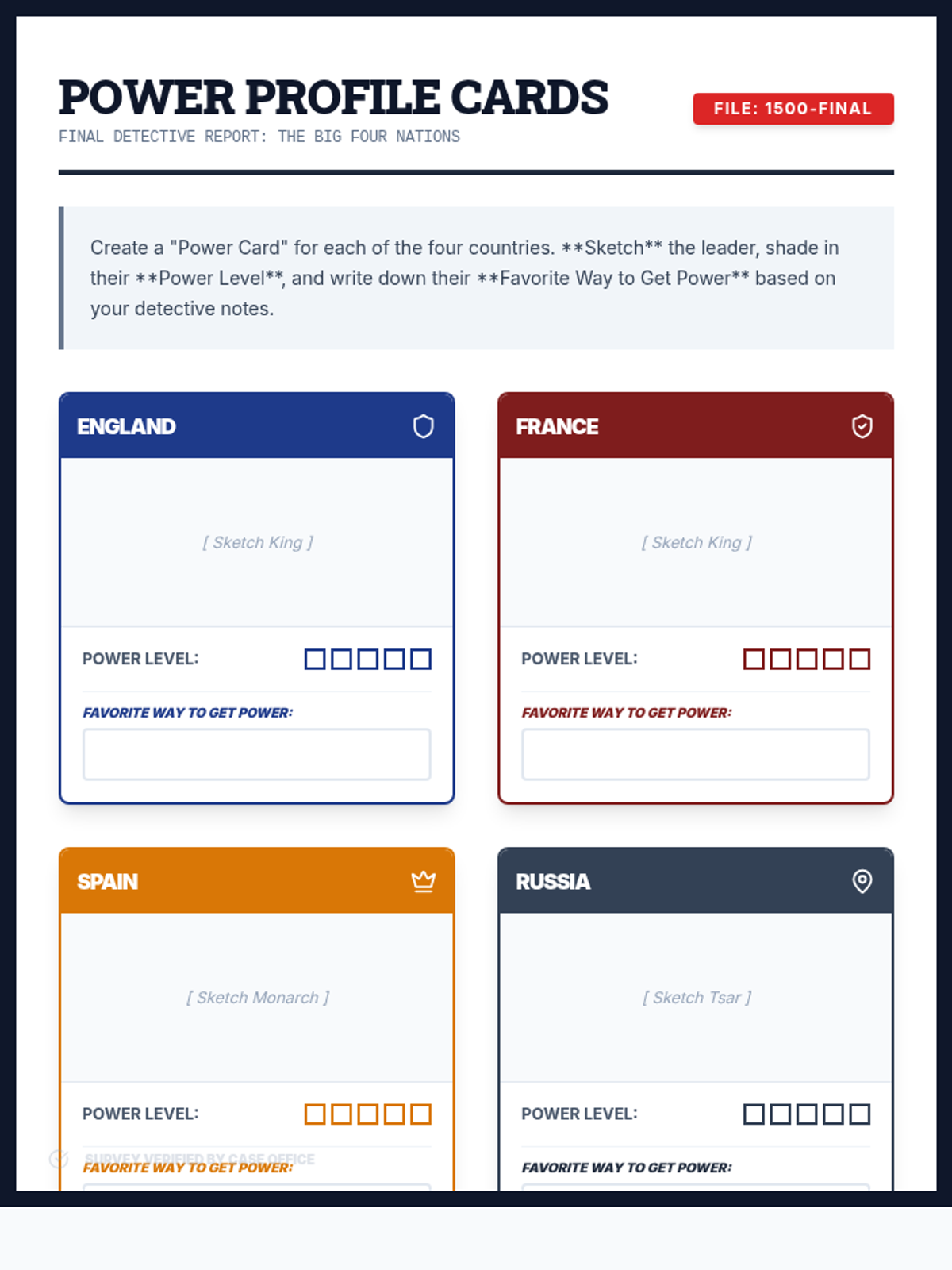
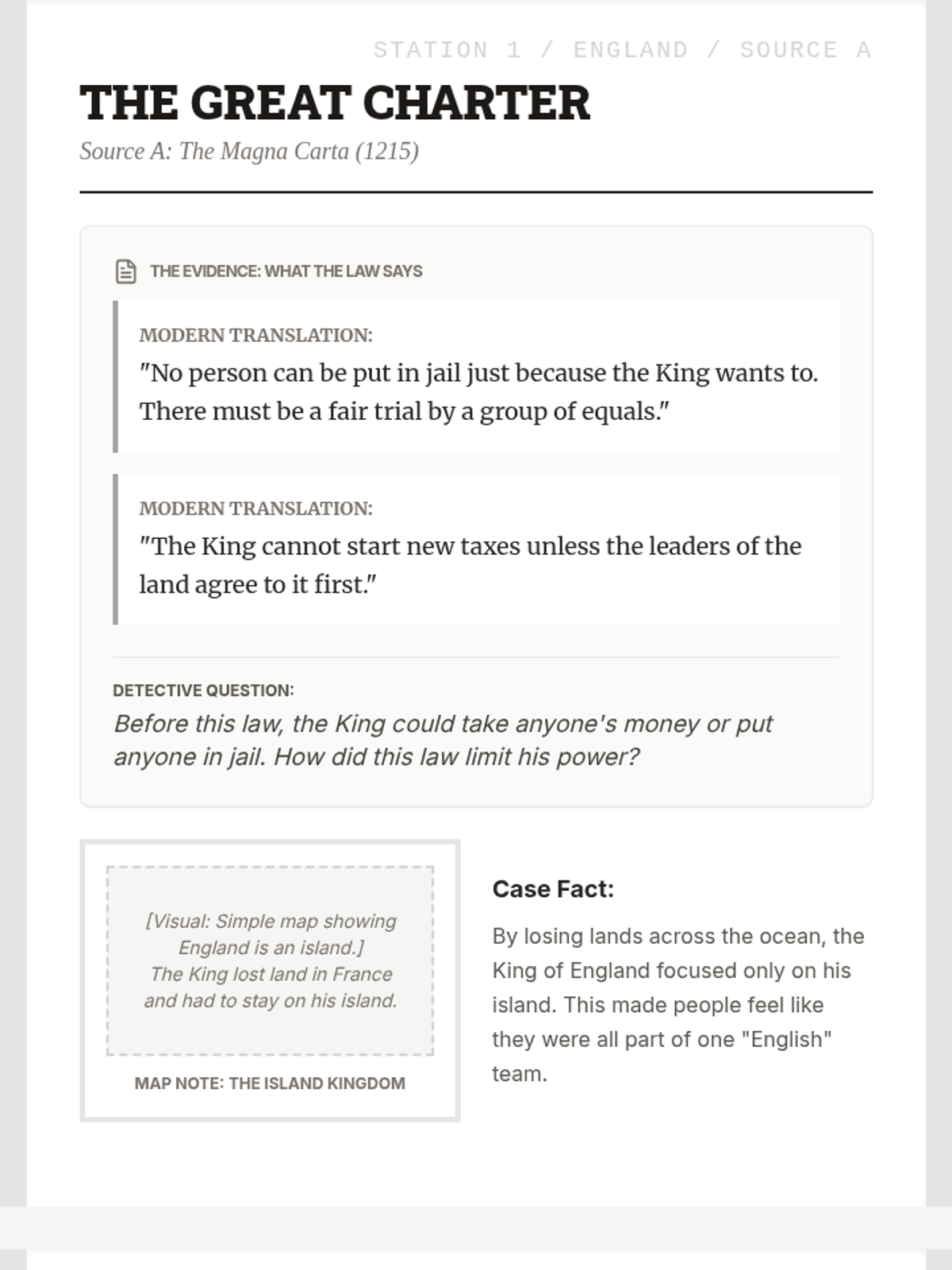
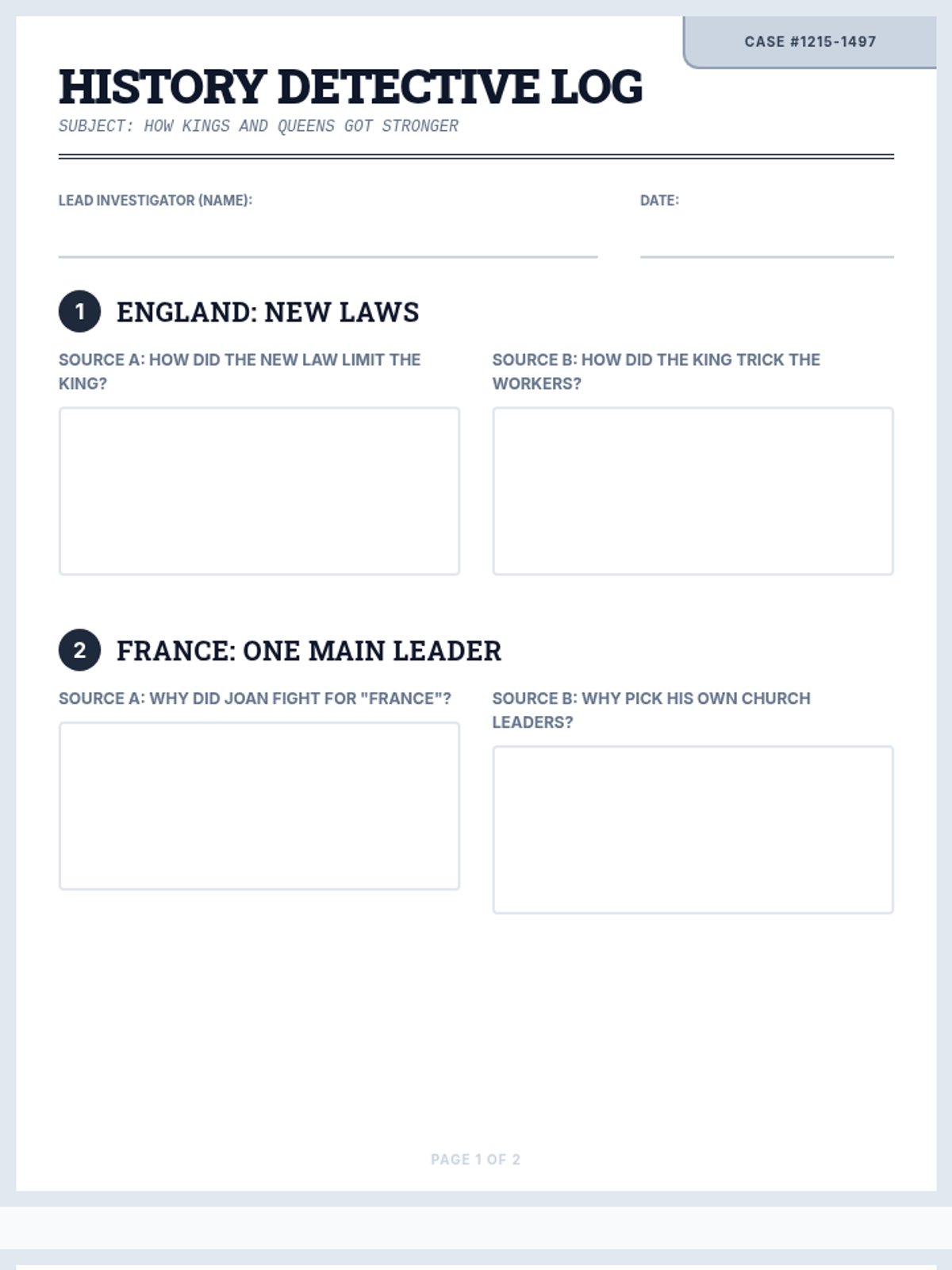
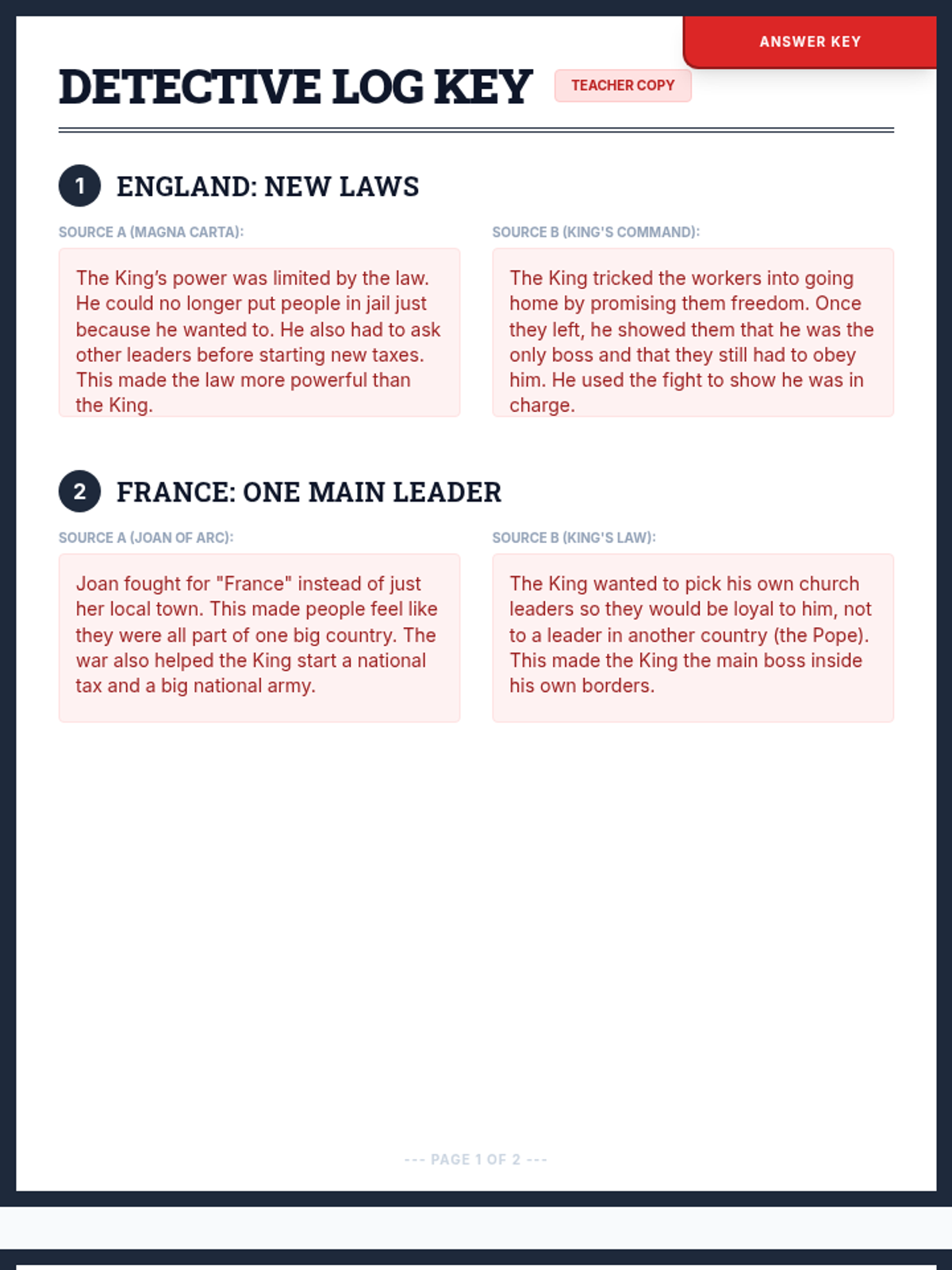
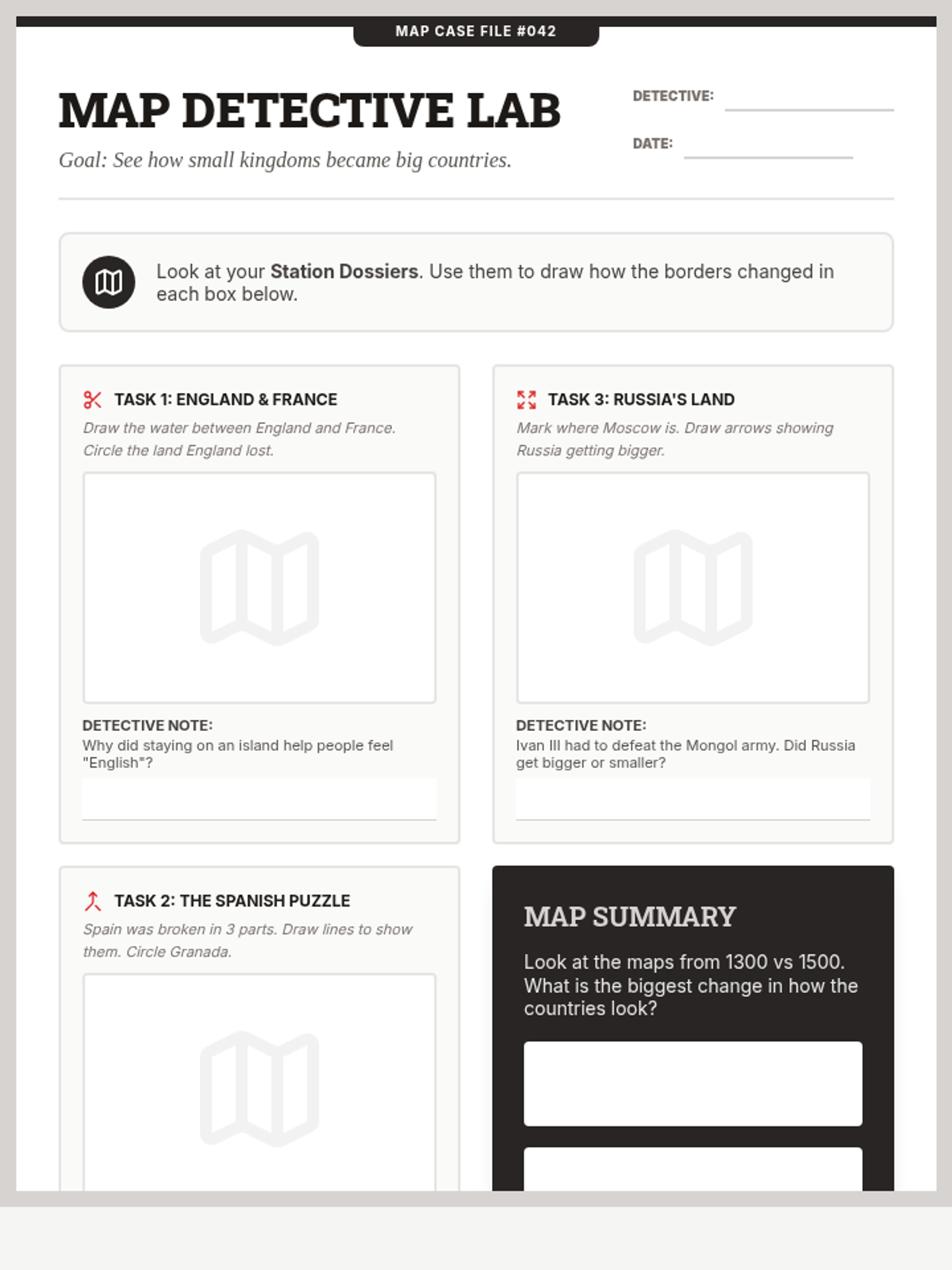
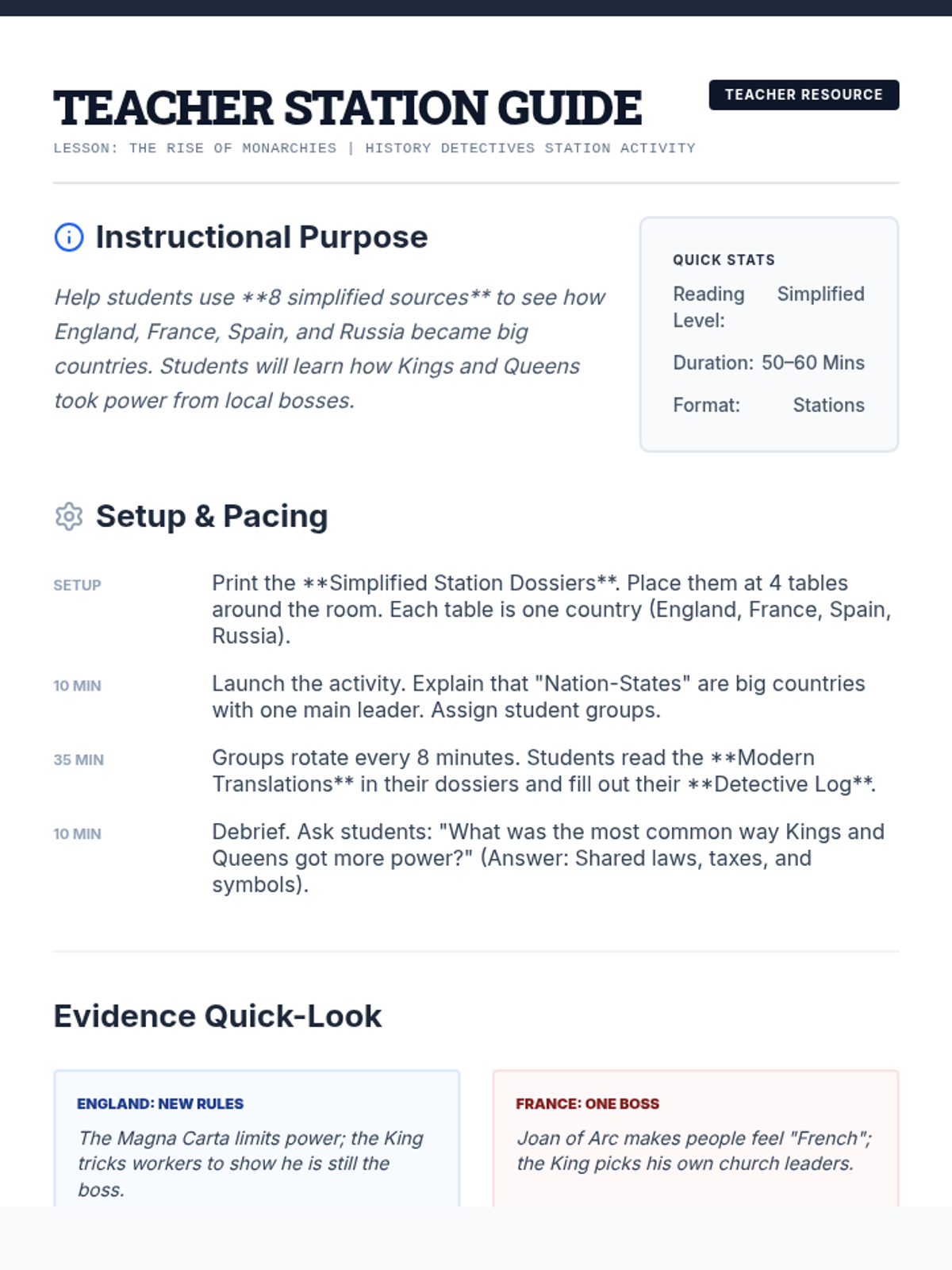
Students rotate through stations, analyzing maps, treaties, and accounts to understand how monarchs consolidated power and defined the borders of modern Europe.
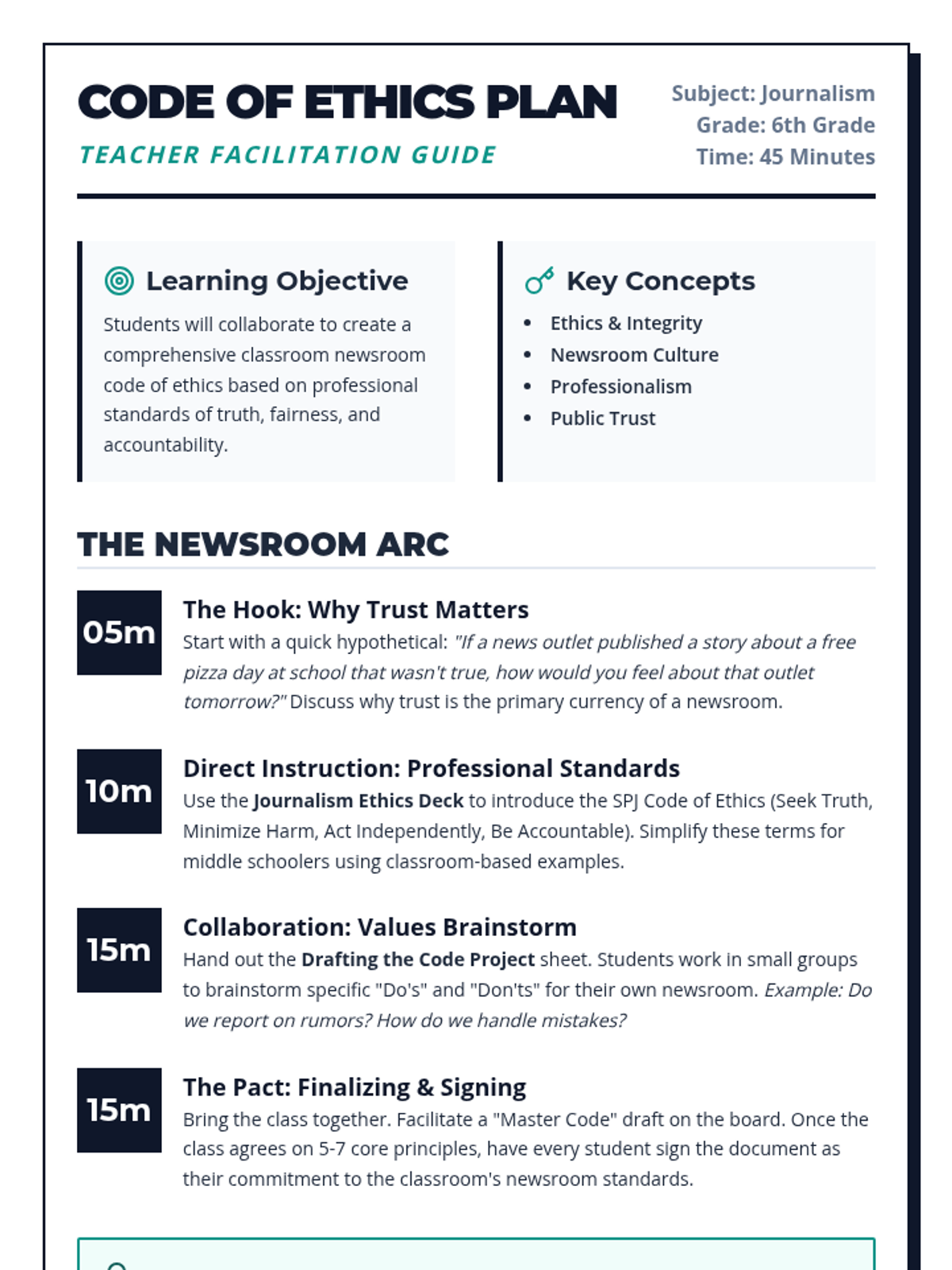
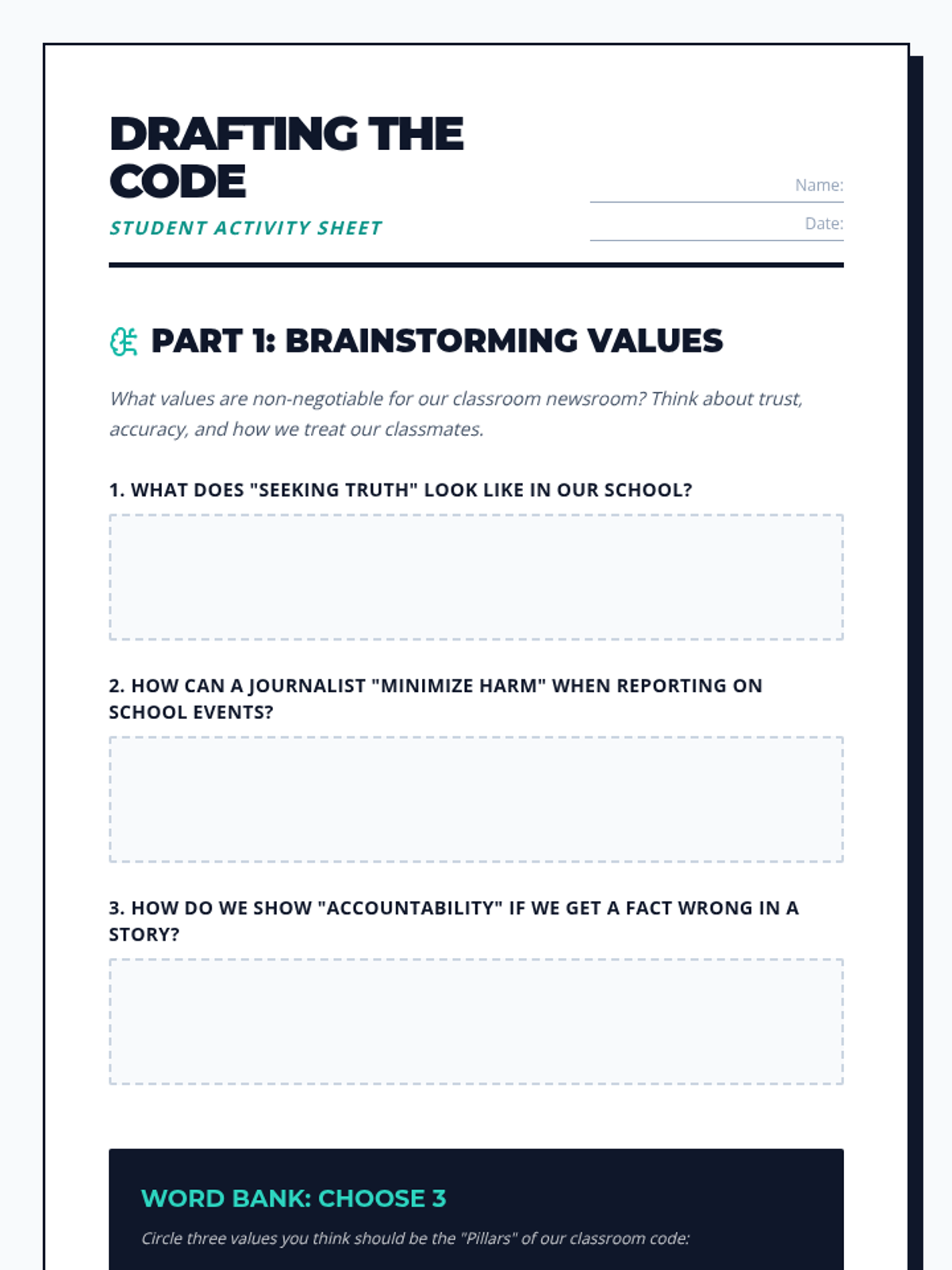
Students explore the foundations of professional journalism ethics to collaboratively build a code of conduct for their classroom newsroom, focusing on truth, fairness, and accountability.
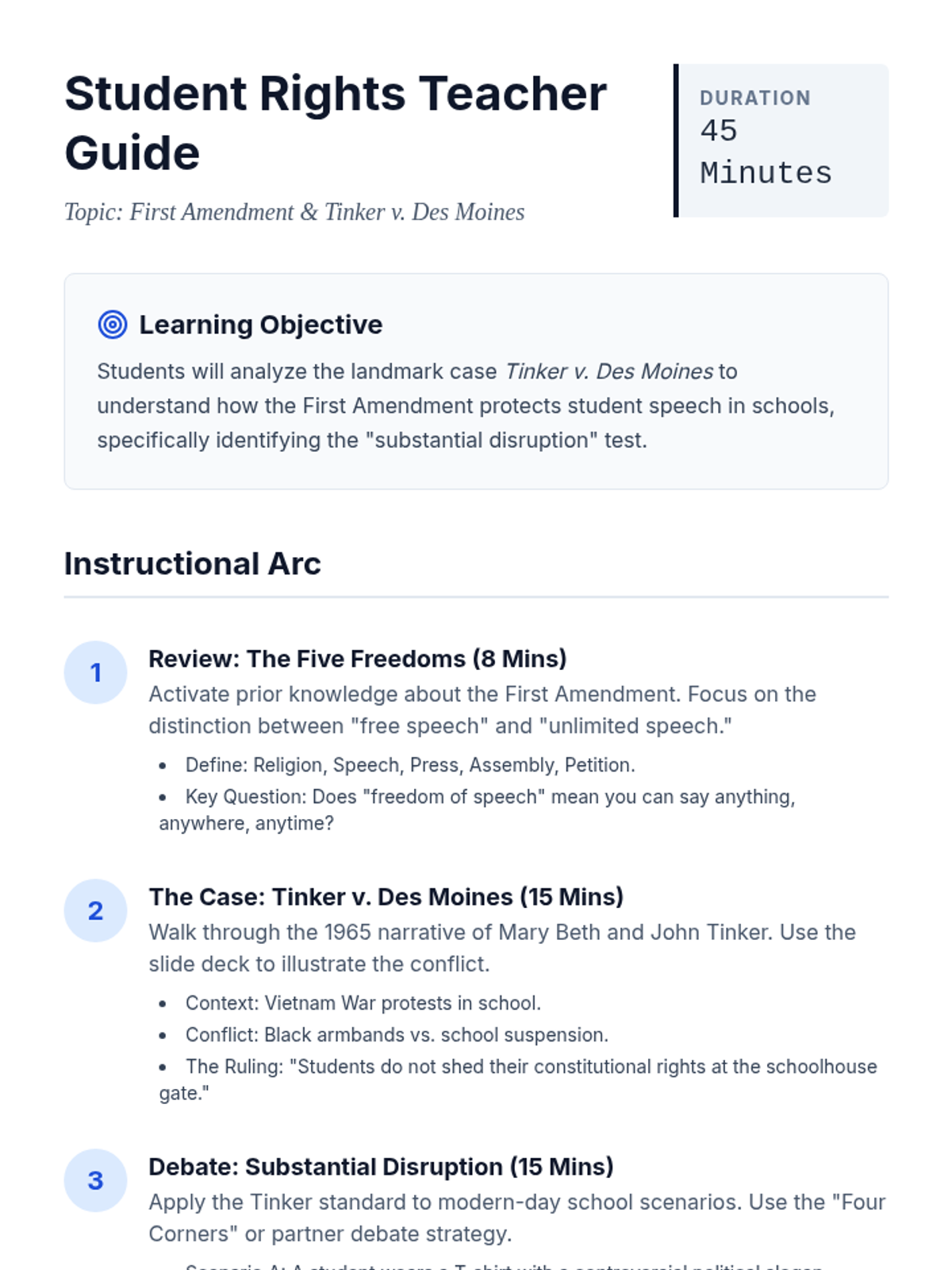
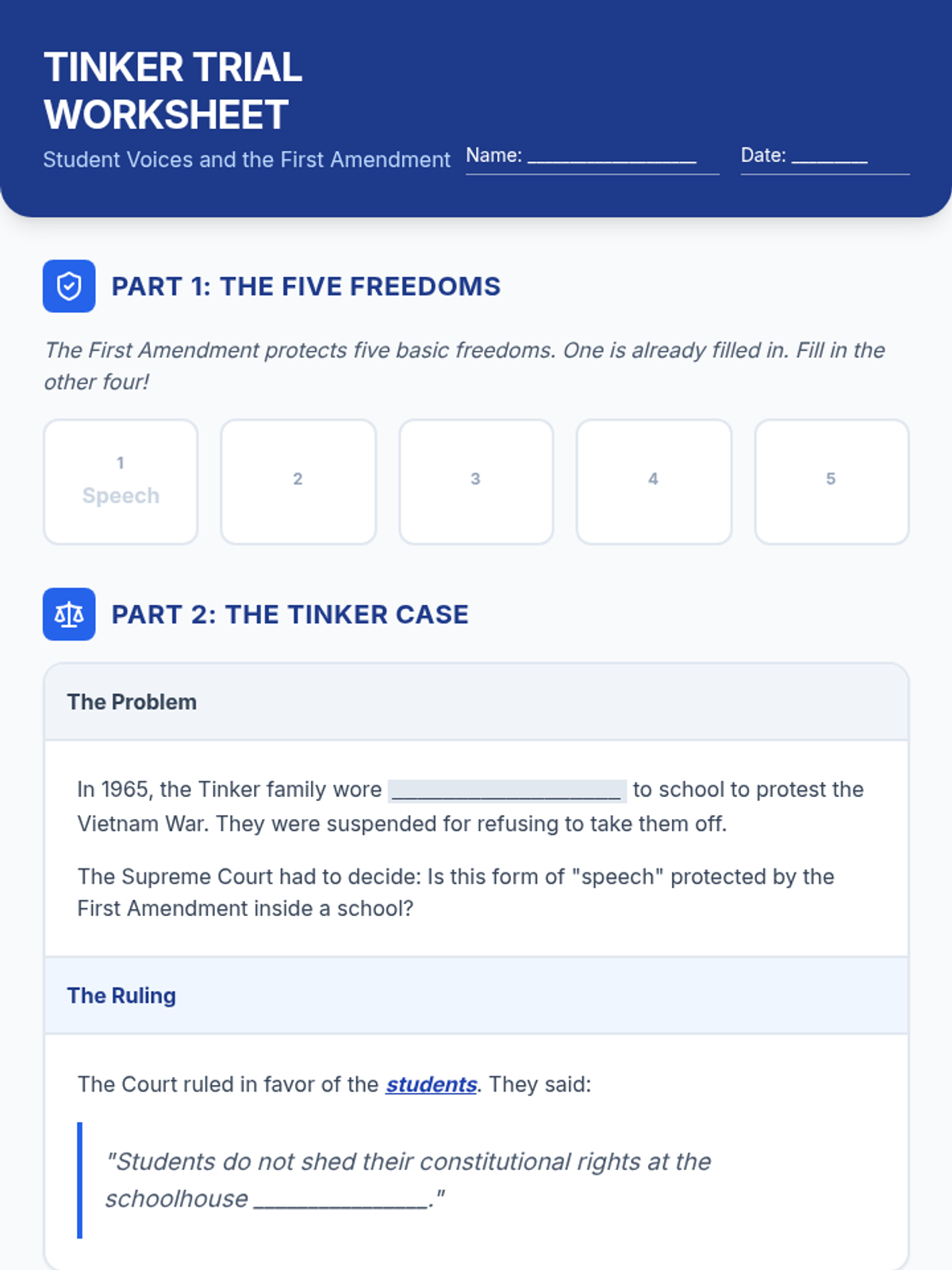
A 45-minute civics lesson exploring the First Amendment through the lens of the landmark Supreme Court case Tinker v. Des Moines, empowering students to understand their rights and responsibilities.
A historical exploration of tropical storms in the Caribbean, focusing on significant events, technological evolution, and the impact on regional history from the colonial era to the late 20th century.
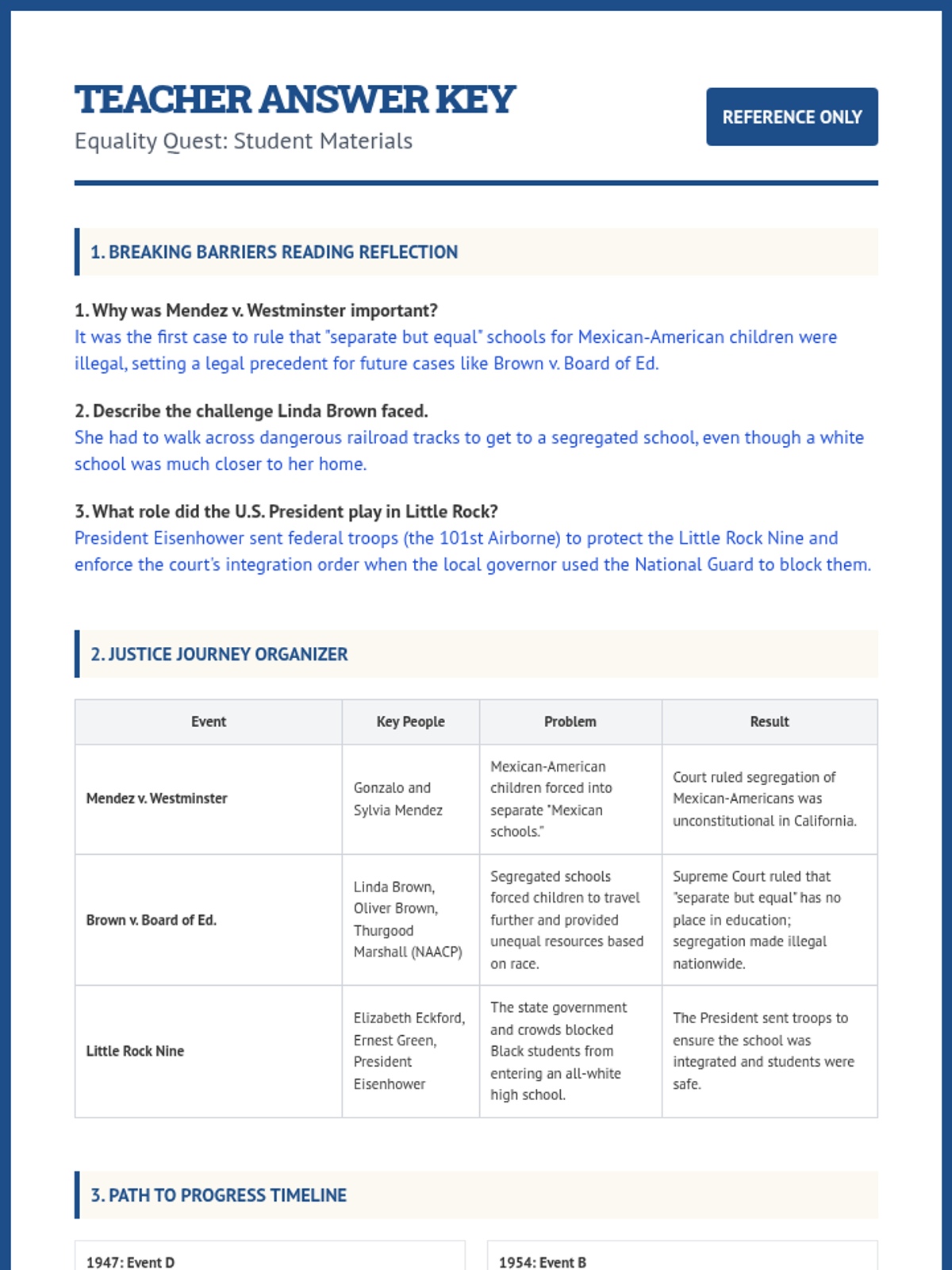
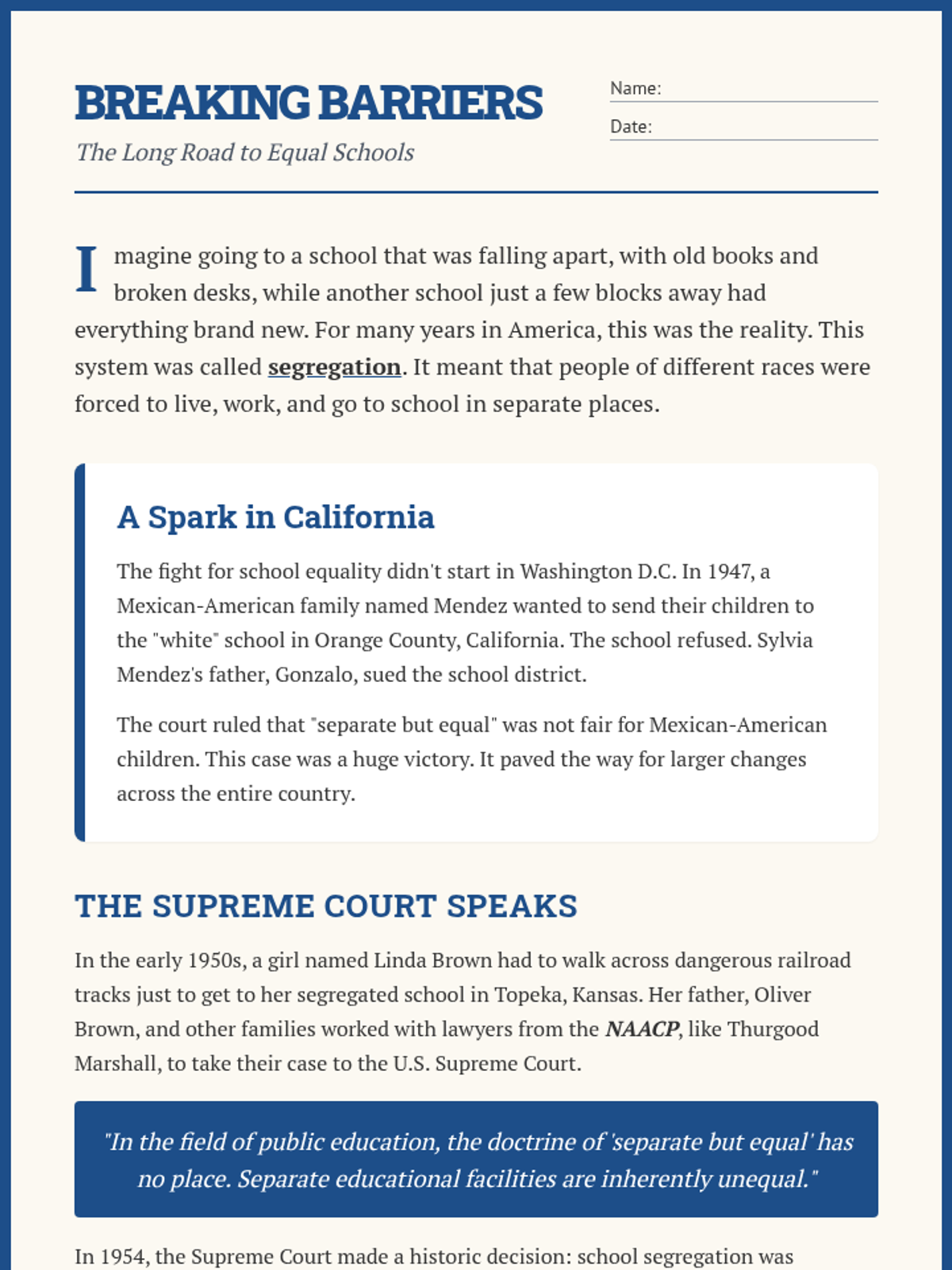
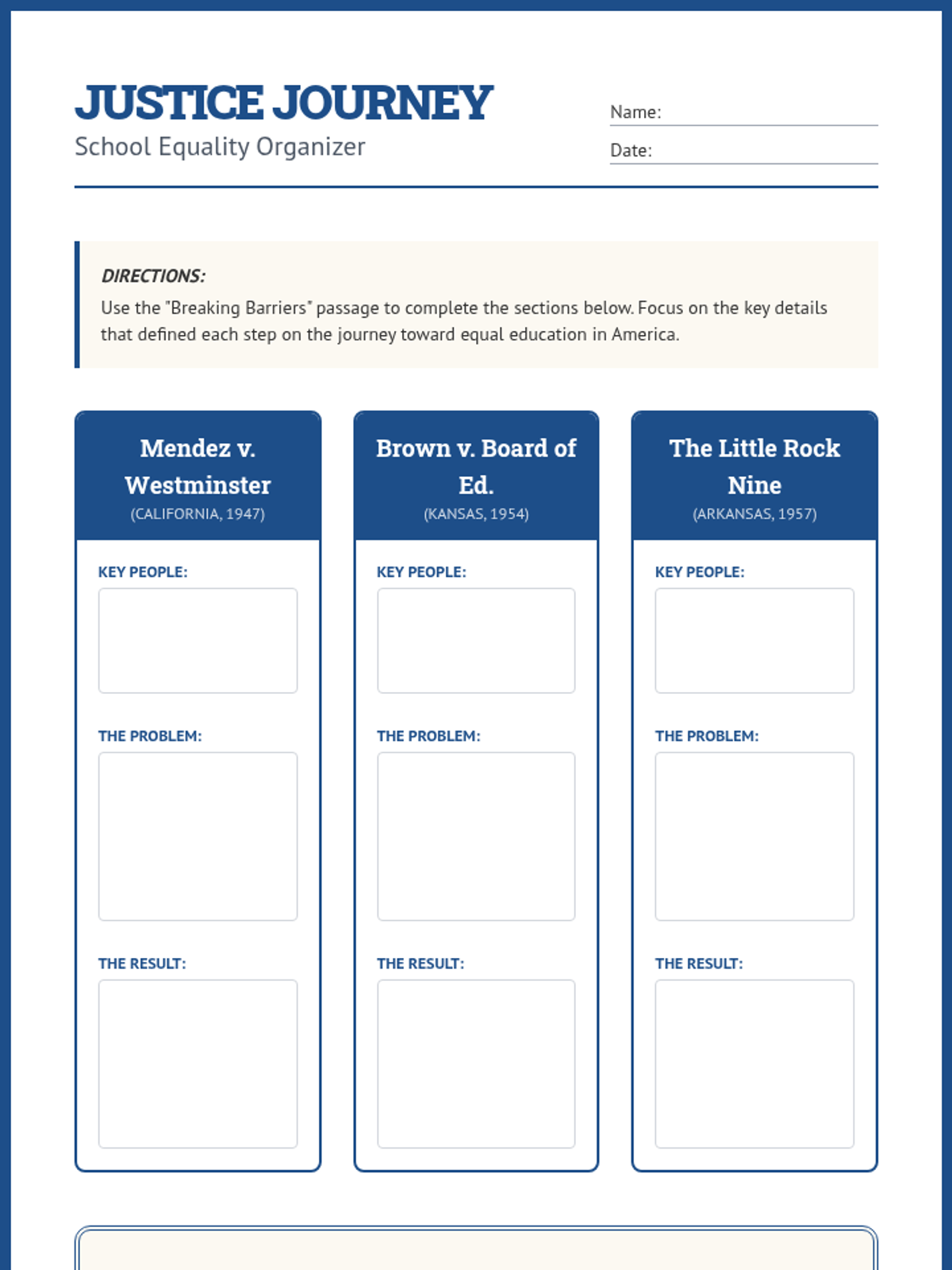
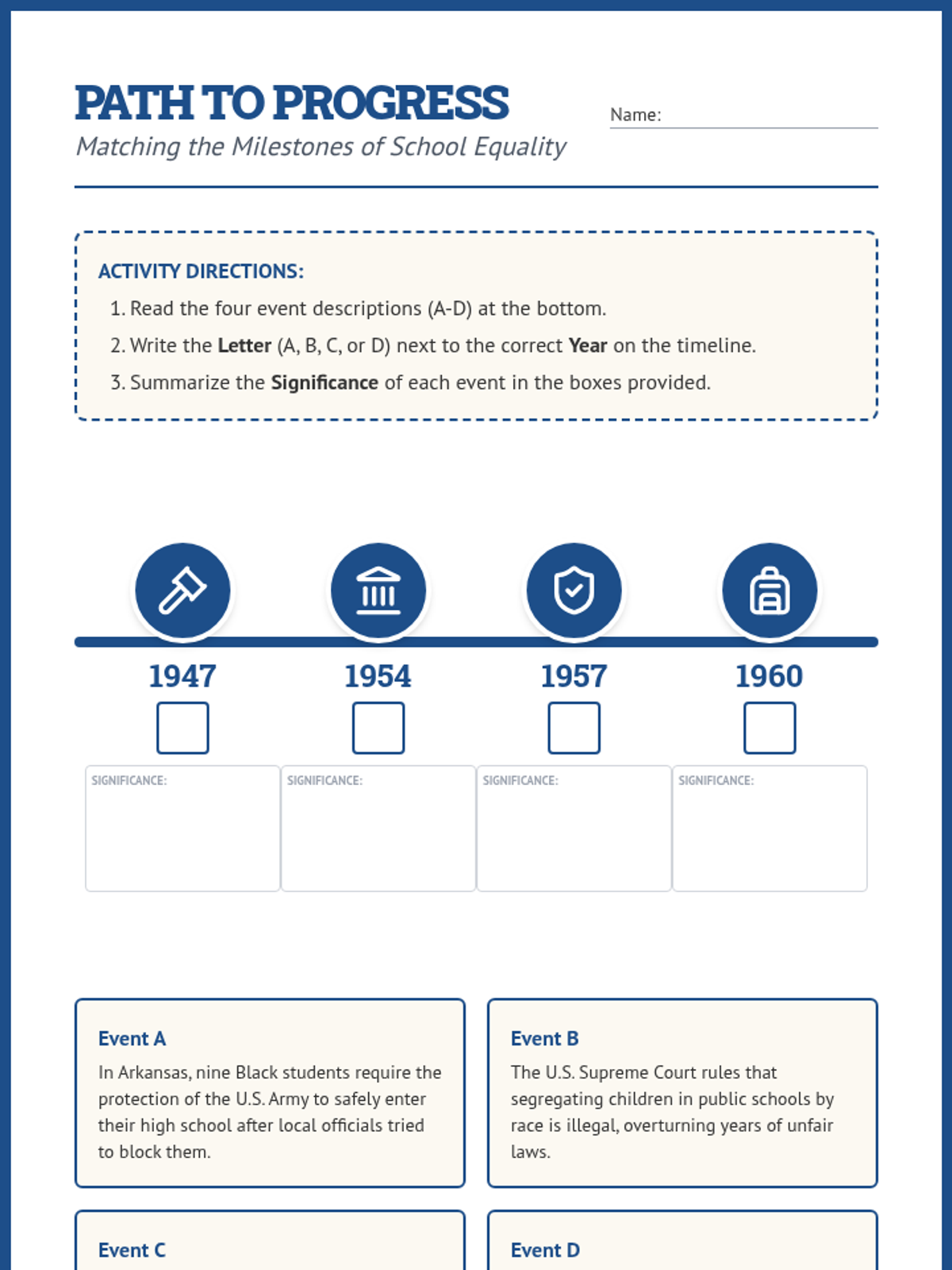
A lesson exploring the struggle for school equality in the United States, focusing on key legal cases and the brave students who led the way for integration.
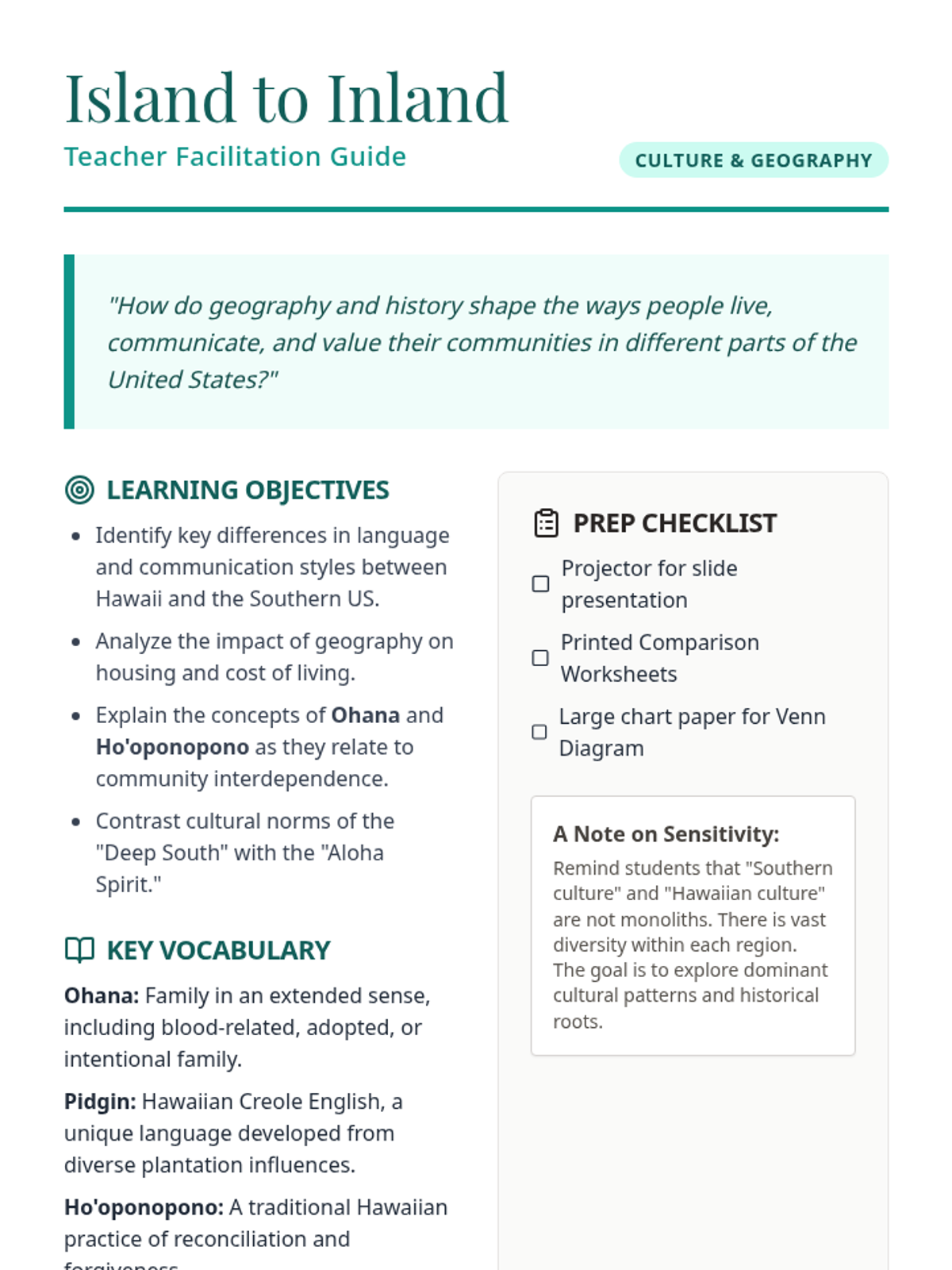
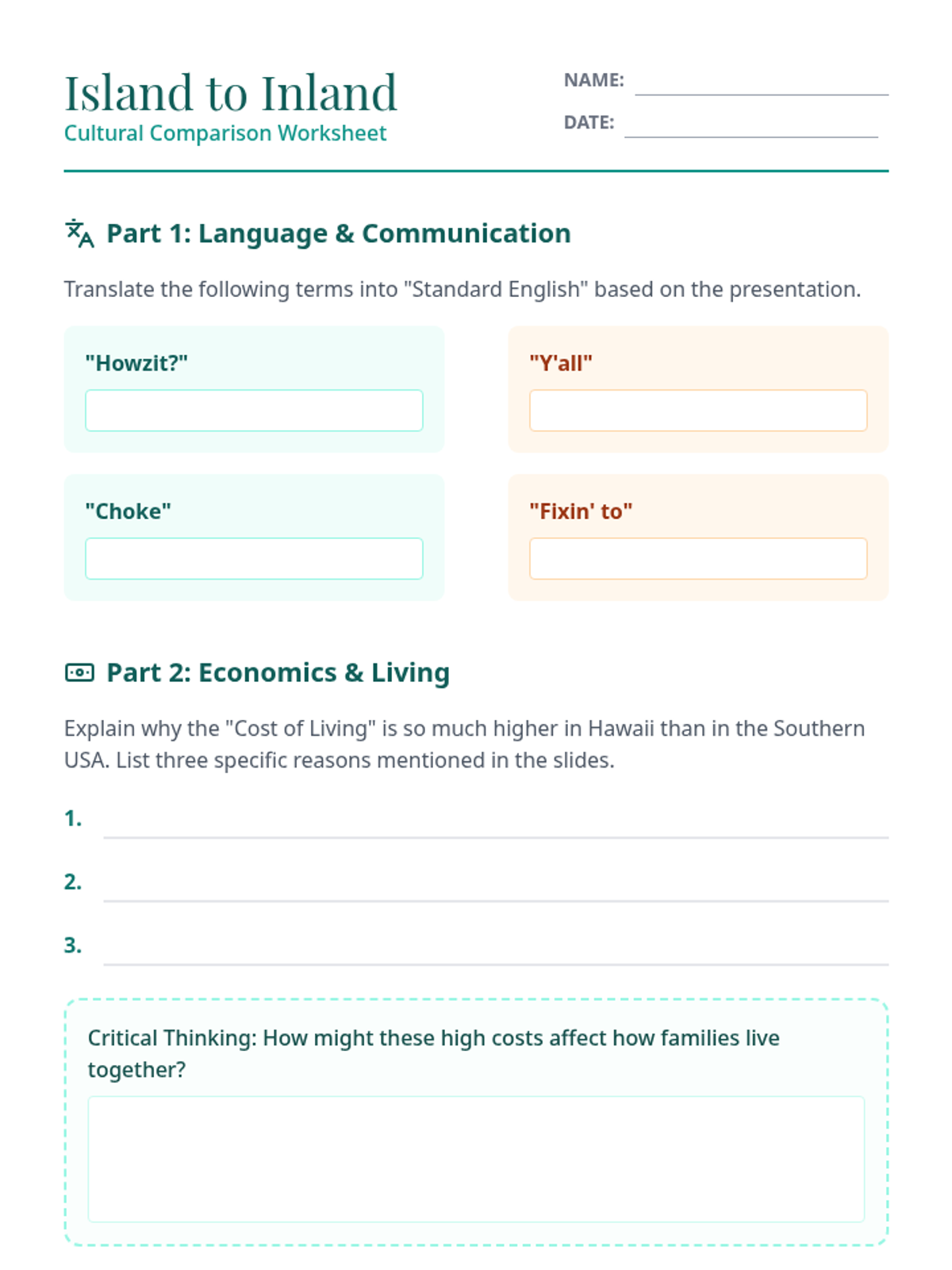
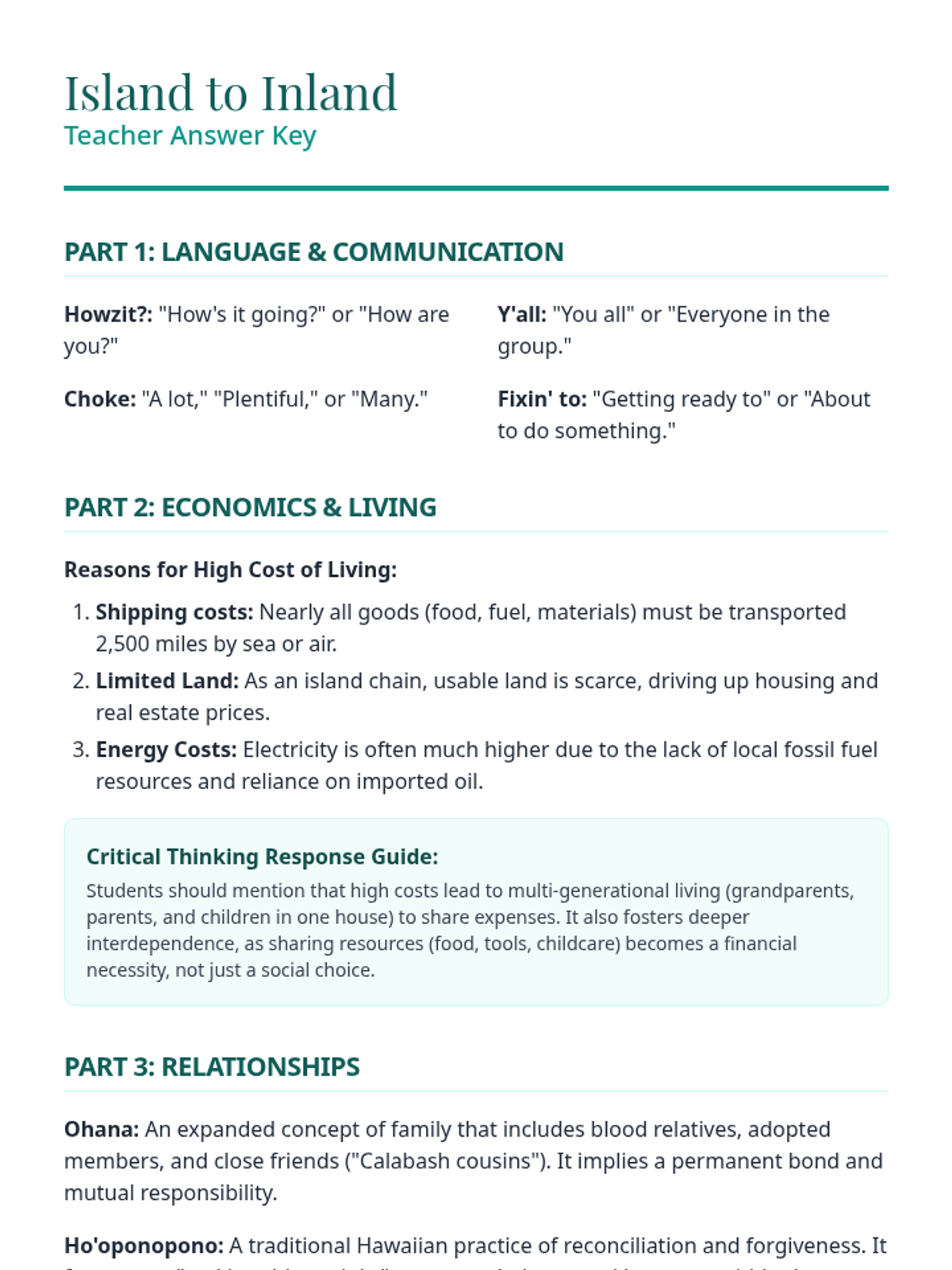
A comparative look at Hawaiian culture and Southern US culture, focusing on language, housing, economics, and deep-rooted family values.
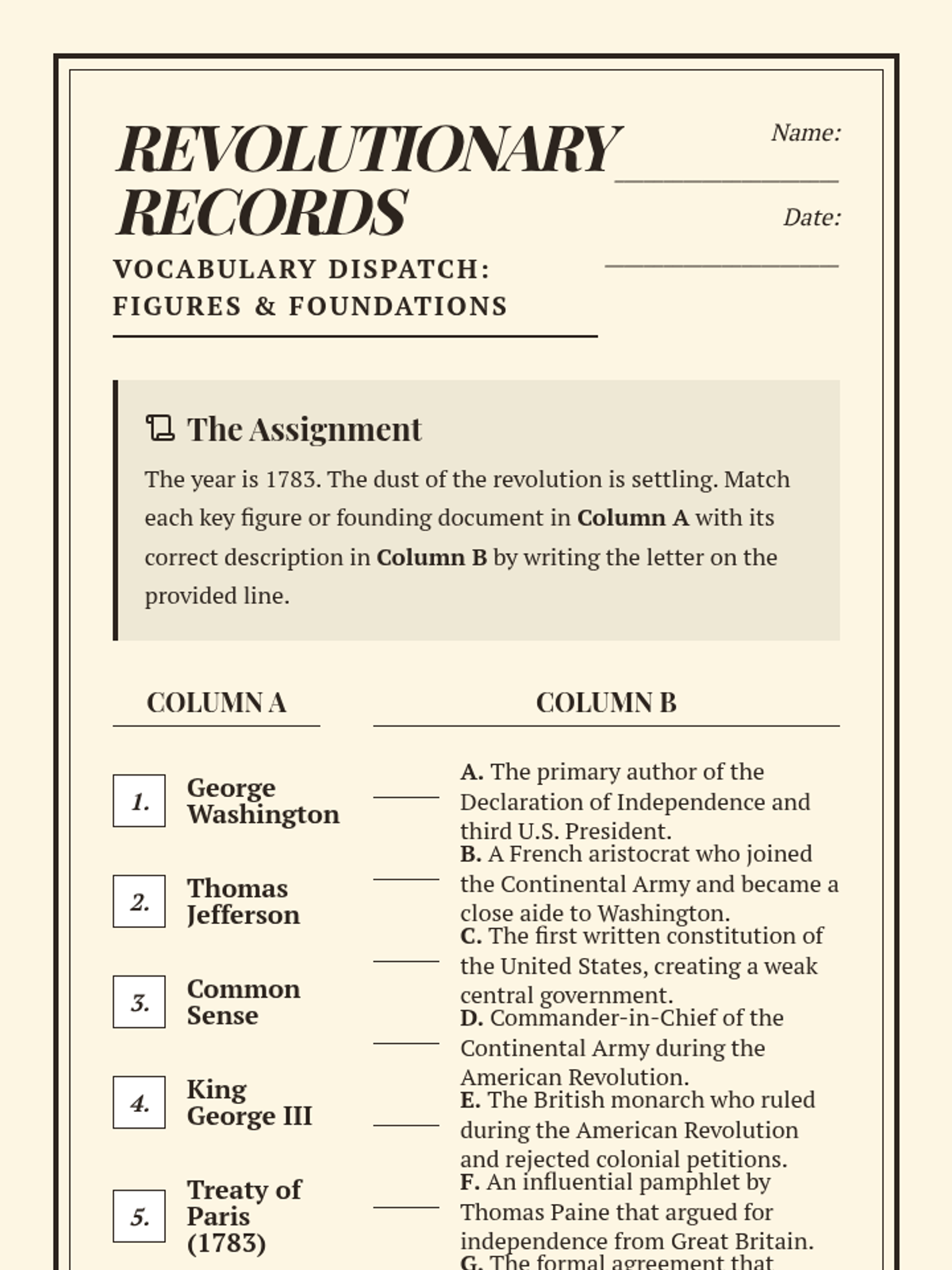
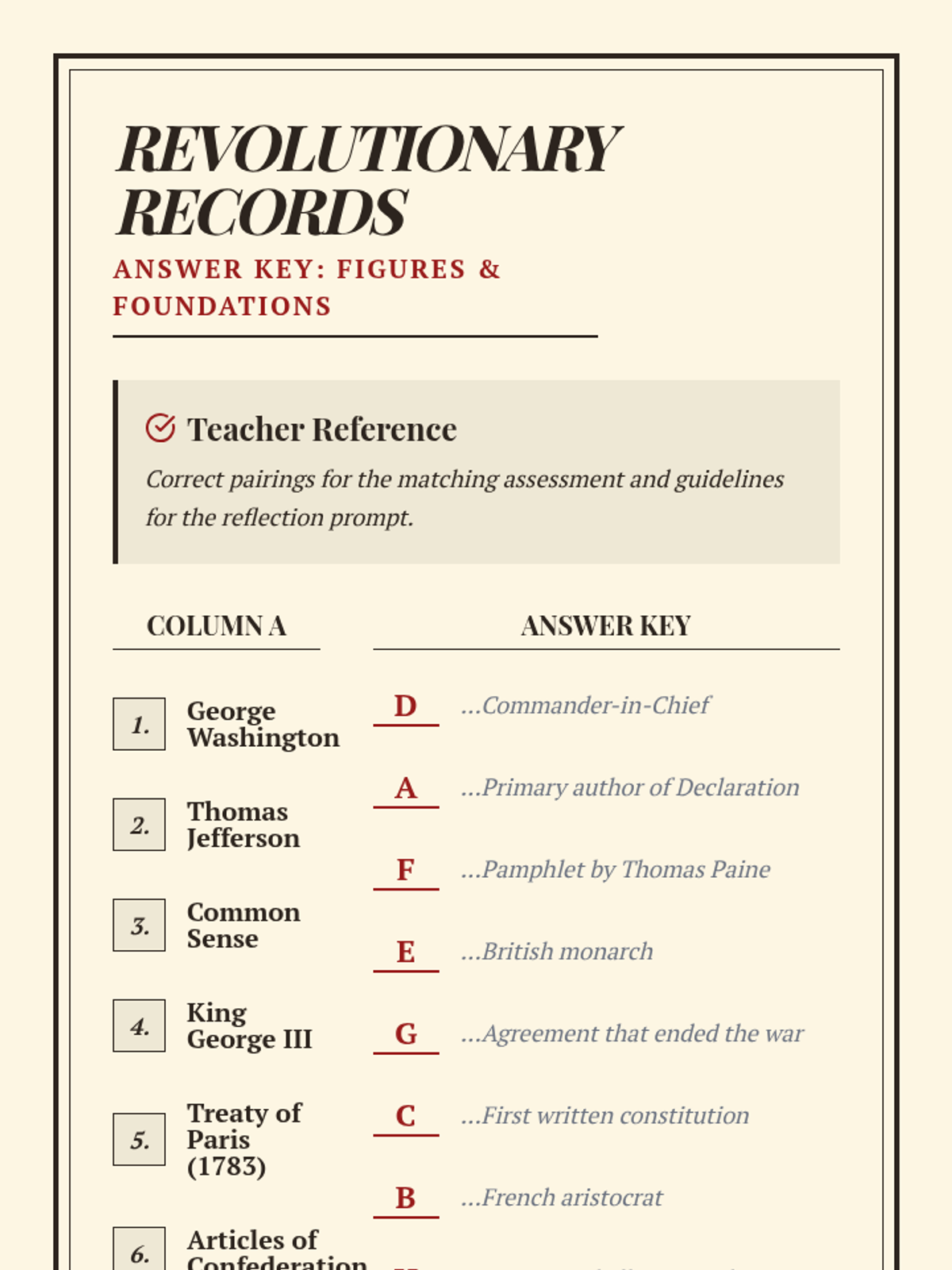
A short lesson focused on mastering key figures and founding documents of the American Revolution through matching and reflection.
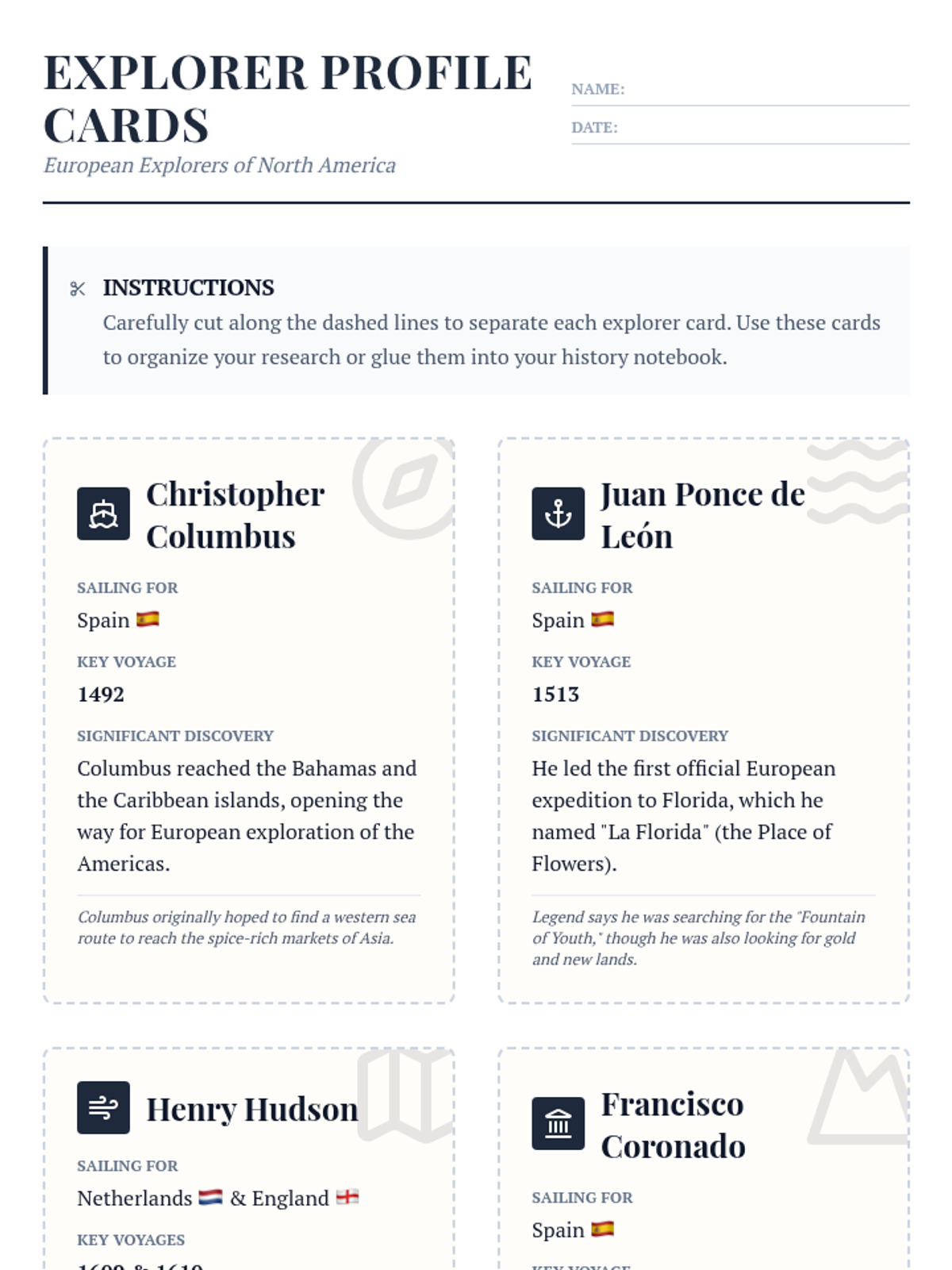
A lesson focused on the key European explorers who reached North America, their motivations, and their discoveries.
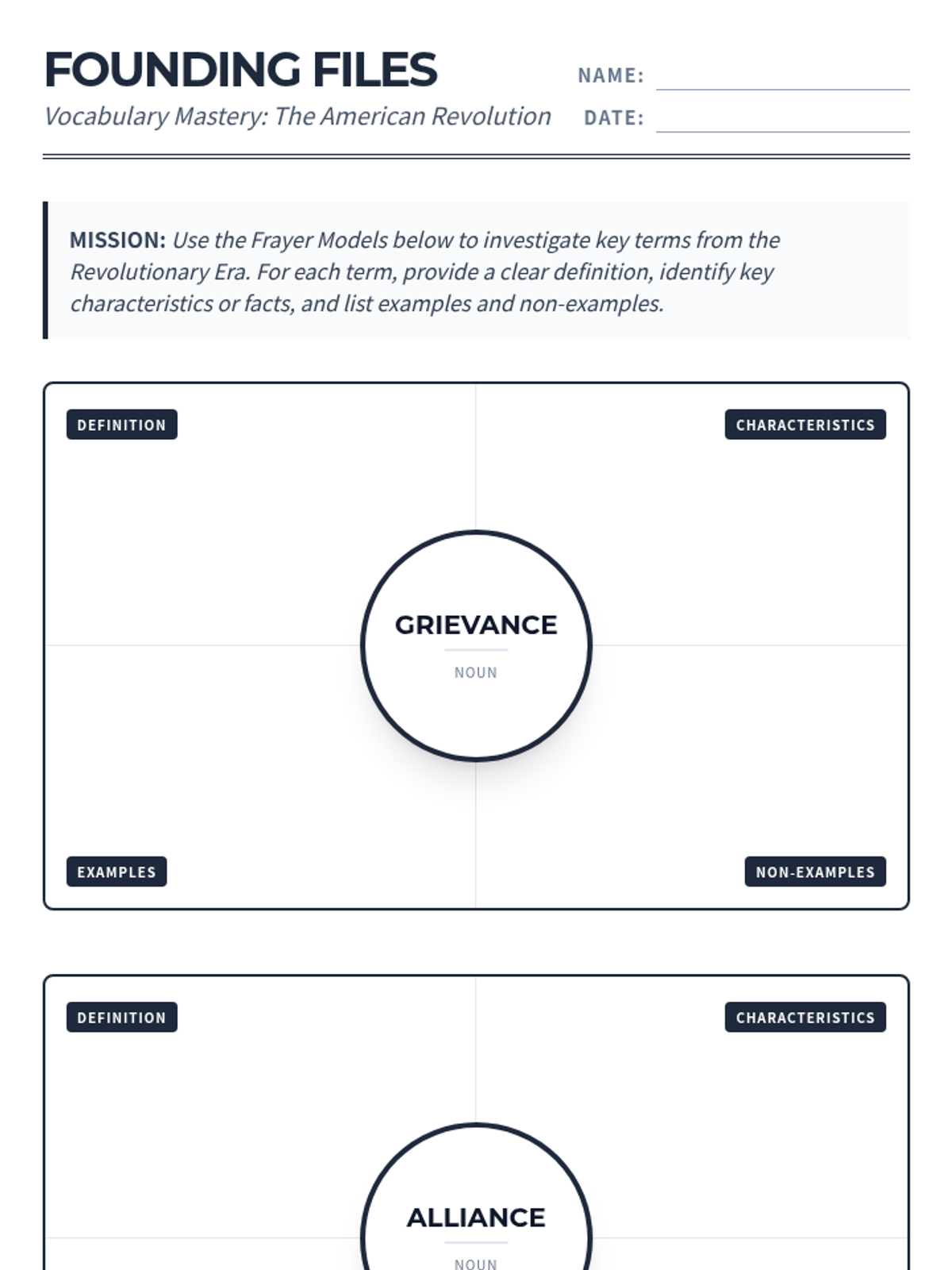
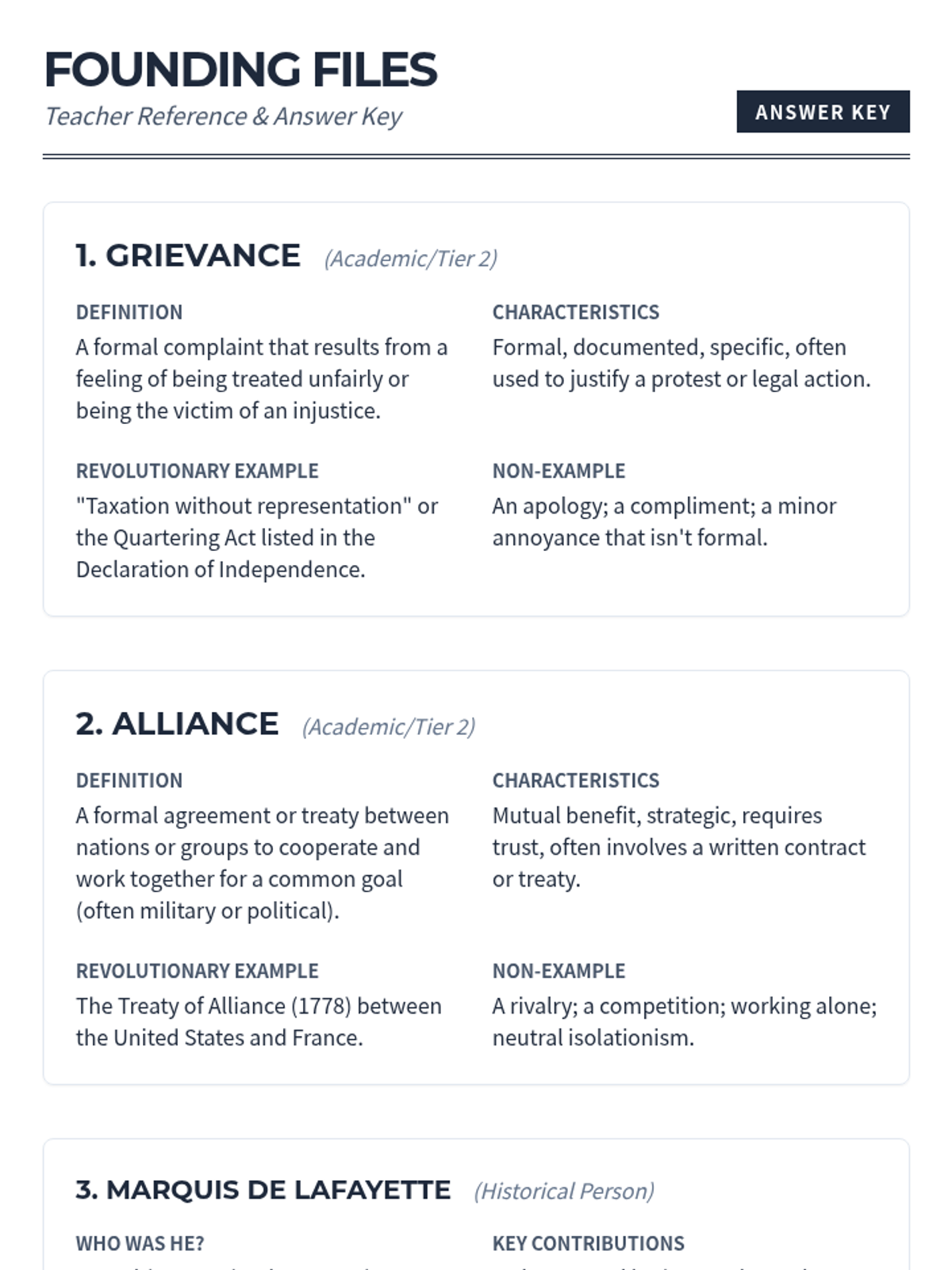
A vocabulary-focused warm-up lesson designed to help 8th grade students master academic language and key historical figures/locations of the American Revolution using Frayer Model organizers.
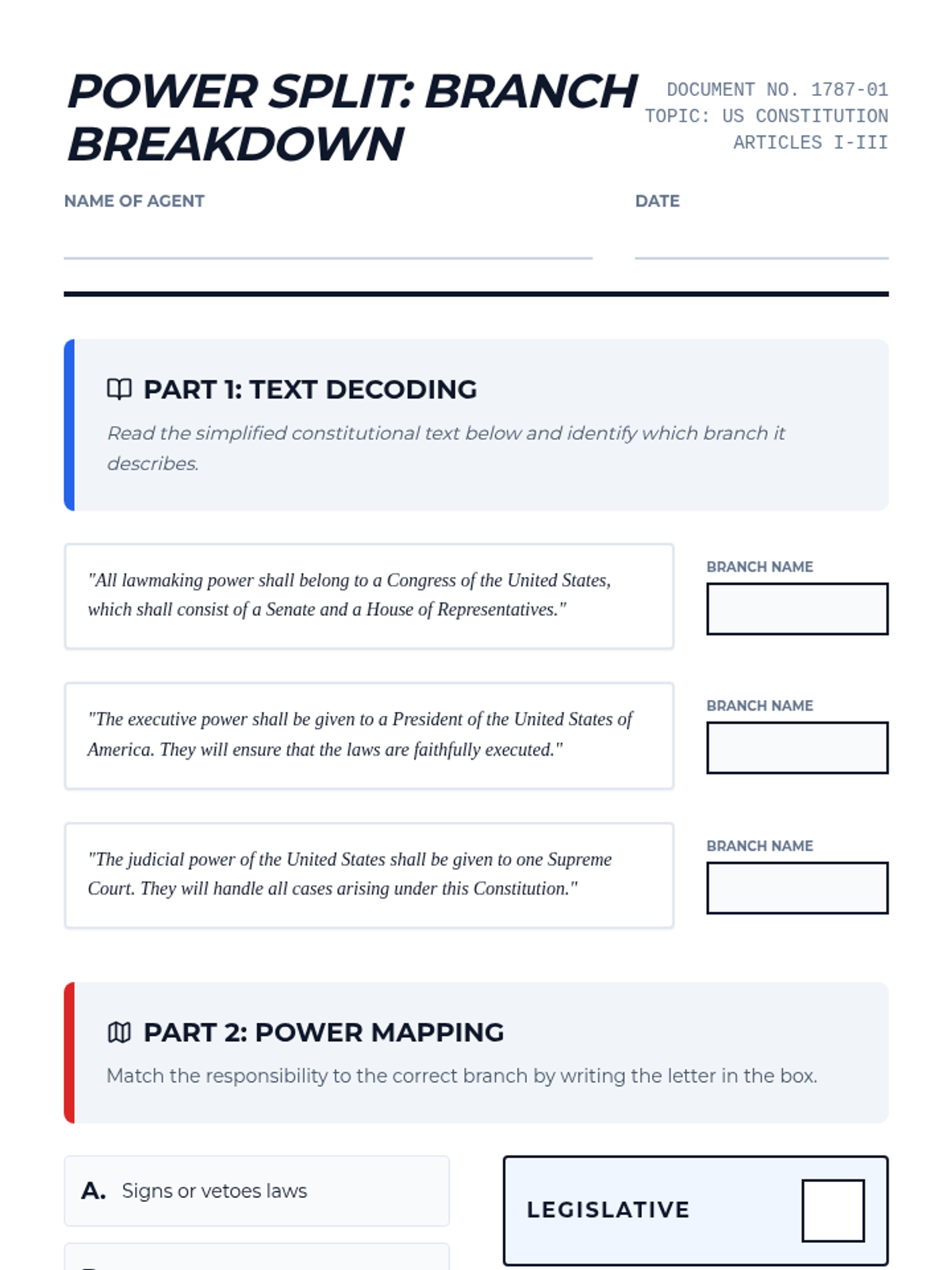
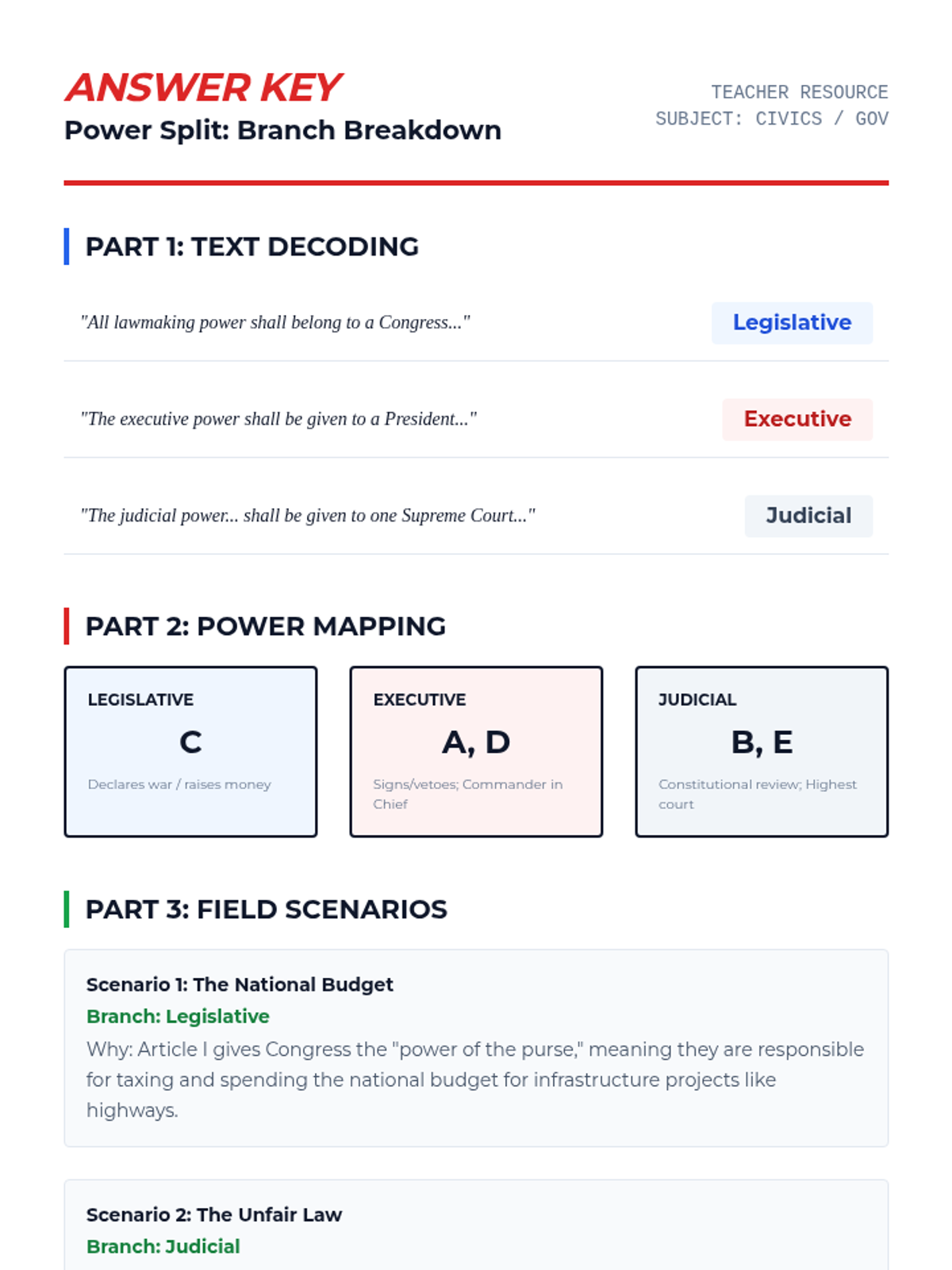
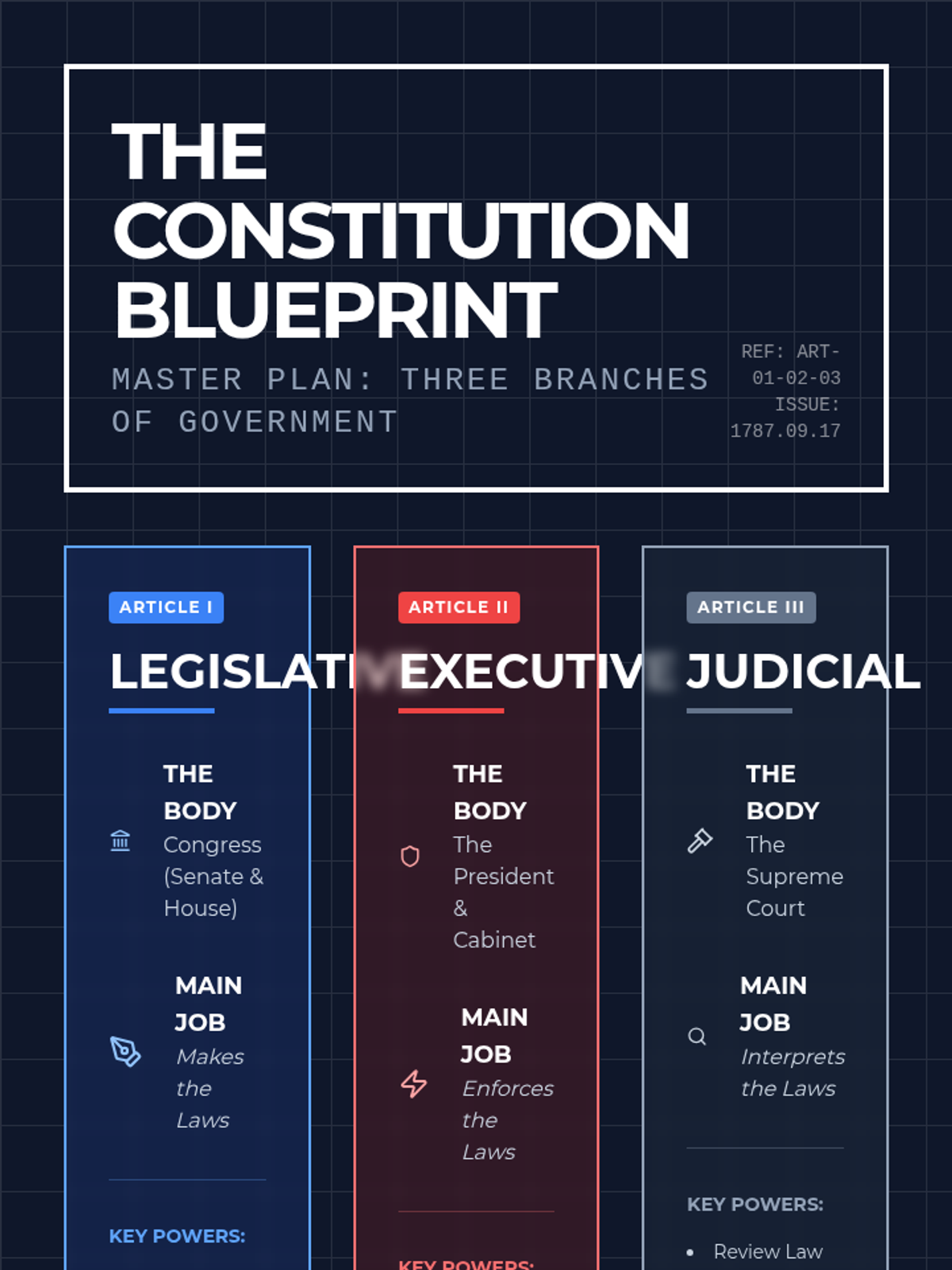
A lesson exploring the first three articles of the U.S. Constitution, focusing on the separation of powers into the Legislative, Executive, and Judicial branches through simplified text and visual breakdowns.
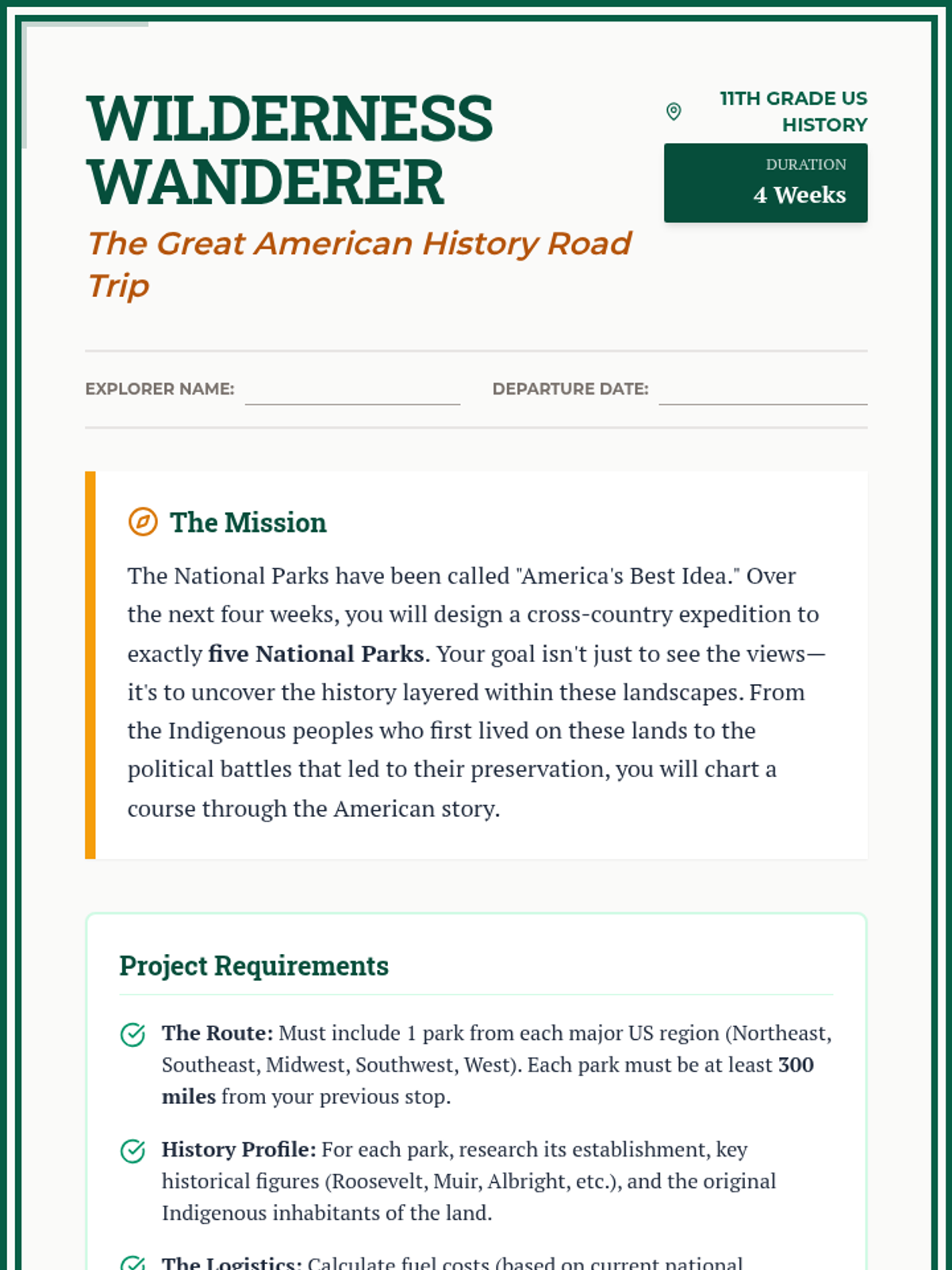
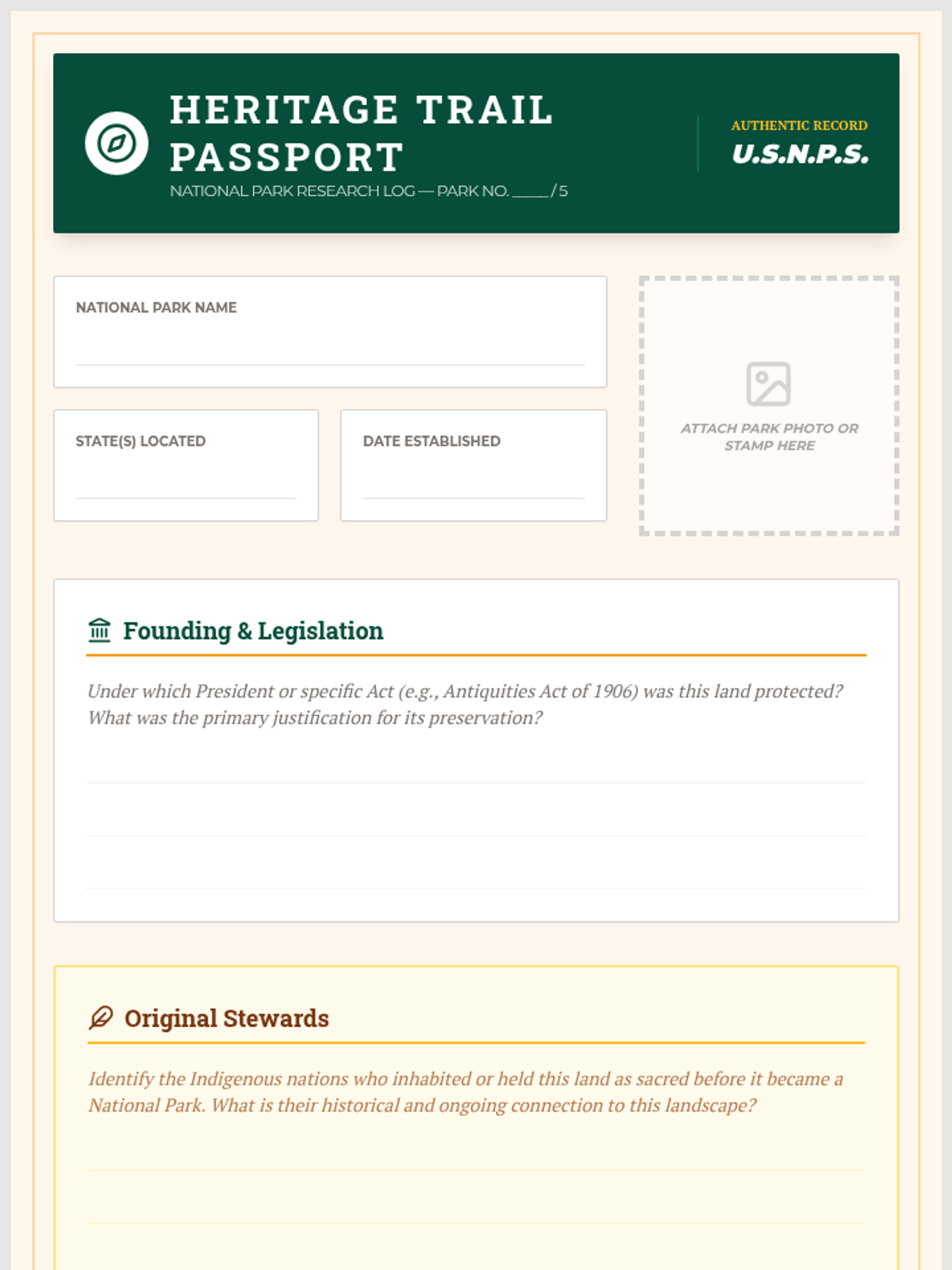
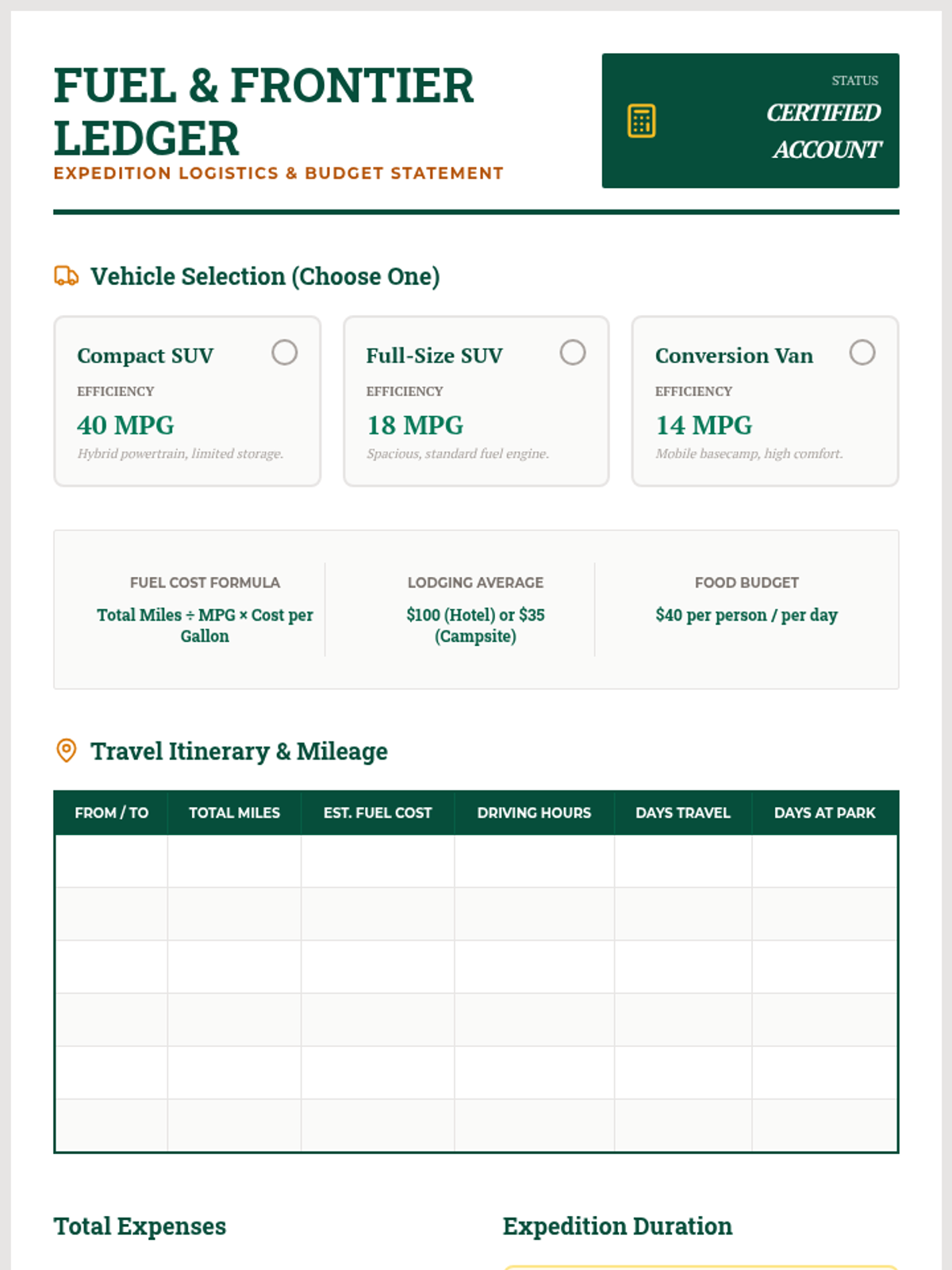
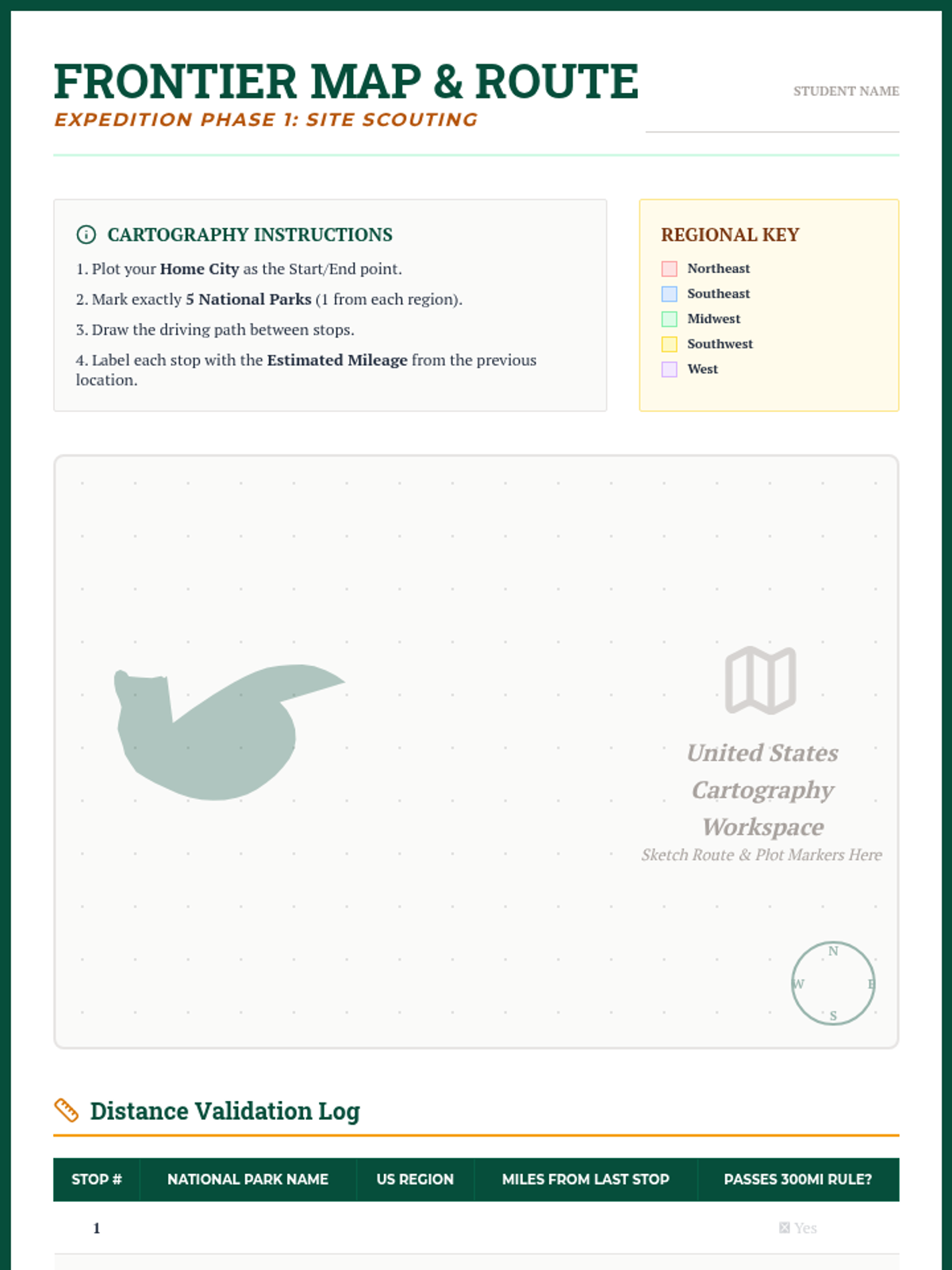
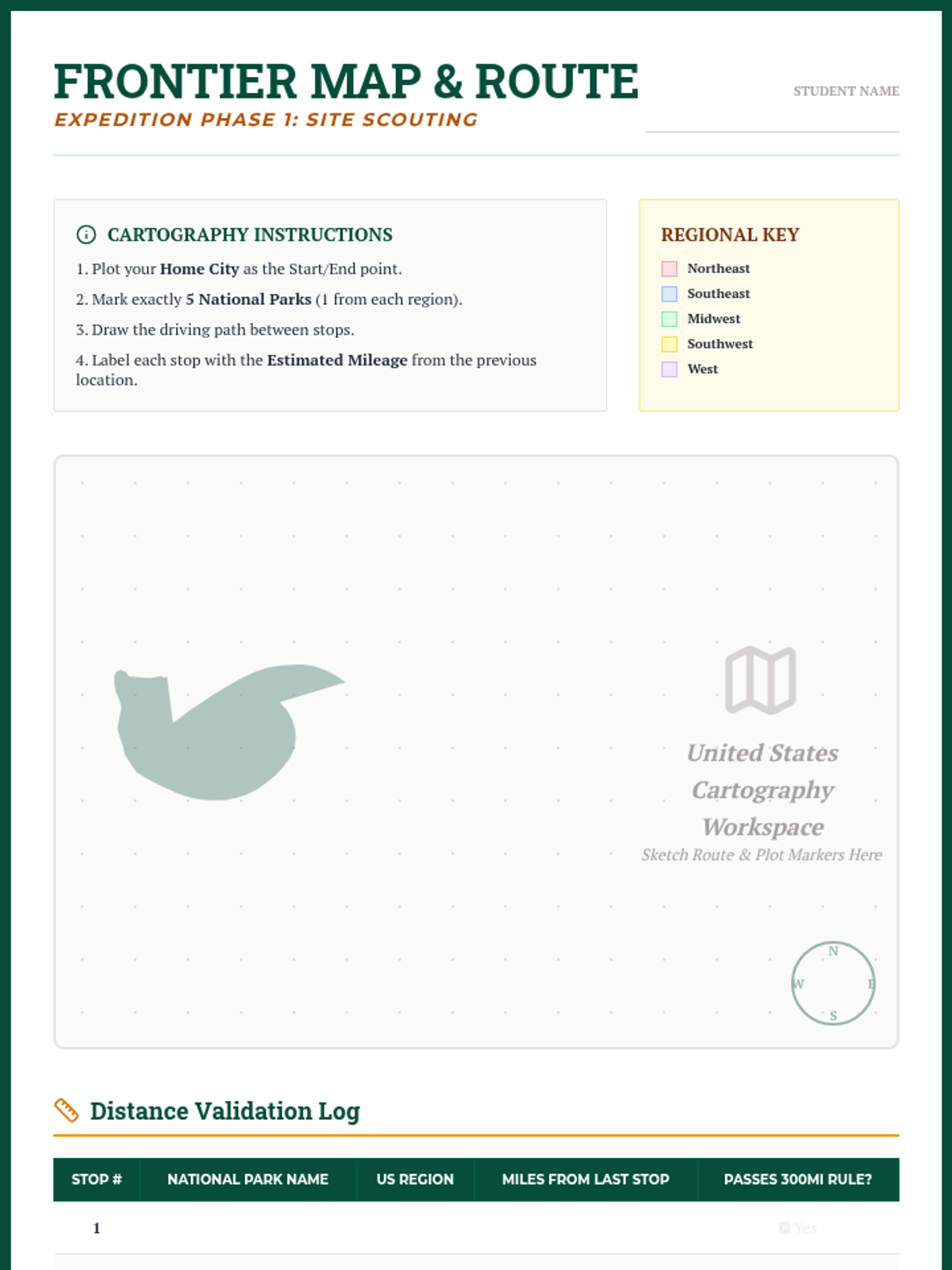
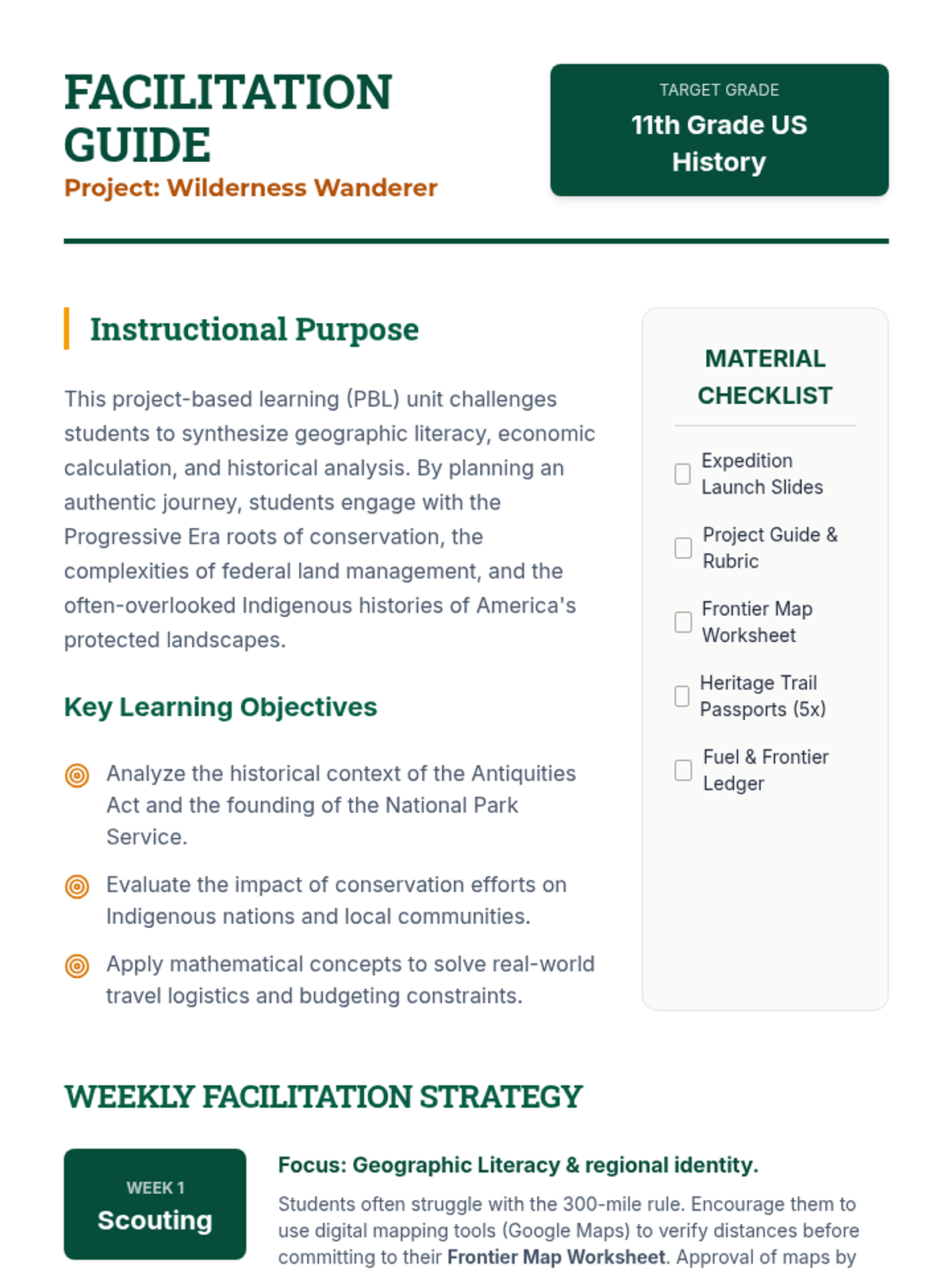
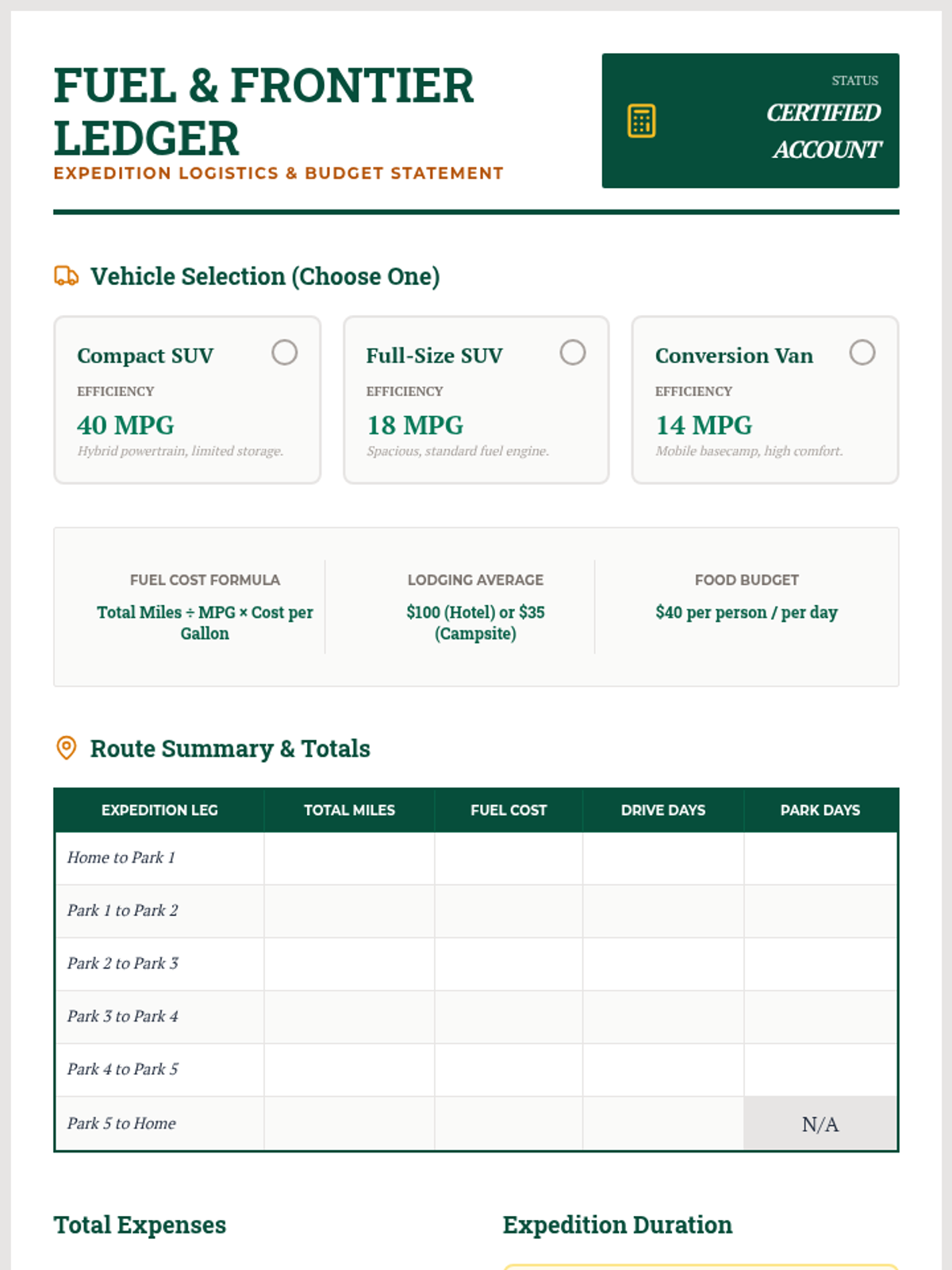
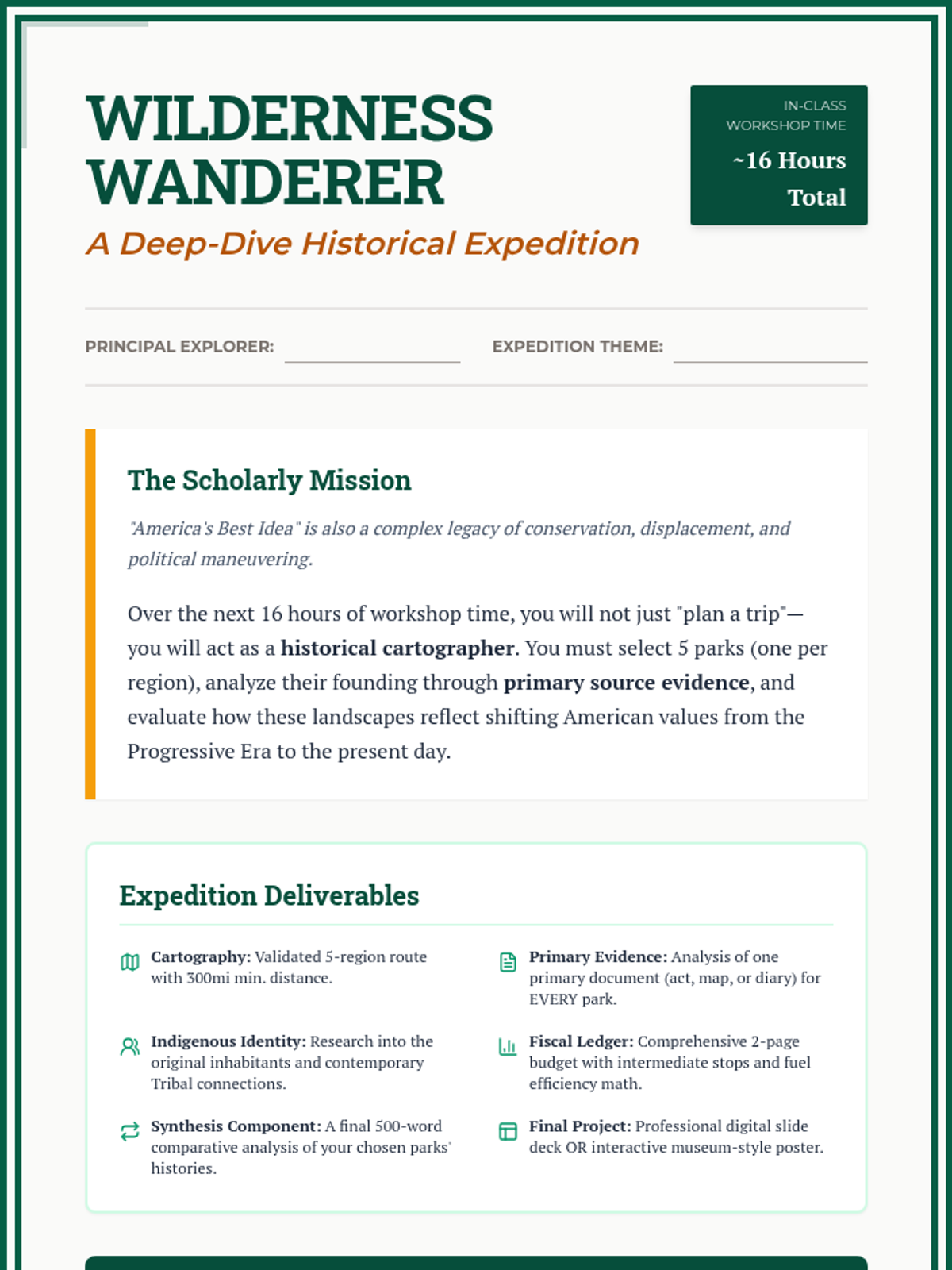
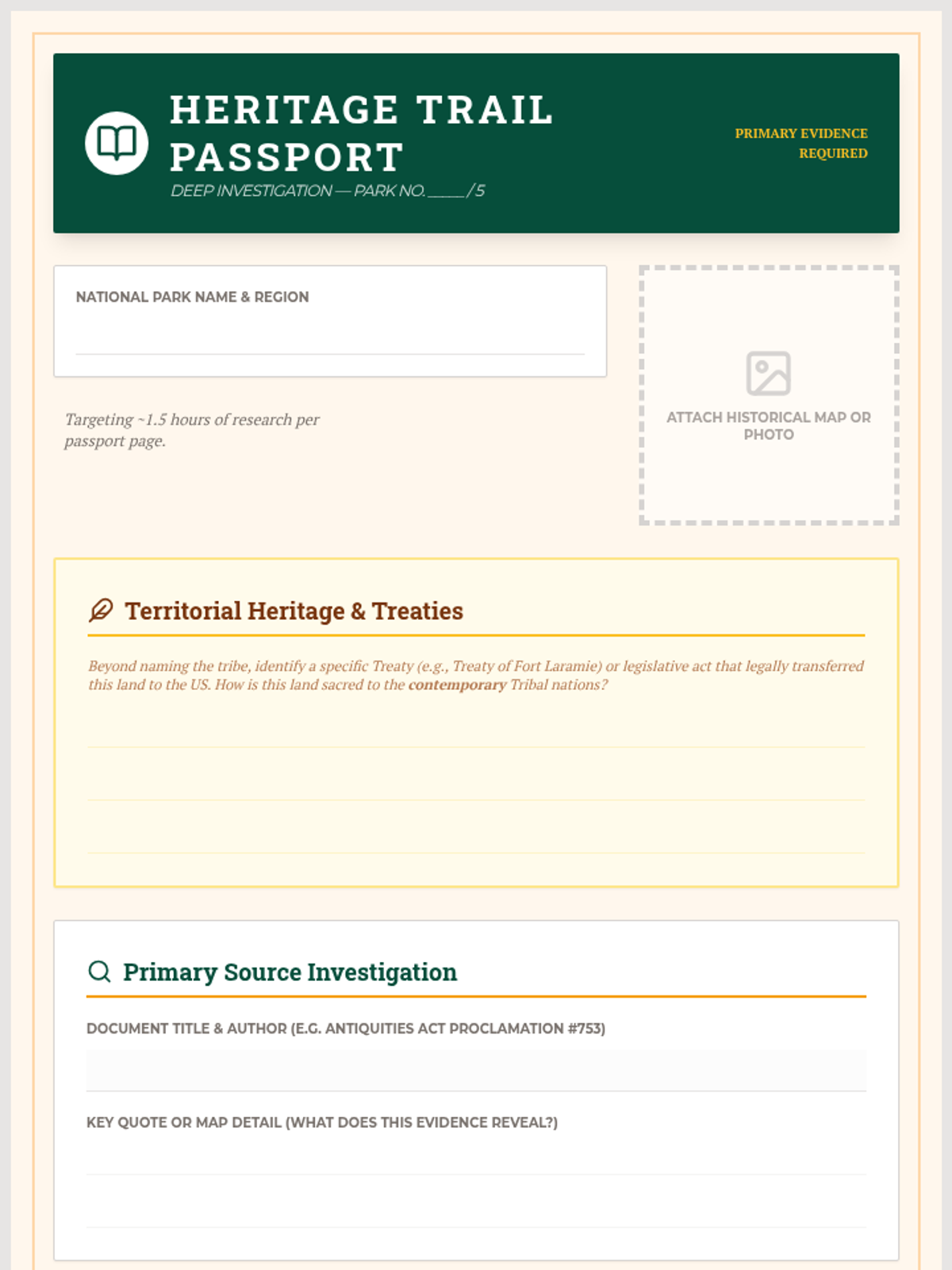
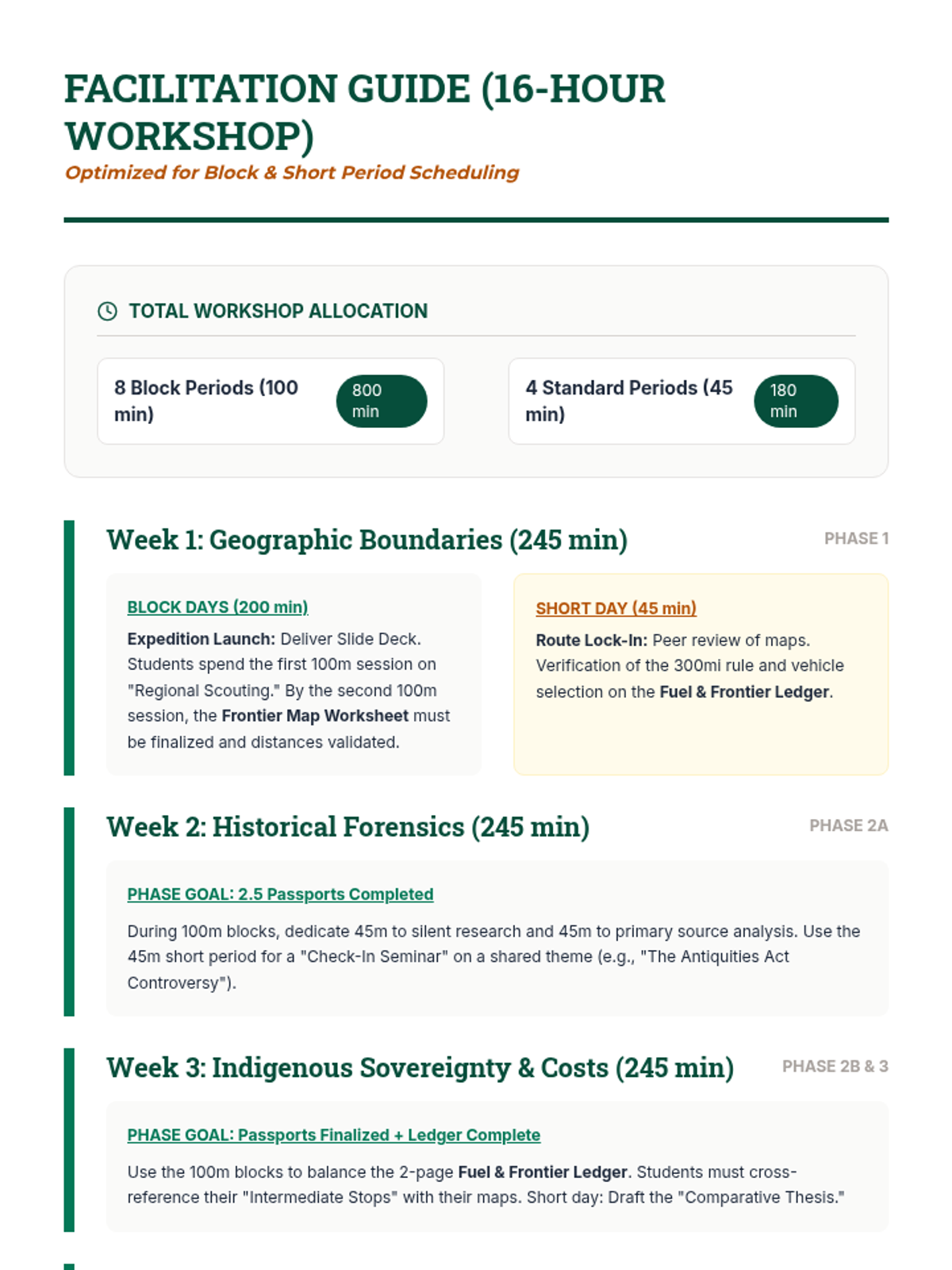
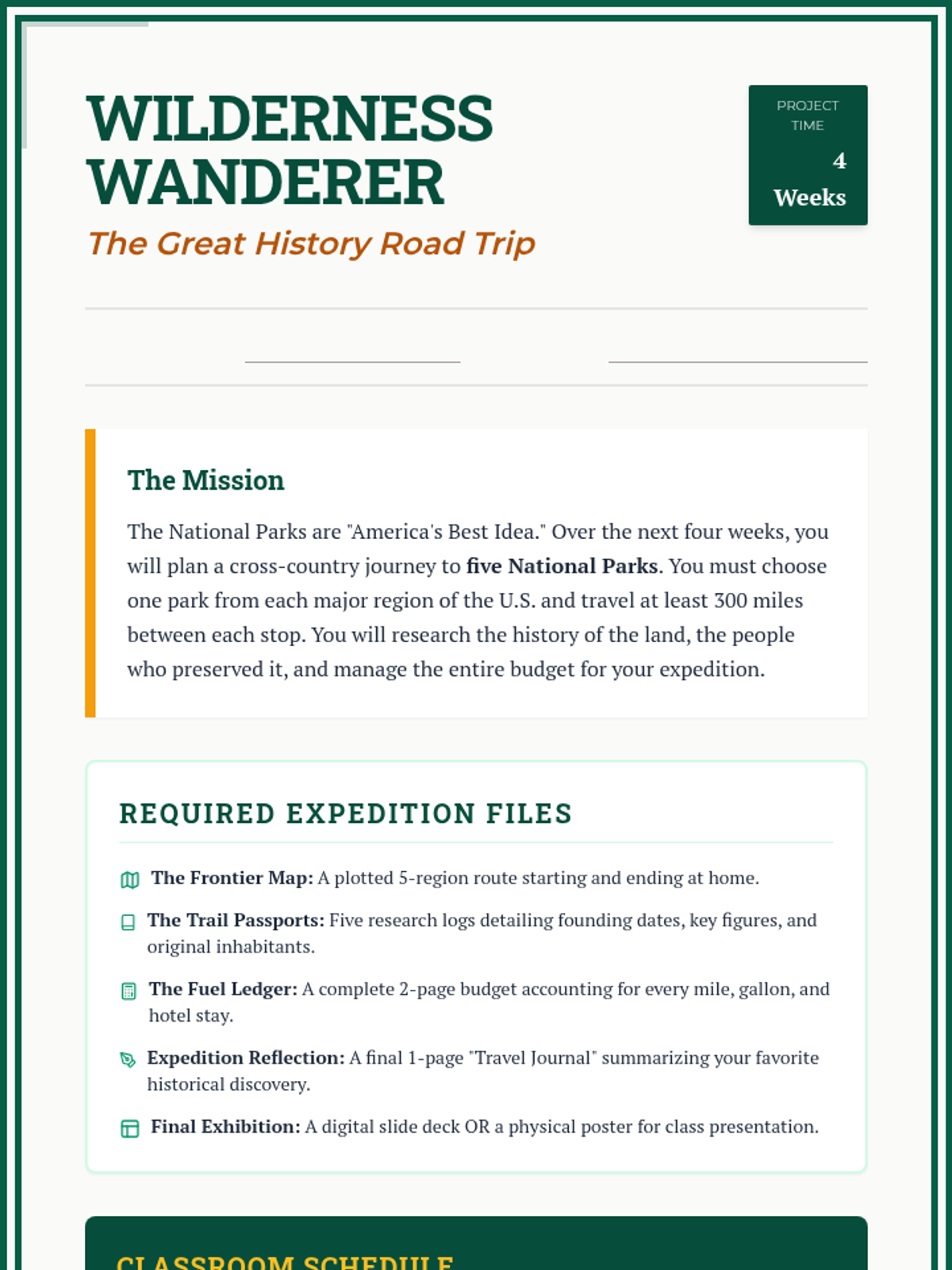
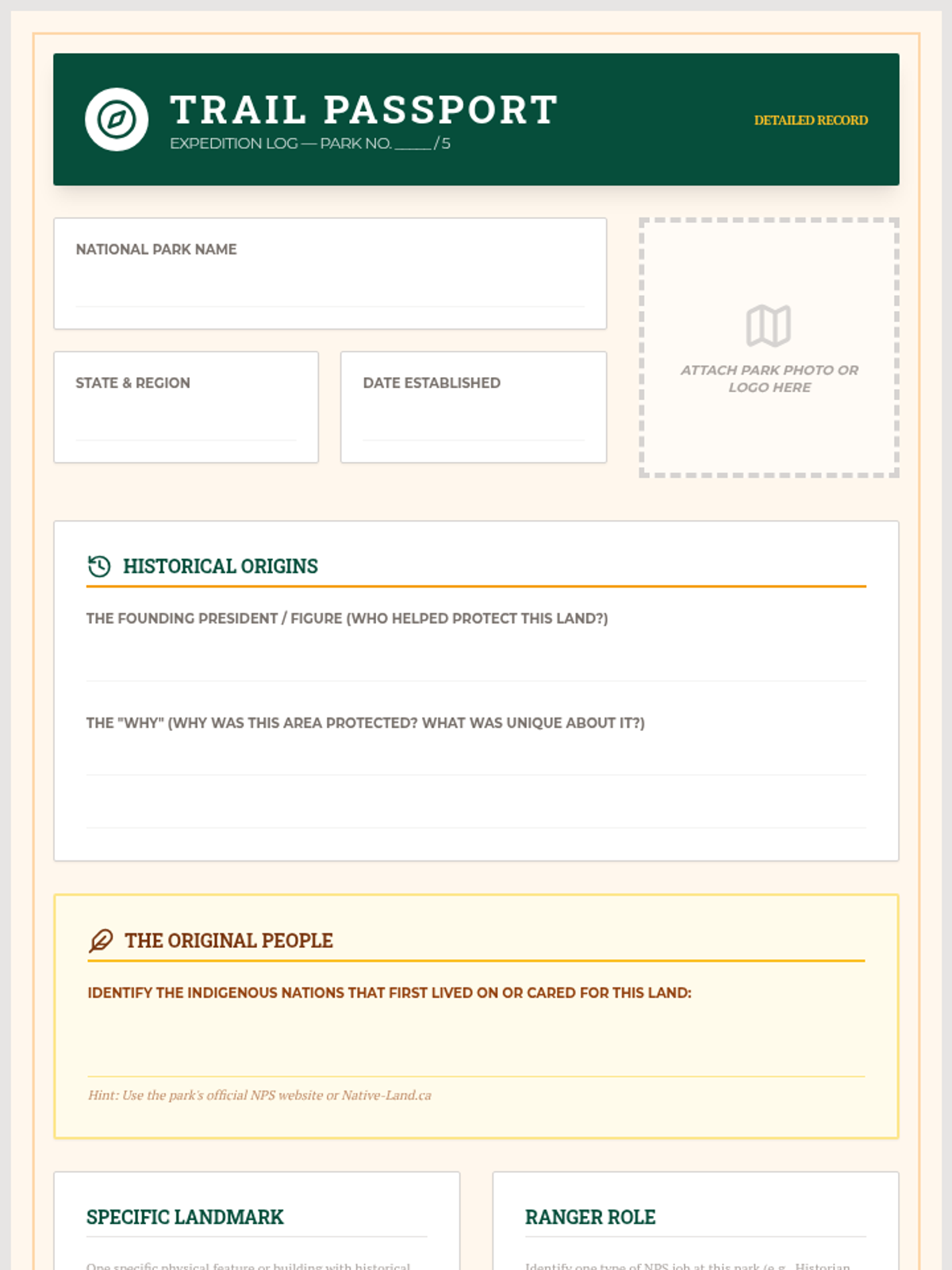
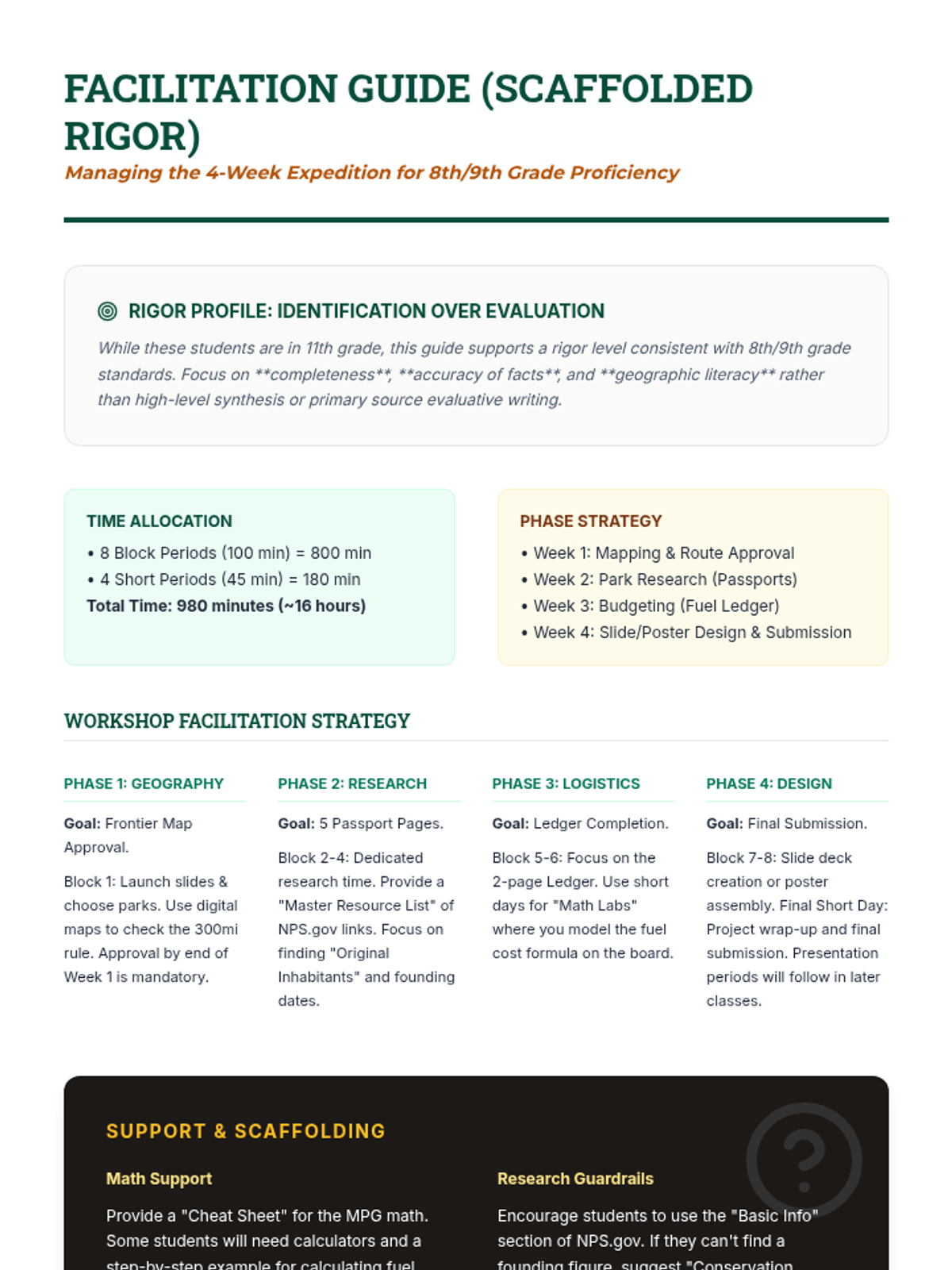
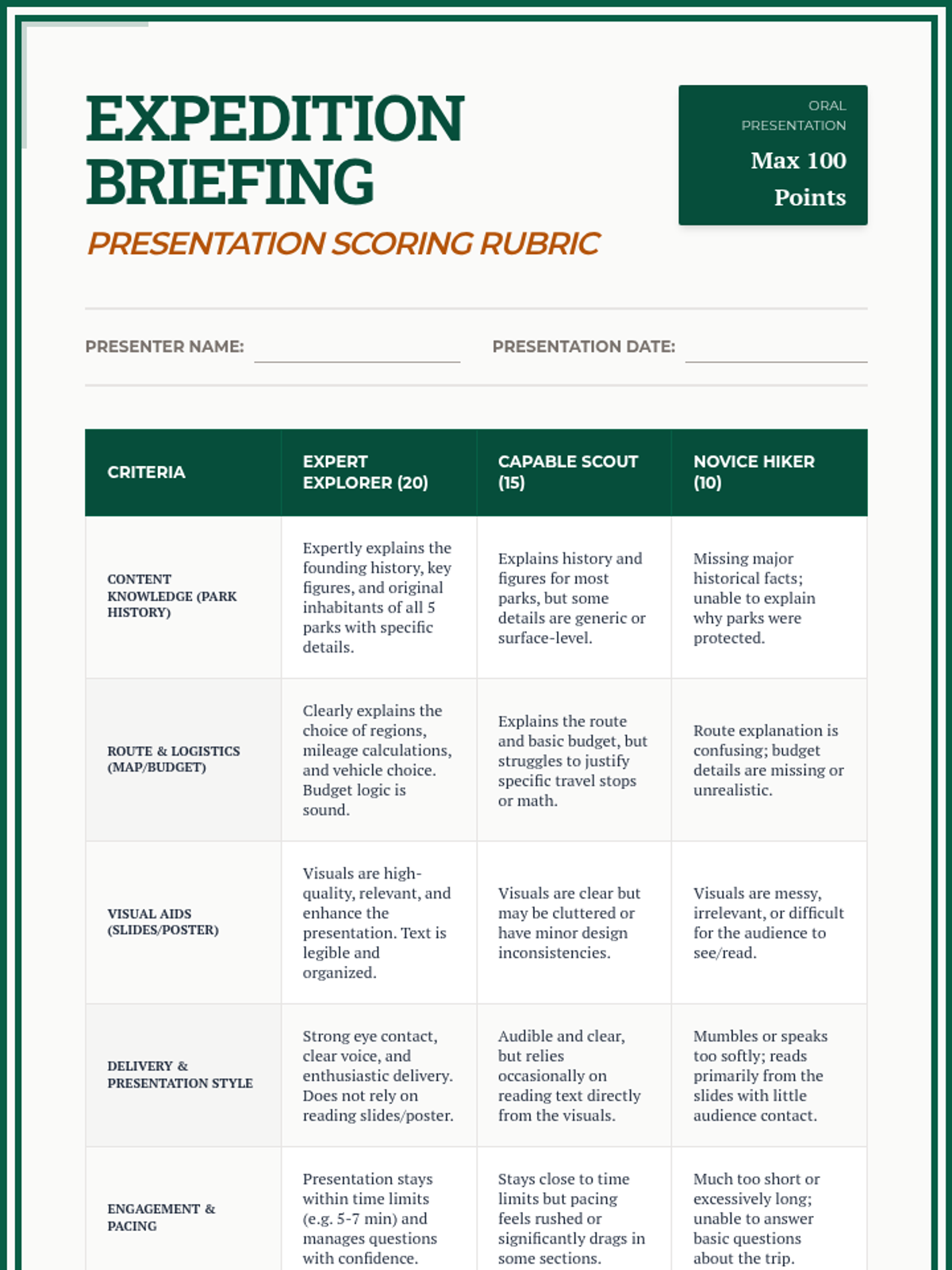
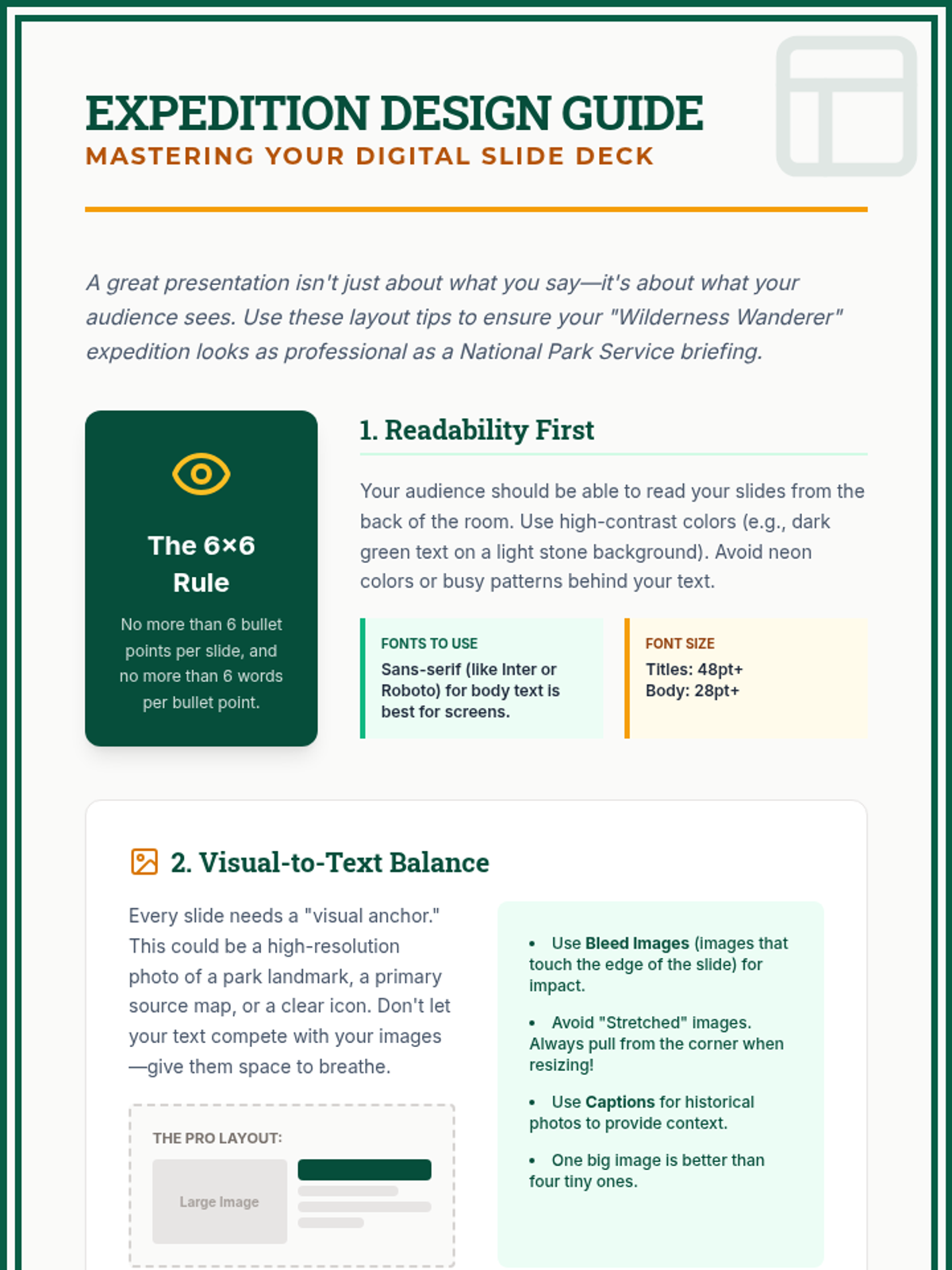
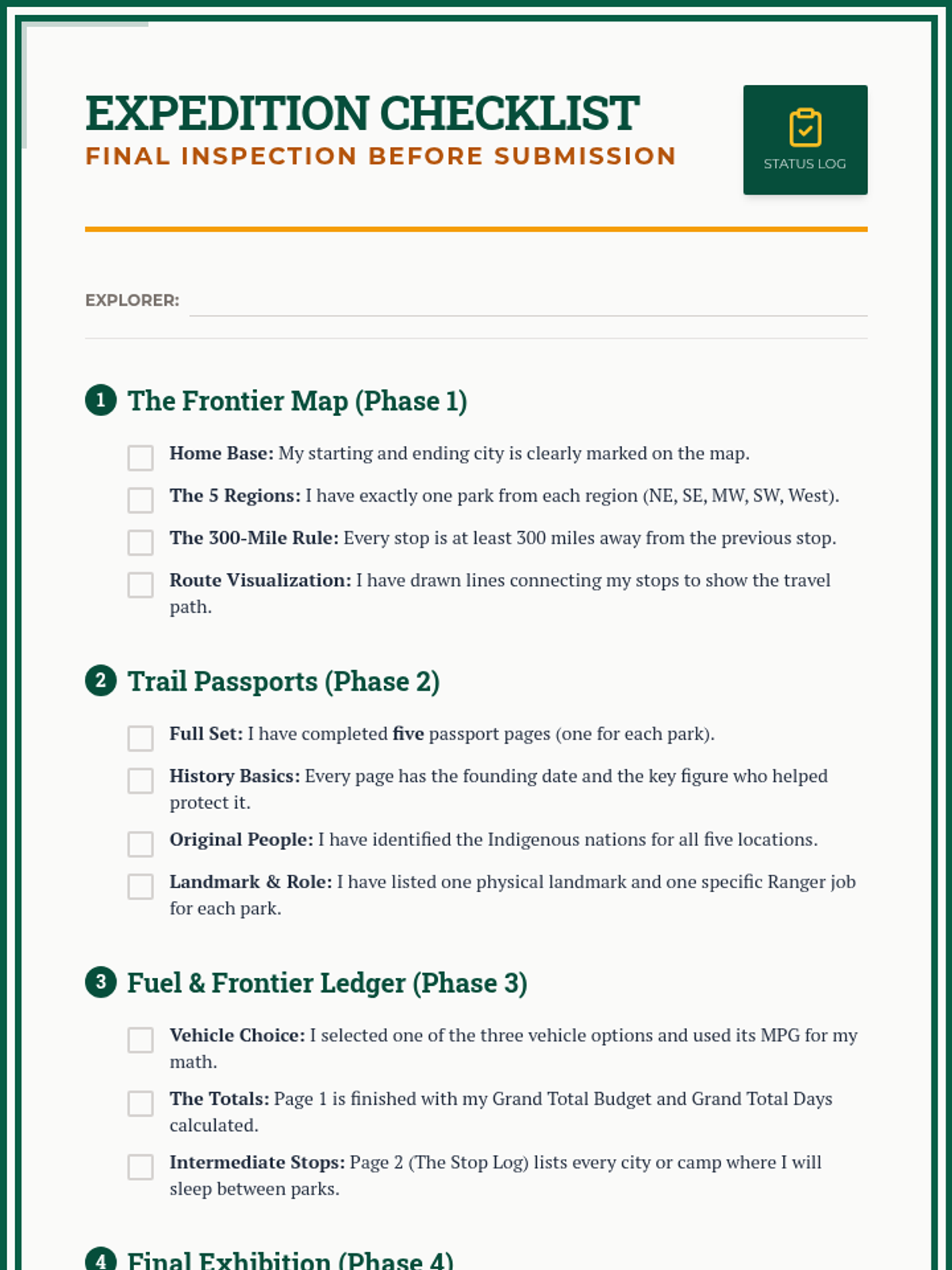
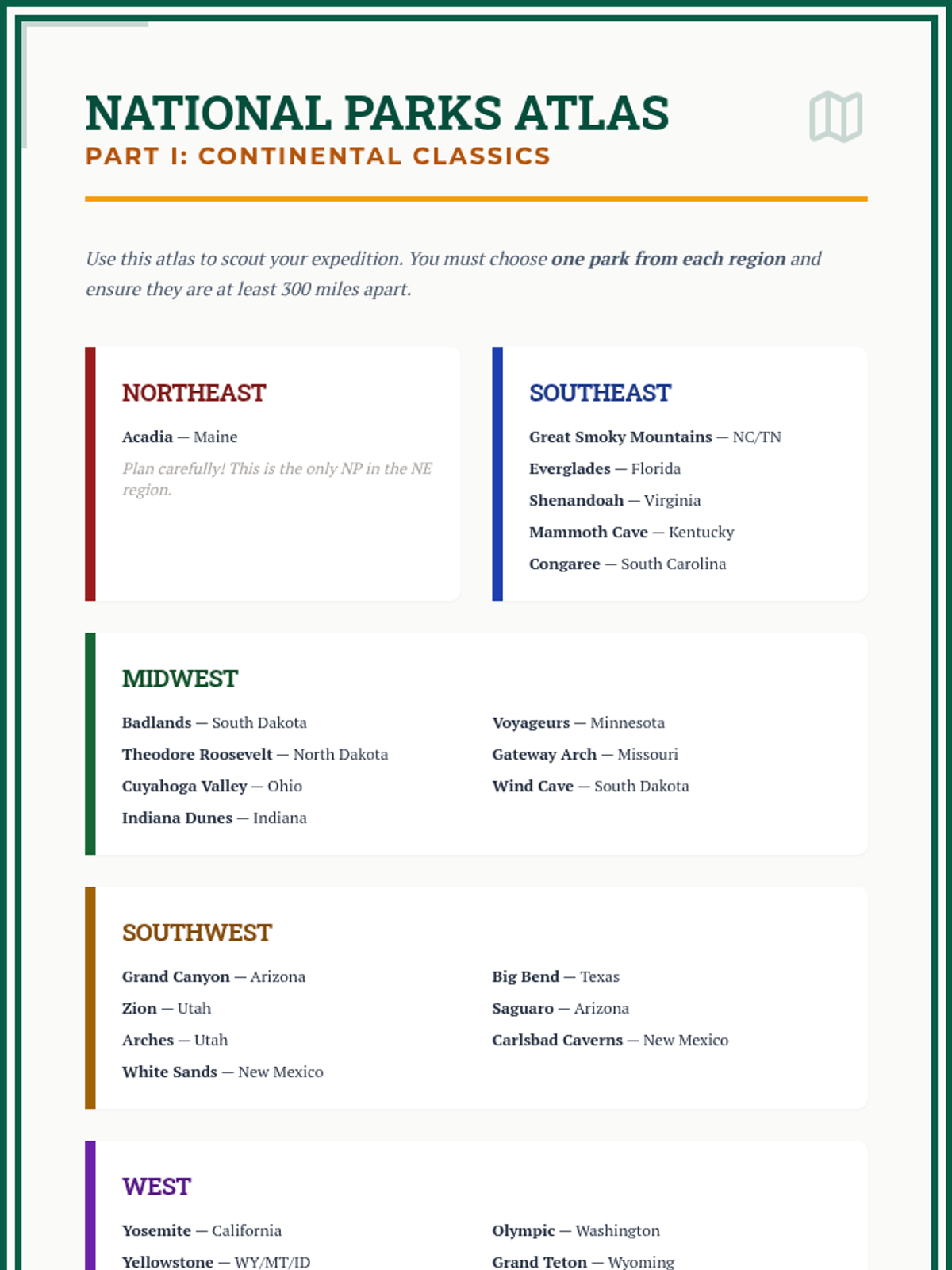
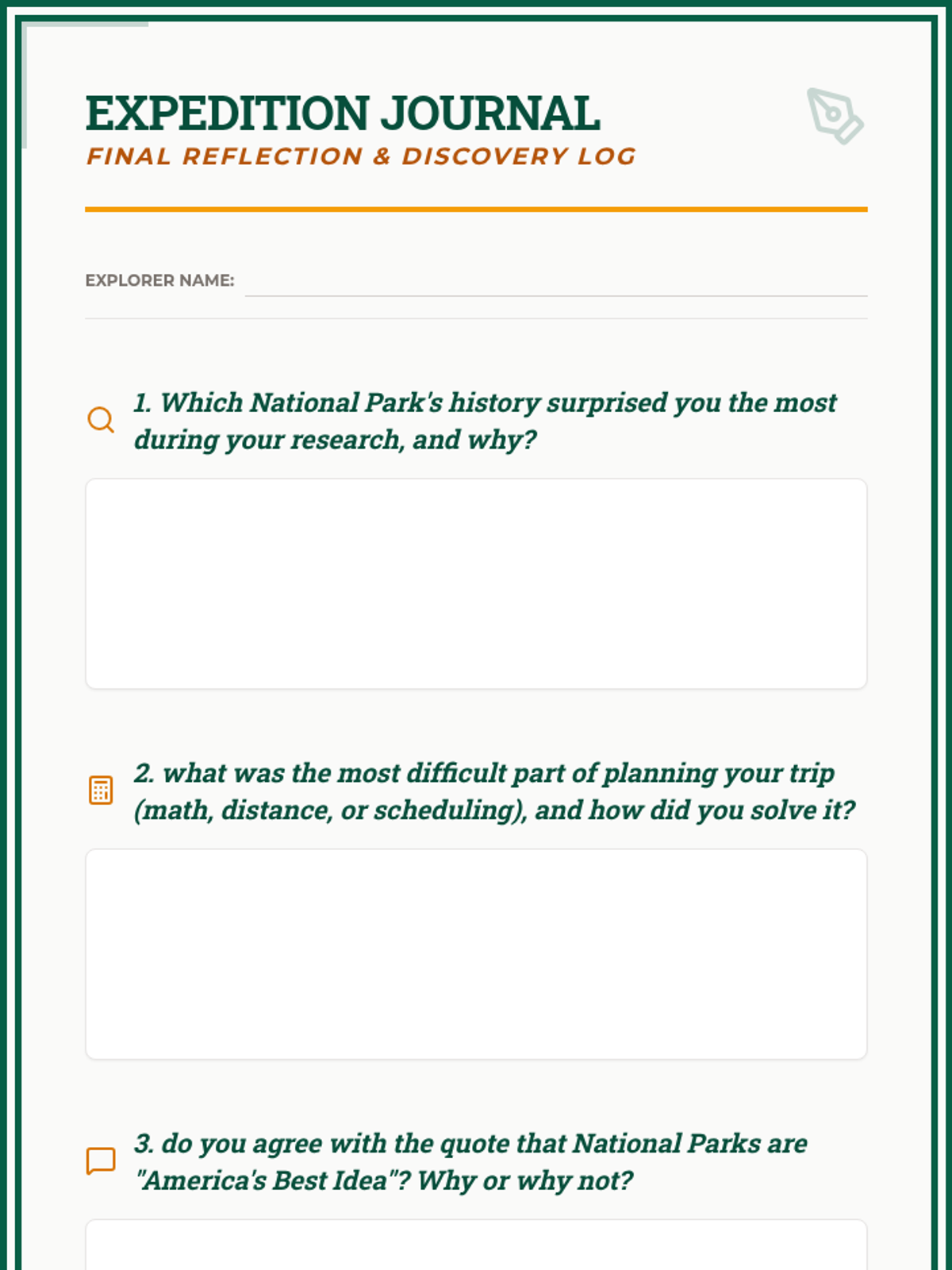
A 4-week project-based learning unit where students plan a cross-country journey to explore the history and landscape of America's National Parks. Students balance logistical planning with deep historical research into the creation and cultural significance of each site.
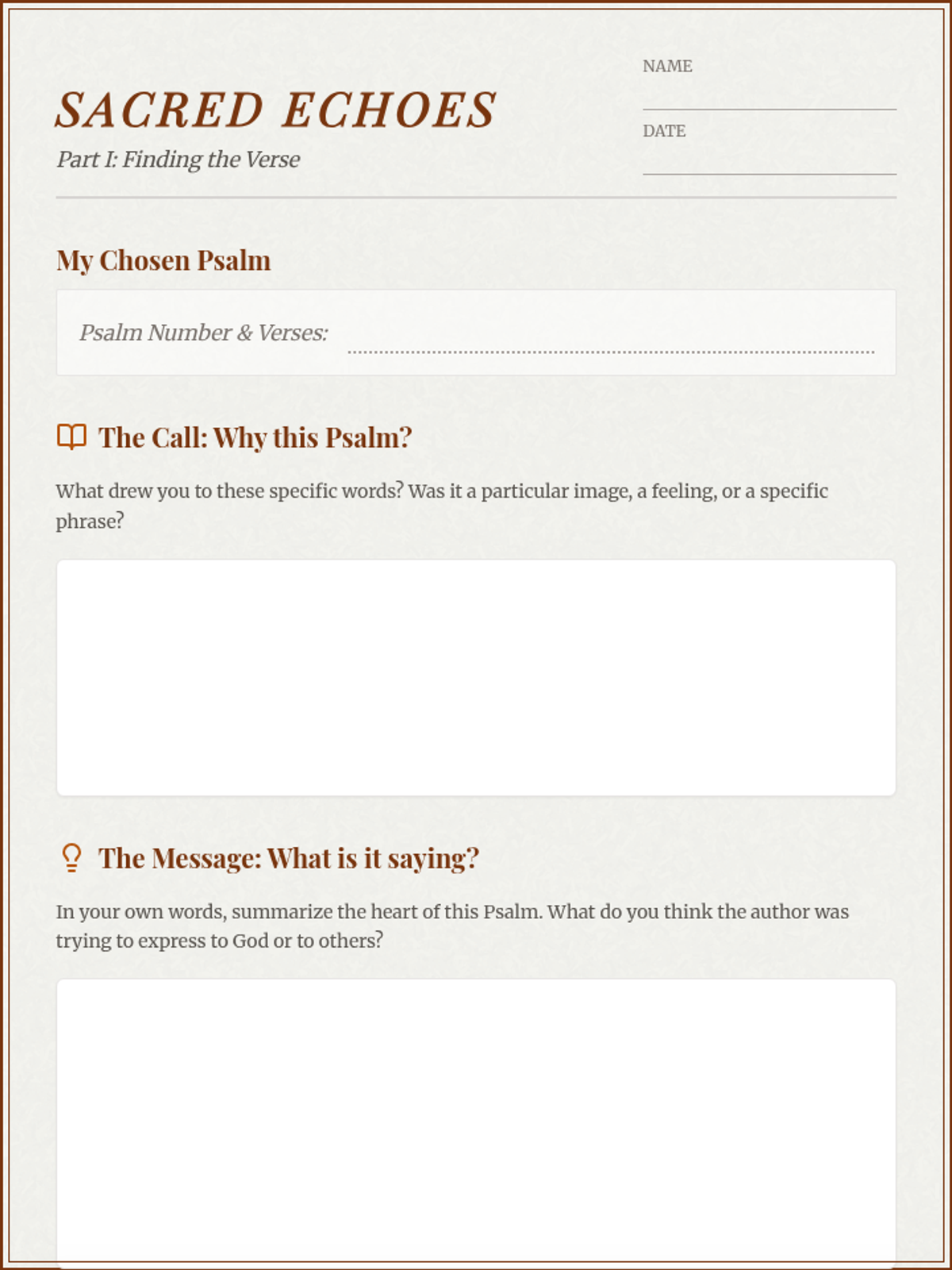
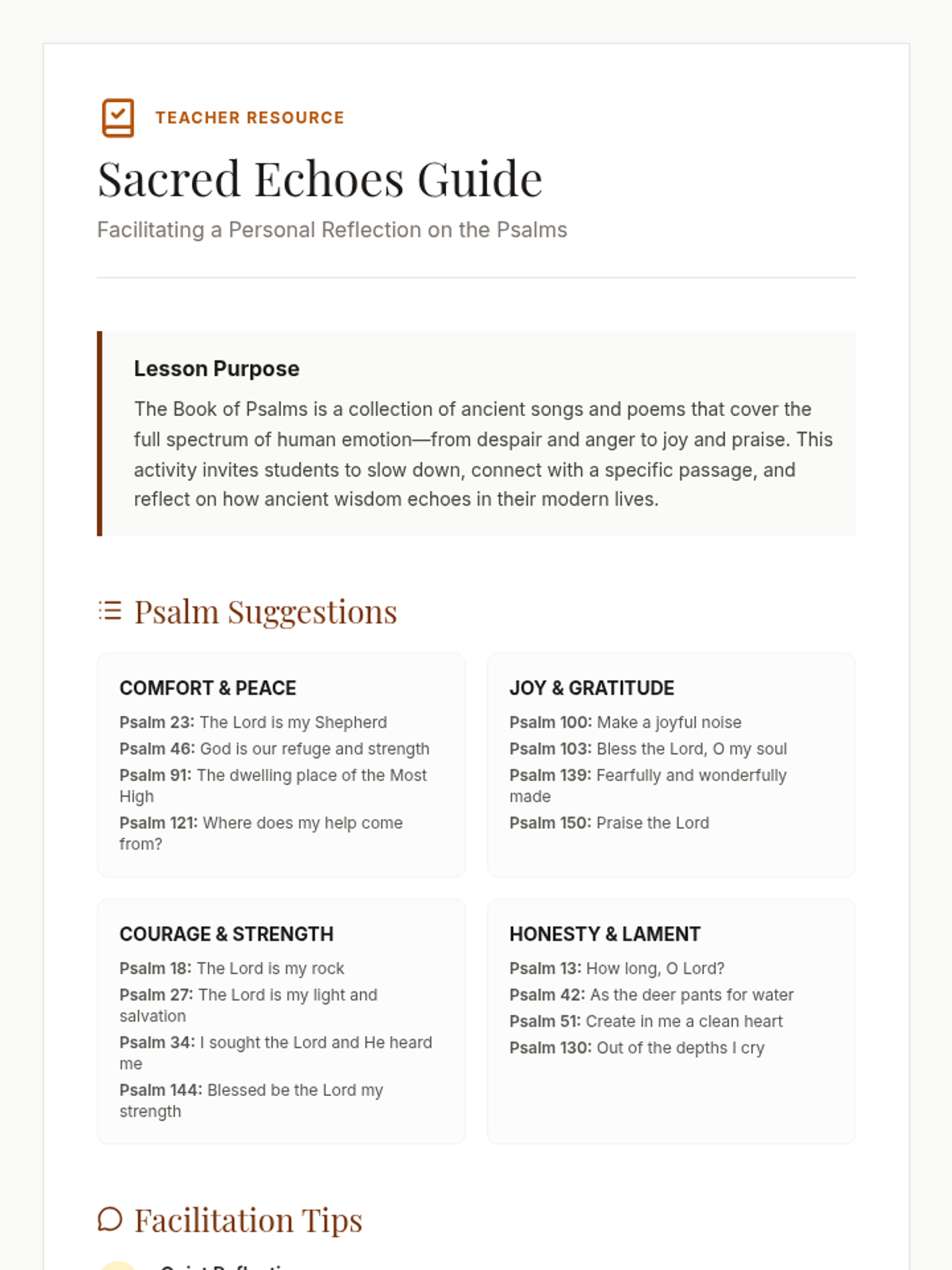
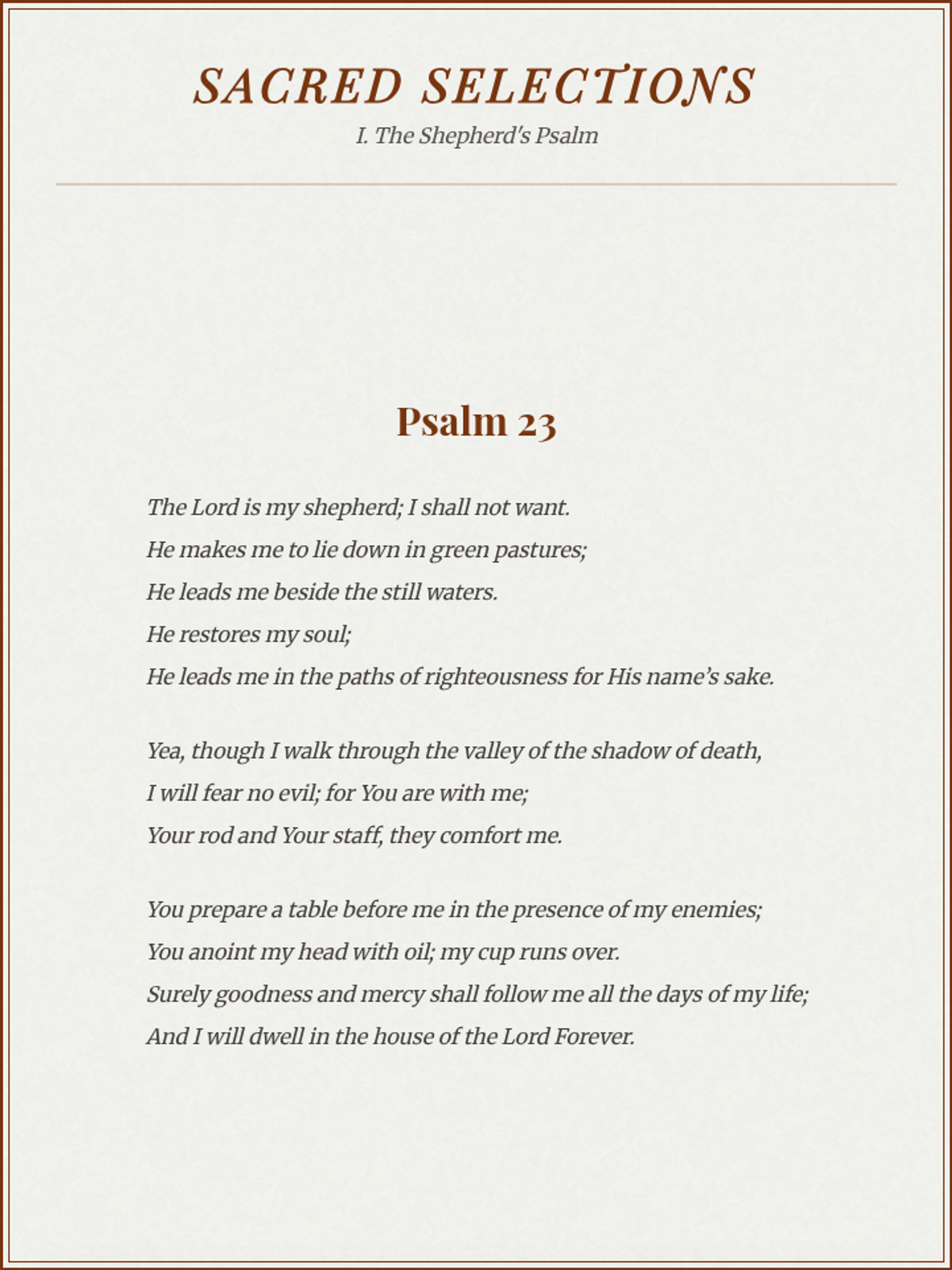
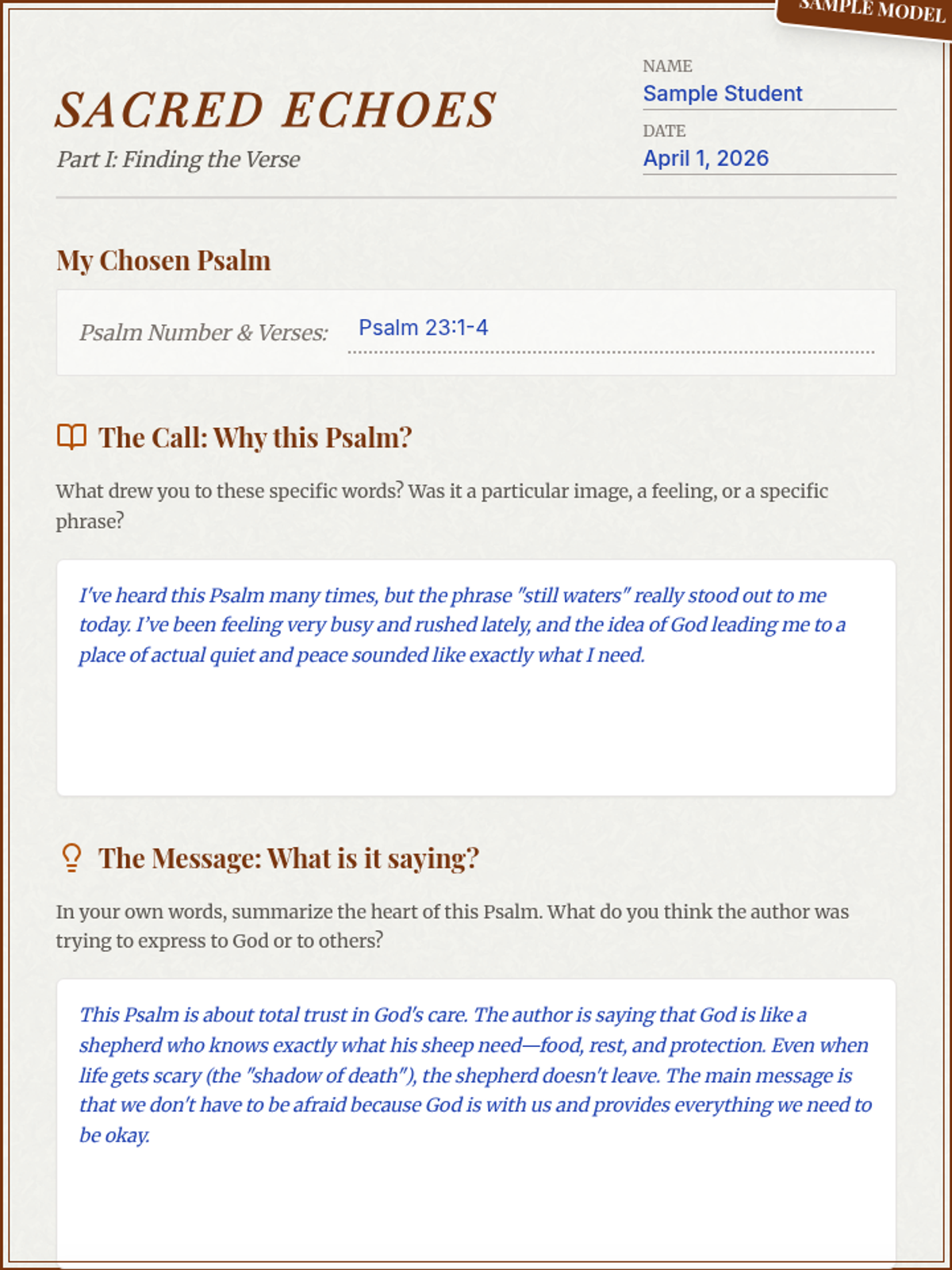
A reflective lesson where students explore the poetic beauty and personal significance of the Psalms, choosing a specific passage to analyze and connect with their own lives.
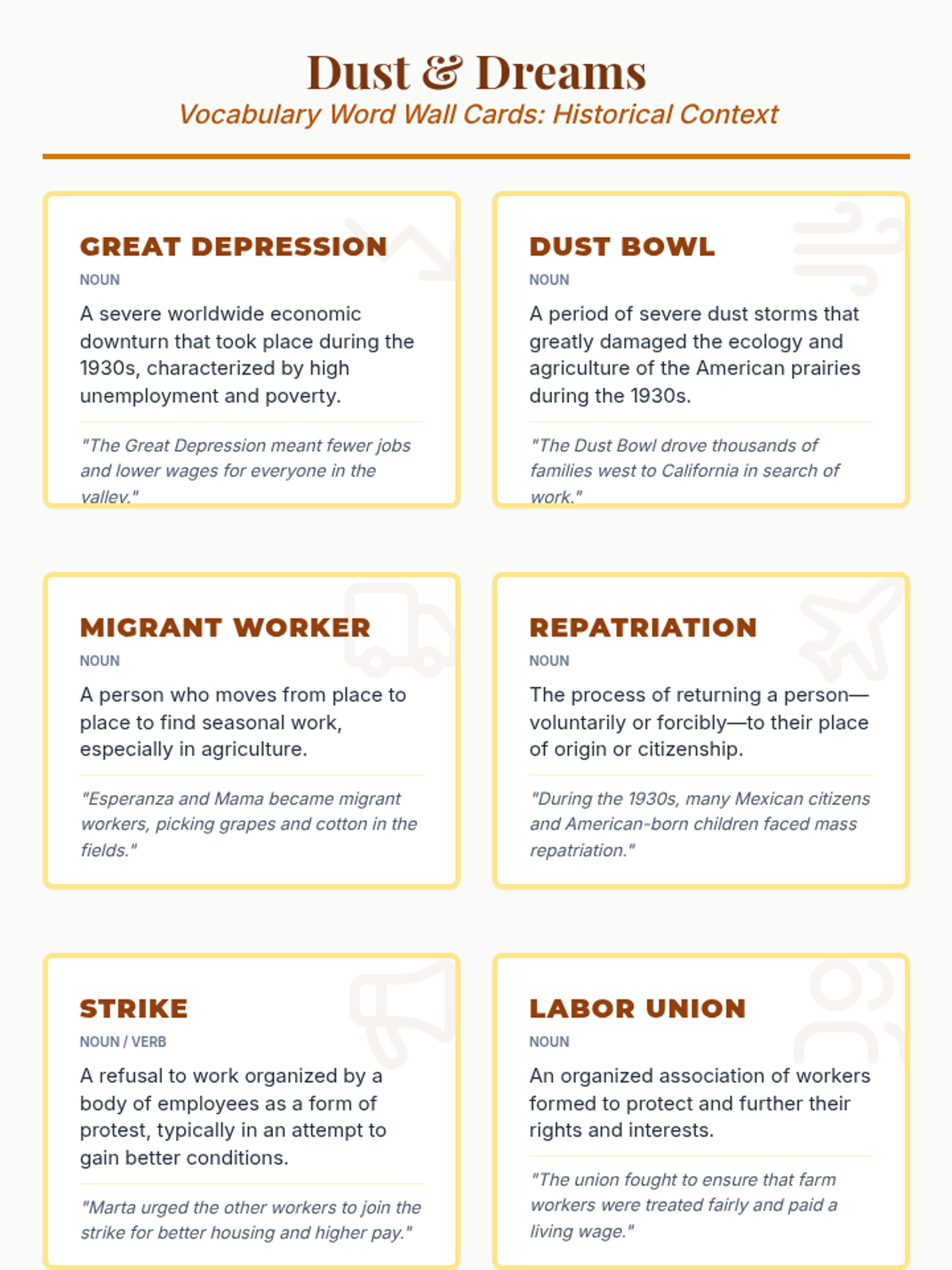
A lesson exploring the historical background of Esperanza Rising, focusing on the Great Depression, the Dust Bowl, and Mexican repatriation.
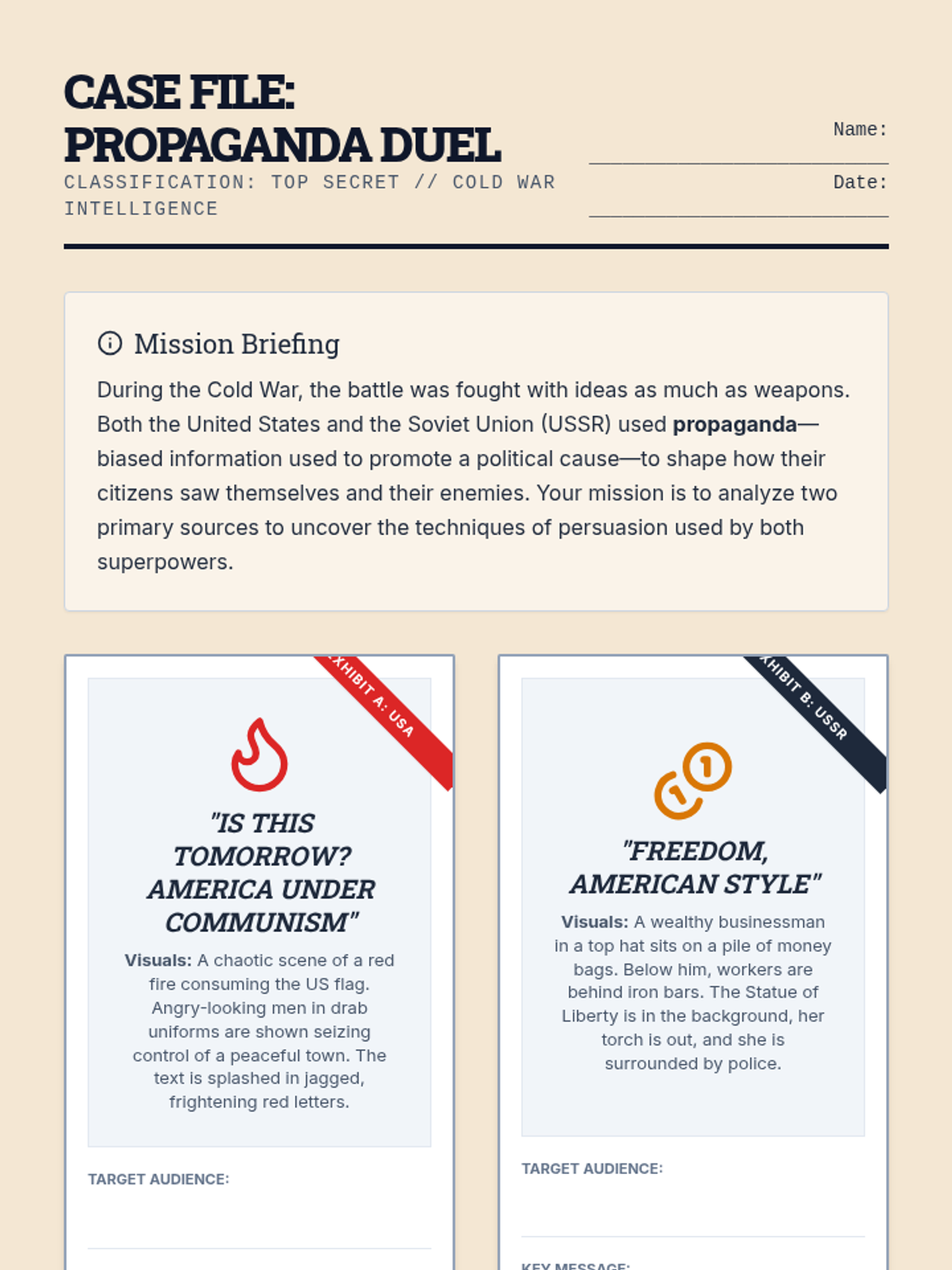
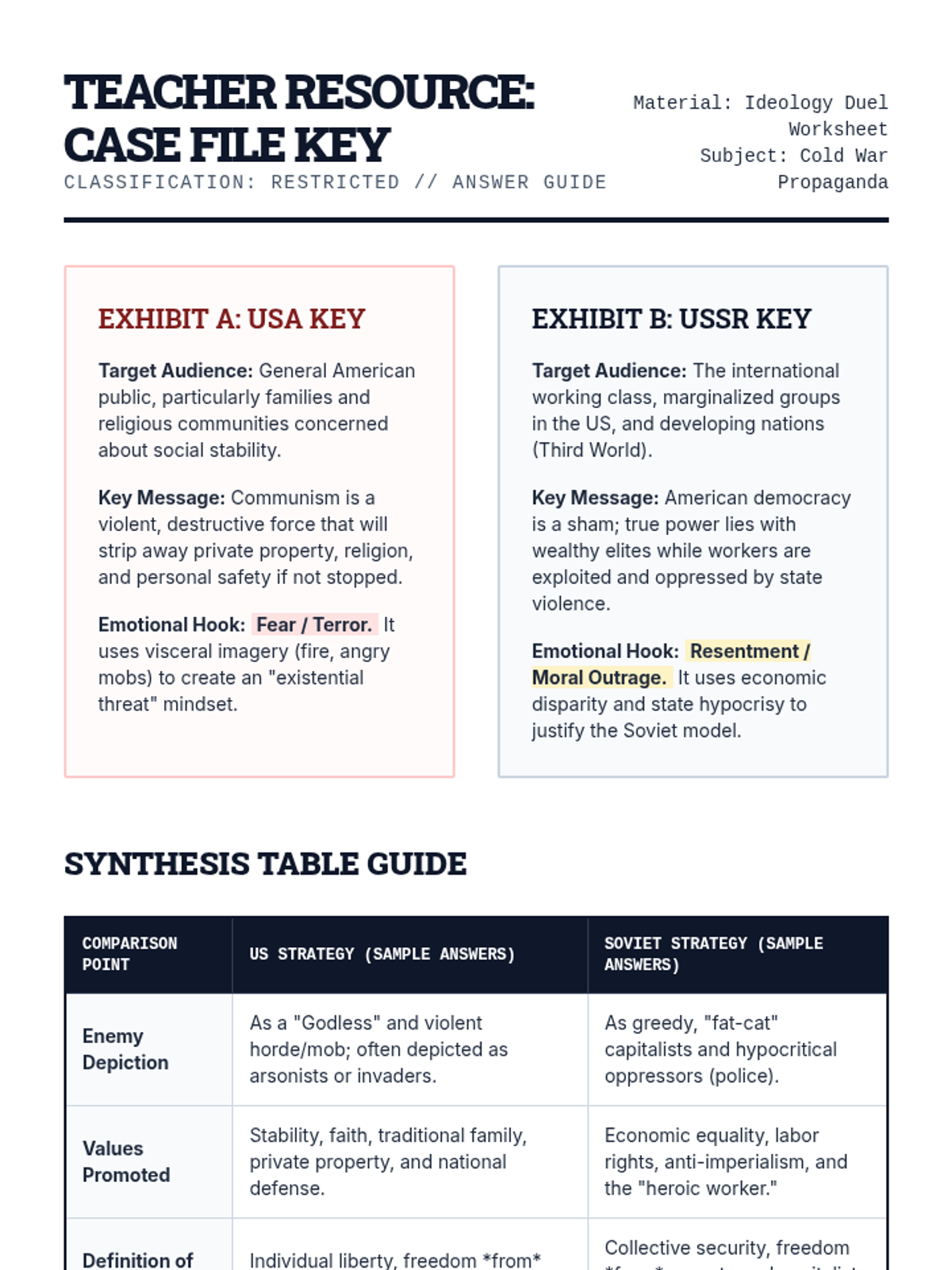
A deep dive into the ideological conflict of the Cold War through the lens of propaganda. Students will analyze techniques used by both the US and the USSR to influence public opinion and contrast their messaging strategies.
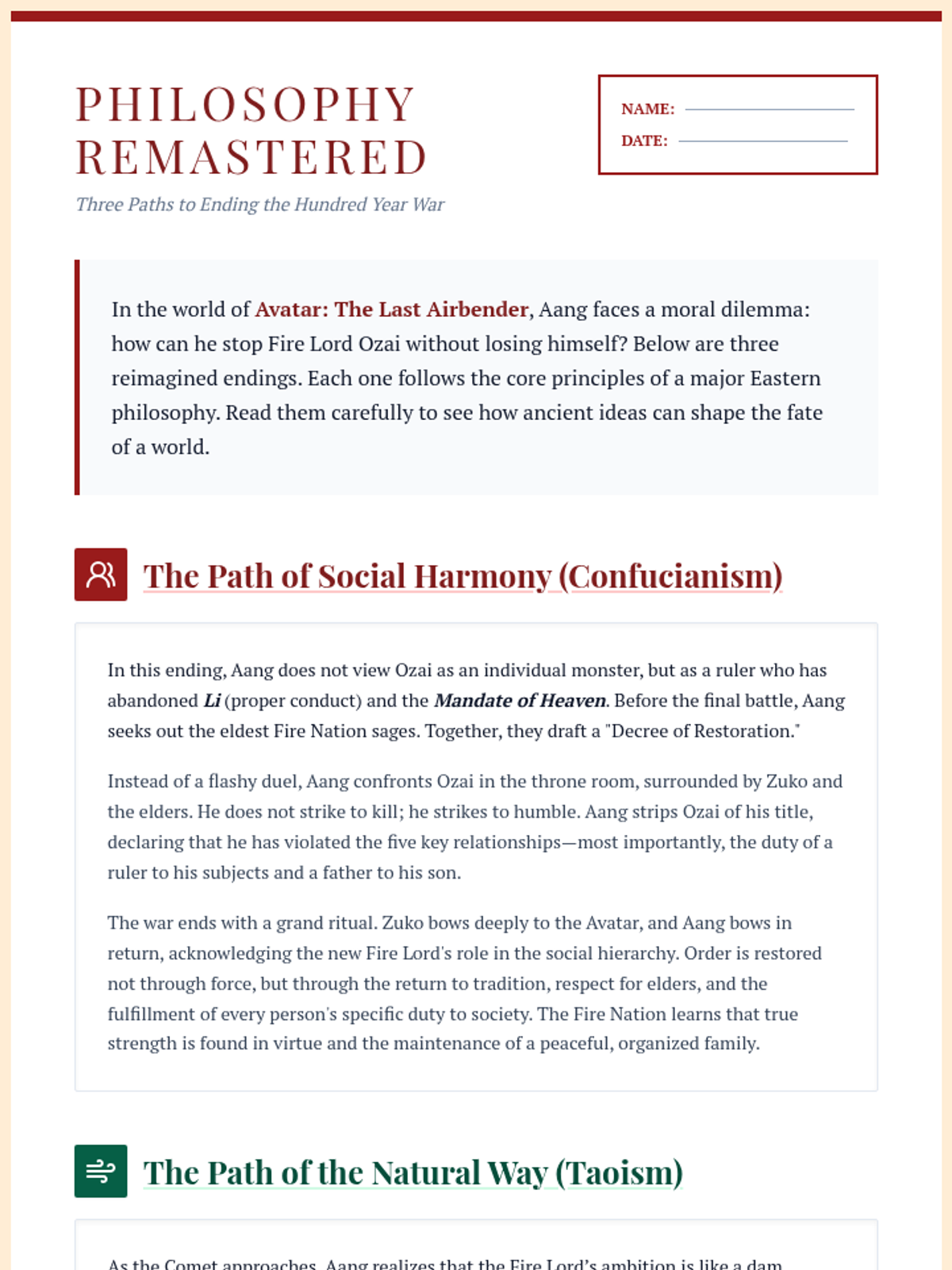
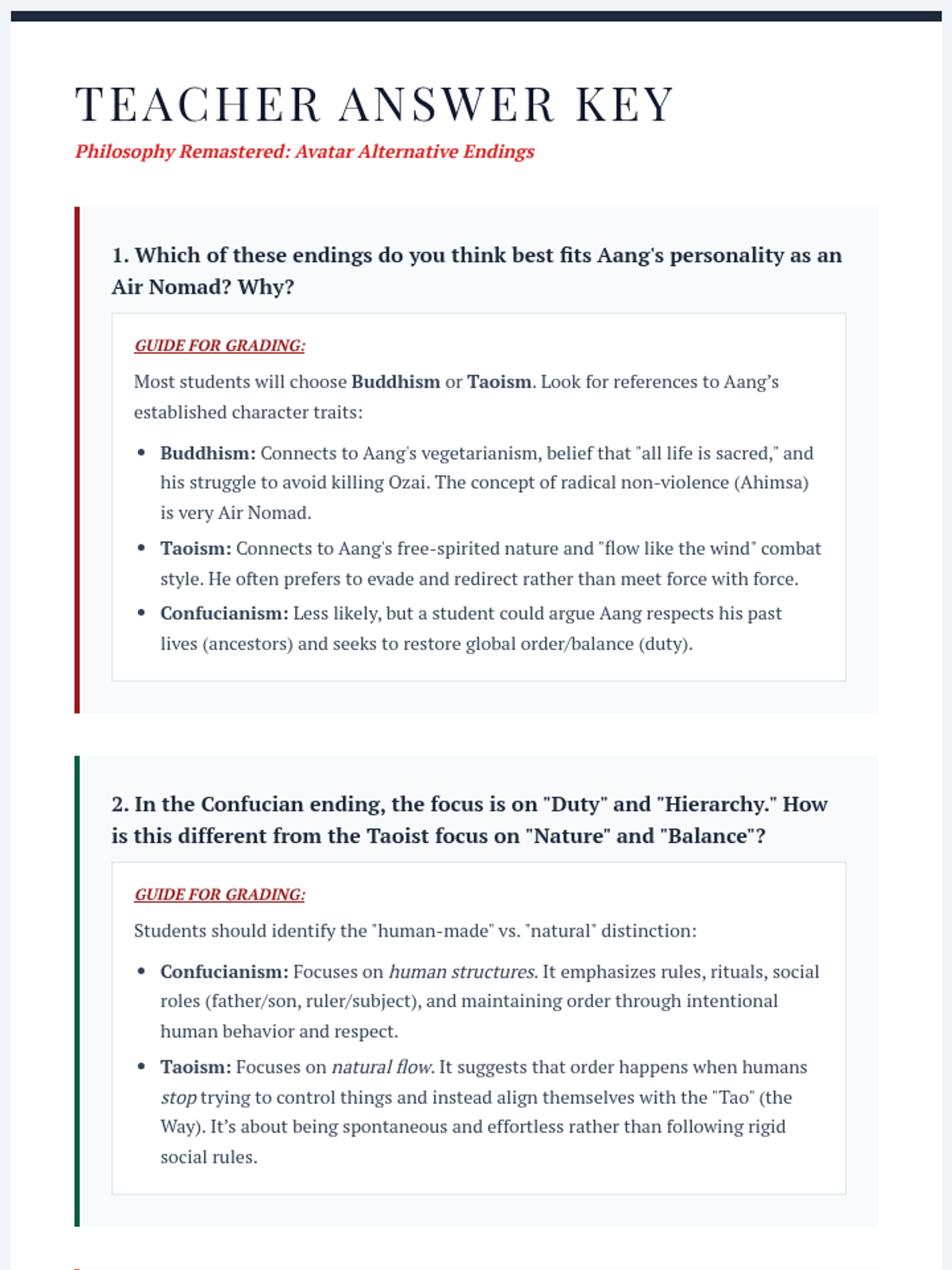
Students explore the core tenets of Confucianism, Taoism, and Buddhism by analyzing three alternative endings to the Avatar: The Last Airbender series, each reflecting a different Eastern philosophy.
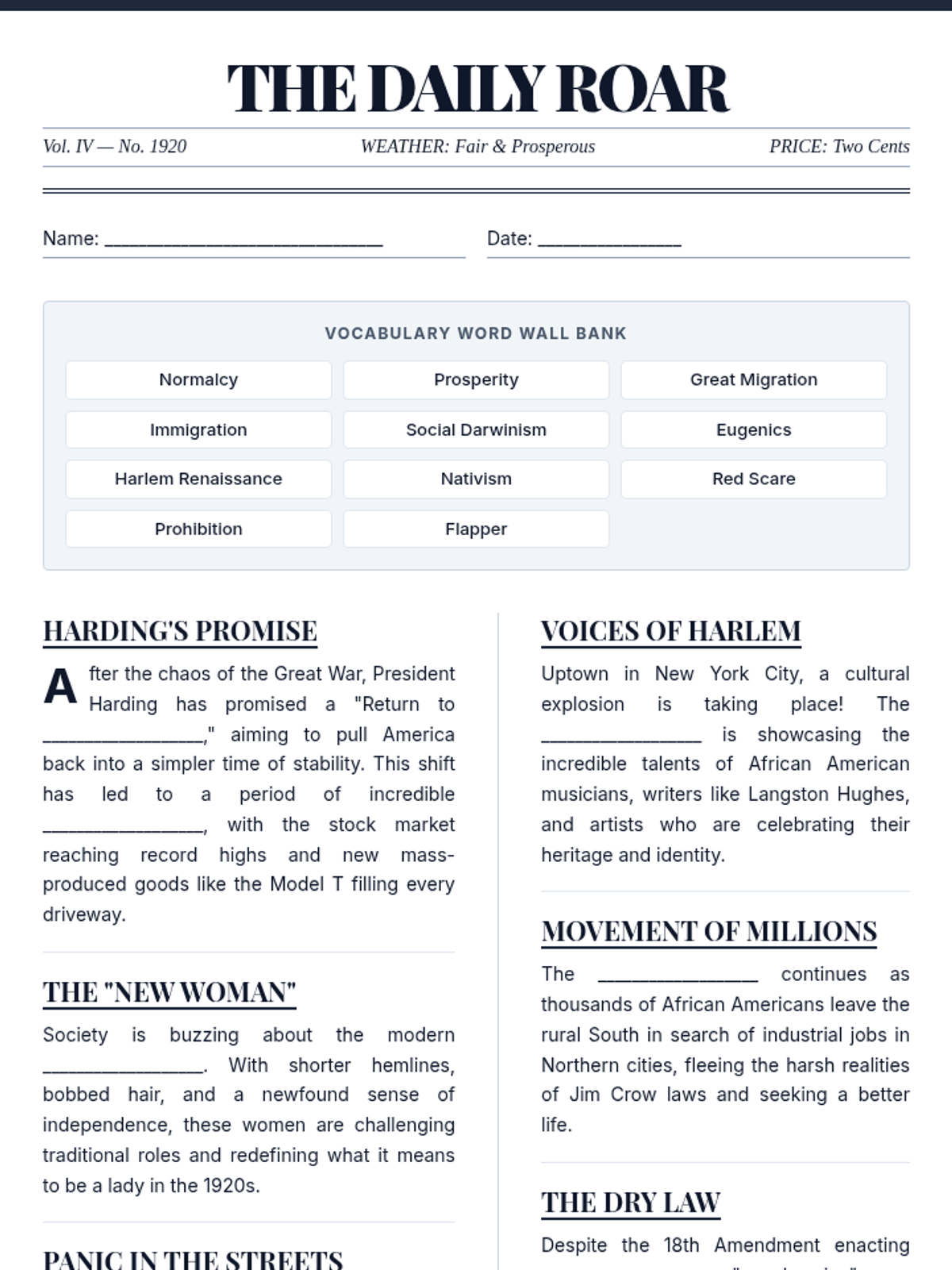
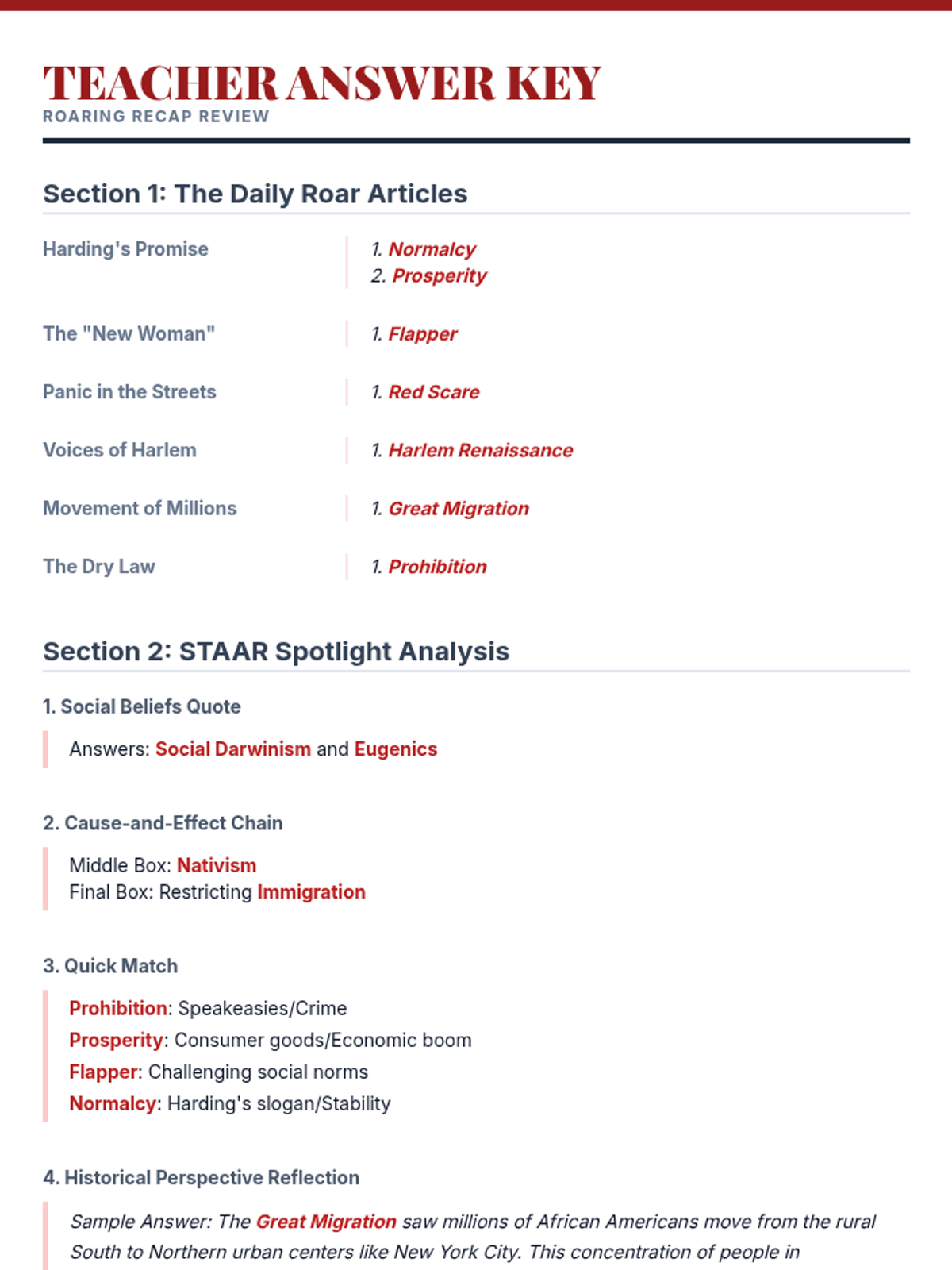
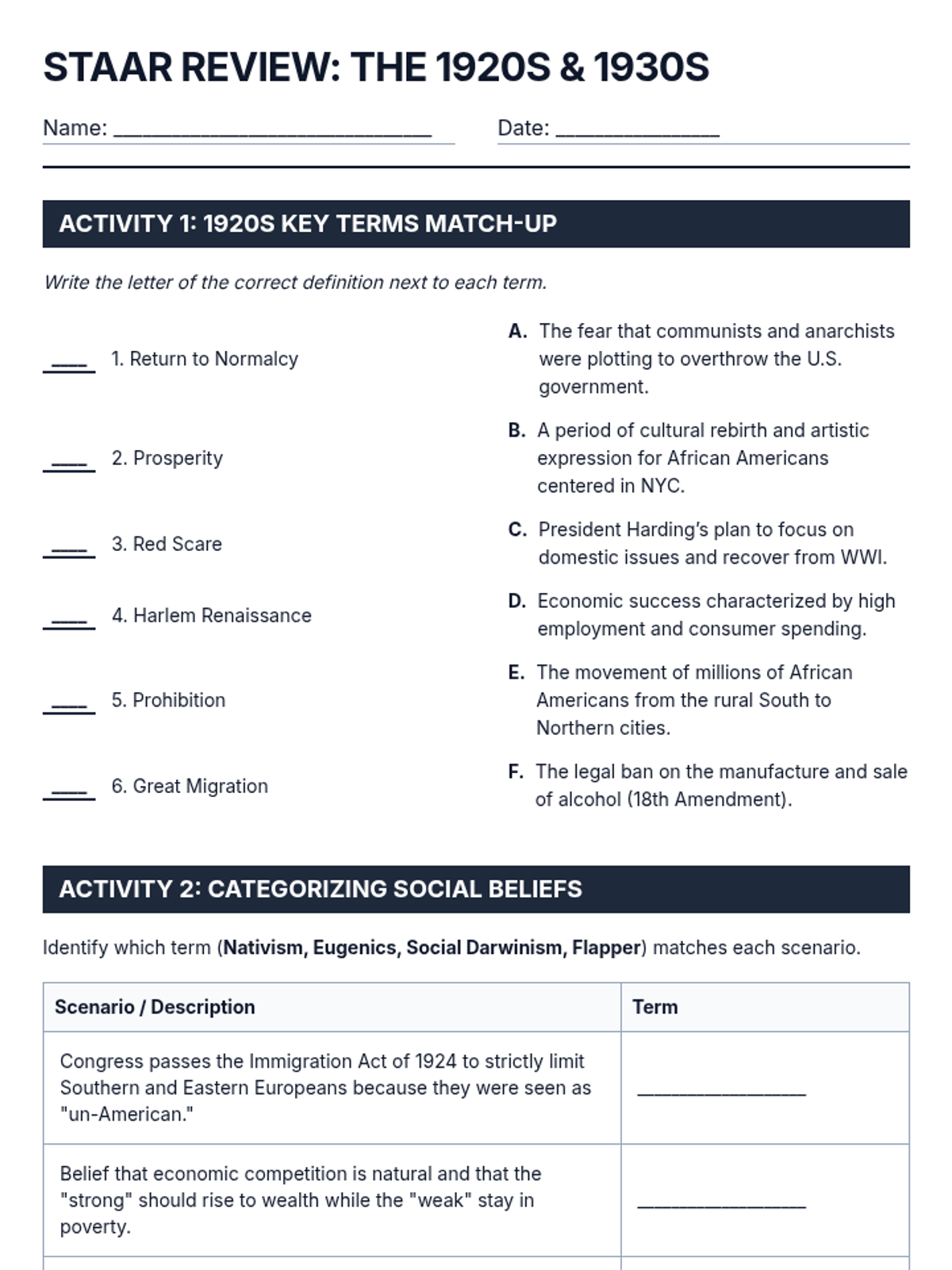
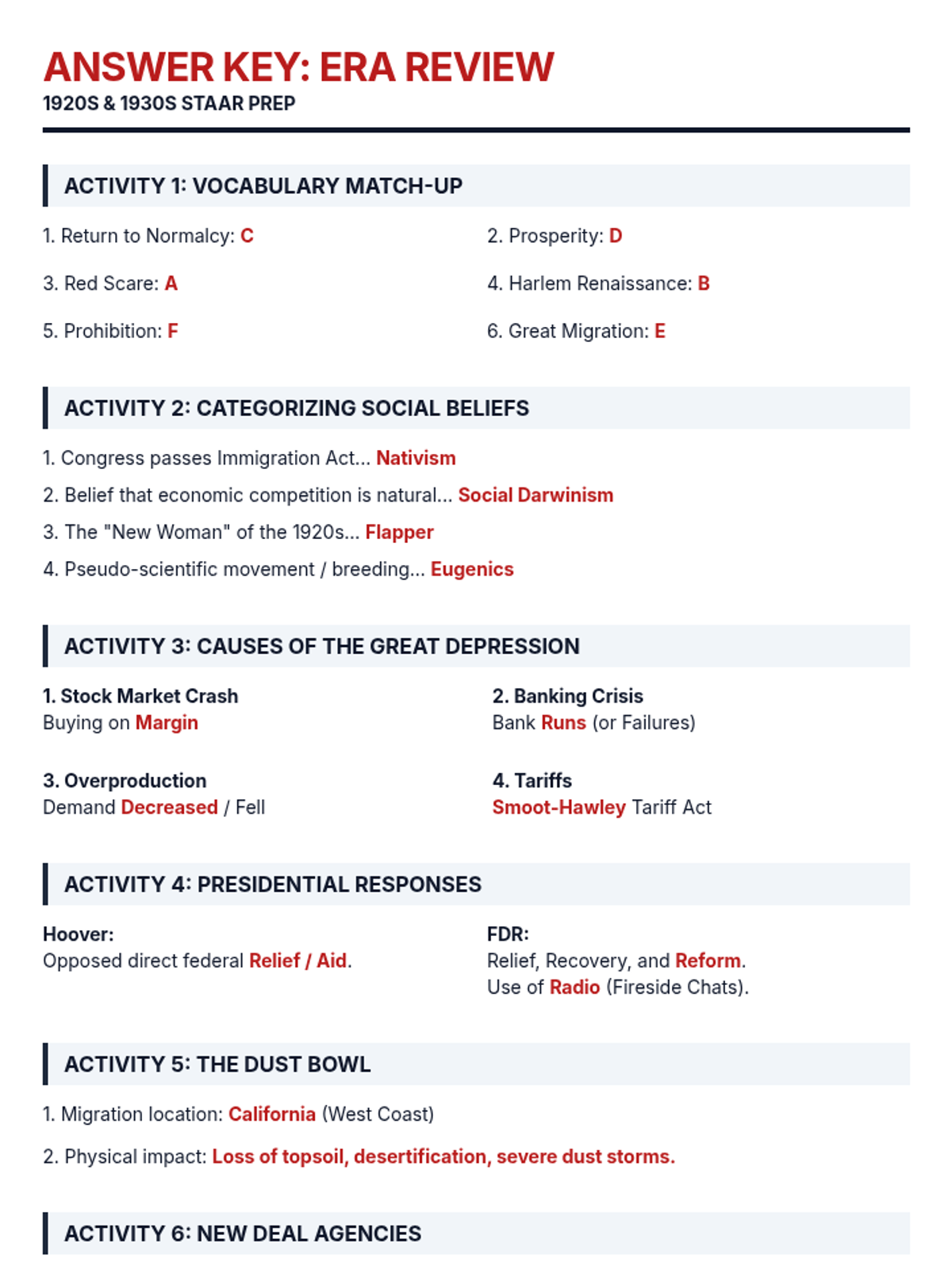
A comprehensive review of the Roaring Twenties for Texas STAAR preparation, focusing on key vocabulary, social shifts, and economic policies through a creative vintage newspaper theme.
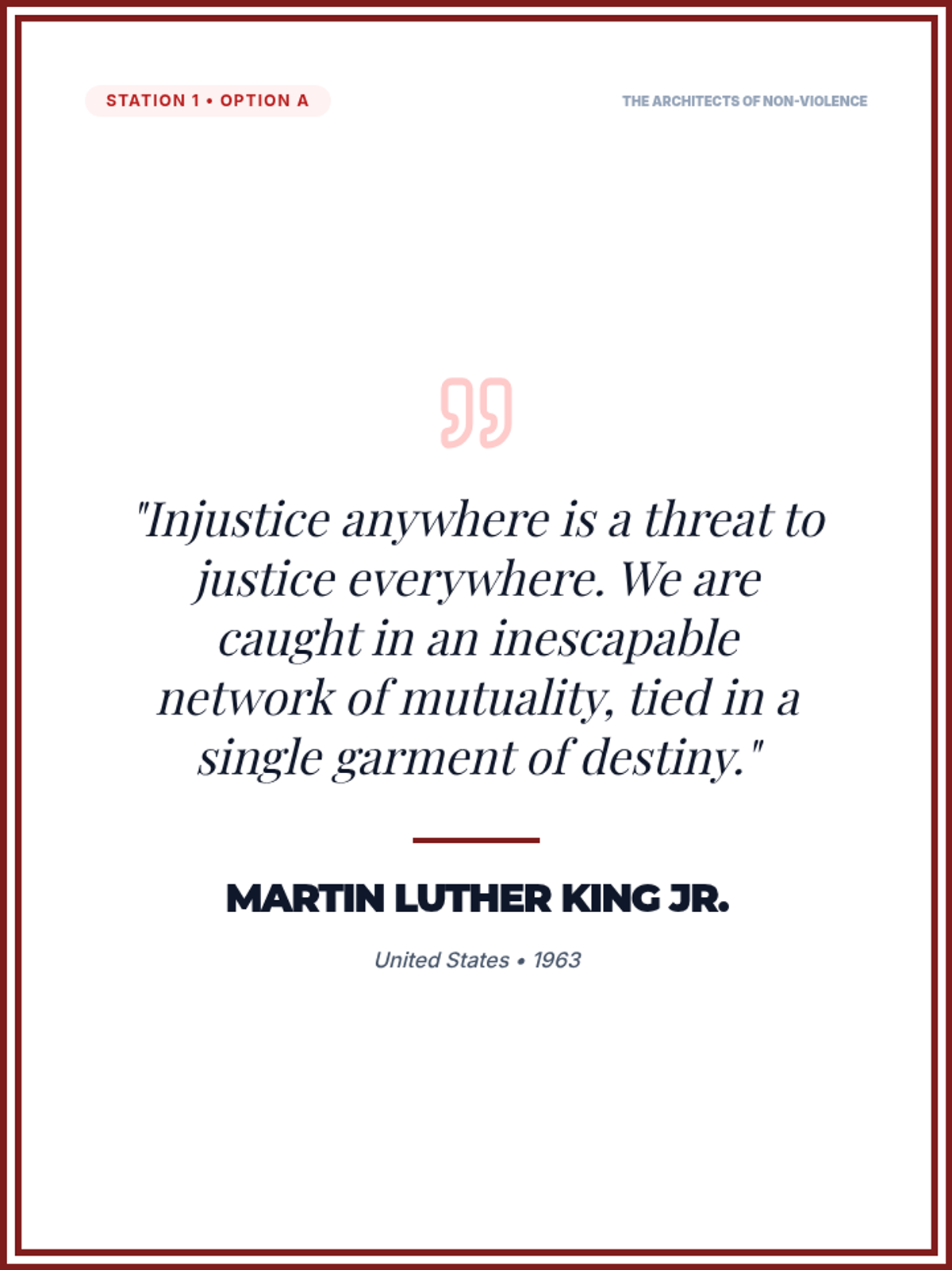
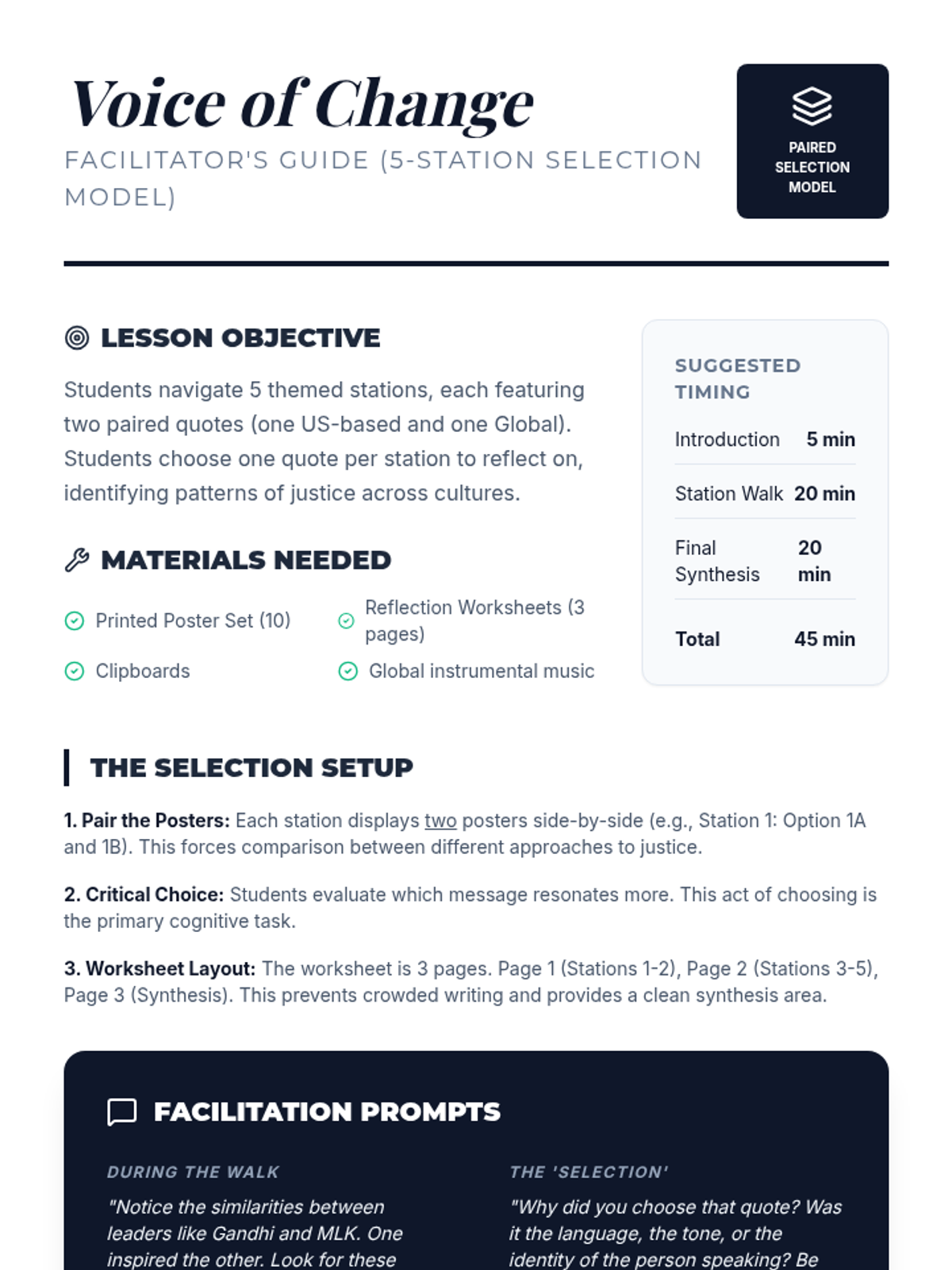
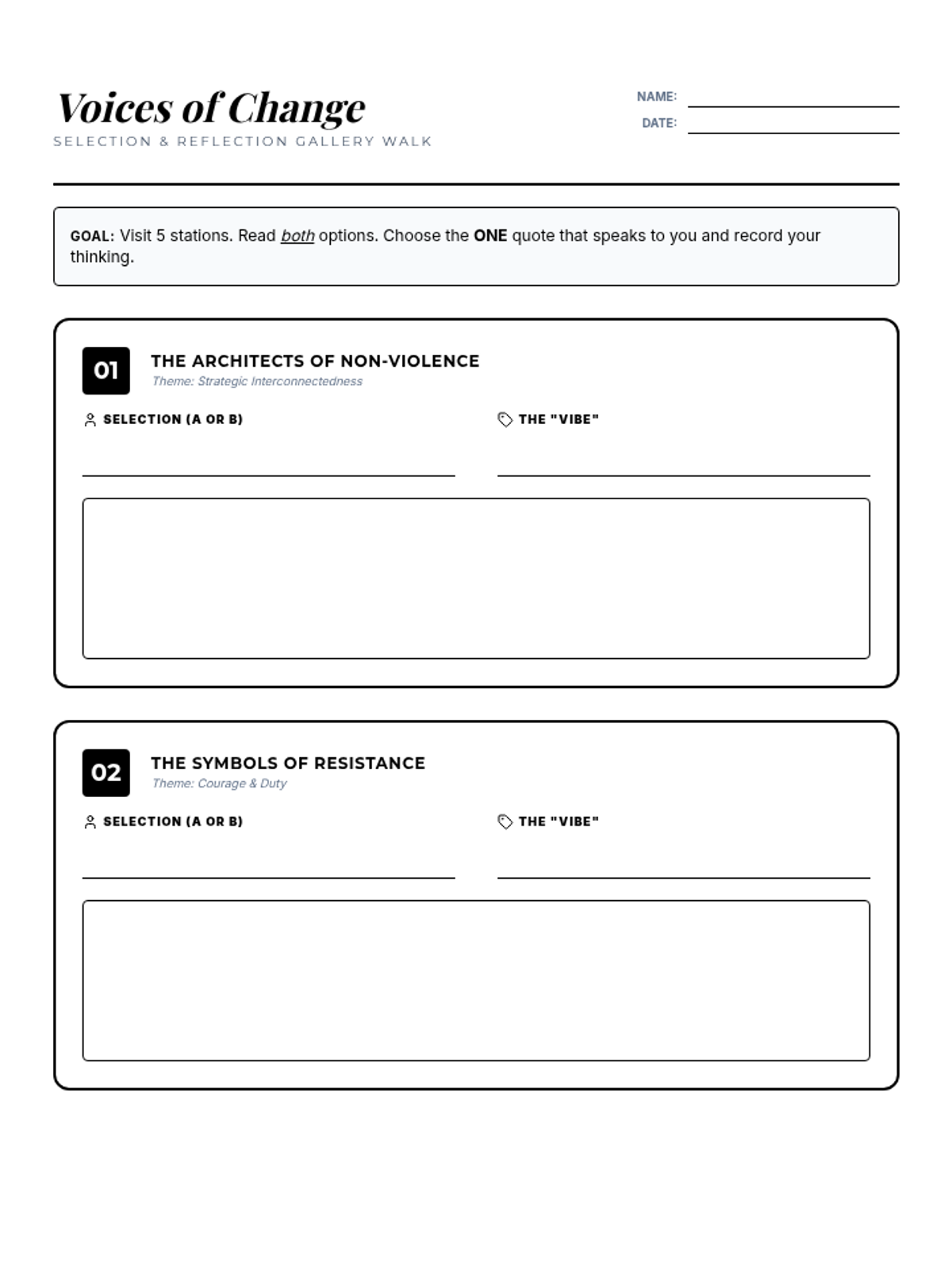
An introductory lesson exploring the Civil Rights Movement through the powerful words of its leaders. Students engage in a gallery walk to analyze quotes, reflect on leadership styles, and connect historical messages to modern contexts.
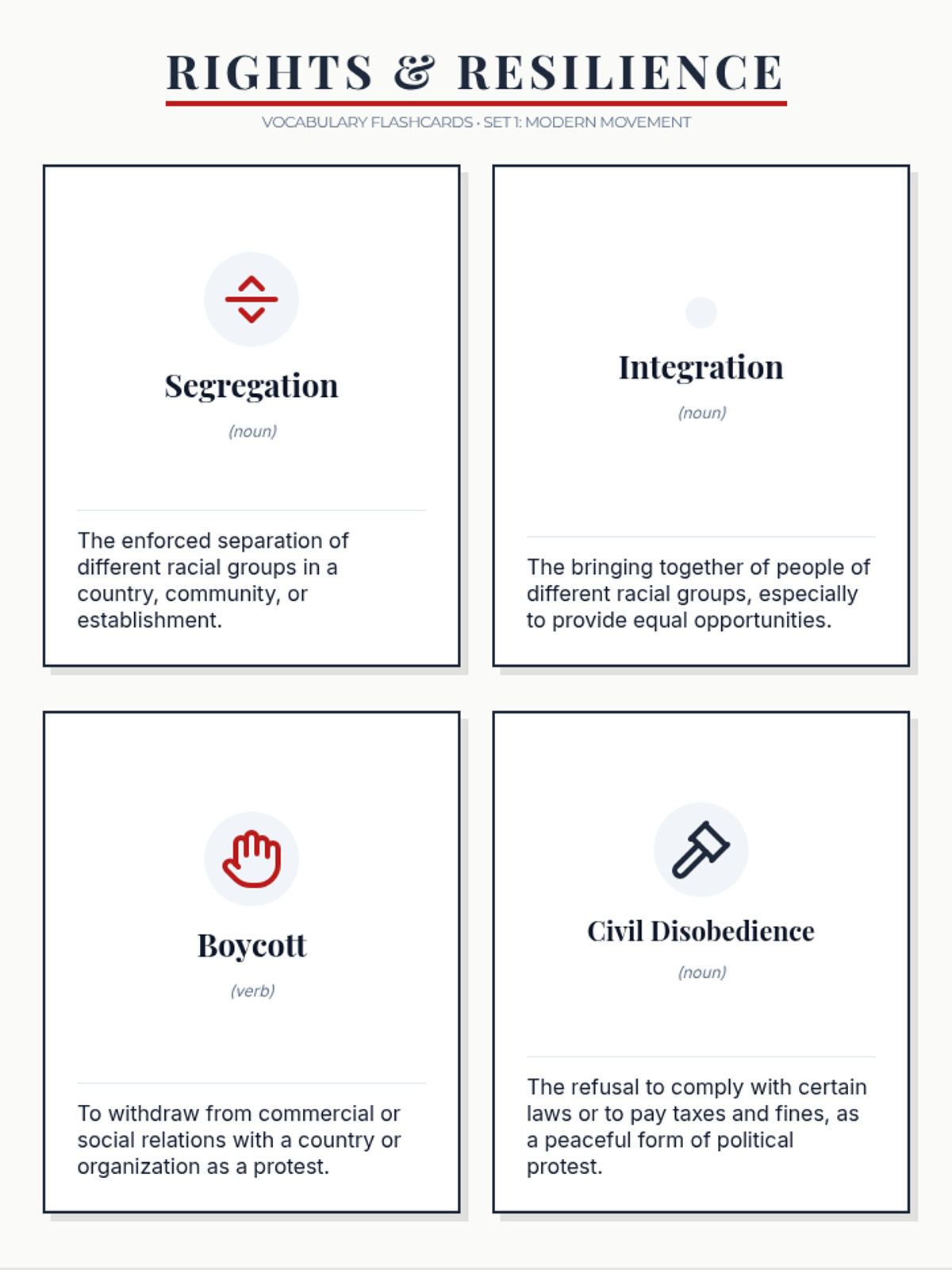
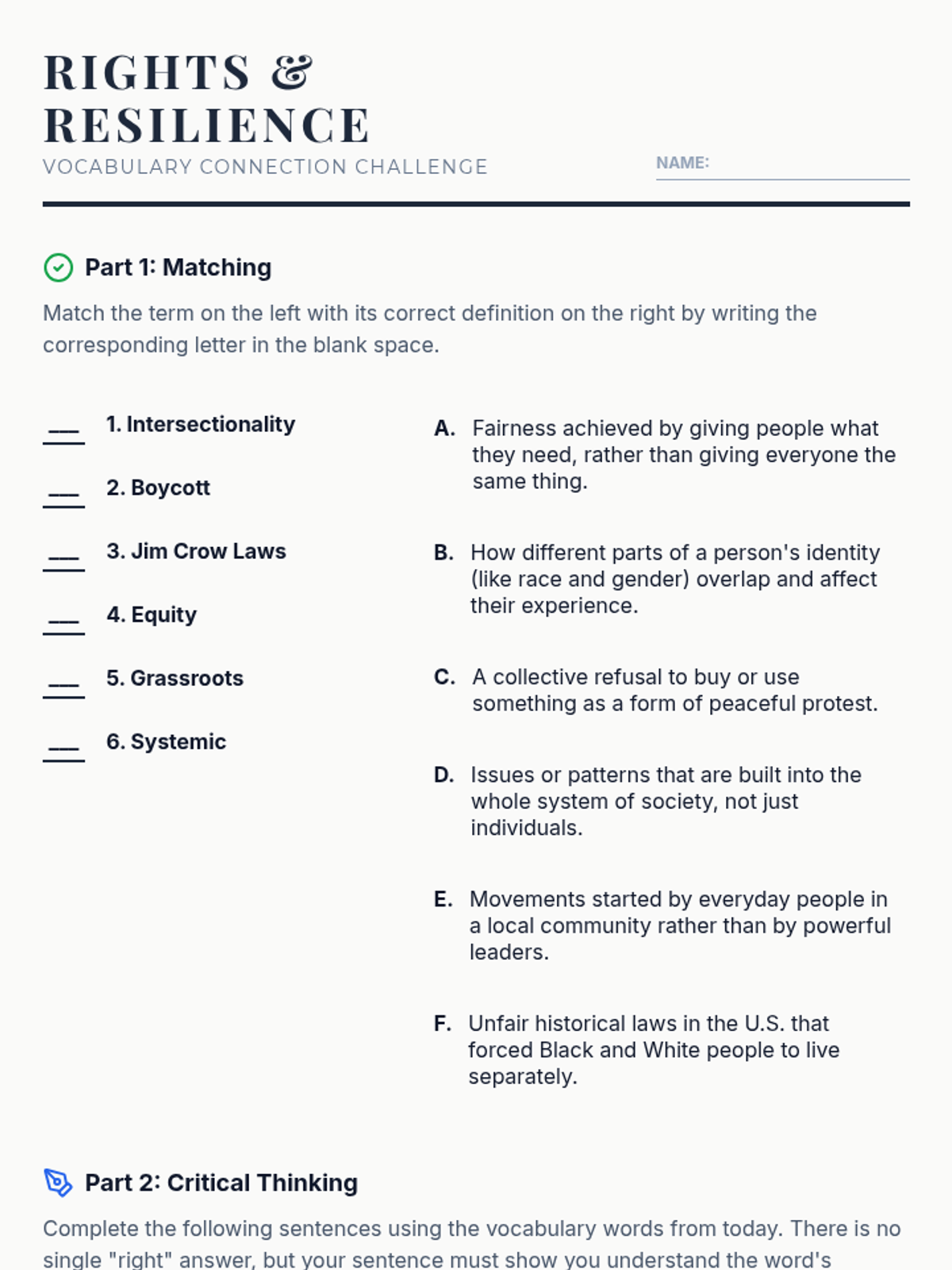
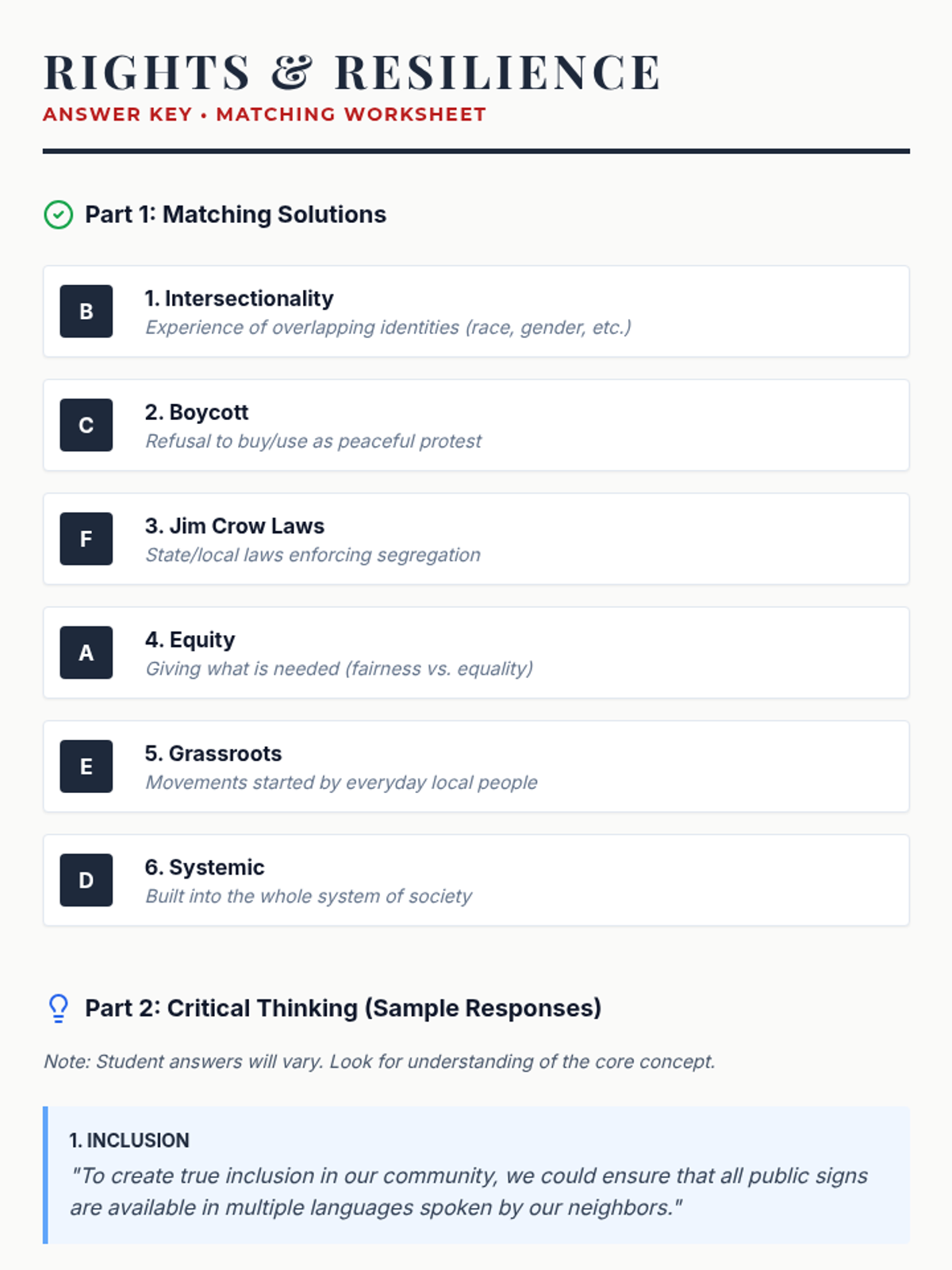
A vocabulary-focused exploration of civil rights, spanning the 1950s/60s Modern Movement through contemporary issues, using visual cards, organizers, and matching exercises.
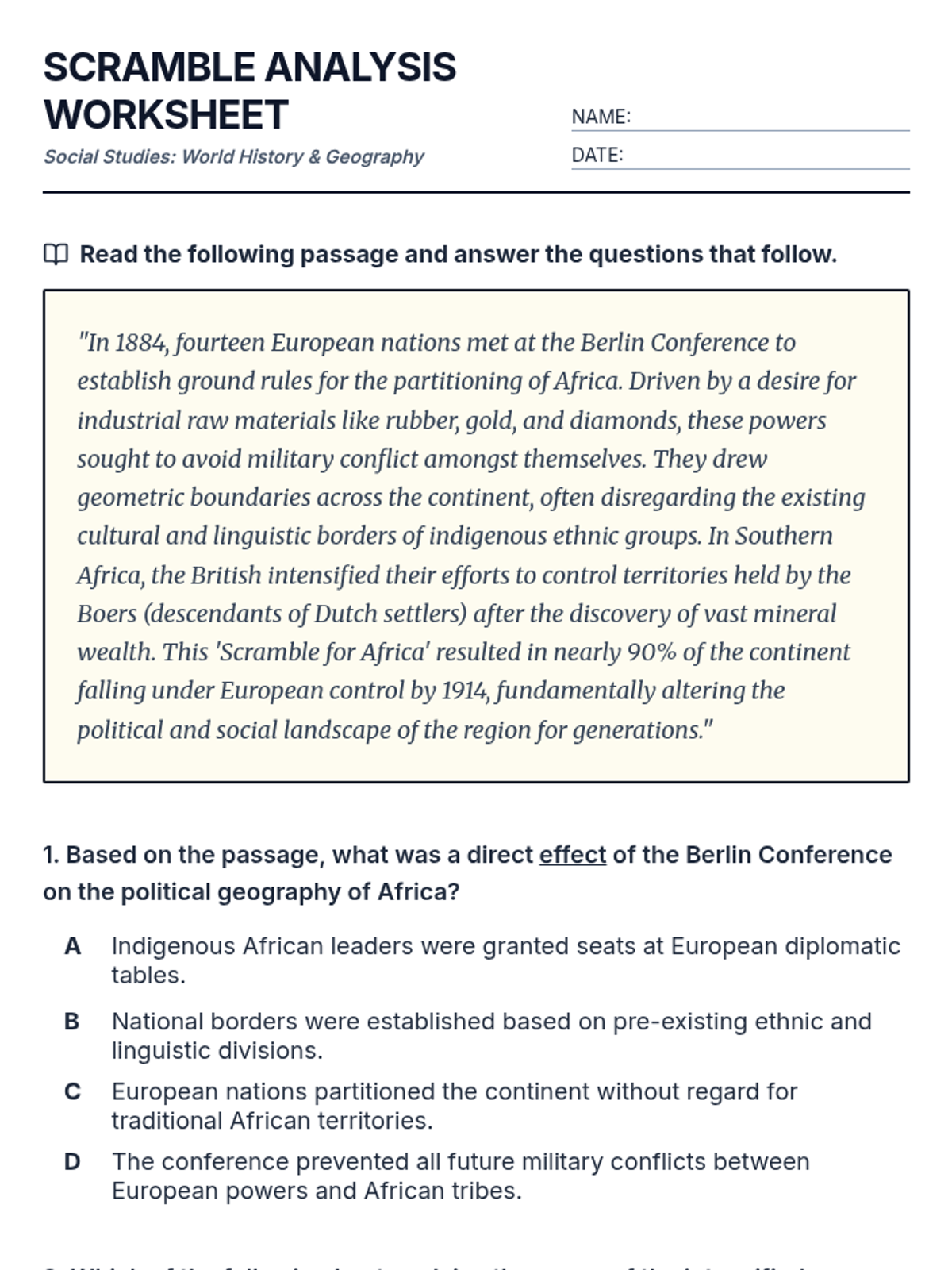
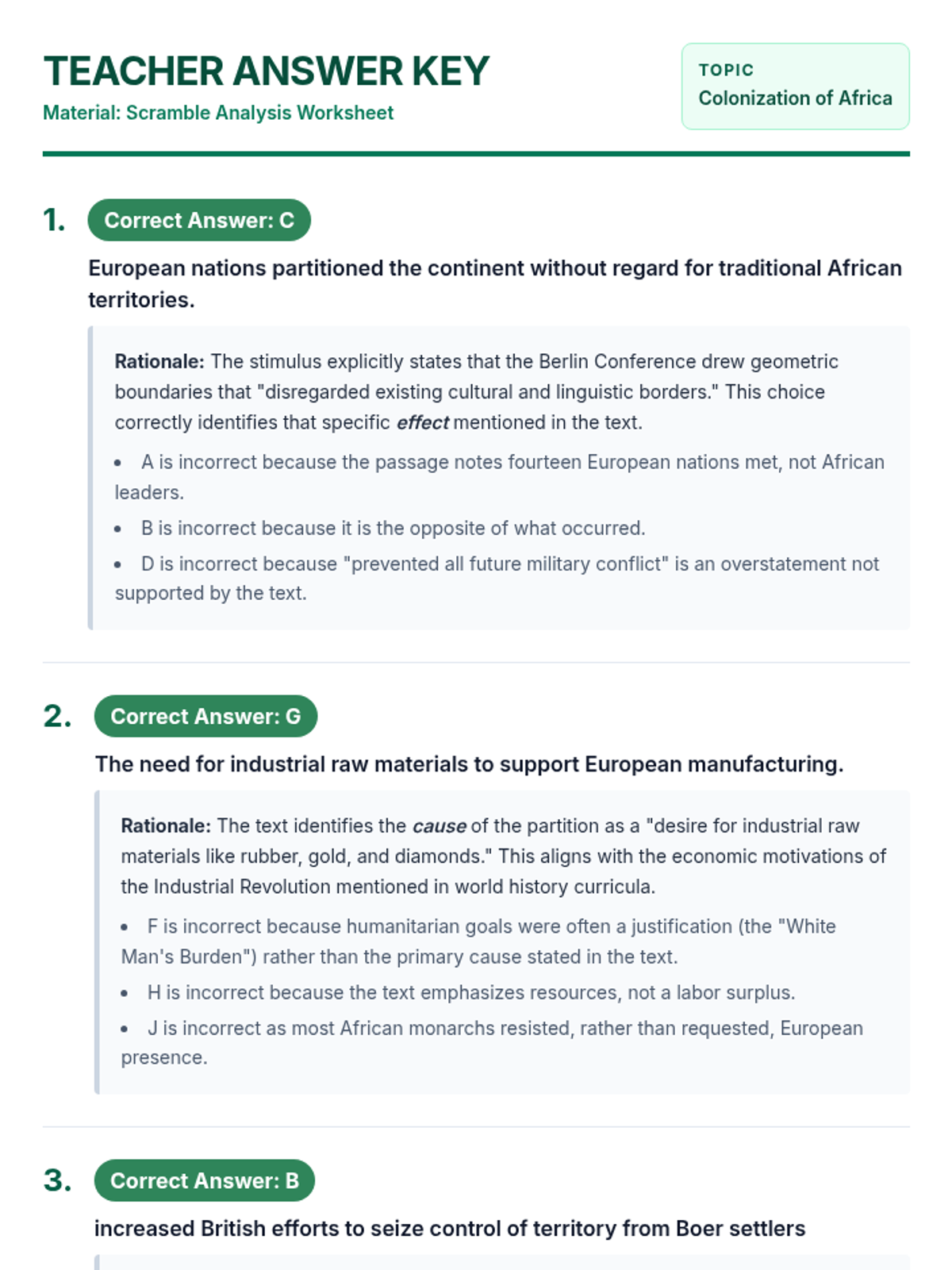
A lesson exploring the motivations, events, and consequences of the European colonization of Africa, focusing on the Berlin Conference and British expansion in South Africa through the lens of cause and effect.
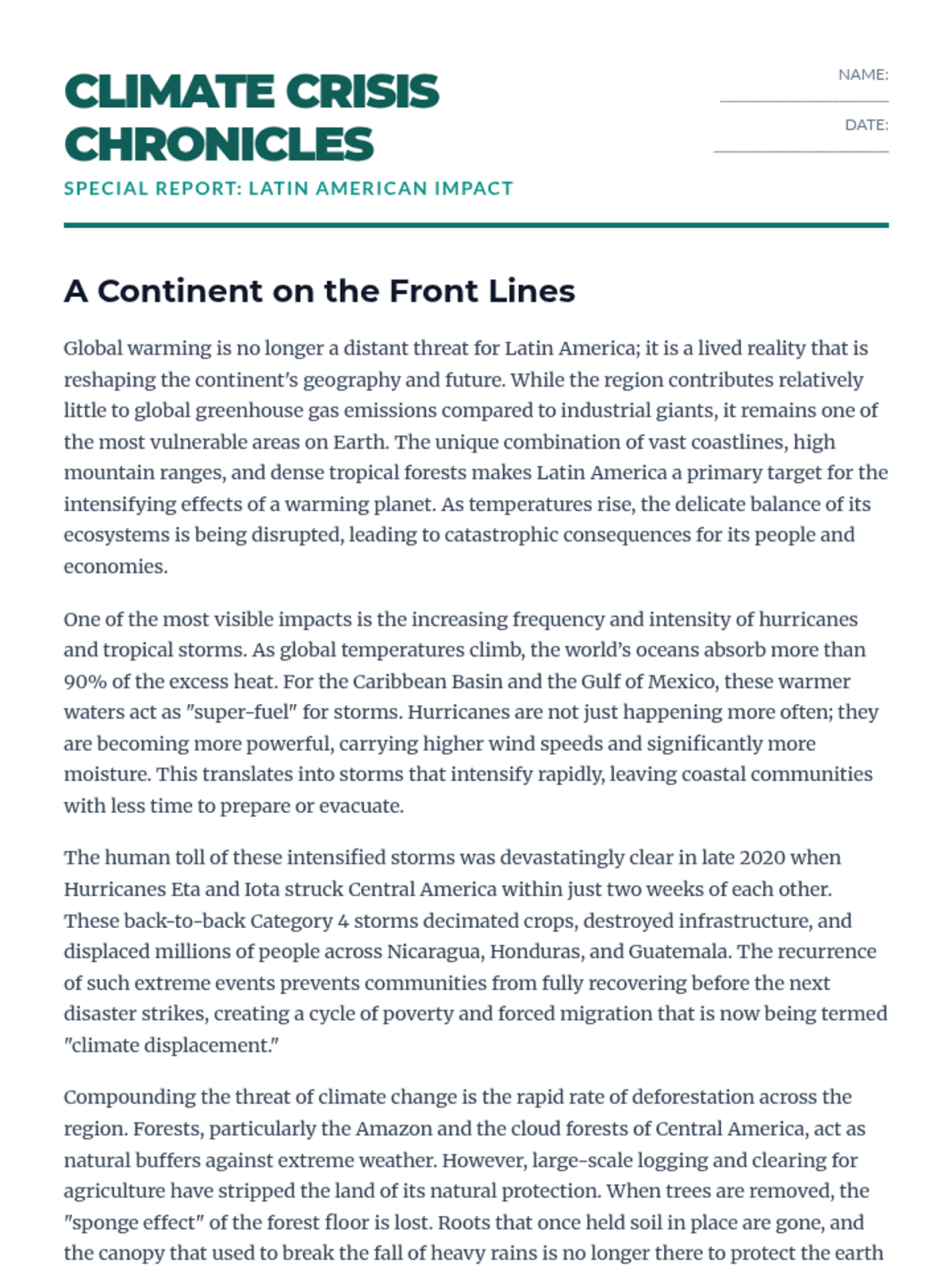
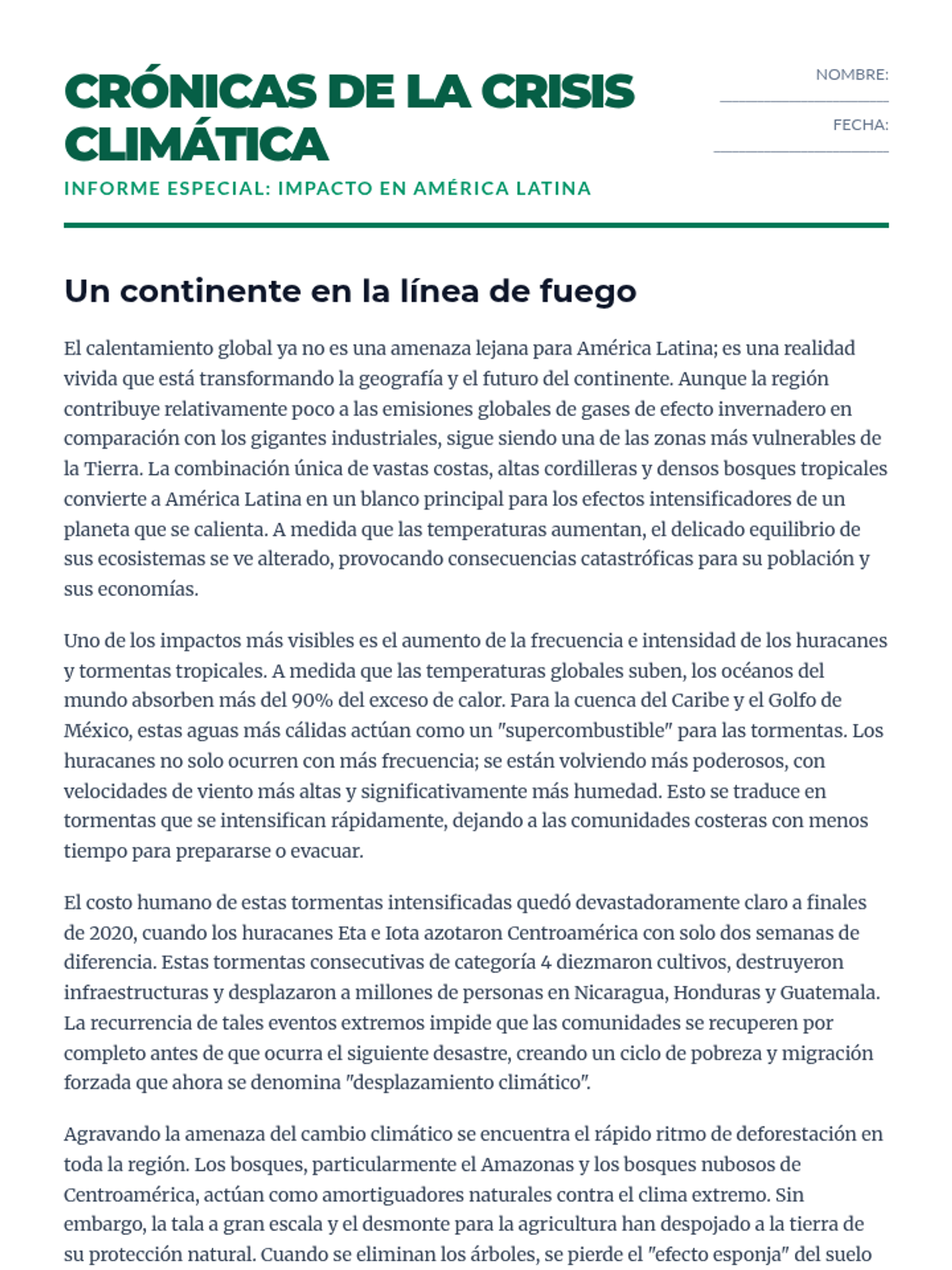
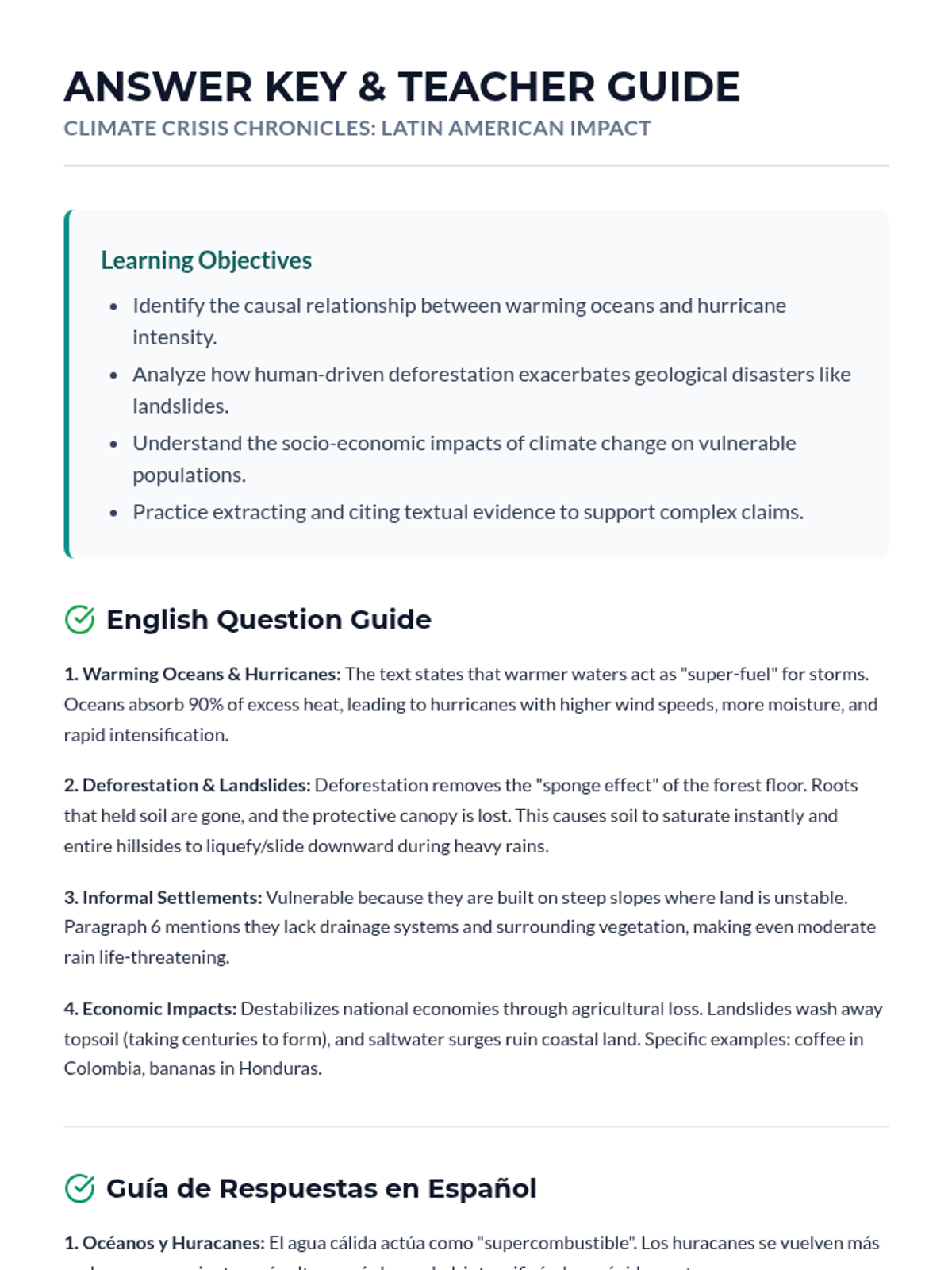
A comprehensive reading and analysis lesson exploring the specific impacts of global warming on Latin America, focusing on hurricanes, deforestation, and landslides.